window.__IS_SSR__=true
window.__INITIAL_STATE__={
"attachmentsReducer": {
"audio_0": {
"type": "attachments",
"id": "audio_0",
"imgSizes": {
"kqedFullSize": {
"file": "https://ww2.kqed.org/news/wp-content/themes/KQED-unified/img/audio_bgs/background0.jpg"
}
}
},
"audio_1": {
"type": "attachments",
"id": "audio_1",
"imgSizes": {
"kqedFullSize": {
"file": "https://ww2.kqed.org/news/wp-content/themes/KQED-unified/img/audio_bgs/background1.jpg"
}
}
},
"audio_2": {
"type": "attachments",
"id": "audio_2",
"imgSizes": {
"kqedFullSize": {
"file": "https://ww2.kqed.org/news/wp-content/themes/KQED-unified/img/audio_bgs/background2.jpg"
}
}
},
"audio_3": {
"type": "attachments",
"id": "audio_3",
"imgSizes": {
"kqedFullSize": {
"file": "https://ww2.kqed.org/news/wp-content/themes/KQED-unified/img/audio_bgs/background3.jpg"
}
}
},
"audio_4": {
"type": "attachments",
"id": "audio_4",
"imgSizes": {
"kqedFullSize": {
"file": "https://ww2.kqed.org/news/wp-content/themes/KQED-unified/img/audio_bgs/background4.jpg"
}
}
},
"placeholder": {
"type": "attachments",
"id": "placeholder",
"imgSizes": {
"thumbnail": {
"file": "https://cdn.kqed.org/wp-content/uploads/2024/12/KQED-Default-Image-816638274-2000x1333-1-160x107.jpg",
"width": 160,
"height": 107,
"mimeType": "image/jpeg"
},
"medium": {
"file": "https://cdn.kqed.org/wp-content/uploads/2024/12/KQED-Default-Image-816638274-2000x1333-1-800x533.jpg",
"width": 800,
"height": 533,
"mimeType": "image/jpeg"
},
"medium_large": {
"file": "https://cdn.kqed.org/wp-content/uploads/2024/12/KQED-Default-Image-816638274-2000x1333-1-768x512.jpg",
"width": 768,
"height": 512,
"mimeType": "image/jpeg"
},
"large": {
"file": "https://cdn.kqed.org/wp-content/uploads/2024/12/KQED-Default-Image-816638274-2000x1333-1-1020x680.jpg",
"width": 1020,
"height": 680,
"mimeType": "image/jpeg"
},
"1536x1536": {
"file": "https://cdn.kqed.org/wp-content/uploads/2024/12/KQED-Default-Image-816638274-2000x1333-1-1536x1024.jpg",
"width": 1536,
"height": 1024,
"mimeType": "image/jpeg"
},
"fd-lrg": {
"file": "https://cdn.kqed.org/wp-content/uploads/2024/12/KQED-Default-Image-816638274-2000x1333-1-1536x1024.jpg",
"width": 1536,
"height": 1024,
"mimeType": "image/jpeg"
},
"fd-med": {
"file": "https://cdn.kqed.org/wp-content/uploads/2024/12/KQED-Default-Image-816638274-2000x1333-1-1020x680.jpg",
"width": 1020,
"height": 680,
"mimeType": "image/jpeg"
},
"fd-sm": {
"file": "https://cdn.kqed.org/wp-content/uploads/2024/12/KQED-Default-Image-816638274-2000x1333-1-800x533.jpg",
"width": 800,
"height": 533,
"mimeType": "image/jpeg"
},
"post-thumbnail": {
"file": "https://cdn.kqed.org/wp-content/uploads/2024/12/KQED-Default-Image-816638274-2000x1333-1-672x372.jpg",
"width": 672,
"height": 372,
"mimeType": "image/jpeg"
},
"twentyfourteen-full-width": {
"file": "https://cdn.kqed.org/wp-content/uploads/2024/12/KQED-Default-Image-816638274-2000x1333-1-1038x576.jpg",
"width": 1038,
"height": 576,
"mimeType": "image/jpeg"
},
"xxsmall": {
"file": "https://cdn.kqed.org/wp-content/uploads/2024/12/KQED-Default-Image-816638274-2000x1333-1-160x107.jpg",
"width": 160,
"height": 107,
"mimeType": "image/jpeg"
},
"xsmall": {
"file": "https://cdn.kqed.org/wp-content/uploads/2024/12/KQED-Default-Image-816638274-2000x1333-1-672x372.jpg",
"width": 672,
"height": 372,
"mimeType": "image/jpeg"
},
"small": {
"file": "https://cdn.kqed.org/wp-content/uploads/2024/12/KQED-Default-Image-816638274-2000x1333-1-672x372.jpg",
"width": 672,
"height": 372,
"mimeType": "image/jpeg"
},
"xlarge": {
"file": "https://cdn.kqed.org/wp-content/uploads/2024/12/KQED-Default-Image-816638274-2000x1333-1-1020x680.jpg",
"width": 1020,
"height": 680,
"mimeType": "image/jpeg"
},
"full-width": {
"file": "https://cdn.kqed.org/wp-content/uploads/2024/12/KQED-Default-Image-816638274-2000x1333-1-1920x1280.jpg",
"width": 1920,
"height": 1280,
"mimeType": "image/jpeg"
},
"guest-author-32": {
"file": "https://cdn.kqed.org/wp-content/uploads/2025/01/KQED-Default-Image-816638274-1333x1333-1-160x160.jpg",
"width": 32,
"height": 32,
"mimeType": "image/jpeg"
},
"guest-author-50": {
"file": "https://cdn.kqed.org/wp-content/uploads/2025/01/KQED-Default-Image-816638274-1333x1333-1-160x160.jpg",
"width": 50,
"height": 50,
"mimeType": "image/jpeg"
},
"guest-author-64": {
"file": "https://cdn.kqed.org/wp-content/uploads/2025/01/KQED-Default-Image-816638274-1333x1333-1-160x160.jpg",
"width": 64,
"height": 64,
"mimeType": "image/jpeg"
},
"guest-author-96": {
"file": "https://cdn.kqed.org/wp-content/uploads/2025/01/KQED-Default-Image-816638274-1333x1333-1-160x160.jpg",
"width": 96,
"height": 96,
"mimeType": "image/jpeg"
},
"guest-author-128": {
"file": "https://cdn.kqed.org/wp-content/uploads/2025/01/KQED-Default-Image-816638274-1333x1333-1-160x160.jpg",
"width": 128,
"height": 128,
"mimeType": "image/jpeg"
},
"detail": {
"file": "https://cdn.kqed.org/wp-content/uploads/2025/01/KQED-Default-Image-816638274-1333x1333-1-160x160.jpg",
"width": 160,
"height": 160,
"mimeType": "image/jpeg"
},
"kqedFullSize": {
"file": "https://cdn.kqed.org/wp-content/uploads/2024/12/KQED-Default-Image-816638274-2000x1333-1.jpg",
"width": 2000,
"height": 1333
}
}
},
"bayareabites_58217": {
"type": "attachments",
"id": "bayareabites_58217",
"meta": {
"index": "attachments_1716263798",
"site": "bayareabites",
"id": "58217",
"found": true
},
"parent": 58097,
"imgSizes": {
"kqedFullSize": {
"file": "https://ww2.kqed.org/app/uploads/sites/24/2013/03/longevity-kitchen400x300.jpg",
"width": 400,
"height": 300
}
},
"publishDate": 1362796924,
"modified": 1362796924,
"caption": null,
"description": null,
"title": "longevity-kitchen400x300",
"credit": null,
"status": "inherit",
"isLoading": false,
"fetchFailed": false
},
"bayareabites_58062": {
"type": "attachments",
"id": "bayareabites_58062",
"meta": {
"index": "attachments_1716263798",
"site": "bayareabites",
"id": "58062",
"found": true
},
"parent": 58061,
"imgSizes": {
"kqedFullSize": {
"file": "https://ww2.kqed.org/app/uploads/sites/24/2013/03/goldricecompare-3f668436a741ae7bbe24086ae89860b3998bf38f.jpg",
"width": 200,
"height": 150
}
},
"publishDate": 1362685082,
"modified": 1362685082,
"caption": null,
"description": "Genetically modified to be enriched with beta-carotene, golden rice grains (left) are a deep yellow. At right, white rice grains.",
"title": "Genetically modified to be enriched with beta-carotene, golden rice grains (left) are a deep yellow. At right, white rice grains.",
"credit": null,
"status": "inherit",
"isLoading": false,
"fetchFailed": false
},
"bayareabites_58259": {
"type": "attachments",
"id": "bayareabites_58259",
"meta": {
"index": "attachments_1716263798",
"site": "bayareabites",
"id": "58259",
"found": true
},
"parent": 58254,
"imgSizes": {
"kqedFullSize": {
"file": "https://ww2.kqed.org/app/uploads/sites/24/2013/03/VetsCooking.jpg",
"width": 600,
"height": 339
}
},
"publishDate": 1362835280,
"modified": 1362835280,
"caption": "Chef Lars Kronmark (R) helps veteran James McQuoid prepare a chicken. McQuoid is one of 12 injured veterans taking part in a healthy cooking \"boot camp\" at Napa's Culinary Institute of America. (Photo: Mina Kim/KQED)",
"description": null,
"title": "VetsCooking",
"credit": null,
"status": "inherit",
"isLoading": false,
"fetchFailed": false
},
"bayareabites_58246": {
"type": "attachments",
"id": "bayareabites_58246",
"meta": {
"index": "attachments_1716263798",
"site": "bayareabites",
"id": "58246",
"found": true
},
"parent": 58245,
"imgSizes": {
"kqedFullSize": {
"file": "https://ww2.kqed.org/app/uploads/sites/24/2013/03/noma_wide-eb1dbe73c4109cf0e80b978be08012fae56d0444.jpg",
"width": 200,
"height": 112
}
},
"publishDate": 1362831922,
"modified": 1362831922,
"caption": null,
"description": "The famed Noma restaurant in Copenhagen has been blamed for more than 60 of its diners falling ill. Investigators say an illness spread from the staff to the customers.",
"title": "The famed Noma restaurant in Copenhagen has been blamed for more than 60 of its diners falling ill. Investigators say an illness spread from the staff to the customers.",
"credit": null,
"status": "inherit",
"isLoading": false,
"fetchFailed": false
},
"bayareabites_58108": {
"type": "attachments",
"id": "bayareabites_58108",
"meta": {
"index": "attachments_1716263798",
"site": "bayareabites",
"id": "58108",
"found": true
},
"parent": 57928,
"imgSizes": {
"kqedFullSize": {
"file": "https://ww2.kqed.org/app/uploads/sites/24/2013/03/cyclingchow400x300.jpg",
"width": 400,
"height": 300
}
},
"publishDate": 1362698765,
"modified": 1362698765,
"caption": null,
"description": null,
"title": "cyclingchow400x300",
"credit": null,
"status": "inherit",
"isLoading": false,
"fetchFailed": false
},
"bayareabites_58038": {
"type": "attachments",
"id": "bayareabites_58038",
"meta": {
"index": "attachments_1716263798",
"site": "bayareabites",
"id": "58038",
"found": true
},
"parent": 58031,
"imgSizes": {
"kqedFullSize": {
"file": "https://ww2.kqed.org/app/uploads/sites/24/2013/03/longevity-food.jpg",
"width": 248,
"height": 140
}
},
"publishDate": 1362682508,
"modified": 1362682508,
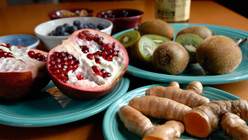
"caption": "Superfoods that reduce inflammation. Photo: Wendy Goodfriend",
"description": null,
"title": "longevity-food",
"credit": null,
"status": "inherit",
"isLoading": false,
"fetchFailed": false
},
"bayareabites_57990": {
"type": "attachments",
"id": "bayareabites_57990",
"meta": {
"index": "attachments_1716263798",
"site": "bayareabites",
"id": "57990",
"found": true
},
"parent": 57989,
"imgSizes": {
"kqedFullSize": {
"file": "https://ww2.kqed.org/app/uploads/sites/24/2013/03/istock_000015841857medium-a2f8d91ca4d2ba6752bc3e9580bd5bc39083b84f.jpg",
"width": 200,
"height": 149
}
},
"publishDate": 1362609291,
"modified": 1362609291,
"caption": null,
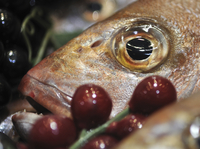
"description": "Fish Eyes",
"title": "Fish Eyes",
"credit": null,
"status": "inherit",
"isLoading": false,
"fetchFailed": false
},
"bayareabites_57976": {
"type": "attachments",
"id": "bayareabites_57976",
"meta": {
"index": "attachments_1716263798",
"site": "bayareabites",
"id": "57976",
"found": true
},
"parent": 57975,
"imgSizes": {
"kqedFullSize": {
"file": "https://ww2.kqed.org/app/uploads/sites/24/2013/03/istock_000001752333small_wide-e75cf17ee468b8a5e26bf5fd73359c5dc8a69516.jpg",
"width": 200,
"height": 112
}
},
"publishDate": 1362608602,
"modified": 1362608602,
"caption": null,
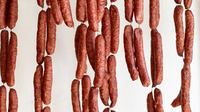
"description": "Delicious. Also deadly.",
"title": "Delicious. Also deadly.",
"credit": null,
"status": "inherit",
"isLoading": false,
"fetchFailed": false
},
"bayareabites_57843": {
"type": "attachments",
"id": "bayareabites_57843",
"meta": {
"index": "attachments_1716263798",
"site": "bayareabites",
"id": "57843",
"found": true
},
"parent": 57842,
"imgSizes": {
"kqedFullSize": {
"file": "https://ww2.kqed.org/app/uploads/sites/24/2013/03/istock_000020458833small_wide-2b698b5d9443d4ff962a572f9204862859313bac.jpg",
"width": 200,
"height": 112
}
},
"publishDate": 1362509548,
"modified": 1362509548,
"caption": null,
"description": "Most people polled said government programs to make fresh fruits and vegetables more affordable sound like a great idea, according to a new survey.",
"title": "Most people polled said government programs to make fresh fruits and vegetables more affordable sound like a great idea, according to a new survey.",
"credit": null,
"status": "inherit",
"isLoading": false,
"fetchFailed": false
},
"bayareabites_57680": {
"type": "attachments",
"id": "bayareabites_57680",
"meta": {
"index": "attachments_1716263798",
"site": "bayareabites",
"id": "57680",
"found": true
},
"parent": 57679,
"imgSizes": {
"kqedFullSize": {
"file": "https://ww2.kqed.org/app/uploads/sites/24/2013/03/soda-india-f4d9585ce33b882da36d021b7a3e0ce1f82f4777.jpg",
"width": 200,
"height": 149
}
},
"publishDate": 1362169383,
"modified": 1362169383,
"caption": "A performer drinks a soda in Ahmedabad, India in 2010. A study found that rising diabetes prevalence in countries like India is strongly tied to sugar consumption. Photo: Sam Panthaky/AFP/Getty Images",
"description": "A performer drinks a soda in Ahmedabad, India in 2010. A study found that rising diabetes prevalence in countries like India is strongly tied to sugar consumption.",
"title": "A performer drinks a soda in Ahmedabad, India in 2010. A study found that rising diabetes prevalence in countries like India is strongly tied to sugar consumption.",
"credit": null,
"status": "inherit",
"isLoading": false,
"fetchFailed": false
},
"bayareabites_57685": {
"type": "attachments",
"id": "bayareabites_57685",
"meta": {
"index": "attachments_1716263798",
"site": "bayareabites",
"id": "57685",
"found": true
},
"parent": 57684,
"imgSizes": {
"kqedFullSize": {
"file": "https://ww2.kqed.org/app/uploads/sites/24/2013/03/o-a-place-at-the-table-570_custom-91ecc63205db5013bf502f1bc7a653eb09983583.jpg",
"width": 200,
"height": 296
}
},
"publishDate": 1362268778,
"modified": 1362268778,
"caption": null,
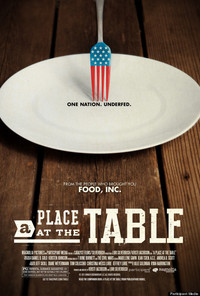
"description": "The poster for the documentary \u003cem>A Place At The Table\u003c/em>.",
"title": "The poster for the documentary A Place At The Table.",
"credit": null,
"status": "inherit",
"isLoading": false,
"fetchFailed": false
},
"bayareabites_57568": {
"type": "attachments",
"id": "bayareabites_57568",
"meta": {
"index": "attachments_1716263798",
"site": "bayareabites",
"id": "57568",
"found": true
},
"parent": 57282,
"imgSizes": {
"kqedFullSize": {
"file": "https://ww2.kqed.org/app/uploads/sites/24/2013/02/Jessica-Goldman400x300.jpg",
"width": 400,
"height": 300
}
},
"publishDate": 1362005767,
"modified": 1362005767,
"caption": null,
"description": null,
"title": "Jessica-Goldman400x300",
"credit": null,
"status": "inherit",
"isLoading": false,
"fetchFailed": false
}
},
"audioPlayerReducer": {
"postId": "stream_live",
"isPaused": true,
"isPlaying": false,
"pfsActive": false,
"pledgeModalIsOpen": true,
"playerDrawerIsOpen": false,
"liveAudioPlayStartedAt": 0,
"liveAudioPlayContext": ""
},
"authorsReducer": {
"byline_bayareabites_58061": {
"type": "authors",
"id": "byline_bayareabites_58061",
"meta": {
"override": true
},
"slug": "byline_bayareabites_58061",
"name": "Dan Charles",
"isLoading": false
},
"byline_bayareabites_58245": {
"type": "authors",
"id": "byline_bayareabites_58245",
"meta": {
"override": true
},
"slug": "byline_bayareabites_58245",
"name": "Bill Chappell",
"isLoading": false
},
"byline_bayareabites_57989": {
"type": "authors",
"id": "byline_bayareabites_57989",
"meta": {
"override": true
},
"slug": "byline_bayareabites_57989",
"name": "Nancy Shute",
"isLoading": false
},
"byline_bayareabites_57975": {
"type": "authors",
"id": "byline_bayareabites_57975",
"meta": {
"override": true
},
"slug": "byline_bayareabites_57975",
"name": "Nancy Shute",
"isLoading": false
},
"byline_bayareabites_57842": {
"type": "authors",
"id": "byline_bayareabites_57842",
"meta": {
"override": true
},
"slug": "byline_bayareabites_57842",
"name": "Nancy Shute",
"isLoading": false
},
"byline_bayareabites_57679": {
"type": "authors",
"id": "byline_bayareabites_57679",
"meta": {
"override": true
},
"slug": "byline_bayareabites_57679",
"name": "Eliza Barclay",
"isLoading": false
},
"byline_bayareabites_57684": {
"type": "authors",
"id": "byline_bayareabites_57684",
"meta": {
"override": true
},
"slug": "byline_bayareabites_57684",
"name": "Allison Aubrey",
"isLoading": false
},
"astupi": {
"type": "authors",
"id": "70",
"meta": {
"index": "authors_1716337520",
"id": "70",
"found": true
},
"name": "Amanda Stupi",
"firstName": "Amanda",
"lastName": "Stupi",
"slug": "astupi",
"email": "astupi@kqed.org",
"display_author_email": false,
"staff_mastheads": [],
"title": "Senior Engagement Producer",
"bio": "Amanda joined KQED Science’s engagement team as a Senior Audience Engagement Strategist in the spring of 2019. She has helped craft messaging around wildfires, the coronavirus pandemic, climate change and many other stories. She has also brought KQED Science to new platforms such as Reddit’s Ask Me Anything series. Prior to joining KQED Science, Amanda spent seven years as an engagement producer with Forum, KQED’s daily live call-in show. She got her start in radio at KALW's weekly call in show, City Visions, before going on to an internship and stint at NPR's Talk of the Nation.\r\n\r\nPrior to journalism, Amanda taught English at Lowell High School. She's a native of Petaluma and currently lives under the \"South San Francisco the Industrial City\" sign in South City. She believes that engagement is vital to news’s future and that good journalism listens as much as it asks questions.",
"avatar": "https://secure.gravatar.com/avatar/e981c503e5c162da701dcaccfbf87e35?s=600&d=blank&r=g",
"twitter": null,
"facebook": null,
"instagram": null,
"linkedin": null,
"sites": [
{
"site": "arts",
"roles": [
"Contributor"
]
},
{
"site": "news",
"roles": [
"editor"
]
},
{
"site": "pop",
"roles": [
"contributor"
]
},
{
"site": "stateofhealth",
"roles": [
"editor"
]
},
{
"site": "science",
"roles": []
},
{
"site": "perspectives",
"roles": [
"editor"
]
}
],
"headData": {
"title": "Amanda Stupi | KQED",
"description": "Senior Engagement Producer",
"ogImgSrc": "https://secure.gravatar.com/avatar/e981c503e5c162da701dcaccfbf87e35?s=600&d=blank&r=g",
"twImgSrc": "https://secure.gravatar.com/avatar/e981c503e5c162da701dcaccfbf87e35?s=600&d=blank&r=g"
},
"isLoading": false,
"link": "/author/astupi"
},
"jennyoh": {
"type": "authors",
"id": "2100",
"meta": {
"index": "authors_1716337520",
"id": "2100",
"found": true
},
"name": "Jenny Oh",
"firstName": "Jenny",
"lastName": "Oh",
"slug": "jennyoh",
"email": "joh@kqed.org",
"display_author_email": false,
"staff_mastheads": [],
"title": "Audience Engagement Producer, Deep Look",
"bio": "Jenny is an Emmy Award-winning producer and is currently the Audience Engagement Producer for KQED Science's \u003cem>Deep Look\u003c/em> online video series. She was also a long-time contributor to Bay Area Bites, KQED's popular food blog. Jenny graduated with honors from New York University’s Tisch School of the Arts Film and Television program and has worked for WNET/PBS, The Learning Channel, Sundance Channel, HBO and the University of California.",
"avatar": "https://secure.gravatar.com/avatar/7ddda0ed657e46dbe66083f569967752?s=600&d=mm&r=g",
"twitter": null,
"facebook": null,
"instagram": null,
"linkedin": null,
"sites": [
{
"site": "arts",
"roles": []
},
{
"site": "pop",
"roles": []
},
{
"site": "about",
"roles": []
},
{
"site": "bayareabites",
"roles": []
},
{
"site": "science",
"roles": []
},
{
"site": "education",
"roles": []
},
{
"site": "quest",
"roles": []
},
{
"site": "food",
"roles": []
}
],
"headData": {
"title": "Jenny Oh | KQED",
"description": "Audience Engagement Producer, Deep Look",
"ogImgSrc": "https://secure.gravatar.com/avatar/7ddda0ed657e46dbe66083f569967752?s=600&d=mm&r=g",
"twImgSrc": "https://secure.gravatar.com/avatar/7ddda0ed657e46dbe66083f569967752?s=600&d=mm&r=g"
},
"isLoading": false,
"link": "/author/jennyoh"
},
"wendy-goodfriend": {
"type": "authors",
"id": "5014",
"meta": {
"index": "authors_1716337520",
"id": "5014",
"found": true
},
"name": "Wendy Goodfriend",
"firstName": "Wendy",
"lastName": "Goodfriend",
"slug": "wendy-goodfriend",
"email": "wendy@wendygoodfriend.com",
"display_author_email": false,
"staff_mastheads": [],
"title": "KQED Contributor",
"bio": "I was the Senior Digital Producer for KQED Food up until July, 2018. Since 2001, I designed, produced, managed and contributed to mostly food-related websites and blogs for KQED including: KQED.org; KQED Food; Bay Area Bites; Check, Please! Bay Area; Taste This; Celebrity Chefs; seven of Jacques Pepin's TV series websites; and Joanne Weir's Cooking in the City. I initiated the majority of KQED Food's social media feeds and maintained them up until 2017. As far as content creation, photography is my passion and I also shoot video and write stories. My photos have been used in articles for KQED Food, News, Arts, and Science as well as for promotional purposes in print and online. Professional education and training includes: clinical psychology, photography, commercial cooking, web design, information architecture and UX.",
"avatar": "https://secure.gravatar.com/avatar/dfba64372339cc34cf17e446e6f18fa8?s=600&d=blank&r=g",
"twitter": null,
"facebook": "bayareabites",
"instagram": null,
"linkedin": "wendygoodfriend",
"sites": [
{
"site": "jpepinheart",
"roles": []
},
{
"site": "about",
"roles": [
"editor"
]
},
{
"site": "bayareabites",
"roles": [
"subscriber"
]
},
{
"site": "science",
"roles": [
"administrator"
]
},
{
"site": "checkplease",
"roles": [
"subscriber"
]
},
{
"site": "food",
"roles": [
"author"
]
},
{
"site": "essentialpepin",
"roles": [
"administrator"
]
}
],
"headData": {
"title": "Wendy Goodfriend | KQED",
"description": "KQED Contributor",
"ogImgSrc": "https://secure.gravatar.com/avatar/dfba64372339cc34cf17e446e6f18fa8?s=600&d=blank&r=g",
"twImgSrc": "https://secure.gravatar.com/avatar/dfba64372339cc34cf17e446e6f18fa8?s=600&d=blank&r=g"
},
"isLoading": false,
"link": "/author/wendy-goodfriend"
},
"sarahhenry": {
"type": "authors",
"id": "5125",
"meta": {
"index": "authors_1716337520",
"id": "5125",
"found": true
},
"name": "Sarah Henry",
"firstName": "Sarah",
"lastName": "Henry",
"slug": "sarahhenry",
"email": "sarahhenry0509@gmail.com",
"display_author_email": false,
"staff_mastheads": [],
"title": null,
"bio": "\u003ca href=\"http://www.sarahhenrywriter.com/\">Sarah Henry\u003c/a> hails from Sydney, Australia, where she grew up eating lamingtons, Vegemite, and prawns (not shrimp) on the barbie (barbecue). Sarah has called the Bay Area home for the past two decades and remembers how delighted she was when a modest farmers' market sprouted in downtown San Francisco years ago. As a freelance writer Sarah has covered local food people, places, politics, culture, and news for the \u003ca href=\"http://www.sfgate.com/food/article/Latina-entrepreneurs-share-wealth-knowledge-2693764.php\">San Francisco Chronicle\u003c/a>, \u003ca href=\"http://www.mercurynews.com/food-wine/ci_21619882/good-eggs-pie-subscriptions-and-seafood-deliveries\">San Jose Mercury News\u003c/a>, \u003ca href=\"http://alumni.berkeley.edu/news/california-magazine/fall-2011-good-fight/justice%E2%80%94and-good-grub%E2%80%94-all\">California\u003c/a>, \u003ca href=\"http://www.modernluxury.com/san-francisco\">San Francisco\u003c/a>, \u003ca href=\"http://www.diablomag.com/Diablo-Magazine/November-2012/Artisan-Eats/\">Diablo\u003c/a>, \u003ca href=\"http://www.ediblecommunities.com/eastbay/fall-2012/school-lunch-20.htm\">Edible East Bay\u003c/a>, \u003ca href=\"http://www.ediblecommunities.com/marinandwinecountry/summer-2012-issue-14/getting-wild-at-a-west-marin-supper-club.htm\">Edible Marin & Wine Country\u003c/a>, and \u003ca href=\"http://www.berkeleyside.com/\">Berkeleyside\u003c/a>. A contributor to the national food policy site \u003ca href=\"http://civileats.com/\">Civil Eats\u003c/a>, her stories have also appeared in \u003ca href=\"http://www.theatlantic.com/sarah-henry/\">The Atlantic\u003c/a>, \u003ca href=\"http://www.afar.com/highlights/kamal-mouzawaks-beirut-lebanon\">AFAR\u003c/a>, \u003ca href=\"http://www.gilttaste.com/stories/5207-a-family-tied-together-by-apron-strings\">Gilt Taste\u003c/a>, \u003ca href=\"http://www.lhj.com/community/your-stories/whats-for-dinner-dude/?page=1\">Ladies' Home Journal\u003c/a>, \u003ca href=\"http://grist.org/author/sarah-henry/\">Grist\u003c/a>, \u003ca href=\"http://www.shareable.net/users/sarah-henry\">Shareable\u003c/a>, and \u003ca href=\"http://www.eatingwell.com/food_news_origins/green_sustainable/host_a_diy_food_swap\">Eating Well\u003c/a>. An epicurean tour guide for \u003ca href=\"http://edibleexcursions.net/\">Edible Excursions\u003c/a>, Sarah is the voice behind the blog \u003ca href=\"http://lettuceeatkale.com/\">Lettuce Eat Kale\u003c/a> and \u003ca href=\"http://twitter.com/lettuceeatkale\">tweets\u003c/a> under that moniker too.",
"avatar": "https://secure.gravatar.com/avatar/3fcd7301e44f9b621f8c9fc7ad678ac7?s=600&d=blank&r=g",
"twitter": "lettuceeatkale",
"facebook": "pages/Lettuce-Eat-Kale/239312194611",
"instagram": null,
"linkedin": null,
"sites": [
{
"site": "bayareabites",
"roles": [
"contributor"
]
},
{
"site": "food",
"roles": [
"contributor"
]
}
],
"headData": {
"title": "Sarah Henry | KQED",
"description": null,
"ogImgSrc": "https://secure.gravatar.com/avatar/3fcd7301e44f9b621f8c9fc7ad678ac7?s=600&d=blank&r=g",
"twImgSrc": "https://secure.gravatar.com/avatar/3fcd7301e44f9b621f8c9fc7ad678ac7?s=600&d=blank&r=g"
},
"isLoading": false,
"link": "/author/sarahhenry"
}
},
"pagesReducer": {
"bayareabites_category_health-and-nutrition": {
"type": "terms",
"id": "bayareabites_1245",
"meta": {
"index": "terms_1716263798",
"site": "bayareabites",
"id": "1245",
"score": 14.407673
},
"featImg": null,
"name": "health and nutrition",
"description": null,
"taxonomy": "category",
"headData": {
"twImgId": null,
"twTitle": null,
"ogTitle": null,
"ogImgId": null,
"twDescription": null,
"description": null,
"title": "health and nutrition Archives | KQED Bay Area Bites",
"ogDescription": null
},
"ttid": 1078,
"slug": "health-and-nutrition",
"isLoading": false,
"title": "health and nutrition",
"pageMeta": {
"site": "bayareabites",
"WpPageTemplate": "page-topic-editorial",
"currentPage": 52
},
"blocks": [
{
"blockName": "kqed/post-list",
"attrs": {
"layout": "cardArticle2",
"query": "posts/bayareabites?category=health-and-nutrition",
"seeMore": false,
"paginated": true,
"page": 52
}
},
{
"blockName": "kqed/ad"
}
]
}
},
"pfsSessionReducer": {},
"postsReducer": {
"stream_live": {
"type": "live",
"id": "stream_live",
"audioUrl": "https://streams.kqed.org/kqedradio",
"title": "Live Stream",
"excerpt": "Live Stream information currently unavailable.",
"link": "/radio",
"featImg": "",
"label": {
"name": "KQED Live",
"link": "/"
}
},
"stream_kqedNewscast": {
"type": "posts",
"id": "stream_kqedNewscast",
"audioUrl": "https://www.kqed.org/.stream/anon/radio/RDnews/newscast.mp3?_=1",
"title": "KQED Newscast",
"featImg": "",
"label": {
"name": "88.5 FM",
"link": "/"
}
},
"bayareabites_58097": {
"type": "posts",
"id": "bayareabites_58097",
"meta": {
"index": "posts_1716263798",
"site": "bayareabites",
"id": "58097",
"score": null,
"sort": [
1363025143000
]
},
"parent": 0,
"labelTerm": {
"site": "bayareabites"
},
"blocks": [],
"publishDate": 1363025143,
"format": "aside",
"disqusTitle": "KQED's Forum: Inside the 'Longevity Kitchen'",
"title": "KQED's Forum: Inside the 'Longevity Kitchen'",
"headTitle": "Bay Area Bites | KQED Food",
"content": "\u003cp>\u003ca href=\"http://ww2.kqed.org/bayareabites/wp-content/uploads/sites/24/2013/03/longevity-kitchen600.jpg\">\u003cimg src=\"http://ww2.kqed.org/bayareabites/wp-content/uploads/sites/24/2013/03/longevity-kitchen600.jpg\" alt=\"The Longevity Kitchen by Rebecca Katz and Mat Edelson\" width=\"300\" class=\"aligncenter size-full wp-image-58215\">\u003c/a>\u003c/p>\n\u003cp>Triage theory, phytonutrients, circadian clocks... such is the stuff of cooking for longevity -- at least according to a recent episode of \u003ca href=\"http://www.kqed.org/a/forum/R201303071000\" target=\"_blank\">KQED's Forum with Michael Krasny\u003c/a>. The show featured \u003ca href=\"http://rebeccakatz.com/\" target=\"_blank\">Rebecca Katz\u003c/a>, author of the new cookbook, \"\u003ca href=\"http://rebeccakatz.com/books/the-longevity-kitchen/\" target=\"_blank\">The Longevity Kitchen\u003c/a>\" and doctors from the \u003ca href=\"http://www.buckinstitute.org/\" target=\"_blank\">Buck Institute for Research on Aging\u003c/a>, a Marin-based research organization.\u003c/p>\n\u003cp>Each guest made their own case for the connection between food and a longer, healthier life.\u003c/p>\n\u003cp>\u003ca href=\"http://www.buckinstitute.org/kapahiLab\" target=\"_blank\">Pankaj Kapahi\u003c/a>, associate professor at the Buck Institute said that recent research about the \u003ca href=\"http://en.wikipedia.org/wiki/Mammalian_target_of_rapamycin\" target=\"_blank\">Target of Rapamycin or TOR pathway\u003c/a> speaks to the power of food:\u003c/p>\n\u003cblockquote>\u003cp>\"The TOR pathway and the insulin signaling pathway, are the two major pathways which are the nutrient signaling pathways...the idea is that these two pathways that interact and are critical for the growth of an organism are also turning out to be critically important in slowing age-related diseases, and also lifespan.\"\u003c/p>\u003c/blockquote>\n\u003cp>Kapahi's colleague and founder of the Buck Institute for Research on Aging, Dale Bredesen, used \"the triage theory\" to explain the role of food choices in longevity:\u003c/p>\n\u003cblockquote>\u003cp>\"The idea of triage theory is simple: that if your body is limited in any specific nutrients, vitamins and minerals, and about 80 percent of us in the U.S. are low in something, be it magnesium, calcium, vitamin C, you can go on and on -- then in fact your body triages that and uses it for short term survival and procreation at the expense of longevity.\"\u003c/p>\u003c/blockquote>\n\u003cp>Katz's explanation points to the study of \"epigenetics,\" what she defines as the study of \"the factors affecting genetic expression.\" From her book:\u003c/p>\n\u003cblockquote>\u003cp>\"We've learned that almost every process in the human body, including the creation of most disease states, involves the interplay of anywhere from three to more than a dozen genes. Eventually, we'll tease out the interplay within these complex relationships and learn how to work the produce aisle to restore order on a systems level. But for now, we're making some good inroads. As researchers have learned more and more of the genetic, metabolic, and cellular causes of disease, they've also figured out which nutrients can turn those processes around.\"\u003c/p>\u003c/blockquote>\n\u003cp>As interesting as the science is, Katz emphasized on air and in her book that what is most useful to people is knowing what to eat. Her book is organized by foods rather than by nutrients because, as she said, \u003c/p>\n\u003cblockquote>\u003cp>\"I'm not going to send people to the market looking for glutathione. But I will send them to the market looking for asparagus.\"\u003c/p>\u003c/blockquote>\n\u003cp>Katz has compiled a \"culinary pharmacy,\" listing the health benefits of foods from allspice (antimicrobial, digestive support) to yogurt (digestive support, immune health). Her book also contains the \"\u003ca href=\"http://rebeccakatz.com/culinary-rx/\">Super 16\u003c/a>\" a list of foods that not only have high levels of antioxidants, but are also \"premier sources of healthy omega-3 fats, probiotics, and other body boosting phytochemicals, vitamins and minerals.\" In other words, they offer good nutritional bang for the bite.\u003c/p>\n\u003cfigure id=\"attachment_58213\" class=\"wp-caption aligncenter\" style=\"max-width: 300px\">\u003ca href=\"http://ww2.kqed.org/bayareabites/wp-content/uploads/sites/24/2013/03/asparagus600.jpg\">\u003cimg src=\"http://ww2.kqed.org/bayareabites/wp-content/uploads/sites/24/2013/03/asparagus600.jpg\" alt=\"Roasted Asparagus Salad with Arugula and Hazelnuts. Courtesy of The Longevity Kitchen\" width=\"300\" class=\"size-full wp-image-58213\">\u003c/a>\u003cfigcaption class=\"wp-caption-text\">Roasted Asparagus Salad with Arugula and Hazelnuts. Courtesy of The Longevity Kitchen\u003c/figcaption>\u003c/figure>\n\u003cul>\n\u003cli>At the top of the Super 16 list is \u003cstrong>asparagus\u003c/strong>. Katz said \"it has a lot of fiber, which is wonderful for us, and it has what's called the super antioxidant, glutathione, which we lose as we age.\"\u003c/li>\n\u003cli>\u003cstrong>Avocados\u003c/strong> also made the cut, which Katz recommends whipping \"into an incredible guacamole with mint and \u003cstrong>pomegranate seeds\u003c/strong>.\"\u003c/li>\n\u003cli>\u003cstrong>Basil and mint\u003c/strong> are in the Super 16 and \"are things that we can so easily incorporate into our diet,\" said Katz. \"They're anti-inflammatory, antibacterial, and they have so many phytonutrients.\"\u003c/li>\n\u003cli>And for those of you who are fans of the \u003ca href=\"http://www.kqed.org/a/forum/R201302270900\" target=\"_blank\">Mediterranean Diet\u003c/a>, let's not forget \u003cstrong>coffee, dark chocolate and olive oil\u003c/strong>.\u003c/li>\n\u003cli>The discussion on eating for longevity didn't stop at ingredients. Bredesen says that it's critical not to eat three hours before going to sleep.\u003c/li>\n\u003c/ul>\n\u003cfigure id=\"attachment_58214\" class=\"wp-caption aligncenter\" style=\"max-width: 300px\">\u003ca href=\"http://ww2.kqed.org/bayareabites/wp-content/uploads/sites/24/2013/03/brownies600.jpg\">\u003cimg src=\"http://ww2.kqed.org/bayareabites/wp-content/uploads/sites/24/2013/03/brownies600.jpg\" alt=\"Insanely Good Chocolate Brownies. Courtesy of The Longevity Kitchen\" width=\"300\" class=\"size-full wp-image-58214\">\u003c/a>\u003cfigcaption class=\"wp-caption-text\">Insanely Good Chocolate Brownies. Courtesy of The Longevity Kitchen\u003c/figcaption>\u003c/figure>\n\u003cp>Kapahi cited a study were two groups of mice we're given the same amount of food but at different times -- one group was fed at night and the other during the day. The group fed at night became obese.\u003c/p>\n\u003cblockquote>\u003cp>\"One of the things that is becoming clearer is the importance of circadian clocks and circadian rhythms in our eating habits,\" said Kapahi. \"Food itself is a signal for our clocks. So if you eat at nighttime you're telling the liver to actually wake up and that sets everything out of sync. And that we found is really detrimental for health span and increases incidents of cancer and diabetes.\"\u003c/p>\u003c/blockquote>\n\u003cblockquote>\u003cp>\"In India and in a number of other countries, food is medicine,\" said Bredesen. \"I think this is something that's come to our country surprisingly late. In the U.S., food has become fun. Food has become immediacy -- if you get that drive-thru you can get more done, but in fact we're learning that India has been right all along that food is medicine.\"\u003c/p>\u003c/blockquote>\n\u003cp>\u003cstrong>Listen to KQED's Forum: How to Eat for a Longer Life\u003c/strong>\u003cbr>\n\u003ca href=\"http://www.kqed.org/a/forum/R201303071000\">Original Broadcast\u003c/a>:\u003cbr>\nThursday, Mar 7, 2013 -- 10:00 AM\u003cbr>\n [audio src=\"http://www.kqed.org/.stream/anon/radio/forum/2013/03/20130307bforum.mp3\"]\u003cbr>\nGet recipes, including \u003cem>Insanely Good Chocolate Brownies\u003c/em> and \u003cem>Roasted Asparagus Salad with Arugula and Hazelnuts\u003c/em> are \u003ca href=\"http://www.kqed.org/a/forum/R201303071000\" target=\"_blank\">posted on the Forum episode page\u003c/a>.\u003c/p>\n\u003cp>[ad fullwidth]\u003c/p>\n\u003cp>\u003c/p>\n\u003cp> \u003cstrong>Get recipes for Layered Frittata with Leeks, Swiss Chard, and Tomatoes and Herby Turkey Sliders:\u003c/strong>\u003cbr>\n\u003ciframe class=\"scribd_iframe_embed\" src=\"http://www.scribd.com/embeds/122182044/content?start_page=1&view_mode=scroll&access_key=key-jjk45ir59e7n4o5p7j9\" data-auto-height=\"false\" data-aspect-ratio=\"0.772922022279349\" scrolling=\"no\" id=\"doc_55628\" width=\"100%\" height=\"600\" frameborder=\"0\">\u003c/iframe>\u003c/p>\n\n",
"disqusIdentifier": "58097 http://blogs.kqed.org/bayareabites/?p=58097",
"disqusUrl": "https://ww2.kqed.org/bayareabites/2013/03/11/kqeds-forum-inside-the-longevity-kitchen/",
"stats": {
"hasVideo": false,
"hasChartOrMap": true,
"hasAudio": true,
"hasPolis": false,
"wordCount": 915,
"hasGoogleForm": false,
"hasGallery": false,
"hasHearkenModule": false,
"iframeSrcs": [
"http://www.scribd.com/embeds/122182044/content"
],
"paragraphCount": 19
},
"modified": 1364960172,
"excerpt": "Triage theory, phytonutrients, circadian clocks… such is the stuff of cooking for longevity — at least according to a recent episode of KQED’s Forum with Michael Krasny. The show featured Rebecca Katz, author of the new cookbook, “The Longevity Kitchen” and doctors from the Buck Institute for Research on Aging.",
"headData": {
"twImgId": "",
"twTitle": "",
"ogTitle": "",
"ogImgId": "",
"twDescription": "",
"description": "Triage theory, phytonutrients, circadian clocks… such is the stuff of cooking for longevity — at least according to a recent episode of KQED’s Forum with Michael Krasny. The show featured Rebecca Katz, author of the new cookbook, “The Longevity Kitchen” and doctors from the Buck Institute for Research on Aging.",
"title": "KQED's Forum: Inside the 'Longevity Kitchen' | KQED",
"ogDescription": "",
"schema": {
"@context": "https://schema.org",
"@type": "Article",
"headline": "KQED's Forum: Inside the 'Longevity Kitchen'",
"datePublished": "2013-03-11T11:05:43-07:00",
"dateModified": "2013-04-02T20:36:12-07:00",
"image": "https://cdn.kqed.org/wp-content/uploads/2020/02/KQED-OG-Image@1x.png"
}
},
"guestAuthors": [],
"slug": "kqeds-forum-inside-the-longevity-kitchen",
"status": "publish",
"path": "/bayareabites/58097/kqeds-forum-inside-the-longevity-kitchen",
"audioUrl": "http://www.kqed.org/.stream/anon/radio/forum/2013/03/20130307bforum.mp3",
"audioDuration": null,
"audioTrackLength": null,
"parsedContent": [
{
"type": "contentString",
"content": "\u003cdiv class=\"post-body\">\u003cp>\u003cp>\u003ca href=\"http://ww2.kqed.org/bayareabites/wp-content/uploads/sites/24/2013/03/longevity-kitchen600.jpg\">\u003cimg src=\"http://ww2.kqed.org/bayareabites/wp-content/uploads/sites/24/2013/03/longevity-kitchen600.jpg\" alt=\"The Longevity Kitchen by Rebecca Katz and Mat Edelson\" width=\"300\" class=\"aligncenter size-full wp-image-58215\">\u003c/a>\u003c/p>\n\u003cp>Triage theory, phytonutrients, circadian clocks... such is the stuff of cooking for longevity -- at least according to a recent episode of \u003ca href=\"http://www.kqed.org/a/forum/R201303071000\" target=\"_blank\">KQED's Forum with Michael Krasny\u003c/a>. The show featured \u003ca href=\"http://rebeccakatz.com/\" target=\"_blank\">Rebecca Katz\u003c/a>, author of the new cookbook, \"\u003ca href=\"http://rebeccakatz.com/books/the-longevity-kitchen/\" target=\"_blank\">The Longevity Kitchen\u003c/a>\" and doctors from the \u003ca href=\"http://www.buckinstitute.org/\" target=\"_blank\">Buck Institute for Research on Aging\u003c/a>, a Marin-based research organization.\u003c/p>\n\u003cp>Each guest made their own case for the connection between food and a longer, healthier life.\u003c/p>\n\u003cp>\u003ca href=\"http://www.buckinstitute.org/kapahiLab\" target=\"_blank\">Pankaj Kapahi\u003c/a>, associate professor at the Buck Institute said that recent research about the \u003ca href=\"http://en.wikipedia.org/wiki/Mammalian_target_of_rapamycin\" target=\"_blank\">Target of Rapamycin or TOR pathway\u003c/a> speaks to the power of food:\u003c/p>\n\u003cblockquote>\u003cp>\"The TOR pathway and the insulin signaling pathway, are the two major pathways which are the nutrient signaling pathways...the idea is that these two pathways that interact and are critical for the growth of an organism are also turning out to be critically important in slowing age-related diseases, and also lifespan.\"\u003c/p>\u003c/blockquote>\n\u003cp>Kapahi's colleague and founder of the Buck Institute for Research on Aging, Dale Bredesen, used \"the triage theory\" to explain the role of food choices in longevity:\u003c/p>\n\u003cblockquote>\u003cp>\"The idea of triage theory is simple: that if your body is limited in any specific nutrients, vitamins and minerals, and about 80 percent of us in the U.S. are low in something, be it magnesium, calcium, vitamin C, you can go on and on -- then in fact your body triages that and uses it for short term survival and procreation at the expense of longevity.\"\u003c/p>\u003c/blockquote>\n\u003cp>Katz's explanation points to the study of \"epigenetics,\" what she defines as the study of \"the factors affecting genetic expression.\" From her book:\u003c/p>\n\u003cblockquote>\u003cp>\"We've learned that almost every process in the human body, including the creation of most disease states, involves the interplay of anywhere from three to more than a dozen genes. Eventually, we'll tease out the interplay within these complex relationships and learn how to work the produce aisle to restore order on a systems level. But for now, we're making some good inroads. As researchers have learned more and more of the genetic, metabolic, and cellular causes of disease, they've also figured out which nutrients can turn those processes around.\"\u003c/p>\u003c/blockquote>\n\u003cp>As interesting as the science is, Katz emphasized on air and in her book that what is most useful to people is knowing what to eat. Her book is organized by foods rather than by nutrients because, as she said, \u003c/p>\n\u003cblockquote>\u003cp>\"I'm not going to send people to the market looking for glutathione. But I will send them to the market looking for asparagus.\"\u003c/p>\u003c/blockquote>\n\u003cp>Katz has compiled a \"culinary pharmacy,\" listing the health benefits of foods from allspice (antimicrobial, digestive support) to yogurt (digestive support, immune health). Her book also contains the \"\u003ca href=\"http://rebeccakatz.com/culinary-rx/\">Super 16\u003c/a>\" a list of foods that not only have high levels of antioxidants, but are also \"premier sources of healthy omega-3 fats, probiotics, and other body boosting phytochemicals, vitamins and minerals.\" In other words, they offer good nutritional bang for the bite.\u003c/p>\n\u003cfigure id=\"attachment_58213\" class=\"wp-caption aligncenter\" style=\"max-width: 300px\">\u003ca href=\"http://ww2.kqed.org/bayareabites/wp-content/uploads/sites/24/2013/03/asparagus600.jpg\">\u003cimg src=\"http://ww2.kqed.org/bayareabites/wp-content/uploads/sites/24/2013/03/asparagus600.jpg\" alt=\"Roasted Asparagus Salad with Arugula and Hazelnuts. Courtesy of The Longevity Kitchen\" width=\"300\" class=\"size-full wp-image-58213\">\u003c/a>\u003cfigcaption class=\"wp-caption-text\">Roasted Asparagus Salad with Arugula and Hazelnuts. Courtesy of The Longevity Kitchen\u003c/figcaption>\u003c/figure>\n\u003cul>\n\u003cli>At the top of the Super 16 list is \u003cstrong>asparagus\u003c/strong>. Katz said \"it has a lot of fiber, which is wonderful for us, and it has what's called the super antioxidant, glutathione, which we lose as we age.\"\u003c/li>\n\u003cli>\u003cstrong>Avocados\u003c/strong> also made the cut, which Katz recommends whipping \"into an incredible guacamole with mint and \u003cstrong>pomegranate seeds\u003c/strong>.\"\u003c/li>\n\u003cli>\u003cstrong>Basil and mint\u003c/strong> are in the Super 16 and \"are things that we can so easily incorporate into our diet,\" said Katz. \"They're anti-inflammatory, antibacterial, and they have so many phytonutrients.\"\u003c/li>\n\u003cli>And for those of you who are fans of the \u003ca href=\"http://www.kqed.org/a/forum/R201302270900\" target=\"_blank\">Mediterranean Diet\u003c/a>, let's not forget \u003cstrong>coffee, dark chocolate and olive oil\u003c/strong>.\u003c/li>\n\u003cli>The discussion on eating for longevity didn't stop at ingredients. Bredesen says that it's critical not to eat three hours before going to sleep.\u003c/li>\n\u003c/ul>\n\u003cfigure id=\"attachment_58214\" class=\"wp-caption aligncenter\" style=\"max-width: 300px\">\u003ca href=\"http://ww2.kqed.org/bayareabites/wp-content/uploads/sites/24/2013/03/brownies600.jpg\">\u003cimg src=\"http://ww2.kqed.org/bayareabites/wp-content/uploads/sites/24/2013/03/brownies600.jpg\" alt=\"Insanely Good Chocolate Brownies. Courtesy of The Longevity Kitchen\" width=\"300\" class=\"size-full wp-image-58214\">\u003c/a>\u003cfigcaption class=\"wp-caption-text\">Insanely Good Chocolate Brownies. Courtesy of The Longevity Kitchen\u003c/figcaption>\u003c/figure>\n\u003cp>Kapahi cited a study were two groups of mice we're given the same amount of food but at different times -- one group was fed at night and the other during the day. The group fed at night became obese.\u003c/p>\n\u003cblockquote>\u003cp>\"One of the things that is becoming clearer is the importance of circadian clocks and circadian rhythms in our eating habits,\" said Kapahi. \"Food itself is a signal for our clocks. So if you eat at nighttime you're telling the liver to actually wake up and that sets everything out of sync. And that we found is really detrimental for health span and increases incidents of cancer and diabetes.\"\u003c/p>\u003c/blockquote>\n\u003cblockquote>\u003cp>\"In India and in a number of other countries, food is medicine,\" said Bredesen. \"I think this is something that's come to our country surprisingly late. In the U.S., food has become fun. Food has become immediacy -- if you get that drive-thru you can get more done, but in fact we're learning that India has been right all along that food is medicine.\"\u003c/p>\u003c/blockquote>\n\u003cp>\u003cstrong>Listen to KQED's Forum: How to Eat for a Longer Life\u003c/strong>\u003cbr>\n\u003ca href=\"http://www.kqed.org/a/forum/R201303071000\">Original Broadcast\u003c/a>:\u003cbr>\nThursday, Mar 7, 2013 -- 10:00 AM\u003cbr>\n \u003c/p>\u003c/div>",
"attributes": {
"named": {},
"numeric": []
}
},
{
"type": "component",
"content": "",
"name": "audio",
"attributes": {
"named": {
"src": "http://www.kqed.org/.stream/anon/radio/forum/2013/03/20130307bforum.mp3",
"label": ""
},
"numeric": []
}
},
{
"type": "contentString",
"content": "\u003cdiv class=\"post-body\">\u003cp>\u003cbr>\nGet recipes, including \u003cem>Insanely Good Chocolate Brownies\u003c/em> and \u003cem>Roasted Asparagus Salad with Arugula and Hazelnuts\u003c/em> are \u003ca href=\"http://www.kqed.org/a/forum/R201303071000\" target=\"_blank\">posted on the Forum episode page\u003c/a>.\u003c/p>\n\u003cp>\u003c/p>\u003c/div>",
"attributes": {
"named": {},
"numeric": []
}
},
{
"type": "component",
"content": "",
"name": "ad",
"attributes": {
"named": {
"label": "fullwidth"
},
"numeric": [
"fullwidth"
]
}
},
{
"type": "contentString",
"content": "\u003cdiv class=\"post-body\">\u003cp>\u003c/p>\n\u003cp>\u003c/p>\n\u003cp> \u003cstrong>Get recipes for Layered Frittata with Leeks, Swiss Chard, and Tomatoes and Herby Turkey Sliders:\u003c/strong>\u003cbr>\n\u003ciframe class=\"scribd_iframe_embed\" src=\"http://www.scribd.com/embeds/122182044/content?start_page=1&view_mode=scroll&access_key=key-jjk45ir59e7n4o5p7j9\" data-auto-height=\"false\" data-aspect-ratio=\"0.772922022279349\" scrolling=\"no\" id=\"doc_55628\" width=\"100%\" height=\"600\" frameborder=\"0\">\u003c/iframe>\u003c/p>\n\n\u003c/div>\u003c/p>",
"attributes": {
"named": {},
"numeric": []
}
}
],
"link": "/bayareabites/58097/kqeds-forum-inside-the-longevity-kitchen",
"authors": [
"70"
],
"categories": [
"bayareabites_752",
"bayareabites_588",
"bayareabites_1245",
"bayareabites_45",
"bayareabites_34",
"bayareabites_12"
],
"tags": [
"bayareabites_1325",
"bayareabites_11096",
"bayareabites_11346",
"bayareabites_11260",
"bayareabites_11361",
"bayareabites_11345",
"bayareabites_11069",
"bayareabites_11360",
"bayareabites_11344"
],
"featImg": "bayareabites_58217",
"label": "bayareabites"
},
"bayareabites_58061": {
"type": "posts",
"id": "bayareabites_58061",
"meta": {
"index": "posts_1716263798",
"site": "bayareabites",
"id": "58061",
"score": null,
"sort": [
1362978349000
]
},
"parent": 0,
"labelTerm": {
"site": "bayareabites"
},
"blocks": [],
"publishDate": 1362978349,
"format": "aside",
"disqusTitle": "In A Grain Of Golden Rice, A World Of Controversy Over GMO Foods",
"title": "In A Grain Of Golden Rice, A World Of Controversy Over GMO Foods",
"headTitle": "Bay Area Bites | KQED Food",
"content": "\u003cfigure id=\"attachment_58295\" class=\"wp-caption aligncenter\" style=\"max-width: 666px\">\u003ca href=\"http://ww2.kqed.org/bayareabites/wp-content/uploads/sites/24/2013/03/yellowrice.jpg\">\u003cimg src=\"http://ww2.kqed.org/bayareabites/wp-content/uploads/sites/24/2013/03/yellowrice.jpg\" alt=\"Genetically modified to be enriched with beta-carotene, golden rice grains (left) are a deep yellow. At right, white rice grains. Photo: Isagani Serrano/International Rice Research Institute\" width=\"666\" height=\"500\" class=\"size-full wp-image-58295\">\u003c/a>\u003cfigcaption class=\"wp-caption-text\">Genetically modified to be enriched with beta-carotene, golden rice grains (left) are a deep yellow. At right, white rice grains. Photo: Isagani Serrano/International Rice Research Institute\u003c/figcaption>\u003c/figure>\n\u003cp>\u003cstrong>Listen to the Story\u003c/strong> on \u003ca href=\"http://www.npr.org/blogs/thesalt/2013/03/07/173611461/in-a-grain-of-golden-rice-a-world-of-controversy-over-gmo-foods\">Morning Edition\u003c/a>\u003cbr>\n [audio src=\"http://pd.npr.org/anon.npr-mp3/npr/me/2013/03/20130307_me_13.mp3\"] \u003c/p>\n\u003cp>Post by \u003ca href=\"http://www.npr.org/people/143160021/daniel-charles\">Dan Charles\u003c/a>, \u003ca href=\"http://www.npr.org/blogs/thesalt/2013/03/07/173611461/in-a-grain-of-golden-rice-a-world-of-controversy-over-gmo-foods\">The Salt at NPR Food\u003c/a> (3/7/13)\u003c/p>\n\u003cp>There's a kind of rice growing in some test plots in the Philippines that's unlike any rice ever seen before. It's yellow. Its \u003ca href=\"http://www.goldenrice.org/\">backers\u003c/a> call it \"\u003ca href=\"http://www.irri.org/index.php?option=com_k2&view=itemlist&task=category&id=764:golden-rice-at-irri&lang=en\">golden rice\u003c/a>.\" It's been genetically modified so that it contains beta-carotene, the source of vitamin A.\u003c/p>\n\u003cp>Millions of people in Asia and Africa don't get enough of this vital nutrient, so this rice has become the symbol of an idea: that genetically engineered crops can be a tool to improve the lives of the poor.\u003c/p>\n\u003cp>It's a statement that rouses emotions and sets off fierce arguments. There's a raging, global debate about such crops.\u003c/p>\n\u003cp>[ad fullwidth]\u003c/p>\n\u003cp>But before we get to that debate, and the role that golden rice plays in it, let's travel back in time to golden rice's origins.\u003c/p>\n\u003cp>It began with a conversation in 1984.\u003c/p>\n\u003cp>The science of biotechnology was in its infancy at this point. There were no genetically engineered crops yet. Scientists were just figuring out how to find genes and move them between different organisms.\u003c/p>\n\u003cp>Some people at the \u003ca href=\"http://www.rockefellerfoundation.org/\">Rockefeller Foundation\u003c/a> thought that these techniques might be useful for giving farmers in poor countries a bigger harvest.\u003c/p>\n\u003cp>So they set up a meeting at the \u003ca href=\"http://www.irri.org/\">International Rice Research Institute\u003c/a> (IRRI), in the Philippines, to talk about this.\u003c/p>\n\u003cp>\u003ca href=\"http://www.rockefellerfoundation.org/about-us/our-team/gary-h-toenniessen\">Gary Toenniessen\u003c/a>, who was in charge of the foundation's biotechnology program at the time, says that a lot of people at this meeting were very skeptical about biotechnology. They were plant breeders, masters of the traditional way to improve crops.\u003c/p>\n\u003cp>One evening, after the formal sessions, \"a group of these breeders were sitting around at the guesthouse at IRRI, having a beer or two,\" says Toenniessen. After listening to their skepticism for a while, Toenniessen spoke up. If this technology did actually pan out, he said, and you could put any gene you wanted into rice, which one would you pick? \"What's your favorite gene?\"\u003c/p>\n\u003cp>They went around the room. Breeders talked about genes for resisting disease or surviving droughts.\u003c/p>\n\u003cp>They came to a breeder named \u003ca href=\"https://www.google.com/url?sa=t&rct=j&q=&esrc=s&source=web&cd=2&cad=rja&ved=0CDQQtwIwAQ&url=http%3A%2F%2Fwww.youtube.com%2Fwatch%3Fv%3DOxdJ_wiimc0&ei=ooE3UfK3IoLC0QHhkoGQDw&usg=AFQjCNFxX6TbJ6JV_93Amlqe7b24c9FEFw\">Peter Jennings\u003c/a>, a legendary figure in these circles. He'd created perhaps the most famous variety of rice in history, called \u003ca href=\"http://www.livinghistoryfarm.org/farminginthe50s/crops_17.html\">IR 8\u003c/a>, which launched the so-called Green Revolution in rice-growing countries of Asia in the 1960s.\u003c/p>\n\u003cp>\"Yellow endosperm,\" said Jennings. (The endosperm of a grain of rice or wheat is the main part that's eaten.)\u003c/p>\n\u003cp>\"That kind of took everybody by surprise. It certainly took me by surprise. So I said, 'Why?'\" Toenniessen recalls.\u003c/p>\n\u003cp>Jennings explained that the color yellow signals the presence of beta-carotene — the source of vitamin A. Yellow kinds of corn or sorghum exist naturally, and for years, Jennings said, he had been looking for similar varieties of rice. Regular white rice doesn't provide this vital nutrient, and it's a big problem.\u003c/p>\n\u003cp>\"When children are weaned, they're often weaned on a rice gruel. And if they don't get any beta-carotene or vitamin A during that period, they can be harmed for the rest of their lives,\" says Toenniessen.\u003c/p>\n\u003cp>Toenniessen was persuaded, and the Rockefeller Foundation started a program aimed at creating, through technology, what Jennings had not been able to find in nature.\u003c/p>\n\u003cp>A global network of scientists at nonprofit research institutes started working on the problem.\u003c/p>\n\u003cp>The first real breakthrough came in 1999. \u003ca href=\"http://www.agbioworld.org/biotech-info/topics/goldenrice/tale.html\">Scientists\u003c/a> in Switzerland inserted two genes into rice that switched on production of beta-carotene. A few years later, other researchers created an even \u003ca href=\"http://www.nature.com/nbt/journal/v23/n4/full/nbt1082.html\">better version\u003c/a>.\u003c/p>\n\u003cp>A single bowl of this new golden rice can \u003ca href=\"http://ajcn.nutrition.org/content/96/3/658.abstract\">supply\u003c/a> 60 percent of a child's daily requirement of vitamin A.\u003c/p>\n\u003cp>\"It's a great product. And it's beautiful! It looks just like saffron rice,\" says Toenniessen, who's now a managing director at the Rockefeller Foundation.\u003c/p>\n\u003cfigure id=\"attachment_58296\" class=\"wp-caption alignleft\" style=\"max-width: 290px\">\u003ca href=\"http://ww2.kqed.org/bayareabites/wp-content/uploads/sites/24/2013/03/goldenricefield.jpg\">\u003cimg src=\"http://ww2.kqed.org/bayareabites/wp-content/uploads/sites/24/2013/03/goldenricefield-290x193.jpg\" alt=\"Golden rice plants at a confined field trial in 2010. Photo: Courtesy of the International Rice Research Institute\" width=\"290\" height=\"193\" class=\"size-medium wp-image-58296\">\u003c/a>\u003cfigcaption class=\"wp-caption-text\">Golden rice plants at a confined field trial in 2010. Photo: Courtesy of the International Rice Research Institute\u003c/figcaption>\u003c/figure>\n\u003cp>Others, though, don't find it beautiful at all.\u003c/p>\n\u003cp>For instance, consider what happened just a few months ago. Some U.S.-funded researchers published the results of a nutritional \u003ca href=\"http://ajcn.nutrition.org/content/96/3/658.abstract\">study\u003c/a> showing that people's bodies easily absorb the beta-carotene in golden rice. They'd carried out that study among children in China.\u003c/p>\n\u003cp>The result seemed like great news. But the environmental group Greenpeace immediately called it a \u003ca href=\"http://gmwatch.org/latest-listing/51-2012/14157-alarm-at-us-backed-gm-food-trial-on-chinese-children\">scandal\u003c/a>.\u003c/p>\n\u003cp>\"People are angry, really furious about these tests, using Chinese children as guinea pigs,\" says Wang Jing, a campaigner for Greenpeace in China.\u003c/p>\n\u003cp>The Chinese government \u003ca href=\"http://www.nature.com/news/china-sacks-officials-over-golden-rice-controversy-1.11998\">reacted\u003c/a> quickly. It punished three Chinese co-authors of the study, removing them from their jobs.\u003c/p>\n\u003cp>In a \u003ca href=\"http://www.chinacdc.cn/zxdt/201212/t20121206_72794.htm\">report\u003c/a> on the case, Chinese authorities say that the researchers didn't get all the approvals they needed before carrying out the study. Also, the researchers told the children, and their parents, that this was a special kind of rice high in beta-carotene, but they didn't always say it was genetically modified.\u003c/p>\n\u003cp>\"They actually hid the fact that golden rice is a genetically modified crop,\" says Wang.\u003c/p>\n\u003cp>For some people, this makes all the difference in the world.\u003c/p>\n\u003cp>This is where golden rice gets caught up in the bigger argument over genetically engineered crops — specifically, the argument over who benefits from them.\u003c/p>\n\u003cp>\u003ca href=\"http://www.etcgroup.org/users/neth-da%C3%B1o\">Neth Daño\u003c/a>, who works in the Philippines for the \u003ca href=\"http://www.etcgroup.org/\">ETC Group\u003c/a>, an advocate on behalf of small farmers, says the main purpose of genetically modifying crops has not been to help people; it's been driven by profit.\u003c/p>\n\u003cp>\"A handful of corporations in developing countries has reaped billions in profits selling genetically modified seeds and proprietary herbicides,\" she says. Yet those companies have always claimed that this technology would benefit the poor. \"The poor have always been at the center of each and every assertion about the importance of genetically modified organisms to mankind.\"\u003c/p>\n\u003cp>So this is the real significance of golden rice, she says. It gives biotech companies a chance to say, \"See, biotechnology \u003cem>is\u003c/em> good for the poor!\"\u003c/p>\n\u003cp>\"Some proponents are already announcing that the debate is over, that the golden rice product is the clincher.\"\u003c/p>\n\u003cp>Don't misunderstand me, Daño says: Golden rice is not purely public relations. It is, indeed, supposed to help malnourished people — although she doesn't think it's a very good way to help. She thinks it will be more expensive and less effective than traditional nutrition programs.\u003c/p>\n\u003cp>This rice is mainly going to help the image of biotechnology, she says.\u003c/p>\n\u003cp>This mixture of motives — helping people and promoting biotechnology — also shows up in the biography of the man who's now leading the golden rice effort.\u003c/p>\n\u003cfigure id=\"attachment_58297\" class=\"wp-caption alignleft\" style=\"max-width: 290px\">\u003ca href=\"http://ww2.kqed.org/bayareabites/wp-content/uploads/sites/24/2013/03/gerardbarry.jpg\">\u003cimg src=\"http://ww2.kqed.org/bayareabites/wp-content/uploads/sites/24/2013/03/gerardbarry-290x290.jpg\" alt=\"Dr. Gerard Barry, IRRI's golden rice project leader, inspects golden rice in the screen house. Photo: Bill Sta. Clara/International Rice Research Institute\" width=\"290\" height=\"290\" class=\"size-medium wp-image-58297\">\u003c/a>\u003cfigcaption class=\"wp-caption-text\">Dr. Gerard Barry, IRRI's golden rice project leader, inspects golden rice in the screen house. Photo: Bill Sta. Clara/International Rice Research Institute\u003c/figcaption>\u003c/figure>\n\u003cp>\u003ca href=\"http://www.irri.org/index.php?option=com_k2&view=item&id=10150:barry-gerard&lang=en\">Gerard Barry\u003c/a>, a native of Ireland, spent more than 20 years in St. Louis working for Monsanto, the company that pioneered genetically engineered crops.\u003c/p>\n\u003cp>He's listed as first inventor on some of Monsanto's most valuable \u003ca href=\"http://www.google.com/patents/US5627061\">patents\u003c/a>. He found the gene that made crops immune to the weedkiller Roundup. That gene is now in soybeans, corn and cotton grown on hundreds of millions of acres.\u003c/p>\n\u003cp>But along the way, Barry also got interested in rice. \"It was very exciting. It was probably my favorite crop to work on,\" he says. \"Because you got to meet really passionate people. Rice is something that's vital to large numbers of people. I mean, a couple of billion people eat it.\"\u003c/p>\n\u003cp>Ten years ago, Barry left the corporate world and moved to the nonprofit International Rice Research Institute in the Philippines — the place where the idea of golden rice was born.\u003c/p>\n\u003cp>His job is now to shepherd it down the home stretch to the finish line.\u003c/p>\n\u003cp>Part of the job involves old-fashioned plant breeding to transfer the beta-carotene genes into rice varieties that farmers like to grow.\u003c/p>\n\u003cp>But before farmers can get their hands on golden rice, government regulators in each country need to agree that it's safe.\u003c/p>\n\u003cp>Later this year, the network of golden rice researchers will apply for approval in the Philippines. After that, they'll do the same in Bangladesh.\u003c/p>\n\u003cp>Yet that's only the first step. They'll have to roll out a marketing campaign on behalf of golden rice, and the campaign has to reach the poorest people in the most remote villages.\u003c/p>\n\u003cp>\"Golden rice will be good for everybody, but some people need it more,\" Barry says. \"Our job is to make sure that [those] people have access to it, understand the value of it, and ask for it.\"\u003c/p>\n\u003cp>This will be the final test of that 30-year-old brainstorm — the idea that genetically altered rice actually could be a cheap, self-multiplying source of this vital nutrient. \u003c/p>\n\u003cp>[ad floatright]\u003c/p>\n\u003cp>\u003cem>Copyright 2013 \u003ca href=\"http://www.npr.org/\">NPR\u003c/a>.\u003c/em> \u003c/p>\n\n",
"disqusIdentifier": "58061 http://blogs.kqed.org/bayareabites/?p=58061",
"disqusUrl": "https://ww2.kqed.org/bayareabites/2013/03/10/in-a-grain-of-golden-rice-a-world-of-controversy-over-gmo-foods/",
"stats": {
"hasVideo": false,
"hasChartOrMap": false,
"hasAudio": true,
"hasPolis": false,
"wordCount": 1537,
"hasGoogleForm": false,
"hasGallery": false,
"hasHearkenModule": false,
"iframeSrcs": [],
"paragraphCount": 53
},
"modified": 1362978349,
"excerpt": "A rice enriched with beta-carotene promises to boost the health of poor children around the world. But critics say golden rice is also a clever PR move for a biotech industry driven by profits, not humanitarianism.",
"headData": {
"twImgId": "",
"twTitle": "",
"ogTitle": "",
"ogImgId": "",
"twDescription": "",
"description": "A rice enriched with beta-carotene promises to boost the health of poor children around the world. But critics say golden rice is also a clever PR move for a biotech industry driven by profits, not humanitarianism.",
"title": "In A Grain Of Golden Rice, A World Of Controversy Over GMO Foods | KQED",
"ogDescription": "",
"schema": {
"@context": "https://schema.org",
"@type": "Article",
"headline": "In A Grain Of Golden Rice, A World Of Controversy Over GMO Foods",
"datePublished": "2013-03-10T22:05:49-07:00",
"dateModified": "2013-03-10T22:05:49-07:00",
"image": "https://cdn.kqed.org/wp-content/uploads/2020/02/KQED-OG-Image@1x.png"
}
},
"guestAuthors": [],
"slug": "in-a-grain-of-golden-rice-a-world-of-controversy-over-gmo-foods",
"status": "publish",
"nprApiLink": "http://api.npr.org/query?id=173611461&apiKey=MDAxOTAwOTE4MDEyMTkxMDAzNjczZDljZA004",
"nprByline": "Dan Charles",
"nprStoryDate": "Thu, 07 Mar 2013 04:00:00 -0500",
"nprLastModifiedDate": "Thu, 07 Mar 2013 07:40:27 -0500",
"nprHtmlLink": "http://www.npr.org/blogs/thesalt/2013/03/07/173611461/in-a-grain-of-golden-rice-a-world-of-controversy-over-gmo-foods?ft=3&f=173611461",
"nprAudio": "http://pd.npr.org/anon.npr-mp3/npr/me/2013/03/20130307_me_13.mp3?orgId=1&topicId=1053&ft=3&f=173611461",
"nprAudioM3u": "http://api.npr.org/m3u/1173687766-0e56c5.m3u?orgId=1&topicId=1053&ft=3&f=173611461",
"nprStoryId": "173611461",
"nprRetrievedStory": "1",
"nprPubDate": "Thu, 07 Mar 2013 04:48:00 -0500",
"path": "/bayareabites/58061/in-a-grain-of-golden-rice-a-world-of-controversy-over-gmo-foods",
"audioUrl": "http://pd.npr.org/anon.npr-mp3/npr/me/2013/03/20130307_me_13.mp3?orgId=1&topicId=1053&ft=3&f=173611461",
"audioDuration": null,
"audioTrackLength": null,
"parsedContent": [
{
"type": "contentString",
"content": "\u003cdiv class=\"post-body\">\u003cp>\u003cfigure id=\"attachment_58295\" class=\"wp-caption aligncenter\" style=\"max-width: 666px\">\u003ca href=\"http://ww2.kqed.org/bayareabites/wp-content/uploads/sites/24/2013/03/yellowrice.jpg\">\u003cimg src=\"http://ww2.kqed.org/bayareabites/wp-content/uploads/sites/24/2013/03/yellowrice.jpg\" alt=\"Genetically modified to be enriched with beta-carotene, golden rice grains (left) are a deep yellow. At right, white rice grains. Photo: Isagani Serrano/International Rice Research Institute\" width=\"666\" height=\"500\" class=\"size-full wp-image-58295\">\u003c/a>\u003cfigcaption class=\"wp-caption-text\">Genetically modified to be enriched with beta-carotene, golden rice grains (left) are a deep yellow. At right, white rice grains. Photo: Isagani Serrano/International Rice Research Institute\u003c/figcaption>\u003c/figure>\n\u003cp>\u003cstrong>Listen to the Story\u003c/strong> on \u003ca href=\"http://www.npr.org/blogs/thesalt/2013/03/07/173611461/in-a-grain-of-golden-rice-a-world-of-controversy-over-gmo-foods\">Morning Edition\u003c/a>\u003cbr>\n \u003c/p>\u003c/div>",
"attributes": {
"named": {},
"numeric": []
}
},
{
"type": "component",
"content": "",
"name": "audio",
"attributes": {
"named": {
"src": "http://pd.npr.org/anon.npr-mp3/npr/me/2013/03/20130307_me_13.mp3",
"label": ""
},
"numeric": []
}
},
{
"type": "contentString",
"content": "\u003cdiv class=\"post-body\">\u003cp> \u003c/p>\n\u003cp>Post by \u003ca href=\"http://www.npr.org/people/143160021/daniel-charles\">Dan Charles\u003c/a>, \u003ca href=\"http://www.npr.org/blogs/thesalt/2013/03/07/173611461/in-a-grain-of-golden-rice-a-world-of-controversy-over-gmo-foods\">The Salt at NPR Food\u003c/a> (3/7/13)\u003c/p>\n\u003cp>There's a kind of rice growing in some test plots in the Philippines that's unlike any rice ever seen before. It's yellow. Its \u003ca href=\"http://www.goldenrice.org/\">backers\u003c/a> call it \"\u003ca href=\"http://www.irri.org/index.php?option=com_k2&view=itemlist&task=category&id=764:golden-rice-at-irri&lang=en\">golden rice\u003c/a>.\" It's been genetically modified so that it contains beta-carotene, the source of vitamin A.\u003c/p>\n\u003cp>Millions of people in Asia and Africa don't get enough of this vital nutrient, so this rice has become the symbol of an idea: that genetically engineered crops can be a tool to improve the lives of the poor.\u003c/p>\n\u003cp>It's a statement that rouses emotions and sets off fierce arguments. There's a raging, global debate about such crops.\u003c/p>\n\u003cp>\u003c/p>\u003c/div>",
"attributes": {
"named": {},
"numeric": []
}
},
{
"type": "component",
"content": "",
"name": "ad",
"attributes": {
"named": {
"label": "fullwidth"
},
"numeric": [
"fullwidth"
]
}
},
{
"type": "contentString",
"content": "\u003cdiv class=\"post-body\">\u003cp>\u003c/p>\n\u003cp>But before we get to that debate, and the role that golden rice plays in it, let's travel back in time to golden rice's origins.\u003c/p>\n\u003cp>It began with a conversation in 1984.\u003c/p>\n\u003cp>The science of biotechnology was in its infancy at this point. There were no genetically engineered crops yet. Scientists were just figuring out how to find genes and move them between different organisms.\u003c/p>\n\u003cp>Some people at the \u003ca href=\"http://www.rockefellerfoundation.org/\">Rockefeller Foundation\u003c/a> thought that these techniques might be useful for giving farmers in poor countries a bigger harvest.\u003c/p>\n\u003cp>So they set up a meeting at the \u003ca href=\"http://www.irri.org/\">International Rice Research Institute\u003c/a> (IRRI), in the Philippines, to talk about this.\u003c/p>\n\u003cp>\u003ca href=\"http://www.rockefellerfoundation.org/about-us/our-team/gary-h-toenniessen\">Gary Toenniessen\u003c/a>, who was in charge of the foundation's biotechnology program at the time, says that a lot of people at this meeting were very skeptical about biotechnology. They were plant breeders, masters of the traditional way to improve crops.\u003c/p>\n\u003cp>One evening, after the formal sessions, \"a group of these breeders were sitting around at the guesthouse at IRRI, having a beer or two,\" says Toenniessen. After listening to their skepticism for a while, Toenniessen spoke up. If this technology did actually pan out, he said, and you could put any gene you wanted into rice, which one would you pick? \"What's your favorite gene?\"\u003c/p>\n\u003cp>They went around the room. Breeders talked about genes for resisting disease or surviving droughts.\u003c/p>\n\u003cp>They came to a breeder named \u003ca href=\"https://www.google.com/url?sa=t&rct=j&q=&esrc=s&source=web&cd=2&cad=rja&ved=0CDQQtwIwAQ&url=http%3A%2F%2Fwww.youtube.com%2Fwatch%3Fv%3DOxdJ_wiimc0&ei=ooE3UfK3IoLC0QHhkoGQDw&usg=AFQjCNFxX6TbJ6JV_93Amlqe7b24c9FEFw\">Peter Jennings\u003c/a>, a legendary figure in these circles. He'd created perhaps the most famous variety of rice in history, called \u003ca href=\"http://www.livinghistoryfarm.org/farminginthe50s/crops_17.html\">IR 8\u003c/a>, which launched the so-called Green Revolution in rice-growing countries of Asia in the 1960s.\u003c/p>\n\u003cp>\"Yellow endosperm,\" said Jennings. (The endosperm of a grain of rice or wheat is the main part that's eaten.)\u003c/p>\n\u003cp>\"That kind of took everybody by surprise. It certainly took me by surprise. So I said, 'Why?'\" Toenniessen recalls.\u003c/p>\n\u003cp>Jennings explained that the color yellow signals the presence of beta-carotene — the source of vitamin A. Yellow kinds of corn or sorghum exist naturally, and for years, Jennings said, he had been looking for similar varieties of rice. Regular white rice doesn't provide this vital nutrient, and it's a big problem.\u003c/p>\n\u003cp>\"When children are weaned, they're often weaned on a rice gruel. And if they don't get any beta-carotene or vitamin A during that period, they can be harmed for the rest of their lives,\" says Toenniessen.\u003c/p>\n\u003cp>Toenniessen was persuaded, and the Rockefeller Foundation started a program aimed at creating, through technology, what Jennings had not been able to find in nature.\u003c/p>\n\u003cp>A global network of scientists at nonprofit research institutes started working on the problem.\u003c/p>\n\u003cp>The first real breakthrough came in 1999. \u003ca href=\"http://www.agbioworld.org/biotech-info/topics/goldenrice/tale.html\">Scientists\u003c/a> in Switzerland inserted two genes into rice that switched on production of beta-carotene. A few years later, other researchers created an even \u003ca href=\"http://www.nature.com/nbt/journal/v23/n4/full/nbt1082.html\">better version\u003c/a>.\u003c/p>\n\u003cp>A single bowl of this new golden rice can \u003ca href=\"http://ajcn.nutrition.org/content/96/3/658.abstract\">supply\u003c/a> 60 percent of a child's daily requirement of vitamin A.\u003c/p>\n\u003cp>\"It's a great product. And it's beautiful! It looks just like saffron rice,\" says Toenniessen, who's now a managing director at the Rockefeller Foundation.\u003c/p>\n\u003cfigure id=\"attachment_58296\" class=\"wp-caption alignleft\" style=\"max-width: 290px\">\u003ca href=\"http://ww2.kqed.org/bayareabites/wp-content/uploads/sites/24/2013/03/goldenricefield.jpg\">\u003cimg src=\"http://ww2.kqed.org/bayareabites/wp-content/uploads/sites/24/2013/03/goldenricefield-290x193.jpg\" alt=\"Golden rice plants at a confined field trial in 2010. Photo: Courtesy of the International Rice Research Institute\" width=\"290\" height=\"193\" class=\"size-medium wp-image-58296\">\u003c/a>\u003cfigcaption class=\"wp-caption-text\">Golden rice plants at a confined field trial in 2010. Photo: Courtesy of the International Rice Research Institute\u003c/figcaption>\u003c/figure>\n\u003cp>Others, though, don't find it beautiful at all.\u003c/p>\n\u003cp>For instance, consider what happened just a few months ago. Some U.S.-funded researchers published the results of a nutritional \u003ca href=\"http://ajcn.nutrition.org/content/96/3/658.abstract\">study\u003c/a> showing that people's bodies easily absorb the beta-carotene in golden rice. They'd carried out that study among children in China.\u003c/p>\n\u003cp>The result seemed like great news. But the environmental group Greenpeace immediately called it a \u003ca href=\"http://gmwatch.org/latest-listing/51-2012/14157-alarm-at-us-backed-gm-food-trial-on-chinese-children\">scandal\u003c/a>.\u003c/p>\n\u003cp>\"People are angry, really furious about these tests, using Chinese children as guinea pigs,\" says Wang Jing, a campaigner for Greenpeace in China.\u003c/p>\n\u003cp>The Chinese government \u003ca href=\"http://www.nature.com/news/china-sacks-officials-over-golden-rice-controversy-1.11998\">reacted\u003c/a> quickly. It punished three Chinese co-authors of the study, removing them from their jobs.\u003c/p>\n\u003cp>In a \u003ca href=\"http://www.chinacdc.cn/zxdt/201212/t20121206_72794.htm\">report\u003c/a> on the case, Chinese authorities say that the researchers didn't get all the approvals they needed before carrying out the study. Also, the researchers told the children, and their parents, that this was a special kind of rice high in beta-carotene, but they didn't always say it was genetically modified.\u003c/p>\n\u003cp>\"They actually hid the fact that golden rice is a genetically modified crop,\" says Wang.\u003c/p>\n\u003cp>For some people, this makes all the difference in the world.\u003c/p>\n\u003cp>This is where golden rice gets caught up in the bigger argument over genetically engineered crops — specifically, the argument over who benefits from them.\u003c/p>\n\u003cp>\u003ca href=\"http://www.etcgroup.org/users/neth-da%C3%B1o\">Neth Daño\u003c/a>, who works in the Philippines for the \u003ca href=\"http://www.etcgroup.org/\">ETC Group\u003c/a>, an advocate on behalf of small farmers, says the main purpose of genetically modifying crops has not been to help people; it's been driven by profit.\u003c/p>\n\u003cp>\"A handful of corporations in developing countries has reaped billions in profits selling genetically modified seeds and proprietary herbicides,\" she says. Yet those companies have always claimed that this technology would benefit the poor. \"The poor have always been at the center of each and every assertion about the importance of genetically modified organisms to mankind.\"\u003c/p>\n\u003cp>So this is the real significance of golden rice, she says. It gives biotech companies a chance to say, \"See, biotechnology \u003cem>is\u003c/em> good for the poor!\"\u003c/p>\n\u003cp>\"Some proponents are already announcing that the debate is over, that the golden rice product is the clincher.\"\u003c/p>\n\u003cp>Don't misunderstand me, Daño says: Golden rice is not purely public relations. It is, indeed, supposed to help malnourished people — although she doesn't think it's a very good way to help. She thinks it will be more expensive and less effective than traditional nutrition programs.\u003c/p>\n\u003cp>This rice is mainly going to help the image of biotechnology, she says.\u003c/p>\n\u003cp>This mixture of motives — helping people and promoting biotechnology — also shows up in the biography of the man who's now leading the golden rice effort.\u003c/p>\n\u003cfigure id=\"attachment_58297\" class=\"wp-caption alignleft\" style=\"max-width: 290px\">\u003ca href=\"http://ww2.kqed.org/bayareabites/wp-content/uploads/sites/24/2013/03/gerardbarry.jpg\">\u003cimg src=\"http://ww2.kqed.org/bayareabites/wp-content/uploads/sites/24/2013/03/gerardbarry-290x290.jpg\" alt=\"Dr. Gerard Barry, IRRI's golden rice project leader, inspects golden rice in the screen house. Photo: Bill Sta. Clara/International Rice Research Institute\" width=\"290\" height=\"290\" class=\"size-medium wp-image-58297\">\u003c/a>\u003cfigcaption class=\"wp-caption-text\">Dr. Gerard Barry, IRRI's golden rice project leader, inspects golden rice in the screen house. Photo: Bill Sta. Clara/International Rice Research Institute\u003c/figcaption>\u003c/figure>\n\u003cp>\u003ca href=\"http://www.irri.org/index.php?option=com_k2&view=item&id=10150:barry-gerard&lang=en\">Gerard Barry\u003c/a>, a native of Ireland, spent more than 20 years in St. Louis working for Monsanto, the company that pioneered genetically engineered crops.\u003c/p>\n\u003cp>He's listed as first inventor on some of Monsanto's most valuable \u003ca href=\"http://www.google.com/patents/US5627061\">patents\u003c/a>. He found the gene that made crops immune to the weedkiller Roundup. That gene is now in soybeans, corn and cotton grown on hundreds of millions of acres.\u003c/p>\n\u003cp>But along the way, Barry also got interested in rice. \"It was very exciting. It was probably my favorite crop to work on,\" he says. \"Because you got to meet really passionate people. Rice is something that's vital to large numbers of people. I mean, a couple of billion people eat it.\"\u003c/p>\n\u003cp>Ten years ago, Barry left the corporate world and moved to the nonprofit International Rice Research Institute in the Philippines — the place where the idea of golden rice was born.\u003c/p>\n\u003cp>His job is now to shepherd it down the home stretch to the finish line.\u003c/p>\n\u003cp>Part of the job involves old-fashioned plant breeding to transfer the beta-carotene genes into rice varieties that farmers like to grow.\u003c/p>\n\u003cp>But before farmers can get their hands on golden rice, government regulators in each country need to agree that it's safe.\u003c/p>\n\u003cp>Later this year, the network of golden rice researchers will apply for approval in the Philippines. After that, they'll do the same in Bangladesh.\u003c/p>\n\u003cp>Yet that's only the first step. They'll have to roll out a marketing campaign on behalf of golden rice, and the campaign has to reach the poorest people in the most remote villages.\u003c/p>\n\u003cp>\"Golden rice will be good for everybody, but some people need it more,\" Barry says. \"Our job is to make sure that [those] people have access to it, understand the value of it, and ask for it.\"\u003c/p>\n\u003cp>This will be the final test of that 30-year-old brainstorm — the idea that genetically altered rice actually could be a cheap, self-multiplying source of this vital nutrient. \u003c/p>\n\u003cp>\u003c/p>\u003c/div>",
"attributes": {
"named": {},
"numeric": []
}
},
{
"type": "component",
"content": "",
"name": "ad",
"attributes": {
"named": {
"label": "floatright"
},
"numeric": [
"floatright"
]
}
},
{
"type": "contentString",
"content": "\u003cdiv class=\"post-body\">\u003cp>\u003c/p>\n\u003cp>\u003cem>Copyright 2013 \u003ca href=\"http://www.npr.org/\">NPR\u003c/a>.\u003c/em> \u003c/p>\n\n\u003c/div>\u003c/p>",
"attributes": {
"named": {},
"numeric": []
}
}
],
"link": "/bayareabites/58061/in-a-grain-of-golden-rice-a-world-of-controversy-over-gmo-foods",
"authors": [
"byline_bayareabites_58061"
],
"categories": [
"bayareabites_1962",
"bayareabites_4084",
"bayareabites_1245",
"bayareabites_10916",
"bayareabites_34"
],
"tags": [
"bayareabites_11352",
"bayareabites_11270",
"bayareabites_11353",
"bayareabites_11354",
"bayareabites_10771",
"bayareabites_10787",
"bayareabites_11351",
"bayareabites_11350",
"bayareabites_10921"
],
"featImg": "bayareabites_58062",
"label": "bayareabites"
},
"bayareabites_58254": {
"type": "posts",
"id": "bayareabites_58254",
"meta": {
"index": "posts_1716263798",
"site": "bayareabites",
"id": "58254",
"score": null,
"sort": [
1362835993000
]
},
"parent": 0,
"labelTerm": {
"site": "bayareabites"
},
"blocks": [],
"publishDate": 1362835993,
"format": "aside",
"disqusTitle": "Veterans Find Comfort, Hope in Cooking Class: The California Report",
"title": "Veterans Find Comfort, Hope in Cooking Class: The California Report",
"headTitle": "Bay Area Bites | KQED Food",
"content": "\u003cfigure id=\"attachment_58259\" class=\"wp-caption aligncenter\" style=\"max-width: 600px\">\u003ca href=\"http://ww2.kqed.org/bayareabites/wp-content/uploads/sites/24/2013/03/VetsCooking.jpg\">\u003cimg src=\"http://ww2.kqed.org/bayareabites/wp-content/uploads/sites/24/2013/03/VetsCooking.jpg\" alt=\"Chef Lars Kronmark (R) helps veteran James McQuoid prepare a chicken. McQuoid is one of 12 injured veterans taking part in a healthy cooking "boot camp" at Napa's Culinary Institute of America. (Photo: Mina Kim/KQED)\" width=\"600\" height=\"339\" class=\"size-full wp-image-58259\">\u003c/a>\u003cfigcaption class=\"wp-caption-text\">Chef Lars Kronmark (R) helps veteran James McQuoid prepare a chicken. McQuoid is one of 12 injured veterans taking part in a healthy cooking \"boot camp\" at Napa's Culinary Institute of America. (Photo: Mina Kim/KQED)\u003c/figcaption>\u003c/figure>\n\u003cp>\u003cstrong>Listen to The California Report: Veterans Find Comfort, Hope in Cooking Class\u003c/strong>\u003cbr>\n\u003ca href=\"http://www.californiareport.org/archive/R201303081630/c\">Original Broadcast\u003c/a>:\u003cbr>\nFriday, Mar 8, 2013 -- 10:00 AM\u003cbr>\n [audio src=\"http://www.kqed.org/.stream/anon/radio/tcrmag/2013/03/2013-03-08c-tcrmag.mp3\"] \u003c/p>\n\u003cp>Among other issues, veterans face a challenge shared by many Americans: obesity. Federal officials say more than 70 percent of veterans receiving VA care have weight problems. The California Report visits an elite culinary school in Napa Valley (\u003ca href=\"http://www.ciachef.edu/california/\">Culinary Institute of America at Greystone\u003c/a>), which runs a healthy cooking program for wounded veterans. Its students include vets from the Iraq and Afghanistan Wars -- and it's helping them to eat better, and to ease the difficult transition back to civilian life.\u003cbr>\nReporter: \u003ca href=\"http://www.kqed.org/radio/about/staff/mina-kim.jsp\">Mina Kim\u003c/a>\u003c/p>\n\u003cul>\n\u003cli>\u003ca href=\"http://blogs.kqed.org/stateofhealth/2013/03/08/wounded-veterans-find-comfort-hope-in-cooking-class/\">\u003cstrong>Read the full story at KQED's State of Health\u003c/strong>\u003c/a>\u003c/li>\n\u003c/ul>\n\u003cp>[ad fullwidth]\u003c/p>\u003cp>\u003c/p>\n",
"disqusIdentifier": "58254 http://blogs.kqed.org/bayareabites/?p=58254",
"disqusUrl": "https://ww2.kqed.org/bayareabites/2013/03/09/veterans-find-comfort-hope-in-cooking-class-the-california-report/",
"stats": {
"hasVideo": false,
"hasChartOrMap": false,
"hasAudio": true,
"hasPolis": false,
"wordCount": 171,
"hasGoogleForm": false,
"hasGallery": false,
"hasHearkenModule": false,
"iframeSrcs": [],
"paragraphCount": 4
},
"modified": 1362835993,
"excerpt": "Among other issues, veterans face a challenge shared by many Americans: obesity. Federal officials say more than 70 percent of veterans receiving VA care have weight problems. The California Report visits an elite culinary school in Napa Valley, which runs a healthy cooking program for wounded veterans.",
"headData": {
"twImgId": "",
"twTitle": "",
"ogTitle": "",
"ogImgId": "",
"twDescription": "",
"description": "Among other issues, veterans face a challenge shared by many Americans: obesity. Federal officials say more than 70 percent of veterans receiving VA care have weight problems. The California Report visits an elite culinary school in Napa Valley, which runs a healthy cooking program for wounded veterans.",
"title": "Veterans Find Comfort, Hope in Cooking Class: The California Report | KQED",
"ogDescription": "",
"schema": {
"@context": "https://schema.org",
"@type": "Article",
"headline": "Veterans Find Comfort, Hope in Cooking Class: The California Report",
"datePublished": "2013-03-09T05:33:13-08:00",
"dateModified": "2013-03-09T05:33:13-08:00",
"image": "https://cdn.kqed.org/wp-content/uploads/2020/02/KQED-OG-Image@1x.png"
}
},
"guestAuthors": [],
"slug": "veterans-find-comfort-hope-in-cooking-class-the-california-report",
"status": "publish",
"path": "/bayareabites/58254/veterans-find-comfort-hope-in-cooking-class-the-california-report",
"audioUrl": "http://www.kqed.org/.stream/anon/radio/tcrmag/2013/03/2013-03-08c-tcrmag.mp3",
"audioDuration": null,
"audioTrackLength": null,
"parsedContent": [
{
"type": "contentString",
"content": "\u003cdiv class=\"post-body\">\u003cp>\u003cfigure id=\"attachment_58259\" class=\"wp-caption aligncenter\" style=\"max-width: 600px\">\u003ca href=\"http://ww2.kqed.org/bayareabites/wp-content/uploads/sites/24/2013/03/VetsCooking.jpg\">\u003cimg src=\"http://ww2.kqed.org/bayareabites/wp-content/uploads/sites/24/2013/03/VetsCooking.jpg\" alt=\"Chef Lars Kronmark (R) helps veteran James McQuoid prepare a chicken. McQuoid is one of 12 injured veterans taking part in a healthy cooking "boot camp" at Napa's Culinary Institute of America. (Photo: Mina Kim/KQED)\" width=\"600\" height=\"339\" class=\"size-full wp-image-58259\">\u003c/a>\u003cfigcaption class=\"wp-caption-text\">Chef Lars Kronmark (R) helps veteran James McQuoid prepare a chicken. McQuoid is one of 12 injured veterans taking part in a healthy cooking \"boot camp\" at Napa's Culinary Institute of America. (Photo: Mina Kim/KQED)\u003c/figcaption>\u003c/figure>\n\u003cp>\u003cstrong>Listen to The California Report: Veterans Find Comfort, Hope in Cooking Class\u003c/strong>\u003cbr>\n\u003ca href=\"http://www.californiareport.org/archive/R201303081630/c\">Original Broadcast\u003c/a>:\u003cbr>\nFriday, Mar 8, 2013 -- 10:00 AM\u003cbr>\n \u003c/p>\u003c/div>",
"attributes": {
"named": {},
"numeric": []
}
},
{
"type": "component",
"content": "",
"name": "audio",
"attributes": {
"named": {
"src": "http://www.kqed.org/.stream/anon/radio/tcrmag/2013/03/2013-03-08c-tcrmag.mp3",
"label": ""
},
"numeric": []
}
},
{
"type": "contentString",
"content": "\u003cdiv class=\"post-body\">\u003cp> \u003c/p>\n\u003cp>Among other issues, veterans face a challenge shared by many Americans: obesity. Federal officials say more than 70 percent of veterans receiving VA care have weight problems. The California Report visits an elite culinary school in Napa Valley (\u003ca href=\"http://www.ciachef.edu/california/\">Culinary Institute of America at Greystone\u003c/a>), which runs a healthy cooking program for wounded veterans. Its students include vets from the Iraq and Afghanistan Wars -- and it's helping them to eat better, and to ease the difficult transition back to civilian life.\u003cbr>\nReporter: \u003ca href=\"http://www.kqed.org/radio/about/staff/mina-kim.jsp\">Mina Kim\u003c/a>\u003c/p>\n\u003cul>\n\u003cli>\u003ca href=\"http://blogs.kqed.org/stateofhealth/2013/03/08/wounded-veterans-find-comfort-hope-in-cooking-class/\">\u003cstrong>Read the full story at KQED's State of Health\u003c/strong>\u003c/a>\u003c/li>\n\u003c/ul>\n\u003cp>\u003c/p>\u003c/div>",
"attributes": {
"named": {},
"numeric": []
}
},
{
"type": "component",
"content": "",
"name": "ad",
"attributes": {
"named": {
"label": "fullwidth"
},
"numeric": [
"fullwidth"
]
}
},
{
"type": "contentString",
"content": "\u003cdiv class=\"post-body\">\u003cp>\u003c/p>\u003cp>\u003c/p>\n\u003c/div>\u003c/p>",
"attributes": {
"named": {},
"numeric": []
}
}
],
"link": "/bayareabites/58254/veterans-find-comfort-hope-in-cooking-class-the-california-report",
"authors": [
"5014"
],
"categories": [
"bayareabites_109",
"bayareabites_64",
"bayareabites_1245",
"bayareabites_45",
"bayareabites_2035"
],
"tags": [
"bayareabites_11368",
"bayareabites_10111",
"bayareabites_11367",
"bayareabites_11371",
"bayareabites_2613",
"bayareabites_11370",
"bayareabites_576",
"bayareabites_11366",
"bayareabites_11365",
"bayareabites_11369"
],
"featImg": "bayareabites_58259",
"label": "bayareabites"
},
"bayareabites_58245": {
"type": "posts",
"id": "bayareabites_58245",
"meta": {
"index": "posts_1716263798",
"site": "bayareabites",
"id": "58245",
"score": null,
"sort": [
1362832397000
]
},
"parent": 0,
"labelTerm": {
"site": "bayareabites"
},
"blocks": [],
"publishDate": 1362832397,
"format": "aside",
"disqusTitle": "'World's Best Restaurant' Blamed For 67 Diners' Illnesses",
"title": "'World's Best Restaurant' Blamed For 67 Diners' Illnesses",
"headTitle": "Bay Area Bites | KQED Food",
"content": "\u003cfigure id=\"attachment_58249\" class=\"wp-caption aligncenter\" style=\"max-width: 890px\">\u003ca href=\"http://ww2.kqed.org/bayareabites/wp-content/uploads/sites/24/2013/03/noma.jpg\">\u003cimg src=\"http://ww2.kqed.org/bayareabites/wp-content/uploads/sites/24/2013/03/noma.jpg\" alt=\"The famed Noma restaurant in Copenhagen has been blamed for more than 60 of its diners falling ill. Investigators say an illness spread from the staff to the customers. Photo: Keld Navntoft/AFP/Getty Images\" width=\"890\" height=\"500\" class=\"size-full wp-image-58249\">\u003c/a>\u003cfigcaption class=\"wp-caption-text\">The famed Noma restaurant in Copenhagen has been blamed for more than 60 of its diners falling ill. Investigators say an illness spread from the staff to the customers. Photo: Keld Navntoft/AFP/Getty Images\u003c/figcaption>\u003c/figure>\n\u003cp>by \u003ca href=\"http://www.npr.org/people/14562108/bill-chappell\">Bill Chappell\u003c/a>, \u003ca href=\"http://www.npr.org/blogs/thetwo-way/2013/03/08/173847217/worlds-best-restaurant-blamed-for-67-diners-illnesses\">The Salt at NPR Food\u003c/a> (3/8/13)\u003c/p>\n\u003cp>Noma, the Danish eatery that has won fans with its innovative approach to Nordic cuisine, and won \u003ca href=\"http://www.theworlds50best.com/awards/1-50-winners/\">\u003cem>Restaurant\u003c/em> \u003c/a>magazine's \"World's Best Restaurant\" title the past three years, is getting some unwelcome press, after dozens of people who ate at the Copenhagen restaurant fell sick.\u003c/p>\n\u003cp>A formal review by Denmark's food agency, Fødevarestyrelsen, found that 67 diners suffered from nausea and diarrhea after contracting a norovirus at the restaurant between Feb. 12 and Feb. 16, reports \u003ca href=\"http://cphpost.dk/national/worlds-greatest-restaurant-makes-people-sick\">\u003cem>The Copenhagen Post\u003c/em>\u003c/a>. In that period, 78 people ate at the small restaurant.\u003c/p>\n\u003cp>After the food agency found that members of the restaurant's staff had spread the illness to patrons, it issued an official warning to Noma.\u003cem> \u003c/em>In a kitchen that was outfitted with exotic equipment such as a \u003ca href=\"http://www.pacojet.com/en/product/index.php\">Pacojet\u003c/a> (to make fine sorbets) and a \u003ca href=\"http://www.ukthermomix.com/\">Thermomix\u003c/a> (to combine ingredients at specific temperatures), the Danish food agency found there was no hot water tap to let employees wash their hands properly.\u003c/p>\n\u003cp>Noma has not yet responded to the findings, but the \u003ca href=\"http://www.findsmiley.dk/KontrolRapport.aspx?id=110277560&akt=1&AktLbNr=796030&Region=03\">Fødevarestyrelsen report\u003c/a> mentions that the restaurant pledged to adopt better practices to disinfect its kitchen after an employee falls ill. It also called a plumber to add hot water to the wash basin used by employees.\u003c/p>\n\u003cp>[ad fullwidth]\u003c/p>\n\u003cp>Explaining the allure of the 12-seat restaurant back in 2010, a \u003ca href=\"http://www.npr.org/blogs/pictureshow/2010/10/12/130517065/noma\">report on \u003cem>All Things Considered\u003c/em>\u003c/a> noted that Noma maintains a strict policy about where it gets its supplies: \"Chef Rene Redzepi, 32, will only use food that is native to the Nordic region. That means no tomatoes, no olive oil — instead, he employs a wide array of local and wild food he often forages himself.\"\u003c/p>\n\u003cp>Noma has played a key role in the emergence of cuisine called New Nordic, credited with \"making over an old-fashioned and, some would say, outdated cuisine,\" as \u003ca href=\"http://www.npr.org/blogs/thesalt/2012/09/17/160747191/nordic-cuisine-moving-beyond-the-meatballs-and-pickled-fish\">\u003cem>The Salt\u003c/em> reported\u003c/a> last year.\u003c/p>\n\u003cp>As \u003ca href=\"http://www.bbc.co.uk/news/world-europe-21720551\">the BBC reports\u003c/a>, \"Noma charges up to 1,500 kroner (£175; $260) for a menu without drinks, and reservations often must be made months in advance.\" \u003c/p>\n\u003cp>\u003c/p>\n\u003cp>\u003cem>Copyright 2013 \u003ca href=\"http://www.npr.org/\">NPR\u003c/a>.\u003c/em> \u003c/p>\n\n",
"disqusIdentifier": "58245 http://blogs.kqed.org/bayareabites/?p=58245",
"disqusUrl": "https://ww2.kqed.org/bayareabites/2013/03/09/worlds-best-restaurant-blamed-for-67-diners-illnesses/",
"stats": {
"hasVideo": false,
"hasChartOrMap": false,
"hasAudio": false,
"hasPolis": false,
"wordCount": 390,
"hasGoogleForm": false,
"hasGallery": false,
"hasHearkenModule": false,
"iframeSrcs": [],
"paragraphCount": 11
},
"modified": 1362832397,
"excerpt": "Noma, the Danish eatery that has won fans with its innovative and artful cuisine — and won \u003cem>Restaurant\u003c/em> magazine's \"World's Best Restaurant\" title three times — is getting some unwelcome press, after dozens of people who ate at the Copenhagen restaurant fell sick.",
"headData": {
"twImgId": "",
"twTitle": "",
"ogTitle": "",
"ogImgId": "",
"twDescription": "",
"description": "Noma, the Danish eatery that has won fans with its innovative and artful cuisine — and won Restaurant magazine's "World's Best Restaurant" title three times — is getting some unwelcome press, after dozens of people who ate at the Copenhagen restaurant fell sick.",
"title": "'World's Best Restaurant' Blamed For 67 Diners' Illnesses | KQED",
"ogDescription": "",
"schema": {
"@context": "https://schema.org",
"@type": "Article",
"headline": "'World's Best Restaurant' Blamed For 67 Diners' Illnesses",
"datePublished": "2013-03-09T04:33:17-08:00",
"dateModified": "2013-03-09T04:33:17-08:00",
"image": "https://cdn.kqed.org/wp-content/uploads/2020/02/KQED-OG-Image@1x.png"
}
},
"guestAuthors": [],
"slug": "worlds-best-restaurant-blamed-for-67-diners-illnesses",
"status": "publish",
"nprApiLink": "http://api.npr.org/query?id=173847217&apiKey=MDAxOTAwOTE4MDEyMTkxMDAzNjczZDljZA004",
"nprByline": "Bill Chappell",
"nprStoryDate": "Fri, 08 Mar 2013 18:06:00 -0500",
"nprLastModifiedDate": "Fri, 08 Mar 2013 18:07:45 -0500",
"nprHtmlLink": "http://www.npr.org/blogs/thetwo-way/2013/03/08/173847217/worlds-best-restaurant-blamed-for-67-diners-illnesses?ft=3&f=173847217",
"nprStoryId": "173847217",
"nprRetrievedStory": "1",
"nprPubDate": "Fri, 08 Mar 2013 18:07:00 -0500",
"path": "/bayareabites/58245/worlds-best-restaurant-blamed-for-67-diners-illnesses",
"audioTrackLength": null,
"parsedContent": [
{
"type": "contentString",
"content": "\u003cdiv class=\"post-body\">\u003cp>\u003cfigure id=\"attachment_58249\" class=\"wp-caption aligncenter\" style=\"max-width: 890px\">\u003ca href=\"http://ww2.kqed.org/bayareabites/wp-content/uploads/sites/24/2013/03/noma.jpg\">\u003cimg src=\"http://ww2.kqed.org/bayareabites/wp-content/uploads/sites/24/2013/03/noma.jpg\" alt=\"The famed Noma restaurant in Copenhagen has been blamed for more than 60 of its diners falling ill. Investigators say an illness spread from the staff to the customers. Photo: Keld Navntoft/AFP/Getty Images\" width=\"890\" height=\"500\" class=\"size-full wp-image-58249\">\u003c/a>\u003cfigcaption class=\"wp-caption-text\">The famed Noma restaurant in Copenhagen has been blamed for more than 60 of its diners falling ill. Investigators say an illness spread from the staff to the customers. Photo: Keld Navntoft/AFP/Getty Images\u003c/figcaption>\u003c/figure>\n\u003cp>by \u003ca href=\"http://www.npr.org/people/14562108/bill-chappell\">Bill Chappell\u003c/a>, \u003ca href=\"http://www.npr.org/blogs/thetwo-way/2013/03/08/173847217/worlds-best-restaurant-blamed-for-67-diners-illnesses\">The Salt at NPR Food\u003c/a> (3/8/13)\u003c/p>\n\u003cp>Noma, the Danish eatery that has won fans with its innovative approach to Nordic cuisine, and won \u003ca href=\"http://www.theworlds50best.com/awards/1-50-winners/\">\u003cem>Restaurant\u003c/em> \u003c/a>magazine's \"World's Best Restaurant\" title the past three years, is getting some unwelcome press, after dozens of people who ate at the Copenhagen restaurant fell sick.\u003c/p>\n\u003cp>A formal review by Denmark's food agency, Fødevarestyrelsen, found that 67 diners suffered from nausea and diarrhea after contracting a norovirus at the restaurant between Feb. 12 and Feb. 16, reports \u003ca href=\"http://cphpost.dk/national/worlds-greatest-restaurant-makes-people-sick\">\u003cem>The Copenhagen Post\u003c/em>\u003c/a>. In that period, 78 people ate at the small restaurant.\u003c/p>\n\u003cp>After the food agency found that members of the restaurant's staff had spread the illness to patrons, it issued an official warning to Noma.\u003cem> \u003c/em>In a kitchen that was outfitted with exotic equipment such as a \u003ca href=\"http://www.pacojet.com/en/product/index.php\">Pacojet\u003c/a> (to make fine sorbets) and a \u003ca href=\"http://www.ukthermomix.com/\">Thermomix\u003c/a> (to combine ingredients at specific temperatures), the Danish food agency found there was no hot water tap to let employees wash their hands properly.\u003c/p>\n\u003cp>Noma has not yet responded to the findings, but the \u003ca href=\"http://www.findsmiley.dk/KontrolRapport.aspx?id=110277560&akt=1&AktLbNr=796030&Region=03\">Fødevarestyrelsen report\u003c/a> mentions that the restaurant pledged to adopt better practices to disinfect its kitchen after an employee falls ill. It also called a plumber to add hot water to the wash basin used by employees.\u003c/p>\n\u003cp>\u003c/p>\u003c/div>",
"attributes": {
"named": {},
"numeric": []
}
},
{
"type": "component",
"content": "",
"name": "ad",
"attributes": {
"named": {
"label": "fullwidth"
},
"numeric": [
"fullwidth"
]
}
},
{
"type": "contentString",
"content": "\u003cdiv class=\"post-body\">\u003cp>\u003c/p>\n\u003cp>Explaining the allure of the 12-seat restaurant back in 2010, a \u003ca href=\"http://www.npr.org/blogs/pictureshow/2010/10/12/130517065/noma\">report on \u003cem>All Things Considered\u003c/em>\u003c/a> noted that Noma maintains a strict policy about where it gets its supplies: \"Chef Rene Redzepi, 32, will only use food that is native to the Nordic region. That means no tomatoes, no olive oil — instead, he employs a wide array of local and wild food he often forages himself.\"\u003c/p>\n\u003cp>Noma has played a key role in the emergence of cuisine called New Nordic, credited with \"making over an old-fashioned and, some would say, outdated cuisine,\" as \u003ca href=\"http://www.npr.org/blogs/thesalt/2012/09/17/160747191/nordic-cuisine-moving-beyond-the-meatballs-and-pickled-fish\">\u003cem>The Salt\u003c/em> reported\u003c/a> last year.\u003c/p>\n\u003cp>As \u003ca href=\"http://www.bbc.co.uk/news/world-europe-21720551\">the BBC reports\u003c/a>, \"Noma charges up to 1,500 kroner (£175; $260) for a menu without drinks, and reservations often must be made months in advance.\" \u003c/p>\n\u003cp>\u003c/p>\n\u003cp>\u003cem>Copyright 2013 \u003ca href=\"http://www.npr.org/\">NPR\u003c/a>.\u003c/em> \u003c/p>\n\n\u003c/div>\u003c/p>",
"attributes": {
"named": {},
"numeric": []
}
}
],
"link": "/bayareabites/58245/worlds-best-restaurant-blamed-for-67-diners-illnesses",
"authors": [
"byline_bayareabites_58245"
],
"categories": [
"bayareabites_1245",
"bayareabites_10916",
"bayareabites_2035",
"bayareabites_1807"
],
"tags": [
"bayareabites_11364",
"bayareabites_11362",
"bayareabites_11363",
"bayareabites_10921"
],
"featImg": "bayareabites_58246",
"label": "bayareabites"
},
"bayareabites_57928": {
"type": "posts",
"id": "bayareabites_57928",
"meta": {
"index": "posts_1716263798",
"site": "bayareabites",
"id": "57928",
"score": null,
"sort": [
1362701622000
]
},
"parent": 0,
"labelTerm": {
"site": "bayareabites"
},
"blocks": [],
"publishDate": 1362701622,
"format": "aside",
"disqusTitle": "Cycling Chow: Fast Fuel For The Road",
"title": "Cycling Chow: Fast Fuel For The Road",
"headTitle": "Bay Area Bites | KQED Food",
"content": "\u003cfigure id=\"attachment_58071\" class=\"wp-caption alignnone\" style=\"max-width: 1000px\">\u003ca href=\"http://ww2.kqed.org/bayareabites/wp-content/uploads/sites/24/2013/03/IMG_0686.jpg\">\u003cimg src=\"http://ww2.kqed.org/bayareabites/wp-content/uploads/sites/24/2013/03/IMG_0686.jpg\" alt=\"Lavash wrap with roasted chicken, avocado, roasted tomatoes, romaine lettuce and labneh.\" width=\"1000\" height=\"561\" class=\"size-full wp-image-58071\">\u003c/a>\u003cfigcaption class=\"wp-caption-text\">Lavash wrap with roasted chicken, avocado, roasted tomatoes, romaine lettuce and labneh.\u003c/figcaption>\u003c/figure>\n\u003cp>As an Interactive Producer for \u003ca href=\"http://www.kqed.org/science/\" target=\"_blank\">KQED Science\u003c/a>, I've always been drawn to cover a range of subjects about the natural world. Health and wellness-related stories interest me in particular -- and this month happens to be \u003ca href=\"http://www.eatright.org/nnm/\" target=\"_blank\">National Nutrition Month\u003c/a> -- as I'm an avid cyclist. When I'm not behind a computer, you'll more often than not find me riding \u003ca href=\"http://www.plattyjo.com/category/cycling/\" target=\"_blank\">one of my bicycles\u003c/a>. \u003c/p>\n\u003cp>One challenge I decided to undertake this year is completing as many of the routes organized by the \u003ca href=\"http://sfrandonneurs.org/\" target=\"_blank\">San Francisco Randonneurs\u003c/a> as I can. (Randonneuring is a type of cycling endurance event that originated in France; check out \u003ca href=\"http://www.rusa.org/faq1.html\" target=\"_blank\">this website\u003c/a> for more info.) My third event on the calendar is the \u003ca href=\"http://ridewithgps.com/routes/1770624\" target=\"_blank\">Russian River 300k\u003c/a> coming up this Saturday. My husband and I will be pedaling 186 miles within a 20-hour period. That's a lot of time on the bike -- and we'll need to eat a lot of calories to keep us going. \u003c/p>\n\u003cp>I'm generally not a fan of sports drinks, energy gels or bars that athletes typically rely on during training sessions or competitive events. (There are some exceptions I'll make when it comes to bars, see my list further down in this post.) Many of them have a lot of artificial ingredients, additives and preservatives and frankly, aren't really that appetizing to me. Some of them disagree with my stomach, especially ones that contain stimulants like \u003ca href=\"http://en.wikipedia.org/wiki/Guarana\" target=\"_blank\">guarana\u003c/a>. I prefer to eat food that looks like, well, food -- so that means I'll avoid purple sugary liquids, gelatinous packets of goo and waxy energy bricks. For me, a big part of enjoying a meal is the psychological aspect. I just don't feel as nourished when I eat junk food or a lot of processed, prepackaged products (although pizza and burgers definitely hold a dear place in my hopefully healthy heart.) So lately I've been brainstorming ways to make healthy, portable meals in the small amount of spare time that I have during the evenings or weekends.\u003c/p>\n\u003cp>I recently acquired a copy of sports physiologist Allen Lim's book, \"\u003ca href=\"http://feedzonecookbook.com/\" target=\"_blank\">The Feed Zone\u003c/a>,\" a cookbook specifically geared towards serious cyclists (although his recipes can be used by anyone who leads an active lifestyle.) \u003c/p>\n\u003cp>\u003ca href=\"http://ww2.kqed.org/bayareabites/wp-content/uploads/sites/24/2013/03/Feed-Zone.png\">\u003cimg src=\"http://ww2.kqed.org/bayareabites/wp-content/uploads/sites/24/2013/03/Feed-Zone.png\" alt=\"The Feed Zone Cookbook\" width=\"400\" class=\"aligncenter size-full wp-image-57959\">\u003c/a>\u003c/p>\n\u003cblockquote>\u003cp>\"There is an overwhelming amount of scientific and real-world evidence that demonstrates that a diet rich in carbohydrates is critical to success in endurance sports,\" Lim writes in the introduction of his book. \"Carbohydrates are stored in the body as liver and muscle glycogen. Without it, an athlete's ability to perform at high intensity is severely diminished, and when it is depleted the dreaded \u003ca href=\"http://en.wikipedia.org/wiki/Hitting_the_wall\" target=\"_blank\">bonk\u003c/a> is a distinct possibility.\"\u003c/p>\u003c/blockquote>\n\u003cp>Many athletes 'carbo-load,' or build up their stores of carbohydrates in advance of an event. But are there carbs that are better than others? Lim feels there's really no one-size-fits-all strategy and also discusses one of the more popular trends within health circles today -- gluten-free eating -- and his experimentation with the diet professionally. \u003c/p>\n\u003cblockquote>\u003cp>\"In the 2008 Tour de France, the Garmin cycling team did something that no other team had done before -- the team went almost entirely gluten-free, or, more correctly, wheat-free. The idea came about when some of our doctors hypothesized that going wheat-free would help reduce the \u003ca href=\"http://ww2.kqed.org/bayareabites/2013/02/20/four-foods-to-avoid-that-promote-inflammation-and-can-cause-disease/\" target=\"_blank\">inflammatory load\u003c/a> on our riders over the course of the race.\"\u003c/p>\u003c/blockquote>\n\u003cp>Lim concludes that the results were mixed and it's best for individuals to listen to their own bodies to determine whether a bowl of pasta or quinoa will provide the best energy source in the long run. \u003c/p>\n\u003cp>[ad fullwidth]\u003c/p>\n\u003cp>For my own diet, eating mostly yeast-free and gluten-free generally works best for me. I feel less bloated and sluggish when I limit my intake of white bread, pasta and pastries. So I rely more on whole grains, tortillas, lavash and multi-grain bread as carb sources, along with fruits and vegetables. \u003c/p>\n\u003cp>The tricky part with my meals-on-wheels is figuring out how to carry as much food as possible in the small bag I have mounted on my handlebars. \u003c/p>\n\u003cfigure id=\"attachment_58081\" class=\"wp-caption alignnone\" style=\"max-width: 1000px\">\u003ca href=\"http://ww2.kqed.org/bayareabites/wp-content/uploads/sites/24/2013/03/IMG_0699.jpg\">\u003cimg src=\"http://ww2.kqed.org/bayareabites/wp-content/uploads/sites/24/2013/03/IMG_0699.jpg\" alt=\"Hopefully I can cram a ton of food into this bag for Saturday!\" width=\"1000\" height=\"561\" class=\"size-full wp-image-58081\">\u003c/a>\u003cfigcaption class=\"wp-caption-text\">Hopefully I can cram a ton of food into this bag for this Saturday!\u003c/figcaption>\u003c/figure>\n\u003cp>While there are mandatory stops along the way where we can buy prepared food -- we're required to get receipts at designated stops such as supermarkets as proof we're riding along the route -- it's faster, cheaper and oftentimes more delicious to eat our own homemade meals (although \u003ca href=\"http://www.plattyjo.com/2013/02/randonneur-ride-report-two-rock-valley-ford-200k/\" target=\"_blank\">our lunch of flank steak bruschetta and tomato soup\u003c/a> from \u003ca href=\"http://ww2.kqed.org/bayareabites/2006/04/27/do-the-cowgirl-can-cantina/\" target=\"_blank\">The Cowgirl Cantina\u003c/a> was superb.) \u003c/p>\n\u003cp>Here's a small sampling of what I've brought with me on recent rides: \u003c/p>\n\u003cul>\n\u003cli>Peanut butter, strawberry jelly and banana sandwiches on whole wheat bread\u003c/li>\n\u003cli>Whole wheat lavash with roasted chicken, roasted tomatoes, romaine lettuce, avocado and \u003ca href=\"http://en.wikipedia.org/wiki/Strained_yogurt\" target=\"_blank\">labneh\u003c/a>\u003c/li>\n\u003cli>Hummus on whole wheat pita with cucumber and tomato\u003c/li>\n\u003cli>Hard-boiled eggs\u003c/li>\n\u003cli>Tangerines and small apples\u003c/li>\n\u003cli>Baby carrots\u003c/li>\n\u003cli>Dried nuts and fruit\u003c/li>\n\u003cli>\u003ca href=\"http://shop.theprobar.com/PROBAR-Meal-Peanut-Butter-Chocolate-Chip/p/PRO-100322N&c=ProBar@Meal\" target=\"_blank\">ProBars\u003c/a>, \u003ca href=\"http://www.18rabbits.com/nutrition.html#veritas\" target=\"_blank\">18 Rabbits\u003c/a> and \u003ca href=\"http://www.bonkbreaker.com/energy-bars/__peanut-butter-and-jelly\" target=\"_blank\">Bonk Breakers\u003c/a> (I've found these brands to be the tastiest and most wholesome energy bars and great for low sugar emergencies.)\u003c/li>\n\u003cp>I tend to avoid most dairy products and chocolate as they don't keep as well in my bag, so I'll pick up those items during the ride.\n\u003c/p>\u003c/ul>\n\u003cp>For the 300k, more PB & J and lavash sandwiches will be the staple items of our meals as they don't get soggy and are super filling. \u003c/p>\n\u003cfigure id=\"attachment_58072\" class=\"wp-caption alignnone\" style=\"max-width: 1000px\">\u003ca href=\"http://ww2.kqed.org/bayareabites/wp-content/uploads/sites/24/2013/03/IMG_0691.jpg\">\u003cimg src=\"http://ww2.kqed.org/bayareabites/wp-content/uploads/sites/24/2013/03/IMG_0691.jpg\" alt=\"Lavash wrap with roasted chicken, avocado, roasted tomatoes, romaine lettuce and labneh.\" width=\"1000\" height=\"561\" class=\"size-full wp-image-58072\">\u003c/a>\u003cfigcaption class=\"wp-caption-text\">I pack my wraps in a lined, reusable snack bag.\u003c/figcaption>\u003c/figure>\n\u003cp>I'm also adding mini-burritos to the mix (made with roasted chicken or tri-tip, black beans, brown rice, avocado, roasted tomato salsa, sauteed zucchini and peppers).\u003c/p>\n\u003cp>\u003ca href=\"http://ww2.kqed.org/bayareabites/wp-content/uploads/sites/24/2013/03/IMG_0693.jpg\">\u003cimg src=\"http://ww2.kqed.org/bayareabites/wp-content/uploads/sites/24/2013/03/IMG_0693.jpg\" alt=\"roasted chicken burrito\" width=\"1000\" height=\"561\" class=\"alignnone size-full wp-image-58073\">\u003c/a>\u003c/p>\n\u003cp>And here's one of Lim's famous recipes: \u003ca href=\"http://lavamagazine.com/training/recipe-allen-lims-rice-cakes/\" target=\"_blank\">rice cakes\u003c/a>. I adapted his version and made mine with brown rice, Niman Ranch ham, eggs, scallions wrapped with seaweed and omitted the sugar and cheese. \u003c/p>\n\u003cp>\u003ca href=\"http://ww2.kqed.org/bayareabites/wp-content/uploads/sites/24/2013/03/IMG_0695.jpg\">\u003cimg src=\"http://ww2.kqed.org/bayareabites/wp-content/uploads/sites/24/2013/03/IMG_0695.jpg\" alt=\"seaweed burrito\" width=\"1000\" height=\"561\" class=\"alignnone size-full wp-image-58078\">\u003c/a>\u003c/p>\n\u003cp>\u003ca href=\"http://ww2.kqed.org/bayareabites/wp-content/uploads/sites/24/2013/03/IMG_0696.jpg\">\u003cimg src=\"http://ww2.kqed.org/bayareabites/wp-content/uploads/sites/24/2013/03/IMG_0696.jpg\" alt=\"seaweed burrito\" width=\"1000\" height=\"561\" class=\"alignnone size-full wp-image-58079\">\u003c/a>\u003c/p>\n\u003cp>Future combinations I'd like to try would be a brown rice burritos made with sauteed onions and ground turkey, spinach, dried or fresh cherries and cashews wrapped in a tortilla. \u003c/p>\n\u003cfigure id=\"attachment_57961\" class=\"wp-caption alignnone\" style=\"max-width: 1000px\">\u003ca href=\"http://ww2.kqed.org/bayareabites/wp-content/uploads/sites/24/2013/03/turkey-e1362592568931.jpg\">\u003cimg src=\"http://ww2.kqed.org/bayareabites/wp-content/uploads/sites/24/2013/03/turkey-e1362592568931.jpg\" alt=\"I've made this brown rice and ground turkey dish with sauteed red onion, spinach, fresh or dried cherries and cashews before and think it would be a great burrito filling.\" width=\"1000\" height=\"576\" class=\"size-full wp-image-57961\">\u003c/a>\u003cfigcaption class=\"wp-caption-text\">I've made this brown rice and ground turkey dish in the past and think it would be a savory burrito filling.\u003c/figcaption>\u003c/figure>\n\u003cp>I'm also a big fan of quinoa and have used a wide \u003ca href=\"http://www.flickr.com/photos/plattyjo/3195563299/\" target=\"_blank\">variety of ingredients\u003c/a> in the past to make an assortment of salads. \u003c/p>\n\u003cfigure id=\"attachment_57969\" class=\"wp-caption alignnone\" style=\"max-width: 1000px\">\u003ca href=\"http://ww2.kqed.org/bayareabites/wp-content/uploads/sites/24/2013/03/quinoa-e1362593552767.jpg\">\u003cimg src=\"http://ww2.kqed.org/bayareabites/wp-content/uploads/sites/24/2013/03/quinoa-e1362593552767.jpg\" alt=\"Roasted chicken quinoa salad with roasted peppers, sheep and cow's milk feta, mixed olives, scallions, spicy pork sausage and sherry vinegar.\" width=\"1000\" height=\"570\" class=\"size-full wp-image-57969\">\u003c/a>\u003cfigcaption class=\"wp-caption-text\">Roasted chicken quinoa with roasted peppers, sheep and cow's milk feta, mixed olives, scallions, spicy pork sausage and sherry vinegar.\u003c/figcaption>\u003c/figure>\n\u003cp>Other potential candidates include roasted sweet potatoes with steak and arugula in a lavash wrap and roasted salmon, avocado and sesame rice balls. I'd also love to make some of my own energy bars. Lim includes recipes for sweet rice cakes in his book, including these variations: fig & honey; chocolate, peanut and coconut; almond and date.\u003c/p>\n\u003cp>So the next time you're out on the bike, need to pack snacks for a hike or a camping trip or just want something to bring with you to eat before or after a workout -- try some of these alternatives to candy bars and potato chips. And let me know if you have any great recipes of your own in the comments.\u003c/p>\n\u003cp>[ad floatright]\u003c/p>\n\u003cp>\u003ca href=\"http://ww2.kqed.org/bayareabites/wp-content/uploads/sites/24/2013/03/bike1000.jpg\">\u003cimg src=\"http://ww2.kqed.org/bayareabites/wp-content/uploads/sites/24/2013/03/bike1000.jpg\" title=\"El Camino CX is in full #randonnerd mode!\" alt=\"El Camino CX is in full #randonnerd mode!\" width=\"1000\" height=\"564\" class=\"aligncenter size-full wp-image-58111\">\u003c/a>\u003c/p>\n\n",
"disqusIdentifier": "57928 http://blogs.kqed.org/bayareabites/?p=57928",
"disqusUrl": "https://ww2.kqed.org/bayareabites/2013/03/07/cycling-chow-fast-fuel-for-the-road/",
"stats": {
"hasVideo": false,
"hasChartOrMap": false,
"hasAudio": false,
"hasPolis": false,
"wordCount": 1217,
"hasGoogleForm": false,
"hasGallery": false,
"hasHearkenModule": false,
"iframeSrcs": [],
"paragraphCount": 27
},
"modified": 1363674584,
"excerpt": "Whether you're out on the bike, a hike or on a camping trip, here are some ideas for portable meals-on-the-go for active lifestyles. ",
"headData": {
"twImgId": "",
"twTitle": "",
"ogTitle": "",
"ogImgId": "",
"twDescription": "",
"description": "Whether you're out on the bike, a hike or on a camping trip, here are some ideas for portable meals-on-the-go for active lifestyles. ",
"title": "Cycling Chow: Fast Fuel For The Road | KQED",
"ogDescription": "",
"schema": {
"@context": "https://schema.org",
"@type": "Article",
"headline": "Cycling Chow: Fast Fuel For The Road",
"datePublished": "2013-03-07T16:13:42-08:00",
"dateModified": "2013-03-18T23:29:44-07:00",
"image": "https://cdn.kqed.org/wp-content/uploads/2020/02/KQED-OG-Image@1x.png"
}
},
"guestAuthors": [],
"slug": "cycling-chow-fast-fuel-for-the-road",
"status": "publish",
"path": "/bayareabites/57928/cycling-chow-fast-fuel-for-the-road",
"audioTrackLength": null,
"parsedContent": [
{
"type": "contentString",
"content": "\u003cdiv class=\"post-body\">\u003cp>\u003cfigure id=\"attachment_58071\" class=\"wp-caption alignnone\" style=\"max-width: 1000px\">\u003ca href=\"http://ww2.kqed.org/bayareabites/wp-content/uploads/sites/24/2013/03/IMG_0686.jpg\">\u003cimg src=\"http://ww2.kqed.org/bayareabites/wp-content/uploads/sites/24/2013/03/IMG_0686.jpg\" alt=\"Lavash wrap with roasted chicken, avocado, roasted tomatoes, romaine lettuce and labneh.\" width=\"1000\" height=\"561\" class=\"size-full wp-image-58071\">\u003c/a>\u003cfigcaption class=\"wp-caption-text\">Lavash wrap with roasted chicken, avocado, roasted tomatoes, romaine lettuce and labneh.\u003c/figcaption>\u003c/figure>\n\u003cp>As an Interactive Producer for \u003ca href=\"http://www.kqed.org/science/\" target=\"_blank\">KQED Science\u003c/a>, I've always been drawn to cover a range of subjects about the natural world. Health and wellness-related stories interest me in particular -- and this month happens to be \u003ca href=\"http://www.eatright.org/nnm/\" target=\"_blank\">National Nutrition Month\u003c/a> -- as I'm an avid cyclist. When I'm not behind a computer, you'll more often than not find me riding \u003ca href=\"http://www.plattyjo.com/category/cycling/\" target=\"_blank\">one of my bicycles\u003c/a>. \u003c/p>\n\u003cp>One challenge I decided to undertake this year is completing as many of the routes organized by the \u003ca href=\"http://sfrandonneurs.org/\" target=\"_blank\">San Francisco Randonneurs\u003c/a> as I can. (Randonneuring is a type of cycling endurance event that originated in France; check out \u003ca href=\"http://www.rusa.org/faq1.html\" target=\"_blank\">this website\u003c/a> for more info.) My third event on the calendar is the \u003ca href=\"http://ridewithgps.com/routes/1770624\" target=\"_blank\">Russian River 300k\u003c/a> coming up this Saturday. My husband and I will be pedaling 186 miles within a 20-hour period. That's a lot of time on the bike -- and we'll need to eat a lot of calories to keep us going. \u003c/p>\n\u003cp>I'm generally not a fan of sports drinks, energy gels or bars that athletes typically rely on during training sessions or competitive events. (There are some exceptions I'll make when it comes to bars, see my list further down in this post.) Many of them have a lot of artificial ingredients, additives and preservatives and frankly, aren't really that appetizing to me. Some of them disagree with my stomach, especially ones that contain stimulants like \u003ca href=\"http://en.wikipedia.org/wiki/Guarana\" target=\"_blank\">guarana\u003c/a>. I prefer to eat food that looks like, well, food -- so that means I'll avoid purple sugary liquids, gelatinous packets of goo and waxy energy bricks. For me, a big part of enjoying a meal is the psychological aspect. I just don't feel as nourished when I eat junk food or a lot of processed, prepackaged products (although pizza and burgers definitely hold a dear place in my hopefully healthy heart.) So lately I've been brainstorming ways to make healthy, portable meals in the small amount of spare time that I have during the evenings or weekends.\u003c/p>\n\u003cp>I recently acquired a copy of sports physiologist Allen Lim's book, \"\u003ca href=\"http://feedzonecookbook.com/\" target=\"_blank\">The Feed Zone\u003c/a>,\" a cookbook specifically geared towards serious cyclists (although his recipes can be used by anyone who leads an active lifestyle.) \u003c/p>\n\u003cp>\u003ca href=\"http://ww2.kqed.org/bayareabites/wp-content/uploads/sites/24/2013/03/Feed-Zone.png\">\u003cimg src=\"http://ww2.kqed.org/bayareabites/wp-content/uploads/sites/24/2013/03/Feed-Zone.png\" alt=\"The Feed Zone Cookbook\" width=\"400\" class=\"aligncenter size-full wp-image-57959\">\u003c/a>\u003c/p>\n\u003cblockquote>\u003cp>\"There is an overwhelming amount of scientific and real-world evidence that demonstrates that a diet rich in carbohydrates is critical to success in endurance sports,\" Lim writes in the introduction of his book. \"Carbohydrates are stored in the body as liver and muscle glycogen. Without it, an athlete's ability to perform at high intensity is severely diminished, and when it is depleted the dreaded \u003ca href=\"http://en.wikipedia.org/wiki/Hitting_the_wall\" target=\"_blank\">bonk\u003c/a> is a distinct possibility.\"\u003c/p>\u003c/blockquote>\n\u003cp>Many athletes 'carbo-load,' or build up their stores of carbohydrates in advance of an event. But are there carbs that are better than others? Lim feels there's really no one-size-fits-all strategy and also discusses one of the more popular trends within health circles today -- gluten-free eating -- and his experimentation with the diet professionally. \u003c/p>\n\u003cblockquote>\u003cp>\"In the 2008 Tour de France, the Garmin cycling team did something that no other team had done before -- the team went almost entirely gluten-free, or, more correctly, wheat-free. The idea came about when some of our doctors hypothesized that going wheat-free would help reduce the \u003ca href=\"http://ww2.kqed.org/bayareabites/2013/02/20/four-foods-to-avoid-that-promote-inflammation-and-can-cause-disease/\" target=\"_blank\">inflammatory load\u003c/a> on our riders over the course of the race.\"\u003c/p>\u003c/blockquote>\n\u003cp>Lim concludes that the results were mixed and it's best for individuals to listen to their own bodies to determine whether a bowl of pasta or quinoa will provide the best energy source in the long run. \u003c/p>\n\u003cp>\u003c/p>\u003c/div>",
"attributes": {
"named": {},
"numeric": []
}
},
{
"type": "component",
"content": "",
"name": "ad",
"attributes": {
"named": {
"label": "fullwidth"
},
"numeric": [
"fullwidth"
]
}
},
{
"type": "contentString",
"content": "\u003cdiv class=\"post-body\">\u003cp>\u003c/p>\n\u003cp>For my own diet, eating mostly yeast-free and gluten-free generally works best for me. I feel less bloated and sluggish when I limit my intake of white bread, pasta and pastries. So I rely more on whole grains, tortillas, lavash and multi-grain bread as carb sources, along with fruits and vegetables. \u003c/p>\n\u003cp>The tricky part with my meals-on-wheels is figuring out how to carry as much food as possible in the small bag I have mounted on my handlebars. \u003c/p>\n\u003cfigure id=\"attachment_58081\" class=\"wp-caption alignnone\" style=\"max-width: 1000px\">\u003ca href=\"http://ww2.kqed.org/bayareabites/wp-content/uploads/sites/24/2013/03/IMG_0699.jpg\">\u003cimg src=\"http://ww2.kqed.org/bayareabites/wp-content/uploads/sites/24/2013/03/IMG_0699.jpg\" alt=\"Hopefully I can cram a ton of food into this bag for Saturday!\" width=\"1000\" height=\"561\" class=\"size-full wp-image-58081\">\u003c/a>\u003cfigcaption class=\"wp-caption-text\">Hopefully I can cram a ton of food into this bag for this Saturday!\u003c/figcaption>\u003c/figure>\n\u003cp>While there are mandatory stops along the way where we can buy prepared food -- we're required to get receipts at designated stops such as supermarkets as proof we're riding along the route -- it's faster, cheaper and oftentimes more delicious to eat our own homemade meals (although \u003ca href=\"http://www.plattyjo.com/2013/02/randonneur-ride-report-two-rock-valley-ford-200k/\" target=\"_blank\">our lunch of flank steak bruschetta and tomato soup\u003c/a> from \u003ca href=\"http://ww2.kqed.org/bayareabites/2006/04/27/do-the-cowgirl-can-cantina/\" target=\"_blank\">The Cowgirl Cantina\u003c/a> was superb.) \u003c/p>\n\u003cp>Here's a small sampling of what I've brought with me on recent rides: \u003c/p>\n\u003cul>\n\u003cli>Peanut butter, strawberry jelly and banana sandwiches on whole wheat bread\u003c/li>\n\u003cli>Whole wheat lavash with roasted chicken, roasted tomatoes, romaine lettuce, avocado and \u003ca href=\"http://en.wikipedia.org/wiki/Strained_yogurt\" target=\"_blank\">labneh\u003c/a>\u003c/li>\n\u003cli>Hummus on whole wheat pita with cucumber and tomato\u003c/li>\n\u003cli>Hard-boiled eggs\u003c/li>\n\u003cli>Tangerines and small apples\u003c/li>\n\u003cli>Baby carrots\u003c/li>\n\u003cli>Dried nuts and fruit\u003c/li>\n\u003cli>\u003ca href=\"http://shop.theprobar.com/PROBAR-Meal-Peanut-Butter-Chocolate-Chip/p/PRO-100322N&c=ProBar@Meal\" target=\"_blank\">ProBars\u003c/a>, \u003ca href=\"http://www.18rabbits.com/nutrition.html#veritas\" target=\"_blank\">18 Rabbits\u003c/a> and \u003ca href=\"http://www.bonkbreaker.com/energy-bars/__peanut-butter-and-jelly\" target=\"_blank\">Bonk Breakers\u003c/a> (I've found these brands to be the tastiest and most wholesome energy bars and great for low sugar emergencies.)\u003c/li>\n\u003cp>I tend to avoid most dairy products and chocolate as they don't keep as well in my bag, so I'll pick up those items during the ride.\n\u003c/p>\u003c/ul>\n\u003cp>For the 300k, more PB & J and lavash sandwiches will be the staple items of our meals as they don't get soggy and are super filling. \u003c/p>\n\u003cfigure id=\"attachment_58072\" class=\"wp-caption alignnone\" style=\"max-width: 1000px\">\u003ca href=\"http://ww2.kqed.org/bayareabites/wp-content/uploads/sites/24/2013/03/IMG_0691.jpg\">\u003cimg src=\"http://ww2.kqed.org/bayareabites/wp-content/uploads/sites/24/2013/03/IMG_0691.jpg\" alt=\"Lavash wrap with roasted chicken, avocado, roasted tomatoes, romaine lettuce and labneh.\" width=\"1000\" height=\"561\" class=\"size-full wp-image-58072\">\u003c/a>\u003cfigcaption class=\"wp-caption-text\">I pack my wraps in a lined, reusable snack bag.\u003c/figcaption>\u003c/figure>\n\u003cp>I'm also adding mini-burritos to the mix (made with roasted chicken or tri-tip, black beans, brown rice, avocado, roasted tomato salsa, sauteed zucchini and peppers).\u003c/p>\n\u003cp>\u003ca href=\"http://ww2.kqed.org/bayareabites/wp-content/uploads/sites/24/2013/03/IMG_0693.jpg\">\u003cimg src=\"http://ww2.kqed.org/bayareabites/wp-content/uploads/sites/24/2013/03/IMG_0693.jpg\" alt=\"roasted chicken burrito\" width=\"1000\" height=\"561\" class=\"alignnone size-full wp-image-58073\">\u003c/a>\u003c/p>\n\u003cp>And here's one of Lim's famous recipes: \u003ca href=\"http://lavamagazine.com/training/recipe-allen-lims-rice-cakes/\" target=\"_blank\">rice cakes\u003c/a>. I adapted his version and made mine with brown rice, Niman Ranch ham, eggs, scallions wrapped with seaweed and omitted the sugar and cheese. \u003c/p>\n\u003cp>\u003ca href=\"http://ww2.kqed.org/bayareabites/wp-content/uploads/sites/24/2013/03/IMG_0695.jpg\">\u003cimg src=\"http://ww2.kqed.org/bayareabites/wp-content/uploads/sites/24/2013/03/IMG_0695.jpg\" alt=\"seaweed burrito\" width=\"1000\" height=\"561\" class=\"alignnone size-full wp-image-58078\">\u003c/a>\u003c/p>\n\u003cp>\u003ca href=\"http://ww2.kqed.org/bayareabites/wp-content/uploads/sites/24/2013/03/IMG_0696.jpg\">\u003cimg src=\"http://ww2.kqed.org/bayareabites/wp-content/uploads/sites/24/2013/03/IMG_0696.jpg\" alt=\"seaweed burrito\" width=\"1000\" height=\"561\" class=\"alignnone size-full wp-image-58079\">\u003c/a>\u003c/p>\n\u003cp>Future combinations I'd like to try would be a brown rice burritos made with sauteed onions and ground turkey, spinach, dried or fresh cherries and cashews wrapped in a tortilla. \u003c/p>\n\u003cfigure id=\"attachment_57961\" class=\"wp-caption alignnone\" style=\"max-width: 1000px\">\u003ca href=\"http://ww2.kqed.org/bayareabites/wp-content/uploads/sites/24/2013/03/turkey-e1362592568931.jpg\">\u003cimg src=\"http://ww2.kqed.org/bayareabites/wp-content/uploads/sites/24/2013/03/turkey-e1362592568931.jpg\" alt=\"I've made this brown rice and ground turkey dish with sauteed red onion, spinach, fresh or dried cherries and cashews before and think it would be a great burrito filling.\" width=\"1000\" height=\"576\" class=\"size-full wp-image-57961\">\u003c/a>\u003cfigcaption class=\"wp-caption-text\">I've made this brown rice and ground turkey dish in the past and think it would be a savory burrito filling.\u003c/figcaption>\u003c/figure>\n\u003cp>I'm also a big fan of quinoa and have used a wide \u003ca href=\"http://www.flickr.com/photos/plattyjo/3195563299/\" target=\"_blank\">variety of ingredients\u003c/a> in the past to make an assortment of salads. \u003c/p>\n\u003cfigure id=\"attachment_57969\" class=\"wp-caption alignnone\" style=\"max-width: 1000px\">\u003ca href=\"http://ww2.kqed.org/bayareabites/wp-content/uploads/sites/24/2013/03/quinoa-e1362593552767.jpg\">\u003cimg src=\"http://ww2.kqed.org/bayareabites/wp-content/uploads/sites/24/2013/03/quinoa-e1362593552767.jpg\" alt=\"Roasted chicken quinoa salad with roasted peppers, sheep and cow's milk feta, mixed olives, scallions, spicy pork sausage and sherry vinegar.\" width=\"1000\" height=\"570\" class=\"size-full wp-image-57969\">\u003c/a>\u003cfigcaption class=\"wp-caption-text\">Roasted chicken quinoa with roasted peppers, sheep and cow's milk feta, mixed olives, scallions, spicy pork sausage and sherry vinegar.\u003c/figcaption>\u003c/figure>\n\u003cp>Other potential candidates include roasted sweet potatoes with steak and arugula in a lavash wrap and roasted salmon, avocado and sesame rice balls. I'd also love to make some of my own energy bars. Lim includes recipes for sweet rice cakes in his book, including these variations: fig & honey; chocolate, peanut and coconut; almond and date.\u003c/p>\n\u003cp>So the next time you're out on the bike, need to pack snacks for a hike or a camping trip or just want something to bring with you to eat before or after a workout -- try some of these alternatives to candy bars and potato chips. And let me know if you have any great recipes of your own in the comments.\u003c/p>\n\u003cp>\u003c/p>\u003c/div>",
"attributes": {
"named": {},
"numeric": []
}
},
{
"type": "component",
"content": "",
"name": "ad",
"attributes": {
"named": {
"label": "floatright"
},
"numeric": [
"floatright"
]
}
},
{
"type": "contentString",
"content": "\u003cdiv class=\"post-body\">\u003cp>\u003c/p>\n\u003cp>\u003ca href=\"http://ww2.kqed.org/bayareabites/wp-content/uploads/sites/24/2013/03/bike1000.jpg\">\u003cimg src=\"http://ww2.kqed.org/bayareabites/wp-content/uploads/sites/24/2013/03/bike1000.jpg\" title=\"El Camino CX is in full #randonnerd mode!\" alt=\"El Camino CX is in full #randonnerd mode!\" width=\"1000\" height=\"564\" class=\"aligncenter size-full wp-image-58111\">\u003c/a>\u003c/p>\n\n\u003c/div>\u003c/p>",
"attributes": {
"named": {},
"numeric": []
}
}
],
"link": "/bayareabites/57928/cycling-chow-fast-fuel-for-the-road",
"authors": [
"2100"
],
"categories": [
"bayareabites_752",
"bayareabites_2695",
"bayareabites_1245",
"bayareabites_12",
"bayareabites_4"
],
"tags": [
"bayareabites_9218",
"bayareabites_569",
"bayareabites_9687",
"bayareabites_11330",
"bayareabites_1270",
"bayareabites_449"
],
"featImg": "bayareabites_58108",
"label": "bayareabites"
},
"bayareabites_58031": {
"type": "posts",
"id": "bayareabites_58031",
"meta": {
"index": "posts_1716263798",
"site": "bayareabites",
"id": "58031",
"score": null,
"sort": [
1362691042000
]
},
"parent": 0,
"labelTerm": {
"site": "bayareabites"
},
"blocks": [],
"publishDate": 1362691042,
"format": "aside",
"disqusTitle": "KQED's Forum: How to Eat for a Longer Life",
"title": "KQED's Forum: How to Eat for a Longer Life",
"headTitle": "Bay Area Bites | KQED Food",
"content": "\u003cfigure id=\"attachment_58038\" class=\"wp-caption alignleft\" style=\"max-width: 248px\">\u003ca href=\"http://ww2.kqed.org/bayareabites/wp-content/uploads/sites/24/2013/03/longevity-food.jpg\">\u003cimg src=\"http://ww2.kqed.org/bayareabites/wp-content/uploads/sites/24/2013/03/longevity-food.jpg\" alt=\"Superfoods that reduce inflammation. Photo: Wendy Goodfriend\" width=\"248\" height=\"140\" class=\"size-full wp-image-58038\">\u003c/a>\u003cfigcaption class=\"wp-caption-text\">Superfoods that reduce inflammation.\u003cbr>Photo: Wendy Goodfriend\u003c/figcaption>\u003c/figure>\n\u003cp>\u003cstrong>Listen to KQED's Forum: How to Eat for a Longer Life\u003c/strong>\u003cbr>\n\u003ca href=\"http://www.kqed.org/a/forum/R201303071000\">Original Broadcast\u003c/a>:\u003cbr>\nThursday, Mar 7, 2013 -- 10:00 AM\u003cbr>\n [audio src=\"http://www.kqed.org/.stream/anon/radio/forum/2013/03/20130307bforum.mp3\"] \u003cbr clear=\"all\">\u003c/p>\n\u003cp>The connection between diet and health has been well established -- but can eating your broccoli really help you live longer? KQED's Forum discusses the latest research on nutrition and longevity with researchers from Marin's Buck Institute on Research in Aging. Forum also checks in with Rebecca Katz, author of the new cookbook \"The Longevity Kitchen.\"\u003cbr clear=\"all\">\u003c/p>\n\u003cul>\n\u003cstrong>Host:\u003c/strong> Michael Krasny\n\u003cp>\u003cstrong>Guests:\u003c/strong>\u003c/p>\n\u003cli>\u003ca href=\"http://www.buckinstitute.org/bredesenLab\">Dale Bredesen\u003c/a>, founding president and CEO of the \u003ca href=\"http://www.buckinstitute.org/\">Buck Institute for Research on Aging\u003c/a>, member of the National Advisory Council on Aging and adjunct professor in the Department of Neurology at UCSF\u003c/li>\n\u003cli>\u003ca href=\"http://www.buckinstitute.org/kapahiLab\">Pankaj Kapahi\u003c/a>, associate professor at the Buck Institute for Research on Aging\u003c/li>\n\u003cli>\u003ca href=\"http://rebeccakatz.com/\">Rebecca Katz\u003c/a>, chef and director of the \u003ca href=\"http://www.commonweal.org/programs/HKI.html\">Healing Kitchens Institute\u003c/a> at Commonweal in Bolinas, and author of the new book \"\u003ca href=\"http://www.amazon.com/The-Longevity-Kitchen-Satisfying-Age-Busting/dp/1607742942\">The Longevity Kitchen: Satisfying, Big-Flavor Recipes Featuring the Top 16 Age-Busting Power Foods.\u003c/a>\"\u003c/li>\n\u003c/ul>\n\u003cul>\n\u003cstrong>More info:\u003c/strong>\n\u003cli>\u003ca href=\"http://www.kqed.org/a/forum/R201303071000\">Get Recipes from 'The Longevity Kitchen' (KQED's Forum)\u003c/a>:\n\u003cul>\n\u003cli>Roasted Asparagus Salad with Arugula and Hazelnuts\u003c/li>\n\u003cli>Halibut With Lime and Papaya and Avocado Salsa\u003c/li>\n\u003cli>Insanely Good Chocolate Brownies\u003c/li>\n\u003c/ul>\n\u003c/li>\n\u003cli>\u003ca href=\"http://www.buckinstitute.org/\">BuckInstitute.org\u003c/a>\u003c/li>\n\u003cli>\u003ca href=\"http://ww2.kqed.org/bayareabites/2013/01/28/5-essential-foods-that-reduce-inflammation-and-optimize-health/\">5 Essential Foods that Reduce Inflammation and Optimize Health (Bay Area Bites)\u003c/a>\u003c/li>\n\u003cli>\u003ca href=\"http://ww2.kqed.org/bayareabites/2013/02/20/four-foods-to-avoid-that-promote-inflammation-and-can-cause-disease/\">Four Foods to Avoid that Promote Inflammation and Can Cause Disease (Bay Area Bites)\u003c/a>\u003c/li>\n\u003c/ul>\n\u003cp>[ad fullwidth]\u003c/p>\u003cp>\u003c/p>\n",
"disqusIdentifier": "58031 http://blogs.kqed.org/bayareabites/?p=58031",
"disqusUrl": "https://ww2.kqed.org/bayareabites/2013/03/07/kqeds-forum-how-to-eat-for-a-longer-life/",
"stats": {
"hasVideo": false,
"hasChartOrMap": false,
"hasAudio": true,
"hasPolis": false,
"wordCount": 242,
"hasGoogleForm": false,
"hasGallery": false,
"hasHearkenModule": false,
"iframeSrcs": [],
"paragraphCount": 5
},
"modified": 1362797169,
"excerpt": "The connection between diet and health has been well established — but can eating your broccoli really help you live longer? KQED’s Forum discusses the latest research on nutrition and longevity with researchers from Marin’s Buck Institute on Research in Aging.Forum also checks in with Rebecca Katz, author of the new cookbook “The Longevity Kitchen.”",
"headData": {
"twImgId": "",
"twTitle": "",
"ogTitle": "",
"ogImgId": "",
"twDescription": "",
"description": "The connection between diet and health has been well established — but can eating your broccoli really help you live longer? KQED’s Forum discusses the latest research on nutrition and longevity with researchers from Marin’s Buck Institute on Research in Aging.Forum also checks in with Rebecca Katz, author of the new cookbook “The Longevity Kitchen.”",
"title": "KQED's Forum: How to Eat for a Longer Life | KQED",
"ogDescription": "",
"schema": {
"@context": "https://schema.org",
"@type": "Article",
"headline": "KQED's Forum: How to Eat for a Longer Life",
"datePublished": "2013-03-07T13:17:22-08:00",
"dateModified": "2013-03-08T18:46:09-08:00",
"image": "https://cdn.kqed.org/wp-content/uploads/2020/02/KQED-OG-Image@1x.png"
}
},
"guestAuthors": [],
"slug": "kqeds-forum-how-to-eat-for-a-longer-life",
"status": "publish",
"path": "/bayareabites/58031/kqeds-forum-how-to-eat-for-a-longer-life",
"audioUrl": "http://www.kqed.org/.stream/anon/radio/forum/2013/03/20130307bforum.mp3",
"audioDuration": null,
"audioTrackLength": null,
"parsedContent": [
{
"type": "contentString",
"content": "\u003cdiv class=\"post-body\">\u003cp>\u003cfigure id=\"attachment_58038\" class=\"wp-caption alignleft\" style=\"max-width: 248px\">\u003ca href=\"http://ww2.kqed.org/bayareabites/wp-content/uploads/sites/24/2013/03/longevity-food.jpg\">\u003cimg src=\"http://ww2.kqed.org/bayareabites/wp-content/uploads/sites/24/2013/03/longevity-food.jpg\" alt=\"Superfoods that reduce inflammation. Photo: Wendy Goodfriend\" width=\"248\" height=\"140\" class=\"size-full wp-image-58038\">\u003c/a>\u003cfigcaption class=\"wp-caption-text\">Superfoods that reduce inflammation.\u003cbr>Photo: Wendy Goodfriend\u003c/figcaption>\u003c/figure>\n\u003cp>\u003cstrong>Listen to KQED's Forum: How to Eat for a Longer Life\u003c/strong>\u003cbr>\n\u003ca href=\"http://www.kqed.org/a/forum/R201303071000\">Original Broadcast\u003c/a>:\u003cbr>\nThursday, Mar 7, 2013 -- 10:00 AM\u003cbr>\n \u003c/p>\u003c/div>",
"attributes": {
"named": {},
"numeric": []
}
},
{
"type": "component",
"content": "",
"name": "audio",
"attributes": {
"named": {
"src": "http://www.kqed.org/.stream/anon/radio/forum/2013/03/20130307bforum.mp3",
"label": ""
},
"numeric": []
}
},
{
"type": "contentString",
"content": "\u003cdiv class=\"post-body\">\u003cp> \u003cbr clear=\"all\">\u003c/p>\n\u003cp>The connection between diet and health has been well established -- but can eating your broccoli really help you live longer? KQED's Forum discusses the latest research on nutrition and longevity with researchers from Marin's Buck Institute on Research in Aging. Forum also checks in with Rebecca Katz, author of the new cookbook \"The Longevity Kitchen.\"\u003cbr clear=\"all\">\u003c/p>\n\u003cul>\n\u003cstrong>Host:\u003c/strong> Michael Krasny\n\u003cp>\u003cstrong>Guests:\u003c/strong>\u003c/p>\n\u003cli>\u003ca href=\"http://www.buckinstitute.org/bredesenLab\">Dale Bredesen\u003c/a>, founding president and CEO of the \u003ca href=\"http://www.buckinstitute.org/\">Buck Institute for Research on Aging\u003c/a>, member of the National Advisory Council on Aging and adjunct professor in the Department of Neurology at UCSF\u003c/li>\n\u003cli>\u003ca href=\"http://www.buckinstitute.org/kapahiLab\">Pankaj Kapahi\u003c/a>, associate professor at the Buck Institute for Research on Aging\u003c/li>\n\u003cli>\u003ca href=\"http://rebeccakatz.com/\">Rebecca Katz\u003c/a>, chef and director of the \u003ca href=\"http://www.commonweal.org/programs/HKI.html\">Healing Kitchens Institute\u003c/a> at Commonweal in Bolinas, and author of the new book \"\u003ca href=\"http://www.amazon.com/The-Longevity-Kitchen-Satisfying-Age-Busting/dp/1607742942\">The Longevity Kitchen: Satisfying, Big-Flavor Recipes Featuring the Top 16 Age-Busting Power Foods.\u003c/a>\"\u003c/li>\n\u003c/ul>\n\u003cul>\n\u003cstrong>More info:\u003c/strong>\n\u003cli>\u003ca href=\"http://www.kqed.org/a/forum/R201303071000\">Get Recipes from 'The Longevity Kitchen' (KQED's Forum)\u003c/a>:\n\u003cul>\n\u003cli>Roasted Asparagus Salad with Arugula and Hazelnuts\u003c/li>\n\u003cli>Halibut With Lime and Papaya and Avocado Salsa\u003c/li>\n\u003cli>Insanely Good Chocolate Brownies\u003c/li>\n\u003c/ul>\n\u003c/li>\n\u003cli>\u003ca href=\"http://www.buckinstitute.org/\">BuckInstitute.org\u003c/a>\u003c/li>\n\u003cli>\u003ca href=\"http://ww2.kqed.org/bayareabites/2013/01/28/5-essential-foods-that-reduce-inflammation-and-optimize-health/\">5 Essential Foods that Reduce Inflammation and Optimize Health (Bay Area Bites)\u003c/a>\u003c/li>\n\u003cli>\u003ca href=\"http://ww2.kqed.org/bayareabites/2013/02/20/four-foods-to-avoid-that-promote-inflammation-and-can-cause-disease/\">Four Foods to Avoid that Promote Inflammation and Can Cause Disease (Bay Area Bites)\u003c/a>\u003c/li>\n\u003c/ul>\n\u003cp>\u003c/p>\u003c/div>",
"attributes": {
"named": {},
"numeric": []
}
},
{
"type": "component",
"content": "",
"name": "ad",
"attributes": {
"named": {
"label": "fullwidth"
},
"numeric": [
"fullwidth"
]
}
},
{
"type": "contentString",
"content": "\u003cdiv class=\"post-body\">\u003cp>\u003c/p>\u003cp>\u003c/p>\n\u003c/div>\u003c/p>",
"attributes": {
"named": {},
"numeric": []
}
}
],
"link": "/bayareabites/58031/kqeds-forum-how-to-eat-for-a-longer-life",
"authors": [
"5014"
],
"categories": [
"bayareabites_4084",
"bayareabites_1245",
"bayareabites_45",
"bayareabites_34"
],
"tags": [
"bayareabites_11347",
"bayareabites_635",
"bayareabites_11348",
"bayareabites_1325",
"bayareabites_11096",
"bayareabites_11346",
"bayareabites_11260",
"bayareabites_11345",
"bayareabites_11069",
"bayareabites_11344"
],
"featImg": "bayareabites_58038",
"label": "bayareabites"
},
"bayareabites_57989": {
"type": "posts",
"id": "bayareabites_57989",
"meta": {
"index": "posts_1716263798",
"site": "bayareabites",
"id": "57989",
"score": null,
"sort": [
1362610036000
]
},
"parent": 0,
"labelTerm": {
"site": "bayareabites"
},
"blocks": [],
"publishDate": 1362610036,
"format": "aside",
"disqusTitle": "Eating Eyeballs: Taboo, Or Tasty?",
"title": "Eating Eyeballs: Taboo, Or Tasty?",
"headTitle": "Bay Area Bites | KQED Food",
"content": "\u003cfigure id=\"attachment_57997\" class=\"wp-caption aligncenter\" style=\"max-width: 1024px\">\u003ca href=\"http://ww2.kqed.org/bayareabites/wp-content/uploads/sites/24/2013/03/tunaeyesticks.jpg\">\u003cimg src=\"http://ww2.kqed.org/bayareabites/wp-content/uploads/sites/24/2013/03/tunaeyesticks-1024x767.jpg\" alt=\"Fish eyeball served at the Sushi Taro restaurant in D.C. Photo: angela n./Flickr\" width=\"1024\" height=\"767\" class=\"size-large wp-image-57997\">\u003c/a>\u003cfigcaption class=\"wp-caption-text\">Fish eyeball served at the Sushi Taro restaurant in D.C. Photo: angela n./Flickr\u003c/figcaption>\u003c/figure>\n\u003cp>\u003cstrong>Post by Nancy Shute\u003c/strong>, \u003ca href=\"http://www.npr.org/blogs/thesalt/2013/03/06/172902511/eating-eyeballs-taboo-or-tasty\">The Salt at NPR Food\u003c/a> (3/6/13)\u003c/p>\n\u003cp>It wasn't the fish heads poking out of the Stargazy Pie that stopped more than a few of our readers cold. It was the eyeballs.\u003c/p>\n\u003cp>\"Not a lot of food nowadays has eyes; what's up with that?\" one reader asked in commenting on a \u003ca href=\"http://www.npr.org/blogs/thesalt/2013/02/18/171834726/fake-food-george-washington-could-ve-sunk-his-fake-teeth-into\">recent Salt post\u003c/a> that featured a photo of the historic dish, which involves whole fish (eyes and all) poking out of a pie.\u003c/p>\n\u003cp>Turns out, quite a lot of cuisine features eyeballs. But there's no question that in many cultures, eating eyes is a food taboo.\u003c/p>\n\u003cp>I first ran afoul of this when I cooked up \u003cem>ukha\u003c/em>, a famous Russian fish soup, for a group of friends. The fish heads make for a beautiful clear broth, and my husband, who grew up in Kamchatka, wanted to make sure those big old heads swam in his bowl.\u003c/p>\n\u003cp>[ad fullwidth]\u003c/p>\n\u003cp>Alas, when the bowls were laid out, the one with fish eyes staring balefully upward landed in front of the most fastidious eater in the room. He has never dined at my house again.\u003c/p>\n\u003cp>So I called \u003ca href=\"http://www.vet.upenn.edu/FacultyandDepartments/Faculty/tabid/362/Default.aspx?faculty_id=6361798\">James Serpell\u003c/a>, director of the Center for the Interaction of Animals and Society at the University of Pennsylvania, and asked why eyes creep people out.\u003c/p>\n\u003cp>\"Eyes represent faces,\" he said, \"and it's through the face that we learn to recognize and empathize with others. So it's not entirely surprising that we find eyeballs disconcerting.\"\u003c/p>\n\u003cfigure id=\"attachment_57996\" class=\"wp-caption alignleft\" style=\"max-width: 290px\">\u003ca href=\"http://ww2.kqed.org/bayareabites/wp-content/uploads/sites/24/2013/03/lambhead.jpg\">\u003cimg src=\"http://ww2.kqed.org/bayareabites/wp-content/uploads/sites/24/2013/03/lambhead-290x193.jpg\" alt=\"Boiled sheep's head is traditional in Iceland and Norway. Photo: Ole Amundsen/Flickr\" width=\"290\" height=\"193\" class=\"size-medium wp-image-57996\">\u003c/a>\u003cfigcaption class=\"wp-caption-text\">Boiled sheep's head is traditional in Iceland and Norway. Photo: Ole Amundsen/Flickr\u003c/figcaption>\u003c/figure>\n\u003cp>Serpell learned that firsthand when he sat down to eat with a family in Iceland. They served \u003cem>svio\u003c/em>, or boiled sheep's head. \"You get half a sheep's head on your plate,\" he told The Salt. \"And you eat everything. Ears, eyes, nose — everything.\"\u003c/p>\n\u003cp>Everything, including the eyeball. \"The consistency is quite offensive,\" he reports.\u003c/p>\n\u003cp>But even traditional Icelanders have their food taboos — the sheep head was served without the brain. \"When I said, 'Where's the brain?' they looked at me with horror.\"\u003c/p>\n\u003cp>When it comes to Americans, \"people in our culture are disgusted by eating any non-muscle part of edible animals, says \u003ca href=\"https://sites.sas.upenn.edu/rozin\">Paul Rozin\u003c/a>, a professor of psychology at the University of Pennsylvania who studies human food choice and disgust. \"Eyes may be special because it is so clear that they are an animal part, and they have some special significance for many people.\"\u003c/p>\n\u003cp>Maybe the eyes of other mammals are just a bit too close to home for most people. Fish eyes seem the most acceptable form of ocular cuisine, my fastidious soup-eating friend excluded. As our well-traveled readers pointed out, small fish are eaten whole in many cultures, from British whitebait to the dried fish snacks ubiquitous at Asian groceries. \u003ca href=\"http://www.economist.com/news/united-states/21567394-transparent-gold\">Elvers\u003c/a>, tiny eels that resemble spaghetti, are popular not just in Europe but also in Asia.\u003c/p>\n\u003cfigure id=\"attachment_57995\" class=\"wp-caption alignleft\" style=\"max-width: 290px\">\u003ca href=\"http://ww2.kqed.org/bayareabites/wp-content/uploads/sites/24/2013/03/fishheadsoup.jpg\">\u003cimg src=\"http://ww2.kqed.org/bayareabites/wp-content/uploads/sites/24/2013/03/fishheadsoup-290x217.jpg\" alt=\"Fish heads and octopus, cooked in winter melon soup with dried scallops. Photo: mdelamerced/Flickr\" width=\"290\" height=\"217\" class=\"size-medium wp-image-57995\">\u003c/a>\u003cfigcaption class=\"wp-caption-text\">Fish heads and octopus, cooked in winter melon soup with dried scallops. Photo: mdelamerced/Flickr\u003c/figcaption>\u003c/figure>\n\u003cp>Indeed, Asian cultures probably win the prize for not just tolerating but embracing fish eyes, both raw, as in sushi, and cooked. \"I've had the fist-sized eye of a garoupa, steamed and garnished. (Gelatinous.),\" one of our intrepid readers commented. \"And in Asia fish tend to be cooked with the head on — it's a sign of good fortune when things have a head and a tail!\"\u003c/p>\n\u003cp>Shanghai-born food blogger Chichi Wang relishes fish eyes: \"The trick to eating a fish eyeball is to keep it in your mouth for as long as possible,\" she \u003ca href=\"http://www.seriouseats.com/recipes/2010/02/the-nasty-bits-fish-head-soup-offal-recipe.html\">writes\u003c/a>. \"A rush of fatty fish flavor is accompanied by a gelatinous, spongy texture. Swallow too quickly and you'll miss the nuances.\"\u003c/p>\n\u003cp>When she was little, Wang's mom always saved the fish eyes just for her. So when relatives recently gathered at a Cantonese restaurant, Wang offered her mom the fish eyes as a special treat.\u003c/p>\n\u003cp>\"Take that away,\" her mom said. \"Fish eyeballs are really gross.\"\u003c/p>\n\u003cp>Wang then realized that what had seemed to be the selfless act of motherhood had been instead an act of self-protection.\u003c/p>\n\u003cp>In the past few years, more adventurous Americans seem to be discovering fish eyes (and we're not talking the slang for \u003ca href=\"http://www.cooks.com/rec/view/0,1940,153188-252192,00.html\">tapioca pudding\u003c/a>). Look on \u003ca href=\"http://paleohacks.com/questions/57354/eating-eyeballs#axzz2LfDOXxnY\">chat boards\u003c/a> devoted to the protein-rich paleo diet, and you'll find debates on the nutritional benefits of caribou eyes.\u003c/p>\n\u003cp>And in Chicago, chef Cary Taylor took on the challenge of making a fish eye dish. After his fishmonger refused to provide pre-gouged eyeballs (\"he said there was no way he was going to have his guys in the back cutting out fish eyeballs or they would riot,\" Taylor \u003ca href=\"http://www.chicagoreader.com/chicago/key-ingredient-fish-eyes-cary-taylor/Content?oid=3391559\">told\u003c/a> the \u003cem>Chicago Reader\u003c/em>), the chef cooked up grouper-head soup. He then squeezed out the eyeball gel (best use gloves, he says) as a flavoring and thickener.\u003c/p>\n\u003cp>\"It didn't seem to be a super distinctive taste to me,\" Taylor reported, though he did like the soup's nice, fresh seafood taste. He's now contemplating offering a free shot of whiskey to customers willing to suck the eyeballs out of a whole roasted fish.\u003c/p>\n\u003cp>\u003c/p>\n\u003cp>Would you eat those eyeballs? Have you? Or is that a food that's best left as a taboo? Tell us what you think.\u003cbr>\n\u003cem>\u003cbr>\nCopyright 2013 \u003ca href=\"http://www.npr.org/\">NPR\u003c/a>.\u003c/em> \u003c/p>\n\n",
"disqusIdentifier": "57989 http://blogs.kqed.org/bayareabites/?p=57989",
"disqusUrl": "https://ww2.kqed.org/bayareabites/2013/03/06/eating-eyeballs-taboo-or-tasty/",
"stats": {
"hasVideo": false,
"hasChartOrMap": false,
"hasAudio": false,
"hasPolis": false,
"wordCount": 910,
"hasGoogleForm": false,
"hasGallery": false,
"hasHearkenModule": false,
"iframeSrcs": [],
"paragraphCount": 24
},
"modified": 1362610036,
"excerpt": "Sit down to eat in Iceland, and you might be served boiled sheep's head, complete with the eye. In some cultures eyeballs are considered a culinary treat, but for most of us they're still in the category of \"eww.\"",
"headData": {
"twImgId": "",
"twTitle": "",
"ogTitle": "",
"ogImgId": "",
"twDescription": "",
"description": "Sit down to eat in Iceland, and you might be served boiled sheep's head, complete with the eye. In some cultures eyeballs are considered a culinary treat, but for most of us they're still in the category of "eww."",
"title": "Eating Eyeballs: Taboo, Or Tasty? | KQED",
"ogDescription": "",
"schema": {
"@context": "https://schema.org",
"@type": "Article",
"headline": "Eating Eyeballs: Taboo, Or Tasty?",
"datePublished": "2013-03-06T14:47:16-08:00",
"dateModified": "2013-03-06T14:47:16-08:00",
"image": "https://cdn.kqed.org/wp-content/uploads/2020/02/KQED-OG-Image@1x.png"
}
},
"guestAuthors": [],
"slug": "eating-eyeballs-taboo-or-tasty",
"status": "publish",
"nprApiLink": "http://api.npr.org/query?id=172902511&apiKey=MDAxOTAwOTE4MDEyMTkxMDAzNjczZDljZA004",
"nprByline": "Nancy Shute",
"nprStoryDate": "Wed, 06 Mar 2013 11:37:00 -0500",
"nprLastModifiedDate": "Wed, 06 Mar 2013 12:58:04 -0500",
"nprHtmlLink": "http://www.npr.org/blogs/thesalt/2013/03/06/172902511/eating-eyeballs-taboo-or-tasty?ft=3&f=172902511",
"nprStoryId": "172902511",
"nprRetrievedStory": "1",
"nprPubDate": "Wed, 06 Mar 2013 12:58:00 -0500",
"path": "/bayareabites/57989/eating-eyeballs-taboo-or-tasty",
"audioTrackLength": null,
"parsedContent": [
{
"type": "contentString",
"content": "\u003cdiv class=\"post-body\">\u003cp>\u003cfigure id=\"attachment_57997\" class=\"wp-caption aligncenter\" style=\"max-width: 1024px\">\u003ca href=\"http://ww2.kqed.org/bayareabites/wp-content/uploads/sites/24/2013/03/tunaeyesticks.jpg\">\u003cimg src=\"http://ww2.kqed.org/bayareabites/wp-content/uploads/sites/24/2013/03/tunaeyesticks-1024x767.jpg\" alt=\"Fish eyeball served at the Sushi Taro restaurant in D.C. Photo: angela n./Flickr\" width=\"1024\" height=\"767\" class=\"size-large wp-image-57997\">\u003c/a>\u003cfigcaption class=\"wp-caption-text\">Fish eyeball served at the Sushi Taro restaurant in D.C. Photo: angela n./Flickr\u003c/figcaption>\u003c/figure>\n\u003cp>\u003cstrong>Post by Nancy Shute\u003c/strong>, \u003ca href=\"http://www.npr.org/blogs/thesalt/2013/03/06/172902511/eating-eyeballs-taboo-or-tasty\">The Salt at NPR Food\u003c/a> (3/6/13)\u003c/p>\n\u003cp>It wasn't the fish heads poking out of the Stargazy Pie that stopped more than a few of our readers cold. It was the eyeballs.\u003c/p>\n\u003cp>\"Not a lot of food nowadays has eyes; what's up with that?\" one reader asked in commenting on a \u003ca href=\"http://www.npr.org/blogs/thesalt/2013/02/18/171834726/fake-food-george-washington-could-ve-sunk-his-fake-teeth-into\">recent Salt post\u003c/a> that featured a photo of the historic dish, which involves whole fish (eyes and all) poking out of a pie.\u003c/p>\n\u003cp>Turns out, quite a lot of cuisine features eyeballs. But there's no question that in many cultures, eating eyes is a food taboo.\u003c/p>\n\u003cp>I first ran afoul of this when I cooked up \u003cem>ukha\u003c/em>, a famous Russian fish soup, for a group of friends. The fish heads make for a beautiful clear broth, and my husband, who grew up in Kamchatka, wanted to make sure those big old heads swam in his bowl.\u003c/p>\n\u003cp>\u003c/p>\u003c/div>",
"attributes": {
"named": {},
"numeric": []
}
},
{
"type": "component",
"content": "",
"name": "ad",
"attributes": {
"named": {
"label": "fullwidth"
},
"numeric": [
"fullwidth"
]
}
},
{
"type": "contentString",
"content": "\u003cdiv class=\"post-body\">\u003cp>\u003c/p>\n\u003cp>Alas, when the bowls were laid out, the one with fish eyes staring balefully upward landed in front of the most fastidious eater in the room. He has never dined at my house again.\u003c/p>\n\u003cp>So I called \u003ca href=\"http://www.vet.upenn.edu/FacultyandDepartments/Faculty/tabid/362/Default.aspx?faculty_id=6361798\">James Serpell\u003c/a>, director of the Center for the Interaction of Animals and Society at the University of Pennsylvania, and asked why eyes creep people out.\u003c/p>\n\u003cp>\"Eyes represent faces,\" he said, \"and it's through the face that we learn to recognize and empathize with others. So it's not entirely surprising that we find eyeballs disconcerting.\"\u003c/p>\n\u003cfigure id=\"attachment_57996\" class=\"wp-caption alignleft\" style=\"max-width: 290px\">\u003ca href=\"http://ww2.kqed.org/bayareabites/wp-content/uploads/sites/24/2013/03/lambhead.jpg\">\u003cimg src=\"http://ww2.kqed.org/bayareabites/wp-content/uploads/sites/24/2013/03/lambhead-290x193.jpg\" alt=\"Boiled sheep's head is traditional in Iceland and Norway. Photo: Ole Amundsen/Flickr\" width=\"290\" height=\"193\" class=\"size-medium wp-image-57996\">\u003c/a>\u003cfigcaption class=\"wp-caption-text\">Boiled sheep's head is traditional in Iceland and Norway. Photo: Ole Amundsen/Flickr\u003c/figcaption>\u003c/figure>\n\u003cp>Serpell learned that firsthand when he sat down to eat with a family in Iceland. They served \u003cem>svio\u003c/em>, or boiled sheep's head. \"You get half a sheep's head on your plate,\" he told The Salt. \"And you eat everything. Ears, eyes, nose — everything.\"\u003c/p>\n\u003cp>Everything, including the eyeball. \"The consistency is quite offensive,\" he reports.\u003c/p>\n\u003cp>But even traditional Icelanders have their food taboos — the sheep head was served without the brain. \"When I said, 'Where's the brain?' they looked at me with horror.\"\u003c/p>\n\u003cp>When it comes to Americans, \"people in our culture are disgusted by eating any non-muscle part of edible animals, says \u003ca href=\"https://sites.sas.upenn.edu/rozin\">Paul Rozin\u003c/a>, a professor of psychology at the University of Pennsylvania who studies human food choice and disgust. \"Eyes may be special because it is so clear that they are an animal part, and they have some special significance for many people.\"\u003c/p>\n\u003cp>Maybe the eyes of other mammals are just a bit too close to home for most people. Fish eyes seem the most acceptable form of ocular cuisine, my fastidious soup-eating friend excluded. As our well-traveled readers pointed out, small fish are eaten whole in many cultures, from British whitebait to the dried fish snacks ubiquitous at Asian groceries. \u003ca href=\"http://www.economist.com/news/united-states/21567394-transparent-gold\">Elvers\u003c/a>, tiny eels that resemble spaghetti, are popular not just in Europe but also in Asia.\u003c/p>\n\u003cfigure id=\"attachment_57995\" class=\"wp-caption alignleft\" style=\"max-width: 290px\">\u003ca href=\"http://ww2.kqed.org/bayareabites/wp-content/uploads/sites/24/2013/03/fishheadsoup.jpg\">\u003cimg src=\"http://ww2.kqed.org/bayareabites/wp-content/uploads/sites/24/2013/03/fishheadsoup-290x217.jpg\" alt=\"Fish heads and octopus, cooked in winter melon soup with dried scallops. Photo: mdelamerced/Flickr\" width=\"290\" height=\"217\" class=\"size-medium wp-image-57995\">\u003c/a>\u003cfigcaption class=\"wp-caption-text\">Fish heads and octopus, cooked in winter melon soup with dried scallops. Photo: mdelamerced/Flickr\u003c/figcaption>\u003c/figure>\n\u003cp>Indeed, Asian cultures probably win the prize for not just tolerating but embracing fish eyes, both raw, as in sushi, and cooked. \"I've had the fist-sized eye of a garoupa, steamed and garnished. (Gelatinous.),\" one of our intrepid readers commented. \"And in Asia fish tend to be cooked with the head on — it's a sign of good fortune when things have a head and a tail!\"\u003c/p>\n\u003cp>Shanghai-born food blogger Chichi Wang relishes fish eyes: \"The trick to eating a fish eyeball is to keep it in your mouth for as long as possible,\" she \u003ca href=\"http://www.seriouseats.com/recipes/2010/02/the-nasty-bits-fish-head-soup-offal-recipe.html\">writes\u003c/a>. \"A rush of fatty fish flavor is accompanied by a gelatinous, spongy texture. Swallow too quickly and you'll miss the nuances.\"\u003c/p>\n\u003cp>When she was little, Wang's mom always saved the fish eyes just for her. So when relatives recently gathered at a Cantonese restaurant, Wang offered her mom the fish eyes as a special treat.\u003c/p>\n\u003cp>\"Take that away,\" her mom said. \"Fish eyeballs are really gross.\"\u003c/p>\n\u003cp>Wang then realized that what had seemed to be the selfless act of motherhood had been instead an act of self-protection.\u003c/p>\n\u003cp>In the past few years, more adventurous Americans seem to be discovering fish eyes (and we're not talking the slang for \u003ca href=\"http://www.cooks.com/rec/view/0,1940,153188-252192,00.html\">tapioca pudding\u003c/a>). Look on \u003ca href=\"http://paleohacks.com/questions/57354/eating-eyeballs#axzz2LfDOXxnY\">chat boards\u003c/a> devoted to the protein-rich paleo diet, and you'll find debates on the nutritional benefits of caribou eyes.\u003c/p>\n\u003cp>And in Chicago, chef Cary Taylor took on the challenge of making a fish eye dish. After his fishmonger refused to provide pre-gouged eyeballs (\"he said there was no way he was going to have his guys in the back cutting out fish eyeballs or they would riot,\" Taylor \u003ca href=\"http://www.chicagoreader.com/chicago/key-ingredient-fish-eyes-cary-taylor/Content?oid=3391559\">told\u003c/a> the \u003cem>Chicago Reader\u003c/em>), the chef cooked up grouper-head soup. He then squeezed out the eyeball gel (best use gloves, he says) as a flavoring and thickener.\u003c/p>\n\u003cp>\"It didn't seem to be a super distinctive taste to me,\" Taylor reported, though he did like the soup's nice, fresh seafood taste. He's now contemplating offering a free shot of whiskey to customers willing to suck the eyeballs out of a whole roasted fish.\u003c/p>\n\u003cp>\u003c/p>\n\u003cp>Would you eat those eyeballs? Have you? Or is that a food that's best left as a taboo? Tell us what you think.\u003cbr>\n\u003cem>\u003cbr>\nCopyright 2013 \u003ca href=\"http://www.npr.org/\">NPR\u003c/a>.\u003c/em> \u003c/p>\n\n\u003c/div>\u003c/p>",
"attributes": {
"named": {},
"numeric": []
}
}
],
"link": "/bayareabites/57989/eating-eyeballs-taboo-or-tasty",
"authors": [
"byline_bayareabites_57989"
],
"categories": [
"bayareabites_2998",
"bayareabites_1245",
"bayareabites_10916"
],
"tags": [
"bayareabites_11340",
"bayareabites_11339",
"bayareabites_11343",
"bayareabites_11342",
"bayareabites_11341",
"bayareabites_335",
"bayareabites_336",
"bayareabites_10921"
],
"featImg": "bayareabites_57990",
"label": "bayareabites"
},
"bayareabites_57975": {
"type": "posts",
"id": "bayareabites_57975",
"meta": {
"index": "posts_1716263798",
"site": "bayareabites",
"id": "57975",
"score": null,
"sort": [
1362609082000
]
},
"parent": 0,
"labelTerm": {
"site": "bayareabites"
},
"blocks": [],
"publishDate": 1362609082,
"format": "aside",
"disqusTitle": "Salami Suicide: Processed Meats Linked To Heart Disease And Cancer",
"title": "Salami Suicide: Processed Meats Linked To Heart Disease And Cancer",
"headTitle": "Bay Area Bites | KQED Food",
"content": "\u003cfigure id=\"attachment_57979\" class=\"wp-caption aligncenter\" style=\"max-width: 1024px\">\u003ca href=\"http://ww2.kqed.org/bayareabites/wp-content/uploads/sites/24/2013/03/salami.jpg\">\u003cimg src=\"http://ww2.kqed.org/bayareabites/wp-content/uploads/sites/24/2013/03/salami-1024x573.jpg\" alt=\"Delicious. Also deadly. Photo: iStockphoto.com\" width=\"1024\" height=\"573\" class=\"size-large wp-image-57979\">\u003c/a>\u003cfigcaption class=\"wp-caption-text\">Delicious. Also deadly. Photo: iStockphoto.com\u003c/figcaption>\u003c/figure>\n\u003cp>\u003cstrong>Post by Nancy Shute\u003c/strong>, \u003ca href=\"http://www.npr.org/blogs/thesalt/2013/03/06/173637699/salami-suicide-processed-meats-linked-to-heart-disease-and-cancer\">The Salt at NPR Food\u003c/a> (3/6/13)\u003c/p>\n\u003cp>Bacon and bologna are hardly health food. But a huge new study offers the strongest evidence yet that eating processed meat boosts the risk of the two big killers, cancer and heart disease.\u003c/p>\n\u003cp>A multinational group of scientists tracked the health and eating habits of bacon-loving Brits, wurst-munching Germans, \u003cem>jamon\u003c/em> aficionados in Spain, as well as residents of seven other European countries — almost a half-million people in all.\u003c/p>\n\u003cp>They found that people who ate a lot of processed meats – more than 20 grams a day, the equivalent of one thin strip of bacon – were much more likely to die of heart attacks and stroke, and also had a higher cancer risk. The more processed meats they ate, the greater the risk.\u003c/p>\n\u003cp>That's not a huge surprise. Processed meats are notoriously high in fat, which increase the risk of heart disease and stroke. And this study squares with others on the risks of processed meats, including one 2012 \u003ca href=\"http://m.npr.org/story/148457233?url=/blogs/thesalt/2012/03/12/148457233/death-by-bacon-study-finds-eating-meat-is-risky\">study\u003c/a> that found that people who ate one serving of processed meat a day increased their risk of death from cancer and heart disease by 20 percent, while people who eat red meat once a day increased their risk by 13 percent, compared to people who eat very little meat.\u003c/p>\n\u003cp>[ad fullwidth]\u003c/p>\n\u003cp>The new European study didn't find the same risk from red meat, which is a bit of a surprise.\u003c/p>\n\u003cp>Study leader \u003ca href=\"http://www.ispm.uzh.ch/aboutus/people/sabinerohrmann.html\">Sabine Rohrmann\u003c/a>, a professor of epidemiology at the University of Zurich, said that may be because the salt, smoke and nitrate used to preserve meats can increase the risk of cancers. The study followed its many participants from the 1990s to the 2000s. It was \u003ca href=\"http://www.biomedcentral.com/bmcmed/\">published\u003c/a> in the journal \u003cem>BMC Medicine\u003c/em>.\u003c/p>\n\u003cp>It could also be that sausages and other preserved meats can have amazingly high amounts of fat — some salamis are 50 percent fat.\u003c/p>\n\u003cp>But it's not just about salty, fatty meat; it's about lifestyle, too. People in the study who ate sausages and ham tended to eat less fruits and vegetables, and they also were more likely to smoke, drink alcohol, and skip exercise. The researchers tried to account for that, but say they might not have captured every nuance in diet differences between high-meat and low-meat consumers.\u003c/p>\n\u003cp>If you need more proof, this follows hot on the heels of a \u003ca href=\"http://ww2.kqed.org/bayareabites/2013/02/25/spanish-test-mediterranean-diet-shines-in-clinical-study/\">study\u003c/a> that found that the Mediterranean diet – lots of olive oil, nuts, fish and veggies, and very little red meat – reduces the risk of heart attack and stroke.\u003c/p>\n\u003cp>OK, OK, we got the message. Does this mean renouncing the joys of bacon and eggs, or bangers and mash?\u003c/p>\n\u003cp>Rohrmann is sympathetic. \"My recommendation is to limit meat intake, in particular processed meat intake,\" she told The Salt via email. \"However, we know that meat is rich in some vitamins and minerals and, thus, my recommendation is to limit the [total] amount of meat to about 300 to 600 grams a week.\"\u003c/p>\n\u003cp>That's a little over a pound, at the upper limit. And what about bacon, that lovely salty, fatty substance that's been dubbed \u003ca href=\"http://www.npr.org/blogs/health/2011/02/02/133304206/why-bacon-is-a-gateway-to-meat-for-vegetarians\">the gateway meat for vegetarians\u003c/a>?\u003c/p>\n\u003cp>\"I'd say it's fine to eat bacon and sausages,\" says Rohrmann, \"but not in high amounts and not every day.\" \u003c/p>\n\u003cp>\u003c/p>\n\u003cp>\u003cem>Copyright 2013 \u003ca href=\"http://www.npr.org/\">NPR\u003c/a>.\u003c/em> \u003c/p>\n\n",
"disqusIdentifier": "57975 http://blogs.kqed.org/bayareabites/?p=57975",
"disqusUrl": "https://ww2.kqed.org/bayareabites/2013/03/06/salami-suicide-processed-meats-linked-to-heart-disease-and-cancer/",
"stats": {
"hasVideo": false,
"hasChartOrMap": false,
"hasAudio": false,
"hasPolis": false,
"wordCount": 570,
"hasGoogleForm": false,
"hasGallery": false,
"hasHearkenModule": false,
"iframeSrcs": [],
"paragraphCount": 17
},
"modified": 1362609135,
"excerpt": "Love that bacon, but realize that porking up on processed meat ups the risk of cancer and heart disease. That's the word from a big new study that tracked the eating habits of almost a half-million Europeans over 20 years.",
"headData": {
"twImgId": "",
"twTitle": "",
"ogTitle": "",
"ogImgId": "",
"twDescription": "",
"description": "Love that bacon, but realize that porking up on processed meat ups the risk of cancer and heart disease. That's the word from a big new study that tracked the eating habits of almost a half-million Europeans over 20 years.",
"title": "Salami Suicide: Processed Meats Linked To Heart Disease And Cancer | KQED",
"ogDescription": "",
"schema": {
"@context": "https://schema.org",
"@type": "Article",
"headline": "Salami Suicide: Processed Meats Linked To Heart Disease And Cancer",
"datePublished": "2013-03-06T14:31:22-08:00",
"dateModified": "2013-03-06T14:32:15-08:00",
"image": "https://cdn.kqed.org/wp-content/uploads/2020/02/KQED-OG-Image@1x.png"
}
},
"guestAuthors": [],
"slug": "salami-suicide-processed-meats-linked-to-heart-disease-and-cancer",
"status": "publish",
"nprApiLink": "http://api.npr.org/query?id=173637699&apiKey=MDAxOTAwOTE4MDEyMTkxMDAzNjczZDljZA004",
"nprByline": "Nancy Shute",
"nprStoryDate": "Wed, 06 Mar 2013 17:13:00 -0500",
"nprLastModifiedDate": "Wed, 06 Mar 2013 17:13:10 -0500",
"nprHtmlLink": "http://www.npr.org/blogs/thesalt/2013/03/06/173637699/salami-suicide-processed-meats-linked-to-heart-disease-and-cancer?ft=3&f=173637699",
"nprStoryId": "173637699",
"nprRetrievedStory": "1",
"nprPubDate": "Wed, 06 Mar 2013 17:13:00 -0500",
"path": "/bayareabites/57975/salami-suicide-processed-meats-linked-to-heart-disease-and-cancer",
"audioTrackLength": null,
"parsedContent": [
{
"type": "contentString",
"content": "\u003cdiv class=\"post-body\">\u003cp>\u003cfigure id=\"attachment_57979\" class=\"wp-caption aligncenter\" style=\"max-width: 1024px\">\u003ca href=\"http://ww2.kqed.org/bayareabites/wp-content/uploads/sites/24/2013/03/salami.jpg\">\u003cimg src=\"http://ww2.kqed.org/bayareabites/wp-content/uploads/sites/24/2013/03/salami-1024x573.jpg\" alt=\"Delicious. Also deadly. Photo: iStockphoto.com\" width=\"1024\" height=\"573\" class=\"size-large wp-image-57979\">\u003c/a>\u003cfigcaption class=\"wp-caption-text\">Delicious. Also deadly. Photo: iStockphoto.com\u003c/figcaption>\u003c/figure>\n\u003cp>\u003cstrong>Post by Nancy Shute\u003c/strong>, \u003ca href=\"http://www.npr.org/blogs/thesalt/2013/03/06/173637699/salami-suicide-processed-meats-linked-to-heart-disease-and-cancer\">The Salt at NPR Food\u003c/a> (3/6/13)\u003c/p>\n\u003cp>Bacon and bologna are hardly health food. But a huge new study offers the strongest evidence yet that eating processed meat boosts the risk of the two big killers, cancer and heart disease.\u003c/p>\n\u003cp>A multinational group of scientists tracked the health and eating habits of bacon-loving Brits, wurst-munching Germans, \u003cem>jamon\u003c/em> aficionados in Spain, as well as residents of seven other European countries — almost a half-million people in all.\u003c/p>\n\u003cp>They found that people who ate a lot of processed meats – more than 20 grams a day, the equivalent of one thin strip of bacon – were much more likely to die of heart attacks and stroke, and also had a higher cancer risk. The more processed meats they ate, the greater the risk.\u003c/p>\n\u003cp>That's not a huge surprise. Processed meats are notoriously high in fat, which increase the risk of heart disease and stroke. And this study squares with others on the risks of processed meats, including one 2012 \u003ca href=\"http://m.npr.org/story/148457233?url=/blogs/thesalt/2012/03/12/148457233/death-by-bacon-study-finds-eating-meat-is-risky\">study\u003c/a> that found that people who ate one serving of processed meat a day increased their risk of death from cancer and heart disease by 20 percent, while people who eat red meat once a day increased their risk by 13 percent, compared to people who eat very little meat.\u003c/p>\n\u003cp>\u003c/p>\u003c/div>",
"attributes": {
"named": {},
"numeric": []
}
},
{
"type": "component",
"content": "",
"name": "ad",
"attributes": {
"named": {
"label": "fullwidth"
},
"numeric": [
"fullwidth"
]
}
},
{
"type": "contentString",
"content": "\u003cdiv class=\"post-body\">\u003cp>\u003c/p>\n\u003cp>The new European study didn't find the same risk from red meat, which is a bit of a surprise.\u003c/p>\n\u003cp>Study leader \u003ca href=\"http://www.ispm.uzh.ch/aboutus/people/sabinerohrmann.html\">Sabine Rohrmann\u003c/a>, a professor of epidemiology at the University of Zurich, said that may be because the salt, smoke and nitrate used to preserve meats can increase the risk of cancers. The study followed its many participants from the 1990s to the 2000s. It was \u003ca href=\"http://www.biomedcentral.com/bmcmed/\">published\u003c/a> in the journal \u003cem>BMC Medicine\u003c/em>.\u003c/p>\n\u003cp>It could also be that sausages and other preserved meats can have amazingly high amounts of fat — some salamis are 50 percent fat.\u003c/p>\n\u003cp>But it's not just about salty, fatty meat; it's about lifestyle, too. People in the study who ate sausages and ham tended to eat less fruits and vegetables, and they also were more likely to smoke, drink alcohol, and skip exercise. The researchers tried to account for that, but say they might not have captured every nuance in diet differences between high-meat and low-meat consumers.\u003c/p>\n\u003cp>If you need more proof, this follows hot on the heels of a \u003ca href=\"http://ww2.kqed.org/bayareabites/2013/02/25/spanish-test-mediterranean-diet-shines-in-clinical-study/\">study\u003c/a> that found that the Mediterranean diet – lots of olive oil, nuts, fish and veggies, and very little red meat – reduces the risk of heart attack and stroke.\u003c/p>\n\u003cp>OK, OK, we got the message. Does this mean renouncing the joys of bacon and eggs, or bangers and mash?\u003c/p>\n\u003cp>Rohrmann is sympathetic. \"My recommendation is to limit meat intake, in particular processed meat intake,\" she told The Salt via email. \"However, we know that meat is rich in some vitamins and minerals and, thus, my recommendation is to limit the [total] amount of meat to about 300 to 600 grams a week.\"\u003c/p>\n\u003cp>That's a little over a pound, at the upper limit. And what about bacon, that lovely salty, fatty substance that's been dubbed \u003ca href=\"http://www.npr.org/blogs/health/2011/02/02/133304206/why-bacon-is-a-gateway-to-meat-for-vegetarians\">the gateway meat for vegetarians\u003c/a>?\u003c/p>\n\u003cp>\"I'd say it's fine to eat bacon and sausages,\" says Rohrmann, \"but not in high amounts and not every day.\" \u003c/p>\n\u003cp>\u003c/p>\n\u003cp>\u003cem>Copyright 2013 \u003ca href=\"http://www.npr.org/\">NPR\u003c/a>.\u003c/em> \u003c/p>\n\n\u003c/div>\u003c/p>",
"attributes": {
"named": {},
"numeric": []
}
}
],
"link": "/bayareabites/57975/salami-suicide-processed-meats-linked-to-heart-disease-and-cancer",
"authors": [
"byline_bayareabites_57975"
],
"categories": [
"bayareabites_1245",
"bayareabites_10916"
],
"tags": [
"bayareabites_11338",
"bayareabites_635",
"bayareabites_11336",
"bayareabites_11333",
"bayareabites_11337",
"bayareabites_11334",
"bayareabites_11331",
"bayareabites_11335",
"bayareabites_11332",
"bayareabites_1853",
"bayareabites_11318",
"bayareabites_10921"
],
"featImg": "bayareabites_57976",
"label": "bayareabites"
},
"bayareabites_57842": {
"type": "posts",
"id": "bayareabites_57842",
"meta": {
"index": "posts_1716263798",
"site": "bayareabites",
"id": "57842",
"score": null,
"sort": [
1362509955000
]
},
"parent": 0,
"labelTerm": {
"site": "bayareabites"
},
"blocks": [],
"publishDate": 1362509955,
"format": "aside",
"disqusTitle": "Give Me Liberty, And Give Me Government-Subsidized Broccoli ",
"title": "Give Me Liberty, And Give Me Government-Subsidized Broccoli ",
"headTitle": "Bay Area Bites | KQED Food",
"content": "\u003cfigure id=\"attachment_57848\" class=\"wp-caption aligncenter\" style=\"max-width: 843px\">\u003ca href=\"http://ww2.kqed.org/bayareabites/wp-content/uploads/sites/24/2013/03/produce.jpg\">\u003cimg src=\"http://ww2.kqed.org/bayareabites/wp-content/uploads/sites/24/2013/03/produce.jpg\" alt=\"Most people polled said government programs to make fresh fruits and vegetables more affordable sound like a great idea, according to a new survey. Photo: iStockphoto.com\" width=\"843\" height=\"473\" class=\"size-full wp-image-57848\">\u003c/a>\u003cfigcaption class=\"wp-caption-text\">Most people polled said government programs to make fresh fruits and vegetables more affordable sound like a great idea, according to a new survey. Photo: iStockphoto.com\u003c/figcaption>\u003c/figure>\n\u003cp>\u003cstrong>Post by Nancy Shute\u003c/strong>, \u003ca href=\"http://www.npr.org/blogs/thesalt/2013/03/05/173518468/give-me-liberty-and-give-me-government-subsidized-broccoli\">The Salt at NPR Food\u003c/a> (3/5/13)\u003c/p>\n\u003cp>Americans are all for government efforts to get them to eat more healthfully, as long as they don't feel like they're being bullied into it. That's what people said in a new survey about government efforts to influence how we eat, like New York City's ban on supersized sodas.\u003c/p>\n\u003cp>In the past decade, state and federal governments have launched dozens of new laws and programs to promote healthful eating and exercise. They've put a lot of effort into measuring what works, but surprisingly little effort into finding out what the people at the receiving end think.\u003c/p>\n\u003cp>So researchers at Harvard's School of Public Health asked. The 1,817 people polled were surprisingly positive about these new public health laws. They backed efforts to get kids exercising more, with 88 percent saying that public school kids should be required to have 45 minutes of physical activity each day. Making fresh fruits and vegetables more affordable, and requiring restaurants to post calorie counts, also won a big majority of votes.\u003c/p>\n\u003cp>Three-quarters of people said that food manufacturers and chain restaurants should be told to cut the salt content of their foods. And 76 percent of those surveyed said that banning the use of food stamps to buy soda and other sugary beverages was good policy.\u003c/p>\n\u003cp>[ad fullwidth]\u003c/p>\n\u003cp>But laws that came across as punitive were a lot less popular.\u003c/p>\n\u003cp>Less than one-third of people said students should be punished for having soda or other junk foods at school. A proposal to charge a $50 insurance surcharge for obese people was also a nonstarter. People were worried about how these sorts of programs would affect their liberty and privacy, with objections such as \"government should stay out of matters like what people eat.\"\u003c/p>\n\u003cp>\"We clearly saw that the more coercion was involved, the more people you lost,\" says \u003ca href=\"http://www.hsph.harvard.edu/michelle-mello/\">Michelle Mello\u003c/a>, a professor of law and public health at the Harvard School of Public Health, who was a co-author of the \u003ca href=\"http://www.healthaffairs.org/Media/toc/2013_03_toc.pdf\">study\u003c/a>. It was published in the March \u003cem>Health Affairs\u003c/em>.\u003c/p>\n\u003cp>The researchers were surprised to find that people with health problems like obesity and diabetes didn't object to new laws targeting them.\u003c/p>\n\u003cp>\"We thought that people who felt like targets would be much less likely to support them,\" says \u003ca href=\"http://peh.harvard.edu/people/morain.html\">Stephanie Morain\u003c/a>, a graduate student in ethics who co-authored the study. \"That wasn't true.\"\u003c/p>\n\u003cp>Smokers were the only ones to object to programs aimed at them — perhaps, the authors say, because such programs target a behavior rather than a disease.\u003c/p>\n\u003cp>Younger people and women said they were more comfortable with the government telling them how to eat than were older white men. But perhaps the biggest surprise was the strong support for government intervention from the African-American and Hispanic respondents.\u003c/p>\n\u003cp>African-Americans were two to four times more likely to support government action than whites, especially when it came to helping people control diabetes, and \u003ca href=\"http://www.npr.org/2012/01/09/144799538/controversy-swirls-around-harsh-anti-obesity-ads\">preventing childhood obesity\u003c/a>. And Hispanics were more likely than whites to support programs to prevent diabetes and heart disease.\u003c/p>\n\u003cp>\"People seemed to be advancing the welfare of their social group,\" says Morain, noting that African-American communities suffer disproportionately from obesity and diabetes.\u003c/p>\n\u003cp>\u003c/p>\n\u003cp>But though people are pretty supportive overall, the results make it clear that they're more likely to buy in if they feel like public health officials understand their values, and they have a voice in the process. \"If people feel like they're engaged in the policy-making process, they're more engaged across the board,\" Mello says.\u003cbr>\n\u003cem>\u003cbr>\nCopyright 2013 \u003ca href=\"http://www.npr.org/\">NPR\u003c/a>.\u003c/em> \u003c/p>\n\n",
"disqusIdentifier": "57842 http://blogs.kqed.org/bayareabites/?p=57842",
"disqusUrl": "https://ww2.kqed.org/bayareabites/2013/03/05/give-me-liberty-and-give-me-government-subsidized-broccoli/",
"stats": {
"hasVideo": false,
"hasChartOrMap": false,
"hasAudio": false,
"hasPolis": false,
"wordCount": 638,
"hasGoogleForm": false,
"hasGallery": false,
"hasHearkenModule": false,
"iframeSrcs": [],
"paragraphCount": 17
},
"modified": 1362510340,
"excerpt": "People don't mind new laws telling them how to eat, as long as they feel like they're not being coerced. That's the finding of a new study from the Harvard School of Public Health, which took the unusual step of asking people what they thought about government efforts to encourage healthy eating.",
"headData": {
"twImgId": "",
"twTitle": "",
"ogTitle": "",
"ogImgId": "",
"twDescription": "",
"description": "People don't mind new laws telling them how to eat, as long as they feel like they're not being coerced. That's the finding of a new study from the Harvard School of Public Health, which took the unusual step of asking people what they thought about government efforts to encourage healthy eating.",
"title": "Give Me Liberty, And Give Me Government-Subsidized Broccoli | KQED",
"ogDescription": "",
"schema": {
"@context": "https://schema.org",
"@type": "Article",
"headline": "Give Me Liberty, And Give Me Government-Subsidized Broccoli ",
"datePublished": "2013-03-05T10:59:15-08:00",
"dateModified": "2013-03-05T11:05:40-08:00",
"image": "https://cdn.kqed.org/wp-content/uploads/2020/02/KQED-OG-Image@1x.png"
}
},
"guestAuthors": [],
"slug": "give-me-liberty-and-give-me-government-subsidized-broccoli",
"status": "publish",
"nprApiLink": "http://api.npr.org/query?id=173518468&apiKey=MDAxOTAwOTE4MDEyMTkxMDAzNjczZDljZA004",
"nprByline": "Nancy Shute",
"nprStoryDate": "Tue, 05 Mar 2013 13:15:00 -0500",
"nprLastModifiedDate": "Tue, 05 Mar 2013 13:16:57 -0500",
"nprHtmlLink": "http://www.npr.org/blogs/thesalt/2013/03/05/173518468/give-me-liberty-and-give-me-government-subsidized-broccoli?ft=3&f=173518468",
"nprStoryId": "173518468",
"nprRetrievedStory": "1",
"nprPubDate": "Tue, 05 Mar 2013 13:16:00 -0500",
"path": "/bayareabites/57842/give-me-liberty-and-give-me-government-subsidized-broccoli",
"audioTrackLength": null,
"parsedContent": [
{
"type": "contentString",
"content": "\u003cdiv class=\"post-body\">\u003cp>\u003cfigure id=\"attachment_57848\" class=\"wp-caption aligncenter\" style=\"max-width: 843px\">\u003ca href=\"http://ww2.kqed.org/bayareabites/wp-content/uploads/sites/24/2013/03/produce.jpg\">\u003cimg src=\"http://ww2.kqed.org/bayareabites/wp-content/uploads/sites/24/2013/03/produce.jpg\" alt=\"Most people polled said government programs to make fresh fruits and vegetables more affordable sound like a great idea, according to a new survey. Photo: iStockphoto.com\" width=\"843\" height=\"473\" class=\"size-full wp-image-57848\">\u003c/a>\u003cfigcaption class=\"wp-caption-text\">Most people polled said government programs to make fresh fruits and vegetables more affordable sound like a great idea, according to a new survey. Photo: iStockphoto.com\u003c/figcaption>\u003c/figure>\n\u003cp>\u003cstrong>Post by Nancy Shute\u003c/strong>, \u003ca href=\"http://www.npr.org/blogs/thesalt/2013/03/05/173518468/give-me-liberty-and-give-me-government-subsidized-broccoli\">The Salt at NPR Food\u003c/a> (3/5/13)\u003c/p>\n\u003cp>Americans are all for government efforts to get them to eat more healthfully, as long as they don't feel like they're being bullied into it. That's what people said in a new survey about government efforts to influence how we eat, like New York City's ban on supersized sodas.\u003c/p>\n\u003cp>In the past decade, state and federal governments have launched dozens of new laws and programs to promote healthful eating and exercise. They've put a lot of effort into measuring what works, but surprisingly little effort into finding out what the people at the receiving end think.\u003c/p>\n\u003cp>So researchers at Harvard's School of Public Health asked. The 1,817 people polled were surprisingly positive about these new public health laws. They backed efforts to get kids exercising more, with 88 percent saying that public school kids should be required to have 45 minutes of physical activity each day. Making fresh fruits and vegetables more affordable, and requiring restaurants to post calorie counts, also won a big majority of votes.\u003c/p>\n\u003cp>Three-quarters of people said that food manufacturers and chain restaurants should be told to cut the salt content of their foods. And 76 percent of those surveyed said that banning the use of food stamps to buy soda and other sugary beverages was good policy.\u003c/p>\n\u003cp>\u003c/p>\u003c/div>",
"attributes": {
"named": {},
"numeric": []
}
},
{
"type": "component",
"content": "",
"name": "ad",
"attributes": {
"named": {
"label": "fullwidth"
},
"numeric": [
"fullwidth"
]
}
},
{
"type": "contentString",
"content": "\u003cdiv class=\"post-body\">\u003cp>\u003c/p>\n\u003cp>But laws that came across as punitive were a lot less popular.\u003c/p>\n\u003cp>Less than one-third of people said students should be punished for having soda or other junk foods at school. A proposal to charge a $50 insurance surcharge for obese people was also a nonstarter. People were worried about how these sorts of programs would affect their liberty and privacy, with objections such as \"government should stay out of matters like what people eat.\"\u003c/p>\n\u003cp>\"We clearly saw that the more coercion was involved, the more people you lost,\" says \u003ca href=\"http://www.hsph.harvard.edu/michelle-mello/\">Michelle Mello\u003c/a>, a professor of law and public health at the Harvard School of Public Health, who was a co-author of the \u003ca href=\"http://www.healthaffairs.org/Media/toc/2013_03_toc.pdf\">study\u003c/a>. It was published in the March \u003cem>Health Affairs\u003c/em>.\u003c/p>\n\u003cp>The researchers were surprised to find that people with health problems like obesity and diabetes didn't object to new laws targeting them.\u003c/p>\n\u003cp>\"We thought that people who felt like targets would be much less likely to support them,\" says \u003ca href=\"http://peh.harvard.edu/people/morain.html\">Stephanie Morain\u003c/a>, a graduate student in ethics who co-authored the study. \"That wasn't true.\"\u003c/p>\n\u003cp>Smokers were the only ones to object to programs aimed at them — perhaps, the authors say, because such programs target a behavior rather than a disease.\u003c/p>\n\u003cp>Younger people and women said they were more comfortable with the government telling them how to eat than were older white men. But perhaps the biggest surprise was the strong support for government intervention from the African-American and Hispanic respondents.\u003c/p>\n\u003cp>African-Americans were two to four times more likely to support government action than whites, especially when it came to helping people control diabetes, and \u003ca href=\"http://www.npr.org/2012/01/09/144799538/controversy-swirls-around-harsh-anti-obesity-ads\">preventing childhood obesity\u003c/a>. And Hispanics were more likely than whites to support programs to prevent diabetes and heart disease.\u003c/p>\n\u003cp>\"People seemed to be advancing the welfare of their social group,\" says Morain, noting that African-American communities suffer disproportionately from obesity and diabetes.\u003c/p>\n\u003cp>\u003c/p>\n\u003cp>But though people are pretty supportive overall, the results make it clear that they're more likely to buy in if they feel like public health officials understand their values, and they have a voice in the process. \"If people feel like they're engaged in the policy-making process, they're more engaged across the board,\" Mello says.\u003cbr>\n\u003cem>\u003cbr>\nCopyright 2013 \u003ca href=\"http://www.npr.org/\">NPR\u003c/a>.\u003c/em> \u003c/p>\n\n\u003c/div>\u003c/p>",
"attributes": {
"named": {},
"numeric": []
}
}
],
"link": "/bayareabites/57842/give-me-liberty-and-give-me-government-subsidized-broccoli",
"authors": [
"byline_bayareabites_57842"
],
"categories": [
"bayareabites_1245",
"bayareabites_10916",
"bayareabites_2035"
],
"tags": [
"bayareabites_10019",
"bayareabites_11316",
"bayareabites_11317",
"bayareabites_11315",
"bayareabites_11320",
"bayareabites_310",
"bayareabites_11319",
"bayareabites_11318",
"bayareabites_10921"
],
"featImg": "bayareabites_57843",
"label": "bayareabites"
},
"bayareabites_57679": {
"type": "posts",
"id": "bayareabites_57679",
"meta": {
"index": "posts_1716263798",
"site": "bayareabites",
"id": "57679",
"score": null,
"sort": [
1362273227000
]
},
"parent": 0,
"labelTerm": {
"site": "bayareabites"
},
"blocks": [],
"publishDate": 1362273227,
"format": "aside",
"disqusTitle": "Sugar's Role In Rise Of Diabetes Gets Clearer",
"title": "Sugar's Role In Rise Of Diabetes Gets Clearer",
"headTitle": "Bay Area Bites | KQED Food",
"content": "\u003cfigure id=\"attachment_57697\" class=\"wp-caption aligncenter\" style=\"max-width: 624px\">\u003ca href=\"http://ww2.kqed.org/bayareabites/wp-content/uploads/sites/24/2013/03/soda-india.jpg\">\u003cimg src=\"http://ww2.kqed.org/bayareabites/wp-content/uploads/sites/24/2013/03/soda-india.jpg\" alt=\"A performer drinks a soda in Ahmedabad, India in 2010. A study found that rising diabetes prevalence in countries like India is strongly tied to sugar consumption. Photo: Sam Panthaky/AFP/Getty Images\" width=\"624\" height=\"467\" class=\"size-full wp-image-57697\">\u003c/a>\u003cfigcaption class=\"wp-caption-text\">A performer drinks a soda in Ahmedabad, India in 2010. A study found that rising diabetes prevalence in countries like India is strongly tied to sugar consumption. Photo: Sam Panthaky/AFP/Getty Images\u003c/figcaption>\u003c/figure>\n\u003cp>Post by Eliza Barclay, \u003ca href=\"http://www.npr.org/blogs/thesalt/2013/02/28/173170149/sugars-role-in-rise-of-diabetes-gets-clearer\">The Salt at NPR Food\u003c/a> (3/1/13)\u003c/p>\n\u003cp>Robert Lustig wants to convince the world that sugar is making us very sick. And lately he's turned to an unconventional field – econometrics – to do it.\u003c/p>\n\u003cp>Lustig rounded up statisticians and epidemiologists to look at the relationship between food and diabetes risk. The \u003ca href=\"http://www.plosone.org/article/info%3Adoi%2F10.1371%2Fjournal.pone.0057873\">paper\u003c/a>, published this week in the journal \u003cem>PLoS One, \u003c/em>found that the more sugar on the market in 175 countries, the higher the country's diabetes rate.\u003c/p>\n\u003cp>\"I'm not suggesting sugar is the only cause of diabetes,\" \u003ca href=\"http://www.diabetes.ucsf.edu/members/robert-lustig\">Lustig\u003c/a>, a pediatric endocrinologist at the University of California, San Franciso, tells The Salt. \"But in this analysis it was the only thing that predicted it. And it was worldwide and over a decade.\"\u003c/p>\n\u003cp>The researchers found that for every additional 150 calories of sugar (the amount that's in a 12-ounce can of soda) available per person per day, the prevalence of diabetes in the population rose 1 percent. They compared that against an additional 150 calories of from any type of food, which caused only a 0.1 percent increase in the population's diabetes rate over the past decade.\u003c/p>\n\u003cp>[ad fullwidth]\u003c/p>\n\u003cp>The findings controlled for obesity, physical activity, and a number of economic and social variables.\u003c/p>\n\u003cp>\u003cem>New York Times\u003c/em> columnist Mark Bittman \u003ca href=\"http://opinionator.blogs.nytimes.com/2013/02/27/its-the-sugar-folks/\">called \u003c/a>the new study \"the closest thing to causation and a smoking gun that we will see\" for the relationship between sugar and diabetes.\u003c/p>\n\u003cp>But not everyone agrees this paper is the \"smoking gun\" for sugar.\u003c/p>\n\u003cp>\u003ca href=\"http://www.hsph.harvard.edu/frank-hu/\">Frank Hu\u003c/a>, an expert on diabetes epidemiology at Harvard, tells The Salt that while the study's findings track with other research linking sugar intake to the diabetes epidemic, Lustig's study by itself is \"weak evidence of a causal link.\"\u003c/p>\n\u003cp>Why? Because, he says, epidemiologists don't consider ecological studies like this one, which take a statistical snapshot, as reliable as prospective cohort studies, which follow a group of people over time.\u003c/p>\n\u003cp>Hu notes that he was also surprised to see that other foods did not predict diabetes risk nearly as strongly as sugar in Lustig's study. \"I don't know why this happened, because we know other foods are associated with diabetes risk – like highly refined grain products, white rice, bread, and other starchy foods. Those foods are not very different from sugar. But maybe sugar is a better indicator of certain dietary habits of population.\"\u003c/p>\n\u003cp>Lustig himself is the first one to admit that proving that any one thing causes a disease, especially a chronic disease, is tricky business. And Lustig's co-author Sanjay Basu \u003ca href=\"http://epianalysis.wordpress.com/2013/02/27/sugardiabetes/\">admitted\u003c/a> on an epidemiology blog this week that \"we can't 'prove causality' through any amount of statistics.\"\u003c/p>\n\u003cp>But Lustig insists that nailing down sugar's role in the rise of obesity and diabetes is useful, because it will give people a starting point.\u003c/p>\n\u003cp>\"The point is, if [diabetes is caused by] many things, you can handle each one, one at a time,\" says Lustig.\u003c/p>\n\u003cp>Where to start, then? Well, Lustig says, we could start by regulating it better, with stricter guidelines for sugar consumption, and taxes on it.\u003c/p>\n\u003cp>Sounds like he'll soon be pushing for legislation — especially since the doctor is pursuing a law degree.\u003c/p>\n\u003cp>He's certainly no lightweight when it comes to getting out the message. His YouTube \u003ca href=\"http://www.youtube.com/watch?feature=player_embedded&v=dBnniua6-oM\">video\u003c/a> \"Sugar: The Bitter Truth\" has attracted millions of viewers since it went viral in 2010.\u003c/p>\n\u003cp>\u003c/p>\n\u003cp>\u003cem>Copyright 2013 \u003ca href=\"http://www.npr.org/\">NPR\u003c/a>.\u003c/em> \u003c/p>\n\n",
"disqusIdentifier": "57679 http://blogs.kqed.org/bayareabites/?p=57679",
"disqusUrl": "https://ww2.kqed.org/bayareabites/2013/03/02/sugars-role-in-rise-of-diabetes-gets-clearer/",
"stats": {
"hasVideo": false,
"hasChartOrMap": false,
"hasAudio": false,
"hasPolis": false,
"wordCount": 613,
"hasGoogleForm": false,
"hasGallery": false,
"hasHearkenModule": false,
"iframeSrcs": [],
"paragraphCount": 20
},
"modified": 1371583482,
"excerpt": "Robert Lustig, a physician and anti-sugar crusader, found in a new study that countries where people have easy access to sugar are more likely to see a rise in diabetes. But skeptics say that sugar's not the only culprit.",
"headData": {
"twImgId": "",
"twTitle": "",
"ogTitle": "",
"ogImgId": "",
"twDescription": "",
"description": "Robert Lustig, a physician and anti-sugar crusader, found in a new study that countries where people have easy access to sugar are more likely to see a rise in diabetes. But skeptics say that sugar's not the only culprit.",
"title": "Sugar's Role In Rise Of Diabetes Gets Clearer | KQED",
"ogDescription": "",
"schema": {
"@context": "https://schema.org",
"@type": "Article",
"headline": "Sugar's Role In Rise Of Diabetes Gets Clearer",
"datePublished": "2013-03-02T17:13:47-08:00",
"dateModified": "2013-06-18T12:24:42-07:00",
"image": "https://cdn.kqed.org/wp-content/uploads/2020/02/KQED-OG-Image@1x.png"
}
},
"guestAuthors": [],
"slug": "sugars-role-in-rise-of-diabetes-gets-clearer",
"status": "publish",
"nprApiLink": "http://api.npr.org/query?id=173170149&apiKey=MDAxOTAwOTE4MDEyMTkxMDAzNjczZDljZA004",
"nprByline": "Eliza Barclay",
"nprStoryDate": "Fri, 01 Mar 2013 12:58:00 -0500",
"nprLastModifiedDate": "Fri, 01 Mar 2013 13:03:34 -0500",
"nprHtmlLink": "http://www.npr.org/blogs/thesalt/2013/02/28/173170149/sugars-role-in-rise-of-diabetes-gets-clearer?ft=3&f=173170149",
"nprStoryId": "173170149",
"nprRetrievedStory": "1",
"nprPubDate": "Fri, 01 Mar 2013 13:03:00 -0500",
"path": "/bayareabites/57679/sugars-role-in-rise-of-diabetes-gets-clearer",
"audioTrackLength": null,
"parsedContent": [
{
"type": "contentString",
"content": "\u003cdiv class=\"post-body\">\u003cp>\u003cfigure id=\"attachment_57697\" class=\"wp-caption aligncenter\" style=\"max-width: 624px\">\u003ca href=\"http://ww2.kqed.org/bayareabites/wp-content/uploads/sites/24/2013/03/soda-india.jpg\">\u003cimg src=\"http://ww2.kqed.org/bayareabites/wp-content/uploads/sites/24/2013/03/soda-india.jpg\" alt=\"A performer drinks a soda in Ahmedabad, India in 2010. A study found that rising diabetes prevalence in countries like India is strongly tied to sugar consumption. Photo: Sam Panthaky/AFP/Getty Images\" width=\"624\" height=\"467\" class=\"size-full wp-image-57697\">\u003c/a>\u003cfigcaption class=\"wp-caption-text\">A performer drinks a soda in Ahmedabad, India in 2010. A study found that rising diabetes prevalence in countries like India is strongly tied to sugar consumption. Photo: Sam Panthaky/AFP/Getty Images\u003c/figcaption>\u003c/figure>\n\u003cp>Post by Eliza Barclay, \u003ca href=\"http://www.npr.org/blogs/thesalt/2013/02/28/173170149/sugars-role-in-rise-of-diabetes-gets-clearer\">The Salt at NPR Food\u003c/a> (3/1/13)\u003c/p>\n\u003cp>Robert Lustig wants to convince the world that sugar is making us very sick. And lately he's turned to an unconventional field – econometrics – to do it.\u003c/p>\n\u003cp>Lustig rounded up statisticians and epidemiologists to look at the relationship between food and diabetes risk. The \u003ca href=\"http://www.plosone.org/article/info%3Adoi%2F10.1371%2Fjournal.pone.0057873\">paper\u003c/a>, published this week in the journal \u003cem>PLoS One, \u003c/em>found that the more sugar on the market in 175 countries, the higher the country's diabetes rate.\u003c/p>\n\u003cp>\"I'm not suggesting sugar is the only cause of diabetes,\" \u003ca href=\"http://www.diabetes.ucsf.edu/members/robert-lustig\">Lustig\u003c/a>, a pediatric endocrinologist at the University of California, San Franciso, tells The Salt. \"But in this analysis it was the only thing that predicted it. And it was worldwide and over a decade.\"\u003c/p>\n\u003cp>The researchers found that for every additional 150 calories of sugar (the amount that's in a 12-ounce can of soda) available per person per day, the prevalence of diabetes in the population rose 1 percent. They compared that against an additional 150 calories of from any type of food, which caused only a 0.1 percent increase in the population's diabetes rate over the past decade.\u003c/p>\n\u003cp>\u003c/p>\u003c/div>",
"attributes": {
"named": {},
"numeric": []
}
},
{
"type": "component",
"content": "",
"name": "ad",
"attributes": {
"named": {
"label": "fullwidth"
},
"numeric": [
"fullwidth"
]
}
},
{
"type": "contentString",
"content": "\u003cdiv class=\"post-body\">\u003cp>\u003c/p>\n\u003cp>The findings controlled for obesity, physical activity, and a number of economic and social variables.\u003c/p>\n\u003cp>\u003cem>New York Times\u003c/em> columnist Mark Bittman \u003ca href=\"http://opinionator.blogs.nytimes.com/2013/02/27/its-the-sugar-folks/\">called \u003c/a>the new study \"the closest thing to causation and a smoking gun that we will see\" for the relationship between sugar and diabetes.\u003c/p>\n\u003cp>But not everyone agrees this paper is the \"smoking gun\" for sugar.\u003c/p>\n\u003cp>\u003ca href=\"http://www.hsph.harvard.edu/frank-hu/\">Frank Hu\u003c/a>, an expert on diabetes epidemiology at Harvard, tells The Salt that while the study's findings track with other research linking sugar intake to the diabetes epidemic, Lustig's study by itself is \"weak evidence of a causal link.\"\u003c/p>\n\u003cp>Why? Because, he says, epidemiologists don't consider ecological studies like this one, which take a statistical snapshot, as reliable as prospective cohort studies, which follow a group of people over time.\u003c/p>\n\u003cp>Hu notes that he was also surprised to see that other foods did not predict diabetes risk nearly as strongly as sugar in Lustig's study. \"I don't know why this happened, because we know other foods are associated with diabetes risk – like highly refined grain products, white rice, bread, and other starchy foods. Those foods are not very different from sugar. But maybe sugar is a better indicator of certain dietary habits of population.\"\u003c/p>\n\u003cp>Lustig himself is the first one to admit that proving that any one thing causes a disease, especially a chronic disease, is tricky business. And Lustig's co-author Sanjay Basu \u003ca href=\"http://epianalysis.wordpress.com/2013/02/27/sugardiabetes/\">admitted\u003c/a> on an epidemiology blog this week that \"we can't 'prove causality' through any amount of statistics.\"\u003c/p>\n\u003cp>But Lustig insists that nailing down sugar's role in the rise of obesity and diabetes is useful, because it will give people a starting point.\u003c/p>\n\u003cp>\"The point is, if [diabetes is caused by] many things, you can handle each one, one at a time,\" says Lustig.\u003c/p>\n\u003cp>Where to start, then? Well, Lustig says, we could start by regulating it better, with stricter guidelines for sugar consumption, and taxes on it.\u003c/p>\n\u003cp>Sounds like he'll soon be pushing for legislation — especially since the doctor is pursuing a law degree.\u003c/p>\n\u003cp>He's certainly no lightweight when it comes to getting out the message. His YouTube \u003ca href=\"http://www.youtube.com/watch?feature=player_embedded&v=dBnniua6-oM\">video\u003c/a> \"Sugar: The Bitter Truth\" has attracted millions of viewers since it went viral in 2010.\u003c/p>\n\u003cp>\u003c/p>\n\u003cp>\u003cem>Copyright 2013 \u003ca href=\"http://www.npr.org/\">NPR\u003c/a>.\u003c/em> \u003c/p>\n\n\u003c/div>\u003c/p>",
"attributes": {
"named": {},
"numeric": []
}
}
],
"link": "/bayareabites/57679/sugars-role-in-rise-of-diabetes-gets-clearer",
"authors": [
"byline_bayareabites_57679"
],
"categories": [
"bayareabites_1245",
"bayareabites_10916"
],
"tags": [
"bayareabites_9771",
"bayareabites_11298",
"bayareabites_9224",
"bayareabites_511",
"bayareabites_10921",
"bayareabites_11854"
],
"featImg": "bayareabites_57680",
"label": "bayareabites"
},
"bayareabites_57684": {
"type": "posts",
"id": "bayareabites_57684",
"meta": {
"index": "posts_1716263798",
"site": "bayareabites",
"id": "57684",
"score": null,
"sort": [
1362271843000
]
},
"parent": 0,
"labelTerm": {
"site": "bayareabites"
},
"blocks": [],
"publishDate": 1362271843,
"format": "aside",
"disqusTitle": "Documentary 'A Place At The Table' Is A Call To Action On Hunger",
"title": "Documentary 'A Place At The Table' Is A Call To Action On Hunger",
"headTitle": "Bay Area Bites | KQED Food",
"content": "\u003cp>Post by Allison Aubrey, \u003ca href=\"http://www.npr.org/blogs/thesalt/2013/03/01/172040074/documentary-a-place-at-the-table-is-a-call-to-action-on-hunger\">The Salt at NPR Food\u003c/a> (3/1/13)\u003c/p>\n\u003cfigure id=\"attachment_57691\" class=\"wp-caption alignleft\" style=\"max-width: 300px\">\u003ca href=\"http://ww2.kqed.org/bayareabites/wp-content/uploads/sites/24/2013/03/aplaceatthetable.jpg\">\u003cimg class=\"size-full wp-image-57691\" src=\"http://ww2.kqed.org/bayareabites/wp-content/uploads/sites/24/2013/03/aplaceatthetable.jpg\" alt=\"The poster for the documentary A Place At The Table.\" width=\"300\" height=\"444\">\u003c/a>\u003cfigcaption class=\"wp-caption-text\">The poster for the documentary \u003cem>A Place At The Table\u003c/em>.\u003c/figcaption>\u003c/figure>\n\u003cp>One nation underfed. Really?\u003c/p>\n\u003cp>Many of us don't think of the U.S. as the land of the underfed.\u003c/p>\n\u003cp>In this era of the expanding waistlines, we hear far more concern about obesity than we do about hunger. But the two are more closely connected that many of us realize.\u003c/p>\n\u003cp>A new documentary, \u003cem>A Place at the Table\u003c/em>, peels back the curtain on the problem of food insecurity, weaving the stories of low-income Americans who struggle to put healthy food on the table, despite the fact that they have jobs.\u003c/p>\n\u003cp>[ad fullwidth]\u003c/p>\n\u003cp>As we've \u003ca href=\"http://m.npr.org/news/Health/160623735\">reported\u003c/a>, the U.S. Department of Agriculture estimates that about about 50 million Americans fall into this category of \"food insecure\" — meaning they don't always have the resources to buy the food they need. This includes nearly 17 million children in the U.S.\u003c/p>\n\u003cp>I attended a screening of the film - along with a panel discussion with the producers and folks from \u003ca href=\"http://www.participantmedia.com/\">Participant Media\u003c/a> (the people behind \u003ca href=\"http://www.npr.org/templates/story/story.php?storyId=105285829\">Food Inc.\u003c/a>). Judging from the reaction of the audience, the film works. At a gut level, the story of Barbie, a single mom from Philly who grew up in poverty, is wrenching.\u003c/p>\n\u003cp>As Barbie tries to break the cycle, she finds at times that she makes too much money to qualify for federal food assistance. And her paycheck runs out long before the end of the month.\u003c/p>\n\u003cp>As we watch her open cans of cheap pasta and peer into her near-empty fridge, our hearts leap.\u003c/p>\n\u003cp>The film includes the voices of hunger and nutrition experts, as well as advocates who criticize federal farm subsidies of crops such as wheat and corn. These crops supply the bulk of our nation's processed foods, which tend to be calorie dense, and nutrient poor.\u003c/p>\n\u003cp>Food policy expert Marion Nestle points out there are no subsidies for fruits and vegetables — one reason, perhaps, that they're so much more expensive. Raj Patel, author of \u003ca href=\"http://www.amazon.com/gp/product/1612191274?ie=UTF8&camp=1789&creativeASIN=1612191274&linkCode=xm2&tag=washpost-weekend-20\">Stuffed and Starved\u003c/a>, weighs in, too.\u003c/p>\n\u003cp>But as producer Lori Silverbush (married to chef \u003ca href=\"http://www.takepart.com/video/tom-colicchio-place-table-directors-kristi-jacobson-and-lori-silverbush\">Tom Colicchio,\u003c/a> who appears in the film) pointed out during the after-screening discussion, subsidies are just one part of a complex story.\u003c/p>\n\u003cp>The bottom line, according to hunger advocate Billy Shore of Share Our Strength: \"Childhood hunger in this nation is a solvable problem.\" Shore says we have enough food and good nutrition programs.\u003c/p>\n\u003cp>[youtube http://www.youtube.com/watch?v=ArI_ZHc-n5A]\u003c/p>\n\u003cp>\"What we need is to make sure the kids who need the food are able to access the programs,\" Shore says.\u003c/p>\n\u003cp>Participant Media, which helped embolden the food movement with \u003ca href=\"http://www.takepart.com/foodinc\">Food, Inc\u003c/a>., is hoping that the film serves another call to action.\u003c/p>\n\u003cp>They've launched a \u003ca href=\"http://www.takepart.com/place-at-the-table\">website \u003c/a>that will serve as a hub for for all sorts of hunger-related advocacy. And groups including Bread for the World, Feeding America, FRAC and Share Our Strength are all represented.\u003c/p>\n\u003cp>And back to that idea that hunger and obesity live in close quarters. I think Michael O'Sullivan of the Washington Post summed it up best in a \u003ca href=\"http://www.washingtonpost.com/gog/movies/a-place-at-the-table,1244912/critic-review.html#reviewNum1\">review\u003c/a> of the documentary:\u003c/p>\n\u003cp>\"The problem, as \u003cem>Table\u003c/em> shows, isn't that the next meal never comes. It's that when it arrives, too often it is filled with empty calories,\" O'Sullivan writes.\u003c/p>\n\u003cp>\u003c/p>\n\u003cp>\u003cem>Copyright 2013 \u003ca href=\"http://www.npr.org/\">NPR\u003c/a>.\u003c/em>\u003c/p>\n\n",
"disqusIdentifier": "57684 http://blogs.kqed.org/bayareabites/?p=57684",
"disqusUrl": "https://ww2.kqed.org/bayareabites/2013/03/02/documentary-a-place-at-the-table-is-a-call-to-action-on-hunger/",
"stats": {
"hasVideo": true,
"hasChartOrMap": false,
"hasAudio": false,
"hasPolis": false,
"wordCount": 571,
"hasGoogleForm": false,
"hasGallery": false,
"hasHearkenModule": false,
"iframeSrcs": [],
"paragraphCount": 22
},
"modified": 1551225244,
"excerpt": "A new documentary peels back the curtain on the problem of food insecurity in the U.S. It shows that hunger and obesity are more closely connected than many of us realize.",
"headData": {
"twImgId": "",
"twTitle": "",
"ogTitle": "",
"ogImgId": "",
"twDescription": "",
"description": "A new documentary peels back the curtain on the problem of food insecurity in the U.S. It shows that hunger and obesity are more closely connected than many of us realize.",
"title": "Documentary 'A Place At The Table' Is A Call To Action On Hunger | KQED",
"ogDescription": "",
"schema": {
"@context": "https://schema.org",
"@type": "Article",
"headline": "Documentary 'A Place At The Table' Is A Call To Action On Hunger",
"datePublished": "2013-03-02T16:50:43-08:00",
"dateModified": "2019-02-26T15:54:04-08:00",
"image": "https://cdn.kqed.org/wp-content/uploads/2020/02/KQED-OG-Image@1x.png"
}
},
"guestAuthors": [],
"slug": "documentary-a-place-at-the-table-is-a-call-to-action-on-hunger",
"status": "publish",
"nprApiLink": "http://api.npr.org/query?id=172040074&apiKey=MDAxOTAwOTE4MDEyMTkxMDAzNjczZDljZA004",
"nprByline": "Allison Aubrey",
"nprStoryDate": "Fri, 01 Mar 2013 18:09:00 -0500",
"nprLastModifiedDate": "Fri, 01 Mar 2013 18:09:36 -0500",
"nprHtmlLink": "http://www.npr.org/blogs/thesalt/2013/03/01/172040074/documentary-a-place-at-the-table-is-a-call-to-action-on-hunger?ft=3&f=172040074",
"nprStoryId": "172040074",
"nprRetrievedStory": "1",
"nprPubDate": "Fri, 01 Mar 2013 18:09:00 -0500",
"path": "/bayareabites/57684/documentary-a-place-at-the-table-is-a-call-to-action-on-hunger",
"audioTrackLength": null,
"parsedContent": [
{
"type": "contentString",
"content": "\u003cdiv class=\"post-body\">\u003cp>\u003cp>Post by Allison Aubrey, \u003ca href=\"http://www.npr.org/blogs/thesalt/2013/03/01/172040074/documentary-a-place-at-the-table-is-a-call-to-action-on-hunger\">The Salt at NPR Food\u003c/a> (3/1/13)\u003c/p>\n\u003cfigure id=\"attachment_57691\" class=\"wp-caption alignleft\" style=\"max-width: 300px\">\u003ca href=\"http://ww2.kqed.org/bayareabites/wp-content/uploads/sites/24/2013/03/aplaceatthetable.jpg\">\u003cimg class=\"size-full wp-image-57691\" src=\"http://ww2.kqed.org/bayareabites/wp-content/uploads/sites/24/2013/03/aplaceatthetable.jpg\" alt=\"The poster for the documentary A Place At The Table.\" width=\"300\" height=\"444\">\u003c/a>\u003cfigcaption class=\"wp-caption-text\">The poster for the documentary \u003cem>A Place At The Table\u003c/em>.\u003c/figcaption>\u003c/figure>\n\u003cp>One nation underfed. Really?\u003c/p>\n\u003cp>Many of us don't think of the U.S. as the land of the underfed.\u003c/p>\n\u003cp>In this era of the expanding waistlines, we hear far more concern about obesity than we do about hunger. But the two are more closely connected that many of us realize.\u003c/p>\n\u003cp>A new documentary, \u003cem>A Place at the Table\u003c/em>, peels back the curtain on the problem of food insecurity, weaving the stories of low-income Americans who struggle to put healthy food on the table, despite the fact that they have jobs.\u003c/p>\n\u003cp>\u003c/p>\u003c/div>",
"attributes": {
"named": {},
"numeric": []
}
},
{
"type": "component",
"content": "",
"name": "ad",
"attributes": {
"named": {
"label": "fullwidth"
},
"numeric": [
"fullwidth"
]
}
},
{
"type": "contentString",
"content": "\u003cdiv class=\"post-body\">\u003cp>\u003c/p>\n\u003cp>As we've \u003ca href=\"http://m.npr.org/news/Health/160623735\">reported\u003c/a>, the U.S. Department of Agriculture estimates that about about 50 million Americans fall into this category of \"food insecure\" — meaning they don't always have the resources to buy the food they need. This includes nearly 17 million children in the U.S.\u003c/p>\n\u003cp>I attended a screening of the film - along with a panel discussion with the producers and folks from \u003ca href=\"http://www.participantmedia.com/\">Participant Media\u003c/a> (the people behind \u003ca href=\"http://www.npr.org/templates/story/story.php?storyId=105285829\">Food Inc.\u003c/a>). Judging from the reaction of the audience, the film works. At a gut level, the story of Barbie, a single mom from Philly who grew up in poverty, is wrenching.\u003c/p>\n\u003cp>As Barbie tries to break the cycle, she finds at times that she makes too much money to qualify for federal food assistance. And her paycheck runs out long before the end of the month.\u003c/p>\n\u003cp>As we watch her open cans of cheap pasta and peer into her near-empty fridge, our hearts leap.\u003c/p>\n\u003cp>The film includes the voices of hunger and nutrition experts, as well as advocates who criticize federal farm subsidies of crops such as wheat and corn. These crops supply the bulk of our nation's processed foods, which tend to be calorie dense, and nutrient poor.\u003c/p>\n\u003cp>Food policy expert Marion Nestle points out there are no subsidies for fruits and vegetables — one reason, perhaps, that they're so much more expensive. Raj Patel, author of \u003ca href=\"http://www.amazon.com/gp/product/1612191274?ie=UTF8&camp=1789&creativeASIN=1612191274&linkCode=xm2&tag=washpost-weekend-20\">Stuffed and Starved\u003c/a>, weighs in, too.\u003c/p>\n\u003cp>But as producer Lori Silverbush (married to chef \u003ca href=\"http://www.takepart.com/video/tom-colicchio-place-table-directors-kristi-jacobson-and-lori-silverbush\">Tom Colicchio,\u003c/a> who appears in the film) pointed out during the after-screening discussion, subsidies are just one part of a complex story.\u003c/p>\n\u003cp>The bottom line, according to hunger advocate Billy Shore of Share Our Strength: \"Childhood hunger in this nation is a solvable problem.\" Shore says we have enough food and good nutrition programs.\u003c/p>\n\u003cp>\u003c/p>\u003cp>\u003cspan class='utils-parseShortcode-shortcodes-__youtubeShortcode__embedYoutube'>\n \u003cspan class='utils-parseShortcode-shortcodes-__youtubeShortcode__embedYoutubeInside'>\n \u003ciframe\n loading='lazy'\n class='utils-parseShortcode-shortcodes-__youtubeShortcode__youtubePlayer'\n type='text/html'\n src='//www.youtube.com/embed/ArI_ZHc-n5A'\n title='//www.youtube.com/embed/ArI_ZHc-n5A'\n allowfullscreen='true'\n style='border:0;'>\u003c/iframe>\n \u003c/span>\n \u003c/span>\u003c/p>\u003cp>\u003c/p>\n\u003cp>\"What we need is to make sure the kids who need the food are able to access the programs,\" Shore says.\u003c/p>\n\u003cp>Participant Media, which helped embolden the food movement with \u003ca href=\"http://www.takepart.com/foodinc\">Food, Inc\u003c/a>., is hoping that the film serves another call to action.\u003c/p>\n\u003cp>They've launched a \u003ca href=\"http://www.takepart.com/place-at-the-table\">website \u003c/a>that will serve as a hub for for all sorts of hunger-related advocacy. And groups including Bread for the World, Feeding America, FRAC and Share Our Strength are all represented.\u003c/p>\n\u003cp>And back to that idea that hunger and obesity live in close quarters. I think Michael O'Sullivan of the Washington Post summed it up best in a \u003ca href=\"http://www.washingtonpost.com/gog/movies/a-place-at-the-table,1244912/critic-review.html#reviewNum1\">review\u003c/a> of the documentary:\u003c/p>\n\u003cp>\"The problem, as \u003cem>Table\u003c/em> shows, isn't that the next meal never comes. It's that when it arrives, too often it is filled with empty calories,\" O'Sullivan writes.\u003c/p>\n\u003cp>\u003c/p>\n\u003cp>\u003cem>Copyright 2013 \u003ca href=\"http://www.npr.org/\">NPR\u003c/a>.\u003c/em>\u003c/p>\n\n\u003c/div>\u003c/p>",
"attributes": {
"named": {},
"numeric": []
}
}
],
"link": "/bayareabites/57684/documentary-a-place-at-the-table-is-a-call-to-action-on-hunger",
"authors": [
"byline_bayareabites_57684"
],
"categories": [
"bayareabites_1962",
"bayareabites_1245",
"bayareabites_1246",
"bayareabites_10916",
"bayareabites_2035",
"bayareabites_1593"
],
"tags": [
"bayareabites_11299",
"bayareabites_779",
"bayareabites_3570",
"bayareabites_248",
"bayareabites_449",
"bayareabites_2243",
"bayareabites_10921"
],
"featImg": "bayareabites_57685",
"label": "bayareabites"
},
"bayareabites_57282": {
"type": "posts",
"id": "bayareabites_57282",
"meta": {
"index": "posts_1716263798",
"site": "bayareabites",
"id": "57282",
"score": null,
"sort": [
1362073384000
]
},
"parent": 0,
"labelTerm": {
"site": "bayareabites"
},
"blocks": [],
"publishDate": 1362073384,
"format": "aside",
"disqusTitle": "Sodium Girl Jessica Goldman Foung Finds Flavor Sans Salt",
"title": "Sodium Girl Jessica Goldman Foung Finds Flavor Sans Salt",
"headTitle": "Bay Area Bites | KQED Food",
"content": "\u003cfigure id=\"attachment_57569\" class=\"wp-caption aligncenter\" style=\"max-width: 1000px\">\u003ca href=\"http://ww2.kqed.org/bayareabites/wp-content/uploads/sites/24/2013/02/Jessica-Goldman1000.jpg\">\u003cimg src=\"http://ww2.kqed.org/bayareabites/wp-content/uploads/sites/24/2013/02/Jessica-Goldman1000.jpg\" alt=\"Jessica Goldman Foung started eating for health after illness struck. Photo: Norbert von der Groeben, courtesy Stanford Hospital & Clinics\" width=\"1000\" height=\"578\" class=\"size-full wp-image-57569\">\u003c/a>\u003cfigcaption class=\"wp-caption-text\">Jessica Goldman Foung started eating for health after illness struck. Photo: Norbert von der Groeben, courtesy Stanford Hospital & Clinics\u003c/figcaption>\u003c/figure>\n\u003cp>There likely aren't many cookbooks out there that include a nod to the author's kidneys in the acknowledgments. But in Jessica Goldman Foung's \u003ca href=\"http://www.amazon.com/Sodium-Girls-Limitless-Low-Sodium-Cookbook/dp/1118123778\">\u003cem>Sodium Girl's Limitless Low-Sodium Cookbook\u003c/em>\u003c/a>, she not only thanks these vital organs, she does so by name. She calls her kidneys Frank and Stein.\u003c/p>\n\u003cp>Given Goldman Foung's health history -- the woman nearly died during her college years, the result of an aggressive form of lupus attacking her kidneys and brain that required chemotherapy to combat -- her fondness for her resilient kidneys is understandable. \u003c/p>\n\u003cp>At 21, Goldman Foung found herself on dialysis waiting for a transplant. She could have wallowed in the misery of it all, instead she opted to overhaul her diet and began a strict low-sodium, no-salt regimen. With that shift, and in concert with topnotch medical care, her kidneys began regenerating over the course of a year in such a way that not even her doctors at Stanford Hospital could fully explain. Fast forward to today and she's officially been kicked off the kidney transplant list for nine years and has stayed healthy and active through diet and medications alone.\u003c/p>\n\u003cp>Given all she went through -- and learned along the way -- she sought to share her experiences with others who might benefit from a low-sodium way of life. In 2009 she began her blog, \u003ca href=\"http://www.sodiumgirl.com/\">Sodium Girl\u003c/a>, and ever since she's been experimenting with creating tasty favorite foods and comfort fare \u003cem>sans \u003c/em>salt in her kitchen. The self-taught cook champions finding alternative flavors through techniques like smoking and roasting, by drawing on the natural salty taste found in foods like beets and celery and in experimenting with spices. She's also the queen of substitutions to create finger-licking food. Think: molasses for miso, cauliflower for cheese, balsamic blueberry sauce for BBQ sauce, and tamarind paste for soy sauce to create a teriyaki-like alternative. \u003c/p>\n\u003cp>The granddaughter of \u003ca href=\"http://www.goldmanfund.org/html/about/history.html\">philanthropists Richard and Rhoda Goldman\u003c/a> (perhaps best known for the \u003ca href=\"http://www.goldmanprize.org/\">Goldman Environmental Prize\u003c/a>), this bubbly 30-year-old has worked in development for \u003ca href=\"http://www.odcdance.org/\">ODC Dance Company\u003c/a> and is soon to sit on the board of \u003ca href=\"http://www.cuesa.org/\">CUESA\u003c/a>, where she first had the chance to wax poetic about produce and other wholesome foods for the non-profit's newsletter. The self-described foodlanthropist writes regularly for \u003ca href=\"http://www.ediblesanfrancisco.com/\">\u003cem>Edible San Francisco\u003c/em>\u003c/a> and lives in Noe Valley with her husband and 4-month-old daughter Nomi.\u003c/p>\n\u003cp>[ad fullwidth]\u003c/p>\n\u003cp>Goldman Foung will talk buffalo wings, pad Thai, and baked macaroni and peas -- all whipped up without the addition of those addictive white crystals, at a reading at \u003ca href=\"http://www.omnivorebooks.com/events.html\">Omnivore Books on March 3\u003c/a>. She'll also hold cooking demonstrations at \u003ca href=\"http://18reasons.org/calendar.php\">18 Reasons on March 4\u003c/a> and \u003ca href=\"http://www.cuesa.org/events/2013/seasonal-cooking-demo-jessica-goldman-foung\">at CUESA on March 30\u003c/a>. Sodium Girl spoke with Bay Area Bites last week and shared recipes from her new book too.\u003c/p>\n\u003cp>\u003ca href=\"http://ww2.kqed.org/bayareabites/wp-content/uploads/sites/24/2013/02/Sodium-Girl-Book-Jacket-e1359657421753.jpg\">\u003cimg src=\"http://ww2.kqed.org/bayareabites/wp-content/uploads/sites/24/2013/02/Sodium-Girl-Book-Jacket-e1359657421753.jpg\" alt=\"Sodium Girls Limitless Low-Sodium Cookbook\" width=\"300\" class=\"aligncenter size-full wp-image-57555\">\u003c/a>\u003c/p>\n\u003cp>\u003cstrong>Why did you start your food blog?\u003c/strong>\u003c/p>\n\u003cp>I was trying to figure out what kind of job was going to work for my health and my body. I wanted to be a writer -- I was a creative writing major at Stanford -- but I basically had to start my career from ground zero. The best advice I got at the time was start with a blog and write about what you know, and what I know about is living with lupus and eating a low-sodium diet.\u003c/p>\n\u003cp>One of my first posts -- the \u003ca href=\"http://www.sodiumgirl.com/blackdresstheory/\">black dress theory\u003c/a> uses the analogy that losing salt from your diet is like not having black in your closet. It was the moment when I found my voice. I wanted to talk about a low-sodium life in a way people can relate to. It was a younger, fresher, more positive and playful way to tackle the subject with spirit.\u003c/p>\n\u003cp>Everyone had always told me to write about my experience being sick but I had never found the right vehicle. Food became the perfect way to write about overcoming challenges, making the most of things, and using your hardships to set sail on new adventures. \u003c/p>\n\u003cp>\u003cstrong>Are there many other low-sodium cookbooks?\u003c/strong>\u003c/p>\n\u003cp>There's a good handful but what's missing is the low-sodium cookbook that can be on anyone's shelf that you can share with friends or take out when you're having a dinner party, one that leaves you with the knowledge you can salt-free any recipe and make it work. That's where my cookbook comes in.\u003c/p>\n\u003cp>Low-sodium cooking has been excommunicated from the culinary world because salt has been put on this flavor pedestal. We've got to change that so low sodium is seen more like vegan or gluten-free cooking. It adds to the culinary playbook versus being totally separate from it.\u003c/p>\n\u003cfigure id=\"attachment_57573\" class=\"wp-caption aligncenter\" style=\"max-width: 500px\">\u003ca href=\"http://ww2.kqed.org/bayareabites/wp-content/uploads/sites/24/2013/02/kimchi-burger.jpg\">\u003cimg src=\"http://ww2.kqed.org/bayareabites/wp-content/uploads/sites/24/2013/02/kimchi-burger.jpg\" alt=\"Say what? A kimchi umami burger with no added salt. Photo: Jessica Goldman Foung\" width=\"500\" height=\"355\" class=\"size-full wp-image-57573\">\u003c/a>\u003cfigcaption class=\"wp-caption-text\">Say what? A kimchi umami burger with no added salt. Photo: Jessica Goldman Foung\u003c/figcaption>\u003c/figure>\n\u003cp>\u003cstrong>How did you eat before you got sick?\u003c/strong>\u003c/p>\n\u003cp>I was a junk food eater. I think I would be in big trouble if I hadn't gotten sick because I ate Taco Bell and French fries all the time. I grew up in a family where we used a microwave to steam our vegetables and we ordered out three nights a week; I ate a lot of Chinese food and pizza. I was also a very unadventurous eater: I was mostly just into traditional American comfort fare. \u003c/p>\n\u003cp>\u003cstrong>Do you miss the taste of salt?\u003c/strong>\u003c/p>\n\u003cp>I actually don't even remember it. Some people ask me about salt substitutes but I'm like: 'Why would you even go there?' Salt is almost offensive to my mouth now because it's so strong to me. \u003c/p>\n\u003cp>\u003cstrong>What are some of the myths about low-sodium food that you've dispelled by living without salt?\u003c/strong>\u003c/p>\n\u003cp>Low-sodium food is viewed as dull, boring, time consuming, and costly. Also: No eating out, no eating convenience or comfort foods, nothing canned, and no eating with friends. I discovered that none of those things have to be true. Now, if you just remove salt, a dish is going to be unappealing, because it's just the food you love without salt and that's not going to work. I joke about endangered spices: Because we're so focused on only using salt other spices may become extinct. But celery seed is a great salt replacement, because it has so much natural sodium taste. Curry, cumin, and coriander seed are strong flavors you can use everywhere. I'm having a passionate affair with those three right now. But there are so many spices to play with -- smoked paprika, dill, mace.\u003c/p>\n\u003cfigure id=\"attachment_57578\" class=\"wp-caption aligncenter\" style=\"max-width: 1000px\">\u003ca href=\"http://ww2.kqed.org/bayareabites/wp-content/uploads/sites/24/2013/02/chix1000.jpg\">\u003cimg src=\"http://ww2.kqed.org/bayareabites/wp-content/uploads/sites/24/2013/02/chix1000.jpg\" alt=\"Sodium Girl's salt-free version of the classic comfort fare buffalo wings. Photo: Jessica Goldman Foung\" width=\"1000\" height=\"750\" class=\"size-full wp-image-57578\">\u003c/a>\u003cfigcaption class=\"wp-caption-text\">Sodium Girl's salt-free version of the classic comfort fare buffalo wings. Photo: Jessica Goldman Foung\u003c/figcaption>\u003c/figure>\n\u003cp>\u003cstrong>How is it dining around town with your dietary needs?\u003c/strong>\u003c/p>\n\u003cp>San Francisco has been so accommodating. I tell people in situations like mine: Don't be afraid to strike up a relationship. If you have a restaurant you love to go to, call ahead, meet with the manager, and sit down and say: 'Here is what I'm living with, what do you need me to do to make it easier for people? How many days ahead do you need me to call?' If you make relationships you're going to get food cooked the way you need it. And then you don't feel like an outsider anymore; if anything you feel like a VIP diner. I probably get better meals than my friends because they're usually made by the head chef, to order, with so much care.\u003c/p>\n\u003cp>\u003ca href=\"http://www.sfmaverick.com/\">Maverick\u003c/a> was the first place where I received a salt-free meal that was cooked with as much flair as all the other plates coming out of the kitchen. \u003ca href=\"http://www.fireflyrestaurant.com/\">Firefly\u003c/a> is down the street from me, so I go maybe twice a month -- frequenting a place definitely helps. The more they cook for me the more adventurous they get. I went to \u003ca href=\"http://www.nojosf.com/\">Nojo\u003c/a>, the Japanense izakaya restaurant, with a last-minute reservation thinking I could get sashimi, which is easy for me. I took one look at the menu and thought there's no way I can eat here I'll just drink my dinner. But the \u003ca href=\"http://www.ediblesanfrancisco.com/?p=4228\">chef Greg Dunmore\u003c/a> circled on the menu what he thought he could do over for me salt- free. I had chicken neck, sautéed chicken liver, and food flavored with his personal stash of special chili peppers. \u003c/p>\n\u003cp>\u003cstrong>Why invite prominent chefs, including \u003ca href=\"http://tracidesjardins.com/\">Traci Des Jardins\u003c/a> (Jardiniere, Mijita Cocina Mexicana), \u003ca href=\"http://www.sfmaverick.com/scott_youkilis.asp\">Scott Youkilis\u003c/a> (Maverick, Hog & Rocks) and \u003ca href=\"http://www.hubertkeller.com/\">Hubert Keller\u003c/a> (Fleur de Lys), to contribute recipes to this book?\u003c/strong>\u003c/p>\n\u003cp>Chefs love to create new tastes and they love a challenge, this is what they do and why they cook. Their contributions are testimony that even top chefs can have fun and hold the salt, in dishes full of flavors, layers, and unexpected combinations.\u003c/p>\n\u003cp>\u003cstrong>Were there any recipe flops that didn't make it into the book?\u003c/strong>\u003c/p>\n\u003cp>The one I wanted in there that didn't make it was pho. I got it right on my first try but didn't write anything down and I wasn't able to replicate it again. I will have a faux pho on my website at some stage.\u003c/p>\n\u003cp>\u003cstrong>What's your day-to-day life like living with lupus?\u003c/strong>\u003c/p>\n\u003cp>I deal with chronic joint pain, chronic fatigue, and I'm immune suppressed, so I don't have a lot of reserves. I also have hypertension from my kidneys. I have to watch my fluid retention and all that fun stuff. And there are lots of aftershocks from chemo. For the most part, though, I'm busier and more active than most people I know. My condition has never stopped me from doing anything I wanted to do, I just have to be creative about it. I'm on a ton of meds and I have to check in with my doctors on a regular basis, but so much less so than when I was younger. When I was writing the book I was like: 'Okay kidneys, don't fail on me now because that would be really bad marketing.' \u003c/p>\n\u003cp>\u003cstrong>Are you always able to remain upbeat in the face of adversity?\u003c/strong>\u003c/p>\n\u003cp>My life before my illness prepared me for when I got sick. I was misdiagnosed with juvenile rheumatoid arthritis, which is what my mom has, so I have this amazing role model of a woman. You would never know she was sick. She's always positive. Her theory is when your life is changed, change your life. When I got sick I had a rule: It was okay to be sad but you couldn't do it in my hospital room. When I shaved my head, I invited friends over and we had drinks and played music. It's not like I don't break down, I do. Having a good three-hour cry is important, and then you eat chocolate and you call it a day. At a certain point it's not useful energy and I have only so much energy.\u003c/p>\n\u003cp>\u003cstrong>Why have you chosen to donate a portion of your book's royalties to \u003ca href=\"http://wholesomewave.org/\">Wholesome Wave\u003c/a>?\u003c/strong>\u003c/p>\n\u003cp>Philanthropy has always been a part of my life. I'm a Goldman, I don't usually talk about it much, but I'm embracing it as I get older. I never wanted people to think that I was spoiled or to judge me. I wanted to have a career for myself outside of my family, which is funny because I went into the nonprofit world. But I always wanted to be in a profession where I was giving back. I worked for the \u003ca href=\"http://www.arthritis.org/\">Arthritis Foundation\u003c/a> and ODC, and while health and the arts are really important it never felt like I was touching enough people and having a big enough impact. I watched \u003ca href=\"http://www.sonypictures.com/homevideo/julieandjulia/\">\"Julie & Julia\"\u003c/a> and \"\u003ca href=\"http://www.takepart.com/foodinc\">Food, Inc.\u003c/a>\" on the same day when I was in the middle of funemployment and I realized that food was going to be it for me, that access point that combines social issues, education, the environment, and health.\u003c/p>\n\u003cp>Sustainable agriculture has become my passion and my book talks about using fresh ingredients when so few people have access to good fresh food or the cost is prohibitive. It's a bigger problem than I can solve and not my expertise, so the only way I could write this book and have it sit well with me is to have it help fund people who are addressing the issue of fresh food access for everyone.\u003c/p>\n\u003cfigure id=\"attachment_57576\" class=\"wp-caption aligncenter\" style=\"max-width: 1000px\">\u003ca href=\"http://ww2.kqed.org/bayareabites/wp-content/uploads/sites/24/2013/02/salad1000.jpg\">\u003cimg src=\"http://ww2.kqed.org/bayareabites/wp-content/uploads/sites/24/2013/02/salad1000.jpg\" alt=\"Fresh food for all: Pickled beet salad Photo: Jessica Goldman Foung\" width=\"1000\" height=\"750\" class=\"size-full wp-image-57576\">\u003c/a>\u003cfigcaption class=\"wp-caption-text\">Fresh food for all: Pickled beet salad Photo: Jessica Goldman Foung\u003c/figcaption>\u003c/figure>\n\u003cp>\u003cstrong>Is there a takeaway from writing this cookbook you'd like to share with home cooks? \u003c/strong>\u003c/p>\n\u003cp>People freak out when they're cooking a recipe and they don't have an ingredient when that really is the moment when they should jump for joy. Don't have a potato but have an apple? Go for it -- that will automatically change the dish. Enjoy experimenting, don't think recipes are set in stone, and remember that you have creative license when you cook. That's one of my favorite ways to cook: To switch out an ingredient and make it your own, just different enough, say, using fennel instead of celery. It's all good.\u003c/p>\n\u003cp>\u003cstrong>What's next?\u003c/strong>\u003c/p>\n\u003cp>I'm teaching a writing class through continuing education at Stanford in April \u003ca href=\"https://continuingstudies.stanford.edu/courses/course.php?cid=20123_PDV+26\">Writing Through Illness\u003c/a>. I've been very lucky I have this platform where I get to share my experiences and it's so empowering and I think that's why I never see myself as losing out. I gained so much from telling my story. Not everyone realizes they can have that platform. It's a five-week course and at the end we're doing an open mic at the medical school. \u003c/p>\n\u003cp>And I'd really like to write an interactive children's story for kids with kidney disease for while they're in doctors' waiting rooms. I think I'll call it \u003cem>The Adventures of Frank and Stein\u003c/em>. Frank and Stein really need their own book.\u003c/p>\n\u003cfigure id=\"attachment_57581\" class=\"wp-caption aligncenter\" style=\"max-width: 500px\">\u003ca href=\"http://ww2.kqed.org/bayareabites/wp-content/uploads/sites/24/2013/02/bloody-mary.jpg\">\u003cimg src=\"http://ww2.kqed.org/bayareabites/wp-content/uploads/sites/24/2013/02/bloody-mary.jpg\" alt=\"Time for a low-sodium Bloody Mary. We thought you'd never ask. Photo: Jessica Goldman Foung\" width=\"500\" height=\"375\" class=\"size-full wp-image-57581\">\u003c/a>\u003cfigcaption class=\"wp-caption-text\">Time for a low-sodium Bloody Mary. We thought you'd never ask. Photo: Jessica Goldman Foung\u003c/figcaption>\u003c/figure>\n\u003chr>\n\u003ch2>Recipe: Quick Kimchi + Crispy Tofu Salad\u003c/h2>\n\u003cp>Kimchi comes in jars. It’s bright red. It’s salty. It was once just a Korean side dish or topper for steamed rice. But now it can be found in pancakes, on pizzas, and in major grocery store aisles. And while you cannot make an exact replica without the salt—which is an essential part of the fermentation process—you can get close with similarly punchy ingredients like chili oil, nori, vinegar, sugar, garlic, and sesame oil. The cabbage takes at least a day to soak in all the good flavors, so prepare ahead for this salad. The rest is simple and easy to assemble. Oh, and before I forget, don’t skip the crisped tofu. It adds welcome firm bite to the otherwise slick greens.\u003c/p>\n\u003cfigure id=\"attachment_57562\" class=\"wp-caption aligncenter\" style=\"max-width: 400px\">\u003ca href=\"http://ww2.kqed.org/bayareabites/wp-content/uploads/sites/24/2013/02/Kimchi-Tofu-Salad600.jpg\">\u003cimg src=\"http://ww2.kqed.org/bayareabites/wp-content/uploads/sites/24/2013/02/Kimchi-Tofu-Salad600.jpg\" alt=\"Quick Kimchi + Crispy Tofu Salad. Photo: Matt Armendariz\" width=\"400\" class=\"size-full wp-image-57562\">\u003c/a>\u003cfigcaption class=\"wp-caption-text\">Quick Kimchi + Crispy Tofu Salad. Photo: Matt Armendariz\u003c/figcaption>\u003c/figure>\n\u003cp>\u003cem>Serves 2 to 4\u003c/em>\u003c/p>\n\u003cp>Effort Level: Plan Ahead\u003c/p>\n\u003cp>\u003cstrong>Ingredients:\u003c/strong>\u003cbr>\n6 loosely packed cups chopped savoy or Napa cabbage\u003cbr>\n1⁄2 cup water\u003cbr>\n6 garlic cloves, smashed in a garlic press\u003cbr>\n1⁄2 sheet Pacific nori\u003cbr>\n5 tablespoons sesame oil\u003cbr>\n1⁄4 cup unseasoned rice vinegar\u003cbr>\n2 green onions, thinly sliced (everything but the bulb)\u003cbr>\nJuice of 1⁄2 lime\u003cbr>\n1 teaspoon diced ginger\u003cbr>\n1⁄2 teaspoon granulated white sugar\u003cbr>\n1⁄2 to 1 teaspoon salt-free chili oil\u003cbr>\n2 cups cubed firm tofu, 1⁄2 inch high and 1 inch wide\u003cbr>\n1⁄4 teaspoon ground turmeric\u003cbr>\nToasted white sesame seeds\u003cbr>\nRed chili pepper flakes\u003c/p>\n\u003cp>\u003cstrong>Instructions:\u003c/strong>\u003c/p>\n\u003cp>Put the cabbage, water, and the garlic into a pot and bring to a rolling boil over medium heat. Cook until the cabbage is soft and wilted, 8 to 10 minutes. Meanwhile, using scissors, shred the nori into very thin 2-inch strips. Cut until you have about 1⁄2 cup of shredded nori; save any extra.\u003c/p>\n\u003cp>In an airtight container, whisk together 2 tablespoons of the sesame oil, the rice vinegar, nori, three-quarters of the green onions, the lime juice, ginger, sugar, and chili oil.\u003c/p>\n\u003cp>When the cabbage and garlic mixture has cooked, remove the pot from of the heat and drain out any leftover liquid. Transfer the cabbage and garlic to the container with the rice vinegar marinade. Place the lid on top, shake vigorously to coat. Place the tofu, 2 tablespoons of the sesame oil, and the turmeric in another airtight container, and shake it gently to spread the oil and spice. Place the cabbage and tofu containers in the refrigerator and marinate for 24 hours.\u003c/p>\n\u003cp>When you’re close to eating time, heat 1 tablespoon of the sesame oil in a skillet over high heat. Take the cubes of tofu out of their marinade and, working in batches, fry until their skin bubbles and turns golden brown, 3 to 5 minutes. Flip them over, sprinkle some sesame seeds on top, and fry the opposite sides, 3 to 5 minutes more. Repeat until all the tofu cubes are cooked. They are now yellow, crispy, and ready to be eaten.\u003c/p>\n\u003cp>To serve, place a serving of kimchi salad in bowls or on a plate and then layer the tofu on top. Sprinkle with leftover green onion slices, more sesame seeds, and chili pepper fl akes, to taste if desired.\u003c/p>\n\u003cp>\u003cstrong>sodium count:\u003c/strong>\u003cbr>\nSavoy cabbage: 20mg per 1 cup shredded; Cabbage (general variety): 13mg per 1 cup shredded; Tofu: 0 to 10mg depending on brand\u003c/p>\n\u003chr>\n\u003ch2>Recipe: Coconut Dream Bars\u003c/h2>\n\u003cp>This recipe for Dream Bars is from my wonderful grandmother, who I am sure pickpocketed it from someone else. But for the sake of legacy and honor, we will just go ahead and give her full credit.\u003cbr>\nThese brookies (brownie cookies) are good. Really good. They are dense and insanely sweet, and the real surprise comes from the crunchy brown sugar crust (who knew you could make a crust from sugar?) and sweetened, sugar-soaked coconut (who knew coconut could get even tastier?). This is what makes them really addictive. So don’t be embarrassed when you find yourself picking at the caramelized pieces of dream bars that stick to the side of the pan. I do it, too, every time I make them.\u003c/p>\n\u003cp>This dessert is superchewy and it holds up well when given a deep dunk in a glass of coconut milk. To make them, you need only a few bowls, one pan, and 40 minutes of your precious time. So bake up a batch whenever you have a sweet-tooth craving and an hour to spare. And make sure to grab a few for yourself before daring to share with others.\u003c/p>\n\u003cp>To jazz them up, pair the bars with fresh strawberries or raspberries, or even a drizzle of melted dark chocolate on the top, because who says no to melted chocolate? These are sweet dreams come true.\u003c/p>\n\u003cfigure id=\"attachment_57561\" class=\"wp-caption aligncenter\" style=\"max-width: 400px\">\u003ca href=\"http://ww2.kqed.org/bayareabites/wp-content/uploads/sites/24/2013/02/Coconut-dream-bars600.jpg\">\u003cimg src=\"http://ww2.kqed.org/bayareabites/wp-content/uploads/sites/24/2013/02/Coconut-dream-bars600.jpg\" alt=\"Coconut Dream Bars. Photo: Matt Armendariz\" width=\"400\" class=\"size-full wp-image-57561\">\u003c/a>\u003cfigcaption class=\"wp-caption-text\">Coconut Dream Bars. Photo: Matt Armendariz\u003c/figcaption>\u003c/figure>\n\u003cp>\u003cem>Makes 12 to 16 bars\u003c/em>\u003c/p>\n\u003cp>\u003cstrong>Ingredients:\u003c/strong>\u003cbr>\n1/2 cup unsweetened shredded coconut\u003cbr>\n1 cup sugar water (1 cup water plus 1 cup granulated white sugar)\u003cbr>\n1 cup plus 2 tablespoons all-purpose flour\u003cbr>\n8 tablespoons (1 stick) unsalted butter, cut into small chunks and softened at room temperature\u003cbr>\n1 1/2 cups packed dark brown sugar\u003cbr>\n2 large eggs, beaten\u003cbr>\n2 teaspoons vanilla extract\u003cbr>\n1/2 teaspoons sodium-free baking powder\u003cbr>\nPowdered sugar\u003c/p>\n\u003cp>\u003cstrong>Instructions:\u003c/strong>\u003c/p>\n\u003cp>Preheat the oven to 350°F.\u003c/p>\n\u003cp>Place the coconut into a small bowl, and in a small saucepan, bring the sugar water to a simmer over a medium-low heat. When it begins bubbling, pour the sugar water over the coconut and let it soak for 30 minutes. Drain the coconut from the sugar water.\u003c/p>\n\u003cp>In a separate small bowl, using your fingers to mix 1 cup of the flour, the softened butter cubes, and 1/2 cup of the brown sugar until it forms a crumbly dough. This is your crust.\u003c/p>\n\u003cp>Spread the dough evenly along the bottom of a greased 8 by 8-inch baking pan, using your fingers to press the dough onto the bottom and sides of the pan. Your crust should be about 1/2 inch thick. Place the pan in the oven and bake until the crust is lightly browned, 15 minutes. Remove the pan from the oven and let the crust cool for about 10 minutes.\u003c/p>\n\u003cp>Meanwhile, mix the remaining 1 cup brown sugar, the eggs, vanilla extract, remaining 2 tablespoons flour, the baking powder, and the drained coconut. Pour the mixture evenly over the crust.\u003cbr>\nPlace the dream bars in the oven and bake for 25 minutes. When the top has turned a caramel-brown color and has hardened, remove the bars from the oven, sprinkle with powdered sugar, and serve warm.\u003c/p>\n\u003cp>\u003cstrong>sodium count:\u003c/strong>\u003cbr>\nRaw coconut: 0 to 15mg per 1 cup depending on brand; Eggs: 71mg per large egg\u003c/p>\n\u003cp>[ad floatright]\u003c/p>\n\u003cp>\u003cem>Recipes reprinted with permission from\u003c/em> \u003ca href=\"http://www.amazon.com/Sodium-Girls-Limitless-Low-Sodium-Cookbook/dp/1118123778\">\u003cem>Sodium Girl's Limitless Low-Sodium Cookbook\u003c/em>\u003c/a>\u003c/p>\n\n",
"disqusIdentifier": "57282 http://blogs.kqed.org/bayareabites/?p=57282",
"disqusUrl": "https://ww2.kqed.org/bayareabites/2013/02/28/sodium-girl-jessica-goldman-foung-finds-flavor-sans-salt/",
"stats": {
"hasVideo": false,
"hasChartOrMap": false,
"hasAudio": false,
"hasPolis": false,
"wordCount": 3535,
"hasGoogleForm": false,
"hasGallery": false,
"hasHearkenModule": false,
"iframeSrcs": [],
"paragraphCount": 65
},
"modified": 1546982425,
"excerpt": "The bubbly voice behind the blog Sodium Girl has a new cookbook. Sarah Henry talks with Jessica Goldman Foung about finding flavor outside the salt shaker.",
"headData": {
"twImgId": "",
"twTitle": "",
"ogTitle": "",
"ogImgId": "",
"twDescription": "",
"description": "The bubbly voice behind the blog Sodium Girl has a new cookbook. Sarah Henry talks with Jessica Goldman Foung about finding flavor outside the salt shaker.",
"title": "Sodium Girl Jessica Goldman Foung Finds Flavor Sans Salt | KQED",
"ogDescription": "",
"schema": {
"@context": "https://schema.org",
"@type": "Article",
"headline": "Sodium Girl Jessica Goldman Foung Finds Flavor Sans Salt",
"datePublished": "2013-02-28T09:43:04-08:00",
"dateModified": "2019-01-08T13:20:25-08:00",
"image": "https://cdn.kqed.org/wp-content/uploads/2020/02/KQED-OG-Image@1x.png"
}
},
"guestAuthors": [],
"slug": "sodium-girl-jessica-goldman-foung-finds-flavor-sans-salt",
"status": "publish",
"path": "/bayareabites/57282/sodium-girl-jessica-goldman-foung-finds-flavor-sans-salt",
"audioTrackLength": null,
"parsedContent": [
{
"type": "contentString",
"content": "\u003cdiv class=\"post-body\">\u003cp>\u003cfigure id=\"attachment_57569\" class=\"wp-caption aligncenter\" style=\"max-width: 1000px\">\u003ca href=\"http://ww2.kqed.org/bayareabites/wp-content/uploads/sites/24/2013/02/Jessica-Goldman1000.jpg\">\u003cimg src=\"http://ww2.kqed.org/bayareabites/wp-content/uploads/sites/24/2013/02/Jessica-Goldman1000.jpg\" alt=\"Jessica Goldman Foung started eating for health after illness struck. Photo: Norbert von der Groeben, courtesy Stanford Hospital & Clinics\" width=\"1000\" height=\"578\" class=\"size-full wp-image-57569\">\u003c/a>\u003cfigcaption class=\"wp-caption-text\">Jessica Goldman Foung started eating for health after illness struck. Photo: Norbert von der Groeben, courtesy Stanford Hospital & Clinics\u003c/figcaption>\u003c/figure>\n\u003cp>There likely aren't many cookbooks out there that include a nod to the author's kidneys in the acknowledgments. But in Jessica Goldman Foung's \u003ca href=\"http://www.amazon.com/Sodium-Girls-Limitless-Low-Sodium-Cookbook/dp/1118123778\">\u003cem>Sodium Girl's Limitless Low-Sodium Cookbook\u003c/em>\u003c/a>, she not only thanks these vital organs, she does so by name. She calls her kidneys Frank and Stein.\u003c/p>\n\u003cp>Given Goldman Foung's health history -- the woman nearly died during her college years, the result of an aggressive form of lupus attacking her kidneys and brain that required chemotherapy to combat -- her fondness for her resilient kidneys is understandable. \u003c/p>\n\u003cp>At 21, Goldman Foung found herself on dialysis waiting for a transplant. She could have wallowed in the misery of it all, instead she opted to overhaul her diet and began a strict low-sodium, no-salt regimen. With that shift, and in concert with topnotch medical care, her kidneys began regenerating over the course of a year in such a way that not even her doctors at Stanford Hospital could fully explain. Fast forward to today and she's officially been kicked off the kidney transplant list for nine years and has stayed healthy and active through diet and medications alone.\u003c/p>\n\u003cp>Given all she went through -- and learned along the way -- she sought to share her experiences with others who might benefit from a low-sodium way of life. In 2009 she began her blog, \u003ca href=\"http://www.sodiumgirl.com/\">Sodium Girl\u003c/a>, and ever since she's been experimenting with creating tasty favorite foods and comfort fare \u003cem>sans \u003c/em>salt in her kitchen. The self-taught cook champions finding alternative flavors through techniques like smoking and roasting, by drawing on the natural salty taste found in foods like beets and celery and in experimenting with spices. She's also the queen of substitutions to create finger-licking food. Think: molasses for miso, cauliflower for cheese, balsamic blueberry sauce for BBQ sauce, and tamarind paste for soy sauce to create a teriyaki-like alternative. \u003c/p>\n\u003cp>The granddaughter of \u003ca href=\"http://www.goldmanfund.org/html/about/history.html\">philanthropists Richard and Rhoda Goldman\u003c/a> (perhaps best known for the \u003ca href=\"http://www.goldmanprize.org/\">Goldman Environmental Prize\u003c/a>), this bubbly 30-year-old has worked in development for \u003ca href=\"http://www.odcdance.org/\">ODC Dance Company\u003c/a> and is soon to sit on the board of \u003ca href=\"http://www.cuesa.org/\">CUESA\u003c/a>, where she first had the chance to wax poetic about produce and other wholesome foods for the non-profit's newsletter. The self-described foodlanthropist writes regularly for \u003ca href=\"http://www.ediblesanfrancisco.com/\">\u003cem>Edible San Francisco\u003c/em>\u003c/a> and lives in Noe Valley with her husband and 4-month-old daughter Nomi.\u003c/p>\n\u003cp>\u003c/p>\u003c/div>",
"attributes": {
"named": {},
"numeric": []
}
},
{
"type": "component",
"content": "",
"name": "ad",
"attributes": {
"named": {
"label": "fullwidth"
},
"numeric": [
"fullwidth"
]
}
},
{
"type": "contentString",
"content": "\u003cdiv class=\"post-body\">\u003cp>\u003c/p>\n\u003cp>Goldman Foung will talk buffalo wings, pad Thai, and baked macaroni and peas -- all whipped up without the addition of those addictive white crystals, at a reading at \u003ca href=\"http://www.omnivorebooks.com/events.html\">Omnivore Books on March 3\u003c/a>. She'll also hold cooking demonstrations at \u003ca href=\"http://18reasons.org/calendar.php\">18 Reasons on March 4\u003c/a> and \u003ca href=\"http://www.cuesa.org/events/2013/seasonal-cooking-demo-jessica-goldman-foung\">at CUESA on March 30\u003c/a>. Sodium Girl spoke with Bay Area Bites last week and shared recipes from her new book too.\u003c/p>\n\u003cp>\u003ca href=\"http://ww2.kqed.org/bayareabites/wp-content/uploads/sites/24/2013/02/Sodium-Girl-Book-Jacket-e1359657421753.jpg\">\u003cimg src=\"http://ww2.kqed.org/bayareabites/wp-content/uploads/sites/24/2013/02/Sodium-Girl-Book-Jacket-e1359657421753.jpg\" alt=\"Sodium Girls Limitless Low-Sodium Cookbook\" width=\"300\" class=\"aligncenter size-full wp-image-57555\">\u003c/a>\u003c/p>\n\u003cp>\u003cstrong>Why did you start your food blog?\u003c/strong>\u003c/p>\n\u003cp>I was trying to figure out what kind of job was going to work for my health and my body. I wanted to be a writer -- I was a creative writing major at Stanford -- but I basically had to start my career from ground zero. The best advice I got at the time was start with a blog and write about what you know, and what I know about is living with lupus and eating a low-sodium diet.\u003c/p>\n\u003cp>One of my first posts -- the \u003ca href=\"http://www.sodiumgirl.com/blackdresstheory/\">black dress theory\u003c/a> uses the analogy that losing salt from your diet is like not having black in your closet. It was the moment when I found my voice. I wanted to talk about a low-sodium life in a way people can relate to. It was a younger, fresher, more positive and playful way to tackle the subject with spirit.\u003c/p>\n\u003cp>Everyone had always told me to write about my experience being sick but I had never found the right vehicle. Food became the perfect way to write about overcoming challenges, making the most of things, and using your hardships to set sail on new adventures. \u003c/p>\n\u003cp>\u003cstrong>Are there many other low-sodium cookbooks?\u003c/strong>\u003c/p>\n\u003cp>There's a good handful but what's missing is the low-sodium cookbook that can be on anyone's shelf that you can share with friends or take out when you're having a dinner party, one that leaves you with the knowledge you can salt-free any recipe and make it work. That's where my cookbook comes in.\u003c/p>\n\u003cp>Low-sodium cooking has been excommunicated from the culinary world because salt has been put on this flavor pedestal. We've got to change that so low sodium is seen more like vegan or gluten-free cooking. It adds to the culinary playbook versus being totally separate from it.\u003c/p>\n\u003cfigure id=\"attachment_57573\" class=\"wp-caption aligncenter\" style=\"max-width: 500px\">\u003ca href=\"http://ww2.kqed.org/bayareabites/wp-content/uploads/sites/24/2013/02/kimchi-burger.jpg\">\u003cimg src=\"http://ww2.kqed.org/bayareabites/wp-content/uploads/sites/24/2013/02/kimchi-burger.jpg\" alt=\"Say what? A kimchi umami burger with no added salt. Photo: Jessica Goldman Foung\" width=\"500\" height=\"355\" class=\"size-full wp-image-57573\">\u003c/a>\u003cfigcaption class=\"wp-caption-text\">Say what? A kimchi umami burger with no added salt. Photo: Jessica Goldman Foung\u003c/figcaption>\u003c/figure>\n\u003cp>\u003cstrong>How did you eat before you got sick?\u003c/strong>\u003c/p>\n\u003cp>I was a junk food eater. I think I would be in big trouble if I hadn't gotten sick because I ate Taco Bell and French fries all the time. I grew up in a family where we used a microwave to steam our vegetables and we ordered out three nights a week; I ate a lot of Chinese food and pizza. I was also a very unadventurous eater: I was mostly just into traditional American comfort fare. \u003c/p>\n\u003cp>\u003cstrong>Do you miss the taste of salt?\u003c/strong>\u003c/p>\n\u003cp>I actually don't even remember it. Some people ask me about salt substitutes but I'm like: 'Why would you even go there?' Salt is almost offensive to my mouth now because it's so strong to me. \u003c/p>\n\u003cp>\u003cstrong>What are some of the myths about low-sodium food that you've dispelled by living without salt?\u003c/strong>\u003c/p>\n\u003cp>Low-sodium food is viewed as dull, boring, time consuming, and costly. Also: No eating out, no eating convenience or comfort foods, nothing canned, and no eating with friends. I discovered that none of those things have to be true. Now, if you just remove salt, a dish is going to be unappealing, because it's just the food you love without salt and that's not going to work. I joke about endangered spices: Because we're so focused on only using salt other spices may become extinct. But celery seed is a great salt replacement, because it has so much natural sodium taste. Curry, cumin, and coriander seed are strong flavors you can use everywhere. I'm having a passionate affair with those three right now. But there are so many spices to play with -- smoked paprika, dill, mace.\u003c/p>\n\u003cfigure id=\"attachment_57578\" class=\"wp-caption aligncenter\" style=\"max-width: 1000px\">\u003ca href=\"http://ww2.kqed.org/bayareabites/wp-content/uploads/sites/24/2013/02/chix1000.jpg\">\u003cimg src=\"http://ww2.kqed.org/bayareabites/wp-content/uploads/sites/24/2013/02/chix1000.jpg\" alt=\"Sodium Girl's salt-free version of the classic comfort fare buffalo wings. Photo: Jessica Goldman Foung\" width=\"1000\" height=\"750\" class=\"size-full wp-image-57578\">\u003c/a>\u003cfigcaption class=\"wp-caption-text\">Sodium Girl's salt-free version of the classic comfort fare buffalo wings. Photo: Jessica Goldman Foung\u003c/figcaption>\u003c/figure>\n\u003cp>\u003cstrong>How is it dining around town with your dietary needs?\u003c/strong>\u003c/p>\n\u003cp>San Francisco has been so accommodating. I tell people in situations like mine: Don't be afraid to strike up a relationship. If you have a restaurant you love to go to, call ahead, meet with the manager, and sit down and say: 'Here is what I'm living with, what do you need me to do to make it easier for people? How many days ahead do you need me to call?' If you make relationships you're going to get food cooked the way you need it. And then you don't feel like an outsider anymore; if anything you feel like a VIP diner. I probably get better meals than my friends because they're usually made by the head chef, to order, with so much care.\u003c/p>\n\u003cp>\u003ca href=\"http://www.sfmaverick.com/\">Maverick\u003c/a> was the first place where I received a salt-free meal that was cooked with as much flair as all the other plates coming out of the kitchen. \u003ca href=\"http://www.fireflyrestaurant.com/\">Firefly\u003c/a> is down the street from me, so I go maybe twice a month -- frequenting a place definitely helps. The more they cook for me the more adventurous they get. I went to \u003ca href=\"http://www.nojosf.com/\">Nojo\u003c/a>, the Japanense izakaya restaurant, with a last-minute reservation thinking I could get sashimi, which is easy for me. I took one look at the menu and thought there's no way I can eat here I'll just drink my dinner. But the \u003ca href=\"http://www.ediblesanfrancisco.com/?p=4228\">chef Greg Dunmore\u003c/a> circled on the menu what he thought he could do over for me salt- free. I had chicken neck, sautéed chicken liver, and food flavored with his personal stash of special chili peppers. \u003c/p>\n\u003cp>\u003cstrong>Why invite prominent chefs, including \u003ca href=\"http://tracidesjardins.com/\">Traci Des Jardins\u003c/a> (Jardiniere, Mijita Cocina Mexicana), \u003ca href=\"http://www.sfmaverick.com/scott_youkilis.asp\">Scott Youkilis\u003c/a> (Maverick, Hog & Rocks) and \u003ca href=\"http://www.hubertkeller.com/\">Hubert Keller\u003c/a> (Fleur de Lys), to contribute recipes to this book?\u003c/strong>\u003c/p>\n\u003cp>Chefs love to create new tastes and they love a challenge, this is what they do and why they cook. Their contributions are testimony that even top chefs can have fun and hold the salt, in dishes full of flavors, layers, and unexpected combinations.\u003c/p>\n\u003cp>\u003cstrong>Were there any recipe flops that didn't make it into the book?\u003c/strong>\u003c/p>\n\u003cp>The one I wanted in there that didn't make it was pho. I got it right on my first try but didn't write anything down and I wasn't able to replicate it again. I will have a faux pho on my website at some stage.\u003c/p>\n\u003cp>\u003cstrong>What's your day-to-day life like living with lupus?\u003c/strong>\u003c/p>\n\u003cp>I deal with chronic joint pain, chronic fatigue, and I'm immune suppressed, so I don't have a lot of reserves. I also have hypertension from my kidneys. I have to watch my fluid retention and all that fun stuff. And there are lots of aftershocks from chemo. For the most part, though, I'm busier and more active than most people I know. My condition has never stopped me from doing anything I wanted to do, I just have to be creative about it. I'm on a ton of meds and I have to check in with my doctors on a regular basis, but so much less so than when I was younger. When I was writing the book I was like: 'Okay kidneys, don't fail on me now because that would be really bad marketing.' \u003c/p>\n\u003cp>\u003cstrong>Are you always able to remain upbeat in the face of adversity?\u003c/strong>\u003c/p>\n\u003cp>My life before my illness prepared me for when I got sick. I was misdiagnosed with juvenile rheumatoid arthritis, which is what my mom has, so I have this amazing role model of a woman. You would never know she was sick. She's always positive. Her theory is when your life is changed, change your life. When I got sick I had a rule: It was okay to be sad but you couldn't do it in my hospital room. When I shaved my head, I invited friends over and we had drinks and played music. It's not like I don't break down, I do. Having a good three-hour cry is important, and then you eat chocolate and you call it a day. At a certain point it's not useful energy and I have only so much energy.\u003c/p>\n\u003cp>\u003cstrong>Why have you chosen to donate a portion of your book's royalties to \u003ca href=\"http://wholesomewave.org/\">Wholesome Wave\u003c/a>?\u003c/strong>\u003c/p>\n\u003cp>Philanthropy has always been a part of my life. I'm a Goldman, I don't usually talk about it much, but I'm embracing it as I get older. I never wanted people to think that I was spoiled or to judge me. I wanted to have a career for myself outside of my family, which is funny because I went into the nonprofit world. But I always wanted to be in a profession where I was giving back. I worked for the \u003ca href=\"http://www.arthritis.org/\">Arthritis Foundation\u003c/a> and ODC, and while health and the arts are really important it never felt like I was touching enough people and having a big enough impact. I watched \u003ca href=\"http://www.sonypictures.com/homevideo/julieandjulia/\">\"Julie & Julia\"\u003c/a> and \"\u003ca href=\"http://www.takepart.com/foodinc\">Food, Inc.\u003c/a>\" on the same day when I was in the middle of funemployment and I realized that food was going to be it for me, that access point that combines social issues, education, the environment, and health.\u003c/p>\n\u003cp>Sustainable agriculture has become my passion and my book talks about using fresh ingredients when so few people have access to good fresh food or the cost is prohibitive. It's a bigger problem than I can solve and not my expertise, so the only way I could write this book and have it sit well with me is to have it help fund people who are addressing the issue of fresh food access for everyone.\u003c/p>\n\u003cfigure id=\"attachment_57576\" class=\"wp-caption aligncenter\" style=\"max-width: 1000px\">\u003ca href=\"http://ww2.kqed.org/bayareabites/wp-content/uploads/sites/24/2013/02/salad1000.jpg\">\u003cimg src=\"http://ww2.kqed.org/bayareabites/wp-content/uploads/sites/24/2013/02/salad1000.jpg\" alt=\"Fresh food for all: Pickled beet salad Photo: Jessica Goldman Foung\" width=\"1000\" height=\"750\" class=\"size-full wp-image-57576\">\u003c/a>\u003cfigcaption class=\"wp-caption-text\">Fresh food for all: Pickled beet salad Photo: Jessica Goldman Foung\u003c/figcaption>\u003c/figure>\n\u003cp>\u003cstrong>Is there a takeaway from writing this cookbook you'd like to share with home cooks? \u003c/strong>\u003c/p>\n\u003cp>People freak out when they're cooking a recipe and they don't have an ingredient when that really is the moment when they should jump for joy. Don't have a potato but have an apple? Go for it -- that will automatically change the dish. Enjoy experimenting, don't think recipes are set in stone, and remember that you have creative license when you cook. That's one of my favorite ways to cook: To switch out an ingredient and make it your own, just different enough, say, using fennel instead of celery. It's all good.\u003c/p>\n\u003cp>\u003cstrong>What's next?\u003c/strong>\u003c/p>\n\u003cp>I'm teaching a writing class through continuing education at Stanford in April \u003ca href=\"https://continuingstudies.stanford.edu/courses/course.php?cid=20123_PDV+26\">Writing Through Illness\u003c/a>. I've been very lucky I have this platform where I get to share my experiences and it's so empowering and I think that's why I never see myself as losing out. I gained so much from telling my story. Not everyone realizes they can have that platform. It's a five-week course and at the end we're doing an open mic at the medical school. \u003c/p>\n\u003cp>And I'd really like to write an interactive children's story for kids with kidney disease for while they're in doctors' waiting rooms. I think I'll call it \u003cem>The Adventures of Frank and Stein\u003c/em>. Frank and Stein really need their own book.\u003c/p>\n\u003cfigure id=\"attachment_57581\" class=\"wp-caption aligncenter\" style=\"max-width: 500px\">\u003ca href=\"http://ww2.kqed.org/bayareabites/wp-content/uploads/sites/24/2013/02/bloody-mary.jpg\">\u003cimg src=\"http://ww2.kqed.org/bayareabites/wp-content/uploads/sites/24/2013/02/bloody-mary.jpg\" alt=\"Time for a low-sodium Bloody Mary. We thought you'd never ask. Photo: Jessica Goldman Foung\" width=\"500\" height=\"375\" class=\"size-full wp-image-57581\">\u003c/a>\u003cfigcaption class=\"wp-caption-text\">Time for a low-sodium Bloody Mary. We thought you'd never ask. Photo: Jessica Goldman Foung\u003c/figcaption>\u003c/figure>\n\u003chr>\n\u003ch2>Recipe: Quick Kimchi + Crispy Tofu Salad\u003c/h2>\n\u003cp>Kimchi comes in jars. It’s bright red. It’s salty. It was once just a Korean side dish or topper for steamed rice. But now it can be found in pancakes, on pizzas, and in major grocery store aisles. And while you cannot make an exact replica without the salt—which is an essential part of the fermentation process—you can get close with similarly punchy ingredients like chili oil, nori, vinegar, sugar, garlic, and sesame oil. The cabbage takes at least a day to soak in all the good flavors, so prepare ahead for this salad. The rest is simple and easy to assemble. Oh, and before I forget, don’t skip the crisped tofu. It adds welcome firm bite to the otherwise slick greens.\u003c/p>\n\u003cfigure id=\"attachment_57562\" class=\"wp-caption aligncenter\" style=\"max-width: 400px\">\u003ca href=\"http://ww2.kqed.org/bayareabites/wp-content/uploads/sites/24/2013/02/Kimchi-Tofu-Salad600.jpg\">\u003cimg src=\"http://ww2.kqed.org/bayareabites/wp-content/uploads/sites/24/2013/02/Kimchi-Tofu-Salad600.jpg\" alt=\"Quick Kimchi + Crispy Tofu Salad. Photo: Matt Armendariz\" width=\"400\" class=\"size-full wp-image-57562\">\u003c/a>\u003cfigcaption class=\"wp-caption-text\">Quick Kimchi + Crispy Tofu Salad. Photo: Matt Armendariz\u003c/figcaption>\u003c/figure>\n\u003cp>\u003cem>Serves 2 to 4\u003c/em>\u003c/p>\n\u003cp>Effort Level: Plan Ahead\u003c/p>\n\u003cp>\u003cstrong>Ingredients:\u003c/strong>\u003cbr>\n6 loosely packed cups chopped savoy or Napa cabbage\u003cbr>\n1⁄2 cup water\u003cbr>\n6 garlic cloves, smashed in a garlic press\u003cbr>\n1⁄2 sheet Pacific nori\u003cbr>\n5 tablespoons sesame oil\u003cbr>\n1⁄4 cup unseasoned rice vinegar\u003cbr>\n2 green onions, thinly sliced (everything but the bulb)\u003cbr>\nJuice of 1⁄2 lime\u003cbr>\n1 teaspoon diced ginger\u003cbr>\n1⁄2 teaspoon granulated white sugar\u003cbr>\n1⁄2 to 1 teaspoon salt-free chili oil\u003cbr>\n2 cups cubed firm tofu, 1⁄2 inch high and 1 inch wide\u003cbr>\n1⁄4 teaspoon ground turmeric\u003cbr>\nToasted white sesame seeds\u003cbr>\nRed chili pepper flakes\u003c/p>\n\u003cp>\u003cstrong>Instructions:\u003c/strong>\u003c/p>\n\u003cp>Put the cabbage, water, and the garlic into a pot and bring to a rolling boil over medium heat. Cook until the cabbage is soft and wilted, 8 to 10 minutes. Meanwhile, using scissors, shred the nori into very thin 2-inch strips. Cut until you have about 1⁄2 cup of shredded nori; save any extra.\u003c/p>\n\u003cp>In an airtight container, whisk together 2 tablespoons of the sesame oil, the rice vinegar, nori, three-quarters of the green onions, the lime juice, ginger, sugar, and chili oil.\u003c/p>\n\u003cp>When the cabbage and garlic mixture has cooked, remove the pot from of the heat and drain out any leftover liquid. Transfer the cabbage and garlic to the container with the rice vinegar marinade. Place the lid on top, shake vigorously to coat. Place the tofu, 2 tablespoons of the sesame oil, and the turmeric in another airtight container, and shake it gently to spread the oil and spice. Place the cabbage and tofu containers in the refrigerator and marinate for 24 hours.\u003c/p>\n\u003cp>When you’re close to eating time, heat 1 tablespoon of the sesame oil in a skillet over high heat. Take the cubes of tofu out of their marinade and, working in batches, fry until their skin bubbles and turns golden brown, 3 to 5 minutes. Flip them over, sprinkle some sesame seeds on top, and fry the opposite sides, 3 to 5 minutes more. Repeat until all the tofu cubes are cooked. They are now yellow, crispy, and ready to be eaten.\u003c/p>\n\u003cp>To serve, place a serving of kimchi salad in bowls or on a plate and then layer the tofu on top. Sprinkle with leftover green onion slices, more sesame seeds, and chili pepper fl akes, to taste if desired.\u003c/p>\n\u003cp>\u003cstrong>sodium count:\u003c/strong>\u003cbr>\nSavoy cabbage: 20mg per 1 cup shredded; Cabbage (general variety): 13mg per 1 cup shredded; Tofu: 0 to 10mg depending on brand\u003c/p>\n\u003chr>\n\u003ch2>Recipe: Coconut Dream Bars\u003c/h2>\n\u003cp>This recipe for Dream Bars is from my wonderful grandmother, who I am sure pickpocketed it from someone else. But for the sake of legacy and honor, we will just go ahead and give her full credit.\u003cbr>\nThese brookies (brownie cookies) are good. Really good. They are dense and insanely sweet, and the real surprise comes from the crunchy brown sugar crust (who knew you could make a crust from sugar?) and sweetened, sugar-soaked coconut (who knew coconut could get even tastier?). This is what makes them really addictive. So don’t be embarrassed when you find yourself picking at the caramelized pieces of dream bars that stick to the side of the pan. I do it, too, every time I make them.\u003c/p>\n\u003cp>This dessert is superchewy and it holds up well when given a deep dunk in a glass of coconut milk. To make them, you need only a few bowls, one pan, and 40 minutes of your precious time. So bake up a batch whenever you have a sweet-tooth craving and an hour to spare. And make sure to grab a few for yourself before daring to share with others.\u003c/p>\n\u003cp>To jazz them up, pair the bars with fresh strawberries or raspberries, or even a drizzle of melted dark chocolate on the top, because who says no to melted chocolate? These are sweet dreams come true.\u003c/p>\n\u003cfigure id=\"attachment_57561\" class=\"wp-caption aligncenter\" style=\"max-width: 400px\">\u003ca href=\"http://ww2.kqed.org/bayareabites/wp-content/uploads/sites/24/2013/02/Coconut-dream-bars600.jpg\">\u003cimg src=\"http://ww2.kqed.org/bayareabites/wp-content/uploads/sites/24/2013/02/Coconut-dream-bars600.jpg\" alt=\"Coconut Dream Bars. Photo: Matt Armendariz\" width=\"400\" class=\"size-full wp-image-57561\">\u003c/a>\u003cfigcaption class=\"wp-caption-text\">Coconut Dream Bars. Photo: Matt Armendariz\u003c/figcaption>\u003c/figure>\n\u003cp>\u003cem>Makes 12 to 16 bars\u003c/em>\u003c/p>\n\u003cp>\u003cstrong>Ingredients:\u003c/strong>\u003cbr>\n1/2 cup unsweetened shredded coconut\u003cbr>\n1 cup sugar water (1 cup water plus 1 cup granulated white sugar)\u003cbr>\n1 cup plus 2 tablespoons all-purpose flour\u003cbr>\n8 tablespoons (1 stick) unsalted butter, cut into small chunks and softened at room temperature\u003cbr>\n1 1/2 cups packed dark brown sugar\u003cbr>\n2 large eggs, beaten\u003cbr>\n2 teaspoons vanilla extract\u003cbr>\n1/2 teaspoons sodium-free baking powder\u003cbr>\nPowdered sugar\u003c/p>\n\u003cp>\u003cstrong>Instructions:\u003c/strong>\u003c/p>\n\u003cp>Preheat the oven to 350°F.\u003c/p>\n\u003cp>Place the coconut into a small bowl, and in a small saucepan, bring the sugar water to a simmer over a medium-low heat. When it begins bubbling, pour the sugar water over the coconut and let it soak for 30 minutes. Drain the coconut from the sugar water.\u003c/p>\n\u003cp>In a separate small bowl, using your fingers to mix 1 cup of the flour, the softened butter cubes, and 1/2 cup of the brown sugar until it forms a crumbly dough. This is your crust.\u003c/p>\n\u003cp>Spread the dough evenly along the bottom of a greased 8 by 8-inch baking pan, using your fingers to press the dough onto the bottom and sides of the pan. Your crust should be about 1/2 inch thick. Place the pan in the oven and bake until the crust is lightly browned, 15 minutes. Remove the pan from the oven and let the crust cool for about 10 minutes.\u003c/p>\n\u003cp>Meanwhile, mix the remaining 1 cup brown sugar, the eggs, vanilla extract, remaining 2 tablespoons flour, the baking powder, and the drained coconut. Pour the mixture evenly over the crust.\u003cbr>\nPlace the dream bars in the oven and bake for 25 minutes. When the top has turned a caramel-brown color and has hardened, remove the bars from the oven, sprinkle with powdered sugar, and serve warm.\u003c/p>\n\u003cp>\u003cstrong>sodium count:\u003c/strong>\u003cbr>\nRaw coconut: 0 to 15mg per 1 cup depending on brand; Eggs: 71mg per large egg\u003c/p>\n\u003cp>\u003c/p>\u003c/div>",
"attributes": {
"named": {},
"numeric": []
}
},
{
"type": "component",
"content": "",
"name": "ad",
"attributes": {
"named": {
"label": "floatright"
},
"numeric": [
"floatright"
]
}
},
{
"type": "contentString",
"content": "\u003cdiv class=\"post-body\">\u003cp>\u003c/p>\n\u003cp>\u003cem>Recipes reprinted with permission from\u003c/em> \u003ca href=\"http://www.amazon.com/Sodium-Girls-Limitless-Low-Sodium-Cookbook/dp/1118123778\">\u003cem>Sodium Girl's Limitless Low-Sodium Cookbook\u003c/em>\u003c/a>\u003c/p>\n\n\u003c/div>\u003c/p>",
"attributes": {
"named": {},
"numeric": []
}
}
],
"link": "/bayareabites/57282/sodium-girl-jessica-goldman-foung-finds-flavor-sans-salt",
"authors": [
"5125"
],
"categories": [
"bayareabites_752",
"bayareabites_588",
"bayareabites_1245",
"bayareabites_12"
],
"tags": [
"bayareabites_14758",
"bayareabites_16268",
"bayareabites_449"
],
"featImg": "bayareabites_57568",
"label": "bayareabites"
}
},
"podcastsReducer": {
"isFetching": false,
"fetchFailed": false,
"hasFetched": false,
"podcasts": {}
},
"radioProgramsReducer": {
"isFetching": false,
"fetchFailed": false,
"hasFetched": false,
"radioPrograms": {}
},
"radioSearchSegmentsReducer": {},
"programsReducer": {
"all-things-considered": {
"id": "all-things-considered",
"title": "All Things Considered",
"info": "Every weekday, \u003cem>All Things Considered\u003c/em> hosts Robert Siegel, Audie Cornish, Ari Shapiro, and Kelly McEvers present the program's trademark mix of news, interviews, commentaries, reviews, and offbeat features. Michel Martin hosts on the weekends.",
"airtime": "MON-FRI 1pm-2pm, 4:30pm-6:30pm\u003cbr />SAT-SUN 5pm-6pm",
"imageSrc": "https://cdn.kqed.org/wp-content/uploads/2024/04/All-Things-Considered-Podcast-Tile-360x360-1.jpg",
"officialWebsiteLink": "https://www.npr.org/programs/all-things-considered/",
"meta": {
"site": "news",
"source": "npr"
},
"link": "/radio/program/all-things-considered"
},
"american-suburb-podcast": {
"id": "american-suburb-podcast",
"title": "American Suburb: The Podcast",
"tagline": "The flip side of gentrification, told through one town",
"info": "Gentrification is changing cities across America, forcing people from neighborhoods they have long called home. Call them the displaced. Now those priced out of the Bay Area are looking for a better life in an unlikely place. American Suburb follows this migration to one California town along the Delta, 45 miles from San Francisco. But is this once sleepy suburb ready for them?",
"imageSrc": "https://cdn.kqed.org/wp-content/uploads/2024/04/American-Suburb-Podcast-Tile-703x703-1.jpg",
"officialWebsiteLink": "/news/series/american-suburb-podcast",
"meta": {
"site": "news",
"source": "kqed",
"order": 19
},
"link": "/news/series/american-suburb-podcast/",
"subscribe": {
"npr": "https://rpb3r.app.goo.gl/RBrW",
"apple": "https://itunes.apple.com/WebObjects/MZStore.woa/wa/viewPodcast?mt=2&id=1287748328",
"tuneIn": "https://tunein.com/radio/American-Suburb-p1086805/",
"rss": "https://ww2.kqed.org/news/series/american-suburb-podcast/feed/podcast",
"google": "https://podcasts.google.com/feed/aHR0cHM6Ly9mZWVkcy5tZWdhcGhvbmUuZm0vS1FJTkMzMDExODgxNjA5"
}
},
"baycurious": {
"id": "baycurious",
"title": "Bay Curious",
"tagline": "Exploring the Bay Area, one question at a time",
"info": "KQED’s new podcast, Bay Curious, gets to the bottom of the mysteries — both profound and peculiar — that give the Bay Area its unique identity. And we’ll do it with your help! You ask the questions. You decide what Bay Curious investigates. And you join us on the journey to find the answers.",
"imageSrc": "https://cdn.kqed.org/wp-content/uploads/2024/04/Bay-Curious-Podcast-Tile-703x703-1.jpg",
"imageAlt": "KQED Bay Curious",
"officialWebsiteLink": "/news/series/baycurious",
"meta": {
"site": "news",
"source": "kqed",
"order": 3
},
"link": "/podcasts/baycurious",
"subscribe": {
"apple": "https://podcasts.apple.com/us/podcast/bay-curious/id1172473406",
"npr": "https://www.npr.org/podcasts/500557090/bay-curious",
"rss": "https://ww2.kqed.org/news/category/bay-curious-podcast/feed/podcast",
"amazon": "https://music.amazon.com/podcasts/9a90d476-aa04-455d-9a4c-0871ed6216d4/bay-curious",
"stitcher": "https://www.stitcher.com/podcast/kqed/bay-curious",
"spotify": "https://open.spotify.com/show/6O76IdmhixfijmhTZLIJ8k"
}
},
"bbc-world-service": {
"id": "bbc-world-service",
"title": "BBC World Service",
"info": "The day's top stories from BBC News compiled twice daily in the week, once at weekends.",
"airtime": "MON-FRI 9pm-10pm, TUE-FRI 1am-2am",
"imageSrc": "https://cdn.kqed.org/wp-content/uploads/2024/04/BBC-World-Service-Podcast-Tile-360x360-1.jpg",
"officialWebsiteLink": "https://www.bbc.co.uk/sounds/play/live:bbc_world_service",
"meta": {
"site": "news",
"source": "BBC World Service"
},
"link": "/radio/program/bbc-world-service",
"subscribe": {
"apple": "https://itunes.apple.com/us/podcast/global-news-podcast/id135067274?mt=2",
"tuneIn": "https://tunein.com/radio/BBC-World-Service-p455581/",
"rss": "https://podcasts.files.bbci.co.uk/p02nq0gn.rss"
}
},
"californiareport": {
"id": "californiareport",
"title": "The California Report",
"tagline": "California, day by day",
"info": "KQED’s statewide radio news program providing daily coverage of issues, trends and public policy decisions.",
"imageSrc": "https://cdn.kqed.org/wp-content/uploads/2024/04/The-California-Report-Podcast-Tile-703x703-1.jpg",
"imageAlt": "KQED The California Report",
"officialWebsiteLink": "/californiareport",
"meta": {
"site": "news",
"source": "kqed",
"order": 8
},
"link": "/californiareport",
"subscribe": {
"apple": "https://podcasts.apple.com/us/podcast/kqeds-the-california-report/id79681292",
"amazon": "https://music.amazon.com/podcasts/26099305-72af-4542-9dde-ac1807fe36d5/kqed-s-the-california-report",
"npr": "https://www.npr.org/podcasts/432285393/the-california-report",
"stitcher": "https://www.stitcher.com/podcast/kqedfm-kqeds-the-california-report-podcast-8838",
"rss": "https://ww2.kqed.org/news/tag/tcram/feed/podcast"
}
},
"californiareportmagazine": {
"id": "californiareportmagazine",
"title": "The California Report Magazine",
"tagline": "Your state, your stories",
"info": "Every week, The California Report Magazine takes you on a road trip for the ears: to visit the places and meet the people who make California unique. The in-depth storytelling podcast from the California Report.",
"airtime": "FRI 4:30pm-5pm, 6:30pm-7pm, 11pm-11:30pm",
"imageSrc": "https://cdn.kqed.org/wp-content/uploads/2024/04/The-California-Report-Magazine-Podcast-Tile-703x703-1.jpg",
"imageAlt": "KQED The California Report Magazine",
"officialWebsiteLink": "/californiareportmagazine",
"meta": {
"site": "news",
"source": "kqed",
"order": 10
},
"link": "/californiareportmagazine",
"subscribe": {
"apple": "https://podcasts.apple.com/us/podcast/the-california-report-magazine/id1314750545",
"google": "https://podcasts.google.com/feed/aHR0cHM6Ly9mZWVkcy5tZWdhcGhvbmUuZm0vS1FJTkM3NjkwNjk1OTAz",
"npr": "https://www.npr.org/podcasts/564733126/the-california-report-magazine",
"stitcher": "https://www.stitcher.com/podcast/kqed/the-california-report-magazine",
"rss": "https://ww2.kqed.org/news/tag/tcrmag/feed/podcast"
}
},
"city-arts": {
"id": "city-arts",
"title": "City Arts & Lectures",
"info": "A one-hour radio program to hear celebrated writers, artists and thinkers address contemporary ideas and values, often discussing the creative process. Please note: tapes or transcripts are not available",
"imageSrc": "https://ww2.kqed.org/radio/wp-content/uploads/sites/50/2018/05/cityartsandlecture-300x300.jpg",
"officialWebsiteLink": "https://www.cityarts.net/",
"airtime": "SUN 1pm-2pm, TUE 10pm, WED 1am",
"meta": {
"site": "news",
"source": "City Arts & Lectures"
},
"link": "https://www.cityarts.net",
"subscribe": {
"tuneIn": "https://tunein.com/radio/City-Arts-and-Lectures-p692/",
"rss": "https://www.cityarts.net/feed/"
}
},
"closealltabs": {
"id": "closealltabs",
"title": "Close All Tabs",
"tagline": "Your irreverent guide to the trends redefining our world",
"info": "Close All Tabs breaks down how digital culture shapes our world through thoughtful insights and irreverent humor.",
"imageSrc": "https://cdn.kqed.org/wp-content/uploads/2025/02/CAT_2_Tile-scaled.jpg",
"imageAlt": "KQED Close All Tabs",
"officialWebsiteLink": "/podcasts/closealltabs",
"meta": {
"site": "news",
"source": "kqed",
"order": 1
},
"link": "/podcasts/closealltabs",
"subscribe": {
"apple": "https://podcasts.apple.com/us/podcast/close-all-tabs/id214663465",
"rss": "https://feeds.megaphone.fm/KQINC6993880386",
"amazon": "https://music.amazon.com/podcasts/92d9d4ac-67a3-4eed-b10a-fb45d45b1ef2/close-all-tabs",
"spotify": "https://open.spotify.com/show/6LAJFHnGK1pYXYzv6SIol6?si=deb0cae19813417c"
}
},
"code-switch-life-kit": {
"id": "code-switch-life-kit",
"title": "Code Switch / Life Kit",
"info": "\u003cem>Code Switch\u003c/em>, which listeners will hear in the first part of the hour, has fearless and much-needed conversations about race. Hosted by journalists of color, the show tackles the subject of race head-on, exploring how it impacts every part of society — from politics and pop culture to history, sports and more.\u003cbr />\u003cbr />\u003cem>Life Kit\u003c/em>, which will be in the second part of the hour, guides you through spaces and feelings no one prepares you for — from finances to mental health, from workplace microaggressions to imposter syndrome, from relationships to parenting. The show features experts with real world experience and shares their knowledge. Because everyone needs a little help being human.\u003cbr />\u003cbr />\u003ca href=\"https://www.npr.org/podcasts/510312/codeswitch\">\u003cem>Code Switch\u003c/em> offical site and podcast\u003c/a>\u003cbr />\u003ca href=\"https://www.npr.org/lifekit\">\u003cem>Life Kit\u003c/em> offical site and podcast\u003c/a>\u003cbr />",
"airtime": "SUN 9pm-10pm",
"imageSrc": "https://cdn.kqed.org/wp-content/uploads/2024/04/Code-Switch-Life-Kit-Podcast-Tile-360x360-1.jpg",
"meta": {
"site": "radio",
"source": "npr"
},
"link": "/radio/program/code-switch-life-kit",
"subscribe": {
"apple": "https://podcasts.apple.com/podcast/1112190608?mt=2&at=11l79Y&ct=nprdirectory",
"google": "https://podcasts.google.com/feed/aHR0cHM6Ly93d3cubnByLm9yZy9yc3MvcG9kY2FzdC5waHA_aWQ9NTEwMzEy",
"spotify": "https://open.spotify.com/show/3bExJ9JQpkwNhoHvaIIuyV",
"rss": "https://feeds.npr.org/510312/podcast.xml"
}
},
"commonwealth-club": {
"id": "commonwealth-club",
"title": "Commonwealth Club of California Podcast",
"info": "The Commonwealth Club of California is the nation's oldest and largest public affairs forum. As a non-partisan forum, The Club brings to the public airwaves diverse viewpoints on important topics. The Club's weekly radio broadcast - the oldest in the U.S., dating back to 1924 - is carried across the nation on public radio stations and is now podcasting. Our website archive features audio of our recent programs, as well as selected speeches from our long and distinguished history. This podcast feed is usually updated twice a week and is always un-edited.",
"airtime": "THU 10pm, FRI 1am",
"imageSrc": "https://cdn.kqed.org/wp-content/uploads/2024/04/Commonwealth-Club-Podcast-Tile-360x360-1.jpg",
"officialWebsiteLink": "https://www.commonwealthclub.org/podcasts",
"meta": {
"site": "news",
"source": "Commonwealth Club of California"
},
"link": "/radio/program/commonwealth-club",
"subscribe": {
"apple": "https://itunes.apple.com/us/podcast/commonwealth-club-of-california-podcast/id976334034?mt=2",
"google": "https://podcasts.google.com/feed/aHR0cDovL3d3dy5jb21tb253ZWFsdGhjbHViLm9yZy9hdWRpby9wb2RjYXN0L3dlZWtseS54bWw",
"tuneIn": "https://tunein.com/radio/Commonwealth-Club-of-California-p1060/"
}
},
"forum": {
"id": "forum",
"title": "Forum",
"tagline": "The conversation starts here",
"info": "KQED’s live call-in program discussing local, state, national and international issues, as well as in-depth interviews.",
"airtime": "MON-FRI 9am-11am, 10pm-11pm",
"imageSrc": "https://cdn.kqed.org/wp-content/uploads/2024/04/Forum-Podcast-Tile-703x703-1.jpg",
"imageAlt": "KQED Forum with Mina Kim and Alexis Madrigal",
"officialWebsiteLink": "/forum",
"meta": {
"site": "news",
"source": "kqed",
"order": 9
},
"link": "/forum",
"subscribe": {
"apple": "https://podcasts.apple.com/us/podcast/kqeds-forum/id73329719",
"google": "https://podcasts.google.com/feed/aHR0cHM6Ly9mZWVkcy5tZWdhcGhvbmUuZm0vS1FJTkM5NTU3MzgxNjMz",
"npr": "https://www.npr.org/podcasts/432307980/forum",
"stitcher": "https://www.stitcher.com/podcast/kqedfm-kqeds-forum-podcast",
"rss": "https://feeds.megaphone.fm/KQINC9557381633"
}
},
"freakonomics-radio": {
"id": "freakonomics-radio",
"title": "Freakonomics Radio",
"info": "Freakonomics Radio is a one-hour award-winning podcast and public-radio project hosted by Stephen Dubner, with co-author Steve Levitt as a regular guest. It is produced in partnership with WNYC.",
"imageSrc": "https://ww2.kqed.org/news/wp-content/uploads/sites/10/2018/05/freakonomicsRadio.png",
"officialWebsiteLink": "http://freakonomics.com/",
"airtime": "SUN 1am-2am, SAT 3pm-4pm",
"meta": {
"site": "radio",
"source": "WNYC"
},
"link": "/radio/program/freakonomics-radio",
"subscribe": {
"npr": "https://rpb3r.app.goo.gl/4s8b",
"apple": "https://itunes.apple.com/us/podcast/freakonomics-radio/id354668519",
"tuneIn": "https://tunein.com/podcasts/WNYC-Podcasts/Freakonomics-Radio-p272293/",
"rss": "https://feeds.feedburner.com/freakonomicsradio"
}
},
"fresh-air": {
"id": "fresh-air",
"title": "Fresh Air",
"info": "Hosted by Terry Gross, \u003cem>Fresh Air from WHYY\u003c/em> is the Peabody Award-winning weekday magazine of contemporary arts and issues. One of public radio's most popular programs, Fresh Air features intimate conversations with today's biggest luminaries.",
"airtime": "MON-FRI 7pm-8pm",
"imageSrc": "https://cdn.kqed.org/wp-content/uploads/2024/04/Fresh-Air-Podcast-Tile-360x360-1.jpg",
"officialWebsiteLink": "https://www.npr.org/programs/fresh-air/",
"meta": {
"site": "radio",
"source": "npr"
},
"link": "/radio/program/fresh-air",
"subscribe": {
"npr": "https://rpb3r.app.goo.gl/4s8b",
"apple": "https://itunes.apple.com/WebObjects/MZStore.woa/wa/viewPodcast?s=143441&mt=2&id=214089682&at=11l79Y&ct=nprdirectory",
"tuneIn": "https://tunein.com/radio/Fresh-Air-p17/",
"rss": "https://feeds.npr.org/381444908/podcast.xml"
}
},
"here-and-now": {
"id": "here-and-now",
"title": "Here & Now",
"info": "A live production of NPR and WBUR Boston, in collaboration with stations across the country, Here & Now reflects the fluid world of news as it's happening in the middle of the day, with timely, in-depth news, interviews and conversation. Hosted by Robin Young, Jeremy Hobson and Tonya Mosley.",
"airtime": "MON-THU 11am-12pm",
"imageSrc": "https://cdn.kqed.org/wp-content/uploads/2024/04/Here-And-Now-Podcast-Tile-360x360-1.jpg",
"officialWebsiteLink": "http://www.wbur.org/hereandnow",
"meta": {
"site": "news",
"source": "npr"
},
"link": "/radio/program/here-and-now",
"subsdcribe": {
"apple": "https://itunes.apple.com/WebObjects/MZStore.woa/wa/viewPodcast?mt=2&id=426698661",
"tuneIn": "https://tunein.com/radio/Here--Now-p211/",
"rss": "https://feeds.npr.org/510051/podcast.xml"
}
},
"hidden-brain": {
"id": "hidden-brain",
"title": "Hidden Brain",
"info": "Shankar Vedantam uses science and storytelling to reveal the unconscious patterns that drive human behavior, shape our choices and direct our relationships.",
"imageSrc": "https://ww2.kqed.org/radio/wp-content/uploads/sites/50/2018/05/hiddenbrain.jpg",
"officialWebsiteLink": "https://www.npr.org/series/423302056/hidden-brain",
"airtime": "SUN 7pm-8pm",
"meta": {
"site": "news",
"source": "NPR"
},
"link": "/radio/program/hidden-brain",
"subscribe": {
"apple": "https://itunes.apple.com/us/podcast/hidden-brain/id1028908750?mt=2",
"tuneIn": "https://tunein.com/podcasts/Science-Podcasts/Hidden-Brain-p787503/",
"rss": "https://feeds.npr.org/510308/podcast.xml"
}
},
"how-i-built-this": {
"id": "how-i-built-this",
"title": "How I Built This with Guy Raz",
"info": "Guy Raz dives into the stories behind some of the world's best known companies. How I Built This weaves a narrative journey about innovators, entrepreneurs and idealists—and the movements they built.",
"imageSrc": "https://ww2.kqed.org/news/wp-content/uploads/sites/10/2018/05/howIBuiltThis.png",
"officialWebsiteLink": "https://www.npr.org/podcasts/510313/how-i-built-this",
"airtime": "SUN 7:30pm-8pm",
"meta": {
"site": "news",
"source": "npr"
},
"link": "/radio/program/how-i-built-this",
"subscribe": {
"npr": "https://rpb3r.app.goo.gl/3zxy",
"apple": "https://itunes.apple.com/us/podcast/how-i-built-this-with-guy-raz/id1150510297?mt=2",
"tuneIn": "https://tunein.com/podcasts/Arts--Culture-Podcasts/How-I-Built-This-p910896/",
"rss": "https://feeds.npr.org/510313/podcast.xml"
}
},
"hyphenacion": {
"id": "hyphenacion",
"title": "Hyphenación",
"tagline": "Where conversation and cultura meet",
"info": "What kind of no sabo word is Hyphenación? For us, it’s about living within a hyphenation. Like being a third-gen Mexican-American from the Texas border now living that Bay Area Chicano life. Like Xorje! Each week we bring together a couple of hyphenated Latinos to talk all about personal life choices: family, careers, relationships, belonging … everything is on the table. ",
"imageSrc": "https://cdn.kqed.org/wp-content/uploads/2025/03/Hyphenacion_FinalAssets_PodcastTile.png",
"imageAlt": "KQED Hyphenación",
"officialWebsiteLink": "/podcasts/hyphenacion",
"meta": {
"site": "news",
"source": "kqed",
"order": 15
},
"link": "/podcasts/hyphenacion",
"subscribe": {
"apple": "https://podcasts.apple.com/us/podcast/hyphenaci%C3%B3n/id1191591838",
"spotify": "https://open.spotify.com/show/2p3Fifq96nw9BPcmFdIq0o?si=39209f7b25774f38",
"youtube": "https://www.youtube.com/c/kqedarts",
"amazon": "https://music.amazon.com/podcasts/6c3dd23c-93fb-4aab-97ba-1725fa6315f1/hyphenaci%C3%B3n",
"rss": "https://feeds.megaphone.fm/KQINC2275451163"
}
},
"jerrybrown": {
"id": "jerrybrown",
"title": "The Political Mind of Jerry Brown",
"tagline": "Lessons from a lifetime in politics",
"info": "The Political Mind of Jerry Brown brings listeners the wisdom of the former Governor, Mayor, and presidential candidate. Scott Shafer interviewed Brown for more than 40 hours, covering the former governor's life and half-century in the political game – and Brown has some lessons he'd like to share. ",
"imageSrc": "https://cdn.kqed.org/wp-content/uploads/2024/04/The-Political-Mind-of-Jerry-Brown-Podcast-Tile-703x703-1.jpg",
"imageAlt": "KQED The Political Mind of Jerry Brown",
"officialWebsiteLink": "/podcasts/jerrybrown",
"meta": {
"site": "news",
"source": "kqed",
"order": 18
},
"link": "/podcasts/jerrybrown",
"subscribe": {
"npr": "https://www.npr.org/podcasts/790253322/the-political-mind-of-jerry-brown",
"apple": "https://itunes.apple.com/us/podcast/id1492194549",
"rss": "https://ww2.kqed.org/news/series/jerrybrown/feed/podcast/",
"tuneIn": "http://tun.in/pjGcK",
"stitcher": "https://www.stitcher.com/podcast/kqed/the-political-mind-of-jerry-brown",
"spotify": "https://open.spotify.com/show/54C1dmuyFyKMFttY6X2j6r?si=K8SgRCoISNK6ZbjpXrX5-w",
"amazon": "https://music.amazon.com/podcasts/44420f75-3b0e-4301-ab3b-16da6b09e543/the-political-mind-of-jerry-brown"
}
},
"latino-usa": {
"id": "latino-usa",
"title": "Latino USA",
"airtime": "MON 1am-2am, SUN 6pm-7pm",
"info": "Latino USA, the radio journal of news and culture, is the only national, English-language radio program produced from a Latino perspective.",
"imageSrc": "https://ww2.kqed.org/radio/wp-content/uploads/sites/50/2018/04/latinoUsa.jpg",
"officialWebsiteLink": "http://latinousa.org/",
"meta": {
"site": "news",
"source": "npr"
},
"link": "/radio/program/latino-usa",
"subscribe": {
"npr": "https://rpb3r.app.goo.gl/xtTd",
"apple": "https://itunes.apple.com/WebObjects/MZStore.woa/wa/viewPodcast?s=143441&mt=2&id=79681317&at=11l79Y&ct=nprdirectory",
"tuneIn": "https://tunein.com/radio/Latino-USA-p621/",
"rss": "https://feeds.npr.org/510016/podcast.xml"
}
},
"marketplace": {
"id": "marketplace",
"title": "Marketplace",
"info": "Our flagship program, helmed by Kai Ryssdal, examines what the day in money delivered, through stories, conversations, newsworthy numbers and more. Updated Monday through Friday at about 3:30 p.m. PT.",
"airtime": "MON-FRI 4pm-4:30pm, MON-WED 6:30pm-7pm",
"imageSrc": "https://cdn.kqed.org/wp-content/uploads/2024/04/Marketplace-Podcast-Tile-360x360-1.jpg",
"officialWebsiteLink": "https://www.marketplace.org/",
"meta": {
"site": "news",
"source": "American Public Media"
},
"link": "/radio/program/marketplace",
"subscribe": {
"apple": "https://itunes.apple.com/WebObjects/MZStore.woa/wa/viewPodcast?s=143441&mt=2&id=201853034&at=11l79Y&ct=nprdirectory",
"tuneIn": "https://tunein.com/radio/APM-Marketplace-p88/",
"rss": "https://feeds.publicradio.org/public_feeds/marketplace-pm/rss/rss"
}
},
"masters-of-scale": {
"id": "masters-of-scale",
"title": "Masters of Scale",
"info": "Masters of Scale is an original podcast in which LinkedIn co-founder and Greylock Partner Reid Hoffman sets out to describe and prove theories that explain how great entrepreneurs take their companies from zero to a gazillion in ingenious fashion.",
"airtime": "Every other Wednesday June 12 through October 16 at 8pm (repeats Thursdays at 2am)",
"imageSrc": "https://cdn.kqed.org/wp-content/uploads/2024/04/Masters-of-Scale-Podcast-Tile-360x360-1.jpg",
"officialWebsiteLink": "https://mastersofscale.com/",
"meta": {
"site": "radio",
"source": "WaitWhat"
},
"link": "/radio/program/masters-of-scale",
"subscribe": {
"apple": "http://mastersofscale.app.link/",
"rss": "https://rss.art19.com/masters-of-scale"
}
},
"mindshift": {
"id": "mindshift",
"title": "MindShift",
"tagline": "A podcast about the future of learning and how we raise our kids",
"info": "The MindShift podcast explores the innovations in education that are shaping how kids learn. Hosts Ki Sung and Katrina Schwartz introduce listeners to educators, researchers, parents and students who are developing effective ways to improve how kids learn. We cover topics like how fed-up administrators are developing surprising tactics to deal with classroom disruptions; how listening to podcasts are helping kids develop reading skills; the consequences of overparenting; and why interdisciplinary learning can engage students on all ends of the traditional achievement spectrum. This podcast is part of the MindShift education site, a division of KQED News. KQED is an NPR/PBS member station based in San Francisco. You can also visit the MindShift website for episodes and supplemental blog posts or tweet us \u003ca href=\"https://twitter.com/MindShiftKQED\">@MindShiftKQED\u003c/a> or visit us at \u003ca href=\"/mindshift\">MindShift.KQED.org\u003c/a>",
"imageSrc": "https://cdn.kqed.org/wp-content/uploads/2024/04/Mindshift-Podcast-Tile-703x703-1.jpg",
"imageAlt": "KQED MindShift: How We Will Learn",
"officialWebsiteLink": "/mindshift/",
"meta": {
"site": "news",
"source": "kqed",
"order": 12
},
"link": "/podcasts/mindshift",
"subscribe": {
"apple": "https://podcasts.apple.com/us/podcast/mindshift-podcast/id1078765985",
"google": "https://podcasts.google.com/feed/aHR0cHM6Ly9mZWVkcy5tZWdhcGhvbmUuZm0vS1FJTkM1NzY0NjAwNDI5",
"npr": "https://www.npr.org/podcasts/464615685/mind-shift-podcast",
"stitcher": "https://www.stitcher.com/podcast/kqed/stories-teachers-share",
"spotify": "https://open.spotify.com/show/0MxSpNYZKNprFLCl7eEtyx"
}
},
"morning-edition": {
"id": "morning-edition",
"title": "Morning Edition",
"info": "\u003cem>Morning Edition\u003c/em> takes listeners around the country and the world with multi-faceted stories and commentaries every weekday. Hosts Steve Inskeep, David Greene and Rachel Martin bring you the latest breaking news and features to prepare you for the day.",
"airtime": "MON-FRI 3am-9am",
"imageSrc": "https://cdn.kqed.org/wp-content/uploads/2024/04/Morning-Edition-Podcast-Tile-360x360-1.jpg",
"officialWebsiteLink": "https://www.npr.org/programs/morning-edition/",
"meta": {
"site": "news",
"source": "npr"
},
"link": "/radio/program/morning-edition"
},
"onourwatch": {
"id": "onourwatch",
"title": "On Our Watch",
"tagline": "Deeply-reported investigative journalism",
"info": "For decades, the process for how police police themselves has been inconsistent – if not opaque. In some states, like California, these proceedings were completely hidden. After a new police transparency law unsealed scores of internal affairs files, our reporters set out to examine these cases and the shadow world of police discipline. On Our Watch brings listeners into the rooms where officers are questioned and witnesses are interrogated to find out who this system is really protecting. Is it the officers, or the public they've sworn to serve?",
"imageSrc": "https://cdn.kqed.org/wp-content/uploads/2024/04/On-Our-Watch-Podcast-Tile-703x703-1.jpg",
"imageAlt": "On Our Watch from NPR and KQED",
"officialWebsiteLink": "/podcasts/onourwatch",
"meta": {
"site": "news",
"source": "kqed",
"order": 11
},
"link": "/podcasts/onourwatch",
"subscribe": {
"apple": "https://podcasts.apple.com/podcast/id1567098962",
"google": "https://podcasts.google.com/feed/aHR0cHM6Ly9mZWVkcy5ucHIub3JnLzUxMDM2MC9wb2RjYXN0LnhtbD9zYz1nb29nbGVwb2RjYXN0cw",
"npr": "https://rpb3r.app.goo.gl/onourwatch",
"spotify": "https://open.spotify.com/show/0OLWoyizopu6tY1XiuX70x",
"tuneIn": "https://tunein.com/radio/On-Our-Watch-p1436229/",
"stitcher": "https://www.stitcher.com/show/on-our-watch",
"rss": "https://feeds.npr.org/510360/podcast.xml"
}
},
"on-the-media": {
"id": "on-the-media",
"title": "On The Media",
"info": "Our weekly podcast explores how the media 'sausage' is made, casts an incisive eye on fluctuations in the marketplace of ideas, and examines threats to the freedom of information and expression in America and abroad. For one hour a week, the show tries to lift the veil from the process of \"making media,\" especially news media, because it's through that lens that we see the world and the world sees us",
"airtime": "SUN 2pm-3pm, MON 12am-1am",
"imageSrc": "https://ww2.kqed.org/radio/wp-content/uploads/sites/50/2018/04/onTheMedia.png",
"officialWebsiteLink": "https://www.wnycstudios.org/shows/otm",
"meta": {
"site": "news",
"source": "wnyc"
},
"link": "/radio/program/on-the-media",
"subscribe": {
"apple": "https://itunes.apple.com/us/podcast/on-the-media/id73330715?mt=2",
"tuneIn": "https://tunein.com/radio/On-the-Media-p69/",
"rss": "http://feeds.wnyc.org/onthemedia"
}
},
"pbs-newshour": {
"id": "pbs-newshour",
"title": "PBS NewsHour",
"info": "Analysis, background reports and updates from the PBS NewsHour putting today's news in context.",
"airtime": "MON-FRI 3pm-4pm",
"imageSrc": "https://cdn.kqed.org/wp-content/uploads/2024/04/PBS-News-Hour-Podcast-Tile-360x360-1.jpg",
"officialWebsiteLink": "https://www.pbs.org/newshour/",
"meta": {
"site": "news",
"source": "pbs"
},
"link": "/radio/program/pbs-newshour",
"subscribe": {
"apple": "https://itunes.apple.com/us/podcast/pbs-newshour-full-show/id394432287?mt=2",
"tuneIn": "https://tunein.com/radio/PBS-NewsHour---Full-Show-p425698/",
"rss": "https://www.pbs.org/newshour/feeds/rss/podcasts/show"
}
},
"perspectives": {
"id": "perspectives",
"title": "Perspectives",
"tagline": "KQED's series of daily listener commentaries since 1991",
"info": "KQED's series of daily listener commentaries since 1991.",
"imageSrc": "https://cdn.kqed.org/wp-content/uploads/2025/01/Perspectives_Tile_Final.jpg",
"imageAlt": "KQED Perspectives",
"officialWebsiteLink": "/perspectives/",
"meta": {
"site": "radio",
"source": "kqed",
"order": 14
},
"link": "/perspectives",
"subscribe": {
"apple": "https://podcasts.apple.com/us/podcast/id73801135",
"npr": "https://www.npr.org/podcasts/432309616/perspectives",
"rss": "https://ww2.kqed.org/perspectives/category/perspectives/feed/",
"google": "https://podcasts.google.com/feed/aHR0cHM6Ly93dzIua3FlZC5vcmcvcGVyc3BlY3RpdmVzL2NhdGVnb3J5L3BlcnNwZWN0aXZlcy9mZWVkLw"
}
},
"planet-money": {
"id": "planet-money",
"title": "Planet Money",
"info": "The economy explained. Imagine you could call up a friend and say, Meet me at the bar and tell me what's going on with the economy. Now imagine that's actually a fun evening.",
"airtime": "SUN 3pm-4pm",
"imageSrc": "https://ww2.kqed.org/radio/wp-content/uploads/sites/50/2018/04/planetmoney.jpg",
"officialWebsiteLink": "https://www.npr.org/sections/money/",
"meta": {
"site": "news",
"source": "npr"
},
"link": "/radio/program/planet-money",
"subscribe": {
"npr": "https://rpb3r.app.goo.gl/M4f5",
"apple": "https://itunes.apple.com/us/podcast/planet-money/id290783428?mt=2",
"tuneIn": "https://tunein.com/podcasts/Business--Economics-Podcasts/Planet-Money-p164680/",
"rss": "https://feeds.npr.org/510289/podcast.xml"
}
},
"politicalbreakdown": {
"id": "politicalbreakdown",
"title": "Political Breakdown",
"tagline": "Politics from a personal perspective",
"info": "Political Breakdown is a new series that explores the political intersection of California and the nation. Each week hosts Scott Shafer and Marisa Lagos are joined with a new special guest to unpack politics -- with personality — and offer an insider’s glimpse at how politics happens.",
"airtime": "THU 6:30pm-7pm",
"imageSrc": "https://cdn.kqed.org/wp-content/uploads/2024/04/Political-Breakdown-2024-Podcast-Tile-703x703-1.jpg",
"imageAlt": "KQED Political Breakdown",
"officialWebsiteLink": "/podcasts/politicalbreakdown",
"meta": {
"site": "radio",
"source": "kqed",
"order": 5
},
"link": "/podcasts/politicalbreakdown",
"subscribe": {
"apple": "https://podcasts.apple.com/us/podcast/political-breakdown/id1327641087",
"amazon": "https://music.amazon.com/podcasts/e0c2d153-ad36-4c8d-901d-f1da6a724824/political-breakdown",
"npr": "https://www.npr.org/podcasts/572155894/political-breakdown",
"stitcher": "https://www.stitcher.com/podcast/kqed/political-breakdown",
"spotify": "https://open.spotify.com/show/07RVyIjIdk2WDuVehvBMoN",
"rss": "https://ww2.kqed.org/news/tag/political-breakdown/feed/podcast"
}
},
"possible": {
"id": "possible",
"title": "Possible",
"info": "Possible is hosted by entrepreneur Reid Hoffman and writer Aria Finger. Together in Possible, Hoffman and Finger lead enlightening discussions about building a brighter collective future. The show features interviews with visionary guests like Trevor Noah, Sam Altman and Janette Sadik-Khan. Possible paints an optimistic portrait of the world we can create through science, policy, business, art and our shared humanity. It asks: What if everything goes right for once? How can we get there? Each episode also includes a short fiction story generated by advanced AI GPT-4, serving as a thought-provoking springboard to speculate how humanity could leverage technology for good.",
"airtime": "SUN 2pm",
"imageSrc": "https://cdn.kqed.org/wp-content/uploads/2024/04/Possible-Podcast-Tile-360x360-1.jpg",
"officialWebsiteLink": "https://www.possible.fm/",
"meta": {
"site": "news",
"source": "Possible"
},
"link": "/radio/program/possible",
"subscribe": {
"apple": "https://podcasts.apple.com/us/podcast/possible/id1677184070",
"spotify": "https://open.spotify.com/show/730YpdUSNlMyPQwNnyjp4k"
}
},
"pri-the-world": {
"id": "pri-the-world",
"title": "PRI's The World: Latest Edition",
"info": "Each weekday, host Marco Werman and his team of producers bring you the world's most interesting stories in an hour of radio that reminds us just how small our planet really is.",
"airtime": "MON-FRI 2pm-3pm",
"imageSrc": "https://cdn.kqed.org/wp-content/uploads/2024/04/The-World-Podcast-Tile-360x360-1.jpg",
"officialWebsiteLink": "https://www.pri.org/programs/the-world",
"meta": {
"site": "news",
"source": "PRI"
},
"link": "/radio/program/pri-the-world",
"subscribe": {
"apple": "https://itunes.apple.com/us/podcast/pris-the-world-latest-edition/id278196007?mt=2",
"tuneIn": "https://tunein.com/podcasts/News--Politics-Podcasts/PRIs-The-World-p24/",
"rss": "http://feeds.feedburner.com/pri/theworld"
}
},
"radiolab": {
"id": "radiolab",
"title": "Radiolab",
"info": "A two-time Peabody Award-winner, Radiolab is an investigation told through sounds and stories, and centered around one big idea. In the Radiolab world, information sounds like music and science and culture collide. Hosted by Jad Abumrad and Robert Krulwich, the show is designed for listeners who demand skepticism, but appreciate wonder. WNYC Studios is the producer of other leading podcasts including Freakonomics Radio, Death, Sex & Money, On the Media and many more.",
"airtime": "SUN 12am-1am, SAT 2pm-3pm",
"imageSrc": "https://ww2.kqed.org/radio/wp-content/uploads/sites/50/2018/04/radiolab1400.png",
"officialWebsiteLink": "https://www.wnycstudios.org/shows/radiolab/",
"meta": {
"site": "science",
"source": "WNYC"
},
"link": "/radio/program/radiolab",
"subscribe": {
"apple": "https://itunes.apple.com/us/podcast/radiolab/id152249110?mt=2",
"tuneIn": "https://tunein.com/radio/RadioLab-p68032/",
"rss": "https://feeds.wnyc.org/radiolab"
}
},
"reveal": {
"id": "reveal",
"title": "Reveal",
"info": "Created by The Center for Investigative Reporting and PRX, Reveal is public radios first one-hour weekly radio show and podcast dedicated to investigative reporting. Credible, fact based and without a partisan agenda, Reveal combines the power and artistry of driveway moment storytelling with data-rich reporting on critically important issues. The result is stories that inform and inspire, arming our listeners with information to right injustices, hold the powerful accountable and improve lives.Reveal is hosted by Al Letson and showcases the award-winning work of CIR and newsrooms large and small across the nation. In a radio and podcast market crowded with choices, Reveal focuses on important and often surprising stories that illuminate the world for our listeners.",
"airtime": "SAT 4pm-5pm",
"imageSrc": "https://ww2.kqed.org/radio/wp-content/uploads/sites/50/2018/04/reveal300px.png",
"officialWebsiteLink": "https://www.revealnews.org/episodes/",
"meta": {
"site": "news",
"source": "npr"
},
"link": "/radio/program/reveal",
"subscribe": {
"apple": "https://itunes.apple.com/us/podcast/reveal/id886009669",
"tuneIn": "https://tunein.com/radio/Reveal-p679597/",
"rss": "http://feeds.revealradio.org/revealpodcast"
}
},
"rightnowish": {
"id": "rightnowish",
"title": "Rightnowish",
"tagline": "Art is where you find it",
"info": "Rightnowish digs into life in the Bay Area right now… ish. Journalist Pendarvis Harshaw takes us to galleries painted on the sides of liquor stores in West Oakland. We'll dance in warehouses in the Bayview, make smoothies with kids in South Berkeley, and listen to classical music in a 1984 Cutlass Supreme in Richmond. Every week, Pen talks to movers and shakers about how the Bay Area shapes what they create, and how they shape the place we call home.",
"imageSrc": "https://cdn.kqed.org/wp-content/uploads/2024/04/Rightnowish-Podcast-Tile-500x500-1.jpg",
"imageAlt": "KQED Rightnowish with Pendarvis Harshaw",
"officialWebsiteLink": "/podcasts/rightnowish",
"meta": {
"site": "arts",
"source": "kqed",
"order": 16
},
"link": "/podcasts/rightnowish",
"subscribe": {
"npr": "https://www.npr.org/podcasts/721590300/rightnowish",
"rss": "https://ww2.kqed.org/arts/programs/rightnowish/feed/podcast",
"apple": "https://podcasts.apple.com/us/podcast/rightnowish/id1482187648",
"stitcher": "https://www.stitcher.com/podcast/kqed/rightnowish",
"google": "https://podcasts.google.com/feed/aHR0cHM6Ly9mZWVkcy5tZWdhcGhvbmUuZm0vS1FJTkMxMjU5MTY3NDc4",
"spotify": "https://open.spotify.com/show/7kEJuafTzTVan7B78ttz1I"
}
},
"science-friday": {
"id": "science-friday",
"title": "Science Friday",
"info": "Science Friday is a weekly science talk show, broadcast live over public radio stations nationwide. Each week, the show focuses on science topics that are in the news and tries to bring an educated, balanced discussion to bear on the scientific issues at hand. Panels of expert guests join host Ira Flatow, a veteran science journalist, to discuss science and to take questions from listeners during the call-in portion of the program.",
"airtime": "FRI 11am-1pm",
"imageSrc": "https://cdn.kqed.org/wp-content/uploads/2024/04/Science-Friday-Podcast-Tile-360x360-1.jpg",
"officialWebsiteLink": "https://www.wnycstudios.org/shows/science-friday",
"meta": {
"site": "news",
"source": "npr"
},
"link": "/radio/program/science-friday",
"subscribe": {
"apple": "https://itunes.apple.com/WebObjects/MZStore.woa/wa/viewPodcast?s=143441&mt=2&id=73329284&at=11l79Y&ct=nprdirectory",
"tuneIn": "https://tunein.com/radio/Science-Friday-p394/",
"rss": "http://feeds.wnyc.org/science-friday"
}
},
"snap-judgment": {
"id": "snap-judgment",
"title": "Snap Judgment",
"tagline": "Real stories with killer beats",
"info": "The Snap Judgment radio show and podcast mixes real stories with killer beats to produce cinematic, dramatic radio. Snap's musical brand of storytelling dares listeners to see the world through the eyes of another. This is storytelling... with a BEAT!! Snap first aired on public radio stations nationwide in July 2010. Today, Snap Judgment airs on over 450 public radio stations and is brought to the airwaves by KQED & PRX.",
"airtime": "SAT 1pm-2pm, 9pm-10pm",
"imageSrc": "https://cdn.kqed.org/wp-content/uploads/2024/05/Snap-Judgment-Podcast-Tile-703x703-1.jpg",
"imageAlt": "KQED Snap Judgment",
"officialWebsiteLink": "https://snapjudgment.org",
"meta": {
"site": "arts",
"source": "kqed",
"order": 4
},
"link": "https://snapjudgment.org",
"subscribe": {
"apple": "https://podcasts.apple.com/us/podcast/snap-judgment/id283657561",
"npr": "https://www.npr.org/podcasts/449018144/snap-judgment",
"stitcher": "https://www.pandora.com/podcast/snap-judgment/PC:241?source=stitcher-sunset",
"spotify": "https://open.spotify.com/show/3Cct7ZWmxHNAtLgBTqjC5v",
"rss": "https://snap.feed.snapjudgment.org/"
}
},
"soldout": {
"id": "soldout",
"title": "SOLD OUT: Rethinking Housing in America",
"tagline": "A new future for housing",
"info": "Sold Out: Rethinking Housing in America",
"imageSrc": "https://cdn.kqed.org/wp-content/uploads/2024/04/Sold-Out-Podcast-Tile-703x703-1.jpg",
"imageAlt": "KQED Sold Out: Rethinking Housing in America",
"officialWebsiteLink": "/podcasts/soldout",
"meta": {
"site": "news",
"source": "kqed",
"order": 13
},
"link": "/podcasts/soldout",
"subscribe": {
"npr": "https://www.npr.org/podcasts/911586047/s-o-l-d-o-u-t-a-new-future-for-housing",
"apple": "https://podcasts.apple.com/us/podcast/introducing-sold-out-rethinking-housing-in-america/id1531354937",
"rss": "https://feeds.megaphone.fm/soldout",
"spotify": "https://open.spotify.com/show/38dTBSk2ISFoPiyYNoKn1X",
"stitcher": "https://www.stitcher.com/podcast/kqed/sold-out-rethinking-housing-in-america",
"tunein": "https://tunein.com/radio/SOLD-OUT-Rethinking-Housing-in-America-p1365871/"
}
},
"spooked": {
"id": "spooked",
"title": "Spooked",
"tagline": "True-life supernatural stories",
"info": "",
"imageSrc": "https://cdn.kqed.org/wp-content/uploads/2024/10/Spooked-Podcast-Tile-703x703-1.jpg",
"imageAlt": "KQED Spooked",
"officialWebsiteLink": "https://spookedpodcast.org/",
"meta": {
"site": "news",
"source": "kqed",
"order": 7
},
"link": "https://spookedpodcast.org/",
"subscribe": {
"apple": "https://podcasts.apple.com/us/podcast/spooked/id1279361017",
"npr": "https://www.npr.org/podcasts/549547848/snap-judgment-presents-spooked",
"spotify": "https://open.spotify.com/show/76571Rfl3m7PLJQZKQIGCT",
"rss": "https://feeds.simplecast.com/TBotaapn"
}
},
"tech-nation": {
"id": "tech-nation",
"title": "Tech Nation Radio Podcast",
"info": "Tech Nation is a weekly public radio program, hosted by Dr. Moira Gunn. Founded in 1993, it has grown from a simple interview show to a multi-faceted production, featuring conversations with noted technology and science leaders, and a weekly science and technology-related commentary.",
"airtime": "FRI 10pm",
"imageSrc": "https://cdn.kqed.org/wp-content/uploads/2024/04/Tech-Nation-Radio-Podcast-Tile-360x360-1.jpg",
"officialWebsiteLink": "http://technation.podomatic.com/",
"meta": {
"site": "science",
"source": "Tech Nation Media"
},
"link": "/radio/program/tech-nation",
"subscribe": {
"rss": "https://technation.podomatic.com/rss2.xml"
}
},
"ted-radio-hour": {
"id": "ted-radio-hour",
"title": "TED Radio Hour",
"info": "The TED Radio Hour is a journey through fascinating ideas, astonishing inventions, fresh approaches to old problems, and new ways to think and create.",
"airtime": "SUN 3pm-4pm, SAT 10pm-11pm",
"imageSrc": "https://ww2.kqed.org/radio/wp-content/uploads/sites/50/2018/04/tedRadioHour.jpg",
"officialWebsiteLink": "https://www.npr.org/programs/ted-radio-hour/?showDate=2018-06-22",
"meta": {
"site": "news",
"source": "npr"
},
"link": "/radio/program/ted-radio-hour",
"subscribe": {
"npr": "https://rpb3r.app.goo.gl/8vsS",
"apple": "https://itunes.apple.com/WebObjects/MZStore.woa/wa/viewPodcast?s=143441&mt=2&id=523121474&at=11l79Y&ct=nprdirectory",
"tuneIn": "https://tunein.com/radio/TED-Radio-Hour-p418021/",
"rss": "https://feeds.npr.org/510298/podcast.xml"
}
},
"thebay": {
"id": "thebay",
"title": "The Bay",
"tagline": "Local news to keep you rooted",
"info": "Host Devin Katayama walks you through the biggest story of the day with reporters and newsmakers.",
"imageSrc": "https://cdn.kqed.org/wp-content/uploads/2024/04/The-Bay-Podcast-Tile-703x703-1.jpg",
"imageAlt": "KQED The Bay",
"officialWebsiteLink": "/podcasts/thebay",
"meta": {
"site": "radio",
"source": "kqed",
"order": 2
},
"link": "/podcasts/thebay",
"subscribe": {
"apple": "https://podcasts.apple.com/us/podcast/the-bay/id1350043452",
"amazon": "https://music.amazon.com/podcasts/d800ea4c-7a2c-42f2-b861-edaf78a5db0b/the-bay",
"npr": "https://www.npr.org/podcasts/586725995/the-bay",
"stitcher": "https://www.stitcher.com/podcast/kqed/the-bay",
"spotify": "https://open.spotify.com/show/4BIKBKIujizLHlIlBNaAqQ",
"rss": "https://feeds.megaphone.fm/KQINC8259786327"
}
},
"thelatest": {
"id": "thelatest",
"title": "The Latest",
"tagline": "Trusted local news in real time",
"info": "",
"imageSrc": "https://cdn.kqed.org/wp-content/uploads/2025/05/The-Latest-2025-Podcast-Tile-703x703-1.jpg",
"imageAlt": "KQED The Latest",
"officialWebsiteLink": "/thelatest",
"meta": {
"site": "news",
"source": "kqed",
"order": 6
},
"link": "/thelatest",
"subscribe": {
"apple": "https://podcasts.apple.com/us/podcast/the-latest-from-kqed/id1197721799",
"npr": "https://www.npr.org/podcasts/1257949365/the-latest-from-k-q-e-d",
"spotify": "https://open.spotify.com/show/5KIIXMgM9GTi5AepwOYvIZ?si=bd3053fec7244dba",
"rss": "https://feeds.megaphone.fm/KQINC9137121918"
}
},
"theleap": {
"id": "theleap",
"title": "The Leap",
"tagline": "What if you closed your eyes, and jumped?",
"info": "Stories about people making dramatic, risky changes, told by award-winning public radio reporter Judy Campbell.",
"imageSrc": "https://cdn.kqed.org/wp-content/uploads/2024/04/The-Leap-Podcast-Tile-703x703-1.jpg",
"imageAlt": "KQED The Leap",
"officialWebsiteLink": "/podcasts/theleap",
"meta": {
"site": "news",
"source": "kqed",
"order": 17
},
"link": "/podcasts/theleap",
"subscribe": {
"apple": "https://podcasts.apple.com/us/podcast/the-leap/id1046668171",
"npr": "https://www.npr.org/podcasts/447248267/the-leap",
"stitcher": "https://www.stitcher.com/podcast/kqed/the-leap",
"spotify": "https://open.spotify.com/show/3sSlVHHzU0ytLwuGs1SD1U",
"rss": "https://ww2.kqed.org/news/programs/the-leap/feed/podcast"
}
},
"the-moth-radio-hour": {
"id": "the-moth-radio-hour",
"title": "The Moth Radio Hour",
"info": "Since its launch in 1997, The Moth has presented thousands of true stories, told live and without notes, to standing-room-only crowds worldwide. Moth storytellers stand alone, under a spotlight, with only a microphone and a roomful of strangers. The storyteller and the audience embark on a high-wire act of shared experience which is both terrifying and exhilarating. Since 2008, The Moth podcast has featured many of our favorite stories told live on Moth stages around the country. For information on all of our programs and live events, visit themoth.org.",
"airtime": "SAT 8pm-9pm and SUN 11am-12pm",
"imageSrc": "https://ww2.kqed.org/radio/wp-content/uploads/sites/50/2018/04/theMoth.jpg",
"officialWebsiteLink": "https://themoth.org/",
"meta": {
"site": "arts",
"source": "prx"
},
"link": "/radio/program/the-moth-radio-hour",
"subscribe": {
"apple": "https://itunes.apple.com/us/podcast/the-moth-podcast/id275699983?mt=2",
"tuneIn": "https://tunein.com/radio/The-Moth-p273888/",
"rss": "http://feeds.themoth.org/themothpodcast"
}
},
"the-new-yorker-radio-hour": {
"id": "the-new-yorker-radio-hour",
"title": "The New Yorker Radio Hour",
"info": "The New Yorker Radio Hour is a weekly program presented by the magazine's editor, David Remnick, and produced by WNYC Studios and The New Yorker. Each episode features a diverse mix of interviews, profiles, storytelling, and an occasional burst of humor inspired by the magazine, and shaped by its writers, artists, and editors. This isn't a radio version of a magazine, but something all its own, reflecting the rich possibilities of audio storytelling and conversation. Theme music for the show was composed and performed by Merrill Garbus of tUnE-YArDs.",
"airtime": "SAT 10am-11am",
"imageSrc": "https://cdn.kqed.org/wp-content/uploads/2024/04/The-New-Yorker-Podcast-Tile-360x360-1.jpg",
"officialWebsiteLink": "https://www.wnycstudios.org/shows/tnyradiohour",
"meta": {
"site": "arts",
"source": "WNYC"
},
"link": "/radio/program/the-new-yorker-radio-hour",
"subscribe": {
"apple": "https://itunes.apple.com/us/podcast/id1050430296",
"tuneIn": "https://tunein.com/podcasts/WNYC-Podcasts/New-Yorker-Radio-Hour-p803804/",
"rss": "https://feeds.feedburner.com/newyorkerradiohour"
}
},
"the-sam-sanders-show": {
"id": "the-sam-sanders-show",
"title": "The Sam Sanders Show",
"info": "One of public radio's most dynamic voices, Sam Sanders helped launch The NPR Politics Podcast and hosted NPR's hit show It's Been A Minute. Now, the award-winning host returns with something brand new, The Sam Sanders Show. Every week, Sam Sanders and friends dig into the culture that shapes our lives: what's driving the biggest trends, how artists really think, and even the memes you can't stop scrolling past. Sam is beloved for his way of unpacking the world and bringing you up close to fresh currents and engaging conversations. The Sam Sanders Show is smart, funny and always a good time.",
"airtime": "FRI 12-1pm AND SAT 11am-12pm",
"imageSrc": "https://cdn.kqed.org/wp-content/uploads/2025/11/The-Sam-Sanders-Show-Podcast-Tile-400x400-1.jpg",
"officialWebsiteLink": "https://www.kcrw.com/shows/the-sam-sanders-show/latest",
"meta": {
"site": "arts",
"source": "KCRW"
},
"link": "https://www.kcrw.com/shows/the-sam-sanders-show/latest",
"subscribe": {
"rss": "https://feed.cdnstream1.com/zjb/feed/download/ac/28/59/ac28594c-e1d0-4231-8728-61865cdc80e8.xml"
}
},
"the-splendid-table": {
"id": "the-splendid-table",
"title": "The Splendid Table",
"info": "\u003cem>The Splendid Table\u003c/em> hosts our nation's conversations about cooking, sustainability and food culture.",
"imageSrc": "https://cdn.kqed.org/wp-content/uploads/2024/04/The-Splendid-Table-Podcast-Tile-360x360-1.jpg",
"officialWebsiteLink": "https://www.splendidtable.org/",
"airtime": "SUN 10-11 pm",
"meta": {
"site": "radio",
"source": "npr"
},
"link": "/radio/program/the-splendid-table"
},
"this-american-life": {
"id": "this-american-life",
"title": "This American Life",
"info": "This American Life is a weekly public radio show, heard by 2.2 million people on more than 500 stations. Another 2.5 million people download the weekly podcast. It is hosted by Ira Glass, produced in collaboration with Chicago Public Media, delivered to stations by PRX The Public Radio Exchange, and has won all of the major broadcasting awards.",
"airtime": "SAT 12pm-1pm, 7pm-8pm",
"imageSrc": "https://ww2.kqed.org/radio/wp-content/uploads/sites/50/2018/04/thisAmericanLife.png",
"officialWebsiteLink": "https://www.thisamericanlife.org/",
"meta": {
"site": "news",
"source": "wbez"
},
"link": "/radio/program/this-american-life",
"subscribe": {
"apple": "https://itunes.apple.com/WebObjects/MZStore.woa/wa/viewPodcast?s=143441&mt=2&id=201671138&at=11l79Y&ct=nprdirectory",
"rss": "https://www.thisamericanlife.org/podcast/rss.xml"
}
},
"tinydeskradio": {
"id": "tinydeskradio",
"title": "Tiny Desk Radio",
"info": "We're bringing the best of Tiny Desk to the airwaves, only on public radio.",
"airtime": "SUN 8pm and SAT 9pm",
"imageSrc": "https://cdn.kqed.org/wp-content/uploads/2025/04/300x300-For-Member-Station-Logo-Tiny-Desk-Radio-@2x.png",
"officialWebsiteLink": "https://www.npr.org/series/g-s1-52030/tiny-desk-radio",
"meta": {
"site": "news",
"source": "npr"
},
"link": "/radio/program/tinydeskradio",
"subscribe": {
"rss": "https://feeds.npr.org/g-s1-52030/rss.xml"
}
},
"wait-wait-dont-tell-me": {
"id": "wait-wait-dont-tell-me",
"title": "Wait Wait... Don't Tell Me!",
"info": "Peter Sagal and Bill Kurtis host the weekly NPR News quiz show alongside some of the best and brightest news and entertainment personalities.",
"airtime": "SUN 10am-11am, SAT 11am-12pm, SAT 6pm-7pm",
"imageSrc": "https://cdn.kqed.org/wp-content/uploads/2024/04/Wait-Wait-Podcast-Tile-300x300-1.jpg",
"officialWebsiteLink": "https://www.npr.org/programs/wait-wait-dont-tell-me/",
"meta": {
"site": "news",
"source": "npr"
},
"link": "/radio/program/wait-wait-dont-tell-me",
"subscribe": {
"npr": "https://rpb3r.app.goo.gl/Xogv",
"apple": "https://itunes.apple.com/WebObjects/MZStore.woa/wa/viewPodcast?s=143441&mt=2&id=121493804&at=11l79Y&ct=nprdirectory",
"tuneIn": "https://tunein.com/radio/Wait-Wait-Dont-Tell-Me-p46/",
"rss": "https://feeds.npr.org/344098539/podcast.xml"
}
},
"weekend-edition-saturday": {
"id": "weekend-edition-saturday",
"title": "Weekend Edition Saturday",
"info": "Weekend Edition Saturday wraps up the week's news and offers a mix of analysis and features on a wide range of topics, including arts, sports, entertainment, and human interest stories. The two-hour program is hosted by NPR's Peabody Award-winning Scott Simon.",
"airtime": "SAT 5am-10am",
"imageSrc": "https://cdn.kqed.org/wp-content/uploads/2024/04/Weekend-Edition-Podcast-Tile-360x360-1.jpg",
"officialWebsiteLink": "https://www.npr.org/programs/weekend-edition-saturday/",
"meta": {
"site": "news",
"source": "npr"
},
"link": "/radio/program/weekend-edition-saturday"
},
"weekend-edition-sunday": {
"id": "weekend-edition-sunday",
"title": "Weekend Edition Sunday",
"info": "Weekend Edition Sunday features interviews with newsmakers, artists, scientists, politicians, musicians, writers, theologians and historians. The program has covered news events from Nelson Mandela's 1990 release from a South African prison to the capture of Saddam Hussein.",
"airtime": "SUN 5am-10am",
"imageSrc": "https://cdn.kqed.org/wp-content/uploads/2024/04/Weekend-Edition-Podcast-Tile-360x360-1.jpg",
"officialWebsiteLink": "https://www.npr.org/programs/weekend-edition-sunday/",
"meta": {
"site": "news",
"source": "npr"
},
"link": "/radio/program/weekend-edition-sunday"
}
},
"racesReducer": {},
"racesGenElectionReducer": {},
"racesGenElection2026Reducer": {},
"racesGenElection2026PresidentialReducer": {},
"radioSchedulesReducer": {},
"listsReducer": {
"posts/bayareabites?category=health-and-nutrition": {
"isFetching": false,
"latestQuery": {
"from": 612,
"size": 12
},
"vitalsOnly": false,
"totalRequested": 12,
"isLoading": false,
"isLoadingMore": true,
"total": {
"value": 759,
"relation": "eq"
},
"items": [
"bayareabites_58097",
"bayareabites_58061",
"bayareabites_58254",
"bayareabites_58245",
"bayareabites_57928",
"bayareabites_58031",
"bayareabites_57989",
"bayareabites_57975",
"bayareabites_57842",
"bayareabites_57679",
"bayareabites_57684",
"bayareabites_57282"
],
"complete": true
}
},
"recallGuideReducer": {
"intros": {},
"policy": {},
"candidates": {}
},
"savedArticleReducer": {
"articles": [],
"status": {}
},
"newslettersReducer": {
"isFetching": false,
"fetchFailed": false,
"hasFetched": false,
"newsletters": {},
"isSubscribing": false,
"isUnsubscribing": false,
"subscribedNewsletters": {}
},
"termsReducer": {
"about": {
"name": "About",
"type": "terms",
"id": "about",
"slug": "about",
"link": "/about",
"taxonomy": "site"
},
"arts": {
"name": "Arts & Culture",
"grouping": [
"arts",
"pop",
"trulyca"
],
"description": "KQED Arts provides daily in-depth coverage of the Bay Area's music, art, film, performing arts, literature and arts news, as well as cultural commentary and criticism.",
"type": "terms",
"id": "arts",
"slug": "arts",
"link": "/arts",
"taxonomy": "site"
},
"artschool": {
"name": "Art School",
"parent": "arts",
"type": "terms",
"id": "artschool",
"slug": "artschool",
"link": "/artschool",
"taxonomy": "site"
},
"bayareabites": {
"name": "KQED food",
"grouping": [
"food",
"bayareabites",
"checkplease"
],
"parent": "food",
"type": "terms",
"id": "bayareabites",
"slug": "bayareabites",
"link": "/food",
"taxonomy": "site"
},
"bayareahiphop": {
"name": "Bay Area Hiphop",
"type": "terms",
"id": "bayareahiphop",
"slug": "bayareahiphop",
"link": "/bayareahiphop",
"taxonomy": "site"
},
"campaign21": {
"name": "Campaign 21",
"type": "terms",
"id": "campaign21",
"slug": "campaign21",
"link": "/campaign21",
"taxonomy": "site"
},
"careers": {
"name": "Careers",
"type": "terms",
"id": "careers",
"slug": "careers",
"link": "/careers",
"taxonomy": "site"
},
"checkplease": {
"name": "KQED food",
"grouping": [
"food",
"bayareabites",
"checkplease"
],
"parent": "food",
"type": "terms",
"id": "checkplease",
"slug": "checkplease",
"link": "/food",
"taxonomy": "site"
},
"education": {
"name": "Education",
"grouping": [
"education"
],
"type": "terms",
"id": "education",
"slug": "education",
"link": "/education",
"taxonomy": "site"
},
"elections": {
"name": "Elections",
"type": "terms",
"id": "elections",
"slug": "elections",
"link": "/elections",
"taxonomy": "site"
},
"events": {
"name": "Events",
"type": "terms",
"id": "events",
"slug": "events",
"link": "/events",
"taxonomy": "site"
},
"event": {
"name": "Event",
"alias": "events",
"type": "terms",
"id": "event",
"slug": "event",
"link": "/event",
"taxonomy": "site"
},
"filmschoolshorts": {
"name": "Film School Shorts",
"type": "terms",
"id": "filmschoolshorts",
"slug": "filmschoolshorts",
"link": "/filmschoolshorts",
"taxonomy": "site"
},
"food": {
"name": "KQED food",
"grouping": [
"food",
"bayareabites",
"checkplease"
],
"type": "terms",
"id": "food",
"slug": "food",
"link": "/food",
"taxonomy": "site"
},
"forum": {
"name": "Forum",
"relatedContentQuery": "posts/forum?",
"parent": "news",
"type": "terms",
"id": "forum",
"slug": "forum",
"link": "/forum",
"taxonomy": "site"
},
"futureofyou": {
"name": "Future of You",
"grouping": [
"science",
"futureofyou"
],
"parent": "science",
"type": "terms",
"id": "futureofyou",
"slug": "futureofyou",
"link": "/futureofyou",
"taxonomy": "site"
},
"jpepinheart": {
"name": "KQED food",
"relatedContentQuery": "posts/food,bayareabites,checkplease",
"parent": "food",
"type": "terms",
"id": "jpepinheart",
"slug": "jpepinheart",
"link": "/food",
"taxonomy": "site"
},
"liveblog": {
"name": "Live Blog",
"type": "terms",
"id": "liveblog",
"slug": "liveblog",
"link": "/liveblog",
"taxonomy": "site"
},
"livetv": {
"name": "Live TV",
"parent": "tv",
"type": "terms",
"id": "livetv",
"slug": "livetv",
"link": "/livetv",
"taxonomy": "site"
},
"lowdown": {
"name": "The Lowdown",
"relatedContentQuery": "posts/lowdown?",
"parent": "news",
"type": "terms",
"id": "lowdown",
"slug": "lowdown",
"link": "/lowdown",
"taxonomy": "site"
},
"mindshift": {
"name": "Mindshift",
"parent": "news",
"description": "MindShift explores the future of education by highlighting the innovative – and sometimes counterintuitive – ways educators and parents are helping all children succeed.",
"type": "terms",
"id": "mindshift",
"slug": "mindshift",
"link": "/mindshift",
"taxonomy": "site"
},
"news": {
"name": "News",
"grouping": [
"news",
"forum"
],
"type": "terms",
"id": "news",
"slug": "news",
"link": "/news",
"taxonomy": "site"
},
"newsletters": {
"name": "newsletters",
"type": "terms",
"id": "newsletters",
"slug": "newsletters",
"link": "/newsletters",
"taxonomy": "site"
},
"perspectives": {
"name": "Perspectives",
"parent": "radio",
"type": "terms",
"id": "perspectives",
"slug": "perspectives",
"link": "/perspectives",
"taxonomy": "site"
},
"podcasts": {
"name": "Podcasts",
"type": "terms",
"id": "podcasts",
"slug": "podcasts",
"link": "/podcasts",
"taxonomy": "site"
},
"pop": {
"name": "Pop",
"parent": "arts",
"type": "terms",
"id": "pop",
"slug": "pop",
"link": "/pop",
"taxonomy": "site"
},
"pressroom": {
"name": "Pressroom",
"type": "terms",
"id": "pressroom",
"slug": "pressroom",
"link": "/pressroom",
"taxonomy": "site"
},
"quest": {
"name": "Quest",
"parent": "science",
"type": "terms",
"id": "quest",
"slug": "quest",
"link": "/quest",
"taxonomy": "site"
},
"radio": {
"name": "Radio",
"grouping": [
"forum",
"perspectives"
],
"description": "Listen to KQED Public Radio – home of Forum and The California Report – on 88.5 FM in San Francisco, 89.3 FM in Sacramento, 88.3 FM in Santa Rosa and 88.1 FM in Martinez.",
"type": "terms",
"id": "radio",
"slug": "radio",
"link": "/radio",
"taxonomy": "site"
},
"root": {
"name": "KQED",
"image": "https://ww2.kqed.org/app/uploads/2020/02/KQED-OG-Image@1x.png",
"imageWidth": 1200,
"imageHeight": 630,
"headData": {
"title": "KQED | News, Radio, Podcasts, TV | Public Media for Northern California",
"description": "KQED provides public radio, television, and independent reporting on issues that matter to the Bay Area. We’re the NPR and PBS member station for Northern California."
},
"type": "terms",
"id": "root",
"slug": "root",
"link": "/root",
"taxonomy": "site"
},
"science": {
"name": "Science",
"grouping": [
"science",
"futureofyou"
],
"description": "KQED Science brings you award-winning science and environment coverage from the Bay Area and beyond.",
"type": "terms",
"id": "science",
"slug": "science",
"link": "/science",
"taxonomy": "site"
},
"stateofhealth": {
"name": "State of Health",
"parent": "science",
"type": "terms",
"id": "stateofhealth",
"slug": "stateofhealth",
"link": "/stateofhealth",
"taxonomy": "site"
},
"support": {
"name": "Support",
"type": "terms",
"id": "support",
"slug": "support",
"link": "/support",
"taxonomy": "site"
},
"thedolist": {
"name": "The Do List",
"parent": "arts",
"type": "terms",
"id": "thedolist",
"slug": "thedolist",
"link": "/thedolist",
"taxonomy": "site"
},
"trulyca": {
"name": "Truly CA",
"grouping": [
"arts",
"pop",
"trulyca"
],
"parent": "arts",
"type": "terms",
"id": "trulyca",
"slug": "trulyca",
"link": "/trulyca",
"taxonomy": "site"
},
"tv": {
"name": "TV",
"type": "terms",
"id": "tv",
"slug": "tv",
"link": "/tv",
"taxonomy": "site"
},
"voterguide": {
"name": "Voter Guide",
"parent": "elections",
"alias": "elections",
"type": "terms",
"id": "voterguide",
"slug": "voterguide",
"link": "/voterguide",
"taxonomy": "site"
},
"guiaelectoral": {
"name": "Guia Electoral",
"parent": "elections",
"alias": "elections",
"type": "terms",
"id": "guiaelectoral",
"slug": "guiaelectoral",
"link": "/guiaelectoral",
"taxonomy": "site"
},
"bayareabites_category_health-and-nutrition": {
"isLoading": true
},
"bayareabites_1245": {
"type": "terms",
"id": "bayareabites_1245",
"meta": {
"index": "terms_1716263798",
"site": "bayareabites",
"id": "1245",
"found": true
},
"relationships": {},
"featImg": null,
"name": "health and nutrition",
"description": null,
"taxonomy": "category",
"headData": {
"twImgId": null,
"twTitle": null,
"ogTitle": null,
"ogImgId": null,
"twDescription": null,
"description": null,
"title": "health and nutrition Archives | KQED Bay Area Bites",
"ogDescription": null
},
"ttid": 1078,
"slug": "health-and-nutrition",
"isLoading": false,
"link": "/bayareabites/category/health-and-nutrition"
},
"bayareabites_752": {
"type": "terms",
"id": "bayareabites_752",
"meta": {
"index": "terms_1716263798",
"site": "bayareabites",
"id": "752",
"found": true
},
"relationships": {},
"featImg": null,
"name": "Bay Area Bites Food + Drink",
"description": null,
"taxonomy": "category",
"headData": {
"twImgId": null,
"twTitle": null,
"ogTitle": null,
"ogImgId": null,
"twDescription": null,
"description": null,
"title": "Bay Area Bites Food + Drink Archives | KQED Bay Area Bites",
"ogDescription": null
},
"ttid": 1,
"slug": "food-and-drink",
"isLoading": false,
"link": "/bayareabites/category/food-and-drink"
},
"bayareabites_588": {
"type": "terms",
"id": "bayareabites_588",
"meta": {
"index": "terms_1716263798",
"site": "bayareabites",
"id": "588",
"found": true
},
"relationships": {},
"featImg": null,
"name": "cookbooks",
"description": null,
"taxonomy": "category",
"headData": {
"twImgId": null,
"twTitle": null,
"ogTitle": null,
"ogImgId": null,
"twDescription": null,
"description": null,
"title": "cookbooks Archives | KQED Bay Area Bites",
"ogDescription": null
},
"ttid": 76,
"slug": "cookbooks",
"isLoading": false,
"link": "/bayareabites/category/cookbooks"
},
"bayareabites_45": {
"type": "terms",
"id": "bayareabites_45",
"meta": {
"index": "terms_1716263798",
"site": "bayareabites",
"id": "45",
"found": true
},
"relationships": {},
"featImg": null,
"name": "KQED",
"description": null,
"taxonomy": "category",
"headData": {
"twImgId": null,
"twTitle": null,
"ogTitle": null,
"ogImgId": null,
"twDescription": null,
"description": null,
"title": "KQED Archives | KQED Bay Area Bites",
"ogDescription": null
},
"ttid": 7,
"slug": "kqed",
"isLoading": false,
"link": "/bayareabites/category/kqed"
},
"bayareabites_34": {
"type": "terms",
"id": "bayareabites_34",
"meta": {
"index": "terms_1716263798",
"site": "bayareabites",
"id": "34",
"found": true
},
"relationships": {},
"featImg": null,
"name": "radio",
"description": null,
"taxonomy": "category",
"headData": {
"twImgId": null,
"twTitle": null,
"ogTitle": null,
"ogImgId": null,
"twDescription": null,
"description": null,
"title": "radio Archives | KQED Bay Area Bites",
"ogDescription": null
},
"ttid": 1158,
"slug": "radio",
"isLoading": false,
"link": "/bayareabites/category/radio"
},
"bayareabites_12": {
"type": "terms",
"id": "bayareabites_12",
"meta": {
"index": "terms_1716263798",
"site": "bayareabites",
"id": "12",
"found": true
},
"relationships": {},
"featImg": null,
"name": "recipes",
"description": null,
"taxonomy": "category",
"headData": {
"twImgId": null,
"twTitle": null,
"ogTitle": null,
"ogImgId": null,
"twDescription": null,
"description": null,
"title": "recipes Archives | KQED Bay Area Bites",
"ogDescription": null
},
"ttid": 10,
"slug": "recipes",
"isLoading": false,
"link": "/bayareabites/category/recipes"
},
"bayareabites_1325": {
"type": "terms",
"id": "bayareabites_1325",
"meta": {
"index": "terms_1716263798",
"site": "bayareabites",
"id": "1325",
"found": true
},
"relationships": {},
"featImg": null,
"name": "forum",
"description": null,
"taxonomy": "tag",
"headData": {
"twImgId": null,
"twTitle": null,
"ogTitle": null,
"ogImgId": null,
"twDescription": null,
"description": null,
"title": "forum Archives | KQED Bay Area Bites",
"ogDescription": null
},
"ttid": 1159,
"slug": "forum",
"isLoading": false,
"link": "/bayareabites/tag/forum"
},
"bayareabites_11096": {
"type": "terms",
"id": "bayareabites_11096",
"meta": {
"index": "terms_1716263798",
"site": "bayareabites",
"id": "11096",
"found": true
},
"relationships": {},
"featImg": null,
"name": "inflammation",
"description": null,
"taxonomy": "tag",
"headData": {
"twImgId": null,
"twTitle": null,
"ogTitle": null,
"ogImgId": null,
"twDescription": null,
"description": null,
"title": "inflammation Archives | KQED Bay Area Bites",
"ogDescription": null
},
"ttid": 5555,
"slug": "inflammation",
"isLoading": false,
"link": "/bayareabites/tag/inflammation"
},
"bayareabites_11346": {
"type": "terms",
"id": "bayareabites_11346",
"meta": {
"index": "terms_1716263798",
"site": "bayareabites",
"id": "11346",
"found": true
},
"relationships": {},
"featImg": null,
"name": "longevity",
"description": null,
"taxonomy": "tag",
"headData": {
"twImgId": null,
"twTitle": null,
"ogTitle": null,
"ogImgId": null,
"twDescription": null,
"description": null,
"title": "longevity Archives | KQED Bay Area Bites",
"ogDescription": null
},
"ttid": 5805,
"slug": "longevity",
"isLoading": false,
"link": "/bayareabites/tag/longevity"
},
"bayareabites_11260": {
"type": "terms",
"id": "bayareabites_11260",
"meta": {
"index": "terms_1716263798",
"site": "bayareabites",
"id": "11260",
"found": true
},
"relationships": {},
"featImg": null,
"name": "Mediterranean Diet",
"description": null,
"taxonomy": "tag",
"headData": {
"twImgId": null,
"twTitle": null,
"ogTitle": null,
"ogImgId": null,
"twDescription": null,
"description": null,
"title": "Mediterranean Diet Archives | KQED Bay Area Bites",
"ogDescription": null
},
"ttid": 5719,
"slug": "mediterranean-diet",
"isLoading": false,
"link": "/bayareabites/tag/mediterranean-diet"
},
"bayareabites_11361": {
"type": "terms",
"id": "bayareabites_11361",
"meta": {
"index": "terms_1716263798",
"site": "bayareabites",
"id": "11361",
"found": true
},
"relationships": {},
"featImg": null,
"name": "phytonutrients",
"description": null,
"taxonomy": "tag",
"headData": {
"twImgId": null,
"twTitle": null,
"ogTitle": null,
"ogImgId": null,
"twDescription": null,
"description": null,
"title": "phytonutrients Archives | KQED Bay Area Bites",
"ogDescription": null
},
"ttid": 5821,
"slug": "phytonutrients",
"isLoading": false,
"link": "/bayareabites/tag/phytonutrients"
},
"bayareabites_11345": {
"type": "terms",
"id": "bayareabites_11345",
"meta": {
"index": "terms_1716263798",
"site": "bayareabites",
"id": "11345",
"found": true
},
"relationships": {},
"featImg": null,
"name": "Rebecca Katz",
"description": null,
"taxonomy": "tag",
"headData": {
"twImgId": null,
"twTitle": null,
"ogTitle": null,
"ogImgId": null,
"twDescription": null,
"description": null,
"title": "Rebecca Katz Archives | KQED Bay Area Bites",
"ogDescription": null
},
"ttid": 5804,
"slug": "rebecca-katz",
"isLoading": false,
"link": "/bayareabites/tag/rebecca-katz"
},
"bayareabites_11069": {
"type": "terms",
"id": "bayareabites_11069",
"meta": {
"index": "terms_1716263798",
"site": "bayareabites",
"id": "11069",
"found": true
},
"relationships": {},
"featImg": null,
"name": "superfoods",
"description": null,
"taxonomy": "tag",
"headData": {
"twImgId": null,
"twTitle": null,
"ogTitle": null,
"ogImgId": null,
"twDescription": null,
"description": null,
"title": "superfoods Archives | KQED Bay Area Bites",
"ogDescription": null
},
"ttid": 5528,
"slug": "superfoods",
"isLoading": false,
"link": "/bayareabites/tag/superfoods"
},
"bayareabites_11360": {
"type": "terms",
"id": "bayareabites_11360",
"meta": {
"index": "terms_1716263798",
"site": "bayareabites",
"id": "11360",
"found": true
},
"relationships": {},
"featImg": null,
"name": "The Buck Institute",
"description": null,
"taxonomy": "tag",
"headData": {
"twImgId": null,
"twTitle": null,
"ogTitle": null,
"ogImgId": null,
"twDescription": null,
"description": null,
"title": "The Buck Institute Archives | KQED Bay Area Bites",
"ogDescription": null
},
"ttid": 5820,
"slug": "the-buck-institute",
"isLoading": false,
"link": "/bayareabites/tag/the-buck-institute"
},
"bayareabites_11344": {
"type": "terms",
"id": "bayareabites_11344",
"meta": {
"index": "terms_1716263798",
"site": "bayareabites",
"id": "11344",
"found": true
},
"relationships": {},
"featImg": null,
"name": "The Longevity Kitchen",
"description": null,
"taxonomy": "tag",
"headData": {
"twImgId": null,
"twTitle": null,
"ogTitle": null,
"ogImgId": null,
"twDescription": null,
"description": null,
"title": "The Longevity Kitchen Archives | KQED Bay Area Bites",
"ogDescription": null
},
"ttid": 5803,
"slug": "the-longevity-kitchen",
"isLoading": false,
"link": "/bayareabites/tag/the-longevity-kitchen"
},
"bayareabites_1962": {
"type": "terms",
"id": "bayareabites_1962",
"meta": {
"index": "terms_1716263798",
"site": "bayareabites",
"id": "1962",
"found": true
},
"relationships": {},
"featImg": null,
"name": "economy and food costs",
"description": null,
"taxonomy": "category",
"headData": {
"twImgId": null,
"twTitle": null,
"ogTitle": null,
"ogImgId": null,
"twDescription": null,
"description": null,
"title": "economy and food costs Archives | KQED Bay Area Bites",
"ogDescription": null
},
"ttid": 1488,
"slug": "economy-and-food-costs",
"isLoading": false,
"link": "/bayareabites/category/economy-and-food-costs"
},
"bayareabites_4084": {
"type": "terms",
"id": "bayareabites_4084",
"meta": {
"index": "terms_1716263798",
"site": "bayareabites",
"id": "4084",
"found": true
},
"relationships": {},
"featImg": null,
"name": "food trends and technology",
"description": null,
"taxonomy": "category",
"headData": {
"twImgId": null,
"twTitle": null,
"ogTitle": null,
"ogImgId": null,
"twDescription": null,
"description": null,
"title": "food trends and technology Archives | KQED Bay Area Bites",
"ogDescription": null
},
"ttid": 2573,
"slug": "food-and-technology",
"isLoading": false,
"link": "/bayareabites/category/food-and-technology"
},
"bayareabites_10916": {
"type": "terms",
"id": "bayareabites_10916",
"meta": {
"index": "terms_1716263798",
"site": "bayareabites",
"id": "10916",
"found": true
},
"relationships": {},
"featImg": null,
"name": "NPR food",
"description": null,
"taxonomy": "category",
"headData": {
"twImgId": null,
"twTitle": null,
"ogTitle": null,
"ogImgId": null,
"twDescription": null,
"description": null,
"title": "NPR food Archives | KQED Bay Area Bites",
"ogDescription": null
},
"ttid": 5375,
"slug": "npr-food",
"isLoading": false,
"link": "/bayareabites/category/npr-food"
},
"bayareabites_11352": {
"type": "terms",
"id": "bayareabites_11352",
"meta": {
"index": "terms_1716263798",
"site": "bayareabites",
"id": "11352",
"found": true
},
"relationships": {},
"featImg": null,
"name": "biotechnology",
"description": null,
"taxonomy": "tag",
"headData": {
"twImgId": null,
"twTitle": null,
"ogTitle": null,
"ogImgId": null,
"twDescription": null,
"description": null,
"title": "biotechnology Archives | KQED Bay Area Bites",
"ogDescription": null
},
"ttid": 5811,
"slug": "biotechnology",
"isLoading": false,
"link": "/bayareabites/tag/biotechnology"
},
"bayareabites_11270": {
"type": "terms",
"id": "bayareabites_11270",
"meta": {
"index": "terms_1716263798",
"site": "bayareabites",
"id": "11270",
"found": true
},
"relationships": {},
"featImg": null,
"name": "dan charles",
"description": null,
"taxonomy": "tag",
"headData": {
"twImgId": null,
"twTitle": null,
"ogTitle": null,
"ogImgId": null,
"twDescription": null,
"description": null,
"title": "dan charles Archives | KQED Bay Area Bites",
"ogDescription": null
},
"ttid": 5729,
"slug": "dan-charles",
"isLoading": false,
"link": "/bayareabites/tag/dan-charles"
},
"bayareabites_11353": {
"type": "terms",
"id": "bayareabites_11353",
"meta": {
"index": "terms_1716263798",
"site": "bayareabites",
"id": "11353",
"found": true
},
"relationships": {},
"featImg": null,
"name": "GE food",
"description": null,
"taxonomy": "tag",
"headData": {
"twImgId": null,
"twTitle": null,
"ogTitle": null,
"ogImgId": null,
"twDescription": null,
"description": null,
"title": "GE food Archives | KQED Bay Area Bites",
"ogDescription": null
},
"ttid": 5812,
"slug": "ge-food",
"isLoading": false,
"link": "/bayareabites/tag/ge-food"
},
"bayareabites_11354": {
"type": "terms",
"id": "bayareabites_11354",
"meta": {
"index": "terms_1716263798",
"site": "bayareabites",
"id": "11354",
"found": true
},
"relationships": {},
"featImg": null,
"name": "genetically engineered",
"description": null,
"taxonomy": "tag",
"headData": {
"twImgId": null,
"twTitle": null,
"ogTitle": null,
"ogImgId": null,
"twDescription": null,
"description": null,
"title": "genetically engineered Archives | KQED Bay Area Bites",
"ogDescription": null
},
"ttid": 5813,
"slug": "genetically-engineered",
"isLoading": false,
"link": "/bayareabites/tag/genetically-engineered"
},
"bayareabites_10771": {
"type": "terms",
"id": "bayareabites_10771",
"meta": {
"index": "terms_1716263798",
"site": "bayareabites",
"id": "10771",
"found": true
},
"relationships": {},
"featImg": null,
"name": "GMO",
"description": null,
"taxonomy": "tag",
"headData": {
"twImgId": null,
"twTitle": null,
"ogTitle": null,
"ogImgId": null,
"twDescription": null,
"description": null,
"title": "GMO Archives | KQED Bay Area Bites",
"ogDescription": null
},
"ttid": 5225,
"slug": "gmo",
"isLoading": false,
"link": "/bayareabites/tag/gmo"
},
"bayareabites_10787": {
"type": "terms",
"id": "bayareabites_10787",
"meta": {
"index": "terms_1716263798",
"site": "bayareabites",
"id": "10787",
"found": true
},
"relationships": {},
"featImg": null,
"name": "GMOs",
"description": null,
"taxonomy": "tag",
"headData": {
"twImgId": null,
"twTitle": null,
"ogTitle": null,
"ogImgId": null,
"twDescription": null,
"description": null,
"title": "GMOs Archives | KQED Bay Area Bites",
"ogDescription": null
},
"ttid": 5241,
"slug": "gmos",
"isLoading": false,
"link": "/bayareabites/tag/gmos"
},
"bayareabites_11351": {
"type": "terms",
"id": "bayareabites_11351",
"meta": {
"index": "terms_1716263798",
"site": "bayareabites",
"id": "11351",
"found": true
},
"relationships": {},
"featImg": null,
"name": "International Rice Research Institute",
"description": null,
"taxonomy": "tag",
"headData": {
"twImgId": null,
"twTitle": null,
"ogTitle": null,
"ogImgId": null,
"twDescription": null,
"description": null,
"title": "International Rice Research Institute Archives | KQED Bay Area Bites",
"ogDescription": null
},
"ttid": 5810,
"slug": "international-rice-research-institute",
"isLoading": false,
"link": "/bayareabites/tag/international-rice-research-institute"
},
"bayareabites_11350": {
"type": "terms",
"id": "bayareabites_11350",
"meta": {
"index": "terms_1716263798",
"site": "bayareabites",
"id": "11350",
"found": true
},
"relationships": {},
"featImg": null,
"name": "IRRI",
"description": null,
"taxonomy": "tag",
"headData": {
"twImgId": null,
"twTitle": null,
"ogTitle": null,
"ogImgId": null,
"twDescription": null,
"description": null,
"title": "IRRI Archives | KQED Bay Area Bites",
"ogDescription": null
},
"ttid": 5809,
"slug": "irri",
"isLoading": false,
"link": "/bayareabites/tag/irri"
},
"bayareabites_10921": {
"type": "terms",
"id": "bayareabites_10921",
"meta": {
"index": "terms_1716263798",
"site": "bayareabites",
"id": "10921",
"found": true
},
"relationships": {},
"featImg": null,
"name": "the salt",
"description": null,
"taxonomy": "tag",
"headData": {
"twImgId": null,
"twTitle": null,
"ogTitle": null,
"ogImgId": null,
"twDescription": null,
"description": null,
"title": "the salt Archives | KQED Bay Area Bites",
"ogDescription": null
},
"ttid": 5380,
"slug": "the-salt",
"isLoading": false,
"link": "/bayareabites/tag/the-salt"
},
"bayareabites_109": {
"type": "terms",
"id": "bayareabites_109",
"meta": {
"index": "terms_1716263798",
"site": "bayareabites",
"id": "109",
"found": true
},
"relationships": {},
"featImg": null,
"name": "bay area",
"description": null,
"taxonomy": "category",
"headData": {
"twImgId": null,
"twTitle": null,
"ogTitle": null,
"ogImgId": null,
"twDescription": null,
"description": null,
"title": "bay area Archives | KQED Bay Area Bites",
"ogDescription": null
},
"ttid": 73,
"slug": "bay-area",
"isLoading": false,
"link": "/bayareabites/category/bay-area"
},
"bayareabites_64": {
"type": "terms",
"id": "bayareabites_64",
"meta": {
"index": "terms_1716263798",
"site": "bayareabites",
"id": "64",
"found": true
},
"relationships": {},
"featImg": null,
"name": "culinary education and classes",
"description": null,
"taxonomy": "category",
"headData": {
"twImgId": null,
"twTitle": null,
"ogTitle": null,
"ogImgId": null,
"twDescription": null,
"description": null,
"title": "culinary education and classes Archives | KQED Bay Area Bites",
"ogDescription": null
},
"ttid": 28,
"slug": "culinary-education",
"isLoading": false,
"link": "/bayareabites/category/culinary-education"
},
"bayareabites_2035": {
"type": "terms",
"id": "bayareabites_2035",
"meta": {
"index": "terms_1716263798",
"site": "bayareabites",
"id": "2035",
"found": true
},
"relationships": {},
"featImg": null,
"name": "politics, activism, food safety",
"description": null,
"taxonomy": "category",
"headData": {
"twImgId": null,
"twTitle": null,
"ogTitle": null,
"ogImgId": null,
"twDescription": null,
"description": null,
"title": "politics, activism, food safety Archives | KQED Bay Area Bites",
"ogDescription": null
},
"ttid": 943,
"slug": "politics-activism-food-safety",
"isLoading": false,
"link": "/bayareabites/category/politics-activism-food-safety"
},
"bayareabites_11368": {
"type": "terms",
"id": "bayareabites_11368",
"meta": {
"index": "terms_1716263798",
"site": "bayareabites",
"id": "11368",
"found": true
},
"relationships": {},
"featImg": null,
"name": "Afganistan",
"description": null,
"taxonomy": "tag",
"headData": {
"twImgId": null,
"twTitle": null,
"ogTitle": null,
"ogImgId": null,
"twDescription": null,
"description": null,
"title": "Afganistan Archives | KQED Bay Area Bites",
"ogDescription": null
},
"ttid": 5828,
"slug": "afganistan",
"isLoading": false,
"link": "/bayareabites/tag/afganistan"
},
"bayareabites_10111": {
"type": "terms",
"id": "bayareabites_10111",
"meta": {
"index": "terms_1716263798",
"site": "bayareabites",
"id": "10111",
"found": true
},
"relationships": {},
"featImg": null,
"name": "cooking class",
"description": null,
"taxonomy": "tag",
"headData": {
"twImgId": null,
"twTitle": null,
"ogTitle": null,
"ogImgId": null,
"twDescription": null,
"description": null,
"title": "cooking class Archives | KQED Bay Area Bites",
"ogDescription": null
},
"ttid": 4565,
"slug": "cooking-class",
"isLoading": false,
"link": "/bayareabites/tag/cooking-class"
},
"bayareabites_11367": {
"type": "terms",
"id": "bayareabites_11367",
"meta": {
"index": "terms_1716263798",
"site": "bayareabites",
"id": "11367",
"found": true
},
"relationships": {},
"featImg": null,
"name": "Iraq",
"description": null,
"taxonomy": "tag",
"headData": {
"twImgId": null,
"twTitle": null,
"ogTitle": null,
"ogImgId": null,
"twDescription": null,
"description": null,
"title": "Iraq Archives | KQED Bay Area Bites",
"ogDescription": null
},
"ttid": 5827,
"slug": "iraq",
"isLoading": false,
"link": "/bayareabites/tag/iraq"
},
"bayareabites_11371": {
"type": "terms",
"id": "bayareabites_11371",
"meta": {
"index": "terms_1716263798",
"site": "bayareabites",
"id": "11371",
"found": true
},
"relationships": {},
"featImg": null,
"name": "Mina Kim",
"description": null,
"taxonomy": "tag",
"headData": {
"twImgId": null,
"twTitle": null,
"ogTitle": null,
"ogImgId": null,
"twDescription": null,
"description": null,
"title": "Mina Kim Archives | KQED Bay Area Bites",
"ogDescription": null
},
"ttid": 5831,
"slug": "mina-kim",
"isLoading": false,
"link": "/bayareabites/tag/mina-kim"
},
"bayareabites_2613": {
"type": "terms",
"id": "bayareabites_2613",
"meta": {
"index": "terms_1716263798",
"site": "bayareabites",
"id": "2613",
"found": true
},
"relationships": {},
"featImg": null,
"name": "obesity",
"description": null,
"taxonomy": "tag",
"headData": {
"twImgId": null,
"twTitle": null,
"ogTitle": null,
"ogImgId": null,
"twDescription": null,
"description": null,
"title": "obesity Archives | KQED Bay Area Bites",
"ogDescription": null
},
"ttid": 1907,
"slug": "obesity",
"isLoading": false,
"link": "/bayareabites/tag/obesity"
},
"bayareabites_11370": {
"type": "terms",
"id": "bayareabites_11370",
"meta": {
"index": "terms_1716263798",
"site": "bayareabites",
"id": "11370",
"found": true
},
"relationships": {},
"featImg": null,
"name": "State of Health",
"description": null,
"taxonomy": "tag",
"headData": {
"twImgId": null,
"twTitle": null,
"ogTitle": null,
"ogImgId": null,
"twDescription": null,
"description": null,
"title": "State of Health Archives | KQED Bay Area Bites",
"ogDescription": null
},
"ttid": 5830,
"slug": "state-of-health",
"isLoading": false,
"link": "/bayareabites/tag/state-of-health"
},
"bayareabites_576": {
"type": "terms",
"id": "bayareabites_576",
"meta": {
"index": "terms_1716263798",
"site": "bayareabites",
"id": "576",
"found": true
},
"relationships": {},
"featImg": null,
"name": "the california report",
"description": null,
"taxonomy": "tag",
"headData": {
"twImgId": null,
"twTitle": null,
"ogTitle": null,
"ogImgId": null,
"twDescription": null,
"description": null,
"title": "the california report Archives | KQED Bay Area Bites",
"ogDescription": null
},
"ttid": 541,
"slug": "the-california-report",
"isLoading": false,
"link": "/bayareabites/tag/the-california-report"
},
"bayareabites_11366": {
"type": "terms",
"id": "bayareabites_11366",
"meta": {
"index": "terms_1716263798",
"site": "bayareabites",
"id": "11366",
"found": true
},
"relationships": {},
"featImg": null,
"name": "VA care",
"description": null,
"taxonomy": "tag",
"headData": {
"twImgId": null,
"twTitle": null,
"ogTitle": null,
"ogImgId": null,
"twDescription": null,
"description": null,
"title": "VA care Archives | KQED Bay Area Bites",
"ogDescription": null
},
"ttid": 5826,
"slug": "va-care",
"isLoading": false,
"link": "/bayareabites/tag/va-care"
},
"bayareabites_11365": {
"type": "terms",
"id": "bayareabites_11365",
"meta": {
"index": "terms_1716263798",
"site": "bayareabites",
"id": "11365",
"found": true
},
"relationships": {},
"featImg": null,
"name": "veterans",
"description": null,
"taxonomy": "tag",
"headData": {
"twImgId": null,
"twTitle": null,
"ogTitle": null,
"ogImgId": null,
"twDescription": null,
"description": null,
"title": "veterans Archives | KQED Bay Area Bites",
"ogDescription": null
},
"ttid": 5825,
"slug": "veterans",
"isLoading": false,
"link": "/bayareabites/tag/veterans"
},
"bayareabites_11369": {
"type": "terms",
"id": "bayareabites_11369",
"meta": {
"index": "terms_1716263798",
"site": "bayareabites",
"id": "11369",
"found": true
},
"relationships": {},
"featImg": null,
"name": "war",
"description": null,
"taxonomy": "tag",
"headData": {
"twImgId": null,
"twTitle": null,
"ogTitle": null,
"ogImgId": null,
"twDescription": null,
"description": null,
"title": "war Archives | KQED Bay Area Bites",
"ogDescription": null
},
"ttid": 5829,
"slug": "war",
"isLoading": false,
"link": "/bayareabites/tag/war"
},
"bayareabites_1807": {
"type": "terms",
"id": "bayareabites_1807",
"meta": {
"index": "terms_1716263798",
"site": "bayareabites",
"id": "1807",
"found": true
},
"relationships": {},
"featImg": null,
"name": "restaurants, bars, cafes, pop-ups",
"description": null,
"taxonomy": "category",
"headData": {
"twImgId": null,
"twTitle": null,
"ogTitle": null,
"ogImgId": null,
"twDescription": null,
"description": null,
"title": "restaurants, bars, cafes, pop-ups Archives | KQED Bay Area Bites",
"ogDescription": null
},
"ttid": 56,
"slug": "restaurants-and-bars",
"isLoading": false,
"link": "/bayareabites/category/restaurants-and-bars"
},
"bayareabites_11364": {
"type": "terms",
"id": "bayareabites_11364",
"meta": {
"index": "terms_1716263798",
"site": "bayareabites",
"id": "11364",
"found": true
},
"relationships": {},
"featImg": null,
"name": "denmark",
"description": null,
"taxonomy": "tag",
"headData": {
"twImgId": null,
"twTitle": null,
"ogTitle": null,
"ogImgId": null,
"twDescription": null,
"description": null,
"title": "denmark Archives | KQED Bay Area Bites",
"ogDescription": null
},
"ttid": 5824,
"slug": "denmark",
"isLoading": false,
"link": "/bayareabites/tag/denmark"
},
"bayareabites_11362": {
"type": "terms",
"id": "bayareabites_11362",
"meta": {
"index": "terms_1716263798",
"site": "bayareabites",
"id": "11362",
"found": true
},
"relationships": {},
"featImg": null,
"name": "Noma",
"description": null,
"taxonomy": "tag",
"headData": {
"twImgId": null,
"twTitle": null,
"ogTitle": null,
"ogImgId": null,
"twDescription": null,
"description": null,
"title": "Noma Archives | KQED Bay Area Bites",
"ogDescription": null
},
"ttid": 5822,
"slug": "noma",
"isLoading": false,
"link": "/bayareabites/tag/noma"
},
"bayareabites_11363": {
"type": "terms",
"id": "bayareabites_11363",
"meta": {
"index": "terms_1716263798",
"site": "bayareabites",
"id": "11363",
"found": true
},
"relationships": {},
"featImg": null,
"name": "norovirus",
"description": null,
"taxonomy": "tag",
"headData": {
"twImgId": null,
"twTitle": null,
"ogTitle": null,
"ogImgId": null,
"twDescription": null,
"description": null,
"title": "norovirus Archives | KQED Bay Area Bites",
"ogDescription": null
},
"ttid": 5823,
"slug": "norovirus",
"isLoading": false,
"link": "/bayareabites/tag/norovirus"
},
"bayareabites_2695": {
"type": "terms",
"id": "bayareabites_2695",
"meta": {
"index": "terms_1716263798",
"site": "bayareabites",
"id": "2695",
"found": true
},
"relationships": {},
"featImg": null,
"name": "cooking techniques and tips",
"description": null,
"taxonomy": "category",
"headData": {
"twImgId": null,
"twTitle": null,
"ogTitle": null,
"ogImgId": null,
"twDescription": null,
"description": null,
"title": "cooking techniques and tips Archives | KQED Bay Area Bites",
"ogDescription": null
},
"ttid": 1905,
"slug": "cooking-techniques-and-tips",
"isLoading": false,
"link": "/bayareabites/category/cooking-techniques-and-tips"
},
"bayareabites_4": {
"type": "terms",
"id": "bayareabites_4",
"meta": {
"index": "terms_1716263798",
"site": "bayareabites",
"id": "4",
"found": true
},
"relationships": {},
"featImg": null,
"name": "sports",
"description": null,
"taxonomy": "category",
"headData": {
"twImgId": null,
"twTitle": null,
"ogTitle": null,
"ogImgId": null,
"twDescription": null,
"description": null,
"title": "sports Archives | KQED Bay Area Bites",
"ogDescription": null
},
"ttid": 5814,
"slug": "sports",
"isLoading": false,
"link": "/bayareabites/category/sports"
},
"bayareabites_9218": {
"type": "terms",
"id": "bayareabites_9218",
"meta": {
"index": "terms_1716263798",
"site": "bayareabites",
"id": "9218",
"found": true
},
"relationships": {},
"featImg": null,
"name": "bicycle",
"description": null,
"taxonomy": "tag",
"headData": {
"twImgId": null,
"twTitle": null,
"ogTitle": null,
"ogImgId": null,
"twDescription": null,
"description": null,
"title": "bicycle Archives | KQED Bay Area Bites",
"ogDescription": null
},
"ttid": 3672,
"slug": "bicycle",
"isLoading": false,
"link": "/bayareabites/tag/bicycle"
},
"bayareabites_569": {
"type": "terms",
"id": "bayareabites_569",
"meta": {
"index": "terms_1716263798",
"site": "bayareabites",
"id": "569",
"found": true
},
"relationships": {},
"featImg": null,
"name": "cooking",
"description": null,
"taxonomy": "tag",
"headData": {
"twImgId": null,
"twTitle": null,
"ogTitle": null,
"ogImgId": null,
"twDescription": null,
"description": null,
"title": "cooking Archives | KQED Bay Area Bites",
"ogDescription": null
},
"ttid": 534,
"slug": "cooking",
"isLoading": false,
"link": "/bayareabites/tag/cooking"
},
"bayareabites_9687": {
"type": "terms",
"id": "bayareabites_9687",
"meta": {
"index": "terms_1716263798",
"site": "bayareabites",
"id": "9687",
"found": true
},
"relationships": {},
"featImg": null,
"name": "cycling",
"description": null,
"taxonomy": "tag",
"headData": {
"twImgId": null,
"twTitle": null,
"ogTitle": null,
"ogImgId": null,
"twDescription": null,
"description": null,
"title": "cycling Archives | KQED Bay Area Bites",
"ogDescription": null
},
"ttid": 4141,
"slug": "cycling",
"isLoading": false,
"link": "/bayareabites/tag/cycling"
},
"bayareabites_11330": {
"type": "terms",
"id": "bayareabites_11330",
"meta": {
"index": "terms_1716263798",
"site": "bayareabites",
"id": "11330",
"found": true
},
"relationships": {},
"featImg": null,
"name": "exercise",
"description": null,
"taxonomy": "tag",
"headData": {
"twImgId": null,
"twTitle": null,
"ogTitle": null,
"ogImgId": null,
"twDescription": null,
"description": null,
"title": "exercise Archives | KQED Bay Area Bites",
"ogDescription": null
},
"ttid": 5789,
"slug": "exercise",
"isLoading": false,
"link": "/bayareabites/tag/exercise"
},
"bayareabites_1270": {
"type": "terms",
"id": "bayareabites_1270",
"meta": {
"index": "terms_1716263798",
"site": "bayareabites",
"id": "1270",
"found": true
},
"relationships": {},
"featImg": null,
"name": "health",
"description": null,
"taxonomy": "tag",
"headData": {
"twImgId": null,
"twTitle": null,
"ogTitle": null,
"ogImgId": null,
"twDescription": null,
"description": null,
"title": "health Archives | KQED Bay Area Bites",
"ogDescription": null
},
"ttid": 1113,
"slug": "health",
"isLoading": false,
"link": "/bayareabites/tag/health"
},
"bayareabites_449": {
"type": "terms",
"id": "bayareabites_449",
"meta": {
"index": "terms_1716263798",
"site": "bayareabites",
"id": "449",
"found": true
},
"relationships": {},
"featImg": null,
"name": "nutrition",
"description": null,
"taxonomy": "tag",
"headData": {
"twImgId": null,
"twTitle": null,
"ogTitle": null,
"ogImgId": null,
"twDescription": null,
"description": null,
"title": "nutrition Archives | KQED Bay Area Bites",
"ogDescription": null
},
"ttid": 414,
"slug": "nutrition",
"isLoading": false,
"link": "/bayareabites/tag/nutrition"
},
"bayareabites_11347": {
"type": "terms",
"id": "bayareabites_11347",
"meta": {
"index": "terms_1716263798",
"site": "bayareabites",
"id": "11347",
"found": true
},
"relationships": {},
"featImg": null,
"name": "Buck Institute on Research in Aging",
"description": null,
"taxonomy": "tag",
"headData": {
"twImgId": null,
"twTitle": null,
"ogTitle": null,
"ogImgId": null,
"twDescription": null,
"description": null,
"title": "Buck Institute on Research in Aging Archives | KQED Bay Area Bites",
"ogDescription": null
},
"ttid": 5806,
"slug": "buck-institute-on-research-in-aging",
"isLoading": false,
"link": "/bayareabites/tag/buck-institute-on-research-in-aging"
},
"bayareabites_635": {
"type": "terms",
"id": "bayareabites_635",
"meta": {
"index": "terms_1716263798",
"site": "bayareabites",
"id": "635",
"found": true
},
"relationships": {},
"featImg": null,
"name": "cancer",
"description": null,
"taxonomy": "tag",
"headData": {
"twImgId": null,
"twTitle": null,
"ogTitle": null,
"ogImgId": null,
"twDescription": null,
"description": null,
"title": "cancer Archives | KQED Bay Area Bites",
"ogDescription": null
},
"ttid": 600,
"slug": "cancer",
"isLoading": false,
"link": "/bayareabites/tag/cancer"
},
"bayareabites_11348": {
"type": "terms",
"id": "bayareabites_11348",
"meta": {
"index": "terms_1716263798",
"site": "bayareabites",
"id": "11348",
"found": true
},
"relationships": {},
"featImg": null,
"name": "disease",
"description": null,
"taxonomy": "tag",
"headData": {
"twImgId": null,
"twTitle": null,
"ogTitle": null,
"ogImgId": null,
"twDescription": null,
"description": null,
"title": "disease Archives | KQED Bay Area Bites",
"ogDescription": null
},
"ttid": 5807,
"slug": "disease",
"isLoading": false,
"link": "/bayareabites/tag/disease"
},
"bayareabites_2998": {
"type": "terms",
"id": "bayareabites_2998",
"meta": {
"index": "terms_1716263798",
"site": "bayareabites",
"id": "2998",
"found": true
},
"relationships": {},
"featImg": null,
"name": "asian food and drink",
"description": null,
"taxonomy": "category",
"headData": {
"twImgId": null,
"twTitle": null,
"ogTitle": null,
"ogImgId": null,
"twDescription": null,
"description": null,
"title": "asian food and drink Archives | KQED Bay Area Bites",
"ogDescription": null
},
"ttid": 58,
"slug": "asian-food-and-drink",
"isLoading": false,
"link": "/bayareabites/category/asian-food-and-drink"
},
"bayareabites_11340": {
"type": "terms",
"id": "bayareabites_11340",
"meta": {
"index": "terms_1716263798",
"site": "bayareabites",
"id": "11340",
"found": true
},
"relationships": {},
"featImg": null,
"name": "eating eyeballs",
"description": null,
"taxonomy": "tag",
"headData": {
"twImgId": null,
"twTitle": null,
"ogTitle": null,
"ogImgId": null,
"twDescription": null,
"description": null,
"title": "eating eyeballs Archives | KQED Bay Area Bites",
"ogDescription": null
},
"ttid": 5799,
"slug": "eating-eyeballs",
"isLoading": false,
"link": "/bayareabites/tag/eating-eyeballs"
},
"bayareabites_11339": {
"type": "terms",
"id": "bayareabites_11339",
"meta": {
"index": "terms_1716263798",
"site": "bayareabites",
"id": "11339",
"found": true
},
"relationships": {},
"featImg": null,
"name": "eyeballs",
"description": null,
"taxonomy": "tag",
"headData": {
"twImgId": null,
"twTitle": null,
"ogTitle": null,
"ogImgId": null,
"twDescription": null,
"description": null,
"title": "eyeballs Archives | KQED Bay Area Bites",
"ogDescription": null
},
"ttid": 5798,
"slug": "eyeballs",
"isLoading": false,
"link": "/bayareabites/tag/eyeballs"
},
"bayareabites_11343": {
"type": "terms",
"id": "bayareabites_11343",
"meta": {
"index": "terms_1716263798",
"site": "bayareabites",
"id": "11343",
"found": true
},
"relationships": {},
"featImg": null,
"name": "eyes",
"description": null,
"taxonomy": "tag",
"headData": {
"twImgId": null,
"twTitle": null,
"ogTitle": null,
"ogImgId": null,
"twDescription": null,
"description": null,
"title": "eyes Archives | KQED Bay Area Bites",
"ogDescription": null
},
"ttid": 5802,
"slug": "eyes",
"isLoading": false,
"link": "/bayareabites/tag/eyes"
},
"bayareabites_11342": {
"type": "terms",
"id": "bayareabites_11342",
"meta": {
"index": "terms_1716263798",
"site": "bayareabites",
"id": "11342",
"found": true
},
"relationships": {},
"featImg": null,
"name": "fish eyes",
"description": null,
"taxonomy": "tag",
"headData": {
"twImgId": null,
"twTitle": null,
"ogTitle": null,
"ogImgId": null,
"twDescription": null,
"description": null,
"title": "fish eyes Archives | KQED Bay Area Bites",
"ogDescription": null
},
"ttid": 5801,
"slug": "fish-eyes",
"isLoading": false,
"link": "/bayareabites/tag/fish-eyes"
},
"bayareabites_11341": {
"type": "terms",
"id": "bayareabites_11341",
"meta": {
"index": "terms_1716263798",
"site": "bayareabites",
"id": "11341",
"found": true
},
"relationships": {},
"featImg": null,
"name": "iceland",
"description": null,
"taxonomy": "tag",
"headData": {
"twImgId": null,
"twTitle": null,
"ogTitle": null,
"ogImgId": null,
"twDescription": null,
"description": null,
"title": "iceland Archives | KQED Bay Area Bites",
"ogDescription": null
},
"ttid": 5800,
"slug": "iceland",
"isLoading": false,
"link": "/bayareabites/tag/iceland"
},
"bayareabites_335": {
"type": "terms",
"id": "bayareabites_335",
"meta": {
"index": "terms_1716263798",
"site": "bayareabites",
"id": "335",
"found": true
},
"relationships": {},
"featImg": null,
"name": "Japanese",
"description": null,
"taxonomy": "tag",
"headData": {
"twImgId": null,
"twTitle": null,
"ogTitle": null,
"ogImgId": null,
"twDescription": null,
"description": null,
"title": "Japanese Archives | KQED Bay Area Bites",
"ogDescription": null
},
"ttid": 300,
"slug": "japanese",
"isLoading": false,
"link": "/bayareabites/tag/japanese"
},
"bayareabites_336": {
"type": "terms",
"id": "bayareabites_336",
"meta": {
"index": "terms_1716263798",
"site": "bayareabites",
"id": "336",
"found": true
},
"relationships": {},
"featImg": null,
"name": "sushi",
"description": null,
"taxonomy": "tag",
"headData": {
"twImgId": null,
"twTitle": null,
"ogTitle": null,
"ogImgId": null,
"twDescription": null,
"description": null,
"title": "sushi Archives | KQED Bay Area Bites",
"ogDescription": null
},
"ttid": 301,
"slug": "sushi",
"isLoading": false,
"link": "/bayareabites/tag/sushi"
},
"bayareabites_11338": {
"type": "terms",
"id": "bayareabites_11338",
"meta": {
"index": "terms_1716263798",
"site": "bayareabites",
"id": "11338",
"found": true
},
"relationships": {},
"featImg": null,
"name": "BMC Medicine",
"description": null,
"taxonomy": "tag",
"headData": {
"twImgId": null,
"twTitle": null,
"ogTitle": null,
"ogImgId": null,
"twDescription": null,
"description": null,
"title": "BMC Medicine Archives | KQED Bay Area Bites",
"ogDescription": null
},
"ttid": 5797,
"slug": "bmc-medicine",
"isLoading": false,
"link": "/bayareabites/tag/bmc-medicine"
},
"bayareabites_11336": {
"type": "terms",
"id": "bayareabites_11336",
"meta": {
"index": "terms_1716263798",
"site": "bayareabites",
"id": "11336",
"found": true
},
"relationships": {},
"featImg": null,
"name": "europeans",
"description": null,
"taxonomy": "tag",
"headData": {
"twImgId": null,
"twTitle": null,
"ogTitle": null,
"ogImgId": null,
"twDescription": null,
"description": null,
"title": "europeans Archives | KQED Bay Area Bites",
"ogDescription": null
},
"ttid": 5795,
"slug": "europeans",
"isLoading": false,
"link": "/bayareabites/tag/europeans"
},
"bayareabites_11333": {
"type": "terms",
"id": "bayareabites_11333",
"meta": {
"index": "terms_1716263798",
"site": "bayareabites",
"id": "11333",
"found": true
},
"relationships": {},
"featImg": null,
"name": "heart disease",
"description": null,
"taxonomy": "tag",
"headData": {
"twImgId": null,
"twTitle": null,
"ogTitle": null,
"ogImgId": null,
"twDescription": null,
"description": null,
"title": "heart disease Archives | KQED Bay Area Bites",
"ogDescription": null
},
"ttid": 5792,
"slug": "heart-disease",
"isLoading": false,
"link": "/bayareabites/tag/heart-disease"
},
"bayareabites_11337": {
"type": "terms",
"id": "bayareabites_11337",
"meta": {
"index": "terms_1716263798",
"site": "bayareabites",
"id": "11337",
"found": true
},
"relationships": {},
"featImg": null,
"name": "Nancy Shute",
"description": null,
"taxonomy": "tag",
"headData": {
"twImgId": null,
"twTitle": null,
"ogTitle": null,
"ogImgId": null,
"twDescription": null,
"description": null,
"title": "Nancy Shute Archives | KQED Bay Area Bites",
"ogDescription": null
},
"ttid": 5796,
"slug": "nancy-shute",
"isLoading": false,
"link": "/bayareabites/tag/nancy-shute"
},
"bayareabites_11334": {
"type": "terms",
"id": "bayareabites_11334",
"meta": {
"index": "terms_1716263798",
"site": "bayareabites",
"id": "11334",
"found": true
},
"relationships": {},
"featImg": null,
"name": "nitrates",
"description": null,
"taxonomy": "tag",
"headData": {
"twImgId": null,
"twTitle": null,
"ogTitle": null,
"ogImgId": null,
"twDescription": null,
"description": null,
"title": "nitrates Archives | KQED Bay Area Bites",
"ogDescription": null
},
"ttid": 5793,
"slug": "nitrates",
"isLoading": false,
"link": "/bayareabites/tag/nitrates"
},
"bayareabites_11331": {
"type": "terms",
"id": "bayareabites_11331",
"meta": {
"index": "terms_1716263798",
"site": "bayareabites",
"id": "11331",
"found": true
},
"relationships": {},
"featImg": null,
"name": "processed meat",
"description": null,
"taxonomy": "tag",
"headData": {
"twImgId": null,
"twTitle": null,
"ogTitle": null,
"ogImgId": null,
"twDescription": null,
"description": null,
"title": "processed meat Archives | KQED Bay Area Bites",
"ogDescription": null
},
"ttid": 5790,
"slug": "processed-meat",
"isLoading": false,
"link": "/bayareabites/tag/processed-meat"
},
"bayareabites_11335": {
"type": "terms",
"id": "bayareabites_11335",
"meta": {
"index": "terms_1716263798",
"site": "bayareabites",
"id": "11335",
"found": true
},
"relationships": {},
"featImg": null,
"name": "red meat",
"description": null,
"taxonomy": "tag",
"headData": {
"twImgId": null,
"twTitle": null,
"ogTitle": null,
"ogImgId": null,
"twDescription": null,
"description": null,
"title": "red meat Archives | KQED Bay Area Bites",
"ogDescription": null
},
"ttid": 5794,
"slug": "red-meat",
"isLoading": false,
"link": "/bayareabites/tag/red-meat"
},
"bayareabites_11332": {
"type": "terms",
"id": "bayareabites_11332",
"meta": {
"index": "terms_1716263798",
"site": "bayareabites",
"id": "11332",
"found": true
},
"relationships": {},
"featImg": null,
"name": "salami",
"description": null,
"taxonomy": "tag",
"headData": {
"twImgId": null,
"twTitle": null,
"ogTitle": null,
"ogImgId": null,
"twDescription": null,
"description": null,
"title": "salami Archives | KQED Bay Area Bites",
"ogDescription": null
},
"ttid": 5791,
"slug": "salami",
"isLoading": false,
"link": "/bayareabites/tag/salami"
},
"bayareabites_1853": {
"type": "terms",
"id": "bayareabites_1853",
"meta": {
"index": "terms_1716263798",
"site": "bayareabites",
"id": "1853",
"found": true
},
"relationships": {},
"featImg": null,
"name": "salt",
"description": null,
"taxonomy": "tag",
"headData": {
"twImgId": null,
"twTitle": null,
"ogTitle": null,
"ogImgId": null,
"twDescription": null,
"description": null,
"title": "salt Archives | KQED Bay Area Bites",
"ogDescription": null
},
"ttid": 1439,
"slug": "salt",
"isLoading": false,
"link": "/bayareabites/tag/salt"
},
"bayareabites_11318": {
"type": "terms",
"id": "bayareabites_11318",
"meta": {
"index": "terms_1716263798",
"site": "bayareabites",
"id": "11318",
"found": true
},
"relationships": {},
"featImg": null,
"name": "study",
"description": null,
"taxonomy": "tag",
"headData": {
"twImgId": null,
"twTitle": null,
"ogTitle": null,
"ogImgId": null,
"twDescription": null,
"description": null,
"title": "study Archives | KQED Bay Area Bites",
"ogDescription": null
},
"ttid": 5777,
"slug": "study",
"isLoading": false,
"link": "/bayareabites/tag/study"
},
"bayareabites_10019": {
"type": "terms",
"id": "bayareabites_10019",
"meta": {
"index": "terms_1716263798",
"site": "bayareabites",
"id": "10019",
"found": true
},
"relationships": {},
"featImg": null,
"name": "childhood obesity",
"description": null,
"taxonomy": "tag",
"headData": {
"twImgId": null,
"twTitle": null,
"ogTitle": null,
"ogImgId": null,
"twDescription": null,
"description": null,
"title": "childhood obesity Archives | KQED Bay Area Bites",
"ogDescription": null
},
"ttid": 4473,
"slug": "childhood-obesity",
"isLoading": false,
"link": "/bayareabites/tag/childhood-obesity"
},
"bayareabites_11316": {
"type": "terms",
"id": "bayareabites_11316",
"meta": {
"index": "terms_1716263798",
"site": "bayareabites",
"id": "11316",
"found": true
},
"relationships": {},
"featImg": null,
"name": "government",
"description": null,
"taxonomy": "tag",
"headData": {
"twImgId": null,
"twTitle": null,
"ogTitle": null,
"ogImgId": null,
"twDescription": null,
"description": null,
"title": "government Archives | KQED Bay Area Bites",
"ogDescription": null
},
"ttid": 5775,
"slug": "government",
"isLoading": false,
"link": "/bayareabites/tag/government"
},
"bayareabites_11317": {
"type": "terms",
"id": "bayareabites_11317",
"meta": {
"index": "terms_1716263798",
"site": "bayareabites",
"id": "11317",
"found": true
},
"relationships": {},
"featImg": null,
"name": "government-subsidized",
"description": null,
"taxonomy": "tag",
"headData": {
"twImgId": null,
"twTitle": null,
"ogTitle": null,
"ogImgId": null,
"twDescription": null,
"description": null,
"title": "government-subsidized Archives | KQED Bay Area Bites",
"ogDescription": null
},
"ttid": 5776,
"slug": "government-subsidized",
"isLoading": false,
"link": "/bayareabites/tag/government-subsidized"
},
"bayareabites_11315": {
"type": "terms",
"id": "bayareabites_11315",
"meta": {
"index": "terms_1716263798",
"site": "bayareabites",
"id": "11315",
"found": true
},
"relationships": {},
"featImg": null,
"name": "Harvard's School of Public Health",
"description": null,
"taxonomy": "tag",
"headData": {
"twImgId": null,
"twTitle": null,
"ogTitle": null,
"ogImgId": null,
"twDescription": null,
"description": null,
"title": "Harvard's School of Public Health Archives | KQED Bay Area Bites",
"ogDescription": null
},
"ttid": 5774,
"slug": "harvards-school-of-public-health",
"isLoading": false,
"link": "/bayareabites/tag/harvards-school-of-public-health"
},
"bayareabites_11320": {
"type": "terms",
"id": "bayareabites_11320",
"meta": {
"index": "terms_1716263798",
"site": "bayareabites",
"id": "11320",
"found": true
},
"relationships": {},
"featImg": null,
"name": "Health Affairs",
"description": null,
"taxonomy": "tag",
"headData": {
"twImgId": null,
"twTitle": null,
"ogTitle": null,
"ogImgId": null,
"twDescription": null,
"description": null,
"title": "Health Affairs Archives | KQED Bay Area Bites",
"ogDescription": null
},
"ttid": 5779,
"slug": "health-affairs",
"isLoading": false,
"link": "/bayareabites/tag/health-affairs"
},
"bayareabites_310": {
"type": "terms",
"id": "bayareabites_310",
"meta": {
"index": "terms_1716263798",
"site": "bayareabites",
"id": "310",
"found": true
},
"relationships": {},
"featImg": null,
"name": "healthy eating",
"description": null,
"taxonomy": "tag",
"headData": {
"twImgId": null,
"twTitle": null,
"ogTitle": null,
"ogImgId": null,
"twDescription": null,
"description": null,
"title": "healthy eating Archives | KQED Bay Area Bites",
"ogDescription": null
},
"ttid": 275,
"slug": "healthy-eating",
"isLoading": false,
"link": "/bayareabites/tag/healthy-eating"
},
"bayareabites_11319": {
"type": "terms",
"id": "bayareabites_11319",
"meta": {
"index": "terms_1716263798",
"site": "bayareabites",
"id": "11319",
"found": true
},
"relationships": {},
"featImg": null,
"name": "public health",
"description": null,
"taxonomy": "tag",
"headData": {
"twImgId": null,
"twTitle": null,
"ogTitle": null,
"ogImgId": null,
"twDescription": null,
"description": null,
"title": "public health Archives | KQED Bay Area Bites",
"ogDescription": null
},
"ttid": 5778,
"slug": "public-health",
"isLoading": false,
"link": "/bayareabites/tag/public-health"
},
"bayareabites_9771": {
"type": "terms",
"id": "bayareabites_9771",
"meta": {
"index": "terms_1716263798",
"site": "bayareabites",
"id": "9771",
"found": true
},
"relationships": {},
"featImg": null,
"name": "Dr. Robert Lustig",
"description": null,
"taxonomy": "tag",
"headData": {
"twImgId": null,
"twTitle": null,
"ogTitle": null,
"ogImgId": null,
"twDescription": null,
"description": null,
"title": "Dr. Robert Lustig Archives | KQED Bay Area Bites",
"ogDescription": null
},
"ttid": 4225,
"slug": "dr-robert-lustig",
"isLoading": false,
"link": "/bayareabites/tag/dr-robert-lustig"
},
"bayareabites_11298": {
"type": "terms",
"id": "bayareabites_11298",
"meta": {
"index": "terms_1716263798",
"site": "bayareabites",
"id": "11298",
"found": true
},
"relationships": {},
"featImg": null,
"name": "PLoS One",
"description": null,
"taxonomy": "tag",
"headData": {
"twImgId": null,
"twTitle": null,
"ogTitle": null,
"ogImgId": null,
"twDescription": null,
"description": null,
"title": "PLoS One Archives | KQED Bay Area Bites",
"ogDescription": null
},
"ttid": 5757,
"slug": "plos-one",
"isLoading": false,
"link": "/bayareabites/tag/plos-one"
},
"bayareabites_9224": {
"type": "terms",
"id": "bayareabites_9224",
"meta": {
"index": "terms_1716263798",
"site": "bayareabites",
"id": "9224",
"found": true
},
"relationships": {},
"featImg": null,
"name": "Robert Lustig",
"description": null,
"taxonomy": "tag",
"headData": {
"twImgId": null,
"twTitle": null,
"ogTitle": null,
"ogImgId": null,
"twDescription": null,
"description": null,
"title": "Robert Lustig Archives | KQED Bay Area Bites",
"ogDescription": null
},
"ttid": 3678,
"slug": "robert-lustig",
"isLoading": false,
"link": "/bayareabites/tag/robert-lustig"
},
"bayareabites_511": {
"type": "terms",
"id": "bayareabites_511",
"meta": {
"index": "terms_1716263798",
"site": "bayareabites",
"id": "511",
"found": true
},
"relationships": {},
"featImg": null,
"name": "sugar",
"description": null,
"taxonomy": "tag",
"headData": {
"twImgId": null,
"twTitle": null,
"ogTitle": null,
"ogImgId": null,
"twDescription": null,
"description": null,
"title": "sugar Archives | KQED Bay Area Bites",
"ogDescription": null
},
"ttid": 476,
"slug": "sugar",
"isLoading": false,
"link": "/bayareabites/tag/sugar"
},
"bayareabites_11854": {
"type": "terms",
"id": "bayareabites_11854",
"meta": {
"index": "terms_1716263798",
"site": "bayareabites",
"id": "11854",
"found": true
},
"relationships": {},
"featImg": null,
"name": "Type 2 diabetes",
"description": null,
"taxonomy": "tag",
"headData": {
"twImgId": null,
"twTitle": null,
"ogTitle": null,
"ogImgId": null,
"twDescription": null,
"description": null,
"title": "Type 2 diabetes Archives | KQED Bay Area Bites",
"ogDescription": null
},
"ttid": 6316,
"slug": "type-2-diabetes",
"isLoading": false,
"link": "/bayareabites/tag/type-2-diabetes"
},
"bayareabites_1246": {
"type": "terms",
"id": "bayareabites_1246",
"meta": {
"index": "terms_1716263798",
"site": "bayareabites",
"id": "1246",
"found": true
},
"relationships": {},
"featImg": null,
"name": "kids and family",
"description": null,
"taxonomy": "category",
"headData": {
"twImgId": null,
"twTitle": null,
"ogTitle": null,
"ogImgId": null,
"twDescription": null,
"description": null,
"title": "kids and family Archives | KQED Bay Area Bites",
"ogDescription": null
},
"ttid": 1085,
"slug": "kids-and-family",
"isLoading": false,
"link": "/bayareabites/category/kids-and-family"
},
"bayareabites_1593": {
"type": "terms",
"id": "bayareabites_1593",
"meta": {
"index": "terms_1716263798",
"site": "bayareabites",
"id": "1593",
"found": true
},
"relationships": {},
"featImg": null,
"name": "tv, film, video, photography",
"description": null,
"taxonomy": "category",
"headData": {
"twImgId": null,
"twTitle": null,
"ogTitle": null,
"ogImgId": null,
"twDescription": null,
"description": null,
"title": "tv, film, video, photography Archives | KQED Bay Area Bites",
"ogDescription": null
},
"ttid": 9,
"slug": "tv-film-video",
"isLoading": false,
"link": "/bayareabites/category/tv-film-video"
},
"bayareabites_11299": {
"type": "terms",
"id": "bayareabites_11299",
"meta": {
"index": "terms_1716263798",
"site": "bayareabites",
"id": "11299",
"found": true
},
"relationships": {},
"featImg": null,
"name": "a place at the table",
"description": null,
"taxonomy": "tag",
"headData": {
"twImgId": null,
"twTitle": null,
"ogTitle": null,
"ogImgId": null,
"twDescription": null,
"description": null,
"title": "a place at the table Archives | KQED Bay Area Bites",
"ogDescription": null
},
"ttid": 5758,
"slug": "a-place-at-the-table",
"isLoading": false,
"link": "/bayareabites/tag/a-place-at-the-table"
},
"bayareabites_779": {
"type": "terms",
"id": "bayareabites_779",
"meta": {
"index": "terms_1716263798",
"site": "bayareabites",
"id": "779",
"found": true
},
"relationships": {},
"featImg": null,
"name": "documentary",
"description": null,
"taxonomy": "tag",
"headData": {
"twImgId": null,
"twTitle": null,
"ogTitle": null,
"ogImgId": null,
"twDescription": null,
"description": null,
"title": "documentary Archives | KQED Bay Area Bites",
"ogDescription": null
},
"ttid": 762,
"slug": "documentary",
"isLoading": false,
"link": "/bayareabites/tag/documentary"
},
"bayareabites_3570": {
"type": "terms",
"id": "bayareabites_3570",
"meta": {
"index": "terms_1716263798",
"site": "bayareabites",
"id": "3570",
"found": true
},
"relationships": {},
"featImg": null,
"name": "food inc",
"description": null,
"taxonomy": "tag",
"headData": {
"twImgId": null,
"twTitle": null,
"ogTitle": null,
"ogImgId": null,
"twDescription": null,
"description": null,
"title": "food inc Archives | KQED Bay Area Bites",
"ogDescription": null
},
"ttid": 2363,
"slug": "food-inc",
"isLoading": false,
"link": "/bayareabites/tag/food-inc"
},
"bayareabites_248": {
"type": "terms",
"id": "bayareabites_248",
"meta": {
"index": "terms_1716263798",
"site": "bayareabites",
"id": "248",
"found": true
},
"relationships": {},
"featImg": null,
"name": "hunger",
"description": null,
"taxonomy": "tag",
"headData": {
"twImgId": null,
"twTitle": null,
"ogTitle": null,
"ogImgId": null,
"twDescription": null,
"description": null,
"title": "hunger Archives | KQED Bay Area Bites",
"ogDescription": null
},
"ttid": 213,
"slug": "hunger",
"isLoading": false,
"link": "/bayareabites/tag/hunger"
},
"bayareabites_2243": {
"type": "terms",
"id": "bayareabites_2243",
"meta": {
"index": "terms_1716263798",
"site": "bayareabites",
"id": "2243",
"found": true
},
"relationships": {},
"featImg": null,
"name": "politics",
"description": null,
"taxonomy": "tag",
"headData": {
"twImgId": null,
"twTitle": null,
"ogTitle": null,
"ogImgId": null,
"twDescription": null,
"description": null,
"title": "politics Archives | KQED Bay Area Bites",
"ogDescription": null
},
"ttid": 1668,
"slug": "politics",
"isLoading": false,
"link": "/bayareabites/tag/politics"
},
"bayareabites_14758": {
"type": "terms",
"id": "bayareabites_14758",
"meta": {
"index": "terms_1716263798",
"site": "bayareabites",
"id": "14758",
"found": true
},
"relationships": {},
"featImg": null,
"name": "cookbooks",
"description": null,
"taxonomy": "tag",
"headData": {
"twImgId": null,
"twTitle": null,
"ogTitle": null,
"ogImgId": null,
"twDescription": null,
"description": null,
"title": "cookbooks Archives | KQED Bay Area Bites",
"ogDescription": null
},
"ttid": 1562,
"slug": "cookbooks",
"isLoading": false,
"link": "/bayareabites/tag/cookbooks"
},
"bayareabites_16268": {
"type": "terms",
"id": "bayareabites_16268",
"meta": {
"index": "terms_1716263798",
"site": "bayareabites",
"id": "16268",
"found": true
},
"relationships": {},
"featImg": null,
"name": "low sodium",
"description": null,
"taxonomy": "tag",
"headData": {
"twImgId": null,
"twTitle": null,
"ogTitle": null,
"ogImgId": null,
"twDescription": null,
"description": null,
"title": "low sodium Archives | KQED Bay Area Bites",
"ogDescription": null
},
"ttid": 100598,
"slug": "low-sodium",
"isLoading": false,
"link": "/bayareabites/tag/low-sodium"
}
},
"userPermissionsReducer": {
"wpLoggedIn": false
},
"eventsReducer": {},
"fssReducer": {},
"tvDailyScheduleReducer": {},
"tvWeeklyScheduleReducer": {},
"tvPrimetimeScheduleReducer": {},
"tvMonthlyScheduleReducer": {},
"userAccountReducer": {
"user": {
"email": null,
"emailStatus": "EMAIL_UNVALIDATED",
"loggedStatus": "LOGGED_OUT",
"loggingChecked": false,
"articles": [],
"firstName": null,
"lastName": null,
"phoneNumber": null,
"fetchingMembership": false,
"membershipError": false,
"memberships": [
{
"id": null,
"startDate": null,
"firstName": null,
"lastName": null,
"familyNumber": null,
"memberNumber": null,
"memberSince": null,
"expirationDate": null,
"pfsEligible": false,
"isSustaining": false,
"membershipLevel": "Prospect",
"membershipStatus": "Non Member",
"lastGiftDate": null,
"renewalDate": null,
"lastDonationAmount": null
}
]
},
"authModal": {
"isOpen": false,
"view": "LANDING_VIEW"
},
"error": null
},
"youthMediaReducer": {},
"checkPleaseReducer": {
"filterData": {
"region": {
"key": "Restaurant Region",
"filters": [
"Any Region"
]
},
"cuisine": {
"key": "Restaurant Cuisine",
"filters": [
"Any Cuisine"
]
}
},
"restaurantDataById": {},
"restaurantIdsSorted": [],
"error": null
},
"userAgentReducer": {
"userAgent": "Mozilla/5.0 AppleWebKit/537.36 (KHTML, like Gecko; compatible; ClaudeBot/1.0; +claudebot@anthropic.com)",
"isBot": true
},
"requestOutcomesReducer": {
"notFound": []
}
}