window.__IS_SSR__=true
window.__INITIAL_STATE__={
"attachmentsReducer": {
"audio_0": {
"type": "attachments",
"id": "audio_0",
"imgSizes": {
"kqedFullSize": {
"file": "https://ww2.kqed.org/news/wp-content/themes/KQED-unified/img/audio_bgs/background0.jpg"
}
}
},
"audio_1": {
"type": "attachments",
"id": "audio_1",
"imgSizes": {
"kqedFullSize": {
"file": "https://ww2.kqed.org/news/wp-content/themes/KQED-unified/img/audio_bgs/background1.jpg"
}
}
},
"audio_2": {
"type": "attachments",
"id": "audio_2",
"imgSizes": {
"kqedFullSize": {
"file": "https://ww2.kqed.org/news/wp-content/themes/KQED-unified/img/audio_bgs/background2.jpg"
}
}
},
"audio_3": {
"type": "attachments",
"id": "audio_3",
"imgSizes": {
"kqedFullSize": {
"file": "https://ww2.kqed.org/news/wp-content/themes/KQED-unified/img/audio_bgs/background3.jpg"
}
}
},
"audio_4": {
"type": "attachments",
"id": "audio_4",
"imgSizes": {
"kqedFullSize": {
"file": "https://ww2.kqed.org/news/wp-content/themes/KQED-unified/img/audio_bgs/background4.jpg"
}
}
},
"placeholder": {
"type": "attachments",
"id": "placeholder",
"imgSizes": {
"thumbnail": {
"file": "https://cdn.kqed.org/wp-content/uploads/2024/12/KQED-Default-Image-816638274-2000x1333-1-160x107.jpg",
"width": 160,
"height": 107,
"mimeType": "image/jpeg"
},
"medium": {
"file": "https://cdn.kqed.org/wp-content/uploads/2024/12/KQED-Default-Image-816638274-2000x1333-1-800x533.jpg",
"width": 800,
"height": 533,
"mimeType": "image/jpeg"
},
"medium_large": {
"file": "https://cdn.kqed.org/wp-content/uploads/2024/12/KQED-Default-Image-816638274-2000x1333-1-768x512.jpg",
"width": 768,
"height": 512,
"mimeType": "image/jpeg"
},
"large": {
"file": "https://cdn.kqed.org/wp-content/uploads/2024/12/KQED-Default-Image-816638274-2000x1333-1-1020x680.jpg",
"width": 1020,
"height": 680,
"mimeType": "image/jpeg"
},
"1536x1536": {
"file": "https://cdn.kqed.org/wp-content/uploads/2024/12/KQED-Default-Image-816638274-2000x1333-1-1536x1024.jpg",
"width": 1536,
"height": 1024,
"mimeType": "image/jpeg"
},
"fd-lrg": {
"file": "https://cdn.kqed.org/wp-content/uploads/2024/12/KQED-Default-Image-816638274-2000x1333-1-1536x1024.jpg",
"width": 1536,
"height": 1024,
"mimeType": "image/jpeg"
},
"fd-med": {
"file": "https://cdn.kqed.org/wp-content/uploads/2024/12/KQED-Default-Image-816638274-2000x1333-1-1020x680.jpg",
"width": 1020,
"height": 680,
"mimeType": "image/jpeg"
},
"fd-sm": {
"file": "https://cdn.kqed.org/wp-content/uploads/2024/12/KQED-Default-Image-816638274-2000x1333-1-800x533.jpg",
"width": 800,
"height": 533,
"mimeType": "image/jpeg"
},
"post-thumbnail": {
"file": "https://cdn.kqed.org/wp-content/uploads/2024/12/KQED-Default-Image-816638274-2000x1333-1-672x372.jpg",
"width": 672,
"height": 372,
"mimeType": "image/jpeg"
},
"twentyfourteen-full-width": {
"file": "https://cdn.kqed.org/wp-content/uploads/2024/12/KQED-Default-Image-816638274-2000x1333-1-1038x576.jpg",
"width": 1038,
"height": 576,
"mimeType": "image/jpeg"
},
"xxsmall": {
"file": "https://cdn.kqed.org/wp-content/uploads/2024/12/KQED-Default-Image-816638274-2000x1333-1-160x107.jpg",
"width": 160,
"height": 107,
"mimeType": "image/jpeg"
},
"xsmall": {
"file": "https://cdn.kqed.org/wp-content/uploads/2024/12/KQED-Default-Image-816638274-2000x1333-1-672x372.jpg",
"width": 672,
"height": 372,
"mimeType": "image/jpeg"
},
"small": {
"file": "https://cdn.kqed.org/wp-content/uploads/2024/12/KQED-Default-Image-816638274-2000x1333-1-672x372.jpg",
"width": 672,
"height": 372,
"mimeType": "image/jpeg"
},
"xlarge": {
"file": "https://cdn.kqed.org/wp-content/uploads/2024/12/KQED-Default-Image-816638274-2000x1333-1-1020x680.jpg",
"width": 1020,
"height": 680,
"mimeType": "image/jpeg"
},
"full-width": {
"file": "https://cdn.kqed.org/wp-content/uploads/2024/12/KQED-Default-Image-816638274-2000x1333-1-1920x1280.jpg",
"width": 1920,
"height": 1280,
"mimeType": "image/jpeg"
},
"guest-author-32": {
"file": "https://cdn.kqed.org/wp-content/uploads/2025/01/KQED-Default-Image-816638274-1333x1333-1-160x160.jpg",
"width": 32,
"height": 32,
"mimeType": "image/jpeg"
},
"guest-author-50": {
"file": "https://cdn.kqed.org/wp-content/uploads/2025/01/KQED-Default-Image-816638274-1333x1333-1-160x160.jpg",
"width": 50,
"height": 50,
"mimeType": "image/jpeg"
},
"guest-author-64": {
"file": "https://cdn.kqed.org/wp-content/uploads/2025/01/KQED-Default-Image-816638274-1333x1333-1-160x160.jpg",
"width": 64,
"height": 64,
"mimeType": "image/jpeg"
},
"guest-author-96": {
"file": "https://cdn.kqed.org/wp-content/uploads/2025/01/KQED-Default-Image-816638274-1333x1333-1-160x160.jpg",
"width": 96,
"height": 96,
"mimeType": "image/jpeg"
},
"guest-author-128": {
"file": "https://cdn.kqed.org/wp-content/uploads/2025/01/KQED-Default-Image-816638274-1333x1333-1-160x160.jpg",
"width": 128,
"height": 128,
"mimeType": "image/jpeg"
},
"detail": {
"file": "https://cdn.kqed.org/wp-content/uploads/2025/01/KQED-Default-Image-816638274-1333x1333-1-160x160.jpg",
"width": 160,
"height": 160,
"mimeType": "image/jpeg"
},
"kqedFullSize": {
"file": "https://cdn.kqed.org/wp-content/uploads/2024/12/KQED-Default-Image-816638274-2000x1333-1.jpg",
"width": 2000,
"height": 1333
}
}
},
"bayareabites_92234": {
"type": "attachments",
"id": "bayareabites_92234",
"meta": {
"index": "attachments_1716263798",
"site": "bayareabites",
"id": "92234",
"found": true
},
"parent": 92233,
"imgSizes": {
"kqedFullSize": {
"file": "https://ww2.kqed.org/app/uploads/sites/24/2015/01/chicken-parts_slide-b8044ea2401e6e46d26f542798cce014952c9c09-e1421888589864.jpg",
"width": 1000,
"height": 666
}
},
"publishDate": 1421888279,
"modified": 1421888583,
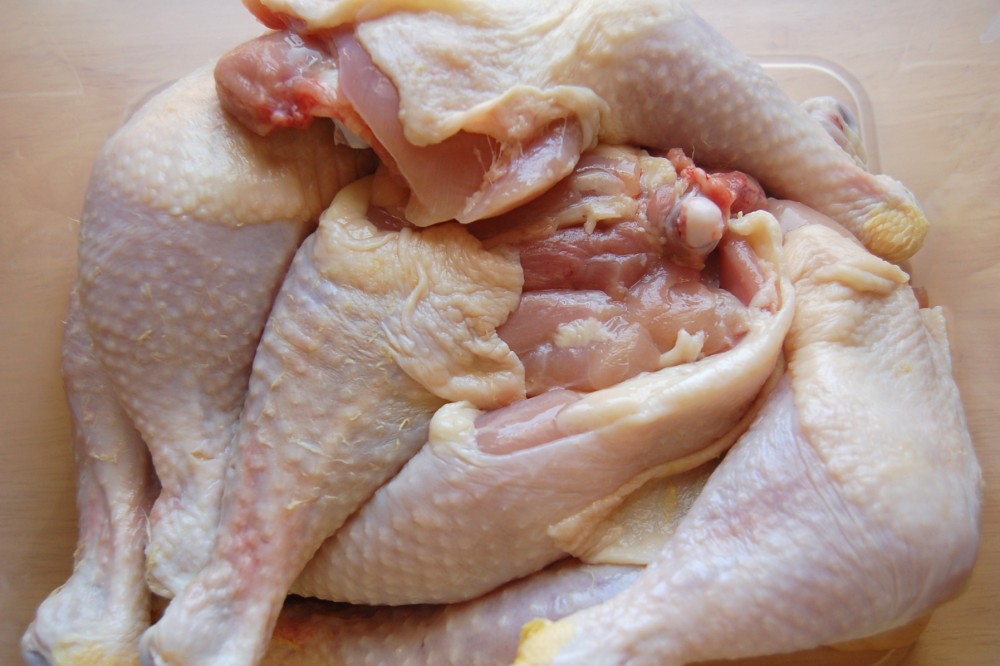
"caption": "About a quarter of the chicken parts we buy is tainted with salmonella, according to USDA tests. Photo: snowpea&bokchoi/Flickr",
"description": "About a quarter of the chicken parts we buy is tainted with salmonella, according to USDA tests",
"title": "About a quarter of the chicken parts we buy is tainted with salmonella, according to USDA tests.",
"credit": null,
"status": "inherit",
"isLoading": false,
"fetchFailed": false
},
"bayareabites_92207": {
"type": "attachments",
"id": "bayareabites_92207",
"meta": {
"index": "attachments_1716263798",
"site": "bayareabites",
"id": "92207",
"found": true
},
"parent": 92206,
"imgSizes": {
"kqedFullSize": {
"file": "https://ww2.kqed.org/app/uploads/sites/24/2015/01/non-gmo-76ca7b2dcfdb5406e4017a92ac36e4939418f8e6-e1421783470891.jpg",
"width": 1000,
"height": 749
}
},
"publishDate": 1421782452,
"modified": 1421783461,
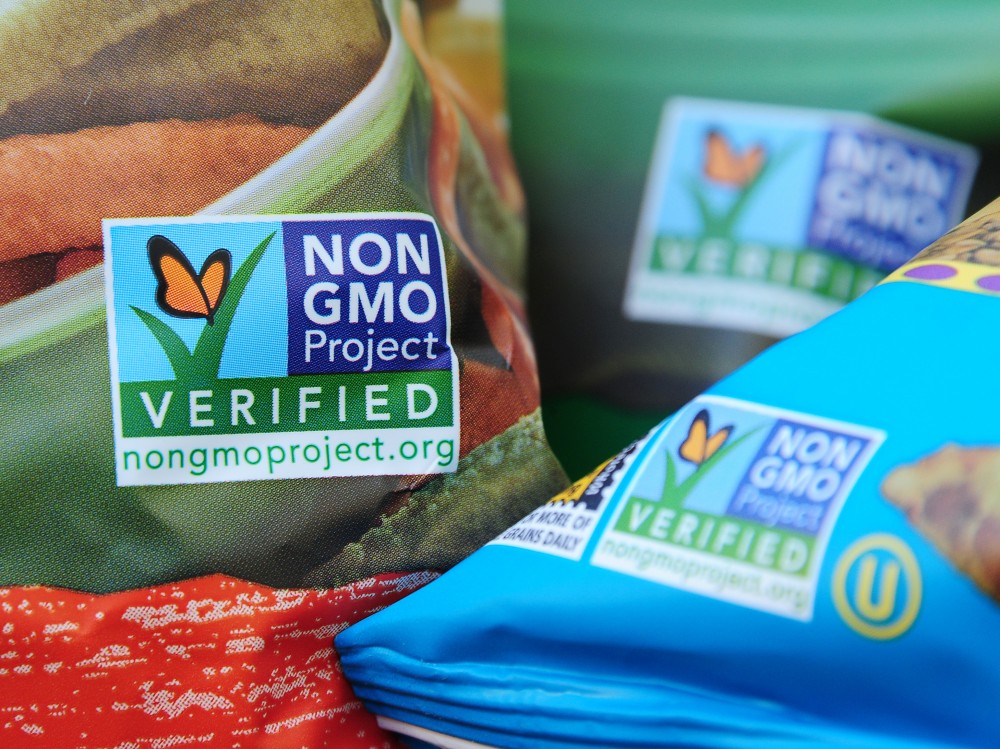
"caption": "Demand is growing for GMO-free labels on food products, according to the Non-GMO Project, one of the principle suppliers of the label. Photo: Robyn Beck/AFP/Getty Images ",
"description": "Demand is growing for GMO-free labels on food products, according to the Non-GMO Project, one of the principle suppliers of the label.",
"title": "Demand is growing for GMO-free labels on food products, according to the Non-GMO Project, one of the principle suppliers of the label.",
"credit": null,
"status": "inherit",
"isLoading": false,
"fetchFailed": false
},
"bayareabites_92186": {
"type": "attachments",
"id": "bayareabites_92186",
"meta": {
"index": "attachments_1716263798",
"site": "bayareabites",
"id": "92186",
"found": true
},
"parent": 92177,
"imgSizes": {
"kqedFullSize": {
"file": "https://ww2.kqed.org/app/uploads/sites/24/2015/01/madame-munchie-box.jpg",
"width": 1000,
"height": 750
}
},
"publishDate": 1421522880,
"modified": 1421522911,
"caption": null,
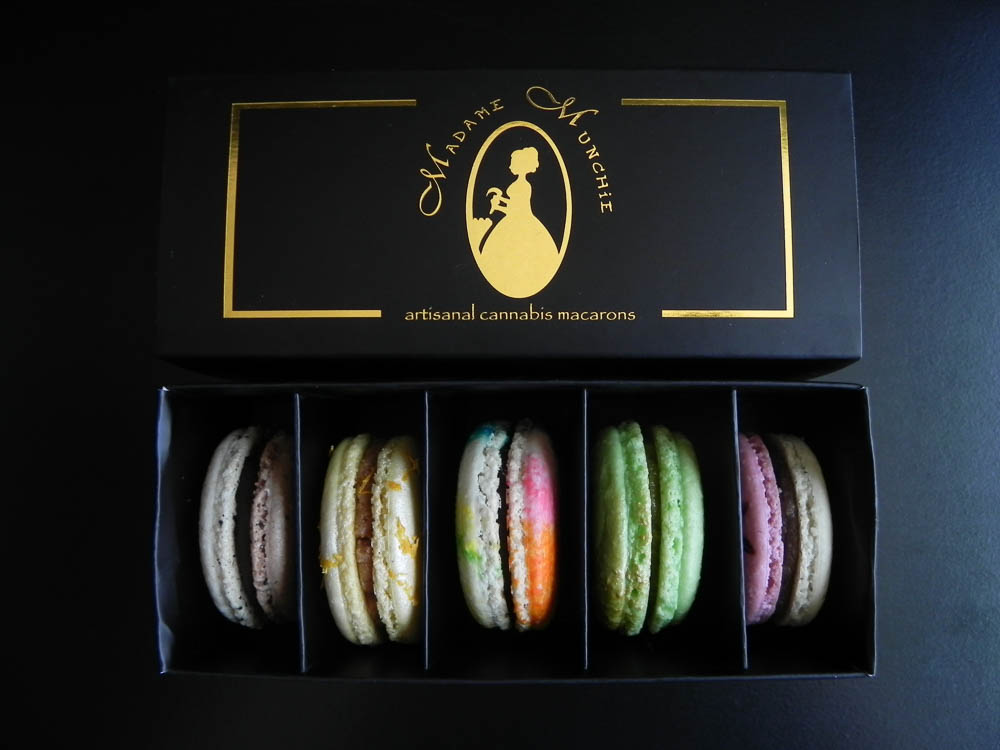
"description": "Cannabis Macarons, Madame Munchie",
"title": "Cannabis Macarons, Madame Munchie",
"credit": null,
"status": "inherit",
"isLoading": false,
"fetchFailed": false
},
"bayareabites_92150": {
"type": "attachments",
"id": "bayareabites_92150",
"meta": {
"index": "attachments_1716263798",
"site": "bayareabites",
"id": "92150",
"found": true
},
"parent": 92145,
"imgSizes": {
"kqedFullSize": {
"file": "https://ww2.kqed.org/app/uploads/sites/24/2015/01/finished-nut-milks-and-meal-1.jpg",
"width": 1000,
"height": 574
}
},
"publishDate": 1421453501,
"modified": 1421453710,
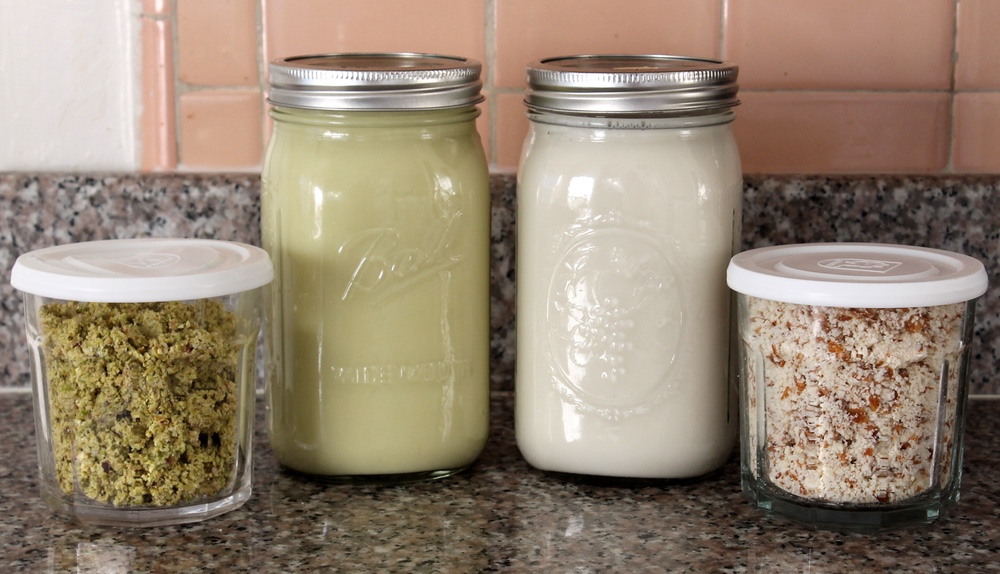
"caption": "Homemade pistachio milk, almond milk, and nut meal. Photo: Kate Williams",
"description": null,
"title": "finished nut milks and meal 1",
"credit": null,
"status": "inherit",
"isLoading": false,
"fetchFailed": false
},
"bayareabites_92065": {
"type": "attachments",
"id": "bayareabites_92065",
"meta": {
"index": "attachments_1716263798",
"site": "bayareabites",
"id": "92065",
"found": true
},
"parent": 92064,
"imgSizes": {
"kqedFullSize": {
"file": "https://ww2.kqed.org/app/uploads/sites/24/2015/01/potatoes-3_slide-9c5df7f5282662734d8012f4f2e0a5344f7e823e-e1421195007488.jpg",
"width": 1000,
"height": 667
}
},
"publishDate": 1421194618,
"modified": 1421195002,
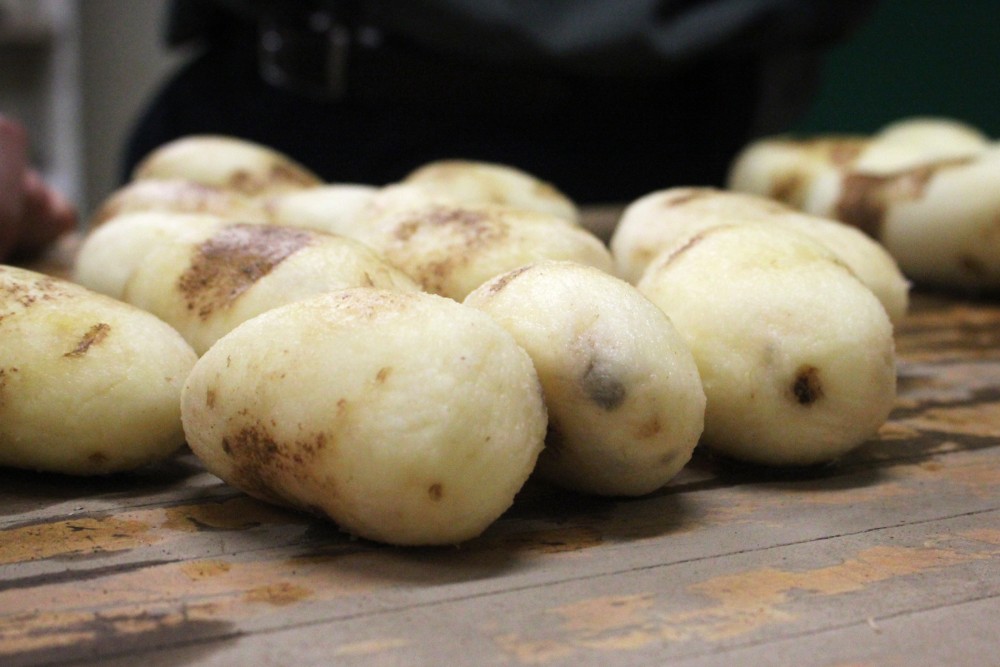
"caption": "After a turn in the tumbling machine, these conventional russet Burbank potatoes are starting to show signs of bruising. New GMO potatoes called Innate russet Burbanks have been bred not to bruise as easily as these. Photo: Dan Charles/NPR",
"description": "After a turn in the tumbling machine, these conventional russet Burbank potatoes are starting to show signs of bruising. New GMO potatoes called Innate russet Burbanks have been bred not to bruise as easily as these.",
"title": "After a turn in the tumbling machine, these conventional russet Burbank potatoes are starting to show signs of bruising. New GMO potatoes called Innate russet Burbanks have been bred not to bruise as easily as these.",
"credit": null,
"status": "inherit",
"isLoading": false,
"fetchFailed": false
},
"bayareabites_91963": {
"type": "attachments",
"id": "bayareabites_91963",
"meta": {
"index": "attachments_1716263798",
"site": "bayareabites",
"id": "91963",
"found": true
},
"parent": 91962,
"imgSizes": {
"kqedFullSize": {
"file": "https://ww2.kqed.org/app/uploads/sites/24/2015/01/water-myplate_custom-7fd5ef3d1ae94826d10feee902a0971207e3e4e0.png",
"width": 649,
"height": 575
}
},
"publishDate": 1421083296,
"modified": 1421083479,
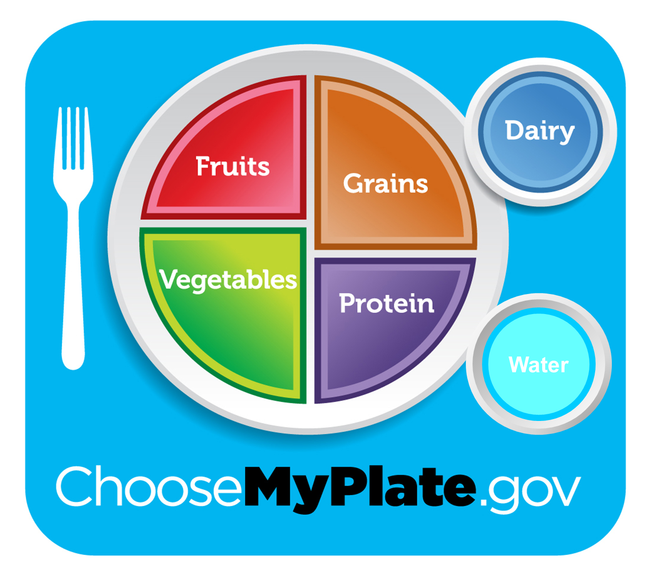
"caption": "The University of California's Nutrition Policy Institute has proposed that MyPlate include an icon for water. Image: UC Division of Agriculture and Natural Resources ",
"description": null,
"title": "The University of California's Nutrition Policy Institute has proposed that MyPlate include an icon for water.",
"credit": null,
"status": "inherit",
"isLoading": false,
"fetchFailed": false
},
"bayareabites_91906": {
"type": "attachments",
"id": "bayareabites_91906",
"meta": {
"index": "attachments_1716263798",
"site": "bayareabites",
"id": "91906",
"found": true
},
"parent": 91905,
"imgSizes": {
"kqedFullSize": {
"file": "https://ww2.kqed.org/app/uploads/sites/24/2015/01/avocados_wide-e516f064e2a39614339f451173deafb59b4d5be5-e1420741956662.jpg",
"width": 1000,
"height": 563
}
},
"publishDate": 1420741864,
"modified": 1420741949,
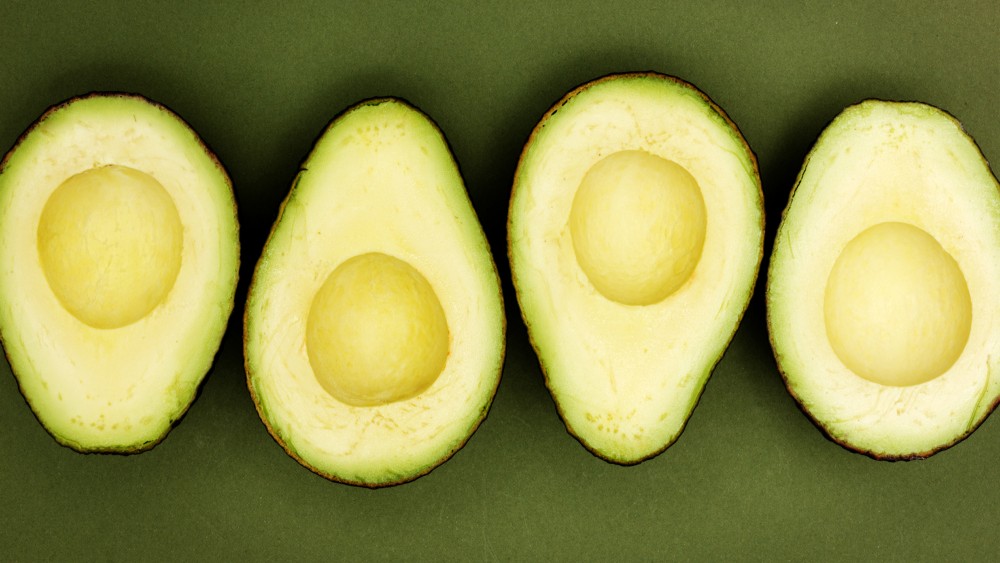
"caption": "Researchers say they think there's something in the avocado — other than just the healthy fat — that may lower bad cholesterol. Photo: Tastyart Ltd Rob White/Getty Images ",
"description": "Researchers say they think there's something in the avocado — other than just the healthy fat — that may lower bad choleste",
"title": "Researchers say they think there's something in the avocado — other than just the healthy fat — that may lower bad cholesterol.",
"credit": null,
"status": "inherit",
"isLoading": false,
"fetchFailed": false
},
"bayareabites_91868": {
"type": "attachments",
"id": "bayareabites_91868",
"meta": {
"index": "attachments_1716263798",
"site": "bayareabites",
"id": "91868",
"found": true
},
"parent": 91867,
"imgSizes": {
"kqedFullSize": {
"file": "https://ww2.kqed.org/app/uploads/sites/24/2015/01/best-diets_wide-8ff364da90f59a9f1e38812289928a9d9d566951-e1420581652376.jpg",
"width": 1000,
"height": 563
}
},
"publishDate": 1420581244,
"modified": 1420581872,
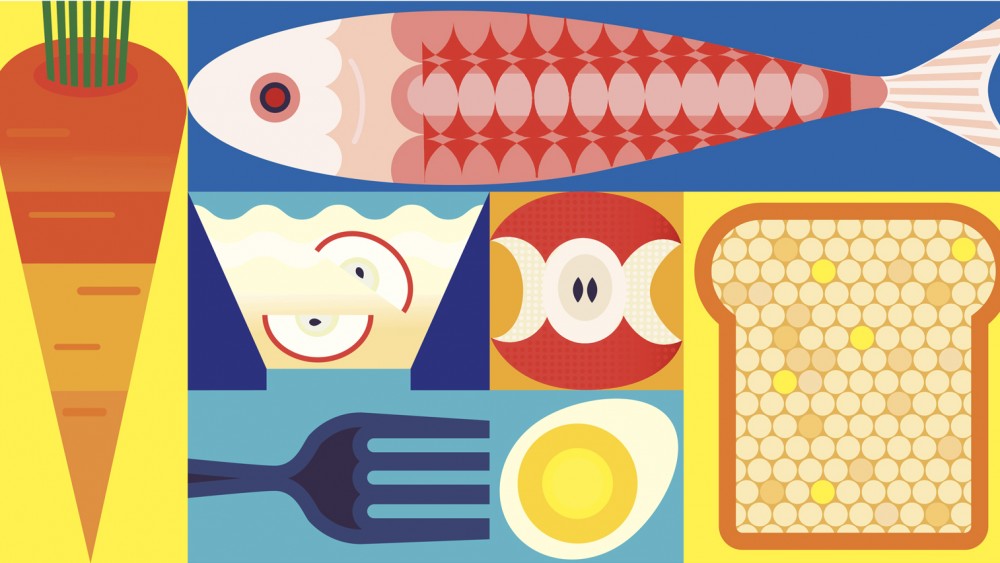
"caption": "The Mediterranean-like DASH and the plant-centric Ornish eating plan topped this year's rankings of diets by a panel assembled by U.S. News & World Report. Image: Gillian Blease/Getty Images/Ikon Images",
"description": "The Mediterranean-like DASH and the plant-centric Ornish eating plan topped this year's rankings of diets by a panel assembled by \u003cem>U.S. New",
"title": "The Mediterranean-like DASH and the plant-centric Ornish eating plan topped this year's rankings of diets by a panel assembled by U.S. News & World Report.",
"credit": null,
"status": "inherit",
"isLoading": false,
"fetchFailed": false
},
"bayareabites_91203": {
"type": "attachments",
"id": "bayareabites_91203",
"meta": {
"index": "attachments_1716263798",
"site": "bayareabites",
"id": "91203",
"found": true
},
"parent": 91183,
"imgSizes": {
"kqedFullSize": {
"file": "https://ww2.kqed.org/app/uploads/sites/24/2014/12/turmeric_powdered1000.jpg",
"width": 1000,
"height": 500
}
},
"publishDate": 1418945457,
"modified": 1420066374,
"caption": "Fresh and powdered turmeric. Photo: Lisa Landers",
"description": null,
"title": "turmeric_powdered1000",
"credit": null,
"status": "inherit",
"isLoading": false,
"fetchFailed": false
},
"bayareabites_91546": {
"type": "attachments",
"id": "bayareabites_91546",
"meta": {
"index": "attachments_1716263798",
"site": "bayareabites",
"id": "91546",
"found": true
},
"parent": 91545,
"imgSizes": {
"kqedFullSize": {
"file": "https://ww2.kqed.org/app/uploads/sites/24/2014/12/dairyland-1_enl-b7101bd19b7d9893f7413fd78231894ff31b18f9-e1419624855783.jpg",
"width": 1000,
"height": 667
}
},
"publishDate": 1419624430,
"modified": 1419624733,
"caption": "Cows rotate in the milking parlor at Fair Oaks Farms, a large-scale dairy and tourist attraction, near Rensselaer, Ind. Photo: Dan Charles/NPR ",
"description": "Cows rotate in the milking parlor at Fair Oaks Farms, a large-scale dairy and tourist attraction, near Rensselaer, Ind.",
"title": "Cows rotate in the milking parlor at Fair Oaks Farms, a large-scale dairy and tourist attraction, near Rensselaer, Ind.",
"credit": null,
"status": "inherit",
"isLoading": false,
"fetchFailed": false
},
"bayareabites_91423": {
"type": "attachments",
"id": "bayareabites_91423",
"meta": {
"index": "attachments_1716263798",
"site": "bayareabites",
"id": "91423",
"found": true
},
"parent": 91418,
"imgSizes": {
"kqedFullSize": {
"file": "https://ww2.kqed.org/app/uploads/sites/24/2014/12/eggs.jpg",
"width": 700,
"height": 411
}
},
"publishDate": 1419354912,
"modified": 1419354942,
"caption": "Free-range eggs from Pennypack Farm in Pennsylvania. Photo: Christopher Paquette/Flickr ",
"description": null,
"title": "eggs",
"credit": null,
"status": "inherit",
"isLoading": false,
"fetchFailed": false
},
"bayareabites_90538": {
"type": "attachments",
"id": "bayareabites_90538",
"meta": {
"index": "attachments_1716263798",
"site": "bayareabites",
"id": "90538",
"found": true
},
"parent": 90534,
"imgSizes": {
"kqedFullSize": {
"file": "https://ww2.kqed.org/app/uploads/sites/24/2014/12/Juice_vegfruit1000.jpg",
"width": 1000,
"height": 667
}
},
"publishDate": 1417821166,
"modified": 1417821607,
"caption": "Fresh fruit and vegetable juice. Photo: Lisa Landers",
"description": null,
"title": "Juice_vegfruit1000",
"credit": null,
"status": "inherit",
"isLoading": false,
"fetchFailed": false
}
},
"audioPlayerReducer": {
"postId": "stream_live",
"isPaused": true,
"isPlaying": false,
"pfsActive": false,
"pledgeModalIsOpen": true,
"playerDrawerIsOpen": false,
"liveAudioPlayStartedAt": 0,
"liveAudioPlayContext": ""
},
"authorsReducer": {
"byline_bayareabites_92233": {
"type": "authors",
"id": "byline_bayareabites_92233",
"meta": {
"override": true
},
"slug": "byline_bayareabites_92233",
"name": "Dan Charles",
"isLoading": false
},
"byline_bayareabites_92206": {
"type": "authors",
"id": "byline_bayareabites_92206",
"meta": {
"override": true
},
"slug": "byline_bayareabites_92206",
"name": "Amy Mayer",
"isLoading": false
},
"byline_bayareabites_92064": {
"type": "authors",
"id": "byline_bayareabites_92064",
"meta": {
"override": true
},
"slug": "byline_bayareabites_92064",
"name": "Dan Charles",
"isLoading": false
},
"byline_bayareabites_91962": {
"type": "authors",
"id": "byline_bayareabites_91962",
"meta": {
"override": true
},
"slug": "byline_bayareabites_91962",
"name": "Eliza Barclay",
"isLoading": false
},
"byline_bayareabites_91905": {
"type": "authors",
"id": "byline_bayareabites_91905",
"meta": {
"override": true
},
"slug": "byline_bayareabites_91905",
"name": "Allison Aubrey",
"isLoading": false
},
"byline_bayareabites_91867": {
"type": "authors",
"id": "byline_bayareabites_91867",
"meta": {
"override": true
},
"slug": "byline_bayareabites_91867",
"name": "Allison Aubrey",
"isLoading": false
},
"byline_bayareabites_91545": {
"type": "authors",
"id": "byline_bayareabites_91545",
"meta": {
"override": true
},
"slug": "byline_bayareabites_91545",
"name": "Dan Charles",
"isLoading": false
},
"byline_bayareabites_91418": {
"type": "authors",
"id": "byline_bayareabites_91418",
"meta": {
"override": true
},
"slug": "byline_bayareabites_91418",
"name": "Anders Kelto",
"isLoading": false
},
"stephanie-im": {
"type": "authors",
"id": "5037",
"meta": {
"index": "authors_1716337520",
"id": "5037",
"found": true
},
"name": "Stephanie Hua",
"firstName": "Stephanie",
"lastName": "Hua",
"slug": "stephanie-im",
"email": "stephanieim1023@gmail.com",
"display_author_email": false,
"staff_mastheads": [],
"title": "KQED Contributor",
"bio": "Stephanie Hua is the creator of \u003ca href=\"http://lickmyspoon.com\">Lick My Spoon\u003c/a>, a place for all things delicious. So far she has learned that she very much enjoys salted caramel anything, a good soup dumpling is worth a scalded tongue, and there is no room in life for non-fat cheese and crappy chocolate. Also, a barrel of cheese balls never ends well. \r\n\r\nStephanie has been known to choose her company based on how much they can pack it down. Ability to endure cramped quarters, sketchy back alleys, and uncharted paths to seek out that special dish is also a plus in her book. If you fit the criteria, drop a note. You’ll probably get along just fine.\r\n\r\nStephanie's writing and photography have been featured in Fodor's Travel, Wine Enthusiast Magazine, Serious Eats, and Sundance Channel. Follow her on \u003ca href=\"http://www.facebook.com/pages/Lick-My-Spoon/124276040932644\">Facebook\u003c/a> and \u003ca href=\"https://twitter.com/lickmyspoon\">@lickmyspoon\u003c/a>.",
"avatar": "https://secure.gravatar.com/avatar/25d5d746bf96940e83c86d9a5cb527ed00eb0e7d0b3bc9e2c73eba55d7755cc7?s=600&d=blank&r=g",
"twitter": "LickMySpoon",
"bluesky": null,
"facebook": "pages/Lick-My-Spoon/124276040932644",
"instagram": null,
"linkedin": "StephanieHua",
"sites": [
{
"site": "bayareabites",
"roles": [
"subscriber"
]
},
{
"site": "food",
"roles": [
"contributor"
]
}
],
"headData": {
"title": "Stephanie Hua | KQED",
"description": "KQED Contributor",
"ogImgSrc": "https://secure.gravatar.com/avatar/25d5d746bf96940e83c86d9a5cb527ed00eb0e7d0b3bc9e2c73eba55d7755cc7?s=600&d=blank&r=g",
"twImgSrc": "https://secure.gravatar.com/avatar/25d5d746bf96940e83c86d9a5cb527ed00eb0e7d0b3bc9e2c73eba55d7755cc7?s=600&d=blank&r=g"
},
"isLoading": false,
"link": "/author/stephanie-im"
},
"lisalanders": {
"type": "authors",
"id": "5412",
"meta": {
"index": "authors_1716337520",
"id": "5412",
"found": true
},
"name": "Lisa Landers",
"firstName": "Lisa",
"lastName": "Landers",
"slug": "lisalanders",
"email": "llanders@KQED.org",
"display_author_email": false,
"staff_mastheads": [],
"title": "KQED Contributor",
"bio": "Lisa Landers is a producer and writer whose work includes documentaries, museum exhibitions, and educational multimedia. Her work has covered a diversity of subject matter including natural history, ecological and social issues, cultural exploration, food, music, and architecture. She’s developed and produced films for broadcasters such as National Geographic, Smithsonian Channel, and the Discovery Channel. Her work as an exhibition developer and multimedia producer has been featured at institutions including the American Museum of Natural History, the National Building Museum, and The Tech Museum. Her writing has also appeared in a wide variety of print and online publications.",
"avatar": "https://secure.gravatar.com/avatar/1e4aa08f6f0a92ea11a2779a453cb36d?s=600&d=blank&r=g",
"twitter": null,
"bluesky": null,
"facebook": null,
"instagram": null,
"linkedin": null,
"sites": [
{
"site": "bayareabites",
"roles": [
"contributor"
]
},
{
"site": "quest",
"roles": [
"leadcoordinator",
"edit_theme_options",
"subscriber"
]
},
{
"site": "food",
"roles": []
}
],
"headData": {
"title": "Lisa Landers | KQED",
"description": "KQED Contributor",
"ogImgSrc": "https://secure.gravatar.com/avatar/1e4aa08f6f0a92ea11a2779a453cb36d?s=600&d=blank&r=g",
"twImgSrc": "https://secure.gravatar.com/avatar/1e4aa08f6f0a92ea11a2779a453cb36d?s=600&d=blank&r=g"
},
"isLoading": false,
"link": "/author/lisalanders"
},
"katewilliams": {
"type": "authors",
"id": "5485",
"meta": {
"index": "authors_1716337520",
"id": "5485",
"found": true
},
"name": "Kate Williams",
"firstName": "Kate",
"lastName": "Williams",
"slug": "katewilliams",
"email": "williaka@gmail.com",
"display_author_email": false,
"staff_mastheads": [],
"title": null,
"bio": "Kate Williams grew up outside of Atlanta, where twenty-pound baskets of peaches were an end-of-summer tradition. After spending time in Boston developing recipes for America's Test Kitchen and pretending to be a New Englander, she moved to sunny Berkeley. Here she works as a personal chef and food writer, covering topics ranging from taco trucks to modernist cookbooks. In addition to KQED's Bay Area Bites, Kate's work appears on Serious Eats, Berkeleyside NOSH, The Oxford American, America's Test Kitchen cookbooks, and Food52.",
"avatar": "https://secure.gravatar.com/avatar/25623fe56e181fe8b6ee92fd0ea077de?s=600&d=blank&r=g",
"twitter": "KateHWilliams",
"facebook": null,
"instagram": null,
"linkedin": null,
"sites": [
{
"site": "bayareabites",
"roles": [
"contributor"
]
},
{
"site": "food",
"roles": [
"contributor"
]
}
],
"headData": {
"title": "Kate Williams | KQED",
"description": null,
"ogImgSrc": "https://secure.gravatar.com/avatar/25623fe56e181fe8b6ee92fd0ea077de?s=600&d=blank&r=g",
"twImgSrc": "https://secure.gravatar.com/avatar/25623fe56e181fe8b6ee92fd0ea077de?s=600&d=blank&r=g"
},
"isLoading": false,
"link": "/author/katewilliams"
}
},
"pagesReducer": {
"bayareabites_category_health-and-nutrition": {
"type": "terms",
"id": "bayareabites_1245",
"meta": {
"index": "terms_1716263798",
"site": "bayareabites",
"id": "1245",
"score": 14.4079685
},
"featImg": null,
"name": "health and nutrition",
"description": null,
"taxonomy": "category",
"headData": {
"twImgId": null,
"twTitle": null,
"ogTitle": null,
"ogImgId": null,
"twDescription": null,
"description": null,
"title": "health and nutrition Archives | KQED Bay Area Bites",
"ogDescription": null
},
"ttid": 1078,
"slug": "health-and-nutrition",
"isLoading": false,
"title": "health and nutrition",
"pageMeta": {
"site": "bayareabites",
"WpPageTemplate": "page-topic-editorial",
"currentPage": 28
},
"blocks": [
{
"blockName": "kqed/post-list",
"attrs": {
"layout": "cardArticle2",
"query": "posts/bayareabites?category=health-and-nutrition",
"seeMore": false,
"paginated": true,
"page": 28
}
},
{
"blockName": "kqed/ad"
}
]
}
},
"pfsSessionReducer": {},
"postsReducer": {
"stream_live": {
"type": "live",
"id": "stream_live",
"audioUrl": "https://streams.kqed.org/kqedradio",
"title": "Live Stream",
"excerpt": "Live Stream information currently unavailable.",
"link": "/radio",
"featImg": "",
"label": {
"name": "KQED Live",
"link": "/"
}
},
"stream_kqedNewscast": {
"type": "posts",
"id": "stream_kqedNewscast",
"audioUrl": "https://www.kqed.org/.stream/anon/radio/RDnews/newscast.mp3?_=1",
"title": "KQED Newscast",
"featImg": "",
"label": {
"name": "88.5 FM",
"link": "/"
}
},
"bayareabites_92233": {
"type": "posts",
"id": "bayareabites_92233",
"meta": {
"index": "posts_1716263798",
"site": "bayareabites",
"id": "92233",
"score": null,
"sort": [
1421888794000
]
},
"parent": 0,
"labelTerm": {
"site": "bayareabites"
},
"blocks": [],
"publishDate": 1421888794,
"format": "aside",
"disqusTitle": "Clean Up Those Contaminated Chicken Parts, USDA Tells Industry",
"title": "Clean Up Those Contaminated Chicken Parts, USDA Tells Industry",
"headTitle": "Bay Area Bites | KQED Food",
"content": "\u003cfigure id=\"attachment_92234\" class=\"wp-caption aligncenter\" style=\"max-width: 1000px\">\u003ca href=\"http://ww2.kqed.org/bayareabites/wp-content/uploads/sites/24/2015/01/chicken-parts_slide-b8044ea2401e6e46d26f542798cce014952c9c09-e1421888589864.jpg\">\u003cimg src=\"http://ww2.kqed.org/bayareabites/wp-content/uploads/sites/24/2015/01/chicken-parts_slide-b8044ea2401e6e46d26f542798cce014952c9c09-e1421888589864.jpg\" alt=\"About a quarter of the chicken parts we buy is tainted with salmonella, according to USDA tests. Photo: snowpea&bokchoi/Flickr\" width=\"1000\" height=\"666\" class=\"size-full wp-image-92234\">\u003c/a>\u003cfigcaption class=\"wp-caption-text\">About a quarter of the chicken parts we buy is tainted with salmonella, according to USDA tests. Photo: \u003ca href=\"https://www.flickr.com/photos/bokchoi-snowpea/4688558649\" target=\"_blank\">snowpea&bokchoi/Flickr\u003c/a>\u003c/figcaption>\u003c/figure>\n\u003cp>\u003cstrong>Listen to the Story on All Things Considered:\u003c/strong>\u003cbr>\nhttp://pd.npr.org/anon.npr-mp3/npr/atc/2015/01/20150121_atc_clean_up_those_contaminated_chicken_parts_usda_tells_industry.mp3\u003c/p>\n\u003cp>by \u003ca href=\"http://www.npr.org/people/143160021/daniel-charles\" target=\"_blank\">Dan Charles\u003c/a>, \u003ca href=\"http://www.npr.org/blogs/thesalt/2015/01/21/378844287/clean-up-those-contaminated-chicken-parts-usda-tells-industry\" target=\"_blank\">The Salt at NPR Food\u003c/a> (1/21/15)\u003c/p>\n\u003cp>Right now, according to government surveys, about a quarter of the cut-up chicken you buy — and about half of all ground chicken — is contaminated with salmonella bacteria.\u003c/p>\n\u003cp>It's a surprisingly high number, and it was a surprise to the USDA's food safety officials, too, when they realized this about a year ago. Because up to that point, their efforts had been focused on whole chickens, rather than the cut-up parts.\u003c/p>\n\u003cp>There's a legal limit on the percentage of whole chicken carcasses that can be contaminated with salmonella. That limit is 7.5 percent, and most poultry companies meet it easily.\u003c/p>\n\u003cp>[ad fullwidth]\u003c/p>\n\u003cp>But most people buy chicken parts, like thighs, breasts, and drumsticks. And about a year ago, during an \u003ca href=\"http://www.cdc.gov/salmonella/heidelberg-10-13/\">outbreak\u003c/a> of salmonella poisoning that was traced to the Foster Farms company, in California, the USDA's scientists started systematically testing chicken parts, too.\u003c/p>\n\u003cp>They discovered that those parts were three or four times more likely to test positive for salmonella than the whole chickens. Ground chicken was even worse.\u003c/p>\n\u003cp>\"The question was, why? What were we missing?\" says Secretary of Agriculture Tom Vilsack.\u003c/p>\n\u003cp>The full answer still isn't clear. Something may happen during the cutting up process that spreads the bacteria around or perhaps releases them from pores in the skin.\u003c/p>\n\u003cp>Whatever the cause, that discovery persuaded the USDA to \u003ca href=\"http://www.usda.gov/wps/portal/usda/usdahome?contentidonly=true&contentid=2015/01/0013.xml\">propose\u003c/a> a new set of legal standards covering poultry parts and ground poultry. The limits, formally proposed on Wednesday, will cover salmonella and a less-common microbe called campylobacter.\u003c/p>\n\u003cp>If the proposal goes into force, companies will have to cut the amount of salmonella contamination by about half.\u003c/p>\n\u003cp>There will be more testing, too, as well as some public shaming. \"We are going to be posting facility ratings, or category ratings, online, as a way to encourage folks to get to a better place,\" says Vilsack.\u003c/p>\n\u003cp>The USDA says that about 60 percent of poultry processing plants probably exceed these proposed limits at the moment. But the National Chicken Council, which represents the poultry industry, said in a \u003ca href=\"http://www.nationalchickencouncil.org/ncc-statement-usdas-new-proposed-standards-chicken-parts/\">statement\u003c/a> that companies will meet the new limits when they go into force.\u003c/p>\n\u003cp>\u003ca href=\"http://www.ugacfs.org/faculty/doyle.html\">Michael Doyle\u003c/a>, director of the Center for Food Safety at the University of Georgia, says companies certainly can do this. He points to the example of Foster Farms, which \u003ca href=\"http://ww2.kqed.org/bayareabites/2014/08/28/how-foster-farms-is-solving-the-case-of-the-mystery-salmonella/\">embarked\u003c/a> on an ambitious salmonella control program after it was identified as the source of that outbreak a year ago.\u003c/p>\n\u003cp>\"The company has literally driven that percentage of positives down to well below what the USDA's expectations are,\" Doyle says.\u003c/p>\n\u003cp>The share of chicken parts testing positive for salmonella fell from 25 percent, which is the industry average, to less than 5 percent.\u003c/p>\n\u003cp>Under the USDA's proposal, the legal limit will be 15 percent — a much less ambitious goal. But Doyle says it's a reasonable start.\u003c/p>\n\u003cp>\u003c/p>\n\u003cp>\u003cem>Copyright 2015 \u003ca href=\"http://www.npr.org/\" target=\"_blank\">NPR\u003c/a>.\u003c/em> \u003c/p>\n\n",
"disqusIdentifier": "92233 http://blogs.kqed.org/bayareabites/?p=92233",
"disqusUrl": "https://ww2.kqed.org/bayareabites/2015/01/21/clean-up-those-contaminated-chicken-parts-usda-tells-industry/",
"stats": {
"hasVideo": false,
"hasChartOrMap": false,
"hasAudio": false,
"hasPolis": false,
"wordCount": 536,
"hasGoogleForm": false,
"hasGallery": false,
"hasHearkenModule": false,
"iframeSrcs": [],
"paragraphCount": 20
},
"modified": 1421888794,
"excerpt": "The government wants to make your chicken meat safer to handle. The USDA is proposing legal limits on the chicken parts that are contaminated with salmonella bacteria.",
"headData": {
"twImgId": "",
"twTitle": "",
"ogTitle": "",
"ogImgId": "",
"twDescription": "",
"description": "The government wants to make your chicken meat safer to handle. The USDA is proposing legal limits on the chicken parts that are contaminated with salmonella bacteria.",
"title": "Clean Up Those Contaminated Chicken Parts, USDA Tells Industry | KQED",
"ogDescription": "",
"schema": {
"@context": "https://schema.org",
"@type": "Article",
"headline": "Clean Up Those Contaminated Chicken Parts, USDA Tells Industry",
"datePublished": "2015-01-21T17:06:34-08:00",
"dateModified": "2015-01-21T17:06:34-08:00",
"image": "https://cdn.kqed.org/wp-content/uploads/2020/02/KQED-OG-Image@1x.png"
}
},
"guestAuthors": [],
"slug": "clean-up-those-contaminated-chicken-parts-usda-tells-industry",
"status": "publish",
"nprApiLink": "http://api.npr.org/query?id=378844287&apiKey=MDAxOTAwOTE4MDEyMTkxMDAzNjczZDljZA004",
"nprByline": "Dan Charles",
"nprStoryDate": "Wed, 21 Jan 2015 16:13:00 -0500",
"nprLastModifiedDate": "Wed, 21 Jan 2015 16:52:35 -0500",
"nprHtmlLink": "http://www.npr.org/blogs/thesalt/2015/01/21/378844287/clean-up-those-contaminated-chicken-parts-usda-tells-industry?ft=3&f=378844287",
"nprAudio": "http://pd.npr.org/anon.npr-mp3/npr/atc/2015/01/20150121_atc_clean_up_those_contaminated_chicken_parts_usda_tells_industry.mp3?orgId=1&ft=3&f=378844287",
"nprAudioM3u": "http://api.npr.org/m3u/1378905671-115063.m3u?orgId=1&ft=3&f=378844287",
"nprStoryId": "378844287",
"nprRetrievedStory": "1",
"nprPubDate": "Wed, 21 Jan 2015 19:00:00 -0500",
"path": "/bayareabites/92233/clean-up-those-contaminated-chicken-parts-usda-tells-industry",
"audioUrl": "http://pd.npr.org/anon.npr-mp3/npr/atc/2015/01/20150121_atc_clean_up_those_contaminated_chicken_parts_usda_tells_industry.mp3",
"audioDuration": null,
"audioTrackLength": null,
"parsedContent": [
{
"type": "contentString",
"content": "\u003cdiv class=\"post-body\">\u003cp>\u003cfigure id=\"attachment_92234\" class=\"wp-caption aligncenter\" style=\"max-width: 1000px\">\u003ca href=\"http://ww2.kqed.org/bayareabites/wp-content/uploads/sites/24/2015/01/chicken-parts_slide-b8044ea2401e6e46d26f542798cce014952c9c09-e1421888589864.jpg\">\u003cimg src=\"http://ww2.kqed.org/bayareabites/wp-content/uploads/sites/24/2015/01/chicken-parts_slide-b8044ea2401e6e46d26f542798cce014952c9c09-e1421888589864.jpg\" alt=\"About a quarter of the chicken parts we buy is tainted with salmonella, according to USDA tests. Photo: snowpea&bokchoi/Flickr\" width=\"1000\" height=\"666\" class=\"size-full wp-image-92234\">\u003c/a>\u003cfigcaption class=\"wp-caption-text\">About a quarter of the chicken parts we buy is tainted with salmonella, according to USDA tests. Photo: \u003ca href=\"https://www.flickr.com/photos/bokchoi-snowpea/4688558649\" target=\"_blank\">snowpea&bokchoi/Flickr\u003c/a>\u003c/figcaption>\u003c/figure>\n\u003cp>\u003cstrong>Listen to the Story on All Things Considered:\u003c/strong>\u003cbr>\nhttp://pd.npr.org/anon.npr-mp3/npr/atc/2015/01/20150121_atc_clean_up_those_contaminated_chicken_parts_usda_tells_industry.mp3\u003c/p>\n\u003cp>by \u003ca href=\"http://www.npr.org/people/143160021/daniel-charles\" target=\"_blank\">Dan Charles\u003c/a>, \u003ca href=\"http://www.npr.org/blogs/thesalt/2015/01/21/378844287/clean-up-those-contaminated-chicken-parts-usda-tells-industry\" target=\"_blank\">The Salt at NPR Food\u003c/a> (1/21/15)\u003c/p>\n\u003cp>Right now, according to government surveys, about a quarter of the cut-up chicken you buy — and about half of all ground chicken — is contaminated with salmonella bacteria.\u003c/p>\n\u003cp>It's a surprisingly high number, and it was a surprise to the USDA's food safety officials, too, when they realized this about a year ago. Because up to that point, their efforts had been focused on whole chickens, rather than the cut-up parts.\u003c/p>\n\u003cp>There's a legal limit on the percentage of whole chicken carcasses that can be contaminated with salmonella. That limit is 7.5 percent, and most poultry companies meet it easily.\u003c/p>\n\u003cp>\u003c/p>\u003c/div>",
"attributes": {
"named": {},
"numeric": []
}
},
{
"type": "component",
"content": "",
"name": "ad",
"attributes": {
"named": {
"label": "fullwidth"
},
"numeric": [
"fullwidth"
]
}
},
{
"type": "contentString",
"content": "\u003cdiv class=\"post-body\">\u003cp>\u003c/p>\n\u003cp>But most people buy chicken parts, like thighs, breasts, and drumsticks. And about a year ago, during an \u003ca href=\"http://www.cdc.gov/salmonella/heidelberg-10-13/\">outbreak\u003c/a> of salmonella poisoning that was traced to the Foster Farms company, in California, the USDA's scientists started systematically testing chicken parts, too.\u003c/p>\n\u003cp>They discovered that those parts were three or four times more likely to test positive for salmonella than the whole chickens. Ground chicken was even worse.\u003c/p>\n\u003cp>\"The question was, why? What were we missing?\" says Secretary of Agriculture Tom Vilsack.\u003c/p>\n\u003cp>The full answer still isn't clear. Something may happen during the cutting up process that spreads the bacteria around or perhaps releases them from pores in the skin.\u003c/p>\n\u003cp>Whatever the cause, that discovery persuaded the USDA to \u003ca href=\"http://www.usda.gov/wps/portal/usda/usdahome?contentidonly=true&contentid=2015/01/0013.xml\">propose\u003c/a> a new set of legal standards covering poultry parts and ground poultry. The limits, formally proposed on Wednesday, will cover salmonella and a less-common microbe called campylobacter.\u003c/p>\n\u003cp>If the proposal goes into force, companies will have to cut the amount of salmonella contamination by about half.\u003c/p>\n\u003cp>There will be more testing, too, as well as some public shaming. \"We are going to be posting facility ratings, or category ratings, online, as a way to encourage folks to get to a better place,\" says Vilsack.\u003c/p>\n\u003cp>The USDA says that about 60 percent of poultry processing plants probably exceed these proposed limits at the moment. But the National Chicken Council, which represents the poultry industry, said in a \u003ca href=\"http://www.nationalchickencouncil.org/ncc-statement-usdas-new-proposed-standards-chicken-parts/\">statement\u003c/a> that companies will meet the new limits when they go into force.\u003c/p>\n\u003cp>\u003ca href=\"http://www.ugacfs.org/faculty/doyle.html\">Michael Doyle\u003c/a>, director of the Center for Food Safety at the University of Georgia, says companies certainly can do this. He points to the example of Foster Farms, which \u003ca href=\"http://ww2.kqed.org/bayareabites/2014/08/28/how-foster-farms-is-solving-the-case-of-the-mystery-salmonella/\">embarked\u003c/a> on an ambitious salmonella control program after it was identified as the source of that outbreak a year ago.\u003c/p>\n\u003cp>\"The company has literally driven that percentage of positives down to well below what the USDA's expectations are,\" Doyle says.\u003c/p>\n\u003cp>The share of chicken parts testing positive for salmonella fell from 25 percent, which is the industry average, to less than 5 percent.\u003c/p>\n\u003cp>Under the USDA's proposal, the legal limit will be 15 percent — a much less ambitious goal. But Doyle says it's a reasonable start.\u003c/p>\n\u003cp>\u003c/p>\n\u003cp>\u003cem>Copyright 2015 \u003ca href=\"http://www.npr.org/\" target=\"_blank\">NPR\u003c/a>.\u003c/em> \u003c/p>\n\n\u003c/div>\u003c/p>",
"attributes": {
"named": {},
"numeric": []
}
}
],
"link": "/bayareabites/92233/clean-up-those-contaminated-chicken-parts-usda-tells-industry",
"authors": [
"byline_bayareabites_92233"
],
"categories": [
"bayareabites_1245",
"bayareabites_10916",
"bayareabites_2035",
"bayareabites_34"
],
"tags": [
"bayareabites_621",
"bayareabites_11270",
"bayareabites_2037",
"bayareabites_10921",
"bayareabites_8913"
],
"featImg": "bayareabites_92234",
"label": "bayareabites"
},
"bayareabites_92206": {
"type": "posts",
"id": "bayareabites_92206",
"meta": {
"index": "posts_1716263798",
"site": "bayareabites",
"id": "92206",
"score": null,
"sort": [
1421784169000
]
},
"parent": 0,
"labelTerm": {
"site": "bayareabites"
},
"blocks": [],
"publishDate": 1421784169,
"format": "aside",
"disqusTitle": "How Your Food Gets The 'Non-GMO' Label",
"title": "How Your Food Gets The 'Non-GMO' Label",
"headTitle": "Bay Area Bites | KQED Food",
"content": "\u003cfigure id=\"attachment_92207\" class=\"wp-caption aligncenter\" style=\"max-width: 1000px\">\u003ca href=\"http://ww2.kqed.org/bayareabites/wp-content/uploads/sites/24/2015/01/non-gmo-76ca7b2dcfdb5406e4017a92ac36e4939418f8e6-e1421783470891.jpg\">\u003cimg src=\"http://ww2.kqed.org/bayareabites/wp-content/uploads/sites/24/2015/01/non-gmo-76ca7b2dcfdb5406e4017a92ac36e4939418f8e6-e1421783470891.jpg\" alt=\"Demand is growing for GMO-free labels on food products, according to the Non-GMO Project, one of the principle suppliers of the label. Photo: Robyn Beck/AFP/Getty Images\" width=\"1000\" height=\"749\" class=\"size-full wp-image-92207\">\u003c/a>\u003cfigcaption class=\"wp-caption-text\">Demand is growing for GMO-free labels on food products, according to the Non-GMO Project, one of the principle suppliers of the label. Photo: Robyn Beck/AFP/Getty Images\u003c/figcaption>\u003c/figure>\n\u003cp>by Ann Mayer, \u003ca href=\"http://iowapublicradio.org/\" target=\"_blank\">WOI\u003c/a> at \u003ca href=\"http://www.npr.org/blogs/thesalt/2015/01/20/378361539/how-your-food-gets-the-non-gmo-label\" target=\"_blank\">The Salt at NPR Food\u003c/a> (1/20/15)\u003c/p>\n\u003cp>Demand for products that don't contain genetically modified organisms, or GMOs, is exploding.\u003c/p>\n\u003cp>And now many food companies are seeking certification for products that don't have any genetically modified ingredients, and not just the brands popular in the health food aisle. Even \u003ca href=\"http://harvestpublicmedia.org/content/original-cheerios-now-free-gmo-ingredients#.VJBo8zHF_pU\">Cheerios\u003c/a>, that iconic cereal from General Mills, no longer contains GMOs.\u003c/p>\n\u003cp>\"We currently are at over $8.5 billion in annual sales of verified products,\" says Megan Westgate, executive director of the \u003ca href=\"http://www.nongmoproject.org/\">Non GMO Project\u003c/a>, an independent organization that verifies products.\u003c/p>\n\u003cp>To receive the \u003ca href=\"http://www.npr.org/blogs/thesalt/2014/02/28/283460420/why-the-non-gmo-label-is-organic-s-frenemy\">label\u003c/a>, a product has to be certified as containing ingredients with less than 1 percent genetic modification. Westgate says that's a realistic standard, while totally GMO-free is not. She says natural foods stores began the process of defining a standard, involving other interested players along the way, including consumers. Now, General Mills is just one of the big food companies selling non-GMO products.\u003c/p>\n\u003cp>[ad fullwidth]\u003c/p>\n\u003cp>Sales of food labeled as non-GMO ballooned to over $3 billion in 2013, \u003ca href=\"http://www.wsj.com/articles/the-gmo-fight-ripples-down-the-food-chain-1407465378\">according\u003c/a> to \u003cem>The Wall Street Journal.\u003c/em>\u003c/p>\n\u003cp>\"Interestingly, with all of this traction in the natural sector,\" Westgate says, \"we're increasingly seeing more conventional companies coming on board and having their products verified.\"\u003c/p>\n\u003cp>But how does a company get into the non-GMO game? They might call \u003ca href=\"http://www.foodchainid.com/\">FoodChain ID\u003c/a>, a company in Fairfield, Iowa, that can shepherd a firm through the process. It's one of the third-party auditors that certifies products for the Non-GMO Project.\u003c/p>\n\u003cp>\"We start looking at ingredients, and we identify what are all the ingredients,\" says David Carter, FoodChain ID's general manager. \"And of course, the label itself doesn't always identify all of those. So we need to be sure that we have a list of all the processing aids, the carriers and all the inputs that go into a product.\"\u003c/p>\n\u003cp>Next, FoodChain ID figures out where each ingredient and input came from. If there's honey in cookies, for example, the company will have to show that the bees that make the honey aren't feeding near genetically modified corn. When there's even the smallest risk that an ingredient could contain a modified gene, DNA testing is in order.\u003c/p>\n\u003cp>FoodChain ID has a lab where a machine can extract the DNA from ingredient samples in order to analyze it. If that test finds no evidence of GMOs, the ingredient can go in the cookies. Carter says he can barely keep up with the number of inquiries coming in from companies that want certification.\u003c/p>\n\u003cp>\"The demand is now very, very high, and it has been for probably over a year in particular,\" Carter says.\u003c/p>\n\u003cp>To date, FoodChain ID says it has verified 17,000 ingredients from 10,000 suppliers in 96 countries.\u003c/p>\n\u003cp>It may take hundreds of dollars for some products to get a non-GMO label, depending on how many ingredients are already verified as being GMO-free and how many are not.\u003c/p>\n\u003cp>But even with the rising demand, non-GMO products make up a small fraction of the marketplace. More than \u003ca href=\"http://harvestpublicmedia.org/content/acres-genetically-modified-corn-nearly-doubled-decade#.VJBlbTHF_pU\">90 percent\u003c/a> of corn and soybeans grown in the U.S. contains genetically modified traits. And those two crops are ubiquitous in processed foods like packaged cookies. Still, if the current trend continues, it seems likely that more farmers will consider planting non-GMO crops.\u003c/p>\n\u003cp>Various companies sell non-GMO seeds, but they can be more difficult to find. Plant breeder Alix Paez hopes his central Iowa seed company, Genetic Enterprises International, can help fill that market niche.\u003c/p>\n\u003cp>\"We are a very small company,\" Paez says \"so our strategy is to find niche markets for farmers that are looking for non-GMO products.\"\u003c/p>\n\u003cp>Farmers pay a premium for seeds that are genetically modified to withstand pests, or \u003ca href=\"http://www.npr.org/blogs/thesalt/2014/01/24/265687251/soil-weedkillers-and-gmos-when-numbers-don-t-tell-the-whole-story\">engineered\u003c/a> to tolerate popular herbicides, making it easier for farmers to use those chemicals to kill weeds. Paez and his wife, Mary Jane, hope to develop seeds than can achieve the same yields without those expensive, patented traits. This past season, they grew test plots on a farm in Boone County, Iowa, which they harvested this fall with an ancient red Massey Ferguson combine.\u003c/p>\n\u003cp>Paez studies the effectiveness of each hybrid seed variety. It's slow and meticulous work. But the careful data collection is key to determining whether a new, non-GMO hybrid can be competitive in the marketplace.\u003c/p>\n\u003cp>\"One of the main things is yield,\" Paez says. \"Stand-ability, consistent performance, disease tolerance — things like that.\"\u003c/p>\n\u003cp>If these seeds make the grade, farmers could potentially save some money. And their grain might fetch a premium, especially as demand for \u003ca href=\"http://ww2.kqed.org/bayareabites/2014/03/02/chickens-that-lay-organic-eggs-eat-imported-food-and-its-pricey/\">non-GMO animal feed\u003c/a> grows. Because the only way to end up with non-GMO certified meat is to raise animals on non-GMO feed.\u003c/p>\n\u003chr>\n\u003cp>\u003cem> Amy Mayer is a reporter based at Iowa Public Radio in Ames, Iowa. This story comes to us from \u003ca href=\"http://harvestpublicmedia.org/\">Harvest Public Media\u003c/a>, a reporting collaboration focusing on agriculture. A \u003ca href=\"http://harvestpublicmedia.org/article/how-your-food-gets-%E2%80%98non-gmo%E2%80%99-label\">version\u003c/a> of this post originally ran on the Harvest website.\u003c/em> \u003c/p>\n\u003cp>\u003c/p>\n\u003cp>\u003cem>Copyright 2015 \u003ca href=\"http://www.iowapublicradio.org\" target=\"_blank\">Iowa Public Radio\u003c/a>.\u003c/em>\u003c/p>\n\n",
"disqusIdentifier": "92206 http://blogs.kqed.org/bayareabites/?p=92206",
"disqusUrl": "https://ww2.kqed.org/bayareabites/2015/01/20/how-your-food-gets-the-non-gmo-label/",
"stats": {
"hasVideo": false,
"hasChartOrMap": false,
"hasAudio": false,
"hasPolis": false,
"wordCount": 883,
"hasGoogleForm": false,
"hasGallery": false,
"hasHearkenModule": false,
"iframeSrcs": [],
"paragraphCount": 25
},
"modified": 1421784169,
"excerpt": "Demand for foods certified as GMO-free is ballooning. Increasingly, it's conventional companies that want to earn the label. Here's how a company gets into the non-GMO game.",
"headData": {
"twImgId": "",
"twTitle": "",
"ogTitle": "",
"ogImgId": "",
"twDescription": "",
"description": "Demand for foods certified as GMO-free is ballooning. Increasingly, it's conventional companies that want to earn the label. Here's how a company gets into the non-GMO game.",
"title": "How Your Food Gets The 'Non-GMO' Label | KQED",
"ogDescription": "",
"schema": {
"@context": "https://schema.org",
"@type": "Article",
"headline": "How Your Food Gets The 'Non-GMO' Label",
"datePublished": "2015-01-20T12:02:49-08:00",
"dateModified": "2015-01-20T12:02:49-08:00",
"image": "https://cdn.kqed.org/wp-content/uploads/2020/02/KQED-OG-Image@1x.png"
}
},
"guestAuthors": [],
"slug": "how-your-food-gets-the-non-gmo-label",
"status": "publish",
"nprApiLink": "http://api.npr.org/query?id=378361539&apiKey=MDAxOTAwOTE4MDEyMTkxMDAzNjczZDljZA004",
"nprByline": "Amy Mayer",
"nprStoryDate": "Tue, 20 Jan 2015 12:48:12 -0500",
"nprLastModifiedDate": "Tue, 20 Jan 2015 12:48:12 -0500",
"nprHtmlLink": "http://www.npr.org/blogs/thesalt/2015/01/20/378361539/how-your-food-gets-the-non-gmo-label?ft=3&f=378361539",
"nprStoryId": "378361539",
"nprRetrievedStory": "1",
"nprPubDate": "Tue, 20 Jan 2015 12:48:00 -0500",
"path": "/bayareabites/92206/how-your-food-gets-the-non-gmo-label",
"audioTrackLength": null,
"parsedContent": [
{
"type": "contentString",
"content": "\u003cdiv class=\"post-body\">\u003cp>\u003cfigure id=\"attachment_92207\" class=\"wp-caption aligncenter\" style=\"max-width: 1000px\">\u003ca href=\"http://ww2.kqed.org/bayareabites/wp-content/uploads/sites/24/2015/01/non-gmo-76ca7b2dcfdb5406e4017a92ac36e4939418f8e6-e1421783470891.jpg\">\u003cimg src=\"http://ww2.kqed.org/bayareabites/wp-content/uploads/sites/24/2015/01/non-gmo-76ca7b2dcfdb5406e4017a92ac36e4939418f8e6-e1421783470891.jpg\" alt=\"Demand is growing for GMO-free labels on food products, according to the Non-GMO Project, one of the principle suppliers of the label. Photo: Robyn Beck/AFP/Getty Images\" width=\"1000\" height=\"749\" class=\"size-full wp-image-92207\">\u003c/a>\u003cfigcaption class=\"wp-caption-text\">Demand is growing for GMO-free labels on food products, according to the Non-GMO Project, one of the principle suppliers of the label. Photo: Robyn Beck/AFP/Getty Images\u003c/figcaption>\u003c/figure>\n\u003cp>by Ann Mayer, \u003ca href=\"http://iowapublicradio.org/\" target=\"_blank\">WOI\u003c/a> at \u003ca href=\"http://www.npr.org/blogs/thesalt/2015/01/20/378361539/how-your-food-gets-the-non-gmo-label\" target=\"_blank\">The Salt at NPR Food\u003c/a> (1/20/15)\u003c/p>\n\u003cp>Demand for products that don't contain genetically modified organisms, or GMOs, is exploding.\u003c/p>\n\u003cp>And now many food companies are seeking certification for products that don't have any genetically modified ingredients, and not just the brands popular in the health food aisle. Even \u003ca href=\"http://harvestpublicmedia.org/content/original-cheerios-now-free-gmo-ingredients#.VJBo8zHF_pU\">Cheerios\u003c/a>, that iconic cereal from General Mills, no longer contains GMOs.\u003c/p>\n\u003cp>\"We currently are at over $8.5 billion in annual sales of verified products,\" says Megan Westgate, executive director of the \u003ca href=\"http://www.nongmoproject.org/\">Non GMO Project\u003c/a>, an independent organization that verifies products.\u003c/p>\n\u003cp>To receive the \u003ca href=\"http://www.npr.org/blogs/thesalt/2014/02/28/283460420/why-the-non-gmo-label-is-organic-s-frenemy\">label\u003c/a>, a product has to be certified as containing ingredients with less than 1 percent genetic modification. Westgate says that's a realistic standard, while totally GMO-free is not. She says natural foods stores began the process of defining a standard, involving other interested players along the way, including consumers. Now, General Mills is just one of the big food companies selling non-GMO products.\u003c/p>\n\u003cp>\u003c/p>\u003c/div>",
"attributes": {
"named": {},
"numeric": []
}
},
{
"type": "component",
"content": "",
"name": "ad",
"attributes": {
"named": {
"label": "fullwidth"
},
"numeric": [
"fullwidth"
]
}
},
{
"type": "contentString",
"content": "\u003cdiv class=\"post-body\">\u003cp>\u003c/p>\n\u003cp>Sales of food labeled as non-GMO ballooned to over $3 billion in 2013, \u003ca href=\"http://www.wsj.com/articles/the-gmo-fight-ripples-down-the-food-chain-1407465378\">according\u003c/a> to \u003cem>The Wall Street Journal.\u003c/em>\u003c/p>\n\u003cp>\"Interestingly, with all of this traction in the natural sector,\" Westgate says, \"we're increasingly seeing more conventional companies coming on board and having their products verified.\"\u003c/p>\n\u003cp>But how does a company get into the non-GMO game? They might call \u003ca href=\"http://www.foodchainid.com/\">FoodChain ID\u003c/a>, a company in Fairfield, Iowa, that can shepherd a firm through the process. It's one of the third-party auditors that certifies products for the Non-GMO Project.\u003c/p>\n\u003cp>\"We start looking at ingredients, and we identify what are all the ingredients,\" says David Carter, FoodChain ID's general manager. \"And of course, the label itself doesn't always identify all of those. So we need to be sure that we have a list of all the processing aids, the carriers and all the inputs that go into a product.\"\u003c/p>\n\u003cp>Next, FoodChain ID figures out where each ingredient and input came from. If there's honey in cookies, for example, the company will have to show that the bees that make the honey aren't feeding near genetically modified corn. When there's even the smallest risk that an ingredient could contain a modified gene, DNA testing is in order.\u003c/p>\n\u003cp>FoodChain ID has a lab where a machine can extract the DNA from ingredient samples in order to analyze it. If that test finds no evidence of GMOs, the ingredient can go in the cookies. Carter says he can barely keep up with the number of inquiries coming in from companies that want certification.\u003c/p>\n\u003cp>\"The demand is now very, very high, and it has been for probably over a year in particular,\" Carter says.\u003c/p>\n\u003cp>To date, FoodChain ID says it has verified 17,000 ingredients from 10,000 suppliers in 96 countries.\u003c/p>\n\u003cp>It may take hundreds of dollars for some products to get a non-GMO label, depending on how many ingredients are already verified as being GMO-free and how many are not.\u003c/p>\n\u003cp>But even with the rising demand, non-GMO products make up a small fraction of the marketplace. More than \u003ca href=\"http://harvestpublicmedia.org/content/acres-genetically-modified-corn-nearly-doubled-decade#.VJBlbTHF_pU\">90 percent\u003c/a> of corn and soybeans grown in the U.S. contains genetically modified traits. And those two crops are ubiquitous in processed foods like packaged cookies. Still, if the current trend continues, it seems likely that more farmers will consider planting non-GMO crops.\u003c/p>\n\u003cp>Various companies sell non-GMO seeds, but they can be more difficult to find. Plant breeder Alix Paez hopes his central Iowa seed company, Genetic Enterprises International, can help fill that market niche.\u003c/p>\n\u003cp>\"We are a very small company,\" Paez says \"so our strategy is to find niche markets for farmers that are looking for non-GMO products.\"\u003c/p>\n\u003cp>Farmers pay a premium for seeds that are genetically modified to withstand pests, or \u003ca href=\"http://www.npr.org/blogs/thesalt/2014/01/24/265687251/soil-weedkillers-and-gmos-when-numbers-don-t-tell-the-whole-story\">engineered\u003c/a> to tolerate popular herbicides, making it easier for farmers to use those chemicals to kill weeds. Paez and his wife, Mary Jane, hope to develop seeds than can achieve the same yields without those expensive, patented traits. This past season, they grew test plots on a farm in Boone County, Iowa, which they harvested this fall with an ancient red Massey Ferguson combine.\u003c/p>\n\u003cp>Paez studies the effectiveness of each hybrid seed variety. It's slow and meticulous work. But the careful data collection is key to determining whether a new, non-GMO hybrid can be competitive in the marketplace.\u003c/p>\n\u003cp>\"One of the main things is yield,\" Paez says. \"Stand-ability, consistent performance, disease tolerance — things like that.\"\u003c/p>\n\u003cp>If these seeds make the grade, farmers could potentially save some money. And their grain might fetch a premium, especially as demand for \u003ca href=\"http://ww2.kqed.org/bayareabites/2014/03/02/chickens-that-lay-organic-eggs-eat-imported-food-and-its-pricey/\">non-GMO animal feed\u003c/a> grows. Because the only way to end up with non-GMO certified meat is to raise animals on non-GMO feed.\u003c/p>\n\u003chr>\n\u003cp>\u003cem> Amy Mayer is a reporter based at Iowa Public Radio in Ames, Iowa. This story comes to us from \u003ca href=\"http://harvestpublicmedia.org/\">Harvest Public Media\u003c/a>, a reporting collaboration focusing on agriculture. A \u003ca href=\"http://harvestpublicmedia.org/article/how-your-food-gets-%E2%80%98non-gmo%E2%80%99-label\">version\u003c/a> of this post originally ran on the Harvest website.\u003c/em> \u003c/p>\n\u003cp>\u003c/p>\n\u003cp>\u003cem>Copyright 2015 \u003ca href=\"http://www.iowapublicradio.org\" target=\"_blank\">Iowa Public Radio\u003c/a>.\u003c/em>\u003c/p>\n\n\u003c/div>\u003c/p>",
"attributes": {
"named": {},
"numeric": []
}
}
],
"link": "/bayareabites/92206/how-your-food-gets-the-non-gmo-label",
"authors": [
"byline_bayareabites_92206"
],
"categories": [
"bayareabites_1245",
"bayareabites_12555",
"bayareabites_10916",
"bayareabites_2035"
],
"tags": [
"bayareabites_10771",
"bayareabites_10787",
"bayareabites_10774",
"bayareabites_14081"
],
"featImg": "bayareabites_92207",
"label": "bayareabites"
},
"bayareabites_92177": {
"type": "posts",
"id": "bayareabites_92177",
"meta": {
"index": "posts_1716263798",
"site": "bayareabites",
"id": "92177",
"score": null,
"sort": [
1421780638000
]
},
"parent": 0,
"labelTerm": {
"site": "bayareabites"
},
"blocks": [],
"publishDate": 1421780638,
"format": "aside",
"disqusTitle": "Marijuana Edibles: Cannabis Goes Gourmet",
"title": "Marijuana Edibles: Cannabis Goes Gourmet",
"headTitle": "Bay Area Bites | KQED Food",
"content": "\u003cfigure id=\"attachment_92178\" class=\"wp-caption alignnone\" style=\"max-width: 667px\">\u003ca href=\"http://ww2.kqed.org/bayareabites/wp-content/uploads/sites/24/2015/01/2014-12-13-emerald-cup-154.jpg\">\u003cimg src=\"http://ww2.kqed.org/bayareabites/wp-content/uploads/sites/24/2015/01/2014-12-13-emerald-cup-154.jpg\" alt=\"Cannabis-Infused Creme Brulee from Beezle's Creamery\" width=\"667\" height=\"1000\" class=\"size-full wp-image-92178\">\u003c/a>\u003cfigcaption class=\"wp-caption-text\">Not your average creme brulee\u003c/figcaption>\u003c/figure>\n\u003cp>Cannabis-infused treats are no longer limited to your pan of pot brownies made from a box mix. Nope, edibles are all grown up, and they have good taste. Even \u003ca href=\"http://www.foodrepublic.com/2015/01/13/michael-ruhlman-wants-teach-you-proper-ratios-cook\" target=\"_blank\">Ruhlman\u003c/a> is weighing in on how to cook with cannabis. \u003c/p>\n\u003cp>\u003ca href=\"http://ww2.kqed.org/bayareabites/wp-content/uploads/sites/24/2015/01/mj-sales-chart.jpg\">\u003cimg src=\"http://ww2.kqed.org/bayareabites/wp-content/uploads/sites/24/2015/01/mj-sales-chart.jpg\" alt=\"U.S. Marijuana Sales Estimates 2013-2018 (Source: Marijuana Business Factbook 2014, CannaBusiness Media)\" width=\"431\" height=\"277\" class=\"alignnone size-full wp-image-92183\">\u003c/a>\u003c/p>\n\u003cp>In 2014 legal marijuana sales in the US came in at an estimated $2.6 billion. That number is estimated to reach $8.2 billion by 2018. A big part of that number will be due to edibles. In Colorado (the first of four states to legalize the recreational use of marijuana), edibles are a major part of the cannabis market, accounting for \u003ca href=\"http://mmjbusinessdaily.com/backlash-sinks-proposed-edibles-ban-in-colorado/\" target=\"_blank\">50% or more of sales\u003c/a> at some retail shops. \u003c/p>\n\u003cp>The quality and variety of edibles available on the market has grown by leaps and bounds. At the \u003ca href=\"http://theemeraldcup.com/\" target=\"_blank\">Emerald Cup\u003c/a> hosted last month in Santa Rosa, we saw everything from cannabis infused cotton candy to medicated creme brulee. When we walked the expo hall at the \u003ca href=\"https://mmjbusinessdaily.com/conference/\" target=\"_blank\">Marijuana Business Conference\u003c/a>, there were times when we could easily have been at the \u003ca href=\"http://ww2.kqed.org/bayareabites/2015/01/09/bay-area-foodmakers-command-a-huge-presence-at-sfs-fancy-food-show/\">Fancy Food Show\u003c/a>, checking out booths of artisanal sodas and fair trade chocolate. Times have changed, edibles are more sophisticated than ever before, and with the growing focus on lab testing, products that are rising to the top are those that can deliver accurate and consistent dosing. \u003c/p>\n\u003cp>It’s not surprising that cannabis patients in the Bay Area have their choice of delicious ways to medicate. We are a food-loving, food-obsessed tribe, who care about what we eat and how it tastes, and from the looks of it, edibles producers have taken note. So, if you are looking to medicate with the delicious in mind, look no further: \u003c/p>\n\u003cp>[ad fullwidth]\u003c/p>\n\u003cp>\u003ca href=\"http://ww2.kqed.org/bayareabites/wp-content/uploads/sites/24/2015/01/kiva.jpg\">\u003cimg src=\"http://ww2.kqed.org/bayareabites/wp-content/uploads/sites/24/2015/01/kiva.jpg\" alt=\"KIVA Confections Chocolate Bars\" width=\"1000\" height=\"682\" class=\"alignnone size-full wp-image-92181\">\u003c/a>\u003c/p>\n\u003cp>\u003cstrong>KIVA Confections, Chocolate Bars\u003c/strong>\u003cbr>\n\u003cem>(180 mg per bar, 45 mg per square)\u003c/em>\u003c/p>\n\u003cp>The first thing we noticed about \u003ca href=\"http://www.kivaconfections.com/\" target=\"_blank\">KIVA’s chocolate bars\u003c/a> was how darn pretty they are! Their aesthetic is spot on — polished and contemporary, one of these chocolate bars would be right at home on the shelf at Whole Foods. Judge this book by its cover, because the chocolate inside that trendy kraft packaging tastes as good as it looks. Added bonus, each chocolate bar is segmented into four squares to make dosing easier. The chocolate comes in a variety of flavors like Vanilla Chai Milk Chocolate or Tangerine Dark Chocolate. \u003c/p>\n\u003cp>We’re also big fans of \u003ca href=\"http://www.kivaconfections.com/products/bites/bites-espresso\" target=\"_blank\">KIVA’s Terra Bites\u003c/a>, chocolate covered espresso beans. Each bean is approximately 5 mg of THC, so this is a particularly great option for beginners looking for a low dose product.\u003c/p>\n\u003cp>\u003ca href=\"http://ww2.kqed.org/bayareabites/wp-content/uploads/sites/24/2015/01/Auntie-Dolores-Glazed-Pecans.jpg\">\u003cimg src=\"http://ww2.kqed.org/bayareabites/wp-content/uploads/sites/24/2015/01/Auntie-Dolores-Glazed-Pecans.jpg\" alt=\"Cannabis-Infused Glazed Pecans from Auntie Dolores\" width=\"1000\" height=\"1000\" class=\"alignnone size-full wp-image-92179\">\u003c/a>\u003c/p>\n\u003cp>\u003cstrong>Auntie Dolores, Glazed Pecans\u003c/strong>\u003cbr>\n\u003cem>(100 mg per pouch, 3-5 mg per pecan)\u003c/em>\u003c/p>\n\u003cp>\u003ca href=\"http://auntiedolores.com/\" target=\"_blank\">Auntie Dolores\u003c/a> is all about “The Every Day Edible” because sometimes, you don’t necessarily want a rich, decadent calorie bomb. Sometimes you want something snack-y and savory. Or maybe you’re looking for a gluten-free or vegan option. This is where Auntie Dolores shines with products like savory pretzels, spiced nuts, and crackers. We particularly adore their \u003cstrong>Glazed Pecans\u003c/strong>. Lightly sweetened with coconut sugar and kicked up with a touch of white balsamic vinegar, chipotle powder, and cayenne, these glazed nuts are totally addictive. Eat them on their own, or go the extra healthy mile and throw them on a salad. \u003c/p>\n\u003cp>\u003ca href=\"http://ww2.kqed.org/bayareabites/wp-content/uploads/sites/24/2015/01/madame-munchie.jpg\">\u003cimg src=\"http://ww2.kqed.org/bayareabites/wp-content/uploads/sites/24/2015/01/madame-munchie.jpg\" alt=\"Cannabis Macarons from Madame Munchie\" width=\"668\" height=\"1000\" class=\"alignnone size-full wp-image-92182\">\u003c/a>\u003c/p>\n\u003cp>\u003cstrong>Madame Munchie, Macarons\u003c/strong>\u003cbr>\n\u003cem>(100 mg per box, 20 mg per macaron)\u003c/em>\u003c/p>\n\u003cp>Medicated. Macarons. Yes, this exists! In true Cali-locavore form, these gorgeous hand-crafted macarons are made from local and organic ingredients. See what I did there? I just used about four foodie buzz words to describe a cannabis company. \u003ca href=\"http://madamemunchie.com/\" target=\"_blank\">Madame Munchie’s Artisanal Cannabis Macarons\u003c/a> come in foodie-approved flavors like Citrus à l’amande, made with almond butter and topped with orange zest, and Grilled PB&J, complete with darling grill marks and all. \u003c/p>\n\u003cp>They are almost too beautiful to eat, but trust us, you’ll be glad you did. If only all medicine came in the form of macarons. \u003c/p>\n\u003cp>\u003ca href=\"http://ww2.kqed.org/bayareabites/wp-content/uploads/sites/24/2015/01/beezles-creamery.jpg\">\u003cimg src=\"http://ww2.kqed.org/bayareabites/wp-content/uploads/sites/24/2015/01/beezles-creamery.jpg\" alt=\"Cannabis Ice Cream from Beezle's Creamery\" width=\"667\" height=\"1000\" class=\"alignnone size-full wp-image-92180\">\u003c/a>\u003c/p>\n\u003cp>\u003cstrong>Beezle’s Creamery, Ice Cream Push Pops\u003c/strong>\u003cbr>\n\u003cem>(50 mg per pop)\u003c/em>\u003c/p>\n\u003cp>Cannabis-infused ice cream, could there be anything more delightful? The push pop container is a brilliant method of dispensing \u003ca href=\"http://instagram.com/beezlescreamery/\" target=\"_blank\">Beezle’s Creamery\u003c/a>'s dreamy organic ice cream. The line features fun flavors like Buttered + Toasted, a peanut butter cream with Cinnamon Toast Crunch, and vegan options like Gone Bananers, a banana “ice cream” with nut and seed butter. \u003c/p>\n\u003cp>\u003ca href=\"http://ww2.kqed.org/bayareabites/wp-content/uploads/sites/24/2015/01/sweetleaf.jpg\">\u003cimg src=\"http://ww2.kqed.org/bayareabites/wp-content/uploads/sites/24/2015/01/sweetleaf.jpg\" alt=\"CBD Oils from SweetLeaf\" width=\"750\" height=\"1000\" class=\"alignnone size-full wp-image-92184\">\u003c/a>\u003c/p>\n\u003cp>\u003cstrong>SweetLeaf, CBD Extract Oils & Tinctures\u003c/strong>\u003c/p>\n\u003cp>We’d be remiss if we didn’t mention the burgeoning interest in \u003ca href=\"http://www.projectcbd.org/\" target=\"_blank\">high CBD\u003c/a> products as more studies are showing the great potential of this non-psychoactive cannabinoid in treating \u003ca href=\"http://steephilllab.com/cannabis-science-what-are-cannabinoids/\" target=\"_blank\">numerous ailments\u003c/a>. \u003ca href=\"http://www.sweetleafco.com/\" target=\"_blank\">SweetLeaf\u003c/a> offers oils and tinctures in three CBD-to-THC ratios (20:1, 3:1, and 1:1) each targeting certain conditions. SweetLeaf patients are successfully using these extracts for everything from neurological disorders like epilepsy (20:1) to auto-immune diseases like Multiple Sclerosis (3:1) to pain relief (1:1). You can add the oils or tinctures to the tasty beverage or food of your choice, or you can enjoy one of SweetLeaf’s CBD-rich edibles. Sriracha Kale Chips, anyone? \u003c/p>\n\u003cp>\u003ca href=\"http://ww2.kqed.org/bayareabites/wp-content/uploads/sites/24/2015/01/CBACard_web.jpg\">\u003cimg src=\"http://ww2.kqed.org/bayareabites/wp-content/uploads/sites/24/2015/01/CBACard_web.jpg\" alt=\"Edibles Education, CannabisAlliance.org\" width=\"800\" height=\"595\" class=\"alignnone size-full wp-image-92190\">\u003c/a>\u003c/p>\n\u003cp>As cannabis consumption becomes less taboo and as more research is done on the medicinal benefits of the plant, there’s no doubt that this is an industry just itching to stretch its legs. Especially when it comes to edibles, education and titration are key to an enjoyable and safe experience. \u003c/p>\n\u003cp>\u003c/p>\n\u003cp>\u003cstrong>Start Low\u003c/strong>, \u003cstrong>Go Slow\u003c/strong>...and enjoy the ride. \u003c/p>\n\n",
"disqusIdentifier": "92177 http://blogs.kqed.org/bayareabites/?p=92177",
"disqusUrl": "https://ww2.kqed.org/bayareabites/2015/01/20/marijuana-edibles-cannabis-goes-gourmet/",
"stats": {
"hasVideo": false,
"hasChartOrMap": false,
"hasAudio": false,
"hasPolis": false,
"wordCount": 931,
"hasGoogleForm": false,
"hasGallery": false,
"hasHearkenModule": false,
"iframeSrcs": [],
"paragraphCount": 27
},
"modified": 1421859293,
"excerpt": "Cannabis-infused treats are no longer limited to your pan of pot brownies made from a box mix. Nope, edibles are all grown up, and they have good taste. So, if you are looking to medicate with the delicious in mind, look no further. Here are our top 5 picks.",
"headData": {
"twImgId": "",
"twTitle": "",
"ogTitle": "",
"ogImgId": "",
"twDescription": "",
"description": "Cannabis-infused treats are no longer limited to your pan of pot brownies made from a box mix. Nope, edibles are all grown up, and they have good taste. So, if you are looking to medicate with the delicious in mind, look no further. Here are our top 5 picks.",
"title": "Marijuana Edibles: Cannabis Goes Gourmet | KQED",
"ogDescription": "",
"schema": {
"@context": "https://schema.org",
"@type": "Article",
"headline": "Marijuana Edibles: Cannabis Goes Gourmet",
"datePublished": "2015-01-20T11:03:58-08:00",
"dateModified": "2015-01-21T08:54:53-08:00",
"image": "https://cdn.kqed.org/wp-content/uploads/2020/02/KQED-OG-Image@1x.png"
}
},
"guestAuthors": [],
"slug": "marijuana-edibles-cannabis-goes-gourmet",
"status": "publish",
"path": "/bayareabites/92177/marijuana-edibles-cannabis-goes-gourmet",
"audioTrackLength": null,
"parsedContent": [
{
"type": "contentString",
"content": "\u003cdiv class=\"post-body\">\u003cp>\u003cfigure id=\"attachment_92178\" class=\"wp-caption alignnone\" style=\"max-width: 667px\">\u003ca href=\"http://ww2.kqed.org/bayareabites/wp-content/uploads/sites/24/2015/01/2014-12-13-emerald-cup-154.jpg\">\u003cimg src=\"http://ww2.kqed.org/bayareabites/wp-content/uploads/sites/24/2015/01/2014-12-13-emerald-cup-154.jpg\" alt=\"Cannabis-Infused Creme Brulee from Beezle's Creamery\" width=\"667\" height=\"1000\" class=\"size-full wp-image-92178\">\u003c/a>\u003cfigcaption class=\"wp-caption-text\">Not your average creme brulee\u003c/figcaption>\u003c/figure>\n\u003cp>Cannabis-infused treats are no longer limited to your pan of pot brownies made from a box mix. Nope, edibles are all grown up, and they have good taste. Even \u003ca href=\"http://www.foodrepublic.com/2015/01/13/michael-ruhlman-wants-teach-you-proper-ratios-cook\" target=\"_blank\">Ruhlman\u003c/a> is weighing in on how to cook with cannabis. \u003c/p>\n\u003cp>\u003ca href=\"http://ww2.kqed.org/bayareabites/wp-content/uploads/sites/24/2015/01/mj-sales-chart.jpg\">\u003cimg src=\"http://ww2.kqed.org/bayareabites/wp-content/uploads/sites/24/2015/01/mj-sales-chart.jpg\" alt=\"U.S. Marijuana Sales Estimates 2013-2018 (Source: Marijuana Business Factbook 2014, CannaBusiness Media)\" width=\"431\" height=\"277\" class=\"alignnone size-full wp-image-92183\">\u003c/a>\u003c/p>\n\u003cp>In 2014 legal marijuana sales in the US came in at an estimated $2.6 billion. That number is estimated to reach $8.2 billion by 2018. A big part of that number will be due to edibles. In Colorado (the first of four states to legalize the recreational use of marijuana), edibles are a major part of the cannabis market, accounting for \u003ca href=\"http://mmjbusinessdaily.com/backlash-sinks-proposed-edibles-ban-in-colorado/\" target=\"_blank\">50% or more of sales\u003c/a> at some retail shops. \u003c/p>\n\u003cp>The quality and variety of edibles available on the market has grown by leaps and bounds. At the \u003ca href=\"http://theemeraldcup.com/\" target=\"_blank\">Emerald Cup\u003c/a> hosted last month in Santa Rosa, we saw everything from cannabis infused cotton candy to medicated creme brulee. When we walked the expo hall at the \u003ca href=\"https://mmjbusinessdaily.com/conference/\" target=\"_blank\">Marijuana Business Conference\u003c/a>, there were times when we could easily have been at the \u003ca href=\"http://ww2.kqed.org/bayareabites/2015/01/09/bay-area-foodmakers-command-a-huge-presence-at-sfs-fancy-food-show/\">Fancy Food Show\u003c/a>, checking out booths of artisanal sodas and fair trade chocolate. Times have changed, edibles are more sophisticated than ever before, and with the growing focus on lab testing, products that are rising to the top are those that can deliver accurate and consistent dosing. \u003c/p>\n\u003cp>It’s not surprising that cannabis patients in the Bay Area have their choice of delicious ways to medicate. We are a food-loving, food-obsessed tribe, who care about what we eat and how it tastes, and from the looks of it, edibles producers have taken note. So, if you are looking to medicate with the delicious in mind, look no further: \u003c/p>\n\u003cp>\u003c/p>\u003c/div>",
"attributes": {
"named": {},
"numeric": []
}
},
{
"type": "component",
"content": "",
"name": "ad",
"attributes": {
"named": {
"label": "fullwidth"
},
"numeric": [
"fullwidth"
]
}
},
{
"type": "contentString",
"content": "\u003cdiv class=\"post-body\">\u003cp>\u003c/p>\n\u003cp>\u003ca href=\"http://ww2.kqed.org/bayareabites/wp-content/uploads/sites/24/2015/01/kiva.jpg\">\u003cimg src=\"http://ww2.kqed.org/bayareabites/wp-content/uploads/sites/24/2015/01/kiva.jpg\" alt=\"KIVA Confections Chocolate Bars\" width=\"1000\" height=\"682\" class=\"alignnone size-full wp-image-92181\">\u003c/a>\u003c/p>\n\u003cp>\u003cstrong>KIVA Confections, Chocolate Bars\u003c/strong>\u003cbr>\n\u003cem>(180 mg per bar, 45 mg per square)\u003c/em>\u003c/p>\n\u003cp>The first thing we noticed about \u003ca href=\"http://www.kivaconfections.com/\" target=\"_blank\">KIVA’s chocolate bars\u003c/a> was how darn pretty they are! Their aesthetic is spot on — polished and contemporary, one of these chocolate bars would be right at home on the shelf at Whole Foods. Judge this book by its cover, because the chocolate inside that trendy kraft packaging tastes as good as it looks. Added bonus, each chocolate bar is segmented into four squares to make dosing easier. The chocolate comes in a variety of flavors like Vanilla Chai Milk Chocolate or Tangerine Dark Chocolate. \u003c/p>\n\u003cp>We’re also big fans of \u003ca href=\"http://www.kivaconfections.com/products/bites/bites-espresso\" target=\"_blank\">KIVA’s Terra Bites\u003c/a>, chocolate covered espresso beans. Each bean is approximately 5 mg of THC, so this is a particularly great option for beginners looking for a low dose product.\u003c/p>\n\u003cp>\u003ca href=\"http://ww2.kqed.org/bayareabites/wp-content/uploads/sites/24/2015/01/Auntie-Dolores-Glazed-Pecans.jpg\">\u003cimg src=\"http://ww2.kqed.org/bayareabites/wp-content/uploads/sites/24/2015/01/Auntie-Dolores-Glazed-Pecans.jpg\" alt=\"Cannabis-Infused Glazed Pecans from Auntie Dolores\" width=\"1000\" height=\"1000\" class=\"alignnone size-full wp-image-92179\">\u003c/a>\u003c/p>\n\u003cp>\u003cstrong>Auntie Dolores, Glazed Pecans\u003c/strong>\u003cbr>\n\u003cem>(100 mg per pouch, 3-5 mg per pecan)\u003c/em>\u003c/p>\n\u003cp>\u003ca href=\"http://auntiedolores.com/\" target=\"_blank\">Auntie Dolores\u003c/a> is all about “The Every Day Edible” because sometimes, you don’t necessarily want a rich, decadent calorie bomb. Sometimes you want something snack-y and savory. Or maybe you’re looking for a gluten-free or vegan option. This is where Auntie Dolores shines with products like savory pretzels, spiced nuts, and crackers. We particularly adore their \u003cstrong>Glazed Pecans\u003c/strong>. Lightly sweetened with coconut sugar and kicked up with a touch of white balsamic vinegar, chipotle powder, and cayenne, these glazed nuts are totally addictive. Eat them on their own, or go the extra healthy mile and throw them on a salad. \u003c/p>\n\u003cp>\u003ca href=\"http://ww2.kqed.org/bayareabites/wp-content/uploads/sites/24/2015/01/madame-munchie.jpg\">\u003cimg src=\"http://ww2.kqed.org/bayareabites/wp-content/uploads/sites/24/2015/01/madame-munchie.jpg\" alt=\"Cannabis Macarons from Madame Munchie\" width=\"668\" height=\"1000\" class=\"alignnone size-full wp-image-92182\">\u003c/a>\u003c/p>\n\u003cp>\u003cstrong>Madame Munchie, Macarons\u003c/strong>\u003cbr>\n\u003cem>(100 mg per box, 20 mg per macaron)\u003c/em>\u003c/p>\n\u003cp>Medicated. Macarons. Yes, this exists! In true Cali-locavore form, these gorgeous hand-crafted macarons are made from local and organic ingredients. See what I did there? I just used about four foodie buzz words to describe a cannabis company. \u003ca href=\"http://madamemunchie.com/\" target=\"_blank\">Madame Munchie’s Artisanal Cannabis Macarons\u003c/a> come in foodie-approved flavors like Citrus à l’amande, made with almond butter and topped with orange zest, and Grilled PB&J, complete with darling grill marks and all. \u003c/p>\n\u003cp>They are almost too beautiful to eat, but trust us, you’ll be glad you did. If only all medicine came in the form of macarons. \u003c/p>\n\u003cp>\u003ca href=\"http://ww2.kqed.org/bayareabites/wp-content/uploads/sites/24/2015/01/beezles-creamery.jpg\">\u003cimg src=\"http://ww2.kqed.org/bayareabites/wp-content/uploads/sites/24/2015/01/beezles-creamery.jpg\" alt=\"Cannabis Ice Cream from Beezle's Creamery\" width=\"667\" height=\"1000\" class=\"alignnone size-full wp-image-92180\">\u003c/a>\u003c/p>\n\u003cp>\u003cstrong>Beezle’s Creamery, Ice Cream Push Pops\u003c/strong>\u003cbr>\n\u003cem>(50 mg per pop)\u003c/em>\u003c/p>\n\u003cp>Cannabis-infused ice cream, could there be anything more delightful? The push pop container is a brilliant method of dispensing \u003ca href=\"http://instagram.com/beezlescreamery/\" target=\"_blank\">Beezle’s Creamery\u003c/a>'s dreamy organic ice cream. The line features fun flavors like Buttered + Toasted, a peanut butter cream with Cinnamon Toast Crunch, and vegan options like Gone Bananers, a banana “ice cream” with nut and seed butter. \u003c/p>\n\u003cp>\u003ca href=\"http://ww2.kqed.org/bayareabites/wp-content/uploads/sites/24/2015/01/sweetleaf.jpg\">\u003cimg src=\"http://ww2.kqed.org/bayareabites/wp-content/uploads/sites/24/2015/01/sweetleaf.jpg\" alt=\"CBD Oils from SweetLeaf\" width=\"750\" height=\"1000\" class=\"alignnone size-full wp-image-92184\">\u003c/a>\u003c/p>\n\u003cp>\u003cstrong>SweetLeaf, CBD Extract Oils & Tinctures\u003c/strong>\u003c/p>\n\u003cp>We’d be remiss if we didn’t mention the burgeoning interest in \u003ca href=\"http://www.projectcbd.org/\" target=\"_blank\">high CBD\u003c/a> products as more studies are showing the great potential of this non-psychoactive cannabinoid in treating \u003ca href=\"http://steephilllab.com/cannabis-science-what-are-cannabinoids/\" target=\"_blank\">numerous ailments\u003c/a>. \u003ca href=\"http://www.sweetleafco.com/\" target=\"_blank\">SweetLeaf\u003c/a> offers oils and tinctures in three CBD-to-THC ratios (20:1, 3:1, and 1:1) each targeting certain conditions. SweetLeaf patients are successfully using these extracts for everything from neurological disorders like epilepsy (20:1) to auto-immune diseases like Multiple Sclerosis (3:1) to pain relief (1:1). You can add the oils or tinctures to the tasty beverage or food of your choice, or you can enjoy one of SweetLeaf’s CBD-rich edibles. Sriracha Kale Chips, anyone? \u003c/p>\n\u003cp>\u003ca href=\"http://ww2.kqed.org/bayareabites/wp-content/uploads/sites/24/2015/01/CBACard_web.jpg\">\u003cimg src=\"http://ww2.kqed.org/bayareabites/wp-content/uploads/sites/24/2015/01/CBACard_web.jpg\" alt=\"Edibles Education, CannabisAlliance.org\" width=\"800\" height=\"595\" class=\"alignnone size-full wp-image-92190\">\u003c/a>\u003c/p>\n\u003cp>As cannabis consumption becomes less taboo and as more research is done on the medicinal benefits of the plant, there’s no doubt that this is an industry just itching to stretch its legs. Especially when it comes to edibles, education and titration are key to an enjoyable and safe experience. \u003c/p>\n\u003cp>\u003c/p>\n\u003cp>\u003cstrong>Start Low\u003c/strong>, \u003cstrong>Go Slow\u003c/strong>...and enjoy the ride. \u003c/p>\n\n\u003c/div>\u003c/p>",
"attributes": {
"named": {},
"numeric": []
}
}
],
"link": "/bayareabites/92177/marijuana-edibles-cannabis-goes-gourmet",
"authors": [
"5037"
],
"categories": [
"bayareabites_10028",
"bayareabites_4084",
"bayareabites_1245"
],
"tags": [
"bayareabites_14076",
"bayareabites_14077",
"bayareabites_11746"
],
"featImg": "bayareabites_92186",
"label": "bayareabites"
},
"bayareabites_92145": {
"type": "posts",
"id": "bayareabites_92145",
"meta": {
"index": "posts_1716263798",
"site": "bayareabites",
"id": "92145",
"score": null,
"sort": [
1421516059000
]
},
"parent": 0,
"labelTerm": {
"site": "bayareabites"
},
"blocks": [],
"publishDate": 1421516059,
"format": "aside",
"disqusTitle": "Start Your New Year’s Diet Off Right with Homemade Nut Milks",
"title": "Start Your New Year’s Diet Off Right with Homemade Nut Milks",
"headTitle": "Bay Area Bites | KQED Food",
"content": "\u003cfigure id=\"attachment_92150\" class=\"wp-caption aligncenter\" style=\"max-width: 1000px\">\u003ca href=\"http://ww2.kqed.org/bayareabites/wp-content/uploads/sites/24/2015/01/finished-nut-milks-and-meal-1.jpg\">\u003cimg src=\"http://ww2.kqed.org/bayareabites/wp-content/uploads/sites/24/2015/01/finished-nut-milks-and-meal-1.jpg\" alt=\"Homemade pistachio milk, almond milk, and nut meal. Photo: Kate Williams\" width=\"1000\" height=\"574\" class=\"size-full wp-image-92150\">\u003c/a>\u003cfigcaption class=\"wp-caption-text\">Homemade pistachio milk, almond milk, and nut meal. Photo: Kate Williams\u003c/figcaption>\u003c/figure>\n\u003cp>I’m not one for jumping on the newest diet bandwagon, but come January, I’m usually so stuffed from two months of eating cookies and pies and roast meats that I crave lighter foods. Vegetable soups suddenly become my favorite dinner. And my usual dairy-heavy breakfast just doesn’t seem as appealing as it did a few months ago. Instead, I reach for almond milk to add to cereal and tea in the morning. \u003c/p>\n\u003cp>Since becoming the darling of the non-dairy milk category, almond milk’s shares on grocery store shelves have skyrocketed. Yet this profusion of products has done nothing for their quality. Most almond milks are full of stabilizers, preservatives, and sweeteners. Even the unsweetened bottles in the refrigerator section contain the likes of gellan gum, carrageenan, sunflower lecithin, and natural flavors. They’re less milk than chemistry experiments. \u003c/p>\n\u003cp>What’s the solution? Make almond (and pistachio and pecan and sunflower seed) milk at home. Depending on the price of the nuts, it costs about the same, or even a little less, than the premium brands of almond milk, and the quality is far better. Plus, homemade almond milk is just about the easiest DIY kitchen project you can take on. I often talk about how easy many of these projects are, but almond milk is by far the simplest. All you need to do is soak, blend, and drain. That’s it.\u003c/p>\n\u003cfigure id=\"attachment_92151\" class=\"wp-caption aligncenter\" style=\"max-width: 1000px\">\u003ca href=\"http://ww2.kqed.org/bayareabites/wp-content/uploads/sites/24/2015/01/soaked-nuts-in-jars-1.jpg\">\u003cimg src=\"http://ww2.kqed.org/bayareabites/wp-content/uploads/sites/24/2015/01/soaked-nuts-in-jars-1.jpg\" alt=\"The first step to homemade nut milk is to soak your nuts of choice is cold water overnight. Photo: Kate Williams\" width=\"1000\" height=\"678\" class=\"size-full wp-image-92151\">\u003c/a>\u003cfigcaption class=\"wp-caption-text\">The first step to homemade nut milk is to soak your nuts of choice is cold water overnight. Photo: Kate Williams\u003c/figcaption>\u003c/figure>\n\u003cp>I’m going through so much nut milk these days that I typically make more than one batch at once. Here, I’ve made a batch of almond and a batch of pistachio.\u003c/p>\n\u003cp>The night before you want your milk, cover 1 cup of nuts with cold, filtered water. Cover and refrigerate overnight to soften the nuts. The next day, drain the nuts and transfer them to a blender.\u003c/p>\n\u003cp>[ad fullwidth]\u003c/p>\n\u003cp>Next, add water to the blender until it is about three-quarters of the way full. Blend the nuts until they’ve turned to a smooth pulp. Depending on the strength of your blender, this will take somewhere between 30 seconds and 1 minute. \u003c/p>\n\u003cfigure id=\"attachment_92147\" class=\"wp-caption aligncenter\" style=\"max-width: 700px\">\u003ca href=\"http://ww2.kqed.org/bayareabites/wp-content/uploads/sites/24/2015/01/almonds-in-blender.jpg\">\u003cimg src=\"http://ww2.kqed.org/bayareabites/wp-content/uploads/sites/24/2015/01/almonds-in-blender.jpg\" alt=\"Drain the soaked nuts and add them to a blender with more cold water to cover. Photo: Kate Williams\" width=\"700\" height=\"1050\" class=\"size-full wp-image-92147\">\u003c/a>\u003cfigcaption class=\"wp-caption-text\">Drain the soaked nuts and add them to a blender with more cold water to cover. The water should only be three-quarters of the way full. This photo shows a bit too much water. Photo: Kate Williams\u003c/figcaption>\u003c/figure>\n\u003cp>To drain the milk, line a fine mesh strainer with a clean dishtowel or butter muslin. (If you have a nut milk bag, you can use it instead of the lined strainer.) Place the strainer over a large bowl. I have a 2-quart measuring cup with a spout, which is perfect, but you can use any bowl with at least a 1-quart capacity. Slowly pour the nut mixture through the towel into the bowl. You may need to pause and let the mixture drain as you go to prevent spill-overs. Let most of the liquid drain through the dishtowel. \u003c/p>\n\u003cp>Grab the corners of the towel and bring them together to form a sack. Twist and squeeze the sack to press out any additional liquid from the nut pulp. Transfer the pulp to a storage container and save for later use — I like to dehydrate it in a low oven and use as coarse nut flour for baking.\u003c/p>\n\u003cfigure id=\"attachment_92148\" class=\"wp-caption aligncenter\" style=\"max-width: 1000px\">\u003ca href=\"http://ww2.kqed.org/bayareabites/wp-content/uploads/sites/24/2015/01/draining-milk-3.jpg\">\u003cimg src=\"http://ww2.kqed.org/bayareabites/wp-content/uploads/sites/24/2015/01/draining-milk-3.jpg\" alt=\"Squeeze and twist the dishtowel to press out all of the milk from the nuts. Photo: Kate Williams\" width=\"1000\" height=\"679\" class=\"size-full wp-image-92148\">\u003c/a>\u003cfigcaption class=\"wp-caption-text\">Squeeze and twist the dishtowel to press out all of the milk from the nuts. Photo: Kate Williams\u003c/figcaption>\u003c/figure>\n\u003cp>Now taste your nut milk. Decide if you’d like it to be thinner and add water to taste. Decide if you’d like it to be a little sweet and stir in a touch of honey or maple syrup. Decide if you want to add a bit of spice and add a pinch of cinnamon, cardamom, or maybe a drizzle of vanilla extract. It’s up to you. It’s your milk.\u003c/p>\n\u003cfigure id=\"attachment_92149\" class=\"wp-caption aligncenter\" style=\"max-width: 1000px\">\u003ca href=\"http://ww2.kqed.org/bayareabites/wp-content/uploads/sites/24/2015/01/finished-nut-milks-1.jpg\">\u003cimg src=\"http://ww2.kqed.org/bayareabites/wp-content/uploads/sites/24/2015/01/finished-nut-milks-1.jpg\" alt=\"Homemade pistachio and almond milks. Photo: Kate Williams\" width=\"1000\" height=\"701\" class=\"size-full wp-image-92149\">\u003c/a>\u003cfigcaption class=\"wp-caption-text\">Homemade pistachio and almond milks. Photo: Kate Williams\u003c/figcaption>\u003c/figure>\n\u003ch3>Recipe: DIY Nut Milk\u003c/h3>\n\u003cp>\u003cem>Makes about 1 quart\u003c/em>\u003c/p>\n\u003cp>\u003c/p>\n\u003cp>\u003cstrong>Note:\u003c/strong> You can use any raw nut or seed you’d like in this recipe. I prefer sweeter nuts, like almonds or pistachios, over nuts with more bitterness, like walnuts. You can use the leftover nut pulp in baked goods or dehydrate it in a low oven to use as coarse nut flour.\u003c/p>\n\u003cul>\n\u003cstrong>Ingredients:\u003c/strong>\n\u003cli>1 cup raw nuts (preferably organic)\u003c/li>\n\u003cli>Cold filtered water\u003c/li>\n\u003cli>Honey, maple syrup, vanilla, cinnamon, cardamom, or other sweeteners and spices (optional)\u003c/li>\n\u003c/ul>\n\u003col>\n\u003cstrong>Instructions:\u003c/strong>\n\u003cli>Place nuts in a large jar or bowl and cover with at least 2 cups water. Cover and refrigerate overnight.\u003c/li>\n\u003cli>The next day, drain the soaked nuts and transfer to a blender. Cover the nuts with enough water to fill the blender three-quarters of the way full (3 to 4 cups in standard-size blenders). Blend on high until the nuts have been reduced to a smooth pulp, 30 seconds to 1 minute.\u003c/li>\n\u003cli>Line a fine mesh strainer with a clean dishtowel or butter muslin. Place strainer over a large bowl, preferably one with a spout. Slowly pour nut mixture through the towel. Let the mixture sit until most of the liquid has filtered through the towel, about 1 minute. Bring together the corners of the towel to form a sack. Twist the sack into a ball and squeeze until all of the liquid has been expelled from the nut pulp.\u003c/li>\n\u003cli>Transfer the nut pulp to a 2-cup container and save for later use.\u003c/li>\n\u003cli>Stir in any sweeteners or spices to the milk, to taste. Transfer the milk to a 1-quart glass canning jar, cover, and refrigerate. Shake the milk before serving. Nut milks will last for 3 to 4 days in the refrigerator.\u003c/li>\n\u003c/ol>\n\n",
"disqusIdentifier": "92145 http://blogs.kqed.org/bayareabites/?p=92145",
"disqusUrl": "https://ww2.kqed.org/bayareabites/2015/01/17/start-your-new-years-diet-off-right-with-homemade-nut-milks/",
"stats": {
"hasVideo": false,
"hasChartOrMap": false,
"hasAudio": false,
"hasPolis": false,
"wordCount": 989,
"hasGoogleForm": false,
"hasGallery": false,
"hasHearkenModule": false,
"iframeSrcs": [],
"paragraphCount": 13
},
"modified": 1481593773,
"excerpt": "The almond milks that fill grocery stores these days are full of sugar and/or stabilizers, and (worse) they hardly even taste the nuts from which they're made. It's far better to make it at home. Nut milks are simple, and you don't need anything more than a blender and a strainer. Kate Williams will show you how.",
"headData": {
"twImgId": "",
"twTitle": "",
"ogTitle": "",
"ogImgId": "",
"twDescription": "",
"description": "The almond milks that fill grocery stores these days are full of sugar and/or stabilizers, and (worse) they hardly even taste the nuts from which they're made. It's far better to make it at home. Nut milks are simple, and you don't need anything more than a blender and a strainer. Kate Williams will show you how.",
"title": "Start Your New Year’s Diet Off Right with Homemade Nut Milks | KQED",
"ogDescription": "",
"schema": {
"@context": "https://schema.org",
"@type": "Article",
"headline": "Start Your New Year’s Diet Off Right with Homemade Nut Milks",
"datePublished": "2015-01-17T09:34:19-08:00",
"dateModified": "2016-12-12T17:49:33-08:00",
"image": "https://cdn.kqed.org/wp-content/uploads/2020/02/KQED-OG-Image@1x.png"
}
},
"guestAuthors": [],
"slug": "start-your-new-years-diet-off-right-with-homemade-nut-milks",
"status": "publish",
"path": "/bayareabites/92145/start-your-new-years-diet-off-right-with-homemade-nut-milks",
"audioTrackLength": null,
"parsedContent": [
{
"type": "contentString",
"content": "\u003cdiv class=\"post-body\">\u003cp>\u003cfigure id=\"attachment_92150\" class=\"wp-caption aligncenter\" style=\"max-width: 1000px\">\u003ca href=\"http://ww2.kqed.org/bayareabites/wp-content/uploads/sites/24/2015/01/finished-nut-milks-and-meal-1.jpg\">\u003cimg src=\"http://ww2.kqed.org/bayareabites/wp-content/uploads/sites/24/2015/01/finished-nut-milks-and-meal-1.jpg\" alt=\"Homemade pistachio milk, almond milk, and nut meal. Photo: Kate Williams\" width=\"1000\" height=\"574\" class=\"size-full wp-image-92150\">\u003c/a>\u003cfigcaption class=\"wp-caption-text\">Homemade pistachio milk, almond milk, and nut meal. Photo: Kate Williams\u003c/figcaption>\u003c/figure>\n\u003cp>I’m not one for jumping on the newest diet bandwagon, but come January, I’m usually so stuffed from two months of eating cookies and pies and roast meats that I crave lighter foods. Vegetable soups suddenly become my favorite dinner. And my usual dairy-heavy breakfast just doesn’t seem as appealing as it did a few months ago. Instead, I reach for almond milk to add to cereal and tea in the morning. \u003c/p>\n\u003cp>Since becoming the darling of the non-dairy milk category, almond milk’s shares on grocery store shelves have skyrocketed. Yet this profusion of products has done nothing for their quality. Most almond milks are full of stabilizers, preservatives, and sweeteners. Even the unsweetened bottles in the refrigerator section contain the likes of gellan gum, carrageenan, sunflower lecithin, and natural flavors. They’re less milk than chemistry experiments. \u003c/p>\n\u003cp>What’s the solution? Make almond (and pistachio and pecan and sunflower seed) milk at home. Depending on the price of the nuts, it costs about the same, or even a little less, than the premium brands of almond milk, and the quality is far better. Plus, homemade almond milk is just about the easiest DIY kitchen project you can take on. I often talk about how easy many of these projects are, but almond milk is by far the simplest. All you need to do is soak, blend, and drain. That’s it.\u003c/p>\n\u003cfigure id=\"attachment_92151\" class=\"wp-caption aligncenter\" style=\"max-width: 1000px\">\u003ca href=\"http://ww2.kqed.org/bayareabites/wp-content/uploads/sites/24/2015/01/soaked-nuts-in-jars-1.jpg\">\u003cimg src=\"http://ww2.kqed.org/bayareabites/wp-content/uploads/sites/24/2015/01/soaked-nuts-in-jars-1.jpg\" alt=\"The first step to homemade nut milk is to soak your nuts of choice is cold water overnight. Photo: Kate Williams\" width=\"1000\" height=\"678\" class=\"size-full wp-image-92151\">\u003c/a>\u003cfigcaption class=\"wp-caption-text\">The first step to homemade nut milk is to soak your nuts of choice is cold water overnight. Photo: Kate Williams\u003c/figcaption>\u003c/figure>\n\u003cp>I’m going through so much nut milk these days that I typically make more than one batch at once. Here, I’ve made a batch of almond and a batch of pistachio.\u003c/p>\n\u003cp>The night before you want your milk, cover 1 cup of nuts with cold, filtered water. Cover and refrigerate overnight to soften the nuts. The next day, drain the nuts and transfer them to a blender.\u003c/p>\n\u003cp>\u003c/p>\u003c/div>",
"attributes": {
"named": {},
"numeric": []
}
},
{
"type": "component",
"content": "",
"name": "ad",
"attributes": {
"named": {
"label": "fullwidth"
},
"numeric": [
"fullwidth"
]
}
},
{
"type": "contentString",
"content": "\u003cdiv class=\"post-body\">\u003cp>\u003c/p>\n\u003cp>Next, add water to the blender until it is about three-quarters of the way full. Blend the nuts until they’ve turned to a smooth pulp. Depending on the strength of your blender, this will take somewhere between 30 seconds and 1 minute. \u003c/p>\n\u003cfigure id=\"attachment_92147\" class=\"wp-caption aligncenter\" style=\"max-width: 700px\">\u003ca href=\"http://ww2.kqed.org/bayareabites/wp-content/uploads/sites/24/2015/01/almonds-in-blender.jpg\">\u003cimg src=\"http://ww2.kqed.org/bayareabites/wp-content/uploads/sites/24/2015/01/almonds-in-blender.jpg\" alt=\"Drain the soaked nuts and add them to a blender with more cold water to cover. Photo: Kate Williams\" width=\"700\" height=\"1050\" class=\"size-full wp-image-92147\">\u003c/a>\u003cfigcaption class=\"wp-caption-text\">Drain the soaked nuts and add them to a blender with more cold water to cover. The water should only be three-quarters of the way full. This photo shows a bit too much water. Photo: Kate Williams\u003c/figcaption>\u003c/figure>\n\u003cp>To drain the milk, line a fine mesh strainer with a clean dishtowel or butter muslin. (If you have a nut milk bag, you can use it instead of the lined strainer.) Place the strainer over a large bowl. I have a 2-quart measuring cup with a spout, which is perfect, but you can use any bowl with at least a 1-quart capacity. Slowly pour the nut mixture through the towel into the bowl. You may need to pause and let the mixture drain as you go to prevent spill-overs. Let most of the liquid drain through the dishtowel. \u003c/p>\n\u003cp>Grab the corners of the towel and bring them together to form a sack. Twist and squeeze the sack to press out any additional liquid from the nut pulp. Transfer the pulp to a storage container and save for later use — I like to dehydrate it in a low oven and use as coarse nut flour for baking.\u003c/p>\n\u003cfigure id=\"attachment_92148\" class=\"wp-caption aligncenter\" style=\"max-width: 1000px\">\u003ca href=\"http://ww2.kqed.org/bayareabites/wp-content/uploads/sites/24/2015/01/draining-milk-3.jpg\">\u003cimg src=\"http://ww2.kqed.org/bayareabites/wp-content/uploads/sites/24/2015/01/draining-milk-3.jpg\" alt=\"Squeeze and twist the dishtowel to press out all of the milk from the nuts. Photo: Kate Williams\" width=\"1000\" height=\"679\" class=\"size-full wp-image-92148\">\u003c/a>\u003cfigcaption class=\"wp-caption-text\">Squeeze and twist the dishtowel to press out all of the milk from the nuts. Photo: Kate Williams\u003c/figcaption>\u003c/figure>\n\u003cp>Now taste your nut milk. Decide if you’d like it to be thinner and add water to taste. Decide if you’d like it to be a little sweet and stir in a touch of honey or maple syrup. Decide if you want to add a bit of spice and add a pinch of cinnamon, cardamom, or maybe a drizzle of vanilla extract. It’s up to you. It’s your milk.\u003c/p>\n\u003cfigure id=\"attachment_92149\" class=\"wp-caption aligncenter\" style=\"max-width: 1000px\">\u003ca href=\"http://ww2.kqed.org/bayareabites/wp-content/uploads/sites/24/2015/01/finished-nut-milks-1.jpg\">\u003cimg src=\"http://ww2.kqed.org/bayareabites/wp-content/uploads/sites/24/2015/01/finished-nut-milks-1.jpg\" alt=\"Homemade pistachio and almond milks. Photo: Kate Williams\" width=\"1000\" height=\"701\" class=\"size-full wp-image-92149\">\u003c/a>\u003cfigcaption class=\"wp-caption-text\">Homemade pistachio and almond milks. Photo: Kate Williams\u003c/figcaption>\u003c/figure>\n\u003ch3>Recipe: DIY Nut Milk\u003c/h3>\n\u003cp>\u003cem>Makes about 1 quart\u003c/em>\u003c/p>\n\u003cp>\u003c/p>\n\u003cp>\u003cstrong>Note:\u003c/strong> You can use any raw nut or seed you’d like in this recipe. I prefer sweeter nuts, like almonds or pistachios, over nuts with more bitterness, like walnuts. You can use the leftover nut pulp in baked goods or dehydrate it in a low oven to use as coarse nut flour.\u003c/p>\n\u003cul>\n\u003cstrong>Ingredients:\u003c/strong>\n\u003cli>1 cup raw nuts (preferably organic)\u003c/li>\n\u003cli>Cold filtered water\u003c/li>\n\u003cli>Honey, maple syrup, vanilla, cinnamon, cardamom, or other sweeteners and spices (optional)\u003c/li>\n\u003c/ul>\n\u003col>\n\u003cstrong>Instructions:\u003c/strong>\n\u003cli>Place nuts in a large jar or bowl and cover with at least 2 cups water. Cover and refrigerate overnight.\u003c/li>\n\u003cli>The next day, drain the soaked nuts and transfer to a blender. Cover the nuts with enough water to fill the blender three-quarters of the way full (3 to 4 cups in standard-size blenders). Blend on high until the nuts have been reduced to a smooth pulp, 30 seconds to 1 minute.\u003c/li>\n\u003cli>Line a fine mesh strainer with a clean dishtowel or butter muslin. Place strainer over a large bowl, preferably one with a spout. Slowly pour nut mixture through the towel. Let the mixture sit until most of the liquid has filtered through the towel, about 1 minute. Bring together the corners of the towel to form a sack. Twist the sack into a ball and squeeze until all of the liquid has been expelled from the nut pulp.\u003c/li>\n\u003cli>Transfer the nut pulp to a 2-cup container and save for later use.\u003c/li>\n\u003cli>Stir in any sweeteners or spices to the milk, to taste. Transfer the milk to a 1-quart glass canning jar, cover, and refrigerate. Shake the milk before serving. Nut milks will last for 3 to 4 days in the refrigerator.\u003c/li>\n\u003c/ol>\n\n\u003c/div>\u003c/p>",
"attributes": {
"named": {},
"numeric": []
}
}
],
"link": "/bayareabites/92145/start-your-new-years-diet-off-right-with-homemade-nut-milks",
"authors": [
"5485"
],
"categories": [
"bayareabites_13306",
"bayareabites_2638",
"bayareabites_4084",
"bayareabites_1245",
"bayareabites_12869",
"bayareabites_12"
],
"tags": [
"bayareabites_8841",
"bayareabites_987",
"bayareabites_11449",
"bayareabites_14073"
],
"featImg": "bayareabites_92150",
"label": "bayareabites"
},
"bayareabites_92064": {
"type": "posts",
"id": "bayareabites_92064",
"meta": {
"index": "posts_1716263798",
"site": "bayareabites",
"id": "92064",
"score": null,
"sort": [
1421195205000
]
},
"parent": 0,
"labelTerm": {
"site": "bayareabites"
},
"blocks": [],
"publishDate": 1421195205,
"format": "aside",
"disqusTitle": "GMO Potatoes Have Arrived. But Will Anyone Buy Them?",
"title": "GMO Potatoes Have Arrived. But Will Anyone Buy Them?",
"headTitle": "Bay Area Bites | KQED Food",
"content": "\u003cfigure id=\"attachment_92065\" class=\"wp-caption aligncenter\" style=\"max-width: 1000px\">\u003ca href=\"http://ww2.kqed.org/bayareabites/wp-content/uploads/sites/24/2015/01/potatoes-3_slide-9c5df7f5282662734d8012f4f2e0a5344f7e823e-e1421195007488.jpg\">\u003cimg src=\"http://ww2.kqed.org/bayareabites/wp-content/uploads/sites/24/2015/01/potatoes-3_slide-9c5df7f5282662734d8012f4f2e0a5344f7e823e-e1421195007488.jpg\" alt=\"After a turn in the tumbling machine, these conventional russet Burbank potatoes are starting to show signs of bruising. New GMO potatoes called Innate russet Burbanks have been bred not to bruise as easily as these. Photo: Dan Charles/NPR\" width=\"1000\" height=\"667\" class=\"size-full wp-image-92065\">\u003c/a>\u003cfigcaption class=\"wp-caption-text\">After a turn in the tumbling machine, these conventional russet Burbank potatoes are starting to show signs of bruising. New GMO potatoes called Innate russet Burbanks have been bred not to bruise as easily as these. Photo: Dan Charles/NPR\u003c/figcaption>\u003c/figure>\n\u003cp>\u003cstrong>Listen to the Story on All Things Considered:\u003c/strong>\u003cbr>\nhttp://pd.npr.org/anon.npr-mp3/npr/atc/2015/01/20150113_atc_gmo_potatoes_have_arrived_but_will_anyone_buy_them.mp3\u003c/p>\n\u003cp>by \u003ca href=\"http://www.npr.org/people/143160021/daniel-charles\" target=\"_blank\">Dan Charles\u003c/a>, \u003ca href=\"http://www.npr.org/blogs/thesalt/2015/01/13/376184710/gmo-potatoes-have-arrived-but-will-anyone-buy-them\" target=\"_blank\">The Salt at NPR Food\u003c/a> (1/13/15)\u003c/p>\n\u003cp>On the face of it, the new potato varieties called \"Innate\" seem attractive. If you peel the brown skin off their white flesh, you won't find many unsightly black spots. And when you fry them, you'll probably get a much smaller dose of a potentially harmful chemical.\u003c/p>\n\u003cp>But here's the catch: Some of the biggest potato buyers in the country, such as Frito-Lay and McDonald's, seem afraid to touch these potatoes. Others don't even want to talk about them because they are genetically modified organisms, or GMOs.\u003c/p>\n\u003cp>The potatoes aren't yet on the market (more about that later). So to get a sneak peek at them I paid a visit to Michigan State University and its top potato breeder, \u003ca href=\"http://potatobg.css.msu.edu/douches.shtml\">David Douches\u003c/a>.\u003c/p>\n\u003cfigure id=\"attachment_92066\" class=\"wp-caption alignright\" style=\"max-width: 290px\">\u003ca href=\"http://ww2.kqed.org/bayareabites/wp-content/uploads/sites/24/2015/01/potatoes-4_slide-a16c15b64b829ba6b7e3c86e590181bc2bcb90ac-e1421195104540.jpg\">\u003cimg src=\"http://ww2.kqed.org/bayareabites/wp-content/uploads/sites/24/2015/01/potatoes-4_slide-a16c15b64b829ba6b7e3c86e590181bc2bcb90ac-290x193.jpg\" alt=\"Photo: Dan Charles/NPR\" width=\"290\" height=\"193\" class=\"size-medium wp-image-92066\">\u003c/a>\u003cfigcaption class=\"wp-caption-text\">Photo: Dan Charles/NPR\u003c/figcaption>\u003c/figure>\n\u003cp>Douches is a lean and focused man, in constant motion. He's been working with potatoes for most of his adult life. It is, you might say, a committed but high-maintenance relationship.\u003c/p>\n\u003cp>[ad fullwidth]\u003c/p>\n\u003cp>Douches fell for the potato 32 years ago, when he was in graduate school. It seemed like \"a beautiful plant to work with,\" he says. It also feeds a lot of people. According to the \u003ca href=\"http://cipotato.org/\">International Potato Center\u003c/a>, the potato is the world's third-most-important food crop. \"I felt that when I work on something like this, it could have a large impact,\" Douches says.\u003c/p>\n\u003cp>He wants to make the potato just a little bit better. Unfortunately, the potato resists improvement.\u003c/p>\n\u003cp>The reasons lie in the genetic nature of this crop. It's very difficult, using traditional breeding, to make gradual improvements in an established potato variety. Mating it with another variety produces tremendously varied offspring, the vast majority of them inferior to the variety that you were hoping to improve. It's like trying to improve a really good poker hand by reshuffling the whole deck of cards and dealing again.\u003c/p>\n\u003cp>This is why Douches is so excited about these new potatoes: They're just like a much-loved variety, but better. To demonstrate, he and his colleague Joseph Coombs are banging some potatoes around inside an ancient, rotating wooden drum.\u003c/p>\n\u003cp>This is a bruise test. They're comparing two different varieties.\u003c/p>\n\u003cp>The first variety is russet Burbank, the most popular potato in America. It's been widely grown for more than a century. The other potatoes are almost identical to russet Burbank, but the J.R. Simplot Co. of Boise, Idaho, has inserted some extra genes into them in the laboratory. These potatoes are called \u003ca href=\"http://www.simplotplantsciences.com/\">Innate\u003c/a> russet Burbank.\u003c/p>\n\u003cfigure id=\"attachment_92067\" class=\"wp-caption aligncenter\" style=\"max-width: 1000px\">\u003ca href=\"http://ww2.kqed.org/bayareabites/wp-content/uploads/sites/24/2015/01/potatoes-1_enl-9de2a5c3dc7cdf87ec18282003b324a8b8b66a06-e1421195156667.jpg\">\u003cimg src=\"http://ww2.kqed.org/bayareabites/wp-content/uploads/sites/24/2015/01/potatoes-1_enl-9de2a5c3dc7cdf87ec18282003b324a8b8b66a06-e1421195156667.jpg\" alt=\"Michigan State's researchers cooked up two batches of fries to compare bruising in traditional, non-GMO potatoes (left) and GMO potatoes (right). Photo: Dan Charles/NPR\" width=\"1000\" height=\"667\" class=\"size-full wp-image-92067\">\u003c/a>\u003cfigcaption class=\"wp-caption-text\">Michigan State's researchers cooked up two batches of fries to compare bruising in traditional, non-GMO potatoes (left) and GMO potatoes (right). Photo: Dan Charles/NPR\u003c/figcaption>\u003c/figure>\n\u003cp>The Simplot Co. chose the word \"innate\" because the new genes it inserted are actually modified versions of some genes that exist naturally in potatoes; they are innate to this species. But the inserted genes have a curious effect: They shut down a few of the potato's original, natural genes. Scientists call it gene silencing.\u003c/p>\n\u003cp>We're about to see the results. We peel some potatoes that went through the bruising barrel yesterday and lay them out on a table. The traditional russet Burbank potatoes are starting to show some evidence of bruising. Black spots are forming.\u003c/p>\n\u003cp>We see few bruises, by contrast, on the Innate russet Burbank potatoes.\u003c/p>\n\u003cp>There's another difference that we cannot see. If we fry these potatoes, the Innate russet Burbanks will have less than half as much of a worrisome chemical called acrylamide.\u003c/p>\n\u003cp>Lots of foods — coffee, for instance — contain acrylamide. But when lab rats eat it, they're more likely to get cancer. Studies have never shown a clear link between acrylamide consumption and cancer in humans, but the Food and Drug Administration still \u003ca href=\"http://www.fda.gov/ForConsumers/ConsumerUpdates/ucm374855.htm\">says\u003c/a> that it's a good idea to consume less of it.\u003c/p>\n\u003cp>For both these reasons — less bruising and less acrylamide — Haven Baker, general manager of Simplot Plant Sciences, thinks that consumers should be lining up to buy these new potatoes. \"The No. 1 consumer complaint [about potatoes] is black spot bruise,\" he says. \"You have to cut it out or, if it's bad enough, throw the potato away. It's a significant waste issue.\"\u003c/p>\n\u003cp>The Simplot Co. has created Innate versions of several different varieties, including one called Atlantic that's widely used to make potato chips. The U.S. Department of Agriculture \u003ca href=\"http://www.aphis.usda.gov/brs/fedregister/BRS_20141110b.pdf\">approved\u003c/a> the new varieties in November. They are not on sale yet because Simplot is waiting for a green light from the FDA, which is \u003ca href=\"http://www.fda.gov/ForConsumers/ConsumerUpdates/ucm352067.htm\">reviewing\u003c/a> scientific data — mostly provided by the company — on how genetic modification has altered the chemical makeup of the potato and whether any of those changes could raise safety concerns.\u003c/p>\n\u003cp>But even before they've gone on sale, some of the very biggest potato buyers seem to be backing away from them.\u003c/p>\n\u003cp>Frito-Lay, the biggest potato chip maker, and McDonald's have both issued \u003ca href=\"http://www.capitalpress.com/Business/20141113/mcdonalds-not-interested-in-gmo-potatoes\">statements\u003c/a> saying that they are not planning to use the Simplot potatoes in their products. An executive at another potato chip company told The Salt that his company does not plan to use those potatoes. He didn't even want to be quoted on the subject for fear that someone would mistakenly get the opposite impression.\u003c/p>\n\u003cp>Patty Lovera, assistant director of \u003ca href=\"http://www.foodandwaterwatch.org/\">Food and Water Watch\u003c/a>, an environmental advocacy group, says food companies should, in fact, react this way. \"When you ask consumers if they're comfortable with this technology, they are not,\" she says. Food and Water Watch has launched a \u003ca href=\"https://secure3.convio.net/fww/site/Advocacy?cmd=display&page=UserAction&id=801\">petition\u003c/a> calling on McDonald's to reject GMO potatoes.\u003c/p>\n\u003cp>There may not be anything wrong with these potatoes, Lovera says, but she does not think the government is regulating biotech crops carefully enough. \"I don't have some smoking gun to hand you [about] this danger or that danger,\" she says, \"but we don't think that the review that they've gone through can show us that they're safe.\"\u003c/p>\n\u003cp>Yet other advocates for healthy food believe the Simplot potatoes offer real advantages.\u003c/p>\n\u003cp>\"It's really strange how GMO has become a curse word,\" says Michael Jacobson, executive director of the \u003ca href=\"http://www.cspinet.org/about/index.html\">Center for Science in the Public Interest\u003c/a>. Jacobson has been among the leaders of the healthful-food movement. For the past 40 years, he has fought excess sugar, fat, salt and food additives.\u003c/p>\n\u003cp>But genetic modification? It's just another technology, he says, \"and if we could have genetically engineered crops and foods that produce safer products, and less expensive products, that's terrific!\"\u003c/p>\n\u003cp>The FDA does need to examine these new potatoes, Jacobson says. But if they do deliver less cancer risk, and result in less food wasted, he hopes that people will buy them.\u003c/p>\n\u003cp>[ad floatright]\u003c/p>\n\u003cp>\u003cem>Copyright 2015 \u003ca href=\"http://www.npr.org/\" target=\"_blank\">NPR\u003c/a>.\u003c/em> \u003c/p>\n\n",
"disqusIdentifier": "92064 http://blogs.kqed.org/bayareabites/?p=92064",
"disqusUrl": "https://ww2.kqed.org/bayareabites/2015/01/13/gmo-potatoes-have-arrived-but-will-anyone-buy-them/",
"stats": {
"hasVideo": false,
"hasChartOrMap": false,
"hasAudio": false,
"hasPolis": false,
"wordCount": 1215,
"hasGoogleForm": false,
"hasGallery": false,
"hasHearkenModule": false,
"iframeSrcs": [],
"paragraphCount": 30
},
"modified": 1421270473,
"excerpt": "New GMO potatoes don't bruise as easily, and, when fried, they have less of a potentially harmful chemical. Yet some big chip and french fry makers won't touch them because of the stigma of GMOs.",
"headData": {
"twImgId": "",
"twTitle": "",
"ogTitle": "",
"ogImgId": "",
"twDescription": "",
"description": "New GMO potatoes don't bruise as easily, and, when fried, they have less of a potentially harmful chemical. Yet some big chip and french fry makers won't touch them because of the stigma of GMOs.",
"title": "GMO Potatoes Have Arrived. But Will Anyone Buy Them? | KQED",
"ogDescription": "",
"schema": {
"@context": "https://schema.org",
"@type": "Article",
"headline": "GMO Potatoes Have Arrived. But Will Anyone Buy Them?",
"datePublished": "2015-01-13T16:26:45-08:00",
"dateModified": "2015-01-14T13:21:13-08:00",
"image": "https://cdn.kqed.org/wp-content/uploads/2020/02/KQED-OG-Image@1x.png"
}
},
"guestAuthors": [],
"slug": "gmo-potatoes-have-arrived-but-will-anyone-buy-them",
"status": "publish",
"nprApiLink": "http://api.npr.org/query?id=376184710&apiKey=MDAxOTAwOTE4MDEyMTkxMDAzNjczZDljZA004",
"nprByline": "Dan Charles",
"nprStoryDate": "Tue, 13 Jan 2015 16:30:00 -0500",
"nprLastModifiedDate": "Tue, 13 Jan 2015 18:31:35 -0500",
"nprHtmlLink": "http://www.npr.org/blogs/thesalt/2015/01/13/376184710/gmo-potatoes-have-arrived-but-will-anyone-buy-them?ft=3&f=376184710",
"nprAudio": "http://pd.npr.org/anon.npr-mp3/npr/atc/2015/01/20150113_atc_gmo_potatoes_have_arrived_but_will_anyone_buy_them.mp3?orgId=1&topicId=1053&ft=3&f=376184710",
"nprAudioM3u": "http://api.npr.org/m3u/1377024779-ff4a85.m3u?orgId=1&topicId=1053&ft=3&f=376184710",
"nprStoryId": "376184710",
"nprRetrievedStory": "1",
"nprPubDate": "Tue, 13 Jan 2015 18:45:00 -0500",
"path": "/bayareabites/92064/gmo-potatoes-have-arrived-but-will-anyone-buy-them",
"audioUrl": "http://pd.npr.org/anon.npr-mp3/npr/atc/2015/01/20150113_atc_gmo_potatoes_have_arrived_but_will_anyone_buy_them.mp3",
"audioDuration": null,
"audioTrackLength": null,
"parsedContent": [
{
"type": "contentString",
"content": "\u003cdiv class=\"post-body\">\u003cp>\u003cfigure id=\"attachment_92065\" class=\"wp-caption aligncenter\" style=\"max-width: 1000px\">\u003ca href=\"http://ww2.kqed.org/bayareabites/wp-content/uploads/sites/24/2015/01/potatoes-3_slide-9c5df7f5282662734d8012f4f2e0a5344f7e823e-e1421195007488.jpg\">\u003cimg src=\"http://ww2.kqed.org/bayareabites/wp-content/uploads/sites/24/2015/01/potatoes-3_slide-9c5df7f5282662734d8012f4f2e0a5344f7e823e-e1421195007488.jpg\" alt=\"After a turn in the tumbling machine, these conventional russet Burbank potatoes are starting to show signs of bruising. New GMO potatoes called Innate russet Burbanks have been bred not to bruise as easily as these. Photo: Dan Charles/NPR\" width=\"1000\" height=\"667\" class=\"size-full wp-image-92065\">\u003c/a>\u003cfigcaption class=\"wp-caption-text\">After a turn in the tumbling machine, these conventional russet Burbank potatoes are starting to show signs of bruising. New GMO potatoes called Innate russet Burbanks have been bred not to bruise as easily as these. Photo: Dan Charles/NPR\u003c/figcaption>\u003c/figure>\n\u003cp>\u003cstrong>Listen to the Story on All Things Considered:\u003c/strong>\u003cbr>\nhttp://pd.npr.org/anon.npr-mp3/npr/atc/2015/01/20150113_atc_gmo_potatoes_have_arrived_but_will_anyone_buy_them.mp3\u003c/p>\n\u003cp>by \u003ca href=\"http://www.npr.org/people/143160021/daniel-charles\" target=\"_blank\">Dan Charles\u003c/a>, \u003ca href=\"http://www.npr.org/blogs/thesalt/2015/01/13/376184710/gmo-potatoes-have-arrived-but-will-anyone-buy-them\" target=\"_blank\">The Salt at NPR Food\u003c/a> (1/13/15)\u003c/p>\n\u003cp>On the face of it, the new potato varieties called \"Innate\" seem attractive. If you peel the brown skin off their white flesh, you won't find many unsightly black spots. And when you fry them, you'll probably get a much smaller dose of a potentially harmful chemical.\u003c/p>\n\u003cp>But here's the catch: Some of the biggest potato buyers in the country, such as Frito-Lay and McDonald's, seem afraid to touch these potatoes. Others don't even want to talk about them because they are genetically modified organisms, or GMOs.\u003c/p>\n\u003cp>The potatoes aren't yet on the market (more about that later). So to get a sneak peek at them I paid a visit to Michigan State University and its top potato breeder, \u003ca href=\"http://potatobg.css.msu.edu/douches.shtml\">David Douches\u003c/a>.\u003c/p>\n\u003cfigure id=\"attachment_92066\" class=\"wp-caption alignright\" style=\"max-width: 290px\">\u003ca href=\"http://ww2.kqed.org/bayareabites/wp-content/uploads/sites/24/2015/01/potatoes-4_slide-a16c15b64b829ba6b7e3c86e590181bc2bcb90ac-e1421195104540.jpg\">\u003cimg src=\"http://ww2.kqed.org/bayareabites/wp-content/uploads/sites/24/2015/01/potatoes-4_slide-a16c15b64b829ba6b7e3c86e590181bc2bcb90ac-290x193.jpg\" alt=\"Photo: Dan Charles/NPR\" width=\"290\" height=\"193\" class=\"size-medium wp-image-92066\">\u003c/a>\u003cfigcaption class=\"wp-caption-text\">Photo: Dan Charles/NPR\u003c/figcaption>\u003c/figure>\n\u003cp>Douches is a lean and focused man, in constant motion. He's been working with potatoes for most of his adult life. It is, you might say, a committed but high-maintenance relationship.\u003c/p>\n\u003cp>\u003c/p>\u003c/div>",
"attributes": {
"named": {},
"numeric": []
}
},
{
"type": "component",
"content": "",
"name": "ad",
"attributes": {
"named": {
"label": "fullwidth"
},
"numeric": [
"fullwidth"
]
}
},
{
"type": "contentString",
"content": "\u003cdiv class=\"post-body\">\u003cp>\u003c/p>\n\u003cp>Douches fell for the potato 32 years ago, when he was in graduate school. It seemed like \"a beautiful plant to work with,\" he says. It also feeds a lot of people. According to the \u003ca href=\"http://cipotato.org/\">International Potato Center\u003c/a>, the potato is the world's third-most-important food crop. \"I felt that when I work on something like this, it could have a large impact,\" Douches says.\u003c/p>\n\u003cp>He wants to make the potato just a little bit better. Unfortunately, the potato resists improvement.\u003c/p>\n\u003cp>The reasons lie in the genetic nature of this crop. It's very difficult, using traditional breeding, to make gradual improvements in an established potato variety. Mating it with another variety produces tremendously varied offspring, the vast majority of them inferior to the variety that you were hoping to improve. It's like trying to improve a really good poker hand by reshuffling the whole deck of cards and dealing again.\u003c/p>\n\u003cp>This is why Douches is so excited about these new potatoes: They're just like a much-loved variety, but better. To demonstrate, he and his colleague Joseph Coombs are banging some potatoes around inside an ancient, rotating wooden drum.\u003c/p>\n\u003cp>This is a bruise test. They're comparing two different varieties.\u003c/p>\n\u003cp>The first variety is russet Burbank, the most popular potato in America. It's been widely grown for more than a century. The other potatoes are almost identical to russet Burbank, but the J.R. Simplot Co. of Boise, Idaho, has inserted some extra genes into them in the laboratory. These potatoes are called \u003ca href=\"http://www.simplotplantsciences.com/\">Innate\u003c/a> russet Burbank.\u003c/p>\n\u003cfigure id=\"attachment_92067\" class=\"wp-caption aligncenter\" style=\"max-width: 1000px\">\u003ca href=\"http://ww2.kqed.org/bayareabites/wp-content/uploads/sites/24/2015/01/potatoes-1_enl-9de2a5c3dc7cdf87ec18282003b324a8b8b66a06-e1421195156667.jpg\">\u003cimg src=\"http://ww2.kqed.org/bayareabites/wp-content/uploads/sites/24/2015/01/potatoes-1_enl-9de2a5c3dc7cdf87ec18282003b324a8b8b66a06-e1421195156667.jpg\" alt=\"Michigan State's researchers cooked up two batches of fries to compare bruising in traditional, non-GMO potatoes (left) and GMO potatoes (right). Photo: Dan Charles/NPR\" width=\"1000\" height=\"667\" class=\"size-full wp-image-92067\">\u003c/a>\u003cfigcaption class=\"wp-caption-text\">Michigan State's researchers cooked up two batches of fries to compare bruising in traditional, non-GMO potatoes (left) and GMO potatoes (right). Photo: Dan Charles/NPR\u003c/figcaption>\u003c/figure>\n\u003cp>The Simplot Co. chose the word \"innate\" because the new genes it inserted are actually modified versions of some genes that exist naturally in potatoes; they are innate to this species. But the inserted genes have a curious effect: They shut down a few of the potato's original, natural genes. Scientists call it gene silencing.\u003c/p>\n\u003cp>We're about to see the results. We peel some potatoes that went through the bruising barrel yesterday and lay them out on a table. The traditional russet Burbank potatoes are starting to show some evidence of bruising. Black spots are forming.\u003c/p>\n\u003cp>We see few bruises, by contrast, on the Innate russet Burbank potatoes.\u003c/p>\n\u003cp>There's another difference that we cannot see. If we fry these potatoes, the Innate russet Burbanks will have less than half as much of a worrisome chemical called acrylamide.\u003c/p>\n\u003cp>Lots of foods — coffee, for instance — contain acrylamide. But when lab rats eat it, they're more likely to get cancer. Studies have never shown a clear link between acrylamide consumption and cancer in humans, but the Food and Drug Administration still \u003ca href=\"http://www.fda.gov/ForConsumers/ConsumerUpdates/ucm374855.htm\">says\u003c/a> that it's a good idea to consume less of it.\u003c/p>\n\u003cp>For both these reasons — less bruising and less acrylamide — Haven Baker, general manager of Simplot Plant Sciences, thinks that consumers should be lining up to buy these new potatoes. \"The No. 1 consumer complaint [about potatoes] is black spot bruise,\" he says. \"You have to cut it out or, if it's bad enough, throw the potato away. It's a significant waste issue.\"\u003c/p>\n\u003cp>The Simplot Co. has created Innate versions of several different varieties, including one called Atlantic that's widely used to make potato chips. The U.S. Department of Agriculture \u003ca href=\"http://www.aphis.usda.gov/brs/fedregister/BRS_20141110b.pdf\">approved\u003c/a> the new varieties in November. They are not on sale yet because Simplot is waiting for a green light from the FDA, which is \u003ca href=\"http://www.fda.gov/ForConsumers/ConsumerUpdates/ucm352067.htm\">reviewing\u003c/a> scientific data — mostly provided by the company — on how genetic modification has altered the chemical makeup of the potato and whether any of those changes could raise safety concerns.\u003c/p>\n\u003cp>But even before they've gone on sale, some of the very biggest potato buyers seem to be backing away from them.\u003c/p>\n\u003cp>Frito-Lay, the biggest potato chip maker, and McDonald's have both issued \u003ca href=\"http://www.capitalpress.com/Business/20141113/mcdonalds-not-interested-in-gmo-potatoes\">statements\u003c/a> saying that they are not planning to use the Simplot potatoes in their products. An executive at another potato chip company told The Salt that his company does not plan to use those potatoes. He didn't even want to be quoted on the subject for fear that someone would mistakenly get the opposite impression.\u003c/p>\n\u003cp>Patty Lovera, assistant director of \u003ca href=\"http://www.foodandwaterwatch.org/\">Food and Water Watch\u003c/a>, an environmental advocacy group, says food companies should, in fact, react this way. \"When you ask consumers if they're comfortable with this technology, they are not,\" she says. Food and Water Watch has launched a \u003ca href=\"https://secure3.convio.net/fww/site/Advocacy?cmd=display&page=UserAction&id=801\">petition\u003c/a> calling on McDonald's to reject GMO potatoes.\u003c/p>\n\u003cp>There may not be anything wrong with these potatoes, Lovera says, but she does not think the government is regulating biotech crops carefully enough. \"I don't have some smoking gun to hand you [about] this danger or that danger,\" she says, \"but we don't think that the review that they've gone through can show us that they're safe.\"\u003c/p>\n\u003cp>Yet other advocates for healthy food believe the Simplot potatoes offer real advantages.\u003c/p>\n\u003cp>\"It's really strange how GMO has become a curse word,\" says Michael Jacobson, executive director of the \u003ca href=\"http://www.cspinet.org/about/index.html\">Center for Science in the Public Interest\u003c/a>. Jacobson has been among the leaders of the healthful-food movement. For the past 40 years, he has fought excess sugar, fat, salt and food additives.\u003c/p>\n\u003cp>But genetic modification? It's just another technology, he says, \"and if we could have genetically engineered crops and foods that produce safer products, and less expensive products, that's terrific!\"\u003c/p>\n\u003cp>The FDA does need to examine these new potatoes, Jacobson says. But if they do deliver less cancer risk, and result in less food wasted, he hopes that people will buy them.\u003c/p>\n\u003cp>\u003c/p>\u003c/div>",
"attributes": {
"named": {},
"numeric": []
}
},
{
"type": "component",
"content": "",
"name": "ad",
"attributes": {
"named": {
"label": "floatright"
},
"numeric": [
"floatright"
]
}
},
{
"type": "contentString",
"content": "\u003cdiv class=\"post-body\">\u003cp>\u003c/p>\n\u003cp>\u003cem>Copyright 2015 \u003ca href=\"http://www.npr.org/\" target=\"_blank\">NPR\u003c/a>.\u003c/em> \u003c/p>\n\n\u003c/div>\u003c/p>",
"attributes": {
"named": {},
"numeric": []
}
}
],
"link": "/bayareabites/92064/gmo-potatoes-have-arrived-but-will-anyone-buy-them",
"authors": [
"byline_bayareabites_92064"
],
"categories": [
"bayareabites_10028",
"bayareabites_4084",
"bayareabites_1245",
"bayareabites_10916",
"bayareabites_2035",
"bayareabites_34",
"bayareabites_358"
],
"tags": [
"bayareabites_11270",
"bayareabites_14065",
"bayareabites_10207",
"bayareabites_10771",
"bayareabites_10787",
"bayareabites_300",
"bayareabites_10921"
],
"featImg": "bayareabites_92065",
"label": "bayareabites"
},
"bayareabites_91962": {
"type": "posts",
"id": "bayareabites_91962",
"meta": {
"index": "posts_1716263798",
"site": "bayareabites",
"id": "91962",
"score": null,
"sort": [
1421083773000
]
},
"parent": 0,
"labelTerm": {
"site": "bayareabites"
},
"blocks": [],
"publishDate": 1421083773,
"format": "aside",
"disqusTitle": "What Might Be Missing From MyPlate? Water",
"title": "What Might Be Missing From MyPlate? Water",
"headTitle": "Bay Area Bites | KQED Food",
"content": "\u003cfigure id=\"attachment_91963\" class=\"wp-caption aligncenter\" style=\"max-width: 649px\">\u003ca href=\"http://ww2.kqed.org/bayareabites/wp-content/uploads/sites/24/2015/01/water-myplate_custom-7fd5ef3d1ae94826d10feee902a0971207e3e4e0.png\">\u003cimg src=\"http://ww2.kqed.org/bayareabites/wp-content/uploads/sites/24/2015/01/water-myplate_custom-7fd5ef3d1ae94826d10feee902a0971207e3e4e0.png\" alt=\"The University of California's Nutrition Policy Institute has proposed that MyPlate include an icon for water. Image: UC Division of Agriculture and Natural Resources \" width=\"649\" height=\"575\" class=\"size-full wp-image-91963\">\u003c/a>\u003cfigcaption class=\"wp-caption-text\">The University of California's Nutrition Policy Institute has proposed that MyPlate include an icon for water. Image: UC Division of Agriculture and Natural Resources\u003c/figcaption>\u003c/figure>\n\u003cp>by \u003ca href=\"http://www.npr.org/people/348764033/eliza-barclay\" target=\"_blank\">Eliza Barclay\u003c/a>, \u003ca href=\"http://www.npr.org/blogs/thesalt/2015/01/12/376172800/what-might-be-missing-from-myplate-water\" target=\"_blank\">The Salt at NPR Food\u003c/a> (1/12/15)\u003c/p>\n\u003cp>Sometime in the next few weeks, we'll be hearing from the Dietary Guidelines Advisory Committee. The \u003ca href=\"http://www.health.gov/dietaryguidelines/2015.asp#overview\">panel\u003c/a> of nutrition experts is tasked with reviewing the latest science on nutrition and medicine and making recommendations on how to update the next version of the federal government's guidance on eating.\u003c/p>\n\u003cp>A lot of people are eagerly awaiting this report, including a group of scientists keenly interested in what the panel has to say about what we're drinking. Since the last version of the guidelines was released in 2010, more evidence has piled up showing the benefits of drinking water and the harm that can come from \u003ca href=\"http://www.npr.org/blogs/thesalt/2014/06/09/319230765/fruit-juice-vs-soda-both-beverages-pack-in-sugar-and-health-risk\">drinking sugary beverages\u003c/a>.\u003c/p>\n\u003cp>Of course, there are lots of ways to spread public health messages like \"drink water, not soda.\" But this faction of scientists, led by a couple of folks at the University of California's Nutrition Policy Institute, has its sights set on adding a water icon to MyPlate, the image of a plate divided into portions that \u003ca href=\"http://www.npr.org/blogs/health/2011/06/02/136884100/new-symbol-for-healthful-eating-hello-plate-goodbye-pyramid\">replaced\u003c/a> the food pyramid in 2011. (The plate already has a circle to represent dairy, so the water circle would be an addition, not a replacement for the recommended dairy beverage.)\u003c/p>\n\u003cp>\"Consumption of sugary beverages is the leading contributor to \u003ca href=\"http://www.npr.org/blogs/thesalt/2014/02/03/271130613/sweet-tooth-gone-bad-why-22-teaspoons-of-sugar-per-day-is-deadly\">added sugar\u003c/a> in the American diet,\" says \u003ca href=\"http://ucanr.edu/?facultyid=26511\">Christina Hecht\u003c/a>, senior policy adviser at the UC Nutrition Policy Institute and one of the water advocates. \"If people could make that one change to drink water to quench their thirst instead of sugar beverages, that would solve a big piece of the problem.\"\u003c/p>\n\u003cp>[ad fullwidth]\u003c/p>\n\u003cp>Most Americans never actually read the Dietary Guidelines, Hecht notes, but that MyPlate image is pinned to the walls of thousands of school and hospital cafeterias and myriad other public institutions.\u003c/p>\n\u003cp>\"MyPlate is used so extensively for nutrition education around the country, and it's a positive promotional message,\" says Hecht.\u003c/p>\n\u003cp>Hecht, along with Kelly Brownell of Duke University and Barry Popkin of the\u003cstrong> \u003c/strong>\u003ca href=\"http://www.cpc.unc.edu/\">Carolina Population Center\u003c/a> at the University of North Carolina at Chapel Hill, recently submitted a \u003ca href=\"http://ucanr.edu/blogs/food/blogfiles/26976.pdf\">letter\u003c/a> to the panel making the case for including stronger language on water as a substitute for soda and other sugary beverages, and for the addition of the water symbol.\u003c/p>\n\u003cp>The next step, Hecht says, is to wait for the report, and if it does call for changes to how the guidelines treat beverages, then she and her fellow advocates will try to mobilize a flood of comments in favor of the water icon. Their hope is that later this year, the U.S. Department of Agriculture, which came up with MyPlate, will agree to the suggested changes to the graphic.\u003c/p>\n\u003cp>\"Asking for a change in the MyPlate graphic is a big ask,\" Hecht says. \"But I am feeling a little optimistic; it seems to me that the climate is very favorable for this.\" \u003c/p>\n\u003cp>\u003c/p>\n\u003cp>\u003cem>Copyright 2015 \u003ca href=\"http://www.npr.org/\" target=\"_blank\">NPR\u003c/a>.\u003c/em> \u003c/p>\n\n",
"disqusIdentifier": "91962 http://blogs.kqed.org/bayareabites/?p=91962",
"disqusUrl": "https://ww2.kqed.org/bayareabites/2015/01/12/what-might-be-missing-from-myplate-water/",
"stats": {
"hasVideo": false,
"hasChartOrMap": false,
"hasAudio": false,
"hasPolis": false,
"wordCount": 512,
"hasGoogleForm": false,
"hasGallery": false,
"hasHearkenModule": false,
"iframeSrcs": [],
"paragraphCount": 13
},
"modified": 1421084357,
"excerpt": "Since the 2010 Dietary Guidelines, more evidence has piled up showing the benefits of drinking water and the risks of sugary beverages. So scientists say it's time for a water symbol on MyPlate.",
"headData": {
"twImgId": "",
"twTitle": "",
"ogTitle": "",
"ogImgId": "",
"twDescription": "",
"description": "Since the 2010 Dietary Guidelines, more evidence has piled up showing the benefits of drinking water and the risks of sugary beverages. So scientists say it's time for a water symbol on MyPlate.",
"title": "What Might Be Missing From MyPlate? Water | KQED",
"ogDescription": "",
"schema": {
"@context": "https://schema.org",
"@type": "Article",
"headline": "What Might Be Missing From MyPlate? Water",
"datePublished": "2015-01-12T09:29:33-08:00",
"dateModified": "2015-01-12T09:39:17-08:00",
"image": "https://cdn.kqed.org/wp-content/uploads/2020/02/KQED-OG-Image@1x.png"
}
},
"guestAuthors": [],
"slug": "what-might-be-missing-from-myplate-water",
"status": "publish",
"nprApiLink": "http://api.npr.org/query?id=376172800&apiKey=MDAxOTAwOTE4MDEyMTkxMDAzNjczZDljZA004",
"nprByline": "Eliza Barclay",
"nprStoryDate": "Mon, 12 Jan 2015 12:14:28 -0500",
"nprLastModifiedDate": "Mon, 12 Jan 2015 12:14:28 -0500",
"nprHtmlLink": "http://www.npr.org/blogs/thesalt/2015/01/12/376172800/what-might-be-missing-from-myplate-water?ft=3&f=376172800",
"nprStoryId": "376172800",
"nprRetrievedStory": "1",
"nprPubDate": "Mon, 12 Jan 2015 12:14:00 -0500",
"path": "/bayareabites/91962/what-might-be-missing-from-myplate-water",
"audioTrackLength": null,
"parsedContent": [
{
"type": "contentString",
"content": "\u003cdiv class=\"post-body\">\u003cp>\u003cfigure id=\"attachment_91963\" class=\"wp-caption aligncenter\" style=\"max-width: 649px\">\u003ca href=\"http://ww2.kqed.org/bayareabites/wp-content/uploads/sites/24/2015/01/water-myplate_custom-7fd5ef3d1ae94826d10feee902a0971207e3e4e0.png\">\u003cimg src=\"http://ww2.kqed.org/bayareabites/wp-content/uploads/sites/24/2015/01/water-myplate_custom-7fd5ef3d1ae94826d10feee902a0971207e3e4e0.png\" alt=\"The University of California's Nutrition Policy Institute has proposed that MyPlate include an icon for water. Image: UC Division of Agriculture and Natural Resources \" width=\"649\" height=\"575\" class=\"size-full wp-image-91963\">\u003c/a>\u003cfigcaption class=\"wp-caption-text\">The University of California's Nutrition Policy Institute has proposed that MyPlate include an icon for water. Image: UC Division of Agriculture and Natural Resources\u003c/figcaption>\u003c/figure>\n\u003cp>by \u003ca href=\"http://www.npr.org/people/348764033/eliza-barclay\" target=\"_blank\">Eliza Barclay\u003c/a>, \u003ca href=\"http://www.npr.org/blogs/thesalt/2015/01/12/376172800/what-might-be-missing-from-myplate-water\" target=\"_blank\">The Salt at NPR Food\u003c/a> (1/12/15)\u003c/p>\n\u003cp>Sometime in the next few weeks, we'll be hearing from the Dietary Guidelines Advisory Committee. The \u003ca href=\"http://www.health.gov/dietaryguidelines/2015.asp#overview\">panel\u003c/a> of nutrition experts is tasked with reviewing the latest science on nutrition and medicine and making recommendations on how to update the next version of the federal government's guidance on eating.\u003c/p>\n\u003cp>A lot of people are eagerly awaiting this report, including a group of scientists keenly interested in what the panel has to say about what we're drinking. Since the last version of the guidelines was released in 2010, more evidence has piled up showing the benefits of drinking water and the harm that can come from \u003ca href=\"http://www.npr.org/blogs/thesalt/2014/06/09/319230765/fruit-juice-vs-soda-both-beverages-pack-in-sugar-and-health-risk\">drinking sugary beverages\u003c/a>.\u003c/p>\n\u003cp>Of course, there are lots of ways to spread public health messages like \"drink water, not soda.\" But this faction of scientists, led by a couple of folks at the University of California's Nutrition Policy Institute, has its sights set on adding a water icon to MyPlate, the image of a plate divided into portions that \u003ca href=\"http://www.npr.org/blogs/health/2011/06/02/136884100/new-symbol-for-healthful-eating-hello-plate-goodbye-pyramid\">replaced\u003c/a> the food pyramid in 2011. (The plate already has a circle to represent dairy, so the water circle would be an addition, not a replacement for the recommended dairy beverage.)\u003c/p>\n\u003cp>\"Consumption of sugary beverages is the leading contributor to \u003ca href=\"http://www.npr.org/blogs/thesalt/2014/02/03/271130613/sweet-tooth-gone-bad-why-22-teaspoons-of-sugar-per-day-is-deadly\">added sugar\u003c/a> in the American diet,\" says \u003ca href=\"http://ucanr.edu/?facultyid=26511\">Christina Hecht\u003c/a>, senior policy adviser at the UC Nutrition Policy Institute and one of the water advocates. \"If people could make that one change to drink water to quench their thirst instead of sugar beverages, that would solve a big piece of the problem.\"\u003c/p>\n\u003cp>\u003c/p>\u003c/div>",
"attributes": {
"named": {},
"numeric": []
}
},
{
"type": "component",
"content": "",
"name": "ad",
"attributes": {
"named": {
"label": "fullwidth"
},
"numeric": [
"fullwidth"
]
}
},
{
"type": "contentString",
"content": "\u003cdiv class=\"post-body\">\u003cp>\u003c/p>\n\u003cp>Most Americans never actually read the Dietary Guidelines, Hecht notes, but that MyPlate image is pinned to the walls of thousands of school and hospital cafeterias and myriad other public institutions.\u003c/p>\n\u003cp>\"MyPlate is used so extensively for nutrition education around the country, and it's a positive promotional message,\" says Hecht.\u003c/p>\n\u003cp>Hecht, along with Kelly Brownell of Duke University and Barry Popkin of the\u003cstrong> \u003c/strong>\u003ca href=\"http://www.cpc.unc.edu/\">Carolina Population Center\u003c/a> at the University of North Carolina at Chapel Hill, recently submitted a \u003ca href=\"http://ucanr.edu/blogs/food/blogfiles/26976.pdf\">letter\u003c/a> to the panel making the case for including stronger language on water as a substitute for soda and other sugary beverages, and for the addition of the water symbol.\u003c/p>\n\u003cp>The next step, Hecht says, is to wait for the report, and if it does call for changes to how the guidelines treat beverages, then she and her fellow advocates will try to mobilize a flood of comments in favor of the water icon. Their hope is that later this year, the U.S. Department of Agriculture, which came up with MyPlate, will agree to the suggested changes to the graphic.\u003c/p>\n\u003cp>\"Asking for a change in the MyPlate graphic is a big ask,\" Hecht says. \"But I am feeling a little optimistic; it seems to me that the climate is very favorable for this.\" \u003c/p>\n\u003cp>\u003c/p>\n\u003cp>\u003cem>Copyright 2015 \u003ca href=\"http://www.npr.org/\" target=\"_blank\">NPR\u003c/a>.\u003c/em> \u003c/p>\n\n\u003c/div>\u003c/p>",
"attributes": {
"named": {},
"numeric": []
}
}
],
"link": "/bayareabites/91962/what-might-be-missing-from-myplate-water",
"authors": [
"byline_bayareabites_91962"
],
"categories": [
"bayareabites_13306",
"bayareabites_4084",
"bayareabites_1245",
"bayareabites_10916",
"bayareabites_2035",
"bayareabites_11070"
],
"tags": [
"bayareabites_14058",
"bayareabites_14057",
"bayareabites_449",
"bayareabites_14781",
"bayareabites_511",
"bayareabites_10921",
"bayareabites_1344"
],
"featImg": "bayareabites_91963",
"label": "bayareabites"
},
"bayareabites_91905": {
"type": "posts",
"id": "bayareabites_91905",
"meta": {
"index": "posts_1716263798",
"site": "bayareabites",
"id": "91905",
"score": null,
"sort": [
1420742144000
]
},
"parent": 0,
"labelTerm": {
"site": "bayareabites"
},
"blocks": [],
"publishDate": 1420742144,
"format": "aside",
"disqusTitle": "Bite Back At Bad Cholesterol: Eat An Avocado A Day",
"title": "Bite Back At Bad Cholesterol: Eat An Avocado A Day",
"headTitle": "Bay Area Bites | KQED Food",
"content": "\u003cfigure id=\"attachment_91906\" class=\"wp-caption aligncenter\" style=\"max-width: 1000px\">\u003ca href=\"http://ww2.kqed.org/bayareabites/wp-content/uploads/sites/24/2015/01/avocados_wide-e516f064e2a39614339f451173deafb59b4d5be5-e1420741956662.jpg\">\u003cimg class=\"size-full wp-image-91906\" src=\"http://ww2.kqed.org/bayareabites/wp-content/uploads/sites/24/2015/01/avocados_wide-e516f064e2a39614339f451173deafb59b4d5be5-e1420741956662.jpg\" alt=\"Researchers say they think there's something in the avocado — other than just the healthy fat — that may lower bad cholesterol. Photo: Tastyart Ltd Rob White/Getty Images\" width=\"1000\" height=\"563\">\u003c/a>\u003cfigcaption class=\"wp-caption-text\">Researchers say they think there's something in the avocado — other than just the healthy fat — that may lower bad cholesterol. Photo: Tastyart Ltd Rob White/Getty Images\u003c/figcaption>\u003c/figure>\n\u003cp>by \u003ca href=\"http://www.npr.org/people/2100208/allison-aubrey\" target=\"_blank\" rel=\"noopener\">Allison Aubrey\u003c/a>, \u003ca href=\"http://www.npr.org/blogs/thesalt/2015/01/07/375653050/take-a-swipe-at-bad-cholesterol-eat-an-avocado-a-day\" target=\"_blank\" rel=\"noopener\">The Salt at NPR Food\u003c/a> (1/7/15)\u003c/p>\n\u003cp>New research finds that eating an avocado per day, as part of an overall diet rich in healthy fats, may help cut the bad kind cholesterol, known as LDL.\u003c/p>\n\u003cp>Researchers at Pennsylvania State University recruited 45 overweight participants who agreed to try three different types of cholesterol-lowering diets. Their \u003ca href=\"http://jaha.ahajournals.org/content/4/1/e001355.abstract\">study\u003c/a> was published Wednesday in the \u003cem>Journal of the American Heart Association\u003c/em>.\u003c/p>\n\u003cp>One was a low-fat diet that included lots of fruits, low-fat dairy, poultry, whole grains and small amounts of red meat.\u003c/p>\n\u003cp>The other two diets were moderately high in fat, with about 34 percent of total calories consumed per day coming from fat. The types of foods and meals were similar to the low-fat diet, but included more nuts and oils.\u003c/p>\n\u003cp>[ad fullwidth]\u003c/p>\n\u003cp>One of the moderately high-fat diets included a daily serving of one avocado.\u003c/p>\n\u003cp>In one sample meal plan, lunch was chicken salad with half an avocado, and dinner included turkey tacos with another half an avocado.\u003c/p>\n\u003cp>The diets were similar in terms of macronutrients (like protein and fats) and calories. The only difference between the two was the avocado — the other diet had the same amount of fat from other sources.\u003c/p>\n\u003cp>At the end of the study, the researchers found that the avocado diet led to significant reductions in LDL cholesterol, compared with the other two diets.\u003c/p>\n\u003cp>To put the difference in perspective, the avocado diet decreased LDL cholesterol about 14 milligrams per deciliter of blood. Compare that with a decrease of about 7 mg/dL for the low-fat diet, and about a 8 mg/dl drop from the moderate-fat diet.\u003c/p>\n\u003cp>\"I was surprised to see the added benefit [of the avocado],\" \u003ca href=\"http://nutrition.hhd.psu.edu/directory/Bio.aspx?id=PennyKris-Etherton\">Penny Kris-Etherton\u003c/a>, a nutrition scientist at Penn State and the lead author of the study, tells us.\" It's something in the avocado\" other than just the fat composition, she says.\u003c/p>\n\u003cp>She says she'd like to do follow-up research to look at the bioactive compounds in avocados, which may explain the added reduction in LDL cholesterol in the study participants. It's also possible that the fiber in avocados plays a role in the cholesterol-lowering effect, she says.\u003c/p>\n\u003cp>But one caveat for anyone who loves guacamole: When it's served up with chips, the calories can add up. A mere half-cup of guacamole has about 200 calories all on its own.\u003c/p>\n\u003cp>Kris-Etherton's study was funded, in part, by the National Center for Research Resources, part of the National Institutes of Health.\u003c/p>\n\u003cp>It was also supported by a grant from the Haas Avocado Board, an industry group that the researchers say had no role in the design of the study or the interpretation of the data.\u003c/p>\n\u003cp>We asked Kris-Etherton if she would have published the results had there been no positive findings for the avocado.\u003c/p>\n\u003cp>\"Oh, absolutely!\" she told us. The agreement was to publish no matter the results. And given the reduction in funds available for research, it's become increasingly common for researchers to carry out these kinds of industry-supported studies.\u003c/p>\n\u003cp>\u003c/p>\n\u003cp>\u003cem>Copyright 2015 \u003ca href=\"http://www.npr.org/\" target=\"_blank\" rel=\"noopener\">NPR\u003c/a>.\u003c/em>\u003c/p>\n\n",
"disqusIdentifier": "91905 http://blogs.kqed.org/bayareabites/?p=91905",
"disqusUrl": "https://ww2.kqed.org/bayareabites/2015/01/08/bite-back-at-bad-cholesterol-eat-an-avocado-a-day/",
"stats": {
"hasVideo": false,
"hasChartOrMap": false,
"hasAudio": false,
"hasPolis": false,
"wordCount": 559,
"hasGoogleForm": false,
"hasGallery": false,
"hasHearkenModule": false,
"iframeSrcs": [],
"paragraphCount": 20
},
"modified": 1553037594,
"excerpt": "Researchers have long known that avocados have \"good\" fats. But they didn't know if daily avocado consumption might affect cardiovascular disease risk factors. So they designed a study to find out.",
"headData": {
"twImgId": "",
"twTitle": "",
"ogTitle": "",
"ogImgId": "",
"twDescription": "",
"description": "Researchers have long known that avocados have "good" fats. But they didn't know if daily avocado consumption might affect cardiovascular disease risk factors. So they designed a study to find out.",
"title": "Bite Back At Bad Cholesterol: Eat An Avocado A Day | KQED",
"ogDescription": "",
"schema": {
"@context": "https://schema.org",
"@type": "Article",
"headline": "Bite Back At Bad Cholesterol: Eat An Avocado A Day",
"datePublished": "2015-01-08T10:35:44-08:00",
"dateModified": "2019-03-19T16:19:54-07:00",
"image": "https://cdn.kqed.org/wp-content/uploads/2020/02/KQED-OG-Image@1x.png"
}
},
"guestAuthors": [],
"slug": "bite-back-at-bad-cholesterol-eat-an-avocado-a-day",
"status": "publish",
"nprApiLink": "http://api.npr.org/query?id=375653050&apiKey=MDAxOTAwOTE4MDEyMTkxMDAzNjczZDljZA004",
"nprByline": "Allison Aubrey",
"nprStoryDate": "Wed, 07 Jan 2015 18:25:00 -0500",
"nprLastModifiedDate": "Wed, 07 Jan 2015 18:45:28 -0500",
"nprHtmlLink": "http://www.npr.org/blogs/thesalt/2015/01/07/375653050/take-a-swipe-at-bad-cholesterol-eat-an-avocado-a-day?ft=3&f=375653050",
"nprStoryId": "375653050",
"nprRetrievedStory": "1",
"nprPubDate": "Wed, 07 Jan 2015 18:45:00 -0500",
"path": "/bayareabites/91905/bite-back-at-bad-cholesterol-eat-an-avocado-a-day",
"audioTrackLength": null,
"parsedContent": [
{
"type": "contentString",
"content": "\u003cdiv class=\"post-body\">\u003cp>\u003cfigure id=\"attachment_91906\" class=\"wp-caption aligncenter\" style=\"max-width: 1000px\">\u003ca href=\"http://ww2.kqed.org/bayareabites/wp-content/uploads/sites/24/2015/01/avocados_wide-e516f064e2a39614339f451173deafb59b4d5be5-e1420741956662.jpg\">\u003cimg class=\"size-full wp-image-91906\" src=\"http://ww2.kqed.org/bayareabites/wp-content/uploads/sites/24/2015/01/avocados_wide-e516f064e2a39614339f451173deafb59b4d5be5-e1420741956662.jpg\" alt=\"Researchers say they think there's something in the avocado — other than just the healthy fat — that may lower bad cholesterol. Photo: Tastyart Ltd Rob White/Getty Images\" width=\"1000\" height=\"563\">\u003c/a>\u003cfigcaption class=\"wp-caption-text\">Researchers say they think there's something in the avocado — other than just the healthy fat — that may lower bad cholesterol. Photo: Tastyart Ltd Rob White/Getty Images\u003c/figcaption>\u003c/figure>\n\u003cp>by \u003ca href=\"http://www.npr.org/people/2100208/allison-aubrey\" target=\"_blank\" rel=\"noopener\">Allison Aubrey\u003c/a>, \u003ca href=\"http://www.npr.org/blogs/thesalt/2015/01/07/375653050/take-a-swipe-at-bad-cholesterol-eat-an-avocado-a-day\" target=\"_blank\" rel=\"noopener\">The Salt at NPR Food\u003c/a> (1/7/15)\u003c/p>\n\u003cp>New research finds that eating an avocado per day, as part of an overall diet rich in healthy fats, may help cut the bad kind cholesterol, known as LDL.\u003c/p>\n\u003cp>Researchers at Pennsylvania State University recruited 45 overweight participants who agreed to try three different types of cholesterol-lowering diets. Their \u003ca href=\"http://jaha.ahajournals.org/content/4/1/e001355.abstract\">study\u003c/a> was published Wednesday in the \u003cem>Journal of the American Heart Association\u003c/em>.\u003c/p>\n\u003cp>One was a low-fat diet that included lots of fruits, low-fat dairy, poultry, whole grains and small amounts of red meat.\u003c/p>\n\u003cp>The other two diets were moderately high in fat, with about 34 percent of total calories consumed per day coming from fat. The types of foods and meals were similar to the low-fat diet, but included more nuts and oils.\u003c/p>\n\u003cp>\u003c/p>\u003c/div>",
"attributes": {
"named": {},
"numeric": []
}
},
{
"type": "component",
"content": "",
"name": "ad",
"attributes": {
"named": {
"label": "fullwidth"
},
"numeric": [
"fullwidth"
]
}
},
{
"type": "contentString",
"content": "\u003cdiv class=\"post-body\">\u003cp>\u003c/p>\n\u003cp>One of the moderately high-fat diets included a daily serving of one avocado.\u003c/p>\n\u003cp>In one sample meal plan, lunch was chicken salad with half an avocado, and dinner included turkey tacos with another half an avocado.\u003c/p>\n\u003cp>The diets were similar in terms of macronutrients (like protein and fats) and calories. The only difference between the two was the avocado — the other diet had the same amount of fat from other sources.\u003c/p>\n\u003cp>At the end of the study, the researchers found that the avocado diet led to significant reductions in LDL cholesterol, compared with the other two diets.\u003c/p>\n\u003cp>To put the difference in perspective, the avocado diet decreased LDL cholesterol about 14 milligrams per deciliter of blood. Compare that with a decrease of about 7 mg/dL for the low-fat diet, and about a 8 mg/dl drop from the moderate-fat diet.\u003c/p>\n\u003cp>\"I was surprised to see the added benefit [of the avocado],\" \u003ca href=\"http://nutrition.hhd.psu.edu/directory/Bio.aspx?id=PennyKris-Etherton\">Penny Kris-Etherton\u003c/a>, a nutrition scientist at Penn State and the lead author of the study, tells us.\" It's something in the avocado\" other than just the fat composition, she says.\u003c/p>\n\u003cp>She says she'd like to do follow-up research to look at the bioactive compounds in avocados, which may explain the added reduction in LDL cholesterol in the study participants. It's also possible that the fiber in avocados plays a role in the cholesterol-lowering effect, she says.\u003c/p>\n\u003cp>But one caveat for anyone who loves guacamole: When it's served up with chips, the calories can add up. A mere half-cup of guacamole has about 200 calories all on its own.\u003c/p>\n\u003cp>Kris-Etherton's study was funded, in part, by the National Center for Research Resources, part of the National Institutes of Health.\u003c/p>\n\u003cp>It was also supported by a grant from the Haas Avocado Board, an industry group that the researchers say had no role in the design of the study or the interpretation of the data.\u003c/p>\n\u003cp>We asked Kris-Etherton if she would have published the results had there been no positive findings for the avocado.\u003c/p>\n\u003cp>\"Oh, absolutely!\" she told us. The agreement was to publish no matter the results. And given the reduction in funds available for research, it's become increasingly common for researchers to carry out these kinds of industry-supported studies.\u003c/p>\n\u003cp>\u003c/p>\n\u003cp>\u003cem>Copyright 2015 \u003ca href=\"http://www.npr.org/\" target=\"_blank\" rel=\"noopener\">NPR\u003c/a>.\u003c/em>\u003c/p>\n\n\u003c/div>\u003c/p>",
"attributes": {
"named": {},
"numeric": []
}
}
],
"link": "/bayareabites/91905/bite-back-at-bad-cholesterol-eat-an-avocado-a-day",
"authors": [
"byline_bayareabites_91905"
],
"categories": [
"bayareabites_1245",
"bayareabites_10916"
],
"tags": [
"bayareabites_10096",
"bayareabites_14775",
"bayareabites_1270",
"bayareabites_16272"
],
"featImg": "bayareabites_91906",
"label": "bayareabites"
},
"bayareabites_91867": {
"type": "posts",
"id": "bayareabites_91867",
"meta": {
"index": "posts_1716263798",
"site": "bayareabites",
"id": "91867",
"score": null,
"sort": [
1420582233000
]
},
"parent": 0,
"labelTerm": {
"site": "bayareabites"
},
"blocks": [],
"publishDate": 1420582233,
"format": "aside",
"disqusTitle": "From Paleo To Plant-Based, New Report Ranks Top Diets Of 2015",
"title": "From Paleo To Plant-Based, New Report Ranks Top Diets Of 2015",
"headTitle": "Bay Area Bites | KQED Food",
"content": "\u003cfigure id=\"attachment_91868\" class=\"wp-caption aligncenter\" style=\"max-width: 1000px\">\u003ca href=\"http://ww2.kqed.org/bayareabites/wp-content/uploads/sites/24/2015/01/best-diets_wide-8ff364da90f59a9f1e38812289928a9d9d566951-e1420581652376.jpg\">\u003cimg src=\"http://ww2.kqed.org/bayareabites/wp-content/uploads/sites/24/2015/01/best-diets_wide-8ff364da90f59a9f1e38812289928a9d9d566951-e1420581652376.jpg\" alt=\"The Mediterranean-like DASH and the plant-centric Ornish eating plan topped this year's rankings of diets by a panel assembled by U.S. News & World Report. Image: Gillian Blease/Getty Images/Ikon Images\" width=\"1000\" height=\"563\" class=\"size-full wp-image-91868\">\u003c/a>\u003cfigcaption class=\"wp-caption-text\">The Mediterranean-like DASH and the plant-centric Ornish eating plan topped this year's rankings of diets by a panel assembled by U.S. News & World Report. Image: Gillian Blease/Getty Images/Ikon Images\u003c/figcaption>\u003c/figure>\n\u003cp>by \u003ca href=\"http://www.npr.org/people/2100208/allison-aubrey\" target=\"_blank\">Allison Aubrey\u003c/a>, \u003ca href=\"http://www.npr.org/blogs/thesalt/2015/01/06/375387779/from-paleo-to-plant-based-new-report-ranks-top-diets-of-2015\" target=\"_blank\">The Salt at NPR Food\u003c/a> (1/6/15)\u003c/p>\n\u003cp>Despite the buzz about paleo and raw food diets, a new ranking of the 35 top diets puts these two near the bottom of the list.\u003c/p>\n\u003cp>Why?\u003c/p>\n\u003cp>The \u003cem>U.S. News & World Report\u003c/em> \u003ca href=\"http://health.usnews.com/best-diet/best-overall-diets?page=4\">rankings\u003c/a> are based on evaluations by a \u003ca href=\"http://health.usnews.com/best-diet/experts\">panel\u003c/a> of doctors, nutritionists and other health experts. For each diet, the experts evaluated short-term and long-term weight loss, ease of adherence, and how the advice stacked up against current dietary guidelines. The experts also considered health risks.\u003c/p>\n\u003cp>And when it comes to paleo, or the caveman diet, the verdict is that eating the way our hunter-gatherer ancestors did is not very realistic.\u003c/p>\n\u003cp>[ad fullwidth]\u003c/p>\n\u003cp>One expert concluded that \"a true paleo diet might be a great option: very lean, pure meats, lots of wild plants.\" But the problem, according to the report, is that it's too difficult to follow in modern times. The experts say that in avoiding dairy, grains and other mainstays of the modern diet, paleo followers may miss out on key nutrients. And, the panel concludes, \"if you're not careful about making lean meat choices, you'll quickly ratchet up your risk for heart problems.\"\u003c/p>\n\u003cp>Then there's the raw food diet, which calls for a plant-heavy diet of unprocessed, largely uncooked foods. The experts conclude that it's effective for weight loss, but they say it's \"impossible to follow and its nutritional completeness and safety were concerns.\" They point out that while most adherents are vegan, some choose to eat raw or undercooked meat, fish, milk or eggs. And since the diet is very restrictive, they point out it's not appropriate for children, since some restrictive diets have been linked to growth problems.\u003c/p>\n\u003cp>Similarly, Atkins, which is the low-carbohydrate, high-protein and high-fat diet — think steak without the potatoes — was given a low ranking (32nd out of 34), due to poor marks for long-term weight loss, safety and heart health. Many people on Atkins go heavy on meats which can raise LDL cholesterol, the unhealthy cholesterol.\u003c/p>\n\u003cp>\u003cstrong>So, which diets come out on top?\u003c/strong>\u003c/p>\n\u003cp>For the fifth year in a row, the government researched DASH diet (an acronym for Dietary Approaches to Stop Hypertension) ranked no. 1 overall diet. It's similar to the Mediterranean diet: heavy on fruits, vegetables, low-fat dairy, whole grains, poultry, fish and nuts.\u003c/p>\n\u003cp>There may not be any Hollywood stars promoting it, but as \u003ca href=\"http://www.npr.org/blogs/thesalt/2014/01/07/260560837/top-diets-of-2014-hint-its-probably-not-what-you-think\">we've reported\u003c/a>, DASH has been around for a long time. And there's solid evidence that it works, not just for weight control but also to lower high blood pressure, which is a common condition among adults in the U.S.\u003c/p>\n\u003cp>And when it comes to heart health, the top diet of 2015 is, once-again, the \u003ca href=\"ornish.com\">Ornish diet\u003c/a>, which is a plant-based diet that's low in refined carbs and fat developed by Dean Ornish. In his book \u003cem>Spectrum\u003c/em>, Ornish describes a range of healthy lifestyle choices, including exercise, yoga and meditation for stress management, as part of his overall wellness plan.\u003c/p>\n\u003cp>The \u003cem>U.S. News\u003c/em> panel calls the Ornish diet \"safe and tremendously heart healthy.\" But the rub, according to the report, is that the eating plan is not easy to stick with due to the \"severe fat restriction that the diet demands.\"\u003c/p>\n\u003cp>Dr. Dean Ornish, the diet's developer, says that he's heard this too-hard-to-follow criticism for years.\u003c/p>\n\u003cp>\"This is the most common misconception about my work,\" he told The Salt this morning.\u003c/p>\n\u003cp>Ornish has developed comprehensive programs, which include his plant-based diet principles, to help people prevent and reverse heart disease. The programs are offered through medical centers, doctor's offices and hospitals. He says heart disease patients — as well as people who are at high risk of heart disease or type-2 diabetes — who enroll do quite well in sticking with the diet.\u003c/p>\n\u003cp>\"We have data from thousands of patients [who have participated in the program], and we're finding we're getting 85 percent to 90 percent adherence after one year\" of being enrolled, Ornish told us.\u003c/p>\n\u003cp>To be clear, folks who try the Ornish diet at home are not getting the comprehensive support received by those formally enrolled in the heart disease programs, which include group exercise and meditation classes as well as group meals and nutrition lectures. So, part of the success is likely due to the encouragement and instruction the patients receive when they're enrolled.\u003c/p>\n\u003cp>Nonetheless, Ornish says, \"the idea that it's too hard to change diet is not true.\" \u003c/p>\n\u003cp>\u003c/p>\n\u003cp>\u003cem>Copyright 2015 \u003ca href=\"http://www.npr.org/\" target=\"_blank\">NPR\u003c/a>.\u003c/em> \u003c/p>\n\n",
"disqusIdentifier": "91867 http://blogs.kqed.org/bayareabites/?p=91867",
"disqusUrl": "https://ww2.kqed.org/bayareabites/2015/01/06/from-paleo-to-plant-based-new-report-ranks-top-diets-of-2015/",
"stats": {
"hasVideo": false,
"hasChartOrMap": false,
"hasAudio": false,
"hasPolis": false,
"wordCount": 818,
"hasGoogleForm": false,
"hasGallery": false,
"hasHearkenModule": false,
"iframeSrcs": [],
"paragraphCount": 22
},
"modified": 1420582233,
"excerpt": "The caveman way of eating ranked near the bottom of a list of 35 diets ranked by medical and nutrition experts. The winners? The Mediterranean-like DASH and the plant-centric Ornish eating plan.",
"headData": {
"twImgId": "",
"twTitle": "",
"ogTitle": "",
"ogImgId": "",
"twDescription": "",
"description": "The caveman way of eating ranked near the bottom of a list of 35 diets ranked by medical and nutrition experts. The winners? The Mediterranean-like DASH and the plant-centric Ornish eating plan.",
"title": "From Paleo To Plant-Based, New Report Ranks Top Diets Of 2015 | KQED",
"ogDescription": "",
"schema": {
"@context": "https://schema.org",
"@type": "Article",
"headline": "From Paleo To Plant-Based, New Report Ranks Top Diets Of 2015",
"datePublished": "2015-01-06T14:10:33-08:00",
"dateModified": "2015-01-06T14:10:33-08:00",
"image": "https://cdn.kqed.org/wp-content/uploads/2020/02/KQED-OG-Image@1x.png"
}
},
"guestAuthors": [],
"slug": "from-paleo-to-plant-based-new-report-ranks-top-diets-of-2015",
"status": "publish",
"nprApiLink": "http://api.npr.org/query?id=375387779&apiKey=MDAxOTAwOTE4MDEyMTkxMDAzNjczZDljZA004",
"nprByline": "Allison Aubrey",
"nprStoryDate": "Tue, 06 Jan 2015 16:19:13 -0500",
"nprLastModifiedDate": "Tue, 06 Jan 2015 16:19:13 -0500",
"nprHtmlLink": "http://www.npr.org/blogs/thesalt/2015/01/06/375387779/from-paleo-to-plant-based-new-report-ranks-top-diets-of-2015?ft=3&f=375387779",
"nprStoryId": "375387779",
"nprRetrievedStory": "1",
"nprPubDate": "Tue, 06 Jan 2015 16:19:00 -0500",
"path": "/bayareabites/91867/from-paleo-to-plant-based-new-report-ranks-top-diets-of-2015",
"audioTrackLength": null,
"parsedContent": [
{
"type": "contentString",
"content": "\u003cdiv class=\"post-body\">\u003cp>\u003cfigure id=\"attachment_91868\" class=\"wp-caption aligncenter\" style=\"max-width: 1000px\">\u003ca href=\"http://ww2.kqed.org/bayareabites/wp-content/uploads/sites/24/2015/01/best-diets_wide-8ff364da90f59a9f1e38812289928a9d9d566951-e1420581652376.jpg\">\u003cimg src=\"http://ww2.kqed.org/bayareabites/wp-content/uploads/sites/24/2015/01/best-diets_wide-8ff364da90f59a9f1e38812289928a9d9d566951-e1420581652376.jpg\" alt=\"The Mediterranean-like DASH and the plant-centric Ornish eating plan topped this year's rankings of diets by a panel assembled by U.S. News & World Report. Image: Gillian Blease/Getty Images/Ikon Images\" width=\"1000\" height=\"563\" class=\"size-full wp-image-91868\">\u003c/a>\u003cfigcaption class=\"wp-caption-text\">The Mediterranean-like DASH and the plant-centric Ornish eating plan topped this year's rankings of diets by a panel assembled by U.S. News & World Report. Image: Gillian Blease/Getty Images/Ikon Images\u003c/figcaption>\u003c/figure>\n\u003cp>by \u003ca href=\"http://www.npr.org/people/2100208/allison-aubrey\" target=\"_blank\">Allison Aubrey\u003c/a>, \u003ca href=\"http://www.npr.org/blogs/thesalt/2015/01/06/375387779/from-paleo-to-plant-based-new-report-ranks-top-diets-of-2015\" target=\"_blank\">The Salt at NPR Food\u003c/a> (1/6/15)\u003c/p>\n\u003cp>Despite the buzz about paleo and raw food diets, a new ranking of the 35 top diets puts these two near the bottom of the list.\u003c/p>\n\u003cp>Why?\u003c/p>\n\u003cp>The \u003cem>U.S. News & World Report\u003c/em> \u003ca href=\"http://health.usnews.com/best-diet/best-overall-diets?page=4\">rankings\u003c/a> are based on evaluations by a \u003ca href=\"http://health.usnews.com/best-diet/experts\">panel\u003c/a> of doctors, nutritionists and other health experts. For each diet, the experts evaluated short-term and long-term weight loss, ease of adherence, and how the advice stacked up against current dietary guidelines. The experts also considered health risks.\u003c/p>\n\u003cp>And when it comes to paleo, or the caveman diet, the verdict is that eating the way our hunter-gatherer ancestors did is not very realistic.\u003c/p>\n\u003cp>\u003c/p>\u003c/div>",
"attributes": {
"named": {},
"numeric": []
}
},
{
"type": "component",
"content": "",
"name": "ad",
"attributes": {
"named": {
"label": "fullwidth"
},
"numeric": [
"fullwidth"
]
}
},
{
"type": "contentString",
"content": "\u003cdiv class=\"post-body\">\u003cp>\u003c/p>\n\u003cp>One expert concluded that \"a true paleo diet might be a great option: very lean, pure meats, lots of wild plants.\" But the problem, according to the report, is that it's too difficult to follow in modern times. The experts say that in avoiding dairy, grains and other mainstays of the modern diet, paleo followers may miss out on key nutrients. And, the panel concludes, \"if you're not careful about making lean meat choices, you'll quickly ratchet up your risk for heart problems.\"\u003c/p>\n\u003cp>Then there's the raw food diet, which calls for a plant-heavy diet of unprocessed, largely uncooked foods. The experts conclude that it's effective for weight loss, but they say it's \"impossible to follow and its nutritional completeness and safety were concerns.\" They point out that while most adherents are vegan, some choose to eat raw or undercooked meat, fish, milk or eggs. And since the diet is very restrictive, they point out it's not appropriate for children, since some restrictive diets have been linked to growth problems.\u003c/p>\n\u003cp>Similarly, Atkins, which is the low-carbohydrate, high-protein and high-fat diet — think steak without the potatoes — was given a low ranking (32nd out of 34), due to poor marks for long-term weight loss, safety and heart health. Many people on Atkins go heavy on meats which can raise LDL cholesterol, the unhealthy cholesterol.\u003c/p>\n\u003cp>\u003cstrong>So, which diets come out on top?\u003c/strong>\u003c/p>\n\u003cp>For the fifth year in a row, the government researched DASH diet (an acronym for Dietary Approaches to Stop Hypertension) ranked no. 1 overall diet. It's similar to the Mediterranean diet: heavy on fruits, vegetables, low-fat dairy, whole grains, poultry, fish and nuts.\u003c/p>\n\u003cp>There may not be any Hollywood stars promoting it, but as \u003ca href=\"http://www.npr.org/blogs/thesalt/2014/01/07/260560837/top-diets-of-2014-hint-its-probably-not-what-you-think\">we've reported\u003c/a>, DASH has been around for a long time. And there's solid evidence that it works, not just for weight control but also to lower high blood pressure, which is a common condition among adults in the U.S.\u003c/p>\n\u003cp>And when it comes to heart health, the top diet of 2015 is, once-again, the \u003ca href=\"ornish.com\">Ornish diet\u003c/a>, which is a plant-based diet that's low in refined carbs and fat developed by Dean Ornish. In his book \u003cem>Spectrum\u003c/em>, Ornish describes a range of healthy lifestyle choices, including exercise, yoga and meditation for stress management, as part of his overall wellness plan.\u003c/p>\n\u003cp>The \u003cem>U.S. News\u003c/em> panel calls the Ornish diet \"safe and tremendously heart healthy.\" But the rub, according to the report, is that the eating plan is not easy to stick with due to the \"severe fat restriction that the diet demands.\"\u003c/p>\n\u003cp>Dr. Dean Ornish, the diet's developer, says that he's heard this too-hard-to-follow criticism for years.\u003c/p>\n\u003cp>\"This is the most common misconception about my work,\" he told The Salt this morning.\u003c/p>\n\u003cp>Ornish has developed comprehensive programs, which include his plant-based diet principles, to help people prevent and reverse heart disease. The programs are offered through medical centers, doctor's offices and hospitals. He says heart disease patients — as well as people who are at high risk of heart disease or type-2 diabetes — who enroll do quite well in sticking with the diet.\u003c/p>\n\u003cp>\"We have data from thousands of patients [who have participated in the program], and we're finding we're getting 85 percent to 90 percent adherence after one year\" of being enrolled, Ornish told us.\u003c/p>\n\u003cp>To be clear, folks who try the Ornish diet at home are not getting the comprehensive support received by those formally enrolled in the heart disease programs, which include group exercise and meditation classes as well as group meals and nutrition lectures. So, part of the success is likely due to the encouragement and instruction the patients receive when they're enrolled.\u003c/p>\n\u003cp>Nonetheless, Ornish says, \"the idea that it's too hard to change diet is not true.\" \u003c/p>\n\u003cp>\u003c/p>\n\u003cp>\u003cem>Copyright 2015 \u003ca href=\"http://www.npr.org/\" target=\"_blank\">NPR\u003c/a>.\u003c/em> \u003c/p>\n\n\u003c/div>\u003c/p>",
"attributes": {
"named": {},
"numeric": []
}
}
],
"link": "/bayareabites/91867/from-paleo-to-plant-based-new-report-ranks-top-diets-of-2015",
"authors": [
"byline_bayareabites_91867"
],
"categories": [
"bayareabites_1245",
"bayareabites_10916"
],
"tags": [
"bayareabites_14051",
"bayareabites_11290",
"bayareabites_663",
"bayareabites_11260",
"bayareabites_9699",
"bayareabites_14050",
"bayareabites_10921"
],
"featImg": "bayareabites_91868",
"label": "bayareabites"
},
"bayareabites_91183": {
"type": "posts",
"id": "bayareabites_91183",
"meta": {
"index": "posts_1716263798",
"site": "bayareabites",
"id": "91183",
"score": null,
"sort": [
1420135377000
]
},
"parent": 0,
"labelTerm": {},
"blocks": [],
"publishDate": 1420135377,
"format": "aside",
"disqusTitle": "Tapping Into Turmeric's Superfood Powers",
"title": "Tapping Into Turmeric's Superfood Powers",
"headTitle": "Bay Area Bites | KQED Food",
"content": "\u003cfigure id=\"attachment_91202\" class=\"wp-caption aligncenter\" style=\"max-width: 1000px\">\u003ca href=\"http://ww2.kqed.org/bayareabites/wp-content/uploads/sites/24/2014/12/turmeric_bin1000.jpg\">\u003cimg src=\"http://ww2.kqed.org/bayareabites/wp-content/uploads/sites/24/2014/12/turmeric_bin1000.jpg\" alt=\"Fresh Turmeric. Photo: Lisa Landers\" width=\"1000\" height=\"600\" class=\"size-full wp-image-91202\">\u003c/a>\u003cfigcaption class=\"wp-caption-text\">Fresh Turmeric. Photo: Lisa Landers\u003c/figcaption>\u003c/figure>\n\u003cp>At first glance turmeric looks a little like a decrepit carrot. But slice open its gnarled exterior and the sunburst of color you’ll discover inside is your first clue that this is no ordinary root vegetable. In fact, it’s not a root – it’s a rhizome. And the active compound responsible for its wondrous pigment – curcumin – is also what bestows turmeric with its anti-inflammatory and antioxidant super powers.\u003c/p>\n\u003cp>A fragrant but bitter flavored relative of ginger, turmeric is tropical plant native to southern India and Indonesia. Relied upon in traditional Chinese and Indian medicine for thousand of years for its health benefits, turmeric has long been known to be effective in treating and preventing certain ailments. But the evidence to back up this ancient wisdom was largely anecdotal, which has kept curcumin from becoming a staple part of Western medicine. But now, thanks to promising new studies, turmeric is on the brink of being embraced as more than just a spice used to give mustard its yellow color.\u003c/p>\n\u003cp>“We now know exactly how curcumin counteracts inflammation on a molecular level,” explains \u003ca href=\"http://media.baylorhealth.com/releases/new-blood-test-detects-colon-cancer-before-it-develops/photos/ajay-goel-phd-director-of-epigenetics-and-cancer-prevention-at-baylor-research-institute\" target=\"_blank\">Dr. Ajay Goel\u003c/a>, Director of Epigenetics and Cancer Prevention at the Gastrointestinal Research Center at Baylor University. “In so many diseases like cancer, Alzheimer’s, Parkinson’s, diabetes – inflammation is the common denominator. That’s why curcumin is being studied as a possible treatment for all of these things.”\u003c/p>\n\u003cp>Goel himself has been studying curcumin for almost two decades and has witnessed its effectiveness in treating diseases such as \u003ca href=\"http://naturalmedicinejournal.com/sites/default/files/media/AjayGoelNMJ.mp3\" target=\"_blank\">rheumatoid arthritis\u003c/a>. Hundreds of research efforts are underway around globe to assess curcumin’s potential as both a complimentary treatment and preventative regimen for dozens of conditions, such as reducing cholesterol, protecting against liver diseases, dissolving blood clots, improving cognition, preventing depression and treating digestive problems, just to name a few.\u003c/p>\n\u003cp>Although much of the research is very promising, there are a few things to bear in mind before you start sprinkling turmeric on your morning coffee.\u003c/p>\n\u003cfigure id=\"attachment_91203\" class=\"wp-caption aligncenter\" style=\"max-width: 1000px\">\u003ca href=\"http://ww2.kqed.org/bayareabites/wp-content/uploads/sites/24/2014/12/turmeric_powdered1000.jpg\">\u003cimg src=\"http://ww2.kqed.org/bayareabites/wp-content/uploads/sites/24/2014/12/turmeric_powdered1000.jpg\" alt=\"Fresh and powdered turmeric. Photo: Lisa Landers\" width=\"1000\" height=\"500\" class=\"size-full wp-image-91203\">\u003c/a>\u003cfigcaption class=\"wp-caption-text\">Fresh and powdered turmeric. Photo: Lisa Landers\u003c/figcaption>\u003c/figure>\n\u003cp>The results of many of these studies are based on concentrated doses of curcumin, which pack much more of a punch than you would get from just adding fresh or ground turmeric to your recipes. Turmeric actually contains a very small amount curcumin; only about 3% by weight. So you would have to eat loads of turmeric – or take a curcumin supplement – to replicate the results of some of these studies.\u003c/p>\n\u003cp>[ad fullwidth]\u003c/p>\n\u003cp>For people in India and others for whom turmeric is a staple part of their diet, getting plenty of curcumin into their bodies is not a problem. It’s speculated that lower rates of certain cancers and Alzheimer’s among India’s population may be linked to their copious intake of turmeric.\u003c/p>\n\u003cp>But what about for people like me who hardly ever eat turmeric except as part of an occasional bowl of curry? While the prospect of eating turmeric spiced meals three times a day is far fetched for many westerners, I was encouraged to learn that \u003ca href=\"http://www.sciencedaily.com/releases/2014/11/141118110009.htm\" target=\"_blank\">even adding small amounts\u003c/a> curcumin to your diet on a daily basis can be effective in some cases.\u003c/p>\n\u003cp>“By all means, people should add curcumin to their diets if they can,” says Goel. “If you are really trying to treat some specific condition, just adding turmeric to your diet a few times a week may not be enough, but consuming any amount of curcumin will have some benefits.”\u003c/p>\n\u003cp>Ready to reap those benefits? You’ve got options. But whether you’re thinking of adding some curcumin to your diet in supplement or food form (or a combination of the two), here are a few things to consider before you do.\u003c/p>\n\u003cp>\u003cstrong>Slow on the Uptake\u003c/strong>\u003c/p>\n\u003cp>Our bodies are bad at absorbing curcumin, which is another reason why high doses are administered in clinical trials. As a result, scientists are scrambling to figure out ways to make curcumin’s magic more available to us.\u003c/p>\n\u003cp>A \u003ca href=\"http://www.ncbi.nlm.nih.gov/pubmed/9619120\" target=\"_blank\">1998 study\u003c/a> claimed that curcumin was absorbed 2000 times better if consumed along with some piperine; the active compound in black pepper. But some scientists are skeptical of this study, partly because its findings have never been replicated.\u003c/p>\n\u003cp>Over the last five years, however, more concrete evidence has emerged that certain curcumin extraction methods used to make supplements – including one called \u003ca href=\"http://www.ncbi.nlm.nih.gov/pmc/articles/PMC2792534/\" target=\"_blank\">BCM-95\u003c/a> – can significantly increase the amount that enters our bloodstreams.\u003c/p>\n\u003cp>In another piece of good news from the research front, there is one disease for which curcumin absorption is not a problem: colon cancer, the second leading cause of cancer-related deaths in the United States. “Whatever curcumin is not absorbed by the body just sits in the colon, so it has more of an effect there, ” Goel explains. Besides inhibiting and even \u003ca href=\"http://www.ncbi.nlm.nih.gov/pubmed/20472336\" target=\"_blank\">obliterating\u003c/a> cancerous cells in the colon, \u003ca href=\"http://opa.ahsc.arizona.edu/newsroom/news/2014/ua-discovery-shows-curcumin-blocks-metastasis-colon-cancer-novel-mechanism\" target=\"_blank\">a 2014 study\u003c/a> suggests that curcumin is also effective at stopping it from spreading to other organs.\u003c/p>\n\u003cfigure id=\"attachment_91200\" class=\"wp-caption aligncenter\" style=\"max-width: 1000px\">\u003ca href=\"http://ww2.kqed.org/bayareabites/wp-content/uploads/sites/24/2014/12/supps1000.jpg\">\u003cimg src=\"http://ww2.kqed.org/bayareabites/wp-content/uploads/sites/24/2014/12/supps1000.jpg\" alt=\"A few of the curcumin supplements available at Whole Foods. Photo: Lisa Landers\" width=\"1000\" height=\"500\" class=\"size-full wp-image-91200\">\u003c/a>\u003cfigcaption class=\"wp-caption-text\">A few of the curcumin supplements available at Whole Foods. Photo: Lisa Landers\u003c/figcaption>\u003c/figure>\n\u003cp>\u003cstrong>No Constraints on Curcumin Consumption, Mostly\u003c/strong>\u003c/p>\n\u003cp>According to Goel, there are virtually no side effects of consuming even large amounts of curcumin on a daily basis, either in food, capsule or tincture form. This is one of the main benefits of curcumin over synthetic anti-inflammatory drugs like NSAIDS (non steroidal anti inflammatory, like ibuprofen), which all have toxic side effects if taken for extended periods of time.\u003c/p>\n\u003cp>So if you’re thinking of taking curcumin supplements as part of a preventative regimen or to help treat a particular ailment, studies suggest that it’s safe to take them over the long term. That said, if you take other pharmaceuticals regularly, it’s best to ask your doctor because of \u003ca href=\"http://www.cancer.org/treatment/treatmentsandsideeffects/complementaryandalternativemedicine/herbsvitaminsandminerals/turmeric\" target=\"_blank\">the risk of interactions\u003c/a> with substances that are in your system.\u003c/p>\n\u003cp>“It’s the only supplement I take daily, says Goel, I don’t even take a multivitamin.” Goel takes a 250mg curcumin capsule daily as a preventative measure, but there are a number of \u003ca href=\"http://umm.edu/health/medical/altmed/herb/turmeric\" target=\"_blank\">dosage charts\u003c/a> available online, some of which also include suggestions for how much fresh or dried turmeric to eat.\u003c/p>\n\u003cp>According to Goel, if you are solely using it in food form, there are no known concerns of eating it multiple times a day – other than flavor fatigue.\u003c/p>\n\u003cfigure id=\"attachment_91199\" class=\"wp-caption aligncenter\" style=\"max-width: 1000px\">\u003ca href=\"http://ww2.kqed.org/bayareabites/wp-content/uploads/sites/24/2014/12/goldenmilk_2-1000.jpg\">\u003cimg src=\"http://ww2.kqed.org/bayareabites/wp-content/uploads/sites/24/2014/12/goldenmilk_2-1000.jpg\" alt=\"Preparing golden milk using fresh turmeric. Photo: Lisa Landers\" width=\"1000\" height=\"600\" class=\"size-full wp-image-91199\">\u003c/a>\u003cfigcaption class=\"wp-caption-text\">Preparing golden milk using fresh turmeric. Photo: Lisa Landers\u003c/figcaption>\u003c/figure>\n\u003cp>\u003cstrong>Fresh, Powdered or Pre-packaged\u003c/strong>\u003c/p>\n\u003cp>Although no studies have been done comparing the efficacy of curcumin when used in its fresh form as opposed to the more widely available powdered form, using fresh, whole foods are generally thought to be a more effective source of nutrients and other beneficial compounds.\u003c/p>\n\u003cp>Fresh turmeric will turn your fingers yellow, as I can attest after using it to make my \u003ca href=\"http://www.freshbitesdaily.com/turmeric-milk/\" target=\"_blank\">golden milk\u003c/a>: a warm, eggnog-like concoction that I whipped up using coconut milk, turmeric, ginger, honey – and yes, a bit of black pepper.\u003c/p>\n\u003cp>If you don’t want to turn you hands yellow, but prefer food to capsules, there are a variety of packaged products available from Bay Area brands, such as \u003ca href=\"http://shop.numitea.com/?gclid=CIKH5tWNy8ICFRWRfgodkRAAyg\" target=\"_blank\">Numi’s Three Roots Turmeric Tea\u003c/a> (blended with ginger and licorice) and \u003ca href=\"http://navitasnaturals.com/product/620/Superfood%2B-Turmeric-Almonds.html\" target=\"_blank\">Turmeric Tamari Almonds\u003c/a> from Navitas Naturals.\u003c/p>\n\u003cp>Another option is to stock your fridge with a few bottles of \u003ca href=\"http://tumericalive.com/\" target=\"_blank\">Tumeric Alive\u003c/a> (sic), a line of blended turmeric drinks made with organic turmeric root harvested in Hawaii. The company’s San Francisco-based founder, Daniel Silverman, says that many people drink these elixirs as a sports recovery drink because it reenergizes fatigued and inflamed muscles. For someone just looking to add a little more curcumin to their diet, he recommended drinking a single serving bottle three times a week to start.\u003c/p>\n\u003cp>While not as delicious as the warm mug of golden milk that I made for myself, Tumeric Alive’s coconut elixir was lightly sweet, a bit spicy – and full of the promise of good health in which we all want to believe.\u003c/p>\n\u003cp>[ad floatright]\u003c/p>\n\u003cp>\u003cem>*Disclaimer: Please note that curcumin supplements are not FDA regulated, so there is no oversight in terms of quality control. Read more about potential risks on \u003c/em>\u003ca href=\"http://www.cancer.org/treatment/treatmentsandsideeffects/complementaryandalternativemedicine/herbsvitaminsandminerals/turmeric\" target=\"_blank\">\u003cem>The American Cancer Society\u003c/em>\u003c/a> \u003cem>website.\u003c/em>\u003c/p>\n\n",
"disqusIdentifier": "91183 http://blogs.kqed.org/bayareabites/?p=91183",
"disqusUrl": "https://ww2.kqed.org/bayareabites/2015/01/01/tapping-into-turmerics-superfood-powers/",
"stats": {
"hasVideo": false,
"hasChartOrMap": false,
"hasAudio": false,
"hasPolis": false,
"wordCount": 1399,
"hasGoogleForm": false,
"hasGallery": false,
"hasHearkenModule": false,
"iframeSrcs": [],
"paragraphCount": 29
},
"modified": 1452043876,
"excerpt": "A guide to reaping the health benefits of curcumin, the ingredient found in this ancient spice that’s gaining new recognition for its proven anti-inflammatory and antioxidant properties.\r\n",
"headData": {
"twImgId": "",
"twTitle": "",
"ogTitle": "",
"ogImgId": "",
"twDescription": "",
"description": "A guide to reaping the health benefits of curcumin, the ingredient found in this ancient spice that’s gaining new recognition for its proven anti-inflammatory and antioxidant properties.\r\n",
"title": "Tapping Into Turmeric's Superfood Powers | KQED",
"ogDescription": "",
"schema": {
"@context": "https://schema.org",
"@type": "Article",
"headline": "Tapping Into Turmeric's Superfood Powers",
"datePublished": "2015-01-01T10:02:57-08:00",
"dateModified": "2016-01-05T17:31:16-08:00",
"image": "https://cdn.kqed.org/wp-content/uploads/2020/02/KQED-OG-Image@1x.png"
}
},
"guestAuthors": [],
"slug": "tapping-into-turmerics-superfood-powers",
"status": "publish",
"sourceUrl": "http://ww2.kqed.org/bayareabites/category/health-and-nutrition/",
"source": "Health and Nutrition",
"path": "/bayareabites/91183/tapping-into-turmerics-superfood-powers",
"audioUrl": "http://naturalmedicinejournal.com/sites/default/files/media/AjayGoelNMJ.mp3",
"audioDuration": null,
"audioTrackLength": null,
"parsedContent": [
{
"type": "contentString",
"content": "\u003cdiv class=\"post-body\">\u003cp>\u003cfigure id=\"attachment_91202\" class=\"wp-caption aligncenter\" style=\"max-width: 1000px\">\u003ca href=\"http://ww2.kqed.org/bayareabites/wp-content/uploads/sites/24/2014/12/turmeric_bin1000.jpg\">\u003cimg src=\"http://ww2.kqed.org/bayareabites/wp-content/uploads/sites/24/2014/12/turmeric_bin1000.jpg\" alt=\"Fresh Turmeric. Photo: Lisa Landers\" width=\"1000\" height=\"600\" class=\"size-full wp-image-91202\">\u003c/a>\u003cfigcaption class=\"wp-caption-text\">Fresh Turmeric. Photo: Lisa Landers\u003c/figcaption>\u003c/figure>\n\u003cp>At first glance turmeric looks a little like a decrepit carrot. But slice open its gnarled exterior and the sunburst of color you’ll discover inside is your first clue that this is no ordinary root vegetable. In fact, it’s not a root – it’s a rhizome. And the active compound responsible for its wondrous pigment – curcumin – is also what bestows turmeric with its anti-inflammatory and antioxidant super powers.\u003c/p>\n\u003cp>A fragrant but bitter flavored relative of ginger, turmeric is tropical plant native to southern India and Indonesia. Relied upon in traditional Chinese and Indian medicine for thousand of years for its health benefits, turmeric has long been known to be effective in treating and preventing certain ailments. But the evidence to back up this ancient wisdom was largely anecdotal, which has kept curcumin from becoming a staple part of Western medicine. But now, thanks to promising new studies, turmeric is on the brink of being embraced as more than just a spice used to give mustard its yellow color.\u003c/p>\n\u003cp>“We now know exactly how curcumin counteracts inflammation on a molecular level,” explains \u003ca href=\"http://media.baylorhealth.com/releases/new-blood-test-detects-colon-cancer-before-it-develops/photos/ajay-goel-phd-director-of-epigenetics-and-cancer-prevention-at-baylor-research-institute\" target=\"_blank\">Dr. Ajay Goel\u003c/a>, Director of Epigenetics and Cancer Prevention at the Gastrointestinal Research Center at Baylor University. “In so many diseases like cancer, Alzheimer’s, Parkinson’s, diabetes – inflammation is the common denominator. That’s why curcumin is being studied as a possible treatment for all of these things.”\u003c/p>\n\u003cp>Goel himself has been studying curcumin for almost two decades and has witnessed its effectiveness in treating diseases such as \u003ca href=\"http://naturalmedicinejournal.com/sites/default/files/media/AjayGoelNMJ.mp3\" target=\"_blank\">rheumatoid arthritis\u003c/a>. Hundreds of research efforts are underway around globe to assess curcumin’s potential as both a complimentary treatment and preventative regimen for dozens of conditions, such as reducing cholesterol, protecting against liver diseases, dissolving blood clots, improving cognition, preventing depression and treating digestive problems, just to name a few.\u003c/p>\n\u003cp>Although much of the research is very promising, there are a few things to bear in mind before you start sprinkling turmeric on your morning coffee.\u003c/p>\n\u003cfigure id=\"attachment_91203\" class=\"wp-caption aligncenter\" style=\"max-width: 1000px\">\u003ca href=\"http://ww2.kqed.org/bayareabites/wp-content/uploads/sites/24/2014/12/turmeric_powdered1000.jpg\">\u003cimg src=\"http://ww2.kqed.org/bayareabites/wp-content/uploads/sites/24/2014/12/turmeric_powdered1000.jpg\" alt=\"Fresh and powdered turmeric. Photo: Lisa Landers\" width=\"1000\" height=\"500\" class=\"size-full wp-image-91203\">\u003c/a>\u003cfigcaption class=\"wp-caption-text\">Fresh and powdered turmeric. Photo: Lisa Landers\u003c/figcaption>\u003c/figure>\n\u003cp>The results of many of these studies are based on concentrated doses of curcumin, which pack much more of a punch than you would get from just adding fresh or ground turmeric to your recipes. Turmeric actually contains a very small amount curcumin; only about 3% by weight. So you would have to eat loads of turmeric – or take a curcumin supplement – to replicate the results of some of these studies.\u003c/p>\n\u003cp>\u003c/p>\u003c/div>",
"attributes": {
"named": {},
"numeric": []
}
},
{
"type": "component",
"content": "",
"name": "ad",
"attributes": {
"named": {
"label": "fullwidth"
},
"numeric": [
"fullwidth"
]
}
},
{
"type": "contentString",
"content": "\u003cdiv class=\"post-body\">\u003cp>\u003c/p>\n\u003cp>For people in India and others for whom turmeric is a staple part of their diet, getting plenty of curcumin into their bodies is not a problem. It’s speculated that lower rates of certain cancers and Alzheimer’s among India’s population may be linked to their copious intake of turmeric.\u003c/p>\n\u003cp>But what about for people like me who hardly ever eat turmeric except as part of an occasional bowl of curry? While the prospect of eating turmeric spiced meals three times a day is far fetched for many westerners, I was encouraged to learn that \u003ca href=\"http://www.sciencedaily.com/releases/2014/11/141118110009.htm\" target=\"_blank\">even adding small amounts\u003c/a> curcumin to your diet on a daily basis can be effective in some cases.\u003c/p>\n\u003cp>“By all means, people should add curcumin to their diets if they can,” says Goel. “If you are really trying to treat some specific condition, just adding turmeric to your diet a few times a week may not be enough, but consuming any amount of curcumin will have some benefits.”\u003c/p>\n\u003cp>Ready to reap those benefits? You’ve got options. But whether you’re thinking of adding some curcumin to your diet in supplement or food form (or a combination of the two), here are a few things to consider before you do.\u003c/p>\n\u003cp>\u003cstrong>Slow on the Uptake\u003c/strong>\u003c/p>\n\u003cp>Our bodies are bad at absorbing curcumin, which is another reason why high doses are administered in clinical trials. As a result, scientists are scrambling to figure out ways to make curcumin’s magic more available to us.\u003c/p>\n\u003cp>A \u003ca href=\"http://www.ncbi.nlm.nih.gov/pubmed/9619120\" target=\"_blank\">1998 study\u003c/a> claimed that curcumin was absorbed 2000 times better if consumed along with some piperine; the active compound in black pepper. But some scientists are skeptical of this study, partly because its findings have never been replicated.\u003c/p>\n\u003cp>Over the last five years, however, more concrete evidence has emerged that certain curcumin extraction methods used to make supplements – including one called \u003ca href=\"http://www.ncbi.nlm.nih.gov/pmc/articles/PMC2792534/\" target=\"_blank\">BCM-95\u003c/a> – can significantly increase the amount that enters our bloodstreams.\u003c/p>\n\u003cp>In another piece of good news from the research front, there is one disease for which curcumin absorption is not a problem: colon cancer, the second leading cause of cancer-related deaths in the United States. “Whatever curcumin is not absorbed by the body just sits in the colon, so it has more of an effect there, ” Goel explains. Besides inhibiting and even \u003ca href=\"http://www.ncbi.nlm.nih.gov/pubmed/20472336\" target=\"_blank\">obliterating\u003c/a> cancerous cells in the colon, \u003ca href=\"http://opa.ahsc.arizona.edu/newsroom/news/2014/ua-discovery-shows-curcumin-blocks-metastasis-colon-cancer-novel-mechanism\" target=\"_blank\">a 2014 study\u003c/a> suggests that curcumin is also effective at stopping it from spreading to other organs.\u003c/p>\n\u003cfigure id=\"attachment_91200\" class=\"wp-caption aligncenter\" style=\"max-width: 1000px\">\u003ca href=\"http://ww2.kqed.org/bayareabites/wp-content/uploads/sites/24/2014/12/supps1000.jpg\">\u003cimg src=\"http://ww2.kqed.org/bayareabites/wp-content/uploads/sites/24/2014/12/supps1000.jpg\" alt=\"A few of the curcumin supplements available at Whole Foods. Photo: Lisa Landers\" width=\"1000\" height=\"500\" class=\"size-full wp-image-91200\">\u003c/a>\u003cfigcaption class=\"wp-caption-text\">A few of the curcumin supplements available at Whole Foods. Photo: Lisa Landers\u003c/figcaption>\u003c/figure>\n\u003cp>\u003cstrong>No Constraints on Curcumin Consumption, Mostly\u003c/strong>\u003c/p>\n\u003cp>According to Goel, there are virtually no side effects of consuming even large amounts of curcumin on a daily basis, either in food, capsule or tincture form. This is one of the main benefits of curcumin over synthetic anti-inflammatory drugs like NSAIDS (non steroidal anti inflammatory, like ibuprofen), which all have toxic side effects if taken for extended periods of time.\u003c/p>\n\u003cp>So if you’re thinking of taking curcumin supplements as part of a preventative regimen or to help treat a particular ailment, studies suggest that it’s safe to take them over the long term. That said, if you take other pharmaceuticals regularly, it’s best to ask your doctor because of \u003ca href=\"http://www.cancer.org/treatment/treatmentsandsideeffects/complementaryandalternativemedicine/herbsvitaminsandminerals/turmeric\" target=\"_blank\">the risk of interactions\u003c/a> with substances that are in your system.\u003c/p>\n\u003cp>“It’s the only supplement I take daily, says Goel, I don’t even take a multivitamin.” Goel takes a 250mg curcumin capsule daily as a preventative measure, but there are a number of \u003ca href=\"http://umm.edu/health/medical/altmed/herb/turmeric\" target=\"_blank\">dosage charts\u003c/a> available online, some of which also include suggestions for how much fresh or dried turmeric to eat.\u003c/p>\n\u003cp>According to Goel, if you are solely using it in food form, there are no known concerns of eating it multiple times a day – other than flavor fatigue.\u003c/p>\n\u003cfigure id=\"attachment_91199\" class=\"wp-caption aligncenter\" style=\"max-width: 1000px\">\u003ca href=\"http://ww2.kqed.org/bayareabites/wp-content/uploads/sites/24/2014/12/goldenmilk_2-1000.jpg\">\u003cimg src=\"http://ww2.kqed.org/bayareabites/wp-content/uploads/sites/24/2014/12/goldenmilk_2-1000.jpg\" alt=\"Preparing golden milk using fresh turmeric. Photo: Lisa Landers\" width=\"1000\" height=\"600\" class=\"size-full wp-image-91199\">\u003c/a>\u003cfigcaption class=\"wp-caption-text\">Preparing golden milk using fresh turmeric. Photo: Lisa Landers\u003c/figcaption>\u003c/figure>\n\u003cp>\u003cstrong>Fresh, Powdered or Pre-packaged\u003c/strong>\u003c/p>\n\u003cp>Although no studies have been done comparing the efficacy of curcumin when used in its fresh form as opposed to the more widely available powdered form, using fresh, whole foods are generally thought to be a more effective source of nutrients and other beneficial compounds.\u003c/p>\n\u003cp>Fresh turmeric will turn your fingers yellow, as I can attest after using it to make my \u003ca href=\"http://www.freshbitesdaily.com/turmeric-milk/\" target=\"_blank\">golden milk\u003c/a>: a warm, eggnog-like concoction that I whipped up using coconut milk, turmeric, ginger, honey – and yes, a bit of black pepper.\u003c/p>\n\u003cp>If you don’t want to turn you hands yellow, but prefer food to capsules, there are a variety of packaged products available from Bay Area brands, such as \u003ca href=\"http://shop.numitea.com/?gclid=CIKH5tWNy8ICFRWRfgodkRAAyg\" target=\"_blank\">Numi’s Three Roots Turmeric Tea\u003c/a> (blended with ginger and licorice) and \u003ca href=\"http://navitasnaturals.com/product/620/Superfood%2B-Turmeric-Almonds.html\" target=\"_blank\">Turmeric Tamari Almonds\u003c/a> from Navitas Naturals.\u003c/p>\n\u003cp>Another option is to stock your fridge with a few bottles of \u003ca href=\"http://tumericalive.com/\" target=\"_blank\">Tumeric Alive\u003c/a> (sic), a line of blended turmeric drinks made with organic turmeric root harvested in Hawaii. The company’s San Francisco-based founder, Daniel Silverman, says that many people drink these elixirs as a sports recovery drink because it reenergizes fatigued and inflamed muscles. For someone just looking to add a little more curcumin to their diet, he recommended drinking a single serving bottle three times a week to start.\u003c/p>\n\u003cp>While not as delicious as the warm mug of golden milk that I made for myself, Tumeric Alive’s coconut elixir was lightly sweet, a bit spicy – and full of the promise of good health in which we all want to believe.\u003c/p>\n\u003cp>\u003c/p>\u003c/div>",
"attributes": {
"named": {},
"numeric": []
}
},
{
"type": "component",
"content": "",
"name": "ad",
"attributes": {
"named": {
"label": "floatright"
},
"numeric": [
"floatright"
]
}
},
{
"type": "contentString",
"content": "\u003cdiv class=\"post-body\">\u003cp>\u003c/p>\n\u003cp>\u003cem>*Disclaimer: Please note that curcumin supplements are not FDA regulated, so there is no oversight in terms of quality control. Read more about potential risks on \u003c/em>\u003ca href=\"http://www.cancer.org/treatment/treatmentsandsideeffects/complementaryandalternativemedicine/herbsvitaminsandminerals/turmeric\" target=\"_blank\">\u003cem>The American Cancer Society\u003c/em>\u003c/a> \u003cem>website.\u003c/em>\u003c/p>\n\n\u003c/div>\u003c/p>",
"attributes": {
"named": {},
"numeric": []
}
}
],
"link": "/bayareabites/91183/tapping-into-turmerics-superfood-powers",
"authors": [
"5412"
],
"categories": [
"bayareabites_752",
"bayareabites_4084",
"bayareabites_1245",
"bayareabites_358"
],
"tags": [
"bayareabites_13369",
"bayareabites_635",
"bayareabites_14038",
"bayareabites_11096",
"bayareabites_11069",
"bayareabites_2636"
],
"featImg": "bayareabites_91203",
"label": "source_bayareabites_91183"
},
"bayareabites_91545": {
"type": "posts",
"id": "bayareabites_91545",
"meta": {
"index": "posts_1716263798",
"site": "bayareabites",
"id": "91545",
"score": null,
"sort": [
1419625220000
]
},
"parent": 0,
"labelTerm": {
"site": "bayareabites"
},
"blocks": [],
"publishDate": 1419625220,
"format": "aside",
"disqusTitle": "Inside The Indiana Megadairy Making Coca-Cola's New Milk",
"title": "Inside The Indiana Megadairy Making Coca-Cola's New Milk",
"headTitle": "Bay Area Bites | KQED Food",
"content": "\u003cfigure id=\"attachment_91546\" class=\"wp-caption aligncenter\" style=\"max-width: 1800px\">\u003ca href=\"http://ww2.kqed.org/bayareabites/wp-content/uploads/sites/24/2014/12/dairyland-1_enl-b7101bd19b7d9893f7413fd78231894ff31b18f9.jpg\">\u003cimg src=\"http://ww2.kqed.org/bayareabites/wp-content/uploads/sites/24/2014/12/dairyland-1_enl-b7101bd19b7d9893f7413fd78231894ff31b18f9.jpg\" alt=\"Cows rotate in the milking parlor at Fair Oaks Farms, a large-scale dairy and tourist attraction, near Rensselaer, Ind. Photo: Dan Charles/NPR \" width=\"1800\" height=\"1200\" class=\"size-full wp-image-91546\">\u003c/a>\u003cfigcaption class=\"wp-caption-text\">Cows rotate in the milking parlor at Fair Oaks Farms, a large-scale dairy and tourist attraction, near Rensselaer, Ind. Photo: Dan Charles/NPR\u003c/figcaption>\u003c/figure>\n\u003cp>Listen to the Story on Morning Edition:\u003cbr>\nhttp://pd.npr.org/anon.npr-mp3/npr/me/2014/12/20141225_me_inside_the_indiana_megadairy_making_coca-colas_new_milk.mp3\u003c/p>\n\u003cp>by \u003ca href=\"http://www.npr.org/people/143160021/daniel-charles\" target=\"_blank\">Dan Charles\u003c/a>, \u003ca href=\"http://www.npr.org/blogs/thesalt/2014/12/25/372664332/inside-the-indiana-megadairy-making-coca-colas-new-milk\" target=\"_blank\">The Salt at NPR Food\u003c/a> (12/25/14)\u003c/p>\n\u003cp>Coca-Cola got a lot of attention in November when it \u003ca href=\"http://www.npr.org/2014/11/26/366851927/coca-cola-wades-into-milk-business-with-fairlife\">announced\u003c/a> that it was going into the milk business. Not just any milk, mind you: nutritious, reformulated supermilk.\u003c/p>\n\u003cp>It also invited ridicule. \"It's like they got Frankenstein to lactate,\" \u003ca href=\"http://thecolbertreport.cc.com/videos/ziipwv/thought-for-food---fairlife-milk---pizza-hut-s-subconscious-menu\">scoffed\u003c/a> Stephen Colbert on his show. \"If this product doesn't work out, they can always re-introduce Milk Classic.\"\u003c/p>\n\u003cp>In fact, the idea for New Milk didn't come from Coca-Cola at all. It emerged from a huge, high-tech dairy farm in Indiana.\u003c/p>\n\u003cfigure id=\"attachment_91547\" class=\"wp-caption aligncenter\" style=\"max-width: 1000px\">\u003ca href=\"http://ww2.kqed.org/bayareabites/wp-content/uploads/sites/24/2014/12/fairlife-1_enl-41c8de46f0b3eea1f619637b8787205bbd919e58-e1419624869530.jpg\">\u003cimg src=\"http://ww2.kqed.org/bayareabites/wp-content/uploads/sites/24/2014/12/fairlife-1_enl-41c8de46f0b3eea1f619637b8787205bbd919e58-e1419624869530.jpg\" alt=\"Fairlife milk, shown here on sale in Minneapolis, Minn., in April, is a partnership between Coca-Cola and Select Milk Producers, a dairy cooperative that owns Fair Oaks Farms. Photo: Courtesy of Alice Seuffert \" width=\"1000\" height=\"667\" class=\"size-full wp-image-91547\">\u003c/a>\u003cfigcaption class=\"wp-caption-text\">Fairlife milk, shown here on sale in Minneapolis, Minn., in April, is a partnership between Coca-Cola and Select Milk Producers, a dairy cooperative that owns Fair Oaks Farms. Photo: Courtesy of \u003ca href=\"http://diningwithalice.com/\" target=\"_blank\">Alice Seuffert\u003c/a>\u003c/figcaption>\u003c/figure>\n\u003cp>That dairy, called \u003ca href=\"http://fofarms.com/\">Fair Oaks Farms\u003c/a>, doubles as America's one and only dairy theme park, a bit of Americana that interrupts a monotonous stretch of Interstate 65 between Chicago and Indianapolis.\u003c/p>\n\u003cp>[ad fullwidth]\u003c/p>\n\u003cp>It grabs the attention of drivers with a series of tank trucks parked broadside like billboards in fields beside the highway. Painted on the tanks are cryptic messages: \"We Dairy You To Exit 200.\" Then: \"We Double Dairy You.\" The final tank truck has two huge fiberglass cows mounted on top of it.\u003c/p>\n\u003cp>The pitch may be goofy, but the farm is serious business. It's one of the biggest and most sophisticated dairies in the country, and it is home to 37,000 cows, divided among 11 different milking operations.\u003c/p>\n\u003cfigure id=\"attachment_91548\" class=\"wp-caption aligncenter\" style=\"max-width: 1000px\">\u003ca href=\"http://ww2.kqed.org/bayareabites/wp-content/uploads/sites/24/2014/12/dairyland-2_enl-b1246a12d0f4892c1588d908bb44c125ff4cccb7-e1419624883437.jpg\">\u003cimg src=\"http://ww2.kqed.org/bayareabites/wp-content/uploads/sites/24/2014/12/dairyland-2_enl-b1246a12d0f4892c1588d908bb44c125ff4cccb7-e1419624883437.jpg\" alt=\"The amphitheater where visitors can watch cows give birth. Photo: Dan Charles/NPR \" width=\"1000\" height=\"667\" class=\"size-full wp-image-91548\">\u003c/a>\u003cfigcaption class=\"wp-caption-text\">The amphitheater where visitors can watch cows give birth. Photo: Dan Charles/NPR\u003c/figcaption>\u003c/figure>\n\u003cp>The visitors center offers a cheerful picture of milk production. The most startling touch: a small amphitheater where visitors can watch, through a floor-to-ceiling glass wall, as cows give birth.\u003c/p>\n\u003cp>Then it's off to the working part of the farm aboard a small bus. The bus rolls right down the middle of a barn that's almost 500 yards long, past about 1,000 cows that are eating, standing around, and lying in stalls on beds of sand.\u003c/p>\n\u003cp>There's also a stop at the \"milking parlor,\" where visitors watch from a balcony as cows, one by one, step onto an enormous rotating turntable to be milked. Sensors identify each cow, and computers record how much milk she's producing.\u003c/p>\n\u003cp>\"Take a look! They're calm, cool and collected, exactly the way the farmers want them to be,\" says my tour guide, Terry Tracy.\u003c/p>\n\u003cp>This is the frontier of dairying. In fact, the people who run this place are so ambitious, they're ready to change milk itself.\u003c/p>\n\u003cp>Coca-Cola is now a partner in this venture, but the idea began years ago, when two of the founders of Fair Oaks, \u003ca href=\"https://www.youtube.com/watch?v=31R7V4-Cr5w\">Mike and Sue McCloskey\u003c/a>, were running a big dairy operation in New Mexico. They ran into a problem with bad water, and had to buy some expensive membranes to filter out impurities.\u003c/p>\n\u003cfigure id=\"attachment_91549\" class=\"wp-caption alignright\" style=\"max-width: 290px\">\u003ca href=\"http://ww2.kqed.org/bayareabites/wp-content/uploads/sites/24/2014/12/sue_enl-562a66e2e24af44e54e993313cc014de090eb40a-e1419624896456.jpg\">\u003cimg src=\"http://ww2.kqed.org/bayareabites/wp-content/uploads/sites/24/2014/12/sue_enl-562a66e2e24af44e54e993313cc014de090eb40a-290x193.jpg\" alt=\"Sue McCloskey co-founded Fair Oaks Farms with her husband, Mike. Photo: Dan Charles/NPR \" width=\"290\" height=\"193\" class=\"size-medium wp-image-91549\">\u003c/a>\u003cfigcaption class=\"wp-caption-text\">Sue McCloskey co-founded Fair Oaks Farms with her husband, Mike. Photo: Dan Charles/NPR\u003c/figcaption>\u003c/figure>\n\u003cp>Sue McCloskey says they started thinking about what those filters might accomplish with milk: \"Is there something else we can do with this milk that will give it a premium value that we're not thinking about?\"\u003c/p>\n\u003cp>They realized that the filters could separate raw milk into its different parts, such as protein, lactose, minerals and water. Perhaps they could put those parts back together in different proportions, altering milk's time-honored recipe.\u003c/p>\n\u003cp>\"I remember sitting down with Mike, and we were talking about this,\" McCloskey says. \"And I told him, 'Listen, if you could make a milk for me, as a woman, where I could get all of my calcium and a bunch of my protein in one glass or serving — holy mackerel, that would be the most awesome thing!' \"\u003c/p>\n\u003cp>They did, in fact, create a kind of milk with extra protein and calcium but no lactose. The H-E-B supermarket chain in Texas sells it as \u003ca href=\"http://www.heb.com/page/healthy-primo-picks/heb-mooptopia\">Mootopia\u003c/a>. It tastes like a slightly thicker, richer version of milk.\u003c/p>\n\u003cp>Now the idea is going national, propelled by the immense marketing and logistical muscle of Coca-Cola. The beverage giant has joined forces with Fair Oaks Farms and Select Milk Producers, the cooperative that the McCloskeys founded in 1994. They created a venture called \u003ca href=\"http://fairlife.com/\">Fairlife\u003c/a> to produce a new line of milk-derived beverages. The first product, which is similar to Mootopia, will arrive in the dairy sections of supermarkets in January. \u003c/p>\n\u003cp>\u003c/p>\n\u003cp>\u003cem>Copyright 2014 \u003ca href=\"http://www.npr.org\" target=\"_blank\">NPR\u003c/a>.\u003c/em> \u003c/p>\n\n",
"disqusIdentifier": "91545 http://blogs.kqed.org/bayareabites/?p=91545",
"disqusUrl": "https://ww2.kqed.org/bayareabites/2014/12/26/inside-the-indiana-megadairy-making-coca-colas-new-milk/",
"stats": {
"hasVideo": false,
"hasChartOrMap": false,
"hasAudio": false,
"hasPolis": false,
"wordCount": 803,
"hasGoogleForm": false,
"hasGallery": false,
"hasHearkenModule": false,
"iframeSrcs": [],
"paragraphCount": 22
},
"modified": 1419625220,
"excerpt": "Coca-Cola got a lot of attention in November when it announced it was going into the milk business. In fact, its extra-nutritious milk product was invented by some dairy farmers in Indiana.",
"headData": {
"twImgId": "",
"twTitle": "",
"ogTitle": "",
"ogImgId": "",
"twDescription": "",
"description": "Coca-Cola got a lot of attention in November when it announced it was going into the milk business. In fact, its extra-nutritious milk product was invented by some dairy farmers in Indiana.",
"title": "Inside The Indiana Megadairy Making Coca-Cola's New Milk | KQED",
"ogDescription": "",
"schema": {
"@context": "https://schema.org",
"@type": "Article",
"headline": "Inside The Indiana Megadairy Making Coca-Cola's New Milk",
"datePublished": "2014-12-26T12:20:20-08:00",
"dateModified": "2014-12-26T12:20:20-08:00",
"image": "https://cdn.kqed.org/wp-content/uploads/2020/02/KQED-OG-Image@1x.png"
}
},
"guestAuthors": [],
"slug": "inside-the-indiana-megadairy-making-coca-colas-new-milk",
"status": "publish",
"nprApiLink": "http://api.npr.org/query?id=372664332&apiKey=MDAxOTAwOTE4MDEyMTkxMDAzNjczZDljZA004",
"nprByline": "Dan Charles",
"nprStoryDate": "Thu, 25 Dec 2014 03:27:00 -0500",
"nprLastModifiedDate": "Fri, 26 Dec 2014 11:49:59 -0500",
"nprHtmlLink": "http://www.npr.org/blogs/thesalt/2014/12/25/372664332/inside-the-indiana-megadairy-making-coca-colas-new-milk?ft=3&f=372664332",
"nprAudio": "http://pd.npr.org/anon.npr-mp3/npr/me/2014/12/20141225_me_inside_the_indiana_megadairy_making_coca-colas_new_milk.mp3?orgId=1&topicId=1053&ft=3&f=372664332",
"nprAudioM3u": "http://api.npr.org/m3u/1373038473-1b0232.m3u?orgId=1&topicId=1053&ft=3&f=372664332",
"nprStoryId": "372664332",
"nprRetrievedStory": "1",
"nprPubDate": "Fri, 26 Dec 2014 11:49:00 -0500",
"path": "/bayareabites/91545/inside-the-indiana-megadairy-making-coca-colas-new-milk",
"audioUrl": "http://pd.npr.org/anon.npr-mp3/npr/me/2014/12/20141225_me_inside_the_indiana_megadairy_making_coca-colas_new_milk.mp3",
"audioDuration": null,
"audioTrackLength": null,
"parsedContent": [
{
"type": "contentString",
"content": "\u003cdiv class=\"post-body\">\u003cp>\u003cfigure id=\"attachment_91546\" class=\"wp-caption aligncenter\" style=\"max-width: 1800px\">\u003ca href=\"http://ww2.kqed.org/bayareabites/wp-content/uploads/sites/24/2014/12/dairyland-1_enl-b7101bd19b7d9893f7413fd78231894ff31b18f9.jpg\">\u003cimg src=\"http://ww2.kqed.org/bayareabites/wp-content/uploads/sites/24/2014/12/dairyland-1_enl-b7101bd19b7d9893f7413fd78231894ff31b18f9.jpg\" alt=\"Cows rotate in the milking parlor at Fair Oaks Farms, a large-scale dairy and tourist attraction, near Rensselaer, Ind. Photo: Dan Charles/NPR \" width=\"1800\" height=\"1200\" class=\"size-full wp-image-91546\">\u003c/a>\u003cfigcaption class=\"wp-caption-text\">Cows rotate in the milking parlor at Fair Oaks Farms, a large-scale dairy and tourist attraction, near Rensselaer, Ind. Photo: Dan Charles/NPR\u003c/figcaption>\u003c/figure>\n\u003cp>Listen to the Story on Morning Edition:\u003cbr>\nhttp://pd.npr.org/anon.npr-mp3/npr/me/2014/12/20141225_me_inside_the_indiana_megadairy_making_coca-colas_new_milk.mp3\u003c/p>\n\u003cp>by \u003ca href=\"http://www.npr.org/people/143160021/daniel-charles\" target=\"_blank\">Dan Charles\u003c/a>, \u003ca href=\"http://www.npr.org/blogs/thesalt/2014/12/25/372664332/inside-the-indiana-megadairy-making-coca-colas-new-milk\" target=\"_blank\">The Salt at NPR Food\u003c/a> (12/25/14)\u003c/p>\n\u003cp>Coca-Cola got a lot of attention in November when it \u003ca href=\"http://www.npr.org/2014/11/26/366851927/coca-cola-wades-into-milk-business-with-fairlife\">announced\u003c/a> that it was going into the milk business. Not just any milk, mind you: nutritious, reformulated supermilk.\u003c/p>\n\u003cp>It also invited ridicule. \"It's like they got Frankenstein to lactate,\" \u003ca href=\"http://thecolbertreport.cc.com/videos/ziipwv/thought-for-food---fairlife-milk---pizza-hut-s-subconscious-menu\">scoffed\u003c/a> Stephen Colbert on his show. \"If this product doesn't work out, they can always re-introduce Milk Classic.\"\u003c/p>\n\u003cp>In fact, the idea for New Milk didn't come from Coca-Cola at all. It emerged from a huge, high-tech dairy farm in Indiana.\u003c/p>\n\u003cfigure id=\"attachment_91547\" class=\"wp-caption aligncenter\" style=\"max-width: 1000px\">\u003ca href=\"http://ww2.kqed.org/bayareabites/wp-content/uploads/sites/24/2014/12/fairlife-1_enl-41c8de46f0b3eea1f619637b8787205bbd919e58-e1419624869530.jpg\">\u003cimg src=\"http://ww2.kqed.org/bayareabites/wp-content/uploads/sites/24/2014/12/fairlife-1_enl-41c8de46f0b3eea1f619637b8787205bbd919e58-e1419624869530.jpg\" alt=\"Fairlife milk, shown here on sale in Minneapolis, Minn., in April, is a partnership between Coca-Cola and Select Milk Producers, a dairy cooperative that owns Fair Oaks Farms. Photo: Courtesy of Alice Seuffert \" width=\"1000\" height=\"667\" class=\"size-full wp-image-91547\">\u003c/a>\u003cfigcaption class=\"wp-caption-text\">Fairlife milk, shown here on sale in Minneapolis, Minn., in April, is a partnership between Coca-Cola and Select Milk Producers, a dairy cooperative that owns Fair Oaks Farms. Photo: Courtesy of \u003ca href=\"http://diningwithalice.com/\" target=\"_blank\">Alice Seuffert\u003c/a>\u003c/figcaption>\u003c/figure>\n\u003cp>That dairy, called \u003ca href=\"http://fofarms.com/\">Fair Oaks Farms\u003c/a>, doubles as America's one and only dairy theme park, a bit of Americana that interrupts a monotonous stretch of Interstate 65 between Chicago and Indianapolis.\u003c/p>\n\u003cp>\u003c/p>\u003c/div>",
"attributes": {
"named": {},
"numeric": []
}
},
{
"type": "component",
"content": "",
"name": "ad",
"attributes": {
"named": {
"label": "fullwidth"
},
"numeric": [
"fullwidth"
]
}
},
{
"type": "contentString",
"content": "\u003cdiv class=\"post-body\">\u003cp>\u003c/p>\n\u003cp>It grabs the attention of drivers with a series of tank trucks parked broadside like billboards in fields beside the highway. Painted on the tanks are cryptic messages: \"We Dairy You To Exit 200.\" Then: \"We Double Dairy You.\" The final tank truck has two huge fiberglass cows mounted on top of it.\u003c/p>\n\u003cp>The pitch may be goofy, but the farm is serious business. It's one of the biggest and most sophisticated dairies in the country, and it is home to 37,000 cows, divided among 11 different milking operations.\u003c/p>\n\u003cfigure id=\"attachment_91548\" class=\"wp-caption aligncenter\" style=\"max-width: 1000px\">\u003ca href=\"http://ww2.kqed.org/bayareabites/wp-content/uploads/sites/24/2014/12/dairyland-2_enl-b1246a12d0f4892c1588d908bb44c125ff4cccb7-e1419624883437.jpg\">\u003cimg src=\"http://ww2.kqed.org/bayareabites/wp-content/uploads/sites/24/2014/12/dairyland-2_enl-b1246a12d0f4892c1588d908bb44c125ff4cccb7-e1419624883437.jpg\" alt=\"The amphitheater where visitors can watch cows give birth. Photo: Dan Charles/NPR \" width=\"1000\" height=\"667\" class=\"size-full wp-image-91548\">\u003c/a>\u003cfigcaption class=\"wp-caption-text\">The amphitheater where visitors can watch cows give birth. Photo: Dan Charles/NPR\u003c/figcaption>\u003c/figure>\n\u003cp>The visitors center offers a cheerful picture of milk production. The most startling touch: a small amphitheater where visitors can watch, through a floor-to-ceiling glass wall, as cows give birth.\u003c/p>\n\u003cp>Then it's off to the working part of the farm aboard a small bus. The bus rolls right down the middle of a barn that's almost 500 yards long, past about 1,000 cows that are eating, standing around, and lying in stalls on beds of sand.\u003c/p>\n\u003cp>There's also a stop at the \"milking parlor,\" where visitors watch from a balcony as cows, one by one, step onto an enormous rotating turntable to be milked. Sensors identify each cow, and computers record how much milk she's producing.\u003c/p>\n\u003cp>\"Take a look! They're calm, cool and collected, exactly the way the farmers want them to be,\" says my tour guide, Terry Tracy.\u003c/p>\n\u003cp>This is the frontier of dairying. In fact, the people who run this place are so ambitious, they're ready to change milk itself.\u003c/p>\n\u003cp>Coca-Cola is now a partner in this venture, but the idea began years ago, when two of the founders of Fair Oaks, \u003ca href=\"https://www.youtube.com/watch?v=31R7V4-Cr5w\">Mike and Sue McCloskey\u003c/a>, were running a big dairy operation in New Mexico. They ran into a problem with bad water, and had to buy some expensive membranes to filter out impurities.\u003c/p>\n\u003cfigure id=\"attachment_91549\" class=\"wp-caption alignright\" style=\"max-width: 290px\">\u003ca href=\"http://ww2.kqed.org/bayareabites/wp-content/uploads/sites/24/2014/12/sue_enl-562a66e2e24af44e54e993313cc014de090eb40a-e1419624896456.jpg\">\u003cimg src=\"http://ww2.kqed.org/bayareabites/wp-content/uploads/sites/24/2014/12/sue_enl-562a66e2e24af44e54e993313cc014de090eb40a-290x193.jpg\" alt=\"Sue McCloskey co-founded Fair Oaks Farms with her husband, Mike. Photo: Dan Charles/NPR \" width=\"290\" height=\"193\" class=\"size-medium wp-image-91549\">\u003c/a>\u003cfigcaption class=\"wp-caption-text\">Sue McCloskey co-founded Fair Oaks Farms with her husband, Mike. Photo: Dan Charles/NPR\u003c/figcaption>\u003c/figure>\n\u003cp>Sue McCloskey says they started thinking about what those filters might accomplish with milk: \"Is there something else we can do with this milk that will give it a premium value that we're not thinking about?\"\u003c/p>\n\u003cp>They realized that the filters could separate raw milk into its different parts, such as protein, lactose, minerals and water. Perhaps they could put those parts back together in different proportions, altering milk's time-honored recipe.\u003c/p>\n\u003cp>\"I remember sitting down with Mike, and we were talking about this,\" McCloskey says. \"And I told him, 'Listen, if you could make a milk for me, as a woman, where I could get all of my calcium and a bunch of my protein in one glass or serving — holy mackerel, that would be the most awesome thing!' \"\u003c/p>\n\u003cp>They did, in fact, create a kind of milk with extra protein and calcium but no lactose. The H-E-B supermarket chain in Texas sells it as \u003ca href=\"http://www.heb.com/page/healthy-primo-picks/heb-mooptopia\">Mootopia\u003c/a>. It tastes like a slightly thicker, richer version of milk.\u003c/p>\n\u003cp>Now the idea is going national, propelled by the immense marketing and logistical muscle of Coca-Cola. The beverage giant has joined forces with Fair Oaks Farms and Select Milk Producers, the cooperative that the McCloskeys founded in 1994. They created a venture called \u003ca href=\"http://fairlife.com/\">Fairlife\u003c/a> to produce a new line of milk-derived beverages. The first product, which is similar to Mootopia, will arrive in the dairy sections of supermarkets in January. \u003c/p>\n\u003cp>\u003c/p>\n\u003cp>\u003cem>Copyright 2014 \u003ca href=\"http://www.npr.org\" target=\"_blank\">NPR\u003c/a>.\u003c/em> \u003c/p>\n\n\u003c/div>\u003c/p>",
"attributes": {
"named": {},
"numeric": []
}
}
],
"link": "/bayareabites/91545/inside-the-indiana-megadairy-making-coca-colas-new-milk",
"authors": [
"byline_bayareabites_91545"
],
"categories": [
"bayareabites_13306",
"bayareabites_1874",
"bayareabites_10028",
"bayareabites_4084",
"bayareabites_1245",
"bayareabites_10916",
"bayareabites_34"
],
"tags": [
"bayareabites_11107",
"bayareabites_11270",
"bayareabites_1621",
"bayareabites_14035"
],
"featImg": "bayareabites_91546",
"label": "bayareabites"
},
"bayareabites_91418": {
"type": "posts",
"id": "bayareabites_91418",
"meta": {
"index": "posts_1716263798",
"site": "bayareabites",
"id": "91418",
"score": null,
"sort": [
1419355910000
]
},
"parent": 0,
"labelTerm": {
"site": "bayareabites"
},
"blocks": [],
"publishDate": 1419355910,
"format": "aside",
"disqusTitle": "Farm Fresh? Natural? Eggs Not Always What They're Cracked Up To Be",
"title": "Farm Fresh? Natural? Eggs Not Always What They're Cracked Up To Be",
"headTitle": "Bay Area Bites | KQED Food",
"content": "\u003cfigure id=\"attachment_91423\" class=\"wp-caption aligncenter\" style=\"max-width: 700px\">\u003ca href=\"http://ww2.kqed.org/bayareabites/wp-content/uploads/sites/24/2014/12/eggs.jpg\">\u003cimg src=\"http://ww2.kqed.org/bayareabites/wp-content/uploads/sites/24/2014/12/eggs.jpg\" alt=\"Free-range eggs from Pennypack Farm in Pennsylvania. Photo: Christopher Paquette/Flickr \" width=\"700\" height=\"411\" class=\"size-full wp-image-91423\">\u003c/a>\u003cfigcaption class=\"wp-caption-text\">Free-range eggs from Pennypack Farm in Pennsylvania. Photo: \u003ca href=\"https://www.flickr.com/photos/chpaquette/3541346092\" target=\"_blank\">Christopher Paquette/Flickr\u003c/a>\u003c/figcaption>\u003c/figure>\n\u003cp>by \u003ca href=\"http://www.npr.org/people/348740555/anders-kelto\" target=\"_blank\">Anders Kelto\u003c/a>, \u003ca href=\"http://www.npr.org/blogs/thesalt/2014/12/23/370377902/farm-fresh-natural-eggs-not-always-what-they-re-cracked-up-to-be\" target=\"_blank\">The Salt at NPR Food\u003c/a> (12/23/14)\u003c/p>\n\u003cp>You're in the supermarket gathering ingredients for eggnog and a Christmas Bundt cake, and you're staring at a wall of egg cartons. They're plastered with terms that all sound pretty wonderful: All-Natural, Cage-Free, Free-Range, Farm Fresh, Organic, No Hormones, Omega-3 and so on.\u003c/p>\n\u003cp>And yet the longer you stare at them, the more confused you become. You are tired and hungry, so you just grab the cheapest one – or the one with the most adorable chicken illustration – and head for the checkout line.\u003c/p>\n\u003cp>This is what I've been doing ever since I moved back to U.S. five months ago after four years abroad. Then I finally cracked. It was time to figure out what all this egg jargon actually means.\u003c/p>\n\u003cp>Here is the result. Consider it a glossary for the wannabe informed egg buyer.\u003c/p>\n\u003cp>[ad fullwidth]\u003c/p>\n\u003cp>\u003cstrong>Farm Fresh\u003c/strong>\u003c/p>\n\u003cp>\u003cem>What You Might Think It Means: \u003c/em>Your friendly local farmer rises at dawn to harvest a dozen (still warm) eggs, and puts them into this egg carton, which is rushed to your local store.\u003c/p>\n\u003cp>\u003cem>What It Actually Means: \u003c/em>\"It literally means nothing,\" says \u003ca href=\"http://www.humanesociety.org/about/leadership/executive_staff/paul_shapiro.html\">Paul Shapiro\u003c/a>, vice president of the Humane Society of the U.S., and an expert on commercial egg production. He says the term is probably meant to conjure up a favorable image in the consumer's mind, but it has no substance whatsoever.\u003c/p>\n\u003cp>\u003cstrong>All Natural\u003c/strong>\u003c/p>\n\u003cp>\u003cem>What You Might Think It Means: \u003c/em>Chickens eating a \"natural\" diet and doing what chickens, you know, naturally do.\u003c/p>\n\u003cp>\u003cem>What It Actually Means: \u003c/em>Once again, this phrase has no real meaning. Shapiro says it's an ironic term, too, \"because [conventional chickens] are raised in the least natural conditions imaginable.\"\u003c/p>\n\u003cp>OK, let's pause for a minute. How exactly \u003cem>are\u003c/em> most eggs in the U.S. produced?\u003c/p>\n\u003cp>According to the \u003ca href=\"http://www2.sustainableeggcoalition.org/research\" target=\"_blank\">Coalition for Sustainable Egg Supply,\u003c/a> a group that includes commercial egg producers, the U.S. Department of Agriculture and several universities, 95 percent of eggs in the U.S. come from chickens raised in something called battery cages. These cages house anywhere from four to 12 birds, giving each bird roughly 67 square inches of floor space (that's about the size of an iPad).\u003c/p>\n\u003cp>Come Jan. 1, 2015, though, eggs sold in California will have to come from chickens enjoying at least 116 square inches of space.\u003c/p>\n\u003cp>The cages are stacked in long rows, inside massive barns that usually house tens of thousands of birds. They're typically fed a mixture of corn and feed made from animal byproducts. Watch a video of one such facility:\u003c/p>\n\u003cp>[youtube //www.youtube.com/watch?v=ThLEXBV6HW8]\u003c/p>\n\u003cp>Commercial egg producers note that this method of production is safe and economical. It's what keeps egg prices down.\u003c/p>\n\u003cp>But many animal welfare advocates believe these battery cage facilities are inhumane. \"The birds never go outside, are unable to spread their wings, and are essentially immobilized for their entire lives,\" says Shapiro.\u003c/p>\n\u003cp>Ethics aside, this is by far the most common method of egg production. So unless a label tells you otherwise, you can assume this is what you're buying – even if it's labeled \"Farm Fresh\" or \"All Natural.\"\u003c/p>\n\u003cp>\u003cstrong>Cage-Free\u003c/strong>\u003c/p>\n\u003cfigure id=\"attachment_91419\" class=\"wp-caption aligncenter\" style=\"max-width: 1000px\">\u003ca href=\"http://ww2.kqed.org/bayareabites/wp-content/uploads/sites/24/2014/12/cage-free-eggs_enl-95148fe1292f34b31ff12caf4efab295d73d65e6-e1419355087426.jpg\">\u003cimg src=\"http://ww2.kqed.org/bayareabites/wp-content/uploads/sites/24/2014/12/cage-free-eggs_enl-95148fe1292f34b31ff12caf4efab295d73d65e6-e1419355087426.jpg\" alt=\"Cage-free eggs for sale in 2008 in Knoxville, Tenn. Photo: Joel Kramer/Flickr\" width=\"1000\" height=\"667\" class=\"size-full wp-image-91419\">\u003c/a>\u003cfigcaption class=\"wp-caption-text\">Cage-free eggs for sale in 2008 in Knoxville, Tenn. Photo: \u003ca href=\"https://www.flickr.com/photos/75001512@N00/2480673724/in/photolist-4Md6SC-8SaHPb-5ZJuBd-5ZJvqC-5ZEhH8-5ZEhvZ-5ZEhhz-5ZJuqL-6u8XJm-a242Fq-6FPuZ-8d7f4s-5zenda-g1KQ9p-g1KZ7p-g1KHa3-5ZEgFc-8u1KXR-8d7fkN-7yBmhb\" target=\"_blank\">Joel Kramer/Flickr\u003c/a>\u003c/figcaption>\u003c/figure>\n\u003cp>\u003cem>What You Might Think It Means: \u003c/em>Chickens happily wandering around a big red barn, pecking at corn kernels on a hay-covered floor — like the feeding farm I used to visit with my grandma.\u003c/p>\n\u003cp>\u003cem>What It Actually Means: \u003c/em>Exactly what it sounds like: The hens don't live in cages. But they don't live in bucolic red barns, either. They usually live in aviaries: massive industrial barns that house thousands of birds. Each bird has, on average, one square foot of space.\u003c/p>\n\u003cp>Shapiro and other animal welfare advocates believe cage-free birds are better off than their caged counterparts. \"They're not exactly living on Old McDonald's farm, but they're able to walk around, perch, lay their eggs in a nest and spread their wings – all important natural behaviors,\" he says.\u003c/p>\n\u003cp>But the science around the health of cage-free birds is less clear. \u003ca href=\"http://www.ans.msu.edu/people/dr_janice_swanson\" target=\"_blank\">Janice Swanson\u003c/a>, an animal scientist at Michigan State University, has been leading a three-year \u003ca href=\"http://www2.sustainableeggcoalition.org/\" target=\"_blank\">study\u003c/a> of egg production techniques.\u003c/p>\n\u003cp>She says cage-free birds have more feathers and stronger bones and exhibit more natural behaviors. But crowded aviaries also come with risks: reduced air quality, and twice the likelihood of dying. Over the course of their three-year study, less than 5 percent of birds in cages died, compared to more than 11 percent of cage-free birds. One of the most common causes of death was pecking by other chickens.\u003c/p>\n\u003cp>\u003cstrong>No Hormones\u003c/strong>\u003c/p>\n\u003cp>\u003cem>What you might think it means: \u003c/em>These birds were spared injections of nasty hormones that might cause them to sprout hair in unusual places and render them unhealthy for us to eat.\u003c/p>\n\u003cp>\u003cem>What It Actually Means\u003c/em>: This term is rather misleading, because it's illegal to give hormones to poultry, and no large-scale farms in the U.S. do so. It's like putting a label on a cereal box that says, \"No toxic waste.\"\u003c/p>\n\u003cp>\u003cstrong>No Antibiotics\u003c/strong>\u003c/p>\n\u003cp>\u003cem>What You Might Think It Means: \u003c/em>These birds don't need antibiotics because they are healthy and clean.\u003c/p>\n\u003cp>\u003cem>What It Actually Means: \u003c/em>Once again, this is a somewhat misleading term, because antibiotics are rarely used in the egg industry, says Shapiro. Chickens that are raised for their meat, on the other hand, do commonly get antibiotics to fend off disease and increase animal growth.\u003c/p>\n\u003cp>\u003cstrong>Free-Range\u003c/strong>\u003c/p>\n\u003cp>\u003cem>What You Might Think It Means: \u003c/em>Hens playfully strolling and tumbling down green hills, home on the range.\u003c/p>\n\u003cp>\u003cem>What It Actually Means: \u003c/em>Free-range means cage-free plus \"access to the outdoors.\" But as Mark Kastel of the \u003ca href=\"http://www.cornucopia.org/\" target=\"_blank\">Cornucopia Institute\u003c/a> notes, this \"access\" typically means a few small doors that lead to a screened-in porch with cement, dirt, or a modicum of grass. And often, Kastel says, industrial fans that suck ammonia out of the building create \"hurricane winds\" through the small doorways, \"and the birds don't really want to walk through that.\"\u003c/p>\n\u003cp>Kastel claims the vast majority of free-range birds in commercial egg facilities never actually go outside. So in most cases, he says, free-range means the same thing as cage-free. Unlike poultry production, there's also no government oversight of the term \"free range\" when it comes to eggs, so companies can more or less interpret it as they see fit.\u003c/p>\n\u003cp>\u003cstrong>Vegetarian Diet\u003c/strong>\u003c/p>\n\u003cp>\u003cem>What You Might Think It Means: \u003c/em>Chickens enjoying a salad bar of grass, herbs, Brussels sprouts and kale – you know, their natural diet.\u003c/p>\n\u003cp>\u003cem>What It Actually Means: \u003c/em>This is perhaps the most confusing claim because chickens are not vegetarian. They're omnivores that, in the wild, get most of their protein from worms, grasshoppers and other insects. Hens that are fed a \"vegetarian diet\" are probably eating corn fortified with amino acids.\u003c/p>\n\u003cp>\u003cstrong>Omega-3\u003c/strong>\u003c/p>\n\u003cfigure id=\"attachment_91420\" class=\"wp-caption aligncenter\" style=\"max-width: 1000px\">\u003ca href=\"http://ww2.kqed.org/bayareabites/wp-content/uploads/sites/24/2014/12/omega-3-7e962e8e57d19662ccebca9fb38d4fc4192b567c-e1419355358593.jpg\">\u003cimg src=\"http://ww2.kqed.org/bayareabites/wp-content/uploads/sites/24/2014/12/omega-3-7e962e8e57d19662ccebca9fb38d4fc4192b567c-e1419355358593.jpg\" alt=\"Eggs labeled as organic and omega-3 for sale under the Fresh & Easy store brand on Oct. 14, 2014. Photo: SITS Girls/Flickr \" width=\"1000\" height=\"749\" class=\"size-full wp-image-91420\">\u003c/a>\u003cfigcaption class=\"wp-caption-text\">Eggs labeled as organic and omega-3 for sale under the Fresh & Easy store brand on Oct. 14, 2014. Photo: \u003ca href=\"https://www.flickr.com/photos/sitsgirls/15516345256\" target=\"_blank\">SITS Girls/Flickr\u003c/a>\u003c/figcaption>\u003c/figure>\n\u003cp>\u003cem>What You Might Think It Means: \u003c/em>The hens are fed a healthier diet, which leads to eggs rich in omega-3 acids, which make me smarter.\u003c/p>\n\u003cp>\u003cem>What It Actually Means: \u003c/em>The hens are probably given a bit of flax seed mixed in with their corn feed, possibly leading to higher levels of omega-3s in their eggs.\u003c/p>\n\u003cp>\u003cstrong>Organic\u003c/strong>\u003c/p>\n\u003cp>\u003cem>What You Might Think It Means: \u003c/em>Chickens with hemp bracelets and yoga pants change the sign on their coop from \"Chicken Coop\" to \"Chicken Co-op,\" then begin composting.\u003c/p>\n\u003cp>\u003cem>What It Actually Means: \u003c/em>\"Organic\" actually means something very specific, and egg producers who use it are subject to USDA regulation. Organic eggs must come from chickens that are free-range (cage-free plus access to the outdoors), fed organic feed (no synthetic pesticides) and receive no hormones or antibiotics.\u003c/p>\n\u003cp>But as was the case with \"free-range\" eggs, Kastel says \"organic\" eggs are usually coming from birds that live in crowded, industrial aviaries. His organization has created an \u003ca href=\"http://www.cornucopia.org/organic-egg-scorecard/\" target=\"_blank\">egg scorecard\u003c/a> that rates organic egg farms on a much wider variety of factors.\u003c/p>\n\u003cp>\u003cstrong>Pasture-Raised\u003c/strong>\u003c/p>\n\u003cfigure id=\"attachment_91430\" class=\"wp-caption aligncenter\" style=\"max-width: 700px\">\u003ca href=\"http://ww2.kqed.org/bayareabites/wp-content/uploads/sites/24/2014/12/pasture-raised.jpg\">\u003cimg src=\"http://ww2.kqed.org/bayareabites/wp-content/uploads/sites/24/2014/12/pasture-raised.jpg\" alt=\"Shelly's Farm Fresh of Brentwood, Calif., sells pasture-raised eggs at farmers markets. Photo: CUESA/Flickr \" width=\"700\" height=\"524\" class=\"size-full wp-image-91430\">\u003c/a>\u003cfigcaption class=\"wp-caption-text\">Shelly's Farm Fresh of Brentwood, Calif., sells pasture-raised eggs at farmers markets. Photo: CUESA/Flickr\u003c/figcaption>\u003c/figure>\n\u003cp>\u003cem>What You Might Think It Means: \u003c/em>Chickens dashing between the legs of friendly cows and sheep on a sprawling pasture of peace and harmony.\u003c/p>\n\u003cp>\u003cem>What It Actually Means: \u003c/em>In terms of replicating chickens' natural environment and way of life, pasture-raised is pretty much the gold standard. Pasture-raised birds spend most of their life outdoors, with a fair amount of space plus access to a barn. Many are able to eat a diet of worms, insects and grass, along with corn feed (which may or may not be organic).\u003c/p>\n\u003cp>That said, Kastel says there is a wide range of \"pasture-raised\" farms. Some have spacious fields; others are a bit crowded (some farms list the square footage per bird on their carton.) Some farms rotate their birds through different pastures to ensure a rich, varied diet; others keep the birds on the same plot of land. Some have trees and bushes, which he says chickens prefer; others are flat, wide-open fields.\u003c/p>\n\u003cp>\u003cstrong>Certified Humane / Animal Welfare Approved\u003c/strong>\u003c/p>\n\u003cp>\u003cem>What You Might Think It Means: \u003c/em>The animals on these farms are treated humanely.\u003c/p>\n\u003cp>\u003cem>What It Actually Means: \u003c/em>What constitutes \"humane\" treatment is subjective – and a topic of much debate. But the third-party auditing organizations \u003ca href=\"http://certifiedhumane.org/\" target=\"_blank\">Certified Humane\u003c/a>, \u003ca href=\"http://animalwelfareapproved.org/\" target=\"_blank\">Animal Welfare Approved\u003c/a> and \u003ca href=\"http://www.humaneheartland.org/\" target=\"_blank\">American Humane Certified\u003c/a> assess egg farms according to a robust set of animal welfare guidelines.\u003c/p>\n\u003cp>\u003cstrong>So, where can I buy eggs with these labels?\u003c/strong>\u003c/p>\n\u003cp>Cage-free: Most grocery stores. Growing consumer demand has led to wider availability in recent years.\u003c/p>\n\u003cp>Free-range, organic and pasture-raised: Many grocery stores, local food co-ops, farmers markets and community-supported agriculture programs. \u003c/p>\n\u003cp>[ad floatright]\u003c/p>\n\u003cp>\u003cem>Copyright 2014 \u003ca href=\"http://www.npr.org\" target=\"_blank\">NPR\u003c/a>.\u003c/em> \u003c/p>\n\n",
"disqusIdentifier": "91418 http://blogs.kqed.org/bayareabites/?p=91418",
"disqusUrl": "https://ww2.kqed.org/bayareabites/2014/12/23/farm-fresh-natural-eggs-not-always-what-theyre-cracked-up-to-be/",
"stats": {
"hasVideo": true,
"hasChartOrMap": false,
"hasAudio": false,
"hasPolis": false,
"wordCount": 1694,
"hasGoogleForm": false,
"hasGallery": false,
"hasHearkenModule": false,
"iframeSrcs": [],
"paragraphCount": 58
},
"modified": 1419355910,
"excerpt": "Egg cartons these days are often plastered with an array of terms that can confuse and even mislead consumers. Here's a glossary of carton jargon for the wannabe informed egg buyer.",
"headData": {
"twImgId": "",
"twTitle": "",
"ogTitle": "",
"ogImgId": "",
"twDescription": "",
"description": "Egg cartons these days are often plastered with an array of terms that can confuse and even mislead consumers. Here's a glossary of carton jargon for the wannabe informed egg buyer.",
"title": "Farm Fresh? Natural? Eggs Not Always What They're Cracked Up To Be | KQED",
"ogDescription": "",
"schema": {
"@context": "https://schema.org",
"@type": "Article",
"headline": "Farm Fresh? Natural? Eggs Not Always What They're Cracked Up To Be",
"datePublished": "2014-12-23T09:31:50-08:00",
"dateModified": "2014-12-23T09:31:50-08:00",
"image": "https://cdn.kqed.org/wp-content/uploads/2020/02/KQED-OG-Image@1x.png"
}
},
"guestAuthors": [],
"slug": "farm-fresh-natural-eggs-not-always-what-theyre-cracked-up-to-be",
"status": "publish",
"nprApiLink": "http://api.npr.org/query?id=370377902&apiKey=MDAxOTAwOTE4MDEyMTkxMDAzNjczZDljZA004",
"nprByline": "Anders Kelto",
"nprStoryDate": "Tue, 23 Dec 2014 10:56:00 -0500",
"nprLastModifiedDate": "Tue, 23 Dec 2014 11:17:35 -0500",
"nprHtmlLink": "http://www.npr.org/blogs/thesalt/2014/12/23/370377902/farm-fresh-natural-eggs-not-always-what-they-re-cracked-up-to-be?ft=3&f=370377902",
"nprStoryId": "370377902",
"nprRetrievedStory": "1",
"nprPubDate": "Tue, 23 Dec 2014 11:17:00 -0500",
"path": "/bayareabites/91418/farm-fresh-natural-eggs-not-always-what-theyre-cracked-up-to-be",
"audioTrackLength": null,
"parsedContent": [
{
"type": "contentString",
"content": "\u003cdiv class=\"post-body\">\u003cp>\u003cfigure id=\"attachment_91423\" class=\"wp-caption aligncenter\" style=\"max-width: 700px\">\u003ca href=\"http://ww2.kqed.org/bayareabites/wp-content/uploads/sites/24/2014/12/eggs.jpg\">\u003cimg src=\"http://ww2.kqed.org/bayareabites/wp-content/uploads/sites/24/2014/12/eggs.jpg\" alt=\"Free-range eggs from Pennypack Farm in Pennsylvania. Photo: Christopher Paquette/Flickr \" width=\"700\" height=\"411\" class=\"size-full wp-image-91423\">\u003c/a>\u003cfigcaption class=\"wp-caption-text\">Free-range eggs from Pennypack Farm in Pennsylvania. Photo: \u003ca href=\"https://www.flickr.com/photos/chpaquette/3541346092\" target=\"_blank\">Christopher Paquette/Flickr\u003c/a>\u003c/figcaption>\u003c/figure>\n\u003cp>by \u003ca href=\"http://www.npr.org/people/348740555/anders-kelto\" target=\"_blank\">Anders Kelto\u003c/a>, \u003ca href=\"http://www.npr.org/blogs/thesalt/2014/12/23/370377902/farm-fresh-natural-eggs-not-always-what-they-re-cracked-up-to-be\" target=\"_blank\">The Salt at NPR Food\u003c/a> (12/23/14)\u003c/p>\n\u003cp>You're in the supermarket gathering ingredients for eggnog and a Christmas Bundt cake, and you're staring at a wall of egg cartons. They're plastered with terms that all sound pretty wonderful: All-Natural, Cage-Free, Free-Range, Farm Fresh, Organic, No Hormones, Omega-3 and so on.\u003c/p>\n\u003cp>And yet the longer you stare at them, the more confused you become. You are tired and hungry, so you just grab the cheapest one – or the one with the most adorable chicken illustration – and head for the checkout line.\u003c/p>\n\u003cp>This is what I've been doing ever since I moved back to U.S. five months ago after four years abroad. Then I finally cracked. It was time to figure out what all this egg jargon actually means.\u003c/p>\n\u003cp>Here is the result. Consider it a glossary for the wannabe informed egg buyer.\u003c/p>\n\u003cp>\u003c/p>\u003c/div>",
"attributes": {
"named": {},
"numeric": []
}
},
{
"type": "component",
"content": "",
"name": "ad",
"attributes": {
"named": {
"label": "fullwidth"
},
"numeric": [
"fullwidth"
]
}
},
{
"type": "contentString",
"content": "\u003cdiv class=\"post-body\">\u003cp>\u003c/p>\n\u003cp>\u003cstrong>Farm Fresh\u003c/strong>\u003c/p>\n\u003cp>\u003cem>What You Might Think It Means: \u003c/em>Your friendly local farmer rises at dawn to harvest a dozen (still warm) eggs, and puts them into this egg carton, which is rushed to your local store.\u003c/p>\n\u003cp>\u003cem>What It Actually Means: \u003c/em>\"It literally means nothing,\" says \u003ca href=\"http://www.humanesociety.org/about/leadership/executive_staff/paul_shapiro.html\">Paul Shapiro\u003c/a>, vice president of the Humane Society of the U.S., and an expert on commercial egg production. He says the term is probably meant to conjure up a favorable image in the consumer's mind, but it has no substance whatsoever.\u003c/p>\n\u003cp>\u003cstrong>All Natural\u003c/strong>\u003c/p>\n\u003cp>\u003cem>What You Might Think It Means: \u003c/em>Chickens eating a \"natural\" diet and doing what chickens, you know, naturally do.\u003c/p>\n\u003cp>\u003cem>What It Actually Means: \u003c/em>Once again, this phrase has no real meaning. Shapiro says it's an ironic term, too, \"because [conventional chickens] are raised in the least natural conditions imaginable.\"\u003c/p>\n\u003cp>OK, let's pause for a minute. How exactly \u003cem>are\u003c/em> most eggs in the U.S. produced?\u003c/p>\n\u003cp>According to the \u003ca href=\"http://www2.sustainableeggcoalition.org/research\" target=\"_blank\">Coalition for Sustainable Egg Supply,\u003c/a> a group that includes commercial egg producers, the U.S. Department of Agriculture and several universities, 95 percent of eggs in the U.S. come from chickens raised in something called battery cages. These cages house anywhere from four to 12 birds, giving each bird roughly 67 square inches of floor space (that's about the size of an iPad).\u003c/p>\n\u003cp>Come Jan. 1, 2015, though, eggs sold in California will have to come from chickens enjoying at least 116 square inches of space.\u003c/p>\n\u003cp>The cages are stacked in long rows, inside massive barns that usually house tens of thousands of birds. They're typically fed a mixture of corn and feed made from animal byproducts. Watch a video of one such facility:\u003c/p>\n\u003cp>\u003c/p>\u003cp>\u003cspan class='utils-parseShortcode-shortcodes-__youtubeShortcode__embedYoutube'>\n \u003cspan class='utils-parseShortcode-shortcodes-__youtubeShortcode__embedYoutubeInside'>\n \u003ciframe\n loading='lazy'\n class='utils-parseShortcode-shortcodes-__youtubeShortcode__youtubePlayer'\n type='text/html'\n src='//www.youtube.com/embed/ThLEXBV6HW8'\n title='//www.youtube.com/embed/ThLEXBV6HW8'\n allowfullscreen='true'\n style='border:0;'>\u003c/iframe>\n \u003c/span>\n \u003c/span>\u003c/p>\u003cp>\u003c/p>\n\u003cp>Commercial egg producers note that this method of production is safe and economical. It's what keeps egg prices down.\u003c/p>\n\u003cp>But many animal welfare advocates believe these battery cage facilities are inhumane. \"The birds never go outside, are unable to spread their wings, and are essentially immobilized for their entire lives,\" says Shapiro.\u003c/p>\n\u003cp>Ethics aside, this is by far the most common method of egg production. So unless a label tells you otherwise, you can assume this is what you're buying – even if it's labeled \"Farm Fresh\" or \"All Natural.\"\u003c/p>\n\u003cp>\u003cstrong>Cage-Free\u003c/strong>\u003c/p>\n\u003cfigure id=\"attachment_91419\" class=\"wp-caption aligncenter\" style=\"max-width: 1000px\">\u003ca href=\"http://ww2.kqed.org/bayareabites/wp-content/uploads/sites/24/2014/12/cage-free-eggs_enl-95148fe1292f34b31ff12caf4efab295d73d65e6-e1419355087426.jpg\">\u003cimg src=\"http://ww2.kqed.org/bayareabites/wp-content/uploads/sites/24/2014/12/cage-free-eggs_enl-95148fe1292f34b31ff12caf4efab295d73d65e6-e1419355087426.jpg\" alt=\"Cage-free eggs for sale in 2008 in Knoxville, Tenn. Photo: Joel Kramer/Flickr\" width=\"1000\" height=\"667\" class=\"size-full wp-image-91419\">\u003c/a>\u003cfigcaption class=\"wp-caption-text\">Cage-free eggs for sale in 2008 in Knoxville, Tenn. Photo: \u003ca href=\"https://www.flickr.com/photos/75001512@N00/2480673724/in/photolist-4Md6SC-8SaHPb-5ZJuBd-5ZJvqC-5ZEhH8-5ZEhvZ-5ZEhhz-5ZJuqL-6u8XJm-a242Fq-6FPuZ-8d7f4s-5zenda-g1KQ9p-g1KZ7p-g1KHa3-5ZEgFc-8u1KXR-8d7fkN-7yBmhb\" target=\"_blank\">Joel Kramer/Flickr\u003c/a>\u003c/figcaption>\u003c/figure>\n\u003cp>\u003cem>What You Might Think It Means: \u003c/em>Chickens happily wandering around a big red barn, pecking at corn kernels on a hay-covered floor — like the feeding farm I used to visit with my grandma.\u003c/p>\n\u003cp>\u003cem>What It Actually Means: \u003c/em>Exactly what it sounds like: The hens don't live in cages. But they don't live in bucolic red barns, either. They usually live in aviaries: massive industrial barns that house thousands of birds. Each bird has, on average, one square foot of space.\u003c/p>\n\u003cp>Shapiro and other animal welfare advocates believe cage-free birds are better off than their caged counterparts. \"They're not exactly living on Old McDonald's farm, but they're able to walk around, perch, lay their eggs in a nest and spread their wings – all important natural behaviors,\" he says.\u003c/p>\n\u003cp>But the science around the health of cage-free birds is less clear. \u003ca href=\"http://www.ans.msu.edu/people/dr_janice_swanson\" target=\"_blank\">Janice Swanson\u003c/a>, an animal scientist at Michigan State University, has been leading a three-year \u003ca href=\"http://www2.sustainableeggcoalition.org/\" target=\"_blank\">study\u003c/a> of egg production techniques.\u003c/p>\n\u003cp>She says cage-free birds have more feathers and stronger bones and exhibit more natural behaviors. But crowded aviaries also come with risks: reduced air quality, and twice the likelihood of dying. Over the course of their three-year study, less than 5 percent of birds in cages died, compared to more than 11 percent of cage-free birds. One of the most common causes of death was pecking by other chickens.\u003c/p>\n\u003cp>\u003cstrong>No Hormones\u003c/strong>\u003c/p>\n\u003cp>\u003cem>What you might think it means: \u003c/em>These birds were spared injections of nasty hormones that might cause them to sprout hair in unusual places and render them unhealthy for us to eat.\u003c/p>\n\u003cp>\u003cem>What It Actually Means\u003c/em>: This term is rather misleading, because it's illegal to give hormones to poultry, and no large-scale farms in the U.S. do so. It's like putting a label on a cereal box that says, \"No toxic waste.\"\u003c/p>\n\u003cp>\u003cstrong>No Antibiotics\u003c/strong>\u003c/p>\n\u003cp>\u003cem>What You Might Think It Means: \u003c/em>These birds don't need antibiotics because they are healthy and clean.\u003c/p>\n\u003cp>\u003cem>What It Actually Means: \u003c/em>Once again, this is a somewhat misleading term, because antibiotics are rarely used in the egg industry, says Shapiro. Chickens that are raised for their meat, on the other hand, do commonly get antibiotics to fend off disease and increase animal growth.\u003c/p>\n\u003cp>\u003cstrong>Free-Range\u003c/strong>\u003c/p>\n\u003cp>\u003cem>What You Might Think It Means: \u003c/em>Hens playfully strolling and tumbling down green hills, home on the range.\u003c/p>\n\u003cp>\u003cem>What It Actually Means: \u003c/em>Free-range means cage-free plus \"access to the outdoors.\" But as Mark Kastel of the \u003ca href=\"http://www.cornucopia.org/\" target=\"_blank\">Cornucopia Institute\u003c/a> notes, this \"access\" typically means a few small doors that lead to a screened-in porch with cement, dirt, or a modicum of grass. And often, Kastel says, industrial fans that suck ammonia out of the building create \"hurricane winds\" through the small doorways, \"and the birds don't really want to walk through that.\"\u003c/p>\n\u003cp>Kastel claims the vast majority of free-range birds in commercial egg facilities never actually go outside. So in most cases, he says, free-range means the same thing as cage-free. Unlike poultry production, there's also no government oversight of the term \"free range\" when it comes to eggs, so companies can more or less interpret it as they see fit.\u003c/p>\n\u003cp>\u003cstrong>Vegetarian Diet\u003c/strong>\u003c/p>\n\u003cp>\u003cem>What You Might Think It Means: \u003c/em>Chickens enjoying a salad bar of grass, herbs, Brussels sprouts and kale – you know, their natural diet.\u003c/p>\n\u003cp>\u003cem>What It Actually Means: \u003c/em>This is perhaps the most confusing claim because chickens are not vegetarian. They're omnivores that, in the wild, get most of their protein from worms, grasshoppers and other insects. Hens that are fed a \"vegetarian diet\" are probably eating corn fortified with amino acids.\u003c/p>\n\u003cp>\u003cstrong>Omega-3\u003c/strong>\u003c/p>\n\u003cfigure id=\"attachment_91420\" class=\"wp-caption aligncenter\" style=\"max-width: 1000px\">\u003ca href=\"http://ww2.kqed.org/bayareabites/wp-content/uploads/sites/24/2014/12/omega-3-7e962e8e57d19662ccebca9fb38d4fc4192b567c-e1419355358593.jpg\">\u003cimg src=\"http://ww2.kqed.org/bayareabites/wp-content/uploads/sites/24/2014/12/omega-3-7e962e8e57d19662ccebca9fb38d4fc4192b567c-e1419355358593.jpg\" alt=\"Eggs labeled as organic and omega-3 for sale under the Fresh & Easy store brand on Oct. 14, 2014. Photo: SITS Girls/Flickr \" width=\"1000\" height=\"749\" class=\"size-full wp-image-91420\">\u003c/a>\u003cfigcaption class=\"wp-caption-text\">Eggs labeled as organic and omega-3 for sale under the Fresh & Easy store brand on Oct. 14, 2014. Photo: \u003ca href=\"https://www.flickr.com/photos/sitsgirls/15516345256\" target=\"_blank\">SITS Girls/Flickr\u003c/a>\u003c/figcaption>\u003c/figure>\n\u003cp>\u003cem>What You Might Think It Means: \u003c/em>The hens are fed a healthier diet, which leads to eggs rich in omega-3 acids, which make me smarter.\u003c/p>\n\u003cp>\u003cem>What It Actually Means: \u003c/em>The hens are probably given a bit of flax seed mixed in with their corn feed, possibly leading to higher levels of omega-3s in their eggs.\u003c/p>\n\u003cp>\u003cstrong>Organic\u003c/strong>\u003c/p>\n\u003cp>\u003cem>What You Might Think It Means: \u003c/em>Chickens with hemp bracelets and yoga pants change the sign on their coop from \"Chicken Coop\" to \"Chicken Co-op,\" then begin composting.\u003c/p>\n\u003cp>\u003cem>What It Actually Means: \u003c/em>\"Organic\" actually means something very specific, and egg producers who use it are subject to USDA regulation. Organic eggs must come from chickens that are free-range (cage-free plus access to the outdoors), fed organic feed (no synthetic pesticides) and receive no hormones or antibiotics.\u003c/p>\n\u003cp>But as was the case with \"free-range\" eggs, Kastel says \"organic\" eggs are usually coming from birds that live in crowded, industrial aviaries. His organization has created an \u003ca href=\"http://www.cornucopia.org/organic-egg-scorecard/\" target=\"_blank\">egg scorecard\u003c/a> that rates organic egg farms on a much wider variety of factors.\u003c/p>\n\u003cp>\u003cstrong>Pasture-Raised\u003c/strong>\u003c/p>\n\u003cfigure id=\"attachment_91430\" class=\"wp-caption aligncenter\" style=\"max-width: 700px\">\u003ca href=\"http://ww2.kqed.org/bayareabites/wp-content/uploads/sites/24/2014/12/pasture-raised.jpg\">\u003cimg src=\"http://ww2.kqed.org/bayareabites/wp-content/uploads/sites/24/2014/12/pasture-raised.jpg\" alt=\"Shelly's Farm Fresh of Brentwood, Calif., sells pasture-raised eggs at farmers markets. Photo: CUESA/Flickr \" width=\"700\" height=\"524\" class=\"size-full wp-image-91430\">\u003c/a>\u003cfigcaption class=\"wp-caption-text\">Shelly's Farm Fresh of Brentwood, Calif., sells pasture-raised eggs at farmers markets. Photo: CUESA/Flickr\u003c/figcaption>\u003c/figure>\n\u003cp>\u003cem>What You Might Think It Means: \u003c/em>Chickens dashing between the legs of friendly cows and sheep on a sprawling pasture of peace and harmony.\u003c/p>\n\u003cp>\u003cem>What It Actually Means: \u003c/em>In terms of replicating chickens' natural environment and way of life, pasture-raised is pretty much the gold standard. Pasture-raised birds spend most of their life outdoors, with a fair amount of space plus access to a barn. Many are able to eat a diet of worms, insects and grass, along with corn feed (which may or may not be organic).\u003c/p>\n\u003cp>That said, Kastel says there is a wide range of \"pasture-raised\" farms. Some have spacious fields; others are a bit crowded (some farms list the square footage per bird on their carton.) Some farms rotate their birds through different pastures to ensure a rich, varied diet; others keep the birds on the same plot of land. Some have trees and bushes, which he says chickens prefer; others are flat, wide-open fields.\u003c/p>\n\u003cp>\u003cstrong>Certified Humane / Animal Welfare Approved\u003c/strong>\u003c/p>\n\u003cp>\u003cem>What You Might Think It Means: \u003c/em>The animals on these farms are treated humanely.\u003c/p>\n\u003cp>\u003cem>What It Actually Means: \u003c/em>What constitutes \"humane\" treatment is subjective – and a topic of much debate. But the third-party auditing organizations \u003ca href=\"http://certifiedhumane.org/\" target=\"_blank\">Certified Humane\u003c/a>, \u003ca href=\"http://animalwelfareapproved.org/\" target=\"_blank\">Animal Welfare Approved\u003c/a> and \u003ca href=\"http://www.humaneheartland.org/\" target=\"_blank\">American Humane Certified\u003c/a> assess egg farms according to a robust set of animal welfare guidelines.\u003c/p>\n\u003cp>\u003cstrong>So, where can I buy eggs with these labels?\u003c/strong>\u003c/p>\n\u003cp>Cage-free: Most grocery stores. Growing consumer demand has led to wider availability in recent years.\u003c/p>\n\u003cp>Free-range, organic and pasture-raised: Many grocery stores, local food co-ops, farmers markets and community-supported agriculture programs. \u003c/p>\n\u003cp>\u003c/p>\u003c/div>",
"attributes": {
"named": {},
"numeric": []
}
},
{
"type": "component",
"content": "",
"name": "ad",
"attributes": {
"named": {
"label": "floatright"
},
"numeric": [
"floatright"
]
}
},
{
"type": "contentString",
"content": "\u003cdiv class=\"post-body\">\u003cp>\u003c/p>\n\u003cp>\u003cem>Copyright 2014 \u003ca href=\"http://www.npr.org\" target=\"_blank\">NPR\u003c/a>.\u003c/em> \u003c/p>\n\n\u003c/div>\u003c/p>",
"attributes": {
"named": {},
"numeric": []
}
}
],
"link": "/bayareabites/91418/farm-fresh-natural-eggs-not-always-what-theyre-cracked-up-to-be",
"authors": [
"byline_bayareabites_91418"
],
"categories": [
"bayareabites_1874",
"bayareabites_10028",
"bayareabites_1245",
"bayareabites_10916",
"bayareabites_2035"
],
"tags": [
"bayareabites_14031",
"bayareabites_11915",
"bayareabites_33",
"bayareabites_14030",
"bayareabites_13614",
"bayareabites_8902",
"bayareabites_10921"
],
"featImg": "bayareabites_91423",
"label": "bayareabites"
},
"bayareabites_90534": {
"type": "posts",
"id": "bayareabites_90534",
"meta": {
"index": "posts_1716263798",
"site": "bayareabites",
"id": "90534",
"score": null,
"sort": [
1418144947000
]
},
"parent": 0,
"labelTerm": {
"site": "bayareabites"
},
"blocks": [],
"publishDate": 1418144947,
"format": "aside",
"disqusTitle": "Will a Juice a Day Keep the Doctor Away? Bay Area Juiceries Entice Us to Drink to Our Health",
"title": "Will a Juice a Day Keep the Doctor Away? Bay Area Juiceries Entice Us to Drink to Our Health",
"headTitle": "Bay Area Bites | KQED Food",
"content": "\u003cfigure id=\"attachment_90538\" class=\"wp-caption aligncenter\" style=\"max-width: 1000px\">\u003ca href=\"http://ww2.kqed.org/bayareabites/wp-content/uploads/sites/24/2014/12/Juice_vegfruit1000.jpg\">\u003cimg src=\"http://ww2.kqed.org/bayareabites/wp-content/uploads/sites/24/2014/12/Juice_vegfruit1000.jpg\" alt=\"Fresh fruit and vegetable juice. Photo: Lisa Landers\" width=\"1000\" height=\"667\" class=\"size-full wp-image-90538\">\u003c/a>\u003cfigcaption class=\"wp-caption-text\">Fresh fruit and vegetable juice. Photo: Lisa Landers\u003c/figcaption>\u003c/figure>\n\u003cp>Swirling and sniffing my $10 bottle of green “Genius” juice as if I was about to sample a fine wine, I closed my eyes and took a long gulp. Although it tasted like a pile of pulverized leaves, the flavor improved when I reminded myself that liquid wisdom was coursing through my digestive tract.\u003c/p>\n\u003cp>With four juice bars located within just a few miles of my Marin County home, I had been cornered. Despite an affinity for chewing my food, I felt compelled to explore the juice mania that’s sweeping the nation. Even if you don’t have a juice bar within striking distance (yet), you’ve probably noticed that these juices have taken markets like Whole Foods by storm. Even Starbucks has taken \u003ca href=\"http://www.starbucks.com/promo/evolution-fresh-juice\" target=\"_blank\">the plunge\u003c/a>, betting that consumers will dive headlong into these cold-pressed fruit, vegetable and nut elixirs.\u003c/p>\n\u003cp>Ranging from earthy green potions like the one I sampled, to blends reminiscent of a milky bowl of Cinnamon Toast Crunch, people are lining up for these nutrient packed drinks largely because of their purported health benefits, such as \u003ca href=\"http://www.theguardian.com/lifeandstyle/2014/dec/05/detox-myth-health-diet-science-ignorance\" target=\"_blank\">detoxifying your organs\u003c/a> and boosting immunity, energy and mental acuity. Many of these drinks are also infused with ingredients like goji berries, turmeric and other “super foods,” long used in eastern medicine traditions to target certain health issues.\u003c/p>\n\u003cp>Although I wasn’t convinced that I was taking a swig from the Fountain of Youth, I was curious if integrating juices like these into my diet would be beneficial as a means of filling any nutrient gaps -- especially after \u003ca href=\"http://www.berkeleywellness.com/supplements/vitamins/article/should-you-still-take-multi\" target=\"_blank\">some studies\u003c/a> suggested that my life-long multivitamin regimen may do little more than turn my pee neon yellow. Was it time to swap my daily pill for a bottle of blended beet greens?\u003c/p>\n\u003cfigure id=\"attachment_90539\" class=\"wp-caption aligncenter\" style=\"max-width: 1000px\">\u003ca href=\"http://ww2.kqed.org/bayareabites/wp-content/uploads/sites/24/2014/12/Juice-1-1000.jpg\">\u003cimg src=\"http://ww2.kqed.org/bayareabites/wp-content/uploads/sites/24/2014/12/Juice-1-1000.jpg\" alt=\"Cold pressed juices retain more nutrients than other extraction methods. Photo: Lisa Landers\" width=\"1000\" height=\"750\" class=\"size-full wp-image-90539\">\u003c/a>\u003cfigcaption class=\"wp-caption-text\">Cold pressed juices retain more nutrients than other extraction methods. Photo: Lisa Landers\u003c/figcaption>\u003c/figure>\n\u003cp>According to \u003ca href=\"http://www.drmelina.com/about/\" target=\"_blank\">Dr. Melina Jampolis\u003c/a>, President of the National Board of Physician Nutrition Specialists and CNN’s diet expert, I shouldn’t be so quick to toss my multivitamins, which are helpful when it comes to providing missing nutrients – including ones that you won’t get through juice (like vitamin D). But there can be benefits to adding these high octane juices to our diet, which cram pounds of produce into every serving.\u003c/p>\n\u003cp>[ad fullwidth]\u003c/p>\n\u003cp>“Food is the best source of nutrients hands down, as it comes in a well designed package with other nutrients that likely have complementary and/or synergistic effects. Plant based nutrients also play an important role in disease prevention,” says Jampolis.\u003c/p>\n\u003cp>According to \u003ca href=\"http://thechart.blogs.cnn.com/2014/03/31/study-eat-7-servings-of-fruit-veggies-daily/\" target=\"_blank\">recent research findings\u003c/a>, consuming seven daily servings of fruit and vegetables could cut the risk of premature death by 42 percent.\u003c/p>\n\u003cp>\"But it can be a full time job trying to get all the nutrients you need from food on a daily basis,” Jampolis points out, citing a 2010 survey that suggested only 6% of Americans achieve their daily target for fruit and 8% achieve their target for vegetables.\u003c/p>\n\u003cp>“And that’s where juicing comes in -- with a few catches,” she warns.\u003c/p>\n\u003ch3>Lost in Extraction\u003c/h3>\n\u003cp>Although these juices are loaded with fruits and veggies, the nutritional integrity of these foods is compromised as a result of the extraction process.\u003c/p>\n\u003cp>As opposed to traditional juices sold at the supermarket or juices made at home with a fast spinning centrifugal juicer, these emulsions are usually “cold pressed,” a process that entails applying a crushing amount of pressure to squeeze out the liquid from fruits, vegetables and other produce. If the juices are left raw after pressing, they only last about two or three days, which is why some juice-makers also opt for a secondary non-thermal, high pressure pasteurization process (HPP) to extend shelf life. Whether raw or pasteurized, both of these extraction methods preserve more of the food’s nutrition than \u003ca href=\"http://www.huffingtonpost.com/2013/02/08/juicer-types-cold-press_n_2618000.html\" target=\"_blank\">other juicing methods\u003c/a> -- but not all of it.\u003c/p>\n\u003cfigure id=\"attachment_90540\" class=\"wp-caption aligncenter\" style=\"max-width: 1000px\">\u003ca href=\"http://ww2.kqed.org/bayareabites/wp-content/uploads/sites/24/2014/12/Juice2-1000.jpg\">\u003cimg src=\"http://ww2.kqed.org/bayareabites/wp-content/uploads/sites/24/2014/12/Juice2-1000.jpg\" alt=\"One of two “walls of juice” at a Bay Area Whole Foods. Photo: Lisa Landers\" width=\"1000\" height=\"652\" class=\"size-full wp-image-90540\">\u003c/a>\u003cfigcaption class=\"wp-caption-text\">One of two “walls of juice” at a Bay Area Whole Foods. Photo: Lisa Landers\u003c/figcaption>\u003c/figure>\n\u003cp>Stripped of skin and pulp, some key nutrients and all of the fiber are lost as these foods are transformed into juice. Devoid of fiber, these drinks can trigger a spike followed by a sharp drop in blood sugar content, which can make us feel hungry and cranky. This is mainly an issue with fruit juices, which are as loaded with sugar as they are with nutrients. “Normally in whole fruits, fiber helps slow the release of sugar so blood sugar levels remain more stable,” explains Jampolis.\u003c/p>\n\u003cp>“The high sugar content can also pose a problem for people who are trying to lose weight and carry more of their weight in their midsection,” she adds.\u003c/p>\n\u003cp>One of the other benefits of fiber is that it’s filling. “We know that liquid calories are not as satisfying as solid calories,” says Jampolis, “so if you consume juice in addition to your daily diet you will probably gain weight – not lose it.”\u003c/p>\n\u003ch3>Go for Greens\u003c/h3>\n\u003cp>If a salad isn’t part of your daily diet, Jampolis thinks green juices are a good way to get in your leafy greens, which are loaded with vitamins A,C, K and magnesium, and can also decrease your risk of diabetes.\u003c/p>\n\u003cp>But what about for those of us who are already eating a salad most days: Are we at risk from getting too much of a certain kind of nutrient if we drink these juices too? Recent studies suggest that while cruciferous vegetables like kale – a staple in green juices – may reduce cancer risks, consuming them in excess amounts \u003ca href=\"http://lpi.oregonstate.edu/infocenter/foods/cruciferous/\" target=\"_blank\">may cause thyroid problems\u003c/a>. But taking a closer look at the report, it appears that the risks are \u003ca href=\"http://empoweryourhealth.org/magazine/vol6_issue1/kale_risks_theoretical_but_in_reality_low_to_minuscule\" target=\"_blank\">really low,\u003c/a> unless you have an iodine deficiency.\u003c/p>\n\u003cp>In terms of getting too many nutrients, Jampolis’ opinion is that it’s not an issue because food-based nutrients are generally safe and well-balanced.\u003c/p>\n\u003cp>“I’m okay with a juice a day to help you hit your daily fruit and vegetable target, ” says Jampolis. But instead of using it to replace a multivitamin, she suggests swapping it for something less healthful in our diets, like refined grains or sugary snacks.\u003c/p>\n\u003cp>My take-away: For people with no major health issues, neither new-fangled juices nor old-school multivitamins are as beneficial and satiating as simply munching on a colorful array of fruits and veggies every day.\u003c/p>\n\u003cp>\u003cem>If you want to give these juices a try, here are some Bay Area-based organic juice lines available in stores and online:\u003c/em>\u003c/p>\n\u003cfigure id=\"attachment_90541\" class=\"wp-caption aligncenter\" style=\"max-width: 1000px\">\u003ca href=\"http://ww2.kqed.org/bayareabites/wp-content/uploads/sites/24/2014/12/Juiceshop1000.jpg\">\u003cimg src=\"http://ww2.kqed.org/bayareabites/wp-content/uploads/sites/24/2014/12/Juiceshop1000.jpg\" alt=\"Juice Shop juices. Photo: Lisa Landers\" width=\"1000\" height=\"750\" class=\"size-full wp-image-90541\">\u003c/a>\u003cfigcaption class=\"wp-caption-text\">Juice Shop juices. Photo: Lisa Landers\u003c/figcaption>\u003c/figure>\n\u003cp>\u003ca href=\"http://www.juiceshop.com/\" target=\"_blank\">\u003cstrong>Juice Shop\u003c/strong>\u003c/a>\u003cbr>\nA pioneering Bay Area purveyor, Juice Shop was cofounded in 2008 by San Francisco native Charlie Gulick, whose raw juice regimen has helped him keep a rare liver condition at bay. Touted for their detoxifying effects, the juices are sold in returnable/refundable glass bottles, earning them extra stars in my book.\u003c/p>\n\u003cp>The green juices that I tried were crisp and not overly earthy. I thought “Bright Green” was especially tasty because of the pineapple and ginger kick. If you’re feeling brave there’s also 2 oz. shot called “Immunity” consisting of garlic, oregano oil, lemon and ginger. You may want a fruity chaser.\u003c/p>\n\u003cfigure id=\"attachment_90573\" class=\"wp-caption aligncenter\" style=\"max-width: 1000px\">\u003ca href=\"http://ww2.kqed.org/bayareabites/wp-content/uploads/sites/24/2014/12/forager1000.jpg\">\u003cimg src=\"http://ww2.kqed.org/bayareabites/wp-content/uploads/sites/24/2014/12/forager1000.jpg\" alt=\"The Forager Project juices. Photo: Lisa Landers\" width=\"1000\" height=\"899\" class=\"size-full wp-image-90573\">\u003c/a>\u003cfigcaption class=\"wp-caption-text\">The Forager Project juices. Photo: Lisa Landers\u003c/figcaption>\u003c/figure>\n\u003cp>\u003ca href=\"http://foragerproject.com/forager-juices/\" target=\"_blank\">\u003cstrong>The Forager Project\u003c/strong>\u003c/a>\u003cbr>\nThis San Francisco-based company doesn’t make any health claims other than providing top notch organic ingredients. They use the high pressure pasteurization process (HPP) process so you can pick up a bottle at Whole Foods and store it in your fridge until you feel the urge to drink up.\u003c/p>\n\u003cp>I tried their “Greens & Apple” because of the unusual addition of sprouted broccoli, which left me with a bit of an aftertaste. “Greens & Orange” was perfectly refreshing.\u003c/p>\n\u003cfigure id=\"attachment_90574\" class=\"wp-caption aligncenter\" style=\"max-width: 1000px\">\u003ca href=\"http://ww2.kqed.org/bayareabites/wp-content/uploads/sites/24/2014/12/urban_remedy1000.jpg\">\u003cimg src=\"http://ww2.kqed.org/bayareabites/wp-content/uploads/sites/24/2014/12/urban_remedy1000.jpg\" alt=\"Wall menu at Urban Remedy’s Mill Valley shop. Photo: Lisa Landers\" width=\"1000\" height=\"600\" class=\"size-full wp-image-90574\">\u003c/a>\u003cfigcaption class=\"wp-caption-text\">Wall menu at Urban Remedy’s Mill Valley shop. Photo: Lisa Landers\u003c/figcaption>\u003c/figure>\n\u003cp>\u003ca href=\"https://www.urbanremedy.com\" target=\"_blank\">\u003cstrong>Urban Remedy\u003c/strong>\u003c/a>\u003cbr>\nThis Marin County-based company makes some pretty big claims on their web site about the potential benefits of their drinks, but even skeptics may be lured by fun names like “Glow,” “Beet-A-Licious” and “After Party” (although with 34 grams of sugar per serving, I’d say the party is still going on when you drink this one).\u003c/p>\n\u003cp>[ad floatright]\u003c/p>\n\u003cp>Their leafy green juices are fruit-free, and feature some interesting ingredients like burdock root, dandelion greens and blue-green algae. Although the green blends all taste fairly similar, it was definitely more fun to drink from a bottle labeled “Genius” than “Clean.”\u003c/p>\n\n",
"disqusIdentifier": "90534 http://blogs.kqed.org/bayareabites/?p=90534",
"disqusUrl": "https://ww2.kqed.org/bayareabites/2014/12/09/will-a-juice-a-day-keep-the-doctor-away-bay-area-juiceries-entice-us-to-drink-to-our-health/",
"stats": {
"hasVideo": false,
"hasChartOrMap": false,
"hasAudio": false,
"hasPolis": false,
"wordCount": 1475,
"hasGoogleForm": false,
"hasGallery": false,
"hasHearkenModule": false,
"iframeSrcs": [],
"paragraphCount": 28
},
"modified": 1539806814,
"excerpt": "Cold pressed juices continue to gain popularity because of their potential health benefits, but there are pros and cons to adding them to your daily diet.",
"headData": {
"twImgId": "",
"twTitle": "",
"ogTitle": "",
"ogImgId": "",
"twDescription": "",
"description": "Cold pressed juices continue to gain popularity because of their potential health benefits, but there are pros and cons to adding them to your daily diet.",
"title": "Will a Juice a Day Keep the Doctor Away? Bay Area Juiceries Entice Us to Drink to Our Health | KQED",
"ogDescription": "",
"schema": {
"@context": "https://schema.org",
"@type": "Article",
"headline": "Will a Juice a Day Keep the Doctor Away? Bay Area Juiceries Entice Us to Drink to Our Health",
"datePublished": "2014-12-09T09:09:07-08:00",
"dateModified": "2018-10-17T13:06:54-07:00",
"image": "https://cdn.kqed.org/wp-content/uploads/2020/02/KQED-OG-Image@1x.png"
}
},
"guestAuthors": [],
"slug": "will-a-juice-a-day-keep-the-doctor-away-bay-area-juiceries-entice-us-to-drink-to-our-health",
"status": "publish",
"path": "/bayareabites/90534/will-a-juice-a-day-keep-the-doctor-away-bay-area-juiceries-entice-us-to-drink-to-our-health",
"audioTrackLength": null,
"parsedContent": [
{
"type": "contentString",
"content": "\u003cdiv class=\"post-body\">\u003cp>\u003cfigure id=\"attachment_90538\" class=\"wp-caption aligncenter\" style=\"max-width: 1000px\">\u003ca href=\"http://ww2.kqed.org/bayareabites/wp-content/uploads/sites/24/2014/12/Juice_vegfruit1000.jpg\">\u003cimg src=\"http://ww2.kqed.org/bayareabites/wp-content/uploads/sites/24/2014/12/Juice_vegfruit1000.jpg\" alt=\"Fresh fruit and vegetable juice. Photo: Lisa Landers\" width=\"1000\" height=\"667\" class=\"size-full wp-image-90538\">\u003c/a>\u003cfigcaption class=\"wp-caption-text\">Fresh fruit and vegetable juice. Photo: Lisa Landers\u003c/figcaption>\u003c/figure>\n\u003cp>Swirling and sniffing my $10 bottle of green “Genius” juice as if I was about to sample a fine wine, I closed my eyes and took a long gulp. Although it tasted like a pile of pulverized leaves, the flavor improved when I reminded myself that liquid wisdom was coursing through my digestive tract.\u003c/p>\n\u003cp>With four juice bars located within just a few miles of my Marin County home, I had been cornered. Despite an affinity for chewing my food, I felt compelled to explore the juice mania that’s sweeping the nation. Even if you don’t have a juice bar within striking distance (yet), you’ve probably noticed that these juices have taken markets like Whole Foods by storm. Even Starbucks has taken \u003ca href=\"http://www.starbucks.com/promo/evolution-fresh-juice\" target=\"_blank\">the plunge\u003c/a>, betting that consumers will dive headlong into these cold-pressed fruit, vegetable and nut elixirs.\u003c/p>\n\u003cp>Ranging from earthy green potions like the one I sampled, to blends reminiscent of a milky bowl of Cinnamon Toast Crunch, people are lining up for these nutrient packed drinks largely because of their purported health benefits, such as \u003ca href=\"http://www.theguardian.com/lifeandstyle/2014/dec/05/detox-myth-health-diet-science-ignorance\" target=\"_blank\">detoxifying your organs\u003c/a> and boosting immunity, energy and mental acuity. Many of these drinks are also infused with ingredients like goji berries, turmeric and other “super foods,” long used in eastern medicine traditions to target certain health issues.\u003c/p>\n\u003cp>Although I wasn’t convinced that I was taking a swig from the Fountain of Youth, I was curious if integrating juices like these into my diet would be beneficial as a means of filling any nutrient gaps -- especially after \u003ca href=\"http://www.berkeleywellness.com/supplements/vitamins/article/should-you-still-take-multi\" target=\"_blank\">some studies\u003c/a> suggested that my life-long multivitamin regimen may do little more than turn my pee neon yellow. Was it time to swap my daily pill for a bottle of blended beet greens?\u003c/p>\n\u003cfigure id=\"attachment_90539\" class=\"wp-caption aligncenter\" style=\"max-width: 1000px\">\u003ca href=\"http://ww2.kqed.org/bayareabites/wp-content/uploads/sites/24/2014/12/Juice-1-1000.jpg\">\u003cimg src=\"http://ww2.kqed.org/bayareabites/wp-content/uploads/sites/24/2014/12/Juice-1-1000.jpg\" alt=\"Cold pressed juices retain more nutrients than other extraction methods. Photo: Lisa Landers\" width=\"1000\" height=\"750\" class=\"size-full wp-image-90539\">\u003c/a>\u003cfigcaption class=\"wp-caption-text\">Cold pressed juices retain more nutrients than other extraction methods. Photo: Lisa Landers\u003c/figcaption>\u003c/figure>\n\u003cp>According to \u003ca href=\"http://www.drmelina.com/about/\" target=\"_blank\">Dr. Melina Jampolis\u003c/a>, President of the National Board of Physician Nutrition Specialists and CNN’s diet expert, I shouldn’t be so quick to toss my multivitamins, which are helpful when it comes to providing missing nutrients – including ones that you won’t get through juice (like vitamin D). But there can be benefits to adding these high octane juices to our diet, which cram pounds of produce into every serving.\u003c/p>\n\u003cp>\u003c/p>\u003c/div>",
"attributes": {
"named": {},
"numeric": []
}
},
{
"type": "component",
"content": "",
"name": "ad",
"attributes": {
"named": {
"label": "fullwidth"
},
"numeric": [
"fullwidth"
]
}
},
{
"type": "contentString",
"content": "\u003cdiv class=\"post-body\">\u003cp>\u003c/p>\n\u003cp>“Food is the best source of nutrients hands down, as it comes in a well designed package with other nutrients that likely have complementary and/or synergistic effects. Plant based nutrients also play an important role in disease prevention,” says Jampolis.\u003c/p>\n\u003cp>According to \u003ca href=\"http://thechart.blogs.cnn.com/2014/03/31/study-eat-7-servings-of-fruit-veggies-daily/\" target=\"_blank\">recent research findings\u003c/a>, consuming seven daily servings of fruit and vegetables could cut the risk of premature death by 42 percent.\u003c/p>\n\u003cp>\"But it can be a full time job trying to get all the nutrients you need from food on a daily basis,” Jampolis points out, citing a 2010 survey that suggested only 6% of Americans achieve their daily target for fruit and 8% achieve their target for vegetables.\u003c/p>\n\u003cp>“And that’s where juicing comes in -- with a few catches,” she warns.\u003c/p>\n\u003ch3>Lost in Extraction\u003c/h3>\n\u003cp>Although these juices are loaded with fruits and veggies, the nutritional integrity of these foods is compromised as a result of the extraction process.\u003c/p>\n\u003cp>As opposed to traditional juices sold at the supermarket or juices made at home with a fast spinning centrifugal juicer, these emulsions are usually “cold pressed,” a process that entails applying a crushing amount of pressure to squeeze out the liquid from fruits, vegetables and other produce. If the juices are left raw after pressing, they only last about two or three days, which is why some juice-makers also opt for a secondary non-thermal, high pressure pasteurization process (HPP) to extend shelf life. Whether raw or pasteurized, both of these extraction methods preserve more of the food’s nutrition than \u003ca href=\"http://www.huffingtonpost.com/2013/02/08/juicer-types-cold-press_n_2618000.html\" target=\"_blank\">other juicing methods\u003c/a> -- but not all of it.\u003c/p>\n\u003cfigure id=\"attachment_90540\" class=\"wp-caption aligncenter\" style=\"max-width: 1000px\">\u003ca href=\"http://ww2.kqed.org/bayareabites/wp-content/uploads/sites/24/2014/12/Juice2-1000.jpg\">\u003cimg src=\"http://ww2.kqed.org/bayareabites/wp-content/uploads/sites/24/2014/12/Juice2-1000.jpg\" alt=\"One of two “walls of juice” at a Bay Area Whole Foods. Photo: Lisa Landers\" width=\"1000\" height=\"652\" class=\"size-full wp-image-90540\">\u003c/a>\u003cfigcaption class=\"wp-caption-text\">One of two “walls of juice” at a Bay Area Whole Foods. Photo: Lisa Landers\u003c/figcaption>\u003c/figure>\n\u003cp>Stripped of skin and pulp, some key nutrients and all of the fiber are lost as these foods are transformed into juice. Devoid of fiber, these drinks can trigger a spike followed by a sharp drop in blood sugar content, which can make us feel hungry and cranky. This is mainly an issue with fruit juices, which are as loaded with sugar as they are with nutrients. “Normally in whole fruits, fiber helps slow the release of sugar so blood sugar levels remain more stable,” explains Jampolis.\u003c/p>\n\u003cp>“The high sugar content can also pose a problem for people who are trying to lose weight and carry more of their weight in their midsection,” she adds.\u003c/p>\n\u003cp>One of the other benefits of fiber is that it’s filling. “We know that liquid calories are not as satisfying as solid calories,” says Jampolis, “so if you consume juice in addition to your daily diet you will probably gain weight – not lose it.”\u003c/p>\n\u003ch3>Go for Greens\u003c/h3>\n\u003cp>If a salad isn’t part of your daily diet, Jampolis thinks green juices are a good way to get in your leafy greens, which are loaded with vitamins A,C, K and magnesium, and can also decrease your risk of diabetes.\u003c/p>\n\u003cp>But what about for those of us who are already eating a salad most days: Are we at risk from getting too much of a certain kind of nutrient if we drink these juices too? Recent studies suggest that while cruciferous vegetables like kale – a staple in green juices – may reduce cancer risks, consuming them in excess amounts \u003ca href=\"http://lpi.oregonstate.edu/infocenter/foods/cruciferous/\" target=\"_blank\">may cause thyroid problems\u003c/a>. But taking a closer look at the report, it appears that the risks are \u003ca href=\"http://empoweryourhealth.org/magazine/vol6_issue1/kale_risks_theoretical_but_in_reality_low_to_minuscule\" target=\"_blank\">really low,\u003c/a> unless you have an iodine deficiency.\u003c/p>\n\u003cp>In terms of getting too many nutrients, Jampolis’ opinion is that it’s not an issue because food-based nutrients are generally safe and well-balanced.\u003c/p>\n\u003cp>“I’m okay with a juice a day to help you hit your daily fruit and vegetable target, ” says Jampolis. But instead of using it to replace a multivitamin, she suggests swapping it for something less healthful in our diets, like refined grains or sugary snacks.\u003c/p>\n\u003cp>My take-away: For people with no major health issues, neither new-fangled juices nor old-school multivitamins are as beneficial and satiating as simply munching on a colorful array of fruits and veggies every day.\u003c/p>\n\u003cp>\u003cem>If you want to give these juices a try, here are some Bay Area-based organic juice lines available in stores and online:\u003c/em>\u003c/p>\n\u003cfigure id=\"attachment_90541\" class=\"wp-caption aligncenter\" style=\"max-width: 1000px\">\u003ca href=\"http://ww2.kqed.org/bayareabites/wp-content/uploads/sites/24/2014/12/Juiceshop1000.jpg\">\u003cimg src=\"http://ww2.kqed.org/bayareabites/wp-content/uploads/sites/24/2014/12/Juiceshop1000.jpg\" alt=\"Juice Shop juices. Photo: Lisa Landers\" width=\"1000\" height=\"750\" class=\"size-full wp-image-90541\">\u003c/a>\u003cfigcaption class=\"wp-caption-text\">Juice Shop juices. Photo: Lisa Landers\u003c/figcaption>\u003c/figure>\n\u003cp>\u003ca href=\"http://www.juiceshop.com/\" target=\"_blank\">\u003cstrong>Juice Shop\u003c/strong>\u003c/a>\u003cbr>\nA pioneering Bay Area purveyor, Juice Shop was cofounded in 2008 by San Francisco native Charlie Gulick, whose raw juice regimen has helped him keep a rare liver condition at bay. Touted for their detoxifying effects, the juices are sold in returnable/refundable glass bottles, earning them extra stars in my book.\u003c/p>\n\u003cp>The green juices that I tried were crisp and not overly earthy. I thought “Bright Green” was especially tasty because of the pineapple and ginger kick. If you’re feeling brave there’s also 2 oz. shot called “Immunity” consisting of garlic, oregano oil, lemon and ginger. You may want a fruity chaser.\u003c/p>\n\u003cfigure id=\"attachment_90573\" class=\"wp-caption aligncenter\" style=\"max-width: 1000px\">\u003ca href=\"http://ww2.kqed.org/bayareabites/wp-content/uploads/sites/24/2014/12/forager1000.jpg\">\u003cimg src=\"http://ww2.kqed.org/bayareabites/wp-content/uploads/sites/24/2014/12/forager1000.jpg\" alt=\"The Forager Project juices. Photo: Lisa Landers\" width=\"1000\" height=\"899\" class=\"size-full wp-image-90573\">\u003c/a>\u003cfigcaption class=\"wp-caption-text\">The Forager Project juices. Photo: Lisa Landers\u003c/figcaption>\u003c/figure>\n\u003cp>\u003ca href=\"http://foragerproject.com/forager-juices/\" target=\"_blank\">\u003cstrong>The Forager Project\u003c/strong>\u003c/a>\u003cbr>\nThis San Francisco-based company doesn’t make any health claims other than providing top notch organic ingredients. They use the high pressure pasteurization process (HPP) process so you can pick up a bottle at Whole Foods and store it in your fridge until you feel the urge to drink up.\u003c/p>\n\u003cp>I tried their “Greens & Apple” because of the unusual addition of sprouted broccoli, which left me with a bit of an aftertaste. “Greens & Orange” was perfectly refreshing.\u003c/p>\n\u003cfigure id=\"attachment_90574\" class=\"wp-caption aligncenter\" style=\"max-width: 1000px\">\u003ca href=\"http://ww2.kqed.org/bayareabites/wp-content/uploads/sites/24/2014/12/urban_remedy1000.jpg\">\u003cimg src=\"http://ww2.kqed.org/bayareabites/wp-content/uploads/sites/24/2014/12/urban_remedy1000.jpg\" alt=\"Wall menu at Urban Remedy’s Mill Valley shop. Photo: Lisa Landers\" width=\"1000\" height=\"600\" class=\"size-full wp-image-90574\">\u003c/a>\u003cfigcaption class=\"wp-caption-text\">Wall menu at Urban Remedy’s Mill Valley shop. Photo: Lisa Landers\u003c/figcaption>\u003c/figure>\n\u003cp>\u003ca href=\"https://www.urbanremedy.com\" target=\"_blank\">\u003cstrong>Urban Remedy\u003c/strong>\u003c/a>\u003cbr>\nThis Marin County-based company makes some pretty big claims on their web site about the potential benefits of their drinks, but even skeptics may be lured by fun names like “Glow,” “Beet-A-Licious” and “After Party” (although with 34 grams of sugar per serving, I’d say the party is still going on when you drink this one).\u003c/p>\n\u003cp>\u003c/p>\u003c/div>",
"attributes": {
"named": {},
"numeric": []
}
},
{
"type": "component",
"content": "",
"name": "ad",
"attributes": {
"named": {
"label": "floatright"
},
"numeric": [
"floatright"
]
}
},
{
"type": "contentString",
"content": "\u003cdiv class=\"post-body\">\u003cp>\u003c/p>\n\u003cp>Their leafy green juices are fruit-free, and feature some interesting ingredients like burdock root, dandelion greens and blue-green algae. Although the green blends all taste fairly similar, it was definitely more fun to drink from a bottle labeled “Genius” than “Clean.”\u003c/p>\n\n\u003c/div>\u003c/p>",
"attributes": {
"named": {},
"numeric": []
}
}
],
"link": "/bayareabites/90534/will-a-juice-a-day-keep-the-doctor-away-bay-area-juiceries-entice-us-to-drink-to-our-health",
"authors": [
"5412"
],
"categories": [
"bayareabites_109",
"bayareabites_752",
"bayareabites_13306",
"bayareabites_4084",
"bayareabites_1245",
"bayareabites_9283",
"bayareabites_1875",
"bayareabites_1873"
],
"tags": [
"bayareabites_10395",
"bayareabites_449"
],
"featImg": "bayareabites_90538",
"label": "bayareabites"
}
},
"podcastsReducer": {
"isFetching": false,
"fetchFailed": false,
"hasFetched": false,
"podcasts": {}
},
"radioProgramsReducer": {
"isFetching": false,
"fetchFailed": false,
"hasFetched": false,
"radioPrograms": {}
},
"radioSearchSegmentsReducer": {},
"programsReducer": {
"all-things-considered": {
"id": "all-things-considered",
"title": "All Things Considered",
"info": "Every weekday, \u003cem>All Things Considered\u003c/em> hosts Robert Siegel, Audie Cornish, Ari Shapiro, and Kelly McEvers present the program's trademark mix of news, interviews, commentaries, reviews, and offbeat features. Michel Martin hosts on the weekends.",
"airtime": "MON-FRI 1pm-2pm, 4:30pm-6:30pm\u003cbr />SAT-SUN 5pm-6pm",
"imageSrc": "https://cdn.kqed.org/wp-content/uploads/2024/04/All-Things-Considered-Podcast-Tile-360x360-1.jpg",
"officialWebsiteLink": "https://www.npr.org/programs/all-things-considered/",
"meta": {
"site": "news",
"source": "npr"
},
"link": "/radio/program/all-things-considered"
},
"american-suburb-podcast": {
"id": "american-suburb-podcast",
"title": "American Suburb: The Podcast",
"tagline": "The flip side of gentrification, told through one town",
"info": "Gentrification is changing cities across America, forcing people from neighborhoods they have long called home. Call them the displaced. Now those priced out of the Bay Area are looking for a better life in an unlikely place. American Suburb follows this migration to one California town along the Delta, 45 miles from San Francisco. But is this once sleepy suburb ready for them?",
"imageSrc": "https://cdn.kqed.org/wp-content/uploads/2024/04/American-Suburb-Podcast-Tile-703x703-1.jpg",
"officialWebsiteLink": "/news/series/american-suburb-podcast",
"meta": {
"site": "news",
"source": "kqed",
"order": 19
},
"link": "/news/series/american-suburb-podcast/",
"subscribe": {
"npr": "https://rpb3r.app.goo.gl/RBrW",
"apple": "https://itunes.apple.com/WebObjects/MZStore.woa/wa/viewPodcast?mt=2&id=1287748328",
"tuneIn": "https://tunein.com/radio/American-Suburb-p1086805/",
"rss": "https://ww2.kqed.org/news/series/american-suburb-podcast/feed/podcast",
"google": "https://podcasts.google.com/feed/aHR0cHM6Ly9mZWVkcy5tZWdhcGhvbmUuZm0vS1FJTkMzMDExODgxNjA5"
}
},
"baycurious": {
"id": "baycurious",
"title": "Bay Curious",
"tagline": "Exploring the Bay Area, one question at a time",
"info": "KQED’s new podcast, Bay Curious, gets to the bottom of the mysteries — both profound and peculiar — that give the Bay Area its unique identity. And we’ll do it with your help! You ask the questions. You decide what Bay Curious investigates. And you join us on the journey to find the answers.",
"imageSrc": "https://cdn.kqed.org/wp-content/uploads/2024/04/Bay-Curious-Podcast-Tile-703x703-1.jpg",
"imageAlt": "KQED Bay Curious",
"officialWebsiteLink": "/news/series/baycurious",
"meta": {
"site": "news",
"source": "kqed",
"order": 3
},
"link": "/podcasts/baycurious",
"subscribe": {
"apple": "https://podcasts.apple.com/us/podcast/bay-curious/id1172473406",
"npr": "https://www.npr.org/podcasts/500557090/bay-curious",
"rss": "https://ww2.kqed.org/news/category/bay-curious-podcast/feed/podcast",
"amazon": "https://music.amazon.com/podcasts/9a90d476-aa04-455d-9a4c-0871ed6216d4/bay-curious",
"stitcher": "https://www.stitcher.com/podcast/kqed/bay-curious",
"spotify": "https://open.spotify.com/show/6O76IdmhixfijmhTZLIJ8k"
}
},
"bbc-world-service": {
"id": "bbc-world-service",
"title": "BBC World Service",
"info": "The day's top stories from BBC News compiled twice daily in the week, once at weekends.",
"airtime": "MON-FRI 9pm-10pm, TUE-FRI 1am-2am",
"imageSrc": "https://cdn.kqed.org/wp-content/uploads/2024/04/BBC-World-Service-Podcast-Tile-360x360-1.jpg",
"officialWebsiteLink": "https://www.bbc.co.uk/sounds/play/live:bbc_world_service",
"meta": {
"site": "news",
"source": "BBC World Service"
},
"link": "/radio/program/bbc-world-service",
"subscribe": {
"apple": "https://itunes.apple.com/us/podcast/global-news-podcast/id135067274?mt=2",
"tuneIn": "https://tunein.com/radio/BBC-World-Service-p455581/",
"rss": "https://podcasts.files.bbci.co.uk/p02nq0gn.rss"
}
},
"californiareport": {
"id": "californiareport",
"title": "The California Report",
"tagline": "California, day by day",
"info": "KQED’s statewide radio news program providing daily coverage of issues, trends and public policy decisions.",
"imageSrc": "https://cdn.kqed.org/wp-content/uploads/2024/04/The-California-Report-Podcast-Tile-703x703-1.jpg",
"imageAlt": "KQED The California Report",
"officialWebsiteLink": "/californiareport",
"meta": {
"site": "news",
"source": "kqed",
"order": 8
},
"link": "/californiareport",
"subscribe": {
"apple": "https://podcasts.apple.com/us/podcast/kqeds-the-california-report/id79681292",
"amazon": "https://music.amazon.com/podcasts/26099305-72af-4542-9dde-ac1807fe36d5/kqed-s-the-california-report",
"npr": "https://www.npr.org/podcasts/432285393/the-california-report",
"stitcher": "https://www.stitcher.com/podcast/kqedfm-kqeds-the-california-report-podcast-8838",
"rss": "https://ww2.kqed.org/news/tag/tcram/feed/podcast"
}
},
"californiareportmagazine": {
"id": "californiareportmagazine",
"title": "The California Report Magazine",
"tagline": "Your state, your stories",
"info": "Every week, The California Report Magazine takes you on a road trip for the ears: to visit the places and meet the people who make California unique. The in-depth storytelling podcast from the California Report.",
"airtime": "FRI 4:30pm-5pm, 6:30pm-7pm, 11pm-11:30pm",
"imageSrc": "https://cdn.kqed.org/wp-content/uploads/2024/04/The-California-Report-Magazine-Podcast-Tile-703x703-1.jpg",
"imageAlt": "KQED The California Report Magazine",
"officialWebsiteLink": "/californiareportmagazine",
"meta": {
"site": "news",
"source": "kqed",
"order": 10
},
"link": "/californiareportmagazine",
"subscribe": {
"apple": "https://podcasts.apple.com/us/podcast/the-california-report-magazine/id1314750545",
"google": "https://podcasts.google.com/feed/aHR0cHM6Ly9mZWVkcy5tZWdhcGhvbmUuZm0vS1FJTkM3NjkwNjk1OTAz",
"npr": "https://www.npr.org/podcasts/564733126/the-california-report-magazine",
"stitcher": "https://www.stitcher.com/podcast/kqed/the-california-report-magazine",
"rss": "https://ww2.kqed.org/news/tag/tcrmag/feed/podcast"
}
},
"city-arts": {
"id": "city-arts",
"title": "City Arts & Lectures",
"info": "A one-hour radio program to hear celebrated writers, artists and thinkers address contemporary ideas and values, often discussing the creative process. Please note: tapes or transcripts are not available",
"imageSrc": "https://ww2.kqed.org/radio/wp-content/uploads/sites/50/2018/05/cityartsandlecture-300x300.jpg",
"officialWebsiteLink": "https://www.cityarts.net/",
"airtime": "SUN 1pm-2pm, TUE 10pm, WED 1am",
"meta": {
"site": "news",
"source": "City Arts & Lectures"
},
"link": "https://www.cityarts.net",
"subscribe": {
"tuneIn": "https://tunein.com/radio/City-Arts-and-Lectures-p692/",
"rss": "https://www.cityarts.net/feed/"
}
},
"closealltabs": {
"id": "closealltabs",
"title": "Close All Tabs",
"tagline": "Your irreverent guide to the trends redefining our world",
"info": "Close All Tabs breaks down how digital culture shapes our world through thoughtful insights and irreverent humor.",
"imageSrc": "https://cdn.kqed.org/wp-content/uploads/2025/02/CAT_2_Tile-scaled.jpg",
"imageAlt": "KQED Close All Tabs",
"officialWebsiteLink": "/podcasts/closealltabs",
"meta": {
"site": "news",
"source": "kqed",
"order": 1
},
"link": "/podcasts/closealltabs",
"subscribe": {
"apple": "https://podcasts.apple.com/us/podcast/close-all-tabs/id214663465",
"rss": "https://feeds.megaphone.fm/KQINC6993880386",
"amazon": "https://music.amazon.com/podcasts/92d9d4ac-67a3-4eed-b10a-fb45d45b1ef2/close-all-tabs",
"spotify": "https://open.spotify.com/show/6LAJFHnGK1pYXYzv6SIol6?si=deb0cae19813417c"
}
},
"code-switch-life-kit": {
"id": "code-switch-life-kit",
"title": "Code Switch / Life Kit",
"info": "\u003cem>Code Switch\u003c/em>, which listeners will hear in the first part of the hour, has fearless and much-needed conversations about race. Hosted by journalists of color, the show tackles the subject of race head-on, exploring how it impacts every part of society — from politics and pop culture to history, sports and more.\u003cbr />\u003cbr />\u003cem>Life Kit\u003c/em>, which will be in the second part of the hour, guides you through spaces and feelings no one prepares you for — from finances to mental health, from workplace microaggressions to imposter syndrome, from relationships to parenting. The show features experts with real world experience and shares their knowledge. Because everyone needs a little help being human.\u003cbr />\u003cbr />\u003ca href=\"https://www.npr.org/podcasts/510312/codeswitch\">\u003cem>Code Switch\u003c/em> offical site and podcast\u003c/a>\u003cbr />\u003ca href=\"https://www.npr.org/lifekit\">\u003cem>Life Kit\u003c/em> offical site and podcast\u003c/a>\u003cbr />",
"airtime": "SUN 9pm-10pm",
"imageSrc": "https://cdn.kqed.org/wp-content/uploads/2024/04/Code-Switch-Life-Kit-Podcast-Tile-360x360-1.jpg",
"meta": {
"site": "radio",
"source": "npr"
},
"link": "/radio/program/code-switch-life-kit",
"subscribe": {
"apple": "https://podcasts.apple.com/podcast/1112190608?mt=2&at=11l79Y&ct=nprdirectory",
"google": "https://podcasts.google.com/feed/aHR0cHM6Ly93d3cubnByLm9yZy9yc3MvcG9kY2FzdC5waHA_aWQ9NTEwMzEy",
"spotify": "https://open.spotify.com/show/3bExJ9JQpkwNhoHvaIIuyV",
"rss": "https://feeds.npr.org/510312/podcast.xml"
}
},
"commonwealth-club": {
"id": "commonwealth-club",
"title": "Commonwealth Club of California Podcast",
"info": "The Commonwealth Club of California is the nation's oldest and largest public affairs forum. As a non-partisan forum, The Club brings to the public airwaves diverse viewpoints on important topics. The Club's weekly radio broadcast - the oldest in the U.S., dating back to 1924 - is carried across the nation on public radio stations and is now podcasting. Our website archive features audio of our recent programs, as well as selected speeches from our long and distinguished history. This podcast feed is usually updated twice a week and is always un-edited.",
"airtime": "THU 10pm, FRI 1am",
"imageSrc": "https://cdn.kqed.org/wp-content/uploads/2024/04/Commonwealth-Club-Podcast-Tile-360x360-1.jpg",
"officialWebsiteLink": "https://www.commonwealthclub.org/podcasts",
"meta": {
"site": "news",
"source": "Commonwealth Club of California"
},
"link": "/radio/program/commonwealth-club",
"subscribe": {
"apple": "https://itunes.apple.com/us/podcast/commonwealth-club-of-california-podcast/id976334034?mt=2",
"google": "https://podcasts.google.com/feed/aHR0cDovL3d3dy5jb21tb253ZWFsdGhjbHViLm9yZy9hdWRpby9wb2RjYXN0L3dlZWtseS54bWw",
"tuneIn": "https://tunein.com/radio/Commonwealth-Club-of-California-p1060/"
}
},
"forum": {
"id": "forum",
"title": "Forum",
"tagline": "The conversation starts here",
"info": "KQED’s live call-in program discussing local, state, national and international issues, as well as in-depth interviews.",
"airtime": "MON-FRI 9am-11am, 10pm-11pm",
"imageSrc": "https://cdn.kqed.org/wp-content/uploads/2024/04/Forum-Podcast-Tile-703x703-1.jpg",
"imageAlt": "KQED Forum with Mina Kim and Alexis Madrigal",
"officialWebsiteLink": "/forum",
"meta": {
"site": "news",
"source": "kqed",
"order": 9
},
"link": "/forum",
"subscribe": {
"apple": "https://podcasts.apple.com/us/podcast/kqeds-forum/id73329719",
"google": "https://podcasts.google.com/feed/aHR0cHM6Ly9mZWVkcy5tZWdhcGhvbmUuZm0vS1FJTkM5NTU3MzgxNjMz",
"npr": "https://www.npr.org/podcasts/432307980/forum",
"stitcher": "https://www.stitcher.com/podcast/kqedfm-kqeds-forum-podcast",
"rss": "https://feeds.megaphone.fm/KQINC9557381633"
}
},
"freakonomics-radio": {
"id": "freakonomics-radio",
"title": "Freakonomics Radio",
"info": "Freakonomics Radio is a one-hour award-winning podcast and public-radio project hosted by Stephen Dubner, with co-author Steve Levitt as a regular guest. It is produced in partnership with WNYC.",
"imageSrc": "https://ww2.kqed.org/news/wp-content/uploads/sites/10/2018/05/freakonomicsRadio.png",
"officialWebsiteLink": "http://freakonomics.com/",
"airtime": "SUN 1am-2am, SAT 3pm-4pm",
"meta": {
"site": "radio",
"source": "WNYC"
},
"link": "/radio/program/freakonomics-radio",
"subscribe": {
"npr": "https://rpb3r.app.goo.gl/4s8b",
"apple": "https://itunes.apple.com/us/podcast/freakonomics-radio/id354668519",
"tuneIn": "https://tunein.com/podcasts/WNYC-Podcasts/Freakonomics-Radio-p272293/",
"rss": "https://feeds.feedburner.com/freakonomicsradio"
}
},
"fresh-air": {
"id": "fresh-air",
"title": "Fresh Air",
"info": "Hosted by Terry Gross, \u003cem>Fresh Air from WHYY\u003c/em> is the Peabody Award-winning weekday magazine of contemporary arts and issues. One of public radio's most popular programs, Fresh Air features intimate conversations with today's biggest luminaries.",
"airtime": "MON-FRI 7pm-8pm",
"imageSrc": "https://cdn.kqed.org/wp-content/uploads/2024/04/Fresh-Air-Podcast-Tile-360x360-1.jpg",
"officialWebsiteLink": "https://www.npr.org/programs/fresh-air/",
"meta": {
"site": "radio",
"source": "npr"
},
"link": "/radio/program/fresh-air",
"subscribe": {
"npr": "https://rpb3r.app.goo.gl/4s8b",
"apple": "https://itunes.apple.com/WebObjects/MZStore.woa/wa/viewPodcast?s=143441&mt=2&id=214089682&at=11l79Y&ct=nprdirectory",
"tuneIn": "https://tunein.com/radio/Fresh-Air-p17/",
"rss": "https://feeds.npr.org/381444908/podcast.xml"
}
},
"here-and-now": {
"id": "here-and-now",
"title": "Here & Now",
"info": "A live production of NPR and WBUR Boston, in collaboration with stations across the country, Here & Now reflects the fluid world of news as it's happening in the middle of the day, with timely, in-depth news, interviews and conversation. Hosted by Robin Young, Jeremy Hobson and Tonya Mosley.",
"airtime": "MON-THU 11am-12pm",
"imageSrc": "https://cdn.kqed.org/wp-content/uploads/2024/04/Here-And-Now-Podcast-Tile-360x360-1.jpg",
"officialWebsiteLink": "http://www.wbur.org/hereandnow",
"meta": {
"site": "news",
"source": "npr"
},
"link": "/radio/program/here-and-now",
"subsdcribe": {
"apple": "https://itunes.apple.com/WebObjects/MZStore.woa/wa/viewPodcast?mt=2&id=426698661",
"tuneIn": "https://tunein.com/radio/Here--Now-p211/",
"rss": "https://feeds.npr.org/510051/podcast.xml"
}
},
"hidden-brain": {
"id": "hidden-brain",
"title": "Hidden Brain",
"info": "Shankar Vedantam uses science and storytelling to reveal the unconscious patterns that drive human behavior, shape our choices and direct our relationships.",
"imageSrc": "https://ww2.kqed.org/radio/wp-content/uploads/sites/50/2018/05/hiddenbrain.jpg",
"officialWebsiteLink": "https://www.npr.org/series/423302056/hidden-brain",
"airtime": "SUN 7pm-8pm",
"meta": {
"site": "news",
"source": "NPR"
},
"link": "/radio/program/hidden-brain",
"subscribe": {
"apple": "https://itunes.apple.com/us/podcast/hidden-brain/id1028908750?mt=2",
"tuneIn": "https://tunein.com/podcasts/Science-Podcasts/Hidden-Brain-p787503/",
"rss": "https://feeds.npr.org/510308/podcast.xml"
}
},
"how-i-built-this": {
"id": "how-i-built-this",
"title": "How I Built This with Guy Raz",
"info": "Guy Raz dives into the stories behind some of the world's best known companies. How I Built This weaves a narrative journey about innovators, entrepreneurs and idealists—and the movements they built.",
"imageSrc": "https://ww2.kqed.org/news/wp-content/uploads/sites/10/2018/05/howIBuiltThis.png",
"officialWebsiteLink": "https://www.npr.org/podcasts/510313/how-i-built-this",
"airtime": "SUN 7:30pm-8pm",
"meta": {
"site": "news",
"source": "npr"
},
"link": "/radio/program/how-i-built-this",
"subscribe": {
"npr": "https://rpb3r.app.goo.gl/3zxy",
"apple": "https://itunes.apple.com/us/podcast/how-i-built-this-with-guy-raz/id1150510297?mt=2",
"tuneIn": "https://tunein.com/podcasts/Arts--Culture-Podcasts/How-I-Built-This-p910896/",
"rss": "https://feeds.npr.org/510313/podcast.xml"
}
},
"hyphenacion": {
"id": "hyphenacion",
"title": "Hyphenación",
"tagline": "Where conversation and cultura meet",
"info": "What kind of no sabo word is Hyphenación? For us, it’s about living within a hyphenation. Like being a third-gen Mexican-American from the Texas border now living that Bay Area Chicano life. Like Xorje! Each week we bring together a couple of hyphenated Latinos to talk all about personal life choices: family, careers, relationships, belonging … everything is on the table. ",
"imageSrc": "https://cdn.kqed.org/wp-content/uploads/2025/03/Hyphenacion_FinalAssets_PodcastTile.png",
"imageAlt": "KQED Hyphenación",
"officialWebsiteLink": "/podcasts/hyphenacion",
"meta": {
"site": "news",
"source": "kqed",
"order": 15
},
"link": "/podcasts/hyphenacion",
"subscribe": {
"apple": "https://podcasts.apple.com/us/podcast/hyphenaci%C3%B3n/id1191591838",
"spotify": "https://open.spotify.com/show/2p3Fifq96nw9BPcmFdIq0o?si=39209f7b25774f38",
"youtube": "https://www.youtube.com/c/kqedarts",
"amazon": "https://music.amazon.com/podcasts/6c3dd23c-93fb-4aab-97ba-1725fa6315f1/hyphenaci%C3%B3n",
"rss": "https://feeds.megaphone.fm/KQINC2275451163"
}
},
"jerrybrown": {
"id": "jerrybrown",
"title": "The Political Mind of Jerry Brown",
"tagline": "Lessons from a lifetime in politics",
"info": "The Political Mind of Jerry Brown brings listeners the wisdom of the former Governor, Mayor, and presidential candidate. Scott Shafer interviewed Brown for more than 40 hours, covering the former governor's life and half-century in the political game – and Brown has some lessons he'd like to share. ",
"imageSrc": "https://cdn.kqed.org/wp-content/uploads/2024/04/The-Political-Mind-of-Jerry-Brown-Podcast-Tile-703x703-1.jpg",
"imageAlt": "KQED The Political Mind of Jerry Brown",
"officialWebsiteLink": "/podcasts/jerrybrown",
"meta": {
"site": "news",
"source": "kqed",
"order": 18
},
"link": "/podcasts/jerrybrown",
"subscribe": {
"npr": "https://www.npr.org/podcasts/790253322/the-political-mind-of-jerry-brown",
"apple": "https://itunes.apple.com/us/podcast/id1492194549",
"rss": "https://ww2.kqed.org/news/series/jerrybrown/feed/podcast/",
"tuneIn": "http://tun.in/pjGcK",
"stitcher": "https://www.stitcher.com/podcast/kqed/the-political-mind-of-jerry-brown",
"spotify": "https://open.spotify.com/show/54C1dmuyFyKMFttY6X2j6r?si=K8SgRCoISNK6ZbjpXrX5-w",
"amazon": "https://music.amazon.com/podcasts/44420f75-3b0e-4301-ab3b-16da6b09e543/the-political-mind-of-jerry-brown"
}
},
"latino-usa": {
"id": "latino-usa",
"title": "Latino USA",
"airtime": "MON 1am-2am, SUN 6pm-7pm",
"info": "Latino USA, the radio journal of news and culture, is the only national, English-language radio program produced from a Latino perspective.",
"imageSrc": "https://ww2.kqed.org/radio/wp-content/uploads/sites/50/2018/04/latinoUsa.jpg",
"officialWebsiteLink": "http://latinousa.org/",
"meta": {
"site": "news",
"source": "npr"
},
"link": "/radio/program/latino-usa",
"subscribe": {
"npr": "https://rpb3r.app.goo.gl/xtTd",
"apple": "https://itunes.apple.com/WebObjects/MZStore.woa/wa/viewPodcast?s=143441&mt=2&id=79681317&at=11l79Y&ct=nprdirectory",
"tuneIn": "https://tunein.com/radio/Latino-USA-p621/",
"rss": "https://feeds.npr.org/510016/podcast.xml"
}
},
"marketplace": {
"id": "marketplace",
"title": "Marketplace",
"info": "Our flagship program, helmed by Kai Ryssdal, examines what the day in money delivered, through stories, conversations, newsworthy numbers and more. Updated Monday through Friday at about 3:30 p.m. PT.",
"airtime": "MON-FRI 4pm-4:30pm, MON-WED 6:30pm-7pm",
"imageSrc": "https://cdn.kqed.org/wp-content/uploads/2024/04/Marketplace-Podcast-Tile-360x360-1.jpg",
"officialWebsiteLink": "https://www.marketplace.org/",
"meta": {
"site": "news",
"source": "American Public Media"
},
"link": "/radio/program/marketplace",
"subscribe": {
"apple": "https://itunes.apple.com/WebObjects/MZStore.woa/wa/viewPodcast?s=143441&mt=2&id=201853034&at=11l79Y&ct=nprdirectory",
"tuneIn": "https://tunein.com/radio/APM-Marketplace-p88/",
"rss": "https://feeds.publicradio.org/public_feeds/marketplace-pm/rss/rss"
}
},
"masters-of-scale": {
"id": "masters-of-scale",
"title": "Masters of Scale",
"info": "Masters of Scale is an original podcast in which LinkedIn co-founder and Greylock Partner Reid Hoffman sets out to describe and prove theories that explain how great entrepreneurs take their companies from zero to a gazillion in ingenious fashion.",
"airtime": "Every other Wednesday June 12 through October 16 at 8pm (repeats Thursdays at 2am)",
"imageSrc": "https://cdn.kqed.org/wp-content/uploads/2024/04/Masters-of-Scale-Podcast-Tile-360x360-1.jpg",
"officialWebsiteLink": "https://mastersofscale.com/",
"meta": {
"site": "radio",
"source": "WaitWhat"
},
"link": "/radio/program/masters-of-scale",
"subscribe": {
"apple": "http://mastersofscale.app.link/",
"rss": "https://rss.art19.com/masters-of-scale"
}
},
"mindshift": {
"id": "mindshift",
"title": "MindShift",
"tagline": "A podcast about the future of learning and how we raise our kids",
"info": "The MindShift podcast explores the innovations in education that are shaping how kids learn. Hosts Ki Sung and Katrina Schwartz introduce listeners to educators, researchers, parents and students who are developing effective ways to improve how kids learn. We cover topics like how fed-up administrators are developing surprising tactics to deal with classroom disruptions; how listening to podcasts are helping kids develop reading skills; the consequences of overparenting; and why interdisciplinary learning can engage students on all ends of the traditional achievement spectrum. This podcast is part of the MindShift education site, a division of KQED News. KQED is an NPR/PBS member station based in San Francisco. You can also visit the MindShift website for episodes and supplemental blog posts or tweet us \u003ca href=\"https://twitter.com/MindShiftKQED\">@MindShiftKQED\u003c/a> or visit us at \u003ca href=\"/mindshift\">MindShift.KQED.org\u003c/a>",
"imageSrc": "https://cdn.kqed.org/wp-content/uploads/2024/04/Mindshift-Podcast-Tile-703x703-1.jpg",
"imageAlt": "KQED MindShift: How We Will Learn",
"officialWebsiteLink": "/mindshift/",
"meta": {
"site": "news",
"source": "kqed",
"order": 12
},
"link": "/podcasts/mindshift",
"subscribe": {
"apple": "https://podcasts.apple.com/us/podcast/mindshift-podcast/id1078765985",
"google": "https://podcasts.google.com/feed/aHR0cHM6Ly9mZWVkcy5tZWdhcGhvbmUuZm0vS1FJTkM1NzY0NjAwNDI5",
"npr": "https://www.npr.org/podcasts/464615685/mind-shift-podcast",
"stitcher": "https://www.stitcher.com/podcast/kqed/stories-teachers-share",
"spotify": "https://open.spotify.com/show/0MxSpNYZKNprFLCl7eEtyx"
}
},
"morning-edition": {
"id": "morning-edition",
"title": "Morning Edition",
"info": "\u003cem>Morning Edition\u003c/em> takes listeners around the country and the world with multi-faceted stories and commentaries every weekday. Hosts Steve Inskeep, David Greene and Rachel Martin bring you the latest breaking news and features to prepare you for the day.",
"airtime": "MON-FRI 3am-9am",
"imageSrc": "https://cdn.kqed.org/wp-content/uploads/2024/04/Morning-Edition-Podcast-Tile-360x360-1.jpg",
"officialWebsiteLink": "https://www.npr.org/programs/morning-edition/",
"meta": {
"site": "news",
"source": "npr"
},
"link": "/radio/program/morning-edition"
},
"onourwatch": {
"id": "onourwatch",
"title": "On Our Watch",
"tagline": "Deeply-reported investigative journalism",
"info": "For decades, the process for how police police themselves has been inconsistent – if not opaque. In some states, like California, these proceedings were completely hidden. After a new police transparency law unsealed scores of internal affairs files, our reporters set out to examine these cases and the shadow world of police discipline. On Our Watch brings listeners into the rooms where officers are questioned and witnesses are interrogated to find out who this system is really protecting. Is it the officers, or the public they've sworn to serve?",
"imageSrc": "https://cdn.kqed.org/wp-content/uploads/2024/04/On-Our-Watch-Podcast-Tile-703x703-1.jpg",
"imageAlt": "On Our Watch from NPR and KQED",
"officialWebsiteLink": "/podcasts/onourwatch",
"meta": {
"site": "news",
"source": "kqed",
"order": 11
},
"link": "/podcasts/onourwatch",
"subscribe": {
"apple": "https://podcasts.apple.com/podcast/id1567098962",
"google": "https://podcasts.google.com/feed/aHR0cHM6Ly9mZWVkcy5ucHIub3JnLzUxMDM2MC9wb2RjYXN0LnhtbD9zYz1nb29nbGVwb2RjYXN0cw",
"npr": "https://rpb3r.app.goo.gl/onourwatch",
"spotify": "https://open.spotify.com/show/0OLWoyizopu6tY1XiuX70x",
"tuneIn": "https://tunein.com/radio/On-Our-Watch-p1436229/",
"stitcher": "https://www.stitcher.com/show/on-our-watch",
"rss": "https://feeds.npr.org/510360/podcast.xml"
}
},
"on-the-media": {
"id": "on-the-media",
"title": "On The Media",
"info": "Our weekly podcast explores how the media 'sausage' is made, casts an incisive eye on fluctuations in the marketplace of ideas, and examines threats to the freedom of information and expression in America and abroad. For one hour a week, the show tries to lift the veil from the process of \"making media,\" especially news media, because it's through that lens that we see the world and the world sees us",
"airtime": "SUN 2pm-3pm, MON 12am-1am",
"imageSrc": "https://ww2.kqed.org/radio/wp-content/uploads/sites/50/2018/04/onTheMedia.png",
"officialWebsiteLink": "https://www.wnycstudios.org/shows/otm",
"meta": {
"site": "news",
"source": "wnyc"
},
"link": "/radio/program/on-the-media",
"subscribe": {
"apple": "https://itunes.apple.com/us/podcast/on-the-media/id73330715?mt=2",
"tuneIn": "https://tunein.com/radio/On-the-Media-p69/",
"rss": "http://feeds.wnyc.org/onthemedia"
}
},
"pbs-newshour": {
"id": "pbs-newshour",
"title": "PBS NewsHour",
"info": "Analysis, background reports and updates from the PBS NewsHour putting today's news in context.",
"airtime": "MON-FRI 3pm-4pm",
"imageSrc": "https://cdn.kqed.org/wp-content/uploads/2024/04/PBS-News-Hour-Podcast-Tile-360x360-1.jpg",
"officialWebsiteLink": "https://www.pbs.org/newshour/",
"meta": {
"site": "news",
"source": "pbs"
},
"link": "/radio/program/pbs-newshour",
"subscribe": {
"apple": "https://itunes.apple.com/us/podcast/pbs-newshour-full-show/id394432287?mt=2",
"tuneIn": "https://tunein.com/radio/PBS-NewsHour---Full-Show-p425698/",
"rss": "https://www.pbs.org/newshour/feeds/rss/podcasts/show"
}
},
"perspectives": {
"id": "perspectives",
"title": "Perspectives",
"tagline": "KQED's series of daily listener commentaries since 1991",
"info": "KQED's series of daily listener commentaries since 1991.",
"imageSrc": "https://cdn.kqed.org/wp-content/uploads/2025/01/Perspectives_Tile_Final.jpg",
"imageAlt": "KQED Perspectives",
"officialWebsiteLink": "/perspectives/",
"meta": {
"site": "radio",
"source": "kqed",
"order": 14
},
"link": "/perspectives",
"subscribe": {
"apple": "https://podcasts.apple.com/us/podcast/id73801135",
"npr": "https://www.npr.org/podcasts/432309616/perspectives",
"rss": "https://ww2.kqed.org/perspectives/category/perspectives/feed/",
"google": "https://podcasts.google.com/feed/aHR0cHM6Ly93dzIua3FlZC5vcmcvcGVyc3BlY3RpdmVzL2NhdGVnb3J5L3BlcnNwZWN0aXZlcy9mZWVkLw"
}
},
"planet-money": {
"id": "planet-money",
"title": "Planet Money",
"info": "The economy explained. Imagine you could call up a friend and say, Meet me at the bar and tell me what's going on with the economy. Now imagine that's actually a fun evening.",
"airtime": "SUN 3pm-4pm",
"imageSrc": "https://ww2.kqed.org/radio/wp-content/uploads/sites/50/2018/04/planetmoney.jpg",
"officialWebsiteLink": "https://www.npr.org/sections/money/",
"meta": {
"site": "news",
"source": "npr"
},
"link": "/radio/program/planet-money",
"subscribe": {
"npr": "https://rpb3r.app.goo.gl/M4f5",
"apple": "https://itunes.apple.com/us/podcast/planet-money/id290783428?mt=2",
"tuneIn": "https://tunein.com/podcasts/Business--Economics-Podcasts/Planet-Money-p164680/",
"rss": "https://feeds.npr.org/510289/podcast.xml"
}
},
"politicalbreakdown": {
"id": "politicalbreakdown",
"title": "Political Breakdown",
"tagline": "Politics from a personal perspective",
"info": "Political Breakdown is a new series that explores the political intersection of California and the nation. Each week hosts Scott Shafer and Marisa Lagos are joined with a new special guest to unpack politics -- with personality — and offer an insider’s glimpse at how politics happens.",
"airtime": "THU 6:30pm-7pm",
"imageSrc": "https://cdn.kqed.org/wp-content/uploads/2024/04/Political-Breakdown-2024-Podcast-Tile-703x703-1.jpg",
"imageAlt": "KQED Political Breakdown",
"officialWebsiteLink": "/podcasts/politicalbreakdown",
"meta": {
"site": "radio",
"source": "kqed",
"order": 5
},
"link": "/podcasts/politicalbreakdown",
"subscribe": {
"apple": "https://podcasts.apple.com/us/podcast/political-breakdown/id1327641087",
"amazon": "https://music.amazon.com/podcasts/e0c2d153-ad36-4c8d-901d-f1da6a724824/political-breakdown",
"npr": "https://www.npr.org/podcasts/572155894/political-breakdown",
"stitcher": "https://www.stitcher.com/podcast/kqed/political-breakdown",
"spotify": "https://open.spotify.com/show/07RVyIjIdk2WDuVehvBMoN",
"rss": "https://ww2.kqed.org/news/tag/political-breakdown/feed/podcast"
}
},
"possible": {
"id": "possible",
"title": "Possible",
"info": "Possible is hosted by entrepreneur Reid Hoffman and writer Aria Finger. Together in Possible, Hoffman and Finger lead enlightening discussions about building a brighter collective future. The show features interviews with visionary guests like Trevor Noah, Sam Altman and Janette Sadik-Khan. Possible paints an optimistic portrait of the world we can create through science, policy, business, art and our shared humanity. It asks: What if everything goes right for once? How can we get there? Each episode also includes a short fiction story generated by advanced AI GPT-4, serving as a thought-provoking springboard to speculate how humanity could leverage technology for good.",
"airtime": "SUN 2pm",
"imageSrc": "https://cdn.kqed.org/wp-content/uploads/2024/04/Possible-Podcast-Tile-360x360-1.jpg",
"officialWebsiteLink": "https://www.possible.fm/",
"meta": {
"site": "news",
"source": "Possible"
},
"link": "/radio/program/possible",
"subscribe": {
"apple": "https://podcasts.apple.com/us/podcast/possible/id1677184070",
"spotify": "https://open.spotify.com/show/730YpdUSNlMyPQwNnyjp4k"
}
},
"pri-the-world": {
"id": "pri-the-world",
"title": "PRI's The World: Latest Edition",
"info": "Each weekday, host Marco Werman and his team of producers bring you the world's most interesting stories in an hour of radio that reminds us just how small our planet really is.",
"airtime": "MON-FRI 2pm-3pm",
"imageSrc": "https://cdn.kqed.org/wp-content/uploads/2024/04/The-World-Podcast-Tile-360x360-1.jpg",
"officialWebsiteLink": "https://www.pri.org/programs/the-world",
"meta": {
"site": "news",
"source": "PRI"
},
"link": "/radio/program/pri-the-world",
"subscribe": {
"apple": "https://itunes.apple.com/us/podcast/pris-the-world-latest-edition/id278196007?mt=2",
"tuneIn": "https://tunein.com/podcasts/News--Politics-Podcasts/PRIs-The-World-p24/",
"rss": "http://feeds.feedburner.com/pri/theworld"
}
},
"radiolab": {
"id": "radiolab",
"title": "Radiolab",
"info": "A two-time Peabody Award-winner, Radiolab is an investigation told through sounds and stories, and centered around one big idea. In the Radiolab world, information sounds like music and science and culture collide. Hosted by Jad Abumrad and Robert Krulwich, the show is designed for listeners who demand skepticism, but appreciate wonder. WNYC Studios is the producer of other leading podcasts including Freakonomics Radio, Death, Sex & Money, On the Media and many more.",
"airtime": "SUN 12am-1am, SAT 2pm-3pm",
"imageSrc": "https://ww2.kqed.org/radio/wp-content/uploads/sites/50/2018/04/radiolab1400.png",
"officialWebsiteLink": "https://www.wnycstudios.org/shows/radiolab/",
"meta": {
"site": "science",
"source": "WNYC"
},
"link": "/radio/program/radiolab",
"subscribe": {
"apple": "https://itunes.apple.com/us/podcast/radiolab/id152249110?mt=2",
"tuneIn": "https://tunein.com/radio/RadioLab-p68032/",
"rss": "https://feeds.wnyc.org/radiolab"
}
},
"reveal": {
"id": "reveal",
"title": "Reveal",
"info": "Created by The Center for Investigative Reporting and PRX, Reveal is public radios first one-hour weekly radio show and podcast dedicated to investigative reporting. Credible, fact based and without a partisan agenda, Reveal combines the power and artistry of driveway moment storytelling with data-rich reporting on critically important issues. The result is stories that inform and inspire, arming our listeners with information to right injustices, hold the powerful accountable and improve lives.Reveal is hosted by Al Letson and showcases the award-winning work of CIR and newsrooms large and small across the nation. In a radio and podcast market crowded with choices, Reveal focuses on important and often surprising stories that illuminate the world for our listeners.",
"airtime": "SAT 4pm-5pm",
"imageSrc": "https://ww2.kqed.org/radio/wp-content/uploads/sites/50/2018/04/reveal300px.png",
"officialWebsiteLink": "https://www.revealnews.org/episodes/",
"meta": {
"site": "news",
"source": "npr"
},
"link": "/radio/program/reveal",
"subscribe": {
"apple": "https://itunes.apple.com/us/podcast/reveal/id886009669",
"tuneIn": "https://tunein.com/radio/Reveal-p679597/",
"rss": "http://feeds.revealradio.org/revealpodcast"
}
},
"rightnowish": {
"id": "rightnowish",
"title": "Rightnowish",
"tagline": "Art is where you find it",
"info": "Rightnowish digs into life in the Bay Area right now… ish. Journalist Pendarvis Harshaw takes us to galleries painted on the sides of liquor stores in West Oakland. We'll dance in warehouses in the Bayview, make smoothies with kids in South Berkeley, and listen to classical music in a 1984 Cutlass Supreme in Richmond. Every week, Pen talks to movers and shakers about how the Bay Area shapes what they create, and how they shape the place we call home.",
"imageSrc": "https://cdn.kqed.org/wp-content/uploads/2024/04/Rightnowish-Podcast-Tile-500x500-1.jpg",
"imageAlt": "KQED Rightnowish with Pendarvis Harshaw",
"officialWebsiteLink": "/podcasts/rightnowish",
"meta": {
"site": "arts",
"source": "kqed",
"order": 16
},
"link": "/podcasts/rightnowish",
"subscribe": {
"npr": "https://www.npr.org/podcasts/721590300/rightnowish",
"rss": "https://ww2.kqed.org/arts/programs/rightnowish/feed/podcast",
"apple": "https://podcasts.apple.com/us/podcast/rightnowish/id1482187648",
"stitcher": "https://www.stitcher.com/podcast/kqed/rightnowish",
"google": "https://podcasts.google.com/feed/aHR0cHM6Ly9mZWVkcy5tZWdhcGhvbmUuZm0vS1FJTkMxMjU5MTY3NDc4",
"spotify": "https://open.spotify.com/show/7kEJuafTzTVan7B78ttz1I"
}
},
"science-friday": {
"id": "science-friday",
"title": "Science Friday",
"info": "Science Friday is a weekly science talk show, broadcast live over public radio stations nationwide. Each week, the show focuses on science topics that are in the news and tries to bring an educated, balanced discussion to bear on the scientific issues at hand. Panels of expert guests join host Ira Flatow, a veteran science journalist, to discuss science and to take questions from listeners during the call-in portion of the program.",
"airtime": "FRI 11am-1pm",
"imageSrc": "https://cdn.kqed.org/wp-content/uploads/2024/04/Science-Friday-Podcast-Tile-360x360-1.jpg",
"officialWebsiteLink": "https://www.wnycstudios.org/shows/science-friday",
"meta": {
"site": "news",
"source": "npr"
},
"link": "/radio/program/science-friday",
"subscribe": {
"apple": "https://itunes.apple.com/WebObjects/MZStore.woa/wa/viewPodcast?s=143441&mt=2&id=73329284&at=11l79Y&ct=nprdirectory",
"tuneIn": "https://tunein.com/radio/Science-Friday-p394/",
"rss": "http://feeds.wnyc.org/science-friday"
}
},
"snap-judgment": {
"id": "snap-judgment",
"title": "Snap Judgment",
"tagline": "Real stories with killer beats",
"info": "The Snap Judgment radio show and podcast mixes real stories with killer beats to produce cinematic, dramatic radio. Snap's musical brand of storytelling dares listeners to see the world through the eyes of another. This is storytelling... with a BEAT!! Snap first aired on public radio stations nationwide in July 2010. Today, Snap Judgment airs on over 450 public radio stations and is brought to the airwaves by KQED & PRX.",
"airtime": "SAT 1pm-2pm, 9pm-10pm",
"imageSrc": "https://cdn.kqed.org/wp-content/uploads/2024/05/Snap-Judgment-Podcast-Tile-703x703-1.jpg",
"imageAlt": "KQED Snap Judgment",
"officialWebsiteLink": "https://snapjudgment.org",
"meta": {
"site": "arts",
"source": "kqed",
"order": 4
},
"link": "https://snapjudgment.org",
"subscribe": {
"apple": "https://podcasts.apple.com/us/podcast/snap-judgment/id283657561",
"npr": "https://www.npr.org/podcasts/449018144/snap-judgment",
"stitcher": "https://www.pandora.com/podcast/snap-judgment/PC:241?source=stitcher-sunset",
"spotify": "https://open.spotify.com/show/3Cct7ZWmxHNAtLgBTqjC5v",
"rss": "https://snap.feed.snapjudgment.org/"
}
},
"soldout": {
"id": "soldout",
"title": "SOLD OUT: Rethinking Housing in America",
"tagline": "A new future for housing",
"info": "Sold Out: Rethinking Housing in America",
"imageSrc": "https://cdn.kqed.org/wp-content/uploads/2024/04/Sold-Out-Podcast-Tile-703x703-1.jpg",
"imageAlt": "KQED Sold Out: Rethinking Housing in America",
"officialWebsiteLink": "/podcasts/soldout",
"meta": {
"site": "news",
"source": "kqed",
"order": 13
},
"link": "/podcasts/soldout",
"subscribe": {
"npr": "https://www.npr.org/podcasts/911586047/s-o-l-d-o-u-t-a-new-future-for-housing",
"apple": "https://podcasts.apple.com/us/podcast/introducing-sold-out-rethinking-housing-in-america/id1531354937",
"rss": "https://feeds.megaphone.fm/soldout",
"spotify": "https://open.spotify.com/show/38dTBSk2ISFoPiyYNoKn1X",
"stitcher": "https://www.stitcher.com/podcast/kqed/sold-out-rethinking-housing-in-america",
"tunein": "https://tunein.com/radio/SOLD-OUT-Rethinking-Housing-in-America-p1365871/"
}
},
"spooked": {
"id": "spooked",
"title": "Spooked",
"tagline": "True-life supernatural stories",
"info": "",
"imageSrc": "https://cdn.kqed.org/wp-content/uploads/2024/10/Spooked-Podcast-Tile-703x703-1.jpg",
"imageAlt": "KQED Spooked",
"officialWebsiteLink": "https://spookedpodcast.org/",
"meta": {
"site": "news",
"source": "kqed",
"order": 7
},
"link": "https://spookedpodcast.org/",
"subscribe": {
"apple": "https://podcasts.apple.com/us/podcast/spooked/id1279361017",
"npr": "https://www.npr.org/podcasts/549547848/snap-judgment-presents-spooked",
"spotify": "https://open.spotify.com/show/76571Rfl3m7PLJQZKQIGCT",
"rss": "https://feeds.simplecast.com/TBotaapn"
}
},
"tech-nation": {
"id": "tech-nation",
"title": "Tech Nation Radio Podcast",
"info": "Tech Nation is a weekly public radio program, hosted by Dr. Moira Gunn. Founded in 1993, it has grown from a simple interview show to a multi-faceted production, featuring conversations with noted technology and science leaders, and a weekly science and technology-related commentary.",
"airtime": "FRI 10pm",
"imageSrc": "https://cdn.kqed.org/wp-content/uploads/2024/04/Tech-Nation-Radio-Podcast-Tile-360x360-1.jpg",
"officialWebsiteLink": "http://technation.podomatic.com/",
"meta": {
"site": "science",
"source": "Tech Nation Media"
},
"link": "/radio/program/tech-nation",
"subscribe": {
"rss": "https://technation.podomatic.com/rss2.xml"
}
},
"ted-radio-hour": {
"id": "ted-radio-hour",
"title": "TED Radio Hour",
"info": "The TED Radio Hour is a journey through fascinating ideas, astonishing inventions, fresh approaches to old problems, and new ways to think and create.",
"airtime": "SUN 3pm-4pm, SAT 10pm-11pm",
"imageSrc": "https://ww2.kqed.org/radio/wp-content/uploads/sites/50/2018/04/tedRadioHour.jpg",
"officialWebsiteLink": "https://www.npr.org/programs/ted-radio-hour/?showDate=2018-06-22",
"meta": {
"site": "news",
"source": "npr"
},
"link": "/radio/program/ted-radio-hour",
"subscribe": {
"npr": "https://rpb3r.app.goo.gl/8vsS",
"apple": "https://itunes.apple.com/WebObjects/MZStore.woa/wa/viewPodcast?s=143441&mt=2&id=523121474&at=11l79Y&ct=nprdirectory",
"tuneIn": "https://tunein.com/radio/TED-Radio-Hour-p418021/",
"rss": "https://feeds.npr.org/510298/podcast.xml"
}
},
"thebay": {
"id": "thebay",
"title": "The Bay",
"tagline": "Local news to keep you rooted",
"info": "Host Devin Katayama walks you through the biggest story of the day with reporters and newsmakers.",
"imageSrc": "https://cdn.kqed.org/wp-content/uploads/2024/04/The-Bay-Podcast-Tile-703x703-1.jpg",
"imageAlt": "KQED The Bay",
"officialWebsiteLink": "/podcasts/thebay",
"meta": {
"site": "radio",
"source": "kqed",
"order": 2
},
"link": "/podcasts/thebay",
"subscribe": {
"apple": "https://podcasts.apple.com/us/podcast/the-bay/id1350043452",
"amazon": "https://music.amazon.com/podcasts/d800ea4c-7a2c-42f2-b861-edaf78a5db0b/the-bay",
"npr": "https://www.npr.org/podcasts/586725995/the-bay",
"stitcher": "https://www.stitcher.com/podcast/kqed/the-bay",
"spotify": "https://open.spotify.com/show/4BIKBKIujizLHlIlBNaAqQ",
"rss": "https://feeds.megaphone.fm/KQINC8259786327"
}
},
"thelatest": {
"id": "thelatest",
"title": "The Latest",
"tagline": "Trusted local news in real time",
"info": "",
"imageSrc": "https://cdn.kqed.org/wp-content/uploads/2025/05/The-Latest-2025-Podcast-Tile-703x703-1.jpg",
"imageAlt": "KQED The Latest",
"officialWebsiteLink": "/thelatest",
"meta": {
"site": "news",
"source": "kqed",
"order": 6
},
"link": "/thelatest",
"subscribe": {
"apple": "https://podcasts.apple.com/us/podcast/the-latest-from-kqed/id1197721799",
"npr": "https://www.npr.org/podcasts/1257949365/the-latest-from-k-q-e-d",
"spotify": "https://open.spotify.com/show/5KIIXMgM9GTi5AepwOYvIZ?si=bd3053fec7244dba",
"rss": "https://feeds.megaphone.fm/KQINC9137121918"
}
},
"theleap": {
"id": "theleap",
"title": "The Leap",
"tagline": "What if you closed your eyes, and jumped?",
"info": "Stories about people making dramatic, risky changes, told by award-winning public radio reporter Judy Campbell.",
"imageSrc": "https://cdn.kqed.org/wp-content/uploads/2024/04/The-Leap-Podcast-Tile-703x703-1.jpg",
"imageAlt": "KQED The Leap",
"officialWebsiteLink": "/podcasts/theleap",
"meta": {
"site": "news",
"source": "kqed",
"order": 17
},
"link": "/podcasts/theleap",
"subscribe": {
"apple": "https://podcasts.apple.com/us/podcast/the-leap/id1046668171",
"npr": "https://www.npr.org/podcasts/447248267/the-leap",
"stitcher": "https://www.stitcher.com/podcast/kqed/the-leap",
"spotify": "https://open.spotify.com/show/3sSlVHHzU0ytLwuGs1SD1U",
"rss": "https://ww2.kqed.org/news/programs/the-leap/feed/podcast"
}
},
"the-moth-radio-hour": {
"id": "the-moth-radio-hour",
"title": "The Moth Radio Hour",
"info": "Since its launch in 1997, The Moth has presented thousands of true stories, told live and without notes, to standing-room-only crowds worldwide. Moth storytellers stand alone, under a spotlight, with only a microphone and a roomful of strangers. The storyteller and the audience embark on a high-wire act of shared experience which is both terrifying and exhilarating. Since 2008, The Moth podcast has featured many of our favorite stories told live on Moth stages around the country. For information on all of our programs and live events, visit themoth.org.",
"airtime": "SAT 8pm-9pm and SUN 11am-12pm",
"imageSrc": "https://ww2.kqed.org/radio/wp-content/uploads/sites/50/2018/04/theMoth.jpg",
"officialWebsiteLink": "https://themoth.org/",
"meta": {
"site": "arts",
"source": "prx"
},
"link": "/radio/program/the-moth-radio-hour",
"subscribe": {
"apple": "https://itunes.apple.com/us/podcast/the-moth-podcast/id275699983?mt=2",
"tuneIn": "https://tunein.com/radio/The-Moth-p273888/",
"rss": "http://feeds.themoth.org/themothpodcast"
}
},
"the-new-yorker-radio-hour": {
"id": "the-new-yorker-radio-hour",
"title": "The New Yorker Radio Hour",
"info": "The New Yorker Radio Hour is a weekly program presented by the magazine's editor, David Remnick, and produced by WNYC Studios and The New Yorker. Each episode features a diverse mix of interviews, profiles, storytelling, and an occasional burst of humor inspired by the magazine, and shaped by its writers, artists, and editors. This isn't a radio version of a magazine, but something all its own, reflecting the rich possibilities of audio storytelling and conversation. Theme music for the show was composed and performed by Merrill Garbus of tUnE-YArDs.",
"airtime": "SAT 10am-11am",
"imageSrc": "https://cdn.kqed.org/wp-content/uploads/2024/04/The-New-Yorker-Podcast-Tile-360x360-1.jpg",
"officialWebsiteLink": "https://www.wnycstudios.org/shows/tnyradiohour",
"meta": {
"site": "arts",
"source": "WNYC"
},
"link": "/radio/program/the-new-yorker-radio-hour",
"subscribe": {
"apple": "https://itunes.apple.com/us/podcast/id1050430296",
"tuneIn": "https://tunein.com/podcasts/WNYC-Podcasts/New-Yorker-Radio-Hour-p803804/",
"rss": "https://feeds.feedburner.com/newyorkerradiohour"
}
},
"the-sam-sanders-show": {
"id": "the-sam-sanders-show",
"title": "The Sam Sanders Show",
"info": "One of public radio's most dynamic voices, Sam Sanders helped launch The NPR Politics Podcast and hosted NPR's hit show It's Been A Minute. Now, the award-winning host returns with something brand new, The Sam Sanders Show. Every week, Sam Sanders and friends dig into the culture that shapes our lives: what's driving the biggest trends, how artists really think, and even the memes you can't stop scrolling past. Sam is beloved for his way of unpacking the world and bringing you up close to fresh currents and engaging conversations. The Sam Sanders Show is smart, funny and always a good time.",
"airtime": "FRI 12-1pm AND SAT 11am-12pm",
"imageSrc": "https://cdn.kqed.org/wp-content/uploads/2025/11/The-Sam-Sanders-Show-Podcast-Tile-400x400-1.jpg",
"officialWebsiteLink": "https://www.kcrw.com/shows/the-sam-sanders-show/latest",
"meta": {
"site": "arts",
"source": "KCRW"
},
"link": "https://www.kcrw.com/shows/the-sam-sanders-show/latest",
"subscribe": {
"rss": "https://feed.cdnstream1.com/zjb/feed/download/ac/28/59/ac28594c-e1d0-4231-8728-61865cdc80e8.xml"
}
},
"the-splendid-table": {
"id": "the-splendid-table",
"title": "The Splendid Table",
"info": "\u003cem>The Splendid Table\u003c/em> hosts our nation's conversations about cooking, sustainability and food culture.",
"imageSrc": "https://cdn.kqed.org/wp-content/uploads/2024/04/The-Splendid-Table-Podcast-Tile-360x360-1.jpg",
"officialWebsiteLink": "https://www.splendidtable.org/",
"airtime": "SUN 10-11 pm",
"meta": {
"site": "radio",
"source": "npr"
},
"link": "/radio/program/the-splendid-table"
},
"this-american-life": {
"id": "this-american-life",
"title": "This American Life",
"info": "This American Life is a weekly public radio show, heard by 2.2 million people on more than 500 stations. Another 2.5 million people download the weekly podcast. It is hosted by Ira Glass, produced in collaboration with Chicago Public Media, delivered to stations by PRX The Public Radio Exchange, and has won all of the major broadcasting awards.",
"airtime": "SAT 12pm-1pm, 7pm-8pm",
"imageSrc": "https://ww2.kqed.org/radio/wp-content/uploads/sites/50/2018/04/thisAmericanLife.png",
"officialWebsiteLink": "https://www.thisamericanlife.org/",
"meta": {
"site": "news",
"source": "wbez"
},
"link": "/radio/program/this-american-life",
"subscribe": {
"apple": "https://itunes.apple.com/WebObjects/MZStore.woa/wa/viewPodcast?s=143441&mt=2&id=201671138&at=11l79Y&ct=nprdirectory",
"rss": "https://www.thisamericanlife.org/podcast/rss.xml"
}
},
"tinydeskradio": {
"id": "tinydeskradio",
"title": "Tiny Desk Radio",
"info": "We're bringing the best of Tiny Desk to the airwaves, only on public radio.",
"airtime": "SUN 8pm and SAT 9pm",
"imageSrc": "https://cdn.kqed.org/wp-content/uploads/2025/04/300x300-For-Member-Station-Logo-Tiny-Desk-Radio-@2x.png",
"officialWebsiteLink": "https://www.npr.org/series/g-s1-52030/tiny-desk-radio",
"meta": {
"site": "news",
"source": "npr"
},
"link": "/radio/program/tinydeskradio",
"subscribe": {
"rss": "https://feeds.npr.org/g-s1-52030/rss.xml"
}
},
"wait-wait-dont-tell-me": {
"id": "wait-wait-dont-tell-me",
"title": "Wait Wait... Don't Tell Me!",
"info": "Peter Sagal and Bill Kurtis host the weekly NPR News quiz show alongside some of the best and brightest news and entertainment personalities.",
"airtime": "SUN 10am-11am, SAT 11am-12pm, SAT 6pm-7pm",
"imageSrc": "https://cdn.kqed.org/wp-content/uploads/2024/04/Wait-Wait-Podcast-Tile-300x300-1.jpg",
"officialWebsiteLink": "https://www.npr.org/programs/wait-wait-dont-tell-me/",
"meta": {
"site": "news",
"source": "npr"
},
"link": "/radio/program/wait-wait-dont-tell-me",
"subscribe": {
"npr": "https://rpb3r.app.goo.gl/Xogv",
"apple": "https://itunes.apple.com/WebObjects/MZStore.woa/wa/viewPodcast?s=143441&mt=2&id=121493804&at=11l79Y&ct=nprdirectory",
"tuneIn": "https://tunein.com/radio/Wait-Wait-Dont-Tell-Me-p46/",
"rss": "https://feeds.npr.org/344098539/podcast.xml"
}
},
"weekend-edition-saturday": {
"id": "weekend-edition-saturday",
"title": "Weekend Edition Saturday",
"info": "Weekend Edition Saturday wraps up the week's news and offers a mix of analysis and features on a wide range of topics, including arts, sports, entertainment, and human interest stories. The two-hour program is hosted by NPR's Peabody Award-winning Scott Simon.",
"airtime": "SAT 5am-10am",
"imageSrc": "https://cdn.kqed.org/wp-content/uploads/2024/04/Weekend-Edition-Podcast-Tile-360x360-1.jpg",
"officialWebsiteLink": "https://www.npr.org/programs/weekend-edition-saturday/",
"meta": {
"site": "news",
"source": "npr"
},
"link": "/radio/program/weekend-edition-saturday"
},
"weekend-edition-sunday": {
"id": "weekend-edition-sunday",
"title": "Weekend Edition Sunday",
"info": "Weekend Edition Sunday features interviews with newsmakers, artists, scientists, politicians, musicians, writers, theologians and historians. The program has covered news events from Nelson Mandela's 1990 release from a South African prison to the capture of Saddam Hussein.",
"airtime": "SUN 5am-10am",
"imageSrc": "https://cdn.kqed.org/wp-content/uploads/2024/04/Weekend-Edition-Podcast-Tile-360x360-1.jpg",
"officialWebsiteLink": "https://www.npr.org/programs/weekend-edition-sunday/",
"meta": {
"site": "news",
"source": "npr"
},
"link": "/radio/program/weekend-edition-sunday"
}
},
"racesReducer": {},
"racesGenElectionReducer": {},
"racesGenElection2026Reducer": {},
"racesGenElection2026PresidentialReducer": {},
"radioSchedulesReducer": {},
"listsReducer": {
"posts/bayareabites?category=health-and-nutrition": {
"isFetching": false,
"latestQuery": {
"from": 324,
"size": 12
},
"vitalsOnly": false,
"totalRequested": 12,
"isLoading": false,
"isLoadingMore": true,
"total": {
"value": 759,
"relation": "eq"
},
"items": [
"bayareabites_92233",
"bayareabites_92206",
"bayareabites_92177",
"bayareabites_92145",
"bayareabites_92064",
"bayareabites_91962",
"bayareabites_91905",
"bayareabites_91867",
"bayareabites_91183",
"bayareabites_91545",
"bayareabites_91418",
"bayareabites_90534"
],
"complete": true
}
},
"recallGuideReducer": {
"intros": {},
"policy": {},
"candidates": {}
},
"savedArticleReducer": {
"articles": [],
"status": {}
},
"newslettersReducer": {
"isFetching": false,
"fetchFailed": false,
"hasFetched": false,
"newsletters": {},
"isSubscribing": false,
"isUnsubscribing": false,
"subscribedNewsletters": {}
},
"termsReducer": {
"about": {
"name": "About",
"type": "terms",
"id": "about",
"slug": "about",
"link": "/about",
"taxonomy": "site"
},
"arts": {
"name": "Arts & Culture",
"grouping": [
"arts",
"pop",
"trulyca"
],
"description": "KQED Arts provides daily in-depth coverage of the Bay Area's music, art, film, performing arts, literature and arts news, as well as cultural commentary and criticism.",
"type": "terms",
"id": "arts",
"slug": "arts",
"link": "/arts",
"taxonomy": "site"
},
"artschool": {
"name": "Art School",
"parent": "arts",
"type": "terms",
"id": "artschool",
"slug": "artschool",
"link": "/artschool",
"taxonomy": "site"
},
"bayareabites": {
"name": "KQED food",
"grouping": [
"food",
"bayareabites",
"checkplease"
],
"parent": "food",
"type": "terms",
"id": "bayareabites",
"slug": "bayareabites",
"link": "/food",
"taxonomy": "site"
},
"bayareahiphop": {
"name": "Bay Area Hiphop",
"type": "terms",
"id": "bayareahiphop",
"slug": "bayareahiphop",
"link": "/bayareahiphop",
"taxonomy": "site"
},
"campaign21": {
"name": "Campaign 21",
"type": "terms",
"id": "campaign21",
"slug": "campaign21",
"link": "/campaign21",
"taxonomy": "site"
},
"careers": {
"name": "Careers",
"type": "terms",
"id": "careers",
"slug": "careers",
"link": "/careers",
"taxonomy": "site"
},
"checkplease": {
"name": "KQED food",
"grouping": [
"food",
"bayareabites",
"checkplease"
],
"parent": "food",
"type": "terms",
"id": "checkplease",
"slug": "checkplease",
"link": "/food",
"taxonomy": "site"
},
"education": {
"name": "Education",
"grouping": [
"education"
],
"type": "terms",
"id": "education",
"slug": "education",
"link": "/education",
"taxonomy": "site"
},
"elections": {
"name": "Elections",
"type": "terms",
"id": "elections",
"slug": "elections",
"link": "/elections",
"taxonomy": "site"
},
"events": {
"name": "Events",
"type": "terms",
"id": "events",
"slug": "events",
"link": "/events",
"taxonomy": "site"
},
"event": {
"name": "Event",
"alias": "events",
"type": "terms",
"id": "event",
"slug": "event",
"link": "/event",
"taxonomy": "site"
},
"filmschoolshorts": {
"name": "Film School Shorts",
"type": "terms",
"id": "filmschoolshorts",
"slug": "filmschoolshorts",
"link": "/filmschoolshorts",
"taxonomy": "site"
},
"food": {
"name": "KQED food",
"grouping": [
"food",
"bayareabites",
"checkplease"
],
"type": "terms",
"id": "food",
"slug": "food",
"link": "/food",
"taxonomy": "site"
},
"forum": {
"name": "Forum",
"relatedContentQuery": "posts/forum?",
"parent": "news",
"type": "terms",
"id": "forum",
"slug": "forum",
"link": "/forum",
"taxonomy": "site"
},
"futureofyou": {
"name": "Future of You",
"grouping": [
"science",
"futureofyou"
],
"parent": "science",
"type": "terms",
"id": "futureofyou",
"slug": "futureofyou",
"link": "/futureofyou",
"taxonomy": "site"
},
"jpepinheart": {
"name": "KQED food",
"relatedContentQuery": "posts/food,bayareabites,checkplease",
"parent": "food",
"type": "terms",
"id": "jpepinheart",
"slug": "jpepinheart",
"link": "/food",
"taxonomy": "site"
},
"liveblog": {
"name": "Live Blog",
"type": "terms",
"id": "liveblog",
"slug": "liveblog",
"link": "/liveblog",
"taxonomy": "site"
},
"livetv": {
"name": "Live TV",
"parent": "tv",
"type": "terms",
"id": "livetv",
"slug": "livetv",
"link": "/livetv",
"taxonomy": "site"
},
"lowdown": {
"name": "The Lowdown",
"relatedContentQuery": "posts/lowdown?",
"parent": "news",
"type": "terms",
"id": "lowdown",
"slug": "lowdown",
"link": "/lowdown",
"taxonomy": "site"
},
"mindshift": {
"name": "Mindshift",
"parent": "news",
"description": "MindShift explores the future of education by highlighting the innovative – and sometimes counterintuitive – ways educators and parents are helping all children succeed.",
"type": "terms",
"id": "mindshift",
"slug": "mindshift",
"link": "/mindshift",
"taxonomy": "site"
},
"news": {
"name": "News",
"grouping": [
"news",
"forum"
],
"type": "terms",
"id": "news",
"slug": "news",
"link": "/news",
"taxonomy": "site"
},
"newsletters": {
"name": "newsletters",
"type": "terms",
"id": "newsletters",
"slug": "newsletters",
"link": "/newsletters",
"taxonomy": "site"
},
"perspectives": {
"name": "Perspectives",
"parent": "radio",
"type": "terms",
"id": "perspectives",
"slug": "perspectives",
"link": "/perspectives",
"taxonomy": "site"
},
"podcasts": {
"name": "Podcasts",
"type": "terms",
"id": "podcasts",
"slug": "podcasts",
"link": "/podcasts",
"taxonomy": "site"
},
"pop": {
"name": "Pop",
"parent": "arts",
"type": "terms",
"id": "pop",
"slug": "pop",
"link": "/pop",
"taxonomy": "site"
},
"pressroom": {
"name": "Pressroom",
"type": "terms",
"id": "pressroom",
"slug": "pressroom",
"link": "/pressroom",
"taxonomy": "site"
},
"quest": {
"name": "Quest",
"parent": "science",
"type": "terms",
"id": "quest",
"slug": "quest",
"link": "/quest",
"taxonomy": "site"
},
"radio": {
"name": "Radio",
"grouping": [
"forum",
"perspectives"
],
"description": "Listen to KQED Public Radio – home of Forum and The California Report – on 88.5 FM in San Francisco, 89.3 FM in Sacramento, 88.3 FM in Santa Rosa and 88.1 FM in Martinez.",
"type": "terms",
"id": "radio",
"slug": "radio",
"link": "/radio",
"taxonomy": "site"
},
"root": {
"name": "KQED",
"image": "https://ww2.kqed.org/app/uploads/2020/02/KQED-OG-Image@1x.png",
"imageWidth": 1200,
"imageHeight": 630,
"headData": {
"title": "KQED | News, Radio, Podcasts, TV | Public Media for Northern California",
"description": "KQED provides public radio, television, and independent reporting on issues that matter to the Bay Area. We’re the NPR and PBS member station for Northern California."
},
"type": "terms",
"id": "root",
"slug": "root",
"link": "/root",
"taxonomy": "site"
},
"science": {
"name": "Science",
"grouping": [
"science",
"futureofyou"
],
"description": "KQED Science brings you award-winning science and environment coverage from the Bay Area and beyond.",
"type": "terms",
"id": "science",
"slug": "science",
"link": "/science",
"taxonomy": "site"
},
"stateofhealth": {
"name": "State of Health",
"parent": "science",
"type": "terms",
"id": "stateofhealth",
"slug": "stateofhealth",
"link": "/stateofhealth",
"taxonomy": "site"
},
"support": {
"name": "Support",
"type": "terms",
"id": "support",
"slug": "support",
"link": "/support",
"taxonomy": "site"
},
"thedolist": {
"name": "The Do List",
"parent": "arts",
"type": "terms",
"id": "thedolist",
"slug": "thedolist",
"link": "/thedolist",
"taxonomy": "site"
},
"trulyca": {
"name": "Truly CA",
"grouping": [
"arts",
"pop",
"trulyca"
],
"parent": "arts",
"type": "terms",
"id": "trulyca",
"slug": "trulyca",
"link": "/trulyca",
"taxonomy": "site"
},
"tv": {
"name": "TV",
"type": "terms",
"id": "tv",
"slug": "tv",
"link": "/tv",
"taxonomy": "site"
},
"voterguide": {
"name": "Voter Guide",
"parent": "elections",
"alias": "elections",
"type": "terms",
"id": "voterguide",
"slug": "voterguide",
"link": "/voterguide",
"taxonomy": "site"
},
"guiaelectoral": {
"name": "Guia Electoral",
"parent": "elections",
"alias": "elections",
"type": "terms",
"id": "guiaelectoral",
"slug": "guiaelectoral",
"link": "/guiaelectoral",
"taxonomy": "site"
},
"bayareabites_category_health-and-nutrition": {
"isLoading": true
},
"bayareabites_1245": {
"type": "terms",
"id": "bayareabites_1245",
"meta": {
"index": "terms_1716263798",
"site": "bayareabites",
"id": "1245",
"found": true
},
"relationships": {},
"featImg": null,
"name": "health and nutrition",
"description": null,
"taxonomy": "category",
"headData": {
"twImgId": null,
"twTitle": null,
"ogTitle": null,
"ogImgId": null,
"twDescription": null,
"description": null,
"title": "health and nutrition Archives | KQED Bay Area Bites",
"ogDescription": null
},
"ttid": 1078,
"slug": "health-and-nutrition",
"isLoading": false,
"link": "/bayareabites/category/health-and-nutrition"
},
"source_bayareabites_91183": {
"type": "terms",
"id": "source_bayareabites_91183",
"meta": {
"override": true
},
"name": "Health and Nutrition",
"link": "http://ww2.kqed.org/bayareabites/category/health-and-nutrition/",
"isLoading": false
},
"bayareabites_10916": {
"type": "terms",
"id": "bayareabites_10916",
"meta": {
"index": "terms_1716263798",
"site": "bayareabites",
"id": "10916",
"found": true
},
"relationships": {},
"featImg": null,
"name": "NPR food",
"description": null,
"taxonomy": "category",
"headData": {
"twImgId": null,
"twTitle": null,
"ogTitle": null,
"ogImgId": null,
"twDescription": null,
"description": null,
"title": "NPR food Archives | KQED Bay Area Bites",
"ogDescription": null
},
"ttid": 5375,
"slug": "npr-food",
"isLoading": false,
"link": "/bayareabites/category/npr-food"
},
"bayareabites_2035": {
"type": "terms",
"id": "bayareabites_2035",
"meta": {
"index": "terms_1716263798",
"site": "bayareabites",
"id": "2035",
"found": true
},
"relationships": {},
"featImg": null,
"name": "politics, activism, food safety",
"description": null,
"taxonomy": "category",
"headData": {
"twImgId": null,
"twTitle": null,
"ogTitle": null,
"ogImgId": null,
"twDescription": null,
"description": null,
"title": "politics, activism, food safety Archives | KQED Bay Area Bites",
"ogDescription": null
},
"ttid": 943,
"slug": "politics-activism-food-safety",
"isLoading": false,
"link": "/bayareabites/category/politics-activism-food-safety"
},
"bayareabites_34": {
"type": "terms",
"id": "bayareabites_34",
"meta": {
"index": "terms_1716263798",
"site": "bayareabites",
"id": "34",
"found": true
},
"relationships": {},
"featImg": null,
"name": "radio",
"description": null,
"taxonomy": "category",
"headData": {
"twImgId": null,
"twTitle": null,
"ogTitle": null,
"ogImgId": null,
"twDescription": null,
"description": null,
"title": "radio Archives | KQED Bay Area Bites",
"ogDescription": null
},
"ttid": 1158,
"slug": "radio",
"isLoading": false,
"link": "/bayareabites/category/radio"
},
"bayareabites_621": {
"type": "terms",
"id": "bayareabites_621",
"meta": {
"index": "terms_1716263798",
"site": "bayareabites",
"id": "621",
"found": true
},
"relationships": {},
"featImg": null,
"name": "chicken",
"description": null,
"taxonomy": "tag",
"headData": {
"twImgId": null,
"twTitle": null,
"ogTitle": null,
"ogImgId": null,
"twDescription": null,
"description": null,
"title": "chicken Archives | KQED Bay Area Bites",
"ogDescription": null
},
"ttid": 586,
"slug": "chicken",
"isLoading": false,
"link": "/bayareabites/tag/chicken"
},
"bayareabites_11270": {
"type": "terms",
"id": "bayareabites_11270",
"meta": {
"index": "terms_1716263798",
"site": "bayareabites",
"id": "11270",
"found": true
},
"relationships": {},
"featImg": null,
"name": "dan charles",
"description": null,
"taxonomy": "tag",
"headData": {
"twImgId": null,
"twTitle": null,
"ogTitle": null,
"ogImgId": null,
"twDescription": null,
"description": null,
"title": "dan charles Archives | KQED Bay Area Bites",
"ogDescription": null
},
"ttid": 5729,
"slug": "dan-charles",
"isLoading": false,
"link": "/bayareabites/tag/dan-charles"
},
"bayareabites_2037": {
"type": "terms",
"id": "bayareabites_2037",
"meta": {
"index": "terms_1716263798",
"site": "bayareabites",
"id": "2037",
"found": true
},
"relationships": {},
"featImg": null,
"name": "salmonella",
"description": null,
"taxonomy": "tag",
"headData": {
"twImgId": null,
"twTitle": null,
"ogTitle": null,
"ogImgId": null,
"twDescription": null,
"description": null,
"title": "salmonella Archives | KQED Bay Area Bites",
"ogDescription": null
},
"ttid": 1536,
"slug": "salmonella",
"isLoading": false,
"link": "/bayareabites/tag/salmonella"
},
"bayareabites_10921": {
"type": "terms",
"id": "bayareabites_10921",
"meta": {
"index": "terms_1716263798",
"site": "bayareabites",
"id": "10921",
"found": true
},
"relationships": {},
"featImg": null,
"name": "the salt",
"description": null,
"taxonomy": "tag",
"headData": {
"twImgId": null,
"twTitle": null,
"ogTitle": null,
"ogImgId": null,
"twDescription": null,
"description": null,
"title": "the salt Archives | KQED Bay Area Bites",
"ogDescription": null
},
"ttid": 5380,
"slug": "the-salt",
"isLoading": false,
"link": "/bayareabites/tag/the-salt"
},
"bayareabites_8913": {
"type": "terms",
"id": "bayareabites_8913",
"meta": {
"index": "terms_1716263798",
"site": "bayareabites",
"id": "8913",
"found": true
},
"relationships": {},
"featImg": null,
"name": "usda",
"description": null,
"taxonomy": "tag",
"headData": {
"twImgId": null,
"twTitle": null,
"ogTitle": null,
"ogImgId": null,
"twDescription": null,
"description": null,
"title": "usda Archives | KQED Bay Area Bites",
"ogDescription": null
},
"ttid": 3366,
"slug": "usda",
"isLoading": false,
"link": "/bayareabites/tag/usda"
},
"bayareabites_12555": {
"type": "terms",
"id": "bayareabites_12555",
"meta": {
"index": "terms_1716263798",
"site": "bayareabites",
"id": "12555",
"found": true
},
"relationships": {},
"featImg": null,
"name": "marketing, advertising & labeling",
"description": null,
"taxonomy": "category",
"headData": {
"twImgId": null,
"twTitle": null,
"ogTitle": null,
"ogImgId": null,
"twDescription": null,
"description": null,
"title": "marketing, advertising & labeling Archives | KQED Bay Area Bites",
"ogDescription": null
},
"ttid": 7018,
"slug": "marketing-and-advertising",
"isLoading": false,
"link": "/bayareabites/category/marketing-and-advertising"
},
"bayareabites_10771": {
"type": "terms",
"id": "bayareabites_10771",
"meta": {
"index": "terms_1716263798",
"site": "bayareabites",
"id": "10771",
"found": true
},
"relationships": {},
"featImg": null,
"name": "GMO",
"description": null,
"taxonomy": "tag",
"headData": {
"twImgId": null,
"twTitle": null,
"ogTitle": null,
"ogImgId": null,
"twDescription": null,
"description": null,
"title": "GMO Archives | KQED Bay Area Bites",
"ogDescription": null
},
"ttid": 5225,
"slug": "gmo",
"isLoading": false,
"link": "/bayareabites/tag/gmo"
},
"bayareabites_10787": {
"type": "terms",
"id": "bayareabites_10787",
"meta": {
"index": "terms_1716263798",
"site": "bayareabites",
"id": "10787",
"found": true
},
"relationships": {},
"featImg": null,
"name": "GMOs",
"description": null,
"taxonomy": "tag",
"headData": {
"twImgId": null,
"twTitle": null,
"ogTitle": null,
"ogImgId": null,
"twDescription": null,
"description": null,
"title": "GMOs Archives | KQED Bay Area Bites",
"ogDescription": null
},
"ttid": 5241,
"slug": "gmos",
"isLoading": false,
"link": "/bayareabites/tag/gmos"
},
"bayareabites_10774": {
"type": "terms",
"id": "bayareabites_10774",
"meta": {
"index": "terms_1716263798",
"site": "bayareabites",
"id": "10774",
"found": true
},
"relationships": {},
"featImg": null,
"name": "labeling",
"description": null,
"taxonomy": "tag",
"headData": {
"twImgId": null,
"twTitle": null,
"ogTitle": null,
"ogImgId": null,
"twDescription": null,
"description": null,
"title": "labeling Archives | KQED Bay Area Bites",
"ogDescription": null
},
"ttid": 5228,
"slug": "labeling",
"isLoading": false,
"link": "/bayareabites/tag/labeling"
},
"bayareabites_14081": {
"type": "terms",
"id": "bayareabites_14081",
"meta": {
"index": "terms_1716263798",
"site": "bayareabites",
"id": "14081",
"found": true
},
"relationships": {},
"featImg": null,
"name": "non-GMO.WOI",
"description": null,
"taxonomy": "tag",
"headData": {
"twImgId": null,
"twTitle": null,
"ogTitle": null,
"ogImgId": null,
"twDescription": null,
"description": null,
"title": "non-GMO.WOI Archives | KQED Bay Area Bites",
"ogDescription": null
},
"ttid": 8556,
"slug": "non-gmo-woi",
"isLoading": false,
"link": "/bayareabites/tag/non-gmo-woi"
},
"bayareabites_10028": {
"type": "terms",
"id": "bayareabites_10028",
"meta": {
"index": "terms_1716263798",
"site": "bayareabites",
"id": "10028",
"found": true
},
"relationships": {},
"featImg": null,
"name": "food news",
"description": null,
"taxonomy": "category",
"headData": {
"twImgId": null,
"twTitle": null,
"ogTitle": null,
"ogImgId": null,
"twDescription": null,
"description": null,
"title": "food news Archives | KQED Bay Area Bites",
"ogDescription": null
},
"ttid": 8301,
"slug": "food-news",
"isLoading": false,
"link": "/bayareabites/category/food-news"
},
"bayareabites_4084": {
"type": "terms",
"id": "bayareabites_4084",
"meta": {
"index": "terms_1716263798",
"site": "bayareabites",
"id": "4084",
"found": true
},
"relationships": {},
"featImg": null,
"name": "food trends and technology",
"description": null,
"taxonomy": "category",
"headData": {
"twImgId": null,
"twTitle": null,
"ogTitle": null,
"ogImgId": null,
"twDescription": null,
"description": null,
"title": "food trends and technology Archives | KQED Bay Area Bites",
"ogDescription": null
},
"ttid": 2573,
"slug": "food-and-technology",
"isLoading": false,
"link": "/bayareabites/category/food-and-technology"
},
"bayareabites_14076": {
"type": "terms",
"id": "bayareabites_14076",
"meta": {
"index": "terms_1716263798",
"site": "bayareabites",
"id": "14076",
"found": true
},
"relationships": {},
"featImg": null,
"name": "cannabis",
"description": null,
"taxonomy": "tag",
"headData": {
"twImgId": null,
"twTitle": null,
"ogTitle": null,
"ogImgId": null,
"twDescription": null,
"description": null,
"title": "cannabis Archives | KQED Bay Area Bites",
"ogDescription": null
},
"ttid": 8551,
"slug": "cannabis",
"isLoading": false,
"link": "/bayareabites/tag/cannabis"
},
"bayareabites_14077": {
"type": "terms",
"id": "bayareabites_14077",
"meta": {
"index": "terms_1716263798",
"site": "bayareabites",
"id": "14077",
"found": true
},
"relationships": {},
"featImg": null,
"name": "edibles",
"description": null,
"taxonomy": "tag",
"headData": {
"twImgId": null,
"twTitle": null,
"ogTitle": null,
"ogImgId": null,
"twDescription": null,
"description": null,
"title": "edibles Archives | KQED Bay Area Bites",
"ogDescription": null
},
"ttid": 8552,
"slug": "edibles",
"isLoading": false,
"link": "/bayareabites/tag/edibles"
},
"bayareabites_11746": {
"type": "terms",
"id": "bayareabites_11746",
"meta": {
"index": "terms_1716263798",
"site": "bayareabites",
"id": "11746",
"found": true
},
"relationships": {},
"featImg": null,
"name": "marijuana",
"description": null,
"taxonomy": "tag",
"headData": {
"twImgId": null,
"twTitle": null,
"ogTitle": null,
"ogImgId": null,
"twDescription": null,
"description": null,
"title": "marijuana Archives | KQED Bay Area Bites",
"ogDescription": null
},
"ttid": 6208,
"slug": "marijuana",
"isLoading": false,
"link": "/bayareabites/tag/marijuana"
},
"bayareabites_13306": {
"type": "terms",
"id": "bayareabites_13306",
"meta": {
"index": "terms_1716263798",
"site": "bayareabites",
"id": "13306",
"found": true
},
"relationships": {},
"featImg": null,
"name": "beverages",
"description": null,
"taxonomy": "category",
"headData": {
"twImgId": null,
"twTitle": null,
"ogTitle": null,
"ogImgId": null,
"twDescription": null,
"description": null,
"title": "beverages Archives | KQED Bay Area Bites",
"ogDescription": null
},
"ttid": 7773,
"slug": "beverages",
"isLoading": false,
"link": "/bayareabites/category/beverages"
},
"bayareabites_2638": {
"type": "terms",
"id": "bayareabites_2638",
"meta": {
"index": "terms_1716263798",
"site": "bayareabites",
"id": "2638",
"found": true
},
"relationships": {},
"featImg": null,
"name": "DIY, foraging, urban homesteading",
"description": null,
"taxonomy": "category",
"headData": {
"twImgId": null,
"twTitle": null,
"ogTitle": null,
"ogImgId": null,
"twDescription": null,
"description": null,
"title": "DIY, foraging, urban homesteading Archives | KQED Bay Area Bites",
"ogDescription": null
},
"ttid": 1880,
"slug": "diy-and-urban-homesteading",
"isLoading": false,
"link": "/bayareabites/category/diy-and-urban-homesteading"
},
"bayareabites_12869": {
"type": "terms",
"id": "bayareabites_12869",
"meta": {
"index": "terms_1716263798",
"site": "bayareabites",
"id": "12869",
"found": true
},
"relationships": {},
"featImg": null,
"name": "healthy recipes and guides",
"description": null,
"taxonomy": "category",
"headData": {
"twImgId": null,
"twTitle": null,
"ogTitle": null,
"ogImgId": null,
"twDescription": null,
"description": null,
"title": "healthy recipes and guides Archives | KQED Bay Area Bites",
"ogDescription": null
},
"ttid": 7332,
"slug": "healthy-recipes",
"isLoading": false,
"link": "/bayareabites/category/healthy-recipes"
},
"bayareabites_12": {
"type": "terms",
"id": "bayareabites_12",
"meta": {
"index": "terms_1716263798",
"site": "bayareabites",
"id": "12",
"found": true
},
"relationships": {},
"featImg": null,
"name": "recipes",
"description": null,
"taxonomy": "category",
"headData": {
"twImgId": null,
"twTitle": null,
"ogTitle": null,
"ogImgId": null,
"twDescription": null,
"description": null,
"title": "recipes Archives | KQED Bay Area Bites",
"ogDescription": null
},
"ttid": 10,
"slug": "recipes",
"isLoading": false,
"link": "/bayareabites/category/recipes"
},
"bayareabites_8841": {
"type": "terms",
"id": "bayareabites_8841",
"meta": {
"index": "terms_1716263798",
"site": "bayareabites",
"id": "8841",
"found": true
},
"relationships": {},
"featImg": null,
"name": "almond milk",
"description": null,
"taxonomy": "tag",
"headData": {
"twImgId": null,
"twTitle": null,
"ogTitle": null,
"ogImgId": null,
"twDescription": null,
"description": null,
"title": "almond milk Archives | KQED Bay Area Bites",
"ogDescription": null
},
"ttid": 3294,
"slug": "almond-milk",
"isLoading": false,
"link": "/bayareabites/tag/almond-milk"
},
"bayareabites_987": {
"type": "terms",
"id": "bayareabites_987",
"meta": {
"index": "terms_1716263798",
"site": "bayareabites",
"id": "987",
"found": true
},
"relationships": {},
"featImg": null,
"name": "DIY",
"description": null,
"taxonomy": "tag",
"headData": {
"twImgId": null,
"twTitle": null,
"ogTitle": null,
"ogImgId": null,
"twDescription": null,
"description": null,
"title": "DIY Archives | KQED Bay Area Bites",
"ogDescription": null
},
"ttid": 898,
"slug": "diy",
"isLoading": false,
"link": "/bayareabites/tag/diy"
},
"bayareabites_11449": {
"type": "terms",
"id": "bayareabites_11449",
"meta": {
"index": "terms_1716263798",
"site": "bayareabites",
"id": "11449",
"found": true
},
"relationships": {},
"featImg": null,
"name": "full-image",
"description": null,
"taxonomy": "tag",
"headData": {
"twImgId": null,
"twTitle": null,
"ogTitle": null,
"ogImgId": null,
"twDescription": null,
"description": null,
"title": "full-image Archives | KQED Bay Area Bites",
"ogDescription": null
},
"ttid": 5909,
"slug": "full-image",
"isLoading": false,
"link": "/bayareabites/tag/full-image"
},
"bayareabites_14073": {
"type": "terms",
"id": "bayareabites_14073",
"meta": {
"index": "terms_1716263798",
"site": "bayareabites",
"id": "14073",
"found": true
},
"relationships": {},
"featImg": null,
"name": "nut milk",
"description": null,
"taxonomy": "tag",
"headData": {
"twImgId": null,
"twTitle": null,
"ogTitle": null,
"ogImgId": null,
"twDescription": null,
"description": null,
"title": "nut milk Archives | KQED Bay Area Bites",
"ogDescription": null
},
"ttid": 8548,
"slug": "nut-milk",
"isLoading": false,
"link": "/bayareabites/tag/nut-milk"
},
"bayareabites_358": {
"type": "terms",
"id": "bayareabites_358",
"meta": {
"index": "terms_1716263798",
"site": "bayareabites",
"id": "358",
"found": true
},
"relationships": {},
"featImg": null,
"name": "science",
"description": null,
"taxonomy": "category",
"headData": {
"twImgId": null,
"twTitle": null,
"ogTitle": null,
"ogImgId": null,
"twDescription": null,
"description": null,
"title": "science Archives | KQED Bay Area Bites",
"ogDescription": null
},
"ttid": 7943,
"slug": "science",
"isLoading": false,
"link": "/bayareabites/category/science"
},
"bayareabites_14065": {
"type": "terms",
"id": "bayareabites_14065",
"meta": {
"index": "terms_1716263798",
"site": "bayareabites",
"id": "14065",
"found": true
},
"relationships": {},
"featImg": null,
"name": "foodscience",
"description": null,
"taxonomy": "tag",
"headData": {
"twImgId": null,
"twTitle": null,
"ogTitle": null,
"ogImgId": null,
"twDescription": null,
"description": null,
"title": "foodscience Archives | KQED Bay Area Bites",
"ogDescription": null
},
"ttid": 8540,
"slug": "foodscience",
"isLoading": false,
"link": "/bayareabites/tag/foodscience"
},
"bayareabites_10207": {
"type": "terms",
"id": "bayareabites_10207",
"meta": {
"index": "terms_1716263798",
"site": "bayareabites",
"id": "10207",
"found": true
},
"relationships": {},
"featImg": null,
"name": "french fries",
"description": null,
"taxonomy": "tag",
"headData": {
"twImgId": null,
"twTitle": null,
"ogTitle": null,
"ogImgId": null,
"twDescription": null,
"description": null,
"title": "french fries Archives | KQED Bay Area Bites",
"ogDescription": null
},
"ttid": 4661,
"slug": "french-fries",
"isLoading": false,
"link": "/bayareabites/tag/french-fries"
},
"bayareabites_300": {
"type": "terms",
"id": "bayareabites_300",
"meta": {
"index": "terms_1716263798",
"site": "bayareabites",
"id": "300",
"found": true
},
"relationships": {},
"featImg": null,
"name": "potatoes",
"description": null,
"taxonomy": "tag",
"headData": {
"twImgId": null,
"twTitle": null,
"ogTitle": null,
"ogImgId": null,
"twDescription": null,
"description": null,
"title": "potatoes Archives | KQED Bay Area Bites",
"ogDescription": null
},
"ttid": 265,
"slug": "potatoes",
"isLoading": false,
"link": "/bayareabites/tag/potatoes"
},
"bayareabites_11070": {
"type": "terms",
"id": "bayareabites_11070",
"meta": {
"index": "terms_1716263798",
"site": "bayareabites",
"id": "11070",
"found": true
},
"relationships": {},
"featImg": null,
"name": "soda",
"description": null,
"taxonomy": "category",
"headData": {
"twImgId": null,
"twTitle": null,
"ogTitle": null,
"ogImgId": null,
"twDescription": null,
"description": null,
"title": "soda Archives | KQED Bay Area Bites",
"ogDescription": null
},
"ttid": 7810,
"slug": "soda",
"isLoading": false,
"link": "/bayareabites/category/soda"
},
"bayareabites_14058": {
"type": "terms",
"id": "bayareabites_14058",
"meta": {
"index": "terms_1716263798",
"site": "bayareabites",
"id": "14058",
"found": true
},
"relationships": {},
"featImg": null,
"name": "Dietary Guidelines",
"description": null,
"taxonomy": "tag",
"headData": {
"twImgId": null,
"twTitle": null,
"ogTitle": null,
"ogImgId": null,
"twDescription": null,
"description": null,
"title": "Dietary Guidelines Archives | KQED Bay Area Bites",
"ogDescription": null
},
"ttid": 8532,
"slug": "dietary-guidelines",
"isLoading": false,
"link": "/bayareabites/tag/dietary-guidelines"
},
"bayareabites_14057": {
"type": "terms",
"id": "bayareabites_14057",
"meta": {
"index": "terms_1716263798",
"site": "bayareabites",
"id": "14057",
"found": true
},
"relationships": {},
"featImg": null,
"name": "MyPlate",
"description": null,
"taxonomy": "tag",
"headData": {
"twImgId": null,
"twTitle": null,
"ogTitle": null,
"ogImgId": null,
"twDescription": null,
"description": null,
"title": "MyPlate Archives | KQED Bay Area Bites",
"ogDescription": null
},
"ttid": 8531,
"slug": "myplate",
"isLoading": false,
"link": "/bayareabites/tag/myplate"
},
"bayareabites_449": {
"type": "terms",
"id": "bayareabites_449",
"meta": {
"index": "terms_1716263798",
"site": "bayareabites",
"id": "449",
"found": true
},
"relationships": {},
"featImg": null,
"name": "nutrition",
"description": null,
"taxonomy": "tag",
"headData": {
"twImgId": null,
"twTitle": null,
"ogTitle": null,
"ogImgId": null,
"twDescription": null,
"description": null,
"title": "nutrition Archives | KQED Bay Area Bites",
"ogDescription": null
},
"ttid": 414,
"slug": "nutrition",
"isLoading": false,
"link": "/bayareabites/tag/nutrition"
},
"bayareabites_14781": {
"type": "terms",
"id": "bayareabites_14781",
"meta": {
"index": "terms_1716263798",
"site": "bayareabites",
"id": "14781",
"found": true
},
"relationships": {},
"featImg": null,
"name": "soda",
"description": null,
"taxonomy": "tag",
"headData": {
"twImgId": null,
"twTitle": null,
"ogTitle": null,
"ogImgId": null,
"twDescription": null,
"description": null,
"title": "soda Archives | KQED Bay Area Bites",
"ogDescription": null
},
"ttid": 5529,
"slug": "soda",
"isLoading": false,
"link": "/bayareabites/tag/soda"
},
"bayareabites_511": {
"type": "terms",
"id": "bayareabites_511",
"meta": {
"index": "terms_1716263798",
"site": "bayareabites",
"id": "511",
"found": true
},
"relationships": {},
"featImg": null,
"name": "sugar",
"description": null,
"taxonomy": "tag",
"headData": {
"twImgId": null,
"twTitle": null,
"ogTitle": null,
"ogImgId": null,
"twDescription": null,
"description": null,
"title": "sugar Archives | KQED Bay Area Bites",
"ogDescription": null
},
"ttid": 476,
"slug": "sugar",
"isLoading": false,
"link": "/bayareabites/tag/sugar"
},
"bayareabites_1344": {
"type": "terms",
"id": "bayareabites_1344",
"meta": {
"index": "terms_1716263798",
"site": "bayareabites",
"id": "1344",
"found": true
},
"relationships": {},
"featImg": null,
"name": "water",
"description": null,
"taxonomy": "tag",
"headData": {
"twImgId": null,
"twTitle": null,
"ogTitle": null,
"ogImgId": null,
"twDescription": null,
"description": null,
"title": "water Archives | KQED Bay Area Bites",
"ogDescription": null
},
"ttid": 1295,
"slug": "water",
"isLoading": false,
"link": "/bayareabites/tag/water"
},
"bayareabites_10096": {
"type": "terms",
"id": "bayareabites_10096",
"meta": {
"index": "terms_1716263798",
"site": "bayareabites",
"id": "10096",
"found": true
},
"relationships": {},
"featImg": null,
"name": "avocado",
"description": null,
"taxonomy": "tag",
"headData": {
"twImgId": null,
"twTitle": null,
"ogTitle": null,
"ogImgId": null,
"twDescription": null,
"description": null,
"title": "avocado Archives | KQED Bay Area Bites",
"ogDescription": null
},
"ttid": 4550,
"slug": "avocado",
"isLoading": false,
"link": "/bayareabites/tag/avocado"
},
"bayareabites_14775": {
"type": "terms",
"id": "bayareabites_14775",
"meta": {
"index": "terms_1716263798",
"site": "bayareabites",
"id": "14775",
"found": true
},
"relationships": {},
"featImg": null,
"name": "food news",
"description": null,
"taxonomy": "tag",
"headData": {
"twImgId": null,
"twTitle": null,
"ogTitle": null,
"ogImgId": null,
"twDescription": null,
"description": null,
"title": "food news Archives | KQED Bay Area Bites",
"ogDescription": null
},
"ttid": 4482,
"slug": "food-news",
"isLoading": false,
"link": "/bayareabites/tag/food-news"
},
"bayareabites_1270": {
"type": "terms",
"id": "bayareabites_1270",
"meta": {
"index": "terms_1716263798",
"site": "bayareabites",
"id": "1270",
"found": true
},
"relationships": {},
"featImg": null,
"name": "health",
"description": null,
"taxonomy": "tag",
"headData": {
"twImgId": null,
"twTitle": null,
"ogTitle": null,
"ogImgId": null,
"twDescription": null,
"description": null,
"title": "health Archives | KQED Bay Area Bites",
"ogDescription": null
},
"ttid": 1113,
"slug": "health",
"isLoading": false,
"link": "/bayareabites/tag/health"
},
"bayareabites_16272": {
"type": "terms",
"id": "bayareabites_16272",
"meta": {
"index": "terms_1716263798",
"site": "bayareabites",
"id": "16272",
"found": true
},
"relationships": {},
"featImg": null,
"name": "npr food",
"description": null,
"taxonomy": "tag",
"headData": {
"twImgId": null,
"twTitle": null,
"ogTitle": null,
"ogImgId": null,
"twDescription": null,
"description": null,
"title": "npr food Archives | KQED Bay Area Bites",
"ogDescription": null
},
"ttid": 100602,
"slug": "npr-food",
"isLoading": false,
"link": "/bayareabites/tag/npr-food"
},
"bayareabites_14051": {
"type": "terms",
"id": "bayareabites_14051",
"meta": {
"index": "terms_1716263798",
"site": "bayareabites",
"id": "14051",
"found": true
},
"relationships": {},
"featImg": null,
"name": "DASH",
"description": null,
"taxonomy": "tag",
"headData": {
"twImgId": null,
"twTitle": null,
"ogTitle": null,
"ogImgId": null,
"twDescription": null,
"description": null,
"title": "DASH Archives | KQED Bay Area Bites",
"ogDescription": null
},
"ttid": 8525,
"slug": "dash",
"isLoading": false,
"link": "/bayareabites/tag/dash"
},
"bayareabites_11290": {
"type": "terms",
"id": "bayareabites_11290",
"meta": {
"index": "terms_1716263798",
"site": "bayareabites",
"id": "11290",
"found": true
},
"relationships": {},
"featImg": null,
"name": "dean ornish",
"description": null,
"taxonomy": "tag",
"headData": {
"twImgId": null,
"twTitle": null,
"ogTitle": null,
"ogImgId": null,
"twDescription": null,
"description": null,
"title": "dean ornish Archives | KQED Bay Area Bites",
"ogDescription": null
},
"ttid": 5749,
"slug": "dean-ornish",
"isLoading": false,
"link": "/bayareabites/tag/dean-ornish"
},
"bayareabites_663": {
"type": "terms",
"id": "bayareabites_663",
"meta": {
"index": "terms_1716263798",
"site": "bayareabites",
"id": "663",
"found": true
},
"relationships": {},
"featImg": null,
"name": "diet",
"description": null,
"taxonomy": "tag",
"headData": {
"twImgId": null,
"twTitle": null,
"ogTitle": null,
"ogImgId": null,
"twDescription": null,
"description": null,
"title": "diet Archives | KQED Bay Area Bites",
"ogDescription": null
},
"ttid": 628,
"slug": "diet",
"isLoading": false,
"link": "/bayareabites/tag/diet"
},
"bayareabites_11260": {
"type": "terms",
"id": "bayareabites_11260",
"meta": {
"index": "terms_1716263798",
"site": "bayareabites",
"id": "11260",
"found": true
},
"relationships": {},
"featImg": null,
"name": "Mediterranean Diet",
"description": null,
"taxonomy": "tag",
"headData": {
"twImgId": null,
"twTitle": null,
"ogTitle": null,
"ogImgId": null,
"twDescription": null,
"description": null,
"title": "Mediterranean Diet Archives | KQED Bay Area Bites",
"ogDescription": null
},
"ttid": 5719,
"slug": "mediterranean-diet",
"isLoading": false,
"link": "/bayareabites/tag/mediterranean-diet"
},
"bayareabites_9699": {
"type": "terms",
"id": "bayareabites_9699",
"meta": {
"index": "terms_1716263798",
"site": "bayareabites",
"id": "9699",
"found": true
},
"relationships": {},
"featImg": null,
"name": "Paleo Diet",
"description": null,
"taxonomy": "tag",
"headData": {
"twImgId": null,
"twTitle": null,
"ogTitle": null,
"ogImgId": null,
"twDescription": null,
"description": null,
"title": "Paleo Diet Archives | KQED Bay Area Bites",
"ogDescription": null
},
"ttid": 4153,
"slug": "paleo-diet",
"isLoading": false,
"link": "/bayareabites/tag/paleo-diet"
},
"bayareabites_14050": {
"type": "terms",
"id": "bayareabites_14050",
"meta": {
"index": "terms_1716263798",
"site": "bayareabites",
"id": "14050",
"found": true
},
"relationships": {},
"featImg": null,
"name": "raw food diet",
"description": null,
"taxonomy": "tag",
"headData": {
"twImgId": null,
"twTitle": null,
"ogTitle": null,
"ogImgId": null,
"twDescription": null,
"description": null,
"title": "raw food diet Archives | KQED Bay Area Bites",
"ogDescription": null
},
"ttid": 8524,
"slug": "raw-food-diet",
"isLoading": false,
"link": "/bayareabites/tag/raw-food-diet"
},
"bayareabites_752": {
"type": "terms",
"id": "bayareabites_752",
"meta": {
"index": "terms_1716263798",
"site": "bayareabites",
"id": "752",
"found": true
},
"relationships": {},
"featImg": null,
"name": "Bay Area Bites Food + Drink",
"description": null,
"taxonomy": "category",
"headData": {
"twImgId": null,
"twTitle": null,
"ogTitle": null,
"ogImgId": null,
"twDescription": null,
"description": null,
"title": "Bay Area Bites Food + Drink Archives | KQED Bay Area Bites",
"ogDescription": null
},
"ttid": 1,
"slug": "food-and-drink",
"isLoading": false,
"link": "/bayareabites/category/food-and-drink"
},
"bayareabites_13369": {
"type": "terms",
"id": "bayareabites_13369",
"meta": {
"index": "terms_1716263798",
"site": "bayareabites",
"id": "13369",
"found": true
},
"relationships": {},
"featImg": null,
"name": "antioxidant",
"description": null,
"taxonomy": "tag",
"headData": {
"twImgId": null,
"twTitle": null,
"ogTitle": null,
"ogImgId": null,
"twDescription": null,
"description": null,
"title": "antioxidant Archives | KQED Bay Area Bites",
"ogDescription": null
},
"ttid": 7838,
"slug": "antioxidant",
"isLoading": false,
"link": "/bayareabites/tag/antioxidant"
},
"bayareabites_635": {
"type": "terms",
"id": "bayareabites_635",
"meta": {
"index": "terms_1716263798",
"site": "bayareabites",
"id": "635",
"found": true
},
"relationships": {},
"featImg": null,
"name": "cancer",
"description": null,
"taxonomy": "tag",
"headData": {
"twImgId": null,
"twTitle": null,
"ogTitle": null,
"ogImgId": null,
"twDescription": null,
"description": null,
"title": "cancer Archives | KQED Bay Area Bites",
"ogDescription": null
},
"ttid": 600,
"slug": "cancer",
"isLoading": false,
"link": "/bayareabites/tag/cancer"
},
"bayareabites_14038": {
"type": "terms",
"id": "bayareabites_14038",
"meta": {
"index": "terms_1716263798",
"site": "bayareabites",
"id": "14038",
"found": true
},
"relationships": {},
"featImg": null,
"name": "curcumin",
"description": null,
"taxonomy": "tag",
"headData": {
"twImgId": null,
"twTitle": null,
"ogTitle": null,
"ogImgId": null,
"twDescription": null,
"description": null,
"title": "curcumin Archives | KQED Bay Area Bites",
"ogDescription": null
},
"ttid": 8512,
"slug": "curcumin",
"isLoading": false,
"link": "/bayareabites/tag/curcumin"
},
"bayareabites_11096": {
"type": "terms",
"id": "bayareabites_11096",
"meta": {
"index": "terms_1716263798",
"site": "bayareabites",
"id": "11096",
"found": true
},
"relationships": {},
"featImg": null,
"name": "inflammation",
"description": null,
"taxonomy": "tag",
"headData": {
"twImgId": null,
"twTitle": null,
"ogTitle": null,
"ogImgId": null,
"twDescription": null,
"description": null,
"title": "inflammation Archives | KQED Bay Area Bites",
"ogDescription": null
},
"ttid": 5555,
"slug": "inflammation",
"isLoading": false,
"link": "/bayareabites/tag/inflammation"
},
"bayareabites_11069": {
"type": "terms",
"id": "bayareabites_11069",
"meta": {
"index": "terms_1716263798",
"site": "bayareabites",
"id": "11069",
"found": true
},
"relationships": {},
"featImg": null,
"name": "superfoods",
"description": null,
"taxonomy": "tag",
"headData": {
"twImgId": null,
"twTitle": null,
"ogTitle": null,
"ogImgId": null,
"twDescription": null,
"description": null,
"title": "superfoods Archives | KQED Bay Area Bites",
"ogDescription": null
},
"ttid": 5528,
"slug": "superfoods",
"isLoading": false,
"link": "/bayareabites/tag/superfoods"
},
"bayareabites_2636": {
"type": "terms",
"id": "bayareabites_2636",
"meta": {
"index": "terms_1716263798",
"site": "bayareabites",
"id": "2636",
"found": true
},
"relationships": {},
"featImg": null,
"name": "tumeric",
"description": null,
"taxonomy": "tag",
"headData": {
"twImgId": null,
"twTitle": null,
"ogTitle": null,
"ogImgId": null,
"twDescription": null,
"description": null,
"title": "tumeric Archives | KQED Bay Area Bites",
"ogDescription": null
},
"ttid": 1877,
"slug": "tumeric",
"isLoading": false,
"link": "/bayareabites/tag/tumeric"
},
"bayareabites_1874": {
"type": "terms",
"id": "bayareabites_1874",
"meta": {
"index": "terms_1716263798",
"site": "bayareabites",
"id": "1874",
"found": true
},
"relationships": {},
"featImg": null,
"name": "farmers and farms",
"description": null,
"taxonomy": "category",
"headData": {
"twImgId": null,
"twTitle": null,
"ogTitle": null,
"ogImgId": null,
"twDescription": null,
"description": null,
"title": "farmers and farms Archives | KQED Bay Area Bites",
"ogDescription": null
},
"ttid": 1452,
"slug": "farmers-farmers-markets",
"isLoading": false,
"link": "/bayareabites/category/farmers-farmers-markets"
},
"bayareabites_11107": {
"type": "terms",
"id": "bayareabites_11107",
"meta": {
"index": "terms_1716263798",
"site": "bayareabites",
"id": "11107",
"found": true
},
"relationships": {},
"featImg": null,
"name": "coca-cola",
"description": null,
"taxonomy": "tag",
"headData": {
"twImgId": null,
"twTitle": null,
"ogTitle": null,
"ogImgId": null,
"twDescription": null,
"description": null,
"title": "coca-cola Archives | KQED Bay Area Bites",
"ogDescription": null
},
"ttid": 5566,
"slug": "coca-cola",
"isLoading": false,
"link": "/bayareabites/tag/coca-cola"
},
"bayareabites_1621": {
"type": "terms",
"id": "bayareabites_1621",
"meta": {
"index": "terms_1716263798",
"site": "bayareabites",
"id": "1621",
"found": true
},
"relationships": {},
"featImg": null,
"name": "milk",
"description": null,
"taxonomy": "tag",
"headData": {
"twImgId": null,
"twTitle": null,
"ogTitle": null,
"ogImgId": null,
"twDescription": null,
"description": null,
"title": "milk Archives | KQED Bay Area Bites",
"ogDescription": null
},
"ttid": 1320,
"slug": "milk",
"isLoading": false,
"link": "/bayareabites/tag/milk"
},
"bayareabites_14035": {
"type": "terms",
"id": "bayareabites_14035",
"meta": {
"index": "terms_1716263798",
"site": "bayareabites",
"id": "14035",
"found": true
},
"relationships": {},
"featImg": null,
"name": "Mootopia",
"description": null,
"taxonomy": "tag",
"headData": {
"twImgId": null,
"twTitle": null,
"ogTitle": null,
"ogImgId": null,
"twDescription": null,
"description": null,
"title": "Mootopia Archives | KQED Bay Area Bites",
"ogDescription": null
},
"ttid": 8509,
"slug": "mootopia",
"isLoading": false,
"link": "/bayareabites/tag/mootopia"
},
"bayareabites_14031": {
"type": "terms",
"id": "bayareabites_14031",
"meta": {
"index": "terms_1716263798",
"site": "bayareabites",
"id": "14031",
"found": true
},
"relationships": {},
"featImg": null,
"name": "all natural",
"description": null,
"taxonomy": "tag",
"headData": {
"twImgId": null,
"twTitle": null,
"ogTitle": null,
"ogImgId": null,
"twDescription": null,
"description": null,
"title": "all natural Archives | KQED Bay Area Bites",
"ogDescription": null
},
"ttid": 8505,
"slug": "all-natural",
"isLoading": false,
"link": "/bayareabites/tag/all-natural"
},
"bayareabites_11915": {
"type": "terms",
"id": "bayareabites_11915",
"meta": {
"index": "terms_1716263798",
"site": "bayareabites",
"id": "11915",
"found": true
},
"relationships": {},
"featImg": null,
"name": "cage-free",
"description": null,
"taxonomy": "tag",
"headData": {
"twImgId": null,
"twTitle": null,
"ogTitle": null,
"ogImgId": null,
"twDescription": null,
"description": null,
"title": "cage-free Archives | KQED Bay Area Bites",
"ogDescription": null
},
"ttid": 6377,
"slug": "cage-free",
"isLoading": false,
"link": "/bayareabites/tag/cage-free"
},
"bayareabites_33": {
"type": "terms",
"id": "bayareabites_33",
"meta": {
"index": "terms_1716263798",
"site": "bayareabites",
"id": "33",
"found": true
},
"relationships": {},
"featImg": null,
"name": "eggs",
"description": null,
"taxonomy": "tag",
"headData": {
"twImgId": null,
"twTitle": null,
"ogTitle": null,
"ogImgId": null,
"twDescription": null,
"description": null,
"title": "eggs Archives | KQED Bay Area Bites",
"ogDescription": null
},
"ttid": 1497,
"slug": "eggs",
"isLoading": false,
"link": "/bayareabites/tag/eggs"
},
"bayareabites_14030": {
"type": "terms",
"id": "bayareabites_14030",
"meta": {
"index": "terms_1716263798",
"site": "bayareabites",
"id": "14030",
"found": true
},
"relationships": {},
"featImg": null,
"name": "farm fresh",
"description": null,
"taxonomy": "tag",
"headData": {
"twImgId": null,
"twTitle": null,
"ogTitle": null,
"ogImgId": null,
"twDescription": null,
"description": null,
"title": "farm fresh Archives | KQED Bay Area Bites",
"ogDescription": null
},
"ttid": 8504,
"slug": "farm-fresh",
"isLoading": false,
"link": "/bayareabites/tag/farm-fresh"
},
"bayareabites_13614": {
"type": "terms",
"id": "bayareabites_13614",
"meta": {
"index": "terms_1716263798",
"site": "bayareabites",
"id": "13614",
"found": true
},
"relationships": {},
"featImg": null,
"name": "omega 3",
"description": null,
"taxonomy": "tag",
"headData": {
"twImgId": null,
"twTitle": null,
"ogTitle": null,
"ogImgId": null,
"twDescription": null,
"description": null,
"title": "omega 3 Archives | KQED Bay Area Bites",
"ogDescription": null
},
"ttid": 8084,
"slug": "omega-3",
"isLoading": false,
"link": "/bayareabites/tag/omega-3"
},
"bayareabites_8902": {
"type": "terms",
"id": "bayareabites_8902",
"meta": {
"index": "terms_1716263798",
"site": "bayareabites",
"id": "8902",
"found": true
},
"relationships": {},
"featImg": null,
"name": "pasture-raised",
"description": null,
"taxonomy": "tag",
"headData": {
"twImgId": null,
"twTitle": null,
"ogTitle": null,
"ogImgId": null,
"twDescription": null,
"description": null,
"title": "pasture-raised Archives | KQED Bay Area Bites",
"ogDescription": null
},
"ttid": 3355,
"slug": "pasture-raised",
"isLoading": false,
"link": "/bayareabites/tag/pasture-raised"
},
"bayareabites_109": {
"type": "terms",
"id": "bayareabites_109",
"meta": {
"index": "terms_1716263798",
"site": "bayareabites",
"id": "109",
"found": true
},
"relationships": {},
"featImg": null,
"name": "bay area",
"description": null,
"taxonomy": "category",
"headData": {
"twImgId": null,
"twTitle": null,
"ogTitle": null,
"ogImgId": null,
"twDescription": null,
"description": null,
"title": "bay area Archives | KQED Bay Area Bites",
"ogDescription": null
},
"ttid": 73,
"slug": "bay-area",
"isLoading": false,
"link": "/bayareabites/category/bay-area"
},
"bayareabites_9283": {
"type": "terms",
"id": "bayareabites_9283",
"meta": {
"index": "terms_1716263798",
"site": "bayareabites",
"id": "9283",
"found": true
},
"relationships": {},
"featImg": null,
"name": "juice",
"description": null,
"taxonomy": "category",
"headData": {
"twImgId": null,
"twTitle": null,
"ogTitle": null,
"ogImgId": null,
"twDescription": null,
"description": null,
"title": "juice Archives | KQED Bay Area Bites",
"ogDescription": null
},
"ttid": 8217,
"slug": "juice",
"isLoading": false,
"link": "/bayareabites/category/juice"
},
"bayareabites_1875": {
"type": "terms",
"id": "bayareabites_1875",
"meta": {
"index": "terms_1716263798",
"site": "bayareabites",
"id": "1875",
"found": true
},
"relationships": {},
"featImg": null,
"name": "local food businesses",
"description": null,
"taxonomy": "category",
"headData": {
"twImgId": null,
"twTitle": null,
"ogTitle": null,
"ogImgId": null,
"twDescription": null,
"description": null,
"title": "local food businesses Archives | KQED Bay Area Bites",
"ogDescription": null
},
"ttid": 1453,
"slug": "local-food-businesses",
"isLoading": false,
"link": "/bayareabites/category/local-food-businesses"
},
"bayareabites_1873": {
"type": "terms",
"id": "bayareabites_1873",
"meta": {
"index": "terms_1716263798",
"site": "bayareabites",
"id": "1873",
"found": true
},
"relationships": {},
"featImg": null,
"name": "vegetarian and vegan",
"description": null,
"taxonomy": "category",
"headData": {
"twImgId": null,
"twTitle": null,
"ogTitle": null,
"ogImgId": null,
"twDescription": null,
"description": null,
"title": "vegetarian and vegan Archives | KQED Bay Area Bites",
"ogDescription": null
},
"ttid": 1451,
"slug": "vegetarian-and-vegan",
"isLoading": false,
"link": "/bayareabites/category/vegetarian-and-vegan"
},
"bayareabites_10395": {
"type": "terms",
"id": "bayareabites_10395",
"meta": {
"index": "terms_1716263798",
"site": "bayareabites",
"id": "10395",
"found": true
},
"relationships": {},
"featImg": null,
"name": "juicing",
"description": null,
"taxonomy": "tag",
"headData": {
"twImgId": null,
"twTitle": null,
"ogTitle": null,
"ogImgId": null,
"twDescription": null,
"description": null,
"title": "juicing Archives | KQED Bay Area Bites",
"ogDescription": null
},
"ttid": 4849,
"slug": "juicing",
"isLoading": false,
"link": "/bayareabites/tag/juicing"
}
},
"userPermissionsReducer": {
"wpLoggedIn": false
},
"eventsReducer": {},
"fssReducer": {},
"tvDailyScheduleReducer": {},
"tvWeeklyScheduleReducer": {},
"tvPrimetimeScheduleReducer": {},
"tvMonthlyScheduleReducer": {},
"userAccountReducer": {
"user": {
"email": null,
"emailStatus": "EMAIL_UNVALIDATED",
"loggedStatus": "LOGGED_OUT",
"loggingChecked": false,
"articles": [],
"firstName": null,
"lastName": null,
"phoneNumber": null,
"fetchingMembership": false,
"membershipError": false,
"memberships": [
{
"id": null,
"startDate": null,
"firstName": null,
"lastName": null,
"familyNumber": null,
"memberNumber": null,
"memberSince": null,
"expirationDate": null,
"pfsEligible": false,
"isSustaining": false,
"membershipLevel": "Prospect",
"membershipStatus": "Non Member",
"lastGiftDate": null,
"renewalDate": null,
"lastDonationAmount": null
}
]
},
"authModal": {
"isOpen": false,
"view": "LANDING_VIEW"
},
"error": null
},
"youthMediaReducer": {},
"checkPleaseReducer": {
"filterData": {
"region": {
"key": "Restaurant Region",
"filters": [
"Any Region"
]
},
"cuisine": {
"key": "Restaurant Cuisine",
"filters": [
"Any Cuisine"
]
}
},
"restaurantDataById": {},
"restaurantIdsSorted": [],
"error": null
},
"userAgentReducer": {
"userAgent": "Mozilla/5.0 AppleWebKit/537.36 (KHTML, like Gecko; compatible; ClaudeBot/1.0; +claudebot@anthropic.com)",
"isBot": true
},
"requestOutcomesReducer": {
"notFound": []
}
}