window.__IS_SSR__=true
window.__INITIAL_STATE__={
"attachmentsReducer": {
"audio_0": {
"type": "attachments",
"id": "audio_0",
"imgSizes": {
"kqedFullSize": {
"file": "https://ww2.kqed.org/news/wp-content/themes/KQED-unified/img/audio_bgs/background0.jpg"
}
}
},
"audio_1": {
"type": "attachments",
"id": "audio_1",
"imgSizes": {
"kqedFullSize": {
"file": "https://ww2.kqed.org/news/wp-content/themes/KQED-unified/img/audio_bgs/background1.jpg"
}
}
},
"audio_2": {
"type": "attachments",
"id": "audio_2",
"imgSizes": {
"kqedFullSize": {
"file": "https://ww2.kqed.org/news/wp-content/themes/KQED-unified/img/audio_bgs/background2.jpg"
}
}
},
"audio_3": {
"type": "attachments",
"id": "audio_3",
"imgSizes": {
"kqedFullSize": {
"file": "https://ww2.kqed.org/news/wp-content/themes/KQED-unified/img/audio_bgs/background3.jpg"
}
}
},
"audio_4": {
"type": "attachments",
"id": "audio_4",
"imgSizes": {
"kqedFullSize": {
"file": "https://ww2.kqed.org/news/wp-content/themes/KQED-unified/img/audio_bgs/background4.jpg"
}
}
},
"placeholder": {
"type": "attachments",
"id": "placeholder",
"imgSizes": {
"thumbnail": {
"file": "https://cdn.kqed.org/wp-content/uploads/2024/12/KQED-Default-Image-816638274-2000x1333-1-160x107.jpg",
"width": 160,
"height": 107,
"mimeType": "image/jpeg"
},
"medium": {
"file": "https://cdn.kqed.org/wp-content/uploads/2024/12/KQED-Default-Image-816638274-2000x1333-1-800x533.jpg",
"width": 800,
"height": 533,
"mimeType": "image/jpeg"
},
"medium_large": {
"file": "https://cdn.kqed.org/wp-content/uploads/2024/12/KQED-Default-Image-816638274-2000x1333-1-768x512.jpg",
"width": 768,
"height": 512,
"mimeType": "image/jpeg"
},
"large": {
"file": "https://cdn.kqed.org/wp-content/uploads/2024/12/KQED-Default-Image-816638274-2000x1333-1-1020x680.jpg",
"width": 1020,
"height": 680,
"mimeType": "image/jpeg"
},
"1536x1536": {
"file": "https://cdn.kqed.org/wp-content/uploads/2024/12/KQED-Default-Image-816638274-2000x1333-1-1536x1024.jpg",
"width": 1536,
"height": 1024,
"mimeType": "image/jpeg"
},
"fd-lrg": {
"file": "https://cdn.kqed.org/wp-content/uploads/2024/12/KQED-Default-Image-816638274-2000x1333-1-1536x1024.jpg",
"width": 1536,
"height": 1024,
"mimeType": "image/jpeg"
},
"fd-med": {
"file": "https://cdn.kqed.org/wp-content/uploads/2024/12/KQED-Default-Image-816638274-2000x1333-1-1020x680.jpg",
"width": 1020,
"height": 680,
"mimeType": "image/jpeg"
},
"fd-sm": {
"file": "https://cdn.kqed.org/wp-content/uploads/2024/12/KQED-Default-Image-816638274-2000x1333-1-800x533.jpg",
"width": 800,
"height": 533,
"mimeType": "image/jpeg"
},
"post-thumbnail": {
"file": "https://cdn.kqed.org/wp-content/uploads/2024/12/KQED-Default-Image-816638274-2000x1333-1-672x372.jpg",
"width": 672,
"height": 372,
"mimeType": "image/jpeg"
},
"twentyfourteen-full-width": {
"file": "https://cdn.kqed.org/wp-content/uploads/2024/12/KQED-Default-Image-816638274-2000x1333-1-1038x576.jpg",
"width": 1038,
"height": 576,
"mimeType": "image/jpeg"
},
"xxsmall": {
"file": "https://cdn.kqed.org/wp-content/uploads/2024/12/KQED-Default-Image-816638274-2000x1333-1-160x107.jpg",
"width": 160,
"height": 107,
"mimeType": "image/jpeg"
},
"xsmall": {
"file": "https://cdn.kqed.org/wp-content/uploads/2024/12/KQED-Default-Image-816638274-2000x1333-1-672x372.jpg",
"width": 672,
"height": 372,
"mimeType": "image/jpeg"
},
"small": {
"file": "https://cdn.kqed.org/wp-content/uploads/2024/12/KQED-Default-Image-816638274-2000x1333-1-672x372.jpg",
"width": 672,
"height": 372,
"mimeType": "image/jpeg"
},
"xlarge": {
"file": "https://cdn.kqed.org/wp-content/uploads/2024/12/KQED-Default-Image-816638274-2000x1333-1-1020x680.jpg",
"width": 1020,
"height": 680,
"mimeType": "image/jpeg"
},
"full-width": {
"file": "https://cdn.kqed.org/wp-content/uploads/2024/12/KQED-Default-Image-816638274-2000x1333-1-1920x1280.jpg",
"width": 1920,
"height": 1280,
"mimeType": "image/jpeg"
},
"guest-author-32": {
"file": "https://cdn.kqed.org/wp-content/uploads/2025/01/KQED-Default-Image-816638274-1333x1333-1-160x160.jpg",
"width": 32,
"height": 32,
"mimeType": "image/jpeg"
},
"guest-author-50": {
"file": "https://cdn.kqed.org/wp-content/uploads/2025/01/KQED-Default-Image-816638274-1333x1333-1-160x160.jpg",
"width": 50,
"height": 50,
"mimeType": "image/jpeg"
},
"guest-author-64": {
"file": "https://cdn.kqed.org/wp-content/uploads/2025/01/KQED-Default-Image-816638274-1333x1333-1-160x160.jpg",
"width": 64,
"height": 64,
"mimeType": "image/jpeg"
},
"guest-author-96": {
"file": "https://cdn.kqed.org/wp-content/uploads/2025/01/KQED-Default-Image-816638274-1333x1333-1-160x160.jpg",
"width": 96,
"height": 96,
"mimeType": "image/jpeg"
},
"guest-author-128": {
"file": "https://cdn.kqed.org/wp-content/uploads/2025/01/KQED-Default-Image-816638274-1333x1333-1-160x160.jpg",
"width": 128,
"height": 128,
"mimeType": "image/jpeg"
},
"detail": {
"file": "https://cdn.kqed.org/wp-content/uploads/2025/01/KQED-Default-Image-816638274-1333x1333-1-160x160.jpg",
"width": 160,
"height": 160,
"mimeType": "image/jpeg"
},
"kqedFullSize": {
"file": "https://cdn.kqed.org/wp-content/uploads/2024/12/KQED-Default-Image-816638274-2000x1333-1.jpg",
"width": 2000,
"height": 1333
}
}
},
"bayareabites_134213": {
"type": "attachments",
"id": "bayareabites_134213",
"meta": {
"index": "attachments_1716263798",
"site": "bayareabites",
"id": "134213",
"found": true
},
"parent": 134212,
"imgSizes": {
"twentyfourteen-full-width": {
"file": "https://ww2.kqed.org/app/uploads/sites/24/2019/07/gettyimages-517427626_custom-8988769c86b72342993897c645b4bdd9df290592-1024x576.jpg",
"width": 1024,
"mimeType": "image/jpeg",
"height": 576
},
"thumbnail": {
"file": "https://ww2.kqed.org/app/uploads/sites/24/2019/07/gettyimages-517427626_custom-8988769c86b72342993897c645b4bdd9df290592-160x123.jpg",
"width": 160,
"mimeType": "image/jpeg",
"height": 123
},
"post-thumbnail": {
"file": "https://ww2.kqed.org/app/uploads/sites/24/2019/07/gettyimages-517427626_custom-8988769c86b72342993897c645b4bdd9df290592-672x372.jpg",
"width": 672,
"mimeType": "image/jpeg",
"height": 372
},
"kqedFullSize": {
"file": "https://ww2.kqed.org/app/uploads/sites/24/2019/07/gettyimages-517427626_custom-8988769c86b72342993897c645b4bdd9df290592.jpg",
"width": 1024,
"height": 785
},
"large": {
"file": "https://ww2.kqed.org/app/uploads/sites/24/2019/07/gettyimages-517427626_custom-8988769c86b72342993897c645b4bdd9df290592-1020x782.jpg",
"width": 1020,
"mimeType": "image/jpeg",
"height": 782
},
"medium": {
"file": "https://ww2.kqed.org/app/uploads/sites/24/2019/07/gettyimages-517427626_custom-8988769c86b72342993897c645b4bdd9df290592-800x613.jpg",
"width": 800,
"mimeType": "image/jpeg",
"height": 613
},
"medium_large": {
"file": "https://ww2.kqed.org/app/uploads/sites/24/2019/07/gettyimages-517427626_custom-8988769c86b72342993897c645b4bdd9df290592-768x589.jpg",
"width": 768,
"mimeType": "image/jpeg",
"height": 589
}
},
"publishDate": 1563820893,
"modified": 1563821079,
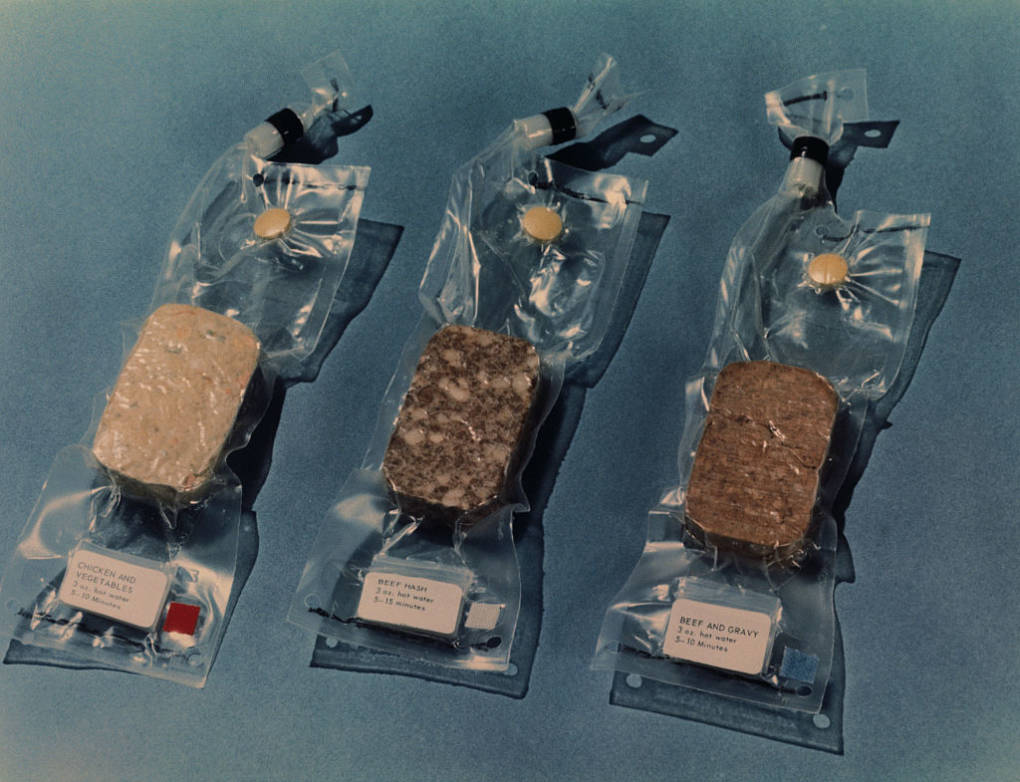
"caption": "Some of the space food that was scheduled to be carried on the Apollo 11 lunar landing mission included (from left to right): chicken and vegetables, beef hash, and beef and gravy.",
"description": "Some of the space food that was scheduled to be carried on the Apollo 11 lunar landing mission included (from left to right): chicken and vegetables, beef hash, and beef and gravy.",
"title": "Some of the space food that was scheduled to be carried on the Apollo 11 lunar landing mission included (from left to right): chicken and vegetables, beef hash, and beef and gravy.",
"credit": "Bettmann/Bettmann Archive",
"status": "inherit",
"isLoading": false,
"fetchFailed": false
},
"bayareabites_133934": {
"type": "attachments",
"id": "bayareabites_133934",
"meta": {
"index": "attachments_1716263798",
"site": "bayareabites",
"id": "133934",
"found": true
},
"parent": 133932,
"imgSizes": {
"thumbnail": {
"file": "https://ww2.kqed.org/app/uploads/sites/24/2019/06/gettyimages-593279538-30f4568f0abfb2258fd653112aeaabb22c02579a-s1600-c85-160x120.jpg",
"width": 160,
"mimeType": "image/jpeg",
"height": 120
},
"post-thumbnail": {
"file": "https://ww2.kqed.org/app/uploads/sites/24/2019/06/gettyimages-593279538-30f4568f0abfb2258fd653112aeaabb22c02579a-s1600-c85-672x372.jpg",
"width": 672,
"mimeType": "image/jpeg",
"height": 372
},
"kqedFullSize": {
"file": "https://ww2.kqed.org/app/uploads/sites/24/2019/06/gettyimages-593279538-30f4568f0abfb2258fd653112aeaabb22c02579a-s1600-c85.jpg",
"width": 677,
"height": 508
}
},
"publishDate": 1560197244,
"modified": 1560197280,
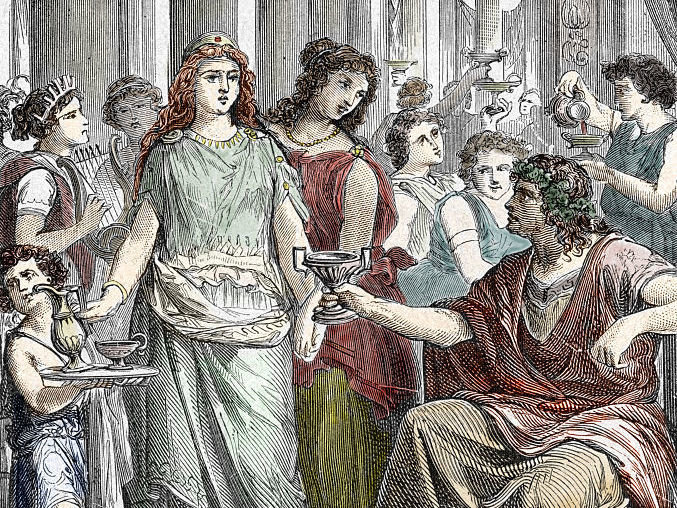
"caption": "An engraving shows Galla Placidia (390-450), daughter of Roman emperor Theodosius I, in captivity. New research shows in some cases, we are drinking almost the exact same wine as Roman emperors — our Pinot Noir and Syrah grapes are \"siblings\" of the ancient Roman varieties.",
"description": "An engraving shows Galla Placidia (390-450), daughter of Roman emperor Theodosius I, in captivity. New research shows in some cases, we are drinking almost the exact same wine as Roman emperors — our Pinot Noir and Syrah grapes are \"siblings\" of the ancient Roman varieties.",
"title": "roman-engraving-pinot-noir",
"credit": "Leemage/Corbis via Getty Images",
"status": "inherit",
"isLoading": false,
"fetchFailed": false
},
"bayareabites_133775": {
"type": "attachments",
"id": "bayareabites_133775",
"meta": {
"index": "attachments_1716263798",
"site": "bayareabites",
"id": "133775",
"found": true
},
"parent": 133774,
"imgSizes": {
"twentyfourteen-full-width": {
"file": "https://ww2.kqed.org/app/uploads/sites/24/2019/05/barrel-tasting-2-76d5c40d6a53bc986fed60fe3c75da3b7b114563-949x576.png",
"width": 949,
"mimeType": "image/png",
"height": 576
},
"thumbnail": {
"file": "https://ww2.kqed.org/app/uploads/sites/24/2019/05/barrel-tasting-2-76d5c40d6a53bc986fed60fe3c75da3b7b114563-160x120.png",
"width": 160,
"mimeType": "image/png",
"height": 120
},
"post-thumbnail": {
"file": "https://ww2.kqed.org/app/uploads/sites/24/2019/05/barrel-tasting-2-76d5c40d6a53bc986fed60fe3c75da3b7b114563-672x372.png",
"width": 672,
"mimeType": "image/png",
"height": 372
},
"kqedFullSize": {
"file": "https://ww2.kqed.org/app/uploads/sites/24/2019/05/barrel-tasting-2-76d5c40d6a53bc986fed60fe3c75da3b7b114563.png",
"width": 949,
"height": 712
},
"medium": {
"file": "https://ww2.kqed.org/app/uploads/sites/24/2019/05/barrel-tasting-2-76d5c40d6a53bc986fed60fe3c75da3b7b114563-800x600.png",
"width": 800,
"mimeType": "image/png",
"height": 600
},
"medium_large": {
"file": "https://ww2.kqed.org/app/uploads/sites/24/2019/05/barrel-tasting-2-76d5c40d6a53bc986fed60fe3c75da3b7b114563-768x576.png",
"width": 768,
"mimeType": "image/png",
"height": 576
}
},
"publishDate": 1559065749,
"modified": 1559065867,
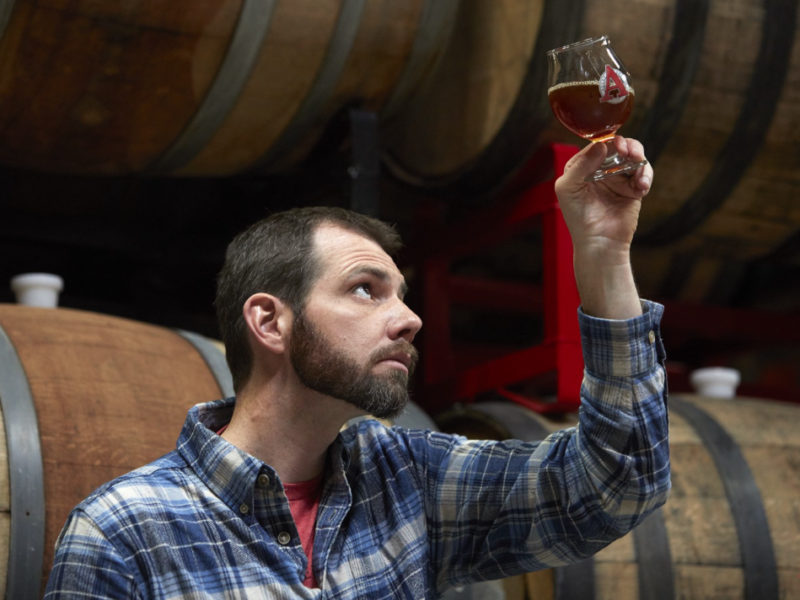
"caption": "Beer archaeologist Travis Rupp inspects his latest \"Ale of Antiquity,\" George Washington Porter, surrounded by the oak barrels it fermented in at Avery Brewing Co. in Boulder, Colo.",
"description": "Beer archaeologist Travis Rupp inspects his latest \"Ale of Antiquity,\" George Washington Porter, surrounded by the oak barrels it fermented in at Avery Brewing Co. in Boulder, Colo.",
"title": "Beer archaeologist Travis Rupp inspects his latest \"Ale of Antiquity,\" George Washington Porter, surrounded by the oak barrels it fermented in at Avery Brewing Co. in Boulder, Colo.",
"credit": "Dustin Hall/The Brewtography Project",
"status": "inherit",
"isLoading": false,
"fetchFailed": false
},
"bayareabites_133711": {
"type": "attachments",
"id": "bayareabites_133711",
"meta": {
"index": "attachments_1716263798",
"site": "bayareabites",
"id": "133711",
"found": true
},
"parent": 133710,
"imgSizes": {
"twentyfourteen-full-width": {
"file": "https://ww2.kqed.org/app/uploads/sites/24/2019/05/rtx6vw88_custom-964e491b54547623b99f5246a381e3711ee72ce6-1038x576.jpg",
"width": 1038,
"mimeType": "image/jpeg",
"height": 576
},
"thumbnail": {
"file": "https://ww2.kqed.org/app/uploads/sites/24/2019/05/rtx6vw88_custom-964e491b54547623b99f5246a381e3711ee72ce6-160x109.jpg",
"width": 160,
"mimeType": "image/jpeg",
"height": 109
},
"post-thumbnail": {
"file": "https://ww2.kqed.org/app/uploads/sites/24/2019/05/rtx6vw88_custom-964e491b54547623b99f5246a381e3711ee72ce6-672x372.jpg",
"width": 672,
"mimeType": "image/jpeg",
"height": 372
},
"kqedFullSize": {
"file": "https://ww2.kqed.org/app/uploads/sites/24/2019/05/rtx6vw88_custom-964e491b54547623b99f5246a381e3711ee72ce6-e1558475130971.jpg",
"width": 1920,
"height": 1302
},
"large": {
"file": "https://ww2.kqed.org/app/uploads/sites/24/2019/05/rtx6vw88_custom-964e491b54547623b99f5246a381e3711ee72ce6-1020x692.jpg",
"width": 1020,
"mimeType": "image/jpeg",
"height": 692
},
"complete_open_graph": {
"file": "https://ww2.kqed.org/app/uploads/sites/24/2019/05/rtx6vw88_custom-964e491b54547623b99f5246a381e3711ee72ce6-1200x814.jpg",
"width": 1200,
"mimeType": "image/jpeg",
"height": 814
},
"full-width": {
"file": "https://ww2.kqed.org/app/uploads/sites/24/2019/05/rtx6vw88_custom-964e491b54547623b99f5246a381e3711ee72ce6-1920x1302.jpg",
"width": 1920,
"mimeType": "image/jpeg",
"height": 1302
},
"medium": {
"file": "https://ww2.kqed.org/app/uploads/sites/24/2019/05/rtx6vw88_custom-964e491b54547623b99f5246a381e3711ee72ce6-800x543.jpg",
"width": 800,
"mimeType": "image/jpeg",
"height": 543
},
"medium_large": {
"file": "https://ww2.kqed.org/app/uploads/sites/24/2019/05/rtx6vw88_custom-964e491b54547623b99f5246a381e3711ee72ce6-768x521.jpg",
"width": 768,
"mimeType": "image/jpeg",
"height": 521
}
},
"publishDate": 1558474467,
"modified": 1558475156,
"caption": "Norbertine Father Karel poses with a Grimbergen beer in the courtyard of the Belgian Abbey of Grimbergen. Karel says the abbey's fathers will return to brewing after a break of two centuries.",
"description": "Norbertine Father Karel poses with a Grimbergen beer in the courtyard of the Belgian Abbey of Grimbergen. Karel says the abbey's fathers will return to brewing after a break of two centuries.",
"title": "Norbertine Father Karel poses with a Grimbergen beer in the courtyard of the Belgian Abbey of Grimbergen. Karel says the abbey's fathers will return to brewing after a break of two centuries.",
"credit": "Yves Herman/Reuters",
"status": "inherit",
"isLoading": false,
"fetchFailed": false
},
"bayareabites_133699": {
"type": "attachments",
"id": "bayareabites_133699",
"meta": {
"index": "attachments_1716263798",
"site": "bayareabites",
"id": "133699",
"found": true
},
"parent": 133626,
"imgSizes": {
"twentyfourteen-full-width": {
"file": "https://ww2.kqed.org/app/uploads/sites/24/2019/05/07-Tselogs-1038x576.jpg",
"width": 1038,
"mimeType": "image/jpeg",
"height": 576
},
"thumbnail": {
"file": "https://ww2.kqed.org/app/uploads/sites/24/2019/05/07-Tselogs-160x107.jpg",
"width": 160,
"mimeType": "image/jpeg",
"height": 107
},
"post-thumbnail": {
"file": "https://ww2.kqed.org/app/uploads/sites/24/2019/05/07-Tselogs-672x372.jpg",
"width": 672,
"mimeType": "image/jpeg",
"height": 372
},
"kqedFullSize": {
"file": "https://ww2.kqed.org/app/uploads/sites/24/2019/05/07-Tselogs.jpg",
"width": 1920,
"height": 1280
},
"large": {
"file": "https://ww2.kqed.org/app/uploads/sites/24/2019/05/07-Tselogs-1020x680.jpg",
"width": 1020,
"mimeType": "image/jpeg",
"height": 680
},
"complete_open_graph": {
"file": "https://ww2.kqed.org/app/uploads/sites/24/2019/05/07-Tselogs-1200x800.jpg",
"width": 1200,
"mimeType": "image/jpeg",
"height": 800
},
"full-width": {
"file": "https://ww2.kqed.org/app/uploads/sites/24/2019/05/07-Tselogs-1920x1280.jpg",
"width": 1920,
"mimeType": "image/jpeg",
"height": 1280
},
"medium": {
"file": "https://ww2.kqed.org/app/uploads/sites/24/2019/05/07-Tselogs-800x533.jpg",
"width": 800,
"mimeType": "image/jpeg",
"height": 533
},
"medium_large": {
"file": "https://ww2.kqed.org/app/uploads/sites/24/2019/05/07-Tselogs-768x512.jpg",
"width": 768,
"mimeType": "image/jpeg",
"height": 512
}
},
"publishDate": 1558383771,
"modified": 1558383806,
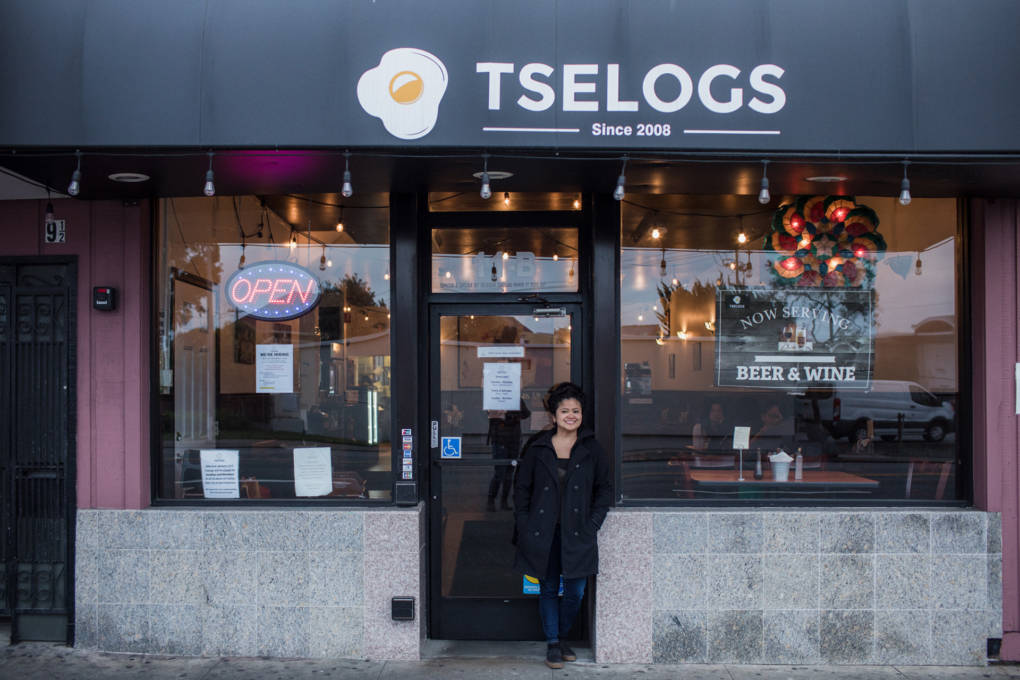
"caption": "Chel Gilla stands in front of her restaurant, Tselogs.",
"description": "Chel Gilla stands in front of her restaurant, Tselogs.",
"title": "07-Tselogs",
"credit": "Celeste Noche",
"status": "inherit",
"isLoading": false,
"fetchFailed": false
},
"bayareabites_133660": {
"type": "attachments",
"id": "bayareabites_133660",
"meta": {
"index": "attachments_1716263798",
"site": "bayareabites",
"id": "133660",
"found": true
},
"parent": 133659,
"imgSizes": {
"twentyfourteen-full-width": {
"file": "https://ww2.kqed.org/app/uploads/sites/24/2019/05/escobar_feature_1_custom-a3aeb37765a75b2f1c501f858493b3b5f8b21617-1038x576.jpg",
"width": 1038,
"mimeType": "image/jpeg",
"height": 576
},
"thumbnail": {
"file": "https://ww2.kqed.org/app/uploads/sites/24/2019/05/escobar_feature_1_custom-a3aeb37765a75b2f1c501f858493b3b5f8b21617-160x87.jpg",
"width": 160,
"mimeType": "image/jpeg",
"height": 87
},
"post-thumbnail": {
"file": "https://ww2.kqed.org/app/uploads/sites/24/2019/05/escobar_feature_1_custom-a3aeb37765a75b2f1c501f858493b3b5f8b21617-672x372.jpg",
"width": 672,
"mimeType": "image/jpeg",
"height": 372
},
"kqedFullSize": {
"file": "https://ww2.kqed.org/app/uploads/sites/24/2019/05/escobar_feature_1_custom-a3aeb37765a75b2f1c501f858493b3b5f8b21617.jpg",
"width": 1594,
"height": 865
},
"large": {
"file": "https://ww2.kqed.org/app/uploads/sites/24/2019/05/escobar_feature_1_custom-a3aeb37765a75b2f1c501f858493b3b5f8b21617-1020x554.jpg",
"width": 1020,
"mimeType": "image/jpeg",
"height": 554
},
"complete_open_graph": {
"file": "https://ww2.kqed.org/app/uploads/sites/24/2019/05/escobar_feature_1_custom-a3aeb37765a75b2f1c501f858493b3b5f8b21617-1200x651.jpg",
"width": 1200,
"mimeType": "image/jpeg",
"height": 651
},
"medium": {
"file": "https://ww2.kqed.org/app/uploads/sites/24/2019/05/escobar_feature_1_custom-a3aeb37765a75b2f1c501f858493b3b5f8b21617-800x434.jpg",
"width": 800,
"mimeType": "image/jpeg",
"height": 434
},
"medium_large": {
"file": "https://ww2.kqed.org/app/uploads/sites/24/2019/05/escobar_feature_1_custom-a3aeb37765a75b2f1c501f858493b3b5f8b21617-768x417.jpg",
"width": 768,
"mimeType": "image/jpeg",
"height": 417
}
},
"publishDate": 1558368592,
"modified": 1558371086,
"caption": null,
"description": "Panel 1",
"title": "Panel 1",
"credit": "Trinidad Escobar",
"status": "inherit",
"isLoading": false,
"fetchFailed": false
},
"bayareabites_133374": {
"type": "attachments",
"id": "bayareabites_133374",
"meta": {
"index": "attachments_1716263798",
"site": "bayareabites",
"id": "133374",
"found": true
},
"parent": 133371,
"imgSizes": {
"twentyfourteen-full-width": {
"file": "https://ww2.kqed.org/app/uploads/sites/24/2019/04/GettyImages-861713806-1038x576.jpg",
"width": 1038,
"mimeType": "image/jpeg",
"height": 576
},
"thumbnail": {
"file": "https://ww2.kqed.org/app/uploads/sites/24/2019/04/GettyImages-861713806-160x106.jpg",
"width": 160,
"mimeType": "image/jpeg",
"height": 106
},
"post-thumbnail": {
"file": "https://ww2.kqed.org/app/uploads/sites/24/2019/04/GettyImages-861713806-672x372.jpg",
"width": 672,
"mimeType": "image/jpeg",
"height": 372
},
"kqedFullSize": {
"file": "https://ww2.kqed.org/app/uploads/sites/24/2019/04/GettyImages-861713806-e1556035668330.jpg",
"width": 1920,
"height": 1276
},
"large": {
"file": "https://ww2.kqed.org/app/uploads/sites/24/2019/04/GettyImages-861713806-1020x678.jpg",
"width": 1020,
"mimeType": "image/jpeg",
"height": 678
},
"complete_open_graph": {
"file": "https://ww2.kqed.org/app/uploads/sites/24/2019/04/GettyImages-861713806-1200x798.jpg",
"width": 1200,
"mimeType": "image/jpeg",
"height": 798
},
"full-width": {
"file": "https://ww2.kqed.org/app/uploads/sites/24/2019/04/GettyImages-861713806-1920x1276.jpg",
"width": 1920,
"mimeType": "image/jpeg",
"height": 1276
},
"medium": {
"file": "https://ww2.kqed.org/app/uploads/sites/24/2019/04/GettyImages-861713806-800x532.jpg",
"width": 800,
"mimeType": "image/jpeg",
"height": 532
},
"medium_large": {
"file": "https://ww2.kqed.org/app/uploads/sites/24/2019/04/GettyImages-861713806-768x510.jpg",
"width": 768,
"mimeType": "image/jpeg",
"height": 510
}
},
"publishDate": 1556035564,
"modified": 1556035662,
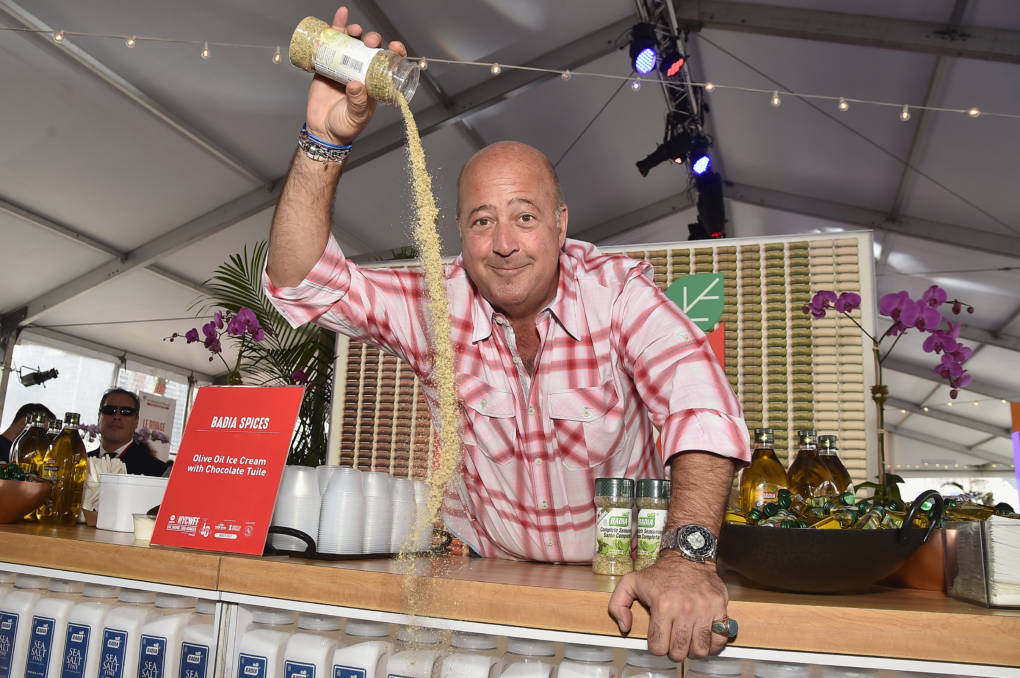
"caption": "Host Andrew Zimmern attends the Food Network & Cooking Channel New York City Wine & Food Festival Presented By Coca-Cola",
"description": "Host Andrew Zimmern attends the Food Network & Cooking Channel New York City Wine & Food Festival Presented By Coca-Cola",
"title": "food-network-andrew-zimmern-wine-food-festival",
"credit": "Theo Wargo",
"status": "inherit",
"isLoading": false,
"fetchFailed": false
},
"bayareabites_132676": {
"type": "attachments",
"id": "bayareabites_132676",
"meta": {
"index": "attachments_1716263798",
"site": "bayareabites",
"id": "132676",
"found": true
},
"parent": 132675,
"imgSizes": {
"twentyfourteen-full-width": {
"file": "https://ww2.kqed.org/app/uploads/sites/24/2019/02/ohlone_trio-1200x751-1038x576.jpg",
"width": 1038,
"mimeType": "image/jpeg",
"height": 576
},
"thumbnail": {
"file": "https://ww2.kqed.org/app/uploads/sites/24/2019/02/ohlone_trio-1200x751-160x100.jpg",
"width": 160,
"mimeType": "image/jpeg",
"height": 100
},
"post-thumbnail": {
"file": "https://ww2.kqed.org/app/uploads/sites/24/2019/02/ohlone_trio-1200x751-672x372.jpg",
"width": 672,
"mimeType": "image/jpeg",
"height": 372
},
"kqedFullSize": {
"file": "https://ww2.kqed.org/app/uploads/sites/24/2019/02/ohlone_trio-1200x751.jpg",
"width": 1200,
"height": 751
},
"large": {
"file": "https://ww2.kqed.org/app/uploads/sites/24/2019/02/ohlone_trio-1200x751-1020x638.jpg",
"width": 1020,
"mimeType": "image/jpeg",
"height": 638
},
"complete_open_graph": {
"file": "https://ww2.kqed.org/app/uploads/sites/24/2019/02/ohlone_trio-1200x751-1200x751.jpg",
"width": 1200,
"mimeType": "image/jpeg",
"height": 751
},
"guest-author-50": {
"file": "https://ww2.kqed.org/app/uploads/sites/24/2019/02/ohlone_trio-1200x751-50x50.jpg",
"width": 50,
"mimeType": "image/jpeg",
"height": 50
},
"guest-author-96": {
"file": "https://ww2.kqed.org/app/uploads/sites/24/2019/02/ohlone_trio-1200x751-96x96.jpg",
"width": 96,
"mimeType": "image/jpeg",
"height": 96
},
"medium": {
"file": "https://ww2.kqed.org/app/uploads/sites/24/2019/02/ohlone_trio-1200x751-800x501.jpg",
"width": 800,
"mimeType": "image/jpeg",
"height": 501
},
"guest-author-64": {
"file": "https://ww2.kqed.org/app/uploads/sites/24/2019/02/ohlone_trio-1200x751-64x64.jpg",
"width": 64,
"mimeType": "image/jpeg",
"height": 64
},
"guest-author-32": {
"file": "https://ww2.kqed.org/app/uploads/sites/24/2019/02/ohlone_trio-1200x751-32x32.jpg",
"width": 32,
"mimeType": "image/jpeg",
"height": 32
},
"detail": {
"file": "https://ww2.kqed.org/app/uploads/sites/24/2019/02/ohlone_trio-1200x751-150x150.jpg",
"width": 150,
"mimeType": "image/jpeg",
"height": 150
},
"medium_large": {
"file": "https://ww2.kqed.org/app/uploads/sites/24/2019/02/ohlone_trio-1200x751-768x481.jpg",
"width": 768,
"mimeType": "image/jpeg",
"height": 481
},
"guest-author-128": {
"file": "https://ww2.kqed.org/app/uploads/sites/24/2019/02/ohlone_trio-1200x751-128x128.jpg",
"width": 128,
"mimeType": "image/jpeg",
"height": 128
}
},
"publishDate": 1551205322,
"modified": 1551205352,
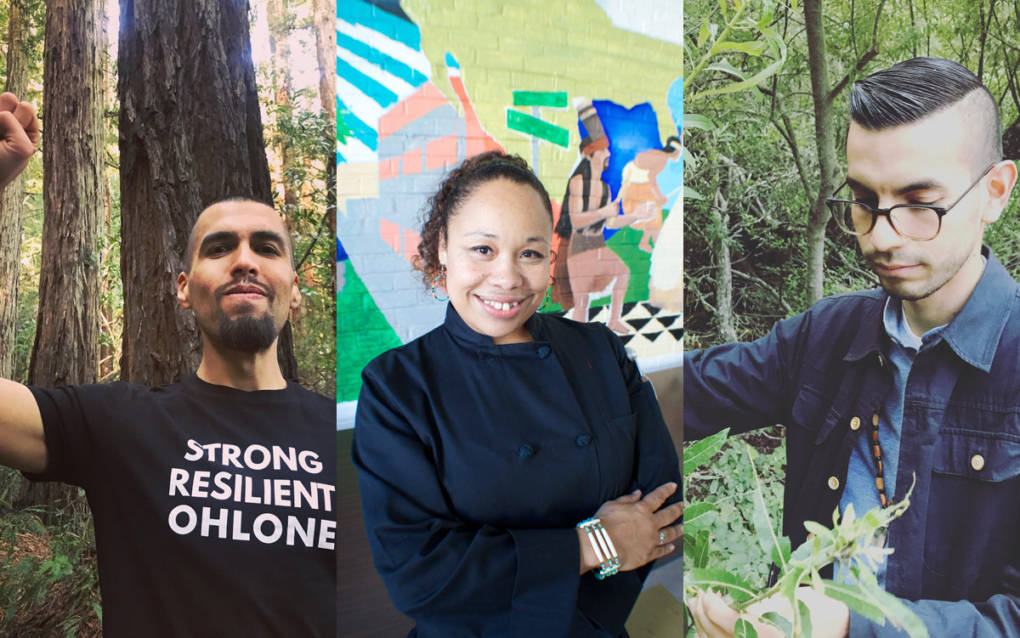
"caption": "Vincent Medina (right) and Louis Trevino (left), founders of Café Ohlone by Mak’amham.",
"description": "Vincent Medina (right) and Louis Trevino (left), founders of Café Ohlone by Mak’amham.",
"title": "Vincent Medina (right) and Louis Trevino (left), founders of Café Ohlone by Mak’amham.",
"credit": "Café Ohlone",
"status": "inherit",
"isLoading": false,
"fetchFailed": false
},
"bayareabites_132622": {
"type": "attachments",
"id": "bayareabites_132622",
"meta": {
"index": "attachments_1716263798",
"site": "bayareabites",
"id": "132622",
"found": true
},
"parent": 132612,
"imgSizes": {
"twentyfourteen-full-width": {
"file": "https://ww2.kqed.org/app/uploads/sites/24/2019/02/ZAZU074_866430-1-1024x683-1024x576.jpg",
"width": 1024,
"mimeType": "image/jpeg",
"height": 576
},
"thumbnail": {
"file": "https://ww2.kqed.org/app/uploads/sites/24/2019/02/ZAZU074_866430-1-1024x683-160x107.jpg",
"width": 160,
"mimeType": "image/jpeg",
"height": 107
},
"post-thumbnail": {
"file": "https://ww2.kqed.org/app/uploads/sites/24/2019/02/ZAZU074_866430-1-1024x683-672x372.jpg",
"width": 672,
"mimeType": "image/jpeg",
"height": 372
},
"kqedFullSize": {
"file": "https://ww2.kqed.org/app/uploads/sites/24/2019/02/ZAZU074_866430-1-1024x683.jpg",
"width": 1024,
"height": 683
},
"large": {
"file": "https://ww2.kqed.org/app/uploads/sites/24/2019/02/ZAZU074_866430-1-1024x683-1020x680.jpg",
"width": 1020,
"mimeType": "image/jpeg",
"height": 680
},
"guest-author-50": {
"file": "https://ww2.kqed.org/app/uploads/sites/24/2019/02/ZAZU074_866430-1-1024x683-50x50.jpg",
"width": 50,
"mimeType": "image/jpeg",
"height": 50
},
"guest-author-96": {
"file": "https://ww2.kqed.org/app/uploads/sites/24/2019/02/ZAZU074_866430-1-1024x683-96x96.jpg",
"width": 96,
"mimeType": "image/jpeg",
"height": 96
},
"medium": {
"file": "https://ww2.kqed.org/app/uploads/sites/24/2019/02/ZAZU074_866430-1-1024x683-800x534.jpg",
"width": 800,
"mimeType": "image/jpeg",
"height": 534
},
"guest-author-64": {
"file": "https://ww2.kqed.org/app/uploads/sites/24/2019/02/ZAZU074_866430-1-1024x683-64x64.jpg",
"width": 64,
"mimeType": "image/jpeg",
"height": 64
},
"guest-author-32": {
"file": "https://ww2.kqed.org/app/uploads/sites/24/2019/02/ZAZU074_866430-1-1024x683-32x32.jpg",
"width": 32,
"mimeType": "image/jpeg",
"height": 32
},
"detail": {
"file": "https://ww2.kqed.org/app/uploads/sites/24/2019/02/ZAZU074_866430-1-1024x683-150x150.jpg",
"width": 150,
"mimeType": "image/jpeg",
"height": 150
},
"medium_large": {
"file": "https://ww2.kqed.org/app/uploads/sites/24/2019/02/ZAZU074_866430-1-1024x683-768x512.jpg",
"width": 768,
"mimeType": "image/jpeg",
"height": 512
},
"guest-author-128": {
"file": "https://ww2.kqed.org/app/uploads/sites/24/2019/02/ZAZU074_866430-1-1024x683-128x128.jpg",
"width": 128,
"mimeType": "image/jpeg",
"height": 128
}
},
"publishDate": 1550703883,
"modified": 1550703904,
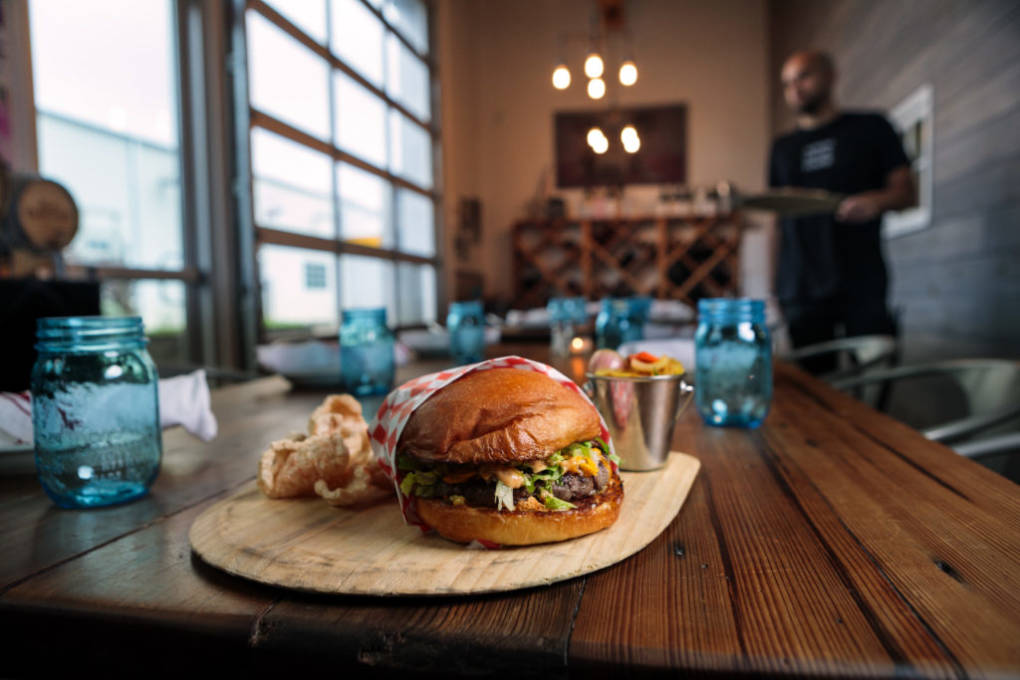
"caption": "Bacon-in-the-Burger with malt vinegar chicaronnes",
"description": "Bacon-in-the-Burger with malt vinegar chicaronnes",
"title": "Bacon-in-the-Burger with malt vinegar chicaronnes",
"credit": "Chris Hardy",
"status": "inherit",
"isLoading": false,
"fetchFailed": false
},
"bayareabites_136327": {
"type": "attachments",
"id": "bayareabites_136327",
"meta": {
"index": "attachments_1716263798",
"site": "bayareabites",
"id": "136327",
"found": true
},
"parent": 132331,
"imgSizes": {
"twentyfourteen-full-width": {
"file": "https://ww2.kqed.org/app/uploads/sites/24/2019/02/IMG_9526_CROP-1038x576.jpg",
"width": 1038,
"mimeType": "image/jpeg",
"height": 576
},
"thumbnail": {
"file": "https://ww2.kqed.org/app/uploads/sites/24/2019/02/IMG_9526_CROP-160x107.jpg",
"width": 160,
"mimeType": "image/jpeg",
"height": 107
},
"post-thumbnail": {
"file": "https://ww2.kqed.org/app/uploads/sites/24/2019/02/IMG_9526_CROP-672x372.jpg",
"width": 672,
"mimeType": "image/jpeg",
"height": 372
},
"kqedFullSize": {
"file": "https://ww2.kqed.org/app/uploads/sites/24/2019/02/IMG_9526_CROP.jpg",
"width": 4476,
"height": 2984
},
"large": {
"file": "https://ww2.kqed.org/app/uploads/sites/24/2019/02/IMG_9526_CROP-1020x680.jpg",
"width": 1020,
"mimeType": "image/jpeg",
"height": 680
},
"full-width": {
"file": "https://ww2.kqed.org/app/uploads/sites/24/2019/02/IMG_9526_CROP-1920x1280.jpg",
"width": 1920,
"mimeType": "image/jpeg",
"height": 1280
},
"medium": {
"file": "https://ww2.kqed.org/app/uploads/sites/24/2019/02/IMG_9526_CROP-800x533.jpg",
"width": 800,
"mimeType": "image/jpeg",
"height": 533
},
"medium_large": {
"file": "https://ww2.kqed.org/app/uploads/sites/24/2019/02/IMG_9526_CROP-768x512.jpg",
"width": 768,
"mimeType": "image/jpeg",
"height": 512
}
},
"publishDate": 1582074589,
"modified": 1582074740,
"caption": "Enjoy Caribbean soul food and hospitality at Miss Ollie's in Oakland.",
"description": null,
"title": "IMG_9526_CROP",
"credit": null,
"status": "inherit",
"isLoading": false,
"fetchFailed": false
},
"bayareabites_132286": {
"type": "attachments",
"id": "bayareabites_132286",
"meta": {
"index": "attachments_1716263798",
"site": "bayareabites",
"id": "132286",
"found": true
},
"parent": 132285,
"imgSizes": {
"twentyfourteen-full-width": {
"file": "https://ww2.kqed.org/app/uploads/sites/24/2019/02/19A0085-1038x576.jpg",
"width": 1038,
"mimeType": "image/jpeg",
"height": 576
},
"thumbnail": {
"file": "https://ww2.kqed.org/app/uploads/sites/24/2019/02/19A0085-160x109.jpg",
"width": 160,
"mimeType": "image/jpeg",
"height": 109
},
"post-thumbnail": {
"file": "https://ww2.kqed.org/app/uploads/sites/24/2019/02/19A0085-672x372.jpg",
"width": 672,
"mimeType": "image/jpeg",
"height": 372
},
"kqedFullSize": {
"file": "https://ww2.kqed.org/app/uploads/sites/24/2019/02/19A0085-e1549062485338.jpg",
"width": 1920,
"height": 1310
},
"large": {
"file": "https://ww2.kqed.org/app/uploads/sites/24/2019/02/19A0085-1020x696.jpg",
"width": 1020,
"mimeType": "image/jpeg",
"height": 696
},
"complete_open_graph": {
"file": "https://ww2.kqed.org/app/uploads/sites/24/2019/02/19A0085-1200x819.jpg",
"width": 1200,
"mimeType": "image/jpeg",
"height": 819
},
"guest-author-50": {
"file": "https://ww2.kqed.org/app/uploads/sites/24/2019/02/19A0085-50x50.jpg",
"width": 50,
"mimeType": "image/jpeg",
"height": 50
},
"guest-author-96": {
"file": "https://ww2.kqed.org/app/uploads/sites/24/2019/02/19A0085-96x96.jpg",
"width": 96,
"mimeType": "image/jpeg",
"height": 96
},
"medium": {
"file": "https://ww2.kqed.org/app/uploads/sites/24/2019/02/19A0085-800x546.jpg",
"width": 800,
"mimeType": "image/jpeg",
"height": 546
},
"guest-author-64": {
"file": "https://ww2.kqed.org/app/uploads/sites/24/2019/02/19A0085-64x64.jpg",
"width": 64,
"mimeType": "image/jpeg",
"height": 64
},
"guest-author-32": {
"file": "https://ww2.kqed.org/app/uploads/sites/24/2019/02/19A0085-32x32.jpg",
"width": 32,
"mimeType": "image/jpeg",
"height": 32
},
"full-width": {
"file": "https://ww2.kqed.org/app/uploads/sites/24/2019/02/19A0085-1920x1310.jpg",
"width": 1920,
"mimeType": "image/jpeg",
"height": 1310
},
"detail": {
"file": "https://ww2.kqed.org/app/uploads/sites/24/2019/02/19A0085-150x150.jpg",
"width": 150,
"mimeType": "image/jpeg",
"height": 150
},
"medium_large": {
"file": "https://ww2.kqed.org/app/uploads/sites/24/2019/02/19A0085-768x524.jpg",
"width": 768,
"mimeType": "image/jpeg",
"height": 524
},
"guest-author-128": {
"file": "https://ww2.kqed.org/app/uploads/sites/24/2019/02/19A0085-128x128.jpg",
"width": 128,
"mimeType": "image/jpeg",
"height": 128
}
},
"publishDate": 1549062468,
"modified": 1549062512,
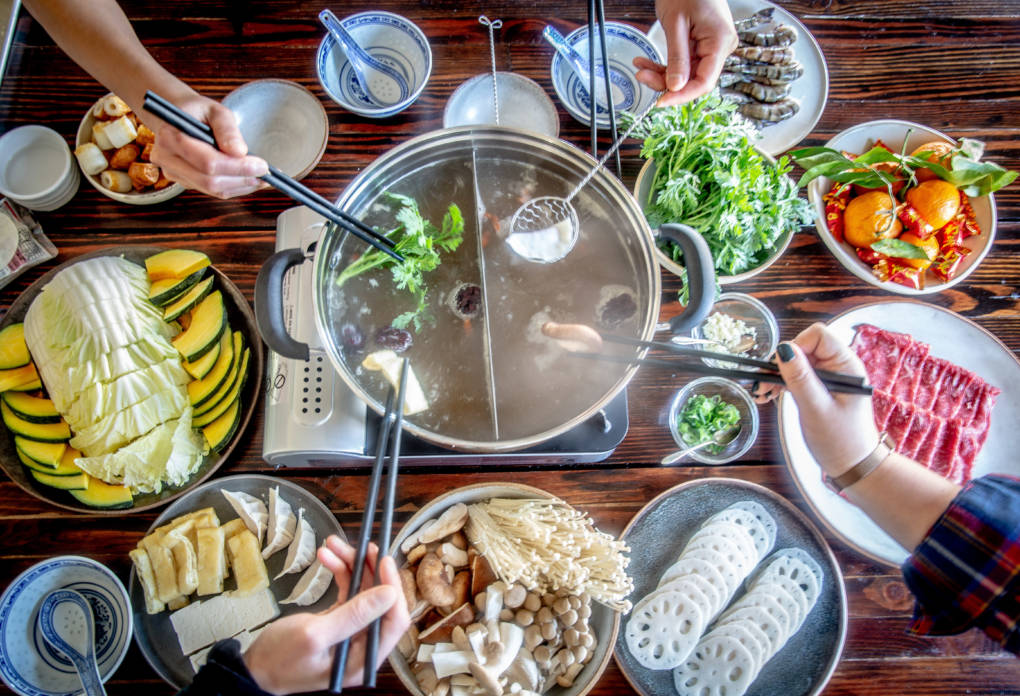
"caption": "Melissa King's hot pot feast.",
"description": "Melissa King's hot pot feast.",
"title": "Melissa King's hot pot feast.",
"credit": "Patrick Wong",
"status": "inherit",
"isLoading": false,
"fetchFailed": false
},
"bayareabites_132148": {
"type": "attachments",
"id": "bayareabites_132148",
"meta": {
"index": "attachments_1716263798",
"site": "bayareabites",
"id": "132148",
"found": true
},
"parent": 132109,
"imgSizes": {
"small": {
"file": "https://ww2.kqed.org/app/uploads/sites/24/2019/01/DSCF4281-520x292.jpg",
"width": 520,
"mimeType": "image/jpeg",
"height": 292
},
"twentyfourteen-full-width": {
"file": "https://ww2.kqed.org/app/uploads/sites/24/2019/01/DSCF4281-1038x576.jpg",
"width": 1038,
"mimeType": "image/jpeg",
"height": 576
},
"thumbnail": {
"file": "https://ww2.kqed.org/app/uploads/sites/24/2019/01/DSCF4281-160x90.jpg",
"width": 160,
"mimeType": "image/jpeg",
"height": 90
},
"fd-sm": {
"file": "https://ww2.kqed.org/app/uploads/sites/24/2019/01/DSCF4281-960x540.jpg",
"width": 960,
"mimeType": "image/jpeg",
"height": 540
},
"post-thumbnail": {
"file": "https://ww2.kqed.org/app/uploads/sites/24/2019/01/DSCF4281-672x372.jpg",
"width": 672,
"mimeType": "image/jpeg",
"height": 372
},
"xsmall": {
"file": "https://ww2.kqed.org/app/uploads/sites/24/2019/01/DSCF4281-375x211.jpg",
"width": 375,
"mimeType": "image/jpeg",
"height": 211
},
"kqedFullSize": {
"file": "https://ww2.kqed.org/app/uploads/sites/24/2019/01/DSCF4281-e1547509660437.jpg",
"width": 1920,
"height": 1080
},
"large": {
"file": "https://ww2.kqed.org/app/uploads/sites/24/2019/01/DSCF4281-1020x574.jpg",
"width": 1020,
"mimeType": "image/jpeg",
"height": 574
},
"xlarge": {
"file": "https://ww2.kqed.org/app/uploads/sites/24/2019/01/DSCF4281-1180x663.jpg",
"width": 1180,
"mimeType": "image/jpeg",
"height": 663
},
"complete_open_graph": {
"file": "https://ww2.kqed.org/app/uploads/sites/24/2019/01/DSCF4281-1200x675.jpg",
"width": 1200,
"mimeType": "image/jpeg",
"height": 675
},
"guest-author-50": {
"file": "https://ww2.kqed.org/app/uploads/sites/24/2019/01/DSCF4281-50x50.jpg",
"width": 50,
"mimeType": "image/jpeg",
"height": 50
},
"guest-author-96": {
"file": "https://ww2.kqed.org/app/uploads/sites/24/2019/01/DSCF4281-96x96.jpg",
"width": 96,
"mimeType": "image/jpeg",
"height": 96
},
"medium": {
"file": "https://ww2.kqed.org/app/uploads/sites/24/2019/01/DSCF4281-800x450.jpg",
"width": 800,
"mimeType": "image/jpeg",
"height": 450
},
"guest-author-64": {
"file": "https://ww2.kqed.org/app/uploads/sites/24/2019/01/DSCF4281-64x64.jpg",
"width": 64,
"mimeType": "image/jpeg",
"height": 64
},
"guest-author-32": {
"file": "https://ww2.kqed.org/app/uploads/sites/24/2019/01/DSCF4281-32x32.jpg",
"width": 32,
"mimeType": "image/jpeg",
"height": 32
},
"fd-lrg": {
"file": "https://ww2.kqed.org/app/uploads/sites/24/2019/01/DSCF4281-1920x1080.jpg",
"width": 1920,
"mimeType": "image/jpeg",
"height": 1080
},
"fd-med": {
"file": "https://ww2.kqed.org/app/uploads/sites/24/2019/01/DSCF4281-1180x663.jpg",
"width": 1180,
"mimeType": "image/jpeg",
"height": 663
},
"full-width": {
"file": "https://ww2.kqed.org/app/uploads/sites/24/2019/01/DSCF4281-1920x1080.jpg",
"width": 1920,
"mimeType": "image/jpeg",
"height": 1080
},
"detail": {
"file": "https://ww2.kqed.org/app/uploads/sites/24/2019/01/DSCF4281-150x150.jpg",
"width": 150,
"mimeType": "image/jpeg",
"height": 150
},
"medium_large": {
"file": "https://ww2.kqed.org/app/uploads/sites/24/2019/01/DSCF4281-768x432.jpg",
"width": 768,
"mimeType": "image/jpeg",
"height": 432
},
"guest-author-128": {
"file": "https://ww2.kqed.org/app/uploads/sites/24/2019/01/DSCF4281-128x128.jpg",
"width": 128,
"mimeType": "image/jpeg",
"height": 128
},
"xxsmall": {
"file": "https://ww2.kqed.org/app/uploads/sites/24/2019/01/DSCF4281-240x135.jpg",
"width": 240,
"mimeType": "image/jpeg",
"height": 135
}
},
"publishDate": 1547509572,
"modified": 1547509619,
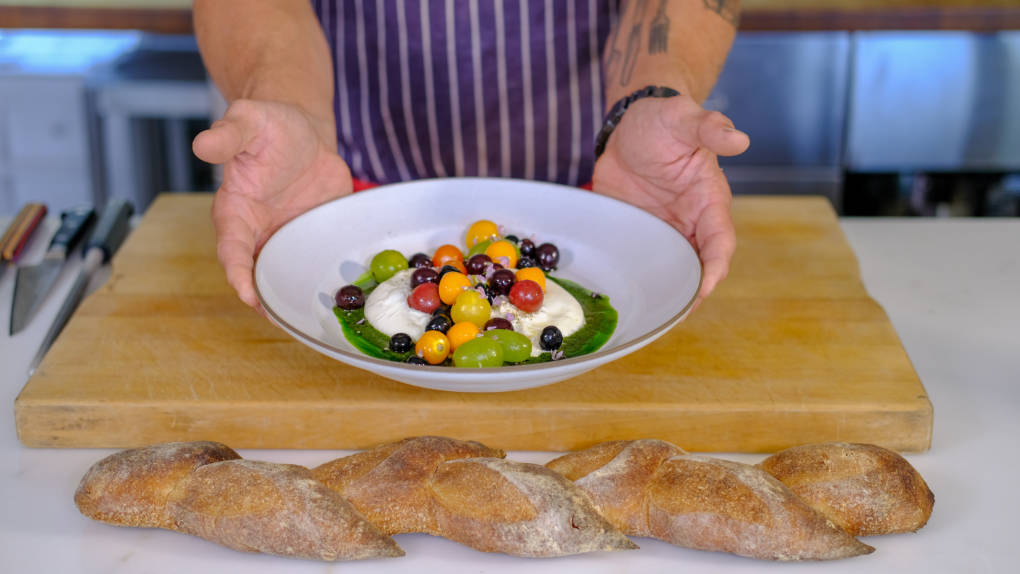
"caption": "Chef Chris Cosentino's delicious \"Taste the Rainbow\" burrata salad.",
"description": "Chef Chris Cosentino's delicious \"Taste the Rainbow\" burrata salad.",
"title": "Chef Chris Cosentino's delicious \"Taste the Rainbow\" burrata salad.",
"credit": "Vic Chin",
"status": "inherit",
"isLoading": false,
"fetchFailed": false
}
},
"audioPlayerReducer": {
"postId": "stream_live",
"isPaused": true,
"isPlaying": false,
"pfsActive": false,
"pledgeModalIsOpen": true,
"playerDrawerIsOpen": false,
"liveAudioPlayStartedAt": 0,
"liveAudioPlayContext": ""
},
"authorsReducer": {
"byline_bayareabites_134212": {
"type": "authors",
"id": "byline_bayareabites_134212",
"meta": {
"override": true
},
"slug": "byline_bayareabites_134212",
"name": "Susie Neilson, NPR Food",
"isLoading": false
},
"byline_bayareabites_133932": {
"type": "authors",
"id": "byline_bayareabites_133932",
"meta": {
"override": true
},
"slug": "byline_bayareabites_133932",
"name": "Susie Neilson, NPR Food",
"isLoading": false
},
"byline_bayareabites_133774": {
"type": "authors",
"id": "byline_bayareabites_133774",
"meta": {
"override": true
},
"slug": "byline_bayareabites_133774",
"name": "Rae Ellen Bichell, KUNC",
"isLoading": false
},
"byline_bayareabites_133659": {
"type": "authors",
"id": "byline_bayareabites_133659",
"meta": {
"override": true
},
"slug": "byline_bayareabites_133659",
"name": "Trinidad Escobar, Malaka Gharib",
"isLoading": false
},
"nprfood": {
"type": "authors",
"id": "5403",
"meta": {
"index": "authors_1716337520",
"id": "5403",
"found": true
},
"name": "NPR Food",
"firstName": "NPR Food",
"lastName": null,
"slug": "nprfood",
"email": "nprfood@kqed.org",
"display_author_email": false,
"staff_mastheads": [],
"title": null,
"bio": "Food and Health-related stories from NPR including NPR Radio; NPR's food blog, \"The Salt\"; NPR's Health News blog, \"Shots\"; NPR's Breaking News blog \"The Two-Way\"; NPR's global stories blog \"Goats and Soda,\" NPR's economy explainer \"Planet Money\"; food-related technology news from NPR's \"All Tech Considered\"; and food series \"Kitchen Window.\"",
"avatar": "https://secure.gravatar.com/avatar/c4b735bb26404fa18ce2447d32e64291?s=600&d=blank&r=g",
"twitter": "nprfood",
"facebook": null,
"instagram": null,
"linkedin": null,
"sites": [
{
"site": "bayareabites",
"roles": [
"contributor"
]
},
{
"site": "food",
"roles": [
"contributor"
]
}
],
"headData": {
"title": "NPR Food | KQED",
"description": null,
"ogImgSrc": "https://secure.gravatar.com/avatar/c4b735bb26404fa18ce2447d32e64291?s=600&d=blank&r=g",
"twImgSrc": "https://secure.gravatar.com/avatar/c4b735bb26404fa18ce2447d32e64291?s=600&d=blank&r=g"
},
"isLoading": false,
"link": "/author/nprfood"
},
"civileat": {
"type": "authors",
"id": "5583",
"meta": {
"index": "authors_1716337520",
"id": "5583",
"found": true
},
"name": "Civil Eats",
"firstName": "Civil",
"lastName": "Eats",
"slug": "civileat",
"email": "twilight@civileats.com",
"display_author_email": false,
"staff_mastheads": [],
"title": null,
"bio": "\u003ca href=\"http://civileats.com/\">Civil Eats\u003c/a> is a daily news source for critical thought about the American food system. We publish stories that shift the conversation around sustainable agriculture in an effort to build economically and socially just communities. Follow Civil Eats on Twitter \u003ca href=\"https://twitter.com/CivilEats\">@civileats\u003c/a> and on \u003ca href=\"https://www.facebook.com/pages/Civil-Eats/56766540637\">Facebook\u003c/a>.",
"avatar": "https://secure.gravatar.com/avatar/8f6f50bfb6403afe7cbc194b66cc1d4d?s=600&d=blank&r=g",
"twitter": "CivilEats",
"facebook": "/pages/Civil-Eats/56766540637?ref=hl",
"instagram": null,
"linkedin": null,
"sites": [
{
"site": "bayareabites",
"roles": [
"contributor"
]
},
{
"site": "food",
"roles": [
"contributor"
]
}
],
"headData": {
"title": "Civil Eats | KQED",
"description": null,
"ogImgSrc": "https://secure.gravatar.com/avatar/8f6f50bfb6403afe7cbc194b66cc1d4d?s=600&d=blank&r=g",
"twImgSrc": "https://secure.gravatar.com/avatar/8f6f50bfb6403afe7cbc194b66cc1d4d?s=600&d=blank&r=g"
},
"isLoading": false,
"link": "/author/civileat"
},
"sonomamagazine": {
"type": "authors",
"id": "11349",
"meta": {
"index": "authors_1716337520",
"id": "11349",
"found": true
},
"name": "Sonoma Magazine",
"firstName": "Sonoma",
"lastName": "Magazine",
"slug": "sonomamagazine",
"email": "sonomamag@gmail.com",
"display_author_email": false,
"staff_mastheads": [],
"title": "KQED Contributor",
"bio": "Sonoma Magazine is an award-winning, bi-monthly publication that celebrates the Sonoma landscape and lifestyle. Through in-depth stories and vivid photography, Sonoma Magazine keeps readers on the pulse of the restaurants, wineries, arts, entertainment, culture and style that make Sonoma a destination, a haven, and a way of life. Visit \u003ca href=\"http://sonomamag.com\">sonomamag.com\u003c/a> to sign up for a subscription and find out what’s new in Wine Country.",
"avatar": "https://secure.gravatar.com/avatar/cf7a52e7dd450c55fe00f0ead7f850a39f794b4f32879c3172c001f7f866889f?s=600&d=mm&r=g",
"twitter": null,
"bluesky": null,
"facebook": null,
"instagram": null,
"linkedin": null,
"sites": [
{
"site": "bayareabites",
"roles": [
"subscriber"
]
},
{
"site": "food",
"roles": [
"subscriber"
]
}
],
"headData": {
"title": "Sonoma Magazine | KQED",
"description": "KQED Contributor",
"ogImgSrc": "https://secure.gravatar.com/avatar/cf7a52e7dd450c55fe00f0ead7f850a39f794b4f32879c3172c001f7f866889f?s=600&d=mm&r=g",
"twImgSrc": "https://secure.gravatar.com/avatar/cf7a52e7dd450c55fe00f0ead7f850a39f794b4f32879c3172c001f7f866889f?s=600&d=mm&r=g"
},
"isLoading": false,
"link": "/author/sonomamagazine"
},
"gcheung": {
"type": "authors",
"id": "11404",
"meta": {
"index": "authors_1716337520",
"id": "11404",
"found": true
},
"name": "Grace Cheung",
"firstName": "Grace",
"lastName": "Cheung",
"slug": "gcheung",
"email": "gcheung@kqed.org",
"display_author_email": false,
"staff_mastheads": [],
"title": "KQED Contributor",
"bio": "Grace was a social media and digital producer at KQED, and her love of food keeps her busy! As an amateur photographer and chef, she documents her recipes, restaurant adventures, and more on her blog, \u003ca href=\"https://put-an-egg-on-it.com/\">Put An Egg On It\u003c/a>. You can mostly follow her eating adventures on Instagram at \u003ca href=\"https://www.instagram.com/gcheung28/\">@gcheung28\u003c/a>.",
"avatar": "https://secure.gravatar.com/avatar/9d5b5595007c3709533a8959e3eda091?s=600&d=blank&r=g",
"twitter": null,
"facebook": null,
"instagram": null,
"linkedin": null,
"sites": [
{
"site": "arts",
"roles": []
},
{
"site": "jpepinheart",
"roles": [
"editor"
]
},
{
"site": "about",
"roles": [
"author"
]
},
{
"site": "bayareabites",
"roles": [
"contributor"
]
},
{
"site": "checkplease",
"roles": [
"subscriber"
]
},
{
"site": "food",
"roles": []
},
{
"site": "essentialpepin",
"roles": [
"administrator"
]
}
],
"headData": {
"title": "Grace Cheung | KQED",
"description": "KQED Contributor",
"ogImgSrc": "https://secure.gravatar.com/avatar/9d5b5595007c3709533a8959e3eda091?s=600&d=blank&r=g",
"twImgSrc": "https://secure.gravatar.com/avatar/9d5b5595007c3709533a8959e3eda091?s=600&d=blank&r=g"
},
"isLoading": false,
"link": "/author/gcheung"
},
"chriscosentino": {
"type": "authors",
"id": "11571",
"meta": {
"index": "authors_1716337520",
"id": "11571",
"found": true
},
"name": "Chris Cosentino",
"firstName": "Chris",
"lastName": "Cosentino",
"slug": "chriscosentino",
"email": "chris@chefchriscosentino.com",
"display_author_email": false,
"staff_mastheads": [],
"title": null,
"bio": "Passionate author, chef, cyclist and philanthropist, Chris Cosentino is co-owner of San Francisco’s celebrated \u003ca href=\"http://cockscombsf.com\">Cockscomb\u003c/a> restaurant, \u003ca href=\"https://gojackrabbitgo.com\">Jackrabbit\u003c/a> in Portland, OR, and Acacia House at Las Alcobas, a Luxury Collection Hotel in Napa Valley, with partner Oliver Wharton and parent company Delicious MFG & CO.\r\n\r\nA graduate of the culinary program at Johnson & Wales University, Cosentino cooked at some of the country’s most beloved restaurants, including Red Sage in Washington, D.C. and Rubicon, Chez Panisse, Belon, and Redwood Park in the Bay Area, before opening Incanto, his first executive chef position. At Incanto, Cosentino drew critical acclaim for his innovative Italian and whole animal cooking. During Incanto’s twelve-year tenure, Cosentino mastered the art of hand-crafted cured meats and helped raise awareness about utilizing the entire animal, including its offal.\r\n\r\nIn 2014, Cosentino opened Cockscomb, showcasing a range of sustainable meat cuts and dishes inspired by the city’s rich culinary and artistic history. His cooking at Cockscomb earned a glowing 3-star review from \u003cem>San Francisco Chronicle\u003c/em>’s restaurant critic Michael Bauer, who noted of the restaurant: \"There’s nothing else like it, and Cosentino has a consistent, unwavering vision.\"\r\n\r\n2017 brought great change and growth for Delicious MFG & CO. Drawing inspiration from Portland’s history, Cosentino and Wharton opened Jackrabbit in spring to highlight the Pacific Northwest’s rich ingredient palate and talented artisans, followed by Acacia House at Los Alcobas Napa Valley. Acacia House opened in summer 2017 to rave reviews “Cosentino strategically blends his bold style with a more refined approach” offers a modern interpretation of classic focusing on the origins of the amazing grape varietals found in Napa; France, Portugal, Spain, Italy & Germany.\r\n\r\nAuthor of the 2012 cookbook \u003cem>Beginnings: My Way to Start a Meal\u003c/em>, Cosentino’s long-awaited \u003ca href=\"https://www.amazon.com/Offal-Good-Cooking-Heart-Guts/dp/0770435122\">\u003cem>Offal Good\u003c/em>: Cooking from the Heart with Guts,\u003c/a> was released in fall 2017, celebrating whole-animal cooking. He also collaborated with Marvel and wrote \u003cem>Wolverine: In The Flesh\u003c/em>. Cosentino won season four of BRAVO's \"Top Chef Masters,” earning over $140,000 for The Michael J. Fox Foundation, and he is a member of \u003cem>Chefs Cycle\u003c/em>, a 300-mile annual bicycle ride that raises funds and awareness in support of No Kid Hungry.\r\n\r\nHe lives in San Francisco with his wife Tatiana, and son Easton.\r\n\r\nYou can learn more about chef Chris Cosentino at:\r\n\r\n\u003ca href=\"https://www.chefchriscosentino.com\">www.chefchriscosentino.com\u003c/a>\r\n\r\nFollow him on Instagram \u003ca href=\"https://www.instagram.com/chefchriscosentino/?hl=en\">@chefchriscosentino\u003c/a>\r\n\r\nfollow him on Twitter \u003ca href=\"https://twitter.com/chefcosentino1?lang=en\">@chefcosentino1\u003c/a>",
"avatar": "https://secure.gravatar.com/avatar/26bac3caa9fcdab229a345ced783f7ed?s=600&d=blank&r=g",
"twitter": null,
"facebook": null,
"instagram": null,
"linkedin": null,
"sites": [
{
"site": "bayareabites",
"roles": [
"author"
]
}
],
"headData": {
"title": "Chris Cosentino | KQED",
"description": null,
"ogImgSrc": "https://secure.gravatar.com/avatar/26bac3caa9fcdab229a345ced783f7ed?s=600&d=blank&r=g",
"twImgSrc": "https://secure.gravatar.com/avatar/26bac3caa9fcdab229a345ced783f7ed?s=600&d=blank&r=g"
},
"isLoading": false,
"link": "/author/chriscosentino"
},
"celestenoche": {
"type": "authors",
"id": "11602",
"meta": {
"index": "authors_1716337520",
"id": "11602",
"found": true
},
"name": "Celeste Noche",
"firstName": "Celeste",
"lastName": "Noche",
"slug": "celestenoche",
"email": "hello@celestenoche.com",
"display_author_email": false,
"staff_mastheads": [],
"title": null,
"bio": "Celeste Noche is a visual journalist based between San Francisco, CA and Portland, OR. She specializes in food and travel stories, and dreams about Mitchell's ube ice cream daily. Her work has been published in \u003cem>The San Francisco Chronicle\u003c/em>, \u003cem>Portland Monthly\u003c/em>, and \u003cem>The New York Times\u003c/em>.",
"avatar": "https://secure.gravatar.com/avatar/82ab0201a1052683645891156eb988e8?s=600&d=blank&r=g",
"twitter": null,
"facebook": null,
"instagram": null,
"linkedin": null,
"sites": [
{
"site": "bayareabites",
"roles": [
"author"
]
}
],
"headData": {
"title": "Celeste Noche | KQED",
"description": null,
"ogImgSrc": "https://secure.gravatar.com/avatar/82ab0201a1052683645891156eb988e8?s=600&d=blank&r=g",
"twImgSrc": "https://secure.gravatar.com/avatar/82ab0201a1052683645891156eb988e8?s=600&d=blank&r=g"
},
"isLoading": false,
"link": "/author/celestenoche"
}
},
"pagesReducer": {
"bayareabites_category_food-history-and-celebrities": {
"type": "terms",
"id": "bayareabites_2090",
"meta": {
"index": "terms_1716263798",
"site": "bayareabites",
"id": "2090",
"score": 14.407251
},
"featImg": null,
"name": "food history and celebrities",
"description": null,
"taxonomy": "category",
"headData": {
"twImgId": null,
"twTitle": null,
"ogTitle": null,
"ogImgId": null,
"twDescription": null,
"description": null,
"title": "food history and celebrities Archives | KQED Bay Area Bites",
"ogDescription": null
},
"ttid": 1561,
"slug": "food-history-and-celebrities",
"isLoading": false,
"title": "food history and celebrities",
"pageMeta": {
"site": "bayareabites",
"WpPageTemplate": "page-topic-editorial",
"currentPage": 2
},
"blocks": [
{
"blockName": "kqed/post-list",
"attrs": {
"layout": "cardArticle2",
"query": "posts/bayareabites?category=food-history-and-celebrities",
"seeMore": false,
"paginated": true,
"page": 2
}
},
{
"blockName": "kqed/ad"
}
]
}
},
"pfsSessionReducer": {},
"postsReducer": {
"stream_live": {
"type": "live",
"id": "stream_live",
"audioUrl": "https://streams.kqed.org/kqedradio",
"title": "Live Stream",
"excerpt": "Live Stream information currently unavailable.",
"link": "/radio",
"featImg": "",
"label": {
"name": "KQED Live",
"link": "/"
}
},
"stream_kqedNewscast": {
"type": "posts",
"id": "stream_kqedNewscast",
"audioUrl": "https://www.kqed.org/.stream/anon/radio/RDnews/newscast.mp3?_=1",
"title": "KQED Newscast",
"featImg": "",
"label": {
"name": "88.5 FM",
"link": "/"
}
},
"bayareabites_134212": {
"type": "posts",
"id": "bayareabites_134212",
"meta": {
"index": "posts_1716263798",
"site": "bayareabites",
"id": "134212",
"score": null,
"sort": [
1563821287000
]
},
"parent": 0,
"labelTerm": {
"site": "bayareabites"
},
"blocks": [],
"publishDate": 1563821287,
"format": "standard",
"disqusTitle": "50 Years After Apollo 11, Here's What (And How) Astronauts Are Eating",
"title": "50 Years After Apollo 11, Here's What (And How) Astronauts Are Eating",
"headTitle": "Bay Area Bites | KQED Food",
"content": "\u003cp>[aside tag='apollo-11' label='More Apollo 11']\u003c/p>\n\u003cp>In 1969, \u003ca href=\"https://historycollection.jsc.nasa.gov/JSCHistoryPortal/history/oral_histories/BourlandCT/BourlandCT_4-7-06.htm\">Charles Bourland\u003c/a> flew to Houston to interview for a food scientist position at NASA's Johnson Space Center. From his hotel's lobby, he watched with millions of Americans as Apollo astronauts took their first steps on the moon.\u003c/p>\n\u003cp>It was a \"pretty impressive thing\" to witness while considering a NASA job, he remembers with a chuckle.\u003c/p>\n\u003cp>Bourland, now 82, came onboard that year; he retired in 2000. In his 31 years as a NASA food scientist, he did a lot of things to improve the quality of what astronauts eat, including adding potassium back into processed goods.\u003c/p>\n\u003cp>Being a NASA food scientist can be tricky — the team has had to address a range of challenges, from extending shelf lives by years to maximizing nutritional value and minimizing weight to keeping dishes from flying apart in microgravity.\u003c/p>\n\u003cp>[ad fullwidth]\u003c/p>\n\u003cp>NPR spoke to Bourland and \u003ca href=\"http://www.ift.org/About-Us/Our-Leadership/Vickie-Kloeris.aspx\">Vickie Kloeris\u003c/a>, a food scientist and food systems manager at NASA from 1989 to 2018, about their craft and its evolution. To commemorate Apollo 11's 50th anniversary this month, here's how eating in space has evolved — from John Glenn's \u003ca href=\"https://airandspace.si.edu/exhibitions/apollo-to-the-moon/online/astronaut-life/food-in-space.cfm\">first bite of applesauce\u003c/a> to today's beloved \u003ca href=\"https://www.mashed.com/44384/untold-truth-sriracha/\">Sriracha bottles\u003c/a>.\u003c/p>\n\u003cp>\u003cstrong>Then: Bread. \u003c/strong>\u003c/p>\n\u003cp>\u003cstrong>Now: Specially engineered fast-food tortillas.\u003c/strong>\u003c/p>\n\u003cp>When Kloeris joined NASA's food program in the 1980s, food teams sent bread into space — but it wasn't ideal. Bread tends to crumble, and in microgravity, crumbs fly everywhere, contaminating the surrounding air and potentially jamming sensitive equipment. It also has a very short shelf life, growing moldy in just a few days.\u003c/p>\n\u003cp>But in the mid-1980s, a payload specialist from Mexico named \u003ca href=\"https://gizmodo.com/why-astronauts-eat-tortillas-in-space-explained-in-one-1680376949\">Rodolfo Neri Vela\u003c/a> went into space and requested a different type of bread product — tortillas.\u003c/p>\n\u003cp>\"Crew members saw how easy it was to take something and roll it up,\" Kloeris says. \"A lot easier to deal with than the bread and crumbs. After that it was, 'Forget the bread, let's bring up tortillas!' \"\u003c/p>\n\u003cp>This solved the crumbs problem, but not the mold problem. Tortillas back then only lasted eight to 10 days in orbit. So food scientists at the Johnson Space Center began experimenting, drawing on preservation techniques the military used for its bread products. This involved reducing the water activity (free water) in the bread and packaging it without oxygen to prevent mold. In this way, they got their tortillas to last several months. But they couldn't get them to last any longer — until they took some inspiration from the commercial food industry.\u003c/p>\n\u003cp>In the 1990s, Taco Bell began marketing a new soft taco-making kit. The tortillas in this kit, they advertised, had a shelf life of nine months.\u003c/p>\n\u003cp>As soon as the food scientists saw this claim, \"We knew that [the Taco Bell product] had to be a low water-activity tortilla,\" Kloeris says. \"We tested it, and sure enough,\" the tortillas actually lasted even longer, often over a year. NASA started buying Taco Bell tortillas and repackaging them for their astronauts.\u003c/p>\n\u003cp>Nowadays, NASA buys the same tortillas, but prepackaged, from the military, a source for many NASA food items.\u003c/p>\n\u003cp>\u003cstrong>Then: Fewer options.\u003c/strong>\u003c/p>\n\u003cp>\u003cstrong>Now: A more robust menu.\u003c/strong>\u003c/p>\n\u003cp>During the Apollo era, astronauts had a fairly limited menu. They had fewer than 70 items to choose from, including drinks, condiments and entrees, according to \u003ca href=\"https://docs.google.com/document/d/1rxoBG8aLlsV1_BW2KoN3QodmFwr2-OGOW_F0pYzMUdU/edit?usp=sharing\">a menu that Bourland\u003c/a> provided to NPR. Nowadays, astronauts select their choices from a core menu of more than 200 items, including entrees like beef steak, lasagna and tuna casserole, which they heat up in a small machine. Astronauts also have a limited number of \"preference containers\" for foods off the core menu. For instance, astronauts who love certain packaged items, like a type of cereal, can request them for their flight. Space travelers from Japan or Europe, whom NASA also feeds, can bring dishes from their home countries.\u003c/p>\n\u003cp>In order to make it onto the space station as part of the core menu or as a preference item, food must meet \"microbiological and shelf-life requirements,\" Kloeris says. In other words, no raw chicken, eggs or any other food likely to spoil quickly.\u003c/p>\n\u003cfigure id=\"attachment_134214\" class=\"wp-caption aligncenter\" style=\"max-width: 1024px\">\u003cimg src=\"https://ww2.kqed.org/bayareabites/wp-content/uploads/sites/24/2019/07/gettyimages-1136124866_custom-c5f28d35a29b6c5dd5e0650c75b693628eab49be.jpg\" alt=\"Vacuum-sealed space food — including a beef steak, spinach, a cookie, and an orange grapefruit drink — was on display inside the NASA lunar habitat, designed by Lockheed Martin, during the 35th Space Symposium in Colorado Springs, Colo., in April.\" width=\"1024\" height=\"683\" class=\"size-full wp-image-134214\" srcset=\"https://ww2.kqed.org/app/uploads/sites/24/2019/07/gettyimages-1136124866_custom-c5f28d35a29b6c5dd5e0650c75b693628eab49be.jpg 1024w, https://ww2.kqed.org/app/uploads/sites/24/2019/07/gettyimages-1136124866_custom-c5f28d35a29b6c5dd5e0650c75b693628eab49be-160x107.jpg 160w, https://ww2.kqed.org/app/uploads/sites/24/2019/07/gettyimages-1136124866_custom-c5f28d35a29b6c5dd5e0650c75b693628eab49be-800x534.jpg 800w, https://ww2.kqed.org/app/uploads/sites/24/2019/07/gettyimages-1136124866_custom-c5f28d35a29b6c5dd5e0650c75b693628eab49be-768x512.jpg 768w, https://ww2.kqed.org/app/uploads/sites/24/2019/07/gettyimages-1136124866_custom-c5f28d35a29b6c5dd5e0650c75b693628eab49be-1020x680.jpg 1020w\" sizes=\"(max-width: 1024px) 100vw, 1024px\">\u003cfigcaption class=\"wp-caption-text\">Vacuum-sealed space food — including a beef steak, spinach, a cookie, and an orange grapefruit drink — was on display inside the NASA lunar habitat, designed by Lockheed Martin, during the 35th Space Symposium in Colorado Springs, Colo., in April. \u003ccite>(Jason Connolly/AFP/Getty Images)\u003c/cite>\u003c/figcaption>\u003c/figure>\n\u003cp>\u003cstrong>Then: Zero frozen food.\u003c/strong>\u003c/p>\n\u003cp>\u003cstrong>Now: Occasional ice cream bites.\u003c/strong>\u003c/p>\n\u003cp>The International Space Station lacks dedicated freezer space for food (the freezers are all reserved for medical/scientific samples). Still, NASA food scientists and providers have found a way to send astronauts the occasional cold treat.\u003c/p>\n\u003cp>That's thanks to the SpaceX cargo shuttle, which brings supplies up to the space station periodically and sends medical samples back to Earth. The shuttle's freezer is empty when it goes up, so \"we'll get to send 'em, like, Dove bites [or other] frozen ice cream treats,\" Kloeris says. But once crew members receive the ice cream, they must eat it fairly quickly so they can load the freezer with the medical samples for the trip back to Earth.\u003c/p>\n\u003cp>Note: Those freeze-dried ice cream bars you see in galactic packaging at space-related gift shops? Those aren't actually eaten in space, according to Kloeris. The treat \"certainly meets the shelf life and microbiological requirements, but it doesn't taste like real ice cream, and it's very crumbly,\" she says. Although, she says, Apollo-era astronauts ate freeze-dried ice cream at least once in cube form.\u003c/p>\n\u003cp>\u003cstrong>Then: Cubes and \"spoon bowl packages.\"\u003c/strong>\u003c/p>\n\u003cp>\u003cstrong>Now: Pouches, trays and Velcro. \u003c/strong>\u003c/p>\n\u003cp>The earliest space food tasted pretty terrible. According to \u003ca href=\"https://spaceflight.nasa.gov/shuttle/reference/factsheets/food.html\">NASA's own website\u003c/a>, \"Astronauts had to endure bite-sized cubes, freeze-dried powders, and semi-liquids stuffed in aluminum tubes.\" Astronauts ate very little on these early flights, partly because the food wasn't very appetizing, but also because they wanted to avoid going to the restroom at all costs (they didn't have zero-gravity toilets \u003ca href=\"https://www.businessinsider.com/how-nasa-astronauts-pee-and-poop-in-space-2018-8\">until\u003c/a> the 1970s).\u003c/p>\n\u003cp>Taste and texture improved during the Apollo era, but astronauts still didn't have as much variety, and nearly everything was freeze-dried and needed to be rehydrated. The Apollo era did see the development of a spoon-bowl package, which allowed astronauts to eat with a spoon instead of out of a squeeze tube — provided the food was liquidy enough. \"Surface tension will keep the food in [a bowl] if it's wet,\" Bourland says. Eating with utensils in space comes with a steep learning curve, though, because in microgravity, \"as much food is on the bottom of the spoon as gets on the top.\"\u003c/p>\n\u003cp>Today, astronauts eat most of their meals directly from their pouches, Kloeris says, even foods like steak. They stick pouches to tables using Velcro.\u003c/p>\n\u003cp>A lot of food is still freeze-dried and dehydrated, but nowadays, many meals are also thermostabilized (processed using heat and pressure) or irradiated, a process that reduces microorganisms and insects on food by exposing it to ionizing radiation.\u003c/p>\n\u003cp>https://youtu.be/Z2szk-NuKWg\u003c/p>\n\u003cp>\u003cstrong>Never: Sprite, alcohol and perishables. \u003c/strong>\u003c/p>\n\u003cp>\u003cstrong>Always: Tang, shrimp cocktail.\u003c/strong>\u003c/p>\n\u003cp>Astronauts must go without many popular foods and beverages on the International Space Station, including soda — the carbonation goes wacky in space and could wreak havoc on the digestive system; perishable items, because food poisoning would be pretty terrible in space; and alcohol, because it could damage water recovery equipment and impair astronauts' judgment.\u003c/p>\n\u003cp>And some have been staples since the early missions. Tang, a beverage \u003ca href=\"https://www.foodandwine.com/lifestyle/how-nasa-made-tang-cool\">nearly synonymous with\u003c/a> spaceflight, remains popular among astronauts today. What you won't hear about as often — shrimp cocktail. \"Shrimp cocktail has almost forever been [one of] their favorite foods,\" Bourland says (and Kloeris agrees).\u003c/p>\n\u003cp>This is for a couple of reasons. Shrimp freeze-dries well, and it tastes essentially the same as normal shrimp. Plus, it's a bit spicy, which astronauts appreciate, Kloeris says. She theorizes that this is because in the absence of gravity, heat doesn't always rise and thus the odors don't waft into astronauts' nostrils in the same way. Others have noted that astronauts experience nasal congestion in microgravity, \u003ca href=\"https://www.mashed.com/44384/untold-truth-sriracha/\">dulling their sense of smell and taste\u003c/a>. \"A lot of astronauts tell me that their taste buds feel duller [in space],\" Kloeris says. Spicy foods thus deliver a much-needed kick. Sriracha hot sauce is popular as well: See if you can spot a bottle \u003ca href=\"https://www.youtube.com/watch?v=Z2szk-NuKWg\">in this video\u003c/a> of an astronaut making a tortilla peanut butter and jelly \"space taco.\"\u003c/p>\n\u003cp>[ad floatright]\u003c/p>\n\u003cp>Copyright 2019 NPR. To see more, visit \u003ca href=\"https://www.npr.org/sections/thesalt/2019/07/21/743549993/50-years-after-apollo-11-heres-what-and-how-astronauts-are-eating\">NPR.org\u003c/a>.\u003c/p>\n\n",
"disqusIdentifier": "134212 https://ww2.kqed.org/bayareabites/?p=134212",
"disqusUrl": "https://ww2.kqed.org/bayareabites/2019/07/22/50-years-after-apollo-11-heres-what-and-how-astronauts-are-eating/",
"stats": {
"hasVideo": false,
"hasChartOrMap": false,
"hasAudio": false,
"hasPolis": false,
"wordCount": 1451,
"hasGoogleForm": false,
"hasGallery": false,
"hasHearkenModule": false,
"iframeSrcs": [],
"paragraphCount": 38
},
"modified": 1563821287,
"excerpt": "Ever since astronaut John Glenn's first bite of applesauce in 1962, eating in space has been a challenge. NPR talks to former NASA food scientists to see how cosmic cuisine has evolved over the years.",
"headData": {
"twImgId": "",
"twTitle": "",
"ogTitle": "",
"ogImgId": "",
"twDescription": "",
"description": "Ever since astronaut John Glenn's first bite of applesauce in 1962, eating in space has been a challenge. NPR talks to former NASA food scientists to see how cosmic cuisine has evolved over the years.",
"title": "50 Years After Apollo 11, Here's What (And How) Astronauts Are Eating | KQED",
"ogDescription": "",
"schema": {
"@context": "https://schema.org",
"@type": "Article",
"headline": "50 Years After Apollo 11, Here's What (And How) Astronauts Are Eating",
"datePublished": "2019-07-22T11:48:07-07:00",
"dateModified": "2019-07-22T11:48:07-07:00",
"image": "https://cdn.kqed.org/wp-content/uploads/2020/02/KQED-OG-Image@1x.png"
}
},
"guestAuthors": [],
"slug": "50-years-after-apollo-11-heres-what-and-how-astronauts-are-eating",
"status": "publish",
"nprApiLink": "http://api.npr.org/query?id=743549993&apiKey=MDAxOTAwOTE4MDEyMTkxMDAzNjczZDljZA004",
"nprByline": "Susie Neilson, NPR Food",
"nprStoryDate": "Sun, 21 Jul 2019 07:00:28 -0400",
"nprLastModifiedDate": "Sun, 21 Jul 2019 07:00:28 -0400",
"nprHtmlLink": "https://www.npr.org/sections/thesalt/2019/07/21/743549993/50-years-after-apollo-11-heres-what-and-how-astronauts-are-eating?ft=nprml&f=743549993",
"nprImageAgency": "Bettmann Archive",
"nprImageCredit": "Bettmann",
"nprStoryId": "743549993",
"nprRetrievedStory": "1",
"nprPubDate": "Sun, 21 Jul 2019 07:00:00 -0400",
"path": "/bayareabites/134212/50-years-after-apollo-11-heres-what-and-how-astronauts-are-eating",
"audioTrackLength": null,
"parsedContent": [
{
"type": "contentString",
"content": "\u003cdiv class=\"post-body\">\u003cp>\u003cp>\u003c/p>\u003c/div>",
"attributes": {
"named": {},
"numeric": []
}
},
{
"type": "component",
"content": "",
"name": "aside",
"attributes": {
"named": {
"tag": "apollo-11",
"label": "More Apollo 11 "
},
"numeric": []
}
},
{
"type": "contentString",
"content": "\u003cdiv class=\"post-body\">\u003cp>\u003c/p>\n\u003cp>In 1969, \u003ca href=\"https://historycollection.jsc.nasa.gov/JSCHistoryPortal/history/oral_histories/BourlandCT/BourlandCT_4-7-06.htm\">Charles Bourland\u003c/a> flew to Houston to interview for a food scientist position at NASA's Johnson Space Center. From his hotel's lobby, he watched with millions of Americans as Apollo astronauts took their first steps on the moon.\u003c/p>\n\u003cp>It was a \"pretty impressive thing\" to witness while considering a NASA job, he remembers with a chuckle.\u003c/p>\n\u003cp>Bourland, now 82, came onboard that year; he retired in 2000. In his 31 years as a NASA food scientist, he did a lot of things to improve the quality of what astronauts eat, including adding potassium back into processed goods.\u003c/p>\n\u003cp>Being a NASA food scientist can be tricky — the team has had to address a range of challenges, from extending shelf lives by years to maximizing nutritional value and minimizing weight to keeping dishes from flying apart in microgravity.\u003c/p>\n\u003cp>\u003c/p>\u003c/div>",
"attributes": {
"named": {},
"numeric": []
}
},
{
"type": "component",
"content": "",
"name": "ad",
"attributes": {
"named": {
"label": "fullwidth"
},
"numeric": [
"fullwidth"
]
}
},
{
"type": "contentString",
"content": "\u003cdiv class=\"post-body\">\u003cp>\u003c/p>\n\u003cp>NPR spoke to Bourland and \u003ca href=\"http://www.ift.org/About-Us/Our-Leadership/Vickie-Kloeris.aspx\">Vickie Kloeris\u003c/a>, a food scientist and food systems manager at NASA from 1989 to 2018, about their craft and its evolution. To commemorate Apollo 11's 50th anniversary this month, here's how eating in space has evolved — from John Glenn's \u003ca href=\"https://airandspace.si.edu/exhibitions/apollo-to-the-moon/online/astronaut-life/food-in-space.cfm\">first bite of applesauce\u003c/a> to today's beloved \u003ca href=\"https://www.mashed.com/44384/untold-truth-sriracha/\">Sriracha bottles\u003c/a>.\u003c/p>\n\u003cp>\u003cstrong>Then: Bread. \u003c/strong>\u003c/p>\n\u003cp>\u003cstrong>Now: Specially engineered fast-food tortillas.\u003c/strong>\u003c/p>\n\u003cp>When Kloeris joined NASA's food program in the 1980s, food teams sent bread into space — but it wasn't ideal. Bread tends to crumble, and in microgravity, crumbs fly everywhere, contaminating the surrounding air and potentially jamming sensitive equipment. It also has a very short shelf life, growing moldy in just a few days.\u003c/p>\n\u003cp>But in the mid-1980s, a payload specialist from Mexico named \u003ca href=\"https://gizmodo.com/why-astronauts-eat-tortillas-in-space-explained-in-one-1680376949\">Rodolfo Neri Vela\u003c/a> went into space and requested a different type of bread product — tortillas.\u003c/p>\n\u003cp>\"Crew members saw how easy it was to take something and roll it up,\" Kloeris says. \"A lot easier to deal with than the bread and crumbs. After that it was, 'Forget the bread, let's bring up tortillas!' \"\u003c/p>\n\u003cp>This solved the crumbs problem, but not the mold problem. Tortillas back then only lasted eight to 10 days in orbit. So food scientists at the Johnson Space Center began experimenting, drawing on preservation techniques the military used for its bread products. This involved reducing the water activity (free water) in the bread and packaging it without oxygen to prevent mold. In this way, they got their tortillas to last several months. But they couldn't get them to last any longer — until they took some inspiration from the commercial food industry.\u003c/p>\n\u003cp>In the 1990s, Taco Bell began marketing a new soft taco-making kit. The tortillas in this kit, they advertised, had a shelf life of nine months.\u003c/p>\n\u003cp>As soon as the food scientists saw this claim, \"We knew that [the Taco Bell product] had to be a low water-activity tortilla,\" Kloeris says. \"We tested it, and sure enough,\" the tortillas actually lasted even longer, often over a year. NASA started buying Taco Bell tortillas and repackaging them for their astronauts.\u003c/p>\n\u003cp>Nowadays, NASA buys the same tortillas, but prepackaged, from the military, a source for many NASA food items.\u003c/p>\n\u003cp>\u003cstrong>Then: Fewer options.\u003c/strong>\u003c/p>\n\u003cp>\u003cstrong>Now: A more robust menu.\u003c/strong>\u003c/p>\n\u003cp>During the Apollo era, astronauts had a fairly limited menu. They had fewer than 70 items to choose from, including drinks, condiments and entrees, according to \u003ca href=\"https://docs.google.com/document/d/1rxoBG8aLlsV1_BW2KoN3QodmFwr2-OGOW_F0pYzMUdU/edit?usp=sharing\">a menu that Bourland\u003c/a> provided to NPR. Nowadays, astronauts select their choices from a core menu of more than 200 items, including entrees like beef steak, lasagna and tuna casserole, which they heat up in a small machine. Astronauts also have a limited number of \"preference containers\" for foods off the core menu. For instance, astronauts who love certain packaged items, like a type of cereal, can request them for their flight. Space travelers from Japan or Europe, whom NASA also feeds, can bring dishes from their home countries.\u003c/p>\n\u003cp>In order to make it onto the space station as part of the core menu or as a preference item, food must meet \"microbiological and shelf-life requirements,\" Kloeris says. In other words, no raw chicken, eggs or any other food likely to spoil quickly.\u003c/p>\n\u003cfigure id=\"attachment_134214\" class=\"wp-caption aligncenter\" style=\"max-width: 1024px\">\u003cimg src=\"https://ww2.kqed.org/bayareabites/wp-content/uploads/sites/24/2019/07/gettyimages-1136124866_custom-c5f28d35a29b6c5dd5e0650c75b693628eab49be.jpg\" alt=\"Vacuum-sealed space food — including a beef steak, spinach, a cookie, and an orange grapefruit drink — was on display inside the NASA lunar habitat, designed by Lockheed Martin, during the 35th Space Symposium in Colorado Springs, Colo., in April.\" width=\"1024\" height=\"683\" class=\"size-full wp-image-134214\" srcset=\"https://ww2.kqed.org/app/uploads/sites/24/2019/07/gettyimages-1136124866_custom-c5f28d35a29b6c5dd5e0650c75b693628eab49be.jpg 1024w, https://ww2.kqed.org/app/uploads/sites/24/2019/07/gettyimages-1136124866_custom-c5f28d35a29b6c5dd5e0650c75b693628eab49be-160x107.jpg 160w, https://ww2.kqed.org/app/uploads/sites/24/2019/07/gettyimages-1136124866_custom-c5f28d35a29b6c5dd5e0650c75b693628eab49be-800x534.jpg 800w, https://ww2.kqed.org/app/uploads/sites/24/2019/07/gettyimages-1136124866_custom-c5f28d35a29b6c5dd5e0650c75b693628eab49be-768x512.jpg 768w, https://ww2.kqed.org/app/uploads/sites/24/2019/07/gettyimages-1136124866_custom-c5f28d35a29b6c5dd5e0650c75b693628eab49be-1020x680.jpg 1020w\" sizes=\"(max-width: 1024px) 100vw, 1024px\">\u003cfigcaption class=\"wp-caption-text\">Vacuum-sealed space food — including a beef steak, spinach, a cookie, and an orange grapefruit drink — was on display inside the NASA lunar habitat, designed by Lockheed Martin, during the 35th Space Symposium in Colorado Springs, Colo., in April. \u003ccite>(Jason Connolly/AFP/Getty Images)\u003c/cite>\u003c/figcaption>\u003c/figure>\n\u003cp>\u003cstrong>Then: Zero frozen food.\u003c/strong>\u003c/p>\n\u003cp>\u003cstrong>Now: Occasional ice cream bites.\u003c/strong>\u003c/p>\n\u003cp>The International Space Station lacks dedicated freezer space for food (the freezers are all reserved for medical/scientific samples). Still, NASA food scientists and providers have found a way to send astronauts the occasional cold treat.\u003c/p>\n\u003cp>That's thanks to the SpaceX cargo shuttle, which brings supplies up to the space station periodically and sends medical samples back to Earth. The shuttle's freezer is empty when it goes up, so \"we'll get to send 'em, like, Dove bites [or other] frozen ice cream treats,\" Kloeris says. But once crew members receive the ice cream, they must eat it fairly quickly so they can load the freezer with the medical samples for the trip back to Earth.\u003c/p>\n\u003cp>Note: Those freeze-dried ice cream bars you see in galactic packaging at space-related gift shops? Those aren't actually eaten in space, according to Kloeris. The treat \"certainly meets the shelf life and microbiological requirements, but it doesn't taste like real ice cream, and it's very crumbly,\" she says. Although, she says, Apollo-era astronauts ate freeze-dried ice cream at least once in cube form.\u003c/p>\n\u003cp>\u003cstrong>Then: Cubes and \"spoon bowl packages.\"\u003c/strong>\u003c/p>\n\u003cp>\u003cstrong>Now: Pouches, trays and Velcro. \u003c/strong>\u003c/p>\n\u003cp>The earliest space food tasted pretty terrible. According to \u003ca href=\"https://spaceflight.nasa.gov/shuttle/reference/factsheets/food.html\">NASA's own website\u003c/a>, \"Astronauts had to endure bite-sized cubes, freeze-dried powders, and semi-liquids stuffed in aluminum tubes.\" Astronauts ate very little on these early flights, partly because the food wasn't very appetizing, but also because they wanted to avoid going to the restroom at all costs (they didn't have zero-gravity toilets \u003ca href=\"https://www.businessinsider.com/how-nasa-astronauts-pee-and-poop-in-space-2018-8\">until\u003c/a> the 1970s).\u003c/p>\n\u003cp>Taste and texture improved during the Apollo era, but astronauts still didn't have as much variety, and nearly everything was freeze-dried and needed to be rehydrated. The Apollo era did see the development of a spoon-bowl package, which allowed astronauts to eat with a spoon instead of out of a squeeze tube — provided the food was liquidy enough. \"Surface tension will keep the food in [a bowl] if it's wet,\" Bourland says. Eating with utensils in space comes with a steep learning curve, though, because in microgravity, \"as much food is on the bottom of the spoon as gets on the top.\"\u003c/p>\n\u003cp>Today, astronauts eat most of their meals directly from their pouches, Kloeris says, even foods like steak. They stick pouches to tables using Velcro.\u003c/p>\n\u003cp>A lot of food is still freeze-dried and dehydrated, but nowadays, many meals are also thermostabilized (processed using heat and pressure) or irradiated, a process that reduces microorganisms and insects on food by exposing it to ionizing radiation.\u003c/p>\u003c/p>\u003cp>\u003cspan class='utils-parseShortcode-shortcodes-__youtubeShortcode__embedYoutube'>\n \u003cspan class='utils-parseShortcode-shortcodes-__youtubeShortcode__embedYoutubeInside'>\n \u003ciframe\n loading='lazy'\n class='utils-parseShortcode-shortcodes-__youtubeShortcode__youtubePlayer'\n type='text/html'\n src='//www.youtube.com/embed/Z2szk-NuKWg'\n title='//www.youtube.com/embed/Z2szk-NuKWg'\n allowfullscreen='true'\n style='border:0;'>\u003c/iframe>\n \u003c/span>\n \u003c/span>\u003c/p>\u003cp>\u003cp>\u003cstrong>Never: Sprite, alcohol and perishables. \u003c/strong>\u003c/p>\n\u003cp>\u003cstrong>Always: Tang, shrimp cocktail.\u003c/strong>\u003c/p>\n\u003cp>Astronauts must go without many popular foods and beverages on the International Space Station, including soda — the carbonation goes wacky in space and could wreak havoc on the digestive system; perishable items, because food poisoning would be pretty terrible in space; and alcohol, because it could damage water recovery equipment and impair astronauts' judgment.\u003c/p>\n\u003cp>And some have been staples since the early missions. Tang, a beverage \u003ca href=\"https://www.foodandwine.com/lifestyle/how-nasa-made-tang-cool\">nearly synonymous with\u003c/a> spaceflight, remains popular among astronauts today. What you won't hear about as often — shrimp cocktail. \"Shrimp cocktail has almost forever been [one of] their favorite foods,\" Bourland says (and Kloeris agrees).\u003c/p>\n\u003cp>This is for a couple of reasons. Shrimp freeze-dries well, and it tastes essentially the same as normal shrimp. Plus, it's a bit spicy, which astronauts appreciate, Kloeris says. She theorizes that this is because in the absence of gravity, heat doesn't always rise and thus the odors don't waft into astronauts' nostrils in the same way. Others have noted that astronauts experience nasal congestion in microgravity, \u003ca href=\"https://www.mashed.com/44384/untold-truth-sriracha/\">dulling their sense of smell and taste\u003c/a>. \"A lot of astronauts tell me that their taste buds feel duller [in space],\" Kloeris says. Spicy foods thus deliver a much-needed kick. Sriracha hot sauce is popular as well: See if you can spot a bottle \u003ca href=\"https://www.youtube.com/watch?v=Z2szk-NuKWg\">in this video\u003c/a> of an astronaut making a tortilla peanut butter and jelly \"space taco.\"\u003c/p>\n\u003cp>\u003c/p>\u003c/div>",
"attributes": {
"named": {},
"numeric": []
}
},
{
"type": "component",
"content": "",
"name": "ad",
"attributes": {
"named": {
"label": "floatright"
},
"numeric": [
"floatright"
]
}
},
{
"type": "contentString",
"content": "\u003cdiv class=\"post-body\">\u003cp>\u003c/p>\n\u003cp>Copyright 2019 NPR. To see more, visit \u003ca href=\"https://www.npr.org/sections/thesalt/2019/07/21/743549993/50-years-after-apollo-11-heres-what-and-how-astronauts-are-eating\">NPR.org\u003c/a>.\u003c/p>\n\n\u003c/div>\u003c/p>",
"attributes": {
"named": {},
"numeric": []
}
}
],
"link": "/bayareabites/134212/50-years-after-apollo-11-heres-what-and-how-astronauts-are-eating",
"authors": [
"byline_bayareabites_134212"
],
"categories": [
"bayareabites_11028",
"bayareabites_2090",
"bayareabites_10028",
"bayareabites_1245",
"bayareabites_10916",
"bayareabites_358"
],
"tags": [
"bayareabites_16441",
"bayareabites_12233",
"bayareabites_14756"
],
"featImg": "bayareabites_134213",
"label": "bayareabites"
},
"bayareabites_133932": {
"type": "posts",
"id": "bayareabites_133932",
"meta": {
"index": "posts_1716263798",
"site": "bayareabites",
"id": "133932",
"score": null,
"sort": [
1560197418000
]
},
"parent": 0,
"labelTerm": {
"site": "bayareabites"
},
"blocks": [],
"publishDate": 1560197418,
"format": "standard",
"disqusTitle": "We Drink Basically The Same Wine As Ancient Romans — And That's Not So Great",
"title": "We Drink Basically The Same Wine As Ancient Romans — And That's Not So Great",
"headTitle": "Bay Area Bites | KQED Food",
"content": "\u003cp>[aside tag='wine' label='More Wine Stories']\u003c/p>\n\u003cp>With wine, older usually means better. Vintage, our word for \"classily aged,\"\u003ca href=\"https://www.etymonline.com/word/vintage\"> comes from the winemaking process\u003c/a>. Wines from decades ago fetch far higher prices than freshly-made ones. Wine itself is woven throughout ancient history, from ancient Judeo-Christian rites (hello, Last Supper!) to Egyptian ceremonies to Roman orgies. And the grape varieties we like tend to have auspicious and lengthy pasts: for instance, Chardonnay grapes from the Champagne region have been made into white wine since the Middle Ages.\u003c/p>\n\u003cp>But until now, nobody knew just how ancient the wines we've been drinking are. According to \u003ca href=\"https://www.nature.com/articles/s41477-019-0437-5\">a new study\u003c/a> in \u003cem>Nature Plants\u003c/em> published Monday, many of the most popular wine varieties sold today are extremely genetically similar to the wines that Ancient Romans drank — and may have existed for thousands of years longer.\u003c/p>\n\u003cp>To determine the genetic lineages of the wines they studied, researchers collected 28 grape seeds from nine ancient sites in France, some sites dating back 2,500 years. They then analyzed the grapes' genes and compared them to modern varietals — something that hasn't been done before, and required a monumental cross-disciplinary effort by ancient DNA researchers, archaeologists and modern grape geneticists.\u003c/p>\n\u003cp>Of the 28 ancient seeds the researchers tested, all were genetically related to grapes grown today. Sixteen of the 28 were within one or two generations of modern varieties. And in at least once case, the researchers found that consumers are drinking wine from the same grapes as Medieval Frenchmen from 900 years ago: the rare savagnin blanc (not to be confused with sauvignon), a light, floral white varietal with rigorous growing standards and a small range of cultivation in eastern France.\u003c/p>\n\u003cp>[ad fullwidth]\u003c/p>\n\u003cp>In other cases, we are drinking almost the exact same wine as Roman emperors—our pinot noir and syrah grapes are \"siblings\" of the Roman varieties.\u003c/p>\n\u003cp>The researchers' findings demonstrate just how enduring wine consumers' tastes can be, and how careful winemakers have been in preserving popular and enduring varietals, according to \u003ca href=\"https://www.york.ac.uk/archaeology/staff/academic-staff/wales/\">Nathan Wales\u003c/a>, a study co-author and lecturer at the University of York specializing in paleogenomics (the study of ancient DNA).\u003c/p>\n\u003cp>\"When we imagined people 1,000 years ago drinking wine ... the question was ... how different was the stuff in that bottle? Now we've got the answer,\" says Wales. \"It's incredibly likely that someone 1,000 years ago was drinking something that's pretty much genetically identical to what we drink today.\"\u003c/p>\n\u003cp>But wait. Living things evolve, right? Not domesticated wine grapes — we've hijacked natural selection to serve our own tastes for thousands of years. It works like this: Instead of letting grapes pollinate each other and go through sexual reproduction, most winemakers essentially clone their plants through a process called \"vegetative propagation.\" This can either involve inserting dormant buds into existing roots, or taking a vine shoot from a mother plant and planting it directly in the earth. The new vine remains genetically identical to its \"parent,\" with all the ineffable qualities that make it produce merlots and pinot grigios.\u003c/p>\n\u003cp>\u003ca href=\"http://www.cultivatingdiversity.org/people.html\">Zoë Migicovsky\u003c/a>, a postdoctoral researcher at\u003ca href=\"https://www.dal.ca/\"> Dalhousie University\u003c/a> in Canada specializing in apple and grape genetics who was not involved in the study, calls the research \"fascinating.\"\u003c/p>\n\u003cp>\"[These grapevines have] been around for hundreds and hundreds of years, but everything around [them] has continued to change,\" she says.\u003c/p>\n\u003cp>But, she says, the research also reveals a deep vulnerability in wine cultivation — our own obsession with pedigree and timelessness.\u003c/p>\n\u003cp>As the environment changes around these wine varietals, they remain the same — genetically frozen in the past. This renders them susceptible to ever-evolving pests, pathogens and extreme weather. \"If these varietals are genetically identical all over the world ... it means they're all susceptible to the same pests and diseases as well,\" Migicovsky says. \"We [will] need to use more chemicals and sprays in growing [them]\" as threats advance.\u003c/p>\n\u003cp>A big part of Migicovsky's research involves the resilience of wine — how to breed sturdier grapes, ones that can withstand the environmental changes we're going through now as a result of climate change. Warming temperatures may increase the strength of \u003ca href=\"https://phys.org/news/2018-08-global-insects-crops.html\">certain pests and pathogens\u003c/a>. And extreme weather events will hit the wine industry hard, she says. For instance, just recently in her home province in Nova Scotia, Canada, a frost \"devastated\" the wine industry. \"We're going to see more and more of that now,\" she says.\u003c/p>\n\u003cp>But this doesn't mean all wines are doomed. \"There is a lot of diversity in grapevines,\" Migicovsky says. \"We can breed varieties that are more tolerant and resistant for our current environment.\" It's mostly a brand name thing: The same forces that have kept pinots nearly identical for 2,000 years are making winemakers vulnerable, clinging to ancient lineages like old aristocrats. Tastes can change and evolve, and new grapes could display a magnificent array of tastes and textures to rival the ones we have now, Migicovsky believes. To keep the wine industry alive, she says it may be up to winemakers and consumers to let go of the savagnins, the pinots, the merlots — and embrace a hardier set of grapes that will survive to titillate and inebriate future generations.\u003c/p>\n\u003cp>\u003c/p>\n\u003cp>\u003ci>Copyright 2019 NPR. To see more, visit \u003ca href=\"https://www.npr.org/sections/thesalt/2019/06/10/731272004/we-drink-basically-the-same-wine-as-ancient-romans-and-thats-not-so-great\">NPR.org\u003c/a>.\u003c/i>\u003c/p>\n\n",
"disqusIdentifier": "133932 https://ww2.kqed.org/bayareabites/?p=133932",
"disqusUrl": "https://ww2.kqed.org/bayareabites/2019/06/10/we-drink-basically-the-same-wine-as-ancient-romans-and-thats-not-so-great/",
"stats": {
"hasVideo": false,
"hasChartOrMap": false,
"hasAudio": false,
"hasPolis": false,
"wordCount": 892,
"hasGoogleForm": false,
"hasGallery": false,
"hasHearkenModule": false,
"iframeSrcs": [],
"paragraphCount": 18
},
"modified": 1560197460,
"excerpt": "Many of today's most popular wine varieties are extremely genetically similar to wines that may have existed for thousands of years, a new study finds. In the face of climate change, that's risky. ",
"headData": {
"twImgId": "",
"twTitle": "",
"ogTitle": "",
"ogImgId": "",
"twDescription": "",
"description": "Many of today's most popular wine varieties are extremely genetically similar to wines that may have existed for thousands of years, a new study finds. In the face of climate change, that's risky. ",
"title": "We Drink Basically The Same Wine As Ancient Romans — And That's Not So Great | KQED",
"ogDescription": "",
"schema": {
"@context": "https://schema.org",
"@type": "Article",
"headline": "We Drink Basically The Same Wine As Ancient Romans — And That's Not So Great",
"datePublished": "2019-06-10T13:10:18-07:00",
"dateModified": "2019-06-10T13:11:00-07:00",
"image": "https://cdn.kqed.org/wp-content/uploads/2020/02/KQED-OG-Image@1x.png"
}
},
"guestAuthors": [],
"slug": "we-drink-basically-the-same-wine-as-ancient-romans-and-thats-not-so-great",
"status": "publish",
"nprApiLink": "http://api.npr.org/query?id=731272004&apiKey=MDAxOTAwOTE4MDEyMTkxMDAzNjczZDljZA004",
"nprByline": "Susie Neilson, NPR Food",
"nprStoryDate": "Mon, 10 Jun 2019 14:51:57 -0400",
"nprLastModifiedDate": "Mon, 10 Jun 2019 14:55:00 -0400",
"nprHtmlLink": "https://www.npr.org/sections/thesalt/2019/06/10/731272004/we-drink-basically-the-same-wine-as-ancient-romans-and-thats-not-so-great?ft=nprml&f=731272004",
"nprStoryId": "731272004",
"nprRetrievedStory": "1",
"nprPubDate": "Mon, 10 Jun 2019 14:54:00 -0400",
"path": "/bayareabites/133932/we-drink-basically-the-same-wine-as-ancient-romans-and-thats-not-so-great",
"audioTrackLength": null,
"parsedContent": [
{
"type": "contentString",
"content": "\u003cdiv class=\"post-body\">\u003cp>\u003cp>\u003c/p>\u003c/div>",
"attributes": {
"named": {},
"numeric": []
}
},
{
"type": "component",
"content": "",
"name": "aside",
"attributes": {
"named": {
"tag": "wine",
"label": "More Wine Stories "
},
"numeric": []
}
},
{
"type": "contentString",
"content": "\u003cdiv class=\"post-body\">\u003cp>\u003c/p>\n\u003cp>With wine, older usually means better. Vintage, our word for \"classily aged,\"\u003ca href=\"https://www.etymonline.com/word/vintage\"> comes from the winemaking process\u003c/a>. Wines from decades ago fetch far higher prices than freshly-made ones. Wine itself is woven throughout ancient history, from ancient Judeo-Christian rites (hello, Last Supper!) to Egyptian ceremonies to Roman orgies. And the grape varieties we like tend to have auspicious and lengthy pasts: for instance, Chardonnay grapes from the Champagne region have been made into white wine since the Middle Ages.\u003c/p>\n\u003cp>But until now, nobody knew just how ancient the wines we've been drinking are. According to \u003ca href=\"https://www.nature.com/articles/s41477-019-0437-5\">a new study\u003c/a> in \u003cem>Nature Plants\u003c/em> published Monday, many of the most popular wine varieties sold today are extremely genetically similar to the wines that Ancient Romans drank — and may have existed for thousands of years longer.\u003c/p>\n\u003cp>To determine the genetic lineages of the wines they studied, researchers collected 28 grape seeds from nine ancient sites in France, some sites dating back 2,500 years. They then analyzed the grapes' genes and compared them to modern varietals — something that hasn't been done before, and required a monumental cross-disciplinary effort by ancient DNA researchers, archaeologists and modern grape geneticists.\u003c/p>\n\u003cp>Of the 28 ancient seeds the researchers tested, all were genetically related to grapes grown today. Sixteen of the 28 were within one or two generations of modern varieties. And in at least once case, the researchers found that consumers are drinking wine from the same grapes as Medieval Frenchmen from 900 years ago: the rare savagnin blanc (not to be confused with sauvignon), a light, floral white varietal with rigorous growing standards and a small range of cultivation in eastern France.\u003c/p>\n\u003cp>\u003c/p>\u003c/div>",
"attributes": {
"named": {},
"numeric": []
}
},
{
"type": "component",
"content": "",
"name": "ad",
"attributes": {
"named": {
"label": "fullwidth"
},
"numeric": [
"fullwidth"
]
}
},
{
"type": "contentString",
"content": "\u003cdiv class=\"post-body\">\u003cp>\u003c/p>\n\u003cp>In other cases, we are drinking almost the exact same wine as Roman emperors—our pinot noir and syrah grapes are \"siblings\" of the Roman varieties.\u003c/p>\n\u003cp>The researchers' findings demonstrate just how enduring wine consumers' tastes can be, and how careful winemakers have been in preserving popular and enduring varietals, according to \u003ca href=\"https://www.york.ac.uk/archaeology/staff/academic-staff/wales/\">Nathan Wales\u003c/a>, a study co-author and lecturer at the University of York specializing in paleogenomics (the study of ancient DNA).\u003c/p>\n\u003cp>\"When we imagined people 1,000 years ago drinking wine ... the question was ... how different was the stuff in that bottle? Now we've got the answer,\" says Wales. \"It's incredibly likely that someone 1,000 years ago was drinking something that's pretty much genetically identical to what we drink today.\"\u003c/p>\n\u003cp>But wait. Living things evolve, right? Not domesticated wine grapes — we've hijacked natural selection to serve our own tastes for thousands of years. It works like this: Instead of letting grapes pollinate each other and go through sexual reproduction, most winemakers essentially clone their plants through a process called \"vegetative propagation.\" This can either involve inserting dormant buds into existing roots, or taking a vine shoot from a mother plant and planting it directly in the earth. The new vine remains genetically identical to its \"parent,\" with all the ineffable qualities that make it produce merlots and pinot grigios.\u003c/p>\n\u003cp>\u003ca href=\"http://www.cultivatingdiversity.org/people.html\">Zoë Migicovsky\u003c/a>, a postdoctoral researcher at\u003ca href=\"https://www.dal.ca/\"> Dalhousie University\u003c/a> in Canada specializing in apple and grape genetics who was not involved in the study, calls the research \"fascinating.\"\u003c/p>\n\u003cp>\"[These grapevines have] been around for hundreds and hundreds of years, but everything around [them] has continued to change,\" she says.\u003c/p>\n\u003cp>But, she says, the research also reveals a deep vulnerability in wine cultivation — our own obsession with pedigree and timelessness.\u003c/p>\n\u003cp>As the environment changes around these wine varietals, they remain the same — genetically frozen in the past. This renders them susceptible to ever-evolving pests, pathogens and extreme weather. \"If these varietals are genetically identical all over the world ... it means they're all susceptible to the same pests and diseases as well,\" Migicovsky says. \"We [will] need to use more chemicals and sprays in growing [them]\" as threats advance.\u003c/p>\n\u003cp>A big part of Migicovsky's research involves the resilience of wine — how to breed sturdier grapes, ones that can withstand the environmental changes we're going through now as a result of climate change. Warming temperatures may increase the strength of \u003ca href=\"https://phys.org/news/2018-08-global-insects-crops.html\">certain pests and pathogens\u003c/a>. And extreme weather events will hit the wine industry hard, she says. For instance, just recently in her home province in Nova Scotia, Canada, a frost \"devastated\" the wine industry. \"We're going to see more and more of that now,\" she says.\u003c/p>\n\u003cp>But this doesn't mean all wines are doomed. \"There is a lot of diversity in grapevines,\" Migicovsky says. \"We can breed varieties that are more tolerant and resistant for our current environment.\" It's mostly a brand name thing: The same forces that have kept pinots nearly identical for 2,000 years are making winemakers vulnerable, clinging to ancient lineages like old aristocrats. Tastes can change and evolve, and new grapes could display a magnificent array of tastes and textures to rival the ones we have now, Migicovsky believes. To keep the wine industry alive, she says it may be up to winemakers and consumers to let go of the savagnins, the pinots, the merlots — and embrace a hardier set of grapes that will survive to titillate and inebriate future generations.\u003c/p>\n\u003cp>\u003c/p>\n\u003cp>\u003ci>Copyright 2019 NPR. To see more, visit \u003ca href=\"https://www.npr.org/sections/thesalt/2019/06/10/731272004/we-drink-basically-the-same-wine-as-ancient-romans-and-thats-not-so-great\">NPR.org\u003c/a>.\u003c/i>\u003c/p>\n\n\u003c/div>\u003c/p>",
"attributes": {
"named": {},
"numeric": []
}
}
],
"link": "/bayareabites/133932/we-drink-basically-the-same-wine-as-ancient-romans-and-thats-not-so-great",
"authors": [
"byline_bayareabites_133932"
],
"categories": [
"bayareabites_11028",
"bayareabites_2090",
"bayareabites_10028",
"bayareabites_10916",
"bayareabites_358",
"bayareabites_60",
"bayareabites_119"
],
"tags": [
"bayareabites_836",
"bayareabites_16272",
"bayareabites_14756",
"bayareabites_14748"
],
"featImg": "bayareabites_133934",
"label": "bayareabites"
},
"bayareabites_133774": {
"type": "posts",
"id": "bayareabites_133774",
"meta": {
"index": "posts_1716263798",
"site": "bayareabites",
"id": "133774",
"score": null,
"sort": [
1559066084000
]
},
"parent": 0,
"labelTerm": {
"site": "bayareabites"
},
"blocks": [],
"publishDate": 1559066084,
"format": "standard",
"disqusTitle": "Beer Archaeologists Are Reviving Ancient Ales — With Some Strange Results",
"title": "Beer Archaeologists Are Reviving Ancient Ales — With Some Strange Results",
"headTitle": "Bay Area Bites | KQED Food",
"content": "\u003cp>[aside postID='bayareabites_117246,bayareabites_133710' label='More Beer on Bay Area Bites']\u003c/p>\n\u003cp>The closest that Travis Rupp came to getting fired from Avery Brewing Co. in Boulder, Colo., he says, was the time he tried to make chicha. The recipe for the Peruvian corn-based beer, cobbled together from bits of pre-Incan archaeological evidence, called for chewed corn partially fermented in spit. So, Rupp's first task had been to persuade his colleagues to gather round a bucket and offer up their chompers for the cause.\u003c/p>\n\u003cp>Once he got to brewing, the corn-quinoa-spit mixture gelatinized in a stainless steel tank, creating a dense blob equivalent in volume and texture to about seven bathtubs of polenta. Oops.\u003c/p>\n\u003cp>In another go, Rupp managed to avoid the brew's gelatinous fate, but encountered a new problem when it came time to drain the tank. \"It literally turned into cement in the pipes because the corn was so finely ground,\" says Rupp. \"People were a little cranky.\"\u003c/p>\n\u003cp>These are the kinds of sticky situations that come with trying to bring ancient flavors into modern times.\u003c/p>\n\u003cp>[ad fullwidth]\u003c/p>\n\u003cp>A self-proclaimed beer archaeologist, Rupp has traveled the world in search of clues as to how ancient civilizations made and consumed beer. With Avery Brewing Co., he has concocted eight of them in a series called \"Ales of Antiquity.\" The brews are served in Avery's restaurant and tasting room.\u003c/p>\n\u003cp>\"The one thing that we've been really quite surprised by is not a single one of them is undrinkable,\" he says. \"Every one of them has gotten done and we're like, 'That is so weird. That is just so cool.' \"\u003c/p>\n\u003cp>There's the \u003ca href=\"https://www.averybrewing.com/beers/ragnarsdrapa\">Viking-inspired beer\u003c/a> based on information gleaned from sagas and the debris of ancient shipwrecks. It's made with juniper branches and baker's yeast, which gives it a slight but surprising whiff of banana. (Rupp regrets that he had to ferment it in regular brewing equipment rather than a more historically accurate \u003ca href=\"http://www.posbeer.org/oppaat/sahti/equipment.php\">trough\u003c/a> made from a freshly cut and hollowed out juniper tree.)\u003c/p>\n\u003cp>Another, called\u003ca href=\"https://www.averybrewing.com/beers/beershepba\"> Beersheba,\u003c/a> is based on references and artifacts primarily from Israel. It involves three types of grain and pomegranate juice, in the style of King Zimri-Lim, who, Rupp read, was known to send slaves into the mountains to get snow for his \u003ca href=\"https://www.historytoday.com/greatest-library-alexandria\">icehouse\u003c/a> so that his beer could be served cold. It's one of Rupp's personal favorites, despite smelling a little like baby spit-up and tasting like a funky fruit rollup.\u003c/p>\n\u003cp>A beer called \u003ca href=\"https://www.averybrewing.com/beers/benedictus\">Benedictus\u003c/a> came about when Rupp teamed up with a couple of Italian monks to re-create a monastic \u003ca href=\"https://www.homebrewersassociation.org/homebrew-recipe/benedictus-gruit-ale/\">recipe\u003c/a> calling for wormwood and lavender and dating to A.D. 825.\u003cstrong> \u003c/strong>It smells like a spicy men's shampoo and tastes like drinking an herb garden. The Peruvian chicha, on the other hand, is sour and summery.\u003c/p>\n\u003cp>The brewery's latest is a porter meant to show what George Washington would have been swigging at Mount Vernon during his retirement years.\u003c/p>\n\u003cp>\"It's also maybe a little too drinkable, as I would attest on the first night that this got released,\" says Rupp.\u003c/p>\n\u003cp>Rupp is not alone in the world of beer archaeology. \u003ca href=\"https://www.penn.museum/sites/biomoleculararchaeology/\">Patrick McGovern\u003c/a> is scientific director of the Biomolecular Archaeology Project at the University of Pennsylvania Museum of Archaeology and Anthropology. The author of \u003cem>Ancient Brews: Rediscovered and Re-Created,\u003c/em> he is known as the \"Indiana Jones of Ancient Ales.\"\u003c/p>\n\u003cp>McGovern \u003ca href=\"https://www.penn.museum/sites/biomoleculararchaeology/?page_id=147\">took a swing\u003c/a> at ancient chicha, too, with the brewery Dogfish Head in Delaware. \"We chewed the red Peruvian corn for eight hours. The insides of our mouths were pretty cut up and our jaws were aching and so on, but it worked,\" he says. The final product involved peppercorns and wild strawberries. Dogfish Head has been \u003ca href=\"https://www.dogfish.com/brewery/beer/chicha\">making chicha ever since\u003c/a>, both serving it to customers at the brewery and shipping it out.\u003c/p>\n\u003cp>The trouble with re-creating ancient brews is that it's actually an impossible task, even for McGovern, who uses techniques like mass spectrometry and gas chromatography to figure out what an ancient vessel once contained.\u003c/p>\n\u003cp>\"You don't have 100% certainty by any means,\" says McGovern. \"The basic ingredients I think we can be pretty sure of. What we don't know about is likely microorganisms, the bittering agents, or other additives that we might have missed.\"\u003c/p>\n\u003cp>In a way, we will never truly be able to taste what King Midas was drinking, or the brews of Machu Picchu. Or even something much more recent, like George Washington's favorite porter.\u003c/p>\n\u003cp>\"I can't re-create what was on the individual's clothes the day that they were producing that beer that could have fallen into it. I can't re-create the yeast that's in the air, the yeast that's in some guy's beard as he's, you know, working over a brewing vat or something like that. I'll never be able to do that,\" says Rupp. \"But I can get as close as I can. I will do my damnedest to get as close as I can.\"\u003c/p>\n\u003cp>Rupp is now gearing up to tackle a controversial question among brewers: What did the original India pale ale really taste like? He is also planning trips to investigate the brewing traditions of Kazakhstan and Uruguay and exploring whether it might be possible to resurrect a beer that sank aboard a \u003ca href=\"https://www.vasamuseet.se/en\">Swedish ship\u003c/a> almost 400 years ago.\u003c/p>\n\u003cp>Someday, just for fun and if technology will allow it, Rupp would love to resurrect ancient yeast from Antarctic ice cores and brew something with it. To McGovern, on the other hand, \"the holy grail for ancient fermented beverages would be to discover and re-create a Paleolithic alcohol beverage. There's 2 million years there — at least — in which humans are probably drinking fermented beverages, and we don't have any containers.\"\u003c/p>\n\u003cp>Rupp's path to beer archaeology started in 2010, when he finished graduate school in classical history and started lecturing part time at the University of Colorado, Boulder. \u003c/p>\n\u003cp>\"Of course, that's not going to cut it paying the bills, so I was looking for other work,\" he says. Eventually, he wound up as a bartender at Avery Brewing Co., where he now oversees research and development and the wood barrel aging program while continuing to teach classes at the university on topics such as Pompeii and ancient sports.\u003c/p>\n\u003cp>Through his escapades into beer history, Rupp has concluded that we have beer history all wrong. First off, he says, \"There's a perception that ancient or historic beers were undrinkable and crap and thick and just bleh.\"\u003c/p>\n\u003cp>But Rupp maintains that the ancients wouldn't settle for \"mundane gruel\" any more than we would.\u003c/p>\n\u003cfigure id=\"attachment_133776\" class=\"wp-caption aligncenter\" style=\"max-width: 1920px\">\u003cimg src=\"https://ww2.kqed.org/bayareabites/wp-content/uploads/sites/24/2019/05/george-washington-porter-b1bbce95ec7040eed33ad79715975cb08d9e63ec-e1559065890184.jpg\" alt=\"The latest "Ale of Antiquity" was inspired by George Washington's preference for porters. Rupp says one historic account mentioned the president "drank porter and three glasses of wine and became quite boisterous by the end of the dinner."\" width=\"1920\" height=\"1440\" class=\"size-full wp-image-133776\">\u003cfigcaption class=\"wp-caption-text\">The latest \"Ale of Antiquity\" was inspired by George Washington's preference for porters. Rupp says one historic account mentioned the president \"drank porter and three glasses of wine and became quite boisterous by the end of the dinner.\" \u003ccite>(Courtesy of Travis Rupp)\u003c/cite>\u003c/figcaption>\u003c/figure>\n\u003cp>\"We know the Egyptians didn't do that. They actually record putting fruits and things into their beer to sweeten it and to literally varietize the beer,\" he says. And the Romans were quick to trash Egyptian brews.\u003c/p>\n\u003cp>\"They really stomp all over Egyptian beer. It was the cheap stuff that if you couldn't afford anything else, that's what you drank,\" says Rupp. \"This idea of literally valuing beer based on quality? They were doing that!\"\u003c/p>\n\u003cp>McGovern agrees. \"We think that humans have been basically the same from the beginning, in that we have the same sensory organs, we have the same response to alcohol with our brains, and so we would know what we like,\" he says. Cultural and individual preferences aside, he says, there's likely a through line in what humans think makes a good drink.\u003c/p>\n\u003cp>Then, there's another assumption: If a culture's records and art don't frequently and obviously reference beer, they probably didn't make or drink it.\u003c/p>\n\u003cp>But, Rupp asks, \"How many books have you read on milk? Do you know the history of the paper clip? No.\"\u003c/p>\n\u003cp>In some seemingly beerless societies, he says, it's possible the drink was so common that it didn't seem worth writing about. Or at least, didn't seem worth writing about to the highfalutin sliver of the population that could actually write.\u003c/p>\n\u003cp>The ancient Greeks, for example, aren't widely considered to have been beer drinkers because it doesn't come up in their written records — not the way wine and olives do.\u003c/p>\n\u003cp>Scholars studying ancient Greece concluded, Rupp says, \"that they didn't necessarily know what it was because they talk about it in a very strange way or that it was relegated to 'the barbarians.' \"\u003c/p>\n\u003cp>But after a two-year scavenger hunt through records and across archaeological sites, Rupp has come to believe that the Greeks were, indeed, brewers — at least during the Bronze Age. For example, decades-old excavation reports written by archaeologists working at the prehistoric settlement of Akrotiri mention vases containing \"imperfectly ground flour,\" including bits of seed husks.\u003c/p>\n\u003cp>\"Yet they were finding it right next to vases that had perfectly ground flour,\" says Rupp. \"Well, I know what that is because I work with it every day, and that's spent grain.\"\u003c/p>\n\u003cp>Combined with \u003ca href=\"https://link.springer.com/article/10.1007/s00334-017-0661-8\">recent finds\u003c/a>, it stands to reason, then, that the ancient Greeks might have been guzzling beer just like the Egyptians, Mesopotamians, Scandinavians, Romans and Babylonians.\u003c/p>\n\u003cp>\"I'm very open to the idea that the Greeks were making beer,\" says McGovern. \"I think they were \u003ca href=\"https://www.penn.museum/sites/biomoleculararchaeology/?page_id=143\">mixing it\u003c/a> ... with other things, too.\"\u003c/p>\n\u003cp>McGovern's \u003ca href=\"https://www.penn.museum/sites/biomoleculararchaeology/?page_id=143\">chemical analysis\u003c/a> of remains from a tomb in central Turkey dating to about 700 B.C. showed that King Midas of Greek mythology was drinking a mixture of grape wine, barley beer and honey mead — something like a drink called \u003ca href=\"https://www.penn.museum/sites/biomoleculararchaeology/?page_id=501\">Midas Touch\u003c/a> that McGovern concocted with Dogfish Head Brewery. In \u003cem>The\u003c/em> \u003cem>Iliad,\u003c/em> he says, a mixed beverage called \u003cem>kykeon\u003c/em> is given to soldiers injured in the battle of Troy. (As if the wine-beer-mead trio weren't enough, McGovern says there's good evidence the Greeks were topping off the mixed beverage with a sprinkling of grated cheese.)\u003c/p>\n\u003cp>And how about us? A thousand years from now, if beer archaeologists look back on our time, what beer might they assume Americans loved the most?\u003c/p>\n\u003cp>\"The craft beer industry is such a small blip on the historical radar right now,\" says Rupp. \"They're going to look at those most regularly and largely produced and it's going to be lagers, would be my guess.\"\u003c/p>\n\u003cp>[ad floatright]\u003c/p>\n\u003cp>\u003ci>Copyright 2019 NPR. To see more, visit \u003ca href=\"https://www.npr.org/sections/thesalt/2019/05/26/723983713/beer-archaeologists-are-reviving-ancient-ales-with-some-strange-results\">NPR.org.\u003c/a>\u003c/i>\u003c/p>\n\n",
"disqusIdentifier": "133774 https://ww2.kqed.org/bayareabites/?p=133774",
"disqusUrl": "https://ww2.kqed.org/bayareabites/2019/05/28/beer-archaeologists-are-reviving-ancient-ales-with-some-strange-results/",
"stats": {
"hasVideo": false,
"hasChartOrMap": false,
"hasAudio": false,
"hasPolis": false,
"wordCount": 1793,
"hasGoogleForm": false,
"hasGallery": false,
"hasHearkenModule": false,
"iframeSrcs": [],
"paragraphCount": 42
},
"modified": 1559066084,
"excerpt": "From pre-Incan to Viking-inspired to a George Washington porter, these beer scientists devote their resources toward re-creating age-old flavors. And sometimes that leads to some sticky situations.",
"headData": {
"twImgId": "",
"twTitle": "",
"ogTitle": "",
"ogImgId": "",
"twDescription": "",
"description": "From pre-Incan to Viking-inspired to a George Washington porter, these beer scientists devote their resources toward re-creating age-old flavors. And sometimes that leads to some sticky situations.",
"title": "Beer Archaeologists Are Reviving Ancient Ales — With Some Strange Results | KQED",
"ogDescription": "",
"schema": {
"@context": "https://schema.org",
"@type": "Article",
"headline": "Beer Archaeologists Are Reviving Ancient Ales — With Some Strange Results",
"datePublished": "2019-05-28T10:54:44-07:00",
"dateModified": "2019-05-28T10:54:44-07:00",
"image": "https://cdn.kqed.org/wp-content/uploads/2020/02/KQED-OG-Image@1x.png"
}
},
"guestAuthors": [],
"slug": "beer-archaeologists-are-reviving-ancient-ales-with-some-strange-results",
"status": "publish",
"nprApiLink": "http://api.npr.org/query?id=723983713&apiKey=MDAxOTAwOTE4MDEyMTkxMDAzNjczZDljZA004",
"nprByline": "Rae Ellen Bichell, KUNC",
"nprStoryDate": "Sun, 26 May 2019 07:00:52 -0400",
"nprLastModifiedDate": "Sun, 26 May 2019 07:00:52 -0400",
"nprHtmlLink": "https://www.npr.org/sections/thesalt/2019/05/26/723983713/beer-archaeologists-are-reviving-ancient-ales-with-some-strange-results?ft=nprml&f=723983713",
"nprImageAgency": "The Brewtography Project",
"nprImageCredit": "Dustin Hall",
"nprStoryId": "723983713",
"nprRetrievedStory": "1",
"nprPubDate": "Sun, 26 May 2019 07:00:00 -0400",
"path": "/bayareabites/133774/beer-archaeologists-are-reviving-ancient-ales-with-some-strange-results",
"audioTrackLength": null,
"parsedContent": [
{
"type": "contentString",
"content": "\u003cdiv class=\"post-body\">\u003cp>\u003cp>\u003c/p>\u003c/div>",
"attributes": {
"named": {},
"numeric": []
}
},
{
"type": "component",
"content": "",
"name": "aside",
"attributes": {
"named": {
"postid": "bayareabites_117246,bayareabites_133710",
"label": "More Beer on Bay Area Bites "
},
"numeric": []
}
},
{
"type": "contentString",
"content": "\u003cdiv class=\"post-body\">\u003cp>\u003c/p>\n\u003cp>The closest that Travis Rupp came to getting fired from Avery Brewing Co. in Boulder, Colo., he says, was the time he tried to make chicha. The recipe for the Peruvian corn-based beer, cobbled together from bits of pre-Incan archaeological evidence, called for chewed corn partially fermented in spit. So, Rupp's first task had been to persuade his colleagues to gather round a bucket and offer up their chompers for the cause.\u003c/p>\n\u003cp>Once he got to brewing, the corn-quinoa-spit mixture gelatinized in a stainless steel tank, creating a dense blob equivalent in volume and texture to about seven bathtubs of polenta. Oops.\u003c/p>\n\u003cp>In another go, Rupp managed to avoid the brew's gelatinous fate, but encountered a new problem when it came time to drain the tank. \"It literally turned into cement in the pipes because the corn was so finely ground,\" says Rupp. \"People were a little cranky.\"\u003c/p>\n\u003cp>These are the kinds of sticky situations that come with trying to bring ancient flavors into modern times.\u003c/p>\n\u003cp>\u003c/p>\u003c/div>",
"attributes": {
"named": {},
"numeric": []
}
},
{
"type": "component",
"content": "",
"name": "ad",
"attributes": {
"named": {
"label": "fullwidth"
},
"numeric": [
"fullwidth"
]
}
},
{
"type": "contentString",
"content": "\u003cdiv class=\"post-body\">\u003cp>\u003c/p>\n\u003cp>A self-proclaimed beer archaeologist, Rupp has traveled the world in search of clues as to how ancient civilizations made and consumed beer. With Avery Brewing Co., he has concocted eight of them in a series called \"Ales of Antiquity.\" The brews are served in Avery's restaurant and tasting room.\u003c/p>\n\u003cp>\"The one thing that we've been really quite surprised by is not a single one of them is undrinkable,\" he says. \"Every one of them has gotten done and we're like, 'That is so weird. That is just so cool.' \"\u003c/p>\n\u003cp>There's the \u003ca href=\"https://www.averybrewing.com/beers/ragnarsdrapa\">Viking-inspired beer\u003c/a> based on information gleaned from sagas and the debris of ancient shipwrecks. It's made with juniper branches and baker's yeast, which gives it a slight but surprising whiff of banana. (Rupp regrets that he had to ferment it in regular brewing equipment rather than a more historically accurate \u003ca href=\"http://www.posbeer.org/oppaat/sahti/equipment.php\">trough\u003c/a> made from a freshly cut and hollowed out juniper tree.)\u003c/p>\n\u003cp>Another, called\u003ca href=\"https://www.averybrewing.com/beers/beershepba\"> Beersheba,\u003c/a> is based on references and artifacts primarily from Israel. It involves three types of grain and pomegranate juice, in the style of King Zimri-Lim, who, Rupp read, was known to send slaves into the mountains to get snow for his \u003ca href=\"https://www.historytoday.com/greatest-library-alexandria\">icehouse\u003c/a> so that his beer could be served cold. It's one of Rupp's personal favorites, despite smelling a little like baby spit-up and tasting like a funky fruit rollup.\u003c/p>\n\u003cp>A beer called \u003ca href=\"https://www.averybrewing.com/beers/benedictus\">Benedictus\u003c/a> came about when Rupp teamed up with a couple of Italian monks to re-create a monastic \u003ca href=\"https://www.homebrewersassociation.org/homebrew-recipe/benedictus-gruit-ale/\">recipe\u003c/a> calling for wormwood and lavender and dating to A.D. 825.\u003cstrong> \u003c/strong>It smells like a spicy men's shampoo and tastes like drinking an herb garden. The Peruvian chicha, on the other hand, is sour and summery.\u003c/p>\n\u003cp>The brewery's latest is a porter meant to show what George Washington would have been swigging at Mount Vernon during his retirement years.\u003c/p>\n\u003cp>\"It's also maybe a little too drinkable, as I would attest on the first night that this got released,\" says Rupp.\u003c/p>\n\u003cp>Rupp is not alone in the world of beer archaeology. \u003ca href=\"https://www.penn.museum/sites/biomoleculararchaeology/\">Patrick McGovern\u003c/a> is scientific director of the Biomolecular Archaeology Project at the University of Pennsylvania Museum of Archaeology and Anthropology. The author of \u003cem>Ancient Brews: Rediscovered and Re-Created,\u003c/em> he is known as the \"Indiana Jones of Ancient Ales.\"\u003c/p>\n\u003cp>McGovern \u003ca href=\"https://www.penn.museum/sites/biomoleculararchaeology/?page_id=147\">took a swing\u003c/a> at ancient chicha, too, with the brewery Dogfish Head in Delaware. \"We chewed the red Peruvian corn for eight hours. The insides of our mouths were pretty cut up and our jaws were aching and so on, but it worked,\" he says. The final product involved peppercorns and wild strawberries. Dogfish Head has been \u003ca href=\"https://www.dogfish.com/brewery/beer/chicha\">making chicha ever since\u003c/a>, both serving it to customers at the brewery and shipping it out.\u003c/p>\n\u003cp>The trouble with re-creating ancient brews is that it's actually an impossible task, even for McGovern, who uses techniques like mass spectrometry and gas chromatography to figure out what an ancient vessel once contained.\u003c/p>\n\u003cp>\"You don't have 100% certainty by any means,\" says McGovern. \"The basic ingredients I think we can be pretty sure of. What we don't know about is likely microorganisms, the bittering agents, or other additives that we might have missed.\"\u003c/p>\n\u003cp>In a way, we will never truly be able to taste what King Midas was drinking, or the brews of Machu Picchu. Or even something much more recent, like George Washington's favorite porter.\u003c/p>\n\u003cp>\"I can't re-create what was on the individual's clothes the day that they were producing that beer that could have fallen into it. I can't re-create the yeast that's in the air, the yeast that's in some guy's beard as he's, you know, working over a brewing vat or something like that. I'll never be able to do that,\" says Rupp. \"But I can get as close as I can. I will do my damnedest to get as close as I can.\"\u003c/p>\n\u003cp>Rupp is now gearing up to tackle a controversial question among brewers: What did the original India pale ale really taste like? He is also planning trips to investigate the brewing traditions of Kazakhstan and Uruguay and exploring whether it might be possible to resurrect a beer that sank aboard a \u003ca href=\"https://www.vasamuseet.se/en\">Swedish ship\u003c/a> almost 400 years ago.\u003c/p>\n\u003cp>Someday, just for fun and if technology will allow it, Rupp would love to resurrect ancient yeast from Antarctic ice cores and brew something with it. To McGovern, on the other hand, \"the holy grail for ancient fermented beverages would be to discover and re-create a Paleolithic alcohol beverage. There's 2 million years there — at least — in which humans are probably drinking fermented beverages, and we don't have any containers.\"\u003c/p>\n\u003cp>Rupp's path to beer archaeology started in 2010, when he finished graduate school in classical history and started lecturing part time at the University of Colorado, Boulder. \u003c/p>\n\u003cp>\"Of course, that's not going to cut it paying the bills, so I was looking for other work,\" he says. Eventually, he wound up as a bartender at Avery Brewing Co., where he now oversees research and development and the wood barrel aging program while continuing to teach classes at the university on topics such as Pompeii and ancient sports.\u003c/p>\n\u003cp>Through his escapades into beer history, Rupp has concluded that we have beer history all wrong. First off, he says, \"There's a perception that ancient or historic beers were undrinkable and crap and thick and just bleh.\"\u003c/p>\n\u003cp>But Rupp maintains that the ancients wouldn't settle for \"mundane gruel\" any more than we would.\u003c/p>\n\u003cfigure id=\"attachment_133776\" class=\"wp-caption aligncenter\" style=\"max-width: 1920px\">\u003cimg src=\"https://ww2.kqed.org/bayareabites/wp-content/uploads/sites/24/2019/05/george-washington-porter-b1bbce95ec7040eed33ad79715975cb08d9e63ec-e1559065890184.jpg\" alt=\"The latest "Ale of Antiquity" was inspired by George Washington's preference for porters. Rupp says one historic account mentioned the president "drank porter and three glasses of wine and became quite boisterous by the end of the dinner."\" width=\"1920\" height=\"1440\" class=\"size-full wp-image-133776\">\u003cfigcaption class=\"wp-caption-text\">The latest \"Ale of Antiquity\" was inspired by George Washington's preference for porters. Rupp says one historic account mentioned the president \"drank porter and three glasses of wine and became quite boisterous by the end of the dinner.\" \u003ccite>(Courtesy of Travis Rupp)\u003c/cite>\u003c/figcaption>\u003c/figure>\n\u003cp>\"We know the Egyptians didn't do that. They actually record putting fruits and things into their beer to sweeten it and to literally varietize the beer,\" he says. And the Romans were quick to trash Egyptian brews.\u003c/p>\n\u003cp>\"They really stomp all over Egyptian beer. It was the cheap stuff that if you couldn't afford anything else, that's what you drank,\" says Rupp. \"This idea of literally valuing beer based on quality? They were doing that!\"\u003c/p>\n\u003cp>McGovern agrees. \"We think that humans have been basically the same from the beginning, in that we have the same sensory organs, we have the same response to alcohol with our brains, and so we would know what we like,\" he says. Cultural and individual preferences aside, he says, there's likely a through line in what humans think makes a good drink.\u003c/p>\n\u003cp>Then, there's another assumption: If a culture's records and art don't frequently and obviously reference beer, they probably didn't make or drink it.\u003c/p>\n\u003cp>But, Rupp asks, \"How many books have you read on milk? Do you know the history of the paper clip? No.\"\u003c/p>\n\u003cp>In some seemingly beerless societies, he says, it's possible the drink was so common that it didn't seem worth writing about. Or at least, didn't seem worth writing about to the highfalutin sliver of the population that could actually write.\u003c/p>\n\u003cp>The ancient Greeks, for example, aren't widely considered to have been beer drinkers because it doesn't come up in their written records — not the way wine and olives do.\u003c/p>\n\u003cp>Scholars studying ancient Greece concluded, Rupp says, \"that they didn't necessarily know what it was because they talk about it in a very strange way or that it was relegated to 'the barbarians.' \"\u003c/p>\n\u003cp>But after a two-year scavenger hunt through records and across archaeological sites, Rupp has come to believe that the Greeks were, indeed, brewers — at least during the Bronze Age. For example, decades-old excavation reports written by archaeologists working at the prehistoric settlement of Akrotiri mention vases containing \"imperfectly ground flour,\" including bits of seed husks.\u003c/p>\n\u003cp>\"Yet they were finding it right next to vases that had perfectly ground flour,\" says Rupp. \"Well, I know what that is because I work with it every day, and that's spent grain.\"\u003c/p>\n\u003cp>Combined with \u003ca href=\"https://link.springer.com/article/10.1007/s00334-017-0661-8\">recent finds\u003c/a>, it stands to reason, then, that the ancient Greeks might have been guzzling beer just like the Egyptians, Mesopotamians, Scandinavians, Romans and Babylonians.\u003c/p>\n\u003cp>\"I'm very open to the idea that the Greeks were making beer,\" says McGovern. \"I think they were \u003ca href=\"https://www.penn.museum/sites/biomoleculararchaeology/?page_id=143\">mixing it\u003c/a> ... with other things, too.\"\u003c/p>\n\u003cp>McGovern's \u003ca href=\"https://www.penn.museum/sites/biomoleculararchaeology/?page_id=143\">chemical analysis\u003c/a> of remains from a tomb in central Turkey dating to about 700 B.C. showed that King Midas of Greek mythology was drinking a mixture of grape wine, barley beer and honey mead — something like a drink called \u003ca href=\"https://www.penn.museum/sites/biomoleculararchaeology/?page_id=501\">Midas Touch\u003c/a> that McGovern concocted with Dogfish Head Brewery. In \u003cem>The\u003c/em> \u003cem>Iliad,\u003c/em> he says, a mixed beverage called \u003cem>kykeon\u003c/em> is given to soldiers injured in the battle of Troy. (As if the wine-beer-mead trio weren't enough, McGovern says there's good evidence the Greeks were topping off the mixed beverage with a sprinkling of grated cheese.)\u003c/p>\n\u003cp>And how about us? A thousand years from now, if beer archaeologists look back on our time, what beer might they assume Americans loved the most?\u003c/p>\n\u003cp>\"The craft beer industry is such a small blip on the historical radar right now,\" says Rupp. \"They're going to look at those most regularly and largely produced and it's going to be lagers, would be my guess.\"\u003c/p>\n\u003cp>\u003c/p>\u003c/div>",
"attributes": {
"named": {},
"numeric": []
}
},
{
"type": "component",
"content": "",
"name": "ad",
"attributes": {
"named": {
"label": "floatright"
},
"numeric": [
"floatright"
]
}
},
{
"type": "contentString",
"content": "\u003cdiv class=\"post-body\">\u003cp>\u003c/p>\n\u003cp>\u003ci>Copyright 2019 NPR. To see more, visit \u003ca href=\"https://www.npr.org/sections/thesalt/2019/05/26/723983713/beer-archaeologists-are-reviving-ancient-ales-with-some-strange-results\">NPR.org.\u003c/a>\u003c/i>\u003c/p>\n\n\u003c/div>\u003c/p>",
"attributes": {
"named": {},
"numeric": []
}
}
],
"link": "/bayareabites/133774/beer-archaeologists-are-reviving-ancient-ales-with-some-strange-results",
"authors": [
"byline_bayareabites_133774"
],
"categories": [
"bayareabites_301",
"bayareabites_13306",
"bayareabites_2090",
"bayareabites_10028",
"bayareabites_10916"
],
"tags": [
"bayareabites_14753",
"bayareabites_16272"
],
"featImg": "bayareabites_133775",
"label": "bayareabites"
},
"bayareabites_133710": {
"type": "posts",
"id": "bayareabites_133710",
"meta": {
"index": "posts_1716263798",
"site": "bayareabites",
"id": "133710",
"score": null,
"sort": [
1558475587000
]
},
"parent": 0,
"labelTerm": {
"site": "bayareabites"
},
"blocks": [],
"publishDate": 1558475587,
"format": "standard",
"disqusTitle": "Belgian Monastery Will Brew Beer Again, After A 220-Year Pause",
"title": "Belgian Monastery Will Brew Beer Again, After A 220-Year Pause",
"headTitle": "Bay Area Bites | KQED Food",
"content": "\u003cp>[aside postID='bayareabites_118750,bayareabites_117246' label='More Beer to Sip On']\u003c/p>\n\u003cp>The last time Belgium's Grimbergen Abbey brewed beer, the United States was only about 20 years old. But the abbey now plans to make beer again, and for inspiration, it will turn to the original recipes and brewing instructions in its archive of medieval texts.\u003c/p>\n\u003cp>After it was founded in 1128, the Norbertine abbey's fathers spent centuries making beer. But they were forced to stop when the abbey was destroyed in 1798. Now they want to get back into brewing — and to do it, they're hoping to use secrets they've gleaned from ancient books the abbey managed to preserve.\u003c/p>\n\u003cp>The Grimbergen name already appears on Belgian beer, thanks to licensing deals with two commercial breweries: Carlsberg brews Grimbergen beers for the international market, while Heineken-owned Alken-Maes brews for the domestic market in Belgium. The abbey gets part of those profits; now it wants to get directly involved in making the beer.\u003c/p>\n\u003cp>Sketching out a new alignment of traditional monastic brewing and corporate support, Father Karel Stautemas, the abbey's subprior, says he will get formal training to help run the new microbrewery.\u003c/p>\n\u003cp>[ad fullwidth]\u003c/p>\n\u003cp>\"Beer has always been part of life in the abbey and we are proud of the beers we have today,\" Father Karel said Tuesday as he announced plans for the new brewery.\u003c/p>\n\u003cp>Some of the books saved from the abbey's library date to the 12th century. Those that deal with brewing beer are in Latin and Old Dutch, making it hard to quickly identify which books should be brought to bear on the new project.\u003c/p>\n\u003cp>\"We've spent hours leafing through the books,\" Karel said, \"and have discovered ingredient lists for beers brewed in previous centuries, the hops used, the types of barrels and bottles, and even a list of the actual beers produced centuries ago.\"\u003c/p>\n\u003cp>The abbey is located in Grimbergen, a town about eight miles north of Brussels. The abbey has been destroyed several times since it was founded — most recently in 1798, when French soldiers destroyed the abbey and its brewery during a violent clampdown on the Catholic Church. (The area had recently been annexed by France.)\u003c/p>\n\u003cfigure id=\"attachment_133713\" class=\"wp-caption aligncenter\" style=\"max-width: 1600px\">\u003cimg src=\"https://ww2.kqed.org/bayareabites/wp-content/uploads/sites/24/2019/05/book-beer_wide-cab3950adddb942d19a6333d51acc4453e88d22c-s1600-c85.jpeg\" alt=\"The Grimbergen Abbey near Brussels aims to combine brewing traditions found in its ancient books with modern techniques.\" width=\"1600\" height=\"899\" class=\"size-full wp-image-133713\" srcset=\"https://ww2.kqed.org/app/uploads/sites/24/2019/05/book-beer_wide-cab3950adddb942d19a6333d51acc4453e88d22c-s1600-c85.jpeg 1600w, https://ww2.kqed.org/app/uploads/sites/24/2019/05/book-beer_wide-cab3950adddb942d19a6333d51acc4453e88d22c-s1600-c85-160x90.jpeg 160w, https://ww2.kqed.org/app/uploads/sites/24/2019/05/book-beer_wide-cab3950adddb942d19a6333d51acc4453e88d22c-s1600-c85-800x450.jpeg 800w, https://ww2.kqed.org/app/uploads/sites/24/2019/05/book-beer_wide-cab3950adddb942d19a6333d51acc4453e88d22c-s1600-c85-768x432.jpeg 768w, https://ww2.kqed.org/app/uploads/sites/24/2019/05/book-beer_wide-cab3950adddb942d19a6333d51acc4453e88d22c-s1600-c85-1020x573.jpeg 1020w, https://ww2.kqed.org/app/uploads/sites/24/2019/05/book-beer_wide-cab3950adddb942d19a6333d51acc4453e88d22c-s1600-c85-1200x674.jpeg 1200w\" sizes=\"(max-width: 1600px) 100vw, 1600px\">\u003cfigcaption class=\"wp-caption-text\">The Grimbergen Abbey near Brussels aims to combine brewing traditions found in its ancient books with modern techniques. \u003ccite>(Grimbergen Abbey)\u003c/cite>\u003c/figcaption>\u003c/figure>\n\u003cp>That 1798 attack was devastating — but before its library was destroyed, the abbey's quick-thinking fathers knocked a hole in a wall and ferried several hundred books to safety.\u003c/p>\n\u003cp>Despite the abbey's repeated destruction, it has always been rebuilt.\u003c/p>\n\u003cp>For centuries, Grimbergen Abbey has been associated with the symbol of a phoenix. Its fathers adopted the mythical animal as part of their coat of arms in 1629, after rebuilding the abbey following religious wars. The phoenix also reflects the abbey's Latin motto: \u003cem>ardet nec consumitur\u003c/em> — \"burned but not destroyed.\"\u003c/p>\n\u003cp>The new brewery will sit inside the abbey's walls, and it will include a bar and restaurant for visitors. It's slated to open in 2020, with Karel and five or six other workers producing relatively small batches of beer.\u003c/p>\n\u003cp>As for what the new beer will be like, it will use the same Belgian yeast Carlsberg currently uses to elicit rich, spicy notes in its Grimbergen brews. The abbey-produced beer will also undergo multiple fermentations and barrel aging to deepen its flavors. And the brewers will try to use local hops and some of the same approaches found in the abbey's library.\u003c/p>\n\u003cp>\"We're excited to use these books to bring back the medieval techniques and ingredients to create new beers,\" said Marc-Antoine Sochon of Carlsberg, who will be the new microbrewery's head brewer.\u003c/p>\n\u003cp>\u003c/p>\n\u003cp>\u003ci>Copyright 2019 NPR. To see more, visit \u003ca href=\"https://www.npr.org/sections/thesalt/2019/05/21/725439880/belgian-monastery-will-brew-beer-again-after-a-220-year-pause\">NPR.org\u003c/a>.\u003c/i>\u003c/p>\n\n",
"disqusIdentifier": "133710 https://ww2.kqed.org/bayareabites/?p=133710",
"disqusUrl": "https://ww2.kqed.org/bayareabites/2019/05/21/belgian-monastery-will-brew-beer-again-after-a-220-year-pause/",
"stats": {
"hasVideo": false,
"hasChartOrMap": false,
"hasAudio": false,
"hasPolis": false,
"wordCount": 636,
"hasGoogleForm": false,
"hasGallery": false,
"hasHearkenModule": false,
"iframeSrcs": [],
"paragraphCount": 18
},
"modified": 1558475587,
"excerpt": "The last time Belgium's Grimbergen Abbey brewed its own beer, the United States was only about 20 years old.",
"headData": {
"twImgId": "",
"twTitle": "",
"ogTitle": "",
"ogImgId": "",
"twDescription": "",
"description": "The last time Belgium's Grimbergen Abbey brewed its own beer, the United States was only about 20 years old.",
"title": "Belgian Monastery Will Brew Beer Again, After A 220-Year Pause | KQED",
"ogDescription": "",
"schema": {
"@context": "https://schema.org",
"@type": "Article",
"headline": "Belgian Monastery Will Brew Beer Again, After A 220-Year Pause",
"datePublished": "2019-05-21T14:53:07-07:00",
"dateModified": "2019-05-21T14:53:07-07:00",
"image": "https://cdn.kqed.org/wp-content/uploads/2020/02/KQED-OG-Image@1x.png"
}
},
"guestAuthors": [],
"slug": "belgian-monastery-will-brew-beer-again-after-a-220-year-pause",
"status": "publish",
"nprImageAgency": "Reuters",
"nprImageCredit": "Yves Herman",
"path": "/bayareabites/133710/belgian-monastery-will-brew-beer-again-after-a-220-year-pause",
"audioTrackLength": null,
"parsedContent": [
{
"type": "contentString",
"content": "\u003cdiv class=\"post-body\">\u003cp>\u003cp>\u003c/p>\u003c/div>",
"attributes": {
"named": {},
"numeric": []
}
},
{
"type": "component",
"content": "",
"name": "aside",
"attributes": {
"named": {
"postid": "bayareabites_118750,bayareabites_117246",
"label": "More Beer to Sip On "
},
"numeric": []
}
},
{
"type": "contentString",
"content": "\u003cdiv class=\"post-body\">\u003cp>\u003c/p>\n\u003cp>The last time Belgium's Grimbergen Abbey brewed beer, the United States was only about 20 years old. But the abbey now plans to make beer again, and for inspiration, it will turn to the original recipes and brewing instructions in its archive of medieval texts.\u003c/p>\n\u003cp>After it was founded in 1128, the Norbertine abbey's fathers spent centuries making beer. But they were forced to stop when the abbey was destroyed in 1798. Now they want to get back into brewing — and to do it, they're hoping to use secrets they've gleaned from ancient books the abbey managed to preserve.\u003c/p>\n\u003cp>The Grimbergen name already appears on Belgian beer, thanks to licensing deals with two commercial breweries: Carlsberg brews Grimbergen beers for the international market, while Heineken-owned Alken-Maes brews for the domestic market in Belgium. The abbey gets part of those profits; now it wants to get directly involved in making the beer.\u003c/p>\n\u003cp>Sketching out a new alignment of traditional monastic brewing and corporate support, Father Karel Stautemas, the abbey's subprior, says he will get formal training to help run the new microbrewery.\u003c/p>\n\u003cp>\u003c/p>\u003c/div>",
"attributes": {
"named": {},
"numeric": []
}
},
{
"type": "component",
"content": "",
"name": "ad",
"attributes": {
"named": {
"label": "fullwidth"
},
"numeric": [
"fullwidth"
]
}
},
{
"type": "contentString",
"content": "\u003cdiv class=\"post-body\">\u003cp>\u003c/p>\n\u003cp>\"Beer has always been part of life in the abbey and we are proud of the beers we have today,\" Father Karel said Tuesday as he announced plans for the new brewery.\u003c/p>\n\u003cp>Some of the books saved from the abbey's library date to the 12th century. Those that deal with brewing beer are in Latin and Old Dutch, making it hard to quickly identify which books should be brought to bear on the new project.\u003c/p>\n\u003cp>\"We've spent hours leafing through the books,\" Karel said, \"and have discovered ingredient lists for beers brewed in previous centuries, the hops used, the types of barrels and bottles, and even a list of the actual beers produced centuries ago.\"\u003c/p>\n\u003cp>The abbey is located in Grimbergen, a town about eight miles north of Brussels. The abbey has been destroyed several times since it was founded — most recently in 1798, when French soldiers destroyed the abbey and its brewery during a violent clampdown on the Catholic Church. (The area had recently been annexed by France.)\u003c/p>\n\u003cfigure id=\"attachment_133713\" class=\"wp-caption aligncenter\" style=\"max-width: 1600px\">\u003cimg src=\"https://ww2.kqed.org/bayareabites/wp-content/uploads/sites/24/2019/05/book-beer_wide-cab3950adddb942d19a6333d51acc4453e88d22c-s1600-c85.jpeg\" alt=\"The Grimbergen Abbey near Brussels aims to combine brewing traditions found in its ancient books with modern techniques.\" width=\"1600\" height=\"899\" class=\"size-full wp-image-133713\" srcset=\"https://ww2.kqed.org/app/uploads/sites/24/2019/05/book-beer_wide-cab3950adddb942d19a6333d51acc4453e88d22c-s1600-c85.jpeg 1600w, https://ww2.kqed.org/app/uploads/sites/24/2019/05/book-beer_wide-cab3950adddb942d19a6333d51acc4453e88d22c-s1600-c85-160x90.jpeg 160w, https://ww2.kqed.org/app/uploads/sites/24/2019/05/book-beer_wide-cab3950adddb942d19a6333d51acc4453e88d22c-s1600-c85-800x450.jpeg 800w, https://ww2.kqed.org/app/uploads/sites/24/2019/05/book-beer_wide-cab3950adddb942d19a6333d51acc4453e88d22c-s1600-c85-768x432.jpeg 768w, https://ww2.kqed.org/app/uploads/sites/24/2019/05/book-beer_wide-cab3950adddb942d19a6333d51acc4453e88d22c-s1600-c85-1020x573.jpeg 1020w, https://ww2.kqed.org/app/uploads/sites/24/2019/05/book-beer_wide-cab3950adddb942d19a6333d51acc4453e88d22c-s1600-c85-1200x674.jpeg 1200w\" sizes=\"(max-width: 1600px) 100vw, 1600px\">\u003cfigcaption class=\"wp-caption-text\">The Grimbergen Abbey near Brussels aims to combine brewing traditions found in its ancient books with modern techniques. \u003ccite>(Grimbergen Abbey)\u003c/cite>\u003c/figcaption>\u003c/figure>\n\u003cp>That 1798 attack was devastating — but before its library was destroyed, the abbey's quick-thinking fathers knocked a hole in a wall and ferried several hundred books to safety.\u003c/p>\n\u003cp>Despite the abbey's repeated destruction, it has always been rebuilt.\u003c/p>\n\u003cp>For centuries, Grimbergen Abbey has been associated with the symbol of a phoenix. Its fathers adopted the mythical animal as part of their coat of arms in 1629, after rebuilding the abbey following religious wars. The phoenix also reflects the abbey's Latin motto: \u003cem>ardet nec consumitur\u003c/em> — \"burned but not destroyed.\"\u003c/p>\n\u003cp>The new brewery will sit inside the abbey's walls, and it will include a bar and restaurant for visitors. It's slated to open in 2020, with Karel and five or six other workers producing relatively small batches of beer.\u003c/p>\n\u003cp>As for what the new beer will be like, it will use the same Belgian yeast Carlsberg currently uses to elicit rich, spicy notes in its Grimbergen brews. The abbey-produced beer will also undergo multiple fermentations and barrel aging to deepen its flavors. And the brewers will try to use local hops and some of the same approaches found in the abbey's library.\u003c/p>\n\u003cp>\"We're excited to use these books to bring back the medieval techniques and ingredients to create new beers,\" said Marc-Antoine Sochon of Carlsberg, who will be the new microbrewery's head brewer.\u003c/p>\n\u003cp>\u003c/p>\n\u003cp>\u003ci>Copyright 2019 NPR. To see more, visit \u003ca href=\"https://www.npr.org/sections/thesalt/2019/05/21/725439880/belgian-monastery-will-brew-beer-again-after-a-220-year-pause\">NPR.org\u003c/a>.\u003c/i>\u003c/p>\n\n\u003c/div>\u003c/p>",
"attributes": {
"named": {},
"numeric": []
}
}
],
"link": "/bayareabites/133710/belgian-monastery-will-brew-beer-again-after-a-220-year-pause",
"authors": [
"5403"
],
"categories": [
"bayareabites_301",
"bayareabites_13306",
"bayareabites_11028",
"bayareabites_2090",
"bayareabites_10028",
"bayareabites_10916"
],
"tags": [
"bayareabites_14753",
"bayareabites_13507",
"bayareabites_1608",
"bayareabites_16272"
],
"featImg": "bayareabites_133711",
"label": "bayareabites"
},
"bayareabites_133626": {
"type": "posts",
"id": "bayareabites_133626",
"meta": {
"index": "posts_1716263798",
"site": "bayareabites",
"id": "133626",
"score": null,
"sort": [
1558455356000
]
},
"parent": 0,
"labelTerm": {
"site": "bayareabites"
},
"blocks": [],
"publishDate": 1558455356,
"format": "standard",
"disqusTitle": "How Has the Bay's Filipino Food Scene Changed? Just Ask Daly City's Chel Gilla",
"title": "How Has the Bay's Filipino Food Scene Changed? Just Ask Daly City's Chel Gilla",
"headTitle": "Bay Area Bites | KQED Food",
"content": "\u003cp>[aside postID='bayareabites_133040,news_109044' label='More to Chew On']\u003cbr>\n\u003cspan style=\"font-weight: 400\">As Filipino food settles into its mainstream integration, it’s hard not to look back to the institutions that have existed, serving the Filipino communities long before Andrew Zimmern “discovered” sisig on his show and Vogue declared it \u003c/span>\u003ca href=\"https://www.vogue.com/article/filipino-food-philippines-cuisine-restaurants\">\u003cspan style=\"font-weight: 400\">“the next great American cuisine.” \u003c/span>\u003c/a>\u003c/p>\n\u003cp>\u003cspan style=\"font-weight: 400\">This, of course, could take ages, especially in the Bay Area, home to the Filipino Food Movement and where an estimated 3.4 million Filipinos live according to a 2012 census. In Daly City, host of the highest density of Filipinos and Pinoy businesses in the Bay Area, we can look at a portion of local food history through the lens of one chef. \u003c/span>\u003c/p>\n\u003cp>\u003cspan style=\"font-weight: 400\">Chel Gilla, owner and chef of two \u003c/span>\u003ca href=\"http://www.tselogs.com/home.html\">\u003cspan style=\"font-weight: 400\">Tselogs\u003c/span>\u003c/a>\u003cspan style=\"font-weight: 400\"> locations with a third due open in July (this location is now open on 518 South Van Ness Avenue in San Francisco), immigrated from the Philippines when she was 16 years old. In 1996, she said accessibility to Filipino food and ingredients wasn’t a problem. With an established and growing Filipino population, it was easy to find ingredients at Pacific Super and other Asian markets. Silog breakfast plates were available at restaurants like Super Star and Gateway, but most of these businesses weren’t Filipino-owned.\u003c/span>\u003c/p>\n\u003cfigure id=\"attachment_133693\" class=\"wp-caption aligncenter\" style=\"max-width: 1920px\">\u003cimg class=\"size-full wp-image-133693\" src=\"https://ww2.kqed.org/bayareabites/wp-content/uploads/sites/24/2019/05/01-PacificSuper.jpg\" alt=\"Pacific Super on Alemany in Daly City.\" width=\"1920\" height=\"1280\" srcset=\"https://ww2.kqed.org/app/uploads/sites/24/2019/05/01-PacificSuper.jpg 1920w, https://ww2.kqed.org/app/uploads/sites/24/2019/05/01-PacificSuper-160x107.jpg 160w, https://ww2.kqed.org/app/uploads/sites/24/2019/05/01-PacificSuper-800x533.jpg 800w, https://ww2.kqed.org/app/uploads/sites/24/2019/05/01-PacificSuper-768x512.jpg 768w, https://ww2.kqed.org/app/uploads/sites/24/2019/05/01-PacificSuper-1020x680.jpg 1020w, https://ww2.kqed.org/app/uploads/sites/24/2019/05/01-PacificSuper-1200x800.jpg 1200w\" sizes=\"(max-width: 1920px) 100vw, 1920px\">\u003cfigcaption class=\"wp-caption-text\">Pacific Super on Alemany in Daly City. \u003ccite>(Celeste Noche)\u003c/cite>\u003c/figcaption>\u003c/figure>\n\u003cp>\"When I came to the States, I was surprised how the Filipino community was thriving. I was also pleased to see other Asian groups and large Latino population. It did not surprise me though that a non-Filipino owned restaurant, like Gateway & Super Star, would serve Filipino food.\"\u003c/p>\n\u003cfigure id=\"attachment_133694\" class=\"wp-caption aligncenter\" style=\"max-width: 1920px\">\u003cimg class=\"size-full wp-image-133694\" src=\"https://ww2.kqed.org/bayareabites/wp-content/uploads/sites/24/2019/05/02-SuperStar.jpg\" alt=\"Super Star in Daly City.\" width=\"1920\" height=\"1280\" srcset=\"https://ww2.kqed.org/app/uploads/sites/24/2019/05/02-SuperStar.jpg 1920w, https://ww2.kqed.org/app/uploads/sites/24/2019/05/02-SuperStar-160x107.jpg 160w, https://ww2.kqed.org/app/uploads/sites/24/2019/05/02-SuperStar-800x533.jpg 800w, https://ww2.kqed.org/app/uploads/sites/24/2019/05/02-SuperStar-768x512.jpg 768w, https://ww2.kqed.org/app/uploads/sites/24/2019/05/02-SuperStar-1020x680.jpg 1020w, https://ww2.kqed.org/app/uploads/sites/24/2019/05/02-SuperStar-1200x800.jpg 1200w\" sizes=\"(max-width: 1920px) 100vw, 1920px\">\u003cfigcaption class=\"wp-caption-text\">Super Star in Daly City. \u003ccite>(Celeste Noche)\u003c/cite>\u003c/figcaption>\u003c/figure>\n\u003cp>\"They saw an opportunity and high demand in Filipino food, given the fact that there weren’t a lot of Filipino restaurants in the mainstream,” Gilla said. Their Filipino offerings were limited to silogs, or a meat served with a fried egg and garlic fried rice.\u003c/p>\n\u003cfigure id=\"attachment_133695\" class=\"wp-caption aligncenter\" style=\"max-width: 1920px\">\u003cimg class=\"size-full wp-image-133695\" src=\"https://ww2.kqed.org/bayareabites/wp-content/uploads/sites/24/2019/05/03-Gateway.jpg\" alt=\"Super Star and Gateway Kitchen (above) were the only restaurants Gilla recalls serving Filipino food when she first immigrated.\" width=\"1920\" height=\"1280\" srcset=\"https://ww2.kqed.org/app/uploads/sites/24/2019/05/03-Gateway.jpg 1920w, https://ww2.kqed.org/app/uploads/sites/24/2019/05/03-Gateway-160x107.jpg 160w, https://ww2.kqed.org/app/uploads/sites/24/2019/05/03-Gateway-800x533.jpg 800w, https://ww2.kqed.org/app/uploads/sites/24/2019/05/03-Gateway-768x512.jpg 768w, https://ww2.kqed.org/app/uploads/sites/24/2019/05/03-Gateway-1020x680.jpg 1020w, https://ww2.kqed.org/app/uploads/sites/24/2019/05/03-Gateway-1200x800.jpg 1200w\" sizes=\"(max-width: 1920px) 100vw, 1920px\">\u003cfigcaption class=\"wp-caption-text\">Super Star and Gateway Kitchen (above) were the only restaurants Gilla recalls serving Filipino food when she first immigrated. \u003ccite>(Celeste Noche)\u003c/cite>\u003c/figcaption>\u003c/figure>\n\u003cp>\u003cspan style=\"font-weight: 400\">\u003ca href=\"https://www.filamcuisine.com/\">Fil-Am Cuisine\u003c/a> was one of the first Filipino-owned staples Gilla recalls frequenting. With its proximity to Jefferson High School, where she was a student, she has memories of going after school to eat pancit and turon. Today, she is glad to see it still running, “conditioning the palette” of local youth to be familiar with Filipino flavors if they haven’t grown up with them.\u003c/span>\u003c/p>\n\u003cfigure id=\"attachment_133696\" class=\"wp-caption aligncenter\" style=\"max-width: 1920px\">\u003cimg class=\"size-full wp-image-133696\" src=\"https://ww2.kqed.org/bayareabites/wp-content/uploads/sites/24/2019/05/04-FilAm.jpg\" alt=\"Arnold Custodio and Vicky de Leon behind the counter preparing barbecue inasal at Fil-Am Cuisine on School Street in Daly City.\" width=\"1920\" height=\"1280\" srcset=\"https://ww2.kqed.org/app/uploads/sites/24/2019/05/04-FilAm.jpg 1920w, https://ww2.kqed.org/app/uploads/sites/24/2019/05/04-FilAm-160x107.jpg 160w, https://ww2.kqed.org/app/uploads/sites/24/2019/05/04-FilAm-800x533.jpg 800w, https://ww2.kqed.org/app/uploads/sites/24/2019/05/04-FilAm-768x512.jpg 768w, https://ww2.kqed.org/app/uploads/sites/24/2019/05/04-FilAm-1020x680.jpg 1020w, https://ww2.kqed.org/app/uploads/sites/24/2019/05/04-FilAm-1200x800.jpg 1200w\" sizes=\"(max-width: 1920px) 100vw, 1920px\">\u003cfigcaption class=\"wp-caption-text\">Arnold Custodio and Vicky de Leon behind the counter preparing barbecue inasal at Fil-Am Cuisine on School Street in Daly City. \u003ccite>(Celeste Noche)\u003c/cite>\u003c/figcaption>\u003c/figure>\n\u003cfigure id=\"attachment_133697\" class=\"wp-caption aligncenter\" style=\"max-width: 1920px\">\u003cimg class=\"size-full wp-image-133697\" src=\"https://ww2.kqed.org/bayareabites/wp-content/uploads/sites/24/2019/05/05-Valerios.jpg\" alt=\"Valerio’s Tropical Bakeshop began in the Philippines in the 1950s, and opened their first Bay Area location in Vallejo in 1995, with the second location in Daly City opening in 1997. They currently have 15 locations in the United States. Along with their fresh pandesal, Chel recommends their pimiento spread.\" width=\"1920\" height=\"1280\" srcset=\"https://ww2.kqed.org/app/uploads/sites/24/2019/05/05-Valerios.jpg 1920w, https://ww2.kqed.org/app/uploads/sites/24/2019/05/05-Valerios-160x107.jpg 160w, https://ww2.kqed.org/app/uploads/sites/24/2019/05/05-Valerios-800x533.jpg 800w, https://ww2.kqed.org/app/uploads/sites/24/2019/05/05-Valerios-768x512.jpg 768w, https://ww2.kqed.org/app/uploads/sites/24/2019/05/05-Valerios-1020x680.jpg 1020w, https://ww2.kqed.org/app/uploads/sites/24/2019/05/05-Valerios-1200x800.jpg 1200w\" sizes=\"(max-width: 1920px) 100vw, 1920px\">\u003cfigcaption class=\"wp-caption-text\">Valerio’s Tropical Bakeshop began in the Philippines in the 1950s, and opened their first Bay Area location in Vallejo in 1995, with the second location in Daly City opening in 1997. They currently have 15 locations in the United States. Along with their fresh pandesal, Chel recommends their pimiento spread. \u003ccite>(Celeste Noche)\u003c/cite>\u003c/figcaption>\u003c/figure>\n\u003cp>\u003cspan style=\"font-weight: 400\">Gilla was part of the pioneering house crew to open the first Jollibee in the United States in 1998, where Daly City was chosen because it holds the highest density of Filipinos outside of Manila. She stayed with the company for two years, leaving as an Assistant Marketing Officer. \u003c/span>\u003c/p>\n\u003cfigure id=\"attachment_133698\" class=\"wp-caption aligncenter\" style=\"max-width: 1920px\">\u003cimg class=\"size-full wp-image-133698\" src=\"https://ww2.kqed.org/bayareabites/wp-content/uploads/sites/24/2019/05/06-Jollibee.png\" alt=\"Filipino spaghetti, often sweeter than American spaghetti, is made with slices of hot dogs and served with a side of Chickenjoy at Jollibee.\" width=\"1920\" height=\"1279\" srcset=\"https://ww2.kqed.org/app/uploads/sites/24/2019/05/06-Jollibee.png 1920w, https://ww2.kqed.org/app/uploads/sites/24/2019/05/06-Jollibee-160x107.png 160w, https://ww2.kqed.org/app/uploads/sites/24/2019/05/06-Jollibee-800x533.png 800w, https://ww2.kqed.org/app/uploads/sites/24/2019/05/06-Jollibee-768x512.png 768w, https://ww2.kqed.org/app/uploads/sites/24/2019/05/06-Jollibee-1020x679.png 1020w, https://ww2.kqed.org/app/uploads/sites/24/2019/05/06-Jollibee-1200x799.png 1200w\" sizes=\"(max-width: 1920px) 100vw, 1920px\">\u003cfigcaption class=\"wp-caption-text\">Filipino spaghetti, often sweeter than American spaghetti, is made with slices of hot dogs and served with a side of Chickenjoy at Jollibee. \u003ccite>(Celeste Noche)\u003c/cite>\u003c/figcaption>\u003c/figure>\n\u003cp>\u003cspan style=\"font-weight: 400\">Although Gilla began to see an increase in Filipino-owned businesses, she felt there wasn’t much variety as most establishments were part of a chain or mom-and-pop run, without options in between. In particular, she couldn’t find tapsilog — a cured beef silog. \u003c/span>\u003c/p>\n\u003cfigure id=\"attachment_133699\" class=\"wp-caption aligncenter\" style=\"max-width: 1920px\">\u003cimg class=\"size-full wp-image-133699\" src=\"https://ww2.kqed.org/bayareabites/wp-content/uploads/sites/24/2019/05/07-Tselogs.jpg\" alt=\"Chel Gilla stands in front of her restaurant, Tselogs.\" width=\"1920\" height=\"1280\" srcset=\"https://ww2.kqed.org/app/uploads/sites/24/2019/05/07-Tselogs.jpg 1920w, https://ww2.kqed.org/app/uploads/sites/24/2019/05/07-Tselogs-160x107.jpg 160w, https://ww2.kqed.org/app/uploads/sites/24/2019/05/07-Tselogs-800x533.jpg 800w, https://ww2.kqed.org/app/uploads/sites/24/2019/05/07-Tselogs-768x512.jpg 768w, https://ww2.kqed.org/app/uploads/sites/24/2019/05/07-Tselogs-1020x680.jpg 1020w, https://ww2.kqed.org/app/uploads/sites/24/2019/05/07-Tselogs-1200x800.jpg 1200w\" sizes=\"(max-width: 1920px) 100vw, 1920px\">\u003cfigcaption class=\"wp-caption-text\">Chel Gilla stands in front of her restaurant, Tselogs. \u003ccite>(Celeste Noche)\u003c/cite>\u003c/figcaption>\u003c/figure>\n\u003cp>\u003cspan style=\"font-weight: 400\">In 2008, Gilla opened the first Tselogs location at 6055 Mission in Daly City, citing the lack of tapa (and more specifically, regional food) as part of her reasons for opening. Although the original location is now closed, she has one location in Colma, another in San Francisco’s Tenderloin, and a third due to open in the Mission this year. “\u003c/span>\u003cspan style=\"font-weight: 400\">Aside from the love for food, I really planned to be a business owner. I figured that if I stayed as an employee my income would be limited. And my greatest dream is to open a school in the Philippines. Opening a restaurant came from the vision of having a school,” Gilla said.\u003c/span>\u003c/p>\n\u003cp>[ad fullwidth]\u003c/p>\n\u003cp>\u003cspan style=\"font-weight: 400\">Today, Tselogs offers leadership training for all of its staff, equipping them with training and development for practical application. “If you don’t let go of the good, you won’t get the great,” she said.\u003c/span>\u003c/p>\n\u003cp>\u003cspan style=\"font-weight: 400\">Gilla continues to be involved in her local Filipino community serving as Advisory Chair for Innovation & Entrepreneurship for City College of San Francisco and a youth leader at her church, hopeful for the future with new voices and perspectives. “The Bay Area has given me the opportunity and courage to start here. We have influential figures here in the Bay that became an example to me when I was a teenager — Filipino politicians, professors, business owners and a huge number of Filipinos that are just waiting to be served good old traditional silogs.” \u003c/span>\u003c/p>\n\u003cfigure id=\"attachment_133700\" class=\"wp-caption aligncenter\" style=\"max-width: 1920px\">\u003cimg class=\"size-full wp-image-133700\" src=\"https://ww2.kqed.org/bayareabites/wp-content/uploads/sites/24/2019/05/07-Kuyas.png\" alt=\"At Kuya’s in San Bruno, Gilla recommends their fish dishes like bangus and sinigang.\" width=\"1920\" height=\"1279\" srcset=\"https://ww2.kqed.org/app/uploads/sites/24/2019/05/07-Kuyas.png 1920w, https://ww2.kqed.org/app/uploads/sites/24/2019/05/07-Kuyas-160x107.png 160w, https://ww2.kqed.org/app/uploads/sites/24/2019/05/07-Kuyas-800x533.png 800w, https://ww2.kqed.org/app/uploads/sites/24/2019/05/07-Kuyas-768x512.png 768w, https://ww2.kqed.org/app/uploads/sites/24/2019/05/07-Kuyas-1020x679.png 1020w, https://ww2.kqed.org/app/uploads/sites/24/2019/05/07-Kuyas-1200x799.png 1200w\" sizes=\"(max-width: 1920px) 100vw, 1920px\">\u003cfigcaption class=\"wp-caption-text\">At Kuya’s in San Bruno, Gilla recommends their fish dishes like bangus and sinigang. \u003ccite>(Celeste Noche)\u003c/cite>\u003c/figcaption>\u003c/figure>\n\u003cp>\u003cspan style=\"font-weight: 400\">Outside of her own restaurant, she has favorite dishes at neighboring establishments. She recommends the escabeche and lumpa ng gulay at Via Mare, the kare kare at Lucky Chances, and any fish dish at \u003ca href=\"https://www.yelp.com/biz/kuyas-asian-cuisine-san-bruno\">Kuya’s\u003c/a>. “Even before Tselogs, I really take pride in living in Daly City. The fact that Filipinos made History here already says a lot.”\u003c/span>\u003c/p>\n\u003cfigure id=\"attachment_133701\" class=\"wp-caption aligncenter\" style=\"max-width: 1920px\">\u003cimg class=\"size-full wp-image-133701\" src=\"https://ww2.kqed.org/bayareabites/wp-content/uploads/sites/24/2019/05/08-LuckyChances.jpg\" alt=\"Lucky Chances casino has an all-ages cafe that serves Filipino classics along with American diner staples. Server Melissa Deguzman carries goto (beef tripe and garlic rice porridge) to customers.\" width=\"1920\" height=\"1280\" srcset=\"https://ww2.kqed.org/app/uploads/sites/24/2019/05/08-LuckyChances.jpg 1920w, https://ww2.kqed.org/app/uploads/sites/24/2019/05/08-LuckyChances-160x107.jpg 160w, https://ww2.kqed.org/app/uploads/sites/24/2019/05/08-LuckyChances-800x533.jpg 800w, https://ww2.kqed.org/app/uploads/sites/24/2019/05/08-LuckyChances-768x512.jpg 768w, https://ww2.kqed.org/app/uploads/sites/24/2019/05/08-LuckyChances-1020x680.jpg 1020w, https://ww2.kqed.org/app/uploads/sites/24/2019/05/08-LuckyChances-1200x800.jpg 1200w\" sizes=\"(max-width: 1920px) 100vw, 1920px\">\u003cfigcaption class=\"wp-caption-text\">Lucky Chances casino has an all-ages cafe that serves Filipino classics along with American diner staples. Server Melissa Deguzman carries goto (beef tripe and garlic rice porridge) to customers. \u003ccite>(Celeste Noche)\u003c/cite>\u003c/figcaption>\u003c/figure>\n\u003cp>\u003cspan style=\"font-weight: 400\">While many of Tselogs's recipes are adaptable at home (welcome to the silog beauty of cooking anything with a fried egg over garlic fried rice), Gilla considers pancit bihon their “initiation dish.” \u003c/span>\u003c/p>\n\u003cp>\u003cspan style=\"font-weight: 400\">On top of developing the “Filipino palette” to properly season to taste, the dish requires significant prep, from pre-soaking the rice noodles to preparing up to three or more types of protein. \u003c/span>\u003c/p>\n\u003cp>\u003cspan style=\"font-weight: 400\">“If you can finally cook pancit, you can be a cook at Tselogs,” says Gilla.\u003c/span>\u003c/p>\n\u003ch2>Pancit Bihon\u003c/h2>\n\u003cp>\u003cspan style=\"font-weight: 400\">\u003cstrong>Recipe by Tselogs\u003c/strong>\u003cbr>\n\u003c/span>\u003cem>\u003cspan style=\"font-weight: 400\">Serves 6-8\u003c/span>\u003c/em>\u003c/p>\n\u003cfigure id=\"attachment_133702\" class=\"wp-caption aligncenter\" style=\"max-width: 1920px\">\u003cimg class=\"size-full wp-image-133702\" src=\"https://ww2.kqed.org/bayareabites/wp-content/uploads/sites/24/2019/05/09-Pancit.jpg\" alt=\"Pancit Bihon by Tselogs\" width=\"1920\" height=\"2881\" srcset=\"https://ww2.kqed.org/app/uploads/sites/24/2019/05/09-Pancit.jpg 1920w, https://ww2.kqed.org/app/uploads/sites/24/2019/05/09-Pancit-160x240.jpg 160w, https://ww2.kqed.org/app/uploads/sites/24/2019/05/09-Pancit-800x1200.jpg 800w, https://ww2.kqed.org/app/uploads/sites/24/2019/05/09-Pancit-768x1152.jpg 768w, https://ww2.kqed.org/app/uploads/sites/24/2019/05/09-Pancit-1020x1531.jpg 1020w\" sizes=\"(max-width: 1920px) 100vw, 1920px\">\u003cfigcaption class=\"wp-caption-text\">Pancit Bihon by Tselogs \u003ccite>(Celeste Noche)\u003c/cite>\u003c/figcaption>\u003c/figure>\n\u003cp>\u003cb>Ingredients:\u003c/b>\u003c/p>\n\u003cul>\n\u003cli>\u003cspan style=\"font-weight: 400\">¼ pound pork butt cut into small strips\u003c/span>\u003c/li>\n\u003cli>\u003cspan style=\"font-weight: 400\">¼ pound chicken thigh cut into small pieces\u003c/span>\u003c/li>\n\u003cli>\u003cspan style=\"font-weight: 400\">10 fishballs, quartered\u003c/span>\u003c/li>\n\u003cli>\u003cspan style=\"font-weight: 400\">¼ pound peeled small shrimp\u003c/span>\u003c/li>\n\u003cli>\u003cspan style=\"font-weight: 400\">1 small chopped Onion\u003c/span>\u003c/li>\n\u003cli>\u003cspan style=\"font-weight: 400\">1 tablespoon minced Garlic\u003c/span>\u003c/li>\n\u003cli>\u003cspan style=\"font-weight: 400\">3½ cups of water\u003c/span>\u003c/li>\n\u003cli>\u003cspan style=\"font-weight: 400\">1½ tablespoon fish sauce\u003c/span>\u003c/li>\n\u003cli>\u003cspan style=\"font-weight: 400\">Black pepper to taste\u003c/span>\u003c/li>\n\u003cli>\u003cspan style=\"font-weight: 400\">1½ tablespoon soy sauce\u003c/span>\u003c/li>\n\u003cli>\u003cspan style=\"font-weight: 400\">1 tablespoon vegetable oil\u003c/span>\u003c/li>\n\u003cli>\u003cspan style=\"font-weight: 400\">1 16-ounce bag of bihon, or thin rice noodle\u003c/span>\u003c/li>\n\u003cli>\u003cspan style=\"font-weight: 400\">1 carrot, julienned\u003c/span>\u003c/li>\n\u003cli>\u003cspan style=\"font-weight: 400\">1 stalk of celery, sliced into small pieces\u003c/span>\u003c/li>\n\u003cli>\u003cspan style=\"font-weight: 400\">½ cabbage, chopped thinly\u003c/span>\u003c/li>\n\u003cli>\u003cspan style=\"font-weight: 400\">½ lemon, sliced into wedges\u003c/span>\u003c/li>\n\u003c/ul>\n\u003cp>[ad floatright]\u003c/p>\n\u003cp>\u003cb>Instructions:\u003c/b>\u003c/p>\n\u003col>\n\u003cli>Soak the rice noodles in a large dish or casserole pan.\u003c/li>\n\u003cli>In a medium size wok, saute the garlic and onion in high heat. Add the pork and chicken then let cook for 2 minutes.\u003c/li>\n\u003cli>Add water then simmer for 10 minutes. Add in the carrots, cabbage, and celery and simmer for 3-4 minutes, stirring. During the last few minutes, add the shrimp.\u003c/li>\n\u003cli>Remove all the ingredients in the pot except for the liquid and set them aside. With the remaining liquid, add the soy sauce and mix well. Add the pancit bihon and mix well.\u003c/li>\n\u003cli>Add pepper & fish sauce. Cook until liquid evaporates completely.\u003c/li>\n\u003cli>Once the liquid is gone, re-add the vegetables and meat and simmer for a minute or two, stirring to fully incorporate.\u003c/li>\n\u003cli>Add additional soy sauce and fish sauce to taste. Serve with lemon wedges.\u003c/li>\n\u003c/ol>\n\n",
"disqusIdentifier": "133626 https://ww2.kqed.org/bayareabites/?p=133626",
"disqusUrl": "https://ww2.kqed.org/bayareabites/2019/05/21/how-has-the-bays-filipino-food-scene-changed-just-ask-daly-citys-chel-gilla/",
"stats": {
"hasVideo": false,
"hasChartOrMap": false,
"hasAudio": false,
"hasPolis": false,
"wordCount": 1337,
"hasGoogleForm": false,
"hasGallery": false,
"hasHearkenModule": false,
"iframeSrcs": [],
"paragraphCount": 20
},
"modified": 1569945964,
"excerpt": "Filipino chef Chel Gilla shows us a slice of local food history in Daly City, host of the highest density of Filipinos and Pinoy businesses in the Bay Area.",
"headData": {
"twImgId": "",
"twTitle": "",
"ogTitle": "",
"ogImgId": "",
"twDescription": "",
"description": "Filipino chef Chel Gilla shows us a slice of local food history in Daly City, host of the highest density of Filipinos and Pinoy businesses in the Bay Area.",
"title": "How Has the Bay's Filipino Food Scene Changed? Just Ask Daly City's Chel Gilla | KQED",
"ogDescription": "",
"schema": {
"@context": "https://schema.org",
"@type": "Article",
"headline": "How Has the Bay's Filipino Food Scene Changed? Just Ask Daly City's Chel Gilla",
"datePublished": "2019-05-21T09:15:56-07:00",
"dateModified": "2019-10-01T09:06:04-07:00",
"image": "https://cdn.kqed.org/wp-content/uploads/2020/02/KQED-OG-Image@1x.png"
}
},
"guestAuthors": [],
"slug": "how-has-the-bays-filipino-food-scene-changed-just-ask-daly-citys-chel-gilla",
"status": "publish",
"path": "/bayareabites/133626/how-has-the-bays-filipino-food-scene-changed-just-ask-daly-citys-chel-gilla",
"audioTrackLength": null,
"parsedContent": [
{
"type": "contentString",
"content": "\u003cdiv class=\"post-body\">\u003cp>\u003cp>\u003c/p>\u003c/div>",
"attributes": {
"named": {},
"numeric": []
}
},
{
"type": "component",
"content": "",
"name": "aside",
"attributes": {
"named": {
"postid": "bayareabites_133040,news_109044",
"label": "More to Chew On "
},
"numeric": []
}
},
{
"type": "contentString",
"content": "\u003cdiv class=\"post-body\">\u003cp>\u003cbr>\n\u003cspan style=\"font-weight: 400\">As Filipino food settles into its mainstream integration, it’s hard not to look back to the institutions that have existed, serving the Filipino communities long before Andrew Zimmern “discovered” sisig on his show and Vogue declared it \u003c/span>\u003ca href=\"https://www.vogue.com/article/filipino-food-philippines-cuisine-restaurants\">\u003cspan style=\"font-weight: 400\">“the next great American cuisine.” \u003c/span>\u003c/a>\u003c/p>\n\u003cp>\u003cspan style=\"font-weight: 400\">This, of course, could take ages, especially in the Bay Area, home to the Filipino Food Movement and where an estimated 3.4 million Filipinos live according to a 2012 census. In Daly City, host of the highest density of Filipinos and Pinoy businesses in the Bay Area, we can look at a portion of local food history through the lens of one chef. \u003c/span>\u003c/p>\n\u003cp>\u003cspan style=\"font-weight: 400\">Chel Gilla, owner and chef of two \u003c/span>\u003ca href=\"http://www.tselogs.com/home.html\">\u003cspan style=\"font-weight: 400\">Tselogs\u003c/span>\u003c/a>\u003cspan style=\"font-weight: 400\"> locations with a third due open in July (this location is now open on 518 South Van Ness Avenue in San Francisco), immigrated from the Philippines when she was 16 years old. In 1996, she said accessibility to Filipino food and ingredients wasn’t a problem. With an established and growing Filipino population, it was easy to find ingredients at Pacific Super and other Asian markets. Silog breakfast plates were available at restaurants like Super Star and Gateway, but most of these businesses weren’t Filipino-owned.\u003c/span>\u003c/p>\n\u003cfigure id=\"attachment_133693\" class=\"wp-caption aligncenter\" style=\"max-width: 1920px\">\u003cimg class=\"size-full wp-image-133693\" src=\"https://ww2.kqed.org/bayareabites/wp-content/uploads/sites/24/2019/05/01-PacificSuper.jpg\" alt=\"Pacific Super on Alemany in Daly City.\" width=\"1920\" height=\"1280\" srcset=\"https://ww2.kqed.org/app/uploads/sites/24/2019/05/01-PacificSuper.jpg 1920w, https://ww2.kqed.org/app/uploads/sites/24/2019/05/01-PacificSuper-160x107.jpg 160w, https://ww2.kqed.org/app/uploads/sites/24/2019/05/01-PacificSuper-800x533.jpg 800w, https://ww2.kqed.org/app/uploads/sites/24/2019/05/01-PacificSuper-768x512.jpg 768w, https://ww2.kqed.org/app/uploads/sites/24/2019/05/01-PacificSuper-1020x680.jpg 1020w, https://ww2.kqed.org/app/uploads/sites/24/2019/05/01-PacificSuper-1200x800.jpg 1200w\" sizes=\"(max-width: 1920px) 100vw, 1920px\">\u003cfigcaption class=\"wp-caption-text\">Pacific Super on Alemany in Daly City. \u003ccite>(Celeste Noche)\u003c/cite>\u003c/figcaption>\u003c/figure>\n\u003cp>\"When I came to the States, I was surprised how the Filipino community was thriving. I was also pleased to see other Asian groups and large Latino population. It did not surprise me though that a non-Filipino owned restaurant, like Gateway & Super Star, would serve Filipino food.\"\u003c/p>\n\u003cfigure id=\"attachment_133694\" class=\"wp-caption aligncenter\" style=\"max-width: 1920px\">\u003cimg class=\"size-full wp-image-133694\" src=\"https://ww2.kqed.org/bayareabites/wp-content/uploads/sites/24/2019/05/02-SuperStar.jpg\" alt=\"Super Star in Daly City.\" width=\"1920\" height=\"1280\" srcset=\"https://ww2.kqed.org/app/uploads/sites/24/2019/05/02-SuperStar.jpg 1920w, https://ww2.kqed.org/app/uploads/sites/24/2019/05/02-SuperStar-160x107.jpg 160w, https://ww2.kqed.org/app/uploads/sites/24/2019/05/02-SuperStar-800x533.jpg 800w, https://ww2.kqed.org/app/uploads/sites/24/2019/05/02-SuperStar-768x512.jpg 768w, https://ww2.kqed.org/app/uploads/sites/24/2019/05/02-SuperStar-1020x680.jpg 1020w, https://ww2.kqed.org/app/uploads/sites/24/2019/05/02-SuperStar-1200x800.jpg 1200w\" sizes=\"(max-width: 1920px) 100vw, 1920px\">\u003cfigcaption class=\"wp-caption-text\">Super Star in Daly City. \u003ccite>(Celeste Noche)\u003c/cite>\u003c/figcaption>\u003c/figure>\n\u003cp>\"They saw an opportunity and high demand in Filipino food, given the fact that there weren’t a lot of Filipino restaurants in the mainstream,” Gilla said. Their Filipino offerings were limited to silogs, or a meat served with a fried egg and garlic fried rice.\u003c/p>\n\u003cfigure id=\"attachment_133695\" class=\"wp-caption aligncenter\" style=\"max-width: 1920px\">\u003cimg class=\"size-full wp-image-133695\" src=\"https://ww2.kqed.org/bayareabites/wp-content/uploads/sites/24/2019/05/03-Gateway.jpg\" alt=\"Super Star and Gateway Kitchen (above) were the only restaurants Gilla recalls serving Filipino food when she first immigrated.\" width=\"1920\" height=\"1280\" srcset=\"https://ww2.kqed.org/app/uploads/sites/24/2019/05/03-Gateway.jpg 1920w, https://ww2.kqed.org/app/uploads/sites/24/2019/05/03-Gateway-160x107.jpg 160w, https://ww2.kqed.org/app/uploads/sites/24/2019/05/03-Gateway-800x533.jpg 800w, https://ww2.kqed.org/app/uploads/sites/24/2019/05/03-Gateway-768x512.jpg 768w, https://ww2.kqed.org/app/uploads/sites/24/2019/05/03-Gateway-1020x680.jpg 1020w, https://ww2.kqed.org/app/uploads/sites/24/2019/05/03-Gateway-1200x800.jpg 1200w\" sizes=\"(max-width: 1920px) 100vw, 1920px\">\u003cfigcaption class=\"wp-caption-text\">Super Star and Gateway Kitchen (above) were the only restaurants Gilla recalls serving Filipino food when she first immigrated. \u003ccite>(Celeste Noche)\u003c/cite>\u003c/figcaption>\u003c/figure>\n\u003cp>\u003cspan style=\"font-weight: 400\">\u003ca href=\"https://www.filamcuisine.com/\">Fil-Am Cuisine\u003c/a> was one of the first Filipino-owned staples Gilla recalls frequenting. With its proximity to Jefferson High School, where she was a student, she has memories of going after school to eat pancit and turon. Today, she is glad to see it still running, “conditioning the palette” of local youth to be familiar with Filipino flavors if they haven’t grown up with them.\u003c/span>\u003c/p>\n\u003cfigure id=\"attachment_133696\" class=\"wp-caption aligncenter\" style=\"max-width: 1920px\">\u003cimg class=\"size-full wp-image-133696\" src=\"https://ww2.kqed.org/bayareabites/wp-content/uploads/sites/24/2019/05/04-FilAm.jpg\" alt=\"Arnold Custodio and Vicky de Leon behind the counter preparing barbecue inasal at Fil-Am Cuisine on School Street in Daly City.\" width=\"1920\" height=\"1280\" srcset=\"https://ww2.kqed.org/app/uploads/sites/24/2019/05/04-FilAm.jpg 1920w, https://ww2.kqed.org/app/uploads/sites/24/2019/05/04-FilAm-160x107.jpg 160w, https://ww2.kqed.org/app/uploads/sites/24/2019/05/04-FilAm-800x533.jpg 800w, https://ww2.kqed.org/app/uploads/sites/24/2019/05/04-FilAm-768x512.jpg 768w, https://ww2.kqed.org/app/uploads/sites/24/2019/05/04-FilAm-1020x680.jpg 1020w, https://ww2.kqed.org/app/uploads/sites/24/2019/05/04-FilAm-1200x800.jpg 1200w\" sizes=\"(max-width: 1920px) 100vw, 1920px\">\u003cfigcaption class=\"wp-caption-text\">Arnold Custodio and Vicky de Leon behind the counter preparing barbecue inasal at Fil-Am Cuisine on School Street in Daly City. \u003ccite>(Celeste Noche)\u003c/cite>\u003c/figcaption>\u003c/figure>\n\u003cfigure id=\"attachment_133697\" class=\"wp-caption aligncenter\" style=\"max-width: 1920px\">\u003cimg class=\"size-full wp-image-133697\" src=\"https://ww2.kqed.org/bayareabites/wp-content/uploads/sites/24/2019/05/05-Valerios.jpg\" alt=\"Valerio’s Tropical Bakeshop began in the Philippines in the 1950s, and opened their first Bay Area location in Vallejo in 1995, with the second location in Daly City opening in 1997. They currently have 15 locations in the United States. Along with their fresh pandesal, Chel recommends their pimiento spread.\" width=\"1920\" height=\"1280\" srcset=\"https://ww2.kqed.org/app/uploads/sites/24/2019/05/05-Valerios.jpg 1920w, https://ww2.kqed.org/app/uploads/sites/24/2019/05/05-Valerios-160x107.jpg 160w, https://ww2.kqed.org/app/uploads/sites/24/2019/05/05-Valerios-800x533.jpg 800w, https://ww2.kqed.org/app/uploads/sites/24/2019/05/05-Valerios-768x512.jpg 768w, https://ww2.kqed.org/app/uploads/sites/24/2019/05/05-Valerios-1020x680.jpg 1020w, https://ww2.kqed.org/app/uploads/sites/24/2019/05/05-Valerios-1200x800.jpg 1200w\" sizes=\"(max-width: 1920px) 100vw, 1920px\">\u003cfigcaption class=\"wp-caption-text\">Valerio’s Tropical Bakeshop began in the Philippines in the 1950s, and opened their first Bay Area location in Vallejo in 1995, with the second location in Daly City opening in 1997. They currently have 15 locations in the United States. Along with their fresh pandesal, Chel recommends their pimiento spread. \u003ccite>(Celeste Noche)\u003c/cite>\u003c/figcaption>\u003c/figure>\n\u003cp>\u003cspan style=\"font-weight: 400\">Gilla was part of the pioneering house crew to open the first Jollibee in the United States in 1998, where Daly City was chosen because it holds the highest density of Filipinos outside of Manila. She stayed with the company for two years, leaving as an Assistant Marketing Officer. \u003c/span>\u003c/p>\n\u003cfigure id=\"attachment_133698\" class=\"wp-caption aligncenter\" style=\"max-width: 1920px\">\u003cimg class=\"size-full wp-image-133698\" src=\"https://ww2.kqed.org/bayareabites/wp-content/uploads/sites/24/2019/05/06-Jollibee.png\" alt=\"Filipino spaghetti, often sweeter than American spaghetti, is made with slices of hot dogs and served with a side of Chickenjoy at Jollibee.\" width=\"1920\" height=\"1279\" srcset=\"https://ww2.kqed.org/app/uploads/sites/24/2019/05/06-Jollibee.png 1920w, https://ww2.kqed.org/app/uploads/sites/24/2019/05/06-Jollibee-160x107.png 160w, https://ww2.kqed.org/app/uploads/sites/24/2019/05/06-Jollibee-800x533.png 800w, https://ww2.kqed.org/app/uploads/sites/24/2019/05/06-Jollibee-768x512.png 768w, https://ww2.kqed.org/app/uploads/sites/24/2019/05/06-Jollibee-1020x679.png 1020w, https://ww2.kqed.org/app/uploads/sites/24/2019/05/06-Jollibee-1200x799.png 1200w\" sizes=\"(max-width: 1920px) 100vw, 1920px\">\u003cfigcaption class=\"wp-caption-text\">Filipino spaghetti, often sweeter than American spaghetti, is made with slices of hot dogs and served with a side of Chickenjoy at Jollibee. \u003ccite>(Celeste Noche)\u003c/cite>\u003c/figcaption>\u003c/figure>\n\u003cp>\u003cspan style=\"font-weight: 400\">Although Gilla began to see an increase in Filipino-owned businesses, she felt there wasn’t much variety as most establishments were part of a chain or mom-and-pop run, without options in between. In particular, she couldn’t find tapsilog — a cured beef silog. \u003c/span>\u003c/p>\n\u003cfigure id=\"attachment_133699\" class=\"wp-caption aligncenter\" style=\"max-width: 1920px\">\u003cimg class=\"size-full wp-image-133699\" src=\"https://ww2.kqed.org/bayareabites/wp-content/uploads/sites/24/2019/05/07-Tselogs.jpg\" alt=\"Chel Gilla stands in front of her restaurant, Tselogs.\" width=\"1920\" height=\"1280\" srcset=\"https://ww2.kqed.org/app/uploads/sites/24/2019/05/07-Tselogs.jpg 1920w, https://ww2.kqed.org/app/uploads/sites/24/2019/05/07-Tselogs-160x107.jpg 160w, https://ww2.kqed.org/app/uploads/sites/24/2019/05/07-Tselogs-800x533.jpg 800w, https://ww2.kqed.org/app/uploads/sites/24/2019/05/07-Tselogs-768x512.jpg 768w, https://ww2.kqed.org/app/uploads/sites/24/2019/05/07-Tselogs-1020x680.jpg 1020w, https://ww2.kqed.org/app/uploads/sites/24/2019/05/07-Tselogs-1200x800.jpg 1200w\" sizes=\"(max-width: 1920px) 100vw, 1920px\">\u003cfigcaption class=\"wp-caption-text\">Chel Gilla stands in front of her restaurant, Tselogs. \u003ccite>(Celeste Noche)\u003c/cite>\u003c/figcaption>\u003c/figure>\n\u003cp>\u003cspan style=\"font-weight: 400\">In 2008, Gilla opened the first Tselogs location at 6055 Mission in Daly City, citing the lack of tapa (and more specifically, regional food) as part of her reasons for opening. Although the original location is now closed, she has one location in Colma, another in San Francisco’s Tenderloin, and a third due to open in the Mission this year. “\u003c/span>\u003cspan style=\"font-weight: 400\">Aside from the love for food, I really planned to be a business owner. I figured that if I stayed as an employee my income would be limited. And my greatest dream is to open a school in the Philippines. Opening a restaurant came from the vision of having a school,” Gilla said.\u003c/span>\u003c/p>\n\u003cp>\u003c/p>\u003c/div>",
"attributes": {
"named": {},
"numeric": []
}
},
{
"type": "component",
"content": "",
"name": "ad",
"attributes": {
"named": {
"label": "fullwidth"
},
"numeric": [
"fullwidth"
]
}
},
{
"type": "contentString",
"content": "\u003cdiv class=\"post-body\">\u003cp>\u003c/p>\n\u003cp>\u003cspan style=\"font-weight: 400\">Today, Tselogs offers leadership training for all of its staff, equipping them with training and development for practical application. “If you don’t let go of the good, you won’t get the great,” she said.\u003c/span>\u003c/p>\n\u003cp>\u003cspan style=\"font-weight: 400\">Gilla continues to be involved in her local Filipino community serving as Advisory Chair for Innovation & Entrepreneurship for City College of San Francisco and a youth leader at her church, hopeful for the future with new voices and perspectives. “The Bay Area has given me the opportunity and courage to start here. We have influential figures here in the Bay that became an example to me when I was a teenager — Filipino politicians, professors, business owners and a huge number of Filipinos that are just waiting to be served good old traditional silogs.” \u003c/span>\u003c/p>\n\u003cfigure id=\"attachment_133700\" class=\"wp-caption aligncenter\" style=\"max-width: 1920px\">\u003cimg class=\"size-full wp-image-133700\" src=\"https://ww2.kqed.org/bayareabites/wp-content/uploads/sites/24/2019/05/07-Kuyas.png\" alt=\"At Kuya’s in San Bruno, Gilla recommends their fish dishes like bangus and sinigang.\" width=\"1920\" height=\"1279\" srcset=\"https://ww2.kqed.org/app/uploads/sites/24/2019/05/07-Kuyas.png 1920w, https://ww2.kqed.org/app/uploads/sites/24/2019/05/07-Kuyas-160x107.png 160w, https://ww2.kqed.org/app/uploads/sites/24/2019/05/07-Kuyas-800x533.png 800w, https://ww2.kqed.org/app/uploads/sites/24/2019/05/07-Kuyas-768x512.png 768w, https://ww2.kqed.org/app/uploads/sites/24/2019/05/07-Kuyas-1020x679.png 1020w, https://ww2.kqed.org/app/uploads/sites/24/2019/05/07-Kuyas-1200x799.png 1200w\" sizes=\"(max-width: 1920px) 100vw, 1920px\">\u003cfigcaption class=\"wp-caption-text\">At Kuya’s in San Bruno, Gilla recommends their fish dishes like bangus and sinigang. \u003ccite>(Celeste Noche)\u003c/cite>\u003c/figcaption>\u003c/figure>\n\u003cp>\u003cspan style=\"font-weight: 400\">Outside of her own restaurant, she has favorite dishes at neighboring establishments. She recommends the escabeche and lumpa ng gulay at Via Mare, the kare kare at Lucky Chances, and any fish dish at \u003ca href=\"https://www.yelp.com/biz/kuyas-asian-cuisine-san-bruno\">Kuya’s\u003c/a>. “Even before Tselogs, I really take pride in living in Daly City. The fact that Filipinos made History here already says a lot.”\u003c/span>\u003c/p>\n\u003cfigure id=\"attachment_133701\" class=\"wp-caption aligncenter\" style=\"max-width: 1920px\">\u003cimg class=\"size-full wp-image-133701\" src=\"https://ww2.kqed.org/bayareabites/wp-content/uploads/sites/24/2019/05/08-LuckyChances.jpg\" alt=\"Lucky Chances casino has an all-ages cafe that serves Filipino classics along with American diner staples. Server Melissa Deguzman carries goto (beef tripe and garlic rice porridge) to customers.\" width=\"1920\" height=\"1280\" srcset=\"https://ww2.kqed.org/app/uploads/sites/24/2019/05/08-LuckyChances.jpg 1920w, https://ww2.kqed.org/app/uploads/sites/24/2019/05/08-LuckyChances-160x107.jpg 160w, https://ww2.kqed.org/app/uploads/sites/24/2019/05/08-LuckyChances-800x533.jpg 800w, https://ww2.kqed.org/app/uploads/sites/24/2019/05/08-LuckyChances-768x512.jpg 768w, https://ww2.kqed.org/app/uploads/sites/24/2019/05/08-LuckyChances-1020x680.jpg 1020w, https://ww2.kqed.org/app/uploads/sites/24/2019/05/08-LuckyChances-1200x800.jpg 1200w\" sizes=\"(max-width: 1920px) 100vw, 1920px\">\u003cfigcaption class=\"wp-caption-text\">Lucky Chances casino has an all-ages cafe that serves Filipino classics along with American diner staples. Server Melissa Deguzman carries goto (beef tripe and garlic rice porridge) to customers. \u003ccite>(Celeste Noche)\u003c/cite>\u003c/figcaption>\u003c/figure>\n\u003cp>\u003cspan style=\"font-weight: 400\">While many of Tselogs's recipes are adaptable at home (welcome to the silog beauty of cooking anything with a fried egg over garlic fried rice), Gilla considers pancit bihon their “initiation dish.” \u003c/span>\u003c/p>\n\u003cp>\u003cspan style=\"font-weight: 400\">On top of developing the “Filipino palette” to properly season to taste, the dish requires significant prep, from pre-soaking the rice noodles to preparing up to three or more types of protein. \u003c/span>\u003c/p>\n\u003cp>\u003cspan style=\"font-weight: 400\">“If you can finally cook pancit, you can be a cook at Tselogs,” says Gilla.\u003c/span>\u003c/p>\n\u003ch2>Pancit Bihon\u003c/h2>\n\u003cp>\u003cspan style=\"font-weight: 400\">\u003cstrong>Recipe by Tselogs\u003c/strong>\u003cbr>\n\u003c/span>\u003cem>\u003cspan style=\"font-weight: 400\">Serves 6-8\u003c/span>\u003c/em>\u003c/p>\n\u003cfigure id=\"attachment_133702\" class=\"wp-caption aligncenter\" style=\"max-width: 1920px\">\u003cimg class=\"size-full wp-image-133702\" src=\"https://ww2.kqed.org/bayareabites/wp-content/uploads/sites/24/2019/05/09-Pancit.jpg\" alt=\"Pancit Bihon by Tselogs\" width=\"1920\" height=\"2881\" srcset=\"https://ww2.kqed.org/app/uploads/sites/24/2019/05/09-Pancit.jpg 1920w, https://ww2.kqed.org/app/uploads/sites/24/2019/05/09-Pancit-160x240.jpg 160w, https://ww2.kqed.org/app/uploads/sites/24/2019/05/09-Pancit-800x1200.jpg 800w, https://ww2.kqed.org/app/uploads/sites/24/2019/05/09-Pancit-768x1152.jpg 768w, https://ww2.kqed.org/app/uploads/sites/24/2019/05/09-Pancit-1020x1531.jpg 1020w\" sizes=\"(max-width: 1920px) 100vw, 1920px\">\u003cfigcaption class=\"wp-caption-text\">Pancit Bihon by Tselogs \u003ccite>(Celeste Noche)\u003c/cite>\u003c/figcaption>\u003c/figure>\n\u003cp>\u003cb>Ingredients:\u003c/b>\u003c/p>\n\u003cul>\n\u003cli>\u003cspan style=\"font-weight: 400\">¼ pound pork butt cut into small strips\u003c/span>\u003c/li>\n\u003cli>\u003cspan style=\"font-weight: 400\">¼ pound chicken thigh cut into small pieces\u003c/span>\u003c/li>\n\u003cli>\u003cspan style=\"font-weight: 400\">10 fishballs, quartered\u003c/span>\u003c/li>\n\u003cli>\u003cspan style=\"font-weight: 400\">¼ pound peeled small shrimp\u003c/span>\u003c/li>\n\u003cli>\u003cspan style=\"font-weight: 400\">1 small chopped Onion\u003c/span>\u003c/li>\n\u003cli>\u003cspan style=\"font-weight: 400\">1 tablespoon minced Garlic\u003c/span>\u003c/li>\n\u003cli>\u003cspan style=\"font-weight: 400\">3½ cups of water\u003c/span>\u003c/li>\n\u003cli>\u003cspan style=\"font-weight: 400\">1½ tablespoon fish sauce\u003c/span>\u003c/li>\n\u003cli>\u003cspan style=\"font-weight: 400\">Black pepper to taste\u003c/span>\u003c/li>\n\u003cli>\u003cspan style=\"font-weight: 400\">1½ tablespoon soy sauce\u003c/span>\u003c/li>\n\u003cli>\u003cspan style=\"font-weight: 400\">1 tablespoon vegetable oil\u003c/span>\u003c/li>\n\u003cli>\u003cspan style=\"font-weight: 400\">1 16-ounce bag of bihon, or thin rice noodle\u003c/span>\u003c/li>\n\u003cli>\u003cspan style=\"font-weight: 400\">1 carrot, julienned\u003c/span>\u003c/li>\n\u003cli>\u003cspan style=\"font-weight: 400\">1 stalk of celery, sliced into small pieces\u003c/span>\u003c/li>\n\u003cli>\u003cspan style=\"font-weight: 400\">½ cabbage, chopped thinly\u003c/span>\u003c/li>\n\u003cli>\u003cspan style=\"font-weight: 400\">½ lemon, sliced into wedges\u003c/span>\u003c/li>\n\u003c/ul>\n\u003cp>\u003c/p>\u003c/div>",
"attributes": {
"named": {},
"numeric": []
}
},
{
"type": "component",
"content": "",
"name": "ad",
"attributes": {
"named": {
"label": "floatright"
},
"numeric": [
"floatright"
]
}
},
{
"type": "contentString",
"content": "\u003cdiv class=\"post-body\">\u003cp>\u003c/p>\n\u003cp>\u003cb>Instructions:\u003c/b>\u003c/p>\n\u003col>\n\u003cli>Soak the rice noodles in a large dish or casserole pan.\u003c/li>\n\u003cli>In a medium size wok, saute the garlic and onion in high heat. Add the pork and chicken then let cook for 2 minutes.\u003c/li>\n\u003cli>Add water then simmer for 10 minutes. Add in the carrots, cabbage, and celery and simmer for 3-4 minutes, stirring. During the last few minutes, add the shrimp.\u003c/li>\n\u003cli>Remove all the ingredients in the pot except for the liquid and set them aside. With the remaining liquid, add the soy sauce and mix well. Add the pancit bihon and mix well.\u003c/li>\n\u003cli>Add pepper & fish sauce. Cook until liquid evaporates completely.\u003c/li>\n\u003cli>Once the liquid is gone, re-add the vegetables and meat and simmer for a minute or two, stirring to fully incorporate.\u003c/li>\n\u003cli>Add additional soy sauce and fish sauce to taste. Serve with lemon wedges.\u003c/li>\n\u003c/ol>\n\n\u003c/div>\u003c/p>",
"attributes": {
"named": {},
"numeric": []
}
}
],
"link": "/bayareabites/133626/how-has-the-bays-filipino-food-scene-changed-just-ask-daly-citys-chel-gilla",
"authors": [
"11602"
],
"categories": [
"bayareabites_2998",
"bayareabites_63",
"bayareabites_11028",
"bayareabites_2090",
"bayareabites_12",
"bayareabites_1807",
"bayareabites_90"
],
"tags": [
"bayareabites_16415",
"bayareabites_16417",
"bayareabites_9710",
"bayareabites_10739",
"bayareabites_14738",
"bayareabites_16416"
],
"featImg": "bayareabites_133699",
"label": "bayareabites"
},
"bayareabites_133659": {
"type": "posts",
"id": "bayareabites_133659",
"meta": {
"index": "posts_1716263798",
"site": "bayareabites",
"id": "133659",
"score": null,
"sort": [
1558371474000
]
},
"parent": 0,
"labelTerm": {
"site": "bayareabites"
},
"blocks": [],
"publishDate": 1558371474,
"format": "standard",
"disqusTitle": "The Colonial Roots Of Pimiento Cheese",
"title": "The Colonial Roots Of Pimiento Cheese",
"headTitle": "Bay Area Bites | KQED Food",
"content": "\u003cp>\u003cimg class=\"aligncenter size-full wp-image-133675\" src=\"https://ww2.kqed.org/bayareabites/wp-content/uploads/sites/24/2019/05/nibopener_custom-a058de0c4bcc607056ccd783f0836a84edf9fe97-s1600-c85.jpg\" alt=\"A Filipina American discovers her favorite cheesy snack has a bloody origin story.\" width=\"1600\" height=\"2243\" srcset=\"https://ww2.kqed.org/app/uploads/sites/24/2019/05/nibopener_custom-a058de0c4bcc607056ccd783f0836a84edf9fe97-s1600-c85.jpg 1600w, https://ww2.kqed.org/app/uploads/sites/24/2019/05/nibopener_custom-a058de0c4bcc607056ccd783f0836a84edf9fe97-s1600-c85-160x224.jpg 160w, https://ww2.kqed.org/app/uploads/sites/24/2019/05/nibopener_custom-a058de0c4bcc607056ccd783f0836a84edf9fe97-s1600-c85-800x1122.jpg 800w, https://ww2.kqed.org/app/uploads/sites/24/2019/05/nibopener_custom-a058de0c4bcc607056ccd783f0836a84edf9fe97-s1600-c85-768x1077.jpg 768w, https://ww2.kqed.org/app/uploads/sites/24/2019/05/nibopener_custom-a058de0c4bcc607056ccd783f0836a84edf9fe97-s1600-c85-1020x1430.jpg 1020w, https://ww2.kqed.org/app/uploads/sites/24/2019/05/nibopener_custom-a058de0c4bcc607056ccd783f0836a84edf9fe97-s1600-c85-856x1200.jpg 856w\" sizes=\"(max-width: 1600px) 100vw, 1600px\">\u003cbr>\n\u003cimg class=\"aligncenter size-full wp-image-133676\" src=\"https://ww2.kqed.org/bayareabites/wp-content/uploads/sites/24/2019/05/escobar_feature_2fix_custom-c2ca7d8c4df4170035bc20fc5d572f3a59ab80d9-s1600-c85.jpg\" alt=\"When I was a kid, my Tito Maro would make us cheese pimiento, a popular sandwich in the Philippines.\" width=\"1600\" height=\"2205\" srcset=\"https://ww2.kqed.org/app/uploads/sites/24/2019/05/escobar_feature_2fix_custom-c2ca7d8c4df4170035bc20fc5d572f3a59ab80d9-s1600-c85.jpg 1600w, https://ww2.kqed.org/app/uploads/sites/24/2019/05/escobar_feature_2fix_custom-c2ca7d8c4df4170035bc20fc5d572f3a59ab80d9-s1600-c85-160x221.jpg 160w, https://ww2.kqed.org/app/uploads/sites/24/2019/05/escobar_feature_2fix_custom-c2ca7d8c4df4170035bc20fc5d572f3a59ab80d9-s1600-c85-800x1103.jpg 800w, https://ww2.kqed.org/app/uploads/sites/24/2019/05/escobar_feature_2fix_custom-c2ca7d8c4df4170035bc20fc5d572f3a59ab80d9-s1600-c85-768x1058.jpg 768w, https://ww2.kqed.org/app/uploads/sites/24/2019/05/escobar_feature_2fix_custom-c2ca7d8c4df4170035bc20fc5d572f3a59ab80d9-s1600-c85-1020x1406.jpg 1020w, https://ww2.kqed.org/app/uploads/sites/24/2019/05/escobar_feature_2fix_custom-c2ca7d8c4df4170035bc20fc5d572f3a59ab80d9-s1600-c85-871x1200.jpg 871w\" sizes=\"(max-width: 1600px) 100vw, 1600px\">\u003cbr>\n\u003cimg class=\"aligncenter size-full wp-image-133677\" src=\"https://ww2.kqed.org/bayareabites/wp-content/uploads/sites/24/2019/05/nib3_custom-f9c717b14d9430913c82be1e6650f580555e6b70-s1600-c85.jpg\" alt=\"As I grew older, I made pimiento cheese for friends, roommates and boyfriends. It was a way for me to share my culture with them.\" width=\"1600\" height=\"2184\" srcset=\"https://ww2.kqed.org/app/uploads/sites/24/2019/05/nib3_custom-f9c717b14d9430913c82be1e6650f580555e6b70-s1600-c85.jpg 1600w, https://ww2.kqed.org/app/uploads/sites/24/2019/05/nib3_custom-f9c717b14d9430913c82be1e6650f580555e6b70-s1600-c85-160x218.jpg 160w, https://ww2.kqed.org/app/uploads/sites/24/2019/05/nib3_custom-f9c717b14d9430913c82be1e6650f580555e6b70-s1600-c85-800x1092.jpg 800w, https://ww2.kqed.org/app/uploads/sites/24/2019/05/nib3_custom-f9c717b14d9430913c82be1e6650f580555e6b70-s1600-c85-768x1048.jpg 768w, https://ww2.kqed.org/app/uploads/sites/24/2019/05/nib3_custom-f9c717b14d9430913c82be1e6650f580555e6b70-s1600-c85-1020x1392.jpg 1020w, https://ww2.kqed.org/app/uploads/sites/24/2019/05/nib3_custom-f9c717b14d9430913c82be1e6650f580555e6b70-s1600-c85-879x1200.jpg 879w\" sizes=\"(max-width: 1600px) 100vw, 1600px\">\u003cbr>\n\u003cimg class=\"aligncenter size-full wp-image-133678\" src=\"https://ww2.kqed.org/bayareabites/wp-content/uploads/sites/24/2019/05/nib3a_custom-5d83c73ab88e525194fa977c986f652a24b2cbc5-s1600-c85.jpg\" alt=\"The Philippines was a Spanish colony for 400 years. After the Spanish-American war of 1898, the USA took possession of the colony.\" width=\"1600\" height=\"2388\" srcset=\"https://ww2.kqed.org/app/uploads/sites/24/2019/05/nib3a_custom-5d83c73ab88e525194fa977c986f652a24b2cbc5-s1600-c85.jpg 1600w, https://ww2.kqed.org/app/uploads/sites/24/2019/05/nib3a_custom-5d83c73ab88e525194fa977c986f652a24b2cbc5-s1600-c85-160x239.jpg 160w, https://ww2.kqed.org/app/uploads/sites/24/2019/05/nib3a_custom-5d83c73ab88e525194fa977c986f652a24b2cbc5-s1600-c85-800x1194.jpg 800w, https://ww2.kqed.org/app/uploads/sites/24/2019/05/nib3a_custom-5d83c73ab88e525194fa977c986f652a24b2cbc5-s1600-c85-768x1146.jpg 768w, https://ww2.kqed.org/app/uploads/sites/24/2019/05/nib3a_custom-5d83c73ab88e525194fa977c986f652a24b2cbc5-s1600-c85-1020x1522.jpg 1020w, https://ww2.kqed.org/app/uploads/sites/24/2019/05/nib3a_custom-5d83c73ab88e525194fa977c986f652a24b2cbc5-s1600-c85-804x1200.jpg 804w\" sizes=\"(max-width: 1600px) 100vw, 1600px\">\u003cbr>\n\u003cimg class=\"aligncenter size-full wp-image-133679\" src=\"https://ww2.kqed.org/bayareabites/wp-content/uploads/sites/24/2019/05/nib4new_custom-8a65e111d2b8e472fc5bc578e7eb75999772b274-s1600-c85.jpg\" alt=\"The USA didn't grant the Philippines independence for 44 years.\" width=\"1600\" height=\"2409\" srcset=\"https://ww2.kqed.org/app/uploads/sites/24/2019/05/nib4new_custom-8a65e111d2b8e472fc5bc578e7eb75999772b274-s1600-c85.jpg 1600w, https://ww2.kqed.org/app/uploads/sites/24/2019/05/nib4new_custom-8a65e111d2b8e472fc5bc578e7eb75999772b274-s1600-c85-160x241.jpg 160w, https://ww2.kqed.org/app/uploads/sites/24/2019/05/nib4new_custom-8a65e111d2b8e472fc5bc578e7eb75999772b274-s1600-c85-800x1205.jpg 800w, https://ww2.kqed.org/app/uploads/sites/24/2019/05/nib4new_custom-8a65e111d2b8e472fc5bc578e7eb75999772b274-s1600-c85-768x1156.jpg 768w, https://ww2.kqed.org/app/uploads/sites/24/2019/05/nib4new_custom-8a65e111d2b8e472fc5bc578e7eb75999772b274-s1600-c85-1020x1536.jpg 1020w, https://ww2.kqed.org/app/uploads/sites/24/2019/05/nib4new_custom-8a65e111d2b8e472fc5bc578e7eb75999772b274-s1600-c85-797x1200.jpg 797w\" sizes=\"(max-width: 1600px) 100vw, 1600px\">\u003cbr>\n\u003cimg class=\"aligncenter size-full wp-image-133680\" src=\"https://ww2.kqed.org/bayareabites/wp-content/uploads/sites/24/2019/05/nib5new_custom-807f6ab83059c78ec33923a182d084e23048975e-s1600-c85.jpg\" alt=\"With the American occupation came American imports of canned foods.\" width=\"1600\" height=\"2275\" srcset=\"https://ww2.kqed.org/app/uploads/sites/24/2019/05/nib5new_custom-807f6ab83059c78ec33923a182d084e23048975e-s1600-c85.jpg 1600w, https://ww2.kqed.org/app/uploads/sites/24/2019/05/nib5new_custom-807f6ab83059c78ec33923a182d084e23048975e-s1600-c85-160x228.jpg 160w, https://ww2.kqed.org/app/uploads/sites/24/2019/05/nib5new_custom-807f6ab83059c78ec33923a182d084e23048975e-s1600-c85-800x1138.jpg 800w, https://ww2.kqed.org/app/uploads/sites/24/2019/05/nib5new_custom-807f6ab83059c78ec33923a182d084e23048975e-s1600-c85-768x1092.jpg 768w, https://ww2.kqed.org/app/uploads/sites/24/2019/05/nib5new_custom-807f6ab83059c78ec33923a182d084e23048975e-s1600-c85-1020x1450.jpg 1020w, https://ww2.kqed.org/app/uploads/sites/24/2019/05/nib5new_custom-807f6ab83059c78ec33923a182d084e23048975e-s1600-c85-844x1200.jpg 844w\" sizes=\"(max-width: 1600px) 100vw, 1600px\">\u003cbr>\n\u003cimg class=\"aligncenter size-full wp-image-133681\" src=\"https://ww2.kqed.org/bayareabites/wp-content/uploads/sites/24/2019/05/nib6new_custom-a56ca0fb3cf1e7c714065cf512a2e8bf3a4e2731-s1600-c85.jpg\" alt=\"My mom says that my grandma would make it for special occasions in the '50s. She'd stuff it into pinwheel sandwiches for fancy cocktail parties.\" width=\"1600\" height=\"2317\" srcset=\"https://ww2.kqed.org/app/uploads/sites/24/2019/05/nib6new_custom-a56ca0fb3cf1e7c714065cf512a2e8bf3a4e2731-s1600-c85.jpg 1600w, https://ww2.kqed.org/app/uploads/sites/24/2019/05/nib6new_custom-a56ca0fb3cf1e7c714065cf512a2e8bf3a4e2731-s1600-c85-160x232.jpg 160w, https://ww2.kqed.org/app/uploads/sites/24/2019/05/nib6new_custom-a56ca0fb3cf1e7c714065cf512a2e8bf3a4e2731-s1600-c85-800x1159.jpg 800w, https://ww2.kqed.org/app/uploads/sites/24/2019/05/nib6new_custom-a56ca0fb3cf1e7c714065cf512a2e8bf3a4e2731-s1600-c85-768x1112.jpg 768w, https://ww2.kqed.org/app/uploads/sites/24/2019/05/nib6new_custom-a56ca0fb3cf1e7c714065cf512a2e8bf3a4e2731-s1600-c85-1020x1477.jpg 1020w, https://ww2.kqed.org/app/uploads/sites/24/2019/05/nib6new_custom-a56ca0fb3cf1e7c714065cf512a2e8bf3a4e2731-s1600-c85-829x1200.jpg 829w\" sizes=\"(max-width: 1600px) 100vw, 1600px\">\u003cbr>\n\u003cimg class=\"aligncenter size-full wp-image-133682\" src=\"https://ww2.kqed.org/bayareabites/wp-content/uploads/sites/24/2019/05/nib7new_custom-0a7e6c4fd10472880acd421d34548da61f67e255-s1600-c85.jpg\" alt=\"Over the generations, cheese pimiento became a regular part of the Filipino lunch tradition, enjoyed by the masses.\" width=\"1600\" height=\"2359\" srcset=\"https://ww2.kqed.org/app/uploads/sites/24/2019/05/nib7new_custom-0a7e6c4fd10472880acd421d34548da61f67e255-s1600-c85.jpg 1600w, https://ww2.kqed.org/app/uploads/sites/24/2019/05/nib7new_custom-0a7e6c4fd10472880acd421d34548da61f67e255-s1600-c85-160x236.jpg 160w, https://ww2.kqed.org/app/uploads/sites/24/2019/05/nib7new_custom-0a7e6c4fd10472880acd421d34548da61f67e255-s1600-c85-800x1180.jpg 800w, https://ww2.kqed.org/app/uploads/sites/24/2019/05/nib7new_custom-0a7e6c4fd10472880acd421d34548da61f67e255-s1600-c85-768x1132.jpg 768w, https://ww2.kqed.org/app/uploads/sites/24/2019/05/nib7new_custom-0a7e6c4fd10472880acd421d34548da61f67e255-s1600-c85-1020x1504.jpg 1020w, https://ww2.kqed.org/app/uploads/sites/24/2019/05/nib7new_custom-0a7e6c4fd10472880acd421d34548da61f67e255-s1600-c85-814x1200.jpg 814w\" sizes=\"(max-width: 1600px) 100vw, 1600px\">\u003cbr>\n\u003cimg class=\"aligncenter size-full wp-image-133683\" src=\"https://ww2.kqed.org/bayareabites/wp-content/uploads/sites/24/2019/05/nib8new_custom-cc1029a878204e61149d551eccc7a6b09e50e2f7-s1600-c85.jpg\" alt=\"But Gem Daus, a Filipino American professor of Asian American studies at the University of Maryland, reminds me that many long-standing Filipino foods aren't really Filipino.\" width=\"1600\" height=\"2261\" srcset=\"https://ww2.kqed.org/app/uploads/sites/24/2019/05/nib8new_custom-cc1029a878204e61149d551eccc7a6b09e50e2f7-s1600-c85.jpg 1600w, https://ww2.kqed.org/app/uploads/sites/24/2019/05/nib8new_custom-cc1029a878204e61149d551eccc7a6b09e50e2f7-s1600-c85-160x226.jpg 160w, https://ww2.kqed.org/app/uploads/sites/24/2019/05/nib8new_custom-cc1029a878204e61149d551eccc7a6b09e50e2f7-s1600-c85-800x1131.jpg 800w, https://ww2.kqed.org/app/uploads/sites/24/2019/05/nib8new_custom-cc1029a878204e61149d551eccc7a6b09e50e2f7-s1600-c85-768x1085.jpg 768w, https://ww2.kqed.org/app/uploads/sites/24/2019/05/nib8new_custom-cc1029a878204e61149d551eccc7a6b09e50e2f7-s1600-c85-1020x1441.jpg 1020w, https://ww2.kqed.org/app/uploads/sites/24/2019/05/nib8new_custom-cc1029a878204e61149d551eccc7a6b09e50e2f7-s1600-c85-849x1200.jpg 849w\" sizes=\"(max-width: 1600px) 100vw, 1600px\">\u003cbr>\n\u003cimg class=\"aligncenter size-full wp-image-133684\" src=\"https://ww2.kqed.org/bayareabites/wp-content/uploads/sites/24/2019/05/nib9new_custom-2910aef1d4e1a3bd4c9877f3b787a0e0ebb6d659-s1600-c85.jpg\" alt=\"But when each dish arrived — whether by force or by trade — Filipinos added their own little spin. They cook it to their tastes, adapting and improvising until it's far from its foreign origins.\" width=\"1600\" height=\"2266\" srcset=\"https://ww2.kqed.org/app/uploads/sites/24/2019/05/nib9new_custom-2910aef1d4e1a3bd4c9877f3b787a0e0ebb6d659-s1600-c85.jpg 1600w, https://ww2.kqed.org/app/uploads/sites/24/2019/05/nib9new_custom-2910aef1d4e1a3bd4c9877f3b787a0e0ebb6d659-s1600-c85-160x227.jpg 160w, https://ww2.kqed.org/app/uploads/sites/24/2019/05/nib9new_custom-2910aef1d4e1a3bd4c9877f3b787a0e0ebb6d659-s1600-c85-800x1133.jpg 800w, https://ww2.kqed.org/app/uploads/sites/24/2019/05/nib9new_custom-2910aef1d4e1a3bd4c9877f3b787a0e0ebb6d659-s1600-c85-768x1088.jpg 768w, https://ww2.kqed.org/app/uploads/sites/24/2019/05/nib9new_custom-2910aef1d4e1a3bd4c9877f3b787a0e0ebb6d659-s1600-c85-1020x1445.jpg 1020w, https://ww2.kqed.org/app/uploads/sites/24/2019/05/nib9new_custom-2910aef1d4e1a3bd4c9877f3b787a0e0ebb6d659-s1600-c85-847x1200.jpg 847w\" sizes=\"(max-width: 1600px) 100vw, 1600px\">\u003cbr>\n\u003cimg src=\"https://ww2.kqed.org/bayareabites/wp-content/uploads/sites/24/2019/05/nib10new_custom-fe83677a07c59a695643e0aff0fb3c6f0e4e7c90-s1600-c85.jpg\" alt=\"And pimiento cheese became cheese pimiento. There's not really much difference in the recipe — it's still cheese and mayo on bread — but we did remix the name.\" width=\"1600\" height=\"2207\" class=\"aligncenter size-full wp-image-133685\" srcset=\"https://ww2.kqed.org/app/uploads/sites/24/2019/05/nib10new_custom-fe83677a07c59a695643e0aff0fb3c6f0e4e7c90-s1600-c85.jpg 1600w, https://ww2.kqed.org/app/uploads/sites/24/2019/05/nib10new_custom-fe83677a07c59a695643e0aff0fb3c6f0e4e7c90-s1600-c85-160x221.jpg 160w, https://ww2.kqed.org/app/uploads/sites/24/2019/05/nib10new_custom-fe83677a07c59a695643e0aff0fb3c6f0e4e7c90-s1600-c85-800x1104.jpg 800w, https://ww2.kqed.org/app/uploads/sites/24/2019/05/nib10new_custom-fe83677a07c59a695643e0aff0fb3c6f0e4e7c90-s1600-c85-768x1059.jpg 768w, https://ww2.kqed.org/app/uploads/sites/24/2019/05/nib10new_custom-fe83677a07c59a695643e0aff0fb3c6f0e4e7c90-s1600-c85-1020x1407.jpg 1020w, https://ww2.kqed.org/app/uploads/sites/24/2019/05/nib10new_custom-fe83677a07c59a695643e0aff0fb3c6f0e4e7c90-s1600-c85-870x1200.jpg 870w\" sizes=\"(max-width: 1600px) 100vw, 1600px\">\u003cbr>\n\u003cimg src=\"https://ww2.kqed.org/bayareabites/wp-content/uploads/sites/24/2019/05/nib10_custom-a26493c34b64616aa3b1c0b1a6218d5487866c17-s1600-c85.jpg\" alt=\"Is my beloved pimiento cheese still good? I made a toasted sandwich recently — the same way Tito Maro made it.\" width=\"1600\" height=\"2353\" class=\"aligncenter size-full wp-image-133686\" srcset=\"https://ww2.kqed.org/app/uploads/sites/24/2019/05/nib10_custom-a26493c34b64616aa3b1c0b1a6218d5487866c17-s1600-c85.jpg 1600w, https://ww2.kqed.org/app/uploads/sites/24/2019/05/nib10_custom-a26493c34b64616aa3b1c0b1a6218d5487866c17-s1600-c85-160x235.jpg 160w, https://ww2.kqed.org/app/uploads/sites/24/2019/05/nib10_custom-a26493c34b64616aa3b1c0b1a6218d5487866c17-s1600-c85-800x1177.jpg 800w, https://ww2.kqed.org/app/uploads/sites/24/2019/05/nib10_custom-a26493c34b64616aa3b1c0b1a6218d5487866c17-s1600-c85-768x1129.jpg 768w, https://ww2.kqed.org/app/uploads/sites/24/2019/05/nib10_custom-a26493c34b64616aa3b1c0b1a6218d5487866c17-s1600-c85-1020x1500.jpg 1020w, https://ww2.kqed.org/app/uploads/sites/24/2019/05/nib10_custom-a26493c34b64616aa3b1c0b1a6218d5487866c17-s1600-c85-816x1200.jpg 816w\" sizes=\"(max-width: 1600px) 100vw, 1600px\">\u003cbr>\n[aside tag='cheese' label='More Cheesyness']\u003cbr>\n\u003cem>This illustrated story \u003c/em>\u003ca href=\"https://membership.thenib.com/empire\">\u003cem>originally appeared in The Nib\u003c/em>\u003c/a>\u003cem>.\u003c/em>\u003c/p>\n\u003cp>\u003ci>Copyright 2019 NPR. To see more, visit \u003ca href=\"https://www.npr.org/sections/thesalt/2019/05/19/724322542/the-colonial-roots-of-pimiento-cheese\">NPR.org\u003c/a>\u003c/i>\u003c/p>\n\u003cp>[ad fullwidth]\u003c/p>\u003cp>\u003c/p>\n",
"disqusIdentifier": "133659 https://ww2.kqed.org/bayareabites/?p=133659",
"disqusUrl": "https://ww2.kqed.org/bayareabites/2019/05/20/the-colonial-roots-of-pimiento-cheese/",
"stats": {
"hasVideo": false,
"hasChartOrMap": false,
"hasAudio": false,
"hasPolis": false,
"wordCount": 25,
"hasGoogleForm": false,
"hasGallery": false,
"hasHearkenModule": false,
"iframeSrcs": [],
"paragraphCount": 4
},
"modified": 1558371555,
"excerpt": "A Filipina American discovers her favorite cheesy snack has a bloody origin story.",
"headData": {
"twImgId": "",
"twTitle": "",
"ogTitle": "",
"ogImgId": "",
"twDescription": "",
"description": "A Filipina American discovers her favorite cheesy snack has a bloody origin story.",
"title": "The Colonial Roots Of Pimiento Cheese | KQED",
"ogDescription": "",
"schema": {
"@context": "https://schema.org",
"@type": "Article",
"headline": "The Colonial Roots Of Pimiento Cheese",
"datePublished": "2019-05-20T09:57:54-07:00",
"dateModified": "2019-05-20T09:59:15-07:00",
"image": "https://cdn.kqed.org/wp-content/uploads/2020/02/KQED-OG-Image@1x.png"
}
},
"guestAuthors": [],
"slug": "the-colonial-roots-of-pimiento-cheese",
"status": "publish",
"nprApiLink": "http://api.npr.org/query?id=724322542&apiKey=MDAxOTAwOTE4MDEyMTkxMDAzNjczZDljZA004",
"nprByline": "Trinidad Escobar, Malaka Gharib",
"nprStoryDate": "Sun, 19 May 2019 07:00:55 -0400",
"nprLastModifiedDate": "Sun, 19 May 2019 07:00:55 -0400",
"nprHtmlLink": "https://www.npr.org/sections/thesalt/2019/05/19/724322542/the-colonial-roots-of-pimiento-cheese?ft=nprml&f=724322542",
"nprImageAgency": "Trinidad Escobar",
"nprStoryId": "724322542",
"nprRetrievedStory": "1",
"nprPubDate": "Sun, 19 May 2019 07:00:00 -0400",
"path": "/bayareabites/133659/the-colonial-roots-of-pimiento-cheese",
"audioTrackLength": null,
"parsedContent": [
{
"type": "contentString",
"content": "\u003cdiv class=\"post-body\">\u003cp>\u003cp>\u003cimg class=\"aligncenter size-full wp-image-133675\" src=\"https://ww2.kqed.org/bayareabites/wp-content/uploads/sites/24/2019/05/nibopener_custom-a058de0c4bcc607056ccd783f0836a84edf9fe97-s1600-c85.jpg\" alt=\"A Filipina American discovers her favorite cheesy snack has a bloody origin story.\" width=\"1600\" height=\"2243\" srcset=\"https://ww2.kqed.org/app/uploads/sites/24/2019/05/nibopener_custom-a058de0c4bcc607056ccd783f0836a84edf9fe97-s1600-c85.jpg 1600w, https://ww2.kqed.org/app/uploads/sites/24/2019/05/nibopener_custom-a058de0c4bcc607056ccd783f0836a84edf9fe97-s1600-c85-160x224.jpg 160w, https://ww2.kqed.org/app/uploads/sites/24/2019/05/nibopener_custom-a058de0c4bcc607056ccd783f0836a84edf9fe97-s1600-c85-800x1122.jpg 800w, https://ww2.kqed.org/app/uploads/sites/24/2019/05/nibopener_custom-a058de0c4bcc607056ccd783f0836a84edf9fe97-s1600-c85-768x1077.jpg 768w, https://ww2.kqed.org/app/uploads/sites/24/2019/05/nibopener_custom-a058de0c4bcc607056ccd783f0836a84edf9fe97-s1600-c85-1020x1430.jpg 1020w, https://ww2.kqed.org/app/uploads/sites/24/2019/05/nibopener_custom-a058de0c4bcc607056ccd783f0836a84edf9fe97-s1600-c85-856x1200.jpg 856w\" sizes=\"(max-width: 1600px) 100vw, 1600px\">\u003cbr>\n\u003cimg class=\"aligncenter size-full wp-image-133676\" src=\"https://ww2.kqed.org/bayareabites/wp-content/uploads/sites/24/2019/05/escobar_feature_2fix_custom-c2ca7d8c4df4170035bc20fc5d572f3a59ab80d9-s1600-c85.jpg\" alt=\"When I was a kid, my Tito Maro would make us cheese pimiento, a popular sandwich in the Philippines.\" width=\"1600\" height=\"2205\" srcset=\"https://ww2.kqed.org/app/uploads/sites/24/2019/05/escobar_feature_2fix_custom-c2ca7d8c4df4170035bc20fc5d572f3a59ab80d9-s1600-c85.jpg 1600w, https://ww2.kqed.org/app/uploads/sites/24/2019/05/escobar_feature_2fix_custom-c2ca7d8c4df4170035bc20fc5d572f3a59ab80d9-s1600-c85-160x221.jpg 160w, https://ww2.kqed.org/app/uploads/sites/24/2019/05/escobar_feature_2fix_custom-c2ca7d8c4df4170035bc20fc5d572f3a59ab80d9-s1600-c85-800x1103.jpg 800w, https://ww2.kqed.org/app/uploads/sites/24/2019/05/escobar_feature_2fix_custom-c2ca7d8c4df4170035bc20fc5d572f3a59ab80d9-s1600-c85-768x1058.jpg 768w, https://ww2.kqed.org/app/uploads/sites/24/2019/05/escobar_feature_2fix_custom-c2ca7d8c4df4170035bc20fc5d572f3a59ab80d9-s1600-c85-1020x1406.jpg 1020w, https://ww2.kqed.org/app/uploads/sites/24/2019/05/escobar_feature_2fix_custom-c2ca7d8c4df4170035bc20fc5d572f3a59ab80d9-s1600-c85-871x1200.jpg 871w\" sizes=\"(max-width: 1600px) 100vw, 1600px\">\u003cbr>\n\u003cimg class=\"aligncenter size-full wp-image-133677\" src=\"https://ww2.kqed.org/bayareabites/wp-content/uploads/sites/24/2019/05/nib3_custom-f9c717b14d9430913c82be1e6650f580555e6b70-s1600-c85.jpg\" alt=\"As I grew older, I made pimiento cheese for friends, roommates and boyfriends. It was a way for me to share my culture with them.\" width=\"1600\" height=\"2184\" srcset=\"https://ww2.kqed.org/app/uploads/sites/24/2019/05/nib3_custom-f9c717b14d9430913c82be1e6650f580555e6b70-s1600-c85.jpg 1600w, https://ww2.kqed.org/app/uploads/sites/24/2019/05/nib3_custom-f9c717b14d9430913c82be1e6650f580555e6b70-s1600-c85-160x218.jpg 160w, https://ww2.kqed.org/app/uploads/sites/24/2019/05/nib3_custom-f9c717b14d9430913c82be1e6650f580555e6b70-s1600-c85-800x1092.jpg 800w, https://ww2.kqed.org/app/uploads/sites/24/2019/05/nib3_custom-f9c717b14d9430913c82be1e6650f580555e6b70-s1600-c85-768x1048.jpg 768w, https://ww2.kqed.org/app/uploads/sites/24/2019/05/nib3_custom-f9c717b14d9430913c82be1e6650f580555e6b70-s1600-c85-1020x1392.jpg 1020w, https://ww2.kqed.org/app/uploads/sites/24/2019/05/nib3_custom-f9c717b14d9430913c82be1e6650f580555e6b70-s1600-c85-879x1200.jpg 879w\" sizes=\"(max-width: 1600px) 100vw, 1600px\">\u003cbr>\n\u003cimg class=\"aligncenter size-full wp-image-133678\" src=\"https://ww2.kqed.org/bayareabites/wp-content/uploads/sites/24/2019/05/nib3a_custom-5d83c73ab88e525194fa977c986f652a24b2cbc5-s1600-c85.jpg\" alt=\"The Philippines was a Spanish colony for 400 years. After the Spanish-American war of 1898, the USA took possession of the colony.\" width=\"1600\" height=\"2388\" srcset=\"https://ww2.kqed.org/app/uploads/sites/24/2019/05/nib3a_custom-5d83c73ab88e525194fa977c986f652a24b2cbc5-s1600-c85.jpg 1600w, https://ww2.kqed.org/app/uploads/sites/24/2019/05/nib3a_custom-5d83c73ab88e525194fa977c986f652a24b2cbc5-s1600-c85-160x239.jpg 160w, https://ww2.kqed.org/app/uploads/sites/24/2019/05/nib3a_custom-5d83c73ab88e525194fa977c986f652a24b2cbc5-s1600-c85-800x1194.jpg 800w, https://ww2.kqed.org/app/uploads/sites/24/2019/05/nib3a_custom-5d83c73ab88e525194fa977c986f652a24b2cbc5-s1600-c85-768x1146.jpg 768w, https://ww2.kqed.org/app/uploads/sites/24/2019/05/nib3a_custom-5d83c73ab88e525194fa977c986f652a24b2cbc5-s1600-c85-1020x1522.jpg 1020w, https://ww2.kqed.org/app/uploads/sites/24/2019/05/nib3a_custom-5d83c73ab88e525194fa977c986f652a24b2cbc5-s1600-c85-804x1200.jpg 804w\" sizes=\"(max-width: 1600px) 100vw, 1600px\">\u003cbr>\n\u003cimg class=\"aligncenter size-full wp-image-133679\" src=\"https://ww2.kqed.org/bayareabites/wp-content/uploads/sites/24/2019/05/nib4new_custom-8a65e111d2b8e472fc5bc578e7eb75999772b274-s1600-c85.jpg\" alt=\"The USA didn't grant the Philippines independence for 44 years.\" width=\"1600\" height=\"2409\" srcset=\"https://ww2.kqed.org/app/uploads/sites/24/2019/05/nib4new_custom-8a65e111d2b8e472fc5bc578e7eb75999772b274-s1600-c85.jpg 1600w, https://ww2.kqed.org/app/uploads/sites/24/2019/05/nib4new_custom-8a65e111d2b8e472fc5bc578e7eb75999772b274-s1600-c85-160x241.jpg 160w, https://ww2.kqed.org/app/uploads/sites/24/2019/05/nib4new_custom-8a65e111d2b8e472fc5bc578e7eb75999772b274-s1600-c85-800x1205.jpg 800w, https://ww2.kqed.org/app/uploads/sites/24/2019/05/nib4new_custom-8a65e111d2b8e472fc5bc578e7eb75999772b274-s1600-c85-768x1156.jpg 768w, https://ww2.kqed.org/app/uploads/sites/24/2019/05/nib4new_custom-8a65e111d2b8e472fc5bc578e7eb75999772b274-s1600-c85-1020x1536.jpg 1020w, https://ww2.kqed.org/app/uploads/sites/24/2019/05/nib4new_custom-8a65e111d2b8e472fc5bc578e7eb75999772b274-s1600-c85-797x1200.jpg 797w\" sizes=\"(max-width: 1600px) 100vw, 1600px\">\u003cbr>\n\u003cimg class=\"aligncenter size-full wp-image-133680\" src=\"https://ww2.kqed.org/bayareabites/wp-content/uploads/sites/24/2019/05/nib5new_custom-807f6ab83059c78ec33923a182d084e23048975e-s1600-c85.jpg\" alt=\"With the American occupation came American imports of canned foods.\" width=\"1600\" height=\"2275\" srcset=\"https://ww2.kqed.org/app/uploads/sites/24/2019/05/nib5new_custom-807f6ab83059c78ec33923a182d084e23048975e-s1600-c85.jpg 1600w, https://ww2.kqed.org/app/uploads/sites/24/2019/05/nib5new_custom-807f6ab83059c78ec33923a182d084e23048975e-s1600-c85-160x228.jpg 160w, https://ww2.kqed.org/app/uploads/sites/24/2019/05/nib5new_custom-807f6ab83059c78ec33923a182d084e23048975e-s1600-c85-800x1138.jpg 800w, https://ww2.kqed.org/app/uploads/sites/24/2019/05/nib5new_custom-807f6ab83059c78ec33923a182d084e23048975e-s1600-c85-768x1092.jpg 768w, https://ww2.kqed.org/app/uploads/sites/24/2019/05/nib5new_custom-807f6ab83059c78ec33923a182d084e23048975e-s1600-c85-1020x1450.jpg 1020w, https://ww2.kqed.org/app/uploads/sites/24/2019/05/nib5new_custom-807f6ab83059c78ec33923a182d084e23048975e-s1600-c85-844x1200.jpg 844w\" sizes=\"(max-width: 1600px) 100vw, 1600px\">\u003cbr>\n\u003cimg class=\"aligncenter size-full wp-image-133681\" src=\"https://ww2.kqed.org/bayareabites/wp-content/uploads/sites/24/2019/05/nib6new_custom-a56ca0fb3cf1e7c714065cf512a2e8bf3a4e2731-s1600-c85.jpg\" alt=\"My mom says that my grandma would make it for special occasions in the '50s. She'd stuff it into pinwheel sandwiches for fancy cocktail parties.\" width=\"1600\" height=\"2317\" srcset=\"https://ww2.kqed.org/app/uploads/sites/24/2019/05/nib6new_custom-a56ca0fb3cf1e7c714065cf512a2e8bf3a4e2731-s1600-c85.jpg 1600w, https://ww2.kqed.org/app/uploads/sites/24/2019/05/nib6new_custom-a56ca0fb3cf1e7c714065cf512a2e8bf3a4e2731-s1600-c85-160x232.jpg 160w, https://ww2.kqed.org/app/uploads/sites/24/2019/05/nib6new_custom-a56ca0fb3cf1e7c714065cf512a2e8bf3a4e2731-s1600-c85-800x1159.jpg 800w, https://ww2.kqed.org/app/uploads/sites/24/2019/05/nib6new_custom-a56ca0fb3cf1e7c714065cf512a2e8bf3a4e2731-s1600-c85-768x1112.jpg 768w, https://ww2.kqed.org/app/uploads/sites/24/2019/05/nib6new_custom-a56ca0fb3cf1e7c714065cf512a2e8bf3a4e2731-s1600-c85-1020x1477.jpg 1020w, https://ww2.kqed.org/app/uploads/sites/24/2019/05/nib6new_custom-a56ca0fb3cf1e7c714065cf512a2e8bf3a4e2731-s1600-c85-829x1200.jpg 829w\" sizes=\"(max-width: 1600px) 100vw, 1600px\">\u003cbr>\n\u003cimg class=\"aligncenter size-full wp-image-133682\" src=\"https://ww2.kqed.org/bayareabites/wp-content/uploads/sites/24/2019/05/nib7new_custom-0a7e6c4fd10472880acd421d34548da61f67e255-s1600-c85.jpg\" alt=\"Over the generations, cheese pimiento became a regular part of the Filipino lunch tradition, enjoyed by the masses.\" width=\"1600\" height=\"2359\" srcset=\"https://ww2.kqed.org/app/uploads/sites/24/2019/05/nib7new_custom-0a7e6c4fd10472880acd421d34548da61f67e255-s1600-c85.jpg 1600w, https://ww2.kqed.org/app/uploads/sites/24/2019/05/nib7new_custom-0a7e6c4fd10472880acd421d34548da61f67e255-s1600-c85-160x236.jpg 160w, https://ww2.kqed.org/app/uploads/sites/24/2019/05/nib7new_custom-0a7e6c4fd10472880acd421d34548da61f67e255-s1600-c85-800x1180.jpg 800w, https://ww2.kqed.org/app/uploads/sites/24/2019/05/nib7new_custom-0a7e6c4fd10472880acd421d34548da61f67e255-s1600-c85-768x1132.jpg 768w, https://ww2.kqed.org/app/uploads/sites/24/2019/05/nib7new_custom-0a7e6c4fd10472880acd421d34548da61f67e255-s1600-c85-1020x1504.jpg 1020w, https://ww2.kqed.org/app/uploads/sites/24/2019/05/nib7new_custom-0a7e6c4fd10472880acd421d34548da61f67e255-s1600-c85-814x1200.jpg 814w\" sizes=\"(max-width: 1600px) 100vw, 1600px\">\u003cbr>\n\u003cimg class=\"aligncenter size-full wp-image-133683\" src=\"https://ww2.kqed.org/bayareabites/wp-content/uploads/sites/24/2019/05/nib8new_custom-cc1029a878204e61149d551eccc7a6b09e50e2f7-s1600-c85.jpg\" alt=\"But Gem Daus, a Filipino American professor of Asian American studies at the University of Maryland, reminds me that many long-standing Filipino foods aren't really Filipino.\" width=\"1600\" height=\"2261\" srcset=\"https://ww2.kqed.org/app/uploads/sites/24/2019/05/nib8new_custom-cc1029a878204e61149d551eccc7a6b09e50e2f7-s1600-c85.jpg 1600w, https://ww2.kqed.org/app/uploads/sites/24/2019/05/nib8new_custom-cc1029a878204e61149d551eccc7a6b09e50e2f7-s1600-c85-160x226.jpg 160w, https://ww2.kqed.org/app/uploads/sites/24/2019/05/nib8new_custom-cc1029a878204e61149d551eccc7a6b09e50e2f7-s1600-c85-800x1131.jpg 800w, https://ww2.kqed.org/app/uploads/sites/24/2019/05/nib8new_custom-cc1029a878204e61149d551eccc7a6b09e50e2f7-s1600-c85-768x1085.jpg 768w, https://ww2.kqed.org/app/uploads/sites/24/2019/05/nib8new_custom-cc1029a878204e61149d551eccc7a6b09e50e2f7-s1600-c85-1020x1441.jpg 1020w, https://ww2.kqed.org/app/uploads/sites/24/2019/05/nib8new_custom-cc1029a878204e61149d551eccc7a6b09e50e2f7-s1600-c85-849x1200.jpg 849w\" sizes=\"(max-width: 1600px) 100vw, 1600px\">\u003cbr>\n\u003cimg class=\"aligncenter size-full wp-image-133684\" src=\"https://ww2.kqed.org/bayareabites/wp-content/uploads/sites/24/2019/05/nib9new_custom-2910aef1d4e1a3bd4c9877f3b787a0e0ebb6d659-s1600-c85.jpg\" alt=\"But when each dish arrived — whether by force or by trade — Filipinos added their own little spin. They cook it to their tastes, adapting and improvising until it's far from its foreign origins.\" width=\"1600\" height=\"2266\" srcset=\"https://ww2.kqed.org/app/uploads/sites/24/2019/05/nib9new_custom-2910aef1d4e1a3bd4c9877f3b787a0e0ebb6d659-s1600-c85.jpg 1600w, https://ww2.kqed.org/app/uploads/sites/24/2019/05/nib9new_custom-2910aef1d4e1a3bd4c9877f3b787a0e0ebb6d659-s1600-c85-160x227.jpg 160w, https://ww2.kqed.org/app/uploads/sites/24/2019/05/nib9new_custom-2910aef1d4e1a3bd4c9877f3b787a0e0ebb6d659-s1600-c85-800x1133.jpg 800w, https://ww2.kqed.org/app/uploads/sites/24/2019/05/nib9new_custom-2910aef1d4e1a3bd4c9877f3b787a0e0ebb6d659-s1600-c85-768x1088.jpg 768w, https://ww2.kqed.org/app/uploads/sites/24/2019/05/nib9new_custom-2910aef1d4e1a3bd4c9877f3b787a0e0ebb6d659-s1600-c85-1020x1445.jpg 1020w, https://ww2.kqed.org/app/uploads/sites/24/2019/05/nib9new_custom-2910aef1d4e1a3bd4c9877f3b787a0e0ebb6d659-s1600-c85-847x1200.jpg 847w\" sizes=\"(max-width: 1600px) 100vw, 1600px\">\u003cbr>\n\u003cimg src=\"https://ww2.kqed.org/bayareabites/wp-content/uploads/sites/24/2019/05/nib10new_custom-fe83677a07c59a695643e0aff0fb3c6f0e4e7c90-s1600-c85.jpg\" alt=\"And pimiento cheese became cheese pimiento. There's not really much difference in the recipe — it's still cheese and mayo on bread — but we did remix the name.\" width=\"1600\" height=\"2207\" class=\"aligncenter size-full wp-image-133685\" srcset=\"https://ww2.kqed.org/app/uploads/sites/24/2019/05/nib10new_custom-fe83677a07c59a695643e0aff0fb3c6f0e4e7c90-s1600-c85.jpg 1600w, https://ww2.kqed.org/app/uploads/sites/24/2019/05/nib10new_custom-fe83677a07c59a695643e0aff0fb3c6f0e4e7c90-s1600-c85-160x221.jpg 160w, https://ww2.kqed.org/app/uploads/sites/24/2019/05/nib10new_custom-fe83677a07c59a695643e0aff0fb3c6f0e4e7c90-s1600-c85-800x1104.jpg 800w, https://ww2.kqed.org/app/uploads/sites/24/2019/05/nib10new_custom-fe83677a07c59a695643e0aff0fb3c6f0e4e7c90-s1600-c85-768x1059.jpg 768w, https://ww2.kqed.org/app/uploads/sites/24/2019/05/nib10new_custom-fe83677a07c59a695643e0aff0fb3c6f0e4e7c90-s1600-c85-1020x1407.jpg 1020w, https://ww2.kqed.org/app/uploads/sites/24/2019/05/nib10new_custom-fe83677a07c59a695643e0aff0fb3c6f0e4e7c90-s1600-c85-870x1200.jpg 870w\" sizes=\"(max-width: 1600px) 100vw, 1600px\">\u003cbr>\n\u003cimg src=\"https://ww2.kqed.org/bayareabites/wp-content/uploads/sites/24/2019/05/nib10_custom-a26493c34b64616aa3b1c0b1a6218d5487866c17-s1600-c85.jpg\" alt=\"Is my beloved pimiento cheese still good? I made a toasted sandwich recently — the same way Tito Maro made it.\" width=\"1600\" height=\"2353\" class=\"aligncenter size-full wp-image-133686\" srcset=\"https://ww2.kqed.org/app/uploads/sites/24/2019/05/nib10_custom-a26493c34b64616aa3b1c0b1a6218d5487866c17-s1600-c85.jpg 1600w, https://ww2.kqed.org/app/uploads/sites/24/2019/05/nib10_custom-a26493c34b64616aa3b1c0b1a6218d5487866c17-s1600-c85-160x235.jpg 160w, https://ww2.kqed.org/app/uploads/sites/24/2019/05/nib10_custom-a26493c34b64616aa3b1c0b1a6218d5487866c17-s1600-c85-800x1177.jpg 800w, https://ww2.kqed.org/app/uploads/sites/24/2019/05/nib10_custom-a26493c34b64616aa3b1c0b1a6218d5487866c17-s1600-c85-768x1129.jpg 768w, https://ww2.kqed.org/app/uploads/sites/24/2019/05/nib10_custom-a26493c34b64616aa3b1c0b1a6218d5487866c17-s1600-c85-1020x1500.jpg 1020w, https://ww2.kqed.org/app/uploads/sites/24/2019/05/nib10_custom-a26493c34b64616aa3b1c0b1a6218d5487866c17-s1600-c85-816x1200.jpg 816w\" sizes=\"(max-width: 1600px) 100vw, 1600px\">\u003cbr>\n\u003c/p>\u003c/div>",
"attributes": {
"named": {},
"numeric": []
}
},
{
"type": "component",
"content": "",
"name": "aside",
"attributes": {
"named": {
"tag": "cheese",
"label": "More Cheesyness "
},
"numeric": []
}
},
{
"type": "contentString",
"content": "\u003cdiv class=\"post-body\">\u003cp>\u003cbr>\n\u003cem>This illustrated story \u003c/em>\u003ca href=\"https://membership.thenib.com/empire\">\u003cem>originally appeared in The Nib\u003c/em>\u003c/a>\u003cem>.\u003c/em>\u003c/p>\n\u003cp>\u003ci>Copyright 2019 NPR. To see more, visit \u003ca href=\"https://www.npr.org/sections/thesalt/2019/05/19/724322542/the-colonial-roots-of-pimiento-cheese\">NPR.org\u003c/a>\u003c/i>\u003c/p>\n\u003cp>\u003c/p>\u003c/div>",
"attributes": {
"named": {},
"numeric": []
}
},
{
"type": "component",
"content": "",
"name": "ad",
"attributes": {
"named": {
"label": "fullwidth"
},
"numeric": [
"fullwidth"
]
}
},
{
"type": "contentString",
"content": "\u003cdiv class=\"post-body\">\u003cp>\u003c/p>\u003cp>\u003c/p>\n\u003c/div>\u003c/p>",
"attributes": {
"named": {},
"numeric": []
}
}
],
"link": "/bayareabites/133659/the-colonial-roots-of-pimiento-cheese",
"authors": [
"byline_bayareabites_133659"
],
"categories": [
"bayareabites_188",
"bayareabites_11028",
"bayareabites_2090",
"bayareabites_10916",
"bayareabites_2035"
],
"tags": [
"bayareabites_16272",
"bayareabites_382"
],
"featImg": "bayareabites_133660",
"label": "bayareabites"
},
"bayareabites_133371": {
"type": "posts",
"id": "bayareabites_133371",
"meta": {
"index": "posts_1716263798",
"site": "bayareabites",
"id": "133371",
"score": null,
"sort": [
1556036356000
]
},
"parent": 0,
"labelTerm": {
"site": "bayareabites"
},
"blocks": [],
"publishDate": 1556036356,
"format": "standard",
"disqusTitle": "BottleRock Williams Sonoma Culinary Stage 2019: Andrew Zimmern, Jeff Goldblum, Antoni Porowski, More",
"title": "BottleRock Williams Sonoma Culinary Stage 2019: Andrew Zimmern, Jeff Goldblum, Antoni Porowski, More",
"headTitle": "Bay Area Bites | KQED Food",
"content": "\u003cp>BottleRock Napa Valley returns May 24–26, but no festival is complete without food and drink to get you through three days of fun.\u003c/p>\n\u003cp>That's where the Williams Sonoma Culinary Stage comes in as a mini food festival within the larger music festival. This year's star-studded lineup is even bigger with stars like \u003cem>Top Chef\u003c/em>‘s Padma Lakshmi and Gail Simmons, Trisha Yearwood, \u003cem>Queer Eye\u003c/em>’s Antoni Porowski, Iron Chef Masaharu Morimoto and Travel Channel star Andrew Zimmern headlining the Culinary Stage (KCBS “Foodie Chap” Liam Mayclem will be the event's emcee).\u003cbr>\n[aside postID=\"arts_13848210\" label=\"See Who's Playing\"]\u003cbr>\nLast year, we saw Martha Stewart cook with Macklemore and Giada De Laurentiis make pasta with Halsey. The Culinary Stage even broke a World Record with Snoop Dogg and Michael Voltaggio collaborating to make the World’s Largest Gin and Juice. The antics continue this year with even more celebrity pairings to entertain attendees with demonstrations, performances and more.\u003c/p>\n\u003cp>Celebrity chefs include \u003cem>Top Chef\u003c/em> host Graham Elliot, \u003cem>Top Chef\u003c/em>’s Voltaggio Brothers of Estuary restaurant, Aarón Sánchez of Fox’s Masterchef, Food Network star Duff Goldman, Vice Network star Matty Matheson, \u003cem>Top Chef\u003c/em> Masters Ludo LeFebvre, \u003cem>Top Chef\u003c/em> Richard Blais, \u003cem>Top Chef Masters\u003c/em> Hubert Keller, Travel Channel star Adam Richman, Flour Shop bakery founder Amirah Kassem and Nic Jones from Goose & Gander in St. Helena Napa Valley. As part of winning the latest season of \u003cem>Top Chef\u003c/em>\u003cem>,\u003c/em> chef Kelsey Barnard Clark will also be making her debut appearance on the Williams Sonoma Culinary Stage.\u003c/p>\n\u003cp>Joining the culinary talent on the Williams Sonoma Stage are musicians Alice Cooper, Questlove, Big Boi, Lukas Nelson, Juanes, Tré Cool of Green Day, Ben McKee of Imagine Dragons, Daniel Platzman of Imagine Dragons, Taylor Hawkins of Chevy Metal, Cypress Hill, Michael Franti, Too $hort, AJR, Game of Thrones's Kristian Nairn, The Regrettes and Shannon Shaw.\u003c/p>\n\u003cp>WWE star wrestlers The Bella Twins, along with sports legends Ken Griffey Jr., former MLB Pitcher Jake Peavy and Marshawn Lynch will also join the fun, as well as celebrities \u003ca href=\"https://www.kqed.org/arts/13844589/jeff-goldblum-the-jazz-artist-life-uh-finds-a-way\">Jeff Goldblum\u003c/a>, Will & Grace’s Eric McCormack, Ali Lartner of the Resident Evil films, Gary Dell A'Bate (Baba Booey) of The Howard Stern Show, KTVU Sports Director Mark Ibanez and Napa City Mayor Jill Techel.\u003c/p>\n\u003cp>[ad fullwidth]\u003c/p>\n\u003cp>In addition to the Williams Sonoma Culinary Stage, there will be a variety of dining options throughout the festival grounds featuring many of the most celebrated chefs and restaurateurs from the Napa Valley and beyond.\u003c/p>\n\u003cp>VIP passes are already sold out, but limited 3-day and single-day general admission passes are available \u003ca href=\"https://www.bottlerocknapavalley.com/\">here\u003c/a>.\u003c/p>\n\u003cp>\u003c/p>\n\u003cp>BottleRock Napa Valley runs May 24–26 at the Napa Valley Expo. \u003ca href=\"https://www.bottlerocknapavalley.com/\">Details here.\u003c/a>\u003c/p>\n\n",
"disqusIdentifier": "133371 https://ww2.kqed.org/bayareabites/?p=133371",
"disqusUrl": "https://ww2.kqed.org/bayareabites/2019/04/23/bottlerock-williams-sonoma-culinary-stage-2019-andrew-zimmern-jeff-goldblum-antoni-porowski-more/",
"stats": {
"hasVideo": false,
"hasChartOrMap": false,
"hasAudio": false,
"hasPolis": false,
"wordCount": 472,
"hasGoogleForm": false,
"hasGallery": false,
"hasHearkenModule": false,
"iframeSrcs": [],
"paragraphCount": 10
},
"modified": 1556036356,
"excerpt": "This year's BottleRock Williams Sonoma Culinary Stage will include Andrew Zimmern, Jeff Goldblum, Antoni Porowski and more. But will another World Record be broken?",
"headData": {
"twImgId": "",
"twTitle": "",
"ogTitle": "",
"ogImgId": "",
"twDescription": "",
"description": "This year's BottleRock Williams Sonoma Culinary Stage will include Andrew Zimmern, Jeff Goldblum, Antoni Porowski and more. But will another World Record be broken?",
"title": "BottleRock Williams Sonoma Culinary Stage 2019: Andrew Zimmern, Jeff Goldblum, Antoni Porowski, More | KQED",
"ogDescription": "",
"schema": {
"@context": "https://schema.org",
"@type": "Article",
"headline": "BottleRock Williams Sonoma Culinary Stage 2019: Andrew Zimmern, Jeff Goldblum, Antoni Porowski, More",
"datePublished": "2019-04-23T09:19:16-07:00",
"dateModified": "2019-04-23T09:19:16-07:00",
"image": "https://cdn.kqed.org/wp-content/uploads/2020/02/KQED-OG-Image@1x.png"
}
},
"guestAuthors": [],
"slug": "bottlerock-williams-sonoma-culinary-stage-2019-andrew-zimmern-jeff-goldblum-antoni-porowski-more",
"status": "publish",
"path": "/bayareabites/133371/bottlerock-williams-sonoma-culinary-stage-2019-andrew-zimmern-jeff-goldblum-antoni-porowski-more",
"audioTrackLength": null,
"parsedContent": [
{
"type": "contentString",
"content": "\u003cdiv class=\"post-body\">\u003cp>\u003cp>BottleRock Napa Valley returns May 24–26, but no festival is complete without food and drink to get you through three days of fun.\u003c/p>\n\u003cp>That's where the Williams Sonoma Culinary Stage comes in as a mini food festival within the larger music festival. This year's star-studded lineup is even bigger with stars like \u003cem>Top Chef\u003c/em>‘s Padma Lakshmi and Gail Simmons, Trisha Yearwood, \u003cem>Queer Eye\u003c/em>’s Antoni Porowski, Iron Chef Masaharu Morimoto and Travel Channel star Andrew Zimmern headlining the Culinary Stage (KCBS “Foodie Chap” Liam Mayclem will be the event's emcee).\u003cbr>\n\u003c/p>\u003c/div>",
"attributes": {
"named": {},
"numeric": []
}
},
{
"type": "component",
"content": "",
"name": "aside",
"attributes": {
"named": {
"postid": "arts_13848210",
"label": "See Who's Playing "
},
"numeric": []
}
},
{
"type": "contentString",
"content": "\u003cdiv class=\"post-body\">\u003cp>\u003cbr>\nLast year, we saw Martha Stewart cook with Macklemore and Giada De Laurentiis make pasta with Halsey. The Culinary Stage even broke a World Record with Snoop Dogg and Michael Voltaggio collaborating to make the World’s Largest Gin and Juice. The antics continue this year with even more celebrity pairings to entertain attendees with demonstrations, performances and more.\u003c/p>\n\u003cp>Celebrity chefs include \u003cem>Top Chef\u003c/em> host Graham Elliot, \u003cem>Top Chef\u003c/em>’s Voltaggio Brothers of Estuary restaurant, Aarón Sánchez of Fox’s Masterchef, Food Network star Duff Goldman, Vice Network star Matty Matheson, \u003cem>Top Chef\u003c/em> Masters Ludo LeFebvre, \u003cem>Top Chef\u003c/em> Richard Blais, \u003cem>Top Chef Masters\u003c/em> Hubert Keller, Travel Channel star Adam Richman, Flour Shop bakery founder Amirah Kassem and Nic Jones from Goose & Gander in St. Helena Napa Valley. As part of winning the latest season of \u003cem>Top Chef\u003c/em>\u003cem>,\u003c/em> chef Kelsey Barnard Clark will also be making her debut appearance on the Williams Sonoma Culinary Stage.\u003c/p>\n\u003cp>Joining the culinary talent on the Williams Sonoma Stage are musicians Alice Cooper, Questlove, Big Boi, Lukas Nelson, Juanes, Tré Cool of Green Day, Ben McKee of Imagine Dragons, Daniel Platzman of Imagine Dragons, Taylor Hawkins of Chevy Metal, Cypress Hill, Michael Franti, Too $hort, AJR, Game of Thrones's Kristian Nairn, The Regrettes and Shannon Shaw.\u003c/p>\n\u003cp>WWE star wrestlers The Bella Twins, along with sports legends Ken Griffey Jr., former MLB Pitcher Jake Peavy and Marshawn Lynch will also join the fun, as well as celebrities \u003ca href=\"https://www.kqed.org/arts/13844589/jeff-goldblum-the-jazz-artist-life-uh-finds-a-way\">Jeff Goldblum\u003c/a>, Will & Grace’s Eric McCormack, Ali Lartner of the Resident Evil films, Gary Dell A'Bate (Baba Booey) of The Howard Stern Show, KTVU Sports Director Mark Ibanez and Napa City Mayor Jill Techel.\u003c/p>\n\u003cp>\u003c/p>\u003c/div>",
"attributes": {
"named": {},
"numeric": []
}
},
{
"type": "component",
"content": "",
"name": "ad",
"attributes": {
"named": {
"label": "fullwidth"
},
"numeric": [
"fullwidth"
]
}
},
{
"type": "contentString",
"content": "\u003cdiv class=\"post-body\">\u003cp>\u003c/p>\n\u003cp>In addition to the Williams Sonoma Culinary Stage, there will be a variety of dining options throughout the festival grounds featuring many of the most celebrated chefs and restaurateurs from the Napa Valley and beyond.\u003c/p>\n\u003cp>VIP passes are already sold out, but limited 3-day and single-day general admission passes are available \u003ca href=\"https://www.bottlerocknapavalley.com/\">here\u003c/a>.\u003c/p>\n\u003cp>\u003c/p>\n\u003cp>BottleRock Napa Valley runs May 24–26 at the Napa Valley Expo. \u003ca href=\"https://www.bottlerocknapavalley.com/\">Details here.\u003c/a>\u003c/p>\n\n\u003c/div>\u003c/p>",
"attributes": {
"named": {},
"numeric": []
}
}
],
"link": "/bayareabites/133371/bottlerock-williams-sonoma-culinary-stage-2019-andrew-zimmern-jeff-goldblum-antoni-porowski-more",
"authors": [
"11404"
],
"categories": [
"bayareabites_63",
"bayareabites_50",
"bayareabites_11028",
"bayareabites_2090",
"bayareabites_10028",
"bayareabites_15155",
"bayareabites_1593"
],
"tags": [
"bayareabites_4287",
"bayareabites_16393",
"bayareabites_9710",
"bayareabites_209"
],
"featImg": "bayareabites_133374",
"label": "bayareabites"
},
"bayareabites_132675": {
"type": "posts",
"id": "bayareabites_132675",
"meta": {
"index": "posts_1716263798",
"site": "bayareabites",
"id": "132675",
"score": null,
"sort": [
1551211549000
]
},
"parent": 0,
"labelTerm": {
"site": "bayareabites"
},
"blocks": [],
"publishDate": 1551211549,
"format": "standard",
"disqusTitle": "Indigenous California Chefs are Reviving and Preserving Native Cuisines",
"title": "Indigenous California Chefs are Reviving and Preserving Native Cuisines",
"headTitle": "Bay Area Bites | KQED Food",
"content": "\u003cp>Vincent Medina spent seven years as a docent at the oldest building in San Francisco, \u003ca href=\"https://www.missiondolores.org/\">Mission Dolores\u003c/a>, one of the 21 missions in the state at which the Spanish tried to convert Native Californians to Catholicism.\u003c/p>\n\u003cp>A member of the Muwekma Ohlone Tribe from the East Bay, Medina (pictured above, at left) was trying to change the narrative schoolchildren heard about the Ohlone people indigenous to the area, who the conquerors enslaved in the missions. But when Medina started to feel locked in at his job at the Mission, he left and started working in the produce department at the popular East Bay grocery store, Berkeley Bowl.\u003c/p>\n\u003cp>“It was so fun to be able to work with these beautiful peaches and apples instead of having to think about slavery,” he said. “I just remember how much I enjoyed being around the food.”\u003c/p>\n\u003cp>Working at the grocery, Medina began thinking about serving the food native to the area, an idea he talked about with his partner, Louis Trevino (pictured above, right), a member of the Rumsen Ohlone tribe, which originated in the Monterey Bay area.\u003c/p>\n\u003cp>Now the two run \u003ca href=\"https://www.makamham.com/\">Café Ohlone by Mak-’amham\u003c/a>—meaning “our food” in Chochenyo, one of several native Ohlone dialects—where they serve up traditional foods such as acorn soup, chia seed pudding, venison meatballs, and acorn-flour brownies.\u003c/p>\n\u003cp>[ad fullwidth]\u003c/p>\n\u003cp>Located outdoors in the backyard of \u003ca href=\"https://www.universitypressbooks.com/\">University Press Books\u003c/a> in Berkeley, the tribe’s aesthetic runs throughout the café. “Ohlone Land” spans the fence in capital letters, tribal baskets decorate shelves, bay laurel—important medicinally and in food—hangs from the balcony, and the space features a large table made from a fallen redwood. The café uses a pop-up model, opening one or two afternoons a week and the occasional evening—announcing all the dates and times beforehand on \u003ca href=\"https://twitter.com/makamham\">social media\u003c/a>.\u003c/p>\n\u003cfigure id=\"attachment_132677\" class=\"wp-caption aligncenter\" style=\"max-width: 1200px\">\u003cimg src=\"https://ww2.kqed.org/bayareabites/wp-content/uploads/sites/24/2019/02/190222-cafe-ohlone-top1.jpg\" alt=\"Louis Trevino (left) and Vincent Medina (right) cooking at Café Ohlone by mak'amham.\" width=\"1200\" height=\"800\" class=\"size-full wp-image-132677\" srcset=\"https://ww2.kqed.org/app/uploads/sites/24/2019/02/190222-cafe-ohlone-top1.jpg 1200w, https://ww2.kqed.org/app/uploads/sites/24/2019/02/190222-cafe-ohlone-top1-160x107.jpg 160w, https://ww2.kqed.org/app/uploads/sites/24/2019/02/190222-cafe-ohlone-top1-800x533.jpg 800w, https://ww2.kqed.org/app/uploads/sites/24/2019/02/190222-cafe-ohlone-top1-768x512.jpg 768w, https://ww2.kqed.org/app/uploads/sites/24/2019/02/190222-cafe-ohlone-top1-1020x680.jpg 1020w\" sizes=\"(max-width: 1200px) 100vw, 1200px\">\u003cfigcaption class=\"wp-caption-text\">Louis Trevino (left) and Vincent Medina (right) cooking at Café Ohlone by mak'amham. \u003ccite>(Emily Wilson)\u003c/cite>\u003c/figcaption>\u003c/figure>\n\u003cp>Trevino and Medina are among a number of \u003ca href=\"https://civileats.com/category/food-and-policy/indigenous-foodways/\">Indigenous chefs around the country\u003c/a> working to preserve and celebrate their heritage in hopes of keeping their culture alive and vital.\u003c/p>\n\u003cp>“For both of us, the café is bringing something to our people we’ve been lacking for too long,” Medina said of Café Ohlone. “Growing up, both Louis and I wanted to go to a place outside of our homes and see our culture, especially in our homeland. The café space is helping repair damages from colonization.”\u003c/p>\n\u003ch2>Grounding the Work in the Ohlone Culture\u003c/h2>\n\u003cp>Trevino and Medina met at the University of California, Berkeley, at a conference for \u003ca href=\"http://linguistics.berkeley.edu/~survey/aicls-breath-of-life/\">Breath of Life\u003c/a>, an organization that works with California Indians to strengthen and revive their languages. Reading old documents from their tribes, they found stories, history, and jokes—as well as loving descriptions of the foods their ancestors ate, such as venison and acorns.\u003c/p>\n\u003cp>Ohlone territory covers about 120 miles—from Vallejo in the east to Big Sur to the southwest, roughly—and Medina guesses the tribe has about 6,000 members. While many remember stories from their families or old dances, Medina said, the Ohlone people were hit hard by colonization—with the Spanish coming first, followed by the Mexicans and Americans—so they couldn’t keep their culture intact.\u003c/p>\n\u003cp>Before opening the café, Medina and Trevino held an event for their families and other Ohlone. For two nights, they camped out in a secluded area in the East Bay hills, where they practiced language lessons, traditional gaming, and tribal bingo. They had books printed for everyone there with old stories translated to Chochenyo and English, as well as family histories and tribal heroes to make their culture more accessible.\u003c/p>\n\u003cp>Then they shared stories around the fire and had a feast of traditional foods—venison, mushrooms, native berries, acorn soup, and acorn brownies. The next morning, they served acorn flour pancakes with honey, blackberries, and hazelnut butter.\u003c/p>\n\u003cp>Because of the cultural loss due to colonization, tasting foods of their tribes meant a lot to participants. “Whether an elder or a young person, when they ate the acorn for the first time, there was this look people had: of feeling proud, of being able to eat that and to know it was something familiar, even if it was their first taste of it,” Medina said.\u003c/p>\n\u003cfigure id=\"attachment_132678\" class=\"wp-caption aligncenter\" style=\"max-width: 1200px\">\u003cimg src=\"https://ww2.kqed.org/bayareabites/wp-content/uploads/sites/24/2019/02/190222-cafe-ohlone-indigenous-foods-chefs-sign.jpg\" alt=\"A sign at Café Ohlone by Mak’amham reads “Ohlone Land”\" width=\"1200\" height=\"1045\" class=\"size-full wp-image-132678\" srcset=\"https://ww2.kqed.org/app/uploads/sites/24/2019/02/190222-cafe-ohlone-indigenous-foods-chefs-sign.jpg 1200w, https://ww2.kqed.org/app/uploads/sites/24/2019/02/190222-cafe-ohlone-indigenous-foods-chefs-sign-160x139.jpg 160w, https://ww2.kqed.org/app/uploads/sites/24/2019/02/190222-cafe-ohlone-indigenous-foods-chefs-sign-800x697.jpg 800w, https://ww2.kqed.org/app/uploads/sites/24/2019/02/190222-cafe-ohlone-indigenous-foods-chefs-sign-768x669.jpg 768w, https://ww2.kqed.org/app/uploads/sites/24/2019/02/190222-cafe-ohlone-indigenous-foods-chefs-sign-1020x888.jpg 1020w\" sizes=\"(max-width: 1200px) 100vw, 1200px\">\u003cfigcaption class=\"wp-caption-text\">A sign at Café Ohlone by Mak’amham reads “Ohlone Land” \u003ccite>(Emily Wilson)\u003c/cite>\u003c/figcaption>\u003c/figure>\n\u003cp>The goal, he added, was to “center the work on returning our food and our culture back to ourselves and our families and recognize the sacrifices of people before us” with the eventual hope of “making sure the future is brighter for [Ohlone] people to come.”\u003c/p>\n\u003ch2>Dispelling Stereotypes with Conversation\u003c/h2>\n\u003cp>Trevino and Medina forage in the hills of the East Bay for ingredients for their café—gathering herbs, seeds, and tea in the same place Medina’s ancestors did. During the meals, they talk with their guests about their Ohlone history and culture.\u003c/p>\n\u003cp>“We’re making people responsible for what they know and where they live and what they’re implicated in by their presence here,” Trevino said. “We’re dispelling stereotypes, and it’s a very powerful way to do it—in conversation.”\u003c/p>\n\u003cp>One of the most persistent stereotypes is that the Ohlone no longer exist. Sita Bhaumik, who was eating at Café Ohlone on a recent afternoon, says the food reminds her to think of Indigenous people in the present and future tense, rather than in the past.\u003c/p>\n\u003cp>A co-founder of the \u003ca href=\"http://peopleskitchencollective.com/\">People’s Kitchen Collective\u003c/a>, Bhaumik teaches a class, “A Taste of Resistance,” at California College of the Arts; Trevino and Medina have spoken to her students about their work. She’s been inspired by the thought-provoking way the two speak about the food they’re serving.\u003c/p>\n\u003cp>“In their presentation, [they say that] flavor is really active—you can’t say, ‘This is what Ohlone people were like, if you’re tasting food in your mouth at that moment,” she said. “That is something colonialism has really done over time—to say either, ‘These people don’t exist,’ or ‘They were here,’ in the past tense.”\u003c/p>\n\u003ch2>Passing Forgotten Traditions to the Younger Generation\u003c/h2>\n\u003cp>Elsewhere in the Bay Area, Crystal Wahpehpah runs a catering business, \u003ca href=\"http://www.wahpepahskitchen.com/\">Wahpehpah’s Kitchen\u003c/a>, at which she cooks traditional Kickapoo food from her ancestors in Oklahoma. Like Medina and Trevino, Wahpehpah loves cooking her native foods; it connects her to her family and their traditions, as well as knowledge and experience she wants to pass on to the younger generation.\u003c/p>\n\u003cfigure id=\"attachment_132679\" class=\"wp-caption aligncenter\" style=\"max-width: 800px\">\u003cimg src=\"https://ww2.kqed.org/bayareabites/wp-content/uploads/sites/24/2019/02/190222-cafe-ohlone-chef-crystal-wahpepah-kickapoo-chili.jpg\" alt=\"Chef Crystal Wahpepah’s Kickapoo Chili.\" width=\"800\" height=\"800\" class=\"size-full wp-image-132679\" srcset=\"https://ww2.kqed.org/app/uploads/sites/24/2019/02/190222-cafe-ohlone-chef-crystal-wahpepah-kickapoo-chili.jpg 800w, https://ww2.kqed.org/app/uploads/sites/24/2019/02/190222-cafe-ohlone-chef-crystal-wahpepah-kickapoo-chili-160x160.jpg 160w, https://ww2.kqed.org/app/uploads/sites/24/2019/02/190222-cafe-ohlone-chef-crystal-wahpepah-kickapoo-chili-768x768.jpg 768w, https://ww2.kqed.org/app/uploads/sites/24/2019/02/190222-cafe-ohlone-chef-crystal-wahpepah-kickapoo-chili-32x32.jpg 32w, https://ww2.kqed.org/app/uploads/sites/24/2019/02/190222-cafe-ohlone-chef-crystal-wahpepah-kickapoo-chili-50x50.jpg 50w, https://ww2.kqed.org/app/uploads/sites/24/2019/02/190222-cafe-ohlone-chef-crystal-wahpepah-kickapoo-chili-64x64.jpg 64w, https://ww2.kqed.org/app/uploads/sites/24/2019/02/190222-cafe-ohlone-chef-crystal-wahpepah-kickapoo-chili-96x96.jpg 96w, https://ww2.kqed.org/app/uploads/sites/24/2019/02/190222-cafe-ohlone-chef-crystal-wahpepah-kickapoo-chili-128x128.jpg 128w, https://ww2.kqed.org/app/uploads/sites/24/2019/02/190222-cafe-ohlone-chef-crystal-wahpepah-kickapoo-chili-150x150.jpg 150w\" sizes=\"(max-width: 800px) 100vw, 800px\">\u003cfigcaption class=\"wp-caption-text\">Chef Crystal Wahpepah’s Kickapoo Chili. \u003ccite>(Civil Eats)\u003c/cite>\u003c/figcaption>\u003c/figure>\n\u003cp>While Wahpepah grew up in Oakland, she’d go every summer to Oklahoma, where she and her aunts and grandma would cook foods traditional to their \u003ca href=\"http://kickapootribeofoklahoma.com/\">Kickapoo tribe\u003c/a>, like sweet corn.\u003c/p>\n\u003cp>“It was one of the special moments I had with my grandmother and aunties of harvesting sweet corn and drying it and having it in winter,” she said. “We would go back in the summertime and harvest it and have family dinners. I thought that was the most beautiful thing, and when we’d come back to the city, I always wondered why we never had indigenous food at a restaurant.”\u003c/p>\n\u003cp>The first Native American chef to be featured on Food Network’s \u003ca href=\"https://www.wework.com/creator/personal-profiles/chopped-chef-crystal-wahpepah-already-star-wework/\">“Chopped” TV show\u003c/a>, Wahpepah started her own catering business, \u003ca href=\"http://www.wahpepahskitchen.com/\">Wahpepah’s Kitchen\u003c/a>, in 2012, cooking those foods.\u003c/p>\n\u003cp>At the time, Wahpepah was attending Cordon Bleu, a cooking school in San Francisco, when a friend told her about \u003ca href=\"https://www.lacocinasf.org/\">La Cocina\u003c/a>, the San Francisco-based organization that helps low-income people, mostly women, start food businesses. La Cocina supported her in building her brand, Wahpepah said.\u003c/p>\n\u003cp>When she first started, Wahpepah went to the Oakland library to read about Indigenous food. Now she travels all over the country meeting Indigenous chefs and talking about reviving the cuisine. In the fall, Wahpepah appeared at \u003ca href=\"https://www.facebook.com/events/164250057825799/?active_tab=about\">an event\u003c/a> at the Jewish Community Center in San Francisco, “Keeping the Seed,” along with Trevino and Medina, where she served her food and discussed her mission to make people aware of Native American cuisines as a means of cultural preservation.\u003c/p>\n\u003cp>“When I was growing up, I didn’t get to see Indigenous chefs or our food in stores,” Wahpepah said. “I take pride in knowing I’m building the foundation for youth to see our foods all over.”\u003c/p>\n\u003cp>Wahpepah wants to keep meeting other Indigenous chefs and one day, to have her own restaurant and write a combination cookbook and memoir. Like Medina and Trevino, she wants everyone to know Indigenous people and their culture are still alive.\u003c/p>\n\u003cp>Eating Indigenous food opens people up to hearing about the culture, Trevino says. “The foods are just inherently delicious—it’s completely inarguable—and as they’re eating these delicious things, and we talk about our truths, they’re extremely receptive,” he said. “They’re walking away with a really strong memory.”\u003c/p>\n\u003cp>“It’s true,” Medina added. “How could people who create such delicious foods be lying about anything?”\u003c/p>\n\u003cp>[ad floatright]\u003c/p>\n\u003cp>\u003ci>This article originally appeared on \u003ca href=\"https://civileats.com/2019/02/21/indigenous-california-chefs-are-reviving-and-preserving-native-cuisines/\">Civil Eats\u003c/a>.\u003c/i>\u003c/p>\n\n",
"disqusIdentifier": "132675 https://ww2.kqed.org/bayareabites/?p=132675",
"disqusUrl": "https://ww2.kqed.org/bayareabites/2019/02/26/indigenous-california-chefs-are-reviving-and-preserving-native-cuisines/",
"stats": {
"hasVideo": false,
"hasChartOrMap": false,
"hasAudio": false,
"hasPolis": false,
"wordCount": 1618,
"hasGoogleForm": false,
"hasGallery": false,
"hasHearkenModule": false,
"iframeSrcs": [],
"paragraphCount": 32
},
"modified": 1551211549,
"excerpt": "Café Ohlone and Wahpepah’s Kitchen move the idea of traditional foods from the past to the present and into the mainstream.",
"headData": {
"twImgId": "",
"twTitle": "",
"ogTitle": "",
"ogImgId": "",
"twDescription": "",
"description": "Café Ohlone and Wahpepah’s Kitchen move the idea of traditional foods from the past to the present and into the mainstream.",
"title": "Indigenous California Chefs are Reviving and Preserving Native Cuisines | KQED",
"ogDescription": "",
"schema": {
"@context": "https://schema.org",
"@type": "Article",
"headline": "Indigenous California Chefs are Reviving and Preserving Native Cuisines",
"datePublished": "2019-02-26T12:05:49-08:00",
"dateModified": "2019-02-26T12:05:49-08:00",
"image": "https://cdn.kqed.org/wp-content/uploads/2020/02/KQED-OG-Image@1x.png"
}
},
"guestAuthors": [],
"slug": "indigenous-california-chefs-are-reviving-and-preserving-native-cuisines",
"status": "publish",
"path": "/bayareabites/132675/indigenous-california-chefs-are-reviving-and-preserving-native-cuisines",
"audioTrackLength": null,
"parsedContent": [
{
"type": "contentString",
"content": "\u003cdiv class=\"post-body\">\u003cp>\u003cp>Vincent Medina spent seven years as a docent at the oldest building in San Francisco, \u003ca href=\"https://www.missiondolores.org/\">Mission Dolores\u003c/a>, one of the 21 missions in the state at which the Spanish tried to convert Native Californians to Catholicism.\u003c/p>\n\u003cp>A member of the Muwekma Ohlone Tribe from the East Bay, Medina (pictured above, at left) was trying to change the narrative schoolchildren heard about the Ohlone people indigenous to the area, who the conquerors enslaved in the missions. But when Medina started to feel locked in at his job at the Mission, he left and started working in the produce department at the popular East Bay grocery store, Berkeley Bowl.\u003c/p>\n\u003cp>“It was so fun to be able to work with these beautiful peaches and apples instead of having to think about slavery,” he said. “I just remember how much I enjoyed being around the food.”\u003c/p>\n\u003cp>Working at the grocery, Medina began thinking about serving the food native to the area, an idea he talked about with his partner, Louis Trevino (pictured above, right), a member of the Rumsen Ohlone tribe, which originated in the Monterey Bay area.\u003c/p>\n\u003cp>Now the two run \u003ca href=\"https://www.makamham.com/\">Café Ohlone by Mak-’amham\u003c/a>—meaning “our food” in Chochenyo, one of several native Ohlone dialects—where they serve up traditional foods such as acorn soup, chia seed pudding, venison meatballs, and acorn-flour brownies.\u003c/p>\n\u003cp>\u003c/p>\u003c/div>",
"attributes": {
"named": {},
"numeric": []
}
},
{
"type": "component",
"content": "",
"name": "ad",
"attributes": {
"named": {
"label": "fullwidth"
},
"numeric": [
"fullwidth"
]
}
},
{
"type": "contentString",
"content": "\u003cdiv class=\"post-body\">\u003cp>\u003c/p>\n\u003cp>Located outdoors in the backyard of \u003ca href=\"https://www.universitypressbooks.com/\">University Press Books\u003c/a> in Berkeley, the tribe’s aesthetic runs throughout the café. “Ohlone Land” spans the fence in capital letters, tribal baskets decorate shelves, bay laurel—important medicinally and in food—hangs from the balcony, and the space features a large table made from a fallen redwood. The café uses a pop-up model, opening one or two afternoons a week and the occasional evening—announcing all the dates and times beforehand on \u003ca href=\"https://twitter.com/makamham\">social media\u003c/a>.\u003c/p>\n\u003cfigure id=\"attachment_132677\" class=\"wp-caption aligncenter\" style=\"max-width: 1200px\">\u003cimg src=\"https://ww2.kqed.org/bayareabites/wp-content/uploads/sites/24/2019/02/190222-cafe-ohlone-top1.jpg\" alt=\"Louis Trevino (left) and Vincent Medina (right) cooking at Café Ohlone by mak'amham.\" width=\"1200\" height=\"800\" class=\"size-full wp-image-132677\" srcset=\"https://ww2.kqed.org/app/uploads/sites/24/2019/02/190222-cafe-ohlone-top1.jpg 1200w, https://ww2.kqed.org/app/uploads/sites/24/2019/02/190222-cafe-ohlone-top1-160x107.jpg 160w, https://ww2.kqed.org/app/uploads/sites/24/2019/02/190222-cafe-ohlone-top1-800x533.jpg 800w, https://ww2.kqed.org/app/uploads/sites/24/2019/02/190222-cafe-ohlone-top1-768x512.jpg 768w, https://ww2.kqed.org/app/uploads/sites/24/2019/02/190222-cafe-ohlone-top1-1020x680.jpg 1020w\" sizes=\"(max-width: 1200px) 100vw, 1200px\">\u003cfigcaption class=\"wp-caption-text\">Louis Trevino (left) and Vincent Medina (right) cooking at Café Ohlone by mak'amham. \u003ccite>(Emily Wilson)\u003c/cite>\u003c/figcaption>\u003c/figure>\n\u003cp>Trevino and Medina are among a number of \u003ca href=\"https://civileats.com/category/food-and-policy/indigenous-foodways/\">Indigenous chefs around the country\u003c/a> working to preserve and celebrate their heritage in hopes of keeping their culture alive and vital.\u003c/p>\n\u003cp>“For both of us, the café is bringing something to our people we’ve been lacking for too long,” Medina said of Café Ohlone. “Growing up, both Louis and I wanted to go to a place outside of our homes and see our culture, especially in our homeland. The café space is helping repair damages from colonization.”\u003c/p>\n\u003ch2>Grounding the Work in the Ohlone Culture\u003c/h2>\n\u003cp>Trevino and Medina met at the University of California, Berkeley, at a conference for \u003ca href=\"http://linguistics.berkeley.edu/~survey/aicls-breath-of-life/\">Breath of Life\u003c/a>, an organization that works with California Indians to strengthen and revive their languages. Reading old documents from their tribes, they found stories, history, and jokes—as well as loving descriptions of the foods their ancestors ate, such as venison and acorns.\u003c/p>\n\u003cp>Ohlone territory covers about 120 miles—from Vallejo in the east to Big Sur to the southwest, roughly—and Medina guesses the tribe has about 6,000 members. While many remember stories from their families or old dances, Medina said, the Ohlone people were hit hard by colonization—with the Spanish coming first, followed by the Mexicans and Americans—so they couldn’t keep their culture intact.\u003c/p>\n\u003cp>Before opening the café, Medina and Trevino held an event for their families and other Ohlone. For two nights, they camped out in a secluded area in the East Bay hills, where they practiced language lessons, traditional gaming, and tribal bingo. They had books printed for everyone there with old stories translated to Chochenyo and English, as well as family histories and tribal heroes to make their culture more accessible.\u003c/p>\n\u003cp>Then they shared stories around the fire and had a feast of traditional foods—venison, mushrooms, native berries, acorn soup, and acorn brownies. The next morning, they served acorn flour pancakes with honey, blackberries, and hazelnut butter.\u003c/p>\n\u003cp>Because of the cultural loss due to colonization, tasting foods of their tribes meant a lot to participants. “Whether an elder or a young person, when they ate the acorn for the first time, there was this look people had: of feeling proud, of being able to eat that and to know it was something familiar, even if it was their first taste of it,” Medina said.\u003c/p>\n\u003cfigure id=\"attachment_132678\" class=\"wp-caption aligncenter\" style=\"max-width: 1200px\">\u003cimg src=\"https://ww2.kqed.org/bayareabites/wp-content/uploads/sites/24/2019/02/190222-cafe-ohlone-indigenous-foods-chefs-sign.jpg\" alt=\"A sign at Café Ohlone by Mak’amham reads “Ohlone Land”\" width=\"1200\" height=\"1045\" class=\"size-full wp-image-132678\" srcset=\"https://ww2.kqed.org/app/uploads/sites/24/2019/02/190222-cafe-ohlone-indigenous-foods-chefs-sign.jpg 1200w, https://ww2.kqed.org/app/uploads/sites/24/2019/02/190222-cafe-ohlone-indigenous-foods-chefs-sign-160x139.jpg 160w, https://ww2.kqed.org/app/uploads/sites/24/2019/02/190222-cafe-ohlone-indigenous-foods-chefs-sign-800x697.jpg 800w, https://ww2.kqed.org/app/uploads/sites/24/2019/02/190222-cafe-ohlone-indigenous-foods-chefs-sign-768x669.jpg 768w, https://ww2.kqed.org/app/uploads/sites/24/2019/02/190222-cafe-ohlone-indigenous-foods-chefs-sign-1020x888.jpg 1020w\" sizes=\"(max-width: 1200px) 100vw, 1200px\">\u003cfigcaption class=\"wp-caption-text\">A sign at Café Ohlone by Mak’amham reads “Ohlone Land” \u003ccite>(Emily Wilson)\u003c/cite>\u003c/figcaption>\u003c/figure>\n\u003cp>The goal, he added, was to “center the work on returning our food and our culture back to ourselves and our families and recognize the sacrifices of people before us” with the eventual hope of “making sure the future is brighter for [Ohlone] people to come.”\u003c/p>\n\u003ch2>Dispelling Stereotypes with Conversation\u003c/h2>\n\u003cp>Trevino and Medina forage in the hills of the East Bay for ingredients for their café—gathering herbs, seeds, and tea in the same place Medina’s ancestors did. During the meals, they talk with their guests about their Ohlone history and culture.\u003c/p>\n\u003cp>“We’re making people responsible for what they know and where they live and what they’re implicated in by their presence here,” Trevino said. “We’re dispelling stereotypes, and it’s a very powerful way to do it—in conversation.”\u003c/p>\n\u003cp>One of the most persistent stereotypes is that the Ohlone no longer exist. Sita Bhaumik, who was eating at Café Ohlone on a recent afternoon, says the food reminds her to think of Indigenous people in the present and future tense, rather than in the past.\u003c/p>\n\u003cp>A co-founder of the \u003ca href=\"http://peopleskitchencollective.com/\">People’s Kitchen Collective\u003c/a>, Bhaumik teaches a class, “A Taste of Resistance,” at California College of the Arts; Trevino and Medina have spoken to her students about their work. She’s been inspired by the thought-provoking way the two speak about the food they’re serving.\u003c/p>\n\u003cp>“In their presentation, [they say that] flavor is really active—you can’t say, ‘This is what Ohlone people were like, if you’re tasting food in your mouth at that moment,” she said. “That is something colonialism has really done over time—to say either, ‘These people don’t exist,’ or ‘They were here,’ in the past tense.”\u003c/p>\n\u003ch2>Passing Forgotten Traditions to the Younger Generation\u003c/h2>\n\u003cp>Elsewhere in the Bay Area, Crystal Wahpehpah runs a catering business, \u003ca href=\"http://www.wahpepahskitchen.com/\">Wahpehpah’s Kitchen\u003c/a>, at which she cooks traditional Kickapoo food from her ancestors in Oklahoma. Like Medina and Trevino, Wahpehpah loves cooking her native foods; it connects her to her family and their traditions, as well as knowledge and experience she wants to pass on to the younger generation.\u003c/p>\n\u003cfigure id=\"attachment_132679\" class=\"wp-caption aligncenter\" style=\"max-width: 800px\">\u003cimg src=\"https://ww2.kqed.org/bayareabites/wp-content/uploads/sites/24/2019/02/190222-cafe-ohlone-chef-crystal-wahpepah-kickapoo-chili.jpg\" alt=\"Chef Crystal Wahpepah’s Kickapoo Chili.\" width=\"800\" height=\"800\" class=\"size-full wp-image-132679\" srcset=\"https://ww2.kqed.org/app/uploads/sites/24/2019/02/190222-cafe-ohlone-chef-crystal-wahpepah-kickapoo-chili.jpg 800w, https://ww2.kqed.org/app/uploads/sites/24/2019/02/190222-cafe-ohlone-chef-crystal-wahpepah-kickapoo-chili-160x160.jpg 160w, https://ww2.kqed.org/app/uploads/sites/24/2019/02/190222-cafe-ohlone-chef-crystal-wahpepah-kickapoo-chili-768x768.jpg 768w, https://ww2.kqed.org/app/uploads/sites/24/2019/02/190222-cafe-ohlone-chef-crystal-wahpepah-kickapoo-chili-32x32.jpg 32w, https://ww2.kqed.org/app/uploads/sites/24/2019/02/190222-cafe-ohlone-chef-crystal-wahpepah-kickapoo-chili-50x50.jpg 50w, https://ww2.kqed.org/app/uploads/sites/24/2019/02/190222-cafe-ohlone-chef-crystal-wahpepah-kickapoo-chili-64x64.jpg 64w, https://ww2.kqed.org/app/uploads/sites/24/2019/02/190222-cafe-ohlone-chef-crystal-wahpepah-kickapoo-chili-96x96.jpg 96w, https://ww2.kqed.org/app/uploads/sites/24/2019/02/190222-cafe-ohlone-chef-crystal-wahpepah-kickapoo-chili-128x128.jpg 128w, https://ww2.kqed.org/app/uploads/sites/24/2019/02/190222-cafe-ohlone-chef-crystal-wahpepah-kickapoo-chili-150x150.jpg 150w\" sizes=\"(max-width: 800px) 100vw, 800px\">\u003cfigcaption class=\"wp-caption-text\">Chef Crystal Wahpepah’s Kickapoo Chili. \u003ccite>(Civil Eats)\u003c/cite>\u003c/figcaption>\u003c/figure>\n\u003cp>While Wahpepah grew up in Oakland, she’d go every summer to Oklahoma, where she and her aunts and grandma would cook foods traditional to their \u003ca href=\"http://kickapootribeofoklahoma.com/\">Kickapoo tribe\u003c/a>, like sweet corn.\u003c/p>\n\u003cp>“It was one of the special moments I had with my grandmother and aunties of harvesting sweet corn and drying it and having it in winter,” she said. “We would go back in the summertime and harvest it and have family dinners. I thought that was the most beautiful thing, and when we’d come back to the city, I always wondered why we never had indigenous food at a restaurant.”\u003c/p>\n\u003cp>The first Native American chef to be featured on Food Network’s \u003ca href=\"https://www.wework.com/creator/personal-profiles/chopped-chef-crystal-wahpepah-already-star-wework/\">“Chopped” TV show\u003c/a>, Wahpepah started her own catering business, \u003ca href=\"http://www.wahpepahskitchen.com/\">Wahpepah’s Kitchen\u003c/a>, in 2012, cooking those foods.\u003c/p>\n\u003cp>At the time, Wahpepah was attending Cordon Bleu, a cooking school in San Francisco, when a friend told her about \u003ca href=\"https://www.lacocinasf.org/\">La Cocina\u003c/a>, the San Francisco-based organization that helps low-income people, mostly women, start food businesses. La Cocina supported her in building her brand, Wahpepah said.\u003c/p>\n\u003cp>When she first started, Wahpepah went to the Oakland library to read about Indigenous food. Now she travels all over the country meeting Indigenous chefs and talking about reviving the cuisine. In the fall, Wahpepah appeared at \u003ca href=\"https://www.facebook.com/events/164250057825799/?active_tab=about\">an event\u003c/a> at the Jewish Community Center in San Francisco, “Keeping the Seed,” along with Trevino and Medina, where she served her food and discussed her mission to make people aware of Native American cuisines as a means of cultural preservation.\u003c/p>\n\u003cp>“When I was growing up, I didn’t get to see Indigenous chefs or our food in stores,” Wahpepah said. “I take pride in knowing I’m building the foundation for youth to see our foods all over.”\u003c/p>\n\u003cp>Wahpepah wants to keep meeting other Indigenous chefs and one day, to have her own restaurant and write a combination cookbook and memoir. Like Medina and Trevino, she wants everyone to know Indigenous people and their culture are still alive.\u003c/p>\n\u003cp>Eating Indigenous food opens people up to hearing about the culture, Trevino says. “The foods are just inherently delicious—it’s completely inarguable—and as they’re eating these delicious things, and we talk about our truths, they’re extremely receptive,” he said. “They’re walking away with a really strong memory.”\u003c/p>\n\u003cp>“It’s true,” Medina added. “How could people who create such delicious foods be lying about anything?”\u003c/p>\n\u003cp>\u003c/p>\u003c/div>",
"attributes": {
"named": {},
"numeric": []
}
},
{
"type": "component",
"content": "",
"name": "ad",
"attributes": {
"named": {
"label": "floatright"
},
"numeric": [
"floatright"
]
}
},
{
"type": "contentString",
"content": "\u003cdiv class=\"post-body\">\u003cp>\u003c/p>\n\u003cp>\u003ci>This article originally appeared on \u003ca href=\"https://civileats.com/2019/02/21/indigenous-california-chefs-are-reviving-and-preserving-native-cuisines/\">Civil Eats\u003c/a>.\u003c/i>\u003c/p>\n\n\u003c/div>\u003c/p>",
"attributes": {
"named": {},
"numeric": []
}
}
],
"link": "/bayareabites/132675/indigenous-california-chefs-are-reviving-and-preserving-native-cuisines",
"authors": [
"5583"
],
"categories": [
"bayareabites_264",
"bayareabites_63",
"bayareabites_13718",
"bayareabites_8770",
"bayareabites_11028",
"bayareabites_2090",
"bayareabites_10028",
"bayareabites_2035",
"bayareabites_1807"
],
"tags": [
"bayareabites_14751",
"bayareabites_14744",
"bayareabites_8730",
"bayareabites_16308"
],
"featImg": "bayareabites_132676",
"label": "bayareabites"
},
"bayareabites_132612": {
"type": "posts",
"id": "bayareabites_132612",
"meta": {
"index": "posts_1716263798",
"site": "bayareabites",
"id": "132612",
"score": null,
"sort": [
1550705843000
]
},
"parent": 0,
"labelTerm": {
"site": "bayareabites"
},
"blocks": [],
"publishDate": 1550705843,
"format": "standard",
"disqusTitle": "Guy Fieri's Favorite Sonoma Restaurants",
"title": "Guy Fieri's Favorite Sonoma Restaurants",
"headTitle": "Bay Area Bites | KQED Food",
"content": "\u003cp>\u003ci>by Maci Martell\u003c/i>\u003c/p>\n\u003cp>Guy Fieri may be a household name around the country, but he’ll always be Santa Rosa’s native son. Home to his first restaurants and the \u003ca href=\"https://www.pressdemocrat.com/news/7519783-181/fieri-fires-up-the-grill\">beneficiaries of his philanthropy\u003c/a>, Fieri still lives and works in Sonoma County and loves giving extra props to his fellow restaurateurs.\u003c/p>\n\u003cp>That’s why we’re calling out all of the local restaurants he’s featured on his hit Food Network show, “Diners, Drive-Ins & Dives.” For most, national recognition means a huge bump in business and notoriety even long after the show airs (\u003ca href=\"https://www.laprensasonoma.com/taqueria-molcajetes-from-santa-rosa-is-featured-on-guy-fieris-show/\">here’s one local example\u003c/a>). You’ll know you’ve arrived at one of them by Fieri’s flashy signature somewhere in the restaurant — a little Easter egg worth finding. \u003c/p>\n\u003cp>How many of these restaurants have you been to?\u003c/p>\n\u003ch2>Hank’s Creekside Restaurant\u003c/h2>\n\u003cp>\u003ca href=\"https://goo.gl/maps/UqmXVeCyiAt\">2800 4th St\u003c/a>\u003cbr>\nSanta Rosa, CA\u003cbr>\n95405\u003c/p>\n\u003cfigure id=\"attachment_132613\" class=\"wp-caption aligncenter\" style=\"max-width: 1024px\">\u003cimg src=\"https://ww2.kqed.org/bayareabites/wp-content/uploads/sites/24/2019/02/JB0502_FIERI_TASTE_327552-1024x684.jpg\" alt=\"Guy Fieri shares blueberry pancakes with Hank Vance, the owner of Hank's Creekside Restaurant, on May 2 during taping of his new show, "Diners, Drive-ins and Dives.''\" width=\"1024\" height=\"684\" class=\"size-full wp-image-132613\" srcset=\"https://ww2.kqed.org/app/uploads/sites/24/2019/02/JB0502_FIERI_TASTE_327552-1024x684.jpg 1024w, https://ww2.kqed.org/app/uploads/sites/24/2019/02/JB0502_FIERI_TASTE_327552-1024x684-160x107.jpg 160w, https://ww2.kqed.org/app/uploads/sites/24/2019/02/JB0502_FIERI_TASTE_327552-1024x684-800x534.jpg 800w, https://ww2.kqed.org/app/uploads/sites/24/2019/02/JB0502_FIERI_TASTE_327552-1024x684-768x513.jpg 768w, https://ww2.kqed.org/app/uploads/sites/24/2019/02/JB0502_FIERI_TASTE_327552-1024x684-1020x681.jpg 1020w\" sizes=\"(max-width: 1024px) 100vw, 1024px\">\u003cfigcaption class=\"wp-caption-text\">Guy Fieri shares blueberry pancakes with Hank Vance, the owner of Hank's Creekside Restaurant, on May 2 during taping of his new show, \"Diners, Drive-ins and Dives.'' \u003ccite>(John Burgess)\u003c/cite>\u003c/figcaption>\u003c/figure>\n\u003cp>The traditional breakfast and brunch spot Hank’s Creekside Restaurant in Santa Rosa was featured in the “House Specials” episode. Fieri tried the blueberry pancakes with corn beef hash: “It’s basic, it’s simple, but it’s money,” he said.\u003c/p>\n\u003ch2>Willie Bird’s Restaurant\u003c/h2>\n\u003cp>\u003ca href=\"https://goo.gl/maps/vjUuM1oAU992\">1150 Santa Rosa Ave\u003c/a>\u003cbr>\nSanta Rosa, CA\u003cbr>\n95404\u003c/p>\n\u003cfigure id=\"attachment_132615\" class=\"wp-caption aligncenter\" style=\"max-width: 1024px\">\u003cimg src=\"https://ww2.kqed.org/bayareabites/wp-content/uploads/sites/24/2019/02/JB1116_WILLIE_001_804734-1024x676.jpg\" alt=\"Willie Benedetti opened Willie Bird's Restaurant in Santa Rosa in 1980, but the old-fashioned interior remains from the days the building housed a hofbrau house.\" width=\"1024\" height=\"676\" class=\"size-full wp-image-132615\" srcset=\"https://ww2.kqed.org/app/uploads/sites/24/2019/02/JB1116_WILLIE_001_804734-1024x676.jpg 1024w, https://ww2.kqed.org/app/uploads/sites/24/2019/02/JB1116_WILLIE_001_804734-1024x676-160x106.jpg 160w, https://ww2.kqed.org/app/uploads/sites/24/2019/02/JB1116_WILLIE_001_804734-1024x676-800x528.jpg 800w, https://ww2.kqed.org/app/uploads/sites/24/2019/02/JB1116_WILLIE_001_804734-1024x676-768x507.jpg 768w, https://ww2.kqed.org/app/uploads/sites/24/2019/02/JB1116_WILLIE_001_804734-1024x676-1020x673.jpg 1020w\" sizes=\"(max-width: 1024px) 100vw, 1024px\">\u003cfigcaption class=\"wp-caption-text\">Willie Benedetti opened Willie Bird's Restaurant in Santa Rosa in 1980, but the old-fashioned interior remains from the days the building housed a hofbrau house. \u003ccite>(John Burgess)\u003c/cite>\u003c/figcaption>\u003c/figure>\n\u003cp>Known for serving up turkey in a wide variety of ways, Willie Bird’s in Santa Rosa was featured on Fieri’s “Talkin’ Turkey” episode. He tried the turkey stroganoff served in a creamy sauce with sautéed mushrooms. “I’m impressed,” Fieri said. “You're going to see me back just for this one.”\u003c/p>\n\u003ch2>La Texanita Restaurant\u003c/h2>\n\u003cp>\u003ca href=\"https://goo.gl/maps/JipciXSHToo\">1667 Sebastopol Rd\u003c/a>\u003cbr>\nSanta Rosa, CA\u003cbr>\n95407\u003c/p>\n\u003cfigure id=\"attachment_132616\" class=\"wp-caption aligncenter\" style=\"max-width: 1024px\">\u003cimg src=\"https://ww2.kqed.org/bayareabites/wp-content/uploads/sites/24/2019/02/AHI416_LENGUATACOS_LATEXANITA_775684-1024x768.jpg\" alt=\"Lengua (tongue) and cabeza (head) tacos at La Texanita in Santa Rosa on 4/16. \" width=\"1024\" height=\"768\" class=\"size-full wp-image-132616\" srcset=\"https://ww2.kqed.org/app/uploads/sites/24/2019/02/AHI416_LENGUATACOS_LATEXANITA_775684-1024x768.jpg 1024w, https://ww2.kqed.org/app/uploads/sites/24/2019/02/AHI416_LENGUATACOS_LATEXANITA_775684-1024x768-160x120.jpg 160w, https://ww2.kqed.org/app/uploads/sites/24/2019/02/AHI416_LENGUATACOS_LATEXANITA_775684-1024x768-800x600.jpg 800w, https://ww2.kqed.org/app/uploads/sites/24/2019/02/AHI416_LENGUATACOS_LATEXANITA_775684-1024x768-768x576.jpg 768w, https://ww2.kqed.org/app/uploads/sites/24/2019/02/AHI416_LENGUATACOS_LATEXANITA_775684-1024x768-1020x765.jpg 1020w\" sizes=\"(max-width: 1024px) 100vw, 1024px\">\u003cfigcaption class=\"wp-caption-text\">Lengua (tongue) and cabeza (head) tacos at La Texanita in Santa Rosa on 4/16. \u003ccite>(Heather Irwin)\u003c/cite>\u003c/figcaption>\u003c/figure>\n\u003cp>Craving an authentic taste for his “Global Grub” episode, Fieri went to La Texanita Restaurant in Santa Rosa. “So simple, but so good,” he said of the carne asada tacos. “I'm telling you something, there's just nothing that can beat that handmade tortilla.”\u003c/p>\n\u003ch2>Taqueria Molcajetes\u003c/h2>\n\u003cp>\u003ca href=\"https://goo.gl/maps/weWS4EUGqEk\">1195 W College Ave\u003c/a>\u003cbr>\nSanta Rosa, CA\u003cbr>\n95401\u003c/p>\n\u003cfigure id=\"attachment_132617\" class=\"wp-caption aligncenter\" style=\"max-width: 1024px\">\u003cimg src=\"https://ww2.kqed.org/bayareabites/wp-content/uploads/sites/24/2019/02/AJ0425_TAQUERIAMOLCAJETES_01_870781-1-1024x773.jpg\" alt=\"\" width=\"1024\" height=\"773\" class=\"size-full wp-image-132617\" srcset=\"https://ww2.kqed.org/app/uploads/sites/24/2019/02/AJ0425_TAQUERIAMOLCAJETES_01_870781-1-1024x773.jpg 1024w, https://ww2.kqed.org/app/uploads/sites/24/2019/02/AJ0425_TAQUERIAMOLCAJETES_01_870781-1-1024x773-160x121.jpg 160w, https://ww2.kqed.org/app/uploads/sites/24/2019/02/AJ0425_TAQUERIAMOLCAJETES_01_870781-1-1024x773-800x604.jpg 800w, https://ww2.kqed.org/app/uploads/sites/24/2019/02/AJ0425_TAQUERIAMOLCAJETES_01_870781-1-1024x773-768x580.jpg 768w, https://ww2.kqed.org/app/uploads/sites/24/2019/02/AJ0425_TAQUERIAMOLCAJETES_01_870781-1-1024x773-1020x770.jpg 1020w\" sizes=\"(max-width: 1024px) 100vw, 1024px\">\u003cfigcaption class=\"wp-caption-text\">Guadalupe Dominguez, left, and her daughter Myra Mendoza split a super burrito for dinner at Taqueria Molcajetes, in Santa Rosa, California, on Wednesday, April 25, 2018. \u003ccite>(Alvin Jornada)\u003c/cite>\u003c/figcaption>\u003c/figure>\n\u003cp>Fieri highlighted \u003ca href=\"https://www.laprensasonoma.com/guy-fieri-dives-into-taqueria-molcajetes-in-santa-rosa/\">numerous dishes\u003c/a> at Santa Rosa’s Taqueria Molcajetes for his “Regional Recipes” episode, including their taquitos, burritos and chile verde. He called this Mexican restaurant off W. College Avenue a “gem.”\u003c/p>\n\u003ch2>Zoftig Eatery\u003c/h2>\n\u003cp>\u003ca href=\"https://goo.gl/maps/EUmqSqG6KAo\">57 Montgomery Dr\u003c/a>\u003cbr>\nSanta Rosa, CA\u003cbr>\n95404\u003c/p>\n\u003cfigure id=\"attachment_132618\" class=\"wp-caption aligncenter\" style=\"max-width: 1024px\">\u003cimg src=\"https://ww2.kqed.org/bayareabites/wp-content/uploads/sites/24/2019/02/ZOFTIG042_887867-1024x683.jpg\" alt=\"Fancy Fast Food Zoftig Korean Burrito Marin sun Farms ground beef marinated with soy, brown sugar, garlic and ginger, Korean BBq sauce, avocado, mint cilantro, pickled daikon and carrot, organic brown rice, kimchi\" width=\"1024\" height=\"683\" class=\"size-full wp-image-132618\" srcset=\"https://ww2.kqed.org/app/uploads/sites/24/2019/02/ZOFTIG042_887867-1024x683.jpg 1024w, https://ww2.kqed.org/app/uploads/sites/24/2019/02/ZOFTIG042_887867-1024x683-160x107.jpg 160w, https://ww2.kqed.org/app/uploads/sites/24/2019/02/ZOFTIG042_887867-1024x683-800x534.jpg 800w, https://ww2.kqed.org/app/uploads/sites/24/2019/02/ZOFTIG042_887867-1024x683-768x512.jpg 768w, https://ww2.kqed.org/app/uploads/sites/24/2019/02/ZOFTIG042_887867-1024x683-1020x680.jpg 1020w\" sizes=\"(max-width: 1024px) 100vw, 1024px\">\u003cfigcaption class=\"wp-caption-text\">Fancy Fast Food Zoftig Korean Burrito Marin sun Farms ground beef marinated with soy, brown sugar, garlic and ginger, Korean BBq sauce, avocado, mint cilantro, pickled daikon and carrot, organic brown rice, kimchi \u003ccite>(Chris Hardy)\u003c/cite>\u003c/figcaption>\u003c/figure>\n\u003cp>Featured on the “From Big Burgers to Little Italy” episode, Zoftig Eatery is a contemporary restaurant serving up healthy fare. Fieri tried the Korean burrito, packed with marinated Marin Sun Farms beef, kimchi, brown rice and veggies. “I’m going to drown in my own drool,” he said before chomping down on the burrito.\u003c/p>\n\u003ch2>Simply Vietnam Express\u003c/h2>\n\u003cp>\u003ca href=\"https://goo.gl/maps/1x8TDtm2ahA2\">3381 Cleveland Ave\u003c/a>\u003cbr>\nSanta Rosa, CA\u003cbr>\n95403\u003c/p>\n\u003cfigure id=\"attachment_132619\" class=\"wp-caption aligncenter\" style=\"max-width: 1024px\">\u003cimg src=\"https://ww2.kqed.org/bayareabites/wp-content/uploads/sites/24/2019/02/JB1108_SIMPLYVIET_001_848783-1024x666.jpg\" alt=\"Bo Kho, Spicy Vietnamese Beef Stew, by chef Be Nguyen of Simply Vietnam.\" width=\"1024\" height=\"666\" class=\"size-full wp-image-132619\" srcset=\"https://ww2.kqed.org/app/uploads/sites/24/2019/02/JB1108_SIMPLYVIET_001_848783-1024x666.jpg 1024w, https://ww2.kqed.org/app/uploads/sites/24/2019/02/JB1108_SIMPLYVIET_001_848783-1024x666-160x104.jpg 160w, https://ww2.kqed.org/app/uploads/sites/24/2019/02/JB1108_SIMPLYVIET_001_848783-1024x666-800x520.jpg 800w, https://ww2.kqed.org/app/uploads/sites/24/2019/02/JB1108_SIMPLYVIET_001_848783-1024x666-768x500.jpg 768w, https://ww2.kqed.org/app/uploads/sites/24/2019/02/JB1108_SIMPLYVIET_001_848783-1024x666-1020x663.jpg 1020w\" sizes=\"(max-width: 1024px) 100vw, 1024px\">\u003cfigcaption class=\"wp-caption-text\">Bo Kho, Spicy Vietnamese Beef Stew, by chef Be Nguyen of Simply Vietnam. \u003ccite>(John Burgess)\u003c/cite>\u003c/figcaption>\u003c/figure>\n\u003cp>Serving up the unique flavors of Vietnam, Santa Rosa’s Simply Vietnam Express was featured in the “Meaty Mashup” episode where Fieri praised its combination pho. “Oh my goodness,” he said. “It’s light, refreshing, but the depth of flavors is outstanding. It’s everything I wanted it to be.\"\u003c/p>\n\u003ch2>Jimtown Store\u003c/h2>\n\u003cp>\u003ca href=\"https://goo.gl/maps/GcVptQ8nBF92\">6706 CA-128\u003c/a>\u003cbr>\nHealdsburg, CA\u003cbr>\n95448\u003c/p>\n\u003cfigure id=\"attachment_132620\" class=\"wp-caption aligncenter\" style=\"max-width: 1024px\">\u003cimg src=\"https://ww2.kqed.org/bayareabites/wp-content/uploads/sites/24/2019/02/AJ0223_WHOLEHOG_01_816505-1024x681.jpg\" alt=\"Cherry soffrito pork belly with chicory and crispy shallots by chef Anthony Gallegos at Jimtown Store in Healdsburg, California on Thursday, February 23, 2017.\" width=\"1024\" height=\"681\" class=\"size-full wp-image-132620\" srcset=\"https://ww2.kqed.org/app/uploads/sites/24/2019/02/AJ0223_WHOLEHOG_01_816505-1024x681.jpg 1024w, https://ww2.kqed.org/app/uploads/sites/24/2019/02/AJ0223_WHOLEHOG_01_816505-1024x681-160x106.jpg 160w, https://ww2.kqed.org/app/uploads/sites/24/2019/02/AJ0223_WHOLEHOG_01_816505-1024x681-800x532.jpg 800w, https://ww2.kqed.org/app/uploads/sites/24/2019/02/AJ0223_WHOLEHOG_01_816505-1024x681-768x511.jpg 768w, https://ww2.kqed.org/app/uploads/sites/24/2019/02/AJ0223_WHOLEHOG_01_816505-1024x681-1020x678.jpg 1020w\" sizes=\"(max-width: 1024px) 100vw, 1024px\">\u003cfigcaption class=\"wp-caption-text\">Cherry soffrito pork belly with chicory and crispy shallots by chef Anthony Gallegos at Jimtown Store in Healdsburg, California on Thursday, February 23, 2017. \u003ccite>(Alvin Jornada)\u003c/cite>\u003c/figcaption>\u003c/figure>\n\u003cp>In the “Porktastic” episode of “Diners, Drive-ins & Dives,” Fieri featured Healdsburg’s Jimtown Store, a quaint café in a rustic country store tucked away in the vineyards of Alexander Valley. “Big, deep flavor in the brisket,” Fieri said of the smoked brisket sandwich he tried there. “Sauce is no joke, you get that little back kick of the bourbon.”\u003c/p>\n\u003ch2>Zazu Kitchen + Farm\u003c/h2>\n\u003cp>\u003ca href=\"https://goo.gl/maps/eV7DXamNWQ22\">6770 McKinley St #150\u003c/a>\u003cbr>\nSebastopol, CA\u003cbr>\n95472\u003c/p>\n\u003cfigure id=\"attachment_132622\" class=\"wp-caption aligncenter\" style=\"max-width: 1024px\">\u003cimg src=\"https://ww2.kqed.org/bayareabites/wp-content/uploads/sites/24/2019/02/ZAZU074_866430-1-1024x683.jpg\" alt=\"Bacon-in-the-Burger with malt vinegar chicaronnes\" width=\"1024\" height=\"683\" class=\"size-full wp-image-132622\" srcset=\"https://ww2.kqed.org/app/uploads/sites/24/2019/02/ZAZU074_866430-1-1024x683.jpg 1024w, https://ww2.kqed.org/app/uploads/sites/24/2019/02/ZAZU074_866430-1-1024x683-160x107.jpg 160w, https://ww2.kqed.org/app/uploads/sites/24/2019/02/ZAZU074_866430-1-1024x683-800x534.jpg 800w, https://ww2.kqed.org/app/uploads/sites/24/2019/02/ZAZU074_866430-1-1024x683-768x512.jpg 768w, https://ww2.kqed.org/app/uploads/sites/24/2019/02/ZAZU074_866430-1-1024x683-1020x680.jpg 1020w\" sizes=\"(max-width: 1024px) 100vw, 1024px\">\u003cfigcaption class=\"wp-caption-text\">Bacon-in-the-Burger with malt vinegar chicaronnes \u003ccite>(Chris Hardy)\u003c/cite>\u003c/figcaption>\u003c/figure>\n\u003cp>A farm-to-table establishment offering seasonal dishes, Zazu Kitchen + Farm was featured on the “From Sandwiches to Stroganoff” episode. According to the \u003ca href=\"https://www.foodnetwork.com/restaurants/ca/sebastopol/zazu-kitchen-and-farm-restaurant\">Food Network website\u003c/a>, Fieri loved their Bacon-in-the-Batter Waffle along with the restaurant’s quality, freshness and portion sizes.\u003c/p>\n\u003ch2>Schellville Grill\u003c/h2>\n\u003cp>\u003ca href=\"https://goo.gl/maps/rarqiLMPtr72\">22900 Broadway\u003c/a>\u003cbr>\nSonoma, CA\u003cbr>\n95476\u003c/p>\n\u003cfigure id=\"attachment_132623\" class=\"wp-caption aligncenter\" style=\"max-width: 1024px\">\u003cimg src=\"https://ww2.kqed.org/bayareabites/wp-content/uploads/sites/24/2019/02/SCHELLVILLEGRILLE_793964-1024x685-1.jpg\" alt=\"Schellville Grill on Broadway at Highway 121.\" width=\"1024\" height=\"685\" class=\"size-full wp-image-132623\" srcset=\"https://ww2.kqed.org/app/uploads/sites/24/2019/02/SCHELLVILLEGRILLE_793964-1024x685-1.jpg 1024w, https://ww2.kqed.org/app/uploads/sites/24/2019/02/SCHELLVILLEGRILLE_793964-1024x685-1-160x107.jpg 160w, https://ww2.kqed.org/app/uploads/sites/24/2019/02/SCHELLVILLEGRILLE_793964-1024x685-1-800x535.jpg 800w, https://ww2.kqed.org/app/uploads/sites/24/2019/02/SCHELLVILLEGRILLE_793964-1024x685-1-768x514.jpg 768w, https://ww2.kqed.org/app/uploads/sites/24/2019/02/SCHELLVILLEGRILLE_793964-1024x685-1-1020x682.jpg 1020w\" sizes=\"(max-width: 1024px) 100vw, 1024px\">\u003cfigcaption class=\"wp-caption-text\">Schellville Grill on Broadway at Highway 121. \u003ccite>(Robbi Pengelly)\u003c/cite>\u003c/figcaption>\u003c/figure>\n\u003cp>Sonoma’s Schellville Grill serves a fusion of wine country fare and Austin-style barbecue, which is why it was featured on the “Grilled, Smoked and Sauced” episode. Fieri tried their buckaroo sandwich with Mexican Achoté chicken on a brioche roll and their tri-tip sandwich smothered in a special barbecue sauce. “The right amount of smoke,” he said of the flavor. “You have a really good ability to blend things really well, without having anything take over another.”\u003c/p>\n\u003ch2>Sunflower Caffe\u003c/h2>\n\u003cp>\u003ca href=\"https://goo.gl/maps/D2zCMwSpxM72\">421 1st St W\u003c/a>\u003cbr>\nSonoma, CA\u003cbr>\n95476\u003c/p>\n\u003cfigure id=\"attachment_132624\" class=\"wp-caption aligncenter\" style=\"max-width: 1024px\">\u003cimg src=\"https://ww2.kqed.org/bayareabites/wp-content/uploads/sites/24/2019/02/CJ0721_SONOMA002_611496-1024x688.jpg\" alt=\"Archie Raines, left, and Celeste Raines, both of Nashville, check out the menu at Sunflower Caffe in Sonoma, July 21, 2012.\" width=\"1024\" height=\"688\" class=\"size-full wp-image-132624\" srcset=\"https://ww2.kqed.org/app/uploads/sites/24/2019/02/CJ0721_SONOMA002_611496-1024x688.jpg 1024w, https://ww2.kqed.org/app/uploads/sites/24/2019/02/CJ0721_SONOMA002_611496-1024x688-160x108.jpg 160w, https://ww2.kqed.org/app/uploads/sites/24/2019/02/CJ0721_SONOMA002_611496-1024x688-800x538.jpg 800w, https://ww2.kqed.org/app/uploads/sites/24/2019/02/CJ0721_SONOMA002_611496-1024x688-768x516.jpg 768w, https://ww2.kqed.org/app/uploads/sites/24/2019/02/CJ0721_SONOMA002_611496-1024x688-1020x685.jpg 1020w\" sizes=\"(max-width: 1024px) 100vw, 1024px\">\u003cfigcaption class=\"wp-caption-text\">Archie Raines, left, and Celeste Raines, both of Nashville, check out the menu at Sunflower Caffe in Sonoma, July 21, 2012. The two had eaten at the restaurant three times in two days. \u003ccite>(Crista Jeremiason)\u003c/cite>\u003c/figcaption>\u003c/figure>\n\u003ch2>Cochon Volant BBQ Smokehouse\u003c/h2>\n\u003cp>\u003ca href=\"https://goo.gl/maps/jZkfL7ZtjJv\">18350 Sonoma Hwy\u003c/a>\u003cbr>\nSonoma, CA\u003cbr>\n95476\u003c/p>\n\u003cfigure id=\"attachment_132625\" class=\"wp-caption aligncenter\" style=\"max-width: 1024px\">\u003cimg src=\"https://ww2.kqed.org/bayareabites/wp-content/uploads/sites/24/2019/02/JB0209_COCHON_001_767308-1024x666.jpg\" alt=\"Cochon Volant BBQ Smoke House in Sonoma.\" width=\"1024\" height=\"666\" class=\"size-full wp-image-132625\" srcset=\"https://ww2.kqed.org/app/uploads/sites/24/2019/02/JB0209_COCHON_001_767308-1024x666.jpg 1024w, https://ww2.kqed.org/app/uploads/sites/24/2019/02/JB0209_COCHON_001_767308-1024x666-160x104.jpg 160w, https://ww2.kqed.org/app/uploads/sites/24/2019/02/JB0209_COCHON_001_767308-1024x666-800x520.jpg 800w, https://ww2.kqed.org/app/uploads/sites/24/2019/02/JB0209_COCHON_001_767308-1024x666-768x500.jpg 768w, https://ww2.kqed.org/app/uploads/sites/24/2019/02/JB0209_COCHON_001_767308-1024x666-1020x663.jpg 1020w\" sizes=\"(max-width: 1024px) 100vw, 1024px\">\u003cfigcaption class=\"wp-caption-text\">Cochon Volant BBQ Smoke House in Sonoma. \u003ccite>(John Burgess)\u003c/cite>\u003c/figcaption>\u003c/figure>\n\u003cp>Another Sonoma County restaurant to be featured on the “Meaty Mashup” episode, Cochon Volant BBQ Smokehouse is proud of their slow-smoked barbecue meats – and Fieri’s endorsement. They even created a dish in his name: the WTF (What the Fieri) Burger, topped with barbecued pork shoulder and beef brisket. \"Wow that's good,” Fieri said of their fried chicken. “I can't put it in my mouth fast enough. This is not your grandma's fried chicken, this is a chef's fried chicken.\"\u003c/p>\n\u003ch2>Cafe Citti\u003c/h2>\n\u003cp>\u003ca href=\"https://goo.gl/maps/iB6ba3NstVs\">9049 Sonoma Hwy\u003c/a>\u003cbr>\nKenwood, CA\u003cbr>\n95452\u003c/p>\n\u003cfigure id=\"attachment_132626\" class=\"wp-caption aligncenter\" style=\"max-width: 1024px\">\u003cimg src=\"https://ww2.kqed.org/bayareabites/wp-content/uploads/sites/24/2019/02/BS_122115_FIREPLACE1_761193-1024x683.jpg\" alt=\"A fire burns in the dining room of Cafe Citti in Kenwood, on Monday, December 21, 2015.\" width=\"1024\" height=\"683\" class=\"size-full wp-image-132626\" srcset=\"https://ww2.kqed.org/app/uploads/sites/24/2019/02/BS_122115_FIREPLACE1_761193-1024x683.jpg 1024w, https://ww2.kqed.org/app/uploads/sites/24/2019/02/BS_122115_FIREPLACE1_761193-1024x683-160x107.jpg 160w, https://ww2.kqed.org/app/uploads/sites/24/2019/02/BS_122115_FIREPLACE1_761193-1024x683-800x534.jpg 800w, https://ww2.kqed.org/app/uploads/sites/24/2019/02/BS_122115_FIREPLACE1_761193-1024x683-768x512.jpg 768w, https://ww2.kqed.org/app/uploads/sites/24/2019/02/BS_122115_FIREPLACE1_761193-1024x683-1020x680.jpg 1020w\" sizes=\"(max-width: 1024px) 100vw, 1024px\">\u003cfigcaption class=\"wp-caption-text\">A fire burns in the dining room of Cafe Citti in Kenwood, on Monday, December 21, 2015. \u003ccite>(Beth Schlanker)\u003c/cite>\u003c/figcaption>\u003c/figure>\n\u003cp>\"When traveling through one of the best wine areas in California, you'll find this awesome diner that is the perfect rest or pit stop for your journey.\" Guy dove into pizza with prosciutto and mascarpone, Ravioli a la Citti and fried polenta with porcini mushrooms. \u003c/p>\n\u003cp>[ad fullwidth]\u003c/p>\n\u003cp>[ad floatright]\u003c/p>\n\u003cp>\u003ci>This article originally appeared on \u003ca href=\"https://www.sonomamag.com/biteclub/all-the-sonoma-county-restaurants-guy-fieri-has-visited-on-diners-drive-ins-dives/\">Sonoma Magazine\u003c/a>.\u003c/i>\u003c/p>\n\n",
"disqusIdentifier": "132612 https://ww2.kqed.org/bayareabites/?p=132612",
"disqusUrl": "https://ww2.kqed.org/bayareabites/2019/02/20/guy-fieris-favorite-sonoma-restaurants/",
"stats": {
"hasVideo": false,
"hasChartOrMap": false,
"hasAudio": false,
"hasPolis": false,
"wordCount": 1199,
"hasGoogleForm": false,
"hasGallery": false,
"hasHearkenModule": false,
"iframeSrcs": [],
"paragraphCount": 30
},
"modified": 1553112243,
"excerpt": "Guy Fieri's favorite restaurants in Sonoma County (and that have been featured on “Diners, Drive-Ins & Dives.”)",
"headData": {
"twImgId": "",
"twTitle": "",
"ogTitle": "",
"ogImgId": "",
"twDescription": "",
"description": "Guy Fieri's favorite restaurants in Sonoma County (and that have been featured on “Diners, Drive-Ins & Dives.”)",
"title": "Guy Fieri's Favorite Sonoma Restaurants | KQED",
"ogDescription": "",
"schema": {
"@context": "https://schema.org",
"@type": "Article",
"headline": "Guy Fieri's Favorite Sonoma Restaurants",
"datePublished": "2019-02-20T15:37:23-08:00",
"dateModified": "2019-03-20T13:04:03-07:00",
"image": "https://cdn.kqed.org/wp-content/uploads/2020/02/KQED-OG-Image@1x.png"
}
},
"guestAuthors": [],
"slug": "guy-fieris-favorite-sonoma-restaurants",
"status": "publish",
"templateType": "standard",
"featuredImageType": "standard",
"path": "/bayareabites/132612/guy-fieris-favorite-sonoma-restaurants",
"audioTrackLength": null,
"parsedContent": [
{
"type": "contentString",
"content": "\u003cdiv class=\"post-body\">\u003cp>\u003cp>\u003ci>by Maci Martell\u003c/i>\u003c/p>\n\u003cp>Guy Fieri may be a household name around the country, but he’ll always be Santa Rosa’s native son. Home to his first restaurants and the \u003ca href=\"https://www.pressdemocrat.com/news/7519783-181/fieri-fires-up-the-grill\">beneficiaries of his philanthropy\u003c/a>, Fieri still lives and works in Sonoma County and loves giving extra props to his fellow restaurateurs.\u003c/p>\n\u003cp>That’s why we’re calling out all of the local restaurants he’s featured on his hit Food Network show, “Diners, Drive-Ins & Dives.” For most, national recognition means a huge bump in business and notoriety even long after the show airs (\u003ca href=\"https://www.laprensasonoma.com/taqueria-molcajetes-from-santa-rosa-is-featured-on-guy-fieris-show/\">here’s one local example\u003c/a>). You’ll know you’ve arrived at one of them by Fieri’s flashy signature somewhere in the restaurant — a little Easter egg worth finding. \u003c/p>\n\u003cp>How many of these restaurants have you been to?\u003c/p>\n\u003ch2>Hank’s Creekside Restaurant\u003c/h2>\n\u003cp>\u003ca href=\"https://goo.gl/maps/UqmXVeCyiAt\">2800 4th St\u003c/a>\u003cbr>\nSanta Rosa, CA\u003cbr>\n95405\u003c/p>\n\u003cfigure id=\"attachment_132613\" class=\"wp-caption aligncenter\" style=\"max-width: 1024px\">\u003cimg src=\"https://ww2.kqed.org/bayareabites/wp-content/uploads/sites/24/2019/02/JB0502_FIERI_TASTE_327552-1024x684.jpg\" alt=\"Guy Fieri shares blueberry pancakes with Hank Vance, the owner of Hank's Creekside Restaurant, on May 2 during taping of his new show, "Diners, Drive-ins and Dives.''\" width=\"1024\" height=\"684\" class=\"size-full wp-image-132613\" srcset=\"https://ww2.kqed.org/app/uploads/sites/24/2019/02/JB0502_FIERI_TASTE_327552-1024x684.jpg 1024w, https://ww2.kqed.org/app/uploads/sites/24/2019/02/JB0502_FIERI_TASTE_327552-1024x684-160x107.jpg 160w, https://ww2.kqed.org/app/uploads/sites/24/2019/02/JB0502_FIERI_TASTE_327552-1024x684-800x534.jpg 800w, https://ww2.kqed.org/app/uploads/sites/24/2019/02/JB0502_FIERI_TASTE_327552-1024x684-768x513.jpg 768w, https://ww2.kqed.org/app/uploads/sites/24/2019/02/JB0502_FIERI_TASTE_327552-1024x684-1020x681.jpg 1020w\" sizes=\"(max-width: 1024px) 100vw, 1024px\">\u003cfigcaption class=\"wp-caption-text\">Guy Fieri shares blueberry pancakes with Hank Vance, the owner of Hank's Creekside Restaurant, on May 2 during taping of his new show, \"Diners, Drive-ins and Dives.'' \u003ccite>(John Burgess)\u003c/cite>\u003c/figcaption>\u003c/figure>\n\u003cp>The traditional breakfast and brunch spot Hank’s Creekside Restaurant in Santa Rosa was featured in the “House Specials” episode. Fieri tried the blueberry pancakes with corn beef hash: “It’s basic, it’s simple, but it’s money,” he said.\u003c/p>\n\u003ch2>Willie Bird’s Restaurant\u003c/h2>\n\u003cp>\u003ca href=\"https://goo.gl/maps/vjUuM1oAU992\">1150 Santa Rosa Ave\u003c/a>\u003cbr>\nSanta Rosa, CA\u003cbr>\n95404\u003c/p>\n\u003cfigure id=\"attachment_132615\" class=\"wp-caption aligncenter\" style=\"max-width: 1024px\">\u003cimg src=\"https://ww2.kqed.org/bayareabites/wp-content/uploads/sites/24/2019/02/JB1116_WILLIE_001_804734-1024x676.jpg\" alt=\"Willie Benedetti opened Willie Bird's Restaurant in Santa Rosa in 1980, but the old-fashioned interior remains from the days the building housed a hofbrau house.\" width=\"1024\" height=\"676\" class=\"size-full wp-image-132615\" srcset=\"https://ww2.kqed.org/app/uploads/sites/24/2019/02/JB1116_WILLIE_001_804734-1024x676.jpg 1024w, https://ww2.kqed.org/app/uploads/sites/24/2019/02/JB1116_WILLIE_001_804734-1024x676-160x106.jpg 160w, https://ww2.kqed.org/app/uploads/sites/24/2019/02/JB1116_WILLIE_001_804734-1024x676-800x528.jpg 800w, https://ww2.kqed.org/app/uploads/sites/24/2019/02/JB1116_WILLIE_001_804734-1024x676-768x507.jpg 768w, https://ww2.kqed.org/app/uploads/sites/24/2019/02/JB1116_WILLIE_001_804734-1024x676-1020x673.jpg 1020w\" sizes=\"(max-width: 1024px) 100vw, 1024px\">\u003cfigcaption class=\"wp-caption-text\">Willie Benedetti opened Willie Bird's Restaurant in Santa Rosa in 1980, but the old-fashioned interior remains from the days the building housed a hofbrau house. \u003ccite>(John Burgess)\u003c/cite>\u003c/figcaption>\u003c/figure>\n\u003cp>Known for serving up turkey in a wide variety of ways, Willie Bird’s in Santa Rosa was featured on Fieri’s “Talkin’ Turkey” episode. He tried the turkey stroganoff served in a creamy sauce with sautéed mushrooms. “I’m impressed,” Fieri said. “You're going to see me back just for this one.”\u003c/p>\n\u003ch2>La Texanita Restaurant\u003c/h2>\n\u003cp>\u003ca href=\"https://goo.gl/maps/JipciXSHToo\">1667 Sebastopol Rd\u003c/a>\u003cbr>\nSanta Rosa, CA\u003cbr>\n95407\u003c/p>\n\u003cfigure id=\"attachment_132616\" class=\"wp-caption aligncenter\" style=\"max-width: 1024px\">\u003cimg src=\"https://ww2.kqed.org/bayareabites/wp-content/uploads/sites/24/2019/02/AHI416_LENGUATACOS_LATEXANITA_775684-1024x768.jpg\" alt=\"Lengua (tongue) and cabeza (head) tacos at La Texanita in Santa Rosa on 4/16. \" width=\"1024\" height=\"768\" class=\"size-full wp-image-132616\" srcset=\"https://ww2.kqed.org/app/uploads/sites/24/2019/02/AHI416_LENGUATACOS_LATEXANITA_775684-1024x768.jpg 1024w, https://ww2.kqed.org/app/uploads/sites/24/2019/02/AHI416_LENGUATACOS_LATEXANITA_775684-1024x768-160x120.jpg 160w, https://ww2.kqed.org/app/uploads/sites/24/2019/02/AHI416_LENGUATACOS_LATEXANITA_775684-1024x768-800x600.jpg 800w, https://ww2.kqed.org/app/uploads/sites/24/2019/02/AHI416_LENGUATACOS_LATEXANITA_775684-1024x768-768x576.jpg 768w, https://ww2.kqed.org/app/uploads/sites/24/2019/02/AHI416_LENGUATACOS_LATEXANITA_775684-1024x768-1020x765.jpg 1020w\" sizes=\"(max-width: 1024px) 100vw, 1024px\">\u003cfigcaption class=\"wp-caption-text\">Lengua (tongue) and cabeza (head) tacos at La Texanita in Santa Rosa on 4/16. \u003ccite>(Heather Irwin)\u003c/cite>\u003c/figcaption>\u003c/figure>\n\u003cp>Craving an authentic taste for his “Global Grub” episode, Fieri went to La Texanita Restaurant in Santa Rosa. “So simple, but so good,” he said of the carne asada tacos. “I'm telling you something, there's just nothing that can beat that handmade tortilla.”\u003c/p>\n\u003ch2>Taqueria Molcajetes\u003c/h2>\n\u003cp>\u003ca href=\"https://goo.gl/maps/weWS4EUGqEk\">1195 W College Ave\u003c/a>\u003cbr>\nSanta Rosa, CA\u003cbr>\n95401\u003c/p>\n\u003cfigure id=\"attachment_132617\" class=\"wp-caption aligncenter\" style=\"max-width: 1024px\">\u003cimg src=\"https://ww2.kqed.org/bayareabites/wp-content/uploads/sites/24/2019/02/AJ0425_TAQUERIAMOLCAJETES_01_870781-1-1024x773.jpg\" alt=\"\" width=\"1024\" height=\"773\" class=\"size-full wp-image-132617\" srcset=\"https://ww2.kqed.org/app/uploads/sites/24/2019/02/AJ0425_TAQUERIAMOLCAJETES_01_870781-1-1024x773.jpg 1024w, https://ww2.kqed.org/app/uploads/sites/24/2019/02/AJ0425_TAQUERIAMOLCAJETES_01_870781-1-1024x773-160x121.jpg 160w, https://ww2.kqed.org/app/uploads/sites/24/2019/02/AJ0425_TAQUERIAMOLCAJETES_01_870781-1-1024x773-800x604.jpg 800w, https://ww2.kqed.org/app/uploads/sites/24/2019/02/AJ0425_TAQUERIAMOLCAJETES_01_870781-1-1024x773-768x580.jpg 768w, https://ww2.kqed.org/app/uploads/sites/24/2019/02/AJ0425_TAQUERIAMOLCAJETES_01_870781-1-1024x773-1020x770.jpg 1020w\" sizes=\"(max-width: 1024px) 100vw, 1024px\">\u003cfigcaption class=\"wp-caption-text\">Guadalupe Dominguez, left, and her daughter Myra Mendoza split a super burrito for dinner at Taqueria Molcajetes, in Santa Rosa, California, on Wednesday, April 25, 2018. \u003ccite>(Alvin Jornada)\u003c/cite>\u003c/figcaption>\u003c/figure>\n\u003cp>Fieri highlighted \u003ca href=\"https://www.laprensasonoma.com/guy-fieri-dives-into-taqueria-molcajetes-in-santa-rosa/\">numerous dishes\u003c/a> at Santa Rosa’s Taqueria Molcajetes for his “Regional Recipes” episode, including their taquitos, burritos and chile verde. He called this Mexican restaurant off W. College Avenue a “gem.”\u003c/p>\n\u003ch2>Zoftig Eatery\u003c/h2>\n\u003cp>\u003ca href=\"https://goo.gl/maps/EUmqSqG6KAo\">57 Montgomery Dr\u003c/a>\u003cbr>\nSanta Rosa, CA\u003cbr>\n95404\u003c/p>\n\u003cfigure id=\"attachment_132618\" class=\"wp-caption aligncenter\" style=\"max-width: 1024px\">\u003cimg src=\"https://ww2.kqed.org/bayareabites/wp-content/uploads/sites/24/2019/02/ZOFTIG042_887867-1024x683.jpg\" alt=\"Fancy Fast Food Zoftig Korean Burrito Marin sun Farms ground beef marinated with soy, brown sugar, garlic and ginger, Korean BBq sauce, avocado, mint cilantro, pickled daikon and carrot, organic brown rice, kimchi\" width=\"1024\" height=\"683\" class=\"size-full wp-image-132618\" srcset=\"https://ww2.kqed.org/app/uploads/sites/24/2019/02/ZOFTIG042_887867-1024x683.jpg 1024w, https://ww2.kqed.org/app/uploads/sites/24/2019/02/ZOFTIG042_887867-1024x683-160x107.jpg 160w, https://ww2.kqed.org/app/uploads/sites/24/2019/02/ZOFTIG042_887867-1024x683-800x534.jpg 800w, https://ww2.kqed.org/app/uploads/sites/24/2019/02/ZOFTIG042_887867-1024x683-768x512.jpg 768w, https://ww2.kqed.org/app/uploads/sites/24/2019/02/ZOFTIG042_887867-1024x683-1020x680.jpg 1020w\" sizes=\"(max-width: 1024px) 100vw, 1024px\">\u003cfigcaption class=\"wp-caption-text\">Fancy Fast Food Zoftig Korean Burrito Marin sun Farms ground beef marinated with soy, brown sugar, garlic and ginger, Korean BBq sauce, avocado, mint cilantro, pickled daikon and carrot, organic brown rice, kimchi \u003ccite>(Chris Hardy)\u003c/cite>\u003c/figcaption>\u003c/figure>\n\u003cp>Featured on the “From Big Burgers to Little Italy” episode, Zoftig Eatery is a contemporary restaurant serving up healthy fare. Fieri tried the Korean burrito, packed with marinated Marin Sun Farms beef, kimchi, brown rice and veggies. “I’m going to drown in my own drool,” he said before chomping down on the burrito.\u003c/p>\n\u003ch2>Simply Vietnam Express\u003c/h2>\n\u003cp>\u003ca href=\"https://goo.gl/maps/1x8TDtm2ahA2\">3381 Cleveland Ave\u003c/a>\u003cbr>\nSanta Rosa, CA\u003cbr>\n95403\u003c/p>\n\u003cfigure id=\"attachment_132619\" class=\"wp-caption aligncenter\" style=\"max-width: 1024px\">\u003cimg src=\"https://ww2.kqed.org/bayareabites/wp-content/uploads/sites/24/2019/02/JB1108_SIMPLYVIET_001_848783-1024x666.jpg\" alt=\"Bo Kho, Spicy Vietnamese Beef Stew, by chef Be Nguyen of Simply Vietnam.\" width=\"1024\" height=\"666\" class=\"size-full wp-image-132619\" srcset=\"https://ww2.kqed.org/app/uploads/sites/24/2019/02/JB1108_SIMPLYVIET_001_848783-1024x666.jpg 1024w, https://ww2.kqed.org/app/uploads/sites/24/2019/02/JB1108_SIMPLYVIET_001_848783-1024x666-160x104.jpg 160w, https://ww2.kqed.org/app/uploads/sites/24/2019/02/JB1108_SIMPLYVIET_001_848783-1024x666-800x520.jpg 800w, https://ww2.kqed.org/app/uploads/sites/24/2019/02/JB1108_SIMPLYVIET_001_848783-1024x666-768x500.jpg 768w, https://ww2.kqed.org/app/uploads/sites/24/2019/02/JB1108_SIMPLYVIET_001_848783-1024x666-1020x663.jpg 1020w\" sizes=\"(max-width: 1024px) 100vw, 1024px\">\u003cfigcaption class=\"wp-caption-text\">Bo Kho, Spicy Vietnamese Beef Stew, by chef Be Nguyen of Simply Vietnam. \u003ccite>(John Burgess)\u003c/cite>\u003c/figcaption>\u003c/figure>\n\u003cp>Serving up the unique flavors of Vietnam, Santa Rosa’s Simply Vietnam Express was featured in the “Meaty Mashup” episode where Fieri praised its combination pho. “Oh my goodness,” he said. “It’s light, refreshing, but the depth of flavors is outstanding. It’s everything I wanted it to be.\"\u003c/p>\n\u003ch2>Jimtown Store\u003c/h2>\n\u003cp>\u003ca href=\"https://goo.gl/maps/GcVptQ8nBF92\">6706 CA-128\u003c/a>\u003cbr>\nHealdsburg, CA\u003cbr>\n95448\u003c/p>\n\u003cfigure id=\"attachment_132620\" class=\"wp-caption aligncenter\" style=\"max-width: 1024px\">\u003cimg src=\"https://ww2.kqed.org/bayareabites/wp-content/uploads/sites/24/2019/02/AJ0223_WHOLEHOG_01_816505-1024x681.jpg\" alt=\"Cherry soffrito pork belly with chicory and crispy shallots by chef Anthony Gallegos at Jimtown Store in Healdsburg, California on Thursday, February 23, 2017.\" width=\"1024\" height=\"681\" class=\"size-full wp-image-132620\" srcset=\"https://ww2.kqed.org/app/uploads/sites/24/2019/02/AJ0223_WHOLEHOG_01_816505-1024x681.jpg 1024w, https://ww2.kqed.org/app/uploads/sites/24/2019/02/AJ0223_WHOLEHOG_01_816505-1024x681-160x106.jpg 160w, https://ww2.kqed.org/app/uploads/sites/24/2019/02/AJ0223_WHOLEHOG_01_816505-1024x681-800x532.jpg 800w, https://ww2.kqed.org/app/uploads/sites/24/2019/02/AJ0223_WHOLEHOG_01_816505-1024x681-768x511.jpg 768w, https://ww2.kqed.org/app/uploads/sites/24/2019/02/AJ0223_WHOLEHOG_01_816505-1024x681-1020x678.jpg 1020w\" sizes=\"(max-width: 1024px) 100vw, 1024px\">\u003cfigcaption class=\"wp-caption-text\">Cherry soffrito pork belly with chicory and crispy shallots by chef Anthony Gallegos at Jimtown Store in Healdsburg, California on Thursday, February 23, 2017. \u003ccite>(Alvin Jornada)\u003c/cite>\u003c/figcaption>\u003c/figure>\n\u003cp>In the “Porktastic” episode of “Diners, Drive-ins & Dives,” Fieri featured Healdsburg’s Jimtown Store, a quaint café in a rustic country store tucked away in the vineyards of Alexander Valley. “Big, deep flavor in the brisket,” Fieri said of the smoked brisket sandwich he tried there. “Sauce is no joke, you get that little back kick of the bourbon.”\u003c/p>\n\u003ch2>Zazu Kitchen + Farm\u003c/h2>\n\u003cp>\u003ca href=\"https://goo.gl/maps/eV7DXamNWQ22\">6770 McKinley St #150\u003c/a>\u003cbr>\nSebastopol, CA\u003cbr>\n95472\u003c/p>\n\u003cfigure id=\"attachment_132622\" class=\"wp-caption aligncenter\" style=\"max-width: 1024px\">\u003cimg src=\"https://ww2.kqed.org/bayareabites/wp-content/uploads/sites/24/2019/02/ZAZU074_866430-1-1024x683.jpg\" alt=\"Bacon-in-the-Burger with malt vinegar chicaronnes\" width=\"1024\" height=\"683\" class=\"size-full wp-image-132622\" srcset=\"https://ww2.kqed.org/app/uploads/sites/24/2019/02/ZAZU074_866430-1-1024x683.jpg 1024w, https://ww2.kqed.org/app/uploads/sites/24/2019/02/ZAZU074_866430-1-1024x683-160x107.jpg 160w, https://ww2.kqed.org/app/uploads/sites/24/2019/02/ZAZU074_866430-1-1024x683-800x534.jpg 800w, https://ww2.kqed.org/app/uploads/sites/24/2019/02/ZAZU074_866430-1-1024x683-768x512.jpg 768w, https://ww2.kqed.org/app/uploads/sites/24/2019/02/ZAZU074_866430-1-1024x683-1020x680.jpg 1020w\" sizes=\"(max-width: 1024px) 100vw, 1024px\">\u003cfigcaption class=\"wp-caption-text\">Bacon-in-the-Burger with malt vinegar chicaronnes \u003ccite>(Chris Hardy)\u003c/cite>\u003c/figcaption>\u003c/figure>\n\u003cp>A farm-to-table establishment offering seasonal dishes, Zazu Kitchen + Farm was featured on the “From Sandwiches to Stroganoff” episode. According to the \u003ca href=\"https://www.foodnetwork.com/restaurants/ca/sebastopol/zazu-kitchen-and-farm-restaurant\">Food Network website\u003c/a>, Fieri loved their Bacon-in-the-Batter Waffle along with the restaurant’s quality, freshness and portion sizes.\u003c/p>\n\u003ch2>Schellville Grill\u003c/h2>\n\u003cp>\u003ca href=\"https://goo.gl/maps/rarqiLMPtr72\">22900 Broadway\u003c/a>\u003cbr>\nSonoma, CA\u003cbr>\n95476\u003c/p>\n\u003cfigure id=\"attachment_132623\" class=\"wp-caption aligncenter\" style=\"max-width: 1024px\">\u003cimg src=\"https://ww2.kqed.org/bayareabites/wp-content/uploads/sites/24/2019/02/SCHELLVILLEGRILLE_793964-1024x685-1.jpg\" alt=\"Schellville Grill on Broadway at Highway 121.\" width=\"1024\" height=\"685\" class=\"size-full wp-image-132623\" srcset=\"https://ww2.kqed.org/app/uploads/sites/24/2019/02/SCHELLVILLEGRILLE_793964-1024x685-1.jpg 1024w, https://ww2.kqed.org/app/uploads/sites/24/2019/02/SCHELLVILLEGRILLE_793964-1024x685-1-160x107.jpg 160w, https://ww2.kqed.org/app/uploads/sites/24/2019/02/SCHELLVILLEGRILLE_793964-1024x685-1-800x535.jpg 800w, https://ww2.kqed.org/app/uploads/sites/24/2019/02/SCHELLVILLEGRILLE_793964-1024x685-1-768x514.jpg 768w, https://ww2.kqed.org/app/uploads/sites/24/2019/02/SCHELLVILLEGRILLE_793964-1024x685-1-1020x682.jpg 1020w\" sizes=\"(max-width: 1024px) 100vw, 1024px\">\u003cfigcaption class=\"wp-caption-text\">Schellville Grill on Broadway at Highway 121. \u003ccite>(Robbi Pengelly)\u003c/cite>\u003c/figcaption>\u003c/figure>\n\u003cp>Sonoma’s Schellville Grill serves a fusion of wine country fare and Austin-style barbecue, which is why it was featured on the “Grilled, Smoked and Sauced” episode. Fieri tried their buckaroo sandwich with Mexican Achoté chicken on a brioche roll and their tri-tip sandwich smothered in a special barbecue sauce. “The right amount of smoke,” he said of the flavor. “You have a really good ability to blend things really well, without having anything take over another.”\u003c/p>\n\u003ch2>Sunflower Caffe\u003c/h2>\n\u003cp>\u003ca href=\"https://goo.gl/maps/D2zCMwSpxM72\">421 1st St W\u003c/a>\u003cbr>\nSonoma, CA\u003cbr>\n95476\u003c/p>\n\u003cfigure id=\"attachment_132624\" class=\"wp-caption aligncenter\" style=\"max-width: 1024px\">\u003cimg src=\"https://ww2.kqed.org/bayareabites/wp-content/uploads/sites/24/2019/02/CJ0721_SONOMA002_611496-1024x688.jpg\" alt=\"Archie Raines, left, and Celeste Raines, both of Nashville, check out the menu at Sunflower Caffe in Sonoma, July 21, 2012.\" width=\"1024\" height=\"688\" class=\"size-full wp-image-132624\" srcset=\"https://ww2.kqed.org/app/uploads/sites/24/2019/02/CJ0721_SONOMA002_611496-1024x688.jpg 1024w, https://ww2.kqed.org/app/uploads/sites/24/2019/02/CJ0721_SONOMA002_611496-1024x688-160x108.jpg 160w, https://ww2.kqed.org/app/uploads/sites/24/2019/02/CJ0721_SONOMA002_611496-1024x688-800x538.jpg 800w, https://ww2.kqed.org/app/uploads/sites/24/2019/02/CJ0721_SONOMA002_611496-1024x688-768x516.jpg 768w, https://ww2.kqed.org/app/uploads/sites/24/2019/02/CJ0721_SONOMA002_611496-1024x688-1020x685.jpg 1020w\" sizes=\"(max-width: 1024px) 100vw, 1024px\">\u003cfigcaption class=\"wp-caption-text\">Archie Raines, left, and Celeste Raines, both of Nashville, check out the menu at Sunflower Caffe in Sonoma, July 21, 2012. The two had eaten at the restaurant three times in two days. \u003ccite>(Crista Jeremiason)\u003c/cite>\u003c/figcaption>\u003c/figure>\n\u003ch2>Cochon Volant BBQ Smokehouse\u003c/h2>\n\u003cp>\u003ca href=\"https://goo.gl/maps/jZkfL7ZtjJv\">18350 Sonoma Hwy\u003c/a>\u003cbr>\nSonoma, CA\u003cbr>\n95476\u003c/p>\n\u003cfigure id=\"attachment_132625\" class=\"wp-caption aligncenter\" style=\"max-width: 1024px\">\u003cimg src=\"https://ww2.kqed.org/bayareabites/wp-content/uploads/sites/24/2019/02/JB0209_COCHON_001_767308-1024x666.jpg\" alt=\"Cochon Volant BBQ Smoke House in Sonoma.\" width=\"1024\" height=\"666\" class=\"size-full wp-image-132625\" srcset=\"https://ww2.kqed.org/app/uploads/sites/24/2019/02/JB0209_COCHON_001_767308-1024x666.jpg 1024w, https://ww2.kqed.org/app/uploads/sites/24/2019/02/JB0209_COCHON_001_767308-1024x666-160x104.jpg 160w, https://ww2.kqed.org/app/uploads/sites/24/2019/02/JB0209_COCHON_001_767308-1024x666-800x520.jpg 800w, https://ww2.kqed.org/app/uploads/sites/24/2019/02/JB0209_COCHON_001_767308-1024x666-768x500.jpg 768w, https://ww2.kqed.org/app/uploads/sites/24/2019/02/JB0209_COCHON_001_767308-1024x666-1020x663.jpg 1020w\" sizes=\"(max-width: 1024px) 100vw, 1024px\">\u003cfigcaption class=\"wp-caption-text\">Cochon Volant BBQ Smoke House in Sonoma. \u003ccite>(John Burgess)\u003c/cite>\u003c/figcaption>\u003c/figure>\n\u003cp>Another Sonoma County restaurant to be featured on the “Meaty Mashup” episode, Cochon Volant BBQ Smokehouse is proud of their slow-smoked barbecue meats – and Fieri’s endorsement. They even created a dish in his name: the WTF (What the Fieri) Burger, topped with barbecued pork shoulder and beef brisket. \"Wow that's good,” Fieri said of their fried chicken. “I can't put it in my mouth fast enough. This is not your grandma's fried chicken, this is a chef's fried chicken.\"\u003c/p>\n\u003ch2>Cafe Citti\u003c/h2>\n\u003cp>\u003ca href=\"https://goo.gl/maps/iB6ba3NstVs\">9049 Sonoma Hwy\u003c/a>\u003cbr>\nKenwood, CA\u003cbr>\n95452\u003c/p>\n\u003cfigure id=\"attachment_132626\" class=\"wp-caption aligncenter\" style=\"max-width: 1024px\">\u003cimg src=\"https://ww2.kqed.org/bayareabites/wp-content/uploads/sites/24/2019/02/BS_122115_FIREPLACE1_761193-1024x683.jpg\" alt=\"A fire burns in the dining room of Cafe Citti in Kenwood, on Monday, December 21, 2015.\" width=\"1024\" height=\"683\" class=\"size-full wp-image-132626\" srcset=\"https://ww2.kqed.org/app/uploads/sites/24/2019/02/BS_122115_FIREPLACE1_761193-1024x683.jpg 1024w, https://ww2.kqed.org/app/uploads/sites/24/2019/02/BS_122115_FIREPLACE1_761193-1024x683-160x107.jpg 160w, https://ww2.kqed.org/app/uploads/sites/24/2019/02/BS_122115_FIREPLACE1_761193-1024x683-800x534.jpg 800w, https://ww2.kqed.org/app/uploads/sites/24/2019/02/BS_122115_FIREPLACE1_761193-1024x683-768x512.jpg 768w, https://ww2.kqed.org/app/uploads/sites/24/2019/02/BS_122115_FIREPLACE1_761193-1024x683-1020x680.jpg 1020w\" sizes=\"(max-width: 1024px) 100vw, 1024px\">\u003cfigcaption class=\"wp-caption-text\">A fire burns in the dining room of Cafe Citti in Kenwood, on Monday, December 21, 2015. \u003ccite>(Beth Schlanker)\u003c/cite>\u003c/figcaption>\u003c/figure>\n\u003cp>\"When traveling through one of the best wine areas in California, you'll find this awesome diner that is the perfect rest or pit stop for your journey.\" Guy dove into pizza with prosciutto and mascarpone, Ravioli a la Citti and fried polenta with porcini mushrooms. \u003c/p>\n\u003cp>\u003c/p>\u003c/div>",
"attributes": {
"named": {},
"numeric": []
}
},
{
"type": "component",
"content": "",
"name": "ad",
"attributes": {
"named": {
"label": "fullwidth"
},
"numeric": [
"fullwidth"
]
}
},
{
"type": "contentString",
"content": "\u003cdiv class=\"post-body\">\u003cp>\u003c/p>\n\u003cp>\u003c/p>\u003c/div>",
"attributes": {
"named": {},
"numeric": []
}
},
{
"type": "component",
"content": "",
"name": "ad",
"attributes": {
"named": {
"label": "floatright"
},
"numeric": [
"floatright"
]
}
},
{
"type": "contentString",
"content": "\u003cdiv class=\"post-body\">\u003cp>\u003c/p>\n\u003cp>\u003ci>This article originally appeared on \u003ca href=\"https://www.sonomamag.com/biteclub/all-the-sonoma-county-restaurants-guy-fieri-has-visited-on-diners-drive-ins-dives/\">Sonoma Magazine\u003c/a>.\u003c/i>\u003c/p>\n\n\u003c/div>\u003c/p>",
"attributes": {
"named": {},
"numeric": []
}
}
],
"link": "/bayareabites/132612/guy-fieris-favorite-sonoma-restaurants",
"authors": [
"11349"
],
"categories": [
"bayareabites_63",
"bayareabites_11028",
"bayareabites_2090",
"bayareabites_10028",
"bayareabites_13746",
"bayareabites_15155",
"bayareabites_1807",
"bayareabites_15156",
"bayareabites_181",
"bayareabites_61"
],
"tags": [
"bayareabites_14453",
"bayareabites_14744",
"bayareabites_480",
"bayareabites_2288",
"bayareabites_9533",
"bayareabites_15921",
"bayareabites_14869"
],
"featImg": "bayareabites_132622",
"label": "bayareabites"
},
"bayareabites_132331": {
"type": "posts",
"id": "bayareabites_132331",
"meta": {
"index": "posts_1716263798",
"site": "bayareabites",
"id": "132331",
"score": null,
"sort": [
1550254342000
]
},
"parent": 0,
"labelTerm": {
"site": "bayareabites"
},
"blocks": [],
"publishDate": 1550254342,
"format": "standard",
"title": "Your Guide to Black-Owned Eateries Around the Bay",
"headTitle": "Your Guide to Black-Owned Eateries Around the Bay | KQED",
"content": "\u003cp>\u003ci>This is an updated guide to our 2017 \u003ca href=\"https://www.kqed.org/bayareabites/115110/celebrate-black-history-month-at-these-black-owned-bay-area-restaurants\">Celebrate Black History Month At These Black-Owned Bay Area Restaurants\u003c/a>.\u003c/i>\u003c/p>\n\u003cp>\u003cspan style=\"font-weight: 400;\">On any given day, look around and you’ll see the immense contributions by black chefs, artists, and creators that are intrinsic to American food and culture. Black History Month provides us with an opportunity to celebrate and share gratitude for these contributions. There are a number of chefs around the Bay Area \u003c/span>\u003ca href=\"https://www.mercurynews.com/2020/01/29/bay-area-chefs-honor-black-history-month-2020-with-special-menus/\">\u003cspan style=\"font-weight: 400;\">providing a special menu\u003c/span>\u003c/a>\u003cspan style=\"font-weight: 400;\"> this month, but, with this guide, you can support black-owned restaurants doing their thing year-round.\u003c/span>\u003c/p>\n\u003cp>\u003cspan style=\"font-weight: 400;\">Sadly, some of the restaurants we covered in last year’s list have closed since then, so we created this new one. Please note, this guide does not include every black-owned restaurant, bar, bakery or pop-up in the whole Bay Area, so please feel free to add any favorites we may have missed by tagging us on social! You can find us on \u003c/span>\u003ca href=\"https://www.facebook.com/bayareabites/\">\u003cspan style=\"font-weight: 400;\">Facebook\u003c/span>\u003c/a>\u003cspan style=\"font-weight: 400;\">, \u003c/span>\u003ca href=\"https://www.instagram.com/kqedbayareabites/\">\u003cspan style=\"font-weight: 400;\">Instagram\u003c/span>\u003c/a>\u003cspan style=\"font-weight: 400;\">, or \u003c/span>\u003ca href=\"https://twitter.com/bayareabites\">\u003cspan style=\"font-weight: 400;\">Twitter\u003c/span>\u003c/a>\u003cspan style=\"font-weight: 400;\">.\u003c/span>\u003c/p>\n\u003ch2>Kendejah Restaurant\u003c/h2>\n\u003cp>\u003ca href=\"https://goo.gl/maps/T4P7f3w7puB2\">197 Pelton Center Way\u003c/a>\u003cbr>\nSan Leandro, CA\u003c/p>\n\u003cp>https://youtu.be/WUKD5X5O4M4?t=615\u003c/p>\n\u003cp>[ad fullwidth]\u003c/p>\n\u003cp>Have you sampled Liberian cuisine? Time to visit the Bay Area’s only Liberian spot, Kendejah Restaurant in San Leandro (which Check, Please! Bay Area visited in \u003ca href=\"https://www.kqed.org/checkplease/19800/check-please-bay-area-reviews-all-good-pizza-kendejah-restaurant-siam-bay-authentic-thai-cuisine\">Season 13\u003c/a>). According to the owner, Dougie Uso, he wants you to feel like you’re visiting a friend’s house, so the vibe is very friendly and casual, but you can get a dash of history with your food at the same time.\u003c/p>\n\u003cp>Recommendations from the show? Oxtail stew, attieke with fish and jollof rice to name a few.\u003c/p>\n\u003ch2>Reve Bistro\u003c/h2>\n\u003cp>\u003ca href=\"https://www.google.com/maps?q=r%C3%AAve+bistro+address&stick=H4sIAAAAAAAAAOPgE-LVT9c3NEzOyrYwLiqI15LNTrbSz8lPTizJzM-DM6wSU1KKUouLF7GKFB1eVZaqkJRZXFKUrwAVBgA53ZUORwAAAA&biw=1138&bih=587&um=1&ie=UTF-8&sa=X&ved=0ahUKEwiF84qV56fgAhVLGTQIHRq0ADkQ_AUIDigB\">960 Moraga Road F\u003c/a>\u003cbr>\nLafayette, CA 94549\u003c/p>\n\u003cp>https://www.youtube.com/watch?v=qXCyYqJN1Bk\u003c/p>\n\u003cp>Chef Paul Magu-Lecugy, a classically trained French chef whose esteemed resume includes the Gérard Besson in Paris, La Bastide de Moustiers, and the Ritz Carlton and St. Regis in San Francisco, always had dreams of opening a bistro that offers a five-star dining experience at an affordable price. Today, Magu-Lecugy owns and operates Reve (“dream” in French) in Lafayette, offering Lamorinda residents the chance to experience a traditional French bistro, not unlike those he experienced during his childhood in Paris.\u003c/p>\n\u003cp>With an extensive wine list (mostly French and some Californian) and seasonal menus featuring fresh ingredients, Reve (which \u003ca href=\"https://www.kqed.org/checkplease/19317/check-please-bay-area-reviews-bounty-hunter-wine-bar-smokin-bbq-reve-fiorella\">made an appearance on Check, Please! Bay Area\u003c/a>) offers a culinary escape to France, without the price of a plane ticket.\u003c/p>\n\u003ch2>Brown Sugar Kitchen\u003c/h2>\n\u003cp>\u003cspan style=\"font-weight: 400;\">\u003ca href=\"https://www.google.com/maps/place/2295+Broadway,+Oakland,+CA+94612/@37.8119676,-122.2687852,17z/data=!3m1!4b1!4m5!3m4!1s0x808f80ace1abc453:0x7a06db2a90764204!8m2!3d37.8119634!4d-122.2665965\">2295 Broadway\u003c/a>\u003cbr>\nOakland, CA 94612\u003c/span>\u003c/p>\n\u003cfigure id=\"attachment_125163\" class=\"wp-caption aligncenter\" style=\"max-width: 1920px\">\u003cimg decoding=\"async\" loading=\"lazy\" class=\"size-full wp-image-125163\" src=\"https://ww2.kqed.org/bayareabites/wp-content/uploads/sites/24/2018/02/MG_3402-new.jpg\" alt=\"Tanya Holland finishes off the cornmeal waffles to serve with buttermilk fried chicken.\" width=\"1920\" height=\"1280\" srcset=\"https://ww2.kqed.org/app/uploads/sites/24/2018/02/MG_3402-new.jpg 1920w, https://ww2.kqed.org/app/uploads/sites/24/2018/02/MG_3402-new-160x107.jpg 160w, https://ww2.kqed.org/app/uploads/sites/24/2018/02/MG_3402-new-800x533.jpg 800w, https://ww2.kqed.org/app/uploads/sites/24/2018/02/MG_3402-new-768x512.jpg 768w, https://ww2.kqed.org/app/uploads/sites/24/2018/02/MG_3402-new-1020x680.jpg 1020w, https://ww2.kqed.org/app/uploads/sites/24/2018/02/MG_3402-new-1180x787.jpg 1180w, https://ww2.kqed.org/app/uploads/sites/24/2018/02/MG_3402-new-960x640.jpg 960w, https://ww2.kqed.org/app/uploads/sites/24/2018/02/MG_3402-new-240x160.jpg 240w, https://ww2.kqed.org/app/uploads/sites/24/2018/02/MG_3402-new-375x250.jpg 375w, https://ww2.kqed.org/app/uploads/sites/24/2018/02/MG_3402-new-520x347.jpg 520w\" sizes=\"(max-width: 1920px) 100vw, 1920px\">\u003cfigcaption class=\"wp-caption-text\">Tanya Holland finishes off the cornmeal waffles to serve with buttermilk fried chicken. \u003ccite>(photo: Wendy Goodfriend)\u003c/cite>\u003c/figcaption>\u003c/figure>\n\u003cp>\u003cspan style=\"font-weight: 400;\">In 2017 chef and owner Tanya Holland closed the original Brown Sugar Kitchen in West Oakland to make way for two new projects in Uptown Oakland and the San Francisco Ferry Building. While the San Francisco counter-service location unfortunately closed this January, Holland has said she’s deeply proud to be the first black woman to open a restaurant in the Ferry Building. Long-time fans and newcomers alike can visit the Uptown Oakland location, which now offers dinner service and a full drink menu!\u003c/span>\u003c/p>\n\u003cp>\u003cspan style=\"font-weight: 400;\">You can also try making some of that fried chicken and Holland’s famed cornmeal waffles with \u003c/span>\u003ca href=\"https://www.kqed.org/bayareabites/123732/celebrity-chefs-recipes-brown-sugar-kitchens-acclaimed-cornmeal-waffles\">\u003cspan style=\"font-weight: 400;\">her recipes on Celebrity Chefs\u003c/span>\u003c/a>\u003cspan style=\"font-weight: 400;\">.\u003c/span>\u003c/p>\n\u003ch2>Horn Barbecue\u003c/h2>\n\u003cp>2534 Mandela Pkwy\u003cbr>\nOakland, CA 94607\u003c/p>\n\u003cfigure id=\"attachment_132434\" class=\"wp-caption aligncenter\" style=\"max-width: 1080px\">\u003cimg decoding=\"async\" loading=\"lazy\" class=\"size-full wp-image-132434\" src=\"https://ww2.kqed.org/bayareabites/wp-content/uploads/sites/24/2019/02/gcheung28_15_2_2019_9_26_28_602.jpg\" alt=\"A BBQ platter for 2 from Horn Barbecue\" width=\"1080\" height=\"1350\" srcset=\"https://ww2.kqed.org/app/uploads/sites/24/2019/02/gcheung28_15_2_2019_9_26_28_602.jpg 1080w, https://ww2.kqed.org/app/uploads/sites/24/2019/02/gcheung28_15_2_2019_9_26_28_602-160x200.jpg 160w, https://ww2.kqed.org/app/uploads/sites/24/2019/02/gcheung28_15_2_2019_9_26_28_602-800x1000.jpg 800w, https://ww2.kqed.org/app/uploads/sites/24/2019/02/gcheung28_15_2_2019_9_26_28_602-768x960.jpg 768w, https://ww2.kqed.org/app/uploads/sites/24/2019/02/gcheung28_15_2_2019_9_26_28_602-1020x1275.jpg 1020w, https://ww2.kqed.org/app/uploads/sites/24/2019/02/gcheung28_15_2_2019_9_26_28_602-960x1200.jpg 960w\" sizes=\"(max-width: 1080px) 100vw, 1080px\">\u003cfigcaption class=\"wp-caption-text\">A BBQ platter for 2 from Horn Barbecue \u003ccite>(Grace Cheung)\u003c/cite>\u003c/figcaption>\u003c/figure>\n\u003cp>\u003cspan style=\"font-weight: 400;\">Despite making its mark as one of the best Texas inspired BBQ eateries in the bay, cooking barbeque wasn’t always owner and chef Matt Horn’s goal. According to Horn’s \u003c/span>\u003ca href=\"https://www.hornbarbecue.com/story/\">\u003cspan style=\"font-weight: 400;\">bio\u003c/span>\u003c/a>\u003cspan style=\"font-weight: 400;\">, after grilling a particularly bad batch of spare ribs, Horn vowed to “never cook bad cue again” and took to his Grandmother’s backyard to perfect the art of pit-smoking meats. To say Horn has honed his meat-smoking techniques is an understatement. He put in the hard work preparing regular pop-ups for a growing crowd and it’s paid off. His much-anticipated \u003c/span>\u003ca href=\"https://www.hornbarbecue.com/\">\u003cspan style=\"font-weight: 400;\">brick and mortar restaurant\u003c/span>\u003c/a>\u003cspan style=\"font-weight: 400;\"> will open in Tanya Holland’s old Brown Sugar Kitchen location in West Oakland as soon as he receives final clearance from the city. \u003c/span>\u003c/p>\n\u003cp>\u003cspan style=\"font-weight: 400;\">And that’s not all! Horn is also preparing to open a Southern-style fried chicken sandwich kiosk at Jack London Square’s Oakland Assembly food hall. \u003c/span>\u003ca href=\"https://www.facebook.com/kowbird/?ref=py_c\">\u003cspan style=\"font-weight: 400;\">KowBird\u003c/span>\u003c/a>\u003cspan style=\"font-weight: 400;\"> will likely open in August or September 2020.\u003c/span>\u003c/p>\n\u003cp>\u003c/p>\n\u003cp>\u003cspan style=\"font-weight: 400;\">For more eateries to visit during Black History Month, see below.\u003c/span>\u003c/p>\n\u003ch3>San Francisco\u003c/h3>\n\u003cul>\n\u003cli style=\"font-weight: 400;\">\u003ca href=\"https://www.yelp.com/biz/miyako-old-fashioned-ice-cream-san-francisco\">\u003cspan style=\"font-weight: 400;\">Miyako Old-Fashioned Ice Cream\u003c/span>\u003c/a>\u003cspan style=\"font-weight: 400;\"> (Fillmore)\u003c/span>\u003c/li>\n\u003cli style=\"font-weight: 400;\">\u003ca href=\"https://www.yelp.com/biz/auntie-aprils-chicken-n-waffles-san-francisco-2\">\u003cspan style=\"font-weight: 400;\">Auntie April’s\u003c/span>\u003c/a>\u003cspan style=\"font-weight: 400;\"> (Bayview)\u003c/span>\u003ca href=\"https://www.youtube.com/watch?v=9obIsLo2Sj0\">\u003cspan style=\"font-weight: 400;\"> Watch Check, Please! Bay Area review\u003c/span>\u003c/a>\u003c/li>\n\u003cli style=\"font-weight: 400;\">\u003ca href=\"http://www.shebapianolounge.com/\">\u003cspan style=\"font-weight: 400;\">Sheba Piano Lounge\u003c/span>\u003c/a>\u003cspan style=\"font-weight: 400;\"> (Fillmore)\u003c/span>\u003c/li>\n\u003cli style=\"font-weight: 400;\">\u003ca href=\"http://www.littleskilletsf.com/\">\u003cspan style=\"font-weight: 400;\">Little Skillet\u003c/span>\u003c/a>\u003cspan style=\"font-weight: 400;\"> (China Basin)\u003c/span>\u003c/li>\n\u003cli style=\"font-weight: 400;\">\u003ca href=\"https://www.yelp.com/biz/queens-louisiana-po-boy-cafe-san-francisco\">\u003cspan style=\"font-weight: 400;\">Queen’s Louisiana Po-Boy Cafe\u003c/span>\u003c/a>\u003cspan style=\"font-weight: 400;\"> (Bayview)\u003c/span>\u003c/li>\n\u003cli style=\"font-weight: 400;\">\u003ca href=\"http://www.radioafricakitchen.com/\">\u003cspan style=\"font-weight: 400;\">Radio Africa Kitchen\u003c/span>\u003c/a>\u003cspan style=\"font-weight: 400;\"> (Bayview) – Check out their\u003c/span>\u003ca href=\"http://www.radioafricakitchen.com/events/\">\u003cspan style=\"font-weight: 400;\"> Community Tuesdays events\u003c/span>\u003c/a>\u003cspan style=\"font-weight: 400;\"> \u003c/span>\u003c/li>\n\u003cli style=\"font-weight: 400;\">\u003ca href=\"http://friscofried.biz/\">\u003cspan style=\"font-weight: 400;\">Frisco Fried\u003c/span>\u003c/a>\u003cspan style=\"font-weight: 400;\"> (Bayview) \u003c/span>\u003ca href=\"http://www.yvonnessouthernsweets.com/\">\u003cspan style=\"font-weight: 400;\">Yvonne’s Southern Sweets\u003c/span>\u003c/a>\u003cspan style=\"font-weight: 400;\"> (Bayview)\u003c/span>\u003c/li>\n\u003cli style=\"font-weight: 400;\">\u003ca href=\"https://www.bayviewbistrosf.com/vendors\">\u003cspan style=\"font-weight: 400;\">Big H BBQ\u003c/span>\u003c/a>\u003cspan style=\"font-weight: 400;\"> (Bayview) – \u003c/span>\u003ca href=\"https://www.kqed.org/bayareabites/135597/at-the-bayview-bistro-local-food-entrepreneurs-nourish-community-resilience\">\u003cspan style=\"font-weight: 400;\">Read more about them\u003c/span>\u003c/a>\u003c/li>\n\u003cli style=\"font-weight: 400;\">\u003ca href=\"http://www.amawelessouthafricankitchen.com/\">\u003cspan style=\"font-weight: 400;\">Amawele’s South African Kitchen\u003c/span>\u003c/a>\u003cspan style=\"font-weight: 400;\"> (Embarcadero)\u003c/span>\u003c/li>\n\u003cli style=\"font-weight: 400;\">\u003ca href=\"https://www.yelp.com/biz/club-waziema-san-francisco\">\u003cspan style=\"font-weight: 400;\">Club Waziema\u003c/span>\u003c/a>\u003cspan style=\"font-weight: 400;\"> (NoPa)\u003c/span>\u003c/li>\n\u003cli style=\"font-weight: 400;\">\u003ca href=\"http://www.twojacksniksplace.com/\">\u003cspan style=\"font-weight: 400;\">Two Jacks Nik’s Place\u003c/span>\u003c/a>\u003cspan style=\"font-weight: 400;\"> (Lower Haight)\u003c/span>\u003c/li>\n\u003cli style=\"font-weight: 400;\">\u003ca href=\"https://internationalsmoke.com/\">International Smoke\u003c/a> (SoMa) \u003ca href=\"https://www.kqed.org/checkplease/20333/check-please-bay-area-reviews-roosevelt-tamale-parlor-bravas-bar-de-tapas-international-smoke\">Watch Check, Please! Bay Area review\u003c/a>\u003c/li>\n\u003c/ul>\n\u003ch3>South Bay/Peninsula\u003c/h3>\n\u003cul>\n\u003cli style=\"list-style-type: none;\">\n\u003c/ul>\n\u003cul>\n\u003cli style=\"font-weight: 400;\">\u003ca href=\"http://www.backayard.net/\">\u003cspan style=\"font-weight: 400;\">Back a Yard Caribbean Grill\u003c/span>\u003c/a>\u003cspan style=\"font-weight: 400;\"> (Menlo Park & San Jose)\u003c/span>\u003ca href=\"https://www.youtube.com/watch?v=KStDpjwoBrM\">\u003cspan style=\"font-weight: 400;\"> Watch Check, Please! Bay Area review\u003c/span>\u003c/a>\u003c/li>\n\u003cli style=\"font-weight: 400;\">\u003ca href=\"https://www.facebook.com/JUBBA-SOMALI-RESTUARANT-383846341730571/\">Jubba Somali Restaurant\u003c/a> (San Jose) \u003ca href=\"https://www.youtube.com/watch?v=xL2IQyiQ9Mk\">Watch Check, Please! Bay Area review\u003c/a>\u003c/li>\n\u003cli>\u003ca href=\"http://waliaethiopian.com/\">\u003cspan style=\"font-weight: 400;\">Walia Ethiopian Cuisine\u003c/span>\u003c/a>\u003cspan style=\"font-weight: 400;\"> (San Jose)\u003c/span>\u003c/li>\n\u003cli>\u003ca href=\"https://www.yelp.com/biz/zeni-ethiopian-restaurant-san-jose\">\u003cspan style=\"font-weight: 400;\">Zeni Ethiopian Restaurant\u003c/span>\u003c/a>\u003cspan style=\"font-weight: 400;\"> (San Jose)\u003c/span>\u003ca href=\"https://www.youtube.com/watch?v=kIt9-sOvTTE\">\u003cspan style=\"font-weight: 400;\"> Watch Check, Please! Bay Area review\u003c/span>\u003c/a>\u003c/li>\n\u003c/ul>\n\u003ch3>East Bay\u003c/h3>\n\u003cul>\n\u003cli>\u003ca href=\"http://www.rodericksfoodtruck.com/\">\u003cspan style=\"font-weight: 400;\">Roderick’s BBQ\u003c/span>\u003c/a>\u003cspan style=\"font-weight: 400;\"> (Oakland)\u003c/span>\u003c/li>\n\u003cli>\u003ca href=\"https://goldensafari.net/\">\u003cspan style=\"font-weight: 400;\">Golden Safari\u003c/span>\u003c/a>\u003cspan style=\"font-weight: 400;\"> (Hayward)\u003c/span>\u003c/li>\n\u003cli>\u003ca href=\"http://www.lenassoulfoodcafe.com/\">\u003cspan style=\"font-weight: 400;\">Lena’s Soul Food Cafe\u003c/span>\u003c/a>\u003cspan style=\"font-weight: 400;\"> (Oakland)\u003c/span>\u003c/li>\n\u003cli>\u003ca href=\"http://kingston11eats.com/Home\">\u003cspan style=\"font-weight: 400;\">Kingston 11 Cuisine\u003c/span>\u003c/a>\u003cspan style=\"font-weight: 400;\"> (Oakland)\u003c/span>\u003ca href=\"https://www.youtube.com/watch?v=qreZIi4UUeo\">\u003cspan style=\"font-weight: 400;\"> Watch Check, Please! Bay Area review\u003c/span>\u003c/a>\u003c/li>\n\u003cli>\u003ca href=\"http://southerncafe2000.com/\">\u003cspan style=\"font-weight: 400;\">Southern Cafe\u003c/span>\u003c/a>\u003cspan style=\"font-weight: 400;\"> (Oakland and Antioch)\u003c/span>\u003c/li>\n\u003cli>\u003ca href=\"http://thelettuceinn.com/\">\u003cspan style=\"font-weight: 400;\">The Lettuce Inn\u003c/span>\u003c/a>\u003cspan style=\"font-weight: 400;\"> (Concord)\u003c/span>\u003c/li>\n\u003cli>\u003ca href=\"https://www.yelp.com/biz/lois-the-pie-queen-oakland\">\u003cspan style=\"font-weight: 400;\">Lois the Pie Queen\u003c/span>\u003c/a>\u003cspan style=\"font-weight: 400;\"> (Oakland)\u003c/span>\u003c/li>\n\u003cli>\u003ca href=\"http://www.homeofchickenandwaffles.com/\">\u003cspan style=\"font-weight: 400;\">Home of Chicken and Waffles\u003c/span>\u003c/a>\u003cspan style=\"font-weight: 400;\"> (Oakland)\u003c/span>\u003c/li>\n\u003cli>\u003ca href=\"http://www.souleyvegan.com/\">\u003cspan style=\"font-weight: 400;\">Souley Vegan\u003c/span>\u003c/a>\u003cspan style=\"font-weight: 400;\"> (Oakland) \u003c/span>\u003ca href=\"https://www.kqed.org/checkplease/20142/check-please-bay-area-reviews-z-y-restaurant-pausa-souley-vegan\">\u003cspan style=\"font-weight: 400;\">Watch Check, Please! Bay Area review\u003c/span>\u003c/a>\u003c/li>\n\u003cli>\u003ca href=\"http://www.realmissolliesoakland.com/\">\u003cspan style=\"font-weight: 400;\">Miss Ollie’s\u003c/span>\u003c/a>\u003cspan style=\"font-weight: 400;\"> (Oakland)\u003c/span>\u003c/li>\n\u003cli>\u003ca href=\"https://crumbleandwhisk.com/\">\u003cspan style=\"font-weight: 400;\">Crumble & Whisk Patisserie\u003c/span>\u003c/a>\u003cspan style=\"font-weight: 400;\"> (Emeryville)\u003c/span>\u003c/li>\n\u003cli>\u003ca href=\"http://eandjbbq.com/\">\u003cspan style=\"font-weight: 400;\">Everett & Jones Barbeque\u003c/span>\u003c/a>\u003cspan style=\"font-weight: 400;\"> (Oakland and Berkeley)\u003c/span>\u003c/li>\n\u003cli>\u003ca href=\"https://pietisserie.com/\">\u003cspan style=\"font-weight: 400;\">PieTisserie\u003c/span>\u003c/a>\u003cspan style=\"font-weight: 400;\"> (Oakland)\u003c/span>\u003c/li>\n\u003cli>\u003ca href=\"https://www.jamesandthegiantcupcake.com/\">\u003cspan style=\"font-weight: 400;\">James and the Giant Cupcake\u003c/span>\u003c/a>\u003cspan style=\"font-weight: 400;\"> (Oakland)\u003c/span>\u003c/li>\n\u003cli>\u003ca href=\"http://nkcoakland.com/\">\u003cspan style=\"font-weight: 400;\">New Karibbean City\u003c/span>\u003c/a>\u003cspan style=\"font-weight: 400;\"> (Oakland)\u003c/span>\u003c/li>\n\u003cli>\u003ca href=\"http://geoffreyslive.com/\">\u003cspan style=\"font-weight: 400;\">Goeffrey’s Inner Circle\u003c/span>\u003c/a>\u003cspan style=\"font-weight: 400;\"> (Oakland)\u003c/span>\u003c/li>\n\u003cli>\u003ca href=\"https://www.yelp.com/biz/enssaro-ethiopian-restaurant-oakland-3\">\u003cspan style=\"font-weight: 400;\">Ensarro Ethiopian\u003c/span>\u003c/a>\u003cspan style=\"font-weight: 400;\"> (Oakland)\u003c/span>\u003c/li>\n\u003cli>\u003ca href=\"https://www.yelp.com/biz/miliki-oakland\">\u003cspan style=\"font-weight: 400;\">Miliki\u003c/span>\u003c/a>\u003cspan style=\"font-weight: 400;\"> (Oakland)\u003c/span>\u003c/li>\n\u003cli>\u003ca href=\"https://www.minniebellssoul.com/\">\u003cspan style=\"font-weight: 400;\">Minnie Bell’s Soul Movement \u003c/span>\u003c/a>\u003cspan style=\"font-weight: 400;\"> (Emeryville)\u003c/span>\u003c/li>\n\u003cli>\u003ca href=\"http://suyaafricangrill.com/\">\u003cspan style=\"font-weight: 400;\">Suya African Grill\u003c/span>\u003c/a>\u003cspan style=\"font-weight: 400;\"> (Oakland)\u003c/span>\u003c/li>\n\u003cli>\u003ca href=\"http://enathoneywine.com/\">\u003cspan style=\"font-weight: 400;\">ENAT Honey Winery\u003c/span>\u003c/a>\u003cspan style=\"font-weight: 400;\"> (Oakland)\u003c/span>\u003c/li>\n\u003cli>\u003ca href=\"https://www.oesteoakland.com/\">\u003cspan style=\"font-weight: 400;\">Oeste\u003c/span>\u003c/a>\u003cspan style=\"font-weight: 400;\"> (Oakland)\u003c/span>\u003c/li>\n\u003cli>\u003ca href=\"http://cupcakinbakeshop.com/\">\u003cspan style=\"font-weight: 400;\">Cupcakin’ Bake Shop\u003c/span>\u003c/a>\u003cspan style=\"font-weight: 400;\"> (Oakland and Berkeley)\u003c/span>\u003c/li>\n\u003c/ul>\n\u003cul>\n\u003cli style=\"list-style-type: none;\">\n\u003c/ul>\n\n",
"stats": {
"hasVideo": true,
"hasChartOrMap": false,
"hasAudio": false,
"hasPolis": false,
"wordCount": 1009,
"hasGoogleForm": false,
"hasGallery": false,
"hasHearkenModule": false,
"iframeSrcs": [],
"paragraphCount": 18
},
"modified": 1700247071,
"excerpt": "Check out our list of black-owned restaurants around the Bay to support!",
"headData": {
"twImgId": "",
"twTitle": "",
"ogTitle": "",
"ogImgId": "",
"twDescription": "",
"description": "Check out our list of black-owned restaurants around the Bay to support!",
"title": "Your Guide to Black-Owned Eateries Around the Bay | KQED",
"ogDescription": "",
"schema": {
"@context": "https://schema.org",
"@type": "Article",
"headline": "Your Guide to Black-Owned Eateries Around the Bay",
"datePublished": "2019-02-15T10:12:22-08:00",
"dateModified": "2023-11-17T10:51:11-08:00",
"image": "https://cdn.kqed.org/wp-content/uploads/2020/02/KQED-OG-Image@1x.png"
}
},
"guestAuthors": [],
"slug": "your-guide-to-black-owned-eateries-around-the-bay",
"status": "publish",
"excludeFromSiteSearch": "Include",
"articleAge": "0",
"path": "/bayareabites/132331/your-guide-to-black-owned-eateries-around-the-bay",
"audioTrackLength": null,
"parsedContent": [
{
"type": "contentString",
"content": "\u003cdiv class=\"post-body\">\u003cp>\u003cp>\u003ci>This is an updated guide to our 2017 \u003ca href=\"https://www.kqed.org/bayareabites/115110/celebrate-black-history-month-at-these-black-owned-bay-area-restaurants\">Celebrate Black History Month At These Black-Owned Bay Area Restaurants\u003c/a>.\u003c/i>\u003c/p>\n\u003cp>\u003cspan style=\"font-weight: 400;\">On any given day, look around and you’ll see the immense contributions by black chefs, artists, and creators that are intrinsic to American food and culture. Black History Month provides us with an opportunity to celebrate and share gratitude for these contributions. There are a number of chefs around the Bay Area \u003c/span>\u003ca href=\"https://www.mercurynews.com/2020/01/29/bay-area-chefs-honor-black-history-month-2020-with-special-menus/\">\u003cspan style=\"font-weight: 400;\">providing a special menu\u003c/span>\u003c/a>\u003cspan style=\"font-weight: 400;\"> this month, but, with this guide, you can support black-owned restaurants doing their thing year-round.\u003c/span>\u003c/p>\n\u003cp>\u003cspan style=\"font-weight: 400;\">Sadly, some of the restaurants we covered in last year’s list have closed since then, so we created this new one. Please note, this guide does not include every black-owned restaurant, bar, bakery or pop-up in the whole Bay Area, so please feel free to add any favorites we may have missed by tagging us on social! You can find us on \u003c/span>\u003ca href=\"https://www.facebook.com/bayareabites/\">\u003cspan style=\"font-weight: 400;\">Facebook\u003c/span>\u003c/a>\u003cspan style=\"font-weight: 400;\">, \u003c/span>\u003ca href=\"https://www.instagram.com/kqedbayareabites/\">\u003cspan style=\"font-weight: 400;\">Instagram\u003c/span>\u003c/a>\u003cspan style=\"font-weight: 400;\">, or \u003c/span>\u003ca href=\"https://twitter.com/bayareabites\">\u003cspan style=\"font-weight: 400;\">Twitter\u003c/span>\u003c/a>\u003cspan style=\"font-weight: 400;\">.\u003c/span>\u003c/p>\n\u003ch2>Kendejah Restaurant\u003c/h2>\n\u003cp>\u003ca href=\"https://goo.gl/maps/T4P7f3w7puB2\">197 Pelton Center Way\u003c/a>\u003cbr>\nSan Leandro, CA\u003c/p>\u003c/p>\u003cp>\u003cspan class='utils-parseShortcode-shortcodes-__youtubeShortcode__embedYoutube'>\n \u003cspan class='utils-parseShortcode-shortcodes-__youtubeShortcode__embedYoutubeInside'>\n \u003ciframe\n loading='lazy'\n class='utils-parseShortcode-shortcodes-__youtubeShortcode__youtubePlayer'\n type='text/html'\n src='//www.youtube.com/embed/WUKD5X5O4M4'\n title='//www.youtube.com/embed/WUKD5X5O4M4'\n allowfullscreen='true'\n style='border:0;'>\u003c/iframe>\n \u003c/span>\n \u003c/span>\u003c/p>\u003cp>\u003cp>\u003c/p>\u003c/div>",
"attributes": {
"named": {},
"numeric": []
}
},
{
"type": "component",
"content": "",
"name": "ad",
"attributes": {
"named": {
"label": "fullwidth"
},
"numeric": [
"fullwidth"
]
}
},
{
"type": "contentString",
"content": "\u003cdiv class=\"post-body\">\u003cp>\u003c/p>\n\u003cp>Have you sampled Liberian cuisine? Time to visit the Bay Area’s only Liberian spot, Kendejah Restaurant in San Leandro (which Check, Please! Bay Area visited in \u003ca href=\"https://www.kqed.org/checkplease/19800/check-please-bay-area-reviews-all-good-pizza-kendejah-restaurant-siam-bay-authentic-thai-cuisine\">Season 13\u003c/a>). According to the owner, Dougie Uso, he wants you to feel like you’re visiting a friend’s house, so the vibe is very friendly and casual, but you can get a dash of history with your food at the same time.\u003c/p>\n\u003cp>Recommendations from the show? Oxtail stew, attieke with fish and jollof rice to name a few.\u003c/p>\n\u003ch2>Reve Bistro\u003c/h2>\n\u003cp>\u003ca href=\"https://www.google.com/maps?q=r%C3%AAve+bistro+address&stick=H4sIAAAAAAAAAOPgE-LVT9c3NEzOyrYwLiqI15LNTrbSz8lPTizJzM-DM6wSU1KKUouLF7GKFB1eVZaqkJRZXFKUrwAVBgA53ZUORwAAAA&biw=1138&bih=587&um=1&ie=UTF-8&sa=X&ved=0ahUKEwiF84qV56fgAhVLGTQIHRq0ADkQ_AUIDigB\">960 Moraga Road F\u003c/a>\u003cbr>\nLafayette, CA 94549\u003c/p>\u003c/p>\u003cp>\u003cspan class='utils-parseShortcode-shortcodes-__youtubeShortcode__embedYoutube'>\n \u003cspan class='utils-parseShortcode-shortcodes-__youtubeShortcode__embedYoutubeInside'>\n \u003ciframe\n loading='lazy'\n class='utils-parseShortcode-shortcodes-__youtubeShortcode__youtubePlayer'\n type='text/html'\n src='//www.youtube.com/embed/qXCyYqJN1Bk'\n title='//www.youtube.com/embed/qXCyYqJN1Bk'\n allowfullscreen='true'\n style='border:0;'>\u003c/iframe>\n \u003c/span>\n \u003c/span>\u003c/p>\u003cp>\u003cp>Chef Paul Magu-Lecugy, a classically trained French chef whose esteemed resume includes the Gérard Besson in Paris, La Bastide de Moustiers, and the Ritz Carlton and St. Regis in San Francisco, always had dreams of opening a bistro that offers a five-star dining experience at an affordable price. Today, Magu-Lecugy owns and operates Reve (“dream” in French) in Lafayette, offering Lamorinda residents the chance to experience a traditional French bistro, not unlike those he experienced during his childhood in Paris.\u003c/p>\n\u003cp>With an extensive wine list (mostly French and some Californian) and seasonal menus featuring fresh ingredients, Reve (which \u003ca href=\"https://www.kqed.org/checkplease/19317/check-please-bay-area-reviews-bounty-hunter-wine-bar-smokin-bbq-reve-fiorella\">made an appearance on Check, Please! Bay Area\u003c/a>) offers a culinary escape to France, without the price of a plane ticket.\u003c/p>\n\u003ch2>Brown Sugar Kitchen\u003c/h2>\n\u003cp>\u003cspan style=\"font-weight: 400;\">\u003ca href=\"https://www.google.com/maps/place/2295+Broadway,+Oakland,+CA+94612/@37.8119676,-122.2687852,17z/data=!3m1!4b1!4m5!3m4!1s0x808f80ace1abc453:0x7a06db2a90764204!8m2!3d37.8119634!4d-122.2665965\">2295 Broadway\u003c/a>\u003cbr>\nOakland, CA 94612\u003c/span>\u003c/p>\n\u003cfigure id=\"attachment_125163\" class=\"wp-caption aligncenter\" style=\"max-width: 1920px\">\u003cimg decoding=\"async\" loading=\"lazy\" class=\"size-full wp-image-125163\" src=\"https://ww2.kqed.org/bayareabites/wp-content/uploads/sites/24/2018/02/MG_3402-new.jpg\" alt=\"Tanya Holland finishes off the cornmeal waffles to serve with buttermilk fried chicken.\" width=\"1920\" height=\"1280\" srcset=\"https://ww2.kqed.org/app/uploads/sites/24/2018/02/MG_3402-new.jpg 1920w, https://ww2.kqed.org/app/uploads/sites/24/2018/02/MG_3402-new-160x107.jpg 160w, https://ww2.kqed.org/app/uploads/sites/24/2018/02/MG_3402-new-800x533.jpg 800w, https://ww2.kqed.org/app/uploads/sites/24/2018/02/MG_3402-new-768x512.jpg 768w, https://ww2.kqed.org/app/uploads/sites/24/2018/02/MG_3402-new-1020x680.jpg 1020w, https://ww2.kqed.org/app/uploads/sites/24/2018/02/MG_3402-new-1180x787.jpg 1180w, https://ww2.kqed.org/app/uploads/sites/24/2018/02/MG_3402-new-960x640.jpg 960w, https://ww2.kqed.org/app/uploads/sites/24/2018/02/MG_3402-new-240x160.jpg 240w, https://ww2.kqed.org/app/uploads/sites/24/2018/02/MG_3402-new-375x250.jpg 375w, https://ww2.kqed.org/app/uploads/sites/24/2018/02/MG_3402-new-520x347.jpg 520w\" sizes=\"(max-width: 1920px) 100vw, 1920px\">\u003cfigcaption class=\"wp-caption-text\">Tanya Holland finishes off the cornmeal waffles to serve with buttermilk fried chicken. \u003ccite>(photo: Wendy Goodfriend)\u003c/cite>\u003c/figcaption>\u003c/figure>\n\u003cp>\u003cspan style=\"font-weight: 400;\">In 2017 chef and owner Tanya Holland closed the original Brown Sugar Kitchen in West Oakland to make way for two new projects in Uptown Oakland and the San Francisco Ferry Building. While the San Francisco counter-service location unfortunately closed this January, Holland has said she’s deeply proud to be the first black woman to open a restaurant in the Ferry Building. Long-time fans and newcomers alike can visit the Uptown Oakland location, which now offers dinner service and a full drink menu!\u003c/span>\u003c/p>\n\u003cp>\u003cspan style=\"font-weight: 400;\">You can also try making some of that fried chicken and Holland’s famed cornmeal waffles with \u003c/span>\u003ca href=\"https://www.kqed.org/bayareabites/123732/celebrity-chefs-recipes-brown-sugar-kitchens-acclaimed-cornmeal-waffles\">\u003cspan style=\"font-weight: 400;\">her recipes on Celebrity Chefs\u003c/span>\u003c/a>\u003cspan style=\"font-weight: 400;\">.\u003c/span>\u003c/p>\n\u003ch2>Horn Barbecue\u003c/h2>\n\u003cp>2534 Mandela Pkwy\u003cbr>\nOakland, CA 94607\u003c/p>\n\u003cfigure id=\"attachment_132434\" class=\"wp-caption aligncenter\" style=\"max-width: 1080px\">\u003cimg decoding=\"async\" loading=\"lazy\" class=\"size-full wp-image-132434\" src=\"https://ww2.kqed.org/bayareabites/wp-content/uploads/sites/24/2019/02/gcheung28_15_2_2019_9_26_28_602.jpg\" alt=\"A BBQ platter for 2 from Horn Barbecue\" width=\"1080\" height=\"1350\" srcset=\"https://ww2.kqed.org/app/uploads/sites/24/2019/02/gcheung28_15_2_2019_9_26_28_602.jpg 1080w, https://ww2.kqed.org/app/uploads/sites/24/2019/02/gcheung28_15_2_2019_9_26_28_602-160x200.jpg 160w, https://ww2.kqed.org/app/uploads/sites/24/2019/02/gcheung28_15_2_2019_9_26_28_602-800x1000.jpg 800w, https://ww2.kqed.org/app/uploads/sites/24/2019/02/gcheung28_15_2_2019_9_26_28_602-768x960.jpg 768w, https://ww2.kqed.org/app/uploads/sites/24/2019/02/gcheung28_15_2_2019_9_26_28_602-1020x1275.jpg 1020w, https://ww2.kqed.org/app/uploads/sites/24/2019/02/gcheung28_15_2_2019_9_26_28_602-960x1200.jpg 960w\" sizes=\"(max-width: 1080px) 100vw, 1080px\">\u003cfigcaption class=\"wp-caption-text\">A BBQ platter for 2 from Horn Barbecue \u003ccite>(Grace Cheung)\u003c/cite>\u003c/figcaption>\u003c/figure>\n\u003cp>\u003cspan style=\"font-weight: 400;\">Despite making its mark as one of the best Texas inspired BBQ eateries in the bay, cooking barbeque wasn’t always owner and chef Matt Horn’s goal. According to Horn’s \u003c/span>\u003ca href=\"https://www.hornbarbecue.com/story/\">\u003cspan style=\"font-weight: 400;\">bio\u003c/span>\u003c/a>\u003cspan style=\"font-weight: 400;\">, after grilling a particularly bad batch of spare ribs, Horn vowed to “never cook bad cue again” and took to his Grandmother’s backyard to perfect the art of pit-smoking meats. To say Horn has honed his meat-smoking techniques is an understatement. He put in the hard work preparing regular pop-ups for a growing crowd and it’s paid off. His much-anticipated \u003c/span>\u003ca href=\"https://www.hornbarbecue.com/\">\u003cspan style=\"font-weight: 400;\">brick and mortar restaurant\u003c/span>\u003c/a>\u003cspan style=\"font-weight: 400;\"> will open in Tanya Holland’s old Brown Sugar Kitchen location in West Oakland as soon as he receives final clearance from the city. \u003c/span>\u003c/p>\n\u003cp>\u003cspan style=\"font-weight: 400;\">And that’s not all! Horn is also preparing to open a Southern-style fried chicken sandwich kiosk at Jack London Square’s Oakland Assembly food hall. \u003c/span>\u003ca href=\"https://www.facebook.com/kowbird/?ref=py_c\">\u003cspan style=\"font-weight: 400;\">KowBird\u003c/span>\u003c/a>\u003cspan style=\"font-weight: 400;\"> will likely open in August or September 2020.\u003c/span>\u003c/p>\n\u003cp>\u003c/p>\n\u003cp>\u003cspan style=\"font-weight: 400;\">For more eateries to visit during Black History Month, see below.\u003c/span>\u003c/p>\n\u003ch3>San Francisco\u003c/h3>\n\u003cul>\n\u003cli style=\"font-weight: 400;\">\u003ca href=\"https://www.yelp.com/biz/miyako-old-fashioned-ice-cream-san-francisco\">\u003cspan style=\"font-weight: 400;\">Miyako Old-Fashioned Ice Cream\u003c/span>\u003c/a>\u003cspan style=\"font-weight: 400;\"> (Fillmore)\u003c/span>\u003c/li>\n\u003cli style=\"font-weight: 400;\">\u003ca href=\"https://www.yelp.com/biz/auntie-aprils-chicken-n-waffles-san-francisco-2\">\u003cspan style=\"font-weight: 400;\">Auntie April’s\u003c/span>\u003c/a>\u003cspan style=\"font-weight: 400;\"> (Bayview)\u003c/span>\u003ca href=\"https://www.youtube.com/watch?v=9obIsLo2Sj0\">\u003cspan style=\"font-weight: 400;\"> Watch Check, Please! Bay Area review\u003c/span>\u003c/a>\u003c/li>\n\u003cli style=\"font-weight: 400;\">\u003ca href=\"http://www.shebapianolounge.com/\">\u003cspan style=\"font-weight: 400;\">Sheba Piano Lounge\u003c/span>\u003c/a>\u003cspan style=\"font-weight: 400;\"> (Fillmore)\u003c/span>\u003c/li>\n\u003cli style=\"font-weight: 400;\">\u003ca href=\"http://www.littleskilletsf.com/\">\u003cspan style=\"font-weight: 400;\">Little Skillet\u003c/span>\u003c/a>\u003cspan style=\"font-weight: 400;\"> (China Basin)\u003c/span>\u003c/li>\n\u003cli style=\"font-weight: 400;\">\u003ca href=\"https://www.yelp.com/biz/queens-louisiana-po-boy-cafe-san-francisco\">\u003cspan style=\"font-weight: 400;\">Queen’s Louisiana Po-Boy Cafe\u003c/span>\u003c/a>\u003cspan style=\"font-weight: 400;\"> (Bayview)\u003c/span>\u003c/li>\n\u003cli style=\"font-weight: 400;\">\u003ca href=\"http://www.radioafricakitchen.com/\">\u003cspan style=\"font-weight: 400;\">Radio Africa Kitchen\u003c/span>\u003c/a>\u003cspan style=\"font-weight: 400;\"> (Bayview) – Check out their\u003c/span>\u003ca href=\"http://www.radioafricakitchen.com/events/\">\u003cspan style=\"font-weight: 400;\"> Community Tuesdays events\u003c/span>\u003c/a>\u003cspan style=\"font-weight: 400;\"> \u003c/span>\u003c/li>\n\u003cli style=\"font-weight: 400;\">\u003ca href=\"http://friscofried.biz/\">\u003cspan style=\"font-weight: 400;\">Frisco Fried\u003c/span>\u003c/a>\u003cspan style=\"font-weight: 400;\"> (Bayview) \u003c/span>\u003ca href=\"http://www.yvonnessouthernsweets.com/\">\u003cspan style=\"font-weight: 400;\">Yvonne’s Southern Sweets\u003c/span>\u003c/a>\u003cspan style=\"font-weight: 400;\"> (Bayview)\u003c/span>\u003c/li>\n\u003cli style=\"font-weight: 400;\">\u003ca href=\"https://www.bayviewbistrosf.com/vendors\">\u003cspan style=\"font-weight: 400;\">Big H BBQ\u003c/span>\u003c/a>\u003cspan style=\"font-weight: 400;\"> (Bayview) – \u003c/span>\u003ca href=\"https://www.kqed.org/bayareabites/135597/at-the-bayview-bistro-local-food-entrepreneurs-nourish-community-resilience\">\u003cspan style=\"font-weight: 400;\">Read more about them\u003c/span>\u003c/a>\u003c/li>\n\u003cli style=\"font-weight: 400;\">\u003ca href=\"http://www.amawelessouthafricankitchen.com/\">\u003cspan style=\"font-weight: 400;\">Amawele’s South African Kitchen\u003c/span>\u003c/a>\u003cspan style=\"font-weight: 400;\"> (Embarcadero)\u003c/span>\u003c/li>\n\u003cli style=\"font-weight: 400;\">\u003ca href=\"https://www.yelp.com/biz/club-waziema-san-francisco\">\u003cspan style=\"font-weight: 400;\">Club Waziema\u003c/span>\u003c/a>\u003cspan style=\"font-weight: 400;\"> (NoPa)\u003c/span>\u003c/li>\n\u003cli style=\"font-weight: 400;\">\u003ca href=\"http://www.twojacksniksplace.com/\">\u003cspan style=\"font-weight: 400;\">Two Jacks Nik’s Place\u003c/span>\u003c/a>\u003cspan style=\"font-weight: 400;\"> (Lower Haight)\u003c/span>\u003c/li>\n\u003cli style=\"font-weight: 400;\">\u003ca href=\"https://internationalsmoke.com/\">International Smoke\u003c/a> (SoMa) \u003ca href=\"https://www.kqed.org/checkplease/20333/check-please-bay-area-reviews-roosevelt-tamale-parlor-bravas-bar-de-tapas-international-smoke\">Watch Check, Please! Bay Area review\u003c/a>\u003c/li>\n\u003c/ul>\n\u003ch3>South Bay/Peninsula\u003c/h3>\n\u003cul>\n\u003cli style=\"list-style-type: none;\">\n\u003c/ul>\n\u003cul>\n\u003cli style=\"font-weight: 400;\">\u003ca href=\"http://www.backayard.net/\">\u003cspan style=\"font-weight: 400;\">Back a Yard Caribbean Grill\u003c/span>\u003c/a>\u003cspan style=\"font-weight: 400;\"> (Menlo Park & San Jose)\u003c/span>\u003ca href=\"https://www.youtube.com/watch?v=KStDpjwoBrM\">\u003cspan style=\"font-weight: 400;\"> Watch Check, Please! Bay Area review\u003c/span>\u003c/a>\u003c/li>\n\u003cli style=\"font-weight: 400;\">\u003ca href=\"https://www.facebook.com/JUBBA-SOMALI-RESTUARANT-383846341730571/\">Jubba Somali Restaurant\u003c/a> (San Jose) \u003ca href=\"https://www.youtube.com/watch?v=xL2IQyiQ9Mk\">Watch Check, Please! Bay Area review\u003c/a>\u003c/li>\n\u003cli>\u003ca href=\"http://waliaethiopian.com/\">\u003cspan style=\"font-weight: 400;\">Walia Ethiopian Cuisine\u003c/span>\u003c/a>\u003cspan style=\"font-weight: 400;\"> (San Jose)\u003c/span>\u003c/li>\n\u003cli>\u003ca href=\"https://www.yelp.com/biz/zeni-ethiopian-restaurant-san-jose\">\u003cspan style=\"font-weight: 400;\">Zeni Ethiopian Restaurant\u003c/span>\u003c/a>\u003cspan style=\"font-weight: 400;\"> (San Jose)\u003c/span>\u003ca href=\"https://www.youtube.com/watch?v=kIt9-sOvTTE\">\u003cspan style=\"font-weight: 400;\"> Watch Check, Please! Bay Area review\u003c/span>\u003c/a>\u003c/li>\n\u003c/ul>\n\u003ch3>East Bay\u003c/h3>\n\u003cul>\n\u003cli>\u003ca href=\"http://www.rodericksfoodtruck.com/\">\u003cspan style=\"font-weight: 400;\">Roderick’s BBQ\u003c/span>\u003c/a>\u003cspan style=\"font-weight: 400;\"> (Oakland)\u003c/span>\u003c/li>\n\u003cli>\u003ca href=\"https://goldensafari.net/\">\u003cspan style=\"font-weight: 400;\">Golden Safari\u003c/span>\u003c/a>\u003cspan style=\"font-weight: 400;\"> (Hayward)\u003c/span>\u003c/li>\n\u003cli>\u003ca href=\"http://www.lenassoulfoodcafe.com/\">\u003cspan style=\"font-weight: 400;\">Lena’s Soul Food Cafe\u003c/span>\u003c/a>\u003cspan style=\"font-weight: 400;\"> (Oakland)\u003c/span>\u003c/li>\n\u003cli>\u003ca href=\"http://kingston11eats.com/Home\">\u003cspan style=\"font-weight: 400;\">Kingston 11 Cuisine\u003c/span>\u003c/a>\u003cspan style=\"font-weight: 400;\"> (Oakland)\u003c/span>\u003ca href=\"https://www.youtube.com/watch?v=qreZIi4UUeo\">\u003cspan style=\"font-weight: 400;\"> Watch Check, Please! Bay Area review\u003c/span>\u003c/a>\u003c/li>\n\u003cli>\u003ca href=\"http://southerncafe2000.com/\">\u003cspan style=\"font-weight: 400;\">Southern Cafe\u003c/span>\u003c/a>\u003cspan style=\"font-weight: 400;\"> (Oakland and Antioch)\u003c/span>\u003c/li>\n\u003cli>\u003ca href=\"http://thelettuceinn.com/\">\u003cspan style=\"font-weight: 400;\">The Lettuce Inn\u003c/span>\u003c/a>\u003cspan style=\"font-weight: 400;\"> (Concord)\u003c/span>\u003c/li>\n\u003cli>\u003ca href=\"https://www.yelp.com/biz/lois-the-pie-queen-oakland\">\u003cspan style=\"font-weight: 400;\">Lois the Pie Queen\u003c/span>\u003c/a>\u003cspan style=\"font-weight: 400;\"> (Oakland)\u003c/span>\u003c/li>\n\u003cli>\u003ca href=\"http://www.homeofchickenandwaffles.com/\">\u003cspan style=\"font-weight: 400;\">Home of Chicken and Waffles\u003c/span>\u003c/a>\u003cspan style=\"font-weight: 400;\"> (Oakland)\u003c/span>\u003c/li>\n\u003cli>\u003ca href=\"http://www.souleyvegan.com/\">\u003cspan style=\"font-weight: 400;\">Souley Vegan\u003c/span>\u003c/a>\u003cspan style=\"font-weight: 400;\"> (Oakland) \u003c/span>\u003ca href=\"https://www.kqed.org/checkplease/20142/check-please-bay-area-reviews-z-y-restaurant-pausa-souley-vegan\">\u003cspan style=\"font-weight: 400;\">Watch Check, Please! Bay Area review\u003c/span>\u003c/a>\u003c/li>\n\u003cli>\u003ca href=\"http://www.realmissolliesoakland.com/\">\u003cspan style=\"font-weight: 400;\">Miss Ollie’s\u003c/span>\u003c/a>\u003cspan style=\"font-weight: 400;\"> (Oakland)\u003c/span>\u003c/li>\n\u003cli>\u003ca href=\"https://crumbleandwhisk.com/\">\u003cspan style=\"font-weight: 400;\">Crumble & Whisk Patisserie\u003c/span>\u003c/a>\u003cspan style=\"font-weight: 400;\"> (Emeryville)\u003c/span>\u003c/li>\n\u003cli>\u003ca href=\"http://eandjbbq.com/\">\u003cspan style=\"font-weight: 400;\">Everett & Jones Barbeque\u003c/span>\u003c/a>\u003cspan style=\"font-weight: 400;\"> (Oakland and Berkeley)\u003c/span>\u003c/li>\n\u003cli>\u003ca href=\"https://pietisserie.com/\">\u003cspan style=\"font-weight: 400;\">PieTisserie\u003c/span>\u003c/a>\u003cspan style=\"font-weight: 400;\"> (Oakland)\u003c/span>\u003c/li>\n\u003cli>\u003ca href=\"https://www.jamesandthegiantcupcake.com/\">\u003cspan style=\"font-weight: 400;\">James and the Giant Cupcake\u003c/span>\u003c/a>\u003cspan style=\"font-weight: 400;\"> (Oakland)\u003c/span>\u003c/li>\n\u003cli>\u003ca href=\"http://nkcoakland.com/\">\u003cspan style=\"font-weight: 400;\">New Karibbean City\u003c/span>\u003c/a>\u003cspan style=\"font-weight: 400;\"> (Oakland)\u003c/span>\u003c/li>\n\u003cli>\u003ca href=\"http://geoffreyslive.com/\">\u003cspan style=\"font-weight: 400;\">Goeffrey’s Inner Circle\u003c/span>\u003c/a>\u003cspan style=\"font-weight: 400;\"> (Oakland)\u003c/span>\u003c/li>\n\u003cli>\u003ca href=\"https://www.yelp.com/biz/enssaro-ethiopian-restaurant-oakland-3\">\u003cspan style=\"font-weight: 400;\">Ensarro Ethiopian\u003c/span>\u003c/a>\u003cspan style=\"font-weight: 400;\"> (Oakland)\u003c/span>\u003c/li>\n\u003cli>\u003ca href=\"https://www.yelp.com/biz/miliki-oakland\">\u003cspan style=\"font-weight: 400;\">Miliki\u003c/span>\u003c/a>\u003cspan style=\"font-weight: 400;\"> (Oakland)\u003c/span>\u003c/li>\n\u003cli>\u003ca href=\"https://www.minniebellssoul.com/\">\u003cspan style=\"font-weight: 400;\">Minnie Bell’s Soul Movement \u003c/span>\u003c/a>\u003cspan style=\"font-weight: 400;\"> (Emeryville)\u003c/span>\u003c/li>\n\u003cli>\u003ca href=\"http://suyaafricangrill.com/\">\u003cspan style=\"font-weight: 400;\">Suya African Grill\u003c/span>\u003c/a>\u003cspan style=\"font-weight: 400;\"> (Oakland)\u003c/span>\u003c/li>\n\u003cli>\u003ca href=\"http://enathoneywine.com/\">\u003cspan style=\"font-weight: 400;\">ENAT Honey Winery\u003c/span>\u003c/a>\u003cspan style=\"font-weight: 400;\"> (Oakland)\u003c/span>\u003c/li>\n\u003cli>\u003ca href=\"https://www.oesteoakland.com/\">\u003cspan style=\"font-weight: 400;\">Oeste\u003c/span>\u003c/a>\u003cspan style=\"font-weight: 400;\"> (Oakland)\u003c/span>\u003c/li>\n\u003cli>\u003ca href=\"http://cupcakinbakeshop.com/\">\u003cspan style=\"font-weight: 400;\">Cupcakin’ Bake Shop\u003c/span>\u003c/a>\u003cspan style=\"font-weight: 400;\"> (Oakland and Berkeley)\u003c/span>\u003c/li>\n\u003c/ul>\n\u003cul>\n\u003cli style=\"list-style-type: none;\">\n\u003c/ul>\n\n\u003c/div>\u003c/p>",
"attributes": {
"named": {},
"numeric": []
}
}
],
"link": "/bayareabites/132331/your-guide-to-black-owned-eateries-around-the-bay",
"authors": [
"11404",
"11591"
],
"categories": [
"bayareabites_8770",
"bayareabites_11028",
"bayareabites_2090",
"bayareabites_10028",
"bayareabites_13746",
"bayareabites_1807",
"bayareabites_90",
"bayareabites_91",
"bayareabites_181"
],
"tags": [
"bayareabites_16281"
],
"featImg": "bayareabites_136327",
"label": "bayareabites"
},
"bayareabites_132285": {
"type": "posts",
"id": "bayareabites_132285",
"meta": {
"index": "posts_1716263798",
"site": "bayareabites",
"id": "132285",
"score": null,
"sort": [
1549299037000
]
},
"parent": 0,
"labelTerm": {
"site": "bayareabites"
},
"blocks": [],
"publishDate": 1549299037,
"format": "standard",
"disqusTitle": "At Chinese New Year, Every Family Has a Tradition",
"title": "At Chinese New Year, Every Family Has a Tradition",
"headTitle": "Bay Area Bites | KQED Food",
"content": "\u003cp>When Lunar New Year comes around, you can expect a massive migration in China of people traveling home (it’s called the “Spring Festival rush”). For this annual family reunion, the most important (and the biggest) event takes place on Lunar New Year’s Eve. When I was but a wee babe, I remember my family gathering at my parents’ restaurant after closing time to feast on lobster, pork ribs, and more for New Year’s Eve. Back then, I had no clue what we were doing until I grew up, but this annual feast remains my first memory of Chinese New Year even after we switched to celebrating at home.\u003c/p>\n\u003cp>[contextly_sidebar id=\"A8dceper7jx9960zGdnYpPUJOcVbURO4\"]\u003c/p>\n\u003cp>\u003ca href=\"https://www.thirdculturebakery.com/\">Third Culture Bakery\u003c/a>’s co-founder Wenter Shyu also recalls everyone in the family coming home for Chinese New Year (more than 20 people filled his grandma’s house every year) to devour golden shrimp, gift red envelopes and consume/hoard a lot of dumplings. “It’s like the Super Bowl holiday for our family,” Wenter explains. \u003ca href=\"http://www.chefmelissaking.com/\">Chef Melissa King\u003c/a> laughs when telling me, “I just remember a lot of food, all the time.” Same.\u003c/p>\n\u003cp>All jokes aside, this immense feast is truly a celebration of family and a time where we all got together — feuds or long distances be damned. For Melissa, “One of my fondest memories is us in the kitchen, my aunt washing napa cabbage, my sister peeling shrimp, and I’m doing something else. Everyone tackles it together, and, [in] the end, we just sit at the table all together to eat.”\u003c/p>\n\u003cp>On top of a required family feast, families celebrate with centuries-old traditions to bring success with the New Year. For example, red envelopes (typically filled with money) and sweet treats are a big deal for kids and adults alike. Growing up in the Bay Area, Cheryl Quan remembers her grandma carrying around a plate of candies and requiring all family members to eat a piece of candy once they entered the house.\u003c/p>\n\u003cfigure id=\"attachment_132287\" class=\"wp-caption aligncenter\" style=\"max-width: 1920px\">\u003cimg class=\"size-full wp-image-132287\" src=\"https://ww2.kqed.org/bayareabites/wp-content/uploads/sites/24/2019/02/19A0022-e1549062593496.jpg\" alt=\"Citrus fruits, red envelopes, and sweets are always provided at Chinese New Year tables.\" width=\"1920\" height=\"1280\">\u003cfigcaption class=\"wp-caption-text\">Citrus fruits, red envelopes, and sweets are always provided at Chinese New Year tables. \u003ccite>(Patrick Wong)\u003c/cite>\u003c/figcaption>\u003c/figure>\n\u003cp>King also remembers the red envelopes fondly and explains, “ When I think of Chinese New Year, it’s the red envelopes, or lucky money. The history behind it, my mother explained, is that it symbolized small amounts of money that you could give to children to go buy sweets because sweets symbolized prosperity or good luck.” There was also a lot of citrus fruits — “My grandma always had pomelos or oranges with the green leaves still attached sitting on her counter,” says Melissa.\u003c/p>\n\u003ch2>Finding the Meaning in Special Foods\u003c/h2>\n\u003cp>In every culture, certain foods have a special meaning, but according to tradition, it’s especially important to eat the right things at New Year’s Eve to start the year with the most luck you can gather. Unless you’re allergic to an ingredient, you're encouraged to eat a little bit of everything to maximize your good luck potential. Of course, China is large with a vast diversity of regions, dialects, and ethnicities. Families cultivate their own practices rooted in their villages of origin.\u003c/p>\n\u003cp>[ad fullwidth]\u003c/p>\n\u003cp>My family, for instance, always served a seafood dish with a black noodle ingredient called \u003cem>fat choy\u003c/em>, and it was because the last word sounded like the “\u003ci>choy\u003c/i>\" meaning wealth or prosperity. You always greeted family members and family friends on New Year’s when you saw them with the phrase “\u003ci>gong hay fat choy\u003c/i>” (“wishing you prosperity”). Phone calls to relatives in China were also required to start with this phrase from both parties.\u003c/p>\n\u003cfigure id=\"attachment_132288\" class=\"wp-caption aligncenter\" style=\"max-width: 1920px\">\u003cimg class=\"size-full wp-image-132288\" src=\"https://ww2.kqed.org/bayareabites/wp-content/uploads/sites/24/2019/02/DSC01448-e1549062677338.jpg\" alt=\"Cheryl and her mother, Diana, serve up some lettuce wraps.\" width=\"1920\" height=\"1280\">\u003cfigcaption class=\"wp-caption-text\">Cheryl and her mother, Diana, serve up some lettuce wraps. \u003ccite>(Grace Cheung)\u003c/cite>\u003c/figcaption>\u003c/figure>\n\u003cp>For Chinese New Year, Cheryl's family a special dish full of meaning. The women in the family always cook together (with Quan’s dad occasionally), but, for as long as Cheryl’s memory goes back — which her mom, Diana, jokes is just about two years — their family has pork lettuce cups every year, but only for the new year, marking it as a special occasion. Each ingredient in her mother’s recipe represents something special and fortuitous that make it an important addition to the menu. Lettuce (\u003ci>sang choy\u003c/i>) means “life, prosperity, family.” Water chestnuts mean “unity,” while mushrooms mean “opportunity.” Pork represents“strength, wealth, abundance.” Along with these lettuce cups, Quan’s family prepares a whole chicken (to represent a harmonious and unified family) alongside rice cakes (\u003ci>nian gao\u003c/i>) and other auspicious dishes.\u003c/p>\n\u003cp>Melissa’s mother was from Hong Kong while her father moved from Shanghai to Hong Kong at a young age. Growing up “in a very Cantonese household” meant their family gravitated toward seafood-heavy feasts, and celebrated Chinese New Year with the family hot pot. Though sides might occasionally, the staple at their hot pot table was a clear, chicken bone broth with goji berries, jujubes, and ginger made by her grandmother.\u003c/p>\n\u003cfigure id=\"attachment_132289\" class=\"wp-caption aligncenter\" style=\"max-width: 1920px\">\u003cimg class=\"size-full wp-image-132289\" src=\"https://ww2.kqed.org/bayareabites/wp-content/uploads/sites/24/2019/02/19A0048-e1549062766410.jpg\" alt=\"Melissa fills her dumplings with a standard Cantonese recipe featuring pork.\" width=\"1920\" height=\"1280\">\u003cfigcaption class=\"wp-caption-text\">Melissa fills her dumplings with a standard Cantonese recipe featuring pork. \u003ccite>(Patrick Wong)\u003c/cite>\u003c/figcaption>\u003c/figure>\n\u003cp>For Wenter’s family, noodles (long noodles mean long life) and dumplings (the shape represents Chinese ingots a.k.a. money) take a prominent presence since the carb-loaded dishes are what his grandma’s region is famous for. In fact, dumplings are present on nearly everyone’s table, and they are practically always homemade. And don’t forget about what I like to call dessert dumplings, aka \u003ci>tang yuan\u003c/i>. Wenter’s family always ends their feast with it because, as Wenter explains, “it’s supposed to symbolize togetherness because of how sticky it is. As you eat it, it’s supposed to symbolize how your family will stick together.” And no matter how full you are, you must end the meal with at least one.\u003c/p>\n\u003cfigure id=\"attachment_132290\" class=\"wp-caption aligncenter\" style=\"max-width: 1920px\">\u003cimg class=\"size-full wp-image-132290\" src=\"https://ww2.kqed.org/bayareabites/wp-content/uploads/sites/24/2019/02/DSC01475-e1549062856513.jpg\" alt=\"Black sesame tang yuan served in a cane sugar syrup.\" width=\"1920\" height=\"1280\">\u003cfigcaption class=\"wp-caption-text\">Black sesame tang yuan served in a cane sugar syrup. \u003ccite>(Grace Cheung)\u003c/cite>\u003c/figcaption>\u003c/figure>\n\u003ch2>Building a Family through Food\u003c/h2>\n\u003cp>And being united as a family is a running theme for Chinese New Year—besides being lucky and getting rich. Even though we’ve left home, these cultural traditions our families celebrated made an impression on us and we remember them, even if it is faintly, as adults because it brings us together. Wearing red on the day of our interview, Melissa said, “It’s always in the back of my mind, subconsciously, to try and follow those traditions when New Year’s gets closer, like wearing red, having gold around the house.”\u003c/p>\n\u003cp>Wenter usually tries to go home, but he isn’t making it back home for Chinese New Year this year. Instead, he and his partner Sam will still celebrate the occasion with their customers and staff by creating a new tradition: baking black sesame cookies paired with red envelopes and having a small party at their showcase location in Berkeley.\u003c/p>\n\u003cfigure id=\"attachment_132291\" class=\"wp-caption aligncenter\" style=\"max-width: 1920px\">\u003cimg class=\"size-full wp-image-132291\" src=\"https://ww2.kqed.org/bayareabites/wp-content/uploads/sites/24/2019/02/DSC01478-e1549062989346.jpg\" alt=\"Wenter feeds Sam some freshly cooked tang yuan.\" width=\"1920\" height=\"1280\">\u003cfigcaption class=\"wp-caption-text\">Wenter feeds Sam some freshly cooked tang yuan. \u003ccite>(Grace Cheung)\u003c/cite>\u003c/figcaption>\u003c/figure>\n\u003cp>These traditions were passed down generation to generation, from mothers and fathers to daughters and sons, but, as we leave home and our families, we can still celebrate those ancient traditions while making some new ones along the way.\u003c/p>\n\u003cp>For us and anyone else who can’t make it home for Chinese New Year, it’s still important for us to carry on these centuries-old traditions. We can take those memories of being in the kitchen with our parents and siblings and replicate them with our friends and coworkers. While pleating dumplings at her dining room table for her upcoming hot pot party, Melissa smiles and tells me, “It’s fun to teach my friends about my culture, where I came from, and the food I grew up on.”\u003c/p>\n\u003cfigure id=\"attachment_132292\" class=\"wp-caption aligncenter\" style=\"max-width: 1920px\">\u003cimg class=\"size-full wp-image-132292\" src=\"https://ww2.kqed.org/bayareabites/wp-content/uploads/sites/24/2019/02/19A0040-e1549063049290.jpg\" alt=\"Melissa prepares dumplings for her upcoming hot pot party.\" width=\"1920\" height=\"1280\">\u003cfigcaption class=\"wp-caption-text\">Melissa prepares dumplings for her upcoming hot pot party. \u003ccite>(Patrick Wong)\u003c/cite>\u003c/figcaption>\u003c/figure>\n\u003cp>And what better way is there to share knowledge than with food?\u003c/p>\n\u003ch2>Hot Pot Recipe\u003c/h2>\n\u003cp>\u003ci>By Melissa King\u003c/i>\u003c/p>\n\u003cfigure id=\"attachment_132286\" class=\"wp-caption aligncenter\" style=\"max-width: 1920px\">\u003cimg class=\"size-full wp-image-132286\" src=\"https://ww2.kqed.org/bayareabites/wp-content/uploads/sites/24/2019/02/19A0085-e1549062485338.jpg\" alt=\"Melissa King's hot pot feast.\" width=\"1920\" height=\"1310\">\u003cfigcaption class=\"wp-caption-text\">Melissa King's hot pot feast. \u003ccite>(Patrick Wong)\u003c/cite>\u003c/figcaption>\u003c/figure>\n\u003cp>\u003cb>Step 1:\u003c/b> Select Soup Base\u003cbr>\n\u003cb>Step 2:\u003c/b> Choose Your Proteins\u003cbr>\n\u003cb>Step 3:\u003c/b> Choose Your Vegetables & Noodles\u003cbr>\n\u003cb>Step 4:\u003c/b> Mix Your Sauce\u003c/p>\n\u003cp>\u003cb>Cooking time:\u003c/b>\u003c/p>\n\u003cul>\n\u003cli>Thinly sliced meats – 10-15 seconds\u003c/li>\n\u003cli>Green Vegetables – 1 minute\u003c/li>\n\u003cli>Seafood, chicken, meatballs, noodles, dumplings, tofu, mushrooms, root vegetables – 3-5 mins\u003c/li>\n\u003c/ul>\n\u003cp>\u003cb>Instructions:\u003c/b>\u003c/p>\n\u003col>\n\u003cli>Place a hot plate or burner in the center of a large table. Place a large pot of broth in the center and bring it to a boil, then to a simmer. Place all the prepared ingredients around the hot pot. Have everyone mix up their own dipping sauces.\u003c/li>\n\u003cli>Each person takes the proteins and vegetables of their choice and adds it to the pot to cook. When each item is done, retrieve it from the broth with a wire skimmer and dip it into your sauce and enjoy. As the liquid evaporates, add boiling water as needed.\u003c/li>\n\u003c/ol>\n\u003cp>\u003cstrong>Hot Pot Dos and Donts:\u003c/strong>\u003c/p>\n\u003cul>\n\u003cli>Rescuing items: it’s ok to rescue something you forgot about, but use your little wire basket to retrieve it, not your chopsticks.\u003c/li>\n\u003cli>Make sure you ask others before claiming something in the pot.\u003c/li>\n\u003cli>Do not cross the dividers and cross contaminate proteins.\u003c/li>\n\u003c/ul>\n\u003cp>\u003cb>Types of broth:\u003c/b>\u003c/p>\n\u003cul>\n\u003cli>Chicken Bone Broth\u003c/li>\n\u003cli>Pork Bone Broth\u003c/li>\n\u003cli>Fish Bone Broth\u003c/li>\n\u003cli>Miso\u003c/li>\n\u003cli>Spicy Miso\u003c/li>\n\u003cli>Kimchi\u003c/li>\n\u003cli>Curry\u003c/li>\n\u003cli>Tom Yum\u003c/li>\n\u003cli>Mongolian Sichuan Chili\u003c/li>\n\u003cli>Sukiyaki\u003c/li>\n\u003cli>Dashi/Kombu\u003c/li>\n\u003c/ul>\n\u003cp>\u003cstrong>PROTEIN OPTIONS:\u003c/strong>\u003c/p>\n\u003cp>\u003cstrong>Meat:\u003c/strong>\u003c/p>\n\u003cul>\n\u003cli>Thinly sliced high-quality ribeye or chuck\u003c/li>\n\u003cli>Thinly sliced lamb shoulder\u003c/li>\n\u003cli>Thinly sliced pork belly\u003c/li>\n\u003cli>Thinly sliced kurobuta pork\u003c/li>\n\u003cli>Thinly sliced chicken thigh or breast\u003c/li>\n\u003cli>Offal – beef tripe, beef tendon, pork blood, pork intestines, duck tongues\u003c/li>\n\u003c/ul>\n\u003cp>\u003cstrong>Seafood:\u003c/strong>\u003c/p>\n\u003cul>\n\u003cli>Dungeness Crab/Blue Crab, pieces\u003c/li>\n\u003cli>Lobster, pieces\u003c/li>\n\u003cli>Boneless, fish fillet slices – salmon, snapper, flounder, cod\u003c/li>\n\u003cli>Manila Clams\u003c/li>\n\u003cli>Mussels\u003c/li>\n\u003cli>Whole Shrimp\u003c/li>\n\u003cli>Squid/Cuttlefish, slices\u003c/li>\n\u003cli>Scallops, slices\u003c/li>\n\u003cli>Bay Scallops\u003c/li>\n\u003cli>Fish cakes\u003c/li>\n\u003c/ul>\n\u003cp>\u003cstrong>Tofu:\u003c/strong>\u003c/p>\n\u003cul>\n\u003cli>Fresh Tofu\u003c/li>\n\u003cli>Frozen Tofu\u003c/li>\n\u003cli>Fried tofu\u003c/li>\n\u003cli>Fried Tofu Skins or Fried Yuba\u003c/li>\n\u003c/ul>\n\u003cp>\u003cstrong>Dumplings/Noodles/Rice:\u003c/strong>\u003c/p>\n\u003cul>\n\u003cli>Rice Noodles\u003c/li>\n\u003cli>Vermicelli\u003c/li>\n\u003cli>Ramen\u003c/li>\n\u003cli>Sweet potato noodles/shirataki\u003c/li>\n\u003cli>Steamed white rice\u003c/li>\n\u003cli>Homemade or frozen dumplings\u003c/li>\n\u003c/ul>\n\u003cp>\u003cstrong>Leafy Greens:\u003c/strong>\u003c/p>\n\u003cul>\n\u003cli>Romaine lettuce/iceberg\u003c/li>\n\u003cli>Spinach\u003c/li>\n\u003cli>Watercress\u003c/li>\n\u003cli>Peashoots\u003c/li>\n\u003cli>Chrysanthemum\u003c/li>\n\u003cli>Ong choy\u003c/li>\n\u003c/ul>\n\u003cp>\u003cstrong>Hearty Greens:\u003c/strong>\u003c/p>\n\u003cul>\n\u003cli>Napa cabbage\u003c/li>\n\u003cli>Bok choy\u003c/li>\n\u003cli>Scallions\u003c/li>\n\u003c/ul>\n\u003cp>\u003cstrong>Root Vegetables:\u003c/strong>\u003c/p>\n\u003cul>\n\u003cli>Carrots\u003c/li>\n\u003cli>Daikon\u003c/li>\n\u003cli>Potatoes\u003c/li>\n\u003cli>Kabocha squash\u003c/li>\n\u003cli>Lotus root\u003c/li>\n\u003cli>Winter melon\u003c/li>\n\u003c/ul>\n\u003cp>\u003cstrong>Mushrooms:\u003c/strong>\u003c/p>\n\u003cul>\n\u003cli>King trumpet\u003c/li>\n\u003cli>Enoki\u003c/li>\n\u003cli>Shiitake\u003c/li>\n\u003cli>Beech\u003c/li>\n\u003cli>Oyster\u003c/li>\n\u003cli>Wood ear\u003c/li>\n\u003c/ul>\n\u003cp>\u003cstrong>Chinese sauces options:\u003c/strong>\u003c/p>\n\u003cul>\n\u003cli>sesame oil\u003c/li>\n\u003cli>chili oil\u003c/li>\n\u003cli>xo sauce (chili and dried shrimp/scallops)\u003c/li>\n\u003cli>sa cha sauce (ground fermented shrimp/fish)\u003c/li>\n\u003cli>soy sauce\u003c/li>\n\u003cli>chopped garlic\u003c/li>\n\u003cli>scallion\u003c/li>\n\u003cli>cilantro\u003c/li>\n\u003cli>jalapeno/serrano\u003c/li>\n\u003cli>raw egg (chicken or quail)\u003c/li>\n\u003c/ul>\n\u003cp>Japanese sauces:\u003c/p>\n\u003cul>\n\u003cli>ponzu\u003c/li>\n\u003cli>sesame sauce (goma-dare)\u003c/li>\n\u003cli>raw egg\u003c/li>\n\u003c/ul>\n\u003cp>[ad floatright]\u003c/p>\n\u003cp>\u003cb>Melissa's favorite combo:\u003c/b> ponzu + sa cha + garlic + scallions + chili oil\u003c/p>\n\n",
"disqusIdentifier": "132285 https://ww2.kqed.org/bayareabites/?p=132285",
"disqusUrl": "https://ww2.kqed.org/bayareabites/2019/02/04/at-chinese-new-year-every-family-has-a-tradition/",
"stats": {
"hasVideo": false,
"hasChartOrMap": false,
"hasAudio": false,
"hasPolis": false,
"wordCount": 1794,
"hasGoogleForm": false,
"hasGallery": false,
"hasHearkenModule": false,
"iframeSrcs": [],
"paragraphCount": 36
},
"modified": 1567785183,
"excerpt": "When Lunar New Year comes around, the food always plays a star role.",
"headData": {
"twImgId": "",
"twTitle": "",
"ogTitle": "",
"ogImgId": "",
"twDescription": "",
"description": "When Lunar New Year comes around, the food always plays a star role.",
"title": "At Chinese New Year, Every Family Has a Tradition | KQED",
"ogDescription": "",
"schema": {
"@context": "https://schema.org",
"@type": "Article",
"headline": "At Chinese New Year, Every Family Has a Tradition",
"datePublished": "2019-02-04T08:50:37-08:00",
"dateModified": "2019-09-06T08:53:03-07:00",
"image": "https://cdn.kqed.org/wp-content/uploads/2020/02/KQED-OG-Image@1x.png"
}
},
"guestAuthors": [],
"slug": "at-chinese-new-year-every-family-has-a-tradition",
"status": "publish",
"path": "/bayareabites/132285/at-chinese-new-year-every-family-has-a-tradition",
"audioTrackLength": null,
"parsedContent": [
{
"type": "contentString",
"content": "\u003cdiv class=\"post-body\">\u003cp>\u003cp>When Lunar New Year comes around, you can expect a massive migration in China of people traveling home (it’s called the “Spring Festival rush”). For this annual family reunion, the most important (and the biggest) event takes place on Lunar New Year’s Eve. When I was but a wee babe, I remember my family gathering at my parents’ restaurant after closing time to feast on lobster, pork ribs, and more for New Year’s Eve. Back then, I had no clue what we were doing until I grew up, but this annual feast remains my first memory of Chinese New Year even after we switched to celebrating at home.\u003c/p>\n\u003cp>\u003c/p>\u003cp>\u003c/p>\u003cp>\u003c/p>\n\u003cp>\u003ca href=\"https://www.thirdculturebakery.com/\">Third Culture Bakery\u003c/a>’s co-founder Wenter Shyu also recalls everyone in the family coming home for Chinese New Year (more than 20 people filled his grandma’s house every year) to devour golden shrimp, gift red envelopes and consume/hoard a lot of dumplings. “It’s like the Super Bowl holiday for our family,” Wenter explains. \u003ca href=\"http://www.chefmelissaking.com/\">Chef Melissa King\u003c/a> laughs when telling me, “I just remember a lot of food, all the time.” Same.\u003c/p>\n\u003cp>All jokes aside, this immense feast is truly a celebration of family and a time where we all got together — feuds or long distances be damned. For Melissa, “One of my fondest memories is us in the kitchen, my aunt washing napa cabbage, my sister peeling shrimp, and I’m doing something else. Everyone tackles it together, and, [in] the end, we just sit at the table all together to eat.”\u003c/p>\n\u003cp>On top of a required family feast, families celebrate with centuries-old traditions to bring success with the New Year. For example, red envelopes (typically filled with money) and sweet treats are a big deal for kids and adults alike. Growing up in the Bay Area, Cheryl Quan remembers her grandma carrying around a plate of candies and requiring all family members to eat a piece of candy once they entered the house.\u003c/p>\n\u003cfigure id=\"attachment_132287\" class=\"wp-caption aligncenter\" style=\"max-width: 1920px\">\u003cimg class=\"size-full wp-image-132287\" src=\"https://ww2.kqed.org/bayareabites/wp-content/uploads/sites/24/2019/02/19A0022-e1549062593496.jpg\" alt=\"Citrus fruits, red envelopes, and sweets are always provided at Chinese New Year tables.\" width=\"1920\" height=\"1280\">\u003cfigcaption class=\"wp-caption-text\">Citrus fruits, red envelopes, and sweets are always provided at Chinese New Year tables. \u003ccite>(Patrick Wong)\u003c/cite>\u003c/figcaption>\u003c/figure>\n\u003cp>King also remembers the red envelopes fondly and explains, “ When I think of Chinese New Year, it’s the red envelopes, or lucky money. The history behind it, my mother explained, is that it symbolized small amounts of money that you could give to children to go buy sweets because sweets symbolized prosperity or good luck.” There was also a lot of citrus fruits — “My grandma always had pomelos or oranges with the green leaves still attached sitting on her counter,” says Melissa.\u003c/p>\n\u003ch2>Finding the Meaning in Special Foods\u003c/h2>\n\u003cp>In every culture, certain foods have a special meaning, but according to tradition, it’s especially important to eat the right things at New Year’s Eve to start the year with the most luck you can gather. Unless you’re allergic to an ingredient, you're encouraged to eat a little bit of everything to maximize your good luck potential. Of course, China is large with a vast diversity of regions, dialects, and ethnicities. Families cultivate their own practices rooted in their villages of origin.\u003c/p>\n\u003cp>\u003c/p>\u003c/div>",
"attributes": {
"named": {},
"numeric": []
}
},
{
"type": "component",
"content": "",
"name": "ad",
"attributes": {
"named": {
"label": "fullwidth"
},
"numeric": [
"fullwidth"
]
}
},
{
"type": "contentString",
"content": "\u003cdiv class=\"post-body\">\u003cp>\u003c/p>\n\u003cp>My family, for instance, always served a seafood dish with a black noodle ingredient called \u003cem>fat choy\u003c/em>, and it was because the last word sounded like the “\u003ci>choy\u003c/i>\" meaning wealth or prosperity. You always greeted family members and family friends on New Year’s when you saw them with the phrase “\u003ci>gong hay fat choy\u003c/i>” (“wishing you prosperity”). Phone calls to relatives in China were also required to start with this phrase from both parties.\u003c/p>\n\u003cfigure id=\"attachment_132288\" class=\"wp-caption aligncenter\" style=\"max-width: 1920px\">\u003cimg class=\"size-full wp-image-132288\" src=\"https://ww2.kqed.org/bayareabites/wp-content/uploads/sites/24/2019/02/DSC01448-e1549062677338.jpg\" alt=\"Cheryl and her mother, Diana, serve up some lettuce wraps.\" width=\"1920\" height=\"1280\">\u003cfigcaption class=\"wp-caption-text\">Cheryl and her mother, Diana, serve up some lettuce wraps. \u003ccite>(Grace Cheung)\u003c/cite>\u003c/figcaption>\u003c/figure>\n\u003cp>For Chinese New Year, Cheryl's family a special dish full of meaning. The women in the family always cook together (with Quan’s dad occasionally), but, for as long as Cheryl’s memory goes back — which her mom, Diana, jokes is just about two years — their family has pork lettuce cups every year, but only for the new year, marking it as a special occasion. Each ingredient in her mother’s recipe represents something special and fortuitous that make it an important addition to the menu. Lettuce (\u003ci>sang choy\u003c/i>) means “life, prosperity, family.” Water chestnuts mean “unity,” while mushrooms mean “opportunity.” Pork represents“strength, wealth, abundance.” Along with these lettuce cups, Quan’s family prepares a whole chicken (to represent a harmonious and unified family) alongside rice cakes (\u003ci>nian gao\u003c/i>) and other auspicious dishes.\u003c/p>\n\u003cp>Melissa’s mother was from Hong Kong while her father moved from Shanghai to Hong Kong at a young age. Growing up “in a very Cantonese household” meant their family gravitated toward seafood-heavy feasts, and celebrated Chinese New Year with the family hot pot. Though sides might occasionally, the staple at their hot pot table was a clear, chicken bone broth with goji berries, jujubes, and ginger made by her grandmother.\u003c/p>\n\u003cfigure id=\"attachment_132289\" class=\"wp-caption aligncenter\" style=\"max-width: 1920px\">\u003cimg class=\"size-full wp-image-132289\" src=\"https://ww2.kqed.org/bayareabites/wp-content/uploads/sites/24/2019/02/19A0048-e1549062766410.jpg\" alt=\"Melissa fills her dumplings with a standard Cantonese recipe featuring pork.\" width=\"1920\" height=\"1280\">\u003cfigcaption class=\"wp-caption-text\">Melissa fills her dumplings with a standard Cantonese recipe featuring pork. \u003ccite>(Patrick Wong)\u003c/cite>\u003c/figcaption>\u003c/figure>\n\u003cp>For Wenter’s family, noodles (long noodles mean long life) and dumplings (the shape represents Chinese ingots a.k.a. money) take a prominent presence since the carb-loaded dishes are what his grandma’s region is famous for. In fact, dumplings are present on nearly everyone’s table, and they are practically always homemade. And don’t forget about what I like to call dessert dumplings, aka \u003ci>tang yuan\u003c/i>. Wenter’s family always ends their feast with it because, as Wenter explains, “it’s supposed to symbolize togetherness because of how sticky it is. As you eat it, it’s supposed to symbolize how your family will stick together.” And no matter how full you are, you must end the meal with at least one.\u003c/p>\n\u003cfigure id=\"attachment_132290\" class=\"wp-caption aligncenter\" style=\"max-width: 1920px\">\u003cimg class=\"size-full wp-image-132290\" src=\"https://ww2.kqed.org/bayareabites/wp-content/uploads/sites/24/2019/02/DSC01475-e1549062856513.jpg\" alt=\"Black sesame tang yuan served in a cane sugar syrup.\" width=\"1920\" height=\"1280\">\u003cfigcaption class=\"wp-caption-text\">Black sesame tang yuan served in a cane sugar syrup. \u003ccite>(Grace Cheung)\u003c/cite>\u003c/figcaption>\u003c/figure>\n\u003ch2>Building a Family through Food\u003c/h2>\n\u003cp>And being united as a family is a running theme for Chinese New Year—besides being lucky and getting rich. Even though we’ve left home, these cultural traditions our families celebrated made an impression on us and we remember them, even if it is faintly, as adults because it brings us together. Wearing red on the day of our interview, Melissa said, “It’s always in the back of my mind, subconsciously, to try and follow those traditions when New Year’s gets closer, like wearing red, having gold around the house.”\u003c/p>\n\u003cp>Wenter usually tries to go home, but he isn’t making it back home for Chinese New Year this year. Instead, he and his partner Sam will still celebrate the occasion with their customers and staff by creating a new tradition: baking black sesame cookies paired with red envelopes and having a small party at their showcase location in Berkeley.\u003c/p>\n\u003cfigure id=\"attachment_132291\" class=\"wp-caption aligncenter\" style=\"max-width: 1920px\">\u003cimg class=\"size-full wp-image-132291\" src=\"https://ww2.kqed.org/bayareabites/wp-content/uploads/sites/24/2019/02/DSC01478-e1549062989346.jpg\" alt=\"Wenter feeds Sam some freshly cooked tang yuan.\" width=\"1920\" height=\"1280\">\u003cfigcaption class=\"wp-caption-text\">Wenter feeds Sam some freshly cooked tang yuan. \u003ccite>(Grace Cheung)\u003c/cite>\u003c/figcaption>\u003c/figure>\n\u003cp>These traditions were passed down generation to generation, from mothers and fathers to daughters and sons, but, as we leave home and our families, we can still celebrate those ancient traditions while making some new ones along the way.\u003c/p>\n\u003cp>For us and anyone else who can’t make it home for Chinese New Year, it’s still important for us to carry on these centuries-old traditions. We can take those memories of being in the kitchen with our parents and siblings and replicate them with our friends and coworkers. While pleating dumplings at her dining room table for her upcoming hot pot party, Melissa smiles and tells me, “It’s fun to teach my friends about my culture, where I came from, and the food I grew up on.”\u003c/p>\n\u003cfigure id=\"attachment_132292\" class=\"wp-caption aligncenter\" style=\"max-width: 1920px\">\u003cimg class=\"size-full wp-image-132292\" src=\"https://ww2.kqed.org/bayareabites/wp-content/uploads/sites/24/2019/02/19A0040-e1549063049290.jpg\" alt=\"Melissa prepares dumplings for her upcoming hot pot party.\" width=\"1920\" height=\"1280\">\u003cfigcaption class=\"wp-caption-text\">Melissa prepares dumplings for her upcoming hot pot party. \u003ccite>(Patrick Wong)\u003c/cite>\u003c/figcaption>\u003c/figure>\n\u003cp>And what better way is there to share knowledge than with food?\u003c/p>\n\u003ch2>Hot Pot Recipe\u003c/h2>\n\u003cp>\u003ci>By Melissa King\u003c/i>\u003c/p>\n\u003cfigure id=\"attachment_132286\" class=\"wp-caption aligncenter\" style=\"max-width: 1920px\">\u003cimg class=\"size-full wp-image-132286\" src=\"https://ww2.kqed.org/bayareabites/wp-content/uploads/sites/24/2019/02/19A0085-e1549062485338.jpg\" alt=\"Melissa King's hot pot feast.\" width=\"1920\" height=\"1310\">\u003cfigcaption class=\"wp-caption-text\">Melissa King's hot pot feast. \u003ccite>(Patrick Wong)\u003c/cite>\u003c/figcaption>\u003c/figure>\n\u003cp>\u003cb>Step 1:\u003c/b> Select Soup Base\u003cbr>\n\u003cb>Step 2:\u003c/b> Choose Your Proteins\u003cbr>\n\u003cb>Step 3:\u003c/b> Choose Your Vegetables & Noodles\u003cbr>\n\u003cb>Step 4:\u003c/b> Mix Your Sauce\u003c/p>\n\u003cp>\u003cb>Cooking time:\u003c/b>\u003c/p>\n\u003cul>\n\u003cli>Thinly sliced meats – 10-15 seconds\u003c/li>\n\u003cli>Green Vegetables – 1 minute\u003c/li>\n\u003cli>Seafood, chicken, meatballs, noodles, dumplings, tofu, mushrooms, root vegetables – 3-5 mins\u003c/li>\n\u003c/ul>\n\u003cp>\u003cb>Instructions:\u003c/b>\u003c/p>\n\u003col>\n\u003cli>Place a hot plate or burner in the center of a large table. Place a large pot of broth in the center and bring it to a boil, then to a simmer. Place all the prepared ingredients around the hot pot. Have everyone mix up their own dipping sauces.\u003c/li>\n\u003cli>Each person takes the proteins and vegetables of their choice and adds it to the pot to cook. When each item is done, retrieve it from the broth with a wire skimmer and dip it into your sauce and enjoy. As the liquid evaporates, add boiling water as needed.\u003c/li>\n\u003c/ol>\n\u003cp>\u003cstrong>Hot Pot Dos and Donts:\u003c/strong>\u003c/p>\n\u003cul>\n\u003cli>Rescuing items: it’s ok to rescue something you forgot about, but use your little wire basket to retrieve it, not your chopsticks.\u003c/li>\n\u003cli>Make sure you ask others before claiming something in the pot.\u003c/li>\n\u003cli>Do not cross the dividers and cross contaminate proteins.\u003c/li>\n\u003c/ul>\n\u003cp>\u003cb>Types of broth:\u003c/b>\u003c/p>\n\u003cul>\n\u003cli>Chicken Bone Broth\u003c/li>\n\u003cli>Pork Bone Broth\u003c/li>\n\u003cli>Fish Bone Broth\u003c/li>\n\u003cli>Miso\u003c/li>\n\u003cli>Spicy Miso\u003c/li>\n\u003cli>Kimchi\u003c/li>\n\u003cli>Curry\u003c/li>\n\u003cli>Tom Yum\u003c/li>\n\u003cli>Mongolian Sichuan Chili\u003c/li>\n\u003cli>Sukiyaki\u003c/li>\n\u003cli>Dashi/Kombu\u003c/li>\n\u003c/ul>\n\u003cp>\u003cstrong>PROTEIN OPTIONS:\u003c/strong>\u003c/p>\n\u003cp>\u003cstrong>Meat:\u003c/strong>\u003c/p>\n\u003cul>\n\u003cli>Thinly sliced high-quality ribeye or chuck\u003c/li>\n\u003cli>Thinly sliced lamb shoulder\u003c/li>\n\u003cli>Thinly sliced pork belly\u003c/li>\n\u003cli>Thinly sliced kurobuta pork\u003c/li>\n\u003cli>Thinly sliced chicken thigh or breast\u003c/li>\n\u003cli>Offal – beef tripe, beef tendon, pork blood, pork intestines, duck tongues\u003c/li>\n\u003c/ul>\n\u003cp>\u003cstrong>Seafood:\u003c/strong>\u003c/p>\n\u003cul>\n\u003cli>Dungeness Crab/Blue Crab, pieces\u003c/li>\n\u003cli>Lobster, pieces\u003c/li>\n\u003cli>Boneless, fish fillet slices – salmon, snapper, flounder, cod\u003c/li>\n\u003cli>Manila Clams\u003c/li>\n\u003cli>Mussels\u003c/li>\n\u003cli>Whole Shrimp\u003c/li>\n\u003cli>Squid/Cuttlefish, slices\u003c/li>\n\u003cli>Scallops, slices\u003c/li>\n\u003cli>Bay Scallops\u003c/li>\n\u003cli>Fish cakes\u003c/li>\n\u003c/ul>\n\u003cp>\u003cstrong>Tofu:\u003c/strong>\u003c/p>\n\u003cul>\n\u003cli>Fresh Tofu\u003c/li>\n\u003cli>Frozen Tofu\u003c/li>\n\u003cli>Fried tofu\u003c/li>\n\u003cli>Fried Tofu Skins or Fried Yuba\u003c/li>\n\u003c/ul>\n\u003cp>\u003cstrong>Dumplings/Noodles/Rice:\u003c/strong>\u003c/p>\n\u003cul>\n\u003cli>Rice Noodles\u003c/li>\n\u003cli>Vermicelli\u003c/li>\n\u003cli>Ramen\u003c/li>\n\u003cli>Sweet potato noodles/shirataki\u003c/li>\n\u003cli>Steamed white rice\u003c/li>\n\u003cli>Homemade or frozen dumplings\u003c/li>\n\u003c/ul>\n\u003cp>\u003cstrong>Leafy Greens:\u003c/strong>\u003c/p>\n\u003cul>\n\u003cli>Romaine lettuce/iceberg\u003c/li>\n\u003cli>Spinach\u003c/li>\n\u003cli>Watercress\u003c/li>\n\u003cli>Peashoots\u003c/li>\n\u003cli>Chrysanthemum\u003c/li>\n\u003cli>Ong choy\u003c/li>\n\u003c/ul>\n\u003cp>\u003cstrong>Hearty Greens:\u003c/strong>\u003c/p>\n\u003cul>\n\u003cli>Napa cabbage\u003c/li>\n\u003cli>Bok choy\u003c/li>\n\u003cli>Scallions\u003c/li>\n\u003c/ul>\n\u003cp>\u003cstrong>Root Vegetables:\u003c/strong>\u003c/p>\n\u003cul>\n\u003cli>Carrots\u003c/li>\n\u003cli>Daikon\u003c/li>\n\u003cli>Potatoes\u003c/li>\n\u003cli>Kabocha squash\u003c/li>\n\u003cli>Lotus root\u003c/li>\n\u003cli>Winter melon\u003c/li>\n\u003c/ul>\n\u003cp>\u003cstrong>Mushrooms:\u003c/strong>\u003c/p>\n\u003cul>\n\u003cli>King trumpet\u003c/li>\n\u003cli>Enoki\u003c/li>\n\u003cli>Shiitake\u003c/li>\n\u003cli>Beech\u003c/li>\n\u003cli>Oyster\u003c/li>\n\u003cli>Wood ear\u003c/li>\n\u003c/ul>\n\u003cp>\u003cstrong>Chinese sauces options:\u003c/strong>\u003c/p>\n\u003cul>\n\u003cli>sesame oil\u003c/li>\n\u003cli>chili oil\u003c/li>\n\u003cli>xo sauce (chili and dried shrimp/scallops)\u003c/li>\n\u003cli>sa cha sauce (ground fermented shrimp/fish)\u003c/li>\n\u003cli>soy sauce\u003c/li>\n\u003cli>chopped garlic\u003c/li>\n\u003cli>scallion\u003c/li>\n\u003cli>cilantro\u003c/li>\n\u003cli>jalapeno/serrano\u003c/li>\n\u003cli>raw egg (chicken or quail)\u003c/li>\n\u003c/ul>\n\u003cp>Japanese sauces:\u003c/p>\n\u003cul>\n\u003cli>ponzu\u003c/li>\n\u003cli>sesame sauce (goma-dare)\u003c/li>\n\u003cli>raw egg\u003c/li>\n\u003c/ul>\n\u003cp>\u003c/p>\u003c/div>",
"attributes": {
"named": {},
"numeric": []
}
},
{
"type": "component",
"content": "",
"name": "ad",
"attributes": {
"named": {
"label": "floatright"
},
"numeric": [
"floatright"
]
}
},
{
"type": "contentString",
"content": "\u003cdiv class=\"post-body\">\u003cp>\u003c/p>\n\u003cp>\u003cb>Melissa's favorite combo:\u003c/b> ponzu + sa cha + garlic + scallions + chili oil\u003c/p>\n\n\u003c/div>\u003c/p>",
"attributes": {
"named": {},
"numeric": []
}
}
],
"link": "/bayareabites/132285/at-chinese-new-year-every-family-has-a-tradition",
"authors": [
"11404"
],
"categories": [
"bayareabites_2998",
"bayareabites_11028",
"bayareabites_2090",
"bayareabites_10028",
"bayareabites_1763",
"bayareabites_12"
],
"tags": [
"bayareabites_1784",
"bayareabites_3529",
"bayareabites_14738",
"bayareabites_8986",
"bayareabites_16284"
],
"featImg": "bayareabites_132286",
"label": "bayareabites"
},
"bayareabites_132109": {
"type": "posts",
"id": "bayareabites_132109",
"meta": {
"index": "posts_1716263798",
"site": "bayareabites",
"id": "132109",
"score": null,
"sort": [
1547571025000
]
},
"parent": 0,
"labelTerm": {
"site": "bayareabites",
"term": 16039
},
"blocks": [],
"publishDate": 1547571025,
"format": "video",
"disqusTitle": "Celebrity Chefs Recipes: Chris Cosentino’s “Taste the Rainbow” Burrata Salad",
"title": "Celebrity Chefs Recipes: Chris Cosentino’s “Taste the Rainbow” Burrata Salad",
"headTitle": "Celebrity Chefs Recipes | Bay Area Bites | KQED Food",
"content": "\u003cp>\u003ci>Photos: \u003ca href=\"https://ww2.kqed.org/bayareabites/author/vicchin/\">Vic Chin\u003c/a>, Video: Vic Chin and Peter Ruocco\u003c/i>\u003c/p>\n\u003cp>Burrata is one of those wonderful ingredients that people love to order in restaurants but don’t always know what to do with it at home. My salad makes for a luxurious lunch or appetizer to share. It’s a flavorful, colorful, pretty and easy to assemble salad (using the best fruit in season) that contrasts beautifully with my simple but delicious mitsuba pesto.\u003c/p>\n\u003cp>Burrata is a pillow of fresh mozzarella filled with curds, or stracciatella, and cream making it soft, rich and buttery. The name burrata actually translates as “buttery” in Italian, and its origins are from the Apulia region of Italy. In Italy, it is often found wrapped in asphodel leaves, and fresh green leaves indicate the freshness of the cheese. Here in the US, we tend to find it wrapped in plastic. Eat your burrata within 48 hours of purchase for the best, freshest flavor.\u003c/p>\n\u003cp>I love the flavor of mitsuba which is sometimes known as Japanese parsley. It is said to have a subtle flavor mix of Italian parsley and celery leaves, although it really isn’t related to either. Every part of the plant — leaves, stems, seeds, and roots — is edible and it’s enjoyed in a variety of dishes in Japan. Add it fresh and don’t cook it too long or it will become bitter.\u003c/p>\n\u003ch2>“Taste the Rainbow” Burrata Salad\u003c/h2>\n\u003cp>\u003ci>Serves 2 or more\u003c/i>\u003c/p>\n\u003cfigure id=\"attachment_132148\" class=\"wp-caption aligncenter\" style=\"max-width: 1920px\">\u003cimg src=\"https://ww2.kqed.org/bayareabites/wp-content/uploads/sites/24/2019/01/DSCF4281-e1547509660437.jpg\" alt=\"Chef Chris Cosentino's delicious "Taste the Rainbow" burrata salad.\" width=\"1920\" height=\"1080\" class=\"size-full wp-image-132148\">\u003cfigcaption class=\"wp-caption-text\">Chef Chris Cosentino's delicious \"Taste the Rainbow\" burrata salad. \u003ccite>(Vic Chin)\u003c/cite>\u003c/figcaption>\u003c/figure>\n\u003cp>\u003cb>Ingredients:\u003c/b>\u003c/p>\n\u003cul>\n\u003cli>½ cup Thomcord grapes\u003c/li>\n\u003cli>½ cup mixed color cherry tomatoes\u003c/li>\n\u003cli>½ cup cape gooseberries\u003c/li>\n\u003cli>½ cup blueberries\u003c/li>\n\u003cli>1 teaspoon freshly squeezed lemon juice\u003c/li>\n\u003cli>1 teaspoon red wine vinegar\u003c/li>\n\u003cli>¼ teaspoon freshly ground black pepper\u003c/li>\n\u003cli>¼ teaspoon Jacobsen sea salt or other flake salt\u003c/li>\n\u003cli>3 tablespoons extra virgin olive oil\u003cb>*\u003c/b>\u003c/li>\n\u003cli>2 burrata balls\u003c/li>\n\u003cli>Mitsuba pesto, for garnish (see recipe below)\u003c/li>\n\u003cli>Extra flake salt\u003c/li>\n\u003cli>Freshly ground black pepper\u003c/li>\n\u003cli>Chive flowers, for garnish\u003c/li>\n\u003c/ul>\n\u003cp>\u003cb>Instructions:\u003c/b>\u003c/p>\n\u003col>\n\u003cli>In a large bowl combine the grapes, tomatoes, gooseberries, and blueberries.\u003c/li>\n\u003cli>In a small bowl, whisk the lemon juice, vinegar, salt, and pepper together. Drizzle in the oil, whisking lightly to combine.\u003c/li>\n\u003cli>Spoon 2 or 3 tablespoons of the vinaigrette over the fruit and stir to coat lightly.\u003c/li>\n\u003cli>\u003cb>To serve:\u003c/b> Spoon about ¼ cup of the pesto onto two large plates, and gently place the burrata on top. Using a sharp knife, carefully cut the surface of the cheese to expose the creamy interior. Season each cheese with salt and pepper. Spoon half of the dressed fruit mixture on top and scatter chive blossoms over the fruit. Serve immediately.\u003c/li>\n\u003c/ol>\n\u003ch2>Mitsuba Pesto\u003c/h2>\n\u003cp>\u003ci>Makes about 1 ½ cups\u003c/i>\u003c/p>\n\u003cfigure id=\"attachment_132151\" class=\"wp-caption aligncenter\" style=\"max-width: 1920px\">\u003cimg class=\"size-full wp-image-132151\" src=\"https://ww2.kqed.org/bayareabites/wp-content/uploads/sites/24/2019/01/mitsuba.jpg\" alt=\"Chris Cosentino's pesto is made with mitsuba, which is sometimes known as Japanese parsley. \" width=\"1920\" height=\"1080\" srcset=\"https://ww2.kqed.org/app/uploads/sites/24/2019/01/mitsuba.jpg 1920w, https://ww2.kqed.org/app/uploads/sites/24/2019/01/mitsuba-160x90.jpg 160w, https://ww2.kqed.org/app/uploads/sites/24/2019/01/mitsuba-800x450.jpg 800w, https://ww2.kqed.org/app/uploads/sites/24/2019/01/mitsuba-768x432.jpg 768w, https://ww2.kqed.org/app/uploads/sites/24/2019/01/mitsuba-1020x574.jpg 1020w, https://ww2.kqed.org/app/uploads/sites/24/2019/01/mitsuba-1200x675.jpg 1200w, https://ww2.kqed.org/app/uploads/sites/24/2019/01/mitsuba-1180x664.jpg 1180w, https://ww2.kqed.org/app/uploads/sites/24/2019/01/mitsuba-960x540.jpg 960w, https://ww2.kqed.org/app/uploads/sites/24/2019/01/mitsuba-240x135.jpg 240w, https://ww2.kqed.org/app/uploads/sites/24/2019/01/mitsuba-375x211.jpg 375w, https://ww2.kqed.org/app/uploads/sites/24/2019/01/mitsuba-520x293.jpg 520w\" sizes=\"(max-width: 1920px) 100vw, 1920px\">\u003cfigcaption class=\"wp-caption-text\">Chris Cosentino's pesto is made with mitsuba, which is sometimes known as Japanese parsley. \u003ccite>(Vic Chin)\u003c/cite>\u003c/figcaption>\u003c/figure>\n\u003cul>\n\u003cli>8 ounces mitsuba leaves\u003c/li>\n\u003cli>¾ cup extra virgin olive oil, divided\u003c/li>\n\u003cli>1 teaspoon kosher salt\u003c/li>\n\u003cli>½ teaspoon freshly ground black pepper\u003c/li>\n\u003c/ul>\n\u003cp>\u003cb>Instructions:\u003c/b>\u003c/p>\n\u003col>\n\u003cli>In a large pot of boiling salted water, blanch the mitsuba leaves until the water just comes back to a boil, but no longer than about 30 seconds.\u003c/li>\n\u003cli>Transfer the leaves to a bowl of salted ice water. Remove from the ice water and squeeze out all excess moisture.\u003c/li>\n\u003cli>In a blender, combine the blanched mitsuba, half of the oil, salt and pepper. Blend until reduced to a paste, then slowly drizzle in the remaining oil until the pesto is smooth and emulsified.\u003c/li>\n\u003cli>Store in a sealed glass container and refrigerate. Good for up to 3 days.\u003c/li>\n\u003c/ol>\n\u003cp>\u003cb>\u003ci>*Olive Oil vs Monocultivar Olive Oil\u003c/i>\u003c/b>\u003c/p>\n\u003cfigure id=\"attachment_132152\" class=\"wp-caption aligncenter\" style=\"max-width: 1920px\">\u003cimg class=\"size-full wp-image-132152\" src=\"https://ww2.kqed.org/bayareabites/wp-content/uploads/sites/24/2019/01/monocultivaroil.jpg\" alt='This \"Taste the Rainbow\" burrata salad uses monocultivar oil in the vinaigrette.' width=\"1920\" height=\"1080\" srcset=\"https://ww2.kqed.org/app/uploads/sites/24/2019/01/monocultivaroil.jpg 1920w, https://ww2.kqed.org/app/uploads/sites/24/2019/01/monocultivaroil-160x90.jpg 160w, https://ww2.kqed.org/app/uploads/sites/24/2019/01/monocultivaroil-800x450.jpg 800w, https://ww2.kqed.org/app/uploads/sites/24/2019/01/monocultivaroil-768x432.jpg 768w, https://ww2.kqed.org/app/uploads/sites/24/2019/01/monocultivaroil-1020x574.jpg 1020w, https://ww2.kqed.org/app/uploads/sites/24/2019/01/monocultivaroil-1200x675.jpg 1200w, https://ww2.kqed.org/app/uploads/sites/24/2019/01/monocultivaroil-1180x664.jpg 1180w, https://ww2.kqed.org/app/uploads/sites/24/2019/01/monocultivaroil-960x540.jpg 960w, https://ww2.kqed.org/app/uploads/sites/24/2019/01/monocultivaroil-240x135.jpg 240w, https://ww2.kqed.org/app/uploads/sites/24/2019/01/monocultivaroil-375x211.jpg 375w, https://ww2.kqed.org/app/uploads/sites/24/2019/01/monocultivaroil-520x293.jpg 520w\" sizes=\"(max-width: 1920px) 100vw, 1920px\">\u003cfigcaption class=\"wp-caption-text\">This \"Taste the Rainbow\" burrata salad uses monocultivar oil in the vinaigrette. \u003ccite>(Vic Chin)\u003c/cite>\u003c/figcaption>\u003c/figure>\n\u003cp>Just as a winemaker blends wine from different grapes to make fine wine, some olive oils are blended from several olive varieties to make a blended oil. Other olive oil producers press oils from a single estate or a single olive variety making a monocultivar olive oil. Some of these artisanal, single-estate oils are made in small quantities and are among the world’s best.\u003c/p>\n\u003cp>[ad fullwidth]\u003c/p>\n\u003cp>When buying olive oil you should know that not all olive oils are created equal. Terroir or place of growth, treatment and handling make for different qualities and flavors. First, Extra Virgin Olive Oil is the finest grade — it means that the oil was made from the first pressing, usually cold pressed. Virgin Olive Oil is, for all purposes, the same as Extra Virgin Olive Oil but has a higher acidity although it must be below 4%. Fine Virgin Oil, Superfine Oil, Olive Oil, and Pure Olive Oil are all lesser grade oils and can be used for cooking.\u003c/p>\n\u003cp>When you taste olive oil, take note of the:\u003c/p>\n\u003cul>\n\u003cli>\u003cb>Fruitiness:\u003c/b> Should have the aroma of fresh fruit with a fresh and fruity smell.\u003c/li>\n\u003cli>\u003cb>Bitterness:\u003c/b> Olives are bitter when first picked from the tree. So often fresh, high-quality olive oil has a bitter element.\u003c/li>\n\u003cli>\u003cb>Pungency:\u003c/b> is that cough-inducing sting at the back of the throat. It’s caused by the phenolic compounds iin the olive oil. High quality oil has more of these compounds.\u003c/li>\n\u003c/ul>\n\u003cp>Next, taste for:\u003c/p>\n\u003cul>\n\u003cli>\u003cb>Complexity:\u003c/b> The best olive oils smell and taste complex evoking a veritable bouquet.\u003c/li>\n\u003cli>\u003cb>Harmony:\u003c/b> The best oils are balanced reflecting fruit, bitter and pungent flavors without any one dominating.\u003c/li>\n\u003cli>\u003cb>Persistence:\u003c/b> The best oil, like wine lingers on the palate reflecting all of the subtleties in the oil.\u003c/li>\n\u003c/ul>\n\u003cp>\u003c/p>\n\u003cp>Choose olive oil carefully, reserving the very best for drizzling over dishes.\u003c/p>\n\n",
"disqusIdentifier": "132109 https://ww2.kqed.org/bayareabites/?p=132109",
"disqusUrl": "https://ww2.kqed.org/bayareabites/2019/01/15/celebrity-chefs-recipes-chris-cosentinos-taste-the-rainbow-burrata-salad/",
"stats": {
"hasVideo": false,
"hasChartOrMap": false,
"hasAudio": false,
"hasPolis": false,
"wordCount": 914,
"hasGoogleForm": false,
"hasGallery": false,
"hasHearkenModule": false,
"iframeSrcs": [],
"paragraphCount": 17
},
"modified": 1562092854,
"excerpt": "This flavorful, colorful, and easy to assemble salad contrasts beautifully with a delicious mitsuba pesto.",
"headData": {
"twImgId": "",
"twTitle": "",
"ogTitle": "",
"ogImgId": "",
"twDescription": "",
"description": "This flavorful, colorful, and easy to assemble salad contrasts beautifully with a delicious mitsuba pesto.",
"title": "Celebrity Chefs Recipes: Chris Cosentino’s “Taste the Rainbow” Burrata Salad | KQED",
"ogDescription": "",
"schema": {
"@context": "https://schema.org",
"@type": "Article",
"headline": "Celebrity Chefs Recipes: Chris Cosentino’s “Taste the Rainbow” Burrata Salad",
"datePublished": "2019-01-15T08:50:25-08:00",
"dateModified": "2019-07-02T11:40:54-07:00",
"image": "https://cdn.kqed.org/wp-content/uploads/2020/02/KQED-OG-Image@1x.png"
}
},
"guestAuthors": [],
"slug": "celebrity-chefs-recipes-chris-cosentinos-taste-the-rainbow-burrata-salad",
"status": "publish",
"videoEmbed": "https://youtu.be/o-SbWE12HrA",
"path": "/bayareabites/132109/celebrity-chefs-recipes-chris-cosentinos-taste-the-rainbow-burrata-salad",
"audioTrackLength": null,
"parsedContent": [
{
"type": "contentString",
"content": "\u003cdiv class=\"post-body\">\u003cp>\u003cp>\u003ci>Photos: \u003ca href=\"https://ww2.kqed.org/bayareabites/author/vicchin/\">Vic Chin\u003c/a>, Video: Vic Chin and Peter Ruocco\u003c/i>\u003c/p>\n\u003cp>Burrata is one of those wonderful ingredients that people love to order in restaurants but don’t always know what to do with it at home. My salad makes for a luxurious lunch or appetizer to share. It’s a flavorful, colorful, pretty and easy to assemble salad (using the best fruit in season) that contrasts beautifully with my simple but delicious mitsuba pesto.\u003c/p>\n\u003cp>Burrata is a pillow of fresh mozzarella filled with curds, or stracciatella, and cream making it soft, rich and buttery. The name burrata actually translates as “buttery” in Italian, and its origins are from the Apulia region of Italy. In Italy, it is often found wrapped in asphodel leaves, and fresh green leaves indicate the freshness of the cheese. Here in the US, we tend to find it wrapped in plastic. Eat your burrata within 48 hours of purchase for the best, freshest flavor.\u003c/p>\n\u003cp>I love the flavor of mitsuba which is sometimes known as Japanese parsley. It is said to have a subtle flavor mix of Italian parsley and celery leaves, although it really isn’t related to either. Every part of the plant — leaves, stems, seeds, and roots — is edible and it’s enjoyed in a variety of dishes in Japan. Add it fresh and don’t cook it too long or it will become bitter.\u003c/p>\n\u003ch2>“Taste the Rainbow” Burrata Salad\u003c/h2>\n\u003cp>\u003ci>Serves 2 or more\u003c/i>\u003c/p>\n\u003cfigure id=\"attachment_132148\" class=\"wp-caption aligncenter\" style=\"max-width: 1920px\">\u003cimg src=\"https://ww2.kqed.org/bayareabites/wp-content/uploads/sites/24/2019/01/DSCF4281-e1547509660437.jpg\" alt=\"Chef Chris Cosentino's delicious "Taste the Rainbow" burrata salad.\" width=\"1920\" height=\"1080\" class=\"size-full wp-image-132148\">\u003cfigcaption class=\"wp-caption-text\">Chef Chris Cosentino's delicious \"Taste the Rainbow\" burrata salad. \u003ccite>(Vic Chin)\u003c/cite>\u003c/figcaption>\u003c/figure>\n\u003cp>\u003cb>Ingredients:\u003c/b>\u003c/p>\n\u003cul>\n\u003cli>½ cup Thomcord grapes\u003c/li>\n\u003cli>½ cup mixed color cherry tomatoes\u003c/li>\n\u003cli>½ cup cape gooseberries\u003c/li>\n\u003cli>½ cup blueberries\u003c/li>\n\u003cli>1 teaspoon freshly squeezed lemon juice\u003c/li>\n\u003cli>1 teaspoon red wine vinegar\u003c/li>\n\u003cli>¼ teaspoon freshly ground black pepper\u003c/li>\n\u003cli>¼ teaspoon Jacobsen sea salt or other flake salt\u003c/li>\n\u003cli>3 tablespoons extra virgin olive oil\u003cb>*\u003c/b>\u003c/li>\n\u003cli>2 burrata balls\u003c/li>\n\u003cli>Mitsuba pesto, for garnish (see recipe below)\u003c/li>\n\u003cli>Extra flake salt\u003c/li>\n\u003cli>Freshly ground black pepper\u003c/li>\n\u003cli>Chive flowers, for garnish\u003c/li>\n\u003c/ul>\n\u003cp>\u003cb>Instructions:\u003c/b>\u003c/p>\n\u003col>\n\u003cli>In a large bowl combine the grapes, tomatoes, gooseberries, and blueberries.\u003c/li>\n\u003cli>In a small bowl, whisk the lemon juice, vinegar, salt, and pepper together. Drizzle in the oil, whisking lightly to combine.\u003c/li>\n\u003cli>Spoon 2 or 3 tablespoons of the vinaigrette over the fruit and stir to coat lightly.\u003c/li>\n\u003cli>\u003cb>To serve:\u003c/b> Spoon about ¼ cup of the pesto onto two large plates, and gently place the burrata on top. Using a sharp knife, carefully cut the surface of the cheese to expose the creamy interior. Season each cheese with salt and pepper. Spoon half of the dressed fruit mixture on top and scatter chive blossoms over the fruit. Serve immediately.\u003c/li>\n\u003c/ol>\n\u003ch2>Mitsuba Pesto\u003c/h2>\n\u003cp>\u003ci>Makes about 1 ½ cups\u003c/i>\u003c/p>\n\u003cfigure id=\"attachment_132151\" class=\"wp-caption aligncenter\" style=\"max-width: 1920px\">\u003cimg class=\"size-full wp-image-132151\" src=\"https://ww2.kqed.org/bayareabites/wp-content/uploads/sites/24/2019/01/mitsuba.jpg\" alt=\"Chris Cosentino's pesto is made with mitsuba, which is sometimes known as Japanese parsley. \" width=\"1920\" height=\"1080\" srcset=\"https://ww2.kqed.org/app/uploads/sites/24/2019/01/mitsuba.jpg 1920w, https://ww2.kqed.org/app/uploads/sites/24/2019/01/mitsuba-160x90.jpg 160w, https://ww2.kqed.org/app/uploads/sites/24/2019/01/mitsuba-800x450.jpg 800w, https://ww2.kqed.org/app/uploads/sites/24/2019/01/mitsuba-768x432.jpg 768w, https://ww2.kqed.org/app/uploads/sites/24/2019/01/mitsuba-1020x574.jpg 1020w, https://ww2.kqed.org/app/uploads/sites/24/2019/01/mitsuba-1200x675.jpg 1200w, https://ww2.kqed.org/app/uploads/sites/24/2019/01/mitsuba-1180x664.jpg 1180w, https://ww2.kqed.org/app/uploads/sites/24/2019/01/mitsuba-960x540.jpg 960w, https://ww2.kqed.org/app/uploads/sites/24/2019/01/mitsuba-240x135.jpg 240w, https://ww2.kqed.org/app/uploads/sites/24/2019/01/mitsuba-375x211.jpg 375w, https://ww2.kqed.org/app/uploads/sites/24/2019/01/mitsuba-520x293.jpg 520w\" sizes=\"(max-width: 1920px) 100vw, 1920px\">\u003cfigcaption class=\"wp-caption-text\">Chris Cosentino's pesto is made with mitsuba, which is sometimes known as Japanese parsley. \u003ccite>(Vic Chin)\u003c/cite>\u003c/figcaption>\u003c/figure>\n\u003cul>\n\u003cli>8 ounces mitsuba leaves\u003c/li>\n\u003cli>¾ cup extra virgin olive oil, divided\u003c/li>\n\u003cli>1 teaspoon kosher salt\u003c/li>\n\u003cli>½ teaspoon freshly ground black pepper\u003c/li>\n\u003c/ul>\n\u003cp>\u003cb>Instructions:\u003c/b>\u003c/p>\n\u003col>\n\u003cli>In a large pot of boiling salted water, blanch the mitsuba leaves until the water just comes back to a boil, but no longer than about 30 seconds.\u003c/li>\n\u003cli>Transfer the leaves to a bowl of salted ice water. Remove from the ice water and squeeze out all excess moisture.\u003c/li>\n\u003cli>In a blender, combine the blanched mitsuba, half of the oil, salt and pepper. Blend until reduced to a paste, then slowly drizzle in the remaining oil until the pesto is smooth and emulsified.\u003c/li>\n\u003cli>Store in a sealed glass container and refrigerate. Good for up to 3 days.\u003c/li>\n\u003c/ol>\n\u003cp>\u003cb>\u003ci>*Olive Oil vs Monocultivar Olive Oil\u003c/i>\u003c/b>\u003c/p>\n\u003cfigure id=\"attachment_132152\" class=\"wp-caption aligncenter\" style=\"max-width: 1920px\">\u003cimg class=\"size-full wp-image-132152\" src=\"https://ww2.kqed.org/bayareabites/wp-content/uploads/sites/24/2019/01/monocultivaroil.jpg\" alt='This \"Taste the Rainbow\" burrata salad uses monocultivar oil in the vinaigrette.' width=\"1920\" height=\"1080\" srcset=\"https://ww2.kqed.org/app/uploads/sites/24/2019/01/monocultivaroil.jpg 1920w, https://ww2.kqed.org/app/uploads/sites/24/2019/01/monocultivaroil-160x90.jpg 160w, https://ww2.kqed.org/app/uploads/sites/24/2019/01/monocultivaroil-800x450.jpg 800w, https://ww2.kqed.org/app/uploads/sites/24/2019/01/monocultivaroil-768x432.jpg 768w, https://ww2.kqed.org/app/uploads/sites/24/2019/01/monocultivaroil-1020x574.jpg 1020w, https://ww2.kqed.org/app/uploads/sites/24/2019/01/monocultivaroil-1200x675.jpg 1200w, https://ww2.kqed.org/app/uploads/sites/24/2019/01/monocultivaroil-1180x664.jpg 1180w, https://ww2.kqed.org/app/uploads/sites/24/2019/01/monocultivaroil-960x540.jpg 960w, https://ww2.kqed.org/app/uploads/sites/24/2019/01/monocultivaroil-240x135.jpg 240w, https://ww2.kqed.org/app/uploads/sites/24/2019/01/monocultivaroil-375x211.jpg 375w, https://ww2.kqed.org/app/uploads/sites/24/2019/01/monocultivaroil-520x293.jpg 520w\" sizes=\"(max-width: 1920px) 100vw, 1920px\">\u003cfigcaption class=\"wp-caption-text\">This \"Taste the Rainbow\" burrata salad uses monocultivar oil in the vinaigrette. \u003ccite>(Vic Chin)\u003c/cite>\u003c/figcaption>\u003c/figure>\n\u003cp>Just as a winemaker blends wine from different grapes to make fine wine, some olive oils are blended from several olive varieties to make a blended oil. Other olive oil producers press oils from a single estate or a single olive variety making a monocultivar olive oil. Some of these artisanal, single-estate oils are made in small quantities and are among the world’s best.\u003c/p>\n\u003cp>\u003c/p>\u003c/div>",
"attributes": {
"named": {},
"numeric": []
}
},
{
"type": "component",
"content": "",
"name": "ad",
"attributes": {
"named": {
"label": "fullwidth"
},
"numeric": [
"fullwidth"
]
}
},
{
"type": "contentString",
"content": "\u003cdiv class=\"post-body\">\u003cp>\u003c/p>\n\u003cp>When buying olive oil you should know that not all olive oils are created equal. Terroir or place of growth, treatment and handling make for different qualities and flavors. First, Extra Virgin Olive Oil is the finest grade — it means that the oil was made from the first pressing, usually cold pressed. Virgin Olive Oil is, for all purposes, the same as Extra Virgin Olive Oil but has a higher acidity although it must be below 4%. Fine Virgin Oil, Superfine Oil, Olive Oil, and Pure Olive Oil are all lesser grade oils and can be used for cooking.\u003c/p>\n\u003cp>When you taste olive oil, take note of the:\u003c/p>\n\u003cul>\n\u003cli>\u003cb>Fruitiness:\u003c/b> Should have the aroma of fresh fruit with a fresh and fruity smell.\u003c/li>\n\u003cli>\u003cb>Bitterness:\u003c/b> Olives are bitter when first picked from the tree. So often fresh, high-quality olive oil has a bitter element.\u003c/li>\n\u003cli>\u003cb>Pungency:\u003c/b> is that cough-inducing sting at the back of the throat. It’s caused by the phenolic compounds iin the olive oil. High quality oil has more of these compounds.\u003c/li>\n\u003c/ul>\n\u003cp>Next, taste for:\u003c/p>\n\u003cul>\n\u003cli>\u003cb>Complexity:\u003c/b> The best olive oils smell and taste complex evoking a veritable bouquet.\u003c/li>\n\u003cli>\u003cb>Harmony:\u003c/b> The best oils are balanced reflecting fruit, bitter and pungent flavors without any one dominating.\u003c/li>\n\u003cli>\u003cb>Persistence:\u003c/b> The best oil, like wine lingers on the palate reflecting all of the subtleties in the oil.\u003c/li>\n\u003c/ul>\n\u003cp>\u003c/p>\n\u003cp>Choose olive oil carefully, reserving the very best for drizzling over dishes.\u003c/p>\n\n\u003c/div>\u003c/p>",
"attributes": {
"named": {},
"numeric": []
}
}
],
"link": "/bayareabites/132109/celebrity-chefs-recipes-chris-cosentinos-taste-the-rainbow-burrata-salad",
"authors": [
"11571"
],
"series": [
"bayareabites_16039"
],
"categories": [
"bayareabites_63",
"bayareabites_11028",
"bayareabites_2090",
"bayareabites_10028",
"bayareabites_12"
],
"tags": [
"bayareabites_10971",
"bayareabites_16431",
"bayareabites_14738",
"bayareabites_1815"
],
"featImg": "bayareabites_132148",
"label": "bayareabites_16039"
}
},
"podcastsReducer": {
"isFetching": false,
"fetchFailed": false,
"hasFetched": false,
"podcasts": {}
},
"radioProgramsReducer": {
"isFetching": false,
"fetchFailed": false,
"hasFetched": false,
"radioPrograms": {}
},
"radioSearchSegmentsReducer": {},
"programsReducer": {
"all-things-considered": {
"id": "all-things-considered",
"title": "All Things Considered",
"info": "Every weekday, \u003cem>All Things Considered\u003c/em> hosts Robert Siegel, Audie Cornish, Ari Shapiro, and Kelly McEvers present the program's trademark mix of news, interviews, commentaries, reviews, and offbeat features. Michel Martin hosts on the weekends.",
"airtime": "MON-FRI 1pm-2pm, 4:30pm-6:30pm\u003cbr />SAT-SUN 5pm-6pm",
"imageSrc": "https://cdn.kqed.org/wp-content/uploads/2024/04/All-Things-Considered-Podcast-Tile-360x360-1.jpg",
"officialWebsiteLink": "https://www.npr.org/programs/all-things-considered/",
"meta": {
"site": "news",
"source": "npr"
},
"link": "/radio/program/all-things-considered"
},
"american-suburb-podcast": {
"id": "american-suburb-podcast",
"title": "American Suburb: The Podcast",
"tagline": "The flip side of gentrification, told through one town",
"info": "Gentrification is changing cities across America, forcing people from neighborhoods they have long called home. Call them the displaced. Now those priced out of the Bay Area are looking for a better life in an unlikely place. American Suburb follows this migration to one California town along the Delta, 45 miles from San Francisco. But is this once sleepy suburb ready for them?",
"imageSrc": "https://cdn.kqed.org/wp-content/uploads/2024/04/American-Suburb-Podcast-Tile-703x703-1.jpg",
"officialWebsiteLink": "/news/series/american-suburb-podcast",
"meta": {
"site": "news",
"source": "kqed",
"order": 19
},
"link": "/news/series/american-suburb-podcast/",
"subscribe": {
"npr": "https://rpb3r.app.goo.gl/RBrW",
"apple": "https://itunes.apple.com/WebObjects/MZStore.woa/wa/viewPodcast?mt=2&id=1287748328",
"tuneIn": "https://tunein.com/radio/American-Suburb-p1086805/",
"rss": "https://ww2.kqed.org/news/series/american-suburb-podcast/feed/podcast",
"google": "https://podcasts.google.com/feed/aHR0cHM6Ly9mZWVkcy5tZWdhcGhvbmUuZm0vS1FJTkMzMDExODgxNjA5"
}
},
"baycurious": {
"id": "baycurious",
"title": "Bay Curious",
"tagline": "Exploring the Bay Area, one question at a time",
"info": "KQED’s new podcast, Bay Curious, gets to the bottom of the mysteries — both profound and peculiar — that give the Bay Area its unique identity. And we’ll do it with your help! You ask the questions. You decide what Bay Curious investigates. And you join us on the journey to find the answers.",
"imageSrc": "https://cdn.kqed.org/wp-content/uploads/2024/04/Bay-Curious-Podcast-Tile-703x703-1.jpg",
"imageAlt": "KQED Bay Curious",
"officialWebsiteLink": "/news/series/baycurious",
"meta": {
"site": "news",
"source": "kqed",
"order": 3
},
"link": "/podcasts/baycurious",
"subscribe": {
"apple": "https://podcasts.apple.com/us/podcast/bay-curious/id1172473406",
"npr": "https://www.npr.org/podcasts/500557090/bay-curious",
"rss": "https://ww2.kqed.org/news/category/bay-curious-podcast/feed/podcast",
"amazon": "https://music.amazon.com/podcasts/9a90d476-aa04-455d-9a4c-0871ed6216d4/bay-curious",
"stitcher": "https://www.stitcher.com/podcast/kqed/bay-curious",
"spotify": "https://open.spotify.com/show/6O76IdmhixfijmhTZLIJ8k"
}
},
"bbc-world-service": {
"id": "bbc-world-service",
"title": "BBC World Service",
"info": "The day's top stories from BBC News compiled twice daily in the week, once at weekends.",
"airtime": "MON-FRI 9pm-10pm, TUE-FRI 1am-2am",
"imageSrc": "https://cdn.kqed.org/wp-content/uploads/2024/04/BBC-World-Service-Podcast-Tile-360x360-1.jpg",
"officialWebsiteLink": "https://www.bbc.co.uk/sounds/play/live:bbc_world_service",
"meta": {
"site": "news",
"source": "BBC World Service"
},
"link": "/radio/program/bbc-world-service",
"subscribe": {
"apple": "https://itunes.apple.com/us/podcast/global-news-podcast/id135067274?mt=2",
"tuneIn": "https://tunein.com/radio/BBC-World-Service-p455581/",
"rss": "https://podcasts.files.bbci.co.uk/p02nq0gn.rss"
}
},
"californiareport": {
"id": "californiareport",
"title": "The California Report",
"tagline": "California, day by day",
"info": "KQED’s statewide radio news program providing daily coverage of issues, trends and public policy decisions.",
"imageSrc": "https://cdn.kqed.org/wp-content/uploads/2024/04/The-California-Report-Podcast-Tile-703x703-1.jpg",
"imageAlt": "KQED The California Report",
"officialWebsiteLink": "/californiareport",
"meta": {
"site": "news",
"source": "kqed",
"order": 8
},
"link": "/californiareport",
"subscribe": {
"apple": "https://podcasts.apple.com/us/podcast/kqeds-the-california-report/id79681292",
"amazon": "https://music.amazon.com/podcasts/26099305-72af-4542-9dde-ac1807fe36d5/kqed-s-the-california-report",
"npr": "https://www.npr.org/podcasts/432285393/the-california-report",
"stitcher": "https://www.stitcher.com/podcast/kqedfm-kqeds-the-california-report-podcast-8838",
"rss": "https://ww2.kqed.org/news/tag/tcram/feed/podcast"
}
},
"californiareportmagazine": {
"id": "californiareportmagazine",
"title": "The California Report Magazine",
"tagline": "Your state, your stories",
"info": "Every week, The California Report Magazine takes you on a road trip for the ears: to visit the places and meet the people who make California unique. The in-depth storytelling podcast from the California Report.",
"airtime": "FRI 4:30pm-5pm, 6:30pm-7pm, 11pm-11:30pm",
"imageSrc": "https://cdn.kqed.org/wp-content/uploads/2024/04/The-California-Report-Magazine-Podcast-Tile-703x703-1.jpg",
"imageAlt": "KQED The California Report Magazine",
"officialWebsiteLink": "/californiareportmagazine",
"meta": {
"site": "news",
"source": "kqed",
"order": 10
},
"link": "/californiareportmagazine",
"subscribe": {
"apple": "https://podcasts.apple.com/us/podcast/the-california-report-magazine/id1314750545",
"google": "https://podcasts.google.com/feed/aHR0cHM6Ly9mZWVkcy5tZWdhcGhvbmUuZm0vS1FJTkM3NjkwNjk1OTAz",
"npr": "https://www.npr.org/podcasts/564733126/the-california-report-magazine",
"stitcher": "https://www.stitcher.com/podcast/kqed/the-california-report-magazine",
"rss": "https://ww2.kqed.org/news/tag/tcrmag/feed/podcast"
}
},
"city-arts": {
"id": "city-arts",
"title": "City Arts & Lectures",
"info": "A one-hour radio program to hear celebrated writers, artists and thinkers address contemporary ideas and values, often discussing the creative process. Please note: tapes or transcripts are not available",
"imageSrc": "https://ww2.kqed.org/radio/wp-content/uploads/sites/50/2018/05/cityartsandlecture-300x300.jpg",
"officialWebsiteLink": "https://www.cityarts.net/",
"airtime": "SUN 1pm-2pm, TUE 10pm, WED 1am",
"meta": {
"site": "news",
"source": "City Arts & Lectures"
},
"link": "https://www.cityarts.net",
"subscribe": {
"tuneIn": "https://tunein.com/radio/City-Arts-and-Lectures-p692/",
"rss": "https://www.cityarts.net/feed/"
}
},
"closealltabs": {
"id": "closealltabs",
"title": "Close All Tabs",
"tagline": "Your irreverent guide to the trends redefining our world",
"info": "Close All Tabs breaks down how digital culture shapes our world through thoughtful insights and irreverent humor.",
"imageSrc": "https://cdn.kqed.org/wp-content/uploads/2025/02/CAT_2_Tile-scaled.jpg",
"imageAlt": "KQED Close All Tabs",
"officialWebsiteLink": "/podcasts/closealltabs",
"meta": {
"site": "news",
"source": "kqed",
"order": 1
},
"link": "/podcasts/closealltabs",
"subscribe": {
"apple": "https://podcasts.apple.com/us/podcast/close-all-tabs/id214663465",
"rss": "https://feeds.megaphone.fm/KQINC6993880386",
"amazon": "https://music.amazon.com/podcasts/92d9d4ac-67a3-4eed-b10a-fb45d45b1ef2/close-all-tabs",
"spotify": "https://open.spotify.com/show/6LAJFHnGK1pYXYzv6SIol6?si=deb0cae19813417c"
}
},
"code-switch-life-kit": {
"id": "code-switch-life-kit",
"title": "Code Switch / Life Kit",
"info": "\u003cem>Code Switch\u003c/em>, which listeners will hear in the first part of the hour, has fearless and much-needed conversations about race. Hosted by journalists of color, the show tackles the subject of race head-on, exploring how it impacts every part of society — from politics and pop culture to history, sports and more.\u003cbr />\u003cbr />\u003cem>Life Kit\u003c/em>, which will be in the second part of the hour, guides you through spaces and feelings no one prepares you for — from finances to mental health, from workplace microaggressions to imposter syndrome, from relationships to parenting. The show features experts with real world experience and shares their knowledge. Because everyone needs a little help being human.\u003cbr />\u003cbr />\u003ca href=\"https://www.npr.org/podcasts/510312/codeswitch\">\u003cem>Code Switch\u003c/em> offical site and podcast\u003c/a>\u003cbr />\u003ca href=\"https://www.npr.org/lifekit\">\u003cem>Life Kit\u003c/em> offical site and podcast\u003c/a>\u003cbr />",
"airtime": "SUN 9pm-10pm",
"imageSrc": "https://cdn.kqed.org/wp-content/uploads/2024/04/Code-Switch-Life-Kit-Podcast-Tile-360x360-1.jpg",
"meta": {
"site": "radio",
"source": "npr"
},
"link": "/radio/program/code-switch-life-kit",
"subscribe": {
"apple": "https://podcasts.apple.com/podcast/1112190608?mt=2&at=11l79Y&ct=nprdirectory",
"google": "https://podcasts.google.com/feed/aHR0cHM6Ly93d3cubnByLm9yZy9yc3MvcG9kY2FzdC5waHA_aWQ9NTEwMzEy",
"spotify": "https://open.spotify.com/show/3bExJ9JQpkwNhoHvaIIuyV",
"rss": "https://feeds.npr.org/510312/podcast.xml"
}
},
"commonwealth-club": {
"id": "commonwealth-club",
"title": "Commonwealth Club of California Podcast",
"info": "The Commonwealth Club of California is the nation's oldest and largest public affairs forum. As a non-partisan forum, The Club brings to the public airwaves diverse viewpoints on important topics. The Club's weekly radio broadcast - the oldest in the U.S., dating back to 1924 - is carried across the nation on public radio stations and is now podcasting. Our website archive features audio of our recent programs, as well as selected speeches from our long and distinguished history. This podcast feed is usually updated twice a week and is always un-edited.",
"airtime": "THU 10pm, FRI 1am",
"imageSrc": "https://cdn.kqed.org/wp-content/uploads/2024/04/Commonwealth-Club-Podcast-Tile-360x360-1.jpg",
"officialWebsiteLink": "https://www.commonwealthclub.org/podcasts",
"meta": {
"site": "news",
"source": "Commonwealth Club of California"
},
"link": "/radio/program/commonwealth-club",
"subscribe": {
"apple": "https://itunes.apple.com/us/podcast/commonwealth-club-of-california-podcast/id976334034?mt=2",
"google": "https://podcasts.google.com/feed/aHR0cDovL3d3dy5jb21tb253ZWFsdGhjbHViLm9yZy9hdWRpby9wb2RjYXN0L3dlZWtseS54bWw",
"tuneIn": "https://tunein.com/radio/Commonwealth-Club-of-California-p1060/"
}
},
"forum": {
"id": "forum",
"title": "Forum",
"tagline": "The conversation starts here",
"info": "KQED’s live call-in program discussing local, state, national and international issues, as well as in-depth interviews.",
"airtime": "MON-FRI 9am-11am, 10pm-11pm",
"imageSrc": "https://cdn.kqed.org/wp-content/uploads/2024/04/Forum-Podcast-Tile-703x703-1.jpg",
"imageAlt": "KQED Forum with Mina Kim and Alexis Madrigal",
"officialWebsiteLink": "/forum",
"meta": {
"site": "news",
"source": "kqed",
"order": 9
},
"link": "/forum",
"subscribe": {
"apple": "https://podcasts.apple.com/us/podcast/kqeds-forum/id73329719",
"google": "https://podcasts.google.com/feed/aHR0cHM6Ly9mZWVkcy5tZWdhcGhvbmUuZm0vS1FJTkM5NTU3MzgxNjMz",
"npr": "https://www.npr.org/podcasts/432307980/forum",
"stitcher": "https://www.stitcher.com/podcast/kqedfm-kqeds-forum-podcast",
"rss": "https://feeds.megaphone.fm/KQINC9557381633"
}
},
"freakonomics-radio": {
"id": "freakonomics-radio",
"title": "Freakonomics Radio",
"info": "Freakonomics Radio is a one-hour award-winning podcast and public-radio project hosted by Stephen Dubner, with co-author Steve Levitt as a regular guest. It is produced in partnership with WNYC.",
"imageSrc": "https://ww2.kqed.org/news/wp-content/uploads/sites/10/2018/05/freakonomicsRadio.png",
"officialWebsiteLink": "http://freakonomics.com/",
"airtime": "SUN 1am-2am, SAT 3pm-4pm",
"meta": {
"site": "radio",
"source": "WNYC"
},
"link": "/radio/program/freakonomics-radio",
"subscribe": {
"npr": "https://rpb3r.app.goo.gl/4s8b",
"apple": "https://itunes.apple.com/us/podcast/freakonomics-radio/id354668519",
"tuneIn": "https://tunein.com/podcasts/WNYC-Podcasts/Freakonomics-Radio-p272293/",
"rss": "https://feeds.feedburner.com/freakonomicsradio"
}
},
"fresh-air": {
"id": "fresh-air",
"title": "Fresh Air",
"info": "Hosted by Terry Gross, \u003cem>Fresh Air from WHYY\u003c/em> is the Peabody Award-winning weekday magazine of contemporary arts and issues. One of public radio's most popular programs, Fresh Air features intimate conversations with today's biggest luminaries.",
"airtime": "MON-FRI 7pm-8pm",
"imageSrc": "https://cdn.kqed.org/wp-content/uploads/2024/04/Fresh-Air-Podcast-Tile-360x360-1.jpg",
"officialWebsiteLink": "https://www.npr.org/programs/fresh-air/",
"meta": {
"site": "radio",
"source": "npr"
},
"link": "/radio/program/fresh-air",
"subscribe": {
"npr": "https://rpb3r.app.goo.gl/4s8b",
"apple": "https://itunes.apple.com/WebObjects/MZStore.woa/wa/viewPodcast?s=143441&mt=2&id=214089682&at=11l79Y&ct=nprdirectory",
"tuneIn": "https://tunein.com/radio/Fresh-Air-p17/",
"rss": "https://feeds.npr.org/381444908/podcast.xml"
}
},
"here-and-now": {
"id": "here-and-now",
"title": "Here & Now",
"info": "A live production of NPR and WBUR Boston, in collaboration with stations across the country, Here & Now reflects the fluid world of news as it's happening in the middle of the day, with timely, in-depth news, interviews and conversation. Hosted by Robin Young, Jeremy Hobson and Tonya Mosley.",
"airtime": "MON-THU 11am-12pm",
"imageSrc": "https://cdn.kqed.org/wp-content/uploads/2024/04/Here-And-Now-Podcast-Tile-360x360-1.jpg",
"officialWebsiteLink": "http://www.wbur.org/hereandnow",
"meta": {
"site": "news",
"source": "npr"
},
"link": "/radio/program/here-and-now",
"subsdcribe": {
"apple": "https://itunes.apple.com/WebObjects/MZStore.woa/wa/viewPodcast?mt=2&id=426698661",
"tuneIn": "https://tunein.com/radio/Here--Now-p211/",
"rss": "https://feeds.npr.org/510051/podcast.xml"
}
},
"hidden-brain": {
"id": "hidden-brain",
"title": "Hidden Brain",
"info": "Shankar Vedantam uses science and storytelling to reveal the unconscious patterns that drive human behavior, shape our choices and direct our relationships.",
"imageSrc": "https://ww2.kqed.org/radio/wp-content/uploads/sites/50/2018/05/hiddenbrain.jpg",
"officialWebsiteLink": "https://www.npr.org/series/423302056/hidden-brain",
"airtime": "SUN 7pm-8pm",
"meta": {
"site": "news",
"source": "NPR"
},
"link": "/radio/program/hidden-brain",
"subscribe": {
"apple": "https://itunes.apple.com/us/podcast/hidden-brain/id1028908750?mt=2",
"tuneIn": "https://tunein.com/podcasts/Science-Podcasts/Hidden-Brain-p787503/",
"rss": "https://feeds.npr.org/510308/podcast.xml"
}
},
"how-i-built-this": {
"id": "how-i-built-this",
"title": "How I Built This with Guy Raz",
"info": "Guy Raz dives into the stories behind some of the world's best known companies. How I Built This weaves a narrative journey about innovators, entrepreneurs and idealists—and the movements they built.",
"imageSrc": "https://ww2.kqed.org/news/wp-content/uploads/sites/10/2018/05/howIBuiltThis.png",
"officialWebsiteLink": "https://www.npr.org/podcasts/510313/how-i-built-this",
"airtime": "SUN 7:30pm-8pm",
"meta": {
"site": "news",
"source": "npr"
},
"link": "/radio/program/how-i-built-this",
"subscribe": {
"npr": "https://rpb3r.app.goo.gl/3zxy",
"apple": "https://itunes.apple.com/us/podcast/how-i-built-this-with-guy-raz/id1150510297?mt=2",
"tuneIn": "https://tunein.com/podcasts/Arts--Culture-Podcasts/How-I-Built-This-p910896/",
"rss": "https://feeds.npr.org/510313/podcast.xml"
}
},
"hyphenacion": {
"id": "hyphenacion",
"title": "Hyphenación",
"tagline": "Where conversation and cultura meet",
"info": "What kind of no sabo word is Hyphenación? For us, it’s about living within a hyphenation. Like being a third-gen Mexican-American from the Texas border now living that Bay Area Chicano life. Like Xorje! Each week we bring together a couple of hyphenated Latinos to talk all about personal life choices: family, careers, relationships, belonging … everything is on the table. ",
"imageSrc": "https://cdn.kqed.org/wp-content/uploads/2025/03/Hyphenacion_FinalAssets_PodcastTile.png",
"imageAlt": "KQED Hyphenación",
"officialWebsiteLink": "/podcasts/hyphenacion",
"meta": {
"site": "news",
"source": "kqed",
"order": 15
},
"link": "/podcasts/hyphenacion",
"subscribe": {
"apple": "https://podcasts.apple.com/us/podcast/hyphenaci%C3%B3n/id1191591838",
"spotify": "https://open.spotify.com/show/2p3Fifq96nw9BPcmFdIq0o?si=39209f7b25774f38",
"youtube": "https://www.youtube.com/c/kqedarts",
"amazon": "https://music.amazon.com/podcasts/6c3dd23c-93fb-4aab-97ba-1725fa6315f1/hyphenaci%C3%B3n",
"rss": "https://feeds.megaphone.fm/KQINC2275451163"
}
},
"jerrybrown": {
"id": "jerrybrown",
"title": "The Political Mind of Jerry Brown",
"tagline": "Lessons from a lifetime in politics",
"info": "The Political Mind of Jerry Brown brings listeners the wisdom of the former Governor, Mayor, and presidential candidate. Scott Shafer interviewed Brown for more than 40 hours, covering the former governor's life and half-century in the political game – and Brown has some lessons he'd like to share. ",
"imageSrc": "https://cdn.kqed.org/wp-content/uploads/2024/04/The-Political-Mind-of-Jerry-Brown-Podcast-Tile-703x703-1.jpg",
"imageAlt": "KQED The Political Mind of Jerry Brown",
"officialWebsiteLink": "/podcasts/jerrybrown",
"meta": {
"site": "news",
"source": "kqed",
"order": 18
},
"link": "/podcasts/jerrybrown",
"subscribe": {
"npr": "https://www.npr.org/podcasts/790253322/the-political-mind-of-jerry-brown",
"apple": "https://itunes.apple.com/us/podcast/id1492194549",
"rss": "https://ww2.kqed.org/news/series/jerrybrown/feed/podcast/",
"tuneIn": "http://tun.in/pjGcK",
"stitcher": "https://www.stitcher.com/podcast/kqed/the-political-mind-of-jerry-brown",
"spotify": "https://open.spotify.com/show/54C1dmuyFyKMFttY6X2j6r?si=K8SgRCoISNK6ZbjpXrX5-w",
"amazon": "https://music.amazon.com/podcasts/44420f75-3b0e-4301-ab3b-16da6b09e543/the-political-mind-of-jerry-brown"
}
},
"latino-usa": {
"id": "latino-usa",
"title": "Latino USA",
"airtime": "MON 1am-2am, SUN 6pm-7pm",
"info": "Latino USA, the radio journal of news and culture, is the only national, English-language radio program produced from a Latino perspective.",
"imageSrc": "https://ww2.kqed.org/radio/wp-content/uploads/sites/50/2018/04/latinoUsa.jpg",
"officialWebsiteLink": "http://latinousa.org/",
"meta": {
"site": "news",
"source": "npr"
},
"link": "/radio/program/latino-usa",
"subscribe": {
"npr": "https://rpb3r.app.goo.gl/xtTd",
"apple": "https://itunes.apple.com/WebObjects/MZStore.woa/wa/viewPodcast?s=143441&mt=2&id=79681317&at=11l79Y&ct=nprdirectory",
"tuneIn": "https://tunein.com/radio/Latino-USA-p621/",
"rss": "https://feeds.npr.org/510016/podcast.xml"
}
},
"marketplace": {
"id": "marketplace",
"title": "Marketplace",
"info": "Our flagship program, helmed by Kai Ryssdal, examines what the day in money delivered, through stories, conversations, newsworthy numbers and more. Updated Monday through Friday at about 3:30 p.m. PT.",
"airtime": "MON-FRI 4pm-4:30pm, MON-WED 6:30pm-7pm",
"imageSrc": "https://cdn.kqed.org/wp-content/uploads/2024/04/Marketplace-Podcast-Tile-360x360-1.jpg",
"officialWebsiteLink": "https://www.marketplace.org/",
"meta": {
"site": "news",
"source": "American Public Media"
},
"link": "/radio/program/marketplace",
"subscribe": {
"apple": "https://itunes.apple.com/WebObjects/MZStore.woa/wa/viewPodcast?s=143441&mt=2&id=201853034&at=11l79Y&ct=nprdirectory",
"tuneIn": "https://tunein.com/radio/APM-Marketplace-p88/",
"rss": "https://feeds.publicradio.org/public_feeds/marketplace-pm/rss/rss"
}
},
"masters-of-scale": {
"id": "masters-of-scale",
"title": "Masters of Scale",
"info": "Masters of Scale is an original podcast in which LinkedIn co-founder and Greylock Partner Reid Hoffman sets out to describe and prove theories that explain how great entrepreneurs take their companies from zero to a gazillion in ingenious fashion.",
"airtime": "Every other Wednesday June 12 through October 16 at 8pm (repeats Thursdays at 2am)",
"imageSrc": "https://cdn.kqed.org/wp-content/uploads/2024/04/Masters-of-Scale-Podcast-Tile-360x360-1.jpg",
"officialWebsiteLink": "https://mastersofscale.com/",
"meta": {
"site": "radio",
"source": "WaitWhat"
},
"link": "/radio/program/masters-of-scale",
"subscribe": {
"apple": "http://mastersofscale.app.link/",
"rss": "https://rss.art19.com/masters-of-scale"
}
},
"mindshift": {
"id": "mindshift",
"title": "MindShift",
"tagline": "A podcast about the future of learning and how we raise our kids",
"info": "The MindShift podcast explores the innovations in education that are shaping how kids learn. Hosts Ki Sung and Katrina Schwartz introduce listeners to educators, researchers, parents and students who are developing effective ways to improve how kids learn. We cover topics like how fed-up administrators are developing surprising tactics to deal with classroom disruptions; how listening to podcasts are helping kids develop reading skills; the consequences of overparenting; and why interdisciplinary learning can engage students on all ends of the traditional achievement spectrum. This podcast is part of the MindShift education site, a division of KQED News. KQED is an NPR/PBS member station based in San Francisco. You can also visit the MindShift website for episodes and supplemental blog posts or tweet us \u003ca href=\"https://twitter.com/MindShiftKQED\">@MindShiftKQED\u003c/a> or visit us at \u003ca href=\"/mindshift\">MindShift.KQED.org\u003c/a>",
"imageSrc": "https://cdn.kqed.org/wp-content/uploads/2024/04/Mindshift-Podcast-Tile-703x703-1.jpg",
"imageAlt": "KQED MindShift: How We Will Learn",
"officialWebsiteLink": "/mindshift/",
"meta": {
"site": "news",
"source": "kqed",
"order": 12
},
"link": "/podcasts/mindshift",
"subscribe": {
"apple": "https://podcasts.apple.com/us/podcast/mindshift-podcast/id1078765985",
"google": "https://podcasts.google.com/feed/aHR0cHM6Ly9mZWVkcy5tZWdhcGhvbmUuZm0vS1FJTkM1NzY0NjAwNDI5",
"npr": "https://www.npr.org/podcasts/464615685/mind-shift-podcast",
"stitcher": "https://www.stitcher.com/podcast/kqed/stories-teachers-share",
"spotify": "https://open.spotify.com/show/0MxSpNYZKNprFLCl7eEtyx"
}
},
"morning-edition": {
"id": "morning-edition",
"title": "Morning Edition",
"info": "\u003cem>Morning Edition\u003c/em> takes listeners around the country and the world with multi-faceted stories and commentaries every weekday. Hosts Steve Inskeep, David Greene and Rachel Martin bring you the latest breaking news and features to prepare you for the day.",
"airtime": "MON-FRI 3am-9am",
"imageSrc": "https://cdn.kqed.org/wp-content/uploads/2024/04/Morning-Edition-Podcast-Tile-360x360-1.jpg",
"officialWebsiteLink": "https://www.npr.org/programs/morning-edition/",
"meta": {
"site": "news",
"source": "npr"
},
"link": "/radio/program/morning-edition"
},
"onourwatch": {
"id": "onourwatch",
"title": "On Our Watch",
"tagline": "Deeply-reported investigative journalism",
"info": "For decades, the process for how police police themselves has been inconsistent – if not opaque. In some states, like California, these proceedings were completely hidden. After a new police transparency law unsealed scores of internal affairs files, our reporters set out to examine these cases and the shadow world of police discipline. On Our Watch brings listeners into the rooms where officers are questioned and witnesses are interrogated to find out who this system is really protecting. Is it the officers, or the public they've sworn to serve?",
"imageSrc": "https://cdn.kqed.org/wp-content/uploads/2024/04/On-Our-Watch-Podcast-Tile-703x703-1.jpg",
"imageAlt": "On Our Watch from NPR and KQED",
"officialWebsiteLink": "/podcasts/onourwatch",
"meta": {
"site": "news",
"source": "kqed",
"order": 11
},
"link": "/podcasts/onourwatch",
"subscribe": {
"apple": "https://podcasts.apple.com/podcast/id1567098962",
"google": "https://podcasts.google.com/feed/aHR0cHM6Ly9mZWVkcy5ucHIub3JnLzUxMDM2MC9wb2RjYXN0LnhtbD9zYz1nb29nbGVwb2RjYXN0cw",
"npr": "https://rpb3r.app.goo.gl/onourwatch",
"spotify": "https://open.spotify.com/show/0OLWoyizopu6tY1XiuX70x",
"tuneIn": "https://tunein.com/radio/On-Our-Watch-p1436229/",
"stitcher": "https://www.stitcher.com/show/on-our-watch",
"rss": "https://feeds.npr.org/510360/podcast.xml"
}
},
"on-the-media": {
"id": "on-the-media",
"title": "On The Media",
"info": "Our weekly podcast explores how the media 'sausage' is made, casts an incisive eye on fluctuations in the marketplace of ideas, and examines threats to the freedom of information and expression in America and abroad. For one hour a week, the show tries to lift the veil from the process of \"making media,\" especially news media, because it's through that lens that we see the world and the world sees us",
"airtime": "SUN 2pm-3pm, MON 12am-1am",
"imageSrc": "https://ww2.kqed.org/radio/wp-content/uploads/sites/50/2018/04/onTheMedia.png",
"officialWebsiteLink": "https://www.wnycstudios.org/shows/otm",
"meta": {
"site": "news",
"source": "wnyc"
},
"link": "/radio/program/on-the-media",
"subscribe": {
"apple": "https://itunes.apple.com/us/podcast/on-the-media/id73330715?mt=2",
"tuneIn": "https://tunein.com/radio/On-the-Media-p69/",
"rss": "http://feeds.wnyc.org/onthemedia"
}
},
"pbs-newshour": {
"id": "pbs-newshour",
"title": "PBS NewsHour",
"info": "Analysis, background reports and updates from the PBS NewsHour putting today's news in context.",
"airtime": "MON-FRI 3pm-4pm",
"imageSrc": "https://cdn.kqed.org/wp-content/uploads/2024/04/PBS-News-Hour-Podcast-Tile-360x360-1.jpg",
"officialWebsiteLink": "https://www.pbs.org/newshour/",
"meta": {
"site": "news",
"source": "pbs"
},
"link": "/radio/program/pbs-newshour",
"subscribe": {
"apple": "https://itunes.apple.com/us/podcast/pbs-newshour-full-show/id394432287?mt=2",
"tuneIn": "https://tunein.com/radio/PBS-NewsHour---Full-Show-p425698/",
"rss": "https://www.pbs.org/newshour/feeds/rss/podcasts/show"
}
},
"perspectives": {
"id": "perspectives",
"title": "Perspectives",
"tagline": "KQED's series of daily listener commentaries since 1991",
"info": "KQED's series of daily listener commentaries since 1991.",
"imageSrc": "https://cdn.kqed.org/wp-content/uploads/2025/01/Perspectives_Tile_Final.jpg",
"imageAlt": "KQED Perspectives",
"officialWebsiteLink": "/perspectives/",
"meta": {
"site": "radio",
"source": "kqed",
"order": 14
},
"link": "/perspectives",
"subscribe": {
"apple": "https://podcasts.apple.com/us/podcast/id73801135",
"npr": "https://www.npr.org/podcasts/432309616/perspectives",
"rss": "https://ww2.kqed.org/perspectives/category/perspectives/feed/",
"google": "https://podcasts.google.com/feed/aHR0cHM6Ly93dzIua3FlZC5vcmcvcGVyc3BlY3RpdmVzL2NhdGVnb3J5L3BlcnNwZWN0aXZlcy9mZWVkLw"
}
},
"planet-money": {
"id": "planet-money",
"title": "Planet Money",
"info": "The economy explained. Imagine you could call up a friend and say, Meet me at the bar and tell me what's going on with the economy. Now imagine that's actually a fun evening.",
"airtime": "SUN 3pm-4pm",
"imageSrc": "https://ww2.kqed.org/radio/wp-content/uploads/sites/50/2018/04/planetmoney.jpg",
"officialWebsiteLink": "https://www.npr.org/sections/money/",
"meta": {
"site": "news",
"source": "npr"
},
"link": "/radio/program/planet-money",
"subscribe": {
"npr": "https://rpb3r.app.goo.gl/M4f5",
"apple": "https://itunes.apple.com/us/podcast/planet-money/id290783428?mt=2",
"tuneIn": "https://tunein.com/podcasts/Business--Economics-Podcasts/Planet-Money-p164680/",
"rss": "https://feeds.npr.org/510289/podcast.xml"
}
},
"politicalbreakdown": {
"id": "politicalbreakdown",
"title": "Political Breakdown",
"tagline": "Politics from a personal perspective",
"info": "Political Breakdown is a new series that explores the political intersection of California and the nation. Each week hosts Scott Shafer and Marisa Lagos are joined with a new special guest to unpack politics -- with personality — and offer an insider’s glimpse at how politics happens.",
"airtime": "THU 6:30pm-7pm",
"imageSrc": "https://cdn.kqed.org/wp-content/uploads/2024/04/Political-Breakdown-2024-Podcast-Tile-703x703-1.jpg",
"imageAlt": "KQED Political Breakdown",
"officialWebsiteLink": "/podcasts/politicalbreakdown",
"meta": {
"site": "radio",
"source": "kqed",
"order": 5
},
"link": "/podcasts/politicalbreakdown",
"subscribe": {
"apple": "https://podcasts.apple.com/us/podcast/political-breakdown/id1327641087",
"amazon": "https://music.amazon.com/podcasts/e0c2d153-ad36-4c8d-901d-f1da6a724824/political-breakdown",
"npr": "https://www.npr.org/podcasts/572155894/political-breakdown",
"stitcher": "https://www.stitcher.com/podcast/kqed/political-breakdown",
"spotify": "https://open.spotify.com/show/07RVyIjIdk2WDuVehvBMoN",
"rss": "https://ww2.kqed.org/news/tag/political-breakdown/feed/podcast"
}
},
"possible": {
"id": "possible",
"title": "Possible",
"info": "Possible is hosted by entrepreneur Reid Hoffman and writer Aria Finger. Together in Possible, Hoffman and Finger lead enlightening discussions about building a brighter collective future. The show features interviews with visionary guests like Trevor Noah, Sam Altman and Janette Sadik-Khan. Possible paints an optimistic portrait of the world we can create through science, policy, business, art and our shared humanity. It asks: What if everything goes right for once? How can we get there? Each episode also includes a short fiction story generated by advanced AI GPT-4, serving as a thought-provoking springboard to speculate how humanity could leverage technology for good.",
"airtime": "SUN 2pm",
"imageSrc": "https://cdn.kqed.org/wp-content/uploads/2024/04/Possible-Podcast-Tile-360x360-1.jpg",
"officialWebsiteLink": "https://www.possible.fm/",
"meta": {
"site": "news",
"source": "Possible"
},
"link": "/radio/program/possible",
"subscribe": {
"apple": "https://podcasts.apple.com/us/podcast/possible/id1677184070",
"spotify": "https://open.spotify.com/show/730YpdUSNlMyPQwNnyjp4k"
}
},
"pri-the-world": {
"id": "pri-the-world",
"title": "PRI's The World: Latest Edition",
"info": "Each weekday, host Marco Werman and his team of producers bring you the world's most interesting stories in an hour of radio that reminds us just how small our planet really is.",
"airtime": "MON-FRI 2pm-3pm",
"imageSrc": "https://cdn.kqed.org/wp-content/uploads/2024/04/The-World-Podcast-Tile-360x360-1.jpg",
"officialWebsiteLink": "https://www.pri.org/programs/the-world",
"meta": {
"site": "news",
"source": "PRI"
},
"link": "/radio/program/pri-the-world",
"subscribe": {
"apple": "https://itunes.apple.com/us/podcast/pris-the-world-latest-edition/id278196007?mt=2",
"tuneIn": "https://tunein.com/podcasts/News--Politics-Podcasts/PRIs-The-World-p24/",
"rss": "http://feeds.feedburner.com/pri/theworld"
}
},
"radiolab": {
"id": "radiolab",
"title": "Radiolab",
"info": "A two-time Peabody Award-winner, Radiolab is an investigation told through sounds and stories, and centered around one big idea. In the Radiolab world, information sounds like music and science and culture collide. Hosted by Jad Abumrad and Robert Krulwich, the show is designed for listeners who demand skepticism, but appreciate wonder. WNYC Studios is the producer of other leading podcasts including Freakonomics Radio, Death, Sex & Money, On the Media and many more.",
"airtime": "SUN 12am-1am, SAT 2pm-3pm",
"imageSrc": "https://ww2.kqed.org/radio/wp-content/uploads/sites/50/2018/04/radiolab1400.png",
"officialWebsiteLink": "https://www.wnycstudios.org/shows/radiolab/",
"meta": {
"site": "science",
"source": "WNYC"
},
"link": "/radio/program/radiolab",
"subscribe": {
"apple": "https://itunes.apple.com/us/podcast/radiolab/id152249110?mt=2",
"tuneIn": "https://tunein.com/radio/RadioLab-p68032/",
"rss": "https://feeds.wnyc.org/radiolab"
}
},
"reveal": {
"id": "reveal",
"title": "Reveal",
"info": "Created by The Center for Investigative Reporting and PRX, Reveal is public radios first one-hour weekly radio show and podcast dedicated to investigative reporting. Credible, fact based and without a partisan agenda, Reveal combines the power and artistry of driveway moment storytelling with data-rich reporting on critically important issues. The result is stories that inform and inspire, arming our listeners with information to right injustices, hold the powerful accountable and improve lives.Reveal is hosted by Al Letson and showcases the award-winning work of CIR and newsrooms large and small across the nation. In a radio and podcast market crowded with choices, Reveal focuses on important and often surprising stories that illuminate the world for our listeners.",
"airtime": "SAT 4pm-5pm",
"imageSrc": "https://ww2.kqed.org/radio/wp-content/uploads/sites/50/2018/04/reveal300px.png",
"officialWebsiteLink": "https://www.revealnews.org/episodes/",
"meta": {
"site": "news",
"source": "npr"
},
"link": "/radio/program/reveal",
"subscribe": {
"apple": "https://itunes.apple.com/us/podcast/reveal/id886009669",
"tuneIn": "https://tunein.com/radio/Reveal-p679597/",
"rss": "http://feeds.revealradio.org/revealpodcast"
}
},
"rightnowish": {
"id": "rightnowish",
"title": "Rightnowish",
"tagline": "Art is where you find it",
"info": "Rightnowish digs into life in the Bay Area right now… ish. Journalist Pendarvis Harshaw takes us to galleries painted on the sides of liquor stores in West Oakland. We'll dance in warehouses in the Bayview, make smoothies with kids in South Berkeley, and listen to classical music in a 1984 Cutlass Supreme in Richmond. Every week, Pen talks to movers and shakers about how the Bay Area shapes what they create, and how they shape the place we call home.",
"imageSrc": "https://cdn.kqed.org/wp-content/uploads/2024/04/Rightnowish-Podcast-Tile-500x500-1.jpg",
"imageAlt": "KQED Rightnowish with Pendarvis Harshaw",
"officialWebsiteLink": "/podcasts/rightnowish",
"meta": {
"site": "arts",
"source": "kqed",
"order": 16
},
"link": "/podcasts/rightnowish",
"subscribe": {
"npr": "https://www.npr.org/podcasts/721590300/rightnowish",
"rss": "https://ww2.kqed.org/arts/programs/rightnowish/feed/podcast",
"apple": "https://podcasts.apple.com/us/podcast/rightnowish/id1482187648",
"stitcher": "https://www.stitcher.com/podcast/kqed/rightnowish",
"google": "https://podcasts.google.com/feed/aHR0cHM6Ly9mZWVkcy5tZWdhcGhvbmUuZm0vS1FJTkMxMjU5MTY3NDc4",
"spotify": "https://open.spotify.com/show/7kEJuafTzTVan7B78ttz1I"
}
},
"science-friday": {
"id": "science-friday",
"title": "Science Friday",
"info": "Science Friday is a weekly science talk show, broadcast live over public radio stations nationwide. Each week, the show focuses on science topics that are in the news and tries to bring an educated, balanced discussion to bear on the scientific issues at hand. Panels of expert guests join host Ira Flatow, a veteran science journalist, to discuss science and to take questions from listeners during the call-in portion of the program.",
"airtime": "FRI 11am-1pm",
"imageSrc": "https://cdn.kqed.org/wp-content/uploads/2024/04/Science-Friday-Podcast-Tile-360x360-1.jpg",
"officialWebsiteLink": "https://www.wnycstudios.org/shows/science-friday",
"meta": {
"site": "news",
"source": "npr"
},
"link": "/radio/program/science-friday",
"subscribe": {
"apple": "https://itunes.apple.com/WebObjects/MZStore.woa/wa/viewPodcast?s=143441&mt=2&id=73329284&at=11l79Y&ct=nprdirectory",
"tuneIn": "https://tunein.com/radio/Science-Friday-p394/",
"rss": "http://feeds.wnyc.org/science-friday"
}
},
"snap-judgment": {
"id": "snap-judgment",
"title": "Snap Judgment",
"tagline": "Real stories with killer beats",
"info": "The Snap Judgment radio show and podcast mixes real stories with killer beats to produce cinematic, dramatic radio. Snap's musical brand of storytelling dares listeners to see the world through the eyes of another. This is storytelling... with a BEAT!! Snap first aired on public radio stations nationwide in July 2010. Today, Snap Judgment airs on over 450 public radio stations and is brought to the airwaves by KQED & PRX.",
"airtime": "SAT 1pm-2pm, 9pm-10pm",
"imageSrc": "https://cdn.kqed.org/wp-content/uploads/2024/05/Snap-Judgment-Podcast-Tile-703x703-1.jpg",
"imageAlt": "KQED Snap Judgment",
"officialWebsiteLink": "https://snapjudgment.org",
"meta": {
"site": "arts",
"source": "kqed",
"order": 4
},
"link": "https://snapjudgment.org",
"subscribe": {
"apple": "https://podcasts.apple.com/us/podcast/snap-judgment/id283657561",
"npr": "https://www.npr.org/podcasts/449018144/snap-judgment",
"stitcher": "https://www.pandora.com/podcast/snap-judgment/PC:241?source=stitcher-sunset",
"spotify": "https://open.spotify.com/show/3Cct7ZWmxHNAtLgBTqjC5v",
"rss": "https://snap.feed.snapjudgment.org/"
}
},
"soldout": {
"id": "soldout",
"title": "SOLD OUT: Rethinking Housing in America",
"tagline": "A new future for housing",
"info": "Sold Out: Rethinking Housing in America",
"imageSrc": "https://cdn.kqed.org/wp-content/uploads/2024/04/Sold-Out-Podcast-Tile-703x703-1.jpg",
"imageAlt": "KQED Sold Out: Rethinking Housing in America",
"officialWebsiteLink": "/podcasts/soldout",
"meta": {
"site": "news",
"source": "kqed",
"order": 13
},
"link": "/podcasts/soldout",
"subscribe": {
"npr": "https://www.npr.org/podcasts/911586047/s-o-l-d-o-u-t-a-new-future-for-housing",
"apple": "https://podcasts.apple.com/us/podcast/introducing-sold-out-rethinking-housing-in-america/id1531354937",
"rss": "https://feeds.megaphone.fm/soldout",
"spotify": "https://open.spotify.com/show/38dTBSk2ISFoPiyYNoKn1X",
"stitcher": "https://www.stitcher.com/podcast/kqed/sold-out-rethinking-housing-in-america",
"tunein": "https://tunein.com/radio/SOLD-OUT-Rethinking-Housing-in-America-p1365871/"
}
},
"spooked": {
"id": "spooked",
"title": "Spooked",
"tagline": "True-life supernatural stories",
"info": "",
"imageSrc": "https://cdn.kqed.org/wp-content/uploads/2024/10/Spooked-Podcast-Tile-703x703-1.jpg",
"imageAlt": "KQED Spooked",
"officialWebsiteLink": "https://spookedpodcast.org/",
"meta": {
"site": "news",
"source": "kqed",
"order": 7
},
"link": "https://spookedpodcast.org/",
"subscribe": {
"apple": "https://podcasts.apple.com/us/podcast/spooked/id1279361017",
"npr": "https://www.npr.org/podcasts/549547848/snap-judgment-presents-spooked",
"spotify": "https://open.spotify.com/show/76571Rfl3m7PLJQZKQIGCT",
"rss": "https://feeds.simplecast.com/TBotaapn"
}
},
"tech-nation": {
"id": "tech-nation",
"title": "Tech Nation Radio Podcast",
"info": "Tech Nation is a weekly public radio program, hosted by Dr. Moira Gunn. Founded in 1993, it has grown from a simple interview show to a multi-faceted production, featuring conversations with noted technology and science leaders, and a weekly science and technology-related commentary.",
"airtime": "FRI 10pm",
"imageSrc": "https://cdn.kqed.org/wp-content/uploads/2024/04/Tech-Nation-Radio-Podcast-Tile-360x360-1.jpg",
"officialWebsiteLink": "http://technation.podomatic.com/",
"meta": {
"site": "science",
"source": "Tech Nation Media"
},
"link": "/radio/program/tech-nation",
"subscribe": {
"rss": "https://technation.podomatic.com/rss2.xml"
}
},
"ted-radio-hour": {
"id": "ted-radio-hour",
"title": "TED Radio Hour",
"info": "The TED Radio Hour is a journey through fascinating ideas, astonishing inventions, fresh approaches to old problems, and new ways to think and create.",
"airtime": "SUN 3pm-4pm, SAT 10pm-11pm",
"imageSrc": "https://ww2.kqed.org/radio/wp-content/uploads/sites/50/2018/04/tedRadioHour.jpg",
"officialWebsiteLink": "https://www.npr.org/programs/ted-radio-hour/?showDate=2018-06-22",
"meta": {
"site": "news",
"source": "npr"
},
"link": "/radio/program/ted-radio-hour",
"subscribe": {
"npr": "https://rpb3r.app.goo.gl/8vsS",
"apple": "https://itunes.apple.com/WebObjects/MZStore.woa/wa/viewPodcast?s=143441&mt=2&id=523121474&at=11l79Y&ct=nprdirectory",
"tuneIn": "https://tunein.com/radio/TED-Radio-Hour-p418021/",
"rss": "https://feeds.npr.org/510298/podcast.xml"
}
},
"thebay": {
"id": "thebay",
"title": "The Bay",
"tagline": "Local news to keep you rooted",
"info": "Host Devin Katayama walks you through the biggest story of the day with reporters and newsmakers.",
"imageSrc": "https://cdn.kqed.org/wp-content/uploads/2024/04/The-Bay-Podcast-Tile-703x703-1.jpg",
"imageAlt": "KQED The Bay",
"officialWebsiteLink": "/podcasts/thebay",
"meta": {
"site": "radio",
"source": "kqed",
"order": 2
},
"link": "/podcasts/thebay",
"subscribe": {
"apple": "https://podcasts.apple.com/us/podcast/the-bay/id1350043452",
"amazon": "https://music.amazon.com/podcasts/d800ea4c-7a2c-42f2-b861-edaf78a5db0b/the-bay",
"npr": "https://www.npr.org/podcasts/586725995/the-bay",
"stitcher": "https://www.stitcher.com/podcast/kqed/the-bay",
"spotify": "https://open.spotify.com/show/4BIKBKIujizLHlIlBNaAqQ",
"rss": "https://feeds.megaphone.fm/KQINC8259786327"
}
},
"thelatest": {
"id": "thelatest",
"title": "The Latest",
"tagline": "Trusted local news in real time",
"info": "",
"imageSrc": "https://cdn.kqed.org/wp-content/uploads/2025/05/The-Latest-2025-Podcast-Tile-703x703-1.jpg",
"imageAlt": "KQED The Latest",
"officialWebsiteLink": "/thelatest",
"meta": {
"site": "news",
"source": "kqed",
"order": 6
},
"link": "/thelatest",
"subscribe": {
"apple": "https://podcasts.apple.com/us/podcast/the-latest-from-kqed/id1197721799",
"npr": "https://www.npr.org/podcasts/1257949365/the-latest-from-k-q-e-d",
"spotify": "https://open.spotify.com/show/5KIIXMgM9GTi5AepwOYvIZ?si=bd3053fec7244dba",
"rss": "https://feeds.megaphone.fm/KQINC9137121918"
}
},
"theleap": {
"id": "theleap",
"title": "The Leap",
"tagline": "What if you closed your eyes, and jumped?",
"info": "Stories about people making dramatic, risky changes, told by award-winning public radio reporter Judy Campbell.",
"imageSrc": "https://cdn.kqed.org/wp-content/uploads/2024/04/The-Leap-Podcast-Tile-703x703-1.jpg",
"imageAlt": "KQED The Leap",
"officialWebsiteLink": "/podcasts/theleap",
"meta": {
"site": "news",
"source": "kqed",
"order": 17
},
"link": "/podcasts/theleap",
"subscribe": {
"apple": "https://podcasts.apple.com/us/podcast/the-leap/id1046668171",
"npr": "https://www.npr.org/podcasts/447248267/the-leap",
"stitcher": "https://www.stitcher.com/podcast/kqed/the-leap",
"spotify": "https://open.spotify.com/show/3sSlVHHzU0ytLwuGs1SD1U",
"rss": "https://ww2.kqed.org/news/programs/the-leap/feed/podcast"
}
},
"the-moth-radio-hour": {
"id": "the-moth-radio-hour",
"title": "The Moth Radio Hour",
"info": "Since its launch in 1997, The Moth has presented thousands of true stories, told live and without notes, to standing-room-only crowds worldwide. Moth storytellers stand alone, under a spotlight, with only a microphone and a roomful of strangers. The storyteller and the audience embark on a high-wire act of shared experience which is both terrifying and exhilarating. Since 2008, The Moth podcast has featured many of our favorite stories told live on Moth stages around the country. For information on all of our programs and live events, visit themoth.org.",
"airtime": "SAT 8pm-9pm and SUN 11am-12pm",
"imageSrc": "https://ww2.kqed.org/radio/wp-content/uploads/sites/50/2018/04/theMoth.jpg",
"officialWebsiteLink": "https://themoth.org/",
"meta": {
"site": "arts",
"source": "prx"
},
"link": "/radio/program/the-moth-radio-hour",
"subscribe": {
"apple": "https://itunes.apple.com/us/podcast/the-moth-podcast/id275699983?mt=2",
"tuneIn": "https://tunein.com/radio/The-Moth-p273888/",
"rss": "http://feeds.themoth.org/themothpodcast"
}
},
"the-new-yorker-radio-hour": {
"id": "the-new-yorker-radio-hour",
"title": "The New Yorker Radio Hour",
"info": "The New Yorker Radio Hour is a weekly program presented by the magazine's editor, David Remnick, and produced by WNYC Studios and The New Yorker. Each episode features a diverse mix of interviews, profiles, storytelling, and an occasional burst of humor inspired by the magazine, and shaped by its writers, artists, and editors. This isn't a radio version of a magazine, but something all its own, reflecting the rich possibilities of audio storytelling and conversation. Theme music for the show was composed and performed by Merrill Garbus of tUnE-YArDs.",
"airtime": "SAT 10am-11am",
"imageSrc": "https://cdn.kqed.org/wp-content/uploads/2024/04/The-New-Yorker-Podcast-Tile-360x360-1.jpg",
"officialWebsiteLink": "https://www.wnycstudios.org/shows/tnyradiohour",
"meta": {
"site": "arts",
"source": "WNYC"
},
"link": "/radio/program/the-new-yorker-radio-hour",
"subscribe": {
"apple": "https://itunes.apple.com/us/podcast/id1050430296",
"tuneIn": "https://tunein.com/podcasts/WNYC-Podcasts/New-Yorker-Radio-Hour-p803804/",
"rss": "https://feeds.feedburner.com/newyorkerradiohour"
}
},
"the-sam-sanders-show": {
"id": "the-sam-sanders-show",
"title": "The Sam Sanders Show",
"info": "One of public radio's most dynamic voices, Sam Sanders helped launch The NPR Politics Podcast and hosted NPR's hit show It's Been A Minute. Now, the award-winning host returns with something brand new, The Sam Sanders Show. Every week, Sam Sanders and friends dig into the culture that shapes our lives: what's driving the biggest trends, how artists really think, and even the memes you can't stop scrolling past. Sam is beloved for his way of unpacking the world and bringing you up close to fresh currents and engaging conversations. The Sam Sanders Show is smart, funny and always a good time.",
"airtime": "FRI 12-1pm AND SAT 11am-12pm",
"imageSrc": "https://cdn.kqed.org/wp-content/uploads/2025/11/The-Sam-Sanders-Show-Podcast-Tile-400x400-1.jpg",
"officialWebsiteLink": "https://www.kcrw.com/shows/the-sam-sanders-show/latest",
"meta": {
"site": "arts",
"source": "KCRW"
},
"link": "https://www.kcrw.com/shows/the-sam-sanders-show/latest",
"subscribe": {
"rss": "https://feed.cdnstream1.com/zjb/feed/download/ac/28/59/ac28594c-e1d0-4231-8728-61865cdc80e8.xml"
}
},
"the-splendid-table": {
"id": "the-splendid-table",
"title": "The Splendid Table",
"info": "\u003cem>The Splendid Table\u003c/em> hosts our nation's conversations about cooking, sustainability and food culture.",
"imageSrc": "https://cdn.kqed.org/wp-content/uploads/2024/04/The-Splendid-Table-Podcast-Tile-360x360-1.jpg",
"officialWebsiteLink": "https://www.splendidtable.org/",
"airtime": "SUN 10-11 pm",
"meta": {
"site": "radio",
"source": "npr"
},
"link": "/radio/program/the-splendid-table"
},
"this-american-life": {
"id": "this-american-life",
"title": "This American Life",
"info": "This American Life is a weekly public radio show, heard by 2.2 million people on more than 500 stations. Another 2.5 million people download the weekly podcast. It is hosted by Ira Glass, produced in collaboration with Chicago Public Media, delivered to stations by PRX The Public Radio Exchange, and has won all of the major broadcasting awards.",
"airtime": "SAT 12pm-1pm, 7pm-8pm",
"imageSrc": "https://ww2.kqed.org/radio/wp-content/uploads/sites/50/2018/04/thisAmericanLife.png",
"officialWebsiteLink": "https://www.thisamericanlife.org/",
"meta": {
"site": "news",
"source": "wbez"
},
"link": "/radio/program/this-american-life",
"subscribe": {
"apple": "https://itunes.apple.com/WebObjects/MZStore.woa/wa/viewPodcast?s=143441&mt=2&id=201671138&at=11l79Y&ct=nprdirectory",
"rss": "https://www.thisamericanlife.org/podcast/rss.xml"
}
},
"tinydeskradio": {
"id": "tinydeskradio",
"title": "Tiny Desk Radio",
"info": "We're bringing the best of Tiny Desk to the airwaves, only on public radio.",
"airtime": "SUN 8pm and SAT 9pm",
"imageSrc": "https://cdn.kqed.org/wp-content/uploads/2025/04/300x300-For-Member-Station-Logo-Tiny-Desk-Radio-@2x.png",
"officialWebsiteLink": "https://www.npr.org/series/g-s1-52030/tiny-desk-radio",
"meta": {
"site": "news",
"source": "npr"
},
"link": "/radio/program/tinydeskradio",
"subscribe": {
"rss": "https://feeds.npr.org/g-s1-52030/rss.xml"
}
},
"wait-wait-dont-tell-me": {
"id": "wait-wait-dont-tell-me",
"title": "Wait Wait... Don't Tell Me!",
"info": "Peter Sagal and Bill Kurtis host the weekly NPR News quiz show alongside some of the best and brightest news and entertainment personalities.",
"airtime": "SUN 10am-11am, SAT 11am-12pm, SAT 6pm-7pm",
"imageSrc": "https://cdn.kqed.org/wp-content/uploads/2024/04/Wait-Wait-Podcast-Tile-300x300-1.jpg",
"officialWebsiteLink": "https://www.npr.org/programs/wait-wait-dont-tell-me/",
"meta": {
"site": "news",
"source": "npr"
},
"link": "/radio/program/wait-wait-dont-tell-me",
"subscribe": {
"npr": "https://rpb3r.app.goo.gl/Xogv",
"apple": "https://itunes.apple.com/WebObjects/MZStore.woa/wa/viewPodcast?s=143441&mt=2&id=121493804&at=11l79Y&ct=nprdirectory",
"tuneIn": "https://tunein.com/radio/Wait-Wait-Dont-Tell-Me-p46/",
"rss": "https://feeds.npr.org/344098539/podcast.xml"
}
},
"weekend-edition-saturday": {
"id": "weekend-edition-saturday",
"title": "Weekend Edition Saturday",
"info": "Weekend Edition Saturday wraps up the week's news and offers a mix of analysis and features on a wide range of topics, including arts, sports, entertainment, and human interest stories. The two-hour program is hosted by NPR's Peabody Award-winning Scott Simon.",
"airtime": "SAT 5am-10am",
"imageSrc": "https://cdn.kqed.org/wp-content/uploads/2024/04/Weekend-Edition-Podcast-Tile-360x360-1.jpg",
"officialWebsiteLink": "https://www.npr.org/programs/weekend-edition-saturday/",
"meta": {
"site": "news",
"source": "npr"
},
"link": "/radio/program/weekend-edition-saturday"
},
"weekend-edition-sunday": {
"id": "weekend-edition-sunday",
"title": "Weekend Edition Sunday",
"info": "Weekend Edition Sunday features interviews with newsmakers, artists, scientists, politicians, musicians, writers, theologians and historians. The program has covered news events from Nelson Mandela's 1990 release from a South African prison to the capture of Saddam Hussein.",
"airtime": "SUN 5am-10am",
"imageSrc": "https://cdn.kqed.org/wp-content/uploads/2024/04/Weekend-Edition-Podcast-Tile-360x360-1.jpg",
"officialWebsiteLink": "https://www.npr.org/programs/weekend-edition-sunday/",
"meta": {
"site": "news",
"source": "npr"
},
"link": "/radio/program/weekend-edition-sunday"
}
},
"racesReducer": {},
"racesGenElectionReducer": {},
"racesGenElection2026Reducer": {},
"racesGenElection2026PresidentialReducer": {},
"radioSchedulesReducer": {},
"listsReducer": {
"posts/bayareabites?category=food-history-and-celebrities": {
"isFetching": false,
"latestQuery": {
"from": 12,
"size": 12
},
"vitalsOnly": false,
"totalRequested": 12,
"isLoading": false,
"isLoadingMore": true,
"total": {
"value": 320,
"relation": "eq"
},
"items": [
"bayareabites_134212",
"bayareabites_133932",
"bayareabites_133774",
"bayareabites_133710",
"bayareabites_133626",
"bayareabites_133659",
"bayareabites_133371",
"bayareabites_132675",
"bayareabites_132612",
"bayareabites_132331",
"bayareabites_132285",
"bayareabites_132109"
],
"complete": true
}
},
"recallGuideReducer": {
"intros": {},
"policy": {},
"candidates": {}
},
"savedArticleReducer": {
"articles": [],
"status": {}
},
"newslettersReducer": {
"isFetching": false,
"fetchFailed": false,
"hasFetched": false,
"newsletters": {},
"isSubscribing": false,
"isUnsubscribing": false,
"subscribedNewsletters": {}
},
"termsReducer": {
"about": {
"name": "About",
"type": "terms",
"id": "about",
"slug": "about",
"link": "/about",
"taxonomy": "site"
},
"arts": {
"name": "Arts & Culture",
"grouping": [
"arts",
"pop",
"trulyca"
],
"description": "KQED Arts provides daily in-depth coverage of the Bay Area's music, art, film, performing arts, literature and arts news, as well as cultural commentary and criticism.",
"type": "terms",
"id": "arts",
"slug": "arts",
"link": "/arts",
"taxonomy": "site"
},
"artschool": {
"name": "Art School",
"parent": "arts",
"type": "terms",
"id": "artschool",
"slug": "artschool",
"link": "/artschool",
"taxonomy": "site"
},
"bayareabites": {
"name": "KQED food",
"grouping": [
"food",
"bayareabites",
"checkplease"
],
"parent": "food",
"type": "terms",
"id": "bayareabites",
"slug": "bayareabites",
"link": "/food",
"taxonomy": "site"
},
"bayareahiphop": {
"name": "Bay Area Hiphop",
"type": "terms",
"id": "bayareahiphop",
"slug": "bayareahiphop",
"link": "/bayareahiphop",
"taxonomy": "site"
},
"campaign21": {
"name": "Campaign 21",
"type": "terms",
"id": "campaign21",
"slug": "campaign21",
"link": "/campaign21",
"taxonomy": "site"
},
"careers": {
"name": "Careers",
"type": "terms",
"id": "careers",
"slug": "careers",
"link": "/careers",
"taxonomy": "site"
},
"checkplease": {
"name": "KQED food",
"grouping": [
"food",
"bayareabites",
"checkplease"
],
"parent": "food",
"type": "terms",
"id": "checkplease",
"slug": "checkplease",
"link": "/food",
"taxonomy": "site"
},
"education": {
"name": "Education",
"grouping": [
"education"
],
"type": "terms",
"id": "education",
"slug": "education",
"link": "/education",
"taxonomy": "site"
},
"elections": {
"name": "Elections",
"type": "terms",
"id": "elections",
"slug": "elections",
"link": "/elections",
"taxonomy": "site"
},
"events": {
"name": "Events",
"type": "terms",
"id": "events",
"slug": "events",
"link": "/events",
"taxonomy": "site"
},
"event": {
"name": "Event",
"alias": "events",
"type": "terms",
"id": "event",
"slug": "event",
"link": "/event",
"taxonomy": "site"
},
"filmschoolshorts": {
"name": "Film School Shorts",
"type": "terms",
"id": "filmschoolshorts",
"slug": "filmschoolshorts",
"link": "/filmschoolshorts",
"taxonomy": "site"
},
"food": {
"name": "KQED food",
"grouping": [
"food",
"bayareabites",
"checkplease"
],
"type": "terms",
"id": "food",
"slug": "food",
"link": "/food",
"taxonomy": "site"
},
"forum": {
"name": "Forum",
"relatedContentQuery": "posts/forum?",
"parent": "news",
"type": "terms",
"id": "forum",
"slug": "forum",
"link": "/forum",
"taxonomy": "site"
},
"futureofyou": {
"name": "Future of You",
"grouping": [
"science",
"futureofyou"
],
"parent": "science",
"type": "terms",
"id": "futureofyou",
"slug": "futureofyou",
"link": "/futureofyou",
"taxonomy": "site"
},
"jpepinheart": {
"name": "KQED food",
"relatedContentQuery": "posts/food,bayareabites,checkplease",
"parent": "food",
"type": "terms",
"id": "jpepinheart",
"slug": "jpepinheart",
"link": "/food",
"taxonomy": "site"
},
"liveblog": {
"name": "Live Blog",
"type": "terms",
"id": "liveblog",
"slug": "liveblog",
"link": "/liveblog",
"taxonomy": "site"
},
"livetv": {
"name": "Live TV",
"parent": "tv",
"type": "terms",
"id": "livetv",
"slug": "livetv",
"link": "/livetv",
"taxonomy": "site"
},
"lowdown": {
"name": "The Lowdown",
"relatedContentQuery": "posts/lowdown?",
"parent": "news",
"type": "terms",
"id": "lowdown",
"slug": "lowdown",
"link": "/lowdown",
"taxonomy": "site"
},
"mindshift": {
"name": "Mindshift",
"parent": "news",
"description": "MindShift explores the future of education by highlighting the innovative – and sometimes counterintuitive – ways educators and parents are helping all children succeed.",
"type": "terms",
"id": "mindshift",
"slug": "mindshift",
"link": "/mindshift",
"taxonomy": "site"
},
"news": {
"name": "News",
"grouping": [
"news",
"forum"
],
"type": "terms",
"id": "news",
"slug": "news",
"link": "/news",
"taxonomy": "site"
},
"newsletters": {
"name": "newsletters",
"type": "terms",
"id": "newsletters",
"slug": "newsletters",
"link": "/newsletters",
"taxonomy": "site"
},
"perspectives": {
"name": "Perspectives",
"parent": "radio",
"type": "terms",
"id": "perspectives",
"slug": "perspectives",
"link": "/perspectives",
"taxonomy": "site"
},
"podcasts": {
"name": "Podcasts",
"type": "terms",
"id": "podcasts",
"slug": "podcasts",
"link": "/podcasts",
"taxonomy": "site"
},
"pop": {
"name": "Pop",
"parent": "arts",
"type": "terms",
"id": "pop",
"slug": "pop",
"link": "/pop",
"taxonomy": "site"
},
"pressroom": {
"name": "Pressroom",
"type": "terms",
"id": "pressroom",
"slug": "pressroom",
"link": "/pressroom",
"taxonomy": "site"
},
"quest": {
"name": "Quest",
"parent": "science",
"type": "terms",
"id": "quest",
"slug": "quest",
"link": "/quest",
"taxonomy": "site"
},
"radio": {
"name": "Radio",
"grouping": [
"forum",
"perspectives"
],
"description": "Listen to KQED Public Radio – home of Forum and The California Report – on 88.5 FM in San Francisco, 89.3 FM in Sacramento, 88.3 FM in Santa Rosa and 88.1 FM in Martinez.",
"type": "terms",
"id": "radio",
"slug": "radio",
"link": "/radio",
"taxonomy": "site"
},
"root": {
"name": "KQED",
"image": "https://ww2.kqed.org/app/uploads/2020/02/KQED-OG-Image@1x.png",
"imageWidth": 1200,
"imageHeight": 630,
"headData": {
"title": "KQED | News, Radio, Podcasts, TV | Public Media for Northern California",
"description": "KQED provides public radio, television, and independent reporting on issues that matter to the Bay Area. We’re the NPR and PBS member station for Northern California."
},
"type": "terms",
"id": "root",
"slug": "root",
"link": "/root",
"taxonomy": "site"
},
"science": {
"name": "Science",
"grouping": [
"science",
"futureofyou"
],
"description": "KQED Science brings you award-winning science and environment coverage from the Bay Area and beyond.",
"type": "terms",
"id": "science",
"slug": "science",
"link": "/science",
"taxonomy": "site"
},
"stateofhealth": {
"name": "State of Health",
"parent": "science",
"type": "terms",
"id": "stateofhealth",
"slug": "stateofhealth",
"link": "/stateofhealth",
"taxonomy": "site"
},
"support": {
"name": "Support",
"type": "terms",
"id": "support",
"slug": "support",
"link": "/support",
"taxonomy": "site"
},
"thedolist": {
"name": "The Do List",
"parent": "arts",
"type": "terms",
"id": "thedolist",
"slug": "thedolist",
"link": "/thedolist",
"taxonomy": "site"
},
"trulyca": {
"name": "Truly CA",
"grouping": [
"arts",
"pop",
"trulyca"
],
"parent": "arts",
"type": "terms",
"id": "trulyca",
"slug": "trulyca",
"link": "/trulyca",
"taxonomy": "site"
},
"tv": {
"name": "TV",
"type": "terms",
"id": "tv",
"slug": "tv",
"link": "/tv",
"taxonomy": "site"
},
"voterguide": {
"name": "Voter Guide",
"parent": "elections",
"alias": "elections",
"type": "terms",
"id": "voterguide",
"slug": "voterguide",
"link": "/voterguide",
"taxonomy": "site"
},
"guiaelectoral": {
"name": "Guia Electoral",
"parent": "elections",
"alias": "elections",
"type": "terms",
"id": "guiaelectoral",
"slug": "guiaelectoral",
"link": "/guiaelectoral",
"taxonomy": "site"
},
"bayareabites_category_food-history-and-celebrities": {
"isLoading": true
},
"bayareabites_2090": {
"type": "terms",
"id": "bayareabites_2090",
"meta": {
"index": "terms_1716263798",
"site": "bayareabites",
"id": "2090",
"found": true
},
"relationships": {},
"featImg": null,
"name": "food history and celebrities",
"description": null,
"taxonomy": "category",
"headData": {
"twImgId": null,
"twTitle": null,
"ogTitle": null,
"ogImgId": null,
"twDescription": null,
"description": null,
"title": "food history and celebrities Archives | KQED Bay Area Bites",
"ogDescription": null
},
"ttid": 1561,
"slug": "food-history-and-celebrities",
"isLoading": false,
"link": "/bayareabites/category/food-history-and-celebrities"
},
"bayareabites_11028": {
"type": "terms",
"id": "bayareabites_11028",
"meta": {
"index": "terms_1716263798",
"site": "bayareabites",
"id": "11028",
"found": true
},
"relationships": {},
"featImg": null,
"name": "food art",
"description": null,
"taxonomy": "category",
"headData": {
"twImgId": null,
"twTitle": null,
"ogTitle": null,
"ogImgId": null,
"twDescription": null,
"description": null,
"title": "food art Archives | KQED Bay Area Bites",
"ogDescription": null
},
"ttid": 7736,
"slug": "food-art",
"isLoading": false,
"link": "/bayareabites/category/food-art"
},
"bayareabites_10028": {
"type": "terms",
"id": "bayareabites_10028",
"meta": {
"index": "terms_1716263798",
"site": "bayareabites",
"id": "10028",
"found": true
},
"relationships": {},
"featImg": null,
"name": "food news",
"description": null,
"taxonomy": "category",
"headData": {
"twImgId": null,
"twTitle": null,
"ogTitle": null,
"ogImgId": null,
"twDescription": null,
"description": null,
"title": "food news Archives | KQED Bay Area Bites",
"ogDescription": null
},
"ttid": 8301,
"slug": "food-news",
"isLoading": false,
"link": "/bayareabites/category/food-news"
},
"bayareabites_1245": {
"type": "terms",
"id": "bayareabites_1245",
"meta": {
"index": "terms_1716263798",
"site": "bayareabites",
"id": "1245",
"found": true
},
"relationships": {},
"featImg": null,
"name": "health and nutrition",
"description": null,
"taxonomy": "category",
"headData": {
"twImgId": null,
"twTitle": null,
"ogTitle": null,
"ogImgId": null,
"twDescription": null,
"description": null,
"title": "health and nutrition Archives | KQED Bay Area Bites",
"ogDescription": null
},
"ttid": 1078,
"slug": "health-and-nutrition",
"isLoading": false,
"link": "/bayareabites/category/health-and-nutrition"
},
"bayareabites_10916": {
"type": "terms",
"id": "bayareabites_10916",
"meta": {
"index": "terms_1716263798",
"site": "bayareabites",
"id": "10916",
"found": true
},
"relationships": {},
"featImg": null,
"name": "NPR food",
"description": null,
"taxonomy": "category",
"headData": {
"twImgId": null,
"twTitle": null,
"ogTitle": null,
"ogImgId": null,
"twDescription": null,
"description": null,
"title": "NPR food Archives | KQED Bay Area Bites",
"ogDescription": null
},
"ttid": 5375,
"slug": "npr-food",
"isLoading": false,
"link": "/bayareabites/category/npr-food"
},
"bayareabites_358": {
"type": "terms",
"id": "bayareabites_358",
"meta": {
"index": "terms_1716263798",
"site": "bayareabites",
"id": "358",
"found": true
},
"relationships": {},
"featImg": null,
"name": "science",
"description": null,
"taxonomy": "category",
"headData": {
"twImgId": null,
"twTitle": null,
"ogTitle": null,
"ogImgId": null,
"twDescription": null,
"description": null,
"title": "science Archives | KQED Bay Area Bites",
"ogDescription": null
},
"ttid": 7943,
"slug": "science",
"isLoading": false,
"link": "/bayareabites/category/science"
},
"bayareabites_16441": {
"type": "terms",
"id": "bayareabites_16441",
"meta": {
"index": "terms_1716263798",
"site": "bayareabites",
"id": "16441",
"found": true
},
"relationships": {},
"featImg": null,
"name": "apollo 11",
"description": null,
"taxonomy": "tag",
"headData": {
"twImgId": null,
"twTitle": null,
"ogTitle": null,
"ogImgId": null,
"twDescription": null,
"description": null,
"title": "apollo 11 Archives | KQED Bay Area Bites",
"ogDescription": null
},
"ttid": 100771,
"slug": "apollo-11",
"isLoading": false,
"link": "/bayareabites/tag/apollo-11"
},
"bayareabites_12233": {
"type": "terms",
"id": "bayareabites_12233",
"meta": {
"index": "terms_1716263798",
"site": "bayareabites",
"id": "12233",
"found": true
},
"relationships": {},
"featImg": null,
"name": "NASA",
"description": null,
"taxonomy": "tag",
"headData": {
"twImgId": null,
"twTitle": null,
"ogTitle": null,
"ogImgId": null,
"twDescription": null,
"description": null,
"title": "NASA Archives | KQED Bay Area Bites",
"ogDescription": null
},
"ttid": 6695,
"slug": "nasa",
"isLoading": false,
"link": "/bayareabites/tag/nasa"
},
"bayareabites_14756": {
"type": "terms",
"id": "bayareabites_14756",
"meta": {
"index": "terms_1716263798",
"site": "bayareabites",
"id": "14756",
"found": true
},
"relationships": {},
"featImg": null,
"name": "science",
"description": null,
"taxonomy": "tag",
"headData": {
"twImgId": null,
"twTitle": null,
"ogTitle": null,
"ogImgId": null,
"twDescription": null,
"description": null,
"title": "science Archives | KQED Bay Area Bites",
"ogDescription": null
},
"ttid": 323,
"slug": "science",
"isLoading": false,
"link": "/bayareabites/tag/science"
},
"bayareabites_60": {
"type": "terms",
"id": "bayareabites_60",
"meta": {
"index": "terms_1716263798",
"site": "bayareabites",
"id": "60",
"found": true
},
"relationships": {},
"featImg": null,
"name": "sustainability, environment, climate change",
"description": null,
"taxonomy": "category",
"headData": {
"twImgId": null,
"twTitle": null,
"ogTitle": null,
"ogImgId": null,
"twDescription": null,
"description": null,
"title": "sustainability, environment, climate change Archives | KQED Bay Area Bites",
"ogDescription": null
},
"ttid": 23,
"slug": "sustainability",
"isLoading": false,
"link": "/bayareabites/category/sustainability"
},
"bayareabites_119": {
"type": "terms",
"id": "bayareabites_119",
"meta": {
"index": "terms_1716263798",
"site": "bayareabites",
"id": "119",
"found": true
},
"relationships": {},
"featImg": null,
"name": "wine",
"description": null,
"taxonomy": "category",
"headData": {
"twImgId": null,
"twTitle": null,
"ogTitle": null,
"ogImgId": null,
"twDescription": null,
"description": null,
"title": "wine Archives | KQED Bay Area Bites",
"ogDescription": null
},
"ttid": 83,
"slug": "wine",
"isLoading": false,
"link": "/bayareabites/category/wine"
},
"bayareabites_836": {
"type": "terms",
"id": "bayareabites_836",
"meta": {
"index": "terms_1716263798",
"site": "bayareabites",
"id": "836",
"found": true
},
"relationships": {},
"featImg": null,
"name": "climate change",
"description": null,
"taxonomy": "tag",
"headData": {
"twImgId": null,
"twTitle": null,
"ogTitle": null,
"ogImgId": null,
"twDescription": null,
"description": null,
"title": "climate change Archives | KQED Bay Area Bites",
"ogDescription": null
},
"ttid": 834,
"slug": "climate-change",
"isLoading": false,
"link": "/bayareabites/tag/climate-change"
},
"bayareabites_16272": {
"type": "terms",
"id": "bayareabites_16272",
"meta": {
"index": "terms_1716263798",
"site": "bayareabites",
"id": "16272",
"found": true
},
"relationships": {},
"featImg": null,
"name": "npr food",
"description": null,
"taxonomy": "tag",
"headData": {
"twImgId": null,
"twTitle": null,
"ogTitle": null,
"ogImgId": null,
"twDescription": null,
"description": null,
"title": "npr food Archives | KQED Bay Area Bites",
"ogDescription": null
},
"ttid": 100602,
"slug": "npr-food",
"isLoading": false,
"link": "/bayareabites/tag/npr-food"
},
"bayareabites_14748": {
"type": "terms",
"id": "bayareabites_14748",
"meta": {
"index": "terms_1716263798",
"site": "bayareabites",
"id": "14748",
"found": true
},
"relationships": {},
"featImg": null,
"name": "wine",
"description": null,
"taxonomy": "tag",
"headData": {
"twImgId": null,
"twTitle": null,
"ogTitle": null,
"ogImgId": null,
"twDescription": null,
"description": null,
"title": "wine Archives | KQED Bay Area Bites",
"ogDescription": null
},
"ttid": 930,
"slug": "wine",
"isLoading": false,
"link": "/bayareabites/tag/wine"
},
"bayareabites_301": {
"type": "terms",
"id": "bayareabites_301",
"meta": {
"index": "terms_1716263798",
"site": "bayareabites",
"id": "301",
"found": true
},
"relationships": {},
"featImg": null,
"name": "beer",
"description": "Beer",
"taxonomy": "category",
"headData": {
"twImgId": null,
"twTitle": null,
"ogTitle": null,
"ogImgId": null,
"twDescription": null,
"description": "beer",
"title": "beer Archives | KQED Bay Area Bites",
"ogDescription": null
},
"ttid": 1071,
"slug": "beer",
"isLoading": false,
"link": "/bayareabites/category/beer"
},
"bayareabites_13306": {
"type": "terms",
"id": "bayareabites_13306",
"meta": {
"index": "terms_1716263798",
"site": "bayareabites",
"id": "13306",
"found": true
},
"relationships": {},
"featImg": null,
"name": "beverages",
"description": null,
"taxonomy": "category",
"headData": {
"twImgId": null,
"twTitle": null,
"ogTitle": null,
"ogImgId": null,
"twDescription": null,
"description": null,
"title": "beverages Archives | KQED Bay Area Bites",
"ogDescription": null
},
"ttid": 7773,
"slug": "beverages",
"isLoading": false,
"link": "/bayareabites/category/beverages"
},
"bayareabites_14753": {
"type": "terms",
"id": "bayareabites_14753",
"meta": {
"index": "terms_1716263798",
"site": "bayareabites",
"id": "14753",
"found": true
},
"relationships": {},
"featImg": null,
"name": "beer",
"description": null,
"taxonomy": "tag",
"headData": {
"twImgId": null,
"twTitle": null,
"ogTitle": null,
"ogImgId": null,
"twDescription": null,
"description": null,
"title": "beer Archives | KQED Bay Area Bites",
"ogDescription": null
},
"ttid": 266,
"slug": "beer",
"isLoading": false,
"link": "/bayareabites/tag/beer"
},
"bayareabites_13507": {
"type": "terms",
"id": "bayareabites_13507",
"meta": {
"index": "terms_1716263798",
"site": "bayareabites",
"id": "13507",
"found": true
},
"relationships": {},
"featImg": null,
"name": "belgium",
"description": null,
"taxonomy": "tag",
"headData": {
"twImgId": null,
"twTitle": null,
"ogTitle": null,
"ogImgId": null,
"twDescription": null,
"description": null,
"title": "belgium Archives | KQED Bay Area Bites",
"ogDescription": null
},
"ttid": 7977,
"slug": "belgium",
"isLoading": false,
"link": "/bayareabites/tag/belgium"
},
"bayareabites_1608": {
"type": "terms",
"id": "bayareabites_1608",
"meta": {
"index": "terms_1716263798",
"site": "bayareabites",
"id": "1608",
"found": true
},
"relationships": {},
"featImg": null,
"name": "food history",
"description": null,
"taxonomy": "tag",
"headData": {
"twImgId": null,
"twTitle": null,
"ogTitle": null,
"ogImgId": null,
"twDescription": null,
"description": null,
"title": "food history Archives | KQED Bay Area Bites",
"ogDescription": null
},
"ttid": 1310,
"slug": "food-history",
"isLoading": false,
"link": "/bayareabites/tag/food-history"
},
"bayareabites_2998": {
"type": "terms",
"id": "bayareabites_2998",
"meta": {
"index": "terms_1716263798",
"site": "bayareabites",
"id": "2998",
"found": true
},
"relationships": {},
"featImg": null,
"name": "asian food and drink",
"description": null,
"taxonomy": "category",
"headData": {
"twImgId": null,
"twTitle": null,
"ogTitle": null,
"ogImgId": null,
"twDescription": null,
"description": null,
"title": "asian food and drink Archives | KQED Bay Area Bites",
"ogDescription": null
},
"ttid": 58,
"slug": "asian-food-and-drink",
"isLoading": false,
"link": "/bayareabites/category/asian-food-and-drink"
},
"bayareabites_63": {
"type": "terms",
"id": "bayareabites_63",
"meta": {
"index": "terms_1716263798",
"site": "bayareabites",
"id": "63",
"found": true
},
"relationships": {},
"featImg": null,
"name": "chefs",
"description": null,
"taxonomy": "category",
"headData": {
"twImgId": null,
"twTitle": null,
"ogTitle": null,
"ogImgId": null,
"twDescription": null,
"description": null,
"title": "chefs Archives | KQED Bay Area Bites",
"ogDescription": null
},
"ttid": 27,
"slug": "chefs",
"isLoading": false,
"link": "/bayareabites/category/chefs"
},
"bayareabites_12": {
"type": "terms",
"id": "bayareabites_12",
"meta": {
"index": "terms_1716263798",
"site": "bayareabites",
"id": "12",
"found": true
},
"relationships": {},
"featImg": null,
"name": "recipes",
"description": null,
"taxonomy": "category",
"headData": {
"twImgId": null,
"twTitle": null,
"ogTitle": null,
"ogImgId": null,
"twDescription": null,
"description": null,
"title": "recipes Archives | KQED Bay Area Bites",
"ogDescription": null
},
"ttid": 10,
"slug": "recipes",
"isLoading": false,
"link": "/bayareabites/category/recipes"
},
"bayareabites_1807": {
"type": "terms",
"id": "bayareabites_1807",
"meta": {
"index": "terms_1716263798",
"site": "bayareabites",
"id": "1807",
"found": true
},
"relationships": {},
"featImg": null,
"name": "restaurants, bars, cafes, pop-ups",
"description": null,
"taxonomy": "category",
"headData": {
"twImgId": null,
"twTitle": null,
"ogTitle": null,
"ogImgId": null,
"twDescription": null,
"description": null,
"title": "restaurants, bars, cafes, pop-ups Archives | KQED Bay Area Bites",
"ogDescription": null
},
"ttid": 56,
"slug": "restaurants-and-bars",
"isLoading": false,
"link": "/bayareabites/category/restaurants-and-bars"
},
"bayareabites_90": {
"type": "terms",
"id": "bayareabites_90",
"meta": {
"index": "terms_1716263798",
"site": "bayareabites",
"id": "90",
"found": true
},
"relationships": {},
"featImg": null,
"name": "san francisco",
"description": null,
"taxonomy": "category",
"headData": {
"twImgId": null,
"twTitle": null,
"ogTitle": null,
"ogImgId": null,
"twDescription": null,
"description": null,
"title": "san francisco Archives | KQED Bay Area Bites",
"ogDescription": null
},
"ttid": 54,
"slug": "san-francisco",
"isLoading": false,
"link": "/bayareabites/category/san-francisco"
},
"bayareabites_16415": {
"type": "terms",
"id": "bayareabites_16415",
"meta": {
"index": "terms_1716263798",
"site": "bayareabites",
"id": "16415",
"found": true
},
"relationships": {},
"featImg": null,
"name": "chel gilla",
"description": null,
"taxonomy": "tag",
"headData": {
"twImgId": null,
"twTitle": null,
"ogTitle": null,
"ogImgId": null,
"twDescription": null,
"description": null,
"title": "chel gilla Archives | KQED Bay Area Bites",
"ogDescription": null
},
"ttid": 100745,
"slug": "chel-gilla",
"isLoading": false,
"link": "/bayareabites/tag/chel-gilla"
},
"bayareabites_16417": {
"type": "terms",
"id": "bayareabites_16417",
"meta": {
"index": "terms_1716263798",
"site": "bayareabites",
"id": "16417",
"found": true
},
"relationships": {},
"featImg": null,
"name": "daly city",
"description": null,
"taxonomy": "tag",
"headData": {
"twImgId": null,
"twTitle": null,
"ogTitle": null,
"ogImgId": null,
"twDescription": null,
"description": null,
"title": "daly city Archives | KQED Bay Area Bites",
"ogDescription": null
},
"ttid": 100747,
"slug": "daly-city",
"isLoading": false,
"link": "/bayareabites/tag/daly-city"
},
"bayareabites_9710": {
"type": "terms",
"id": "bayareabites_9710",
"meta": {
"index": "terms_1716263798",
"site": "bayareabites",
"id": "9710",
"found": true
},
"relationships": {},
"featImg": null,
"name": "featured",
"description": null,
"taxonomy": "tag",
"headData": {
"twImgId": null,
"twTitle": null,
"ogTitle": null,
"ogImgId": null,
"twDescription": null,
"description": null,
"title": "featured Archives | KQED Bay Area Bites",
"ogDescription": null
},
"ttid": 4164,
"slug": "featured",
"isLoading": false,
"link": "/bayareabites/tag/featured"
},
"bayareabites_10739": {
"type": "terms",
"id": "bayareabites_10739",
"meta": {
"index": "terms_1716263798",
"site": "bayareabites",
"id": "10739",
"found": true
},
"relationships": {},
"featImg": null,
"name": "Filipino cuisine",
"description": null,
"taxonomy": "tag",
"headData": {
"twImgId": null,
"twTitle": null,
"ogTitle": null,
"ogImgId": null,
"twDescription": null,
"description": null,
"title": "Filipino cuisine Archives | KQED Bay Area Bites",
"ogDescription": null
},
"ttid": 5193,
"slug": "filipino-cuisine",
"isLoading": false,
"link": "/bayareabites/tag/filipino-cuisine"
},
"bayareabites_14738": {
"type": "terms",
"id": "bayareabites_14738",
"meta": {
"index": "terms_1716263798",
"site": "bayareabites",
"id": "14738",
"found": true
},
"relationships": {},
"featImg": null,
"name": "recipes",
"description": null,
"taxonomy": "tag",
"headData": {
"twImgId": null,
"twTitle": null,
"ogTitle": null,
"ogImgId": null,
"twDescription": null,
"description": null,
"title": "recipes Archives | KQED Bay Area Bites",
"ogDescription": null
},
"ttid": 831,
"slug": "recipes",
"isLoading": false,
"link": "/bayareabites/tag/recipes"
},
"bayareabites_16416": {
"type": "terms",
"id": "bayareabites_16416",
"meta": {
"index": "terms_1716263798",
"site": "bayareabites",
"id": "16416",
"found": true
},
"relationships": {},
"featImg": null,
"name": "tselogs",
"description": null,
"taxonomy": "tag",
"headData": {
"twImgId": null,
"twTitle": null,
"ogTitle": null,
"ogImgId": null,
"twDescription": null,
"description": null,
"title": "tselogs Archives | KQED Bay Area Bites",
"ogDescription": null
},
"ttid": 100746,
"slug": "tselogs",
"isLoading": false,
"link": "/bayareabites/tag/tselogs"
},
"bayareabites_188": {
"type": "terms",
"id": "bayareabites_188",
"meta": {
"index": "terms_1716263798",
"site": "bayareabites",
"id": "188",
"found": true
},
"relationships": {},
"featImg": null,
"name": "cheese",
"description": null,
"taxonomy": "category",
"headData": {
"twImgId": null,
"twTitle": null,
"ogTitle": null,
"ogImgId": null,
"twDescription": null,
"description": null,
"title": "cheese Archives | KQED Bay Area Bites",
"ogDescription": null
},
"ttid": 5989,
"slug": "cheese",
"isLoading": false,
"link": "/bayareabites/category/cheese"
},
"bayareabites_2035": {
"type": "terms",
"id": "bayareabites_2035",
"meta": {
"index": "terms_1716263798",
"site": "bayareabites",
"id": "2035",
"found": true
},
"relationships": {},
"featImg": null,
"name": "politics, activism, food safety",
"description": null,
"taxonomy": "category",
"headData": {
"twImgId": null,
"twTitle": null,
"ogTitle": null,
"ogImgId": null,
"twDescription": null,
"description": null,
"title": "politics, activism, food safety Archives | KQED Bay Area Bites",
"ogDescription": null
},
"ttid": 943,
"slug": "politics-activism-food-safety",
"isLoading": false,
"link": "/bayareabites/category/politics-activism-food-safety"
},
"bayareabites_382": {
"type": "terms",
"id": "bayareabites_382",
"meta": {
"index": "terms_1716263798",
"site": "bayareabites",
"id": "382",
"found": true
},
"relationships": {},
"featImg": null,
"name": "pimiento cheese",
"description": null,
"taxonomy": "tag",
"headData": {
"twImgId": null,
"twTitle": null,
"ogTitle": null,
"ogImgId": null,
"twDescription": null,
"description": null,
"title": "pimiento cheese Archives | KQED Bay Area Bites",
"ogDescription": null
},
"ttid": 347,
"slug": "pimiento-cheese",
"isLoading": false,
"link": "/bayareabites/tag/pimiento-cheese"
},
"bayareabites_50": {
"type": "terms",
"id": "bayareabites_50",
"meta": {
"index": "terms_1716263798",
"site": "bayareabites",
"id": "50",
"found": true
},
"relationships": {},
"featImg": null,
"name": "events",
"description": null,
"taxonomy": "category",
"headData": {
"twImgId": null,
"twTitle": null,
"ogTitle": null,
"ogImgId": null,
"twDescription": null,
"description": null,
"title": "events Archives | KQED Bay Area Bites",
"ogDescription": null
},
"ttid": 750,
"slug": "events",
"isLoading": false,
"link": "/bayareabites/category/events"
},
"bayareabites_15155": {
"type": "terms",
"id": "bayareabites_15155",
"meta": {
"index": "terms_1716263798",
"site": "bayareabites",
"id": "15155",
"found": true
},
"relationships": {},
"featImg": null,
"name": "north bay",
"description": null,
"taxonomy": "category",
"headData": {
"twImgId": null,
"twTitle": null,
"ogTitle": null,
"ogImgId": null,
"twDescription": null,
"description": null,
"title": "north bay Archives | KQED Bay Area Bites",
"ogDescription": null
},
"ttid": 99485,
"slug": "north-bay",
"isLoading": false,
"link": "/bayareabites/category/north-bay"
},
"bayareabites_1593": {
"type": "terms",
"id": "bayareabites_1593",
"meta": {
"index": "terms_1716263798",
"site": "bayareabites",
"id": "1593",
"found": true
},
"relationships": {},
"featImg": null,
"name": "tv, film, video, photography",
"description": null,
"taxonomy": "category",
"headData": {
"twImgId": null,
"twTitle": null,
"ogTitle": null,
"ogImgId": null,
"twDescription": null,
"description": null,
"title": "tv, film, video, photography Archives | KQED Bay Area Bites",
"ogDescription": null
},
"ttid": 9,
"slug": "tv-film-video",
"isLoading": false,
"link": "/bayareabites/category/tv-film-video"
},
"bayareabites_4287": {
"type": "terms",
"id": "bayareabites_4287",
"meta": {
"index": "terms_1716263798",
"site": "bayareabites",
"id": "4287",
"found": true
},
"relationships": {},
"featImg": null,
"name": "andrew zimmern",
"description": null,
"taxonomy": "tag",
"headData": {
"twImgId": null,
"twTitle": null,
"ogTitle": null,
"ogImgId": null,
"twDescription": null,
"description": null,
"title": "andrew zimmern Archives | KQED Bay Area Bites",
"ogDescription": null
},
"ttid": 2667,
"slug": "andrew-zimmern",
"isLoading": false,
"link": "/bayareabites/tag/andrew-zimmern"
},
"bayareabites_16393": {
"type": "terms",
"id": "bayareabites_16393",
"meta": {
"index": "terms_1716263798",
"site": "bayareabites",
"id": "16393",
"found": true
},
"relationships": {},
"featImg": null,
"name": "bottlerock",
"description": null,
"taxonomy": "tag",
"headData": {
"twImgId": null,
"twTitle": null,
"ogTitle": null,
"ogImgId": null,
"twDescription": null,
"description": null,
"title": "bottlerock Archives | KQED Bay Area Bites",
"ogDescription": null
},
"ttid": 100723,
"slug": "bottlerock",
"isLoading": false,
"link": "/bayareabites/tag/bottlerock"
},
"bayareabites_209": {
"type": "terms",
"id": "bayareabites_209",
"meta": {
"index": "terms_1716263798",
"site": "bayareabites",
"id": "209",
"found": true
},
"relationships": {},
"featImg": null,
"name": "top chef",
"description": null,
"taxonomy": "tag",
"headData": {
"twImgId": null,
"twTitle": null,
"ogTitle": null,
"ogImgId": null,
"twDescription": null,
"description": null,
"title": "top chef Archives | KQED Bay Area Bites",
"ogDescription": null
},
"ttid": 174,
"slug": "top-chef",
"isLoading": false,
"link": "/bayareabites/tag/top-chef"
},
"bayareabites_264": {
"type": "terms",
"id": "bayareabites_264",
"meta": {
"index": "terms_1716263798",
"site": "bayareabites",
"id": "264",
"found": true
},
"relationships": {},
"featImg": null,
"name": "berkeley",
"description": null,
"taxonomy": "category",
"headData": {
"twImgId": null,
"twTitle": null,
"ogTitle": null,
"ogImgId": null,
"twDescription": null,
"description": null,
"title": "berkeley Archives | KQED Bay Area Bites",
"ogDescription": null
},
"ttid": 7636,
"slug": "berkeley",
"isLoading": false,
"link": "/bayareabites/category/berkeley"
},
"bayareabites_13718": {
"type": "terms",
"id": "bayareabites_13718",
"meta": {
"index": "terms_1716263798",
"site": "bayareabites",
"id": "13718",
"found": true
},
"relationships": {},
"featImg": null,
"name": "Civil Eats",
"description": null,
"taxonomy": "category",
"headData": {
"twImgId": null,
"twTitle": null,
"ogTitle": null,
"ogImgId": null,
"twDescription": null,
"description": null,
"title": "Civil Eats Archives | KQED Bay Area Bites",
"ogDescription": null
},
"ttid": 8190,
"slug": "civil-eats",
"isLoading": false,
"link": "/bayareabites/category/civil-eats"
},
"bayareabites_8770": {
"type": "terms",
"id": "bayareabites_8770",
"meta": {
"index": "terms_1716263798",
"site": "bayareabites",
"id": "8770",
"found": true
},
"relationships": {},
"featImg": null,
"name": "east bay",
"description": null,
"taxonomy": "category",
"headData": {
"twImgId": null,
"twTitle": null,
"ogTitle": null,
"ogImgId": null,
"twDescription": null,
"description": null,
"title": "east bay Archives | KQED Bay Area Bites",
"ogDescription": null
},
"ttid": 7634,
"slug": "east-bay",
"isLoading": false,
"link": "/bayareabites/category/east-bay"
},
"bayareabites_14751": {
"type": "terms",
"id": "bayareabites_14751",
"meta": {
"index": "terms_1716263798",
"site": "bayareabites",
"id": "14751",
"found": true
},
"relationships": {},
"featImg": null,
"name": "berkeley",
"description": null,
"taxonomy": "tag",
"headData": {
"twImgId": null,
"twTitle": null,
"ogTitle": null,
"ogImgId": null,
"twDescription": null,
"description": null,
"title": "berkeley Archives | KQED Bay Area Bites",
"ogDescription": null
},
"ttid": 229,
"slug": "berkeley",
"isLoading": false,
"link": "/bayareabites/tag/berkeley"
},
"bayareabites_14744": {
"type": "terms",
"id": "bayareabites_14744",
"meta": {
"index": "terms_1716263798",
"site": "bayareabites",
"id": "14744",
"found": true
},
"relationships": {},
"featImg": null,
"name": "chefs",
"description": null,
"taxonomy": "tag",
"headData": {
"twImgId": null,
"twTitle": null,
"ogTitle": null,
"ogImgId": null,
"twDescription": null,
"description": null,
"title": "chefs Archives | KQED Bay Area Bites",
"ogDescription": null
},
"ttid": 1676,
"slug": "chefs",
"isLoading": false,
"link": "/bayareabites/tag/chefs"
},
"bayareabites_8730": {
"type": "terms",
"id": "bayareabites_8730",
"meta": {
"index": "terms_1716263798",
"site": "bayareabites",
"id": "8730",
"found": true
},
"relationships": {},
"featImg": null,
"name": "civil eats",
"description": null,
"taxonomy": "tag",
"headData": {
"twImgId": null,
"twTitle": null,
"ogTitle": null,
"ogImgId": null,
"twDescription": null,
"description": null,
"title": "civil eats Archives | KQED Bay Area Bites",
"ogDescription": null
},
"ttid": 3183,
"slug": "civil-eats",
"isLoading": false,
"link": "/bayareabites/tag/civil-eats"
},
"bayareabites_16308": {
"type": "terms",
"id": "bayareabites_16308",
"meta": {
"index": "terms_1716263798",
"site": "bayareabites",
"id": "16308",
"found": true
},
"relationships": {},
"featImg": null,
"name": "indigenous cuisine",
"description": null,
"taxonomy": "tag",
"headData": {
"twImgId": null,
"twTitle": null,
"ogTitle": null,
"ogImgId": null,
"twDescription": null,
"description": null,
"title": "indigenous cuisine Archives | KQED Bay Area Bites",
"ogDescription": null
},
"ttid": 100638,
"slug": "indigenous-cuisine",
"isLoading": false,
"link": "/bayareabites/tag/indigenous-cuisine"
},
"bayareabites_13746": {
"type": "terms",
"id": "bayareabites_13746",
"meta": {
"index": "terms_1716263798",
"site": "bayareabites",
"id": "13746",
"found": true
},
"relationships": {},
"featImg": null,
"name": "guides",
"description": null,
"taxonomy": "category",
"headData": {
"twImgId": null,
"twTitle": null,
"ogTitle": null,
"ogImgId": null,
"twDescription": null,
"description": null,
"title": "guides Archives | KQED Bay Area Bites",
"ogDescription": null
},
"ttid": 8219,
"slug": "guides-2",
"isLoading": false,
"link": "/bayareabites/category/guides-2"
},
"bayareabites_15156": {
"type": "terms",
"id": "bayareabites_15156",
"meta": {
"index": "terms_1716263798",
"site": "bayareabites",
"id": "15156",
"found": true
},
"relationships": {},
"featImg": null,
"name": "sonoma",
"description": null,
"taxonomy": "category",
"headData": {
"twImgId": null,
"twTitle": null,
"ogTitle": null,
"ogImgId": null,
"twDescription": null,
"description": null,
"title": "sonoma Archives | KQED Bay Area Bites",
"ogDescription": null
},
"ttid": 99486,
"slug": "sonoma",
"isLoading": false,
"link": "/bayareabites/category/sonoma"
},
"bayareabites_181": {
"type": "terms",
"id": "bayareabites_181",
"meta": {
"index": "terms_1716263798",
"site": "bayareabites",
"id": "181",
"found": true
},
"relationships": {},
"featImg": null,
"name": "street food and fast food",
"description": null,
"taxonomy": "category",
"headData": {
"twImgId": null,
"twTitle": null,
"ogTitle": null,
"ogImgId": null,
"twDescription": null,
"description": null,
"title": "street food and fast food Archives | KQED Bay Area Bites",
"ogDescription": null
},
"ttid": 1872,
"slug": "street-food",
"isLoading": false,
"link": "/bayareabites/category/street-food"
},
"bayareabites_61": {
"type": "terms",
"id": "bayareabites_61",
"meta": {
"index": "terms_1716263798",
"site": "bayareabites",
"id": "61",
"found": true
},
"relationships": {},
"featImg": null,
"name": "travel",
"description": null,
"taxonomy": "category",
"headData": {
"twImgId": null,
"twTitle": null,
"ogTitle": null,
"ogImgId": null,
"twDescription": null,
"description": null,
"title": "travel Archives | KQED Bay Area Bites",
"ogDescription": null
},
"ttid": 1216,
"slug": "travel",
"isLoading": false,
"link": "/bayareabites/category/travel"
},
"bayareabites_14453": {
"type": "terms",
"id": "bayareabites_14453",
"meta": {
"index": "terms_1716263798",
"site": "bayareabites",
"id": "14453",
"found": true
},
"relationships": {},
"featImg": null,
"name": "bay area",
"description": null,
"taxonomy": "tag",
"headData": {
"twImgId": null,
"twTitle": null,
"ogTitle": null,
"ogImgId": null,
"twDescription": null,
"description": null,
"title": "bay area Archives | KQED Bay Area Bites",
"ogDescription": null
},
"ttid": 98829,
"slug": "bay-area",
"isLoading": false,
"link": "/bayareabites/tag/bay-area"
},
"bayareabites_480": {
"type": "terms",
"id": "bayareabites_480",
"meta": {
"index": "terms_1716263798",
"site": "bayareabites",
"id": "480",
"found": true
},
"relationships": {},
"featImg": null,
"name": "comfort food",
"description": null,
"taxonomy": "tag",
"headData": {
"twImgId": null,
"twTitle": null,
"ogTitle": null,
"ogImgId": null,
"twDescription": null,
"description": null,
"title": "comfort food Archives | KQED Bay Area Bites",
"ogDescription": null
},
"ttid": 445,
"slug": "comfort-food",
"isLoading": false,
"link": "/bayareabites/tag/comfort-food"
},
"bayareabites_2288": {
"type": "terms",
"id": "bayareabites_2288",
"meta": {
"index": "terms_1716263798",
"site": "bayareabites",
"id": "2288",
"found": true
},
"relationships": {},
"featImg": null,
"name": "guy fieri",
"description": null,
"taxonomy": "tag",
"headData": {
"twImgId": null,
"twTitle": null,
"ogTitle": null,
"ogImgId": null,
"twDescription": null,
"description": null,
"title": "guy fieri Archives | KQED Bay Area Bites",
"ogDescription": null
},
"ttid": 1703,
"slug": "guy-fieri",
"isLoading": false,
"link": "/bayareabites/tag/guy-fieri"
},
"bayareabites_9533": {
"type": "terms",
"id": "bayareabites_9533",
"meta": {
"index": "terms_1716263798",
"site": "bayareabites",
"id": "9533",
"found": true
},
"relationships": {},
"featImg": null,
"name": "petaluma",
"description": null,
"taxonomy": "tag",
"headData": {
"twImgId": null,
"twTitle": null,
"ogTitle": null,
"ogImgId": null,
"twDescription": null,
"description": null,
"title": "petaluma Archives | KQED Bay Area Bites",
"ogDescription": null
},
"ttid": 3987,
"slug": "petaluma",
"isLoading": false,
"link": "/bayareabites/tag/petaluma"
},
"bayareabites_15921": {
"type": "terms",
"id": "bayareabites_15921",
"meta": {
"index": "terms_1716263798",
"site": "bayareabites",
"id": "15921",
"found": true
},
"relationships": {},
"featImg": null,
"name": "santa rosa",
"description": null,
"taxonomy": "tag",
"headData": {
"twImgId": null,
"twTitle": null,
"ogTitle": null,
"ogImgId": null,
"twDescription": null,
"description": null,
"title": "santa rosa Archives | KQED Bay Area Bites",
"ogDescription": null
},
"ttid": 100251,
"slug": "santa-rosa",
"isLoading": false,
"link": "/bayareabites/tag/santa-rosa"
},
"bayareabites_14869": {
"type": "terms",
"id": "bayareabites_14869",
"meta": {
"index": "terms_1716263798",
"site": "bayareabites",
"id": "14869",
"found": true
},
"relationships": {},
"featImg": null,
"name": "Sonoma County",
"description": null,
"taxonomy": "tag",
"headData": {
"twImgId": null,
"twTitle": null,
"ogTitle": null,
"ogImgId": null,
"twDescription": null,
"description": null,
"title": "Sonoma County Archives | KQED Bay Area Bites",
"ogDescription": null
},
"ttid": 99199,
"slug": "sonoma-county",
"isLoading": false,
"link": "/bayareabites/tag/sonoma-county"
},
"bayareabites_91": {
"type": "terms",
"id": "bayareabites_91",
"meta": {
"index": "terms_1716263798",
"site": "bayareabites",
"id": "91",
"found": true
},
"relationships": {},
"featImg": null,
"name": "south bay",
"description": null,
"taxonomy": "category",
"headData": {
"twImgId": null,
"twTitle": null,
"ogTitle": null,
"ogImgId": null,
"twDescription": null,
"description": null,
"title": "south bay Archives | KQED Bay Area Bites",
"ogDescription": null
},
"ttid": 8157,
"slug": "south-bay",
"isLoading": false,
"link": "/bayareabites/category/south-bay"
},
"bayareabites_16281": {
"type": "terms",
"id": "bayareabites_16281",
"meta": {
"index": "terms_1716263798",
"site": "bayareabites",
"id": "16281",
"found": true
},
"relationships": {},
"featImg": null,
"name": "black history month",
"description": null,
"taxonomy": "tag",
"headData": {
"twImgId": null,
"twTitle": null,
"ogTitle": null,
"ogImgId": null,
"twDescription": null,
"description": null,
"title": "black history month Archives | KQED Bay Area Bites",
"ogDescription": null
},
"ttid": 100611,
"slug": "black-history-month",
"isLoading": false,
"link": "/bayareabites/tag/black-history-month"
},
"bayareabites_1763": {
"type": "terms",
"id": "bayareabites_1763",
"meta": {
"index": "terms_1716263798",
"site": "bayareabites",
"id": "1763",
"found": true
},
"relationships": {},
"featImg": null,
"name": "holidays and traditions",
"description": null,
"taxonomy": "category",
"headData": {
"twImgId": null,
"twTitle": null,
"ogTitle": null,
"ogImgId": null,
"twDescription": null,
"description": null,
"title": "holidays and traditions Archives | KQED Bay Area Bites",
"ogDescription": null
},
"ttid": 1254,
"slug": "holidays-and-traditions",
"isLoading": false,
"link": "/bayareabites/category/holidays-and-traditions"
},
"bayareabites_1784": {
"type": "terms",
"id": "bayareabites_1784",
"meta": {
"index": "terms_1716263798",
"site": "bayareabites",
"id": "1784",
"found": true
},
"relationships": {},
"featImg": null,
"name": "chinese new year",
"description": null,
"taxonomy": "tag",
"headData": {
"twImgId": null,
"twTitle": null,
"ogTitle": null,
"ogImgId": null,
"twDescription": null,
"description": null,
"title": "chinese new year Archives | KQED Bay Area Bites",
"ogDescription": null
},
"ttid": 1399,
"slug": "chinese-new-year",
"isLoading": false,
"link": "/bayareabites/tag/chinese-new-year"
},
"bayareabites_3529": {
"type": "terms",
"id": "bayareabites_3529",
"meta": {
"index": "terms_1716263798",
"site": "bayareabites",
"id": "3529",
"found": true
},
"relationships": {},
"featImg": null,
"name": "lunar new year",
"description": null,
"taxonomy": "tag",
"headData": {
"twImgId": null,
"twTitle": null,
"ogTitle": null,
"ogImgId": null,
"twDescription": null,
"description": null,
"title": "lunar new year Archives | KQED Bay Area Bites",
"ogDescription": null
},
"ttid": 2343,
"slug": "lunar-new-year",
"isLoading": false,
"link": "/bayareabites/tag/lunar-new-year"
},
"bayareabites_8986": {
"type": "terms",
"id": "bayareabites_8986",
"meta": {
"index": "terms_1716263798",
"site": "bayareabites",
"id": "8986",
"found": true
},
"relationships": {},
"featImg": null,
"name": "spring recipes",
"description": null,
"taxonomy": "tag",
"headData": {
"twImgId": null,
"twTitle": null,
"ogTitle": null,
"ogImgId": null,
"twDescription": null,
"description": null,
"title": "spring recipes Archives | KQED Bay Area Bites",
"ogDescription": null
},
"ttid": 3439,
"slug": "spring-recipes",
"isLoading": false,
"link": "/bayareabites/tag/spring-recipes"
},
"bayareabites_16284": {
"type": "terms",
"id": "bayareabites_16284",
"meta": {
"index": "terms_1716263798",
"site": "bayareabites",
"id": "16284",
"found": true
},
"relationships": {},
"featImg": null,
"name": "winter recipes",
"description": null,
"taxonomy": "tag",
"headData": {
"twImgId": null,
"twTitle": null,
"ogTitle": null,
"ogImgId": null,
"twDescription": null,
"description": null,
"title": "winter recipes Archives | KQED Bay Area Bites",
"ogDescription": null
},
"ttid": 100614,
"slug": "winter-recipes",
"isLoading": false,
"link": "/bayareabites/tag/winter-recipes"
},
"bayareabites_16039": {
"type": "terms",
"id": "bayareabites_16039",
"meta": {
"index": "terms_1716263798",
"site": "bayareabites",
"id": "16039",
"found": true
},
"relationships": {},
"featImg": "https://ww2.kqed.org/app/uploads/sites/24/2018/01/CC_1180x177_V3.png",
"name": "Celebrity Chefs Recipes",
"description": "KQED invites you into the kitchen with award winning Bay Area chefs. \u003cstrong>\u003cem>Bay Area Bites\u003c/em> Celebrity Chefs Recipe\u003c/strong> series features video and step-by-step photos of local chefs preparing their signature dishes. Impress your friends and family with these tried and true recipes for mouth-watering dishes and learn techniques straight from the masters.\r\n\r\n\u003cstrong>First Up: Chef Tanya Holland, Brown Sugar Kitchen, Oakland, CA\u003c/strong>\r\n\"Brown Sugar Kitchen has become more than just a restaurant, it’s a community...West Oakland is more than just a place where we live. It’s our home now, and we can’t imagine living anywhere else. People say that I’ve changed West Oakland, but the truth is, West Oakland has changed me.\" --\u003cem>Tanya Holland\u003c/em>",
"taxonomy": "series",
"headData": {
"twImgId": null,
"twTitle": null,
"ogTitle": null,
"ogImgId": null,
"twDescription": null,
"description": "Learn to cook like your favorite stars with these delicious and easy-to-follow recipes from KQED's \"Bay Area Bites the Best Celebrity Chef Recipes\" series.",
"title": "Bay Area Bites; the Best Celebrity Chef Recipes | KQED",
"ogDescription": null
},
"ttid": 100369,
"slug": "celebrity-chefs-recipes",
"isLoading": false,
"link": "/bayareabites/series/celebrity-chefs-recipes"
},
"bayareabites_10971": {
"type": "terms",
"id": "bayareabites_10971",
"meta": {
"index": "terms_1716263798",
"site": "bayareabites",
"id": "10971",
"found": true
},
"relationships": {},
"featImg": null,
"name": "appetizer",
"description": null,
"taxonomy": "tag",
"headData": {
"twImgId": null,
"twTitle": null,
"ogTitle": null,
"ogImgId": null,
"twDescription": null,
"description": null,
"title": "appetizer Archives | KQED Bay Area Bites",
"ogDescription": null
},
"ttid": 5430,
"slug": "appetizer",
"isLoading": false,
"link": "/bayareabites/tag/appetizer"
},
"bayareabites_16431": {
"type": "terms",
"id": "bayareabites_16431",
"meta": {
"index": "terms_1716263798",
"site": "bayareabites",
"id": "16431",
"found": true
},
"relationships": {},
"featImg": null,
"name": "celebrity chefs",
"description": null,
"taxonomy": "tag",
"headData": {
"twImgId": null,
"twTitle": null,
"ogTitle": null,
"ogImgId": null,
"twDescription": null,
"description": null,
"title": "celebrity chefs Archives | KQED Bay Area Bites",
"ogDescription": null
},
"ttid": 100761,
"slug": "celebrity-chefs",
"isLoading": false,
"link": "/bayareabites/tag/celebrity-chefs"
},
"bayareabites_1815": {
"type": "terms",
"id": "bayareabites_1815",
"meta": {
"index": "terms_1716263798",
"site": "bayareabites",
"id": "1815",
"found": true
},
"relationships": {},
"featImg": null,
"name": "salad",
"description": null,
"taxonomy": "tag",
"headData": {
"twImgId": null,
"twTitle": null,
"ogTitle": null,
"ogImgId": null,
"twDescription": null,
"description": null,
"title": "salad Archives | KQED Bay Area Bites",
"ogDescription": null
},
"ttid": 1418,
"slug": "salad",
"isLoading": false,
"link": "/bayareabites/tag/salad"
}
},
"userPermissionsReducer": {
"wpLoggedIn": false
},
"eventsReducer": {},
"fssReducer": {},
"tvDailyScheduleReducer": {},
"tvWeeklyScheduleReducer": {},
"tvPrimetimeScheduleReducer": {},
"tvMonthlyScheduleReducer": {},
"userAccountReducer": {
"user": {
"email": null,
"emailStatus": "EMAIL_UNVALIDATED",
"loggedStatus": "LOGGED_OUT",
"loggingChecked": false,
"articles": [],
"firstName": null,
"lastName": null,
"phoneNumber": null,
"fetchingMembership": false,
"membershipError": false,
"memberships": [
{
"id": null,
"startDate": null,
"firstName": null,
"lastName": null,
"familyNumber": null,
"memberNumber": null,
"memberSince": null,
"expirationDate": null,
"pfsEligible": false,
"isSustaining": false,
"membershipLevel": "Prospect",
"membershipStatus": "Non Member",
"lastGiftDate": null,
"renewalDate": null,
"lastDonationAmount": null
}
]
},
"authModal": {
"isOpen": false,
"view": "LANDING_VIEW"
},
"error": null
},
"youthMediaReducer": {},
"checkPleaseReducer": {
"filterData": {
"region": {
"key": "Restaurant Region",
"filters": [
"Any Region"
]
},
"cuisine": {
"key": "Restaurant Cuisine",
"filters": [
"Any Cuisine"
]
}
},
"restaurantDataById": {},
"restaurantIdsSorted": [],
"error": null
},
"userAgentReducer": {
"userAgent": "Mozilla/5.0 AppleWebKit/537.36 (KHTML, like Gecko; compatible; ClaudeBot/1.0; +claudebot@anthropic.com)",
"isBot": true
},
"requestOutcomesReducer": {
"notFound": []
}
}