window.__IS_SSR__=true
window.__INITIAL_STATE__={
"attachmentsReducer": {
"audio_0": {
"type": "attachments",
"id": "audio_0",
"imgSizes": {
"kqedFullSize": {
"file": "https://ww2.kqed.org/news/wp-content/themes/KQED-unified/img/audio_bgs/background0.jpg"
}
}
},
"audio_1": {
"type": "attachments",
"id": "audio_1",
"imgSizes": {
"kqedFullSize": {
"file": "https://ww2.kqed.org/news/wp-content/themes/KQED-unified/img/audio_bgs/background1.jpg"
}
}
},
"audio_2": {
"type": "attachments",
"id": "audio_2",
"imgSizes": {
"kqedFullSize": {
"file": "https://ww2.kqed.org/news/wp-content/themes/KQED-unified/img/audio_bgs/background2.jpg"
}
}
},
"audio_3": {
"type": "attachments",
"id": "audio_3",
"imgSizes": {
"kqedFullSize": {
"file": "https://ww2.kqed.org/news/wp-content/themes/KQED-unified/img/audio_bgs/background3.jpg"
}
}
},
"audio_4": {
"type": "attachments",
"id": "audio_4",
"imgSizes": {
"kqedFullSize": {
"file": "https://ww2.kqed.org/news/wp-content/themes/KQED-unified/img/audio_bgs/background4.jpg"
}
}
},
"placeholder": {
"type": "attachments",
"id": "placeholder",
"imgSizes": {
"thumbnail": {
"file": "https://cdn.kqed.org/wp-content/uploads/2024/12/KQED-Default-Image-816638274-2000x1333-1-160x107.jpg",
"width": 160,
"height": 107,
"mimeType": "image/jpeg"
},
"medium": {
"file": "https://cdn.kqed.org/wp-content/uploads/2024/12/KQED-Default-Image-816638274-2000x1333-1-800x533.jpg",
"width": 800,
"height": 533,
"mimeType": "image/jpeg"
},
"medium_large": {
"file": "https://cdn.kqed.org/wp-content/uploads/2024/12/KQED-Default-Image-816638274-2000x1333-1-768x512.jpg",
"width": 768,
"height": 512,
"mimeType": "image/jpeg"
},
"large": {
"file": "https://cdn.kqed.org/wp-content/uploads/2024/12/KQED-Default-Image-816638274-2000x1333-1-1020x680.jpg",
"width": 1020,
"height": 680,
"mimeType": "image/jpeg"
},
"1536x1536": {
"file": "https://cdn.kqed.org/wp-content/uploads/2024/12/KQED-Default-Image-816638274-2000x1333-1-1536x1024.jpg",
"width": 1536,
"height": 1024,
"mimeType": "image/jpeg"
},
"fd-lrg": {
"file": "https://cdn.kqed.org/wp-content/uploads/2024/12/KQED-Default-Image-816638274-2000x1333-1-1536x1024.jpg",
"width": 1536,
"height": 1024,
"mimeType": "image/jpeg"
},
"fd-med": {
"file": "https://cdn.kqed.org/wp-content/uploads/2024/12/KQED-Default-Image-816638274-2000x1333-1-1020x680.jpg",
"width": 1020,
"height": 680,
"mimeType": "image/jpeg"
},
"fd-sm": {
"file": "https://cdn.kqed.org/wp-content/uploads/2024/12/KQED-Default-Image-816638274-2000x1333-1-800x533.jpg",
"width": 800,
"height": 533,
"mimeType": "image/jpeg"
},
"post-thumbnail": {
"file": "https://cdn.kqed.org/wp-content/uploads/2024/12/KQED-Default-Image-816638274-2000x1333-1-672x372.jpg",
"width": 672,
"height": 372,
"mimeType": "image/jpeg"
},
"twentyfourteen-full-width": {
"file": "https://cdn.kqed.org/wp-content/uploads/2024/12/KQED-Default-Image-816638274-2000x1333-1-1038x576.jpg",
"width": 1038,
"height": 576,
"mimeType": "image/jpeg"
},
"xxsmall": {
"file": "https://cdn.kqed.org/wp-content/uploads/2024/12/KQED-Default-Image-816638274-2000x1333-1-160x107.jpg",
"width": 160,
"height": 107,
"mimeType": "image/jpeg"
},
"xsmall": {
"file": "https://cdn.kqed.org/wp-content/uploads/2024/12/KQED-Default-Image-816638274-2000x1333-1-672x372.jpg",
"width": 672,
"height": 372,
"mimeType": "image/jpeg"
},
"small": {
"file": "https://cdn.kqed.org/wp-content/uploads/2024/12/KQED-Default-Image-816638274-2000x1333-1-672x372.jpg",
"width": 672,
"height": 372,
"mimeType": "image/jpeg"
},
"xlarge": {
"file": "https://cdn.kqed.org/wp-content/uploads/2024/12/KQED-Default-Image-816638274-2000x1333-1-1020x680.jpg",
"width": 1020,
"height": 680,
"mimeType": "image/jpeg"
},
"full-width": {
"file": "https://cdn.kqed.org/wp-content/uploads/2024/12/KQED-Default-Image-816638274-2000x1333-1-1920x1280.jpg",
"width": 1920,
"height": 1280,
"mimeType": "image/jpeg"
},
"guest-author-32": {
"file": "https://cdn.kqed.org/wp-content/uploads/2025/01/KQED-Default-Image-816638274-1333x1333-1-160x160.jpg",
"width": 32,
"height": 32,
"mimeType": "image/jpeg"
},
"guest-author-50": {
"file": "https://cdn.kqed.org/wp-content/uploads/2025/01/KQED-Default-Image-816638274-1333x1333-1-160x160.jpg",
"width": 50,
"height": 50,
"mimeType": "image/jpeg"
},
"guest-author-64": {
"file": "https://cdn.kqed.org/wp-content/uploads/2025/01/KQED-Default-Image-816638274-1333x1333-1-160x160.jpg",
"width": 64,
"height": 64,
"mimeType": "image/jpeg"
},
"guest-author-96": {
"file": "https://cdn.kqed.org/wp-content/uploads/2025/01/KQED-Default-Image-816638274-1333x1333-1-160x160.jpg",
"width": 96,
"height": 96,
"mimeType": "image/jpeg"
},
"guest-author-128": {
"file": "https://cdn.kqed.org/wp-content/uploads/2025/01/KQED-Default-Image-816638274-1333x1333-1-160x160.jpg",
"width": 128,
"height": 128,
"mimeType": "image/jpeg"
},
"detail": {
"file": "https://cdn.kqed.org/wp-content/uploads/2025/01/KQED-Default-Image-816638274-1333x1333-1-160x160.jpg",
"width": 160,
"height": 160,
"mimeType": "image/jpeg"
},
"kqedFullSize": {
"file": "https://cdn.kqed.org/wp-content/uploads/2024/12/KQED-Default-Image-816638274-2000x1333-1.jpg",
"width": 2000,
"height": 1333
}
}
},
"bayareabites_95218": {
"type": "attachments",
"id": "bayareabites_95218",
"meta": {
"index": "attachments_1716263798",
"site": "bayareabites",
"id": "95218",
"found": true
},
"parent": 95214,
"imgSizes": {
"twentyfourteen-full-width": {
"file": "https://ww2.kqed.org/app/uploads/sites/24/2015/04/adrian-tay-green-tiffin1920a-1038x576.jpg",
"width": 1038,
"mimeType": "image/jpeg",
"height": 576
},
"thumbnail": {
"file": "https://ww2.kqed.org/app/uploads/sites/24/2015/04/adrian-tay-green-tiffin1920a-400x429.jpg",
"width": 400,
"mimeType": "image/jpeg",
"height": 429
},
"fd-sm": {
"file": "https://ww2.kqed.org/app/uploads/sites/24/2015/04/adrian-tay-green-tiffin1920a-320x343.jpg",
"width": 320,
"mimeType": "image/jpeg",
"height": 343
},
"post-thumbnail": {
"file": "https://ww2.kqed.org/app/uploads/sites/24/2015/04/adrian-tay-green-tiffin1920a-672x372.jpg",
"width": 672,
"mimeType": "image/jpeg",
"height": 372
},
"kqedFullSize": {
"file": "https://ww2.kqed.org/app/uploads/sites/24/2015/04/adrian-tay-green-tiffin1920a.jpg",
"width": 1920,
"height": 2059
},
"large": {
"file": "https://ww2.kqed.org/app/uploads/sites/24/2015/04/adrian-tay-green-tiffin1920a-1440x1544.jpg",
"width": 1440,
"mimeType": "image/jpeg",
"height": 1544
},
"guest-author-96": {
"file": "https://ww2.kqed.org/app/uploads/sites/24/2015/04/adrian-tay-green-tiffin1920a-96x96.jpg",
"width": 96,
"mimeType": "image/jpeg",
"height": 96
},
"medium": {
"file": "https://ww2.kqed.org/app/uploads/sites/24/2015/04/adrian-tay-green-tiffin1920a-800x858.jpg",
"width": 800,
"mimeType": "image/jpeg",
"height": 858
},
"guest-author-64": {
"file": "https://ww2.kqed.org/app/uploads/sites/24/2015/04/adrian-tay-green-tiffin1920a-64x64.jpg",
"width": 64,
"mimeType": "image/jpeg",
"height": 64
},
"guest-author-32": {
"file": "https://ww2.kqed.org/app/uploads/sites/24/2015/04/adrian-tay-green-tiffin1920a-32x32.jpg",
"width": 32,
"mimeType": "image/jpeg",
"height": 32
},
"cat_post_thumb_sizecategory-posts-2": {
"file": "https://ww2.kqed.org/app/uploads/sites/24/2015/04/adrian-tay-green-tiffin1920a-150x150.jpg",
"width": 150,
"mimeType": "image/jpeg",
"height": 150
},
"fd-lrg": {
"file": "https://ww2.kqed.org/app/uploads/sites/24/2015/04/adrian-tay-green-tiffin1920a-1180x1265.jpg",
"width": 1180,
"mimeType": "image/jpeg",
"height": 1265
},
"fd-med": {
"file": "https://ww2.kqed.org/app/uploads/sites/24/2015/04/adrian-tay-green-tiffin1920a-768x824.jpg",
"width": 768,
"mimeType": "image/jpeg",
"height": 824
},
"detail": {
"file": "https://ww2.kqed.org/app/uploads/sites/24/2015/04/adrian-tay-green-tiffin1920a-75x75.jpg",
"width": 75,
"mimeType": "image/jpeg",
"height": 75
},
"guest-author-128": {
"file": "https://ww2.kqed.org/app/uploads/sites/24/2015/04/adrian-tay-green-tiffin1920a-128x128.jpg",
"width": 128,
"mimeType": "image/jpeg",
"height": 128
}
},
"publishDate": 1429574183,
"modified": 1429580545,
"caption": "Adrian Tay, founder/owner of Green Tiffin with electric delivery bike and tiffin meal",
"description": null,
"title": "Adrian Tay, founder/owner of Green Tiffin",
"credit": "Wendy Goodfriend",
"status": "inherit",
"isLoading": false,
"fetchFailed": false
},
"bayareabites_94977": {
"type": "attachments",
"id": "bayareabites_94977",
"meta": {
"index": "attachments_1716263798",
"site": "bayareabites",
"id": "94977",
"found": true
},
"parent": 94734,
"imgSizes": {
"twentyfourteen-full-width": {
"file": "https://ww2.kqed.org/app/uploads/sites/24/2015/04/Sonoma1920-1038x576.jpg",
"width": 1038,
"mimeType": "image/jpeg",
"height": 576
},
"thumbnail": {
"file": "https://ww2.kqed.org/app/uploads/sites/24/2015/04/Sonoma1920-400x300.jpg",
"width": 400,
"mimeType": "image/jpeg",
"height": 300
},
"fd-sm": {
"file": "https://ww2.kqed.org/app/uploads/sites/24/2015/04/Sonoma1920-320x240.jpg",
"width": 320,
"mimeType": "image/jpeg",
"height": 240
},
"post-thumbnail": {
"file": "https://ww2.kqed.org/app/uploads/sites/24/2015/04/Sonoma1920-672x372.jpg",
"width": 672,
"mimeType": "image/jpeg",
"height": 372
},
"kqedFullSize": {
"file": "https://ww2.kqed.org/app/uploads/sites/24/2015/04/Sonoma1920.jpg",
"width": 1920,
"height": 1440
},
"large": {
"file": "https://ww2.kqed.org/app/uploads/sites/24/2015/04/Sonoma1920-1440x1080.jpg",
"width": 1440,
"mimeType": "image/jpeg",
"height": 1080
},
"guest-author-96": {
"file": "https://ww2.kqed.org/app/uploads/sites/24/2015/04/Sonoma1920-96x96.jpg",
"width": 96,
"mimeType": "image/jpeg",
"height": 96
},
"medium": {
"file": "https://ww2.kqed.org/app/uploads/sites/24/2015/04/Sonoma1920-800x600.jpg",
"width": 800,
"mimeType": "image/jpeg",
"height": 600
},
"guest-author-64": {
"file": "https://ww2.kqed.org/app/uploads/sites/24/2015/04/Sonoma1920-64x64.jpg",
"width": 64,
"mimeType": "image/jpeg",
"height": 64
},
"guest-author-32": {
"file": "https://ww2.kqed.org/app/uploads/sites/24/2015/04/Sonoma1920-32x32.jpg",
"width": 32,
"mimeType": "image/jpeg",
"height": 32
},
"cat_post_thumb_sizecategory-posts-2": {
"file": "https://ww2.kqed.org/app/uploads/sites/24/2015/04/Sonoma1920-150x150.jpg",
"width": 150,
"mimeType": "image/jpeg",
"height": 150
},
"fd-lrg": {
"file": "https://ww2.kqed.org/app/uploads/sites/24/2015/04/Sonoma1920-1180x885.jpg",
"width": 1180,
"mimeType": "image/jpeg",
"height": 885
},
"fd-med": {
"file": "https://ww2.kqed.org/app/uploads/sites/24/2015/04/Sonoma1920-768x576.jpg",
"width": 768,
"mimeType": "image/jpeg",
"height": 576
},
"detail": {
"file": "https://ww2.kqed.org/app/uploads/sites/24/2015/04/Sonoma1920-75x75.jpg",
"width": 75,
"mimeType": "image/jpeg",
"height": 75
},
"guest-author-128": {
"file": "https://ww2.kqed.org/app/uploads/sites/24/2015/04/Sonoma1920-128x128.jpg",
"width": 128,
"mimeType": "image/jpeg",
"height": 128
}
},
"publishDate": 1428634072,
"modified": 1428634450,
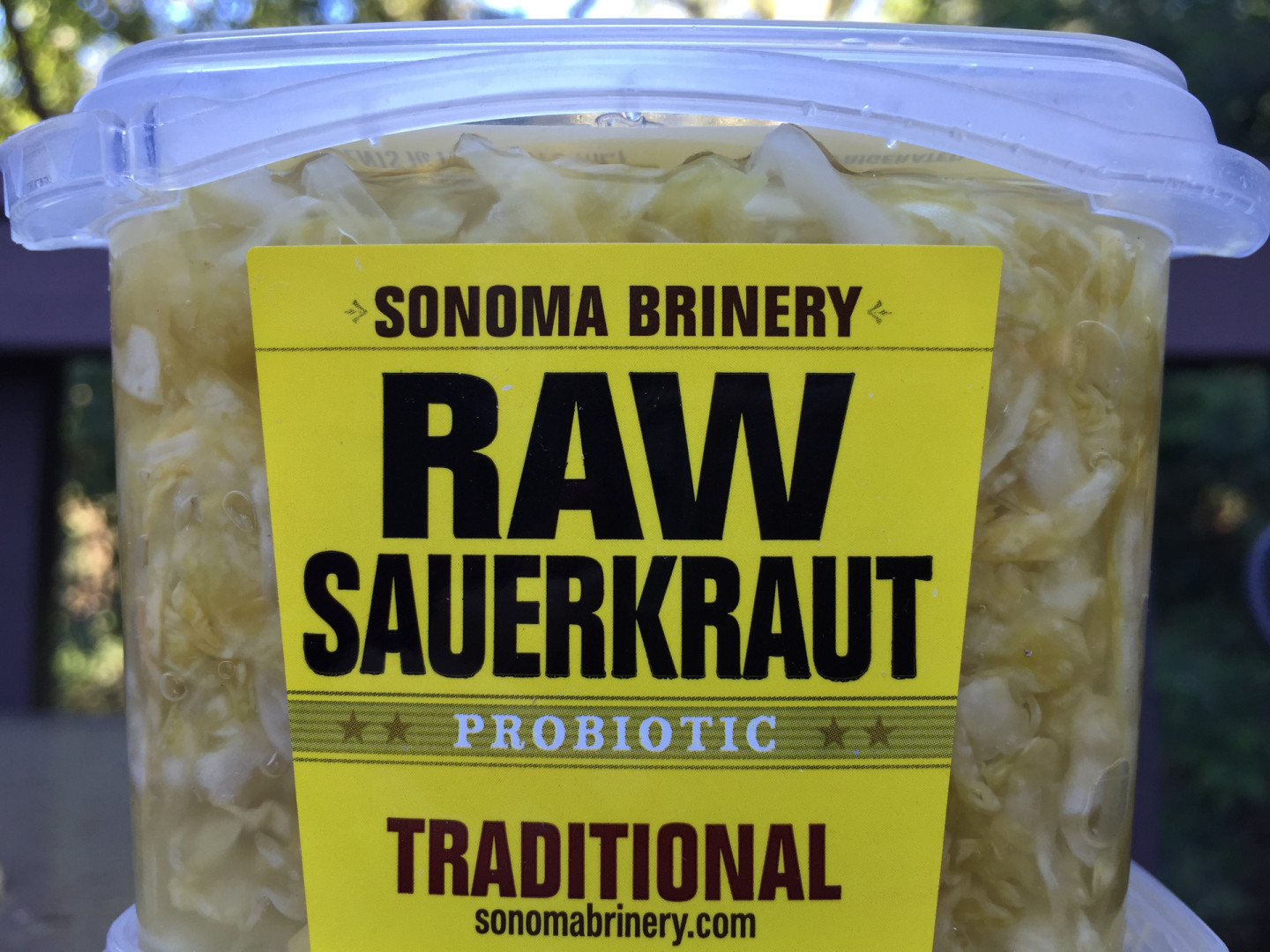
"caption": "Sonoma Brinery’s Raw Sauerkraut. ",
"description": null,
"title": "Sonoma1920",
"credit": "Lisa Landers",
"status": "inherit",
"isLoading": false,
"fetchFailed": false
},
"bayareabites_94795": {
"type": "attachments",
"id": "bayareabites_94795",
"meta": {
"index": "attachments_1716263798",
"site": "bayareabites",
"id": "94795",
"found": true
},
"parent": 94792,
"imgSizes": {
"thumbnail": {
"file": "https://ww2.kqed.org/app/uploads/sites/24/2015/04/stephen-satterfield-400x266.jpg",
"width": 400,
"mimeType": "image/jpeg",
"height": 266
},
"fd-sm": {
"file": "https://ww2.kqed.org/app/uploads/sites/24/2015/04/stephen-satterfield-320x213.jpg",
"width": 320,
"mimeType": "image/jpeg",
"height": 213
},
"post-thumbnail": {
"file": "https://ww2.kqed.org/app/uploads/sites/24/2015/04/stephen-satterfield-672x372.jpg",
"width": 672,
"mimeType": "image/jpeg",
"height": 372
},
"kqedFullSize": {
"file": "https://ww2.kqed.org/app/uploads/sites/24/2015/04/stephen-satterfield.jpg",
"width": 680,
"height": 453
},
"cat_post_thumb_sizecategory-posts-2": {
"file": "https://ww2.kqed.org/app/uploads/sites/24/2015/04/stephen-satterfield-150x150.jpg",
"width": 150,
"mimeType": "image/jpeg",
"height": 150
},
"guest-author-96": {
"file": "https://ww2.kqed.org/app/uploads/sites/24/2015/04/stephen-satterfield-96x96.jpg",
"width": 96,
"mimeType": "image/jpeg",
"height": 96
},
"guest-author-64": {
"file": "https://ww2.kqed.org/app/uploads/sites/24/2015/04/stephen-satterfield-64x64.jpg",
"width": 64,
"mimeType": "image/jpeg",
"height": 64
},
"detail": {
"file": "https://ww2.kqed.org/app/uploads/sites/24/2015/04/stephen-satterfield-75x75.jpg",
"width": 75,
"mimeType": "image/jpeg",
"height": 75
},
"guest-author-32": {
"file": "https://ww2.kqed.org/app/uploads/sites/24/2015/04/stephen-satterfield-32x32.jpg",
"width": 32,
"mimeType": "image/jpeg",
"height": 32
},
"guest-author-128": {
"file": "https://ww2.kqed.org/app/uploads/sites/24/2015/04/stephen-satterfield-128x128.jpg",
"width": 128,
"mimeType": "image/jpeg",
"height": 128
}
},
"publishDate": 1428465606,
"modified": 1428534019,
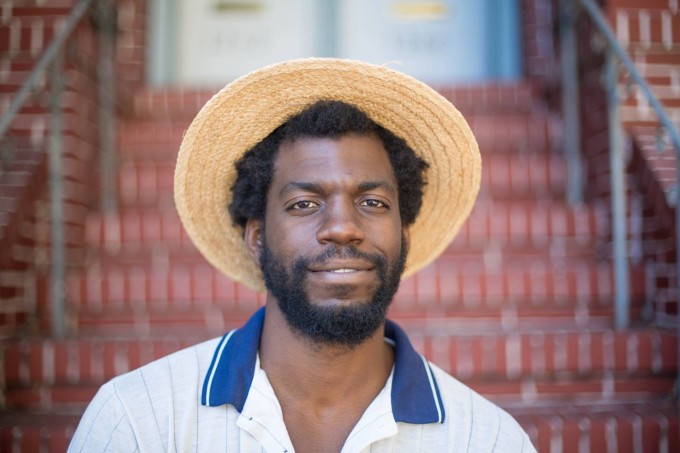
"caption": "Stephen Satterfield",
"description": null,
"title": "stephen-satterfield",
"credit": "Dijon Bowden",
"status": "inherit",
"isLoading": false,
"fetchFailed": false
},
"bayareabites_94740": {
"type": "attachments",
"id": "bayareabites_94740",
"meta": {
"index": "attachments_1716263798",
"site": "bayareabites",
"id": "94740",
"found": true
},
"parent": 93744,
"imgSizes": {
"twentyfourteen-full-width": {
"file": "https://ww2.kqed.org/app/uploads/sites/24/2015/03/Baiaboys1920-1038x576.jpg",
"width": 1038,
"mimeType": "image/jpeg",
"height": 576
},
"thumbnail": {
"file": "https://ww2.kqed.org/app/uploads/sites/24/2015/03/Baiaboys1920-400x266.jpg",
"width": 400,
"mimeType": "image/jpeg",
"height": 266
},
"fd-sm": {
"file": "https://ww2.kqed.org/app/uploads/sites/24/2015/03/Baiaboys1920-320x213.jpg",
"width": 320,
"mimeType": "image/jpeg",
"height": 213
},
"post-thumbnail": {
"file": "https://ww2.kqed.org/app/uploads/sites/24/2015/03/Baiaboys1920-672x372.jpg",
"width": 672,
"mimeType": "image/jpeg",
"height": 372
},
"kqedFullSize": {
"file": "https://ww2.kqed.org/app/uploads/sites/24/2015/03/Baiaboys1920.jpg",
"width": 1920,
"height": 1277
},
"large": {
"file": "https://ww2.kqed.org/app/uploads/sites/24/2015/03/Baiaboys1920-1440x958.jpg",
"width": 1440,
"mimeType": "image/jpeg",
"height": 958
},
"guest-author-96": {
"file": "https://ww2.kqed.org/app/uploads/sites/24/2015/03/Baiaboys1920-96x96.jpg",
"width": 96,
"mimeType": "image/jpeg",
"height": 96
},
"medium": {
"file": "https://ww2.kqed.org/app/uploads/sites/24/2015/03/Baiaboys1920-800x532.jpg",
"width": 800,
"mimeType": "image/jpeg",
"height": 532
},
"guest-author-64": {
"file": "https://ww2.kqed.org/app/uploads/sites/24/2015/03/Baiaboys1920-64x64.jpg",
"width": 64,
"mimeType": "image/jpeg",
"height": 64
},
"guest-author-32": {
"file": "https://ww2.kqed.org/app/uploads/sites/24/2015/03/Baiaboys1920-32x32.jpg",
"width": 32,
"mimeType": "image/jpeg",
"height": 32
},
"cat_post_thumb_sizecategory-posts-2": {
"file": "https://ww2.kqed.org/app/uploads/sites/24/2015/03/Baiaboys1920-150x150.jpg",
"width": 150,
"mimeType": "image/jpeg",
"height": 150
},
"fd-lrg": {
"file": "https://ww2.kqed.org/app/uploads/sites/24/2015/03/Baiaboys1920-1180x785.jpg",
"width": 1180,
"mimeType": "image/jpeg",
"height": 785
},
"fd-med": {
"file": "https://ww2.kqed.org/app/uploads/sites/24/2015/03/Baiaboys1920-768x511.jpg",
"width": 768,
"mimeType": "image/jpeg",
"height": 511
},
"detail": {
"file": "https://ww2.kqed.org/app/uploads/sites/24/2015/03/Baiaboys1920-75x75.jpg",
"width": 75,
"mimeType": "image/jpeg",
"height": 75
},
"guest-author-128": {
"file": "https://ww2.kqed.org/app/uploads/sites/24/2015/03/Baiaboys1920-128x128.jpg",
"width": 128,
"mimeType": "image/jpeg",
"height": 128
}
},
"publishDate": 1428378840,
"modified": 1428515516,
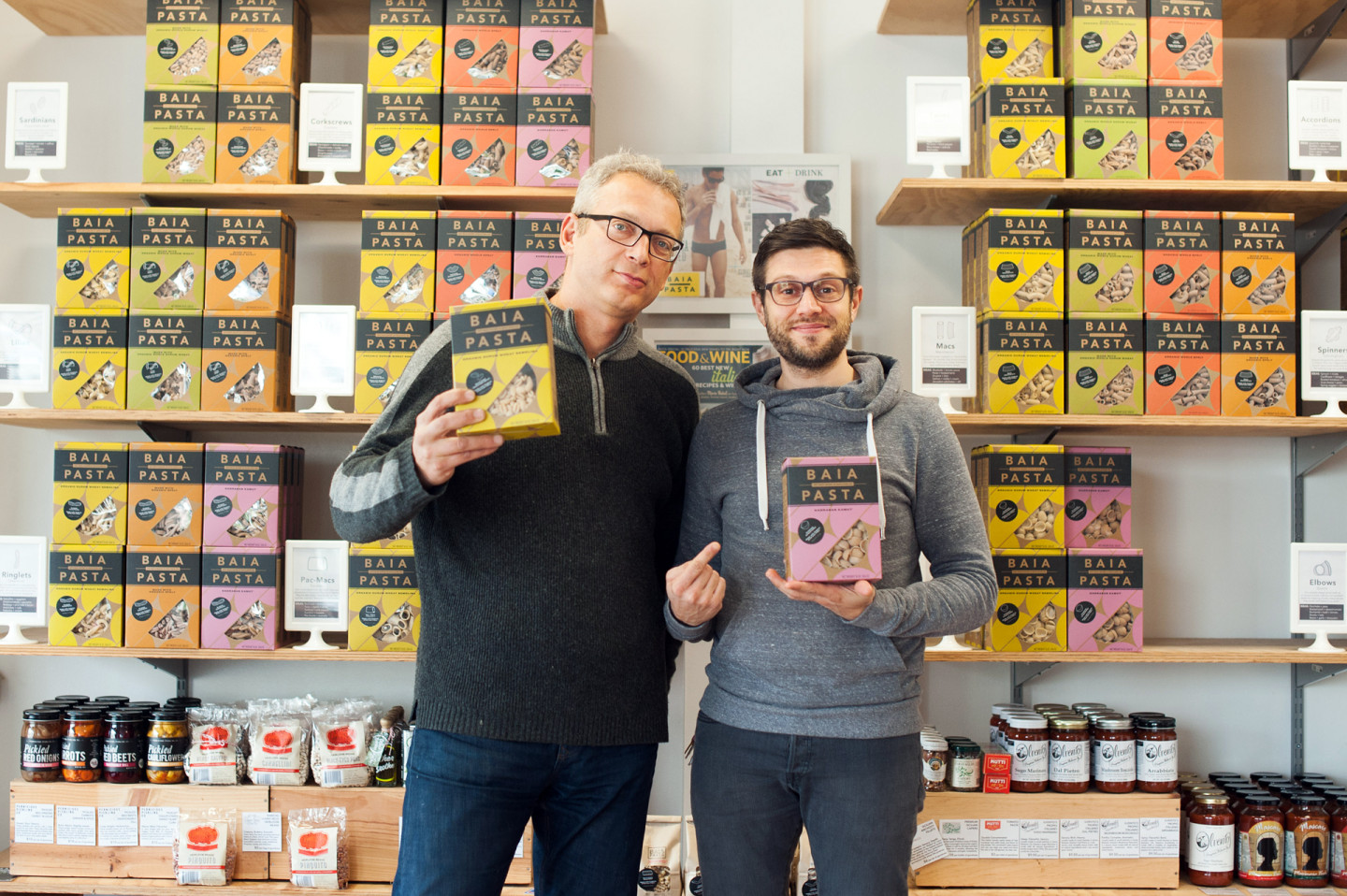
"caption": "Renato Sardo, left, and Dario Barbone started Baia Pasta, which is one of several Bay Area companies started within the last few years making dried pasta. ",
"description": null,
"title": "Baiaboys1920",
"credit": "Meaghin Kennedy/These Salty Oats",
"status": "inherit",
"isLoading": false,
"fetchFailed": false
},
"bayareabites_94667": {
"type": "attachments",
"id": "bayareabites_94667",
"meta": {
"index": "attachments_1716263798",
"site": "bayareabites",
"id": "94667",
"found": true
},
"parent": 94654,
"imgSizes": {
"twentyfourteen-full-width": {
"file": "https://ww2.kqed.org/app/uploads/sites/24/2015/04/bottles-1000x576.jpg",
"width": 1000,
"mimeType": "image/jpeg",
"height": 576
},
"thumbnail": {
"file": "https://ww2.kqed.org/app/uploads/sites/24/2015/04/bottles-400x252.jpg",
"width": 400,
"mimeType": "image/jpeg",
"height": 252
},
"fd-sm": {
"file": "https://ww2.kqed.org/app/uploads/sites/24/2015/04/bottles-320x202.jpg",
"width": 320,
"mimeType": "image/jpeg",
"height": 202
},
"post-thumbnail": {
"file": "https://ww2.kqed.org/app/uploads/sites/24/2015/04/bottles-672x372.jpg",
"width": 672,
"mimeType": "image/jpeg",
"height": 372
},
"kqedFullSize": {
"file": "https://ww2.kqed.org/app/uploads/sites/24/2015/04/bottles.jpg",
"width": 1000,
"height": 631
},
"guest-author-96": {
"file": "https://ww2.kqed.org/app/uploads/sites/24/2015/04/bottles-96x96.jpg",
"width": 96,
"mimeType": "image/jpeg",
"height": 96
},
"medium": {
"file": "https://ww2.kqed.org/app/uploads/sites/24/2015/04/bottles-800x505.jpg",
"width": 800,
"mimeType": "image/jpeg",
"height": 505
},
"guest-author-64": {
"file": "https://ww2.kqed.org/app/uploads/sites/24/2015/04/bottles-64x64.jpg",
"width": 64,
"mimeType": "image/jpeg",
"height": 64
},
"guest-author-32": {
"file": "https://ww2.kqed.org/app/uploads/sites/24/2015/04/bottles-32x32.jpg",
"width": 32,
"mimeType": "image/jpeg",
"height": 32
},
"cat_post_thumb_sizecategory-posts-2": {
"file": "https://ww2.kqed.org/app/uploads/sites/24/2015/04/bottles-150x150.jpg",
"width": 150,
"mimeType": "image/jpeg",
"height": 150
},
"fd-med": {
"file": "https://ww2.kqed.org/app/uploads/sites/24/2015/04/bottles-768x485.jpg",
"width": 768,
"mimeType": "image/jpeg",
"height": 485
},
"detail": {
"file": "https://ww2.kqed.org/app/uploads/sites/24/2015/04/bottles-75x75.jpg",
"width": 75,
"mimeType": "image/jpeg",
"height": 75
},
"guest-author-128": {
"file": "https://ww2.kqed.org/app/uploads/sites/24/2015/04/bottles-128x128.jpg",
"width": 128,
"mimeType": "image/jpeg",
"height": 128
}
},
"publishDate": 1428119187,
"modified": 1428363923,
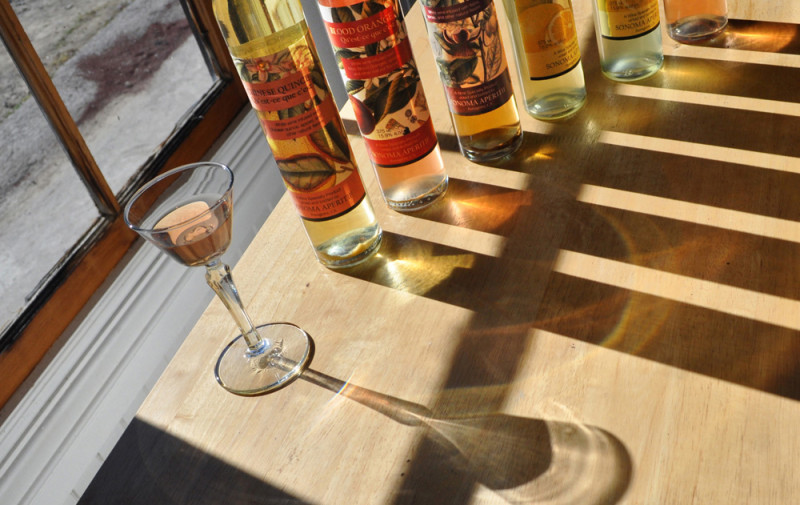
"caption": "Sonoma Aperitif products not only have intense aromas and great balance but they come in alluring pastel colors. \n",
"description": null,
"title": "bottles",
"credit": "Miranda Rush",
"status": "inherit",
"isLoading": false,
"fetchFailed": false
},
"bayareabites_94404": {
"type": "attachments",
"id": "bayareabites_94404",
"meta": {
"index": "attachments_1716263798",
"site": "bayareabites",
"id": "94404",
"found": true
},
"parent": 94397,
"imgSizes": {
"twentyfourteen-full-width": {
"file": "https://ww2.kqed.org/app/uploads/sites/24/2015/03/hy-vee_market-800x576.jpg",
"width": 800,
"mimeType": "image/jpeg",
"height": 576
},
"thumbnail": {
"file": "https://ww2.kqed.org/app/uploads/sites/24/2015/03/hy-vee_market-400x300.jpg",
"width": 400,
"mimeType": "image/jpeg",
"height": 300
},
"fd-sm": {
"file": "https://ww2.kqed.org/app/uploads/sites/24/2015/03/hy-vee_market-320x240.jpg",
"width": 320,
"mimeType": "image/jpeg",
"height": 240
},
"post-thumbnail": {
"file": "https://ww2.kqed.org/app/uploads/sites/24/2015/03/hy-vee_market-672x372.jpg",
"width": 672,
"mimeType": "image/jpeg",
"height": 372
},
"kqedFullSize": {
"file": "https://ww2.kqed.org/app/uploads/sites/24/2015/03/hy-vee_market.jpg",
"width": 800,
"height": 599
},
"guest-author-96": {
"file": "https://ww2.kqed.org/app/uploads/sites/24/2015/03/hy-vee_market-96x96.jpg",
"width": 96,
"mimeType": "image/jpeg",
"height": 96
},
"medium": {
"file": "https://ww2.kqed.org/app/uploads/sites/24/2015/03/hy-vee_market-800x599.jpg",
"width": 800,
"mimeType": "image/jpeg",
"height": 599
},
"guest-author-64": {
"file": "https://ww2.kqed.org/app/uploads/sites/24/2015/03/hy-vee_market-64x64.jpg",
"width": 64,
"mimeType": "image/jpeg",
"height": 64
},
"guest-author-32": {
"file": "https://ww2.kqed.org/app/uploads/sites/24/2015/03/hy-vee_market-32x32.jpg",
"width": 32,
"mimeType": "image/jpeg",
"height": 32
},
"cat_post_thumb_sizecategory-posts-2": {
"file": "https://ww2.kqed.org/app/uploads/sites/24/2015/03/hy-vee_market-150x150.jpg",
"width": 150,
"mimeType": "image/jpeg",
"height": 150
},
"fd-med": {
"file": "https://ww2.kqed.org/app/uploads/sites/24/2015/03/hy-vee_market-768x575.jpg",
"width": 768,
"mimeType": "image/jpeg",
"height": 575
},
"detail": {
"file": "https://ww2.kqed.org/app/uploads/sites/24/2015/03/hy-vee_market-75x75.jpg",
"width": 75,
"mimeType": "image/jpeg",
"height": 75
},
"guest-author-128": {
"file": "https://ww2.kqed.org/app/uploads/sites/24/2015/03/hy-vee_market-128x128.jpg",
"width": 128,
"mimeType": "image/jpeg",
"height": 128
}
},
"publishDate": 1427755853,
"modified": 1427756204,
"caption": "A little booze can't hurt: The Hy-Vee grocery chain has added a Market Grille to several of its locations in the Midwest and Great Plains. You can order drinks and dinner before or after you do your grocery shopping. ",
"description": null,
"title": "hy-vee_market",
"credit": "Courtesy of Hy-Vee Market Grille",
"status": "inherit",
"isLoading": false,
"fetchFailed": false
},
"bayareabites_94287": {
"type": "attachments",
"id": "bayareabites_94287",
"meta": {
"index": "attachments_1716263798",
"site": "bayareabites",
"id": "94287",
"found": true
},
"parent": 94286,
"imgSizes": {
"twentyfourteen-full-width": {
"file": "https://ww2.kqed.org/app/uploads/sites/24/2015/03/5445528297_0abd5e3fdb_o_wide-d464b5b67ee4f334ba4d73bfb7271faac73d2c92-e1427316561790-1038x576.jpg",
"width": 1038,
"mimeType": "image/jpeg",
"height": 576
},
"thumbnail": {
"file": "https://ww2.kqed.org/app/uploads/sites/24/2015/03/5445528297_0abd5e3fdb_o_wide-d464b5b67ee4f334ba4d73bfb7271faac73d2c92-e1427316561790-400x225.jpg",
"width": 400,
"mimeType": "image/jpeg",
"height": 225
},
"fd-sm": {
"file": "https://ww2.kqed.org/app/uploads/sites/24/2015/03/5445528297_0abd5e3fdb_o_wide-d464b5b67ee4f334ba4d73bfb7271faac73d2c92-e1427316561790-320x180.jpg",
"width": 320,
"mimeType": "image/jpeg",
"height": 180
},
"post-thumbnail": {
"file": "https://ww2.kqed.org/app/uploads/sites/24/2015/03/5445528297_0abd5e3fdb_o_wide-d464b5b67ee4f334ba4d73bfb7271faac73d2c92-e1427316561790-672x372.jpg",
"width": 672,
"mimeType": "image/jpeg",
"height": 372
},
"kqedFullSize": {
"file": "https://ww2.kqed.org/app/uploads/sites/24/2015/03/5445528297_0abd5e3fdb_o_wide-d464b5b67ee4f334ba4d73bfb7271faac73d2c92-e1427316561790.jpg",
"width": 1920,
"height": 1080
},
"large": {
"file": "https://ww2.kqed.org/app/uploads/sites/24/2015/03/5445528297_0abd5e3fdb_o_wide-d464b5b67ee4f334ba4d73bfb7271faac73d2c92-e1427316561790-1440x810.jpg",
"width": 1440,
"mimeType": "image/jpeg",
"height": 810
},
"guest-author-96": {
"file": "https://ww2.kqed.org/app/uploads/sites/24/2015/03/5445528297_0abd5e3fdb_o_wide-d464b5b67ee4f334ba4d73bfb7271faac73d2c92-e1427316561790-96x96.jpg",
"width": 96,
"mimeType": "image/jpeg",
"height": 96
},
"medium": {
"file": "https://ww2.kqed.org/app/uploads/sites/24/2015/03/5445528297_0abd5e3fdb_o_wide-d464b5b67ee4f334ba4d73bfb7271faac73d2c92-e1427316561790-800x450.jpg",
"width": 800,
"mimeType": "image/jpeg",
"height": 450
},
"guest-author-64": {
"file": "https://ww2.kqed.org/app/uploads/sites/24/2015/03/5445528297_0abd5e3fdb_o_wide-d464b5b67ee4f334ba4d73bfb7271faac73d2c92-e1427316561790-64x64.jpg",
"width": 64,
"mimeType": "image/jpeg",
"height": 64
},
"guest-author-32": {
"file": "https://ww2.kqed.org/app/uploads/sites/24/2015/03/5445528297_0abd5e3fdb_o_wide-d464b5b67ee4f334ba4d73bfb7271faac73d2c92-e1427316561790-32x32.jpg",
"width": 32,
"mimeType": "image/jpeg",
"height": 32
},
"cat_post_thumb_sizecategory-posts-2": {
"file": "https://ww2.kqed.org/app/uploads/sites/24/2015/03/5445528297_0abd5e3fdb_o_wide-d464b5b67ee4f334ba4d73bfb7271faac73d2c92-e1427316561790-50x50.jpg",
"width": 50,
"mimeType": "image/jpeg",
"height": 50
},
"fd-lrg": {
"file": "https://ww2.kqed.org/app/uploads/sites/24/2015/03/5445528297_0abd5e3fdb_o_wide-d464b5b67ee4f334ba4d73bfb7271faac73d2c92-e1427316561790-1180x664.jpg",
"width": 1180,
"mimeType": "image/jpeg",
"height": 664
},
"fd-med": {
"file": "https://ww2.kqed.org/app/uploads/sites/24/2015/03/5445528297_0abd5e3fdb_o_wide-d464b5b67ee4f334ba4d73bfb7271faac73d2c92-e1427316561790-768x432.jpg",
"width": 768,
"mimeType": "image/jpeg",
"height": 432
},
"detail": {
"file": "https://ww2.kqed.org/app/uploads/sites/24/2015/03/5445528297_0abd5e3fdb_o_wide-d464b5b67ee4f334ba4d73bfb7271faac73d2c92-e1427316561790-75x75.jpg",
"width": 75,
"mimeType": "image/jpeg",
"height": 75
},
"guest-author-128": {
"file": "https://ww2.kqed.org/app/uploads/sites/24/2015/03/5445528297_0abd5e3fdb_o_wide-d464b5b67ee4f334ba4d73bfb7271faac73d2c92-e1427316561790-128x128.jpg",
"width": 128,
"mimeType": "image/jpeg",
"height": 128
}
},
"publishDate": 1427316257,
"modified": 1427316574,
"caption": "These beans, grown on test plots at the International Center for Tropical Agriculture in Colombia, can thrive in temperatures that cripple most conventional beans. Photo: Courtesy of CIAT/Neil Palmer",
"description": "These beans, grown on test plots at the International Center for Tropical Agriculture in Colombia, can thrive in temperatures that cripple most conventional beans.",
"title": "These beans, grown on test plots at the International Center for Tropical Agriculture in Colombia, can thrive in temperatures that cripple most conventional beans.",
"credit": null,
"status": "inherit",
"isLoading": false,
"fetchFailed": false
},
"bayareabites_94248": {
"type": "attachments",
"id": "bayareabites_94248",
"meta": {
"index": "attachments_1716263798",
"site": "bayareabites",
"id": "94248",
"found": true
},
"parent": 94247,
"imgSizes": {
"twentyfourteen-full-width": {
"file": "https://ww2.kqed.org/app/uploads/sites/24/2015/03/dsc00633_custom-cebf9d3dc3de4ed226131448c5a5119b057d8ac5-e1427220926710-1038x576.jpg",
"width": 1038,
"mimeType": "image/jpeg",
"height": 576
},
"thumbnail": {
"file": "https://ww2.kqed.org/app/uploads/sites/24/2015/03/dsc00633_custom-cebf9d3dc3de4ed226131448c5a5119b057d8ac5-e1427220926710-400x266.jpg",
"width": 400,
"mimeType": "image/jpeg",
"height": 266
},
"fd-sm": {
"file": "https://ww2.kqed.org/app/uploads/sites/24/2015/03/dsc00633_custom-cebf9d3dc3de4ed226131448c5a5119b057d8ac5-e1427220926710-320x213.jpg",
"width": 320,
"mimeType": "image/jpeg",
"height": 213
},
"post-thumbnail": {
"file": "https://ww2.kqed.org/app/uploads/sites/24/2015/03/dsc00633_custom-cebf9d3dc3de4ed226131448c5a5119b057d8ac5-e1427220926710-672x372.jpg",
"width": 672,
"mimeType": "image/jpeg",
"height": 372
},
"kqedFullSize": {
"file": "https://ww2.kqed.org/app/uploads/sites/24/2015/03/dsc00633_custom-cebf9d3dc3de4ed226131448c5a5119b057d8ac5-e1427220926710.jpg",
"width": 1920,
"height": 1279
},
"large": {
"file": "https://ww2.kqed.org/app/uploads/sites/24/2015/03/dsc00633_custom-cebf9d3dc3de4ed226131448c5a5119b057d8ac5-e1427220926710-1440x959.jpg",
"width": 1440,
"mimeType": "image/jpeg",
"height": 959
},
"guest-author-96": {
"file": "https://ww2.kqed.org/app/uploads/sites/24/2015/03/dsc00633_custom-cebf9d3dc3de4ed226131448c5a5119b057d8ac5-e1427220926710-96x96.jpg",
"width": 96,
"mimeType": "image/jpeg",
"height": 96
},
"medium": {
"file": "https://ww2.kqed.org/app/uploads/sites/24/2015/03/dsc00633_custom-cebf9d3dc3de4ed226131448c5a5119b057d8ac5-e1427220926710-800x533.jpg",
"width": 800,
"mimeType": "image/jpeg",
"height": 533
},
"guest-author-64": {
"file": "https://ww2.kqed.org/app/uploads/sites/24/2015/03/dsc00633_custom-cebf9d3dc3de4ed226131448c5a5119b057d8ac5-e1427220926710-64x64.jpg",
"width": 64,
"mimeType": "image/jpeg",
"height": 64
},
"guest-author-32": {
"file": "https://ww2.kqed.org/app/uploads/sites/24/2015/03/dsc00633_custom-cebf9d3dc3de4ed226131448c5a5119b057d8ac5-e1427220926710-32x32.jpg",
"width": 32,
"mimeType": "image/jpeg",
"height": 32
},
"cat_post_thumb_sizecategory-posts-2": {
"file": "https://ww2.kqed.org/app/uploads/sites/24/2015/03/dsc00633_custom-cebf9d3dc3de4ed226131448c5a5119b057d8ac5-e1427220926710-50x50.jpg",
"width": 50,
"mimeType": "image/jpeg",
"height": 50
},
"fd-lrg": {
"file": "https://ww2.kqed.org/app/uploads/sites/24/2015/03/dsc00633_custom-cebf9d3dc3de4ed226131448c5a5119b057d8ac5-e1427220926710-1180x786.jpg",
"width": 1180,
"mimeType": "image/jpeg",
"height": 786
},
"fd-med": {
"file": "https://ww2.kqed.org/app/uploads/sites/24/2015/03/dsc00633_custom-cebf9d3dc3de4ed226131448c5a5119b057d8ac5-e1427220926710-768x512.jpg",
"width": 768,
"mimeType": "image/jpeg",
"height": 512
},
"detail": {
"file": "https://ww2.kqed.org/app/uploads/sites/24/2015/03/dsc00633_custom-cebf9d3dc3de4ed226131448c5a5119b057d8ac5-e1427220926710-75x75.jpg",
"width": 75,
"mimeType": "image/jpeg",
"height": 75
},
"guest-author-128": {
"file": "https://ww2.kqed.org/app/uploads/sites/24/2015/03/dsc00633_custom-cebf9d3dc3de4ed226131448c5a5119b057d8ac5-e1427220926710-128x128.jpg",
"width": 128,
"mimeType": "image/jpeg",
"height": 128
}
},
"publishDate": 1427218332,
"modified": 1427220917,
"caption": "Rachel Ahn, who goes by \"Aebong-ee,\" is among the top 100 most-watched mukbang stars in South Korea. Photo: Elise Hu/NPR ",
"description": "Rachel Ahn, who goes by \"Aebong-ee,\" is among the top 100 most-watched \u003cem>mukbang\u003c/em> stars in South Korea.",
"title": "Rachel Ahn, who goes by \"Aebong-ee,\" is among the top 100 most-watched mukbang stars in South Korea.",
"credit": null,
"status": "inherit",
"isLoading": false,
"fetchFailed": false
},
"bayareabites_93774": {
"type": "attachments",
"id": "bayareabites_93774",
"meta": {
"index": "attachments_1716263798",
"site": "bayareabites",
"id": "93774",
"found": true
},
"parent": 93737,
"imgSizes": {
"twentyfourteen-full-width": {
"file": "https://ww2.kqed.org/app/uploads/sites/24/2015/03/Cooking-alongside-one-of-the-Salted-videos-in-the-Italian-cooking-course-1000x576.jpeg",
"width": 1000,
"mimeType": "image/jpeg",
"height": 576
},
"fd-sm": {
"file": "https://ww2.kqed.org/app/uploads/sites/24/2015/03/Cooking-alongside-one-of-the-Salted-videos-in-the-Italian-cooking-course-320x240.jpeg",
"width": 320,
"mimeType": "image/jpeg",
"height": 240
},
"post-thumbnail": {
"file": "https://ww2.kqed.org/app/uploads/sites/24/2015/03/Cooking-alongside-one-of-the-Salted-videos-in-the-Italian-cooking-course-672x372.jpeg",
"width": 672,
"mimeType": "image/jpeg",
"height": 372
},
"kqedFullSize": {
"file": "https://ww2.kqed.org/app/uploads/sites/24/2015/03/Cooking-alongside-one-of-the-Salted-videos-in-the-Italian-cooking-course.jpeg",
"width": 1000,
"height": 750
},
"cat_post_thumb_sizecategory-posts-2": {
"file": "https://ww2.kqed.org/app/uploads/sites/24/2015/03/Cooking-alongside-one-of-the-Salted-videos-in-the-Italian-cooking-course-50x50.jpeg",
"width": 50,
"mimeType": "image/jpeg",
"height": 50
},
"fd-med": {
"file": "https://ww2.kqed.org/app/uploads/sites/24/2015/03/Cooking-alongside-one-of-the-Salted-videos-in-the-Italian-cooking-course-768x576.jpeg",
"width": 768,
"mimeType": "image/jpeg",
"height": 576
},
"guest-author-96": {
"file": "https://ww2.kqed.org/app/uploads/sites/24/2015/03/Cooking-alongside-one-of-the-Salted-videos-in-the-Italian-cooking-course-96x96.jpeg",
"width": 96,
"mimeType": "image/jpeg",
"height": 96
},
"medium": {
"file": "https://ww2.kqed.org/app/uploads/sites/24/2015/03/Cooking-alongside-one-of-the-Salted-videos-in-the-Italian-cooking-course-800x600.jpeg",
"width": 800,
"mimeType": "image/jpeg",
"height": 600
},
"guest-author-64": {
"file": "https://ww2.kqed.org/app/uploads/sites/24/2015/03/Cooking-alongside-one-of-the-Salted-videos-in-the-Italian-cooking-course-64x64.jpeg",
"width": 64,
"mimeType": "image/jpeg",
"height": 64
},
"detail": {
"file": "https://ww2.kqed.org/app/uploads/sites/24/2015/03/Cooking-alongside-one-of-the-Salted-videos-in-the-Italian-cooking-course-75x75.jpeg",
"width": 75,
"mimeType": "image/jpeg",
"height": 75
},
"guest-author-32": {
"file": "https://ww2.kqed.org/app/uploads/sites/24/2015/03/Cooking-alongside-one-of-the-Salted-videos-in-the-Italian-cooking-course-32x32.jpeg",
"width": 32,
"mimeType": "image/jpeg",
"height": 32
},
"guest-author-128": {
"file": "https://ww2.kqed.org/app/uploads/sites/24/2015/03/Cooking-alongside-one-of-the-Salted-videos-in-the-Italian-cooking-course-128x128.jpeg",
"width": 128,
"mimeType": "image/jpeg",
"height": 128
}
},
"publishDate": 1426191792,
"modified": 1426193130,
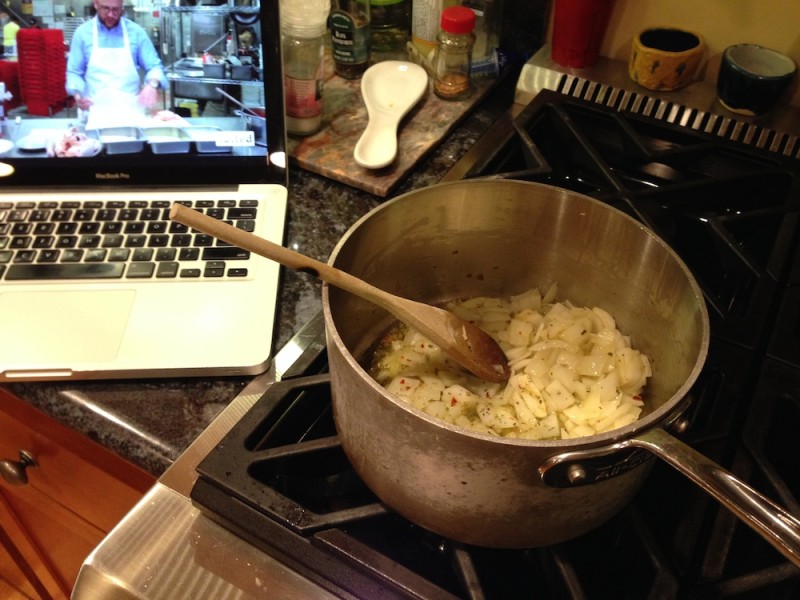
"caption": "Cooking alongside one of the Salted videos in the Italian cooking course. Photo: Angela Johnston",
"description": null,
"title": "Cooking alongside one of the Salted videos in the Italian cooking course",
"credit": null,
"status": "inherit",
"isLoading": false,
"fetchFailed": false
},
"bayareabites_94171": {
"type": "attachments",
"id": "bayareabites_94171",
"meta": {
"index": "attachments_1716263798",
"site": "bayareabites",
"id": "94171",
"found": true
},
"parent": 94170,
"imgSizes": {
"twentyfourteen-full-width": {
"file": "https://ww2.kqed.org/app/uploads/sites/24/2015/03/img_5767_custom-4e3e5748ff97e2e0e516d721c0af9175ab72b880-e1426812959854-1038x576.jpg",
"width": 1038,
"mimeType": "image/jpeg",
"height": 576
},
"thumbnail": {
"file": "https://ww2.kqed.org/app/uploads/sites/24/2015/03/img_5767_custom-4e3e5748ff97e2e0e516d721c0af9175ab72b880-e1426812959854-400x266.jpg",
"width": 400,
"mimeType": "image/jpeg",
"height": 266
},
"fd-sm": {
"file": "https://ww2.kqed.org/app/uploads/sites/24/2015/03/img_5767_custom-4e3e5748ff97e2e0e516d721c0af9175ab72b880-e1426812959854-320x213.jpg",
"width": 320,
"mimeType": "image/jpeg",
"height": 213
},
"post-thumbnail": {
"file": "https://ww2.kqed.org/app/uploads/sites/24/2015/03/img_5767_custom-4e3e5748ff97e2e0e516d721c0af9175ab72b880-e1426812959854-672x372.jpg",
"width": 672,
"mimeType": "image/jpeg",
"height": 372
},
"kqedFullSize": {
"file": "https://ww2.kqed.org/app/uploads/sites/24/2015/03/img_5767_custom-4e3e5748ff97e2e0e516d721c0af9175ab72b880-e1426812959854.jpg",
"width": 1920,
"height": 1279
},
"large": {
"file": "https://ww2.kqed.org/app/uploads/sites/24/2015/03/img_5767_custom-4e3e5748ff97e2e0e516d721c0af9175ab72b880-e1426812959854-1440x959.jpg",
"width": 1440,
"mimeType": "image/jpeg",
"height": 959
},
"guest-author-96": {
"file": "https://ww2.kqed.org/app/uploads/sites/24/2015/03/img_5767_custom-4e3e5748ff97e2e0e516d721c0af9175ab72b880-e1426812959854-96x96.jpg",
"width": 96,
"mimeType": "image/jpeg",
"height": 96
},
"medium": {
"file": "https://ww2.kqed.org/app/uploads/sites/24/2015/03/img_5767_custom-4e3e5748ff97e2e0e516d721c0af9175ab72b880-e1426812959854-800x533.jpg",
"width": 800,
"mimeType": "image/jpeg",
"height": 533
},
"guest-author-64": {
"file": "https://ww2.kqed.org/app/uploads/sites/24/2015/03/img_5767_custom-4e3e5748ff97e2e0e516d721c0af9175ab72b880-e1426812959854-64x64.jpg",
"width": 64,
"mimeType": "image/jpeg",
"height": 64
},
"guest-author-32": {
"file": "https://ww2.kqed.org/app/uploads/sites/24/2015/03/img_5767_custom-4e3e5748ff97e2e0e516d721c0af9175ab72b880-e1426812959854-32x32.jpg",
"width": 32,
"mimeType": "image/jpeg",
"height": 32
},
"cat_post_thumb_sizecategory-posts-2": {
"file": "https://ww2.kqed.org/app/uploads/sites/24/2015/03/img_5767_custom-4e3e5748ff97e2e0e516d721c0af9175ab72b880-e1426812959854-50x50.jpg",
"width": 50,
"mimeType": "image/jpeg",
"height": 50
},
"fd-lrg": {
"file": "https://ww2.kqed.org/app/uploads/sites/24/2015/03/img_5767_custom-4e3e5748ff97e2e0e516d721c0af9175ab72b880-e1426812959854-1180x786.jpg",
"width": 1180,
"mimeType": "image/jpeg",
"height": 786
},
"fd-med": {
"file": "https://ww2.kqed.org/app/uploads/sites/24/2015/03/img_5767_custom-4e3e5748ff97e2e0e516d721c0af9175ab72b880-e1426812959854-768x512.jpg",
"width": 768,
"mimeType": "image/jpeg",
"height": 512
},
"detail": {
"file": "https://ww2.kqed.org/app/uploads/sites/24/2015/03/img_5767_custom-4e3e5748ff97e2e0e516d721c0af9175ab72b880-e1426812959854-75x75.jpg",
"width": 75,
"mimeType": "image/jpeg",
"height": 75
},
"guest-author-128": {
"file": "https://ww2.kqed.org/app/uploads/sites/24/2015/03/img_5767_custom-4e3e5748ff97e2e0e516d721c0af9175ab72b880-e1426812959854-128x128.jpg",
"width": 128,
"mimeType": "image/jpeg",
"height": 128
}
},
"publishDate": 1426811778,
"modified": 1426812980,
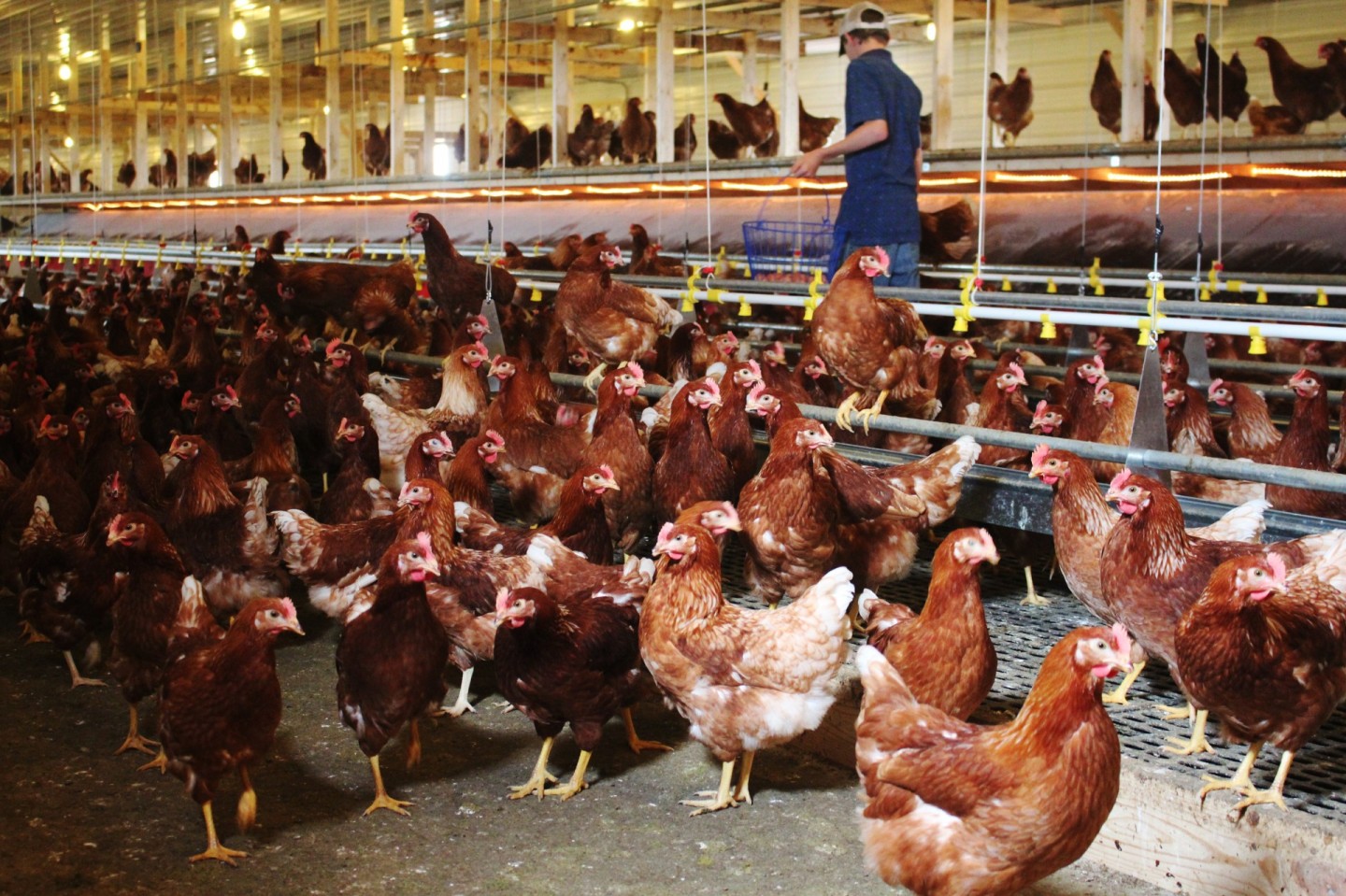
"caption": "Free-range houses allow chickens to move around freely, but operating costs were 23 percent higher than for traditional cages, according to a new study. Photo: Dan Charles/NPR",
"description": "Free-range houses allow chickens to move around freely, but operating costs were 23 percent higher than for traditional cages, according to a new study.",
"title": "Free-range houses allow chickens to move around freely, but operating costs were 23 percent higher than for traditional cages, according to a new study.",
"credit": null,
"status": "inherit",
"isLoading": false,
"fetchFailed": false
},
"bayareabites_94074": {
"type": "attachments",
"id": "bayareabites_94074",
"meta": {
"index": "attachments_1716263798",
"site": "bayareabites",
"id": "94074",
"found": true
},
"parent": 94046,
"imgSizes": {
"twentyfourteen-full-width": {
"file": "https://ww2.kqed.org/app/uploads/sites/24/2015/03/seed_feature1920-1038x576.jpg",
"width": 1038,
"mimeType": "image/jpeg",
"height": 576
},
"fd-sm": {
"file": "https://ww2.kqed.org/app/uploads/sites/24/2015/03/seed_feature1920-320x240.jpg",
"width": 320,
"mimeType": "image/jpeg",
"height": 240
},
"post-thumbnail": {
"file": "https://ww2.kqed.org/app/uploads/sites/24/2015/03/seed_feature1920-672x372.jpg",
"width": 672,
"mimeType": "image/jpeg",
"height": 372
},
"kqedFullSize": {
"file": "https://ww2.kqed.org/app/uploads/sites/24/2015/03/seed_feature1920.jpg",
"width": 1920,
"height": 1440
},
"large": {
"file": "https://ww2.kqed.org/app/uploads/sites/24/2015/03/seed_feature1920-1440x1080.jpg",
"width": 1440,
"mimeType": "image/jpeg",
"height": 1080
},
"guest-author-96": {
"file": "https://ww2.kqed.org/app/uploads/sites/24/2015/03/seed_feature1920-96x96.jpg",
"width": 96,
"mimeType": "image/jpeg",
"height": 96
},
"medium": {
"file": "https://ww2.kqed.org/app/uploads/sites/24/2015/03/seed_feature1920-800x600.jpg",
"width": 800,
"mimeType": "image/jpeg",
"height": 600
},
"guest-author-64": {
"file": "https://ww2.kqed.org/app/uploads/sites/24/2015/03/seed_feature1920-64x64.jpg",
"width": 64,
"mimeType": "image/jpeg",
"height": 64
},
"guest-author-32": {
"file": "https://ww2.kqed.org/app/uploads/sites/24/2015/03/seed_feature1920-32x32.jpg",
"width": 32,
"mimeType": "image/jpeg",
"height": 32
},
"cat_post_thumb_sizecategory-posts-2": {
"file": "https://ww2.kqed.org/app/uploads/sites/24/2015/03/seed_feature1920-50x50.jpg",
"width": 50,
"mimeType": "image/jpeg",
"height": 50
},
"fd-lrg": {
"file": "https://ww2.kqed.org/app/uploads/sites/24/2015/03/seed_feature1920-1180x885.jpg",
"width": 1180,
"mimeType": "image/jpeg",
"height": 885
},
"fd-med": {
"file": "https://ww2.kqed.org/app/uploads/sites/24/2015/03/seed_feature1920-768x576.jpg",
"width": 768,
"mimeType": "image/jpeg",
"height": 576
},
"detail": {
"file": "https://ww2.kqed.org/app/uploads/sites/24/2015/03/seed_feature1920-75x75.jpg",
"width": 75,
"mimeType": "image/jpeg",
"height": 75
},
"guest-author-128": {
"file": "https://ww2.kqed.org/app/uploads/sites/24/2015/03/seed_feature1920-128x128.jpg",
"width": 128,
"mimeType": "image/jpeg",
"height": 128
}
},
"publishDate": 1426630982,
"modified": 1426633938,
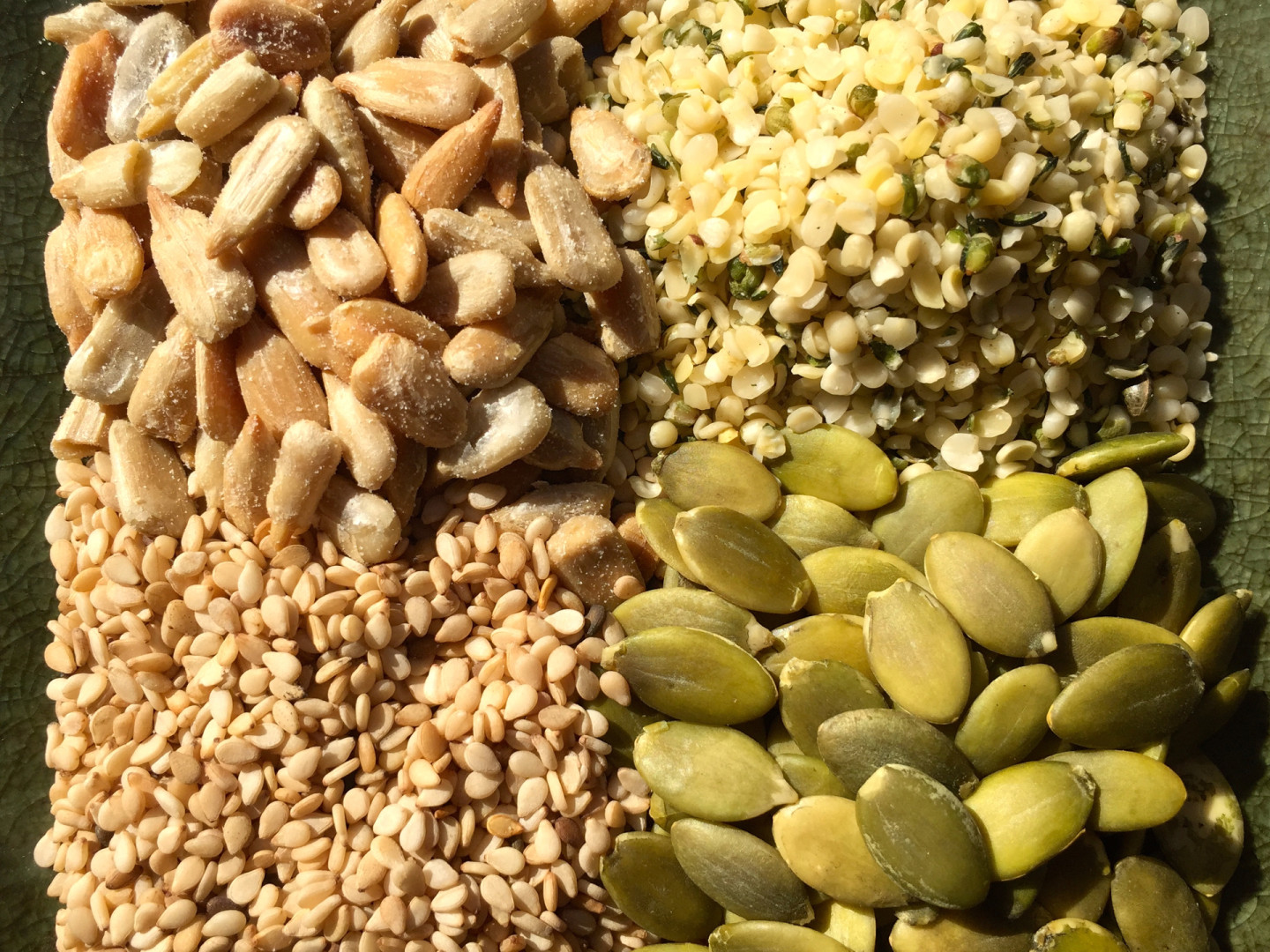
"caption": "Four types of seeds: hemp, sunflower, pumpkin, sesame. Photo: Lisa Landers",
"description": null,
"title": "seed_feature1920",
"credit": null,
"status": "inherit",
"isLoading": false,
"fetchFailed": false
},
"bayareabites_93713": {
"type": "attachments",
"id": "bayareabites_93713",
"meta": {
"index": "attachments_1716263798",
"site": "bayareabites",
"id": "93713",
"found": true
},
"parent": 93712,
"imgSizes": {
"twentyfourteen-full-width": {
"file": "https://ww2.kqed.org/app/uploads/sites/24/2015/03/drinks_wide-a95458e01e88a61793c71a153b0b5d7d94509045-e1425683441360-1038x576.jpg",
"width": 1038,
"mimeType": "image/jpeg",
"height": 576
},
"thumbnail": {
"file": "https://ww2.kqed.org/app/uploads/sites/24/2015/03/drinks_wide-a95458e01e88a61793c71a153b0b5d7d94509045-e1425683441360-400x225.jpg",
"width": 400,
"mimeType": "image/jpeg",
"height": 225
},
"fd-sm": {
"file": "https://ww2.kqed.org/app/uploads/sites/24/2015/03/drinks_wide-a95458e01e88a61793c71a153b0b5d7d94509045-e1425683441360-320x180.jpg",
"width": 320,
"mimeType": "image/jpeg",
"height": 180
},
"post-thumbnail": {
"file": "https://ww2.kqed.org/app/uploads/sites/24/2015/03/drinks_wide-a95458e01e88a61793c71a153b0b5d7d94509045-e1425683441360-672x372.jpg",
"width": 672,
"mimeType": "image/jpeg",
"height": 372
},
"kqedFullSize": {
"file": "https://ww2.kqed.org/app/uploads/sites/24/2015/03/drinks_wide-a95458e01e88a61793c71a153b0b5d7d94509045-e1425683441360.jpg",
"width": 1920,
"height": 1080
},
"large": {
"file": "https://ww2.kqed.org/app/uploads/sites/24/2015/03/drinks_wide-a95458e01e88a61793c71a153b0b5d7d94509045-e1425683441360-1440x810.jpg",
"width": 1440,
"mimeType": "image/jpeg",
"height": 810
},
"guest-author-96": {
"file": "https://ww2.kqed.org/app/uploads/sites/24/2015/03/drinks_wide-a95458e01e88a61793c71a153b0b5d7d94509045-e1425683441360-96x96.jpg",
"width": 96,
"mimeType": "image/jpeg",
"height": 96
},
"medium": {
"file": "https://ww2.kqed.org/app/uploads/sites/24/2015/03/drinks_wide-a95458e01e88a61793c71a153b0b5d7d94509045-e1425683441360-800x450.jpg",
"width": 800,
"mimeType": "image/jpeg",
"height": 450
},
"guest-author-64": {
"file": "https://ww2.kqed.org/app/uploads/sites/24/2015/03/drinks_wide-a95458e01e88a61793c71a153b0b5d7d94509045-e1425683441360-64x64.jpg",
"width": 64,
"mimeType": "image/jpeg",
"height": 64
},
"guest-author-32": {
"file": "https://ww2.kqed.org/app/uploads/sites/24/2015/03/drinks_wide-a95458e01e88a61793c71a153b0b5d7d94509045-e1425683441360-32x32.jpg",
"width": 32,
"mimeType": "image/jpeg",
"height": 32
},
"cat_post_thumb_sizecategory-posts-2": {
"file": "https://ww2.kqed.org/app/uploads/sites/24/2015/03/drinks_wide-a95458e01e88a61793c71a153b0b5d7d94509045-e1425683441360-50x50.jpg",
"width": 50,
"mimeType": "image/jpeg",
"height": 50
},
"fd-lrg": {
"file": "https://ww2.kqed.org/app/uploads/sites/24/2015/03/drinks_wide-a95458e01e88a61793c71a153b0b5d7d94509045-e1425683441360-1180x664.jpg",
"width": 1180,
"mimeType": "image/jpeg",
"height": 664
},
"fd-med": {
"file": "https://ww2.kqed.org/app/uploads/sites/24/2015/03/drinks_wide-a95458e01e88a61793c71a153b0b5d7d94509045-e1425683441360-768x432.jpg",
"width": 768,
"mimeType": "image/jpeg",
"height": 432
},
"detail": {
"file": "https://ww2.kqed.org/app/uploads/sites/24/2015/03/drinks_wide-a95458e01e88a61793c71a153b0b5d7d94509045-e1425683441360-75x75.jpg",
"width": 75,
"mimeType": "image/jpeg",
"height": 75
},
"guest-author-128": {
"file": "https://ww2.kqed.org/app/uploads/sites/24/2015/03/drinks_wide-a95458e01e88a61793c71a153b0b5d7d94509045-e1425683441360-128x128.jpg",
"width": 128,
"mimeType": "image/jpeg",
"height": 128
}
},
"publishDate": 1425683193,
"modified": 1425683432,
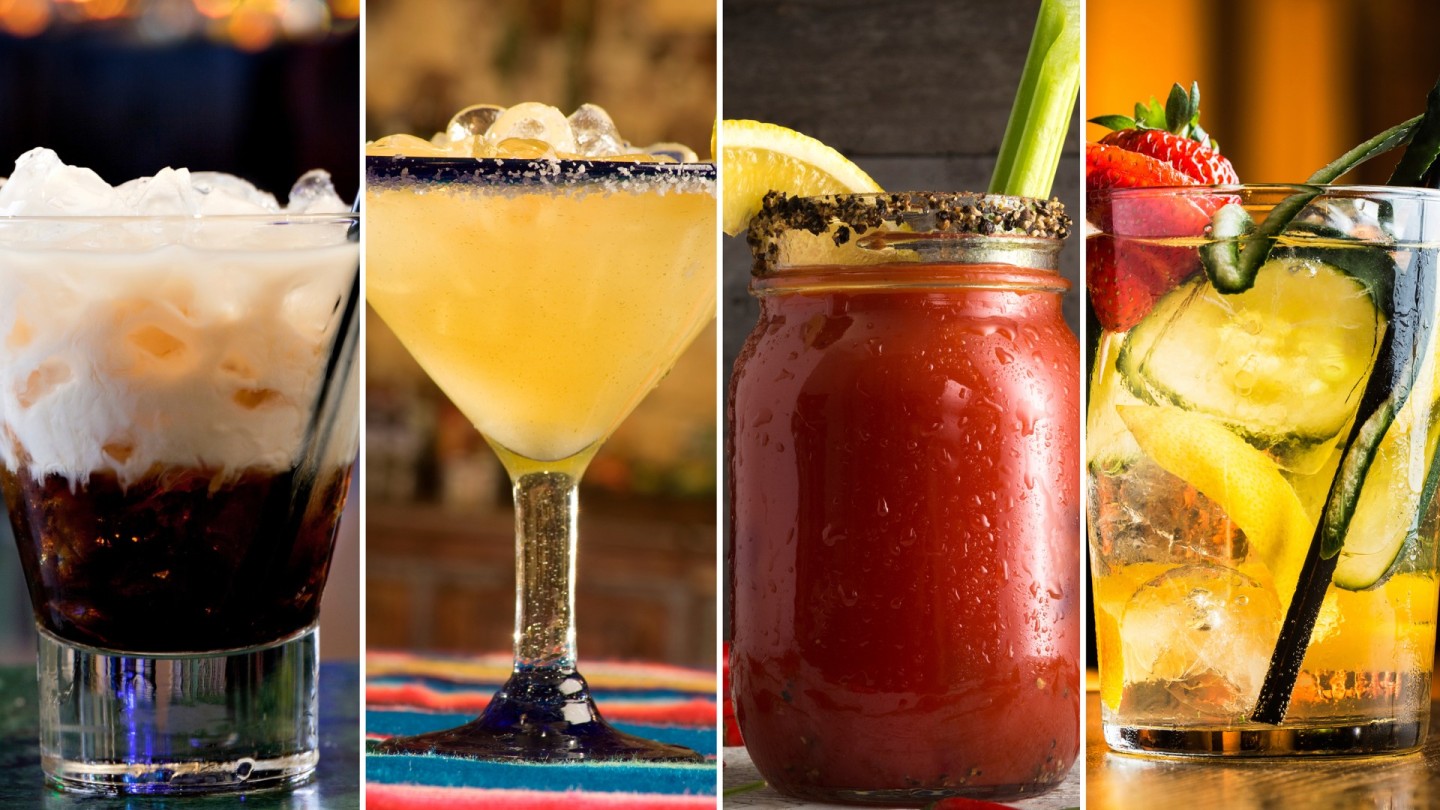
"caption": "The White Russian (from left), Margarita, Bloody Mary and Moscow Mule are some of the most searched cocktails of 2015. Photo: iStockphoto",
"description": "The White Russian (from left), Margarita, Bloody Mary and Moscow Mule are some of the most searched cocktails of 2015.",
"title": "The White Russian (from left), Margarita, Bloody Mary and Moscow Mule are some of the most searched cocktails of 2015.",
"credit": null,
"status": "inherit",
"isLoading": false,
"fetchFailed": false
}
},
"audioPlayerReducer": {
"postId": "stream_live",
"isPaused": true,
"isPlaying": false,
"pfsActive": false,
"pledgeModalIsOpen": true,
"playerDrawerIsOpen": false,
"liveAudioPlayStartedAt": 0,
"liveAudioPlayContext": ""
},
"authorsReducer": {
"byline_bayareabites_94397": {
"type": "authors",
"id": "byline_bayareabites_94397",
"meta": {
"override": true
},
"slug": "byline_bayareabites_94397",
"name": "Eliza Barclay",
"isLoading": false
},
"byline_bayareabites_94286": {
"type": "authors",
"id": "byline_bayareabites_94286",
"meta": {
"override": true
},
"slug": "byline_bayareabites_94286",
"name": "Dan Charles",
"isLoading": false
},
"byline_bayareabites_94247": {
"type": "authors",
"id": "byline_bayareabites_94247",
"meta": {
"override": true
},
"slug": "byline_bayareabites_94247",
"name": "Elise Hu",
"isLoading": false
},
"byline_bayareabites_94170": {
"type": "authors",
"id": "byline_bayareabites_94170",
"meta": {
"override": true
},
"slug": "byline_bayareabites_94170",
"name": "Dan Charles",
"isLoading": false
},
"byline_bayareabites_93712": {
"type": "authors",
"id": "byline_bayareabites_93712",
"meta": {
"override": true
},
"slug": "byline_bayareabites_93712",
"name": "Eliza Barclay",
"isLoading": false
},
"wendy-goodfriend": {
"type": "authors",
"id": "5014",
"meta": {
"index": "authors_1716337520",
"id": "5014",
"found": true
},
"name": "Wendy Goodfriend",
"firstName": "Wendy",
"lastName": "Goodfriend",
"slug": "wendy-goodfriend",
"email": "wendy@wendygoodfriend.com",
"display_author_email": false,
"staff_mastheads": [],
"title": "KQED Contributor",
"bio": "I was the Senior Digital Producer for KQED Food up until July, 2018. Since 2001, I designed, produced, managed and contributed to mostly food-related websites and blogs for KQED including: KQED.org; KQED Food; Bay Area Bites; Check, Please! Bay Area; Taste This; Celebrity Chefs; seven of Jacques Pepin's TV series websites; and Joanne Weir's Cooking in the City. I initiated the majority of KQED Food's social media feeds and maintained them up until 2017. As far as content creation, photography is my passion and I also shoot video and write stories. My photos have been used in articles for KQED Food, News, Arts, and Science as well as for promotional purposes in print and online. Professional education and training includes: clinical psychology, photography, commercial cooking, web design, information architecture and UX.",
"avatar": "https://secure.gravatar.com/avatar/dfba64372339cc34cf17e446e6f18fa8?s=600&d=blank&r=g",
"twitter": null,
"facebook": "bayareabites",
"instagram": null,
"linkedin": "wendygoodfriend",
"sites": [
{
"site": "jpepinheart",
"roles": []
},
{
"site": "about",
"roles": [
"editor"
]
},
{
"site": "bayareabites",
"roles": [
"subscriber"
]
},
{
"site": "science",
"roles": [
"administrator"
]
},
{
"site": "checkplease",
"roles": [
"subscriber"
]
},
{
"site": "food",
"roles": [
"author"
]
},
{
"site": "essentialpepin",
"roles": [
"administrator"
]
}
],
"headData": {
"title": "Wendy Goodfriend | KQED",
"description": "KQED Contributor",
"ogImgSrc": "https://secure.gravatar.com/avatar/dfba64372339cc34cf17e446e6f18fa8?s=600&d=blank&r=g",
"twImgSrc": "https://secure.gravatar.com/avatar/dfba64372339cc34cf17e446e6f18fa8?s=600&d=blank&r=g"
},
"isLoading": false,
"link": "/author/wendy-goodfriend"
},
"sarahhenry": {
"type": "authors",
"id": "5125",
"meta": {
"index": "authors_1716337520",
"id": "5125",
"found": true
},
"name": "Sarah Henry",
"firstName": "Sarah",
"lastName": "Henry",
"slug": "sarahhenry",
"email": "sarahhenry0509@gmail.com",
"display_author_email": false,
"staff_mastheads": [],
"title": null,
"bio": "\u003ca href=\"http://www.sarahhenrywriter.com/\">Sarah Henry\u003c/a> hails from Sydney, Australia, where she grew up eating lamingtons, Vegemite, and prawns (not shrimp) on the barbie (barbecue). Sarah has called the Bay Area home for the past two decades and remembers how delighted she was when a modest farmers' market sprouted in downtown San Francisco years ago. As a freelance writer Sarah has covered local food people, places, politics, culture, and news for the \u003ca href=\"http://www.sfgate.com/food/article/Latina-entrepreneurs-share-wealth-knowledge-2693764.php\">San Francisco Chronicle\u003c/a>, \u003ca href=\"http://www.mercurynews.com/food-wine/ci_21619882/good-eggs-pie-subscriptions-and-seafood-deliveries\">San Jose Mercury News\u003c/a>, \u003ca href=\"http://alumni.berkeley.edu/news/california-magazine/fall-2011-good-fight/justice%E2%80%94and-good-grub%E2%80%94-all\">California\u003c/a>, \u003ca href=\"http://www.modernluxury.com/san-francisco\">San Francisco\u003c/a>, \u003ca href=\"http://www.diablomag.com/Diablo-Magazine/November-2012/Artisan-Eats/\">Diablo\u003c/a>, \u003ca href=\"http://www.ediblecommunities.com/eastbay/fall-2012/school-lunch-20.htm\">Edible East Bay\u003c/a>, \u003ca href=\"http://www.ediblecommunities.com/marinandwinecountry/summer-2012-issue-14/getting-wild-at-a-west-marin-supper-club.htm\">Edible Marin & Wine Country\u003c/a>, and \u003ca href=\"http://www.berkeleyside.com/\">Berkeleyside\u003c/a>. A contributor to the national food policy site \u003ca href=\"http://civileats.com/\">Civil Eats\u003c/a>, her stories have also appeared in \u003ca href=\"http://www.theatlantic.com/sarah-henry/\">The Atlantic\u003c/a>, \u003ca href=\"http://www.afar.com/highlights/kamal-mouzawaks-beirut-lebanon\">AFAR\u003c/a>, \u003ca href=\"http://www.gilttaste.com/stories/5207-a-family-tied-together-by-apron-strings\">Gilt Taste\u003c/a>, \u003ca href=\"http://www.lhj.com/community/your-stories/whats-for-dinner-dude/?page=1\">Ladies' Home Journal\u003c/a>, \u003ca href=\"http://grist.org/author/sarah-henry/\">Grist\u003c/a>, \u003ca href=\"http://www.shareable.net/users/sarah-henry\">Shareable\u003c/a>, and \u003ca href=\"http://www.eatingwell.com/food_news_origins/green_sustainable/host_a_diy_food_swap\">Eating Well\u003c/a>. An epicurean tour guide for \u003ca href=\"http://edibleexcursions.net/\">Edible Excursions\u003c/a>, Sarah is the voice behind the blog \u003ca href=\"http://lettuceeatkale.com/\">Lettuce Eat Kale\u003c/a> and \u003ca href=\"http://twitter.com/lettuceeatkale\">tweets\u003c/a> under that moniker too.",
"avatar": "https://secure.gravatar.com/avatar/3fcd7301e44f9b621f8c9fc7ad678ac7?s=600&d=blank&r=g",
"twitter": "lettuceeatkale",
"facebook": "pages/Lettuce-Eat-Kale/239312194611",
"instagram": null,
"linkedin": null,
"sites": [
{
"site": "bayareabites",
"roles": [
"contributor"
]
},
{
"site": "food",
"roles": [
"contributor"
]
}
],
"headData": {
"title": "Sarah Henry | KQED",
"description": null,
"ogImgSrc": "https://secure.gravatar.com/avatar/3fcd7301e44f9b621f8c9fc7ad678ac7?s=600&d=blank&r=g",
"twImgSrc": "https://secure.gravatar.com/avatar/3fcd7301e44f9b621f8c9fc7ad678ac7?s=600&d=blank&r=g"
},
"isLoading": false,
"link": "/author/sarahhenry"
},
"lisalanders": {
"type": "authors",
"id": "5412",
"meta": {
"index": "authors_1716337520",
"id": "5412",
"found": true
},
"name": "Lisa Landers",
"firstName": "Lisa",
"lastName": "Landers",
"slug": "lisalanders",
"email": "llanders@KQED.org",
"display_author_email": false,
"staff_mastheads": [],
"title": "KQED Contributor",
"bio": "Lisa Landers is a producer and writer whose work includes documentaries, museum exhibitions, and educational multimedia. Her work has covered a diversity of subject matter including natural history, ecological and social issues, cultural exploration, food, music, and architecture. She’s developed and produced films for broadcasters such as National Geographic, Smithsonian Channel, and the Discovery Channel. Her work as an exhibition developer and multimedia producer has been featured at institutions including the American Museum of Natural History, the National Building Museum, and The Tech Museum. Her writing has also appeared in a wide variety of print and online publications.",
"avatar": "https://secure.gravatar.com/avatar/1e4aa08f6f0a92ea11a2779a453cb36d?s=600&d=blank&r=g",
"twitter": null,
"bluesky": null,
"facebook": null,
"instagram": null,
"linkedin": null,
"sites": [
{
"site": "bayareabites",
"roles": [
"contributor"
]
},
{
"site": "quest",
"roles": [
"leadcoordinator",
"edit_theme_options",
"subscriber"
]
},
{
"site": "food",
"roles": []
}
],
"headData": {
"title": "Lisa Landers | KQED",
"description": "KQED Contributor",
"ogImgSrc": "https://secure.gravatar.com/avatar/1e4aa08f6f0a92ea11a2779a453cb36d?s=600&d=blank&r=g",
"twImgSrc": "https://secure.gravatar.com/avatar/1e4aa08f6f0a92ea11a2779a453cb36d?s=600&d=blank&r=g"
},
"isLoading": false,
"link": "/author/lisalanders"
},
"alexandrawall": {
"type": "authors",
"id": "5567",
"meta": {
"index": "authors_1716337520",
"id": "5567",
"found": true
},
"name": "Alix Wall",
"firstName": "Alix",
"lastName": "Wall",
"slug": "alexandrawall",
"email": "alixwall@sbcglobal.net",
"display_author_email": false,
"staff_mastheads": [],
"title": null,
"bio": "Alix Wall appeared in her hometown paper in Riverside, California as “Chef of the Week” when she was 15 years old, and in high school, she founded “The Bon Appetit Club.” After working as a journalist for many years, Alix became a certified natural foods chef from Bauman College in Berkeley. While she cooks part-time healthy, organic meals for busy families, she is also a contributing editor of j. weekly, the Bay Area’s Jewish newspaper, in which she has a monthly food column. Her food writing can also be found on Berkeleyside’s NOSH and in Edible East Bay. In addition to food, she loves writing about how couples met and fell in love, which she does for The San Francisco Chronicle’s Style section and j. weekly. In 2016, she founded The Illuminoshi: The Not-So-Secret Society of Bay Area Jewish Food Professionals. She is also writer/producer for a documentary-in-progress called \u003ca href=\"https://www.lonelychildmovie.com/\">The Lonely Child\u003c/a>. Follow Alix on Twitter \u003ca href=\"https://twitter.com/WallAlix\">@WallAlix\u003c/a>.",
"avatar": "https://secure.gravatar.com/avatar/421a27f26a185be932f8d567b499b1f1?s=600&d=blank&r=g",
"twitter": null,
"facebook": null,
"instagram": null,
"linkedin": null,
"sites": [
{
"site": "bayareabites",
"roles": [
"contributor"
]
},
{
"site": "food",
"roles": [
"contributor"
]
}
],
"headData": {
"title": "Alix Wall | KQED",
"description": null,
"ogImgSrc": "https://secure.gravatar.com/avatar/421a27f26a185be932f8d567b499b1f1?s=600&d=blank&r=g",
"twImgSrc": "https://secure.gravatar.com/avatar/421a27f26a185be932f8d567b499b1f1?s=600&d=blank&r=g"
},
"isLoading": false,
"link": "/author/alexandrawall"
},
"angelajohnston": {
"type": "authors",
"id": "5568",
"meta": {
"index": "authors_1716337520",
"id": "5568",
"found": true
},
"name": "Angela Johnston",
"firstName": "Angela",
"lastName": "Johnston",
"slug": "angelajohnston",
"email": "anj618@gmail.com",
"display_author_email": false,
"staff_mastheads": [],
"title": null,
"bio": "Angela Johnston is an independent radio reporter and producer who recently moved back home to the Bay Area after spending the past six years on the east coast of Canada. She has a Master’s Degree in broadcast journalism and is currently making radio stories for KALW's daily news magazine, Crosscurrents. When she's not writing and reporting, she's surfing surf small waves on her longboard or perfecting her paella recipe.",
"avatar": "https://secure.gravatar.com/avatar/29104f87db909d4901d06df73b9db604?s=600&d=blank&r=g",
"twitter": "ang_johnston",
"facebook": null,
"instagram": null,
"linkedin": null,
"sites": [
{
"site": "bayareabites",
"roles": [
"contributor"
]
}
],
"headData": {
"title": "Angela Johnston | KQED",
"description": null,
"ogImgSrc": "https://secure.gravatar.com/avatar/29104f87db909d4901d06df73b9db604?s=600&d=blank&r=g",
"twImgSrc": "https://secure.gravatar.com/avatar/29104f87db909d4901d06df73b9db604?s=600&d=blank&r=g"
},
"isLoading": false,
"link": "/author/angelajohnston"
},
"susanhathaway": {
"type": "authors",
"id": "5578",
"meta": {
"index": "authors_1716337520",
"id": "5578",
"found": true
},
"name": "Susan Hathaway",
"firstName": "Susan",
"lastName": "Hathaway",
"slug": "susanhathaway",
"email": "susan@redpenassoc.com",
"display_author_email": false,
"staff_mastheads": [],
"title": "KQED Contributor",
"bio": "From making blob-shaped pancakes for her family at age 6 to presumptuously reinventing recipes from well-known chefs, Susan has had a life-long food love affair. You'll usually find her sniffing out great ingredient sources, locating intriguing food stories, inventing recipes and exercising like a demon as an antidote to her passion. This Bay Area native is a longtime food & wine journalist and blogger who has contributed to regional publications such as the San Jose Mercury News and its affiliates, Metro, San Francisco Chronicle, South Bay Accent, Urbanspoon and other epistles that are lucky enough not to have been killed off yet by the publishing crisis.",
"avatar": "https://secure.gravatar.com/avatar/50460b73cde689778bd54c5eb183c0993d24c99dd4ed52f8207c15a3af0d7a33?s=600&d=blank&r=g",
"twitter": null,
"bluesky": null,
"facebook": null,
"instagram": null,
"linkedin": null,
"sites": [
{
"site": "bayareabites",
"roles": [
"subscriber"
]
},
{
"site": "food",
"roles": [
"subscriber"
]
}
],
"headData": {
"title": "Susan Hathaway | KQED",
"description": "KQED Contributor",
"ogImgSrc": "https://secure.gravatar.com/avatar/50460b73cde689778bd54c5eb183c0993d24c99dd4ed52f8207c15a3af0d7a33?s=600&d=blank&r=g",
"twImgSrc": "https://secure.gravatar.com/avatar/50460b73cde689778bd54c5eb183c0993d24c99dd4ed52f8207c15a3af0d7a33?s=600&d=blank&r=g"
},
"isLoading": false,
"link": "/author/susanhathaway"
},
"civileat": {
"type": "authors",
"id": "5583",
"meta": {
"index": "authors_1716337520",
"id": "5583",
"found": true
},
"name": "Civil Eats",
"firstName": "Civil",
"lastName": "Eats",
"slug": "civileat",
"email": "twilight@civileats.com",
"display_author_email": false,
"staff_mastheads": [],
"title": null,
"bio": "\u003ca href=\"http://civileats.com/\">Civil Eats\u003c/a> is a daily news source for critical thought about the American food system. We publish stories that shift the conversation around sustainable agriculture in an effort to build economically and socially just communities. Follow Civil Eats on Twitter \u003ca href=\"https://twitter.com/CivilEats\">@civileats\u003c/a> and on \u003ca href=\"https://www.facebook.com/pages/Civil-Eats/56766540637\">Facebook\u003c/a>.",
"avatar": "https://secure.gravatar.com/avatar/8f6f50bfb6403afe7cbc194b66cc1d4d?s=600&d=blank&r=g",
"twitter": "CivilEats",
"facebook": "/pages/Civil-Eats/56766540637?ref=hl",
"instagram": null,
"linkedin": null,
"sites": [
{
"site": "bayareabites",
"roles": [
"contributor"
]
},
{
"site": "food",
"roles": [
"contributor"
]
}
],
"headData": {
"title": "Civil Eats | KQED",
"description": null,
"ogImgSrc": "https://secure.gravatar.com/avatar/8f6f50bfb6403afe7cbc194b66cc1d4d?s=600&d=blank&r=g",
"twImgSrc": "https://secure.gravatar.com/avatar/8f6f50bfb6403afe7cbc194b66cc1d4d?s=600&d=blank&r=g"
},
"isLoading": false,
"link": "/author/civileat"
}
},
"pagesReducer": {
"bayareabites_category_food-and-technology": {
"type": "terms",
"id": "bayareabites_4084",
"meta": {
"index": "terms_1716263798",
"site": "bayareabites",
"id": "4084",
"score": 14.405603
},
"featImg": null,
"name": "food trends and technology",
"description": null,
"taxonomy": "category",
"headData": {
"twImgId": null,
"twTitle": null,
"ogTitle": null,
"ogImgId": null,
"twDescription": null,
"description": null,
"title": "food trends and technology Archives | KQED Bay Area Bites",
"ogDescription": null
},
"ttid": 2573,
"slug": "food-and-technology",
"isLoading": false,
"title": "food trends and technology",
"pageMeta": {
"site": "bayareabites",
"WpPageTemplate": "page-topic-editorial",
"currentPage": 26
},
"blocks": [
{
"blockName": "kqed/post-list",
"attrs": {
"layout": "cardArticle2",
"query": "posts/bayareabites?category=food-and-technology",
"seeMore": false,
"paginated": true,
"page": 26
}
},
{
"blockName": "kqed/ad"
}
]
}
},
"pfsSessionReducer": {},
"postsReducer": {
"stream_live": {
"type": "live",
"id": "stream_live",
"audioUrl": "https://streams.kqed.org/kqedradio",
"title": "Live Stream",
"excerpt": "Live Stream information currently unavailable.",
"link": "/radio",
"featImg": "",
"label": {
"name": "KQED Live",
"link": "/"
}
},
"stream_kqedNewscast": {
"type": "posts",
"id": "stream_kqedNewscast",
"audioUrl": "https://www.kqed.org/.stream/anon/radio/RDnews/newscast.mp3?_=1",
"title": "KQED Newscast",
"featImg": "",
"label": {
"name": "88.5 FM",
"link": "/"
}
},
"bayareabites_95214": {
"type": "posts",
"id": "bayareabites_95214",
"meta": {
"index": "posts_1716263798",
"site": "bayareabites",
"id": "95214",
"score": null,
"sort": [
1429581224000
]
},
"parent": 0,
"labelTerm": {
"site": "bayareabites"
},
"blocks": [],
"publishDate": 1429581224,
"format": "standard",
"disqusTitle": "Green Tiffin Offers San Franciscans a Vegetarian Lunch Option, Delivered",
"title": "Green Tiffin Offers San Franciscans a Vegetarian Lunch Option, Delivered",
"headTitle": "Bay Area Bites | KQED Food",
"content": "\u003cp>When Adrian Tay was growing up, the child of working parents in Malaysia, he’d come home from school to find lunch waiting for him in the form of a tiffin; a hot meal prepared in someone else’s kitchen that was delivered in a reusable metal container.\u003c/p>\n\u003cp>“We ate whatever they were making that day, but it was always good,” said Tay.\u003c/p>\n\u003cp>While the tiffin concept is still very much in use in India, it has spread throughout Southeast Asia as well. Meals are delivered by bike or motorbike, and customers return the empty containers when their next delivery comes.\u003c/p>\n\u003cp>Tay was traveling in India a few years ago, on sabbatical from his corporate career. Seeing tiffins hanging from bicycle handlebars reminded him of the concept once more.\u003c/p>\n\u003cp>“If they can do this in India, why not in San Francisco?” he thought.\u003c/p>\n\u003cp>[ad fullwidth]\u003c/p>\n\u003cp>And he’s given the idea a particular Bay Area spin: \u003ca href=\"https://www.greentiffin.com\" target=\"_blank\">Green Tiffin\u003c/a> has launched this month, offering freshly-cooked healthy vegetarian meals delivered to offices in downtown San Francisco – by electric bike.\u003c/p>\n\u003cp>[gallery type=\"slideshow\" link=\"none\" size=\"full\" ids=\"95220,95221,95222,95223,95255,95230\"]\u003cbr>\n\u003cem>Photo slideshow by \u003ca href=\"http://ww2.kqed.org/bayareabites/author/wendy-goodfriend/\">Wendy Goodfriend\u003c/a>\u003c/em>\u003c/p>\n\u003cp>Tay has years of experience in the corporate world, working for companies such as Mars and Coca-Cola. He was always incredibly ambitious, he said, and finally, a few years ago, while living in Sydney, he had an epiphany.\u003c/p>\n\u003cblockquote>\u003cp>“I was living in one of the most beautiful cities in the world, where I could afford whatever I wanted, but it struck me that the gratification of the job I was doing wasn’t there anymore,” he said. “I began to wonder what the purpose was of selling brown sugar water and candy bars.”\u003c/p>\u003c/blockquote>\n\u003cp>Tay knew his gift was in marketing, but he wanted to put it to use selling something he felt passionate about.\u003c/p>\n\u003cp>He quit his job and went traveling. Interestingly, he became vegetarian while in India, because it was there that he realized he could enjoy a delicious meal just as much there, without missing meat.\u003c/p>\n\u003cp>Since Tay had already lived in San Francisco prior, he returned here and began testing the idea out on friends and family. He then began developing recipes with the help of friends. Tay did not have a professional culinary background. So far, the business is small enough that he personally shops at the Alemany and Civic Center farmers' markets for all the produce they use, with most of it coming from local organic farms.\u003c/p>\n\u003cp>The idea is simple; customers subscribe to the service, paying a $25 refundable deposit for the tiffin itself, which is returned each time a new delivery comes. Customers can order one to two meals a week, for $11 a meal and the price drops to $10 a meal if ordered three times a week or more. Delivery is $2, and Tay is working on having pick-up points where people can walk to get their meals to both get out of the office and save on the delivery charge. The tiffins come in a reusable burlap holder with a bamboo spork, which they keep. The holder is returned with the tiffin inside.\u003c/p>\n\u003cp>Tay spent about nine months working on the concept, developing recipes, branding, and such and now has about 100 regular subscribers. He’s making about 50 meals a day so far, (which is a lot for a few weeks in business, he says).\u003c/p>\n\u003cp>In addition to himself, he’s hired several employees, with two in the kitchen, three making deliveries and two doing promotional work.\u003c/p>\n\u003cp>Tay says he has about 70 items on the menu, so that even if one subscribed five days a week, one would only experience repeated items after about three to four weeks.\u003c/p>\n\u003cp>While vegans and gluten-free eaters can easily be accommodated, it’s much more difficult to accommodate individual preferences, like “I don’t like mushrooms or green peppers.” But because the menu is announced Friday the week before, a subscriber can change their days with enough advance notice, if there’s something they want to avoid.\u003c/p>\n\u003cp>Tay says he thought long and hard whether to offer a meat option, and decided against it.\u003c/p>\n\u003cp>“Most of our customers aren’t vegetarian, but are flexitarians who want to eat healthy,” he said. He doesn’t expect anyone to order from him every day (though he’s fine if they do) and feels people who want meat for lunch can get it elsewhere.\u003c/p>\n\u003cblockquote>\u003cp>“Eating vegetarian just fits better with our model of using less energy and conserving resources,” he said.\u003c/p>\u003c/blockquote>\n\u003cp>So what would a subscriber get on an average day?\u003c/p>\n\u003cfigure id=\"attachment_95234\" class=\"wp-caption aligncenter\" style=\"max-width: 1224px\">\u003cimg src=\"http://ww2.kqed.org/bayareabites/wp-content/uploads/sites/24/2015/04/alix-wall-food-new.jpg\" alt=\"Penang curry with tofu, Japanese eggplant and kabocha squash with marinated mushrooms atop a bed of arugula and spinach is a meal on an average day.\" width=\"1224\" height=\"1632\" class=\"size-full wp-image-95234\" srcset=\"https://ww2.kqed.org/app/uploads/sites/24/2015/04/alix-wall-food-new.jpg 1224w, https://ww2.kqed.org/app/uploads/sites/24/2015/04/alix-wall-food-new-400x533.jpg 400w, https://ww2.kqed.org/app/uploads/sites/24/2015/04/alix-wall-food-new-800x1067.jpg 800w, https://ww2.kqed.org/app/uploads/sites/24/2015/04/alix-wall-food-new-1180x1573.jpg 1180w, https://ww2.kqed.org/app/uploads/sites/24/2015/04/alix-wall-food-new-768x1024.jpg 768w, https://ww2.kqed.org/app/uploads/sites/24/2015/04/alix-wall-food-new-320x427.jpg 320w\" sizes=\"(max-width: 1224px) 100vw, 1224px\">\u003cfigcaption class=\"wp-caption-text\">Penang curry with tofu, Japanese eggplant and kabocha squash with marinated mushrooms atop a bed of arugula and spinach is a meal on an average day. \u003ccite>(Alix Wall)\u003c/cite>\u003c/figcaption>\u003c/figure>\n\u003cp>On the day I sampled Green Tiffin, the upper tier (each tiffin has two tiers) was filled with marinated mushrooms and onions over a bed of baby spinach and arugula, and the bottom tier held a Penang curry with Kabocha squash, snow peas, Japanese eggplant and tofu topped with toasted coconut with a brown and wild rice mix on the side.\u003c/p>\n\u003cp>The mushrooms were especially delicious (they were marinated in a mix of red wine and sherry vinegars overnight, with fresh herbs like parsley and oregano) and while the curry could have been spicier for my liking, it was not at all lacking for flavor. The portion was more than enough for me (though consumers with a larger appetite can specify the “green me up” option for extra).\u003c/p>\n\u003cp>While the meal I got didn’t include any superfoods like hemp or chia seeds or koji berries, those are sometimes in the mix, and every once in awhile a dessert is offered too. Raw foods like zucchini noodles are in rotation as are Asian noodle dishes, veggie burgers made from ingredients such as lentils, beets and nuts, and collard green rolls. Tay is dedicated to the notion of making his customers feel sated but not with an over-the-top food coma that makes returning to work difficult.\u003c/p>\n\u003cp>He’s trying to find that balance where his food is healthy but doesn’t sacrifice anything in terms of having excellent flavor, too. Menus show influences from a wide variety of countries.\u003c/p>\n\u003cp>“Eating something healthy that tastes good shouldn’t be that difficult,” he said.\u003c/p>\n\u003cp>Tay is especially proud of how little waste the company produces (since customers order in advance, he knows exactly how much food to buy) and the tiffin system produces no trash. The electric bikes contribute no fossil fuels to the environment.\u003c/p>\n\u003cfigure id=\"attachment_95228\" class=\"wp-caption aligncenter\" style=\"max-width: 576px\">\u003cimg src=\"http://ww2.kqed.org/bayareabites/wp-content/uploads/sites/24/2015/04/GT-E-Bikes.jpg\" alt=\"If you order from Green Tiffin, your food will be delivered on a bike like this.\" width=\"576\" height=\"413\" class=\"size-full wp-image-95228\" srcset=\"https://ww2.kqed.org/app/uploads/sites/24/2015/04/GT-E-Bikes.jpg 576w, https://ww2.kqed.org/app/uploads/sites/24/2015/04/GT-E-Bikes-400x287.jpg 400w, https://ww2.kqed.org/app/uploads/sites/24/2015/04/GT-E-Bikes-320x229.jpg 320w\" sizes=\"(max-width: 576px) 100vw, 576px\">\u003cfigcaption class=\"wp-caption-text\">If you order from Green Tiffin, your food will be delivered on a bike like this. \u003ccite>(Courtesy of Green Tiffin)\u003c/cite>\u003c/figcaption>\u003c/figure>\n\u003cp>He can cater company lunches up to 20 servings, he said, and his delivery area includes downtown and SOMA to the Civic Center.\u003c/p>\n\u003cp>Tay has funded the venture by himself so far, and is looking into becoming a B Corporation. He is wary of outside investors to scale up because he doesn’t want to compromise his values, and once profitable, he intends to donate a portion of each sale to anti-hunger or nutrition education programs.\u003c/p>\n\u003cblockquote>\u003cp>“It happens in businesses all the time, where the goals of the investors are different from that of the original founder, and certain ideals are compromised, like no longer sourcing food from local farms to cut corners,” he said. “I am committed to not letting that happen.”\u003c/p>\u003c/blockquote>\n\u003cfigure id=\"attachment_95219\" class=\"wp-caption aligncenter\" style=\"max-width: 1920px\">\u003cimg src=\"http://ww2.kqed.org/bayareabites/wp-content/uploads/sites/24/2015/04/adrian-tay-green-tiffin1920b.jpg\" alt=\"Adrian Tay, founder/owner of Green Tiffin\" width=\"1920\" height=\"1826\" class=\"size-full wp-image-95219\" srcset=\"https://ww2.kqed.org/app/uploads/sites/24/2015/04/adrian-tay-green-tiffin1920b.jpg 1920w, https://ww2.kqed.org/app/uploads/sites/24/2015/04/adrian-tay-green-tiffin1920b-400x380.jpg 400w, https://ww2.kqed.org/app/uploads/sites/24/2015/04/adrian-tay-green-tiffin1920b-800x761.jpg 800w, https://ww2.kqed.org/app/uploads/sites/24/2015/04/adrian-tay-green-tiffin1920b-1440x1370.jpg 1440w, https://ww2.kqed.org/app/uploads/sites/24/2015/04/adrian-tay-green-tiffin1920b-1180x1122.jpg 1180w, https://ww2.kqed.org/app/uploads/sites/24/2015/04/adrian-tay-green-tiffin1920b-768x730.jpg 768w, https://ww2.kqed.org/app/uploads/sites/24/2015/04/adrian-tay-green-tiffin1920b-320x304.jpg 320w\" sizes=\"(max-width: 1920px) 100vw, 1920px\">\u003cfigcaption class=\"wp-caption-text\">Adrian Tay, founder/owner of Green Tiffin \u003ccite>(Wendy Goodfriend)\u003c/cite>\u003c/figcaption>\u003c/figure>\n\u003cp>[ad floatright]\u003c/p>\n\u003cp>\u003cstrong>Information:\u003c/strong>\u003cbr>\n\u003ca href=\"https://www.greentiffin.com/\" target=\"_blank\">\u003cstrong>Green Tiffin\u003c/strong>\u003c/a>\u003cbr>\nFacebook: \u003ca href=\"https://www.facebook.com/greentiffin\" target=\"_blank\">Green Tiffin\u003c/a>\u003cbr>\nTwitter: \u003ca href=\"https://twitter.com/greentiffin\" target=\"_blank\">@greentiffin\u003c/a>\u003c/p>\n\n",
"disqusIdentifier": "95214 http://ww2.kqed.org/bayareabites/?p=95214",
"disqusUrl": "https://ww2.kqed.org/bayareabites/2015/04/20/green-tiffin-offers-san-franciscans-a-vegetarian-lunch-option-delivered/",
"stats": {
"hasVideo": false,
"hasChartOrMap": false,
"hasAudio": false,
"hasPolis": false,
"wordCount": 1311,
"hasGoogleForm": false,
"hasGallery": true,
"hasHearkenModule": false,
"iframeSrcs": [],
"paragraphCount": 33
},
"modified": 1470970668,
"excerpt": "Start-up Green Tiffin offers vegetarian lunches in downtown San Francisco in reusable containers, delivered via electric bike.",
"headData": {
"twImgId": "",
"twTitle": "",
"ogTitle": "",
"ogImgId": "",
"twDescription": "",
"description": "Start-up Green Tiffin offers vegetarian lunches in downtown San Francisco in reusable containers, delivered via electric bike.",
"title": "Green Tiffin Offers San Franciscans a Vegetarian Lunch Option, Delivered | KQED",
"ogDescription": "",
"schema": {
"@context": "https://schema.org",
"@type": "Article",
"headline": "Green Tiffin Offers San Franciscans a Vegetarian Lunch Option, Delivered",
"datePublished": "2015-04-20T18:53:44-07:00",
"dateModified": "2016-08-11T19:57:48-07:00",
"image": "https://cdn.kqed.org/wp-content/uploads/2020/02/KQED-OG-Image@1x.png"
}
},
"guestAuthors": [],
"slug": "green-tiffin-offers-san-franciscans-a-vegetarian-lunch-option-delivered",
"status": "publish",
"path": "/bayareabites/95214/green-tiffin-offers-san-franciscans-a-vegetarian-lunch-option-delivered",
"audioTrackLength": null,
"parsedContent": [
{
"type": "contentString",
"content": "\u003cdiv class=\"post-body\">\u003cp>\u003cp>When Adrian Tay was growing up, the child of working parents in Malaysia, he’d come home from school to find lunch waiting for him in the form of a tiffin; a hot meal prepared in someone else’s kitchen that was delivered in a reusable metal container.\u003c/p>\n\u003cp>“We ate whatever they were making that day, but it was always good,” said Tay.\u003c/p>\n\u003cp>While the tiffin concept is still very much in use in India, it has spread throughout Southeast Asia as well. Meals are delivered by bike or motorbike, and customers return the empty containers when their next delivery comes.\u003c/p>\n\u003cp>Tay was traveling in India a few years ago, on sabbatical from his corporate career. Seeing tiffins hanging from bicycle handlebars reminded him of the concept once more.\u003c/p>\n\u003cp>“If they can do this in India, why not in San Francisco?” he thought.\u003c/p>\n\u003cp>\u003c/p>\u003c/div>",
"attributes": {
"named": {},
"numeric": []
}
},
{
"type": "component",
"content": "",
"name": "ad",
"attributes": {
"named": {
"label": "fullwidth"
},
"numeric": [
"fullwidth"
]
}
},
{
"type": "contentString",
"content": "\u003cdiv class=\"post-body\">\u003cp>\u003c/p>\n\u003cp>And he’s given the idea a particular Bay Area spin: \u003ca href=\"https://www.greentiffin.com\" target=\"_blank\">Green Tiffin\u003c/a> has launched this month, offering freshly-cooked healthy vegetarian meals delivered to offices in downtown San Francisco – by electric bike.\u003c/p>\n\u003cp>\u003c/p>\u003c/div>",
"attributes": {
"named": {},
"numeric": []
}
},
{
"type": "component",
"content": "",
"name": "gallery",
"attributes": {
"named": {
"type": "slideshow",
"link": "none",
"size": "full",
"ids": "95220,95221,95222,95223,95255,95230",
"label": ""
},
"numeric": []
}
},
{
"type": "contentString",
"content": "\u003cdiv class=\"post-body\">\u003cp>\u003cbr>\n\u003cem>Photo slideshow by \u003ca href=\"http://ww2.kqed.org/bayareabites/author/wendy-goodfriend/\">Wendy Goodfriend\u003c/a>\u003c/em>\u003c/p>\n\u003cp>Tay has years of experience in the corporate world, working for companies such as Mars and Coca-Cola. He was always incredibly ambitious, he said, and finally, a few years ago, while living in Sydney, he had an epiphany.\u003c/p>\n\u003cblockquote>\u003cp>“I was living in one of the most beautiful cities in the world, where I could afford whatever I wanted, but it struck me that the gratification of the job I was doing wasn’t there anymore,” he said. “I began to wonder what the purpose was of selling brown sugar water and candy bars.”\u003c/p>\u003c/blockquote>\n\u003cp>Tay knew his gift was in marketing, but he wanted to put it to use selling something he felt passionate about.\u003c/p>\n\u003cp>He quit his job and went traveling. Interestingly, he became vegetarian while in India, because it was there that he realized he could enjoy a delicious meal just as much there, without missing meat.\u003c/p>\n\u003cp>Since Tay had already lived in San Francisco prior, he returned here and began testing the idea out on friends and family. He then began developing recipes with the help of friends. Tay did not have a professional culinary background. So far, the business is small enough that he personally shops at the Alemany and Civic Center farmers' markets for all the produce they use, with most of it coming from local organic farms.\u003c/p>\n\u003cp>The idea is simple; customers subscribe to the service, paying a $25 refundable deposit for the tiffin itself, which is returned each time a new delivery comes. Customers can order one to two meals a week, for $11 a meal and the price drops to $10 a meal if ordered three times a week or more. Delivery is $2, and Tay is working on having pick-up points where people can walk to get their meals to both get out of the office and save on the delivery charge. The tiffins come in a reusable burlap holder with a bamboo spork, which they keep. The holder is returned with the tiffin inside.\u003c/p>\n\u003cp>Tay spent about nine months working on the concept, developing recipes, branding, and such and now has about 100 regular subscribers. He’s making about 50 meals a day so far, (which is a lot for a few weeks in business, he says).\u003c/p>\n\u003cp>In addition to himself, he’s hired several employees, with two in the kitchen, three making deliveries and two doing promotional work.\u003c/p>\n\u003cp>Tay says he has about 70 items on the menu, so that even if one subscribed five days a week, one would only experience repeated items after about three to four weeks.\u003c/p>\n\u003cp>While vegans and gluten-free eaters can easily be accommodated, it’s much more difficult to accommodate individual preferences, like “I don’t like mushrooms or green peppers.” But because the menu is announced Friday the week before, a subscriber can change their days with enough advance notice, if there’s something they want to avoid.\u003c/p>\n\u003cp>Tay says he thought long and hard whether to offer a meat option, and decided against it.\u003c/p>\n\u003cp>“Most of our customers aren’t vegetarian, but are flexitarians who want to eat healthy,” he said. He doesn’t expect anyone to order from him every day (though he’s fine if they do) and feels people who want meat for lunch can get it elsewhere.\u003c/p>\n\u003cblockquote>\u003cp>“Eating vegetarian just fits better with our model of using less energy and conserving resources,” he said.\u003c/p>\u003c/blockquote>\n\u003cp>So what would a subscriber get on an average day?\u003c/p>\n\u003cfigure id=\"attachment_95234\" class=\"wp-caption aligncenter\" style=\"max-width: 1224px\">\u003cimg src=\"http://ww2.kqed.org/bayareabites/wp-content/uploads/sites/24/2015/04/alix-wall-food-new.jpg\" alt=\"Penang curry with tofu, Japanese eggplant and kabocha squash with marinated mushrooms atop a bed of arugula and spinach is a meal on an average day.\" width=\"1224\" height=\"1632\" class=\"size-full wp-image-95234\" srcset=\"https://ww2.kqed.org/app/uploads/sites/24/2015/04/alix-wall-food-new.jpg 1224w, https://ww2.kqed.org/app/uploads/sites/24/2015/04/alix-wall-food-new-400x533.jpg 400w, https://ww2.kqed.org/app/uploads/sites/24/2015/04/alix-wall-food-new-800x1067.jpg 800w, https://ww2.kqed.org/app/uploads/sites/24/2015/04/alix-wall-food-new-1180x1573.jpg 1180w, https://ww2.kqed.org/app/uploads/sites/24/2015/04/alix-wall-food-new-768x1024.jpg 768w, https://ww2.kqed.org/app/uploads/sites/24/2015/04/alix-wall-food-new-320x427.jpg 320w\" sizes=\"(max-width: 1224px) 100vw, 1224px\">\u003cfigcaption class=\"wp-caption-text\">Penang curry with tofu, Japanese eggplant and kabocha squash with marinated mushrooms atop a bed of arugula and spinach is a meal on an average day. \u003ccite>(Alix Wall)\u003c/cite>\u003c/figcaption>\u003c/figure>\n\u003cp>On the day I sampled Green Tiffin, the upper tier (each tiffin has two tiers) was filled with marinated mushrooms and onions over a bed of baby spinach and arugula, and the bottom tier held a Penang curry with Kabocha squash, snow peas, Japanese eggplant and tofu topped with toasted coconut with a brown and wild rice mix on the side.\u003c/p>\n\u003cp>The mushrooms were especially delicious (they were marinated in a mix of red wine and sherry vinegars overnight, with fresh herbs like parsley and oregano) and while the curry could have been spicier for my liking, it was not at all lacking for flavor. The portion was more than enough for me (though consumers with a larger appetite can specify the “green me up” option for extra).\u003c/p>\n\u003cp>While the meal I got didn’t include any superfoods like hemp or chia seeds or koji berries, those are sometimes in the mix, and every once in awhile a dessert is offered too. Raw foods like zucchini noodles are in rotation as are Asian noodle dishes, veggie burgers made from ingredients such as lentils, beets and nuts, and collard green rolls. Tay is dedicated to the notion of making his customers feel sated but not with an over-the-top food coma that makes returning to work difficult.\u003c/p>\n\u003cp>He’s trying to find that balance where his food is healthy but doesn’t sacrifice anything in terms of having excellent flavor, too. Menus show influences from a wide variety of countries.\u003c/p>\n\u003cp>“Eating something healthy that tastes good shouldn’t be that difficult,” he said.\u003c/p>\n\u003cp>Tay is especially proud of how little waste the company produces (since customers order in advance, he knows exactly how much food to buy) and the tiffin system produces no trash. The electric bikes contribute no fossil fuels to the environment.\u003c/p>\n\u003cfigure id=\"attachment_95228\" class=\"wp-caption aligncenter\" style=\"max-width: 576px\">\u003cimg src=\"http://ww2.kqed.org/bayareabites/wp-content/uploads/sites/24/2015/04/GT-E-Bikes.jpg\" alt=\"If you order from Green Tiffin, your food will be delivered on a bike like this.\" width=\"576\" height=\"413\" class=\"size-full wp-image-95228\" srcset=\"https://ww2.kqed.org/app/uploads/sites/24/2015/04/GT-E-Bikes.jpg 576w, https://ww2.kqed.org/app/uploads/sites/24/2015/04/GT-E-Bikes-400x287.jpg 400w, https://ww2.kqed.org/app/uploads/sites/24/2015/04/GT-E-Bikes-320x229.jpg 320w\" sizes=\"(max-width: 576px) 100vw, 576px\">\u003cfigcaption class=\"wp-caption-text\">If you order from Green Tiffin, your food will be delivered on a bike like this. \u003ccite>(Courtesy of Green Tiffin)\u003c/cite>\u003c/figcaption>\u003c/figure>\n\u003cp>He can cater company lunches up to 20 servings, he said, and his delivery area includes downtown and SOMA to the Civic Center.\u003c/p>\n\u003cp>Tay has funded the venture by himself so far, and is looking into becoming a B Corporation. He is wary of outside investors to scale up because he doesn’t want to compromise his values, and once profitable, he intends to donate a portion of each sale to anti-hunger or nutrition education programs.\u003c/p>\n\u003cblockquote>\u003cp>“It happens in businesses all the time, where the goals of the investors are different from that of the original founder, and certain ideals are compromised, like no longer sourcing food from local farms to cut corners,” he said. “I am committed to not letting that happen.”\u003c/p>\u003c/blockquote>\n\u003cfigure id=\"attachment_95219\" class=\"wp-caption aligncenter\" style=\"max-width: 1920px\">\u003cimg src=\"http://ww2.kqed.org/bayareabites/wp-content/uploads/sites/24/2015/04/adrian-tay-green-tiffin1920b.jpg\" alt=\"Adrian Tay, founder/owner of Green Tiffin\" width=\"1920\" height=\"1826\" class=\"size-full wp-image-95219\" srcset=\"https://ww2.kqed.org/app/uploads/sites/24/2015/04/adrian-tay-green-tiffin1920b.jpg 1920w, https://ww2.kqed.org/app/uploads/sites/24/2015/04/adrian-tay-green-tiffin1920b-400x380.jpg 400w, https://ww2.kqed.org/app/uploads/sites/24/2015/04/adrian-tay-green-tiffin1920b-800x761.jpg 800w, https://ww2.kqed.org/app/uploads/sites/24/2015/04/adrian-tay-green-tiffin1920b-1440x1370.jpg 1440w, https://ww2.kqed.org/app/uploads/sites/24/2015/04/adrian-tay-green-tiffin1920b-1180x1122.jpg 1180w, https://ww2.kqed.org/app/uploads/sites/24/2015/04/adrian-tay-green-tiffin1920b-768x730.jpg 768w, https://ww2.kqed.org/app/uploads/sites/24/2015/04/adrian-tay-green-tiffin1920b-320x304.jpg 320w\" sizes=\"(max-width: 1920px) 100vw, 1920px\">\u003cfigcaption class=\"wp-caption-text\">Adrian Tay, founder/owner of Green Tiffin \u003ccite>(Wendy Goodfriend)\u003c/cite>\u003c/figcaption>\u003c/figure>\n\u003cp>\u003c/p>\u003c/div>",
"attributes": {
"named": {},
"numeric": []
}
},
{
"type": "component",
"content": "",
"name": "ad",
"attributes": {
"named": {
"label": "floatright"
},
"numeric": [
"floatright"
]
}
},
{
"type": "contentString",
"content": "\u003cdiv class=\"post-body\">\u003cp>\u003c/p>\n\u003cp>\u003cstrong>Information:\u003c/strong>\u003cbr>\n\u003ca href=\"https://www.greentiffin.com/\" target=\"_blank\">\u003cstrong>Green Tiffin\u003c/strong>\u003c/a>\u003cbr>\nFacebook: \u003ca href=\"https://www.facebook.com/greentiffin\" target=\"_blank\">Green Tiffin\u003c/a>\u003cbr>\nTwitter: \u003ca href=\"https://twitter.com/greentiffin\" target=\"_blank\">@greentiffin\u003c/a>\u003c/p>\n\n\u003c/div>\u003c/p>",
"attributes": {
"named": {},
"numeric": []
}
}
],
"link": "/bayareabites/95214/green-tiffin-offers-san-franciscans-a-vegetarian-lunch-option-delivered",
"authors": [
"5567",
"5014"
],
"categories": [
"bayareabites_109",
"bayareabites_4084",
"bayareabites_1875",
"bayareabites_60",
"bayareabites_1873"
],
"tags": [
"bayareabites_14381",
"bayareabites_14380",
"bayareabites_14382",
"bayareabites_14745",
"bayareabites_1871",
"bayareabites_108"
],
"featImg": "bayareabites_95218",
"label": "bayareabites"
},
"bayareabites_94734": {
"type": "posts",
"id": "bayareabites_94734",
"meta": {
"index": "posts_1716263798",
"site": "bayareabites",
"id": "94734",
"score": null,
"sort": [
1429032406000
]
},
"parent": 0,
"labelTerm": {
"site": "bayareabites"
},
"blocks": [],
"publishDate": 1429032406,
"format": "standard",
"disqusTitle": "Rediscovering Sauerkraut as a Versatile Health Food",
"title": "Rediscovering Sauerkraut as a Versatile Health Food",
"headTitle": "Bay Area Bites | KQED Food",
"content": "\u003cp>Remember when sauerkraut was just something you slopped on top of your hot dog? These days, people are spooning mounds of it straight onto their plates with hope of reaping the benefits of the “good bugs” found in fermented foods. I knew things had really turned the corner when I saw two women have a veritable showdown at Whole Foods over the last container of \u003ca href=\"http://www.sonomabrinery.com/\" target=\"_blank\" rel=\"noopener\">Sonoma Brinery’s Raw Sauerkraut.\u003c/a>\u003c/p>\n\u003cp>Sauerkraut has recently appeared on my shopping list too (and I don’t eat hotdogs). I’ve even contemplated fermenting my own at home. But I’ve been wondering if these salty-sour cabbage shreds truly merit their re-designation as a health-bestowing food. What exactly are the benefits of eating sauerkraut, and is it any better than eating other kinds of fermented foods? Do all forms of sauerkraut pack the same microbial punch?\u003c/p>\n\u003cp>I’ve also been wondering about how to pair sauerkraut with my meals in more interesting ways, as opposed to sitting like a sad lump on the side of my sandwich.\u003c/p>\n\u003cp>For answers to all of my scientific and culinary questions, I turned to the experts.\u003c/p>\n\u003ch3>Fermentation: Cultivating Bugs with Benefits\u003c/h3>\n\u003cp>At her lab at the University of California, Davis, \u003ca href=\"http://www.marcolab.net/\" target=\"_blank\" rel=\"noopener\">microbiologist Dr. Maria Marco\u003c/a> studies how bacteria and other live organisms can play a role in human health, as well as food quality and safety. She also teaches her students about sauerkraut as a prime example of how the fermentation process works.\u003c/p>\n\u003cfigure id=\"attachment_95052\" class=\"wp-caption aligncenter\" style=\"max-width: 1920px\">\u003cimg class=\"size-full wp-image-95052\" src=\"http://ww2.kqed.org/bayareabites/wp-content/uploads/sites/24/2015/04/BAB-homemade1.jpg\" alt=\"The ferment-your-own sauerkraut trend is on the rise, spurred by the promise of good health.\" width=\"1920\" height=\"1440\" srcset=\"https://ww2.kqed.org/app/uploads/sites/24/2015/04/BAB-homemade1.jpg 1920w, https://ww2.kqed.org/app/uploads/sites/24/2015/04/BAB-homemade1-400x300.jpg 400w, https://ww2.kqed.org/app/uploads/sites/24/2015/04/BAB-homemade1-800x600.jpg 800w, https://ww2.kqed.org/app/uploads/sites/24/2015/04/BAB-homemade1-1440x1080.jpg 1440w, https://ww2.kqed.org/app/uploads/sites/24/2015/04/BAB-homemade1-1180x885.jpg 1180w, https://ww2.kqed.org/app/uploads/sites/24/2015/04/BAB-homemade1-768x576.jpg 768w, https://ww2.kqed.org/app/uploads/sites/24/2015/04/BAB-homemade1-320x240.jpg 320w\" sizes=\"(max-width: 1920px) 100vw, 1920px\">\u003cfigcaption class=\"wp-caption-text\">The ferment-your-own sauerkraut trend is on the rise, spurred by the promise of good health. \u003ccite>(Lisa Landers)\u003c/cite>\u003c/figcaption>\u003c/figure>\n\u003cp>A German word that simply means “sour cabbage,” sauerkraut is traditionally made with just two ingredients: finely shredded cabbage and salt. Fermentation occurs when these ingredients are placed in an airtight container, where the lack of oxygen spawns the growth of lactic acid bacteria. This kind of bacteria causes the natural sugars in the cabbage to convert into lactic acid through a process called “lacto-fermentation, which gives sauerkraut its sour flavor. Both the lactic acid and the added salt help to preserve the cabbage and prevent rotting.\u003c/p>\n\u003cp>[ad fullwidth]\u003c/p>\n\u003cp>After the cabbage has fermented for a few weeks, it’s ready to eat. Brands like Sonoma Brinery package the sauerkraut in its raw form, brimming with life. Live ‘kraut is also sold by other northern California companies like \u003ca href=\"http://www.bubbies.com/\" target=\"_blank\" rel=\"noopener\">Bubbie’s\u003c/a> of San Francisco, \u003ca href=\"http://www.culturedpickleshop.com/index.html\" target=\"_blank\" rel=\"noopener\">Cultured\u003c/a> of Berkeley and \u003ca href=\"http://farmhouseculture.com/\" target=\"_blank\" rel=\"noopener\">Farmhouse Culture\u003c/a> of Santa Cruz, whose sauerkraut comes in a variety of flavors such as ginger beet and horseradish leek. But these are all boutique brands that haven’t quite made the leap into the mainstream yet. The bulk of the sauerkraut sold in American supermarkets and offered at ballparks is not raw; it’s pasteurized to reduce the risk of pathogens. “The problem,” explains Marco, “is that this destroys virtually all of the ‘good’ bacteria along with the bad.”\u003c/p>\n\u003cfigure id=\"attachment_95050\" class=\"wp-caption aligncenter\" style=\"max-width: 1920px\">\u003cimg class=\"size-full wp-image-95050\" src=\"http://ww2.kqed.org/bayareabites/wp-content/uploads/sites/24/2015/04/farmhouse-culture-wendygoodfriend.jpg\" alt=\"Farmhouse Culture of Santa Cruz at the Temescal Farmers' Market in Oakland\" width=\"1920\" height=\"1440\" srcset=\"https://ww2.kqed.org/app/uploads/sites/24/2015/04/farmhouse-culture-wendygoodfriend.jpg 1920w, https://ww2.kqed.org/app/uploads/sites/24/2015/04/farmhouse-culture-wendygoodfriend-400x300.jpg 400w, https://ww2.kqed.org/app/uploads/sites/24/2015/04/farmhouse-culture-wendygoodfriend-800x600.jpg 800w, https://ww2.kqed.org/app/uploads/sites/24/2015/04/farmhouse-culture-wendygoodfriend-1440x1080.jpg 1440w, https://ww2.kqed.org/app/uploads/sites/24/2015/04/farmhouse-culture-wendygoodfriend-1180x885.jpg 1180w, https://ww2.kqed.org/app/uploads/sites/24/2015/04/farmhouse-culture-wendygoodfriend-768x576.jpg 768w, https://ww2.kqed.org/app/uploads/sites/24/2015/04/farmhouse-culture-wendygoodfriend-320x240.jpg 320w\" sizes=\"(max-width: 1920px) 100vw, 1920px\">\u003cfigcaption class=\"wp-caption-text\">Farmhouse Culture of Santa Cruz at the Temescal Farmers' Market in Oakland \u003ccite>(Wendy Goodfriend)\u003c/cite>\u003c/figcaption>\u003c/figure>\n\u003cp>Live bacteria strains like those found in raw sauerkraut are sometimes classified as “probiotic,” a term that’s often stamped on food products to indicate that it contains live bacteria. But according to the World health Organization’s definition, a food should only be classified as probiotic if it contains living microorganisms that are proven to confer health benefits when consumed.\u003c/p>\n\u003cfigure id=\"attachment_95049\" class=\"wp-caption aligncenter\" style=\"max-width: 1920px\">\u003cimg class=\"size-full wp-image-95049\" src=\"http://ww2.kqed.org/bayareabites/wp-content/uploads/sites/24/2015/04/BAB-cultured.jpg\" alt=\"Cultured of Berkeley sells a variety of sauerkraut blends that include more than just cabbage.\" width=\"1920\" height=\"1440\" srcset=\"https://ww2.kqed.org/app/uploads/sites/24/2015/04/BAB-cultured.jpg 1920w, https://ww2.kqed.org/app/uploads/sites/24/2015/04/BAB-cultured-400x300.jpg 400w, https://ww2.kqed.org/app/uploads/sites/24/2015/04/BAB-cultured-800x600.jpg 800w, https://ww2.kqed.org/app/uploads/sites/24/2015/04/BAB-cultured-1440x1080.jpg 1440w, https://ww2.kqed.org/app/uploads/sites/24/2015/04/BAB-cultured-1180x885.jpg 1180w, https://ww2.kqed.org/app/uploads/sites/24/2015/04/BAB-cultured-768x576.jpg 768w, https://ww2.kqed.org/app/uploads/sites/24/2015/04/BAB-cultured-320x240.jpg 320w\" sizes=\"(max-width: 1920px) 100vw, 1920px\">\u003cfigcaption class=\"wp-caption-text\">Cultured of Berkeley sells a variety of sauerkraut blends that include more than just cabbage. \u003ccite>(Lisa Landers)\u003c/cite>\u003c/figcaption>\u003c/figure>\n\u003cp>Semantics aside, eating foods with probiotics is touted as a way to replenish essential microbial communities in our guts that have been diminished by things like antibiotic use. Marco explains that these microbes have little chance of being replaced simply by diet -- especially typical American diets that are loaded with processed and pasteurized foods that are nearly bacteria-free.\u003c/p>\n\u003cp>\u003ca href=\"http://gut.bmj.com/content/62/5/787.full?sid=88412753-52b4-455e-aa7d-abf85121bb87\" target=\"_blank\" rel=\"noopener\">Studies\u003c/a> have shown certain types of lactic acid bacteria can enhance digestion and boost overall immunity, and it’s those bacteria that are responsible for the probiotic buzz. But as Marco points out, most non-toxic bacteria -- including those found in fermented foods -- have not actually been studied enough to warrant a probiotic classification.\u003c/p>\n\u003cp>Another eye-opening fact is that different fermented foods contain different amounts and strains of lactic acid bacteria. So the potential benefits of eating yogurt, for example, may be very different from any benefits associated with eating sauerkraut.\u003c/p>\n\u003ch3>Sauerkraut’s Probiotic Promise\u003c/h3>\n\u003cp>This strain of \u003cem>L. plantarum\u003c/em> that Marco studies is very similar to the one found in the drink product, \u003ca href=\"http://www.goodbelly.com\" target=\"_blank\" rel=\"noopener\">GoodBelly\u003c/a>. But the bacteria in the GoodBelly drinks don’t occur naturally; they are added. Every serving contains billions of these \u003cem>L.\u003c/em> \u003cem>plantarum\u003c/em> cells, as opposed to the million or so in each serving of fermented sauerkraut (and olives). And you never quite know which strains will naturally evolve in your sauerkraut unless each batch is tested, which would be very costly and time consuming for purveyors.\u003c/p>\n\u003cp>\u003ca href=\"http://www.livestrong.com/article/495907-what-are-the-benefits-of-lacto-fermented-sauerkraut/\" target=\"_blank\" rel=\"noopener\">What is known\u003c/a> is that eating lacto-fermented foods generally helps create a healthier environment in your gut, which in turn can help ward-off pathogens and support our bodies’ ability to digest and metabolize nutrients. So while you may never know the full microbial make-up of your sauerkraut, it’s likely that it will offer some benefits. We also know that eating cabbage – whether fermented or not – offers a good dose of vitamins, minerals and other \u003ca href=\"http://www.whfoods.com/genpage.php?tname=foodspice&dbid=19\" target=\"_blank\" rel=\"noopener\">health-promoting phytonutrients\u003c/a>.\u003c/p>\n\u003cfigure id=\"attachment_94985\" class=\"wp-caption aligncenter\" style=\"max-width: 1920px\">\u003cimg class=\"size-full wp-image-94985\" src=\"http://ww2.kqed.org/bayareabites/wp-content/uploads/sites/24/2015/04/raw1920a.jpg\" alt=\"Sonoma Brinery's Raw Sauerkraut.\" width=\"1920\" height=\"1440\" srcset=\"https://ww2.kqed.org/app/uploads/sites/24/2015/04/raw1920a.jpg 1920w, https://ww2.kqed.org/app/uploads/sites/24/2015/04/raw1920a-400x300.jpg 400w, https://ww2.kqed.org/app/uploads/sites/24/2015/04/raw1920a-800x600.jpg 800w, https://ww2.kqed.org/app/uploads/sites/24/2015/04/raw1920a-1440x1080.jpg 1440w, https://ww2.kqed.org/app/uploads/sites/24/2015/04/raw1920a-1180x885.jpg 1180w, https://ww2.kqed.org/app/uploads/sites/24/2015/04/raw1920a-768x576.jpg 768w, https://ww2.kqed.org/app/uploads/sites/24/2015/04/raw1920a-320x240.jpg 320w\" sizes=\"(max-width: 1920px) 100vw, 1920px\">\u003cfigcaption class=\"wp-caption-text\">Sonoma Brinery's Raw Sauerkraut. \u003ccite>(Lisa Landers)\u003c/cite>\u003c/figcaption>\u003c/figure>\n\u003ch3>Coaxing Bugs to Tickle Your Taste Buds\u003c/h3>\n\u003cp>Sonoma Brinery’s founder Dave Ehreth doesn’t know exactly what strains of bacteria are in each vat of his popular sauerkraut. What he does know is how to manipulate the microbial magic so that his brew tastes just right.\u003c/p>\n\u003cp>“We halt the process just before a third stage of fermentation so that it doesn’t have that acerbic bite that many other sauerkrauts have.”\u003c/p>\n\u003cp>An electrical engineer with a 28-year tech industry career under his belt, Ehreth decided to apply his self-described “nerd” know-how to making and marketing New York style kosher pickles and raw sauerkraut on the west coast.\u003c/p>\n\u003cp>Since he sold his first batch some 10 years ago, he’s been conferring with scientists and poring over scholarly articles to stay up-to-date on the latest developments in fermentation and probiotic research. He’s also spent time conducting his own culinary research in the kitchen.\u003c/p>\n\u003cblockquote>\u003cp>“Take a dollop of our smoky chipotle sauerkraut and put it on top of a fresh made batch of mac-n-cheese and it will blow your mind.”\u003c/p>\u003c/blockquote>\n\u003cp>Ehreth also suggests using it as a topping for a sauteed onion and swiss cheese egg-scramble. “Add the sauerkraut just at the very end as the cheese starts to melt and you’ll have the perfect breakfast.” Ehreth says the bacteria remain in tact until they hit about 130 degrees, so while you don’t want to cook your sauerkraut -- you do have a little leeway.\u003c/p>\n\u003cp>I haven’t tried either of his suggested sauerkraut combos yet, but my mouth is watering just writing about them. I did try tossing it in with some miso-glazed cod and sautéed veggies, which added a nice contrast to the sweet glaze. These dishes might tempt microbiologist Maria Marco too, who is also a fan of Sonoma Brinery’s sauerkraut.\u003c/p>\n\u003cp>When I asked her if she ate if for the health benefits or the taste, her answer was “both.”\u003c/p>\n\u003cp>[ad floatright]\u003c/p>\n\u003cp>“I love anything sour. The potential health benefits are a bonus.”\u003c/p>\n\n",
"disqusIdentifier": "94734 http://ww2.kqed.org/bayareabites/?p=94734",
"disqusUrl": "https://ww2.kqed.org/bayareabites/2015/04/14/rediscovering-sauerkraut-as-a-versatile-health-food/",
"stats": {
"hasVideo": false,
"hasChartOrMap": false,
"hasAudio": false,
"hasPolis": false,
"wordCount": 1307,
"hasGoogleForm": false,
"hasGallery": false,
"hasHearkenModule": false,
"iframeSrcs": [],
"paragraphCount": 24
},
"modified": 1554328979,
"excerpt": "Raw sauerkraut is flying off the shelves as more studies emerge about the health benefits of consuming probiotics, but does this fermented food live up to the promise? And what’s the tastiest way to eat it without a hot dog on hand?",
"headData": {
"twImgId": "",
"twTitle": "",
"ogTitle": "",
"ogImgId": "",
"twDescription": "",
"description": "Raw sauerkraut is flying off the shelves as more studies emerge about the health benefits of consuming probiotics, but does this fermented food live up to the promise? And what’s the tastiest way to eat it without a hot dog on hand?",
"title": "Rediscovering Sauerkraut as a Versatile Health Food | KQED",
"ogDescription": "",
"schema": {
"@context": "https://schema.org",
"@type": "Article",
"headline": "Rediscovering Sauerkraut as a Versatile Health Food",
"datePublished": "2015-04-14T10:26:46-07:00",
"dateModified": "2019-04-03T15:02:59-07:00",
"image": "https://cdn.kqed.org/wp-content/uploads/2020/02/KQED-OG-Image@1x.png"
}
},
"guestAuthors": [],
"slug": "rediscovering-sauerkraut-as-a-versatile-health-food",
"status": "publish",
"path": "/bayareabites/94734/rediscovering-sauerkraut-as-a-versatile-health-food",
"audioTrackLength": null,
"parsedContent": [
{
"type": "contentString",
"content": "\u003cdiv class=\"post-body\">\u003cp>\u003cp>Remember when sauerkraut was just something you slopped on top of your hot dog? These days, people are spooning mounds of it straight onto their plates with hope of reaping the benefits of the “good bugs” found in fermented foods. I knew things had really turned the corner when I saw two women have a veritable showdown at Whole Foods over the last container of \u003ca href=\"http://www.sonomabrinery.com/\" target=\"_blank\" rel=\"noopener\">Sonoma Brinery’s Raw Sauerkraut.\u003c/a>\u003c/p>\n\u003cp>Sauerkraut has recently appeared on my shopping list too (and I don’t eat hotdogs). I’ve even contemplated fermenting my own at home. But I’ve been wondering if these salty-sour cabbage shreds truly merit their re-designation as a health-bestowing food. What exactly are the benefits of eating sauerkraut, and is it any better than eating other kinds of fermented foods? Do all forms of sauerkraut pack the same microbial punch?\u003c/p>\n\u003cp>I’ve also been wondering about how to pair sauerkraut with my meals in more interesting ways, as opposed to sitting like a sad lump on the side of my sandwich.\u003c/p>\n\u003cp>For answers to all of my scientific and culinary questions, I turned to the experts.\u003c/p>\n\u003ch3>Fermentation: Cultivating Bugs with Benefits\u003c/h3>\n\u003cp>At her lab at the University of California, Davis, \u003ca href=\"http://www.marcolab.net/\" target=\"_blank\" rel=\"noopener\">microbiologist Dr. Maria Marco\u003c/a> studies how bacteria and other live organisms can play a role in human health, as well as food quality and safety. She also teaches her students about sauerkraut as a prime example of how the fermentation process works.\u003c/p>\n\u003cfigure id=\"attachment_95052\" class=\"wp-caption aligncenter\" style=\"max-width: 1920px\">\u003cimg class=\"size-full wp-image-95052\" src=\"http://ww2.kqed.org/bayareabites/wp-content/uploads/sites/24/2015/04/BAB-homemade1.jpg\" alt=\"The ferment-your-own sauerkraut trend is on the rise, spurred by the promise of good health.\" width=\"1920\" height=\"1440\" srcset=\"https://ww2.kqed.org/app/uploads/sites/24/2015/04/BAB-homemade1.jpg 1920w, https://ww2.kqed.org/app/uploads/sites/24/2015/04/BAB-homemade1-400x300.jpg 400w, https://ww2.kqed.org/app/uploads/sites/24/2015/04/BAB-homemade1-800x600.jpg 800w, https://ww2.kqed.org/app/uploads/sites/24/2015/04/BAB-homemade1-1440x1080.jpg 1440w, https://ww2.kqed.org/app/uploads/sites/24/2015/04/BAB-homemade1-1180x885.jpg 1180w, https://ww2.kqed.org/app/uploads/sites/24/2015/04/BAB-homemade1-768x576.jpg 768w, https://ww2.kqed.org/app/uploads/sites/24/2015/04/BAB-homemade1-320x240.jpg 320w\" sizes=\"(max-width: 1920px) 100vw, 1920px\">\u003cfigcaption class=\"wp-caption-text\">The ferment-your-own sauerkraut trend is on the rise, spurred by the promise of good health. \u003ccite>(Lisa Landers)\u003c/cite>\u003c/figcaption>\u003c/figure>\n\u003cp>A German word that simply means “sour cabbage,” sauerkraut is traditionally made with just two ingredients: finely shredded cabbage and salt. Fermentation occurs when these ingredients are placed in an airtight container, where the lack of oxygen spawns the growth of lactic acid bacteria. This kind of bacteria causes the natural sugars in the cabbage to convert into lactic acid through a process called “lacto-fermentation, which gives sauerkraut its sour flavor. Both the lactic acid and the added salt help to preserve the cabbage and prevent rotting.\u003c/p>\n\u003cp>\u003c/p>\u003c/div>",
"attributes": {
"named": {},
"numeric": []
}
},
{
"type": "component",
"content": "",
"name": "ad",
"attributes": {
"named": {
"label": "fullwidth"
},
"numeric": [
"fullwidth"
]
}
},
{
"type": "contentString",
"content": "\u003cdiv class=\"post-body\">\u003cp>\u003c/p>\n\u003cp>After the cabbage has fermented for a few weeks, it’s ready to eat. Brands like Sonoma Brinery package the sauerkraut in its raw form, brimming with life. Live ‘kraut is also sold by other northern California companies like \u003ca href=\"http://www.bubbies.com/\" target=\"_blank\" rel=\"noopener\">Bubbie’s\u003c/a> of San Francisco, \u003ca href=\"http://www.culturedpickleshop.com/index.html\" target=\"_blank\" rel=\"noopener\">Cultured\u003c/a> of Berkeley and \u003ca href=\"http://farmhouseculture.com/\" target=\"_blank\" rel=\"noopener\">Farmhouse Culture\u003c/a> of Santa Cruz, whose sauerkraut comes in a variety of flavors such as ginger beet and horseradish leek. But these are all boutique brands that haven’t quite made the leap into the mainstream yet. The bulk of the sauerkraut sold in American supermarkets and offered at ballparks is not raw; it’s pasteurized to reduce the risk of pathogens. “The problem,” explains Marco, “is that this destroys virtually all of the ‘good’ bacteria along with the bad.”\u003c/p>\n\u003cfigure id=\"attachment_95050\" class=\"wp-caption aligncenter\" style=\"max-width: 1920px\">\u003cimg class=\"size-full wp-image-95050\" src=\"http://ww2.kqed.org/bayareabites/wp-content/uploads/sites/24/2015/04/farmhouse-culture-wendygoodfriend.jpg\" alt=\"Farmhouse Culture of Santa Cruz at the Temescal Farmers' Market in Oakland\" width=\"1920\" height=\"1440\" srcset=\"https://ww2.kqed.org/app/uploads/sites/24/2015/04/farmhouse-culture-wendygoodfriend.jpg 1920w, https://ww2.kqed.org/app/uploads/sites/24/2015/04/farmhouse-culture-wendygoodfriend-400x300.jpg 400w, https://ww2.kqed.org/app/uploads/sites/24/2015/04/farmhouse-culture-wendygoodfriend-800x600.jpg 800w, https://ww2.kqed.org/app/uploads/sites/24/2015/04/farmhouse-culture-wendygoodfriend-1440x1080.jpg 1440w, https://ww2.kqed.org/app/uploads/sites/24/2015/04/farmhouse-culture-wendygoodfriend-1180x885.jpg 1180w, https://ww2.kqed.org/app/uploads/sites/24/2015/04/farmhouse-culture-wendygoodfriend-768x576.jpg 768w, https://ww2.kqed.org/app/uploads/sites/24/2015/04/farmhouse-culture-wendygoodfriend-320x240.jpg 320w\" sizes=\"(max-width: 1920px) 100vw, 1920px\">\u003cfigcaption class=\"wp-caption-text\">Farmhouse Culture of Santa Cruz at the Temescal Farmers' Market in Oakland \u003ccite>(Wendy Goodfriend)\u003c/cite>\u003c/figcaption>\u003c/figure>\n\u003cp>Live bacteria strains like those found in raw sauerkraut are sometimes classified as “probiotic,” a term that’s often stamped on food products to indicate that it contains live bacteria. But according to the World health Organization’s definition, a food should only be classified as probiotic if it contains living microorganisms that are proven to confer health benefits when consumed.\u003c/p>\n\u003cfigure id=\"attachment_95049\" class=\"wp-caption aligncenter\" style=\"max-width: 1920px\">\u003cimg class=\"size-full wp-image-95049\" src=\"http://ww2.kqed.org/bayareabites/wp-content/uploads/sites/24/2015/04/BAB-cultured.jpg\" alt=\"Cultured of Berkeley sells a variety of sauerkraut blends that include more than just cabbage.\" width=\"1920\" height=\"1440\" srcset=\"https://ww2.kqed.org/app/uploads/sites/24/2015/04/BAB-cultured.jpg 1920w, https://ww2.kqed.org/app/uploads/sites/24/2015/04/BAB-cultured-400x300.jpg 400w, https://ww2.kqed.org/app/uploads/sites/24/2015/04/BAB-cultured-800x600.jpg 800w, https://ww2.kqed.org/app/uploads/sites/24/2015/04/BAB-cultured-1440x1080.jpg 1440w, https://ww2.kqed.org/app/uploads/sites/24/2015/04/BAB-cultured-1180x885.jpg 1180w, https://ww2.kqed.org/app/uploads/sites/24/2015/04/BAB-cultured-768x576.jpg 768w, https://ww2.kqed.org/app/uploads/sites/24/2015/04/BAB-cultured-320x240.jpg 320w\" sizes=\"(max-width: 1920px) 100vw, 1920px\">\u003cfigcaption class=\"wp-caption-text\">Cultured of Berkeley sells a variety of sauerkraut blends that include more than just cabbage. \u003ccite>(Lisa Landers)\u003c/cite>\u003c/figcaption>\u003c/figure>\n\u003cp>Semantics aside, eating foods with probiotics is touted as a way to replenish essential microbial communities in our guts that have been diminished by things like antibiotic use. Marco explains that these microbes have little chance of being replaced simply by diet -- especially typical American diets that are loaded with processed and pasteurized foods that are nearly bacteria-free.\u003c/p>\n\u003cp>\u003ca href=\"http://gut.bmj.com/content/62/5/787.full?sid=88412753-52b4-455e-aa7d-abf85121bb87\" target=\"_blank\" rel=\"noopener\">Studies\u003c/a> have shown certain types of lactic acid bacteria can enhance digestion and boost overall immunity, and it’s those bacteria that are responsible for the probiotic buzz. But as Marco points out, most non-toxic bacteria -- including those found in fermented foods -- have not actually been studied enough to warrant a probiotic classification.\u003c/p>\n\u003cp>Another eye-opening fact is that different fermented foods contain different amounts and strains of lactic acid bacteria. So the potential benefits of eating yogurt, for example, may be very different from any benefits associated with eating sauerkraut.\u003c/p>\n\u003ch3>Sauerkraut’s Probiotic Promise\u003c/h3>\n\u003cp>This strain of \u003cem>L. plantarum\u003c/em> that Marco studies is very similar to the one found in the drink product, \u003ca href=\"http://www.goodbelly.com\" target=\"_blank\" rel=\"noopener\">GoodBelly\u003c/a>. But the bacteria in the GoodBelly drinks don’t occur naturally; they are added. Every serving contains billions of these \u003cem>L.\u003c/em> \u003cem>plantarum\u003c/em> cells, as opposed to the million or so in each serving of fermented sauerkraut (and olives). And you never quite know which strains will naturally evolve in your sauerkraut unless each batch is tested, which would be very costly and time consuming for purveyors.\u003c/p>\n\u003cp>\u003ca href=\"http://www.livestrong.com/article/495907-what-are-the-benefits-of-lacto-fermented-sauerkraut/\" target=\"_blank\" rel=\"noopener\">What is known\u003c/a> is that eating lacto-fermented foods generally helps create a healthier environment in your gut, which in turn can help ward-off pathogens and support our bodies’ ability to digest and metabolize nutrients. So while you may never know the full microbial make-up of your sauerkraut, it’s likely that it will offer some benefits. We also know that eating cabbage – whether fermented or not – offers a good dose of vitamins, minerals and other \u003ca href=\"http://www.whfoods.com/genpage.php?tname=foodspice&dbid=19\" target=\"_blank\" rel=\"noopener\">health-promoting phytonutrients\u003c/a>.\u003c/p>\n\u003cfigure id=\"attachment_94985\" class=\"wp-caption aligncenter\" style=\"max-width: 1920px\">\u003cimg class=\"size-full wp-image-94985\" src=\"http://ww2.kqed.org/bayareabites/wp-content/uploads/sites/24/2015/04/raw1920a.jpg\" alt=\"Sonoma Brinery's Raw Sauerkraut.\" width=\"1920\" height=\"1440\" srcset=\"https://ww2.kqed.org/app/uploads/sites/24/2015/04/raw1920a.jpg 1920w, https://ww2.kqed.org/app/uploads/sites/24/2015/04/raw1920a-400x300.jpg 400w, https://ww2.kqed.org/app/uploads/sites/24/2015/04/raw1920a-800x600.jpg 800w, https://ww2.kqed.org/app/uploads/sites/24/2015/04/raw1920a-1440x1080.jpg 1440w, https://ww2.kqed.org/app/uploads/sites/24/2015/04/raw1920a-1180x885.jpg 1180w, https://ww2.kqed.org/app/uploads/sites/24/2015/04/raw1920a-768x576.jpg 768w, https://ww2.kqed.org/app/uploads/sites/24/2015/04/raw1920a-320x240.jpg 320w\" sizes=\"(max-width: 1920px) 100vw, 1920px\">\u003cfigcaption class=\"wp-caption-text\">Sonoma Brinery's Raw Sauerkraut. \u003ccite>(Lisa Landers)\u003c/cite>\u003c/figcaption>\u003c/figure>\n\u003ch3>Coaxing Bugs to Tickle Your Taste Buds\u003c/h3>\n\u003cp>Sonoma Brinery’s founder Dave Ehreth doesn’t know exactly what strains of bacteria are in each vat of his popular sauerkraut. What he does know is how to manipulate the microbial magic so that his brew tastes just right.\u003c/p>\n\u003cp>“We halt the process just before a third stage of fermentation so that it doesn’t have that acerbic bite that many other sauerkrauts have.”\u003c/p>\n\u003cp>An electrical engineer with a 28-year tech industry career under his belt, Ehreth decided to apply his self-described “nerd” know-how to making and marketing New York style kosher pickles and raw sauerkraut on the west coast.\u003c/p>\n\u003cp>Since he sold his first batch some 10 years ago, he’s been conferring with scientists and poring over scholarly articles to stay up-to-date on the latest developments in fermentation and probiotic research. He’s also spent time conducting his own culinary research in the kitchen.\u003c/p>\n\u003cblockquote>\u003cp>“Take a dollop of our smoky chipotle sauerkraut and put it on top of a fresh made batch of mac-n-cheese and it will blow your mind.”\u003c/p>\u003c/blockquote>\n\u003cp>Ehreth also suggests using it as a topping for a sauteed onion and swiss cheese egg-scramble. “Add the sauerkraut just at the very end as the cheese starts to melt and you’ll have the perfect breakfast.” Ehreth says the bacteria remain in tact until they hit about 130 degrees, so while you don’t want to cook your sauerkraut -- you do have a little leeway.\u003c/p>\n\u003cp>I haven’t tried either of his suggested sauerkraut combos yet, but my mouth is watering just writing about them. I did try tossing it in with some miso-glazed cod and sautéed veggies, which added a nice contrast to the sweet glaze. These dishes might tempt microbiologist Maria Marco too, who is also a fan of Sonoma Brinery’s sauerkraut.\u003c/p>\n\u003cp>When I asked her if she ate if for the health benefits or the taste, her answer was “both.”\u003c/p>\n\u003cp>\u003c/p>\u003c/div>",
"attributes": {
"named": {},
"numeric": []
}
},
{
"type": "component",
"content": "",
"name": "ad",
"attributes": {
"named": {
"label": "floatright"
},
"numeric": [
"floatright"
]
}
},
{
"type": "contentString",
"content": "\u003cdiv class=\"post-body\">\u003cp>\u003c/p>\n\u003cp>“I love anything sour. The potential health benefits are a bonus.”\u003c/p>\n\n\u003c/div>\u003c/p>",
"attributes": {
"named": {},
"numeric": []
}
}
],
"link": "/bayareabites/94734/rediscovering-sauerkraut-as-a-versatile-health-food",
"authors": [
"5412"
],
"categories": [
"bayareabites_109",
"bayareabites_4084",
"bayareabites_1245",
"bayareabites_1875",
"bayareabites_358"
],
"tags": [
"bayareabites_740",
"bayareabites_449",
"bayareabites_16382",
"bayareabites_10079"
],
"featImg": "bayareabites_94977",
"label": "bayareabites"
},
"bayareabites_94792": {
"type": "posts",
"id": "bayareabites_94792",
"meta": {
"index": "posts_1716263798",
"site": "bayareabites",
"id": "94792",
"score": null,
"sort": [
1428534476000
]
},
"parent": 0,
"labelTerm": {
"site": "bayareabites"
},
"blocks": [],
"publishDate": 1428534476,
"format": "standard",
"disqusTitle": "Stephen Satterfield: Bridging the Food Movement and the Culinary World",
"title": "Stephen Satterfield: Bridging the Food Movement and the Culinary World",
"headTitle": "Bay Area Bites | KQED Food",
"content": "\u003cp>When Stephen Satterfield moved to San Francisco in the summer of 2010, the restaurant industry veteran had the good fortune of landing a gig managing Nopa, one of the area’s hottest farm-to-table restaurant named for the \u003ca href=\"http://hoodline.com/2014/07/nopa-vs-western-addition-what-s-in-a-name\" target=\"_blank\" rel=\"noopener\">recently rebranded\u003c/a>, fast gentrifying neighborhood where it is located. At the time, the Georgia native had no idea that he’d play a role in connecting the restaurant to its surrounding community.\u003c/p>\n\u003cp>Satterfield began spending time in nearby Alamo Square Park, with its picturesque views and iconic row of Victorian houses called the Painted Ladies. But there was another view that caught his attention: the dramatic façade of the city’s oldest, continuous-running high school.\u003c/p>\n\u003cp>Unlike the tourists or even many local residents, Satterfield noticed a lot of black and brown faces coming in and out of the building. He decided to get to know the Ida B. Wells High School and discovered that it was an alternative school for at-risk youth trying to make up time in courses and credits and come out on the other side with a diploma.\u003c/p>\n\u003cp>The school offers small classes intended to help students who struggle academically. “The students are mainly 16- to 20-year-old black and Latino city kids, from marginalized communities in San Francisco,” says Satterfield. “It’s the school of last resort for these students.”\u003c/p>\n\u003cp>But where some might see challenges, others see potential. Soon Satterfield met seasoned chef Alice Cravens, who runs the culinary arts program housed in the school’s basement called \u003ca href=\"http://heatofthekitchen.org/\" target=\"_blank\" rel=\"noopener\">Heat of the Kitchen\u003c/a>, where students learn valuable skills transferable to the city’s thriving food industry.\u003c/p>\n\u003cp>[ad fullwidth]\u003c/p>\n\u003cp>Cravens, who once owned her own tea shop in the city and worked at the acclaimed Chez Panisse restaurant in Berkeley, is both a collaborator and an inspiration. “Alice is teaching the kids not only how to cook, but how to develop skills as individuals and as part of a team in a professional environment,” he says.\u003c/p>\n\u003cp>The school also has a modest garden, dating back to the 1970s. Satterfield found an overgrown plot with mostly sandy soil. The area’s dense fog and strong winds made it an inhospitable spot for growing produce. There were no real beds or planter boxes, or place to store tools. No matter, Satterfield saw potential. Much like the students inside, any vegetables grown here needed to be resilient and able to withstand harsh conditions.\u003c/p>\n\u003cp>In 2012, the novice gardener set out to reinvigorate and replant the garden along with a few restaurant, school, and community volunteers. That first season not much grew, and Satterfield admits he was dismayed by the paltry harvest. But he didn’t give up. He and a few fellow restaurant volunteers went back in 2014 and built planter boxes and transferred healthy soil donated from a city farm and another high school.\u003c/p>\n\u003cp>He’s now the default garden manager, growing kale, collards, potatoes, lettuce, and herbs. He’s even found a sunny patch where Sungold tomatoes thrive. And all the produce finds a home in the Heat of the Kitchen classroom.\u003c/p>\n\u003cp>This year the school is undergoing extensive renovation and the students have been relocated to another campus until 2016. So Satterfield and other Nopa managers trek across town to the temporary school site to talk with students about job skills and professional development.\u003c/p>\n\u003cp>Satterfield can relate to the angst-filled adolescents and their restlessness; not that long ago he would have described himself the same way. Once the students return to the school, he’d like to help formally integrate gardening into the curriculum.\u003c/p>\n\u003cp>Satterfield’s school garden project may be on temporary hold, but the 30-year-old remains busy with other projects. In 2013, he launched \u003ca href=\"http://www.nopalize.com/\" target=\"_blank\" rel=\"noopener\">Nopalize\u003c/a>, a digital media platform about local food culture in the Bay Area funded by the owners of Nopa. He left his job at the restaurant a year ago to work on Nopalize full time. The site showcases the work of local growers and producers and is geared towards industry-centric food lovers.\u003c/p>\n\u003cfigure id=\"attachment_94794\" class=\"wp-caption aligncenter\" style=\"max-width: 1024px\">\u003cimg class=\"size-full wp-image-94794\" src=\"http://ww2.kqed.org/bayareabites/wp-content/uploads/sites/24/2015/04/nopalize.png\" alt=\"Nopalize\" width=\"1024\" height=\"511\" srcset=\"https://ww2.kqed.org/app/uploads/sites/24/2015/04/nopalize.png 1024w, https://ww2.kqed.org/app/uploads/sites/24/2015/04/nopalize-400x200.png 400w, https://ww2.kqed.org/app/uploads/sites/24/2015/04/nopalize-800x399.png 800w, https://ww2.kqed.org/app/uploads/sites/24/2015/04/nopalize-768x383.png 768w, https://ww2.kqed.org/app/uploads/sites/24/2015/04/nopalize-320x160.png 320w\" sizes=\"(max-width: 1024px) 100vw, 1024px\">\u003cfigcaption class=\"wp-caption-text\">\u003ca href=\"http://www.nopalize.com/\" target=\"_blank\" rel=\"noopener\">Nopalize\u003c/a>\u003c/figcaption>\u003c/figure>\n\u003cp>Here’s the thing about Satterfield: He straddles both the food movement and culinary crowds. And that’s kept him fresh, curious, and hungry. A striking, string bean of a man, Satterfield is an avid explorer, whose winding path has lead him to want to bring people closer by connecting through food and farming.\u003c/p>\n\u003cp>A sommelier by training and profession, Satterfield had long been drawn to San Francisco, its surrounding natural beauty and proximity to the Wine Country.\u003c/p>\n\u003cp>His wine education came early, courtesy of a high school friend’s father, whose cellar was loaded with fine vintages from Italy and France. From Georgia he decamped to the West Coast, to attend University of Oregon at Eugene, but dropped out and enrolled in the Western Culinary Institute’s School of Hospitality and Restaurant Management in nearby Portland. “That’s where I cut my teeth on fine food and wine,” he says. “And since the very first day of class I’ve had zero doubts that I’d be in this business for life.”\u003c/p>\n\u003cp>Satterfield found a job at Portland’s posh Benson Hotel, then enrolled in sommelier classes via the International Sommelier Guild and had the chance to introduce hotel guests to obscure wines from around the globe by hosting daily tastings in the lobby for a steady stream of, he says, mostly middle-aged ladies from Arizona and Washington. He was just 21.\u003c/p>\n\u003cp>But he wanted to reach a wider audience. In 2007, he founded a nonprofit called the International Society for Africans and Wine, which helped black South Africans break into the winemaking market. The organization, which disbanded in 2012, helped African growers get their wines into U.S. markets and used wine as a catalyst for economic development.\u003c/p>\n\u003cp>Burned out from charity work, Satterfield then briefly moved to the Sierra Foothills and lived on a farm, where he “dug ditches, burned stuff, hammered stuff, and shoveled, shoveled, shoveled.” The rural life proved too isolating, so he headed to San Francisco, where he quickly fell back into restaurant work and embraced the Bay Area’s thriving culinary scene and access to abundant, farm-fresh food.\u003c/p>\n\u003cp>Satterfield grew up on Southern cuisine: fried chicken, cornbread, mac and cheese, fried catfish, hushpuppies, collard greens, and, on Sunday, lots of sweet treats, in a house where his dad was the resident chef and gatherings around the dinner table were a common occurrence.\u003c/p>\n\u003cp>His grandmother’s death at age 59 from diabetes was a wake-up call for his whole family. “It was really sobering for us, because homemade cakes and pies were such a big part of not just eating, but our fellowship,” he says. “My mom in particular became an incredibly healthy eater after this happened. We still eat our sweets using my granny’s recipes, but less.”\u003c/p>\n\u003cp>Satterfield continues his family tradition of finding fellowship through food in his work. Last year, at Nopalize he launched an offline series of \u003ca href=\"http://www.nopalize.com/p/seasons.html\" target=\"_blank\" rel=\"noopener\">farm tours and lunches\u003c/a> to help connect people to their food in real life. That series will kick off again later this spring. The intimate, interactive trips have proved a hit with Nopalize fans. And they also represent a palpable desire on his part to engage with the food producers in his community.\u003c/p>\n\u003cp>[ad floatright]\u003c/p>\n\u003cp>“It’s no surprise that a restless soul like mine wandered to new places, but what has been a surprise is how this love affair with food and wine has taken my attention and quieted the pacing,” wrote Satterfield in a recent piece for \u003ca href=\"http://ediblemarinandwinecountry.com/summer-2014/the-good-food-activists/\" target=\"_blank\" rel=\"noopener\">\u003cem>Edible Marin and Wine Country\u003c/em>\u003c/a>. “I have found my life’s purpose while establishing deep, lifelong connections.”\u003c/p>\n\n",
"disqusIdentifier": "94792 http://ww2.kqed.org/bayareabites/?p=94792",
"disqusUrl": "https://ww2.kqed.org/bayareabites/2015/04/08/stephen-satterfield-bridging-the-food-movement-and-the-culinary-world/",
"stats": {
"hasVideo": false,
"hasChartOrMap": false,
"hasAudio": false,
"hasPolis": false,
"wordCount": 1332,
"hasGoogleForm": false,
"hasGallery": false,
"hasHearkenModule": false,
"iframeSrcs": [],
"paragraphCount": 24
},
"modified": 1554328017,
"excerpt": "When Stephen Satterfield moved to San Francisco in the summer of 2010, the restaurant industry veteran had the good fortune of landing a gig managing Nopa, one of the area’s hottest farm-to-table restaurant named for the recently rebranded, fast gentrifying neighborhood where it is located. At the time, the Georgia native had no idea that he’d play a role in connecting the restaurant to its surrounding community.",
"headData": {
"twImgId": "",
"twTitle": "",
"ogTitle": "",
"ogImgId": "",
"twDescription": "",
"description": "When Stephen Satterfield moved to San Francisco in the summer of 2010, the restaurant industry veteran had the good fortune of landing a gig managing Nopa, one of the area’s hottest farm-to-table restaurant named for the recently rebranded, fast gentrifying neighborhood where it is located. At the time, the Georgia native had no idea that he’d play a role in connecting the restaurant to its surrounding community.",
"title": "Stephen Satterfield: Bridging the Food Movement and the Culinary World | KQED",
"ogDescription": "",
"schema": {
"@context": "https://schema.org",
"@type": "Article",
"headline": "Stephen Satterfield: Bridging the Food Movement and the Culinary World",
"datePublished": "2015-04-08T16:07:56-07:00",
"dateModified": "2019-04-03T14:46:57-07:00",
"image": "https://cdn.kqed.org/wp-content/uploads/2020/02/KQED-OG-Image@1x.png"
}
},
"guestAuthors": [],
"slug": "stephen-satterfield-bridging-the-food-movement-and-the-culinary-world",
"status": "publish",
"path": "/bayareabites/94792/stephen-satterfield-bridging-the-food-movement-and-the-culinary-world",
"audioTrackLength": null,
"parsedContent": [
{
"type": "contentString",
"content": "\u003cdiv class=\"post-body\">\u003cp>\u003cp>When Stephen Satterfield moved to San Francisco in the summer of 2010, the restaurant industry veteran had the good fortune of landing a gig managing Nopa, one of the area’s hottest farm-to-table restaurant named for the \u003ca href=\"http://hoodline.com/2014/07/nopa-vs-western-addition-what-s-in-a-name\" target=\"_blank\" rel=\"noopener\">recently rebranded\u003c/a>, fast gentrifying neighborhood where it is located. At the time, the Georgia native had no idea that he’d play a role in connecting the restaurant to its surrounding community.\u003c/p>\n\u003cp>Satterfield began spending time in nearby Alamo Square Park, with its picturesque views and iconic row of Victorian houses called the Painted Ladies. But there was another view that caught his attention: the dramatic façade of the city’s oldest, continuous-running high school.\u003c/p>\n\u003cp>Unlike the tourists or even many local residents, Satterfield noticed a lot of black and brown faces coming in and out of the building. He decided to get to know the Ida B. Wells High School and discovered that it was an alternative school for at-risk youth trying to make up time in courses and credits and come out on the other side with a diploma.\u003c/p>\n\u003cp>The school offers small classes intended to help students who struggle academically. “The students are mainly 16- to 20-year-old black and Latino city kids, from marginalized communities in San Francisco,” says Satterfield. “It’s the school of last resort for these students.”\u003c/p>\n\u003cp>But where some might see challenges, others see potential. Soon Satterfield met seasoned chef Alice Cravens, who runs the culinary arts program housed in the school’s basement called \u003ca href=\"http://heatofthekitchen.org/\" target=\"_blank\" rel=\"noopener\">Heat of the Kitchen\u003c/a>, where students learn valuable skills transferable to the city’s thriving food industry.\u003c/p>\n\u003cp>\u003c/p>\u003c/div>",
"attributes": {
"named": {},
"numeric": []
}
},
{
"type": "component",
"content": "",
"name": "ad",
"attributes": {
"named": {
"label": "fullwidth"
},
"numeric": [
"fullwidth"
]
}
},
{
"type": "contentString",
"content": "\u003cdiv class=\"post-body\">\u003cp>\u003c/p>\n\u003cp>Cravens, who once owned her own tea shop in the city and worked at the acclaimed Chez Panisse restaurant in Berkeley, is both a collaborator and an inspiration. “Alice is teaching the kids not only how to cook, but how to develop skills as individuals and as part of a team in a professional environment,” he says.\u003c/p>\n\u003cp>The school also has a modest garden, dating back to the 1970s. Satterfield found an overgrown plot with mostly sandy soil. The area’s dense fog and strong winds made it an inhospitable spot for growing produce. There were no real beds or planter boxes, or place to store tools. No matter, Satterfield saw potential. Much like the students inside, any vegetables grown here needed to be resilient and able to withstand harsh conditions.\u003c/p>\n\u003cp>In 2012, the novice gardener set out to reinvigorate and replant the garden along with a few restaurant, school, and community volunteers. That first season not much grew, and Satterfield admits he was dismayed by the paltry harvest. But he didn’t give up. He and a few fellow restaurant volunteers went back in 2014 and built planter boxes and transferred healthy soil donated from a city farm and another high school.\u003c/p>\n\u003cp>He’s now the default garden manager, growing kale, collards, potatoes, lettuce, and herbs. He’s even found a sunny patch where Sungold tomatoes thrive. And all the produce finds a home in the Heat of the Kitchen classroom.\u003c/p>\n\u003cp>This year the school is undergoing extensive renovation and the students have been relocated to another campus until 2016. So Satterfield and other Nopa managers trek across town to the temporary school site to talk with students about job skills and professional development.\u003c/p>\n\u003cp>Satterfield can relate to the angst-filled adolescents and their restlessness; not that long ago he would have described himself the same way. Once the students return to the school, he’d like to help formally integrate gardening into the curriculum.\u003c/p>\n\u003cp>Satterfield’s school garden project may be on temporary hold, but the 30-year-old remains busy with other projects. In 2013, he launched \u003ca href=\"http://www.nopalize.com/\" target=\"_blank\" rel=\"noopener\">Nopalize\u003c/a>, a digital media platform about local food culture in the Bay Area funded by the owners of Nopa. He left his job at the restaurant a year ago to work on Nopalize full time. The site showcases the work of local growers and producers and is geared towards industry-centric food lovers.\u003c/p>\n\u003cfigure id=\"attachment_94794\" class=\"wp-caption aligncenter\" style=\"max-width: 1024px\">\u003cimg class=\"size-full wp-image-94794\" src=\"http://ww2.kqed.org/bayareabites/wp-content/uploads/sites/24/2015/04/nopalize.png\" alt=\"Nopalize\" width=\"1024\" height=\"511\" srcset=\"https://ww2.kqed.org/app/uploads/sites/24/2015/04/nopalize.png 1024w, https://ww2.kqed.org/app/uploads/sites/24/2015/04/nopalize-400x200.png 400w, https://ww2.kqed.org/app/uploads/sites/24/2015/04/nopalize-800x399.png 800w, https://ww2.kqed.org/app/uploads/sites/24/2015/04/nopalize-768x383.png 768w, https://ww2.kqed.org/app/uploads/sites/24/2015/04/nopalize-320x160.png 320w\" sizes=\"(max-width: 1024px) 100vw, 1024px\">\u003cfigcaption class=\"wp-caption-text\">\u003ca href=\"http://www.nopalize.com/\" target=\"_blank\" rel=\"noopener\">Nopalize\u003c/a>\u003c/figcaption>\u003c/figure>\n\u003cp>Here’s the thing about Satterfield: He straddles both the food movement and culinary crowds. And that’s kept him fresh, curious, and hungry. A striking, string bean of a man, Satterfield is an avid explorer, whose winding path has lead him to want to bring people closer by connecting through food and farming.\u003c/p>\n\u003cp>A sommelier by training and profession, Satterfield had long been drawn to San Francisco, its surrounding natural beauty and proximity to the Wine Country.\u003c/p>\n\u003cp>His wine education came early, courtesy of a high school friend’s father, whose cellar was loaded with fine vintages from Italy and France. From Georgia he decamped to the West Coast, to attend University of Oregon at Eugene, but dropped out and enrolled in the Western Culinary Institute’s School of Hospitality and Restaurant Management in nearby Portland. “That’s where I cut my teeth on fine food and wine,” he says. “And since the very first day of class I’ve had zero doubts that I’d be in this business for life.”\u003c/p>\n\u003cp>Satterfield found a job at Portland’s posh Benson Hotel, then enrolled in sommelier classes via the International Sommelier Guild and had the chance to introduce hotel guests to obscure wines from around the globe by hosting daily tastings in the lobby for a steady stream of, he says, mostly middle-aged ladies from Arizona and Washington. He was just 21.\u003c/p>\n\u003cp>But he wanted to reach a wider audience. In 2007, he founded a nonprofit called the International Society for Africans and Wine, which helped black South Africans break into the winemaking market. The organization, which disbanded in 2012, helped African growers get their wines into U.S. markets and used wine as a catalyst for economic development.\u003c/p>\n\u003cp>Burned out from charity work, Satterfield then briefly moved to the Sierra Foothills and lived on a farm, where he “dug ditches, burned stuff, hammered stuff, and shoveled, shoveled, shoveled.” The rural life proved too isolating, so he headed to San Francisco, where he quickly fell back into restaurant work and embraced the Bay Area’s thriving culinary scene and access to abundant, farm-fresh food.\u003c/p>\n\u003cp>Satterfield grew up on Southern cuisine: fried chicken, cornbread, mac and cheese, fried catfish, hushpuppies, collard greens, and, on Sunday, lots of sweet treats, in a house where his dad was the resident chef and gatherings around the dinner table were a common occurrence.\u003c/p>\n\u003cp>His grandmother’s death at age 59 from diabetes was a wake-up call for his whole family. “It was really sobering for us, because homemade cakes and pies were such a big part of not just eating, but our fellowship,” he says. “My mom in particular became an incredibly healthy eater after this happened. We still eat our sweets using my granny’s recipes, but less.”\u003c/p>\n\u003cp>Satterfield continues his family tradition of finding fellowship through food in his work. Last year, at Nopalize he launched an offline series of \u003ca href=\"http://www.nopalize.com/p/seasons.html\" target=\"_blank\" rel=\"noopener\">farm tours and lunches\u003c/a> to help connect people to their food in real life. That series will kick off again later this spring. The intimate, interactive trips have proved a hit with Nopalize fans. And they also represent a palpable desire on his part to engage with the food producers in his community.\u003c/p>\n\u003cp>\u003c/p>\u003c/div>",
"attributes": {
"named": {},
"numeric": []
}
},
{
"type": "component",
"content": "",
"name": "ad",
"attributes": {
"named": {
"label": "floatright"
},
"numeric": [
"floatright"
]
}
},
{
"type": "contentString",
"content": "\u003cdiv class=\"post-body\">\u003cp>\u003c/p>\n\u003cp>“It’s no surprise that a restless soul like mine wandered to new places, but what has been a surprise is how this love affair with food and wine has taken my attention and quieted the pacing,” wrote Satterfield in a recent piece for \u003ca href=\"http://ediblemarinandwinecountry.com/summer-2014/the-good-food-activists/\" target=\"_blank\" rel=\"noopener\">\u003cem>Edible Marin and Wine Country\u003c/em>\u003c/a>. “I have found my life’s purpose while establishing deep, lifelong connections.”\u003c/p>\n\n\u003c/div>\u003c/p>",
"attributes": {
"named": {},
"numeric": []
}
}
],
"link": "/bayareabites/94792/stephen-satterfield-bridging-the-food-movement-and-the-culinary-world",
"authors": [
"5125",
"5583"
],
"categories": [
"bayareabites_13718",
"bayareabites_64",
"bayareabites_1865",
"bayareabites_4084",
"bayareabites_2554",
"bayareabites_2035"
],
"tags": [
"bayareabites_14353",
"bayareabites_16380"
],
"featImg": "bayareabites_94795",
"label": "bayareabites"
},
"bayareabites_93744": {
"type": "posts",
"id": "bayareabites_93744",
"meta": {
"index": "posts_1716263798",
"site": "bayareabites",
"id": "93744",
"score": null,
"sort": [
1428531821000
]
},
"parent": 0,
"labelTerm": {
"site": "bayareabites"
},
"blocks": [],
"publishDate": 1428531821,
"format": "standard",
"disqusTitle": "Bay Area Companies Want You to Get Your Whole Grains, in the Form of Dried Pasta",
"title": "Bay Area Companies Want You to Get Your Whole Grains, in the Form of Dried Pasta",
"headTitle": "Bay Area Bites | KQED Food",
"content": "\u003cp>As a food-conscious consumer, you may care deeply about the source of the fresh foods you purchase but do you give the same attention to a box of dried pasta? Do you know where the flour for that pasta came from? Can it be traced to one source? Do you know how it was milled? And if you want to be healthier and buy the whole-wheat variety, while it may say whole grain, are you sure it’s actually 100 percent whole grains?\u003c/p>\n\u003cp>Now there are four Bay Area companies offering full transparency when it comes to that ubiquitous pantry staple: dried pasta, with each company offering its unique spin.\u003c/p>\n\u003cfigure id=\"attachment_94742\" class=\"wp-caption aligncenter\" style=\"max-width: 1920px\">\u003cimg class=\"size-full wp-image-94742\" src=\"http://ww2.kqed.org/bayareabites/wp-content/uploads/sites/24/2015/03/Bob-Klein-credit-Teal-Dudziak1920.jpg\" alt=\"Bob Klein, the owner of Oakland’s Oliveto Restaurant, started Community Grains in 2010 because he wanted more transparency.\" width=\"1920\" height=\"1280\" srcset=\"https://ww2.kqed.org/app/uploads/sites/24/2015/03/Bob-Klein-credit-Teal-Dudziak1920.jpg 1920w, https://ww2.kqed.org/app/uploads/sites/24/2015/03/Bob-Klein-credit-Teal-Dudziak1920-400x267.jpg 400w, https://ww2.kqed.org/app/uploads/sites/24/2015/03/Bob-Klein-credit-Teal-Dudziak1920-800x533.jpg 800w, https://ww2.kqed.org/app/uploads/sites/24/2015/03/Bob-Klein-credit-Teal-Dudziak1920-1440x960.jpg 1440w, https://ww2.kqed.org/app/uploads/sites/24/2015/03/Bob-Klein-credit-Teal-Dudziak1920-1180x787.jpg 1180w, https://ww2.kqed.org/app/uploads/sites/24/2015/03/Bob-Klein-credit-Teal-Dudziak1920-768x512.jpg 768w, https://ww2.kqed.org/app/uploads/sites/24/2015/03/Bob-Klein-credit-Teal-Dudziak1920-320x213.jpg 320w\" sizes=\"(max-width: 1920px) 100vw, 1920px\">\u003cfigcaption class=\"wp-caption-text\">Bob Klein, the co-owner of Oakland’s Oliveto Restaurant, started Community Grains in 2010 because he wanted more transparency. \u003ccite>(Teal Dudziak)\u003c/cite>\u003c/figcaption>\u003c/figure>\n\u003cp>Bob Klein was a pioneer when he founded \u003ca href=\"http://communitygrains.com\" target=\"_blank\" rel=\"noopener\">Community Grains\u003c/a> in 2010. As the co-owner of Oakland's Oliveto Restaurant, he developed relationships with farmers he knew and trusted, and it was from them that he sourced his meat and produce for the restaurant. A self-described “ethics nut” for transparency, he wanted to apply the same strict standards to the wheat he bought, for the restaurant’s pizzas and pastas.\u003c/p>\n\u003cp>Five years later, Community Grains 100 percent whole grain pastas are sold at Whole Foods and are even served in Oakland Unified School District’s macaroni and cheese lunches. It's also sold online.\u003c/p>\n\u003cp>“The vision is immense, but the actual is teeny-weeny,” he said.\u003c/p>\n\u003cp>[ad fullwidth]\u003c/p>\n\u003cp>Klein was frustrated that numerous companies touted their products as “whole grain,” when in fact, the bran, germ and endosperm did not all end up in the final product. In many products, specifically white flour, the bran and germ are separated in the milling process and then sifted back together, and vitamins are frequently added to fortify it.\u003c/p>\n\u003cblockquote>\u003cp>“We buy California conventional wheat and mill it in a special way, so that all the bran and all the germ is in it,” he said. “It’s milled finely so that the bran is not chunky and doesn’t get stuck in your teeth. We make really good pasta out of it, pasta that can be used in many cases, with as good results as all-purpose white flour.”\u003c/p>\u003c/blockquote>\n\u003cp>In Klein’s case, he decided local was a higher priority than organic, and while much of the wheat he gets is indeed organic, there is a lack of fully organic mills and storage facilities in California to handle it, thus much of his product isn’t certified.\u003c/p>\n\u003cp>However, he started an “Identity Preserved” label, in which a box of fettucine gives the \u003cstrong>Item:\u003c/strong> Organically Grown IP Fettucine, \u003cstrong>Breed of wheat:\u003c/strong> Hard Amber Durum; \u003cstrong>Variety:\u003c/strong> Iraqi Durum-Landrace, \u003cstrong>Grown:\u003c/strong> CCOF Certified Full Belly Farm, Yolo County, CA, \u003cstrong>Harvest date:\u003c/strong> September 2013, \u003cstrong>Cleaning & storage:\u003c/strong> Fully Belly Farm, \u003cstrong>Milled:\u003c/strong> Whole Milled Dec 2014, Woodland, CA. There’s also a bar code where you can scan for more information, with the hashtag #knowyourwheat.\u003c/p>\n\u003cfigure id=\"attachment_94739\" class=\"wp-caption aligncenter\" style=\"max-width: 1920px\">\u003cimg class=\"size-full wp-image-94739\" src=\"http://ww2.kqed.org/bayareabites/wp-content/uploads/sites/24/2015/03/CommGrains1920.jpg\" alt=\"Community Grains offers a line called Identity Preserved, in which the label identifies the farm on which the wheat was grown, the date it was harvested, and where and when it was milled.\" width=\"1920\" height=\"1440\" srcset=\"https://ww2.kqed.org/app/uploads/sites/24/2015/03/CommGrains1920.jpg 1920w, https://ww2.kqed.org/app/uploads/sites/24/2015/03/CommGrains1920-400x300.jpg 400w, https://ww2.kqed.org/app/uploads/sites/24/2015/03/CommGrains1920-800x600.jpg 800w, https://ww2.kqed.org/app/uploads/sites/24/2015/03/CommGrains1920-1440x1080.jpg 1440w, https://ww2.kqed.org/app/uploads/sites/24/2015/03/CommGrains1920-1180x885.jpg 1180w, https://ww2.kqed.org/app/uploads/sites/24/2015/03/CommGrains1920-768x576.jpg 768w, https://ww2.kqed.org/app/uploads/sites/24/2015/03/CommGrains1920-320x240.jpg 320w\" sizes=\"(max-width: 1920px) 100vw, 1920px\">\u003cfigcaption class=\"wp-caption-text\">Community Grains offers a line called \"Identity Preserved,\" in which the label identifies the farm on which the wheat was grown, the date it was harvested, and where and when it was milled. \u003ccite>(Alix Wall)\u003c/cite>\u003c/figcaption>\u003c/figure>\n\u003cp>Even though many people know that eating whole grains are healthier for them, Klein says there’s no regulation on products that say “whole wheat,” and they may not actually be whole grains at all. “These companies don’t want to tell you what’s in there. Shouldn’t the government make them? They should, but they don’t.”\u003c/p>\n\u003cp>So while some might not care about that level of detail, Klein is one who does. “Whatever the information is, companies should provide that level of information,” he maintains. “You may not care but someone does care and transparency is so essential.”\u003c/p>\n\u003cp>Also based in Oakland, \u003ca href=\"http://www.baiapasta.com\" target=\"_blank\" rel=\"noopener\">Baia Pasta\u003c/a>, founded by two native Italians, Renato Sardo and Dario Barbone, came along a year later (Baia means “Bay” in Italian.)\u003c/p>\n\u003cp>Baia is available in many specialty markets and larger grocery chains around the Bay Area, as well as two Oakland farmers' markets, in its own store, and online.\u003c/p>\n\u003cp>While all of the pasta is made in the company’s facility in Jack London Square, most of the company’s flour comes neighboring states.\u003c/p>\n\u003cp>Given that Sardo worked for the Slow Food organization for many years, he made organic flour a priority over local, though he says he hopes that eventually they can source more flour from California (their kamut comes from \u003ca href=\"http://www.mooresflourmill.com\" target=\"_blank\" rel=\"noopener\">Moore’s Flour Mill\u003c/a> in Redding, but for now, that’s all that is local).\u003c/p>\n\u003cp>Most of their flour comes from \u003ca href=\"http://centralmilling.com\" target=\"_blank\" rel=\"noopener\">Central Milling\u003c/a>, in Utah, and some comes from \u003ca href=\"http://www.montanaflour.com\" target=\"_blank\" rel=\"noopener\">Montana Flour and Grains\u003c/a>.\u003c/p>\n\u003cp>While Central Milling has grown quite a bit since they began working together, Sardo went to visit its operation when starting out.\u003c/p>\n\u003cp>“You need to have a certain volume to demand customized production for you, but the fact that they have an organic facility was important to us,” said Sardo.\u003c/p>\n\u003cp>Given how difficult it is to find organically-grown durum wheat in California, they had to look further afield for it, he said.\u003c/p>\n\u003cp>While Sardo said he and his partner are happy with the flavor profiles in their pasta varieties, the one thing Central Milling does not offer is full traceability. They do, however, guarantee that all their flour is American and organic.\u003c/p>\n\u003cp>Eventually, Sardo said they hope to have their own mill. That would “allow us to have vertical integration, and direct connection with the farmers. I don’t know if we have to do it ourselves, or if someone can do it for us. There are many passionate people who are starting to get interested in these things,” he said.\u003c/p>\n\u003cfigure id=\"attachment_94741\" class=\"wp-caption aligncenter\" style=\"max-width: 1920px\">\u003cimg class=\"size-full wp-image-94741\" src=\"http://ww2.kqed.org/bayareabites/wp-content/uploads/sites/24/2015/03/Baia1920.jpg\" alt=\"Baia Pasta comes in varieties like kamut and spelt, in addition to whole wheat. \" width=\"1920\" height=\"1440\" srcset=\"https://ww2.kqed.org/app/uploads/sites/24/2015/03/Baia1920.jpg 1920w, https://ww2.kqed.org/app/uploads/sites/24/2015/03/Baia1920-400x300.jpg 400w, https://ww2.kqed.org/app/uploads/sites/24/2015/03/Baia1920-800x600.jpg 800w, https://ww2.kqed.org/app/uploads/sites/24/2015/03/Baia1920-1440x1080.jpg 1440w, https://ww2.kqed.org/app/uploads/sites/24/2015/03/Baia1920-1180x885.jpg 1180w, https://ww2.kqed.org/app/uploads/sites/24/2015/03/Baia1920-768x576.jpg 768w, https://ww2.kqed.org/app/uploads/sites/24/2015/03/Baia1920-320x240.jpg 320w\" sizes=\"(max-width: 1920px) 100vw, 1920px\">\u003cfigcaption class=\"wp-caption-text\">Baia Pasta comes in varieties like kamut and spelt, in addition to whole wheat. \u003ccite>(Alix Wall)\u003c/cite>\u003c/figcaption>\u003c/figure>\n\u003cp>Sardo explained that making dried pasta is more complicated than some other foods made from flour, since the pasta will break easily when extruded if the particles of the flour aren’t uniform.\u003c/p>\n\u003cp>“This is a complicated process,” he said. “We need more consistency than a baker that makes cakes, or even someone who makes fresh pasta and cuts it by hand.”\u003c/p>\n\u003cp>\u003ca href=\"https://www.facebook.com/TrulyGrains?fref=nf\" target=\"_blank\" rel=\"noopener\">Truly Grains\u003c/a> is the latest product to enter the market, and so far, has only one product, whole grain fusilli made with Sonora Wheat, grown organically in California. Made in Greenbrae, the pasta is available in specialty markets in Marin and San Francisco.\u003c/p>\n\u003cfigure id=\"attachment_94737\" class=\"wp-caption aligncenter\" style=\"max-width: 1540px\">\u003cimg class=\"size-full wp-image-94737\" src=\"http://ww2.kqed.org/bayareabites/wp-content/uploads/sites/24/2015/03/JFrank-DGreville.jpg\" alt=\" Jennifer Frank, left, and Daniela Greville started Truly Grains to return to the way wheat was grown and milled in ancient times.\" width=\"1540\" height=\"1350\" srcset=\"https://ww2.kqed.org/app/uploads/sites/24/2015/03/JFrank-DGreville.jpg 1540w, https://ww2.kqed.org/app/uploads/sites/24/2015/03/JFrank-DGreville-400x351.jpg 400w, https://ww2.kqed.org/app/uploads/sites/24/2015/03/JFrank-DGreville-800x701.jpg 800w, https://ww2.kqed.org/app/uploads/sites/24/2015/03/JFrank-DGreville-1440x1262.jpg 1440w, https://ww2.kqed.org/app/uploads/sites/24/2015/03/JFrank-DGreville-1180x1034.jpg 1180w, https://ww2.kqed.org/app/uploads/sites/24/2015/03/JFrank-DGreville-768x673.jpg 768w, https://ww2.kqed.org/app/uploads/sites/24/2015/03/JFrank-DGreville-320x281.jpg 320w\" sizes=\"(max-width: 1540px) 100vw, 1540px\">\u003cfigcaption class=\"wp-caption-text\">Jennifer Frank, left, and Daniela Greville started Truly Grains to return to the way wheat was grown and milled in ancient times. \u003ccite>(Kate Anderson)\u003c/cite>\u003c/figcaption>\u003c/figure>\n\u003cp>Jennifer Frank, a co-founder of Truly Grains, started noticing signs of gluten sensitivity, as did her husband. “It’s really past a tipping point,” she said. “The allergy thing is out of control, and everyone thinks they’re allergic to it.”\u003c/p>\n\u003cp>By connecting with Monica Spiller, of the Mountain View-based \u003ca href=\"http://www.sustainablegrains.org\" target=\"_blank\" rel=\"noopener\">Whole Grain Connection\u003c/a>, Frank and fellow co-founder Daniela Greville came to believe one field of thought about gluten intolerance; that it's not the gluten itself that so many people are intolerant of, it’s the way in which most wheat is processed today.\u003c/p>\n\u003cp>Truly Grains was founded on the premise of providing products that were grown and milled in the methods used before industrial agriculture.\u003c/p>\n\u003cp>They found out about \u003ca href=\"http://cokefarm.com/\" target=\"_blank\" rel=\"noopener\">Coke Farm\u003c/a>, in San Juan Batista (in Monterey County) growing organic Sonora wheat, and began there.\u003c/p>\n\u003cp>The pair are committed to using only organic wheat, only ancient varieties, and it must be stone-milled. The flour is shipped to Sonoma county, where the pasta is made.\u003c/p>\n\u003cfigure id=\"attachment_94738\" class=\"wp-caption aligncenter\" style=\"max-width: 500px\">\u003cimg class=\"size-full wp-image-94738\" src=\"http://ww2.kqed.org/bayareabites/wp-content/uploads/sites/24/2015/03/TrulyGrains-Package-_front_WEB.jpg\" alt=\"Truly Grains only has one product now, but has crackers from sourdough starter in development.\" width=\"500\" srcset=\"https://ww2.kqed.org/app/uploads/sites/24/2015/03/TrulyGrains-Package-_front_WEB.jpg 1240w, https://ww2.kqed.org/app/uploads/sites/24/2015/03/TrulyGrains-Package-_front_WEB-400x663.jpg 400w, https://ww2.kqed.org/app/uploads/sites/24/2015/03/TrulyGrains-Package-_front_WEB-800x1326.jpg 800w, https://ww2.kqed.org/app/uploads/sites/24/2015/03/TrulyGrains-Package-_front_WEB-1180x1957.jpg 1180w, https://ww2.kqed.org/app/uploads/sites/24/2015/03/TrulyGrains-Package-_front_WEB-768x1273.jpg 768w, https://ww2.kqed.org/app/uploads/sites/24/2015/03/TrulyGrains-Package-_front_WEB-320x531.jpg 320w\" sizes=\"(max-width: 1240px) 100vw, 1240px\">\u003cfigcaption class=\"wp-caption-text\">Truly Grains only has one product now, but has crackers from sourdough starter in development. \u003ccite>(courtesy of Truly Grains)\u003c/cite>\u003c/figcaption>\u003c/figure>\n\u003cp>Truly Grains is not intending to only be a pasta company; they are now looking into producing crackers and pasta from sourdough starter.\u003c/p>\n\u003cp>“Using a wild yeast or sourdough starter also makes it more easily digestible,” said Frank.\u003c/p>\n\u003cp>(And while an internet search yielded the website of a Cupertino-based company called \u003ca href=\"http://www.ancientagro.com\" target=\"_blank\" rel=\"noopener\">Ancient Agro\u003c/a> offering whole grain pastas from locally-grown varieties of ancient wheat, its founder didn’t make himself available for this article.)\u003c/p>\n\u003cp>\u003cstrong>So how do these locally-made pastas taste?\u003c/strong> Obviously, pasta is usually coated with some kind of sauce, and we didn’t want to mask the taste of the pasta itself, so we cooked each one al dente, and sprinkled it with a bit of extra virgin olive oil and sea salt.\u003c/p>\n\u003cp>Comparing them was not easy, as they all tasted like, well, whole-wheat pasta (which we eat often at home, saving the white stuff for special occasions in restaurants). Texturally, Baia’s won out, even though the Kamut variety was denser than some of the others, which we liked. All of Baia’s had a wonderful toothsome quality. Flavor-wise, we enjoyed the taste of Truly Grains, and we especially admired Community Grains’ Old World White Spaghetti, for being a whole grain product that masked itself as something made from white flour.\u003c/p>\n\u003cp>[ad floatright]\u003c/p>\n\u003cp>\u003cstrong>Conclusion:\u003c/strong> While definitely having that whole wheat pasta taste (which not all people like) there was not a significant enough difference for us to recommend one brand over the others. So, if you are inclined to support local food businesses and appreciate the commitment to using quality whole grain ingredients, try these three brands out and share your opinions in the comments.\u003c/p>\n\n",
"disqusIdentifier": "93744 http://blogs.kqed.org/bayareabites/?p=93744",
"disqusUrl": "https://ww2.kqed.org/bayareabites/2015/04/08/bay-area-companies-want-you-to-get-your-whole-grains-in-the-form-of-dried-pasta/",
"stats": {
"hasVideo": false,
"hasChartOrMap": false,
"hasAudio": false,
"hasPolis": false,
"wordCount": 1641,
"hasGoogleForm": false,
"hasGallery": false,
"hasHearkenModule": false,
"iframeSrcs": [],
"paragraphCount": 37
},
"modified": 1554327820,
"excerpt": "Dried pasta is a pantry staple in many homes. Here are some Bay Area-made whole grain products, some locally grown, some not, but each with a different niche.",
"headData": {
"twImgId": "",
"twTitle": "",
"ogTitle": "",
"ogImgId": "",
"twDescription": "",
"description": "Dried pasta is a pantry staple in many homes. Here are some Bay Area-made whole grain products, some locally grown, some not, but each with a different niche.",
"title": "Bay Area Companies Want You to Get Your Whole Grains, in the Form of Dried Pasta | KQED",
"ogDescription": "",
"schema": {
"@context": "https://schema.org",
"@type": "Article",
"headline": "Bay Area Companies Want You to Get Your Whole Grains, in the Form of Dried Pasta",
"datePublished": "2015-04-08T15:23:41-07:00",
"dateModified": "2019-04-03T14:43:40-07:00",
"image": "https://cdn.kqed.org/wp-content/uploads/2020/02/KQED-OG-Image@1x.png"
}
},
"guestAuthors": [],
"slug": "bay-area-companies-want-you-to-get-your-whole-grains-in-the-form-of-dried-pasta",
"status": "publish",
"path": "/bayareabites/93744/bay-area-companies-want-you-to-get-your-whole-grains-in-the-form-of-dried-pasta",
"audioTrackLength": null,
"parsedContent": [
{
"type": "contentString",
"content": "\u003cdiv class=\"post-body\">\u003cp>\u003cp>As a food-conscious consumer, you may care deeply about the source of the fresh foods you purchase but do you give the same attention to a box of dried pasta? Do you know where the flour for that pasta came from? Can it be traced to one source? Do you know how it was milled? And if you want to be healthier and buy the whole-wheat variety, while it may say whole grain, are you sure it’s actually 100 percent whole grains?\u003c/p>\n\u003cp>Now there are four Bay Area companies offering full transparency when it comes to that ubiquitous pantry staple: dried pasta, with each company offering its unique spin.\u003c/p>\n\u003cfigure id=\"attachment_94742\" class=\"wp-caption aligncenter\" style=\"max-width: 1920px\">\u003cimg class=\"size-full wp-image-94742\" src=\"http://ww2.kqed.org/bayareabites/wp-content/uploads/sites/24/2015/03/Bob-Klein-credit-Teal-Dudziak1920.jpg\" alt=\"Bob Klein, the owner of Oakland’s Oliveto Restaurant, started Community Grains in 2010 because he wanted more transparency.\" width=\"1920\" height=\"1280\" srcset=\"https://ww2.kqed.org/app/uploads/sites/24/2015/03/Bob-Klein-credit-Teal-Dudziak1920.jpg 1920w, https://ww2.kqed.org/app/uploads/sites/24/2015/03/Bob-Klein-credit-Teal-Dudziak1920-400x267.jpg 400w, https://ww2.kqed.org/app/uploads/sites/24/2015/03/Bob-Klein-credit-Teal-Dudziak1920-800x533.jpg 800w, https://ww2.kqed.org/app/uploads/sites/24/2015/03/Bob-Klein-credit-Teal-Dudziak1920-1440x960.jpg 1440w, https://ww2.kqed.org/app/uploads/sites/24/2015/03/Bob-Klein-credit-Teal-Dudziak1920-1180x787.jpg 1180w, https://ww2.kqed.org/app/uploads/sites/24/2015/03/Bob-Klein-credit-Teal-Dudziak1920-768x512.jpg 768w, https://ww2.kqed.org/app/uploads/sites/24/2015/03/Bob-Klein-credit-Teal-Dudziak1920-320x213.jpg 320w\" sizes=\"(max-width: 1920px) 100vw, 1920px\">\u003cfigcaption class=\"wp-caption-text\">Bob Klein, the co-owner of Oakland’s Oliveto Restaurant, started Community Grains in 2010 because he wanted more transparency. \u003ccite>(Teal Dudziak)\u003c/cite>\u003c/figcaption>\u003c/figure>\n\u003cp>Bob Klein was a pioneer when he founded \u003ca href=\"http://communitygrains.com\" target=\"_blank\" rel=\"noopener\">Community Grains\u003c/a> in 2010. As the co-owner of Oakland's Oliveto Restaurant, he developed relationships with farmers he knew and trusted, and it was from them that he sourced his meat and produce for the restaurant. A self-described “ethics nut” for transparency, he wanted to apply the same strict standards to the wheat he bought, for the restaurant’s pizzas and pastas.\u003c/p>\n\u003cp>Five years later, Community Grains 100 percent whole grain pastas are sold at Whole Foods and are even served in Oakland Unified School District’s macaroni and cheese lunches. It's also sold online.\u003c/p>\n\u003cp>“The vision is immense, but the actual is teeny-weeny,” he said.\u003c/p>\n\u003cp>\u003c/p>\u003c/div>",
"attributes": {
"named": {},
"numeric": []
}
},
{
"type": "component",
"content": "",
"name": "ad",
"attributes": {
"named": {
"label": "fullwidth"
},
"numeric": [
"fullwidth"
]
}
},
{
"type": "contentString",
"content": "\u003cdiv class=\"post-body\">\u003cp>\u003c/p>\n\u003cp>Klein was frustrated that numerous companies touted their products as “whole grain,” when in fact, the bran, germ and endosperm did not all end up in the final product. In many products, specifically white flour, the bran and germ are separated in the milling process and then sifted back together, and vitamins are frequently added to fortify it.\u003c/p>\n\u003cblockquote>\u003cp>“We buy California conventional wheat and mill it in a special way, so that all the bran and all the germ is in it,” he said. “It’s milled finely so that the bran is not chunky and doesn’t get stuck in your teeth. We make really good pasta out of it, pasta that can be used in many cases, with as good results as all-purpose white flour.”\u003c/p>\u003c/blockquote>\n\u003cp>In Klein’s case, he decided local was a higher priority than organic, and while much of the wheat he gets is indeed organic, there is a lack of fully organic mills and storage facilities in California to handle it, thus much of his product isn’t certified.\u003c/p>\n\u003cp>However, he started an “Identity Preserved” label, in which a box of fettucine gives the \u003cstrong>Item:\u003c/strong> Organically Grown IP Fettucine, \u003cstrong>Breed of wheat:\u003c/strong> Hard Amber Durum; \u003cstrong>Variety:\u003c/strong> Iraqi Durum-Landrace, \u003cstrong>Grown:\u003c/strong> CCOF Certified Full Belly Farm, Yolo County, CA, \u003cstrong>Harvest date:\u003c/strong> September 2013, \u003cstrong>Cleaning & storage:\u003c/strong> Fully Belly Farm, \u003cstrong>Milled:\u003c/strong> Whole Milled Dec 2014, Woodland, CA. There’s also a bar code where you can scan for more information, with the hashtag #knowyourwheat.\u003c/p>\n\u003cfigure id=\"attachment_94739\" class=\"wp-caption aligncenter\" style=\"max-width: 1920px\">\u003cimg class=\"size-full wp-image-94739\" src=\"http://ww2.kqed.org/bayareabites/wp-content/uploads/sites/24/2015/03/CommGrains1920.jpg\" alt=\"Community Grains offers a line called Identity Preserved, in which the label identifies the farm on which the wheat was grown, the date it was harvested, and where and when it was milled.\" width=\"1920\" height=\"1440\" srcset=\"https://ww2.kqed.org/app/uploads/sites/24/2015/03/CommGrains1920.jpg 1920w, https://ww2.kqed.org/app/uploads/sites/24/2015/03/CommGrains1920-400x300.jpg 400w, https://ww2.kqed.org/app/uploads/sites/24/2015/03/CommGrains1920-800x600.jpg 800w, https://ww2.kqed.org/app/uploads/sites/24/2015/03/CommGrains1920-1440x1080.jpg 1440w, https://ww2.kqed.org/app/uploads/sites/24/2015/03/CommGrains1920-1180x885.jpg 1180w, https://ww2.kqed.org/app/uploads/sites/24/2015/03/CommGrains1920-768x576.jpg 768w, https://ww2.kqed.org/app/uploads/sites/24/2015/03/CommGrains1920-320x240.jpg 320w\" sizes=\"(max-width: 1920px) 100vw, 1920px\">\u003cfigcaption class=\"wp-caption-text\">Community Grains offers a line called \"Identity Preserved,\" in which the label identifies the farm on which the wheat was grown, the date it was harvested, and where and when it was milled. \u003ccite>(Alix Wall)\u003c/cite>\u003c/figcaption>\u003c/figure>\n\u003cp>Even though many people know that eating whole grains are healthier for them, Klein says there’s no regulation on products that say “whole wheat,” and they may not actually be whole grains at all. “These companies don’t want to tell you what’s in there. Shouldn’t the government make them? They should, but they don’t.”\u003c/p>\n\u003cp>So while some might not care about that level of detail, Klein is one who does. “Whatever the information is, companies should provide that level of information,” he maintains. “You may not care but someone does care and transparency is so essential.”\u003c/p>\n\u003cp>Also based in Oakland, \u003ca href=\"http://www.baiapasta.com\" target=\"_blank\" rel=\"noopener\">Baia Pasta\u003c/a>, founded by two native Italians, Renato Sardo and Dario Barbone, came along a year later (Baia means “Bay” in Italian.)\u003c/p>\n\u003cp>Baia is available in many specialty markets and larger grocery chains around the Bay Area, as well as two Oakland farmers' markets, in its own store, and online.\u003c/p>\n\u003cp>While all of the pasta is made in the company’s facility in Jack London Square, most of the company’s flour comes neighboring states.\u003c/p>\n\u003cp>Given that Sardo worked for the Slow Food organization for many years, he made organic flour a priority over local, though he says he hopes that eventually they can source more flour from California (their kamut comes from \u003ca href=\"http://www.mooresflourmill.com\" target=\"_blank\" rel=\"noopener\">Moore’s Flour Mill\u003c/a> in Redding, but for now, that’s all that is local).\u003c/p>\n\u003cp>Most of their flour comes from \u003ca href=\"http://centralmilling.com\" target=\"_blank\" rel=\"noopener\">Central Milling\u003c/a>, in Utah, and some comes from \u003ca href=\"http://www.montanaflour.com\" target=\"_blank\" rel=\"noopener\">Montana Flour and Grains\u003c/a>.\u003c/p>\n\u003cp>While Central Milling has grown quite a bit since they began working together, Sardo went to visit its operation when starting out.\u003c/p>\n\u003cp>“You need to have a certain volume to demand customized production for you, but the fact that they have an organic facility was important to us,” said Sardo.\u003c/p>\n\u003cp>Given how difficult it is to find organically-grown durum wheat in California, they had to look further afield for it, he said.\u003c/p>\n\u003cp>While Sardo said he and his partner are happy with the flavor profiles in their pasta varieties, the one thing Central Milling does not offer is full traceability. They do, however, guarantee that all their flour is American and organic.\u003c/p>\n\u003cp>Eventually, Sardo said they hope to have their own mill. That would “allow us to have vertical integration, and direct connection with the farmers. I don’t know if we have to do it ourselves, or if someone can do it for us. There are many passionate people who are starting to get interested in these things,” he said.\u003c/p>\n\u003cfigure id=\"attachment_94741\" class=\"wp-caption aligncenter\" style=\"max-width: 1920px\">\u003cimg class=\"size-full wp-image-94741\" src=\"http://ww2.kqed.org/bayareabites/wp-content/uploads/sites/24/2015/03/Baia1920.jpg\" alt=\"Baia Pasta comes in varieties like kamut and spelt, in addition to whole wheat. \" width=\"1920\" height=\"1440\" srcset=\"https://ww2.kqed.org/app/uploads/sites/24/2015/03/Baia1920.jpg 1920w, https://ww2.kqed.org/app/uploads/sites/24/2015/03/Baia1920-400x300.jpg 400w, https://ww2.kqed.org/app/uploads/sites/24/2015/03/Baia1920-800x600.jpg 800w, https://ww2.kqed.org/app/uploads/sites/24/2015/03/Baia1920-1440x1080.jpg 1440w, https://ww2.kqed.org/app/uploads/sites/24/2015/03/Baia1920-1180x885.jpg 1180w, https://ww2.kqed.org/app/uploads/sites/24/2015/03/Baia1920-768x576.jpg 768w, https://ww2.kqed.org/app/uploads/sites/24/2015/03/Baia1920-320x240.jpg 320w\" sizes=\"(max-width: 1920px) 100vw, 1920px\">\u003cfigcaption class=\"wp-caption-text\">Baia Pasta comes in varieties like kamut and spelt, in addition to whole wheat. \u003ccite>(Alix Wall)\u003c/cite>\u003c/figcaption>\u003c/figure>\n\u003cp>Sardo explained that making dried pasta is more complicated than some other foods made from flour, since the pasta will break easily when extruded if the particles of the flour aren’t uniform.\u003c/p>\n\u003cp>“This is a complicated process,” he said. “We need more consistency than a baker that makes cakes, or even someone who makes fresh pasta and cuts it by hand.”\u003c/p>\n\u003cp>\u003ca href=\"https://www.facebook.com/TrulyGrains?fref=nf\" target=\"_blank\" rel=\"noopener\">Truly Grains\u003c/a> is the latest product to enter the market, and so far, has only one product, whole grain fusilli made with Sonora Wheat, grown organically in California. Made in Greenbrae, the pasta is available in specialty markets in Marin and San Francisco.\u003c/p>\n\u003cfigure id=\"attachment_94737\" class=\"wp-caption aligncenter\" style=\"max-width: 1540px\">\u003cimg class=\"size-full wp-image-94737\" src=\"http://ww2.kqed.org/bayareabites/wp-content/uploads/sites/24/2015/03/JFrank-DGreville.jpg\" alt=\" Jennifer Frank, left, and Daniela Greville started Truly Grains to return to the way wheat was grown and milled in ancient times.\" width=\"1540\" height=\"1350\" srcset=\"https://ww2.kqed.org/app/uploads/sites/24/2015/03/JFrank-DGreville.jpg 1540w, https://ww2.kqed.org/app/uploads/sites/24/2015/03/JFrank-DGreville-400x351.jpg 400w, https://ww2.kqed.org/app/uploads/sites/24/2015/03/JFrank-DGreville-800x701.jpg 800w, https://ww2.kqed.org/app/uploads/sites/24/2015/03/JFrank-DGreville-1440x1262.jpg 1440w, https://ww2.kqed.org/app/uploads/sites/24/2015/03/JFrank-DGreville-1180x1034.jpg 1180w, https://ww2.kqed.org/app/uploads/sites/24/2015/03/JFrank-DGreville-768x673.jpg 768w, https://ww2.kqed.org/app/uploads/sites/24/2015/03/JFrank-DGreville-320x281.jpg 320w\" sizes=\"(max-width: 1540px) 100vw, 1540px\">\u003cfigcaption class=\"wp-caption-text\">Jennifer Frank, left, and Daniela Greville started Truly Grains to return to the way wheat was grown and milled in ancient times. \u003ccite>(Kate Anderson)\u003c/cite>\u003c/figcaption>\u003c/figure>\n\u003cp>Jennifer Frank, a co-founder of Truly Grains, started noticing signs of gluten sensitivity, as did her husband. “It’s really past a tipping point,” she said. “The allergy thing is out of control, and everyone thinks they’re allergic to it.”\u003c/p>\n\u003cp>By connecting with Monica Spiller, of the Mountain View-based \u003ca href=\"http://www.sustainablegrains.org\" target=\"_blank\" rel=\"noopener\">Whole Grain Connection\u003c/a>, Frank and fellow co-founder Daniela Greville came to believe one field of thought about gluten intolerance; that it's not the gluten itself that so many people are intolerant of, it’s the way in which most wheat is processed today.\u003c/p>\n\u003cp>Truly Grains was founded on the premise of providing products that were grown and milled in the methods used before industrial agriculture.\u003c/p>\n\u003cp>They found out about \u003ca href=\"http://cokefarm.com/\" target=\"_blank\" rel=\"noopener\">Coke Farm\u003c/a>, in San Juan Batista (in Monterey County) growing organic Sonora wheat, and began there.\u003c/p>\n\u003cp>The pair are committed to using only organic wheat, only ancient varieties, and it must be stone-milled. The flour is shipped to Sonoma county, where the pasta is made.\u003c/p>\n\u003cfigure id=\"attachment_94738\" class=\"wp-caption aligncenter\" style=\"max-width: 500px\">\u003cimg class=\"size-full wp-image-94738\" src=\"http://ww2.kqed.org/bayareabites/wp-content/uploads/sites/24/2015/03/TrulyGrains-Package-_front_WEB.jpg\" alt=\"Truly Grains only has one product now, but has crackers from sourdough starter in development.\" width=\"500\" srcset=\"https://ww2.kqed.org/app/uploads/sites/24/2015/03/TrulyGrains-Package-_front_WEB.jpg 1240w, https://ww2.kqed.org/app/uploads/sites/24/2015/03/TrulyGrains-Package-_front_WEB-400x663.jpg 400w, https://ww2.kqed.org/app/uploads/sites/24/2015/03/TrulyGrains-Package-_front_WEB-800x1326.jpg 800w, https://ww2.kqed.org/app/uploads/sites/24/2015/03/TrulyGrains-Package-_front_WEB-1180x1957.jpg 1180w, https://ww2.kqed.org/app/uploads/sites/24/2015/03/TrulyGrains-Package-_front_WEB-768x1273.jpg 768w, https://ww2.kqed.org/app/uploads/sites/24/2015/03/TrulyGrains-Package-_front_WEB-320x531.jpg 320w\" sizes=\"(max-width: 1240px) 100vw, 1240px\">\u003cfigcaption class=\"wp-caption-text\">Truly Grains only has one product now, but has crackers from sourdough starter in development. \u003ccite>(courtesy of Truly Grains)\u003c/cite>\u003c/figcaption>\u003c/figure>\n\u003cp>Truly Grains is not intending to only be a pasta company; they are now looking into producing crackers and pasta from sourdough starter.\u003c/p>\n\u003cp>“Using a wild yeast or sourdough starter also makes it more easily digestible,” said Frank.\u003c/p>\n\u003cp>(And while an internet search yielded the website of a Cupertino-based company called \u003ca href=\"http://www.ancientagro.com\" target=\"_blank\" rel=\"noopener\">Ancient Agro\u003c/a> offering whole grain pastas from locally-grown varieties of ancient wheat, its founder didn’t make himself available for this article.)\u003c/p>\n\u003cp>\u003cstrong>So how do these locally-made pastas taste?\u003c/strong> Obviously, pasta is usually coated with some kind of sauce, and we didn’t want to mask the taste of the pasta itself, so we cooked each one al dente, and sprinkled it with a bit of extra virgin olive oil and sea salt.\u003c/p>\n\u003cp>Comparing them was not easy, as they all tasted like, well, whole-wheat pasta (which we eat often at home, saving the white stuff for special occasions in restaurants). Texturally, Baia’s won out, even though the Kamut variety was denser than some of the others, which we liked. All of Baia’s had a wonderful toothsome quality. Flavor-wise, we enjoyed the taste of Truly Grains, and we especially admired Community Grains’ Old World White Spaghetti, for being a whole grain product that masked itself as something made from white flour.\u003c/p>\n\u003cp>\u003c/p>\u003c/div>",
"attributes": {
"named": {},
"numeric": []
}
},
{
"type": "component",
"content": "",
"name": "ad",
"attributes": {
"named": {
"label": "floatright"
},
"numeric": [
"floatright"
]
}
},
{
"type": "contentString",
"content": "\u003cdiv class=\"post-body\">\u003cp>\u003c/p>\n\u003cp>\u003cstrong>Conclusion:\u003c/strong> While definitely having that whole wheat pasta taste (which not all people like) there was not a significant enough difference for us to recommend one brand over the others. So, if you are inclined to support local food businesses and appreciate the commitment to using quality whole grain ingredients, try these three brands out and share your opinions in the comments.\u003c/p>\n\n\u003c/div>\u003c/p>",
"attributes": {
"named": {},
"numeric": []
}
}
],
"link": "/bayareabites/93744/bay-area-companies-want-you-to-get-your-whole-grains-in-the-form-of-dried-pasta",
"authors": [
"5567"
],
"categories": [
"bayareabites_109",
"bayareabites_4084",
"bayareabites_1245",
"bayareabites_1875"
],
"tags": [
"bayareabites_14193",
"bayareabites_14191",
"bayareabites_755",
"bayareabites_14192",
"bayareabites_13267"
],
"featImg": "bayareabites_94740",
"label": "bayareabites"
},
"bayareabites_94649": {
"type": "posts",
"id": "bayareabites_94649",
"meta": {
"index": "posts_1716263798",
"site": "bayareabites",
"id": "94649",
"score": null,
"sort": [
1428366515000
]
},
"parent": 0,
"labelTerm": {
"site": "bayareabites"
},
"blocks": [],
"publishDate": 1428366515,
"format": "aside",
"disqusTitle": "Sonoma Aperitif Introducing Exotic Fruit-based Infusions to Bay Area",
"title": "Sonoma Aperitif Introducing Exotic Fruit-based Infusions to Bay Area",
"headTitle": "Bay Area Bites | KQED Food",
"content": "\u003cfigure id=\"attachment_94669\" class=\"wp-caption aligncenter\" style=\"max-width: 500px\">\u003cimg class=\"size-full wp-image-94669\" src=\"http://ww2.kqed.org/bayareabites/wp-content/uploads/sites/24/2015/04/Hagar.jpg\" alt=\"Laura Hagar-Rush is making lovely aperitifs in Sonoma County from heirloom fruit like bergamot, Buddha's hand, yali pear and Chinese quince grown around the Bay Area. \" width=\"500\" srcset=\"https://ww2.kqed.org/app/uploads/sites/24/2015/04/Hagar.jpg 1000w, https://ww2.kqed.org/app/uploads/sites/24/2015/04/Hagar-400x482.jpg 400w, https://ww2.kqed.org/app/uploads/sites/24/2015/04/Hagar-800x965.jpg 800w, https://ww2.kqed.org/app/uploads/sites/24/2015/04/Hagar-768x926.jpg 768w, https://ww2.kqed.org/app/uploads/sites/24/2015/04/Hagar-320x386.jpg 320w\" sizes=\"(max-width: 1000px) 100vw, 1000px\">\u003cfigcaption class=\"wp-caption-text\">Laura Hagar-Rush is making lovely aperitifs in Sonoma County from heirloom fruit like bergamot, Buddha's hand, yali pear and Chinese quince grown around the Bay Area. \u003ccite>(Miranda Rush)\u003c/cite>\u003c/figcaption>\u003c/figure>\n\u003cp>That old-world tradition of having friendly, pre-dinner chitchat while sipping an \u003ca href=\"http://www.foodandwine.com/articles/spirits-the-art-of-the-aperitif\" target=\"_blank\" rel=\"noopener\">aperitif\u003c/a> to relax after the day is done might be at odds with today's hyperspeed lifestyles but one part of the equation is coming back: the beverage. Spurred by the \u003ca href=\"http://www.ypo.org/2014/10/the-art-and-business-of-craft-cocktails/\" target=\"_blank\" rel=\"noopener\">craft cocktail movement\u003c/a> in which yesteryear's ingredients are reinvented but made from scratch, lots better than ever, this wine-based infusion is \u003ca href=\"http://www.mercurynews.com/eat-drink-play/ci_26210597/aperitif-hour\" target=\"_blank\" rel=\"noopener\">reappearing\u003c/a> via a few passionate producers like Laura Hagar-Rush of \u003ca href=\"http://www.sonomaaperitif.com/\" target=\"_blank\" rel=\"noopener\">Sonoma Aperitif\u003c/a>.\u003c/p>\n\u003cp>Her pale, pastel-colored concoctions brewed with various fruits, herbs and flowers are intensely aromatic, complex and exquisitely delicate, belying their 16% alcohol content. Featuring the haunting smells of ingredients like \u003ca href=\"http://en.wikipedia.org/wiki/Oroblanco\" target=\"_blank\" rel=\"noopener\">oroblanco\u003c/a>, \u003ca href=\"http://www.specialtyproduce.com/produce/Yali_Pears_6585.php\" target=\"_blank\" rel=\"noopener\">yali pear\u003c/a>, \u003ca href=\"http://www.louistheplantgeek.com/a-gardening-journal/1053-pseudocydonia-sinensis\" target=\"_blank\" rel=\"noopener\">Chinese quince\u003c/a>, \u003ca href=\"http://en.wikipedia.org/wiki/Bergamot_orange\" target=\"_blank\" rel=\"noopener\">bergamot\u003c/a>, \u003ca href=\"http://en.wikipedia.org/wiki/Blood_orange\" target=\"_blank\" rel=\"noopener\">blood orange\u003c/a> and \u003ca href=\"http://simple.wikipedia.org/wiki/Feijoa\" target=\"_blank\" rel=\"noopener\">feijoa\u003c/a> (pineapple guava), her essences are miles removed from the overly bitter and \"it's-an-acquired-taste\" commercial products like \u003ca href=\"http://en.wikipedia.org/wiki/Campari\" target=\"_blank\" rel=\"noopener\">Campari\u003c/a> and \u003ca href=\"http://en.wikipedia.org/wiki/Fernet-Branca\" target=\"_blank\" rel=\"noopener\">Fernet-Branca\u003c/a> or syrupy mass-market stuff like \u003ca href=\"http://en.wikipedia.org/wiki/Dubonnet\" target=\"_blank\" rel=\"noopener\">Dubonnet\u003c/a>.\u003c/p>\n\u003cfigure id=\"attachment_94671\" class=\"wp-caption aligncenter\" style=\"max-width: 500px\">\u003cimg class=\"size-full wp-image-94671\" src=\"http://ww2.kqed.org/bayareabites/wp-content/uploads/sites/24/2015/04/quince-label.jpg\" alt=\"Quince label\" width=\"500\" srcset=\"https://ww2.kqed.org/app/uploads/sites/24/2015/04/quince-label.jpg 998w, https://ww2.kqed.org/app/uploads/sites/24/2015/04/quince-label-400x610.jpg 400w, https://ww2.kqed.org/app/uploads/sites/24/2015/04/quince-label-800x1220.jpg 800w, https://ww2.kqed.org/app/uploads/sites/24/2015/04/quince-label-768x1171.jpg 768w, https://ww2.kqed.org/app/uploads/sites/24/2015/04/quince-label-320x488.jpg 320w\" sizes=\"(max-width: 998px) 100vw, 998px\">\u003cfigcaption class=\"wp-caption-text\">Quince label \u003ccite>(Laura Hagar-Rush)\u003c/cite>\u003c/figcaption>\u003c/figure>\n\u003cp>A few budding aperitif producers have emerged recently like \u003ca href=\"http://www.jardesca.com/home\" target=\"_blank\" rel=\"noopener\">Jardesca\u003c/a> while others such as \u003ca href=\"http://www.portworks.com\" target=\"_blank\" rel=\"noopener\">Sonoma Portworks\u003c/a>, \u003ca href=\"http://www.charbay.com/\" target=\"_blank\" rel=\"noopener\">Charbay\u003c/a>, \u003ca href=\"http://suttoncellars.com/\" target=\"_blank\" rel=\"noopener\">Sutton Cellars\u003c/a> and \u003ca href=\"http://www.quadywinery.com/\" target=\"_blank\" rel=\"noopener\">Quady\u003c/a> now have aperitifs in their product lines. But Hagar-Rush is the only one focused on seasonal heirloom fruit, grown in her expansive yard in rural \u003ca href=\"http://en.wikipedia.org/wiki/Forestville,_California\" target=\"_blank\" rel=\"noopener\">Forestville\u003c/a> and in the yards of friends and acquaintances throughout the Bay Area.\u003c/p>\n\u003cp>A writer and graphic designer by trade -- she used to write food and wine articles for the \u003ca href=\"http://www.eastbayexpress.com/\" target=\"_blank\" rel=\"noopener\">East Bay Express\u003c/a> -- Hagar-Rush took the giant step from observing to doing after sipping a \"transcendental\" bergamot aperitif a friend made in his garage a few years ago. \"It was really delicious so I went home and made one,\" explains the tall, immediately likable mom of two college-age kids, who's married to an industrial design engineer.\u003c/p>\n\u003cp>Aperitifs -- including familiar iterations like \u003ca href=\"http://vermouth101.com/\" target=\"_blank\" rel=\"noopener\">vermouth\u003c/a> -- start with wine, which is infused with flavoring like herbs, fruit, roots and bark, allowed to percolate for awhile, then strained and dosed with a distilled product like vodka or brandy. Without the infusions, this is roughly how classic before-or-after-dinner \"fortified\" beverages like \u003ca href=\"http://en.wikipedia.org/wiki/Port_wine\" target=\"_blank\" rel=\"noopener\">port\u003c/a>, \u003ca href=\"https://www.yahoo.com/food/what-is-sherry-and-why-should-you-drink-it-100027367111.html\" target=\"_blank\" rel=\"noopener\">sherry\u003c/a> and \u003ca href=\"http://en.wikipedia.org/wiki/Madeira_wine\" target=\"_blank\" rel=\"noopener\">madeira\u003c/a> are made. Varying amounts of sweetener are used in many aperitifs but those made by Hagar-Rush are just sweet enough.\u003c/p>\n\u003cp>[ad fullwidth]\u003c/p>\n\u003cp>Her singular inspiration was showcasing organic, local fruit. \"It's a nice combination of the wine world and the whole local, sustainable produce movement, which I'm interested in,\" she explains. \"This is going to sound a little woo-woo, but I like the idea of connecting people with the earth and the seasons and the cycle -- great food is only available certain times of the year. Like, cherries are only great for a month.\"\u003c/p>\n\u003cp>Current offerings reflect the winter citrus season and include blood orange, bergamot and \u003ca href=\"http://en.wikipedia.org/wiki/Buddha%27s_hand\" target=\"_blank\" rel=\"noopener\">Buddha's hand\u003c/a>, a bizarre-looking fruit with yellow finger-like appendages that is so fragrant that it's used to perfume rooms in parts of Asia. \"Coming up is \u003ca href=\"http://www.nytimes.com/2011/02/23/dining/23limes.html?_r=0\" target=\"_blank\" rel=\"noopener\">Rangpur lime\u003c/a>,\" explains Hagar-Rush. Soon will be the spring aperitifs, which will include \u003ca href=\"http://en.wikipedia.org/wiki/Cherimoya\" target=\"_blank\" rel=\"noopener\">cherimoya\u003c/a>-jasmine.\u003c/p>\n\u003cp>In her ever-changing lineup are delicate summer offerings such as strawberry-basil and white nectarine-rose. Fall will see aperitifs like bosc pear and fig-pear. \"I always have grapefruit,\" she notes, since \"great organic fruit is available year round.\u003c/p>\n\u003cp>\"They are generally less sweet than one expects,\" explains Hagar-Rush. \"People generally say they're refreshing and bright, particularly with the citrus. The point with these is to deliver the essence of the seasonal fruit. All of them are extremely aromatic. The nose is intense and a huge part of the experience. They're perfumey, but in a good way.\"\u003c/p>\n\u003cp>The road to her current level of expertise involved three years of study and experimentation as well as jumping through the endless hoops of the officials who regulate alcoholic beverages. For example, the federal Alcohol and Tobacco Tax and Trade Bureau, nicknamed the TTB, wouldn't allow her to put \"aperitif\" on the label of her Sonoma Aperitif brand. Go figure. So she slyly came up with a substitute, \"Qu'est-ce que c'est,\" which means \"what is it?\" in French.\u003c/p>\n\u003cfigure id=\"attachment_94670\" class=\"wp-caption aligncenter\" style=\"max-width: 500px\">\u003cimg class=\"size-full wp-image-94670\" src=\"http://ww2.kqed.org/bayareabites/wp-content/uploads/sites/24/2015/04/blood-orange-label.jpg\" alt=\"Blood orange label. Strict and sometimes puzzling regulations prohibited Hagar-Rush from putting "aperitif" on her labels so instead, she puckishly calls her essences "Qu'est-ce que c'est" (what is it?)\" width=\"500\" srcset=\"https://ww2.kqed.org/app/uploads/sites/24/2015/04/blood-orange-label.jpg 1000w, https://ww2.kqed.org/app/uploads/sites/24/2015/04/blood-orange-label-400x612.jpg 400w, https://ww2.kqed.org/app/uploads/sites/24/2015/04/blood-orange-label-800x1223.jpg 800w, https://ww2.kqed.org/app/uploads/sites/24/2015/04/blood-orange-label-768x1174.jpg 768w, https://ww2.kqed.org/app/uploads/sites/24/2015/04/blood-orange-label-320x489.jpg 320w\" sizes=\"(max-width: 1000px) 100vw, 1000px\">\u003cfigcaption class=\"wp-caption-text\">Blood orange label. Strict and sometimes puzzling regulations prohibited Hagar-Rush from putting \"aperitif\" on her labels so instead, she puckishly calls her essences \"Qu'est-ce que c'est\" (what is it?) \u003ccite>(Laura Hagar-Rush)\u003c/cite>\u003c/figcaption>\u003c/figure>\n\u003cp>Besides researching 18th and 19th century cookbooks, Hagar-Rush made a lot of samples, learning that Sonoma County's renowned chardonnay doesn't work nearly as well for the base wine as do varietals like sauvignon blanc. Also, \"I did isolated samples of things like basil, rosemary, flowers, thyme,\" she explains. \"I just infused that single thing to see what notes would be added.\"\u003c/p>\n\u003cp>She experimented with an array of fruit, too. \"As the seasons went by, I took every interesting heirloom fruit that I could find and did test research. Some were horrible; cantaloupe was truly repulsive. Some were wonderful. And some were just meh.\"\u003c/p>\n\u003cp>Once she identified the winners, she began relentlessly searching for fruit sources, quizzing friends and acquaintances and putting requests on news groups and elsewhere online. One of her discoveries was a former UC Davis field station not too far from her house that was growing -- and mostly ignoring -- more than a dozen kinds of obscure citrus. She collected other exotica from friends' backyards as well as farmers' markets.\u003c/p>\n\u003cp>Launching her business also required a facility, which she found in the former Eagle Ridge Winery in \u003ca href=\"http://en.wikipedia.org/wiki/Penngrove,_California\" target=\"_blank\" rel=\"noopener\">Penngrove\u003c/a> near \u003ca href=\"http://en.wikipedia.org/wiki/Petaluma,_California\" target=\"_blank\" rel=\"noopener\">Petaluma\u003c/a>, which had earlier been a historic dairy and is now charmingly funky. A fortuitous aspect to leasing this property was the three-plus acres of old syrah vines, whose grapes Hagar-Rush vinifies and uses for her only red-wine-based product, \u003ca href=\"http://en.wikipedia.org/wiki/Nocino\" target=\"_blank\" rel=\"noopener\">\u003cem>nocino\u003c/em>\u003c/a>, an Italian-style green walnut aperitif featuring vanilla, nutmeg and other spices. She currently buys her base white wine -- sauvignon blanc and grenache blanc -- from a Sonoma County winery but plans to buy grapes and make it herself in the future.\u003c/p>\n\u003cp>Much hand labor is involved in producing her elixirs. The citrus -- which comprises a goodly portion of her offerings -- must be carefully peeled before infusion and since she has no staff, she brews her aperitifs in five-gallon jugs that are on the edge of being movable by one person. Her blends infuse for between a couple of days up to four months, she says. \"As it develops, I taste it to see how the infusion is going and it actually changes quite significantly over time.\"\u003c/p>\n\u003cfigure id=\"attachment_94668\" class=\"wp-caption aligncenter\" style=\"max-width: 1000px\">\u003cimg class=\"size-full wp-image-94668\" src=\"http://ww2.kqed.org/bayareabites/wp-content/uploads/sites/24/2015/04/brewing-aperitif.jpg\" alt=\"Some of the Sonoma Aperitif essences being infused with fruit, such as the Buddha's hand, Rangpur lime and Meyer lemon in the foreground.\" width=\"1000\" height=\"1333\" srcset=\"https://ww2.kqed.org/app/uploads/sites/24/2015/04/brewing-aperitif.jpg 1000w, https://ww2.kqed.org/app/uploads/sites/24/2015/04/brewing-aperitif-400x533.jpg 400w, https://ww2.kqed.org/app/uploads/sites/24/2015/04/brewing-aperitif-800x1066.jpg 800w, https://ww2.kqed.org/app/uploads/sites/24/2015/04/brewing-aperitif-768x1024.jpg 768w, https://ww2.kqed.org/app/uploads/sites/24/2015/04/brewing-aperitif-320x427.jpg 320w\" sizes=\"(max-width: 1000px) 100vw, 1000px\">\u003cfigcaption class=\"wp-caption-text\">Some of the Sonoma Aperitif essences being infused with fruit, such as the Buddha's hand, Rangpur lime and Meyer lemon in the foreground. \u003ccite>(Miranda Rush)\u003c/cite>\u003c/figcaption>\u003c/figure>\n\u003cp>Her goal is to \"try to find the highest development of the flavor arc\" for each batch. Like the fruit that perfumes her essences, these aperitifs are somewhat ephemeral. Kept cold, her products are best consumed early. \"I tell people to drink it within six months,\" says Hagar-Rush. No problem -- that creates an opportunity to try different elixirs throughout the year.\u003c/p>\n\u003cp>Sonoma Aperitif products have only been available for a few months now officially and their retail presence is just staring to grow. Despite this, visitors have been traipsing to her facility in the so-called \u003ca href=\"http://en.wikipedia.org/wiki/Petaluma_Gap\" target=\"_blank\" rel=\"noopener\">Petaluma Gap\u003c/a> for tastings, which Hagar-Rush particularly enjoys and which are getting \u003ca href=\"http://www.yelp.com/biz/sonoma-aperitif-penngrove\" target=\"_blank\" rel=\"noopener\">high marks on social media\u003c/a>. She also sometimes sells otherworldly preserves in her winery made from the same wonderful fruit sourced for her aperitifs.\u003c/p>\n\u003cp>\"Since people are often not familiar with aperitifs, the tasting experience is really important,\" says Hagar-Rush. \"It's my favorite thing; turning people on to something new.\" Visitors particularly like it when she mixes her essences with wine in the style of \u003ca href=\"http://en.wikipedia.org/wiki/Kir_%28cocktail%29\" target=\"_blank\" rel=\"noopener\">kir\u003c/a>. \"The stronger flavored ones, like the citrus and the raspberry-lavender that I do in summer, I mix with champagne. There's a trace of the berry in the nose while the bubbles release the lavender in a really interesting way,\" she notes.\u003c/p>\n\u003cp>Given the frequent unfamiliarity with European aperitifs among ordinary Americans, Hagar-Rush usually explains that they are great consumed either before a meal, in the continental style, or as a replacement for dessert wine after a meal. \"Traditionally, they're paired with savory appetizers,\" she says, \"and that's generally what I suggest people do. \u003ca href=\"http://en.wikipedia.org/wiki/Crostino\" target=\"_blank\" rel=\"noopener\">Crostini\u003c/a> with goat cheese, olives, pistachios, that sort of thing.\"\u003c/p>\n\u003cfigure id=\"attachment_94666\" class=\"wp-caption aligncenter\" style=\"max-width: 1000px\">\u003cimg class=\"size-full wp-image-94666\" src=\"http://ww2.kqed.org/bayareabites/wp-content/uploads/sites/24/2015/04/bottles-2.jpg\" alt=\"The various aperitifs produced by Hagar-Rush have lovely botanical prints of fruit from the 18th and 19th centuries on the labels. \" width=\"1000\" height=\"1192\" srcset=\"https://ww2.kqed.org/app/uploads/sites/24/2015/04/bottles-2.jpg 1000w, https://ww2.kqed.org/app/uploads/sites/24/2015/04/bottles-2-400x477.jpg 400w, https://ww2.kqed.org/app/uploads/sites/24/2015/04/bottles-2-800x954.jpg 800w, https://ww2.kqed.org/app/uploads/sites/24/2015/04/bottles-2-768x915.jpg 768w, https://ww2.kqed.org/app/uploads/sites/24/2015/04/bottles-2-320x381.jpg 320w\" sizes=\"(max-width: 1000px) 100vw, 1000px\">\u003cfigcaption class=\"wp-caption-text\">The various aperitifs produced by Hagar-Rush have lovely botanical prints of fruit from the 18th and 19th centuries on the labels. \u003ccite>(Miranda Rush)\u003c/cite>\u003c/figcaption>\u003c/figure>\n\u003cp>Savvy visitors to Sonoma Aperitif might know that Berkeley's \u003ca href=\"http://www.chezpanisse.com/about/chez-panisse/\" target=\"_blank\" rel=\"noopener\">Chez Panisse\u003c/a> has long been serving house-infused aperitifs as part of the downstairs weekend menu -- making this famous restaurant an early local proponent of the beverage. Some trendy cocktail programs in the Bay Area are beginning to include such alcoholic nectars, typically made in-house. There's been \u003ca href=\"http://www.nytimes.com/2010/02/05/dining/05sfdine.html?_r=0\" target=\"_blank\" rel=\"noopener\">particular buzz\u003c/a> around vermouth of late, with house-made or commercial high-end versions being used for more than the usual martinis and manhattans.\u003c/p>\n\u003cp>In fact, Hagar-Rush has been consulting for a Sonoma winery she won't name to produce vermouth to augment their product line. \"We're going to try a couple of different styles and see which one we like,\" she reports. There's a lot of room for experimentation, since this aperitif appears in dry and sweet white-wine versions as well as in the classic red-wine version featured in manhattans and negronis.\u003c/p>\n\u003cp>Whatever the final product, carefully crafted aperitifs seem to be taking their place among other artisanal products being made in the Bay Area. Hagar-Rush views this as an opportunity for people \"to try something new,\" she says. \"It was like my response when I first tasted the bergamot (aperitif) my friend made: 'Wow, this is delicious. Why haven't I had this before?'\"\u003c/p>\n\u003cfigure id=\"attachment_94667\" class=\"wp-caption aligncenter\" style=\"max-width: 1000px\">\u003cimg class=\"size-full wp-image-94667\" src=\"http://ww2.kqed.org/bayareabites/wp-content/uploads/sites/24/2015/04/bottles.jpg\" alt=\"Sonoma Aperitif products not only have intense aromas and great balance but they come in alluring pastel colors. \" width=\"1000\" height=\"631\" srcset=\"https://ww2.kqed.org/app/uploads/sites/24/2015/04/bottles.jpg 1000w, https://ww2.kqed.org/app/uploads/sites/24/2015/04/bottles-400x252.jpg 400w, https://ww2.kqed.org/app/uploads/sites/24/2015/04/bottles-800x505.jpg 800w, https://ww2.kqed.org/app/uploads/sites/24/2015/04/bottles-768x485.jpg 768w, https://ww2.kqed.org/app/uploads/sites/24/2015/04/bottles-320x202.jpg 320w\" sizes=\"(max-width: 1000px) 100vw, 1000px\">\u003cfigcaption class=\"wp-caption-text\">Sonoma Aperitif products not only have intense aromas and great balance but they come in alluring pastel colors. \u003ccite>(Miranda Rush)\u003c/cite>\u003c/figcaption>\u003c/figure>\n\u003cp>\u003ca href=\"http://www.sonomaaperitif.com/\" target=\"_blank\" rel=\"noopener\">\u003cstrong>Sonoma Aperitif\u003c/strong>\u003c/a>\u003c/p>\n\u003cul>\n\u003cli>111 Goodwin Ave., Penngrove; 707-322-8696. Open by appointment.\u003c/li>\n\u003cli>Facebook: \u003ca href=\"https://www.facebook.com/sonomaaperitif?fref=ts\" target=\"_blank\" rel=\"noopener\">Sonoma Aperitif\u003c/a>\u003c/li>\n\u003cli>Twitter: \u003ca href=\"https://twitter.com/laurahagar\" target=\"_blank\" rel=\"noopener\">@LauraHagar\u003c/a>\u003c/li>\n\u003cli>Product: 375ml bottles are priced at approximately $25.\u003c/li>\n\u003c/ul>\n\u003cp>[ad floatright]\u003c/p>\n\u003cp>\u003cstrong>Available at:\u003c/strong>\u003c/p>\n\u003cul>\n\u003cli>\u003ca href=\"http://www.sonomawineshop.com/\" target=\"_blank\" rel=\"noopener\">Sonoma Wine Shop\u003c/a>, 412 First St. E., Sonoma; 707-996-1230\u003c/li>\n\u003cli>\u003ca href=\"http://www.sonomawineshop.com/la-bodega/\" target=\"_blank\" rel=\"noopener\">La Bodega Cheese & Pasta\u003c/a>, 2295 Highway 116 S., Sebastopol, 707-827-1832\u003c/li>\n\u003cli>\u003ca href=\"https://www.winespectrum.com/\" target=\"_blank\" rel=\"noopener\">Wine Spectrum\u003c/a>, 800-933-8466, sales@winespectrum.com\u003c/li>\n\u003cli>\u003ca href=\"http://thebarlow.net/tenant/community-market/\" target=\"_blank\" rel=\"noopener\">Community Market in The Barlow\u003c/a>, 6770 McKinley St. #120, Sebastopol; 707-407-4020\u003c/li>\n\u003c/ul>\n\n",
"disqusIdentifier": "94649 http://ww2.kqed.org/bayareabites/?p=94649",
"disqusUrl": "https://ww2.kqed.org/bayareabites/2015/04/06/sonoma-aperitif-introducing-exotic-fruit-based-infusions-to-bay-area/",
"stats": {
"hasVideo": false,
"hasChartOrMap": false,
"hasAudio": false,
"hasPolis": false,
"wordCount": 1771,
"hasGoogleForm": false,
"hasGallery": false,
"hasHearkenModule": false,
"iframeSrcs": [],
"paragraphCount": 26
},
"modified": 1554326770,
"excerpt": "New-world aperitifs are definitely having a moment. It's another example of how the farm-to-table movement featuring organic produce is reinventing classic products from earlier generations. Some of the most delicious, unique examples in the region are coming from Sonoma Aperitif, where proprietor Laura Hagar-Rush is using spectacularly aromatic heirloom fruit to concoct lovely, intense wine-based elixirs.",
"headData": {
"twImgId": "",
"twTitle": "",
"ogTitle": "",
"ogImgId": "",
"twDescription": "",
"description": "New-world aperitifs are definitely having a moment. It's another example of how the farm-to-table movement featuring organic produce is reinventing classic products from earlier generations. Some of the most delicious, unique examples in the region are coming from Sonoma Aperitif, where proprietor Laura Hagar-Rush is using spectacularly aromatic heirloom fruit to concoct lovely, intense wine-based elixirs.",
"title": "Sonoma Aperitif Introducing Exotic Fruit-based Infusions to Bay Area | KQED",
"ogDescription": "",
"schema": {
"@context": "https://schema.org",
"@type": "Article",
"headline": "Sonoma Aperitif Introducing Exotic Fruit-based Infusions to Bay Area",
"datePublished": "2015-04-06T17:28:35-07:00",
"dateModified": "2019-04-03T14:26:10-07:00",
"image": "https://cdn.kqed.org/wp-content/uploads/2020/02/KQED-OG-Image@1x.png"
}
},
"guestAuthors": [],
"slug": "sonoma-aperitif-introducing-exotic-fruit-based-infusions-to-bay-area",
"status": "publish",
"path": "/bayareabites/94649/sonoma-aperitif-introducing-exotic-fruit-based-infusions-to-bay-area",
"audioTrackLength": null,
"parsedContent": [
{
"type": "contentString",
"content": "\u003cdiv class=\"post-body\">\u003cp>\u003cfigure id=\"attachment_94669\" class=\"wp-caption aligncenter\" style=\"max-width: 500px\">\u003cimg class=\"size-full wp-image-94669\" src=\"http://ww2.kqed.org/bayareabites/wp-content/uploads/sites/24/2015/04/Hagar.jpg\" alt=\"Laura Hagar-Rush is making lovely aperitifs in Sonoma County from heirloom fruit like bergamot, Buddha's hand, yali pear and Chinese quince grown around the Bay Area. \" width=\"500\" srcset=\"https://ww2.kqed.org/app/uploads/sites/24/2015/04/Hagar.jpg 1000w, https://ww2.kqed.org/app/uploads/sites/24/2015/04/Hagar-400x482.jpg 400w, https://ww2.kqed.org/app/uploads/sites/24/2015/04/Hagar-800x965.jpg 800w, https://ww2.kqed.org/app/uploads/sites/24/2015/04/Hagar-768x926.jpg 768w, https://ww2.kqed.org/app/uploads/sites/24/2015/04/Hagar-320x386.jpg 320w\" sizes=\"(max-width: 1000px) 100vw, 1000px\">\u003cfigcaption class=\"wp-caption-text\">Laura Hagar-Rush is making lovely aperitifs in Sonoma County from heirloom fruit like bergamot, Buddha's hand, yali pear and Chinese quince grown around the Bay Area. \u003ccite>(Miranda Rush)\u003c/cite>\u003c/figcaption>\u003c/figure>\n\u003cp>That old-world tradition of having friendly, pre-dinner chitchat while sipping an \u003ca href=\"http://www.foodandwine.com/articles/spirits-the-art-of-the-aperitif\" target=\"_blank\" rel=\"noopener\">aperitif\u003c/a> to relax after the day is done might be at odds with today's hyperspeed lifestyles but one part of the equation is coming back: the beverage. Spurred by the \u003ca href=\"http://www.ypo.org/2014/10/the-art-and-business-of-craft-cocktails/\" target=\"_blank\" rel=\"noopener\">craft cocktail movement\u003c/a> in which yesteryear's ingredients are reinvented but made from scratch, lots better than ever, this wine-based infusion is \u003ca href=\"http://www.mercurynews.com/eat-drink-play/ci_26210597/aperitif-hour\" target=\"_blank\" rel=\"noopener\">reappearing\u003c/a> via a few passionate producers like Laura Hagar-Rush of \u003ca href=\"http://www.sonomaaperitif.com/\" target=\"_blank\" rel=\"noopener\">Sonoma Aperitif\u003c/a>.\u003c/p>\n\u003cp>Her pale, pastel-colored concoctions brewed with various fruits, herbs and flowers are intensely aromatic, complex and exquisitely delicate, belying their 16% alcohol content. Featuring the haunting smells of ingredients like \u003ca href=\"http://en.wikipedia.org/wiki/Oroblanco\" target=\"_blank\" rel=\"noopener\">oroblanco\u003c/a>, \u003ca href=\"http://www.specialtyproduce.com/produce/Yali_Pears_6585.php\" target=\"_blank\" rel=\"noopener\">yali pear\u003c/a>, \u003ca href=\"http://www.louistheplantgeek.com/a-gardening-journal/1053-pseudocydonia-sinensis\" target=\"_blank\" rel=\"noopener\">Chinese quince\u003c/a>, \u003ca href=\"http://en.wikipedia.org/wiki/Bergamot_orange\" target=\"_blank\" rel=\"noopener\">bergamot\u003c/a>, \u003ca href=\"http://en.wikipedia.org/wiki/Blood_orange\" target=\"_blank\" rel=\"noopener\">blood orange\u003c/a> and \u003ca href=\"http://simple.wikipedia.org/wiki/Feijoa\" target=\"_blank\" rel=\"noopener\">feijoa\u003c/a> (pineapple guava), her essences are miles removed from the overly bitter and \"it's-an-acquired-taste\" commercial products like \u003ca href=\"http://en.wikipedia.org/wiki/Campari\" target=\"_blank\" rel=\"noopener\">Campari\u003c/a> and \u003ca href=\"http://en.wikipedia.org/wiki/Fernet-Branca\" target=\"_blank\" rel=\"noopener\">Fernet-Branca\u003c/a> or syrupy mass-market stuff like \u003ca href=\"http://en.wikipedia.org/wiki/Dubonnet\" target=\"_blank\" rel=\"noopener\">Dubonnet\u003c/a>.\u003c/p>\n\u003cfigure id=\"attachment_94671\" class=\"wp-caption aligncenter\" style=\"max-width: 500px\">\u003cimg class=\"size-full wp-image-94671\" src=\"http://ww2.kqed.org/bayareabites/wp-content/uploads/sites/24/2015/04/quince-label.jpg\" alt=\"Quince label\" width=\"500\" srcset=\"https://ww2.kqed.org/app/uploads/sites/24/2015/04/quince-label.jpg 998w, https://ww2.kqed.org/app/uploads/sites/24/2015/04/quince-label-400x610.jpg 400w, https://ww2.kqed.org/app/uploads/sites/24/2015/04/quince-label-800x1220.jpg 800w, https://ww2.kqed.org/app/uploads/sites/24/2015/04/quince-label-768x1171.jpg 768w, https://ww2.kqed.org/app/uploads/sites/24/2015/04/quince-label-320x488.jpg 320w\" sizes=\"(max-width: 998px) 100vw, 998px\">\u003cfigcaption class=\"wp-caption-text\">Quince label \u003ccite>(Laura Hagar-Rush)\u003c/cite>\u003c/figcaption>\u003c/figure>\n\u003cp>A few budding aperitif producers have emerged recently like \u003ca href=\"http://www.jardesca.com/home\" target=\"_blank\" rel=\"noopener\">Jardesca\u003c/a> while others such as \u003ca href=\"http://www.portworks.com\" target=\"_blank\" rel=\"noopener\">Sonoma Portworks\u003c/a>, \u003ca href=\"http://www.charbay.com/\" target=\"_blank\" rel=\"noopener\">Charbay\u003c/a>, \u003ca href=\"http://suttoncellars.com/\" target=\"_blank\" rel=\"noopener\">Sutton Cellars\u003c/a> and \u003ca href=\"http://www.quadywinery.com/\" target=\"_blank\" rel=\"noopener\">Quady\u003c/a> now have aperitifs in their product lines. But Hagar-Rush is the only one focused on seasonal heirloom fruit, grown in her expansive yard in rural \u003ca href=\"http://en.wikipedia.org/wiki/Forestville,_California\" target=\"_blank\" rel=\"noopener\">Forestville\u003c/a> and in the yards of friends and acquaintances throughout the Bay Area.\u003c/p>\n\u003cp>A writer and graphic designer by trade -- she used to write food and wine articles for the \u003ca href=\"http://www.eastbayexpress.com/\" target=\"_blank\" rel=\"noopener\">East Bay Express\u003c/a> -- Hagar-Rush took the giant step from observing to doing after sipping a \"transcendental\" bergamot aperitif a friend made in his garage a few years ago. \"It was really delicious so I went home and made one,\" explains the tall, immediately likable mom of two college-age kids, who's married to an industrial design engineer.\u003c/p>\n\u003cp>Aperitifs -- including familiar iterations like \u003ca href=\"http://vermouth101.com/\" target=\"_blank\" rel=\"noopener\">vermouth\u003c/a> -- start with wine, which is infused with flavoring like herbs, fruit, roots and bark, allowed to percolate for awhile, then strained and dosed with a distilled product like vodka or brandy. Without the infusions, this is roughly how classic before-or-after-dinner \"fortified\" beverages like \u003ca href=\"http://en.wikipedia.org/wiki/Port_wine\" target=\"_blank\" rel=\"noopener\">port\u003c/a>, \u003ca href=\"https://www.yahoo.com/food/what-is-sherry-and-why-should-you-drink-it-100027367111.html\" target=\"_blank\" rel=\"noopener\">sherry\u003c/a> and \u003ca href=\"http://en.wikipedia.org/wiki/Madeira_wine\" target=\"_blank\" rel=\"noopener\">madeira\u003c/a> are made. Varying amounts of sweetener are used in many aperitifs but those made by Hagar-Rush are just sweet enough.\u003c/p>\n\u003cp>\u003c/p>\u003c/div>",
"attributes": {
"named": {},
"numeric": []
}
},
{
"type": "component",
"content": "",
"name": "ad",
"attributes": {
"named": {
"label": "fullwidth"
},
"numeric": [
"fullwidth"
]
}
},
{
"type": "contentString",
"content": "\u003cdiv class=\"post-body\">\u003cp>\u003c/p>\n\u003cp>Her singular inspiration was showcasing organic, local fruit. \"It's a nice combination of the wine world and the whole local, sustainable produce movement, which I'm interested in,\" she explains. \"This is going to sound a little woo-woo, but I like the idea of connecting people with the earth and the seasons and the cycle -- great food is only available certain times of the year. Like, cherries are only great for a month.\"\u003c/p>\n\u003cp>Current offerings reflect the winter citrus season and include blood orange, bergamot and \u003ca href=\"http://en.wikipedia.org/wiki/Buddha%27s_hand\" target=\"_blank\" rel=\"noopener\">Buddha's hand\u003c/a>, a bizarre-looking fruit with yellow finger-like appendages that is so fragrant that it's used to perfume rooms in parts of Asia. \"Coming up is \u003ca href=\"http://www.nytimes.com/2011/02/23/dining/23limes.html?_r=0\" target=\"_blank\" rel=\"noopener\">Rangpur lime\u003c/a>,\" explains Hagar-Rush. Soon will be the spring aperitifs, which will include \u003ca href=\"http://en.wikipedia.org/wiki/Cherimoya\" target=\"_blank\" rel=\"noopener\">cherimoya\u003c/a>-jasmine.\u003c/p>\n\u003cp>In her ever-changing lineup are delicate summer offerings such as strawberry-basil and white nectarine-rose. Fall will see aperitifs like bosc pear and fig-pear. \"I always have grapefruit,\" she notes, since \"great organic fruit is available year round.\u003c/p>\n\u003cp>\"They are generally less sweet than one expects,\" explains Hagar-Rush. \"People generally say they're refreshing and bright, particularly with the citrus. The point with these is to deliver the essence of the seasonal fruit. All of them are extremely aromatic. The nose is intense and a huge part of the experience. They're perfumey, but in a good way.\"\u003c/p>\n\u003cp>The road to her current level of expertise involved three years of study and experimentation as well as jumping through the endless hoops of the officials who regulate alcoholic beverages. For example, the federal Alcohol and Tobacco Tax and Trade Bureau, nicknamed the TTB, wouldn't allow her to put \"aperitif\" on the label of her Sonoma Aperitif brand. Go figure. So she slyly came up with a substitute, \"Qu'est-ce que c'est,\" which means \"what is it?\" in French.\u003c/p>\n\u003cfigure id=\"attachment_94670\" class=\"wp-caption aligncenter\" style=\"max-width: 500px\">\u003cimg class=\"size-full wp-image-94670\" src=\"http://ww2.kqed.org/bayareabites/wp-content/uploads/sites/24/2015/04/blood-orange-label.jpg\" alt=\"Blood orange label. Strict and sometimes puzzling regulations prohibited Hagar-Rush from putting "aperitif" on her labels so instead, she puckishly calls her essences "Qu'est-ce que c'est" (what is it?)\" width=\"500\" srcset=\"https://ww2.kqed.org/app/uploads/sites/24/2015/04/blood-orange-label.jpg 1000w, https://ww2.kqed.org/app/uploads/sites/24/2015/04/blood-orange-label-400x612.jpg 400w, https://ww2.kqed.org/app/uploads/sites/24/2015/04/blood-orange-label-800x1223.jpg 800w, https://ww2.kqed.org/app/uploads/sites/24/2015/04/blood-orange-label-768x1174.jpg 768w, https://ww2.kqed.org/app/uploads/sites/24/2015/04/blood-orange-label-320x489.jpg 320w\" sizes=\"(max-width: 1000px) 100vw, 1000px\">\u003cfigcaption class=\"wp-caption-text\">Blood orange label. Strict and sometimes puzzling regulations prohibited Hagar-Rush from putting \"aperitif\" on her labels so instead, she puckishly calls her essences \"Qu'est-ce que c'est\" (what is it?) \u003ccite>(Laura Hagar-Rush)\u003c/cite>\u003c/figcaption>\u003c/figure>\n\u003cp>Besides researching 18th and 19th century cookbooks, Hagar-Rush made a lot of samples, learning that Sonoma County's renowned chardonnay doesn't work nearly as well for the base wine as do varietals like sauvignon blanc. Also, \"I did isolated samples of things like basil, rosemary, flowers, thyme,\" she explains. \"I just infused that single thing to see what notes would be added.\"\u003c/p>\n\u003cp>She experimented with an array of fruit, too. \"As the seasons went by, I took every interesting heirloom fruit that I could find and did test research. Some were horrible; cantaloupe was truly repulsive. Some were wonderful. And some were just meh.\"\u003c/p>\n\u003cp>Once she identified the winners, she began relentlessly searching for fruit sources, quizzing friends and acquaintances and putting requests on news groups and elsewhere online. One of her discoveries was a former UC Davis field station not too far from her house that was growing -- and mostly ignoring -- more than a dozen kinds of obscure citrus. She collected other exotica from friends' backyards as well as farmers' markets.\u003c/p>\n\u003cp>Launching her business also required a facility, which she found in the former Eagle Ridge Winery in \u003ca href=\"http://en.wikipedia.org/wiki/Penngrove,_California\" target=\"_blank\" rel=\"noopener\">Penngrove\u003c/a> near \u003ca href=\"http://en.wikipedia.org/wiki/Petaluma,_California\" target=\"_blank\" rel=\"noopener\">Petaluma\u003c/a>, which had earlier been a historic dairy and is now charmingly funky. A fortuitous aspect to leasing this property was the three-plus acres of old syrah vines, whose grapes Hagar-Rush vinifies and uses for her only red-wine-based product, \u003ca href=\"http://en.wikipedia.org/wiki/Nocino\" target=\"_blank\" rel=\"noopener\">\u003cem>nocino\u003c/em>\u003c/a>, an Italian-style green walnut aperitif featuring vanilla, nutmeg and other spices. She currently buys her base white wine -- sauvignon blanc and grenache blanc -- from a Sonoma County winery but plans to buy grapes and make it herself in the future.\u003c/p>\n\u003cp>Much hand labor is involved in producing her elixirs. The citrus -- which comprises a goodly portion of her offerings -- must be carefully peeled before infusion and since she has no staff, she brews her aperitifs in five-gallon jugs that are on the edge of being movable by one person. Her blends infuse for between a couple of days up to four months, she says. \"As it develops, I taste it to see how the infusion is going and it actually changes quite significantly over time.\"\u003c/p>\n\u003cfigure id=\"attachment_94668\" class=\"wp-caption aligncenter\" style=\"max-width: 1000px\">\u003cimg class=\"size-full wp-image-94668\" src=\"http://ww2.kqed.org/bayareabites/wp-content/uploads/sites/24/2015/04/brewing-aperitif.jpg\" alt=\"Some of the Sonoma Aperitif essences being infused with fruit, such as the Buddha's hand, Rangpur lime and Meyer lemon in the foreground.\" width=\"1000\" height=\"1333\" srcset=\"https://ww2.kqed.org/app/uploads/sites/24/2015/04/brewing-aperitif.jpg 1000w, https://ww2.kqed.org/app/uploads/sites/24/2015/04/brewing-aperitif-400x533.jpg 400w, https://ww2.kqed.org/app/uploads/sites/24/2015/04/brewing-aperitif-800x1066.jpg 800w, https://ww2.kqed.org/app/uploads/sites/24/2015/04/brewing-aperitif-768x1024.jpg 768w, https://ww2.kqed.org/app/uploads/sites/24/2015/04/brewing-aperitif-320x427.jpg 320w\" sizes=\"(max-width: 1000px) 100vw, 1000px\">\u003cfigcaption class=\"wp-caption-text\">Some of the Sonoma Aperitif essences being infused with fruit, such as the Buddha's hand, Rangpur lime and Meyer lemon in the foreground. \u003ccite>(Miranda Rush)\u003c/cite>\u003c/figcaption>\u003c/figure>\n\u003cp>Her goal is to \"try to find the highest development of the flavor arc\" for each batch. Like the fruit that perfumes her essences, these aperitifs are somewhat ephemeral. Kept cold, her products are best consumed early. \"I tell people to drink it within six months,\" says Hagar-Rush. No problem -- that creates an opportunity to try different elixirs throughout the year.\u003c/p>\n\u003cp>Sonoma Aperitif products have only been available for a few months now officially and their retail presence is just staring to grow. Despite this, visitors have been traipsing to her facility in the so-called \u003ca href=\"http://en.wikipedia.org/wiki/Petaluma_Gap\" target=\"_blank\" rel=\"noopener\">Petaluma Gap\u003c/a> for tastings, which Hagar-Rush particularly enjoys and which are getting \u003ca href=\"http://www.yelp.com/biz/sonoma-aperitif-penngrove\" target=\"_blank\" rel=\"noopener\">high marks on social media\u003c/a>. She also sometimes sells otherworldly preserves in her winery made from the same wonderful fruit sourced for her aperitifs.\u003c/p>\n\u003cp>\"Since people are often not familiar with aperitifs, the tasting experience is really important,\" says Hagar-Rush. \"It's my favorite thing; turning people on to something new.\" Visitors particularly like it when she mixes her essences with wine in the style of \u003ca href=\"http://en.wikipedia.org/wiki/Kir_%28cocktail%29\" target=\"_blank\" rel=\"noopener\">kir\u003c/a>. \"The stronger flavored ones, like the citrus and the raspberry-lavender that I do in summer, I mix with champagne. There's a trace of the berry in the nose while the bubbles release the lavender in a really interesting way,\" she notes.\u003c/p>\n\u003cp>Given the frequent unfamiliarity with European aperitifs among ordinary Americans, Hagar-Rush usually explains that they are great consumed either before a meal, in the continental style, or as a replacement for dessert wine after a meal. \"Traditionally, they're paired with savory appetizers,\" she says, \"and that's generally what I suggest people do. \u003ca href=\"http://en.wikipedia.org/wiki/Crostino\" target=\"_blank\" rel=\"noopener\">Crostini\u003c/a> with goat cheese, olives, pistachios, that sort of thing.\"\u003c/p>\n\u003cfigure id=\"attachment_94666\" class=\"wp-caption aligncenter\" style=\"max-width: 1000px\">\u003cimg class=\"size-full wp-image-94666\" src=\"http://ww2.kqed.org/bayareabites/wp-content/uploads/sites/24/2015/04/bottles-2.jpg\" alt=\"The various aperitifs produced by Hagar-Rush have lovely botanical prints of fruit from the 18th and 19th centuries on the labels. \" width=\"1000\" height=\"1192\" srcset=\"https://ww2.kqed.org/app/uploads/sites/24/2015/04/bottles-2.jpg 1000w, https://ww2.kqed.org/app/uploads/sites/24/2015/04/bottles-2-400x477.jpg 400w, https://ww2.kqed.org/app/uploads/sites/24/2015/04/bottles-2-800x954.jpg 800w, https://ww2.kqed.org/app/uploads/sites/24/2015/04/bottles-2-768x915.jpg 768w, https://ww2.kqed.org/app/uploads/sites/24/2015/04/bottles-2-320x381.jpg 320w\" sizes=\"(max-width: 1000px) 100vw, 1000px\">\u003cfigcaption class=\"wp-caption-text\">The various aperitifs produced by Hagar-Rush have lovely botanical prints of fruit from the 18th and 19th centuries on the labels. \u003ccite>(Miranda Rush)\u003c/cite>\u003c/figcaption>\u003c/figure>\n\u003cp>Savvy visitors to Sonoma Aperitif might know that Berkeley's \u003ca href=\"http://www.chezpanisse.com/about/chez-panisse/\" target=\"_blank\" rel=\"noopener\">Chez Panisse\u003c/a> has long been serving house-infused aperitifs as part of the downstairs weekend menu -- making this famous restaurant an early local proponent of the beverage. Some trendy cocktail programs in the Bay Area are beginning to include such alcoholic nectars, typically made in-house. There's been \u003ca href=\"http://www.nytimes.com/2010/02/05/dining/05sfdine.html?_r=0\" target=\"_blank\" rel=\"noopener\">particular buzz\u003c/a> around vermouth of late, with house-made or commercial high-end versions being used for more than the usual martinis and manhattans.\u003c/p>\n\u003cp>In fact, Hagar-Rush has been consulting for a Sonoma winery she won't name to produce vermouth to augment their product line. \"We're going to try a couple of different styles and see which one we like,\" she reports. There's a lot of room for experimentation, since this aperitif appears in dry and sweet white-wine versions as well as in the classic red-wine version featured in manhattans and negronis.\u003c/p>\n\u003cp>Whatever the final product, carefully crafted aperitifs seem to be taking their place among other artisanal products being made in the Bay Area. Hagar-Rush views this as an opportunity for people \"to try something new,\" she says. \"It was like my response when I first tasted the bergamot (aperitif) my friend made: 'Wow, this is delicious. Why haven't I had this before?'\"\u003c/p>\n\u003cfigure id=\"attachment_94667\" class=\"wp-caption aligncenter\" style=\"max-width: 1000px\">\u003cimg class=\"size-full wp-image-94667\" src=\"http://ww2.kqed.org/bayareabites/wp-content/uploads/sites/24/2015/04/bottles.jpg\" alt=\"Sonoma Aperitif products not only have intense aromas and great balance but they come in alluring pastel colors. \" width=\"1000\" height=\"631\" srcset=\"https://ww2.kqed.org/app/uploads/sites/24/2015/04/bottles.jpg 1000w, https://ww2.kqed.org/app/uploads/sites/24/2015/04/bottles-400x252.jpg 400w, https://ww2.kqed.org/app/uploads/sites/24/2015/04/bottles-800x505.jpg 800w, https://ww2.kqed.org/app/uploads/sites/24/2015/04/bottles-768x485.jpg 768w, https://ww2.kqed.org/app/uploads/sites/24/2015/04/bottles-320x202.jpg 320w\" sizes=\"(max-width: 1000px) 100vw, 1000px\">\u003cfigcaption class=\"wp-caption-text\">Sonoma Aperitif products not only have intense aromas and great balance but they come in alluring pastel colors. \u003ccite>(Miranda Rush)\u003c/cite>\u003c/figcaption>\u003c/figure>\n\u003cp>\u003ca href=\"http://www.sonomaaperitif.com/\" target=\"_blank\" rel=\"noopener\">\u003cstrong>Sonoma Aperitif\u003c/strong>\u003c/a>\u003c/p>\n\u003cul>\n\u003cli>111 Goodwin Ave., Penngrove; 707-322-8696. Open by appointment.\u003c/li>\n\u003cli>Facebook: \u003ca href=\"https://www.facebook.com/sonomaaperitif?fref=ts\" target=\"_blank\" rel=\"noopener\">Sonoma Aperitif\u003c/a>\u003c/li>\n\u003cli>Twitter: \u003ca href=\"https://twitter.com/laurahagar\" target=\"_blank\" rel=\"noopener\">@LauraHagar\u003c/a>\u003c/li>\n\u003cli>Product: 375ml bottles are priced at approximately $25.\u003c/li>\n\u003c/ul>\n\u003cp>\u003c/p>\u003c/div>",
"attributes": {
"named": {},
"numeric": []
}
},
{
"type": "component",
"content": "",
"name": "ad",
"attributes": {
"named": {
"label": "floatright"
},
"numeric": [
"floatright"
]
}
},
{
"type": "contentString",
"content": "\u003cdiv class=\"post-body\">\u003cp>\u003c/p>\n\u003cp>\u003cstrong>Available at:\u003c/strong>\u003c/p>\n\u003cul>\n\u003cli>\u003ca href=\"http://www.sonomawineshop.com/\" target=\"_blank\" rel=\"noopener\">Sonoma Wine Shop\u003c/a>, 412 First St. E., Sonoma; 707-996-1230\u003c/li>\n\u003cli>\u003ca href=\"http://www.sonomawineshop.com/la-bodega/\" target=\"_blank\" rel=\"noopener\">La Bodega Cheese & Pasta\u003c/a>, 2295 Highway 116 S., Sebastopol, 707-827-1832\u003c/li>\n\u003cli>\u003ca href=\"https://www.winespectrum.com/\" target=\"_blank\" rel=\"noopener\">Wine Spectrum\u003c/a>, 800-933-8466, sales@winespectrum.com\u003c/li>\n\u003cli>\u003ca href=\"http://thebarlow.net/tenant/community-market/\" target=\"_blank\" rel=\"noopener\">Community Market in The Barlow\u003c/a>, 6770 McKinley St. #120, Sebastopol; 707-407-4020\u003c/li>\n\u003c/ul>\n\n\u003c/div>\u003c/p>",
"attributes": {
"named": {},
"numeric": []
}
}
],
"link": "/bayareabites/94649/sonoma-aperitif-introducing-exotic-fruit-based-infusions-to-bay-area",
"authors": [
"5578"
],
"categories": [
"bayareabites_109",
"bayareabites_13306",
"bayareabites_1244",
"bayareabites_4084",
"bayareabites_1875"
],
"tags": [
"bayareabites_14224",
"bayareabites_14226"
],
"featImg": "bayareabites_94667",
"label": "bayareabites"
},
"bayareabites_94397": {
"type": "posts",
"id": "bayareabites_94397",
"meta": {
"index": "posts_1716263798",
"site": "bayareabites",
"id": "94397",
"score": null,
"sort": [
1427758404000
]
},
"parent": 0,
"labelTerm": {
"site": "bayareabites"
},
"blocks": [],
"publishDate": 1427758404,
"format": "standard",
"disqusTitle": "Grocery Stores Are Losing You. Here's How They Plan To Win You Back",
"title": "Grocery Stores Are Losing You. Here's How They Plan To Win You Back",
"headTitle": "Bay Area Bites | KQED Food",
"content": "\u003cp>If pushing a cart up and down the lengthy aisles of your neighborhood supermarket — past dozens of brands of packaged cereal and crackers lit by fluorescent lights — feels overwhelming and soul-sucking, you're not alone.\u003c/p>\n\u003cp>But there's some good news: The days of shopping this way may be numbered.\u003c/p>\n\u003cp>Here's why. Traditional grocers are increasingly losing market share — some 15 percent in the past 10 years — to more nimble competitors like smaller markets, convenience stores, farmers markets and even dollar stores. That, along with the rise of online food shopping, is forcing the old-school grocers to innovate in ways that should yield a better overall experience for consumers down the road.\u003c/p>\n\u003cp>\"The bottom line is that for the supermarket to survive and prosper and grow, it's going to have to offer more services,\" says \u003ca href=\"http://www.supermarketguru.com/about.html\">Phil Lempert\u003c/a>, a consumer behavior analyst who tracks these trends on his site \u003ca href=\"http://www.supermarketguru.com/\">SupermarketGuru\u003c/a>.\u003c/p>\n\u003cp>He spoke about the \"grocery wars\" and where the sector is headed in the next 10 years earlier this month at \u003ca href=\"http://schedule.sxsw.com/2015/events/event_IAP34122\">SXSW\u003c/a>. (We couldn't make it to his panel, so we got him to bend our ear afterward.)\u003c/p>\n\u003cp>[ad fullwidth]\u003c/p>\n\u003cp>Lempert illuminated for us five ways in which grocery chains are evolving (that don't involve fluorescent lights).\u003c/p>\n\u003cp>Some companies are adapting faster than others. But Lempert says most big grocery chains have realized that if they're going to win back some of the shoppers who have drifted away, they're going to have to get a lot more creative and flexible.\u003c/p>\n\u003cp>\u003cstrong>1.\u003c/strong> \u003cstrong>The \"groceraunt.\" \u003c/strong>Maybe you've seen delis and cafes flanked by seating areas pop up in national chains like Safeway and Whole Foods. But what about a full-service restaurant?\u003c/p>\n\u003cp>Meet the \"groceraunt,\" where the food is supposed to be tempting enough to get you to sit down to a meal before or after you pick up the milk and eggs. At \u003ca href=\"http://www.hy-veemarketgrille.com/\">Market Grille\u003c/a>, the restaurant inside several locations of the Hy-Vee chain in the Midwest and Great Plains, you can order sushi, steak, brunch and maybe even on-tap apple cider.\u003c/p>\n\u003cp>In Illinois, the Mariano's grocery chain now features an oyster bar and a barbecue stall, which the C\u003cem>hicago Reader\u003c/em> \u003ca href=\"http://www.chicagoreader.com/Bleader/archives/2014/06/16/supermarket-barbecue-thats-better-than-it-should-be\">described as \u003c/a>\"supermarket barbecue that's better than it should be.\"\u003c/p>\n\u003cp>And in the Twin Cities, the Lunds and Byerlys chain has its Minnesota Grille, along with a Lunds and Byerlys Kitchen with \"prepared food offerings, a wine and beer bar, a tailored selection of groceries and more all in one space.\"\u003c/p>\n\u003cp>\u003cstrong>2. Smaller stores.\u003c/strong> The average grocery store size started shrinking from about 45,000 square feet three years ago, after decades of increasing year after year.\u003c/p>\n\u003cp>As we've \u003ca href=\"http://www.npr.org/blogs/thesalt/2014/05/02/308941681/urban-greengrocers-are-back-to-serve-big-spending-locavores\">reported\u003c/a>, part of that trend is about the return of greengrocers to cities: new versions of the neighborhood market or bodega that stock mostly high-end and local foods in spaces smaller than the produce section of the supermarket.\u003c/p>\n\u003cfigure id=\"attachment_94399\" class=\"wp-caption alignright\" style=\"max-width: 400px\">\u003ca href=\"http://ww2.kqed.org/bayareabites/wp-content/uploads/sites/24/2015/03/eachpeach13-e7bff1053ad3ba44263e00627c0cb155464d10ac.jpg\">\u003cimg class=\"size-thumbnail wp-image-94399\" src=\"http://ww2.kqed.org/bayareabites/wp-content/uploads/sites/24/2015/03/eachpeach13-e7bff1053ad3ba44263e00627c0cb155464d10ac-400x300.jpg\" alt=\"Each Peach Market in Washington, D.C., is one of a growing breed of small, urban greengrocers.\" width=\"400\" height=\"300\" srcset=\"https://ww2.kqed.org/app/uploads/sites/24/2015/03/eachpeach13-e7bff1053ad3ba44263e00627c0cb155464d10ac-400x300.jpg 400w, https://ww2.kqed.org/app/uploads/sites/24/2015/03/eachpeach13-e7bff1053ad3ba44263e00627c0cb155464d10ac-800x600.jpg 800w, https://ww2.kqed.org/app/uploads/sites/24/2015/03/eachpeach13-e7bff1053ad3ba44263e00627c0cb155464d10ac-1440x1080.jpg 1440w, https://ww2.kqed.org/app/uploads/sites/24/2015/03/eachpeach13-e7bff1053ad3ba44263e00627c0cb155464d10ac-1180x885.jpg 1180w, https://ww2.kqed.org/app/uploads/sites/24/2015/03/eachpeach13-e7bff1053ad3ba44263e00627c0cb155464d10ac-768x576.jpg 768w, https://ww2.kqed.org/app/uploads/sites/24/2015/03/eachpeach13-e7bff1053ad3ba44263e00627c0cb155464d10ac-320x240.jpg 320w\" sizes=\"(max-width: 400px) 100vw, 400px\">\u003c/a>\u003cfigcaption class=\"wp-caption-text\">Each Peach Market in Washington, D.C., is one of a growing breed of small, urban greengrocers. \u003ccite>(Maanvi Singh/NPR)\u003c/cite>\u003c/figcaption>\u003c/figure>\n\u003cp>Why is this format taking off? Turns out, consumers may not actually want to have to choose among 10 brands of olive oil that are all pretty much the same (and unlikely to make us happier, a la \u003ca href=\"http://www.npr.org/2012/05/04/151879693/does-having-options-make-us-happier\">The Paradox of Choice\u003c/a>). Rather, it may be more pleasing to choose between two bottles that are distinct in quality, flavor or price.\u003c/p>\n\u003cp>The big retailers have noticed these small markets encroaching on their turf and are making moves to get smaller, too. According to Lempert, Wal-Mart, Lunds and others are prototyping smaller stores. And Cincinnati-based grocery chain Kroger has been\u003ca href=\"http://www.retailleader.com/article-kroger_s_experiment_at_bridging_the_gap_-7015.html\"> experimenting\u003c/a> with a 7,500-square-foot format in Columbus, Ohio, that's a sort of hybrid between a supermarket and a convenience store.\u003c/p>\n\u003cp>\u003cstrong>3.\u003c/strong> \u003cstrong>More services.\u003c/strong> Lempert notes that many consumers don't need or want all their food under one roof anymore — they're willing to go from the farmers market to the wine shop to the butcher.\u003c/p>\n\u003cp>How can grocery stores stay relevant, then? Maybe by hiring a really good fishmonger.\u003c/p>\n\u003cfigure id=\"attachment_94400\" class=\"wp-caption alignright\" style=\"max-width: 400px\">\u003ca href=\"http://ww2.kqed.org/bayareabites/wp-content/uploads/sites/24/2015/03/13159663355_3b0d012145_o-b4aef22a75d3dde5329ecb9d6e41564355086eb8-e1427756890677.jpg\">\u003cimg class=\"size-thumbnail wp-image-94400\" src=\"http://ww2.kqed.org/bayareabites/wp-content/uploads/sites/24/2015/03/13159663355_3b0d012145_o-b4aef22a75d3dde5329ecb9d6e41564355086eb8-400x300.jpg\" alt=\"Big grocery chains like Kroger are beginning to experiment with smaller-format stores, says Lempert.\" width=\"400\" height=\"300\">\u003c/a>\u003cfigcaption class=\"wp-caption-text\">Big grocery chains like Kroger are beginning to experiment with smaller-format stores, says Lempert. \u003ccite>(\u003ca href=\"https://www.flickr.com/photos/fanofretail/\" target=\"_blank\">Nicholas Eckhart/Flickr\u003c/a>)\u003c/cite>\u003c/figcaption>\u003c/figure>\n\u003cp>Most chains sell meat and fish that's been filleted and sliced and wrapped up off-site. But more are starting to install skilled butchers and fishmongers to cut meat right there in the store. They're also hiring trained chefs, sommeliers and registered dieticians to guide shoppers to more healthful choices. Lempert points to Hy-Vee Market, which has hired several chefs trained at the Culinary Institute of America to cook its prepared food, and \u003ca href=\"http://www.hy-vee.com/stores/dietitian/default.aspx?s=1199\">two dieticians\u003c/a> who lead weight management programs.\u003c/p>\n\u003cp>\u003cstrong>4. Catering to millennials.\u003c/strong> Corporate America is smitten with millennials, who seem to be leading food trends. And grocery chains are no different.\u003c/p>\n\u003cp>According to Lempert, the big chains are trying entice millennials with the foods they want — local, craft and fermented foods, and big international flavors (i.e., kimchi) — when they want them. Millennials also want \"connection and community,\" which stores can foster with seasonal events, tastings and cooking demos, Lempert says.\u003c/p>\n\u003cp>\u003cstrong>5.\u003c/strong> \u003cstrong>More ways to get your groceries delivered.\u003c/strong> Another thing about millennials: They may want to avoid the store entirely and have their groceries dropped off.\u003c/p>\n\u003cp>To keep them and other online shopping enthusiasts as customers, grocery chains are partnering with tech companies like Instacart, Google Express, Amazon and Uber, which send couriers to stores to pick up groceries and then deliver them within an hour.\u003c/p>\n\u003cp>And while most consumers will continue to go to the store to select their tomatoes and bread themselves, Rosenheim Advisors \u003ca href=\"http://www.rosenheimadvisors.com/#!press/c1n6v\">reported\u003c/a> in December 2014 that the food tech sector is booming. \"More than $1.6 billion was invested [in 2013] into food-related tech companies, up 33 percent from $1.2 billion in 2012,\" it noted.\u003c/p>\n\u003cp>Will all these efforts win customers back? That's unclear, says Lempert. \"To be successful, a retailer has to know its consumer. And these days, every neighborhood is different. The days of every store having an identical assortment of food are over.\"\u003c/p>\n\u003cp>\u003c/p>\n\u003cp>\u003cem>Copyright 2015 \u003ca href=\"http://www.npr.org/\" target=\"_blank\" rel=\"noopener\">NPR\u003c/a>.\u003c/em>\u003c/p>\n\n",
"disqusIdentifier": "94397 http://ww2.kqed.org/bayareabites/?p=94397",
"disqusUrl": "https://ww2.kqed.org/bayareabites/2015/03/30/grocery-stores-are-losing-you-heres-how-they-plan-to-win-you-back/",
"stats": {
"hasVideo": false,
"hasChartOrMap": false,
"hasAudio": false,
"hasPolis": false,
"wordCount": 1034,
"hasGoogleForm": false,
"hasGallery": false,
"hasHearkenModule": false,
"iframeSrcs": [],
"paragraphCount": 27
},
"modified": 1554324080,
"excerpt": "Grocers are losing customers to smaller markets, convenience stores and online shopping. The competition is forcing chains to innovate with in-store restaurants, delivery service and more.",
"headData": {
"twImgId": "",
"twTitle": "",
"ogTitle": "",
"ogImgId": "",
"twDescription": "",
"description": "Grocers are losing customers to smaller markets, convenience stores and online shopping. The competition is forcing chains to innovate with in-store restaurants, delivery service and more.",
"title": "Grocery Stores Are Losing You. Here's How They Plan To Win You Back | KQED",
"ogDescription": "",
"schema": {
"@context": "https://schema.org",
"@type": "Article",
"headline": "Grocery Stores Are Losing You. Here's How They Plan To Win You Back",
"datePublished": "2015-03-30T16:33:24-07:00",
"dateModified": "2019-04-03T13:41:20-07:00",
"image": "https://cdn.kqed.org/wp-content/uploads/2020/02/KQED-OG-Image@1x.png"
}
},
"guestAuthors": [],
"slug": "grocery-stores-are-losing-you-heres-how-they-plan-to-win-you-back",
"status": "publish",
"nprApiLink": "http://api.npr.org/query?id=395774725&apiKey=MDAxOTAwOTE4MDEyMTkxMDAzNjczZDljZA004",
"nprByline": "Eliza Barclay",
"nprStoryDate": "Mon, 30 Mar 2015 14:40:00 -0400",
"nprLastModifiedDate": "Mon, 30 Mar 2015 18:41:03 -0400",
"nprHtmlLink": "http://www.npr.org/blogs/thesalt/2015/03/30/395774725/grocery-stores-are-losing-you-heres-how-they-plan-to-win-you-back?ft=nprml&f=395774725",
"nprStoryId": "395774725",
"nprRetrievedStory": "1",
"nprPubDate": "Mon, 30 Mar 2015 18:41:00 -0400",
"path": "/bayareabites/94397/grocery-stores-are-losing-you-heres-how-they-plan-to-win-you-back",
"audioTrackLength": null,
"parsedContent": [
{
"type": "contentString",
"content": "\u003cdiv class=\"post-body\">\u003cp>\u003cp>If pushing a cart up and down the lengthy aisles of your neighborhood supermarket — past dozens of brands of packaged cereal and crackers lit by fluorescent lights — feels overwhelming and soul-sucking, you're not alone.\u003c/p>\n\u003cp>But there's some good news: The days of shopping this way may be numbered.\u003c/p>\n\u003cp>Here's why. Traditional grocers are increasingly losing market share — some 15 percent in the past 10 years — to more nimble competitors like smaller markets, convenience stores, farmers markets and even dollar stores. That, along with the rise of online food shopping, is forcing the old-school grocers to innovate in ways that should yield a better overall experience for consumers down the road.\u003c/p>\n\u003cp>\"The bottom line is that for the supermarket to survive and prosper and grow, it's going to have to offer more services,\" says \u003ca href=\"http://www.supermarketguru.com/about.html\">Phil Lempert\u003c/a>, a consumer behavior analyst who tracks these trends on his site \u003ca href=\"http://www.supermarketguru.com/\">SupermarketGuru\u003c/a>.\u003c/p>\n\u003cp>He spoke about the \"grocery wars\" and where the sector is headed in the next 10 years earlier this month at \u003ca href=\"http://schedule.sxsw.com/2015/events/event_IAP34122\">SXSW\u003c/a>. (We couldn't make it to his panel, so we got him to bend our ear afterward.)\u003c/p>\n\u003cp>\u003c/p>\u003c/div>",
"attributes": {
"named": {},
"numeric": []
}
},
{
"type": "component",
"content": "",
"name": "ad",
"attributes": {
"named": {
"label": "fullwidth"
},
"numeric": [
"fullwidth"
]
}
},
{
"type": "contentString",
"content": "\u003cdiv class=\"post-body\">\u003cp>\u003c/p>\n\u003cp>Lempert illuminated for us five ways in which grocery chains are evolving (that don't involve fluorescent lights).\u003c/p>\n\u003cp>Some companies are adapting faster than others. But Lempert says most big grocery chains have realized that if they're going to win back some of the shoppers who have drifted away, they're going to have to get a lot more creative and flexible.\u003c/p>\n\u003cp>\u003cstrong>1.\u003c/strong> \u003cstrong>The \"groceraunt.\" \u003c/strong>Maybe you've seen delis and cafes flanked by seating areas pop up in national chains like Safeway and Whole Foods. But what about a full-service restaurant?\u003c/p>\n\u003cp>Meet the \"groceraunt,\" where the food is supposed to be tempting enough to get you to sit down to a meal before or after you pick up the milk and eggs. At \u003ca href=\"http://www.hy-veemarketgrille.com/\">Market Grille\u003c/a>, the restaurant inside several locations of the Hy-Vee chain in the Midwest and Great Plains, you can order sushi, steak, brunch and maybe even on-tap apple cider.\u003c/p>\n\u003cp>In Illinois, the Mariano's grocery chain now features an oyster bar and a barbecue stall, which the C\u003cem>hicago Reader\u003c/em> \u003ca href=\"http://www.chicagoreader.com/Bleader/archives/2014/06/16/supermarket-barbecue-thats-better-than-it-should-be\">described as \u003c/a>\"supermarket barbecue that's better than it should be.\"\u003c/p>\n\u003cp>And in the Twin Cities, the Lunds and Byerlys chain has its Minnesota Grille, along with a Lunds and Byerlys Kitchen with \"prepared food offerings, a wine and beer bar, a tailored selection of groceries and more all in one space.\"\u003c/p>\n\u003cp>\u003cstrong>2. Smaller stores.\u003c/strong> The average grocery store size started shrinking from about 45,000 square feet three years ago, after decades of increasing year after year.\u003c/p>\n\u003cp>As we've \u003ca href=\"http://www.npr.org/blogs/thesalt/2014/05/02/308941681/urban-greengrocers-are-back-to-serve-big-spending-locavores\">reported\u003c/a>, part of that trend is about the return of greengrocers to cities: new versions of the neighborhood market or bodega that stock mostly high-end and local foods in spaces smaller than the produce section of the supermarket.\u003c/p>\n\u003cfigure id=\"attachment_94399\" class=\"wp-caption alignright\" style=\"max-width: 400px\">\u003ca href=\"http://ww2.kqed.org/bayareabites/wp-content/uploads/sites/24/2015/03/eachpeach13-e7bff1053ad3ba44263e00627c0cb155464d10ac.jpg\">\u003cimg class=\"size-thumbnail wp-image-94399\" src=\"http://ww2.kqed.org/bayareabites/wp-content/uploads/sites/24/2015/03/eachpeach13-e7bff1053ad3ba44263e00627c0cb155464d10ac-400x300.jpg\" alt=\"Each Peach Market in Washington, D.C., is one of a growing breed of small, urban greengrocers.\" width=\"400\" height=\"300\" srcset=\"https://ww2.kqed.org/app/uploads/sites/24/2015/03/eachpeach13-e7bff1053ad3ba44263e00627c0cb155464d10ac-400x300.jpg 400w, https://ww2.kqed.org/app/uploads/sites/24/2015/03/eachpeach13-e7bff1053ad3ba44263e00627c0cb155464d10ac-800x600.jpg 800w, https://ww2.kqed.org/app/uploads/sites/24/2015/03/eachpeach13-e7bff1053ad3ba44263e00627c0cb155464d10ac-1440x1080.jpg 1440w, https://ww2.kqed.org/app/uploads/sites/24/2015/03/eachpeach13-e7bff1053ad3ba44263e00627c0cb155464d10ac-1180x885.jpg 1180w, https://ww2.kqed.org/app/uploads/sites/24/2015/03/eachpeach13-e7bff1053ad3ba44263e00627c0cb155464d10ac-768x576.jpg 768w, https://ww2.kqed.org/app/uploads/sites/24/2015/03/eachpeach13-e7bff1053ad3ba44263e00627c0cb155464d10ac-320x240.jpg 320w\" sizes=\"(max-width: 400px) 100vw, 400px\">\u003c/a>\u003cfigcaption class=\"wp-caption-text\">Each Peach Market in Washington, D.C., is one of a growing breed of small, urban greengrocers. \u003ccite>(Maanvi Singh/NPR)\u003c/cite>\u003c/figcaption>\u003c/figure>\n\u003cp>Why is this format taking off? Turns out, consumers may not actually want to have to choose among 10 brands of olive oil that are all pretty much the same (and unlikely to make us happier, a la \u003ca href=\"http://www.npr.org/2012/05/04/151879693/does-having-options-make-us-happier\">The Paradox of Choice\u003c/a>). Rather, it may be more pleasing to choose between two bottles that are distinct in quality, flavor or price.\u003c/p>\n\u003cp>The big retailers have noticed these small markets encroaching on their turf and are making moves to get smaller, too. According to Lempert, Wal-Mart, Lunds and others are prototyping smaller stores. And Cincinnati-based grocery chain Kroger has been\u003ca href=\"http://www.retailleader.com/article-kroger_s_experiment_at_bridging_the_gap_-7015.html\"> experimenting\u003c/a> with a 7,500-square-foot format in Columbus, Ohio, that's a sort of hybrid between a supermarket and a convenience store.\u003c/p>\n\u003cp>\u003cstrong>3.\u003c/strong> \u003cstrong>More services.\u003c/strong> Lempert notes that many consumers don't need or want all their food under one roof anymore — they're willing to go from the farmers market to the wine shop to the butcher.\u003c/p>\n\u003cp>How can grocery stores stay relevant, then? Maybe by hiring a really good fishmonger.\u003c/p>\n\u003cfigure id=\"attachment_94400\" class=\"wp-caption alignright\" style=\"max-width: 400px\">\u003ca href=\"http://ww2.kqed.org/bayareabites/wp-content/uploads/sites/24/2015/03/13159663355_3b0d012145_o-b4aef22a75d3dde5329ecb9d6e41564355086eb8-e1427756890677.jpg\">\u003cimg class=\"size-thumbnail wp-image-94400\" src=\"http://ww2.kqed.org/bayareabites/wp-content/uploads/sites/24/2015/03/13159663355_3b0d012145_o-b4aef22a75d3dde5329ecb9d6e41564355086eb8-400x300.jpg\" alt=\"Big grocery chains like Kroger are beginning to experiment with smaller-format stores, says Lempert.\" width=\"400\" height=\"300\">\u003c/a>\u003cfigcaption class=\"wp-caption-text\">Big grocery chains like Kroger are beginning to experiment with smaller-format stores, says Lempert. \u003ccite>(\u003ca href=\"https://www.flickr.com/photos/fanofretail/\" target=\"_blank\">Nicholas Eckhart/Flickr\u003c/a>)\u003c/cite>\u003c/figcaption>\u003c/figure>\n\u003cp>Most chains sell meat and fish that's been filleted and sliced and wrapped up off-site. But more are starting to install skilled butchers and fishmongers to cut meat right there in the store. They're also hiring trained chefs, sommeliers and registered dieticians to guide shoppers to more healthful choices. Lempert points to Hy-Vee Market, which has hired several chefs trained at the Culinary Institute of America to cook its prepared food, and \u003ca href=\"http://www.hy-vee.com/stores/dietitian/default.aspx?s=1199\">two dieticians\u003c/a> who lead weight management programs.\u003c/p>\n\u003cp>\u003cstrong>4. Catering to millennials.\u003c/strong> Corporate America is smitten with millennials, who seem to be leading food trends. And grocery chains are no different.\u003c/p>\n\u003cp>According to Lempert, the big chains are trying entice millennials with the foods they want — local, craft and fermented foods, and big international flavors (i.e., kimchi) — when they want them. Millennials also want \"connection and community,\" which stores can foster with seasonal events, tastings and cooking demos, Lempert says.\u003c/p>\n\u003cp>\u003cstrong>5.\u003c/strong> \u003cstrong>More ways to get your groceries delivered.\u003c/strong> Another thing about millennials: They may want to avoid the store entirely and have their groceries dropped off.\u003c/p>\n\u003cp>To keep them and other online shopping enthusiasts as customers, grocery chains are partnering with tech companies like Instacart, Google Express, Amazon and Uber, which send couriers to stores to pick up groceries and then deliver them within an hour.\u003c/p>\n\u003cp>And while most consumers will continue to go to the store to select their tomatoes and bread themselves, Rosenheim Advisors \u003ca href=\"http://www.rosenheimadvisors.com/#!press/c1n6v\">reported\u003c/a> in December 2014 that the food tech sector is booming. \"More than $1.6 billion was invested [in 2013] into food-related tech companies, up 33 percent from $1.2 billion in 2012,\" it noted.\u003c/p>\n\u003cp>Will all these efforts win customers back? That's unclear, says Lempert. \"To be successful, a retailer has to know its consumer. And these days, every neighborhood is different. The days of every store having an identical assortment of food are over.\"\u003c/p>\n\u003cp>\u003c/p>\n\u003cp>\u003cem>Copyright 2015 \u003ca href=\"http://www.npr.org/\" target=\"_blank\" rel=\"noopener\">NPR\u003c/a>.\u003c/em>\u003c/p>\n\n\u003c/div>\u003c/p>",
"attributes": {
"named": {},
"numeric": []
}
}
],
"link": "/bayareabites/94397/grocery-stores-are-losing-you-heres-how-they-plan-to-win-you-back",
"authors": [
"byline_bayareabites_94397"
],
"categories": [
"bayareabites_4084",
"bayareabites_12555",
"bayareabites_10916"
],
"tags": [
"bayareabites_14775"
],
"featImg": "bayareabites_94404",
"label": "bayareabites"
},
"bayareabites_94286": {
"type": "posts",
"id": "bayareabites_94286",
"meta": {
"index": "posts_1716263798",
"site": "bayareabites",
"id": "94286",
"score": null,
"sort": [
1427316936000
]
},
"parent": 0,
"labelTerm": {
"site": "bayareabites"
},
"blocks": [],
"publishDate": 1427316936,
"format": "aside",
"disqusTitle": "Meet The Cool Beans Designed To Beat Climate Change",
"title": "Meet The Cool Beans Designed To Beat Climate Change",
"headTitle": "Bay Area Bites | KQED Food",
"content": "\u003cfigure id=\"attachment_94287\" class=\"wp-caption aligncenter\" style=\"max-width: 1920px\">\u003ca href=\"http://ww2.kqed.org/bayareabites/wp-content/uploads/sites/24/2015/03/5445528297_0abd5e3fdb_o_wide-d464b5b67ee4f334ba4d73bfb7271faac73d2c92-e1427316561790.jpg\">\u003cimg class=\"size-full wp-image-94287\" src=\"http://ww2.kqed.org/bayareabites/wp-content/uploads/sites/24/2015/03/5445528297_0abd5e3fdb_o_wide-d464b5b67ee4f334ba4d73bfb7271faac73d2c92-e1427316561790.jpg\" alt=\"These beans, grown on test plots at the International Center for Tropical Agriculture in Colombia, can thrive in temperatures that cripple most conventional beans. Photo: Courtesy of CIAT/Neil Palmer\" width=\"1920\" height=\"1080\" srcset=\"https://ww2.kqed.org/app/uploads/sites/24/2015/03/5445528297_0abd5e3fdb_o_wide-d464b5b67ee4f334ba4d73bfb7271faac73d2c92-e1427316561790.jpg 1920w, https://ww2.kqed.org/app/uploads/sites/24/2015/03/5445528297_0abd5e3fdb_o_wide-d464b5b67ee4f334ba4d73bfb7271faac73d2c92-e1427316561790-400x225.jpg 400w, https://ww2.kqed.org/app/uploads/sites/24/2015/03/5445528297_0abd5e3fdb_o_wide-d464b5b67ee4f334ba4d73bfb7271faac73d2c92-e1427316561790-800x450.jpg 800w, https://ww2.kqed.org/app/uploads/sites/24/2015/03/5445528297_0abd5e3fdb_o_wide-d464b5b67ee4f334ba4d73bfb7271faac73d2c92-e1427316561790-1440x810.jpg 1440w, https://ww2.kqed.org/app/uploads/sites/24/2015/03/5445528297_0abd5e3fdb_o_wide-d464b5b67ee4f334ba4d73bfb7271faac73d2c92-e1427316561790-1180x664.jpg 1180w, https://ww2.kqed.org/app/uploads/sites/24/2015/03/5445528297_0abd5e3fdb_o_wide-d464b5b67ee4f334ba4d73bfb7271faac73d2c92-e1427316561790-768x432.jpg 768w, https://ww2.kqed.org/app/uploads/sites/24/2015/03/5445528297_0abd5e3fdb_o_wide-d464b5b67ee4f334ba4d73bfb7271faac73d2c92-e1427316561790-320x180.jpg 320w\" sizes=\"(max-width: 1920px) 100vw, 1920px\">\u003c/a>\u003cfigcaption class=\"wp-caption-text\">These beans, grown on test plots at the International Center for Tropical Agriculture in Colombia, can thrive in temperatures that cripple most conventional beans. Photo: Courtesy of CIAT/Neil Palmer\u003c/figcaption>\u003c/figure>\n\u003cp>By \u003ca href=\"http://www.npr.org/people/143160021/daniel-charles\" target=\"_blank\" rel=\"noopener\">Dan Charles\u003c/a>, \u003ca href=\"http://www.npr.org/blogs/thesalt/2015/03/25/395096885/meet-the-cool-beans-designed-to-beat-climate-change\" target=\"_blank\" rel=\"noopener\">The Salt at NPR Food\u003c/a> (3/25/15)\u003c/p>\n\u003cp>A planet that is warming at extraordinary speed may require extraordinary new food crops. The latest great agricultural hope is beans that can thrive in temperatures that cripple most conventional beans. They're now growing in test plots of the \u003ca href=\"http://ciat.cgiar.org/\">International Center for Tropical Agriculture\u003c/a>, or CIAT, in Colombia.\u003c/p>\n\u003cp>Many of these \"heat-beater\" beans resulted from a unique marriage, 20 years ago, of tradition and technology. The matchmaker was a Colombian scientist named Alvaro Mejia-Jimenez. But for almost two decades, his innovation sat on the shelf, unused.\u003c/p>\n\u003cfigure id=\"attachment_94289\" class=\"wp-caption aligncenter\" style=\"max-width: 1920px\">\u003ca href=\"http://ww2.kqed.org/bayareabites/wp-content/uploads/sites/24/2015/03/5912179483_089d69b3ce_o_custom-a1bf76128a672df27a077bd15fc17e1802e08483-e1427316636348.jpg\">\u003cimg class=\"size-full wp-image-94289\" src=\"http://ww2.kqed.org/bayareabites/wp-content/uploads/sites/24/2015/03/5912179483_089d69b3ce_o_custom-a1bf76128a672df27a077bd15fc17e1802e08483-e1427316636348.jpg\" alt=\"Steve Beebe, leader of CIAT's Bean Program, in a field of experimental bush beans at CIAT's headquarters in Colombia. Photo: Courtesy of CIAT/Neil Palmer\" width=\"1920\" height=\"1276\" srcset=\"https://ww2.kqed.org/app/uploads/sites/24/2015/03/5912179483_089d69b3ce_o_custom-a1bf76128a672df27a077bd15fc17e1802e08483-e1427316636348.jpg 1920w, https://ww2.kqed.org/app/uploads/sites/24/2015/03/5912179483_089d69b3ce_o_custom-a1bf76128a672df27a077bd15fc17e1802e08483-e1427316636348-400x266.jpg 400w, https://ww2.kqed.org/app/uploads/sites/24/2015/03/5912179483_089d69b3ce_o_custom-a1bf76128a672df27a077bd15fc17e1802e08483-e1427316636348-800x532.jpg 800w, https://ww2.kqed.org/app/uploads/sites/24/2015/03/5912179483_089d69b3ce_o_custom-a1bf76128a672df27a077bd15fc17e1802e08483-e1427316636348-1440x957.jpg 1440w, https://ww2.kqed.org/app/uploads/sites/24/2015/03/5912179483_089d69b3ce_o_custom-a1bf76128a672df27a077bd15fc17e1802e08483-e1427316636348-1180x784.jpg 1180w, https://ww2.kqed.org/app/uploads/sites/24/2015/03/5912179483_089d69b3ce_o_custom-a1bf76128a672df27a077bd15fc17e1802e08483-e1427316636348-768x510.jpg 768w, https://ww2.kqed.org/app/uploads/sites/24/2015/03/5912179483_089d69b3ce_o_custom-a1bf76128a672df27a077bd15fc17e1802e08483-e1427316636348-320x213.jpg 320w\" sizes=\"(max-width: 1920px) 100vw, 1920px\">\u003c/a>\u003cfigcaption class=\"wp-caption-text\">Steve Beebe, leader of CIAT's Bean Program, in a field of experimental bush beans at CIAT's headquarters in Colombia. Photo: Courtesy of CIAT/Neil Palmer\u003c/figcaption>\u003c/figure>\n\u003cp>Mejia-Jimenez was determined to cross-breed two different types of beans that normally are sexually incompatible: the common bean — a species that includes pinto, black and kidney beans — and the tepary bean, a little-known crop traditionally grown by indigenous communities in the American Southwest.\u003c/p>\n\u003cp>The tepary bean is no longer widely planted. The beans are small, and the plant doesn't produce very many of them.\u003c/p>\n\u003cp>[ad fullwidth]\u003c/p>\n\u003cp>\"As a crop, it doesn't have a great future,\" says \u003ca href=\"http://ciat.cgiar.org/?mtt_page=beebe-stephen\">Stephen Beebe\u003c/a>, who leads CIAT's bean breeding program. Beebe spoke to us via Skype from Addis Ababa, Ethiopia.\u003c/p>\n\u003cp>But this bean does have its defenders. Writer, social scientist and food activist \u003ca href=\"http://garynabhan.com/i/\">Gary Nabhan\u003c/a> has \u003ca href=\"http://archive.azcentral.com/arizonarepublic/arizonaliving/articles/2011/10/01/20111001food-archaeologist-storyteller.html\">championed\u003c/a> it as a vital piece of Southwestern cuisine and culture. (Nabhan wrote his master's thesis on the tepary bean way back in 1978.)\u003c/p>\n\u003cp>Mejia-Jimenez, meanwhile, was drawn to the small bean's ability to tolerate harsh conditions, such as heat and drought. He wanted to transfer these genetic traits into the common bean.\u003c/p>\n\u003cp>With persistence and a little help from technology, he \u003ca href=\"http://link.springer.com/article/10.1007/BF00223640#page-1\">succeeded\u003c/a>. First, he used pollen from a tepary bean plant to fertilize the flower of a common bean. An embryo formed. In nature, that hybrid embryo would not survive to form a seed, but Mejia-Jimenez stepped in to rescue it. He carefully cut the immature embryo from the plant and placed it in a laboratory dish filled with nutrients, where it grew into a new plant. After several generations of such cross-breeding, he ended up with viable seeds that combined genetic traits from both the tepary bean and the common bean.\u003c/p>\n\u003cfigure id=\"attachment_94288\" class=\"wp-caption alignright\" style=\"max-width: 250px\">\u003ca href=\"http://ww2.kqed.org/bayareabites/wp-content/uploads/sites/24/2015/03/3887300760_9a54617d5f_o_custom-6d8d5d28990779db3be5f48f0ddb44f70f2397c5.jpg\">\u003cimg class=\"size-full wp-image-94288\" src=\"http://ww2.kqed.org/bayareabites/wp-content/uploads/sites/24/2015/03/3887300760_9a54617d5f_o_custom-6d8d5d28990779db3be5f48f0ddb44f70f2397c5.jpg\" alt=\"Recently harvested beans from experimental CIAT plots in Colombia. Photo: Courtesy of CIAT /Neil Palmer\" width=\"250\" srcset=\"https://ww2.kqed.org/app/uploads/sites/24/2015/03/3887300760_9a54617d5f_o_custom-6d8d5d28990779db3be5f48f0ddb44f70f2397c5.jpg 664w, https://ww2.kqed.org/app/uploads/sites/24/2015/03/3887300760_9a54617d5f_o_custom-6d8d5d28990779db3be5f48f0ddb44f70f2397c5-400x602.jpg 400w, https://ww2.kqed.org/app/uploads/sites/24/2015/03/3887300760_9a54617d5f_o_custom-6d8d5d28990779db3be5f48f0ddb44f70f2397c5-320x482.jpg 320w\" sizes=\"(max-width: 664px) 100vw, 664px\">\u003c/a>\u003cfigcaption class=\"wp-caption-text\">Recently harvested beans from experimental CIAT plots in Colombia. Photo: Courtesy of CIAT /Neil Palmer\u003c/figcaption>\u003c/figure>\n\u003cp>Recently harvested beans from experimental CIAT plots in Colombia. Photo: Courtesy of CIAT /Neil Palmer[/caption]\u003c/p>\n\u003cp>But that, it seemed, was the end of his project. No one saw any particular value in these new genetic combinations until about five years ago, when crop breeders around the world started focusing on the challenge of coping with a changing climate.\u003c/p>\n\u003cp>Beans, for instance, don't do well when the temperature stays above 66 degrees at night.\u003c/p>\n\u003cp>CIAT carried out a study of the potential effect of rising temperatures on bean production, and its experts were shocked. \"It looked like we could lose 50 percent of our cropping area in one generation, by mid-century,\" says Beebe. This could be a disaster for the estimated 400 million people around the world who rely heavily on beans for nourishment.\u003c/p>\n\u003cp>CIAT's breeders went through their storage banks of seeds, looking for beans that might do better under such conditions. It tested 1,000 different samples at special hot-weather \"screening sites.\" Many of the best-performing varieties were the novel beans that Mejia-Jimenez had created years earlier. He had succeeded in incorporating the tepary bean's heat hardiness into common beans.\u003c/p>\n\u003cp>\"Thank heavens that we had this crazy guy, years ago, who was doing this,\" Beebe says.\u003c/p>\n\u003cp>CIAT has identified 30 specific genetic lines that are able to tolerate night-time temperatures above 72 degrees. This is about seven degrees higher than what's usually tolerated by commonly grown beans today.\u003c/p>\n\u003cp>According to Beebe, it has been surprisingly easy to move this genetic trait, via cross-pollination, from one variety of common bean to another.\u003c/p>\n\u003cp>CIAT's researchers discovered that a few of its existing varieties also can tolerate high temperatures. Beebe says in those cases, breeders didn't realize what they had, until they looked. \"Sometimes we don't know what we're doing,\" he says. \"We're mixing genes helter skelter. Something combined to produce that heat tolerance, but I can't explain where it came from.\"\u003c/p>\n\u003cp>Planting those new varieties has revealed that heat already may be seriously cutting into bean production. Farmers in Nicaragua recently started culitvating one of these black bean varieties — and it produced harvests twice as large as other beans that farmers had been planting. Similar results were observed in Costa Rica. \"You put two and two together; they must have some heat stress out there,\" Beebe says.\u003c/p>\n\u003cp>CIAT plans to make additional heat-tolerant bean varieties available to farmers in countries around the world, from Latin America to East Africa. A small red bean is almost ready to go; others will take a few more generations of breeding.\u003c/p>\n\u003cp>\u003c/p>\n\u003cp>\u003cem>Copyright 2015 \u003ca href=\"http://www.npr.org/\" target=\"_blank\" rel=\"noopener\">NPR\u003c/a>.\u003c/em>\u003c/p>\n\n",
"disqusIdentifier": "94286 http://blogs.kqed.org/bayareabites/?p=94286",
"disqusUrl": "https://ww2.kqed.org/bayareabites/2015/03/25/meet-the-cool-beans-designed-to-beat-climate-change/",
"stats": {
"hasVideo": false,
"hasChartOrMap": false,
"hasAudio": false,
"hasPolis": false,
"wordCount": 896,
"hasGoogleForm": false,
"hasGallery": false,
"hasHearkenModule": false,
"iframeSrcs": [],
"paragraphCount": 23
},
"modified": 1554323625,
"excerpt": "Researchers in Colombia have created new types of beans that can withstand high heat. Many of these \"heat-beater\" beans resulted from a unique marriage, 20 years ago, of tradition and technology.",
"headData": {
"twImgId": "",
"twTitle": "",
"ogTitle": "",
"ogImgId": "",
"twDescription": "",
"description": "Researchers in Colombia have created new types of beans that can withstand high heat. Many of these "heat-beater" beans resulted from a unique marriage, 20 years ago, of tradition and technology.",
"title": "Meet The Cool Beans Designed To Beat Climate Change | KQED",
"ogDescription": "",
"schema": {
"@context": "https://schema.org",
"@type": "Article",
"headline": "Meet The Cool Beans Designed To Beat Climate Change",
"datePublished": "2015-03-25T13:55:36-07:00",
"dateModified": "2019-04-03T13:33:45-07:00",
"image": "https://cdn.kqed.org/wp-content/uploads/2020/02/KQED-OG-Image@1x.png"
}
},
"guestAuthors": [],
"slug": "meet-the-cool-beans-designed-to-beat-climate-change",
"status": "publish",
"nprApiLink": "http://api.npr.org/query?id=395096885&apiKey=MDAxOTAwOTE4MDEyMTkxMDAzNjczZDljZA004",
"nprByline": "Dan Charles",
"nprStoryDate": "Wed, 25 Mar 2015 13:04:00 -0400",
"nprLastModifiedDate": "Wed, 25 Mar 2015 14:06:45 -0400",
"nprHtmlLink": "http://www.npr.org/blogs/thesalt/2015/03/25/395096885/meet-the-cool-beans-designed-to-beat-climate-change?ft=nprml&f=395096885",
"nprStoryId": "395096885",
"nprRetrievedStory": "1",
"nprPubDate": "Wed, 25 Mar 2015 14:06:00 -0400",
"path": "/bayareabites/94286/meet-the-cool-beans-designed-to-beat-climate-change",
"audioTrackLength": null,
"parsedContent": [
{
"type": "contentString",
"content": "\u003cdiv class=\"post-body\">\u003cp>\u003cfigure id=\"attachment_94287\" class=\"wp-caption aligncenter\" style=\"max-width: 1920px\">\u003ca href=\"http://ww2.kqed.org/bayareabites/wp-content/uploads/sites/24/2015/03/5445528297_0abd5e3fdb_o_wide-d464b5b67ee4f334ba4d73bfb7271faac73d2c92-e1427316561790.jpg\">\u003cimg class=\"size-full wp-image-94287\" src=\"http://ww2.kqed.org/bayareabites/wp-content/uploads/sites/24/2015/03/5445528297_0abd5e3fdb_o_wide-d464b5b67ee4f334ba4d73bfb7271faac73d2c92-e1427316561790.jpg\" alt=\"These beans, grown on test plots at the International Center for Tropical Agriculture in Colombia, can thrive in temperatures that cripple most conventional beans. Photo: Courtesy of CIAT/Neil Palmer\" width=\"1920\" height=\"1080\" srcset=\"https://ww2.kqed.org/app/uploads/sites/24/2015/03/5445528297_0abd5e3fdb_o_wide-d464b5b67ee4f334ba4d73bfb7271faac73d2c92-e1427316561790.jpg 1920w, https://ww2.kqed.org/app/uploads/sites/24/2015/03/5445528297_0abd5e3fdb_o_wide-d464b5b67ee4f334ba4d73bfb7271faac73d2c92-e1427316561790-400x225.jpg 400w, https://ww2.kqed.org/app/uploads/sites/24/2015/03/5445528297_0abd5e3fdb_o_wide-d464b5b67ee4f334ba4d73bfb7271faac73d2c92-e1427316561790-800x450.jpg 800w, https://ww2.kqed.org/app/uploads/sites/24/2015/03/5445528297_0abd5e3fdb_o_wide-d464b5b67ee4f334ba4d73bfb7271faac73d2c92-e1427316561790-1440x810.jpg 1440w, https://ww2.kqed.org/app/uploads/sites/24/2015/03/5445528297_0abd5e3fdb_o_wide-d464b5b67ee4f334ba4d73bfb7271faac73d2c92-e1427316561790-1180x664.jpg 1180w, https://ww2.kqed.org/app/uploads/sites/24/2015/03/5445528297_0abd5e3fdb_o_wide-d464b5b67ee4f334ba4d73bfb7271faac73d2c92-e1427316561790-768x432.jpg 768w, https://ww2.kqed.org/app/uploads/sites/24/2015/03/5445528297_0abd5e3fdb_o_wide-d464b5b67ee4f334ba4d73bfb7271faac73d2c92-e1427316561790-320x180.jpg 320w\" sizes=\"(max-width: 1920px) 100vw, 1920px\">\u003c/a>\u003cfigcaption class=\"wp-caption-text\">These beans, grown on test plots at the International Center for Tropical Agriculture in Colombia, can thrive in temperatures that cripple most conventional beans. Photo: Courtesy of CIAT/Neil Palmer\u003c/figcaption>\u003c/figure>\n\u003cp>By \u003ca href=\"http://www.npr.org/people/143160021/daniel-charles\" target=\"_blank\" rel=\"noopener\">Dan Charles\u003c/a>, \u003ca href=\"http://www.npr.org/blogs/thesalt/2015/03/25/395096885/meet-the-cool-beans-designed-to-beat-climate-change\" target=\"_blank\" rel=\"noopener\">The Salt at NPR Food\u003c/a> (3/25/15)\u003c/p>\n\u003cp>A planet that is warming at extraordinary speed may require extraordinary new food crops. The latest great agricultural hope is beans that can thrive in temperatures that cripple most conventional beans. They're now growing in test plots of the \u003ca href=\"http://ciat.cgiar.org/\">International Center for Tropical Agriculture\u003c/a>, or CIAT, in Colombia.\u003c/p>\n\u003cp>Many of these \"heat-beater\" beans resulted from a unique marriage, 20 years ago, of tradition and technology. The matchmaker was a Colombian scientist named Alvaro Mejia-Jimenez. But for almost two decades, his innovation sat on the shelf, unused.\u003c/p>\n\u003cfigure id=\"attachment_94289\" class=\"wp-caption aligncenter\" style=\"max-width: 1920px\">\u003ca href=\"http://ww2.kqed.org/bayareabites/wp-content/uploads/sites/24/2015/03/5912179483_089d69b3ce_o_custom-a1bf76128a672df27a077bd15fc17e1802e08483-e1427316636348.jpg\">\u003cimg class=\"size-full wp-image-94289\" src=\"http://ww2.kqed.org/bayareabites/wp-content/uploads/sites/24/2015/03/5912179483_089d69b3ce_o_custom-a1bf76128a672df27a077bd15fc17e1802e08483-e1427316636348.jpg\" alt=\"Steve Beebe, leader of CIAT's Bean Program, in a field of experimental bush beans at CIAT's headquarters in Colombia. Photo: Courtesy of CIAT/Neil Palmer\" width=\"1920\" height=\"1276\" srcset=\"https://ww2.kqed.org/app/uploads/sites/24/2015/03/5912179483_089d69b3ce_o_custom-a1bf76128a672df27a077bd15fc17e1802e08483-e1427316636348.jpg 1920w, https://ww2.kqed.org/app/uploads/sites/24/2015/03/5912179483_089d69b3ce_o_custom-a1bf76128a672df27a077bd15fc17e1802e08483-e1427316636348-400x266.jpg 400w, https://ww2.kqed.org/app/uploads/sites/24/2015/03/5912179483_089d69b3ce_o_custom-a1bf76128a672df27a077bd15fc17e1802e08483-e1427316636348-800x532.jpg 800w, https://ww2.kqed.org/app/uploads/sites/24/2015/03/5912179483_089d69b3ce_o_custom-a1bf76128a672df27a077bd15fc17e1802e08483-e1427316636348-1440x957.jpg 1440w, https://ww2.kqed.org/app/uploads/sites/24/2015/03/5912179483_089d69b3ce_o_custom-a1bf76128a672df27a077bd15fc17e1802e08483-e1427316636348-1180x784.jpg 1180w, https://ww2.kqed.org/app/uploads/sites/24/2015/03/5912179483_089d69b3ce_o_custom-a1bf76128a672df27a077bd15fc17e1802e08483-e1427316636348-768x510.jpg 768w, https://ww2.kqed.org/app/uploads/sites/24/2015/03/5912179483_089d69b3ce_o_custom-a1bf76128a672df27a077bd15fc17e1802e08483-e1427316636348-320x213.jpg 320w\" sizes=\"(max-width: 1920px) 100vw, 1920px\">\u003c/a>\u003cfigcaption class=\"wp-caption-text\">Steve Beebe, leader of CIAT's Bean Program, in a field of experimental bush beans at CIAT's headquarters in Colombia. Photo: Courtesy of CIAT/Neil Palmer\u003c/figcaption>\u003c/figure>\n\u003cp>Mejia-Jimenez was determined to cross-breed two different types of beans that normally are sexually incompatible: the common bean — a species that includes pinto, black and kidney beans — and the tepary bean, a little-known crop traditionally grown by indigenous communities in the American Southwest.\u003c/p>\n\u003cp>The tepary bean is no longer widely planted. The beans are small, and the plant doesn't produce very many of them.\u003c/p>\n\u003cp>\u003c/p>\u003c/div>",
"attributes": {
"named": {},
"numeric": []
}
},
{
"type": "component",
"content": "",
"name": "ad",
"attributes": {
"named": {
"label": "fullwidth"
},
"numeric": [
"fullwidth"
]
}
},
{
"type": "contentString",
"content": "\u003cdiv class=\"post-body\">\u003cp>\u003c/p>\n\u003cp>\"As a crop, it doesn't have a great future,\" says \u003ca href=\"http://ciat.cgiar.org/?mtt_page=beebe-stephen\">Stephen Beebe\u003c/a>, who leads CIAT's bean breeding program. Beebe spoke to us via Skype from Addis Ababa, Ethiopia.\u003c/p>\n\u003cp>But this bean does have its defenders. Writer, social scientist and food activist \u003ca href=\"http://garynabhan.com/i/\">Gary Nabhan\u003c/a> has \u003ca href=\"http://archive.azcentral.com/arizonarepublic/arizonaliving/articles/2011/10/01/20111001food-archaeologist-storyteller.html\">championed\u003c/a> it as a vital piece of Southwestern cuisine and culture. (Nabhan wrote his master's thesis on the tepary bean way back in 1978.)\u003c/p>\n\u003cp>Mejia-Jimenez, meanwhile, was drawn to the small bean's ability to tolerate harsh conditions, such as heat and drought. He wanted to transfer these genetic traits into the common bean.\u003c/p>\n\u003cp>With persistence and a little help from technology, he \u003ca href=\"http://link.springer.com/article/10.1007/BF00223640#page-1\">succeeded\u003c/a>. First, he used pollen from a tepary bean plant to fertilize the flower of a common bean. An embryo formed. In nature, that hybrid embryo would not survive to form a seed, but Mejia-Jimenez stepped in to rescue it. He carefully cut the immature embryo from the plant and placed it in a laboratory dish filled with nutrients, where it grew into a new plant. After several generations of such cross-breeding, he ended up with viable seeds that combined genetic traits from both the tepary bean and the common bean.\u003c/p>\n\u003cfigure id=\"attachment_94288\" class=\"wp-caption alignright\" style=\"max-width: 250px\">\u003ca href=\"http://ww2.kqed.org/bayareabites/wp-content/uploads/sites/24/2015/03/3887300760_9a54617d5f_o_custom-6d8d5d28990779db3be5f48f0ddb44f70f2397c5.jpg\">\u003cimg class=\"size-full wp-image-94288\" src=\"http://ww2.kqed.org/bayareabites/wp-content/uploads/sites/24/2015/03/3887300760_9a54617d5f_o_custom-6d8d5d28990779db3be5f48f0ddb44f70f2397c5.jpg\" alt=\"Recently harvested beans from experimental CIAT plots in Colombia. Photo: Courtesy of CIAT /Neil Palmer\" width=\"250\" srcset=\"https://ww2.kqed.org/app/uploads/sites/24/2015/03/3887300760_9a54617d5f_o_custom-6d8d5d28990779db3be5f48f0ddb44f70f2397c5.jpg 664w, https://ww2.kqed.org/app/uploads/sites/24/2015/03/3887300760_9a54617d5f_o_custom-6d8d5d28990779db3be5f48f0ddb44f70f2397c5-400x602.jpg 400w, https://ww2.kqed.org/app/uploads/sites/24/2015/03/3887300760_9a54617d5f_o_custom-6d8d5d28990779db3be5f48f0ddb44f70f2397c5-320x482.jpg 320w\" sizes=\"(max-width: 664px) 100vw, 664px\">\u003c/a>\u003cfigcaption class=\"wp-caption-text\">Recently harvested beans from experimental CIAT plots in Colombia. Photo: Courtesy of CIAT /Neil Palmer\u003c/figcaption>\u003c/figure>\n\u003cp>Recently harvested beans from experimental CIAT plots in Colombia. Photo: Courtesy of CIAT /Neil Palmer[/caption]\u003c/p>\n\u003cp>But that, it seemed, was the end of his project. No one saw any particular value in these new genetic combinations until about five years ago, when crop breeders around the world started focusing on the challenge of coping with a changing climate.\u003c/p>\n\u003cp>Beans, for instance, don't do well when the temperature stays above 66 degrees at night.\u003c/p>\n\u003cp>CIAT carried out a study of the potential effect of rising temperatures on bean production, and its experts were shocked. \"It looked like we could lose 50 percent of our cropping area in one generation, by mid-century,\" says Beebe. This could be a disaster for the estimated 400 million people around the world who rely heavily on beans for nourishment.\u003c/p>\n\u003cp>CIAT's breeders went through their storage banks of seeds, looking for beans that might do better under such conditions. It tested 1,000 different samples at special hot-weather \"screening sites.\" Many of the best-performing varieties were the novel beans that Mejia-Jimenez had created years earlier. He had succeeded in incorporating the tepary bean's heat hardiness into common beans.\u003c/p>\n\u003cp>\"Thank heavens that we had this crazy guy, years ago, who was doing this,\" Beebe says.\u003c/p>\n\u003cp>CIAT has identified 30 specific genetic lines that are able to tolerate night-time temperatures above 72 degrees. This is about seven degrees higher than what's usually tolerated by commonly grown beans today.\u003c/p>\n\u003cp>According to Beebe, it has been surprisingly easy to move this genetic trait, via cross-pollination, from one variety of common bean to another.\u003c/p>\n\u003cp>CIAT's researchers discovered that a few of its existing varieties also can tolerate high temperatures. Beebe says in those cases, breeders didn't realize what they had, until they looked. \"Sometimes we don't know what we're doing,\" he says. \"We're mixing genes helter skelter. Something combined to produce that heat tolerance, but I can't explain where it came from.\"\u003c/p>\n\u003cp>Planting those new varieties has revealed that heat already may be seriously cutting into bean production. Farmers in Nicaragua recently started culitvating one of these black bean varieties — and it produced harvests twice as large as other beans that farmers had been planting. Similar results were observed in Costa Rica. \"You put two and two together; they must have some heat stress out there,\" Beebe says.\u003c/p>\n\u003cp>CIAT plans to make additional heat-tolerant bean varieties available to farmers in countries around the world, from Latin America to East Africa. A small red bean is almost ready to go; others will take a few more generations of breeding.\u003c/p>\n\u003cp>\u003c/p>\n\u003cp>\u003cem>Copyright 2015 \u003ca href=\"http://www.npr.org/\" target=\"_blank\" rel=\"noopener\">NPR\u003c/a>.\u003c/em>\u003c/p>\n\n\u003c/div>\u003c/p>",
"attributes": {
"named": {},
"numeric": []
}
}
],
"link": "/bayareabites/94286/meet-the-cool-beans-designed-to-beat-climate-change",
"authors": [
"byline_bayareabites_94286"
],
"categories": [
"bayareabites_1874",
"bayareabites_4084",
"bayareabites_10916",
"bayareabites_358",
"bayareabites_60"
],
"tags": [
"bayareabites_1931",
"bayareabites_836",
"bayareabites_14775"
],
"featImg": "bayareabites_94287",
"label": "bayareabites"
},
"bayareabites_94247": {
"type": "posts",
"id": "bayareabites_94247",
"meta": {
"index": "posts_1716263798",
"site": "bayareabites",
"id": "94247",
"score": null,
"sort": [
1427221178000
]
},
"parent": 0,
"labelTerm": {
"site": "bayareabites"
},
"blocks": [],
"publishDate": 1427221178,
"format": "aside",
"disqusTitle": "Koreans Have An Insatiable Appetite For Watching Strangers Binge Eat",
"title": "Koreans Have An Insatiable Appetite For Watching Strangers Binge Eat",
"headTitle": "Bay Area Bites | KQED Food",
"content": "\u003cfigure id=\"attachment_94248\" class=\"wp-caption aligncenter\" style=\"max-width: 1920px\">\u003ca href=\"http://ww2.kqed.org/bayareabites/wp-content/uploads/sites/24/2015/03/dsc00633_custom-cebf9d3dc3de4ed226131448c5a5119b057d8ac5-e1427220926710.jpg\">\u003cimg class=\"size-full wp-image-94248\" src=\"http://ww2.kqed.org/bayareabites/wp-content/uploads/sites/24/2015/03/dsc00633_custom-cebf9d3dc3de4ed226131448c5a5119b057d8ac5-e1427220926710.jpg\" alt='Rachel Ahn, who goes by \"Aebong-ee,\" is among the top 100 most-watched mukbang stars in South Korea. Photo: Elise Hu/NPR' width=\"1920\" height=\"1279\" srcset=\"https://ww2.kqed.org/app/uploads/sites/24/2015/03/dsc00633_custom-cebf9d3dc3de4ed226131448c5a5119b057d8ac5-e1427220926710.jpg 1920w, https://ww2.kqed.org/app/uploads/sites/24/2015/03/dsc00633_custom-cebf9d3dc3de4ed226131448c5a5119b057d8ac5-e1427220926710-400x266.jpg 400w, https://ww2.kqed.org/app/uploads/sites/24/2015/03/dsc00633_custom-cebf9d3dc3de4ed226131448c5a5119b057d8ac5-e1427220926710-800x533.jpg 800w, https://ww2.kqed.org/app/uploads/sites/24/2015/03/dsc00633_custom-cebf9d3dc3de4ed226131448c5a5119b057d8ac5-e1427220926710-1440x959.jpg 1440w, https://ww2.kqed.org/app/uploads/sites/24/2015/03/dsc00633_custom-cebf9d3dc3de4ed226131448c5a5119b057d8ac5-e1427220926710-1180x786.jpg 1180w, https://ww2.kqed.org/app/uploads/sites/24/2015/03/dsc00633_custom-cebf9d3dc3de4ed226131448c5a5119b057d8ac5-e1427220926710-768x512.jpg 768w, https://ww2.kqed.org/app/uploads/sites/24/2015/03/dsc00633_custom-cebf9d3dc3de4ed226131448c5a5119b057d8ac5-e1427220926710-320x213.jpg 320w\" sizes=\"(max-width: 1920px) 100vw, 1920px\">\u003c/a>\u003cfigcaption class=\"wp-caption-text\">Rachel Ahn, who goes by \"Aebong-ee,\" is among the top 100 most-watched mukbang stars in South Korea. Photo: Elise Hu/NPR\u003c/figcaption>\u003c/figure>\n\u003cp>\u003cstrong>Listen to the Story on Morning Edition:\u003c/strong>\u003cbr>\nhttp://pd.npr.org/anon.npr-mp3/npr/me/2015/03/20150324_me_koreans_have_an_insatiable_appetite_for_watching_strangers_binge_eat.mp3\u003c/p>\n\u003cp>By \u003ca href=\"http://www.npr.org/people/144449221/elise-hu\" target=\"_blank\" rel=\"noopener\">Elise Hu\u003c/a>, \u003ca href=\"http://www.npr.org/blogs/thesalt/2015/03/24/392430233/koreans-have-an-insatiable-appetite-for-watching-strangers-binge-eat\">The Salt at NPR Food\u003c/a> (3/24/15)\u003c/p>\n\u003cp>Move over, cooking shows. In Korea, the big food fad is eating shows, or \u003cem>mukbang\u003c/em>. Korean viewers are so glued to watching strangers binge eating that the live-streamers consuming calories in front of webcams are becoming minor celebrities in Korean culture.\u003c/p>\n\u003cp>Rachel Ahn, who goes by \"Aebong-ee\" on her \u003ca href=\"http://www.afreeca.com/yum8730\">broadcasts\u003c/a>, is kind of a big deal in the \u003cem>mukbang\u003c/em> world. In fact, when we went to meet her, she wore a mask for fear fans would recognize her on the street.\u003c/p>\n\u003cp>Every weeknight at 9 p.m., Ahn sits down with enough food to feed a family of six. The night we visit, it was spicy noodles, spicy shrimp, steamed dumplings, fried dumplings and another platter of even spicier noodles, called \u003cem>fire zha jiang myeon\u003c/em>.\u003c/p>\n\u003cp>[ad fullwidth]\u003c/p>\n\u003cp>She carefully displays the platters so they all fit in the frame, turns up lights and her mic, and when she goes live, about 200 of her fans are already chatting in a box next to her video stream. As she begins tearing into the food, the number of simultaneous viewers swells above 1,000.\u003c/p>\n\u003cp>The demands on Ahn and other \u003cem>mukbang \u003c/em>stars like her are high — she can't just eat, she must eat ferociously. As she devours noodles, loud slurping is a must. Audiences offer feedback on a live stream, asking how spicy the noodles are, suggesting she move dumplings closer to the camera or do a dance in excitement. The stream continues for three hours every night.\u003c/p>\n\u003cp>[youtube https://www.youtube.com/watch?v=rxoeAOeodsI]\u003c/p>\n\u003cp>This fad hasn't just made Ahn a brand, it makes her a living.\u003c/p>\n\u003cp>\"In the beginning I earned nearly nothing. It started out really slow, but now I'm earning more than my salary at my actual job,\" she says.\u003c/p>\n\u003cp>For eating lots, and eating loudly, the audience rewards \u003cem>mukbang \u003c/em>jockeys with virtual balloons that can be converted into cash. On the night we visit, in the first half-hour of her three-hour webcast, Ahn collected the equivalent of $200.\u003c/p>\n\u003cp>She and other prolific Korean eaters now have fan clubs thanks to their copious consumption.\u003c/p>\n\u003cp>Ahn's fan club manager, Min Bo-ram, moderates the chat room during the nightly \u003cem>mukbangs\u003c/em>, helping Ahn rise to the ranks of the 100 most popular hosts. She tells NPR she won't stop until \"Aebong-ee\" is ranked No. 1 among the estimated 3,000 \u003cem>mukbang \u003c/em>broadcast jockeys in South Korea.\u003c/p>\n\u003cp>The tech company supporting this trend is AfreecaTV, which provides the platform these broadcasters use to stream their live eating, and the cash converter that gets them paid. Even the managers at AfreecaTV are surprised this particular trend took off.\u003c/p>\n\u003cp>At dinnertime hours, 45,000 Korean viewers watch \u003cem>mukbang \u003c/em>at the same time, a threefold growth since this emerged in 2013. The top-ranked stars make as much as $10,000 a month, and that's not counting sponsorships from food and drink brands.\u003c/p>\n\u003cp>But what compels so many Koreans to tune in?\u003c/p>\n\u003cp>For Ahn, she explains that her mostly female fan base gets to eat vicariously through her.\u003c/p>\n\u003cp>\"Viewers who watch my \u003cem>mukbang \u003c/em>are on a diet,\" she says. \"So you call this a sort of gratification through others.\"\u003c/p>\n\u003cp>AfreecaTV's digital media manager, Hahn Yeh Seul, suspects the growth of Koreans living alone gives \u003cem>mukbang \u003c/em>a boost, since there's a sense of community in coming together at a dinner table, even if it's only virtually.\u003c/p>\n\u003cp>\u003ca href=\"http://www.faculty.uci.edu//profile.cfm?faculty_id=3315\">Kyung Kim\u003c/a>, professor of East Asian studies at University of California, Irvine, suggests the audience hunger for mukbang is a yearning for something besides connection — it's a desire for something real.\u003c/p>\n\u003cp>\"Eating is something one activity that is strongly identified as being natural, and spontaneous,\" Kim says. \"You think about \u003ca href=\"http://www.npr.org/blogs/money/2012/10/16/163039109/episode-410-why-k-pop-is-taking-over-the-world\">K-pop\u003c/a> or K-drama [and] they're very artificial, they're all about makeup and plastic surgeries. And a lot of people find this — \u003cem>mukbang\u003c/em>— to be the exact opposite of all the things right now Korean popular culture really stands for.\"\u003c/p>\n\u003cp>You could argue whether or not eating two extra-large pizzas in one sitting, or a punch bowl full of ramen, is really \u003cem>natural. \u003c/em>But Korean viewers? They can't look away.\u003c/p>\n\u003cp>\u003cem>For behind-the-scenes with \u003ca href=\"https://www.youtube.com/watch?v=nURk39_LzNo\">Aebong-ee\u003c/a>, check out \u003ca href=\"http://elisegoeseast.tumblr.com\">our new East Asia tumblr\u003c/a>.\u003c/em>\u003c/p>\n\u003cp>\u003cem>Hae Ryun Kang contributed to this story.\u003c/em>\u003c/p>\n\u003cp>\u003c/p>\n\u003cp>\u003cem>Copyright 2015 \u003ca href=\"http://www.npr.org/\" target=\"_blank\" rel=\"noopener\">NPR\u003c/a>.\u003c/em>\u003c/p>\n\n",
"disqusIdentifier": "94247 http://blogs.kqed.org/bayareabites/?p=94247",
"disqusUrl": "https://ww2.kqed.org/bayareabites/2015/03/24/koreans-have-an-insatiable-appetite-for-watching-strangers-binge-eat/",
"stats": {
"hasVideo": true,
"hasChartOrMap": false,
"hasAudio": false,
"hasPolis": false,
"wordCount": 784,
"hasGoogleForm": false,
"hasGallery": false,
"hasHearkenModule": false,
"iframeSrcs": [],
"paragraphCount": 27
},
"modified": 1554322580,
"excerpt": "What's behind the curious food fad of \u003cem>mukbang\u003c/em>, or live-streamed broadcasts of people eating endless amounts of food? The genre is so popular in South Korea that its stars pull in $10,000 a month.",
"headData": {
"twImgId": "",
"twTitle": "",
"ogTitle": "",
"ogImgId": "",
"twDescription": "",
"description": "What's behind the curious food fad of mukbang, or live-streamed broadcasts of people eating endless amounts of food? The genre is so popular in South Korea that its stars pull in $10,000 a month.",
"title": "Koreans Have An Insatiable Appetite For Watching Strangers Binge Eat | KQED",
"ogDescription": "",
"schema": {
"@context": "https://schema.org",
"@type": "Article",
"headline": "Koreans Have An Insatiable Appetite For Watching Strangers Binge Eat",
"datePublished": "2015-03-24T11:19:38-07:00",
"dateModified": "2019-04-03T13:16:20-07:00",
"image": "https://cdn.kqed.org/wp-content/uploads/2020/02/KQED-OG-Image@1x.png"
}
},
"guestAuthors": [],
"slug": "koreans-have-an-insatiable-appetite-for-watching-strangers-binge-eat",
"status": "publish",
"nprApiLink": "http://api.npr.org/query?id=392430233&apiKey=MDAxOTAwOTE4MDEyMTkxMDAzNjczZDljZA004",
"nprByline": "Elise Hu",
"nprStoryDate": "Tue, 24 Mar 2015 03:36:00 -0400",
"nprLastModifiedDate": "Tue, 24 Mar 2015 11:17:10 -0400",
"nprHtmlLink": "http://www.npr.org/blogs/thesalt/2015/03/24/392430233/koreans-have-an-insatiable-appetite-for-watching-strangers-binge-eat?ft=nprml&f=392430233",
"nprAudio": "http://pd.npr.org/anon.npr-mp3/npr/me/2015/03/20150324_me_koreans_have_an_insatiable_appetite_for_watching_strangers_binge_eat.mp3?orgId=1&topicId=1053&e=392430233&d=270&ft=nprml&f=392430233",
"audioTrackLength": 271,
"nprAudioM3u": "http://api.npr.org/m3u/1395001653-5c1e86.m3u?orgId=1&topicId=1053&e=392430233&d=270&ft=nprml&f=392430233",
"nprStoryId": "392430233",
"nprRetrievedStory": "1",
"nprPubDate": "Tue, 24 Mar 2015 10:10:00 -0400",
"path": "/bayareabites/94247/koreans-have-an-insatiable-appetite-for-watching-strangers-binge-eat",
"audioUrl": "http://pd.npr.org/anon.npr-mp3/npr/me/2015/03/20150324_me_koreans_have_an_insatiable_appetite_for_watching_strangers_binge_eat.mp3",
"audioDuration": null,
"parsedContent": [
{
"type": "contentString",
"content": "\u003cdiv class=\"post-body\">\u003cp>\u003cfigure id=\"attachment_94248\" class=\"wp-caption aligncenter\" style=\"max-width: 1920px\">\u003ca href=\"http://ww2.kqed.org/bayareabites/wp-content/uploads/sites/24/2015/03/dsc00633_custom-cebf9d3dc3de4ed226131448c5a5119b057d8ac5-e1427220926710.jpg\">\u003cimg class=\"size-full wp-image-94248\" src=\"http://ww2.kqed.org/bayareabites/wp-content/uploads/sites/24/2015/03/dsc00633_custom-cebf9d3dc3de4ed226131448c5a5119b057d8ac5-e1427220926710.jpg\" alt='Rachel Ahn, who goes by \"Aebong-ee,\" is among the top 100 most-watched mukbang stars in South Korea. Photo: Elise Hu/NPR' width=\"1920\" height=\"1279\" srcset=\"https://ww2.kqed.org/app/uploads/sites/24/2015/03/dsc00633_custom-cebf9d3dc3de4ed226131448c5a5119b057d8ac5-e1427220926710.jpg 1920w, https://ww2.kqed.org/app/uploads/sites/24/2015/03/dsc00633_custom-cebf9d3dc3de4ed226131448c5a5119b057d8ac5-e1427220926710-400x266.jpg 400w, https://ww2.kqed.org/app/uploads/sites/24/2015/03/dsc00633_custom-cebf9d3dc3de4ed226131448c5a5119b057d8ac5-e1427220926710-800x533.jpg 800w, https://ww2.kqed.org/app/uploads/sites/24/2015/03/dsc00633_custom-cebf9d3dc3de4ed226131448c5a5119b057d8ac5-e1427220926710-1440x959.jpg 1440w, https://ww2.kqed.org/app/uploads/sites/24/2015/03/dsc00633_custom-cebf9d3dc3de4ed226131448c5a5119b057d8ac5-e1427220926710-1180x786.jpg 1180w, https://ww2.kqed.org/app/uploads/sites/24/2015/03/dsc00633_custom-cebf9d3dc3de4ed226131448c5a5119b057d8ac5-e1427220926710-768x512.jpg 768w, https://ww2.kqed.org/app/uploads/sites/24/2015/03/dsc00633_custom-cebf9d3dc3de4ed226131448c5a5119b057d8ac5-e1427220926710-320x213.jpg 320w\" sizes=\"(max-width: 1920px) 100vw, 1920px\">\u003c/a>\u003cfigcaption class=\"wp-caption-text\">Rachel Ahn, who goes by \"Aebong-ee,\" is among the top 100 most-watched mukbang stars in South Korea. Photo: Elise Hu/NPR\u003c/figcaption>\u003c/figure>\n\u003cp>\u003cstrong>Listen to the Story on Morning Edition:\u003c/strong>\u003cbr>\nhttp://pd.npr.org/anon.npr-mp3/npr/me/2015/03/20150324_me_koreans_have_an_insatiable_appetite_for_watching_strangers_binge_eat.mp3\u003c/p>\n\u003cp>By \u003ca href=\"http://www.npr.org/people/144449221/elise-hu\" target=\"_blank\" rel=\"noopener\">Elise Hu\u003c/a>, \u003ca href=\"http://www.npr.org/blogs/thesalt/2015/03/24/392430233/koreans-have-an-insatiable-appetite-for-watching-strangers-binge-eat\">The Salt at NPR Food\u003c/a> (3/24/15)\u003c/p>\n\u003cp>Move over, cooking shows. In Korea, the big food fad is eating shows, or \u003cem>mukbang\u003c/em>. Korean viewers are so glued to watching strangers binge eating that the live-streamers consuming calories in front of webcams are becoming minor celebrities in Korean culture.\u003c/p>\n\u003cp>Rachel Ahn, who goes by \"Aebong-ee\" on her \u003ca href=\"http://www.afreeca.com/yum8730\">broadcasts\u003c/a>, is kind of a big deal in the \u003cem>mukbang\u003c/em> world. In fact, when we went to meet her, she wore a mask for fear fans would recognize her on the street.\u003c/p>\n\u003cp>Every weeknight at 9 p.m., Ahn sits down with enough food to feed a family of six. The night we visit, it was spicy noodles, spicy shrimp, steamed dumplings, fried dumplings and another platter of even spicier noodles, called \u003cem>fire zha jiang myeon\u003c/em>.\u003c/p>\n\u003cp>\u003c/p>\u003c/div>",
"attributes": {
"named": {},
"numeric": []
}
},
{
"type": "component",
"content": "",
"name": "ad",
"attributes": {
"named": {
"label": "fullwidth"
},
"numeric": [
"fullwidth"
]
}
},
{
"type": "contentString",
"content": "\u003cdiv class=\"post-body\">\u003cp>\u003c/p>\n\u003cp>She carefully displays the platters so they all fit in the frame, turns up lights and her mic, and when she goes live, about 200 of her fans are already chatting in a box next to her video stream. As she begins tearing into the food, the number of simultaneous viewers swells above 1,000.\u003c/p>\n\u003cp>The demands on Ahn and other \u003cem>mukbang \u003c/em>stars like her are high — she can't just eat, she must eat ferociously. As she devours noodles, loud slurping is a must. Audiences offer feedback on a live stream, asking how spicy the noodles are, suggesting she move dumplings closer to the camera or do a dance in excitement. The stream continues for three hours every night.\u003c/p>\n\u003cp>\u003c/p>\u003cp>\u003cspan class='utils-parseShortcode-shortcodes-__youtubeShortcode__embedYoutube'>\n \u003cspan class='utils-parseShortcode-shortcodes-__youtubeShortcode__embedYoutubeInside'>\n \u003ciframe\n loading='lazy'\n class='utils-parseShortcode-shortcodes-__youtubeShortcode__youtubePlayer'\n type='text/html'\n src='//www.youtube.com/embed/rxoeAOeodsI'\n title='//www.youtube.com/embed/rxoeAOeodsI'\n allowfullscreen='true'\n style='border:0;'>\u003c/iframe>\n \u003c/span>\n \u003c/span>\u003c/p>\u003cp>\u003c/p>\n\u003cp>This fad hasn't just made Ahn a brand, it makes her a living.\u003c/p>\n\u003cp>\"In the beginning I earned nearly nothing. It started out really slow, but now I'm earning more than my salary at my actual job,\" she says.\u003c/p>\n\u003cp>For eating lots, and eating loudly, the audience rewards \u003cem>mukbang \u003c/em>jockeys with virtual balloons that can be converted into cash. On the night we visit, in the first half-hour of her three-hour webcast, Ahn collected the equivalent of $200.\u003c/p>\n\u003cp>She and other prolific Korean eaters now have fan clubs thanks to their copious consumption.\u003c/p>\n\u003cp>Ahn's fan club manager, Min Bo-ram, moderates the chat room during the nightly \u003cem>mukbangs\u003c/em>, helping Ahn rise to the ranks of the 100 most popular hosts. She tells NPR she won't stop until \"Aebong-ee\" is ranked No. 1 among the estimated 3,000 \u003cem>mukbang \u003c/em>broadcast jockeys in South Korea.\u003c/p>\n\u003cp>The tech company supporting this trend is AfreecaTV, which provides the platform these broadcasters use to stream their live eating, and the cash converter that gets them paid. Even the managers at AfreecaTV are surprised this particular trend took off.\u003c/p>\n\u003cp>At dinnertime hours, 45,000 Korean viewers watch \u003cem>mukbang \u003c/em>at the same time, a threefold growth since this emerged in 2013. The top-ranked stars make as much as $10,000 a month, and that's not counting sponsorships from food and drink brands.\u003c/p>\n\u003cp>But what compels so many Koreans to tune in?\u003c/p>\n\u003cp>For Ahn, she explains that her mostly female fan base gets to eat vicariously through her.\u003c/p>\n\u003cp>\"Viewers who watch my \u003cem>mukbang \u003c/em>are on a diet,\" she says. \"So you call this a sort of gratification through others.\"\u003c/p>\n\u003cp>AfreecaTV's digital media manager, Hahn Yeh Seul, suspects the growth of Koreans living alone gives \u003cem>mukbang \u003c/em>a boost, since there's a sense of community in coming together at a dinner table, even if it's only virtually.\u003c/p>\n\u003cp>\u003ca href=\"http://www.faculty.uci.edu//profile.cfm?faculty_id=3315\">Kyung Kim\u003c/a>, professor of East Asian studies at University of California, Irvine, suggests the audience hunger for mukbang is a yearning for something besides connection — it's a desire for something real.\u003c/p>\n\u003cp>\"Eating is something one activity that is strongly identified as being natural, and spontaneous,\" Kim says. \"You think about \u003ca href=\"http://www.npr.org/blogs/money/2012/10/16/163039109/episode-410-why-k-pop-is-taking-over-the-world\">K-pop\u003c/a> or K-drama [and] they're very artificial, they're all about makeup and plastic surgeries. And a lot of people find this — \u003cem>mukbang\u003c/em>— to be the exact opposite of all the things right now Korean popular culture really stands for.\"\u003c/p>\n\u003cp>You could argue whether or not eating two extra-large pizzas in one sitting, or a punch bowl full of ramen, is really \u003cem>natural. \u003c/em>But Korean viewers? They can't look away.\u003c/p>\n\u003cp>\u003cem>For behind-the-scenes with \u003ca href=\"https://www.youtube.com/watch?v=nURk39_LzNo\">Aebong-ee\u003c/a>, check out \u003ca href=\"http://elisegoeseast.tumblr.com\">our new East Asia tumblr\u003c/a>.\u003c/em>\u003c/p>\n\u003cp>\u003cem>Hae Ryun Kang contributed to this story.\u003c/em>\u003c/p>\n\u003cp>\u003c/p>\n\u003cp>\u003cem>Copyright 2015 \u003ca href=\"http://www.npr.org/\" target=\"_blank\" rel=\"noopener\">NPR\u003c/a>.\u003c/em>\u003c/p>\n\n\u003c/div>\u003c/p>",
"attributes": {
"named": {},
"numeric": []
}
}
],
"link": "/bayareabites/94247/koreans-have-an-insatiable-appetite-for-watching-strangers-binge-eat",
"authors": [
"byline_bayareabites_94247"
],
"categories": [
"bayareabites_2998",
"bayareabites_4084",
"bayareabites_10916",
"bayareabites_34",
"bayareabites_316"
],
"tags": [
"bayareabites_15574",
"bayareabites_14232"
],
"featImg": "bayareabites_94248",
"label": "bayareabites"
},
"bayareabites_93737": {
"type": "posts",
"id": "bayareabites_93737",
"meta": {
"index": "posts_1716263798",
"site": "bayareabites",
"id": "93737",
"score": null,
"sort": [
1427127708000
]
},
"parent": 0,
"labelTerm": {
"site": "bayareabites"
},
"blocks": [],
"publishDate": 1427127708,
"format": "aside",
"disqusTitle": "The Digital Kitchen: Apps and Online Services To Make You a Better Cook",
"title": "The Digital Kitchen: Apps and Online Services To Make You a Better Cook",
"headTitle": "Bay Area Bites | KQED Food",
"content": "\u003cfigure id=\"attachment_93776\" class=\"wp-caption aligncenter\" style=\"max-width: 1000px\">\u003ca href=\"http://ww2.kqed.org/bayareabites/wp-content/uploads/sites/24/2015/03/A-tablet-computer-and-smartphone-are-becoming-helpful-kitchen-tools.jpg\">\u003cimg src=\"http://ww2.kqed.org/bayareabites/wp-content/uploads/sites/24/2015/03/A-tablet-computer-and-smartphone-are-becoming-helpful-kitchen-tools.jpg\" alt=\"A tablet, computer, and smartphone are becoming helpful kitchen tools. Photo: Angela Johnston\" width=\"1000\" height=\"666\" class=\"size-full wp-image-93776\" srcset=\"https://ww2.kqed.org/app/uploads/sites/24/2015/03/A-tablet-computer-and-smartphone-are-becoming-helpful-kitchen-tools.jpg 1000w, https://ww2.kqed.org/app/uploads/sites/24/2015/03/A-tablet-computer-and-smartphone-are-becoming-helpful-kitchen-tools-400x266.jpg 400w, https://ww2.kqed.org/app/uploads/sites/24/2015/03/A-tablet-computer-and-smartphone-are-becoming-helpful-kitchen-tools-800x533.jpg 800w, https://ww2.kqed.org/app/uploads/sites/24/2015/03/A-tablet-computer-and-smartphone-are-becoming-helpful-kitchen-tools-768x511.jpg 768w, https://ww2.kqed.org/app/uploads/sites/24/2015/03/A-tablet-computer-and-smartphone-are-becoming-helpful-kitchen-tools-320x213.jpg 320w\" sizes=\"(max-width: 1000px) 100vw, 1000px\">\u003c/a>\u003cfigcaption class=\"wp-caption-text\">A tablet, computer, and smartphone are becoming helpful kitchen tools. Photo: Angela Johnston\u003c/figcaption>\u003c/figure>\n\u003cp>In the Bay Area there are countless apps that have food delivered to your doorstep in minutes as well as meal delivery apps that make it easy to never lift a frying-pan again. But what if you want to become a better cook-- without shelling out thousands of dollars for culinary school? There are, obviously, apps for that too. Here’s a sample of four cooking apps and online services that do more than just provide recipes.\u003c/p>\n\u003ch2>\u003ca href=\"http://www.sidechef.com/\" target=\"_blank\">SideChef\u003c/a>\u003c/h2>\n\u003cfigure id=\"attachment_93773\" class=\"wp-caption aligncenter\" style=\"max-width: 1000px\">\u003ca href=\"http://ww2.kqed.org/bayareabites/wp-content/uploads/sites/24/2015/03/SideChef-breaks-a-recipe-down-step-by-step-with-photos-and-simple-directions.jpg\">\u003cimg src=\"http://ww2.kqed.org/bayareabites/wp-content/uploads/sites/24/2015/03/SideChef-breaks-a-recipe-down-step-by-step-with-photos-and-simple-directions.jpg\" alt=\"SideChef breaks a recipe down, step-by-step with photos and simple directions. Photo: SideChef\" width=\"1000\" height=\"750\" class=\"size-full wp-image-93773\" srcset=\"https://ww2.kqed.org/app/uploads/sites/24/2015/03/SideChef-breaks-a-recipe-down-step-by-step-with-photos-and-simple-directions.jpg 1000w, https://ww2.kqed.org/app/uploads/sites/24/2015/03/SideChef-breaks-a-recipe-down-step-by-step-with-photos-and-simple-directions-800x600.jpg 800w, https://ww2.kqed.org/app/uploads/sites/24/2015/03/SideChef-breaks-a-recipe-down-step-by-step-with-photos-and-simple-directions-768x576.jpg 768w, https://ww2.kqed.org/app/uploads/sites/24/2015/03/SideChef-breaks-a-recipe-down-step-by-step-with-photos-and-simple-directions-320x240.jpg 320w\" sizes=\"(max-width: 1000px) 100vw, 1000px\">\u003c/a>\u003cfigcaption class=\"wp-caption-text\">SideChef breaks a recipe down, step-by-step with photos and simple directions. Photo: SideChef\u003c/figcaption>\u003c/figure>\n\u003cp>SideChef guides wanna-be-chefs through a recipe step-by-step. This app got its start through a successful \u003ca href=\"https://www.kickstarter.com/projects/2080376024/sidechef-step-by-step-cooking-application\" target=\"_blank\">Kickstarter campaign\u003c/a> back in 2013. It features over 1,000 different recipes submitted by food bloggers, other users, and a few partner chefs. You can search for your next meal by region (American to Thai, German to Japanese), type of dish (appetizer, seafood, dessert, brunch, etc) the time it takes to cook, and many other different tags. One of SideChef’s best features is its voice command option. When selected, the app will dictate each step to you; when you want to move on, you simply say, “next.” No more smearing butter and sauce all over your iPad. There’s also a handy self-timer on the app, and a way to send ingredient lists by text or email. If you’re already a talented home cook, you can create your own recipes to share on SideChef. I appreciated the interactive glossary of terms reminding me with a simple video the difference between chop, dice and slice.\u003c/p>\n\u003cp>There is room for improvement, however. The search bar doesn’t always yield the most accurate results. I was craving a blackberry pie, but when I searched for it, the top four results were a quiche Lorraine, sun-dried tomato and feta quiche, apple pie fries, and a pierogi with feta tomato and white wine sauce. There are blackberry desserts, and other berry pies, which should’ve showed up. Also, some of the recipes don’t have any photos. It would’ve been nice to see step-by-step photos of the chopped kale salad I was making. \u003c/p>\n\u003cp>SideChef made the iOS list of top ten apps within a week of its release, and it’s currently free for the \u003ca href=\"https://itunes.apple.com/us/app/sidechef-step-by-step-cooking/id905229928?mt=8\" target=\"_blank\">iPad, iPhone\u003c/a> and \u003ca href=\"https://play.google.com/store/apps/details?id=com.sidechef.sidechef&hl=en\" target=\"_blank\">Android\u003c/a>.\u003c/p>\n\u003ch2>\u003ca href=\"https://www.saltedtv.com/\" target=\"_blank\">Salted\u003c/a>\u003c/h2>\n\u003cfigure id=\"attachment_93774\" class=\"wp-caption aligncenter\" style=\"max-width: 1000px\">\u003ca href=\"http://ww2.kqed.org/bayareabites/wp-content/uploads/sites/24/2015/03/Cooking-alongside-one-of-the-Salted-videos-in-the-Italian-cooking-course.jpeg\">\u003cimg src=\"http://ww2.kqed.org/bayareabites/wp-content/uploads/sites/24/2015/03/Cooking-alongside-one-of-the-Salted-videos-in-the-Italian-cooking-course.jpeg\" alt=\"Cooking alongside one of the Salted videos in the Italian cooking course. Photo: Angela Johnston\" width=\"1000\" height=\"750\" class=\"size-full wp-image-93774\" srcset=\"https://ww2.kqed.org/app/uploads/sites/24/2015/03/Cooking-alongside-one-of-the-Salted-videos-in-the-Italian-cooking-course.jpeg 1000w, https://ww2.kqed.org/app/uploads/sites/24/2015/03/Cooking-alongside-one-of-the-Salted-videos-in-the-Italian-cooking-course-800x600.jpeg 800w, https://ww2.kqed.org/app/uploads/sites/24/2015/03/Cooking-alongside-one-of-the-Salted-videos-in-the-Italian-cooking-course-768x576.jpeg 768w, https://ww2.kqed.org/app/uploads/sites/24/2015/03/Cooking-alongside-one-of-the-Salted-videos-in-the-Italian-cooking-course-320x240.jpeg 320w\" sizes=\"(max-width: 1000px) 100vw, 1000px\">\u003c/a>\u003cfigcaption class=\"wp-caption-text\">Cooking alongside one of the Salted videos in the Italian cooking course. Photo: Angela Johnston\u003c/figcaption>\u003c/figure>\n\u003cp>If SideChef is trying to be your kitchen sidekick for a date-night dinner, the new online service Salted is more like a digital cooking school. Salted works with about \u003cdel datetime=\"2015-03-23T22:17:19+00:00\">50\u003c/del> 75 (updated 3/23) chefs to provide video tutorials and courses to help you master certain cuisines and kitchen skills. There’s everything from a “How To Cook Bootcamp” to a skill class on “How to Break Down an Entire Goat.” I landed somewhere in the middle, and took a \u003ca href=\"http://www.saltedtv.com/courses/introduction-to-italian-cooking\" target=\"_blank\">course on traditional Italian cooking\u003c/a>, taught by four different chefs who work in Italian restaurants around the country. There are also knife skills courses, courses on how to use a rolling pin, how to make butter and pasta from scratch, how to temper oil, and many others. \u003c/p>\n\u003cp>[ad fullwidth]\u003c/p>\n\u003cp>The Italian cooking course starts with fundamentals like: how to use garlic and how to make the perfect pasta sauce. The course then progresses to recipes like: how to make the perfect meatball, risotto, and chicken parmesan. \u003c/p>\n\u003cp>Each lesson has a video as well as written instructions which are also linked to corresponding timecodes in the video. You can watch the whole video or jump to these points as you work your way through the recipe. The chefs explain the technical and scientific processes of each step and offer very helpful tips. For instance, I discovered a quick way to mince garlic: simply peel the clove, put a bit of salt on your cutting board, dice the clove on top and rub the pieces of garlic and salt together with the broad side of your knife. The salt helps cut the garlic and within minutes I had a garlic paste.\u003c/p>\n\u003cp>There are other perks too, like a chef hotline where you can send urgent questions to Salted’s culinary team. The response time, they say, will be under 30 minutes. However, nowadays most kitchen questions are also answerable by a quick Google search. Also, Salted is a paid service. There’s a free 30-day trial but you begin paying almost $10 per month afterwards. For that money, the photos on the website could be better (some were snapped in poor lighting) and the videos could provide even more detail. While I was following a video on how to make chicken parmesan, I was told to “butterfly” a chicken breast, but I had to stop the video and search on Google to figure out how to correctly perform that task.\u003c/p>\n\u003cp>Salted is only available online, and not as an app for your tablet or smartphone.\u003c/p>\n\u003ch2>\u003ca href=\"http://www.cooksillustrated.com/ipadapp#\" target=\"_blank\">America’s Test Kitchen: Cook’s Illustrated\u003c/a>\u003c/h2>\n\u003cfigure id=\"attachment_93928\" class=\"wp-caption aligncenter\" style=\"max-width: 1000px\">\u003ca href=\"http://ww2.kqed.org/bayareabites/wp-content/uploads/sites/24/2015/03/cooks-illustrated.jpg\">\u003cimg src=\"http://ww2.kqed.org/bayareabites/wp-content/uploads/sites/24/2015/03/cooks-illustrated.jpg\" alt=\"The Cook’s Illustrated iPad app is very similar to the magazine, but with extra features. Photo: Angela Johnston\" width=\"1000\" height=\"666\" class=\"size-full wp-image-93928\" srcset=\"https://ww2.kqed.org/app/uploads/sites/24/2015/03/cooks-illustrated.jpg 1000w, https://ww2.kqed.org/app/uploads/sites/24/2015/03/cooks-illustrated-400x266.jpg 400w, https://ww2.kqed.org/app/uploads/sites/24/2015/03/cooks-illustrated-800x533.jpg 800w, https://ww2.kqed.org/app/uploads/sites/24/2015/03/cooks-illustrated-768x511.jpg 768w, https://ww2.kqed.org/app/uploads/sites/24/2015/03/cooks-illustrated-320x213.jpg 320w\" sizes=\"(max-width: 1000px) 100vw, 1000px\">\u003c/a>\u003cfigcaption class=\"wp-caption-text\">The Cook’s Illustrated iPad app is very similar to the magazine, but with extra features. Photo: Angela Johnston\u003c/figcaption>\u003c/figure>\n\u003cp>I’ve been using America’s Test Kitchen and Cook’s Illustrated recipes for years, so I was excited to discover they also had an iPad app. The app is simply a digital version of the magazine, with extra features helpful to a home cook looking to improve his or her skills. The photos, at first, appear black and white, but slowly turn color. Each master recipe also has a video attached to it, which guides you step-by-step through the cooking process. I was ambitious and tried to make the Mu Shu Pork and pancakes from scratch, a recipe in the March/April edition of Cook’s Illustrated. The video was helpful, but when I got to a difficult spot, I found myself replaying certain spots over and over again. Then, I discovered the special “cooking mode slideshow” that broke the recipe down into individual slides and color photos for every step. The instructions were accurate, and the dish turned out well, but the specialized steps it took me almost 2 hours to prepare. I should’ve signed up for America’s Test Kitchen's Cooking School, which offers similar courses to Salted, as well as skill-testing review sections and equipment reviews.\u003c/p>\n\u003cp>The Cook’s Illustrated app is available for \u003ca href=\"https://itunes.apple.com/us/app/cooks-illustrated/id385674638?mt=8\" target=\"_blank\">iOS\u003c/a>. You can download the iPad app for free, but you have to choose to pay for a monthly subscription, or buy each magazine individually. The iPhone app is free, but only features 50 recipes. \u003ca href=\"http://www.onlinecookingschool.com/\" target=\"_blank\">America’s Test Kitchen Cooking School\u003c/a> has a free 14-day trial. Otherwise, it costs 19.95 per month or $179.95 per year.\u003c/p>\n\u003ch2>\u003ca href=\"http://www.chefsteps.com/\" target=\"_blank\">ChefSteps\u003c/a>\u003c/h2>\n\u003cfigure id=\"attachment_93927\" class=\"wp-caption aligncenter\" style=\"max-width: 1000px\">\u003ca href=\"http://ww2.kqed.org/bayareabites/wp-content/uploads/sites/24/2015/03/chefsteps.jpg\">\u003cimg src=\"http://ww2.kqed.org/bayareabites/wp-content/uploads/sites/24/2015/03/chefsteps.jpg\" alt=\"ChefSteps highlights difficult recipes, like how to create balls of flavor using the spherification technique. Photo: ChefSteps\" width=\"1000\" height=\"563\" class=\"size-full wp-image-93927\" srcset=\"https://ww2.kqed.org/app/uploads/sites/24/2015/03/chefsteps.jpg 1000w, https://ww2.kqed.org/app/uploads/sites/24/2015/03/chefsteps-400x225.jpg 400w, https://ww2.kqed.org/app/uploads/sites/24/2015/03/chefsteps-800x450.jpg 800w, https://ww2.kqed.org/app/uploads/sites/24/2015/03/chefsteps-768x432.jpg 768w, https://ww2.kqed.org/app/uploads/sites/24/2015/03/chefsteps-320x180.jpg 320w\" sizes=\"(max-width: 1000px) 100vw, 1000px\">\u003c/a>\u003cfigcaption class=\"wp-caption-text\">ChefSteps highlights difficult recipes, like how to create balls of flavor using the spherification technique. Photo: ChefSteps\u003c/figcaption>\u003c/figure>\n\u003cp>ChefSteps is definitely one of the most elite cooking-school apps out there. Based in Seattle’s Pike Place Market, the recipes and courses range from topics like how to make a \u003ca href=\"http://www.chefsteps.com/activities/black-pepper-souffle\" target=\"_blank\">black pepper soufflé\u003c/a> and how to get your \u003ca href=\"http://www.chefsteps.com/activities/chicken-liver-pate\" target=\"_blank\">chicken liver paté\u003c/a> just right, to how to make sous-vide pork belly (http://www.chefsteps.com/activities/sous-vide-pork-belly). The photos are beautiful, and the videos are non-narrated, you follow them by reading basic subtitles. You have to pay for most ChefSteps classes, and they range from $5 to $18. There are some classes you can take for free, like one on the “\u003ca href=\"https://www.chefsteps.com/classes/spherification/landing\" target=\"_blank\">three fundamental techniques of spherification\u003c/a>,\" a modernist technique that can be used to turn any flavorful liquid into spheres, but the average home cook won’t have the materials or ingredients in their pantry (you need things like sodium alginate or calcium lactate gluconate). \u003c/p>\n\u003cp>[ad floatright]\u003c/p>\n\u003cp>ChefsSteps courses can be viewed online, and free app is also available for \u003ca href=\"https://itunes.apple.com/us/app/chefsteps/id816731096?mt=8\" target=\"_blank\">iOS\u003c/a> and \u003ca href=\"https://play.google.com/store/apps/details?id=com.chefsteps.mobile&hl=en\" target=\"_blank\">Android\u003c/a>.\u003c/p>\n\n",
"disqusIdentifier": "93737 http://blogs.kqed.org/bayareabites/?p=93737",
"disqusUrl": "https://ww2.kqed.org/bayareabites/2015/03/23/the-digital-kitchen-apps-and-online-services-to-make-you-a-better-cook/",
"stats": {
"hasVideo": false,
"hasChartOrMap": false,
"hasAudio": false,
"hasPolis": false,
"wordCount": 1371,
"hasGoogleForm": false,
"hasGallery": false,
"hasHearkenModule": false,
"iframeSrcs": [],
"paragraphCount": 15
},
"modified": 1427149146,
"excerpt": "What if you want to become a better cook-- without shelling out thousands of dollars for culinary school? Here’s a sample of four cooking apps and online services that do more than just provide recipes.\r\n\r\n",
"headData": {
"twImgId": "",
"twTitle": "",
"ogTitle": "",
"ogImgId": "",
"twDescription": "",
"description": "What if you want to become a better cook-- without shelling out thousands of dollars for culinary school? Here’s a sample of four cooking apps and online services that do more than just provide recipes.\r\n\r\n",
"title": "The Digital Kitchen: Apps and Online Services To Make You a Better Cook | KQED",
"ogDescription": "",
"schema": {
"@context": "https://schema.org",
"@type": "Article",
"headline": "The Digital Kitchen: Apps and Online Services To Make You a Better Cook",
"datePublished": "2015-03-23T09:21:48-07:00",
"dateModified": "2015-03-23T15:19:06-07:00",
"image": "https://cdn.kqed.org/wp-content/uploads/2020/02/KQED-OG-Image@1x.png"
}
},
"guestAuthors": [],
"slug": "the-digital-kitchen-apps-and-online-services-to-make-you-a-better-cook",
"status": "publish",
"path": "/bayareabites/93737/the-digital-kitchen-apps-and-online-services-to-make-you-a-better-cook",
"audioTrackLength": null,
"parsedContent": [
{
"type": "contentString",
"content": "\u003cdiv class=\"post-body\">\u003cp>\u003cfigure id=\"attachment_93776\" class=\"wp-caption aligncenter\" style=\"max-width: 1000px\">\u003ca href=\"http://ww2.kqed.org/bayareabites/wp-content/uploads/sites/24/2015/03/A-tablet-computer-and-smartphone-are-becoming-helpful-kitchen-tools.jpg\">\u003cimg src=\"http://ww2.kqed.org/bayareabites/wp-content/uploads/sites/24/2015/03/A-tablet-computer-and-smartphone-are-becoming-helpful-kitchen-tools.jpg\" alt=\"A tablet, computer, and smartphone are becoming helpful kitchen tools. Photo: Angela Johnston\" width=\"1000\" height=\"666\" class=\"size-full wp-image-93776\" srcset=\"https://ww2.kqed.org/app/uploads/sites/24/2015/03/A-tablet-computer-and-smartphone-are-becoming-helpful-kitchen-tools.jpg 1000w, https://ww2.kqed.org/app/uploads/sites/24/2015/03/A-tablet-computer-and-smartphone-are-becoming-helpful-kitchen-tools-400x266.jpg 400w, https://ww2.kqed.org/app/uploads/sites/24/2015/03/A-tablet-computer-and-smartphone-are-becoming-helpful-kitchen-tools-800x533.jpg 800w, https://ww2.kqed.org/app/uploads/sites/24/2015/03/A-tablet-computer-and-smartphone-are-becoming-helpful-kitchen-tools-768x511.jpg 768w, https://ww2.kqed.org/app/uploads/sites/24/2015/03/A-tablet-computer-and-smartphone-are-becoming-helpful-kitchen-tools-320x213.jpg 320w\" sizes=\"(max-width: 1000px) 100vw, 1000px\">\u003c/a>\u003cfigcaption class=\"wp-caption-text\">A tablet, computer, and smartphone are becoming helpful kitchen tools. Photo: Angela Johnston\u003c/figcaption>\u003c/figure>\n\u003cp>In the Bay Area there are countless apps that have food delivered to your doorstep in minutes as well as meal delivery apps that make it easy to never lift a frying-pan again. But what if you want to become a better cook-- without shelling out thousands of dollars for culinary school? There are, obviously, apps for that too. Here’s a sample of four cooking apps and online services that do more than just provide recipes.\u003c/p>\n\u003ch2>\u003ca href=\"http://www.sidechef.com/\" target=\"_blank\">SideChef\u003c/a>\u003c/h2>\n\u003cfigure id=\"attachment_93773\" class=\"wp-caption aligncenter\" style=\"max-width: 1000px\">\u003ca href=\"http://ww2.kqed.org/bayareabites/wp-content/uploads/sites/24/2015/03/SideChef-breaks-a-recipe-down-step-by-step-with-photos-and-simple-directions.jpg\">\u003cimg src=\"http://ww2.kqed.org/bayareabites/wp-content/uploads/sites/24/2015/03/SideChef-breaks-a-recipe-down-step-by-step-with-photos-and-simple-directions.jpg\" alt=\"SideChef breaks a recipe down, step-by-step with photos and simple directions. Photo: SideChef\" width=\"1000\" height=\"750\" class=\"size-full wp-image-93773\" srcset=\"https://ww2.kqed.org/app/uploads/sites/24/2015/03/SideChef-breaks-a-recipe-down-step-by-step-with-photos-and-simple-directions.jpg 1000w, https://ww2.kqed.org/app/uploads/sites/24/2015/03/SideChef-breaks-a-recipe-down-step-by-step-with-photos-and-simple-directions-800x600.jpg 800w, https://ww2.kqed.org/app/uploads/sites/24/2015/03/SideChef-breaks-a-recipe-down-step-by-step-with-photos-and-simple-directions-768x576.jpg 768w, https://ww2.kqed.org/app/uploads/sites/24/2015/03/SideChef-breaks-a-recipe-down-step-by-step-with-photos-and-simple-directions-320x240.jpg 320w\" sizes=\"(max-width: 1000px) 100vw, 1000px\">\u003c/a>\u003cfigcaption class=\"wp-caption-text\">SideChef breaks a recipe down, step-by-step with photos and simple directions. Photo: SideChef\u003c/figcaption>\u003c/figure>\n\u003cp>SideChef guides wanna-be-chefs through a recipe step-by-step. This app got its start through a successful \u003ca href=\"https://www.kickstarter.com/projects/2080376024/sidechef-step-by-step-cooking-application\" target=\"_blank\">Kickstarter campaign\u003c/a> back in 2013. It features over 1,000 different recipes submitted by food bloggers, other users, and a few partner chefs. You can search for your next meal by region (American to Thai, German to Japanese), type of dish (appetizer, seafood, dessert, brunch, etc) the time it takes to cook, and many other different tags. One of SideChef’s best features is its voice command option. When selected, the app will dictate each step to you; when you want to move on, you simply say, “next.” No more smearing butter and sauce all over your iPad. There’s also a handy self-timer on the app, and a way to send ingredient lists by text or email. If you’re already a talented home cook, you can create your own recipes to share on SideChef. I appreciated the interactive glossary of terms reminding me with a simple video the difference between chop, dice and slice.\u003c/p>\n\u003cp>There is room for improvement, however. The search bar doesn’t always yield the most accurate results. I was craving a blackberry pie, but when I searched for it, the top four results were a quiche Lorraine, sun-dried tomato and feta quiche, apple pie fries, and a pierogi with feta tomato and white wine sauce. There are blackberry desserts, and other berry pies, which should’ve showed up. Also, some of the recipes don’t have any photos. It would’ve been nice to see step-by-step photos of the chopped kale salad I was making. \u003c/p>\n\u003cp>SideChef made the iOS list of top ten apps within a week of its release, and it’s currently free for the \u003ca href=\"https://itunes.apple.com/us/app/sidechef-step-by-step-cooking/id905229928?mt=8\" target=\"_blank\">iPad, iPhone\u003c/a> and \u003ca href=\"https://play.google.com/store/apps/details?id=com.sidechef.sidechef&hl=en\" target=\"_blank\">Android\u003c/a>.\u003c/p>\n\u003ch2>\u003ca href=\"https://www.saltedtv.com/\" target=\"_blank\">Salted\u003c/a>\u003c/h2>\n\u003cfigure id=\"attachment_93774\" class=\"wp-caption aligncenter\" style=\"max-width: 1000px\">\u003ca href=\"http://ww2.kqed.org/bayareabites/wp-content/uploads/sites/24/2015/03/Cooking-alongside-one-of-the-Salted-videos-in-the-Italian-cooking-course.jpeg\">\u003cimg src=\"http://ww2.kqed.org/bayareabites/wp-content/uploads/sites/24/2015/03/Cooking-alongside-one-of-the-Salted-videos-in-the-Italian-cooking-course.jpeg\" alt=\"Cooking alongside one of the Salted videos in the Italian cooking course. Photo: Angela Johnston\" width=\"1000\" height=\"750\" class=\"size-full wp-image-93774\" srcset=\"https://ww2.kqed.org/app/uploads/sites/24/2015/03/Cooking-alongside-one-of-the-Salted-videos-in-the-Italian-cooking-course.jpeg 1000w, https://ww2.kqed.org/app/uploads/sites/24/2015/03/Cooking-alongside-one-of-the-Salted-videos-in-the-Italian-cooking-course-800x600.jpeg 800w, https://ww2.kqed.org/app/uploads/sites/24/2015/03/Cooking-alongside-one-of-the-Salted-videos-in-the-Italian-cooking-course-768x576.jpeg 768w, https://ww2.kqed.org/app/uploads/sites/24/2015/03/Cooking-alongside-one-of-the-Salted-videos-in-the-Italian-cooking-course-320x240.jpeg 320w\" sizes=\"(max-width: 1000px) 100vw, 1000px\">\u003c/a>\u003cfigcaption class=\"wp-caption-text\">Cooking alongside one of the Salted videos in the Italian cooking course. Photo: Angela Johnston\u003c/figcaption>\u003c/figure>\n\u003cp>If SideChef is trying to be your kitchen sidekick for a date-night dinner, the new online service Salted is more like a digital cooking school. Salted works with about \u003cdel datetime=\"2015-03-23T22:17:19+00:00\">50\u003c/del> 75 (updated 3/23) chefs to provide video tutorials and courses to help you master certain cuisines and kitchen skills. There’s everything from a “How To Cook Bootcamp” to a skill class on “How to Break Down an Entire Goat.” I landed somewhere in the middle, and took a \u003ca href=\"http://www.saltedtv.com/courses/introduction-to-italian-cooking\" target=\"_blank\">course on traditional Italian cooking\u003c/a>, taught by four different chefs who work in Italian restaurants around the country. There are also knife skills courses, courses on how to use a rolling pin, how to make butter and pasta from scratch, how to temper oil, and many others. \u003c/p>\n\u003cp>\u003c/p>\u003c/div>",
"attributes": {
"named": {},
"numeric": []
}
},
{
"type": "component",
"content": "",
"name": "ad",
"attributes": {
"named": {
"label": "fullwidth"
},
"numeric": [
"fullwidth"
]
}
},
{
"type": "contentString",
"content": "\u003cdiv class=\"post-body\">\u003cp>\u003c/p>\n\u003cp>The Italian cooking course starts with fundamentals like: how to use garlic and how to make the perfect pasta sauce. The course then progresses to recipes like: how to make the perfect meatball, risotto, and chicken parmesan. \u003c/p>\n\u003cp>Each lesson has a video as well as written instructions which are also linked to corresponding timecodes in the video. You can watch the whole video or jump to these points as you work your way through the recipe. The chefs explain the technical and scientific processes of each step and offer very helpful tips. For instance, I discovered a quick way to mince garlic: simply peel the clove, put a bit of salt on your cutting board, dice the clove on top and rub the pieces of garlic and salt together with the broad side of your knife. The salt helps cut the garlic and within minutes I had a garlic paste.\u003c/p>\n\u003cp>There are other perks too, like a chef hotline where you can send urgent questions to Salted’s culinary team. The response time, they say, will be under 30 minutes. However, nowadays most kitchen questions are also answerable by a quick Google search. Also, Salted is a paid service. There’s a free 30-day trial but you begin paying almost $10 per month afterwards. For that money, the photos on the website could be better (some were snapped in poor lighting) and the videos could provide even more detail. While I was following a video on how to make chicken parmesan, I was told to “butterfly” a chicken breast, but I had to stop the video and search on Google to figure out how to correctly perform that task.\u003c/p>\n\u003cp>Salted is only available online, and not as an app for your tablet or smartphone.\u003c/p>\n\u003ch2>\u003ca href=\"http://www.cooksillustrated.com/ipadapp#\" target=\"_blank\">America’s Test Kitchen: Cook’s Illustrated\u003c/a>\u003c/h2>\n\u003cfigure id=\"attachment_93928\" class=\"wp-caption aligncenter\" style=\"max-width: 1000px\">\u003ca href=\"http://ww2.kqed.org/bayareabites/wp-content/uploads/sites/24/2015/03/cooks-illustrated.jpg\">\u003cimg src=\"http://ww2.kqed.org/bayareabites/wp-content/uploads/sites/24/2015/03/cooks-illustrated.jpg\" alt=\"The Cook’s Illustrated iPad app is very similar to the magazine, but with extra features. Photo: Angela Johnston\" width=\"1000\" height=\"666\" class=\"size-full wp-image-93928\" srcset=\"https://ww2.kqed.org/app/uploads/sites/24/2015/03/cooks-illustrated.jpg 1000w, https://ww2.kqed.org/app/uploads/sites/24/2015/03/cooks-illustrated-400x266.jpg 400w, https://ww2.kqed.org/app/uploads/sites/24/2015/03/cooks-illustrated-800x533.jpg 800w, https://ww2.kqed.org/app/uploads/sites/24/2015/03/cooks-illustrated-768x511.jpg 768w, https://ww2.kqed.org/app/uploads/sites/24/2015/03/cooks-illustrated-320x213.jpg 320w\" sizes=\"(max-width: 1000px) 100vw, 1000px\">\u003c/a>\u003cfigcaption class=\"wp-caption-text\">The Cook’s Illustrated iPad app is very similar to the magazine, but with extra features. Photo: Angela Johnston\u003c/figcaption>\u003c/figure>\n\u003cp>I’ve been using America’s Test Kitchen and Cook’s Illustrated recipes for years, so I was excited to discover they also had an iPad app. The app is simply a digital version of the magazine, with extra features helpful to a home cook looking to improve his or her skills. The photos, at first, appear black and white, but slowly turn color. Each master recipe also has a video attached to it, which guides you step-by-step through the cooking process. I was ambitious and tried to make the Mu Shu Pork and pancakes from scratch, a recipe in the March/April edition of Cook’s Illustrated. The video was helpful, but when I got to a difficult spot, I found myself replaying certain spots over and over again. Then, I discovered the special “cooking mode slideshow” that broke the recipe down into individual slides and color photos for every step. The instructions were accurate, and the dish turned out well, but the specialized steps it took me almost 2 hours to prepare. I should’ve signed up for America’s Test Kitchen's Cooking School, which offers similar courses to Salted, as well as skill-testing review sections and equipment reviews.\u003c/p>\n\u003cp>The Cook’s Illustrated app is available for \u003ca href=\"https://itunes.apple.com/us/app/cooks-illustrated/id385674638?mt=8\" target=\"_blank\">iOS\u003c/a>. You can download the iPad app for free, but you have to choose to pay for a monthly subscription, or buy each magazine individually. The iPhone app is free, but only features 50 recipes. \u003ca href=\"http://www.onlinecookingschool.com/\" target=\"_blank\">America’s Test Kitchen Cooking School\u003c/a> has a free 14-day trial. Otherwise, it costs 19.95 per month or $179.95 per year.\u003c/p>\n\u003ch2>\u003ca href=\"http://www.chefsteps.com/\" target=\"_blank\">ChefSteps\u003c/a>\u003c/h2>\n\u003cfigure id=\"attachment_93927\" class=\"wp-caption aligncenter\" style=\"max-width: 1000px\">\u003ca href=\"http://ww2.kqed.org/bayareabites/wp-content/uploads/sites/24/2015/03/chefsteps.jpg\">\u003cimg src=\"http://ww2.kqed.org/bayareabites/wp-content/uploads/sites/24/2015/03/chefsteps.jpg\" alt=\"ChefSteps highlights difficult recipes, like how to create balls of flavor using the spherification technique. Photo: ChefSteps\" width=\"1000\" height=\"563\" class=\"size-full wp-image-93927\" srcset=\"https://ww2.kqed.org/app/uploads/sites/24/2015/03/chefsteps.jpg 1000w, https://ww2.kqed.org/app/uploads/sites/24/2015/03/chefsteps-400x225.jpg 400w, https://ww2.kqed.org/app/uploads/sites/24/2015/03/chefsteps-800x450.jpg 800w, https://ww2.kqed.org/app/uploads/sites/24/2015/03/chefsteps-768x432.jpg 768w, https://ww2.kqed.org/app/uploads/sites/24/2015/03/chefsteps-320x180.jpg 320w\" sizes=\"(max-width: 1000px) 100vw, 1000px\">\u003c/a>\u003cfigcaption class=\"wp-caption-text\">ChefSteps highlights difficult recipes, like how to create balls of flavor using the spherification technique. Photo: ChefSteps\u003c/figcaption>\u003c/figure>\n\u003cp>ChefSteps is definitely one of the most elite cooking-school apps out there. Based in Seattle’s Pike Place Market, the recipes and courses range from topics like how to make a \u003ca href=\"http://www.chefsteps.com/activities/black-pepper-souffle\" target=\"_blank\">black pepper soufflé\u003c/a> and how to get your \u003ca href=\"http://www.chefsteps.com/activities/chicken-liver-pate\" target=\"_blank\">chicken liver paté\u003c/a> just right, to how to make sous-vide pork belly (http://www.chefsteps.com/activities/sous-vide-pork-belly). The photos are beautiful, and the videos are non-narrated, you follow them by reading basic subtitles. You have to pay for most ChefSteps classes, and they range from $5 to $18. There are some classes you can take for free, like one on the “\u003ca href=\"https://www.chefsteps.com/classes/spherification/landing\" target=\"_blank\">three fundamental techniques of spherification\u003c/a>,\" a modernist technique that can be used to turn any flavorful liquid into spheres, but the average home cook won’t have the materials or ingredients in their pantry (you need things like sodium alginate or calcium lactate gluconate). \u003c/p>\n\u003cp>\u003c/p>\u003c/div>",
"attributes": {
"named": {},
"numeric": []
}
},
{
"type": "component",
"content": "",
"name": "ad",
"attributes": {
"named": {
"label": "floatright"
},
"numeric": [
"floatright"
]
}
},
{
"type": "contentString",
"content": "\u003cdiv class=\"post-body\">\u003cp>\u003c/p>\n\u003cp>ChefsSteps courses can be viewed online, and free app is also available for \u003ca href=\"https://itunes.apple.com/us/app/chefsteps/id816731096?mt=8\" target=\"_blank\">iOS\u003c/a> and \u003ca href=\"https://play.google.com/store/apps/details?id=com.chefsteps.mobile&hl=en\" target=\"_blank\">Android\u003c/a>.\u003c/p>\n\n\u003c/div>\u003c/p>",
"attributes": {
"named": {},
"numeric": []
}
}
],
"link": "/bayareabites/93737/the-digital-kitchen-apps-and-online-services-to-make-you-a-better-cook",
"authors": [
"5568"
],
"categories": [
"bayareabites_752",
"bayareabites_2695",
"bayareabites_64",
"bayareabites_4084"
],
"tags": [
"bayareabites_12147",
"bayareabites_4076",
"bayareabites_14196",
"bayareabites_14198",
"bayareabites_14195",
"bayareabites_14197"
],
"featImg": "bayareabites_93774",
"label": "bayareabites"
},
"bayareabites_94170": {
"type": "posts",
"id": "bayareabites_94170",
"meta": {
"index": "posts_1716263798",
"site": "bayareabites",
"id": "94170",
"score": null,
"sort": [
1426813163000
]
},
"parent": 0,
"labelTerm": {
"site": "bayareabites"
},
"blocks": [],
"publishDate": 1426813163,
"format": "aside",
"disqusTitle": "Cramped Chicken Cages Are Going Away. What Comes Next?",
"title": "Cramped Chicken Cages Are Going Away. What Comes Next?",
"headTitle": "Bay Area Bites | KQED Food",
"content": "\u003cfigure id=\"attachment_94171\" class=\"wp-caption aligncenter\" style=\"max-width: 1920px\">\u003ca href=\"http://ww2.kqed.org/bayareabites/wp-content/uploads/sites/24/2015/03/img_5767_custom-4e3e5748ff97e2e0e516d721c0af9175ab72b880-e1426812959854.jpg\">\u003cimg src=\"http://ww2.kqed.org/bayareabites/wp-content/uploads/sites/24/2015/03/img_5767_custom-4e3e5748ff97e2e0e516d721c0af9175ab72b880-e1426812959854.jpg\" alt=\"Free-range houses allow chickens to move around freely, but operating costs were 23 percent higher than for traditional cages, according to a new study. Photo: Dan Charles/NPR\" width=\"1920\" height=\"1279\" class=\"size-full wp-image-94171\" srcset=\"https://ww2.kqed.org/app/uploads/sites/24/2015/03/img_5767_custom-4e3e5748ff97e2e0e516d721c0af9175ab72b880-e1426812959854.jpg 1920w, https://ww2.kqed.org/app/uploads/sites/24/2015/03/img_5767_custom-4e3e5748ff97e2e0e516d721c0af9175ab72b880-e1426812959854-400x266.jpg 400w, https://ww2.kqed.org/app/uploads/sites/24/2015/03/img_5767_custom-4e3e5748ff97e2e0e516d721c0af9175ab72b880-e1426812959854-800x533.jpg 800w, https://ww2.kqed.org/app/uploads/sites/24/2015/03/img_5767_custom-4e3e5748ff97e2e0e516d721c0af9175ab72b880-e1426812959854-1440x959.jpg 1440w, https://ww2.kqed.org/app/uploads/sites/24/2015/03/img_5767_custom-4e3e5748ff97e2e0e516d721c0af9175ab72b880-e1426812959854-1180x786.jpg 1180w, https://ww2.kqed.org/app/uploads/sites/24/2015/03/img_5767_custom-4e3e5748ff97e2e0e516d721c0af9175ab72b880-e1426812959854-768x512.jpg 768w, https://ww2.kqed.org/app/uploads/sites/24/2015/03/img_5767_custom-4e3e5748ff97e2e0e516d721c0af9175ab72b880-e1426812959854-320x213.jpg 320w\" sizes=\"(max-width: 1920px) 100vw, 1920px\">\u003c/a>\u003cfigcaption class=\"wp-caption-text\">Free-range houses allow chickens to move around freely, but operating costs were 23 percent higher than for traditional cages, according to a new study. Photo: Dan Charles/NPR\u003c/figcaption>\u003c/figure>\n\u003cp>By \u003ca href=\"http://www.npr.org/people/143160021/daniel-charles\" target=\"_blank\">Dan Charles\u003c/a>, \u003ca href=\"http://www.npr.org/blogs/thesalt/2015/03/19/393848921/cramped-chicken-cages-are-going-away-what-comes-next\" target=\"_blank\">The Salt at NPR Food\u003c/a> (3/19/15)\u003c/p>\n\u003cp>For the past two years, at an undisclosed location in the Upper Midwest, a large commercial egg farm has been probed with every tool of modern science. Researchers have collected data on feed consumed, eggs produced, rates of chicken death and injury, levels of dust in the air, microbial contamination and dollars spent. Graduate students have been assigned to watch hours of video of the hens in an effort to rate the animals' well-being.\u003c/p>\n\u003cp>It was all intended to give farmers — and, perhaps, consumers — a clearer picture of different ways to house the chickens that lay our eggs. Three different types of chicken houses exist on this farm: traditional wire cages; \"enriched\" cages that offer more space, perches and nesting boxes; and cage-free houses in which chickens get to move around freely.\u003c/p>\n\u003cp>An industry consortium called the Coalition for a Sustainable Egg Supply funded \u003ca href=\"http://www2.sustainableeggcoalition.org/final-results\">this study\u003c/a>, mainly because chicken housing is now controversial. California \u003ca href=\"http://www.npr.org/blogs/thesalt/2014/12/29/373802858/how-californias-new-rules-are-scrambling-the-egg-industry\">has banned\u003c/a> eggs from chickens that don't have enough space to turn around or flap their wings. Other states are considering similar laws.\u003c/p>\n\u003cp>The egg industry is meanwhile looking for alternatives that won't be declared illegal. This study is a close look at a couple of those alternatives.\u003c/p>\n\u003cp>[ad fullwidth]\u003c/p>\n\u003cp>\"The conventional cage system is not going to be the system of the future,\" says \u003ca href=\"http://www.ans.msu.edu/people/dr_janice_swanson\">Janice Swanson\u003c/a>, a professor of animal behavior and welfare at Michigan State University and co-director of the chicken housing study.\u003c/p>\n\u003cp>The transition away from cages, in fact, is already underway. \"Very few conventional cage systems are being installed\" on egg farms these days, says \u003ca href=\"http://animalscience.ucdavis.edu/faculty/mench/\">Joy Mench\u003c/a>, a professor of animal science at the University of California, Davis, the study's other co-director.\u003c/p>\n\u003cp>\u003ca href=\"http://www.calmainefoods.com/company/about-us.aspx\">Cal-Maine Foods\u003c/a>, for instance, the largest producer of shell eggs in the U.S., is no longer building new chicken houses with traditional cages, says Matt Arrowsmith, the company's vice president for purchasing. Traditional cages still account for 90 percent of the company's production, but when those houses wear out, they will be replaced with either cage-free houses or enriched cages, sometimes called colony cages.\u003c/p>\n\u003cfigure id=\"attachment_94172\" class=\"wp-caption aligncenter\" style=\"max-width: 1920px\">\u003ca href=\"http://ww2.kqed.org/bayareabites/wp-content/uploads/sites/24/2015/03/ap100818112508_custom-95148d8274c3dcca8d26ebb855ff3d163cad8b53-e1426812920890.jpg\">\u003cimg src=\"http://ww2.kqed.org/bayareabites/wp-content/uploads/sites/24/2015/03/ap100818112508_custom-95148d8274c3dcca8d26ebb855ff3d163cad8b53-e1426812920890.jpg\" alt=\"Chickens at the JS West farm in Atwater, Calif., stand in an enriched, or colony, cage system that gives them a darkened area for nesting, in 2011. Photo: Jill Benson/AP\" width=\"1920\" height=\"1238\" class=\"size-full wp-image-94172\" srcset=\"https://ww2.kqed.org/app/uploads/sites/24/2015/03/ap100818112508_custom-95148d8274c3dcca8d26ebb855ff3d163cad8b53-e1426812920890.jpg 1920w, https://ww2.kqed.org/app/uploads/sites/24/2015/03/ap100818112508_custom-95148d8274c3dcca8d26ebb855ff3d163cad8b53-e1426812920890-400x258.jpg 400w, https://ww2.kqed.org/app/uploads/sites/24/2015/03/ap100818112508_custom-95148d8274c3dcca8d26ebb855ff3d163cad8b53-e1426812920890-800x516.jpg 800w, https://ww2.kqed.org/app/uploads/sites/24/2015/03/ap100818112508_custom-95148d8274c3dcca8d26ebb855ff3d163cad8b53-e1426812920890-1440x929.jpg 1440w, https://ww2.kqed.org/app/uploads/sites/24/2015/03/ap100818112508_custom-95148d8274c3dcca8d26ebb855ff3d163cad8b53-e1426812920890-1180x761.jpg 1180w, https://ww2.kqed.org/app/uploads/sites/24/2015/03/ap100818112508_custom-95148d8274c3dcca8d26ebb855ff3d163cad8b53-e1426812920890-768x495.jpg 768w, https://ww2.kqed.org/app/uploads/sites/24/2015/03/ap100818112508_custom-95148d8274c3dcca8d26ebb855ff3d163cad8b53-e1426812920890-320x206.jpg 320w\" sizes=\"(max-width: 1920px) 100vw, 1920px\">\u003c/a>\u003cfigcaption class=\"wp-caption-text\">Chickens at the JS West farm in Atwater, Calif., stand in an enriched, or colony, cage system that gives them a darkened area for nesting, in 2011. Photo: Jill Benson/AP\u003c/figcaption>\u003c/figure>\n\u003cp>Swanson and Mench began presenting \u003ca href=\"http://www2.sustainableeggcoalition.org/final-results\">results\u003c/a> from their study this week to egg producers, processors and marketers. \"Our goal is to identify the trade-offs between the three systems for them to consider as they're making decisions about what systems to install,\" Swanson says. Scientific reports also are appearing in the journal \u003ca href=\"http://ps.oxfordjournals.org/content/94/3/473.full\">Poultry Science\u003c/a>.\u003c/p>\n\u003cp>According to this experiment, some trade-offs are clear. Cage-free houses allow chickens a wider range of natural behavior. Their bones also were stronger, as a result of being able to move about freely.\u003c/p>\n\u003cp>On the other hand, in part because of that freedom, \"there's more potential for injury,\" Swanson says. This is one reason more chickens died in the cage-free house — more than 10 percent, compared with about 4 percent in the cages. Most died from disease, but some also died because of injury or from being hen-pecked.\u003c/p>\n\u003cp>Air in the cage-free house was full of dust, but \"it didn't seem to have any effect on the hens,\" says Mench.\u003c/p>\n\u003cp>From the perspective of \u003ca href=\"http://ps.oxfordjournals.org/content/94/3/552.full.pdf+html\">economic efficiency\u003c/a>, though, cages were a clear winner. Chickens in both traditional and enriched cages produced more eggs and produced them more efficiently, compared with cage-free houses. Operating costs of the cage-free house were 23 percent higher than for traditional cages, and even more when the capital cost of building the house was included. Cage-free production was expensive in part because the farmer had to pay more for young hens, or pullets, that had been raised in a cage-free environment.\u003c/p>\n\u003cp>On the other hand, egg producers also are responding to consumer demand, and \"there is a growing demand for cage-free,\" says Arrowsmith of Cal-Maine Foods. Most consumers, though, still buy the cheapest eggs on the shelf, Arrowsmith says, and that will keep keep most chickens in some sort of cage for a long time to come.\u003c/p>\n\u003cp>Cal-Maine Foods is hedging its bets, producing eggs that carry a variety of \u003ca href=\"http://www.npr.org/blogs/thesalt/2014/12/23/370377902/farm-fresh-natural-eggs-not-always-what-they-re-cracked-up-to-be\">labels\u003c/a>, depending on how they are housed and fed: cage-free, omega-3 or vegetarian. \"The more diverse products that you can put on the shelf, the more likely it is that a consumer will want one of them,\" Arrowsmith says. \u003c/p>\n\u003cp>\u003c/p>\n\u003cp>\u003cem>Copyright 2015 \u003ca href=\"http://www.npr.org/\" target=\"_blank\">NPR\u003c/a>.\u003c/em> \u003c/p>\n\n",
"disqusIdentifier": "94170 http://blogs.kqed.org/bayareabites/?p=94170",
"disqusUrl": "https://ww2.kqed.org/bayareabites/2015/03/19/cramped-chicken-cages-are-going-away-what-comes-next/",
"stats": {
"hasVideo": false,
"hasChartOrMap": false,
"hasAudio": false,
"hasPolis": false,
"wordCount": 806,
"hasGoogleForm": false,
"hasGallery": false,
"hasHearkenModule": false,
"iframeSrcs": [],
"paragraphCount": 18
},
"modified": 1426813163,
"excerpt": "The results are in from a long-running study of three different ways to house egg-laying chickens. It found that more hens survive in cages, and cages are cheaper. But consumers prefer cage-free eggs.",
"headData": {
"twImgId": "",
"twTitle": "",
"ogTitle": "",
"ogImgId": "",
"twDescription": "",
"description": "The results are in from a long-running study of three different ways to house egg-laying chickens. It found that more hens survive in cages, and cages are cheaper. But consumers prefer cage-free eggs.",
"title": "Cramped Chicken Cages Are Going Away. What Comes Next? | KQED",
"ogDescription": "",
"schema": {
"@context": "https://schema.org",
"@type": "Article",
"headline": "Cramped Chicken Cages Are Going Away. What Comes Next?",
"datePublished": "2015-03-19T17:59:23-07:00",
"dateModified": "2015-03-19T17:59:23-07:00",
"image": "https://cdn.kqed.org/wp-content/uploads/2020/02/KQED-OG-Image@1x.png"
}
},
"guestAuthors": [],
"slug": "cramped-chicken-cages-are-going-away-what-comes-next",
"status": "publish",
"nprApiLink": "http://api.npr.org/query?id=393848921&apiKey=MDAxOTAwOTE4MDEyMTkxMDAzNjczZDljZA004",
"nprByline": "Dan Charles",
"nprStoryDate": "Thu, 19 Mar 2015 11:31:00 -0400",
"nprLastModifiedDate": "Thu, 19 Mar 2015 15:57:05 -0400",
"nprHtmlLink": "http://www.npr.org/blogs/thesalt/2015/03/19/393848921/cramped-chicken-cages-are-going-away-what-comes-next?ft=nprml&f=393848921",
"nprStoryId": "393848921",
"nprRetrievedStory": "1",
"nprPubDate": "Thu, 19 Mar 2015 15:57:00 -0400",
"path": "/bayareabites/94170/cramped-chicken-cages-are-going-away-what-comes-next",
"audioTrackLength": null,
"parsedContent": [
{
"type": "contentString",
"content": "\u003cdiv class=\"post-body\">\u003cp>\u003cfigure id=\"attachment_94171\" class=\"wp-caption aligncenter\" style=\"max-width: 1920px\">\u003ca href=\"http://ww2.kqed.org/bayareabites/wp-content/uploads/sites/24/2015/03/img_5767_custom-4e3e5748ff97e2e0e516d721c0af9175ab72b880-e1426812959854.jpg\">\u003cimg src=\"http://ww2.kqed.org/bayareabites/wp-content/uploads/sites/24/2015/03/img_5767_custom-4e3e5748ff97e2e0e516d721c0af9175ab72b880-e1426812959854.jpg\" alt=\"Free-range houses allow chickens to move around freely, but operating costs were 23 percent higher than for traditional cages, according to a new study. Photo: Dan Charles/NPR\" width=\"1920\" height=\"1279\" class=\"size-full wp-image-94171\" srcset=\"https://ww2.kqed.org/app/uploads/sites/24/2015/03/img_5767_custom-4e3e5748ff97e2e0e516d721c0af9175ab72b880-e1426812959854.jpg 1920w, https://ww2.kqed.org/app/uploads/sites/24/2015/03/img_5767_custom-4e3e5748ff97e2e0e516d721c0af9175ab72b880-e1426812959854-400x266.jpg 400w, https://ww2.kqed.org/app/uploads/sites/24/2015/03/img_5767_custom-4e3e5748ff97e2e0e516d721c0af9175ab72b880-e1426812959854-800x533.jpg 800w, https://ww2.kqed.org/app/uploads/sites/24/2015/03/img_5767_custom-4e3e5748ff97e2e0e516d721c0af9175ab72b880-e1426812959854-1440x959.jpg 1440w, https://ww2.kqed.org/app/uploads/sites/24/2015/03/img_5767_custom-4e3e5748ff97e2e0e516d721c0af9175ab72b880-e1426812959854-1180x786.jpg 1180w, https://ww2.kqed.org/app/uploads/sites/24/2015/03/img_5767_custom-4e3e5748ff97e2e0e516d721c0af9175ab72b880-e1426812959854-768x512.jpg 768w, https://ww2.kqed.org/app/uploads/sites/24/2015/03/img_5767_custom-4e3e5748ff97e2e0e516d721c0af9175ab72b880-e1426812959854-320x213.jpg 320w\" sizes=\"(max-width: 1920px) 100vw, 1920px\">\u003c/a>\u003cfigcaption class=\"wp-caption-text\">Free-range houses allow chickens to move around freely, but operating costs were 23 percent higher than for traditional cages, according to a new study. Photo: Dan Charles/NPR\u003c/figcaption>\u003c/figure>\n\u003cp>By \u003ca href=\"http://www.npr.org/people/143160021/daniel-charles\" target=\"_blank\">Dan Charles\u003c/a>, \u003ca href=\"http://www.npr.org/blogs/thesalt/2015/03/19/393848921/cramped-chicken-cages-are-going-away-what-comes-next\" target=\"_blank\">The Salt at NPR Food\u003c/a> (3/19/15)\u003c/p>\n\u003cp>For the past two years, at an undisclosed location in the Upper Midwest, a large commercial egg farm has been probed with every tool of modern science. Researchers have collected data on feed consumed, eggs produced, rates of chicken death and injury, levels of dust in the air, microbial contamination and dollars spent. Graduate students have been assigned to watch hours of video of the hens in an effort to rate the animals' well-being.\u003c/p>\n\u003cp>It was all intended to give farmers — and, perhaps, consumers — a clearer picture of different ways to house the chickens that lay our eggs. Three different types of chicken houses exist on this farm: traditional wire cages; \"enriched\" cages that offer more space, perches and nesting boxes; and cage-free houses in which chickens get to move around freely.\u003c/p>\n\u003cp>An industry consortium called the Coalition for a Sustainable Egg Supply funded \u003ca href=\"http://www2.sustainableeggcoalition.org/final-results\">this study\u003c/a>, mainly because chicken housing is now controversial. California \u003ca href=\"http://www.npr.org/blogs/thesalt/2014/12/29/373802858/how-californias-new-rules-are-scrambling-the-egg-industry\">has banned\u003c/a> eggs from chickens that don't have enough space to turn around or flap their wings. Other states are considering similar laws.\u003c/p>\n\u003cp>The egg industry is meanwhile looking for alternatives that won't be declared illegal. This study is a close look at a couple of those alternatives.\u003c/p>\n\u003cp>\u003c/p>\u003c/div>",
"attributes": {
"named": {},
"numeric": []
}
},
{
"type": "component",
"content": "",
"name": "ad",
"attributes": {
"named": {
"label": "fullwidth"
},
"numeric": [
"fullwidth"
]
}
},
{
"type": "contentString",
"content": "\u003cdiv class=\"post-body\">\u003cp>\u003c/p>\n\u003cp>\"The conventional cage system is not going to be the system of the future,\" says \u003ca href=\"http://www.ans.msu.edu/people/dr_janice_swanson\">Janice Swanson\u003c/a>, a professor of animal behavior and welfare at Michigan State University and co-director of the chicken housing study.\u003c/p>\n\u003cp>The transition away from cages, in fact, is already underway. \"Very few conventional cage systems are being installed\" on egg farms these days, says \u003ca href=\"http://animalscience.ucdavis.edu/faculty/mench/\">Joy Mench\u003c/a>, a professor of animal science at the University of California, Davis, the study's other co-director.\u003c/p>\n\u003cp>\u003ca href=\"http://www.calmainefoods.com/company/about-us.aspx\">Cal-Maine Foods\u003c/a>, for instance, the largest producer of shell eggs in the U.S., is no longer building new chicken houses with traditional cages, says Matt Arrowsmith, the company's vice president for purchasing. Traditional cages still account for 90 percent of the company's production, but when those houses wear out, they will be replaced with either cage-free houses or enriched cages, sometimes called colony cages.\u003c/p>\n\u003cfigure id=\"attachment_94172\" class=\"wp-caption aligncenter\" style=\"max-width: 1920px\">\u003ca href=\"http://ww2.kqed.org/bayareabites/wp-content/uploads/sites/24/2015/03/ap100818112508_custom-95148d8274c3dcca8d26ebb855ff3d163cad8b53-e1426812920890.jpg\">\u003cimg src=\"http://ww2.kqed.org/bayareabites/wp-content/uploads/sites/24/2015/03/ap100818112508_custom-95148d8274c3dcca8d26ebb855ff3d163cad8b53-e1426812920890.jpg\" alt=\"Chickens at the JS West farm in Atwater, Calif., stand in an enriched, or colony, cage system that gives them a darkened area for nesting, in 2011. Photo: Jill Benson/AP\" width=\"1920\" height=\"1238\" class=\"size-full wp-image-94172\" srcset=\"https://ww2.kqed.org/app/uploads/sites/24/2015/03/ap100818112508_custom-95148d8274c3dcca8d26ebb855ff3d163cad8b53-e1426812920890.jpg 1920w, https://ww2.kqed.org/app/uploads/sites/24/2015/03/ap100818112508_custom-95148d8274c3dcca8d26ebb855ff3d163cad8b53-e1426812920890-400x258.jpg 400w, https://ww2.kqed.org/app/uploads/sites/24/2015/03/ap100818112508_custom-95148d8274c3dcca8d26ebb855ff3d163cad8b53-e1426812920890-800x516.jpg 800w, https://ww2.kqed.org/app/uploads/sites/24/2015/03/ap100818112508_custom-95148d8274c3dcca8d26ebb855ff3d163cad8b53-e1426812920890-1440x929.jpg 1440w, https://ww2.kqed.org/app/uploads/sites/24/2015/03/ap100818112508_custom-95148d8274c3dcca8d26ebb855ff3d163cad8b53-e1426812920890-1180x761.jpg 1180w, https://ww2.kqed.org/app/uploads/sites/24/2015/03/ap100818112508_custom-95148d8274c3dcca8d26ebb855ff3d163cad8b53-e1426812920890-768x495.jpg 768w, https://ww2.kqed.org/app/uploads/sites/24/2015/03/ap100818112508_custom-95148d8274c3dcca8d26ebb855ff3d163cad8b53-e1426812920890-320x206.jpg 320w\" sizes=\"(max-width: 1920px) 100vw, 1920px\">\u003c/a>\u003cfigcaption class=\"wp-caption-text\">Chickens at the JS West farm in Atwater, Calif., stand in an enriched, or colony, cage system that gives them a darkened area for nesting, in 2011. Photo: Jill Benson/AP\u003c/figcaption>\u003c/figure>\n\u003cp>Swanson and Mench began presenting \u003ca href=\"http://www2.sustainableeggcoalition.org/final-results\">results\u003c/a> from their study this week to egg producers, processors and marketers. \"Our goal is to identify the trade-offs between the three systems for them to consider as they're making decisions about what systems to install,\" Swanson says. Scientific reports also are appearing in the journal \u003ca href=\"http://ps.oxfordjournals.org/content/94/3/473.full\">Poultry Science\u003c/a>.\u003c/p>\n\u003cp>According to this experiment, some trade-offs are clear. Cage-free houses allow chickens a wider range of natural behavior. Their bones also were stronger, as a result of being able to move about freely.\u003c/p>\n\u003cp>On the other hand, in part because of that freedom, \"there's more potential for injury,\" Swanson says. This is one reason more chickens died in the cage-free house — more than 10 percent, compared with about 4 percent in the cages. Most died from disease, but some also died because of injury or from being hen-pecked.\u003c/p>\n\u003cp>Air in the cage-free house was full of dust, but \"it didn't seem to have any effect on the hens,\" says Mench.\u003c/p>\n\u003cp>From the perspective of \u003ca href=\"http://ps.oxfordjournals.org/content/94/3/552.full.pdf+html\">economic efficiency\u003c/a>, though, cages were a clear winner. Chickens in both traditional and enriched cages produced more eggs and produced them more efficiently, compared with cage-free houses. Operating costs of the cage-free house were 23 percent higher than for traditional cages, and even more when the capital cost of building the house was included. Cage-free production was expensive in part because the farmer had to pay more for young hens, or pullets, that had been raised in a cage-free environment.\u003c/p>\n\u003cp>On the other hand, egg producers also are responding to consumer demand, and \"there is a growing demand for cage-free,\" says Arrowsmith of Cal-Maine Foods. Most consumers, though, still buy the cheapest eggs on the shelf, Arrowsmith says, and that will keep keep most chickens in some sort of cage for a long time to come.\u003c/p>\n\u003cp>Cal-Maine Foods is hedging its bets, producing eggs that carry a variety of \u003ca href=\"http://www.npr.org/blogs/thesalt/2014/12/23/370377902/farm-fresh-natural-eggs-not-always-what-they-re-cracked-up-to-be\">labels\u003c/a>, depending on how they are housed and fed: cage-free, omega-3 or vegetarian. \"The more diverse products that you can put on the shelf, the more likely it is that a consumer will want one of them,\" Arrowsmith says. \u003c/p>\n\u003cp>\u003c/p>\n\u003cp>\u003cem>Copyright 2015 \u003ca href=\"http://www.npr.org/\" target=\"_blank\">NPR\u003c/a>.\u003c/em> \u003c/p>\n\n\u003c/div>\u003c/p>",
"attributes": {
"named": {},
"numeric": []
}
}
],
"link": "/bayareabites/94170/cramped-chicken-cages-are-going-away-what-comes-next",
"authors": [
"byline_bayareabites_94170"
],
"categories": [
"bayareabites_4084",
"bayareabites_10916",
"bayareabites_2035"
],
"tags": [
"bayareabites_9887",
"bayareabites_99",
"bayareabites_11915",
"bayareabites_11914",
"bayareabites_8249",
"bayareabites_11270",
"bayareabites_33",
"bayareabites_10921"
],
"featImg": "bayareabites_94171",
"label": "bayareabites"
},
"bayareabites_94046": {
"type": "posts",
"id": "bayareabites_94046",
"meta": {
"index": "posts_1716263798",
"site": "bayareabites",
"id": "94046",
"score": null,
"sort": [
1426708796000
]
},
"parent": 0,
"labelTerm": {
"site": "bayareabites"
},
"blocks": [],
"publishDate": 1426708796,
"format": "aside",
"disqusTitle": "4 Tasty Little Seeds with Big Nutritional Benefits",
"title": "4 Tasty Little Seeds with Big Nutritional Benefits",
"headTitle": "Bay Area Bites | KQED Food",
"content": "\u003cfigure id=\"attachment_94074\" class=\"wp-caption aligncenter\" style=\"max-width: 1920px\">\u003ca href=\"http://ww2.kqed.org/bayareabites/wp-content/uploads/sites/24/2015/03/seed_feature1920.jpg\">\u003cimg src=\"http://ww2.kqed.org/bayareabites/wp-content/uploads/sites/24/2015/03/seed_feature1920.jpg\" alt=\"Four types of seeds: hemp, sunflower, pumpkin, sesame. Photo: Lisa Landers\" width=\"1920\" height=\"1440\" class=\"size-full wp-image-94074\" srcset=\"https://ww2.kqed.org/app/uploads/sites/24/2015/03/seed_feature1920.jpg 1920w, https://ww2.kqed.org/app/uploads/sites/24/2015/03/seed_feature1920-800x600.jpg 800w, https://ww2.kqed.org/app/uploads/sites/24/2015/03/seed_feature1920-1440x1080.jpg 1440w, https://ww2.kqed.org/app/uploads/sites/24/2015/03/seed_feature1920-1180x885.jpg 1180w, https://ww2.kqed.org/app/uploads/sites/24/2015/03/seed_feature1920-768x576.jpg 768w, https://ww2.kqed.org/app/uploads/sites/24/2015/03/seed_feature1920-320x240.jpg 320w\" sizes=\"(max-width: 1920px) 100vw, 1920px\">\u003c/a>\u003cfigcaption class=\"wp-caption-text\">Four types of seeds: hemp, sunflower, pumpkin, sesame. Photo: Lisa Landers\u003c/figcaption>\u003c/figure>\n\u003cp>I started tossing seeds on my salads because it reminded me of putting sprinkles on my ice cream. Although eating seeds doesn’t trigger the jolt of joy that chocolate sprinkles do, my grown-up taste buds are delighted by the savory flavors and subtle textures that seeds add to my bowl of greens. My delight factor increased after learning that some of these seeds are jam-packed with nutrients that are often lacking in our diets.\u003c/p>\n\u003cp>“People forget that seeds are an excellent source of plant-based protein, healthy fat, fiber, vitamins, minerals and disease-fighting phytonutrients,” says Dr. Melina Jampolis, President of the National Board of Physician Nutrition Specialists.\u003c/p>\n\u003cp>Contrary to popular belief, eating seeds in their raw form is not necessarily more nutritious than eating them roasted or toasted. \"Cooking often helps to release or 'loosen' many food ingredients from their natural matrices such that they become more bioaccessible and bioavailable, explains Dr. Jeffrey Blumberg, Director of the Antioxidants Research Laboratory at Tufts University. \"If you prefer toasted seeds to raw ones, then you will consume more of these healthy foods and ultimately derive more of these nutrients -- and that is a good thing.”\u003c/p>\n\u003cp>The good fats that contribute to the seeds’ rich and nutty flavors also jack up the calorie count, so be mindful of the suggested serving size. I chose to highlight the seeds that I think are tastiest, but these are certainly not the only ones with nutritional benefits. Besides using seeds to spruce up your salads, they make a great addition to soups, stir-fries and your morning cereal.\u003c/p>\n\u003cp>They even taste good on ice cream.\u003c/p>\n\u003ch3>Pumpkin Seeds\u003c/h3>\n\u003cfigure id=\"attachment_94075\" class=\"wp-caption aligncenter\" style=\"max-width: 1920px\">\u003ca href=\"http://ww2.kqed.org/bayareabites/wp-content/uploads/sites/24/2015/03/pumpkin1920.jpg\">\u003cimg src=\"http://ww2.kqed.org/bayareabites/wp-content/uploads/sites/24/2015/03/pumpkin1920.jpg\" alt=\"Pumpkin Seeds. Photo: Lisa Landers\" width=\"1920\" height=\"1344\" class=\"size-full wp-image-94075\" srcset=\"https://ww2.kqed.org/app/uploads/sites/24/2015/03/pumpkin1920.jpg 1920w, https://ww2.kqed.org/app/uploads/sites/24/2015/03/pumpkin1920-400x280.jpg 400w, https://ww2.kqed.org/app/uploads/sites/24/2015/03/pumpkin1920-800x560.jpg 800w, https://ww2.kqed.org/app/uploads/sites/24/2015/03/pumpkin1920-1440x1008.jpg 1440w, https://ww2.kqed.org/app/uploads/sites/24/2015/03/pumpkin1920-1180x826.jpg 1180w, https://ww2.kqed.org/app/uploads/sites/24/2015/03/pumpkin1920-768x538.jpg 768w, https://ww2.kqed.org/app/uploads/sites/24/2015/03/pumpkin1920-320x224.jpg 320w\" sizes=\"(max-width: 1920px) 100vw, 1920px\">\u003c/a>\u003cfigcaption class=\"wp-caption-text\">Pumpkin Seeds. Photo: Lisa Landers\u003c/figcaption>\u003c/figure>\n\u003cp>Also known as pepitas, these little powerhouses are loaded with all sorts of essential minerals such as manganese, phosphorus and potassium. They offer a substantial dose of magnesium: almost 50% of the daily intake recommended for adults. Jampolis says this is important because the majority of Americans don’t get the RDA of magnesium that they need. Maintaining an adequate amount of magnesium in our bodies helps to control blood sugar levels and blood pressure, and build bone density. \u003ca href=\"http://ods.od.nih.gov/factsheets/Magnesium-HealthProfessional/\" target=\"_blank\">Studies\u003c/a> have shown that magnesium may even play a role in preventing migraines. Pumpkin seeds are also rich in tryptophan, an amino acid that our bodies use to make serotonin and melatonin: two hormones that promote relaxation and are key to getting a good night’s sleep.\u003c/p>\n\u003cp>[ad fullwidth]\u003c/p>\n\u003cp>The World Health Organization recommends eating pumpkin seeds as a good source of \u003ca href=\"http://www.nlm.nih.gov/medlineplus/ency/article/002416.htm\" target=\"_blank\">zinc\u003c/a>, a mineral that plays an important role in cell growth and can boost your immunity. Eating pumpkin seeds \u003ca href=\"http://www.whfoods.com/genpage.php?tname=foodspice&dbid=82\" target=\"_blank\">along with their shells\u003c/a> may offer the highest amount of zinc, but you’ll still reap benefits if you prefer them without the hulls, as I do. My vote for the tastiest raw organic pumpkin seeds is a naturally hull-less, heirloom varietal grown in Austria and sold by \u003ca href=\"http://cbsnuts.com/wp/hulless-pumpkin-seeds/\" target=\"_blank\">CBs nuts\u003c/a>.\u003c/p>\n\u003ch3>Sunflower Seeds\u003c/h3>\n\u003cfigure id=\"attachment_94072\" class=\"wp-caption aligncenter\" style=\"max-width: 1920px\">\u003ca href=\"http://ww2.kqed.org/bayareabites/wp-content/uploads/sites/24/2015/03/sunflower1920.jpeg\">\u003cimg src=\"http://ww2.kqed.org/bayareabites/wp-content/uploads/sites/24/2015/03/sunflower1920.jpeg\" alt=\"Sunflower Seeds. Photo: Lisa Landers\" width=\"1920\" height=\"1343\" class=\"size-full wp-image-94072\" srcset=\"https://ww2.kqed.org/app/uploads/sites/24/2015/03/sunflower1920.jpeg 1920w, https://ww2.kqed.org/app/uploads/sites/24/2015/03/sunflower1920-400x280.jpeg 400w, https://ww2.kqed.org/app/uploads/sites/24/2015/03/sunflower1920-800x560.jpeg 800w, https://ww2.kqed.org/app/uploads/sites/24/2015/03/sunflower1920-1440x1007.jpeg 1440w, https://ww2.kqed.org/app/uploads/sites/24/2015/03/sunflower1920-1180x825.jpeg 1180w, https://ww2.kqed.org/app/uploads/sites/24/2015/03/sunflower1920-768x537.jpeg 768w, https://ww2.kqed.org/app/uploads/sites/24/2015/03/sunflower1920-320x224.jpeg 320w\" sizes=\"(max-width: 1920px) 100vw, 1920px\">\u003c/a>\u003cfigcaption class=\"wp-caption-text\">Sunflower Seeds. Photo: Lisa Landers\u003c/figcaption>\u003c/figure>\n\u003cp>Also packed with minerals like magnesium and copper, sunflower seeds stand out for being rich in B-complex vitamins that support a healthy metabolism and help form red blood cells. Just one ounce of shelled sunflower seeds also contains two-thirds of the recommended \u003ca href=\"http://ods.od.nih.gov/factsheets/VitaminE-HealthProfessional/\" target=\"_blank\">daily dose of Vitamin E\u003c/a>, a nutrient that supports circulation and acts as an antioxidant, protecting your cells against damaging free radicals, among other \u003ca href=\"http://umm.edu/health/medical/altmed/supplement/vitamin-e\" target=\"_blank\"> potential benefits\u003c/a>.\u003c/p>\n\u003cp>I prefer my seeds shelled, roasted and lightly salted, like those sold by Trader Joe's.\u003c/p>\n\u003ch3>Hemp Seeds\u003c/h3>\n\u003cfigure id=\"attachment_94077\" class=\"wp-caption aligncenter\" style=\"max-width: 1920px\">\u003ca href=\"http://ww2.kqed.org/bayareabites/wp-content/uploads/sites/24/2015/03/hemp1920.jpg\">\u003cimg src=\"http://ww2.kqed.org/bayareabites/wp-content/uploads/sites/24/2015/03/hemp1920.jpg\" alt=\"Hemp Seeds. Photo: Lisa Landers\" width=\"1920\" height=\"1344\" class=\"size-full wp-image-94077\" srcset=\"https://ww2.kqed.org/app/uploads/sites/24/2015/03/hemp1920.jpg 1920w, https://ww2.kqed.org/app/uploads/sites/24/2015/03/hemp1920-400x280.jpg 400w, https://ww2.kqed.org/app/uploads/sites/24/2015/03/hemp1920-800x560.jpg 800w, https://ww2.kqed.org/app/uploads/sites/24/2015/03/hemp1920-1440x1008.jpg 1440w, https://ww2.kqed.org/app/uploads/sites/24/2015/03/hemp1920-1180x826.jpg 1180w, https://ww2.kqed.org/app/uploads/sites/24/2015/03/hemp1920-768x538.jpg 768w, https://ww2.kqed.org/app/uploads/sites/24/2015/03/hemp1920-320x224.jpg 320w\" sizes=\"(max-width: 1920px) 100vw, 1920px\">\u003c/a>\u003cfigcaption class=\"wp-caption-text\">Hemp Seeds. Photo: Lisa Landers\u003c/figcaption>\u003c/figure>\n\u003cp>If I had known how nutty and delicious hemp seeds were, I would have started eating them ages ago. Hemp seeds have not been widely available until recently and nutritional research has been scant, likely because of a misleading association with marijuana, it’s psychotropic cousin (hemp and marijuana are different varieties of the same species, Cannabis sativa). \u003ca href=\"http://www.ncbi.nlm.nih.gov/pmc/articles/PMC2868018/\" target=\"_blank\">What we do know\u003c/a> about hemp seeds -- other than the fact that they won’t get you high -- is that they are rich in omega-3s and a type of beneficial omega-6 fatty acid called \u003ca href=\"http://umm.edu/health/medical/altmed/supplement/gammalinolenic-acid\" target=\"_blank\">gamma linolenic acid\u003c/a> that’s not found in many foods and may help reduce inflammation (as opposed to some types of omega-6 that can actually promote inflammation). Omega-3s support heart health and brain function, and \u003ca href=\"http://www.hsph.harvard.edu/nutritionsource/omega-3/\" target=\"_blank\">new research\u003c/a> suggests they may offer benefits for people with conditions like inflammatory bowel disease and rheumatoid arthritis.\u003c/p>\n\u003cp>Hemp seeds are also high in mineral, fiber and protein content, offering almost as much protein per serving as soybeans. Jampolis points out that “unlike many plant-based proteins, hemp seeds are complete protein – meaning that they contain all of the essential amino acids.” If you want to try out a small amount, head to the bulk aisle at your local Whole Foods.\u003c/p>\n\u003ch3>Sesame Seeds\u003c/h3>\n\u003cfigure id=\"attachment_94079\" class=\"wp-caption aligncenter\" style=\"max-width: 1920px\">\u003ca href=\"http://ww2.kqed.org/bayareabites/wp-content/uploads/sites/24/2015/03/Sesame19201.jpeg\">\u003cimg src=\"http://ww2.kqed.org/bayareabites/wp-content/uploads/sites/24/2015/03/Sesame19201.jpeg\" alt=\"Sesame Seeds. Photo: Lisa Landers\" width=\"1920\" height=\"1344\" class=\"size-full wp-image-94079\" srcset=\"https://ww2.kqed.org/app/uploads/sites/24/2015/03/Sesame19201.jpeg 1920w, https://ww2.kqed.org/app/uploads/sites/24/2015/03/Sesame19201-400x280.jpeg 400w, https://ww2.kqed.org/app/uploads/sites/24/2015/03/Sesame19201-800x560.jpeg 800w, https://ww2.kqed.org/app/uploads/sites/24/2015/03/Sesame19201-1440x1008.jpeg 1440w, https://ww2.kqed.org/app/uploads/sites/24/2015/03/Sesame19201-1180x826.jpeg 1180w, https://ww2.kqed.org/app/uploads/sites/24/2015/03/Sesame19201-768x538.jpeg 768w, https://ww2.kqed.org/app/uploads/sites/24/2015/03/Sesame19201-320x224.jpeg 320w\" sizes=\"(max-width: 1920px) 100vw, 1920px\">\u003c/a>\u003cfigcaption class=\"wp-caption-text\">Sesame Seeds. Photo: Lisa Landers\u003c/figcaption>\u003c/figure>\n\u003cp>Tiny but mighty, sesame seeds are loaded with many of the same essential minerals as pepitas, but the real stand out is their copper content. Just two tablespoons provides about 80 percent of our \u003ca href=\"http://www.nlm.nih.gov/medlineplus/ency/article/002419.htm\" target=\"_blank\">daily copper needs\u003c/a>; a mineral that supports the health of our bones, blood vessels, nerves, immune system and skin. Sesame seeds also contain sesamin and sesamolin; two phytochemicals that belong to a group of beneficial compounds called lignans, which provide antioxidant and anti-inflammatory benefits. Sesamin is \u003ca href=\"http://www.ncbi.nlm.nih.gov/pubmed/24556122\" target=\"_blank\">currently being studied\u003c/a> for its potential in the prevention and treatment of certain types of cancers and other diseases.\u003c/p>\n\u003cp>I find that toasting sesame seeds enhances their flavor and fragrance. The seeds come in an array of colors including ivory, yellow, red, brown and black. Mix up a multi-colored batch to create a rainbow sprinkle effect.\u003c/p>\n\u003cfigure id=\"attachment_94076\" class=\"wp-caption aligncenter\" style=\"max-width: 1920px\">\u003ca href=\"http://ww2.kqed.org/bayareabites/wp-content/uploads/sites/24/2015/03/icecream.jpg\">\u003cimg src=\"http://ww2.kqed.org/bayareabites/wp-content/uploads/sites/24/2015/03/icecream.jpg\" alt=\"4 Seed Ice Cream. Photo: Lisa Landers\" width=\"1920\" height=\"1100\" class=\"size-full wp-image-94076\" srcset=\"https://ww2.kqed.org/app/uploads/sites/24/2015/03/icecream.jpg 1920w, https://ww2.kqed.org/app/uploads/sites/24/2015/03/icecream-400x229.jpg 400w, https://ww2.kqed.org/app/uploads/sites/24/2015/03/icecream-800x458.jpg 800w, https://ww2.kqed.org/app/uploads/sites/24/2015/03/icecream-1440x825.jpg 1440w, https://ww2.kqed.org/app/uploads/sites/24/2015/03/icecream-1180x676.jpg 1180w, https://ww2.kqed.org/app/uploads/sites/24/2015/03/icecream-768x440.jpg 768w, https://ww2.kqed.org/app/uploads/sites/24/2015/03/icecream-320x183.jpg 320w\" sizes=\"(max-width: 1920px) 100vw, 1920px\">\u003c/a>\u003cfigcaption class=\"wp-caption-text\">4 Seed Ice Cream. Photo: Lisa Landers\u003c/figcaption>\u003c/figure>\n\u003cp>\u003c/p>\n\u003cp>\u003cem>\u003cstrong>Disclaimer:\u003c/strong> The information provided here is for general education purposes. Consult a medical practitioner for any health concerns.\u003c/em>\u003c/p>\n\n",
"disqusIdentifier": "94046 http://blogs.kqed.org/bayareabites/?p=94046",
"disqusUrl": "https://ww2.kqed.org/bayareabites/2015/03/18/4-tasty-little-seeds-with-big-nutritional-benefits/",
"stats": {
"hasVideo": false,
"hasChartOrMap": false,
"hasAudio": false,
"hasPolis": false,
"wordCount": 1004,
"hasGoogleForm": false,
"hasGallery": false,
"hasHearkenModule": false,
"iframeSrcs": [],
"paragraphCount": 16
},
"modified": 1426809100,
"excerpt": "Small but mighty, seeds like pumpkin, hemp, sunflower, and sesame are loaded with essential minerals, vitamins and disease-fighting nutrients that are often lacking from our diets.",
"headData": {
"twImgId": "",
"twTitle": "",
"ogTitle": "",
"ogImgId": "",
"twDescription": "",
"description": "Small but mighty, seeds like pumpkin, hemp, sunflower, and sesame are loaded with essential minerals, vitamins and disease-fighting nutrients that are often lacking from our diets.",
"title": "4 Tasty Little Seeds with Big Nutritional Benefits | KQED",
"ogDescription": "",
"schema": {
"@context": "https://schema.org",
"@type": "Article",
"headline": "4 Tasty Little Seeds with Big Nutritional Benefits",
"datePublished": "2015-03-18T12:59:56-07:00",
"dateModified": "2015-03-19T16:51:40-07:00",
"image": "https://cdn.kqed.org/wp-content/uploads/2020/02/KQED-OG-Image@1x.png"
}
},
"guestAuthors": [],
"slug": "4-tasty-little-seeds-with-big-nutritional-benefits",
"status": "publish",
"path": "/bayareabites/94046/4-tasty-little-seeds-with-big-nutritional-benefits",
"audioTrackLength": null,
"parsedContent": [
{
"type": "contentString",
"content": "\u003cdiv class=\"post-body\">\u003cp>\u003cfigure id=\"attachment_94074\" class=\"wp-caption aligncenter\" style=\"max-width: 1920px\">\u003ca href=\"http://ww2.kqed.org/bayareabites/wp-content/uploads/sites/24/2015/03/seed_feature1920.jpg\">\u003cimg src=\"http://ww2.kqed.org/bayareabites/wp-content/uploads/sites/24/2015/03/seed_feature1920.jpg\" alt=\"Four types of seeds: hemp, sunflower, pumpkin, sesame. Photo: Lisa Landers\" width=\"1920\" height=\"1440\" class=\"size-full wp-image-94074\" srcset=\"https://ww2.kqed.org/app/uploads/sites/24/2015/03/seed_feature1920.jpg 1920w, https://ww2.kqed.org/app/uploads/sites/24/2015/03/seed_feature1920-800x600.jpg 800w, https://ww2.kqed.org/app/uploads/sites/24/2015/03/seed_feature1920-1440x1080.jpg 1440w, https://ww2.kqed.org/app/uploads/sites/24/2015/03/seed_feature1920-1180x885.jpg 1180w, https://ww2.kqed.org/app/uploads/sites/24/2015/03/seed_feature1920-768x576.jpg 768w, https://ww2.kqed.org/app/uploads/sites/24/2015/03/seed_feature1920-320x240.jpg 320w\" sizes=\"(max-width: 1920px) 100vw, 1920px\">\u003c/a>\u003cfigcaption class=\"wp-caption-text\">Four types of seeds: hemp, sunflower, pumpkin, sesame. Photo: Lisa Landers\u003c/figcaption>\u003c/figure>\n\u003cp>I started tossing seeds on my salads because it reminded me of putting sprinkles on my ice cream. Although eating seeds doesn’t trigger the jolt of joy that chocolate sprinkles do, my grown-up taste buds are delighted by the savory flavors and subtle textures that seeds add to my bowl of greens. My delight factor increased after learning that some of these seeds are jam-packed with nutrients that are often lacking in our diets.\u003c/p>\n\u003cp>“People forget that seeds are an excellent source of plant-based protein, healthy fat, fiber, vitamins, minerals and disease-fighting phytonutrients,” says Dr. Melina Jampolis, President of the National Board of Physician Nutrition Specialists.\u003c/p>\n\u003cp>Contrary to popular belief, eating seeds in their raw form is not necessarily more nutritious than eating them roasted or toasted. \"Cooking often helps to release or 'loosen' many food ingredients from their natural matrices such that they become more bioaccessible and bioavailable, explains Dr. Jeffrey Blumberg, Director of the Antioxidants Research Laboratory at Tufts University. \"If you prefer toasted seeds to raw ones, then you will consume more of these healthy foods and ultimately derive more of these nutrients -- and that is a good thing.”\u003c/p>\n\u003cp>The good fats that contribute to the seeds’ rich and nutty flavors also jack up the calorie count, so be mindful of the suggested serving size. I chose to highlight the seeds that I think are tastiest, but these are certainly not the only ones with nutritional benefits. Besides using seeds to spruce up your salads, they make a great addition to soups, stir-fries and your morning cereal.\u003c/p>\n\u003cp>They even taste good on ice cream.\u003c/p>\n\u003ch3>Pumpkin Seeds\u003c/h3>\n\u003cfigure id=\"attachment_94075\" class=\"wp-caption aligncenter\" style=\"max-width: 1920px\">\u003ca href=\"http://ww2.kqed.org/bayareabites/wp-content/uploads/sites/24/2015/03/pumpkin1920.jpg\">\u003cimg src=\"http://ww2.kqed.org/bayareabites/wp-content/uploads/sites/24/2015/03/pumpkin1920.jpg\" alt=\"Pumpkin Seeds. Photo: Lisa Landers\" width=\"1920\" height=\"1344\" class=\"size-full wp-image-94075\" srcset=\"https://ww2.kqed.org/app/uploads/sites/24/2015/03/pumpkin1920.jpg 1920w, https://ww2.kqed.org/app/uploads/sites/24/2015/03/pumpkin1920-400x280.jpg 400w, https://ww2.kqed.org/app/uploads/sites/24/2015/03/pumpkin1920-800x560.jpg 800w, https://ww2.kqed.org/app/uploads/sites/24/2015/03/pumpkin1920-1440x1008.jpg 1440w, https://ww2.kqed.org/app/uploads/sites/24/2015/03/pumpkin1920-1180x826.jpg 1180w, https://ww2.kqed.org/app/uploads/sites/24/2015/03/pumpkin1920-768x538.jpg 768w, https://ww2.kqed.org/app/uploads/sites/24/2015/03/pumpkin1920-320x224.jpg 320w\" sizes=\"(max-width: 1920px) 100vw, 1920px\">\u003c/a>\u003cfigcaption class=\"wp-caption-text\">Pumpkin Seeds. Photo: Lisa Landers\u003c/figcaption>\u003c/figure>\n\u003cp>Also known as pepitas, these little powerhouses are loaded with all sorts of essential minerals such as manganese, phosphorus and potassium. They offer a substantial dose of magnesium: almost 50% of the daily intake recommended for adults. Jampolis says this is important because the majority of Americans don’t get the RDA of magnesium that they need. Maintaining an adequate amount of magnesium in our bodies helps to control blood sugar levels and blood pressure, and build bone density. \u003ca href=\"http://ods.od.nih.gov/factsheets/Magnesium-HealthProfessional/\" target=\"_blank\">Studies\u003c/a> have shown that magnesium may even play a role in preventing migraines. Pumpkin seeds are also rich in tryptophan, an amino acid that our bodies use to make serotonin and melatonin: two hormones that promote relaxation and are key to getting a good night’s sleep.\u003c/p>\n\u003cp>\u003c/p>\u003c/div>",
"attributes": {
"named": {},
"numeric": []
}
},
{
"type": "component",
"content": "",
"name": "ad",
"attributes": {
"named": {
"label": "fullwidth"
},
"numeric": [
"fullwidth"
]
}
},
{
"type": "contentString",
"content": "\u003cdiv class=\"post-body\">\u003cp>\u003c/p>\n\u003cp>The World Health Organization recommends eating pumpkin seeds as a good source of \u003ca href=\"http://www.nlm.nih.gov/medlineplus/ency/article/002416.htm\" target=\"_blank\">zinc\u003c/a>, a mineral that plays an important role in cell growth and can boost your immunity. Eating pumpkin seeds \u003ca href=\"http://www.whfoods.com/genpage.php?tname=foodspice&dbid=82\" target=\"_blank\">along with their shells\u003c/a> may offer the highest amount of zinc, but you’ll still reap benefits if you prefer them without the hulls, as I do. My vote for the tastiest raw organic pumpkin seeds is a naturally hull-less, heirloom varietal grown in Austria and sold by \u003ca href=\"http://cbsnuts.com/wp/hulless-pumpkin-seeds/\" target=\"_blank\">CBs nuts\u003c/a>.\u003c/p>\n\u003ch3>Sunflower Seeds\u003c/h3>\n\u003cfigure id=\"attachment_94072\" class=\"wp-caption aligncenter\" style=\"max-width: 1920px\">\u003ca href=\"http://ww2.kqed.org/bayareabites/wp-content/uploads/sites/24/2015/03/sunflower1920.jpeg\">\u003cimg src=\"http://ww2.kqed.org/bayareabites/wp-content/uploads/sites/24/2015/03/sunflower1920.jpeg\" alt=\"Sunflower Seeds. Photo: Lisa Landers\" width=\"1920\" height=\"1343\" class=\"size-full wp-image-94072\" srcset=\"https://ww2.kqed.org/app/uploads/sites/24/2015/03/sunflower1920.jpeg 1920w, https://ww2.kqed.org/app/uploads/sites/24/2015/03/sunflower1920-400x280.jpeg 400w, https://ww2.kqed.org/app/uploads/sites/24/2015/03/sunflower1920-800x560.jpeg 800w, https://ww2.kqed.org/app/uploads/sites/24/2015/03/sunflower1920-1440x1007.jpeg 1440w, https://ww2.kqed.org/app/uploads/sites/24/2015/03/sunflower1920-1180x825.jpeg 1180w, https://ww2.kqed.org/app/uploads/sites/24/2015/03/sunflower1920-768x537.jpeg 768w, https://ww2.kqed.org/app/uploads/sites/24/2015/03/sunflower1920-320x224.jpeg 320w\" sizes=\"(max-width: 1920px) 100vw, 1920px\">\u003c/a>\u003cfigcaption class=\"wp-caption-text\">Sunflower Seeds. Photo: Lisa Landers\u003c/figcaption>\u003c/figure>\n\u003cp>Also packed with minerals like magnesium and copper, sunflower seeds stand out for being rich in B-complex vitamins that support a healthy metabolism and help form red blood cells. Just one ounce of shelled sunflower seeds also contains two-thirds of the recommended \u003ca href=\"http://ods.od.nih.gov/factsheets/VitaminE-HealthProfessional/\" target=\"_blank\">daily dose of Vitamin E\u003c/a>, a nutrient that supports circulation and acts as an antioxidant, protecting your cells against damaging free radicals, among other \u003ca href=\"http://umm.edu/health/medical/altmed/supplement/vitamin-e\" target=\"_blank\"> potential benefits\u003c/a>.\u003c/p>\n\u003cp>I prefer my seeds shelled, roasted and lightly salted, like those sold by Trader Joe's.\u003c/p>\n\u003ch3>Hemp Seeds\u003c/h3>\n\u003cfigure id=\"attachment_94077\" class=\"wp-caption aligncenter\" style=\"max-width: 1920px\">\u003ca href=\"http://ww2.kqed.org/bayareabites/wp-content/uploads/sites/24/2015/03/hemp1920.jpg\">\u003cimg src=\"http://ww2.kqed.org/bayareabites/wp-content/uploads/sites/24/2015/03/hemp1920.jpg\" alt=\"Hemp Seeds. Photo: Lisa Landers\" width=\"1920\" height=\"1344\" class=\"size-full wp-image-94077\" srcset=\"https://ww2.kqed.org/app/uploads/sites/24/2015/03/hemp1920.jpg 1920w, https://ww2.kqed.org/app/uploads/sites/24/2015/03/hemp1920-400x280.jpg 400w, https://ww2.kqed.org/app/uploads/sites/24/2015/03/hemp1920-800x560.jpg 800w, https://ww2.kqed.org/app/uploads/sites/24/2015/03/hemp1920-1440x1008.jpg 1440w, https://ww2.kqed.org/app/uploads/sites/24/2015/03/hemp1920-1180x826.jpg 1180w, https://ww2.kqed.org/app/uploads/sites/24/2015/03/hemp1920-768x538.jpg 768w, https://ww2.kqed.org/app/uploads/sites/24/2015/03/hemp1920-320x224.jpg 320w\" sizes=\"(max-width: 1920px) 100vw, 1920px\">\u003c/a>\u003cfigcaption class=\"wp-caption-text\">Hemp Seeds. Photo: Lisa Landers\u003c/figcaption>\u003c/figure>\n\u003cp>If I had known how nutty and delicious hemp seeds were, I would have started eating them ages ago. Hemp seeds have not been widely available until recently and nutritional research has been scant, likely because of a misleading association with marijuana, it’s psychotropic cousin (hemp and marijuana are different varieties of the same species, Cannabis sativa). \u003ca href=\"http://www.ncbi.nlm.nih.gov/pmc/articles/PMC2868018/\" target=\"_blank\">What we do know\u003c/a> about hemp seeds -- other than the fact that they won’t get you high -- is that they are rich in omega-3s and a type of beneficial omega-6 fatty acid called \u003ca href=\"http://umm.edu/health/medical/altmed/supplement/gammalinolenic-acid\" target=\"_blank\">gamma linolenic acid\u003c/a> that’s not found in many foods and may help reduce inflammation (as opposed to some types of omega-6 that can actually promote inflammation). Omega-3s support heart health and brain function, and \u003ca href=\"http://www.hsph.harvard.edu/nutritionsource/omega-3/\" target=\"_blank\">new research\u003c/a> suggests they may offer benefits for people with conditions like inflammatory bowel disease and rheumatoid arthritis.\u003c/p>\n\u003cp>Hemp seeds are also high in mineral, fiber and protein content, offering almost as much protein per serving as soybeans. Jampolis points out that “unlike many plant-based proteins, hemp seeds are complete protein – meaning that they contain all of the essential amino acids.” If you want to try out a small amount, head to the bulk aisle at your local Whole Foods.\u003c/p>\n\u003ch3>Sesame Seeds\u003c/h3>\n\u003cfigure id=\"attachment_94079\" class=\"wp-caption aligncenter\" style=\"max-width: 1920px\">\u003ca href=\"http://ww2.kqed.org/bayareabites/wp-content/uploads/sites/24/2015/03/Sesame19201.jpeg\">\u003cimg src=\"http://ww2.kqed.org/bayareabites/wp-content/uploads/sites/24/2015/03/Sesame19201.jpeg\" alt=\"Sesame Seeds. Photo: Lisa Landers\" width=\"1920\" height=\"1344\" class=\"size-full wp-image-94079\" srcset=\"https://ww2.kqed.org/app/uploads/sites/24/2015/03/Sesame19201.jpeg 1920w, https://ww2.kqed.org/app/uploads/sites/24/2015/03/Sesame19201-400x280.jpeg 400w, https://ww2.kqed.org/app/uploads/sites/24/2015/03/Sesame19201-800x560.jpeg 800w, https://ww2.kqed.org/app/uploads/sites/24/2015/03/Sesame19201-1440x1008.jpeg 1440w, https://ww2.kqed.org/app/uploads/sites/24/2015/03/Sesame19201-1180x826.jpeg 1180w, https://ww2.kqed.org/app/uploads/sites/24/2015/03/Sesame19201-768x538.jpeg 768w, https://ww2.kqed.org/app/uploads/sites/24/2015/03/Sesame19201-320x224.jpeg 320w\" sizes=\"(max-width: 1920px) 100vw, 1920px\">\u003c/a>\u003cfigcaption class=\"wp-caption-text\">Sesame Seeds. Photo: Lisa Landers\u003c/figcaption>\u003c/figure>\n\u003cp>Tiny but mighty, sesame seeds are loaded with many of the same essential minerals as pepitas, but the real stand out is their copper content. Just two tablespoons provides about 80 percent of our \u003ca href=\"http://www.nlm.nih.gov/medlineplus/ency/article/002419.htm\" target=\"_blank\">daily copper needs\u003c/a>; a mineral that supports the health of our bones, blood vessels, nerves, immune system and skin. Sesame seeds also contain sesamin and sesamolin; two phytochemicals that belong to a group of beneficial compounds called lignans, which provide antioxidant and anti-inflammatory benefits. Sesamin is \u003ca href=\"http://www.ncbi.nlm.nih.gov/pubmed/24556122\" target=\"_blank\">currently being studied\u003c/a> for its potential in the prevention and treatment of certain types of cancers and other diseases.\u003c/p>\n\u003cp>I find that toasting sesame seeds enhances their flavor and fragrance. The seeds come in an array of colors including ivory, yellow, red, brown and black. Mix up a multi-colored batch to create a rainbow sprinkle effect.\u003c/p>\n\u003cfigure id=\"attachment_94076\" class=\"wp-caption aligncenter\" style=\"max-width: 1920px\">\u003ca href=\"http://ww2.kqed.org/bayareabites/wp-content/uploads/sites/24/2015/03/icecream.jpg\">\u003cimg src=\"http://ww2.kqed.org/bayareabites/wp-content/uploads/sites/24/2015/03/icecream.jpg\" alt=\"4 Seed Ice Cream. Photo: Lisa Landers\" width=\"1920\" height=\"1100\" class=\"size-full wp-image-94076\" srcset=\"https://ww2.kqed.org/app/uploads/sites/24/2015/03/icecream.jpg 1920w, https://ww2.kqed.org/app/uploads/sites/24/2015/03/icecream-400x229.jpg 400w, https://ww2.kqed.org/app/uploads/sites/24/2015/03/icecream-800x458.jpg 800w, https://ww2.kqed.org/app/uploads/sites/24/2015/03/icecream-1440x825.jpg 1440w, https://ww2.kqed.org/app/uploads/sites/24/2015/03/icecream-1180x676.jpg 1180w, https://ww2.kqed.org/app/uploads/sites/24/2015/03/icecream-768x440.jpg 768w, https://ww2.kqed.org/app/uploads/sites/24/2015/03/icecream-320x183.jpg 320w\" sizes=\"(max-width: 1920px) 100vw, 1920px\">\u003c/a>\u003cfigcaption class=\"wp-caption-text\">4 Seed Ice Cream. Photo: Lisa Landers\u003c/figcaption>\u003c/figure>\n\u003cp>\u003c/p>\n\u003cp>\u003cem>\u003cstrong>Disclaimer:\u003c/strong> The information provided here is for general education purposes. Consult a medical practitioner for any health concerns.\u003c/em>\u003c/p>\n\n\u003c/div>\u003c/p>",
"attributes": {
"named": {},
"numeric": []
}
}
],
"link": "/bayareabites/94046/4-tasty-little-seeds-with-big-nutritional-benefits",
"authors": [
"5412"
],
"categories": [
"bayareabites_752",
"bayareabites_4084",
"bayareabites_1245",
"bayareabites_358"
],
"tags": [
"bayareabites_9310",
"bayareabites_1511",
"bayareabites_8523",
"bayareabites_9567",
"bayareabites_14221"
],
"featImg": "bayareabites_94074",
"label": "bayareabites"
},
"bayareabites_93712": {
"type": "posts",
"id": "bayareabites_93712",
"meta": {
"index": "posts_1716263798",
"site": "bayareabites",
"id": "93712",
"score": null,
"sort": [
1425684044000
]
},
"parent": 0,
"labelTerm": {
"site": "bayareabites"
},
"blocks": [],
"publishDate": 1425684044,
"format": "aside",
"disqusTitle": "Google Thinks We're Clueless About Cocktails, And It Wants To Help",
"title": "Google Thinks We're Clueless About Cocktails, And It Wants To Help",
"headTitle": "Bay Area Bites | KQED Food",
"content": "\u003cfigure id=\"attachment_93713\" class=\"wp-caption aligncenter\" style=\"max-width: 1920px\">\u003ca href=\"http://ww2.kqed.org/bayareabites/wp-content/uploads/sites/24/2015/03/drinks_wide-a95458e01e88a61793c71a153b0b5d7d94509045-e1425683441360.jpg\">\u003cimg src=\"http://ww2.kqed.org/bayareabites/wp-content/uploads/sites/24/2015/03/drinks_wide-a95458e01e88a61793c71a153b0b5d7d94509045-e1425683441360.jpg\" alt=\"The White Russian (from left), Margarita, Bloody Mary and Moscow Mule are some of the most searched cocktails of 2015. Photo: iStockphoto\" width=\"1920\" height=\"1080\" class=\"size-full wp-image-93713\" srcset=\"https://ww2.kqed.org/app/uploads/sites/24/2015/03/drinks_wide-a95458e01e88a61793c71a153b0b5d7d94509045-e1425683441360.jpg 1920w, https://ww2.kqed.org/app/uploads/sites/24/2015/03/drinks_wide-a95458e01e88a61793c71a153b0b5d7d94509045-e1425683441360-400x225.jpg 400w, https://ww2.kqed.org/app/uploads/sites/24/2015/03/drinks_wide-a95458e01e88a61793c71a153b0b5d7d94509045-e1425683441360-800x450.jpg 800w, https://ww2.kqed.org/app/uploads/sites/24/2015/03/drinks_wide-a95458e01e88a61793c71a153b0b5d7d94509045-e1425683441360-1440x810.jpg 1440w, https://ww2.kqed.org/app/uploads/sites/24/2015/03/drinks_wide-a95458e01e88a61793c71a153b0b5d7d94509045-e1425683441360-1180x664.jpg 1180w, https://ww2.kqed.org/app/uploads/sites/24/2015/03/drinks_wide-a95458e01e88a61793c71a153b0b5d7d94509045-e1425683441360-768x432.jpg 768w, https://ww2.kqed.org/app/uploads/sites/24/2015/03/drinks_wide-a95458e01e88a61793c71a153b0b5d7d94509045-e1425683441360-320x180.jpg 320w\" sizes=\"(max-width: 1920px) 100vw, 1920px\">\u003c/a>\u003cfigcaption class=\"wp-caption-text\">The White Russian (from left), Margarita, Bloody Mary and Moscow Mule are some of the most searched cocktails of 2015. Photo: iStockphoto\u003c/figcaption>\u003c/figure>\n\u003cp>By \u003ca href=\"http://www.npr.org/people/348764033/eliza-barclay\" target=\"_blank\">Eliza Barclay\u003c/a>, \u003ca href=\"http://www.npr.org/blogs/thesalt/2015/03/06/391021583/google-thinks-were-clueless-about-cocktails-and-it-wants-to-help\" target=\"_blank\">The Salt at NPR Food\u003c/a> (3/6/15)\u003c/p>\n\u003cp>One of the advantages of being the world's largest search engine is that you learn a lot about what people don't know or can't remember.\u003c/p>\n\u003cp>It turns out the world is daunted by cocktails and has sought help enough times from Google that the company decided to get in on the mixology instruction game itself.\u003c/p>\n\u003ctable align=\"right\">\n\u003ctr>\n\u003ctd>\n\u003col>\n\u003cstrong>Most Searched For Cocktails On Google In 2015\u003c/strong>\n\u003cli>Moscow Mule\u003c/li>\n\u003cli>Margarita\u003c/li>\n\u003cli>Bloody Mary\u003c/li>\n\u003cli>Hot Toddy\u003c/li>\n\u003cli>White Russian\u003c/li>\n\u003cli>Manhattan\u003c/li>\n\u003cli>Mojito\u003c/li>\n\u003cli>Whiskey Sour\u003c/li>\n\u003cli>Sangria\u003c/li>\n\u003cli>Piña Colada\u003c/li>\n\u003c/ol>\n\u003c/td>\n\u003c/tr>\n\u003c/table>\n\u003cp>On Thursday, the tech giant launched a feature that provides step-by-step instructions for how to prepare a desired cocktail and a list of ingredients. (It also suggests garnish and drinkware.)\u003c/p>\n\u003cp>Google spokeswoman Krisztina Radosavljevic-Szilagyi tells The Salt the tool could also be used to help you \"feel like a pro when you're ordering [drinks] out on the town.\" Not sure if a White Russian contains cream or milk? Ask Google, and you'll get a quick blurb about the drink — and a photo.\u003c/p>\n\u003cp>[ad fullwidth]\u003c/p>\n\u003cp>The cocktail tool — what Radosavljevic-Szilagyi calls \"functionality for foodies\" — comes about a year and a half after Google launched a nutrition comparison tool, \u003ca href=\"https://plus.google.com/+google/posts/GWhv8Lbooso\">which The Salt covered\u003c/a> last year. It makes it easy to compare the calories, sugar content and nutrients of your favorite foods.\u003c/p>\n\u003cp>The cocktail feature works on a desktop browser, but Radosavljevic-Szilagyi says \"it's most useful in the Google app on mobile: You're more likely to pull your phone out when you're trying to make sure the cocktail you're about to order actually has what you thought it has in it.\" She recommends using the app's microphone feature to make such inquiries as \"How do I make an Old Fashioned?\" (That was my first inquiry, since it's my favorite drink.)\u003c/p>\n\u003cp>As for why the Moscow Mule is the most searched for drink so far this year, we haven't got a clue. If you do, let us know in the comments. \u003c/p>\n\u003cp>\u003c/p>\n\u003cp>\u003cem>Copyright 2015 \u003ca href=\"http://www.npr.org/\" target=\"_blank\">NPR\u003c/a>.\u003c/em>\u003c/p>\n\n",
"disqusIdentifier": "93712 http://blogs.kqed.org/bayareabites/?p=93712",
"disqusUrl": "https://ww2.kqed.org/bayareabites/2015/03/06/google-thinks-were-clueless-about-cocktails-and-it-wants-to-help/",
"stats": {
"hasVideo": false,
"hasChartOrMap": false,
"hasAudio": false,
"hasPolis": false,
"wordCount": 374,
"hasGoogleForm": false,
"hasGallery": false,
"hasHearkenModule": false,
"iframeSrcs": [],
"paragraphCount": 11
},
"modified": 1425684044,
"excerpt": "The world has been Googling up a storm on how to make cocktails like the Moscow Mule, Mojito and Whiskey Sour, according to the tech giant. So it created a new feature to bring you that info faster.",
"headData": {
"twImgId": "",
"twTitle": "",
"ogTitle": "",
"ogImgId": "",
"twDescription": "",
"description": "The world has been Googling up a storm on how to make cocktails like the Moscow Mule, Mojito and Whiskey Sour, according to the tech giant. So it created a new feature to bring you that info faster.",
"title": "Google Thinks We're Clueless About Cocktails, And It Wants To Help | KQED",
"ogDescription": "",
"schema": {
"@context": "https://schema.org",
"@type": "Article",
"headline": "Google Thinks We're Clueless About Cocktails, And It Wants To Help",
"datePublished": "2015-03-06T15:20:44-08:00",
"dateModified": "2015-03-06T15:20:44-08:00",
"image": "https://cdn.kqed.org/wp-content/uploads/2020/02/KQED-OG-Image@1x.png"
}
},
"guestAuthors": [],
"slug": "google-thinks-were-clueless-about-cocktails-and-it-wants-to-help",
"status": "publish",
"nprApiLink": "http://api.npr.org/query?id=391021583&apiKey=MDAxOTAwOTE4MDEyMTkxMDAzNjczZDljZA004",
"nprByline": "Eliza Barclay",
"nprStoryDate": "Fri, 06 Mar 2015 12:49:00 -0500",
"nprLastModifiedDate": "Fri, 06 Mar 2015 15:05:05 -0500",
"nprHtmlLink": "http://www.npr.org/blogs/thesalt/2015/03/06/391021583/google-thinks-were-clueless-about-cocktails-and-it-wants-to-help?ft=nprml&f=391021583",
"nprStoryId": "391021583",
"nprRetrievedStory": "1",
"nprPubDate": "Fri, 06 Mar 2015 15:05:00 -0500",
"path": "/bayareabites/93712/google-thinks-were-clueless-about-cocktails-and-it-wants-to-help",
"audioTrackLength": null,
"parsedContent": [
{
"type": "contentString",
"content": "\u003cdiv class=\"post-body\">\u003cp>\u003cfigure id=\"attachment_93713\" class=\"wp-caption aligncenter\" style=\"max-width: 1920px\">\u003ca href=\"http://ww2.kqed.org/bayareabites/wp-content/uploads/sites/24/2015/03/drinks_wide-a95458e01e88a61793c71a153b0b5d7d94509045-e1425683441360.jpg\">\u003cimg src=\"http://ww2.kqed.org/bayareabites/wp-content/uploads/sites/24/2015/03/drinks_wide-a95458e01e88a61793c71a153b0b5d7d94509045-e1425683441360.jpg\" alt=\"The White Russian (from left), Margarita, Bloody Mary and Moscow Mule are some of the most searched cocktails of 2015. Photo: iStockphoto\" width=\"1920\" height=\"1080\" class=\"size-full wp-image-93713\" srcset=\"https://ww2.kqed.org/app/uploads/sites/24/2015/03/drinks_wide-a95458e01e88a61793c71a153b0b5d7d94509045-e1425683441360.jpg 1920w, https://ww2.kqed.org/app/uploads/sites/24/2015/03/drinks_wide-a95458e01e88a61793c71a153b0b5d7d94509045-e1425683441360-400x225.jpg 400w, https://ww2.kqed.org/app/uploads/sites/24/2015/03/drinks_wide-a95458e01e88a61793c71a153b0b5d7d94509045-e1425683441360-800x450.jpg 800w, https://ww2.kqed.org/app/uploads/sites/24/2015/03/drinks_wide-a95458e01e88a61793c71a153b0b5d7d94509045-e1425683441360-1440x810.jpg 1440w, https://ww2.kqed.org/app/uploads/sites/24/2015/03/drinks_wide-a95458e01e88a61793c71a153b0b5d7d94509045-e1425683441360-1180x664.jpg 1180w, https://ww2.kqed.org/app/uploads/sites/24/2015/03/drinks_wide-a95458e01e88a61793c71a153b0b5d7d94509045-e1425683441360-768x432.jpg 768w, https://ww2.kqed.org/app/uploads/sites/24/2015/03/drinks_wide-a95458e01e88a61793c71a153b0b5d7d94509045-e1425683441360-320x180.jpg 320w\" sizes=\"(max-width: 1920px) 100vw, 1920px\">\u003c/a>\u003cfigcaption class=\"wp-caption-text\">The White Russian (from left), Margarita, Bloody Mary and Moscow Mule are some of the most searched cocktails of 2015. Photo: iStockphoto\u003c/figcaption>\u003c/figure>\n\u003cp>By \u003ca href=\"http://www.npr.org/people/348764033/eliza-barclay\" target=\"_blank\">Eliza Barclay\u003c/a>, \u003ca href=\"http://www.npr.org/blogs/thesalt/2015/03/06/391021583/google-thinks-were-clueless-about-cocktails-and-it-wants-to-help\" target=\"_blank\">The Salt at NPR Food\u003c/a> (3/6/15)\u003c/p>\n\u003cp>One of the advantages of being the world's largest search engine is that you learn a lot about what people don't know or can't remember.\u003c/p>\n\u003cp>It turns out the world is daunted by cocktails and has sought help enough times from Google that the company decided to get in on the mixology instruction game itself.\u003c/p>\n\u003ctable align=\"right\">\n\u003ctr>\n\u003ctd>\n\u003col>\n\u003cstrong>Most Searched For Cocktails On Google In 2015\u003c/strong>\n\u003cli>Moscow Mule\u003c/li>\n\u003cli>Margarita\u003c/li>\n\u003cli>Bloody Mary\u003c/li>\n\u003cli>Hot Toddy\u003c/li>\n\u003cli>White Russian\u003c/li>\n\u003cli>Manhattan\u003c/li>\n\u003cli>Mojito\u003c/li>\n\u003cli>Whiskey Sour\u003c/li>\n\u003cli>Sangria\u003c/li>\n\u003cli>Piña Colada\u003c/li>\n\u003c/ol>\n\u003c/td>\n\u003c/tr>\n\u003c/table>\n\u003cp>On Thursday, the tech giant launched a feature that provides step-by-step instructions for how to prepare a desired cocktail and a list of ingredients. (It also suggests garnish and drinkware.)\u003c/p>\n\u003cp>Google spokeswoman Krisztina Radosavljevic-Szilagyi tells The Salt the tool could also be used to help you \"feel like a pro when you're ordering [drinks] out on the town.\" Not sure if a White Russian contains cream or milk? Ask Google, and you'll get a quick blurb about the drink — and a photo.\u003c/p>\n\u003cp>\u003c/p>\u003c/div>",
"attributes": {
"named": {},
"numeric": []
}
},
{
"type": "component",
"content": "",
"name": "ad",
"attributes": {
"named": {
"label": "fullwidth"
},
"numeric": [
"fullwidth"
]
}
},
{
"type": "contentString",
"content": "\u003cdiv class=\"post-body\">\u003cp>\u003c/p>\n\u003cp>The cocktail tool — what Radosavljevic-Szilagyi calls \"functionality for foodies\" — comes about a year and a half after Google launched a nutrition comparison tool, \u003ca href=\"https://plus.google.com/+google/posts/GWhv8Lbooso\">which The Salt covered\u003c/a> last year. It makes it easy to compare the calories, sugar content and nutrients of your favorite foods.\u003c/p>\n\u003cp>The cocktail feature works on a desktop browser, but Radosavljevic-Szilagyi says \"it's most useful in the Google app on mobile: You're more likely to pull your phone out when you're trying to make sure the cocktail you're about to order actually has what you thought it has in it.\" She recommends using the app's microphone feature to make such inquiries as \"How do I make an Old Fashioned?\" (That was my first inquiry, since it's my favorite drink.)\u003c/p>\n\u003cp>As for why the Moscow Mule is the most searched for drink so far this year, we haven't got a clue. If you do, let us know in the comments. \u003c/p>\n\u003cp>\u003c/p>\n\u003cp>\u003cem>Copyright 2015 \u003ca href=\"http://www.npr.org/\" target=\"_blank\">NPR\u003c/a>.\u003c/em>\u003c/p>\n\n\u003c/div>\u003c/p>",
"attributes": {
"named": {},
"numeric": []
}
}
],
"link": "/bayareabites/93712/google-thinks-were-clueless-about-cocktails-and-it-wants-to-help",
"authors": [
"byline_bayareabites_93712"
],
"categories": [
"bayareabites_13306",
"bayareabites_1244",
"bayareabites_4084",
"bayareabites_10916"
],
"tags": [
"bayareabites_89",
"bayareabites_1997",
"bayareabites_10921"
],
"featImg": "bayareabites_93713",
"label": "bayareabites"
}
},
"podcastsReducer": {
"isFetching": false,
"fetchFailed": false,
"hasFetched": false,
"podcasts": {}
},
"radioProgramsReducer": {
"isFetching": false,
"fetchFailed": false,
"hasFetched": false,
"radioPrograms": {}
},
"radioSearchSegmentsReducer": {},
"programsReducer": {
"all-things-considered": {
"id": "all-things-considered",
"title": "All Things Considered",
"info": "Every weekday, \u003cem>All Things Considered\u003c/em> hosts Robert Siegel, Audie Cornish, Ari Shapiro, and Kelly McEvers present the program's trademark mix of news, interviews, commentaries, reviews, and offbeat features. Michel Martin hosts on the weekends.",
"airtime": "MON-FRI 1pm-2pm, 4:30pm-6:30pm\u003cbr />SAT-SUN 5pm-6pm",
"imageSrc": "https://cdn.kqed.org/wp-content/uploads/2024/04/All-Things-Considered-Podcast-Tile-360x360-1.jpg",
"officialWebsiteLink": "https://www.npr.org/programs/all-things-considered/",
"meta": {
"site": "news",
"source": "npr"
},
"link": "/radio/program/all-things-considered"
},
"american-suburb-podcast": {
"id": "american-suburb-podcast",
"title": "American Suburb: The Podcast",
"tagline": "The flip side of gentrification, told through one town",
"info": "Gentrification is changing cities across America, forcing people from neighborhoods they have long called home. Call them the displaced. Now those priced out of the Bay Area are looking for a better life in an unlikely place. American Suburb follows this migration to one California town along the Delta, 45 miles from San Francisco. But is this once sleepy suburb ready for them?",
"imageSrc": "https://cdn.kqed.org/wp-content/uploads/2024/04/American-Suburb-Podcast-Tile-703x703-1.jpg",
"officialWebsiteLink": "/news/series/american-suburb-podcast",
"meta": {
"site": "news",
"source": "kqed",
"order": 19
},
"link": "/news/series/american-suburb-podcast/",
"subscribe": {
"npr": "https://rpb3r.app.goo.gl/RBrW",
"apple": "https://itunes.apple.com/WebObjects/MZStore.woa/wa/viewPodcast?mt=2&id=1287748328",
"tuneIn": "https://tunein.com/radio/American-Suburb-p1086805/",
"rss": "https://ww2.kqed.org/news/series/american-suburb-podcast/feed/podcast",
"google": "https://podcasts.google.com/feed/aHR0cHM6Ly9mZWVkcy5tZWdhcGhvbmUuZm0vS1FJTkMzMDExODgxNjA5"
}
},
"baycurious": {
"id": "baycurious",
"title": "Bay Curious",
"tagline": "Exploring the Bay Area, one question at a time",
"info": "KQED’s new podcast, Bay Curious, gets to the bottom of the mysteries — both profound and peculiar — that give the Bay Area its unique identity. And we’ll do it with your help! You ask the questions. You decide what Bay Curious investigates. And you join us on the journey to find the answers.",
"imageSrc": "https://cdn.kqed.org/wp-content/uploads/2024/04/Bay-Curious-Podcast-Tile-703x703-1.jpg",
"imageAlt": "KQED Bay Curious",
"officialWebsiteLink": "/news/series/baycurious",
"meta": {
"site": "news",
"source": "kqed",
"order": 3
},
"link": "/podcasts/baycurious",
"subscribe": {
"apple": "https://podcasts.apple.com/us/podcast/bay-curious/id1172473406",
"npr": "https://www.npr.org/podcasts/500557090/bay-curious",
"rss": "https://ww2.kqed.org/news/category/bay-curious-podcast/feed/podcast",
"amazon": "https://music.amazon.com/podcasts/9a90d476-aa04-455d-9a4c-0871ed6216d4/bay-curious",
"stitcher": "https://www.stitcher.com/podcast/kqed/bay-curious",
"spotify": "https://open.spotify.com/show/6O76IdmhixfijmhTZLIJ8k"
}
},
"bbc-world-service": {
"id": "bbc-world-service",
"title": "BBC World Service",
"info": "The day's top stories from BBC News compiled twice daily in the week, once at weekends.",
"airtime": "MON-FRI 9pm-10pm, TUE-FRI 1am-2am",
"imageSrc": "https://cdn.kqed.org/wp-content/uploads/2024/04/BBC-World-Service-Podcast-Tile-360x360-1.jpg",
"officialWebsiteLink": "https://www.bbc.co.uk/sounds/play/live:bbc_world_service",
"meta": {
"site": "news",
"source": "BBC World Service"
},
"link": "/radio/program/bbc-world-service",
"subscribe": {
"apple": "https://itunes.apple.com/us/podcast/global-news-podcast/id135067274?mt=2",
"tuneIn": "https://tunein.com/radio/BBC-World-Service-p455581/",
"rss": "https://podcasts.files.bbci.co.uk/p02nq0gn.rss"
}
},
"californiareport": {
"id": "californiareport",
"title": "The California Report",
"tagline": "California, day by day",
"info": "KQED’s statewide radio news program providing daily coverage of issues, trends and public policy decisions.",
"imageSrc": "https://cdn.kqed.org/wp-content/uploads/2024/04/The-California-Report-Podcast-Tile-703x703-1.jpg",
"imageAlt": "KQED The California Report",
"officialWebsiteLink": "/californiareport",
"meta": {
"site": "news",
"source": "kqed",
"order": 8
},
"link": "/californiareport",
"subscribe": {
"apple": "https://podcasts.apple.com/us/podcast/kqeds-the-california-report/id79681292",
"amazon": "https://music.amazon.com/podcasts/26099305-72af-4542-9dde-ac1807fe36d5/kqed-s-the-california-report",
"npr": "https://www.npr.org/podcasts/432285393/the-california-report",
"stitcher": "https://www.stitcher.com/podcast/kqedfm-kqeds-the-california-report-podcast-8838",
"rss": "https://ww2.kqed.org/news/tag/tcram/feed/podcast"
}
},
"californiareportmagazine": {
"id": "californiareportmagazine",
"title": "The California Report Magazine",
"tagline": "Your state, your stories",
"info": "Every week, The California Report Magazine takes you on a road trip for the ears: to visit the places and meet the people who make California unique. The in-depth storytelling podcast from the California Report.",
"airtime": "FRI 4:30pm-5pm, 6:30pm-7pm, 11pm-11:30pm",
"imageSrc": "https://cdn.kqed.org/wp-content/uploads/2024/04/The-California-Report-Magazine-Podcast-Tile-703x703-1.jpg",
"imageAlt": "KQED The California Report Magazine",
"officialWebsiteLink": "/californiareportmagazine",
"meta": {
"site": "news",
"source": "kqed",
"order": 10
},
"link": "/californiareportmagazine",
"subscribe": {
"apple": "https://podcasts.apple.com/us/podcast/the-california-report-magazine/id1314750545",
"google": "https://podcasts.google.com/feed/aHR0cHM6Ly9mZWVkcy5tZWdhcGhvbmUuZm0vS1FJTkM3NjkwNjk1OTAz",
"npr": "https://www.npr.org/podcasts/564733126/the-california-report-magazine",
"stitcher": "https://www.stitcher.com/podcast/kqed/the-california-report-magazine",
"rss": "https://ww2.kqed.org/news/tag/tcrmag/feed/podcast"
}
},
"city-arts": {
"id": "city-arts",
"title": "City Arts & Lectures",
"info": "A one-hour radio program to hear celebrated writers, artists and thinkers address contemporary ideas and values, often discussing the creative process. Please note: tapes or transcripts are not available",
"imageSrc": "https://ww2.kqed.org/radio/wp-content/uploads/sites/50/2018/05/cityartsandlecture-300x300.jpg",
"officialWebsiteLink": "https://www.cityarts.net/",
"airtime": "SUN 1pm-2pm, TUE 10pm, WED 1am",
"meta": {
"site": "news",
"source": "City Arts & Lectures"
},
"link": "https://www.cityarts.net",
"subscribe": {
"tuneIn": "https://tunein.com/radio/City-Arts-and-Lectures-p692/",
"rss": "https://www.cityarts.net/feed/"
}
},
"closealltabs": {
"id": "closealltabs",
"title": "Close All Tabs",
"tagline": "Your irreverent guide to the trends redefining our world",
"info": "Close All Tabs breaks down how digital culture shapes our world through thoughtful insights and irreverent humor.",
"imageSrc": "https://cdn.kqed.org/wp-content/uploads/2025/02/CAT_2_Tile-scaled.jpg",
"imageAlt": "KQED Close All Tabs",
"officialWebsiteLink": "/podcasts/closealltabs",
"meta": {
"site": "news",
"source": "kqed",
"order": 1
},
"link": "/podcasts/closealltabs",
"subscribe": {
"apple": "https://podcasts.apple.com/us/podcast/close-all-tabs/id214663465",
"rss": "https://feeds.megaphone.fm/KQINC6993880386",
"amazon": "https://music.amazon.com/podcasts/92d9d4ac-67a3-4eed-b10a-fb45d45b1ef2/close-all-tabs",
"spotify": "https://open.spotify.com/show/6LAJFHnGK1pYXYzv6SIol6?si=deb0cae19813417c"
}
},
"code-switch-life-kit": {
"id": "code-switch-life-kit",
"title": "Code Switch / Life Kit",
"info": "\u003cem>Code Switch\u003c/em>, which listeners will hear in the first part of the hour, has fearless and much-needed conversations about race. Hosted by journalists of color, the show tackles the subject of race head-on, exploring how it impacts every part of society — from politics and pop culture to history, sports and more.\u003cbr />\u003cbr />\u003cem>Life Kit\u003c/em>, which will be in the second part of the hour, guides you through spaces and feelings no one prepares you for — from finances to mental health, from workplace microaggressions to imposter syndrome, from relationships to parenting. The show features experts with real world experience and shares their knowledge. Because everyone needs a little help being human.\u003cbr />\u003cbr />\u003ca href=\"https://www.npr.org/podcasts/510312/codeswitch\">\u003cem>Code Switch\u003c/em> offical site and podcast\u003c/a>\u003cbr />\u003ca href=\"https://www.npr.org/lifekit\">\u003cem>Life Kit\u003c/em> offical site and podcast\u003c/a>\u003cbr />",
"airtime": "SUN 9pm-10pm",
"imageSrc": "https://cdn.kqed.org/wp-content/uploads/2024/04/Code-Switch-Life-Kit-Podcast-Tile-360x360-1.jpg",
"meta": {
"site": "radio",
"source": "npr"
},
"link": "/radio/program/code-switch-life-kit",
"subscribe": {
"apple": "https://podcasts.apple.com/podcast/1112190608?mt=2&at=11l79Y&ct=nprdirectory",
"google": "https://podcasts.google.com/feed/aHR0cHM6Ly93d3cubnByLm9yZy9yc3MvcG9kY2FzdC5waHA_aWQ9NTEwMzEy",
"spotify": "https://open.spotify.com/show/3bExJ9JQpkwNhoHvaIIuyV",
"rss": "https://feeds.npr.org/510312/podcast.xml"
}
},
"commonwealth-club": {
"id": "commonwealth-club",
"title": "Commonwealth Club of California Podcast",
"info": "The Commonwealth Club of California is the nation's oldest and largest public affairs forum. As a non-partisan forum, The Club brings to the public airwaves diverse viewpoints on important topics. The Club's weekly radio broadcast - the oldest in the U.S., dating back to 1924 - is carried across the nation on public radio stations and is now podcasting. Our website archive features audio of our recent programs, as well as selected speeches from our long and distinguished history. This podcast feed is usually updated twice a week and is always un-edited.",
"airtime": "THU 10pm, FRI 1am",
"imageSrc": "https://cdn.kqed.org/wp-content/uploads/2024/04/Commonwealth-Club-Podcast-Tile-360x360-1.jpg",
"officialWebsiteLink": "https://www.commonwealthclub.org/podcasts",
"meta": {
"site": "news",
"source": "Commonwealth Club of California"
},
"link": "/radio/program/commonwealth-club",
"subscribe": {
"apple": "https://itunes.apple.com/us/podcast/commonwealth-club-of-california-podcast/id976334034?mt=2",
"google": "https://podcasts.google.com/feed/aHR0cDovL3d3dy5jb21tb253ZWFsdGhjbHViLm9yZy9hdWRpby9wb2RjYXN0L3dlZWtseS54bWw",
"tuneIn": "https://tunein.com/radio/Commonwealth-Club-of-California-p1060/"
}
},
"forum": {
"id": "forum",
"title": "Forum",
"tagline": "The conversation starts here",
"info": "KQED’s live call-in program discussing local, state, national and international issues, as well as in-depth interviews.",
"airtime": "MON-FRI 9am-11am, 10pm-11pm",
"imageSrc": "https://cdn.kqed.org/wp-content/uploads/2024/04/Forum-Podcast-Tile-703x703-1.jpg",
"imageAlt": "KQED Forum with Mina Kim and Alexis Madrigal",
"officialWebsiteLink": "/forum",
"meta": {
"site": "news",
"source": "kqed",
"order": 9
},
"link": "/forum",
"subscribe": {
"apple": "https://podcasts.apple.com/us/podcast/kqeds-forum/id73329719",
"google": "https://podcasts.google.com/feed/aHR0cHM6Ly9mZWVkcy5tZWdhcGhvbmUuZm0vS1FJTkM5NTU3MzgxNjMz",
"npr": "https://www.npr.org/podcasts/432307980/forum",
"stitcher": "https://www.stitcher.com/podcast/kqedfm-kqeds-forum-podcast",
"rss": "https://feeds.megaphone.fm/KQINC9557381633"
}
},
"freakonomics-radio": {
"id": "freakonomics-radio",
"title": "Freakonomics Radio",
"info": "Freakonomics Radio is a one-hour award-winning podcast and public-radio project hosted by Stephen Dubner, with co-author Steve Levitt as a regular guest. It is produced in partnership with WNYC.",
"imageSrc": "https://ww2.kqed.org/news/wp-content/uploads/sites/10/2018/05/freakonomicsRadio.png",
"officialWebsiteLink": "http://freakonomics.com/",
"airtime": "SUN 1am-2am, SAT 3pm-4pm",
"meta": {
"site": "radio",
"source": "WNYC"
},
"link": "/radio/program/freakonomics-radio",
"subscribe": {
"npr": "https://rpb3r.app.goo.gl/4s8b",
"apple": "https://itunes.apple.com/us/podcast/freakonomics-radio/id354668519",
"tuneIn": "https://tunein.com/podcasts/WNYC-Podcasts/Freakonomics-Radio-p272293/",
"rss": "https://feeds.feedburner.com/freakonomicsradio"
}
},
"fresh-air": {
"id": "fresh-air",
"title": "Fresh Air",
"info": "Hosted by Terry Gross, \u003cem>Fresh Air from WHYY\u003c/em> is the Peabody Award-winning weekday magazine of contemporary arts and issues. One of public radio's most popular programs, Fresh Air features intimate conversations with today's biggest luminaries.",
"airtime": "MON-FRI 7pm-8pm",
"imageSrc": "https://cdn.kqed.org/wp-content/uploads/2024/04/Fresh-Air-Podcast-Tile-360x360-1.jpg",
"officialWebsiteLink": "https://www.npr.org/programs/fresh-air/",
"meta": {
"site": "radio",
"source": "npr"
},
"link": "/radio/program/fresh-air",
"subscribe": {
"npr": "https://rpb3r.app.goo.gl/4s8b",
"apple": "https://itunes.apple.com/WebObjects/MZStore.woa/wa/viewPodcast?s=143441&mt=2&id=214089682&at=11l79Y&ct=nprdirectory",
"tuneIn": "https://tunein.com/radio/Fresh-Air-p17/",
"rss": "https://feeds.npr.org/381444908/podcast.xml"
}
},
"here-and-now": {
"id": "here-and-now",
"title": "Here & Now",
"info": "A live production of NPR and WBUR Boston, in collaboration with stations across the country, Here & Now reflects the fluid world of news as it's happening in the middle of the day, with timely, in-depth news, interviews and conversation. Hosted by Robin Young, Jeremy Hobson and Tonya Mosley.",
"airtime": "MON-THU 11am-12pm",
"imageSrc": "https://cdn.kqed.org/wp-content/uploads/2024/04/Here-And-Now-Podcast-Tile-360x360-1.jpg",
"officialWebsiteLink": "http://www.wbur.org/hereandnow",
"meta": {
"site": "news",
"source": "npr"
},
"link": "/radio/program/here-and-now",
"subsdcribe": {
"apple": "https://itunes.apple.com/WebObjects/MZStore.woa/wa/viewPodcast?mt=2&id=426698661",
"tuneIn": "https://tunein.com/radio/Here--Now-p211/",
"rss": "https://feeds.npr.org/510051/podcast.xml"
}
},
"hidden-brain": {
"id": "hidden-brain",
"title": "Hidden Brain",
"info": "Shankar Vedantam uses science and storytelling to reveal the unconscious patterns that drive human behavior, shape our choices and direct our relationships.",
"imageSrc": "https://ww2.kqed.org/radio/wp-content/uploads/sites/50/2018/05/hiddenbrain.jpg",
"officialWebsiteLink": "https://www.npr.org/series/423302056/hidden-brain",
"airtime": "SUN 7pm-8pm",
"meta": {
"site": "news",
"source": "NPR"
},
"link": "/radio/program/hidden-brain",
"subscribe": {
"apple": "https://itunes.apple.com/us/podcast/hidden-brain/id1028908750?mt=2",
"tuneIn": "https://tunein.com/podcasts/Science-Podcasts/Hidden-Brain-p787503/",
"rss": "https://feeds.npr.org/510308/podcast.xml"
}
},
"how-i-built-this": {
"id": "how-i-built-this",
"title": "How I Built This with Guy Raz",
"info": "Guy Raz dives into the stories behind some of the world's best known companies. How I Built This weaves a narrative journey about innovators, entrepreneurs and idealists—and the movements they built.",
"imageSrc": "https://ww2.kqed.org/news/wp-content/uploads/sites/10/2018/05/howIBuiltThis.png",
"officialWebsiteLink": "https://www.npr.org/podcasts/510313/how-i-built-this",
"airtime": "SUN 7:30pm-8pm",
"meta": {
"site": "news",
"source": "npr"
},
"link": "/radio/program/how-i-built-this",
"subscribe": {
"npr": "https://rpb3r.app.goo.gl/3zxy",
"apple": "https://itunes.apple.com/us/podcast/how-i-built-this-with-guy-raz/id1150510297?mt=2",
"tuneIn": "https://tunein.com/podcasts/Arts--Culture-Podcasts/How-I-Built-This-p910896/",
"rss": "https://feeds.npr.org/510313/podcast.xml"
}
},
"hyphenacion": {
"id": "hyphenacion",
"title": "Hyphenación",
"tagline": "Where conversation and cultura meet",
"info": "What kind of no sabo word is Hyphenación? For us, it’s about living within a hyphenation. Like being a third-gen Mexican-American from the Texas border now living that Bay Area Chicano life. Like Xorje! Each week we bring together a couple of hyphenated Latinos to talk all about personal life choices: family, careers, relationships, belonging … everything is on the table. ",
"imageSrc": "https://cdn.kqed.org/wp-content/uploads/2025/03/Hyphenacion_FinalAssets_PodcastTile.png",
"imageAlt": "KQED Hyphenación",
"officialWebsiteLink": "/podcasts/hyphenacion",
"meta": {
"site": "news",
"source": "kqed",
"order": 15
},
"link": "/podcasts/hyphenacion",
"subscribe": {
"apple": "https://podcasts.apple.com/us/podcast/hyphenaci%C3%B3n/id1191591838",
"spotify": "https://open.spotify.com/show/2p3Fifq96nw9BPcmFdIq0o?si=39209f7b25774f38",
"youtube": "https://www.youtube.com/c/kqedarts",
"amazon": "https://music.amazon.com/podcasts/6c3dd23c-93fb-4aab-97ba-1725fa6315f1/hyphenaci%C3%B3n",
"rss": "https://feeds.megaphone.fm/KQINC2275451163"
}
},
"jerrybrown": {
"id": "jerrybrown",
"title": "The Political Mind of Jerry Brown",
"tagline": "Lessons from a lifetime in politics",
"info": "The Political Mind of Jerry Brown brings listeners the wisdom of the former Governor, Mayor, and presidential candidate. Scott Shafer interviewed Brown for more than 40 hours, covering the former governor's life and half-century in the political game – and Brown has some lessons he'd like to share. ",
"imageSrc": "https://cdn.kqed.org/wp-content/uploads/2024/04/The-Political-Mind-of-Jerry-Brown-Podcast-Tile-703x703-1.jpg",
"imageAlt": "KQED The Political Mind of Jerry Brown",
"officialWebsiteLink": "/podcasts/jerrybrown",
"meta": {
"site": "news",
"source": "kqed",
"order": 18
},
"link": "/podcasts/jerrybrown",
"subscribe": {
"npr": "https://www.npr.org/podcasts/790253322/the-political-mind-of-jerry-brown",
"apple": "https://itunes.apple.com/us/podcast/id1492194549",
"rss": "https://ww2.kqed.org/news/series/jerrybrown/feed/podcast/",
"tuneIn": "http://tun.in/pjGcK",
"stitcher": "https://www.stitcher.com/podcast/kqed/the-political-mind-of-jerry-brown",
"spotify": "https://open.spotify.com/show/54C1dmuyFyKMFttY6X2j6r?si=K8SgRCoISNK6ZbjpXrX5-w",
"amazon": "https://music.amazon.com/podcasts/44420f75-3b0e-4301-ab3b-16da6b09e543/the-political-mind-of-jerry-brown"
}
},
"latino-usa": {
"id": "latino-usa",
"title": "Latino USA",
"airtime": "MON 1am-2am, SUN 6pm-7pm",
"info": "Latino USA, the radio journal of news and culture, is the only national, English-language radio program produced from a Latino perspective.",
"imageSrc": "https://ww2.kqed.org/radio/wp-content/uploads/sites/50/2018/04/latinoUsa.jpg",
"officialWebsiteLink": "http://latinousa.org/",
"meta": {
"site": "news",
"source": "npr"
},
"link": "/radio/program/latino-usa",
"subscribe": {
"npr": "https://rpb3r.app.goo.gl/xtTd",
"apple": "https://itunes.apple.com/WebObjects/MZStore.woa/wa/viewPodcast?s=143441&mt=2&id=79681317&at=11l79Y&ct=nprdirectory",
"tuneIn": "https://tunein.com/radio/Latino-USA-p621/",
"rss": "https://feeds.npr.org/510016/podcast.xml"
}
},
"marketplace": {
"id": "marketplace",
"title": "Marketplace",
"info": "Our flagship program, helmed by Kai Ryssdal, examines what the day in money delivered, through stories, conversations, newsworthy numbers and more. Updated Monday through Friday at about 3:30 p.m. PT.",
"airtime": "MON-FRI 4pm-4:30pm, MON-WED 6:30pm-7pm",
"imageSrc": "https://cdn.kqed.org/wp-content/uploads/2024/04/Marketplace-Podcast-Tile-360x360-1.jpg",
"officialWebsiteLink": "https://www.marketplace.org/",
"meta": {
"site": "news",
"source": "American Public Media"
},
"link": "/radio/program/marketplace",
"subscribe": {
"apple": "https://itunes.apple.com/WebObjects/MZStore.woa/wa/viewPodcast?s=143441&mt=2&id=201853034&at=11l79Y&ct=nprdirectory",
"tuneIn": "https://tunein.com/radio/APM-Marketplace-p88/",
"rss": "https://feeds.publicradio.org/public_feeds/marketplace-pm/rss/rss"
}
},
"masters-of-scale": {
"id": "masters-of-scale",
"title": "Masters of Scale",
"info": "Masters of Scale is an original podcast in which LinkedIn co-founder and Greylock Partner Reid Hoffman sets out to describe and prove theories that explain how great entrepreneurs take their companies from zero to a gazillion in ingenious fashion.",
"airtime": "Every other Wednesday June 12 through October 16 at 8pm (repeats Thursdays at 2am)",
"imageSrc": "https://cdn.kqed.org/wp-content/uploads/2024/04/Masters-of-Scale-Podcast-Tile-360x360-1.jpg",
"officialWebsiteLink": "https://mastersofscale.com/",
"meta": {
"site": "radio",
"source": "WaitWhat"
},
"link": "/radio/program/masters-of-scale",
"subscribe": {
"apple": "http://mastersofscale.app.link/",
"rss": "https://rss.art19.com/masters-of-scale"
}
},
"mindshift": {
"id": "mindshift",
"title": "MindShift",
"tagline": "A podcast about the future of learning and how we raise our kids",
"info": "The MindShift podcast explores the innovations in education that are shaping how kids learn. Hosts Ki Sung and Katrina Schwartz introduce listeners to educators, researchers, parents and students who are developing effective ways to improve how kids learn. We cover topics like how fed-up administrators are developing surprising tactics to deal with classroom disruptions; how listening to podcasts are helping kids develop reading skills; the consequences of overparenting; and why interdisciplinary learning can engage students on all ends of the traditional achievement spectrum. This podcast is part of the MindShift education site, a division of KQED News. KQED is an NPR/PBS member station based in San Francisco. You can also visit the MindShift website for episodes and supplemental blog posts or tweet us \u003ca href=\"https://twitter.com/MindShiftKQED\">@MindShiftKQED\u003c/a> or visit us at \u003ca href=\"/mindshift\">MindShift.KQED.org\u003c/a>",
"imageSrc": "https://cdn.kqed.org/wp-content/uploads/2024/04/Mindshift-Podcast-Tile-703x703-1.jpg",
"imageAlt": "KQED MindShift: How We Will Learn",
"officialWebsiteLink": "/mindshift/",
"meta": {
"site": "news",
"source": "kqed",
"order": 12
},
"link": "/podcasts/mindshift",
"subscribe": {
"apple": "https://podcasts.apple.com/us/podcast/mindshift-podcast/id1078765985",
"google": "https://podcasts.google.com/feed/aHR0cHM6Ly9mZWVkcy5tZWdhcGhvbmUuZm0vS1FJTkM1NzY0NjAwNDI5",
"npr": "https://www.npr.org/podcasts/464615685/mind-shift-podcast",
"stitcher": "https://www.stitcher.com/podcast/kqed/stories-teachers-share",
"spotify": "https://open.spotify.com/show/0MxSpNYZKNprFLCl7eEtyx"
}
},
"morning-edition": {
"id": "morning-edition",
"title": "Morning Edition",
"info": "\u003cem>Morning Edition\u003c/em> takes listeners around the country and the world with multi-faceted stories and commentaries every weekday. Hosts Steve Inskeep, David Greene and Rachel Martin bring you the latest breaking news and features to prepare you for the day.",
"airtime": "MON-FRI 3am-9am",
"imageSrc": "https://cdn.kqed.org/wp-content/uploads/2024/04/Morning-Edition-Podcast-Tile-360x360-1.jpg",
"officialWebsiteLink": "https://www.npr.org/programs/morning-edition/",
"meta": {
"site": "news",
"source": "npr"
},
"link": "/radio/program/morning-edition"
},
"onourwatch": {
"id": "onourwatch",
"title": "On Our Watch",
"tagline": "Deeply-reported investigative journalism",
"info": "For decades, the process for how police police themselves has been inconsistent – if not opaque. In some states, like California, these proceedings were completely hidden. After a new police transparency law unsealed scores of internal affairs files, our reporters set out to examine these cases and the shadow world of police discipline. On Our Watch brings listeners into the rooms where officers are questioned and witnesses are interrogated to find out who this system is really protecting. Is it the officers, or the public they've sworn to serve?",
"imageSrc": "https://cdn.kqed.org/wp-content/uploads/2024/04/On-Our-Watch-Podcast-Tile-703x703-1.jpg",
"imageAlt": "On Our Watch from NPR and KQED",
"officialWebsiteLink": "/podcasts/onourwatch",
"meta": {
"site": "news",
"source": "kqed",
"order": 11
},
"link": "/podcasts/onourwatch",
"subscribe": {
"apple": "https://podcasts.apple.com/podcast/id1567098962",
"google": "https://podcasts.google.com/feed/aHR0cHM6Ly9mZWVkcy5ucHIub3JnLzUxMDM2MC9wb2RjYXN0LnhtbD9zYz1nb29nbGVwb2RjYXN0cw",
"npr": "https://rpb3r.app.goo.gl/onourwatch",
"spotify": "https://open.spotify.com/show/0OLWoyizopu6tY1XiuX70x",
"tuneIn": "https://tunein.com/radio/On-Our-Watch-p1436229/",
"stitcher": "https://www.stitcher.com/show/on-our-watch",
"rss": "https://feeds.npr.org/510360/podcast.xml"
}
},
"on-the-media": {
"id": "on-the-media",
"title": "On The Media",
"info": "Our weekly podcast explores how the media 'sausage' is made, casts an incisive eye on fluctuations in the marketplace of ideas, and examines threats to the freedom of information and expression in America and abroad. For one hour a week, the show tries to lift the veil from the process of \"making media,\" especially news media, because it's through that lens that we see the world and the world sees us",
"airtime": "SUN 2pm-3pm, MON 12am-1am",
"imageSrc": "https://ww2.kqed.org/radio/wp-content/uploads/sites/50/2018/04/onTheMedia.png",
"officialWebsiteLink": "https://www.wnycstudios.org/shows/otm",
"meta": {
"site": "news",
"source": "wnyc"
},
"link": "/radio/program/on-the-media",
"subscribe": {
"apple": "https://itunes.apple.com/us/podcast/on-the-media/id73330715?mt=2",
"tuneIn": "https://tunein.com/radio/On-the-Media-p69/",
"rss": "http://feeds.wnyc.org/onthemedia"
}
},
"pbs-newshour": {
"id": "pbs-newshour",
"title": "PBS NewsHour",
"info": "Analysis, background reports and updates from the PBS NewsHour putting today's news in context.",
"airtime": "MON-FRI 3pm-4pm",
"imageSrc": "https://cdn.kqed.org/wp-content/uploads/2024/04/PBS-News-Hour-Podcast-Tile-360x360-1.jpg",
"officialWebsiteLink": "https://www.pbs.org/newshour/",
"meta": {
"site": "news",
"source": "pbs"
},
"link": "/radio/program/pbs-newshour",
"subscribe": {
"apple": "https://itunes.apple.com/us/podcast/pbs-newshour-full-show/id394432287?mt=2",
"tuneIn": "https://tunein.com/radio/PBS-NewsHour---Full-Show-p425698/",
"rss": "https://www.pbs.org/newshour/feeds/rss/podcasts/show"
}
},
"perspectives": {
"id": "perspectives",
"title": "Perspectives",
"tagline": "KQED's series of daily listener commentaries since 1991",
"info": "KQED's series of daily listener commentaries since 1991.",
"imageSrc": "https://cdn.kqed.org/wp-content/uploads/2025/01/Perspectives_Tile_Final.jpg",
"imageAlt": "KQED Perspectives",
"officialWebsiteLink": "/perspectives/",
"meta": {
"site": "radio",
"source": "kqed",
"order": 14
},
"link": "/perspectives",
"subscribe": {
"apple": "https://podcasts.apple.com/us/podcast/id73801135",
"npr": "https://www.npr.org/podcasts/432309616/perspectives",
"rss": "https://ww2.kqed.org/perspectives/category/perspectives/feed/",
"google": "https://podcasts.google.com/feed/aHR0cHM6Ly93dzIua3FlZC5vcmcvcGVyc3BlY3RpdmVzL2NhdGVnb3J5L3BlcnNwZWN0aXZlcy9mZWVkLw"
}
},
"planet-money": {
"id": "planet-money",
"title": "Planet Money",
"info": "The economy explained. Imagine you could call up a friend and say, Meet me at the bar and tell me what's going on with the economy. Now imagine that's actually a fun evening.",
"airtime": "SUN 3pm-4pm",
"imageSrc": "https://ww2.kqed.org/radio/wp-content/uploads/sites/50/2018/04/planetmoney.jpg",
"officialWebsiteLink": "https://www.npr.org/sections/money/",
"meta": {
"site": "news",
"source": "npr"
},
"link": "/radio/program/planet-money",
"subscribe": {
"npr": "https://rpb3r.app.goo.gl/M4f5",
"apple": "https://itunes.apple.com/us/podcast/planet-money/id290783428?mt=2",
"tuneIn": "https://tunein.com/podcasts/Business--Economics-Podcasts/Planet-Money-p164680/",
"rss": "https://feeds.npr.org/510289/podcast.xml"
}
},
"politicalbreakdown": {
"id": "politicalbreakdown",
"title": "Political Breakdown",
"tagline": "Politics from a personal perspective",
"info": "Political Breakdown is a new series that explores the political intersection of California and the nation. Each week hosts Scott Shafer and Marisa Lagos are joined with a new special guest to unpack politics -- with personality — and offer an insider’s glimpse at how politics happens.",
"airtime": "THU 6:30pm-7pm",
"imageSrc": "https://cdn.kqed.org/wp-content/uploads/2024/04/Political-Breakdown-2024-Podcast-Tile-703x703-1.jpg",
"imageAlt": "KQED Political Breakdown",
"officialWebsiteLink": "/podcasts/politicalbreakdown",
"meta": {
"site": "radio",
"source": "kqed",
"order": 5
},
"link": "/podcasts/politicalbreakdown",
"subscribe": {
"apple": "https://podcasts.apple.com/us/podcast/political-breakdown/id1327641087",
"amazon": "https://music.amazon.com/podcasts/e0c2d153-ad36-4c8d-901d-f1da6a724824/political-breakdown",
"npr": "https://www.npr.org/podcasts/572155894/political-breakdown",
"stitcher": "https://www.stitcher.com/podcast/kqed/political-breakdown",
"spotify": "https://open.spotify.com/show/07RVyIjIdk2WDuVehvBMoN",
"rss": "https://ww2.kqed.org/news/tag/political-breakdown/feed/podcast"
}
},
"possible": {
"id": "possible",
"title": "Possible",
"info": "Possible is hosted by entrepreneur Reid Hoffman and writer Aria Finger. Together in Possible, Hoffman and Finger lead enlightening discussions about building a brighter collective future. The show features interviews with visionary guests like Trevor Noah, Sam Altman and Janette Sadik-Khan. Possible paints an optimistic portrait of the world we can create through science, policy, business, art and our shared humanity. It asks: What if everything goes right for once? How can we get there? Each episode also includes a short fiction story generated by advanced AI GPT-4, serving as a thought-provoking springboard to speculate how humanity could leverage technology for good.",
"airtime": "SUN 2pm",
"imageSrc": "https://cdn.kqed.org/wp-content/uploads/2024/04/Possible-Podcast-Tile-360x360-1.jpg",
"officialWebsiteLink": "https://www.possible.fm/",
"meta": {
"site": "news",
"source": "Possible"
},
"link": "/radio/program/possible",
"subscribe": {
"apple": "https://podcasts.apple.com/us/podcast/possible/id1677184070",
"spotify": "https://open.spotify.com/show/730YpdUSNlMyPQwNnyjp4k"
}
},
"pri-the-world": {
"id": "pri-the-world",
"title": "PRI's The World: Latest Edition",
"info": "Each weekday, host Marco Werman and his team of producers bring you the world's most interesting stories in an hour of radio that reminds us just how small our planet really is.",
"airtime": "MON-FRI 2pm-3pm",
"imageSrc": "https://cdn.kqed.org/wp-content/uploads/2024/04/The-World-Podcast-Tile-360x360-1.jpg",
"officialWebsiteLink": "https://www.pri.org/programs/the-world",
"meta": {
"site": "news",
"source": "PRI"
},
"link": "/radio/program/pri-the-world",
"subscribe": {
"apple": "https://itunes.apple.com/us/podcast/pris-the-world-latest-edition/id278196007?mt=2",
"tuneIn": "https://tunein.com/podcasts/News--Politics-Podcasts/PRIs-The-World-p24/",
"rss": "http://feeds.feedburner.com/pri/theworld"
}
},
"radiolab": {
"id": "radiolab",
"title": "Radiolab",
"info": "A two-time Peabody Award-winner, Radiolab is an investigation told through sounds and stories, and centered around one big idea. In the Radiolab world, information sounds like music and science and culture collide. Hosted by Jad Abumrad and Robert Krulwich, the show is designed for listeners who demand skepticism, but appreciate wonder. WNYC Studios is the producer of other leading podcasts including Freakonomics Radio, Death, Sex & Money, On the Media and many more.",
"airtime": "SUN 12am-1am, SAT 2pm-3pm",
"imageSrc": "https://ww2.kqed.org/radio/wp-content/uploads/sites/50/2018/04/radiolab1400.png",
"officialWebsiteLink": "https://www.wnycstudios.org/shows/radiolab/",
"meta": {
"site": "science",
"source": "WNYC"
},
"link": "/radio/program/radiolab",
"subscribe": {
"apple": "https://itunes.apple.com/us/podcast/radiolab/id152249110?mt=2",
"tuneIn": "https://tunein.com/radio/RadioLab-p68032/",
"rss": "https://feeds.wnyc.org/radiolab"
}
},
"reveal": {
"id": "reveal",
"title": "Reveal",
"info": "Created by The Center for Investigative Reporting and PRX, Reveal is public radios first one-hour weekly radio show and podcast dedicated to investigative reporting. Credible, fact based and without a partisan agenda, Reveal combines the power and artistry of driveway moment storytelling with data-rich reporting on critically important issues. The result is stories that inform and inspire, arming our listeners with information to right injustices, hold the powerful accountable and improve lives.Reveal is hosted by Al Letson and showcases the award-winning work of CIR and newsrooms large and small across the nation. In a radio and podcast market crowded with choices, Reveal focuses on important and often surprising stories that illuminate the world for our listeners.",
"airtime": "SAT 4pm-5pm",
"imageSrc": "https://ww2.kqed.org/radio/wp-content/uploads/sites/50/2018/04/reveal300px.png",
"officialWebsiteLink": "https://www.revealnews.org/episodes/",
"meta": {
"site": "news",
"source": "npr"
},
"link": "/radio/program/reveal",
"subscribe": {
"apple": "https://itunes.apple.com/us/podcast/reveal/id886009669",
"tuneIn": "https://tunein.com/radio/Reveal-p679597/",
"rss": "http://feeds.revealradio.org/revealpodcast"
}
},
"rightnowish": {
"id": "rightnowish",
"title": "Rightnowish",
"tagline": "Art is where you find it",
"info": "Rightnowish digs into life in the Bay Area right now… ish. Journalist Pendarvis Harshaw takes us to galleries painted on the sides of liquor stores in West Oakland. We'll dance in warehouses in the Bayview, make smoothies with kids in South Berkeley, and listen to classical music in a 1984 Cutlass Supreme in Richmond. Every week, Pen talks to movers and shakers about how the Bay Area shapes what they create, and how they shape the place we call home.",
"imageSrc": "https://cdn.kqed.org/wp-content/uploads/2024/04/Rightnowish-Podcast-Tile-500x500-1.jpg",
"imageAlt": "KQED Rightnowish with Pendarvis Harshaw",
"officialWebsiteLink": "/podcasts/rightnowish",
"meta": {
"site": "arts",
"source": "kqed",
"order": 16
},
"link": "/podcasts/rightnowish",
"subscribe": {
"npr": "https://www.npr.org/podcasts/721590300/rightnowish",
"rss": "https://ww2.kqed.org/arts/programs/rightnowish/feed/podcast",
"apple": "https://podcasts.apple.com/us/podcast/rightnowish/id1482187648",
"stitcher": "https://www.stitcher.com/podcast/kqed/rightnowish",
"google": "https://podcasts.google.com/feed/aHR0cHM6Ly9mZWVkcy5tZWdhcGhvbmUuZm0vS1FJTkMxMjU5MTY3NDc4",
"spotify": "https://open.spotify.com/show/7kEJuafTzTVan7B78ttz1I"
}
},
"science-friday": {
"id": "science-friday",
"title": "Science Friday",
"info": "Science Friday is a weekly science talk show, broadcast live over public radio stations nationwide. Each week, the show focuses on science topics that are in the news and tries to bring an educated, balanced discussion to bear on the scientific issues at hand. Panels of expert guests join host Ira Flatow, a veteran science journalist, to discuss science and to take questions from listeners during the call-in portion of the program.",
"airtime": "FRI 11am-1pm",
"imageSrc": "https://cdn.kqed.org/wp-content/uploads/2024/04/Science-Friday-Podcast-Tile-360x360-1.jpg",
"officialWebsiteLink": "https://www.wnycstudios.org/shows/science-friday",
"meta": {
"site": "news",
"source": "npr"
},
"link": "/radio/program/science-friday",
"subscribe": {
"apple": "https://itunes.apple.com/WebObjects/MZStore.woa/wa/viewPodcast?s=143441&mt=2&id=73329284&at=11l79Y&ct=nprdirectory",
"tuneIn": "https://tunein.com/radio/Science-Friday-p394/",
"rss": "http://feeds.wnyc.org/science-friday"
}
},
"snap-judgment": {
"id": "snap-judgment",
"title": "Snap Judgment",
"tagline": "Real stories with killer beats",
"info": "The Snap Judgment radio show and podcast mixes real stories with killer beats to produce cinematic, dramatic radio. Snap's musical brand of storytelling dares listeners to see the world through the eyes of another. This is storytelling... with a BEAT!! Snap first aired on public radio stations nationwide in July 2010. Today, Snap Judgment airs on over 450 public radio stations and is brought to the airwaves by KQED & PRX.",
"airtime": "SAT 1pm-2pm, 9pm-10pm",
"imageSrc": "https://cdn.kqed.org/wp-content/uploads/2024/05/Snap-Judgment-Podcast-Tile-703x703-1.jpg",
"imageAlt": "KQED Snap Judgment",
"officialWebsiteLink": "https://snapjudgment.org",
"meta": {
"site": "arts",
"source": "kqed",
"order": 4
},
"link": "https://snapjudgment.org",
"subscribe": {
"apple": "https://podcasts.apple.com/us/podcast/snap-judgment/id283657561",
"npr": "https://www.npr.org/podcasts/449018144/snap-judgment",
"stitcher": "https://www.pandora.com/podcast/snap-judgment/PC:241?source=stitcher-sunset",
"spotify": "https://open.spotify.com/show/3Cct7ZWmxHNAtLgBTqjC5v",
"rss": "https://snap.feed.snapjudgment.org/"
}
},
"soldout": {
"id": "soldout",
"title": "SOLD OUT: Rethinking Housing in America",
"tagline": "A new future for housing",
"info": "Sold Out: Rethinking Housing in America",
"imageSrc": "https://cdn.kqed.org/wp-content/uploads/2024/04/Sold-Out-Podcast-Tile-703x703-1.jpg",
"imageAlt": "KQED Sold Out: Rethinking Housing in America",
"officialWebsiteLink": "/podcasts/soldout",
"meta": {
"site": "news",
"source": "kqed",
"order": 13
},
"link": "/podcasts/soldout",
"subscribe": {
"npr": "https://www.npr.org/podcasts/911586047/s-o-l-d-o-u-t-a-new-future-for-housing",
"apple": "https://podcasts.apple.com/us/podcast/introducing-sold-out-rethinking-housing-in-america/id1531354937",
"rss": "https://feeds.megaphone.fm/soldout",
"spotify": "https://open.spotify.com/show/38dTBSk2ISFoPiyYNoKn1X",
"stitcher": "https://www.stitcher.com/podcast/kqed/sold-out-rethinking-housing-in-america",
"tunein": "https://tunein.com/radio/SOLD-OUT-Rethinking-Housing-in-America-p1365871/"
}
},
"spooked": {
"id": "spooked",
"title": "Spooked",
"tagline": "True-life supernatural stories",
"info": "",
"imageSrc": "https://cdn.kqed.org/wp-content/uploads/2024/10/Spooked-Podcast-Tile-703x703-1.jpg",
"imageAlt": "KQED Spooked",
"officialWebsiteLink": "https://spookedpodcast.org/",
"meta": {
"site": "news",
"source": "kqed",
"order": 7
},
"link": "https://spookedpodcast.org/",
"subscribe": {
"apple": "https://podcasts.apple.com/us/podcast/spooked/id1279361017",
"npr": "https://www.npr.org/podcasts/549547848/snap-judgment-presents-spooked",
"spotify": "https://open.spotify.com/show/76571Rfl3m7PLJQZKQIGCT",
"rss": "https://feeds.simplecast.com/TBotaapn"
}
},
"tech-nation": {
"id": "tech-nation",
"title": "Tech Nation Radio Podcast",
"info": "Tech Nation is a weekly public radio program, hosted by Dr. Moira Gunn. Founded in 1993, it has grown from a simple interview show to a multi-faceted production, featuring conversations with noted technology and science leaders, and a weekly science and technology-related commentary.",
"airtime": "FRI 10pm",
"imageSrc": "https://cdn.kqed.org/wp-content/uploads/2024/04/Tech-Nation-Radio-Podcast-Tile-360x360-1.jpg",
"officialWebsiteLink": "http://technation.podomatic.com/",
"meta": {
"site": "science",
"source": "Tech Nation Media"
},
"link": "/radio/program/tech-nation",
"subscribe": {
"rss": "https://technation.podomatic.com/rss2.xml"
}
},
"ted-radio-hour": {
"id": "ted-radio-hour",
"title": "TED Radio Hour",
"info": "The TED Radio Hour is a journey through fascinating ideas, astonishing inventions, fresh approaches to old problems, and new ways to think and create.",
"airtime": "SUN 3pm-4pm, SAT 10pm-11pm",
"imageSrc": "https://ww2.kqed.org/radio/wp-content/uploads/sites/50/2018/04/tedRadioHour.jpg",
"officialWebsiteLink": "https://www.npr.org/programs/ted-radio-hour/?showDate=2018-06-22",
"meta": {
"site": "news",
"source": "npr"
},
"link": "/radio/program/ted-radio-hour",
"subscribe": {
"npr": "https://rpb3r.app.goo.gl/8vsS",
"apple": "https://itunes.apple.com/WebObjects/MZStore.woa/wa/viewPodcast?s=143441&mt=2&id=523121474&at=11l79Y&ct=nprdirectory",
"tuneIn": "https://tunein.com/radio/TED-Radio-Hour-p418021/",
"rss": "https://feeds.npr.org/510298/podcast.xml"
}
},
"thebay": {
"id": "thebay",
"title": "The Bay",
"tagline": "Local news to keep you rooted",
"info": "Host Devin Katayama walks you through the biggest story of the day with reporters and newsmakers.",
"imageSrc": "https://cdn.kqed.org/wp-content/uploads/2024/04/The-Bay-Podcast-Tile-703x703-1.jpg",
"imageAlt": "KQED The Bay",
"officialWebsiteLink": "/podcasts/thebay",
"meta": {
"site": "radio",
"source": "kqed",
"order": 2
},
"link": "/podcasts/thebay",
"subscribe": {
"apple": "https://podcasts.apple.com/us/podcast/the-bay/id1350043452",
"amazon": "https://music.amazon.com/podcasts/d800ea4c-7a2c-42f2-b861-edaf78a5db0b/the-bay",
"npr": "https://www.npr.org/podcasts/586725995/the-bay",
"stitcher": "https://www.stitcher.com/podcast/kqed/the-bay",
"spotify": "https://open.spotify.com/show/4BIKBKIujizLHlIlBNaAqQ",
"rss": "https://feeds.megaphone.fm/KQINC8259786327"
}
},
"thelatest": {
"id": "thelatest",
"title": "The Latest",
"tagline": "Trusted local news in real time",
"info": "",
"imageSrc": "https://cdn.kqed.org/wp-content/uploads/2025/05/The-Latest-2025-Podcast-Tile-703x703-1.jpg",
"imageAlt": "KQED The Latest",
"officialWebsiteLink": "/thelatest",
"meta": {
"site": "news",
"source": "kqed",
"order": 6
},
"link": "/thelatest",
"subscribe": {
"apple": "https://podcasts.apple.com/us/podcast/the-latest-from-kqed/id1197721799",
"npr": "https://www.npr.org/podcasts/1257949365/the-latest-from-k-q-e-d",
"spotify": "https://open.spotify.com/show/5KIIXMgM9GTi5AepwOYvIZ?si=bd3053fec7244dba",
"rss": "https://feeds.megaphone.fm/KQINC9137121918"
}
},
"theleap": {
"id": "theleap",
"title": "The Leap",
"tagline": "What if you closed your eyes, and jumped?",
"info": "Stories about people making dramatic, risky changes, told by award-winning public radio reporter Judy Campbell.",
"imageSrc": "https://cdn.kqed.org/wp-content/uploads/2024/04/The-Leap-Podcast-Tile-703x703-1.jpg",
"imageAlt": "KQED The Leap",
"officialWebsiteLink": "/podcasts/theleap",
"meta": {
"site": "news",
"source": "kqed",
"order": 17
},
"link": "/podcasts/theleap",
"subscribe": {
"apple": "https://podcasts.apple.com/us/podcast/the-leap/id1046668171",
"npr": "https://www.npr.org/podcasts/447248267/the-leap",
"stitcher": "https://www.stitcher.com/podcast/kqed/the-leap",
"spotify": "https://open.spotify.com/show/3sSlVHHzU0ytLwuGs1SD1U",
"rss": "https://ww2.kqed.org/news/programs/the-leap/feed/podcast"
}
},
"the-moth-radio-hour": {
"id": "the-moth-radio-hour",
"title": "The Moth Radio Hour",
"info": "Since its launch in 1997, The Moth has presented thousands of true stories, told live and without notes, to standing-room-only crowds worldwide. Moth storytellers stand alone, under a spotlight, with only a microphone and a roomful of strangers. The storyteller and the audience embark on a high-wire act of shared experience which is both terrifying and exhilarating. Since 2008, The Moth podcast has featured many of our favorite stories told live on Moth stages around the country. For information on all of our programs and live events, visit themoth.org.",
"airtime": "SAT 8pm-9pm and SUN 11am-12pm",
"imageSrc": "https://ww2.kqed.org/radio/wp-content/uploads/sites/50/2018/04/theMoth.jpg",
"officialWebsiteLink": "https://themoth.org/",
"meta": {
"site": "arts",
"source": "prx"
},
"link": "/radio/program/the-moth-radio-hour",
"subscribe": {
"apple": "https://itunes.apple.com/us/podcast/the-moth-podcast/id275699983?mt=2",
"tuneIn": "https://tunein.com/radio/The-Moth-p273888/",
"rss": "http://feeds.themoth.org/themothpodcast"
}
},
"the-new-yorker-radio-hour": {
"id": "the-new-yorker-radio-hour",
"title": "The New Yorker Radio Hour",
"info": "The New Yorker Radio Hour is a weekly program presented by the magazine's editor, David Remnick, and produced by WNYC Studios and The New Yorker. Each episode features a diverse mix of interviews, profiles, storytelling, and an occasional burst of humor inspired by the magazine, and shaped by its writers, artists, and editors. This isn't a radio version of a magazine, but something all its own, reflecting the rich possibilities of audio storytelling and conversation. Theme music for the show was composed and performed by Merrill Garbus of tUnE-YArDs.",
"airtime": "SAT 10am-11am",
"imageSrc": "https://cdn.kqed.org/wp-content/uploads/2024/04/The-New-Yorker-Podcast-Tile-360x360-1.jpg",
"officialWebsiteLink": "https://www.wnycstudios.org/shows/tnyradiohour",
"meta": {
"site": "arts",
"source": "WNYC"
},
"link": "/radio/program/the-new-yorker-radio-hour",
"subscribe": {
"apple": "https://itunes.apple.com/us/podcast/id1050430296",
"tuneIn": "https://tunein.com/podcasts/WNYC-Podcasts/New-Yorker-Radio-Hour-p803804/",
"rss": "https://feeds.feedburner.com/newyorkerradiohour"
}
},
"the-sam-sanders-show": {
"id": "the-sam-sanders-show",
"title": "The Sam Sanders Show",
"info": "One of public radio's most dynamic voices, Sam Sanders helped launch The NPR Politics Podcast and hosted NPR's hit show It's Been A Minute. Now, the award-winning host returns with something brand new, The Sam Sanders Show. Every week, Sam Sanders and friends dig into the culture that shapes our lives: what's driving the biggest trends, how artists really think, and even the memes you can't stop scrolling past. Sam is beloved for his way of unpacking the world and bringing you up close to fresh currents and engaging conversations. The Sam Sanders Show is smart, funny and always a good time.",
"airtime": "FRI 12-1pm AND SAT 11am-12pm",
"imageSrc": "https://cdn.kqed.org/wp-content/uploads/2025/11/The-Sam-Sanders-Show-Podcast-Tile-400x400-1.jpg",
"officialWebsiteLink": "https://www.kcrw.com/shows/the-sam-sanders-show/latest",
"meta": {
"site": "arts",
"source": "KCRW"
},
"link": "https://www.kcrw.com/shows/the-sam-sanders-show/latest",
"subscribe": {
"rss": "https://feed.cdnstream1.com/zjb/feed/download/ac/28/59/ac28594c-e1d0-4231-8728-61865cdc80e8.xml"
}
},
"the-splendid-table": {
"id": "the-splendid-table",
"title": "The Splendid Table",
"info": "\u003cem>The Splendid Table\u003c/em> hosts our nation's conversations about cooking, sustainability and food culture.",
"imageSrc": "https://cdn.kqed.org/wp-content/uploads/2024/04/The-Splendid-Table-Podcast-Tile-360x360-1.jpg",
"officialWebsiteLink": "https://www.splendidtable.org/",
"airtime": "SUN 10-11 pm",
"meta": {
"site": "radio",
"source": "npr"
},
"link": "/radio/program/the-splendid-table"
},
"this-american-life": {
"id": "this-american-life",
"title": "This American Life",
"info": "This American Life is a weekly public radio show, heard by 2.2 million people on more than 500 stations. Another 2.5 million people download the weekly podcast. It is hosted by Ira Glass, produced in collaboration with Chicago Public Media, delivered to stations by PRX The Public Radio Exchange, and has won all of the major broadcasting awards.",
"airtime": "SAT 12pm-1pm, 7pm-8pm",
"imageSrc": "https://ww2.kqed.org/radio/wp-content/uploads/sites/50/2018/04/thisAmericanLife.png",
"officialWebsiteLink": "https://www.thisamericanlife.org/",
"meta": {
"site": "news",
"source": "wbez"
},
"link": "/radio/program/this-american-life",
"subscribe": {
"apple": "https://itunes.apple.com/WebObjects/MZStore.woa/wa/viewPodcast?s=143441&mt=2&id=201671138&at=11l79Y&ct=nprdirectory",
"rss": "https://www.thisamericanlife.org/podcast/rss.xml"
}
},
"tinydeskradio": {
"id": "tinydeskradio",
"title": "Tiny Desk Radio",
"info": "We're bringing the best of Tiny Desk to the airwaves, only on public radio.",
"airtime": "SUN 8pm and SAT 9pm",
"imageSrc": "https://cdn.kqed.org/wp-content/uploads/2025/04/300x300-For-Member-Station-Logo-Tiny-Desk-Radio-@2x.png",
"officialWebsiteLink": "https://www.npr.org/series/g-s1-52030/tiny-desk-radio",
"meta": {
"site": "news",
"source": "npr"
},
"link": "/radio/program/tinydeskradio",
"subscribe": {
"rss": "https://feeds.npr.org/g-s1-52030/rss.xml"
}
},
"wait-wait-dont-tell-me": {
"id": "wait-wait-dont-tell-me",
"title": "Wait Wait... Don't Tell Me!",
"info": "Peter Sagal and Bill Kurtis host the weekly NPR News quiz show alongside some of the best and brightest news and entertainment personalities.",
"airtime": "SUN 10am-11am, SAT 11am-12pm, SAT 6pm-7pm",
"imageSrc": "https://cdn.kqed.org/wp-content/uploads/2024/04/Wait-Wait-Podcast-Tile-300x300-1.jpg",
"officialWebsiteLink": "https://www.npr.org/programs/wait-wait-dont-tell-me/",
"meta": {
"site": "news",
"source": "npr"
},
"link": "/radio/program/wait-wait-dont-tell-me",
"subscribe": {
"npr": "https://rpb3r.app.goo.gl/Xogv",
"apple": "https://itunes.apple.com/WebObjects/MZStore.woa/wa/viewPodcast?s=143441&mt=2&id=121493804&at=11l79Y&ct=nprdirectory",
"tuneIn": "https://tunein.com/radio/Wait-Wait-Dont-Tell-Me-p46/",
"rss": "https://feeds.npr.org/344098539/podcast.xml"
}
},
"weekend-edition-saturday": {
"id": "weekend-edition-saturday",
"title": "Weekend Edition Saturday",
"info": "Weekend Edition Saturday wraps up the week's news and offers a mix of analysis and features on a wide range of topics, including arts, sports, entertainment, and human interest stories. The two-hour program is hosted by NPR's Peabody Award-winning Scott Simon.",
"airtime": "SAT 5am-10am",
"imageSrc": "https://cdn.kqed.org/wp-content/uploads/2024/04/Weekend-Edition-Podcast-Tile-360x360-1.jpg",
"officialWebsiteLink": "https://www.npr.org/programs/weekend-edition-saturday/",
"meta": {
"site": "news",
"source": "npr"
},
"link": "/radio/program/weekend-edition-saturday"
},
"weekend-edition-sunday": {
"id": "weekend-edition-sunday",
"title": "Weekend Edition Sunday",
"info": "Weekend Edition Sunday features interviews with newsmakers, artists, scientists, politicians, musicians, writers, theologians and historians. The program has covered news events from Nelson Mandela's 1990 release from a South African prison to the capture of Saddam Hussein.",
"airtime": "SUN 5am-10am",
"imageSrc": "https://cdn.kqed.org/wp-content/uploads/2024/04/Weekend-Edition-Podcast-Tile-360x360-1.jpg",
"officialWebsiteLink": "https://www.npr.org/programs/weekend-edition-sunday/",
"meta": {
"site": "news",
"source": "npr"
},
"link": "/radio/program/weekend-edition-sunday"
}
},
"racesReducer": {},
"racesGenElectionReducer": {},
"racesGenElection2026Reducer": {},
"radioSchedulesReducer": {},
"listsReducer": {
"posts/bayareabites?category=food-and-technology": {
"isFetching": false,
"latestQuery": {
"from": 300,
"size": 12
},
"vitalsOnly": false,
"totalRequested": 12,
"isLoading": false,
"isLoadingMore": true,
"total": {
"value": 743,
"relation": "eq"
},
"items": [
"bayareabites_95214",
"bayareabites_94734",
"bayareabites_94792",
"bayareabites_93744",
"bayareabites_94649",
"bayareabites_94397",
"bayareabites_94286",
"bayareabites_94247",
"bayareabites_93737",
"bayareabites_94170",
"bayareabites_94046",
"bayareabites_93712"
],
"complete": true
}
},
"recallGuideReducer": {
"intros": {},
"policy": {},
"candidates": {}
},
"savedArticleReducer": {
"articles": [],
"status": {}
},
"newslettersReducer": {
"isFetching": false,
"fetchFailed": false,
"hasFetched": false,
"newsletters": {},
"isSubscribing": false,
"isUnsubscribing": false,
"subscribedNewsletters": {}
},
"termsReducer": {
"about": {
"name": "About",
"type": "terms",
"id": "about",
"slug": "about",
"link": "/about",
"taxonomy": "site"
},
"arts": {
"name": "Arts & Culture",
"grouping": [
"arts",
"pop",
"trulyca"
],
"description": "KQED Arts provides daily in-depth coverage of the Bay Area's music, art, film, performing arts, literature and arts news, as well as cultural commentary and criticism.",
"type": "terms",
"id": "arts",
"slug": "arts",
"link": "/arts",
"taxonomy": "site"
},
"artschool": {
"name": "Art School",
"parent": "arts",
"type": "terms",
"id": "artschool",
"slug": "artschool",
"link": "/artschool",
"taxonomy": "site"
},
"bayareabites": {
"name": "KQED food",
"grouping": [
"food",
"bayareabites",
"checkplease"
],
"parent": "food",
"type": "terms",
"id": "bayareabites",
"slug": "bayareabites",
"link": "/food",
"taxonomy": "site"
},
"bayareahiphop": {
"name": "Bay Area Hiphop",
"type": "terms",
"id": "bayareahiphop",
"slug": "bayareahiphop",
"link": "/bayareahiphop",
"taxonomy": "site"
},
"campaign21": {
"name": "Campaign 21",
"type": "terms",
"id": "campaign21",
"slug": "campaign21",
"link": "/campaign21",
"taxonomy": "site"
},
"careers": {
"name": "Careers",
"type": "terms",
"id": "careers",
"slug": "careers",
"link": "/careers",
"taxonomy": "site"
},
"checkplease": {
"name": "KQED food",
"grouping": [
"food",
"bayareabites",
"checkplease"
],
"parent": "food",
"type": "terms",
"id": "checkplease",
"slug": "checkplease",
"link": "/food",
"taxonomy": "site"
},
"education": {
"name": "Education",
"grouping": [
"education"
],
"type": "terms",
"id": "education",
"slug": "education",
"link": "/education",
"taxonomy": "site"
},
"elections": {
"name": "Elections",
"type": "terms",
"id": "elections",
"slug": "elections",
"link": "/elections",
"taxonomy": "site"
},
"events": {
"name": "Events",
"type": "terms",
"id": "events",
"slug": "events",
"link": "/events",
"taxonomy": "site"
},
"event": {
"name": "Event",
"alias": "events",
"type": "terms",
"id": "event",
"slug": "event",
"link": "/event",
"taxonomy": "site"
},
"filmschoolshorts": {
"name": "Film School Shorts",
"type": "terms",
"id": "filmschoolshorts",
"slug": "filmschoolshorts",
"link": "/filmschoolshorts",
"taxonomy": "site"
},
"food": {
"name": "KQED food",
"grouping": [
"food",
"bayareabites",
"checkplease"
],
"type": "terms",
"id": "food",
"slug": "food",
"link": "/food",
"taxonomy": "site"
},
"forum": {
"name": "Forum",
"relatedContentQuery": "posts/forum?",
"parent": "news",
"type": "terms",
"id": "forum",
"slug": "forum",
"link": "/forum",
"taxonomy": "site"
},
"futureofyou": {
"name": "Future of You",
"grouping": [
"science",
"futureofyou"
],
"parent": "science",
"type": "terms",
"id": "futureofyou",
"slug": "futureofyou",
"link": "/futureofyou",
"taxonomy": "site"
},
"jpepinheart": {
"name": "KQED food",
"relatedContentQuery": "posts/food,bayareabites,checkplease",
"parent": "food",
"type": "terms",
"id": "jpepinheart",
"slug": "jpepinheart",
"link": "/food",
"taxonomy": "site"
},
"liveblog": {
"name": "Live Blog",
"type": "terms",
"id": "liveblog",
"slug": "liveblog",
"link": "/liveblog",
"taxonomy": "site"
},
"livetv": {
"name": "Live TV",
"parent": "tv",
"type": "terms",
"id": "livetv",
"slug": "livetv",
"link": "/livetv",
"taxonomy": "site"
},
"lowdown": {
"name": "The Lowdown",
"relatedContentQuery": "posts/lowdown?",
"parent": "news",
"type": "terms",
"id": "lowdown",
"slug": "lowdown",
"link": "/lowdown",
"taxonomy": "site"
},
"mindshift": {
"name": "Mindshift",
"parent": "news",
"description": "MindShift explores the future of education by highlighting the innovative – and sometimes counterintuitive – ways educators and parents are helping all children succeed.",
"type": "terms",
"id": "mindshift",
"slug": "mindshift",
"link": "/mindshift",
"taxonomy": "site"
},
"news": {
"name": "News",
"grouping": [
"news",
"forum"
],
"type": "terms",
"id": "news",
"slug": "news",
"link": "/news",
"taxonomy": "site"
},
"newsletters": {
"name": "newsletters",
"type": "terms",
"id": "newsletters",
"slug": "newsletters",
"link": "/newsletters",
"taxonomy": "site"
},
"perspectives": {
"name": "Perspectives",
"parent": "radio",
"type": "terms",
"id": "perspectives",
"slug": "perspectives",
"link": "/perspectives",
"taxonomy": "site"
},
"podcasts": {
"name": "Podcasts",
"type": "terms",
"id": "podcasts",
"slug": "podcasts",
"link": "/podcasts",
"taxonomy": "site"
},
"pop": {
"name": "Pop",
"parent": "arts",
"type": "terms",
"id": "pop",
"slug": "pop",
"link": "/pop",
"taxonomy": "site"
},
"pressroom": {
"name": "Pressroom",
"type": "terms",
"id": "pressroom",
"slug": "pressroom",
"link": "/pressroom",
"taxonomy": "site"
},
"quest": {
"name": "Quest",
"parent": "science",
"type": "terms",
"id": "quest",
"slug": "quest",
"link": "/quest",
"taxonomy": "site"
},
"radio": {
"name": "Radio",
"grouping": [
"forum",
"perspectives"
],
"description": "Listen to KQED Public Radio – home of Forum and The California Report – on 88.5 FM in San Francisco, 89.3 FM in Sacramento, 88.3 FM in Santa Rosa and 88.1 FM in Martinez.",
"type": "terms",
"id": "radio",
"slug": "radio",
"link": "/radio",
"taxonomy": "site"
},
"root": {
"name": "KQED",
"image": "https://ww2.kqed.org/app/uploads/2020/02/KQED-OG-Image@1x.png",
"imageWidth": 1200,
"imageHeight": 630,
"headData": {
"title": "KQED | News, Radio, Podcasts, TV | Public Media for Northern California",
"description": "KQED provides public radio, television, and independent reporting on issues that matter to the Bay Area. We’re the NPR and PBS member station for Northern California."
},
"type": "terms",
"id": "root",
"slug": "root",
"link": "/root",
"taxonomy": "site"
},
"science": {
"name": "Science",
"grouping": [
"science",
"futureofyou"
],
"description": "KQED Science brings you award-winning science and environment coverage from the Bay Area and beyond.",
"type": "terms",
"id": "science",
"slug": "science",
"link": "/science",
"taxonomy": "site"
},
"stateofhealth": {
"name": "State of Health",
"parent": "science",
"type": "terms",
"id": "stateofhealth",
"slug": "stateofhealth",
"link": "/stateofhealth",
"taxonomy": "site"
},
"support": {
"name": "Support",
"type": "terms",
"id": "support",
"slug": "support",
"link": "/support",
"taxonomy": "site"
},
"thedolist": {
"name": "The Do List",
"parent": "arts",
"type": "terms",
"id": "thedolist",
"slug": "thedolist",
"link": "/thedolist",
"taxonomy": "site"
},
"trulyca": {
"name": "Truly CA",
"grouping": [
"arts",
"pop",
"trulyca"
],
"parent": "arts",
"type": "terms",
"id": "trulyca",
"slug": "trulyca",
"link": "/trulyca",
"taxonomy": "site"
},
"tv": {
"name": "TV",
"type": "terms",
"id": "tv",
"slug": "tv",
"link": "/tv",
"taxonomy": "site"
},
"voterguide": {
"name": "Voter Guide",
"parent": "elections",
"alias": "elections",
"type": "terms",
"id": "voterguide",
"slug": "voterguide",
"link": "/voterguide",
"taxonomy": "site"
},
"guiaelectoral": {
"name": "Guia Electoral",
"parent": "elections",
"alias": "elections",
"type": "terms",
"id": "guiaelectoral",
"slug": "guiaelectoral",
"link": "/guiaelectoral",
"taxonomy": "site"
},
"bayareabites_category_food-and-technology": {
"isLoading": true
},
"bayareabites_4084": {
"type": "terms",
"id": "bayareabites_4084",
"meta": {
"index": "terms_1716263798",
"site": "bayareabites",
"id": "4084",
"found": true
},
"relationships": {},
"featImg": null,
"name": "food trends and technology",
"description": null,
"taxonomy": "category",
"headData": {
"twImgId": null,
"twTitle": null,
"ogTitle": null,
"ogImgId": null,
"twDescription": null,
"description": null,
"title": "food trends and technology Archives | KQED Bay Area Bites",
"ogDescription": null
},
"ttid": 2573,
"slug": "food-and-technology",
"isLoading": false,
"link": "/bayareabites/category/food-and-technology"
},
"bayareabites_109": {
"type": "terms",
"id": "bayareabites_109",
"meta": {
"index": "terms_1716263798",
"site": "bayareabites",
"id": "109",
"found": true
},
"relationships": {},
"featImg": null,
"name": "bay area",
"description": null,
"taxonomy": "category",
"headData": {
"twImgId": null,
"twTitle": null,
"ogTitle": null,
"ogImgId": null,
"twDescription": null,
"description": null,
"title": "bay area Archives | KQED Bay Area Bites",
"ogDescription": null
},
"ttid": 73,
"slug": "bay-area",
"isLoading": false,
"link": "/bayareabites/category/bay-area"
},
"bayareabites_1875": {
"type": "terms",
"id": "bayareabites_1875",
"meta": {
"index": "terms_1716263798",
"site": "bayareabites",
"id": "1875",
"found": true
},
"relationships": {},
"featImg": null,
"name": "local food businesses",
"description": null,
"taxonomy": "category",
"headData": {
"twImgId": null,
"twTitle": null,
"ogTitle": null,
"ogImgId": null,
"twDescription": null,
"description": null,
"title": "local food businesses Archives | KQED Bay Area Bites",
"ogDescription": null
},
"ttid": 1453,
"slug": "local-food-businesses",
"isLoading": false,
"link": "/bayareabites/category/local-food-businesses"
},
"bayareabites_60": {
"type": "terms",
"id": "bayareabites_60",
"meta": {
"index": "terms_1716263798",
"site": "bayareabites",
"id": "60",
"found": true
},
"relationships": {},
"featImg": null,
"name": "sustainability, environment, climate change",
"description": null,
"taxonomy": "category",
"headData": {
"twImgId": null,
"twTitle": null,
"ogTitle": null,
"ogImgId": null,
"twDescription": null,
"description": null,
"title": "sustainability, environment, climate change Archives | KQED Bay Area Bites",
"ogDescription": null
},
"ttid": 23,
"slug": "sustainability",
"isLoading": false,
"link": "/bayareabites/category/sustainability"
},
"bayareabites_1873": {
"type": "terms",
"id": "bayareabites_1873",
"meta": {
"index": "terms_1716263798",
"site": "bayareabites",
"id": "1873",
"found": true
},
"relationships": {},
"featImg": null,
"name": "vegetarian and vegan",
"description": null,
"taxonomy": "category",
"headData": {
"twImgId": null,
"twTitle": null,
"ogTitle": null,
"ogImgId": null,
"twDescription": null,
"description": null,
"title": "vegetarian and vegan Archives | KQED Bay Area Bites",
"ogDescription": null
},
"ttid": 1451,
"slug": "vegetarian-and-vegan",
"isLoading": false,
"link": "/bayareabites/category/vegetarian-and-vegan"
},
"bayareabites_14381": {
"type": "terms",
"id": "bayareabites_14381",
"meta": {
"index": "terms_1716263798",
"site": "bayareabites",
"id": "14381",
"found": true
},
"relationships": {},
"featImg": null,
"name": "food delivery",
"description": null,
"taxonomy": "tag",
"headData": {
"twImgId": null,
"twTitle": null,
"ogTitle": null,
"ogImgId": null,
"twDescription": null,
"description": null,
"title": "food delivery Archives | KQED Bay Area Bites",
"ogDescription": null
},
"ttid": 98757,
"slug": "food-delivery",
"isLoading": false,
"link": "/bayareabites/tag/food-delivery"
},
"bayareabites_14380": {
"type": "terms",
"id": "bayareabites_14380",
"meta": {
"index": "terms_1716263798",
"site": "bayareabites",
"id": "14380",
"found": true
},
"relationships": {},
"featImg": null,
"name": "green tiffin",
"description": null,
"taxonomy": "tag",
"headData": {
"twImgId": null,
"twTitle": null,
"ogTitle": null,
"ogImgId": null,
"twDescription": null,
"description": null,
"title": "green tiffin Archives | KQED Bay Area Bites",
"ogDescription": null
},
"ttid": 98756,
"slug": "green-tiffin",
"isLoading": false,
"link": "/bayareabites/tag/green-tiffin"
},
"bayareabites_14382": {
"type": "terms",
"id": "bayareabites_14382",
"meta": {
"index": "terms_1716263798",
"site": "bayareabites",
"id": "14382",
"found": true
},
"relationships": {},
"featImg": null,
"name": "plant-based meals",
"description": null,
"taxonomy": "tag",
"headData": {
"twImgId": null,
"twTitle": null,
"ogTitle": null,
"ogImgId": null,
"twDescription": null,
"description": null,
"title": "plant-based meals Archives | KQED Bay Area Bites",
"ogDescription": null
},
"ttid": 98758,
"slug": "plant-based-meals",
"isLoading": false,
"link": "/bayareabites/tag/plant-based-meals"
},
"bayareabites_14745": {
"type": "terms",
"id": "bayareabites_14745",
"meta": {
"index": "terms_1716263798",
"site": "bayareabites",
"id": "14745",
"found": true
},
"relationships": {},
"featImg": null,
"name": "san francisco",
"description": null,
"taxonomy": "tag",
"headData": {
"twImgId": null,
"twTitle": null,
"ogTitle": null,
"ogImgId": null,
"twDescription": null,
"description": null,
"title": "san francisco Archives | KQED Bay Area Bites",
"ogDescription": null
},
"ttid": 817,
"slug": "san-francisco",
"isLoading": false,
"link": "/bayareabites/tag/san-francisco"
},
"bayareabites_1871": {
"type": "terms",
"id": "bayareabites_1871",
"meta": {
"index": "terms_1716263798",
"site": "bayareabites",
"id": "1871",
"found": true
},
"relationships": {},
"featImg": null,
"name": "vegan",
"description": null,
"taxonomy": "tag",
"headData": {
"twImgId": null,
"twTitle": null,
"ogTitle": null,
"ogImgId": null,
"twDescription": null,
"description": null,
"title": "vegan Archives | KQED Bay Area Bites",
"ogDescription": null
},
"ttid": 1450,
"slug": "vegan",
"isLoading": false,
"link": "/bayareabites/tag/vegan"
},
"bayareabites_108": {
"type": "terms",
"id": "bayareabites_108",
"meta": {
"index": "terms_1716263798",
"site": "bayareabites",
"id": "108",
"found": true
},
"relationships": {},
"featImg": null,
"name": "vegetarian",
"description": null,
"taxonomy": "tag",
"headData": {
"twImgId": null,
"twTitle": null,
"ogTitle": null,
"ogImgId": null,
"twDescription": null,
"description": null,
"title": "vegetarian Archives | KQED Bay Area Bites",
"ogDescription": null
},
"ttid": 72,
"slug": "vegetarian",
"isLoading": false,
"link": "/bayareabites/tag/vegetarian"
},
"bayareabites_1245": {
"type": "terms",
"id": "bayareabites_1245",
"meta": {
"index": "terms_1716263798",
"site": "bayareabites",
"id": "1245",
"found": true
},
"relationships": {},
"featImg": null,
"name": "health and nutrition",
"description": null,
"taxonomy": "category",
"headData": {
"twImgId": null,
"twTitle": null,
"ogTitle": null,
"ogImgId": null,
"twDescription": null,
"description": null,
"title": "health and nutrition Archives | KQED Bay Area Bites",
"ogDescription": null
},
"ttid": 1078,
"slug": "health-and-nutrition",
"isLoading": false,
"link": "/bayareabites/category/health-and-nutrition"
},
"bayareabites_358": {
"type": "terms",
"id": "bayareabites_358",
"meta": {
"index": "terms_1716263798",
"site": "bayareabites",
"id": "358",
"found": true
},
"relationships": {},
"featImg": null,
"name": "science",
"description": null,
"taxonomy": "category",
"headData": {
"twImgId": null,
"twTitle": null,
"ogTitle": null,
"ogImgId": null,
"twDescription": null,
"description": null,
"title": "science Archives | KQED Bay Area Bites",
"ogDescription": null
},
"ttid": 7943,
"slug": "science",
"isLoading": false,
"link": "/bayareabites/category/science"
},
"bayareabites_740": {
"type": "terms",
"id": "bayareabites_740",
"meta": {
"index": "terms_1716263798",
"site": "bayareabites",
"id": "740",
"found": true
},
"relationships": {},
"featImg": null,
"name": "cabbage",
"description": null,
"taxonomy": "tag",
"headData": {
"twImgId": null,
"twTitle": null,
"ogTitle": null,
"ogImgId": null,
"twDescription": null,
"description": null,
"title": "cabbage Archives | KQED Bay Area Bites",
"ogDescription": null
},
"ttid": 705,
"slug": "cabbage",
"isLoading": false,
"link": "/bayareabites/tag/cabbage"
},
"bayareabites_449": {
"type": "terms",
"id": "bayareabites_449",
"meta": {
"index": "terms_1716263798",
"site": "bayareabites",
"id": "449",
"found": true
},
"relationships": {},
"featImg": null,
"name": "nutrition",
"description": null,
"taxonomy": "tag",
"headData": {
"twImgId": null,
"twTitle": null,
"ogTitle": null,
"ogImgId": null,
"twDescription": null,
"description": null,
"title": "nutrition Archives | KQED Bay Area Bites",
"ogDescription": null
},
"ttid": 414,
"slug": "nutrition",
"isLoading": false,
"link": "/bayareabites/tag/nutrition"
},
"bayareabites_16382": {
"type": "terms",
"id": "bayareabites_16382",
"meta": {
"index": "terms_1716263798",
"site": "bayareabites",
"id": "16382",
"found": true
},
"relationships": {},
"featImg": null,
"name": "probiotic",
"description": null,
"taxonomy": "tag",
"headData": {
"twImgId": null,
"twTitle": null,
"ogTitle": null,
"ogImgId": null,
"twDescription": null,
"description": null,
"title": "probiotic Archives | KQED Bay Area Bites",
"ogDescription": null
},
"ttid": 100712,
"slug": "probiotic",
"isLoading": false,
"link": "/bayareabites/tag/probiotic"
},
"bayareabites_10079": {
"type": "terms",
"id": "bayareabites_10079",
"meta": {
"index": "terms_1716263798",
"site": "bayareabites",
"id": "10079",
"found": true
},
"relationships": {},
"featImg": null,
"name": "sauerkraut",
"description": null,
"taxonomy": "tag",
"headData": {
"twImgId": null,
"twTitle": null,
"ogTitle": null,
"ogImgId": null,
"twDescription": null,
"description": null,
"title": "sauerkraut Archives | KQED Bay Area Bites",
"ogDescription": null
},
"ttid": 4533,
"slug": "sauerkraut",
"isLoading": false,
"link": "/bayareabites/tag/sauerkraut"
},
"bayareabites_13718": {
"type": "terms",
"id": "bayareabites_13718",
"meta": {
"index": "terms_1716263798",
"site": "bayareabites",
"id": "13718",
"found": true
},
"relationships": {},
"featImg": null,
"name": "Civil Eats",
"description": null,
"taxonomy": "category",
"headData": {
"twImgId": null,
"twTitle": null,
"ogTitle": null,
"ogImgId": null,
"twDescription": null,
"description": null,
"title": "Civil Eats Archives | KQED Bay Area Bites",
"ogDescription": null
},
"ttid": 8190,
"slug": "civil-eats",
"isLoading": false,
"link": "/bayareabites/category/civil-eats"
},
"bayareabites_64": {
"type": "terms",
"id": "bayareabites_64",
"meta": {
"index": "terms_1716263798",
"site": "bayareabites",
"id": "64",
"found": true
},
"relationships": {},
"featImg": null,
"name": "culinary education and classes",
"description": null,
"taxonomy": "category",
"headData": {
"twImgId": null,
"twTitle": null,
"ogTitle": null,
"ogImgId": null,
"twDescription": null,
"description": null,
"title": "culinary education and classes Archives | KQED Bay Area Bites",
"ogDescription": null
},
"ttid": 28,
"slug": "culinary-education",
"isLoading": false,
"link": "/bayareabites/category/culinary-education"
},
"bayareabites_1865": {
"type": "terms",
"id": "bayareabites_1865",
"meta": {
"index": "terms_1716263798",
"site": "bayareabites",
"id": "1865",
"found": true
},
"relationships": {},
"featImg": null,
"name": "food bloggers and social media",
"description": null,
"taxonomy": "category",
"headData": {
"twImgId": null,
"twTitle": null,
"ogTitle": null,
"ogImgId": null,
"twDescription": null,
"description": null,
"title": "food bloggers and social media Archives | KQED Bay Area Bites",
"ogDescription": null
},
"ttid": 1240,
"slug": "food-bloggers-and-social-media",
"isLoading": false,
"link": "/bayareabites/category/food-bloggers-and-social-media"
},
"bayareabites_2554": {
"type": "terms",
"id": "bayareabites_2554",
"meta": {
"index": "terms_1716263798",
"site": "bayareabites",
"id": "2554",
"found": true
},
"relationships": {},
"featImg": null,
"name": "gardening and urban farming",
"description": null,
"taxonomy": "category",
"headData": {
"twImgId": null,
"twTitle": null,
"ogTitle": null,
"ogImgId": null,
"twDescription": null,
"description": null,
"title": "gardening and urban farming Archives | KQED Bay Area Bites",
"ogDescription": null
},
"ttid": 1016,
"slug": "gardening-and-urban-farming",
"isLoading": false,
"link": "/bayareabites/category/gardening-and-urban-farming"
},
"bayareabites_2035": {
"type": "terms",
"id": "bayareabites_2035",
"meta": {
"index": "terms_1716263798",
"site": "bayareabites",
"id": "2035",
"found": true
},
"relationships": {},
"featImg": null,
"name": "politics, activism, food safety",
"description": null,
"taxonomy": "category",
"headData": {
"twImgId": null,
"twTitle": null,
"ogTitle": null,
"ogImgId": null,
"twDescription": null,
"description": null,
"title": "politics, activism, food safety Archives | KQED Bay Area Bites",
"ogDescription": null
},
"ttid": 943,
"slug": "politics-activism-food-safety",
"isLoading": false,
"link": "/bayareabites/category/politics-activism-food-safety"
},
"bayareabites_14353": {
"type": "terms",
"id": "bayareabites_14353",
"meta": {
"index": "terms_1716263798",
"site": "bayareabites",
"id": "14353",
"found": true
},
"relationships": {},
"featImg": null,
"name": "Nopalize",
"description": null,
"taxonomy": "tag",
"headData": {
"twImgId": null,
"twTitle": null,
"ogTitle": null,
"ogImgId": null,
"twDescription": null,
"description": null,
"title": "Nopalize Archives | KQED Bay Area Bites",
"ogDescription": null
},
"ttid": 98729,
"slug": "nopalize",
"isLoading": false,
"link": "/bayareabites/tag/nopalize"
},
"bayareabites_16380": {
"type": "terms",
"id": "bayareabites_16380",
"meta": {
"index": "terms_1716263798",
"site": "bayareabites",
"id": "16380",
"found": true
},
"relationships": {},
"featImg": null,
"name": "restuarants",
"description": null,
"taxonomy": "tag",
"headData": {
"twImgId": null,
"twTitle": null,
"ogTitle": null,
"ogImgId": null,
"twDescription": null,
"description": null,
"title": "restuarants Archives | KQED Bay Area Bites",
"ogDescription": null
},
"ttid": 100710,
"slug": "restuarants",
"isLoading": false,
"link": "/bayareabites/tag/restuarants"
},
"bayareabites_14193": {
"type": "terms",
"id": "bayareabites_14193",
"meta": {
"index": "terms_1716263798",
"site": "bayareabites",
"id": "14193",
"found": true
},
"relationships": {},
"featImg": null,
"name": "Ancient Agro",
"description": null,
"taxonomy": "tag",
"headData": {
"twImgId": null,
"twTitle": null,
"ogTitle": null,
"ogImgId": null,
"twDescription": null,
"description": null,
"title": "Ancient Agro Archives | KQED Bay Area Bites",
"ogDescription": null
},
"ttid": 8669,
"slug": "ancient-agro",
"isLoading": false,
"link": "/bayareabites/tag/ancient-agro"
},
"bayareabites_14191": {
"type": "terms",
"id": "bayareabites_14191",
"meta": {
"index": "terms_1716263798",
"site": "bayareabites",
"id": "14191",
"found": true
},
"relationships": {},
"featImg": null,
"name": "Baia Pasta",
"description": null,
"taxonomy": "tag",
"headData": {
"twImgId": null,
"twTitle": null,
"ogTitle": null,
"ogImgId": null,
"twDescription": null,
"description": null,
"title": "Baia Pasta Archives | KQED Bay Area Bites",
"ogDescription": null
},
"ttid": 8667,
"slug": "baia-pasta",
"isLoading": false,
"link": "/bayareabites/tag/baia-pasta"
},
"bayareabites_755": {
"type": "terms",
"id": "bayareabites_755",
"meta": {
"index": "terms_1716263798",
"site": "bayareabites",
"id": "755",
"found": true
},
"relationships": {},
"featImg": null,
"name": "pasta",
"description": null,
"taxonomy": "tag",
"headData": {
"twImgId": null,
"twTitle": null,
"ogTitle": null,
"ogImgId": null,
"twDescription": null,
"description": null,
"title": "pasta Archives | KQED Bay Area Bites",
"ogDescription": null
},
"ttid": 896,
"slug": "pasta",
"isLoading": false,
"link": "/bayareabites/tag/pasta"
},
"bayareabites_14192": {
"type": "terms",
"id": "bayareabites_14192",
"meta": {
"index": "terms_1716263798",
"site": "bayareabites",
"id": "14192",
"found": true
},
"relationships": {},
"featImg": null,
"name": "Truly Grains",
"description": null,
"taxonomy": "tag",
"headData": {
"twImgId": null,
"twTitle": null,
"ogTitle": null,
"ogImgId": null,
"twDescription": null,
"description": null,
"title": "Truly Grains Archives | KQED Bay Area Bites",
"ogDescription": null
},
"ttid": 8668,
"slug": "truly-grains",
"isLoading": false,
"link": "/bayareabites/tag/truly-grains"
},
"bayareabites_13267": {
"type": "terms",
"id": "bayareabites_13267",
"meta": {
"index": "terms_1716263798",
"site": "bayareabites",
"id": "13267",
"found": true
},
"relationships": {},
"featImg": null,
"name": "whole grain",
"description": null,
"taxonomy": "tag",
"headData": {
"twImgId": null,
"twTitle": null,
"ogTitle": null,
"ogImgId": null,
"twDescription": null,
"description": null,
"title": "whole grain Archives | KQED Bay Area Bites",
"ogDescription": null
},
"ttid": 7733,
"slug": "whole-grain",
"isLoading": false,
"link": "/bayareabites/tag/whole-grain"
},
"bayareabites_13306": {
"type": "terms",
"id": "bayareabites_13306",
"meta": {
"index": "terms_1716263798",
"site": "bayareabites",
"id": "13306",
"found": true
},
"relationships": {},
"featImg": null,
"name": "beverages",
"description": null,
"taxonomy": "category",
"headData": {
"twImgId": null,
"twTitle": null,
"ogTitle": null,
"ogImgId": null,
"twDescription": null,
"description": null,
"title": "beverages Archives | KQED Bay Area Bites",
"ogDescription": null
},
"ttid": 7773,
"slug": "beverages",
"isLoading": false,
"link": "/bayareabites/category/beverages"
},
"bayareabites_1244": {
"type": "terms",
"id": "bayareabites_1244",
"meta": {
"index": "terms_1716263798",
"site": "bayareabites",
"id": "1244",
"found": true
},
"relationships": {},
"featImg": null,
"name": "cocktails and spirits",
"description": null,
"taxonomy": "category",
"headData": {
"twImgId": null,
"twTitle": null,
"ogTitle": null,
"ogImgId": null,
"twDescription": null,
"description": null,
"title": "cocktails and spirits Archives | KQED Bay Area Bites",
"ogDescription": null
},
"ttid": 53,
"slug": "cocktails-and-spirits",
"isLoading": false,
"link": "/bayareabites/category/cocktails-and-spirits"
},
"bayareabites_14224": {
"type": "terms",
"id": "bayareabites_14224",
"meta": {
"index": "terms_1716263798",
"site": "bayareabites",
"id": "14224",
"found": true
},
"relationships": {},
"featImg": null,
"name": "aperitifs",
"description": null,
"taxonomy": "tag",
"headData": {
"twImgId": null,
"twTitle": null,
"ogTitle": null,
"ogImgId": null,
"twDescription": null,
"description": null,
"title": "aperitifs Archives | KQED Bay Area Bites",
"ogDescription": null
},
"ttid": 8700,
"slug": "aperitifs",
"isLoading": false,
"link": "/bayareabites/tag/aperitifs"
},
"bayareabites_14226": {
"type": "terms",
"id": "bayareabites_14226",
"meta": {
"index": "terms_1716263798",
"site": "bayareabites",
"id": "14226",
"found": true
},
"relationships": {},
"featImg": null,
"name": "Sonoma Aperitif",
"description": null,
"taxonomy": "tag",
"headData": {
"twImgId": null,
"twTitle": null,
"ogTitle": null,
"ogImgId": null,
"twDescription": null,
"description": null,
"title": "Sonoma Aperitif Archives | KQED Bay Area Bites",
"ogDescription": null
},
"ttid": 8702,
"slug": "sonoma-aperitif",
"isLoading": false,
"link": "/bayareabites/tag/sonoma-aperitif"
},
"bayareabites_12555": {
"type": "terms",
"id": "bayareabites_12555",
"meta": {
"index": "terms_1716263798",
"site": "bayareabites",
"id": "12555",
"found": true
},
"relationships": {},
"featImg": null,
"name": "marketing, advertising & labeling",
"description": null,
"taxonomy": "category",
"headData": {
"twImgId": null,
"twTitle": null,
"ogTitle": null,
"ogImgId": null,
"twDescription": null,
"description": null,
"title": "marketing, advertising & labeling Archives | KQED Bay Area Bites",
"ogDescription": null
},
"ttid": 7018,
"slug": "marketing-and-advertising",
"isLoading": false,
"link": "/bayareabites/category/marketing-and-advertising"
},
"bayareabites_10916": {
"type": "terms",
"id": "bayareabites_10916",
"meta": {
"index": "terms_1716263798",
"site": "bayareabites",
"id": "10916",
"found": true
},
"relationships": {},
"featImg": null,
"name": "NPR food",
"description": null,
"taxonomy": "category",
"headData": {
"twImgId": null,
"twTitle": null,
"ogTitle": null,
"ogImgId": null,
"twDescription": null,
"description": null,
"title": "NPR food Archives | KQED Bay Area Bites",
"ogDescription": null
},
"ttid": 5375,
"slug": "npr-food",
"isLoading": false,
"link": "/bayareabites/category/npr-food"
},
"bayareabites_14775": {
"type": "terms",
"id": "bayareabites_14775",
"meta": {
"index": "terms_1716263798",
"site": "bayareabites",
"id": "14775",
"found": true
},
"relationships": {},
"featImg": null,
"name": "food news",
"description": null,
"taxonomy": "tag",
"headData": {
"twImgId": null,
"twTitle": null,
"ogTitle": null,
"ogImgId": null,
"twDescription": null,
"description": null,
"title": "food news Archives | KQED Bay Area Bites",
"ogDescription": null
},
"ttid": 4482,
"slug": "food-news",
"isLoading": false,
"link": "/bayareabites/tag/food-news"
},
"bayareabites_1874": {
"type": "terms",
"id": "bayareabites_1874",
"meta": {
"index": "terms_1716263798",
"site": "bayareabites",
"id": "1874",
"found": true
},
"relationships": {},
"featImg": null,
"name": "farmers and farms",
"description": null,
"taxonomy": "category",
"headData": {
"twImgId": null,
"twTitle": null,
"ogTitle": null,
"ogImgId": null,
"twDescription": null,
"description": null,
"title": "farmers and farms Archives | KQED Bay Area Bites",
"ogDescription": null
},
"ttid": 1452,
"slug": "farmers-farmers-markets",
"isLoading": false,
"link": "/bayareabites/category/farmers-farmers-markets"
},
"bayareabites_1931": {
"type": "terms",
"id": "bayareabites_1931",
"meta": {
"index": "terms_1716263798",
"site": "bayareabites",
"id": "1931",
"found": true
},
"relationships": {},
"featImg": null,
"name": "beans",
"description": null,
"taxonomy": "tag",
"headData": {
"twImgId": null,
"twTitle": null,
"ogTitle": null,
"ogImgId": null,
"twDescription": null,
"description": null,
"title": "beans Archives | KQED Bay Area Bites",
"ogDescription": null
},
"ttid": 1473,
"slug": "beans",
"isLoading": false,
"link": "/bayareabites/tag/beans"
},
"bayareabites_836": {
"type": "terms",
"id": "bayareabites_836",
"meta": {
"index": "terms_1716263798",
"site": "bayareabites",
"id": "836",
"found": true
},
"relationships": {},
"featImg": null,
"name": "climate change",
"description": null,
"taxonomy": "tag",
"headData": {
"twImgId": null,
"twTitle": null,
"ogTitle": null,
"ogImgId": null,
"twDescription": null,
"description": null,
"title": "climate change Archives | KQED Bay Area Bites",
"ogDescription": null
},
"ttid": 834,
"slug": "climate-change",
"isLoading": false,
"link": "/bayareabites/tag/climate-change"
},
"bayareabites_2998": {
"type": "terms",
"id": "bayareabites_2998",
"meta": {
"index": "terms_1716263798",
"site": "bayareabites",
"id": "2998",
"found": true
},
"relationships": {},
"featImg": null,
"name": "asian food and drink",
"description": null,
"taxonomy": "category",
"headData": {
"twImgId": null,
"twTitle": null,
"ogTitle": null,
"ogImgId": null,
"twDescription": null,
"description": null,
"title": "asian food and drink Archives | KQED Bay Area Bites",
"ogDescription": null
},
"ttid": 58,
"slug": "asian-food-and-drink",
"isLoading": false,
"link": "/bayareabites/category/asian-food-and-drink"
},
"bayareabites_34": {
"type": "terms",
"id": "bayareabites_34",
"meta": {
"index": "terms_1716263798",
"site": "bayareabites",
"id": "34",
"found": true
},
"relationships": {},
"featImg": null,
"name": "radio",
"description": null,
"taxonomy": "category",
"headData": {
"twImgId": null,
"twTitle": null,
"ogTitle": null,
"ogImgId": null,
"twDescription": null,
"description": null,
"title": "radio Archives | KQED Bay Area Bites",
"ogDescription": null
},
"ttid": 1158,
"slug": "radio",
"isLoading": false,
"link": "/bayareabites/category/radio"
},
"bayareabites_316": {
"type": "terms",
"id": "bayareabites_316",
"meta": {
"index": "terms_1716263798",
"site": "bayareabites",
"id": "316",
"found": true
},
"relationships": {},
"featImg": null,
"name": "video",
"description": null,
"taxonomy": "category",
"headData": {
"twImgId": null,
"twTitle": null,
"ogTitle": null,
"ogImgId": null,
"twDescription": null,
"description": null,
"title": "video Archives | KQED Bay Area Bites",
"ogDescription": null
},
"ttid": 5360,
"slug": "video",
"isLoading": false,
"link": "/bayareabites/category/video"
},
"bayareabites_15574": {
"type": "terms",
"id": "bayareabites_15574",
"meta": {
"index": "terms_1716263798",
"site": "bayareabites",
"id": "15574",
"found": true
},
"relationships": {},
"featImg": null,
"name": "korea",
"description": null,
"taxonomy": "tag",
"headData": {
"twImgId": null,
"twTitle": null,
"ogTitle": null,
"ogImgId": null,
"twDescription": null,
"description": null,
"title": "korea Archives | KQED Bay Area Bites",
"ogDescription": null
},
"ttid": 99904,
"slug": "korea",
"isLoading": false,
"link": "/bayareabites/tag/korea"
},
"bayareabites_14232": {
"type": "terms",
"id": "bayareabites_14232",
"meta": {
"index": "terms_1716263798",
"site": "bayareabites",
"id": "14232",
"found": true
},
"relationships": {},
"featImg": null,
"name": "mukbang",
"description": null,
"taxonomy": "tag",
"headData": {
"twImgId": null,
"twTitle": null,
"ogTitle": null,
"ogImgId": null,
"twDescription": null,
"description": null,
"title": "mukbang Archives | KQED Bay Area Bites",
"ogDescription": null
},
"ttid": 8708,
"slug": "mukbang",
"isLoading": false,
"link": "/bayareabites/tag/mukbang"
},
"bayareabites_752": {
"type": "terms",
"id": "bayareabites_752",
"meta": {
"index": "terms_1716263798",
"site": "bayareabites",
"id": "752",
"found": true
},
"relationships": {},
"featImg": null,
"name": "Bay Area Bites Food + Drink",
"description": null,
"taxonomy": "category",
"headData": {
"twImgId": null,
"twTitle": null,
"ogTitle": null,
"ogImgId": null,
"twDescription": null,
"description": null,
"title": "Bay Area Bites Food + Drink Archives | KQED Bay Area Bites",
"ogDescription": null
},
"ttid": 1,
"slug": "food-and-drink",
"isLoading": false,
"link": "/bayareabites/category/food-and-drink"
},
"bayareabites_2695": {
"type": "terms",
"id": "bayareabites_2695",
"meta": {
"index": "terms_1716263798",
"site": "bayareabites",
"id": "2695",
"found": true
},
"relationships": {},
"featImg": null,
"name": "cooking techniques and tips",
"description": null,
"taxonomy": "category",
"headData": {
"twImgId": null,
"twTitle": null,
"ogTitle": null,
"ogImgId": null,
"twDescription": null,
"description": null,
"title": "cooking techniques and tips Archives | KQED Bay Area Bites",
"ogDescription": null
},
"ttid": 1905,
"slug": "cooking-techniques-and-tips",
"isLoading": false,
"link": "/bayareabites/category/cooking-techniques-and-tips"
},
"bayareabites_12147": {
"type": "terms",
"id": "bayareabites_12147",
"meta": {
"index": "terms_1716263798",
"site": "bayareabites",
"id": "12147",
"found": true
},
"relationships": {},
"featImg": null,
"name": "americas test kitchen",
"description": null,
"taxonomy": "tag",
"headData": {
"twImgId": null,
"twTitle": null,
"ogTitle": null,
"ogImgId": null,
"twDescription": null,
"description": null,
"title": "americas test kitchen Archives | KQED Bay Area Bites",
"ogDescription": null
},
"ttid": 6609,
"slug": "americas-test-kitchen",
"isLoading": false,
"link": "/bayareabites/tag/americas-test-kitchen"
},
"bayareabites_4076": {
"type": "terms",
"id": "bayareabites_4076",
"meta": {
"index": "terms_1716263798",
"site": "bayareabites",
"id": "4076",
"found": true
},
"relationships": {},
"featImg": null,
"name": "apps",
"description": null,
"taxonomy": "tag",
"headData": {
"twImgId": null,
"twTitle": null,
"ogTitle": null,
"ogImgId": null,
"twDescription": null,
"description": null,
"title": "apps Archives | KQED Bay Area Bites",
"ogDescription": null
},
"ttid": 2565,
"slug": "apps",
"isLoading": false,
"link": "/bayareabites/tag/apps"
},
"bayareabites_14196": {
"type": "terms",
"id": "bayareabites_14196",
"meta": {
"index": "terms_1716263798",
"site": "bayareabites",
"id": "14196",
"found": true
},
"relationships": {},
"featImg": null,
"name": "ChefSteps",
"description": null,
"taxonomy": "tag",
"headData": {
"twImgId": null,
"twTitle": null,
"ogTitle": null,
"ogImgId": null,
"twDescription": null,
"description": null,
"title": "ChefSteps Archives | KQED Bay Area Bites",
"ogDescription": null
},
"ttid": 8672,
"slug": "chefsteps",
"isLoading": false,
"link": "/bayareabites/tag/chefsteps"
},
"bayareabites_14198": {
"type": "terms",
"id": "bayareabites_14198",
"meta": {
"index": "terms_1716263798",
"site": "bayareabites",
"id": "14198",
"found": true
},
"relationships": {},
"featImg": null,
"name": "Cook’s Illustrated",
"description": null,
"taxonomy": "tag",
"headData": {
"twImgId": null,
"twTitle": null,
"ogTitle": null,
"ogImgId": null,
"twDescription": null,
"description": null,
"title": "Cook’s Illustrated Archives | KQED Bay Area Bites",
"ogDescription": null
},
"ttid": 8674,
"slug": "cooks-illustrated",
"isLoading": false,
"link": "/bayareabites/tag/cooks-illustrated"
},
"bayareabites_14195": {
"type": "terms",
"id": "bayareabites_14195",
"meta": {
"index": "terms_1716263798",
"site": "bayareabites",
"id": "14195",
"found": true
},
"relationships": {},
"featImg": null,
"name": "Salted",
"description": null,
"taxonomy": "tag",
"headData": {
"twImgId": null,
"twTitle": null,
"ogTitle": null,
"ogImgId": null,
"twDescription": null,
"description": null,
"title": "Salted Archives | KQED Bay Area Bites",
"ogDescription": null
},
"ttid": 8671,
"slug": "salted",
"isLoading": false,
"link": "/bayareabites/tag/salted"
},
"bayareabites_14197": {
"type": "terms",
"id": "bayareabites_14197",
"meta": {
"index": "terms_1716263798",
"site": "bayareabites",
"id": "14197",
"found": true
},
"relationships": {},
"featImg": null,
"name": "SideChef",
"description": null,
"taxonomy": "tag",
"headData": {
"twImgId": null,
"twTitle": null,
"ogTitle": null,
"ogImgId": null,
"twDescription": null,
"description": null,
"title": "SideChef Archives | KQED Bay Area Bites",
"ogDescription": null
},
"ttid": 8673,
"slug": "sidechef",
"isLoading": false,
"link": "/bayareabites/tag/sidechef"
},
"bayareabites_9887": {
"type": "terms",
"id": "bayareabites_9887",
"meta": {
"index": "terms_1716263798",
"site": "bayareabites",
"id": "9887",
"found": true
},
"relationships": {},
"featImg": null,
"name": "animal rights",
"description": null,
"taxonomy": "tag",
"headData": {
"twImgId": null,
"twTitle": null,
"ogTitle": null,
"ogImgId": null,
"twDescription": null,
"description": null,
"title": "animal rights Archives | KQED Bay Area Bites",
"ogDescription": null
},
"ttid": 4341,
"slug": "animal-rights",
"isLoading": false,
"link": "/bayareabites/tag/animal-rights"
},
"bayareabites_99": {
"type": "terms",
"id": "bayareabites_99",
"meta": {
"index": "terms_1716263798",
"site": "bayareabites",
"id": "99",
"found": true
},
"relationships": {},
"featImg": null,
"name": "animal welfare",
"description": null,
"taxonomy": "tag",
"headData": {
"twImgId": null,
"twTitle": null,
"ogTitle": null,
"ogImgId": null,
"twDescription": null,
"description": null,
"title": "animal welfare Archives | KQED Bay Area Bites",
"ogDescription": null
},
"ttid": 63,
"slug": "animal-welfare",
"isLoading": false,
"link": "/bayareabites/tag/animal-welfare"
},
"bayareabites_11915": {
"type": "terms",
"id": "bayareabites_11915",
"meta": {
"index": "terms_1716263798",
"site": "bayareabites",
"id": "11915",
"found": true
},
"relationships": {},
"featImg": null,
"name": "cage-free",
"description": null,
"taxonomy": "tag",
"headData": {
"twImgId": null,
"twTitle": null,
"ogTitle": null,
"ogImgId": null,
"twDescription": null,
"description": null,
"title": "cage-free Archives | KQED Bay Area Bites",
"ogDescription": null
},
"ttid": 6377,
"slug": "cage-free",
"isLoading": false,
"link": "/bayareabites/tag/cage-free"
},
"bayareabites_11914": {
"type": "terms",
"id": "bayareabites_11914",
"meta": {
"index": "terms_1716263798",
"site": "bayareabites",
"id": "11914",
"found": true
},
"relationships": {},
"featImg": null,
"name": "cage-free eggs",
"description": null,
"taxonomy": "tag",
"headData": {
"twImgId": null,
"twTitle": null,
"ogTitle": null,
"ogImgId": null,
"twDescription": null,
"description": null,
"title": "cage-free eggs Archives | KQED Bay Area Bites",
"ogDescription": null
},
"ttid": 6376,
"slug": "cage-free-eggs",
"isLoading": false,
"link": "/bayareabites/tag/cage-free-eggs"
},
"bayareabites_8249": {
"type": "terms",
"id": "bayareabites_8249",
"meta": {
"index": "terms_1716263798",
"site": "bayareabites",
"id": "8249",
"found": true
},
"relationships": {},
"featImg": null,
"name": "chickens",
"description": null,
"taxonomy": "tag",
"headData": {
"twImgId": null,
"twTitle": null,
"ogTitle": null,
"ogImgId": null,
"twDescription": null,
"description": null,
"title": "chickens Archives | KQED Bay Area Bites",
"ogDescription": null
},
"ttid": 2702,
"slug": "chickens",
"isLoading": false,
"link": "/bayareabites/tag/chickens"
},
"bayareabites_11270": {
"type": "terms",
"id": "bayareabites_11270",
"meta": {
"index": "terms_1716263798",
"site": "bayareabites",
"id": "11270",
"found": true
},
"relationships": {},
"featImg": null,
"name": "dan charles",
"description": null,
"taxonomy": "tag",
"headData": {
"twImgId": null,
"twTitle": null,
"ogTitle": null,
"ogImgId": null,
"twDescription": null,
"description": null,
"title": "dan charles Archives | KQED Bay Area Bites",
"ogDescription": null
},
"ttid": 5729,
"slug": "dan-charles",
"isLoading": false,
"link": "/bayareabites/tag/dan-charles"
},
"bayareabites_33": {
"type": "terms",
"id": "bayareabites_33",
"meta": {
"index": "terms_1716263798",
"site": "bayareabites",
"id": "33",
"found": true
},
"relationships": {},
"featImg": null,
"name": "eggs",
"description": null,
"taxonomy": "tag",
"headData": {
"twImgId": null,
"twTitle": null,
"ogTitle": null,
"ogImgId": null,
"twDescription": null,
"description": null,
"title": "eggs Archives | KQED Bay Area Bites",
"ogDescription": null
},
"ttid": 1497,
"slug": "eggs",
"isLoading": false,
"link": "/bayareabites/tag/eggs"
},
"bayareabites_10921": {
"type": "terms",
"id": "bayareabites_10921",
"meta": {
"index": "terms_1716263798",
"site": "bayareabites",
"id": "10921",
"found": true
},
"relationships": {},
"featImg": null,
"name": "the salt",
"description": null,
"taxonomy": "tag",
"headData": {
"twImgId": null,
"twTitle": null,
"ogTitle": null,
"ogImgId": null,
"twDescription": null,
"description": null,
"title": "the salt Archives | KQED Bay Area Bites",
"ogDescription": null
},
"ttid": 5380,
"slug": "the-salt",
"isLoading": false,
"link": "/bayareabites/tag/the-salt"
},
"bayareabites_9310": {
"type": "terms",
"id": "bayareabites_9310",
"meta": {
"index": "terms_1716263798",
"site": "bayareabites",
"id": "9310",
"found": true
},
"relationships": {},
"featImg": null,
"name": "hemp",
"description": null,
"taxonomy": "tag",
"headData": {
"twImgId": null,
"twTitle": null,
"ogTitle": null,
"ogImgId": null,
"twDescription": null,
"description": null,
"title": "hemp Archives | KQED Bay Area Bites",
"ogDescription": null
},
"ttid": 3764,
"slug": "hemp",
"isLoading": false,
"link": "/bayareabites/tag/hemp"
},
"bayareabites_1511": {
"type": "terms",
"id": "bayareabites_1511",
"meta": {
"index": "terms_1716263798",
"site": "bayareabites",
"id": "1511",
"found": true
},
"relationships": {},
"featImg": null,
"name": "pumpkin",
"description": null,
"taxonomy": "tag",
"headData": {
"twImgId": null,
"twTitle": null,
"ogTitle": null,
"ogImgId": null,
"twDescription": null,
"description": null,
"title": "pumpkin Archives | KQED Bay Area Bites",
"ogDescription": null
},
"ttid": 1251,
"slug": "pumpkin",
"isLoading": false,
"link": "/bayareabites/tag/pumpkin"
},
"bayareabites_8523": {
"type": "terms",
"id": "bayareabites_8523",
"meta": {
"index": "terms_1716263798",
"site": "bayareabites",
"id": "8523",
"found": true
},
"relationships": {},
"featImg": null,
"name": "seeds",
"description": null,
"taxonomy": "tag",
"headData": {
"twImgId": null,
"twTitle": null,
"ogTitle": null,
"ogImgId": null,
"twDescription": null,
"description": null,
"title": "seeds Archives | KQED Bay Area Bites",
"ogDescription": null
},
"ttid": 2976,
"slug": "seeds",
"isLoading": false,
"link": "/bayareabites/tag/seeds"
},
"bayareabites_9567": {
"type": "terms",
"id": "bayareabites_9567",
"meta": {
"index": "terms_1716263798",
"site": "bayareabites",
"id": "9567",
"found": true
},
"relationships": {},
"featImg": null,
"name": "sesame",
"description": null,
"taxonomy": "tag",
"headData": {
"twImgId": null,
"twTitle": null,
"ogTitle": null,
"ogImgId": null,
"twDescription": null,
"description": null,
"title": "sesame Archives | KQED Bay Area Bites",
"ogDescription": null
},
"ttid": 4021,
"slug": "sesame",
"isLoading": false,
"link": "/bayareabites/tag/sesame"
},
"bayareabites_14221": {
"type": "terms",
"id": "bayareabites_14221",
"meta": {
"index": "terms_1716263798",
"site": "bayareabites",
"id": "14221",
"found": true
},
"relationships": {},
"featImg": null,
"name": "sunflower",
"description": null,
"taxonomy": "tag",
"headData": {
"twImgId": null,
"twTitle": null,
"ogTitle": null,
"ogImgId": null,
"twDescription": null,
"description": null,
"title": "sunflower Archives | KQED Bay Area Bites",
"ogDescription": null
},
"ttid": 8697,
"slug": "sunflower",
"isLoading": false,
"link": "/bayareabites/tag/sunflower"
},
"bayareabites_89": {
"type": "terms",
"id": "bayareabites_89",
"meta": {
"index": "terms_1716263798",
"site": "bayareabites",
"id": "89",
"found": true
},
"relationships": {},
"featImg": null,
"name": "Cocktails",
"description": null,
"taxonomy": "tag",
"headData": {
"twImgId": null,
"twTitle": null,
"ogTitle": null,
"ogImgId": null,
"twDescription": null,
"description": null,
"title": "Cocktails Archives | KQED Bay Area Bites",
"ogDescription": null
},
"ttid": 1514,
"slug": "cocktails",
"isLoading": false,
"link": "/bayareabites/tag/cocktails"
},
"bayareabites_1997": {
"type": "terms",
"id": "bayareabites_1997",
"meta": {
"index": "terms_1716263798",
"site": "bayareabites",
"id": "1997",
"found": true
},
"relationships": {},
"featImg": null,
"name": "google",
"description": null,
"taxonomy": "tag",
"headData": {
"twImgId": null,
"twTitle": null,
"ogTitle": null,
"ogImgId": null,
"twDescription": null,
"description": null,
"title": "google Archives | KQED Bay Area Bites",
"ogDescription": null
},
"ttid": 1509,
"slug": "google",
"isLoading": false,
"link": "/bayareabites/tag/google"
}
},
"userPermissionsReducer": {
"wpLoggedIn": false
},
"eventsReducer": {},
"fssReducer": {},
"tvDailyScheduleReducer": {},
"tvWeeklyScheduleReducer": {},
"tvPrimetimeScheduleReducer": {},
"tvMonthlyScheduleReducer": {},
"userAccountReducer": {
"user": {
"email": null,
"emailStatus": "EMAIL_UNVALIDATED",
"loggedStatus": "LOGGED_OUT",
"loggingChecked": false,
"articles": [],
"firstName": null,
"lastName": null,
"phoneNumber": null,
"fetchingMembership": false,
"membershipError": false,
"memberships": [
{
"id": null,
"startDate": null,
"firstName": null,
"lastName": null,
"familyNumber": null,
"memberNumber": null,
"memberSince": null,
"expirationDate": null,
"pfsEligible": false,
"isSustaining": false,
"membershipLevel": "Prospect",
"membershipStatus": "Non Member",
"lastGiftDate": null,
"renewalDate": null,
"lastDonationAmount": null
}
]
},
"authModal": {
"isOpen": false,
"view": "LANDING_VIEW"
},
"error": null
},
"youthMediaReducer": {},
"checkPleaseReducer": {
"filterData": {
"region": {
"key": "Restaurant Region",
"filters": [
"Any Region"
]
},
"cuisine": {
"key": "Restaurant Cuisine",
"filters": [
"Any Cuisine"
]
}
},
"restaurantDataById": {},
"restaurantIdsSorted": [],
"error": null
},
"userAgentReducer": {
"userAgent": "Mozilla/5.0 AppleWebKit/537.36 (KHTML, like Gecko; compatible; ClaudeBot/1.0; +claudebot@anthropic.com)",
"isBot": true
},
"requestOutcomesReducer": {
"notFound": []
}
}