window.__IS_SSR__=true
window.__INITIAL_STATE__={
"attachmentsReducer": {
"audio_0": {
"type": "attachments",
"id": "audio_0",
"imgSizes": {
"kqedFullSize": {
"file": "https://ww2.kqed.org/news/wp-content/themes/KQED-unified/img/audio_bgs/background0.jpg"
}
}
},
"audio_1": {
"type": "attachments",
"id": "audio_1",
"imgSizes": {
"kqedFullSize": {
"file": "https://ww2.kqed.org/news/wp-content/themes/KQED-unified/img/audio_bgs/background1.jpg"
}
}
},
"audio_2": {
"type": "attachments",
"id": "audio_2",
"imgSizes": {
"kqedFullSize": {
"file": "https://ww2.kqed.org/news/wp-content/themes/KQED-unified/img/audio_bgs/background2.jpg"
}
}
},
"audio_3": {
"type": "attachments",
"id": "audio_3",
"imgSizes": {
"kqedFullSize": {
"file": "https://ww2.kqed.org/news/wp-content/themes/KQED-unified/img/audio_bgs/background3.jpg"
}
}
},
"audio_4": {
"type": "attachments",
"id": "audio_4",
"imgSizes": {
"kqedFullSize": {
"file": "https://ww2.kqed.org/news/wp-content/themes/KQED-unified/img/audio_bgs/background4.jpg"
}
}
},
"placeholder": {
"type": "attachments",
"id": "placeholder",
"imgSizes": {
"thumbnail": {
"file": "https://cdn.kqed.org/wp-content/uploads/2024/12/KQED-Default-Image-816638274-2000x1333-1-160x107.jpg",
"width": 160,
"height": 107,
"mimeType": "image/jpeg"
},
"medium": {
"file": "https://cdn.kqed.org/wp-content/uploads/2024/12/KQED-Default-Image-816638274-2000x1333-1-800x533.jpg",
"width": 800,
"height": 533,
"mimeType": "image/jpeg"
},
"medium_large": {
"file": "https://cdn.kqed.org/wp-content/uploads/2024/12/KQED-Default-Image-816638274-2000x1333-1-768x512.jpg",
"width": 768,
"height": 512,
"mimeType": "image/jpeg"
},
"large": {
"file": "https://cdn.kqed.org/wp-content/uploads/2024/12/KQED-Default-Image-816638274-2000x1333-1-1020x680.jpg",
"width": 1020,
"height": 680,
"mimeType": "image/jpeg"
},
"1536x1536": {
"file": "https://cdn.kqed.org/wp-content/uploads/2024/12/KQED-Default-Image-816638274-2000x1333-1-1536x1024.jpg",
"width": 1536,
"height": 1024,
"mimeType": "image/jpeg"
},
"fd-lrg": {
"file": "https://cdn.kqed.org/wp-content/uploads/2024/12/KQED-Default-Image-816638274-2000x1333-1-1536x1024.jpg",
"width": 1536,
"height": 1024,
"mimeType": "image/jpeg"
},
"fd-med": {
"file": "https://cdn.kqed.org/wp-content/uploads/2024/12/KQED-Default-Image-816638274-2000x1333-1-1020x680.jpg",
"width": 1020,
"height": 680,
"mimeType": "image/jpeg"
},
"fd-sm": {
"file": "https://cdn.kqed.org/wp-content/uploads/2024/12/KQED-Default-Image-816638274-2000x1333-1-800x533.jpg",
"width": 800,
"height": 533,
"mimeType": "image/jpeg"
},
"post-thumbnail": {
"file": "https://cdn.kqed.org/wp-content/uploads/2024/12/KQED-Default-Image-816638274-2000x1333-1-672x372.jpg",
"width": 672,
"height": 372,
"mimeType": "image/jpeg"
},
"twentyfourteen-full-width": {
"file": "https://cdn.kqed.org/wp-content/uploads/2024/12/KQED-Default-Image-816638274-2000x1333-1-1038x576.jpg",
"width": 1038,
"height": 576,
"mimeType": "image/jpeg"
},
"xxsmall": {
"file": "https://cdn.kqed.org/wp-content/uploads/2024/12/KQED-Default-Image-816638274-2000x1333-1-160x107.jpg",
"width": 160,
"height": 107,
"mimeType": "image/jpeg"
},
"xsmall": {
"file": "https://cdn.kqed.org/wp-content/uploads/2024/12/KQED-Default-Image-816638274-2000x1333-1-672x372.jpg",
"width": 672,
"height": 372,
"mimeType": "image/jpeg"
},
"small": {
"file": "https://cdn.kqed.org/wp-content/uploads/2024/12/KQED-Default-Image-816638274-2000x1333-1-672x372.jpg",
"width": 672,
"height": 372,
"mimeType": "image/jpeg"
},
"xlarge": {
"file": "https://cdn.kqed.org/wp-content/uploads/2024/12/KQED-Default-Image-816638274-2000x1333-1-1020x680.jpg",
"width": 1020,
"height": 680,
"mimeType": "image/jpeg"
},
"full-width": {
"file": "https://cdn.kqed.org/wp-content/uploads/2024/12/KQED-Default-Image-816638274-2000x1333-1-1920x1280.jpg",
"width": 1920,
"height": 1280,
"mimeType": "image/jpeg"
},
"guest-author-32": {
"file": "https://cdn.kqed.org/wp-content/uploads/2025/01/KQED-Default-Image-816638274-1333x1333-1-160x160.jpg",
"width": 32,
"height": 32,
"mimeType": "image/jpeg"
},
"guest-author-50": {
"file": "https://cdn.kqed.org/wp-content/uploads/2025/01/KQED-Default-Image-816638274-1333x1333-1-160x160.jpg",
"width": 50,
"height": 50,
"mimeType": "image/jpeg"
},
"guest-author-64": {
"file": "https://cdn.kqed.org/wp-content/uploads/2025/01/KQED-Default-Image-816638274-1333x1333-1-160x160.jpg",
"width": 64,
"height": 64,
"mimeType": "image/jpeg"
},
"guest-author-96": {
"file": "https://cdn.kqed.org/wp-content/uploads/2025/01/KQED-Default-Image-816638274-1333x1333-1-160x160.jpg",
"width": 96,
"height": 96,
"mimeType": "image/jpeg"
},
"guest-author-128": {
"file": "https://cdn.kqed.org/wp-content/uploads/2025/01/KQED-Default-Image-816638274-1333x1333-1-160x160.jpg",
"width": 128,
"height": 128,
"mimeType": "image/jpeg"
},
"detail": {
"file": "https://cdn.kqed.org/wp-content/uploads/2025/01/KQED-Default-Image-816638274-1333x1333-1-160x160.jpg",
"width": 160,
"height": 160,
"mimeType": "image/jpeg"
},
"kqedFullSize": {
"file": "https://cdn.kqed.org/wp-content/uploads/2024/12/KQED-Default-Image-816638274-2000x1333-1.jpg",
"width": 2000,
"height": 1333
}
}
},
"bayareabites_96916": {
"type": "attachments",
"id": "bayareabites_96916",
"meta": {
"index": "attachments_1716263798",
"site": "bayareabites",
"id": "96916",
"found": true
},
"parent": 96915,
"imgSizes": {
"twentyfourteen-full-width": {
"file": "https://ww2.kqed.org/app/uploads/sites/24/2015/06/microbes-21_enl-d73327494cca4044be42216ce4ea48b7ffe35df8-1038x576.jpg",
"width": 1038,
"mimeType": "image/jpeg",
"height": 576
},
"thumbnail": {
"file": "https://ww2.kqed.org/app/uploads/sites/24/2015/06/microbes-21_enl-d73327494cca4044be42216ce4ea48b7ffe35df8-400x266.jpg",
"width": 400,
"mimeType": "image/jpeg",
"height": 266
},
"fd-sm": {
"file": "https://ww2.kqed.org/app/uploads/sites/24/2015/06/microbes-21_enl-d73327494cca4044be42216ce4ea48b7ffe35df8-960x639.jpg",
"width": 960,
"mimeType": "image/jpeg",
"height": 639
},
"post-thumbnail": {
"file": "https://ww2.kqed.org/app/uploads/sites/24/2015/06/microbes-21_enl-d73327494cca4044be42216ce4ea48b7ffe35df8-672x372.jpg",
"width": 672,
"mimeType": "image/jpeg",
"height": 372
},
"kqedFullSize": {
"file": "https://ww2.kqed.org/app/uploads/sites/24/2015/06/microbes-21_enl-d73327494cca4044be42216ce4ea48b7ffe35df8-e1434150299425.jpg",
"width": 1920,
"height": 1279
},
"large": {
"file": "https://ww2.kqed.org/app/uploads/sites/24/2015/06/microbes-21_enl-d73327494cca4044be42216ce4ea48b7ffe35df8-1440x959.jpg",
"width": 1440,
"mimeType": "image/jpeg",
"height": 959
},
"guest-author-96": {
"file": "https://ww2.kqed.org/app/uploads/sites/24/2015/06/microbes-21_enl-d73327494cca4044be42216ce4ea48b7ffe35df8-96x96.jpg",
"width": 96,
"mimeType": "image/jpeg",
"height": 96
},
"medium": {
"file": "https://ww2.kqed.org/app/uploads/sites/24/2015/06/microbes-21_enl-d73327494cca4044be42216ce4ea48b7ffe35df8-800x533.jpg",
"width": 800,
"mimeType": "image/jpeg",
"height": 533
},
"guest-author-64": {
"file": "https://ww2.kqed.org/app/uploads/sites/24/2015/06/microbes-21_enl-d73327494cca4044be42216ce4ea48b7ffe35df8-64x64.jpg",
"width": 64,
"mimeType": "image/jpeg",
"height": 64
},
"guest-author-32": {
"file": "https://ww2.kqed.org/app/uploads/sites/24/2015/06/microbes-21_enl-d73327494cca4044be42216ce4ea48b7ffe35df8-32x32.jpg",
"width": 32,
"mimeType": "image/jpeg",
"height": 32
},
"cat_post_thumb_sizecategory-posts-2": {
"file": "https://ww2.kqed.org/app/uploads/sites/24/2015/06/microbes-21_enl-d73327494cca4044be42216ce4ea48b7ffe35df8-150x150.jpg",
"width": 150,
"mimeType": "image/jpeg",
"height": 150
},
"fd-med": {
"file": "https://ww2.kqed.org/app/uploads/sites/24/2015/06/microbes-21_enl-d73327494cca4044be42216ce4ea48b7ffe35df8-1180x786.jpg",
"width": 1180,
"mimeType": "image/jpeg",
"height": 786
},
"detail": {
"file": "https://ww2.kqed.org/app/uploads/sites/24/2015/06/microbes-21_enl-d73327494cca4044be42216ce4ea48b7ffe35df8-75x75.jpg",
"width": 75,
"mimeType": "image/jpeg",
"height": 75
},
"guest-author-128": {
"file": "https://ww2.kqed.org/app/uploads/sites/24/2015/06/microbes-21_enl-d73327494cca4044be42216ce4ea48b7ffe35df8-128x128.jpg",
"width": 128,
"mimeType": "image/jpeg",
"height": 128
}
},
"publishDate": 1434149351,
"modified": 1434150328,
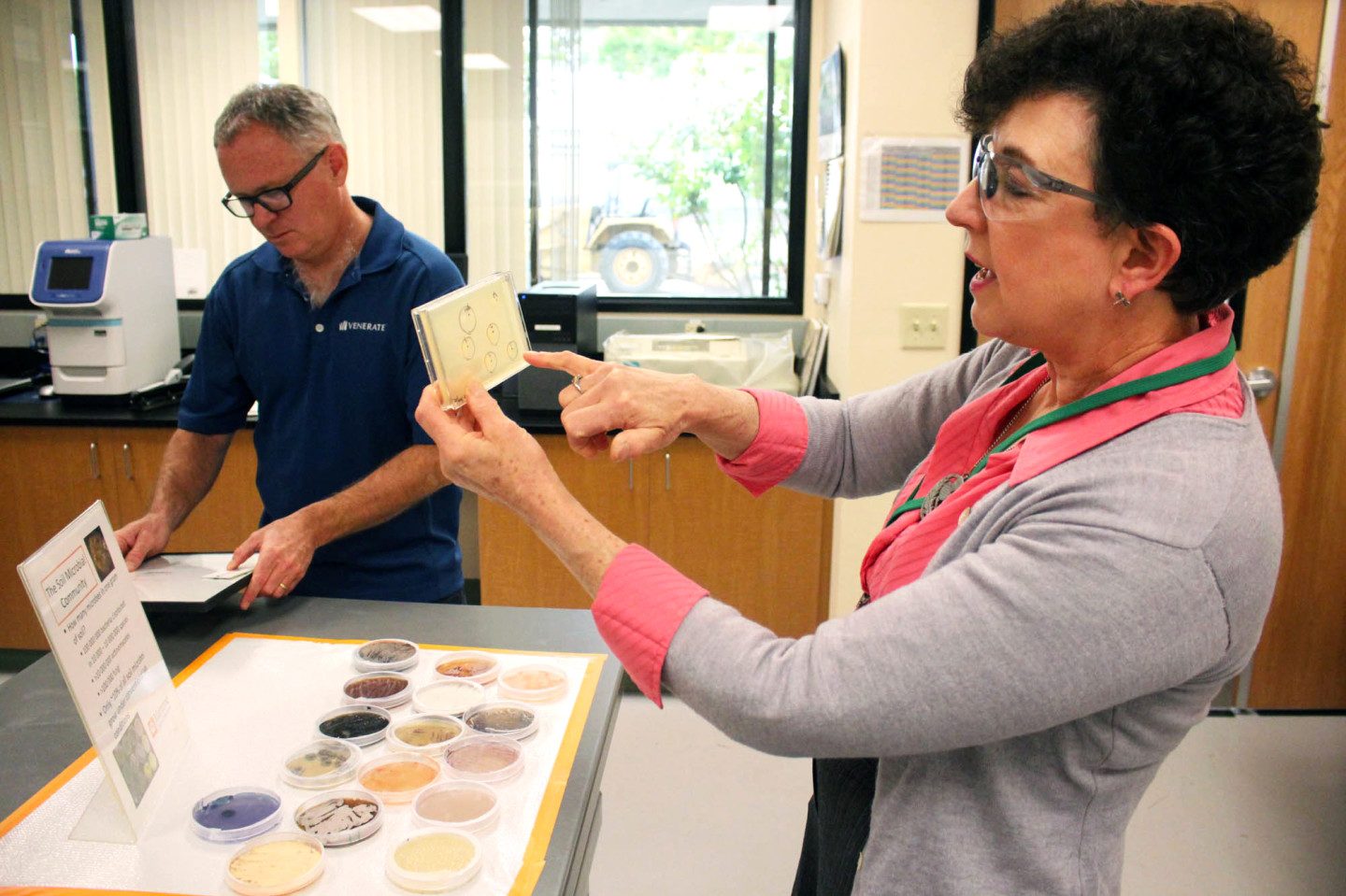
"caption": "Pam Marrone (right), founder and CEO of Marrone Bio Innovations, inspects some colonies of microbes. Marrone has spent most of her professional life prospecting for microbial pesticides and bringing them to market. ",
"description": "Pam Marrone (right), founder and CEO of Marrone Bio Innovations, inspects some colonies of microbes. Marrone has spent most of her professional life prospecting for microbial pesticides and bringing them to marke",
"title": "Pam Marrone (right), founder and CEO of Marrone Bio Innovations, inspects some colonies of microbes. Marrone has spent most of her professional life prospecting for microbial pesticides and bringing them to market.",
"credit": "Dan Charles/NPR ",
"status": "inherit",
"isLoading": false,
"fetchFailed": false
},
"bayareabites_96892": {
"type": "attachments",
"id": "bayareabites_96892",
"meta": {
"index": "attachments_1716263798",
"site": "bayareabites",
"id": "96892",
"found": true
},
"parent": 96891,
"imgSizes": {
"twentyfourteen-full-width": {
"file": "https://ww2.kqed.org/app/uploads/sites/24/2015/06/img_0403_custom-10812f3262e9eff0b2588832b5068e952dda3ecd-1038x576.jpg",
"width": 1038,
"mimeType": "image/jpeg",
"height": 576
},
"thumbnail": {
"file": "https://ww2.kqed.org/app/uploads/sites/24/2015/06/img_0403_custom-10812f3262e9eff0b2588832b5068e952dda3ecd-400x301.jpg",
"width": 400,
"mimeType": "image/jpeg",
"height": 301
},
"fd-sm": {
"file": "https://ww2.kqed.org/app/uploads/sites/24/2015/06/img_0403_custom-10812f3262e9eff0b2588832b5068e952dda3ecd-960x723.jpg",
"width": 960,
"mimeType": "image/jpeg",
"height": 723
},
"post-thumbnail": {
"file": "https://ww2.kqed.org/app/uploads/sites/24/2015/06/img_0403_custom-10812f3262e9eff0b2588832b5068e952dda3ecd-672x372.jpg",
"width": 672,
"mimeType": "image/jpeg",
"height": 372
},
"kqedFullSize": {
"file": "https://ww2.kqed.org/app/uploads/sites/24/2015/06/img_0403_custom-10812f3262e9eff0b2588832b5068e952dda3ecd-e1434133807602.jpg",
"width": 1920,
"height": 1446
},
"large": {
"file": "https://ww2.kqed.org/app/uploads/sites/24/2015/06/img_0403_custom-10812f3262e9eff0b2588832b5068e952dda3ecd-1440x1084.jpg",
"width": 1440,
"mimeType": "image/jpeg",
"height": 1084
},
"guest-author-96": {
"file": "https://ww2.kqed.org/app/uploads/sites/24/2015/06/img_0403_custom-10812f3262e9eff0b2588832b5068e952dda3ecd-96x96.jpg",
"width": 96,
"mimeType": "image/jpeg",
"height": 96
},
"medium": {
"file": "https://ww2.kqed.org/app/uploads/sites/24/2015/06/img_0403_custom-10812f3262e9eff0b2588832b5068e952dda3ecd-800x602.jpg",
"width": 800,
"mimeType": "image/jpeg",
"height": 602
},
"guest-author-64": {
"file": "https://ww2.kqed.org/app/uploads/sites/24/2015/06/img_0403_custom-10812f3262e9eff0b2588832b5068e952dda3ecd-64x64.jpg",
"width": 64,
"mimeType": "image/jpeg",
"height": 64
},
"guest-author-32": {
"file": "https://ww2.kqed.org/app/uploads/sites/24/2015/06/img_0403_custom-10812f3262e9eff0b2588832b5068e952dda3ecd-32x32.jpg",
"width": 32,
"mimeType": "image/jpeg",
"height": 32
},
"cat_post_thumb_sizecategory-posts-2": {
"file": "https://ww2.kqed.org/app/uploads/sites/24/2015/06/img_0403_custom-10812f3262e9eff0b2588832b5068e952dda3ecd-150x150.jpg",
"width": 150,
"mimeType": "image/jpeg",
"height": 150
},
"fd-med": {
"file": "https://ww2.kqed.org/app/uploads/sites/24/2015/06/img_0403_custom-10812f3262e9eff0b2588832b5068e952dda3ecd-1180x889.jpg",
"width": 1180,
"mimeType": "image/jpeg",
"height": 889
},
"detail": {
"file": "https://ww2.kqed.org/app/uploads/sites/24/2015/06/img_0403_custom-10812f3262e9eff0b2588832b5068e952dda3ecd-75x75.jpg",
"width": 75,
"mimeType": "image/jpeg",
"height": 75
},
"guest-author-128": {
"file": "https://ww2.kqed.org/app/uploads/sites/24/2015/06/img_0403_custom-10812f3262e9eff0b2588832b5068e952dda3ecd-128x128.jpg",
"width": 128,
"mimeType": "image/jpeg",
"height": 128
}
},
"publishDate": 1434132421,
"modified": 1434133305,
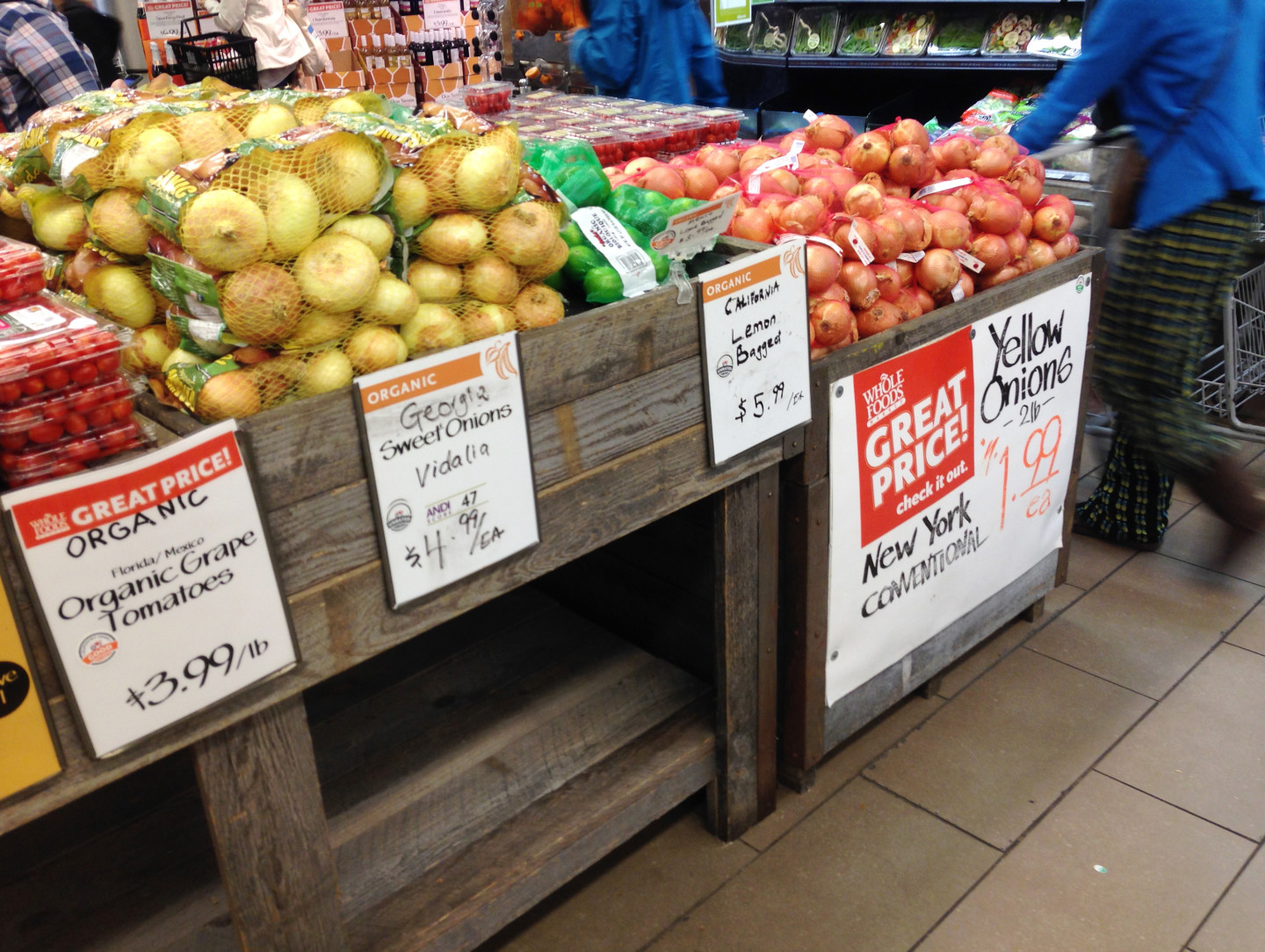
"caption": "Whole Foods says its new rating system is a way to talk to farmers and customers about issues that the organic rules don't encompass, like water, energy, labor and waste. ",
"description": "Whole Foods says its new rating system is a way to talk to farmers and customers about issues that the organic rules don't encompass, like water, energy, labor and wa",
"title": "Whole Foods says its new rating system is a way to talk to farmers and customers about issues that the organic rules don't encompass, like water, energy, labor and waste.",
"credit": "Dan Charles/NPR ",
"status": "inherit",
"isLoading": false,
"fetchFailed": false
},
"bayareabites_96757": {
"type": "attachments",
"id": "bayareabites_96757",
"meta": {
"index": "attachments_1716263798",
"site": "bayareabites",
"id": "96757",
"found": true
},
"parent": 96752,
"imgSizes": {
"thumbnail": {
"file": "https://ww2.kqed.org/app/uploads/sites/24/2015/06/franklin-bbq-400x266.jpg",
"width": 400,
"mimeType": "image/jpeg",
"height": 266
},
"post-thumbnail": {
"file": "https://ww2.kqed.org/app/uploads/sites/24/2015/06/franklin-bbq-672x372.jpg",
"width": 672,
"mimeType": "image/jpeg",
"height": 372
},
"kqedFullSize": {
"file": "https://ww2.kqed.org/app/uploads/sites/24/2015/06/franklin-bbq.jpg",
"width": 800,
"height": 531
},
"cat_post_thumb_sizecategory-posts-2": {
"file": "https://ww2.kqed.org/app/uploads/sites/24/2015/06/franklin-bbq-150x150.jpg",
"width": 150,
"mimeType": "image/jpeg",
"height": 150
},
"guest-author-96": {
"file": "https://ww2.kqed.org/app/uploads/sites/24/2015/06/franklin-bbq-96x96.jpg",
"width": 96,
"mimeType": "image/jpeg",
"height": 96
},
"medium": {
"file": "https://ww2.kqed.org/app/uploads/sites/24/2015/06/franklin-bbq-800x531.jpg",
"width": 800,
"mimeType": "image/jpeg",
"height": 531
},
"guest-author-64": {
"file": "https://ww2.kqed.org/app/uploads/sites/24/2015/06/franklin-bbq-64x64.jpg",
"width": 64,
"mimeType": "image/jpeg",
"height": 64
},
"detail": {
"file": "https://ww2.kqed.org/app/uploads/sites/24/2015/06/franklin-bbq-75x75.jpg",
"width": 75,
"mimeType": "image/jpeg",
"height": 75
},
"guest-author-32": {
"file": "https://ww2.kqed.org/app/uploads/sites/24/2015/06/franklin-bbq-32x32.jpg",
"width": 32,
"mimeType": "image/jpeg",
"height": 32
},
"guest-author-128": {
"file": "https://ww2.kqed.org/app/uploads/sites/24/2015/06/franklin-bbq-128x128.jpg",
"width": 128,
"mimeType": "image/jpeg",
"height": 128
}
},
"publishDate": 1433796806,
"modified": 1433796882,
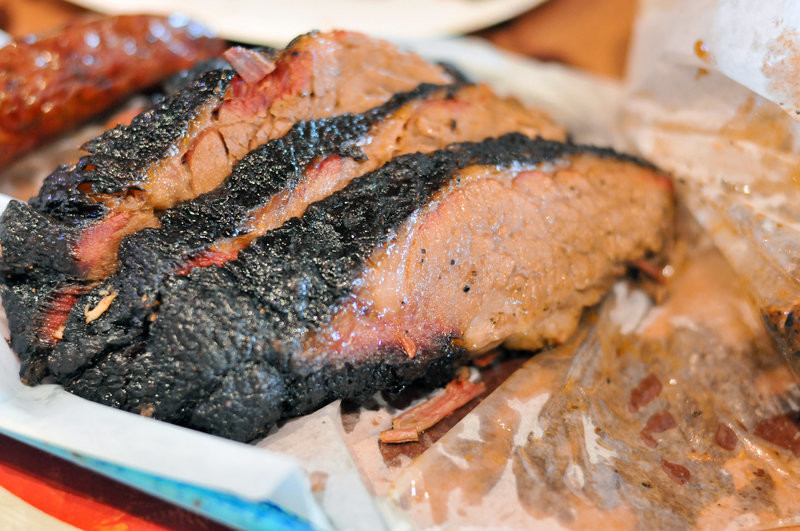
"caption": "A few slices of Franklin Barbecue's brisket. \"Resting a brisket for a long time is really important,\" owner Aaron Franklin says. ",
"description": null,
"title": "franklin-bbq",
"credit": "\u003ca href=\"https://www.flickr.com/photos/joshbousel/6849068716/\">Joshua Bousel/Flickr \u003c/a>",
"status": "inherit",
"isLoading": false,
"fetchFailed": false
},
"bayareabites_96507": {
"type": "attachments",
"id": "bayareabites_96507",
"meta": {
"index": "attachments_1716263798",
"site": "bayareabites",
"id": "96507",
"found": true
},
"parent": 96500,
"imgSizes": {
"twentyfourteen-full-width": {
"file": "https://ww2.kqed.org/app/uploads/sites/24/2015/05/just-eat-it-food-waste-dish-1038x576.jpg",
"width": 1038,
"mimeType": "image/jpeg",
"height": 576
},
"thumbnail": {
"file": "https://ww2.kqed.org/app/uploads/sites/24/2015/05/just-eat-it-food-waste-dish-400x254.jpg",
"width": 400,
"mimeType": "image/jpeg",
"height": 254
},
"fd-sm": {
"file": "https://ww2.kqed.org/app/uploads/sites/24/2015/05/just-eat-it-food-waste-dish-960x611.jpg",
"width": 960,
"mimeType": "image/jpeg",
"height": 611
},
"post-thumbnail": {
"file": "https://ww2.kqed.org/app/uploads/sites/24/2015/05/just-eat-it-food-waste-dish-672x372.jpg",
"width": 672,
"mimeType": "image/jpeg",
"height": 372
},
"kqedFullSize": {
"file": "https://ww2.kqed.org/app/uploads/sites/24/2015/05/just-eat-it-food-waste-dish.jpg",
"width": 1920,
"height": 1221
},
"large": {
"file": "https://ww2.kqed.org/app/uploads/sites/24/2015/05/just-eat-it-food-waste-dish-1440x916.jpg",
"width": 1440,
"mimeType": "image/jpeg",
"height": 916
},
"guest-author-96": {
"file": "https://ww2.kqed.org/app/uploads/sites/24/2015/05/just-eat-it-food-waste-dish-96x96.jpg",
"width": 96,
"mimeType": "image/jpeg",
"height": 96
},
"medium": {
"file": "https://ww2.kqed.org/app/uploads/sites/24/2015/05/just-eat-it-food-waste-dish-800x509.jpg",
"width": 800,
"mimeType": "image/jpeg",
"height": 509
},
"guest-author-64": {
"file": "https://ww2.kqed.org/app/uploads/sites/24/2015/05/just-eat-it-food-waste-dish-64x64.jpg",
"width": 64,
"mimeType": "image/jpeg",
"height": 64
},
"guest-author-32": {
"file": "https://ww2.kqed.org/app/uploads/sites/24/2015/05/just-eat-it-food-waste-dish-32x32.jpg",
"width": 32,
"mimeType": "image/jpeg",
"height": 32
},
"cat_post_thumb_sizecategory-posts-2": {
"file": "https://ww2.kqed.org/app/uploads/sites/24/2015/05/just-eat-it-food-waste-dish-150x150.jpg",
"width": 150,
"mimeType": "image/jpeg",
"height": 150
},
"fd-med": {
"file": "https://ww2.kqed.org/app/uploads/sites/24/2015/05/just-eat-it-food-waste-dish-1180x750.jpg",
"width": 1180,
"mimeType": "image/jpeg",
"height": 750
},
"detail": {
"file": "https://ww2.kqed.org/app/uploads/sites/24/2015/05/just-eat-it-food-waste-dish-75x75.jpg",
"width": 75,
"mimeType": "image/jpeg",
"height": 75
},
"guest-author-128": {
"file": "https://ww2.kqed.org/app/uploads/sites/24/2015/05/just-eat-it-food-waste-dish-128x128.jpg",
"width": 128,
"mimeType": "image/jpeg",
"height": 128
}
},
"publishDate": 1433010246,
"modified": 1433010325,
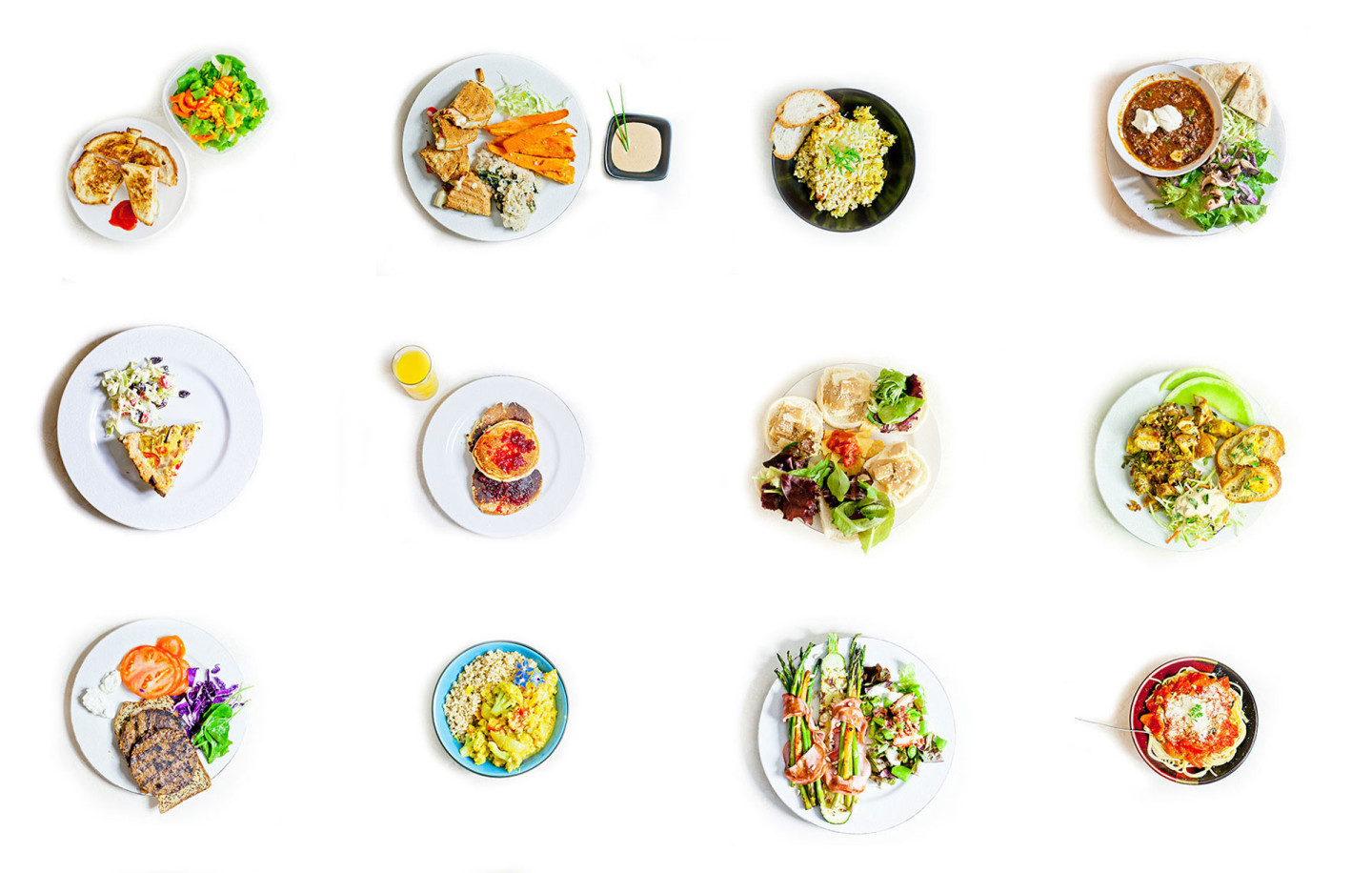
"caption": "Filmmakers Grant Baldwin and Jenny Rustemeyer made these meals from food that would otherwise have gone uneaten.",
"description": null,
"title": "just-eat-it-food-waste-dish",
"credit": "Peg Leg Films",
"status": "inherit",
"isLoading": false,
"fetchFailed": false
},
"bayareabites_96494": {
"type": "attachments",
"id": "bayareabites_96494",
"meta": {
"index": "attachments_1716263798",
"site": "bayareabites",
"id": "96494",
"found": true
},
"parent": 96493,
"imgSizes": {
"twentyfourteen-full-width": {
"file": "https://ww2.kqed.org/app/uploads/sites/24/2015/05/uk-cod-1_enl-abf48b7fe3401f502fbc84c06c9e4e5594949146-1038x576.jpg",
"width": 1038,
"mimeType": "image/jpeg",
"height": 576
},
"thumbnail": {
"file": "https://ww2.kqed.org/app/uploads/sites/24/2015/05/uk-cod-1_enl-abf48b7fe3401f502fbc84c06c9e4e5594949146-400x266.jpg",
"width": 400,
"mimeType": "image/jpeg",
"height": 266
},
"fd-sm": {
"file": "https://ww2.kqed.org/app/uploads/sites/24/2015/05/uk-cod-1_enl-abf48b7fe3401f502fbc84c06c9e4e5594949146-960x639.jpg",
"width": 960,
"mimeType": "image/jpeg",
"height": 639
},
"post-thumbnail": {
"file": "https://ww2.kqed.org/app/uploads/sites/24/2015/05/uk-cod-1_enl-abf48b7fe3401f502fbc84c06c9e4e5594949146-672x372.jpg",
"width": 672,
"mimeType": "image/jpeg",
"height": 372
},
"kqedFullSize": {
"file": "https://ww2.kqed.org/app/uploads/sites/24/2015/05/uk-cod-1_enl-abf48b7fe3401f502fbc84c06c9e4e5594949146-e1433002490446.jpg",
"width": 1920,
"height": 1279
},
"large": {
"file": "https://ww2.kqed.org/app/uploads/sites/24/2015/05/uk-cod-1_enl-abf48b7fe3401f502fbc84c06c9e4e5594949146-1440x959.jpg",
"width": 1440,
"mimeType": "image/jpeg",
"height": 959
},
"guest-author-96": {
"file": "https://ww2.kqed.org/app/uploads/sites/24/2015/05/uk-cod-1_enl-abf48b7fe3401f502fbc84c06c9e4e5594949146-96x96.jpg",
"width": 96,
"mimeType": "image/jpeg",
"height": 96
},
"medium": {
"file": "https://ww2.kqed.org/app/uploads/sites/24/2015/05/uk-cod-1_enl-abf48b7fe3401f502fbc84c06c9e4e5594949146-800x533.jpg",
"width": 800,
"mimeType": "image/jpeg",
"height": 533
},
"guest-author-64": {
"file": "https://ww2.kqed.org/app/uploads/sites/24/2015/05/uk-cod-1_enl-abf48b7fe3401f502fbc84c06c9e4e5594949146-64x64.jpg",
"width": 64,
"mimeType": "image/jpeg",
"height": 64
},
"guest-author-32": {
"file": "https://ww2.kqed.org/app/uploads/sites/24/2015/05/uk-cod-1_enl-abf48b7fe3401f502fbc84c06c9e4e5594949146-32x32.jpg",
"width": 32,
"mimeType": "image/jpeg",
"height": 32
},
"cat_post_thumb_sizecategory-posts-2": {
"file": "https://ww2.kqed.org/app/uploads/sites/24/2015/05/uk-cod-1_enl-abf48b7fe3401f502fbc84c06c9e4e5594949146-150x150.jpg",
"width": 150,
"mimeType": "image/jpeg",
"height": 150
},
"fd-med": {
"file": "https://ww2.kqed.org/app/uploads/sites/24/2015/05/uk-cod-1_enl-abf48b7fe3401f502fbc84c06c9e4e5594949146-1180x786.jpg",
"width": 1180,
"mimeType": "image/jpeg",
"height": 786
},
"detail": {
"file": "https://ww2.kqed.org/app/uploads/sites/24/2015/05/uk-cod-1_enl-abf48b7fe3401f502fbc84c06c9e4e5594949146-75x75.jpg",
"width": 75,
"mimeType": "image/jpeg",
"height": 75
},
"guest-author-128": {
"file": "https://ww2.kqed.org/app/uploads/sites/24/2015/05/uk-cod-1_enl-abf48b7fe3401f502fbc84c06c9e4e5594949146-128x128.jpg",
"width": 128,
"mimeType": "image/jpeg",
"height": 128
}
},
"publishDate": 1433002298,
"modified": 1433002532,
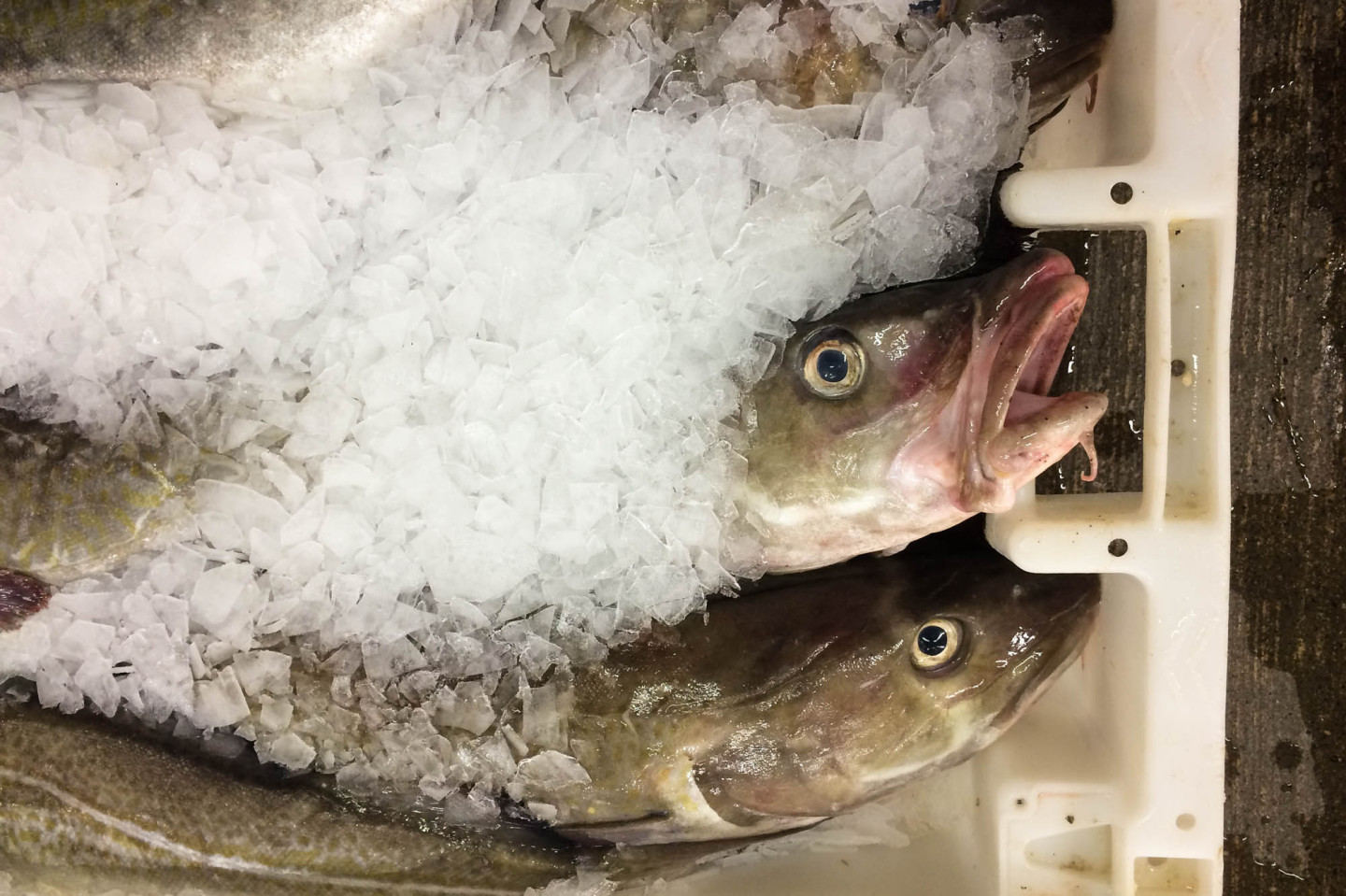
"caption": "Fish for sale in the fish market in Fraserburgh, Scotland",
"description": "Fish for sale in the fish market in Fraserburgh, Scotland",
"title": "Fish for sale in the fish market in Fraserburgh, Scotland.",
"credit": "Ari Shapiro/NPR ",
"status": "inherit",
"isLoading": false,
"fetchFailed": false
},
"bayareabites_96478": {
"type": "attachments",
"id": "bayareabites_96478",
"meta": {
"index": "attachments_1716263798",
"site": "bayareabites",
"id": "96478",
"found": true
},
"parent": 96474,
"imgSizes": {
"thumbnail": {
"file": "https://ww2.kqed.org/app/uploads/sites/24/2015/05/Amys_too-400x208.jpg",
"width": 400,
"mimeType": "image/jpeg",
"height": 208
},
"fd-sm": {
"file": "https://ww2.kqed.org/app/uploads/sites/24/2015/05/Amys_too-960x499.jpg",
"width": 960,
"mimeType": "image/jpeg",
"height": 499
},
"post-thumbnail": {
"file": "https://ww2.kqed.org/app/uploads/sites/24/2015/05/Amys_too-672x372.jpg",
"width": 672,
"mimeType": "image/jpeg",
"height": 372
},
"kqedFullSize": {
"file": "https://ww2.kqed.org/app/uploads/sites/24/2015/05/Amys_too.jpg",
"width": 1018,
"height": 529
},
"cat_post_thumb_sizecategory-posts-2": {
"file": "https://ww2.kqed.org/app/uploads/sites/24/2015/05/Amys_too-150x150.jpg",
"width": 150,
"mimeType": "image/jpeg",
"height": 150
},
"guest-author-96": {
"file": "https://ww2.kqed.org/app/uploads/sites/24/2015/05/Amys_too-96x96.jpg",
"width": 96,
"mimeType": "image/jpeg",
"height": 96
},
"medium": {
"file": "https://ww2.kqed.org/app/uploads/sites/24/2015/05/Amys_too-800x416.jpg",
"width": 800,
"mimeType": "image/jpeg",
"height": 416
},
"guest-author-64": {
"file": "https://ww2.kqed.org/app/uploads/sites/24/2015/05/Amys_too-64x64.jpg",
"width": 64,
"mimeType": "image/jpeg",
"height": 64
},
"detail": {
"file": "https://ww2.kqed.org/app/uploads/sites/24/2015/05/Amys_too-75x75.jpg",
"width": 75,
"mimeType": "image/jpeg",
"height": 75
},
"guest-author-32": {
"file": "https://ww2.kqed.org/app/uploads/sites/24/2015/05/Amys_too-32x32.jpg",
"width": 32,
"mimeType": "image/jpeg",
"height": 32
},
"guest-author-128": {
"file": "https://ww2.kqed.org/app/uploads/sites/24/2015/05/Amys_too-128x128.jpg",
"width": 128,
"mimeType": "image/jpeg",
"height": 128
}
},
"publishDate": 1432839421,
"modified": 1432839421,
"caption": null,
"description": null,
"title": "Amys_too",
"credit": null,
"status": "inherit",
"isLoading": false,
"fetchFailed": false
},
"bayareabites_96444": {
"type": "attachments",
"id": "bayareabites_96444",
"meta": {
"index": "attachments_1716263798",
"site": "bayareabites",
"id": "96444",
"found": true
},
"parent": 96405,
"imgSizes": {
"twentyfourteen-full-width": {
"file": "https://ww2.kqed.org/app/uploads/sites/24/2015/05/din3-1038x576.jpg",
"width": 1038,
"mimeType": "image/jpeg",
"height": 576
},
"thumbnail": {
"file": "https://ww2.kqed.org/app/uploads/sites/24/2015/05/din3-400x300.jpg",
"width": 400,
"mimeType": "image/jpeg",
"height": 300
},
"fd-sm": {
"file": "https://ww2.kqed.org/app/uploads/sites/24/2015/05/din3-960x720.jpg",
"width": 960,
"mimeType": "image/jpeg",
"height": 720
},
"post-thumbnail": {
"file": "https://ww2.kqed.org/app/uploads/sites/24/2015/05/din3-672x372.jpg",
"width": 672,
"mimeType": "image/jpeg",
"height": 372
},
"kqedFullSize": {
"file": "https://ww2.kqed.org/app/uploads/sites/24/2015/05/din3.jpg",
"width": 1920,
"height": 1440
},
"large": {
"file": "https://ww2.kqed.org/app/uploads/sites/24/2015/05/din3-1440x1080.jpg",
"width": 1440,
"mimeType": "image/jpeg",
"height": 1080
},
"guest-author-96": {
"file": "https://ww2.kqed.org/app/uploads/sites/24/2015/05/din3-96x96.jpg",
"width": 96,
"mimeType": "image/jpeg",
"height": 96
},
"medium": {
"file": "https://ww2.kqed.org/app/uploads/sites/24/2015/05/din3-800x600.jpg",
"width": 800,
"mimeType": "image/jpeg",
"height": 600
},
"guest-author-64": {
"file": "https://ww2.kqed.org/app/uploads/sites/24/2015/05/din3-64x64.jpg",
"width": 64,
"mimeType": "image/jpeg",
"height": 64
},
"guest-author-32": {
"file": "https://ww2.kqed.org/app/uploads/sites/24/2015/05/din3-32x32.jpg",
"width": 32,
"mimeType": "image/jpeg",
"height": 32
},
"cat_post_thumb_sizecategory-posts-2": {
"file": "https://ww2.kqed.org/app/uploads/sites/24/2015/05/din3-150x150.jpg",
"width": 150,
"mimeType": "image/jpeg",
"height": 150
},
"fd-med": {
"file": "https://ww2.kqed.org/app/uploads/sites/24/2015/05/din3-1180x885.jpg",
"width": 1180,
"mimeType": "image/jpeg",
"height": 885
},
"detail": {
"file": "https://ww2.kqed.org/app/uploads/sites/24/2015/05/din3-75x75.jpg",
"width": 75,
"mimeType": "image/jpeg",
"height": 75
},
"guest-author-128": {
"file": "https://ww2.kqed.org/app/uploads/sites/24/2015/05/din3-128x128.jpg",
"width": 128,
"mimeType": "image/jpeg",
"height": 128
}
},
"publishDate": 1432749300,
"modified": 1432749322,
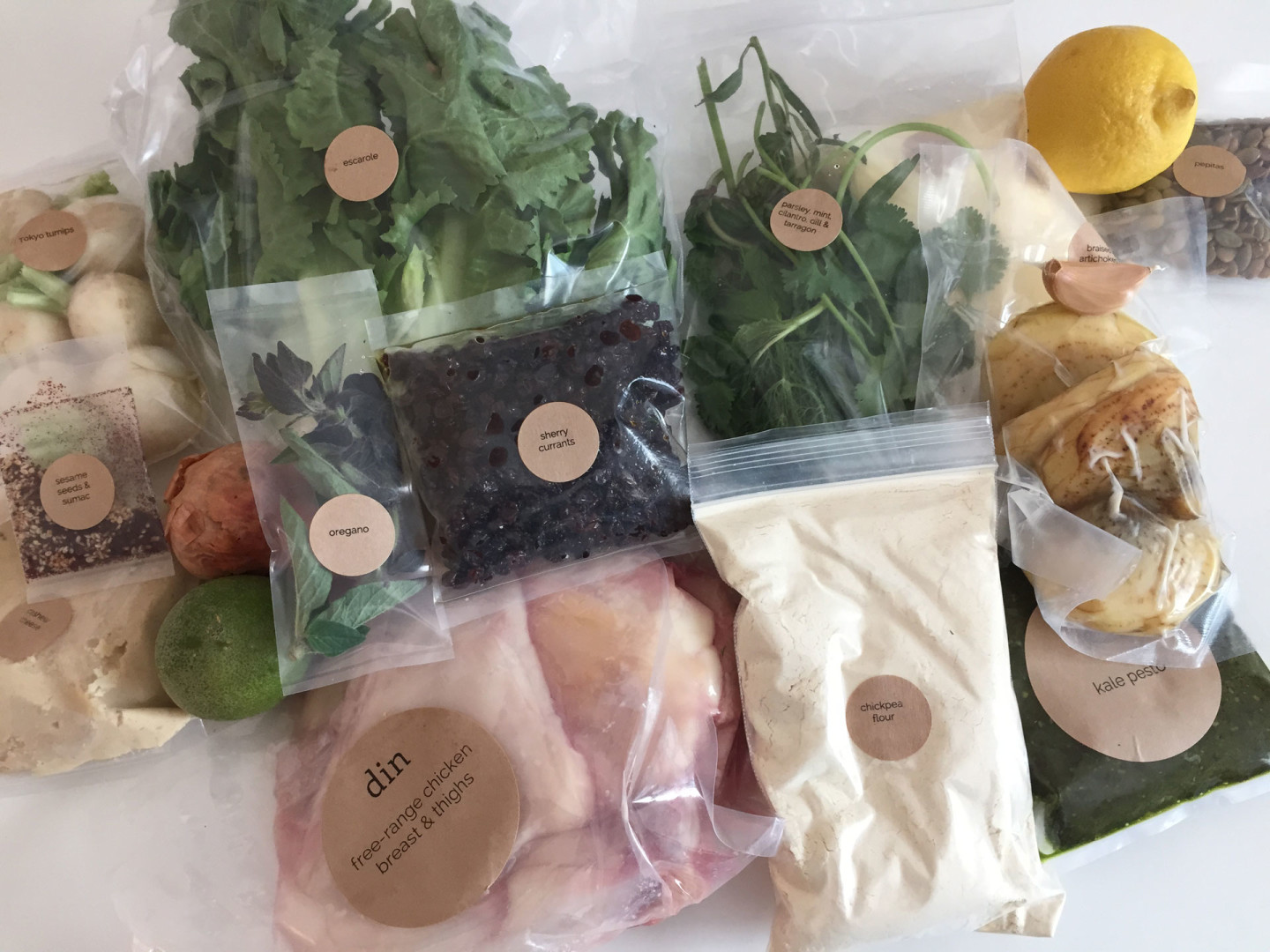
"caption": "The new company Din empowers you to make two restaurant-quality meals in under 40 minutes with these raw ingredients. ",
"description": null,
"title": "din3",
"credit": "Alix Wall",
"status": "inherit",
"isLoading": false,
"fetchFailed": false
},
"bayareabites_96316": {
"type": "attachments",
"id": "bayareabites_96316",
"meta": {
"index": "attachments_1716263798",
"site": "bayareabites",
"id": "96316",
"found": true
},
"parent": 96314,
"imgSizes": {
"twentyfourteen-full-width": {
"file": "https://ww2.kqed.org/app/uploads/sites/24/2015/05/Julie-Rich--1038x576.jpg",
"width": 1038,
"mimeType": "image/jpeg",
"height": 576
},
"thumbnail": {
"file": "https://ww2.kqed.org/app/uploads/sites/24/2015/05/Julie-Rich--400x266.jpg",
"width": 400,
"mimeType": "image/jpeg",
"height": 266
},
"fd-sm": {
"file": "https://ww2.kqed.org/app/uploads/sites/24/2015/05/Julie-Rich--960x639.jpg",
"width": 960,
"mimeType": "image/jpeg",
"height": 639
},
"post-thumbnail": {
"file": "https://ww2.kqed.org/app/uploads/sites/24/2015/05/Julie-Rich--672x372.jpg",
"width": 672,
"mimeType": "image/jpeg",
"height": 372
},
"kqedFullSize": {
"file": "https://ww2.kqed.org/app/uploads/sites/24/2015/05/Julie-Rich-.jpg",
"width": 1920,
"height": 1278
},
"large": {
"file": "https://ww2.kqed.org/app/uploads/sites/24/2015/05/Julie-Rich--1440x959.jpg",
"width": 1440,
"mimeType": "image/jpeg",
"height": 959
},
"guest-author-96": {
"file": "https://ww2.kqed.org/app/uploads/sites/24/2015/05/Julie-Rich--96x96.jpg",
"width": 96,
"mimeType": "image/jpeg",
"height": 96
},
"medium": {
"file": "https://ww2.kqed.org/app/uploads/sites/24/2015/05/Julie-Rich--800x533.jpg",
"width": 800,
"mimeType": "image/jpeg",
"height": 533
},
"guest-author-64": {
"file": "https://ww2.kqed.org/app/uploads/sites/24/2015/05/Julie-Rich--64x64.jpg",
"width": 64,
"mimeType": "image/jpeg",
"height": 64
},
"guest-author-32": {
"file": "https://ww2.kqed.org/app/uploads/sites/24/2015/05/Julie-Rich--32x32.jpg",
"width": 32,
"mimeType": "image/jpeg",
"height": 32
},
"cat_post_thumb_sizecategory-posts-2": {
"file": "https://ww2.kqed.org/app/uploads/sites/24/2015/05/Julie-Rich--150x150.jpg",
"width": 150,
"mimeType": "image/jpeg",
"height": 150
},
"fd-med": {
"file": "https://ww2.kqed.org/app/uploads/sites/24/2015/05/Julie-Rich--1180x785.jpg",
"width": 1180,
"mimeType": "image/jpeg",
"height": 785
},
"detail": {
"file": "https://ww2.kqed.org/app/uploads/sites/24/2015/05/Julie-Rich--75x75.jpg",
"width": 75,
"mimeType": "image/jpeg",
"height": 75
},
"guest-author-128": {
"file": "https://ww2.kqed.org/app/uploads/sites/24/2015/05/Julie-Rich--128x128.jpg",
"width": 128,
"mimeType": "image/jpeg",
"height": 128
}
},
"publishDate": 1432171490,
"modified": 1432325994,
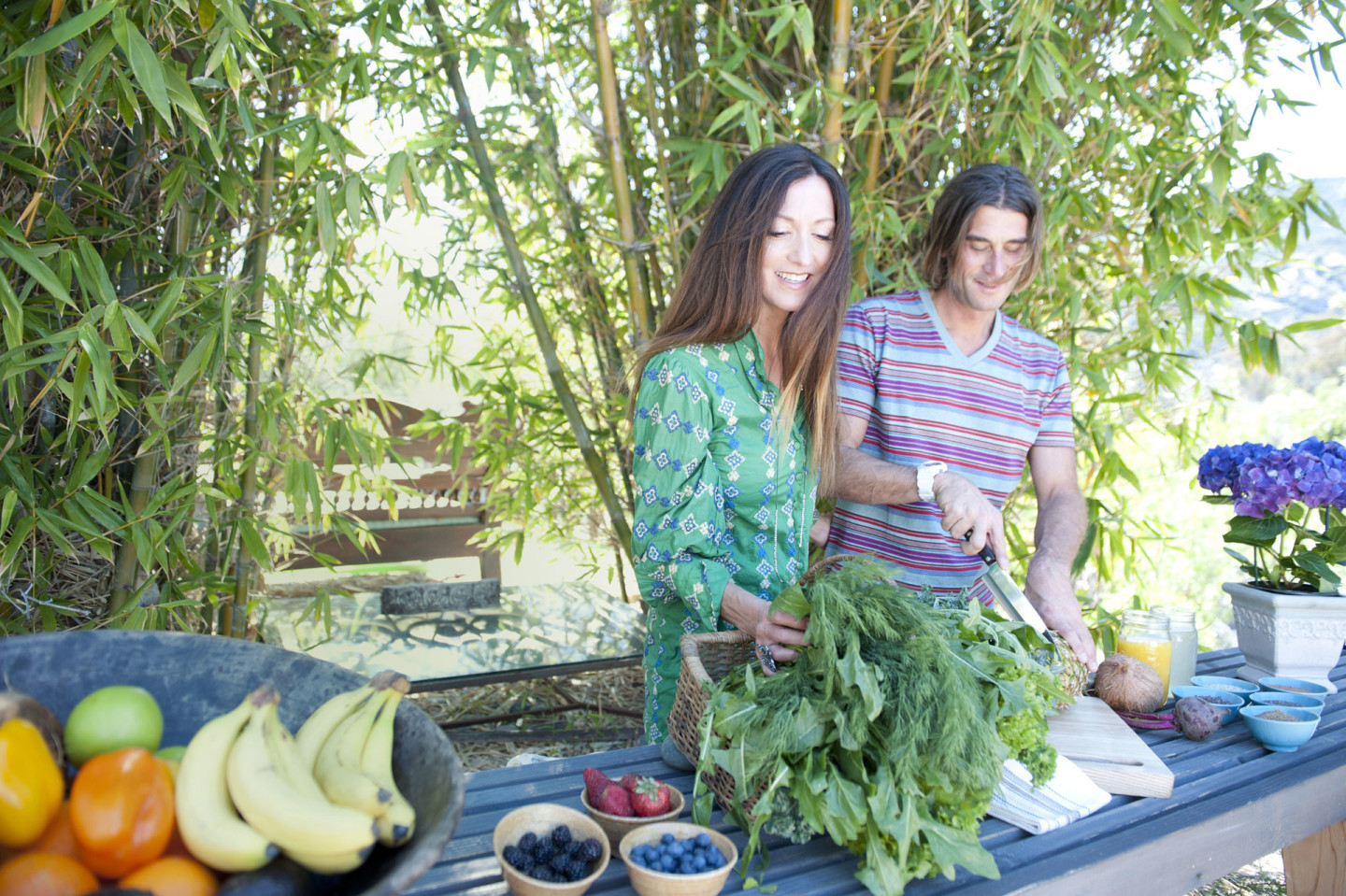
"caption": "The authors, Rich Roll and Julie Piatt",
"description": null,
"title": "Julie-&-Rich-",
"credit": "Maclay Heriot and Gunny Guzman",
"status": "inherit",
"isLoading": false,
"fetchFailed": false
},
"bayareabites_96309": {
"type": "attachments",
"id": "bayareabites_96309",
"meta": {
"index": "attachments_1716263798",
"site": "bayareabites",
"id": "96309",
"found": true
},
"parent": 96307,
"imgSizes": {
"twentyfourteen-full-width": {
"file": "https://ww2.kqed.org/app/uploads/sites/24/2015/05/kombu2-1038x576.jpg",
"width": 1038,
"mimeType": "image/jpeg",
"height": 576
},
"thumbnail": {
"file": "https://ww2.kqed.org/app/uploads/sites/24/2015/05/kombu2-400x300.jpg",
"width": 400,
"mimeType": "image/jpeg",
"height": 300
},
"fd-sm": {
"file": "https://ww2.kqed.org/app/uploads/sites/24/2015/05/kombu2-960x720.jpg",
"width": 960,
"mimeType": "image/jpeg",
"height": 720
},
"post-thumbnail": {
"file": "https://ww2.kqed.org/app/uploads/sites/24/2015/05/kombu2-672x372.jpg",
"width": 672,
"mimeType": "image/jpeg",
"height": 372
},
"kqedFullSize": {
"file": "https://ww2.kqed.org/app/uploads/sites/24/2015/05/kombu2.jpg",
"width": 1920,
"height": 1440
},
"large": {
"file": "https://ww2.kqed.org/app/uploads/sites/24/2015/05/kombu2-1440x1080.jpg",
"width": 1440,
"mimeType": "image/jpeg",
"height": 1080
},
"guest-author-96": {
"file": "https://ww2.kqed.org/app/uploads/sites/24/2015/05/kombu2-96x96.jpg",
"width": 96,
"mimeType": "image/jpeg",
"height": 96
},
"medium": {
"file": "https://ww2.kqed.org/app/uploads/sites/24/2015/05/kombu2-800x600.jpg",
"width": 800,
"mimeType": "image/jpeg",
"height": 600
},
"guest-author-64": {
"file": "https://ww2.kqed.org/app/uploads/sites/24/2015/05/kombu2-64x64.jpg",
"width": 64,
"mimeType": "image/jpeg",
"height": 64
},
"guest-author-32": {
"file": "https://ww2.kqed.org/app/uploads/sites/24/2015/05/kombu2-32x32.jpg",
"width": 32,
"mimeType": "image/jpeg",
"height": 32
},
"cat_post_thumb_sizecategory-posts-2": {
"file": "https://ww2.kqed.org/app/uploads/sites/24/2015/05/kombu2-150x150.jpg",
"width": 150,
"mimeType": "image/jpeg",
"height": 150
},
"fd-med": {
"file": "https://ww2.kqed.org/app/uploads/sites/24/2015/05/kombu2-1180x885.jpg",
"width": 1180,
"mimeType": "image/jpeg",
"height": 885
},
"detail": {
"file": "https://ww2.kqed.org/app/uploads/sites/24/2015/05/kombu2-75x75.jpg",
"width": 75,
"mimeType": "image/jpeg",
"height": 75
},
"guest-author-128": {
"file": "https://ww2.kqed.org/app/uploads/sites/24/2015/05/kombu2-128x128.jpg",
"width": 128,
"mimeType": "image/jpeg",
"height": 128
}
},
"publishDate": 1432170579,
"modified": 1432248486,
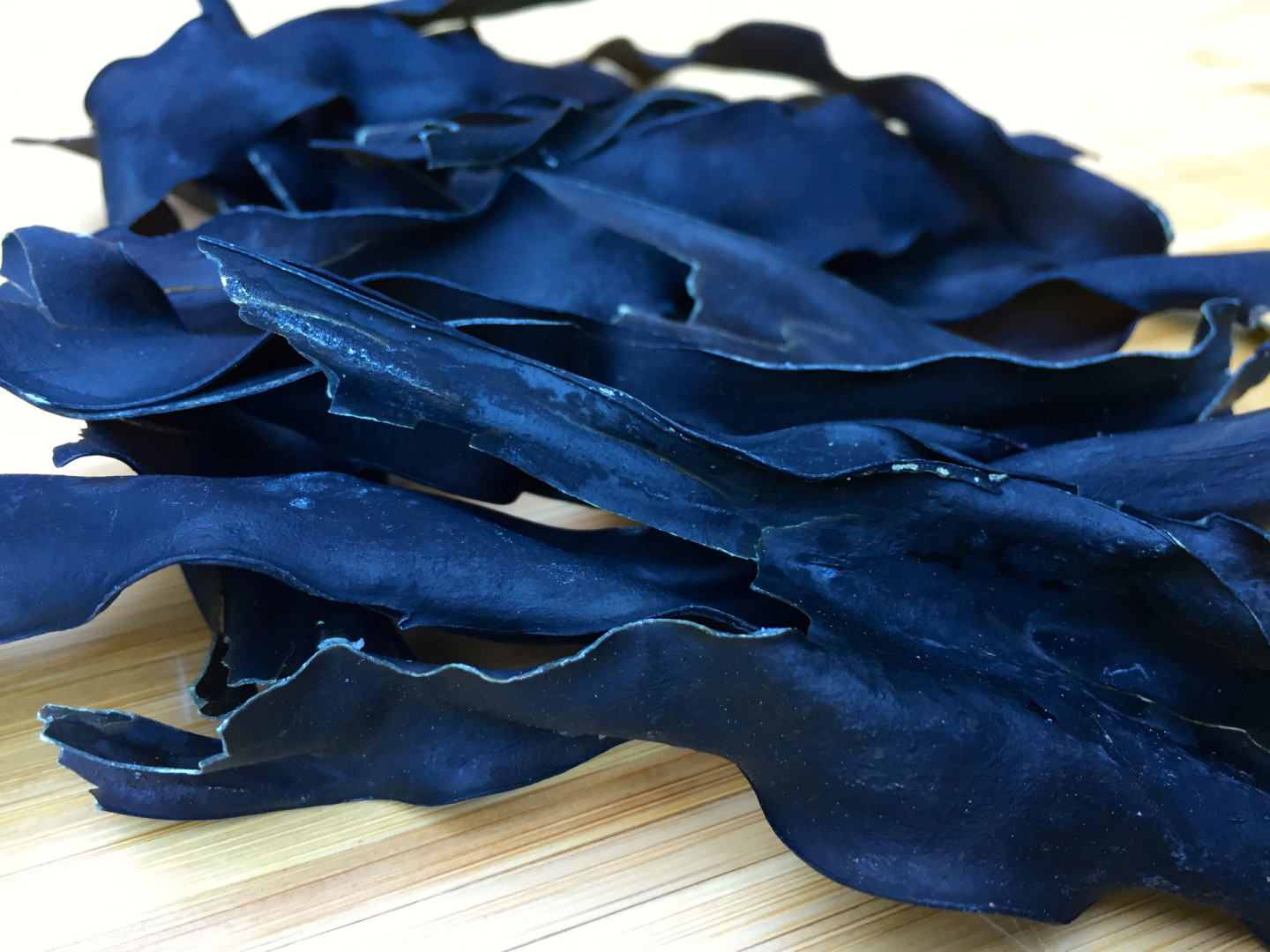
"caption": "Dried kombu, hand-harvested in Mendocino Country",
"description": null,
"title": "kombu2",
"credit": "Lisa Landers",
"status": "inherit",
"isLoading": false,
"fetchFailed": false
},
"bayareabites_95749": {
"type": "attachments",
"id": "bayareabites_95749",
"meta": {
"index": "attachments_1716263798",
"site": "bayareabites",
"id": "95749",
"found": true
},
"parent": 95748,
"imgSizes": {
"twentyfourteen-full-width": {
"file": "https://ww2.kqed.org/app/uploads/sites/24/2015/04/ap100202158349_custom-5a955a60ae8ced30810946c4ce95c2399f3cab79-1038x576.jpg",
"width": 1038,
"mimeType": "image/jpeg",
"height": 576
},
"thumbnail": {
"file": "https://ww2.kqed.org/app/uploads/sites/24/2015/04/ap100202158349_custom-5a955a60ae8ced30810946c4ce95c2399f3cab79-400x229.jpg",
"width": 400,
"mimeType": "image/jpeg",
"height": 229
},
"fd-sm": {
"file": "https://ww2.kqed.org/app/uploads/sites/24/2015/04/ap100202158349_custom-5a955a60ae8ced30810946c4ce95c2399f3cab79-960x549.jpg",
"width": 960,
"mimeType": "image/jpeg",
"height": 549
},
"post-thumbnail": {
"file": "https://ww2.kqed.org/app/uploads/sites/24/2015/04/ap100202158349_custom-5a955a60ae8ced30810946c4ce95c2399f3cab79-672x372.jpg",
"width": 672,
"mimeType": "image/jpeg",
"height": 372
},
"kqedFullSize": {
"file": "https://ww2.kqed.org/app/uploads/sites/24/2015/04/ap100202158349_custom-5a955a60ae8ced30810946c4ce95c2399f3cab79-e1430243264262.jpg",
"width": 1920,
"height": 1098
},
"large": {
"file": "https://ww2.kqed.org/app/uploads/sites/24/2015/04/ap100202158349_custom-5a955a60ae8ced30810946c4ce95c2399f3cab79-1440x824.jpg",
"width": 1440,
"mimeType": "image/jpeg",
"height": 824
},
"guest-author-96": {
"file": "https://ww2.kqed.org/app/uploads/sites/24/2015/04/ap100202158349_custom-5a955a60ae8ced30810946c4ce95c2399f3cab79-96x96.jpg",
"width": 96,
"mimeType": "image/jpeg",
"height": 96
},
"medium": {
"file": "https://ww2.kqed.org/app/uploads/sites/24/2015/04/ap100202158349_custom-5a955a60ae8ced30810946c4ce95c2399f3cab79-800x458.jpg",
"width": 800,
"mimeType": "image/jpeg",
"height": 458
},
"guest-author-64": {
"file": "https://ww2.kqed.org/app/uploads/sites/24/2015/04/ap100202158349_custom-5a955a60ae8ced30810946c4ce95c2399f3cab79-64x64.jpg",
"width": 64,
"mimeType": "image/jpeg",
"height": 64
},
"guest-author-32": {
"file": "https://ww2.kqed.org/app/uploads/sites/24/2015/04/ap100202158349_custom-5a955a60ae8ced30810946c4ce95c2399f3cab79-32x32.jpg",
"width": 32,
"mimeType": "image/jpeg",
"height": 32
},
"cat_post_thumb_sizecategory-posts-2": {
"file": "https://ww2.kqed.org/app/uploads/sites/24/2015/04/ap100202158349_custom-5a955a60ae8ced30810946c4ce95c2399f3cab79-150x150.jpg",
"width": 150,
"mimeType": "image/jpeg",
"height": 150
},
"fd-med": {
"file": "https://ww2.kqed.org/app/uploads/sites/24/2015/04/ap100202158349_custom-5a955a60ae8ced30810946c4ce95c2399f3cab79-1180x675.jpg",
"width": 1180,
"mimeType": "image/jpeg",
"height": 675
},
"detail": {
"file": "https://ww2.kqed.org/app/uploads/sites/24/2015/04/ap100202158349_custom-5a955a60ae8ced30810946c4ce95c2399f3cab79-75x75.jpg",
"width": 75,
"mimeType": "image/jpeg",
"height": 75
},
"guest-author-128": {
"file": "https://ww2.kqed.org/app/uploads/sites/24/2015/04/ap100202158349_custom-5a955a60ae8ced30810946c4ce95c2399f3cab79-128x128.jpg",
"width": 128,
"mimeType": "image/jpeg",
"height": 128
}
},
"publishDate": 1430242841,
"modified": 1430243305,
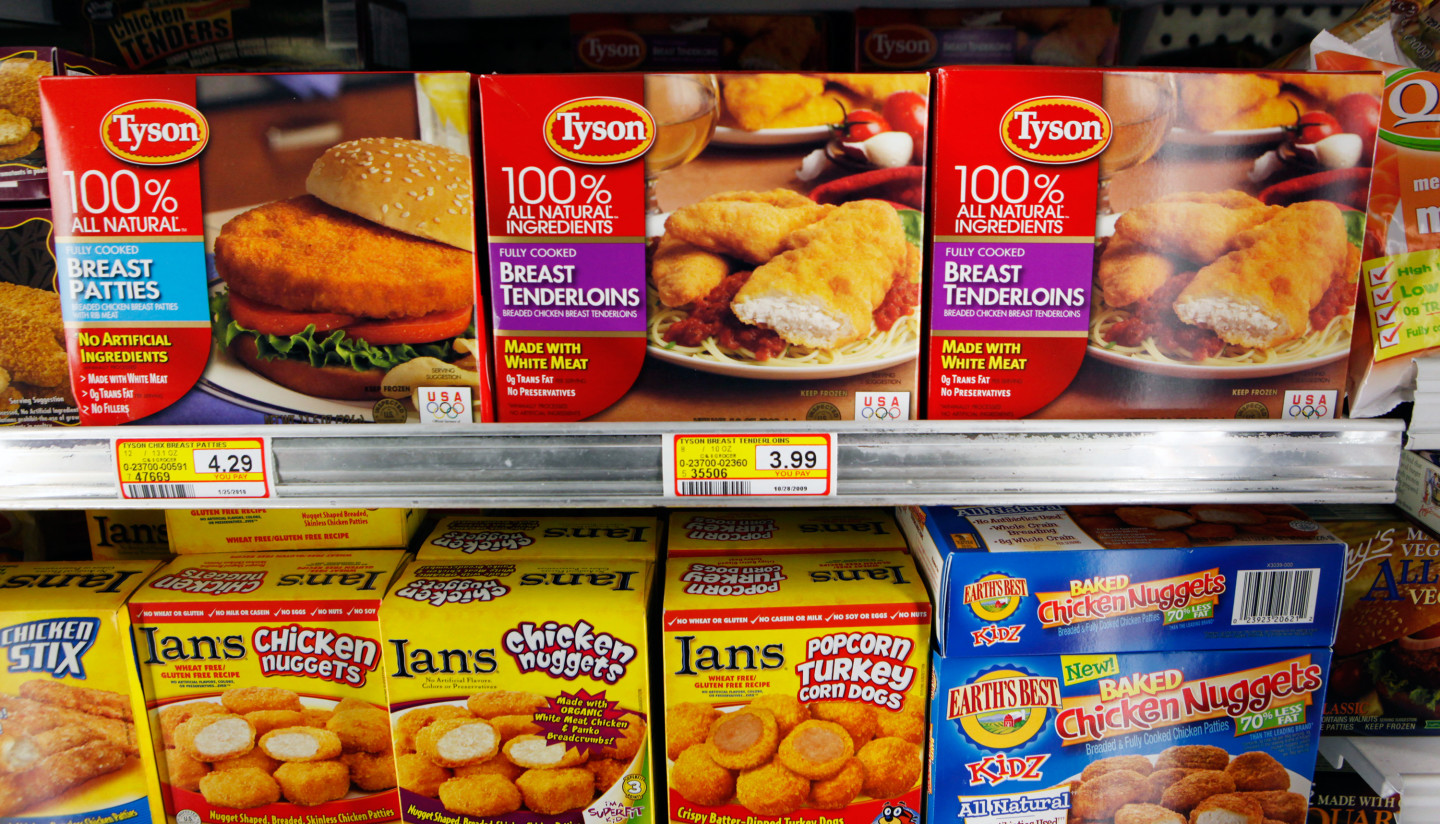
"caption": "Tyson Foods says it has already reduced its use of human-use antibiotics by 80 percent over the past four years. Here, Tyson frozen chicken on display at Piazza's market in Palo Alto, Calif., in 2010. ",
"description": "Tyson Foods says it has already reduced its use of human-use antibiotics by 80 percent over the past four years. Here, Tyson frozen chicken on display at Piazza's market in Palo Alto, Calif., inÂ",
"title": "Tyson Foods says it has already reduced its use of human-use antibiotics by 80 percent over the past four years. Here, Tyson frozen chicken on display at Piazza's market in Palo Alto, Calif., in 2010.",
"credit": "Paul Sakuma/AP ",
"status": "inherit",
"isLoading": false,
"fetchFailed": false
},
"bayareabites_95707": {
"type": "attachments",
"id": "bayareabites_95707",
"meta": {
"index": "attachments_1716263798",
"site": "bayareabites",
"id": "95707",
"found": true
},
"parent": 95706,
"imgSizes": {
"twentyfourteen-full-width": {
"file": "https://ww2.kqed.org/app/uploads/sites/24/2015/04/foodstriptease_wide-9602e49d0c73ad604eba04a2a2753856a2ca2ad9-1038x576.jpg",
"width": 1038,
"mimeType": "image/jpeg",
"height": 576
},
"thumbnail": {
"file": "https://ww2.kqed.org/app/uploads/sites/24/2015/04/foodstriptease_wide-9602e49d0c73ad604eba04a2a2753856a2ca2ad9-400x225.jpg",
"width": 400,
"mimeType": "image/jpeg",
"height": 225
},
"fd-sm": {
"file": "https://ww2.kqed.org/app/uploads/sites/24/2015/04/foodstriptease_wide-9602e49d0c73ad604eba04a2a2753856a2ca2ad9-960x540.jpg",
"width": 960,
"mimeType": "image/jpeg",
"height": 540
},
"post-thumbnail": {
"file": "https://ww2.kqed.org/app/uploads/sites/24/2015/04/foodstriptease_wide-9602e49d0c73ad604eba04a2a2753856a2ca2ad9-672x372.jpg",
"width": 672,
"mimeType": "image/jpeg",
"height": 372
},
"kqedFullSize": {
"file": "https://ww2.kqed.org/app/uploads/sites/24/2015/04/foodstriptease_wide-9602e49d0c73ad604eba04a2a2753856a2ca2ad9.jpg",
"width": 3000,
"height": 1687
},
"large": {
"file": "https://ww2.kqed.org/app/uploads/sites/24/2015/04/foodstriptease_wide-9602e49d0c73ad604eba04a2a2753856a2ca2ad9-1440x810.jpg",
"width": 1440,
"mimeType": "image/jpeg",
"height": 810
},
"guest-author-96": {
"file": "https://ww2.kqed.org/app/uploads/sites/24/2015/04/foodstriptease_wide-9602e49d0c73ad604eba04a2a2753856a2ca2ad9-96x96.jpg",
"width": 96,
"mimeType": "image/jpeg",
"height": 96
},
"medium": {
"file": "https://ww2.kqed.org/app/uploads/sites/24/2015/04/foodstriptease_wide-9602e49d0c73ad604eba04a2a2753856a2ca2ad9-800x450.jpg",
"width": 800,
"mimeType": "image/jpeg",
"height": 450
},
"guest-author-64": {
"file": "https://ww2.kqed.org/app/uploads/sites/24/2015/04/foodstriptease_wide-9602e49d0c73ad604eba04a2a2753856a2ca2ad9-64x64.jpg",
"width": 64,
"mimeType": "image/jpeg",
"height": 64
},
"guest-author-32": {
"file": "https://ww2.kqed.org/app/uploads/sites/24/2015/04/foodstriptease_wide-9602e49d0c73ad604eba04a2a2753856a2ca2ad9-32x32.jpg",
"width": 32,
"mimeType": "image/jpeg",
"height": 32
},
"cat_post_thumb_sizecategory-posts-2": {
"file": "https://ww2.kqed.org/app/uploads/sites/24/2015/04/foodstriptease_wide-9602e49d0c73ad604eba04a2a2753856a2ca2ad9-150x150.jpg",
"width": 150,
"mimeType": "image/jpeg",
"height": 150
},
"fd-med": {
"file": "https://ww2.kqed.org/app/uploads/sites/24/2015/04/foodstriptease_wide-9602e49d0c73ad604eba04a2a2753856a2ca2ad9-1180x664.jpg",
"width": 1180,
"mimeType": "image/jpeg",
"height": 664
},
"detail": {
"file": "https://ww2.kqed.org/app/uploads/sites/24/2015/04/foodstriptease_wide-9602e49d0c73ad604eba04a2a2753856a2ca2ad9-75x75.jpg",
"width": 75,
"mimeType": "image/jpeg",
"height": 75
},
"guest-author-128": {
"file": "https://ww2.kqed.org/app/uploads/sites/24/2015/04/foodstriptease_wide-9602e49d0c73ad604eba04a2a2753856a2ca2ad9-128x128.jpg",
"width": 128,
"mimeType": "image/jpeg",
"height": 128
}
},
"publishDate": 1430173650,
"modified": 1430174716,
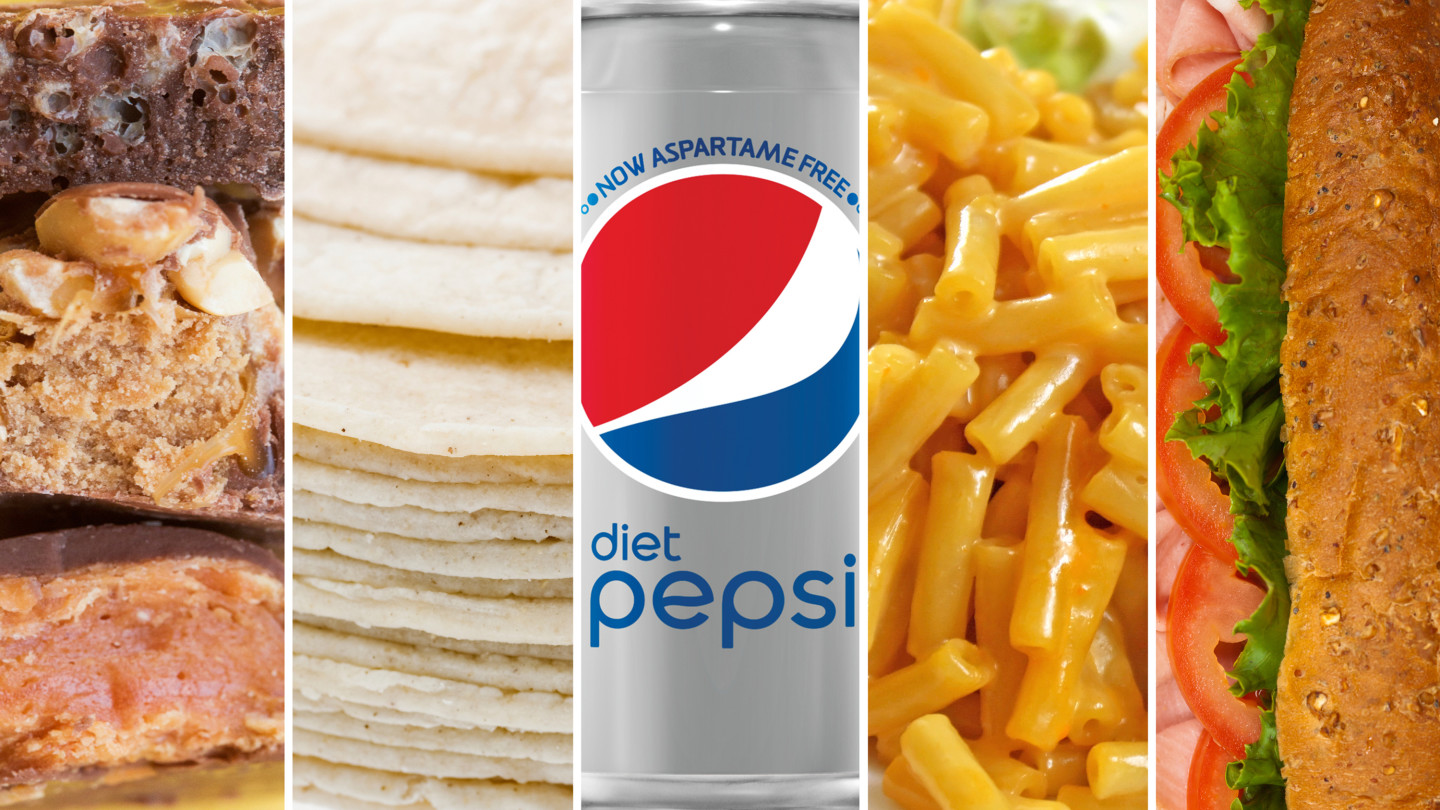
"caption": "Chipotle's announcement that it has removed all GMOs from its menu items is part of a growing food industry trend. From left: Nestle chocolates, Chipotle tortillas, Diet Pepsi, Kraft Macaroni",
"description": "Chipotle's announcement that it has removed all GMOs from its menu items is part of a growing food industry trend. From left: Nestle chocolates, Chipotle tortillas, Diet Pepsi, Kraft Macaroni",
"title": "Chipotle's announcement that it has removed all GMOs from its menu items is part of a growing food industry trend. From left: Nestle chocolates, Chipotle tortillas, Diet Pepsi, Kraft Macaroni & Cheese Dinner, a Subway sandwich. All of these companies have dropped ingredients over the past year in response to consumer demands.",
"credit": "Meredith Rizzo/NPR; iStockphoto; PepsiCo; iStockphoto; iStockphoto",
"status": "inherit",
"isLoading": false,
"fetchFailed": false
},
"bayareabites_95447": {
"type": "attachments",
"id": "bayareabites_95447",
"meta": {
"index": "attachments_1716263798",
"site": "bayareabites",
"id": "95447",
"found": true
},
"parent": 95442,
"imgSizes": {
"twentyfourteen-full-width": {
"file": "https://ww2.kqed.org/app/uploads/sites/24/2015/04/CCC_Bay_GeorgiaCronin_Espresso1920-1038x576.jpg",
"width": 1038,
"mimeType": "image/jpeg",
"height": 576
},
"thumbnail": {
"file": "https://ww2.kqed.org/app/uploads/sites/24/2015/04/CCC_Bay_GeorgiaCronin_Espresso1920-400x267.jpg",
"width": 400,
"mimeType": "image/jpeg",
"height": 267
},
"fd-sm": {
"file": "https://ww2.kqed.org/app/uploads/sites/24/2015/04/CCC_Bay_GeorgiaCronin_Espresso1920-960x640.jpg",
"width": 960,
"mimeType": "image/jpeg",
"height": 640
},
"post-thumbnail": {
"file": "https://ww2.kqed.org/app/uploads/sites/24/2015/04/CCC_Bay_GeorgiaCronin_Espresso1920-672x372.jpg",
"width": 672,
"mimeType": "image/jpeg",
"height": 372
},
"kqedFullSize": {
"file": "https://ww2.kqed.org/app/uploads/sites/24/2015/04/CCC_Bay_GeorgiaCronin_Espresso1920.jpg",
"width": 1920,
"height": 1280
},
"large": {
"file": "https://ww2.kqed.org/app/uploads/sites/24/2015/04/CCC_Bay_GeorgiaCronin_Espresso1920-1440x960.jpg",
"width": 1440,
"mimeType": "image/jpeg",
"height": 960
},
"guest-author-96": {
"file": "https://ww2.kqed.org/app/uploads/sites/24/2015/04/CCC_Bay_GeorgiaCronin_Espresso1920-96x96.jpg",
"width": 96,
"mimeType": "image/jpeg",
"height": 96
},
"medium": {
"file": "https://ww2.kqed.org/app/uploads/sites/24/2015/04/CCC_Bay_GeorgiaCronin_Espresso1920-800x533.jpg",
"width": 800,
"mimeType": "image/jpeg",
"height": 533
},
"guest-author-64": {
"file": "https://ww2.kqed.org/app/uploads/sites/24/2015/04/CCC_Bay_GeorgiaCronin_Espresso1920-64x64.jpg",
"width": 64,
"mimeType": "image/jpeg",
"height": 64
},
"guest-author-32": {
"file": "https://ww2.kqed.org/app/uploads/sites/24/2015/04/CCC_Bay_GeorgiaCronin_Espresso1920-32x32.jpg",
"width": 32,
"mimeType": "image/jpeg",
"height": 32
},
"cat_post_thumb_sizecategory-posts-2": {
"file": "https://ww2.kqed.org/app/uploads/sites/24/2015/04/CCC_Bay_GeorgiaCronin_Espresso1920-150x150.jpg",
"width": 150,
"mimeType": "image/jpeg",
"height": 150
},
"fd-med": {
"file": "https://ww2.kqed.org/app/uploads/sites/24/2015/04/CCC_Bay_GeorgiaCronin_Espresso1920-1180x787.jpg",
"width": 1180,
"mimeType": "image/jpeg",
"height": 787
},
"detail": {
"file": "https://ww2.kqed.org/app/uploads/sites/24/2015/04/CCC_Bay_GeorgiaCronin_Espresso1920-75x75.jpg",
"width": 75,
"mimeType": "image/jpeg",
"height": 75
},
"guest-author-128": {
"file": "https://ww2.kqed.org/app/uploads/sites/24/2015/04/CCC_Bay_GeorgiaCronin_Espresso1920-128x128.jpg",
"width": 128,
"mimeType": "image/jpeg",
"height": 128
}
},
"publishDate": 1429915816,
"modified": 1429917458,
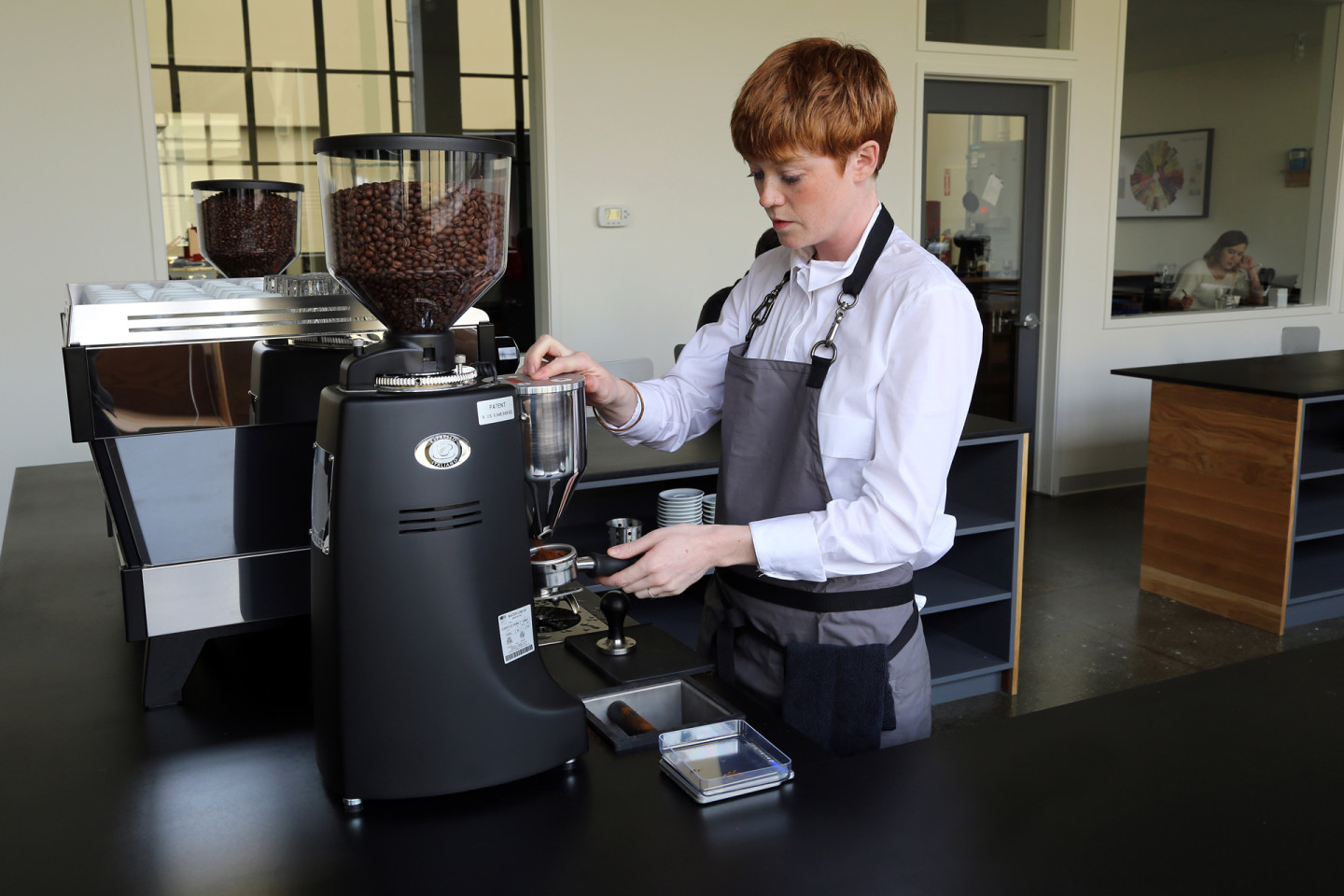
"caption": "Georgia Cronin, the customer relations person, pulling an espresso.\n\n",
"description": null,
"title": "Georgia Cronin, the customer relations person, pulling an espresso.",
"credit": "Christy Baugh/Courtesy Culture Coffee",
"status": "inherit",
"isLoading": false,
"fetchFailed": false
}
},
"audioPlayerReducer": {
"postId": "stream_live",
"isPaused": true,
"isPlaying": false,
"pfsActive": false,
"pledgeModalIsOpen": true,
"playerDrawerIsOpen": false,
"liveAudioPlayStartedAt": 0,
"liveAudioPlayContext": ""
},
"authorsReducer": {
"byline_bayareabites_96915": {
"type": "authors",
"id": "byline_bayareabites_96915",
"meta": {
"override": true
},
"slug": "byline_bayareabites_96915",
"name": "Dan Charles, \u003ca href=\"http://ww2.kqed.org/bayareabites/author/nprfood/\">NPR Food\u003c/a>",
"isLoading": false
},
"byline_bayareabites_96891": {
"type": "authors",
"id": "byline_bayareabites_96891",
"meta": {
"override": true
},
"slug": "byline_bayareabites_96891",
"name": "Dan Charles, \u003ca href=\"http://ww2.kqed.org/bayareabites/author/nprfood/\">NPR Food\u003c/a>",
"isLoading": false
},
"byline_bayareabites_96752": {
"type": "authors",
"id": "byline_bayareabites_96752",
"meta": {
"override": true
},
"slug": "byline_bayareabites_96752",
"name": "Jim Shahin, \u003ca href=\"http://ww2.kqed.org/bayareabites/author/nprfood/\">NPR Food\u003c/a>",
"isLoading": false
},
"byline_bayareabites_96493": {
"type": "authors",
"id": "byline_bayareabites_96493",
"meta": {
"override": true
},
"slug": "byline_bayareabites_96493",
"name": "Ari Shapiro, \u003ca href=\"https://ww2.kqed.org/bayareabites/author/nprfood/\">NPR Food\u003c/a>",
"isLoading": false
},
"byline_bayareabites_96474": {
"type": "authors",
"id": "byline_bayareabites_96474",
"meta": {
"override": true
},
"slug": "byline_bayareabites_96474",
"name": "Leilani Clark, \u003ca href=\"http://ww2.kqed.org/bayareabites/author/civileat/\">Civil Eats\u003c/a>",
"isLoading": false
},
"byline_bayareabites_95748": {
"type": "authors",
"id": "byline_bayareabites_95748",
"meta": {
"override": true
},
"slug": "byline_bayareabites_95748",
"name": "Dan Charles, \u003ca href=\"http://ww2.kqed.org/bayareabites/author/nprfood/\">NPR Food\u003c/a>",
"isLoading": false
},
"byline_bayareabites_95706": {
"type": "authors",
"id": "byline_bayareabites_95706",
"meta": {
"override": true
},
"slug": "byline_bayareabites_95706",
"name": "Carole Zimmer, \u003ca href=\"http://ww2.kqed.org/bayareabites/author/nprfood/\">NPR Food\u003c/a>",
"isLoading": false
},
"marktaylor-2": {
"type": "authors",
"id": "8",
"meta": {
"index": "authors_1716337520",
"id": "8",
"found": true
},
"name": "Mark Taylor",
"firstName": "Mark",
"lastName": "Taylor",
"slug": "marktaylor-2",
"email": "mark@emptypictures.net",
"display_author_email": false,
"staff_mastheads": [],
"title": null,
"bio": "Mark Taylor founded KQED Arts in 2005 and served as Senior Interactive Producer for Arts and Culture through 2014. Taylor was the online arts editor of KQED's daily arts blog for nine years and created the station's first web-original podcasts, Gallery Crawl and The Writers' Block.\r\n\r\nTaylor is an experimental filmmaker and visual artist whose work has been collected by the Library of Congress, Stanford University and the New York Museum of Modern Art, among many others. He teaches Media Studies at the University of San Francisco and is exploring the connection between film and food. \u003ca href=\"http://emptypictures.net/\">Visit Mark Taylor's website\u003c/a> at emptypictures.net.",
"avatar": "https://secure.gravatar.com/avatar/3452322b4dec4379500b11b74718f5da?s=600&d=blank&r=g",
"twitter": null,
"facebook": null,
"instagram": null,
"linkedin": null,
"sites": [
{
"site": "arts",
"roles": [
"Administrator",
"contributor"
]
},
{
"site": "bayareabites",
"roles": [
"author"
]
},
{
"site": "checkplease",
"roles": [
"subscriber"
]
},
{
"site": "food",
"roles": [
"contributor"
]
}
],
"headData": {
"title": "Mark Taylor | KQED",
"description": null,
"ogImgSrc": "https://secure.gravatar.com/avatar/3452322b4dec4379500b11b74718f5da?s=600&d=blank&r=g",
"twImgSrc": "https://secure.gravatar.com/avatar/3452322b4dec4379500b11b74718f5da?s=600&d=blank&r=g"
},
"isLoading": false,
"link": "/author/marktaylor-2"
},
"lisalanders": {
"type": "authors",
"id": "5412",
"meta": {
"index": "authors_1716337520",
"id": "5412",
"found": true
},
"name": "Lisa Landers",
"firstName": "Lisa",
"lastName": "Landers",
"slug": "lisalanders",
"email": "llanders@KQED.org",
"display_author_email": false,
"staff_mastheads": [],
"title": "KQED Contributor",
"bio": "Lisa Landers is a producer and writer whose work includes documentaries, museum exhibitions, and educational multimedia. Her work has covered a diversity of subject matter including natural history, ecological and social issues, cultural exploration, food, music, and architecture. She’s developed and produced films for broadcasters such as National Geographic, Smithsonian Channel, and the Discovery Channel. Her work as an exhibition developer and multimedia producer has been featured at institutions including the American Museum of Natural History, the National Building Museum, and The Tech Museum. Her writing has also appeared in a wide variety of print and online publications.",
"avatar": "https://secure.gravatar.com/avatar/1e4aa08f6f0a92ea11a2779a453cb36d?s=600&d=blank&r=g",
"twitter": null,
"bluesky": null,
"facebook": null,
"instagram": null,
"linkedin": null,
"sites": [
{
"site": "bayareabites",
"roles": [
"contributor"
]
},
{
"site": "quest",
"roles": [
"leadcoordinator",
"edit_theme_options",
"subscriber"
]
},
{
"site": "food",
"roles": []
}
],
"headData": {
"title": "Lisa Landers | KQED",
"description": "KQED Contributor",
"ogImgSrc": "https://secure.gravatar.com/avatar/1e4aa08f6f0a92ea11a2779a453cb36d?s=600&d=blank&r=g",
"twImgSrc": "https://secure.gravatar.com/avatar/1e4aa08f6f0a92ea11a2779a453cb36d?s=600&d=blank&r=g"
},
"isLoading": false,
"link": "/author/lisalanders"
},
"alexandrawall": {
"type": "authors",
"id": "5567",
"meta": {
"index": "authors_1716337520",
"id": "5567",
"found": true
},
"name": "Alix Wall",
"firstName": "Alix",
"lastName": "Wall",
"slug": "alexandrawall",
"email": "alixwall@sbcglobal.net",
"display_author_email": false,
"staff_mastheads": [],
"title": null,
"bio": "Alix Wall appeared in her hometown paper in Riverside, California as “Chef of the Week” when she was 15 years old, and in high school, she founded “The Bon Appetit Club.” After working as a journalist for many years, Alix became a certified natural foods chef from Bauman College in Berkeley. While she cooks part-time healthy, organic meals for busy families, she is also a contributing editor of j. weekly, the Bay Area’s Jewish newspaper, in which she has a monthly food column. Her food writing can also be found on Berkeleyside’s NOSH and in Edible East Bay. In addition to food, she loves writing about how couples met and fell in love, which she does for The San Francisco Chronicle’s Style section and j. weekly. In 2016, she founded The Illuminoshi: The Not-So-Secret Society of Bay Area Jewish Food Professionals. She is also writer/producer for a documentary-in-progress called \u003ca href=\"https://www.lonelychildmovie.com/\">The Lonely Child\u003c/a>. Follow Alix on Twitter \u003ca href=\"https://twitter.com/WallAlix\">@WallAlix\u003c/a>.",
"avatar": "https://secure.gravatar.com/avatar/421a27f26a185be932f8d567b499b1f1?s=600&d=blank&r=g",
"twitter": null,
"facebook": null,
"instagram": null,
"linkedin": null,
"sites": [
{
"site": "bayareabites",
"roles": [
"contributor"
]
},
{
"site": "food",
"roles": [
"contributor"
]
}
],
"headData": {
"title": "Alix Wall | KQED",
"description": null,
"ogImgSrc": "https://secure.gravatar.com/avatar/421a27f26a185be932f8d567b499b1f1?s=600&d=blank&r=g",
"twImgSrc": "https://secure.gravatar.com/avatar/421a27f26a185be932f8d567b499b1f1?s=600&d=blank&r=g"
},
"isLoading": false,
"link": "/author/alexandrawall"
},
"kimwesterman": {
"type": "authors",
"id": "5575",
"meta": {
"index": "authors_1716337520",
"id": "5575",
"found": true
},
"name": "Kim Westerman",
"firstName": "Kim",
"lastName": "Westerman",
"slug": "kimwesterman",
"email": "kim.westerman@gmail.com",
"display_author_email": false,
"staff_mastheads": [],
"title": null,
"bio": "Kim Westerman has been writing about food and wine for most of her adult life. Originally from North Carolina, she moved to Berkeley in 2006 to pursue the California dream, which, it turns out, is all it’s cracked up to be. She’s a farmers' market junkie, a lover of all things tomato, and Champagne-obsessed. She loves to cook with her kids, eight and three, and she makes frequent pilgrimages to International Boulevard in search of her next favorite Mexican dish. She spends an inordinate amount of time thinking about food and wine pairing, often starting with the wine and working backwards when planning menus. She is a Level I Sommelier and a Licensed Q-Grader. Her work has appeared in KQED's Bay Area Bites, Forbes.com, the New York Times, the San Francisco Chronicle, Tasting Table, Fodor’s Travel Guides, and lots of other publications. You can follow Kim on Twitter and Instagram @throughtraveler.",
"avatar": "https://secure.gravatar.com/avatar/2eb7f890ab19ead33f77fd8554ac4c39?s=600&d=blank&r=g",
"twitter": null,
"facebook": null,
"instagram": null,
"linkedin": null,
"sites": [
{
"site": "bayareabites",
"roles": [
"contributor"
]
},
{
"site": "food",
"roles": [
"contributor"
]
}
],
"headData": {
"title": "Kim Westerman | KQED",
"description": null,
"ogImgSrc": "https://secure.gravatar.com/avatar/2eb7f890ab19ead33f77fd8554ac4c39?s=600&d=blank&r=g",
"twImgSrc": "https://secure.gravatar.com/avatar/2eb7f890ab19ead33f77fd8554ac4c39?s=600&d=blank&r=g"
},
"isLoading": false,
"link": "/author/kimwesterman"
}
},
"pagesReducer": {
"bayareabites_category_food-and-technology": {
"type": "terms",
"id": "bayareabites_4084",
"meta": {
"index": "terms_1716263798",
"site": "bayareabites",
"id": "4084",
"score": 14.405603
},
"featImg": null,
"name": "food trends and technology",
"description": null,
"taxonomy": "category",
"headData": {
"twImgId": null,
"twTitle": null,
"ogTitle": null,
"ogImgId": null,
"twDescription": null,
"description": null,
"title": "food trends and technology Archives | KQED Bay Area Bites",
"ogDescription": null
},
"ttid": 2573,
"slug": "food-and-technology",
"isLoading": false,
"title": "food trends and technology",
"pageMeta": {
"site": "bayareabites",
"WpPageTemplate": "page-topic-editorial",
"currentPage": 25
},
"blocks": [
{
"blockName": "kqed/post-list",
"attrs": {
"layout": "cardArticle2",
"query": "posts/bayareabites?category=food-and-technology",
"seeMore": false,
"paginated": true,
"page": 25
}
},
{
"blockName": "kqed/ad"
}
]
}
},
"pfsSessionReducer": {},
"postsReducer": {
"stream_live": {
"type": "live",
"id": "stream_live",
"audioUrl": "https://streams.kqed.org/kqedradio",
"title": "Live Stream",
"excerpt": "Live Stream information currently unavailable.",
"link": "/radio",
"featImg": "",
"label": {
"name": "KQED Live",
"link": "/"
}
},
"stream_kqedNewscast": {
"type": "posts",
"id": "stream_kqedNewscast",
"audioUrl": "https://www.kqed.org/.stream/anon/radio/RDnews/newscast.mp3?_=1",
"title": "KQED Newscast",
"featImg": "",
"label": {
"name": "88.5 FM",
"link": "/"
}
},
"bayareabites_96915": {
"type": "posts",
"id": "bayareabites_96915",
"meta": {
"index": "posts_1716263798",
"site": "bayareabites",
"id": "96915",
"score": null,
"sort": [
1434150827000
]
},
"parent": 0,
"labelTerm": {
"site": "bayareabites"
},
"blocks": [],
"publishDate": 1434150827,
"format": "audio",
"disqusTitle": "Mighty Farming Microbes: Companies Harness Bacteria To Give Crops A Boost",
"title": "Mighty Farming Microbes: Companies Harness Bacteria To Give Crops A Boost",
"headTitle": "Bay Area Bites | KQED Food",
"content": "\u003cp>\u003cstrong>Listen to the Story on All Things Considered:\u003c/strong>\u003cbr>\nhttp://pd.npr.org/anon.npr-mp3/npr/atc/2015/06/20150612_atc_prospecting_for_microbes_to_give_crops_a_boost.mp3\u003c/p>\n\u003cp>What if farmers, instead of picking up some agricultural chemicals at their local dealer, picked up a load of agricultural microbes instead?\u003c/p>\n\u003cp>It's something to contemplate, because some big names in the pesticide business — like Bayer and Monsanto — are putting money behind attempts to turn soil microbes into tools that farmers can use to give their crops a boost.\u003c/p>\n\u003cp>It's a symptom of the soaring interest in the ways microbes affect all of life. In our bodies, they help fight off disease. In the soil, they help deliver nutrients to plants, and perhaps much more.\u003c/p>\n\u003cp>The most direct way to take advantage of microbes in farming — an approach that's been around for decades, in fact — is to deploy them as weapons against insects or weeds.\u003c/p>\n\u003cp>[ad fullwidth]\u003c/p>\n\u003cp>Pam Marrone, founder of \u003ca href=\"http://www.marronebioinnovations.com/\">Marrone Bio Innovations\u003c/a>, in Davis, Calif., has been spent most of her professional life looking for such microbial pesticides and bringing them to market.\u003c/p>\n\u003cp>She shows me a few of her newest candidates: colonies of microorganisms growing in little round petri dishes. Some are fuzzy; some are slimy. Marrone thinks they're beautiful. \"They're all different colors,\" she points out. \"You've got orange, blue, purple, black, boring tan and magenta.\"\u003c/p>\n\u003cfigure id=\"attachment_96917\" class=\"wp-caption aligncenter\" style=\"max-width: 1920px\">\u003cimg src=\"http://ww2.kqed.org/bayareabites/wp-content/uploads/sites/24/2015/06/microbes-1_custom-08fc68fda07264aa23c9f9ba295e360c77830ef5-e1434150438822.jpg\" alt=\"Petri dishes filled with colonies of microorganisms at Marrone Bio Innovations, in Davis, Calif.\" width=\"1920\" height=\"1279\" class=\"size-full wp-image-96917\">\u003cfigcaption class=\"wp-caption-text\">Petri dishes filled with colonies of microorganisms at Marrone Bio Innovations, in Davis, Calif. \u003ccite>(Dan Charles/NPR )\u003c/cite>\u003c/figcaption>\u003c/figure>\n\u003cp>The real test of their value, though, will be seeing whether they can kill a few other living creatures in this laboratory: crop-eating insects. The company maintains a collection of cabbage loopers, beet army worms, corn rootworms, green peach aphids, spider mites and a few others.\u003c/p>\n\u003cp>Marrone is also looking for microbes that kill weeds — and she thinks she may have found one. The company's scientists discovered it in soil collected from the garden of a Buddhist temple in Japan. It doesn't harm insects, but it kills many plants. Marrone thinks that it might eventually be a weedkiller that organic farmers can use. She says there's huge demand for such a thing.\u003c/p>\n\u003cp>\"I can go into a chemical distributor in the Central Valley of California and say, 'What's your greatest unmet need?' and honest to God, this chemical dealer will tell me it's organic weed control,\" she says. \"It's remarkable.\"\u003c/p>\n\u003cp>Marrone is hoping to submit a pile of data to the Environmental Protection Agency later this year, asking for approval to sell this microbe-produced herbicide to farmers.\u003c/p>\n\u003cp>Biopesticides have long been popular in small corners of agriculture, like organic farming.\u003c/p>\n\u003cp>Now big chemical companies are jumping in. That's partly because organic farming is growing. But even conventional farmers are under pressure to use fewer toxic chemicals.\u003c/p>\n\u003cp>And the search for useful microbes has now expanded to include a whole new way to use microbes on the farm. Some call it \"probiotics for crops.\" There are microbes that somehow seem to give crops a boost.\u003c/p>\n\u003cp>\"We don't know how they work, necessarily,\" says Matthew Ashby, the founder and chief scientist of a tiny startup company called \u003ca href=\"http://www.taxon.com/index.php\">Taxon Biosciences\u003c/a>, in Tiburon, Calif.\u003c/p>\n\u003cp>On the wall at Taxon there's a computer printout that reaches from ceiling to floor. It's a list of all the microbes Taxon found in about a hundred different soil samples. Each microbe was identified through its DNA sequence. The sheer number of microbes on the list is astounding.\u003c/p>\n\u003cfigure id=\"attachment_96918\" class=\"wp-caption alignright\" style=\"max-width: 400px\">\u003cimg src=\"http://ww2.kqed.org/bayareabites/wp-content/uploads/sites/24/2015/06/mark-ashby_enl-4a8107ea4efa1767bab5de2a55c617e45684d569-400x480.jpg\" alt=\"Matthew Ashby, co-founder and Chief Scientific Officer of Taxon Biosciences.\" width=\"400\" height=\"480\" class=\"size-thumbnail wp-image-96918\" srcset=\"https://ww2.kqed.org/app/uploads/sites/24/2015/06/mark-ashby_enl-4a8107ea4efa1767bab5de2a55c617e45684d569-400x480.jpg 400w, https://ww2.kqed.org/app/uploads/sites/24/2015/06/mark-ashby_enl-4a8107ea4efa1767bab5de2a55c617e45684d569-800x960.jpg 800w, https://ww2.kqed.org/app/uploads/sites/24/2015/06/mark-ashby_enl-4a8107ea4efa1767bab5de2a55c617e45684d569-960x1151.jpg 960w, https://ww2.kqed.org/app/uploads/sites/24/2015/06/mark-ashby_enl-4a8107ea4efa1767bab5de2a55c617e45684d569.jpg 1103w\" sizes=\"(max-width: 400px) 100vw, 400px\">\u003cfigcaption class=\"wp-caption-text\">Matthew Ashby, co-founder and Chief Scientific Officer of Taxon Biosciences. \u003ccite>(Dan Charles/NPR )\u003c/cite>\u003c/figcaption>\u003c/figure>\n\u003cp>\"I asked our sequencing manager to print out eight feet of this, so it would fit on the wall,\" Ashby says. \"If we printed out the entire data set, it would be over a mile long.\"\u003c/p>\n\u003cp>Ashby says if you take a close look at this overwhelming list, you find clues about what the microbes are doing. For instance, some microbes show up consistently in soil samples from fields that produce bumper harvests of corn.\u003c/p>\n\u003cp>\"When you always find a microbe there when a plant is doing well, there might be something to that,\" he says.\u003c/p>\n\u003cp>Maybe those microbes are making corn more productive. Maybe farmers could add those beneficial microbes to their fields, and see an effect.\u003c/p>\n\u003cp>A year and a half ago, DuPont, the giant multinational that sells pesticides and seeds, among many other things, paid a visit to Taxon. Frank DeGennaro, director of DuPont Biologicals, was on that trip. He says the delegation was really impressed; the car ride home was filled with excited chatter about possibilities, \"and I said, 'I think there's something here. I think we should have another discussion.' \"\u003c/p>\n\u003cp>In April, Dupont \u003ca href=\"http://www.dupont.com/corporate-functions/media-center/press-releases/dupont-acquires-taxon-biosciences.html\">announced\u003c/a> it was buying Taxon. This summer, at thousands of small plots across the Midwest, it's carrying out trials to see whether Taxon's microbes really do boost corn yields.\u003c/p>\n\u003cp>Other big companies that sell pesticides and seeds — like \u003ca href=\"http://news.monsanto.com/press-release/corporate/novozymes-and-monsanto-complete-closing-bioag-alliance\">Monsanto\u003c/a>, \u003ca href=\"http://beecare.bayer.com/media-center/press-releases/press-release-detail/bayer-cropscience-acquires-us-based-biological-company-agraquest-for-close-to-us-500-million\">Bayer Cropscience\u003c/a>, \u003ca href=\"https://www.syngenta.com/global/corporate/en/news-center/news-releases/Pages/120919.aspx\">Syngenta\u003c/a> — have made similar deals to boost their microbe-discovery capacity. Some, in fact, are much bigger than the Taxon deal. All of these companies are betting that the next great tool that farmers use to grow more food may be found in the soil under our feet. \u003c/p>\n\u003cp>\u003c/p>\n\u003cp>\u003cem>Copyright 2015 \u003ca href=\"http://www.npr.org/\" target=\"_blank\">NPR\u003c/a>.\u003c/em> \u003c/p>\n\n",
"disqusIdentifier": "96915 http://ww2.kqed.org/bayareabites/?p=96915",
"disqusUrl": "https://ww2.kqed.org/bayareabites/2015/06/12/mighty-farming-microbes-companies-harness-bacteria-to-give-crops-a-boost/",
"stats": {
"hasVideo": false,
"hasChartOrMap": false,
"hasAudio": false,
"hasPolis": false,
"wordCount": 889,
"hasGoogleForm": false,
"hasGallery": false,
"hasHearkenModule": false,
"iframeSrcs": [],
"paragraphCount": 26
},
"modified": 1434151370,
"excerpt": "Will agricultural chemical dealers start selling microbes? Some big pesticide companies are investing in efforts to turn soil bacteria into tools that farmers can use to grow more food.",
"headData": {
"twImgId": "",
"twTitle": "",
"ogTitle": "",
"ogImgId": "",
"twDescription": "",
"description": "Will agricultural chemical dealers start selling microbes? Some big pesticide companies are investing in efforts to turn soil bacteria into tools that farmers can use to grow more food.",
"title": "Mighty Farming Microbes: Companies Harness Bacteria To Give Crops A Boost | KQED",
"ogDescription": "",
"schema": {
"@context": "https://schema.org",
"@type": "Article",
"headline": "Mighty Farming Microbes: Companies Harness Bacteria To Give Crops A Boost",
"datePublished": "2015-06-12T16:13:47-07:00",
"dateModified": "2015-06-12T16:22:50-07:00",
"image": "https://cdn.kqed.org/wp-content/uploads/2020/02/KQED-OG-Image@1x.png"
}
},
"guestAuthors": [],
"slug": "mighty-farming-microbes-companies-harness-bacteria-to-give-crops-a-boost",
"status": "publish",
"nprApiLink": "http://api.npr.org/query?id=413692617&apiKey=MDAxOTAwOTE4MDEyMTkxMDAzNjczZDljZA004",
"nprByline": "Dan Charles, \u003ca href=\"http://ww2.kqed.org/bayareabites/author/nprfood/\">NPR Food\u003c/a>",
"nprStoryDate": "Fri, 12 Jun 2015 16:44:00 -0400",
"nprLastModifiedDate": "Fri, 12 Jun 2015 17:27:42 -0400",
"nprHtmlLink": "http://www.npr.org/sections/thesalt/2015/06/12/413692617/mighty-farming-microbes-companies-harness-bacteria-to-give-crops-a-boost?ft=nprml&f=413692617",
"nprAudio": "http://pd.npr.org/anon.npr-mp3/npr/atc/2015/06/20150612_atc_prospecting_for_microbes_to_give_crops_a_boost.mp3?orgId=1&topicId=1053&d=258&p=2&story=413692617&t=progseg&e=413811411&seg=13&ft=nprml&f=413692617",
"nprAudioM3u": "http://api.npr.org/m3u/1413995723-6ca2b1.m3u?orgId=1&topicId=1053&d=258&p=2&story=413692617&t=progseg&e=413811411&seg=13&ft=nprml&f=413692617",
"nprStoryId": "413692617",
"nprRetrievedStory": "1",
"nprPubDate": "Fri, 12 Jun 2015 18:33:00 -0400",
"path": "/bayareabites/96915/mighty-farming-microbes-companies-harness-bacteria-to-give-crops-a-boost",
"audioUrl": "http://pd.npr.org/anon.npr-mp3/npr/atc/2015/06/20150612_atc_prospecting_for_microbes_to_give_crops_a_boost.mp3?orgId=1&topicId=1053&d=258&p=2&story=413692617&t=progseg&e=413811411&seg=13&ft=nprml&f=413692617",
"audioTrackLength": null,
"parsedContent": [
{
"type": "contentString",
"content": "\u003cdiv class=\"post-body\">\u003cp>\u003cp>\u003cstrong>Listen to the Story on All Things Considered:\u003c/strong>\u003cbr>\nhttp://pd.npr.org/anon.npr-mp3/npr/atc/2015/06/20150612_atc_prospecting_for_microbes_to_give_crops_a_boost.mp3\u003c/p>\n\u003cp>What if farmers, instead of picking up some agricultural chemicals at their local dealer, picked up a load of agricultural microbes instead?\u003c/p>\n\u003cp>It's something to contemplate, because some big names in the pesticide business — like Bayer and Monsanto — are putting money behind attempts to turn soil microbes into tools that farmers can use to give their crops a boost.\u003c/p>\n\u003cp>It's a symptom of the soaring interest in the ways microbes affect all of life. In our bodies, they help fight off disease. In the soil, they help deliver nutrients to plants, and perhaps much more.\u003c/p>\n\u003cp>The most direct way to take advantage of microbes in farming — an approach that's been around for decades, in fact — is to deploy them as weapons against insects or weeds.\u003c/p>\n\u003cp>\u003c/p>\u003c/div>",
"attributes": {
"named": {},
"numeric": []
}
},
{
"type": "component",
"content": "",
"name": "ad",
"attributes": {
"named": {
"label": "fullwidth"
},
"numeric": [
"fullwidth"
]
}
},
{
"type": "contentString",
"content": "\u003cdiv class=\"post-body\">\u003cp>\u003c/p>\n\u003cp>Pam Marrone, founder of \u003ca href=\"http://www.marronebioinnovations.com/\">Marrone Bio Innovations\u003c/a>, in Davis, Calif., has been spent most of her professional life looking for such microbial pesticides and bringing them to market.\u003c/p>\n\u003cp>She shows me a few of her newest candidates: colonies of microorganisms growing in little round petri dishes. Some are fuzzy; some are slimy. Marrone thinks they're beautiful. \"They're all different colors,\" she points out. \"You've got orange, blue, purple, black, boring tan and magenta.\"\u003c/p>\n\u003cfigure id=\"attachment_96917\" class=\"wp-caption aligncenter\" style=\"max-width: 1920px\">\u003cimg src=\"http://ww2.kqed.org/bayareabites/wp-content/uploads/sites/24/2015/06/microbes-1_custom-08fc68fda07264aa23c9f9ba295e360c77830ef5-e1434150438822.jpg\" alt=\"Petri dishes filled with colonies of microorganisms at Marrone Bio Innovations, in Davis, Calif.\" width=\"1920\" height=\"1279\" class=\"size-full wp-image-96917\">\u003cfigcaption class=\"wp-caption-text\">Petri dishes filled with colonies of microorganisms at Marrone Bio Innovations, in Davis, Calif. \u003ccite>(Dan Charles/NPR )\u003c/cite>\u003c/figcaption>\u003c/figure>\n\u003cp>The real test of their value, though, will be seeing whether they can kill a few other living creatures in this laboratory: crop-eating insects. The company maintains a collection of cabbage loopers, beet army worms, corn rootworms, green peach aphids, spider mites and a few others.\u003c/p>\n\u003cp>Marrone is also looking for microbes that kill weeds — and she thinks she may have found one. The company's scientists discovered it in soil collected from the garden of a Buddhist temple in Japan. It doesn't harm insects, but it kills many plants. Marrone thinks that it might eventually be a weedkiller that organic farmers can use. She says there's huge demand for such a thing.\u003c/p>\n\u003cp>\"I can go into a chemical distributor in the Central Valley of California and say, 'What's your greatest unmet need?' and honest to God, this chemical dealer will tell me it's organic weed control,\" she says. \"It's remarkable.\"\u003c/p>\n\u003cp>Marrone is hoping to submit a pile of data to the Environmental Protection Agency later this year, asking for approval to sell this microbe-produced herbicide to farmers.\u003c/p>\n\u003cp>Biopesticides have long been popular in small corners of agriculture, like organic farming.\u003c/p>\n\u003cp>Now big chemical companies are jumping in. That's partly because organic farming is growing. But even conventional farmers are under pressure to use fewer toxic chemicals.\u003c/p>\n\u003cp>And the search for useful microbes has now expanded to include a whole new way to use microbes on the farm. Some call it \"probiotics for crops.\" There are microbes that somehow seem to give crops a boost.\u003c/p>\n\u003cp>\"We don't know how they work, necessarily,\" says Matthew Ashby, the founder and chief scientist of a tiny startup company called \u003ca href=\"http://www.taxon.com/index.php\">Taxon Biosciences\u003c/a>, in Tiburon, Calif.\u003c/p>\n\u003cp>On the wall at Taxon there's a computer printout that reaches from ceiling to floor. It's a list of all the microbes Taxon found in about a hundred different soil samples. Each microbe was identified through its DNA sequence. The sheer number of microbes on the list is astounding.\u003c/p>\n\u003cfigure id=\"attachment_96918\" class=\"wp-caption alignright\" style=\"max-width: 400px\">\u003cimg src=\"http://ww2.kqed.org/bayareabites/wp-content/uploads/sites/24/2015/06/mark-ashby_enl-4a8107ea4efa1767bab5de2a55c617e45684d569-400x480.jpg\" alt=\"Matthew Ashby, co-founder and Chief Scientific Officer of Taxon Biosciences.\" width=\"400\" height=\"480\" class=\"size-thumbnail wp-image-96918\" srcset=\"https://ww2.kqed.org/app/uploads/sites/24/2015/06/mark-ashby_enl-4a8107ea4efa1767bab5de2a55c617e45684d569-400x480.jpg 400w, https://ww2.kqed.org/app/uploads/sites/24/2015/06/mark-ashby_enl-4a8107ea4efa1767bab5de2a55c617e45684d569-800x960.jpg 800w, https://ww2.kqed.org/app/uploads/sites/24/2015/06/mark-ashby_enl-4a8107ea4efa1767bab5de2a55c617e45684d569-960x1151.jpg 960w, https://ww2.kqed.org/app/uploads/sites/24/2015/06/mark-ashby_enl-4a8107ea4efa1767bab5de2a55c617e45684d569.jpg 1103w\" sizes=\"(max-width: 400px) 100vw, 400px\">\u003cfigcaption class=\"wp-caption-text\">Matthew Ashby, co-founder and Chief Scientific Officer of Taxon Biosciences. \u003ccite>(Dan Charles/NPR )\u003c/cite>\u003c/figcaption>\u003c/figure>\n\u003cp>\"I asked our sequencing manager to print out eight feet of this, so it would fit on the wall,\" Ashby says. \"If we printed out the entire data set, it would be over a mile long.\"\u003c/p>\n\u003cp>Ashby says if you take a close look at this overwhelming list, you find clues about what the microbes are doing. For instance, some microbes show up consistently in soil samples from fields that produce bumper harvests of corn.\u003c/p>\n\u003cp>\"When you always find a microbe there when a plant is doing well, there might be something to that,\" he says.\u003c/p>\n\u003cp>Maybe those microbes are making corn more productive. Maybe farmers could add those beneficial microbes to their fields, and see an effect.\u003c/p>\n\u003cp>A year and a half ago, DuPont, the giant multinational that sells pesticides and seeds, among many other things, paid a visit to Taxon. Frank DeGennaro, director of DuPont Biologicals, was on that trip. He says the delegation was really impressed; the car ride home was filled with excited chatter about possibilities, \"and I said, 'I think there's something here. I think we should have another discussion.' \"\u003c/p>\n\u003cp>In April, Dupont \u003ca href=\"http://www.dupont.com/corporate-functions/media-center/press-releases/dupont-acquires-taxon-biosciences.html\">announced\u003c/a> it was buying Taxon. This summer, at thousands of small plots across the Midwest, it's carrying out trials to see whether Taxon's microbes really do boost corn yields.\u003c/p>\n\u003cp>Other big companies that sell pesticides and seeds — like \u003ca href=\"http://news.monsanto.com/press-release/corporate/novozymes-and-monsanto-complete-closing-bioag-alliance\">Monsanto\u003c/a>, \u003ca href=\"http://beecare.bayer.com/media-center/press-releases/press-release-detail/bayer-cropscience-acquires-us-based-biological-company-agraquest-for-close-to-us-500-million\">Bayer Cropscience\u003c/a>, \u003ca href=\"https://www.syngenta.com/global/corporate/en/news-center/news-releases/Pages/120919.aspx\">Syngenta\u003c/a> — have made similar deals to boost their microbe-discovery capacity. Some, in fact, are much bigger than the Taxon deal. All of these companies are betting that the next great tool that farmers use to grow more food may be found in the soil under our feet. \u003c/p>\n\u003cp>\u003c/p>\n\u003cp>\u003cem>Copyright 2015 \u003ca href=\"http://www.npr.org/\" target=\"_blank\">NPR\u003c/a>.\u003c/em> \u003c/p>\n\n\u003c/div>\u003c/p>",
"attributes": {
"named": {},
"numeric": []
}
}
],
"link": "/bayareabites/96915/mighty-farming-microbes-companies-harness-bacteria-to-give-crops-a-boost",
"authors": [
"byline_bayareabites_96915"
],
"categories": [
"bayareabites_1874",
"bayareabites_10028",
"bayareabites_4084",
"bayareabites_10916",
"bayareabites_2035",
"bayareabites_358",
"bayareabites_60"
],
"tags": [
"bayareabites_14563",
"bayareabites_14564",
"bayareabites_12209",
"bayareabites_11952",
"bayareabites_14565",
"bayareabites_11176",
"bayareabites_10773",
"bayareabites_184",
"bayareabites_14562"
],
"featImg": "bayareabites_96916",
"label": "bayareabites"
},
"bayareabites_96891": {
"type": "posts",
"id": "bayareabites_96891",
"meta": {
"index": "posts_1716263798",
"site": "bayareabites",
"id": "96891",
"score": null,
"sort": [
1434134104000
]
},
"parent": 0,
"labelTerm": {
"site": "bayareabites"
},
"blocks": [],
"publishDate": 1434134104,
"format": "audio",
"disqusTitle": "Organic Farmers Call Foul On Whole Foods' Produce Rating System",
"title": "Organic Farmers Call Foul On Whole Foods' Produce Rating System",
"headTitle": "Bay Area Bites | KQED Food",
"content": "\u003cfigure id=\"attachment_96893\" class=\"wp-caption aligncenter\" style=\"max-width: 1920px\">\u003cimg src=\"http://ww2.kqed.org/bayareabites/wp-content/uploads/sites/24/2015/06/img_0405-335fd8e7826341aa8ae99dee623a3793493d25d9-e1434133443294.jpg\" alt=\"Conventionally grown tomatoes can earn a "Best" rating from Whole Foods under the company's new program. Some organic farmers are chagrined, arguing that it devalues the organic label on their products.\" width=\"1920\" height=\"1440\" class=\"size-full wp-image-96893\">\u003cfigcaption class=\"wp-caption-text\">Conventionally grown tomatoes can earn a \"Best\" rating from Whole Foods under the company's new program. Some organic farmers are chagrined, arguing that it devalues the organic label on their products. \u003ccite>(Dan Charles/NPR )\u003c/cite>\u003c/figcaption>\u003c/figure>\n\u003cp>\u003cstrong>Listen to the Story on Morning Edition:\u003c/strong>\u003cbr>\nhttp://pd.npr.org/anon.npr-mp3/npr/me/2015/06/20150612_me_organic_farmers_call_foul_on_whole_foods_produce_rating_system.mp3\u003c/p>\n\u003cp>Nobody really likes to be graded. Especially when you don't get an A.\u003c/p>\n\u003cp>Some organic farmers are protesting a new grading system for produce and flowers that's coming into force at Whole Foods. They say it devalues the organic label and could become an \"existential threat.\"\u003c/p>\n\u003cp>The rating system is called \"\u003ca href=\"http://www.wholefoodsmarket.com/responsibly-grown\">Responsibly Grown\u003c/a>.\" And the company developed it as a way to give customers more information about how their food is grown, says \u003ca href=\"http://www.wholefoodsmarket.com/person/matt-rogers\">Matt Rogers\u003c/a>, a global produce coordinator for Whole Foods.\u003c/p>\n\u003cp>\"We're really proud of the food we sell, and we know a lot about it, in general, and we want to share that with customers,\" he says.\u003c/p>\n\u003cp>[ad fullwidth]\u003c/p>\n\u003cp>The labels on produce at Whole Foods always told shoppers what country or state supplied those vegetables, as well as whether it was grown organically.\u003c/p>\n\u003cp>The new rating system takes into account much more.\u003c/p>\n\u003cp>Whole Foods is asking its suppliers to pay a fee to get into the program, then answer a long questionnaire. There are questions about how they protect the soil and wildlife on their farms, whether they limit their use of pesticides, how they conserve energy and irrigation water and how they treat their workers.\u003c/p>\n\u003cp>Based on those answers, a farm's produce gets a grade: Unrated, Good, Better or Best. Those grades show up right beside each bin of produce on brightly colored stickers with the words: \"Responsibly Grown.\"\u003c/p>\n\u003cp>Rogers says that more than 50 percent of the farms that have gone through this process so far have been rated \"Good.\" \"We have few examples of 'Best' ratings at this point,\" he says.\u003c/p>\n\u003cp>But here's what is making organic farmers angry. At a Whole Foods store in Washington, D.C., I found nonorganic onions and tomatoes, presumably grown with standard fertilizers and pesticides, that were labeled \"Best.\" A few feet away, I found organic onions and tomatoes that were graded merely \"Good\" or just \"Unrated.\"\u003c/p>\n\u003cp>For \u003ca href=\"http://www.abundantharvestorganics.com/farmers/vernon-peterson-2/\">Vernon Peterson\u003c/a>, who grows and packs organic fruit in Kingsburg, Calif., this is dumbfounding.\u003c/p>\n\u003cp>\"Organic \u003cem>is\u003c/em> responsibly grown, for goodness sake,\" he says. \"Organic should be the foundation of anything that Whole Foods might do.\"\u003c/p>\n\u003cfigure id=\"attachment_96892\" class=\"wp-caption aligncenter\" style=\"max-width: 1920px\">\u003cimg src=\"http://ww2.kqed.org/bayareabites/wp-content/uploads/sites/24/2015/06/img_0403_custom-10812f3262e9eff0b2588832b5068e952dda3ecd-e1434133807602.jpg\" alt=\"Whole Foods says its new rating system is a way to talk to farmers and customers about issues that the organic rules don't encompass, like water, energy, labor and waste.\" width=\"1920\" height=\"1446\" class=\"size-full wp-image-96892\">\u003cfigcaption class=\"wp-caption-text\">Whole Foods says its new rating system is a way to talk to farmers and customers about issues that the organic rules don't encompass, like water, energy, labor and waste. \u003ccite>(Dan Charles/NPR )\u003c/cite>\u003c/figcaption>\u003c/figure>\n\u003cp>Peterson says that organic certification is harder to get and means more than the new ratings from Whole Foods. Following the organic rules is expensive, and there are third-party auditors making sure that you follow those rules, he adds. There are no such outside auditors in the Whole Foods system.\u003c/p>\n\u003cp>But what really irks Peterson is that these colorful new \"Responsibly Grown\" labels overshadow the organic label. He thinks they devalue it.\u003c/p>\n\u003cp>\u003ca href=\"http://www.tdwilleyfarms.com/frwho.html\">Tom Willey\u003c/a>, another long-time organic grower in California, has been urging his fellow farmers to take a stand against the ratings. It feels risky to criticize a big customer like Whole Foods, he says, but they have to speak up, \"because we think that this program is kind of the tip of an iceberg that represents an existential threat to the value of certified organic,\" to which many organic farmers have dedicated three or four decades of their working lives.\u003c/p>\n\u003cp>Peterson and Willey say they are trying to persuade Whole Foods to revise the scoring system to give more weight to organic certification, and also to reduce the financial burdens it imposes on small farmers. According to Peterson, the fees, paperwork and product tracking equipment required by the Whole Foods program cost farmers thousands of dollars.\u003c/p>\n\u003cp>\u003ca href=\"http://www.cornucopia.org/co-founder-mark-kastel/\">Mark Kastel\u003c/a>, an organic advocate and founder of the Cornucopia Institute, says there's a clear profit-driven motive behind this new label. \"They're trying to create an entire new vernacular for their customers to recognize a value-added product,\" he says.\u003c/p>\n\u003cp>And it's especially helpful to create that aura of specialness around conventional produce, because conventional veggies are easier and cheaper to grow. This label lets them compete better with organic. \"Why would you pay more for a certified organic product, when you can get the 'Best' for a couple of dollars a pound cheaper?\" he says.\u003c/p>\n\u003cp>Rogers, for his part, insists that Whole Foods is not backing away from its support for organic farming. He says the new ratings are simply a way to talk to farmers and customers about things that the organic rules just don't touch, \"such as water conservation, energy use in agriculture, farm worker welfare, waste management.\"\u003c/p>\n\u003cp>There are farmers who are doing a great job with that, he says, and they aren't all organic. \"There are conventional growers that we work with who are incredible stewards of the land, who do a tremendous job with their workforce, who deserve to be recognized,\" Rogers says.\u003c/p>\n\u003cp>In fact, organic farmers like Willey and Peterson agree that there are many aspects of responsible farming that the organic standards don't cover. Their dispute with Whole Foods is over whether the new ratings actually measure all those things very well, and also whether they could ever outweigh what organic certification represents. \u003c/p>\n\u003cp>\u003c/p>\n\u003cp> \u003cem>Copyright 2015 \u003ca href=\"http://www.npr.org/\" target=\"_blank\">NPR\u003c/a>.\u003c/em> \u003c/p>\n\n",
"disqusIdentifier": "96891 http://ww2.kqed.org/bayareabites/?p=96891",
"disqusUrl": "https://ww2.kqed.org/bayareabites/2015/06/12/organic-farmers-call-foul-on-whole-foods-produce-rating-system/",
"stats": {
"hasVideo": false,
"hasChartOrMap": false,
"hasAudio": false,
"hasPolis": false,
"wordCount": 920,
"hasGoogleForm": false,
"hasGallery": false,
"hasHearkenModule": false,
"iframeSrcs": [],
"paragraphCount": 25
},
"modified": 1434138956,
"excerpt": "Some organic farmers are protesting a new system Whole Foods is using to rate its suppliers. They say the system devalues the organic label because nonorganic producers can earn the highest grades.",
"headData": {
"twImgId": "",
"twTitle": "",
"ogTitle": "",
"ogImgId": "",
"twDescription": "",
"description": "Some organic farmers are protesting a new system Whole Foods is using to rate its suppliers. They say the system devalues the organic label because nonorganic producers can earn the highest grades.",
"title": "Organic Farmers Call Foul On Whole Foods' Produce Rating System | KQED",
"ogDescription": "",
"schema": {
"@context": "https://schema.org",
"@type": "Article",
"headline": "Organic Farmers Call Foul On Whole Foods' Produce Rating System",
"datePublished": "2015-06-12T11:35:04-07:00",
"dateModified": "2015-06-12T12:55:56-07:00",
"image": "https://cdn.kqed.org/wp-content/uploads/2020/02/KQED-OG-Image@1x.png"
}
},
"guestAuthors": [],
"slug": "organic-farmers-call-foul-on-whole-foods-produce-rating-system",
"status": "publish",
"nprApiLink": "http://api.npr.org/query?id=411779324&apiKey=MDAxOTAwOTE4MDEyMTkxMDAzNjczZDljZA004",
"nprByline": "Dan Charles, \u003ca href=\"http://ww2.kqed.org/bayareabites/author/nprfood/\">NPR Food\u003c/a>",
"nprStoryDate": "Fri, 12 Jun 2015 05:00:00 -0400",
"nprLastModifiedDate": "Fri, 12 Jun 2015 10:06:22 -0400",
"nprHtmlLink": "http://www.npr.org/sections/thesalt/2015/06/12/411779324/organic-farmers-call-foul-on-whole-foods-produce-rating-system?ft=nprml&f=411779324",
"nprAudio": "http://pd.npr.org/anon.npr-mp3/npr/me/2015/06/20150612_me_organic_farmers_call_foul_on_whole_foods_produce_rating_system.mp3?orgId=1&topicId=1053&d=268&p=3&story=411779324&t=progseg&e=413811408&seg=7&ft=nprml&f=411779324",
"nprAudioM3u": "http://api.npr.org/m3u/1413849188-d1073f.m3u?orgId=1&topicId=1053&d=268&p=3&story=411779324&t=progseg&e=413811408&seg=7&ft=nprml&f=411779324",
"nprStoryId": "411779324",
"nprRetrievedStory": "1",
"nprPubDate": "Fri, 12 Jun 2015 10:06:00 -0400",
"path": "/bayareabites/96891/organic-farmers-call-foul-on-whole-foods-produce-rating-system",
"audioUrl": "http://pd.npr.org/anon.npr-mp3/npr/me/2015/06/20150612_me_organic_farmers_call_foul_on_whole_foods_produce_rating_system.mp3?orgId=1&topicId=1053&d=268&p=3&story=411779324&t=progseg&e=413811408&seg=7&ft=nprml&f=411779324",
"audioTrackLength": null,
"parsedContent": [
{
"type": "contentString",
"content": "\u003cdiv class=\"post-body\">\u003cp>\u003cfigure id=\"attachment_96893\" class=\"wp-caption aligncenter\" style=\"max-width: 1920px\">\u003cimg src=\"http://ww2.kqed.org/bayareabites/wp-content/uploads/sites/24/2015/06/img_0405-335fd8e7826341aa8ae99dee623a3793493d25d9-e1434133443294.jpg\" alt=\"Conventionally grown tomatoes can earn a "Best" rating from Whole Foods under the company's new program. Some organic farmers are chagrined, arguing that it devalues the organic label on their products.\" width=\"1920\" height=\"1440\" class=\"size-full wp-image-96893\">\u003cfigcaption class=\"wp-caption-text\">Conventionally grown tomatoes can earn a \"Best\" rating from Whole Foods under the company's new program. Some organic farmers are chagrined, arguing that it devalues the organic label on their products. \u003ccite>(Dan Charles/NPR )\u003c/cite>\u003c/figcaption>\u003c/figure>\n\u003cp>\u003cstrong>Listen to the Story on Morning Edition:\u003c/strong>\u003cbr>\nhttp://pd.npr.org/anon.npr-mp3/npr/me/2015/06/20150612_me_organic_farmers_call_foul_on_whole_foods_produce_rating_system.mp3\u003c/p>\n\u003cp>Nobody really likes to be graded. Especially when you don't get an A.\u003c/p>\n\u003cp>Some organic farmers are protesting a new grading system for produce and flowers that's coming into force at Whole Foods. They say it devalues the organic label and could become an \"existential threat.\"\u003c/p>\n\u003cp>The rating system is called \"\u003ca href=\"http://www.wholefoodsmarket.com/responsibly-grown\">Responsibly Grown\u003c/a>.\" And the company developed it as a way to give customers more information about how their food is grown, says \u003ca href=\"http://www.wholefoodsmarket.com/person/matt-rogers\">Matt Rogers\u003c/a>, a global produce coordinator for Whole Foods.\u003c/p>\n\u003cp>\"We're really proud of the food we sell, and we know a lot about it, in general, and we want to share that with customers,\" he says.\u003c/p>\n\u003cp>\u003c/p>\u003c/div>",
"attributes": {
"named": {},
"numeric": []
}
},
{
"type": "component",
"content": "",
"name": "ad",
"attributes": {
"named": {
"label": "fullwidth"
},
"numeric": [
"fullwidth"
]
}
},
{
"type": "contentString",
"content": "\u003cdiv class=\"post-body\">\u003cp>\u003c/p>\n\u003cp>The labels on produce at Whole Foods always told shoppers what country or state supplied those vegetables, as well as whether it was grown organically.\u003c/p>\n\u003cp>The new rating system takes into account much more.\u003c/p>\n\u003cp>Whole Foods is asking its suppliers to pay a fee to get into the program, then answer a long questionnaire. There are questions about how they protect the soil and wildlife on their farms, whether they limit their use of pesticides, how they conserve energy and irrigation water and how they treat their workers.\u003c/p>\n\u003cp>Based on those answers, a farm's produce gets a grade: Unrated, Good, Better or Best. Those grades show up right beside each bin of produce on brightly colored stickers with the words: \"Responsibly Grown.\"\u003c/p>\n\u003cp>Rogers says that more than 50 percent of the farms that have gone through this process so far have been rated \"Good.\" \"We have few examples of 'Best' ratings at this point,\" he says.\u003c/p>\n\u003cp>But here's what is making organic farmers angry. At a Whole Foods store in Washington, D.C., I found nonorganic onions and tomatoes, presumably grown with standard fertilizers and pesticides, that were labeled \"Best.\" A few feet away, I found organic onions and tomatoes that were graded merely \"Good\" or just \"Unrated.\"\u003c/p>\n\u003cp>For \u003ca href=\"http://www.abundantharvestorganics.com/farmers/vernon-peterson-2/\">Vernon Peterson\u003c/a>, who grows and packs organic fruit in Kingsburg, Calif., this is dumbfounding.\u003c/p>\n\u003cp>\"Organic \u003cem>is\u003c/em> responsibly grown, for goodness sake,\" he says. \"Organic should be the foundation of anything that Whole Foods might do.\"\u003c/p>\n\u003cfigure id=\"attachment_96892\" class=\"wp-caption aligncenter\" style=\"max-width: 1920px\">\u003cimg src=\"http://ww2.kqed.org/bayareabites/wp-content/uploads/sites/24/2015/06/img_0403_custom-10812f3262e9eff0b2588832b5068e952dda3ecd-e1434133807602.jpg\" alt=\"Whole Foods says its new rating system is a way to talk to farmers and customers about issues that the organic rules don't encompass, like water, energy, labor and waste.\" width=\"1920\" height=\"1446\" class=\"size-full wp-image-96892\">\u003cfigcaption class=\"wp-caption-text\">Whole Foods says its new rating system is a way to talk to farmers and customers about issues that the organic rules don't encompass, like water, energy, labor and waste. \u003ccite>(Dan Charles/NPR )\u003c/cite>\u003c/figcaption>\u003c/figure>\n\u003cp>Peterson says that organic certification is harder to get and means more than the new ratings from Whole Foods. Following the organic rules is expensive, and there are third-party auditors making sure that you follow those rules, he adds. There are no such outside auditors in the Whole Foods system.\u003c/p>\n\u003cp>But what really irks Peterson is that these colorful new \"Responsibly Grown\" labels overshadow the organic label. He thinks they devalue it.\u003c/p>\n\u003cp>\u003ca href=\"http://www.tdwilleyfarms.com/frwho.html\">Tom Willey\u003c/a>, another long-time organic grower in California, has been urging his fellow farmers to take a stand against the ratings. It feels risky to criticize a big customer like Whole Foods, he says, but they have to speak up, \"because we think that this program is kind of the tip of an iceberg that represents an existential threat to the value of certified organic,\" to which many organic farmers have dedicated three or four decades of their working lives.\u003c/p>\n\u003cp>Peterson and Willey say they are trying to persuade Whole Foods to revise the scoring system to give more weight to organic certification, and also to reduce the financial burdens it imposes on small farmers. According to Peterson, the fees, paperwork and product tracking equipment required by the Whole Foods program cost farmers thousands of dollars.\u003c/p>\n\u003cp>\u003ca href=\"http://www.cornucopia.org/co-founder-mark-kastel/\">Mark Kastel\u003c/a>, an organic advocate and founder of the Cornucopia Institute, says there's a clear profit-driven motive behind this new label. \"They're trying to create an entire new vernacular for their customers to recognize a value-added product,\" he says.\u003c/p>\n\u003cp>And it's especially helpful to create that aura of specialness around conventional produce, because conventional veggies are easier and cheaper to grow. This label lets them compete better with organic. \"Why would you pay more for a certified organic product, when you can get the 'Best' for a couple of dollars a pound cheaper?\" he says.\u003c/p>\n\u003cp>Rogers, for his part, insists that Whole Foods is not backing away from its support for organic farming. He says the new ratings are simply a way to talk to farmers and customers about things that the organic rules just don't touch, \"such as water conservation, energy use in agriculture, farm worker welfare, waste management.\"\u003c/p>\n\u003cp>There are farmers who are doing a great job with that, he says, and they aren't all organic. \"There are conventional growers that we work with who are incredible stewards of the land, who do a tremendous job with their workforce, who deserve to be recognized,\" Rogers says.\u003c/p>\n\u003cp>In fact, organic farmers like Willey and Peterson agree that there are many aspects of responsible farming that the organic standards don't cover. Their dispute with Whole Foods is over whether the new ratings actually measure all those things very well, and also whether they could ever outweigh what organic certification represents. \u003c/p>\n\u003cp>\u003c/p>\n\u003cp> \u003cem>Copyright 2015 \u003ca href=\"http://www.npr.org/\" target=\"_blank\">NPR\u003c/a>.\u003c/em> \u003c/p>\n\n\u003c/div>\u003c/p>",
"attributes": {
"named": {},
"numeric": []
}
}
],
"link": "/bayareabites/96891/organic-farmers-call-foul-on-whole-foods-produce-rating-system",
"authors": [
"byline_bayareabites_96891"
],
"categories": [
"bayareabites_1874",
"bayareabites_4084",
"bayareabites_1875",
"bayareabites_10916",
"bayareabites_60"
],
"tags": [
"bayareabites_65",
"bayareabites_132",
"bayareabites_14560",
"bayareabites_3063"
],
"featImg": "bayareabites_96892",
"label": "bayareabites"
},
"bayareabites_96752": {
"type": "posts",
"id": "bayareabites_96752",
"meta": {
"index": "posts_1716263798",
"site": "bayareabites",
"id": "96752",
"score": null,
"sort": [
1433797202000
]
},
"parent": 0,
"labelTerm": {
"site": "bayareabites"
},
"blocks": [],
"publishDate": 1433797202,
"format": "standard",
"disqusTitle": "Pitmasters Embrace New Barbecue Truth: Rested Meat Is Sublime",
"title": "Pitmasters Embrace New Barbecue Truth: Rested Meat Is Sublime",
"headTitle": "Bay Area Bites | KQED Food",
"content": "\u003cp>For years, barbecue hounds planned their visits to barbecue joints with the precision of a Special Forces operation.\u003c/p>\n\u003cp>Why? Because they knew there was a narrow window when the smoked meat would be at its juiciest, smokiest best. Once the window had closed, a platter of would-be sublimity typically deteriorated into a pile of dried-out disappointment.\u003c/p>\n\u003cp>The problem was the \"hold.\" After the meat finished cooking, it had to be kept warm for service through the day. That could mean anything from storing it on a steam table, which turned it to mush, or under heat lamps, which zapped the moisture from it, or leaving it on a pit, which further cooked it and dried it out.\u003c/p>\n\u003cp>With the red-hot interest in barbecuing, restaurateurs have looked for ways to deal with the problem. Their solution? Technology.\u003c/p>\n\u003cp>Barbecue restaurants increasingly now turn to warming units by companies such as Alto-Shaam and Cambro. The pitmaster can take the meat off the pit hours before service, keep it in a warmer at 140 degrees Fahrenheit (the minimum recommended by the U.S. Department of Agriculture and required by city health codes) without fear of drying out. Indeed, the meat improves.\u003c/p>\n\u003cp>[ad fullwidth]\u003c/p>\n\u003cp>\"My observation is that this rested barbecue, which could be two to four hours or more held this way, is the best ever produced,\" says \u003ca href=\"http://animalscience.tamu.edu/people/savell-jeff/\" target=\"_blank\">Jeff Savell\u003c/a>, professor of meat science at Texas A&M University, who organizes intensive barbecue camps throughout the year.\u003c/p>\n\u003cp>The challenge of keeping barbecue at its peak also bedevils the backyard host. The home chef can stay up all night, coddling a brisket, feeding the fire every two hours to assure it runs low-and-slow, and getting the meat just perfect for a 4 p.m. slicing, only to deal with guests who don't arrive until hours later. It's hard to know how best to time the meats.\u003c/p>\n\u003cp>The solution: Don't serve the barbecue fresh from the smoker or grill. \"All cooked meat benefits from holding,\" says Savell. \"Obviously, the larger the cut, the longer the holding period.\"\u003c/p>\n\u003cp>Savell points to the distribution of moisture as the key to successful holding. Raw meat, he explains, is 70 percent water. Cooked meat is about 55 percent. Heat disrupts the proteins in the meat. Resting, or holding, allows the moisture to regroup around the proteins. \"When the meat is cut [after resting], the moisture does not rush out,\" Savell says, \"and will remain somewhat bound back to the proteins, resulting in the product we all desire.\"\u003c/p>\n\u003cp>Celebrated Austin pitman \u003ca href=\"https://franklinbarbecue.com/about-franklin-2/\" target=\"_blank\">Aaron Franklin\u003c/a> — he of the recent \u003ca href=\"http://www.jamesbeard.org/blog/2015-james-beard-award-winners\" target=\"_blank\">James Beard Award\u003c/a> for Best Chef: Southwest, \u003ca href=\"http://video.klru.tv/video/2365494916/\" target=\"_blank\">PBS show\u003c/a> and cookbook — says holding is crucial. \"Resting a brisket for a long time is really important,\" he told an audience in January at \u003ca href=\"http://bbq.tamu.edu/category/camp-brisket/\" target=\"_blank\">Camp Brisket\u003c/a>, one of the A&M barbecue courses. He said he keeps his in a custom-designed warmer at 140 degrees F for two to three hours after coming off the pit.\u003c/p>\n\u003cp>Back before Franklin had a restaurant, when he was still throwing barbecues in the backyard in 2009, he looked into how best to hold meats. He used an old 1982 Henny Penny warmer, built for KFC. Upon opening the restaurant, he used an Alto-Shaam warmer, which uses what the company calls \"halo heat,\" a form of gentle warming through uniform radiant heat.\u003c/p>\n\u003cp>But Franklin came to believe that the meats could benefit better from something more akin to convection heat. Now, he uses custom designed warmers. \"Barbecue is such a variable,\" he tells The Salt. \"You're trying to regulate every aspect, including how quickly it's going to cool down.\"\u003c/p>\n\u003cp>Wayne Mueller, the third-generation pitmaster at the legendary \u003ca href=\"http://www.louiemuellerbarbecue.com/history.htm\" target=\"_blank\">Louie Mueller Barbecue\u003c/a> in Taylor, Texas, says he improved an already fabled brisket a few years ago when he changed the holding method his family had employed for decades. For years, once a beef brisket was sliced, the pitman used to put it on a pit and it would be held around 150-160 degrees F.\u003c/p>\n\u003cp>But about five years ago, he made changes based on what he noticed when he catered. He pulled the meats off just before they were fully cooked, at about 98 percent, which he says is more a matter of feel than of temperature. He then wrapped the meat in plastic wrap, which acted as an insulator, and set it in a Cambro warmer for an even heat that did not further cook the meat but let it gently rest. Mueller has since changed from the plastic wrap to unwaxed butcher paper because it breathes better and it's cheaper.\u003c/p>\n\u003cp>\"What I was finding was that briskets coming out four hours later were fabulous,\" he says. \"Better than what we were serving in the restaurant.\"\u003c/p>\n\u003cp>He now holds his restaurant briskets from two to four hours in a Cambro. \"It took our quality index from a low A to a high A,\" he says. \"Our holding technique adds about eight points to our quality index, a whole letter grade.\"\u003c/p>\n\u003cfigure id=\"attachment_96753\" class=\"wp-caption aligncenter\" style=\"max-width: 1930px\">\u003cimg src=\"http://ww2.kqed.org/bayareabites/wp-content/uploads/sites/24/2015/06/cooler-meat-1_enl-758ef602860959ed4f31f8e407fbd007bc1129ae.jpg\" alt=\"This cooler may be the most important part of perfecting your barbecue.\" width=\"1930\" height=\"1245\" class=\"size-full wp-image-96753\" srcset=\"https://ww2.kqed.org/app/uploads/sites/24/2015/06/cooler-meat-1_enl-758ef602860959ed4f31f8e407fbd007bc1129ae.jpg 1930w, https://ww2.kqed.org/app/uploads/sites/24/2015/06/cooler-meat-1_enl-758ef602860959ed4f31f8e407fbd007bc1129ae-400x258.jpg 400w, https://ww2.kqed.org/app/uploads/sites/24/2015/06/cooler-meat-1_enl-758ef602860959ed4f31f8e407fbd007bc1129ae-800x516.jpg 800w, https://ww2.kqed.org/app/uploads/sites/24/2015/06/cooler-meat-1_enl-758ef602860959ed4f31f8e407fbd007bc1129ae-1440x929.jpg 1440w, https://ww2.kqed.org/app/uploads/sites/24/2015/06/cooler-meat-1_enl-758ef602860959ed4f31f8e407fbd007bc1129ae-1180x761.jpg 1180w, https://ww2.kqed.org/app/uploads/sites/24/2015/06/cooler-meat-1_enl-758ef602860959ed4f31f8e407fbd007bc1129ae-960x619.jpg 960w\" sizes=\"(max-width: 1930px) 100vw, 1930px\">\u003cfigcaption class=\"wp-caption-text\">This cooler may be the most important part of perfecting your barbecue. \u003ccite>(Jim Shahin for NPR )\u003c/cite>\u003c/figcaption>\u003c/figure>\n\u003cp>Whether it's a brisket, ribs or a pork shoulder, the idea is the same: Allowing a big piece of meat to rest for a long period of time improves its texture and the overall eating experience. In other words, don't fear the hold, embrace it.\u003c/p>\n\u003cp>The good news is that a backyard chef needn't invest in some high-dollar gadget to get the same result. All it takes is a cooler, some tinfoil and a few towels:\u003c/p>\n\u003cul>\n\u003cli>Pull the fully cooked meat from the grill.\u003c/li>\n\u003cli>Wrap it in aluminum foil. Better yet, use unwaxed butcher paper to allow a little air flow, which will help maintain the crusty exterior.\u003c/li>\n\u003cli>Swaddle a few old towels around the wrapped meat and place the whole shebang in the ice chest.\u003c/li>\n\u003cli>Shut the lid and leave the meat alone for a couple of hours, depending on size. Big meats, such as beef brisket and pork shoulder, improve with a long hold. A rack of pork ribs also benefits from some time off the grill, but only about a half-hour to an hour of resting.\u003c/li>\n\u003c/ul>\n\u003cp>The technique simulates an actual warming oven and works wonders for home-smoked meats. \"In my own limited experience,\" says meat scientist Savell, \"when we prepare barbecue for these camps or in my own backyard, longer resting times always results in a better eating experience.\"\u003c/p>\n\u003cp>And there's one more benefit. Allowing the meat to rest provides flexibility for barbecue-trail pilgrims and home pitmen alike. Which means the traveling chowhounds and patio pitmasters can rest a little, too.\u003c/p>\n\u003cp>\u003cem>Jim Shahin writes the Smoke Signals barbecue and grilling column for the Washington Post. His work has appeared in \u003c/em>Texas Monthly, GQ, Southern Living, Esquire.com, Bon Appetit.com\u003cem> and elsewhere. He teaches magazine journalism at the S. I\u003c/em>\u003cem>. \u003c/em>\u003cem>Newhouse School of Public Communications at Syracuse University.\u003c/em> \u003c/p>\n\u003cp>[ad floatright]\u003c/p>\n\u003cp>\u003cem>Copyright 2015 \u003ca href=\"http://www.npr.org/\" target=\"_blank\">NPR\u003c/a>.\u003c/em>\u003c/p>\n\n",
"disqusIdentifier": "96752 http://ww2.kqed.org/bayareabites/?p=96752",
"disqusUrl": "https://ww2.kqed.org/bayareabites/2015/06/08/pitmasters-embrace-new-barbecue-truth-rested-meat-is-sublime/",
"stats": {
"hasVideo": false,
"hasChartOrMap": false,
"hasAudio": false,
"hasPolis": false,
"wordCount": 1180,
"hasGoogleForm": false,
"hasGallery": false,
"hasHearkenModule": false,
"iframeSrcs": [],
"paragraphCount": 24
},
"modified": 1433797202,
"excerpt": "How to rest a pork shoulder, a beef brisket or rack of ribs to keep it moist hours after it comes off the pit? Restaurants now use warming units, but DIY home warmers are just as good.",
"headData": {
"twImgId": "",
"twTitle": "",
"ogTitle": "",
"ogImgId": "",
"twDescription": "",
"description": "How to rest a pork shoulder, a beef brisket or rack of ribs to keep it moist hours after it comes off the pit? Restaurants now use warming units, but DIY home warmers are just as good.",
"title": "Pitmasters Embrace New Barbecue Truth: Rested Meat Is Sublime | KQED",
"ogDescription": "",
"schema": {
"@context": "https://schema.org",
"@type": "Article",
"headline": "Pitmasters Embrace New Barbecue Truth: Rested Meat Is Sublime",
"datePublished": "2015-06-08T14:00:02-07:00",
"dateModified": "2015-06-08T14:00:02-07:00",
"image": "https://cdn.kqed.org/wp-content/uploads/2020/02/KQED-OG-Image@1x.png"
}
},
"guestAuthors": [],
"slug": "pitmasters-embrace-new-barbecue-truth-rested-meat-is-sublime",
"status": "publish",
"nprApiLink": "http://api.npr.org/query?id=411778404&apiKey=MDAxOTAwOTE4MDEyMTkxMDAzNjczZDljZA004",
"nprByline": "Jim Shahin, \u003ca href=\"http://ww2.kqed.org/bayareabites/author/nprfood/\">NPR Food\u003c/a>",
"nprStoryDate": "Mon, 08 Jun 2015 16:37:00 -0400",
"nprLastModifiedDate": "Mon, 08 Jun 2015 16:39:46 -0400",
"nprHtmlLink": "http://www.npr.org/sections/thesalt/2015/06/08/411778404/pitmasters-embrace-new-barbecue-truth-rested-meat-is-sublime?ft=nprml&f=411778404",
"nprStoryId": "411778404",
"nprRetrievedStory": "1",
"nprPubDate": "Mon, 08 Jun 2015 16:39:00 -0400",
"path": "/bayareabites/96752/pitmasters-embrace-new-barbecue-truth-rested-meat-is-sublime",
"audioTrackLength": null,
"parsedContent": [
{
"type": "contentString",
"content": "\u003cdiv class=\"post-body\">\u003cp>\u003cp>For years, barbecue hounds planned their visits to barbecue joints with the precision of a Special Forces operation.\u003c/p>\n\u003cp>Why? Because they knew there was a narrow window when the smoked meat would be at its juiciest, smokiest best. Once the window had closed, a platter of would-be sublimity typically deteriorated into a pile of dried-out disappointment.\u003c/p>\n\u003cp>The problem was the \"hold.\" After the meat finished cooking, it had to be kept warm for service through the day. That could mean anything from storing it on a steam table, which turned it to mush, or under heat lamps, which zapped the moisture from it, or leaving it on a pit, which further cooked it and dried it out.\u003c/p>\n\u003cp>With the red-hot interest in barbecuing, restaurateurs have looked for ways to deal with the problem. Their solution? Technology.\u003c/p>\n\u003cp>Barbecue restaurants increasingly now turn to warming units by companies such as Alto-Shaam and Cambro. The pitmaster can take the meat off the pit hours before service, keep it in a warmer at 140 degrees Fahrenheit (the minimum recommended by the U.S. Department of Agriculture and required by city health codes) without fear of drying out. Indeed, the meat improves.\u003c/p>\n\u003cp>\u003c/p>\u003c/div>",
"attributes": {
"named": {},
"numeric": []
}
},
{
"type": "component",
"content": "",
"name": "ad",
"attributes": {
"named": {
"label": "fullwidth"
},
"numeric": [
"fullwidth"
]
}
},
{
"type": "contentString",
"content": "\u003cdiv class=\"post-body\">\u003cp>\u003c/p>\n\u003cp>\"My observation is that this rested barbecue, which could be two to four hours or more held this way, is the best ever produced,\" says \u003ca href=\"http://animalscience.tamu.edu/people/savell-jeff/\" target=\"_blank\">Jeff Savell\u003c/a>, professor of meat science at Texas A&M University, who organizes intensive barbecue camps throughout the year.\u003c/p>\n\u003cp>The challenge of keeping barbecue at its peak also bedevils the backyard host. The home chef can stay up all night, coddling a brisket, feeding the fire every two hours to assure it runs low-and-slow, and getting the meat just perfect for a 4 p.m. slicing, only to deal with guests who don't arrive until hours later. It's hard to know how best to time the meats.\u003c/p>\n\u003cp>The solution: Don't serve the barbecue fresh from the smoker or grill. \"All cooked meat benefits from holding,\" says Savell. \"Obviously, the larger the cut, the longer the holding period.\"\u003c/p>\n\u003cp>Savell points to the distribution of moisture as the key to successful holding. Raw meat, he explains, is 70 percent water. Cooked meat is about 55 percent. Heat disrupts the proteins in the meat. Resting, or holding, allows the moisture to regroup around the proteins. \"When the meat is cut [after resting], the moisture does not rush out,\" Savell says, \"and will remain somewhat bound back to the proteins, resulting in the product we all desire.\"\u003c/p>\n\u003cp>Celebrated Austin pitman \u003ca href=\"https://franklinbarbecue.com/about-franklin-2/\" target=\"_blank\">Aaron Franklin\u003c/a> — he of the recent \u003ca href=\"http://www.jamesbeard.org/blog/2015-james-beard-award-winners\" target=\"_blank\">James Beard Award\u003c/a> for Best Chef: Southwest, \u003ca href=\"http://video.klru.tv/video/2365494916/\" target=\"_blank\">PBS show\u003c/a> and cookbook — says holding is crucial. \"Resting a brisket for a long time is really important,\" he told an audience in January at \u003ca href=\"http://bbq.tamu.edu/category/camp-brisket/\" target=\"_blank\">Camp Brisket\u003c/a>, one of the A&M barbecue courses. He said he keeps his in a custom-designed warmer at 140 degrees F for two to three hours after coming off the pit.\u003c/p>\n\u003cp>Back before Franklin had a restaurant, when he was still throwing barbecues in the backyard in 2009, he looked into how best to hold meats. He used an old 1982 Henny Penny warmer, built for KFC. Upon opening the restaurant, he used an Alto-Shaam warmer, which uses what the company calls \"halo heat,\" a form of gentle warming through uniform radiant heat.\u003c/p>\n\u003cp>But Franklin came to believe that the meats could benefit better from something more akin to convection heat. Now, he uses custom designed warmers. \"Barbecue is such a variable,\" he tells The Salt. \"You're trying to regulate every aspect, including how quickly it's going to cool down.\"\u003c/p>\n\u003cp>Wayne Mueller, the third-generation pitmaster at the legendary \u003ca href=\"http://www.louiemuellerbarbecue.com/history.htm\" target=\"_blank\">Louie Mueller Barbecue\u003c/a> in Taylor, Texas, says he improved an already fabled brisket a few years ago when he changed the holding method his family had employed for decades. For years, once a beef brisket was sliced, the pitman used to put it on a pit and it would be held around 150-160 degrees F.\u003c/p>\n\u003cp>But about five years ago, he made changes based on what he noticed when he catered. He pulled the meats off just before they were fully cooked, at about 98 percent, which he says is more a matter of feel than of temperature. He then wrapped the meat in plastic wrap, which acted as an insulator, and set it in a Cambro warmer for an even heat that did not further cook the meat but let it gently rest. Mueller has since changed from the plastic wrap to unwaxed butcher paper because it breathes better and it's cheaper.\u003c/p>\n\u003cp>\"What I was finding was that briskets coming out four hours later were fabulous,\" he says. \"Better than what we were serving in the restaurant.\"\u003c/p>\n\u003cp>He now holds his restaurant briskets from two to four hours in a Cambro. \"It took our quality index from a low A to a high A,\" he says. \"Our holding technique adds about eight points to our quality index, a whole letter grade.\"\u003c/p>\n\u003cfigure id=\"attachment_96753\" class=\"wp-caption aligncenter\" style=\"max-width: 1930px\">\u003cimg src=\"http://ww2.kqed.org/bayareabites/wp-content/uploads/sites/24/2015/06/cooler-meat-1_enl-758ef602860959ed4f31f8e407fbd007bc1129ae.jpg\" alt=\"This cooler may be the most important part of perfecting your barbecue.\" width=\"1930\" height=\"1245\" class=\"size-full wp-image-96753\" srcset=\"https://ww2.kqed.org/app/uploads/sites/24/2015/06/cooler-meat-1_enl-758ef602860959ed4f31f8e407fbd007bc1129ae.jpg 1930w, https://ww2.kqed.org/app/uploads/sites/24/2015/06/cooler-meat-1_enl-758ef602860959ed4f31f8e407fbd007bc1129ae-400x258.jpg 400w, https://ww2.kqed.org/app/uploads/sites/24/2015/06/cooler-meat-1_enl-758ef602860959ed4f31f8e407fbd007bc1129ae-800x516.jpg 800w, https://ww2.kqed.org/app/uploads/sites/24/2015/06/cooler-meat-1_enl-758ef602860959ed4f31f8e407fbd007bc1129ae-1440x929.jpg 1440w, https://ww2.kqed.org/app/uploads/sites/24/2015/06/cooler-meat-1_enl-758ef602860959ed4f31f8e407fbd007bc1129ae-1180x761.jpg 1180w, https://ww2.kqed.org/app/uploads/sites/24/2015/06/cooler-meat-1_enl-758ef602860959ed4f31f8e407fbd007bc1129ae-960x619.jpg 960w\" sizes=\"(max-width: 1930px) 100vw, 1930px\">\u003cfigcaption class=\"wp-caption-text\">This cooler may be the most important part of perfecting your barbecue. \u003ccite>(Jim Shahin for NPR )\u003c/cite>\u003c/figcaption>\u003c/figure>\n\u003cp>Whether it's a brisket, ribs or a pork shoulder, the idea is the same: Allowing a big piece of meat to rest for a long period of time improves its texture and the overall eating experience. In other words, don't fear the hold, embrace it.\u003c/p>\n\u003cp>The good news is that a backyard chef needn't invest in some high-dollar gadget to get the same result. All it takes is a cooler, some tinfoil and a few towels:\u003c/p>\n\u003cul>\n\u003cli>Pull the fully cooked meat from the grill.\u003c/li>\n\u003cli>Wrap it in aluminum foil. Better yet, use unwaxed butcher paper to allow a little air flow, which will help maintain the crusty exterior.\u003c/li>\n\u003cli>Swaddle a few old towels around the wrapped meat and place the whole shebang in the ice chest.\u003c/li>\n\u003cli>Shut the lid and leave the meat alone for a couple of hours, depending on size. Big meats, such as beef brisket and pork shoulder, improve with a long hold. A rack of pork ribs also benefits from some time off the grill, but only about a half-hour to an hour of resting.\u003c/li>\n\u003c/ul>\n\u003cp>The technique simulates an actual warming oven and works wonders for home-smoked meats. \"In my own limited experience,\" says meat scientist Savell, \"when we prepare barbecue for these camps or in my own backyard, longer resting times always results in a better eating experience.\"\u003c/p>\n\u003cp>And there's one more benefit. Allowing the meat to rest provides flexibility for barbecue-trail pilgrims and home pitmen alike. Which means the traveling chowhounds and patio pitmasters can rest a little, too.\u003c/p>\n\u003cp>\u003cem>Jim Shahin writes the Smoke Signals barbecue and grilling column for the Washington Post. His work has appeared in \u003c/em>Texas Monthly, GQ, Southern Living, Esquire.com, Bon Appetit.com\u003cem> and elsewhere. He teaches magazine journalism at the S. I\u003c/em>\u003cem>. \u003c/em>\u003cem>Newhouse School of Public Communications at Syracuse University.\u003c/em> \u003c/p>\n\u003cp>\u003c/p>\u003c/div>",
"attributes": {
"named": {},
"numeric": []
}
},
{
"type": "component",
"content": "",
"name": "ad",
"attributes": {
"named": {
"label": "floatright"
},
"numeric": [
"floatright"
]
}
},
{
"type": "contentString",
"content": "\u003cdiv class=\"post-body\">\u003cp>\u003c/p>\n\u003cp>\u003cem>Copyright 2015 \u003ca href=\"http://www.npr.org/\" target=\"_blank\">NPR\u003c/a>.\u003c/em>\u003c/p>\n\n\u003c/div>\u003c/p>",
"attributes": {
"named": {},
"numeric": []
}
}
],
"link": "/bayareabites/96752/pitmasters-embrace-new-barbecue-truth-rested-meat-is-sublime",
"authors": [
"byline_bayareabites_96752"
],
"categories": [
"bayareabites_2695",
"bayareabites_2638",
"bayareabites_4084",
"bayareabites_10916"
],
"tags": [
"bayareabites_2250",
"bayareabites_9457",
"bayareabites_1289"
],
"featImg": "bayareabites_96757",
"label": "bayareabites"
},
"bayareabites_96500": {
"type": "posts",
"id": "bayareabites_96500",
"meta": {
"index": "posts_1716263798",
"site": "bayareabites",
"id": "96500",
"score": null,
"sort": [
1433174451000
]
},
"parent": 0,
"labelTerm": {
"site": "bayareabites"
},
"blocks": [],
"publishDate": 1433174451,
"format": "standard",
"disqusTitle": "'Just Eat It' Demonstrates a Widespread System of Food Waste",
"title": "'Just Eat It' Demonstrates a Widespread System of Food Waste",
"headTitle": "Bay Area Bites | KQED Food",
"content": "\u003cp>A couple weeks ago I made the Chili Shrimp recipe from Mark Bittman’s \u003cem>How to Cook Everything\u003c/em>. I am not a very practiced cook, which was why my partner bought me this book, and also why he creates bookmarks with the word “yum” and tiny, hand-drawn illustrations of the food to mark those recipes that I manage to successfully pull off. In any case, I whipped this one up, and as usual, made too much. We scraped the leftovers into a plastic container and put them into the fridge “for later.”\u003c/p>\n\u003cp>Those two-week-old shrimp swam vividly into my mind as I watched \u003cem>Just Eat It\u003c/em>, a new documentary about food waste that screens Tuesday, June 2, 7pm at the David Brower Center in Berkeley. You know where that container of leftover shrimp resides, in the back of my refrigerator with the “science experiments.” And there it will remain with all that other forgotten food until the urge to purge takes hold (a rare occurrence) or until something starts to smell. (I am a guy.)\u003c/p>\n\u003cp>In eye-popping (and often gorgeous) detail, \u003cem>Just Eat It\u003c/em> illustrates how much food we waste in North America. For the record, forty percent of all the food raised or grown in our part of the world is left uneaten. Globally the figure is a whopping one third.\u003c/p>\n\u003cfigure id=\"attachment_96502\" class=\"wp-caption aligncenter\" style=\"max-width: 1920px\">\u003cimg class=\"size-full wp-image-96502\" src=\"http://ww2.kqed.org/bayareabites/wp-content/uploads/sites/24/2015/05/jei-1.jpg\" alt=\"Filmmakers Jen Rustemeyer and Grant Baldwin\" width=\"1920\" height=\"1821\" srcset=\"https://ww2.kqed.org/app/uploads/sites/24/2015/05/jei-1.jpg 1920w, https://ww2.kqed.org/app/uploads/sites/24/2015/05/jei-1-400x379.jpg 400w, https://ww2.kqed.org/app/uploads/sites/24/2015/05/jei-1-800x759.jpg 800w, https://ww2.kqed.org/app/uploads/sites/24/2015/05/jei-1-1440x1366.jpg 1440w, https://ww2.kqed.org/app/uploads/sites/24/2015/05/jei-1-1180x1119.jpg 1180w, https://ww2.kqed.org/app/uploads/sites/24/2015/05/jei-1-960x911.jpg 960w\" sizes=\"(max-width: 1920px) 100vw, 1920px\">\u003cfigcaption class=\"wp-caption-text\">Filmmakers Jen Rustemeyer and Grant Baldwin \u003ccite>(Pure Souls Media)\u003c/cite>\u003c/figcaption>\u003c/figure>\n\u003cp>The filmmakers have come up with novel ways to demonstrate just what this waste means, starting with their own habits in the kitchen. After learning about the billions of dollars of food that is discarded each year in North America, documentarians Grant Baldwin and Jenny Rustemeyer decide to live for six months on food that either has been or would otherwise be thrown away. This exercise in bartering, scrounging and dumpster diving yields an unexpected bounty, which the couple begins to share with friends and family.\u003c/p>\n\u003cfigure id=\"attachment_96503\" class=\"wp-caption aligncenter\" style=\"max-width: 1920px\">\u003cimg class=\"size-full wp-image-96503\" src=\"http://ww2.kqed.org/bayareabites/wp-content/uploads/sites/24/2015/05/jei-2.jpg\" alt=\"Just Eat It Director and film subject Grant Baldwin is shocked to find a swimming pool sized dumpster filled with discarded hummus.\" width=\"1920\" height=\"1080\" srcset=\"https://ww2.kqed.org/app/uploads/sites/24/2015/05/jei-2.jpg 1920w, https://ww2.kqed.org/app/uploads/sites/24/2015/05/jei-2-400x225.jpg 400w, https://ww2.kqed.org/app/uploads/sites/24/2015/05/jei-2-800x450.jpg 800w, https://ww2.kqed.org/app/uploads/sites/24/2015/05/jei-2-1440x810.jpg 1440w, https://ww2.kqed.org/app/uploads/sites/24/2015/05/jei-2-1180x664.jpg 1180w, https://ww2.kqed.org/app/uploads/sites/24/2015/05/jei-2-960x540.jpg 960w\" sizes=\"(max-width: 1920px) 100vw, 1920px\">\u003cfigcaption class=\"wp-caption-text\">Just Eat It Director and film subject Grant Baldwin is shocked to find a swimming pool sized dumpster filled with discarded hummus. \u003ccite>(Peg Leg Films – Scene from Just Eat It: A Food Waste Story)\u003c/cite>\u003c/figcaption>\u003c/figure>\n\u003cp>Along the way, they explore the various points where perfectly good food gets tossed out for various reasons. A Fresno peach and nectarine farmer describes how less-than-cosmetically-perfect fruit ends up wasted before it even leaves the processing plant. A Salinas celery farmer demonstrates just how much of the plant gets left out in the field.\u003c/p>\n\u003cp>[ad fullwidth]\u003c/p>\n\u003cp>Once the produce comes to market, aesthetic, commercial and regulatory concerns determine whether it will wind up in our grocery bags. But even that is no guarantee that the food will be consumed. Nearly a quarter of what we buy goes uneaten. Once again, check the progress of those specimens growing in the back of your fridge.\u003c/p>\n\u003cfigure id=\"attachment_96504\" class=\"wp-caption aligncenter\" style=\"max-width: 1920px\">\u003cimg class=\"size-full wp-image-96504\" src=\"http://ww2.kqed.org/bayareabites/wp-content/uploads/sites/24/2015/05/jei-3.jpg\" alt=\"A grocery shopper picks through fruit in the produce section. Most fruits and vegetables are culled due to aesthetic issues rather than safety concerns.\" width=\"1920\" height=\"1219\" srcset=\"https://ww2.kqed.org/app/uploads/sites/24/2015/05/jei-3.jpg 1920w, https://ww2.kqed.org/app/uploads/sites/24/2015/05/jei-3-400x254.jpg 400w, https://ww2.kqed.org/app/uploads/sites/24/2015/05/jei-3-800x508.jpg 800w, https://ww2.kqed.org/app/uploads/sites/24/2015/05/jei-3-1440x914.jpg 1440w, https://ww2.kqed.org/app/uploads/sites/24/2015/05/jei-3-1180x749.jpg 1180w, https://ww2.kqed.org/app/uploads/sites/24/2015/05/jei-3-960x610.jpg 960w\" sizes=\"(max-width: 1920px) 100vw, 1920px\">\u003cfigcaption class=\"wp-caption-text\">A grocery shopper picks through fruit in the produce section. Most fruits and vegetables are culled due to aesthetic issues rather than safety concerns. \u003ccite>(Peg Leg Films – Scene from Just Eat It: A Food Waste Story)\u003c/cite>\u003c/figcaption>\u003c/figure>\n\u003cp>\u003cem>Just Eat It\u003c/em> includes interviews with Dana Gunders, a San Francisco-based Food and Agriculture Project Scientist with the Natural Resources Defense Council, activist and author (\u003cem>Waste: Uncovering the Global Food Scandal\u003c/em>) Tristram Stuart and journalist and author (\u003cem>American Wasteland\u003c/em>) Jonathan Bloom. Bloom points out that our culture hasn’t always condoned such waste. During the not-so-distant past (think Great Depression and World War II) waste was unheard of. Bloom finds it odd that wasting food isn’t taboo, considering there are fines for littering and for failing to recycle. Wasting food is not only widespread; it’s condoned. Think about how the ever-increasing portions served up in North American restaurants encourage us to both over-eat AND waste food, which, during this period of extended drought in the western U.S., is really just the wasting of water, energy, and other finite resources.\u003c/p>\n\u003cp>Filmmakers Baldwin and Rustemeyer effectively demonstrate that food waste is a problem that is both social and systematic. We all participate, consciously or not. After watching \u003cem>Just Eat It\u003c/em>, I was moved to clean out my refrigerator and took a silent vow to be mindful of what I put back into it. Maybe next time I go to the farmers market I will buy that less-than-perfect piece of fruit, or that lonely bunch of greens…\u003c/p>\n\u003cp>https://youtu.be/zkASAZGIuu0\u003c/p>\n\u003cp>\u003c/p>\n\u003cp>\u003cem>Just Eat It\u003c/em> plays Tuesday, June 2, 7pm at the David Brower Center in Berkeley. There will be a post-film conversation with Dana Frasz, founder and director of Food Shift, an organization dedicated to reducing food waste in the Bay Area, and Ruben E. Canedo, current coordinating chair of the UC Berkeley Food Security Committee and Co-Chair of the UC System Global Food Initiative Food Access & Security Committee. For \u003ca href=\"http://www.browercenter.org/programs/reel-to-real\" target=\"_blank\" rel=\"noopener\">more information\u003c/a>, visit browercenter.org.\u003c/p>\n\n",
"disqusIdentifier": "96500 http://ww2.kqed.org/bayareabites/?p=96500",
"disqusUrl": "https://ww2.kqed.org/bayareabites/2015/06/01/just-eat-it-demonstrates-a-widespread-system-of-food-waste/",
"stats": {
"hasVideo": false,
"hasChartOrMap": false,
"hasAudio": false,
"hasPolis": false,
"wordCount": 826,
"hasGoogleForm": false,
"hasGallery": false,
"hasHearkenModule": false,
"iframeSrcs": [],
"paragraphCount": 11
},
"modified": 1556746991,
"excerpt": "Just Eat It, a new documentary screening Tuesday, June 2, in Berkeley illustrates food waste in North America.",
"headData": {
"twImgId": "",
"twTitle": "",
"ogTitle": "",
"ogImgId": "",
"twDescription": "",
"description": "Just Eat It, a new documentary screening Tuesday, June 2, in Berkeley illustrates food waste in North America.",
"title": "'Just Eat It' Demonstrates a Widespread System of Food Waste | KQED",
"ogDescription": "",
"schema": {
"@context": "https://schema.org",
"@type": "Article",
"headline": "'Just Eat It' Demonstrates a Widespread System of Food Waste",
"datePublished": "2015-06-01T09:00:51-07:00",
"dateModified": "2019-05-01T14:43:11-07:00",
"image": "https://cdn.kqed.org/wp-content/uploads/2020/02/KQED-OG-Image@1x.png"
}
},
"guestAuthors": [],
"slug": "just-eat-it-demonstrates-a-widespread-system-of-food-waste",
"status": "publish",
"path": "/bayareabites/96500/just-eat-it-demonstrates-a-widespread-system-of-food-waste",
"audioTrackLength": null,
"parsedContent": [
{
"type": "contentString",
"content": "\u003cdiv class=\"post-body\">\u003cp>\u003cp>A couple weeks ago I made the Chili Shrimp recipe from Mark Bittman’s \u003cem>How to Cook Everything\u003c/em>. I am not a very practiced cook, which was why my partner bought me this book, and also why he creates bookmarks with the word “yum” and tiny, hand-drawn illustrations of the food to mark those recipes that I manage to successfully pull off. In any case, I whipped this one up, and as usual, made too much. We scraped the leftovers into a plastic container and put them into the fridge “for later.”\u003c/p>\n\u003cp>Those two-week-old shrimp swam vividly into my mind as I watched \u003cem>Just Eat It\u003c/em>, a new documentary about food waste that screens Tuesday, June 2, 7pm at the David Brower Center in Berkeley. You know where that container of leftover shrimp resides, in the back of my refrigerator with the “science experiments.” And there it will remain with all that other forgotten food until the urge to purge takes hold (a rare occurrence) or until something starts to smell. (I am a guy.)\u003c/p>\n\u003cp>In eye-popping (and often gorgeous) detail, \u003cem>Just Eat It\u003c/em> illustrates how much food we waste in North America. For the record, forty percent of all the food raised or grown in our part of the world is left uneaten. Globally the figure is a whopping one third.\u003c/p>\n\u003cfigure id=\"attachment_96502\" class=\"wp-caption aligncenter\" style=\"max-width: 1920px\">\u003cimg class=\"size-full wp-image-96502\" src=\"http://ww2.kqed.org/bayareabites/wp-content/uploads/sites/24/2015/05/jei-1.jpg\" alt=\"Filmmakers Jen Rustemeyer and Grant Baldwin\" width=\"1920\" height=\"1821\" srcset=\"https://ww2.kqed.org/app/uploads/sites/24/2015/05/jei-1.jpg 1920w, https://ww2.kqed.org/app/uploads/sites/24/2015/05/jei-1-400x379.jpg 400w, https://ww2.kqed.org/app/uploads/sites/24/2015/05/jei-1-800x759.jpg 800w, https://ww2.kqed.org/app/uploads/sites/24/2015/05/jei-1-1440x1366.jpg 1440w, https://ww2.kqed.org/app/uploads/sites/24/2015/05/jei-1-1180x1119.jpg 1180w, https://ww2.kqed.org/app/uploads/sites/24/2015/05/jei-1-960x911.jpg 960w\" sizes=\"(max-width: 1920px) 100vw, 1920px\">\u003cfigcaption class=\"wp-caption-text\">Filmmakers Jen Rustemeyer and Grant Baldwin \u003ccite>(Pure Souls Media)\u003c/cite>\u003c/figcaption>\u003c/figure>\n\u003cp>The filmmakers have come up with novel ways to demonstrate just what this waste means, starting with their own habits in the kitchen. After learning about the billions of dollars of food that is discarded each year in North America, documentarians Grant Baldwin and Jenny Rustemeyer decide to live for six months on food that either has been or would otherwise be thrown away. This exercise in bartering, scrounging and dumpster diving yields an unexpected bounty, which the couple begins to share with friends and family.\u003c/p>\n\u003cfigure id=\"attachment_96503\" class=\"wp-caption aligncenter\" style=\"max-width: 1920px\">\u003cimg class=\"size-full wp-image-96503\" src=\"http://ww2.kqed.org/bayareabites/wp-content/uploads/sites/24/2015/05/jei-2.jpg\" alt=\"Just Eat It Director and film subject Grant Baldwin is shocked to find a swimming pool sized dumpster filled with discarded hummus.\" width=\"1920\" height=\"1080\" srcset=\"https://ww2.kqed.org/app/uploads/sites/24/2015/05/jei-2.jpg 1920w, https://ww2.kqed.org/app/uploads/sites/24/2015/05/jei-2-400x225.jpg 400w, https://ww2.kqed.org/app/uploads/sites/24/2015/05/jei-2-800x450.jpg 800w, https://ww2.kqed.org/app/uploads/sites/24/2015/05/jei-2-1440x810.jpg 1440w, https://ww2.kqed.org/app/uploads/sites/24/2015/05/jei-2-1180x664.jpg 1180w, https://ww2.kqed.org/app/uploads/sites/24/2015/05/jei-2-960x540.jpg 960w\" sizes=\"(max-width: 1920px) 100vw, 1920px\">\u003cfigcaption class=\"wp-caption-text\">Just Eat It Director and film subject Grant Baldwin is shocked to find a swimming pool sized dumpster filled with discarded hummus. \u003ccite>(Peg Leg Films – Scene from Just Eat It: A Food Waste Story)\u003c/cite>\u003c/figcaption>\u003c/figure>\n\u003cp>Along the way, they explore the various points where perfectly good food gets tossed out for various reasons. A Fresno peach and nectarine farmer describes how less-than-cosmetically-perfect fruit ends up wasted before it even leaves the processing plant. A Salinas celery farmer demonstrates just how much of the plant gets left out in the field.\u003c/p>\n\u003cp>\u003c/p>\u003c/div>",
"attributes": {
"named": {},
"numeric": []
}
},
{
"type": "component",
"content": "",
"name": "ad",
"attributes": {
"named": {
"label": "fullwidth"
},
"numeric": [
"fullwidth"
]
}
},
{
"type": "contentString",
"content": "\u003cdiv class=\"post-body\">\u003cp>\u003c/p>\n\u003cp>Once the produce comes to market, aesthetic, commercial and regulatory concerns determine whether it will wind up in our grocery bags. But even that is no guarantee that the food will be consumed. Nearly a quarter of what we buy goes uneaten. Once again, check the progress of those specimens growing in the back of your fridge.\u003c/p>\n\u003cfigure id=\"attachment_96504\" class=\"wp-caption aligncenter\" style=\"max-width: 1920px\">\u003cimg class=\"size-full wp-image-96504\" src=\"http://ww2.kqed.org/bayareabites/wp-content/uploads/sites/24/2015/05/jei-3.jpg\" alt=\"A grocery shopper picks through fruit in the produce section. Most fruits and vegetables are culled due to aesthetic issues rather than safety concerns.\" width=\"1920\" height=\"1219\" srcset=\"https://ww2.kqed.org/app/uploads/sites/24/2015/05/jei-3.jpg 1920w, https://ww2.kqed.org/app/uploads/sites/24/2015/05/jei-3-400x254.jpg 400w, https://ww2.kqed.org/app/uploads/sites/24/2015/05/jei-3-800x508.jpg 800w, https://ww2.kqed.org/app/uploads/sites/24/2015/05/jei-3-1440x914.jpg 1440w, https://ww2.kqed.org/app/uploads/sites/24/2015/05/jei-3-1180x749.jpg 1180w, https://ww2.kqed.org/app/uploads/sites/24/2015/05/jei-3-960x610.jpg 960w\" sizes=\"(max-width: 1920px) 100vw, 1920px\">\u003cfigcaption class=\"wp-caption-text\">A grocery shopper picks through fruit in the produce section. Most fruits and vegetables are culled due to aesthetic issues rather than safety concerns. \u003ccite>(Peg Leg Films – Scene from Just Eat It: A Food Waste Story)\u003c/cite>\u003c/figcaption>\u003c/figure>\n\u003cp>\u003cem>Just Eat It\u003c/em> includes interviews with Dana Gunders, a San Francisco-based Food and Agriculture Project Scientist with the Natural Resources Defense Council, activist and author (\u003cem>Waste: Uncovering the Global Food Scandal\u003c/em>) Tristram Stuart and journalist and author (\u003cem>American Wasteland\u003c/em>) Jonathan Bloom. Bloom points out that our culture hasn’t always condoned such waste. During the not-so-distant past (think Great Depression and World War II) waste was unheard of. Bloom finds it odd that wasting food isn’t taboo, considering there are fines for littering and for failing to recycle. Wasting food is not only widespread; it’s condoned. Think about how the ever-increasing portions served up in North American restaurants encourage us to both over-eat AND waste food, which, during this period of extended drought in the western U.S., is really just the wasting of water, energy, and other finite resources.\u003c/p>\n\u003cp>Filmmakers Baldwin and Rustemeyer effectively demonstrate that food waste is a problem that is both social and systematic. We all participate, consciously or not. After watching \u003cem>Just Eat It\u003c/em>, I was moved to clean out my refrigerator and took a silent vow to be mindful of what I put back into it. Maybe next time I go to the farmers market I will buy that less-than-perfect piece of fruit, or that lonely bunch of greens…\u003c/p>\u003c/p>\u003cp>\u003cspan class='utils-parseShortcode-shortcodes-__youtubeShortcode__embedYoutube'>\n \u003cspan class='utils-parseShortcode-shortcodes-__youtubeShortcode__embedYoutubeInside'>\n \u003ciframe\n loading='lazy'\n class='utils-parseShortcode-shortcodes-__youtubeShortcode__youtubePlayer'\n type='text/html'\n src='//www.youtube.com/embed/zkASAZGIuu0'\n title='//www.youtube.com/embed/zkASAZGIuu0'\n allowfullscreen='true'\n style='border:0;'>\u003c/iframe>\n \u003c/span>\n \u003c/span>\u003c/p>\u003cp>\u003cp>\u003c/p>\n\u003cp>\u003cem>Just Eat It\u003c/em> plays Tuesday, June 2, 7pm at the David Brower Center in Berkeley. There will be a post-film conversation with Dana Frasz, founder and director of Food Shift, an organization dedicated to reducing food waste in the Bay Area, and Ruben E. Canedo, current coordinating chair of the UC Berkeley Food Security Committee and Co-Chair of the UC System Global Food Initiative Food Access & Security Committee. For \u003ca href=\"http://www.browercenter.org/programs/reel-to-real\" target=\"_blank\" rel=\"noopener\">more information\u003c/a>, visit browercenter.org.\u003c/p>\n\n\u003c/div>\u003c/p>",
"attributes": {
"named": {},
"numeric": []
}
}
],
"link": "/bayareabites/96500/just-eat-it-demonstrates-a-widespread-system-of-food-waste",
"authors": [
"8"
],
"categories": [
"bayareabites_2638",
"bayareabites_1962",
"bayareabites_1874",
"bayareabites_95",
"bayareabites_4084",
"bayareabites_2035",
"bayareabites_10",
"bayareabites_60",
"bayareabites_1593"
],
"tags": [
"bayareabites_11497"
],
"featImg": "bayareabites_96507",
"label": "bayareabites"
},
"bayareabites_96493": {
"type": "posts",
"id": "bayareabites_96493",
"meta": {
"index": "posts_1716263798",
"site": "bayareabites",
"id": "96493",
"score": null,
"sort": [
1433088043000
]
},
"parent": 0,
"labelTerm": {
"site": "bayareabites"
},
"blocks": [],
"publishDate": 1433088043,
"format": "standard",
"disqusTitle": "Cod Comeback: How The North Sea Fishery Bounced Back From The Brink",
"title": "Cod Comeback: How The North Sea Fishery Bounced Back From The Brink",
"headTitle": "Bay Area Bites | KQED Food",
"content": "\u003cp>Listen to the \u003ci>All Things Considered\u003c/i> story:\u003cbr>\nhttp://pd.npr.org/anon.npr-mp3/npr/atc/2015/05/20150528_atc_aris_cod_piece.mp3\u003c/p>\n\u003cp>Cod love the icy cold waters of the North Sea — and British people love eating cod.\u003c/p>\n\u003cp>But a decade ago, it looked like people were eating the fish to the brink of collapse. Now the trend has turned around, and the cod are coming back.\u003c/p>\n\u003cp>We pick up this fish tale, which seems to be on its way to a happy ending, at an early morning fish auction in Fraserburgh, Scotland, where buyers and sellers are lined up alongside hundreds of boxes containing cod, hake, monkfish, sole and every other kind of fish you can imagine from the North Sea.\u003c/p>\n\u003cp>This auction is not a place for fancy chefs and home cooks. The sales are in bulk, and most of the buyers and sellers here come from generations of fishermen. Like market superintendent Ian Buchan — he spent most of his life at sea, until it became just too hard to catch fish.\u003c/p>\n\u003cp>[ad fullwidth]\u003c/p>\n\u003cp>\"People were saying there was no cod. Ten years before I stopped, at least 150 miles to get fish. Now, 20 miles. Fish is everywhere,\" Buchan says.\u003c/p>\n\u003cp>Everywhere.\u003c/p>\n\u003cfigure id=\"attachment_96495\" class=\"wp-caption aligncenter\" style=\"max-width: 1920px\">\u003cimg class=\"size-full wp-image-96495\" src=\"http://ww2.kqed.org/bayareabites/wp-content/uploads/sites/24/2015/05/uk-cod-2_enl-176bc47b729af7d408dba58135f79a126887ede5-e1433002621154.jpg\" alt=\"A view of the fishing port in Fraserburgh, Scotland. A decade ago, fishermen trying to catch cod were coming up empty. Now the cod and hake catch is rebounding.\" width=\"1920\" height=\"1352\">\u003cfigcaption class=\"wp-caption-text\">A view of the fishing port in Fraserburgh, Scotland. A decade ago, fishermen trying to catch cod were coming up empty. Now the cod and hake catch is rebounding. \u003ccite>(Ari Shapiro/NPR )\u003c/cite>\u003c/figcaption>\u003c/figure>\n\u003cp>\"We've seen a big explosion in the cod and hake,\" says Alan Mutch, who runs the fish salesmen's association here. \"We're definitely seeing an upsurge in that. And in fact, now vessels — because of the restrictions on the amount they're allowed to land — vessels now have to steam to other areas to get away from cod.\"\u003c/p>\n\u003cp>This is a huge turnaround from just a decade ago, says \u003ca href=\"http://www.strath.ac.uk/staff/cookrobindr/\">Robin Cook\u003c/a>, a scientist who used to run the region's fisheries research center. He's now with Strathclyde University in Glasgow.\u003c/p>\n\u003cp>\"Through much of my career, many of the stocks in European waters were in decline. And things were getting worse and worse and worse,\" Cook says.\u003c/p>\n\u003cp>Back then, Cook was the go-to expert for stories on fishery collapse. He was quoted in programs with titles like \u003cem>Goodbye Fish and Chips \u003c/em>and \u003cem>Costing the earth — In Cod We Trust.\u003c/em>\u003c/p>\n\u003cp>Whereas today?\u003c/p>\n\u003cp>\"It's interesting, you get a lot more interviews when things are bad than when things are getting better. So this is certainly quite a change,\" Cook says of our conversation.\u003c/p>\n\u003cp>In the late '90s, scientists say fishermen were pulling about 60 percent of the cod out of the water each year in the North Sea. It doesn't take an advanced math degree to calculate that that is unsustainable.\u003c/p>\n\u003cp>So about 10 years ago, the government bought about half of the fishing boats in Scotland and destroyed them. The boats that kept working were put under strict regulations — the number of days they could spend at sea, the number of cod they could catch.\u003c/p>\n\u003cp>And to Cook, it looks like the program is working. \"I certainly in the past would've avoided buying cod, whereas I wouldn't now,\" he says.\u003c/p>\n\u003cfigure id=\"attachment_96496\" class=\"wp-caption aligncenter\" style=\"max-width: 1920px\">\u003cimg class=\"size-full wp-image-96496\" src=\"http://ww2.kqed.org/bayareabites/wp-content/uploads/sites/24/2015/05/uk-cod-3_enl-cf9c544886afa6f954131fb024064e7658e546a9-e1433002682152.jpg\" alt=\"Most of the buyers and sellers at the Fraserburgh fish auction come from generations of fishermen.\" width=\"1920\" height=\"1426\">\u003cfigcaption class=\"wp-caption-text\">Most of the buyers and sellers at the Fraserburgh fish auction come from generations of fishermen. \u003ccite>( Ari Shapiro/NPR )\u003c/cite>\u003c/figcaption>\u003c/figure>\n\u003cp>It's not a perfect system.\u003c/p>\n\u003cp>Fishermen tell me they sometimes throw dead cod back in the water when they scoop them up with other fish. Otherwise, they'll be penalized for violating quotas.\u003c/p>\n\u003cp>In Fraserburgh, Mutch tells me he thinks this community can regulate itself. I note that some critics say that, if the industry is allowed to self-regulate, then every ship will be in a race to empty out the oceans. What does he think?\u003c/p>\n\u003cp>\"I would've said 20 years ago, 15 years ago, possibly. But you've now got a breed of young fishermen who have gone through all the trauma that we've gone through. They realize that we can't do what we were doing before.\"\u003c/p>\n\u003cp>He says the new crop of fishermen has seen what their parents went through and realize they can't return to the old ways. And there is a new generation coming on board.\u003c/p>\n\u003cp>Xander West gave up fishing almost 20 years ago when the fishery started collapsing. But his son, he says, has now taken up trawling.\u003c/p>\n\u003cp>He says his son doesn't make a great living, but it's good enough. And he's just glad that his son can continue in the family business.\u003c/p>\n\u003cp>\u003c/p>\n\u003cp>Copyright 2015 \u003ca href=\"http://www.npr.org/\">NPR\u003c/a>.\u003c/p>\n\n",
"disqusIdentifier": "96493 http://ww2.kqed.org/bayareabites/?p=96493",
"disqusUrl": "https://ww2.kqed.org/bayareabites/2015/05/31/cod-comeback-how-the-north-sea-fishery-bounced-back-from-the-brink/",
"stats": {
"hasVideo": false,
"hasChartOrMap": false,
"hasAudio": false,
"hasPolis": false,
"wordCount": 767,
"hasGoogleForm": false,
"hasGallery": false,
"hasHearkenModule": false,
"iframeSrcs": [],
"paragraphCount": 26
},
"modified": 1556747106,
"excerpt": "A decade ago, fishermen trying to catch North Sea cod were coming up empty. Now, thanks to strict fishing rules put in place to halt the decline, this fish tale looks headed for a happy ending.",
"headData": {
"twImgId": "",
"twTitle": "",
"ogTitle": "",
"ogImgId": "",
"twDescription": "",
"description": "A decade ago, fishermen trying to catch North Sea cod were coming up empty. Now, thanks to strict fishing rules put in place to halt the decline, this fish tale looks headed for a happy ending.",
"title": "Cod Comeback: How The North Sea Fishery Bounced Back From The Brink | KQED",
"ogDescription": "",
"schema": {
"@context": "https://schema.org",
"@type": "Article",
"headline": "Cod Comeback: How The North Sea Fishery Bounced Back From The Brink",
"datePublished": "2015-05-31T09:00:43-07:00",
"dateModified": "2019-05-01T14:45:06-07:00",
"image": "https://cdn.kqed.org/wp-content/uploads/2020/02/KQED-OG-Image@1x.png"
}
},
"guestAuthors": [],
"slug": "cod-comeback-how-the-north-sea-fishery-bounced-back-from-the-brink",
"status": "publish",
"nprApiLink": "http://api.npr.org/query?id=410319950&apiKey=MDAxOTAwOTE4MDEyMTkxMDAzNjczZDljZA004",
"nprByline": "Ari Shapiro, \u003ca href=\"https://ww2.kqed.org/bayareabites/author/nprfood/\">NPR Food\u003c/a>",
"nprStoryDate": "Thu, 28 May 2015 18:10:00 -0400",
"nprLastModifiedDate": "Thu, 28 May 2015 19:46:06 -0400",
"nprHtmlLink": "http://www.npr.org/sections/thesalt/2015/05/28/410319950/cod-comeback-how-the-north-sea-fishery-bounced-back-from-the-brink?ft=nprml&f=410319950",
"nprAudio": "http://pd.npr.org/anon.npr-mp3/npr/atc/2015/05/20150528_atc_aris_cod_piece.mp3?orgId=1&topicId=1124&d=217&p=2&story=410319950&t=progseg&e=410338173&seg=7&ft=nprml&f=410319950",
"audioTrackLength": 217,
"nprAudioM3u": "http://api.npr.org/m3u/1410340251-15051e.m3u?orgId=1&topicId=1124&d=217&p=2&story=410319950&t=progseg&e=410338173&seg=7&ft=nprml&f=410319950",
"nprStoryId": "410319950",
"nprRetrievedStory": "1",
"nprPubDate": "Thu, 28 May 2015 21:01:00 -0400",
"path": "/bayareabites/96493/cod-comeback-how-the-north-sea-fishery-bounced-back-from-the-brink",
"audioUrl": "http://pd.npr.org/anon.npr-mp3/npr/atc/2015/05/20150528_atc_aris_cod_piece.mp3?orgId=1&topicId=1124&d=217&p=2&story=410319950&t=progseg&e=410338173&seg=7&ft=nprml&f=410319950",
"parsedContent": [
{
"type": "contentString",
"content": "\u003cdiv class=\"post-body\">\u003cp>\u003cp>Listen to the \u003ci>All Things Considered\u003c/i> story:\u003cbr>\nhttp://pd.npr.org/anon.npr-mp3/npr/atc/2015/05/20150528_atc_aris_cod_piece.mp3\u003c/p>\n\u003cp>Cod love the icy cold waters of the North Sea — and British people love eating cod.\u003c/p>\n\u003cp>But a decade ago, it looked like people were eating the fish to the brink of collapse. Now the trend has turned around, and the cod are coming back.\u003c/p>\n\u003cp>We pick up this fish tale, which seems to be on its way to a happy ending, at an early morning fish auction in Fraserburgh, Scotland, where buyers and sellers are lined up alongside hundreds of boxes containing cod, hake, monkfish, sole and every other kind of fish you can imagine from the North Sea.\u003c/p>\n\u003cp>This auction is not a place for fancy chefs and home cooks. The sales are in bulk, and most of the buyers and sellers here come from generations of fishermen. Like market superintendent Ian Buchan — he spent most of his life at sea, until it became just too hard to catch fish.\u003c/p>\n\u003cp>\u003c/p>\u003c/div>",
"attributes": {
"named": {},
"numeric": []
}
},
{
"type": "component",
"content": "",
"name": "ad",
"attributes": {
"named": {
"label": "fullwidth"
},
"numeric": [
"fullwidth"
]
}
},
{
"type": "contentString",
"content": "\u003cdiv class=\"post-body\">\u003cp>\u003c/p>\n\u003cp>\"People were saying there was no cod. Ten years before I stopped, at least 150 miles to get fish. Now, 20 miles. Fish is everywhere,\" Buchan says.\u003c/p>\n\u003cp>Everywhere.\u003c/p>\n\u003cfigure id=\"attachment_96495\" class=\"wp-caption aligncenter\" style=\"max-width: 1920px\">\u003cimg class=\"size-full wp-image-96495\" src=\"http://ww2.kqed.org/bayareabites/wp-content/uploads/sites/24/2015/05/uk-cod-2_enl-176bc47b729af7d408dba58135f79a126887ede5-e1433002621154.jpg\" alt=\"A view of the fishing port in Fraserburgh, Scotland. A decade ago, fishermen trying to catch cod were coming up empty. Now the cod and hake catch is rebounding.\" width=\"1920\" height=\"1352\">\u003cfigcaption class=\"wp-caption-text\">A view of the fishing port in Fraserburgh, Scotland. A decade ago, fishermen trying to catch cod were coming up empty. Now the cod and hake catch is rebounding. \u003ccite>(Ari Shapiro/NPR )\u003c/cite>\u003c/figcaption>\u003c/figure>\n\u003cp>\"We've seen a big explosion in the cod and hake,\" says Alan Mutch, who runs the fish salesmen's association here. \"We're definitely seeing an upsurge in that. And in fact, now vessels — because of the restrictions on the amount they're allowed to land — vessels now have to steam to other areas to get away from cod.\"\u003c/p>\n\u003cp>This is a huge turnaround from just a decade ago, says \u003ca href=\"http://www.strath.ac.uk/staff/cookrobindr/\">Robin Cook\u003c/a>, a scientist who used to run the region's fisheries research center. He's now with Strathclyde University in Glasgow.\u003c/p>\n\u003cp>\"Through much of my career, many of the stocks in European waters were in decline. And things were getting worse and worse and worse,\" Cook says.\u003c/p>\n\u003cp>Back then, Cook was the go-to expert for stories on fishery collapse. He was quoted in programs with titles like \u003cem>Goodbye Fish and Chips \u003c/em>and \u003cem>Costing the earth — In Cod We Trust.\u003c/em>\u003c/p>\n\u003cp>Whereas today?\u003c/p>\n\u003cp>\"It's interesting, you get a lot more interviews when things are bad than when things are getting better. So this is certainly quite a change,\" Cook says of our conversation.\u003c/p>\n\u003cp>In the late '90s, scientists say fishermen were pulling about 60 percent of the cod out of the water each year in the North Sea. It doesn't take an advanced math degree to calculate that that is unsustainable.\u003c/p>\n\u003cp>So about 10 years ago, the government bought about half of the fishing boats in Scotland and destroyed them. The boats that kept working were put under strict regulations — the number of days they could spend at sea, the number of cod they could catch.\u003c/p>\n\u003cp>And to Cook, it looks like the program is working. \"I certainly in the past would've avoided buying cod, whereas I wouldn't now,\" he says.\u003c/p>\n\u003cfigure id=\"attachment_96496\" class=\"wp-caption aligncenter\" style=\"max-width: 1920px\">\u003cimg class=\"size-full wp-image-96496\" src=\"http://ww2.kqed.org/bayareabites/wp-content/uploads/sites/24/2015/05/uk-cod-3_enl-cf9c544886afa6f954131fb024064e7658e546a9-e1433002682152.jpg\" alt=\"Most of the buyers and sellers at the Fraserburgh fish auction come from generations of fishermen.\" width=\"1920\" height=\"1426\">\u003cfigcaption class=\"wp-caption-text\">Most of the buyers and sellers at the Fraserburgh fish auction come from generations of fishermen. \u003ccite>( Ari Shapiro/NPR )\u003c/cite>\u003c/figcaption>\u003c/figure>\n\u003cp>It's not a perfect system.\u003c/p>\n\u003cp>Fishermen tell me they sometimes throw dead cod back in the water when they scoop them up with other fish. Otherwise, they'll be penalized for violating quotas.\u003c/p>\n\u003cp>In Fraserburgh, Mutch tells me he thinks this community can regulate itself. I note that some critics say that, if the industry is allowed to self-regulate, then every ship will be in a race to empty out the oceans. What does he think?\u003c/p>\n\u003cp>\"I would've said 20 years ago, 15 years ago, possibly. But you've now got a breed of young fishermen who have gone through all the trauma that we've gone through. They realize that we can't do what we were doing before.\"\u003c/p>\n\u003cp>He says the new crop of fishermen has seen what their parents went through and realize they can't return to the old ways. And there is a new generation coming on board.\u003c/p>\n\u003cp>Xander West gave up fishing almost 20 years ago when the fishery started collapsing. But his son, he says, has now taken up trawling.\u003c/p>\n\u003cp>He says his son doesn't make a great living, but it's good enough. And he's just glad that his son can continue in the family business.\u003c/p>\n\u003cp>\u003c/p>\n\u003cp>Copyright 2015 \u003ca href=\"http://www.npr.org/\">NPR\u003c/a>.\u003c/p>\n\n\u003c/div>\u003c/p>",
"attributes": {
"named": {},
"numeric": []
}
}
],
"link": "/bayareabites/96493/cod-comeback-how-the-north-sea-fishery-bounced-back-from-the-brink",
"authors": [
"byline_bayareabites_96493"
],
"categories": [
"bayareabites_4084",
"bayareabites_10916",
"bayareabites_60"
],
"tags": [
"bayareabites_2202",
"bayareabites_11497"
],
"featImg": "bayareabites_96494",
"label": "bayareabites"
},
"bayareabites_96474": {
"type": "posts",
"id": "bayareabites_96474",
"meta": {
"index": "posts_1716263798",
"site": "bayareabites",
"id": "96474",
"score": null,
"sort": [
1432911612000
]
},
"parent": 0,
"labelTerm": {
"site": "bayareabites"
},
"blocks": [],
"publishDate": 1432911612,
"format": "standard",
"disqusTitle": "From Soup to Fries: Amy’s Joins the “Clean” Fast Food Club",
"title": "From Soup to Fries: Amy’s Joins the “Clean” Fast Food Club",
"headTitle": "Bay Area Bites | KQED Food",
"content": "\u003cp>In two weeks, an organic farmer at an undisclosed California potato patch will harvest the first crop of potatoes destined for the fryer in the kitchen at the soon-to-launch Amy’s Drive Thru restaurant in Rohnert Park, California. The fast food restaurant with a twist is the brainchild of \u003ca href=\"http://www.amys.com/\" target=\"_blank\" rel=\"noopener\">Amy’s Kitchen\u003c/a>, the popular frozen food and soup company.\u003c/p>\n\u003cp>It took two years, and thousands of pounds of potatoes, to find the right organic variety of potato for fresh-cut french fries cooked in sunflower oil. “Most businesses would go to a company and buy a bunch of frozen potatoes,” says John Paneno, Director of Sourcing at Amy’s Kitchen. “Amy’s started from scratch. We hired experts who could find the best varieties that met our sensory requirements. We had to figure out where they grew best and who is the best farmer to process them. We’re not taking any shortcuts.”\u003c/p>\n\u003cp>In late June, the meticulously sourced french fries will debut at the official launch of the first Amy’s Drive Thru.\u003c/p>\n\u003cp>Customers have asked the company’s owners to enter into the restaurant business for two decades, says co-founder and co-CEO Andy Berliner, who oversees the company with his wife, Rachel.\u003c/p>\n\u003cp>“About four years ago, we decided to do more of a traditional drive-through restaurant, but with organic, vegetarian, pesticide-free, and GMO-free food,” Berliner tells \u003cem>Civil Eats\u003c/em>. The menu, which the company says is made with around 95 percent certified organic ingredients, will be familiar to fast food fans: burritos, pizza, shakes, chili, salads, and, of course, French fries.\u003c/p>\n\u003cp>[ad fullwidth]\u003c/p>\n\u003cp>Creating organic and good-tasting menu items has taken an inordinate amount of work. A task only compounded by the fact that all menu items will be available in regular, gluten-free, dairy-free, and vegan configurations.\u003c/p>\n\u003cp>The price point is higher than most fast food, but inline with \u003ca href=\"http://foodbeverage.about.com/od/StartingAFoodBusiness/qt/Restaurant-Formats-Starting-A-Restaurant-Here-Are-The-Basics.htm\" target=\"_blank\" rel=\"noopener\">fast casual\u003c/a> chains like Chipotle and Panera. Customers will be able to buy a meal for under $9 and have it delivered within three-and-a-half minutes, a \u003ca href=\"http://www.qsrmagazine.com/reports/drive-thru-performance-study\" target=\"_blank\" rel=\"noopener\">key to drive-thru success\u003c/a>.\u003c/p>\n\u003cp>It’s important to note that the Berliners avoid the term “healthy fast food.” “We’re not calling it healthy because we do use salt and oil,” says Rachel Berliner. “It wouldn’t sell if we weren’t frying it in oil. You have to reach a medium. It just tastes good and it’s clean.”\u003c/p>\n\u003cp>“Better-for-you,” is how her husband Andy puts it.\u003c/p>\n\u003cp>The couple started Amy’s Kitchen in 1987 when they developed a frozen vegetarian pot pie out of their kitchen in Petaluma, California, a Northern California town that remains the company’s headquarters. Twenty-seven years later, the company has grown an average of 30 percent a year, according to Andy Berliner.\u003c/p>\n\u003cp>With processing plants in Oregon, Santa Rosa, and Idaho, and nearly 2,000 employees, it has evolved into one of the biggest selling frozen food and canned soup companies in the U.S. Since Amy’s Kitchen isn’t publicly traded, and is family-owned and operated, exact sales figures aren’t public knowledge. But on a 2012 \u003ca href=\"http://video.cnbc.com/gallery/?video=3000042363\" target=\"_blank\" rel=\"noopener\">episode of \u003cem>How I Made My Millions\u003c/em>\u003c/a>, the Berliners said the company earned upwards of $300 million in sales that year. Three years later, that number has shot up to $500 million according to a senior manager in communications.\u003c/p>\n\u003cp>At a time when other companies are working hard to remove genetically engineered and other highly processed ingredients from their menus, Amy’s Drive Thru, by virtue of the parent company’s history, has an upper hand. “We haven’t changed. Organic, vegetarian and non-GMO is who we are,” says Berliner.\u003c/p>\n\u003cp>As consumer \u003ca href=\"http://www.foodnavigator-usa.com/Markets/US-organic-food-market-to-grow-14-from-2013-18\" target=\"_blank\" rel=\"noopener\">demand for local and organic food\u003c/a> continues to skyrocket, the time has never been better for a venture into “clean” fast food. McDonald’s may have changed their tune about \u003ca href=\"http://www.nytimes.com/2015/05/07/business/while-its-not-on-the-burger-mcdonalds-adds-kale.html\" target=\"_blank\" rel=\"noopener\">kale\u003c/a>, but fast food won’t shake its reputation for industrially produced meat, low-quality produce, and large quantities of fat, sodium, and sugar anytime soon. Now a new breed of restaurants aims to clean up fast food’s reputation -- and change the eating habits for legions of Americans along the way. Indeed, Amy’s Drive Thru is part of a larger trend taking place throughout the U.S.\u003c/p>\n\u003cp>Chains like \u003ca href=\"http://www.burgerville.com/\" target=\"_blank\" rel=\"noopener\">Burgerville\u003c/a> and \u003ca href=\"http://www.shakeshack.com/\" target=\"_blank\" rel=\"noopener\">Shake Shack\u003c/a> fill their menus with antibiotic-free hamburgers, fresh-cut fries, and shakes made from local strawberries. In the Bay Area, high-profile chefs Roy Choi and Daniel Patterson are readying for the fall launch of \u003ca href=\"http://www.newyorker.com/business/currency/the-untapped-potential-of-wasted-food\" target=\"_blank\" rel=\"noopener\">Loco’l\u003c/a>, a fast food joint that will use quality, organic ingredients while maintaining the taste, convenience, and price point of traditional fast food. (Some menu items may cost as little as 99-cents.) In a touch you won’t find at Wendy’s, the hamburgers at Loco’l are tucked between whole-grain buns created by Chad Robertson of the notorious San Francisco-based Tartine Bakery.\u003c/p>\n\u003cp>“Right now, we have a whole society that’s been eating preservatives and processed food, that’s being brainwashed by billions of dollars of industry, and we can’t just say, ‘Yo, eat this kale,’” Choi \u003ca href=\"http://www.papermag.com/2015/05/locol_roy_choi_daniel_patterson_questlove.php\" target=\"_blank\" rel=\"noopener\">told\u003c/a> \u003cem>Paper\u003c/em>. “So what we have to do is pick food in a structure that makes sense. But then inside the structure is real food. So, for example, there are chicken nuggets [on our menu], but those chicken nuggets are made using really good birds, using rice flour to coat it, making a sauce out of real tomatoes and soybean and fermented chili paste. But they don’t know any of this; they just think it’s chicken nuggets.”\u003c/p>\n\u003cp>While Choi appears to be targeting eaters who don’t go looking for “better-for-you” options, and easing them into changing their habits, Amy’s benefits from a brand that has wide recognition among the health food crowd. Now, the location of the first Amy’s Drive Thru will allow the company to source local produce from farms like \u003ca href=\"http://www.bloomfieldorganics.com/\" target=\"_blank\" rel=\"noopener\">Bloomfield Organics\u003c/a> and other small growers. Paneno says their sourcing philosophy is to “start local and work our way out.”\u003c/p>\n\u003cp>“We’re blessed to be in California,” he adds, fresh off a morning of sampling cucumbers, straight from the fields, to be turned into pickles for the drive-thru. Still, the restaurant needs to ensure supply, which will likely mean sourcing to the north or south if the demand arises.\u003c/p>\n\u003cp>According to Paneno, Amy’s ag field reps monitor all stages of the growing process and ag managers work through the soil-management, harvesting, and clean-up of the food products, until they arrive for processing at the Amy’s plant or kitchen.\u003c/p>\n\u003cp>As the Berliners see it, all of these locally sourced and pesticide-free foods don’t really matter if restaurant employees work in \u003ca href=\"http://laborcenter.berkeley.edu/the-rise-of-the-low-wage-restaurant-industrial-complex/\" target=\"_blank\" rel=\"noopener\">abysmal conditions for poverty wages\u003c/a>.\u003c/p>\n\u003cp>“We’ll be paying more than anyone else in the market,” says Andy Berliner, when asked about entry-level wages for Amy’s Drive Thru. Employees will receive a starting wage of $12 an hour, lower than demands for a \u003ca href=\"http://livingwagesonoma.org/\" target=\"_blank\" rel=\"noopener\">$15 an hour living wage\u003c/a> in Sonoma County, but higher than the \u003ca href=\"http://www.minimum-wage.org/states.asp?state=California\" target=\"_blank\" rel=\"noopener\">statewide minimum wage\u003c/a> of $9 an hour. Employees will also receive medical benefits through a company-owned \u003ca href=\"http://www.prweb.com/releases/AmysHealthClinic/02222012/prweb9188502.htm\" target=\"_blank\" rel=\"noopener\">health center\u003c/a>, and vacation days.\u003c/p>\n\u003cp>Only time can tell whether sustainably minded fast food joints like Amy’s Drive-Thru and Loco’l will thrive in the face of competition from established fast food giants (the first Amy’s Drive-Thru will be located down the street from a wildly popular In-N-Out Burger).\u003c/p>\n\u003cp>If this pioneer attempt is successful, expansion is a definite possibility, says Andy Berliner. They’ll take the process slow, and expand when ready, he adds. But, signs point to a sea change in consumer demands when it comes to fast food. In the face of declining sales profits as food-savvy millennials defect to new fast-casual establishments, McDonald’s recently set out out to redefine itself as a “\u003ca href=\"http://www.qsrmagazine.com/news/mcdonalds-sales-decreased-17-percent-february\" target=\"_blank\" rel=\"noopener\">modern, progressive burger company\u003c/a>.”\u003c/p>\n\u003cp>Rachel Berliner recounts how a post about the restaurant’s launch on an anti-GMO website led to hundreds of letters from all over the country.\u003c/p>\n\u003cp>“People were writing in to ask when Amy’s Drive Thru was coming to their town,” Berliner says. “My feeling is that the restaurant is something that’s really needed.”\u003c/p>\n\u003cp>[ad floatright]\u003c/p>\n\u003cp>About the Writer\u003cbr>\n\u003ca href=\"http://civileats.com/author/lclark/\" target=\"_blank\" rel=\"noopener\">Leilani Clark\u003c/a> is a freelance writer based in Santa Rosa, California. Her work has appeared in \u003cem>The North Bay Bohemian, Made Local, Shareable, Yes, The Orlando Weekly,\u003c/em> and \u003cem>The Sacramento News and Review\u003c/em>. She is a 2014 California Endowment Health Journalism Fellow through the USC Annenberg School of Communication.\u003c/p>\n\n",
"disqusIdentifier": "96474 http://ww2.kqed.org/bayareabites/?p=96474",
"disqusUrl": "https://ww2.kqed.org/bayareabites/2015/05/29/from-soup-to-fries-amys-joins-the-clean-fast-food-club/",
"stats": {
"hasVideo": false,
"hasChartOrMap": false,
"hasAudio": false,
"hasPolis": false,
"wordCount": 1542,
"hasGoogleForm": false,
"hasGallery": false,
"hasHearkenModule": false,
"iframeSrcs": [],
"paragraphCount": 27
},
"modified": 1556747559,
"excerpt": "The well-known organic food brand will launch Amy’s Drive Thru later this summer. ",
"headData": {
"twImgId": "",
"twTitle": "",
"ogTitle": "",
"ogImgId": "",
"twDescription": "",
"description": "The well-known organic food brand will launch Amy’s Drive Thru later this summer. ",
"title": "From Soup to Fries: Amy’s Joins the “Clean” Fast Food Club | KQED",
"ogDescription": "",
"schema": {
"@context": "https://schema.org",
"@type": "Article",
"headline": "From Soup to Fries: Amy’s Joins the “Clean” Fast Food Club",
"datePublished": "2015-05-29T08:00:12-07:00",
"dateModified": "2019-05-01T14:52:39-07:00",
"image": "https://cdn.kqed.org/wp-content/uploads/2020/02/KQED-OG-Image@1x.png"
}
},
"guestAuthors": [],
"slug": "from-soup-to-fries-amys-joins-the-clean-fast-food-club",
"status": "publish",
"nprByline": "Leilani Clark, \u003ca href=\"http://ww2.kqed.org/bayareabites/author/civileat/\">Civil Eats\u003c/a>",
"path": "/bayareabites/96474/from-soup-to-fries-amys-joins-the-clean-fast-food-club",
"audioTrackLength": null,
"parsedContent": [
{
"type": "contentString",
"content": "\u003cdiv class=\"post-body\">\u003cp>\u003cp>In two weeks, an organic farmer at an undisclosed California potato patch will harvest the first crop of potatoes destined for the fryer in the kitchen at the soon-to-launch Amy’s Drive Thru restaurant in Rohnert Park, California. The fast food restaurant with a twist is the brainchild of \u003ca href=\"http://www.amys.com/\" target=\"_blank\" rel=\"noopener\">Amy’s Kitchen\u003c/a>, the popular frozen food and soup company.\u003c/p>\n\u003cp>It took two years, and thousands of pounds of potatoes, to find the right organic variety of potato for fresh-cut french fries cooked in sunflower oil. “Most businesses would go to a company and buy a bunch of frozen potatoes,” says John Paneno, Director of Sourcing at Amy’s Kitchen. “Amy’s started from scratch. We hired experts who could find the best varieties that met our sensory requirements. We had to figure out where they grew best and who is the best farmer to process them. We’re not taking any shortcuts.”\u003c/p>\n\u003cp>In late June, the meticulously sourced french fries will debut at the official launch of the first Amy’s Drive Thru.\u003c/p>\n\u003cp>Customers have asked the company’s owners to enter into the restaurant business for two decades, says co-founder and co-CEO Andy Berliner, who oversees the company with his wife, Rachel.\u003c/p>\n\u003cp>“About four years ago, we decided to do more of a traditional drive-through restaurant, but with organic, vegetarian, pesticide-free, and GMO-free food,” Berliner tells \u003cem>Civil Eats\u003c/em>. The menu, which the company says is made with around 95 percent certified organic ingredients, will be familiar to fast food fans: burritos, pizza, shakes, chili, salads, and, of course, French fries.\u003c/p>\n\u003cp>\u003c/p>\u003c/div>",
"attributes": {
"named": {},
"numeric": []
}
},
{
"type": "component",
"content": "",
"name": "ad",
"attributes": {
"named": {
"label": "fullwidth"
},
"numeric": [
"fullwidth"
]
}
},
{
"type": "contentString",
"content": "\u003cdiv class=\"post-body\">\u003cp>\u003c/p>\n\u003cp>Creating organic and good-tasting menu items has taken an inordinate amount of work. A task only compounded by the fact that all menu items will be available in regular, gluten-free, dairy-free, and vegan configurations.\u003c/p>\n\u003cp>The price point is higher than most fast food, but inline with \u003ca href=\"http://foodbeverage.about.com/od/StartingAFoodBusiness/qt/Restaurant-Formats-Starting-A-Restaurant-Here-Are-The-Basics.htm\" target=\"_blank\" rel=\"noopener\">fast casual\u003c/a> chains like Chipotle and Panera. Customers will be able to buy a meal for under $9 and have it delivered within three-and-a-half minutes, a \u003ca href=\"http://www.qsrmagazine.com/reports/drive-thru-performance-study\" target=\"_blank\" rel=\"noopener\">key to drive-thru success\u003c/a>.\u003c/p>\n\u003cp>It’s important to note that the Berliners avoid the term “healthy fast food.” “We’re not calling it healthy because we do use salt and oil,” says Rachel Berliner. “It wouldn’t sell if we weren’t frying it in oil. You have to reach a medium. It just tastes good and it’s clean.”\u003c/p>\n\u003cp>“Better-for-you,” is how her husband Andy puts it.\u003c/p>\n\u003cp>The couple started Amy’s Kitchen in 1987 when they developed a frozen vegetarian pot pie out of their kitchen in Petaluma, California, a Northern California town that remains the company’s headquarters. Twenty-seven years later, the company has grown an average of 30 percent a year, according to Andy Berliner.\u003c/p>\n\u003cp>With processing plants in Oregon, Santa Rosa, and Idaho, and nearly 2,000 employees, it has evolved into one of the biggest selling frozen food and canned soup companies in the U.S. Since Amy’s Kitchen isn’t publicly traded, and is family-owned and operated, exact sales figures aren’t public knowledge. But on a 2012 \u003ca href=\"http://video.cnbc.com/gallery/?video=3000042363\" target=\"_blank\" rel=\"noopener\">episode of \u003cem>How I Made My Millions\u003c/em>\u003c/a>, the Berliners said the company earned upwards of $300 million in sales that year. Three years later, that number has shot up to $500 million according to a senior manager in communications.\u003c/p>\n\u003cp>At a time when other companies are working hard to remove genetically engineered and other highly processed ingredients from their menus, Amy’s Drive Thru, by virtue of the parent company’s history, has an upper hand. “We haven’t changed. Organic, vegetarian and non-GMO is who we are,” says Berliner.\u003c/p>\n\u003cp>As consumer \u003ca href=\"http://www.foodnavigator-usa.com/Markets/US-organic-food-market-to-grow-14-from-2013-18\" target=\"_blank\" rel=\"noopener\">demand for local and organic food\u003c/a> continues to skyrocket, the time has never been better for a venture into “clean” fast food. McDonald’s may have changed their tune about \u003ca href=\"http://www.nytimes.com/2015/05/07/business/while-its-not-on-the-burger-mcdonalds-adds-kale.html\" target=\"_blank\" rel=\"noopener\">kale\u003c/a>, but fast food won’t shake its reputation for industrially produced meat, low-quality produce, and large quantities of fat, sodium, and sugar anytime soon. Now a new breed of restaurants aims to clean up fast food’s reputation -- and change the eating habits for legions of Americans along the way. Indeed, Amy’s Drive Thru is part of a larger trend taking place throughout the U.S.\u003c/p>\n\u003cp>Chains like \u003ca href=\"http://www.burgerville.com/\" target=\"_blank\" rel=\"noopener\">Burgerville\u003c/a> and \u003ca href=\"http://www.shakeshack.com/\" target=\"_blank\" rel=\"noopener\">Shake Shack\u003c/a> fill their menus with antibiotic-free hamburgers, fresh-cut fries, and shakes made from local strawberries. In the Bay Area, high-profile chefs Roy Choi and Daniel Patterson are readying for the fall launch of \u003ca href=\"http://www.newyorker.com/business/currency/the-untapped-potential-of-wasted-food\" target=\"_blank\" rel=\"noopener\">Loco’l\u003c/a>, a fast food joint that will use quality, organic ingredients while maintaining the taste, convenience, and price point of traditional fast food. (Some menu items may cost as little as 99-cents.) In a touch you won’t find at Wendy’s, the hamburgers at Loco’l are tucked between whole-grain buns created by Chad Robertson of the notorious San Francisco-based Tartine Bakery.\u003c/p>\n\u003cp>“Right now, we have a whole society that’s been eating preservatives and processed food, that’s being brainwashed by billions of dollars of industry, and we can’t just say, ‘Yo, eat this kale,’” Choi \u003ca href=\"http://www.papermag.com/2015/05/locol_roy_choi_daniel_patterson_questlove.php\" target=\"_blank\" rel=\"noopener\">told\u003c/a> \u003cem>Paper\u003c/em>. “So what we have to do is pick food in a structure that makes sense. But then inside the structure is real food. So, for example, there are chicken nuggets [on our menu], but those chicken nuggets are made using really good birds, using rice flour to coat it, making a sauce out of real tomatoes and soybean and fermented chili paste. But they don’t know any of this; they just think it’s chicken nuggets.”\u003c/p>\n\u003cp>While Choi appears to be targeting eaters who don’t go looking for “better-for-you” options, and easing them into changing their habits, Amy’s benefits from a brand that has wide recognition among the health food crowd. Now, the location of the first Amy’s Drive Thru will allow the company to source local produce from farms like \u003ca href=\"http://www.bloomfieldorganics.com/\" target=\"_blank\" rel=\"noopener\">Bloomfield Organics\u003c/a> and other small growers. Paneno says their sourcing philosophy is to “start local and work our way out.”\u003c/p>\n\u003cp>“We’re blessed to be in California,” he adds, fresh off a morning of sampling cucumbers, straight from the fields, to be turned into pickles for the drive-thru. Still, the restaurant needs to ensure supply, which will likely mean sourcing to the north or south if the demand arises.\u003c/p>\n\u003cp>According to Paneno, Amy’s ag field reps monitor all stages of the growing process and ag managers work through the soil-management, harvesting, and clean-up of the food products, until they arrive for processing at the Amy’s plant or kitchen.\u003c/p>\n\u003cp>As the Berliners see it, all of these locally sourced and pesticide-free foods don’t really matter if restaurant employees work in \u003ca href=\"http://laborcenter.berkeley.edu/the-rise-of-the-low-wage-restaurant-industrial-complex/\" target=\"_blank\" rel=\"noopener\">abysmal conditions for poverty wages\u003c/a>.\u003c/p>\n\u003cp>“We’ll be paying more than anyone else in the market,” says Andy Berliner, when asked about entry-level wages for Amy’s Drive Thru. Employees will receive a starting wage of $12 an hour, lower than demands for a \u003ca href=\"http://livingwagesonoma.org/\" target=\"_blank\" rel=\"noopener\">$15 an hour living wage\u003c/a> in Sonoma County, but higher than the \u003ca href=\"http://www.minimum-wage.org/states.asp?state=California\" target=\"_blank\" rel=\"noopener\">statewide minimum wage\u003c/a> of $9 an hour. Employees will also receive medical benefits through a company-owned \u003ca href=\"http://www.prweb.com/releases/AmysHealthClinic/02222012/prweb9188502.htm\" target=\"_blank\" rel=\"noopener\">health center\u003c/a>, and vacation days.\u003c/p>\n\u003cp>Only time can tell whether sustainably minded fast food joints like Amy’s Drive-Thru and Loco’l will thrive in the face of competition from established fast food giants (the first Amy’s Drive-Thru will be located down the street from a wildly popular In-N-Out Burger).\u003c/p>\n\u003cp>If this pioneer attempt is successful, expansion is a definite possibility, says Andy Berliner. They’ll take the process slow, and expand when ready, he adds. But, signs point to a sea change in consumer demands when it comes to fast food. In the face of declining sales profits as food-savvy millennials defect to new fast-casual establishments, McDonald’s recently set out out to redefine itself as a “\u003ca href=\"http://www.qsrmagazine.com/news/mcdonalds-sales-decreased-17-percent-february\" target=\"_blank\" rel=\"noopener\">modern, progressive burger company\u003c/a>.”\u003c/p>\n\u003cp>Rachel Berliner recounts how a post about the restaurant’s launch on an anti-GMO website led to hundreds of letters from all over the country.\u003c/p>\n\u003cp>“People were writing in to ask when Amy’s Drive Thru was coming to their town,” Berliner says. “My feeling is that the restaurant is something that’s really needed.”\u003c/p>\n\u003cp>\u003c/p>\u003c/div>",
"attributes": {
"named": {},
"numeric": []
}
},
{
"type": "component",
"content": "",
"name": "ad",
"attributes": {
"named": {
"label": "floatright"
},
"numeric": [
"floatright"
]
}
},
{
"type": "contentString",
"content": "\u003cdiv class=\"post-body\">\u003cp>\u003c/p>\n\u003cp>About the Writer\u003cbr>\n\u003ca href=\"http://civileats.com/author/lclark/\" target=\"_blank\" rel=\"noopener\">Leilani Clark\u003c/a> is a freelance writer based in Santa Rosa, California. Her work has appeared in \u003cem>The North Bay Bohemian, Made Local, Shareable, Yes, The Orlando Weekly,\u003c/em> and \u003cem>The Sacramento News and Review\u003c/em>. She is a 2014 California Endowment Health Journalism Fellow through the USC Annenberg School of Communication.\u003c/p>\n\n\u003c/div>\u003c/p>",
"attributes": {
"named": {},
"numeric": []
}
}
],
"link": "/bayareabites/96474/from-soup-to-fries-amys-joins-the-clean-fast-food-club",
"authors": [
"byline_bayareabites_96474"
],
"categories": [
"bayareabites_109",
"bayareabites_13718",
"bayareabites_1962",
"bayareabites_10028",
"bayareabites_4084",
"bayareabites_1245",
"bayareabites_1875",
"bayareabites_181"
],
"tags": [
"bayareabites_14523",
"bayareabites_14775"
],
"featImg": "bayareabites_96478",
"label": "bayareabites"
},
"bayareabites_96405": {
"type": "posts",
"id": "bayareabites_96405",
"meta": {
"index": "posts_1716263798",
"site": "bayareabites",
"id": "96405",
"score": null,
"sort": [
1432828807000
]
},
"parent": 0,
"labelTerm": {
"site": "bayareabites"
},
"blocks": [],
"publishDate": 1432828807,
"format": "standard",
"disqusTitle": "Din Promises Restaurant-Quality Dishes at Home -- in 20 Minutes",
"title": "Din Promises Restaurant-Quality Dishes at Home -- in 20 Minutes",
"headTitle": "Bay Area Bites | KQED Food",
"content": "\u003cp>The box arrived as promised on a Thursday. It was a regular-sized one, with three letters on it: “\u003ca href=\"https://www.din.co\" target=\"_blank\">Din\u003c/a>,” heralding the arrival of ingredients for two restaurant-quality meals I would be able to produce in my own kitchen in the next few days.\u003c/p>\n\u003cp>While meal delivery options continue to expand at a rapid pace, the Din concept jumped out at me as something different. My husband and I love eating out at restaurants. And I also love to cook a stellar meal at home myself. The idea of being able to produce a restaurant-quality dish in 20 minutes at home sounded too fun not to try.\u003c/p>\n\u003cfigure id=\"attachment_96446\" class=\"wp-caption aligncenter\" style=\"max-width: 1920px\">\u003cimg class=\"size-full wp-image-96446\" src=\"http://ww2.kqed.org/bayareabites/wp-content/uploads/sites/24/2015/05/din6.jpg\" alt=\"Dinner waiting on your doorstep.\" width=\"1920\" height=\"1920\" srcset=\"https://ww2.kqed.org/app/uploads/sites/24/2015/05/din6.jpg 1920w, https://ww2.kqed.org/app/uploads/sites/24/2015/05/din6-400x400.jpg 400w, https://ww2.kqed.org/app/uploads/sites/24/2015/05/din6-800x800.jpg 800w, https://ww2.kqed.org/app/uploads/sites/24/2015/05/din6-1440x1440.jpg 1440w, https://ww2.kqed.org/app/uploads/sites/24/2015/05/din6-1180x1180.jpg 1180w, https://ww2.kqed.org/app/uploads/sites/24/2015/05/din6-960x960.jpg 960w, https://ww2.kqed.org/app/uploads/sites/24/2015/05/din6-32x32.jpg 32w, https://ww2.kqed.org/app/uploads/sites/24/2015/05/din6-64x64.jpg 64w, https://ww2.kqed.org/app/uploads/sites/24/2015/05/din6-96x96.jpg 96w, https://ww2.kqed.org/app/uploads/sites/24/2015/05/din6-128x128.jpg 128w, https://ww2.kqed.org/app/uploads/sites/24/2015/05/din6-150x150.jpg 150w, https://ww2.kqed.org/app/uploads/sites/24/2015/05/din6-75x75.jpg 75w\" sizes=\"(max-width: 1920px) 100vw, 1920px\">\u003cfigcaption class=\"wp-caption-text\">Dinner waiting on your doorstep. \u003ccite>(Alix Wall)\u003c/cite>\u003c/figcaption>\u003c/figure>\n\u003cp>The restaurant angle is indeed what makes Din unique, said Emily Olson LaFave, Din’s co-founder and chief creative officer, noting that Din is like having your own personal sous chef.\u003c/p>\n\u003cp>“We are partnering with restaurants, and we have a team of in-house chefs who come from restaurants like Quince, Nopa and Cyrus,” she said. “We do the prep work, so just as in a restaurant, it speeds up the cooking time. It also allows for a better dish with more flavor, as a lot of things that take time to develop flavor are too much time for the home cook to do.”\u003c/p>\n\u003cfigure id=\"attachment_96447\" class=\"wp-caption aligncenter\" style=\"max-width: 1920px\">\u003cimg class=\"size-full wp-image-96447\" src=\"http://ww2.kqed.org/bayareabites/wp-content/uploads/sites/24/2015/05/robandem_long.jpg\" alt=\"Rob and Emily LaFave founded Foodzie, and now they’ve founded Din. \" width=\"1920\" height=\"1258\" srcset=\"https://ww2.kqed.org/app/uploads/sites/24/2015/05/robandem_long.jpg 1920w, https://ww2.kqed.org/app/uploads/sites/24/2015/05/robandem_long-400x262.jpg 400w, https://ww2.kqed.org/app/uploads/sites/24/2015/05/robandem_long-800x524.jpg 800w, https://ww2.kqed.org/app/uploads/sites/24/2015/05/robandem_long-1440x944.jpg 1440w, https://ww2.kqed.org/app/uploads/sites/24/2015/05/robandem_long-1180x773.jpg 1180w, https://ww2.kqed.org/app/uploads/sites/24/2015/05/robandem_long-960x629.jpg 960w\" sizes=\"(max-width: 1920px) 100vw, 1920px\">\u003cfigcaption class=\"wp-caption-text\">Rob and Emily LaFave founded Foodzie, and now they’ve founded Din. \u003ccite>(Photo courtesy of Din)\u003c/cite>\u003c/figcaption>\u003c/figure>\n\u003cp>LaFave and her husband Rob were the founders of Foodzie, an online marketplace for artisanal foods. Din is their latest start-up, which they hope will empower people to cook more often at home, as well as acquire new techniques that they'll hopefully use again.\u003c/p>\n\u003cp>[ad fullwidth]\u003c/p>\n\u003cp>Restaurants that have offered dishes so far include \u003ca href=\"http://www.bartartine.com\" target=\"_blank\">Bar Tartine\u003c/a>, \u003ca href=\"http://tacolicious.com\" target=\"_blank\">Tacolicious\u003c/a> and \u003ca href=\"http://altaca.co\" target=\"_blank\">Alta CA\u003c/a>, as well as some farther afield, like \u003ca href=\"http://www.hogandhominy.com\" target=\"_blank\">Hog & Hominy\u003c/a> in Memphis.\u003c/p>\n\u003cp>“And sometimes we take inspiration from a dish we’ve seen, and our chefs riff on that,” LaFave said, noting that many of their dishes also come from their in-house team of chefs.\u003c/p>\n\u003cp>LaFave said they see their typical customer as people who are passionate about food, and love restaurants and restaurant culture. As for whether they already cook at home, so far it’s a mix between those who cook quite a bit already, and those who are just beginners.\u003c/p>\n\u003cp>Noting that it’s usually one person who’s responsible for planning, shopping and putting dinner on the table in a household, LaFave said subscribing to Din changes that since anyone in the household can put the meal together.\u003c/p>\n\u003cfigure id=\"attachment_96449\" class=\"wp-caption aligncenter\" style=\"max-width: 1920px\">\u003cimg class=\"size-full wp-image-96449\" src=\"http://ww2.kqed.org/bayareabites/wp-content/uploads/sites/24/2015/05/din7.jpg\" alt=\"A bag in the fridge from Din contains all the ingredients for one entrée. \" width=\"1920\" height=\"1440\" srcset=\"https://ww2.kqed.org/app/uploads/sites/24/2015/05/din7.jpg 1920w, https://ww2.kqed.org/app/uploads/sites/24/2015/05/din7-400x300.jpg 400w, https://ww2.kqed.org/app/uploads/sites/24/2015/05/din7-800x600.jpg 800w, https://ww2.kqed.org/app/uploads/sites/24/2015/05/din7-1440x1080.jpg 1440w, https://ww2.kqed.org/app/uploads/sites/24/2015/05/din7-1180x885.jpg 1180w, https://ww2.kqed.org/app/uploads/sites/24/2015/05/din7-960x720.jpg 960w\" sizes=\"(max-width: 1920px) 100vw, 1920px\">\u003cfigcaption class=\"wp-caption-text\">A bag in the fridge from Din contains all the ingredients for one entrée. \u003ccite>(Alix Wall)\u003c/cite>\u003c/figcaption>\u003c/figure>\n\u003cp>“Couples or families can cook together, or a child can even do it,” she said. “We’re taking away that daunting part of planning by having that meal waiting in the fridge in that bag with everything inside. We’re equalizing the role of putting dinner on the table, by taking the pressure off one person. Simplifying that one thing in your day can have a big impact on your family relationships and connections, which is really meaningful for us.”\u003c/p>\n\u003cfigure id=\"attachment_96450\" class=\"wp-caption aligncenter\" style=\"max-width: 992px\">\u003cimg class=\"size-full wp-image-96450\" src=\"http://ww2.kqed.org/bayareabites/wp-content/uploads/sites/24/2015/05/Crispy-Chicken-with-Turnips.jpg\" alt=\"This is how the chicken entrée looked on Din’s website. \" width=\"992\" height=\"687\" srcset=\"https://ww2.kqed.org/app/uploads/sites/24/2015/05/Crispy-Chicken-with-Turnips.jpg 992w, https://ww2.kqed.org/app/uploads/sites/24/2015/05/Crispy-Chicken-with-Turnips-400x277.jpg 400w, https://ww2.kqed.org/app/uploads/sites/24/2015/05/Crispy-Chicken-with-Turnips-800x554.jpg 800w, https://ww2.kqed.org/app/uploads/sites/24/2015/05/Crispy-Chicken-with-Turnips-960x665.jpg 960w\" sizes=\"(max-width: 992px) 100vw, 992px\">\u003cfigcaption class=\"wp-caption-text\">This is how the chicken entrée looked on Din’s website. \u003ccite>(Photo courtesy of Din)\u003c/cite>\u003c/figcaption>\u003c/figure>\n\u003cp>That all sounds great, but let’s talk about the Din experience. I enlisted my husband and another couple to weigh in on the experience with me. I ordered two dishes from a list of six choices, though Din chooses two for you, and you can change them if you prefer something else. Din uses organic and sustainable ingredients, and always has vegetarian and gluten-free options. Two servings of two dishes is the minimum order, which costs $60, or $15 a serving, and the service is intended to be used each week (more meals and entrees can be added).\u003c/p>\n\u003cp>If you live in San Francisco, your meal is dropped off by courier in a white insulated tote; if you’re further out – they deliver throughout California and Nevada so far – your meals come in the tote inside a cardboard box with insulated bubble wrap along with several “ecogel” packs to keep the food cold. LaFave said couriers pick up the totes in the city, but that subscribers outside the city can return all of the packaging with every five orders.\u003c/p>\n\u003cp>“That was definitely something that we took into account when we initially designed the experience,” said LaFave.\u003c/p>\n\u003cp>I ordered a farinata – a chick pea flour pancake from northern Italy that is known as a socca in France – that came with braised artichoke hearts, Crescenza cheese, kale pesto, pepitas and fresh herbs and lemon to make a small herb salad on top. The recipe came from the Santa Cruz restaurant \u003ca href=\"http://www.bantam1010.com\" target=\"_blank\">Bantam\u003c/a>. My second choice was a crispy chicken that had been cooked sous vide served with escarole and Tokyo turnips on a bed of cashew “cheese,” with sherry-soaked currants. Sesame seeds and sumac were also included to sprinkle on top, with a lime to squeeze over the completed dish. This dish was created by Din’s own team.\u003c/p>\n\u003cp>Each entree comes in its own paper bag, with a label telling you how long the ingredients will last (ours was delivered on a Thursday, and the contents would be good through Sunday), with each individual ingredient in a plastic bag or loose, like a lemon or garlic clove.\u003c/p>\n\u003cp>With each item coming in its own bag, we wondered why all the produce, for example, couldn’t be bagged together. We also wondered if the sauces and pre-made items could be shipped in containers that could also be sent back to the company, but then of course, that increases the amount needed to be shipped. Either way, this is a resource-heavy experience.\u003c/p>\n\u003cfigure id=\"attachment_96452\" class=\"wp-caption aligncenter\" style=\"max-width: 1920px\">\u003cimg class=\"size-full wp-image-96452\" src=\"http://ww2.kqed.org/bayareabites/wp-content/uploads/sites/24/2015/05/din4.jpg\" alt=\"Here are the ingredients after prepping, just before firing the dishes. It did take us more than 20 minutes per dish. \" width=\"1920\" height=\"1440\" srcset=\"https://ww2.kqed.org/app/uploads/sites/24/2015/05/din4.jpg 1920w, https://ww2.kqed.org/app/uploads/sites/24/2015/05/din4-400x300.jpg 400w, https://ww2.kqed.org/app/uploads/sites/24/2015/05/din4-800x600.jpg 800w, https://ww2.kqed.org/app/uploads/sites/24/2015/05/din4-1440x1080.jpg 1440w, https://ww2.kqed.org/app/uploads/sites/24/2015/05/din4-1180x885.jpg 1180w, https://ww2.kqed.org/app/uploads/sites/24/2015/05/din4-960x720.jpg 960w\" sizes=\"(max-width: 1920px) 100vw, 1920px\">\u003cfigcaption class=\"wp-caption-text\">Here are the ingredients after prepping, just before firing the dishes. It did take us more than 20 minutes per dish. \u003ccite>(Alix Wall)\u003c/cite>\u003c/figcaption>\u003c/figure>\n\u003cp>The prep work entailed mincing garlic, slicing a shallot and plucking herbs, while the cooking required us to make the farinata (mix chick pea flour and water in a bowl, sauté garlic, add garlic to batter, put batter into skillet and then oven) and sear the chicken.\u003c/p>\n\u003cp>Overall, we found the quality of the food excellent – we especially liked how we had to only sear the chicken, but had the sous vide experience at home, without our own sous vide machine – and recipes were easy to follow, so we had no problems with execution, though it did take longer than the 20 minutes per dish advertised. While we liked receiving one garlic clove and just enough herbs for what we needed, we found amounts of a few items excessive; in our case it was an excess of Crescenza cheese (a very creamy Italian fresh variety) and sherry-soaked currants. We had no problem using the rest of the cheese for something else, but didn’t know what to do with the currants and they ended up going to waste.\u003c/p>\n\u003cp>Also, a few leaves of fresh oregano had already turned black.\u003c/p>\n\u003cfigure id=\"attachment_96453\" class=\"wp-caption aligncenter\" style=\"max-width: 1000px\">\u003cimg class=\"size-full wp-image-96453\" src=\"http://ww2.kqed.org/bayareabites/wp-content/uploads/sites/24/2015/05/Chickpea-Farinata.jpg\" alt=\"he farinata as it was shown on the Din web site. \" width=\"1000\" height=\"657\" srcset=\"https://ww2.kqed.org/app/uploads/sites/24/2015/05/Chickpea-Farinata.jpg 1000w, https://ww2.kqed.org/app/uploads/sites/24/2015/05/Chickpea-Farinata-400x263.jpg 400w, https://ww2.kqed.org/app/uploads/sites/24/2015/05/Chickpea-Farinata-800x526.jpg 800w, https://ww2.kqed.org/app/uploads/sites/24/2015/05/Chickpea-Farinata-960x631.jpg 960w\" sizes=\"(max-width: 1000px) 100vw, 1000px\">\u003cfigcaption class=\"wp-caption-text\">The farinata as it was shown on the Din web site. \u003ccite>(Photo courtesy of Din)\u003c/cite>\u003c/figcaption>\u003c/figure>\n\u003cfigure id=\"attachment_96451\" class=\"wp-caption aligncenter\" style=\"max-width: 1000px\">\u003cimg class=\"size-full wp-image-96451\" src=\"http://ww2.kqed.org/bayareabites/wp-content/uploads/sites/24/2015/05/din5-e1432750564402.jpg\" alt=\"Farinata: our version. \" width=\"1000\" height=\"750\">\u003cfigcaption class=\"wp-caption-text\">Farinata: our version. \u003ccite>(Alix Wall)\u003c/cite>\u003c/figcaption>\u003c/figure>\n\u003cp>As both my friend and I cook a lot at home already, we saw it as more of an indulgence as opposed to something we’d do weekly (the Din system delivers to you weekly as long as your account is active, unless you choose to skip a week or two). But we could see Din's appeal for families with kids to get restaurant-quality meals without having to pay the babysitter, or for those people who don’t know much about cooking but want to impress someone with a home-cooked meal. And having the money and time is essential, of course, as while the cooking time is supposed to take only 20 minutes, of course there is still the clean up time to consider.\u003c/p>\n\u003cp>One guest compared the experience to hiring sherpas to help you climb Mount Everest.\u003c/p>\n\u003cp>And while browsing their menus I continually found things I’d want to eat, I found many of the dishes too rich for a regular meal at home.\u003c/p>\n\u003cp>My favorite thing about the experience was that I didn’t realize how easy it was to make a farinata myself. I liked how it taught me a recipe for something quick and easy enough that I can add to my repertoire, which is exactly what LaFave wanted to hear.\u003c/p>\n\u003cp>[ad floatright]\u003c/p>\n\u003cp>“Ultimately, we hope that the take-away for someone is ‘I can do that on my own,’” she said, “which will make you cook more often and do it from scratch when you have the time.”\u003c/p>\n\n",
"disqusIdentifier": "96405 http://ww2.kqed.org/bayareabites/?p=96405",
"disqusUrl": "https://ww2.kqed.org/bayareabites/2015/05/28/din-promises-restaurant-quality-dishes-at-home-in-20-minutes/",
"stats": {
"hasVideo": false,
"hasChartOrMap": false,
"hasAudio": false,
"hasPolis": false,
"wordCount": 1509,
"hasGoogleForm": false,
"hasGallery": false,
"hasHearkenModule": false,
"iframeSrcs": [],
"paragraphCount": 26
},
"modified": 1481593187,
"excerpt": "The new delivery service Din hopes to empower the home chef to recreate restaurant quality meals in 20 minutes or less. ",
"headData": {
"twImgId": "",
"twTitle": "",
"ogTitle": "",
"ogImgId": "",
"twDescription": "",
"description": "The new delivery service Din hopes to empower the home chef to recreate restaurant quality meals in 20 minutes or less. ",
"title": "Din Promises Restaurant-Quality Dishes at Home -- in 20 Minutes | KQED",
"ogDescription": "",
"schema": {
"@context": "https://schema.org",
"@type": "Article",
"headline": "Din Promises Restaurant-Quality Dishes at Home -- in 20 Minutes",
"datePublished": "2015-05-28T09:00:07-07:00",
"dateModified": "2016-12-12T17:39:47-08:00",
"image": "https://cdn.kqed.org/wp-content/uploads/2020/02/KQED-OG-Image@1x.png"
}
},
"guestAuthors": [],
"slug": "din-promises-restaurant-quality-dishes-at-home-in-20-minutes",
"status": "publish",
"path": "/bayareabites/96405/din-promises-restaurant-quality-dishes-at-home-in-20-minutes",
"audioTrackLength": null,
"parsedContent": [
{
"type": "contentString",
"content": "\u003cdiv class=\"post-body\">\u003cp>\u003cp>The box arrived as promised on a Thursday. It was a regular-sized one, with three letters on it: “\u003ca href=\"https://www.din.co\" target=\"_blank\">Din\u003c/a>,” heralding the arrival of ingredients for two restaurant-quality meals I would be able to produce in my own kitchen in the next few days.\u003c/p>\n\u003cp>While meal delivery options continue to expand at a rapid pace, the Din concept jumped out at me as something different. My husband and I love eating out at restaurants. And I also love to cook a stellar meal at home myself. The idea of being able to produce a restaurant-quality dish in 20 minutes at home sounded too fun not to try.\u003c/p>\n\u003cfigure id=\"attachment_96446\" class=\"wp-caption aligncenter\" style=\"max-width: 1920px\">\u003cimg class=\"size-full wp-image-96446\" src=\"http://ww2.kqed.org/bayareabites/wp-content/uploads/sites/24/2015/05/din6.jpg\" alt=\"Dinner waiting on your doorstep.\" width=\"1920\" height=\"1920\" srcset=\"https://ww2.kqed.org/app/uploads/sites/24/2015/05/din6.jpg 1920w, https://ww2.kqed.org/app/uploads/sites/24/2015/05/din6-400x400.jpg 400w, https://ww2.kqed.org/app/uploads/sites/24/2015/05/din6-800x800.jpg 800w, https://ww2.kqed.org/app/uploads/sites/24/2015/05/din6-1440x1440.jpg 1440w, https://ww2.kqed.org/app/uploads/sites/24/2015/05/din6-1180x1180.jpg 1180w, https://ww2.kqed.org/app/uploads/sites/24/2015/05/din6-960x960.jpg 960w, https://ww2.kqed.org/app/uploads/sites/24/2015/05/din6-32x32.jpg 32w, https://ww2.kqed.org/app/uploads/sites/24/2015/05/din6-64x64.jpg 64w, https://ww2.kqed.org/app/uploads/sites/24/2015/05/din6-96x96.jpg 96w, https://ww2.kqed.org/app/uploads/sites/24/2015/05/din6-128x128.jpg 128w, https://ww2.kqed.org/app/uploads/sites/24/2015/05/din6-150x150.jpg 150w, https://ww2.kqed.org/app/uploads/sites/24/2015/05/din6-75x75.jpg 75w\" sizes=\"(max-width: 1920px) 100vw, 1920px\">\u003cfigcaption class=\"wp-caption-text\">Dinner waiting on your doorstep. \u003ccite>(Alix Wall)\u003c/cite>\u003c/figcaption>\u003c/figure>\n\u003cp>The restaurant angle is indeed what makes Din unique, said Emily Olson LaFave, Din’s co-founder and chief creative officer, noting that Din is like having your own personal sous chef.\u003c/p>\n\u003cp>“We are partnering with restaurants, and we have a team of in-house chefs who come from restaurants like Quince, Nopa and Cyrus,” she said. “We do the prep work, so just as in a restaurant, it speeds up the cooking time. It also allows for a better dish with more flavor, as a lot of things that take time to develop flavor are too much time for the home cook to do.”\u003c/p>\n\u003cfigure id=\"attachment_96447\" class=\"wp-caption aligncenter\" style=\"max-width: 1920px\">\u003cimg class=\"size-full wp-image-96447\" src=\"http://ww2.kqed.org/bayareabites/wp-content/uploads/sites/24/2015/05/robandem_long.jpg\" alt=\"Rob and Emily LaFave founded Foodzie, and now they’ve founded Din. \" width=\"1920\" height=\"1258\" srcset=\"https://ww2.kqed.org/app/uploads/sites/24/2015/05/robandem_long.jpg 1920w, https://ww2.kqed.org/app/uploads/sites/24/2015/05/robandem_long-400x262.jpg 400w, https://ww2.kqed.org/app/uploads/sites/24/2015/05/robandem_long-800x524.jpg 800w, https://ww2.kqed.org/app/uploads/sites/24/2015/05/robandem_long-1440x944.jpg 1440w, https://ww2.kqed.org/app/uploads/sites/24/2015/05/robandem_long-1180x773.jpg 1180w, https://ww2.kqed.org/app/uploads/sites/24/2015/05/robandem_long-960x629.jpg 960w\" sizes=\"(max-width: 1920px) 100vw, 1920px\">\u003cfigcaption class=\"wp-caption-text\">Rob and Emily LaFave founded Foodzie, and now they’ve founded Din. \u003ccite>(Photo courtesy of Din)\u003c/cite>\u003c/figcaption>\u003c/figure>\n\u003cp>LaFave and her husband Rob were the founders of Foodzie, an online marketplace for artisanal foods. Din is their latest start-up, which they hope will empower people to cook more often at home, as well as acquire new techniques that they'll hopefully use again.\u003c/p>\n\u003cp>\u003c/p>\u003c/div>",
"attributes": {
"named": {},
"numeric": []
}
},
{
"type": "component",
"content": "",
"name": "ad",
"attributes": {
"named": {
"label": "fullwidth"
},
"numeric": [
"fullwidth"
]
}
},
{
"type": "contentString",
"content": "\u003cdiv class=\"post-body\">\u003cp>\u003c/p>\n\u003cp>Restaurants that have offered dishes so far include \u003ca href=\"http://www.bartartine.com\" target=\"_blank\">Bar Tartine\u003c/a>, \u003ca href=\"http://tacolicious.com\" target=\"_blank\">Tacolicious\u003c/a> and \u003ca href=\"http://altaca.co\" target=\"_blank\">Alta CA\u003c/a>, as well as some farther afield, like \u003ca href=\"http://www.hogandhominy.com\" target=\"_blank\">Hog & Hominy\u003c/a> in Memphis.\u003c/p>\n\u003cp>“And sometimes we take inspiration from a dish we’ve seen, and our chefs riff on that,” LaFave said, noting that many of their dishes also come from their in-house team of chefs.\u003c/p>\n\u003cp>LaFave said they see their typical customer as people who are passionate about food, and love restaurants and restaurant culture. As for whether they already cook at home, so far it’s a mix between those who cook quite a bit already, and those who are just beginners.\u003c/p>\n\u003cp>Noting that it’s usually one person who’s responsible for planning, shopping and putting dinner on the table in a household, LaFave said subscribing to Din changes that since anyone in the household can put the meal together.\u003c/p>\n\u003cfigure id=\"attachment_96449\" class=\"wp-caption aligncenter\" style=\"max-width: 1920px\">\u003cimg class=\"size-full wp-image-96449\" src=\"http://ww2.kqed.org/bayareabites/wp-content/uploads/sites/24/2015/05/din7.jpg\" alt=\"A bag in the fridge from Din contains all the ingredients for one entrée. \" width=\"1920\" height=\"1440\" srcset=\"https://ww2.kqed.org/app/uploads/sites/24/2015/05/din7.jpg 1920w, https://ww2.kqed.org/app/uploads/sites/24/2015/05/din7-400x300.jpg 400w, https://ww2.kqed.org/app/uploads/sites/24/2015/05/din7-800x600.jpg 800w, https://ww2.kqed.org/app/uploads/sites/24/2015/05/din7-1440x1080.jpg 1440w, https://ww2.kqed.org/app/uploads/sites/24/2015/05/din7-1180x885.jpg 1180w, https://ww2.kqed.org/app/uploads/sites/24/2015/05/din7-960x720.jpg 960w\" sizes=\"(max-width: 1920px) 100vw, 1920px\">\u003cfigcaption class=\"wp-caption-text\">A bag in the fridge from Din contains all the ingredients for one entrée. \u003ccite>(Alix Wall)\u003c/cite>\u003c/figcaption>\u003c/figure>\n\u003cp>“Couples or families can cook together, or a child can even do it,” she said. “We’re taking away that daunting part of planning by having that meal waiting in the fridge in that bag with everything inside. We’re equalizing the role of putting dinner on the table, by taking the pressure off one person. Simplifying that one thing in your day can have a big impact on your family relationships and connections, which is really meaningful for us.”\u003c/p>\n\u003cfigure id=\"attachment_96450\" class=\"wp-caption aligncenter\" style=\"max-width: 992px\">\u003cimg class=\"size-full wp-image-96450\" src=\"http://ww2.kqed.org/bayareabites/wp-content/uploads/sites/24/2015/05/Crispy-Chicken-with-Turnips.jpg\" alt=\"This is how the chicken entrée looked on Din’s website. \" width=\"992\" height=\"687\" srcset=\"https://ww2.kqed.org/app/uploads/sites/24/2015/05/Crispy-Chicken-with-Turnips.jpg 992w, https://ww2.kqed.org/app/uploads/sites/24/2015/05/Crispy-Chicken-with-Turnips-400x277.jpg 400w, https://ww2.kqed.org/app/uploads/sites/24/2015/05/Crispy-Chicken-with-Turnips-800x554.jpg 800w, https://ww2.kqed.org/app/uploads/sites/24/2015/05/Crispy-Chicken-with-Turnips-960x665.jpg 960w\" sizes=\"(max-width: 992px) 100vw, 992px\">\u003cfigcaption class=\"wp-caption-text\">This is how the chicken entrée looked on Din’s website. \u003ccite>(Photo courtesy of Din)\u003c/cite>\u003c/figcaption>\u003c/figure>\n\u003cp>That all sounds great, but let’s talk about the Din experience. I enlisted my husband and another couple to weigh in on the experience with me. I ordered two dishes from a list of six choices, though Din chooses two for you, and you can change them if you prefer something else. Din uses organic and sustainable ingredients, and always has vegetarian and gluten-free options. Two servings of two dishes is the minimum order, which costs $60, or $15 a serving, and the service is intended to be used each week (more meals and entrees can be added).\u003c/p>\n\u003cp>If you live in San Francisco, your meal is dropped off by courier in a white insulated tote; if you’re further out – they deliver throughout California and Nevada so far – your meals come in the tote inside a cardboard box with insulated bubble wrap along with several “ecogel” packs to keep the food cold. LaFave said couriers pick up the totes in the city, but that subscribers outside the city can return all of the packaging with every five orders.\u003c/p>\n\u003cp>“That was definitely something that we took into account when we initially designed the experience,” said LaFave.\u003c/p>\n\u003cp>I ordered a farinata – a chick pea flour pancake from northern Italy that is known as a socca in France – that came with braised artichoke hearts, Crescenza cheese, kale pesto, pepitas and fresh herbs and lemon to make a small herb salad on top. The recipe came from the Santa Cruz restaurant \u003ca href=\"http://www.bantam1010.com\" target=\"_blank\">Bantam\u003c/a>. My second choice was a crispy chicken that had been cooked sous vide served with escarole and Tokyo turnips on a bed of cashew “cheese,” with sherry-soaked currants. Sesame seeds and sumac were also included to sprinkle on top, with a lime to squeeze over the completed dish. This dish was created by Din’s own team.\u003c/p>\n\u003cp>Each entree comes in its own paper bag, with a label telling you how long the ingredients will last (ours was delivered on a Thursday, and the contents would be good through Sunday), with each individual ingredient in a plastic bag or loose, like a lemon or garlic clove.\u003c/p>\n\u003cp>With each item coming in its own bag, we wondered why all the produce, for example, couldn’t be bagged together. We also wondered if the sauces and pre-made items could be shipped in containers that could also be sent back to the company, but then of course, that increases the amount needed to be shipped. Either way, this is a resource-heavy experience.\u003c/p>\n\u003cfigure id=\"attachment_96452\" class=\"wp-caption aligncenter\" style=\"max-width: 1920px\">\u003cimg class=\"size-full wp-image-96452\" src=\"http://ww2.kqed.org/bayareabites/wp-content/uploads/sites/24/2015/05/din4.jpg\" alt=\"Here are the ingredients after prepping, just before firing the dishes. It did take us more than 20 minutes per dish. \" width=\"1920\" height=\"1440\" srcset=\"https://ww2.kqed.org/app/uploads/sites/24/2015/05/din4.jpg 1920w, https://ww2.kqed.org/app/uploads/sites/24/2015/05/din4-400x300.jpg 400w, https://ww2.kqed.org/app/uploads/sites/24/2015/05/din4-800x600.jpg 800w, https://ww2.kqed.org/app/uploads/sites/24/2015/05/din4-1440x1080.jpg 1440w, https://ww2.kqed.org/app/uploads/sites/24/2015/05/din4-1180x885.jpg 1180w, https://ww2.kqed.org/app/uploads/sites/24/2015/05/din4-960x720.jpg 960w\" sizes=\"(max-width: 1920px) 100vw, 1920px\">\u003cfigcaption class=\"wp-caption-text\">Here are the ingredients after prepping, just before firing the dishes. It did take us more than 20 minutes per dish. \u003ccite>(Alix Wall)\u003c/cite>\u003c/figcaption>\u003c/figure>\n\u003cp>The prep work entailed mincing garlic, slicing a shallot and plucking herbs, while the cooking required us to make the farinata (mix chick pea flour and water in a bowl, sauté garlic, add garlic to batter, put batter into skillet and then oven) and sear the chicken.\u003c/p>\n\u003cp>Overall, we found the quality of the food excellent – we especially liked how we had to only sear the chicken, but had the sous vide experience at home, without our own sous vide machine – and recipes were easy to follow, so we had no problems with execution, though it did take longer than the 20 minutes per dish advertised. While we liked receiving one garlic clove and just enough herbs for what we needed, we found amounts of a few items excessive; in our case it was an excess of Crescenza cheese (a very creamy Italian fresh variety) and sherry-soaked currants. We had no problem using the rest of the cheese for something else, but didn’t know what to do with the currants and they ended up going to waste.\u003c/p>\n\u003cp>Also, a few leaves of fresh oregano had already turned black.\u003c/p>\n\u003cfigure id=\"attachment_96453\" class=\"wp-caption aligncenter\" style=\"max-width: 1000px\">\u003cimg class=\"size-full wp-image-96453\" src=\"http://ww2.kqed.org/bayareabites/wp-content/uploads/sites/24/2015/05/Chickpea-Farinata.jpg\" alt=\"he farinata as it was shown on the Din web site. \" width=\"1000\" height=\"657\" srcset=\"https://ww2.kqed.org/app/uploads/sites/24/2015/05/Chickpea-Farinata.jpg 1000w, https://ww2.kqed.org/app/uploads/sites/24/2015/05/Chickpea-Farinata-400x263.jpg 400w, https://ww2.kqed.org/app/uploads/sites/24/2015/05/Chickpea-Farinata-800x526.jpg 800w, https://ww2.kqed.org/app/uploads/sites/24/2015/05/Chickpea-Farinata-960x631.jpg 960w\" sizes=\"(max-width: 1000px) 100vw, 1000px\">\u003cfigcaption class=\"wp-caption-text\">The farinata as it was shown on the Din web site. \u003ccite>(Photo courtesy of Din)\u003c/cite>\u003c/figcaption>\u003c/figure>\n\u003cfigure id=\"attachment_96451\" class=\"wp-caption aligncenter\" style=\"max-width: 1000px\">\u003cimg class=\"size-full wp-image-96451\" src=\"http://ww2.kqed.org/bayareabites/wp-content/uploads/sites/24/2015/05/din5-e1432750564402.jpg\" alt=\"Farinata: our version. \" width=\"1000\" height=\"750\">\u003cfigcaption class=\"wp-caption-text\">Farinata: our version. \u003ccite>(Alix Wall)\u003c/cite>\u003c/figcaption>\u003c/figure>\n\u003cp>As both my friend and I cook a lot at home already, we saw it as more of an indulgence as opposed to something we’d do weekly (the Din system delivers to you weekly as long as your account is active, unless you choose to skip a week or two). But we could see Din's appeal for families with kids to get restaurant-quality meals without having to pay the babysitter, or for those people who don’t know much about cooking but want to impress someone with a home-cooked meal. And having the money and time is essential, of course, as while the cooking time is supposed to take only 20 minutes, of course there is still the clean up time to consider.\u003c/p>\n\u003cp>One guest compared the experience to hiring sherpas to help you climb Mount Everest.\u003c/p>\n\u003cp>And while browsing their menus I continually found things I’d want to eat, I found many of the dishes too rich for a regular meal at home.\u003c/p>\n\u003cp>My favorite thing about the experience was that I didn’t realize how easy it was to make a farinata myself. I liked how it taught me a recipe for something quick and easy enough that I can add to my repertoire, which is exactly what LaFave wanted to hear.\u003c/p>\n\u003cp>\u003c/p>\u003c/div>",
"attributes": {
"named": {},
"numeric": []
}
},
{
"type": "component",
"content": "",
"name": "ad",
"attributes": {
"named": {
"label": "floatright"
},
"numeric": [
"floatright"
]
}
},
{
"type": "contentString",
"content": "\u003cdiv class=\"post-body\">\u003cp>\u003c/p>\n\u003cp>“Ultimately, we hope that the take-away for someone is ‘I can do that on my own,’” she said, “which will make you cook more often and do it from scratch when you have the time.”\u003c/p>\n\n\u003c/div>\u003c/p>",
"attributes": {
"named": {},
"numeric": []
}
}
],
"link": "/bayareabites/96405/din-promises-restaurant-quality-dishes-at-home-in-20-minutes",
"authors": [
"5567"
],
"categories": [
"bayareabites_109",
"bayareabites_2695",
"bayareabites_4084",
"bayareabites_1875"
],
"tags": [
"bayareabites_14515",
"bayareabites_14517",
"bayareabites_1949",
"bayareabites_14516"
],
"featImg": "bayareabites_96444",
"label": "bayareabites"
},
"bayareabites_96314": {
"type": "posts",
"id": "bayareabites_96314",
"meta": {
"index": "posts_1716263798",
"site": "bayareabites",
"id": "96314",
"score": null,
"sort": [
1432569627000
]
},
"parent": 0,
"labelTerm": {
"site": "bayareabites"
},
"blocks": [],
"publishDate": 1432569627,
"format": "standard",
"disqusTitle": "The Plantpower Way to a Vegan Diet for the 21st Century",
"title": "The Plantpower Way to a Vegan Diet for the 21st Century",
"headTitle": "Bay Area Bites | KQED Food",
"content": "\u003cp>According to \u003cem>The American Journal of Clinical Nutrition\u003c/em>, two billion of the world’s population survives on a meat-based diet, which, given the amount of land, water and energy involved in meat production, requires more resources than we ultimately have. Meanwhile, four billion of the world’s human inhabitants currently survive mostly on plants. Frances Moore Lappé told us all about this in her groundbreaking 1971 book, \u003cem>Diet For a Small Planet\u003c/em>. \u003c/p>\n\u003cp>In the just-released cookbook and lifestyle guide \u003cem>The Plantpower Way\u003c/em>, Rich Roll and Julie Piatt are telling us again, throwing in vegan recipes that are so beautiful and delicious that you might forget to miss the meat -- and the cheese, eggs, and milk, for that matter. (Some recipes do contain honey, which is not vegan; Roll and Piatt think of it as an important nutrient, and they often recommend it as a sweetener.)\u003c/p>\n\u003cfigure id=\"attachment_96319\" class=\"wp-caption aligncenter\" style=\"max-width: 1920px\">\u003cimg src=\"http://ww2.kqed.org/bayareabites/wp-content/uploads/sites/24/2015/05/book-cover.jpg\" alt=\"The Plantpower Way by Rich Roll and Julie Piatt\" width=\"1920\" height=\"1768\" class=\"size-full wp-image-96319\" srcset=\"https://ww2.kqed.org/app/uploads/sites/24/2015/05/book-cover.jpg 1920w, https://ww2.kqed.org/app/uploads/sites/24/2015/05/book-cover-400x368.jpg 400w, https://ww2.kqed.org/app/uploads/sites/24/2015/05/book-cover-800x737.jpg 800w, https://ww2.kqed.org/app/uploads/sites/24/2015/05/book-cover-1440x1326.jpg 1440w, https://ww2.kqed.org/app/uploads/sites/24/2015/05/book-cover-1180x1087.jpg 1180w, https://ww2.kqed.org/app/uploads/sites/24/2015/05/book-cover-960x884.jpg 960w\" sizes=\"(max-width: 1920px) 100vw, 1920px\">\u003cfigcaption class=\"wp-caption-text\">The Plantpower Way by Rich Roll and Julie Piatt \u003ccite>(Maclay Heriot and Gunny Guzman)\u003c/cite>\u003c/figcaption>\u003c/figure>\n\u003cp>Roll’s story is a compelling one. After a decade of struggle with addiction to drugs and alcohol, he had managed to get sober in time for his fortieth birthday, but was 50 pounds overweight and going up a flight of stairs was a challenge. The proverbial epiphany that often accompanies mid-life crises translated, for Roll, into a life overhaul, complete with strict veganism and a training regimen that would lead him to compete in triathlons. Two years later and 50 pounds lighter, he became the first vegan to complete the Ultraman 320-mile über-endurance event, even finishing in the top ten (among males), despite being a novice at such feats of endurance. Needless to say, he’s become the poster child for plant-fueled athleticism, and \u003cem>The Plantpower Way\u003c/em> shares approaches to experiment with different “paths,” as Roll calls them, to plant-based eating.\u003c/p>\n\u003cp>The book is co-authored by Piatt, Roll’s wife, a yogi, writer and chef herself, who also credits her optimal health to a vegan diet and is the driver of the recipes that make the whole shebang so appealing.\u003c/p>\n\u003cp>Organized by category, rather than meal (with the exception of a section on \"Breakfast & Brunch\"), the book offers an easy foray into the genre, starting with \"Blends & Juices,\" which are not to be confused. Blends are nutrient-dense combinations of foods that act more like a meal, whereas juices are more like medicine, with most of the fiber removed. All are simple to make, but juices require special equipment (a masticating juicer), while blends can be concocted in any blender or Vitamix-type machine. \u003c/p>\n\u003cp>[ad fullwidth]\u003c/p>\n\u003cp>The \"Triple B Blend\" is one of the more adventurous recipes, combining apple and kale with raw pepitas, beets, and basil. \"Cherry Cacao\" is a healthy version of a chocolate-cherry shake, with a hit of kale and chia. And \"Divine Vibration\" combines citrus fruits with aloe vera, sage, lavender flowers, and rose petals for an aromatic elixir. Juice recipes are offered in three simple templates, with which you can make variations on a theme. Roll and Piatt emphasize that all ingredients for blends and juices should be organic.\u003c/p>\n\u003cfigure id=\"attachment_96321\" class=\"wp-caption alignright\" style=\"max-width: 640px\">\u003cimg src=\"http://ww2.kqed.org/bayareabites/wp-content/uploads/sites/24/2015/05/Gluten-Free-Berry-Scones-1440x2160.jpg\" alt=\"Gluten-free berry scones\" width=\"640\" height=\"960\" class=\"size-large wp-image-96321\" srcset=\"https://ww2.kqed.org/app/uploads/sites/24/2015/05/Gluten-Free-Berry-Scones-1440x2160.jpg 1440w, https://ww2.kqed.org/app/uploads/sites/24/2015/05/Gluten-Free-Berry-Scones-400x600.jpg 400w, https://ww2.kqed.org/app/uploads/sites/24/2015/05/Gluten-Free-Berry-Scones-800x1200.jpg 800w, https://ww2.kqed.org/app/uploads/sites/24/2015/05/Gluten-Free-Berry-Scones-1180x1770.jpg 1180w, https://ww2.kqed.org/app/uploads/sites/24/2015/05/Gluten-Free-Berry-Scones-960x1440.jpg 960w\" sizes=\"(max-width: 640px) 100vw, 640px\">\u003cfigcaption class=\"wp-caption-text\">Gluten-free berry scones \u003ccite>(Maclay Heriot and Gunny Guzman)\u003c/cite>\u003c/figcaption>\u003c/figure>\n\u003cp>Breakfast is the one meal the authors encourage us to re-think categorically, putting aside carb-laden heaviness and moving toward a new paradigm of drinkable salads, chia puddings, miso soup, and a “no-lox” plate that substitutes veggies for salmon and Brazil nut spread for cream cheese. There’s even a gluten-free berry scone recipe made with brown rice flour, potato starch, and garbanzo flour.\u003c/p>\n\u003cp>There is an additional section devoted to alternative milks made from hemp, white sesame seeds and cashews, and “cheeses” made with walnuts and coconut, as well as a section on \"Sauces & Dressings.\" In many ways, these are the key to the success of the recipes throughout the book, as they add familiar flavors that translate well to what might otherwise be daunting vegan recipes. Tahini green sauce, mushroom gravy, and raw mole are excellent bridges to the more austere dishes. Tahini green transforms the experience of eating steamed vegetables, and mushroom gravy enlivens country-style tempeh loaf, as well as simple mashed potatoes.\u003c/p>\n\u003cfigure id=\"attachment_96317\" class=\"wp-caption alignright\" style=\"max-width: 640px\">\u003cimg src=\"http://ww2.kqed.org/bayareabites/wp-content/uploads/sites/24/2015/05/grilled-veggie-salad-1440x2160.jpg\" alt=\"Grilled veggie salad with Dijon-honey vinaigrette\" width=\"640\" height=\"960\" class=\"size-large wp-image-96317\" srcset=\"https://ww2.kqed.org/app/uploads/sites/24/2015/05/grilled-veggie-salad-1440x2160.jpg 1440w, https://ww2.kqed.org/app/uploads/sites/24/2015/05/grilled-veggie-salad-400x600.jpg 400w, https://ww2.kqed.org/app/uploads/sites/24/2015/05/grilled-veggie-salad-800x1200.jpg 800w, https://ww2.kqed.org/app/uploads/sites/24/2015/05/grilled-veggie-salad-1180x1770.jpg 1180w, https://ww2.kqed.org/app/uploads/sites/24/2015/05/grilled-veggie-salad-960x1440.jpg 960w\" sizes=\"(max-width: 640px) 100vw, 640px\">\u003cfigcaption class=\"wp-caption-text\">Grilled veggie salad with Dijon-honey vinaigrette \u003ccite>(Maclay Heriot and Gunny Guzman)\u003c/cite>\u003c/figcaption>\u003c/figure>\n\u003cp>\"Soups and Salads\" are especially seasonally driven, and the \"Grilled Veggie Salad\" is a beautiful example. Careful attention is given both to the selection and preparation of the food. Summer is when this dish shines, with corn, peppers, zucchini, yellow squash, and young lettuces, tossed warm in a Dijon-honey vinaigrette.\u003c/p>\n\u003cp>A twist on a high-calorie classic, Roll and Piatt’s version of Fettuccini Alfredo relies on vegan butter (with a palm oil base) and butternut squash and cashews in place of parmesan. The result is a rich, creamy, and deeply comforting meal.\u003c/p>\n\u003cp>An interesting substitute for one of Roll’s cravings from childhood, tuna salad, is the mercury-free “untuna” with walnuts, olives, celery and seaweed. \u003c/p>\n\u003cfigure id=\"attachment_96318\" class=\"wp-caption alignright\" style=\"max-width: 640px\">\u003cimg src=\"http://ww2.kqed.org/bayareabites/wp-content/uploads/sites/24/2015/05/Richs-Birthday-Apple-Pie-1440x2160.jpg\" alt=\"Rich’s Birthday Apple Pie\" width=\"640\" height=\"960\" class=\"size-large wp-image-96318\" srcset=\"https://ww2.kqed.org/app/uploads/sites/24/2015/05/Richs-Birthday-Apple-Pie-1440x2160.jpg 1440w, https://ww2.kqed.org/app/uploads/sites/24/2015/05/Richs-Birthday-Apple-Pie-400x600.jpg 400w, https://ww2.kqed.org/app/uploads/sites/24/2015/05/Richs-Birthday-Apple-Pie-800x1200.jpg 800w, https://ww2.kqed.org/app/uploads/sites/24/2015/05/Richs-Birthday-Apple-Pie-1180x1770.jpg 1180w, https://ww2.kqed.org/app/uploads/sites/24/2015/05/Richs-Birthday-Apple-Pie-960x1440.jpg 960w\" sizes=\"(max-width: 640px) 100vw, 640px\">\u003cfigcaption class=\"wp-caption-text\">Rich’s Birthday Apple Pie \u003ccite>(Maclay Heriot and Gunny Guzman)\u003c/cite>\u003c/figcaption>\u003c/figure>\n\u003cp>Another classic dish that receives excellent treatment is apple pie, Roll’s favorite birthday version, in fact. The crust is made with flaxseed and walnuts, and the apples are sliced thinly and fanned out as in a galette. \u003c/p>\n\u003cp>While the book offers ample practical advice about how to select, prepare, and serve plant-based foods, it is as much of a lifestyle guide as anything else. The section called \"Raising Healthy Kids\" will be of interest to skeptical parents who are interested in veganism, but worry about providing their youngsters a balanced diet with enough protein. Roll and Piatt take a gradual, non-judgmental approach, suggesting that if you “walk your talk” and cook with love (without being pushy), then kids almost always follow suit and begin to explore foods they might not have gravitated to on their own.\u003c/p>\n\u003cp>The book closes with three different ways of breaking down and packaging the basic philosophy espoused, inviting the reader to test the waters. Those on the \"Vitality Path\" view food as energy, strive to balance yin and yang, and eat, essentially, to shore up the life force. \"Performance Path\" followers seek food as fuel, thinking more about combinations of foods that will increase their physical performance in any area. This protocol emphasizes super-foods and calorie-packed fuel for training. Finally, the \"Transformation Path\" is all about food as an alchemical decision that affects gut ecology, metabolism, and other health aspects that might be of concern.\u003c/p>\n\u003cp>Whether you’re all in, a dabbler, or just someone who wonders what you might feel like if animal products were not in your system, \u003cem>The Plantpower Way\u003c/em> is an un-scary introduction to 21st-century veganism: that is to say, a plant-based diet with style.\u003c/p>\n\u003cp>[ad floatright]\u003c/p>\n\u003cp>\u003cb>Editor's Note:\u003c/b> We made a slight correction to this post -- Roll finished the Ultraman 320-mile über-endurance event among the top 10 MALES. We had originally stated that he finished in the top ten overall. We also corrected a phrase clarifying that using honey is not vegan, in response to comments below.\u003c/p>\n\n",
"disqusIdentifier": "96314 http://ww2.kqed.org/bayareabites/?p=96314",
"disqusUrl": "https://ww2.kqed.org/bayareabites/2015/05/25/the-plantpower-way-to-a-vegan-diet-for-the-21st-century/",
"stats": {
"hasVideo": false,
"hasChartOrMap": false,
"hasAudio": false,
"hasPolis": false,
"wordCount": 1217,
"hasGoogleForm": false,
"hasGallery": false,
"hasHearkenModule": false,
"iframeSrcs": [],
"paragraphCount": 18
},
"modified": 1481593252,
"excerpt": "Rich Roll and Julie Piatt's The Plantpower Way is a stylish guide to a plant-based diet.",
"headData": {
"twImgId": "",
"twTitle": "",
"ogTitle": "",
"ogImgId": "",
"twDescription": "",
"description": "Rich Roll and Julie Piatt's The Plantpower Way is a stylish guide to a plant-based diet.",
"title": "The Plantpower Way to a Vegan Diet for the 21st Century | KQED",
"ogDescription": "",
"schema": {
"@context": "https://schema.org",
"@type": "Article",
"headline": "The Plantpower Way to a Vegan Diet for the 21st Century",
"datePublished": "2015-05-25T09:00:27-07:00",
"dateModified": "2016-12-12T17:40:52-08:00",
"image": "https://cdn.kqed.org/wp-content/uploads/2020/02/KQED-OG-Image@1x.png"
}
},
"guestAuthors": [],
"slug": "the-plantpower-way-to-a-vegan-diet-for-the-21st-century",
"status": "publish",
"path": "/bayareabites/96314/the-plantpower-way-to-a-vegan-diet-for-the-21st-century",
"audioTrackLength": null,
"parsedContent": [
{
"type": "contentString",
"content": "\u003cdiv class=\"post-body\">\u003cp>\u003cp>According to \u003cem>The American Journal of Clinical Nutrition\u003c/em>, two billion of the world’s population survives on a meat-based diet, which, given the amount of land, water and energy involved in meat production, requires more resources than we ultimately have. Meanwhile, four billion of the world’s human inhabitants currently survive mostly on plants. Frances Moore Lappé told us all about this in her groundbreaking 1971 book, \u003cem>Diet For a Small Planet\u003c/em>. \u003c/p>\n\u003cp>In the just-released cookbook and lifestyle guide \u003cem>The Plantpower Way\u003c/em>, Rich Roll and Julie Piatt are telling us again, throwing in vegan recipes that are so beautiful and delicious that you might forget to miss the meat -- and the cheese, eggs, and milk, for that matter. (Some recipes do contain honey, which is not vegan; Roll and Piatt think of it as an important nutrient, and they often recommend it as a sweetener.)\u003c/p>\n\u003cfigure id=\"attachment_96319\" class=\"wp-caption aligncenter\" style=\"max-width: 1920px\">\u003cimg src=\"http://ww2.kqed.org/bayareabites/wp-content/uploads/sites/24/2015/05/book-cover.jpg\" alt=\"The Plantpower Way by Rich Roll and Julie Piatt\" width=\"1920\" height=\"1768\" class=\"size-full wp-image-96319\" srcset=\"https://ww2.kqed.org/app/uploads/sites/24/2015/05/book-cover.jpg 1920w, https://ww2.kqed.org/app/uploads/sites/24/2015/05/book-cover-400x368.jpg 400w, https://ww2.kqed.org/app/uploads/sites/24/2015/05/book-cover-800x737.jpg 800w, https://ww2.kqed.org/app/uploads/sites/24/2015/05/book-cover-1440x1326.jpg 1440w, https://ww2.kqed.org/app/uploads/sites/24/2015/05/book-cover-1180x1087.jpg 1180w, https://ww2.kqed.org/app/uploads/sites/24/2015/05/book-cover-960x884.jpg 960w\" sizes=\"(max-width: 1920px) 100vw, 1920px\">\u003cfigcaption class=\"wp-caption-text\">The Plantpower Way by Rich Roll and Julie Piatt \u003ccite>(Maclay Heriot and Gunny Guzman)\u003c/cite>\u003c/figcaption>\u003c/figure>\n\u003cp>Roll’s story is a compelling one. After a decade of struggle with addiction to drugs and alcohol, he had managed to get sober in time for his fortieth birthday, but was 50 pounds overweight and going up a flight of stairs was a challenge. The proverbial epiphany that often accompanies mid-life crises translated, for Roll, into a life overhaul, complete with strict veganism and a training regimen that would lead him to compete in triathlons. Two years later and 50 pounds lighter, he became the first vegan to complete the Ultraman 320-mile über-endurance event, even finishing in the top ten (among males), despite being a novice at such feats of endurance. Needless to say, he’s become the poster child for plant-fueled athleticism, and \u003cem>The Plantpower Way\u003c/em> shares approaches to experiment with different “paths,” as Roll calls them, to plant-based eating.\u003c/p>\n\u003cp>The book is co-authored by Piatt, Roll’s wife, a yogi, writer and chef herself, who also credits her optimal health to a vegan diet and is the driver of the recipes that make the whole shebang so appealing.\u003c/p>\n\u003cp>Organized by category, rather than meal (with the exception of a section on \"Breakfast & Brunch\"), the book offers an easy foray into the genre, starting with \"Blends & Juices,\" which are not to be confused. Blends are nutrient-dense combinations of foods that act more like a meal, whereas juices are more like medicine, with most of the fiber removed. All are simple to make, but juices require special equipment (a masticating juicer), while blends can be concocted in any blender or Vitamix-type machine. \u003c/p>\n\u003cp>\u003c/p>\u003c/div>",
"attributes": {
"named": {},
"numeric": []
}
},
{
"type": "component",
"content": "",
"name": "ad",
"attributes": {
"named": {
"label": "fullwidth"
},
"numeric": [
"fullwidth"
]
}
},
{
"type": "contentString",
"content": "\u003cdiv class=\"post-body\">\u003cp>\u003c/p>\n\u003cp>The \"Triple B Blend\" is one of the more adventurous recipes, combining apple and kale with raw pepitas, beets, and basil. \"Cherry Cacao\" is a healthy version of a chocolate-cherry shake, with a hit of kale and chia. And \"Divine Vibration\" combines citrus fruits with aloe vera, sage, lavender flowers, and rose petals for an aromatic elixir. Juice recipes are offered in three simple templates, with which you can make variations on a theme. Roll and Piatt emphasize that all ingredients for blends and juices should be organic.\u003c/p>\n\u003cfigure id=\"attachment_96321\" class=\"wp-caption alignright\" style=\"max-width: 640px\">\u003cimg src=\"http://ww2.kqed.org/bayareabites/wp-content/uploads/sites/24/2015/05/Gluten-Free-Berry-Scones-1440x2160.jpg\" alt=\"Gluten-free berry scones\" width=\"640\" height=\"960\" class=\"size-large wp-image-96321\" srcset=\"https://ww2.kqed.org/app/uploads/sites/24/2015/05/Gluten-Free-Berry-Scones-1440x2160.jpg 1440w, https://ww2.kqed.org/app/uploads/sites/24/2015/05/Gluten-Free-Berry-Scones-400x600.jpg 400w, https://ww2.kqed.org/app/uploads/sites/24/2015/05/Gluten-Free-Berry-Scones-800x1200.jpg 800w, https://ww2.kqed.org/app/uploads/sites/24/2015/05/Gluten-Free-Berry-Scones-1180x1770.jpg 1180w, https://ww2.kqed.org/app/uploads/sites/24/2015/05/Gluten-Free-Berry-Scones-960x1440.jpg 960w\" sizes=\"(max-width: 640px) 100vw, 640px\">\u003cfigcaption class=\"wp-caption-text\">Gluten-free berry scones \u003ccite>(Maclay Heriot and Gunny Guzman)\u003c/cite>\u003c/figcaption>\u003c/figure>\n\u003cp>Breakfast is the one meal the authors encourage us to re-think categorically, putting aside carb-laden heaviness and moving toward a new paradigm of drinkable salads, chia puddings, miso soup, and a “no-lox” plate that substitutes veggies for salmon and Brazil nut spread for cream cheese. There’s even a gluten-free berry scone recipe made with brown rice flour, potato starch, and garbanzo flour.\u003c/p>\n\u003cp>There is an additional section devoted to alternative milks made from hemp, white sesame seeds and cashews, and “cheeses” made with walnuts and coconut, as well as a section on \"Sauces & Dressings.\" In many ways, these are the key to the success of the recipes throughout the book, as they add familiar flavors that translate well to what might otherwise be daunting vegan recipes. Tahini green sauce, mushroom gravy, and raw mole are excellent bridges to the more austere dishes. Tahini green transforms the experience of eating steamed vegetables, and mushroom gravy enlivens country-style tempeh loaf, as well as simple mashed potatoes.\u003c/p>\n\u003cfigure id=\"attachment_96317\" class=\"wp-caption alignright\" style=\"max-width: 640px\">\u003cimg src=\"http://ww2.kqed.org/bayareabites/wp-content/uploads/sites/24/2015/05/grilled-veggie-salad-1440x2160.jpg\" alt=\"Grilled veggie salad with Dijon-honey vinaigrette\" width=\"640\" height=\"960\" class=\"size-large wp-image-96317\" srcset=\"https://ww2.kqed.org/app/uploads/sites/24/2015/05/grilled-veggie-salad-1440x2160.jpg 1440w, https://ww2.kqed.org/app/uploads/sites/24/2015/05/grilled-veggie-salad-400x600.jpg 400w, https://ww2.kqed.org/app/uploads/sites/24/2015/05/grilled-veggie-salad-800x1200.jpg 800w, https://ww2.kqed.org/app/uploads/sites/24/2015/05/grilled-veggie-salad-1180x1770.jpg 1180w, https://ww2.kqed.org/app/uploads/sites/24/2015/05/grilled-veggie-salad-960x1440.jpg 960w\" sizes=\"(max-width: 640px) 100vw, 640px\">\u003cfigcaption class=\"wp-caption-text\">Grilled veggie salad with Dijon-honey vinaigrette \u003ccite>(Maclay Heriot and Gunny Guzman)\u003c/cite>\u003c/figcaption>\u003c/figure>\n\u003cp>\"Soups and Salads\" are especially seasonally driven, and the \"Grilled Veggie Salad\" is a beautiful example. Careful attention is given both to the selection and preparation of the food. Summer is when this dish shines, with corn, peppers, zucchini, yellow squash, and young lettuces, tossed warm in a Dijon-honey vinaigrette.\u003c/p>\n\u003cp>A twist on a high-calorie classic, Roll and Piatt’s version of Fettuccini Alfredo relies on vegan butter (with a palm oil base) and butternut squash and cashews in place of parmesan. The result is a rich, creamy, and deeply comforting meal.\u003c/p>\n\u003cp>An interesting substitute for one of Roll’s cravings from childhood, tuna salad, is the mercury-free “untuna” with walnuts, olives, celery and seaweed. \u003c/p>\n\u003cfigure id=\"attachment_96318\" class=\"wp-caption alignright\" style=\"max-width: 640px\">\u003cimg src=\"http://ww2.kqed.org/bayareabites/wp-content/uploads/sites/24/2015/05/Richs-Birthday-Apple-Pie-1440x2160.jpg\" alt=\"Rich’s Birthday Apple Pie\" width=\"640\" height=\"960\" class=\"size-large wp-image-96318\" srcset=\"https://ww2.kqed.org/app/uploads/sites/24/2015/05/Richs-Birthday-Apple-Pie-1440x2160.jpg 1440w, https://ww2.kqed.org/app/uploads/sites/24/2015/05/Richs-Birthday-Apple-Pie-400x600.jpg 400w, https://ww2.kqed.org/app/uploads/sites/24/2015/05/Richs-Birthday-Apple-Pie-800x1200.jpg 800w, https://ww2.kqed.org/app/uploads/sites/24/2015/05/Richs-Birthday-Apple-Pie-1180x1770.jpg 1180w, https://ww2.kqed.org/app/uploads/sites/24/2015/05/Richs-Birthday-Apple-Pie-960x1440.jpg 960w\" sizes=\"(max-width: 640px) 100vw, 640px\">\u003cfigcaption class=\"wp-caption-text\">Rich’s Birthday Apple Pie \u003ccite>(Maclay Heriot and Gunny Guzman)\u003c/cite>\u003c/figcaption>\u003c/figure>\n\u003cp>Another classic dish that receives excellent treatment is apple pie, Roll’s favorite birthday version, in fact. The crust is made with flaxseed and walnuts, and the apples are sliced thinly and fanned out as in a galette. \u003c/p>\n\u003cp>While the book offers ample practical advice about how to select, prepare, and serve plant-based foods, it is as much of a lifestyle guide as anything else. The section called \"Raising Healthy Kids\" will be of interest to skeptical parents who are interested in veganism, but worry about providing their youngsters a balanced diet with enough protein. Roll and Piatt take a gradual, non-judgmental approach, suggesting that if you “walk your talk” and cook with love (without being pushy), then kids almost always follow suit and begin to explore foods they might not have gravitated to on their own.\u003c/p>\n\u003cp>The book closes with three different ways of breaking down and packaging the basic philosophy espoused, inviting the reader to test the waters. Those on the \"Vitality Path\" view food as energy, strive to balance yin and yang, and eat, essentially, to shore up the life force. \"Performance Path\" followers seek food as fuel, thinking more about combinations of foods that will increase their physical performance in any area. This protocol emphasizes super-foods and calorie-packed fuel for training. Finally, the \"Transformation Path\" is all about food as an alchemical decision that affects gut ecology, metabolism, and other health aspects that might be of concern.\u003c/p>\n\u003cp>Whether you’re all in, a dabbler, or just someone who wonders what you might feel like if animal products were not in your system, \u003cem>The Plantpower Way\u003c/em> is an un-scary introduction to 21st-century veganism: that is to say, a plant-based diet with style.\u003c/p>\n\u003cp>\u003c/p>\u003c/div>",
"attributes": {
"named": {},
"numeric": []
}
},
{
"type": "component",
"content": "",
"name": "ad",
"attributes": {
"named": {
"label": "floatright"
},
"numeric": [
"floatright"
]
}
},
{
"type": "contentString",
"content": "\u003cdiv class=\"post-body\">\u003cp>\u003c/p>\n\u003cp>\u003cb>Editor's Note:\u003c/b> We made a slight correction to this post -- Roll finished the Ultraman 320-mile über-endurance event among the top 10 MALES. We had originally stated that he finished in the top ten overall. We also corrected a phrase clarifying that using honey is not vegan, in response to comments below.\u003c/p>\n\n\u003c/div>\u003c/p>",
"attributes": {
"named": {},
"numeric": []
}
}
],
"link": "/bayareabites/96314/the-plantpower-way-to-a-vegan-diet-for-the-21st-century",
"authors": [
"5575"
],
"categories": [
"bayareabites_2254",
"bayareabites_588",
"bayareabites_2695",
"bayareabites_4084",
"bayareabites_10",
"bayareabites_60",
"bayareabites_1873"
],
"tags": [
"bayareabites_14497",
"bayareabites_14496",
"bayareabites_14495"
],
"featImg": "bayareabites_96316",
"label": "bayareabites"
},
"bayareabites_96307": {
"type": "posts",
"id": "bayareabites_96307",
"meta": {
"index": "posts_1716263798",
"site": "bayareabites",
"id": "96307",
"score": null,
"sort": [
1432310441000
]
},
"parent": 0,
"labelTerm": {
"site": "bayareabites"
},
"blocks": [],
"publishDate": 1432310441,
"format": "standard",
"disqusTitle": "Savoring Seaweeds: What You Need to Know Before Diving In",
"title": "Savoring Seaweeds: What You Need to Know Before Diving In",
"headTitle": "Bay Area Bites | KQED Food",
"content": "\u003cp>As you may have noticed, nori is the new potato chip. Or at least that’s how marketers are trying to position it. Slightly salty with a delicate crunch, snack-sized sheets of roasted nori have become popular munchies for adults and kids alike. These seaweed “crisps” are crowd pleasers not only because of the taste, texture and low calorie count, but because we figure that eating any kind of vegetable – even if it’s from the ocean – must be good for us. More and more parents are tossing those nifty seaweed snack-packs into school lunch boxes, relieved to have finally found something green that their children will eat.\u003c/p>\n\u003cp>But what do we really know about the benefits of eating seaweeds? Long a staple in Asian countries, most westerners are fairly new to the sea veggie scene. The popularity of seaweeds in the U.S. has been on the rise because they are indeed nutritious – and because recent studies point to health benefits ranging from weight loss to cancer prevention. Although it is decidedly a good move to add some seaweed to your dietary mix, there are a few things worth considering about the promise and safety of eating these marine greens, before you dive in.\u003c/p>\n\u003cfigure id=\"attachment_96310\" class=\"wp-caption aligncenter\" style=\"max-width: 1920px\">\u003cimg class=\"size-full wp-image-96310\" src=\"http://ww2.kqed.org/bayareabites/wp-content/uploads/sites/24/2015/05/nori-plate3.jpg\" alt=\"Roasted nori cut into snack sized sheets\" width=\"1920\" height=\"1440\" srcset=\"https://ww2.kqed.org/app/uploads/sites/24/2015/05/nori-plate3.jpg 1920w, https://ww2.kqed.org/app/uploads/sites/24/2015/05/nori-plate3-400x300.jpg 400w, https://ww2.kqed.org/app/uploads/sites/24/2015/05/nori-plate3-800x600.jpg 800w, https://ww2.kqed.org/app/uploads/sites/24/2015/05/nori-plate3-1440x1080.jpg 1440w, https://ww2.kqed.org/app/uploads/sites/24/2015/05/nori-plate3-1180x885.jpg 1180w, https://ww2.kqed.org/app/uploads/sites/24/2015/05/nori-plate3-960x720.jpg 960w\" sizes=\"(max-width: 1920px) 100vw, 1920px\">\u003cfigcaption class=\"wp-caption-text\">Roasted nori cut into snack sized sheets \u003ccite>(Lisa Landers)\u003c/cite>\u003c/figcaption>\u003c/figure>\n\u003ch4>Seaweeds 101\u003c/h4>\n\u003cp>There are thousands of kinds of seaweed, but only a small fraction are typically eaten. Members of the algae family, seaweeds are categorized into three varieties: brown, red and green. Brown seaweed, which includes kelp and wakame, is the most commonly consumed worldwide, followed closely by red. Red seaweed encompasses dulse and all types of nori, which holds our sushi rolls together and fills those snack-packs sold by \u003ca href=\"http://www.traderjoes.com/fearless-flyer/article/1690\" target=\"_blank\" rel=\"noopener\">Trader Joes\u003c/a>, \u003ca href=\"http://www.seasnax.com/\" target=\"_blank\" rel=\"noopener\">SeaSnax\u003c/a>, and Marin County based \u003ca href=\"http://www.gimmehealth.com/pages/gimme-seaweed\" target=\"_blank\" rel=\"noopener\">GimMe Seaweed\u003c/a> (owned by Annie Chun). Of the less popular green seaweeds, sea lettuces are among the variety most frequently eaten.\u003c/p>\n\u003cp>Seaweeds can be eaten fresh from the sea, but are more often dried and then roasted or reconstituted to their original form and incorporated into soups or salads. Just like the land-grown vegetables that we eat, seaweeds are cultivated and harvested commercially. Although \u003ca href=\"http://www.seaweed.ie/aquaculture/WorldProduction.php\" target=\"_blank\" rel=\"noopener\">harvested around the globe\u003c/a>, China is responsible for nearly 60% of the world’s seaweed production. Much of the nori that is packaged and sold in the U.S. seems to be farmed in Korea, although more locally sourced seaweeds are sold by smaller companies such as \u003ca href=\"http://www.loveseaweed.com/\" target=\"_blank\" rel=\"noopener\">Rising Tide Sea Vegetables\u003c/a>, which hand-harvests wild seaweeds off the Mendocino Coast.\u003c/p>\n\u003cfigure id=\"attachment_96312\" class=\"wp-caption aligncenter\" style=\"max-width: 1920px\">\u003cimg class=\"size-full wp-image-96312\" src=\"http://ww2.kqed.org/bayareabites/wp-content/uploads/sites/24/2015/05/TJ.jpg\" alt=\"Trade Joe’s popular seaweed snack-packs.\" width=\"1920\" height=\"1282\" srcset=\"https://ww2.kqed.org/app/uploads/sites/24/2015/05/TJ.jpg 1920w, https://ww2.kqed.org/app/uploads/sites/24/2015/05/TJ-400x267.jpg 400w, https://ww2.kqed.org/app/uploads/sites/24/2015/05/TJ-800x534.jpg 800w, https://ww2.kqed.org/app/uploads/sites/24/2015/05/TJ-1440x962.jpg 1440w, https://ww2.kqed.org/app/uploads/sites/24/2015/05/TJ-1180x788.jpg 1180w, https://ww2.kqed.org/app/uploads/sites/24/2015/05/TJ-960x641.jpg 960w\" sizes=\"(max-width: 1920px) 100vw, 1920px\">\u003cfigcaption class=\"wp-caption-text\">Trade Joe’s popular seaweed snack-packs. \u003ccite>(Lisa Landers)\u003c/cite>\u003c/figcaption>\u003c/figure>\n\u003ch4>Fiber, Protein and Iodine Powerhouses\u003c/h4>\n\u003cp>Seaweeds provide nutrients such as calcium and \u003ca href=\"http://healthland.time.com/2013/06/13/what-to-eat-now-seaweed/\" target=\"_blank\" rel=\"noopener\">vitamins A, B-6 and C\u003c/a>. Many seaweeds are also loaded with fiber and \u003ca href=\"http://www.ncbi.nlm.nih.gov/pubmed/22054957\" target=\"_blank\" rel=\"noopener\">protein\u003c/a>. But seaweed’s biggest claim to nutritional fame is that it is packed with iodine, a mineral that is essential for maintaining a healthy thyroid, which regulates our hormone levels.\u003c/p>\n\u003cp>[ad fullwidth]\u003c/p>\n\u003cp>Iodine deficiencies are on the rise among Americans because of our shift to natural sea salt rather than iodized salt, and can result in a wide range of problems including weight gain, depression and nausea. Getting enough iodine is particularly essential for pregnant women, helping to ensure healthy fetal development. Foods like baked potatoes, yogurt and cranberries are good sources of iodine, but none compare to the amounts found in most seaweeds.\u003c/p>\n\u003cp>But before you take the “more is more” approach, it’s important to note that you can overdo it. Too much iodine consumption can lead to problems very similar to iodine deficiency. Iodine levels can vary depending on where the seaweed is cultivated, and some seaweeds tend to contain much higher levels of iodine than others (kelp tends to be high, while nori is typically low).\u003c/p>\n\u003cp>The single serving of nori contained in a SeaSnax roasted seaweed snack-pack contains 25 mcg of iodine, which is “well within the safe zone,” according to Dr. Jane Teas, a prominent researcher at the University of South Carolina. The \u003ca href=\"http://ods.od.nih.gov/factsheets/Iodine-Consumer/\" target=\"_blank\" rel=\"noopener\">National Institutes of Health recommends\u003c/a> no more than 1100 mcg maximum iodine intake for adults and 300 mcg for kids 4-8, while the minimum daily RDA is 150 mcg for adults and 90 mcg for 4-8 year-olds.\u003c/p>\n\u003cp>According to Teas, healthy Americans who don’t have iodine sensitivities shouldn’t worry about getting too much from eating any kind of seaweed in moderation. “For people in Japan, there seems to be some habituation to high iodine in their diet, and most people are not affected,” says Teas. She does caution that you can get too much iodine from taking seaweed capsules as a supplement, however.\u003c/p>\n\u003cfigure id=\"attachment_96311\" class=\"wp-caption aligncenter\" style=\"max-width: 1920px\">\u003cimg class=\"size-full wp-image-96311\" src=\"http://ww2.kqed.org/bayareabites/wp-content/uploads/sites/24/2015/05/seaweed-salad.jpg\" alt=\"Wakame salad\" width=\"1920\" height=\"1440\" srcset=\"https://ww2.kqed.org/app/uploads/sites/24/2015/05/seaweed-salad.jpg 1920w, https://ww2.kqed.org/app/uploads/sites/24/2015/05/seaweed-salad-400x300.jpg 400w, https://ww2.kqed.org/app/uploads/sites/24/2015/05/seaweed-salad-800x600.jpg 800w, https://ww2.kqed.org/app/uploads/sites/24/2015/05/seaweed-salad-1440x1080.jpg 1440w, https://ww2.kqed.org/app/uploads/sites/24/2015/05/seaweed-salad-1180x885.jpg 1180w, https://ww2.kqed.org/app/uploads/sites/24/2015/05/seaweed-salad-960x720.jpg 960w\" sizes=\"(max-width: 1920px) 100vw, 1920px\">\u003cfigcaption class=\"wp-caption-text\">Wakame salad \u003ccite>(Lisa Landers)\u003c/cite>\u003c/figcaption>\u003c/figure>\n\u003ch4>The Promise of Prevention\u003c/h4>\n\u003cp>Researchers have only just begun to uncover the medicinal properties of the unique chemical compounds found in seaweeds. \u003ca href=\"http://oceanservice.noaa.gov/facts/seaweed.html\" target=\"_blank\" rel=\"noopener\">Anecdotal evidence\u003c/a> suggests that ancient Egyptians used seaweed to treat breast cancer, something scientists are studying today. A small \u003ca href=\"http://www.ncbi.nlm.nih.gov/pmc/articles/PMC3651528/\" target=\"_blank\" rel=\"noopener\">proof of concept study\u003c/a> conducted recently by Teas and her colleagues showed that seaweed may help regulate estrogen levels. Teas calls for future research to see if it may also contribute to reducing the risk of breast cancer and even helping reduce symptoms of PMS. In Japan, where breast cancer levels are particularly low, studies continue to point to seaweed as a major factor in this reduced rate, which was once attributed to increased soy consumption.\u003c/p>\n\u003cp>Seaweeds may help treat other types of cancer too. “In cell culture, seaweed has been shown to increase cancer cell mortality for several cancers, including colon and prostate cancer, melanoma, sarcoma and others,” says Teas.\u003c/p>\n\u003cp>It’s important to bear in mind that much more research is needed, but studies have also suggested that eating seaweed may help reduce inflammation, lower blood pressure and boost general heart health, among other benefits. Although clinical trials have not yet been conducted, a 2014 study found that seaweed consumption has the potential to reduce the amount of fat that our bodies absorb.\u003c/p>\n\u003cp>This is particularly promising news for those who remain unconvinced that they should swap their potato chips for toasted nori. Perhaps we can eat our seaweed and have our chips, too.\u003c/p>\n\u003ch4>Mind Your Metals\u003c/h4>\n\u003cp>Like their terrestrial counterparts, sea greens can be contaminated by heavy metals such as lead and mercury lurking in the environment where they are grown. \u003ca href=\"http://www.bbc.com/news/health-26394577\" target=\"_blank\" rel=\"noopener\">Studies suggest\u003c/a> that seaweeds harvested in certain regions tend to contain lower metal concentrations than others, and that certain seaweeds are more prone to absorbing various toxins. Hijiki, for example, has been shown to be particularly vulnerable to \u003ca href=\"http://www.treehugger.com/culture/ask-treehugger-is-eating-seaweed-dangerous.html\" target=\"_blank\" rel=\"noopener\">absorbing inorganic arsenic\u003c/a> from seawater, while nori, kombu and wakame are not. Arsenic is a chemical often found in association with metals and has been linked to cancer.\u003c/p>\n\u003cp>Fortunately, the U.S. has strict regulations in place for making sure that the seaweeds we eat don’t contain unsafe levels of toxins. Look for packages stamped with the USDA certification mark or do a little research before you buy to help ensure that your seaweed will do you more good than harm.\u003c/p>\n\u003cp>[ad floatright]\u003c/p>\n\u003cp>Want more information? For a full rundown on seaweeds visit this reputable and \u003ca href=\"http://www.seaweed.ie/index.php\" target=\"_blank\" rel=\"noopener\">comprehensive website\u003c/a> created by the Irish Seaweed Research Group.\u003c/p>\n\n",
"disqusIdentifier": "96307 http://ww2.kqed.org/bayareabites/?p=96307",
"disqusUrl": "https://ww2.kqed.org/bayareabites/2015/05/22/savoring-seaweeds-what-you-need-to-know-before-diving-in/",
"stats": {
"hasVideo": false,
"hasChartOrMap": false,
"hasAudio": false,
"hasPolis": false,
"wordCount": 1219,
"hasGoogleForm": false,
"hasGallery": false,
"hasHearkenModule": false,
"iframeSrcs": [],
"paragraphCount": 18
},
"modified": 1556738866,
"excerpt": "The popularity of seaweeds is on the rise in the U.S. as people look to add more plant power to their diets, but questions have also arisen about the promise and safety of eating these sea veggies.",
"headData": {
"twImgId": "",
"twTitle": "",
"ogTitle": "",
"ogImgId": "",
"twDescription": "",
"description": "The popularity of seaweeds is on the rise in the U.S. as people look to add more plant power to their diets, but questions have also arisen about the promise and safety of eating these sea veggies.",
"title": "Savoring Seaweeds: What You Need to Know Before Diving In | KQED",
"ogDescription": "",
"schema": {
"@context": "https://schema.org",
"@type": "Article",
"headline": "Savoring Seaweeds: What You Need to Know Before Diving In",
"datePublished": "2015-05-22T09:00:41-07:00",
"dateModified": "2019-05-01T12:27:46-07:00",
"image": "https://cdn.kqed.org/wp-content/uploads/2020/02/KQED-OG-Image@1x.png"
}
},
"guestAuthors": [],
"slug": "savoring-seaweeds-what-you-need-to-know-before-diving-in",
"status": "publish",
"path": "/bayareabites/96307/savoring-seaweeds-what-you-need-to-know-before-diving-in",
"audioTrackLength": null,
"parsedContent": [
{
"type": "contentString",
"content": "\u003cdiv class=\"post-body\">\u003cp>\u003cp>As you may have noticed, nori is the new potato chip. Or at least that’s how marketers are trying to position it. Slightly salty with a delicate crunch, snack-sized sheets of roasted nori have become popular munchies for adults and kids alike. These seaweed “crisps” are crowd pleasers not only because of the taste, texture and low calorie count, but because we figure that eating any kind of vegetable – even if it’s from the ocean – must be good for us. More and more parents are tossing those nifty seaweed snack-packs into school lunch boxes, relieved to have finally found something green that their children will eat.\u003c/p>\n\u003cp>But what do we really know about the benefits of eating seaweeds? Long a staple in Asian countries, most westerners are fairly new to the sea veggie scene. The popularity of seaweeds in the U.S. has been on the rise because they are indeed nutritious – and because recent studies point to health benefits ranging from weight loss to cancer prevention. Although it is decidedly a good move to add some seaweed to your dietary mix, there are a few things worth considering about the promise and safety of eating these marine greens, before you dive in.\u003c/p>\n\u003cfigure id=\"attachment_96310\" class=\"wp-caption aligncenter\" style=\"max-width: 1920px\">\u003cimg class=\"size-full wp-image-96310\" src=\"http://ww2.kqed.org/bayareabites/wp-content/uploads/sites/24/2015/05/nori-plate3.jpg\" alt=\"Roasted nori cut into snack sized sheets\" width=\"1920\" height=\"1440\" srcset=\"https://ww2.kqed.org/app/uploads/sites/24/2015/05/nori-plate3.jpg 1920w, https://ww2.kqed.org/app/uploads/sites/24/2015/05/nori-plate3-400x300.jpg 400w, https://ww2.kqed.org/app/uploads/sites/24/2015/05/nori-plate3-800x600.jpg 800w, https://ww2.kqed.org/app/uploads/sites/24/2015/05/nori-plate3-1440x1080.jpg 1440w, https://ww2.kqed.org/app/uploads/sites/24/2015/05/nori-plate3-1180x885.jpg 1180w, https://ww2.kqed.org/app/uploads/sites/24/2015/05/nori-plate3-960x720.jpg 960w\" sizes=\"(max-width: 1920px) 100vw, 1920px\">\u003cfigcaption class=\"wp-caption-text\">Roasted nori cut into snack sized sheets \u003ccite>(Lisa Landers)\u003c/cite>\u003c/figcaption>\u003c/figure>\n\u003ch4>Seaweeds 101\u003c/h4>\n\u003cp>There are thousands of kinds of seaweed, but only a small fraction are typically eaten. Members of the algae family, seaweeds are categorized into three varieties: brown, red and green. Brown seaweed, which includes kelp and wakame, is the most commonly consumed worldwide, followed closely by red. Red seaweed encompasses dulse and all types of nori, which holds our sushi rolls together and fills those snack-packs sold by \u003ca href=\"http://www.traderjoes.com/fearless-flyer/article/1690\" target=\"_blank\" rel=\"noopener\">Trader Joes\u003c/a>, \u003ca href=\"http://www.seasnax.com/\" target=\"_blank\" rel=\"noopener\">SeaSnax\u003c/a>, and Marin County based \u003ca href=\"http://www.gimmehealth.com/pages/gimme-seaweed\" target=\"_blank\" rel=\"noopener\">GimMe Seaweed\u003c/a> (owned by Annie Chun). Of the less popular green seaweeds, sea lettuces are among the variety most frequently eaten.\u003c/p>\n\u003cp>Seaweeds can be eaten fresh from the sea, but are more often dried and then roasted or reconstituted to their original form and incorporated into soups or salads. Just like the land-grown vegetables that we eat, seaweeds are cultivated and harvested commercially. Although \u003ca href=\"http://www.seaweed.ie/aquaculture/WorldProduction.php\" target=\"_blank\" rel=\"noopener\">harvested around the globe\u003c/a>, China is responsible for nearly 60% of the world’s seaweed production. Much of the nori that is packaged and sold in the U.S. seems to be farmed in Korea, although more locally sourced seaweeds are sold by smaller companies such as \u003ca href=\"http://www.loveseaweed.com/\" target=\"_blank\" rel=\"noopener\">Rising Tide Sea Vegetables\u003c/a>, which hand-harvests wild seaweeds off the Mendocino Coast.\u003c/p>\n\u003cfigure id=\"attachment_96312\" class=\"wp-caption aligncenter\" style=\"max-width: 1920px\">\u003cimg class=\"size-full wp-image-96312\" src=\"http://ww2.kqed.org/bayareabites/wp-content/uploads/sites/24/2015/05/TJ.jpg\" alt=\"Trade Joe’s popular seaweed snack-packs.\" width=\"1920\" height=\"1282\" srcset=\"https://ww2.kqed.org/app/uploads/sites/24/2015/05/TJ.jpg 1920w, https://ww2.kqed.org/app/uploads/sites/24/2015/05/TJ-400x267.jpg 400w, https://ww2.kqed.org/app/uploads/sites/24/2015/05/TJ-800x534.jpg 800w, https://ww2.kqed.org/app/uploads/sites/24/2015/05/TJ-1440x962.jpg 1440w, https://ww2.kqed.org/app/uploads/sites/24/2015/05/TJ-1180x788.jpg 1180w, https://ww2.kqed.org/app/uploads/sites/24/2015/05/TJ-960x641.jpg 960w\" sizes=\"(max-width: 1920px) 100vw, 1920px\">\u003cfigcaption class=\"wp-caption-text\">Trade Joe’s popular seaweed snack-packs. \u003ccite>(Lisa Landers)\u003c/cite>\u003c/figcaption>\u003c/figure>\n\u003ch4>Fiber, Protein and Iodine Powerhouses\u003c/h4>\n\u003cp>Seaweeds provide nutrients such as calcium and \u003ca href=\"http://healthland.time.com/2013/06/13/what-to-eat-now-seaweed/\" target=\"_blank\" rel=\"noopener\">vitamins A, B-6 and C\u003c/a>. Many seaweeds are also loaded with fiber and \u003ca href=\"http://www.ncbi.nlm.nih.gov/pubmed/22054957\" target=\"_blank\" rel=\"noopener\">protein\u003c/a>. But seaweed’s biggest claim to nutritional fame is that it is packed with iodine, a mineral that is essential for maintaining a healthy thyroid, which regulates our hormone levels.\u003c/p>\n\u003cp>\u003c/p>\u003c/div>",
"attributes": {
"named": {},
"numeric": []
}
},
{
"type": "component",
"content": "",
"name": "ad",
"attributes": {
"named": {
"label": "fullwidth"
},
"numeric": [
"fullwidth"
]
}
},
{
"type": "contentString",
"content": "\u003cdiv class=\"post-body\">\u003cp>\u003c/p>\n\u003cp>Iodine deficiencies are on the rise among Americans because of our shift to natural sea salt rather than iodized salt, and can result in a wide range of problems including weight gain, depression and nausea. Getting enough iodine is particularly essential for pregnant women, helping to ensure healthy fetal development. Foods like baked potatoes, yogurt and cranberries are good sources of iodine, but none compare to the amounts found in most seaweeds.\u003c/p>\n\u003cp>But before you take the “more is more” approach, it’s important to note that you can overdo it. Too much iodine consumption can lead to problems very similar to iodine deficiency. Iodine levels can vary depending on where the seaweed is cultivated, and some seaweeds tend to contain much higher levels of iodine than others (kelp tends to be high, while nori is typically low).\u003c/p>\n\u003cp>The single serving of nori contained in a SeaSnax roasted seaweed snack-pack contains 25 mcg of iodine, which is “well within the safe zone,” according to Dr. Jane Teas, a prominent researcher at the University of South Carolina. The \u003ca href=\"http://ods.od.nih.gov/factsheets/Iodine-Consumer/\" target=\"_blank\" rel=\"noopener\">National Institutes of Health recommends\u003c/a> no more than 1100 mcg maximum iodine intake for adults and 300 mcg for kids 4-8, while the minimum daily RDA is 150 mcg for adults and 90 mcg for 4-8 year-olds.\u003c/p>\n\u003cp>According to Teas, healthy Americans who don’t have iodine sensitivities shouldn’t worry about getting too much from eating any kind of seaweed in moderation. “For people in Japan, there seems to be some habituation to high iodine in their diet, and most people are not affected,” says Teas. She does caution that you can get too much iodine from taking seaweed capsules as a supplement, however.\u003c/p>\n\u003cfigure id=\"attachment_96311\" class=\"wp-caption aligncenter\" style=\"max-width: 1920px\">\u003cimg class=\"size-full wp-image-96311\" src=\"http://ww2.kqed.org/bayareabites/wp-content/uploads/sites/24/2015/05/seaweed-salad.jpg\" alt=\"Wakame salad\" width=\"1920\" height=\"1440\" srcset=\"https://ww2.kqed.org/app/uploads/sites/24/2015/05/seaweed-salad.jpg 1920w, https://ww2.kqed.org/app/uploads/sites/24/2015/05/seaweed-salad-400x300.jpg 400w, https://ww2.kqed.org/app/uploads/sites/24/2015/05/seaweed-salad-800x600.jpg 800w, https://ww2.kqed.org/app/uploads/sites/24/2015/05/seaweed-salad-1440x1080.jpg 1440w, https://ww2.kqed.org/app/uploads/sites/24/2015/05/seaweed-salad-1180x885.jpg 1180w, https://ww2.kqed.org/app/uploads/sites/24/2015/05/seaweed-salad-960x720.jpg 960w\" sizes=\"(max-width: 1920px) 100vw, 1920px\">\u003cfigcaption class=\"wp-caption-text\">Wakame salad \u003ccite>(Lisa Landers)\u003c/cite>\u003c/figcaption>\u003c/figure>\n\u003ch4>The Promise of Prevention\u003c/h4>\n\u003cp>Researchers have only just begun to uncover the medicinal properties of the unique chemical compounds found in seaweeds. \u003ca href=\"http://oceanservice.noaa.gov/facts/seaweed.html\" target=\"_blank\" rel=\"noopener\">Anecdotal evidence\u003c/a> suggests that ancient Egyptians used seaweed to treat breast cancer, something scientists are studying today. A small \u003ca href=\"http://www.ncbi.nlm.nih.gov/pmc/articles/PMC3651528/\" target=\"_blank\" rel=\"noopener\">proof of concept study\u003c/a> conducted recently by Teas and her colleagues showed that seaweed may help regulate estrogen levels. Teas calls for future research to see if it may also contribute to reducing the risk of breast cancer and even helping reduce symptoms of PMS. In Japan, where breast cancer levels are particularly low, studies continue to point to seaweed as a major factor in this reduced rate, which was once attributed to increased soy consumption.\u003c/p>\n\u003cp>Seaweeds may help treat other types of cancer too. “In cell culture, seaweed has been shown to increase cancer cell mortality for several cancers, including colon and prostate cancer, melanoma, sarcoma and others,” says Teas.\u003c/p>\n\u003cp>It’s important to bear in mind that much more research is needed, but studies have also suggested that eating seaweed may help reduce inflammation, lower blood pressure and boost general heart health, among other benefits. Although clinical trials have not yet been conducted, a 2014 study found that seaweed consumption has the potential to reduce the amount of fat that our bodies absorb.\u003c/p>\n\u003cp>This is particularly promising news for those who remain unconvinced that they should swap their potato chips for toasted nori. Perhaps we can eat our seaweed and have our chips, too.\u003c/p>\n\u003ch4>Mind Your Metals\u003c/h4>\n\u003cp>Like their terrestrial counterparts, sea greens can be contaminated by heavy metals such as lead and mercury lurking in the environment where they are grown. \u003ca href=\"http://www.bbc.com/news/health-26394577\" target=\"_blank\" rel=\"noopener\">Studies suggest\u003c/a> that seaweeds harvested in certain regions tend to contain lower metal concentrations than others, and that certain seaweeds are more prone to absorbing various toxins. Hijiki, for example, has been shown to be particularly vulnerable to \u003ca href=\"http://www.treehugger.com/culture/ask-treehugger-is-eating-seaweed-dangerous.html\" target=\"_blank\" rel=\"noopener\">absorbing inorganic arsenic\u003c/a> from seawater, while nori, kombu and wakame are not. Arsenic is a chemical often found in association with metals and has been linked to cancer.\u003c/p>\n\u003cp>Fortunately, the U.S. has strict regulations in place for making sure that the seaweeds we eat don’t contain unsafe levels of toxins. Look for packages stamped with the USDA certification mark or do a little research before you buy to help ensure that your seaweed will do you more good than harm.\u003c/p>\n\u003cp>\u003c/p>\u003c/div>",
"attributes": {
"named": {},
"numeric": []
}
},
{
"type": "component",
"content": "",
"name": "ad",
"attributes": {
"named": {
"label": "floatright"
},
"numeric": [
"floatright"
]
}
},
{
"type": "contentString",
"content": "\u003cdiv class=\"post-body\">\u003cp>\u003c/p>\n\u003cp>Want more information? For a full rundown on seaweeds visit this reputable and \u003ca href=\"http://www.seaweed.ie/index.php\" target=\"_blank\" rel=\"noopener\">comprehensive website\u003c/a> created by the Irish Seaweed Research Group.\u003c/p>\n\n\u003c/div>\u003c/p>",
"attributes": {
"named": {},
"numeric": []
}
}
],
"link": "/bayareabites/96307/savoring-seaweeds-what-you-need-to-know-before-diving-in",
"authors": [
"5412"
],
"categories": [
"bayareabites_2998",
"bayareabites_4084",
"bayareabites_1245",
"bayareabites_1873"
],
"tags": [
"bayareabites_449",
"bayareabites_8840"
],
"featImg": "bayareabites_96309",
"label": "bayareabites"
},
"bayareabites_95748": {
"type": "posts",
"id": "bayareabites_95748",
"meta": {
"index": "posts_1716263798",
"site": "bayareabites",
"id": "95748",
"score": null,
"sort": [
1430243431000
]
},
"parent": 0,
"labelTerm": {
"site": "bayareabites"
},
"blocks": [],
"publishDate": 1430243431,
"format": "audio",
"disqusTitle": "Tyson Foods To Stop Giving Chickens Antibiotics Used By Humans",
"title": "Tyson Foods To Stop Giving Chickens Antibiotics Used By Humans",
"headTitle": "Bay Area Bites | KQED Food",
"content": "\u003cp>\u003cstrong>Listen to the Story on Morning Edition:\u003c/strong>\u003cbr>\nhttp://pd.npr.org/anon.npr-mp3/npr/me/2015/04/20150428_me_tyson_foods_to_stop_giving_chickens_human-used_antibiotics.mp3\u003c/p>\n\u003cp>Tyson Foods, the country's biggest poultry producer, is promising to stop feeding its chickens any antibiotics that are used in human medicine.\u003c/p>\n\u003cp>It's the most dramatic sign so far of a major shift by the poultry industry. The speed with which chicken producers have turned away from antibiotics, in fact, has surprised some of the industry's longtime critics.\u003c/p>\n\u003cp>For decades, the farmers who raise chickens, pigs and cattle have used antibiotics as part of a formula for growing more animals, and growing them more cheaply.\u003c/p>\n\u003cp>But that practice has become controversial, because the more frequently such drugs are used, the more quickly bacteria evolve resistance to them. There are fears that antibiotic resistance could be migrating from bacteria in farm animals to bacteria that infect people — and that those infections are then more difficult to treat.\u003c/p>\n\u003cp>[ad fullwidth]\u003c/p>\n\u003cp>The poultry industry now appears ready to change course.\u003c/p>\n\u003cp>Over the past year, major companies such as \u003ca href=\"http://www.npr.org/blogs/thesalt/2014/09/03/345315380/perdue-says-its-hatching-chicks-are-off-antibiotics\">Perdue\u003c/a> and \u003ca href=\"http://www.wsj.com/articles/pilgrims-expects-25-of-its-chicken-will-be-antibiotic-free-by-2019-1429564675\">Pilgrim's Pride\u003c/a> have announced significant cuts in antibiotic use.\u003c/p>\n\u003cp>Now Tyson Foods, the biggest of them all, \u003ca href=\"http://www.tysonfoods.com/Media/News-Releases/2015/04/Antibiotics-Announcement.aspx\">has announced\u003c/a> its own plan. Donnie Smith, Tyson's CEO, says that by September 2017, the company expects to eliminate the use of all antibiotics that also are used in human medicine.\u003c/p>\n\u003cp>Tyson still will use a class of antibiotics called ionophores that are not used to treat humans. If bacteria develop resistance to ionophores, doctors don't care, because they never use ionophores anyway.\u003c/p>\n\u003cp>Smith pointed out that Tyson is not promising to never ever use a human antibiotic. \"What we're saying is, we don't believe that we're going to need to. But we're not going to let chickens suffer,\" he says.\u003c/p>\n\u003cp>If the company does resort to using a human antibiotic, though, it will report that use publicly, Smith says.\u003c/p>\n\u003cp>According to Smith, Tyson already has reduced its use of human-use antibiotics by 80 percent over the past four years. More than 90 percent of its chickens, in fact, now do not receive any human-use antibiotics at any point in their lives.\u003c/p>\n\u003cp>The timetable and details of Tyson's plans echoed those of \u003ca href=\"http://news.mcdonalds.com/Corporate/news-stories/McDonald-s-USA-Announces-New-Antibiotics-Policy-an\">McDonald's\u003c/a>, which announced last month that within two years, its U.S. restaurants will not serve chicken from birds that have been treated with medically important antibiotics. Tyson Foods is a major supplier for McDonald's.\u003c/p>\n\u003cp>\u003ca href=\"http://www.pewtrusts.org/en/about/experts/gail-hansen\">Gail Hansen\u003c/a>, a longtime critic of antibiotic use with the Pew Charitable Trust's Antibiotic Resistance Project, called the announcement a really big deal. \"Tyson is the big chicken producer,\" she said. \"Lots and lots of folks are saying that they want to go to fewer and fewer antibiotics, and Tyson is saying, 'We're with you. We're going there, too.' So this is huge.\"\u003c/p>\n\u003cp>On the same day that Tyson released its plans, Hansen's group announced its own \u003ca href=\"http://certifiedresponsibleantibiotics.org/\">initiative\u003c/a> to promote antibiotic-free chicken. It's a new certification for chicken, developed in collaboration with the U.S. Department of Agriculture and a group called \u003ca href=\"http://www.schoolfoodfocus.org/\">School Food Focus\u003c/a>. Auditors will verify that meat that receives this certification came from chickens that never were treated with medically relevant antibiotics, except when the birds were sick and needed treatment.\u003c/p>\n\u003cp>Other critics of antibiotic use also welcomed the announcement and called on other meat producers to follow the poultry industry's example. \"Why are the turkey, pork and beef industries lagging so far behind?\" asked Steve Roach, with a campaign called \u003ca href=\"http://www.keepantibioticsworking.com/\">Keep Antibiotics Working\u003c/a>, in a statement emailed to reporters.\u003c/p>\n\u003cp>\u003ca href=\"http://publichealth.gwu.edu/faculty/index.cfm?employeeID=907\">Lance Price\u003c/a>, a microbiologist and director of the recently launched Antibiotic Resistance Action Center at George Washington University, echoed the call for other producers to limit antibiotic use: \"The sooner we implement sound strategies to curb all unnecessary antibiotic use in every food-animal sector, the sooner we can protect public health from the looming threat of antibiotic-resistant bacteria.\" \u003c/p>\n\u003cp>\u003c/p>\n\u003cp>\u003cem>Copyright 2015 \u003ca href=\"http://www.npr.org/\" target=\"_blank\">NPR\u003c/a>.\u003c/em> \u003c/p>\n\n",
"disqusIdentifier": "95748 http://ww2.kqed.org/bayareabites/?p=95748",
"disqusUrl": "https://ww2.kqed.org/bayareabites/2015/04/28/tyson-foods-to-stop-giving-chickens-antibiotics-used-by-humans/",
"stats": {
"hasVideo": false,
"hasChartOrMap": false,
"hasAudio": false,
"hasPolis": false,
"wordCount": 671,
"hasGoogleForm": false,
"hasGallery": false,
"hasHearkenModule": false,
"iframeSrcs": [],
"paragraphCount": 20
},
"modified": 1430243431,
"excerpt": "Antibiotic use is falling out of fashion in the poultry industry. Tyson Foods, the biggest poultry producer in the U.S., says it will stop feeding its birds human-use antibiotics in two years.",
"headData": {
"twImgId": "",
"twTitle": "",
"ogTitle": "",
"ogImgId": "",
"twDescription": "",
"description": "Antibiotic use is falling out of fashion in the poultry industry. Tyson Foods, the biggest poultry producer in the U.S., says it will stop feeding its birds human-use antibiotics in two years.",
"title": "Tyson Foods To Stop Giving Chickens Antibiotics Used By Humans | KQED",
"ogDescription": "",
"schema": {
"@context": "https://schema.org",
"@type": "Article",
"headline": "Tyson Foods To Stop Giving Chickens Antibiotics Used By Humans",
"datePublished": "2015-04-28T10:50:31-07:00",
"dateModified": "2015-04-28T10:50:31-07:00",
"image": "https://cdn.kqed.org/wp-content/uploads/2020/02/KQED-OG-Image@1x.png"
}
},
"guestAuthors": [],
"slug": "tyson-foods-to-stop-giving-chickens-antibiotics-used-by-humans",
"status": "publish",
"nprApiLink": "http://api.npr.org/query?id=402736017&apiKey=MDAxOTAwOTE4MDEyMTkxMDAzNjczZDljZA004",
"nprByline": "Dan Charles, \u003ca href=\"http://ww2.kqed.org/bayareabites/author/nprfood/\">NPR Food\u003c/a>",
"nprStoryDate": "Tue, 28 Apr 2015 05:15:00 -0400",
"nprLastModifiedDate": "Tue, 28 Apr 2015 12:16:43 -0400",
"nprHtmlLink": "http://www.npr.org/blogs/thesalt/2015/04/28/402736017/tyson-foods-to-stop-giving-chickens-human-used-antibiotics?ft=nprml&f=402736017",
"nprAudio": "http://pd.npr.org/anon.npr-mp3/npr/me/2015/04/20150428_me_tyson_foods_to_stop_giving_chickens_human-used_antibiotics.mp3?orgId=1&topicId=1053&e=402736017&d=109&ft=nprml&f=402736017",
"nprAudioM3u": "http://api.npr.org/m3u/1402736018-8c97ee.m3u?orgId=1&topicId=1053&e=402736017&d=109&ft=nprml&f=402736017",
"nprStoryId": "402736017",
"nprRetrievedStory": "1",
"nprPubDate": "Tue, 28 Apr 2015 12:16:00 -0400",
"path": "/bayareabites/95748/tyson-foods-to-stop-giving-chickens-antibiotics-used-by-humans",
"audioUrl": "http://pd.npr.org/anon.npr-mp3/npr/me/2015/04/20150428_me_tyson_foods_to_stop_giving_chickens_human-used_antibiotics.mp3?orgId=1&topicId=1053&e=402736017&d=109&ft=nprml&f=402736017",
"audioTrackLength": null,
"parsedContent": [
{
"type": "contentString",
"content": "\u003cdiv class=\"post-body\">\u003cp>\u003cp>\u003cstrong>Listen to the Story on Morning Edition:\u003c/strong>\u003cbr>\nhttp://pd.npr.org/anon.npr-mp3/npr/me/2015/04/20150428_me_tyson_foods_to_stop_giving_chickens_human-used_antibiotics.mp3\u003c/p>\n\u003cp>Tyson Foods, the country's biggest poultry producer, is promising to stop feeding its chickens any antibiotics that are used in human medicine.\u003c/p>\n\u003cp>It's the most dramatic sign so far of a major shift by the poultry industry. The speed with which chicken producers have turned away from antibiotics, in fact, has surprised some of the industry's longtime critics.\u003c/p>\n\u003cp>For decades, the farmers who raise chickens, pigs and cattle have used antibiotics as part of a formula for growing more animals, and growing them more cheaply.\u003c/p>\n\u003cp>But that practice has become controversial, because the more frequently such drugs are used, the more quickly bacteria evolve resistance to them. There are fears that antibiotic resistance could be migrating from bacteria in farm animals to bacteria that infect people — and that those infections are then more difficult to treat.\u003c/p>\n\u003cp>\u003c/p>\u003c/div>",
"attributes": {
"named": {},
"numeric": []
}
},
{
"type": "component",
"content": "",
"name": "ad",
"attributes": {
"named": {
"label": "fullwidth"
},
"numeric": [
"fullwidth"
]
}
},
{
"type": "contentString",
"content": "\u003cdiv class=\"post-body\">\u003cp>\u003c/p>\n\u003cp>The poultry industry now appears ready to change course.\u003c/p>\n\u003cp>Over the past year, major companies such as \u003ca href=\"http://www.npr.org/blogs/thesalt/2014/09/03/345315380/perdue-says-its-hatching-chicks-are-off-antibiotics\">Perdue\u003c/a> and \u003ca href=\"http://www.wsj.com/articles/pilgrims-expects-25-of-its-chicken-will-be-antibiotic-free-by-2019-1429564675\">Pilgrim's Pride\u003c/a> have announced significant cuts in antibiotic use.\u003c/p>\n\u003cp>Now Tyson Foods, the biggest of them all, \u003ca href=\"http://www.tysonfoods.com/Media/News-Releases/2015/04/Antibiotics-Announcement.aspx\">has announced\u003c/a> its own plan. Donnie Smith, Tyson's CEO, says that by September 2017, the company expects to eliminate the use of all antibiotics that also are used in human medicine.\u003c/p>\n\u003cp>Tyson still will use a class of antibiotics called ionophores that are not used to treat humans. If bacteria develop resistance to ionophores, doctors don't care, because they never use ionophores anyway.\u003c/p>\n\u003cp>Smith pointed out that Tyson is not promising to never ever use a human antibiotic. \"What we're saying is, we don't believe that we're going to need to. But we're not going to let chickens suffer,\" he says.\u003c/p>\n\u003cp>If the company does resort to using a human antibiotic, though, it will report that use publicly, Smith says.\u003c/p>\n\u003cp>According to Smith, Tyson already has reduced its use of human-use antibiotics by 80 percent over the past four years. More than 90 percent of its chickens, in fact, now do not receive any human-use antibiotics at any point in their lives.\u003c/p>\n\u003cp>The timetable and details of Tyson's plans echoed those of \u003ca href=\"http://news.mcdonalds.com/Corporate/news-stories/McDonald-s-USA-Announces-New-Antibiotics-Policy-an\">McDonald's\u003c/a>, which announced last month that within two years, its U.S. restaurants will not serve chicken from birds that have been treated with medically important antibiotics. Tyson Foods is a major supplier for McDonald's.\u003c/p>\n\u003cp>\u003ca href=\"http://www.pewtrusts.org/en/about/experts/gail-hansen\">Gail Hansen\u003c/a>, a longtime critic of antibiotic use with the Pew Charitable Trust's Antibiotic Resistance Project, called the announcement a really big deal. \"Tyson is the big chicken producer,\" she said. \"Lots and lots of folks are saying that they want to go to fewer and fewer antibiotics, and Tyson is saying, 'We're with you. We're going there, too.' So this is huge.\"\u003c/p>\n\u003cp>On the same day that Tyson released its plans, Hansen's group announced its own \u003ca href=\"http://certifiedresponsibleantibiotics.org/\">initiative\u003c/a> to promote antibiotic-free chicken. It's a new certification for chicken, developed in collaboration with the U.S. Department of Agriculture and a group called \u003ca href=\"http://www.schoolfoodfocus.org/\">School Food Focus\u003c/a>. Auditors will verify that meat that receives this certification came from chickens that never were treated with medically relevant antibiotics, except when the birds were sick and needed treatment.\u003c/p>\n\u003cp>Other critics of antibiotic use also welcomed the announcement and called on other meat producers to follow the poultry industry's example. \"Why are the turkey, pork and beef industries lagging so far behind?\" asked Steve Roach, with a campaign called \u003ca href=\"http://www.keepantibioticsworking.com/\">Keep Antibiotics Working\u003c/a>, in a statement emailed to reporters.\u003c/p>\n\u003cp>\u003ca href=\"http://publichealth.gwu.edu/faculty/index.cfm?employeeID=907\">Lance Price\u003c/a>, a microbiologist and director of the recently launched Antibiotic Resistance Action Center at George Washington University, echoed the call for other producers to limit antibiotic use: \"The sooner we implement sound strategies to curb all unnecessary antibiotic use in every food-animal sector, the sooner we can protect public health from the looming threat of antibiotic-resistant bacteria.\" \u003c/p>\n\u003cp>\u003c/p>\n\u003cp>\u003cem>Copyright 2015 \u003ca href=\"http://www.npr.org/\" target=\"_blank\">NPR\u003c/a>.\u003c/em> \u003c/p>\n\n\u003c/div>\u003c/p>",
"attributes": {
"named": {},
"numeric": []
}
}
],
"link": "/bayareabites/95748/tyson-foods-to-stop-giving-chickens-antibiotics-used-by-humans",
"authors": [
"byline_bayareabites_95748"
],
"categories": [
"bayareabites_10028",
"bayareabites_4084",
"bayareabites_1245",
"bayareabites_10916",
"bayareabites_2035"
],
"tags": [
"bayareabites_11521",
"bayareabites_12328",
"bayareabites_14419"
],
"featImg": "bayareabites_95749",
"label": "bayareabites"
},
"bayareabites_95706": {
"type": "posts",
"id": "bayareabites_95706",
"meta": {
"index": "posts_1716263798",
"site": "bayareabites",
"id": "95706",
"score": null,
"sort": [
1430174478000
]
},
"parent": 0,
"labelTerm": {
"site": "bayareabites"
},
"blocks": [],
"publishDate": 1430174478,
"format": "standard",
"disqusTitle": "Chipotle Says Adios To GMOs, As Food Industry Strips Away Ingredients",
"title": "Chipotle Says Adios To GMOs, As Food Industry Strips Away Ingredients",
"headTitle": "Bay Area Bites | KQED Food",
"content": "\u003cp>Fast-casual food chain Chipotle Mexican Grill has announced it has removed all ingredients made with genetically modified organisms from its menu, making good on a two-year-old \u003ca href=\"http://www.bloomberg.com/bw/articles/2013-06-18/the-genetically-modified-burrito-chipotle-tells-all\">promise\u003c/a>. It's the latest example of the food industry stripping away ingredients, some more questionable than others, as consumers demand a say in what's in their dinner.\u003c/p>\n\u003cp>There is no scientific evidence that GMOs pose a risk to health, as Chipotle founder and co-CEO Steve Ells readily acknowledges. \"I don't think this is about GMOs being harmful or not being harmful to your health,\" Ells tells The Salt. \"It's a bigger picture. It's really part of our food with integrity journey.\"\u003c/p>\n\u003cp>After Chipotle committed to ditching GMOs in 2013, its corn and flour tortillas were among the hardest items to revamp. But they're now GMO-free, thanks to Chipotle's collaborations with suppliers to plant non-GMO corn varieties. The soybean oil in the chips and taco shells, which was GMO, has also been replaced with non-GMO sunflower oil.\u003c/p>\n\u003cp>But the journey isn't done: Chipotle still uses meat from animals that may feed on GMO corn or soybeans. Ells says he wants to change that, but it is likely to take several years.\u003c/p>\n\u003cp>Michael Moss, author of \u003cem>Salt Sugar Fat: How the Food Giants Hooked Us,\u003c/em> applauds Chipotle's move to remove GMOs from its menu. \"I'm ambivalent about GMOs, personally,\" Moss tells The Salt, \"but I think Chipotle, with this move, is once again showing how fast it's positioning the company to respond to its customers' concerns about food.\"\u003c/p>\n\u003cfigure id=\"attachment_95708\" class=\"wp-caption aligncenter\" style=\"max-width: 500px\">\u003cimg src=\"http://ww2.kqed.org/bayareabites/wp-content/uploads/sites/24/2015/04/gmo_windowvinyl_custom-a286e4c09d6743c5a49483bafe59efcebfa87233.jpg\" alt=\"Fast-casual food chain Chipotle Mexican Grill pledged to remove all ingredients made with genetically modified organisms from its menu two years ago. It's now fulfilled that promise, although Chipotle still uses meat from animals that may feed on GMO corn or soybeans.\" width=\"500\" class=\"size-full wp-image-95708\" srcset=\"https://ww2.kqed.org/app/uploads/sites/24/2015/04/gmo_windowvinyl_custom-a286e4c09d6743c5a49483bafe59efcebfa87233.jpg 999w, https://ww2.kqed.org/app/uploads/sites/24/2015/04/gmo_windowvinyl_custom-a286e4c09d6743c5a49483bafe59efcebfa87233-400x534.jpg 400w, https://ww2.kqed.org/app/uploads/sites/24/2015/04/gmo_windowvinyl_custom-a286e4c09d6743c5a49483bafe59efcebfa87233-800x1067.jpg 800w, https://ww2.kqed.org/app/uploads/sites/24/2015/04/gmo_windowvinyl_custom-a286e4c09d6743c5a49483bafe59efcebfa87233-960x1281.jpg 960w\" sizes=\"(max-width: 999px) 100vw, 999px\">\u003cfigcaption class=\"wp-caption-text\">Fast-casual food chain Chipotle Mexican Grill pledged to remove all ingredients made with genetically modified organisms from its menu two years ago. It's now fulfilled that promise, although Chipotle still uses meat from animals that may feed on GMO corn or soybeans. \u003ccite>(Courtesy of Chipotle Mexican Grill)\u003c/cite>\u003c/figcaption>\u003c/figure>\n\u003cp>While Chipotle's announcement isn't so surprising, given its ethos of prizing fresh, high-quality ingredients, it's also part of a broader trend. These days, product reformulations, revamped recipes and changes in sourcing are increasingly becoming the price of doing business in the food industry.\u003c/p>\n\u003cp>[ad fullwidth]\u003c/p>\n\u003cp>Just last week, \u003ca href=\"http://www.npr.org/blogs/thesalt/2015/04/24/402031457/pepsico-swaps-diet-drinks-aspartame-for-other-artificial-sweeteners\">Pepsi announced\u003c/a> it was getting rid of aspartame — a sweetener federal regulators long declared safe in the amounts commonly used by the food industry — in Diet Pepsi; and Kraft announced it was dropping artificial dyes in its iconic bright-orange Macaroni & Cheese Dinner. Earlier this year, \u003ca href=\"http://www.npr.org/blogs/thesalt/2015/03/04/390701295/mcdonalds-says-it-wont-be-serving-chicken-raised-on-antibiotics\">McDonald's said\u003c/a> it would start sourcing chicken raised without antibiotics, and \u003ca href=\"http://www.npr.org/blogs/thesalt/2015/02/19/387319835/chocolate-makeover-nestle-dumps-artificial-colorings\">Nestle declared\u003c/a> it would dump artificial colorings and flavorings from its chocolate candies. Last year, a campaign that included 40,000 Facebook posts helped persuade General Mills to make Cheerios non-GMO. Another campaign \u003ca href=\"http://www.npr.org/blogs/thesalt/2014/02/06/272455631/subway-phasing-out-bread-additive-after-blogger-flags-health-concerns\">swayed Subway\u003c/a> to remove the additive azodicarbonamide from its breads.\u003c/p>\n\u003cp>Moss says falling sales and consumer-safety concerns are \u003ca href=\"http://www.npr.org/2015/03/21/394423069/as-americans-eat-healthier-processed-foods-starting-to-spoil\">driving large food firms\u003c/a> to change their products.\u003c/p>\n\u003cp>\"When consumers get concerned about one ingredient or one additive and that shows in a drop in sales, the companies go crazy and work as hard as they can to get rid of that,\" Moss says. \"They're incredibly sensitive to sales figures. We've seen one company after the next reporting horrific profits. They blame it on consumers getting concerned about what they put in their bodies.\"\u003c/p>\n\u003cp>But some of the recent fervor around stripping additives from processed foods misses the bigger picture, says Michele Simon, a public health lawyer, blogger and critic of the food industry.\u003c/p>\n\u003cp>\"Just tinkering with the ingredients in highly processed food is not going to make a dent in Americans' overall poor diet,\" Simon tells The Salt. \"The strongest scientific evidence calls for Americans to increase their intake of fruits and vegetables. I just want that bigger-picture perspective included.\"\u003c/p>\n\u003cp>Billy Roberts, a senior analyst for food and drink at Mintel, a market research firm, agrees that consumers are leading the way when it comes to demanding products that are GMO- and additive-free.\u003c/p>\n\u003cp>Roberts points to a survey of 2,000 Internet users 18 and older the company conducted in January. About 40 percent of participants indicated they would like food companies to stop using artificial sweeteners. And Roberts says following Pepsi's announcement that it will stop using aspartame, he won't be surprised if Coca-Cola announces a similar move.\u003c/p>\n\u003cp>\"I don't know of anyone who has dug in their heels on this,\" Moss says. \"These companies are not brave like that. They're risk-averse. They'll go whichever way public opinion goes. It's just a matter of time.\" \u003c/p>\n\u003cp>\u003c/p>\n\u003cp>\u003cem>Copyright 2015\u003ca href=\"http://www.npr.org/\" target=\"_blank\"> NPR\u003c/a>.\u003c/em>\u003c/p>\n\n",
"disqusIdentifier": "95706 http://ww2.kqed.org/bayareabites/?p=95706",
"disqusUrl": "https://ww2.kqed.org/bayareabites/2015/04/27/chipotle-says-adios-to-gmos-as-food-industry-strips-away-ingredients/",
"stats": {
"hasVideo": false,
"hasChartOrMap": false,
"hasAudio": false,
"hasPolis": false,
"wordCount": 777,
"hasGoogleForm": false,
"hasGallery": false,
"hasHearkenModule": false,
"iframeSrcs": [],
"paragraphCount": 17
},
"modified": 1539809198,
"excerpt": "Chipotle's move is the latest example of the food industry ditching ingredients, as consumers demand a say in what's in their dinner. Some of these ingredients are more questionable than others.",
"headData": {
"twImgId": "",
"twTitle": "",
"ogTitle": "",
"ogImgId": "",
"twDescription": "",
"description": "Chipotle's move is the latest example of the food industry ditching ingredients, as consumers demand a say in what's in their dinner. Some of these ingredients are more questionable than others.",
"title": "Chipotle Says Adios To GMOs, As Food Industry Strips Away Ingredients | KQED",
"ogDescription": "",
"schema": {
"@context": "https://schema.org",
"@type": "Article",
"headline": "Chipotle Says Adios To GMOs, As Food Industry Strips Away Ingredients",
"datePublished": "2015-04-27T15:41:18-07:00",
"dateModified": "2018-10-17T13:46:38-07:00",
"image": "https://cdn.kqed.org/wp-content/uploads/2020/02/KQED-OG-Image@1x.png"
}
},
"guestAuthors": [],
"slug": "chipotle-says-adios-to-gmos-as-food-industry-strips-away-ingredients",
"status": "publish",
"nprApiLink": "http://api.npr.org/query?id=402632212&apiKey=MDAxOTAwOTE4MDEyMTkxMDAzNjczZDljZA004",
"nprByline": "Carole Zimmer, \u003ca href=\"http://ww2.kqed.org/bayareabites/author/nprfood/\">NPR Food\u003c/a>",
"nprStoryDate": "Mon, 27 Apr 2015 17:04:00 -0400",
"nprLastModifiedDate": "Mon, 27 Apr 2015 17:27:04 -0400",
"nprHtmlLink": "http://www.npr.org/blogs/thesalt/2015/04/27/402632212/chipotle-says-adios-to-gmos-as-food-industry-strips-away-ingredients?ft=nprml&f=402632212",
"nprStoryId": "402632212",
"nprRetrievedStory": "1",
"nprPubDate": "Mon, 27 Apr 2015 17:27:00 -0400",
"path": "/bayareabites/95706/chipotle-says-adios-to-gmos-as-food-industry-strips-away-ingredients",
"audioTrackLength": null,
"parsedContent": [
{
"type": "contentString",
"content": "\u003cdiv class=\"post-body\">\u003cp>\u003cp>Fast-casual food chain Chipotle Mexican Grill has announced it has removed all ingredients made with genetically modified organisms from its menu, making good on a two-year-old \u003ca href=\"http://www.bloomberg.com/bw/articles/2013-06-18/the-genetically-modified-burrito-chipotle-tells-all\">promise\u003c/a>. It's the latest example of the food industry stripping away ingredients, some more questionable than others, as consumers demand a say in what's in their dinner.\u003c/p>\n\u003cp>There is no scientific evidence that GMOs pose a risk to health, as Chipotle founder and co-CEO Steve Ells readily acknowledges. \"I don't think this is about GMOs being harmful or not being harmful to your health,\" Ells tells The Salt. \"It's a bigger picture. It's really part of our food with integrity journey.\"\u003c/p>\n\u003cp>After Chipotle committed to ditching GMOs in 2013, its corn and flour tortillas were among the hardest items to revamp. But they're now GMO-free, thanks to Chipotle's collaborations with suppliers to plant non-GMO corn varieties. The soybean oil in the chips and taco shells, which was GMO, has also been replaced with non-GMO sunflower oil.\u003c/p>\n\u003cp>But the journey isn't done: Chipotle still uses meat from animals that may feed on GMO corn or soybeans. Ells says he wants to change that, but it is likely to take several years.\u003c/p>\n\u003cp>Michael Moss, author of \u003cem>Salt Sugar Fat: How the Food Giants Hooked Us,\u003c/em> applauds Chipotle's move to remove GMOs from its menu. \"I'm ambivalent about GMOs, personally,\" Moss tells The Salt, \"but I think Chipotle, with this move, is once again showing how fast it's positioning the company to respond to its customers' concerns about food.\"\u003c/p>\n\u003cfigure id=\"attachment_95708\" class=\"wp-caption aligncenter\" style=\"max-width: 500px\">\u003cimg src=\"http://ww2.kqed.org/bayareabites/wp-content/uploads/sites/24/2015/04/gmo_windowvinyl_custom-a286e4c09d6743c5a49483bafe59efcebfa87233.jpg\" alt=\"Fast-casual food chain Chipotle Mexican Grill pledged to remove all ingredients made with genetically modified organisms from its menu two years ago. It's now fulfilled that promise, although Chipotle still uses meat from animals that may feed on GMO corn or soybeans.\" width=\"500\" class=\"size-full wp-image-95708\" srcset=\"https://ww2.kqed.org/app/uploads/sites/24/2015/04/gmo_windowvinyl_custom-a286e4c09d6743c5a49483bafe59efcebfa87233.jpg 999w, https://ww2.kqed.org/app/uploads/sites/24/2015/04/gmo_windowvinyl_custom-a286e4c09d6743c5a49483bafe59efcebfa87233-400x534.jpg 400w, https://ww2.kqed.org/app/uploads/sites/24/2015/04/gmo_windowvinyl_custom-a286e4c09d6743c5a49483bafe59efcebfa87233-800x1067.jpg 800w, https://ww2.kqed.org/app/uploads/sites/24/2015/04/gmo_windowvinyl_custom-a286e4c09d6743c5a49483bafe59efcebfa87233-960x1281.jpg 960w\" sizes=\"(max-width: 999px) 100vw, 999px\">\u003cfigcaption class=\"wp-caption-text\">Fast-casual food chain Chipotle Mexican Grill pledged to remove all ingredients made with genetically modified organisms from its menu two years ago. It's now fulfilled that promise, although Chipotle still uses meat from animals that may feed on GMO corn or soybeans. \u003ccite>(Courtesy of Chipotle Mexican Grill)\u003c/cite>\u003c/figcaption>\u003c/figure>\n\u003cp>While Chipotle's announcement isn't so surprising, given its ethos of prizing fresh, high-quality ingredients, it's also part of a broader trend. These days, product reformulations, revamped recipes and changes in sourcing are increasingly becoming the price of doing business in the food industry.\u003c/p>\n\u003cp>\u003c/p>\u003c/div>",
"attributes": {
"named": {},
"numeric": []
}
},
{
"type": "component",
"content": "",
"name": "ad",
"attributes": {
"named": {
"label": "fullwidth"
},
"numeric": [
"fullwidth"
]
}
},
{
"type": "contentString",
"content": "\u003cdiv class=\"post-body\">\u003cp>\u003c/p>\n\u003cp>Just last week, \u003ca href=\"http://www.npr.org/blogs/thesalt/2015/04/24/402031457/pepsico-swaps-diet-drinks-aspartame-for-other-artificial-sweeteners\">Pepsi announced\u003c/a> it was getting rid of aspartame — a sweetener federal regulators long declared safe in the amounts commonly used by the food industry — in Diet Pepsi; and Kraft announced it was dropping artificial dyes in its iconic bright-orange Macaroni & Cheese Dinner. Earlier this year, \u003ca href=\"http://www.npr.org/blogs/thesalt/2015/03/04/390701295/mcdonalds-says-it-wont-be-serving-chicken-raised-on-antibiotics\">McDonald's said\u003c/a> it would start sourcing chicken raised without antibiotics, and \u003ca href=\"http://www.npr.org/blogs/thesalt/2015/02/19/387319835/chocolate-makeover-nestle-dumps-artificial-colorings\">Nestle declared\u003c/a> it would dump artificial colorings and flavorings from its chocolate candies. Last year, a campaign that included 40,000 Facebook posts helped persuade General Mills to make Cheerios non-GMO. Another campaign \u003ca href=\"http://www.npr.org/blogs/thesalt/2014/02/06/272455631/subway-phasing-out-bread-additive-after-blogger-flags-health-concerns\">swayed Subway\u003c/a> to remove the additive azodicarbonamide from its breads.\u003c/p>\n\u003cp>Moss says falling sales and consumer-safety concerns are \u003ca href=\"http://www.npr.org/2015/03/21/394423069/as-americans-eat-healthier-processed-foods-starting-to-spoil\">driving large food firms\u003c/a> to change their products.\u003c/p>\n\u003cp>\"When consumers get concerned about one ingredient or one additive and that shows in a drop in sales, the companies go crazy and work as hard as they can to get rid of that,\" Moss says. \"They're incredibly sensitive to sales figures. We've seen one company after the next reporting horrific profits. They blame it on consumers getting concerned about what they put in their bodies.\"\u003c/p>\n\u003cp>But some of the recent fervor around stripping additives from processed foods misses the bigger picture, says Michele Simon, a public health lawyer, blogger and critic of the food industry.\u003c/p>\n\u003cp>\"Just tinkering with the ingredients in highly processed food is not going to make a dent in Americans' overall poor diet,\" Simon tells The Salt. \"The strongest scientific evidence calls for Americans to increase their intake of fruits and vegetables. I just want that bigger-picture perspective included.\"\u003c/p>\n\u003cp>Billy Roberts, a senior analyst for food and drink at Mintel, a market research firm, agrees that consumers are leading the way when it comes to demanding products that are GMO- and additive-free.\u003c/p>\n\u003cp>Roberts points to a survey of 2,000 Internet users 18 and older the company conducted in January. About 40 percent of participants indicated they would like food companies to stop using artificial sweeteners. And Roberts says following Pepsi's announcement that it will stop using aspartame, he won't be surprised if Coca-Cola announces a similar move.\u003c/p>\n\u003cp>\"I don't know of anyone who has dug in their heels on this,\" Moss says. \"These companies are not brave like that. They're risk-averse. They'll go whichever way public opinion goes. It's just a matter of time.\" \u003c/p>\n\u003cp>\u003c/p>\n\u003cp>\u003cem>Copyright 2015\u003ca href=\"http://www.npr.org/\" target=\"_blank\"> NPR\u003c/a>.\u003c/em>\u003c/p>\n\n\u003c/div>\u003c/p>",
"attributes": {
"named": {},
"numeric": []
}
}
],
"link": "/bayareabites/95706/chipotle-says-adios-to-gmos-as-food-industry-strips-away-ingredients",
"authors": [
"byline_bayareabites_95706"
],
"categories": [
"bayareabites_13306",
"bayareabites_10028",
"bayareabites_4084",
"bayareabites_1245",
"bayareabites_10916",
"bayareabites_2035",
"bayareabites_11070",
"bayareabites_181"
],
"tags": [
"bayareabites_1435",
"bayareabites_14775",
"bayareabites_449",
"bayareabites_14756"
],
"featImg": "bayareabites_95707",
"label": "bayareabites"
},
"bayareabites_95442": {
"type": "posts",
"id": "bayareabites_95442",
"meta": {
"index": "posts_1716263798",
"site": "bayareabites",
"id": "95442",
"score": null,
"sort": [
1429918577000
]
},
"parent": 0,
"labelTerm": {
"site": "bayareabites"
},
"blocks": [],
"publishDate": 1429918577,
"format": "aside",
"disqusTitle": "East-Coast Coffee Roaster Counter Culture is a Bay Area Game-Changer",
"title": "East-Coast Coffee Roaster Counter Culture is a Bay Area Game-Changer",
"headTitle": "Bay Area Bites | KQED Food",
"content": "\u003cp>In their 20\u003csup>th\u003c/sup> year of operation, \u003ca href=\"https://counterculturecoffee.com/\" target=\"_blank\">Counter Culture Coffee\u003c/a>, a North Carolina-based coffee roaster and educational training company, opens its first west-coast facility in a gorgeously spare 12,000-square-foot Emeryville warehouse. Counter Culture stands poised to take our local obsession with coffee perfection to the next level (who knew there \u003cem>was\u003c/em> a next level?), both aesthetically and in terms of sustainability.\u003c/p>\n\u003cfigure id=\"attachment_95454\" class=\"wp-caption aligncenter\" style=\"max-width: 1920px\">\u003cimg src=\"http://ww2.kqed.org/bayareabites/wp-content/uploads/sites/24/2015/04/IMG_23241920.jpg\" alt=\"Welcoming visitors with a just-brewed cup.\" width=\"1920\" height=\"1280\" class=\"size-full wp-image-95454\" srcset=\"https://ww2.kqed.org/app/uploads/sites/24/2015/04/IMG_23241920.jpg 1920w, https://ww2.kqed.org/app/uploads/sites/24/2015/04/IMG_23241920-400x267.jpg 400w, https://ww2.kqed.org/app/uploads/sites/24/2015/04/IMG_23241920-800x533.jpg 800w, https://ww2.kqed.org/app/uploads/sites/24/2015/04/IMG_23241920-1440x960.jpg 1440w, https://ww2.kqed.org/app/uploads/sites/24/2015/04/IMG_23241920-1180x787.jpg 1180w, https://ww2.kqed.org/app/uploads/sites/24/2015/04/IMG_23241920-960x640.jpg 960w\" sizes=\"(max-width: 1920px) 100vw, 1920px\">\u003cfigcaption class=\"wp-caption-text\">Welcoming visitors with a just-brewed cup. \u003ccite>(Kim Westerman)\u003c/cite>\u003c/figcaption>\u003c/figure>\n\u003cp>This is not a place designed for the casual café-goer; in fact, it’s not a consumer space at all, save for the Tasting@Ten sessions every Friday morning that are open to all and designed to educate by way of sensory exploration of three distinct, ever-changing seasonal coffees. (Of the 15-30 types of beans on the menu, all but six are seasonal; year-round blends are also made with rotating seasonal selections).\u003c/p>\n\u003cfigure id=\"attachment_95451\" class=\"wp-caption aligncenter\" style=\"max-width: 1920px\">\u003cimg src=\"http://ww2.kqed.org/bayareabites/wp-content/uploads/sites/24/2015/04/CCC_Bay_Production1920.jpg\" alt=\"Production: Beans ready to be shipped. \" width=\"1920\" height=\"1280\" class=\"size-full wp-image-95451\" srcset=\"https://ww2.kqed.org/app/uploads/sites/24/2015/04/CCC_Bay_Production1920.jpg 1920w, https://ww2.kqed.org/app/uploads/sites/24/2015/04/CCC_Bay_Production1920-400x267.jpg 400w, https://ww2.kqed.org/app/uploads/sites/24/2015/04/CCC_Bay_Production1920-800x533.jpg 800w, https://ww2.kqed.org/app/uploads/sites/24/2015/04/CCC_Bay_Production1920-1440x960.jpg 1440w, https://ww2.kqed.org/app/uploads/sites/24/2015/04/CCC_Bay_Production1920-1180x787.jpg 1180w, https://ww2.kqed.org/app/uploads/sites/24/2015/04/CCC_Bay_Production1920-960x640.jpg 960w\" sizes=\"(max-width: 1920px) 100vw, 1920px\">\u003cfigcaption class=\"wp-caption-text\">Production: Beans ready to be shipped. \u003ccite>(Christy Baugh/Courtesy Counter Culture Coffee)\u003c/cite>\u003c/figcaption>\u003c/figure>\n\u003cp>While Counter Culture—perhaps the wittiest pun in recent marketing history—aims for perfection in terms of sourcing, selecting, processing, and brewing, it isn’t concerned, interestingly, with which beans you choose for what brewing method. So, while the menu offers suggestions on what beans are designed for espresso, coffee-lovers are encouraged to experiment with all brewing methods across all their coffees. It’s a kind of freedom within structure that is quite appealing.\u003c/p>\n\u003cfigure id=\"attachment_95450\" class=\"wp-caption aligncenter\" style=\"max-width: 1920px\">\u003cimg src=\"http://ww2.kqed.org/bayareabites/wp-content/uploads/sites/24/2015/04/CCC_Bay_Pourover1920.jpg\" alt=\"A pourover demonstration. \" width=\"1920\" height=\"1280\" class=\"size-full wp-image-95450\" srcset=\"https://ww2.kqed.org/app/uploads/sites/24/2015/04/CCC_Bay_Pourover1920.jpg 1920w, https://ww2.kqed.org/app/uploads/sites/24/2015/04/CCC_Bay_Pourover1920-400x267.jpg 400w, https://ww2.kqed.org/app/uploads/sites/24/2015/04/CCC_Bay_Pourover1920-800x533.jpg 800w, https://ww2.kqed.org/app/uploads/sites/24/2015/04/CCC_Bay_Pourover1920-1440x960.jpg 1440w, https://ww2.kqed.org/app/uploads/sites/24/2015/04/CCC_Bay_Pourover1920-1180x787.jpg 1180w, https://ww2.kqed.org/app/uploads/sites/24/2015/04/CCC_Bay_Pourover1920-960x640.jpg 960w\" sizes=\"(max-width: 1920px) 100vw, 1920px\">\u003cfigcaption class=\"wp-caption-text\">A pourover demonstration. \u003ccite>(Christy Baugh/Courtesy Culture Coffee)\u003c/cite>\u003c/figcaption>\u003c/figure>\n\u003cp>The company’s aesthetic is what I would call modern-geek warehouse, with a precisely equal balance of seriousness (evidenced by their invention of a coffee flavor wheel and their investment in a Loring convection roaster) and levity (which is represented by labels like “Hologram” and “Big Trouble”). It’s a refreshing twist on local artisanal coffee culture, which can be somewhat precious, to find a brand that seems to say, “Hey, we’re serious about making the best coffee you’ll ever taste, but we know that’s a moving target, and we’re learning new stuff every day.”\u003c/p>\n\u003cfigure id=\"attachment_95453\" class=\"wp-caption aligncenter\" style=\"max-width: 1920px\">\u003cimg src=\"http://ww2.kqed.org/bayareabites/wp-content/uploads/sites/24/2015/04/IMG_2328-1920.jpg\" alt=\"The taster’s flavor wheel, developed by Tim Hill, buyer and quality manager.\" width=\"1920\" height=\"1280\" class=\"size-full wp-image-95453\" srcset=\"https://ww2.kqed.org/app/uploads/sites/24/2015/04/IMG_2328-1920.jpg 1920w, https://ww2.kqed.org/app/uploads/sites/24/2015/04/IMG_2328-1920-400x267.jpg 400w, https://ww2.kqed.org/app/uploads/sites/24/2015/04/IMG_2328-1920-800x533.jpg 800w, https://ww2.kqed.org/app/uploads/sites/24/2015/04/IMG_2328-1920-1440x960.jpg 1440w, https://ww2.kqed.org/app/uploads/sites/24/2015/04/IMG_2328-1920-1180x787.jpg 1180w, https://ww2.kqed.org/app/uploads/sites/24/2015/04/IMG_2328-1920-960x640.jpg 960w\" sizes=\"(max-width: 1920px) 100vw, 1920px\">\u003cfigcaption class=\"wp-caption-text\">The taster’s flavor wheel, developed by Tim Hill, buyer and quality manager. \u003ccite>(Kim Westerman)\u003c/cite>\u003c/figcaption>\u003c/figure>\n\u003cp>I hung out in their cupping laboratory and tasted through their current coffees. My two favorites were Duarte Alto, a single-origin bean from Nariño, Colombia that has a light chocolate nose and citrus and caramel on the palate, and Buziraguhindwa (which is easier to pronounce once you learn it’s phonetic), a naturally sun-dried bean from a tiny village in Kayanza, Burundi with bright, tart fruit flavors.\u003c/p>\n\u003cfigure id=\"attachment_95445\" class=\"wp-caption aligncenter\" style=\"max-width: 1920px\">\u003cimg src=\"http://ww2.kqed.org/bayareabites/wp-content/uploads/sites/24/2015/04/CCC_Bay_CuppingLab1920.jpg\" alt=\"The cupping lab. \" width=\"1920\" height=\"1280\" class=\"size-full wp-image-95445\" srcset=\"https://ww2.kqed.org/app/uploads/sites/24/2015/04/CCC_Bay_CuppingLab1920.jpg 1920w, https://ww2.kqed.org/app/uploads/sites/24/2015/04/CCC_Bay_CuppingLab1920-400x267.jpg 400w, https://ww2.kqed.org/app/uploads/sites/24/2015/04/CCC_Bay_CuppingLab1920-800x533.jpg 800w, https://ww2.kqed.org/app/uploads/sites/24/2015/04/CCC_Bay_CuppingLab1920-1440x960.jpg 1440w, https://ww2.kqed.org/app/uploads/sites/24/2015/04/CCC_Bay_CuppingLab1920-1180x787.jpg 1180w, https://ww2.kqed.org/app/uploads/sites/24/2015/04/CCC_Bay_CuppingLab1920-960x640.jpg 960w\" sizes=\"(max-width: 1920px) 100vw, 1920px\">\u003cfigcaption class=\"wp-caption-text\">The cupping lab. \u003ccite>(Christy Baugh/Courtesy Counter Culture Coffee)\u003c/cite>\u003c/figcaption>\u003c/figure>\n\u003cp>Counter Culture’s interest in sustainability starts with their relationships with growers. In some cases, they guarantee farmers premium prices based on quality, not quantity. In others, they agree to buy all the coffee produced during a given season in exchange for the producers’ willingness to experiment with new methods; the Burundi bean mentioned above was the first-ever processed this way in the region, and it has helped local farmers throughout the area create a good product using very little of their limited water resources. (Because the climate is dry, excess fermentation during air-drying is not a concern.)\u003c/p>\n\u003cp>[ad fullwidth]\u003c/p>\n\u003cp>And the packaging, except for the tie and the air vent, is compostable.\u003c/p>\n\u003cfigure id=\"attachment_95455\" class=\"wp-caption aligncenter\" style=\"max-width: 1920px\">\u003cimg src=\"http://ww2.kqed.org/bayareabites/wp-content/uploads/sites/24/2015/04/IMG_2331-1920.jpg\" alt=\"Eddie Green and the Loring roaster.\" width=\"1920\" height=\"1280\" class=\"size-full wp-image-95455\" srcset=\"https://ww2.kqed.org/app/uploads/sites/24/2015/04/IMG_2331-1920.jpg 1920w, https://ww2.kqed.org/app/uploads/sites/24/2015/04/IMG_2331-1920-400x267.jpg 400w, https://ww2.kqed.org/app/uploads/sites/24/2015/04/IMG_2331-1920-800x533.jpg 800w, https://ww2.kqed.org/app/uploads/sites/24/2015/04/IMG_2331-1920-1440x960.jpg 1440w, https://ww2.kqed.org/app/uploads/sites/24/2015/04/IMG_2331-1920-1180x787.jpg 1180w, https://ww2.kqed.org/app/uploads/sites/24/2015/04/IMG_2331-1920-960x640.jpg 960w\" sizes=\"(max-width: 1920px) 100vw, 1920px\">\u003cfigcaption class=\"wp-caption-text\">Eddie Green and the Loring roaster. \u003ccite>(Kim Westerman)\u003c/cite>\u003c/figcaption>\u003c/figure>\n\u003cp>The aforementioned \u003ca href=\"http://loring.com\" target=\"_blank\">Loring\u003c/a> roaster, made in Santa Rosa, is a sustainable work of art. One flame runs the whole shebang, explains roaster Eddie Green, and the beans never touch the burner. Every batch of coffee is made to order, so now that there’s a local outpost, west-coast orders will no longer need to be shipped from Durham, which will save recipients a minimum of two to three days. But that raises the question of the distinction between the coffee from the new roaster and that from the old, traditional European machines they have at the North Carolina facility: Will the same beans roasted in different locations taste the same? “Absolutely not,” says Green, and I’m sure there will be a lot of conversation and side-by-side tastings to see what shakes out.”\u003c/p>\n\u003cfigure id=\"attachment_95449\" class=\"wp-caption aligncenter\" style=\"max-width: 1920px\">\u003cimg src=\"http://ww2.kqed.org/bayareabites/wp-content/uploads/sites/24/2015/04/CCC_Bay_LoringRoaster1920.jpg\" alt=\"Beans inside the Loring Roaster.\" width=\"1920\" height=\"1280\" class=\"size-full wp-image-95449\" srcset=\"https://ww2.kqed.org/app/uploads/sites/24/2015/04/CCC_Bay_LoringRoaster1920.jpg 1920w, https://ww2.kqed.org/app/uploads/sites/24/2015/04/CCC_Bay_LoringRoaster1920-400x267.jpg 400w, https://ww2.kqed.org/app/uploads/sites/24/2015/04/CCC_Bay_LoringRoaster1920-800x533.jpg 800w, https://ww2.kqed.org/app/uploads/sites/24/2015/04/CCC_Bay_LoringRoaster1920-1440x960.jpg 1440w, https://ww2.kqed.org/app/uploads/sites/24/2015/04/CCC_Bay_LoringRoaster1920-1180x787.jpg 1180w, https://ww2.kqed.org/app/uploads/sites/24/2015/04/CCC_Bay_LoringRoaster1920-960x640.jpg 960w\" sizes=\"(max-width: 1920px) 100vw, 1920px\">\u003cfigcaption class=\"wp-caption-text\">Beans inside the Loring Roaster. \u003ccite>(Christy Baugh/Courtesy Counter Culture Coffee)\u003c/cite>\u003c/figcaption>\u003c/figure>\n\u003cp>Currently, Counter Culture beans are available locally form \u003ca href=\"http://moderncoffeeoakland.com\">Modern Coffee\u003c/a> in Oakland, and \u003ca href=\"http://www.bluefogmarket.com\" target=\"_blank\">Blue Fog Market\u003c/a>, \u003ca href=\"http://coffee-cultures.com\" target=\"_blank\">Coffee Cultures\u003c/a>, and \u003ca href=\"http://www.yelp.com/biz/stanza-coffee-san-francisco\" target=\"_blank\">Stanza Coffee and Tea\u003c/a> in San Francisco, but expect that list to grow exponentially as Counter Culture makes its (environmentally light) imprint on local coffee mores.\u003c/p>\n\u003cfigure id=\"attachment_95446\" class=\"wp-caption aligncenter\" style=\"max-width: 1920px\">\u003cimg src=\"http://ww2.kqed.org/bayareabites/wp-content/uploads/sites/24/2015/04/CCC_Bay_FrontDoor1920.jpg\" alt=\"Entrance to the new roaster and training facility. \" width=\"1920\" height=\"1280\" class=\"size-full wp-image-95446\" srcset=\"https://ww2.kqed.org/app/uploads/sites/24/2015/04/CCC_Bay_FrontDoor1920.jpg 1920w, https://ww2.kqed.org/app/uploads/sites/24/2015/04/CCC_Bay_FrontDoor1920-400x267.jpg 400w, https://ww2.kqed.org/app/uploads/sites/24/2015/04/CCC_Bay_FrontDoor1920-800x533.jpg 800w, https://ww2.kqed.org/app/uploads/sites/24/2015/04/CCC_Bay_FrontDoor1920-1440x960.jpg 1440w, https://ww2.kqed.org/app/uploads/sites/24/2015/04/CCC_Bay_FrontDoor1920-1180x787.jpg 1180w, https://ww2.kqed.org/app/uploads/sites/24/2015/04/CCC_Bay_FrontDoor1920-960x640.jpg 960w\" sizes=\"(max-width: 1920px) 100vw, 1920px\">\u003cfigcaption class=\"wp-caption-text\">Entrance to the new roaster and training facility.\u003cbr> \u003ccite>(Christy Baugh/Courtesy Culture Coffee)\u003c/cite>\u003c/figcaption>\u003c/figure>\n\u003cp>The Emeryville facility is open to the public tomorrow, April 25, from 10am to 2pm for brewing workshops and giveaways.\u003c/p>\n\u003cp>\u003c/p>\n\u003cp>\u003ca href=\"https://counterculturecoffee.com/\" target=\"_blank\">\u003cstrong>Counter Culture Coffee\u003c/strong>\u003c/a>\u003cbr>\n\u003cstrong>Counter Culture Coffee Bay Area Training Center\u003c/strong>\u003cbr>\nAddress: 1329 64\u003csup>th\u003c/sup> St., Emeryville [\u003ca href=\"http://goo.gl/06OuZR\" target=\"_blank\">Map\u003c/a>]\u003cbr>\nFacebook: \u003ca href=\"https://www.facebook.com/counterculturecoffee\" target=\"_blank\">Counter Culture Coffee\u003c/a>\u003cbr>\nTwitter:\u003ca href=\"https://twitter.com/counter_culture\" target=\"_blank\">@counter_culture\u003c/a>\u003c/p>\n\n",
"disqusIdentifier": "95442 http://ww2.kqed.org/bayareabites/?p=95442",
"disqusUrl": "https://ww2.kqed.org/bayareabites/2015/04/24/east-coast-coffee-roaster-counter-culture-is-a-bay-area-game-changer/",
"stats": {
"hasVideo": false,
"hasChartOrMap": false,
"hasAudio": false,
"hasPolis": false,
"wordCount": 837,
"hasGoogleForm": false,
"hasGallery": false,
"hasHearkenModule": false,
"iframeSrcs": [],
"paragraphCount": 13
},
"modified": 1430151071,
"excerpt": "The new coffee kids on the block are upping the ante for local connoisseurs.",
"headData": {
"twImgId": "",
"twTitle": "",
"ogTitle": "",
"ogImgId": "",
"twDescription": "",
"description": "The new coffee kids on the block are upping the ante for local connoisseurs.",
"title": "East-Coast Coffee Roaster Counter Culture is a Bay Area Game-Changer | KQED",
"ogDescription": "",
"schema": {
"@context": "https://schema.org",
"@type": "Article",
"headline": "East-Coast Coffee Roaster Counter Culture is a Bay Area Game-Changer",
"datePublished": "2015-04-24T16:36:17-07:00",
"dateModified": "2015-04-27T09:11:11-07:00",
"image": "https://cdn.kqed.org/wp-content/uploads/2020/02/KQED-OG-Image@1x.png"
}
},
"guestAuthors": [],
"slug": "east-coast-coffee-roaster-counter-culture-is-a-bay-area-game-changer",
"status": "publish",
"path": "/bayareabites/95442/east-coast-coffee-roaster-counter-culture-is-a-bay-area-game-changer",
"audioTrackLength": null,
"parsedContent": [
{
"type": "contentString",
"content": "\u003cdiv class=\"post-body\">\u003cp>\u003cp>In their 20\u003csup>th\u003c/sup> year of operation, \u003ca href=\"https://counterculturecoffee.com/\" target=\"_blank\">Counter Culture Coffee\u003c/a>, a North Carolina-based coffee roaster and educational training company, opens its first west-coast facility in a gorgeously spare 12,000-square-foot Emeryville warehouse. Counter Culture stands poised to take our local obsession with coffee perfection to the next level (who knew there \u003cem>was\u003c/em> a next level?), both aesthetically and in terms of sustainability.\u003c/p>\n\u003cfigure id=\"attachment_95454\" class=\"wp-caption aligncenter\" style=\"max-width: 1920px\">\u003cimg src=\"http://ww2.kqed.org/bayareabites/wp-content/uploads/sites/24/2015/04/IMG_23241920.jpg\" alt=\"Welcoming visitors with a just-brewed cup.\" width=\"1920\" height=\"1280\" class=\"size-full wp-image-95454\" srcset=\"https://ww2.kqed.org/app/uploads/sites/24/2015/04/IMG_23241920.jpg 1920w, https://ww2.kqed.org/app/uploads/sites/24/2015/04/IMG_23241920-400x267.jpg 400w, https://ww2.kqed.org/app/uploads/sites/24/2015/04/IMG_23241920-800x533.jpg 800w, https://ww2.kqed.org/app/uploads/sites/24/2015/04/IMG_23241920-1440x960.jpg 1440w, https://ww2.kqed.org/app/uploads/sites/24/2015/04/IMG_23241920-1180x787.jpg 1180w, https://ww2.kqed.org/app/uploads/sites/24/2015/04/IMG_23241920-960x640.jpg 960w\" sizes=\"(max-width: 1920px) 100vw, 1920px\">\u003cfigcaption class=\"wp-caption-text\">Welcoming visitors with a just-brewed cup. \u003ccite>(Kim Westerman)\u003c/cite>\u003c/figcaption>\u003c/figure>\n\u003cp>This is not a place designed for the casual café-goer; in fact, it’s not a consumer space at all, save for the Tasting@Ten sessions every Friday morning that are open to all and designed to educate by way of sensory exploration of three distinct, ever-changing seasonal coffees. (Of the 15-30 types of beans on the menu, all but six are seasonal; year-round blends are also made with rotating seasonal selections).\u003c/p>\n\u003cfigure id=\"attachment_95451\" class=\"wp-caption aligncenter\" style=\"max-width: 1920px\">\u003cimg src=\"http://ww2.kqed.org/bayareabites/wp-content/uploads/sites/24/2015/04/CCC_Bay_Production1920.jpg\" alt=\"Production: Beans ready to be shipped. \" width=\"1920\" height=\"1280\" class=\"size-full wp-image-95451\" srcset=\"https://ww2.kqed.org/app/uploads/sites/24/2015/04/CCC_Bay_Production1920.jpg 1920w, https://ww2.kqed.org/app/uploads/sites/24/2015/04/CCC_Bay_Production1920-400x267.jpg 400w, https://ww2.kqed.org/app/uploads/sites/24/2015/04/CCC_Bay_Production1920-800x533.jpg 800w, https://ww2.kqed.org/app/uploads/sites/24/2015/04/CCC_Bay_Production1920-1440x960.jpg 1440w, https://ww2.kqed.org/app/uploads/sites/24/2015/04/CCC_Bay_Production1920-1180x787.jpg 1180w, https://ww2.kqed.org/app/uploads/sites/24/2015/04/CCC_Bay_Production1920-960x640.jpg 960w\" sizes=\"(max-width: 1920px) 100vw, 1920px\">\u003cfigcaption class=\"wp-caption-text\">Production: Beans ready to be shipped. \u003ccite>(Christy Baugh/Courtesy Counter Culture Coffee)\u003c/cite>\u003c/figcaption>\u003c/figure>\n\u003cp>While Counter Culture—perhaps the wittiest pun in recent marketing history—aims for perfection in terms of sourcing, selecting, processing, and brewing, it isn’t concerned, interestingly, with which beans you choose for what brewing method. So, while the menu offers suggestions on what beans are designed for espresso, coffee-lovers are encouraged to experiment with all brewing methods across all their coffees. It’s a kind of freedom within structure that is quite appealing.\u003c/p>\n\u003cfigure id=\"attachment_95450\" class=\"wp-caption aligncenter\" style=\"max-width: 1920px\">\u003cimg src=\"http://ww2.kqed.org/bayareabites/wp-content/uploads/sites/24/2015/04/CCC_Bay_Pourover1920.jpg\" alt=\"A pourover demonstration. \" width=\"1920\" height=\"1280\" class=\"size-full wp-image-95450\" srcset=\"https://ww2.kqed.org/app/uploads/sites/24/2015/04/CCC_Bay_Pourover1920.jpg 1920w, https://ww2.kqed.org/app/uploads/sites/24/2015/04/CCC_Bay_Pourover1920-400x267.jpg 400w, https://ww2.kqed.org/app/uploads/sites/24/2015/04/CCC_Bay_Pourover1920-800x533.jpg 800w, https://ww2.kqed.org/app/uploads/sites/24/2015/04/CCC_Bay_Pourover1920-1440x960.jpg 1440w, https://ww2.kqed.org/app/uploads/sites/24/2015/04/CCC_Bay_Pourover1920-1180x787.jpg 1180w, https://ww2.kqed.org/app/uploads/sites/24/2015/04/CCC_Bay_Pourover1920-960x640.jpg 960w\" sizes=\"(max-width: 1920px) 100vw, 1920px\">\u003cfigcaption class=\"wp-caption-text\">A pourover demonstration. \u003ccite>(Christy Baugh/Courtesy Culture Coffee)\u003c/cite>\u003c/figcaption>\u003c/figure>\n\u003cp>The company’s aesthetic is what I would call modern-geek warehouse, with a precisely equal balance of seriousness (evidenced by their invention of a coffee flavor wheel and their investment in a Loring convection roaster) and levity (which is represented by labels like “Hologram” and “Big Trouble”). It’s a refreshing twist on local artisanal coffee culture, which can be somewhat precious, to find a brand that seems to say, “Hey, we’re serious about making the best coffee you’ll ever taste, but we know that’s a moving target, and we’re learning new stuff every day.”\u003c/p>\n\u003cfigure id=\"attachment_95453\" class=\"wp-caption aligncenter\" style=\"max-width: 1920px\">\u003cimg src=\"http://ww2.kqed.org/bayareabites/wp-content/uploads/sites/24/2015/04/IMG_2328-1920.jpg\" alt=\"The taster’s flavor wheel, developed by Tim Hill, buyer and quality manager.\" width=\"1920\" height=\"1280\" class=\"size-full wp-image-95453\" srcset=\"https://ww2.kqed.org/app/uploads/sites/24/2015/04/IMG_2328-1920.jpg 1920w, https://ww2.kqed.org/app/uploads/sites/24/2015/04/IMG_2328-1920-400x267.jpg 400w, https://ww2.kqed.org/app/uploads/sites/24/2015/04/IMG_2328-1920-800x533.jpg 800w, https://ww2.kqed.org/app/uploads/sites/24/2015/04/IMG_2328-1920-1440x960.jpg 1440w, https://ww2.kqed.org/app/uploads/sites/24/2015/04/IMG_2328-1920-1180x787.jpg 1180w, https://ww2.kqed.org/app/uploads/sites/24/2015/04/IMG_2328-1920-960x640.jpg 960w\" sizes=\"(max-width: 1920px) 100vw, 1920px\">\u003cfigcaption class=\"wp-caption-text\">The taster’s flavor wheel, developed by Tim Hill, buyer and quality manager. \u003ccite>(Kim Westerman)\u003c/cite>\u003c/figcaption>\u003c/figure>\n\u003cp>I hung out in their cupping laboratory and tasted through their current coffees. My two favorites were Duarte Alto, a single-origin bean from Nariño, Colombia that has a light chocolate nose and citrus and caramel on the palate, and Buziraguhindwa (which is easier to pronounce once you learn it’s phonetic), a naturally sun-dried bean from a tiny village in Kayanza, Burundi with bright, tart fruit flavors.\u003c/p>\n\u003cfigure id=\"attachment_95445\" class=\"wp-caption aligncenter\" style=\"max-width: 1920px\">\u003cimg src=\"http://ww2.kqed.org/bayareabites/wp-content/uploads/sites/24/2015/04/CCC_Bay_CuppingLab1920.jpg\" alt=\"The cupping lab. \" width=\"1920\" height=\"1280\" class=\"size-full wp-image-95445\" srcset=\"https://ww2.kqed.org/app/uploads/sites/24/2015/04/CCC_Bay_CuppingLab1920.jpg 1920w, https://ww2.kqed.org/app/uploads/sites/24/2015/04/CCC_Bay_CuppingLab1920-400x267.jpg 400w, https://ww2.kqed.org/app/uploads/sites/24/2015/04/CCC_Bay_CuppingLab1920-800x533.jpg 800w, https://ww2.kqed.org/app/uploads/sites/24/2015/04/CCC_Bay_CuppingLab1920-1440x960.jpg 1440w, https://ww2.kqed.org/app/uploads/sites/24/2015/04/CCC_Bay_CuppingLab1920-1180x787.jpg 1180w, https://ww2.kqed.org/app/uploads/sites/24/2015/04/CCC_Bay_CuppingLab1920-960x640.jpg 960w\" sizes=\"(max-width: 1920px) 100vw, 1920px\">\u003cfigcaption class=\"wp-caption-text\">The cupping lab. \u003ccite>(Christy Baugh/Courtesy Counter Culture Coffee)\u003c/cite>\u003c/figcaption>\u003c/figure>\n\u003cp>Counter Culture’s interest in sustainability starts with their relationships with growers. In some cases, they guarantee farmers premium prices based on quality, not quantity. In others, they agree to buy all the coffee produced during a given season in exchange for the producers’ willingness to experiment with new methods; the Burundi bean mentioned above was the first-ever processed this way in the region, and it has helped local farmers throughout the area create a good product using very little of their limited water resources. (Because the climate is dry, excess fermentation during air-drying is not a concern.)\u003c/p>\n\u003cp>\u003c/p>\u003c/div>",
"attributes": {
"named": {},
"numeric": []
}
},
{
"type": "component",
"content": "",
"name": "ad",
"attributes": {
"named": {
"label": "fullwidth"
},
"numeric": [
"fullwidth"
]
}
},
{
"type": "contentString",
"content": "\u003cdiv class=\"post-body\">\u003cp>\u003c/p>\n\u003cp>And the packaging, except for the tie and the air vent, is compostable.\u003c/p>\n\u003cfigure id=\"attachment_95455\" class=\"wp-caption aligncenter\" style=\"max-width: 1920px\">\u003cimg src=\"http://ww2.kqed.org/bayareabites/wp-content/uploads/sites/24/2015/04/IMG_2331-1920.jpg\" alt=\"Eddie Green and the Loring roaster.\" width=\"1920\" height=\"1280\" class=\"size-full wp-image-95455\" srcset=\"https://ww2.kqed.org/app/uploads/sites/24/2015/04/IMG_2331-1920.jpg 1920w, https://ww2.kqed.org/app/uploads/sites/24/2015/04/IMG_2331-1920-400x267.jpg 400w, https://ww2.kqed.org/app/uploads/sites/24/2015/04/IMG_2331-1920-800x533.jpg 800w, https://ww2.kqed.org/app/uploads/sites/24/2015/04/IMG_2331-1920-1440x960.jpg 1440w, https://ww2.kqed.org/app/uploads/sites/24/2015/04/IMG_2331-1920-1180x787.jpg 1180w, https://ww2.kqed.org/app/uploads/sites/24/2015/04/IMG_2331-1920-960x640.jpg 960w\" sizes=\"(max-width: 1920px) 100vw, 1920px\">\u003cfigcaption class=\"wp-caption-text\">Eddie Green and the Loring roaster. \u003ccite>(Kim Westerman)\u003c/cite>\u003c/figcaption>\u003c/figure>\n\u003cp>The aforementioned \u003ca href=\"http://loring.com\" target=\"_blank\">Loring\u003c/a> roaster, made in Santa Rosa, is a sustainable work of art. One flame runs the whole shebang, explains roaster Eddie Green, and the beans never touch the burner. Every batch of coffee is made to order, so now that there’s a local outpost, west-coast orders will no longer need to be shipped from Durham, which will save recipients a minimum of two to three days. But that raises the question of the distinction between the coffee from the new roaster and that from the old, traditional European machines they have at the North Carolina facility: Will the same beans roasted in different locations taste the same? “Absolutely not,” says Green, and I’m sure there will be a lot of conversation and side-by-side tastings to see what shakes out.”\u003c/p>\n\u003cfigure id=\"attachment_95449\" class=\"wp-caption aligncenter\" style=\"max-width: 1920px\">\u003cimg src=\"http://ww2.kqed.org/bayareabites/wp-content/uploads/sites/24/2015/04/CCC_Bay_LoringRoaster1920.jpg\" alt=\"Beans inside the Loring Roaster.\" width=\"1920\" height=\"1280\" class=\"size-full wp-image-95449\" srcset=\"https://ww2.kqed.org/app/uploads/sites/24/2015/04/CCC_Bay_LoringRoaster1920.jpg 1920w, https://ww2.kqed.org/app/uploads/sites/24/2015/04/CCC_Bay_LoringRoaster1920-400x267.jpg 400w, https://ww2.kqed.org/app/uploads/sites/24/2015/04/CCC_Bay_LoringRoaster1920-800x533.jpg 800w, https://ww2.kqed.org/app/uploads/sites/24/2015/04/CCC_Bay_LoringRoaster1920-1440x960.jpg 1440w, https://ww2.kqed.org/app/uploads/sites/24/2015/04/CCC_Bay_LoringRoaster1920-1180x787.jpg 1180w, https://ww2.kqed.org/app/uploads/sites/24/2015/04/CCC_Bay_LoringRoaster1920-960x640.jpg 960w\" sizes=\"(max-width: 1920px) 100vw, 1920px\">\u003cfigcaption class=\"wp-caption-text\">Beans inside the Loring Roaster. \u003ccite>(Christy Baugh/Courtesy Counter Culture Coffee)\u003c/cite>\u003c/figcaption>\u003c/figure>\n\u003cp>Currently, Counter Culture beans are available locally form \u003ca href=\"http://moderncoffeeoakland.com\">Modern Coffee\u003c/a> in Oakland, and \u003ca href=\"http://www.bluefogmarket.com\" target=\"_blank\">Blue Fog Market\u003c/a>, \u003ca href=\"http://coffee-cultures.com\" target=\"_blank\">Coffee Cultures\u003c/a>, and \u003ca href=\"http://www.yelp.com/biz/stanza-coffee-san-francisco\" target=\"_blank\">Stanza Coffee and Tea\u003c/a> in San Francisco, but expect that list to grow exponentially as Counter Culture makes its (environmentally light) imprint on local coffee mores.\u003c/p>\n\u003cfigure id=\"attachment_95446\" class=\"wp-caption aligncenter\" style=\"max-width: 1920px\">\u003cimg src=\"http://ww2.kqed.org/bayareabites/wp-content/uploads/sites/24/2015/04/CCC_Bay_FrontDoor1920.jpg\" alt=\"Entrance to the new roaster and training facility. \" width=\"1920\" height=\"1280\" class=\"size-full wp-image-95446\" srcset=\"https://ww2.kqed.org/app/uploads/sites/24/2015/04/CCC_Bay_FrontDoor1920.jpg 1920w, https://ww2.kqed.org/app/uploads/sites/24/2015/04/CCC_Bay_FrontDoor1920-400x267.jpg 400w, https://ww2.kqed.org/app/uploads/sites/24/2015/04/CCC_Bay_FrontDoor1920-800x533.jpg 800w, https://ww2.kqed.org/app/uploads/sites/24/2015/04/CCC_Bay_FrontDoor1920-1440x960.jpg 1440w, https://ww2.kqed.org/app/uploads/sites/24/2015/04/CCC_Bay_FrontDoor1920-1180x787.jpg 1180w, https://ww2.kqed.org/app/uploads/sites/24/2015/04/CCC_Bay_FrontDoor1920-960x640.jpg 960w\" sizes=\"(max-width: 1920px) 100vw, 1920px\">\u003cfigcaption class=\"wp-caption-text\">Entrance to the new roaster and training facility.\u003cbr> \u003ccite>(Christy Baugh/Courtesy Culture Coffee)\u003c/cite>\u003c/figcaption>\u003c/figure>\n\u003cp>The Emeryville facility is open to the public tomorrow, April 25, from 10am to 2pm for brewing workshops and giveaways.\u003c/p>\n\u003cp>\u003c/p>\n\u003cp>\u003ca href=\"https://counterculturecoffee.com/\" target=\"_blank\">\u003cstrong>Counter Culture Coffee\u003c/strong>\u003c/a>\u003cbr>\n\u003cstrong>Counter Culture Coffee Bay Area Training Center\u003c/strong>\u003cbr>\nAddress: 1329 64\u003csup>th\u003c/sup> St., Emeryville [\u003ca href=\"http://goo.gl/06OuZR\" target=\"_blank\">Map\u003c/a>]\u003cbr>\nFacebook: \u003ca href=\"https://www.facebook.com/counterculturecoffee\" target=\"_blank\">Counter Culture Coffee\u003c/a>\u003cbr>\nTwitter:\u003ca href=\"https://twitter.com/counter_culture\" target=\"_blank\">@counter_culture\u003c/a>\u003c/p>\n\n\u003c/div>\u003c/p>",
"attributes": {
"named": {},
"numeric": []
}
}
],
"link": "/bayareabites/95442/east-coast-coffee-roaster-counter-culture-is-a-bay-area-game-changer",
"authors": [
"5575"
],
"categories": [
"bayareabites_109",
"bayareabites_13306",
"bayareabites_8770",
"bayareabites_4084",
"bayareabites_1875",
"bayareabites_1248"
],
"tags": [
"bayareabites_125",
"bayareabites_11589"
],
"featImg": "bayareabites_95447",
"label": "bayareabites"
}
},
"podcastsReducer": {
"isFetching": false,
"fetchFailed": false,
"hasFetched": false,
"podcasts": {}
},
"radioProgramsReducer": {
"isFetching": false,
"fetchFailed": false,
"hasFetched": false,
"radioPrograms": {}
},
"radioSearchSegmentsReducer": {},
"programsReducer": {
"all-things-considered": {
"id": "all-things-considered",
"title": "All Things Considered",
"info": "Every weekday, \u003cem>All Things Considered\u003c/em> hosts Robert Siegel, Audie Cornish, Ari Shapiro, and Kelly McEvers present the program's trademark mix of news, interviews, commentaries, reviews, and offbeat features. Michel Martin hosts on the weekends.",
"airtime": "MON-FRI 1pm-2pm, 4:30pm-6:30pm\u003cbr />SAT-SUN 5pm-6pm",
"imageSrc": "https://cdn.kqed.org/wp-content/uploads/2024/04/All-Things-Considered-Podcast-Tile-360x360-1.jpg",
"officialWebsiteLink": "https://www.npr.org/programs/all-things-considered/",
"meta": {
"site": "news",
"source": "npr"
},
"link": "/radio/program/all-things-considered"
},
"american-suburb-podcast": {
"id": "american-suburb-podcast",
"title": "American Suburb: The Podcast",
"tagline": "The flip side of gentrification, told through one town",
"info": "Gentrification is changing cities across America, forcing people from neighborhoods they have long called home. Call them the displaced. Now those priced out of the Bay Area are looking for a better life in an unlikely place. American Suburb follows this migration to one California town along the Delta, 45 miles from San Francisco. But is this once sleepy suburb ready for them?",
"imageSrc": "https://cdn.kqed.org/wp-content/uploads/2024/04/American-Suburb-Podcast-Tile-703x703-1.jpg",
"officialWebsiteLink": "/news/series/american-suburb-podcast",
"meta": {
"site": "news",
"source": "kqed",
"order": 19
},
"link": "/news/series/american-suburb-podcast/",
"subscribe": {
"npr": "https://rpb3r.app.goo.gl/RBrW",
"apple": "https://itunes.apple.com/WebObjects/MZStore.woa/wa/viewPodcast?mt=2&id=1287748328",
"tuneIn": "https://tunein.com/radio/American-Suburb-p1086805/",
"rss": "https://ww2.kqed.org/news/series/american-suburb-podcast/feed/podcast",
"google": "https://podcasts.google.com/feed/aHR0cHM6Ly9mZWVkcy5tZWdhcGhvbmUuZm0vS1FJTkMzMDExODgxNjA5"
}
},
"baycurious": {
"id": "baycurious",
"title": "Bay Curious",
"tagline": "Exploring the Bay Area, one question at a time",
"info": "KQED’s new podcast, Bay Curious, gets to the bottom of the mysteries — both profound and peculiar — that give the Bay Area its unique identity. And we’ll do it with your help! You ask the questions. You decide what Bay Curious investigates. And you join us on the journey to find the answers.",
"imageSrc": "https://cdn.kqed.org/wp-content/uploads/2024/04/Bay-Curious-Podcast-Tile-703x703-1.jpg",
"imageAlt": "KQED Bay Curious",
"officialWebsiteLink": "/news/series/baycurious",
"meta": {
"site": "news",
"source": "kqed",
"order": 3
},
"link": "/podcasts/baycurious",
"subscribe": {
"apple": "https://podcasts.apple.com/us/podcast/bay-curious/id1172473406",
"npr": "https://www.npr.org/podcasts/500557090/bay-curious",
"rss": "https://ww2.kqed.org/news/category/bay-curious-podcast/feed/podcast",
"amazon": "https://music.amazon.com/podcasts/9a90d476-aa04-455d-9a4c-0871ed6216d4/bay-curious",
"stitcher": "https://www.stitcher.com/podcast/kqed/bay-curious",
"spotify": "https://open.spotify.com/show/6O76IdmhixfijmhTZLIJ8k"
}
},
"bbc-world-service": {
"id": "bbc-world-service",
"title": "BBC World Service",
"info": "The day's top stories from BBC News compiled twice daily in the week, once at weekends.",
"airtime": "MON-FRI 9pm-10pm, TUE-FRI 1am-2am",
"imageSrc": "https://cdn.kqed.org/wp-content/uploads/2024/04/BBC-World-Service-Podcast-Tile-360x360-1.jpg",
"officialWebsiteLink": "https://www.bbc.co.uk/sounds/play/live:bbc_world_service",
"meta": {
"site": "news",
"source": "BBC World Service"
},
"link": "/radio/program/bbc-world-service",
"subscribe": {
"apple": "https://itunes.apple.com/us/podcast/global-news-podcast/id135067274?mt=2",
"tuneIn": "https://tunein.com/radio/BBC-World-Service-p455581/",
"rss": "https://podcasts.files.bbci.co.uk/p02nq0gn.rss"
}
},
"californiareport": {
"id": "californiareport",
"title": "The California Report",
"tagline": "California, day by day",
"info": "KQED’s statewide radio news program providing daily coverage of issues, trends and public policy decisions.",
"imageSrc": "https://cdn.kqed.org/wp-content/uploads/2024/04/The-California-Report-Podcast-Tile-703x703-1.jpg",
"imageAlt": "KQED The California Report",
"officialWebsiteLink": "/californiareport",
"meta": {
"site": "news",
"source": "kqed",
"order": 8
},
"link": "/californiareport",
"subscribe": {
"apple": "https://podcasts.apple.com/us/podcast/kqeds-the-california-report/id79681292",
"amazon": "https://music.amazon.com/podcasts/26099305-72af-4542-9dde-ac1807fe36d5/kqed-s-the-california-report",
"npr": "https://www.npr.org/podcasts/432285393/the-california-report",
"stitcher": "https://www.stitcher.com/podcast/kqedfm-kqeds-the-california-report-podcast-8838",
"rss": "https://ww2.kqed.org/news/tag/tcram/feed/podcast"
}
},
"californiareportmagazine": {
"id": "californiareportmagazine",
"title": "The California Report Magazine",
"tagline": "Your state, your stories",
"info": "Every week, The California Report Magazine takes you on a road trip for the ears: to visit the places and meet the people who make California unique. The in-depth storytelling podcast from the California Report.",
"airtime": "FRI 4:30pm-5pm, 6:30pm-7pm, 11pm-11:30pm",
"imageSrc": "https://cdn.kqed.org/wp-content/uploads/2024/04/The-California-Report-Magazine-Podcast-Tile-703x703-1.jpg",
"imageAlt": "KQED The California Report Magazine",
"officialWebsiteLink": "/californiareportmagazine",
"meta": {
"site": "news",
"source": "kqed",
"order": 10
},
"link": "/californiareportmagazine",
"subscribe": {
"apple": "https://podcasts.apple.com/us/podcast/the-california-report-magazine/id1314750545",
"google": "https://podcasts.google.com/feed/aHR0cHM6Ly9mZWVkcy5tZWdhcGhvbmUuZm0vS1FJTkM3NjkwNjk1OTAz",
"npr": "https://www.npr.org/podcasts/564733126/the-california-report-magazine",
"stitcher": "https://www.stitcher.com/podcast/kqed/the-california-report-magazine",
"rss": "https://ww2.kqed.org/news/tag/tcrmag/feed/podcast"
}
},
"city-arts": {
"id": "city-arts",
"title": "City Arts & Lectures",
"info": "A one-hour radio program to hear celebrated writers, artists and thinkers address contemporary ideas and values, often discussing the creative process. Please note: tapes or transcripts are not available",
"imageSrc": "https://ww2.kqed.org/radio/wp-content/uploads/sites/50/2018/05/cityartsandlecture-300x300.jpg",
"officialWebsiteLink": "https://www.cityarts.net/",
"airtime": "SUN 1pm-2pm, TUE 10pm, WED 1am",
"meta": {
"site": "news",
"source": "City Arts & Lectures"
},
"link": "https://www.cityarts.net",
"subscribe": {
"tuneIn": "https://tunein.com/radio/City-Arts-and-Lectures-p692/",
"rss": "https://www.cityarts.net/feed/"
}
},
"closealltabs": {
"id": "closealltabs",
"title": "Close All Tabs",
"tagline": "Your irreverent guide to the trends redefining our world",
"info": "Close All Tabs breaks down how digital culture shapes our world through thoughtful insights and irreverent humor.",
"imageSrc": "https://cdn.kqed.org/wp-content/uploads/2025/02/CAT_2_Tile-scaled.jpg",
"imageAlt": "KQED Close All Tabs",
"officialWebsiteLink": "/podcasts/closealltabs",
"meta": {
"site": "news",
"source": "kqed",
"order": 1
},
"link": "/podcasts/closealltabs",
"subscribe": {
"apple": "https://podcasts.apple.com/us/podcast/close-all-tabs/id214663465",
"rss": "https://feeds.megaphone.fm/KQINC6993880386",
"amazon": "https://music.amazon.com/podcasts/92d9d4ac-67a3-4eed-b10a-fb45d45b1ef2/close-all-tabs",
"spotify": "https://open.spotify.com/show/6LAJFHnGK1pYXYzv6SIol6?si=deb0cae19813417c"
}
},
"code-switch-life-kit": {
"id": "code-switch-life-kit",
"title": "Code Switch / Life Kit",
"info": "\u003cem>Code Switch\u003c/em>, which listeners will hear in the first part of the hour, has fearless and much-needed conversations about race. Hosted by journalists of color, the show tackles the subject of race head-on, exploring how it impacts every part of society — from politics and pop culture to history, sports and more.\u003cbr />\u003cbr />\u003cem>Life Kit\u003c/em>, which will be in the second part of the hour, guides you through spaces and feelings no one prepares you for — from finances to mental health, from workplace microaggressions to imposter syndrome, from relationships to parenting. The show features experts with real world experience and shares their knowledge. Because everyone needs a little help being human.\u003cbr />\u003cbr />\u003ca href=\"https://www.npr.org/podcasts/510312/codeswitch\">\u003cem>Code Switch\u003c/em> offical site and podcast\u003c/a>\u003cbr />\u003ca href=\"https://www.npr.org/lifekit\">\u003cem>Life Kit\u003c/em> offical site and podcast\u003c/a>\u003cbr />",
"airtime": "SUN 9pm-10pm",
"imageSrc": "https://cdn.kqed.org/wp-content/uploads/2024/04/Code-Switch-Life-Kit-Podcast-Tile-360x360-1.jpg",
"meta": {
"site": "radio",
"source": "npr"
},
"link": "/radio/program/code-switch-life-kit",
"subscribe": {
"apple": "https://podcasts.apple.com/podcast/1112190608?mt=2&at=11l79Y&ct=nprdirectory",
"google": "https://podcasts.google.com/feed/aHR0cHM6Ly93d3cubnByLm9yZy9yc3MvcG9kY2FzdC5waHA_aWQ9NTEwMzEy",
"spotify": "https://open.spotify.com/show/3bExJ9JQpkwNhoHvaIIuyV",
"rss": "https://feeds.npr.org/510312/podcast.xml"
}
},
"commonwealth-club": {
"id": "commonwealth-club",
"title": "Commonwealth Club of California Podcast",
"info": "The Commonwealth Club of California is the nation's oldest and largest public affairs forum. As a non-partisan forum, The Club brings to the public airwaves diverse viewpoints on important topics. The Club's weekly radio broadcast - the oldest in the U.S., dating back to 1924 - is carried across the nation on public radio stations and is now podcasting. Our website archive features audio of our recent programs, as well as selected speeches from our long and distinguished history. This podcast feed is usually updated twice a week and is always un-edited.",
"airtime": "THU 10pm, FRI 1am",
"imageSrc": "https://cdn.kqed.org/wp-content/uploads/2024/04/Commonwealth-Club-Podcast-Tile-360x360-1.jpg",
"officialWebsiteLink": "https://www.commonwealthclub.org/podcasts",
"meta": {
"site": "news",
"source": "Commonwealth Club of California"
},
"link": "/radio/program/commonwealth-club",
"subscribe": {
"apple": "https://itunes.apple.com/us/podcast/commonwealth-club-of-california-podcast/id976334034?mt=2",
"google": "https://podcasts.google.com/feed/aHR0cDovL3d3dy5jb21tb253ZWFsdGhjbHViLm9yZy9hdWRpby9wb2RjYXN0L3dlZWtseS54bWw",
"tuneIn": "https://tunein.com/radio/Commonwealth-Club-of-California-p1060/"
}
},
"forum": {
"id": "forum",
"title": "Forum",
"tagline": "The conversation starts here",
"info": "KQED’s live call-in program discussing local, state, national and international issues, as well as in-depth interviews.",
"airtime": "MON-FRI 9am-11am, 10pm-11pm",
"imageSrc": "https://cdn.kqed.org/wp-content/uploads/2024/04/Forum-Podcast-Tile-703x703-1.jpg",
"imageAlt": "KQED Forum with Mina Kim and Alexis Madrigal",
"officialWebsiteLink": "/forum",
"meta": {
"site": "news",
"source": "kqed",
"order": 9
},
"link": "/forum",
"subscribe": {
"apple": "https://podcasts.apple.com/us/podcast/kqeds-forum/id73329719",
"google": "https://podcasts.google.com/feed/aHR0cHM6Ly9mZWVkcy5tZWdhcGhvbmUuZm0vS1FJTkM5NTU3MzgxNjMz",
"npr": "https://www.npr.org/podcasts/432307980/forum",
"stitcher": "https://www.stitcher.com/podcast/kqedfm-kqeds-forum-podcast",
"rss": "https://feeds.megaphone.fm/KQINC9557381633"
}
},
"freakonomics-radio": {
"id": "freakonomics-radio",
"title": "Freakonomics Radio",
"info": "Freakonomics Radio is a one-hour award-winning podcast and public-radio project hosted by Stephen Dubner, with co-author Steve Levitt as a regular guest. It is produced in partnership with WNYC.",
"imageSrc": "https://ww2.kqed.org/news/wp-content/uploads/sites/10/2018/05/freakonomicsRadio.png",
"officialWebsiteLink": "http://freakonomics.com/",
"airtime": "SUN 1am-2am, SAT 3pm-4pm",
"meta": {
"site": "radio",
"source": "WNYC"
},
"link": "/radio/program/freakonomics-radio",
"subscribe": {
"npr": "https://rpb3r.app.goo.gl/4s8b",
"apple": "https://itunes.apple.com/us/podcast/freakonomics-radio/id354668519",
"tuneIn": "https://tunein.com/podcasts/WNYC-Podcasts/Freakonomics-Radio-p272293/",
"rss": "https://feeds.feedburner.com/freakonomicsradio"
}
},
"fresh-air": {
"id": "fresh-air",
"title": "Fresh Air",
"info": "Hosted by Terry Gross, \u003cem>Fresh Air from WHYY\u003c/em> is the Peabody Award-winning weekday magazine of contemporary arts and issues. One of public radio's most popular programs, Fresh Air features intimate conversations with today's biggest luminaries.",
"airtime": "MON-FRI 7pm-8pm",
"imageSrc": "https://cdn.kqed.org/wp-content/uploads/2024/04/Fresh-Air-Podcast-Tile-360x360-1.jpg",
"officialWebsiteLink": "https://www.npr.org/programs/fresh-air/",
"meta": {
"site": "radio",
"source": "npr"
},
"link": "/radio/program/fresh-air",
"subscribe": {
"npr": "https://rpb3r.app.goo.gl/4s8b",
"apple": "https://itunes.apple.com/WebObjects/MZStore.woa/wa/viewPodcast?s=143441&mt=2&id=214089682&at=11l79Y&ct=nprdirectory",
"tuneIn": "https://tunein.com/radio/Fresh-Air-p17/",
"rss": "https://feeds.npr.org/381444908/podcast.xml"
}
},
"here-and-now": {
"id": "here-and-now",
"title": "Here & Now",
"info": "A live production of NPR and WBUR Boston, in collaboration with stations across the country, Here & Now reflects the fluid world of news as it's happening in the middle of the day, with timely, in-depth news, interviews and conversation. Hosted by Robin Young, Jeremy Hobson and Tonya Mosley.",
"airtime": "MON-THU 11am-12pm",
"imageSrc": "https://cdn.kqed.org/wp-content/uploads/2024/04/Here-And-Now-Podcast-Tile-360x360-1.jpg",
"officialWebsiteLink": "http://www.wbur.org/hereandnow",
"meta": {
"site": "news",
"source": "npr"
},
"link": "/radio/program/here-and-now",
"subsdcribe": {
"apple": "https://itunes.apple.com/WebObjects/MZStore.woa/wa/viewPodcast?mt=2&id=426698661",
"tuneIn": "https://tunein.com/radio/Here--Now-p211/",
"rss": "https://feeds.npr.org/510051/podcast.xml"
}
},
"hidden-brain": {
"id": "hidden-brain",
"title": "Hidden Brain",
"info": "Shankar Vedantam uses science and storytelling to reveal the unconscious patterns that drive human behavior, shape our choices and direct our relationships.",
"imageSrc": "https://ww2.kqed.org/radio/wp-content/uploads/sites/50/2018/05/hiddenbrain.jpg",
"officialWebsiteLink": "https://www.npr.org/series/423302056/hidden-brain",
"airtime": "SUN 7pm-8pm",
"meta": {
"site": "news",
"source": "NPR"
},
"link": "/radio/program/hidden-brain",
"subscribe": {
"apple": "https://itunes.apple.com/us/podcast/hidden-brain/id1028908750?mt=2",
"tuneIn": "https://tunein.com/podcasts/Science-Podcasts/Hidden-Brain-p787503/",
"rss": "https://feeds.npr.org/510308/podcast.xml"
}
},
"how-i-built-this": {
"id": "how-i-built-this",
"title": "How I Built This with Guy Raz",
"info": "Guy Raz dives into the stories behind some of the world's best known companies. How I Built This weaves a narrative journey about innovators, entrepreneurs and idealists—and the movements they built.",
"imageSrc": "https://ww2.kqed.org/news/wp-content/uploads/sites/10/2018/05/howIBuiltThis.png",
"officialWebsiteLink": "https://www.npr.org/podcasts/510313/how-i-built-this",
"airtime": "SUN 7:30pm-8pm",
"meta": {
"site": "news",
"source": "npr"
},
"link": "/radio/program/how-i-built-this",
"subscribe": {
"npr": "https://rpb3r.app.goo.gl/3zxy",
"apple": "https://itunes.apple.com/us/podcast/how-i-built-this-with-guy-raz/id1150510297?mt=2",
"tuneIn": "https://tunein.com/podcasts/Arts--Culture-Podcasts/How-I-Built-This-p910896/",
"rss": "https://feeds.npr.org/510313/podcast.xml"
}
},
"hyphenacion": {
"id": "hyphenacion",
"title": "Hyphenación",
"tagline": "Where conversation and cultura meet",
"info": "What kind of no sabo word is Hyphenación? For us, it’s about living within a hyphenation. Like being a third-gen Mexican-American from the Texas border now living that Bay Area Chicano life. Like Xorje! Each week we bring together a couple of hyphenated Latinos to talk all about personal life choices: family, careers, relationships, belonging … everything is on the table. ",
"imageSrc": "https://cdn.kqed.org/wp-content/uploads/2025/03/Hyphenacion_FinalAssets_PodcastTile.png",
"imageAlt": "KQED Hyphenación",
"officialWebsiteLink": "/podcasts/hyphenacion",
"meta": {
"site": "news",
"source": "kqed",
"order": 15
},
"link": "/podcasts/hyphenacion",
"subscribe": {
"apple": "https://podcasts.apple.com/us/podcast/hyphenaci%C3%B3n/id1191591838",
"spotify": "https://open.spotify.com/show/2p3Fifq96nw9BPcmFdIq0o?si=39209f7b25774f38",
"youtube": "https://www.youtube.com/c/kqedarts",
"amazon": "https://music.amazon.com/podcasts/6c3dd23c-93fb-4aab-97ba-1725fa6315f1/hyphenaci%C3%B3n",
"rss": "https://feeds.megaphone.fm/KQINC2275451163"
}
},
"jerrybrown": {
"id": "jerrybrown",
"title": "The Political Mind of Jerry Brown",
"tagline": "Lessons from a lifetime in politics",
"info": "The Political Mind of Jerry Brown brings listeners the wisdom of the former Governor, Mayor, and presidential candidate. Scott Shafer interviewed Brown for more than 40 hours, covering the former governor's life and half-century in the political game – and Brown has some lessons he'd like to share. ",
"imageSrc": "https://cdn.kqed.org/wp-content/uploads/2024/04/The-Political-Mind-of-Jerry-Brown-Podcast-Tile-703x703-1.jpg",
"imageAlt": "KQED The Political Mind of Jerry Brown",
"officialWebsiteLink": "/podcasts/jerrybrown",
"meta": {
"site": "news",
"source": "kqed",
"order": 18
},
"link": "/podcasts/jerrybrown",
"subscribe": {
"npr": "https://www.npr.org/podcasts/790253322/the-political-mind-of-jerry-brown",
"apple": "https://itunes.apple.com/us/podcast/id1492194549",
"rss": "https://ww2.kqed.org/news/series/jerrybrown/feed/podcast/",
"tuneIn": "http://tun.in/pjGcK",
"stitcher": "https://www.stitcher.com/podcast/kqed/the-political-mind-of-jerry-brown",
"spotify": "https://open.spotify.com/show/54C1dmuyFyKMFttY6X2j6r?si=K8SgRCoISNK6ZbjpXrX5-w",
"amazon": "https://music.amazon.com/podcasts/44420f75-3b0e-4301-ab3b-16da6b09e543/the-political-mind-of-jerry-brown"
}
},
"latino-usa": {
"id": "latino-usa",
"title": "Latino USA",
"airtime": "MON 1am-2am, SUN 6pm-7pm",
"info": "Latino USA, the radio journal of news and culture, is the only national, English-language radio program produced from a Latino perspective.",
"imageSrc": "https://ww2.kqed.org/radio/wp-content/uploads/sites/50/2018/04/latinoUsa.jpg",
"officialWebsiteLink": "http://latinousa.org/",
"meta": {
"site": "news",
"source": "npr"
},
"link": "/radio/program/latino-usa",
"subscribe": {
"npr": "https://rpb3r.app.goo.gl/xtTd",
"apple": "https://itunes.apple.com/WebObjects/MZStore.woa/wa/viewPodcast?s=143441&mt=2&id=79681317&at=11l79Y&ct=nprdirectory",
"tuneIn": "https://tunein.com/radio/Latino-USA-p621/",
"rss": "https://feeds.npr.org/510016/podcast.xml"
}
},
"marketplace": {
"id": "marketplace",
"title": "Marketplace",
"info": "Our flagship program, helmed by Kai Ryssdal, examines what the day in money delivered, through stories, conversations, newsworthy numbers and more. Updated Monday through Friday at about 3:30 p.m. PT.",
"airtime": "MON-FRI 4pm-4:30pm, MON-WED 6:30pm-7pm",
"imageSrc": "https://cdn.kqed.org/wp-content/uploads/2024/04/Marketplace-Podcast-Tile-360x360-1.jpg",
"officialWebsiteLink": "https://www.marketplace.org/",
"meta": {
"site": "news",
"source": "American Public Media"
},
"link": "/radio/program/marketplace",
"subscribe": {
"apple": "https://itunes.apple.com/WebObjects/MZStore.woa/wa/viewPodcast?s=143441&mt=2&id=201853034&at=11l79Y&ct=nprdirectory",
"tuneIn": "https://tunein.com/radio/APM-Marketplace-p88/",
"rss": "https://feeds.publicradio.org/public_feeds/marketplace-pm/rss/rss"
}
},
"masters-of-scale": {
"id": "masters-of-scale",
"title": "Masters of Scale",
"info": "Masters of Scale is an original podcast in which LinkedIn co-founder and Greylock Partner Reid Hoffman sets out to describe and prove theories that explain how great entrepreneurs take their companies from zero to a gazillion in ingenious fashion.",
"airtime": "Every other Wednesday June 12 through October 16 at 8pm (repeats Thursdays at 2am)",
"imageSrc": "https://cdn.kqed.org/wp-content/uploads/2024/04/Masters-of-Scale-Podcast-Tile-360x360-1.jpg",
"officialWebsiteLink": "https://mastersofscale.com/",
"meta": {
"site": "radio",
"source": "WaitWhat"
},
"link": "/radio/program/masters-of-scale",
"subscribe": {
"apple": "http://mastersofscale.app.link/",
"rss": "https://rss.art19.com/masters-of-scale"
}
},
"mindshift": {
"id": "mindshift",
"title": "MindShift",
"tagline": "A podcast about the future of learning and how we raise our kids",
"info": "The MindShift podcast explores the innovations in education that are shaping how kids learn. Hosts Ki Sung and Katrina Schwartz introduce listeners to educators, researchers, parents and students who are developing effective ways to improve how kids learn. We cover topics like how fed-up administrators are developing surprising tactics to deal with classroom disruptions; how listening to podcasts are helping kids develop reading skills; the consequences of overparenting; and why interdisciplinary learning can engage students on all ends of the traditional achievement spectrum. This podcast is part of the MindShift education site, a division of KQED News. KQED is an NPR/PBS member station based in San Francisco. You can also visit the MindShift website for episodes and supplemental blog posts or tweet us \u003ca href=\"https://twitter.com/MindShiftKQED\">@MindShiftKQED\u003c/a> or visit us at \u003ca href=\"/mindshift\">MindShift.KQED.org\u003c/a>",
"imageSrc": "https://cdn.kqed.org/wp-content/uploads/2024/04/Mindshift-Podcast-Tile-703x703-1.jpg",
"imageAlt": "KQED MindShift: How We Will Learn",
"officialWebsiteLink": "/mindshift/",
"meta": {
"site": "news",
"source": "kqed",
"order": 12
},
"link": "/podcasts/mindshift",
"subscribe": {
"apple": "https://podcasts.apple.com/us/podcast/mindshift-podcast/id1078765985",
"google": "https://podcasts.google.com/feed/aHR0cHM6Ly9mZWVkcy5tZWdhcGhvbmUuZm0vS1FJTkM1NzY0NjAwNDI5",
"npr": "https://www.npr.org/podcasts/464615685/mind-shift-podcast",
"stitcher": "https://www.stitcher.com/podcast/kqed/stories-teachers-share",
"spotify": "https://open.spotify.com/show/0MxSpNYZKNprFLCl7eEtyx"
}
},
"morning-edition": {
"id": "morning-edition",
"title": "Morning Edition",
"info": "\u003cem>Morning Edition\u003c/em> takes listeners around the country and the world with multi-faceted stories and commentaries every weekday. Hosts Steve Inskeep, David Greene and Rachel Martin bring you the latest breaking news and features to prepare you for the day.",
"airtime": "MON-FRI 3am-9am",
"imageSrc": "https://cdn.kqed.org/wp-content/uploads/2024/04/Morning-Edition-Podcast-Tile-360x360-1.jpg",
"officialWebsiteLink": "https://www.npr.org/programs/morning-edition/",
"meta": {
"site": "news",
"source": "npr"
},
"link": "/radio/program/morning-edition"
},
"onourwatch": {
"id": "onourwatch",
"title": "On Our Watch",
"tagline": "Deeply-reported investigative journalism",
"info": "For decades, the process for how police police themselves has been inconsistent – if not opaque. In some states, like California, these proceedings were completely hidden. After a new police transparency law unsealed scores of internal affairs files, our reporters set out to examine these cases and the shadow world of police discipline. On Our Watch brings listeners into the rooms where officers are questioned and witnesses are interrogated to find out who this system is really protecting. Is it the officers, or the public they've sworn to serve?",
"imageSrc": "https://cdn.kqed.org/wp-content/uploads/2024/04/On-Our-Watch-Podcast-Tile-703x703-1.jpg",
"imageAlt": "On Our Watch from NPR and KQED",
"officialWebsiteLink": "/podcasts/onourwatch",
"meta": {
"site": "news",
"source": "kqed",
"order": 11
},
"link": "/podcasts/onourwatch",
"subscribe": {
"apple": "https://podcasts.apple.com/podcast/id1567098962",
"google": "https://podcasts.google.com/feed/aHR0cHM6Ly9mZWVkcy5ucHIub3JnLzUxMDM2MC9wb2RjYXN0LnhtbD9zYz1nb29nbGVwb2RjYXN0cw",
"npr": "https://rpb3r.app.goo.gl/onourwatch",
"spotify": "https://open.spotify.com/show/0OLWoyizopu6tY1XiuX70x",
"tuneIn": "https://tunein.com/radio/On-Our-Watch-p1436229/",
"stitcher": "https://www.stitcher.com/show/on-our-watch",
"rss": "https://feeds.npr.org/510360/podcast.xml"
}
},
"on-the-media": {
"id": "on-the-media",
"title": "On The Media",
"info": "Our weekly podcast explores how the media 'sausage' is made, casts an incisive eye on fluctuations in the marketplace of ideas, and examines threats to the freedom of information and expression in America and abroad. For one hour a week, the show tries to lift the veil from the process of \"making media,\" especially news media, because it's through that lens that we see the world and the world sees us",
"airtime": "SUN 2pm-3pm, MON 12am-1am",
"imageSrc": "https://ww2.kqed.org/radio/wp-content/uploads/sites/50/2018/04/onTheMedia.png",
"officialWebsiteLink": "https://www.wnycstudios.org/shows/otm",
"meta": {
"site": "news",
"source": "wnyc"
},
"link": "/radio/program/on-the-media",
"subscribe": {
"apple": "https://itunes.apple.com/us/podcast/on-the-media/id73330715?mt=2",
"tuneIn": "https://tunein.com/radio/On-the-Media-p69/",
"rss": "http://feeds.wnyc.org/onthemedia"
}
},
"pbs-newshour": {
"id": "pbs-newshour",
"title": "PBS NewsHour",
"info": "Analysis, background reports and updates from the PBS NewsHour putting today's news in context.",
"airtime": "MON-FRI 3pm-4pm",
"imageSrc": "https://cdn.kqed.org/wp-content/uploads/2024/04/PBS-News-Hour-Podcast-Tile-360x360-1.jpg",
"officialWebsiteLink": "https://www.pbs.org/newshour/",
"meta": {
"site": "news",
"source": "pbs"
},
"link": "/radio/program/pbs-newshour",
"subscribe": {
"apple": "https://itunes.apple.com/us/podcast/pbs-newshour-full-show/id394432287?mt=2",
"tuneIn": "https://tunein.com/radio/PBS-NewsHour---Full-Show-p425698/",
"rss": "https://www.pbs.org/newshour/feeds/rss/podcasts/show"
}
},
"perspectives": {
"id": "perspectives",
"title": "Perspectives",
"tagline": "KQED's series of daily listener commentaries since 1991",
"info": "KQED's series of daily listener commentaries since 1991.",
"imageSrc": "https://cdn.kqed.org/wp-content/uploads/2025/01/Perspectives_Tile_Final.jpg",
"imageAlt": "KQED Perspectives",
"officialWebsiteLink": "/perspectives/",
"meta": {
"site": "radio",
"source": "kqed",
"order": 14
},
"link": "/perspectives",
"subscribe": {
"apple": "https://podcasts.apple.com/us/podcast/id73801135",
"npr": "https://www.npr.org/podcasts/432309616/perspectives",
"rss": "https://ww2.kqed.org/perspectives/category/perspectives/feed/",
"google": "https://podcasts.google.com/feed/aHR0cHM6Ly93dzIua3FlZC5vcmcvcGVyc3BlY3RpdmVzL2NhdGVnb3J5L3BlcnNwZWN0aXZlcy9mZWVkLw"
}
},
"planet-money": {
"id": "planet-money",
"title": "Planet Money",
"info": "The economy explained. Imagine you could call up a friend and say, Meet me at the bar and tell me what's going on with the economy. Now imagine that's actually a fun evening.",
"airtime": "SUN 3pm-4pm",
"imageSrc": "https://ww2.kqed.org/radio/wp-content/uploads/sites/50/2018/04/planetmoney.jpg",
"officialWebsiteLink": "https://www.npr.org/sections/money/",
"meta": {
"site": "news",
"source": "npr"
},
"link": "/radio/program/planet-money",
"subscribe": {
"npr": "https://rpb3r.app.goo.gl/M4f5",
"apple": "https://itunes.apple.com/us/podcast/planet-money/id290783428?mt=2",
"tuneIn": "https://tunein.com/podcasts/Business--Economics-Podcasts/Planet-Money-p164680/",
"rss": "https://feeds.npr.org/510289/podcast.xml"
}
},
"politicalbreakdown": {
"id": "politicalbreakdown",
"title": "Political Breakdown",
"tagline": "Politics from a personal perspective",
"info": "Political Breakdown is a new series that explores the political intersection of California and the nation. Each week hosts Scott Shafer and Marisa Lagos are joined with a new special guest to unpack politics -- with personality — and offer an insider’s glimpse at how politics happens.",
"airtime": "THU 6:30pm-7pm",
"imageSrc": "https://cdn.kqed.org/wp-content/uploads/2024/04/Political-Breakdown-2024-Podcast-Tile-703x703-1.jpg",
"imageAlt": "KQED Political Breakdown",
"officialWebsiteLink": "/podcasts/politicalbreakdown",
"meta": {
"site": "radio",
"source": "kqed",
"order": 5
},
"link": "/podcasts/politicalbreakdown",
"subscribe": {
"apple": "https://podcasts.apple.com/us/podcast/political-breakdown/id1327641087",
"amazon": "https://music.amazon.com/podcasts/e0c2d153-ad36-4c8d-901d-f1da6a724824/political-breakdown",
"npr": "https://www.npr.org/podcasts/572155894/political-breakdown",
"stitcher": "https://www.stitcher.com/podcast/kqed/political-breakdown",
"spotify": "https://open.spotify.com/show/07RVyIjIdk2WDuVehvBMoN",
"rss": "https://ww2.kqed.org/news/tag/political-breakdown/feed/podcast"
}
},
"possible": {
"id": "possible",
"title": "Possible",
"info": "Possible is hosted by entrepreneur Reid Hoffman and writer Aria Finger. Together in Possible, Hoffman and Finger lead enlightening discussions about building a brighter collective future. The show features interviews with visionary guests like Trevor Noah, Sam Altman and Janette Sadik-Khan. Possible paints an optimistic portrait of the world we can create through science, policy, business, art and our shared humanity. It asks: What if everything goes right for once? How can we get there? Each episode also includes a short fiction story generated by advanced AI GPT-4, serving as a thought-provoking springboard to speculate how humanity could leverage technology for good.",
"airtime": "SUN 2pm",
"imageSrc": "https://cdn.kqed.org/wp-content/uploads/2024/04/Possible-Podcast-Tile-360x360-1.jpg",
"officialWebsiteLink": "https://www.possible.fm/",
"meta": {
"site": "news",
"source": "Possible"
},
"link": "/radio/program/possible",
"subscribe": {
"apple": "https://podcasts.apple.com/us/podcast/possible/id1677184070",
"spotify": "https://open.spotify.com/show/730YpdUSNlMyPQwNnyjp4k"
}
},
"pri-the-world": {
"id": "pri-the-world",
"title": "PRI's The World: Latest Edition",
"info": "Each weekday, host Marco Werman and his team of producers bring you the world's most interesting stories in an hour of radio that reminds us just how small our planet really is.",
"airtime": "MON-FRI 2pm-3pm",
"imageSrc": "https://cdn.kqed.org/wp-content/uploads/2024/04/The-World-Podcast-Tile-360x360-1.jpg",
"officialWebsiteLink": "https://www.pri.org/programs/the-world",
"meta": {
"site": "news",
"source": "PRI"
},
"link": "/radio/program/pri-the-world",
"subscribe": {
"apple": "https://itunes.apple.com/us/podcast/pris-the-world-latest-edition/id278196007?mt=2",
"tuneIn": "https://tunein.com/podcasts/News--Politics-Podcasts/PRIs-The-World-p24/",
"rss": "http://feeds.feedburner.com/pri/theworld"
}
},
"radiolab": {
"id": "radiolab",
"title": "Radiolab",
"info": "A two-time Peabody Award-winner, Radiolab is an investigation told through sounds and stories, and centered around one big idea. In the Radiolab world, information sounds like music and science and culture collide. Hosted by Jad Abumrad and Robert Krulwich, the show is designed for listeners who demand skepticism, but appreciate wonder. WNYC Studios is the producer of other leading podcasts including Freakonomics Radio, Death, Sex & Money, On the Media and many more.",
"airtime": "SUN 12am-1am, SAT 2pm-3pm",
"imageSrc": "https://ww2.kqed.org/radio/wp-content/uploads/sites/50/2018/04/radiolab1400.png",
"officialWebsiteLink": "https://www.wnycstudios.org/shows/radiolab/",
"meta": {
"site": "science",
"source": "WNYC"
},
"link": "/radio/program/radiolab",
"subscribe": {
"apple": "https://itunes.apple.com/us/podcast/radiolab/id152249110?mt=2",
"tuneIn": "https://tunein.com/radio/RadioLab-p68032/",
"rss": "https://feeds.wnyc.org/radiolab"
}
},
"reveal": {
"id": "reveal",
"title": "Reveal",
"info": "Created by The Center for Investigative Reporting and PRX, Reveal is public radios first one-hour weekly radio show and podcast dedicated to investigative reporting. Credible, fact based and without a partisan agenda, Reveal combines the power and artistry of driveway moment storytelling with data-rich reporting on critically important issues. The result is stories that inform and inspire, arming our listeners with information to right injustices, hold the powerful accountable and improve lives.Reveal is hosted by Al Letson and showcases the award-winning work of CIR and newsrooms large and small across the nation. In a radio and podcast market crowded with choices, Reveal focuses on important and often surprising stories that illuminate the world for our listeners.",
"airtime": "SAT 4pm-5pm",
"imageSrc": "https://ww2.kqed.org/radio/wp-content/uploads/sites/50/2018/04/reveal300px.png",
"officialWebsiteLink": "https://www.revealnews.org/episodes/",
"meta": {
"site": "news",
"source": "npr"
},
"link": "/radio/program/reveal",
"subscribe": {
"apple": "https://itunes.apple.com/us/podcast/reveal/id886009669",
"tuneIn": "https://tunein.com/radio/Reveal-p679597/",
"rss": "http://feeds.revealradio.org/revealpodcast"
}
},
"rightnowish": {
"id": "rightnowish",
"title": "Rightnowish",
"tagline": "Art is where you find it",
"info": "Rightnowish digs into life in the Bay Area right now… ish. Journalist Pendarvis Harshaw takes us to galleries painted on the sides of liquor stores in West Oakland. We'll dance in warehouses in the Bayview, make smoothies with kids in South Berkeley, and listen to classical music in a 1984 Cutlass Supreme in Richmond. Every week, Pen talks to movers and shakers about how the Bay Area shapes what they create, and how they shape the place we call home.",
"imageSrc": "https://cdn.kqed.org/wp-content/uploads/2024/04/Rightnowish-Podcast-Tile-500x500-1.jpg",
"imageAlt": "KQED Rightnowish with Pendarvis Harshaw",
"officialWebsiteLink": "/podcasts/rightnowish",
"meta": {
"site": "arts",
"source": "kqed",
"order": 16
},
"link": "/podcasts/rightnowish",
"subscribe": {
"npr": "https://www.npr.org/podcasts/721590300/rightnowish",
"rss": "https://ww2.kqed.org/arts/programs/rightnowish/feed/podcast",
"apple": "https://podcasts.apple.com/us/podcast/rightnowish/id1482187648",
"stitcher": "https://www.stitcher.com/podcast/kqed/rightnowish",
"google": "https://podcasts.google.com/feed/aHR0cHM6Ly9mZWVkcy5tZWdhcGhvbmUuZm0vS1FJTkMxMjU5MTY3NDc4",
"spotify": "https://open.spotify.com/show/7kEJuafTzTVan7B78ttz1I"
}
},
"science-friday": {
"id": "science-friday",
"title": "Science Friday",
"info": "Science Friday is a weekly science talk show, broadcast live over public radio stations nationwide. Each week, the show focuses on science topics that are in the news and tries to bring an educated, balanced discussion to bear on the scientific issues at hand. Panels of expert guests join host Ira Flatow, a veteran science journalist, to discuss science and to take questions from listeners during the call-in portion of the program.",
"airtime": "FRI 11am-1pm",
"imageSrc": "https://cdn.kqed.org/wp-content/uploads/2024/04/Science-Friday-Podcast-Tile-360x360-1.jpg",
"officialWebsiteLink": "https://www.wnycstudios.org/shows/science-friday",
"meta": {
"site": "news",
"source": "npr"
},
"link": "/radio/program/science-friday",
"subscribe": {
"apple": "https://itunes.apple.com/WebObjects/MZStore.woa/wa/viewPodcast?s=143441&mt=2&id=73329284&at=11l79Y&ct=nprdirectory",
"tuneIn": "https://tunein.com/radio/Science-Friday-p394/",
"rss": "http://feeds.wnyc.org/science-friday"
}
},
"snap-judgment": {
"id": "snap-judgment",
"title": "Snap Judgment",
"tagline": "Real stories with killer beats",
"info": "The Snap Judgment radio show and podcast mixes real stories with killer beats to produce cinematic, dramatic radio. Snap's musical brand of storytelling dares listeners to see the world through the eyes of another. This is storytelling... with a BEAT!! Snap first aired on public radio stations nationwide in July 2010. Today, Snap Judgment airs on over 450 public radio stations and is brought to the airwaves by KQED & PRX.",
"airtime": "SAT 1pm-2pm, 9pm-10pm",
"imageSrc": "https://cdn.kqed.org/wp-content/uploads/2024/05/Snap-Judgment-Podcast-Tile-703x703-1.jpg",
"imageAlt": "KQED Snap Judgment",
"officialWebsiteLink": "https://snapjudgment.org",
"meta": {
"site": "arts",
"source": "kqed",
"order": 4
},
"link": "https://snapjudgment.org",
"subscribe": {
"apple": "https://podcasts.apple.com/us/podcast/snap-judgment/id283657561",
"npr": "https://www.npr.org/podcasts/449018144/snap-judgment",
"stitcher": "https://www.pandora.com/podcast/snap-judgment/PC:241?source=stitcher-sunset",
"spotify": "https://open.spotify.com/show/3Cct7ZWmxHNAtLgBTqjC5v",
"rss": "https://snap.feed.snapjudgment.org/"
}
},
"soldout": {
"id": "soldout",
"title": "SOLD OUT: Rethinking Housing in America",
"tagline": "A new future for housing",
"info": "Sold Out: Rethinking Housing in America",
"imageSrc": "https://cdn.kqed.org/wp-content/uploads/2024/04/Sold-Out-Podcast-Tile-703x703-1.jpg",
"imageAlt": "KQED Sold Out: Rethinking Housing in America",
"officialWebsiteLink": "/podcasts/soldout",
"meta": {
"site": "news",
"source": "kqed",
"order": 13
},
"link": "/podcasts/soldout",
"subscribe": {
"npr": "https://www.npr.org/podcasts/911586047/s-o-l-d-o-u-t-a-new-future-for-housing",
"apple": "https://podcasts.apple.com/us/podcast/introducing-sold-out-rethinking-housing-in-america/id1531354937",
"rss": "https://feeds.megaphone.fm/soldout",
"spotify": "https://open.spotify.com/show/38dTBSk2ISFoPiyYNoKn1X",
"stitcher": "https://www.stitcher.com/podcast/kqed/sold-out-rethinking-housing-in-america",
"tunein": "https://tunein.com/radio/SOLD-OUT-Rethinking-Housing-in-America-p1365871/"
}
},
"spooked": {
"id": "spooked",
"title": "Spooked",
"tagline": "True-life supernatural stories",
"info": "",
"imageSrc": "https://cdn.kqed.org/wp-content/uploads/2024/10/Spooked-Podcast-Tile-703x703-1.jpg",
"imageAlt": "KQED Spooked",
"officialWebsiteLink": "https://spookedpodcast.org/",
"meta": {
"site": "news",
"source": "kqed",
"order": 7
},
"link": "https://spookedpodcast.org/",
"subscribe": {
"apple": "https://podcasts.apple.com/us/podcast/spooked/id1279361017",
"npr": "https://www.npr.org/podcasts/549547848/snap-judgment-presents-spooked",
"spotify": "https://open.spotify.com/show/76571Rfl3m7PLJQZKQIGCT",
"rss": "https://feeds.simplecast.com/TBotaapn"
}
},
"tech-nation": {
"id": "tech-nation",
"title": "Tech Nation Radio Podcast",
"info": "Tech Nation is a weekly public radio program, hosted by Dr. Moira Gunn. Founded in 1993, it has grown from a simple interview show to a multi-faceted production, featuring conversations with noted technology and science leaders, and a weekly science and technology-related commentary.",
"airtime": "FRI 10pm",
"imageSrc": "https://cdn.kqed.org/wp-content/uploads/2024/04/Tech-Nation-Radio-Podcast-Tile-360x360-1.jpg",
"officialWebsiteLink": "http://technation.podomatic.com/",
"meta": {
"site": "science",
"source": "Tech Nation Media"
},
"link": "/radio/program/tech-nation",
"subscribe": {
"rss": "https://technation.podomatic.com/rss2.xml"
}
},
"ted-radio-hour": {
"id": "ted-radio-hour",
"title": "TED Radio Hour",
"info": "The TED Radio Hour is a journey through fascinating ideas, astonishing inventions, fresh approaches to old problems, and new ways to think and create.",
"airtime": "SUN 3pm-4pm, SAT 10pm-11pm",
"imageSrc": "https://ww2.kqed.org/radio/wp-content/uploads/sites/50/2018/04/tedRadioHour.jpg",
"officialWebsiteLink": "https://www.npr.org/programs/ted-radio-hour/?showDate=2018-06-22",
"meta": {
"site": "news",
"source": "npr"
},
"link": "/radio/program/ted-radio-hour",
"subscribe": {
"npr": "https://rpb3r.app.goo.gl/8vsS",
"apple": "https://itunes.apple.com/WebObjects/MZStore.woa/wa/viewPodcast?s=143441&mt=2&id=523121474&at=11l79Y&ct=nprdirectory",
"tuneIn": "https://tunein.com/radio/TED-Radio-Hour-p418021/",
"rss": "https://feeds.npr.org/510298/podcast.xml"
}
},
"thebay": {
"id": "thebay",
"title": "The Bay",
"tagline": "Local news to keep you rooted",
"info": "Host Devin Katayama walks you through the biggest story of the day with reporters and newsmakers.",
"imageSrc": "https://cdn.kqed.org/wp-content/uploads/2024/04/The-Bay-Podcast-Tile-703x703-1.jpg",
"imageAlt": "KQED The Bay",
"officialWebsiteLink": "/podcasts/thebay",
"meta": {
"site": "radio",
"source": "kqed",
"order": 2
},
"link": "/podcasts/thebay",
"subscribe": {
"apple": "https://podcasts.apple.com/us/podcast/the-bay/id1350043452",
"amazon": "https://music.amazon.com/podcasts/d800ea4c-7a2c-42f2-b861-edaf78a5db0b/the-bay",
"npr": "https://www.npr.org/podcasts/586725995/the-bay",
"stitcher": "https://www.stitcher.com/podcast/kqed/the-bay",
"spotify": "https://open.spotify.com/show/4BIKBKIujizLHlIlBNaAqQ",
"rss": "https://feeds.megaphone.fm/KQINC8259786327"
}
},
"thelatest": {
"id": "thelatest",
"title": "The Latest",
"tagline": "Trusted local news in real time",
"info": "",
"imageSrc": "https://cdn.kqed.org/wp-content/uploads/2025/05/The-Latest-2025-Podcast-Tile-703x703-1.jpg",
"imageAlt": "KQED The Latest",
"officialWebsiteLink": "/thelatest",
"meta": {
"site": "news",
"source": "kqed",
"order": 6
},
"link": "/thelatest",
"subscribe": {
"apple": "https://podcasts.apple.com/us/podcast/the-latest-from-kqed/id1197721799",
"npr": "https://www.npr.org/podcasts/1257949365/the-latest-from-k-q-e-d",
"spotify": "https://open.spotify.com/show/5KIIXMgM9GTi5AepwOYvIZ?si=bd3053fec7244dba",
"rss": "https://feeds.megaphone.fm/KQINC9137121918"
}
},
"theleap": {
"id": "theleap",
"title": "The Leap",
"tagline": "What if you closed your eyes, and jumped?",
"info": "Stories about people making dramatic, risky changes, told by award-winning public radio reporter Judy Campbell.",
"imageSrc": "https://cdn.kqed.org/wp-content/uploads/2024/04/The-Leap-Podcast-Tile-703x703-1.jpg",
"imageAlt": "KQED The Leap",
"officialWebsiteLink": "/podcasts/theleap",
"meta": {
"site": "news",
"source": "kqed",
"order": 17
},
"link": "/podcasts/theleap",
"subscribe": {
"apple": "https://podcasts.apple.com/us/podcast/the-leap/id1046668171",
"npr": "https://www.npr.org/podcasts/447248267/the-leap",
"stitcher": "https://www.stitcher.com/podcast/kqed/the-leap",
"spotify": "https://open.spotify.com/show/3sSlVHHzU0ytLwuGs1SD1U",
"rss": "https://ww2.kqed.org/news/programs/the-leap/feed/podcast"
}
},
"the-moth-radio-hour": {
"id": "the-moth-radio-hour",
"title": "The Moth Radio Hour",
"info": "Since its launch in 1997, The Moth has presented thousands of true stories, told live and without notes, to standing-room-only crowds worldwide. Moth storytellers stand alone, under a spotlight, with only a microphone and a roomful of strangers. The storyteller and the audience embark on a high-wire act of shared experience which is both terrifying and exhilarating. Since 2008, The Moth podcast has featured many of our favorite stories told live on Moth stages around the country. For information on all of our programs and live events, visit themoth.org.",
"airtime": "SAT 8pm-9pm and SUN 11am-12pm",
"imageSrc": "https://ww2.kqed.org/radio/wp-content/uploads/sites/50/2018/04/theMoth.jpg",
"officialWebsiteLink": "https://themoth.org/",
"meta": {
"site": "arts",
"source": "prx"
},
"link": "/radio/program/the-moth-radio-hour",
"subscribe": {
"apple": "https://itunes.apple.com/us/podcast/the-moth-podcast/id275699983?mt=2",
"tuneIn": "https://tunein.com/radio/The-Moth-p273888/",
"rss": "http://feeds.themoth.org/themothpodcast"
}
},
"the-new-yorker-radio-hour": {
"id": "the-new-yorker-radio-hour",
"title": "The New Yorker Radio Hour",
"info": "The New Yorker Radio Hour is a weekly program presented by the magazine's editor, David Remnick, and produced by WNYC Studios and The New Yorker. Each episode features a diverse mix of interviews, profiles, storytelling, and an occasional burst of humor inspired by the magazine, and shaped by its writers, artists, and editors. This isn't a radio version of a magazine, but something all its own, reflecting the rich possibilities of audio storytelling and conversation. Theme music for the show was composed and performed by Merrill Garbus of tUnE-YArDs.",
"airtime": "SAT 10am-11am",
"imageSrc": "https://cdn.kqed.org/wp-content/uploads/2024/04/The-New-Yorker-Podcast-Tile-360x360-1.jpg",
"officialWebsiteLink": "https://www.wnycstudios.org/shows/tnyradiohour",
"meta": {
"site": "arts",
"source": "WNYC"
},
"link": "/radio/program/the-new-yorker-radio-hour",
"subscribe": {
"apple": "https://itunes.apple.com/us/podcast/id1050430296",
"tuneIn": "https://tunein.com/podcasts/WNYC-Podcasts/New-Yorker-Radio-Hour-p803804/",
"rss": "https://feeds.feedburner.com/newyorkerradiohour"
}
},
"the-sam-sanders-show": {
"id": "the-sam-sanders-show",
"title": "The Sam Sanders Show",
"info": "One of public radio's most dynamic voices, Sam Sanders helped launch The NPR Politics Podcast and hosted NPR's hit show It's Been A Minute. Now, the award-winning host returns with something brand new, The Sam Sanders Show. Every week, Sam Sanders and friends dig into the culture that shapes our lives: what's driving the biggest trends, how artists really think, and even the memes you can't stop scrolling past. Sam is beloved for his way of unpacking the world and bringing you up close to fresh currents and engaging conversations. The Sam Sanders Show is smart, funny and always a good time.",
"airtime": "FRI 12-1pm AND SAT 11am-12pm",
"imageSrc": "https://cdn.kqed.org/wp-content/uploads/2025/11/The-Sam-Sanders-Show-Podcast-Tile-400x400-1.jpg",
"officialWebsiteLink": "https://www.kcrw.com/shows/the-sam-sanders-show/latest",
"meta": {
"site": "arts",
"source": "KCRW"
},
"link": "https://www.kcrw.com/shows/the-sam-sanders-show/latest",
"subscribe": {
"rss": "https://feed.cdnstream1.com/zjb/feed/download/ac/28/59/ac28594c-e1d0-4231-8728-61865cdc80e8.xml"
}
},
"the-splendid-table": {
"id": "the-splendid-table",
"title": "The Splendid Table",
"info": "\u003cem>The Splendid Table\u003c/em> hosts our nation's conversations about cooking, sustainability and food culture.",
"imageSrc": "https://cdn.kqed.org/wp-content/uploads/2024/04/The-Splendid-Table-Podcast-Tile-360x360-1.jpg",
"officialWebsiteLink": "https://www.splendidtable.org/",
"airtime": "SUN 10-11 pm",
"meta": {
"site": "radio",
"source": "npr"
},
"link": "/radio/program/the-splendid-table"
},
"this-american-life": {
"id": "this-american-life",
"title": "This American Life",
"info": "This American Life is a weekly public radio show, heard by 2.2 million people on more than 500 stations. Another 2.5 million people download the weekly podcast. It is hosted by Ira Glass, produced in collaboration with Chicago Public Media, delivered to stations by PRX The Public Radio Exchange, and has won all of the major broadcasting awards.",
"airtime": "SAT 12pm-1pm, 7pm-8pm",
"imageSrc": "https://ww2.kqed.org/radio/wp-content/uploads/sites/50/2018/04/thisAmericanLife.png",
"officialWebsiteLink": "https://www.thisamericanlife.org/",
"meta": {
"site": "news",
"source": "wbez"
},
"link": "/radio/program/this-american-life",
"subscribe": {
"apple": "https://itunes.apple.com/WebObjects/MZStore.woa/wa/viewPodcast?s=143441&mt=2&id=201671138&at=11l79Y&ct=nprdirectory",
"rss": "https://www.thisamericanlife.org/podcast/rss.xml"
}
},
"tinydeskradio": {
"id": "tinydeskradio",
"title": "Tiny Desk Radio",
"info": "We're bringing the best of Tiny Desk to the airwaves, only on public radio.",
"airtime": "SUN 8pm and SAT 9pm",
"imageSrc": "https://cdn.kqed.org/wp-content/uploads/2025/04/300x300-For-Member-Station-Logo-Tiny-Desk-Radio-@2x.png",
"officialWebsiteLink": "https://www.npr.org/series/g-s1-52030/tiny-desk-radio",
"meta": {
"site": "news",
"source": "npr"
},
"link": "/radio/program/tinydeskradio",
"subscribe": {
"rss": "https://feeds.npr.org/g-s1-52030/rss.xml"
}
},
"wait-wait-dont-tell-me": {
"id": "wait-wait-dont-tell-me",
"title": "Wait Wait... Don't Tell Me!",
"info": "Peter Sagal and Bill Kurtis host the weekly NPR News quiz show alongside some of the best and brightest news and entertainment personalities.",
"airtime": "SUN 10am-11am, SAT 11am-12pm, SAT 6pm-7pm",
"imageSrc": "https://cdn.kqed.org/wp-content/uploads/2024/04/Wait-Wait-Podcast-Tile-300x300-1.jpg",
"officialWebsiteLink": "https://www.npr.org/programs/wait-wait-dont-tell-me/",
"meta": {
"site": "news",
"source": "npr"
},
"link": "/radio/program/wait-wait-dont-tell-me",
"subscribe": {
"npr": "https://rpb3r.app.goo.gl/Xogv",
"apple": "https://itunes.apple.com/WebObjects/MZStore.woa/wa/viewPodcast?s=143441&mt=2&id=121493804&at=11l79Y&ct=nprdirectory",
"tuneIn": "https://tunein.com/radio/Wait-Wait-Dont-Tell-Me-p46/",
"rss": "https://feeds.npr.org/344098539/podcast.xml"
}
},
"weekend-edition-saturday": {
"id": "weekend-edition-saturday",
"title": "Weekend Edition Saturday",
"info": "Weekend Edition Saturday wraps up the week's news and offers a mix of analysis and features on a wide range of topics, including arts, sports, entertainment, and human interest stories. The two-hour program is hosted by NPR's Peabody Award-winning Scott Simon.",
"airtime": "SAT 5am-10am",
"imageSrc": "https://cdn.kqed.org/wp-content/uploads/2024/04/Weekend-Edition-Podcast-Tile-360x360-1.jpg",
"officialWebsiteLink": "https://www.npr.org/programs/weekend-edition-saturday/",
"meta": {
"site": "news",
"source": "npr"
},
"link": "/radio/program/weekend-edition-saturday"
},
"weekend-edition-sunday": {
"id": "weekend-edition-sunday",
"title": "Weekend Edition Sunday",
"info": "Weekend Edition Sunday features interviews with newsmakers, artists, scientists, politicians, musicians, writers, theologians and historians. The program has covered news events from Nelson Mandela's 1990 release from a South African prison to the capture of Saddam Hussein.",
"airtime": "SUN 5am-10am",
"imageSrc": "https://cdn.kqed.org/wp-content/uploads/2024/04/Weekend-Edition-Podcast-Tile-360x360-1.jpg",
"officialWebsiteLink": "https://www.npr.org/programs/weekend-edition-sunday/",
"meta": {
"site": "news",
"source": "npr"
},
"link": "/radio/program/weekend-edition-sunday"
}
},
"racesReducer": {},
"racesGenElectionReducer": {},
"racesGenElection2026Reducer": {},
"radioSchedulesReducer": {},
"listsReducer": {
"posts/bayareabites?category=food-and-technology": {
"isFetching": false,
"latestQuery": {
"from": 288,
"size": 12
},
"vitalsOnly": false,
"totalRequested": 12,
"isLoading": false,
"isLoadingMore": true,
"total": {
"value": 743,
"relation": "eq"
},
"items": [
"bayareabites_96915",
"bayareabites_96891",
"bayareabites_96752",
"bayareabites_96500",
"bayareabites_96493",
"bayareabites_96474",
"bayareabites_96405",
"bayareabites_96314",
"bayareabites_96307",
"bayareabites_95748",
"bayareabites_95706",
"bayareabites_95442"
],
"complete": true
}
},
"recallGuideReducer": {
"intros": {},
"policy": {},
"candidates": {}
},
"savedArticleReducer": {
"articles": [],
"status": {}
},
"newslettersReducer": {
"isFetching": false,
"fetchFailed": false,
"hasFetched": false,
"newsletters": {},
"isSubscribing": false,
"isUnsubscribing": false,
"subscribedNewsletters": {}
},
"termsReducer": {
"about": {
"name": "About",
"type": "terms",
"id": "about",
"slug": "about",
"link": "/about",
"taxonomy": "site"
},
"arts": {
"name": "Arts & Culture",
"grouping": [
"arts",
"pop",
"trulyca"
],
"description": "KQED Arts provides daily in-depth coverage of the Bay Area's music, art, film, performing arts, literature and arts news, as well as cultural commentary and criticism.",
"type": "terms",
"id": "arts",
"slug": "arts",
"link": "/arts",
"taxonomy": "site"
},
"artschool": {
"name": "Art School",
"parent": "arts",
"type": "terms",
"id": "artschool",
"slug": "artschool",
"link": "/artschool",
"taxonomy": "site"
},
"bayareabites": {
"name": "KQED food",
"grouping": [
"food",
"bayareabites",
"checkplease"
],
"parent": "food",
"type": "terms",
"id": "bayareabites",
"slug": "bayareabites",
"link": "/food",
"taxonomy": "site"
},
"bayareahiphop": {
"name": "Bay Area Hiphop",
"type": "terms",
"id": "bayareahiphop",
"slug": "bayareahiphop",
"link": "/bayareahiphop",
"taxonomy": "site"
},
"campaign21": {
"name": "Campaign 21",
"type": "terms",
"id": "campaign21",
"slug": "campaign21",
"link": "/campaign21",
"taxonomy": "site"
},
"careers": {
"name": "Careers",
"type": "terms",
"id": "careers",
"slug": "careers",
"link": "/careers",
"taxonomy": "site"
},
"checkplease": {
"name": "KQED food",
"grouping": [
"food",
"bayareabites",
"checkplease"
],
"parent": "food",
"type": "terms",
"id": "checkplease",
"slug": "checkplease",
"link": "/food",
"taxonomy": "site"
},
"education": {
"name": "Education",
"grouping": [
"education"
],
"type": "terms",
"id": "education",
"slug": "education",
"link": "/education",
"taxonomy": "site"
},
"elections": {
"name": "Elections",
"type": "terms",
"id": "elections",
"slug": "elections",
"link": "/elections",
"taxonomy": "site"
},
"events": {
"name": "Events",
"type": "terms",
"id": "events",
"slug": "events",
"link": "/events",
"taxonomy": "site"
},
"event": {
"name": "Event",
"alias": "events",
"type": "terms",
"id": "event",
"slug": "event",
"link": "/event",
"taxonomy": "site"
},
"filmschoolshorts": {
"name": "Film School Shorts",
"type": "terms",
"id": "filmschoolshorts",
"slug": "filmschoolshorts",
"link": "/filmschoolshorts",
"taxonomy": "site"
},
"food": {
"name": "KQED food",
"grouping": [
"food",
"bayareabites",
"checkplease"
],
"type": "terms",
"id": "food",
"slug": "food",
"link": "/food",
"taxonomy": "site"
},
"forum": {
"name": "Forum",
"relatedContentQuery": "posts/forum?",
"parent": "news",
"type": "terms",
"id": "forum",
"slug": "forum",
"link": "/forum",
"taxonomy": "site"
},
"futureofyou": {
"name": "Future of You",
"grouping": [
"science",
"futureofyou"
],
"parent": "science",
"type": "terms",
"id": "futureofyou",
"slug": "futureofyou",
"link": "/futureofyou",
"taxonomy": "site"
},
"jpepinheart": {
"name": "KQED food",
"relatedContentQuery": "posts/food,bayareabites,checkplease",
"parent": "food",
"type": "terms",
"id": "jpepinheart",
"slug": "jpepinheart",
"link": "/food",
"taxonomy": "site"
},
"liveblog": {
"name": "Live Blog",
"type": "terms",
"id": "liveblog",
"slug": "liveblog",
"link": "/liveblog",
"taxonomy": "site"
},
"livetv": {
"name": "Live TV",
"parent": "tv",
"type": "terms",
"id": "livetv",
"slug": "livetv",
"link": "/livetv",
"taxonomy": "site"
},
"lowdown": {
"name": "The Lowdown",
"relatedContentQuery": "posts/lowdown?",
"parent": "news",
"type": "terms",
"id": "lowdown",
"slug": "lowdown",
"link": "/lowdown",
"taxonomy": "site"
},
"mindshift": {
"name": "Mindshift",
"parent": "news",
"description": "MindShift explores the future of education by highlighting the innovative – and sometimes counterintuitive – ways educators and parents are helping all children succeed.",
"type": "terms",
"id": "mindshift",
"slug": "mindshift",
"link": "/mindshift",
"taxonomy": "site"
},
"news": {
"name": "News",
"grouping": [
"news",
"forum"
],
"type": "terms",
"id": "news",
"slug": "news",
"link": "/news",
"taxonomy": "site"
},
"newsletters": {
"name": "newsletters",
"type": "terms",
"id": "newsletters",
"slug": "newsletters",
"link": "/newsletters",
"taxonomy": "site"
},
"perspectives": {
"name": "Perspectives",
"parent": "radio",
"type": "terms",
"id": "perspectives",
"slug": "perspectives",
"link": "/perspectives",
"taxonomy": "site"
},
"podcasts": {
"name": "Podcasts",
"type": "terms",
"id": "podcasts",
"slug": "podcasts",
"link": "/podcasts",
"taxonomy": "site"
},
"pop": {
"name": "Pop",
"parent": "arts",
"type": "terms",
"id": "pop",
"slug": "pop",
"link": "/pop",
"taxonomy": "site"
},
"pressroom": {
"name": "Pressroom",
"type": "terms",
"id": "pressroom",
"slug": "pressroom",
"link": "/pressroom",
"taxonomy": "site"
},
"quest": {
"name": "Quest",
"parent": "science",
"type": "terms",
"id": "quest",
"slug": "quest",
"link": "/quest",
"taxonomy": "site"
},
"radio": {
"name": "Radio",
"grouping": [
"forum",
"perspectives"
],
"description": "Listen to KQED Public Radio – home of Forum and The California Report – on 88.5 FM in San Francisco, 89.3 FM in Sacramento, 88.3 FM in Santa Rosa and 88.1 FM in Martinez.",
"type": "terms",
"id": "radio",
"slug": "radio",
"link": "/radio",
"taxonomy": "site"
},
"root": {
"name": "KQED",
"image": "https://ww2.kqed.org/app/uploads/2020/02/KQED-OG-Image@1x.png",
"imageWidth": 1200,
"imageHeight": 630,
"headData": {
"title": "KQED | News, Radio, Podcasts, TV | Public Media for Northern California",
"description": "KQED provides public radio, television, and independent reporting on issues that matter to the Bay Area. We’re the NPR and PBS member station for Northern California."
},
"type": "terms",
"id": "root",
"slug": "root",
"link": "/root",
"taxonomy": "site"
},
"science": {
"name": "Science",
"grouping": [
"science",
"futureofyou"
],
"description": "KQED Science brings you award-winning science and environment coverage from the Bay Area and beyond.",
"type": "terms",
"id": "science",
"slug": "science",
"link": "/science",
"taxonomy": "site"
},
"stateofhealth": {
"name": "State of Health",
"parent": "science",
"type": "terms",
"id": "stateofhealth",
"slug": "stateofhealth",
"link": "/stateofhealth",
"taxonomy": "site"
},
"support": {
"name": "Support",
"type": "terms",
"id": "support",
"slug": "support",
"link": "/support",
"taxonomy": "site"
},
"thedolist": {
"name": "The Do List",
"parent": "arts",
"type": "terms",
"id": "thedolist",
"slug": "thedolist",
"link": "/thedolist",
"taxonomy": "site"
},
"trulyca": {
"name": "Truly CA",
"grouping": [
"arts",
"pop",
"trulyca"
],
"parent": "arts",
"type": "terms",
"id": "trulyca",
"slug": "trulyca",
"link": "/trulyca",
"taxonomy": "site"
},
"tv": {
"name": "TV",
"type": "terms",
"id": "tv",
"slug": "tv",
"link": "/tv",
"taxonomy": "site"
},
"voterguide": {
"name": "Voter Guide",
"parent": "elections",
"alias": "elections",
"type": "terms",
"id": "voterguide",
"slug": "voterguide",
"link": "/voterguide",
"taxonomy": "site"
},
"guiaelectoral": {
"name": "Guia Electoral",
"parent": "elections",
"alias": "elections",
"type": "terms",
"id": "guiaelectoral",
"slug": "guiaelectoral",
"link": "/guiaelectoral",
"taxonomy": "site"
},
"bayareabites_category_food-and-technology": {
"isLoading": true
},
"bayareabites_4084": {
"type": "terms",
"id": "bayareabites_4084",
"meta": {
"index": "terms_1716263798",
"site": "bayareabites",
"id": "4084",
"found": true
},
"relationships": {},
"featImg": null,
"name": "food trends and technology",
"description": null,
"taxonomy": "category",
"headData": {
"twImgId": null,
"twTitle": null,
"ogTitle": null,
"ogImgId": null,
"twDescription": null,
"description": null,
"title": "food trends and technology Archives | KQED Bay Area Bites",
"ogDescription": null
},
"ttid": 2573,
"slug": "food-and-technology",
"isLoading": false,
"link": "/bayareabites/category/food-and-technology"
},
"bayareabites_1874": {
"type": "terms",
"id": "bayareabites_1874",
"meta": {
"index": "terms_1716263798",
"site": "bayareabites",
"id": "1874",
"found": true
},
"relationships": {},
"featImg": null,
"name": "farmers and farms",
"description": null,
"taxonomy": "category",
"headData": {
"twImgId": null,
"twTitle": null,
"ogTitle": null,
"ogImgId": null,
"twDescription": null,
"description": null,
"title": "farmers and farms Archives | KQED Bay Area Bites",
"ogDescription": null
},
"ttid": 1452,
"slug": "farmers-farmers-markets",
"isLoading": false,
"link": "/bayareabites/category/farmers-farmers-markets"
},
"bayareabites_10028": {
"type": "terms",
"id": "bayareabites_10028",
"meta": {
"index": "terms_1716263798",
"site": "bayareabites",
"id": "10028",
"found": true
},
"relationships": {},
"featImg": null,
"name": "food news",
"description": null,
"taxonomy": "category",
"headData": {
"twImgId": null,
"twTitle": null,
"ogTitle": null,
"ogImgId": null,
"twDescription": null,
"description": null,
"title": "food news Archives | KQED Bay Area Bites",
"ogDescription": null
},
"ttid": 8301,
"slug": "food-news",
"isLoading": false,
"link": "/bayareabites/category/food-news"
},
"bayareabites_10916": {
"type": "terms",
"id": "bayareabites_10916",
"meta": {
"index": "terms_1716263798",
"site": "bayareabites",
"id": "10916",
"found": true
},
"relationships": {},
"featImg": null,
"name": "NPR food",
"description": null,
"taxonomy": "category",
"headData": {
"twImgId": null,
"twTitle": null,
"ogTitle": null,
"ogImgId": null,
"twDescription": null,
"description": null,
"title": "NPR food Archives | KQED Bay Area Bites",
"ogDescription": null
},
"ttid": 5375,
"slug": "npr-food",
"isLoading": false,
"link": "/bayareabites/category/npr-food"
},
"bayareabites_2035": {
"type": "terms",
"id": "bayareabites_2035",
"meta": {
"index": "terms_1716263798",
"site": "bayareabites",
"id": "2035",
"found": true
},
"relationships": {},
"featImg": null,
"name": "politics, activism, food safety",
"description": null,
"taxonomy": "category",
"headData": {
"twImgId": null,
"twTitle": null,
"ogTitle": null,
"ogImgId": null,
"twDescription": null,
"description": null,
"title": "politics, activism, food safety Archives | KQED Bay Area Bites",
"ogDescription": null
},
"ttid": 943,
"slug": "politics-activism-food-safety",
"isLoading": false,
"link": "/bayareabites/category/politics-activism-food-safety"
},
"bayareabites_358": {
"type": "terms",
"id": "bayareabites_358",
"meta": {
"index": "terms_1716263798",
"site": "bayareabites",
"id": "358",
"found": true
},
"relationships": {},
"featImg": null,
"name": "science",
"description": null,
"taxonomy": "category",
"headData": {
"twImgId": null,
"twTitle": null,
"ogTitle": null,
"ogImgId": null,
"twDescription": null,
"description": null,
"title": "science Archives | KQED Bay Area Bites",
"ogDescription": null
},
"ttid": 7943,
"slug": "science",
"isLoading": false,
"link": "/bayareabites/category/science"
},
"bayareabites_60": {
"type": "terms",
"id": "bayareabites_60",
"meta": {
"index": "terms_1716263798",
"site": "bayareabites",
"id": "60",
"found": true
},
"relationships": {},
"featImg": null,
"name": "sustainability, environment, climate change",
"description": null,
"taxonomy": "category",
"headData": {
"twImgId": null,
"twTitle": null,
"ogTitle": null,
"ogImgId": null,
"twDescription": null,
"description": null,
"title": "sustainability, environment, climate change Archives | KQED Bay Area Bites",
"ogDescription": null
},
"ttid": 23,
"slug": "sustainability",
"isLoading": false,
"link": "/bayareabites/category/sustainability"
},
"bayareabites_14563": {
"type": "terms",
"id": "bayareabites_14563",
"meta": {
"index": "terms_1716263798",
"site": "bayareabites",
"id": "14563",
"found": true
},
"relationships": {},
"featImg": null,
"name": "Bayer Cropscience",
"description": null,
"taxonomy": "tag",
"headData": {
"twImgId": null,
"twTitle": null,
"ogTitle": null,
"ogImgId": null,
"twDescription": null,
"description": null,
"title": "Bayer Cropscience Archives | KQED Bay Area Bites",
"ogDescription": null
},
"ttid": 98939,
"slug": "bayer-cropscience",
"isLoading": false,
"link": "/bayareabites/tag/bayer-cropscience"
},
"bayareabites_14564": {
"type": "terms",
"id": "bayareabites_14564",
"meta": {
"index": "terms_1716263798",
"site": "bayareabites",
"id": "14564",
"found": true
},
"relationships": {},
"featImg": null,
"name": "Biopesticides",
"description": null,
"taxonomy": "tag",
"headData": {
"twImgId": null,
"twTitle": null,
"ogTitle": null,
"ogImgId": null,
"twDescription": null,
"description": null,
"title": "Biopesticides Archives | KQED Bay Area Bites",
"ogDescription": null
},
"ttid": 98940,
"slug": "biopesticides",
"isLoading": false,
"link": "/bayareabites/tag/biopesticides"
},
"bayareabites_12209": {
"type": "terms",
"id": "bayareabites_12209",
"meta": {
"index": "terms_1716263798",
"site": "bayareabites",
"id": "12209",
"found": true
},
"relationships": {},
"featImg": null,
"name": "Dupont",
"description": null,
"taxonomy": "tag",
"headData": {
"twImgId": null,
"twTitle": null,
"ogTitle": null,
"ogImgId": null,
"twDescription": null,
"description": null,
"title": "Dupont Archives | KQED Bay Area Bites",
"ogDescription": null
},
"ttid": 6671,
"slug": "dupont",
"isLoading": false,
"link": "/bayareabites/tag/dupont"
},
"bayareabites_11952": {
"type": "terms",
"id": "bayareabites_11952",
"meta": {
"index": "terms_1716263798",
"site": "bayareabites",
"id": "11952",
"found": true
},
"relationships": {},
"featImg": null,
"name": "EPA",
"description": null,
"taxonomy": "tag",
"headData": {
"twImgId": null,
"twTitle": null,
"ogTitle": null,
"ogImgId": null,
"twDescription": null,
"description": null,
"title": "EPA Archives | KQED Bay Area Bites",
"ogDescription": null
},
"ttid": 6414,
"slug": "epa",
"isLoading": false,
"link": "/bayareabites/tag/epa"
},
"bayareabites_14565": {
"type": "terms",
"id": "bayareabites_14565",
"meta": {
"index": "terms_1716263798",
"site": "bayareabites",
"id": "14565",
"found": true
},
"relationships": {},
"featImg": null,
"name": "Marrone Bio Innovations",
"description": null,
"taxonomy": "tag",
"headData": {
"twImgId": null,
"twTitle": null,
"ogTitle": null,
"ogImgId": null,
"twDescription": null,
"description": null,
"title": "Marrone Bio Innovations Archives | KQED Bay Area Bites",
"ogDescription": null
},
"ttid": 98941,
"slug": "marrone-bio-innovations",
"isLoading": false,
"link": "/bayareabites/tag/marrone-bio-innovations"
},
"bayareabites_11176": {
"type": "terms",
"id": "bayareabites_11176",
"meta": {
"index": "terms_1716263798",
"site": "bayareabites",
"id": "11176",
"found": true
},
"relationships": {},
"featImg": null,
"name": "microbes",
"description": null,
"taxonomy": "tag",
"headData": {
"twImgId": null,
"twTitle": null,
"ogTitle": null,
"ogImgId": null,
"twDescription": null,
"description": null,
"title": "microbes Archives | KQED Bay Area Bites",
"ogDescription": null
},
"ttid": 5635,
"slug": "microbes",
"isLoading": false,
"link": "/bayareabites/tag/microbes"
},
"bayareabites_10773": {
"type": "terms",
"id": "bayareabites_10773",
"meta": {
"index": "terms_1716263798",
"site": "bayareabites",
"id": "10773",
"found": true
},
"relationships": {},
"featImg": null,
"name": "Monsanto",
"description": null,
"taxonomy": "tag",
"headData": {
"twImgId": null,
"twTitle": null,
"ogTitle": null,
"ogImgId": null,
"twDescription": null,
"description": null,
"title": "Monsanto Archives | KQED Bay Area Bites",
"ogDescription": null
},
"ttid": 5227,
"slug": "monsanto",
"isLoading": false,
"link": "/bayareabites/tag/monsanto"
},
"bayareabites_184": {
"type": "terms",
"id": "bayareabites_184",
"meta": {
"index": "terms_1716263798",
"site": "bayareabites",
"id": "184",
"found": true
},
"relationships": {},
"featImg": null,
"name": "probiotics",
"description": null,
"taxonomy": "tag",
"headData": {
"twImgId": null,
"twTitle": null,
"ogTitle": null,
"ogImgId": null,
"twDescription": null,
"description": null,
"title": "probiotics Archives | KQED Bay Area Bites",
"ogDescription": null
},
"ttid": 149,
"slug": "probiotics",
"isLoading": false,
"link": "/bayareabites/tag/probiotics"
},
"bayareabites_14562": {
"type": "terms",
"id": "bayareabites_14562",
"meta": {
"index": "terms_1716263798",
"site": "bayareabites",
"id": "14562",
"found": true
},
"relationships": {},
"featImg": null,
"name": "Taxon",
"description": null,
"taxonomy": "tag",
"headData": {
"twImgId": null,
"twTitle": null,
"ogTitle": null,
"ogImgId": null,
"twDescription": null,
"description": null,
"title": "Taxon Archives | KQED Bay Area Bites",
"ogDescription": null
},
"ttid": 98938,
"slug": "taxon",
"isLoading": false,
"link": "/bayareabites/tag/taxon"
},
"bayareabites_1875": {
"type": "terms",
"id": "bayareabites_1875",
"meta": {
"index": "terms_1716263798",
"site": "bayareabites",
"id": "1875",
"found": true
},
"relationships": {},
"featImg": null,
"name": "local food businesses",
"description": null,
"taxonomy": "category",
"headData": {
"twImgId": null,
"twTitle": null,
"ogTitle": null,
"ogImgId": null,
"twDescription": null,
"description": null,
"title": "local food businesses Archives | KQED Bay Area Bites",
"ogDescription": null
},
"ttid": 1453,
"slug": "local-food-businesses",
"isLoading": false,
"link": "/bayareabites/category/local-food-businesses"
},
"bayareabites_65": {
"type": "terms",
"id": "bayareabites_65",
"meta": {
"index": "terms_1716263798",
"site": "bayareabites",
"id": "65",
"found": true
},
"relationships": {},
"featImg": null,
"name": "organic",
"description": null,
"taxonomy": "tag",
"headData": {
"twImgId": null,
"twTitle": null,
"ogTitle": null,
"ogImgId": null,
"twDescription": null,
"description": null,
"title": "organic Archives | KQED Bay Area Bites",
"ogDescription": null
},
"ttid": 29,
"slug": "organic",
"isLoading": false,
"link": "/bayareabites/tag/organic"
},
"bayareabites_132": {
"type": "terms",
"id": "bayareabites_132",
"meta": {
"index": "terms_1716263798",
"site": "bayareabites",
"id": "132",
"found": true
},
"relationships": {},
"featImg": null,
"name": "organic farmers",
"description": null,
"taxonomy": "tag",
"headData": {
"twImgId": null,
"twTitle": null,
"ogTitle": null,
"ogImgId": null,
"twDescription": null,
"description": null,
"title": "organic farmers Archives | KQED Bay Area Bites",
"ogDescription": null
},
"ttid": 97,
"slug": "organic-farmers",
"isLoading": false,
"link": "/bayareabites/tag/organic-farmers"
},
"bayareabites_14560": {
"type": "terms",
"id": "bayareabites_14560",
"meta": {
"index": "terms_1716263798",
"site": "bayareabites",
"id": "14560",
"found": true
},
"relationships": {},
"featImg": null,
"name": "rating system",
"description": null,
"taxonomy": "tag",
"headData": {
"twImgId": null,
"twTitle": null,
"ogTitle": null,
"ogImgId": null,
"twDescription": null,
"description": null,
"title": "rating system Archives | KQED Bay Area Bites",
"ogDescription": null
},
"ttid": 98936,
"slug": "rating-system",
"isLoading": false,
"link": "/bayareabites/tag/rating-system"
},
"bayareabites_3063": {
"type": "terms",
"id": "bayareabites_3063",
"meta": {
"index": "terms_1716263798",
"site": "bayareabites",
"id": "3063",
"found": true
},
"relationships": {},
"featImg": null,
"name": "Whole Foods",
"description": null,
"taxonomy": "tag",
"headData": {
"twImgId": null,
"twTitle": null,
"ogTitle": null,
"ogImgId": null,
"twDescription": null,
"description": null,
"title": "Whole Foods Archives | KQED Bay Area Bites",
"ogDescription": null
},
"ttid": 2130,
"slug": "whole-foods",
"isLoading": false,
"link": "/bayareabites/tag/whole-foods"
},
"bayareabites_2695": {
"type": "terms",
"id": "bayareabites_2695",
"meta": {
"index": "terms_1716263798",
"site": "bayareabites",
"id": "2695",
"found": true
},
"relationships": {},
"featImg": null,
"name": "cooking techniques and tips",
"description": null,
"taxonomy": "category",
"headData": {
"twImgId": null,
"twTitle": null,
"ogTitle": null,
"ogImgId": null,
"twDescription": null,
"description": null,
"title": "cooking techniques and tips Archives | KQED Bay Area Bites",
"ogDescription": null
},
"ttid": 1905,
"slug": "cooking-techniques-and-tips",
"isLoading": false,
"link": "/bayareabites/category/cooking-techniques-and-tips"
},
"bayareabites_2638": {
"type": "terms",
"id": "bayareabites_2638",
"meta": {
"index": "terms_1716263798",
"site": "bayareabites",
"id": "2638",
"found": true
},
"relationships": {},
"featImg": null,
"name": "DIY, foraging, urban homesteading",
"description": null,
"taxonomy": "category",
"headData": {
"twImgId": null,
"twTitle": null,
"ogTitle": null,
"ogImgId": null,
"twDescription": null,
"description": null,
"title": "DIY, foraging, urban homesteading Archives | KQED Bay Area Bites",
"ogDescription": null
},
"ttid": 1880,
"slug": "diy-and-urban-homesteading",
"isLoading": false,
"link": "/bayareabites/category/diy-and-urban-homesteading"
},
"bayareabites_2250": {
"type": "terms",
"id": "bayareabites_2250",
"meta": {
"index": "terms_1716263798",
"site": "bayareabites",
"id": "2250",
"found": true
},
"relationships": {},
"featImg": null,
"name": "barbecue",
"description": null,
"taxonomy": "tag",
"headData": {
"twImgId": null,
"twTitle": null,
"ogTitle": null,
"ogImgId": null,
"twDescription": null,
"description": null,
"title": "barbecue Archives | KQED Bay Area Bites",
"ogDescription": null
},
"ttid": 1673,
"slug": "barbecue",
"isLoading": false,
"link": "/bayareabites/tag/barbecue"
},
"bayareabites_9457": {
"type": "terms",
"id": "bayareabites_9457",
"meta": {
"index": "terms_1716263798",
"site": "bayareabites",
"id": "9457",
"found": true
},
"relationships": {},
"featImg": null,
"name": "barbeque",
"description": null,
"taxonomy": "tag",
"headData": {
"twImgId": null,
"twTitle": null,
"ogTitle": null,
"ogImgId": null,
"twDescription": null,
"description": null,
"title": "barbeque Archives | KQED Bay Area Bites",
"ogDescription": null
},
"ttid": 3911,
"slug": "barbeque",
"isLoading": false,
"link": "/bayareabites/tag/barbeque"
},
"bayareabites_1289": {
"type": "terms",
"id": "bayareabites_1289",
"meta": {
"index": "terms_1716263798",
"site": "bayareabites",
"id": "1289",
"found": true
},
"relationships": {},
"featImg": null,
"name": "bbq",
"description": null,
"taxonomy": "tag",
"headData": {
"twImgId": null,
"twTitle": null,
"ogTitle": null,
"ogImgId": null,
"twDescription": null,
"description": null,
"title": "bbq Archives | KQED Bay Area Bites",
"ogDescription": null
},
"ttid": 1128,
"slug": "bbq",
"isLoading": false,
"link": "/bayareabites/tag/bbq"
},
"bayareabites_1962": {
"type": "terms",
"id": "bayareabites_1962",
"meta": {
"index": "terms_1716263798",
"site": "bayareabites",
"id": "1962",
"found": true
},
"relationships": {},
"featImg": null,
"name": "economy and food costs",
"description": null,
"taxonomy": "category",
"headData": {
"twImgId": null,
"twTitle": null,
"ogTitle": null,
"ogImgId": null,
"twDescription": null,
"description": null,
"title": "economy and food costs Archives | KQED Bay Area Bites",
"ogDescription": null
},
"ttid": 1488,
"slug": "economy-and-food-costs",
"isLoading": false,
"link": "/bayareabites/category/economy-and-food-costs"
},
"bayareabites_95": {
"type": "terms",
"id": "bayareabites_95",
"meta": {
"index": "terms_1716263798",
"site": "bayareabites",
"id": "95",
"found": true
},
"relationships": {},
"featImg": null,
"name": "farmers markets",
"description": null,
"taxonomy": "category",
"headData": {
"twImgId": null,
"twTitle": null,
"ogTitle": null,
"ogImgId": null,
"twDescription": null,
"description": null,
"title": "farmers markets Archives | KQED Bay Area Bites",
"ogDescription": null
},
"ttid": 59,
"slug": "farmers-markets",
"isLoading": false,
"link": "/bayareabites/category/farmers-markets"
},
"bayareabites_10": {
"type": "terms",
"id": "bayareabites_10",
"meta": {
"index": "terms_1716263798",
"site": "bayareabites",
"id": "10",
"found": true
},
"relationships": {},
"featImg": null,
"name": "reviews",
"description": null,
"taxonomy": "category",
"headData": {
"twImgId": null,
"twTitle": null,
"ogTitle": null,
"ogImgId": null,
"twDescription": null,
"description": null,
"title": "reviews Archives | KQED Bay Area Bites",
"ogDescription": null
},
"ttid": 24,
"slug": "reviews",
"isLoading": false,
"link": "/bayareabites/category/reviews"
},
"bayareabites_1593": {
"type": "terms",
"id": "bayareabites_1593",
"meta": {
"index": "terms_1716263798",
"site": "bayareabites",
"id": "1593",
"found": true
},
"relationships": {},
"featImg": null,
"name": "tv, film, video, photography",
"description": null,
"taxonomy": "category",
"headData": {
"twImgId": null,
"twTitle": null,
"ogTitle": null,
"ogImgId": null,
"twDescription": null,
"description": null,
"title": "tv, film, video, photography Archives | KQED Bay Area Bites",
"ogDescription": null
},
"ttid": 9,
"slug": "tv-film-video",
"isLoading": false,
"link": "/bayareabites/category/tv-film-video"
},
"bayareabites_11497": {
"type": "terms",
"id": "bayareabites_11497",
"meta": {
"index": "terms_1716263798",
"site": "bayareabites",
"id": "11497",
"found": true
},
"relationships": {},
"featImg": null,
"name": "food policy",
"description": null,
"taxonomy": "tag",
"headData": {
"twImgId": null,
"twTitle": null,
"ogTitle": null,
"ogImgId": null,
"twDescription": null,
"description": null,
"title": "food policy Archives | KQED Bay Area Bites",
"ogDescription": null
},
"ttid": 5958,
"slug": "food-policy",
"isLoading": false,
"link": "/bayareabites/tag/food-policy"
},
"bayareabites_2202": {
"type": "terms",
"id": "bayareabites_2202",
"meta": {
"index": "terms_1716263798",
"site": "bayareabites",
"id": "2202",
"found": true
},
"relationships": {},
"featImg": null,
"name": "cod",
"description": null,
"taxonomy": "tag",
"headData": {
"twImgId": null,
"twTitle": null,
"ogTitle": null,
"ogImgId": null,
"twDescription": null,
"description": null,
"title": "cod Archives | KQED Bay Area Bites",
"ogDescription": null
},
"ttid": 1638,
"slug": "cod",
"isLoading": false,
"link": "/bayareabites/tag/cod"
},
"bayareabites_109": {
"type": "terms",
"id": "bayareabites_109",
"meta": {
"index": "terms_1716263798",
"site": "bayareabites",
"id": "109",
"found": true
},
"relationships": {},
"featImg": null,
"name": "bay area",
"description": null,
"taxonomy": "category",
"headData": {
"twImgId": null,
"twTitle": null,
"ogTitle": null,
"ogImgId": null,
"twDescription": null,
"description": null,
"title": "bay area Archives | KQED Bay Area Bites",
"ogDescription": null
},
"ttid": 73,
"slug": "bay-area",
"isLoading": false,
"link": "/bayareabites/category/bay-area"
},
"bayareabites_13718": {
"type": "terms",
"id": "bayareabites_13718",
"meta": {
"index": "terms_1716263798",
"site": "bayareabites",
"id": "13718",
"found": true
},
"relationships": {},
"featImg": null,
"name": "Civil Eats",
"description": null,
"taxonomy": "category",
"headData": {
"twImgId": null,
"twTitle": null,
"ogTitle": null,
"ogImgId": null,
"twDescription": null,
"description": null,
"title": "Civil Eats Archives | KQED Bay Area Bites",
"ogDescription": null
},
"ttid": 8190,
"slug": "civil-eats",
"isLoading": false,
"link": "/bayareabites/category/civil-eats"
},
"bayareabites_1245": {
"type": "terms",
"id": "bayareabites_1245",
"meta": {
"index": "terms_1716263798",
"site": "bayareabites",
"id": "1245",
"found": true
},
"relationships": {},
"featImg": null,
"name": "health and nutrition",
"description": null,
"taxonomy": "category",
"headData": {
"twImgId": null,
"twTitle": null,
"ogTitle": null,
"ogImgId": null,
"twDescription": null,
"description": null,
"title": "health and nutrition Archives | KQED Bay Area Bites",
"ogDescription": null
},
"ttid": 1078,
"slug": "health-and-nutrition",
"isLoading": false,
"link": "/bayareabites/category/health-and-nutrition"
},
"bayareabites_181": {
"type": "terms",
"id": "bayareabites_181",
"meta": {
"index": "terms_1716263798",
"site": "bayareabites",
"id": "181",
"found": true
},
"relationships": {},
"featImg": null,
"name": "street food and fast food",
"description": null,
"taxonomy": "category",
"headData": {
"twImgId": null,
"twTitle": null,
"ogTitle": null,
"ogImgId": null,
"twDescription": null,
"description": null,
"title": "street food and fast food Archives | KQED Bay Area Bites",
"ogDescription": null
},
"ttid": 1872,
"slug": "street-food",
"isLoading": false,
"link": "/bayareabites/category/street-food"
},
"bayareabites_14523": {
"type": "terms",
"id": "bayareabites_14523",
"meta": {
"index": "terms_1716263798",
"site": "bayareabites",
"id": "14523",
"found": true
},
"relationships": {},
"featImg": null,
"name": "Amy's Kitchen",
"description": null,
"taxonomy": "tag",
"headData": {
"twImgId": null,
"twTitle": null,
"ogTitle": null,
"ogImgId": null,
"twDescription": null,
"description": null,
"title": "Amy's Kitchen Archives | KQED Bay Area Bites",
"ogDescription": null
},
"ttid": 98899,
"slug": "amys-kitchen",
"isLoading": false,
"link": "/bayareabites/tag/amys-kitchen"
},
"bayareabites_14775": {
"type": "terms",
"id": "bayareabites_14775",
"meta": {
"index": "terms_1716263798",
"site": "bayareabites",
"id": "14775",
"found": true
},
"relationships": {},
"featImg": null,
"name": "food news",
"description": null,
"taxonomy": "tag",
"headData": {
"twImgId": null,
"twTitle": null,
"ogTitle": null,
"ogImgId": null,
"twDescription": null,
"description": null,
"title": "food news Archives | KQED Bay Area Bites",
"ogDescription": null
},
"ttid": 4482,
"slug": "food-news",
"isLoading": false,
"link": "/bayareabites/tag/food-news"
},
"bayareabites_14515": {
"type": "terms",
"id": "bayareabites_14515",
"meta": {
"index": "terms_1716263798",
"site": "bayareabites",
"id": "14515",
"found": true
},
"relationships": {},
"featImg": null,
"name": "Din",
"description": null,
"taxonomy": "tag",
"headData": {
"twImgId": null,
"twTitle": null,
"ogTitle": null,
"ogImgId": null,
"twDescription": null,
"description": null,
"title": "Din Archives | KQED Bay Area Bites",
"ogDescription": null
},
"ttid": 98891,
"slug": "din",
"isLoading": false,
"link": "/bayareabites/tag/din"
},
"bayareabites_14517": {
"type": "terms",
"id": "bayareabites_14517",
"meta": {
"index": "terms_1716263798",
"site": "bayareabites",
"id": "14517",
"found": true
},
"relationships": {},
"featImg": null,
"name": "Emily LaFave",
"description": null,
"taxonomy": "tag",
"headData": {
"twImgId": null,
"twTitle": null,
"ogTitle": null,
"ogImgId": null,
"twDescription": null,
"description": null,
"title": "Emily LaFave Archives | KQED Bay Area Bites",
"ogDescription": null
},
"ttid": 98893,
"slug": "emily-lafave",
"isLoading": false,
"link": "/bayareabites/tag/emily-lafave"
},
"bayareabites_1949": {
"type": "terms",
"id": "bayareabites_1949",
"meta": {
"index": "terms_1716263798",
"site": "bayareabites",
"id": "1949",
"found": true
},
"relationships": {},
"featImg": null,
"name": "foodzie",
"description": null,
"taxonomy": "tag",
"headData": {
"twImgId": null,
"twTitle": null,
"ogTitle": null,
"ogImgId": null,
"twDescription": null,
"description": null,
"title": "foodzie Archives | KQED Bay Area Bites",
"ogDescription": null
},
"ttid": 1481,
"slug": "foodzie",
"isLoading": false,
"link": "/bayareabites/tag/foodzie"
},
"bayareabites_14516": {
"type": "terms",
"id": "bayareabites_14516",
"meta": {
"index": "terms_1716263798",
"site": "bayareabites",
"id": "14516",
"found": true
},
"relationships": {},
"featImg": null,
"name": "Rob LaFave",
"description": null,
"taxonomy": "tag",
"headData": {
"twImgId": null,
"twTitle": null,
"ogTitle": null,
"ogImgId": null,
"twDescription": null,
"description": null,
"title": "Rob LaFave Archives | KQED Bay Area Bites",
"ogDescription": null
},
"ttid": 98892,
"slug": "rob-lafave",
"isLoading": false,
"link": "/bayareabites/tag/rob-lafave"
},
"bayareabites_2254": {
"type": "terms",
"id": "bayareabites_2254",
"meta": {
"index": "terms_1716263798",
"site": "bayareabites",
"id": "2254",
"found": true
},
"relationships": {},
"featImg": null,
"name": "books, magazines, newspapers",
"description": null,
"taxonomy": "category",
"headData": {
"twImgId": null,
"twTitle": null,
"ogTitle": null,
"ogImgId": null,
"twDescription": null,
"description": null,
"title": "books, magazines, newspapers Archives | KQED Bay Area Bites",
"ogDescription": null
},
"ttid": 11,
"slug": "books-and-magazines",
"isLoading": false,
"link": "/bayareabites/category/books-and-magazines"
},
"bayareabites_588": {
"type": "terms",
"id": "bayareabites_588",
"meta": {
"index": "terms_1716263798",
"site": "bayareabites",
"id": "588",
"found": true
},
"relationships": {},
"featImg": null,
"name": "cookbooks",
"description": null,
"taxonomy": "category",
"headData": {
"twImgId": null,
"twTitle": null,
"ogTitle": null,
"ogImgId": null,
"twDescription": null,
"description": null,
"title": "cookbooks Archives | KQED Bay Area Bites",
"ogDescription": null
},
"ttid": 76,
"slug": "cookbooks",
"isLoading": false,
"link": "/bayareabites/category/cookbooks"
},
"bayareabites_1873": {
"type": "terms",
"id": "bayareabites_1873",
"meta": {
"index": "terms_1716263798",
"site": "bayareabites",
"id": "1873",
"found": true
},
"relationships": {},
"featImg": null,
"name": "vegetarian and vegan",
"description": null,
"taxonomy": "category",
"headData": {
"twImgId": null,
"twTitle": null,
"ogTitle": null,
"ogImgId": null,
"twDescription": null,
"description": null,
"title": "vegetarian and vegan Archives | KQED Bay Area Bites",
"ogDescription": null
},
"ttid": 1451,
"slug": "vegetarian-and-vegan",
"isLoading": false,
"link": "/bayareabites/category/vegetarian-and-vegan"
},
"bayareabites_14497": {
"type": "terms",
"id": "bayareabites_14497",
"meta": {
"index": "terms_1716263798",
"site": "bayareabites",
"id": "14497",
"found": true
},
"relationships": {},
"featImg": null,
"name": "Julie Piatt",
"description": null,
"taxonomy": "tag",
"headData": {
"twImgId": null,
"twTitle": null,
"ogTitle": null,
"ogImgId": null,
"twDescription": null,
"description": null,
"title": "Julie Piatt Archives | KQED Bay Area Bites",
"ogDescription": null
},
"ttid": 98873,
"slug": "julie-piatt",
"isLoading": false,
"link": "/bayareabites/tag/julie-piatt"
},
"bayareabites_14496": {
"type": "terms",
"id": "bayareabites_14496",
"meta": {
"index": "terms_1716263798",
"site": "bayareabites",
"id": "14496",
"found": true
},
"relationships": {},
"featImg": null,
"name": "Rich Roll",
"description": null,
"taxonomy": "tag",
"headData": {
"twImgId": null,
"twTitle": null,
"ogTitle": null,
"ogImgId": null,
"twDescription": null,
"description": null,
"title": "Rich Roll Archives | KQED Bay Area Bites",
"ogDescription": null
},
"ttid": 98872,
"slug": "rich-roll",
"isLoading": false,
"link": "/bayareabites/tag/rich-roll"
},
"bayareabites_14495": {
"type": "terms",
"id": "bayareabites_14495",
"meta": {
"index": "terms_1716263798",
"site": "bayareabites",
"id": "14495",
"found": true
},
"relationships": {},
"featImg": null,
"name": "The Plantpower Way",
"description": null,
"taxonomy": "tag",
"headData": {
"twImgId": null,
"twTitle": null,
"ogTitle": null,
"ogImgId": null,
"twDescription": null,
"description": null,
"title": "The Plantpower Way Archives | KQED Bay Area Bites",
"ogDescription": null
},
"ttid": 98871,
"slug": "the-plantpower-way",
"isLoading": false,
"link": "/bayareabites/tag/the-plantpower-way"
},
"bayareabites_2998": {
"type": "terms",
"id": "bayareabites_2998",
"meta": {
"index": "terms_1716263798",
"site": "bayareabites",
"id": "2998",
"found": true
},
"relationships": {},
"featImg": null,
"name": "asian food and drink",
"description": null,
"taxonomy": "category",
"headData": {
"twImgId": null,
"twTitle": null,
"ogTitle": null,
"ogImgId": null,
"twDescription": null,
"description": null,
"title": "asian food and drink Archives | KQED Bay Area Bites",
"ogDescription": null
},
"ttid": 58,
"slug": "asian-food-and-drink",
"isLoading": false,
"link": "/bayareabites/category/asian-food-and-drink"
},
"bayareabites_449": {
"type": "terms",
"id": "bayareabites_449",
"meta": {
"index": "terms_1716263798",
"site": "bayareabites",
"id": "449",
"found": true
},
"relationships": {},
"featImg": null,
"name": "nutrition",
"description": null,
"taxonomy": "tag",
"headData": {
"twImgId": null,
"twTitle": null,
"ogTitle": null,
"ogImgId": null,
"twDescription": null,
"description": null,
"title": "nutrition Archives | KQED Bay Area Bites",
"ogDescription": null
},
"ttid": 414,
"slug": "nutrition",
"isLoading": false,
"link": "/bayareabites/tag/nutrition"
},
"bayareabites_8840": {
"type": "terms",
"id": "bayareabites_8840",
"meta": {
"index": "terms_1716263798",
"site": "bayareabites",
"id": "8840",
"found": true
},
"relationships": {},
"featImg": null,
"name": "seaweed",
"description": null,
"taxonomy": "tag",
"headData": {
"twImgId": null,
"twTitle": null,
"ogTitle": null,
"ogImgId": null,
"twDescription": null,
"description": null,
"title": "seaweed Archives | KQED Bay Area Bites",
"ogDescription": null
},
"ttid": 3293,
"slug": "seaweed",
"isLoading": false,
"link": "/bayareabites/tag/seaweed"
},
"bayareabites_11521": {
"type": "terms",
"id": "bayareabites_11521",
"meta": {
"index": "terms_1716263798",
"site": "bayareabites",
"id": "11521",
"found": true
},
"relationships": {},
"featImg": null,
"name": "antibiotics",
"description": null,
"taxonomy": "tag",
"headData": {
"twImgId": null,
"twTitle": null,
"ogTitle": null,
"ogImgId": null,
"twDescription": null,
"description": null,
"title": "antibiotics Archives | KQED Bay Area Bites",
"ogDescription": null
},
"ttid": 5982,
"slug": "antibiotics",
"isLoading": false,
"link": "/bayareabites/tag/antibiotics"
},
"bayareabites_12328": {
"type": "terms",
"id": "bayareabites_12328",
"meta": {
"index": "terms_1716263798",
"site": "bayareabites",
"id": "12328",
"found": true
},
"relationships": {},
"featImg": null,
"name": "poultry",
"description": null,
"taxonomy": "tag",
"headData": {
"twImgId": null,
"twTitle": null,
"ogTitle": null,
"ogImgId": null,
"twDescription": null,
"description": null,
"title": "poultry Archives | KQED Bay Area Bites",
"ogDescription": null
},
"ttid": 6790,
"slug": "poultry",
"isLoading": false,
"link": "/bayareabites/tag/poultry"
},
"bayareabites_14419": {
"type": "terms",
"id": "bayareabites_14419",
"meta": {
"index": "terms_1716263798",
"site": "bayareabites",
"id": "14419",
"found": true
},
"relationships": {},
"featImg": null,
"name": "tyson foods",
"description": null,
"taxonomy": "tag",
"headData": {
"twImgId": null,
"twTitle": null,
"ogTitle": null,
"ogImgId": null,
"twDescription": null,
"description": null,
"title": "tyson foods Archives | KQED Bay Area Bites",
"ogDescription": null
},
"ttid": 98795,
"slug": "tyson-foods",
"isLoading": false,
"link": "/bayareabites/tag/tyson-foods"
},
"bayareabites_13306": {
"type": "terms",
"id": "bayareabites_13306",
"meta": {
"index": "terms_1716263798",
"site": "bayareabites",
"id": "13306",
"found": true
},
"relationships": {},
"featImg": null,
"name": "beverages",
"description": null,
"taxonomy": "category",
"headData": {
"twImgId": null,
"twTitle": null,
"ogTitle": null,
"ogImgId": null,
"twDescription": null,
"description": null,
"title": "beverages Archives | KQED Bay Area Bites",
"ogDescription": null
},
"ttid": 7773,
"slug": "beverages",
"isLoading": false,
"link": "/bayareabites/category/beverages"
},
"bayareabites_11070": {
"type": "terms",
"id": "bayareabites_11070",
"meta": {
"index": "terms_1716263798",
"site": "bayareabites",
"id": "11070",
"found": true
},
"relationships": {},
"featImg": null,
"name": "soda",
"description": null,
"taxonomy": "category",
"headData": {
"twImgId": null,
"twTitle": null,
"ogTitle": null,
"ogImgId": null,
"twDescription": null,
"description": null,
"title": "soda Archives | KQED Bay Area Bites",
"ogDescription": null
},
"ttid": 7810,
"slug": "soda",
"isLoading": false,
"link": "/bayareabites/category/soda"
},
"bayareabites_1435": {
"type": "terms",
"id": "bayareabites_1435",
"meta": {
"index": "terms_1716263798",
"site": "bayareabites",
"id": "1435",
"found": true
},
"relationships": {},
"featImg": null,
"name": "fast food",
"description": null,
"taxonomy": "tag",
"headData": {
"twImgId": null,
"twTitle": null,
"ogTitle": null,
"ogImgId": null,
"twDescription": null,
"description": null,
"title": "fast food Archives | KQED Bay Area Bites",
"ogDescription": null
},
"ttid": 1223,
"slug": "fast-food",
"isLoading": false,
"link": "/bayareabites/tag/fast-food"
},
"bayareabites_14756": {
"type": "terms",
"id": "bayareabites_14756",
"meta": {
"index": "terms_1716263798",
"site": "bayareabites",
"id": "14756",
"found": true
},
"relationships": {},
"featImg": null,
"name": "science",
"description": null,
"taxonomy": "tag",
"headData": {
"twImgId": null,
"twTitle": null,
"ogTitle": null,
"ogImgId": null,
"twDescription": null,
"description": null,
"title": "science Archives | KQED Bay Area Bites",
"ogDescription": null
},
"ttid": 323,
"slug": "science",
"isLoading": false,
"link": "/bayareabites/tag/science"
},
"bayareabites_8770": {
"type": "terms",
"id": "bayareabites_8770",
"meta": {
"index": "terms_1716263798",
"site": "bayareabites",
"id": "8770",
"found": true
},
"relationships": {},
"featImg": null,
"name": "east bay",
"description": null,
"taxonomy": "category",
"headData": {
"twImgId": null,
"twTitle": null,
"ogTitle": null,
"ogImgId": null,
"twDescription": null,
"description": null,
"title": "east bay Archives | KQED Bay Area Bites",
"ogDescription": null
},
"ttid": 7634,
"slug": "east-bay",
"isLoading": false,
"link": "/bayareabites/category/east-bay"
},
"bayareabites_1248": {
"type": "terms",
"id": "bayareabites_1248",
"meta": {
"index": "terms_1716263798",
"site": "bayareabites",
"id": "1248",
"found": true
},
"relationships": {},
"featImg": null,
"name": "tea and coffee",
"description": null,
"taxonomy": "category",
"headData": {
"twImgId": null,
"twTitle": null,
"ogTitle": null,
"ogImgId": null,
"twDescription": null,
"description": null,
"title": "tea and coffee Archives | KQED Bay Area Bites",
"ogDescription": null
},
"ttid": 1086,
"slug": "tea-and-coffee",
"isLoading": false,
"link": "/bayareabites/category/tea-and-coffee"
},
"bayareabites_125": {
"type": "terms",
"id": "bayareabites_125",
"meta": {
"index": "terms_1716263798",
"site": "bayareabites",
"id": "125",
"found": true
},
"relationships": {},
"featImg": null,
"name": "coffee",
"description": null,
"taxonomy": "tag",
"headData": {
"twImgId": null,
"twTitle": null,
"ogTitle": null,
"ogImgId": null,
"twDescription": null,
"description": null,
"title": "coffee Archives | KQED Bay Area Bites",
"ogDescription": null
},
"ttid": 89,
"slug": "coffee",
"isLoading": false,
"link": "/bayareabites/tag/coffee"
},
"bayareabites_11589": {
"type": "terms",
"id": "bayareabites_11589",
"meta": {
"index": "terms_1716263798",
"site": "bayareabites",
"id": "11589",
"found": true
},
"relationships": {},
"featImg": null,
"name": "Counter Culture Coffee",
"description": null,
"taxonomy": "tag",
"headData": {
"twImgId": null,
"twTitle": null,
"ogTitle": null,
"ogImgId": null,
"twDescription": null,
"description": null,
"title": "Counter Culture Coffee Archives | KQED Bay Area Bites",
"ogDescription": null
},
"ttid": 6051,
"slug": "counter-culture-coffee",
"isLoading": false,
"link": "/bayareabites/tag/counter-culture-coffee"
}
},
"userPermissionsReducer": {
"wpLoggedIn": false
},
"eventsReducer": {},
"fssReducer": {},
"tvDailyScheduleReducer": {},
"tvWeeklyScheduleReducer": {},
"tvPrimetimeScheduleReducer": {},
"tvMonthlyScheduleReducer": {},
"userAccountReducer": {
"user": {
"email": null,
"emailStatus": "EMAIL_UNVALIDATED",
"loggedStatus": "LOGGED_OUT",
"loggingChecked": false,
"articles": [],
"firstName": null,
"lastName": null,
"phoneNumber": null,
"fetchingMembership": false,
"membershipError": false,
"memberships": [
{
"id": null,
"startDate": null,
"firstName": null,
"lastName": null,
"familyNumber": null,
"memberNumber": null,
"memberSince": null,
"expirationDate": null,
"pfsEligible": false,
"isSustaining": false,
"membershipLevel": "Prospect",
"membershipStatus": "Non Member",
"lastGiftDate": null,
"renewalDate": null,
"lastDonationAmount": null
}
]
},
"authModal": {
"isOpen": false,
"view": "LANDING_VIEW"
},
"error": null
},
"youthMediaReducer": {},
"checkPleaseReducer": {
"filterData": {
"region": {
"key": "Restaurant Region",
"filters": [
"Any Region"
]
},
"cuisine": {
"key": "Restaurant Cuisine",
"filters": [
"Any Cuisine"
]
}
},
"restaurantDataById": {},
"restaurantIdsSorted": [],
"error": null
},
"userAgentReducer": {
"userAgent": "Mozilla/5.0 AppleWebKit/537.36 (KHTML, like Gecko; compatible; ClaudeBot/1.0; +claudebot@anthropic.com)",
"isBot": true
},
"requestOutcomesReducer": {
"notFound": []
}
}