window.__IS_SSR__=true
window.__INITIAL_STATE__={
"attachmentsReducer": {
"audio_0": {
"type": "attachments",
"id": "audio_0",
"imgSizes": {
"kqedFullSize": {
"file": "https://ww2.kqed.org/news/wp-content/themes/KQED-unified/img/audio_bgs/background0.jpg"
}
}
},
"audio_1": {
"type": "attachments",
"id": "audio_1",
"imgSizes": {
"kqedFullSize": {
"file": "https://ww2.kqed.org/news/wp-content/themes/KQED-unified/img/audio_bgs/background1.jpg"
}
}
},
"audio_2": {
"type": "attachments",
"id": "audio_2",
"imgSizes": {
"kqedFullSize": {
"file": "https://ww2.kqed.org/news/wp-content/themes/KQED-unified/img/audio_bgs/background2.jpg"
}
}
},
"audio_3": {
"type": "attachments",
"id": "audio_3",
"imgSizes": {
"kqedFullSize": {
"file": "https://ww2.kqed.org/news/wp-content/themes/KQED-unified/img/audio_bgs/background3.jpg"
}
}
},
"audio_4": {
"type": "attachments",
"id": "audio_4",
"imgSizes": {
"kqedFullSize": {
"file": "https://ww2.kqed.org/news/wp-content/themes/KQED-unified/img/audio_bgs/background4.jpg"
}
}
},
"placeholder": {
"type": "attachments",
"id": "placeholder",
"imgSizes": {
"thumbnail": {
"file": "https://cdn.kqed.org/wp-content/uploads/2024/12/KQED-Default-Image-816638274-2000x1333-1-160x107.jpg",
"width": 160,
"height": 107,
"mimeType": "image/jpeg"
},
"medium": {
"file": "https://cdn.kqed.org/wp-content/uploads/2024/12/KQED-Default-Image-816638274-2000x1333-1-800x533.jpg",
"width": 800,
"height": 533,
"mimeType": "image/jpeg"
},
"medium_large": {
"file": "https://cdn.kqed.org/wp-content/uploads/2024/12/KQED-Default-Image-816638274-2000x1333-1-768x512.jpg",
"width": 768,
"height": 512,
"mimeType": "image/jpeg"
},
"large": {
"file": "https://cdn.kqed.org/wp-content/uploads/2024/12/KQED-Default-Image-816638274-2000x1333-1-1020x680.jpg",
"width": 1020,
"height": 680,
"mimeType": "image/jpeg"
},
"1536x1536": {
"file": "https://cdn.kqed.org/wp-content/uploads/2024/12/KQED-Default-Image-816638274-2000x1333-1-1536x1024.jpg",
"width": 1536,
"height": 1024,
"mimeType": "image/jpeg"
},
"fd-lrg": {
"file": "https://cdn.kqed.org/wp-content/uploads/2024/12/KQED-Default-Image-816638274-2000x1333-1-1536x1024.jpg",
"width": 1536,
"height": 1024,
"mimeType": "image/jpeg"
},
"fd-med": {
"file": "https://cdn.kqed.org/wp-content/uploads/2024/12/KQED-Default-Image-816638274-2000x1333-1-1020x680.jpg",
"width": 1020,
"height": 680,
"mimeType": "image/jpeg"
},
"fd-sm": {
"file": "https://cdn.kqed.org/wp-content/uploads/2024/12/KQED-Default-Image-816638274-2000x1333-1-800x533.jpg",
"width": 800,
"height": 533,
"mimeType": "image/jpeg"
},
"post-thumbnail": {
"file": "https://cdn.kqed.org/wp-content/uploads/2024/12/KQED-Default-Image-816638274-2000x1333-1-672x372.jpg",
"width": 672,
"height": 372,
"mimeType": "image/jpeg"
},
"twentyfourteen-full-width": {
"file": "https://cdn.kqed.org/wp-content/uploads/2024/12/KQED-Default-Image-816638274-2000x1333-1-1038x576.jpg",
"width": 1038,
"height": 576,
"mimeType": "image/jpeg"
},
"xxsmall": {
"file": "https://cdn.kqed.org/wp-content/uploads/2024/12/KQED-Default-Image-816638274-2000x1333-1-160x107.jpg",
"width": 160,
"height": 107,
"mimeType": "image/jpeg"
},
"xsmall": {
"file": "https://cdn.kqed.org/wp-content/uploads/2024/12/KQED-Default-Image-816638274-2000x1333-1-672x372.jpg",
"width": 672,
"height": 372,
"mimeType": "image/jpeg"
},
"small": {
"file": "https://cdn.kqed.org/wp-content/uploads/2024/12/KQED-Default-Image-816638274-2000x1333-1-672x372.jpg",
"width": 672,
"height": 372,
"mimeType": "image/jpeg"
},
"xlarge": {
"file": "https://cdn.kqed.org/wp-content/uploads/2024/12/KQED-Default-Image-816638274-2000x1333-1-1020x680.jpg",
"width": 1020,
"height": 680,
"mimeType": "image/jpeg"
},
"full-width": {
"file": "https://cdn.kqed.org/wp-content/uploads/2024/12/KQED-Default-Image-816638274-2000x1333-1-1920x1280.jpg",
"width": 1920,
"height": 1280,
"mimeType": "image/jpeg"
},
"guest-author-32": {
"file": "https://cdn.kqed.org/wp-content/uploads/2025/01/KQED-Default-Image-816638274-1333x1333-1-160x160.jpg",
"width": 32,
"height": 32,
"mimeType": "image/jpeg"
},
"guest-author-50": {
"file": "https://cdn.kqed.org/wp-content/uploads/2025/01/KQED-Default-Image-816638274-1333x1333-1-160x160.jpg",
"width": 50,
"height": 50,
"mimeType": "image/jpeg"
},
"guest-author-64": {
"file": "https://cdn.kqed.org/wp-content/uploads/2025/01/KQED-Default-Image-816638274-1333x1333-1-160x160.jpg",
"width": 64,
"height": 64,
"mimeType": "image/jpeg"
},
"guest-author-96": {
"file": "https://cdn.kqed.org/wp-content/uploads/2025/01/KQED-Default-Image-816638274-1333x1333-1-160x160.jpg",
"width": 96,
"height": 96,
"mimeType": "image/jpeg"
},
"guest-author-128": {
"file": "https://cdn.kqed.org/wp-content/uploads/2025/01/KQED-Default-Image-816638274-1333x1333-1-160x160.jpg",
"width": 128,
"height": 128,
"mimeType": "image/jpeg"
},
"detail": {
"file": "https://cdn.kqed.org/wp-content/uploads/2025/01/KQED-Default-Image-816638274-1333x1333-1-160x160.jpg",
"width": 160,
"height": 160,
"mimeType": "image/jpeg"
},
"kqedFullSize": {
"file": "https://cdn.kqed.org/wp-content/uploads/2024/12/KQED-Default-Image-816638274-2000x1333-1.jpg",
"width": 2000,
"height": 1333
}
}
},
"bayareabites_116521": {
"type": "attachments",
"id": "bayareabites_116521",
"meta": {
"index": "attachments_1716263798",
"site": "bayareabites",
"id": "116521",
"found": true
},
"parent": 116520,
"imgSizes": {
"small": {
"file": "https://ww2.kqed.org/app/uploads/sites/24/2017/04/winebrain_final_wide-d1f7a954e2e6c125980644d4718dac924de88f86-520x292.jpe",
"width": 520,
"mimeType": "image/jpeg",
"height": 292
},
"twentyfourteen-full-width": {
"file": "https://ww2.kqed.org/app/uploads/sites/24/2017/04/winebrain_final_wide-d1f7a954e2e6c125980644d4718dac924de88f86-1038x576.jpe",
"width": 1038,
"mimeType": "image/jpeg",
"height": 576
},
"thumbnail": {
"file": "https://ww2.kqed.org/app/uploads/sites/24/2017/04/winebrain_final_wide-d1f7a954e2e6c125980644d4718dac924de88f86-160x90.jpe",
"width": 160,
"mimeType": "image/jpeg",
"height": 90
},
"fd-sm": {
"file": "https://ww2.kqed.org/app/uploads/sites/24/2017/04/winebrain_final_wide-d1f7a954e2e6c125980644d4718dac924de88f86-960x540.jpe",
"width": 960,
"mimeType": "image/jpeg",
"height": 540
},
"post-thumbnail": {
"file": "https://ww2.kqed.org/app/uploads/sites/24/2017/04/winebrain_final_wide-d1f7a954e2e6c125980644d4718dac924de88f86-672x372.jpe",
"width": 672,
"mimeType": "image/jpeg",
"height": 372
},
"xsmall": {
"file": "https://ww2.kqed.org/app/uploads/sites/24/2017/04/winebrain_final_wide-d1f7a954e2e6c125980644d4718dac924de88f86-375x211.jpe",
"width": 375,
"mimeType": "image/jpeg",
"height": 211
},
"kqedFullSize": {
"file": "https://ww2.kqed.org/app/uploads/sites/24/2017/04/winebrain_final_wide-d1f7a954e2e6c125980644d4718dac924de88f86.jpe",
"width": 2045,
"height": 1150
},
"large": {
"file": "https://ww2.kqed.org/app/uploads/sites/24/2017/04/winebrain_final_wide-d1f7a954e2e6c125980644d4718dac924de88f86-1020x574.jpe",
"width": 1020,
"mimeType": "image/jpeg",
"height": 574
},
"xlarge": {
"file": "https://ww2.kqed.org/app/uploads/sites/24/2017/04/winebrain_final_wide-d1f7a954e2e6c125980644d4718dac924de88f86-1180x664.jpe",
"width": 1180,
"mimeType": "image/jpeg",
"height": 664
},
"guest-author-50": {
"file": "https://ww2.kqed.org/app/uploads/sites/24/2017/04/winebrain_final_wide-d1f7a954e2e6c125980644d4718dac924de88f86-50x50.jpe",
"width": 50,
"mimeType": "image/jpeg",
"height": 50
},
"guest-author-96": {
"file": "https://ww2.kqed.org/app/uploads/sites/24/2017/04/winebrain_final_wide-d1f7a954e2e6c125980644d4718dac924de88f86-96x96.jpe",
"width": 96,
"mimeType": "image/jpeg",
"height": 96
},
"medium": {
"file": "https://ww2.kqed.org/app/uploads/sites/24/2017/04/winebrain_final_wide-d1f7a954e2e6c125980644d4718dac924de88f86-800x450.jpe",
"width": 800,
"mimeType": "image/jpeg",
"height": 450
},
"guest-author-64": {
"file": "https://ww2.kqed.org/app/uploads/sites/24/2017/04/winebrain_final_wide-d1f7a954e2e6c125980644d4718dac924de88f86-64x64.jpe",
"width": 64,
"mimeType": "image/jpeg",
"height": 64
},
"guest-author-32": {
"file": "https://ww2.kqed.org/app/uploads/sites/24/2017/04/winebrain_final_wide-d1f7a954e2e6c125980644d4718dac924de88f86-32x32.jpe",
"width": 32,
"mimeType": "image/jpeg",
"height": 32
},
"fd-lrg": {
"file": "https://ww2.kqed.org/app/uploads/sites/24/2017/04/winebrain_final_wide-d1f7a954e2e6c125980644d4718dac924de88f86-1920x1080.jpe",
"width": 1920,
"mimeType": "image/jpeg",
"height": 1080
},
"fd-med": {
"file": "https://ww2.kqed.org/app/uploads/sites/24/2017/04/winebrain_final_wide-d1f7a954e2e6c125980644d4718dac924de88f86-1180x664.jpe",
"width": 1180,
"mimeType": "image/jpeg",
"height": 664
},
"full-width": {
"file": "https://ww2.kqed.org/app/uploads/sites/24/2017/04/winebrain_final_wide-d1f7a954e2e6c125980644d4718dac924de88f86-1920x1080.jpe",
"width": 1920,
"mimeType": "image/jpeg",
"height": 1080
},
"detail": {
"file": "https://ww2.kqed.org/app/uploads/sites/24/2017/04/winebrain_final_wide-d1f7a954e2e6c125980644d4718dac924de88f86-150x150.jpe",
"width": 150,
"mimeType": "image/jpeg",
"height": 150
},
"medium_large": {
"file": "https://ww2.kqed.org/app/uploads/sites/24/2017/04/winebrain_final_wide-d1f7a954e2e6c125980644d4718dac924de88f86-768x432.jpe",
"width": 768,
"mimeType": "image/jpeg",
"height": 432
},
"guest-author-128": {
"file": "https://ww2.kqed.org/app/uploads/sites/24/2017/04/winebrain_final_wide-d1f7a954e2e6c125980644d4718dac924de88f86-128x128.jpe",
"width": 128,
"mimeType": "image/jpeg",
"height": 128
},
"xxsmall": {
"file": "https://ww2.kqed.org/app/uploads/sites/24/2017/04/winebrain_final_wide-d1f7a954e2e6c125980644d4718dac924de88f86-240x135.jpe",
"width": 240,
"mimeType": "image/jpeg",
"height": 135
}
},
"publishDate": 1491257969,
"modified": 1491258481,
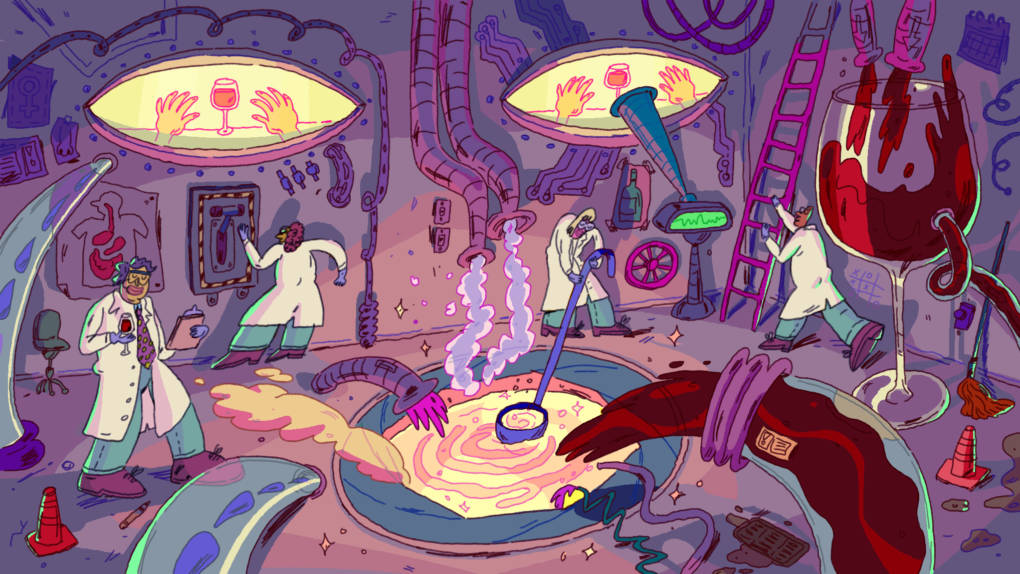
"caption": "Molecules in wine stimulate thousands of taste and odor receptors, sending a flavor signal to the brain that triggers massive cognitive computation involving pattern recognition, memory, value judgment, emotion and, of course, pleasure.",
"description": "Molecules in wine stimulate thousands of taste and odor receptors, sending a flavor signal to the brain that triggers massive cognitive computation involving pattern recognition, memory, value judgment, emotion and, of course, pleasure.",
"title": "Molecules in wine stimulate thousands of taste and odor receptors, sending a flavor signal to the brain that triggers massive cognitive computation involving pattern recognition, memory, value judgment, emotion and, of course, pleasure.",
"credit": "Alex Reynolds/NPR",
"status": "inherit",
"isLoading": false,
"fetchFailed": false
},
"bayareabites_116486": {
"type": "attachments",
"id": "bayareabites_116486",
"meta": {
"index": "attachments_1716263798",
"site": "bayareabites",
"id": "116486",
"found": true
},
"parent": 116485,
"imgSizes": {
"small": {
"file": "https://ww2.kqed.org/app/uploads/sites/24/2017/03/0316_profit-sharing-restaurants04_custom-9d8b25c430f5b03e75577e7fcbe23b68e14c5979-520x347.jpg",
"width": 520,
"mimeType": "image/jpeg",
"height": 347
},
"twentyfourteen-full-width": {
"file": "https://ww2.kqed.org/app/uploads/sites/24/2017/03/0316_profit-sharing-restaurants04_custom-9d8b25c430f5b03e75577e7fcbe23b68e14c5979-1038x576.jpg",
"width": 1038,
"mimeType": "image/jpeg",
"height": 576
},
"thumbnail": {
"file": "https://ww2.kqed.org/app/uploads/sites/24/2017/03/0316_profit-sharing-restaurants04_custom-9d8b25c430f5b03e75577e7fcbe23b68e14c5979-160x107.jpg",
"width": 160,
"mimeType": "image/jpeg",
"height": 107
},
"fd-sm": {
"file": "https://ww2.kqed.org/app/uploads/sites/24/2017/03/0316_profit-sharing-restaurants04_custom-9d8b25c430f5b03e75577e7fcbe23b68e14c5979-960x641.jpg",
"width": 960,
"mimeType": "image/jpeg",
"height": 641
},
"post-thumbnail": {
"file": "https://ww2.kqed.org/app/uploads/sites/24/2017/03/0316_profit-sharing-restaurants04_custom-9d8b25c430f5b03e75577e7fcbe23b68e14c5979-672x372.jpg",
"width": 672,
"mimeType": "image/jpeg",
"height": 372
},
"xsmall": {
"file": "https://ww2.kqed.org/app/uploads/sites/24/2017/03/0316_profit-sharing-restaurants04_custom-9d8b25c430f5b03e75577e7fcbe23b68e14c5979-375x250.jpg",
"width": 375,
"mimeType": "image/jpeg",
"height": 250
},
"kqedFullSize": {
"file": "https://ww2.kqed.org/app/uploads/sites/24/2017/03/0316_profit-sharing-restaurants04_custom-9d8b25c430f5b03e75577e7fcbe23b68e14c5979.jpg",
"width": 1996,
"height": 1332
},
"large": {
"file": "https://ww2.kqed.org/app/uploads/sites/24/2017/03/0316_profit-sharing-restaurants04_custom-9d8b25c430f5b03e75577e7fcbe23b68e14c5979-1020x681.jpg",
"width": 1020,
"mimeType": "image/jpeg",
"height": 681
},
"xlarge": {
"file": "https://ww2.kqed.org/app/uploads/sites/24/2017/03/0316_profit-sharing-restaurants04_custom-9d8b25c430f5b03e75577e7fcbe23b68e14c5979-1180x787.jpg",
"width": 1180,
"mimeType": "image/jpeg",
"height": 787
},
"guest-author-50": {
"file": "https://ww2.kqed.org/app/uploads/sites/24/2017/03/0316_profit-sharing-restaurants04_custom-9d8b25c430f5b03e75577e7fcbe23b68e14c5979-50x50.jpg",
"width": 50,
"mimeType": "image/jpeg",
"height": 50
},
"guest-author-96": {
"file": "https://ww2.kqed.org/app/uploads/sites/24/2017/03/0316_profit-sharing-restaurants04_custom-9d8b25c430f5b03e75577e7fcbe23b68e14c5979-96x96.jpg",
"width": 96,
"mimeType": "image/jpeg",
"height": 96
},
"medium": {
"file": "https://ww2.kqed.org/app/uploads/sites/24/2017/03/0316_profit-sharing-restaurants04_custom-9d8b25c430f5b03e75577e7fcbe23b68e14c5979-800x534.jpg",
"width": 800,
"mimeType": "image/jpeg",
"height": 534
},
"guest-author-64": {
"file": "https://ww2.kqed.org/app/uploads/sites/24/2017/03/0316_profit-sharing-restaurants04_custom-9d8b25c430f5b03e75577e7fcbe23b68e14c5979-64x64.jpg",
"width": 64,
"mimeType": "image/jpeg",
"height": 64
},
"guest-author-32": {
"file": "https://ww2.kqed.org/app/uploads/sites/24/2017/03/0316_profit-sharing-restaurants04_custom-9d8b25c430f5b03e75577e7fcbe23b68e14c5979-32x32.jpg",
"width": 32,
"mimeType": "image/jpeg",
"height": 32
},
"fd-lrg": {
"file": "https://ww2.kqed.org/app/uploads/sites/24/2017/03/0316_profit-sharing-restaurants04_custom-9d8b25c430f5b03e75577e7fcbe23b68e14c5979-1920x1281.jpg",
"width": 1920,
"mimeType": "image/jpeg",
"height": 1281
},
"fd-med": {
"file": "https://ww2.kqed.org/app/uploads/sites/24/2017/03/0316_profit-sharing-restaurants04_custom-9d8b25c430f5b03e75577e7fcbe23b68e14c5979-1180x787.jpg",
"width": 1180,
"mimeType": "image/jpeg",
"height": 787
},
"full-width": {
"file": "https://ww2.kqed.org/app/uploads/sites/24/2017/03/0316_profit-sharing-restaurants04_custom-9d8b25c430f5b03e75577e7fcbe23b68e14c5979-1920x1281.jpg",
"width": 1920,
"mimeType": "image/jpeg",
"height": 1281
},
"detail": {
"file": "https://ww2.kqed.org/app/uploads/sites/24/2017/03/0316_profit-sharing-restaurants04_custom-9d8b25c430f5b03e75577e7fcbe23b68e14c5979-150x150.jpg",
"width": 150,
"mimeType": "image/jpeg",
"height": 150
},
"medium_large": {
"file": "https://ww2.kqed.org/app/uploads/sites/24/2017/03/0316_profit-sharing-restaurants04_custom-9d8b25c430f5b03e75577e7fcbe23b68e14c5979-768x513.jpg",
"width": 768,
"mimeType": "image/jpeg",
"height": 513
},
"guest-author-128": {
"file": "https://ww2.kqed.org/app/uploads/sites/24/2017/03/0316_profit-sharing-restaurants04_custom-9d8b25c430f5b03e75577e7fcbe23b68e14c5979-128x128.jpg",
"width": 128,
"mimeType": "image/jpeg",
"height": 128
},
"xxsmall": {
"file": "https://ww2.kqed.org/app/uploads/sites/24/2017/03/0316_profit-sharing-restaurants04_custom-9d8b25c430f5b03e75577e7fcbe23b68e14c5979-240x160.jpg",
"width": 240,
"mimeType": "image/jpeg",
"height": 160
}
},
"publishDate": 1490996932,
"modified": 1490997216,
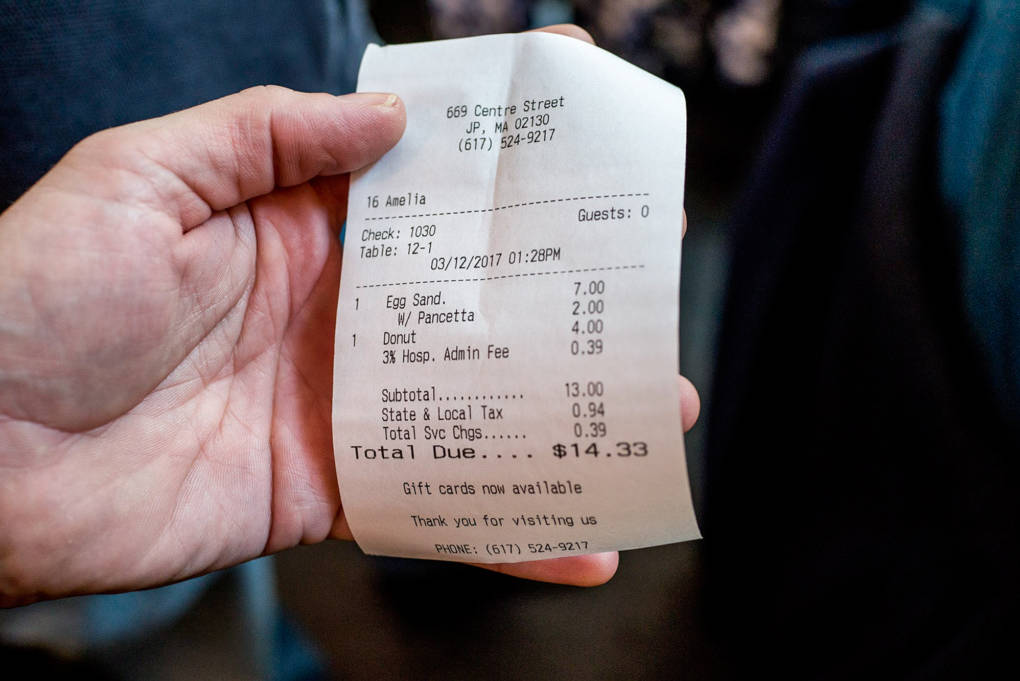
"caption": "A receipt from Centre Street Café in Boston includes a 3 percent \"hospitality administration fee,\" which comes out to 39 cents on $13 of food sales. The entire fee goes to non-tipped employees in the kitchen.",
"description": "A receipt from Centre Street Café in Boston includes a 3 percent \"hospitality administration fee,\" which comes out to 39 cents on $13 of food sales. The entire fee goes to non-tipped employees in the kitchen",
"title": "A receipt from Centre Street Café in Boston includes a 3 percent \"hospitality administration fee,\" which comes out to 39 cents on $13 of food sales. The entire fee goes to non-tipped employees in the kitchen.",
"credit": "Simón Rios/WBUR",
"status": "inherit",
"isLoading": false,
"fetchFailed": false
},
"bayareabites_116473": {
"type": "attachments",
"id": "bayareabites_116473",
"meta": {
"index": "attachments_1716263798",
"site": "bayareabites",
"id": "116473",
"found": true
},
"parent": 116469,
"imgSizes": {
"small": {
"file": "https://ww2.kqed.org/app/uploads/sites/24/2017/03/170329-meat-1-520x347.jpg",
"width": 520,
"mimeType": "image/jpeg",
"height": 347
},
"twentyfourteen-full-width": {
"file": "https://ww2.kqed.org/app/uploads/sites/24/2017/03/170329-meat-1-1038x576.jpg",
"width": 1038,
"mimeType": "image/jpeg",
"height": 576
},
"thumbnail": {
"file": "https://ww2.kqed.org/app/uploads/sites/24/2017/03/170329-meat-1-160x107.jpg",
"width": 160,
"mimeType": "image/jpeg",
"height": 107
},
"fd-sm": {
"file": "https://ww2.kqed.org/app/uploads/sites/24/2017/03/170329-meat-1-960x640.jpg",
"width": 960,
"mimeType": "image/jpeg",
"height": 640
},
"post-thumbnail": {
"file": "https://ww2.kqed.org/app/uploads/sites/24/2017/03/170329-meat-1-672x372.jpg",
"width": 672,
"mimeType": "image/jpeg",
"height": 372
},
"xsmall": {
"file": "https://ww2.kqed.org/app/uploads/sites/24/2017/03/170329-meat-1-375x250.jpg",
"width": 375,
"mimeType": "image/jpeg",
"height": 250
},
"kqedFullSize": {
"file": "https://ww2.kqed.org/app/uploads/sites/24/2017/03/170329-meat-1.jpg",
"width": 1200,
"height": 800
},
"large": {
"file": "https://ww2.kqed.org/app/uploads/sites/24/2017/03/170329-meat-1-1020x680.jpg",
"width": 1020,
"mimeType": "image/jpeg",
"height": 680
},
"xlarge": {
"file": "https://ww2.kqed.org/app/uploads/sites/24/2017/03/170329-meat-1-1180x787.jpg",
"width": 1180,
"mimeType": "image/jpeg",
"height": 787
},
"guest-author-50": {
"file": "https://ww2.kqed.org/app/uploads/sites/24/2017/03/170329-meat-1-50x50.jpg",
"width": 50,
"mimeType": "image/jpeg",
"height": 50
},
"guest-author-96": {
"file": "https://ww2.kqed.org/app/uploads/sites/24/2017/03/170329-meat-1-96x96.jpg",
"width": 96,
"mimeType": "image/jpeg",
"height": 96
},
"medium": {
"file": "https://ww2.kqed.org/app/uploads/sites/24/2017/03/170329-meat-1-800x533.jpg",
"width": 800,
"mimeType": "image/jpeg",
"height": 533
},
"guest-author-64": {
"file": "https://ww2.kqed.org/app/uploads/sites/24/2017/03/170329-meat-1-64x64.jpg",
"width": 64,
"mimeType": "image/jpeg",
"height": 64
},
"guest-author-32": {
"file": "https://ww2.kqed.org/app/uploads/sites/24/2017/03/170329-meat-1-32x32.jpg",
"width": 32,
"mimeType": "image/jpeg",
"height": 32
},
"fd-med": {
"file": "https://ww2.kqed.org/app/uploads/sites/24/2017/03/170329-meat-1-1180x787.jpg",
"width": 1180,
"mimeType": "image/jpeg",
"height": 787
},
"detail": {
"file": "https://ww2.kqed.org/app/uploads/sites/24/2017/03/170329-meat-1-150x150.jpg",
"width": 150,
"mimeType": "image/jpeg",
"height": 150
},
"medium_large": {
"file": "https://ww2.kqed.org/app/uploads/sites/24/2017/03/170329-meat-1-768x512.jpg",
"width": 768,
"mimeType": "image/jpeg",
"height": 512
},
"guest-author-128": {
"file": "https://ww2.kqed.org/app/uploads/sites/24/2017/03/170329-meat-1-128x128.jpg",
"width": 128,
"mimeType": "image/jpeg",
"height": 128
},
"xxsmall": {
"file": "https://ww2.kqed.org/app/uploads/sites/24/2017/03/170329-meat-1-240x160.jpg",
"width": 240,
"mimeType": "image/jpeg",
"height": 160
}
},
"publishDate": 1490975110,
"modified": 1490975191,
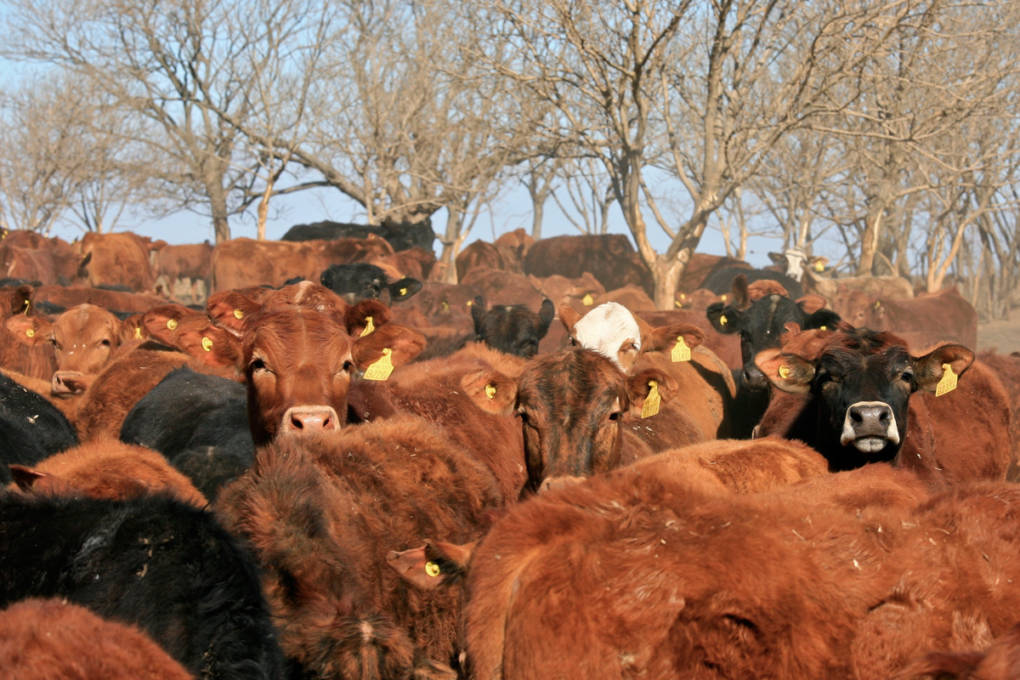
"caption": "Cattle",
"description": null,
"title": "170329-meat-1",
"credit": "CC-licensed by \u003ca href=\"https://www.flickr.com/photos/proimos/6076471109\">Alex Proimos\u003c/a>",
"status": "inherit",
"isLoading": false,
"fetchFailed": false
},
"bayareabites_115842": {
"type": "attachments",
"id": "bayareabites_115842",
"meta": {
"index": "attachments_1716263798",
"site": "bayareabites",
"id": "115842",
"found": true
},
"parent": 115841,
"imgSizes": {
"small": {
"file": "https://ww2.kqed.org/app/uploads/sites/24/2017/03/mg_9231-2_custom-dcb7c98d38560716c71ec9bd16e64d26e116ab2c-520x312.jpg",
"width": 520,
"mimeType": "image/jpeg",
"height": 312
},
"twentyfourteen-full-width": {
"file": "https://ww2.kqed.org/app/uploads/sites/24/2017/03/mg_9231-2_custom-dcb7c98d38560716c71ec9bd16e64d26e116ab2c-1038x576.jpg",
"width": 1038,
"mimeType": "image/jpeg",
"height": 576
},
"thumbnail": {
"file": "https://ww2.kqed.org/app/uploads/sites/24/2017/03/mg_9231-2_custom-dcb7c98d38560716c71ec9bd16e64d26e116ab2c-160x96.jpg",
"width": 160,
"mimeType": "image/jpeg",
"height": 96
},
"fd-sm": {
"file": "https://ww2.kqed.org/app/uploads/sites/24/2017/03/mg_9231-2_custom-dcb7c98d38560716c71ec9bd16e64d26e116ab2c-960x576.jpg",
"width": 960,
"mimeType": "image/jpeg",
"height": 576
},
"post-thumbnail": {
"file": "https://ww2.kqed.org/app/uploads/sites/24/2017/03/mg_9231-2_custom-dcb7c98d38560716c71ec9bd16e64d26e116ab2c-672x372.jpg",
"width": 672,
"mimeType": "image/jpeg",
"height": 372
},
"xsmall": {
"file": "https://ww2.kqed.org/app/uploads/sites/24/2017/03/mg_9231-2_custom-dcb7c98d38560716c71ec9bd16e64d26e116ab2c-375x225.jpg",
"width": 375,
"mimeType": "image/jpeg",
"height": 225
},
"kqedFullSize": {
"file": "https://ww2.kqed.org/app/uploads/sites/24/2017/03/mg_9231-2_custom-dcb7c98d38560716c71ec9bd16e64d26e116ab2c.jpg",
"width": 2000,
"height": 1200
},
"large": {
"file": "https://ww2.kqed.org/app/uploads/sites/24/2017/03/mg_9231-2_custom-dcb7c98d38560716c71ec9bd16e64d26e116ab2c-1020x612.jpg",
"width": 1020,
"mimeType": "image/jpeg",
"height": 612
},
"xlarge": {
"file": "https://ww2.kqed.org/app/uploads/sites/24/2017/03/mg_9231-2_custom-dcb7c98d38560716c71ec9bd16e64d26e116ab2c-1180x708.jpg",
"width": 1180,
"mimeType": "image/jpeg",
"height": 708
},
"guest-author-50": {
"file": "https://ww2.kqed.org/app/uploads/sites/24/2017/03/mg_9231-2_custom-dcb7c98d38560716c71ec9bd16e64d26e116ab2c-50x50.jpg",
"width": 50,
"mimeType": "image/jpeg",
"height": 50
},
"guest-author-96": {
"file": "https://ww2.kqed.org/app/uploads/sites/24/2017/03/mg_9231-2_custom-dcb7c98d38560716c71ec9bd16e64d26e116ab2c-96x96.jpg",
"width": 96,
"mimeType": "image/jpeg",
"height": 96
},
"medium": {
"file": "https://ww2.kqed.org/app/uploads/sites/24/2017/03/mg_9231-2_custom-dcb7c98d38560716c71ec9bd16e64d26e116ab2c-800x480.jpg",
"width": 800,
"mimeType": "image/jpeg",
"height": 480
},
"guest-author-64": {
"file": "https://ww2.kqed.org/app/uploads/sites/24/2017/03/mg_9231-2_custom-dcb7c98d38560716c71ec9bd16e64d26e116ab2c-64x64.jpg",
"width": 64,
"mimeType": "image/jpeg",
"height": 64
},
"guest-author-32": {
"file": "https://ww2.kqed.org/app/uploads/sites/24/2017/03/mg_9231-2_custom-dcb7c98d38560716c71ec9bd16e64d26e116ab2c-32x32.jpg",
"width": 32,
"mimeType": "image/jpeg",
"height": 32
},
"fd-lrg": {
"file": "https://ww2.kqed.org/app/uploads/sites/24/2017/03/mg_9231-2_custom-dcb7c98d38560716c71ec9bd16e64d26e116ab2c-1920x1152.jpg",
"width": 1920,
"mimeType": "image/jpeg",
"height": 1152
},
"fd-med": {
"file": "https://ww2.kqed.org/app/uploads/sites/24/2017/03/mg_9231-2_custom-dcb7c98d38560716c71ec9bd16e64d26e116ab2c-1180x708.jpg",
"width": 1180,
"mimeType": "image/jpeg",
"height": 708
},
"full-width": {
"file": "https://ww2.kqed.org/app/uploads/sites/24/2017/03/mg_9231-2_custom-dcb7c98d38560716c71ec9bd16e64d26e116ab2c-1920x1152.jpg",
"width": 1920,
"mimeType": "image/jpeg",
"height": 1152
},
"detail": {
"file": "https://ww2.kqed.org/app/uploads/sites/24/2017/03/mg_9231-2_custom-dcb7c98d38560716c71ec9bd16e64d26e116ab2c-150x150.jpg",
"width": 150,
"mimeType": "image/jpeg",
"height": 150
},
"medium_large": {
"file": "https://ww2.kqed.org/app/uploads/sites/24/2017/03/mg_9231-2_custom-dcb7c98d38560716c71ec9bd16e64d26e116ab2c-768x461.jpg",
"width": 768,
"mimeType": "image/jpeg",
"height": 461
},
"guest-author-128": {
"file": "https://ww2.kqed.org/app/uploads/sites/24/2017/03/mg_9231-2_custom-dcb7c98d38560716c71ec9bd16e64d26e116ab2c-128x128.jpg",
"width": 128,
"mimeType": "image/jpeg",
"height": 128
},
"xxsmall": {
"file": "https://ww2.kqed.org/app/uploads/sites/24/2017/03/mg_9231-2_custom-dcb7c98d38560716c71ec9bd16e64d26e116ab2c-240x144.jpg",
"width": 240,
"mimeType": "image/jpeg",
"height": 144
}
},
"publishDate": 1489425200,
"modified": 1489425712,
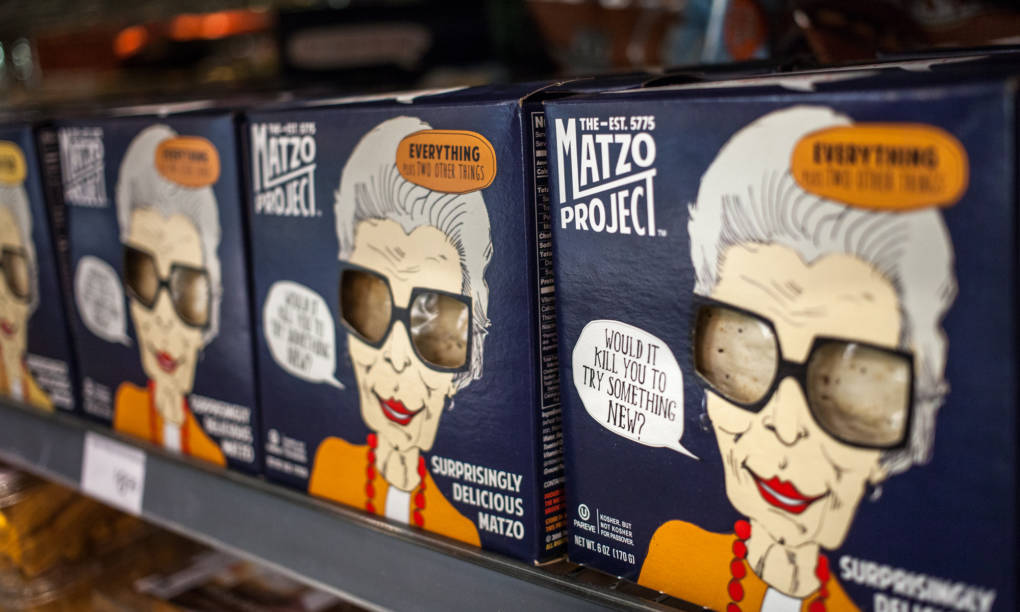
"caption": "Boxes of \"Surprisingly Delicious Matzo\" made by The Matzo Project line the shelves of Glen's Garden Market in Washington, D.C.",
"description": "Boxes of \"Surprisingly Delicious Matzo\" made by The Matzo Project line the shelves of Glen's Garden Market in Washington, D.C.",
"title": "Boxes of \"Surprisingly Delicious Matzo\" made by The Matzo Project line the shelves of Glen's Garden Market in Washington, D.C.",
"credit": "Kelly Jo Smart/NPR",
"status": "inherit",
"isLoading": false,
"fetchFailed": false
},
"bayareabites_115761": {
"type": "attachments",
"id": "bayareabites_115761",
"meta": {
"index": "attachments_1716263798",
"site": "bayareabites",
"id": "115761",
"found": true
},
"parent": 115758,
"imgSizes": {
"small": {
"file": "https://ww2.kqed.org/app/uploads/sites/24/2017/03/oak-farm-1202-520x345.jpg",
"width": 520,
"mimeType": "image/jpeg",
"height": 345
},
"twentyfourteen-full-width": {
"file": "https://ww2.kqed.org/app/uploads/sites/24/2017/03/oak-farm-1202-1038x576.jpg",
"width": 1038,
"mimeType": "image/jpeg",
"height": 576
},
"thumbnail": {
"file": "https://ww2.kqed.org/app/uploads/sites/24/2017/03/oak-farm-1202-160x106.jpg",
"width": 160,
"mimeType": "image/jpeg",
"height": 106
},
"fd-sm": {
"file": "https://ww2.kqed.org/app/uploads/sites/24/2017/03/oak-farm-1202-960x638.jpg",
"width": 960,
"mimeType": "image/jpeg",
"height": 638
},
"post-thumbnail": {
"file": "https://ww2.kqed.org/app/uploads/sites/24/2017/03/oak-farm-1202-672x372.jpg",
"width": 672,
"mimeType": "image/jpeg",
"height": 372
},
"xsmall": {
"file": "https://ww2.kqed.org/app/uploads/sites/24/2017/03/oak-farm-1202-375x249.jpg",
"width": 375,
"mimeType": "image/jpeg",
"height": 249
},
"kqedFullSize": {
"file": "https://ww2.kqed.org/app/uploads/sites/24/2017/03/oak-farm-1202.jpg",
"width": 1920,
"height": 1275
},
"large": {
"file": "https://ww2.kqed.org/app/uploads/sites/24/2017/03/oak-farm-1202-1020x677.jpg",
"width": 1020,
"mimeType": "image/jpeg",
"height": 677
},
"xlarge": {
"file": "https://ww2.kqed.org/app/uploads/sites/24/2017/03/oak-farm-1202-1180x784.jpg",
"width": 1180,
"mimeType": "image/jpeg",
"height": 784
},
"guest-author-50": {
"file": "https://ww2.kqed.org/app/uploads/sites/24/2017/03/oak-farm-1202-50x50.jpg",
"width": 50,
"mimeType": "image/jpeg",
"height": 50
},
"guest-author-96": {
"file": "https://ww2.kqed.org/app/uploads/sites/24/2017/03/oak-farm-1202-96x96.jpg",
"width": 96,
"mimeType": "image/jpeg",
"height": 96
},
"medium": {
"file": "https://ww2.kqed.org/app/uploads/sites/24/2017/03/oak-farm-1202-800x531.jpg",
"width": 800,
"mimeType": "image/jpeg",
"height": 531
},
"guest-author-64": {
"file": "https://ww2.kqed.org/app/uploads/sites/24/2017/03/oak-farm-1202-64x64.jpg",
"width": 64,
"mimeType": "image/jpeg",
"height": 64
},
"guest-author-32": {
"file": "https://ww2.kqed.org/app/uploads/sites/24/2017/03/oak-farm-1202-32x32.jpg",
"width": 32,
"mimeType": "image/jpeg",
"height": 32
},
"fd-lrg": {
"file": "https://ww2.kqed.org/app/uploads/sites/24/2017/03/oak-farm-1202-1920x1275.jpg",
"width": 1920,
"mimeType": "image/jpeg",
"height": 1275
},
"fd-med": {
"file": "https://ww2.kqed.org/app/uploads/sites/24/2017/03/oak-farm-1202-1180x784.jpg",
"width": 1180,
"mimeType": "image/jpeg",
"height": 784
},
"full-width": {
"file": "https://ww2.kqed.org/app/uploads/sites/24/2017/03/oak-farm-1202-1920x1275.jpg",
"width": 1920,
"mimeType": "image/jpeg",
"height": 1275
},
"detail": {
"file": "https://ww2.kqed.org/app/uploads/sites/24/2017/03/oak-farm-1202-150x150.jpg",
"width": 150,
"mimeType": "image/jpeg",
"height": 150
},
"medium_large": {
"file": "https://ww2.kqed.org/app/uploads/sites/24/2017/03/oak-farm-1202-768x510.jpg",
"width": 768,
"mimeType": "image/jpeg",
"height": 510
},
"guest-author-128": {
"file": "https://ww2.kqed.org/app/uploads/sites/24/2017/03/oak-farm-1202-128x128.jpg",
"width": 128,
"mimeType": "image/jpeg",
"height": 128
},
"xxsmall": {
"file": "https://ww2.kqed.org/app/uploads/sites/24/2017/03/oak-farm-1202-240x159.jpg",
"width": 240,
"mimeType": "image/jpeg",
"height": 159
}
},
"publishDate": 1488839250,
"modified": 1488839582,
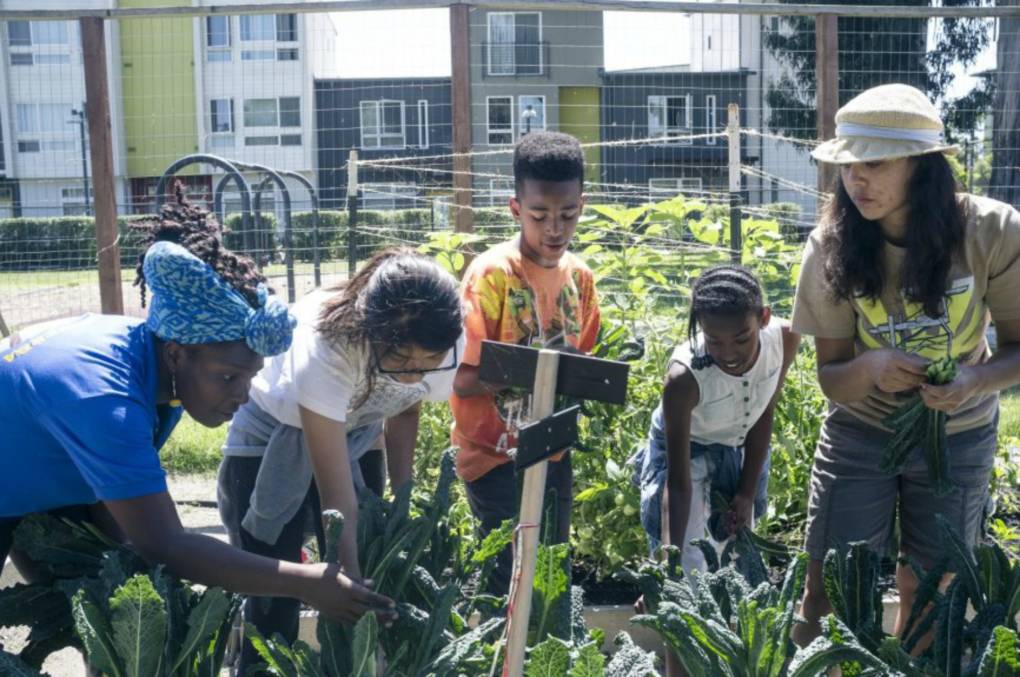
"caption": "Farm manager Kana Azhari, farm assistant Yesica Martinez, student Thomas, student Raquita and educator Katina Castillo work together to pick the farm's kale. ",
"description": "Farm manager Kana Azhari, farm assistant Yesica Martinez, student Thomas, student Raquita and educator Katina Castillo work together to pick the farm's kale. ",
"title": "Farm manager Kana Azhari, farm assistant Yesica Martinez, student Thomas, student Raquita and educator Katina Castillo work together to pick the farm's kale.",
"credit": "Pete Rosos/Acta Non Verba ",
"status": "inherit",
"isLoading": false,
"fetchFailed": false
},
"bayareabites_115745": {
"type": "attachments",
"id": "bayareabites_115745",
"meta": {
"index": "attachments_1716263798",
"site": "bayareabites",
"id": "115745",
"found": true
},
"parent": 115744,
"imgSizes": {
"small": {
"file": "https://ww2.kqed.org/app/uploads/sites/24/2017/03/img_3745_ed_custom-ab44a877500d584dea7341e179ff021e1140a62e-520x358.jpg",
"width": 520,
"mimeType": "image/jpeg",
"height": 358
},
"twentyfourteen-full-width": {
"file": "https://ww2.kqed.org/app/uploads/sites/24/2017/03/img_3745_ed_custom-ab44a877500d584dea7341e179ff021e1140a62e-1038x576.jpg",
"width": 1038,
"mimeType": "image/jpeg",
"height": 576
},
"thumbnail": {
"file": "https://ww2.kqed.org/app/uploads/sites/24/2017/03/img_3745_ed_custom-ab44a877500d584dea7341e179ff021e1140a62e-160x110.jpg",
"width": 160,
"mimeType": "image/jpeg",
"height": 110
},
"fd-sm": {
"file": "https://ww2.kqed.org/app/uploads/sites/24/2017/03/img_3745_ed_custom-ab44a877500d584dea7341e179ff021e1140a62e-960x661.jpg",
"width": 960,
"mimeType": "image/jpeg",
"height": 661
},
"post-thumbnail": {
"file": "https://ww2.kqed.org/app/uploads/sites/24/2017/03/img_3745_ed_custom-ab44a877500d584dea7341e179ff021e1140a62e-672x372.jpg",
"width": 672,
"mimeType": "image/jpeg",
"height": 372
},
"xsmall": {
"file": "https://ww2.kqed.org/app/uploads/sites/24/2017/03/img_3745_ed_custom-ab44a877500d584dea7341e179ff021e1140a62e-375x258.jpg",
"width": 375,
"mimeType": "image/jpeg",
"height": 258
},
"kqedFullSize": {
"file": "https://ww2.kqed.org/app/uploads/sites/24/2017/03/img_3745_ed_custom-ab44a877500d584dea7341e179ff021e1140a62e-e1488826569644.jpg",
"width": 1920,
"height": 1322
},
"large": {
"file": "https://ww2.kqed.org/app/uploads/sites/24/2017/03/img_3745_ed_custom-ab44a877500d584dea7341e179ff021e1140a62e-1020x702.jpg",
"width": 1020,
"mimeType": "image/jpeg",
"height": 702
},
"xlarge": {
"file": "https://ww2.kqed.org/app/uploads/sites/24/2017/03/img_3745_ed_custom-ab44a877500d584dea7341e179ff021e1140a62e-1180x813.jpg",
"width": 1180,
"mimeType": "image/jpeg",
"height": 813
},
"guest-author-50": {
"file": "https://ww2.kqed.org/app/uploads/sites/24/2017/03/img_3745_ed_custom-ab44a877500d584dea7341e179ff021e1140a62e-50x50.jpg",
"width": 50,
"mimeType": "image/jpeg",
"height": 50
},
"guest-author-96": {
"file": "https://ww2.kqed.org/app/uploads/sites/24/2017/03/img_3745_ed_custom-ab44a877500d584dea7341e179ff021e1140a62e-96x96.jpg",
"width": 96,
"mimeType": "image/jpeg",
"height": 96
},
"medium": {
"file": "https://ww2.kqed.org/app/uploads/sites/24/2017/03/img_3745_ed_custom-ab44a877500d584dea7341e179ff021e1140a62e-800x551.jpg",
"width": 800,
"mimeType": "image/jpeg",
"height": 551
},
"guest-author-64": {
"file": "https://ww2.kqed.org/app/uploads/sites/24/2017/03/img_3745_ed_custom-ab44a877500d584dea7341e179ff021e1140a62e-64x64.jpg",
"width": 64,
"mimeType": "image/jpeg",
"height": 64
},
"guest-author-32": {
"file": "https://ww2.kqed.org/app/uploads/sites/24/2017/03/img_3745_ed_custom-ab44a877500d584dea7341e179ff021e1140a62e-32x32.jpg",
"width": 32,
"mimeType": "image/jpeg",
"height": 32
},
"fd-lrg": {
"file": "https://ww2.kqed.org/app/uploads/sites/24/2017/03/img_3745_ed_custom-ab44a877500d584dea7341e179ff021e1140a62e-1920x1322.jpg",
"width": 1920,
"mimeType": "image/jpeg",
"height": 1322
},
"fd-med": {
"file": "https://ww2.kqed.org/app/uploads/sites/24/2017/03/img_3745_ed_custom-ab44a877500d584dea7341e179ff021e1140a62e-1180x813.jpg",
"width": 1180,
"mimeType": "image/jpeg",
"height": 813
},
"full-width": {
"file": "https://ww2.kqed.org/app/uploads/sites/24/2017/03/img_3745_ed_custom-ab44a877500d584dea7341e179ff021e1140a62e-1920x1322.jpg",
"width": 1920,
"mimeType": "image/jpeg",
"height": 1322
},
"detail": {
"file": "https://ww2.kqed.org/app/uploads/sites/24/2017/03/img_3745_ed_custom-ab44a877500d584dea7341e179ff021e1140a62e-150x150.jpg",
"width": 150,
"mimeType": "image/jpeg",
"height": 150
},
"medium_large": {
"file": "https://ww2.kqed.org/app/uploads/sites/24/2017/03/img_3745_ed_custom-ab44a877500d584dea7341e179ff021e1140a62e-768x529.jpg",
"width": 768,
"mimeType": "image/jpeg",
"height": 529
},
"guest-author-128": {
"file": "https://ww2.kqed.org/app/uploads/sites/24/2017/03/img_3745_ed_custom-ab44a877500d584dea7341e179ff021e1140a62e-128x128.jpg",
"width": 128,
"mimeType": "image/jpeg",
"height": 128
},
"xxsmall": {
"file": "https://ww2.kqed.org/app/uploads/sites/24/2017/03/img_3745_ed_custom-ab44a877500d584dea7341e179ff021e1140a62e-240x165.jpg",
"width": 240,
"mimeType": "image/jpeg",
"height": 165
}
},
"publishDate": 1488823602,
"modified": 1488823885,
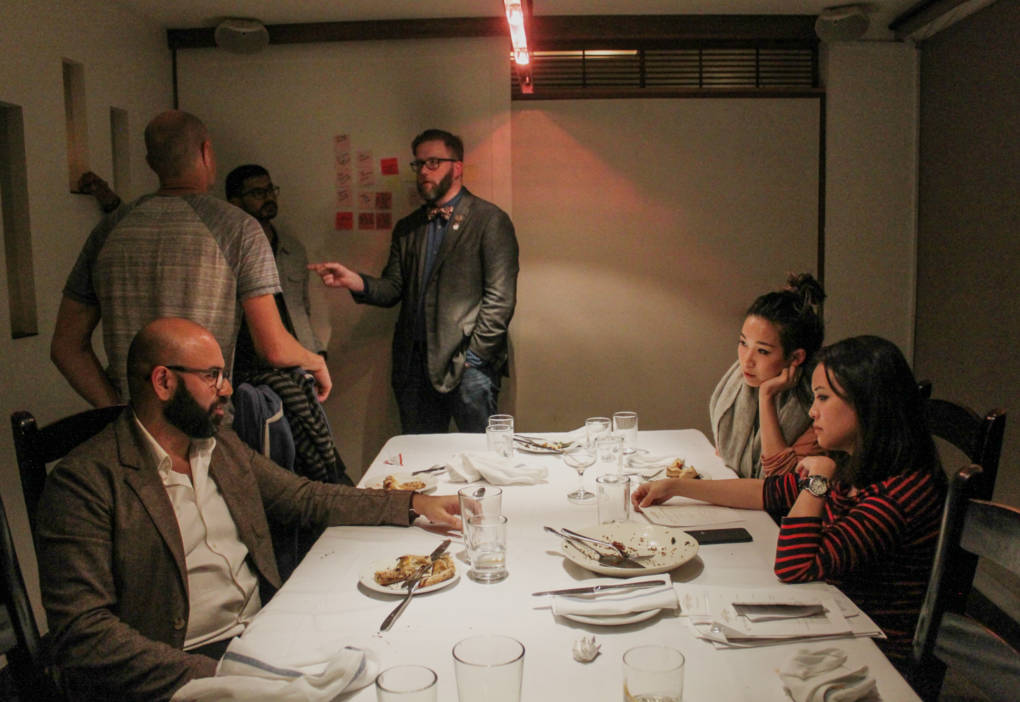
"caption": "Make America Dinner Again guest Affan Khokhar (left, seated) talks with hosts Tria Chang and Justine Lee (front right, seated) after the dinner as guests (from left to right) Afam Agbodike, Walter Rodriguez and Nick Tucker continue their conversation.",
"description": "Make America Dinner Again guest Affan Khokhar (left, seated) talks with hosts Tria Chang and Justine Lee (front right, seated) after the dinner as guests (from left to right) Afam Agbodike, Walter Rodriguez and Nick Tucker continue their conversation.",
"title": "Make America Dinner Again guest Affan Khokhar (left, seated) talks with hosts Tria Chang and Justine Lee (front right, seated) after the dinner as guests (from left to right) Afam Agbodike, Walter Rodriguez and Nick Tucker continue their conversation.",
"credit": "Sonia Paul/NPR",
"status": "inherit",
"isLoading": false,
"fetchFailed": false
},
"bayareabites_115713": {
"type": "attachments",
"id": "bayareabites_115713",
"meta": {
"index": "attachments_1716263798",
"site": "bayareabites",
"id": "115713",
"found": true
},
"parent": 115711,
"imgSizes": {
"small": {
"file": "https://ww2.kqed.org/app/uploads/sites/24/2017/03/cover_custom-abc71c114c9d5c80e078996d0d07245dc1818a46-520x525.jpg",
"width": 520,
"mimeType": "image/jpeg",
"height": 525
},
"twentyfourteen-full-width": {
"file": "https://ww2.kqed.org/app/uploads/sites/24/2017/03/cover_custom-abc71c114c9d5c80e078996d0d07245dc1818a46-1038x576.jpg",
"width": 1038,
"mimeType": "image/jpeg",
"height": 576
},
"thumbnail": {
"file": "https://ww2.kqed.org/app/uploads/sites/24/2017/03/cover_custom-abc71c114c9d5c80e078996d0d07245dc1818a46-160x162.jpg",
"width": 160,
"mimeType": "image/jpeg",
"height": 162
},
"fd-sm": {
"file": "https://ww2.kqed.org/app/uploads/sites/24/2017/03/cover_custom-abc71c114c9d5c80e078996d0d07245dc1818a46-960x970.jpg",
"width": 960,
"mimeType": "image/jpeg",
"height": 970
},
"post-thumbnail": {
"file": "https://ww2.kqed.org/app/uploads/sites/24/2017/03/cover_custom-abc71c114c9d5c80e078996d0d07245dc1818a46-672x372.jpg",
"width": 672,
"mimeType": "image/jpeg",
"height": 372
},
"xsmall": {
"file": "https://ww2.kqed.org/app/uploads/sites/24/2017/03/cover_custom-abc71c114c9d5c80e078996d0d07245dc1818a46-375x379.jpg",
"width": 375,
"mimeType": "image/jpeg",
"height": 379
},
"kqedFullSize": {
"file": "https://ww2.kqed.org/app/uploads/sites/24/2017/03/cover_custom-abc71c114c9d5c80e078996d0d07245dc1818a46.jpg",
"width": 2798,
"height": 2826
},
"large": {
"file": "https://ww2.kqed.org/app/uploads/sites/24/2017/03/cover_custom-abc71c114c9d5c80e078996d0d07245dc1818a46-1020x1030.jpg",
"width": 1020,
"mimeType": "image/jpeg",
"height": 1030
},
"xlarge": {
"file": "https://ww2.kqed.org/app/uploads/sites/24/2017/03/cover_custom-abc71c114c9d5c80e078996d0d07245dc1818a46-1180x1192.jpg",
"width": 1180,
"mimeType": "image/jpeg",
"height": 1192
},
"guest-author-50": {
"file": "https://ww2.kqed.org/app/uploads/sites/24/2017/03/cover_custom-abc71c114c9d5c80e078996d0d07245dc1818a46-50x50.jpg",
"width": 50,
"mimeType": "image/jpeg",
"height": 50
},
"guest-author-96": {
"file": "https://ww2.kqed.org/app/uploads/sites/24/2017/03/cover_custom-abc71c114c9d5c80e078996d0d07245dc1818a46-96x96.jpg",
"width": 96,
"mimeType": "image/jpeg",
"height": 96
},
"medium": {
"file": "https://ww2.kqed.org/app/uploads/sites/24/2017/03/cover_custom-abc71c114c9d5c80e078996d0d07245dc1818a46-800x808.jpg",
"width": 800,
"mimeType": "image/jpeg",
"height": 808
},
"guest-author-64": {
"file": "https://ww2.kqed.org/app/uploads/sites/24/2017/03/cover_custom-abc71c114c9d5c80e078996d0d07245dc1818a46-64x64.jpg",
"width": 64,
"mimeType": "image/jpeg",
"height": 64
},
"guest-author-32": {
"file": "https://ww2.kqed.org/app/uploads/sites/24/2017/03/cover_custom-abc71c114c9d5c80e078996d0d07245dc1818a46-32x32.jpg",
"width": 32,
"mimeType": "image/jpeg",
"height": 32
},
"fd-lrg": {
"file": "https://ww2.kqed.org/app/uploads/sites/24/2017/03/cover_custom-abc71c114c9d5c80e078996d0d07245dc1818a46-1920x1939.jpg",
"width": 1920,
"mimeType": "image/jpeg",
"height": 1939
},
"fd-med": {
"file": "https://ww2.kqed.org/app/uploads/sites/24/2017/03/cover_custom-abc71c114c9d5c80e078996d0d07245dc1818a46-1180x1192.jpg",
"width": 1180,
"mimeType": "image/jpeg",
"height": 1192
},
"full-width": {
"file": "https://ww2.kqed.org/app/uploads/sites/24/2017/03/cover_custom-abc71c114c9d5c80e078996d0d07245dc1818a46-1920x1939.jpg",
"width": 1920,
"mimeType": "image/jpeg",
"height": 1939
},
"detail": {
"file": "https://ww2.kqed.org/app/uploads/sites/24/2017/03/cover_custom-abc71c114c9d5c80e078996d0d07245dc1818a46-150x150.jpg",
"width": 150,
"mimeType": "image/jpeg",
"height": 150
},
"medium_large": {
"file": "https://ww2.kqed.org/app/uploads/sites/24/2017/03/cover_custom-abc71c114c9d5c80e078996d0d07245dc1818a46-768x776.jpg",
"width": 768,
"mimeType": "image/jpeg",
"height": 776
},
"guest-author-128": {
"file": "https://ww2.kqed.org/app/uploads/sites/24/2017/03/cover_custom-abc71c114c9d5c80e078996d0d07245dc1818a46-128x128.jpg",
"width": 128,
"mimeType": "image/jpeg",
"height": 128
},
"xxsmall": {
"file": "https://ww2.kqed.org/app/uploads/sites/24/2017/03/cover_custom-abc71c114c9d5c80e078996d0d07245dc1818a46-240x242.jpg",
"width": 240,
"mimeType": "image/jpeg",
"height": 242
}
},
"publishDate": 1488573424,
"modified": 1488574715,
"caption": "An artist's illustration shows how a remote-controlled drone might one day be used to pollinate flowers.",
"description": "An artist's illustration shows how a remote-controlled drone might one day be used to pollinate flowers.",
"title": "An artist's illustration shows how a remote-controlled drone might one day be used to pollinate flowers.",
"credit": "Courtesy of Dr. Eijiro Miyako",
"status": "inherit",
"isLoading": false,
"fetchFailed": false
},
"bayareabites_115491": {
"type": "attachments",
"id": "bayareabites_115491",
"meta": {
"index": "attachments_1716263798",
"site": "bayareabites",
"id": "115491",
"found": true
},
"parent": 0,
"imgSizes": {
"small": {
"file": "https://ww2.kqed.org/app/uploads/sites/24/2017/02/feature-photo-520x260.jpg",
"width": 520,
"mimeType": "image/jpeg",
"height": 260
},
"twentyfourteen-full-width": {
"file": "https://ww2.kqed.org/app/uploads/sites/24/2017/02/feature-photo-1038x576.jpg",
"width": 1038,
"mimeType": "image/jpeg",
"height": 576
},
"thumbnail": {
"file": "https://ww2.kqed.org/app/uploads/sites/24/2017/02/feature-photo-160x80.jpg",
"width": 160,
"mimeType": "image/jpeg",
"height": 80
},
"fd-sm": {
"file": "https://ww2.kqed.org/app/uploads/sites/24/2017/02/feature-photo-960x480.jpg",
"width": 960,
"mimeType": "image/jpeg",
"height": 480
},
"post-thumbnail": {
"file": "https://ww2.kqed.org/app/uploads/sites/24/2017/02/feature-photo-672x372.jpg",
"width": 672,
"mimeType": "image/jpeg",
"height": 372
},
"xsmall": {
"file": "https://ww2.kqed.org/app/uploads/sites/24/2017/02/feature-photo-375x188.jpg",
"width": 375,
"mimeType": "image/jpeg",
"height": 188
},
"kqedFullSize": {
"file": "https://ww2.kqed.org/app/uploads/sites/24/2017/02/feature-photo.jpg",
"width": 1920,
"height": 960
},
"large": {
"file": "https://ww2.kqed.org/app/uploads/sites/24/2017/02/feature-photo-1020x510.jpg",
"width": 1020,
"mimeType": "image/jpeg",
"height": 510
},
"xlarge": {
"file": "https://ww2.kqed.org/app/uploads/sites/24/2017/02/feature-photo-1180x590.jpg",
"width": 1180,
"mimeType": "image/jpeg",
"height": 590
},
"guest-author-50": {
"file": "https://ww2.kqed.org/app/uploads/sites/24/2017/02/feature-photo-50x50.jpg",
"width": 50,
"mimeType": "image/jpeg",
"height": 50
},
"guest-author-96": {
"file": "https://ww2.kqed.org/app/uploads/sites/24/2017/02/feature-photo-96x96.jpg",
"width": 96,
"mimeType": "image/jpeg",
"height": 96
},
"medium": {
"file": "https://ww2.kqed.org/app/uploads/sites/24/2017/02/feature-photo-800x400.jpg",
"width": 800,
"mimeType": "image/jpeg",
"height": 400
},
"guest-author-64": {
"file": "https://ww2.kqed.org/app/uploads/sites/24/2017/02/feature-photo-64x64.jpg",
"width": 64,
"mimeType": "image/jpeg",
"height": 64
},
"guest-author-32": {
"file": "https://ww2.kqed.org/app/uploads/sites/24/2017/02/feature-photo-32x32.jpg",
"width": 32,
"mimeType": "image/jpeg",
"height": 32
},
"fd-lrg": {
"file": "https://ww2.kqed.org/app/uploads/sites/24/2017/02/feature-photo-1920x960.jpg",
"width": 1920,
"mimeType": "image/jpeg",
"height": 960
},
"fd-med": {
"file": "https://ww2.kqed.org/app/uploads/sites/24/2017/02/feature-photo-1180x590.jpg",
"width": 1180,
"mimeType": "image/jpeg",
"height": 590
},
"full-width": {
"file": "https://ww2.kqed.org/app/uploads/sites/24/2017/02/feature-photo-1920x960.jpg",
"width": 1920,
"mimeType": "image/jpeg",
"height": 960
},
"detail": {
"file": "https://ww2.kqed.org/app/uploads/sites/24/2017/02/feature-photo-150x150.jpg",
"width": 150,
"mimeType": "image/jpeg",
"height": 150
},
"medium_large": {
"file": "https://ww2.kqed.org/app/uploads/sites/24/2017/02/feature-photo-768x384.jpg",
"width": 768,
"mimeType": "image/jpeg",
"height": 384
},
"guest-author-128": {
"file": "https://ww2.kqed.org/app/uploads/sites/24/2017/02/feature-photo-128x128.jpg",
"width": 128,
"mimeType": "image/jpeg",
"height": 128
},
"xxsmall": {
"file": "https://ww2.kqed.org/app/uploads/sites/24/2017/02/feature-photo-240x120.jpg",
"width": 240,
"mimeType": "image/jpeg",
"height": 120
}
},
"publishDate": 1487442907,
"modified": 1487443018,
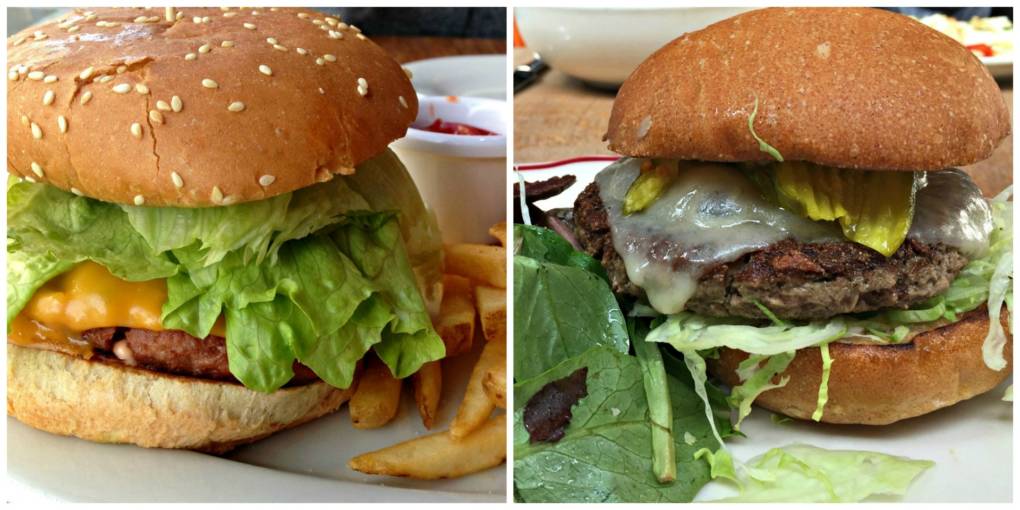
"caption": "Two new Bay Area veggie burgers: the Beyond Burger (left) and the Impossible Burger (right). ",
"description": "Two new Bay Area veggie burgers: the Beyond Burger (left) and the Impossible Burger (right). ",
"title": "Two new Bay Area veggie burgers: the Beyond Burger (left) and the Impossible Burger (right).",
"credit": "Shelby Pope",
"status": "inherit",
"isLoading": false,
"fetchFailed": false
},
"bayareabites_115350": {
"type": "attachments",
"id": "bayareabites_115350",
"meta": {
"index": "attachments_1716263798",
"site": "bayareabites",
"id": "115350",
"found": true
},
"parent": 115265,
"imgSizes": {
"small": {
"file": "https://ww2.kqed.org/app/uploads/sites/24/2017/02/1-Refugees-make-coffee-2000-520x693.jpg",
"width": 520,
"mimeType": "image/jpeg",
"height": 693
},
"twentyfourteen-full-width": {
"file": "https://ww2.kqed.org/app/uploads/sites/24/2017/02/1-Refugees-make-coffee-2000-1038x576.jpg",
"width": 1038,
"mimeType": "image/jpeg",
"height": 576
},
"thumbnail": {
"file": "https://ww2.kqed.org/app/uploads/sites/24/2017/02/1-Refugees-make-coffee-2000-160x213.jpg",
"width": 160,
"mimeType": "image/jpeg",
"height": 213
},
"fd-sm": {
"file": "https://ww2.kqed.org/app/uploads/sites/24/2017/02/1-Refugees-make-coffee-2000-960x1280.jpg",
"width": 960,
"mimeType": "image/jpeg",
"height": 1280
},
"post-thumbnail": {
"file": "https://ww2.kqed.org/app/uploads/sites/24/2017/02/1-Refugees-make-coffee-2000-672x372.jpg",
"width": 672,
"mimeType": "image/jpeg",
"height": 372
},
"xsmall": {
"file": "https://ww2.kqed.org/app/uploads/sites/24/2017/02/1-Refugees-make-coffee-2000-375x500.jpg",
"width": 375,
"mimeType": "image/jpeg",
"height": 500
},
"kqedFullSize": {
"file": "https://ww2.kqed.org/app/uploads/sites/24/2017/02/1-Refugees-make-coffee-2000.jpg",
"width": 2000,
"height": 2667
},
"large": {
"file": "https://ww2.kqed.org/app/uploads/sites/24/2017/02/1-Refugees-make-coffee-2000-1020x1360.jpg",
"width": 1020,
"mimeType": "image/jpeg",
"height": 1360
},
"xlarge": {
"file": "https://ww2.kqed.org/app/uploads/sites/24/2017/02/1-Refugees-make-coffee-2000-1180x1574.jpg",
"width": 1180,
"mimeType": "image/jpeg",
"height": 1574
},
"guest-author-50": {
"file": "https://ww2.kqed.org/app/uploads/sites/24/2017/02/1-Refugees-make-coffee-2000-50x50.jpg",
"width": 50,
"mimeType": "image/jpeg",
"height": 50
},
"guest-author-96": {
"file": "https://ww2.kqed.org/app/uploads/sites/24/2017/02/1-Refugees-make-coffee-2000-96x96.jpg",
"width": 96,
"mimeType": "image/jpeg",
"height": 96
},
"medium": {
"file": "https://ww2.kqed.org/app/uploads/sites/24/2017/02/1-Refugees-make-coffee-2000-800x1067.jpg",
"width": 800,
"mimeType": "image/jpeg",
"height": 1067
},
"guest-author-64": {
"file": "https://ww2.kqed.org/app/uploads/sites/24/2017/02/1-Refugees-make-coffee-2000-64x64.jpg",
"width": 64,
"mimeType": "image/jpeg",
"height": 64
},
"guest-author-32": {
"file": "https://ww2.kqed.org/app/uploads/sites/24/2017/02/1-Refugees-make-coffee-2000-32x32.jpg",
"width": 32,
"mimeType": "image/jpeg",
"height": 32
},
"fd-lrg": {
"file": "https://ww2.kqed.org/app/uploads/sites/24/2017/02/1-Refugees-make-coffee-2000-1920x2560.jpg",
"width": 1920,
"mimeType": "image/jpeg",
"height": 2560
},
"fd-med": {
"file": "https://ww2.kqed.org/app/uploads/sites/24/2017/02/1-Refugees-make-coffee-2000-1180x1574.jpg",
"width": 1180,
"mimeType": "image/jpeg",
"height": 1574
},
"full-width": {
"file": "https://ww2.kqed.org/app/uploads/sites/24/2017/02/1-Refugees-make-coffee-2000-1920x2560.jpg",
"width": 1920,
"mimeType": "image/jpeg",
"height": 2560
},
"detail": {
"file": "https://ww2.kqed.org/app/uploads/sites/24/2017/02/1-Refugees-make-coffee-2000-150x150.jpg",
"width": 150,
"mimeType": "image/jpeg",
"height": 150
},
"medium_large": {
"file": "https://ww2.kqed.org/app/uploads/sites/24/2017/02/1-Refugees-make-coffee-2000-768x1024.jpg",
"width": 768,
"mimeType": "image/jpeg",
"height": 1024
},
"guest-author-128": {
"file": "https://ww2.kqed.org/app/uploads/sites/24/2017/02/1-Refugees-make-coffee-2000-128x128.jpg",
"width": 128,
"mimeType": "image/jpeg",
"height": 128
},
"xxsmall": {
"file": "https://ww2.kqed.org/app/uploads/sites/24/2017/02/1-Refugees-make-coffee-2000-240x320.jpg",
"width": 240,
"mimeType": "image/jpeg",
"height": 320
}
},
"publishDate": 1487109996,
"modified": 1487110339,
"caption": "All the baristas working at Berkeley's 1951 Coffee Company are recent refugees",
"description": null,
"title": "1-Refugees-make-coffee-2000",
"credit": "Courtesy 1951 Coffee Company",
"status": "inherit",
"isLoading": false,
"fetchFailed": false
},
"bayareabites_115280": {
"type": "attachments",
"id": "bayareabites_115280",
"meta": {
"index": "attachments_1716263798",
"site": "bayareabites",
"id": "115280",
"found": true
},
"parent": 115279,
"imgSizes": {
"small": {
"file": "https://ww2.kqed.org/app/uploads/sites/24/2017/02/courtesy-of-blue-hill_slide-9b632a9cd15cdc7e587d3adea9090145933a476f-520x346.jpg",
"width": 520,
"mimeType": "image/jpeg",
"height": 346
},
"twentyfourteen-full-width": {
"file": "https://ww2.kqed.org/app/uploads/sites/24/2017/02/courtesy-of-blue-hill_slide-9b632a9cd15cdc7e587d3adea9090145933a476f-1038x576.jpg",
"width": 1038,
"mimeType": "image/jpeg",
"height": 576
},
"thumbnail": {
"file": "https://ww2.kqed.org/app/uploads/sites/24/2017/02/courtesy-of-blue-hill_slide-9b632a9cd15cdc7e587d3adea9090145933a476f-160x107.jpg",
"width": 160,
"mimeType": "image/jpeg",
"height": 107
},
"fd-sm": {
"file": "https://ww2.kqed.org/app/uploads/sites/24/2017/02/courtesy-of-blue-hill_slide-9b632a9cd15cdc7e587d3adea9090145933a476f-960x640.jpg",
"width": 960,
"mimeType": "image/jpeg",
"height": 640
},
"post-thumbnail": {
"file": "https://ww2.kqed.org/app/uploads/sites/24/2017/02/courtesy-of-blue-hill_slide-9b632a9cd15cdc7e587d3adea9090145933a476f-672x372.jpg",
"width": 672,
"mimeType": "image/jpeg",
"height": 372
},
"xsmall": {
"file": "https://ww2.kqed.org/app/uploads/sites/24/2017/02/courtesy-of-blue-hill_slide-9b632a9cd15cdc7e587d3adea9090145933a476f-375x250.jpg",
"width": 375,
"mimeType": "image/jpeg",
"height": 250
},
"kqedFullSize": {
"file": "https://ww2.kqed.org/app/uploads/sites/24/2017/02/courtesy-of-blue-hill_slide-9b632a9cd15cdc7e587d3adea9090145933a476f.jpg",
"width": 1798,
"height": 1198
},
"large": {
"file": "https://ww2.kqed.org/app/uploads/sites/24/2017/02/courtesy-of-blue-hill_slide-9b632a9cd15cdc7e587d3adea9090145933a476f-1020x680.jpg",
"width": 1020,
"mimeType": "image/jpeg",
"height": 680
},
"xlarge": {
"file": "https://ww2.kqed.org/app/uploads/sites/24/2017/02/courtesy-of-blue-hill_slide-9b632a9cd15cdc7e587d3adea9090145933a476f-1180x786.jpg",
"width": 1180,
"mimeType": "image/jpeg",
"height": 786
},
"guest-author-50": {
"file": "https://ww2.kqed.org/app/uploads/sites/24/2017/02/courtesy-of-blue-hill_slide-9b632a9cd15cdc7e587d3adea9090145933a476f-50x50.jpg",
"width": 50,
"mimeType": "image/jpeg",
"height": 50
},
"guest-author-96": {
"file": "https://ww2.kqed.org/app/uploads/sites/24/2017/02/courtesy-of-blue-hill_slide-9b632a9cd15cdc7e587d3adea9090145933a476f-96x96.jpg",
"width": 96,
"mimeType": "image/jpeg",
"height": 96
},
"medium": {
"file": "https://ww2.kqed.org/app/uploads/sites/24/2017/02/courtesy-of-blue-hill_slide-9b632a9cd15cdc7e587d3adea9090145933a476f-800x533.jpg",
"width": 800,
"mimeType": "image/jpeg",
"height": 533
},
"guest-author-64": {
"file": "https://ww2.kqed.org/app/uploads/sites/24/2017/02/courtesy-of-blue-hill_slide-9b632a9cd15cdc7e587d3adea9090145933a476f-64x64.jpg",
"width": 64,
"mimeType": "image/jpeg",
"height": 64
},
"guest-author-32": {
"file": "https://ww2.kqed.org/app/uploads/sites/24/2017/02/courtesy-of-blue-hill_slide-9b632a9cd15cdc7e587d3adea9090145933a476f-32x32.jpg",
"width": 32,
"mimeType": "image/jpeg",
"height": 32
},
"fd-med": {
"file": "https://ww2.kqed.org/app/uploads/sites/24/2017/02/courtesy-of-blue-hill_slide-9b632a9cd15cdc7e587d3adea9090145933a476f-1180x786.jpg",
"width": 1180,
"mimeType": "image/jpeg",
"height": 786
},
"detail": {
"file": "https://ww2.kqed.org/app/uploads/sites/24/2017/02/courtesy-of-blue-hill_slide-9b632a9cd15cdc7e587d3adea9090145933a476f-150x150.jpg",
"width": 150,
"mimeType": "image/jpeg",
"height": 150
},
"medium_large": {
"file": "https://ww2.kqed.org/app/uploads/sites/24/2017/02/courtesy-of-blue-hill_slide-9b632a9cd15cdc7e587d3adea9090145933a476f-768x512.jpg",
"width": 768,
"mimeType": "image/jpeg",
"height": 512
},
"guest-author-128": {
"file": "https://ww2.kqed.org/app/uploads/sites/24/2017/02/courtesy-of-blue-hill_slide-9b632a9cd15cdc7e587d3adea9090145933a476f-128x128.jpg",
"width": 128,
"mimeType": "image/jpeg",
"height": 128
},
"xxsmall": {
"file": "https://ww2.kqed.org/app/uploads/sites/24/2017/02/courtesy-of-blue-hill_slide-9b632a9cd15cdc7e587d3adea9090145933a476f-240x160.jpg",
"width": 240,
"mimeType": "image/jpeg",
"height": 160
}
},
"publishDate": 1487003982,
"modified": 1487007746,
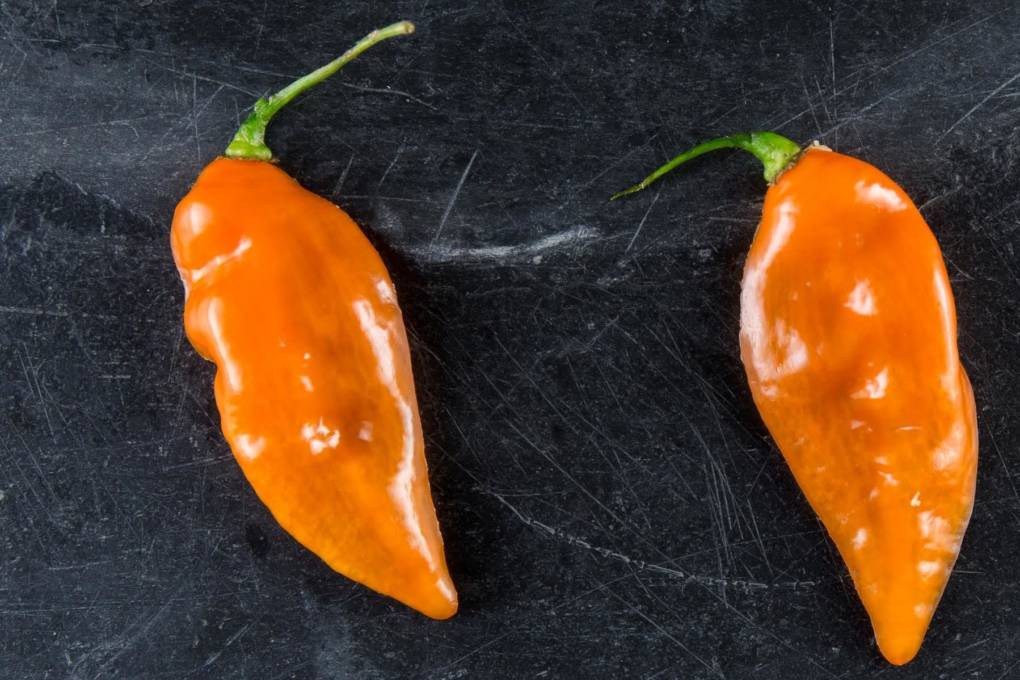
"caption": "New York City's Blue Hill restaurant is the biggest buyer of \"Habanadas,\" a habanero bred to be heatless, so the focus is on its melon-like flavor.",
"description": "New York City's Blue Hill restaurant is the biggest buyer of \"Habanadas,\" a habanero bred to be heatless, so the focus is on its melon-like flavor.",
"title": "New York City's Blue Hill restaurant is the biggest buyer of \"Habanadas,\" a habanero bred to be heatless, so the focus is on its melon-like flavor.",
"credit": "Courtesy of Blue Hill",
"status": "inherit",
"isLoading": false,
"fetchFailed": false
},
"bayareabites_115237": {
"type": "attachments",
"id": "bayareabites_115237",
"meta": {
"index": "attachments_1716263798",
"site": "bayareabites",
"id": "115237",
"found": true
},
"parent": 115236,
"imgSizes": {
"small": {
"file": "https://ww2.kqed.org/app/uploads/sites/24/2017/02/img_3488_1-8397daa5f5a65bb13ae2ba32fb6927b7eacf395e-520x390.jpg",
"width": 520,
"mimeType": "image/jpeg",
"height": 390
},
"twentyfourteen-full-width": {
"file": "https://ww2.kqed.org/app/uploads/sites/24/2017/02/img_3488_1-8397daa5f5a65bb13ae2ba32fb6927b7eacf395e-1038x576.jpg",
"width": 1038,
"mimeType": "image/jpeg",
"height": 576
},
"thumbnail": {
"file": "https://ww2.kqed.org/app/uploads/sites/24/2017/02/img_3488_1-8397daa5f5a65bb13ae2ba32fb6927b7eacf395e-160x120.jpg",
"width": 160,
"mimeType": "image/jpeg",
"height": 120
},
"fd-sm": {
"file": "https://ww2.kqed.org/app/uploads/sites/24/2017/02/img_3488_1-8397daa5f5a65bb13ae2ba32fb6927b7eacf395e-960x720.jpg",
"width": 960,
"mimeType": "image/jpeg",
"height": 720
},
"post-thumbnail": {
"file": "https://ww2.kqed.org/app/uploads/sites/24/2017/02/img_3488_1-8397daa5f5a65bb13ae2ba32fb6927b7eacf395e-672x372.jpg",
"width": 672,
"mimeType": "image/jpeg",
"height": 372
},
"xsmall": {
"file": "https://ww2.kqed.org/app/uploads/sites/24/2017/02/img_3488_1-8397daa5f5a65bb13ae2ba32fb6927b7eacf395e-375x281.jpg",
"width": 375,
"mimeType": "image/jpeg",
"height": 281
},
"kqedFullSize": {
"file": "https://ww2.kqed.org/app/uploads/sites/24/2017/02/img_3488_1-8397daa5f5a65bb13ae2ba32fb6927b7eacf395e.jpg",
"width": 2000,
"height": 1500
},
"large": {
"file": "https://ww2.kqed.org/app/uploads/sites/24/2017/02/img_3488_1-8397daa5f5a65bb13ae2ba32fb6927b7eacf395e-1020x765.jpg",
"width": 1020,
"mimeType": "image/jpeg",
"height": 765
},
"xlarge": {
"file": "https://ww2.kqed.org/app/uploads/sites/24/2017/02/img_3488_1-8397daa5f5a65bb13ae2ba32fb6927b7eacf395e-1180x885.jpg",
"width": 1180,
"mimeType": "image/jpeg",
"height": 885
},
"guest-author-50": {
"file": "https://ww2.kqed.org/app/uploads/sites/24/2017/02/img_3488_1-8397daa5f5a65bb13ae2ba32fb6927b7eacf395e-50x50.jpg",
"width": 50,
"mimeType": "image/jpeg",
"height": 50
},
"guest-author-96": {
"file": "https://ww2.kqed.org/app/uploads/sites/24/2017/02/img_3488_1-8397daa5f5a65bb13ae2ba32fb6927b7eacf395e-96x96.jpg",
"width": 96,
"mimeType": "image/jpeg",
"height": 96
},
"medium": {
"file": "https://ww2.kqed.org/app/uploads/sites/24/2017/02/img_3488_1-8397daa5f5a65bb13ae2ba32fb6927b7eacf395e-800x600.jpg",
"width": 800,
"mimeType": "image/jpeg",
"height": 600
},
"guest-author-64": {
"file": "https://ww2.kqed.org/app/uploads/sites/24/2017/02/img_3488_1-8397daa5f5a65bb13ae2ba32fb6927b7eacf395e-64x64.jpg",
"width": 64,
"mimeType": "image/jpeg",
"height": 64
},
"guest-author-32": {
"file": "https://ww2.kqed.org/app/uploads/sites/24/2017/02/img_3488_1-8397daa5f5a65bb13ae2ba32fb6927b7eacf395e-32x32.jpg",
"width": 32,
"mimeType": "image/jpeg",
"height": 32
},
"fd-lrg": {
"file": "https://ww2.kqed.org/app/uploads/sites/24/2017/02/img_3488_1-8397daa5f5a65bb13ae2ba32fb6927b7eacf395e-1920x1440.jpg",
"width": 1920,
"mimeType": "image/jpeg",
"height": 1440
},
"fd-med": {
"file": "https://ww2.kqed.org/app/uploads/sites/24/2017/02/img_3488_1-8397daa5f5a65bb13ae2ba32fb6927b7eacf395e-1180x885.jpg",
"width": 1180,
"mimeType": "image/jpeg",
"height": 885
},
"full-width": {
"file": "https://ww2.kqed.org/app/uploads/sites/24/2017/02/img_3488_1-8397daa5f5a65bb13ae2ba32fb6927b7eacf395e-1920x1440.jpg",
"width": 1920,
"mimeType": "image/jpeg",
"height": 1440
},
"detail": {
"file": "https://ww2.kqed.org/app/uploads/sites/24/2017/02/img_3488_1-8397daa5f5a65bb13ae2ba32fb6927b7eacf395e-150x150.jpg",
"width": 150,
"mimeType": "image/jpeg",
"height": 150
},
"medium_large": {
"file": "https://ww2.kqed.org/app/uploads/sites/24/2017/02/img_3488_1-8397daa5f5a65bb13ae2ba32fb6927b7eacf395e-768x576.jpg",
"width": 768,
"mimeType": "image/jpeg",
"height": 576
},
"guest-author-128": {
"file": "https://ww2.kqed.org/app/uploads/sites/24/2017/02/img_3488_1-8397daa5f5a65bb13ae2ba32fb6927b7eacf395e-128x128.jpg",
"width": 128,
"mimeType": "image/jpeg",
"height": 128
},
"xxsmall": {
"file": "https://ww2.kqed.org/app/uploads/sites/24/2017/02/img_3488_1-8397daa5f5a65bb13ae2ba32fb6927b7eacf395e-240x180.jpg",
"width": 240,
"mimeType": "image/jpeg",
"height": 180
}
},
"publishDate": 1486886598,
"modified": 1486887038,
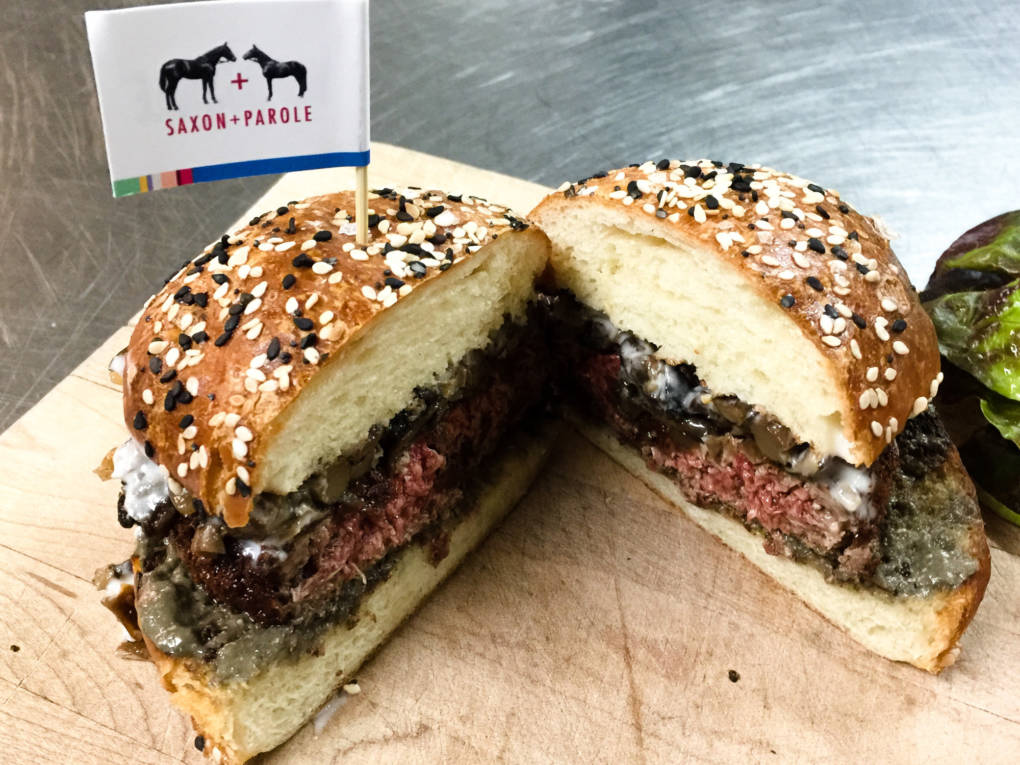
"caption": "At Saxon + Parole, a New York City restaurant, chef Brad Farmerie serves up the Impossible Burger, a plant-based burger that sizzles, smells and even bleeds like the real thing.",
"description": "At Saxon Parole, a New York City restaurant, chef Brad Farmerie serves up the Impossible Burger, a plant-based burger that sizzles, smells and even bleeds like the real thing",
"title": "At Saxon + Parole, a New York City restaurant, chef Brad Farmerie serves up the Impossible Burger, a plant-based burger that sizzles, smells and even bleeds like the real thing.",
"credit": "Allison Aubrey/NPR",
"status": "inherit",
"isLoading": false,
"fetchFailed": false
},
"bayareabites_115048": {
"type": "attachments",
"id": "bayareabites_115048",
"meta": {
"index": "attachments_1716263798",
"site": "bayareabites",
"id": "115048",
"found": true
},
"parent": 115032,
"imgSizes": {
"small": {
"file": "https://ww2.kqed.org/app/uploads/sites/24/2017/02/penisiandco-1200x800-520x347.jpg",
"width": 520,
"mimeType": "image/jpeg",
"height": 347
},
"twentyfourteen-full-width": {
"file": "https://ww2.kqed.org/app/uploads/sites/24/2017/02/penisiandco-1200x800-1038x576.jpg",
"width": 1038,
"mimeType": "image/jpeg",
"height": 576
},
"thumbnail": {
"file": "https://ww2.kqed.org/app/uploads/sites/24/2017/02/penisiandco-1200x800-160x107.jpg",
"width": 160,
"mimeType": "image/jpeg",
"height": 107
},
"fd-sm": {
"file": "https://ww2.kqed.org/app/uploads/sites/24/2017/02/penisiandco-1200x800-960x640.jpg",
"width": 960,
"mimeType": "image/jpeg",
"height": 640
},
"post-thumbnail": {
"file": "https://ww2.kqed.org/app/uploads/sites/24/2017/02/penisiandco-1200x800-672x372.jpg",
"width": 672,
"mimeType": "image/jpeg",
"height": 372
},
"xsmall": {
"file": "https://ww2.kqed.org/app/uploads/sites/24/2017/02/penisiandco-1200x800-375x250.jpg",
"width": 375,
"mimeType": "image/jpeg",
"height": 250
},
"kqedFullSize": {
"file": "https://ww2.kqed.org/app/uploads/sites/24/2017/02/penisiandco-1200x800.jpg",
"width": 1200,
"height": 800
},
"large": {
"file": "https://ww2.kqed.org/app/uploads/sites/24/2017/02/penisiandco-1200x800-1020x680.jpg",
"width": 1020,
"mimeType": "image/jpeg",
"height": 680
},
"xlarge": {
"file": "https://ww2.kqed.org/app/uploads/sites/24/2017/02/penisiandco-1200x800-1180x787.jpg",
"width": 1180,
"mimeType": "image/jpeg",
"height": 787
},
"guest-author-50": {
"file": "https://ww2.kqed.org/app/uploads/sites/24/2017/02/penisiandco-1200x800-50x50.jpg",
"width": 50,
"mimeType": "image/jpeg",
"height": 50
},
"guest-author-96": {
"file": "https://ww2.kqed.org/app/uploads/sites/24/2017/02/penisiandco-1200x800-96x96.jpg",
"width": 96,
"mimeType": "image/jpeg",
"height": 96
},
"medium": {
"file": "https://ww2.kqed.org/app/uploads/sites/24/2017/02/penisiandco-1200x800-800x533.jpg",
"width": 800,
"mimeType": "image/jpeg",
"height": 533
},
"guest-author-64": {
"file": "https://ww2.kqed.org/app/uploads/sites/24/2017/02/penisiandco-1200x800-64x64.jpg",
"width": 64,
"mimeType": "image/jpeg",
"height": 64
},
"guest-author-32": {
"file": "https://ww2.kqed.org/app/uploads/sites/24/2017/02/penisiandco-1200x800-32x32.jpg",
"width": 32,
"mimeType": "image/jpeg",
"height": 32
},
"fd-med": {
"file": "https://ww2.kqed.org/app/uploads/sites/24/2017/02/penisiandco-1200x800-1180x787.jpg",
"width": 1180,
"mimeType": "image/jpeg",
"height": 787
},
"detail": {
"file": "https://ww2.kqed.org/app/uploads/sites/24/2017/02/penisiandco-1200x800-150x150.jpg",
"width": 150,
"mimeType": "image/jpeg",
"height": 150
},
"medium_large": {
"file": "https://ww2.kqed.org/app/uploads/sites/24/2017/02/penisiandco-1200x800-768x512.jpg",
"width": 768,
"mimeType": "image/jpeg",
"height": 512
},
"guest-author-128": {
"file": "https://ww2.kqed.org/app/uploads/sites/24/2017/02/penisiandco-1200x800-128x128.jpg",
"width": 128,
"mimeType": "image/jpeg",
"height": 128
},
"xxsmall": {
"file": "https://ww2.kqed.org/app/uploads/sites/24/2017/02/penisiandco-1200x800-240x160.jpg",
"width": 240,
"mimeType": "image/jpeg",
"height": 160
}
},
"publishDate": 1486169396,
"modified": 1486169530,
"caption": null,
"description": null,
"title": "penisiandco-1200x800",
"credit": "courtesy of Joe Pennisi",
"status": "inherit",
"isLoading": false,
"fetchFailed": false
}
},
"audioPlayerReducer": {
"postId": "stream_live",
"isPaused": true,
"isPlaying": false,
"pfsActive": false,
"pledgeModalIsOpen": true,
"playerDrawerIsOpen": false,
"liveAudioPlayStartedAt": 0,
"liveAudioPlayContext": ""
},
"authorsReducer": {
"byline_bayareabites_116520": {
"type": "authors",
"id": "byline_bayareabites_116520",
"meta": {
"override": true
},
"slug": "byline_bayareabites_116520",
"name": "Mark Schatzker, \u003ca href=\"https://ww2.kqed.org/bayareabites/author/nprfood/\">NPR Food\u003c/a>",
"isLoading": false
},
"byline_bayareabites_116485": {
"type": "authors",
"id": "byline_bayareabites_116485",
"meta": {
"override": true
},
"slug": "byline_bayareabites_116485",
"name": "Simon Rios, \u003ca href=\"http://www.wbur.org/\">WBUR\u003c/a> at NPR Food",
"isLoading": false
},
"byline_bayareabites_116469": {
"type": "authors",
"id": "byline_bayareabites_116469",
"meta": {
"override": true
},
"slug": "byline_bayareabites_116469",
"name": "\u003ca href=\"http://civileats.com/author/grain/\">Grain\u003c/a> and \u003ca href=\"http://civileats.com/author/rpatel/\">Raj Patel\u003c/a>, \u003ca href=\"https://ww2.kqed.org/bayareabites/author/civileat/\">Civil Eats\u003c/a>",
"isLoading": false
},
"byline_bayareabites_115841": {
"type": "authors",
"id": "byline_bayareabites_115841",
"meta": {
"override": true
},
"slug": "byline_bayareabites_115841",
"name": "Larissa Zimberoff, \u003ca href=\"https://ww2.kqed.org/bayareabites/author/nprfood/\">NPR Food\u003c/a>",
"isLoading": false
},
"byline_bayareabites_115744": {
"type": "authors",
"id": "byline_bayareabites_115744",
"meta": {
"override": true
},
"slug": "byline_bayareabites_115744",
"name": "Sonia Paul, \u003ca href=\"https://ww2.kqed.org/bayareabites/author/nprfood/\">NPR Food\u003c/a>",
"isLoading": false
},
"byline_bayareabites_115711": {
"type": "authors",
"id": "byline_bayareabites_115711",
"meta": {
"override": true
},
"slug": "byline_bayareabites_115711",
"name": "Crystal Ponti, \u003ca href=\"https://ww2.kqed.org/bayareabites/author/nprfood/\">NPR Food\u003c/a>",
"isLoading": false
},
"byline_bayareabites_115279": {
"type": "authors",
"id": "byline_bayareabites_115279",
"meta": {
"override": true
},
"slug": "byline_bayareabites_115279",
"name": "Tove Danovich, \u003ca href=\"https://ww2.kqed.org/bayareabites/author/nprfood/\">NPR Food\u003c/a>",
"isLoading": false
},
"byline_bayareabites_115236": {
"type": "authors",
"id": "byline_bayareabites_115236",
"meta": {
"override": true
},
"slug": "byline_bayareabites_115236",
"name": "Allison Aubrey, NPR Food",
"isLoading": false
},
"byline_bayareabites_115032": {
"type": "authors",
"id": "byline_bayareabites_115032",
"meta": {
"override": true
},
"slug": "byline_bayareabites_115032",
"name": "\u003ca href=\"http://civileats.com/author/aguth/\">Anna Guth\u003c/a>, \u003ca href=\"https://ww2.kqed.org/bayareabites/author/civileat/\">Civil Eats\u003c/a>",
"isLoading": false
},
"annamindess": {
"type": "authors",
"id": "5283",
"meta": {
"index": "authors_1716337520",
"id": "5283",
"found": true
},
"name": "Anna Mindess",
"firstName": "Anna",
"lastName": "Mindess",
"slug": "annamindess",
"email": "amindess@aol.com",
"display_author_email": false,
"staff_mastheads": [],
"title": "KQED Contributor",
"bio": "My passion is exploring the connections between food, travel and culture. I am a regular contributor to AFAR, Edible East Bay Magazine, Oakland Magazine, Berkeleyside's NOSH and other publications. I usually take a route that's slightly off the beaten path, like \u003ca href=\"http://edibleeastbay.com/online-magazine/fall-harvest-2017/fun-with-food-insults/\">collecting food-related insults\u003c/a> around the world or \u003ca href=\"https://www.afar.com/magazine/what-i-learned-hawking-sweet-potatoes-with-a-street-vendor-in-taiwan?email=amindess%40aol.com&utm_source=Sailthru&utm_medium=email&utm_campaign=Doctors%20Without%20Borders&utm_term=Daily%20Wander%20Newsletter\">volunteering with a Sweet Potato Mama\u003c/a> (street food seller) in Tapei.\r\n\r\nCulture is the thread that ties together my several careers. I also work as a sign language interpreter, educator and author. My study of Deaf culture has taken me around the world, where I am always on a quest to find Deaf-owned restaurants. I love making connections between my different worlds, for example in this AFAR story where I share \u003ca href=\"https://www.afar.com/magazine/tips-from-a-sign-language-interpreter-for-overcoming-language-barriers\">tips for communicating across cultures\u003c/a> that I learned from the real experts, Deaf people. Or this \u003ca href=\"http://edibleeastbay.com/online-magazine/fall-harvest-2017/deaf-chefs-compete/\">profile of a Deaf chef and culinary arts instructor\u003c/a> at the California School for the Deaf.\r\n\r\nTo see my visual/edible take on the world, follow me on Instagram: \u003ca href=\"https://www.instagram.com/annamindess/\">annamindess. \u003c/a>\r\n\r\nFor more of my stories: visit Contently \u003ca href=\"http://annamindess.contently.com\">annamindess.contently.com\u003c/a>",
"avatar": "https://secure.gravatar.com/avatar/23c79f04bf3d58b2e727d35ca471d184e8945f6ed82e41a0c062eab5e7dc2bb5?s=600&d=blank&r=g",
"twitter": null,
"bluesky": null,
"facebook": null,
"instagram": null,
"linkedin": null,
"sites": [
{
"site": "arts",
"roles": [
"subscriber"
]
},
{
"site": "bayareabites",
"roles": [
"author"
]
},
{
"site": "food",
"roles": [
"contributor"
]
}
],
"headData": {
"title": "Anna Mindess | KQED",
"description": "KQED Contributor",
"ogImgSrc": "https://secure.gravatar.com/avatar/23c79f04bf3d58b2e727d35ca471d184e8945f6ed82e41a0c062eab5e7dc2bb5?s=600&d=blank&r=g",
"twImgSrc": "https://secure.gravatar.com/avatar/23c79f04bf3d58b2e727d35ca471d184e8945f6ed82e41a0c062eab5e7dc2bb5?s=600&d=blank&r=g"
},
"isLoading": false,
"link": "/author/annamindess"
},
"shelbypope": {
"type": "authors",
"id": "5566",
"meta": {
"index": "authors_1716337520",
"id": "5566",
"found": true
},
"name": "Shelby Pope",
"firstName": "Shelby",
"lastName": "Pope",
"slug": "shelbypope",
"email": "shelbylpope@gmail.com",
"display_author_email": false,
"staff_mastheads": [],
"title": "KQED Contributor",
"bio": "Shelby Pope is a freelance writer living and eating her way through the East Bay. She’s written about food, art and science for publications including the Smithsonian, Lucky Peach, and the Washington Post's pet blog. When she’s not taste testing sourdough bread to find the Bay Area’s best loaf, you can find her on Twitter \u003ca href=\"https://twitter.com/shelbylpope\">@shelbylpope\u003c/a> or at \u003ca href=\"https://shelbypope.com/\">shelbypope.com\u003c/a>",
"avatar": "https://secure.gravatar.com/avatar/df74e904399e45720e48e36c6e1ae7a90c32216eb2c9c82f3b2e1a9641b507d3?s=600&d=blank&r=g",
"twitter": "shelbylpope",
"bluesky": null,
"facebook": null,
"instagram": null,
"linkedin": null,
"sites": [
{
"site": "arts",
"roles": [
"subscriber"
]
},
{
"site": "food",
"roles": [
"subscriber"
]
}
],
"headData": {
"title": "Shelby Pope | KQED",
"description": "KQED Contributor",
"ogImgSrc": "https://secure.gravatar.com/avatar/df74e904399e45720e48e36c6e1ae7a90c32216eb2c9c82f3b2e1a9641b507d3?s=600&d=blank&r=g",
"twImgSrc": "https://secure.gravatar.com/avatar/df74e904399e45720e48e36c6e1ae7a90c32216eb2c9c82f3b2e1a9641b507d3?s=600&d=blank&r=g"
},
"isLoading": false,
"link": "/author/shelbypope"
}
},
"pagesReducer": {
"bayareabites_category_food-and-technology": {
"type": "terms",
"id": "bayareabites_4084",
"meta": {
"index": "terms_1716263798",
"site": "bayareabites",
"id": "4084",
"score": 14.405561
},
"featImg": null,
"name": "food trends and technology",
"description": null,
"taxonomy": "category",
"headData": {
"twImgId": null,
"twTitle": null,
"ogTitle": null,
"ogImgId": null,
"twDescription": null,
"description": null,
"title": "food trends and technology Archives | KQED Bay Area Bites",
"ogDescription": null
},
"ttid": 2573,
"slug": "food-and-technology",
"isLoading": false,
"title": "food trends and technology",
"pageMeta": {
"site": "bayareabites",
"WpPageTemplate": "page-topic-editorial",
"currentPage": 14
},
"blocks": [
{
"blockName": "kqed/post-list",
"attrs": {
"layout": "cardArticle2",
"query": "posts/bayareabites?category=food-and-technology",
"seeMore": false,
"paginated": true,
"page": 14
}
},
{
"blockName": "kqed/ad"
}
]
}
},
"pfsSessionReducer": {},
"postsReducer": {
"stream_live": {
"type": "live",
"id": "stream_live",
"audioUrl": "https://streams.kqed.org/kqedradio",
"title": "Live Stream",
"excerpt": "Live Stream information currently unavailable.",
"link": "/radio",
"featImg": "",
"label": {
"name": "KQED Live",
"link": "/"
}
},
"stream_kqedNewscast": {
"type": "posts",
"id": "stream_kqedNewscast",
"audioUrl": "https://www.kqed.org/.stream/anon/radio/RDnews/newscast.mp3?_=1",
"title": "KQED Newscast",
"featImg": "",
"label": {
"name": "88.5 FM",
"link": "/"
}
},
"bayareabites_116520": {
"type": "posts",
"id": "bayareabites_116520",
"meta": {
"index": "posts_1716263798",
"site": "bayareabites",
"id": "116520",
"score": null,
"sort": [
1491259268000
]
},
"parent": 0,
"labelTerm": {
"site": "bayareabites"
},
"blocks": [],
"publishDate": 1491259268,
"format": "standard",
"disqusTitle": "The Taste Of Wine Isn't All In Your Head, But Your Brain Sure Helps",
"title": "The Taste Of Wine Isn't All In Your Head, But Your Brain Sure Helps",
"headTitle": "Bay Area Bites | KQED Food",
"content": "\u003cp>What do listening to music, hitting a baseball and solving a complex math problem have in common? They all activate \u003cem>less\u003c/em> gray matter than drinking wine.\u003c/p>\n\u003cp>According to Yale neuroscientist Gordon Shepherd, the flavor of wine \"engages more of our brain than any other human behavior.\" The apparently simple act of sipping Merlot involves a complex interplay of air and liquid controlled by coordinated movements of the the tongue, jaw, diaphragm and throat. Inside the mouth, molecules in wine stimulate thousands of taste and odor receptors, sending a flavor signal to the brain that triggers massive cognitive computation involving pattern recognition, memory, value judgment, emotion and of course, pleasure.\u003c/p>\n\u003cp>Whereas most wine writers tend to focus on the various elements that go into the wine itself — the grape, the oak, terroir, the winemaker — Shepherd's subject is the drinker. He explores biomechanics, physiology and neuroscience to describe a journey that begins as wine passes the lips and ends with a lingering \"finish\" that can last for minutes.\u003c/p>\n\u003cfigure id=\"attachment_116526\" class=\"wp-caption alignright\" style=\"max-width: 400px\">\u003ca href=\"http://www.npr.org/books/titles/521820145/neuroenology-how-the-brain-creates-the-taste-of-wine\">\u003cimg src=\"https://ww2.kqed.org/bayareabites/wp-content/uploads/sites/24/2017/04/9780231177009_custom-631b6fcea5673e831800a02a6d11e9a6348aa71b-s400-c85.jpg\" alt=\"Neuroenology How the Brain Creates the Taste of Wine by Gordon M. Shepherd\" width=\"400\" height=\"600\" class=\"size-full wp-image-116526\" srcset=\"https://ww2.kqed.org/app/uploads/sites/24/2017/04/9780231177009_custom-631b6fcea5673e831800a02a6d11e9a6348aa71b-s400-c85.jpg 400w, https://ww2.kqed.org/app/uploads/sites/24/2017/04/9780231177009_custom-631b6fcea5673e831800a02a6d11e9a6348aa71b-s400-c85-160x240.jpg 160w, https://ww2.kqed.org/app/uploads/sites/24/2017/04/9780231177009_custom-631b6fcea5673e831800a02a6d11e9a6348aa71b-s400-c85-240x360.jpg 240w, https://ww2.kqed.org/app/uploads/sites/24/2017/04/9780231177009_custom-631b6fcea5673e831800a02a6d11e9a6348aa71b-s400-c85-375x563.jpg 375w\" sizes=\"(max-width: 400px) 100vw, 400px\">\u003c/a>\u003cfigcaption class=\"wp-caption-text\">Neuroenology\u003cbr>How the Brain Creates the Taste of Wine\u003cbr>by Gordon M. Shepherd\u003c/figcaption>\u003c/figure>\n\u003cp>If you've ever wondered how many muscles there are in the tongue (eight), if a high-fat diet can affect the perception of wine (it can), or if it's possible to experience the full flavor of a wine that's been spat out (it is not), Shepherd has answers — extraordinarily detailed, scientifically rigorous answers. I spoke to Shepherd about his new book, \u003cem>Neuroenology: How the Brain Creates the Taste of Wine.\u003c/em> Our interview has been condensed and edited.\u003c/p>\n\u003cp>\u003cstrong>The subtitle of your book is \"How the Brain Creates the Taste of Wine.\" Can you explain what that means?\u003c/strong>\u003c/p>\n\u003cp>[ad fullwidth]\u003c/p>\n\u003cp>The analogy one can use is color. The objects we see don't have color themselves — light hits them and bounces off. It's when light strikes our eyes that it activates systems in the brain that create color from those different wavelengths. Similarly, the molecules in wine don't have taste or flavor, but when they stimulate our brains, the brain creates flavor the same way it creates color.\u003c/p>\n\u003cp>\u003cstrong>Chapter one is on fluid dynamics, a subject you almost never hear mentioned by wine connoisseurs. How does fluid dynamics inform our understanding of wine?\u003c/strong>\u003c/p>\n\u003cp>You don't just put wine in your mouth and leave it there. You move it about and then swallow it, which is a very complex motor act. If you search on YouTube for anyone doing serious wine tasting, they are working it with their mouths. It's a very active process. So to understand the physiology of tasting wine, it's necessary to give people a whole new context of how wine sensing and wine tasting takes place.\u003c/p>\n\u003cp>\u003cstrong>You talk about a \"hidden force\" in wine tasting. What is it?\u003c/strong>\u003c/p>\n\u003cp>When you sniff wine in the glass, you appreciate the bouquet. That's called \"orthonasal\" smell — the external smelling we're all familiar with. But what most people are unaware of is that when you take wine in your mouth and experience the flavor, most of that flavor is due to a kind of internal smelling. The air comes in from the throat, not your nostrils. That's called \"retronasal\" smell. The molecules are carried to the same receptor cells in the nose, but from the opposite direction. This is very important when it comes to wine flavor. An example is the famous jelly bean test. If you put a jelly bean in your mouth and plug your nose and sense it with your tongue, all you sense is sweet from the sugar. But if you then unplug your nose, suddenly you're flooded with the full flavor experience, and it's because you're smelling through the back of your nose.\u003c/p>\n\u003cp>\u003cstrong>One thing you write about that I've never read elsewhere is the effect saliva has on wine.\u003c/strong>\u003c/p>\n\u003cp>Our bodies produce saliva all the time, and saliva has stuff in it — stuff that both dilutes the wine and interacts with it. So as soon as the wine enters your mouth, it immediately begins to change. For example, saliva contains enzymes that break down the molecules in the wine to create compounds that effervesce into the air to stimulate the smell receptors in your nose. This produces new compounds that were not originally in the wine — they were created by this interaction.\u003c/p>\n\u003cp>\u003cstrong>The amount of saliva a person produces can affect their perception of wine. So can things like age, gender, or even the amount of acetone — a byproduct of energy metabolism — in a person's breath.\u003c/strong>\u003c/p>\n\u003cp>And the time of day. And whether or not they're depressed. If we're talking about smell, we have about 350 different kinds of olfactory receptors. They are not the same between individuals — yours will be different than mine. And they're not always the same over the course of months or years. As the cells turn over, they can change.\u003c/p>\n\u003cp>\u003cstrong>Given all these subjective variables, and the fact that the brain \"creates\" the taste of wine, is it possible for two people to experience the same wine in the same way?\u003c/strong>\u003c/p>\n\u003cp>There is still a commonality. We all know it's a liquid, after all. We all know it comes from fruit. We all know it contains alcohol. And we all have saliva that is more or less the same. So probably 90 percent is the same and 10 percent is different. That's part of the pleasure of wine —comparing your pleasure.\u003c/p>\n\u003cp>\u003cstrong>Does your research suggest wine drinkers are doing anything wrong?\u003c/strong>\u003c/p>\n\u003cp>Within a few sips or drinks, people are just downing the stuff. There needs to be more to it than that. If you take too large a sip, you've saturated your system.\u003c/p>\n\u003cp>\u003cstrong>Is expensive stemware worth it?\u003c/strong>\u003c/p>\n\u003cp>My wife and I have a sit-down meal every night. We used to use modest stemware, but we would occasionally knock it over and it would break, so now we use plain water glasses. But if we're having a proper sort of dinner, we use some kind of glass with a bowl so you can capture the aroma. Just fill the bottom few cubic centimeters, because if you fill up a glass you don't get much aroma. The reason for having a large bowl is that it amplifies the headspace for sniffing in the bouquet and you take small sips. But once you understand the flow dynamics that I describe, you can make your own choice as to how important the glass will be.\u003c/p>\n\u003cp>\u003cstrong>I will end with what may be the most enduring question in science. What's the best value in wine for under $20?\u003c/strong>\u003c/p>\n\u003cp>For table wine, we stick to around $10 or $12 per bottle, and it's a fun challenge to find a wine in that range. I don't want to mention any names, because that would give someone a commercial advantage. For more interesting wines, we like Sancerre\u003cstrong> \u003c/strong>because it seems to have an edge to it. [\u003cem>Editor's note: Sancerre is a designated wine district in the eastern Loire Valley known mostly for wines made from Sauvignon Blanc.\u003c/em>] One of the reasons I prefer European wines is they have a slightly lower alcoholic content. There is research that shows people prefer wines with less alcohol. This is important, because global warming is driving alcohol content up, not down.\u003c/p>\n\u003chr>\n\u003cp>\u003cem>Mark Schatzker is the author of \u003c/em>The Dorito Effect: The Surprising New Truth About Food and Flavor. \u003c/p>\n\u003cp>[ad floatright]\u003c/p>\n\u003cp>\u003cem>Copyright 2017 \u003ca href=\"http://www.npr.org/\" target=\"_blank\">NPR\u003c/a>.\u003c/em> \u003c/p>\n\n",
"disqusIdentifier": "116520 https://ww2.kqed.org/bayareabites/?p=116520",
"disqusUrl": "https://ww2.kqed.org/bayareabites/2017/04/03/the-taste-of-wine-isnt-all-in-your-head-but-your-brain-sure-helps/",
"stats": {
"hasVideo": false,
"hasChartOrMap": false,
"hasAudio": false,
"hasPolis": false,
"wordCount": 1269,
"hasGoogleForm": false,
"hasGallery": false,
"hasHearkenModule": false,
"iframeSrcs": [],
"paragraphCount": 26
},
"modified": 1491259268,
"excerpt": "Savoring the flavor of wine activates more gray matter than solving a complex math problem, according to neuroscientist Gordon Shepherd. His new book, \u003cem>Neurenology, \u003c/em>explores your brain on wine.",
"headData": {
"twImgId": "",
"twTitle": "",
"ogTitle": "",
"ogImgId": "",
"twDescription": "",
"description": "Savoring the flavor of wine activates more gray matter than solving a complex math problem, according to neuroscientist Gordon Shepherd. His new book, Neurenology, explores your brain on wine.",
"title": "The Taste Of Wine Isn't All In Your Head, But Your Brain Sure Helps | KQED",
"ogDescription": "",
"schema": {
"@context": "https://schema.org",
"@type": "Article",
"headline": "The Taste Of Wine Isn't All In Your Head, But Your Brain Sure Helps",
"datePublished": "2017-04-03T15:41:08-07:00",
"dateModified": "2017-04-03T15:41:08-07:00",
"image": "https://cdn.kqed.org/wp-content/uploads/2020/02/KQED-OG-Image@1x.png"
}
},
"guestAuthors": [],
"slug": "the-taste-of-wine-isnt-all-in-your-head-but-your-brain-sure-helps",
"status": "publish",
"nprApiLink": "http://api.npr.org/query?id=521415892&apiKey=MDAxOTAwOTE4MDEyMTkxMDAzNjczZDljZA004",
"nprByline": "Mark Schatzker, \u003ca href=\"https://ww2.kqed.org/bayareabites/author/nprfood/\">NPR Food\u003c/a>",
"nprStoryDate": "Mon, 03 Apr 2017 15:13:00 -0400",
"nprLastModifiedDate": "Mon, 03 Apr 2017 15:17:01 -0400",
"nprHtmlLink": "http://www.npr.org/sections/thesalt/2017/04/03/521415892/the-taste-of-wine-isnt-all-in-your-head-but-your-brain-sure-helps?ft=nprml&f=521415892",
"nprImageAgency": "Alex Reynolds/NPR",
"nprStoryId": "521415892",
"nprRetrievedStory": "1",
"nprPubDate": "Mon, 03 Apr 2017 15:17:00 -0400",
"path": "/bayareabites/116520/the-taste-of-wine-isnt-all-in-your-head-but-your-brain-sure-helps",
"audioTrackLength": null,
"parsedContent": [
{
"type": "contentString",
"content": "\u003cdiv class=\"post-body\">\u003cp>\u003cp>What do listening to music, hitting a baseball and solving a complex math problem have in common? They all activate \u003cem>less\u003c/em> gray matter than drinking wine.\u003c/p>\n\u003cp>According to Yale neuroscientist Gordon Shepherd, the flavor of wine \"engages more of our brain than any other human behavior.\" The apparently simple act of sipping Merlot involves a complex interplay of air and liquid controlled by coordinated movements of the the tongue, jaw, diaphragm and throat. Inside the mouth, molecules in wine stimulate thousands of taste and odor receptors, sending a flavor signal to the brain that triggers massive cognitive computation involving pattern recognition, memory, value judgment, emotion and of course, pleasure.\u003c/p>\n\u003cp>Whereas most wine writers tend to focus on the various elements that go into the wine itself — the grape, the oak, terroir, the winemaker — Shepherd's subject is the drinker. He explores biomechanics, physiology and neuroscience to describe a journey that begins as wine passes the lips and ends with a lingering \"finish\" that can last for minutes.\u003c/p>\n\u003cfigure id=\"attachment_116526\" class=\"wp-caption alignright\" style=\"max-width: 400px\">\u003ca href=\"http://www.npr.org/books/titles/521820145/neuroenology-how-the-brain-creates-the-taste-of-wine\">\u003cimg src=\"https://ww2.kqed.org/bayareabites/wp-content/uploads/sites/24/2017/04/9780231177009_custom-631b6fcea5673e831800a02a6d11e9a6348aa71b-s400-c85.jpg\" alt=\"Neuroenology How the Brain Creates the Taste of Wine by Gordon M. Shepherd\" width=\"400\" height=\"600\" class=\"size-full wp-image-116526\" srcset=\"https://ww2.kqed.org/app/uploads/sites/24/2017/04/9780231177009_custom-631b6fcea5673e831800a02a6d11e9a6348aa71b-s400-c85.jpg 400w, https://ww2.kqed.org/app/uploads/sites/24/2017/04/9780231177009_custom-631b6fcea5673e831800a02a6d11e9a6348aa71b-s400-c85-160x240.jpg 160w, https://ww2.kqed.org/app/uploads/sites/24/2017/04/9780231177009_custom-631b6fcea5673e831800a02a6d11e9a6348aa71b-s400-c85-240x360.jpg 240w, https://ww2.kqed.org/app/uploads/sites/24/2017/04/9780231177009_custom-631b6fcea5673e831800a02a6d11e9a6348aa71b-s400-c85-375x563.jpg 375w\" sizes=\"(max-width: 400px) 100vw, 400px\">\u003c/a>\u003cfigcaption class=\"wp-caption-text\">Neuroenology\u003cbr>How the Brain Creates the Taste of Wine\u003cbr>by Gordon M. Shepherd\u003c/figcaption>\u003c/figure>\n\u003cp>If you've ever wondered how many muscles there are in the tongue (eight), if a high-fat diet can affect the perception of wine (it can), or if it's possible to experience the full flavor of a wine that's been spat out (it is not), Shepherd has answers — extraordinarily detailed, scientifically rigorous answers. I spoke to Shepherd about his new book, \u003cem>Neuroenology: How the Brain Creates the Taste of Wine.\u003c/em> Our interview has been condensed and edited.\u003c/p>\n\u003cp>\u003cstrong>The subtitle of your book is \"How the Brain Creates the Taste of Wine.\" Can you explain what that means?\u003c/strong>\u003c/p>\n\u003cp>\u003c/p>\u003c/div>",
"attributes": {
"named": {},
"numeric": []
}
},
{
"type": "component",
"content": "",
"name": "ad",
"attributes": {
"named": {
"label": "fullwidth"
},
"numeric": [
"fullwidth"
]
}
},
{
"type": "contentString",
"content": "\u003cdiv class=\"post-body\">\u003cp>\u003c/p>\n\u003cp>The analogy one can use is color. The objects we see don't have color themselves — light hits them and bounces off. It's when light strikes our eyes that it activates systems in the brain that create color from those different wavelengths. Similarly, the molecules in wine don't have taste or flavor, but when they stimulate our brains, the brain creates flavor the same way it creates color.\u003c/p>\n\u003cp>\u003cstrong>Chapter one is on fluid dynamics, a subject you almost never hear mentioned by wine connoisseurs. How does fluid dynamics inform our understanding of wine?\u003c/strong>\u003c/p>\n\u003cp>You don't just put wine in your mouth and leave it there. You move it about and then swallow it, which is a very complex motor act. If you search on YouTube for anyone doing serious wine tasting, they are working it with their mouths. It's a very active process. So to understand the physiology of tasting wine, it's necessary to give people a whole new context of how wine sensing and wine tasting takes place.\u003c/p>\n\u003cp>\u003cstrong>You talk about a \"hidden force\" in wine tasting. What is it?\u003c/strong>\u003c/p>\n\u003cp>When you sniff wine in the glass, you appreciate the bouquet. That's called \"orthonasal\" smell — the external smelling we're all familiar with. But what most people are unaware of is that when you take wine in your mouth and experience the flavor, most of that flavor is due to a kind of internal smelling. The air comes in from the throat, not your nostrils. That's called \"retronasal\" smell. The molecules are carried to the same receptor cells in the nose, but from the opposite direction. This is very important when it comes to wine flavor. An example is the famous jelly bean test. If you put a jelly bean in your mouth and plug your nose and sense it with your tongue, all you sense is sweet from the sugar. But if you then unplug your nose, suddenly you're flooded with the full flavor experience, and it's because you're smelling through the back of your nose.\u003c/p>\n\u003cp>\u003cstrong>One thing you write about that I've never read elsewhere is the effect saliva has on wine.\u003c/strong>\u003c/p>\n\u003cp>Our bodies produce saliva all the time, and saliva has stuff in it — stuff that both dilutes the wine and interacts with it. So as soon as the wine enters your mouth, it immediately begins to change. For example, saliva contains enzymes that break down the molecules in the wine to create compounds that effervesce into the air to stimulate the smell receptors in your nose. This produces new compounds that were not originally in the wine — they were created by this interaction.\u003c/p>\n\u003cp>\u003cstrong>The amount of saliva a person produces can affect their perception of wine. So can things like age, gender, or even the amount of acetone — a byproduct of energy metabolism — in a person's breath.\u003c/strong>\u003c/p>\n\u003cp>And the time of day. And whether or not they're depressed. If we're talking about smell, we have about 350 different kinds of olfactory receptors. They are not the same between individuals — yours will be different than mine. And they're not always the same over the course of months or years. As the cells turn over, they can change.\u003c/p>\n\u003cp>\u003cstrong>Given all these subjective variables, and the fact that the brain \"creates\" the taste of wine, is it possible for two people to experience the same wine in the same way?\u003c/strong>\u003c/p>\n\u003cp>There is still a commonality. We all know it's a liquid, after all. We all know it comes from fruit. We all know it contains alcohol. And we all have saliva that is more or less the same. So probably 90 percent is the same and 10 percent is different. That's part of the pleasure of wine —comparing your pleasure.\u003c/p>\n\u003cp>\u003cstrong>Does your research suggest wine drinkers are doing anything wrong?\u003c/strong>\u003c/p>\n\u003cp>Within a few sips or drinks, people are just downing the stuff. There needs to be more to it than that. If you take too large a sip, you've saturated your system.\u003c/p>\n\u003cp>\u003cstrong>Is expensive stemware worth it?\u003c/strong>\u003c/p>\n\u003cp>My wife and I have a sit-down meal every night. We used to use modest stemware, but we would occasionally knock it over and it would break, so now we use plain water glasses. But if we're having a proper sort of dinner, we use some kind of glass with a bowl so you can capture the aroma. Just fill the bottom few cubic centimeters, because if you fill up a glass you don't get much aroma. The reason for having a large bowl is that it amplifies the headspace for sniffing in the bouquet and you take small sips. But once you understand the flow dynamics that I describe, you can make your own choice as to how important the glass will be.\u003c/p>\n\u003cp>\u003cstrong>I will end with what may be the most enduring question in science. What's the best value in wine for under $20?\u003c/strong>\u003c/p>\n\u003cp>For table wine, we stick to around $10 or $12 per bottle, and it's a fun challenge to find a wine in that range. I don't want to mention any names, because that would give someone a commercial advantage. For more interesting wines, we like Sancerre\u003cstrong> \u003c/strong>because it seems to have an edge to it. [\u003cem>Editor's note: Sancerre is a designated wine district in the eastern Loire Valley known mostly for wines made from Sauvignon Blanc.\u003c/em>] One of the reasons I prefer European wines is they have a slightly lower alcoholic content. There is research that shows people prefer wines with less alcohol. This is important, because global warming is driving alcohol content up, not down.\u003c/p>\n\u003chr>\n\u003cp>\u003cem>Mark Schatzker is the author of \u003c/em>The Dorito Effect: The Surprising New Truth About Food and Flavor. \u003c/p>\n\u003cp>\u003c/p>\u003c/div>",
"attributes": {
"named": {},
"numeric": []
}
},
{
"type": "component",
"content": "",
"name": "ad",
"attributes": {
"named": {
"label": "floatright"
},
"numeric": [
"floatright"
]
}
},
{
"type": "contentString",
"content": "\u003cdiv class=\"post-body\">\u003cp>\u003c/p>\n\u003cp>\u003cem>Copyright 2017 \u003ca href=\"http://www.npr.org/\" target=\"_blank\">NPR\u003c/a>.\u003c/em> \u003c/p>\n\n\u003c/div>\u003c/p>",
"attributes": {
"named": {},
"numeric": []
}
}
],
"link": "/bayareabites/116520/the-taste-of-wine-isnt-all-in-your-head-but-your-brain-sure-helps",
"authors": [
"byline_bayareabites_116520"
],
"categories": [
"bayareabites_13306",
"bayareabites_2254",
"bayareabites_11028",
"bayareabites_10028",
"bayareabites_4084",
"bayareabites_358",
"bayareabites_119"
],
"tags": [
"bayareabites_12709",
"bayareabites_15809",
"bayareabites_14748"
],
"featImg": "bayareabites_116521",
"label": "bayareabites"
},
"bayareabites_116485": {
"type": "posts",
"id": "bayareabites_116485",
"meta": {
"index": "posts_1716263798",
"site": "bayareabites",
"id": "116485",
"score": null,
"sort": [
1490997656000
]
},
"parent": 0,
"labelTerm": {
"site": "bayareabites"
},
"blocks": [],
"publishDate": 1490997656,
"format": "aside",
"disqusTitle": "Restaurants Cook Up A New Way To Pay Kitchen Staff More: A Cut Of Sales",
"title": "Restaurants Cook Up A New Way To Pay Kitchen Staff More: A Cut Of Sales",
"headTitle": "Bay Area Bites | KQED Food",
"content": "\u003cfigure id=\"attachment_116487\" class=\"wp-caption aligncenter\" style=\"max-width: 1776px\">\u003cimg src=\"https://ww2.kqed.org/bayareabites/wp-content/uploads/sites/24/2017/03/0714_jewish-delis06-00a9338ec56bb2987ed8dc3f45ef4d93cf156e90.jpg\" alt=\"The takeout counter at Mamaleh's Delicatessen in Boston. The restaurant recently implemented revenue sharing, where a percentage of sales is funneled to kitchen workers.\" width=\"1776\" height=\"1332\" class=\"size-full wp-image-116487\" srcset=\"https://ww2.kqed.org/app/uploads/sites/24/2017/03/0714_jewish-delis06-00a9338ec56bb2987ed8dc3f45ef4d93cf156e90.jpg 1776w, https://ww2.kqed.org/app/uploads/sites/24/2017/03/0714_jewish-delis06-00a9338ec56bb2987ed8dc3f45ef4d93cf156e90-160x120.jpg 160w, https://ww2.kqed.org/app/uploads/sites/24/2017/03/0714_jewish-delis06-00a9338ec56bb2987ed8dc3f45ef4d93cf156e90-800x600.jpg 800w, https://ww2.kqed.org/app/uploads/sites/24/2017/03/0714_jewish-delis06-00a9338ec56bb2987ed8dc3f45ef4d93cf156e90-768x576.jpg 768w, https://ww2.kqed.org/app/uploads/sites/24/2017/03/0714_jewish-delis06-00a9338ec56bb2987ed8dc3f45ef4d93cf156e90-1020x765.jpg 1020w, https://ww2.kqed.org/app/uploads/sites/24/2017/03/0714_jewish-delis06-00a9338ec56bb2987ed8dc3f45ef4d93cf156e90-1180x885.jpg 1180w, https://ww2.kqed.org/app/uploads/sites/24/2017/03/0714_jewish-delis06-00a9338ec56bb2987ed8dc3f45ef4d93cf156e90-960x720.jpg 960w, https://ww2.kqed.org/app/uploads/sites/24/2017/03/0714_jewish-delis06-00a9338ec56bb2987ed8dc3f45ef4d93cf156e90-240x180.jpg 240w, https://ww2.kqed.org/app/uploads/sites/24/2017/03/0714_jewish-delis06-00a9338ec56bb2987ed8dc3f45ef4d93cf156e90-375x281.jpg 375w, https://ww2.kqed.org/app/uploads/sites/24/2017/03/0714_jewish-delis06-00a9338ec56bb2987ed8dc3f45ef4d93cf156e90-520x390.jpg 520w\" sizes=\"(max-width: 1776px) 100vw, 1776px\">\u003cfigcaption class=\"wp-caption-text\">The takeout counter at Mamaleh's Delicatessen in Boston. The restaurant recently implemented revenue sharing, where a percentage of sales is funneled to kitchen workers. \u003ccite>(Jesse Costa/WBUR)\u003c/cite>\u003c/figcaption>\u003c/figure>\n\u003cp>\u003cstrong>Listen to the story from WBUR:\u003c/strong>\u003cbr>\nhttps://ondemand.npr.org/anon.npr-mp3/npr/atc/2017/03/20170330_atc_restaurants_strive_for_equitable_wages_with_revenue_sharing.mp3\u003c/p>\n\u003cp>They say too many cooks can spill the broth. But in cities like San Francisco and Boston, restaurants are facing a shortage of kitchen staff that's caused largely by low pay.\u003c/p>\n\u003cp>The problem can be traced back to the wage gap between tipped and non-tipped employees. In an effort to bridge that gap and attract kitchen workers, some restaurants are now trying an experiment: revenue sharing.\u003c/p>\n\u003cp>You can see that experiment play out at Mamaleh's Delicatessen, a Jewish deli in Cambridge, Mass. On the day we visited, the post-lunch crowd noshed on knishes, pastrami and chopped liver, which is made by line cooks like Marvin Bonilla.\u003c/p>\n\u003cp>Bonilla loves his job — but there's a \"but.\" On average at Mamaleh's, those who work in the front of the house and earn tips make twice as much as do staffers in the kitchen.\u003c/p>\n\u003cfigure id=\"attachment_116488\" class=\"wp-caption aligncenter\" style=\"max-width: 2000px\">\u003cimg src=\"https://ww2.kqed.org/bayareabites/wp-content/uploads/sites/24/2017/03/0714_jewish-delis02_custom-dcea00df8187b9a23584334bc5b99ca68ff52fd5.jpg\" alt=\"Tyler Sundet, a co-owner of Mamaleh's, carves up some corned beef.\" width=\"2000\" height=\"1332\" class=\"size-full wp-image-116488\" srcset=\"https://ww2.kqed.org/app/uploads/sites/24/2017/03/0714_jewish-delis02_custom-dcea00df8187b9a23584334bc5b99ca68ff52fd5.jpg 2000w, https://ww2.kqed.org/app/uploads/sites/24/2017/03/0714_jewish-delis02_custom-dcea00df8187b9a23584334bc5b99ca68ff52fd5-160x107.jpg 160w, https://ww2.kqed.org/app/uploads/sites/24/2017/03/0714_jewish-delis02_custom-dcea00df8187b9a23584334bc5b99ca68ff52fd5-800x533.jpg 800w, https://ww2.kqed.org/app/uploads/sites/24/2017/03/0714_jewish-delis02_custom-dcea00df8187b9a23584334bc5b99ca68ff52fd5-768x511.jpg 768w, https://ww2.kqed.org/app/uploads/sites/24/2017/03/0714_jewish-delis02_custom-dcea00df8187b9a23584334bc5b99ca68ff52fd5-1020x679.jpg 1020w, https://ww2.kqed.org/app/uploads/sites/24/2017/03/0714_jewish-delis02_custom-dcea00df8187b9a23584334bc5b99ca68ff52fd5-1180x786.jpg 1180w, https://ww2.kqed.org/app/uploads/sites/24/2017/03/0714_jewish-delis02_custom-dcea00df8187b9a23584334bc5b99ca68ff52fd5-960x639.jpg 960w, https://ww2.kqed.org/app/uploads/sites/24/2017/03/0714_jewish-delis02_custom-dcea00df8187b9a23584334bc5b99ca68ff52fd5-240x160.jpg 240w, https://ww2.kqed.org/app/uploads/sites/24/2017/03/0714_jewish-delis02_custom-dcea00df8187b9a23584334bc5b99ca68ff52fd5-375x250.jpg 375w, https://ww2.kqed.org/app/uploads/sites/24/2017/03/0714_jewish-delis02_custom-dcea00df8187b9a23584334bc5b99ca68ff52fd5-520x346.jpg 520w\" sizes=\"(max-width: 2000px) 100vw, 2000px\">\u003cfigcaption class=\"wp-caption-text\">Tyler Sundet, a co-owner of Mamaleh's, carves up some corned beef. \u003ccite>(Jesse Costa/WBUR)\u003c/cite>\u003c/figcaption>\u003c/figure>\n\u003cp>\"If we get busy or we are slow, we make the same, but for these people up front, if they get busy they make more money,\" Bonilla says. \"And then you see who really does the hard job. The back kitchen is the part of the kitchen that's making [all the] food.\"\u003c/p>\n\u003cp>[ad fullwidth]\u003c/p>\n\u003cp>Restaurant owners say the wage gap is at the root of a shortage of kitchen workers. To address the problem, Mamaleh's deli is one of at least a dozen restaurants in the Boston area to adopt revenue sharing.\u003c/p>\n\u003cp>It varies from restaurant to restaurant, but the mechanics of revenue sharing are simple: Take a percentage of sales and funnel it to kitchen workers.\u003c/p>\n\u003cp>At Mamaleh's deli, they're experimenting with raising prices and dedicating 5 percent of food sales to kitchen staff.\u003c/p>\n\u003cp>Restaurateur Keith Harmon is trying a different approach at his three Boston restaurants. There, customers pay a 3 percent fee on all sales that goes directly to the kitchen staff.\u003c/p>\n\u003cfigure id=\"attachment_116489\" class=\"wp-caption alignright\" style=\"max-width: 640px\">\u003cimg src=\"https://ww2.kqed.org/bayareabites/wp-content/uploads/sites/24/2017/03/0316_profit-sharing-restaurants03-08e657535a069d74ac1d0dea94590fafcc1ad1b4-1020x765.jpg\" alt=\"Keith Harmon is part owner of three restaurants in Boston. In 2015, he established revenue sharing by charging a 3 percent fee that goes straight to kitchen employees. Harmon helped convince the owners of Mamaleh's Delicatessen and State Park in Cambridge to implement a similar program in March.\" width=\"640\" height=\"480\" class=\"size-large wp-image-116489\" srcset=\"https://ww2.kqed.org/app/uploads/sites/24/2017/03/0316_profit-sharing-restaurants03-08e657535a069d74ac1d0dea94590fafcc1ad1b4-1020x765.jpg 1020w, https://ww2.kqed.org/app/uploads/sites/24/2017/03/0316_profit-sharing-restaurants03-08e657535a069d74ac1d0dea94590fafcc1ad1b4-160x120.jpg 160w, https://ww2.kqed.org/app/uploads/sites/24/2017/03/0316_profit-sharing-restaurants03-08e657535a069d74ac1d0dea94590fafcc1ad1b4-800x600.jpg 800w, https://ww2.kqed.org/app/uploads/sites/24/2017/03/0316_profit-sharing-restaurants03-08e657535a069d74ac1d0dea94590fafcc1ad1b4-768x576.jpg 768w, https://ww2.kqed.org/app/uploads/sites/24/2017/03/0316_profit-sharing-restaurants03-08e657535a069d74ac1d0dea94590fafcc1ad1b4-1180x885.jpg 1180w, https://ww2.kqed.org/app/uploads/sites/24/2017/03/0316_profit-sharing-restaurants03-08e657535a069d74ac1d0dea94590fafcc1ad1b4-960x720.jpg 960w, https://ww2.kqed.org/app/uploads/sites/24/2017/03/0316_profit-sharing-restaurants03-08e657535a069d74ac1d0dea94590fafcc1ad1b4-240x180.jpg 240w, https://ww2.kqed.org/app/uploads/sites/24/2017/03/0316_profit-sharing-restaurants03-08e657535a069d74ac1d0dea94590fafcc1ad1b4-375x281.jpg 375w, https://ww2.kqed.org/app/uploads/sites/24/2017/03/0316_profit-sharing-restaurants03-08e657535a069d74ac1d0dea94590fafcc1ad1b4-520x390.jpg 520w\" sizes=\"(max-width: 640px) 100vw, 640px\">\u003cfigcaption class=\"wp-caption-text\">Keith Harmon is part owner of three restaurants in Boston. In 2015, he established revenue sharing by charging a 3 percent fee that goes straight to kitchen employees. Harmon helped convince the owners of Mamaleh's Delicatessen and State Park in Cambridge to implement a similar program in March. \u003ccite>(Simón Rios/WBUR)\u003c/cite>\u003c/figcaption>\u003c/figure>\n\u003cp>The goal, says Harmon, is to help close the wage gap so that \"the busier the restaurant is, the better it is for everyone who is working in the back of house.\"\u003c/p>\n\u003cp>And he wanted a way to close the wage gap without eliminating tipping entirely.\u003c/p>\n\u003cp>\"We didn't want to alienate the tipped staff to take care of the non-tipped staff, and so we came up with this pennies-on-the-dollar approach,\" he says.\u003c/p>\n\u003cp>Before revenue sharing, tipped employees earned about two and a half times as much as back-of-the-house staff, according to Harmon. Now, that pay gap has been cut by a third.\u003c/p>\n\u003cp>Harmon admits revenue sharing is only a partial solution, but he calls it a highly effective form of \"duct tape.\"\u003c/p>\n\u003cp>Revenue sharing seems to be confined to a handful of wealthy cities on the East and West Coast. Officials at restaurant associations in Texas and Pennsylvania, for example, say they don't know of anyone implementing the model in their states.\u003c/p>\n\u003cp>But it's taking off in California. Sharokina Shams, vice president of communications for the California Restaurant Association, calls revenue sharing \"the emerging new norm,\" especially in the Bay Area.\u003c/p>\n\u003cp>\"The costs of operating a business in San Francisco, Oakland, Berkeley, are astronomically high,\" Shams says. Shams says that's forced restaurants to experiment with new ways to raise revenue to pay staff.\u003c/p>\n\u003cfigure id=\"attachment_116486\" class=\"wp-caption aligncenter\" style=\"max-width: 1996px\">\u003cimg src=\"https://ww2.kqed.org/bayareabites/wp-content/uploads/sites/24/2017/03/0316_profit-sharing-restaurants04_custom-9d8b25c430f5b03e75577e7fcbe23b68e14c5979.jpg\" alt='A receipt from Centre Street Café in Boston includes a 3 percent \"hospitality administration fee,\" which comes out to 39 cents on $13 of food sales. The entire fee goes to non-tipped employees in the kitchen.' width=\"1996\" height=\"1332\" class=\"size-full wp-image-116486\" srcset=\"https://ww2.kqed.org/app/uploads/sites/24/2017/03/0316_profit-sharing-restaurants04_custom-9d8b25c430f5b03e75577e7fcbe23b68e14c5979.jpg 1996w, https://ww2.kqed.org/app/uploads/sites/24/2017/03/0316_profit-sharing-restaurants04_custom-9d8b25c430f5b03e75577e7fcbe23b68e14c5979-160x107.jpg 160w, https://ww2.kqed.org/app/uploads/sites/24/2017/03/0316_profit-sharing-restaurants04_custom-9d8b25c430f5b03e75577e7fcbe23b68e14c5979-800x534.jpg 800w, https://ww2.kqed.org/app/uploads/sites/24/2017/03/0316_profit-sharing-restaurants04_custom-9d8b25c430f5b03e75577e7fcbe23b68e14c5979-768x513.jpg 768w, https://ww2.kqed.org/app/uploads/sites/24/2017/03/0316_profit-sharing-restaurants04_custom-9d8b25c430f5b03e75577e7fcbe23b68e14c5979-1020x681.jpg 1020w, https://ww2.kqed.org/app/uploads/sites/24/2017/03/0316_profit-sharing-restaurants04_custom-9d8b25c430f5b03e75577e7fcbe23b68e14c5979-1180x787.jpg 1180w, https://ww2.kqed.org/app/uploads/sites/24/2017/03/0316_profit-sharing-restaurants04_custom-9d8b25c430f5b03e75577e7fcbe23b68e14c5979-960x641.jpg 960w, https://ww2.kqed.org/app/uploads/sites/24/2017/03/0316_profit-sharing-restaurants04_custom-9d8b25c430f5b03e75577e7fcbe23b68e14c5979-240x160.jpg 240w, https://ww2.kqed.org/app/uploads/sites/24/2017/03/0316_profit-sharing-restaurants04_custom-9d8b25c430f5b03e75577e7fcbe23b68e14c5979-375x250.jpg 375w, https://ww2.kqed.org/app/uploads/sites/24/2017/03/0316_profit-sharing-restaurants04_custom-9d8b25c430f5b03e75577e7fcbe23b68e14c5979-520x347.jpg 520w\" sizes=\"(max-width: 1996px) 100vw, 1996px\">\u003cfigcaption class=\"wp-caption-text\">A receipt from Centre Street Café in Boston includes a 3 percent \"hospitality administration fee,\" which comes out to 39 cents on $13 of food sales. The entire fee goes to non-tipped employees in the kitchen. \u003ccite>(Simón Rios/WBUR)\u003c/cite>\u003c/figcaption>\u003c/figure>\n\u003cp>Back at Mamaleh's deli in Cambridge, the higher prices are fine by regular Dan Meyers.\u003c/p>\n\u003cp>\"I'm happy to pay another 20 percent — no really, I mean it,\" Meyers says. \"It's a great thing, and it shows that the people running the place — it's not just lip service. They actually care about their people.\"\u003c/p>\n\u003cp>Mamaleh's also cares about keeping its kitchen staffed. The restaurant is constantly hiring, and its management hopes revenue sharing will reduce turnover.\u003c/p>\n\u003cp>Meanwhile, the only thing line cook Marvin Bonilla is turning over is the potato latkes. He's beaming at the idea that his pay will go up by as much as $3 per hour.\u003c/p>\n\u003cp>\"We are all happy about that,\" Bonilla says, adding, \"This is one of the best places I've ever worked in my life.\"\u003c/p>\n\u003cp>And then there are the fringe benefits: All the matzo balls, chopped liver and latkes a line cook could want.\u003c/p>\n\u003chr>\n\u003cp>\u003cem>A \u003ca href=\"http://www.wbur.org/bostonomix/2017/03/21/restaurant-revenue-sharing\">version\u003c/a> of this story first aired member station WBUR in Boston, where \u003ca href=\"http://www.wbur.org/staff/simon-rios\">Simon Rios\u003c/a> is a reporter.\u003c/em> \u003c/p>\n\u003cp>\u003c/p>\n\u003cp>\u003cem>Copyright 2017 \u003ca href=\"http://www.wbur.org\">WBUR\u003c/a>.\u003c/em>\u003c/p>\n\n",
"disqusIdentifier": "116485 https://ww2.kqed.org/bayareabites/?p=116485",
"disqusUrl": "https://ww2.kqed.org/bayareabites/2017/03/31/restaurants-cook-up-a-new-way-to-pay-kitchen-staff-more-a-cut-of-sales/",
"stats": {
"hasVideo": false,
"hasChartOrMap": false,
"hasAudio": false,
"hasPolis": false,
"wordCount": 890,
"hasGoogleForm": false,
"hasGallery": false,
"hasHearkenModule": false,
"iframeSrcs": [],
"paragraphCount": 28
},
"modified": 1490997836,
"excerpt": "Revenue sharing is taking off in restaurants in cities like Boston and San Francisco. The model varies from place to place, but the idea is simple: Funnel a percentage of sales to kitchen workers.",
"headData": {
"twImgId": "",
"twTitle": "",
"ogTitle": "",
"ogImgId": "",
"twDescription": "",
"description": "Revenue sharing is taking off in restaurants in cities like Boston and San Francisco. The model varies from place to place, but the idea is simple: Funnel a percentage of sales to kitchen workers.",
"title": "Restaurants Cook Up A New Way To Pay Kitchen Staff More: A Cut Of Sales | KQED",
"ogDescription": "",
"schema": {
"@context": "https://schema.org",
"@type": "Article",
"headline": "Restaurants Cook Up A New Way To Pay Kitchen Staff More: A Cut Of Sales",
"datePublished": "2017-03-31T15:00:56-07:00",
"dateModified": "2017-03-31T15:03:56-07:00",
"image": "https://cdn.kqed.org/wp-content/uploads/2020/02/KQED-OG-Image@1x.png"
}
},
"guestAuthors": [],
"slug": "restaurants-cook-up-a-new-way-to-pay-kitchen-staff-more-a-cut-of-sales",
"status": "publish",
"nprApiLink": "http://api.npr.org/query?id=522241801&apiKey=MDAxOTAwOTE4MDEyMTkxMDAzNjczZDljZA004",
"nprByline": "Simon Rios, \u003ca href=\"http://www.wbur.org/\">WBUR\u003c/a> at NPR Food",
"nprStoryDate": "Fri, 31 Mar 2017 17:34:00 -0400",
"nprLastModifiedDate": "Fri, 31 Mar 2017 17:36:08 -0400",
"nprHtmlLink": "http://www.npr.org/sections/thesalt/2017/03/31/522241801/restaurants-cook-up-a-new-way-to-pay-kitchen-staff-more-a-cut-of-sales?ft=nprml&f=522241801",
"nprAudio": "https://ondemand.npr.org/anon.npr-mp3/npr/atc/2017/03/20170330_atc_restaurants_strive_for_equitable_wages_with_revenue_sharing.mp3?orgId=329&topicId=1006&d=217&story=522241801&ft=nprml&f=522241801",
"nprImageAgency": "Simón Rios/WBUR",
"nprAudioM3u": "http://api.npr.org/m3u/1522250154-99ae63.m3u?orgId=329&topicId=1006&d=217&story=522241801&ft=nprml&f=522241801",
"nprStoryId": "522241801",
"nprRetrievedStory": "1",
"nprPubDate": "Fri, 31 Mar 2017 17:36:00 -0400",
"path": "/bayareabites/116485/restaurants-cook-up-a-new-way-to-pay-kitchen-staff-more-a-cut-of-sales",
"audioUrl": "https://ondemand.npr.org/anon.npr-mp3/npr/atc/2017/03/20170330_atc_restaurants_strive_for_equitable_wages_with_revenue_sharing.mp3?orgId=329&topicId=1006&d=217&story=522241801&ft=nprml&f=522241801",
"audioTrackLength": null,
"parsedContent": [
{
"type": "contentString",
"content": "\u003cdiv class=\"post-body\">\u003cp>\u003cfigure id=\"attachment_116487\" class=\"wp-caption aligncenter\" style=\"max-width: 1776px\">\u003cimg src=\"https://ww2.kqed.org/bayareabites/wp-content/uploads/sites/24/2017/03/0714_jewish-delis06-00a9338ec56bb2987ed8dc3f45ef4d93cf156e90.jpg\" alt=\"The takeout counter at Mamaleh's Delicatessen in Boston. The restaurant recently implemented revenue sharing, where a percentage of sales is funneled to kitchen workers.\" width=\"1776\" height=\"1332\" class=\"size-full wp-image-116487\" srcset=\"https://ww2.kqed.org/app/uploads/sites/24/2017/03/0714_jewish-delis06-00a9338ec56bb2987ed8dc3f45ef4d93cf156e90.jpg 1776w, https://ww2.kqed.org/app/uploads/sites/24/2017/03/0714_jewish-delis06-00a9338ec56bb2987ed8dc3f45ef4d93cf156e90-160x120.jpg 160w, https://ww2.kqed.org/app/uploads/sites/24/2017/03/0714_jewish-delis06-00a9338ec56bb2987ed8dc3f45ef4d93cf156e90-800x600.jpg 800w, https://ww2.kqed.org/app/uploads/sites/24/2017/03/0714_jewish-delis06-00a9338ec56bb2987ed8dc3f45ef4d93cf156e90-768x576.jpg 768w, https://ww2.kqed.org/app/uploads/sites/24/2017/03/0714_jewish-delis06-00a9338ec56bb2987ed8dc3f45ef4d93cf156e90-1020x765.jpg 1020w, https://ww2.kqed.org/app/uploads/sites/24/2017/03/0714_jewish-delis06-00a9338ec56bb2987ed8dc3f45ef4d93cf156e90-1180x885.jpg 1180w, https://ww2.kqed.org/app/uploads/sites/24/2017/03/0714_jewish-delis06-00a9338ec56bb2987ed8dc3f45ef4d93cf156e90-960x720.jpg 960w, https://ww2.kqed.org/app/uploads/sites/24/2017/03/0714_jewish-delis06-00a9338ec56bb2987ed8dc3f45ef4d93cf156e90-240x180.jpg 240w, https://ww2.kqed.org/app/uploads/sites/24/2017/03/0714_jewish-delis06-00a9338ec56bb2987ed8dc3f45ef4d93cf156e90-375x281.jpg 375w, https://ww2.kqed.org/app/uploads/sites/24/2017/03/0714_jewish-delis06-00a9338ec56bb2987ed8dc3f45ef4d93cf156e90-520x390.jpg 520w\" sizes=\"(max-width: 1776px) 100vw, 1776px\">\u003cfigcaption class=\"wp-caption-text\">The takeout counter at Mamaleh's Delicatessen in Boston. The restaurant recently implemented revenue sharing, where a percentage of sales is funneled to kitchen workers. \u003ccite>(Jesse Costa/WBUR)\u003c/cite>\u003c/figcaption>\u003c/figure>\n\u003cp>\u003cstrong>Listen to the story from WBUR:\u003c/strong>\u003cbr>\n\u003c/p>\u003c/div>",
"attributes": {
"named": {},
"numeric": []
}
},
{
"type": "component",
"content": "",
"name": "nprOneAudioLink",
"attributes": {
"named": {
"src": "https://ondemand.npr.org/anon.npr-mp3/npr/atc/2017/03/20170330_atc_restaurants_strive_for_equitable_wages_with_revenue_sharing.mp3"
},
"numeric": []
}
},
{
"type": "contentString",
"content": "\u003cdiv class=\"post-body\">\u003cp>\u003c/p>\n\u003cp>They say too many cooks can spill the broth. But in cities like San Francisco and Boston, restaurants are facing a shortage of kitchen staff that's caused largely by low pay.\u003c/p>\n\u003cp>The problem can be traced back to the wage gap between tipped and non-tipped employees. In an effort to bridge that gap and attract kitchen workers, some restaurants are now trying an experiment: revenue sharing.\u003c/p>\n\u003cp>You can see that experiment play out at Mamaleh's Delicatessen, a Jewish deli in Cambridge, Mass. On the day we visited, the post-lunch crowd noshed on knishes, pastrami and chopped liver, which is made by line cooks like Marvin Bonilla.\u003c/p>\n\u003cp>Bonilla loves his job — but there's a \"but.\" On average at Mamaleh's, those who work in the front of the house and earn tips make twice as much as do staffers in the kitchen.\u003c/p>\n\u003cfigure id=\"attachment_116488\" class=\"wp-caption aligncenter\" style=\"max-width: 2000px\">\u003cimg src=\"https://ww2.kqed.org/bayareabites/wp-content/uploads/sites/24/2017/03/0714_jewish-delis02_custom-dcea00df8187b9a23584334bc5b99ca68ff52fd5.jpg\" alt=\"Tyler Sundet, a co-owner of Mamaleh's, carves up some corned beef.\" width=\"2000\" height=\"1332\" class=\"size-full wp-image-116488\" srcset=\"https://ww2.kqed.org/app/uploads/sites/24/2017/03/0714_jewish-delis02_custom-dcea00df8187b9a23584334bc5b99ca68ff52fd5.jpg 2000w, https://ww2.kqed.org/app/uploads/sites/24/2017/03/0714_jewish-delis02_custom-dcea00df8187b9a23584334bc5b99ca68ff52fd5-160x107.jpg 160w, https://ww2.kqed.org/app/uploads/sites/24/2017/03/0714_jewish-delis02_custom-dcea00df8187b9a23584334bc5b99ca68ff52fd5-800x533.jpg 800w, https://ww2.kqed.org/app/uploads/sites/24/2017/03/0714_jewish-delis02_custom-dcea00df8187b9a23584334bc5b99ca68ff52fd5-768x511.jpg 768w, https://ww2.kqed.org/app/uploads/sites/24/2017/03/0714_jewish-delis02_custom-dcea00df8187b9a23584334bc5b99ca68ff52fd5-1020x679.jpg 1020w, https://ww2.kqed.org/app/uploads/sites/24/2017/03/0714_jewish-delis02_custom-dcea00df8187b9a23584334bc5b99ca68ff52fd5-1180x786.jpg 1180w, https://ww2.kqed.org/app/uploads/sites/24/2017/03/0714_jewish-delis02_custom-dcea00df8187b9a23584334bc5b99ca68ff52fd5-960x639.jpg 960w, https://ww2.kqed.org/app/uploads/sites/24/2017/03/0714_jewish-delis02_custom-dcea00df8187b9a23584334bc5b99ca68ff52fd5-240x160.jpg 240w, https://ww2.kqed.org/app/uploads/sites/24/2017/03/0714_jewish-delis02_custom-dcea00df8187b9a23584334bc5b99ca68ff52fd5-375x250.jpg 375w, https://ww2.kqed.org/app/uploads/sites/24/2017/03/0714_jewish-delis02_custom-dcea00df8187b9a23584334bc5b99ca68ff52fd5-520x346.jpg 520w\" sizes=\"(max-width: 2000px) 100vw, 2000px\">\u003cfigcaption class=\"wp-caption-text\">Tyler Sundet, a co-owner of Mamaleh's, carves up some corned beef. \u003ccite>(Jesse Costa/WBUR)\u003c/cite>\u003c/figcaption>\u003c/figure>\n\u003cp>\"If we get busy or we are slow, we make the same, but for these people up front, if they get busy they make more money,\" Bonilla says. \"And then you see who really does the hard job. The back kitchen is the part of the kitchen that's making [all the] food.\"\u003c/p>\n\u003cp>\u003c/p>\u003c/div>",
"attributes": {
"named": {},
"numeric": []
}
},
{
"type": "component",
"content": "",
"name": "ad",
"attributes": {
"named": {
"label": "fullwidth"
},
"numeric": [
"fullwidth"
]
}
},
{
"type": "contentString",
"content": "\u003cdiv class=\"post-body\">\u003cp>\u003c/p>\n\u003cp>Restaurant owners say the wage gap is at the root of a shortage of kitchen workers. To address the problem, Mamaleh's deli is one of at least a dozen restaurants in the Boston area to adopt revenue sharing.\u003c/p>\n\u003cp>It varies from restaurant to restaurant, but the mechanics of revenue sharing are simple: Take a percentage of sales and funnel it to kitchen workers.\u003c/p>\n\u003cp>At Mamaleh's deli, they're experimenting with raising prices and dedicating 5 percent of food sales to kitchen staff.\u003c/p>\n\u003cp>Restaurateur Keith Harmon is trying a different approach at his three Boston restaurants. There, customers pay a 3 percent fee on all sales that goes directly to the kitchen staff.\u003c/p>\n\u003cfigure id=\"attachment_116489\" class=\"wp-caption alignright\" style=\"max-width: 640px\">\u003cimg src=\"https://ww2.kqed.org/bayareabites/wp-content/uploads/sites/24/2017/03/0316_profit-sharing-restaurants03-08e657535a069d74ac1d0dea94590fafcc1ad1b4-1020x765.jpg\" alt=\"Keith Harmon is part owner of three restaurants in Boston. In 2015, he established revenue sharing by charging a 3 percent fee that goes straight to kitchen employees. Harmon helped convince the owners of Mamaleh's Delicatessen and State Park in Cambridge to implement a similar program in March.\" width=\"640\" height=\"480\" class=\"size-large wp-image-116489\" srcset=\"https://ww2.kqed.org/app/uploads/sites/24/2017/03/0316_profit-sharing-restaurants03-08e657535a069d74ac1d0dea94590fafcc1ad1b4-1020x765.jpg 1020w, https://ww2.kqed.org/app/uploads/sites/24/2017/03/0316_profit-sharing-restaurants03-08e657535a069d74ac1d0dea94590fafcc1ad1b4-160x120.jpg 160w, https://ww2.kqed.org/app/uploads/sites/24/2017/03/0316_profit-sharing-restaurants03-08e657535a069d74ac1d0dea94590fafcc1ad1b4-800x600.jpg 800w, https://ww2.kqed.org/app/uploads/sites/24/2017/03/0316_profit-sharing-restaurants03-08e657535a069d74ac1d0dea94590fafcc1ad1b4-768x576.jpg 768w, https://ww2.kqed.org/app/uploads/sites/24/2017/03/0316_profit-sharing-restaurants03-08e657535a069d74ac1d0dea94590fafcc1ad1b4-1180x885.jpg 1180w, https://ww2.kqed.org/app/uploads/sites/24/2017/03/0316_profit-sharing-restaurants03-08e657535a069d74ac1d0dea94590fafcc1ad1b4-960x720.jpg 960w, https://ww2.kqed.org/app/uploads/sites/24/2017/03/0316_profit-sharing-restaurants03-08e657535a069d74ac1d0dea94590fafcc1ad1b4-240x180.jpg 240w, https://ww2.kqed.org/app/uploads/sites/24/2017/03/0316_profit-sharing-restaurants03-08e657535a069d74ac1d0dea94590fafcc1ad1b4-375x281.jpg 375w, https://ww2.kqed.org/app/uploads/sites/24/2017/03/0316_profit-sharing-restaurants03-08e657535a069d74ac1d0dea94590fafcc1ad1b4-520x390.jpg 520w\" sizes=\"(max-width: 640px) 100vw, 640px\">\u003cfigcaption class=\"wp-caption-text\">Keith Harmon is part owner of three restaurants in Boston. In 2015, he established revenue sharing by charging a 3 percent fee that goes straight to kitchen employees. Harmon helped convince the owners of Mamaleh's Delicatessen and State Park in Cambridge to implement a similar program in March. \u003ccite>(Simón Rios/WBUR)\u003c/cite>\u003c/figcaption>\u003c/figure>\n\u003cp>The goal, says Harmon, is to help close the wage gap so that \"the busier the restaurant is, the better it is for everyone who is working in the back of house.\"\u003c/p>\n\u003cp>And he wanted a way to close the wage gap without eliminating tipping entirely.\u003c/p>\n\u003cp>\"We didn't want to alienate the tipped staff to take care of the non-tipped staff, and so we came up with this pennies-on-the-dollar approach,\" he says.\u003c/p>\n\u003cp>Before revenue sharing, tipped employees earned about two and a half times as much as back-of-the-house staff, according to Harmon. Now, that pay gap has been cut by a third.\u003c/p>\n\u003cp>Harmon admits revenue sharing is only a partial solution, but he calls it a highly effective form of \"duct tape.\"\u003c/p>\n\u003cp>Revenue sharing seems to be confined to a handful of wealthy cities on the East and West Coast. Officials at restaurant associations in Texas and Pennsylvania, for example, say they don't know of anyone implementing the model in their states.\u003c/p>\n\u003cp>But it's taking off in California. Sharokina Shams, vice president of communications for the California Restaurant Association, calls revenue sharing \"the emerging new norm,\" especially in the Bay Area.\u003c/p>\n\u003cp>\"The costs of operating a business in San Francisco, Oakland, Berkeley, are astronomically high,\" Shams says. Shams says that's forced restaurants to experiment with new ways to raise revenue to pay staff.\u003c/p>\n\u003cfigure id=\"attachment_116486\" class=\"wp-caption aligncenter\" style=\"max-width: 1996px\">\u003cimg src=\"https://ww2.kqed.org/bayareabites/wp-content/uploads/sites/24/2017/03/0316_profit-sharing-restaurants04_custom-9d8b25c430f5b03e75577e7fcbe23b68e14c5979.jpg\" alt='A receipt from Centre Street Café in Boston includes a 3 percent \"hospitality administration fee,\" which comes out to 39 cents on $13 of food sales. The entire fee goes to non-tipped employees in the kitchen.' width=\"1996\" height=\"1332\" class=\"size-full wp-image-116486\" srcset=\"https://ww2.kqed.org/app/uploads/sites/24/2017/03/0316_profit-sharing-restaurants04_custom-9d8b25c430f5b03e75577e7fcbe23b68e14c5979.jpg 1996w, https://ww2.kqed.org/app/uploads/sites/24/2017/03/0316_profit-sharing-restaurants04_custom-9d8b25c430f5b03e75577e7fcbe23b68e14c5979-160x107.jpg 160w, https://ww2.kqed.org/app/uploads/sites/24/2017/03/0316_profit-sharing-restaurants04_custom-9d8b25c430f5b03e75577e7fcbe23b68e14c5979-800x534.jpg 800w, https://ww2.kqed.org/app/uploads/sites/24/2017/03/0316_profit-sharing-restaurants04_custom-9d8b25c430f5b03e75577e7fcbe23b68e14c5979-768x513.jpg 768w, https://ww2.kqed.org/app/uploads/sites/24/2017/03/0316_profit-sharing-restaurants04_custom-9d8b25c430f5b03e75577e7fcbe23b68e14c5979-1020x681.jpg 1020w, https://ww2.kqed.org/app/uploads/sites/24/2017/03/0316_profit-sharing-restaurants04_custom-9d8b25c430f5b03e75577e7fcbe23b68e14c5979-1180x787.jpg 1180w, https://ww2.kqed.org/app/uploads/sites/24/2017/03/0316_profit-sharing-restaurants04_custom-9d8b25c430f5b03e75577e7fcbe23b68e14c5979-960x641.jpg 960w, https://ww2.kqed.org/app/uploads/sites/24/2017/03/0316_profit-sharing-restaurants04_custom-9d8b25c430f5b03e75577e7fcbe23b68e14c5979-240x160.jpg 240w, https://ww2.kqed.org/app/uploads/sites/24/2017/03/0316_profit-sharing-restaurants04_custom-9d8b25c430f5b03e75577e7fcbe23b68e14c5979-375x250.jpg 375w, https://ww2.kqed.org/app/uploads/sites/24/2017/03/0316_profit-sharing-restaurants04_custom-9d8b25c430f5b03e75577e7fcbe23b68e14c5979-520x347.jpg 520w\" sizes=\"(max-width: 1996px) 100vw, 1996px\">\u003cfigcaption class=\"wp-caption-text\">A receipt from Centre Street Café in Boston includes a 3 percent \"hospitality administration fee,\" which comes out to 39 cents on $13 of food sales. The entire fee goes to non-tipped employees in the kitchen. \u003ccite>(Simón Rios/WBUR)\u003c/cite>\u003c/figcaption>\u003c/figure>\n\u003cp>Back at Mamaleh's deli in Cambridge, the higher prices are fine by regular Dan Meyers.\u003c/p>\n\u003cp>\"I'm happy to pay another 20 percent — no really, I mean it,\" Meyers says. \"It's a great thing, and it shows that the people running the place — it's not just lip service. They actually care about their people.\"\u003c/p>\n\u003cp>Mamaleh's also cares about keeping its kitchen staffed. The restaurant is constantly hiring, and its management hopes revenue sharing will reduce turnover.\u003c/p>\n\u003cp>Meanwhile, the only thing line cook Marvin Bonilla is turning over is the potato latkes. He's beaming at the idea that his pay will go up by as much as $3 per hour.\u003c/p>\n\u003cp>\"We are all happy about that,\" Bonilla says, adding, \"This is one of the best places I've ever worked in my life.\"\u003c/p>\n\u003cp>And then there are the fringe benefits: All the matzo balls, chopped liver and latkes a line cook could want.\u003c/p>\n\u003chr>\n\u003cp>\u003cem>A \u003ca href=\"http://www.wbur.org/bostonomix/2017/03/21/restaurant-revenue-sharing\">version\u003c/a> of this story first aired member station WBUR in Boston, where \u003ca href=\"http://www.wbur.org/staff/simon-rios\">Simon Rios\u003c/a> is a reporter.\u003c/em> \u003c/p>\n\u003cp>\u003c/p>\n\u003cp>\u003cem>Copyright 2017 \u003ca href=\"http://www.wbur.org\">WBUR\u003c/a>.\u003c/em>\u003c/p>\n\n\u003c/div>\u003c/p>",
"attributes": {
"named": {},
"numeric": []
}
}
],
"link": "/bayareabites/116485/restaurants-cook-up-a-new-way-to-pay-kitchen-staff-more-a-cut-of-sales",
"authors": [
"byline_bayareabites_116485"
],
"categories": [
"bayareabites_4084"
],
"tags": [
"bayareabites_15801",
"bayareabites_1147"
],
"featImg": "bayareabites_116486",
"label": "bayareabites"
},
"bayareabites_116469": {
"type": "posts",
"id": "bayareabites_116469",
"meta": {
"index": "posts_1716263798",
"site": "bayareabites",
"id": "116469",
"score": null,
"sort": [
1490976163000
]
},
"parent": 0,
"labelTerm": {
"site": "bayareabites"
},
"blocks": [],
"publishDate": 1490976163,
"format": "standard",
"disqusTitle": "The Global Dangers of Industrial Meat",
"title": "The Global Dangers of Industrial Meat",
"headTitle": "Bay Area Bites | KQED Food",
"content": "\u003cp>The world’s largest beef manufacturer is in trouble. \u003ca href=\"https://www.bloomberg.com/news/articles/2017-03-17/brazil-meat-producers-jbs-brf-probed-in-alleged-bribery-scheme\">Reports have emerged\u003c/a> that employees in over a dozen plants knowingly packed rancid meat, covering up the smell with acid, slabs of which were then sold on to schools and Walmart.\u003c/p>\n\u003cp>All this happened not in the U.S., though, but in Brazil, headquarters to meatpacking giant JBS. Named for its founder, Jose Batista Sobrinho, the company turns over almost as much as the next three largest U.S. beef producers—Tyson, Cargill, and National Beef—combined.\u003c/p>\n\u003cp>In response, Egypt has already banned Brazilian beef, and U.S. Senator John Tester (D-Montana) recently introduced legislation to prevent Brazilian beef from entering into the country, even as JBS \u003ca href=\"http://agnetwest.com/2017/03/27/jbs-suspends-brazil-product-meat-scandal/\">suspended meat production\u003c/a> at 33 of its 36 Brazilian meatpacking plants.\u003c/p>\n\u003cp>But choosing “America First” for your steak misses two far larger points. The Brazilian giant is simply striving \u003ca href=\"https://www.bloomberg.com/news/articles/2013-09-19/brazilian-meatpacker-jbs-wrangles-the-u-dot-s-dot-beef-industry\">to adopt ideas from, and buy out companies\u003c/a> in, the U.S. meat industry. \u003ca href=\"http://jbssa.com/about/history/\">Pilgrim’s, Cargill’s pork business and Smithfield’s beef operation\u003c/a> have been acquired by what Bloomberg once called \u003ca href=\"https://seekingalpha.com/article/3086336-jbs-corporation-getting-to-know-one-of-the-largest-food-companies-in-the-world\">the world’s second largest packaged food company\u003c/a> (behind Nestlé).\u003c/p>\n\u003cp>And even if you could stop the import of dodgy sausage, you still couldn’t avoid the bigger planetary impact of the beef industry, because it’s airborne. According to the UN Food and Agriculture Organization (FAO), meat and dairy production alone now generates \u003ca href=\"http://www.fao.org/Newsroom/en/news/2006/1000448/index.html\">more greenhouse gas emissions\u003c/a> than all the world’s transport combined.\u003c/p>\n\u003cp>[ad fullwidth]\u003c/p>\n\u003cp>Much of the greenhouse gas emissions generated by industrial livestock occur indirectly, through the production of grains to feed to animals that then get fed to humans. In 2010, about one-third of all cereals on Earth went to animal feed, and the FAO predicts this figure will reach \u003ca href=\"http://www.fao.org/cfs/cfs-hlpe/reports/report-10-elaboration-process/en/\">50 percent\u003c/a> by 2050. More feed means more land under cultivation. And feed crops like soybean, maize, and sorghum are usually grown with chemical fertilizers, \u003ca href=\"http://www.nature.com/ngeo/journal/v1/n10/pdf/ngeo325.pdf\">themselves another potent source of greenhouse gas emissions.\u003c/a>\u003c/p>\n\u003cp>Meanwhile, consumption is soaring, made possible by widespread marketing and producing meat that’s cheap to buy—even if those low prices are made possible through dangerous and poorly paid jobs, lax environmental practices, corporate subsidies, and dreadful living conditions for animals. If current trends continue, the FAO predicts world meat consumption will grow a further 76 percent by 2050. If, on the other hand, people kept their level of meat consumption to the World Health Organization’s recommended guidelines, the world could reduce \u003ca href=\"http://ehp.niehs.nih.gov/isee/2016-o-035-3305/\">40 percent\u003c/a> of all current greenhouse gas emissions.\u003c/p>\n\u003cp>Unsurprisingly, this advice hasn’t been well received by the meat, fertilizer, pesticide, and processing industries. Industrial meat concerns \u003ca href=\"https://www.theguardian.com/environment/2010/sep/22/food-firms-lobbying-samuel-jutzi\">blasted the FAO\u003c/a> after they put out a report in 2006 on the role of livestock in the climate crisis. “You wouldn’t believe how much we were attacked,” said Samuel Jutzi, director of the animal production and health division this UN agency. The FAO soon buckled under the pressure and agreed to establish a \u003ca href=\"https://bittman.blogs.nytimes.com/2012/07/11/fao-yields-to-meat-industry-pressure-on-climate-change/?_r=0\">partnership\u003c/a> with the meat industry’s main lobby groups and shifted the focus of its work accordingly.\u003c/p>\n\u003cp>Canadian academic \u003ca href=\"http://ecologicalhoofprint.org/\">Tony Weis\u003c/a> has a term for what’s happening here: the world’s diet, food system, and food policy are being “meatified.” The corporations doing it are increasingly based in the global South, where most of the world’s future industrial meat eaters live, and those firms are doing roaring business.\u003c/p>\n\u003cp>For example, a \u003ca href=\"https://www.grain.org/article/entries/5639-grabbing-the-bull-by-the-horns-it-s-time-to-cut-industrial-meat-and-dairy-to-save-the-climate\">recent report by GRAIN shows\u003c/a> that JBS is also the world’s largest poultry producer. The world’s largest pork producer is the Chinese WH Group, and France’s Lactalis Group is the world’s largest dairy producer. These firms, together with more-established U.S. and European ones, work hard to increase their control over the market: They blunt domestic government attempts to regulate them, they spur demand across the world, and they destroy the livestock practices of small-scale farmers in the process.\u003c/p>\n\u003cp>\u003cstrong>Propping Up the Meat Market\u003c/strong>\u003c/p>\n\u003cp>When Germany drafted guidelines to reduce meat consumption, demonstrating that a 50 percent cut by 2030 would be “crucial to climate protection,” the industry lobbied. Hard. By the November 2016 launch date, the country’s climate change plan \u003ca href=\"https://www.cleanenergywire.org/factsheets/germanys-trimmed-down-climate-action-plan\">had been gutted\u003c/a>, and stripped of any reference at all to greenhouse gases in the agriculture sector. Similar stories can be told of U.S. efforts and those, predictably, in Brazil.\u003c/p>\n\u003cp>Despite industry opposition to certain kinds of regulation, they’re very happy to suck at the teat of government subsidy. In 2013, OECD countries \u003ca href=\"https://www.chathamhouse.org/publication/livestock-climate-change-forgotten-sector-global-public-opinion-meat-and-dairy\">dished out\u003c/a> $53 billion to livestock producers, with the EU paying $731 million to its cattle industry alone The same year, the U.S. Department of Agriculture \u003ca href=\"http://www.pcrm.org/sites/default/files/pdfs/Who's-Making-Money-from-Overweight-Kids.pdf\">paid more than $500 million to just 62 producers\u003c/a> (starting with Tyson Foods) in order to get meat and dairy on school meal trays, compared to just a fraction of that to fruit and vegetable suppliers.\u003c/p>\n\u003cp>But the big guns in the industry’s arsenal are “free trade” agreements. These trade deals \u003ca href=\"https://www.grain.org/e/5639\">artificially prop up production and consumption\u003c/a> by promoting the dumping of cheap meat and dairy into poor countries’ economies. They include clauses that eliminate protections for local farmers from foreign competitors. They also make it illegal to grant preference to local suppliers or products and they make government regulations subject to investor-state dispute settlement under which a foreign company can sue governments that adopt social or environmental legislation that they think undermines their profits.\u003c/p>\n\u003cfigure id=\"attachment_116472\" class=\"wp-caption aligncenter\" style=\"max-width: 1200px\">\u003cimg src=\"https://ww2.kqed.org/bayareabites/wp-content/uploads/sites/24/2017/03/170329-meat-2.jpg\" alt=\"Contrasting the broader carbon footprint of factory farm animals vs animals from small-scale, mixed farms using a systems lens.\" width=\"1200\" height=\"808\" class=\"size-full wp-image-116472\" srcset=\"https://ww2.kqed.org/app/uploads/sites/24/2017/03/170329-meat-2.jpg 1200w, https://ww2.kqed.org/app/uploads/sites/24/2017/03/170329-meat-2-160x108.jpg 160w, https://ww2.kqed.org/app/uploads/sites/24/2017/03/170329-meat-2-800x539.jpg 800w, https://ww2.kqed.org/app/uploads/sites/24/2017/03/170329-meat-2-768x517.jpg 768w, https://ww2.kqed.org/app/uploads/sites/24/2017/03/170329-meat-2-1020x687.jpg 1020w, https://ww2.kqed.org/app/uploads/sites/24/2017/03/170329-meat-2-1180x795.jpg 1180w, https://ww2.kqed.org/app/uploads/sites/24/2017/03/170329-meat-2-960x646.jpg 960w, https://ww2.kqed.org/app/uploads/sites/24/2017/03/170329-meat-2-240x162.jpg 240w, https://ww2.kqed.org/app/uploads/sites/24/2017/03/170329-meat-2-375x253.jpg 375w, https://ww2.kqed.org/app/uploads/sites/24/2017/03/170329-meat-2-520x350.jpg 520w\" sizes=\"(max-width: 1200px) 100vw, 1200px\">\u003cfigcaption class=\"wp-caption-text\">Contrasting the broader carbon footprint of factory farm animals vs animals from small-scale, mixed farms using a systems lens.\u003c/figcaption>\u003c/figure>\n\u003cp>Not all meat production is the same, of course. Small scale mixed farmers and herders who graze animals on land where crops often cannot be grown are the sustainable old-guard. Their production and consumption systems contribute relatively few greenhouse gases, while improving family nutrition and livelihoods and forming an integral part of people’s cultural and religious traditions.\u003c/p>\n\u003cp>But even if they’re better for the planet, small-scale farmers and ranchers don’t have the political clout that industry has. Factory farms are the most rapidly growing segment of meat and dairy production, accounting for \u003ca href=\"http://www.worldwatch.org/rising-number-farm-animals-poses-environmental-and-public-health-risks-0\">80 percent of the growth\u003c/a> of global meat and dairy in recent years. Industrial livestock production has grown at twice the annual rate of traditional, diversified farming systems, and at more than six times the annual growth rate of production based on grazing.\u003c/p>\n\u003cp>\u003cstrong>Change is Possible\u003c/strong>\u003c/p>\n\u003cp>Yet it’s not unimaginable to shift, at scale, away from industrial meat. Last month, Friends of the Earth and Oakland Unified School District\u003ca href=\"http://civileats.com/2017/03/09/less-meat-better-food-happier-kids-oakland-unified-reinvents-its-school-lunch/\"> published the result\u003c/a> of a unique two-year experiment. The district reduced animal protein on school menus by 30 percent while increasing fruit, vegetables, and legumes. When kids ate meat, it came from local organic producers. The result: a 14 percent reduction in the school’s food carbon footprint and $42,000 savings in the cost of the meals. Perhaps most remarkable: the children reported increased satisfaction with the healthy, regionally sourced meals.\u003c/p>\n\u003cp>The Oakland school initiative is smart and, unlike the U.S. meat industry’s practices, deserves to be shared and spread widely. But we can’t just default to letting our children solve climate change for us. Voting with one’s fork or school menu is important, but that alone won’t restore small-scale production, and it won’t detoxify agricultural politics of corporate influence. Larger-scale policy change is vital. Some governments—including \u003ca href=\"http://www.jordbruksverket.se/download/18.5df17f1c13c13e5bc4f800039403/En+h%8Cllbar+k%9Attkonsumtion.pdf\">Sweden\u003c/a>, the \u003ca href=\"http://www.triplepundit.com/2016/03/cut-meat-say-new-netherlands-dietary-guidelines/\">Netherlands\u003c/a> and \u003ca href=\"https://www.theguardian.com/world/2016/jun/20/chinas-meat-consumption-climate-change\">China\u003c/a>—have started formulating recommendations that people eat less meat in the interest of reducing climate emissions.\u003c/p>\n\u003cp>De-meatifying the world will require more from legislators, and more from consumers. It will mean rejecting the meat-marketing and the fertilizer, feed, and fossil fuel industries, too. It will mean pushing back on the trade agreements of which these industries are so fond—and doing so without backing into the nationalism of the right. (It is striking that earlier this year we saw \u003ca href=\"https://www.facebook.com/TomiLahren/videos/1190032107756641/\">a Trump supporter\u003c/a> go head-to-head against \u003ca href=\"https://www.facebook.com/BeefUSA/videos/vb.119381467680/10154282483617681/?type=3&theater\">the U.S. meatpacking industry\u003c/a> in defense of sustainable beef.)\u003c/p>\n\u003cp>The rift between the left and the right around climate change turns on whether you think industrial meatification is an unintended consequence of the food system or its embodiment. If it’s no accident that today’s food system exploits animals, humans and nature, then it’s clear that a radically transformed system—one that moves beyond capitalism—is what’s needed.\u003c/p>\n\u003cp>Buying America First won’t save us from the worst of Big Meat. But it looks as if there are \u003ca href=\"https://www.r-calfusa.com/\">many\u003c/a>\u003ca href=\"http://www.worc.org/\">ranchers\u003c/a>, educators, and \u003ca href=\"http://nffc.net/\">small-scale farmers\u003c/a> who are ready to take a more radical stand. If consumers are ready to boycott Big Meat for good, permanently choosing to support sustainable animal raising by paying more for it, there’s hope for us all.\u003c/p>\n\u003cp>\u003cstrong>About the Authors\u003c/strong>\u003cbr>\n\u003ca href=\"https://www.grain.org/\">GRAIN\u003c/a> is a small, international non-profit collective that works to support small farmers and social movements in their struggles for community-controlled and biodiversity-based food systems.\u003c/p>\n\u003cp>[ad floatright]\u003c/p>\n\u003cp>Raj Patel is an activist, academic and author of Stuffed and Starved and The Value of Nothing. You can follow him on \u003ca href=\"https://twitter.com/_RajPatel\">Twitter\u003c/a>.\u003c/p>\n\n",
"disqusIdentifier": "116469 https://ww2.kqed.org/bayareabites/?p=116469",
"disqusUrl": "https://ww2.kqed.org/bayareabites/2017/03/31/the-global-dangers-of-industrial-meat/",
"stats": {
"hasVideo": false,
"hasChartOrMap": false,
"hasAudio": false,
"hasPolis": false,
"wordCount": 1583,
"hasGoogleForm": false,
"hasGallery": false,
"hasHearkenModule": false,
"iframeSrcs": [],
"paragraphCount": 26
},
"modified": 1490976163,
"excerpt": "Through lobbying, marketing, and proselytizing about cheap meat, the global meat industry is working hard to keep industrially produced meat on the menu, sometimes with disastrous consequences.",
"headData": {
"twImgId": "",
"twTitle": "",
"ogTitle": "",
"ogImgId": "",
"twDescription": "",
"description": "Through lobbying, marketing, and proselytizing about cheap meat, the global meat industry is working hard to keep industrially produced meat on the menu, sometimes with disastrous consequences.",
"title": "The Global Dangers of Industrial Meat | KQED",
"ogDescription": "",
"schema": {
"@context": "https://schema.org",
"@type": "Article",
"headline": "The Global Dangers of Industrial Meat",
"datePublished": "2017-03-31T09:02:43-07:00",
"dateModified": "2017-03-31T09:02:43-07:00",
"image": "https://cdn.kqed.org/wp-content/uploads/2020/02/KQED-OG-Image@1x.png"
}
},
"guestAuthors": [],
"slug": "the-global-dangers-of-industrial-meat",
"status": "publish",
"nprByline": "\u003ca href=\"http://civileats.com/author/grain/\">Grain\u003c/a> and \u003ca href=\"http://civileats.com/author/rpatel/\">Raj Patel\u003c/a>, \u003ca href=\"https://ww2.kqed.org/bayareabites/author/civileat/\">Civil Eats\u003c/a>",
"path": "/bayareabites/116469/the-global-dangers-of-industrial-meat",
"audioTrackLength": null,
"parsedContent": [
{
"type": "contentString",
"content": "\u003cdiv class=\"post-body\">\u003cp>\u003cp>The world’s largest beef manufacturer is in trouble. \u003ca href=\"https://www.bloomberg.com/news/articles/2017-03-17/brazil-meat-producers-jbs-brf-probed-in-alleged-bribery-scheme\">Reports have emerged\u003c/a> that employees in over a dozen plants knowingly packed rancid meat, covering up the smell with acid, slabs of which were then sold on to schools and Walmart.\u003c/p>\n\u003cp>All this happened not in the U.S., though, but in Brazil, headquarters to meatpacking giant JBS. Named for its founder, Jose Batista Sobrinho, the company turns over almost as much as the next three largest U.S. beef producers—Tyson, Cargill, and National Beef—combined.\u003c/p>\n\u003cp>In response, Egypt has already banned Brazilian beef, and U.S. Senator John Tester (D-Montana) recently introduced legislation to prevent Brazilian beef from entering into the country, even as JBS \u003ca href=\"http://agnetwest.com/2017/03/27/jbs-suspends-brazil-product-meat-scandal/\">suspended meat production\u003c/a> at 33 of its 36 Brazilian meatpacking plants.\u003c/p>\n\u003cp>But choosing “America First” for your steak misses two far larger points. The Brazilian giant is simply striving \u003ca href=\"https://www.bloomberg.com/news/articles/2013-09-19/brazilian-meatpacker-jbs-wrangles-the-u-dot-s-dot-beef-industry\">to adopt ideas from, and buy out companies\u003c/a> in, the U.S. meat industry. \u003ca href=\"http://jbssa.com/about/history/\">Pilgrim’s, Cargill’s pork business and Smithfield’s beef operation\u003c/a> have been acquired by what Bloomberg once called \u003ca href=\"https://seekingalpha.com/article/3086336-jbs-corporation-getting-to-know-one-of-the-largest-food-companies-in-the-world\">the world’s second largest packaged food company\u003c/a> (behind Nestlé).\u003c/p>\n\u003cp>And even if you could stop the import of dodgy sausage, you still couldn’t avoid the bigger planetary impact of the beef industry, because it’s airborne. According to the UN Food and Agriculture Organization (FAO), meat and dairy production alone now generates \u003ca href=\"http://www.fao.org/Newsroom/en/news/2006/1000448/index.html\">more greenhouse gas emissions\u003c/a> than all the world’s transport combined.\u003c/p>\n\u003cp>\u003c/p>\u003c/div>",
"attributes": {
"named": {},
"numeric": []
}
},
{
"type": "component",
"content": "",
"name": "ad",
"attributes": {
"named": {
"label": "fullwidth"
},
"numeric": [
"fullwidth"
]
}
},
{
"type": "contentString",
"content": "\u003cdiv class=\"post-body\">\u003cp>\u003c/p>\n\u003cp>Much of the greenhouse gas emissions generated by industrial livestock occur indirectly, through the production of grains to feed to animals that then get fed to humans. In 2010, about one-third of all cereals on Earth went to animal feed, and the FAO predicts this figure will reach \u003ca href=\"http://www.fao.org/cfs/cfs-hlpe/reports/report-10-elaboration-process/en/\">50 percent\u003c/a> by 2050. More feed means more land under cultivation. And feed crops like soybean, maize, and sorghum are usually grown with chemical fertilizers, \u003ca href=\"http://www.nature.com/ngeo/journal/v1/n10/pdf/ngeo325.pdf\">themselves another potent source of greenhouse gas emissions.\u003c/a>\u003c/p>\n\u003cp>Meanwhile, consumption is soaring, made possible by widespread marketing and producing meat that’s cheap to buy—even if those low prices are made possible through dangerous and poorly paid jobs, lax environmental practices, corporate subsidies, and dreadful living conditions for animals. If current trends continue, the FAO predicts world meat consumption will grow a further 76 percent by 2050. If, on the other hand, people kept their level of meat consumption to the World Health Organization’s recommended guidelines, the world could reduce \u003ca href=\"http://ehp.niehs.nih.gov/isee/2016-o-035-3305/\">40 percent\u003c/a> of all current greenhouse gas emissions.\u003c/p>\n\u003cp>Unsurprisingly, this advice hasn’t been well received by the meat, fertilizer, pesticide, and processing industries. Industrial meat concerns \u003ca href=\"https://www.theguardian.com/environment/2010/sep/22/food-firms-lobbying-samuel-jutzi\">blasted the FAO\u003c/a> after they put out a report in 2006 on the role of livestock in the climate crisis. “You wouldn’t believe how much we were attacked,” said Samuel Jutzi, director of the animal production and health division this UN agency. The FAO soon buckled under the pressure and agreed to establish a \u003ca href=\"https://bittman.blogs.nytimes.com/2012/07/11/fao-yields-to-meat-industry-pressure-on-climate-change/?_r=0\">partnership\u003c/a> with the meat industry’s main lobby groups and shifted the focus of its work accordingly.\u003c/p>\n\u003cp>Canadian academic \u003ca href=\"http://ecologicalhoofprint.org/\">Tony Weis\u003c/a> has a term for what’s happening here: the world’s diet, food system, and food policy are being “meatified.” The corporations doing it are increasingly based in the global South, where most of the world’s future industrial meat eaters live, and those firms are doing roaring business.\u003c/p>\n\u003cp>For example, a \u003ca href=\"https://www.grain.org/article/entries/5639-grabbing-the-bull-by-the-horns-it-s-time-to-cut-industrial-meat-and-dairy-to-save-the-climate\">recent report by GRAIN shows\u003c/a> that JBS is also the world’s largest poultry producer. The world’s largest pork producer is the Chinese WH Group, and France’s Lactalis Group is the world’s largest dairy producer. These firms, together with more-established U.S. and European ones, work hard to increase their control over the market: They blunt domestic government attempts to regulate them, they spur demand across the world, and they destroy the livestock practices of small-scale farmers in the process.\u003c/p>\n\u003cp>\u003cstrong>Propping Up the Meat Market\u003c/strong>\u003c/p>\n\u003cp>When Germany drafted guidelines to reduce meat consumption, demonstrating that a 50 percent cut by 2030 would be “crucial to climate protection,” the industry lobbied. Hard. By the November 2016 launch date, the country’s climate change plan \u003ca href=\"https://www.cleanenergywire.org/factsheets/germanys-trimmed-down-climate-action-plan\">had been gutted\u003c/a>, and stripped of any reference at all to greenhouse gases in the agriculture sector. Similar stories can be told of U.S. efforts and those, predictably, in Brazil.\u003c/p>\n\u003cp>Despite industry opposition to certain kinds of regulation, they’re very happy to suck at the teat of government subsidy. In 2013, OECD countries \u003ca href=\"https://www.chathamhouse.org/publication/livestock-climate-change-forgotten-sector-global-public-opinion-meat-and-dairy\">dished out\u003c/a> $53 billion to livestock producers, with the EU paying $731 million to its cattle industry alone The same year, the U.S. Department of Agriculture \u003ca href=\"http://www.pcrm.org/sites/default/files/pdfs/Who's-Making-Money-from-Overweight-Kids.pdf\">paid more than $500 million to just 62 producers\u003c/a> (starting with Tyson Foods) in order to get meat and dairy on school meal trays, compared to just a fraction of that to fruit and vegetable suppliers.\u003c/p>\n\u003cp>But the big guns in the industry’s arsenal are “free trade” agreements. These trade deals \u003ca href=\"https://www.grain.org/e/5639\">artificially prop up production and consumption\u003c/a> by promoting the dumping of cheap meat and dairy into poor countries’ economies. They include clauses that eliminate protections for local farmers from foreign competitors. They also make it illegal to grant preference to local suppliers or products and they make government regulations subject to investor-state dispute settlement under which a foreign company can sue governments that adopt social or environmental legislation that they think undermines their profits.\u003c/p>\n\u003cfigure id=\"attachment_116472\" class=\"wp-caption aligncenter\" style=\"max-width: 1200px\">\u003cimg src=\"https://ww2.kqed.org/bayareabites/wp-content/uploads/sites/24/2017/03/170329-meat-2.jpg\" alt=\"Contrasting the broader carbon footprint of factory farm animals vs animals from small-scale, mixed farms using a systems lens.\" width=\"1200\" height=\"808\" class=\"size-full wp-image-116472\" srcset=\"https://ww2.kqed.org/app/uploads/sites/24/2017/03/170329-meat-2.jpg 1200w, https://ww2.kqed.org/app/uploads/sites/24/2017/03/170329-meat-2-160x108.jpg 160w, https://ww2.kqed.org/app/uploads/sites/24/2017/03/170329-meat-2-800x539.jpg 800w, https://ww2.kqed.org/app/uploads/sites/24/2017/03/170329-meat-2-768x517.jpg 768w, https://ww2.kqed.org/app/uploads/sites/24/2017/03/170329-meat-2-1020x687.jpg 1020w, https://ww2.kqed.org/app/uploads/sites/24/2017/03/170329-meat-2-1180x795.jpg 1180w, https://ww2.kqed.org/app/uploads/sites/24/2017/03/170329-meat-2-960x646.jpg 960w, https://ww2.kqed.org/app/uploads/sites/24/2017/03/170329-meat-2-240x162.jpg 240w, https://ww2.kqed.org/app/uploads/sites/24/2017/03/170329-meat-2-375x253.jpg 375w, https://ww2.kqed.org/app/uploads/sites/24/2017/03/170329-meat-2-520x350.jpg 520w\" sizes=\"(max-width: 1200px) 100vw, 1200px\">\u003cfigcaption class=\"wp-caption-text\">Contrasting the broader carbon footprint of factory farm animals vs animals from small-scale, mixed farms using a systems lens.\u003c/figcaption>\u003c/figure>\n\u003cp>Not all meat production is the same, of course. Small scale mixed farmers and herders who graze animals on land where crops often cannot be grown are the sustainable old-guard. Their production and consumption systems contribute relatively few greenhouse gases, while improving family nutrition and livelihoods and forming an integral part of people’s cultural and religious traditions.\u003c/p>\n\u003cp>But even if they’re better for the planet, small-scale farmers and ranchers don’t have the political clout that industry has. Factory farms are the most rapidly growing segment of meat and dairy production, accounting for \u003ca href=\"http://www.worldwatch.org/rising-number-farm-animals-poses-environmental-and-public-health-risks-0\">80 percent of the growth\u003c/a> of global meat and dairy in recent years. Industrial livestock production has grown at twice the annual rate of traditional, diversified farming systems, and at more than six times the annual growth rate of production based on grazing.\u003c/p>\n\u003cp>\u003cstrong>Change is Possible\u003c/strong>\u003c/p>\n\u003cp>Yet it’s not unimaginable to shift, at scale, away from industrial meat. Last month, Friends of the Earth and Oakland Unified School District\u003ca href=\"http://civileats.com/2017/03/09/less-meat-better-food-happier-kids-oakland-unified-reinvents-its-school-lunch/\"> published the result\u003c/a> of a unique two-year experiment. The district reduced animal protein on school menus by 30 percent while increasing fruit, vegetables, and legumes. When kids ate meat, it came from local organic producers. The result: a 14 percent reduction in the school’s food carbon footprint and $42,000 savings in the cost of the meals. Perhaps most remarkable: the children reported increased satisfaction with the healthy, regionally sourced meals.\u003c/p>\n\u003cp>The Oakland school initiative is smart and, unlike the U.S. meat industry’s practices, deserves to be shared and spread widely. But we can’t just default to letting our children solve climate change for us. Voting with one’s fork or school menu is important, but that alone won’t restore small-scale production, and it won’t detoxify agricultural politics of corporate influence. Larger-scale policy change is vital. Some governments—including \u003ca href=\"http://www.jordbruksverket.se/download/18.5df17f1c13c13e5bc4f800039403/En+h%8Cllbar+k%9Attkonsumtion.pdf\">Sweden\u003c/a>, the \u003ca href=\"http://www.triplepundit.com/2016/03/cut-meat-say-new-netherlands-dietary-guidelines/\">Netherlands\u003c/a> and \u003ca href=\"https://www.theguardian.com/world/2016/jun/20/chinas-meat-consumption-climate-change\">China\u003c/a>—have started formulating recommendations that people eat less meat in the interest of reducing climate emissions.\u003c/p>\n\u003cp>De-meatifying the world will require more from legislators, and more from consumers. It will mean rejecting the meat-marketing and the fertilizer, feed, and fossil fuel industries, too. It will mean pushing back on the trade agreements of which these industries are so fond—and doing so without backing into the nationalism of the right. (It is striking that earlier this year we saw \u003ca href=\"https://www.facebook.com/TomiLahren/videos/1190032107756641/\">a Trump supporter\u003c/a> go head-to-head against \u003ca href=\"https://www.facebook.com/BeefUSA/videos/vb.119381467680/10154282483617681/?type=3&theater\">the U.S. meatpacking industry\u003c/a> in defense of sustainable beef.)\u003c/p>\n\u003cp>The rift between the left and the right around climate change turns on whether you think industrial meatification is an unintended consequence of the food system or its embodiment. If it’s no accident that today’s food system exploits animals, humans and nature, then it’s clear that a radically transformed system—one that moves beyond capitalism—is what’s needed.\u003c/p>\n\u003cp>Buying America First won’t save us from the worst of Big Meat. But it looks as if there are \u003ca href=\"https://www.r-calfusa.com/\">many\u003c/a>\u003ca href=\"http://www.worc.org/\">ranchers\u003c/a>, educators, and \u003ca href=\"http://nffc.net/\">small-scale farmers\u003c/a> who are ready to take a more radical stand. If consumers are ready to boycott Big Meat for good, permanently choosing to support sustainable animal raising by paying more for it, there’s hope for us all.\u003c/p>\n\u003cp>\u003cstrong>About the Authors\u003c/strong>\u003cbr>\n\u003ca href=\"https://www.grain.org/\">GRAIN\u003c/a> is a small, international non-profit collective that works to support small farmers and social movements in their struggles for community-controlled and biodiversity-based food systems.\u003c/p>\n\u003cp>\u003c/p>\u003c/div>",
"attributes": {
"named": {},
"numeric": []
}
},
{
"type": "component",
"content": "",
"name": "ad",
"attributes": {
"named": {
"label": "floatright"
},
"numeric": [
"floatright"
]
}
},
{
"type": "contentString",
"content": "\u003cdiv class=\"post-body\">\u003cp>\u003c/p>\n\u003cp>Raj Patel is an activist, academic and author of Stuffed and Starved and The Value of Nothing. You can follow him on \u003ca href=\"https://twitter.com/_RajPatel\">Twitter\u003c/a>.\u003c/p>\n\n\u003c/div>\u003c/p>",
"attributes": {
"named": {},
"numeric": []
}
}
],
"link": "/bayareabites/116469/the-global-dangers-of-industrial-meat",
"authors": [
"byline_bayareabites_116469"
],
"categories": [
"bayareabites_11028",
"bayareabites_10028",
"bayareabites_4084",
"bayareabites_358",
"bayareabites_60"
],
"tags": [
"bayareabites_13636",
"bayareabites_12363",
"bayareabites_15800",
"bayareabites_8914",
"bayareabites_243"
],
"featImg": "bayareabites_116473",
"label": "bayareabites"
},
"bayareabites_115841": {
"type": "posts",
"id": "bayareabites_115841",
"meta": {
"index": "posts_1716263798",
"site": "bayareabites",
"id": "115841",
"score": null,
"sort": [
1489425964000
]
},
"parent": 0,
"labelTerm": {
"site": "bayareabites"
},
"blocks": [],
"publishDate": 1489425964,
"format": "standard",
"disqusTitle": "Matzo Makeover: Can The Bread Of Affliction Become A Snack Addiction?",
"title": "Matzo Makeover: Can The Bread Of Affliction Become A Snack Addiction?",
"headTitle": "Bay Area Bites | KQED Food",
"content": "\u003cp>Finally, a piece of matzo you can Instagram.\u003c/p>\n\u003cp>No one has ever been all that excited about matzo, the bread of affliction. But two New Yorkers, Kevin Rodriguez and Ashley Albert, are looking to make matzo — the unleavened bread that Jews eat during the eight days of Passover — as ubiquitous as that other cracker that jumped the cultural hurdle: the pita chip.\u003c/p>\n\u003cp>\"Our goal is to move matzo out of the dusty, shadowy, ethnic food corner and into the cracker aisle. I think matzo chips will be that foray,\" says Albert.\u003c/p>\n\u003cfigure id=\"attachment_115843\" class=\"wp-caption aligncenter\" style=\"max-width: 1984px\">\u003cimg src=\"https://ww2.kqed.org/bayareabites/wp-content/uploads/sites/24/2017/03/thematzoproject_founders_npr_sq-cbf074aa07c0d5451696d484301ab15a674c9760.jpg\" alt=\"Kevin Rodriguez and Ashley Albert met 30 years ago at summer camp. Through the years, Albert had often thought about giving matzo a makeover.\" width=\"1984\" height=\"1984\" class=\"size-full wp-image-115843\" srcset=\"https://ww2.kqed.org/app/uploads/sites/24/2017/03/thematzoproject_founders_npr_sq-cbf074aa07c0d5451696d484301ab15a674c9760.jpg 1984w, https://ww2.kqed.org/app/uploads/sites/24/2017/03/thematzoproject_founders_npr_sq-cbf074aa07c0d5451696d484301ab15a674c9760-160x160.jpg 160w, https://ww2.kqed.org/app/uploads/sites/24/2017/03/thematzoproject_founders_npr_sq-cbf074aa07c0d5451696d484301ab15a674c9760-800x800.jpg 800w, https://ww2.kqed.org/app/uploads/sites/24/2017/03/thematzoproject_founders_npr_sq-cbf074aa07c0d5451696d484301ab15a674c9760-768x768.jpg 768w, https://ww2.kqed.org/app/uploads/sites/24/2017/03/thematzoproject_founders_npr_sq-cbf074aa07c0d5451696d484301ab15a674c9760-1020x1020.jpg 1020w, https://ww2.kqed.org/app/uploads/sites/24/2017/03/thematzoproject_founders_npr_sq-cbf074aa07c0d5451696d484301ab15a674c9760-1180x1180.jpg 1180w, https://ww2.kqed.org/app/uploads/sites/24/2017/03/thematzoproject_founders_npr_sq-cbf074aa07c0d5451696d484301ab15a674c9760-960x960.jpg 960w, https://ww2.kqed.org/app/uploads/sites/24/2017/03/thematzoproject_founders_npr_sq-cbf074aa07c0d5451696d484301ab15a674c9760-240x240.jpg 240w, https://ww2.kqed.org/app/uploads/sites/24/2017/03/thematzoproject_founders_npr_sq-cbf074aa07c0d5451696d484301ab15a674c9760-375x375.jpg 375w, https://ww2.kqed.org/app/uploads/sites/24/2017/03/thematzoproject_founders_npr_sq-cbf074aa07c0d5451696d484301ab15a674c9760-520x520.jpg 520w, https://ww2.kqed.org/app/uploads/sites/24/2017/03/thematzoproject_founders_npr_sq-cbf074aa07c0d5451696d484301ab15a674c9760-32x32.jpg 32w, https://ww2.kqed.org/app/uploads/sites/24/2017/03/thematzoproject_founders_npr_sq-cbf074aa07c0d5451696d484301ab15a674c9760-50x50.jpg 50w, https://ww2.kqed.org/app/uploads/sites/24/2017/03/thematzoproject_founders_npr_sq-cbf074aa07c0d5451696d484301ab15a674c9760-64x64.jpg 64w, https://ww2.kqed.org/app/uploads/sites/24/2017/03/thematzoproject_founders_npr_sq-cbf074aa07c0d5451696d484301ab15a674c9760-96x96.jpg 96w, https://ww2.kqed.org/app/uploads/sites/24/2017/03/thematzoproject_founders_npr_sq-cbf074aa07c0d5451696d484301ab15a674c9760-128x128.jpg 128w, https://ww2.kqed.org/app/uploads/sites/24/2017/03/thematzoproject_founders_npr_sq-cbf074aa07c0d5451696d484301ab15a674c9760-150x150.jpg 150w\" sizes=\"(max-width: 1984px) 100vw, 1984px\">\u003cfigcaption class=\"wp-caption-text\">Kevin Rodriguez and Ashley Albert met 30 years ago at summer camp. Through the years, Albert had often thought about giving matzo a makeover. \u003ccite>(Courtesy The Matzo Project)\u003c/cite>\u003c/figcaption>\u003c/figure>\n\u003cp>Both from Miami, the pair officially met 30 years ago at \u003ca href=\"http://www.bluestarcamps.com/\">Blue Star Camp\u003c/a>, a private Jewish summer camp for kids, in North Carolina. They reconnected as adults in New York City, seeing each other at birthdays. But while Albert had multiple careers — shuffleboard champion, voice-over artist, small-business owner — Rodriguez had only one, in product development, and he didn't love it. He danced around the food aisle, trying to determine what he was most excited about, running each edible by Albert. She nixed hand-pulled noodles, then gelato, proclaiming that, \"If you're going to embark on a new business, it's gotta be something the world needs.\" Instead, she pitched an idea that had been simmering in her head for 20 years: \"Kev, what about matzo?\"\u003c/p>\n\u003cp>Albert recalls passing \u003ca href=\"http://www.streitsmatzos.com/\">Streit's\u003c/a> kosher food and matzo company while walking around the Lower East Side of Manhattan with her mom. \"You would walk by and peek in and they would give you a piece [of matzo] — and what was so shocking was that it tasted stale fresh off the line,\" says Albert. With matzo in hand, young Albert went off in search of some much-needed salt.\u003c/p>\n\u003cp>[ad fullwidth]\u003c/p>\n\u003cp>\"\u003ca href=\"https://www.matzoproject.com/\">The Matzo Project\u003c/a>\" was born two years ago, about the same time that Streit's was \u003ca href=\"http://www.npr.org/sections/thesalt/2015/04/02/397097008/mourning-the-matzo-iconic-n-y-factory-to-leave-former-jewish-hub\">abandoning\u003c/a> its century-old home in exchange for the more economical expanse of New Jersey. With the launch, the pair can finally share their unleavened bread with the world, and New York City can say, once again, that matzo is being made within its five boroughs. Brooklyn, which has a robust Jewish population, has become the project's home base.\u003c/p>\n\u003cp>For its simple ingredients — flour, water, oil — matzo is surprisingly hard to get right. But first, the pair had to decide how to spell their name, because as many Jews will tell you, even basic spelling of Yiddish is a pickle.\u003c/p>\n\u003cp>\"I put a thing on my Facebook page, I have 4,500 friends: 'How do you spell matzo?' \" says Albert. \"They were like: 'matzoh, matza, dried tasteless cardboard, yucky seasonal cracker.' ... There was no consensus. So we just went with what \u003ca href=\"http://manischewitz.com/\">Manischewitz\u003c/a> and Streit's used.\"\u003c/p>\n\u003cfigure id=\"attachment_115844\" class=\"wp-caption aligncenter\" style=\"max-width: 2000px\">\u003cimg src=\"https://ww2.kqed.org/bayareabites/wp-content/uploads/sites/24/2017/03/thematzoproject_chips_npr1_custom-4ec0456c8547e966e064d1c5149b7ee66fed6141.jpg\" alt=\"The Matzo Project is making and selling both small and large bags of chips, as well as traditional boxes of matzo.\" width=\"2000\" height=\"1452\" class=\"size-full wp-image-115844\" srcset=\"https://ww2.kqed.org/app/uploads/sites/24/2017/03/thematzoproject_chips_npr1_custom-4ec0456c8547e966e064d1c5149b7ee66fed6141.jpg 2000w, https://ww2.kqed.org/app/uploads/sites/24/2017/03/thematzoproject_chips_npr1_custom-4ec0456c8547e966e064d1c5149b7ee66fed6141-160x116.jpg 160w, https://ww2.kqed.org/app/uploads/sites/24/2017/03/thematzoproject_chips_npr1_custom-4ec0456c8547e966e064d1c5149b7ee66fed6141-800x581.jpg 800w, https://ww2.kqed.org/app/uploads/sites/24/2017/03/thematzoproject_chips_npr1_custom-4ec0456c8547e966e064d1c5149b7ee66fed6141-768x558.jpg 768w, https://ww2.kqed.org/app/uploads/sites/24/2017/03/thematzoproject_chips_npr1_custom-4ec0456c8547e966e064d1c5149b7ee66fed6141-1020x741.jpg 1020w, https://ww2.kqed.org/app/uploads/sites/24/2017/03/thematzoproject_chips_npr1_custom-4ec0456c8547e966e064d1c5149b7ee66fed6141-1180x857.jpg 1180w, https://ww2.kqed.org/app/uploads/sites/24/2017/03/thematzoproject_chips_npr1_custom-4ec0456c8547e966e064d1c5149b7ee66fed6141-960x697.jpg 960w, https://ww2.kqed.org/app/uploads/sites/24/2017/03/thematzoproject_chips_npr1_custom-4ec0456c8547e966e064d1c5149b7ee66fed6141-240x174.jpg 240w, https://ww2.kqed.org/app/uploads/sites/24/2017/03/thematzoproject_chips_npr1_custom-4ec0456c8547e966e064d1c5149b7ee66fed6141-375x272.jpg 375w, https://ww2.kqed.org/app/uploads/sites/24/2017/03/thematzoproject_chips_npr1_custom-4ec0456c8547e966e064d1c5149b7ee66fed6141-520x378.jpg 520w\" sizes=\"(max-width: 2000px) 100vw, 2000px\">\u003cfigcaption class=\"wp-caption-text\">The Matzo Project is making and selling both small and large bags of chips, as well as traditional boxes of matzo. \u003ccite>(Courtesy The Matzo Project)\u003c/cite>\u003c/figcaption>\u003c/figure>\n\u003cp>When you're reinventing what many consider to be a lackluster product, there is a wide-open field of opportunity; however, it takes a steady hand to stay true to the original and still innovate. While Albert worked on packaging, Rodriguez fine-tuned the recipe. He bought a bag of flour, turned on the tap and set his pasta roller to thin. \"I tried a lot — ancient grains, which were delicious, durum to add strength — but whenever we started to get fancy ... it was really like simplicity was the underlying winner,\" says Rodriguez.\u003c/p>\n\u003cp>There were fun things to think about, like flavors. The pair jokingly considered things like wasabi chili lemon vanilla lavender (one flavor), but in the end they came back to more familiar tastes. Salted rosemary was high on the list, but when Albert mentioned \"The Matzo Project\" to Josh Russ Tupper, co-owner of \u003ca href=\"http://www.russanddaughters.com/\">Russ & Daughters, \u003c/a>a 103-year-old market for Jewish cuisine in New York City, Tupper thought differently. \"He was like, 'Oh, this is great. I can use it for my chopped liver,' \" says Albert. Then he asked if we were going to make an \"everything\" flavor. \"I was like, mmhmm. Yes, of course,\" says Albert. For this first big launch there will be salted, cinnamon sugar and everything-plus-two. Plus two?\u003c/p>\n\u003cp>For its \"everything\" matzo crackers and chips, Albert and Rodriguez added a dash of paprika and chili flake to the traditional blend of poppy, sesame, minced onion, garlic and salt.\u003c/p>\n\u003cp>With flavors sorted, spices gathered, and logo and packaging approved, Albert and Rodriguez still faced the hardest hurdle: the actual manufacturing. This winding path took the pair from a commissary kitchen to an innovation lab in Pennsylvania, a kosher bakery in Coney Island and, finally, to an undisclosed location in Brooklyn. (Co-packers are notoriously kept a trade secret.) Along the way, friends were roped in to help cut, poke holes, salt and catch matzo as it came out piping hot from the oven.\u003c/p>\n\u003cfigure id=\"attachment_115845\" class=\"wp-caption aligncenter\" style=\"max-width: 2000px\">\u003cimg src=\"https://ww2.kqed.org/bayareabites/wp-content/uploads/sites/24/2017/03/thematzoproject_baking_npr_custom-1017b4dd5ff8f9890c7407ef3f58df04a8699596.jpg\" alt='The trick to achieving perfect \"toast points\" is in using the proper oven. \"Who knew we would be so excited about toast points?\" asks Albert.' width=\"2000\" height=\"1631\" class=\"size-full wp-image-115845\" srcset=\"https://ww2.kqed.org/app/uploads/sites/24/2017/03/thematzoproject_baking_npr_custom-1017b4dd5ff8f9890c7407ef3f58df04a8699596.jpg 2000w, https://ww2.kqed.org/app/uploads/sites/24/2017/03/thematzoproject_baking_npr_custom-1017b4dd5ff8f9890c7407ef3f58df04a8699596-160x130.jpg 160w, https://ww2.kqed.org/app/uploads/sites/24/2017/03/thematzoproject_baking_npr_custom-1017b4dd5ff8f9890c7407ef3f58df04a8699596-800x652.jpg 800w, https://ww2.kqed.org/app/uploads/sites/24/2017/03/thematzoproject_baking_npr_custom-1017b4dd5ff8f9890c7407ef3f58df04a8699596-768x626.jpg 768w, https://ww2.kqed.org/app/uploads/sites/24/2017/03/thematzoproject_baking_npr_custom-1017b4dd5ff8f9890c7407ef3f58df04a8699596-1020x832.jpg 1020w, https://ww2.kqed.org/app/uploads/sites/24/2017/03/thematzoproject_baking_npr_custom-1017b4dd5ff8f9890c7407ef3f58df04a8699596-1180x962.jpg 1180w, https://ww2.kqed.org/app/uploads/sites/24/2017/03/thematzoproject_baking_npr_custom-1017b4dd5ff8f9890c7407ef3f58df04a8699596-960x783.jpg 960w, https://ww2.kqed.org/app/uploads/sites/24/2017/03/thematzoproject_baking_npr_custom-1017b4dd5ff8f9890c7407ef3f58df04a8699596-240x196.jpg 240w, https://ww2.kqed.org/app/uploads/sites/24/2017/03/thematzoproject_baking_npr_custom-1017b4dd5ff8f9890c7407ef3f58df04a8699596-375x306.jpg 375w, https://ww2.kqed.org/app/uploads/sites/24/2017/03/thematzoproject_baking_npr_custom-1017b4dd5ff8f9890c7407ef3f58df04a8699596-520x424.jpg 520w\" sizes=\"(max-width: 2000px) 100vw, 2000px\">\u003cfigcaption class=\"wp-caption-text\">The trick to achieving perfect \"toast points\" is in using the proper oven. \"Who knew we would be so excited about toast points?\" asks Albert. \u003ccite>(Courtesy The Matzo Project)\u003c/cite>\u003c/figcaption>\u003c/figure>\n\u003cp>Finding a co-packer with the right oven was another complexity, because the oven is what lends the product its indisputable matzo flavor and the brown flecks dotting the spines of the cracker. \"The thing that transformed it from cracker to matzo was the 'toast points.' That's the technical term. Who knew we would be so excited about 'toast points?' \" Albert asks.\u003c/p>\n\u003cp>But to get a toast point, you need a direct oven, and most co-packers use convection ovens. \"Modern ovens are made to be efficient and they're made to make 100,000 perfect Oreos. What we want to do is instill a quality that is ancient and inefficient,\" says Rodriguez. Getting the color right, not unlike the Goldilocks story, was crucial.\u003c/p>\n\u003cp>So, too, was the salting. In the early days, Albert would stand on a bucket and toss out the seasonings, but her small hands and short arms meant that there were often wide gaps in coverage, something we all know is a cracker-killer. Next, they used a planter bucket, but that clogged up. Rodriguez, worried that they would have to hand-salt every single sheet, scoured the Internet for solutions. His search uncovered an antiquated salter and an owner willing to loan it out for a test run. When it worked, Rodriguez hugged the machine, shed a tear and bought it for $8,000.\u003c/p>\n\u003cfigure id=\"attachment_115846\" class=\"wp-caption aligncenter\" style=\"max-width: 1996px\">\u003cimg src=\"https://ww2.kqed.org/bayareabites/wp-content/uploads/sites/24/2017/03/thematzoproject_handsalting_npr_custom-1b690595b8ca253741304806527507456d304bb2.jpg\" alt=\"Kevin Rodriguez salts the matzo by hand. He later invested $8,000 in an antiquated salting machine to help with the process.\" width=\"1996\" height=\"1311\" class=\"size-full wp-image-115846\" srcset=\"https://ww2.kqed.org/app/uploads/sites/24/2017/03/thematzoproject_handsalting_npr_custom-1b690595b8ca253741304806527507456d304bb2.jpg 1996w, https://ww2.kqed.org/app/uploads/sites/24/2017/03/thematzoproject_handsalting_npr_custom-1b690595b8ca253741304806527507456d304bb2-160x105.jpg 160w, https://ww2.kqed.org/app/uploads/sites/24/2017/03/thematzoproject_handsalting_npr_custom-1b690595b8ca253741304806527507456d304bb2-800x525.jpg 800w, https://ww2.kqed.org/app/uploads/sites/24/2017/03/thematzoproject_handsalting_npr_custom-1b690595b8ca253741304806527507456d304bb2-768x504.jpg 768w, https://ww2.kqed.org/app/uploads/sites/24/2017/03/thematzoproject_handsalting_npr_custom-1b690595b8ca253741304806527507456d304bb2-1020x670.jpg 1020w, https://ww2.kqed.org/app/uploads/sites/24/2017/03/thematzoproject_handsalting_npr_custom-1b690595b8ca253741304806527507456d304bb2-1180x775.jpg 1180w, https://ww2.kqed.org/app/uploads/sites/24/2017/03/thematzoproject_handsalting_npr_custom-1b690595b8ca253741304806527507456d304bb2-960x631.jpg 960w, https://ww2.kqed.org/app/uploads/sites/24/2017/03/thematzoproject_handsalting_npr_custom-1b690595b8ca253741304806527507456d304bb2-240x158.jpg 240w, https://ww2.kqed.org/app/uploads/sites/24/2017/03/thematzoproject_handsalting_npr_custom-1b690595b8ca253741304806527507456d304bb2-375x246.jpg 375w, https://ww2.kqed.org/app/uploads/sites/24/2017/03/thematzoproject_handsalting_npr_custom-1b690595b8ca253741304806527507456d304bb2-520x342.jpg 520w\" sizes=\"(max-width: 1996px) 100vw, 1996px\">\u003cfigcaption class=\"wp-caption-text\">Kevin Rodriguez salts the matzo by hand. He later invested $8,000 in an antiquated salting machine to help with the process. \u003ccite>(Courtesy The Matzo Project)\u003c/cite>\u003c/figcaption>\u003c/figure>\n\u003cp>With salt checked off the list, the pair had their matzo certified kosher — but not kosher for Passover, which requires that only Jewish people make the matzo, plus a few other unwieldy religious rules. For Albert and Rodriguez, while it was important to get the boxes on the shelf in time for the Jewish holiday — the first night falls on April 10th — the goal of \"The Matzo Project\" isn't to become a staple for one week out of the year, but for all 52 of them.\u003c/p>\n\u003cp>Getting matzo off the ground has been a unique challenge for the long-time friends, and along the way they've had some unexpected discoveries. \"I feel more connected to my own background,\" says Rodriguez.\u003c/p>\n\u003cp>And Albert feels like she's been welcomed into a new version of Judaism, plus a cool club of food makers. \"The food world is more earnest and personal and wholesome,\" says Albert. \"It's less about money. They started doing [food] because they had something they wanted to make. I like these people a lot.\" \u003c/p>\n\u003cp>[ad floatright]\u003c/p>\n\u003cp>\u003cem>Copyright 2017 \u003ca href=\"http://www.npr.org/\" target=\"_blank\">NPR\u003c/a>.\u003c/em>\u003c/p>\n\n",
"disqusIdentifier": "115841 https://ww2.kqed.org/bayareabites/?p=115841",
"disqusUrl": "https://ww2.kqed.org/bayareabites/2017/03/13/matzo-makeover-can-the-bread-of-affliction-become-a-snack-addiction/",
"stats": {
"hasVideo": false,
"hasChartOrMap": false,
"hasAudio": false,
"hasPolis": false,
"wordCount": 1322,
"hasGoogleForm": false,
"hasGallery": false,
"hasHearkenModule": false,
"iframeSrcs": [],
"paragraphCount": 21
},
"modified": 1489425964,
"excerpt": "A pair of longtime pals are trying to cheer up the flavorless Passover staple by creating an artisanal matzo that (hopefully) jumps right into the market aisle with all of the other cool crackers.",
"headData": {
"twImgId": "",
"twTitle": "",
"ogTitle": "",
"ogImgId": "",
"twDescription": "",
"description": "A pair of longtime pals are trying to cheer up the flavorless Passover staple by creating an artisanal matzo that (hopefully) jumps right into the market aisle with all of the other cool crackers.",
"title": "Matzo Makeover: Can The Bread Of Affliction Become A Snack Addiction? | KQED",
"ogDescription": "",
"schema": {
"@context": "https://schema.org",
"@type": "Article",
"headline": "Matzo Makeover: Can The Bread Of Affliction Become A Snack Addiction?",
"datePublished": "2017-03-13T10:26:04-07:00",
"dateModified": "2017-03-13T10:26:04-07:00",
"image": "https://cdn.kqed.org/wp-content/uploads/2020/02/KQED-OG-Image@1x.png"
}
},
"guestAuthors": [],
"slug": "matzo-makeover-can-the-bread-of-affliction-become-a-snack-addiction",
"status": "publish",
"nprApiLink": "http://api.npr.org/query?id=519212061&apiKey=MDAxOTAwOTE4MDEyMTkxMDAzNjczZDljZA004",
"nprByline": "Larissa Zimberoff, \u003ca href=\"https://ww2.kqed.org/bayareabites/author/nprfood/\">NPR Food\u003c/a>",
"nprStoryDate": "Mon, 13 Mar 2017 11:25:00 -0400",
"nprLastModifiedDate": "Mon, 13 Mar 2017 11:26:07 -0400",
"nprHtmlLink": "http://www.npr.org/sections/thesalt/2017/03/13/519212061/matzo-makeover-can-the-bread-of-affliction-become-a-snack-addiction?ft=nprml&f=519212061",
"nprImageAgency": "Kelly Jo Smart/NPR",
"nprStoryId": "519212061",
"nprRetrievedStory": "1",
"nprPubDate": "Mon, 13 Mar 2017 11:26:00 -0400",
"path": "/bayareabites/115841/matzo-makeover-can-the-bread-of-affliction-become-a-snack-addiction",
"audioTrackLength": null,
"parsedContent": [
{
"type": "contentString",
"content": "\u003cdiv class=\"post-body\">\u003cp>\u003cp>Finally, a piece of matzo you can Instagram.\u003c/p>\n\u003cp>No one has ever been all that excited about matzo, the bread of affliction. But two New Yorkers, Kevin Rodriguez and Ashley Albert, are looking to make matzo — the unleavened bread that Jews eat during the eight days of Passover — as ubiquitous as that other cracker that jumped the cultural hurdle: the pita chip.\u003c/p>\n\u003cp>\"Our goal is to move matzo out of the dusty, shadowy, ethnic food corner and into the cracker aisle. I think matzo chips will be that foray,\" says Albert.\u003c/p>\n\u003cfigure id=\"attachment_115843\" class=\"wp-caption aligncenter\" style=\"max-width: 1984px\">\u003cimg src=\"https://ww2.kqed.org/bayareabites/wp-content/uploads/sites/24/2017/03/thematzoproject_founders_npr_sq-cbf074aa07c0d5451696d484301ab15a674c9760.jpg\" alt=\"Kevin Rodriguez and Ashley Albert met 30 years ago at summer camp. Through the years, Albert had often thought about giving matzo a makeover.\" width=\"1984\" height=\"1984\" class=\"size-full wp-image-115843\" srcset=\"https://ww2.kqed.org/app/uploads/sites/24/2017/03/thematzoproject_founders_npr_sq-cbf074aa07c0d5451696d484301ab15a674c9760.jpg 1984w, https://ww2.kqed.org/app/uploads/sites/24/2017/03/thematzoproject_founders_npr_sq-cbf074aa07c0d5451696d484301ab15a674c9760-160x160.jpg 160w, https://ww2.kqed.org/app/uploads/sites/24/2017/03/thematzoproject_founders_npr_sq-cbf074aa07c0d5451696d484301ab15a674c9760-800x800.jpg 800w, https://ww2.kqed.org/app/uploads/sites/24/2017/03/thematzoproject_founders_npr_sq-cbf074aa07c0d5451696d484301ab15a674c9760-768x768.jpg 768w, https://ww2.kqed.org/app/uploads/sites/24/2017/03/thematzoproject_founders_npr_sq-cbf074aa07c0d5451696d484301ab15a674c9760-1020x1020.jpg 1020w, https://ww2.kqed.org/app/uploads/sites/24/2017/03/thematzoproject_founders_npr_sq-cbf074aa07c0d5451696d484301ab15a674c9760-1180x1180.jpg 1180w, https://ww2.kqed.org/app/uploads/sites/24/2017/03/thematzoproject_founders_npr_sq-cbf074aa07c0d5451696d484301ab15a674c9760-960x960.jpg 960w, https://ww2.kqed.org/app/uploads/sites/24/2017/03/thematzoproject_founders_npr_sq-cbf074aa07c0d5451696d484301ab15a674c9760-240x240.jpg 240w, https://ww2.kqed.org/app/uploads/sites/24/2017/03/thematzoproject_founders_npr_sq-cbf074aa07c0d5451696d484301ab15a674c9760-375x375.jpg 375w, https://ww2.kqed.org/app/uploads/sites/24/2017/03/thematzoproject_founders_npr_sq-cbf074aa07c0d5451696d484301ab15a674c9760-520x520.jpg 520w, https://ww2.kqed.org/app/uploads/sites/24/2017/03/thematzoproject_founders_npr_sq-cbf074aa07c0d5451696d484301ab15a674c9760-32x32.jpg 32w, https://ww2.kqed.org/app/uploads/sites/24/2017/03/thematzoproject_founders_npr_sq-cbf074aa07c0d5451696d484301ab15a674c9760-50x50.jpg 50w, https://ww2.kqed.org/app/uploads/sites/24/2017/03/thematzoproject_founders_npr_sq-cbf074aa07c0d5451696d484301ab15a674c9760-64x64.jpg 64w, https://ww2.kqed.org/app/uploads/sites/24/2017/03/thematzoproject_founders_npr_sq-cbf074aa07c0d5451696d484301ab15a674c9760-96x96.jpg 96w, https://ww2.kqed.org/app/uploads/sites/24/2017/03/thematzoproject_founders_npr_sq-cbf074aa07c0d5451696d484301ab15a674c9760-128x128.jpg 128w, https://ww2.kqed.org/app/uploads/sites/24/2017/03/thematzoproject_founders_npr_sq-cbf074aa07c0d5451696d484301ab15a674c9760-150x150.jpg 150w\" sizes=\"(max-width: 1984px) 100vw, 1984px\">\u003cfigcaption class=\"wp-caption-text\">Kevin Rodriguez and Ashley Albert met 30 years ago at summer camp. Through the years, Albert had often thought about giving matzo a makeover. \u003ccite>(Courtesy The Matzo Project)\u003c/cite>\u003c/figcaption>\u003c/figure>\n\u003cp>Both from Miami, the pair officially met 30 years ago at \u003ca href=\"http://www.bluestarcamps.com/\">Blue Star Camp\u003c/a>, a private Jewish summer camp for kids, in North Carolina. They reconnected as adults in New York City, seeing each other at birthdays. But while Albert had multiple careers — shuffleboard champion, voice-over artist, small-business owner — Rodriguez had only one, in product development, and he didn't love it. He danced around the food aisle, trying to determine what he was most excited about, running each edible by Albert. She nixed hand-pulled noodles, then gelato, proclaiming that, \"If you're going to embark on a new business, it's gotta be something the world needs.\" Instead, she pitched an idea that had been simmering in her head for 20 years: \"Kev, what about matzo?\"\u003c/p>\n\u003cp>Albert recalls passing \u003ca href=\"http://www.streitsmatzos.com/\">Streit's\u003c/a> kosher food and matzo company while walking around the Lower East Side of Manhattan with her mom. \"You would walk by and peek in and they would give you a piece [of matzo] — and what was so shocking was that it tasted stale fresh off the line,\" says Albert. With matzo in hand, young Albert went off in search of some much-needed salt.\u003c/p>\n\u003cp>\u003c/p>\u003c/div>",
"attributes": {
"named": {},
"numeric": []
}
},
{
"type": "component",
"content": "",
"name": "ad",
"attributes": {
"named": {
"label": "fullwidth"
},
"numeric": [
"fullwidth"
]
}
},
{
"type": "contentString",
"content": "\u003cdiv class=\"post-body\">\u003cp>\u003c/p>\n\u003cp>\"\u003ca href=\"https://www.matzoproject.com/\">The Matzo Project\u003c/a>\" was born two years ago, about the same time that Streit's was \u003ca href=\"http://www.npr.org/sections/thesalt/2015/04/02/397097008/mourning-the-matzo-iconic-n-y-factory-to-leave-former-jewish-hub\">abandoning\u003c/a> its century-old home in exchange for the more economical expanse of New Jersey. With the launch, the pair can finally share their unleavened bread with the world, and New York City can say, once again, that matzo is being made within its five boroughs. Brooklyn, which has a robust Jewish population, has become the project's home base.\u003c/p>\n\u003cp>For its simple ingredients — flour, water, oil — matzo is surprisingly hard to get right. But first, the pair had to decide how to spell their name, because as many Jews will tell you, even basic spelling of Yiddish is a pickle.\u003c/p>\n\u003cp>\"I put a thing on my Facebook page, I have 4,500 friends: 'How do you spell matzo?' \" says Albert. \"They were like: 'matzoh, matza, dried tasteless cardboard, yucky seasonal cracker.' ... There was no consensus. So we just went with what \u003ca href=\"http://manischewitz.com/\">Manischewitz\u003c/a> and Streit's used.\"\u003c/p>\n\u003cfigure id=\"attachment_115844\" class=\"wp-caption aligncenter\" style=\"max-width: 2000px\">\u003cimg src=\"https://ww2.kqed.org/bayareabites/wp-content/uploads/sites/24/2017/03/thematzoproject_chips_npr1_custom-4ec0456c8547e966e064d1c5149b7ee66fed6141.jpg\" alt=\"The Matzo Project is making and selling both small and large bags of chips, as well as traditional boxes of matzo.\" width=\"2000\" height=\"1452\" class=\"size-full wp-image-115844\" srcset=\"https://ww2.kqed.org/app/uploads/sites/24/2017/03/thematzoproject_chips_npr1_custom-4ec0456c8547e966e064d1c5149b7ee66fed6141.jpg 2000w, https://ww2.kqed.org/app/uploads/sites/24/2017/03/thematzoproject_chips_npr1_custom-4ec0456c8547e966e064d1c5149b7ee66fed6141-160x116.jpg 160w, https://ww2.kqed.org/app/uploads/sites/24/2017/03/thematzoproject_chips_npr1_custom-4ec0456c8547e966e064d1c5149b7ee66fed6141-800x581.jpg 800w, https://ww2.kqed.org/app/uploads/sites/24/2017/03/thematzoproject_chips_npr1_custom-4ec0456c8547e966e064d1c5149b7ee66fed6141-768x558.jpg 768w, https://ww2.kqed.org/app/uploads/sites/24/2017/03/thematzoproject_chips_npr1_custom-4ec0456c8547e966e064d1c5149b7ee66fed6141-1020x741.jpg 1020w, https://ww2.kqed.org/app/uploads/sites/24/2017/03/thematzoproject_chips_npr1_custom-4ec0456c8547e966e064d1c5149b7ee66fed6141-1180x857.jpg 1180w, https://ww2.kqed.org/app/uploads/sites/24/2017/03/thematzoproject_chips_npr1_custom-4ec0456c8547e966e064d1c5149b7ee66fed6141-960x697.jpg 960w, https://ww2.kqed.org/app/uploads/sites/24/2017/03/thematzoproject_chips_npr1_custom-4ec0456c8547e966e064d1c5149b7ee66fed6141-240x174.jpg 240w, https://ww2.kqed.org/app/uploads/sites/24/2017/03/thematzoproject_chips_npr1_custom-4ec0456c8547e966e064d1c5149b7ee66fed6141-375x272.jpg 375w, https://ww2.kqed.org/app/uploads/sites/24/2017/03/thematzoproject_chips_npr1_custom-4ec0456c8547e966e064d1c5149b7ee66fed6141-520x378.jpg 520w\" sizes=\"(max-width: 2000px) 100vw, 2000px\">\u003cfigcaption class=\"wp-caption-text\">The Matzo Project is making and selling both small and large bags of chips, as well as traditional boxes of matzo. \u003ccite>(Courtesy The Matzo Project)\u003c/cite>\u003c/figcaption>\u003c/figure>\n\u003cp>When you're reinventing what many consider to be a lackluster product, there is a wide-open field of opportunity; however, it takes a steady hand to stay true to the original and still innovate. While Albert worked on packaging, Rodriguez fine-tuned the recipe. He bought a bag of flour, turned on the tap and set his pasta roller to thin. \"I tried a lot — ancient grains, which were delicious, durum to add strength — but whenever we started to get fancy ... it was really like simplicity was the underlying winner,\" says Rodriguez.\u003c/p>\n\u003cp>There were fun things to think about, like flavors. The pair jokingly considered things like wasabi chili lemon vanilla lavender (one flavor), but in the end they came back to more familiar tastes. Salted rosemary was high on the list, but when Albert mentioned \"The Matzo Project\" to Josh Russ Tupper, co-owner of \u003ca href=\"http://www.russanddaughters.com/\">Russ & Daughters, \u003c/a>a 103-year-old market for Jewish cuisine in New York City, Tupper thought differently. \"He was like, 'Oh, this is great. I can use it for my chopped liver,' \" says Albert. Then he asked if we were going to make an \"everything\" flavor. \"I was like, mmhmm. Yes, of course,\" says Albert. For this first big launch there will be salted, cinnamon sugar and everything-plus-two. Plus two?\u003c/p>\n\u003cp>For its \"everything\" matzo crackers and chips, Albert and Rodriguez added a dash of paprika and chili flake to the traditional blend of poppy, sesame, minced onion, garlic and salt.\u003c/p>\n\u003cp>With flavors sorted, spices gathered, and logo and packaging approved, Albert and Rodriguez still faced the hardest hurdle: the actual manufacturing. This winding path took the pair from a commissary kitchen to an innovation lab in Pennsylvania, a kosher bakery in Coney Island and, finally, to an undisclosed location in Brooklyn. (Co-packers are notoriously kept a trade secret.) Along the way, friends were roped in to help cut, poke holes, salt and catch matzo as it came out piping hot from the oven.\u003c/p>\n\u003cfigure id=\"attachment_115845\" class=\"wp-caption aligncenter\" style=\"max-width: 2000px\">\u003cimg src=\"https://ww2.kqed.org/bayareabites/wp-content/uploads/sites/24/2017/03/thematzoproject_baking_npr_custom-1017b4dd5ff8f9890c7407ef3f58df04a8699596.jpg\" alt='The trick to achieving perfect \"toast points\" is in using the proper oven. \"Who knew we would be so excited about toast points?\" asks Albert.' width=\"2000\" height=\"1631\" class=\"size-full wp-image-115845\" srcset=\"https://ww2.kqed.org/app/uploads/sites/24/2017/03/thematzoproject_baking_npr_custom-1017b4dd5ff8f9890c7407ef3f58df04a8699596.jpg 2000w, https://ww2.kqed.org/app/uploads/sites/24/2017/03/thematzoproject_baking_npr_custom-1017b4dd5ff8f9890c7407ef3f58df04a8699596-160x130.jpg 160w, https://ww2.kqed.org/app/uploads/sites/24/2017/03/thematzoproject_baking_npr_custom-1017b4dd5ff8f9890c7407ef3f58df04a8699596-800x652.jpg 800w, https://ww2.kqed.org/app/uploads/sites/24/2017/03/thematzoproject_baking_npr_custom-1017b4dd5ff8f9890c7407ef3f58df04a8699596-768x626.jpg 768w, https://ww2.kqed.org/app/uploads/sites/24/2017/03/thematzoproject_baking_npr_custom-1017b4dd5ff8f9890c7407ef3f58df04a8699596-1020x832.jpg 1020w, https://ww2.kqed.org/app/uploads/sites/24/2017/03/thematzoproject_baking_npr_custom-1017b4dd5ff8f9890c7407ef3f58df04a8699596-1180x962.jpg 1180w, https://ww2.kqed.org/app/uploads/sites/24/2017/03/thematzoproject_baking_npr_custom-1017b4dd5ff8f9890c7407ef3f58df04a8699596-960x783.jpg 960w, https://ww2.kqed.org/app/uploads/sites/24/2017/03/thematzoproject_baking_npr_custom-1017b4dd5ff8f9890c7407ef3f58df04a8699596-240x196.jpg 240w, https://ww2.kqed.org/app/uploads/sites/24/2017/03/thematzoproject_baking_npr_custom-1017b4dd5ff8f9890c7407ef3f58df04a8699596-375x306.jpg 375w, https://ww2.kqed.org/app/uploads/sites/24/2017/03/thematzoproject_baking_npr_custom-1017b4dd5ff8f9890c7407ef3f58df04a8699596-520x424.jpg 520w\" sizes=\"(max-width: 2000px) 100vw, 2000px\">\u003cfigcaption class=\"wp-caption-text\">The trick to achieving perfect \"toast points\" is in using the proper oven. \"Who knew we would be so excited about toast points?\" asks Albert. \u003ccite>(Courtesy The Matzo Project)\u003c/cite>\u003c/figcaption>\u003c/figure>\n\u003cp>Finding a co-packer with the right oven was another complexity, because the oven is what lends the product its indisputable matzo flavor and the brown flecks dotting the spines of the cracker. \"The thing that transformed it from cracker to matzo was the 'toast points.' That's the technical term. Who knew we would be so excited about 'toast points?' \" Albert asks.\u003c/p>\n\u003cp>But to get a toast point, you need a direct oven, and most co-packers use convection ovens. \"Modern ovens are made to be efficient and they're made to make 100,000 perfect Oreos. What we want to do is instill a quality that is ancient and inefficient,\" says Rodriguez. Getting the color right, not unlike the Goldilocks story, was crucial.\u003c/p>\n\u003cp>So, too, was the salting. In the early days, Albert would stand on a bucket and toss out the seasonings, but her small hands and short arms meant that there were often wide gaps in coverage, something we all know is a cracker-killer. Next, they used a planter bucket, but that clogged up. Rodriguez, worried that they would have to hand-salt every single sheet, scoured the Internet for solutions. His search uncovered an antiquated salter and an owner willing to loan it out for a test run. When it worked, Rodriguez hugged the machine, shed a tear and bought it for $8,000.\u003c/p>\n\u003cfigure id=\"attachment_115846\" class=\"wp-caption aligncenter\" style=\"max-width: 1996px\">\u003cimg src=\"https://ww2.kqed.org/bayareabites/wp-content/uploads/sites/24/2017/03/thematzoproject_handsalting_npr_custom-1b690595b8ca253741304806527507456d304bb2.jpg\" alt=\"Kevin Rodriguez salts the matzo by hand. He later invested $8,000 in an antiquated salting machine to help with the process.\" width=\"1996\" height=\"1311\" class=\"size-full wp-image-115846\" srcset=\"https://ww2.kqed.org/app/uploads/sites/24/2017/03/thematzoproject_handsalting_npr_custom-1b690595b8ca253741304806527507456d304bb2.jpg 1996w, https://ww2.kqed.org/app/uploads/sites/24/2017/03/thematzoproject_handsalting_npr_custom-1b690595b8ca253741304806527507456d304bb2-160x105.jpg 160w, https://ww2.kqed.org/app/uploads/sites/24/2017/03/thematzoproject_handsalting_npr_custom-1b690595b8ca253741304806527507456d304bb2-800x525.jpg 800w, https://ww2.kqed.org/app/uploads/sites/24/2017/03/thematzoproject_handsalting_npr_custom-1b690595b8ca253741304806527507456d304bb2-768x504.jpg 768w, https://ww2.kqed.org/app/uploads/sites/24/2017/03/thematzoproject_handsalting_npr_custom-1b690595b8ca253741304806527507456d304bb2-1020x670.jpg 1020w, https://ww2.kqed.org/app/uploads/sites/24/2017/03/thematzoproject_handsalting_npr_custom-1b690595b8ca253741304806527507456d304bb2-1180x775.jpg 1180w, https://ww2.kqed.org/app/uploads/sites/24/2017/03/thematzoproject_handsalting_npr_custom-1b690595b8ca253741304806527507456d304bb2-960x631.jpg 960w, https://ww2.kqed.org/app/uploads/sites/24/2017/03/thematzoproject_handsalting_npr_custom-1b690595b8ca253741304806527507456d304bb2-240x158.jpg 240w, https://ww2.kqed.org/app/uploads/sites/24/2017/03/thematzoproject_handsalting_npr_custom-1b690595b8ca253741304806527507456d304bb2-375x246.jpg 375w, https://ww2.kqed.org/app/uploads/sites/24/2017/03/thematzoproject_handsalting_npr_custom-1b690595b8ca253741304806527507456d304bb2-520x342.jpg 520w\" sizes=\"(max-width: 1996px) 100vw, 1996px\">\u003cfigcaption class=\"wp-caption-text\">Kevin Rodriguez salts the matzo by hand. He later invested $8,000 in an antiquated salting machine to help with the process. \u003ccite>(Courtesy The Matzo Project)\u003c/cite>\u003c/figcaption>\u003c/figure>\n\u003cp>With salt checked off the list, the pair had their matzo certified kosher — but not kosher for Passover, which requires that only Jewish people make the matzo, plus a few other unwieldy religious rules. For Albert and Rodriguez, while it was important to get the boxes on the shelf in time for the Jewish holiday — the first night falls on April 10th — the goal of \"The Matzo Project\" isn't to become a staple for one week out of the year, but for all 52 of them.\u003c/p>\n\u003cp>Getting matzo off the ground has been a unique challenge for the long-time friends, and along the way they've had some unexpected discoveries. \"I feel more connected to my own background,\" says Rodriguez.\u003c/p>\n\u003cp>And Albert feels like she's been welcomed into a new version of Judaism, plus a cool club of food makers. \"The food world is more earnest and personal and wholesome,\" says Albert. \"It's less about money. They started doing [food] because they had something they wanted to make. I like these people a lot.\" \u003c/p>\n\u003cp>\u003c/p>\u003c/div>",
"attributes": {
"named": {},
"numeric": []
}
},
{
"type": "component",
"content": "",
"name": "ad",
"attributes": {
"named": {
"label": "floatright"
},
"numeric": [
"floatright"
]
}
},
{
"type": "contentString",
"content": "\u003cdiv class=\"post-body\">\u003cp>\u003c/p>\n\u003cp>\u003cem>Copyright 2017 \u003ca href=\"http://www.npr.org/\" target=\"_blank\">NPR\u003c/a>.\u003c/em>\u003c/p>\n\n\u003c/div>\u003c/p>",
"attributes": {
"named": {},
"numeric": []
}
}
],
"link": "/bayareabites/115841/matzo-makeover-can-the-bread-of-affliction-become-a-snack-addiction",
"authors": [
"byline_bayareabites_115841"
],
"categories": [
"bayareabites_1516",
"bayareabites_11028",
"bayareabites_4084",
"bayareabites_1763"
],
"tags": [
"bayareabites_71",
"bayareabites_11436",
"bayareabites_2041",
"bayareabites_15779"
],
"featImg": "bayareabites_115842",
"label": "bayareabites"
},
"bayareabites_115758": {
"type": "posts",
"id": "bayareabites_115758",
"meta": {
"index": "posts_1716263798",
"site": "bayareabites",
"id": "115758",
"score": null,
"sort": [
1488909325000
]
},
"parent": 0,
"labelTerm": {},
"blocks": [],
"publishDate": 1488909325,
"format": "standard",
"disqusTitle": "Acta Non Verba: The Youth Urban Farm Program Educating and Uplifting East Oakland Kids",
"title": "Acta Non Verba: The Youth Urban Farm Program Educating and Uplifting East Oakland Kids",
"headTitle": "Bay Area Bites | KQED Food",
"content": "\u003cp>It started with a lemon tree. Kelly Carlisle didn’t grow up gardening. She didn’t have a windowsill herb garden. She knew about farming, of course, but in her mind there was a disconnect: food just sort of showed up at the grocery store. She worked a corporate job, wearing fancy clothes and heels to work. But she had gotten laid off during the recession, and one day a few years ago, she ended up at a Bay Area nursery with her daughter. They bought a lemon tree, and as it slowly started to flourish, so did Carlisle’s interest in gardening.\u003c/p>\n\u003cp>Around the same time the, she found herself reading more and more articles about Oakland, where she spent her childhood: about its status as one of the country’s most dangerous cities, the high rate of teen prostitution and dismal school dropout statistics. She wanted to do something that combined a concrete way to help Oakland’s kids with her newfound love of gardening. So in 2010, she started \u003ca href=\"http://anvfarm.org/\" target=\"_blank\">Acta Non Verba: Youth Urban Farm Project (ANV),\u003c/a> a nonprofit that introduces low-income East Oakland children to the joys of gardening while contributing financially to their future. Local children farm a small plot at \u003ca href=\"http://www2.oaklandnet.com/Government/o/opr/s/facility/OAK029397\" target=\"_blank\">Tassafaronga Recreation Center\u003c/a> and sell the produce through farmers markets and a \u003ca href=\"http://anvfarm.org/programs/csa/\" target=\"_blank\">CSA\u003c/a>. All the proceeds go into individual savings accounts for each child, earmarked for their education. There’s also an eight week \u003ca href=\"http://anvfarm.org/programs/camp-anv/\" target=\"_blank\">summer camp\u003c/a>, camping and field trips, and community farm days. Since their founding, they've served over three thousand local kids.\u003c/p>\n\u003cfigure id=\"attachment_115765\" class=\"wp-caption aligncenter\" style=\"max-width: 1920px\">\u003cimg class=\"size-full wp-image-115765\" src=\"https://ww2.kqed.org/bayareabites/wp-content/uploads/sites/24/2017/03/1830661-e1488841685973.jpg\" alt=\"Acta Non Verba has served over 3,000 East Oakland kids since its founding.\" width=\"1920\" height=\"1280\">\u003cfigcaption class=\"wp-caption-text\">Acta Non Verba has served over 3,000 East Oakland kids since its founding. \u003ccite>(Acta Non Verba )\u003c/cite>\u003c/figcaption>\u003c/figure>\n\u003cp>“For generations, our communities have been told that farming is not for us,” Carlisle said. “When we talk to our kids about what a farmer looks like and where farmers live, it’s very abstract. Nobody knows a farmer, it’s all what they’ve seen on TV. There are no 4-H clubs in the flatlands.”\u003c/p>\n\u003cp>The financial aspect of the program was inspired by San Francisco’s \u003ca href=\"http://sfgov.org/ofe/k2c\" target=\"_blank\">San Francisco Kindergarten to College Program\u003c/a>, where every kindergartner entering a public school is given a savings account with $50, with incentives for families that regularly contribute. (Research has shown that children are more likely to attend college if there’s money set aside for it).\u003c/p>\n\u003cp>But the money is just part of the way Acta Non Verba (Latin phrase meaning: actions not words) prepares children for the future. Most of the kids Carlisle works with want to be athletes, musicians, actresses--or cops, so they can carry a gun. The program allows them to explore the sprawling agricultural industry, to show them a field and a future that could be theirs.\u003c/p>\n\u003cp>[ad fullwidth]\u003c/p>\n\u003cp>“If you’re not into getting dirty, not into planting and harvesting, there’s all these other things that you can do,” Carlisle said. “There’s being a soil scientist, being an entomologist, pest management. That, to me, is as important as \u003ca href=\"https://studyinthestates.dhs.gov/2011/09/what-does-stem-stand-for\" target=\"_blank\">STEM\u003c/a>.” \u003c/p>\n\u003cfigure id=\"attachment_115764\" class=\"wp-caption aligncenter\" style=\"max-width: 1920px\">\u003cimg class=\"size-full wp-image-115764\" src=\"https://ww2.kqed.org/bayareabites/wp-content/uploads/sites/24/2017/03/1830656-e1488841654431.jpg\" alt=\"Acta Non Verba teaches kids about the cultivation and selling of produce.\" width=\"1920\" height=\"1280\">\u003cfigcaption class=\"wp-caption-text\">Acta Non Verba teaches kids about the cultivation and selling of produce. \u003ccite>(Acta Non Verba)\u003c/cite>\u003c/figcaption>\u003c/figure>\n\u003cp>It hasn’t been easy. Like Carlisle, many of the kids have grown up disconnected to where their food comes from. And in East Oakland, where most kids grow up with acute food insecurity (most \u003ca href=\"http://anvfarm.org/about/mission/\" target=\"_blank\">qualify for reduced lunch\u003c/a>), an emphasis on pesticide-free local produce can seem precious or irrelevant. Once, the garden yielded a bumper crop of collard greens. Carlisle offered some to a woman in the neighborhood. The woman was suspicious, unbelieving that the park’s small garden could actually yield something and that Carlisle had grown it.\u003c/p>\n\u003cp>The greens were safe, Carlisle said. She had farmed them herself. “She’s like ‘Why would you call yourself that? No girl, we’re not farmers, you’re a gardener,’” Carlisle remembered. “I was offended, but it’s something to think about; trying not to sound superior. The farm-to-table movement doesn’t always feel like it applies to folks in my community. But to grow culturally relevant produce like collard greens and mustard greens, the community is starting to come around and see that, like with me, food is grown, it doesn’t just show up at the grocery store miraculously.”\u003c/p>\n\u003cfigure id=\"attachment_115763\" class=\"wp-caption aligncenter\" style=\"max-width: 800px\">\u003cimg class=\"size-full wp-image-115763\" src=\"https://ww2.kqed.org/bayareabites/wp-content/uploads/sites/24/2017/03/KellyCarlisle-_MG_1520-e1458614584851.jpg\" alt=\"Acta Non Verba founder and executive director Kelly Carlisle.\" width=\"800\" height=\"800\" srcset=\"https://ww2.kqed.org/app/uploads/sites/24/2017/03/KellyCarlisle-_MG_1520-e1458614584851.jpg 800w, https://ww2.kqed.org/app/uploads/sites/24/2017/03/KellyCarlisle-_MG_1520-e1458614584851-160x160.jpg 160w, https://ww2.kqed.org/app/uploads/sites/24/2017/03/KellyCarlisle-_MG_1520-e1458614584851-768x768.jpg 768w, https://ww2.kqed.org/app/uploads/sites/24/2017/03/KellyCarlisle-_MG_1520-e1458614584851-240x240.jpg 240w, https://ww2.kqed.org/app/uploads/sites/24/2017/03/KellyCarlisle-_MG_1520-e1458614584851-375x375.jpg 375w, https://ww2.kqed.org/app/uploads/sites/24/2017/03/KellyCarlisle-_MG_1520-e1458614584851-520x520.jpg 520w, https://ww2.kqed.org/app/uploads/sites/24/2017/03/KellyCarlisle-_MG_1520-e1458614584851-32x32.jpg 32w, https://ww2.kqed.org/app/uploads/sites/24/2017/03/KellyCarlisle-_MG_1520-e1458614584851-50x50.jpg 50w, https://ww2.kqed.org/app/uploads/sites/24/2017/03/KellyCarlisle-_MG_1520-e1458614584851-64x64.jpg 64w, https://ww2.kqed.org/app/uploads/sites/24/2017/03/KellyCarlisle-_MG_1520-e1458614584851-96x96.jpg 96w, https://ww2.kqed.org/app/uploads/sites/24/2017/03/KellyCarlisle-_MG_1520-e1458614584851-128x128.jpg 128w, https://ww2.kqed.org/app/uploads/sites/24/2017/03/KellyCarlisle-_MG_1520-e1458614584851-150x150.jpg 150w\" sizes=\"(max-width: 800px) 100vw, 800px\">\u003cfigcaption class=\"wp-caption-text\">Acta Non Verba founder and executive director Kelly Carlisle. \u003ccite>(Acta Non Verba)\u003c/cite>\u003c/figcaption>\u003c/figure>\n\u003cp>To help share her message, Carlisle involves parents, both as volunteers and paid positions so the children’s healthy eating education is reinforced at home. She also makes it fun: she talks about a local boy named Jordan, who’s always thrilled to share his new knowledge about plant biology, or a pair of sisters whose eyes light up when it’s time to sing camp songs.\u003c/p>\n\u003cp>Thing could be easier, Carlisle acknowledges. She’d like to be able to afford more employees. She’d like there to be a grocery store near the farm, a nice one emphasizing healthy options. She’d like to only focus on food issues. But the more time she spends in East Oakland, the more she’s forced to confront other issues, like the area’s high rates of \u003ca href=\"http://www.acphd.org/media/401560/cumulative-health-impacts-east-west-oakland.pdf\" target=\"_blank\">child asthma\u003c/a>, or the \u003ca href=\"http://www.cbecal.org/organizing/northern-california/oakland/#crematorium\" target=\"_blank\">giant crematorium\u003c/a> that’s slated to be built near her farm. But Carlisle, who served in the Navy and whose parents also started their own nonprofit--“Service is probably ingrained in my DNA,” she said--isn’t going to give up anytime soon.\u003c/p>\n\u003cp>“One thing that we don’t think about in these high tech days is that we’re all here because somebody cultivated and worked with land,” she said.\u003c/p>\n\u003cp>\u003c/p>\n\u003cp>“Even every single culture has some kind of agriculture going on. For me, farming is not only something that soothes my soul and makes me feel like I’ve accomplished something in a day, it’s also a connection to something bigger than myself, to a community and something innate: trying to improve my community through hard work and cultivation of land.”\u003c/p>\n\n",
"disqusIdentifier": "115758 https://ww2.kqed.org/bayareabites/?p=115758",
"disqusUrl": "https://ww2.kqed.org/bayareabites/2017/03/07/acta-non-verba-the-youth-urban-farm-program-educating-and-uplifting-east-oakland-kids/",
"stats": {
"hasVideo": false,
"hasChartOrMap": false,
"hasAudio": false,
"hasPolis": false,
"wordCount": 1055,
"hasGoogleForm": false,
"hasGallery": false,
"hasHearkenModule": false,
"iframeSrcs": [],
"paragraphCount": 14
},
"modified": 1488990078,
"excerpt": "Acta Non Verba teaches kids the value of getting their hands dirty and planning for the future.\r\n",
"headData": {
"twImgId": "",
"twTitle": "",
"ogTitle": "",
"ogImgId": "",
"twDescription": "",
"description": "Acta Non Verba teaches kids the value of getting their hands dirty and planning for the future.\r\n",
"title": "Acta Non Verba: The Youth Urban Farm Program Educating and Uplifting East Oakland Kids | KQED",
"ogDescription": "",
"schema": {
"@context": "https://schema.org",
"@type": "Article",
"headline": "Acta Non Verba: The Youth Urban Farm Program Educating and Uplifting East Oakland Kids",
"datePublished": "2017-03-07T09:55:25-08:00",
"dateModified": "2017-03-08T08:21:18-08:00",
"image": "https://cdn.kqed.org/wp-content/uploads/2020/02/KQED-OG-Image@1x.png"
}
},
"guestAuthors": [],
"slug": "acta-non-verba-the-youth-urban-farm-program-educating-and-uplifting-east-oakland-kids",
"status": "publish",
"sourceUrl": "https://ww2.kqed.org/bayareabites/category/gardening-and-urban-farming/",
"source": "Gardening And Urban Farming",
"path": "/bayareabites/115758/acta-non-verba-the-youth-urban-farm-program-educating-and-uplifting-east-oakland-kids",
"audioTrackLength": null,
"parsedContent": [
{
"type": "contentString",
"content": "\u003cdiv class=\"post-body\">\u003cp>\u003cp>It started with a lemon tree. Kelly Carlisle didn’t grow up gardening. She didn’t have a windowsill herb garden. She knew about farming, of course, but in her mind there was a disconnect: food just sort of showed up at the grocery store. She worked a corporate job, wearing fancy clothes and heels to work. But she had gotten laid off during the recession, and one day a few years ago, she ended up at a Bay Area nursery with her daughter. They bought a lemon tree, and as it slowly started to flourish, so did Carlisle’s interest in gardening.\u003c/p>\n\u003cp>Around the same time the, she found herself reading more and more articles about Oakland, where she spent her childhood: about its status as one of the country’s most dangerous cities, the high rate of teen prostitution and dismal school dropout statistics. She wanted to do something that combined a concrete way to help Oakland’s kids with her newfound love of gardening. So in 2010, she started \u003ca href=\"http://anvfarm.org/\" target=\"_blank\">Acta Non Verba: Youth Urban Farm Project (ANV),\u003c/a> a nonprofit that introduces low-income East Oakland children to the joys of gardening while contributing financially to their future. Local children farm a small plot at \u003ca href=\"http://www2.oaklandnet.com/Government/o/opr/s/facility/OAK029397\" target=\"_blank\">Tassafaronga Recreation Center\u003c/a> and sell the produce through farmers markets and a \u003ca href=\"http://anvfarm.org/programs/csa/\" target=\"_blank\">CSA\u003c/a>. All the proceeds go into individual savings accounts for each child, earmarked for their education. There’s also an eight week \u003ca href=\"http://anvfarm.org/programs/camp-anv/\" target=\"_blank\">summer camp\u003c/a>, camping and field trips, and community farm days. Since their founding, they've served over three thousand local kids.\u003c/p>\n\u003cfigure id=\"attachment_115765\" class=\"wp-caption aligncenter\" style=\"max-width: 1920px\">\u003cimg class=\"size-full wp-image-115765\" src=\"https://ww2.kqed.org/bayareabites/wp-content/uploads/sites/24/2017/03/1830661-e1488841685973.jpg\" alt=\"Acta Non Verba has served over 3,000 East Oakland kids since its founding.\" width=\"1920\" height=\"1280\">\u003cfigcaption class=\"wp-caption-text\">Acta Non Verba has served over 3,000 East Oakland kids since its founding. \u003ccite>(Acta Non Verba )\u003c/cite>\u003c/figcaption>\u003c/figure>\n\u003cp>“For generations, our communities have been told that farming is not for us,” Carlisle said. “When we talk to our kids about what a farmer looks like and where farmers live, it’s very abstract. Nobody knows a farmer, it’s all what they’ve seen on TV. There are no 4-H clubs in the flatlands.”\u003c/p>\n\u003cp>The financial aspect of the program was inspired by San Francisco’s \u003ca href=\"http://sfgov.org/ofe/k2c\" target=\"_blank\">San Francisco Kindergarten to College Program\u003c/a>, where every kindergartner entering a public school is given a savings account with $50, with incentives for families that regularly contribute. (Research has shown that children are more likely to attend college if there’s money set aside for it).\u003c/p>\n\u003cp>But the money is just part of the way Acta Non Verba (Latin phrase meaning: actions not words) prepares children for the future. Most of the kids Carlisle works with want to be athletes, musicians, actresses--or cops, so they can carry a gun. The program allows them to explore the sprawling agricultural industry, to show them a field and a future that could be theirs.\u003c/p>\n\u003cp>\u003c/p>\u003c/div>",
"attributes": {
"named": {},
"numeric": []
}
},
{
"type": "component",
"content": "",
"name": "ad",
"attributes": {
"named": {
"label": "fullwidth"
},
"numeric": [
"fullwidth"
]
}
},
{
"type": "contentString",
"content": "\u003cdiv class=\"post-body\">\u003cp>\u003c/p>\n\u003cp>“If you’re not into getting dirty, not into planting and harvesting, there’s all these other things that you can do,” Carlisle said. “There’s being a soil scientist, being an entomologist, pest management. That, to me, is as important as \u003ca href=\"https://studyinthestates.dhs.gov/2011/09/what-does-stem-stand-for\" target=\"_blank\">STEM\u003c/a>.” \u003c/p>\n\u003cfigure id=\"attachment_115764\" class=\"wp-caption aligncenter\" style=\"max-width: 1920px\">\u003cimg class=\"size-full wp-image-115764\" src=\"https://ww2.kqed.org/bayareabites/wp-content/uploads/sites/24/2017/03/1830656-e1488841654431.jpg\" alt=\"Acta Non Verba teaches kids about the cultivation and selling of produce.\" width=\"1920\" height=\"1280\">\u003cfigcaption class=\"wp-caption-text\">Acta Non Verba teaches kids about the cultivation and selling of produce. \u003ccite>(Acta Non Verba)\u003c/cite>\u003c/figcaption>\u003c/figure>\n\u003cp>It hasn’t been easy. Like Carlisle, many of the kids have grown up disconnected to where their food comes from. And in East Oakland, where most kids grow up with acute food insecurity (most \u003ca href=\"http://anvfarm.org/about/mission/\" target=\"_blank\">qualify for reduced lunch\u003c/a>), an emphasis on pesticide-free local produce can seem precious or irrelevant. Once, the garden yielded a bumper crop of collard greens. Carlisle offered some to a woman in the neighborhood. The woman was suspicious, unbelieving that the park’s small garden could actually yield something and that Carlisle had grown it.\u003c/p>\n\u003cp>The greens were safe, Carlisle said. She had farmed them herself. “She’s like ‘Why would you call yourself that? No girl, we’re not farmers, you’re a gardener,’” Carlisle remembered. “I was offended, but it’s something to think about; trying not to sound superior. The farm-to-table movement doesn’t always feel like it applies to folks in my community. But to grow culturally relevant produce like collard greens and mustard greens, the community is starting to come around and see that, like with me, food is grown, it doesn’t just show up at the grocery store miraculously.”\u003c/p>\n\u003cfigure id=\"attachment_115763\" class=\"wp-caption aligncenter\" style=\"max-width: 800px\">\u003cimg class=\"size-full wp-image-115763\" src=\"https://ww2.kqed.org/bayareabites/wp-content/uploads/sites/24/2017/03/KellyCarlisle-_MG_1520-e1458614584851.jpg\" alt=\"Acta Non Verba founder and executive director Kelly Carlisle.\" width=\"800\" height=\"800\" srcset=\"https://ww2.kqed.org/app/uploads/sites/24/2017/03/KellyCarlisle-_MG_1520-e1458614584851.jpg 800w, https://ww2.kqed.org/app/uploads/sites/24/2017/03/KellyCarlisle-_MG_1520-e1458614584851-160x160.jpg 160w, https://ww2.kqed.org/app/uploads/sites/24/2017/03/KellyCarlisle-_MG_1520-e1458614584851-768x768.jpg 768w, https://ww2.kqed.org/app/uploads/sites/24/2017/03/KellyCarlisle-_MG_1520-e1458614584851-240x240.jpg 240w, https://ww2.kqed.org/app/uploads/sites/24/2017/03/KellyCarlisle-_MG_1520-e1458614584851-375x375.jpg 375w, https://ww2.kqed.org/app/uploads/sites/24/2017/03/KellyCarlisle-_MG_1520-e1458614584851-520x520.jpg 520w, https://ww2.kqed.org/app/uploads/sites/24/2017/03/KellyCarlisle-_MG_1520-e1458614584851-32x32.jpg 32w, https://ww2.kqed.org/app/uploads/sites/24/2017/03/KellyCarlisle-_MG_1520-e1458614584851-50x50.jpg 50w, https://ww2.kqed.org/app/uploads/sites/24/2017/03/KellyCarlisle-_MG_1520-e1458614584851-64x64.jpg 64w, https://ww2.kqed.org/app/uploads/sites/24/2017/03/KellyCarlisle-_MG_1520-e1458614584851-96x96.jpg 96w, https://ww2.kqed.org/app/uploads/sites/24/2017/03/KellyCarlisle-_MG_1520-e1458614584851-128x128.jpg 128w, https://ww2.kqed.org/app/uploads/sites/24/2017/03/KellyCarlisle-_MG_1520-e1458614584851-150x150.jpg 150w\" sizes=\"(max-width: 800px) 100vw, 800px\">\u003cfigcaption class=\"wp-caption-text\">Acta Non Verba founder and executive director Kelly Carlisle. \u003ccite>(Acta Non Verba)\u003c/cite>\u003c/figcaption>\u003c/figure>\n\u003cp>To help share her message, Carlisle involves parents, both as volunteers and paid positions so the children’s healthy eating education is reinforced at home. She also makes it fun: she talks about a local boy named Jordan, who’s always thrilled to share his new knowledge about plant biology, or a pair of sisters whose eyes light up when it’s time to sing camp songs.\u003c/p>\n\u003cp>Thing could be easier, Carlisle acknowledges. She’d like to be able to afford more employees. She’d like there to be a grocery store near the farm, a nice one emphasizing healthy options. She’d like to only focus on food issues. But the more time she spends in East Oakland, the more she’s forced to confront other issues, like the area’s high rates of \u003ca href=\"http://www.acphd.org/media/401560/cumulative-health-impacts-east-west-oakland.pdf\" target=\"_blank\">child asthma\u003c/a>, or the \u003ca href=\"http://www.cbecal.org/organizing/northern-california/oakland/#crematorium\" target=\"_blank\">giant crematorium\u003c/a> that’s slated to be built near her farm. But Carlisle, who served in the Navy and whose parents also started their own nonprofit--“Service is probably ingrained in my DNA,” she said--isn’t going to give up anytime soon.\u003c/p>\n\u003cp>“One thing that we don’t think about in these high tech days is that we’re all here because somebody cultivated and worked with land,” she said.\u003c/p>\n\u003cp>\u003c/p>\n\u003cp>“Even every single culture has some kind of agriculture going on. For me, farming is not only something that soothes my soul and makes me feel like I’ve accomplished something in a day, it’s also a connection to something bigger than myself, to a community and something innate: trying to improve my community through hard work and cultivation of land.”\u003c/p>\n\n\u003c/div>\u003c/p>",
"attributes": {
"named": {},
"numeric": []
}
}
],
"link": "/bayareabites/115758/acta-non-verba-the-youth-urban-farm-program-educating-and-uplifting-east-oakland-kids",
"authors": [
"5566"
],
"categories": [
"bayareabites_109",
"bayareabites_8770",
"bayareabites_1874",
"bayareabites_11028",
"bayareabites_3032",
"bayareabites_10028",
"bayareabites_4084",
"bayareabites_2554",
"bayareabites_1246",
"bayareabites_366",
"bayareabites_358"
],
"tags": [
"bayareabites_15774",
"bayareabites_2891",
"bayareabites_2722",
"bayareabites_15775"
],
"featImg": "bayareabites_115761",
"label": "source_bayareabites_115758"
},
"bayareabites_115744": {
"type": "posts",
"id": "bayareabites_115744",
"meta": {
"index": "posts_1716263798",
"site": "bayareabites",
"id": "115744",
"score": null,
"sort": [
1488823938000
]
},
"parent": 0,
"labelTerm": {
"site": "bayareabites"
},
"blocks": [],
"publishDate": 1488823938,
"format": "standard",
"disqusTitle": "Political Perspectives Are The Main Course At These Dinner Gatherings",
"title": "Political Perspectives Are The Main Course At These Dinner Gatherings",
"headTitle": "Bay Area Bites | KQED Food",
"content": "\u003cp>After the upset results of the presidential election, some people felt motivated to become politically active. Justine Lee? She got the urge to host a dinner.\u003c/p>\n\u003cp>But not your typical dinner party, where, if politics seeps into the conversation, things typically don't turn volatile because all the guests likely share the same views. No, Lee was interested in the opposite: a gathering over a meal where all sorts of perspectives get aired.\u003c/p>\n\u003cp>So Lee, a marketing professional, teamed up with her friend Tria Chang, who works education technology, to launch \"Make America Dinner Again,\" a series of dinners in the Bay Area that brings together strangers whose views range the political spectrum.\u003c/p>\n\u003cp>They figured that a dinner is a warm and non-threatening way to chew on different ideas and have diverse opinions co-exist. While some people they invited had the opposite reaction, careful planning and gentle wording helped them convince others.\u003c/p>\n\u003cp>At the first such gathering, in late January, they gathered 10 people, including themselves, at Local Kitchen & Wine Merchant, a swanky pizza restaurant in San Francisco. Tucked into a private room, they reveal a bit of their histories as they start to talk politics. Among the dinner guests is Walt Shjeflo, an attorney originally from North Dakota.\u003c/p>\n\u003cp>[ad fullwidth]\u003c/p>\n\u003cp>\"I voted for Trump,\" Shjeflo reveals, \"but the vile statements surprised me,\" referring to the reactions from his liberal friends after the election.\u003cstrong> \u003c/strong>\u003c/p>\n\u003cp>Another guest, Rachel Williams, heads diversity at Yelp. \"Eight years of a black president does not excuse or erase 400 years of slavery and oppression and all that,\" she told her fellow guests.\u003c/p>\n\u003cp>And Facebook-employee Affan Khokhar is a first-generation Pakistani-American who was raised in a Muslim family. He grew up in a Trump stronghold in New Jersey, but he says he's never tested politically in the very liberal Bay Area.\u003c/p>\n\u003cp>\"I mean, it's pretty much just like my Facebook [feed] living in front of me,\" he says, referring to the liberal bubble of the Bay Area.\u003c/p>\n\u003cp>As the guests dine on margherita, mushroom and pepperoni pizzas, organizers Lee and Chang pose questions to stir discussion. The group quickly delves into different issues that strike a personal chord. At one point, Shjeflo compares North Dakota with the Bay Area when it comes to certain struggles.\u003c/p>\n\u003cp>\"In my experience, North Dakota has a lot less racism than the Bay Area does,\" he says. \"There's a lot less sexism than the Bay Area [has].\"\u003c/p>\n\u003cp>\"Is that because there's a lot less women and a lot less black people?\" Williams, who is African American, asks with a laugh. \"Because I don't know too many sisters that live in North Dakota!\"\u003c/p>\n\u003cp>To which Shjeflo, who is white, replies: \"Rachel ...You're right, I'll tell you this on that.\"\u003c/p>\n\u003cp>\"You know anybody who looks like me?\" she asks.\u003c/p>\n\u003cp>His answer: \"I never saw a black person live till I was 12 years old.\"\u003c/p>\n\u003cp>Alongside the dinner's larger group discussion is time set aside to talk in pairs.\u003c/p>\n\u003cp>Dom Brassey, an LGBTQ activist, says her own reaction to hearing Shjeflo's more conservative opinions was a wake-up call.\u003c/p>\n\u003cp>\"It reminded me of why I think so many people give into the temptation to retreat from the dispute. 'I'm not convinced I need to convince!' ... Why do I need to build this relationship, why do I need to hear this kind of framing?\"\u003c/p>\n\u003cp>She asks Shjeflo, \"What did you think?\"\u003c/p>\n\u003cp>He says, \"That would be really nice, wouldn't it, to have some place where you go where there's both sides of the story?\" \u003c/p>\n\u003cp>They all agree that this dinner is one way to speak and listen rather than argue. But, while it remains cordial, no one has a complete change of heart in the end.\u003c/p>\n\u003cp>Khokhar says what he realized most during the dinner has more to do with himself.\u003c/p>\n\u003cp>\"You only learn from testing your beliefs, defending your beliefs, being able to be coherent and articulate about your beliefs — and being challenged,\" he says.\u003cstrong> \u003c/strong>\u003c/p>\n\u003cp>The hosts of this event have created an \u003ca href=\"http://www.makeamericadinneragain.com/\">online guide\u003c/a> for people around the country who want to organize something similar — so people anywhere can try to Make America Dinner Again. \u003c/p>\n\u003cp>\u003c/p>\n\u003cp>\u003cem>Copyright 2017 \u003ca href=\"http://www.npr.org/\" target=\"_blank\">NPR\u003c/a>.\u003c/em>\u003c/p>\n\n",
"disqusIdentifier": "115744 https://ww2.kqed.org/bayareabites/?p=115744",
"disqusUrl": "https://ww2.kqed.org/bayareabites/2017/03/06/political-perspectives-are-the-main-course-at-these-dinner-gatherings/",
"stats": {
"hasVideo": false,
"hasChartOrMap": false,
"hasAudio": false,
"hasPolis": false,
"wordCount": 715,
"hasGoogleForm": false,
"hasGallery": false,
"hasHearkenModule": false,
"iframeSrcs": [],
"paragraphCount": 27
},
"modified": 1488823938,
"excerpt": "Most supper soirees aren't strategic ways to get people to work through their disagreements. But two friends have created the ongoing event, \"Make America Dinner Again,\" to get folks talking.",
"headData": {
"twImgId": "",
"twTitle": "",
"ogTitle": "",
"ogImgId": "",
"twDescription": "",
"description": "Most supper soirees aren't strategic ways to get people to work through their disagreements. But two friends have created the ongoing event, "Make America Dinner Again," to get folks talking.",
"title": "Political Perspectives Are The Main Course At These Dinner Gatherings | KQED",
"ogDescription": "",
"schema": {
"@context": "https://schema.org",
"@type": "Article",
"headline": "Political Perspectives Are The Main Course At These Dinner Gatherings",
"datePublished": "2017-03-06T10:12:18-08:00",
"dateModified": "2017-03-06T10:12:18-08:00",
"image": "https://cdn.kqed.org/wp-content/uploads/2020/02/KQED-OG-Image@1x.png"
}
},
"guestAuthors": [],
"slug": "political-perspectives-are-the-main-course-at-these-dinner-gatherings",
"status": "publish",
"nprApiLink": "http://api.npr.org/query?id=518182530&apiKey=MDAxOTAwOTE4MDEyMTkxMDAzNjczZDljZA004",
"nprByline": "Sonia Paul, \u003ca href=\"https://ww2.kqed.org/bayareabites/author/nprfood/\">NPR Food\u003c/a>",
"nprStoryDate": "Sat, 04 Mar 2017 07:00:14 -0500",
"nprLastModifiedDate": "Sat, 04 Mar 2017 07:00:14 -0500",
"nprHtmlLink": "http://www.npr.org/sections/thesalt/2017/03/04/518182530/political-perspectives-are-the-main-course-at-these-dinner-gatherings?ft=nprml&f=518182530",
"nprImageAgency": "Sonia Paul/NPR",
"nprStoryId": "518182530",
"nprRetrievedStory": "1",
"nprPubDate": "Sat, 04 Mar 2017 07:00:00 -0500",
"path": "/bayareabites/115744/political-perspectives-are-the-main-course-at-these-dinner-gatherings",
"audioTrackLength": null,
"parsedContent": [
{
"type": "contentString",
"content": "\u003cdiv class=\"post-body\">\u003cp>\u003cp>After the upset results of the presidential election, some people felt motivated to become politically active. Justine Lee? She got the urge to host a dinner.\u003c/p>\n\u003cp>But not your typical dinner party, where, if politics seeps into the conversation, things typically don't turn volatile because all the guests likely share the same views. No, Lee was interested in the opposite: a gathering over a meal where all sorts of perspectives get aired.\u003c/p>\n\u003cp>So Lee, a marketing professional, teamed up with her friend Tria Chang, who works education technology, to launch \"Make America Dinner Again,\" a series of dinners in the Bay Area that brings together strangers whose views range the political spectrum.\u003c/p>\n\u003cp>They figured that a dinner is a warm and non-threatening way to chew on different ideas and have diverse opinions co-exist. While some people they invited had the opposite reaction, careful planning and gentle wording helped them convince others.\u003c/p>\n\u003cp>At the first such gathering, in late January, they gathered 10 people, including themselves, at Local Kitchen & Wine Merchant, a swanky pizza restaurant in San Francisco. Tucked into a private room, they reveal a bit of their histories as they start to talk politics. Among the dinner guests is Walt Shjeflo, an attorney originally from North Dakota.\u003c/p>\n\u003cp>\u003c/p>\u003c/div>",
"attributes": {
"named": {},
"numeric": []
}
},
{
"type": "component",
"content": "",
"name": "ad",
"attributes": {
"named": {
"label": "fullwidth"
},
"numeric": [
"fullwidth"
]
}
},
{
"type": "contentString",
"content": "\u003cdiv class=\"post-body\">\u003cp>\u003c/p>\n\u003cp>\"I voted for Trump,\" Shjeflo reveals, \"but the vile statements surprised me,\" referring to the reactions from his liberal friends after the election.\u003cstrong> \u003c/strong>\u003c/p>\n\u003cp>Another guest, Rachel Williams, heads diversity at Yelp. \"Eight years of a black president does not excuse or erase 400 years of slavery and oppression and all that,\" she told her fellow guests.\u003c/p>\n\u003cp>And Facebook-employee Affan Khokhar is a first-generation Pakistani-American who was raised in a Muslim family. He grew up in a Trump stronghold in New Jersey, but he says he's never tested politically in the very liberal Bay Area.\u003c/p>\n\u003cp>\"I mean, it's pretty much just like my Facebook [feed] living in front of me,\" he says, referring to the liberal bubble of the Bay Area.\u003c/p>\n\u003cp>As the guests dine on margherita, mushroom and pepperoni pizzas, organizers Lee and Chang pose questions to stir discussion. The group quickly delves into different issues that strike a personal chord. At one point, Shjeflo compares North Dakota with the Bay Area when it comes to certain struggles.\u003c/p>\n\u003cp>\"In my experience, North Dakota has a lot less racism than the Bay Area does,\" he says. \"There's a lot less sexism than the Bay Area [has].\"\u003c/p>\n\u003cp>\"Is that because there's a lot less women and a lot less black people?\" Williams, who is African American, asks with a laugh. \"Because I don't know too many sisters that live in North Dakota!\"\u003c/p>\n\u003cp>To which Shjeflo, who is white, replies: \"Rachel ...You're right, I'll tell you this on that.\"\u003c/p>\n\u003cp>\"You know anybody who looks like me?\" she asks.\u003c/p>\n\u003cp>His answer: \"I never saw a black person live till I was 12 years old.\"\u003c/p>\n\u003cp>Alongside the dinner's larger group discussion is time set aside to talk in pairs.\u003c/p>\n\u003cp>Dom Brassey, an LGBTQ activist, says her own reaction to hearing Shjeflo's more conservative opinions was a wake-up call.\u003c/p>\n\u003cp>\"It reminded me of why I think so many people give into the temptation to retreat from the dispute. 'I'm not convinced I need to convince!' ... Why do I need to build this relationship, why do I need to hear this kind of framing?\"\u003c/p>\n\u003cp>She asks Shjeflo, \"What did you think?\"\u003c/p>\n\u003cp>He says, \"That would be really nice, wouldn't it, to have some place where you go where there's both sides of the story?\" \u003c/p>\n\u003cp>They all agree that this dinner is one way to speak and listen rather than argue. But, while it remains cordial, no one has a complete change of heart in the end.\u003c/p>\n\u003cp>Khokhar says what he realized most during the dinner has more to do with himself.\u003c/p>\n\u003cp>\"You only learn from testing your beliefs, defending your beliefs, being able to be coherent and articulate about your beliefs — and being challenged,\" he says.\u003cstrong> \u003c/strong>\u003c/p>\n\u003cp>The hosts of this event have created an \u003ca href=\"http://www.makeamericadinneragain.com/\">online guide\u003c/a> for people around the country who want to organize something similar — so people anywhere can try to Make America Dinner Again. \u003c/p>\n\u003cp>\u003c/p>\n\u003cp>\u003cem>Copyright 2017 \u003ca href=\"http://www.npr.org/\" target=\"_blank\">NPR\u003c/a>.\u003c/em>\u003c/p>\n\n\u003c/div>\u003c/p>",
"attributes": {
"named": {},
"numeric": []
}
}
],
"link": "/bayareabites/115744/political-perspectives-are-the-main-course-at-these-dinner-gatherings",
"authors": [
"byline_bayareabites_115744"
],
"categories": [
"bayareabites_109",
"bayareabites_11028",
"bayareabites_4084",
"bayareabites_2035"
],
"tags": [
"bayareabites_15773"
],
"featImg": "bayareabites_115745",
"label": "bayareabites"
},
"bayareabites_115711": {
"type": "posts",
"id": "bayareabites_115711",
"meta": {
"index": "posts_1716263798",
"site": "bayareabites",
"id": "115711",
"score": null,
"sort": [
1488575173000
]
},
"parent": 0,
"labelTerm": {
"site": "bayareabites"
},
"blocks": [],
"publishDate": 1488575173,
"format": "standard",
"disqusTitle": "Rise Of The Robot Bees: Tiny Drones Turned Into Artificial Pollinators",
"title": "Rise Of The Robot Bees: Tiny Drones Turned Into Artificial Pollinators",
"headTitle": "Bay Area Bites | KQED Food",
"content": "\u003cp>Near Esparto, in the beautiful Capay Valley region of central California, 1,400 young almond trees flourish in a century-old orchard overlooking the hills. Since November, they've stood in perfect rows without a hint of foliage — resting, naked and dormant, for the upcoming growing season. Their branches now swell with bright pastel blooms in preparation for pollination.\u003c/p>\n\u003cp>Like most almond growers, Brian Paddock, owner of \u003ca href=\"http://chorganicalmonds.com/index.html\">Capay Hills Orchard\u003c/a>, relies on bees to provide this important aspect of crop development. \"No bees, no almonds. It's that simple,\" he says.\u003c/p>\n\u003cp>Often considered pests, frightful little creatures with a nasty sting, bees play a critical role in agriculture and the pollination of countless crops. Without them, many varieties of fruits and vegetables would come to an end. It's an agricultural doomsday scenario that has Paddock worried.\u003c/p>\n\u003cp>Bee deaths have been on the rise, with losses outpacing colonies' ability to regenerate. Last year, the U.S. \u003ca href=\"https://beeinformed.org/2016/05/10/nations-beekeepers-lost-44-percent-of-bees-in-2015-16/\">lost 44 percent\u003c/a> of all honeybee colonies — a species essential to commercial pollination in this country. Other species of bees have neared mass extinction, including the \u003ca href=\"https://www.fws.gov/midwest/endangered/insects/rpbb/factsheetrpbb.html\">rusty patch bumble bee\u003c/a> and seven species of \u003ca href=\"http://www.xerces.org/hawaiian-yellow-faced-bees/\">Hawaiian yellow-faced bees\u003c/a>.\u003c/p>\n\u003cp>A world without bees may seem far-fetched, but experts are looking for ways to help plants survive without them. Eijiro Miyako, a researcher at Japan's National Institute of Advanced Industrial Science and Technology, has designed what he believes could one day be a partial solution: \u003ca href=\"http://www.sciencedirect.com/science/article/pii/S2451929417300323\">an insect-sized drone capable of artificial pollination\u003c/a>. Coated with a patch of horse hair bristles and an ionic liquid gel, these pint-sized robots can collect and transfer pollen from one plant to another.\u003c/p>\n\u003cp>[ad fullwidth]\u003c/p>\n\u003cp>The project stems from a serendipitous moment. Miyako had previously experimented with using the specialized gel for electrochemical applications. When the gel performed poorly, he tucked the bottles away in a drawer and forgot about them — until he moved out of his lab two years ago. As soon as he rediscovered the gel, he thought about the pollination crisis and honeybee decline.\u003c/p>\n\u003cp>Conventional gels, Miyako explains, are mainly made of water and lose their stickiness over time. But his ionic liquid gel, by contrast, is a substance with a long-lasting \"lift-and-stick-again\" adhesive quality – ideal for moving pollen from one plant to the next.\u003c/p>\n\u003cp>\"The continued adhesiveness and non-volatility of the ionic liquid gel was exciting,\" says Miyako.\u003c/p>\n\u003cfigure id=\"attachment_115712\" class=\"wp-caption aligncenter\" style=\"max-width: 812px\">\u003cimg src=\"https://ww2.kqed.org/bayareabites/wp-content/uploads/sites/24/2017/03/drone2_custom-506189190b4a2b015b8b71a86bd39219e4bd11b9.png\" alt=\"The insect-sized drones use horse hairs coated with ionic liquid gel to mimic the fuzzy exterior of bees and provide an electric charge to keep the grains attached.\" width=\"812\" height=\"608\" class=\"size-full wp-image-115712\" srcset=\"https://ww2.kqed.org/app/uploads/sites/24/2017/03/drone2_custom-506189190b4a2b015b8b71a86bd39219e4bd11b9.png 812w, https://ww2.kqed.org/app/uploads/sites/24/2017/03/drone2_custom-506189190b4a2b015b8b71a86bd39219e4bd11b9-160x120.png 160w, https://ww2.kqed.org/app/uploads/sites/24/2017/03/drone2_custom-506189190b4a2b015b8b71a86bd39219e4bd11b9-800x599.png 800w, https://ww2.kqed.org/app/uploads/sites/24/2017/03/drone2_custom-506189190b4a2b015b8b71a86bd39219e4bd11b9-768x575.png 768w, https://ww2.kqed.org/app/uploads/sites/24/2017/03/drone2_custom-506189190b4a2b015b8b71a86bd39219e4bd11b9-240x180.png 240w, https://ww2.kqed.org/app/uploads/sites/24/2017/03/drone2_custom-506189190b4a2b015b8b71a86bd39219e4bd11b9-375x281.png 375w, https://ww2.kqed.org/app/uploads/sites/24/2017/03/drone2_custom-506189190b4a2b015b8b71a86bd39219e4bd11b9-520x389.png 520w\" sizes=\"(max-width: 812px) 100vw, 812px\">\u003cfigcaption class=\"wp-caption-text\">The insect-sized drones use horse hairs coated with ionic liquid gel to mimic the fuzzy exterior of bees and provide an electric charge to keep the grains attached. \u003ccite>(Courtesy of Dr. Eijiro Miyako)\u003c/cite>\u003c/figcaption>\u003c/figure>\n\u003cp>The team first tested the biocompatibility and eco-friendliness of the gel against ants (which are also pollinators) and cells from mice, and found that it had no harmful effects after three days. And when a drop landed on the floor and attached to an ordinary piece of dust, he was sold.\u003c/p>\n\u003cp>Miyako performed additional tests on living samples. In one experiment, he placed ants in a box of tulips. One subset of the insects had the gel applied to their backs, while the others remained untouched. Those with the sticky residue collected pollen from the flowers.\u003c/p>\n\u003cp>Another experiment, involving houseflies (\u003cem>Musca domestica\u003c/em>), showed that the gel had a camouflage effect, changing color with different sources of light, which could help the pollinators avoid predators. (Yep, houseflies are pollinators, too.)\u003c/p>\n\u003cp>With the live-model tests deemed a success, Miyako turned his attention to drones. He settled on a bee-sized, four-propeller drone, commercially available for around $100 each. He and his colleagues found that the gel alone was not enough to hold the pollen, so they added horse hair to mimic the fuzzy exterior of bees and provide an electric charge to keep the grains attached. Using fluorescent microscopy, the team observed pollen glowing in test tubes – offering strong proof that fertilization was successful.\u003c/p>\n\u003cp>Although artificial pollination is already possible, it's a tedious, time-consuming process. When done by hand, using a brush to apply the pollen, a person can pollinate five to 10 trees a day, depending on the size of the trees. Tackling thousands of trees takes major manpower and a hefty budget.\u003c/p>\n\u003cp>But even if cost were no object, an army of pollinating robot bees would face myriad obstacles.\u003c/p>\n\u003cp>\"There are 1 million acres of almond trees in California,\" says \u003ca href=\"https://www.beelab.umn.edu/meet-us/spivak-honey-bee-lab\">Marla Spivak\u003c/a>, a MacArthur Fellow and entomologist at the University of Minnesota. \"Every flower needs to be pollinated to set the nut. Two million colonies of bees are trucked in to pollinate the almonds, and each colony has between ten and twenty thousand foragers. How many robots would be needed?\"\u003c/p>\n\u003cp>She notes there are 20,000 species of bees in the world, each with unique flight patterns and body sizes to get into different flowers. Bumble bees, for example, are far better pollinators for tomatoes, while leafcutter bees are aces at alfalfa. The diversity of bees and flight patterns leads to more efficient and effective pollination.\u003c/p>\n\u003cp>Although Spivak is skeptical about using drones for fertilization, she believes robots could be beneficial in delivering pesticides — which \u003ca href=\"http://www.npr.org/sections/thesalt/2016/10/18/496100190/cut-down-on-bee-killing-pesticides-easier-said-than-done\">can harm bee health\u003c/a> — in a very precise way to reduce drift and overuse.\u003c/p>\n\u003cp>Miyako's current robo-bee prototype is still very much a work in progress, far from a real-world field test. For one thing, it's not autonomous. The drones must be remote-controlled, by humans, and can be difficult to maneuver. \"It was hard to control the robotic pollinators so that they would precisely hit the target sites,\" says Miyako. He's looking into incorporating artificial intelligence, GPS, and a high-resolution camera in future prototypes.\u003c/p>\n\u003cp>\u003ca href=\"http://www.entomology.ucr.edu/faculty/McFrederick.html\">Quinn McFrederick\u003c/a>, an entomologist at the University of California, Riverside, sees some potential for eventually using drones to pollinate commercial crops, especially if programmed with artificial intelligence. But he, like many experts, says it makes much more sense to protect our natural pollinators than to develop new technology.\u003c/p>\n\u003cp>\"On top of more practical arguments, such as costs to smaller farms,\" he says, \"I would not like to live in a world where bees are replaced by plastic machines. Let's focus on protecting the biodiversity we still have left.\"\u003c/p>\n\u003cp>Miyako acknowledges the skepticism about his project, but notes that he sees his drones not as a replacement for bees, but as a potential future ally in the face of extinction.\u003c/p>\n\u003chr>\n\u003cp>\u003cem>Crystal Ponti is a science, technology and health reporter based in Augusta, Maine.\u003c/em> \u003c/p>\n\u003cp>[ad floatright]\u003c/p>\n\u003cp>\u003cem>Copyright 2017 \u003ca href=\"http://www.npr.org/\" target=\"_blank\">NPR\u003c/a>.\u003c/em> \u003c/p>\n\n",
"disqusIdentifier": "115711 https://ww2.kqed.org/bayareabites/?p=115711",
"disqusUrl": "https://ww2.kqed.org/bayareabites/2017/03/03/rise-of-the-robot-bees-tiny-drones-turned-into-artificial-pollinators/",
"stats": {
"hasVideo": false,
"hasChartOrMap": false,
"hasAudio": false,
"hasPolis": false,
"wordCount": 1090,
"hasGoogleForm": false,
"hasGallery": false,
"hasHearkenModule": false,
"iframeSrcs": [],
"paragraphCount": 25
},
"modified": 1488575173,
"excerpt": "Honeybees are a critical part of agriculture, pollinating many of our favorite crops. But bee deaths are on the rise. In Japan, scientists are testing whether insect-sized drones can help do the job.",
"headData": {
"twImgId": "",
"twTitle": "",
"ogTitle": "",
"ogImgId": "",
"twDescription": "",
"description": "Honeybees are a critical part of agriculture, pollinating many of our favorite crops. But bee deaths are on the rise. In Japan, scientists are testing whether insect-sized drones can help do the job.",
"title": "Rise Of The Robot Bees: Tiny Drones Turned Into Artificial Pollinators | KQED",
"ogDescription": "",
"schema": {
"@context": "https://schema.org",
"@type": "Article",
"headline": "Rise Of The Robot Bees: Tiny Drones Turned Into Artificial Pollinators",
"datePublished": "2017-03-03T13:06:13-08:00",
"dateModified": "2017-03-03T13:06:13-08:00",
"image": "https://cdn.kqed.org/wp-content/uploads/2020/02/KQED-OG-Image@1x.png"
}
},
"guestAuthors": [],
"slug": "rise-of-the-robot-bees-tiny-drones-turned-into-artificial-pollinators",
"status": "publish",
"nprApiLink": "http://api.npr.org/query?id=517785082&apiKey=MDAxOTAwOTE4MDEyMTkxMDAzNjczZDljZA004",
"nprByline": "Crystal Ponti, \u003ca href=\"https://ww2.kqed.org/bayareabites/author/nprfood/\">NPR Food\u003c/a>",
"nprStoryDate": "Fri, 03 Mar 2017 08:00:14 -0500",
"nprLastModifiedDate": "Fri, 03 Mar 2017 08:00:14 -0500",
"nprHtmlLink": "http://www.npr.org/sections/thesalt/2017/03/03/517785082/rise-of-the-robot-bees-tiny-drones-turned-into-artificial-pollinators?ft=nprml&f=517785082",
"nprImageAgency": "Courtesy of Dr. Eijiro Miyako",
"nprStoryId": "517785082",
"nprRetrievedStory": "1",
"nprPubDate": "Fri, 03 Mar 2017 08:00:00 -0500",
"path": "/bayareabites/115711/rise-of-the-robot-bees-tiny-drones-turned-into-artificial-pollinators",
"audioTrackLength": null,
"parsedContent": [
{
"type": "contentString",
"content": "\u003cdiv class=\"post-body\">\u003cp>\u003cp>Near Esparto, in the beautiful Capay Valley region of central California, 1,400 young almond trees flourish in a century-old orchard overlooking the hills. Since November, they've stood in perfect rows without a hint of foliage — resting, naked and dormant, for the upcoming growing season. Their branches now swell with bright pastel blooms in preparation for pollination.\u003c/p>\n\u003cp>Like most almond growers, Brian Paddock, owner of \u003ca href=\"http://chorganicalmonds.com/index.html\">Capay Hills Orchard\u003c/a>, relies on bees to provide this important aspect of crop development. \"No bees, no almonds. It's that simple,\" he says.\u003c/p>\n\u003cp>Often considered pests, frightful little creatures with a nasty sting, bees play a critical role in agriculture and the pollination of countless crops. Without them, many varieties of fruits and vegetables would come to an end. It's an agricultural doomsday scenario that has Paddock worried.\u003c/p>\n\u003cp>Bee deaths have been on the rise, with losses outpacing colonies' ability to regenerate. Last year, the U.S. \u003ca href=\"https://beeinformed.org/2016/05/10/nations-beekeepers-lost-44-percent-of-bees-in-2015-16/\">lost 44 percent\u003c/a> of all honeybee colonies — a species essential to commercial pollination in this country. Other species of bees have neared mass extinction, including the \u003ca href=\"https://www.fws.gov/midwest/endangered/insects/rpbb/factsheetrpbb.html\">rusty patch bumble bee\u003c/a> and seven species of \u003ca href=\"http://www.xerces.org/hawaiian-yellow-faced-bees/\">Hawaiian yellow-faced bees\u003c/a>.\u003c/p>\n\u003cp>A world without bees may seem far-fetched, but experts are looking for ways to help plants survive without them. Eijiro Miyako, a researcher at Japan's National Institute of Advanced Industrial Science and Technology, has designed what he believes could one day be a partial solution: \u003ca href=\"http://www.sciencedirect.com/science/article/pii/S2451929417300323\">an insect-sized drone capable of artificial pollination\u003c/a>. Coated with a patch of horse hair bristles and an ionic liquid gel, these pint-sized robots can collect and transfer pollen from one plant to another.\u003c/p>\n\u003cp>\u003c/p>\u003c/div>",
"attributes": {
"named": {},
"numeric": []
}
},
{
"type": "component",
"content": "",
"name": "ad",
"attributes": {
"named": {
"label": "fullwidth"
},
"numeric": [
"fullwidth"
]
}
},
{
"type": "contentString",
"content": "\u003cdiv class=\"post-body\">\u003cp>\u003c/p>\n\u003cp>The project stems from a serendipitous moment. Miyako had previously experimented with using the specialized gel for electrochemical applications. When the gel performed poorly, he tucked the bottles away in a drawer and forgot about them — until he moved out of his lab two years ago. As soon as he rediscovered the gel, he thought about the pollination crisis and honeybee decline.\u003c/p>\n\u003cp>Conventional gels, Miyako explains, are mainly made of water and lose their stickiness over time. But his ionic liquid gel, by contrast, is a substance with a long-lasting \"lift-and-stick-again\" adhesive quality – ideal for moving pollen from one plant to the next.\u003c/p>\n\u003cp>\"The continued adhesiveness and non-volatility of the ionic liquid gel was exciting,\" says Miyako.\u003c/p>\n\u003cfigure id=\"attachment_115712\" class=\"wp-caption aligncenter\" style=\"max-width: 812px\">\u003cimg src=\"https://ww2.kqed.org/bayareabites/wp-content/uploads/sites/24/2017/03/drone2_custom-506189190b4a2b015b8b71a86bd39219e4bd11b9.png\" alt=\"The insect-sized drones use horse hairs coated with ionic liquid gel to mimic the fuzzy exterior of bees and provide an electric charge to keep the grains attached.\" width=\"812\" height=\"608\" class=\"size-full wp-image-115712\" srcset=\"https://ww2.kqed.org/app/uploads/sites/24/2017/03/drone2_custom-506189190b4a2b015b8b71a86bd39219e4bd11b9.png 812w, https://ww2.kqed.org/app/uploads/sites/24/2017/03/drone2_custom-506189190b4a2b015b8b71a86bd39219e4bd11b9-160x120.png 160w, https://ww2.kqed.org/app/uploads/sites/24/2017/03/drone2_custom-506189190b4a2b015b8b71a86bd39219e4bd11b9-800x599.png 800w, https://ww2.kqed.org/app/uploads/sites/24/2017/03/drone2_custom-506189190b4a2b015b8b71a86bd39219e4bd11b9-768x575.png 768w, https://ww2.kqed.org/app/uploads/sites/24/2017/03/drone2_custom-506189190b4a2b015b8b71a86bd39219e4bd11b9-240x180.png 240w, https://ww2.kqed.org/app/uploads/sites/24/2017/03/drone2_custom-506189190b4a2b015b8b71a86bd39219e4bd11b9-375x281.png 375w, https://ww2.kqed.org/app/uploads/sites/24/2017/03/drone2_custom-506189190b4a2b015b8b71a86bd39219e4bd11b9-520x389.png 520w\" sizes=\"(max-width: 812px) 100vw, 812px\">\u003cfigcaption class=\"wp-caption-text\">The insect-sized drones use horse hairs coated with ionic liquid gel to mimic the fuzzy exterior of bees and provide an electric charge to keep the grains attached. \u003ccite>(Courtesy of Dr. Eijiro Miyako)\u003c/cite>\u003c/figcaption>\u003c/figure>\n\u003cp>The team first tested the biocompatibility and eco-friendliness of the gel against ants (which are also pollinators) and cells from mice, and found that it had no harmful effects after three days. And when a drop landed on the floor and attached to an ordinary piece of dust, he was sold.\u003c/p>\n\u003cp>Miyako performed additional tests on living samples. In one experiment, he placed ants in a box of tulips. One subset of the insects had the gel applied to their backs, while the others remained untouched. Those with the sticky residue collected pollen from the flowers.\u003c/p>\n\u003cp>Another experiment, involving houseflies (\u003cem>Musca domestica\u003c/em>), showed that the gel had a camouflage effect, changing color with different sources of light, which could help the pollinators avoid predators. (Yep, houseflies are pollinators, too.)\u003c/p>\n\u003cp>With the live-model tests deemed a success, Miyako turned his attention to drones. He settled on a bee-sized, four-propeller drone, commercially available for around $100 each. He and his colleagues found that the gel alone was not enough to hold the pollen, so they added horse hair to mimic the fuzzy exterior of bees and provide an electric charge to keep the grains attached. Using fluorescent microscopy, the team observed pollen glowing in test tubes – offering strong proof that fertilization was successful.\u003c/p>\n\u003cp>Although artificial pollination is already possible, it's a tedious, time-consuming process. When done by hand, using a brush to apply the pollen, a person can pollinate five to 10 trees a day, depending on the size of the trees. Tackling thousands of trees takes major manpower and a hefty budget.\u003c/p>\n\u003cp>But even if cost were no object, an army of pollinating robot bees would face myriad obstacles.\u003c/p>\n\u003cp>\"There are 1 million acres of almond trees in California,\" says \u003ca href=\"https://www.beelab.umn.edu/meet-us/spivak-honey-bee-lab\">Marla Spivak\u003c/a>, a MacArthur Fellow and entomologist at the University of Minnesota. \"Every flower needs to be pollinated to set the nut. Two million colonies of bees are trucked in to pollinate the almonds, and each colony has between ten and twenty thousand foragers. How many robots would be needed?\"\u003c/p>\n\u003cp>She notes there are 20,000 species of bees in the world, each with unique flight patterns and body sizes to get into different flowers. Bumble bees, for example, are far better pollinators for tomatoes, while leafcutter bees are aces at alfalfa. The diversity of bees and flight patterns leads to more efficient and effective pollination.\u003c/p>\n\u003cp>Although Spivak is skeptical about using drones for fertilization, she believes robots could be beneficial in delivering pesticides — which \u003ca href=\"http://www.npr.org/sections/thesalt/2016/10/18/496100190/cut-down-on-bee-killing-pesticides-easier-said-than-done\">can harm bee health\u003c/a> — in a very precise way to reduce drift and overuse.\u003c/p>\n\u003cp>Miyako's current robo-bee prototype is still very much a work in progress, far from a real-world field test. For one thing, it's not autonomous. The drones must be remote-controlled, by humans, and can be difficult to maneuver. \"It was hard to control the robotic pollinators so that they would precisely hit the target sites,\" says Miyako. He's looking into incorporating artificial intelligence, GPS, and a high-resolution camera in future prototypes.\u003c/p>\n\u003cp>\u003ca href=\"http://www.entomology.ucr.edu/faculty/McFrederick.html\">Quinn McFrederick\u003c/a>, an entomologist at the University of California, Riverside, sees some potential for eventually using drones to pollinate commercial crops, especially if programmed with artificial intelligence. But he, like many experts, says it makes much more sense to protect our natural pollinators than to develop new technology.\u003c/p>\n\u003cp>\"On top of more practical arguments, such as costs to smaller farms,\" he says, \"I would not like to live in a world where bees are replaced by plastic machines. Let's focus on protecting the biodiversity we still have left.\"\u003c/p>\n\u003cp>Miyako acknowledges the skepticism about his project, but notes that he sees his drones not as a replacement for bees, but as a potential future ally in the face of extinction.\u003c/p>\n\u003chr>\n\u003cp>\u003cem>Crystal Ponti is a science, technology and health reporter based in Augusta, Maine.\u003c/em> \u003c/p>\n\u003cp>\u003c/p>\u003c/div>",
"attributes": {
"named": {},
"numeric": []
}
},
{
"type": "component",
"content": "",
"name": "ad",
"attributes": {
"named": {
"label": "floatright"
},
"numeric": [
"floatright"
]
}
},
{
"type": "contentString",
"content": "\u003cdiv class=\"post-body\">\u003cp>\u003c/p>\n\u003cp>\u003cem>Copyright 2017 \u003ca href=\"http://www.npr.org/\" target=\"_blank\">NPR\u003c/a>.\u003c/em> \u003c/p>\n\n\u003c/div>\u003c/p>",
"attributes": {
"named": {},
"numeric": []
}
}
],
"link": "/bayareabites/115711/rise-of-the-robot-bees-tiny-drones-turned-into-artificial-pollinators",
"authors": [
"byline_bayareabites_115711"
],
"categories": [
"bayareabites_10028",
"bayareabites_4084",
"bayareabites_358",
"bayareabites_60"
],
"tags": [
"bayareabites_13593",
"bayareabites_877"
],
"featImg": "bayareabites_115713",
"label": "bayareabites"
},
"bayareabites_115466": {
"type": "posts",
"id": "bayareabites_115466",
"meta": {
"index": "posts_1716263798",
"site": "bayareabites",
"id": "115466",
"score": null,
"sort": [
1487786592000
]
},
"parent": 0,
"labelTerm": {
"site": "bayareabites"
},
"blocks": [],
"publishDate": 1487786592,
"format": "standard",
"disqusTitle": "A Tale of Two Veggie Burgers: Impossible vs. Beyond",
"title": "A Tale of Two Veggie Burgers: Impossible vs. Beyond",
"headTitle": "Bay Area Bites | KQED Food",
"content": "\u003cp>The veggie burger \u003ca href=\"http://www.smithsonianmag.com/arts-culture/history-veggie-burger-180950163/\" target=\"_blank\">was invented\u003c/a> in 1982, a mix of dehydrated wheat gluten, sesame, soy and oats. It was an instant hit. The influential anti-meat treatise \u003ca href=\"https://en.wikipedia.org/wiki/Diet_for_a_Small_Planet\" target=\"_blank\">\u003cem>Diet For A Small Planet\u003c/em> \u003c/a>had come out a decade earlier, and people were ready for easy ways to eat less meat. The only problem? The veggie burger’s creator, a lifelong vegetarian, had never eaten a burger. His burger set the precedent of veggie burgers that resembled meat patties in shape only, and did little to mimic the taste or complexity of meat. Over the years, veggie burger behemoths like Boca Burger, Gardenburger and MorningStar (now available at a \u003ca href=\"https://www.bk.com/menu-item/veggie-burger\" target=\"_blank\">Burger King \u003c/a>near you!) have tweaked their recipes, but their burgers--usually limp, evenly dirt-brown patties with an oddly chewy texture--still remain more of a concession than an epicurean delight, a product that has cornered the market so definitively that they don’t need to improve.\u003c/p>\n\u003cp>Recently, two veggie burgers have debuted in the Bay Area that reject that mold. Instead of modeling themselves after veggie burgers currently on the market, they promise hyperrealistic vegetarian burgers that look, taste and bleed like beef.\u003c/p>\n\u003cfigure id=\"attachment_115486\" class=\"wp-caption aligncenter\" style=\"max-width: 1920px\">\u003cimg class=\"size-full wp-image-115486\" src=\"https://ww2.kqed.org/bayareabites/wp-content/uploads/sites/24/2017/02/IMG_0040.jpg\" alt=\"The Impossible Burger at Cockscomb in San Francisco.\" width=\"1920\" height=\"1440\" srcset=\"https://ww2.kqed.org/app/uploads/sites/24/2017/02/IMG_0040.jpg 1920w, https://ww2.kqed.org/app/uploads/sites/24/2017/02/IMG_0040-160x120.jpg 160w, https://ww2.kqed.org/app/uploads/sites/24/2017/02/IMG_0040-800x600.jpg 800w, https://ww2.kqed.org/app/uploads/sites/24/2017/02/IMG_0040-768x576.jpg 768w, https://ww2.kqed.org/app/uploads/sites/24/2017/02/IMG_0040-1020x765.jpg 1020w, https://ww2.kqed.org/app/uploads/sites/24/2017/02/IMG_0040-1180x885.jpg 1180w, https://ww2.kqed.org/app/uploads/sites/24/2017/02/IMG_0040-960x720.jpg 960w, https://ww2.kqed.org/app/uploads/sites/24/2017/02/IMG_0040-240x180.jpg 240w, https://ww2.kqed.org/app/uploads/sites/24/2017/02/IMG_0040-375x281.jpg 375w, https://ww2.kqed.org/app/uploads/sites/24/2017/02/IMG_0040-520x390.jpg 520w\" sizes=\"(max-width: 1920px) 100vw, 1920px\">\u003cfigcaption class=\"wp-caption-text\">The Impossible Burger at Cockscomb in San Francisco. \u003ccite>(Shelby Pope)\u003c/cite>\u003c/figcaption>\u003c/figure>\n\u003cp>You’ve probably heard of the \u003ca href=\"https://www.impossiblefoods.com/burger/\" target=\"_blank\">Impossible Burger\u003c/a>, a plant-based burger that touts its ability to bleed like meat, blessed by people like Bill Gates and David Chang. The burger is the culmination of five years of work, a project spearheaded by \u003ca href=\"https://en.wikipedia.org/wiki/Patrick_O._Brown\" target=\"_blank\">Pat Brown\u003c/a>, a former Stanford professor who wanted to figure out a way to combat the \u003ca href=\"https://en.wikipedia.org/wiki/Environmental_impact_of_meat_production\" target=\"_blank\">environmental problems\u003c/a> of meat production. He set out to make a burger that was so realistically meat-like, people wouldn’t care that it was vegetarian. His team deconstructed the components that make meat so tasty, and found meat-free alternatives that give the same effect. The burger combines wheat protein, potato protein, coconut oil, and heme: an iron-rich compound that makes meat taste like meat. It also helps give blood its color.\u003c/p>\n\u003cp>The Impossible Burger is currently only available at a few restaurants in LA, New York and San Francisco. In SF, it’s available at \u003ca href=\"http://cockscombsf.com/\" target=\"_blank\">Cockscomb\u003c/a> for lunch and \u003ca href=\"https://www.jardiniere.com/\" target=\"_blank\">Jardinière\u003c/a> for dinner. (The company’s goal is to eventually make it cheap enough to be sold in grocery stores). On my visit to Cockscomb, there was a palatable excitement for the $19 burger. Most of the tables had ordered the burger, which comes out topped with a jaunty little flag, and the table next to me talked about how they had been following the company from the start. The burger’s looks and texture are spot on: this could be any $20 San Francisco burger. It’s gray in places, pink in others, with crisp caramelized edges. The coconut oil gives it a satisfying juiciness that recalls burger grease. The flavor was savory and salty, but still had a slight tang to it (most likely from the heme, which they extract from yeast).\u003c/p>\n\u003cfigure id=\"attachment_115487\" class=\"wp-caption aligncenter\" style=\"max-width: 1920px\">\u003cimg class=\"size-full wp-image-115487\" src=\"https://ww2.kqed.org/bayareabites/wp-content/uploads/sites/24/2017/02/IMG_0053.jpg\" alt=\"The caramelized, bloody interior of the Impossible Burger.\" width=\"1920\" height=\"1440\" srcset=\"https://ww2.kqed.org/app/uploads/sites/24/2017/02/IMG_0053.jpg 1920w, https://ww2.kqed.org/app/uploads/sites/24/2017/02/IMG_0053-160x120.jpg 160w, https://ww2.kqed.org/app/uploads/sites/24/2017/02/IMG_0053-800x600.jpg 800w, https://ww2.kqed.org/app/uploads/sites/24/2017/02/IMG_0053-768x576.jpg 768w, https://ww2.kqed.org/app/uploads/sites/24/2017/02/IMG_0053-1020x765.jpg 1020w, https://ww2.kqed.org/app/uploads/sites/24/2017/02/IMG_0053-1180x885.jpg 1180w, https://ww2.kqed.org/app/uploads/sites/24/2017/02/IMG_0053-960x720.jpg 960w, https://ww2.kqed.org/app/uploads/sites/24/2017/02/IMG_0053-240x180.jpg 240w, https://ww2.kqed.org/app/uploads/sites/24/2017/02/IMG_0053-375x281.jpg 375w, https://ww2.kqed.org/app/uploads/sites/24/2017/02/IMG_0053-520x390.jpg 520w\" sizes=\"(max-width: 1920px) 100vw, 1920px\">\u003cfigcaption class=\"wp-caption-text\">The caramelized, bloody interior of the Impossible Burger. \u003ccite>(Shelby Pope)\u003c/cite>\u003c/figcaption>\u003c/figure>\n\u003cp>But even with that subtle offness, it’s nearly impossible to tell the difference, especially with a heap of strongly-flavored add-ons, including Dijon, pickles, caramelized onions and Gruyere. Is it worth the $19 and needing to make reservations? Yes, it’s an impressive, slightly bizarre novelty worth experiencing. It’s a mini-triumph in the man versus nature battle, carefully plated and served with a side salad.\u003c/p>\n\u003cfigure id=\"attachment_115488\" class=\"wp-caption aligncenter\" style=\"max-width: 1920px\">\u003cimg class=\"size-full wp-image-115488\" src=\"https://ww2.kqed.org/bayareabites/wp-content/uploads/sites/24/2017/02/IMG_2025.jpg\" alt=\"The Beyond Burger at the Veggie Grill.\" width=\"1920\" height=\"1440\" srcset=\"https://ww2.kqed.org/app/uploads/sites/24/2017/02/IMG_2025.jpg 1920w, https://ww2.kqed.org/app/uploads/sites/24/2017/02/IMG_2025-160x120.jpg 160w, https://ww2.kqed.org/app/uploads/sites/24/2017/02/IMG_2025-800x600.jpg 800w, https://ww2.kqed.org/app/uploads/sites/24/2017/02/IMG_2025-768x576.jpg 768w, https://ww2.kqed.org/app/uploads/sites/24/2017/02/IMG_2025-1020x765.jpg 1020w, https://ww2.kqed.org/app/uploads/sites/24/2017/02/IMG_2025-1180x885.jpg 1180w, https://ww2.kqed.org/app/uploads/sites/24/2017/02/IMG_2025-960x720.jpg 960w, https://ww2.kqed.org/app/uploads/sites/24/2017/02/IMG_2025-240x180.jpg 240w, https://ww2.kqed.org/app/uploads/sites/24/2017/02/IMG_2025-375x281.jpg 375w, https://ww2.kqed.org/app/uploads/sites/24/2017/02/IMG_2025-520x390.jpg 520w\" sizes=\"(max-width: 1920px) 100vw, 1920px\">\u003cfigcaption class=\"wp-caption-text\">The Beyond Burger at the Veggie Grill. \u003ccite>(Shelby Pope)\u003c/cite>\u003c/figcaption>\u003c/figure>\n\u003cp>\u003ca href=\"https://www.veggiegrill.com/\" target=\"_blank\">Veggie Grill\u003c/a>’s VG Beyond Burger aims to be the accessible Impossible Burger. The $12.95 burger, developed by \u003ca href=\"http://beyondmeat.com/\" target=\"_blank\">Beyond Meat\u003c/a>--which boasts investments from Tyson and General Mills and whose founder, Ethan Brown grew visiting his father's farm--is available at the vegan West Coast fast casual chain’s 28 locations, and the “burger” patties themselves are available at Whole Foods locations across the country--where they’re shelved in the meat section. (Of course, accessible is relative. Veggie Grill is considerably more expensive than your average fast food restaurant, and its restaurants are only located in tony suburbs like Corte Madera and Walnut Creek.) It’s made primarily from pea protein, and like the Impossible Burger, it promises blood, this time from beet juice.\u003c/p>\n\u003cfigure id=\"attachment_115489\" class=\"wp-caption aligncenter\" style=\"max-width: 1920px\">\u003cimg class=\"size-full wp-image-115489\" src=\"https://ww2.kqed.org/bayareabites/wp-content/uploads/sites/24/2017/02/IMG_2044.jpg\" alt=\"The inside of a Beyond Burger at the Veggie Grill.\" width=\"1920\" height=\"1440\" srcset=\"https://ww2.kqed.org/app/uploads/sites/24/2017/02/IMG_2044.jpg 1920w, https://ww2.kqed.org/app/uploads/sites/24/2017/02/IMG_2044-160x120.jpg 160w, https://ww2.kqed.org/app/uploads/sites/24/2017/02/IMG_2044-800x600.jpg 800w, https://ww2.kqed.org/app/uploads/sites/24/2017/02/IMG_2044-768x576.jpg 768w, https://ww2.kqed.org/app/uploads/sites/24/2017/02/IMG_2044-1020x765.jpg 1020w, https://ww2.kqed.org/app/uploads/sites/24/2017/02/IMG_2044-1180x885.jpg 1180w, https://ww2.kqed.org/app/uploads/sites/24/2017/02/IMG_2044-960x720.jpg 960w, https://ww2.kqed.org/app/uploads/sites/24/2017/02/IMG_2044-240x180.jpg 240w, https://ww2.kqed.org/app/uploads/sites/24/2017/02/IMG_2044-375x281.jpg 375w, https://ww2.kqed.org/app/uploads/sites/24/2017/02/IMG_2044-520x390.jpg 520w\" sizes=\"(max-width: 1920px) 100vw, 1920px\">\u003cfigcaption class=\"wp-caption-text\">The inside of a Beyond Burger at the Veggie Grill. \u003ccite>(Shelby Pope)\u003c/cite>\u003c/figcaption>\u003c/figure>\n\u003cp>My main tasting note was “Boca-esque” but it’s moister and more juicy than the dry, soy-based Boca. (It didn’t really bleed, either, but the patty was pink-ish). If the Impossible Burger resembles a pricy bistro burger, the Beyond Burger, with its grilled onions, a tangy sauce, and a slice of American-tasting vegan cheese, is more akin to a vegetarian \u003ca href=\"http://www.in-n-out.com/\" target=\"_blank\">In-N-Out\u003c/a> burger (was there ever a more stereotypically Californian dish?) Your impression of it depends on the context. Are you a lifelong vegetarian, used to freezer case veggie burgers? You’re likely to be more impressed than your average meat eater--but it is definitely more satisfying than other fast food vegetarian options.\u003c/p>\n\u003cfigure id=\"attachment_115490\" class=\"wp-caption aligncenter\" style=\"max-width: 1920px\">\u003cimg class=\"size-full wp-image-115490\" src=\"https://ww2.kqed.org/bayareabites/wp-content/uploads/sites/24/2017/02/IMG_2055.jpg\" alt=\"Despite claims, the Beyond Burger didn't bleed.\" width=\"1920\" height=\"1440\" srcset=\"https://ww2.kqed.org/app/uploads/sites/24/2017/02/IMG_2055.jpg 1920w, https://ww2.kqed.org/app/uploads/sites/24/2017/02/IMG_2055-160x120.jpg 160w, https://ww2.kqed.org/app/uploads/sites/24/2017/02/IMG_2055-800x600.jpg 800w, https://ww2.kqed.org/app/uploads/sites/24/2017/02/IMG_2055-768x576.jpg 768w, https://ww2.kqed.org/app/uploads/sites/24/2017/02/IMG_2055-1020x765.jpg 1020w, https://ww2.kqed.org/app/uploads/sites/24/2017/02/IMG_2055-1180x885.jpg 1180w, https://ww2.kqed.org/app/uploads/sites/24/2017/02/IMG_2055-960x720.jpg 960w, https://ww2.kqed.org/app/uploads/sites/24/2017/02/IMG_2055-240x180.jpg 240w, https://ww2.kqed.org/app/uploads/sites/24/2017/02/IMG_2055-375x281.jpg 375w, https://ww2.kqed.org/app/uploads/sites/24/2017/02/IMG_2055-520x390.jpg 520w\" sizes=\"(max-width: 1920px) 100vw, 1920px\">\u003cfigcaption class=\"wp-caption-text\">Despite claims, the Beyond Burger didn't bleed. \u003ccite>(Shelby Pope)\u003c/cite>\u003c/figcaption>\u003c/figure>\n\u003cp>The fanfare that’s surrounded these burgers begs a series of increasingly philosophical questions: If you’re someone offended by GMOs, would you still eat these lab-made, hyper-processed burgers? What makes a good veggie burger? Is it simply supposed to be a vegetarian version of a burger, with the same decadent reputation, or is it supposed to be a healthy dish? Should it resemble meat, or should it just be a vegetarian patty that tastes good? Should millions of R&D dollars be spent on working on the problems of food access in low-income communities instead of debates on whether using wheat or pea protein is the best way to mimic beef? Or are veggie burgers the best and simplest way for Americans to eat less meat and cause less harm to the environment?\u003c/p>\n\u003cp>[ad fullwidth]\u003c/p>\n\u003cp>It’s easy to be cynical about expensive veggie burgers. But if enough people support these options, and demonstrate to investors that there’s a significant demand for an alternative to factory-farmed meat, they could make an impact, and one day trickle down to the communities that need access to cheap, healthy food the most. That’s far away right now. But if the hype that’s followed Impossible Burger’s quest, and the scope of Beyond Meat’s partnership with Whole Foods continues, it could be closer than we think.\u003c/p>\n\u003cp>The \u003cstrong>Impossible Burger\u003c/strong> is available for lunch at \u003ca href=\"http://cockscombsf.com/\" target=\"_blank\">Cockscomb\u003c/a> in San Francisco and at \u003ca href=\"https://www.jardiniere.com/\" target=\"_blank\">Jardinière\u003c/a> for dinner.\u003c/p>\n\u003cp>[ad floatright]\u003c/p>\n\u003cp>The \u003cstrong>Beyond Burger\u003c/strong> is served prepared at \u003ca href=\"https://www.veggiegrill.com/locations.html\" target=\"_blank\">Veggie Grill locations\u003c/a> in the Bay Area (including San Jose, Mountain View, Walnut Creek, Corte Madera). While several of the company's other products can currently be \u003ca href=\"http://beyondmeat.com/store-locator\" target=\"_blank\">found in supermarkets\u003c/a> around the Bay Area , the Beyond Burger patties are \u003ca href=\"http://beyondmeat.com/whats-new/view/beyondburger-distribution-update\" target=\"_blank\">not yet available\u003c/a>.\u003c/p>\n\n",
"disqusIdentifier": "115466 https://ww2.kqed.org/bayareabites/?p=115466",
"disqusUrl": "https://ww2.kqed.org/bayareabites/2017/02/22/a-tale-of-two-veggie-burgers-impossible-vs-beyond/",
"stats": {
"hasVideo": false,
"hasChartOrMap": false,
"hasAudio": false,
"hasPolis": false,
"wordCount": 1192,
"hasGoogleForm": false,
"hasGallery": false,
"hasHearkenModule": false,
"iframeSrcs": [],
"paragraphCount": 13
},
"modified": 1487964329,
"excerpt": "Can two new Bay Area veggie burgers successfully mimic the real thing? ",
"headData": {
"twImgId": "",
"twTitle": "",
"ogTitle": "",
"ogImgId": "",
"twDescription": "",
"description": "Can two new Bay Area veggie burgers successfully mimic the real thing? ",
"title": "A Tale of Two Veggie Burgers: Impossible vs. Beyond | KQED",
"ogDescription": "",
"schema": {
"@context": "https://schema.org",
"@type": "Article",
"headline": "A Tale of Two Veggie Burgers: Impossible vs. Beyond",
"datePublished": "2017-02-22T10:03:12-08:00",
"dateModified": "2017-02-24T11:25:29-08:00",
"image": "https://cdn.kqed.org/wp-content/uploads/2020/02/KQED-OG-Image@1x.png"
}
},
"guestAuthors": [],
"slug": "a-tale-of-two-veggie-burgers-impossible-vs-beyond",
"status": "publish",
"path": "/bayareabites/115466/a-tale-of-two-veggie-burgers-impossible-vs-beyond",
"audioTrackLength": null,
"parsedContent": [
{
"type": "contentString",
"content": "\u003cdiv class=\"post-body\">\u003cp>\u003cp>The veggie burger \u003ca href=\"http://www.smithsonianmag.com/arts-culture/history-veggie-burger-180950163/\" target=\"_blank\">was invented\u003c/a> in 1982, a mix of dehydrated wheat gluten, sesame, soy and oats. It was an instant hit. The influential anti-meat treatise \u003ca href=\"https://en.wikipedia.org/wiki/Diet_for_a_Small_Planet\" target=\"_blank\">\u003cem>Diet For A Small Planet\u003c/em> \u003c/a>had come out a decade earlier, and people were ready for easy ways to eat less meat. The only problem? The veggie burger’s creator, a lifelong vegetarian, had never eaten a burger. His burger set the precedent of veggie burgers that resembled meat patties in shape only, and did little to mimic the taste or complexity of meat. Over the years, veggie burger behemoths like Boca Burger, Gardenburger and MorningStar (now available at a \u003ca href=\"https://www.bk.com/menu-item/veggie-burger\" target=\"_blank\">Burger King \u003c/a>near you!) have tweaked their recipes, but their burgers--usually limp, evenly dirt-brown patties with an oddly chewy texture--still remain more of a concession than an epicurean delight, a product that has cornered the market so definitively that they don’t need to improve.\u003c/p>\n\u003cp>Recently, two veggie burgers have debuted in the Bay Area that reject that mold. Instead of modeling themselves after veggie burgers currently on the market, they promise hyperrealistic vegetarian burgers that look, taste and bleed like beef.\u003c/p>\n\u003cfigure id=\"attachment_115486\" class=\"wp-caption aligncenter\" style=\"max-width: 1920px\">\u003cimg class=\"size-full wp-image-115486\" src=\"https://ww2.kqed.org/bayareabites/wp-content/uploads/sites/24/2017/02/IMG_0040.jpg\" alt=\"The Impossible Burger at Cockscomb in San Francisco.\" width=\"1920\" height=\"1440\" srcset=\"https://ww2.kqed.org/app/uploads/sites/24/2017/02/IMG_0040.jpg 1920w, https://ww2.kqed.org/app/uploads/sites/24/2017/02/IMG_0040-160x120.jpg 160w, https://ww2.kqed.org/app/uploads/sites/24/2017/02/IMG_0040-800x600.jpg 800w, https://ww2.kqed.org/app/uploads/sites/24/2017/02/IMG_0040-768x576.jpg 768w, https://ww2.kqed.org/app/uploads/sites/24/2017/02/IMG_0040-1020x765.jpg 1020w, https://ww2.kqed.org/app/uploads/sites/24/2017/02/IMG_0040-1180x885.jpg 1180w, https://ww2.kqed.org/app/uploads/sites/24/2017/02/IMG_0040-960x720.jpg 960w, https://ww2.kqed.org/app/uploads/sites/24/2017/02/IMG_0040-240x180.jpg 240w, https://ww2.kqed.org/app/uploads/sites/24/2017/02/IMG_0040-375x281.jpg 375w, https://ww2.kqed.org/app/uploads/sites/24/2017/02/IMG_0040-520x390.jpg 520w\" sizes=\"(max-width: 1920px) 100vw, 1920px\">\u003cfigcaption class=\"wp-caption-text\">The Impossible Burger at Cockscomb in San Francisco. \u003ccite>(Shelby Pope)\u003c/cite>\u003c/figcaption>\u003c/figure>\n\u003cp>You’ve probably heard of the \u003ca href=\"https://www.impossiblefoods.com/burger/\" target=\"_blank\">Impossible Burger\u003c/a>, a plant-based burger that touts its ability to bleed like meat, blessed by people like Bill Gates and David Chang. The burger is the culmination of five years of work, a project spearheaded by \u003ca href=\"https://en.wikipedia.org/wiki/Patrick_O._Brown\" target=\"_blank\">Pat Brown\u003c/a>, a former Stanford professor who wanted to figure out a way to combat the \u003ca href=\"https://en.wikipedia.org/wiki/Environmental_impact_of_meat_production\" target=\"_blank\">environmental problems\u003c/a> of meat production. He set out to make a burger that was so realistically meat-like, people wouldn’t care that it was vegetarian. His team deconstructed the components that make meat so tasty, and found meat-free alternatives that give the same effect. The burger combines wheat protein, potato protein, coconut oil, and heme: an iron-rich compound that makes meat taste like meat. It also helps give blood its color.\u003c/p>\n\u003cp>The Impossible Burger is currently only available at a few restaurants in LA, New York and San Francisco. In SF, it’s available at \u003ca href=\"http://cockscombsf.com/\" target=\"_blank\">Cockscomb\u003c/a> for lunch and \u003ca href=\"https://www.jardiniere.com/\" target=\"_blank\">Jardinière\u003c/a> for dinner. (The company’s goal is to eventually make it cheap enough to be sold in grocery stores). On my visit to Cockscomb, there was a palatable excitement for the $19 burger. Most of the tables had ordered the burger, which comes out topped with a jaunty little flag, and the table next to me talked about how they had been following the company from the start. The burger’s looks and texture are spot on: this could be any $20 San Francisco burger. It’s gray in places, pink in others, with crisp caramelized edges. The coconut oil gives it a satisfying juiciness that recalls burger grease. The flavor was savory and salty, but still had a slight tang to it (most likely from the heme, which they extract from yeast).\u003c/p>\n\u003cfigure id=\"attachment_115487\" class=\"wp-caption aligncenter\" style=\"max-width: 1920px\">\u003cimg class=\"size-full wp-image-115487\" src=\"https://ww2.kqed.org/bayareabites/wp-content/uploads/sites/24/2017/02/IMG_0053.jpg\" alt=\"The caramelized, bloody interior of the Impossible Burger.\" width=\"1920\" height=\"1440\" srcset=\"https://ww2.kqed.org/app/uploads/sites/24/2017/02/IMG_0053.jpg 1920w, https://ww2.kqed.org/app/uploads/sites/24/2017/02/IMG_0053-160x120.jpg 160w, https://ww2.kqed.org/app/uploads/sites/24/2017/02/IMG_0053-800x600.jpg 800w, https://ww2.kqed.org/app/uploads/sites/24/2017/02/IMG_0053-768x576.jpg 768w, https://ww2.kqed.org/app/uploads/sites/24/2017/02/IMG_0053-1020x765.jpg 1020w, https://ww2.kqed.org/app/uploads/sites/24/2017/02/IMG_0053-1180x885.jpg 1180w, https://ww2.kqed.org/app/uploads/sites/24/2017/02/IMG_0053-960x720.jpg 960w, https://ww2.kqed.org/app/uploads/sites/24/2017/02/IMG_0053-240x180.jpg 240w, https://ww2.kqed.org/app/uploads/sites/24/2017/02/IMG_0053-375x281.jpg 375w, https://ww2.kqed.org/app/uploads/sites/24/2017/02/IMG_0053-520x390.jpg 520w\" sizes=\"(max-width: 1920px) 100vw, 1920px\">\u003cfigcaption class=\"wp-caption-text\">The caramelized, bloody interior of the Impossible Burger. \u003ccite>(Shelby Pope)\u003c/cite>\u003c/figcaption>\u003c/figure>\n\u003cp>But even with that subtle offness, it’s nearly impossible to tell the difference, especially with a heap of strongly-flavored add-ons, including Dijon, pickles, caramelized onions and Gruyere. Is it worth the $19 and needing to make reservations? Yes, it’s an impressive, slightly bizarre novelty worth experiencing. It’s a mini-triumph in the man versus nature battle, carefully plated and served with a side salad.\u003c/p>\n\u003cfigure id=\"attachment_115488\" class=\"wp-caption aligncenter\" style=\"max-width: 1920px\">\u003cimg class=\"size-full wp-image-115488\" src=\"https://ww2.kqed.org/bayareabites/wp-content/uploads/sites/24/2017/02/IMG_2025.jpg\" alt=\"The Beyond Burger at the Veggie Grill.\" width=\"1920\" height=\"1440\" srcset=\"https://ww2.kqed.org/app/uploads/sites/24/2017/02/IMG_2025.jpg 1920w, https://ww2.kqed.org/app/uploads/sites/24/2017/02/IMG_2025-160x120.jpg 160w, https://ww2.kqed.org/app/uploads/sites/24/2017/02/IMG_2025-800x600.jpg 800w, https://ww2.kqed.org/app/uploads/sites/24/2017/02/IMG_2025-768x576.jpg 768w, https://ww2.kqed.org/app/uploads/sites/24/2017/02/IMG_2025-1020x765.jpg 1020w, https://ww2.kqed.org/app/uploads/sites/24/2017/02/IMG_2025-1180x885.jpg 1180w, https://ww2.kqed.org/app/uploads/sites/24/2017/02/IMG_2025-960x720.jpg 960w, https://ww2.kqed.org/app/uploads/sites/24/2017/02/IMG_2025-240x180.jpg 240w, https://ww2.kqed.org/app/uploads/sites/24/2017/02/IMG_2025-375x281.jpg 375w, https://ww2.kqed.org/app/uploads/sites/24/2017/02/IMG_2025-520x390.jpg 520w\" sizes=\"(max-width: 1920px) 100vw, 1920px\">\u003cfigcaption class=\"wp-caption-text\">The Beyond Burger at the Veggie Grill. \u003ccite>(Shelby Pope)\u003c/cite>\u003c/figcaption>\u003c/figure>\n\u003cp>\u003ca href=\"https://www.veggiegrill.com/\" target=\"_blank\">Veggie Grill\u003c/a>’s VG Beyond Burger aims to be the accessible Impossible Burger. The $12.95 burger, developed by \u003ca href=\"http://beyondmeat.com/\" target=\"_blank\">Beyond Meat\u003c/a>--which boasts investments from Tyson and General Mills and whose founder, Ethan Brown grew visiting his father's farm--is available at the vegan West Coast fast casual chain’s 28 locations, and the “burger” patties themselves are available at Whole Foods locations across the country--where they’re shelved in the meat section. (Of course, accessible is relative. Veggie Grill is considerably more expensive than your average fast food restaurant, and its restaurants are only located in tony suburbs like Corte Madera and Walnut Creek.) It’s made primarily from pea protein, and like the Impossible Burger, it promises blood, this time from beet juice.\u003c/p>\n\u003cfigure id=\"attachment_115489\" class=\"wp-caption aligncenter\" style=\"max-width: 1920px\">\u003cimg class=\"size-full wp-image-115489\" src=\"https://ww2.kqed.org/bayareabites/wp-content/uploads/sites/24/2017/02/IMG_2044.jpg\" alt=\"The inside of a Beyond Burger at the Veggie Grill.\" width=\"1920\" height=\"1440\" srcset=\"https://ww2.kqed.org/app/uploads/sites/24/2017/02/IMG_2044.jpg 1920w, https://ww2.kqed.org/app/uploads/sites/24/2017/02/IMG_2044-160x120.jpg 160w, https://ww2.kqed.org/app/uploads/sites/24/2017/02/IMG_2044-800x600.jpg 800w, https://ww2.kqed.org/app/uploads/sites/24/2017/02/IMG_2044-768x576.jpg 768w, https://ww2.kqed.org/app/uploads/sites/24/2017/02/IMG_2044-1020x765.jpg 1020w, https://ww2.kqed.org/app/uploads/sites/24/2017/02/IMG_2044-1180x885.jpg 1180w, https://ww2.kqed.org/app/uploads/sites/24/2017/02/IMG_2044-960x720.jpg 960w, https://ww2.kqed.org/app/uploads/sites/24/2017/02/IMG_2044-240x180.jpg 240w, https://ww2.kqed.org/app/uploads/sites/24/2017/02/IMG_2044-375x281.jpg 375w, https://ww2.kqed.org/app/uploads/sites/24/2017/02/IMG_2044-520x390.jpg 520w\" sizes=\"(max-width: 1920px) 100vw, 1920px\">\u003cfigcaption class=\"wp-caption-text\">The inside of a Beyond Burger at the Veggie Grill. \u003ccite>(Shelby Pope)\u003c/cite>\u003c/figcaption>\u003c/figure>\n\u003cp>My main tasting note was “Boca-esque” but it’s moister and more juicy than the dry, soy-based Boca. (It didn’t really bleed, either, but the patty was pink-ish). If the Impossible Burger resembles a pricy bistro burger, the Beyond Burger, with its grilled onions, a tangy sauce, and a slice of American-tasting vegan cheese, is more akin to a vegetarian \u003ca href=\"http://www.in-n-out.com/\" target=\"_blank\">In-N-Out\u003c/a> burger (was there ever a more stereotypically Californian dish?) Your impression of it depends on the context. Are you a lifelong vegetarian, used to freezer case veggie burgers? You’re likely to be more impressed than your average meat eater--but it is definitely more satisfying than other fast food vegetarian options.\u003c/p>\n\u003cfigure id=\"attachment_115490\" class=\"wp-caption aligncenter\" style=\"max-width: 1920px\">\u003cimg class=\"size-full wp-image-115490\" src=\"https://ww2.kqed.org/bayareabites/wp-content/uploads/sites/24/2017/02/IMG_2055.jpg\" alt=\"Despite claims, the Beyond Burger didn't bleed.\" width=\"1920\" height=\"1440\" srcset=\"https://ww2.kqed.org/app/uploads/sites/24/2017/02/IMG_2055.jpg 1920w, https://ww2.kqed.org/app/uploads/sites/24/2017/02/IMG_2055-160x120.jpg 160w, https://ww2.kqed.org/app/uploads/sites/24/2017/02/IMG_2055-800x600.jpg 800w, https://ww2.kqed.org/app/uploads/sites/24/2017/02/IMG_2055-768x576.jpg 768w, https://ww2.kqed.org/app/uploads/sites/24/2017/02/IMG_2055-1020x765.jpg 1020w, https://ww2.kqed.org/app/uploads/sites/24/2017/02/IMG_2055-1180x885.jpg 1180w, https://ww2.kqed.org/app/uploads/sites/24/2017/02/IMG_2055-960x720.jpg 960w, https://ww2.kqed.org/app/uploads/sites/24/2017/02/IMG_2055-240x180.jpg 240w, https://ww2.kqed.org/app/uploads/sites/24/2017/02/IMG_2055-375x281.jpg 375w, https://ww2.kqed.org/app/uploads/sites/24/2017/02/IMG_2055-520x390.jpg 520w\" sizes=\"(max-width: 1920px) 100vw, 1920px\">\u003cfigcaption class=\"wp-caption-text\">Despite claims, the Beyond Burger didn't bleed. \u003ccite>(Shelby Pope)\u003c/cite>\u003c/figcaption>\u003c/figure>\n\u003cp>The fanfare that’s surrounded these burgers begs a series of increasingly philosophical questions: If you’re someone offended by GMOs, would you still eat these lab-made, hyper-processed burgers? What makes a good veggie burger? Is it simply supposed to be a vegetarian version of a burger, with the same decadent reputation, or is it supposed to be a healthy dish? Should it resemble meat, or should it just be a vegetarian patty that tastes good? Should millions of R&D dollars be spent on working on the problems of food access in low-income communities instead of debates on whether using wheat or pea protein is the best way to mimic beef? Or are veggie burgers the best and simplest way for Americans to eat less meat and cause less harm to the environment?\u003c/p>\n\u003cp>\u003c/p>\u003c/div>",
"attributes": {
"named": {},
"numeric": []
}
},
{
"type": "component",
"content": "",
"name": "ad",
"attributes": {
"named": {
"label": "fullwidth"
},
"numeric": [
"fullwidth"
]
}
},
{
"type": "contentString",
"content": "\u003cdiv class=\"post-body\">\u003cp>\u003c/p>\n\u003cp>It’s easy to be cynical about expensive veggie burgers. But if enough people support these options, and demonstrate to investors that there’s a significant demand for an alternative to factory-farmed meat, they could make an impact, and one day trickle down to the communities that need access to cheap, healthy food the most. That’s far away right now. But if the hype that’s followed Impossible Burger’s quest, and the scope of Beyond Meat’s partnership with Whole Foods continues, it could be closer than we think.\u003c/p>\n\u003cp>The \u003cstrong>Impossible Burger\u003c/strong> is available for lunch at \u003ca href=\"http://cockscombsf.com/\" target=\"_blank\">Cockscomb\u003c/a> in San Francisco and at \u003ca href=\"https://www.jardiniere.com/\" target=\"_blank\">Jardinière\u003c/a> for dinner.\u003c/p>\n\u003cp>\u003c/p>\u003c/div>",
"attributes": {
"named": {},
"numeric": []
}
},
{
"type": "component",
"content": "",
"name": "ad",
"attributes": {
"named": {
"label": "floatright"
},
"numeric": [
"floatright"
]
}
},
{
"type": "contentString",
"content": "\u003cdiv class=\"post-body\">\u003cp>\u003c/p>\n\u003cp>The \u003cstrong>Beyond Burger\u003c/strong> is served prepared at \u003ca href=\"https://www.veggiegrill.com/locations.html\" target=\"_blank\">Veggie Grill locations\u003c/a> in the Bay Area (including San Jose, Mountain View, Walnut Creek, Corte Madera). While several of the company's other products can currently be \u003ca href=\"http://beyondmeat.com/store-locator\" target=\"_blank\">found in supermarkets\u003c/a> around the Bay Area , the Beyond Burger patties are \u003ca href=\"http://beyondmeat.com/whats-new/view/beyondburger-distribution-update\" target=\"_blank\">not yet available\u003c/a>.\u003c/p>\n\n\u003c/div>\u003c/p>",
"attributes": {
"named": {},
"numeric": []
}
}
],
"link": "/bayareabites/115466/a-tale-of-two-veggie-burgers-impossible-vs-beyond",
"authors": [
"5566"
],
"categories": [
"bayareabites_109",
"bayareabites_4084",
"bayareabites_1875",
"bayareabites_358",
"bayareabites_1873"
],
"tags": [
"bayareabites_15764",
"bayareabites_401",
"bayareabites_15750",
"bayareabites_9321",
"bayareabites_15763"
],
"featImg": "bayareabites_115491",
"label": "bayareabites"
},
"bayareabites_115265": {
"type": "posts",
"id": "bayareabites_115265",
"meta": {
"index": "posts_1716263798",
"site": "bayareabites",
"id": "115265",
"score": null,
"sort": [
1487113395000
]
},
"parent": 0,
"labelTerm": {},
"blocks": [],
"publishDate": 1487113395,
"format": "standard",
"disqusTitle": "Refugees’ Life Stories Deepen the Brew at 1951 Coffee Company",
"title": "Refugees’ Life Stories Deepen the Brew at 1951 Coffee Company",
"headTitle": "Bay Area Bites | KQED Food",
"content": "\u003cp>When baristas hand over your low-fat latte, you probably don’t consider the paths that brought them to stand across the counter from you. But at 1951 Coffee Company, the Berkeley café that opened in January and is staffed entirely by refugees, the baristas’ life journeys are actually the point.\u003c/p>\n\u003cfigure id=\"attachment_115348\" class=\"wp-caption aligncenter\" style=\"max-width: 2000px\">\u003cimg src=\"https://ww2.kqed.org/bayareabites/wp-content/uploads/sites/24/2017/02/2-wall-info-2000.jpg\" alt=\"1951 Coffee Company is named for the date the UN set up protections for refugees.\" width=\"2000\" height=\"1440\" class=\"size-full wp-image-115348\" srcset=\"https://ww2.kqed.org/app/uploads/sites/24/2017/02/2-wall-info-2000.jpg 2000w, https://ww2.kqed.org/app/uploads/sites/24/2017/02/2-wall-info-2000-160x115.jpg 160w, https://ww2.kqed.org/app/uploads/sites/24/2017/02/2-wall-info-2000-800x576.jpg 800w, https://ww2.kqed.org/app/uploads/sites/24/2017/02/2-wall-info-2000-768x553.jpg 768w, https://ww2.kqed.org/app/uploads/sites/24/2017/02/2-wall-info-2000-1020x734.jpg 1020w, https://ww2.kqed.org/app/uploads/sites/24/2017/02/2-wall-info-2000-1180x850.jpg 1180w, https://ww2.kqed.org/app/uploads/sites/24/2017/02/2-wall-info-2000-960x691.jpg 960w, https://ww2.kqed.org/app/uploads/sites/24/2017/02/2-wall-info-2000-240x173.jpg 240w, https://ww2.kqed.org/app/uploads/sites/24/2017/02/2-wall-info-2000-375x270.jpg 375w, https://ww2.kqed.org/app/uploads/sites/24/2017/02/2-wall-info-2000-520x374.jpg 520w\" sizes=\"(max-width: 2000px) 100vw, 2000px\">\u003cfigcaption class=\"wp-caption-text\">1951 Coffee Company is named for the date the UN set up protections for refugees. \u003ccite>(Anna Mindess)\u003c/cite>\u003c/figcaption>\u003c/figure>\n\u003cp>A tall gentleman with an intense gaze and a quiet voice, David [not his real name] takes orders for coffee, tea and muffins from the line of morning customers. David left his home in Uganda when he feared persecution under his country’s repressive policies. The former lawyer escaped to Nairobi, Kenya, where he waited in a refugee camp for two years until the United Nations High Commission for Refugees (UNHCR) found a spot to resettle him in the U.S. But first, he had to successfully complete the vetting process, a subject he wants Americans to understand. “It breaks my heart,” he says, “that people think it is so easy to come into this country. It is very hard; it is definitely an ‘extreme vetting process,’ which can take many years and requires interviews by agents from the FBI, CIA and the Department of Justice.”\u003c/p>\n\u003cfigure id=\"attachment_115351\" class=\"wp-caption aligncenter\" style=\"max-width: 2000px\">\u003cimg src=\"https://ww2.kqed.org/bayareabites/wp-content/uploads/sites/24/2017/02/3-Tshirt-2000.jpg\" alt=\"1951 Coffee's T shirt reaffirms their mission.\" width=\"2000\" height=\"2148\" class=\"size-full wp-image-115351\" srcset=\"https://ww2.kqed.org/app/uploads/sites/24/2017/02/3-Tshirt-2000.jpg 2000w, https://ww2.kqed.org/app/uploads/sites/24/2017/02/3-Tshirt-2000-160x172.jpg 160w, https://ww2.kqed.org/app/uploads/sites/24/2017/02/3-Tshirt-2000-800x859.jpg 800w, https://ww2.kqed.org/app/uploads/sites/24/2017/02/3-Tshirt-2000-768x825.jpg 768w, https://ww2.kqed.org/app/uploads/sites/24/2017/02/3-Tshirt-2000-1020x1095.jpg 1020w, https://ww2.kqed.org/app/uploads/sites/24/2017/02/3-Tshirt-2000-1180x1267.jpg 1180w, https://ww2.kqed.org/app/uploads/sites/24/2017/02/3-Tshirt-2000-960x1031.jpg 960w, https://ww2.kqed.org/app/uploads/sites/24/2017/02/3-Tshirt-2000-240x258.jpg 240w, https://ww2.kqed.org/app/uploads/sites/24/2017/02/3-Tshirt-2000-375x403.jpg 375w, https://ww2.kqed.org/app/uploads/sites/24/2017/02/3-Tshirt-2000-520x558.jpg 520w\" sizes=\"(max-width: 2000px) 100vw, 2000px\">\u003cfigcaption class=\"wp-caption-text\">1951 Coffee's T shirt reaffirms their mission. \u003ccite>(Anna Mindess)\u003c/cite>\u003c/figcaption>\u003c/figure>\n\u003cp>By the time he was hired at 1951 Coffee, David had almost given up hope of landing the job he so badly needed. He had already used up some of his limited funds to pay for clothes and transportation to 16 entry-level job interviews at hotels, nursing homes, and businesses. All turned him down, which left him deeply discouraged. He assumed that the combination of his skin color and accent led him to be judged and feared rather than given a chance. He now works at the café five days a week and is actively looking for a second job for the night shift to make ends meet. “As a refugee and a person of color in the Bay Area,” David adds, “I tremble all the time, worrying about my safety everyday. “But,” he adds, “I love this country and look forward to serving it in some way to thank you for giving me this opportunity.”\u003c/p>\n\u003cfigure id=\"attachment_115352\" class=\"wp-caption aligncenter\" style=\"max-width: 2000px\">\u003cimg src=\"https://ww2.kqed.org/bayareabites/wp-content/uploads/sites/24/2017/02/4-Doug-and-Rachel-2000.jpg\" alt=\"Rachel Taber and Doug Hewitt, co-founders of 1951 Coffee Company.\" width=\"2000\" height=\"1594\" class=\"size-full wp-image-115352\" srcset=\"https://ww2.kqed.org/app/uploads/sites/24/2017/02/4-Doug-and-Rachel-2000.jpg 2000w, https://ww2.kqed.org/app/uploads/sites/24/2017/02/4-Doug-and-Rachel-2000-160x128.jpg 160w, https://ww2.kqed.org/app/uploads/sites/24/2017/02/4-Doug-and-Rachel-2000-800x638.jpg 800w, https://ww2.kqed.org/app/uploads/sites/24/2017/02/4-Doug-and-Rachel-2000-768x612.jpg 768w, https://ww2.kqed.org/app/uploads/sites/24/2017/02/4-Doug-and-Rachel-2000-1020x813.jpg 1020w, https://ww2.kqed.org/app/uploads/sites/24/2017/02/4-Doug-and-Rachel-2000-1180x940.jpg 1180w, https://ww2.kqed.org/app/uploads/sites/24/2017/02/4-Doug-and-Rachel-2000-960x765.jpg 960w, https://ww2.kqed.org/app/uploads/sites/24/2017/02/4-Doug-and-Rachel-2000-240x191.jpg 240w, https://ww2.kqed.org/app/uploads/sites/24/2017/02/4-Doug-and-Rachel-2000-375x299.jpg 375w, https://ww2.kqed.org/app/uploads/sites/24/2017/02/4-Doug-and-Rachel-2000-520x414.jpg 520w\" sizes=\"(max-width: 2000px) 100vw, 2000px\">\u003cfigcaption class=\"wp-caption-text\">Rachel Taber and Doug Hewitt, co-founders of 1951 Coffee Company. \u003ccite>(Anna Mindess)\u003c/cite>\u003c/figcaption>\u003c/figure>\n\u003cp>Before founding 1951 Coffee Company with Rachel Taber, Doug Hewitt’s job as an employment specialist at the International Rescue Committee (IRC), included preparing refugees for job interviews. He repeatedly witnessed a disheartening pattern: on the way to the interview, the refugees would chat with him personably. “But when prospective employers started asking them questions, they would get nervous,” explains Hewitt. “Their English would become even more ‘broken.’” They also might lose points for the way they answered typical American job interview questions, such as “Where do you see yourself in five years?” While this sounds like a simple query, an honest reply is not necessarily what the employer is looking for. Digital barriers add even more challenges today, as most applications must be completed online. When it asks for previous job experience, the location can only be selected from a list of the 50 states. There is no field to enter international job experience and without the conventional list of references, most prospective employers just don’t want to take the risk of hiring a refugee.\u003c/p>\n\u003cp>Hewitt would discuss these concerns with Taber, a co-worker at IRC, over a cup of coffee. Their shared love for the caffeinated beverage led to charts listing their ratings of nearby coffee spots and a jointly owned espresso machine for their office. “Okay, you can call it an obsession,” says Taber, smiling. They began to envision a place where refugees could be trained and supported while gaining the experience that could further their work lives. Hewitt, who had experience working as a coffee roaster, imagined many opportunities this field could offer refugees. They agreed that refugees + café seemed like a winning combination.\u003c/p>\n\u003cfigure id=\"attachment_115349\" class=\"wp-caption aligncenter\" style=\"max-width: 2000px\">\u003cimg src=\"https://ww2.kqed.org/bayareabites/wp-content/uploads/sites/24/2017/02/5-lines-on-floor-2000.jpg\" alt=\"The colorful stripes on the cafe's floor suggest the long journey to resettlement.\" width=\"2000\" height=\"2667\" class=\"size-full wp-image-115349\" srcset=\"https://ww2.kqed.org/app/uploads/sites/24/2017/02/5-lines-on-floor-2000.jpg 2000w, https://ww2.kqed.org/app/uploads/sites/24/2017/02/5-lines-on-floor-2000-160x213.jpg 160w, https://ww2.kqed.org/app/uploads/sites/24/2017/02/5-lines-on-floor-2000-800x1067.jpg 800w, https://ww2.kqed.org/app/uploads/sites/24/2017/02/5-lines-on-floor-2000-768x1024.jpg 768w, https://ww2.kqed.org/app/uploads/sites/24/2017/02/5-lines-on-floor-2000-1020x1360.jpg 1020w, https://ww2.kqed.org/app/uploads/sites/24/2017/02/5-lines-on-floor-2000-1180x1574.jpg 1180w, https://ww2.kqed.org/app/uploads/sites/24/2017/02/5-lines-on-floor-2000-960x1280.jpg 960w, https://ww2.kqed.org/app/uploads/sites/24/2017/02/5-lines-on-floor-2000-240x320.jpg 240w, https://ww2.kqed.org/app/uploads/sites/24/2017/02/5-lines-on-floor-2000-375x500.jpg 375w, https://ww2.kqed.org/app/uploads/sites/24/2017/02/5-lines-on-floor-2000-520x693.jpg 520w\" sizes=\"(max-width: 2000px) 100vw, 2000px\">\u003cfigcaption class=\"wp-caption-text\">The colorful stripes on the cafe's floor suggest the long journey to resettlement. \u003ccite>(Anna Mindess)\u003c/cite>\u003c/figcaption>\u003c/figure>\n\u003cp>Taber, whose background is in fundraising, saw the Bay Area as the perfect place for this kind of social entrepreneurism, with its longtime support for immigrants and refugees coupled with an appreciation of high-end coffee culture. Though they faced numerous hurdles, many organizations and individuals (including the \u003ca href=\"http://www.fpcberkeley.org/\">First Presbyterian Church of Berkeley\u003c/a>, who owned the space where their restaurant is housed and the \u003ca href=\"http://montaag.com/\">Montaag\u003c/a> design firm) appeared --almost miraculously-- to offer support.\u003c/p>\n\u003cp>[ad fullwidth]\u003c/p>\n\u003cp>The year 1951 in the café’s name refers to a convention held by the UNHCR in Geneva in 1951. During that convention, the word “refugee” and the guidelines for protecting them were first defined. That fact and many other details about the long arduous journey that refugees face are illustrated with artwork that lines the walls of the café. “We want this to be a space for education and for starting dialogues, says Taber.\u003c/p>\n\u003cfigure id=\"attachment_115353\" class=\"wp-caption aligncenter\" style=\"max-width: 2000px\">\u003cimg src=\"https://ww2.kqed.org/bayareabites/wp-content/uploads/sites/24/2017/02/6-Nazira-2000.jpg\" alt=\"Nazira was a journalist in Afghanistan. She has just begun a new life here.\" width=\"2000\" height=\"1433\" class=\"size-full wp-image-115353\" srcset=\"https://ww2.kqed.org/app/uploads/sites/24/2017/02/6-Nazira-2000.jpg 2000w, https://ww2.kqed.org/app/uploads/sites/24/2017/02/6-Nazira-2000-160x115.jpg 160w, https://ww2.kqed.org/app/uploads/sites/24/2017/02/6-Nazira-2000-800x573.jpg 800w, https://ww2.kqed.org/app/uploads/sites/24/2017/02/6-Nazira-2000-768x550.jpg 768w, https://ww2.kqed.org/app/uploads/sites/24/2017/02/6-Nazira-2000-1020x731.jpg 1020w, https://ww2.kqed.org/app/uploads/sites/24/2017/02/6-Nazira-2000-1180x845.jpg 1180w, https://ww2.kqed.org/app/uploads/sites/24/2017/02/6-Nazira-2000-960x688.jpg 960w, https://ww2.kqed.org/app/uploads/sites/24/2017/02/6-Nazira-2000-240x172.jpg 240w, https://ww2.kqed.org/app/uploads/sites/24/2017/02/6-Nazira-2000-375x269.jpg 375w, https://ww2.kqed.org/app/uploads/sites/24/2017/02/6-Nazira-2000-520x373.jpg 520w\" sizes=\"(max-width: 2000px) 100vw, 2000px\">\u003cfigcaption class=\"wp-caption-text\">Nazira was a journalist in Afghanistan. She has just begun a new life here. \u003ccite>(Anna Mindess)\u003c/cite>\u003c/figcaption>\u003c/figure>\n\u003cp>Another employee is slowly and carefully steaming milk. Nazira has a shy smile and a workable command of English, even though she has only been in the U.S. for two months. Before she left Afghanistan, she was a journalist for TV, radio and newspapers and also worked with the AJSC, an organization in Afghanistan that advocates for female journalists who face a special set of challenges. Her husband had applied for and received a Special Immigrant Visa, which is usually given to those who have provided valuable service to the United States Government.\u003c/p>\n\u003cp>Although in her job as journalist, Nazira spent one month traveling around the U.S. in 2014 to report on our midterm elections, that exposure did not prevent the difficulties she has had in adjusting. Leaving her home and family and the ensuing culture shock made her ill for the first three weeks she was here. She felt physically safe but mentally upset and cried often. The stress was extreme. “We had nothing here, “Nazira says. “I had so many things in my heart but no one to talk to about them.” She went to IRC for help and found Hewitt and Taber.\u003c/p>\n\u003cfigure id=\"attachment_115354\" class=\"wp-caption aligncenter\" style=\"max-width: 2000px\">\u003cimg src=\"https://ww2.kqed.org/bayareabites/wp-content/uploads/sites/24/2017/02/7-Nazira-and-Batool-2000.jpg\" alt=\"Nazira works with Batool, a Syrian refugee who was interviewed on The California Report. See link below to hear her family's story.\" width=\"2000\" height=\"1500\" class=\"size-full wp-image-115354\" srcset=\"https://ww2.kqed.org/app/uploads/sites/24/2017/02/7-Nazira-and-Batool-2000.jpg 2000w, https://ww2.kqed.org/app/uploads/sites/24/2017/02/7-Nazira-and-Batool-2000-160x120.jpg 160w, https://ww2.kqed.org/app/uploads/sites/24/2017/02/7-Nazira-and-Batool-2000-800x600.jpg 800w, https://ww2.kqed.org/app/uploads/sites/24/2017/02/7-Nazira-and-Batool-2000-768x576.jpg 768w, https://ww2.kqed.org/app/uploads/sites/24/2017/02/7-Nazira-and-Batool-2000-1020x765.jpg 1020w, https://ww2.kqed.org/app/uploads/sites/24/2017/02/7-Nazira-and-Batool-2000-1180x885.jpg 1180w, https://ww2.kqed.org/app/uploads/sites/24/2017/02/7-Nazira-and-Batool-2000-960x720.jpg 960w, https://ww2.kqed.org/app/uploads/sites/24/2017/02/7-Nazira-and-Batool-2000-240x180.jpg 240w, https://ww2.kqed.org/app/uploads/sites/24/2017/02/7-Nazira-and-Batool-2000-375x281.jpg 375w, https://ww2.kqed.org/app/uploads/sites/24/2017/02/7-Nazira-and-Batool-2000-520x390.jpg 520w\" sizes=\"(max-width: 2000px) 100vw, 2000px\">\u003cfigcaption class=\"wp-caption-text\">Nazira works with Batool, a Syrian refugee who was interviewed on The California Report. \u003ca href=\"http://audio.californiareport.org/archive/R201702031630/b\">Listen to her family's story\u003c/a>. \u003ccite>(Anna Mindess)\u003c/cite>\u003c/figcaption>\u003c/figure>\n\u003cp>“I needed a job. I wanted to get out of the house and stand on my own two feet. When I met Rachel, she was so kind. I didn’t know anything about coffee, but she hired me.” Nazira learned how to prepare coffee plus the cultural code of American customer service. But she still finds many challenges in her new home, including transportation. “We wait such a long time for the bus every day. Why don’t the citizens try to do something about this?” Nazira asks. She wants to go to college, but cannot afford to do so until she has been a resident for one year.\u003c/p>\n\u003cp>“The people here are good, they have been so supportive to me,” says Nazira, “but not the system. In my country, we may be poor, but education is free. I don’t understand why the media doesn’t report on this, as well as need for better public transportation and health care. At home, we used to have as high as 85% illiteracy, but people still listened to the radio and were involved with the issues that affected their lives.”\u003c/p>\n\u003cfigure id=\"attachment_115355\" class=\"wp-caption aligncenter\" style=\"max-width: 2000px\">\u003cimg src=\"https://ww2.kqed.org/bayareabites/wp-content/uploads/sites/24/2017/02/8-Diorama-2000.jpg\" alt=\"This diorama aims to educate patrons about the many steps and uncertainties faced by refugees.\" width=\"2000\" height=\"1500\" class=\"size-full wp-image-115355\" srcset=\"https://ww2.kqed.org/app/uploads/sites/24/2017/02/8-Diorama-2000.jpg 2000w, https://ww2.kqed.org/app/uploads/sites/24/2017/02/8-Diorama-2000-160x120.jpg 160w, https://ww2.kqed.org/app/uploads/sites/24/2017/02/8-Diorama-2000-800x600.jpg 800w, https://ww2.kqed.org/app/uploads/sites/24/2017/02/8-Diorama-2000-768x576.jpg 768w, https://ww2.kqed.org/app/uploads/sites/24/2017/02/8-Diorama-2000-1020x765.jpg 1020w, https://ww2.kqed.org/app/uploads/sites/24/2017/02/8-Diorama-2000-1180x885.jpg 1180w, https://ww2.kqed.org/app/uploads/sites/24/2017/02/8-Diorama-2000-960x720.jpg 960w, https://ww2.kqed.org/app/uploads/sites/24/2017/02/8-Diorama-2000-240x180.jpg 240w, https://ww2.kqed.org/app/uploads/sites/24/2017/02/8-Diorama-2000-375x281.jpg 375w, https://ww2.kqed.org/app/uploads/sites/24/2017/02/8-Diorama-2000-520x390.jpg 520w\" sizes=\"(max-width: 2000px) 100vw, 2000px\">\u003cfigcaption class=\"wp-caption-text\">This diorama aims to educate patrons about the many steps and uncertainties faced by refugees. \u003ccite>(Anna Mindess)\u003c/cite>\u003c/figcaption>\u003c/figure>\n\u003cp>The large diorama on the wall shows the refugee’s long path to resettlement, which can take from 5 to 20 years. That latter number was the case for 1951 Coffee’s senior barista, Meg, who is in a constant state of motion around the cafe, supporting other employees, checking the bathroom, making sure everything is running smoothly. When Meg was 2 years old, his family fled Bhutan and spent the next 20 years in a massive Nepali refugee camp with 1,400 other families. Life was hard: they were only allotted rice and a few vegetables and had to cover their flimsy huts with plastic to withstand the summer rains. In 2007, after a fire quickly spread through the thatched bamboo-covered huts in the camp, his family had to live in the jungle for two months. Meg went to school in the camp and became a teacher of English, math, and science. He probably never imagined that eventually, he would be teaching other refugees about coffee culture in the U.S.\u003c/p>\n\u003cfigure id=\"attachment_115356\" class=\"wp-caption aligncenter\" style=\"max-width: 2000px\">\u003cimg src=\"https://ww2.kqed.org/bayareabites/wp-content/uploads/sites/24/2017/02/9-Meg-2000.jpg\" alt=\"Senior barista Meg shares his experience by training new employees.\" width=\"2000\" height=\"1448\" class=\"size-full wp-image-115356\" srcset=\"https://ww2.kqed.org/app/uploads/sites/24/2017/02/9-Meg-2000.jpg 2000w, https://ww2.kqed.org/app/uploads/sites/24/2017/02/9-Meg-2000-160x116.jpg 160w, https://ww2.kqed.org/app/uploads/sites/24/2017/02/9-Meg-2000-800x579.jpg 800w, https://ww2.kqed.org/app/uploads/sites/24/2017/02/9-Meg-2000-768x556.jpg 768w, https://ww2.kqed.org/app/uploads/sites/24/2017/02/9-Meg-2000-1020x738.jpg 1020w, https://ww2.kqed.org/app/uploads/sites/24/2017/02/9-Meg-2000-1180x854.jpg 1180w, https://ww2.kqed.org/app/uploads/sites/24/2017/02/9-Meg-2000-960x695.jpg 960w, https://ww2.kqed.org/app/uploads/sites/24/2017/02/9-Meg-2000-240x174.jpg 240w, https://ww2.kqed.org/app/uploads/sites/24/2017/02/9-Meg-2000-375x272.jpg 375w, https://ww2.kqed.org/app/uploads/sites/24/2017/02/9-Meg-2000-520x376.jpg 520w\" sizes=\"(max-width: 2000px) 100vw, 2000px\">\u003cfigcaption class=\"wp-caption-text\">Senior barista Meg shares his experience by training new employees. \u003ccite>(Anna Mindess)\u003c/cite>\u003c/figcaption>\u003c/figure>\n\u003cp>Long before the birth of the 1951 Coffee concept, when Doug Hewitt was just volunteering with IRC, he hired Meg to occasionally package the coffee he was roasting for his job at \u003ca href=\"https://bootcoffee.com/\">Boot Coffee Consulting\u003c/a> in Marin. He also saw how Meg tried to get steady work but was repeatedly turned down for his lack of skills. Finally, \u003ca href=\"http://careers-blog.chipotle.com/irc/\">Chipotle\u003c/a>, who had a relationship with IRC, decided to open several new restaurants, including one at 50 California in San Francisco. Since it was a new location they gave all their new hires, including Meg, a week of training. He became one of Chipotle’s best workers and was eventually offered a management position. Witnessing the way that training made all the difference, Hewitt asked Meg if he could recreate that experience for the refugees at IRC. Hewitt set up a volunteer “food service training” program at IRC, which only happened on intermittent Fridays. While he and other volunteers offered English classes, Meg handled the hands on training.\u003c/p>\n\u003cp>When Chipotle offered him a job as a manager, Meg had to turn it down because the long days required would not have allowed him to fulfill his other obligations, which included volunteering at IRC to help newly arrived refugees. He was also attending Laney College, taking classes in English, math and business, taking care of his parents and playing soccer. He recently married Indira, a woman he knew from the camp. But Indira lives in Vancouver, where she takes care of her parents, while Meg and his parents live here. The couple meets in Seattle when they can.\u003c/p>\n\u003cp>Meg’s goal is to open a restaurant or a non-profit that combines food service and refugees. In September 2016, he became an American citizen in an emotional ceremony with 1000 other new Americans at Oakland’s Paramount Theater. “It’s a blessing. I am so proud.” His message to other refugees is: “You have to believe in yourself.”\u003c/p>\n\u003cp>“Some groups try to raise money for refugees by only highlighting their vulnerabilities,” says Hewitt. “We were inspired by these amazing people, their resilience and determination to work through challenges together as a team.” He and Taber hope this model can be replicated across the country.\u003c/p>\n\u003cul>\n\u003cstrong>Listen to two stories on the California Report about 1951 Coffee Company:\u003c/strong>\n\u003cli>\u003ca href=\"http://audio.californiareport.org/archive/R201702031630/a\">An overview of 1951 Coffee Company\u003c/a>\u003c/li>\n\u003cli>\u003ca href=\"http://audio.californiareport.org/archive/R201702031630/b\">Interviews with Batool and her family\u003c/a>, Syrian refugees, who have been here 2 years\u003c/li>\n\u003c/ul>\n\u003cp>[ad floatright]\u003c/p>\n\u003cp>\u003ca href=\"http://1951coffee.com\">\u003cstrong>1951 Coffee Company\u003c/strong>\u003c/a>\u003cbr>\n2410 Channing Way [\u003ca href=\"https://goo.gl/vPYTRr\" target=\"_blank\">Map\u003c/a>]\u003cbr>\nBerkeley, CA 94704\u003cbr>\nPh: (510) 280-6171\u003cbr>\nHours: Mon-Fri 7am-7pm, Sat-Sun 8am-7pm\u003cbr>\nFacebook: \u003ca href=\"https://www.facebook.com/1951coffee/\">1951 Coffee Company\u003c/a>\u003cbr>\nTwitter: \u003ca href=\"https://twitter.com/1951Coffee\">@1951coffee\u003c/a>\u003cbr>\nInstagram: \u003ca href=\"https://www.instagram.com/1951coffee/\">1951coffee\u003c/a>\u003c/p>\n\n",
"disqusIdentifier": "115265 https://ww2.kqed.org/bayareabites/?p=115265",
"disqusUrl": "https://ww2.kqed.org/bayareabites/2017/02/14/refugees-life-stories-deepen-the-brew-at-1951-coffee-company/",
"stats": {
"hasVideo": false,
"hasChartOrMap": false,
"hasAudio": false,
"hasPolis": false,
"wordCount": 1971,
"hasGoogleForm": false,
"hasGallery": false,
"hasHearkenModule": false,
"iframeSrcs": [],
"paragraphCount": 19
},
"modified": 1546991348,
"excerpt": "The stories of the refugee baristas' journeys to work at 1951 Coffee Company can enrich your cup of java.",
"headData": {
"twImgId": "",
"twTitle": "",
"ogTitle": "",
"ogImgId": "",
"twDescription": "",
"description": "The stories of the refugee baristas' journeys to work at 1951 Coffee Company can enrich your cup of java.",
"title": "Refugees’ Life Stories Deepen the Brew at 1951 Coffee Company | KQED",
"ogDescription": "",
"schema": {
"@context": "https://schema.org",
"@type": "Article",
"headline": "Refugees’ Life Stories Deepen the Brew at 1951 Coffee Company",
"datePublished": "2017-02-14T15:03:15-08:00",
"dateModified": "2019-01-08T15:49:08-08:00",
"image": "https://cdn.kqed.org/wp-content/uploads/2020/02/KQED-OG-Image@1x.png"
}
},
"guestAuthors": [],
"slug": "refugees-life-stories-deepen-the-brew-at-1951-coffee-company",
"status": "publish",
"sourceUrl": "https://ww2.kqed.org/bayareabites/category/politics-activism-food-safety/",
"source": "Politics, Activism, Food Safety",
"path": "/bayareabites/115265/refugees-life-stories-deepen-the-brew-at-1951-coffee-company",
"audioTrackLength": null,
"parsedContent": [
{
"type": "contentString",
"content": "\u003cdiv class=\"post-body\">\u003cp>\u003cp>When baristas hand over your low-fat latte, you probably don’t consider the paths that brought them to stand across the counter from you. But at 1951 Coffee Company, the Berkeley café that opened in January and is staffed entirely by refugees, the baristas’ life journeys are actually the point.\u003c/p>\n\u003cfigure id=\"attachment_115348\" class=\"wp-caption aligncenter\" style=\"max-width: 2000px\">\u003cimg src=\"https://ww2.kqed.org/bayareabites/wp-content/uploads/sites/24/2017/02/2-wall-info-2000.jpg\" alt=\"1951 Coffee Company is named for the date the UN set up protections for refugees.\" width=\"2000\" height=\"1440\" class=\"size-full wp-image-115348\" srcset=\"https://ww2.kqed.org/app/uploads/sites/24/2017/02/2-wall-info-2000.jpg 2000w, https://ww2.kqed.org/app/uploads/sites/24/2017/02/2-wall-info-2000-160x115.jpg 160w, https://ww2.kqed.org/app/uploads/sites/24/2017/02/2-wall-info-2000-800x576.jpg 800w, https://ww2.kqed.org/app/uploads/sites/24/2017/02/2-wall-info-2000-768x553.jpg 768w, https://ww2.kqed.org/app/uploads/sites/24/2017/02/2-wall-info-2000-1020x734.jpg 1020w, https://ww2.kqed.org/app/uploads/sites/24/2017/02/2-wall-info-2000-1180x850.jpg 1180w, https://ww2.kqed.org/app/uploads/sites/24/2017/02/2-wall-info-2000-960x691.jpg 960w, https://ww2.kqed.org/app/uploads/sites/24/2017/02/2-wall-info-2000-240x173.jpg 240w, https://ww2.kqed.org/app/uploads/sites/24/2017/02/2-wall-info-2000-375x270.jpg 375w, https://ww2.kqed.org/app/uploads/sites/24/2017/02/2-wall-info-2000-520x374.jpg 520w\" sizes=\"(max-width: 2000px) 100vw, 2000px\">\u003cfigcaption class=\"wp-caption-text\">1951 Coffee Company is named for the date the UN set up protections for refugees. \u003ccite>(Anna Mindess)\u003c/cite>\u003c/figcaption>\u003c/figure>\n\u003cp>A tall gentleman with an intense gaze and a quiet voice, David [not his real name] takes orders for coffee, tea and muffins from the line of morning customers. David left his home in Uganda when he feared persecution under his country’s repressive policies. The former lawyer escaped to Nairobi, Kenya, where he waited in a refugee camp for two years until the United Nations High Commission for Refugees (UNHCR) found a spot to resettle him in the U.S. But first, he had to successfully complete the vetting process, a subject he wants Americans to understand. “It breaks my heart,” he says, “that people think it is so easy to come into this country. It is very hard; it is definitely an ‘extreme vetting process,’ which can take many years and requires interviews by agents from the FBI, CIA and the Department of Justice.”\u003c/p>\n\u003cfigure id=\"attachment_115351\" class=\"wp-caption aligncenter\" style=\"max-width: 2000px\">\u003cimg src=\"https://ww2.kqed.org/bayareabites/wp-content/uploads/sites/24/2017/02/3-Tshirt-2000.jpg\" alt=\"1951 Coffee's T shirt reaffirms their mission.\" width=\"2000\" height=\"2148\" class=\"size-full wp-image-115351\" srcset=\"https://ww2.kqed.org/app/uploads/sites/24/2017/02/3-Tshirt-2000.jpg 2000w, https://ww2.kqed.org/app/uploads/sites/24/2017/02/3-Tshirt-2000-160x172.jpg 160w, https://ww2.kqed.org/app/uploads/sites/24/2017/02/3-Tshirt-2000-800x859.jpg 800w, https://ww2.kqed.org/app/uploads/sites/24/2017/02/3-Tshirt-2000-768x825.jpg 768w, https://ww2.kqed.org/app/uploads/sites/24/2017/02/3-Tshirt-2000-1020x1095.jpg 1020w, https://ww2.kqed.org/app/uploads/sites/24/2017/02/3-Tshirt-2000-1180x1267.jpg 1180w, https://ww2.kqed.org/app/uploads/sites/24/2017/02/3-Tshirt-2000-960x1031.jpg 960w, https://ww2.kqed.org/app/uploads/sites/24/2017/02/3-Tshirt-2000-240x258.jpg 240w, https://ww2.kqed.org/app/uploads/sites/24/2017/02/3-Tshirt-2000-375x403.jpg 375w, https://ww2.kqed.org/app/uploads/sites/24/2017/02/3-Tshirt-2000-520x558.jpg 520w\" sizes=\"(max-width: 2000px) 100vw, 2000px\">\u003cfigcaption class=\"wp-caption-text\">1951 Coffee's T shirt reaffirms their mission. \u003ccite>(Anna Mindess)\u003c/cite>\u003c/figcaption>\u003c/figure>\n\u003cp>By the time he was hired at 1951 Coffee, David had almost given up hope of landing the job he so badly needed. He had already used up some of his limited funds to pay for clothes and transportation to 16 entry-level job interviews at hotels, nursing homes, and businesses. All turned him down, which left him deeply discouraged. He assumed that the combination of his skin color and accent led him to be judged and feared rather than given a chance. He now works at the café five days a week and is actively looking for a second job for the night shift to make ends meet. “As a refugee and a person of color in the Bay Area,” David adds, “I tremble all the time, worrying about my safety everyday. “But,” he adds, “I love this country and look forward to serving it in some way to thank you for giving me this opportunity.”\u003c/p>\n\u003cfigure id=\"attachment_115352\" class=\"wp-caption aligncenter\" style=\"max-width: 2000px\">\u003cimg src=\"https://ww2.kqed.org/bayareabites/wp-content/uploads/sites/24/2017/02/4-Doug-and-Rachel-2000.jpg\" alt=\"Rachel Taber and Doug Hewitt, co-founders of 1951 Coffee Company.\" width=\"2000\" height=\"1594\" class=\"size-full wp-image-115352\" srcset=\"https://ww2.kqed.org/app/uploads/sites/24/2017/02/4-Doug-and-Rachel-2000.jpg 2000w, https://ww2.kqed.org/app/uploads/sites/24/2017/02/4-Doug-and-Rachel-2000-160x128.jpg 160w, https://ww2.kqed.org/app/uploads/sites/24/2017/02/4-Doug-and-Rachel-2000-800x638.jpg 800w, https://ww2.kqed.org/app/uploads/sites/24/2017/02/4-Doug-and-Rachel-2000-768x612.jpg 768w, https://ww2.kqed.org/app/uploads/sites/24/2017/02/4-Doug-and-Rachel-2000-1020x813.jpg 1020w, https://ww2.kqed.org/app/uploads/sites/24/2017/02/4-Doug-and-Rachel-2000-1180x940.jpg 1180w, https://ww2.kqed.org/app/uploads/sites/24/2017/02/4-Doug-and-Rachel-2000-960x765.jpg 960w, https://ww2.kqed.org/app/uploads/sites/24/2017/02/4-Doug-and-Rachel-2000-240x191.jpg 240w, https://ww2.kqed.org/app/uploads/sites/24/2017/02/4-Doug-and-Rachel-2000-375x299.jpg 375w, https://ww2.kqed.org/app/uploads/sites/24/2017/02/4-Doug-and-Rachel-2000-520x414.jpg 520w\" sizes=\"(max-width: 2000px) 100vw, 2000px\">\u003cfigcaption class=\"wp-caption-text\">Rachel Taber and Doug Hewitt, co-founders of 1951 Coffee Company. \u003ccite>(Anna Mindess)\u003c/cite>\u003c/figcaption>\u003c/figure>\n\u003cp>Before founding 1951 Coffee Company with Rachel Taber, Doug Hewitt’s job as an employment specialist at the International Rescue Committee (IRC), included preparing refugees for job interviews. He repeatedly witnessed a disheartening pattern: on the way to the interview, the refugees would chat with him personably. “But when prospective employers started asking them questions, they would get nervous,” explains Hewitt. “Their English would become even more ‘broken.’” They also might lose points for the way they answered typical American job interview questions, such as “Where do you see yourself in five years?” While this sounds like a simple query, an honest reply is not necessarily what the employer is looking for. Digital barriers add even more challenges today, as most applications must be completed online. When it asks for previous job experience, the location can only be selected from a list of the 50 states. There is no field to enter international job experience and without the conventional list of references, most prospective employers just don’t want to take the risk of hiring a refugee.\u003c/p>\n\u003cp>Hewitt would discuss these concerns with Taber, a co-worker at IRC, over a cup of coffee. Their shared love for the caffeinated beverage led to charts listing their ratings of nearby coffee spots and a jointly owned espresso machine for their office. “Okay, you can call it an obsession,” says Taber, smiling. They began to envision a place where refugees could be trained and supported while gaining the experience that could further their work lives. Hewitt, who had experience working as a coffee roaster, imagined many opportunities this field could offer refugees. They agreed that refugees + café seemed like a winning combination.\u003c/p>\n\u003cfigure id=\"attachment_115349\" class=\"wp-caption aligncenter\" style=\"max-width: 2000px\">\u003cimg src=\"https://ww2.kqed.org/bayareabites/wp-content/uploads/sites/24/2017/02/5-lines-on-floor-2000.jpg\" alt=\"The colorful stripes on the cafe's floor suggest the long journey to resettlement.\" width=\"2000\" height=\"2667\" class=\"size-full wp-image-115349\" srcset=\"https://ww2.kqed.org/app/uploads/sites/24/2017/02/5-lines-on-floor-2000.jpg 2000w, https://ww2.kqed.org/app/uploads/sites/24/2017/02/5-lines-on-floor-2000-160x213.jpg 160w, https://ww2.kqed.org/app/uploads/sites/24/2017/02/5-lines-on-floor-2000-800x1067.jpg 800w, https://ww2.kqed.org/app/uploads/sites/24/2017/02/5-lines-on-floor-2000-768x1024.jpg 768w, https://ww2.kqed.org/app/uploads/sites/24/2017/02/5-lines-on-floor-2000-1020x1360.jpg 1020w, https://ww2.kqed.org/app/uploads/sites/24/2017/02/5-lines-on-floor-2000-1180x1574.jpg 1180w, https://ww2.kqed.org/app/uploads/sites/24/2017/02/5-lines-on-floor-2000-960x1280.jpg 960w, https://ww2.kqed.org/app/uploads/sites/24/2017/02/5-lines-on-floor-2000-240x320.jpg 240w, https://ww2.kqed.org/app/uploads/sites/24/2017/02/5-lines-on-floor-2000-375x500.jpg 375w, https://ww2.kqed.org/app/uploads/sites/24/2017/02/5-lines-on-floor-2000-520x693.jpg 520w\" sizes=\"(max-width: 2000px) 100vw, 2000px\">\u003cfigcaption class=\"wp-caption-text\">The colorful stripes on the cafe's floor suggest the long journey to resettlement. \u003ccite>(Anna Mindess)\u003c/cite>\u003c/figcaption>\u003c/figure>\n\u003cp>Taber, whose background is in fundraising, saw the Bay Area as the perfect place for this kind of social entrepreneurism, with its longtime support for immigrants and refugees coupled with an appreciation of high-end coffee culture. Though they faced numerous hurdles, many organizations and individuals (including the \u003ca href=\"http://www.fpcberkeley.org/\">First Presbyterian Church of Berkeley\u003c/a>, who owned the space where their restaurant is housed and the \u003ca href=\"http://montaag.com/\">Montaag\u003c/a> design firm) appeared --almost miraculously-- to offer support.\u003c/p>\n\u003cp>\u003c/p>\u003c/div>",
"attributes": {
"named": {},
"numeric": []
}
},
{
"type": "component",
"content": "",
"name": "ad",
"attributes": {
"named": {
"label": "fullwidth"
},
"numeric": [
"fullwidth"
]
}
},
{
"type": "contentString",
"content": "\u003cdiv class=\"post-body\">\u003cp>\u003c/p>\n\u003cp>The year 1951 in the café’s name refers to a convention held by the UNHCR in Geneva in 1951. During that convention, the word “refugee” and the guidelines for protecting them were first defined. That fact and many other details about the long arduous journey that refugees face are illustrated with artwork that lines the walls of the café. “We want this to be a space for education and for starting dialogues, says Taber.\u003c/p>\n\u003cfigure id=\"attachment_115353\" class=\"wp-caption aligncenter\" style=\"max-width: 2000px\">\u003cimg src=\"https://ww2.kqed.org/bayareabites/wp-content/uploads/sites/24/2017/02/6-Nazira-2000.jpg\" alt=\"Nazira was a journalist in Afghanistan. She has just begun a new life here.\" width=\"2000\" height=\"1433\" class=\"size-full wp-image-115353\" srcset=\"https://ww2.kqed.org/app/uploads/sites/24/2017/02/6-Nazira-2000.jpg 2000w, https://ww2.kqed.org/app/uploads/sites/24/2017/02/6-Nazira-2000-160x115.jpg 160w, https://ww2.kqed.org/app/uploads/sites/24/2017/02/6-Nazira-2000-800x573.jpg 800w, https://ww2.kqed.org/app/uploads/sites/24/2017/02/6-Nazira-2000-768x550.jpg 768w, https://ww2.kqed.org/app/uploads/sites/24/2017/02/6-Nazira-2000-1020x731.jpg 1020w, https://ww2.kqed.org/app/uploads/sites/24/2017/02/6-Nazira-2000-1180x845.jpg 1180w, https://ww2.kqed.org/app/uploads/sites/24/2017/02/6-Nazira-2000-960x688.jpg 960w, https://ww2.kqed.org/app/uploads/sites/24/2017/02/6-Nazira-2000-240x172.jpg 240w, https://ww2.kqed.org/app/uploads/sites/24/2017/02/6-Nazira-2000-375x269.jpg 375w, https://ww2.kqed.org/app/uploads/sites/24/2017/02/6-Nazira-2000-520x373.jpg 520w\" sizes=\"(max-width: 2000px) 100vw, 2000px\">\u003cfigcaption class=\"wp-caption-text\">Nazira was a journalist in Afghanistan. She has just begun a new life here. \u003ccite>(Anna Mindess)\u003c/cite>\u003c/figcaption>\u003c/figure>\n\u003cp>Another employee is slowly and carefully steaming milk. Nazira has a shy smile and a workable command of English, even though she has only been in the U.S. for two months. Before she left Afghanistan, she was a journalist for TV, radio and newspapers and also worked with the AJSC, an organization in Afghanistan that advocates for female journalists who face a special set of challenges. Her husband had applied for and received a Special Immigrant Visa, which is usually given to those who have provided valuable service to the United States Government.\u003c/p>\n\u003cp>Although in her job as journalist, Nazira spent one month traveling around the U.S. in 2014 to report on our midterm elections, that exposure did not prevent the difficulties she has had in adjusting. Leaving her home and family and the ensuing culture shock made her ill for the first three weeks she was here. She felt physically safe but mentally upset and cried often. The stress was extreme. “We had nothing here, “Nazira says. “I had so many things in my heart but no one to talk to about them.” She went to IRC for help and found Hewitt and Taber.\u003c/p>\n\u003cfigure id=\"attachment_115354\" class=\"wp-caption aligncenter\" style=\"max-width: 2000px\">\u003cimg src=\"https://ww2.kqed.org/bayareabites/wp-content/uploads/sites/24/2017/02/7-Nazira-and-Batool-2000.jpg\" alt=\"Nazira works with Batool, a Syrian refugee who was interviewed on The California Report. See link below to hear her family's story.\" width=\"2000\" height=\"1500\" class=\"size-full wp-image-115354\" srcset=\"https://ww2.kqed.org/app/uploads/sites/24/2017/02/7-Nazira-and-Batool-2000.jpg 2000w, https://ww2.kqed.org/app/uploads/sites/24/2017/02/7-Nazira-and-Batool-2000-160x120.jpg 160w, https://ww2.kqed.org/app/uploads/sites/24/2017/02/7-Nazira-and-Batool-2000-800x600.jpg 800w, https://ww2.kqed.org/app/uploads/sites/24/2017/02/7-Nazira-and-Batool-2000-768x576.jpg 768w, https://ww2.kqed.org/app/uploads/sites/24/2017/02/7-Nazira-and-Batool-2000-1020x765.jpg 1020w, https://ww2.kqed.org/app/uploads/sites/24/2017/02/7-Nazira-and-Batool-2000-1180x885.jpg 1180w, https://ww2.kqed.org/app/uploads/sites/24/2017/02/7-Nazira-and-Batool-2000-960x720.jpg 960w, https://ww2.kqed.org/app/uploads/sites/24/2017/02/7-Nazira-and-Batool-2000-240x180.jpg 240w, https://ww2.kqed.org/app/uploads/sites/24/2017/02/7-Nazira-and-Batool-2000-375x281.jpg 375w, https://ww2.kqed.org/app/uploads/sites/24/2017/02/7-Nazira-and-Batool-2000-520x390.jpg 520w\" sizes=\"(max-width: 2000px) 100vw, 2000px\">\u003cfigcaption class=\"wp-caption-text\">Nazira works with Batool, a Syrian refugee who was interviewed on The California Report. \u003ca href=\"http://audio.californiareport.org/archive/R201702031630/b\">Listen to her family's story\u003c/a>. \u003ccite>(Anna Mindess)\u003c/cite>\u003c/figcaption>\u003c/figure>\n\u003cp>“I needed a job. I wanted to get out of the house and stand on my own two feet. When I met Rachel, she was so kind. I didn’t know anything about coffee, but she hired me.” Nazira learned how to prepare coffee plus the cultural code of American customer service. But she still finds many challenges in her new home, including transportation. “We wait such a long time for the bus every day. Why don’t the citizens try to do something about this?” Nazira asks. She wants to go to college, but cannot afford to do so until she has been a resident for one year.\u003c/p>\n\u003cp>“The people here are good, they have been so supportive to me,” says Nazira, “but not the system. In my country, we may be poor, but education is free. I don’t understand why the media doesn’t report on this, as well as need for better public transportation and health care. At home, we used to have as high as 85% illiteracy, but people still listened to the radio and were involved with the issues that affected their lives.”\u003c/p>\n\u003cfigure id=\"attachment_115355\" class=\"wp-caption aligncenter\" style=\"max-width: 2000px\">\u003cimg src=\"https://ww2.kqed.org/bayareabites/wp-content/uploads/sites/24/2017/02/8-Diorama-2000.jpg\" alt=\"This diorama aims to educate patrons about the many steps and uncertainties faced by refugees.\" width=\"2000\" height=\"1500\" class=\"size-full wp-image-115355\" srcset=\"https://ww2.kqed.org/app/uploads/sites/24/2017/02/8-Diorama-2000.jpg 2000w, https://ww2.kqed.org/app/uploads/sites/24/2017/02/8-Diorama-2000-160x120.jpg 160w, https://ww2.kqed.org/app/uploads/sites/24/2017/02/8-Diorama-2000-800x600.jpg 800w, https://ww2.kqed.org/app/uploads/sites/24/2017/02/8-Diorama-2000-768x576.jpg 768w, https://ww2.kqed.org/app/uploads/sites/24/2017/02/8-Diorama-2000-1020x765.jpg 1020w, https://ww2.kqed.org/app/uploads/sites/24/2017/02/8-Diorama-2000-1180x885.jpg 1180w, https://ww2.kqed.org/app/uploads/sites/24/2017/02/8-Diorama-2000-960x720.jpg 960w, https://ww2.kqed.org/app/uploads/sites/24/2017/02/8-Diorama-2000-240x180.jpg 240w, https://ww2.kqed.org/app/uploads/sites/24/2017/02/8-Diorama-2000-375x281.jpg 375w, https://ww2.kqed.org/app/uploads/sites/24/2017/02/8-Diorama-2000-520x390.jpg 520w\" sizes=\"(max-width: 2000px) 100vw, 2000px\">\u003cfigcaption class=\"wp-caption-text\">This diorama aims to educate patrons about the many steps and uncertainties faced by refugees. \u003ccite>(Anna Mindess)\u003c/cite>\u003c/figcaption>\u003c/figure>\n\u003cp>The large diorama on the wall shows the refugee’s long path to resettlement, which can take from 5 to 20 years. That latter number was the case for 1951 Coffee’s senior barista, Meg, who is in a constant state of motion around the cafe, supporting other employees, checking the bathroom, making sure everything is running smoothly. When Meg was 2 years old, his family fled Bhutan and spent the next 20 years in a massive Nepali refugee camp with 1,400 other families. Life was hard: they were only allotted rice and a few vegetables and had to cover their flimsy huts with plastic to withstand the summer rains. In 2007, after a fire quickly spread through the thatched bamboo-covered huts in the camp, his family had to live in the jungle for two months. Meg went to school in the camp and became a teacher of English, math, and science. He probably never imagined that eventually, he would be teaching other refugees about coffee culture in the U.S.\u003c/p>\n\u003cfigure id=\"attachment_115356\" class=\"wp-caption aligncenter\" style=\"max-width: 2000px\">\u003cimg src=\"https://ww2.kqed.org/bayareabites/wp-content/uploads/sites/24/2017/02/9-Meg-2000.jpg\" alt=\"Senior barista Meg shares his experience by training new employees.\" width=\"2000\" height=\"1448\" class=\"size-full wp-image-115356\" srcset=\"https://ww2.kqed.org/app/uploads/sites/24/2017/02/9-Meg-2000.jpg 2000w, https://ww2.kqed.org/app/uploads/sites/24/2017/02/9-Meg-2000-160x116.jpg 160w, https://ww2.kqed.org/app/uploads/sites/24/2017/02/9-Meg-2000-800x579.jpg 800w, https://ww2.kqed.org/app/uploads/sites/24/2017/02/9-Meg-2000-768x556.jpg 768w, https://ww2.kqed.org/app/uploads/sites/24/2017/02/9-Meg-2000-1020x738.jpg 1020w, https://ww2.kqed.org/app/uploads/sites/24/2017/02/9-Meg-2000-1180x854.jpg 1180w, https://ww2.kqed.org/app/uploads/sites/24/2017/02/9-Meg-2000-960x695.jpg 960w, https://ww2.kqed.org/app/uploads/sites/24/2017/02/9-Meg-2000-240x174.jpg 240w, https://ww2.kqed.org/app/uploads/sites/24/2017/02/9-Meg-2000-375x272.jpg 375w, https://ww2.kqed.org/app/uploads/sites/24/2017/02/9-Meg-2000-520x376.jpg 520w\" sizes=\"(max-width: 2000px) 100vw, 2000px\">\u003cfigcaption class=\"wp-caption-text\">Senior barista Meg shares his experience by training new employees. \u003ccite>(Anna Mindess)\u003c/cite>\u003c/figcaption>\u003c/figure>\n\u003cp>Long before the birth of the 1951 Coffee concept, when Doug Hewitt was just volunteering with IRC, he hired Meg to occasionally package the coffee he was roasting for his job at \u003ca href=\"https://bootcoffee.com/\">Boot Coffee Consulting\u003c/a> in Marin. He also saw how Meg tried to get steady work but was repeatedly turned down for his lack of skills. Finally, \u003ca href=\"http://careers-blog.chipotle.com/irc/\">Chipotle\u003c/a>, who had a relationship with IRC, decided to open several new restaurants, including one at 50 California in San Francisco. Since it was a new location they gave all their new hires, including Meg, a week of training. He became one of Chipotle’s best workers and was eventually offered a management position. Witnessing the way that training made all the difference, Hewitt asked Meg if he could recreate that experience for the refugees at IRC. Hewitt set up a volunteer “food service training” program at IRC, which only happened on intermittent Fridays. While he and other volunteers offered English classes, Meg handled the hands on training.\u003c/p>\n\u003cp>When Chipotle offered him a job as a manager, Meg had to turn it down because the long days required would not have allowed him to fulfill his other obligations, which included volunteering at IRC to help newly arrived refugees. He was also attending Laney College, taking classes in English, math and business, taking care of his parents and playing soccer. He recently married Indira, a woman he knew from the camp. But Indira lives in Vancouver, where she takes care of her parents, while Meg and his parents live here. The couple meets in Seattle when they can.\u003c/p>\n\u003cp>Meg’s goal is to open a restaurant or a non-profit that combines food service and refugees. In September 2016, he became an American citizen in an emotional ceremony with 1000 other new Americans at Oakland’s Paramount Theater. “It’s a blessing. I am so proud.” His message to other refugees is: “You have to believe in yourself.”\u003c/p>\n\u003cp>“Some groups try to raise money for refugees by only highlighting their vulnerabilities,” says Hewitt. “We were inspired by these amazing people, their resilience and determination to work through challenges together as a team.” He and Taber hope this model can be replicated across the country.\u003c/p>\n\u003cul>\n\u003cstrong>Listen to two stories on the California Report about 1951 Coffee Company:\u003c/strong>\n\u003cli>\u003ca href=\"http://audio.californiareport.org/archive/R201702031630/a\">An overview of 1951 Coffee Company\u003c/a>\u003c/li>\n\u003cli>\u003ca href=\"http://audio.californiareport.org/archive/R201702031630/b\">Interviews with Batool and her family\u003c/a>, Syrian refugees, who have been here 2 years\u003c/li>\n\u003c/ul>\n\u003cp>\u003c/p>\u003c/div>",
"attributes": {
"named": {},
"numeric": []
}
},
{
"type": "component",
"content": "",
"name": "ad",
"attributes": {
"named": {
"label": "floatright"
},
"numeric": [
"floatright"
]
}
},
{
"type": "contentString",
"content": "\u003cdiv class=\"post-body\">\u003cp>\u003c/p>\n\u003cp>\u003ca href=\"http://1951coffee.com\">\u003cstrong>1951 Coffee Company\u003c/strong>\u003c/a>\u003cbr>\n2410 Channing Way [\u003ca href=\"https://goo.gl/vPYTRr\" target=\"_blank\">Map\u003c/a>]\u003cbr>\nBerkeley, CA 94704\u003cbr>\nPh: (510) 280-6171\u003cbr>\nHours: Mon-Fri 7am-7pm, Sat-Sun 8am-7pm\u003cbr>\nFacebook: \u003ca href=\"https://www.facebook.com/1951coffee/\">1951 Coffee Company\u003c/a>\u003cbr>\nTwitter: \u003ca href=\"https://twitter.com/1951Coffee\">@1951coffee\u003c/a>\u003cbr>\nInstagram: \u003ca href=\"https://www.instagram.com/1951coffee/\">1951coffee\u003c/a>\u003c/p>\n\n\u003c/div>\u003c/p>",
"attributes": {
"named": {},
"numeric": []
}
}
],
"link": "/bayareabites/115265/refugees-life-stories-deepen-the-brew-at-1951-coffee-company",
"authors": [
"5283"
],
"categories": [
"bayareabites_109",
"bayareabites_264",
"bayareabites_13306",
"bayareabites_8770",
"bayareabites_11028",
"bayareabites_10028",
"bayareabites_4084",
"bayareabites_1875",
"bayareabites_2035",
"bayareabites_1248"
],
"tags": [
"bayareabites_14751",
"bayareabites_16270",
"bayareabites_16263",
"bayareabites_452",
"bayareabites_2243"
],
"featImg": "bayareabites_115350",
"label": "source_bayareabites_115265"
},
"bayareabites_115279": {
"type": "posts",
"id": "bayareabites_115279",
"meta": {
"index": "posts_1716263798",
"site": "bayareabites",
"id": "115279",
"score": null,
"sort": [
1487007985000
]
},
"parent": 0,
"labelTerm": {},
"blocks": [],
"publishDate": 1487007985,
"format": "standard",
"disqusTitle": "This Heatless Habanero Packs All Of The Flavor With None Of The Burn",
"title": "This Heatless Habanero Packs All Of The Flavor With None Of The Burn",
"headTitle": "Bay Area Bites | KQED Food",
"content": "\u003cp>For Dan Barber, the celebrated chef of the New York City restaurant Blue Hill, each course of a meal is an opportunity to tell a story. One of these stories is about a pepper — an aromatic, orange habanero without any heat.\u003c/p>\n\u003cp>Diners are served their heatless habaneros lightly flavored with salt and pepper. They take a bite, then wait for the feeling of a burning mouth or watering eyes that never comes. \"When [our diners] question things they know to be absolute — habanero equals intense heat — it gets them to think about eating in a different way,\" says Barber. \"It's very important to jujitsu expectations. You end up being more conscious of what you're eating.\"\u003c/p>\n\u003cp>Blue Hill is the biggest buyer of these peppers, also known as \"Habanadas,\" which are sold through distributor Baldor Foods. The story Barber hopes to tell with these chiles is that all foods — from apples to yams — were created through a series of conscious decisions. Some plants thrive because of their disease-resistance, growing conditions, or high yields; for others, it's taste that has caused their popularity. Behind each of the foods we take for granted as finished products are tens or hundreds of generations of genetic tinkering and selection.\u003c/p>\n\u003cp>\"We selected the habanero for heat because that's what was coveted. But what if you wanted to experience the melon-like experience of a pepper?\" Barber asks. \"You can't do it with a habanero — you can with a Habanada.\"\u003c/p>\n\u003cfigure id=\"attachment_115281\" class=\"wp-caption alignright\" style=\"max-width: 640px\">\u003cimg src=\"https://ww2.kqed.org/bayareabites/wp-content/uploads/sites/24/2017/02/2016-10-05-13.36.44-1_vert-ef1b0c0e01da9d38246a5a69ab5604153527c35b-1020x1360.jpg\" alt=\"Cornell plant breeder Michael Mazourek created the Habanada as part of his doctoral research. He got the idea after discovering a rogue heatless pepper whose genetics behaved very differently from a naturally sweet pepper like the Bell.\" width=\"640\" height=\"853\" class=\"size-large wp-image-115281\" srcset=\"https://ww2.kqed.org/app/uploads/sites/24/2017/02/2016-10-05-13.36.44-1_vert-ef1b0c0e01da9d38246a5a69ab5604153527c35b-1020x1360.jpg 1020w, https://ww2.kqed.org/app/uploads/sites/24/2017/02/2016-10-05-13.36.44-1_vert-ef1b0c0e01da9d38246a5a69ab5604153527c35b-160x213.jpg 160w, https://ww2.kqed.org/app/uploads/sites/24/2017/02/2016-10-05-13.36.44-1_vert-ef1b0c0e01da9d38246a5a69ab5604153527c35b-800x1067.jpg 800w, https://ww2.kqed.org/app/uploads/sites/24/2017/02/2016-10-05-13.36.44-1_vert-ef1b0c0e01da9d38246a5a69ab5604153527c35b-768x1024.jpg 768w, https://ww2.kqed.org/app/uploads/sites/24/2017/02/2016-10-05-13.36.44-1_vert-ef1b0c0e01da9d38246a5a69ab5604153527c35b-1180x1573.jpg 1180w, https://ww2.kqed.org/app/uploads/sites/24/2017/02/2016-10-05-13.36.44-1_vert-ef1b0c0e01da9d38246a5a69ab5604153527c35b-960x1280.jpg 960w, https://ww2.kqed.org/app/uploads/sites/24/2017/02/2016-10-05-13.36.44-1_vert-ef1b0c0e01da9d38246a5a69ab5604153527c35b-240x320.jpg 240w, https://ww2.kqed.org/app/uploads/sites/24/2017/02/2016-10-05-13.36.44-1_vert-ef1b0c0e01da9d38246a5a69ab5604153527c35b-375x500.jpg 375w, https://ww2.kqed.org/app/uploads/sites/24/2017/02/2016-10-05-13.36.44-1_vert-ef1b0c0e01da9d38246a5a69ab5604153527c35b-520x693.jpg 520w\" sizes=\"(max-width: 640px) 100vw, 640px\">\u003cfigcaption class=\"wp-caption-text\">Cornell plant breeder Michael Mazourek created the Habanada as part of his doctoral research. He got the idea after discovering a rogue heatless pepper whose genetics behaved very differently from a naturally sweet pepper like the Bell. \u003ccite>(Courtesy of Baldor Foods)\u003c/cite>\u003c/figcaption>\u003c/figure>\n\u003cp>The man behind the Habanada is a Cornell University plant breeder named \u003ca href=\"https://hort.cals.cornell.edu/people/michael-mazourek\">Michael Mazourek\u003c/a>, who created it as part of his doctoral research. He got the idea after discovering a rogue heatless pepper whose genetics behaved very differently from a naturally sweet pepper like the Bell. This pepper had somehow lost whatever made it spicy in the first place. So, Mazourek wondered, what would happen if they created a habanero without the heat?\u003c/p>\n\u003cp>[ad fullwidth]\u003c/p>\n\u003cp>Their parent pepper, the original heatless variety, \"tasted pretty bad,\" Mazourek recalled, \"so we cross-pollinated it with a habanero, and after a couple more generations we started to get some non-hot but aromatic peppers.\" Mazourek had a finished variety of the Habanada as early as 2007, but it was only a few years ago that the pepper started making its way out into the world.\u003c/p>\n\u003cp>In 2014, the Habanada was one of the plants featured in the Culinary Breeding Network Variety Showcase, an annual event where chefs are paired with a new food variety and left to experiment. Nora Antene, chef of Portland, Oregon's Le Pigeon restaurant, got the Habanada which she turned into a summer sherbet.\u003c/p>\n\u003cp>Today there are two routes to get your hands on Habanadas — grow them from seed in your backyard or look for them in a restaurant. Currently, Ark Foods, a grower that helped popularize the Shishito pepper (another low-heat pepper), is the only commercial grower. Its peppers are sold to restaurants through distributor Baldor Foods. Ark Foods founder Noah Robbins says he's a big habanero fan and knew he wanted to grow heatless habaneros as soon as he heard about them. \"They fit really nicely into what we're all about, which is the flavor of a vegetable rather than the yield or disease resistance.\"\u003c/p>\n\u003cp>While there are so-called pepper wars being fought between growers trying to beat the Carolina Reaper for the title of hottest pepper in the world, many pepper lovers are looking for something new, says Judith Finlayson, author of \u003cem>The Chile Pepper Bible\u003c/em>.\u003c/p>\n\u003cp>A normal, unaltered habanero can get up to 300,000 on the Scoville scale – which measures levels of capsaicin, the chemical that causes the burning sensation we call \"heat. The Reaper registers at over 2 million. Reaper-eating challenges on the Internet often end in disaster for those who attempt it. Common side effects include: vomiting, sweating, stomach cramps, blisters in the mouth, and all around agony. Potential physical illness aside, \"You get to a point where it's so hot that you aren't tasting anything but heat,\" Finlayson says.\u003cem> \u003c/em>\"You're in a state of numbness from the heat.\"\u003c/p>\n\u003cp>Robbins sees the growing popularity of the heatless habanero as a sign that people want new experiences with a pepper. Taking away the heat, Robbins explains, is almost like getting the essence of a pepper.\u003c/p>\n\u003cp>As with most matters of taste, everyone describes the Habanada a little differently. Some say it has a citrus flavor, while others cite floral notes or even a hint of guava. But in some ways the main payoff of the Habanada is the anticipation it builds inside eaters' mouths. \"Imagine as though you're tasting a habanero, so your taste buds feel as though there will be a rush of heat — but it never comes,\" Robbins describes.\u003c/p>\n\u003cp>For most of the last 50 to 100 years, Barber says, the chef has been left out of the conversation of which plants were valuable. That decision has instead been in the purview of grocers, farmers, distributors, and others whose main concern wasn't taste but practicality. As a result, Barber says, we've dumbed down taste, flavors, and diversity for the sake of the industry that wants things to be controlled. \"Chefs don't want that control. Just as a painter wants different colors of paint, chefs want different flavors of food.\" \u003c/p>\n\u003cp>\u003c/p>\n\u003cp>\u003cem>Copyright 2017 \u003ca href=\"http://www.npr.org/\" target=\"_blank\">NPR\u003c/a>.\u003c/em> \u003c/p>\n\n",
"disqusIdentifier": "115279 https://ww2.kqed.org/bayareabites/?p=115279",
"disqusUrl": "https://ww2.kqed.org/bayareabites/2017/02/13/this-heatless-habanero-packs-all-of-the-flavor-with-none-of-the-burn/",
"stats": {
"hasVideo": false,
"hasChartOrMap": false,
"hasAudio": false,
"hasPolis": false,
"wordCount": 952,
"hasGoogleForm": false,
"hasGallery": false,
"hasHearkenModule": false,
"iframeSrcs": [],
"paragraphCount": 16
},
"modified": 1487009658,
"excerpt": "Some breeders vie to grow ever more mouth-burning peppers. The guy behind the Habanada had a different goal: a habanero with no heat all. The aromatic, melon-like result is winning over top chefs.",
"headData": {
"twImgId": "",
"twTitle": "",
"ogTitle": "",
"ogImgId": "",
"twDescription": "",
"description": "Some breeders vie to grow ever more mouth-burning peppers. The guy behind the Habanada had a different goal: a habanero with no heat all. The aromatic, melon-like result is winning over top chefs.",
"title": "This Heatless Habanero Packs All Of The Flavor With None Of The Burn | KQED",
"ogDescription": "",
"schema": {
"@context": "https://schema.org",
"@type": "Article",
"headline": "This Heatless Habanero Packs All Of The Flavor With None Of The Burn",
"datePublished": "2017-02-13T09:46:25-08:00",
"dateModified": "2017-02-13T10:14:18-08:00",
"image": "https://cdn.kqed.org/wp-content/uploads/2020/02/KQED-OG-Image@1x.png"
}
},
"guestAuthors": [],
"slug": "this-heatless-habanero-packs-all-of-the-flavor-with-none-of-the-burn",
"status": "publish",
"sourceUrl": "https://ww2.kqed.org/bayareabites/category/food-and-technology/",
"nprApiLink": "http://api.npr.org/query?id=514106139&apiKey=MDAxOTAwOTE4MDEyMTkxMDAzNjczZDljZA004",
"nprByline": "Tove Danovich, \u003ca href=\"https://ww2.kqed.org/bayareabites/author/nprfood/\">NPR Food\u003c/a>",
"nprStoryDate": "Mon, 13 Feb 2017 07:00:03 -0500",
"nprLastModifiedDate": "Mon, 13 Feb 2017 10:08:52 -0500",
"nprHtmlLink": "http://www.npr.org/sections/thesalt/2017/02/13/514106139/this-heatless-habanero-packs-all-of-the-flavor-with-none-of-the-burn?ft=nprml&f=514106139",
"nprImageAgency": "Courtesy of Blue Hill",
"source": "Food Trends and Technology",
"nprStoryId": "514106139",
"nprRetrievedStory": "1",
"nprPubDate": "Mon, 13 Feb 2017 07:00:00 -0500",
"path": "/bayareabites/115279/this-heatless-habanero-packs-all-of-the-flavor-with-none-of-the-burn",
"audioTrackLength": null,
"parsedContent": [
{
"type": "contentString",
"content": "\u003cdiv class=\"post-body\">\u003cp>\u003cp>For Dan Barber, the celebrated chef of the New York City restaurant Blue Hill, each course of a meal is an opportunity to tell a story. One of these stories is about a pepper — an aromatic, orange habanero without any heat.\u003c/p>\n\u003cp>Diners are served their heatless habaneros lightly flavored with salt and pepper. They take a bite, then wait for the feeling of a burning mouth or watering eyes that never comes. \"When [our diners] question things they know to be absolute — habanero equals intense heat — it gets them to think about eating in a different way,\" says Barber. \"It's very important to jujitsu expectations. You end up being more conscious of what you're eating.\"\u003c/p>\n\u003cp>Blue Hill is the biggest buyer of these peppers, also known as \"Habanadas,\" which are sold through distributor Baldor Foods. The story Barber hopes to tell with these chiles is that all foods — from apples to yams — were created through a series of conscious decisions. Some plants thrive because of their disease-resistance, growing conditions, or high yields; for others, it's taste that has caused their popularity. Behind each of the foods we take for granted as finished products are tens or hundreds of generations of genetic tinkering and selection.\u003c/p>\n\u003cp>\"We selected the habanero for heat because that's what was coveted. But what if you wanted to experience the melon-like experience of a pepper?\" Barber asks. \"You can't do it with a habanero — you can with a Habanada.\"\u003c/p>\n\u003cfigure id=\"attachment_115281\" class=\"wp-caption alignright\" style=\"max-width: 640px\">\u003cimg src=\"https://ww2.kqed.org/bayareabites/wp-content/uploads/sites/24/2017/02/2016-10-05-13.36.44-1_vert-ef1b0c0e01da9d38246a5a69ab5604153527c35b-1020x1360.jpg\" alt=\"Cornell plant breeder Michael Mazourek created the Habanada as part of his doctoral research. He got the idea after discovering a rogue heatless pepper whose genetics behaved very differently from a naturally sweet pepper like the Bell.\" width=\"640\" height=\"853\" class=\"size-large wp-image-115281\" srcset=\"https://ww2.kqed.org/app/uploads/sites/24/2017/02/2016-10-05-13.36.44-1_vert-ef1b0c0e01da9d38246a5a69ab5604153527c35b-1020x1360.jpg 1020w, https://ww2.kqed.org/app/uploads/sites/24/2017/02/2016-10-05-13.36.44-1_vert-ef1b0c0e01da9d38246a5a69ab5604153527c35b-160x213.jpg 160w, https://ww2.kqed.org/app/uploads/sites/24/2017/02/2016-10-05-13.36.44-1_vert-ef1b0c0e01da9d38246a5a69ab5604153527c35b-800x1067.jpg 800w, https://ww2.kqed.org/app/uploads/sites/24/2017/02/2016-10-05-13.36.44-1_vert-ef1b0c0e01da9d38246a5a69ab5604153527c35b-768x1024.jpg 768w, https://ww2.kqed.org/app/uploads/sites/24/2017/02/2016-10-05-13.36.44-1_vert-ef1b0c0e01da9d38246a5a69ab5604153527c35b-1180x1573.jpg 1180w, https://ww2.kqed.org/app/uploads/sites/24/2017/02/2016-10-05-13.36.44-1_vert-ef1b0c0e01da9d38246a5a69ab5604153527c35b-960x1280.jpg 960w, https://ww2.kqed.org/app/uploads/sites/24/2017/02/2016-10-05-13.36.44-1_vert-ef1b0c0e01da9d38246a5a69ab5604153527c35b-240x320.jpg 240w, https://ww2.kqed.org/app/uploads/sites/24/2017/02/2016-10-05-13.36.44-1_vert-ef1b0c0e01da9d38246a5a69ab5604153527c35b-375x500.jpg 375w, https://ww2.kqed.org/app/uploads/sites/24/2017/02/2016-10-05-13.36.44-1_vert-ef1b0c0e01da9d38246a5a69ab5604153527c35b-520x693.jpg 520w\" sizes=\"(max-width: 640px) 100vw, 640px\">\u003cfigcaption class=\"wp-caption-text\">Cornell plant breeder Michael Mazourek created the Habanada as part of his doctoral research. He got the idea after discovering a rogue heatless pepper whose genetics behaved very differently from a naturally sweet pepper like the Bell. \u003ccite>(Courtesy of Baldor Foods)\u003c/cite>\u003c/figcaption>\u003c/figure>\n\u003cp>The man behind the Habanada is a Cornell University plant breeder named \u003ca href=\"https://hort.cals.cornell.edu/people/michael-mazourek\">Michael Mazourek\u003c/a>, who created it as part of his doctoral research. He got the idea after discovering a rogue heatless pepper whose genetics behaved very differently from a naturally sweet pepper like the Bell. This pepper had somehow lost whatever made it spicy in the first place. So, Mazourek wondered, what would happen if they created a habanero without the heat?\u003c/p>\n\u003cp>\u003c/p>\u003c/div>",
"attributes": {
"named": {},
"numeric": []
}
},
{
"type": "component",
"content": "",
"name": "ad",
"attributes": {
"named": {
"label": "fullwidth"
},
"numeric": [
"fullwidth"
]
}
},
{
"type": "contentString",
"content": "\u003cdiv class=\"post-body\">\u003cp>\u003c/p>\n\u003cp>Their parent pepper, the original heatless variety, \"tasted pretty bad,\" Mazourek recalled, \"so we cross-pollinated it with a habanero, and after a couple more generations we started to get some non-hot but aromatic peppers.\" Mazourek had a finished variety of the Habanada as early as 2007, but it was only a few years ago that the pepper started making its way out into the world.\u003c/p>\n\u003cp>In 2014, the Habanada was one of the plants featured in the Culinary Breeding Network Variety Showcase, an annual event where chefs are paired with a new food variety and left to experiment. Nora Antene, chef of Portland, Oregon's Le Pigeon restaurant, got the Habanada which she turned into a summer sherbet.\u003c/p>\n\u003cp>Today there are two routes to get your hands on Habanadas — grow them from seed in your backyard or look for them in a restaurant. Currently, Ark Foods, a grower that helped popularize the Shishito pepper (another low-heat pepper), is the only commercial grower. Its peppers are sold to restaurants through distributor Baldor Foods. Ark Foods founder Noah Robbins says he's a big habanero fan and knew he wanted to grow heatless habaneros as soon as he heard about them. \"They fit really nicely into what we're all about, which is the flavor of a vegetable rather than the yield or disease resistance.\"\u003c/p>\n\u003cp>While there are so-called pepper wars being fought between growers trying to beat the Carolina Reaper for the title of hottest pepper in the world, many pepper lovers are looking for something new, says Judith Finlayson, author of \u003cem>The Chile Pepper Bible\u003c/em>.\u003c/p>\n\u003cp>A normal, unaltered habanero can get up to 300,000 on the Scoville scale – which measures levels of capsaicin, the chemical that causes the burning sensation we call \"heat. The Reaper registers at over 2 million. Reaper-eating challenges on the Internet often end in disaster for those who attempt it. Common side effects include: vomiting, sweating, stomach cramps, blisters in the mouth, and all around agony. Potential physical illness aside, \"You get to a point where it's so hot that you aren't tasting anything but heat,\" Finlayson says.\u003cem> \u003c/em>\"You're in a state of numbness from the heat.\"\u003c/p>\n\u003cp>Robbins sees the growing popularity of the heatless habanero as a sign that people want new experiences with a pepper. Taking away the heat, Robbins explains, is almost like getting the essence of a pepper.\u003c/p>\n\u003cp>As with most matters of taste, everyone describes the Habanada a little differently. Some say it has a citrus flavor, while others cite floral notes or even a hint of guava. But in some ways the main payoff of the Habanada is the anticipation it builds inside eaters' mouths. \"Imagine as though you're tasting a habanero, so your taste buds feel as though there will be a rush of heat — but it never comes,\" Robbins describes.\u003c/p>\n\u003cp>For most of the last 50 to 100 years, Barber says, the chef has been left out of the conversation of which plants were valuable. That decision has instead been in the purview of grocers, farmers, distributors, and others whose main concern wasn't taste but practicality. As a result, Barber says, we've dumbed down taste, flavors, and diversity for the sake of the industry that wants things to be controlled. \"Chefs don't want that control. Just as a painter wants different colors of paint, chefs want different flavors of food.\" \u003c/p>\n\u003cp>\u003c/p>\n\u003cp>\u003cem>Copyright 2017 \u003ca href=\"http://www.npr.org/\" target=\"_blank\">NPR\u003c/a>.\u003c/em> \u003c/p>\n\n\u003c/div>\u003c/p>",
"attributes": {
"named": {},
"numeric": []
}
}
],
"link": "/bayareabites/115279/this-heatless-habanero-packs-all-of-the-flavor-with-none-of-the-burn",
"authors": [
"byline_bayareabites_115279"
],
"categories": [
"bayareabites_11028",
"bayareabites_10028",
"bayareabites_4084",
"bayareabites_358"
],
"tags": [
"bayareabites_1787",
"bayareabites_15752",
"bayareabites_11126"
],
"featImg": "bayareabites_115280",
"label": "source_bayareabites_115279"
},
"bayareabites_115236": {
"type": "posts",
"id": "bayareabites_115236",
"meta": {
"index": "posts_1716263798",
"site": "bayareabites",
"id": "115236",
"score": null,
"sort": [
1486887549000
]
},
"parent": 0,
"labelTerm": {
"site": "bayareabites"
},
"blocks": [],
"publishDate": 1486887549,
"format": "audio",
"disqusTitle": "Saving The Planet, One Burger At A Time: This Juicy Patty Is Meat-Free",
"title": "Saving The Planet, One Burger At A Time: This Juicy Patty Is Meat-Free",
"headTitle": "Bay Area Bites | KQED Food",
"content": "\u003cp>Listen to the story on \u003ca href=\"http://www.npr.org/programs/weekend-edition-saturday/2017/02/11/514650882/weekend-edition-saturday-for-february-11-2017\" target=\"_blank\">Weekend Edition Saturday\u003c/a>:\u003cbr>\nhttps://ondemand.npr.org/anon.npr-mp3/npr/wesat/2017/02/20170211_wesat_saving_the_planet_one_burger_at_a_time_this_juicy_patty_is_meat-free.mp3\u003c/p>\n\u003cp>A Michelin-starred restaurant in New York City debuted a new dish last week that's getting a lot of buzz. It's a burger made entirely from plants.\u003c/p>\n\u003cp>This isn't just another veggie knock off. The rap is that this burger looks, cooks and even bleeds like the real thing.\u003c/p>\n\u003cp>The Impossible Burger, as it's known, is the culmination of a dream for Pat Brown. For 25 years, Brown was a professor at Stanford University. He was one of the stars in his field, studying a range of biomedical topics.\u003c/p>\n\u003cp>\"Genetics and genomics ... cancer research — nothing to do with food,\" says Brown.\u003c/p>\n\u003cp>[ad fullwidth]\u003c/p>\n\u003cp>But about seven years ago, his work took a turn when, during a sabbatical, he decided to tackle what he saw as a really big problem for the planet: animal livestock farming.\u003c/p>\n\u003cp>\"The use of animals as a technology for food production is the most destructive technology on Earth,\" Brown says.\u003c/p>\n\u003cp>It's a strong position. But he says there's a lot of science to back him up.\u003c/p>\n\u003ch2>What It Takes To Make A Quarter-Pound Hamburger\u003c/h2>\n\u003cfigure id=\"attachment_115244\" class=\"wp-caption aligncenter\" style=\"max-width: 462px\">\u003cimg src=\"https://ww2.kqed.org/bayareabites/wp-content/uploads/sites/24/2017/02/gr-burgers-462.gif\" alt=\"Source: J.L. Capper, Journal of Animal Science, December, 2011.\" width=\"462\" height=\"479\" class=\"size-full wp-image-115244\">\u003cfigcaption class=\"wp-caption-text\">Source: J.L. Capper, Journal of Animal Science, December, 2011. \u003ccite>(Credit: Producers: Eliza Barclay, Jessica Stoller-Conrad; Designer: Kevin Uhrmacher/NPR)\u003c/cite>\u003c/figcaption>\u003c/figure>\n\u003cp>Think of all U.S. crop land. \u003ca href=\"http://www.environmentreports.com/change-your-diet-change-our-destiny/\">Two-thirds\u003c/a> of all the calories produced from the crops are used for animal feed to produce meat, dairy and other animal products. Livestock production also uses lots of water and is a major contributor to climate change. Animal farming produces \u003ca href=\"http://www.wri.org/blog/2016/04/sustainable-diets-what-you-need-know-12-charts\">about as many greenhouse gas emissions\u003c/a> as the entire Southern Hemisphere, for example.\u003c/p>\n\u003cp>The ecological footprint of meat production is not sustainable, Brown argues. But the obvious problem is this: Billions of people around the world love meat. We've been eating it for thousands of years.\u003c/p>\n\u003cp>\"You're not going to get people to change their diets. You know, stop eating meat, fish and dairy — ain't gonna happen,\" Brown says.\u003c/p>\n\u003cp>After all, veggie burgers have been around a long time and they certainly haven't replaced beef in people's diets.\u003c/p>\n\u003cp>Now, what Brown wanted was to literally re-create the taste of beef — without cows. So he started by deconstructing the composition of meat, down to the molecular level.\u003c/p>\n\u003cp>\"Why does meat taste like meat? We had to take on that question,\" he says.\u003c/p>\n\u003cp>There had to be something that gave beef its unmistakable flavor. Early on, he and his team honed in on one compound in the blood of cows. It's called heme. You and I have it, too — in the hemoglobin in our blood.\u003c/p>\n\u003cfigure id=\"attachment_115238\" class=\"wp-caption aligncenter\" style=\"max-width: 1998px\">\u003cimg src=\"https://ww2.kqed.org/bayareabites/wp-content/uploads/sites/24/2017/02/img_3483-a39e824de6a2c48ab03b02375ead7a41bc39d929.jpg\" alt=\"The Impossible Burger is made of textured wheat protein and potato protein. The fat comes from coconut oil. There's also soy protein and bits of konjac, which is a yam. But the key to its burger taste is the plant-based heme.\" width=\"1998\" height=\"1499\" class=\"size-full wp-image-115238\" srcset=\"https://ww2.kqed.org/app/uploads/sites/24/2017/02/img_3483-a39e824de6a2c48ab03b02375ead7a41bc39d929.jpg 1998w, https://ww2.kqed.org/app/uploads/sites/24/2017/02/img_3483-a39e824de6a2c48ab03b02375ead7a41bc39d929-160x120.jpg 160w, https://ww2.kqed.org/app/uploads/sites/24/2017/02/img_3483-a39e824de6a2c48ab03b02375ead7a41bc39d929-800x600.jpg 800w, https://ww2.kqed.org/app/uploads/sites/24/2017/02/img_3483-a39e824de6a2c48ab03b02375ead7a41bc39d929-768x576.jpg 768w, https://ww2.kqed.org/app/uploads/sites/24/2017/02/img_3483-a39e824de6a2c48ab03b02375ead7a41bc39d929-1020x765.jpg 1020w, https://ww2.kqed.org/app/uploads/sites/24/2017/02/img_3483-a39e824de6a2c48ab03b02375ead7a41bc39d929-1180x885.jpg 1180w, https://ww2.kqed.org/app/uploads/sites/24/2017/02/img_3483-a39e824de6a2c48ab03b02375ead7a41bc39d929-960x720.jpg 960w, https://ww2.kqed.org/app/uploads/sites/24/2017/02/img_3483-a39e824de6a2c48ab03b02375ead7a41bc39d929-240x180.jpg 240w, https://ww2.kqed.org/app/uploads/sites/24/2017/02/img_3483-a39e824de6a2c48ab03b02375ead7a41bc39d929-375x281.jpg 375w, https://ww2.kqed.org/app/uploads/sites/24/2017/02/img_3483-a39e824de6a2c48ab03b02375ead7a41bc39d929-520x390.jpg 520w\" sizes=\"(max-width: 1998px) 100vw, 1998px\">\u003cfigcaption class=\"wp-caption-text\">The Impossible Burger is made of textured wheat protein and potato protein. The fat comes from coconut oil. There's also soy protein and bits of konjac, which is a yam. But the key to its burger taste is the plant-based heme. \u003ccite>( Allison Aubrey/NPR)\u003c/cite>\u003c/figcaption>\u003c/figure>\n\u003cp>\"Heme is responsible for the bloody flavor of raw meat, and you generate this explosion of flavor and raw meat when you cook it,\" Brown explains.\u003c/p>\n\u003cp>He says discovering this was the key to his quest, because it turns out that plants have heme, too, but in very small amounts. For instance, soybeans have heme in their roots.\u003c/p>\n\u003cp>So to re-create the taste of beef, Brown had to figure out how to produce heme from plants in vast amounts. To do that, he and the scientists he works with isolated the gene that produces heme in soybeans and put it in yeast, which ferments in a big steel tank.\u003c/p>\n\u003cfigure id=\"attachment_115239\" class=\"wp-caption aligncenter\" style=\"max-width: 1998px\">\u003cimg src=\"https://ww2.kqed.org/bayareabites/wp-content/uploads/sites/24/2017/02/img_3487-7f378c7e8cea1a38b15c64645cc8701798f850af.jpg\" alt=\"Heme is found in lots of plants, including the roots of soybeans. Impossible Foods has harnessed yeast to grow vast amounts of heme, which is what makes its burger taste so much like real beef.\" width=\"1998\" height=\"1499\" class=\"size-full wp-image-115239\" srcset=\"https://ww2.kqed.org/app/uploads/sites/24/2017/02/img_3487-7f378c7e8cea1a38b15c64645cc8701798f850af.jpg 1998w, https://ww2.kqed.org/app/uploads/sites/24/2017/02/img_3487-7f378c7e8cea1a38b15c64645cc8701798f850af-160x120.jpg 160w, https://ww2.kqed.org/app/uploads/sites/24/2017/02/img_3487-7f378c7e8cea1a38b15c64645cc8701798f850af-800x600.jpg 800w, https://ww2.kqed.org/app/uploads/sites/24/2017/02/img_3487-7f378c7e8cea1a38b15c64645cc8701798f850af-768x576.jpg 768w, https://ww2.kqed.org/app/uploads/sites/24/2017/02/img_3487-7f378c7e8cea1a38b15c64645cc8701798f850af-1020x765.jpg 1020w, https://ww2.kqed.org/app/uploads/sites/24/2017/02/img_3487-7f378c7e8cea1a38b15c64645cc8701798f850af-1180x885.jpg 1180w, https://ww2.kqed.org/app/uploads/sites/24/2017/02/img_3487-7f378c7e8cea1a38b15c64645cc8701798f850af-960x720.jpg 960w, https://ww2.kqed.org/app/uploads/sites/24/2017/02/img_3487-7f378c7e8cea1a38b15c64645cc8701798f850af-240x180.jpg 240w, https://ww2.kqed.org/app/uploads/sites/24/2017/02/img_3487-7f378c7e8cea1a38b15c64645cc8701798f850af-375x281.jpg 375w, https://ww2.kqed.org/app/uploads/sites/24/2017/02/img_3487-7f378c7e8cea1a38b15c64645cc8701798f850af-520x390.jpg 520w\" sizes=\"(max-width: 1998px) 100vw, 1998px\">\u003cfigcaption class=\"wp-caption-text\">Heme is found in lots of plants, including the roots of soybeans. Impossible Foods has harnessed yeast to grow vast amounts of heme, which is what makes its burger taste so much like real beef. \u003ccite>(Allison Aubrey/NPR)\u003c/cite>\u003c/figcaption>\u003c/figure>\n\u003cp>\"It's just like making beer, basically,\" Brown says. \"You grow vast quantities of this. It's scalable and [has a] very low environmental footprint.\" The end result is a juicy burger made entirely from plants.\u003c/p>\n\u003cp>Brown has lots of people excited about his burger. Bill Gates has invested in his start-up, Impossible Foods, which is already supplying burgers to seven high-end restaurants, including the Michelin-starred Public in New York City. Just last week, chef Brad Farmerie put Brown's burger on the menu at Public and a second restaurant where he's executive chef, Saxon + Parole.\u003c/p>\n\u003cp>Farmerie prepares one for me to sample. In the skillet, the patty looks remarkably similar to ground chuck. As he puts one in a hot pan, he tells me that, in addition to all that heme, the patty also contains bits of wheat and potato protein to add bulk.\u003c/p>\n\u003cp>\"It looks, cooks and sizzles like beef,\" he says. \"And when I flip it over, you'll be amazed. It caramelizes like beef as well.\"\u003c/p>\n\u003cp>After a few minutes in the pan, Farmerie nestles the burger in a bun and tops it with a béchamel sauce and truffle paste, then hands it to me to taste. Of course, with the star-chef treatment, it's undeniably delicious and, I can vouch, it's juicy like a real burger. \"I like it a lot — I think it has that nuttiness you get from good beef. I think it has great moisture, great mouthfeel,\" Farmerie says.\u003c/p>\n\u003cp>Farmerie is known for his unusual and fancy meat offerings, like kangaroo and sweetbreads. So his customers weren't expecting a bleeding plant burger.\u003c/p>\n\u003cfigure id=\"attachment_115240\" class=\"wp-caption aligncenter\" style=\"max-width: 1998px\">\u003cimg src=\"https://ww2.kqed.org/bayareabites/wp-content/uploads/sites/24/2017/02/img_3485_1-96604e430ec1c44782758525e7119e7d6a0a5dec.jpg\" alt=\"Ashley Kleckner of Impossible Foods demonstrates to chef Brad Farmerie how the Impossible Burger is assembled.\" width=\"1998\" height=\"1499\" class=\"size-full wp-image-115240\" srcset=\"https://ww2.kqed.org/app/uploads/sites/24/2017/02/img_3485_1-96604e430ec1c44782758525e7119e7d6a0a5dec.jpg 1998w, https://ww2.kqed.org/app/uploads/sites/24/2017/02/img_3485_1-96604e430ec1c44782758525e7119e7d6a0a5dec-160x120.jpg 160w, https://ww2.kqed.org/app/uploads/sites/24/2017/02/img_3485_1-96604e430ec1c44782758525e7119e7d6a0a5dec-800x600.jpg 800w, https://ww2.kqed.org/app/uploads/sites/24/2017/02/img_3485_1-96604e430ec1c44782758525e7119e7d6a0a5dec-768x576.jpg 768w, https://ww2.kqed.org/app/uploads/sites/24/2017/02/img_3485_1-96604e430ec1c44782758525e7119e7d6a0a5dec-1020x765.jpg 1020w, https://ww2.kqed.org/app/uploads/sites/24/2017/02/img_3485_1-96604e430ec1c44782758525e7119e7d6a0a5dec-1180x885.jpg 1180w, https://ww2.kqed.org/app/uploads/sites/24/2017/02/img_3485_1-96604e430ec1c44782758525e7119e7d6a0a5dec-960x720.jpg 960w, https://ww2.kqed.org/app/uploads/sites/24/2017/02/img_3485_1-96604e430ec1c44782758525e7119e7d6a0a5dec-240x180.jpg 240w, https://ww2.kqed.org/app/uploads/sites/24/2017/02/img_3485_1-96604e430ec1c44782758525e7119e7d6a0a5dec-375x281.jpg 375w, https://ww2.kqed.org/app/uploads/sites/24/2017/02/img_3485_1-96604e430ec1c44782758525e7119e7d6a0a5dec-520x390.jpg 520w\" sizes=\"(max-width: 1998px) 100vw, 1998px\">\u003cfigcaption class=\"wp-caption-text\">Ashley Kleckner of Impossible Foods demonstrates to chef Brad Farmerie how the Impossible Burger is assembled. \u003ccite>(Allison Aubrey/NPR)\u003c/cite>\u003c/figcaption>\u003c/figure>\n\u003cp>\"This would be a surprising place to find it,\" says Phillip Duff, a customer sitting at the bar. At my request, he tries one. \"This is a tasty burger,\" he says, but he notices the texture is a little different. \"It kind of falls apart a bit.\"\u003c/p>\n\u003cp>The burger is on the Saxon + Parole menu for $17, which seems on par with other items on the menu. When I asked Duff how much he thought people would pay for it, he replied, \"I think this would sell about the same price as a regular burger.\"\u003c/p>\n\u003cp>To charge a premium, Duff says, the makers will have to work hard to tell the story that this burger is better for the Earth, because he doesn't think the taste alone will stand out for people.\u003c/p>\n\u003cp>If you never told people what's in the burger, Duff says, \"they quite literally would not know.\"\u003c/p>\n\u003cp>But that's exactly what Pat Brown wants — for his burger to be so tasty that it's indistinguishable from a regular beef burger. He knows he has to bring the price down. Eventually he wants to out-compete beef, even if it takes him years to get there.\u003c/p>\n\u003cp>Next month Impossible Foods plans to debut the Impossible Burger at a regional burger chain based on the East Coast. At first, it'll only be sold at one location, but the goal is to expand to more franchises. \u003c/p>\n\u003cp>[ad floatright]\u003c/p>\n\u003cp> \u003cem>Copyright 2017 \u003ca href=\"http://www.npr.org/\" target=\"_blank\">NPR\u003c/a>.\u003c/em> \u003c/p>\n\n",
"disqusIdentifier": "115236 https://ww2.kqed.org/bayareabites/?p=115236",
"disqusUrl": "https://ww2.kqed.org/bayareabites/2017/02/12/saving-the-planet-one-burger-at-a-time-this-juicy-patty-is-meat-free/",
"stats": {
"hasVideo": false,
"hasChartOrMap": false,
"hasAudio": false,
"hasPolis": false,
"wordCount": 1198,
"hasGoogleForm": false,
"hasGallery": false,
"hasHearkenModule": false,
"iframeSrcs": [],
"paragraphCount": 33
},
"modified": 1486887549,
"excerpt": "Pat Brown was a renowned biomedical researcher. But he left that to tackle what he saw as the biggest problem facing Earth: animal agriculture. His solution: a veggie burger so beef-like it bleeds.",
"headData": {
"twImgId": "",
"twTitle": "",
"ogTitle": "",
"ogImgId": "",
"twDescription": "",
"description": "Pat Brown was a renowned biomedical researcher. But he left that to tackle what he saw as the biggest problem facing Earth: animal agriculture. His solution: a veggie burger so beef-like it bleeds.",
"title": "Saving The Planet, One Burger At A Time: This Juicy Patty Is Meat-Free | KQED",
"ogDescription": "",
"schema": {
"@context": "https://schema.org",
"@type": "Article",
"headline": "Saving The Planet, One Burger At A Time: This Juicy Patty Is Meat-Free",
"datePublished": "2017-02-12T00:19:09-08:00",
"dateModified": "2017-02-12T00:19:09-08:00",
"image": "https://cdn.kqed.org/wp-content/uploads/2020/02/KQED-OG-Image@1x.png"
}
},
"guestAuthors": [],
"slug": "saving-the-planet-one-burger-at-a-time-this-juicy-patty-is-meat-free",
"status": "publish",
"nprApiLink": "http://api.npr.org/query?id=514544431&apiKey=MDAxOTAwOTE4MDEyMTkxMDAzNjczZDljZA004",
"nprByline": "Allison Aubrey, NPR Food",
"nprStoryDate": "Sat, 11 Feb 2017 06:21:00 -0500",
"nprLastModifiedDate": "Sat, 11 Feb 2017 06:21:10 -0500",
"nprHtmlLink": "http://www.npr.org/sections/thesalt/2017/02/11/514544431/saving-the-planet-one-burger-at-a-time-this-juicy-patty-is-meat-free?ft=nprml&f=514544431",
"nprAudio": "https://ondemand.npr.org/anon.npr-mp3/npr/wesat/2017/02/20170211_wesat_saving_the_planet_one_burger_at_a_time_this_juicy_patty_is_meat-free.mp3?orgId=1&topicId=1053&d=336&p=7&story=514544431&t=progseg&e=514650882&seg=6&ft=nprml&f=514544431",
"nprImageAgency": "NPR",
"nprImageCredit": "Allison Aubrey",
"nprAudioM3u": "http://api.npr.org/m3u/1514650972-ce6b1d.m3u?orgId=1&topicId=1053&d=336&p=7&story=514544431&t=progseg&e=514650882&seg=6&ft=nprml&f=514544431",
"nprStoryId": "514544431",
"nprRetrievedStory": "1",
"nprPubDate": "Sat, 11 Feb 2017 10:58:00 -0500",
"path": "/bayareabites/115236/saving-the-planet-one-burger-at-a-time-this-juicy-patty-is-meat-free",
"audioUrl": "https://ondemand.npr.org/anon.npr-mp3/npr/wesat/2017/02/20170211_wesat_saving_the_planet_one_burger_at_a_time_this_juicy_patty_is_meat-free.mp3?orgId=1&topicId=1053&d=336&p=7&story=514544431&t=progseg&e=514650882&seg=6&ft=nprml&f=514544431",
"audioTrackLength": null,
"parsedContent": [
{
"type": "contentString",
"content": "\u003cdiv class=\"post-body\">\u003cp>\u003cp>Listen to the story on \u003ca href=\"http://www.npr.org/programs/weekend-edition-saturday/2017/02/11/514650882/weekend-edition-saturday-for-february-11-2017\" target=\"_blank\">Weekend Edition Saturday\u003c/a>:\u003cbr>\n\u003c/p>\u003c/div>",
"attributes": {
"named": {},
"numeric": []
}
},
{
"type": "component",
"content": "",
"name": "nprOneAudioLink",
"attributes": {
"named": {
"src": "https://ondemand.npr.org/anon.npr-mp3/npr/wesat/2017/02/20170211_wesat_saving_the_planet_one_burger_at_a_time_this_juicy_patty_is_meat-free.mp3"
},
"numeric": []
}
},
{
"type": "contentString",
"content": "\u003cdiv class=\"post-body\">\u003cp>\u003c/p>\n\u003cp>A Michelin-starred restaurant in New York City debuted a new dish last week that's getting a lot of buzz. It's a burger made entirely from plants.\u003c/p>\n\u003cp>This isn't just another veggie knock off. The rap is that this burger looks, cooks and even bleeds like the real thing.\u003c/p>\n\u003cp>The Impossible Burger, as it's known, is the culmination of a dream for Pat Brown. For 25 years, Brown was a professor at Stanford University. He was one of the stars in his field, studying a range of biomedical topics.\u003c/p>\n\u003cp>\"Genetics and genomics ... cancer research — nothing to do with food,\" says Brown.\u003c/p>\n\u003cp>\u003c/p>\u003c/div>",
"attributes": {
"named": {},
"numeric": []
}
},
{
"type": "component",
"content": "",
"name": "ad",
"attributes": {
"named": {
"label": "fullwidth"
},
"numeric": [
"fullwidth"
]
}
},
{
"type": "contentString",
"content": "\u003cdiv class=\"post-body\">\u003cp>\u003c/p>\n\u003cp>But about seven years ago, his work took a turn when, during a sabbatical, he decided to tackle what he saw as a really big problem for the planet: animal livestock farming.\u003c/p>\n\u003cp>\"The use of animals as a technology for food production is the most destructive technology on Earth,\" Brown says.\u003c/p>\n\u003cp>It's a strong position. But he says there's a lot of science to back him up.\u003c/p>\n\u003ch2>What It Takes To Make A Quarter-Pound Hamburger\u003c/h2>\n\u003cfigure id=\"attachment_115244\" class=\"wp-caption aligncenter\" style=\"max-width: 462px\">\u003cimg src=\"https://ww2.kqed.org/bayareabites/wp-content/uploads/sites/24/2017/02/gr-burgers-462.gif\" alt=\"Source: J.L. Capper, Journal of Animal Science, December, 2011.\" width=\"462\" height=\"479\" class=\"size-full wp-image-115244\">\u003cfigcaption class=\"wp-caption-text\">Source: J.L. Capper, Journal of Animal Science, December, 2011. \u003ccite>(Credit: Producers: Eliza Barclay, Jessica Stoller-Conrad; Designer: Kevin Uhrmacher/NPR)\u003c/cite>\u003c/figcaption>\u003c/figure>\n\u003cp>Think of all U.S. crop land. \u003ca href=\"http://www.environmentreports.com/change-your-diet-change-our-destiny/\">Two-thirds\u003c/a> of all the calories produced from the crops are used for animal feed to produce meat, dairy and other animal products. Livestock production also uses lots of water and is a major contributor to climate change. Animal farming produces \u003ca href=\"http://www.wri.org/blog/2016/04/sustainable-diets-what-you-need-know-12-charts\">about as many greenhouse gas emissions\u003c/a> as the entire Southern Hemisphere, for example.\u003c/p>\n\u003cp>The ecological footprint of meat production is not sustainable, Brown argues. But the obvious problem is this: Billions of people around the world love meat. We've been eating it for thousands of years.\u003c/p>\n\u003cp>\"You're not going to get people to change their diets. You know, stop eating meat, fish and dairy — ain't gonna happen,\" Brown says.\u003c/p>\n\u003cp>After all, veggie burgers have been around a long time and they certainly haven't replaced beef in people's diets.\u003c/p>\n\u003cp>Now, what Brown wanted was to literally re-create the taste of beef — without cows. So he started by deconstructing the composition of meat, down to the molecular level.\u003c/p>\n\u003cp>\"Why does meat taste like meat? We had to take on that question,\" he says.\u003c/p>\n\u003cp>There had to be something that gave beef its unmistakable flavor. Early on, he and his team honed in on one compound in the blood of cows. It's called heme. You and I have it, too — in the hemoglobin in our blood.\u003c/p>\n\u003cfigure id=\"attachment_115238\" class=\"wp-caption aligncenter\" style=\"max-width: 1998px\">\u003cimg src=\"https://ww2.kqed.org/bayareabites/wp-content/uploads/sites/24/2017/02/img_3483-a39e824de6a2c48ab03b02375ead7a41bc39d929.jpg\" alt=\"The Impossible Burger is made of textured wheat protein and potato protein. The fat comes from coconut oil. There's also soy protein and bits of konjac, which is a yam. But the key to its burger taste is the plant-based heme.\" width=\"1998\" height=\"1499\" class=\"size-full wp-image-115238\" srcset=\"https://ww2.kqed.org/app/uploads/sites/24/2017/02/img_3483-a39e824de6a2c48ab03b02375ead7a41bc39d929.jpg 1998w, https://ww2.kqed.org/app/uploads/sites/24/2017/02/img_3483-a39e824de6a2c48ab03b02375ead7a41bc39d929-160x120.jpg 160w, https://ww2.kqed.org/app/uploads/sites/24/2017/02/img_3483-a39e824de6a2c48ab03b02375ead7a41bc39d929-800x600.jpg 800w, https://ww2.kqed.org/app/uploads/sites/24/2017/02/img_3483-a39e824de6a2c48ab03b02375ead7a41bc39d929-768x576.jpg 768w, https://ww2.kqed.org/app/uploads/sites/24/2017/02/img_3483-a39e824de6a2c48ab03b02375ead7a41bc39d929-1020x765.jpg 1020w, https://ww2.kqed.org/app/uploads/sites/24/2017/02/img_3483-a39e824de6a2c48ab03b02375ead7a41bc39d929-1180x885.jpg 1180w, https://ww2.kqed.org/app/uploads/sites/24/2017/02/img_3483-a39e824de6a2c48ab03b02375ead7a41bc39d929-960x720.jpg 960w, https://ww2.kqed.org/app/uploads/sites/24/2017/02/img_3483-a39e824de6a2c48ab03b02375ead7a41bc39d929-240x180.jpg 240w, https://ww2.kqed.org/app/uploads/sites/24/2017/02/img_3483-a39e824de6a2c48ab03b02375ead7a41bc39d929-375x281.jpg 375w, https://ww2.kqed.org/app/uploads/sites/24/2017/02/img_3483-a39e824de6a2c48ab03b02375ead7a41bc39d929-520x390.jpg 520w\" sizes=\"(max-width: 1998px) 100vw, 1998px\">\u003cfigcaption class=\"wp-caption-text\">The Impossible Burger is made of textured wheat protein and potato protein. The fat comes from coconut oil. There's also soy protein and bits of konjac, which is a yam. But the key to its burger taste is the plant-based heme. \u003ccite>( Allison Aubrey/NPR)\u003c/cite>\u003c/figcaption>\u003c/figure>\n\u003cp>\"Heme is responsible for the bloody flavor of raw meat, and you generate this explosion of flavor and raw meat when you cook it,\" Brown explains.\u003c/p>\n\u003cp>He says discovering this was the key to his quest, because it turns out that plants have heme, too, but in very small amounts. For instance, soybeans have heme in their roots.\u003c/p>\n\u003cp>So to re-create the taste of beef, Brown had to figure out how to produce heme from plants in vast amounts. To do that, he and the scientists he works with isolated the gene that produces heme in soybeans and put it in yeast, which ferments in a big steel tank.\u003c/p>\n\u003cfigure id=\"attachment_115239\" class=\"wp-caption aligncenter\" style=\"max-width: 1998px\">\u003cimg src=\"https://ww2.kqed.org/bayareabites/wp-content/uploads/sites/24/2017/02/img_3487-7f378c7e8cea1a38b15c64645cc8701798f850af.jpg\" alt=\"Heme is found in lots of plants, including the roots of soybeans. Impossible Foods has harnessed yeast to grow vast amounts of heme, which is what makes its burger taste so much like real beef.\" width=\"1998\" height=\"1499\" class=\"size-full wp-image-115239\" srcset=\"https://ww2.kqed.org/app/uploads/sites/24/2017/02/img_3487-7f378c7e8cea1a38b15c64645cc8701798f850af.jpg 1998w, https://ww2.kqed.org/app/uploads/sites/24/2017/02/img_3487-7f378c7e8cea1a38b15c64645cc8701798f850af-160x120.jpg 160w, https://ww2.kqed.org/app/uploads/sites/24/2017/02/img_3487-7f378c7e8cea1a38b15c64645cc8701798f850af-800x600.jpg 800w, https://ww2.kqed.org/app/uploads/sites/24/2017/02/img_3487-7f378c7e8cea1a38b15c64645cc8701798f850af-768x576.jpg 768w, https://ww2.kqed.org/app/uploads/sites/24/2017/02/img_3487-7f378c7e8cea1a38b15c64645cc8701798f850af-1020x765.jpg 1020w, https://ww2.kqed.org/app/uploads/sites/24/2017/02/img_3487-7f378c7e8cea1a38b15c64645cc8701798f850af-1180x885.jpg 1180w, https://ww2.kqed.org/app/uploads/sites/24/2017/02/img_3487-7f378c7e8cea1a38b15c64645cc8701798f850af-960x720.jpg 960w, https://ww2.kqed.org/app/uploads/sites/24/2017/02/img_3487-7f378c7e8cea1a38b15c64645cc8701798f850af-240x180.jpg 240w, https://ww2.kqed.org/app/uploads/sites/24/2017/02/img_3487-7f378c7e8cea1a38b15c64645cc8701798f850af-375x281.jpg 375w, https://ww2.kqed.org/app/uploads/sites/24/2017/02/img_3487-7f378c7e8cea1a38b15c64645cc8701798f850af-520x390.jpg 520w\" sizes=\"(max-width: 1998px) 100vw, 1998px\">\u003cfigcaption class=\"wp-caption-text\">Heme is found in lots of plants, including the roots of soybeans. Impossible Foods has harnessed yeast to grow vast amounts of heme, which is what makes its burger taste so much like real beef. \u003ccite>(Allison Aubrey/NPR)\u003c/cite>\u003c/figcaption>\u003c/figure>\n\u003cp>\"It's just like making beer, basically,\" Brown says. \"You grow vast quantities of this. It's scalable and [has a] very low environmental footprint.\" The end result is a juicy burger made entirely from plants.\u003c/p>\n\u003cp>Brown has lots of people excited about his burger. Bill Gates has invested in his start-up, Impossible Foods, which is already supplying burgers to seven high-end restaurants, including the Michelin-starred Public in New York City. Just last week, chef Brad Farmerie put Brown's burger on the menu at Public and a second restaurant where he's executive chef, Saxon + Parole.\u003c/p>\n\u003cp>Farmerie prepares one for me to sample. In the skillet, the patty looks remarkably similar to ground chuck. As he puts one in a hot pan, he tells me that, in addition to all that heme, the patty also contains bits of wheat and potato protein to add bulk.\u003c/p>\n\u003cp>\"It looks, cooks and sizzles like beef,\" he says. \"And when I flip it over, you'll be amazed. It caramelizes like beef as well.\"\u003c/p>\n\u003cp>After a few minutes in the pan, Farmerie nestles the burger in a bun and tops it with a béchamel sauce and truffle paste, then hands it to me to taste. Of course, with the star-chef treatment, it's undeniably delicious and, I can vouch, it's juicy like a real burger. \"I like it a lot — I think it has that nuttiness you get from good beef. I think it has great moisture, great mouthfeel,\" Farmerie says.\u003c/p>\n\u003cp>Farmerie is known for his unusual and fancy meat offerings, like kangaroo and sweetbreads. So his customers weren't expecting a bleeding plant burger.\u003c/p>\n\u003cfigure id=\"attachment_115240\" class=\"wp-caption aligncenter\" style=\"max-width: 1998px\">\u003cimg src=\"https://ww2.kqed.org/bayareabites/wp-content/uploads/sites/24/2017/02/img_3485_1-96604e430ec1c44782758525e7119e7d6a0a5dec.jpg\" alt=\"Ashley Kleckner of Impossible Foods demonstrates to chef Brad Farmerie how the Impossible Burger is assembled.\" width=\"1998\" height=\"1499\" class=\"size-full wp-image-115240\" srcset=\"https://ww2.kqed.org/app/uploads/sites/24/2017/02/img_3485_1-96604e430ec1c44782758525e7119e7d6a0a5dec.jpg 1998w, https://ww2.kqed.org/app/uploads/sites/24/2017/02/img_3485_1-96604e430ec1c44782758525e7119e7d6a0a5dec-160x120.jpg 160w, https://ww2.kqed.org/app/uploads/sites/24/2017/02/img_3485_1-96604e430ec1c44782758525e7119e7d6a0a5dec-800x600.jpg 800w, https://ww2.kqed.org/app/uploads/sites/24/2017/02/img_3485_1-96604e430ec1c44782758525e7119e7d6a0a5dec-768x576.jpg 768w, https://ww2.kqed.org/app/uploads/sites/24/2017/02/img_3485_1-96604e430ec1c44782758525e7119e7d6a0a5dec-1020x765.jpg 1020w, https://ww2.kqed.org/app/uploads/sites/24/2017/02/img_3485_1-96604e430ec1c44782758525e7119e7d6a0a5dec-1180x885.jpg 1180w, https://ww2.kqed.org/app/uploads/sites/24/2017/02/img_3485_1-96604e430ec1c44782758525e7119e7d6a0a5dec-960x720.jpg 960w, https://ww2.kqed.org/app/uploads/sites/24/2017/02/img_3485_1-96604e430ec1c44782758525e7119e7d6a0a5dec-240x180.jpg 240w, https://ww2.kqed.org/app/uploads/sites/24/2017/02/img_3485_1-96604e430ec1c44782758525e7119e7d6a0a5dec-375x281.jpg 375w, https://ww2.kqed.org/app/uploads/sites/24/2017/02/img_3485_1-96604e430ec1c44782758525e7119e7d6a0a5dec-520x390.jpg 520w\" sizes=\"(max-width: 1998px) 100vw, 1998px\">\u003cfigcaption class=\"wp-caption-text\">Ashley Kleckner of Impossible Foods demonstrates to chef Brad Farmerie how the Impossible Burger is assembled. \u003ccite>(Allison Aubrey/NPR)\u003c/cite>\u003c/figcaption>\u003c/figure>\n\u003cp>\"This would be a surprising place to find it,\" says Phillip Duff, a customer sitting at the bar. At my request, he tries one. \"This is a tasty burger,\" he says, but he notices the texture is a little different. \"It kind of falls apart a bit.\"\u003c/p>\n\u003cp>The burger is on the Saxon + Parole menu for $17, which seems on par with other items on the menu. When I asked Duff how much he thought people would pay for it, he replied, \"I think this would sell about the same price as a regular burger.\"\u003c/p>\n\u003cp>To charge a premium, Duff says, the makers will have to work hard to tell the story that this burger is better for the Earth, because he doesn't think the taste alone will stand out for people.\u003c/p>\n\u003cp>If you never told people what's in the burger, Duff says, \"they quite literally would not know.\"\u003c/p>\n\u003cp>But that's exactly what Pat Brown wants — for his burger to be so tasty that it's indistinguishable from a regular beef burger. He knows he has to bring the price down. Eventually he wants to out-compete beef, even if it takes him years to get there.\u003c/p>\n\u003cp>Next month Impossible Foods plans to debut the Impossible Burger at a regional burger chain based on the East Coast. At first, it'll only be sold at one location, but the goal is to expand to more franchises. \u003c/p>\n\u003cp>\u003c/p>\u003c/div>",
"attributes": {
"named": {},
"numeric": []
}
},
{
"type": "component",
"content": "",
"name": "ad",
"attributes": {
"named": {
"label": "floatright"
},
"numeric": [
"floatright"
]
}
},
{
"type": "contentString",
"content": "\u003cdiv class=\"post-body\">\u003cp>\u003c/p>\n\u003cp> \u003cem>Copyright 2017 \u003ca href=\"http://www.npr.org/\" target=\"_blank\">NPR\u003c/a>.\u003c/em> \u003c/p>\n\n\u003c/div>\u003c/p>",
"attributes": {
"named": {},
"numeric": []
}
}
],
"link": "/bayareabites/115236/saving-the-planet-one-burger-at-a-time-this-juicy-patty-is-meat-free",
"authors": [
"byline_bayareabites_115236"
],
"categories": [
"bayareabites_11028",
"bayareabites_10028",
"bayareabites_4084",
"bayareabites_1245",
"bayareabites_358",
"bayareabites_60",
"bayareabites_1873"
],
"tags": [
"bayareabites_15751",
"bayareabites_15750",
"bayareabites_9321"
],
"featImg": "bayareabites_115237",
"label": "bayareabites"
},
"bayareabites_115032": {
"type": "posts",
"id": "bayareabites_115032",
"meta": {
"index": "posts_1716263798",
"site": "bayareabites",
"id": "115032",
"score": null,
"sort": [
1486238240000
]
},
"parent": 0,
"labelTerm": {},
"blocks": [],
"publishDate": 1486238240,
"format": "standard",
"disqusTitle": "Can Fish Hubs Rebuild Demand for Local Fish?",
"title": "Can Fish Hubs Rebuild Demand for Local Fish?",
"headTitle": "Bay Area Bites | KQED Food",
"content": "\u003cp>\u003cem>Now that the West Coast groundfish are back, the Monterey Bay Fisheries Trust is launching a project to spur consumer demand.\u003c/em>\u003c/p>\n\u003cp>Once a major source of local fish in California, the coastal city of Monterey is now filled with restaurants serving farmed salmon and imported Asian shrimp. But a conservation group there wants to change that fact. Borrowing a marketing and distribution idea from its land-based counterparts, the Monterey Bay Fisheries Trust is planning to launch a “fish hub,” designed to market and sell products from a variety of local producers in one central location.\u003c/p>\n\u003cp>Still in the planning stages, the Monterey fish hub could take many forms—it could be a facility, entirely virtual, or simply shared marketing. But the idea is a transparent business that brings Monterey fish, identified by the region and by the name and practices of fisherman who caught it, to both individual customers and large institutions in the area.\u003c/p>\n\u003cp>“Fishermen need a place where we can actually meet the public and introduce our products, and it can’t just come from one source—it needs to be a community effort,” says third-generation fisherman Giuseppe “Joe” Pennisi, who first generated the fish hub idea with Fisheries Trust Executive Director Sherry Flumerfelt back in January, 2015. Based out of the port in Monterey, Pennisi says he has no local market for his catch.\u003c/p>\n\u003cfigure id=\"attachment_115046\" class=\"wp-caption aligncenter\" style=\"max-width: 1200px\">\u003cimg src=\"https://ww2.kqed.org/bayareabites/wp-content/uploads/sites/24/2017/02/140817_pioneer_Joe-e1485890789700.jpg\" alt=\"Giuseppe “Joe” Pennisi\" width=\"1200\" height=\"800\" class=\"size-full wp-image-115046\" srcset=\"https://ww2.kqed.org/app/uploads/sites/24/2017/02/140817_pioneer_Joe-e1485890789700.jpg 1200w, https://ww2.kqed.org/app/uploads/sites/24/2017/02/140817_pioneer_Joe-e1485890789700-160x107.jpg 160w, https://ww2.kqed.org/app/uploads/sites/24/2017/02/140817_pioneer_Joe-e1485890789700-800x533.jpg 800w, https://ww2.kqed.org/app/uploads/sites/24/2017/02/140817_pioneer_Joe-e1485890789700-768x512.jpg 768w, https://ww2.kqed.org/app/uploads/sites/24/2017/02/140817_pioneer_Joe-e1485890789700-1020x680.jpg 1020w, https://ww2.kqed.org/app/uploads/sites/24/2017/02/140817_pioneer_Joe-e1485890789700-1180x787.jpg 1180w, https://ww2.kqed.org/app/uploads/sites/24/2017/02/140817_pioneer_Joe-e1485890789700-960x640.jpg 960w, https://ww2.kqed.org/app/uploads/sites/24/2017/02/140817_pioneer_Joe-e1485890789700-240x160.jpg 240w, https://ww2.kqed.org/app/uploads/sites/24/2017/02/140817_pioneer_Joe-e1485890789700-375x250.jpg 375w, https://ww2.kqed.org/app/uploads/sites/24/2017/02/140817_pioneer_Joe-e1485890789700-520x347.jpg 520w\" sizes=\"(max-width: 1200px) 100vw, 1200px\">\u003cfigcaption class=\"wp-caption-text\">Giuseppe “Joe” Pennisi \u003ccite>(courtesy of \u003ca href=\"http://www.coreyfishes.com/\">Corey Arnold\u003c/a>)\u003c/cite>\u003c/figcaption>\u003c/figure>\n\u003cp>The Fisheries Trust—which was founded by the city of Monterey and the Monterey Bay Aquarium in 2013—kicked off the fish hub discussion a few weeks ago, inviting board members and informal advisors including the city’s harbormaster, national environmental organizations’ representatives, business owners, and of course, fishermen, to weigh in. \u003c/p>\n\u003cp>[ad fullwidth]\u003c/p>\n\u003cp>“Everyone always asks me where they can find good local, fresh fish,” says Monterey cook and fishermen Kevin Butler, who attended the first Fisheries Trust meeting. “I tell them, ‘Well you’re going to need a boat.’ It’s that hard to find.”\u003c/p>\n\u003cp>Butler hopes establishing a fish hub will help reignite local demand. He brought a clear vision to the first meeting. In a perfect world, he says, he comes back in from fishing, and then goes directly to one, central location to first sell his fish to a distributor and then have it prepared by a fishmonger (like a fish butcher). And just a doorway away, there’s an open market with all the local fish, laid out on heaps of ice, in front of the customers. No endless phone calls while he looks for a buyer and his fish heats up in the sun; no frantic ice runs; no selling his fish to a middleman for the cheapest price and sending it off to a place where no one knows where, how, or who caught it.\u003c/p>\n\u003cp>“A proper local fish market that actually focuses on the local could make a difference,” Butler says, citing \u003ca href=\"https://www.pikeplacefish.com/\">Pike Place Market\u003c/a> in Seattle as a shining example. “Everyone who lives here is proud of being here,” Butler continues. “They’d walk into a place that’s half consumption and half education about where exactly that fish was landed, and with that knowledge there would be pride.”\u003c/p>\n\u003cp>While there are just a handful of other fish hubs across the country (there’s \u003ca href=\"https://www.redsbest.com/redsbest/\">Red’s Best\u003c/a> in Massachusetts and the \u003ca href=\"http://www.akmarine.org/alaska-community-seafood-hub-shines-as-a-winner-at-fish-2-0-and-with-usda-grant/\">Alaska Community Seafood Hub\u003c/a>) to look to as models, successful food hubs are paving the way. With more than 350 across the country now, the number of food hubs has \u003ca href=\"http://civileats.com/2016/06/20/want-to-launch-the-next-food-hub-heres-what-you-need-to-know/\">doubled\u003c/a> in the last eight years. With both for-profit and non-profit structures, food hubs initially began aggregating local food products at facility-based distribution centers; now, some websites are also serving as virtual hubs.\u003c/p>\n\u003cp>Karen Karp, a consultant who has helped launch local food projects for over 25 years (including \u003ca href=\"http://civileats.com/2016/09/13/the-hub-of-hubs-new-york-is-investing-15-million-in-a-large-scale-regional-food-distribution/\">the big new food hub\u003c/a> in New York), is in the process of conducting an initial assessment of a fish hub’s feasibility in Monterey. Funded by the National Fish and Wildlife Foundation, as well as a supplementary grant from the Monterey Bay Aquarium, her report is expected to be complete by late spring this year.\u003c/p>\n\u003cp>Although fish hubs in other areas have been successful, Karp recognizes the importance of tailoring a system to its particular community. “Often groups believe food distribution is so broken that there’s no opportunity to be using or leveraging the existing distribution mechanisms to achieve the goals they have,” Karp says. “Our first goal is always to understand what problem they are trying to solve.”\u003c/p>\n\u003cp>\u003cb>A Fishery Rebounds, But Not the Demand\u003c/b>\u003cbr>\nIn 2000, the federal government \u003ca href=\"http://www.publicaffairs.noaa.gov/releases2000/jan00/noaa00r103.html\">declared\u003c/a> the West Coast “groundfish” fishery a disaster and began enforcing some of the strictest regulations on the industry worldwide. Over the last decade, the groundfish fishery—which includes popular, bottom-dwelling species like cod, flounder, and sole—in Monterey has rebounded, and is now considered a \u003ca href=\"http://civileats.com/2015/12/16/the-west-coast-groundfish-recovery-the-best-fish-news-you-havent-heard-yet/\">success story\u003c/a> among scientists and environmentalists.\u003c/p>\n\u003cp>But the local fishing industry has been slow to recover: fishermen are buried under regulatory costs, processing infrastructure has deteriorated, and many consumers, who still believe the fishery to be unsustainable, remain alienated. While the market is slightly better for Dungeness crab, salmon, and squid in the region, these fisheries are not as resilient and reliable as the groundfish fishery, which now can provide fish year-round.\u003c/p>\n\u003cp>Pennisi was one of the few in his home port who refused to sell his boat during the difficult years. After taking a hiatus from fishing and getting his contractor’s license to make ends meet, he returned to his boat full-time in 2011. Nevertheless, Pennisi’s “Pioneer” was the only groundfish trawl boat that left the dock this year out of Monterey Bay ports—and it only went out twice. (Pennisi spent the rest of his season working in other fisheries, in regions such as Alaska and Oregon, where he was guaranteed a good market for the salmon and crab he caught.)\u003c/p>\n\u003cp>Rather than trawlers \u003ca href=\"http://www.pioneerseafoods.com/light-touch-trawl-gear\">like Pennisi’s\u003c/a>, which pull in greater loads of fish with big sweeping nets, the Fort Bragg-to-Monterey coastline is primarily occupied by “hook and line” fishermen who are taxed less for their smaller boats that typically have a lower environmental impact. But they also bring in significantly less fish. And, unfortunately for everyone, they are forced to compete with lower global prices when they do bring in a catch, because no one is willing to pay a premium price for local, sustainably and ethically caught seafood in Monterey—yet. \u003c/p>\n\u003cp>\u003cb>Building Capacity for Wholesale Buyers\u003c/b>\u003cbr>\nWhile Butler is a hook-and-line fisherman and Pennisi a trawler, they seem to agree on one thing: the small and big boats need to work together to create one, consistent local market. While Butler may only be able to come back with a couple hundred pounds of rockfish, he could add this to Pennisi’s catch for a large-scale buyer.\u003c/p>\n\u003cfigure id=\"attachment_115047\" class=\"wp-caption alignright\" style=\"max-width: 350px\">\u003cimg src=\"https://ww2.kqed.org/bayareabites/wp-content/uploads/sites/24/2017/02/fish-350x465.jpg\" alt=\"Photo courtesy of Joe Pennisi\" width=\"350\" height=\"465\" class=\"size-full wp-image-115047\" srcset=\"https://ww2.kqed.org/app/uploads/sites/24/2017/02/fish-350x465.jpg 350w, https://ww2.kqed.org/app/uploads/sites/24/2017/02/fish-350x465-160x213.jpg 160w, https://ww2.kqed.org/app/uploads/sites/24/2017/02/fish-350x465-240x319.jpg 240w\" sizes=\"(max-width: 350px) 100vw, 350px\">\u003cfigcaption class=\"wp-caption-text\">Photo courtesy of Joe Pennisi\u003c/figcaption>\u003c/figure>\n\u003cp>\u003cstrong>How large are we talking?\u003c/strong>\u003cbr>\nButler is also the operations manager at Real Good Fish, a \u003ca href=\"http://civileats.com/2016/11/07/boat-to-school-programs-source-fresh-seafood-for-students/\">Monterey-based community supported fishery\u003c/a> (CSF) that, since its founding in 2012, has provided local seafood direct to consumers in the area through a subscription service that works similar to a community supported-agriculture (CSA) program. But founder and CEO Alan Lovewell, who is also serving as an advisor to the fish hub project, points out that his business can only grow so much—there simply isn’t enough fish in the area right now for Real Good Fish to sell to large institutions. “This project is completely aligned with what we are trying to do,” says Lovewell.\u003c/p>\n\u003cp>In order to gain insight on the art of scaling up production while still staying true to good fishing practices, the Fisheries Trust has referred to those with experience in sustainable agriculture. Advisor Brett Melone, who helped start \u003ca href=\"http://www.albafarmers.org/\">ALBA Organics Food Hub\u003c/a> in Salinas, CA, and is now the director of lending for \u003ca href=\"http://www.californiafarmlink.org/\">California FarmLink\u003c/a>, summarizes it well: “It’s amazing that fishermen are struggling like farmers were struggling 15 years ago. There’s interest in producing and harvesting fish that has an identity and that is done in an environmentally responsible way, but that identity and that value isn’t being passed on through the value chain.”\u003c/p>\n\u003cp>Melone emphasizes that it’s important to keep the identity and the story behind the food attached to the product throughout the different steps of the supply chain, and to make sure that information reaches the customers.\u003c/p>\n\u003cp>As the initial stage of the fish hub is set in motion, the Monterey Bay Fisheries Trust hopes to stay true to Melone’s advice. The best resource they have on hand is a tremendous story of a fishery rebounding and the fishermen and women who have committed their lives to being its stewards.\u003c/p>\n\u003cp>There’s so much enthusiasm from everyone around the fish hub, Flumerfelt says. “The point is, they’re landing this fish that should be recognized as sustainable, and ‘Joe caught it yesterday!’ —but instead it’s getting carted off to another town where it’s being merged in with fish from all over, where it loses its identity and its value.” She makes it clear that, one way or another, she’s out to keep the fish in Monterey.\u003c/p>\n\u003chr>\n\u003cp>[ad floatright]\u003c/p>\n\u003cp>\u003cstrong>About the Writer\u003c/strong>\u003cbr>\nAnna Guth has a degree in English and environmental studies from Wesleyan University. Currently a communications assistant for the Pesticide Action Network, she’s also written regularly for the Point Reyes Light. Previously, she managed her own Community Supported Agriculture Program and grew vegetables and fruit for more than 20 families.\u003c/p>\n\n",
"disqusIdentifier": "115032 https://ww2.kqed.org/bayareabites/?p=115032",
"disqusUrl": "https://ww2.kqed.org/bayareabites/2017/02/04/can-fish-hubs-rebuild-demand-for-local-fish/",
"stats": {
"hasVideo": false,
"hasChartOrMap": false,
"hasAudio": false,
"hasPolis": false,
"wordCount": 1689,
"hasGoogleForm": false,
"hasGallery": false,
"hasHearkenModule": false,
"iframeSrcs": [],
"paragraphCount": 24
},
"modified": 1486238240,
"excerpt": "Now that the West Coast groundfish are back, the Monterey Bay Fisheries Trust is launching a project to spur consumer demand.",
"headData": {
"twImgId": "",
"twTitle": "",
"ogTitle": "",
"ogImgId": "",
"twDescription": "",
"description": "Now that the West Coast groundfish are back, the Monterey Bay Fisheries Trust is launching a project to spur consumer demand.",
"title": "Can Fish Hubs Rebuild Demand for Local Fish? | KQED",
"ogDescription": "",
"schema": {
"@context": "https://schema.org",
"@type": "Article",
"headline": "Can Fish Hubs Rebuild Demand for Local Fish?",
"datePublished": "2017-02-04T11:57:20-08:00",
"dateModified": "2017-02-04T11:57:20-08:00",
"image": "https://cdn.kqed.org/wp-content/uploads/2020/02/KQED-OG-Image@1x.png"
}
},
"guestAuthors": [],
"slug": "can-fish-hubs-rebuild-demand-for-local-fish",
"status": "publish",
"sourceUrl": "https://ww2.kqed.org/bayareabites/category/bay-area/local-food-businesses/",
"nprByline": "\u003ca href=\"http://civileats.com/author/aguth/\">Anna Guth\u003c/a>, \u003ca href=\"https://ww2.kqed.org/bayareabites/author/civileat/\">Civil Eats\u003c/a>",
"source": "Local Food Businesses",
"path": "/bayareabites/115032/can-fish-hubs-rebuild-demand-for-local-fish",
"audioTrackLength": null,
"parsedContent": [
{
"type": "contentString",
"content": "\u003cdiv class=\"post-body\">\u003cp>\u003cp>\u003cem>Now that the West Coast groundfish are back, the Monterey Bay Fisheries Trust is launching a project to spur consumer demand.\u003c/em>\u003c/p>\n\u003cp>Once a major source of local fish in California, the coastal city of Monterey is now filled with restaurants serving farmed salmon and imported Asian shrimp. But a conservation group there wants to change that fact. Borrowing a marketing and distribution idea from its land-based counterparts, the Monterey Bay Fisheries Trust is planning to launch a “fish hub,” designed to market and sell products from a variety of local producers in one central location.\u003c/p>\n\u003cp>Still in the planning stages, the Monterey fish hub could take many forms—it could be a facility, entirely virtual, or simply shared marketing. But the idea is a transparent business that brings Monterey fish, identified by the region and by the name and practices of fisherman who caught it, to both individual customers and large institutions in the area.\u003c/p>\n\u003cp>“Fishermen need a place where we can actually meet the public and introduce our products, and it can’t just come from one source—it needs to be a community effort,” says third-generation fisherman Giuseppe “Joe” Pennisi, who first generated the fish hub idea with Fisheries Trust Executive Director Sherry Flumerfelt back in January, 2015. Based out of the port in Monterey, Pennisi says he has no local market for his catch.\u003c/p>\n\u003cfigure id=\"attachment_115046\" class=\"wp-caption aligncenter\" style=\"max-width: 1200px\">\u003cimg src=\"https://ww2.kqed.org/bayareabites/wp-content/uploads/sites/24/2017/02/140817_pioneer_Joe-e1485890789700.jpg\" alt=\"Giuseppe “Joe” Pennisi\" width=\"1200\" height=\"800\" class=\"size-full wp-image-115046\" srcset=\"https://ww2.kqed.org/app/uploads/sites/24/2017/02/140817_pioneer_Joe-e1485890789700.jpg 1200w, https://ww2.kqed.org/app/uploads/sites/24/2017/02/140817_pioneer_Joe-e1485890789700-160x107.jpg 160w, https://ww2.kqed.org/app/uploads/sites/24/2017/02/140817_pioneer_Joe-e1485890789700-800x533.jpg 800w, https://ww2.kqed.org/app/uploads/sites/24/2017/02/140817_pioneer_Joe-e1485890789700-768x512.jpg 768w, https://ww2.kqed.org/app/uploads/sites/24/2017/02/140817_pioneer_Joe-e1485890789700-1020x680.jpg 1020w, https://ww2.kqed.org/app/uploads/sites/24/2017/02/140817_pioneer_Joe-e1485890789700-1180x787.jpg 1180w, https://ww2.kqed.org/app/uploads/sites/24/2017/02/140817_pioneer_Joe-e1485890789700-960x640.jpg 960w, https://ww2.kqed.org/app/uploads/sites/24/2017/02/140817_pioneer_Joe-e1485890789700-240x160.jpg 240w, https://ww2.kqed.org/app/uploads/sites/24/2017/02/140817_pioneer_Joe-e1485890789700-375x250.jpg 375w, https://ww2.kqed.org/app/uploads/sites/24/2017/02/140817_pioneer_Joe-e1485890789700-520x347.jpg 520w\" sizes=\"(max-width: 1200px) 100vw, 1200px\">\u003cfigcaption class=\"wp-caption-text\">Giuseppe “Joe” Pennisi \u003ccite>(courtesy of \u003ca href=\"http://www.coreyfishes.com/\">Corey Arnold\u003c/a>)\u003c/cite>\u003c/figcaption>\u003c/figure>\n\u003cp>The Fisheries Trust—which was founded by the city of Monterey and the Monterey Bay Aquarium in 2013—kicked off the fish hub discussion a few weeks ago, inviting board members and informal advisors including the city’s harbormaster, national environmental organizations’ representatives, business owners, and of course, fishermen, to weigh in. \u003c/p>\n\u003cp>\u003c/p>\u003c/div>",
"attributes": {
"named": {},
"numeric": []
}
},
{
"type": "component",
"content": "",
"name": "ad",
"attributes": {
"named": {
"label": "fullwidth"
},
"numeric": [
"fullwidth"
]
}
},
{
"type": "contentString",
"content": "\u003cdiv class=\"post-body\">\u003cp>\u003c/p>\n\u003cp>“Everyone always asks me where they can find good local, fresh fish,” says Monterey cook and fishermen Kevin Butler, who attended the first Fisheries Trust meeting. “I tell them, ‘Well you’re going to need a boat.’ It’s that hard to find.”\u003c/p>\n\u003cp>Butler hopes establishing a fish hub will help reignite local demand. He brought a clear vision to the first meeting. In a perfect world, he says, he comes back in from fishing, and then goes directly to one, central location to first sell his fish to a distributor and then have it prepared by a fishmonger (like a fish butcher). And just a doorway away, there’s an open market with all the local fish, laid out on heaps of ice, in front of the customers. No endless phone calls while he looks for a buyer and his fish heats up in the sun; no frantic ice runs; no selling his fish to a middleman for the cheapest price and sending it off to a place where no one knows where, how, or who caught it.\u003c/p>\n\u003cp>“A proper local fish market that actually focuses on the local could make a difference,” Butler says, citing \u003ca href=\"https://www.pikeplacefish.com/\">Pike Place Market\u003c/a> in Seattle as a shining example. “Everyone who lives here is proud of being here,” Butler continues. “They’d walk into a place that’s half consumption and half education about where exactly that fish was landed, and with that knowledge there would be pride.”\u003c/p>\n\u003cp>While there are just a handful of other fish hubs across the country (there’s \u003ca href=\"https://www.redsbest.com/redsbest/\">Red’s Best\u003c/a> in Massachusetts and the \u003ca href=\"http://www.akmarine.org/alaska-community-seafood-hub-shines-as-a-winner-at-fish-2-0-and-with-usda-grant/\">Alaska Community Seafood Hub\u003c/a>) to look to as models, successful food hubs are paving the way. With more than 350 across the country now, the number of food hubs has \u003ca href=\"http://civileats.com/2016/06/20/want-to-launch-the-next-food-hub-heres-what-you-need-to-know/\">doubled\u003c/a> in the last eight years. With both for-profit and non-profit structures, food hubs initially began aggregating local food products at facility-based distribution centers; now, some websites are also serving as virtual hubs.\u003c/p>\n\u003cp>Karen Karp, a consultant who has helped launch local food projects for over 25 years (including \u003ca href=\"http://civileats.com/2016/09/13/the-hub-of-hubs-new-york-is-investing-15-million-in-a-large-scale-regional-food-distribution/\">the big new food hub\u003c/a> in New York), is in the process of conducting an initial assessment of a fish hub’s feasibility in Monterey. Funded by the National Fish and Wildlife Foundation, as well as a supplementary grant from the Monterey Bay Aquarium, her report is expected to be complete by late spring this year.\u003c/p>\n\u003cp>Although fish hubs in other areas have been successful, Karp recognizes the importance of tailoring a system to its particular community. “Often groups believe food distribution is so broken that there’s no opportunity to be using or leveraging the existing distribution mechanisms to achieve the goals they have,” Karp says. “Our first goal is always to understand what problem they are trying to solve.”\u003c/p>\n\u003cp>\u003cb>A Fishery Rebounds, But Not the Demand\u003c/b>\u003cbr>\nIn 2000, the federal government \u003ca href=\"http://www.publicaffairs.noaa.gov/releases2000/jan00/noaa00r103.html\">declared\u003c/a> the West Coast “groundfish” fishery a disaster and began enforcing some of the strictest regulations on the industry worldwide. Over the last decade, the groundfish fishery—which includes popular, bottom-dwelling species like cod, flounder, and sole—in Monterey has rebounded, and is now considered a \u003ca href=\"http://civileats.com/2015/12/16/the-west-coast-groundfish-recovery-the-best-fish-news-you-havent-heard-yet/\">success story\u003c/a> among scientists and environmentalists.\u003c/p>\n\u003cp>But the local fishing industry has been slow to recover: fishermen are buried under regulatory costs, processing infrastructure has deteriorated, and many consumers, who still believe the fishery to be unsustainable, remain alienated. While the market is slightly better for Dungeness crab, salmon, and squid in the region, these fisheries are not as resilient and reliable as the groundfish fishery, which now can provide fish year-round.\u003c/p>\n\u003cp>Pennisi was one of the few in his home port who refused to sell his boat during the difficult years. After taking a hiatus from fishing and getting his contractor’s license to make ends meet, he returned to his boat full-time in 2011. Nevertheless, Pennisi’s “Pioneer” was the only groundfish trawl boat that left the dock this year out of Monterey Bay ports—and it only went out twice. (Pennisi spent the rest of his season working in other fisheries, in regions such as Alaska and Oregon, where he was guaranteed a good market for the salmon and crab he caught.)\u003c/p>\n\u003cp>Rather than trawlers \u003ca href=\"http://www.pioneerseafoods.com/light-touch-trawl-gear\">like Pennisi’s\u003c/a>, which pull in greater loads of fish with big sweeping nets, the Fort Bragg-to-Monterey coastline is primarily occupied by “hook and line” fishermen who are taxed less for their smaller boats that typically have a lower environmental impact. But they also bring in significantly less fish. And, unfortunately for everyone, they are forced to compete with lower global prices when they do bring in a catch, because no one is willing to pay a premium price for local, sustainably and ethically caught seafood in Monterey—yet. \u003c/p>\n\u003cp>\u003cb>Building Capacity for Wholesale Buyers\u003c/b>\u003cbr>\nWhile Butler is a hook-and-line fisherman and Pennisi a trawler, they seem to agree on one thing: the small and big boats need to work together to create one, consistent local market. While Butler may only be able to come back with a couple hundred pounds of rockfish, he could add this to Pennisi’s catch for a large-scale buyer.\u003c/p>\n\u003cfigure id=\"attachment_115047\" class=\"wp-caption alignright\" style=\"max-width: 350px\">\u003cimg src=\"https://ww2.kqed.org/bayareabites/wp-content/uploads/sites/24/2017/02/fish-350x465.jpg\" alt=\"Photo courtesy of Joe Pennisi\" width=\"350\" height=\"465\" class=\"size-full wp-image-115047\" srcset=\"https://ww2.kqed.org/app/uploads/sites/24/2017/02/fish-350x465.jpg 350w, https://ww2.kqed.org/app/uploads/sites/24/2017/02/fish-350x465-160x213.jpg 160w, https://ww2.kqed.org/app/uploads/sites/24/2017/02/fish-350x465-240x319.jpg 240w\" sizes=\"(max-width: 350px) 100vw, 350px\">\u003cfigcaption class=\"wp-caption-text\">Photo courtesy of Joe Pennisi\u003c/figcaption>\u003c/figure>\n\u003cp>\u003cstrong>How large are we talking?\u003c/strong>\u003cbr>\nButler is also the operations manager at Real Good Fish, a \u003ca href=\"http://civileats.com/2016/11/07/boat-to-school-programs-source-fresh-seafood-for-students/\">Monterey-based community supported fishery\u003c/a> (CSF) that, since its founding in 2012, has provided local seafood direct to consumers in the area through a subscription service that works similar to a community supported-agriculture (CSA) program. But founder and CEO Alan Lovewell, who is also serving as an advisor to the fish hub project, points out that his business can only grow so much—there simply isn’t enough fish in the area right now for Real Good Fish to sell to large institutions. “This project is completely aligned with what we are trying to do,” says Lovewell.\u003c/p>\n\u003cp>In order to gain insight on the art of scaling up production while still staying true to good fishing practices, the Fisheries Trust has referred to those with experience in sustainable agriculture. Advisor Brett Melone, who helped start \u003ca href=\"http://www.albafarmers.org/\">ALBA Organics Food Hub\u003c/a> in Salinas, CA, and is now the director of lending for \u003ca href=\"http://www.californiafarmlink.org/\">California FarmLink\u003c/a>, summarizes it well: “It’s amazing that fishermen are struggling like farmers were struggling 15 years ago. There’s interest in producing and harvesting fish that has an identity and that is done in an environmentally responsible way, but that identity and that value isn’t being passed on through the value chain.”\u003c/p>\n\u003cp>Melone emphasizes that it’s important to keep the identity and the story behind the food attached to the product throughout the different steps of the supply chain, and to make sure that information reaches the customers.\u003c/p>\n\u003cp>As the initial stage of the fish hub is set in motion, the Monterey Bay Fisheries Trust hopes to stay true to Melone’s advice. The best resource they have on hand is a tremendous story of a fishery rebounding and the fishermen and women who have committed their lives to being its stewards.\u003c/p>\n\u003cp>There’s so much enthusiasm from everyone around the fish hub, Flumerfelt says. “The point is, they’re landing this fish that should be recognized as sustainable, and ‘Joe caught it yesterday!’ —but instead it’s getting carted off to another town where it’s being merged in with fish from all over, where it loses its identity and its value.” She makes it clear that, one way or another, she’s out to keep the fish in Monterey.\u003c/p>\n\u003chr>\n\u003cp>\u003c/p>\u003c/div>",
"attributes": {
"named": {},
"numeric": []
}
},
{
"type": "component",
"content": "",
"name": "ad",
"attributes": {
"named": {
"label": "floatright"
},
"numeric": [
"floatright"
]
}
},
{
"type": "contentString",
"content": "\u003cdiv class=\"post-body\">\u003cp>\u003c/p>\n\u003cp>\u003cstrong>About the Writer\u003c/strong>\u003cbr>\nAnna Guth has a degree in English and environmental studies from Wesleyan University. Currently a communications assistant for the Pesticide Action Network, she’s also written regularly for the Point Reyes Light. Previously, she managed her own Community Supported Agriculture Program and grew vegetables and fruit for more than 20 families.\u003c/p>\n\n\u003c/div>\u003c/p>",
"attributes": {
"named": {},
"numeric": []
}
}
],
"link": "/bayareabites/115032/can-fish-hubs-rebuild-demand-for-local-fish",
"authors": [
"byline_bayareabites_115032"
],
"categories": [
"bayareabites_10028",
"bayareabites_4084",
"bayareabites_1875",
"bayareabites_12555",
"bayareabites_358",
"bayareabites_60"
],
"tags": [
"bayareabites_376",
"bayareabites_15738",
"bayareabites_15070",
"bayareabites_15737",
"bayareabites_15739",
"bayareabites_15736"
],
"featImg": "bayareabites_115048",
"label": "source_bayareabites_115032"
}
},
"podcastsReducer": {
"isFetching": false,
"fetchFailed": false,
"hasFetched": false,
"podcasts": {}
},
"radioProgramsReducer": {
"isFetching": false,
"fetchFailed": false,
"hasFetched": false,
"radioPrograms": {}
},
"radioSearchSegmentsReducer": {},
"programsReducer": {
"all-things-considered": {
"id": "all-things-considered",
"title": "All Things Considered",
"info": "Every weekday, \u003cem>All Things Considered\u003c/em> hosts Robert Siegel, Audie Cornish, Ari Shapiro, and Kelly McEvers present the program's trademark mix of news, interviews, commentaries, reviews, and offbeat features. Michel Martin hosts on the weekends.",
"airtime": "MON-FRI 1pm-2pm, 4:30pm-6:30pm\u003cbr />SAT-SUN 5pm-6pm",
"imageSrc": "https://cdn.kqed.org/wp-content/uploads/2024/04/All-Things-Considered-Podcast-Tile-360x360-1.jpg",
"officialWebsiteLink": "https://www.npr.org/programs/all-things-considered/",
"meta": {
"site": "news",
"source": "npr"
},
"link": "/radio/program/all-things-considered"
},
"american-suburb-podcast": {
"id": "american-suburb-podcast",
"title": "American Suburb: The Podcast",
"tagline": "The flip side of gentrification, told through one town",
"info": "Gentrification is changing cities across America, forcing people from neighborhoods they have long called home. Call them the displaced. Now those priced out of the Bay Area are looking for a better life in an unlikely place. American Suburb follows this migration to one California town along the Delta, 45 miles from San Francisco. But is this once sleepy suburb ready for them?",
"imageSrc": "https://cdn.kqed.org/wp-content/uploads/2024/04/American-Suburb-Podcast-Tile-703x703-1.jpg",
"officialWebsiteLink": "/news/series/american-suburb-podcast",
"meta": {
"site": "news",
"source": "kqed",
"order": 19
},
"link": "/news/series/american-suburb-podcast/",
"subscribe": {
"npr": "https://rpb3r.app.goo.gl/RBrW",
"apple": "https://itunes.apple.com/WebObjects/MZStore.woa/wa/viewPodcast?mt=2&id=1287748328",
"tuneIn": "https://tunein.com/radio/American-Suburb-p1086805/",
"rss": "https://ww2.kqed.org/news/series/american-suburb-podcast/feed/podcast",
"google": "https://podcasts.google.com/feed/aHR0cHM6Ly9mZWVkcy5tZWdhcGhvbmUuZm0vS1FJTkMzMDExODgxNjA5"
}
},
"baycurious": {
"id": "baycurious",
"title": "Bay Curious",
"tagline": "Exploring the Bay Area, one question at a time",
"info": "KQED’s new podcast, Bay Curious, gets to the bottom of the mysteries — both profound and peculiar — that give the Bay Area its unique identity. And we’ll do it with your help! You ask the questions. You decide what Bay Curious investigates. And you join us on the journey to find the answers.",
"imageSrc": "https://cdn.kqed.org/wp-content/uploads/2024/04/Bay-Curious-Podcast-Tile-703x703-1.jpg",
"imageAlt": "KQED Bay Curious",
"officialWebsiteLink": "/news/series/baycurious",
"meta": {
"site": "news",
"source": "kqed",
"order": 3
},
"link": "/podcasts/baycurious",
"subscribe": {
"apple": "https://podcasts.apple.com/us/podcast/bay-curious/id1172473406",
"npr": "https://www.npr.org/podcasts/500557090/bay-curious",
"rss": "https://ww2.kqed.org/news/category/bay-curious-podcast/feed/podcast",
"amazon": "https://music.amazon.com/podcasts/9a90d476-aa04-455d-9a4c-0871ed6216d4/bay-curious",
"stitcher": "https://www.stitcher.com/podcast/kqed/bay-curious",
"spotify": "https://open.spotify.com/show/6O76IdmhixfijmhTZLIJ8k"
}
},
"bbc-world-service": {
"id": "bbc-world-service",
"title": "BBC World Service",
"info": "The day's top stories from BBC News compiled twice daily in the week, once at weekends.",
"airtime": "MON-FRI 9pm-10pm, TUE-FRI 1am-2am",
"imageSrc": "https://cdn.kqed.org/wp-content/uploads/2024/04/BBC-World-Service-Podcast-Tile-360x360-1.jpg",
"officialWebsiteLink": "https://www.bbc.co.uk/sounds/play/live:bbc_world_service",
"meta": {
"site": "news",
"source": "BBC World Service"
},
"link": "/radio/program/bbc-world-service",
"subscribe": {
"apple": "https://itunes.apple.com/us/podcast/global-news-podcast/id135067274?mt=2",
"tuneIn": "https://tunein.com/radio/BBC-World-Service-p455581/",
"rss": "https://podcasts.files.bbci.co.uk/p02nq0gn.rss"
}
},
"californiareport": {
"id": "californiareport",
"title": "The California Report",
"tagline": "California, day by day",
"info": "KQED’s statewide radio news program providing daily coverage of issues, trends and public policy decisions.",
"imageSrc": "https://cdn.kqed.org/wp-content/uploads/2024/04/The-California-Report-Podcast-Tile-703x703-1.jpg",
"imageAlt": "KQED The California Report",
"officialWebsiteLink": "/californiareport",
"meta": {
"site": "news",
"source": "kqed",
"order": 8
},
"link": "/californiareport",
"subscribe": {
"apple": "https://podcasts.apple.com/us/podcast/kqeds-the-california-report/id79681292",
"amazon": "https://music.amazon.com/podcasts/26099305-72af-4542-9dde-ac1807fe36d5/kqed-s-the-california-report",
"npr": "https://www.npr.org/podcasts/432285393/the-california-report",
"stitcher": "https://www.stitcher.com/podcast/kqedfm-kqeds-the-california-report-podcast-8838",
"rss": "https://ww2.kqed.org/news/tag/tcram/feed/podcast"
}
},
"californiareportmagazine": {
"id": "californiareportmagazine",
"title": "The California Report Magazine",
"tagline": "Your state, your stories",
"info": "Every week, The California Report Magazine takes you on a road trip for the ears: to visit the places and meet the people who make California unique. The in-depth storytelling podcast from the California Report.",
"airtime": "FRI 4:30pm-5pm, 6:30pm-7pm, 11pm-11:30pm",
"imageSrc": "https://cdn.kqed.org/wp-content/uploads/2024/04/The-California-Report-Magazine-Podcast-Tile-703x703-1.jpg",
"imageAlt": "KQED The California Report Magazine",
"officialWebsiteLink": "/californiareportmagazine",
"meta": {
"site": "news",
"source": "kqed",
"order": 10
},
"link": "/californiareportmagazine",
"subscribe": {
"apple": "https://podcasts.apple.com/us/podcast/the-california-report-magazine/id1314750545",
"google": "https://podcasts.google.com/feed/aHR0cHM6Ly9mZWVkcy5tZWdhcGhvbmUuZm0vS1FJTkM3NjkwNjk1OTAz",
"npr": "https://www.npr.org/podcasts/564733126/the-california-report-magazine",
"stitcher": "https://www.stitcher.com/podcast/kqed/the-california-report-magazine",
"rss": "https://ww2.kqed.org/news/tag/tcrmag/feed/podcast"
}
},
"city-arts": {
"id": "city-arts",
"title": "City Arts & Lectures",
"info": "A one-hour radio program to hear celebrated writers, artists and thinkers address contemporary ideas and values, often discussing the creative process. Please note: tapes or transcripts are not available",
"imageSrc": "https://ww2.kqed.org/radio/wp-content/uploads/sites/50/2018/05/cityartsandlecture-300x300.jpg",
"officialWebsiteLink": "https://www.cityarts.net/",
"airtime": "SUN 1pm-2pm, TUE 10pm, WED 1am",
"meta": {
"site": "news",
"source": "City Arts & Lectures"
},
"link": "https://www.cityarts.net",
"subscribe": {
"tuneIn": "https://tunein.com/radio/City-Arts-and-Lectures-p692/",
"rss": "https://www.cityarts.net/feed/"
}
},
"closealltabs": {
"id": "closealltabs",
"title": "Close All Tabs",
"tagline": "Your irreverent guide to the trends redefining our world",
"info": "Close All Tabs breaks down how digital culture shapes our world through thoughtful insights and irreverent humor.",
"imageSrc": "https://cdn.kqed.org/wp-content/uploads/2025/02/CAT_2_Tile-scaled.jpg",
"imageAlt": "KQED Close All Tabs",
"officialWebsiteLink": "/podcasts/closealltabs",
"meta": {
"site": "news",
"source": "kqed",
"order": 1
},
"link": "/podcasts/closealltabs",
"subscribe": {
"apple": "https://podcasts.apple.com/us/podcast/close-all-tabs/id214663465",
"rss": "https://feeds.megaphone.fm/KQINC6993880386",
"amazon": "https://music.amazon.com/podcasts/92d9d4ac-67a3-4eed-b10a-fb45d45b1ef2/close-all-tabs",
"spotify": "https://open.spotify.com/show/6LAJFHnGK1pYXYzv6SIol6?si=deb0cae19813417c"
}
},
"code-switch-life-kit": {
"id": "code-switch-life-kit",
"title": "Code Switch / Life Kit",
"info": "\u003cem>Code Switch\u003c/em>, which listeners will hear in the first part of the hour, has fearless and much-needed conversations about race. Hosted by journalists of color, the show tackles the subject of race head-on, exploring how it impacts every part of society — from politics and pop culture to history, sports and more.\u003cbr />\u003cbr />\u003cem>Life Kit\u003c/em>, which will be in the second part of the hour, guides you through spaces and feelings no one prepares you for — from finances to mental health, from workplace microaggressions to imposter syndrome, from relationships to parenting. The show features experts with real world experience and shares their knowledge. Because everyone needs a little help being human.\u003cbr />\u003cbr />\u003ca href=\"https://www.npr.org/podcasts/510312/codeswitch\">\u003cem>Code Switch\u003c/em> offical site and podcast\u003c/a>\u003cbr />\u003ca href=\"https://www.npr.org/lifekit\">\u003cem>Life Kit\u003c/em> offical site and podcast\u003c/a>\u003cbr />",
"airtime": "SUN 9pm-10pm",
"imageSrc": "https://cdn.kqed.org/wp-content/uploads/2024/04/Code-Switch-Life-Kit-Podcast-Tile-360x360-1.jpg",
"meta": {
"site": "radio",
"source": "npr"
},
"link": "/radio/program/code-switch-life-kit",
"subscribe": {
"apple": "https://podcasts.apple.com/podcast/1112190608?mt=2&at=11l79Y&ct=nprdirectory",
"google": "https://podcasts.google.com/feed/aHR0cHM6Ly93d3cubnByLm9yZy9yc3MvcG9kY2FzdC5waHA_aWQ9NTEwMzEy",
"spotify": "https://open.spotify.com/show/3bExJ9JQpkwNhoHvaIIuyV",
"rss": "https://feeds.npr.org/510312/podcast.xml"
}
},
"commonwealth-club": {
"id": "commonwealth-club",
"title": "Commonwealth Club of California Podcast",
"info": "The Commonwealth Club of California is the nation's oldest and largest public affairs forum. As a non-partisan forum, The Club brings to the public airwaves diverse viewpoints on important topics. The Club's weekly radio broadcast - the oldest in the U.S., dating back to 1924 - is carried across the nation on public radio stations and is now podcasting. Our website archive features audio of our recent programs, as well as selected speeches from our long and distinguished history. This podcast feed is usually updated twice a week and is always un-edited.",
"airtime": "THU 10pm, FRI 1am",
"imageSrc": "https://cdn.kqed.org/wp-content/uploads/2024/04/Commonwealth-Club-Podcast-Tile-360x360-1.jpg",
"officialWebsiteLink": "https://www.commonwealthclub.org/podcasts",
"meta": {
"site": "news",
"source": "Commonwealth Club of California"
},
"link": "/radio/program/commonwealth-club",
"subscribe": {
"apple": "https://itunes.apple.com/us/podcast/commonwealth-club-of-california-podcast/id976334034?mt=2",
"google": "https://podcasts.google.com/feed/aHR0cDovL3d3dy5jb21tb253ZWFsdGhjbHViLm9yZy9hdWRpby9wb2RjYXN0L3dlZWtseS54bWw",
"tuneIn": "https://tunein.com/radio/Commonwealth-Club-of-California-p1060/"
}
},
"forum": {
"id": "forum",
"title": "Forum",
"tagline": "The conversation starts here",
"info": "KQED’s live call-in program discussing local, state, national and international issues, as well as in-depth interviews.",
"airtime": "MON-FRI 9am-11am, 10pm-11pm",
"imageSrc": "https://cdn.kqed.org/wp-content/uploads/2024/04/Forum-Podcast-Tile-703x703-1.jpg",
"imageAlt": "KQED Forum with Mina Kim and Alexis Madrigal",
"officialWebsiteLink": "/forum",
"meta": {
"site": "news",
"source": "kqed",
"order": 9
},
"link": "/forum",
"subscribe": {
"apple": "https://podcasts.apple.com/us/podcast/kqeds-forum/id73329719",
"google": "https://podcasts.google.com/feed/aHR0cHM6Ly9mZWVkcy5tZWdhcGhvbmUuZm0vS1FJTkM5NTU3MzgxNjMz",
"npr": "https://www.npr.org/podcasts/432307980/forum",
"stitcher": "https://www.stitcher.com/podcast/kqedfm-kqeds-forum-podcast",
"rss": "https://feeds.megaphone.fm/KQINC9557381633"
}
},
"freakonomics-radio": {
"id": "freakonomics-radio",
"title": "Freakonomics Radio",
"info": "Freakonomics Radio is a one-hour award-winning podcast and public-radio project hosted by Stephen Dubner, with co-author Steve Levitt as a regular guest. It is produced in partnership with WNYC.",
"imageSrc": "https://ww2.kqed.org/news/wp-content/uploads/sites/10/2018/05/freakonomicsRadio.png",
"officialWebsiteLink": "http://freakonomics.com/",
"airtime": "SUN 1am-2am, SAT 3pm-4pm",
"meta": {
"site": "radio",
"source": "WNYC"
},
"link": "/radio/program/freakonomics-radio",
"subscribe": {
"npr": "https://rpb3r.app.goo.gl/4s8b",
"apple": "https://itunes.apple.com/us/podcast/freakonomics-radio/id354668519",
"tuneIn": "https://tunein.com/podcasts/WNYC-Podcasts/Freakonomics-Radio-p272293/",
"rss": "https://feeds.feedburner.com/freakonomicsradio"
}
},
"fresh-air": {
"id": "fresh-air",
"title": "Fresh Air",
"info": "Hosted by Terry Gross, \u003cem>Fresh Air from WHYY\u003c/em> is the Peabody Award-winning weekday magazine of contemporary arts and issues. One of public radio's most popular programs, Fresh Air features intimate conversations with today's biggest luminaries.",
"airtime": "MON-FRI 7pm-8pm",
"imageSrc": "https://cdn.kqed.org/wp-content/uploads/2024/04/Fresh-Air-Podcast-Tile-360x360-1.jpg",
"officialWebsiteLink": "https://www.npr.org/programs/fresh-air/",
"meta": {
"site": "radio",
"source": "npr"
},
"link": "/radio/program/fresh-air",
"subscribe": {
"npr": "https://rpb3r.app.goo.gl/4s8b",
"apple": "https://itunes.apple.com/WebObjects/MZStore.woa/wa/viewPodcast?s=143441&mt=2&id=214089682&at=11l79Y&ct=nprdirectory",
"tuneIn": "https://tunein.com/radio/Fresh-Air-p17/",
"rss": "https://feeds.npr.org/381444908/podcast.xml"
}
},
"here-and-now": {
"id": "here-and-now",
"title": "Here & Now",
"info": "A live production of NPR and WBUR Boston, in collaboration with stations across the country, Here & Now reflects the fluid world of news as it's happening in the middle of the day, with timely, in-depth news, interviews and conversation. Hosted by Robin Young, Jeremy Hobson and Tonya Mosley.",
"airtime": "MON-THU 11am-12pm",
"imageSrc": "https://cdn.kqed.org/wp-content/uploads/2024/04/Here-And-Now-Podcast-Tile-360x360-1.jpg",
"officialWebsiteLink": "http://www.wbur.org/hereandnow",
"meta": {
"site": "news",
"source": "npr"
},
"link": "/radio/program/here-and-now",
"subsdcribe": {
"apple": "https://itunes.apple.com/WebObjects/MZStore.woa/wa/viewPodcast?mt=2&id=426698661",
"tuneIn": "https://tunein.com/radio/Here--Now-p211/",
"rss": "https://feeds.npr.org/510051/podcast.xml"
}
},
"hidden-brain": {
"id": "hidden-brain",
"title": "Hidden Brain",
"info": "Shankar Vedantam uses science and storytelling to reveal the unconscious patterns that drive human behavior, shape our choices and direct our relationships.",
"imageSrc": "https://ww2.kqed.org/radio/wp-content/uploads/sites/50/2018/05/hiddenbrain.jpg",
"officialWebsiteLink": "https://www.npr.org/series/423302056/hidden-brain",
"airtime": "SUN 7pm-8pm",
"meta": {
"site": "news",
"source": "NPR"
},
"link": "/radio/program/hidden-brain",
"subscribe": {
"apple": "https://itunes.apple.com/us/podcast/hidden-brain/id1028908750?mt=2",
"tuneIn": "https://tunein.com/podcasts/Science-Podcasts/Hidden-Brain-p787503/",
"rss": "https://feeds.npr.org/510308/podcast.xml"
}
},
"how-i-built-this": {
"id": "how-i-built-this",
"title": "How I Built This with Guy Raz",
"info": "Guy Raz dives into the stories behind some of the world's best known companies. How I Built This weaves a narrative journey about innovators, entrepreneurs and idealists—and the movements they built.",
"imageSrc": "https://ww2.kqed.org/news/wp-content/uploads/sites/10/2018/05/howIBuiltThis.png",
"officialWebsiteLink": "https://www.npr.org/podcasts/510313/how-i-built-this",
"airtime": "SUN 7:30pm-8pm",
"meta": {
"site": "news",
"source": "npr"
},
"link": "/radio/program/how-i-built-this",
"subscribe": {
"npr": "https://rpb3r.app.goo.gl/3zxy",
"apple": "https://itunes.apple.com/us/podcast/how-i-built-this-with-guy-raz/id1150510297?mt=2",
"tuneIn": "https://tunein.com/podcasts/Arts--Culture-Podcasts/How-I-Built-This-p910896/",
"rss": "https://feeds.npr.org/510313/podcast.xml"
}
},
"hyphenacion": {
"id": "hyphenacion",
"title": "Hyphenación",
"tagline": "Where conversation and cultura meet",
"info": "What kind of no sabo word is Hyphenación? For us, it’s about living within a hyphenation. Like being a third-gen Mexican-American from the Texas border now living that Bay Area Chicano life. Like Xorje! Each week we bring together a couple of hyphenated Latinos to talk all about personal life choices: family, careers, relationships, belonging … everything is on the table. ",
"imageSrc": "https://cdn.kqed.org/wp-content/uploads/2025/03/Hyphenacion_FinalAssets_PodcastTile.png",
"imageAlt": "KQED Hyphenación",
"officialWebsiteLink": "/podcasts/hyphenacion",
"meta": {
"site": "news",
"source": "kqed",
"order": 15
},
"link": "/podcasts/hyphenacion",
"subscribe": {
"apple": "https://podcasts.apple.com/us/podcast/hyphenaci%C3%B3n/id1191591838",
"spotify": "https://open.spotify.com/show/2p3Fifq96nw9BPcmFdIq0o?si=39209f7b25774f38",
"youtube": "https://www.youtube.com/c/kqedarts",
"amazon": "https://music.amazon.com/podcasts/6c3dd23c-93fb-4aab-97ba-1725fa6315f1/hyphenaci%C3%B3n",
"rss": "https://feeds.megaphone.fm/KQINC2275451163"
}
},
"jerrybrown": {
"id": "jerrybrown",
"title": "The Political Mind of Jerry Brown",
"tagline": "Lessons from a lifetime in politics",
"info": "The Political Mind of Jerry Brown brings listeners the wisdom of the former Governor, Mayor, and presidential candidate. Scott Shafer interviewed Brown for more than 40 hours, covering the former governor's life and half-century in the political game – and Brown has some lessons he'd like to share. ",
"imageSrc": "https://cdn.kqed.org/wp-content/uploads/2024/04/The-Political-Mind-of-Jerry-Brown-Podcast-Tile-703x703-1.jpg",
"imageAlt": "KQED The Political Mind of Jerry Brown",
"officialWebsiteLink": "/podcasts/jerrybrown",
"meta": {
"site": "news",
"source": "kqed",
"order": 18
},
"link": "/podcasts/jerrybrown",
"subscribe": {
"npr": "https://www.npr.org/podcasts/790253322/the-political-mind-of-jerry-brown",
"apple": "https://itunes.apple.com/us/podcast/id1492194549",
"rss": "https://ww2.kqed.org/news/series/jerrybrown/feed/podcast/",
"tuneIn": "http://tun.in/pjGcK",
"stitcher": "https://www.stitcher.com/podcast/kqed/the-political-mind-of-jerry-brown",
"spotify": "https://open.spotify.com/show/54C1dmuyFyKMFttY6X2j6r?si=K8SgRCoISNK6ZbjpXrX5-w",
"amazon": "https://music.amazon.com/podcasts/44420f75-3b0e-4301-ab3b-16da6b09e543/the-political-mind-of-jerry-brown"
}
},
"latino-usa": {
"id": "latino-usa",
"title": "Latino USA",
"airtime": "MON 1am-2am, SUN 6pm-7pm",
"info": "Latino USA, the radio journal of news and culture, is the only national, English-language radio program produced from a Latino perspective.",
"imageSrc": "https://ww2.kqed.org/radio/wp-content/uploads/sites/50/2018/04/latinoUsa.jpg",
"officialWebsiteLink": "http://latinousa.org/",
"meta": {
"site": "news",
"source": "npr"
},
"link": "/radio/program/latino-usa",
"subscribe": {
"npr": "https://rpb3r.app.goo.gl/xtTd",
"apple": "https://itunes.apple.com/WebObjects/MZStore.woa/wa/viewPodcast?s=143441&mt=2&id=79681317&at=11l79Y&ct=nprdirectory",
"tuneIn": "https://tunein.com/radio/Latino-USA-p621/",
"rss": "https://feeds.npr.org/510016/podcast.xml"
}
},
"marketplace": {
"id": "marketplace",
"title": "Marketplace",
"info": "Our flagship program, helmed by Kai Ryssdal, examines what the day in money delivered, through stories, conversations, newsworthy numbers and more. Updated Monday through Friday at about 3:30 p.m. PT.",
"airtime": "MON-FRI 4pm-4:30pm, MON-WED 6:30pm-7pm",
"imageSrc": "https://cdn.kqed.org/wp-content/uploads/2024/04/Marketplace-Podcast-Tile-360x360-1.jpg",
"officialWebsiteLink": "https://www.marketplace.org/",
"meta": {
"site": "news",
"source": "American Public Media"
},
"link": "/radio/program/marketplace",
"subscribe": {
"apple": "https://itunes.apple.com/WebObjects/MZStore.woa/wa/viewPodcast?s=143441&mt=2&id=201853034&at=11l79Y&ct=nprdirectory",
"tuneIn": "https://tunein.com/radio/APM-Marketplace-p88/",
"rss": "https://feeds.publicradio.org/public_feeds/marketplace-pm/rss/rss"
}
},
"masters-of-scale": {
"id": "masters-of-scale",
"title": "Masters of Scale",
"info": "Masters of Scale is an original podcast in which LinkedIn co-founder and Greylock Partner Reid Hoffman sets out to describe and prove theories that explain how great entrepreneurs take their companies from zero to a gazillion in ingenious fashion.",
"airtime": "Every other Wednesday June 12 through October 16 at 8pm (repeats Thursdays at 2am)",
"imageSrc": "https://cdn.kqed.org/wp-content/uploads/2024/04/Masters-of-Scale-Podcast-Tile-360x360-1.jpg",
"officialWebsiteLink": "https://mastersofscale.com/",
"meta": {
"site": "radio",
"source": "WaitWhat"
},
"link": "/radio/program/masters-of-scale",
"subscribe": {
"apple": "http://mastersofscale.app.link/",
"rss": "https://rss.art19.com/masters-of-scale"
}
},
"mindshift": {
"id": "mindshift",
"title": "MindShift",
"tagline": "A podcast about the future of learning and how we raise our kids",
"info": "The MindShift podcast explores the innovations in education that are shaping how kids learn. Hosts Ki Sung and Katrina Schwartz introduce listeners to educators, researchers, parents and students who are developing effective ways to improve how kids learn. We cover topics like how fed-up administrators are developing surprising tactics to deal with classroom disruptions; how listening to podcasts are helping kids develop reading skills; the consequences of overparenting; and why interdisciplinary learning can engage students on all ends of the traditional achievement spectrum. This podcast is part of the MindShift education site, a division of KQED News. KQED is an NPR/PBS member station based in San Francisco. You can also visit the MindShift website for episodes and supplemental blog posts or tweet us \u003ca href=\"https://twitter.com/MindShiftKQED\">@MindShiftKQED\u003c/a> or visit us at \u003ca href=\"/mindshift\">MindShift.KQED.org\u003c/a>",
"imageSrc": "https://cdn.kqed.org/wp-content/uploads/2024/04/Mindshift-Podcast-Tile-703x703-1.jpg",
"imageAlt": "KQED MindShift: How We Will Learn",
"officialWebsiteLink": "/mindshift/",
"meta": {
"site": "news",
"source": "kqed",
"order": 12
},
"link": "/podcasts/mindshift",
"subscribe": {
"apple": "https://podcasts.apple.com/us/podcast/mindshift-podcast/id1078765985",
"google": "https://podcasts.google.com/feed/aHR0cHM6Ly9mZWVkcy5tZWdhcGhvbmUuZm0vS1FJTkM1NzY0NjAwNDI5",
"npr": "https://www.npr.org/podcasts/464615685/mind-shift-podcast",
"stitcher": "https://www.stitcher.com/podcast/kqed/stories-teachers-share",
"spotify": "https://open.spotify.com/show/0MxSpNYZKNprFLCl7eEtyx"
}
},
"morning-edition": {
"id": "morning-edition",
"title": "Morning Edition",
"info": "\u003cem>Morning Edition\u003c/em> takes listeners around the country and the world with multi-faceted stories and commentaries every weekday. Hosts Steve Inskeep, David Greene and Rachel Martin bring you the latest breaking news and features to prepare you for the day.",
"airtime": "MON-FRI 3am-9am",
"imageSrc": "https://cdn.kqed.org/wp-content/uploads/2024/04/Morning-Edition-Podcast-Tile-360x360-1.jpg",
"officialWebsiteLink": "https://www.npr.org/programs/morning-edition/",
"meta": {
"site": "news",
"source": "npr"
},
"link": "/radio/program/morning-edition"
},
"onourwatch": {
"id": "onourwatch",
"title": "On Our Watch",
"tagline": "Deeply-reported investigative journalism",
"info": "For decades, the process for how police police themselves has been inconsistent – if not opaque. In some states, like California, these proceedings were completely hidden. After a new police transparency law unsealed scores of internal affairs files, our reporters set out to examine these cases and the shadow world of police discipline. On Our Watch brings listeners into the rooms where officers are questioned and witnesses are interrogated to find out who this system is really protecting. Is it the officers, or the public they've sworn to serve?",
"imageSrc": "https://cdn.kqed.org/wp-content/uploads/2024/04/On-Our-Watch-Podcast-Tile-703x703-1.jpg",
"imageAlt": "On Our Watch from NPR and KQED",
"officialWebsiteLink": "/podcasts/onourwatch",
"meta": {
"site": "news",
"source": "kqed",
"order": 11
},
"link": "/podcasts/onourwatch",
"subscribe": {
"apple": "https://podcasts.apple.com/podcast/id1567098962",
"google": "https://podcasts.google.com/feed/aHR0cHM6Ly9mZWVkcy5ucHIub3JnLzUxMDM2MC9wb2RjYXN0LnhtbD9zYz1nb29nbGVwb2RjYXN0cw",
"npr": "https://rpb3r.app.goo.gl/onourwatch",
"spotify": "https://open.spotify.com/show/0OLWoyizopu6tY1XiuX70x",
"tuneIn": "https://tunein.com/radio/On-Our-Watch-p1436229/",
"stitcher": "https://www.stitcher.com/show/on-our-watch",
"rss": "https://feeds.npr.org/510360/podcast.xml"
}
},
"on-the-media": {
"id": "on-the-media",
"title": "On The Media",
"info": "Our weekly podcast explores how the media 'sausage' is made, casts an incisive eye on fluctuations in the marketplace of ideas, and examines threats to the freedom of information and expression in America and abroad. For one hour a week, the show tries to lift the veil from the process of \"making media,\" especially news media, because it's through that lens that we see the world and the world sees us",
"airtime": "SUN 2pm-3pm, MON 12am-1am",
"imageSrc": "https://ww2.kqed.org/radio/wp-content/uploads/sites/50/2018/04/onTheMedia.png",
"officialWebsiteLink": "https://www.wnycstudios.org/shows/otm",
"meta": {
"site": "news",
"source": "wnyc"
},
"link": "/radio/program/on-the-media",
"subscribe": {
"apple": "https://itunes.apple.com/us/podcast/on-the-media/id73330715?mt=2",
"tuneIn": "https://tunein.com/radio/On-the-Media-p69/",
"rss": "http://feeds.wnyc.org/onthemedia"
}
},
"pbs-newshour": {
"id": "pbs-newshour",
"title": "PBS NewsHour",
"info": "Analysis, background reports and updates from the PBS NewsHour putting today's news in context.",
"airtime": "MON-FRI 3pm-4pm",
"imageSrc": "https://cdn.kqed.org/wp-content/uploads/2024/04/PBS-News-Hour-Podcast-Tile-360x360-1.jpg",
"officialWebsiteLink": "https://www.pbs.org/newshour/",
"meta": {
"site": "news",
"source": "pbs"
},
"link": "/radio/program/pbs-newshour",
"subscribe": {
"apple": "https://itunes.apple.com/us/podcast/pbs-newshour-full-show/id394432287?mt=2",
"tuneIn": "https://tunein.com/radio/PBS-NewsHour---Full-Show-p425698/",
"rss": "https://www.pbs.org/newshour/feeds/rss/podcasts/show"
}
},
"perspectives": {
"id": "perspectives",
"title": "Perspectives",
"tagline": "KQED's series of daily listener commentaries since 1991",
"info": "KQED's series of daily listener commentaries since 1991.",
"imageSrc": "https://cdn.kqed.org/wp-content/uploads/2025/01/Perspectives_Tile_Final.jpg",
"imageAlt": "KQED Perspectives",
"officialWebsiteLink": "/perspectives/",
"meta": {
"site": "radio",
"source": "kqed",
"order": 14
},
"link": "/perspectives",
"subscribe": {
"apple": "https://podcasts.apple.com/us/podcast/id73801135",
"npr": "https://www.npr.org/podcasts/432309616/perspectives",
"rss": "https://ww2.kqed.org/perspectives/category/perspectives/feed/",
"google": "https://podcasts.google.com/feed/aHR0cHM6Ly93dzIua3FlZC5vcmcvcGVyc3BlY3RpdmVzL2NhdGVnb3J5L3BlcnNwZWN0aXZlcy9mZWVkLw"
}
},
"planet-money": {
"id": "planet-money",
"title": "Planet Money",
"info": "The economy explained. Imagine you could call up a friend and say, Meet me at the bar and tell me what's going on with the economy. Now imagine that's actually a fun evening.",
"airtime": "SUN 3pm-4pm",
"imageSrc": "https://ww2.kqed.org/radio/wp-content/uploads/sites/50/2018/04/planetmoney.jpg",
"officialWebsiteLink": "https://www.npr.org/sections/money/",
"meta": {
"site": "news",
"source": "npr"
},
"link": "/radio/program/planet-money",
"subscribe": {
"npr": "https://rpb3r.app.goo.gl/M4f5",
"apple": "https://itunes.apple.com/us/podcast/planet-money/id290783428?mt=2",
"tuneIn": "https://tunein.com/podcasts/Business--Economics-Podcasts/Planet-Money-p164680/",
"rss": "https://feeds.npr.org/510289/podcast.xml"
}
},
"politicalbreakdown": {
"id": "politicalbreakdown",
"title": "Political Breakdown",
"tagline": "Politics from a personal perspective",
"info": "Political Breakdown is a new series that explores the political intersection of California and the nation. Each week hosts Scott Shafer and Marisa Lagos are joined with a new special guest to unpack politics -- with personality — and offer an insider’s glimpse at how politics happens.",
"airtime": "THU 6:30pm-7pm",
"imageSrc": "https://cdn.kqed.org/wp-content/uploads/2024/04/Political-Breakdown-2024-Podcast-Tile-703x703-1.jpg",
"imageAlt": "KQED Political Breakdown",
"officialWebsiteLink": "/podcasts/politicalbreakdown",
"meta": {
"site": "radio",
"source": "kqed",
"order": 5
},
"link": "/podcasts/politicalbreakdown",
"subscribe": {
"apple": "https://podcasts.apple.com/us/podcast/political-breakdown/id1327641087",
"amazon": "https://music.amazon.com/podcasts/e0c2d153-ad36-4c8d-901d-f1da6a724824/political-breakdown",
"npr": "https://www.npr.org/podcasts/572155894/political-breakdown",
"stitcher": "https://www.stitcher.com/podcast/kqed/political-breakdown",
"spotify": "https://open.spotify.com/show/07RVyIjIdk2WDuVehvBMoN",
"rss": "https://ww2.kqed.org/news/tag/political-breakdown/feed/podcast"
}
},
"possible": {
"id": "possible",
"title": "Possible",
"info": "Possible is hosted by entrepreneur Reid Hoffman and writer Aria Finger. Together in Possible, Hoffman and Finger lead enlightening discussions about building a brighter collective future. The show features interviews with visionary guests like Trevor Noah, Sam Altman and Janette Sadik-Khan. Possible paints an optimistic portrait of the world we can create through science, policy, business, art and our shared humanity. It asks: What if everything goes right for once? How can we get there? Each episode also includes a short fiction story generated by advanced AI GPT-4, serving as a thought-provoking springboard to speculate how humanity could leverage technology for good.",
"airtime": "SUN 2pm",
"imageSrc": "https://cdn.kqed.org/wp-content/uploads/2024/04/Possible-Podcast-Tile-360x360-1.jpg",
"officialWebsiteLink": "https://www.possible.fm/",
"meta": {
"site": "news",
"source": "Possible"
},
"link": "/radio/program/possible",
"subscribe": {
"apple": "https://podcasts.apple.com/us/podcast/possible/id1677184070",
"spotify": "https://open.spotify.com/show/730YpdUSNlMyPQwNnyjp4k"
}
},
"pri-the-world": {
"id": "pri-the-world",
"title": "PRI's The World: Latest Edition",
"info": "Each weekday, host Marco Werman and his team of producers bring you the world's most interesting stories in an hour of radio that reminds us just how small our planet really is.",
"airtime": "MON-FRI 2pm-3pm",
"imageSrc": "https://cdn.kqed.org/wp-content/uploads/2024/04/The-World-Podcast-Tile-360x360-1.jpg",
"officialWebsiteLink": "https://www.pri.org/programs/the-world",
"meta": {
"site": "news",
"source": "PRI"
},
"link": "/radio/program/pri-the-world",
"subscribe": {
"apple": "https://itunes.apple.com/us/podcast/pris-the-world-latest-edition/id278196007?mt=2",
"tuneIn": "https://tunein.com/podcasts/News--Politics-Podcasts/PRIs-The-World-p24/",
"rss": "http://feeds.feedburner.com/pri/theworld"
}
},
"radiolab": {
"id": "radiolab",
"title": "Radiolab",
"info": "A two-time Peabody Award-winner, Radiolab is an investigation told through sounds and stories, and centered around one big idea. In the Radiolab world, information sounds like music and science and culture collide. Hosted by Jad Abumrad and Robert Krulwich, the show is designed for listeners who demand skepticism, but appreciate wonder. WNYC Studios is the producer of other leading podcasts including Freakonomics Radio, Death, Sex & Money, On the Media and many more.",
"airtime": "SUN 12am-1am, SAT 2pm-3pm",
"imageSrc": "https://ww2.kqed.org/radio/wp-content/uploads/sites/50/2018/04/radiolab1400.png",
"officialWebsiteLink": "https://www.wnycstudios.org/shows/radiolab/",
"meta": {
"site": "science",
"source": "WNYC"
},
"link": "/radio/program/radiolab",
"subscribe": {
"apple": "https://itunes.apple.com/us/podcast/radiolab/id152249110?mt=2",
"tuneIn": "https://tunein.com/radio/RadioLab-p68032/",
"rss": "https://feeds.wnyc.org/radiolab"
}
},
"reveal": {
"id": "reveal",
"title": "Reveal",
"info": "Created by The Center for Investigative Reporting and PRX, Reveal is public radios first one-hour weekly radio show and podcast dedicated to investigative reporting. Credible, fact based and without a partisan agenda, Reveal combines the power and artistry of driveway moment storytelling with data-rich reporting on critically important issues. The result is stories that inform and inspire, arming our listeners with information to right injustices, hold the powerful accountable and improve lives.Reveal is hosted by Al Letson and showcases the award-winning work of CIR and newsrooms large and small across the nation. In a radio and podcast market crowded with choices, Reveal focuses on important and often surprising stories that illuminate the world for our listeners.",
"airtime": "SAT 4pm-5pm",
"imageSrc": "https://ww2.kqed.org/radio/wp-content/uploads/sites/50/2018/04/reveal300px.png",
"officialWebsiteLink": "https://www.revealnews.org/episodes/",
"meta": {
"site": "news",
"source": "npr"
},
"link": "/radio/program/reveal",
"subscribe": {
"apple": "https://itunes.apple.com/us/podcast/reveal/id886009669",
"tuneIn": "https://tunein.com/radio/Reveal-p679597/",
"rss": "http://feeds.revealradio.org/revealpodcast"
}
},
"rightnowish": {
"id": "rightnowish",
"title": "Rightnowish",
"tagline": "Art is where you find it",
"info": "Rightnowish digs into life in the Bay Area right now… ish. Journalist Pendarvis Harshaw takes us to galleries painted on the sides of liquor stores in West Oakland. We'll dance in warehouses in the Bayview, make smoothies with kids in South Berkeley, and listen to classical music in a 1984 Cutlass Supreme in Richmond. Every week, Pen talks to movers and shakers about how the Bay Area shapes what they create, and how they shape the place we call home.",
"imageSrc": "https://cdn.kqed.org/wp-content/uploads/2024/04/Rightnowish-Podcast-Tile-500x500-1.jpg",
"imageAlt": "KQED Rightnowish with Pendarvis Harshaw",
"officialWebsiteLink": "/podcasts/rightnowish",
"meta": {
"site": "arts",
"source": "kqed",
"order": 16
},
"link": "/podcasts/rightnowish",
"subscribe": {
"npr": "https://www.npr.org/podcasts/721590300/rightnowish",
"rss": "https://ww2.kqed.org/arts/programs/rightnowish/feed/podcast",
"apple": "https://podcasts.apple.com/us/podcast/rightnowish/id1482187648",
"stitcher": "https://www.stitcher.com/podcast/kqed/rightnowish",
"google": "https://podcasts.google.com/feed/aHR0cHM6Ly9mZWVkcy5tZWdhcGhvbmUuZm0vS1FJTkMxMjU5MTY3NDc4",
"spotify": "https://open.spotify.com/show/7kEJuafTzTVan7B78ttz1I"
}
},
"science-friday": {
"id": "science-friday",
"title": "Science Friday",
"info": "Science Friday is a weekly science talk show, broadcast live over public radio stations nationwide. Each week, the show focuses on science topics that are in the news and tries to bring an educated, balanced discussion to bear on the scientific issues at hand. Panels of expert guests join host Ira Flatow, a veteran science journalist, to discuss science and to take questions from listeners during the call-in portion of the program.",
"airtime": "FRI 11am-1pm",
"imageSrc": "https://cdn.kqed.org/wp-content/uploads/2024/04/Science-Friday-Podcast-Tile-360x360-1.jpg",
"officialWebsiteLink": "https://www.wnycstudios.org/shows/science-friday",
"meta": {
"site": "news",
"source": "npr"
},
"link": "/radio/program/science-friday",
"subscribe": {
"apple": "https://itunes.apple.com/WebObjects/MZStore.woa/wa/viewPodcast?s=143441&mt=2&id=73329284&at=11l79Y&ct=nprdirectory",
"tuneIn": "https://tunein.com/radio/Science-Friday-p394/",
"rss": "http://feeds.wnyc.org/science-friday"
}
},
"snap-judgment": {
"id": "snap-judgment",
"title": "Snap Judgment",
"tagline": "Real stories with killer beats",
"info": "The Snap Judgment radio show and podcast mixes real stories with killer beats to produce cinematic, dramatic radio. Snap's musical brand of storytelling dares listeners to see the world through the eyes of another. This is storytelling... with a BEAT!! Snap first aired on public radio stations nationwide in July 2010. Today, Snap Judgment airs on over 450 public radio stations and is brought to the airwaves by KQED & PRX.",
"airtime": "SAT 1pm-2pm, 9pm-10pm",
"imageSrc": "https://cdn.kqed.org/wp-content/uploads/2024/05/Snap-Judgment-Podcast-Tile-703x703-1.jpg",
"imageAlt": "KQED Snap Judgment",
"officialWebsiteLink": "https://snapjudgment.org",
"meta": {
"site": "arts",
"source": "kqed",
"order": 4
},
"link": "https://snapjudgment.org",
"subscribe": {
"apple": "https://podcasts.apple.com/us/podcast/snap-judgment/id283657561",
"npr": "https://www.npr.org/podcasts/449018144/snap-judgment",
"stitcher": "https://www.pandora.com/podcast/snap-judgment/PC:241?source=stitcher-sunset",
"spotify": "https://open.spotify.com/show/3Cct7ZWmxHNAtLgBTqjC5v",
"rss": "https://snap.feed.snapjudgment.org/"
}
},
"soldout": {
"id": "soldout",
"title": "SOLD OUT: Rethinking Housing in America",
"tagline": "A new future for housing",
"info": "Sold Out: Rethinking Housing in America",
"imageSrc": "https://cdn.kqed.org/wp-content/uploads/2024/04/Sold-Out-Podcast-Tile-703x703-1.jpg",
"imageAlt": "KQED Sold Out: Rethinking Housing in America",
"officialWebsiteLink": "/podcasts/soldout",
"meta": {
"site": "news",
"source": "kqed",
"order": 13
},
"link": "/podcasts/soldout",
"subscribe": {
"npr": "https://www.npr.org/podcasts/911586047/s-o-l-d-o-u-t-a-new-future-for-housing",
"apple": "https://podcasts.apple.com/us/podcast/introducing-sold-out-rethinking-housing-in-america/id1531354937",
"rss": "https://feeds.megaphone.fm/soldout",
"spotify": "https://open.spotify.com/show/38dTBSk2ISFoPiyYNoKn1X",
"stitcher": "https://www.stitcher.com/podcast/kqed/sold-out-rethinking-housing-in-america",
"tunein": "https://tunein.com/radio/SOLD-OUT-Rethinking-Housing-in-America-p1365871/"
}
},
"spooked": {
"id": "spooked",
"title": "Spooked",
"tagline": "True-life supernatural stories",
"info": "",
"imageSrc": "https://cdn.kqed.org/wp-content/uploads/2024/10/Spooked-Podcast-Tile-703x703-1.jpg",
"imageAlt": "KQED Spooked",
"officialWebsiteLink": "https://spookedpodcast.org/",
"meta": {
"site": "news",
"source": "kqed",
"order": 7
},
"link": "https://spookedpodcast.org/",
"subscribe": {
"apple": "https://podcasts.apple.com/us/podcast/spooked/id1279361017",
"npr": "https://www.npr.org/podcasts/549547848/snap-judgment-presents-spooked",
"spotify": "https://open.spotify.com/show/76571Rfl3m7PLJQZKQIGCT",
"rss": "https://feeds.simplecast.com/TBotaapn"
}
},
"tech-nation": {
"id": "tech-nation",
"title": "Tech Nation Radio Podcast",
"info": "Tech Nation is a weekly public radio program, hosted by Dr. Moira Gunn. Founded in 1993, it has grown from a simple interview show to a multi-faceted production, featuring conversations with noted technology and science leaders, and a weekly science and technology-related commentary.",
"airtime": "FRI 10pm",
"imageSrc": "https://cdn.kqed.org/wp-content/uploads/2024/04/Tech-Nation-Radio-Podcast-Tile-360x360-1.jpg",
"officialWebsiteLink": "http://technation.podomatic.com/",
"meta": {
"site": "science",
"source": "Tech Nation Media"
},
"link": "/radio/program/tech-nation",
"subscribe": {
"rss": "https://technation.podomatic.com/rss2.xml"
}
},
"ted-radio-hour": {
"id": "ted-radio-hour",
"title": "TED Radio Hour",
"info": "The TED Radio Hour is a journey through fascinating ideas, astonishing inventions, fresh approaches to old problems, and new ways to think and create.",
"airtime": "SUN 3pm-4pm, SAT 10pm-11pm",
"imageSrc": "https://ww2.kqed.org/radio/wp-content/uploads/sites/50/2018/04/tedRadioHour.jpg",
"officialWebsiteLink": "https://www.npr.org/programs/ted-radio-hour/?showDate=2018-06-22",
"meta": {
"site": "news",
"source": "npr"
},
"link": "/radio/program/ted-radio-hour",
"subscribe": {
"npr": "https://rpb3r.app.goo.gl/8vsS",
"apple": "https://itunes.apple.com/WebObjects/MZStore.woa/wa/viewPodcast?s=143441&mt=2&id=523121474&at=11l79Y&ct=nprdirectory",
"tuneIn": "https://tunein.com/radio/TED-Radio-Hour-p418021/",
"rss": "https://feeds.npr.org/510298/podcast.xml"
}
},
"thebay": {
"id": "thebay",
"title": "The Bay",
"tagline": "Local news to keep you rooted",
"info": "Host Devin Katayama walks you through the biggest story of the day with reporters and newsmakers.",
"imageSrc": "https://cdn.kqed.org/wp-content/uploads/2024/04/The-Bay-Podcast-Tile-703x703-1.jpg",
"imageAlt": "KQED The Bay",
"officialWebsiteLink": "/podcasts/thebay",
"meta": {
"site": "radio",
"source": "kqed",
"order": 2
},
"link": "/podcasts/thebay",
"subscribe": {
"apple": "https://podcasts.apple.com/us/podcast/the-bay/id1350043452",
"amazon": "https://music.amazon.com/podcasts/d800ea4c-7a2c-42f2-b861-edaf78a5db0b/the-bay",
"npr": "https://www.npr.org/podcasts/586725995/the-bay",
"stitcher": "https://www.stitcher.com/podcast/kqed/the-bay",
"spotify": "https://open.spotify.com/show/4BIKBKIujizLHlIlBNaAqQ",
"rss": "https://feeds.megaphone.fm/KQINC8259786327"
}
},
"thelatest": {
"id": "thelatest",
"title": "The Latest",
"tagline": "Trusted local news in real time",
"info": "",
"imageSrc": "https://cdn.kqed.org/wp-content/uploads/2025/05/The-Latest-2025-Podcast-Tile-703x703-1.jpg",
"imageAlt": "KQED The Latest",
"officialWebsiteLink": "/thelatest",
"meta": {
"site": "news",
"source": "kqed",
"order": 6
},
"link": "/thelatest",
"subscribe": {
"apple": "https://podcasts.apple.com/us/podcast/the-latest-from-kqed/id1197721799",
"npr": "https://www.npr.org/podcasts/1257949365/the-latest-from-k-q-e-d",
"spotify": "https://open.spotify.com/show/5KIIXMgM9GTi5AepwOYvIZ?si=bd3053fec7244dba",
"rss": "https://feeds.megaphone.fm/KQINC9137121918"
}
},
"theleap": {
"id": "theleap",
"title": "The Leap",
"tagline": "What if you closed your eyes, and jumped?",
"info": "Stories about people making dramatic, risky changes, told by award-winning public radio reporter Judy Campbell.",
"imageSrc": "https://cdn.kqed.org/wp-content/uploads/2024/04/The-Leap-Podcast-Tile-703x703-1.jpg",
"imageAlt": "KQED The Leap",
"officialWebsiteLink": "/podcasts/theleap",
"meta": {
"site": "news",
"source": "kqed",
"order": 17
},
"link": "/podcasts/theleap",
"subscribe": {
"apple": "https://podcasts.apple.com/us/podcast/the-leap/id1046668171",
"npr": "https://www.npr.org/podcasts/447248267/the-leap",
"stitcher": "https://www.stitcher.com/podcast/kqed/the-leap",
"spotify": "https://open.spotify.com/show/3sSlVHHzU0ytLwuGs1SD1U",
"rss": "https://ww2.kqed.org/news/programs/the-leap/feed/podcast"
}
},
"the-moth-radio-hour": {
"id": "the-moth-radio-hour",
"title": "The Moth Radio Hour",
"info": "Since its launch in 1997, The Moth has presented thousands of true stories, told live and without notes, to standing-room-only crowds worldwide. Moth storytellers stand alone, under a spotlight, with only a microphone and a roomful of strangers. The storyteller and the audience embark on a high-wire act of shared experience which is both terrifying and exhilarating. Since 2008, The Moth podcast has featured many of our favorite stories told live on Moth stages around the country. For information on all of our programs and live events, visit themoth.org.",
"airtime": "SAT 8pm-9pm and SUN 11am-12pm",
"imageSrc": "https://ww2.kqed.org/radio/wp-content/uploads/sites/50/2018/04/theMoth.jpg",
"officialWebsiteLink": "https://themoth.org/",
"meta": {
"site": "arts",
"source": "prx"
},
"link": "/radio/program/the-moth-radio-hour",
"subscribe": {
"apple": "https://itunes.apple.com/us/podcast/the-moth-podcast/id275699983?mt=2",
"tuneIn": "https://tunein.com/radio/The-Moth-p273888/",
"rss": "http://feeds.themoth.org/themothpodcast"
}
},
"the-new-yorker-radio-hour": {
"id": "the-new-yorker-radio-hour",
"title": "The New Yorker Radio Hour",
"info": "The New Yorker Radio Hour is a weekly program presented by the magazine's editor, David Remnick, and produced by WNYC Studios and The New Yorker. Each episode features a diverse mix of interviews, profiles, storytelling, and an occasional burst of humor inspired by the magazine, and shaped by its writers, artists, and editors. This isn't a radio version of a magazine, but something all its own, reflecting the rich possibilities of audio storytelling and conversation. Theme music for the show was composed and performed by Merrill Garbus of tUnE-YArDs.",
"airtime": "SAT 10am-11am",
"imageSrc": "https://cdn.kqed.org/wp-content/uploads/2024/04/The-New-Yorker-Podcast-Tile-360x360-1.jpg",
"officialWebsiteLink": "https://www.wnycstudios.org/shows/tnyradiohour",
"meta": {
"site": "arts",
"source": "WNYC"
},
"link": "/radio/program/the-new-yorker-radio-hour",
"subscribe": {
"apple": "https://itunes.apple.com/us/podcast/id1050430296",
"tuneIn": "https://tunein.com/podcasts/WNYC-Podcasts/New-Yorker-Radio-Hour-p803804/",
"rss": "https://feeds.feedburner.com/newyorkerradiohour"
}
},
"the-sam-sanders-show": {
"id": "the-sam-sanders-show",
"title": "The Sam Sanders Show",
"info": "One of public radio's most dynamic voices, Sam Sanders helped launch The NPR Politics Podcast and hosted NPR's hit show It's Been A Minute. Now, the award-winning host returns with something brand new, The Sam Sanders Show. Every week, Sam Sanders and friends dig into the culture that shapes our lives: what's driving the biggest trends, how artists really think, and even the memes you can't stop scrolling past. Sam is beloved for his way of unpacking the world and bringing you up close to fresh currents and engaging conversations. The Sam Sanders Show is smart, funny and always a good time.",
"airtime": "FRI 12-1pm AND SAT 11am-12pm",
"imageSrc": "https://cdn.kqed.org/wp-content/uploads/2025/11/The-Sam-Sanders-Show-Podcast-Tile-400x400-1.jpg",
"officialWebsiteLink": "https://www.kcrw.com/shows/the-sam-sanders-show/latest",
"meta": {
"site": "arts",
"source": "KCRW"
},
"link": "https://www.kcrw.com/shows/the-sam-sanders-show/latest",
"subscribe": {
"rss": "https://feed.cdnstream1.com/zjb/feed/download/ac/28/59/ac28594c-e1d0-4231-8728-61865cdc80e8.xml"
}
},
"the-splendid-table": {
"id": "the-splendid-table",
"title": "The Splendid Table",
"info": "\u003cem>The Splendid Table\u003c/em> hosts our nation's conversations about cooking, sustainability and food culture.",
"imageSrc": "https://cdn.kqed.org/wp-content/uploads/2024/04/The-Splendid-Table-Podcast-Tile-360x360-1.jpg",
"officialWebsiteLink": "https://www.splendidtable.org/",
"airtime": "SUN 10-11 pm",
"meta": {
"site": "radio",
"source": "npr"
},
"link": "/radio/program/the-splendid-table"
},
"this-american-life": {
"id": "this-american-life",
"title": "This American Life",
"info": "This American Life is a weekly public radio show, heard by 2.2 million people on more than 500 stations. Another 2.5 million people download the weekly podcast. It is hosted by Ira Glass, produced in collaboration with Chicago Public Media, delivered to stations by PRX The Public Radio Exchange, and has won all of the major broadcasting awards.",
"airtime": "SAT 12pm-1pm, 7pm-8pm",
"imageSrc": "https://ww2.kqed.org/radio/wp-content/uploads/sites/50/2018/04/thisAmericanLife.png",
"officialWebsiteLink": "https://www.thisamericanlife.org/",
"meta": {
"site": "news",
"source": "wbez"
},
"link": "/radio/program/this-american-life",
"subscribe": {
"apple": "https://itunes.apple.com/WebObjects/MZStore.woa/wa/viewPodcast?s=143441&mt=2&id=201671138&at=11l79Y&ct=nprdirectory",
"rss": "https://www.thisamericanlife.org/podcast/rss.xml"
}
},
"tinydeskradio": {
"id": "tinydeskradio",
"title": "Tiny Desk Radio",
"info": "We're bringing the best of Tiny Desk to the airwaves, only on public radio.",
"airtime": "SUN 8pm and SAT 9pm",
"imageSrc": "https://cdn.kqed.org/wp-content/uploads/2025/04/300x300-For-Member-Station-Logo-Tiny-Desk-Radio-@2x.png",
"officialWebsiteLink": "https://www.npr.org/series/g-s1-52030/tiny-desk-radio",
"meta": {
"site": "news",
"source": "npr"
},
"link": "/radio/program/tinydeskradio",
"subscribe": {
"rss": "https://feeds.npr.org/g-s1-52030/rss.xml"
}
},
"wait-wait-dont-tell-me": {
"id": "wait-wait-dont-tell-me",
"title": "Wait Wait... Don't Tell Me!",
"info": "Peter Sagal and Bill Kurtis host the weekly NPR News quiz show alongside some of the best and brightest news and entertainment personalities.",
"airtime": "SUN 10am-11am, SAT 11am-12pm, SAT 6pm-7pm",
"imageSrc": "https://cdn.kqed.org/wp-content/uploads/2024/04/Wait-Wait-Podcast-Tile-300x300-1.jpg",
"officialWebsiteLink": "https://www.npr.org/programs/wait-wait-dont-tell-me/",
"meta": {
"site": "news",
"source": "npr"
},
"link": "/radio/program/wait-wait-dont-tell-me",
"subscribe": {
"npr": "https://rpb3r.app.goo.gl/Xogv",
"apple": "https://itunes.apple.com/WebObjects/MZStore.woa/wa/viewPodcast?s=143441&mt=2&id=121493804&at=11l79Y&ct=nprdirectory",
"tuneIn": "https://tunein.com/radio/Wait-Wait-Dont-Tell-Me-p46/",
"rss": "https://feeds.npr.org/344098539/podcast.xml"
}
},
"weekend-edition-saturday": {
"id": "weekend-edition-saturday",
"title": "Weekend Edition Saturday",
"info": "Weekend Edition Saturday wraps up the week's news and offers a mix of analysis and features on a wide range of topics, including arts, sports, entertainment, and human interest stories. The two-hour program is hosted by NPR's Peabody Award-winning Scott Simon.",
"airtime": "SAT 5am-10am",
"imageSrc": "https://cdn.kqed.org/wp-content/uploads/2024/04/Weekend-Edition-Podcast-Tile-360x360-1.jpg",
"officialWebsiteLink": "https://www.npr.org/programs/weekend-edition-saturday/",
"meta": {
"site": "news",
"source": "npr"
},
"link": "/radio/program/weekend-edition-saturday"
},
"weekend-edition-sunday": {
"id": "weekend-edition-sunday",
"title": "Weekend Edition Sunday",
"info": "Weekend Edition Sunday features interviews with newsmakers, artists, scientists, politicians, musicians, writers, theologians and historians. The program has covered news events from Nelson Mandela's 1990 release from a South African prison to the capture of Saddam Hussein.",
"airtime": "SUN 5am-10am",
"imageSrc": "https://cdn.kqed.org/wp-content/uploads/2024/04/Weekend-Edition-Podcast-Tile-360x360-1.jpg",
"officialWebsiteLink": "https://www.npr.org/programs/weekend-edition-sunday/",
"meta": {
"site": "news",
"source": "npr"
},
"link": "/radio/program/weekend-edition-sunday"
}
},
"racesReducer": {},
"racesGenElectionReducer": {},
"racesGenElection2026Reducer": {},
"radioSchedulesReducer": {},
"listsReducer": {
"posts/bayareabites?category=food-and-technology": {
"isFetching": false,
"latestQuery": {
"from": 156,
"size": 12
},
"vitalsOnly": false,
"totalRequested": 12,
"isLoading": false,
"isLoadingMore": true,
"total": {
"value": 743,
"relation": "eq"
},
"items": [
"bayareabites_116520",
"bayareabites_116485",
"bayareabites_116469",
"bayareabites_115841",
"bayareabites_115758",
"bayareabites_115744",
"bayareabites_115711",
"bayareabites_115466",
"bayareabites_115265",
"bayareabites_115279",
"bayareabites_115236",
"bayareabites_115032"
],
"complete": true
}
},
"recallGuideReducer": {
"intros": {},
"policy": {},
"candidates": {}
},
"savedArticleReducer": {
"articles": [],
"status": {}
},
"newslettersReducer": {
"isFetching": false,
"fetchFailed": false,
"hasFetched": false,
"newsletters": {},
"isSubscribing": false,
"isUnsubscribing": false,
"subscribedNewsletters": {}
},
"termsReducer": {
"about": {
"name": "About",
"type": "terms",
"id": "about",
"slug": "about",
"link": "/about",
"taxonomy": "site"
},
"arts": {
"name": "Arts & Culture",
"grouping": [
"arts",
"pop",
"trulyca"
],
"description": "KQED Arts provides daily in-depth coverage of the Bay Area's music, art, film, performing arts, literature and arts news, as well as cultural commentary and criticism.",
"type": "terms",
"id": "arts",
"slug": "arts",
"link": "/arts",
"taxonomy": "site"
},
"artschool": {
"name": "Art School",
"parent": "arts",
"type": "terms",
"id": "artschool",
"slug": "artschool",
"link": "/artschool",
"taxonomy": "site"
},
"bayareabites": {
"name": "KQED food",
"grouping": [
"food",
"bayareabites",
"checkplease"
],
"parent": "food",
"type": "terms",
"id": "bayareabites",
"slug": "bayareabites",
"link": "/food",
"taxonomy": "site"
},
"bayareahiphop": {
"name": "Bay Area Hiphop",
"type": "terms",
"id": "bayareahiphop",
"slug": "bayareahiphop",
"link": "/bayareahiphop",
"taxonomy": "site"
},
"campaign21": {
"name": "Campaign 21",
"type": "terms",
"id": "campaign21",
"slug": "campaign21",
"link": "/campaign21",
"taxonomy": "site"
},
"careers": {
"name": "Careers",
"type": "terms",
"id": "careers",
"slug": "careers",
"link": "/careers",
"taxonomy": "site"
},
"checkplease": {
"name": "KQED food",
"grouping": [
"food",
"bayareabites",
"checkplease"
],
"parent": "food",
"type": "terms",
"id": "checkplease",
"slug": "checkplease",
"link": "/food",
"taxonomy": "site"
},
"education": {
"name": "Education",
"grouping": [
"education"
],
"type": "terms",
"id": "education",
"slug": "education",
"link": "/education",
"taxonomy": "site"
},
"elections": {
"name": "Elections",
"type": "terms",
"id": "elections",
"slug": "elections",
"link": "/elections",
"taxonomy": "site"
},
"events": {
"name": "Events",
"type": "terms",
"id": "events",
"slug": "events",
"link": "/events",
"taxonomy": "site"
},
"event": {
"name": "Event",
"alias": "events",
"type": "terms",
"id": "event",
"slug": "event",
"link": "/event",
"taxonomy": "site"
},
"filmschoolshorts": {
"name": "Film School Shorts",
"type": "terms",
"id": "filmschoolshorts",
"slug": "filmschoolshorts",
"link": "/filmschoolshorts",
"taxonomy": "site"
},
"food": {
"name": "KQED food",
"grouping": [
"food",
"bayareabites",
"checkplease"
],
"type": "terms",
"id": "food",
"slug": "food",
"link": "/food",
"taxonomy": "site"
},
"forum": {
"name": "Forum",
"relatedContentQuery": "posts/forum?",
"parent": "news",
"type": "terms",
"id": "forum",
"slug": "forum",
"link": "/forum",
"taxonomy": "site"
},
"futureofyou": {
"name": "Future of You",
"grouping": [
"science",
"futureofyou"
],
"parent": "science",
"type": "terms",
"id": "futureofyou",
"slug": "futureofyou",
"link": "/futureofyou",
"taxonomy": "site"
},
"jpepinheart": {
"name": "KQED food",
"relatedContentQuery": "posts/food,bayareabites,checkplease",
"parent": "food",
"type": "terms",
"id": "jpepinheart",
"slug": "jpepinheart",
"link": "/food",
"taxonomy": "site"
},
"liveblog": {
"name": "Live Blog",
"type": "terms",
"id": "liveblog",
"slug": "liveblog",
"link": "/liveblog",
"taxonomy": "site"
},
"livetv": {
"name": "Live TV",
"parent": "tv",
"type": "terms",
"id": "livetv",
"slug": "livetv",
"link": "/livetv",
"taxonomy": "site"
},
"lowdown": {
"name": "The Lowdown",
"relatedContentQuery": "posts/lowdown?",
"parent": "news",
"type": "terms",
"id": "lowdown",
"slug": "lowdown",
"link": "/lowdown",
"taxonomy": "site"
},
"mindshift": {
"name": "Mindshift",
"parent": "news",
"description": "MindShift explores the future of education by highlighting the innovative – and sometimes counterintuitive – ways educators and parents are helping all children succeed.",
"type": "terms",
"id": "mindshift",
"slug": "mindshift",
"link": "/mindshift",
"taxonomy": "site"
},
"news": {
"name": "News",
"grouping": [
"news",
"forum"
],
"type": "terms",
"id": "news",
"slug": "news",
"link": "/news",
"taxonomy": "site"
},
"newsletters": {
"name": "newsletters",
"type": "terms",
"id": "newsletters",
"slug": "newsletters",
"link": "/newsletters",
"taxonomy": "site"
},
"perspectives": {
"name": "Perspectives",
"parent": "radio",
"type": "terms",
"id": "perspectives",
"slug": "perspectives",
"link": "/perspectives",
"taxonomy": "site"
},
"podcasts": {
"name": "Podcasts",
"type": "terms",
"id": "podcasts",
"slug": "podcasts",
"link": "/podcasts",
"taxonomy": "site"
},
"pop": {
"name": "Pop",
"parent": "arts",
"type": "terms",
"id": "pop",
"slug": "pop",
"link": "/pop",
"taxonomy": "site"
},
"pressroom": {
"name": "Pressroom",
"type": "terms",
"id": "pressroom",
"slug": "pressroom",
"link": "/pressroom",
"taxonomy": "site"
},
"quest": {
"name": "Quest",
"parent": "science",
"type": "terms",
"id": "quest",
"slug": "quest",
"link": "/quest",
"taxonomy": "site"
},
"radio": {
"name": "Radio",
"grouping": [
"forum",
"perspectives"
],
"description": "Listen to KQED Public Radio – home of Forum and The California Report – on 88.5 FM in San Francisco, 89.3 FM in Sacramento, 88.3 FM in Santa Rosa and 88.1 FM in Martinez.",
"type": "terms",
"id": "radio",
"slug": "radio",
"link": "/radio",
"taxonomy": "site"
},
"root": {
"name": "KQED",
"image": "https://ww2.kqed.org/app/uploads/2020/02/KQED-OG-Image@1x.png",
"imageWidth": 1200,
"imageHeight": 630,
"headData": {
"title": "KQED | News, Radio, Podcasts, TV | Public Media for Northern California",
"description": "KQED provides public radio, television, and independent reporting on issues that matter to the Bay Area. We’re the NPR and PBS member station for Northern California."
},
"type": "terms",
"id": "root",
"slug": "root",
"link": "/root",
"taxonomy": "site"
},
"science": {
"name": "Science",
"grouping": [
"science",
"futureofyou"
],
"description": "KQED Science brings you award-winning science and environment coverage from the Bay Area and beyond.",
"type": "terms",
"id": "science",
"slug": "science",
"link": "/science",
"taxonomy": "site"
},
"stateofhealth": {
"name": "State of Health",
"parent": "science",
"type": "terms",
"id": "stateofhealth",
"slug": "stateofhealth",
"link": "/stateofhealth",
"taxonomy": "site"
},
"support": {
"name": "Support",
"type": "terms",
"id": "support",
"slug": "support",
"link": "/support",
"taxonomy": "site"
},
"thedolist": {
"name": "The Do List",
"parent": "arts",
"type": "terms",
"id": "thedolist",
"slug": "thedolist",
"link": "/thedolist",
"taxonomy": "site"
},
"trulyca": {
"name": "Truly CA",
"grouping": [
"arts",
"pop",
"trulyca"
],
"parent": "arts",
"type": "terms",
"id": "trulyca",
"slug": "trulyca",
"link": "/trulyca",
"taxonomy": "site"
},
"tv": {
"name": "TV",
"type": "terms",
"id": "tv",
"slug": "tv",
"link": "/tv",
"taxonomy": "site"
},
"voterguide": {
"name": "Voter Guide",
"parent": "elections",
"alias": "elections",
"type": "terms",
"id": "voterguide",
"slug": "voterguide",
"link": "/voterguide",
"taxonomy": "site"
},
"guiaelectoral": {
"name": "Guia Electoral",
"parent": "elections",
"alias": "elections",
"type": "terms",
"id": "guiaelectoral",
"slug": "guiaelectoral",
"link": "/guiaelectoral",
"taxonomy": "site"
},
"bayareabites_category_food-and-technology": {
"isLoading": true
},
"bayareabites_4084": {
"type": "terms",
"id": "bayareabites_4084",
"meta": {
"index": "terms_1716263798",
"site": "bayareabites",
"id": "4084",
"found": true
},
"relationships": {},
"featImg": null,
"name": "food trends and technology",
"description": null,
"taxonomy": "category",
"headData": {
"twImgId": null,
"twTitle": null,
"ogTitle": null,
"ogImgId": null,
"twDescription": null,
"description": null,
"title": "food trends and technology Archives | KQED Bay Area Bites",
"ogDescription": null
},
"ttid": 2573,
"slug": "food-and-technology",
"isLoading": false,
"link": "/bayareabites/category/food-and-technology"
},
"source_bayareabites_115758": {
"type": "terms",
"id": "source_bayareabites_115758",
"meta": {
"override": true
},
"name": "Gardening And Urban Farming",
"link": "https://ww2.kqed.org/bayareabites/category/gardening-and-urban-farming/",
"isLoading": false
},
"source_bayareabites_115265": {
"type": "terms",
"id": "source_bayareabites_115265",
"meta": {
"override": true
},
"name": "Politics, Activism, Food Safety",
"link": "https://ww2.kqed.org/bayareabites/category/politics-activism-food-safety/",
"isLoading": false
},
"source_bayareabites_115279": {
"type": "terms",
"id": "source_bayareabites_115279",
"meta": {
"override": true
},
"name": "Food Trends and Technology",
"link": "https://ww2.kqed.org/bayareabites/category/food-and-technology/",
"isLoading": false
},
"source_bayareabites_115032": {
"type": "terms",
"id": "source_bayareabites_115032",
"meta": {
"override": true
},
"name": "Local Food Businesses",
"link": "https://ww2.kqed.org/bayareabites/category/bay-area/local-food-businesses/",
"isLoading": false
},
"bayareabites_13306": {
"type": "terms",
"id": "bayareabites_13306",
"meta": {
"index": "terms_1716263798",
"site": "bayareabites",
"id": "13306",
"found": true
},
"relationships": {},
"featImg": null,
"name": "beverages",
"description": null,
"taxonomy": "category",
"headData": {
"twImgId": null,
"twTitle": null,
"ogTitle": null,
"ogImgId": null,
"twDescription": null,
"description": null,
"title": "beverages Archives | KQED Bay Area Bites",
"ogDescription": null
},
"ttid": 7773,
"slug": "beverages",
"isLoading": false,
"link": "/bayareabites/category/beverages"
},
"bayareabites_2254": {
"type": "terms",
"id": "bayareabites_2254",
"meta": {
"index": "terms_1716263798",
"site": "bayareabites",
"id": "2254",
"found": true
},
"relationships": {},
"featImg": null,
"name": "books, magazines, newspapers",
"description": null,
"taxonomy": "category",
"headData": {
"twImgId": null,
"twTitle": null,
"ogTitle": null,
"ogImgId": null,
"twDescription": null,
"description": null,
"title": "books, magazines, newspapers Archives | KQED Bay Area Bites",
"ogDescription": null
},
"ttid": 11,
"slug": "books-and-magazines",
"isLoading": false,
"link": "/bayareabites/category/books-and-magazines"
},
"bayareabites_11028": {
"type": "terms",
"id": "bayareabites_11028",
"meta": {
"index": "terms_1716263798",
"site": "bayareabites",
"id": "11028",
"found": true
},
"relationships": {},
"featImg": null,
"name": "food art",
"description": null,
"taxonomy": "category",
"headData": {
"twImgId": null,
"twTitle": null,
"ogTitle": null,
"ogImgId": null,
"twDescription": null,
"description": null,
"title": "food art Archives | KQED Bay Area Bites",
"ogDescription": null
},
"ttid": 7736,
"slug": "food-art",
"isLoading": false,
"link": "/bayareabites/category/food-art"
},
"bayareabites_10028": {
"type": "terms",
"id": "bayareabites_10028",
"meta": {
"index": "terms_1716263798",
"site": "bayareabites",
"id": "10028",
"found": true
},
"relationships": {},
"featImg": null,
"name": "food news",
"description": null,
"taxonomy": "category",
"headData": {
"twImgId": null,
"twTitle": null,
"ogTitle": null,
"ogImgId": null,
"twDescription": null,
"description": null,
"title": "food news Archives | KQED Bay Area Bites",
"ogDescription": null
},
"ttid": 8301,
"slug": "food-news",
"isLoading": false,
"link": "/bayareabites/category/food-news"
},
"bayareabites_358": {
"type": "terms",
"id": "bayareabites_358",
"meta": {
"index": "terms_1716263798",
"site": "bayareabites",
"id": "358",
"found": true
},
"relationships": {},
"featImg": null,
"name": "science",
"description": null,
"taxonomy": "category",
"headData": {
"twImgId": null,
"twTitle": null,
"ogTitle": null,
"ogImgId": null,
"twDescription": null,
"description": null,
"title": "science Archives | KQED Bay Area Bites",
"ogDescription": null
},
"ttid": 7943,
"slug": "science",
"isLoading": false,
"link": "/bayareabites/category/science"
},
"bayareabites_119": {
"type": "terms",
"id": "bayareabites_119",
"meta": {
"index": "terms_1716263798",
"site": "bayareabites",
"id": "119",
"found": true
},
"relationships": {},
"featImg": null,
"name": "wine",
"description": null,
"taxonomy": "category",
"headData": {
"twImgId": null,
"twTitle": null,
"ogTitle": null,
"ogImgId": null,
"twDescription": null,
"description": null,
"title": "wine Archives | KQED Bay Area Bites",
"ogDescription": null
},
"ttid": 83,
"slug": "wine",
"isLoading": false,
"link": "/bayareabites/category/wine"
},
"bayareabites_12709": {
"type": "terms",
"id": "bayareabites_12709",
"meta": {
"index": "terms_1716263798",
"site": "bayareabites",
"id": "12709",
"found": true
},
"relationships": {},
"featImg": null,
"name": "brain",
"description": null,
"taxonomy": "tag",
"headData": {
"twImgId": null,
"twTitle": null,
"ogTitle": null,
"ogImgId": null,
"twDescription": null,
"description": null,
"title": "brain Archives | KQED Bay Area Bites",
"ogDescription": null
},
"ttid": 7172,
"slug": "brain",
"isLoading": false,
"link": "/bayareabites/tag/brain"
},
"bayareabites_15809": {
"type": "terms",
"id": "bayareabites_15809",
"meta": {
"index": "terms_1716263798",
"site": "bayareabites",
"id": "15809",
"found": true
},
"relationships": {},
"featImg": null,
"name": "Neurenology",
"description": null,
"taxonomy": "tag",
"headData": {
"twImgId": null,
"twTitle": null,
"ogTitle": null,
"ogImgId": null,
"twDescription": null,
"description": null,
"title": "Neurenology Archives | KQED Bay Area Bites",
"ogDescription": null
},
"ttid": 100139,
"slug": "neurenology",
"isLoading": false,
"link": "/bayareabites/tag/neurenology"
},
"bayareabites_14748": {
"type": "terms",
"id": "bayareabites_14748",
"meta": {
"index": "terms_1716263798",
"site": "bayareabites",
"id": "14748",
"found": true
},
"relationships": {},
"featImg": null,
"name": "wine",
"description": null,
"taxonomy": "tag",
"headData": {
"twImgId": null,
"twTitle": null,
"ogTitle": null,
"ogImgId": null,
"twDescription": null,
"description": null,
"title": "wine Archives | KQED Bay Area Bites",
"ogDescription": null
},
"ttid": 930,
"slug": "wine",
"isLoading": false,
"link": "/bayareabites/tag/wine"
},
"bayareabites_15801": {
"type": "terms",
"id": "bayareabites_15801",
"meta": {
"index": "terms_1716263798",
"site": "bayareabites",
"id": "15801",
"found": true
},
"relationships": {},
"featImg": null,
"name": "revenue sharing",
"description": null,
"taxonomy": "tag",
"headData": {
"twImgId": null,
"twTitle": null,
"ogTitle": null,
"ogImgId": null,
"twDescription": null,
"description": null,
"title": "revenue sharing Archives | KQED Bay Area Bites",
"ogDescription": null
},
"ttid": 100131,
"slug": "revenue-sharing",
"isLoading": false,
"link": "/bayareabites/tag/revenue-sharing"
},
"bayareabites_1147": {
"type": "terms",
"id": "bayareabites_1147",
"meta": {
"index": "terms_1716263798",
"site": "bayareabites",
"id": "1147",
"found": true
},
"relationships": {},
"featImg": null,
"name": "tipping",
"description": null,
"taxonomy": "tag",
"headData": {
"twImgId": null,
"twTitle": null,
"ogTitle": null,
"ogImgId": null,
"twDescription": null,
"description": null,
"title": "tipping Archives | KQED Bay Area Bites",
"ogDescription": null
},
"ttid": 1018,
"slug": "tipping",
"isLoading": false,
"link": "/bayareabites/tag/tipping"
},
"bayareabites_60": {
"type": "terms",
"id": "bayareabites_60",
"meta": {
"index": "terms_1716263798",
"site": "bayareabites",
"id": "60",
"found": true
},
"relationships": {},
"featImg": null,
"name": "sustainability, environment, climate change",
"description": null,
"taxonomy": "category",
"headData": {
"twImgId": null,
"twTitle": null,
"ogTitle": null,
"ogImgId": null,
"twDescription": null,
"description": null,
"title": "sustainability, environment, climate change Archives | KQED Bay Area Bites",
"ogDescription": null
},
"ttid": 23,
"slug": "sustainability",
"isLoading": false,
"link": "/bayareabites/category/sustainability"
},
"bayareabites_13636": {
"type": "terms",
"id": "bayareabites_13636",
"meta": {
"index": "terms_1716263798",
"site": "bayareabites",
"id": "13636",
"found": true
},
"relationships": {},
"featImg": null,
"name": "carbon footprint",
"description": null,
"taxonomy": "tag",
"headData": {
"twImgId": null,
"twTitle": null,
"ogTitle": null,
"ogImgId": null,
"twDescription": null,
"description": null,
"title": "carbon footprint Archives | KQED Bay Area Bites",
"ogDescription": null
},
"ttid": 8106,
"slug": "carbon-footprint",
"isLoading": false,
"link": "/bayareabites/tag/carbon-footprint"
},
"bayareabites_12363": {
"type": "terms",
"id": "bayareabites_12363",
"meta": {
"index": "terms_1716263798",
"site": "bayareabites",
"id": "12363",
"found": true
},
"relationships": {},
"featImg": null,
"name": "greenhouse gas",
"description": null,
"taxonomy": "tag",
"headData": {
"twImgId": null,
"twTitle": null,
"ogTitle": null,
"ogImgId": null,
"twDescription": null,
"description": null,
"title": "greenhouse gas Archives | KQED Bay Area Bites",
"ogDescription": null
},
"ttid": 6825,
"slug": "greenhouse-gas",
"isLoading": false,
"link": "/bayareabites/tag/greenhouse-gas"
},
"bayareabites_15800": {
"type": "terms",
"id": "bayareabites_15800",
"meta": {
"index": "terms_1716263798",
"site": "bayareabites",
"id": "15800",
"found": true
},
"relationships": {},
"featImg": null,
"name": "industrial meat",
"description": null,
"taxonomy": "tag",
"headData": {
"twImgId": null,
"twTitle": null,
"ogTitle": null,
"ogImgId": null,
"twDescription": null,
"description": null,
"title": "industrial meat Archives | KQED Bay Area Bites",
"ogDescription": null
},
"ttid": 100130,
"slug": "industrial-meat",
"isLoading": false,
"link": "/bayareabites/tag/industrial-meat"
},
"bayareabites_8914": {
"type": "terms",
"id": "bayareabites_8914",
"meta": {
"index": "terms_1716263798",
"site": "bayareabites",
"id": "8914",
"found": true
},
"relationships": {},
"featImg": null,
"name": "livestock",
"description": null,
"taxonomy": "tag",
"headData": {
"twImgId": null,
"twTitle": null,
"ogTitle": null,
"ogImgId": null,
"twDescription": null,
"description": null,
"title": "livestock Archives | KQED Bay Area Bites",
"ogDescription": null
},
"ttid": 3367,
"slug": "livestock",
"isLoading": false,
"link": "/bayareabites/tag/livestock"
},
"bayareabites_243": {
"type": "terms",
"id": "bayareabites_243",
"meta": {
"index": "terms_1716263798",
"site": "bayareabites",
"id": "243",
"found": true
},
"relationships": {},
"featImg": null,
"name": "meat",
"description": null,
"taxonomy": "tag",
"headData": {
"twImgId": null,
"twTitle": null,
"ogTitle": null,
"ogImgId": null,
"twDescription": null,
"description": null,
"title": "meat Archives | KQED Bay Area Bites",
"ogDescription": null
},
"ttid": 208,
"slug": "meat",
"isLoading": false,
"link": "/bayareabites/tag/meat"
},
"bayareabites_1516": {
"type": "terms",
"id": "bayareabites_1516",
"meta": {
"index": "terms_1716263798",
"site": "bayareabites",
"id": "1516",
"found": true
},
"relationships": {},
"featImg": null,
"name": "baking and bakeries",
"description": null,
"taxonomy": "category",
"headData": {
"twImgId": null,
"twTitle": null,
"ogTitle": null,
"ogImgId": null,
"twDescription": null,
"description": null,
"title": "baking and bakeries Archives | KQED Bay Area Bites",
"ogDescription": null
},
"ttid": 1253,
"slug": "baking-and-bakeries",
"isLoading": false,
"link": "/bayareabites/category/baking-and-bakeries"
},
"bayareabites_1763": {
"type": "terms",
"id": "bayareabites_1763",
"meta": {
"index": "terms_1716263798",
"site": "bayareabites",
"id": "1763",
"found": true
},
"relationships": {},
"featImg": null,
"name": "holidays and traditions",
"description": null,
"taxonomy": "category",
"headData": {
"twImgId": null,
"twTitle": null,
"ogTitle": null,
"ogImgId": null,
"twDescription": null,
"description": null,
"title": "holidays and traditions Archives | KQED Bay Area Bites",
"ogDescription": null
},
"ttid": 1254,
"slug": "holidays-and-traditions",
"isLoading": false,
"link": "/bayareabites/category/holidays-and-traditions"
},
"bayareabites_71": {
"type": "terms",
"id": "bayareabites_71",
"meta": {
"index": "terms_1716263798",
"site": "bayareabites",
"id": "71",
"found": true
},
"relationships": {},
"featImg": null,
"name": "Jewish",
"description": null,
"taxonomy": "tag",
"headData": {
"twImgId": null,
"twTitle": null,
"ogTitle": null,
"ogImgId": null,
"twDescription": null,
"description": null,
"title": "Jewish Archives | KQED Bay Area Bites",
"ogDescription": null
},
"ttid": 35,
"slug": "jewish",
"isLoading": false,
"link": "/bayareabites/tag/jewish"
},
"bayareabites_11436": {
"type": "terms",
"id": "bayareabites_11436",
"meta": {
"index": "terms_1716263798",
"site": "bayareabites",
"id": "11436",
"found": true
},
"relationships": {},
"featImg": null,
"name": "matzo",
"description": null,
"taxonomy": "tag",
"headData": {
"twImgId": null,
"twTitle": null,
"ogTitle": null,
"ogImgId": null,
"twDescription": null,
"description": null,
"title": "matzo Archives | KQED Bay Area Bites",
"ogDescription": null
},
"ttid": 5896,
"slug": "matzo",
"isLoading": false,
"link": "/bayareabites/tag/matzo"
},
"bayareabites_2041": {
"type": "terms",
"id": "bayareabites_2041",
"meta": {
"index": "terms_1716263798",
"site": "bayareabites",
"id": "2041",
"found": true
},
"relationships": {},
"featImg": null,
"name": "passover",
"description": null,
"taxonomy": "tag",
"headData": {
"twImgId": null,
"twTitle": null,
"ogTitle": null,
"ogImgId": null,
"twDescription": null,
"description": null,
"title": "passover Archives | KQED Bay Area Bites",
"ogDescription": null
},
"ttid": 1539,
"slug": "passover",
"isLoading": false,
"link": "/bayareabites/tag/passover"
},
"bayareabites_15779": {
"type": "terms",
"id": "bayareabites_15779",
"meta": {
"index": "terms_1716263798",
"site": "bayareabites",
"id": "15779",
"found": true
},
"relationships": {},
"featImg": null,
"name": "The Matzo Project",
"description": null,
"taxonomy": "tag",
"headData": {
"twImgId": null,
"twTitle": null,
"ogTitle": null,
"ogImgId": null,
"twDescription": null,
"description": null,
"title": "The Matzo Project Archives | KQED Bay Area Bites",
"ogDescription": null
},
"ttid": 100109,
"slug": "the-matzo-project",
"isLoading": false,
"link": "/bayareabites/tag/the-matzo-project"
},
"bayareabites_109": {
"type": "terms",
"id": "bayareabites_109",
"meta": {
"index": "terms_1716263798",
"site": "bayareabites",
"id": "109",
"found": true
},
"relationships": {},
"featImg": null,
"name": "bay area",
"description": null,
"taxonomy": "category",
"headData": {
"twImgId": null,
"twTitle": null,
"ogTitle": null,
"ogImgId": null,
"twDescription": null,
"description": null,
"title": "bay area Archives | KQED Bay Area Bites",
"ogDescription": null
},
"ttid": 73,
"slug": "bay-area",
"isLoading": false,
"link": "/bayareabites/category/bay-area"
},
"bayareabites_8770": {
"type": "terms",
"id": "bayareabites_8770",
"meta": {
"index": "terms_1716263798",
"site": "bayareabites",
"id": "8770",
"found": true
},
"relationships": {},
"featImg": null,
"name": "east bay",
"description": null,
"taxonomy": "category",
"headData": {
"twImgId": null,
"twTitle": null,
"ogTitle": null,
"ogImgId": null,
"twDescription": null,
"description": null,
"title": "east bay Archives | KQED Bay Area Bites",
"ogDescription": null
},
"ttid": 7634,
"slug": "east-bay",
"isLoading": false,
"link": "/bayareabites/category/east-bay"
},
"bayareabites_1874": {
"type": "terms",
"id": "bayareabites_1874",
"meta": {
"index": "terms_1716263798",
"site": "bayareabites",
"id": "1874",
"found": true
},
"relationships": {},
"featImg": null,
"name": "farmers and farms",
"description": null,
"taxonomy": "category",
"headData": {
"twImgId": null,
"twTitle": null,
"ogTitle": null,
"ogImgId": null,
"twDescription": null,
"description": null,
"title": "farmers and farms Archives | KQED Bay Area Bites",
"ogDescription": null
},
"ttid": 1452,
"slug": "farmers-farmers-markets",
"isLoading": false,
"link": "/bayareabites/category/farmers-farmers-markets"
},
"bayareabites_3032": {
"type": "terms",
"id": "bayareabites_3032",
"meta": {
"index": "terms_1716263798",
"site": "bayareabites",
"id": "3032",
"found": true
},
"relationships": {},
"featImg": null,
"name": "food banks, hunger, volunteer",
"description": null,
"taxonomy": "category",
"headData": {
"twImgId": null,
"twTitle": null,
"ogTitle": null,
"ogImgId": null,
"twDescription": null,
"description": null,
"title": "food banks, hunger, volunteer Archives | KQED Bay Area Bites",
"ogDescription": null
},
"ttid": 2109,
"slug": "food-banks-hunger-volunteer",
"isLoading": false,
"link": "/bayareabites/category/food-banks-hunger-volunteer"
},
"bayareabites_2554": {
"type": "terms",
"id": "bayareabites_2554",
"meta": {
"index": "terms_1716263798",
"site": "bayareabites",
"id": "2554",
"found": true
},
"relationships": {},
"featImg": null,
"name": "gardening and urban farming",
"description": null,
"taxonomy": "category",
"headData": {
"twImgId": null,
"twTitle": null,
"ogTitle": null,
"ogImgId": null,
"twDescription": null,
"description": null,
"title": "gardening and urban farming Archives | KQED Bay Area Bites",
"ogDescription": null
},
"ttid": 1016,
"slug": "gardening-and-urban-farming",
"isLoading": false,
"link": "/bayareabites/category/gardening-and-urban-farming"
},
"bayareabites_1246": {
"type": "terms",
"id": "bayareabites_1246",
"meta": {
"index": "terms_1716263798",
"site": "bayareabites",
"id": "1246",
"found": true
},
"relationships": {},
"featImg": null,
"name": "kids and family",
"description": null,
"taxonomy": "category",
"headData": {
"twImgId": null,
"twTitle": null,
"ogTitle": null,
"ogImgId": null,
"twDescription": null,
"description": null,
"title": "kids and family Archives | KQED Bay Area Bites",
"ogDescription": null
},
"ttid": 1085,
"slug": "kids-and-family",
"isLoading": false,
"link": "/bayareabites/category/kids-and-family"
},
"bayareabites_366": {
"type": "terms",
"id": "bayareabites_366",
"meta": {
"index": "terms_1716263798",
"site": "bayareabites",
"id": "366",
"found": true
},
"relationships": {},
"featImg": null,
"name": "oakland",
"description": null,
"taxonomy": "category",
"headData": {
"twImgId": null,
"twTitle": null,
"ogTitle": null,
"ogImgId": null,
"twDescription": null,
"description": null,
"title": "oakland Archives | KQED Bay Area Bites",
"ogDescription": null
},
"ttid": 7635,
"slug": "oakland",
"isLoading": false,
"link": "/bayareabites/category/oakland"
},
"bayareabites_15774": {
"type": "terms",
"id": "bayareabites_15774",
"meta": {
"index": "terms_1716263798",
"site": "bayareabites",
"id": "15774",
"found": true
},
"relationships": {},
"featImg": null,
"name": "acta non verba",
"description": null,
"taxonomy": "tag",
"headData": {
"twImgId": null,
"twTitle": null,
"ogTitle": null,
"ogImgId": null,
"twDescription": null,
"description": null,
"title": "acta non verba Archives | KQED Bay Area Bites",
"ogDescription": null
},
"ttid": 100104,
"slug": "acta-non-verba",
"isLoading": false,
"link": "/bayareabites/tag/acta-non-verba"
},
"bayareabites_2891": {
"type": "terms",
"id": "bayareabites_2891",
"meta": {
"index": "terms_1716263798",
"site": "bayareabites",
"id": "2891",
"found": true
},
"relationships": {},
"featImg": null,
"name": "east oakland",
"description": null,
"taxonomy": "tag",
"headData": {
"twImgId": null,
"twTitle": null,
"ogTitle": null,
"ogImgId": null,
"twDescription": null,
"description": null,
"title": "east oakland Archives | KQED Bay Area Bites",
"ogDescription": null
},
"ttid": 2021,
"slug": "east-oakland",
"isLoading": false,
"link": "/bayareabites/tag/east-oakland"
},
"bayareabites_2722": {
"type": "terms",
"id": "bayareabites_2722",
"meta": {
"index": "terms_1716263798",
"site": "bayareabites",
"id": "2722",
"found": true
},
"relationships": {},
"featImg": null,
"name": "food justice",
"description": null,
"taxonomy": "tag",
"headData": {
"twImgId": null,
"twTitle": null,
"ogTitle": null,
"ogImgId": null,
"twDescription": null,
"description": null,
"title": "food justice Archives | KQED Bay Area Bites",
"ogDescription": null
},
"ttid": 1927,
"slug": "food-justice",
"isLoading": false,
"link": "/bayareabites/tag/food-justice"
},
"bayareabites_15775": {
"type": "terms",
"id": "bayareabites_15775",
"meta": {
"index": "terms_1716263798",
"site": "bayareabites",
"id": "15775",
"found": true
},
"relationships": {},
"featImg": null,
"name": "Kelly Carlisle",
"description": null,
"taxonomy": "tag",
"headData": {
"twImgId": null,
"twTitle": null,
"ogTitle": null,
"ogImgId": null,
"twDescription": null,
"description": null,
"title": "Kelly Carlisle Archives | KQED Bay Area Bites",
"ogDescription": null
},
"ttid": 100105,
"slug": "kelly-carlisle",
"isLoading": false,
"link": "/bayareabites/tag/kelly-carlisle"
},
"bayareabites_2035": {
"type": "terms",
"id": "bayareabites_2035",
"meta": {
"index": "terms_1716263798",
"site": "bayareabites",
"id": "2035",
"found": true
},
"relationships": {},
"featImg": null,
"name": "politics, activism, food safety",
"description": null,
"taxonomy": "category",
"headData": {
"twImgId": null,
"twTitle": null,
"ogTitle": null,
"ogImgId": null,
"twDescription": null,
"description": null,
"title": "politics, activism, food safety Archives | KQED Bay Area Bites",
"ogDescription": null
},
"ttid": 943,
"slug": "politics-activism-food-safety",
"isLoading": false,
"link": "/bayareabites/category/politics-activism-food-safety"
},
"bayareabites_15773": {
"type": "terms",
"id": "bayareabites_15773",
"meta": {
"index": "terms_1716263798",
"site": "bayareabites",
"id": "15773",
"found": true
},
"relationships": {},
"featImg": null,
"name": "Make America Dinner Again",
"description": null,
"taxonomy": "tag",
"headData": {
"twImgId": null,
"twTitle": null,
"ogTitle": null,
"ogImgId": null,
"twDescription": null,
"description": null,
"title": "Make America Dinner Again Archives | KQED Bay Area Bites",
"ogDescription": null
},
"ttid": 100103,
"slug": "make-america-dinner-again",
"isLoading": false,
"link": "/bayareabites/tag/make-america-dinner-again"
},
"bayareabites_13593": {
"type": "terms",
"id": "bayareabites_13593",
"meta": {
"index": "terms_1716263798",
"site": "bayareabites",
"id": "13593",
"found": true
},
"relationships": {},
"featImg": null,
"name": "drones",
"description": null,
"taxonomy": "tag",
"headData": {
"twImgId": null,
"twTitle": null,
"ogTitle": null,
"ogImgId": null,
"twDescription": null,
"description": null,
"title": "drones Archives | KQED Bay Area Bites",
"ogDescription": null
},
"ttid": 8063,
"slug": "drones",
"isLoading": false,
"link": "/bayareabites/tag/drones"
},
"bayareabites_877": {
"type": "terms",
"id": "bayareabites_877",
"meta": {
"index": "terms_1716263798",
"site": "bayareabites",
"id": "877",
"found": true
},
"relationships": {},
"featImg": null,
"name": "honeybees",
"description": null,
"taxonomy": "tag",
"headData": {
"twImgId": null,
"twTitle": null,
"ogTitle": null,
"ogImgId": null,
"twDescription": null,
"description": null,
"title": "honeybees Archives | KQED Bay Area Bites",
"ogDescription": null
},
"ttid": 854,
"slug": "honeybees",
"isLoading": false,
"link": "/bayareabites/tag/honeybees"
},
"bayareabites_1875": {
"type": "terms",
"id": "bayareabites_1875",
"meta": {
"index": "terms_1716263798",
"site": "bayareabites",
"id": "1875",
"found": true
},
"relationships": {},
"featImg": null,
"name": "local food businesses",
"description": null,
"taxonomy": "category",
"headData": {
"twImgId": null,
"twTitle": null,
"ogTitle": null,
"ogImgId": null,
"twDescription": null,
"description": null,
"title": "local food businesses Archives | KQED Bay Area Bites",
"ogDescription": null
},
"ttid": 1453,
"slug": "local-food-businesses",
"isLoading": false,
"link": "/bayareabites/category/local-food-businesses"
},
"bayareabites_1873": {
"type": "terms",
"id": "bayareabites_1873",
"meta": {
"index": "terms_1716263798",
"site": "bayareabites",
"id": "1873",
"found": true
},
"relationships": {},
"featImg": null,
"name": "vegetarian and vegan",
"description": null,
"taxonomy": "category",
"headData": {
"twImgId": null,
"twTitle": null,
"ogTitle": null,
"ogImgId": null,
"twDescription": null,
"description": null,
"title": "vegetarian and vegan Archives | KQED Bay Area Bites",
"ogDescription": null
},
"ttid": 1451,
"slug": "vegetarian-and-vegan",
"isLoading": false,
"link": "/bayareabites/category/vegetarian-and-vegan"
},
"bayareabites_15764": {
"type": "terms",
"id": "bayareabites_15764",
"meta": {
"index": "terms_1716263798",
"site": "bayareabites",
"id": "15764",
"found": true
},
"relationships": {},
"featImg": null,
"name": "beyond meat",
"description": null,
"taxonomy": "tag",
"headData": {
"twImgId": null,
"twTitle": null,
"ogTitle": null,
"ogImgId": null,
"twDescription": null,
"description": null,
"title": "beyond meat Archives | KQED Bay Area Bites",
"ogDescription": null
},
"ttid": 100094,
"slug": "beyond-meat",
"isLoading": false,
"link": "/bayareabites/tag/beyond-meat"
},
"bayareabites_401": {
"type": "terms",
"id": "bayareabites_401",
"meta": {
"index": "terms_1716263798",
"site": "bayareabites",
"id": "401",
"found": true
},
"relationships": {},
"featImg": null,
"name": "burger",
"description": null,
"taxonomy": "tag",
"headData": {
"twImgId": null,
"twTitle": null,
"ogTitle": null,
"ogImgId": null,
"twDescription": null,
"description": null,
"title": "burger Archives | KQED Bay Area Bites",
"ogDescription": null
},
"ttid": 366,
"slug": "burger",
"isLoading": false,
"link": "/bayareabites/tag/burger"
},
"bayareabites_15750": {
"type": "terms",
"id": "bayareabites_15750",
"meta": {
"index": "terms_1716263798",
"site": "bayareabites",
"id": "15750",
"found": true
},
"relationships": {},
"featImg": null,
"name": "impossible burger",
"description": null,
"taxonomy": "tag",
"headData": {
"twImgId": null,
"twTitle": null,
"ogTitle": null,
"ogImgId": null,
"twDescription": null,
"description": null,
"title": "impossible burger Archives | KQED Bay Area Bites",
"ogDescription": null
},
"ttid": 100080,
"slug": "impossible-burger",
"isLoading": false,
"link": "/bayareabites/tag/impossible-burger"
},
"bayareabites_9321": {
"type": "terms",
"id": "bayareabites_9321",
"meta": {
"index": "terms_1716263798",
"site": "bayareabites",
"id": "9321",
"found": true
},
"relationships": {},
"featImg": null,
"name": "veggie burger",
"description": null,
"taxonomy": "tag",
"headData": {
"twImgId": null,
"twTitle": null,
"ogTitle": null,
"ogImgId": null,
"twDescription": null,
"description": null,
"title": "veggie burger Archives | KQED Bay Area Bites",
"ogDescription": null
},
"ttid": 3775,
"slug": "veggie-burger",
"isLoading": false,
"link": "/bayareabites/tag/veggie-burger"
},
"bayareabites_15763": {
"type": "terms",
"id": "bayareabites_15763",
"meta": {
"index": "terms_1716263798",
"site": "bayareabites",
"id": "15763",
"found": true
},
"relationships": {},
"featImg": null,
"name": "veggie grill",
"description": null,
"taxonomy": "tag",
"headData": {
"twImgId": null,
"twTitle": null,
"ogTitle": null,
"ogImgId": null,
"twDescription": null,
"description": null,
"title": "veggie grill Archives | KQED Bay Area Bites",
"ogDescription": null
},
"ttid": 100093,
"slug": "veggie-grill",
"isLoading": false,
"link": "/bayareabites/tag/veggie-grill"
},
"bayareabites_264": {
"type": "terms",
"id": "bayareabites_264",
"meta": {
"index": "terms_1716263798",
"site": "bayareabites",
"id": "264",
"found": true
},
"relationships": {},
"featImg": null,
"name": "berkeley",
"description": null,
"taxonomy": "category",
"headData": {
"twImgId": null,
"twTitle": null,
"ogTitle": null,
"ogImgId": null,
"twDescription": null,
"description": null,
"title": "berkeley Archives | KQED Bay Area Bites",
"ogDescription": null
},
"ttid": 7636,
"slug": "berkeley",
"isLoading": false,
"link": "/bayareabites/category/berkeley"
},
"bayareabites_1248": {
"type": "terms",
"id": "bayareabites_1248",
"meta": {
"index": "terms_1716263798",
"site": "bayareabites",
"id": "1248",
"found": true
},
"relationships": {},
"featImg": null,
"name": "tea and coffee",
"description": null,
"taxonomy": "category",
"headData": {
"twImgId": null,
"twTitle": null,
"ogTitle": null,
"ogImgId": null,
"twDescription": null,
"description": null,
"title": "tea and coffee Archives | KQED Bay Area Bites",
"ogDescription": null
},
"ttid": 1086,
"slug": "tea-and-coffee",
"isLoading": false,
"link": "/bayareabites/category/tea-and-coffee"
},
"bayareabites_14751": {
"type": "terms",
"id": "bayareabites_14751",
"meta": {
"index": "terms_1716263798",
"site": "bayareabites",
"id": "14751",
"found": true
},
"relationships": {},
"featImg": null,
"name": "berkeley",
"description": null,
"taxonomy": "tag",
"headData": {
"twImgId": null,
"twTitle": null,
"ogTitle": null,
"ogImgId": null,
"twDescription": null,
"description": null,
"title": "berkeley Archives | KQED Bay Area Bites",
"ogDescription": null
},
"ttid": 229,
"slug": "berkeley",
"isLoading": false,
"link": "/bayareabites/tag/berkeley"
},
"bayareabites_16270": {
"type": "terms",
"id": "bayareabites_16270",
"meta": {
"index": "terms_1716263798",
"site": "bayareabites",
"id": "16270",
"found": true
},
"relationships": {},
"featImg": null,
"name": "coffee shop",
"description": null,
"taxonomy": "tag",
"headData": {
"twImgId": null,
"twTitle": null,
"ogTitle": null,
"ogImgId": null,
"twDescription": null,
"description": null,
"title": "coffee shop Archives | KQED Bay Area Bites",
"ogDescription": null
},
"ttid": 100600,
"slug": "coffee-shop",
"isLoading": false,
"link": "/bayareabites/tag/coffee-shop"
},
"bayareabites_16263": {
"type": "terms",
"id": "bayareabites_16263",
"meta": {
"index": "terms_1716263798",
"site": "bayareabites",
"id": "16263",
"found": true
},
"relationships": {},
"featImg": null,
"name": "culture",
"description": null,
"taxonomy": "tag",
"headData": {
"twImgId": null,
"twTitle": null,
"ogTitle": null,
"ogImgId": null,
"twDescription": null,
"description": null,
"title": "culture Archives | KQED Bay Area Bites",
"ogDescription": null
},
"ttid": 100593,
"slug": "culture",
"isLoading": false,
"link": "/bayareabites/tag/culture"
},
"bayareabites_452": {
"type": "terms",
"id": "bayareabites_452",
"meta": {
"index": "terms_1716263798",
"site": "bayareabites",
"id": "452",
"found": true
},
"relationships": {},
"featImg": null,
"name": "immigrants",
"description": null,
"taxonomy": "tag",
"headData": {
"twImgId": null,
"twTitle": null,
"ogTitle": null,
"ogImgId": null,
"twDescription": null,
"description": null,
"title": "immigrants Archives | KQED Bay Area Bites",
"ogDescription": null
},
"ttid": 417,
"slug": "immigrants",
"isLoading": false,
"link": "/bayareabites/tag/immigrants"
},
"bayareabites_2243": {
"type": "terms",
"id": "bayareabites_2243",
"meta": {
"index": "terms_1716263798",
"site": "bayareabites",
"id": "2243",
"found": true
},
"relationships": {},
"featImg": null,
"name": "politics",
"description": null,
"taxonomy": "tag",
"headData": {
"twImgId": null,
"twTitle": null,
"ogTitle": null,
"ogImgId": null,
"twDescription": null,
"description": null,
"title": "politics Archives | KQED Bay Area Bites",
"ogDescription": null
},
"ttid": 1668,
"slug": "politics",
"isLoading": false,
"link": "/bayareabites/tag/politics"
},
"bayareabites_1787": {
"type": "terms",
"id": "bayareabites_1787",
"meta": {
"index": "terms_1716263798",
"site": "bayareabites",
"id": "1787",
"found": true
},
"relationships": {},
"featImg": null,
"name": "Dan Barber",
"description": null,
"taxonomy": "tag",
"headData": {
"twImgId": null,
"twTitle": null,
"ogTitle": null,
"ogImgId": null,
"twDescription": null,
"description": null,
"title": "Dan Barber Archives | KQED Bay Area Bites",
"ogDescription": null
},
"ttid": 1402,
"slug": "dan-barber",
"isLoading": false,
"link": "/bayareabites/tag/dan-barber"
},
"bayareabites_15752": {
"type": "terms",
"id": "bayareabites_15752",
"meta": {
"index": "terms_1716263798",
"site": "bayareabites",
"id": "15752",
"found": true
},
"relationships": {},
"featImg": null,
"name": "Habanadas",
"description": null,
"taxonomy": "tag",
"headData": {
"twImgId": null,
"twTitle": null,
"ogTitle": null,
"ogImgId": null,
"twDescription": null,
"description": null,
"title": "Habanadas Archives | KQED Bay Area Bites",
"ogDescription": null
},
"ttid": 100082,
"slug": "habanadas",
"isLoading": false,
"link": "/bayareabites/tag/habanadas"
},
"bayareabites_11126": {
"type": "terms",
"id": "bayareabites_11126",
"meta": {
"index": "terms_1716263798",
"site": "bayareabites",
"id": "11126",
"found": true
},
"relationships": {},
"featImg": null,
"name": "habanero",
"description": null,
"taxonomy": "tag",
"headData": {
"twImgId": null,
"twTitle": null,
"ogTitle": null,
"ogImgId": null,
"twDescription": null,
"description": null,
"title": "habanero Archives | KQED Bay Area Bites",
"ogDescription": null
},
"ttid": 5585,
"slug": "habanero",
"isLoading": false,
"link": "/bayareabites/tag/habanero"
},
"bayareabites_1245": {
"type": "terms",
"id": "bayareabites_1245",
"meta": {
"index": "terms_1716263798",
"site": "bayareabites",
"id": "1245",
"found": true
},
"relationships": {},
"featImg": null,
"name": "health and nutrition",
"description": null,
"taxonomy": "category",
"headData": {
"twImgId": null,
"twTitle": null,
"ogTitle": null,
"ogImgId": null,
"twDescription": null,
"description": null,
"title": "health and nutrition Archives | KQED Bay Area Bites",
"ogDescription": null
},
"ttid": 1078,
"slug": "health-and-nutrition",
"isLoading": false,
"link": "/bayareabites/category/health-and-nutrition"
},
"bayareabites_15751": {
"type": "terms",
"id": "bayareabites_15751",
"meta": {
"index": "terms_1716263798",
"site": "bayareabites",
"id": "15751",
"found": true
},
"relationships": {},
"featImg": null,
"name": "heme",
"description": null,
"taxonomy": "tag",
"headData": {
"twImgId": null,
"twTitle": null,
"ogTitle": null,
"ogImgId": null,
"twDescription": null,
"description": null,
"title": "heme Archives | KQED Bay Area Bites",
"ogDescription": null
},
"ttid": 100081,
"slug": "heme",
"isLoading": false,
"link": "/bayareabites/tag/heme"
},
"bayareabites_12555": {
"type": "terms",
"id": "bayareabites_12555",
"meta": {
"index": "terms_1716263798",
"site": "bayareabites",
"id": "12555",
"found": true
},
"relationships": {},
"featImg": null,
"name": "marketing, advertising & labeling",
"description": null,
"taxonomy": "category",
"headData": {
"twImgId": null,
"twTitle": null,
"ogTitle": null,
"ogImgId": null,
"twDescription": null,
"description": null,
"title": "marketing, advertising & labeling Archives | KQED Bay Area Bites",
"ogDescription": null
},
"ttid": 7018,
"slug": "marketing-and-advertising",
"isLoading": false,
"link": "/bayareabites/category/marketing-and-advertising"
},
"bayareabites_376": {
"type": "terms",
"id": "bayareabites_376",
"meta": {
"index": "terms_1716263798",
"site": "bayareabites",
"id": "376",
"found": true
},
"relationships": {},
"featImg": null,
"name": "fish",
"description": null,
"taxonomy": "tag",
"headData": {
"twImgId": null,
"twTitle": null,
"ogTitle": null,
"ogImgId": null,
"twDescription": null,
"description": null,
"title": "fish Archives | KQED Bay Area Bites",
"ogDescription": null
},
"ttid": 341,
"slug": "fish",
"isLoading": false,
"link": "/bayareabites/tag/fish"
},
"bayareabites_15738": {
"type": "terms",
"id": "bayareabites_15738",
"meta": {
"index": "terms_1716263798",
"site": "bayareabites",
"id": "15738",
"found": true
},
"relationships": {},
"featImg": null,
"name": "fish hub",
"description": null,
"taxonomy": "tag",
"headData": {
"twImgId": null,
"twTitle": null,
"ogTitle": null,
"ogImgId": null,
"twDescription": null,
"description": null,
"title": "fish hub Archives | KQED Bay Area Bites",
"ogDescription": null
},
"ttid": 100068,
"slug": "fish-hub",
"isLoading": false,
"link": "/bayareabites/tag/fish-hub"
},
"bayareabites_15070": {
"type": "terms",
"id": "bayareabites_15070",
"meta": {
"index": "terms_1716263798",
"site": "bayareabites",
"id": "15070",
"found": true
},
"relationships": {},
"featImg": null,
"name": "fisherman",
"description": null,
"taxonomy": "tag",
"headData": {
"twImgId": null,
"twTitle": null,
"ogTitle": null,
"ogImgId": null,
"twDescription": null,
"description": null,
"title": "fisherman Archives | KQED Bay Area Bites",
"ogDescription": null
},
"ttid": 99400,
"slug": "fisherman",
"isLoading": false,
"link": "/bayareabites/tag/fisherman"
},
"bayareabites_15737": {
"type": "terms",
"id": "bayareabites_15737",
"meta": {
"index": "terms_1716263798",
"site": "bayareabites",
"id": "15737",
"found": true
},
"relationships": {},
"featImg": null,
"name": "food hub",
"description": null,
"taxonomy": "tag",
"headData": {
"twImgId": null,
"twTitle": null,
"ogTitle": null,
"ogImgId": null,
"twDescription": null,
"description": null,
"title": "food hub Archives | KQED Bay Area Bites",
"ogDescription": null
},
"ttid": 100067,
"slug": "food-hub",
"isLoading": false,
"link": "/bayareabites/tag/food-hub"
},
"bayareabites_15739": {
"type": "terms",
"id": "bayareabites_15739",
"meta": {
"index": "terms_1716263798",
"site": "bayareabites",
"id": "15739",
"found": true
},
"relationships": {},
"featImg": null,
"name": "Monterey",
"description": null,
"taxonomy": "tag",
"headData": {
"twImgId": null,
"twTitle": null,
"ogTitle": null,
"ogImgId": null,
"twDescription": null,
"description": null,
"title": "Monterey Archives | KQED Bay Area Bites",
"ogDescription": null
},
"ttid": 100069,
"slug": "monterey",
"isLoading": false,
"link": "/bayareabites/tag/monterey"
},
"bayareabites_15736": {
"type": "terms",
"id": "bayareabites_15736",
"meta": {
"index": "terms_1716263798",
"site": "bayareabites",
"id": "15736",
"found": true
},
"relationships": {},
"featImg": null,
"name": "Monterey Bay Fisheries Trust",
"description": null,
"taxonomy": "tag",
"headData": {
"twImgId": null,
"twTitle": null,
"ogTitle": null,
"ogImgId": null,
"twDescription": null,
"description": null,
"title": "Monterey Bay Fisheries Trust Archives | KQED Bay Area Bites",
"ogDescription": null
},
"ttid": 100066,
"slug": "monterey-bay-fisheries-trust",
"isLoading": false,
"link": "/bayareabites/tag/monterey-bay-fisheries-trust"
}
},
"userPermissionsReducer": {
"wpLoggedIn": false
},
"eventsReducer": {},
"fssReducer": {},
"tvDailyScheduleReducer": {},
"tvWeeklyScheduleReducer": {},
"tvPrimetimeScheduleReducer": {},
"tvMonthlyScheduleReducer": {},
"userAccountReducer": {
"user": {
"email": null,
"emailStatus": "EMAIL_UNVALIDATED",
"loggedStatus": "LOGGED_OUT",
"loggingChecked": false,
"articles": [],
"firstName": null,
"lastName": null,
"phoneNumber": null,
"fetchingMembership": false,
"membershipError": false,
"memberships": [
{
"id": null,
"startDate": null,
"firstName": null,
"lastName": null,
"familyNumber": null,
"memberNumber": null,
"memberSince": null,
"expirationDate": null,
"pfsEligible": false,
"isSustaining": false,
"membershipLevel": "Prospect",
"membershipStatus": "Non Member",
"lastGiftDate": null,
"renewalDate": null,
"lastDonationAmount": null
}
]
},
"authModal": {
"isOpen": false,
"view": "LANDING_VIEW"
},
"error": null
},
"youthMediaReducer": {},
"checkPleaseReducer": {
"filterData": {
"region": {
"key": "Restaurant Region",
"filters": [
"Any Region"
]
},
"cuisine": {
"key": "Restaurant Cuisine",
"filters": [
"Any Cuisine"
]
}
},
"restaurantDataById": {},
"restaurantIdsSorted": [],
"error": null
},
"userAgentReducer": {
"userAgent": "Mozilla/5.0 AppleWebKit/537.36 (KHTML, like Gecko; compatible; ClaudeBot/1.0; +claudebot@anthropic.com)",
"isBot": true
},
"requestOutcomesReducer": {
"notFound": []
}
}