window.__IS_SSR__=true
window.__INITIAL_STATE__={
"attachmentsReducer": {
"audio_0": {
"type": "attachments",
"id": "audio_0",
"imgSizes": {
"kqedFullSize": {
"file": "https://ww2.kqed.org/news/wp-content/themes/KQED-unified/img/audio_bgs/background0.jpg"
}
}
},
"audio_1": {
"type": "attachments",
"id": "audio_1",
"imgSizes": {
"kqedFullSize": {
"file": "https://ww2.kqed.org/news/wp-content/themes/KQED-unified/img/audio_bgs/background1.jpg"
}
}
},
"audio_2": {
"type": "attachments",
"id": "audio_2",
"imgSizes": {
"kqedFullSize": {
"file": "https://ww2.kqed.org/news/wp-content/themes/KQED-unified/img/audio_bgs/background2.jpg"
}
}
},
"audio_3": {
"type": "attachments",
"id": "audio_3",
"imgSizes": {
"kqedFullSize": {
"file": "https://ww2.kqed.org/news/wp-content/themes/KQED-unified/img/audio_bgs/background3.jpg"
}
}
},
"audio_4": {
"type": "attachments",
"id": "audio_4",
"imgSizes": {
"kqedFullSize": {
"file": "https://ww2.kqed.org/news/wp-content/themes/KQED-unified/img/audio_bgs/background4.jpg"
}
}
},
"placeholder": {
"type": "attachments",
"id": "placeholder",
"imgSizes": {
"thumbnail": {
"file": "https://cdn.kqed.org/wp-content/uploads/2024/12/KQED-Default-Image-816638274-2000x1333-1-160x107.jpg",
"width": 160,
"height": 107,
"mimeType": "image/jpeg"
},
"medium": {
"file": "https://cdn.kqed.org/wp-content/uploads/2024/12/KQED-Default-Image-816638274-2000x1333-1-800x533.jpg",
"width": 800,
"height": 533,
"mimeType": "image/jpeg"
},
"medium_large": {
"file": "https://cdn.kqed.org/wp-content/uploads/2024/12/KQED-Default-Image-816638274-2000x1333-1-768x512.jpg",
"width": 768,
"height": 512,
"mimeType": "image/jpeg"
},
"large": {
"file": "https://cdn.kqed.org/wp-content/uploads/2024/12/KQED-Default-Image-816638274-2000x1333-1-1020x680.jpg",
"width": 1020,
"height": 680,
"mimeType": "image/jpeg"
},
"1536x1536": {
"file": "https://cdn.kqed.org/wp-content/uploads/2024/12/KQED-Default-Image-816638274-2000x1333-1-1536x1024.jpg",
"width": 1536,
"height": 1024,
"mimeType": "image/jpeg"
},
"fd-lrg": {
"file": "https://cdn.kqed.org/wp-content/uploads/2024/12/KQED-Default-Image-816638274-2000x1333-1-1536x1024.jpg",
"width": 1536,
"height": 1024,
"mimeType": "image/jpeg"
},
"fd-med": {
"file": "https://cdn.kqed.org/wp-content/uploads/2024/12/KQED-Default-Image-816638274-2000x1333-1-1020x680.jpg",
"width": 1020,
"height": 680,
"mimeType": "image/jpeg"
},
"fd-sm": {
"file": "https://cdn.kqed.org/wp-content/uploads/2024/12/KQED-Default-Image-816638274-2000x1333-1-800x533.jpg",
"width": 800,
"height": 533,
"mimeType": "image/jpeg"
},
"post-thumbnail": {
"file": "https://cdn.kqed.org/wp-content/uploads/2024/12/KQED-Default-Image-816638274-2000x1333-1-672x372.jpg",
"width": 672,
"height": 372,
"mimeType": "image/jpeg"
},
"twentyfourteen-full-width": {
"file": "https://cdn.kqed.org/wp-content/uploads/2024/12/KQED-Default-Image-816638274-2000x1333-1-1038x576.jpg",
"width": 1038,
"height": 576,
"mimeType": "image/jpeg"
},
"xxsmall": {
"file": "https://cdn.kqed.org/wp-content/uploads/2024/12/KQED-Default-Image-816638274-2000x1333-1-160x107.jpg",
"width": 160,
"height": 107,
"mimeType": "image/jpeg"
},
"xsmall": {
"file": "https://cdn.kqed.org/wp-content/uploads/2024/12/KQED-Default-Image-816638274-2000x1333-1-672x372.jpg",
"width": 672,
"height": 372,
"mimeType": "image/jpeg"
},
"small": {
"file": "https://cdn.kqed.org/wp-content/uploads/2024/12/KQED-Default-Image-816638274-2000x1333-1-672x372.jpg",
"width": 672,
"height": 372,
"mimeType": "image/jpeg"
},
"xlarge": {
"file": "https://cdn.kqed.org/wp-content/uploads/2024/12/KQED-Default-Image-816638274-2000x1333-1-1020x680.jpg",
"width": 1020,
"height": 680,
"mimeType": "image/jpeg"
},
"full-width": {
"file": "https://cdn.kqed.org/wp-content/uploads/2024/12/KQED-Default-Image-816638274-2000x1333-1-1920x1280.jpg",
"width": 1920,
"height": 1280,
"mimeType": "image/jpeg"
},
"guest-author-32": {
"file": "https://cdn.kqed.org/wp-content/uploads/2025/01/KQED-Default-Image-816638274-1333x1333-1-160x160.jpg",
"width": 32,
"height": 32,
"mimeType": "image/jpeg"
},
"guest-author-50": {
"file": "https://cdn.kqed.org/wp-content/uploads/2025/01/KQED-Default-Image-816638274-1333x1333-1-160x160.jpg",
"width": 50,
"height": 50,
"mimeType": "image/jpeg"
},
"guest-author-64": {
"file": "https://cdn.kqed.org/wp-content/uploads/2025/01/KQED-Default-Image-816638274-1333x1333-1-160x160.jpg",
"width": 64,
"height": 64,
"mimeType": "image/jpeg"
},
"guest-author-96": {
"file": "https://cdn.kqed.org/wp-content/uploads/2025/01/KQED-Default-Image-816638274-1333x1333-1-160x160.jpg",
"width": 96,
"height": 96,
"mimeType": "image/jpeg"
},
"guest-author-128": {
"file": "https://cdn.kqed.org/wp-content/uploads/2025/01/KQED-Default-Image-816638274-1333x1333-1-160x160.jpg",
"width": 128,
"height": 128,
"mimeType": "image/jpeg"
},
"detail": {
"file": "https://cdn.kqed.org/wp-content/uploads/2025/01/KQED-Default-Image-816638274-1333x1333-1-160x160.jpg",
"width": 160,
"height": 160,
"mimeType": "image/jpeg"
},
"kqedFullSize": {
"file": "https://cdn.kqed.org/wp-content/uploads/2024/12/KQED-Default-Image-816638274-2000x1333-1.jpg",
"width": 2000,
"height": 1333
}
}
},
"bayareabites_117787": {
"type": "attachments",
"id": "bayareabites_117787",
"meta": {
"index": "attachments_1716263798",
"site": "bayareabites",
"id": "117787",
"found": true
},
"parent": 117784,
"imgSizes": {
"small": {
"file": "https://ww2.kqed.org/app/uploads/sites/24/2017/05/Black-Ant-NYC-appetizers-520x293.jpeg",
"width": 520,
"mimeType": "image/jpeg",
"height": 293
},
"twentyfourteen-full-width": {
"file": "https://ww2.kqed.org/app/uploads/sites/24/2017/05/Black-Ant-NYC-appetizers-1038x576.jpeg",
"width": 1038,
"mimeType": "image/jpeg",
"height": 576
},
"thumbnail": {
"file": "https://ww2.kqed.org/app/uploads/sites/24/2017/05/Black-Ant-NYC-appetizers-160x90.jpeg",
"width": 160,
"mimeType": "image/jpeg",
"height": 90
},
"fd-sm": {
"file": "https://ww2.kqed.org/app/uploads/sites/24/2017/05/Black-Ant-NYC-appetizers-960x540.jpeg",
"width": 960,
"mimeType": "image/jpeg",
"height": 540
},
"post-thumbnail": {
"file": "https://ww2.kqed.org/app/uploads/sites/24/2017/05/Black-Ant-NYC-appetizers-672x372.jpeg",
"width": 672,
"mimeType": "image/jpeg",
"height": 372
},
"xsmall": {
"file": "https://ww2.kqed.org/app/uploads/sites/24/2017/05/Black-Ant-NYC-appetizers-375x211.jpeg",
"width": 375,
"mimeType": "image/jpeg",
"height": 211
},
"kqedFullSize": {
"file": "https://ww2.kqed.org/app/uploads/sites/24/2017/05/Black-Ant-NYC-appetizers.jpeg",
"width": 1280,
"height": 720
},
"large": {
"file": "https://ww2.kqed.org/app/uploads/sites/24/2017/05/Black-Ant-NYC-appetizers-1020x574.jpeg",
"width": 1020,
"mimeType": "image/jpeg",
"height": 574
},
"xlarge": {
"file": "https://ww2.kqed.org/app/uploads/sites/24/2017/05/Black-Ant-NYC-appetizers-1180x664.jpeg",
"width": 1180,
"mimeType": "image/jpeg",
"height": 664
},
"guest-author-50": {
"file": "https://ww2.kqed.org/app/uploads/sites/24/2017/05/Black-Ant-NYC-appetizers-50x50.jpeg",
"width": 50,
"mimeType": "image/jpeg",
"height": 50
},
"guest-author-96": {
"file": "https://ww2.kqed.org/app/uploads/sites/24/2017/05/Black-Ant-NYC-appetizers-96x96.jpeg",
"width": 96,
"mimeType": "image/jpeg",
"height": 96
},
"medium": {
"file": "https://ww2.kqed.org/app/uploads/sites/24/2017/05/Black-Ant-NYC-appetizers-800x450.jpeg",
"width": 800,
"mimeType": "image/jpeg",
"height": 450
},
"guest-author-64": {
"file": "https://ww2.kqed.org/app/uploads/sites/24/2017/05/Black-Ant-NYC-appetizers-64x64.jpeg",
"width": 64,
"mimeType": "image/jpeg",
"height": 64
},
"guest-author-32": {
"file": "https://ww2.kqed.org/app/uploads/sites/24/2017/05/Black-Ant-NYC-appetizers-32x32.jpeg",
"width": 32,
"mimeType": "image/jpeg",
"height": 32
},
"fd-med": {
"file": "https://ww2.kqed.org/app/uploads/sites/24/2017/05/Black-Ant-NYC-appetizers-1180x664.jpeg",
"width": 1180,
"mimeType": "image/jpeg",
"height": 664
},
"detail": {
"file": "https://ww2.kqed.org/app/uploads/sites/24/2017/05/Black-Ant-NYC-appetizers-150x150.jpeg",
"width": 150,
"mimeType": "image/jpeg",
"height": 150
},
"medium_large": {
"file": "https://ww2.kqed.org/app/uploads/sites/24/2017/05/Black-Ant-NYC-appetizers-768x432.jpeg",
"width": 768,
"mimeType": "image/jpeg",
"height": 432
},
"guest-author-128": {
"file": "https://ww2.kqed.org/app/uploads/sites/24/2017/05/Black-Ant-NYC-appetizers-128x128.jpeg",
"width": 128,
"mimeType": "image/jpeg",
"height": 128
},
"xxsmall": {
"file": "https://ww2.kqed.org/app/uploads/sites/24/2017/05/Black-Ant-NYC-appetizers-240x135.jpeg",
"width": 240,
"mimeType": "image/jpeg",
"height": 135
}
},
"publishDate": 1496116872,
"modified": 1496191055,
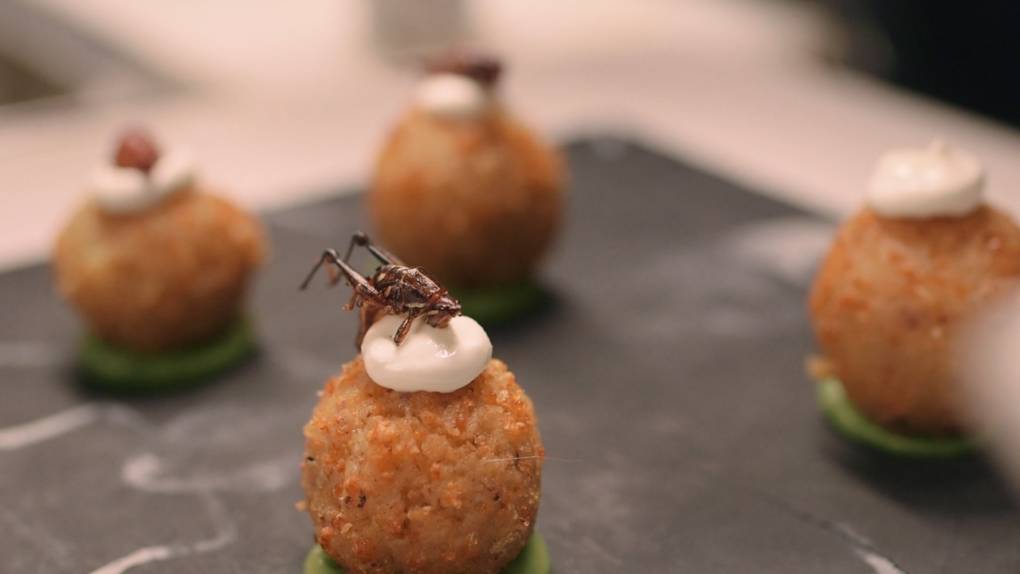
"caption": "Black Ant NYC appetizers",
"description": null,
"title": "Black Ant NYC appetizers",
"credit": "courtesy The Gateway Bug",
"status": "inherit",
"isLoading": false,
"fetchFailed": false
},
"bayareabites_117768": {
"type": "attachments",
"id": "bayareabites_117768",
"meta": {
"index": "attachments_1716263798",
"site": "bayareabites",
"id": "117768",
"found": true
},
"parent": 117767,
"imgSizes": {
"small": {
"file": "https://ww2.kqed.org/app/uploads/sites/24/2017/05/2017-04-30-shonen-knife-0079_edit_custom-1f7a5a096ecf6bfd53b8e72c72b582c35981831d-520x351.jpg",
"width": 520,
"mimeType": "image/jpeg",
"height": 351
},
"twentyfourteen-full-width": {
"file": "https://ww2.kqed.org/app/uploads/sites/24/2017/05/2017-04-30-shonen-knife-0079_edit_custom-1f7a5a096ecf6bfd53b8e72c72b582c35981831d-1038x576.jpg",
"width": 1038,
"mimeType": "image/jpeg",
"height": 576
},
"thumbnail": {
"file": "https://ww2.kqed.org/app/uploads/sites/24/2017/05/2017-04-30-shonen-knife-0079_edit_custom-1f7a5a096ecf6bfd53b8e72c72b582c35981831d-160x108.jpg",
"width": 160,
"mimeType": "image/jpeg",
"height": 108
},
"fd-sm": {
"file": "https://ww2.kqed.org/app/uploads/sites/24/2017/05/2017-04-30-shonen-knife-0079_edit_custom-1f7a5a096ecf6bfd53b8e72c72b582c35981831d-960x648.jpg",
"width": 960,
"mimeType": "image/jpeg",
"height": 648
},
"post-thumbnail": {
"file": "https://ww2.kqed.org/app/uploads/sites/24/2017/05/2017-04-30-shonen-knife-0079_edit_custom-1f7a5a096ecf6bfd53b8e72c72b582c35981831d-672x372.jpg",
"width": 672,
"mimeType": "image/jpeg",
"height": 372
},
"xsmall": {
"file": "https://ww2.kqed.org/app/uploads/sites/24/2017/05/2017-04-30-shonen-knife-0079_edit_custom-1f7a5a096ecf6bfd53b8e72c72b582c35981831d-375x253.jpg",
"width": 375,
"mimeType": "image/jpeg",
"height": 253
},
"kqedFullSize": {
"file": "https://ww2.kqed.org/app/uploads/sites/24/2017/05/2017-04-30-shonen-knife-0079_edit_custom-1f7a5a096ecf6bfd53b8e72c72b582c35981831d.jpg",
"width": 3457,
"height": 2333
},
"large": {
"file": "https://ww2.kqed.org/app/uploads/sites/24/2017/05/2017-04-30-shonen-knife-0079_edit_custom-1f7a5a096ecf6bfd53b8e72c72b582c35981831d-1020x688.jpg",
"width": 1020,
"mimeType": "image/jpeg",
"height": 688
},
"xlarge": {
"file": "https://ww2.kqed.org/app/uploads/sites/24/2017/05/2017-04-30-shonen-knife-0079_edit_custom-1f7a5a096ecf6bfd53b8e72c72b582c35981831d-1180x796.jpg",
"width": 1180,
"mimeType": "image/jpeg",
"height": 796
},
"guest-author-50": {
"file": "https://ww2.kqed.org/app/uploads/sites/24/2017/05/2017-04-30-shonen-knife-0079_edit_custom-1f7a5a096ecf6bfd53b8e72c72b582c35981831d-50x50.jpg",
"width": 50,
"mimeType": "image/jpeg",
"height": 50
},
"guest-author-96": {
"file": "https://ww2.kqed.org/app/uploads/sites/24/2017/05/2017-04-30-shonen-knife-0079_edit_custom-1f7a5a096ecf6bfd53b8e72c72b582c35981831d-96x96.jpg",
"width": 96,
"mimeType": "image/jpeg",
"height": 96
},
"medium": {
"file": "https://ww2.kqed.org/app/uploads/sites/24/2017/05/2017-04-30-shonen-knife-0079_edit_custom-1f7a5a096ecf6bfd53b8e72c72b582c35981831d-800x540.jpg",
"width": 800,
"mimeType": "image/jpeg",
"height": 540
},
"guest-author-64": {
"file": "https://ww2.kqed.org/app/uploads/sites/24/2017/05/2017-04-30-shonen-knife-0079_edit_custom-1f7a5a096ecf6bfd53b8e72c72b582c35981831d-64x64.jpg",
"width": 64,
"mimeType": "image/jpeg",
"height": 64
},
"guest-author-32": {
"file": "https://ww2.kqed.org/app/uploads/sites/24/2017/05/2017-04-30-shonen-knife-0079_edit_custom-1f7a5a096ecf6bfd53b8e72c72b582c35981831d-32x32.jpg",
"width": 32,
"mimeType": "image/jpeg",
"height": 32
},
"fd-lrg": {
"file": "https://ww2.kqed.org/app/uploads/sites/24/2017/05/2017-04-30-shonen-knife-0079_edit_custom-1f7a5a096ecf6bfd53b8e72c72b582c35981831d-1920x1296.jpg",
"width": 1920,
"mimeType": "image/jpeg",
"height": 1296
},
"fd-med": {
"file": "https://ww2.kqed.org/app/uploads/sites/24/2017/05/2017-04-30-shonen-knife-0079_edit_custom-1f7a5a096ecf6bfd53b8e72c72b582c35981831d-1180x796.jpg",
"width": 1180,
"mimeType": "image/jpeg",
"height": 796
},
"full-width": {
"file": "https://ww2.kqed.org/app/uploads/sites/24/2017/05/2017-04-30-shonen-knife-0079_edit_custom-1f7a5a096ecf6bfd53b8e72c72b582c35981831d-1920x1296.jpg",
"width": 1920,
"mimeType": "image/jpeg",
"height": 1296
},
"detail": {
"file": "https://ww2.kqed.org/app/uploads/sites/24/2017/05/2017-04-30-shonen-knife-0079_edit_custom-1f7a5a096ecf6bfd53b8e72c72b582c35981831d-150x150.jpg",
"width": 150,
"mimeType": "image/jpeg",
"height": 150
},
"medium_large": {
"file": "https://ww2.kqed.org/app/uploads/sites/24/2017/05/2017-04-30-shonen-knife-0079_edit_custom-1f7a5a096ecf6bfd53b8e72c72b582c35981831d-768x518.jpg",
"width": 768,
"mimeType": "image/jpeg",
"height": 518
},
"guest-author-128": {
"file": "https://ww2.kqed.org/app/uploads/sites/24/2017/05/2017-04-30-shonen-knife-0079_edit_custom-1f7a5a096ecf6bfd53b8e72c72b582c35981831d-128x128.jpg",
"width": 128,
"mimeType": "image/jpeg",
"height": 128
},
"xxsmall": {
"file": "https://ww2.kqed.org/app/uploads/sites/24/2017/05/2017-04-30-shonen-knife-0079_edit_custom-1f7a5a096ecf6bfd53b8e72c72b582c35981831d-240x162.jpg",
"width": 240,
"mimeType": "image/jpeg",
"height": 162
}
},
"publishDate": 1495897852,
"modified": 1495898081,
"caption": "For our interview, Risa, Naoko and Atsuko changed into their signature outfits: geometric-patterned dresses, designed by Atsuko, reminiscent of a Mondrian painting.",
"description": "For our interview, Risa, Naoko and Atsuko changed into their signature outfits: geometric-patterned dresses, designed by Atsuko, reminiscent of a Mondrian painting.",
"title": "For our interview, Risa, Naoko and Atsuko changed into their signature outfits: geometric-patterned dresses, designed by Atsuko, reminiscent of a Mondrian painting.",
"credit": "Ariel Zambelich/NPR",
"status": "inherit",
"isLoading": false,
"fetchFailed": false
},
"bayareabites_117567": {
"type": "attachments",
"id": "bayareabites_117567",
"meta": {
"index": "attachments_1716263798",
"site": "bayareabites",
"id": "117567",
"found": true
},
"parent": 117566,
"imgSizes": {
"small": {
"file": "https://ww2.kqed.org/app/uploads/sites/24/2017/05/myeggs2_custom-32a2ab556c737e1d0d3dcfa1c99354eb34e3aa55-520x349.jpg",
"width": 520,
"mimeType": "image/jpeg",
"height": 349
},
"twentyfourteen-full-width": {
"file": "https://ww2.kqed.org/app/uploads/sites/24/2017/05/myeggs2_custom-32a2ab556c737e1d0d3dcfa1c99354eb34e3aa55-1038x576.jpg",
"width": 1038,
"mimeType": "image/jpeg",
"height": 576
},
"thumbnail": {
"file": "https://ww2.kqed.org/app/uploads/sites/24/2017/05/myeggs2_custom-32a2ab556c737e1d0d3dcfa1c99354eb34e3aa55-160x107.jpg",
"width": 160,
"mimeType": "image/jpeg",
"height": 107
},
"fd-sm": {
"file": "https://ww2.kqed.org/app/uploads/sites/24/2017/05/myeggs2_custom-32a2ab556c737e1d0d3dcfa1c99354eb34e3aa55-960x644.jpg",
"width": 960,
"mimeType": "image/jpeg",
"height": 644
},
"post-thumbnail": {
"file": "https://ww2.kqed.org/app/uploads/sites/24/2017/05/myeggs2_custom-32a2ab556c737e1d0d3dcfa1c99354eb34e3aa55-672x372.jpg",
"width": 672,
"mimeType": "image/jpeg",
"height": 372
},
"xsmall": {
"file": "https://ww2.kqed.org/app/uploads/sites/24/2017/05/myeggs2_custom-32a2ab556c737e1d0d3dcfa1c99354eb34e3aa55-375x252.jpg",
"width": 375,
"mimeType": "image/jpeg",
"height": 252
},
"kqedFullSize": {
"file": "https://ww2.kqed.org/app/uploads/sites/24/2017/05/myeggs2_custom-32a2ab556c737e1d0d3dcfa1c99354eb34e3aa55.jpg",
"width": 1489,
"height": 999
},
"large": {
"file": "https://ww2.kqed.org/app/uploads/sites/24/2017/05/myeggs2_custom-32a2ab556c737e1d0d3dcfa1c99354eb34e3aa55-1020x684.jpg",
"width": 1020,
"mimeType": "image/jpeg",
"height": 684
},
"xlarge": {
"file": "https://ww2.kqed.org/app/uploads/sites/24/2017/05/myeggs2_custom-32a2ab556c737e1d0d3dcfa1c99354eb34e3aa55-1180x792.jpg",
"width": 1180,
"mimeType": "image/jpeg",
"height": 792
},
"guest-author-50": {
"file": "https://ww2.kqed.org/app/uploads/sites/24/2017/05/myeggs2_custom-32a2ab556c737e1d0d3dcfa1c99354eb34e3aa55-50x50.jpg",
"width": 50,
"mimeType": "image/jpeg",
"height": 50
},
"guest-author-96": {
"file": "https://ww2.kqed.org/app/uploads/sites/24/2017/05/myeggs2_custom-32a2ab556c737e1d0d3dcfa1c99354eb34e3aa55-96x96.jpg",
"width": 96,
"mimeType": "image/jpeg",
"height": 96
},
"medium": {
"file": "https://ww2.kqed.org/app/uploads/sites/24/2017/05/myeggs2_custom-32a2ab556c737e1d0d3dcfa1c99354eb34e3aa55-800x537.jpg",
"width": 800,
"mimeType": "image/jpeg",
"height": 537
},
"guest-author-64": {
"file": "https://ww2.kqed.org/app/uploads/sites/24/2017/05/myeggs2_custom-32a2ab556c737e1d0d3dcfa1c99354eb34e3aa55-64x64.jpg",
"width": 64,
"mimeType": "image/jpeg",
"height": 64
},
"guest-author-32": {
"file": "https://ww2.kqed.org/app/uploads/sites/24/2017/05/myeggs2_custom-32a2ab556c737e1d0d3dcfa1c99354eb34e3aa55-32x32.jpg",
"width": 32,
"mimeType": "image/jpeg",
"height": 32
},
"fd-med": {
"file": "https://ww2.kqed.org/app/uploads/sites/24/2017/05/myeggs2_custom-32a2ab556c737e1d0d3dcfa1c99354eb34e3aa55-1180x792.jpg",
"width": 1180,
"mimeType": "image/jpeg",
"height": 792
},
"detail": {
"file": "https://ww2.kqed.org/app/uploads/sites/24/2017/05/myeggs2_custom-32a2ab556c737e1d0d3dcfa1c99354eb34e3aa55-150x150.jpg",
"width": 150,
"mimeType": "image/jpeg",
"height": 150
},
"medium_large": {
"file": "https://ww2.kqed.org/app/uploads/sites/24/2017/05/myeggs2_custom-32a2ab556c737e1d0d3dcfa1c99354eb34e3aa55-768x515.jpg",
"width": 768,
"mimeType": "image/jpeg",
"height": 515
},
"guest-author-128": {
"file": "https://ww2.kqed.org/app/uploads/sites/24/2017/05/myeggs2_custom-32a2ab556c737e1d0d3dcfa1c99354eb34e3aa55-128x128.jpg",
"width": 128,
"mimeType": "image/jpeg",
"height": 128
},
"xxsmall": {
"file": "https://ww2.kqed.org/app/uploads/sites/24/2017/05/myeggs2_custom-32a2ab556c737e1d0d3dcfa1c99354eb34e3aa55-240x161.jpg",
"width": 240,
"mimeType": "image/jpeg",
"height": 161
}
},
"publishDate": 1495382264,
"modified": 1495382364,
"caption": "Cloud eggs: It's not just Instagrammers who find them pretty. Chefs of the 17th century whipped them up, too. Then, as now, they were meant to impress.",
"description": "Cloud eggs: It's not just Instagrammers who find them pretty. Chefs of the 17th century whipped them up, too. Then, as now, they were meant to impress",
"title": "Cloud eggs: It's not just Instagrammers who find them pretty. Chefs of the 17th century whipped them up, too. Then, as now, they were meant to impress.",
"credit": "Maria Godoy/NPR",
"status": "inherit",
"isLoading": false,
"fetchFailed": false
},
"bayareabites_117103": {
"type": "attachments",
"id": "bayareabites_117103",
"meta": {
"index": "attachments_1716263798",
"site": "bayareabites",
"id": "117103",
"found": true
},
"parent": 117095,
"imgSizes": {
"small": {
"file": "https://ww2.kqed.org/app/uploads/sites/24/2017/05/170425-cottage-food-top-520x347.jpg",
"width": 520,
"mimeType": "image/jpeg",
"height": 347
},
"twentyfourteen-full-width": {
"file": "https://ww2.kqed.org/app/uploads/sites/24/2017/05/170425-cottage-food-top-1038x576.jpg",
"width": 1038,
"mimeType": "image/jpeg",
"height": 576
},
"thumbnail": {
"file": "https://ww2.kqed.org/app/uploads/sites/24/2017/05/170425-cottage-food-top-160x107.jpg",
"width": 160,
"mimeType": "image/jpeg",
"height": 107
},
"fd-sm": {
"file": "https://ww2.kqed.org/app/uploads/sites/24/2017/05/170425-cottage-food-top-960x640.jpg",
"width": 960,
"mimeType": "image/jpeg",
"height": 640
},
"post-thumbnail": {
"file": "https://ww2.kqed.org/app/uploads/sites/24/2017/05/170425-cottage-food-top-672x372.jpg",
"width": 672,
"mimeType": "image/jpeg",
"height": 372
},
"xsmall": {
"file": "https://ww2.kqed.org/app/uploads/sites/24/2017/05/170425-cottage-food-top-375x250.jpg",
"width": 375,
"mimeType": "image/jpeg",
"height": 250
},
"kqedFullSize": {
"file": "https://ww2.kqed.org/app/uploads/sites/24/2017/05/170425-cottage-food-top.jpg",
"width": 1200,
"height": 800
},
"large": {
"file": "https://ww2.kqed.org/app/uploads/sites/24/2017/05/170425-cottage-food-top-1020x680.jpg",
"width": 1020,
"mimeType": "image/jpeg",
"height": 680
},
"xlarge": {
"file": "https://ww2.kqed.org/app/uploads/sites/24/2017/05/170425-cottage-food-top-1180x787.jpg",
"width": 1180,
"mimeType": "image/jpeg",
"height": 787
},
"guest-author-50": {
"file": "https://ww2.kqed.org/app/uploads/sites/24/2017/05/170425-cottage-food-top-50x50.jpg",
"width": 50,
"mimeType": "image/jpeg",
"height": 50
},
"guest-author-96": {
"file": "https://ww2.kqed.org/app/uploads/sites/24/2017/05/170425-cottage-food-top-96x96.jpg",
"width": 96,
"mimeType": "image/jpeg",
"height": 96
},
"medium": {
"file": "https://ww2.kqed.org/app/uploads/sites/24/2017/05/170425-cottage-food-top-800x533.jpg",
"width": 800,
"mimeType": "image/jpeg",
"height": 533
},
"guest-author-64": {
"file": "https://ww2.kqed.org/app/uploads/sites/24/2017/05/170425-cottage-food-top-64x64.jpg",
"width": 64,
"mimeType": "image/jpeg",
"height": 64
},
"guest-author-32": {
"file": "https://ww2.kqed.org/app/uploads/sites/24/2017/05/170425-cottage-food-top-32x32.jpg",
"width": 32,
"mimeType": "image/jpeg",
"height": 32
},
"fd-med": {
"file": "https://ww2.kqed.org/app/uploads/sites/24/2017/05/170425-cottage-food-top-1180x787.jpg",
"width": 1180,
"mimeType": "image/jpeg",
"height": 787
},
"detail": {
"file": "https://ww2.kqed.org/app/uploads/sites/24/2017/05/170425-cottage-food-top-150x150.jpg",
"width": 150,
"mimeType": "image/jpeg",
"height": 150
},
"medium_large": {
"file": "https://ww2.kqed.org/app/uploads/sites/24/2017/05/170425-cottage-food-top-768x512.jpg",
"width": 768,
"mimeType": "image/jpeg",
"height": 512
},
"guest-author-128": {
"file": "https://ww2.kqed.org/app/uploads/sites/24/2017/05/170425-cottage-food-top-128x128.jpg",
"width": 128,
"mimeType": "image/jpeg",
"height": 128
},
"xxsmall": {
"file": "https://ww2.kqed.org/app/uploads/sites/24/2017/05/170425-cottage-food-top-240x160.jpg",
"width": 240,
"mimeType": "image/jpeg",
"height": 160
}
},
"publishDate": 1493833637,
"modified": 1493833692,
"caption": "Photo courtesy of \u003ca href=\"https://stories.josephine.com/\">Josephine\u003c/a>",
"description": null,
"title": "170425-cottage-food-top",
"credit": null,
"status": "inherit",
"isLoading": false,
"fetchFailed": false
},
"bayareabites_117020": {
"type": "attachments",
"id": "bayareabites_117020",
"meta": {
"index": "attachments_1716263798",
"site": "bayareabites",
"id": "117020",
"found": true
},
"parent": 117019,
"imgSizes": {
"small": {
"file": "https://ww2.kqed.org/app/uploads/sites/24/2017/04/gettyimages-639821392-ae1dcb9e2af6219903804878ece0062843223851-520x390.jpg",
"width": 520,
"mimeType": "image/jpeg",
"height": 390
},
"twentyfourteen-full-width": {
"file": "https://ww2.kqed.org/app/uploads/sites/24/2017/04/gettyimages-639821392-ae1dcb9e2af6219903804878ece0062843223851-911x576.jpg",
"width": 911,
"mimeType": "image/jpeg",
"height": 576
},
"thumbnail": {
"file": "https://ww2.kqed.org/app/uploads/sites/24/2017/04/gettyimages-639821392-ae1dcb9e2af6219903804878ece0062843223851-160x120.jpg",
"width": 160,
"mimeType": "image/jpeg",
"height": 120
},
"post-thumbnail": {
"file": "https://ww2.kqed.org/app/uploads/sites/24/2017/04/gettyimages-639821392-ae1dcb9e2af6219903804878ece0062843223851-672x372.jpg",
"width": 672,
"mimeType": "image/jpeg",
"height": 372
},
"xsmall": {
"file": "https://ww2.kqed.org/app/uploads/sites/24/2017/04/gettyimages-639821392-ae1dcb9e2af6219903804878ece0062843223851-375x281.jpg",
"width": 375,
"mimeType": "image/jpeg",
"height": 281
},
"kqedFullSize": {
"file": "https://ww2.kqed.org/app/uploads/sites/24/2017/04/gettyimages-639821392-ae1dcb9e2af6219903804878ece0062843223851.jpg",
"width": 911,
"height": 683
},
"guest-author-50": {
"file": "https://ww2.kqed.org/app/uploads/sites/24/2017/04/gettyimages-639821392-ae1dcb9e2af6219903804878ece0062843223851-50x50.jpg",
"width": 50,
"mimeType": "image/jpeg",
"height": 50
},
"guest-author-96": {
"file": "https://ww2.kqed.org/app/uploads/sites/24/2017/04/gettyimages-639821392-ae1dcb9e2af6219903804878ece0062843223851-96x96.jpg",
"width": 96,
"mimeType": "image/jpeg",
"height": 96
},
"medium": {
"file": "https://ww2.kqed.org/app/uploads/sites/24/2017/04/gettyimages-639821392-ae1dcb9e2af6219903804878ece0062843223851-800x600.jpg",
"width": 800,
"mimeType": "image/jpeg",
"height": 600
},
"guest-author-64": {
"file": "https://ww2.kqed.org/app/uploads/sites/24/2017/04/gettyimages-639821392-ae1dcb9e2af6219903804878ece0062843223851-64x64.jpg",
"width": 64,
"mimeType": "image/jpeg",
"height": 64
},
"guest-author-32": {
"file": "https://ww2.kqed.org/app/uploads/sites/24/2017/04/gettyimages-639821392-ae1dcb9e2af6219903804878ece0062843223851-32x32.jpg",
"width": 32,
"mimeType": "image/jpeg",
"height": 32
},
"detail": {
"file": "https://ww2.kqed.org/app/uploads/sites/24/2017/04/gettyimages-639821392-ae1dcb9e2af6219903804878ece0062843223851-150x150.jpg",
"width": 150,
"mimeType": "image/jpeg",
"height": 150
},
"medium_large": {
"file": "https://ww2.kqed.org/app/uploads/sites/24/2017/04/gettyimages-639821392-ae1dcb9e2af6219903804878ece0062843223851-768x576.jpg",
"width": 768,
"mimeType": "image/jpeg",
"height": 576
},
"guest-author-128": {
"file": "https://ww2.kqed.org/app/uploads/sites/24/2017/04/gettyimages-639821392-ae1dcb9e2af6219903804878ece0062843223851-128x128.jpg",
"width": 128,
"mimeType": "image/jpeg",
"height": 128
},
"xxsmall": {
"file": "https://ww2.kqed.org/app/uploads/sites/24/2017/04/gettyimages-639821392-ae1dcb9e2af6219903804878ece0062843223851-240x180.jpg",
"width": 240,
"mimeType": "image/jpeg",
"height": 180
}
},
"publishDate": 1493408228,
"modified": 1493409154,
"caption": "Interdisciplinary artist and TED Fellow, Damon Davis.",
"description": "Interdisciplinary artist and TED Fellow, Damon Davis.",
"title": "Interdisciplinary artist and TED Fellow, Damon Davis.",
"credit": "Maarten de Boer/Getty Images",
"status": "inherit",
"isLoading": false,
"fetchFailed": false
},
"bayareabites_117010": {
"type": "attachments",
"id": "bayareabites_117010",
"meta": {
"index": "attachments_1716263798",
"site": "bayareabites",
"id": "117010",
"found": true
},
"parent": 117009,
"imgSizes": {
"small": {
"file": "https://ww2.kqed.org/app/uploads/sites/24/2017/04/avocado_3-2_custom-b704f81581e437cfa0ac5bc22cece09afd1bab81-520x390.jpg",
"width": 520,
"mimeType": "image/jpeg",
"height": 390
},
"twentyfourteen-full-width": {
"file": "https://ww2.kqed.org/app/uploads/sites/24/2017/04/avocado_3-2_custom-b704f81581e437cfa0ac5bc22cece09afd1bab81-1038x576.jpg",
"width": 1038,
"mimeType": "image/jpeg",
"height": 576
},
"thumbnail": {
"file": "https://ww2.kqed.org/app/uploads/sites/24/2017/04/avocado_3-2_custom-b704f81581e437cfa0ac5bc22cece09afd1bab81-160x120.jpg",
"width": 160,
"mimeType": "image/jpeg",
"height": 120
},
"fd-sm": {
"file": "https://ww2.kqed.org/app/uploads/sites/24/2017/04/avocado_3-2_custom-b704f81581e437cfa0ac5bc22cece09afd1bab81-960x719.jpg",
"width": 960,
"mimeType": "image/jpeg",
"height": 719
},
"post-thumbnail": {
"file": "https://ww2.kqed.org/app/uploads/sites/24/2017/04/avocado_3-2_custom-b704f81581e437cfa0ac5bc22cece09afd1bab81-672x372.jpg",
"width": 672,
"mimeType": "image/jpeg",
"height": 372
},
"xsmall": {
"file": "https://ww2.kqed.org/app/uploads/sites/24/2017/04/avocado_3-2_custom-b704f81581e437cfa0ac5bc22cece09afd1bab81-375x281.jpg",
"width": 375,
"mimeType": "image/jpeg",
"height": 281
},
"kqedFullSize": {
"file": "https://ww2.kqed.org/app/uploads/sites/24/2017/04/avocado_3-2_custom-b704f81581e437cfa0ac5bc22cece09afd1bab81.jpg",
"width": 1600,
"height": 1199
},
"large": {
"file": "https://ww2.kqed.org/app/uploads/sites/24/2017/04/avocado_3-2_custom-b704f81581e437cfa0ac5bc22cece09afd1bab81-1020x764.jpg",
"width": 1020,
"mimeType": "image/jpeg",
"height": 764
},
"xlarge": {
"file": "https://ww2.kqed.org/app/uploads/sites/24/2017/04/avocado_3-2_custom-b704f81581e437cfa0ac5bc22cece09afd1bab81-1180x884.jpg",
"width": 1180,
"mimeType": "image/jpeg",
"height": 884
},
"guest-author-50": {
"file": "https://ww2.kqed.org/app/uploads/sites/24/2017/04/avocado_3-2_custom-b704f81581e437cfa0ac5bc22cece09afd1bab81-50x50.jpg",
"width": 50,
"mimeType": "image/jpeg",
"height": 50
},
"guest-author-96": {
"file": "https://ww2.kqed.org/app/uploads/sites/24/2017/04/avocado_3-2_custom-b704f81581e437cfa0ac5bc22cece09afd1bab81-96x96.jpg",
"width": 96,
"mimeType": "image/jpeg",
"height": 96
},
"medium": {
"file": "https://ww2.kqed.org/app/uploads/sites/24/2017/04/avocado_3-2_custom-b704f81581e437cfa0ac5bc22cece09afd1bab81-800x600.jpg",
"width": 800,
"mimeType": "image/jpeg",
"height": 600
},
"guest-author-64": {
"file": "https://ww2.kqed.org/app/uploads/sites/24/2017/04/avocado_3-2_custom-b704f81581e437cfa0ac5bc22cece09afd1bab81-64x64.jpg",
"width": 64,
"mimeType": "image/jpeg",
"height": 64
},
"guest-author-32": {
"file": "https://ww2.kqed.org/app/uploads/sites/24/2017/04/avocado_3-2_custom-b704f81581e437cfa0ac5bc22cece09afd1bab81-32x32.jpg",
"width": 32,
"mimeType": "image/jpeg",
"height": 32
},
"fd-med": {
"file": "https://ww2.kqed.org/app/uploads/sites/24/2017/04/avocado_3-2_custom-b704f81581e437cfa0ac5bc22cece09afd1bab81-1180x884.jpg",
"width": 1180,
"mimeType": "image/jpeg",
"height": 884
},
"detail": {
"file": "https://ww2.kqed.org/app/uploads/sites/24/2017/04/avocado_3-2_custom-b704f81581e437cfa0ac5bc22cece09afd1bab81-150x150.jpg",
"width": 150,
"mimeType": "image/jpeg",
"height": 150
},
"medium_large": {
"file": "https://ww2.kqed.org/app/uploads/sites/24/2017/04/avocado_3-2_custom-b704f81581e437cfa0ac5bc22cece09afd1bab81-768x576.jpg",
"width": 768,
"mimeType": "image/jpeg",
"height": 576
},
"guest-author-128": {
"file": "https://ww2.kqed.org/app/uploads/sites/24/2017/04/avocado_3-2_custom-b704f81581e437cfa0ac5bc22cece09afd1bab81-128x128.jpg",
"width": 128,
"mimeType": "image/jpeg",
"height": 128
},
"xxsmall": {
"file": "https://ww2.kqed.org/app/uploads/sites/24/2017/04/avocado_3-2_custom-b704f81581e437cfa0ac5bc22cece09afd1bab81-240x180.jpg",
"width": 240,
"mimeType": "image/jpeg",
"height": 180
}
},
"publishDate": 1493335484,
"modified": 1493335669,
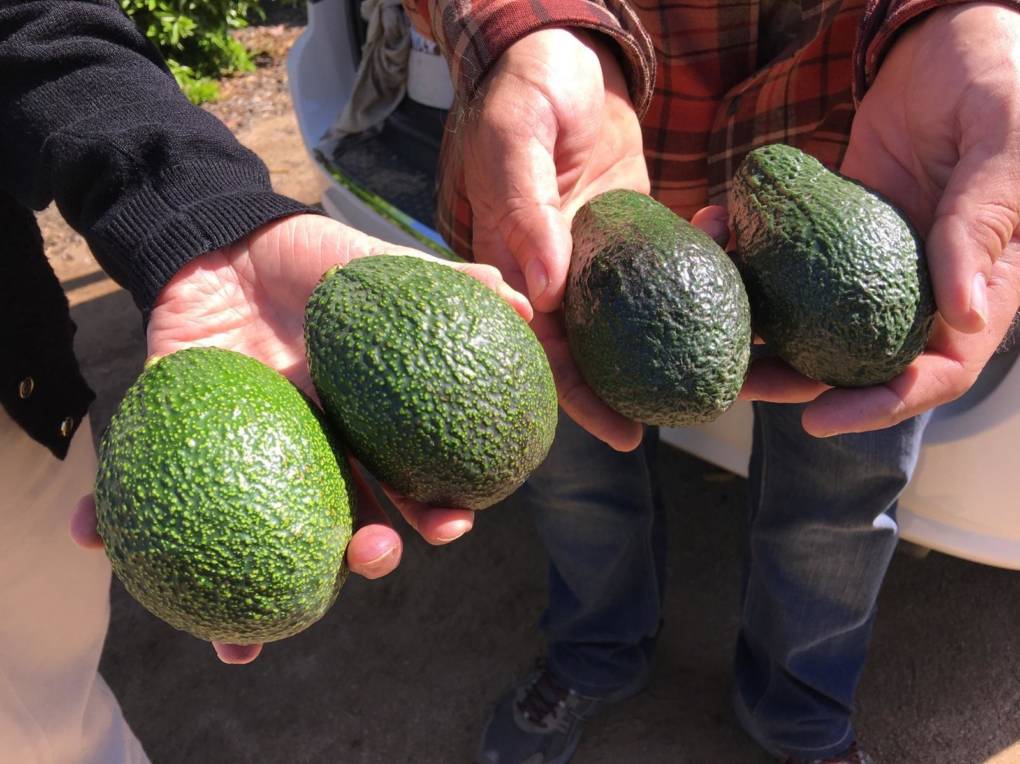
"caption": "The avocados on the right are Hass, America's favorite variety of the green fruit. At left are GEM avocados, the great-granddaughter of the Hass. GEM avocados grow well in California's Central Valley and, in taste tests, they scored better than the Hass in terms of eating quality.",
"description": "The avocados on the right are Hass, America's favorite variety of the green fruit. At left are GEM avocados, the great-granddaughter of the Hass. GEM avocados grow well in California's Central Valley and, in taste tests, they scored better than the Hass in terms of eating quality.",
"title": "The avocados on the right are Hass, America's favorite variety of the green fruit. At left are GEM avocados, the great-granddaughter of the Hass. GEM avocados grow well in California's Central Valley and, in taste tests, they scored better than the Hass in terms of eating quality.",
"credit": "Ezra David Romero/Valley Public Radio",
"status": "inherit",
"isLoading": false,
"fetchFailed": false
},
"bayareabites_116961": {
"type": "attachments",
"id": "bayareabites_116961",
"meta": {
"index": "attachments_1716263798",
"site": "bayareabites",
"id": "116961",
"found": true
},
"parent": 0,
"imgSizes": {
"small": {
"file": "https://ww2.kqed.org/app/uploads/sites/24/2017/04/1618357_10152263615963987_989099538_o-520x345.jpg",
"width": 520,
"mimeType": "image/jpeg",
"height": 345
},
"twentyfourteen-full-width": {
"file": "https://ww2.kqed.org/app/uploads/sites/24/2017/04/1618357_10152263615963987_989099538_o-1038x576.jpg",
"width": 1038,
"mimeType": "image/jpeg",
"height": 576
},
"thumbnail": {
"file": "https://ww2.kqed.org/app/uploads/sites/24/2017/04/1618357_10152263615963987_989099538_o-160x106.jpg",
"width": 160,
"mimeType": "image/jpeg",
"height": 106
},
"fd-sm": {
"file": "https://ww2.kqed.org/app/uploads/sites/24/2017/04/1618357_10152263615963987_989099538_o-960x638.jpg",
"width": 960,
"mimeType": "image/jpeg",
"height": 638
},
"post-thumbnail": {
"file": "https://ww2.kqed.org/app/uploads/sites/24/2017/04/1618357_10152263615963987_989099538_o-672x372.jpg",
"width": 672,
"mimeType": "image/jpeg",
"height": 372
},
"xsmall": {
"file": "https://ww2.kqed.org/app/uploads/sites/24/2017/04/1618357_10152263615963987_989099538_o-375x249.jpg",
"width": 375,
"mimeType": "image/jpeg",
"height": 249
},
"kqedFullSize": {
"file": "https://ww2.kqed.org/app/uploads/sites/24/2017/04/1618357_10152263615963987_989099538_o.jpg",
"width": 1920,
"height": 1275
},
"large": {
"file": "https://ww2.kqed.org/app/uploads/sites/24/2017/04/1618357_10152263615963987_989099538_o-1020x677.jpg",
"width": 1020,
"mimeType": "image/jpeg",
"height": 677
},
"xlarge": {
"file": "https://ww2.kqed.org/app/uploads/sites/24/2017/04/1618357_10152263615963987_989099538_o-1180x784.jpg",
"width": 1180,
"mimeType": "image/jpeg",
"height": 784
},
"guest-author-50": {
"file": "https://ww2.kqed.org/app/uploads/sites/24/2017/04/1618357_10152263615963987_989099538_o-50x50.jpg",
"width": 50,
"mimeType": "image/jpeg",
"height": 50
},
"guest-author-96": {
"file": "https://ww2.kqed.org/app/uploads/sites/24/2017/04/1618357_10152263615963987_989099538_o-96x96.jpg",
"width": 96,
"mimeType": "image/jpeg",
"height": 96
},
"medium": {
"file": "https://ww2.kqed.org/app/uploads/sites/24/2017/04/1618357_10152263615963987_989099538_o-800x531.jpg",
"width": 800,
"mimeType": "image/jpeg",
"height": 531
},
"guest-author-64": {
"file": "https://ww2.kqed.org/app/uploads/sites/24/2017/04/1618357_10152263615963987_989099538_o-64x64.jpg",
"width": 64,
"mimeType": "image/jpeg",
"height": 64
},
"guest-author-32": {
"file": "https://ww2.kqed.org/app/uploads/sites/24/2017/04/1618357_10152263615963987_989099538_o-32x32.jpg",
"width": 32,
"mimeType": "image/jpeg",
"height": 32
},
"fd-lrg": {
"file": "https://ww2.kqed.org/app/uploads/sites/24/2017/04/1618357_10152263615963987_989099538_o-1920x1275.jpg",
"width": 1920,
"mimeType": "image/jpeg",
"height": 1275
},
"fd-med": {
"file": "https://ww2.kqed.org/app/uploads/sites/24/2017/04/1618357_10152263615963987_989099538_o-1180x784.jpg",
"width": 1180,
"mimeType": "image/jpeg",
"height": 784
},
"full-width": {
"file": "https://ww2.kqed.org/app/uploads/sites/24/2017/04/1618357_10152263615963987_989099538_o-1920x1275.jpg",
"width": 1920,
"mimeType": "image/jpeg",
"height": 1275
},
"detail": {
"file": "https://ww2.kqed.org/app/uploads/sites/24/2017/04/1618357_10152263615963987_989099538_o-150x150.jpg",
"width": 150,
"mimeType": "image/jpeg",
"height": 150
},
"medium_large": {
"file": "https://ww2.kqed.org/app/uploads/sites/24/2017/04/1618357_10152263615963987_989099538_o-768x510.jpg",
"width": 768,
"mimeType": "image/jpeg",
"height": 510
},
"guest-author-128": {
"file": "https://ww2.kqed.org/app/uploads/sites/24/2017/04/1618357_10152263615963987_989099538_o-128x128.jpg",
"width": 128,
"mimeType": "image/jpeg",
"height": 128
},
"xxsmall": {
"file": "https://ww2.kqed.org/app/uploads/sites/24/2017/04/1618357_10152263615963987_989099538_o-240x159.jpg",
"width": 240,
"mimeType": "image/jpeg",
"height": 159
}
},
"publishDate": 1493073950,
"modified": 1493087323,
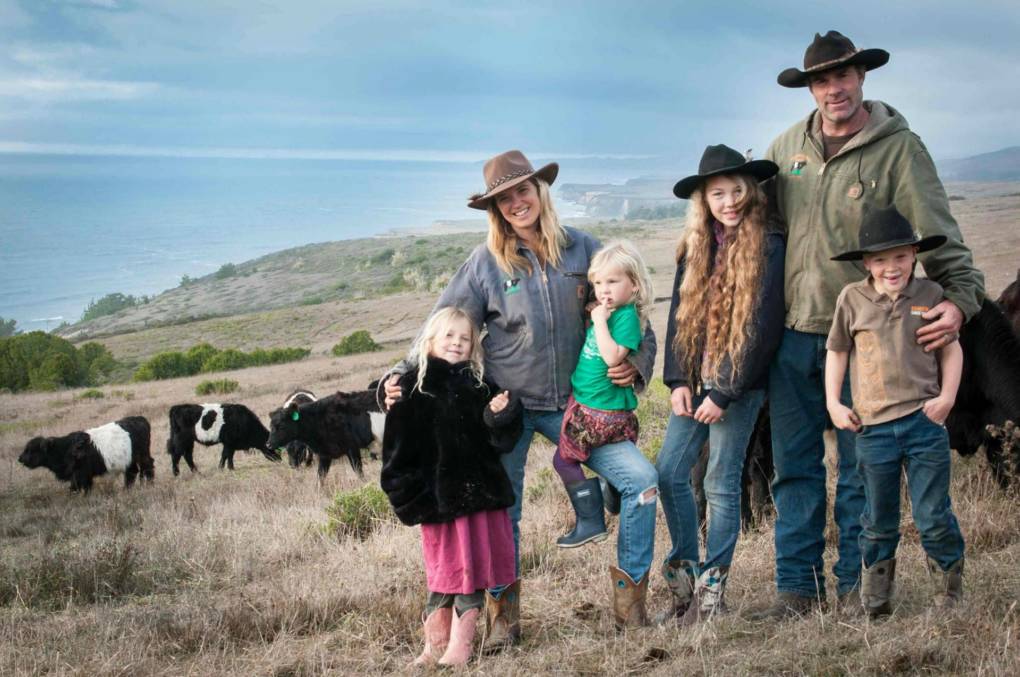
"caption": "Markegard Family Grass-Fed Meat uses Credibles have customers pre-pay their CSAs, so the family can plan production accordingly.",
"description": "Markegard Family Grass-Fed Meat uses Credibles have customers pre-pay their CSAs, so the family can plan production accordingly.",
"title": "Markegard Family Grass-Fed uses Credibles to sell their meat products.",
"credit": "Mandela Foods Cooperative/Credibles ",
"status": "inherit",
"isLoading": false,
"fetchFailed": false
},
"bayareabites_116944": {
"type": "attachments",
"id": "bayareabites_116944",
"meta": {
"index": "attachments_1716263798",
"site": "bayareabites",
"id": "116944",
"found": true
},
"parent": 116943,
"imgSizes": {
"small": {
"file": "https://ww2.kqed.org/app/uploads/sites/24/2017/04/ugly-food-3-2_custom-cc92226033db64c1a304ffb194c5bb1bbda670ce-520x350.jpg",
"width": 520,
"mimeType": "image/jpeg",
"height": 350
},
"twentyfourteen-full-width": {
"file": "https://ww2.kqed.org/app/uploads/sites/24/2017/04/ugly-food-3-2_custom-cc92226033db64c1a304ffb194c5bb1bbda670ce-1038x576.jpg",
"width": 1038,
"mimeType": "image/jpeg",
"height": 576
},
"thumbnail": {
"file": "https://ww2.kqed.org/app/uploads/sites/24/2017/04/ugly-food-3-2_custom-cc92226033db64c1a304ffb194c5bb1bbda670ce-160x108.jpg",
"width": 160,
"mimeType": "image/jpeg",
"height": 108
},
"fd-sm": {
"file": "https://ww2.kqed.org/app/uploads/sites/24/2017/04/ugly-food-3-2_custom-cc92226033db64c1a304ffb194c5bb1bbda670ce-960x646.jpg",
"width": 960,
"mimeType": "image/jpeg",
"height": 646
},
"post-thumbnail": {
"file": "https://ww2.kqed.org/app/uploads/sites/24/2017/04/ugly-food-3-2_custom-cc92226033db64c1a304ffb194c5bb1bbda670ce-672x372.jpg",
"width": 672,
"mimeType": "image/jpeg",
"height": 372
},
"xsmall": {
"file": "https://ww2.kqed.org/app/uploads/sites/24/2017/04/ugly-food-3-2_custom-cc92226033db64c1a304ffb194c5bb1bbda670ce-375x252.jpg",
"width": 375,
"mimeType": "image/jpeg",
"height": 252
},
"kqedFullSize": {
"file": "https://ww2.kqed.org/app/uploads/sites/24/2017/04/ugly-food-3-2_custom-cc92226033db64c1a304ffb194c5bb1bbda670ce.jpg",
"width": 1979,
"height": 1332
},
"large": {
"file": "https://ww2.kqed.org/app/uploads/sites/24/2017/04/ugly-food-3-2_custom-cc92226033db64c1a304ffb194c5bb1bbda670ce-1020x687.jpg",
"width": 1020,
"mimeType": "image/jpeg",
"height": 687
},
"xlarge": {
"file": "https://ww2.kqed.org/app/uploads/sites/24/2017/04/ugly-food-3-2_custom-cc92226033db64c1a304ffb194c5bb1bbda670ce-1180x794.jpg",
"width": 1180,
"mimeType": "image/jpeg",
"height": 794
},
"guest-author-50": {
"file": "https://ww2.kqed.org/app/uploads/sites/24/2017/04/ugly-food-3-2_custom-cc92226033db64c1a304ffb194c5bb1bbda670ce-50x50.jpg",
"width": 50,
"mimeType": "image/jpeg",
"height": 50
},
"guest-author-96": {
"file": "https://ww2.kqed.org/app/uploads/sites/24/2017/04/ugly-food-3-2_custom-cc92226033db64c1a304ffb194c5bb1bbda670ce-96x96.jpg",
"width": 96,
"mimeType": "image/jpeg",
"height": 96
},
"medium": {
"file": "https://ww2.kqed.org/app/uploads/sites/24/2017/04/ugly-food-3-2_custom-cc92226033db64c1a304ffb194c5bb1bbda670ce-800x538.jpg",
"width": 800,
"mimeType": "image/jpeg",
"height": 538
},
"guest-author-64": {
"file": "https://ww2.kqed.org/app/uploads/sites/24/2017/04/ugly-food-3-2_custom-cc92226033db64c1a304ffb194c5bb1bbda670ce-64x64.jpg",
"width": 64,
"mimeType": "image/jpeg",
"height": 64
},
"guest-author-32": {
"file": "https://ww2.kqed.org/app/uploads/sites/24/2017/04/ugly-food-3-2_custom-cc92226033db64c1a304ffb194c5bb1bbda670ce-32x32.jpg",
"width": 32,
"mimeType": "image/jpeg",
"height": 32
},
"fd-lrg": {
"file": "https://ww2.kqed.org/app/uploads/sites/24/2017/04/ugly-food-3-2_custom-cc92226033db64c1a304ffb194c5bb1bbda670ce-1920x1292.jpg",
"width": 1920,
"mimeType": "image/jpeg",
"height": 1292
},
"fd-med": {
"file": "https://ww2.kqed.org/app/uploads/sites/24/2017/04/ugly-food-3-2_custom-cc92226033db64c1a304ffb194c5bb1bbda670ce-1180x794.jpg",
"width": 1180,
"mimeType": "image/jpeg",
"height": 794
},
"full-width": {
"file": "https://ww2.kqed.org/app/uploads/sites/24/2017/04/ugly-food-3-2_custom-cc92226033db64c1a304ffb194c5bb1bbda670ce-1920x1292.jpg",
"width": 1920,
"mimeType": "image/jpeg",
"height": 1292
},
"detail": {
"file": "https://ww2.kqed.org/app/uploads/sites/24/2017/04/ugly-food-3-2_custom-cc92226033db64c1a304ffb194c5bb1bbda670ce-150x150.jpg",
"width": 150,
"mimeType": "image/jpeg",
"height": 150
},
"medium_large": {
"file": "https://ww2.kqed.org/app/uploads/sites/24/2017/04/ugly-food-3-2_custom-cc92226033db64c1a304ffb194c5bb1bbda670ce-768x517.jpg",
"width": 768,
"mimeType": "image/jpeg",
"height": 517
},
"guest-author-128": {
"file": "https://ww2.kqed.org/app/uploads/sites/24/2017/04/ugly-food-3-2_custom-cc92226033db64c1a304ffb194c5bb1bbda670ce-128x128.jpg",
"width": 128,
"mimeType": "image/jpeg",
"height": 128
},
"xxsmall": {
"file": "https://ww2.kqed.org/app/uploads/sites/24/2017/04/ugly-food-3-2_custom-cc92226033db64c1a304ffb194c5bb1bbda670ce-240x162.jpg",
"width": 240,
"mimeType": "image/jpeg",
"height": 162
}
},
"publishDate": 1492842864,
"modified": 1492843189,
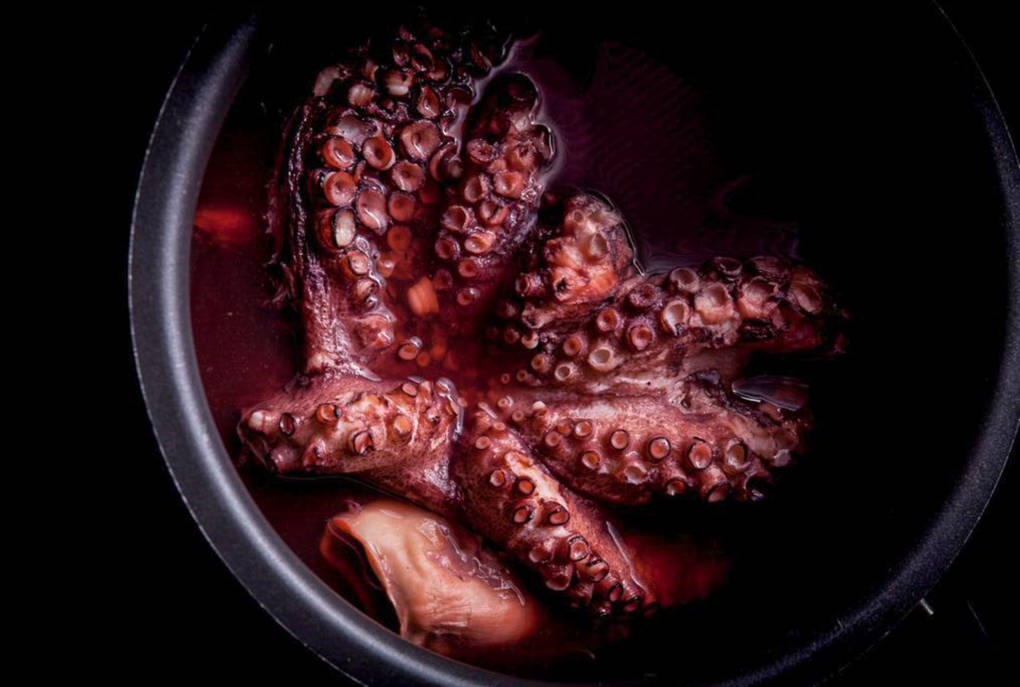
"caption": "Boiled octopus, a recipe for \"reliably tender, flavorful octopus that can be used as it is, or as a basis for fried or grilled octopus dishes,\" write Richard Horsey and Tim Wharton in Ugly Food. \"Octopus is also totally sustainable, very economical and incredibly versatile — the various methods of preparation and cooking lend it subtly different flavors,\" says Wharton.",
"description": "Boiled octopus, a recipe for \"reliably tender, flavorful octopus that can be used as it is, or as a basis for fried or grilled octopus dishes,\" write Richard Horsey and Tim Wharton in \u003cem>Ugly Food\u003c/em>. \"Octopus is also totally sustainable, very economical and incredibly versatile — the various methods of preparation and cooking lend it subtly different flavors,\" says Wharto",
"title": "Boiled octopus, a recipe for \"reliably tender, flavorful octopus that can be used as it is, or as a basis for fried or grilled octopus dishes,\" write Richard Horsey and Tim Wharton in Ugly Food. \"Octopus is also totally sustainable, very economical and incredibly versatile — the various methods of preparation and cooking lend it subtly different flavors,\" says Wharton.",
"credit": "Courtesy of Tanya Ghosh",
"status": "inherit",
"isLoading": false,
"fetchFailed": false
},
"bayareabites_116928": {
"type": "attachments",
"id": "bayareabites_116928",
"meta": {
"index": "attachments_1716263798",
"site": "bayareabites",
"id": "116928",
"found": true
},
"parent": 116901,
"imgSizes": {
"small": {
"file": "https://ww2.kqed.org/app/uploads/sites/24/2017/04/Good-Eggs-Packaging-2-Image-by-Colin-Price-for-Good-Eggs-520x325.jpg",
"width": 520,
"mimeType": "image/jpeg",
"height": 325
},
"twentyfourteen-full-width": {
"file": "https://ww2.kqed.org/app/uploads/sites/24/2017/04/Good-Eggs-Packaging-2-Image-by-Colin-Price-for-Good-Eggs-1038x576.jpg",
"width": 1038,
"mimeType": "image/jpeg",
"height": 576
},
"thumbnail": {
"file": "https://ww2.kqed.org/app/uploads/sites/24/2017/04/Good-Eggs-Packaging-2-Image-by-Colin-Price-for-Good-Eggs-160x100.jpg",
"width": 160,
"mimeType": "image/jpeg",
"height": 100
},
"fd-sm": {
"file": "https://ww2.kqed.org/app/uploads/sites/24/2017/04/Good-Eggs-Packaging-2-Image-by-Colin-Price-for-Good-Eggs-960x600.jpg",
"width": 960,
"mimeType": "image/jpeg",
"height": 600
},
"post-thumbnail": {
"file": "https://ww2.kqed.org/app/uploads/sites/24/2017/04/Good-Eggs-Packaging-2-Image-by-Colin-Price-for-Good-Eggs-672x372.jpg",
"width": 672,
"mimeType": "image/jpeg",
"height": 372
},
"xsmall": {
"file": "https://ww2.kqed.org/app/uploads/sites/24/2017/04/Good-Eggs-Packaging-2-Image-by-Colin-Price-for-Good-Eggs-375x234.jpg",
"width": 375,
"mimeType": "image/jpeg",
"height": 234
},
"kqedFullSize": {
"file": "https://ww2.kqed.org/app/uploads/sites/24/2017/04/Good-Eggs-Packaging-2-Image-by-Colin-Price-for-Good-Eggs.jpg",
"width": 5760,
"height": 3600
},
"large": {
"file": "https://ww2.kqed.org/app/uploads/sites/24/2017/04/Good-Eggs-Packaging-2-Image-by-Colin-Price-for-Good-Eggs-1020x638.jpg",
"width": 1020,
"mimeType": "image/jpeg",
"height": 638
},
"xlarge": {
"file": "https://ww2.kqed.org/app/uploads/sites/24/2017/04/Good-Eggs-Packaging-2-Image-by-Colin-Price-for-Good-Eggs-1180x738.jpg",
"width": 1180,
"mimeType": "image/jpeg",
"height": 738
},
"guest-author-50": {
"file": "https://ww2.kqed.org/app/uploads/sites/24/2017/04/Good-Eggs-Packaging-2-Image-by-Colin-Price-for-Good-Eggs-50x50.jpg",
"width": 50,
"mimeType": "image/jpeg",
"height": 50
},
"guest-author-96": {
"file": "https://ww2.kqed.org/app/uploads/sites/24/2017/04/Good-Eggs-Packaging-2-Image-by-Colin-Price-for-Good-Eggs-96x96.jpg",
"width": 96,
"mimeType": "image/jpeg",
"height": 96
},
"medium": {
"file": "https://ww2.kqed.org/app/uploads/sites/24/2017/04/Good-Eggs-Packaging-2-Image-by-Colin-Price-for-Good-Eggs-800x500.jpg",
"width": 800,
"mimeType": "image/jpeg",
"height": 500
},
"guest-author-64": {
"file": "https://ww2.kqed.org/app/uploads/sites/24/2017/04/Good-Eggs-Packaging-2-Image-by-Colin-Price-for-Good-Eggs-64x64.jpg",
"width": 64,
"mimeType": "image/jpeg",
"height": 64
},
"guest-author-32": {
"file": "https://ww2.kqed.org/app/uploads/sites/24/2017/04/Good-Eggs-Packaging-2-Image-by-Colin-Price-for-Good-Eggs-32x32.jpg",
"width": 32,
"mimeType": "image/jpeg",
"height": 32
},
"fd-lrg": {
"file": "https://ww2.kqed.org/app/uploads/sites/24/2017/04/Good-Eggs-Packaging-2-Image-by-Colin-Price-for-Good-Eggs-1920x1200.jpg",
"width": 1920,
"mimeType": "image/jpeg",
"height": 1200
},
"fd-med": {
"file": "https://ww2.kqed.org/app/uploads/sites/24/2017/04/Good-Eggs-Packaging-2-Image-by-Colin-Price-for-Good-Eggs-1180x738.jpg",
"width": 1180,
"mimeType": "image/jpeg",
"height": 738
},
"full-width": {
"file": "https://ww2.kqed.org/app/uploads/sites/24/2017/04/Good-Eggs-Packaging-2-Image-by-Colin-Price-for-Good-Eggs-1920x1200.jpg",
"width": 1920,
"mimeType": "image/jpeg",
"height": 1200
},
"detail": {
"file": "https://ww2.kqed.org/app/uploads/sites/24/2017/04/Good-Eggs-Packaging-2-Image-by-Colin-Price-for-Good-Eggs-150x150.jpg",
"width": 150,
"mimeType": "image/jpeg",
"height": 150
},
"medium_large": {
"file": "https://ww2.kqed.org/app/uploads/sites/24/2017/04/Good-Eggs-Packaging-2-Image-by-Colin-Price-for-Good-Eggs-768x480.jpg",
"width": 768,
"mimeType": "image/jpeg",
"height": 480
},
"guest-author-128": {
"file": "https://ww2.kqed.org/app/uploads/sites/24/2017/04/Good-Eggs-Packaging-2-Image-by-Colin-Price-for-Good-Eggs-128x128.jpg",
"width": 128,
"mimeType": "image/jpeg",
"height": 128
},
"xxsmall": {
"file": "https://ww2.kqed.org/app/uploads/sites/24/2017/04/Good-Eggs-Packaging-2-Image-by-Colin-Price-for-Good-Eggs-240x150.jpg",
"width": 240,
"mimeType": "image/jpeg",
"height": 150
}
},
"publishDate": 1492799088,
"modified": 1492799128,
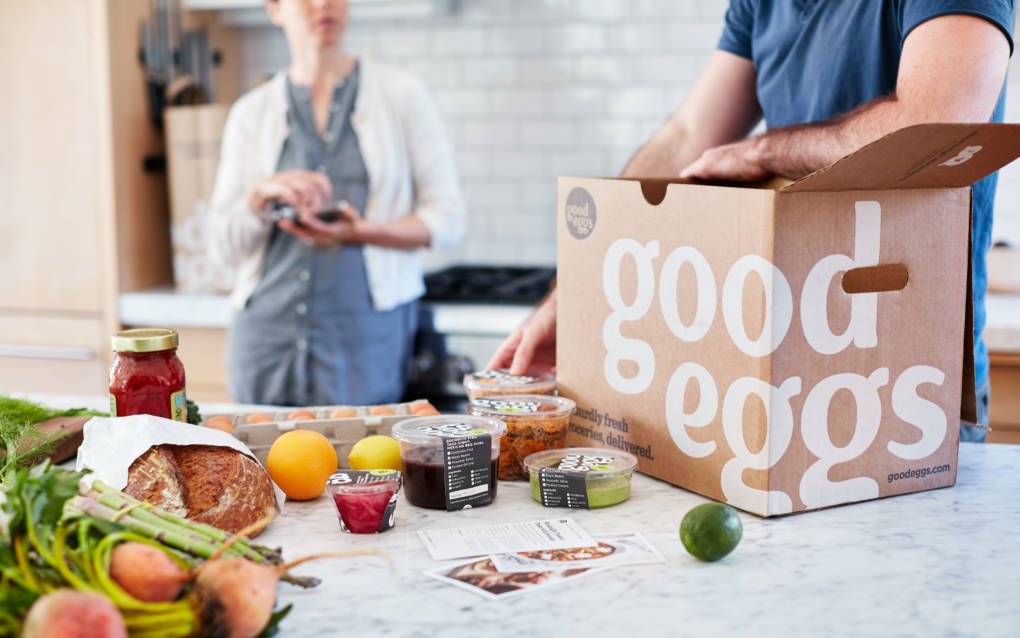
"caption": "Good Eggs meal kit ",
"description": "Good Eggs meal kit ",
"title": "Good Eggs Packaging 2 Image by Colin Price for Good Eggs",
"credit": "Colin Price/Courtesy of Good Eggs",
"status": "inherit",
"isLoading": false,
"fetchFailed": false
},
"bayareabites_116906": {
"type": "attachments",
"id": "bayareabites_116906",
"meta": {
"index": "attachments_1716263798",
"site": "bayareabites",
"id": "116906",
"found": true
},
"parent": 116904,
"imgSizes": {
"small": {
"file": "https://ww2.kqed.org/app/uploads/sites/24/2017/04/aquafaba_wide-dd5c30a55d2deb2701e4390b972bf63f73f7747b-520x292.jpg",
"width": 520,
"mimeType": "image/jpeg",
"height": 292
},
"twentyfourteen-full-width": {
"file": "https://ww2.kqed.org/app/uploads/sites/24/2017/04/aquafaba_wide-dd5c30a55d2deb2701e4390b972bf63f73f7747b-1038x576.jpg",
"width": 1038,
"mimeType": "image/jpeg",
"height": 576
},
"thumbnail": {
"file": "https://ww2.kqed.org/app/uploads/sites/24/2017/04/aquafaba_wide-dd5c30a55d2deb2701e4390b972bf63f73f7747b-160x90.jpg",
"width": 160,
"mimeType": "image/jpeg",
"height": 90
},
"fd-sm": {
"file": "https://ww2.kqed.org/app/uploads/sites/24/2017/04/aquafaba_wide-dd5c30a55d2deb2701e4390b972bf63f73f7747b-960x540.jpg",
"width": 960,
"mimeType": "image/jpeg",
"height": 540
},
"post-thumbnail": {
"file": "https://ww2.kqed.org/app/uploads/sites/24/2017/04/aquafaba_wide-dd5c30a55d2deb2701e4390b972bf63f73f7747b-672x372.jpg",
"width": 672,
"mimeType": "image/jpeg",
"height": 372
},
"xsmall": {
"file": "https://ww2.kqed.org/app/uploads/sites/24/2017/04/aquafaba_wide-dd5c30a55d2deb2701e4390b972bf63f73f7747b-375x211.jpg",
"width": 375,
"mimeType": "image/jpeg",
"height": 211
},
"kqedFullSize": {
"file": "https://ww2.kqed.org/app/uploads/sites/24/2017/04/aquafaba_wide-dd5c30a55d2deb2701e4390b972bf63f73f7747b.jpg",
"width": 4793,
"height": 2696
},
"large": {
"file": "https://ww2.kqed.org/app/uploads/sites/24/2017/04/aquafaba_wide-dd5c30a55d2deb2701e4390b972bf63f73f7747b-1020x574.jpg",
"width": 1020,
"mimeType": "image/jpeg",
"height": 574
},
"xlarge": {
"file": "https://ww2.kqed.org/app/uploads/sites/24/2017/04/aquafaba_wide-dd5c30a55d2deb2701e4390b972bf63f73f7747b-1180x664.jpg",
"width": 1180,
"mimeType": "image/jpeg",
"height": 664
},
"guest-author-50": {
"file": "https://ww2.kqed.org/app/uploads/sites/24/2017/04/aquafaba_wide-dd5c30a55d2deb2701e4390b972bf63f73f7747b-50x50.jpg",
"width": 50,
"mimeType": "image/jpeg",
"height": 50
},
"guest-author-96": {
"file": "https://ww2.kqed.org/app/uploads/sites/24/2017/04/aquafaba_wide-dd5c30a55d2deb2701e4390b972bf63f73f7747b-96x96.jpg",
"width": 96,
"mimeType": "image/jpeg",
"height": 96
},
"medium": {
"file": "https://ww2.kqed.org/app/uploads/sites/24/2017/04/aquafaba_wide-dd5c30a55d2deb2701e4390b972bf63f73f7747b-800x450.jpg",
"width": 800,
"mimeType": "image/jpeg",
"height": 450
},
"guest-author-64": {
"file": "https://ww2.kqed.org/app/uploads/sites/24/2017/04/aquafaba_wide-dd5c30a55d2deb2701e4390b972bf63f73f7747b-64x64.jpg",
"width": 64,
"mimeType": "image/jpeg",
"height": 64
},
"guest-author-32": {
"file": "https://ww2.kqed.org/app/uploads/sites/24/2017/04/aquafaba_wide-dd5c30a55d2deb2701e4390b972bf63f73f7747b-32x32.jpg",
"width": 32,
"mimeType": "image/jpeg",
"height": 32
},
"fd-lrg": {
"file": "https://ww2.kqed.org/app/uploads/sites/24/2017/04/aquafaba_wide-dd5c30a55d2deb2701e4390b972bf63f73f7747b-1920x1080.jpg",
"width": 1920,
"mimeType": "image/jpeg",
"height": 1080
},
"fd-med": {
"file": "https://ww2.kqed.org/app/uploads/sites/24/2017/04/aquafaba_wide-dd5c30a55d2deb2701e4390b972bf63f73f7747b-1180x664.jpg",
"width": 1180,
"mimeType": "image/jpeg",
"height": 664
},
"full-width": {
"file": "https://ww2.kqed.org/app/uploads/sites/24/2017/04/aquafaba_wide-dd5c30a55d2deb2701e4390b972bf63f73f7747b-1920x1080.jpg",
"width": 1920,
"mimeType": "image/jpeg",
"height": 1080
},
"detail": {
"file": "https://ww2.kqed.org/app/uploads/sites/24/2017/04/aquafaba_wide-dd5c30a55d2deb2701e4390b972bf63f73f7747b-150x150.jpg",
"width": 150,
"mimeType": "image/jpeg",
"height": 150
},
"medium_large": {
"file": "https://ww2.kqed.org/app/uploads/sites/24/2017/04/aquafaba_wide-dd5c30a55d2deb2701e4390b972bf63f73f7747b-768x432.jpg",
"width": 768,
"mimeType": "image/jpeg",
"height": 432
},
"guest-author-128": {
"file": "https://ww2.kqed.org/app/uploads/sites/24/2017/04/aquafaba_wide-dd5c30a55d2deb2701e4390b972bf63f73f7747b-128x128.jpg",
"width": 128,
"mimeType": "image/jpeg",
"height": 128
},
"xxsmall": {
"file": "https://ww2.kqed.org/app/uploads/sites/24/2017/04/aquafaba_wide-dd5c30a55d2deb2701e4390b972bf63f73f7747b-240x135.jpg",
"width": 240,
"mimeType": "image/jpeg",
"height": 135
}
},
"publishDate": 1492707165,
"modified": 1492708977,
"caption": null,
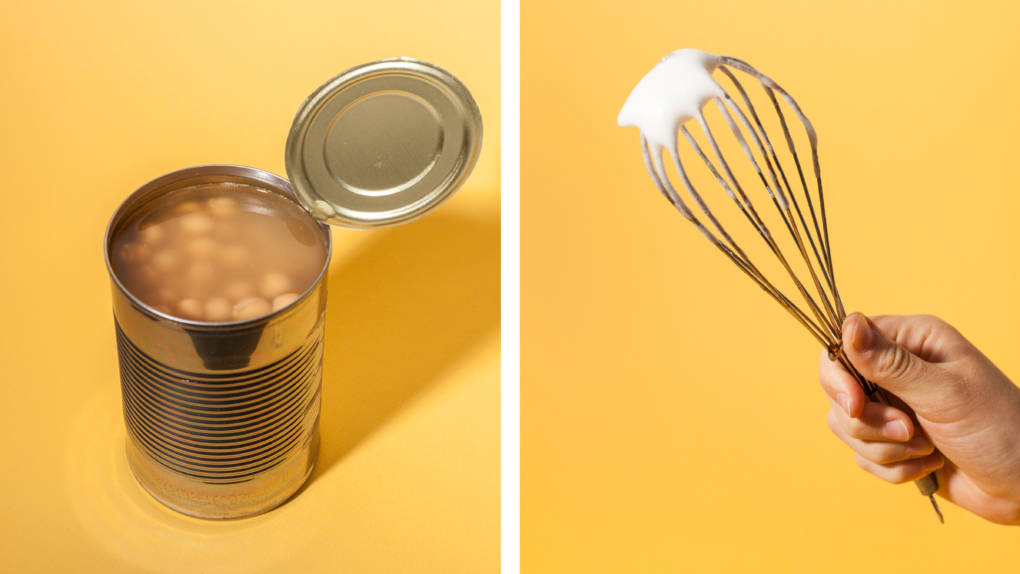
"description": "Aquafaba, commonly made from chickpea water, can be whipped into a stiff foam for an excellent vegan replacement for egg whites.",
"title": "Aquafaba, commonly made from chickpea water, can be whipped into a stiff foam for an excellent vegan replacement for egg whites.",
"credit": " Kelly Jo Smart/NPR",
"status": "inherit",
"isLoading": false,
"fetchFailed": false
},
"bayareabites_116835": {
"type": "attachments",
"id": "bayareabites_116835",
"meta": {
"index": "attachments_1716263798",
"site": "bayareabites",
"id": "116835",
"found": true
},
"parent": 0,
"imgSizes": {
"small": {
"file": "https://ww2.kqed.org/app/uploads/sites/24/2017/04/Screen-Shot-2017-03-18-at-3.50.08-PM-520x298.jpg",
"width": 520,
"mimeType": "image/jpeg",
"height": 298
},
"twentyfourteen-full-width": {
"file": "https://ww2.kqed.org/app/uploads/sites/24/2017/04/Screen-Shot-2017-03-18-at-3.50.08-PM-1038x576.jpg",
"width": 1038,
"mimeType": "image/jpeg",
"height": 576
},
"thumbnail": {
"file": "https://ww2.kqed.org/app/uploads/sites/24/2017/04/Screen-Shot-2017-03-18-at-3.50.08-PM-160x92.jpg",
"width": 160,
"mimeType": "image/jpeg",
"height": 92
},
"fd-sm": {
"file": "https://ww2.kqed.org/app/uploads/sites/24/2017/04/Screen-Shot-2017-03-18-at-3.50.08-PM-960x550.jpg",
"width": 960,
"mimeType": "image/jpeg",
"height": 550
},
"post-thumbnail": {
"file": "https://ww2.kqed.org/app/uploads/sites/24/2017/04/Screen-Shot-2017-03-18-at-3.50.08-PM-672x372.jpg",
"width": 672,
"mimeType": "image/jpeg",
"height": 372
},
"xsmall": {
"file": "https://ww2.kqed.org/app/uploads/sites/24/2017/04/Screen-Shot-2017-03-18-at-3.50.08-PM-375x215.jpg",
"width": 375,
"mimeType": "image/jpeg",
"height": 215
},
"kqedFullSize": {
"file": "https://ww2.kqed.org/app/uploads/sites/24/2017/04/Screen-Shot-2017-03-18-at-3.50.08-PM.jpg",
"width": 1920,
"height": 1099
},
"large": {
"file": "https://ww2.kqed.org/app/uploads/sites/24/2017/04/Screen-Shot-2017-03-18-at-3.50.08-PM-1020x584.jpg",
"width": 1020,
"mimeType": "image/jpeg",
"height": 584
},
"xlarge": {
"file": "https://ww2.kqed.org/app/uploads/sites/24/2017/04/Screen-Shot-2017-03-18-at-3.50.08-PM-1180x675.jpg",
"width": 1180,
"mimeType": "image/jpeg",
"height": 675
},
"guest-author-50": {
"file": "https://ww2.kqed.org/app/uploads/sites/24/2017/04/Screen-Shot-2017-03-18-at-3.50.08-PM-50x50.jpg",
"width": 50,
"mimeType": "image/jpeg",
"height": 50
},
"guest-author-96": {
"file": "https://ww2.kqed.org/app/uploads/sites/24/2017/04/Screen-Shot-2017-03-18-at-3.50.08-PM-96x96.jpg",
"width": 96,
"mimeType": "image/jpeg",
"height": 96
},
"medium": {
"file": "https://ww2.kqed.org/app/uploads/sites/24/2017/04/Screen-Shot-2017-03-18-at-3.50.08-PM-800x458.jpg",
"width": 800,
"mimeType": "image/jpeg",
"height": 458
},
"guest-author-64": {
"file": "https://ww2.kqed.org/app/uploads/sites/24/2017/04/Screen-Shot-2017-03-18-at-3.50.08-PM-64x64.jpg",
"width": 64,
"mimeType": "image/jpeg",
"height": 64
},
"guest-author-32": {
"file": "https://ww2.kqed.org/app/uploads/sites/24/2017/04/Screen-Shot-2017-03-18-at-3.50.08-PM-32x32.jpg",
"width": 32,
"mimeType": "image/jpeg",
"height": 32
},
"fd-lrg": {
"file": "https://ww2.kqed.org/app/uploads/sites/24/2017/04/Screen-Shot-2017-03-18-at-3.50.08-PM-1920x1099.jpg",
"width": 1920,
"mimeType": "image/jpeg",
"height": 1099
},
"fd-med": {
"file": "https://ww2.kqed.org/app/uploads/sites/24/2017/04/Screen-Shot-2017-03-18-at-3.50.08-PM-1180x675.jpg",
"width": 1180,
"mimeType": "image/jpeg",
"height": 675
},
"full-width": {
"file": "https://ww2.kqed.org/app/uploads/sites/24/2017/04/Screen-Shot-2017-03-18-at-3.50.08-PM-1920x1099.jpg",
"width": 1920,
"mimeType": "image/jpeg",
"height": 1099
},
"detail": {
"file": "https://ww2.kqed.org/app/uploads/sites/24/2017/04/Screen-Shot-2017-03-18-at-3.50.08-PM-150x150.jpg",
"width": 150,
"mimeType": "image/jpeg",
"height": 150
},
"medium_large": {
"file": "https://ww2.kqed.org/app/uploads/sites/24/2017/04/Screen-Shot-2017-03-18-at-3.50.08-PM-768x440.jpg",
"width": 768,
"mimeType": "image/jpeg",
"height": 440
},
"guest-author-128": {
"file": "https://ww2.kqed.org/app/uploads/sites/24/2017/04/Screen-Shot-2017-03-18-at-3.50.08-PM-128x128.jpg",
"width": 128,
"mimeType": "image/jpeg",
"height": 128
},
"xxsmall": {
"file": "https://ww2.kqed.org/app/uploads/sites/24/2017/04/Screen-Shot-2017-03-18-at-3.50.08-PM-240x137.jpg",
"width": 240,
"mimeType": "image/jpeg",
"height": 137
}
},
"publishDate": 1492458535,
"modified": 1492458724,
"caption": "A still from the Perennial Plate's Kickstarter video.",
"description": "A still from the Perennial Plate's Kickstarter video.",
"title": "A still from the Perennial Plate's Kickstarter video.",
"credit": "The Perennial Plate ",
"status": "inherit",
"isLoading": false,
"fetchFailed": false
},
"bayareabites_116813": {
"type": "attachments",
"id": "bayareabites_116813",
"meta": {
"index": "attachments_1716263798",
"site": "bayareabites",
"id": "116813",
"found": true
},
"parent": 116810,
"imgSizes": {
"small": {
"file": "https://ww2.kqed.org/app/uploads/sites/24/2017/04/170410-crispr-520x347.jpg",
"width": 520,
"mimeType": "image/jpeg",
"height": 347
},
"twentyfourteen-full-width": {
"file": "https://ww2.kqed.org/app/uploads/sites/24/2017/04/170410-crispr-1038x576.jpg",
"width": 1038,
"mimeType": "image/jpeg",
"height": 576
},
"thumbnail": {
"file": "https://ww2.kqed.org/app/uploads/sites/24/2017/04/170410-crispr-160x107.jpg",
"width": 160,
"mimeType": "image/jpeg",
"height": 107
},
"fd-sm": {
"file": "https://ww2.kqed.org/app/uploads/sites/24/2017/04/170410-crispr-960x640.jpg",
"width": 960,
"mimeType": "image/jpeg",
"height": 640
},
"post-thumbnail": {
"file": "https://ww2.kqed.org/app/uploads/sites/24/2017/04/170410-crispr-672x372.jpg",
"width": 672,
"mimeType": "image/jpeg",
"height": 372
},
"xsmall": {
"file": "https://ww2.kqed.org/app/uploads/sites/24/2017/04/170410-crispr-375x250.jpg",
"width": 375,
"mimeType": "image/jpeg",
"height": 250
},
"kqedFullSize": {
"file": "https://ww2.kqed.org/app/uploads/sites/24/2017/04/170410-crispr.jpg",
"width": 1200,
"height": 800
},
"large": {
"file": "https://ww2.kqed.org/app/uploads/sites/24/2017/04/170410-crispr-1020x680.jpg",
"width": 1020,
"mimeType": "image/jpeg",
"height": 680
},
"xlarge": {
"file": "https://ww2.kqed.org/app/uploads/sites/24/2017/04/170410-crispr-1180x787.jpg",
"width": 1180,
"mimeType": "image/jpeg",
"height": 787
},
"guest-author-50": {
"file": "https://ww2.kqed.org/app/uploads/sites/24/2017/04/170410-crispr-50x50.jpg",
"width": 50,
"mimeType": "image/jpeg",
"height": 50
},
"guest-author-96": {
"file": "https://ww2.kqed.org/app/uploads/sites/24/2017/04/170410-crispr-96x96.jpg",
"width": 96,
"mimeType": "image/jpeg",
"height": 96
},
"medium": {
"file": "https://ww2.kqed.org/app/uploads/sites/24/2017/04/170410-crispr-800x533.jpg",
"width": 800,
"mimeType": "image/jpeg",
"height": 533
},
"guest-author-64": {
"file": "https://ww2.kqed.org/app/uploads/sites/24/2017/04/170410-crispr-64x64.jpg",
"width": 64,
"mimeType": "image/jpeg",
"height": 64
},
"guest-author-32": {
"file": "https://ww2.kqed.org/app/uploads/sites/24/2017/04/170410-crispr-32x32.jpg",
"width": 32,
"mimeType": "image/jpeg",
"height": 32
},
"fd-med": {
"file": "https://ww2.kqed.org/app/uploads/sites/24/2017/04/170410-crispr-1180x787.jpg",
"width": 1180,
"mimeType": "image/jpeg",
"height": 787
},
"detail": {
"file": "https://ww2.kqed.org/app/uploads/sites/24/2017/04/170410-crispr-150x150.jpg",
"width": 150,
"mimeType": "image/jpeg",
"height": 150
},
"medium_large": {
"file": "https://ww2.kqed.org/app/uploads/sites/24/2017/04/170410-crispr-768x512.jpg",
"width": 768,
"mimeType": "image/jpeg",
"height": 512
},
"guest-author-128": {
"file": "https://ww2.kqed.org/app/uploads/sites/24/2017/04/170410-crispr-128x128.jpg",
"width": 128,
"mimeType": "image/jpeg",
"height": 128
},
"xxsmall": {
"file": "https://ww2.kqed.org/app/uploads/sites/24/2017/04/170410-crispr-240x160.jpg",
"width": 240,
"mimeType": "image/jpeg",
"height": 160
}
},
"publishDate": 1492065167,
"modified": 1492065167,
"caption": null,
"description": null,
"title": "170410-crispr",
"credit": null,
"status": "inherit",
"isLoading": false,
"fetchFailed": false
}
},
"audioPlayerReducer": {
"postId": "stream_live",
"isPaused": true,
"isPlaying": false,
"pfsActive": false,
"pledgeModalIsOpen": true,
"playerDrawerIsOpen": false,
"liveAudioPlayStartedAt": 0,
"liveAudioPlayContext": ""
},
"authorsReducer": {
"byline_bayareabites_117767": {
"type": "authors",
"id": "byline_bayareabites_117767",
"meta": {
"override": true
},
"slug": "byline_bayareabites_117767",
"name": "Maria Godoy, NPR Food",
"isLoading": false
},
"byline_bayareabites_117566": {
"type": "authors",
"id": "byline_bayareabites_117566",
"meta": {
"override": true
},
"slug": "byline_bayareabites_117566",
"name": "Maria Godoy, NPR Food",
"isLoading": false
},
"byline_bayareabites_117095": {
"type": "authors",
"id": "byline_bayareabites_117095",
"meta": {
"override": true
},
"slug": "byline_bayareabites_117095",
"name": " \u003ca href=\"http://civileats.com/author/lclark/\">Leilani Clark\u003c/a>, \u003ca href=\"https://ww2.kqed.org/bayareabites/author/civileat/\">Civil Eats\u003c/a> ",
"isLoading": false
},
"byline_bayareabites_117019": {
"type": "authors",
"id": "byline_bayareabites_117019",
"meta": {
"override": true
},
"slug": "byline_bayareabites_117019",
"name": "Nina Gregory, \u003cstrong>\u003ca href=\"http://www.npr.org/sections/codeswitch/2017/04/28/516430327/at-ted-this-week-two-speakers-got-to-the-root-of-things\">NPR Food\u003c/a>\u003c/strong>",
"isLoading": false
},
"byline_bayareabites_117009": {
"type": "authors",
"id": "byline_bayareabites_117009",
"meta": {
"override": true
},
"slug": "byline_bayareabites_117009",
"name": "Ezra David Romero, \u003cstrong>\u003ca href=\"http://www.npr.org/sections/thesalt/2017/04/27/525737123/california-is-on-its-way-to-having-an-avocado-crop-year-round\">NPR Food\u003c/a>\u003c/strong>",
"isLoading": false
},
"byline_bayareabites_116943": {
"type": "authors",
"id": "byline_bayareabites_116943",
"meta": {
"override": true
},
"slug": "byline_bayareabites_116943",
"name": "Stephen Phillips, \u003cstrong>\u003ca href=\"http://www.npr.org/sections/thesalt/2017/04/20/524725995/the-truth-about-ugly-food-theyre-delicious-abundant-and-good-for-the-planet\">NPR Food\u003c/a>\u003c/strong>",
"isLoading": false
},
"byline_bayareabites_116904": {
"type": "authors",
"id": "byline_bayareabites_116904",
"meta": {
"override": true
},
"slug": "byline_bayareabites_116904",
"name": "Tove Danovich, \u003ca href=\"https://ww2.kqed.org/bayareabites/author/nprfood/\">NPR Food\u003c/a>",
"isLoading": false
},
"byline_bayareabites_116810": {
"type": "authors",
"id": "byline_bayareabites_116810",
"meta": {
"override": true
},
"slug": "byline_bayareabites_116810",
"name": "\u003ca href=\"http://civileats.com/author/tgreenaway/\">Twilight Greenaway\u003c/a>, \u003ca href=\"https://ww2.kqed.org/bayareabites/author/civileat/\">Civil Eats\u003c/a>",
"isLoading": false
},
"marktaylor-2": {
"type": "authors",
"id": "8",
"meta": {
"index": "authors_1716337520",
"id": "8",
"found": true
},
"name": "Mark Taylor",
"firstName": "Mark",
"lastName": "Taylor",
"slug": "marktaylor-2",
"email": "mark@emptypictures.net",
"display_author_email": false,
"staff_mastheads": [],
"title": null,
"bio": "Mark Taylor founded KQED Arts in 2005 and served as Senior Interactive Producer for Arts and Culture through 2014. Taylor was the online arts editor of KQED's daily arts blog for nine years and created the station's first web-original podcasts, Gallery Crawl and The Writers' Block.\r\n\r\nTaylor is an experimental filmmaker and visual artist whose work has been collected by the Library of Congress, Stanford University and the New York Museum of Modern Art, among many others. He teaches Media Studies at the University of San Francisco and is exploring the connection between film and food. \u003ca href=\"http://emptypictures.net/\">Visit Mark Taylor's website\u003c/a> at emptypictures.net.",
"avatar": "https://secure.gravatar.com/avatar/3452322b4dec4379500b11b74718f5da?s=600&d=blank&r=g",
"twitter": null,
"facebook": null,
"instagram": null,
"linkedin": null,
"sites": [
{
"site": "arts",
"roles": [
"Administrator",
"contributor"
]
},
{
"site": "bayareabites",
"roles": [
"author"
]
},
{
"site": "checkplease",
"roles": [
"subscriber"
]
},
{
"site": "food",
"roles": [
"contributor"
]
}
],
"headData": {
"title": "Mark Taylor | KQED",
"description": null,
"ogImgSrc": "https://secure.gravatar.com/avatar/3452322b4dec4379500b11b74718f5da?s=600&d=blank&r=g",
"twImgSrc": "https://secure.gravatar.com/avatar/3452322b4dec4379500b11b74718f5da?s=600&d=blank&r=g"
},
"isLoading": false,
"link": "/author/marktaylor-2"
},
"kdomara": {
"type": "authors",
"id": "1459",
"meta": {
"index": "authors_1716337520",
"id": "1459",
"found": true
},
"name": "Kelly O'Mara",
"firstName": "Kelly",
"lastName": "O'Mara",
"slug": "kdomara",
"email": "komara@kqed.org",
"display_author_email": false,
"staff_mastheads": [
"news"
],
"title": "KQED Contributor",
"bio": "Kelly O'Mara is a writer and reporter in the San Francisco Bay Area. She writes about food, health, sports, travel, business and California news. Her work has appeared on KQED, online for Outside Magazine, epsnW, VICE and in Competitor Magazine, among others. Follow Kelly on Twitter \u003ca href=\"https://twitter.com/kellydomara\">@kellydomara\u003c/a>.",
"avatar": "https://secure.gravatar.com/avatar/768fec7412028b72f13bdd0f5f9d8186?s=600&d=blank&r=g",
"twitter": null,
"facebook": null,
"instagram": null,
"linkedin": null,
"sites": [
{
"site": "arts",
"roles": []
},
{
"site": "news",
"roles": []
},
{
"site": "bayareabites",
"roles": []
},
{
"site": "stateofhealth",
"roles": []
},
{
"site": "science",
"roles": []
},
{
"site": "checkplease",
"roles": [
"editor"
]
},
{
"site": "food",
"roles": []
},
{
"site": "forum",
"roles": [
"editor"
]
},
{
"site": "liveblog",
"roles": [
"editor"
]
}
],
"headData": {
"title": "Kelly O'Mara | KQED",
"description": "KQED Contributor",
"ogImgSrc": "https://secure.gravatar.com/avatar/768fec7412028b72f13bdd0f5f9d8186?s=600&d=blank&r=g",
"twImgSrc": "https://secure.gravatar.com/avatar/768fec7412028b72f13bdd0f5f9d8186?s=600&d=blank&r=g"
},
"isLoading": false,
"link": "/author/kdomara"
},
"shelbypope": {
"type": "authors",
"id": "5566",
"meta": {
"index": "authors_1716337520",
"id": "5566",
"found": true
},
"name": "Shelby Pope",
"firstName": "Shelby",
"lastName": "Pope",
"slug": "shelbypope",
"email": "shelbylpope@gmail.com",
"display_author_email": false,
"staff_mastheads": [],
"title": "KQED Contributor",
"bio": "Shelby Pope is a freelance writer living and eating her way through the East Bay. She’s written about food, art and science for publications including the Smithsonian, Lucky Peach, and the Washington Post's pet blog. When she’s not taste testing sourdough bread to find the Bay Area’s best loaf, you can find her on Twitter \u003ca href=\"https://twitter.com/shelbylpope\">@shelbylpope\u003c/a> or at \u003ca href=\"https://shelbypope.com/\">shelbypope.com\u003c/a>",
"avatar": "https://secure.gravatar.com/avatar/df74e904399e45720e48e36c6e1ae7a90c32216eb2c9c82f3b2e1a9641b507d3?s=600&d=blank&r=g",
"twitter": "shelbylpope",
"bluesky": null,
"facebook": null,
"instagram": null,
"linkedin": null,
"sites": [
{
"site": "arts",
"roles": [
"subscriber"
]
},
{
"site": "food",
"roles": [
"subscriber"
]
}
],
"headData": {
"title": "Shelby Pope | KQED",
"description": "KQED Contributor",
"ogImgSrc": "https://secure.gravatar.com/avatar/df74e904399e45720e48e36c6e1ae7a90c32216eb2c9c82f3b2e1a9641b507d3?s=600&d=blank&r=g",
"twImgSrc": "https://secure.gravatar.com/avatar/df74e904399e45720e48e36c6e1ae7a90c32216eb2c9c82f3b2e1a9641b507d3?s=600&d=blank&r=g"
},
"isLoading": false,
"link": "/author/shelbypope"
}
},
"pagesReducer": {
"bayareabites_category_food-and-technology": {
"type": "terms",
"id": "bayareabites_4084",
"meta": {
"index": "terms_1716263798",
"site": "bayareabites",
"id": "4084",
"score": 14.405603
},
"featImg": null,
"name": "food trends and technology",
"description": null,
"taxonomy": "category",
"headData": {
"twImgId": null,
"twTitle": null,
"ogTitle": null,
"ogImgId": null,
"twDescription": null,
"description": null,
"title": "food trends and technology Archives | KQED Bay Area Bites",
"ogDescription": null
},
"ttid": 2573,
"slug": "food-and-technology",
"isLoading": false,
"title": "food trends and technology",
"pageMeta": {
"site": "bayareabites",
"WpPageTemplate": "page-topic-editorial",
"currentPage": 13
},
"blocks": [
{
"blockName": "kqed/post-list",
"attrs": {
"layout": "cardArticle2",
"query": "posts/bayareabites?category=food-and-technology",
"seeMore": false,
"paginated": true,
"page": 13
}
},
{
"blockName": "kqed/ad"
}
]
}
},
"pfsSessionReducer": {},
"postsReducer": {
"stream_live": {
"type": "live",
"id": "stream_live",
"audioUrl": "https://streams.kqed.org/kqedradio",
"title": "Live Stream",
"excerpt": "Live Stream information currently unavailable.",
"link": "/radio",
"featImg": "",
"label": {
"name": "KQED Live",
"link": "/"
}
},
"stream_kqedNewscast": {
"type": "posts",
"id": "stream_kqedNewscast",
"audioUrl": "https://www.kqed.org/.stream/anon/radio/RDnews/newscast.mp3?_=1",
"title": "KQED Newscast",
"featImg": "",
"label": {
"name": "88.5 FM",
"link": "/"
}
},
"bayareabites_117784": {
"type": "posts",
"id": "bayareabites_117784",
"meta": {
"index": "posts_1716263798",
"site": "bayareabites",
"id": "117784",
"score": null,
"sort": [
1496184054000
]
},
"parent": 0,
"labelTerm": {},
"blocks": [],
"publishDate": 1496184054,
"format": "video",
"disqusTitle": "Buggin' Out at the 2017 SF DocFest",
"title": "Buggin' Out at the 2017 SF DocFest",
"headTitle": "Bay Area Bites | KQED Food",
"content": "\u003cp>I don’t generally eat insects, except on the rare occasion when that green worm that lives in the arugula makes its way from the garden to my salad. And then, it is that squishy, uncomfortable mouth feeling that causes shudders and elicits laughter (and closer inspection of their own greens) from friends around the dinner table. Accidental entomophagy — the eating of insects — aside, I wonder why such an easy and abundant source of protein remains stubbornly taboo on the western plate. \u003c/p>\n\u003cp>A 2013 United Nations report, \u003ca href=\"http://www.fao.org/docrep/018/i3253e/i3253e.pdf\" target=\"_blank\">\"Edible Insects: Future Prospects for Food and Feed Security,\"\u003c/a> notes that insects are part of the traditional diet for nearly 2 billion people who utilize close to 2000 species as food. The subject of entomophagy has been popping up with greater frequency over the past decade in the U.S. (Well, at least in the Bay Area. I have recently learned not to extrapolate local experience for national reality.) We encounter youngsters daring us to try a “new” delicacy at street fairs or on sunny days in the park. Hmmm, crunchy and a little nutty…\u003c/p>\n\u003cfigure id=\"attachment_117789\" class=\"wp-caption aligncenter\" style=\"max-width: 1280px\">\u003cimg src=\"https://ww2.kqed.org/bayareabites/wp-content/uploads/sites/24/2017/05/zZl10MUS3CzL35HTj6qH_Crickets-on-Hot-Dog-at-Susies-Dogs-in-Youngstown-Ohio.jpeg\" alt=\"\" width=\"1280\" height=\"720\" class=\"size-full wp-image-117789\" srcset=\"https://ww2.kqed.org/app/uploads/sites/24/2017/05/zZl10MUS3CzL35HTj6qH_Crickets-on-Hot-Dog-at-Susies-Dogs-in-Youngstown-Ohio.jpeg 1280w, https://ww2.kqed.org/app/uploads/sites/24/2017/05/zZl10MUS3CzL35HTj6qH_Crickets-on-Hot-Dog-at-Susies-Dogs-in-Youngstown-Ohio-160x90.jpeg 160w, https://ww2.kqed.org/app/uploads/sites/24/2017/05/zZl10MUS3CzL35HTj6qH_Crickets-on-Hot-Dog-at-Susies-Dogs-in-Youngstown-Ohio-800x450.jpeg 800w, https://ww2.kqed.org/app/uploads/sites/24/2017/05/zZl10MUS3CzL35HTj6qH_Crickets-on-Hot-Dog-at-Susies-Dogs-in-Youngstown-Ohio-768x432.jpeg 768w, https://ww2.kqed.org/app/uploads/sites/24/2017/05/zZl10MUS3CzL35HTj6qH_Crickets-on-Hot-Dog-at-Susies-Dogs-in-Youngstown-Ohio-1020x574.jpeg 1020w, https://ww2.kqed.org/app/uploads/sites/24/2017/05/zZl10MUS3CzL35HTj6qH_Crickets-on-Hot-Dog-at-Susies-Dogs-in-Youngstown-Ohio-1180x664.jpeg 1180w, https://ww2.kqed.org/app/uploads/sites/24/2017/05/zZl10MUS3CzL35HTj6qH_Crickets-on-Hot-Dog-at-Susies-Dogs-in-Youngstown-Ohio-960x540.jpeg 960w, https://ww2.kqed.org/app/uploads/sites/24/2017/05/zZl10MUS3CzL35HTj6qH_Crickets-on-Hot-Dog-at-Susies-Dogs-in-Youngstown-Ohio-240x135.jpeg 240w, https://ww2.kqed.org/app/uploads/sites/24/2017/05/zZl10MUS3CzL35HTj6qH_Crickets-on-Hot-Dog-at-Susies-Dogs-in-Youngstown-Ohio-375x211.jpeg 375w, https://ww2.kqed.org/app/uploads/sites/24/2017/05/zZl10MUS3CzL35HTj6qH_Crickets-on-Hot-Dog-at-Susies-Dogs-in-Youngstown-Ohio-520x293.jpeg 520w\" sizes=\"(max-width: 1280px) 100vw, 1280px\">\u003cfigcaption class=\"wp-caption-text\">Big Cricket Farm crickets on a Susie's Dog in Youngstown, OH\u003c/figcaption>\u003c/figure>\n\u003cp>Coinciding with the rise of gluten-free cooking, more packaged products (protein bars, pasta) are being produced with cricket flour. Moving away from the fringe and toward the culinary mainstream more traditional recipes (from Mexico, Thailand, Botswana and beyond) are being passed around for adventurous eaters to try — usually deep-fried — beetles, ants and crickets, among a host of other insects. \u003c/p>\n\u003cp>This persistent chirp will get louder when the SF DocFest (May 31 - June 15, 2017) kicks off its 16th anniversary at the Roxie, Vogue and New Mission theaters. The festival opens with the world premiere of Corbett Redford’s \u003ca href=\"https://ww2.kqed.org/arts/2017/05/16/the-definitive-documentary-on-east-bay-punk-is-coming-pit-warning/\" target=\"_blank\">\u003cem>Turn It Around: The Story of East Bay Punk\u003c/em>\u003c/a>, and features films that document huge swaths of real life, from art to activism to the environment and beyond. The festival features two food-related documentaries: \u003cem>Charged\u003c/em>, the miraculous story of chef Eduardo Garcia's recovery from electrocution and \u003cem>The Gateway Bug\u003c/em>, the reason I am contemplating eating insects (again).\u003c/p>\n\u003cp>While Johanna B. Kelly's \u003ca href=\"http://thegatewaybug.com/\" target=\"_blank\">\u003cem>The Gateway Bug\u003c/em>\u003c/a> (Saturday, June 10, 9:15pm, Vogue Theater; Tuesday, June 13, 9:30pm, Roxie Theater) outlines the efforts of several (most notably young) entrepreneurs to produce and package insect protein in acceptable edible form for humans, its real subject is denial. It has been evident for decades that current farming, ranching and fishing practices that produce large amounts of greenhouse gasses, food stream waste and pollution will not be up to the task of effectively feeding a population projected at over 9 billion by mid-2050. “The conversation about re-examining our assumptions around what food is is something we had to have 45 years ago, and we didn’t. So, now we’ve got to be responsible adults and have the conversation that our parents didn’t have.” So says, Big Cricket Farm founder Kevin Bachhuber, whose story is interwoven with a cast of other millennials attempting to address the need for sustainable calorie production for the future. \u003c/p>\n\u003cp>[ad fullwidth]\u003c/p>\n\u003cp>https://youtu.be/Ovbe1pyaoko\u003c/p>\n\u003cp>Insects are much more efficient at producing protein than any of the other food sources currently in cultivation. Crickets, for example, require 2 kilograms of feed for every 1 kilogram of body weight. Insects utilize organic side streams, emit far fewer greenhouse gasses and less ammonia than cattle or pigs, and require less land and water. While the figures vary across insect species and depend on metamorphic stage (larva vs. adult) when consumed, insects tend to be highly nutritious with high fat, protein, fiber, vitamin and mineral content. Mealworms contain as much omega-3 and other fatty acids as fish (and substantially more than pigs or cattle).\u003c/p>\n\u003cp>But there are challenges to the development of an at-once traditional and novel source of food. Yes, the characters in \u003cem>The Gateway Bug\u003c/em> must first overcome the \"Yuck\" factor, but beyond that lie other, more institutional challenges. Insect nutritional values must be more rigorously documented and contrasted with traditional sources alongside comparisons of the environmental impacts of farming animals versus insects. Meanwhile, clear regulatory frameworks must be produced and standardized to ensure food safety. \u003c/p>\n\u003cp>\u003cem>The Gateway Bug's\u003c/em> most heartbreaking story follows the above-mentioned Kevin Bachhuber’s Big Cricket Farm in Youngstown, OH. The start-up's young entrepreneurs wager their own futures alongside the revitalizing efforts of a rust belt city, faithfully locating their business in an area where a history of lax regulatory standards once brought the municipality close to self-extinction. What happens to Big Cricket Farm is a demonstration of a generational divide that seems to only get wider with each passing year. Many of \u003cem>The Gateway Bug’s\u003c/em> characters demonstrate fortitude similar to Bachhuber’s, overcoming tests that only clarify their vision and solidify their determination.\u003c/p>\n\u003cfigure id=\"attachment_117785\" class=\"wp-caption aligncenter\" style=\"max-width: 1000px\">\u003cimg src=\"https://ww2.kqed.org/bayareabites/wp-content/uploads/sites/24/2017/05/EduardoandJenToday.jpg\" alt=\"\" width=\"1000\" height=\"649\" class=\"size-full wp-image-117785\" srcset=\"https://ww2.kqed.org/app/uploads/sites/24/2017/05/EduardoandJenToday.jpg 1000w, https://ww2.kqed.org/app/uploads/sites/24/2017/05/EduardoandJenToday-160x104.jpg 160w, https://ww2.kqed.org/app/uploads/sites/24/2017/05/EduardoandJenToday-800x519.jpg 800w, https://ww2.kqed.org/app/uploads/sites/24/2017/05/EduardoandJenToday-768x498.jpg 768w, https://ww2.kqed.org/app/uploads/sites/24/2017/05/EduardoandJenToday-960x623.jpg 960w, https://ww2.kqed.org/app/uploads/sites/24/2017/05/EduardoandJenToday-240x156.jpg 240w, https://ww2.kqed.org/app/uploads/sites/24/2017/05/EduardoandJenToday-375x243.jpg 375w, https://ww2.kqed.org/app/uploads/sites/24/2017/05/EduardoandJenToday-520x337.jpg 520w\" sizes=\"(max-width: 1000px) 100vw, 1000px\">\u003cfigcaption class=\"wp-caption-text\">Eduardo and Jen\u003c/figcaption>\u003c/figure>\n\u003cp>Speaking of determination, there is probably no more personal portrait of endurance than \u003ca href=\"http://www.chargedfilm.com/\" target=\"_blank\">\u003cem>Charged\u003c/em>\u003c/a> (Wednesday, June 7, 7:16pm and Saturday, June 10, 2:45pm, Roxie Theatre). While hiking in the Montana backcountry, chef Eduardo Garcia encountered the corpse of a bear and moved to investigate further, taking 2400 volts of electricity from an unmarked power source. Miraculously, Garcia stumbled through the wilderness, found help and was airlifted to the burn trauma ICU in Salt Lake City, UT. He was joined immediately by his ex-girlfriend, business partner and best friend, Jennifer Jane, who immediately began filming the ordeal, hoping to give Garcia something to concentrate on outside of his pain. The chef lost his hand and forearm, four ribs, part of his skull, and several patches of dead muscle mass from his legs and arm. \u003c/p>\n\u003cp>https://youtu.be/Cok4f84lrmE\u003c/p>\n\u003cp>Phillip Baribeau's documentary follows Garcia's struggle back to health over the next several years. But it is through Jane's intimate footage that we see the power of love to heal and witness Garcia’s transformation from a callow youth to a changed, super-charged man. \u003c/p>\n\u003cp>\u003c/p>\n\u003cp>SF DocFest runs May 31 - June 15, 2017 at various San Francisco locations. For \u003ca href=\"http://sfindie.com/festivals/sf-docfest/\" target=\"_blank\">tickets and information\u003c/a> visit sfindie.com.\u003c/p>\n\n",
"disqusIdentifier": "117784 https://ww2.kqed.org/bayareabites/?p=117784",
"disqusUrl": "https://ww2.kqed.org/bayareabites/2017/05/30/buggin-out-at-the-2017-sf-docfest/",
"stats": {
"hasVideo": false,
"hasChartOrMap": false,
"hasAudio": false,
"hasPolis": false,
"wordCount": 1044,
"hasGoogleForm": false,
"hasGallery": false,
"hasHearkenModule": false,
"iframeSrcs": [],
"paragraphCount": 13
},
"modified": 1496415159,
"excerpt": "Check out The Gateway Bug at SF DocFest and find out what's keeping us from eating bugs right now. SF DocFest runs May 31 - June 15, 2017 at various San Francisco locations.",
"headData": {
"twImgId": "",
"twTitle": "",
"ogTitle": "",
"ogImgId": "",
"twDescription": "",
"description": "Check out The Gateway Bug at SF DocFest and find out what's keeping us from eating bugs right now. SF DocFest runs May 31 - June 15, 2017 at various San Francisco locations.",
"title": "Buggin' Out at the 2017 SF DocFest | KQED",
"ogDescription": "",
"schema": {
"@context": "https://schema.org",
"@type": "Article",
"headline": "Buggin' Out at the 2017 SF DocFest",
"datePublished": "2017-05-30T15:40:54-07:00",
"dateModified": "2017-06-02T07:52:39-07:00",
"image": "https://cdn.kqed.org/wp-content/uploads/2020/02/KQED-OG-Image@1x.png"
}
},
"guestAuthors": [],
"slug": "buggin-out-at-the-2017-sf-docfest",
"status": "publish",
"sourceUrl": "https://ww2.kqed.org/bayareabites/category/tv-film-video/",
"source": "TV, Film, Video, Photography",
"path": "/bayareabites/117784/buggin-out-at-the-2017-sf-docfest",
"audioTrackLength": null,
"parsedContent": [
{
"type": "contentString",
"content": "\u003cdiv class=\"post-body\">\u003cp>\u003cp>I don’t generally eat insects, except on the rare occasion when that green worm that lives in the arugula makes its way from the garden to my salad. And then, it is that squishy, uncomfortable mouth feeling that causes shudders and elicits laughter (and closer inspection of their own greens) from friends around the dinner table. Accidental entomophagy — the eating of insects — aside, I wonder why such an easy and abundant source of protein remains stubbornly taboo on the western plate. \u003c/p>\n\u003cp>A 2013 United Nations report, \u003ca href=\"http://www.fao.org/docrep/018/i3253e/i3253e.pdf\" target=\"_blank\">\"Edible Insects: Future Prospects for Food and Feed Security,\"\u003c/a> notes that insects are part of the traditional diet for nearly 2 billion people who utilize close to 2000 species as food. The subject of entomophagy has been popping up with greater frequency over the past decade in the U.S. (Well, at least in the Bay Area. I have recently learned not to extrapolate local experience for national reality.) We encounter youngsters daring us to try a “new” delicacy at street fairs or on sunny days in the park. Hmmm, crunchy and a little nutty…\u003c/p>\n\u003cfigure id=\"attachment_117789\" class=\"wp-caption aligncenter\" style=\"max-width: 1280px\">\u003cimg src=\"https://ww2.kqed.org/bayareabites/wp-content/uploads/sites/24/2017/05/zZl10MUS3CzL35HTj6qH_Crickets-on-Hot-Dog-at-Susies-Dogs-in-Youngstown-Ohio.jpeg\" alt=\"\" width=\"1280\" height=\"720\" class=\"size-full wp-image-117789\" srcset=\"https://ww2.kqed.org/app/uploads/sites/24/2017/05/zZl10MUS3CzL35HTj6qH_Crickets-on-Hot-Dog-at-Susies-Dogs-in-Youngstown-Ohio.jpeg 1280w, https://ww2.kqed.org/app/uploads/sites/24/2017/05/zZl10MUS3CzL35HTj6qH_Crickets-on-Hot-Dog-at-Susies-Dogs-in-Youngstown-Ohio-160x90.jpeg 160w, https://ww2.kqed.org/app/uploads/sites/24/2017/05/zZl10MUS3CzL35HTj6qH_Crickets-on-Hot-Dog-at-Susies-Dogs-in-Youngstown-Ohio-800x450.jpeg 800w, https://ww2.kqed.org/app/uploads/sites/24/2017/05/zZl10MUS3CzL35HTj6qH_Crickets-on-Hot-Dog-at-Susies-Dogs-in-Youngstown-Ohio-768x432.jpeg 768w, https://ww2.kqed.org/app/uploads/sites/24/2017/05/zZl10MUS3CzL35HTj6qH_Crickets-on-Hot-Dog-at-Susies-Dogs-in-Youngstown-Ohio-1020x574.jpeg 1020w, https://ww2.kqed.org/app/uploads/sites/24/2017/05/zZl10MUS3CzL35HTj6qH_Crickets-on-Hot-Dog-at-Susies-Dogs-in-Youngstown-Ohio-1180x664.jpeg 1180w, https://ww2.kqed.org/app/uploads/sites/24/2017/05/zZl10MUS3CzL35HTj6qH_Crickets-on-Hot-Dog-at-Susies-Dogs-in-Youngstown-Ohio-960x540.jpeg 960w, https://ww2.kqed.org/app/uploads/sites/24/2017/05/zZl10MUS3CzL35HTj6qH_Crickets-on-Hot-Dog-at-Susies-Dogs-in-Youngstown-Ohio-240x135.jpeg 240w, https://ww2.kqed.org/app/uploads/sites/24/2017/05/zZl10MUS3CzL35HTj6qH_Crickets-on-Hot-Dog-at-Susies-Dogs-in-Youngstown-Ohio-375x211.jpeg 375w, https://ww2.kqed.org/app/uploads/sites/24/2017/05/zZl10MUS3CzL35HTj6qH_Crickets-on-Hot-Dog-at-Susies-Dogs-in-Youngstown-Ohio-520x293.jpeg 520w\" sizes=\"(max-width: 1280px) 100vw, 1280px\">\u003cfigcaption class=\"wp-caption-text\">Big Cricket Farm crickets on a Susie's Dog in Youngstown, OH\u003c/figcaption>\u003c/figure>\n\u003cp>Coinciding with the rise of gluten-free cooking, more packaged products (protein bars, pasta) are being produced with cricket flour. Moving away from the fringe and toward the culinary mainstream more traditional recipes (from Mexico, Thailand, Botswana and beyond) are being passed around for adventurous eaters to try — usually deep-fried — beetles, ants and crickets, among a host of other insects. \u003c/p>\n\u003cp>This persistent chirp will get louder when the SF DocFest (May 31 - June 15, 2017) kicks off its 16th anniversary at the Roxie, Vogue and New Mission theaters. The festival opens with the world premiere of Corbett Redford’s \u003ca href=\"https://ww2.kqed.org/arts/2017/05/16/the-definitive-documentary-on-east-bay-punk-is-coming-pit-warning/\" target=\"_blank\">\u003cem>Turn It Around: The Story of East Bay Punk\u003c/em>\u003c/a>, and features films that document huge swaths of real life, from art to activism to the environment and beyond. The festival features two food-related documentaries: \u003cem>Charged\u003c/em>, the miraculous story of chef Eduardo Garcia's recovery from electrocution and \u003cem>The Gateway Bug\u003c/em>, the reason I am contemplating eating insects (again).\u003c/p>\n\u003cp>While Johanna B. Kelly's \u003ca href=\"http://thegatewaybug.com/\" target=\"_blank\">\u003cem>The Gateway Bug\u003c/em>\u003c/a> (Saturday, June 10, 9:15pm, Vogue Theater; Tuesday, June 13, 9:30pm, Roxie Theater) outlines the efforts of several (most notably young) entrepreneurs to produce and package insect protein in acceptable edible form for humans, its real subject is denial. It has been evident for decades that current farming, ranching and fishing practices that produce large amounts of greenhouse gasses, food stream waste and pollution will not be up to the task of effectively feeding a population projected at over 9 billion by mid-2050. “The conversation about re-examining our assumptions around what food is is something we had to have 45 years ago, and we didn’t. So, now we’ve got to be responsible adults and have the conversation that our parents didn’t have.” So says, Big Cricket Farm founder Kevin Bachhuber, whose story is interwoven with a cast of other millennials attempting to address the need for sustainable calorie production for the future. \u003c/p>\n\u003cp>\u003c/p>\u003c/div>",
"attributes": {
"named": {},
"numeric": []
}
},
{
"type": "component",
"content": "",
"name": "ad",
"attributes": {
"named": {
"label": "fullwidth"
},
"numeric": [
"fullwidth"
]
}
},
{
"type": "contentString",
"content": "\u003cdiv class=\"post-body\">\u003cp>\u003c/p>\u003c/p>\u003cp>\u003cspan class='utils-parseShortcode-shortcodes-__youtubeShortcode__embedYoutube'>\n \u003cspan class='utils-parseShortcode-shortcodes-__youtubeShortcode__embedYoutubeInside'>\n \u003ciframe\n loading='lazy'\n class='utils-parseShortcode-shortcodes-__youtubeShortcode__youtubePlayer'\n type='text/html'\n src='//www.youtube.com/embed/Ovbe1pyaoko'\n title='//www.youtube.com/embed/Ovbe1pyaoko'\n allowfullscreen='true'\n style='border:0;'>\u003c/iframe>\n \u003c/span>\n \u003c/span>\u003c/p>\u003cp>\u003cp>Insects are much more efficient at producing protein than any of the other food sources currently in cultivation. Crickets, for example, require 2 kilograms of feed for every 1 kilogram of body weight. Insects utilize organic side streams, emit far fewer greenhouse gasses and less ammonia than cattle or pigs, and require less land and water. While the figures vary across insect species and depend on metamorphic stage (larva vs. adult) when consumed, insects tend to be highly nutritious with high fat, protein, fiber, vitamin and mineral content. Mealworms contain as much omega-3 and other fatty acids as fish (and substantially more than pigs or cattle).\u003c/p>\n\u003cp>But there are challenges to the development of an at-once traditional and novel source of food. Yes, the characters in \u003cem>The Gateway Bug\u003c/em> must first overcome the \"Yuck\" factor, but beyond that lie other, more institutional challenges. Insect nutritional values must be more rigorously documented and contrasted with traditional sources alongside comparisons of the environmental impacts of farming animals versus insects. Meanwhile, clear regulatory frameworks must be produced and standardized to ensure food safety. \u003c/p>\n\u003cp>\u003cem>The Gateway Bug's\u003c/em> most heartbreaking story follows the above-mentioned Kevin Bachhuber’s Big Cricket Farm in Youngstown, OH. The start-up's young entrepreneurs wager their own futures alongside the revitalizing efforts of a rust belt city, faithfully locating their business in an area where a history of lax regulatory standards once brought the municipality close to self-extinction. What happens to Big Cricket Farm is a demonstration of a generational divide that seems to only get wider with each passing year. Many of \u003cem>The Gateway Bug’s\u003c/em> characters demonstrate fortitude similar to Bachhuber’s, overcoming tests that only clarify their vision and solidify their determination.\u003c/p>\n\u003cfigure id=\"attachment_117785\" class=\"wp-caption aligncenter\" style=\"max-width: 1000px\">\u003cimg src=\"https://ww2.kqed.org/bayareabites/wp-content/uploads/sites/24/2017/05/EduardoandJenToday.jpg\" alt=\"\" width=\"1000\" height=\"649\" class=\"size-full wp-image-117785\" srcset=\"https://ww2.kqed.org/app/uploads/sites/24/2017/05/EduardoandJenToday.jpg 1000w, https://ww2.kqed.org/app/uploads/sites/24/2017/05/EduardoandJenToday-160x104.jpg 160w, https://ww2.kqed.org/app/uploads/sites/24/2017/05/EduardoandJenToday-800x519.jpg 800w, https://ww2.kqed.org/app/uploads/sites/24/2017/05/EduardoandJenToday-768x498.jpg 768w, https://ww2.kqed.org/app/uploads/sites/24/2017/05/EduardoandJenToday-960x623.jpg 960w, https://ww2.kqed.org/app/uploads/sites/24/2017/05/EduardoandJenToday-240x156.jpg 240w, https://ww2.kqed.org/app/uploads/sites/24/2017/05/EduardoandJenToday-375x243.jpg 375w, https://ww2.kqed.org/app/uploads/sites/24/2017/05/EduardoandJenToday-520x337.jpg 520w\" sizes=\"(max-width: 1000px) 100vw, 1000px\">\u003cfigcaption class=\"wp-caption-text\">Eduardo and Jen\u003c/figcaption>\u003c/figure>\n\u003cp>Speaking of determination, there is probably no more personal portrait of endurance than \u003ca href=\"http://www.chargedfilm.com/\" target=\"_blank\">\u003cem>Charged\u003c/em>\u003c/a> (Wednesday, June 7, 7:16pm and Saturday, June 10, 2:45pm, Roxie Theatre). While hiking in the Montana backcountry, chef Eduardo Garcia encountered the corpse of a bear and moved to investigate further, taking 2400 volts of electricity from an unmarked power source. Miraculously, Garcia stumbled through the wilderness, found help and was airlifted to the burn trauma ICU in Salt Lake City, UT. He was joined immediately by his ex-girlfriend, business partner and best friend, Jennifer Jane, who immediately began filming the ordeal, hoping to give Garcia something to concentrate on outside of his pain. The chef lost his hand and forearm, four ribs, part of his skull, and several patches of dead muscle mass from his legs and arm. \u003c/p>\u003c/p>\u003cp>\u003cspan class='utils-parseShortcode-shortcodes-__youtubeShortcode__embedYoutube'>\n \u003cspan class='utils-parseShortcode-shortcodes-__youtubeShortcode__embedYoutubeInside'>\n \u003ciframe\n loading='lazy'\n class='utils-parseShortcode-shortcodes-__youtubeShortcode__youtubePlayer'\n type='text/html'\n src='//www.youtube.com/embed/Cok4f84lrmE'\n title='//www.youtube.com/embed/Cok4f84lrmE'\n allowfullscreen='true'\n style='border:0;'>\u003c/iframe>\n \u003c/span>\n \u003c/span>\u003c/p>\u003cp>\u003cp>Phillip Baribeau's documentary follows Garcia's struggle back to health over the next several years. But it is through Jane's intimate footage that we see the power of love to heal and witness Garcia’s transformation from a callow youth to a changed, super-charged man. \u003c/p>\n\u003cp>\u003c/p>\n\u003cp>SF DocFest runs May 31 - June 15, 2017 at various San Francisco locations. For \u003ca href=\"http://sfindie.com/festivals/sf-docfest/\" target=\"_blank\">tickets and information\u003c/a> visit sfindie.com.\u003c/p>\n\n\u003c/div>\u003c/p>",
"attributes": {
"named": {},
"numeric": []
}
}
],
"link": "/bayareabites/117784/buggin-out-at-the-2017-sf-docfest",
"authors": [
"8"
],
"categories": [
"bayareabites_11028",
"bayareabites_10028",
"bayareabites_4084",
"bayareabites_358",
"bayareabites_60",
"bayareabites_1593",
"bayareabites_316"
],
"tags": [
"bayareabites_9874",
"bayareabites_10015",
"bayareabites_10360",
"bayareabites_15866"
],
"featImg": "bayareabites_117787",
"label": "source_bayareabites_117784"
},
"bayareabites_117767": {
"type": "posts",
"id": "bayareabites_117767",
"meta": {
"index": "posts_1716263798",
"site": "bayareabites",
"id": "117767",
"score": null,
"sort": [
1495899102000
]
},
"parent": 0,
"labelTerm": {
"site": "bayareabites"
},
"blocks": [],
"publishDate": 1495899102,
"format": "aside",
"disqusTitle": "Ramen Rock: These Japanese Punk Legends Sing About Food",
"title": "Ramen Rock: These Japanese Punk Legends Sing About Food",
"headTitle": "Bay Area Bites | KQED Food",
"content": "\u003cfigure id=\"attachment_117769\" class=\"wp-caption aligncenter\" style=\"max-width: 3500px\">\u003cimg src=\"https://ww2.kqed.org/bayareabites/wp-content/uploads/sites/24/2017/05/2017-04-30-shonen-knife-0560_edit_custom-aa496e0250b1ac89c98accd81d9b1fd562626f1f.jpg\" alt=\"Shonen Knife performs at the Black Cat in Washington, D.C., on April 30. For over 35 years, the all-female trio has been serving up catchy punk songs with a delicious twist: Many are about a love of food.\" width=\"3500\" height=\"2273\" class=\"size-full wp-image-117769\" srcset=\"https://ww2.kqed.org/app/uploads/sites/24/2017/05/2017-04-30-shonen-knife-0560_edit_custom-aa496e0250b1ac89c98accd81d9b1fd562626f1f.jpg 3500w, https://ww2.kqed.org/app/uploads/sites/24/2017/05/2017-04-30-shonen-knife-0560_edit_custom-aa496e0250b1ac89c98accd81d9b1fd562626f1f-160x104.jpg 160w, https://ww2.kqed.org/app/uploads/sites/24/2017/05/2017-04-30-shonen-knife-0560_edit_custom-aa496e0250b1ac89c98accd81d9b1fd562626f1f-800x520.jpg 800w, https://ww2.kqed.org/app/uploads/sites/24/2017/05/2017-04-30-shonen-knife-0560_edit_custom-aa496e0250b1ac89c98accd81d9b1fd562626f1f-768x499.jpg 768w, https://ww2.kqed.org/app/uploads/sites/24/2017/05/2017-04-30-shonen-knife-0560_edit_custom-aa496e0250b1ac89c98accd81d9b1fd562626f1f-1020x662.jpg 1020w, https://ww2.kqed.org/app/uploads/sites/24/2017/05/2017-04-30-shonen-knife-0560_edit_custom-aa496e0250b1ac89c98accd81d9b1fd562626f1f-1180x766.jpg 1180w, https://ww2.kqed.org/app/uploads/sites/24/2017/05/2017-04-30-shonen-knife-0560_edit_custom-aa496e0250b1ac89c98accd81d9b1fd562626f1f-960x623.jpg 960w, https://ww2.kqed.org/app/uploads/sites/24/2017/05/2017-04-30-shonen-knife-0560_edit_custom-aa496e0250b1ac89c98accd81d9b1fd562626f1f-240x156.jpg 240w, https://ww2.kqed.org/app/uploads/sites/24/2017/05/2017-04-30-shonen-knife-0560_edit_custom-aa496e0250b1ac89c98accd81d9b1fd562626f1f-375x244.jpg 375w, https://ww2.kqed.org/app/uploads/sites/24/2017/05/2017-04-30-shonen-knife-0560_edit_custom-aa496e0250b1ac89c98accd81d9b1fd562626f1f-520x338.jpg 520w\" sizes=\"(max-width: 3500px) 100vw, 3500px\">\u003cfigcaption class=\"wp-caption-text\">Shonen Knife performs at the Black Cat in Washington, D.C., on April 30. For over 35 years, the all-female trio has been serving up catchy punk songs with a delicious twist: Many are about a love of food. \u003ccite>(Ariel Zambelich/NPR)\u003c/cite>\u003c/figcaption>\u003c/figure>\n\u003cp>\u003cstrong>Listen to the story on All Things Considered:\u003c/strong>\u003cbr>\nhttps://ondemand.npr.org/anon.npr-mp3/npr/atc/2017/05/20170525_atc_shonen_knife_ramen_tour.mp3\u003c/p>\n\u003cp>By night, they play gigs. By day, they sample ramen in cities across America.\u003c/p>\n\u003cp>They're the three women of Shonen Knife, a legendary rock band from Japan. For over 35 years, the band has been serving up infectious punk songs with a delicious twist: Many of them are about food. Think song titles like \"Wasabi,\" \"Hot Chocolate\" and \"Sushi Bar.\" But don't dismiss them as bubblegum pop: Over the years, some of their biggest fans have included giants of alt-rock music.\u003c/p>\n\u003cp>This spring, Shonen Knife embarked on its latest adventure – a ramen rock tour of the U.S.\u003c/p>\n\u003cp>Why ramen? Well, ramen is really like Japanese soul food, says Daisuke Utagawa, a ramen restaurateur in Washington, D.C., and unofficial ambassador of Japanese food culture. \"It's probably as important as your pizza here.\"\u003c/p>\n\u003cfigure id=\"attachment_117779\" class=\"wp-caption aligncenter\" style=\"max-width: 1500px\">\u003cimg src=\"https://ww2.kqed.org/bayareabites/wp-content/uploads/sites/24/2017/05/2017-04-30-shonen-knife-0166_edit_custom-76374b2c1940b8132a90049019b4e64632c92406-s1500-c85.jpg\" alt='(Left to right) Risa, Naoko and Atsuko of the band Shonen Knife eat ramen at Haikan in Washington, D.C., before playing a show. D.C. was one of their stops on a self-titled \"Ramen Adventure Tour\" of the U.S. By night, they play gigs. By day, they sample ramen in cities across the country.' width=\"1500\" height=\"999\" class=\"size-full wp-image-117779\" srcset=\"https://ww2.kqed.org/app/uploads/sites/24/2017/05/2017-04-30-shonen-knife-0166_edit_custom-76374b2c1940b8132a90049019b4e64632c92406-s1500-c85.jpg 1500w, https://ww2.kqed.org/app/uploads/sites/24/2017/05/2017-04-30-shonen-knife-0166_edit_custom-76374b2c1940b8132a90049019b4e64632c92406-s1500-c85-160x107.jpg 160w, https://ww2.kqed.org/app/uploads/sites/24/2017/05/2017-04-30-shonen-knife-0166_edit_custom-76374b2c1940b8132a90049019b4e64632c92406-s1500-c85-800x533.jpg 800w, https://ww2.kqed.org/app/uploads/sites/24/2017/05/2017-04-30-shonen-knife-0166_edit_custom-76374b2c1940b8132a90049019b4e64632c92406-s1500-c85-768x511.jpg 768w, https://ww2.kqed.org/app/uploads/sites/24/2017/05/2017-04-30-shonen-knife-0166_edit_custom-76374b2c1940b8132a90049019b4e64632c92406-s1500-c85-1020x679.jpg 1020w, https://ww2.kqed.org/app/uploads/sites/24/2017/05/2017-04-30-shonen-knife-0166_edit_custom-76374b2c1940b8132a90049019b4e64632c92406-s1500-c85-1180x786.jpg 1180w, https://ww2.kqed.org/app/uploads/sites/24/2017/05/2017-04-30-shonen-knife-0166_edit_custom-76374b2c1940b8132a90049019b4e64632c92406-s1500-c85-960x639.jpg 960w, https://ww2.kqed.org/app/uploads/sites/24/2017/05/2017-04-30-shonen-knife-0166_edit_custom-76374b2c1940b8132a90049019b4e64632c92406-s1500-c85-240x160.jpg 240w, https://ww2.kqed.org/app/uploads/sites/24/2017/05/2017-04-30-shonen-knife-0166_edit_custom-76374b2c1940b8132a90049019b4e64632c92406-s1500-c85-375x250.jpg 375w, https://ww2.kqed.org/app/uploads/sites/24/2017/05/2017-04-30-shonen-knife-0166_edit_custom-76374b2c1940b8132a90049019b4e64632c92406-s1500-c85-520x346.jpg 520w\" sizes=\"(max-width: 1500px) 100vw, 1500px\">\u003cfigcaption class=\"wp-caption-text\">(Left to right) Risa, Naoko and Atsuko of the band Shonen Knife eat ramen at Haikan in Washington, D.C., before playing a show. D.C. was one of their stops on a self-titled \"Ramen Adventure Tour\" of the U.S. By night, they play gigs. By day, they sample ramen in cities across the country. \u003ccite>(Ariel Zambelich/NPR)\u003c/cite>\u003c/figcaption>\u003c/figure>\n\u003cp>And the noodles are becoming all the rage in America. So, to promote its latest album, called \u003cem>Adventure\u003c/em>, Shonen Knife is on what it calls the \"\u003ca href=\"http://us13.campaign-archive2.com/?u=f67b4587af2b2ef9aa80ed984&id=6814383c28\">Ramen Adventure Tour\u003c/a>\" of the U.S. I met up with the band at \u003ca href=\"https://www.haikandc.com/\">Haikan\u003c/a>, one of Utagawa's hip ramen restaurants.\u003c/p>\n\u003cp>[ad fullwidth]\u003c/p>\n\u003cp>The band's line up has changed over the years, but these days, it consists of drummer Risa Kawano and its two founding members — guitarist Naoko Yamano and her sister, Atsuko Yamano, who plays bass guitar. Like Cher or Beyonce, all three ladies prefer to go by first names only.\u003c/p>\n\u003cfigure id=\"attachment_117768\" class=\"wp-caption aligncenter\" style=\"max-width: 3457px\">\u003cimg src=\"https://ww2.kqed.org/bayareabites/wp-content/uploads/sites/24/2017/05/2017-04-30-shonen-knife-0079_edit_custom-1f7a5a096ecf6bfd53b8e72c72b582c35981831d.jpg\" alt=\"For our interview, Risa, Naoko and Atsuko changed into their signature outfits: geometric-patterned dresses, designed by Atsuko, reminiscent of a Mondrian painting.\" width=\"3457\" height=\"2333\" class=\"size-full wp-image-117768\" srcset=\"https://ww2.kqed.org/app/uploads/sites/24/2017/05/2017-04-30-shonen-knife-0079_edit_custom-1f7a5a096ecf6bfd53b8e72c72b582c35981831d.jpg 3457w, https://ww2.kqed.org/app/uploads/sites/24/2017/05/2017-04-30-shonen-knife-0079_edit_custom-1f7a5a096ecf6bfd53b8e72c72b582c35981831d-160x108.jpg 160w, https://ww2.kqed.org/app/uploads/sites/24/2017/05/2017-04-30-shonen-knife-0079_edit_custom-1f7a5a096ecf6bfd53b8e72c72b582c35981831d-800x540.jpg 800w, https://ww2.kqed.org/app/uploads/sites/24/2017/05/2017-04-30-shonen-knife-0079_edit_custom-1f7a5a096ecf6bfd53b8e72c72b582c35981831d-768x518.jpg 768w, https://ww2.kqed.org/app/uploads/sites/24/2017/05/2017-04-30-shonen-knife-0079_edit_custom-1f7a5a096ecf6bfd53b8e72c72b582c35981831d-1020x688.jpg 1020w, https://ww2.kqed.org/app/uploads/sites/24/2017/05/2017-04-30-shonen-knife-0079_edit_custom-1f7a5a096ecf6bfd53b8e72c72b582c35981831d-1180x796.jpg 1180w, https://ww2.kqed.org/app/uploads/sites/24/2017/05/2017-04-30-shonen-knife-0079_edit_custom-1f7a5a096ecf6bfd53b8e72c72b582c35981831d-960x648.jpg 960w, https://ww2.kqed.org/app/uploads/sites/24/2017/05/2017-04-30-shonen-knife-0079_edit_custom-1f7a5a096ecf6bfd53b8e72c72b582c35981831d-240x162.jpg 240w, https://ww2.kqed.org/app/uploads/sites/24/2017/05/2017-04-30-shonen-knife-0079_edit_custom-1f7a5a096ecf6bfd53b8e72c72b582c35981831d-375x253.jpg 375w, https://ww2.kqed.org/app/uploads/sites/24/2017/05/2017-04-30-shonen-knife-0079_edit_custom-1f7a5a096ecf6bfd53b8e72c72b582c35981831d-520x351.jpg 520w\" sizes=\"(max-width: 3457px) 100vw, 3457px\">\u003cfigcaption class=\"wp-caption-text\">For our interview, Risa, Naoko and Atsuko changed into their signature outfits: geometric-patterned dresses, designed by Atsuko, reminiscent of a Mondrian painting. \u003ccite>(Ariel Zambelich/NPR)\u003c/cite>\u003c/figcaption>\u003c/figure>\n\u003cp>Naoko is the most fluent in English and does most of the talking. I kick off by asking the obvious: Why go on a ramen tour?\u003c/p>\n\u003cp>\"Sushi is already very popular, but ramen is now happening in America,\" Naoko says.\u003c/p>\n\u003cp>And — oh yeah — they happen to have a hard-rock anthem called \"\u003ca href=\"https://www.youtube.com/watch?v=jA09J5aPXdk\">Ramen Rock\u003c/a>,\" written for a former band mate who had a habit of dining out on the noodles after playing shows. (Ramen is also a traditional hangover food in Japan.)\u003c/p>\n\u003cfigure id=\"attachment_117778\" class=\"wp-caption alignright\" style=\"max-width: 600px\">\u003cimg src=\"https://ww2.kqed.org/bayareabites/wp-content/uploads/sites/24/2017/05/2017-04-30-shonen-knife-0196_edit_custom-7cec0213937881254a4860f466af79efffe2f26a-s600-c85.jpg\" alt=\"Atsuko tucks into a bowl of ramen at Haikan.\" width=\"600\" height=\"810\" class=\"size-full wp-image-117778\" srcset=\"https://ww2.kqed.org/app/uploads/sites/24/2017/05/2017-04-30-shonen-knife-0196_edit_custom-7cec0213937881254a4860f466af79efffe2f26a-s600-c85.jpg 600w, https://ww2.kqed.org/app/uploads/sites/24/2017/05/2017-04-30-shonen-knife-0196_edit_custom-7cec0213937881254a4860f466af79efffe2f26a-s600-c85-160x216.jpg 160w, https://ww2.kqed.org/app/uploads/sites/24/2017/05/2017-04-30-shonen-knife-0196_edit_custom-7cec0213937881254a4860f466af79efffe2f26a-s600-c85-240x324.jpg 240w, https://ww2.kqed.org/app/uploads/sites/24/2017/05/2017-04-30-shonen-knife-0196_edit_custom-7cec0213937881254a4860f466af79efffe2f26a-s600-c85-375x506.jpg 375w, https://ww2.kqed.org/app/uploads/sites/24/2017/05/2017-04-30-shonen-knife-0196_edit_custom-7cec0213937881254a4860f466af79efffe2f26a-s600-c85-520x702.jpg 520w\" sizes=\"(max-width: 600px) 100vw, 600px\">\u003cfigcaption class=\"wp-caption-text\">Atsuko tucks into a bowl of ramen at Haikan. \u003ccite>(Ariel Zambelich/NPR)\u003c/cite>\u003c/figcaption>\u003c/figure>\n\u003cp>Naoko and Atsuko formed Shonen Knife in 1981 in Osaka, Japan. They were inspired by pop punk bands like the Ramones. (In 2011, the band released a tribute album called \u003cem>Osaka Ramones\u003c/em>.) These days, Naoko says, she's more into \"'70s hard rock music, like Judas Priest or Black Sabbath or sometimes KISS.\"\u003c/p>\n\u003cp>Naoko has always been the front-woman. And from the very beginning, many of their songs have been about food. \"When I started Shonen Knife, I was ashamed to write about love,\" she explains.\u003c/p>\n\u003cp>Naoko says romantic love, the standard stuff of music lyrics, was just too embarrassing to sing about. But love of food was another story.\u003c/p>\n\u003cp>\"I found that eating delicious food is the most important thing for people,\" she says. \"It's a kind of universal topic.\"\u003c/p>\n\u003cp>So is dieting. Naoko — who is quite petite — says the need to curb her love of cookies inspired the song, \"\u003ca href=\"https://www.youtube.com/watch?v=45CNX6e3d2E\">I Wanna Eat Cookies\u003c/a>,\" which features a memorable refrain that many listeners can identify with: \"I wanna eat delicious cookies .... as much as I want to eat!\"\u003c/p>\n\u003cp>By 1989, Shonen Knife's catchy, playful songs had attracted some pretty big-name fans – including influential alternative-rock bands like Sonic Youth, Red Kross and L7, all of whom sang on a tribute album to the group called \u003cem>Every Band Has A Shonen Knife Who Loves Them.\u003c/em>\u003c/p>\n\u003cp>In 1991, Nirvana asked Shonen Knife to join them on tour. At the time, Naoko says, she'd never heard of Kurt Cobain and company, but their grunge look gave her pause. \"I was so scared because their looking was very wild,\" Naoko recalls.\u003c/p>\n\u003cp>That was just as Nirvana's seminal album \u003cem>Nevermind\u003c/em> was blowing up. But as Cobain told MTV News a couple of years later, \u003cem>he\u003c/em> was the one in awe of Shonen Knife, watching them perform night after night from the side of the stage. \"I was an emotional sap the whole time. I cried every night,\" said Cobain, who frequently shared his love of the band with interviewers.\u003c/p>\n\u003cfigure id=\"attachment_117780\" class=\"wp-caption aligncenter\" style=\"max-width: 1500px\">\u003cimg src=\"https://ww2.kqed.org/bayareabites/wp-content/uploads/sites/24/2017/05/2017-04-30-shonen-knife-0501_edit_custom-e0f9a9edb27b4816e5666a0c1bed0a101b3a7d21-s1500-c85.jpg\" alt=\"Naoko leads the crowd in a clapping beat at D.C.'s Black Cat, where the band played to a packed room.\" width=\"1500\" height=\"999\" class=\"size-full wp-image-117780\" srcset=\"https://ww2.kqed.org/app/uploads/sites/24/2017/05/2017-04-30-shonen-knife-0501_edit_custom-e0f9a9edb27b4816e5666a0c1bed0a101b3a7d21-s1500-c85.jpg 1500w, https://ww2.kqed.org/app/uploads/sites/24/2017/05/2017-04-30-shonen-knife-0501_edit_custom-e0f9a9edb27b4816e5666a0c1bed0a101b3a7d21-s1500-c85-160x107.jpg 160w, https://ww2.kqed.org/app/uploads/sites/24/2017/05/2017-04-30-shonen-knife-0501_edit_custom-e0f9a9edb27b4816e5666a0c1bed0a101b3a7d21-s1500-c85-800x533.jpg 800w, https://ww2.kqed.org/app/uploads/sites/24/2017/05/2017-04-30-shonen-knife-0501_edit_custom-e0f9a9edb27b4816e5666a0c1bed0a101b3a7d21-s1500-c85-768x511.jpg 768w, https://ww2.kqed.org/app/uploads/sites/24/2017/05/2017-04-30-shonen-knife-0501_edit_custom-e0f9a9edb27b4816e5666a0c1bed0a101b3a7d21-s1500-c85-1020x679.jpg 1020w, https://ww2.kqed.org/app/uploads/sites/24/2017/05/2017-04-30-shonen-knife-0501_edit_custom-e0f9a9edb27b4816e5666a0c1bed0a101b3a7d21-s1500-c85-1180x786.jpg 1180w, https://ww2.kqed.org/app/uploads/sites/24/2017/05/2017-04-30-shonen-knife-0501_edit_custom-e0f9a9edb27b4816e5666a0c1bed0a101b3a7d21-s1500-c85-960x639.jpg 960w, https://ww2.kqed.org/app/uploads/sites/24/2017/05/2017-04-30-shonen-knife-0501_edit_custom-e0f9a9edb27b4816e5666a0c1bed0a101b3a7d21-s1500-c85-240x160.jpg 240w, https://ww2.kqed.org/app/uploads/sites/24/2017/05/2017-04-30-shonen-knife-0501_edit_custom-e0f9a9edb27b4816e5666a0c1bed0a101b3a7d21-s1500-c85-375x250.jpg 375w, https://ww2.kqed.org/app/uploads/sites/24/2017/05/2017-04-30-shonen-knife-0501_edit_custom-e0f9a9edb27b4816e5666a0c1bed0a101b3a7d21-s1500-c85-520x346.jpg 520w\" sizes=\"(max-width: 1500px) 100vw, 1500px\">\u003cfigcaption class=\"wp-caption-text\">Naoko leads the crowd in a clapping beat at D.C.'s Black Cat, where the band played to a packed room. \u003ccite>(Ariel Zambelich/NPR)\u003c/cite>\u003c/figcaption>\u003c/figure>\n\u003cp>Unlike Nirvana, Shonen Knife never made it huge. But over the decades, the band has remained a cult favorite. A couple of hours after our ramen dinner, they took the stage at D.C.'s Black Cat. And they kicked things off with a song called \"Banana Chips\" ... of course.\u003c/p>\n\u003cp>Shonen Knife's latest U.S. tour wraps up this weekend. \u003c/p>\n\u003cp>https://www.youtube.com/watch?v=5H8J_A13AMw\u003c/p>\n\u003cp>\u003c/p>\n\u003cp>\u003cem>Copyright 2017 \u003ca href=\"http://www.npr.org/\" target=\"_blank\">NPR\u003c/a>.\u003c/em> \u003c/p>\n\n",
"disqusIdentifier": "117767 https://ww2.kqed.org/bayareabites/?p=117767",
"disqusUrl": "https://ww2.kqed.org/bayareabites/2017/05/27/ramen-rock-these-japanese-punk-legends-sing-about-food/",
"stats": {
"hasVideo": true,
"hasChartOrMap": false,
"hasAudio": false,
"hasPolis": false,
"wordCount": 924,
"hasGoogleForm": false,
"hasGallery": false,
"hasHearkenModule": false,
"iframeSrcs": [],
"paragraphCount": 23
},
"modified": 1495899102,
"excerpt": "For over 35 years, the all-female Shonen Knife has been serving up catchy punk titles like \"Wasabi,\" \"Hot Chocolate\" and \"Sushi Bar.\" But don't mistake them for bubblegum pop. These ladies are legit.",
"headData": {
"twImgId": "",
"twTitle": "",
"ogTitle": "",
"ogImgId": "",
"twDescription": "",
"description": "For over 35 years, the all-female Shonen Knife has been serving up catchy punk titles like "Wasabi," "Hot Chocolate" and "Sushi Bar." But don't mistake them for bubblegum pop. These ladies are legit.",
"title": "Ramen Rock: These Japanese Punk Legends Sing About Food | KQED",
"ogDescription": "",
"schema": {
"@context": "https://schema.org",
"@type": "Article",
"headline": "Ramen Rock: These Japanese Punk Legends Sing About Food",
"datePublished": "2017-05-27T08:31:42-07:00",
"dateModified": "2017-05-27T08:31:42-07:00",
"image": "https://cdn.kqed.org/wp-content/uploads/2020/02/KQED-OG-Image@1x.png"
}
},
"guestAuthors": [],
"slug": "ramen-rock-these-japanese-punk-legends-sing-about-food",
"status": "publish",
"nprApiLink": "http://api.npr.org/query?id=529563157&apiKey=MDAxOTAwOTE4MDEyMTkxMDAzNjczZDljZA004",
"nprByline": "Maria Godoy, NPR Food",
"nprStoryDate": "Thu, 25 May 2017 17:13:00 -0400",
"nprLastModifiedDate": "Fri, 26 May 2017 09:22:34 -0400",
"nprHtmlLink": "http://www.npr.org/sections/thesalt/2017/05/25/529563157/ramen-rock-these-japanese-punk-legends-sing-about-food?ft=nprml&f=529563157",
"nprAudio": "https://ondemand.npr.org/anon.npr-mp3/npr/atc/2017/05/20170525_atc_shonen_knife_ramen_tour.mp3?orgId=1&topicId=1039&d=260&p=2&story=529563157&t=progseg&e=529981740&seg=18&ft=nprml&f=529563157",
"nprImageAgency": "NPR",
"nprImageCredit": "Ariel Zambelich",
"nprAudioM3u": "http://api.npr.org/m3u/1530074799-1d1e5c.m3u?orgId=1&topicId=1039&d=260&p=2&story=529563157&t=progseg&e=529981740&seg=18&ft=nprml&f=529563157",
"nprStoryId": "529563157",
"nprRetrievedStory": "1",
"nprPubDate": "Fri, 26 May 2017 14:20:00 -0400",
"path": "/bayareabites/117767/ramen-rock-these-japanese-punk-legends-sing-about-food",
"audioUrl": "https://ondemand.npr.org/anon.npr-mp3/npr/atc/2017/05/20170525_atc_shonen_knife_ramen_tour.mp3?orgId=1&topicId=1039&d=260&p=2&story=529563157&t=progseg&e=529981740&seg=18&ft=nprml&f=529563157",
"audioTrackLength": null,
"parsedContent": [
{
"type": "contentString",
"content": "\u003cdiv class=\"post-body\">\u003cp>\u003cfigure id=\"attachment_117769\" class=\"wp-caption aligncenter\" style=\"max-width: 3500px\">\u003cimg src=\"https://ww2.kqed.org/bayareabites/wp-content/uploads/sites/24/2017/05/2017-04-30-shonen-knife-0560_edit_custom-aa496e0250b1ac89c98accd81d9b1fd562626f1f.jpg\" alt=\"Shonen Knife performs at the Black Cat in Washington, D.C., on April 30. For over 35 years, the all-female trio has been serving up catchy punk songs with a delicious twist: Many are about a love of food.\" width=\"3500\" height=\"2273\" class=\"size-full wp-image-117769\" srcset=\"https://ww2.kqed.org/app/uploads/sites/24/2017/05/2017-04-30-shonen-knife-0560_edit_custom-aa496e0250b1ac89c98accd81d9b1fd562626f1f.jpg 3500w, https://ww2.kqed.org/app/uploads/sites/24/2017/05/2017-04-30-shonen-knife-0560_edit_custom-aa496e0250b1ac89c98accd81d9b1fd562626f1f-160x104.jpg 160w, https://ww2.kqed.org/app/uploads/sites/24/2017/05/2017-04-30-shonen-knife-0560_edit_custom-aa496e0250b1ac89c98accd81d9b1fd562626f1f-800x520.jpg 800w, https://ww2.kqed.org/app/uploads/sites/24/2017/05/2017-04-30-shonen-knife-0560_edit_custom-aa496e0250b1ac89c98accd81d9b1fd562626f1f-768x499.jpg 768w, https://ww2.kqed.org/app/uploads/sites/24/2017/05/2017-04-30-shonen-knife-0560_edit_custom-aa496e0250b1ac89c98accd81d9b1fd562626f1f-1020x662.jpg 1020w, https://ww2.kqed.org/app/uploads/sites/24/2017/05/2017-04-30-shonen-knife-0560_edit_custom-aa496e0250b1ac89c98accd81d9b1fd562626f1f-1180x766.jpg 1180w, https://ww2.kqed.org/app/uploads/sites/24/2017/05/2017-04-30-shonen-knife-0560_edit_custom-aa496e0250b1ac89c98accd81d9b1fd562626f1f-960x623.jpg 960w, https://ww2.kqed.org/app/uploads/sites/24/2017/05/2017-04-30-shonen-knife-0560_edit_custom-aa496e0250b1ac89c98accd81d9b1fd562626f1f-240x156.jpg 240w, https://ww2.kqed.org/app/uploads/sites/24/2017/05/2017-04-30-shonen-knife-0560_edit_custom-aa496e0250b1ac89c98accd81d9b1fd562626f1f-375x244.jpg 375w, https://ww2.kqed.org/app/uploads/sites/24/2017/05/2017-04-30-shonen-knife-0560_edit_custom-aa496e0250b1ac89c98accd81d9b1fd562626f1f-520x338.jpg 520w\" sizes=\"(max-width: 3500px) 100vw, 3500px\">\u003cfigcaption class=\"wp-caption-text\">Shonen Knife performs at the Black Cat in Washington, D.C., on April 30. For over 35 years, the all-female trio has been serving up catchy punk songs with a delicious twist: Many are about a love of food. \u003ccite>(Ariel Zambelich/NPR)\u003c/cite>\u003c/figcaption>\u003c/figure>\n\u003cp>\u003cstrong>Listen to the story on All Things Considered:\u003c/strong>\u003cbr>\n\u003c/p>\u003c/div>",
"attributes": {
"named": {},
"numeric": []
}
},
{
"type": "component",
"content": "",
"name": "nprOneAudioLink",
"attributes": {
"named": {
"src": "https://ondemand.npr.org/anon.npr-mp3/npr/atc/2017/05/20170525_atc_shonen_knife_ramen_tour.mp3"
},
"numeric": []
}
},
{
"type": "contentString",
"content": "\u003cdiv class=\"post-body\">\u003cp>\u003c/p>\n\u003cp>By night, they play gigs. By day, they sample ramen in cities across America.\u003c/p>\n\u003cp>They're the three women of Shonen Knife, a legendary rock band from Japan. For over 35 years, the band has been serving up infectious punk songs with a delicious twist: Many of them are about food. Think song titles like \"Wasabi,\" \"Hot Chocolate\" and \"Sushi Bar.\" But don't dismiss them as bubblegum pop: Over the years, some of their biggest fans have included giants of alt-rock music.\u003c/p>\n\u003cp>This spring, Shonen Knife embarked on its latest adventure – a ramen rock tour of the U.S.\u003c/p>\n\u003cp>Why ramen? Well, ramen is really like Japanese soul food, says Daisuke Utagawa, a ramen restaurateur in Washington, D.C., and unofficial ambassador of Japanese food culture. \"It's probably as important as your pizza here.\"\u003c/p>\n\u003cfigure id=\"attachment_117779\" class=\"wp-caption aligncenter\" style=\"max-width: 1500px\">\u003cimg src=\"https://ww2.kqed.org/bayareabites/wp-content/uploads/sites/24/2017/05/2017-04-30-shonen-knife-0166_edit_custom-76374b2c1940b8132a90049019b4e64632c92406-s1500-c85.jpg\" alt='(Left to right) Risa, Naoko and Atsuko of the band Shonen Knife eat ramen at Haikan in Washington, D.C., before playing a show. D.C. was one of their stops on a self-titled \"Ramen Adventure Tour\" of the U.S. By night, they play gigs. By day, they sample ramen in cities across the country.' width=\"1500\" height=\"999\" class=\"size-full wp-image-117779\" srcset=\"https://ww2.kqed.org/app/uploads/sites/24/2017/05/2017-04-30-shonen-knife-0166_edit_custom-76374b2c1940b8132a90049019b4e64632c92406-s1500-c85.jpg 1500w, https://ww2.kqed.org/app/uploads/sites/24/2017/05/2017-04-30-shonen-knife-0166_edit_custom-76374b2c1940b8132a90049019b4e64632c92406-s1500-c85-160x107.jpg 160w, https://ww2.kqed.org/app/uploads/sites/24/2017/05/2017-04-30-shonen-knife-0166_edit_custom-76374b2c1940b8132a90049019b4e64632c92406-s1500-c85-800x533.jpg 800w, https://ww2.kqed.org/app/uploads/sites/24/2017/05/2017-04-30-shonen-knife-0166_edit_custom-76374b2c1940b8132a90049019b4e64632c92406-s1500-c85-768x511.jpg 768w, https://ww2.kqed.org/app/uploads/sites/24/2017/05/2017-04-30-shonen-knife-0166_edit_custom-76374b2c1940b8132a90049019b4e64632c92406-s1500-c85-1020x679.jpg 1020w, https://ww2.kqed.org/app/uploads/sites/24/2017/05/2017-04-30-shonen-knife-0166_edit_custom-76374b2c1940b8132a90049019b4e64632c92406-s1500-c85-1180x786.jpg 1180w, https://ww2.kqed.org/app/uploads/sites/24/2017/05/2017-04-30-shonen-knife-0166_edit_custom-76374b2c1940b8132a90049019b4e64632c92406-s1500-c85-960x639.jpg 960w, https://ww2.kqed.org/app/uploads/sites/24/2017/05/2017-04-30-shonen-knife-0166_edit_custom-76374b2c1940b8132a90049019b4e64632c92406-s1500-c85-240x160.jpg 240w, https://ww2.kqed.org/app/uploads/sites/24/2017/05/2017-04-30-shonen-knife-0166_edit_custom-76374b2c1940b8132a90049019b4e64632c92406-s1500-c85-375x250.jpg 375w, https://ww2.kqed.org/app/uploads/sites/24/2017/05/2017-04-30-shonen-knife-0166_edit_custom-76374b2c1940b8132a90049019b4e64632c92406-s1500-c85-520x346.jpg 520w\" sizes=\"(max-width: 1500px) 100vw, 1500px\">\u003cfigcaption class=\"wp-caption-text\">(Left to right) Risa, Naoko and Atsuko of the band Shonen Knife eat ramen at Haikan in Washington, D.C., before playing a show. D.C. was one of their stops on a self-titled \"Ramen Adventure Tour\" of the U.S. By night, they play gigs. By day, they sample ramen in cities across the country. \u003ccite>(Ariel Zambelich/NPR)\u003c/cite>\u003c/figcaption>\u003c/figure>\n\u003cp>And the noodles are becoming all the rage in America. So, to promote its latest album, called \u003cem>Adventure\u003c/em>, Shonen Knife is on what it calls the \"\u003ca href=\"http://us13.campaign-archive2.com/?u=f67b4587af2b2ef9aa80ed984&id=6814383c28\">Ramen Adventure Tour\u003c/a>\" of the U.S. I met up with the band at \u003ca href=\"https://www.haikandc.com/\">Haikan\u003c/a>, one of Utagawa's hip ramen restaurants.\u003c/p>\n\u003cp>\u003c/p>\u003c/div>",
"attributes": {
"named": {},
"numeric": []
}
},
{
"type": "component",
"content": "",
"name": "ad",
"attributes": {
"named": {
"label": "fullwidth"
},
"numeric": [
"fullwidth"
]
}
},
{
"type": "contentString",
"content": "\u003cdiv class=\"post-body\">\u003cp>\u003c/p>\n\u003cp>The band's line up has changed over the years, but these days, it consists of drummer Risa Kawano and its two founding members — guitarist Naoko Yamano and her sister, Atsuko Yamano, who plays bass guitar. Like Cher or Beyonce, all three ladies prefer to go by first names only.\u003c/p>\n\u003cfigure id=\"attachment_117768\" class=\"wp-caption aligncenter\" style=\"max-width: 3457px\">\u003cimg src=\"https://ww2.kqed.org/bayareabites/wp-content/uploads/sites/24/2017/05/2017-04-30-shonen-knife-0079_edit_custom-1f7a5a096ecf6bfd53b8e72c72b582c35981831d.jpg\" alt=\"For our interview, Risa, Naoko and Atsuko changed into their signature outfits: geometric-patterned dresses, designed by Atsuko, reminiscent of a Mondrian painting.\" width=\"3457\" height=\"2333\" class=\"size-full wp-image-117768\" srcset=\"https://ww2.kqed.org/app/uploads/sites/24/2017/05/2017-04-30-shonen-knife-0079_edit_custom-1f7a5a096ecf6bfd53b8e72c72b582c35981831d.jpg 3457w, https://ww2.kqed.org/app/uploads/sites/24/2017/05/2017-04-30-shonen-knife-0079_edit_custom-1f7a5a096ecf6bfd53b8e72c72b582c35981831d-160x108.jpg 160w, https://ww2.kqed.org/app/uploads/sites/24/2017/05/2017-04-30-shonen-knife-0079_edit_custom-1f7a5a096ecf6bfd53b8e72c72b582c35981831d-800x540.jpg 800w, https://ww2.kqed.org/app/uploads/sites/24/2017/05/2017-04-30-shonen-knife-0079_edit_custom-1f7a5a096ecf6bfd53b8e72c72b582c35981831d-768x518.jpg 768w, https://ww2.kqed.org/app/uploads/sites/24/2017/05/2017-04-30-shonen-knife-0079_edit_custom-1f7a5a096ecf6bfd53b8e72c72b582c35981831d-1020x688.jpg 1020w, https://ww2.kqed.org/app/uploads/sites/24/2017/05/2017-04-30-shonen-knife-0079_edit_custom-1f7a5a096ecf6bfd53b8e72c72b582c35981831d-1180x796.jpg 1180w, https://ww2.kqed.org/app/uploads/sites/24/2017/05/2017-04-30-shonen-knife-0079_edit_custom-1f7a5a096ecf6bfd53b8e72c72b582c35981831d-960x648.jpg 960w, https://ww2.kqed.org/app/uploads/sites/24/2017/05/2017-04-30-shonen-knife-0079_edit_custom-1f7a5a096ecf6bfd53b8e72c72b582c35981831d-240x162.jpg 240w, https://ww2.kqed.org/app/uploads/sites/24/2017/05/2017-04-30-shonen-knife-0079_edit_custom-1f7a5a096ecf6bfd53b8e72c72b582c35981831d-375x253.jpg 375w, https://ww2.kqed.org/app/uploads/sites/24/2017/05/2017-04-30-shonen-knife-0079_edit_custom-1f7a5a096ecf6bfd53b8e72c72b582c35981831d-520x351.jpg 520w\" sizes=\"(max-width: 3457px) 100vw, 3457px\">\u003cfigcaption class=\"wp-caption-text\">For our interview, Risa, Naoko and Atsuko changed into their signature outfits: geometric-patterned dresses, designed by Atsuko, reminiscent of a Mondrian painting. \u003ccite>(Ariel Zambelich/NPR)\u003c/cite>\u003c/figcaption>\u003c/figure>\n\u003cp>Naoko is the most fluent in English and does most of the talking. I kick off by asking the obvious: Why go on a ramen tour?\u003c/p>\n\u003cp>\"Sushi is already very popular, but ramen is now happening in America,\" Naoko says.\u003c/p>\n\u003cp>And — oh yeah — they happen to have a hard-rock anthem called \"\u003ca href=\"https://www.youtube.com/watch?v=jA09J5aPXdk\">Ramen Rock\u003c/a>,\" written for a former band mate who had a habit of dining out on the noodles after playing shows. (Ramen is also a traditional hangover food in Japan.)\u003c/p>\n\u003cfigure id=\"attachment_117778\" class=\"wp-caption alignright\" style=\"max-width: 600px\">\u003cimg src=\"https://ww2.kqed.org/bayareabites/wp-content/uploads/sites/24/2017/05/2017-04-30-shonen-knife-0196_edit_custom-7cec0213937881254a4860f466af79efffe2f26a-s600-c85.jpg\" alt=\"Atsuko tucks into a bowl of ramen at Haikan.\" width=\"600\" height=\"810\" class=\"size-full wp-image-117778\" srcset=\"https://ww2.kqed.org/app/uploads/sites/24/2017/05/2017-04-30-shonen-knife-0196_edit_custom-7cec0213937881254a4860f466af79efffe2f26a-s600-c85.jpg 600w, https://ww2.kqed.org/app/uploads/sites/24/2017/05/2017-04-30-shonen-knife-0196_edit_custom-7cec0213937881254a4860f466af79efffe2f26a-s600-c85-160x216.jpg 160w, https://ww2.kqed.org/app/uploads/sites/24/2017/05/2017-04-30-shonen-knife-0196_edit_custom-7cec0213937881254a4860f466af79efffe2f26a-s600-c85-240x324.jpg 240w, https://ww2.kqed.org/app/uploads/sites/24/2017/05/2017-04-30-shonen-knife-0196_edit_custom-7cec0213937881254a4860f466af79efffe2f26a-s600-c85-375x506.jpg 375w, https://ww2.kqed.org/app/uploads/sites/24/2017/05/2017-04-30-shonen-knife-0196_edit_custom-7cec0213937881254a4860f466af79efffe2f26a-s600-c85-520x702.jpg 520w\" sizes=\"(max-width: 600px) 100vw, 600px\">\u003cfigcaption class=\"wp-caption-text\">Atsuko tucks into a bowl of ramen at Haikan. \u003ccite>(Ariel Zambelich/NPR)\u003c/cite>\u003c/figcaption>\u003c/figure>\n\u003cp>Naoko and Atsuko formed Shonen Knife in 1981 in Osaka, Japan. They were inspired by pop punk bands like the Ramones. (In 2011, the band released a tribute album called \u003cem>Osaka Ramones\u003c/em>.) These days, Naoko says, she's more into \"'70s hard rock music, like Judas Priest or Black Sabbath or sometimes KISS.\"\u003c/p>\n\u003cp>Naoko has always been the front-woman. And from the very beginning, many of their songs have been about food. \"When I started Shonen Knife, I was ashamed to write about love,\" she explains.\u003c/p>\n\u003cp>Naoko says romantic love, the standard stuff of music lyrics, was just too embarrassing to sing about. But love of food was another story.\u003c/p>\n\u003cp>\"I found that eating delicious food is the most important thing for people,\" she says. \"It's a kind of universal topic.\"\u003c/p>\n\u003cp>So is dieting. Naoko — who is quite petite — says the need to curb her love of cookies inspired the song, \"\u003ca href=\"https://www.youtube.com/watch?v=45CNX6e3d2E\">I Wanna Eat Cookies\u003c/a>,\" which features a memorable refrain that many listeners can identify with: \"I wanna eat delicious cookies .... as much as I want to eat!\"\u003c/p>\n\u003cp>By 1989, Shonen Knife's catchy, playful songs had attracted some pretty big-name fans – including influential alternative-rock bands like Sonic Youth, Red Kross and L7, all of whom sang on a tribute album to the group called \u003cem>Every Band Has A Shonen Knife Who Loves Them.\u003c/em>\u003c/p>\n\u003cp>In 1991, Nirvana asked Shonen Knife to join them on tour. At the time, Naoko says, she'd never heard of Kurt Cobain and company, but their grunge look gave her pause. \"I was so scared because their looking was very wild,\" Naoko recalls.\u003c/p>\n\u003cp>That was just as Nirvana's seminal album \u003cem>Nevermind\u003c/em> was blowing up. But as Cobain told MTV News a couple of years later, \u003cem>he\u003c/em> was the one in awe of Shonen Knife, watching them perform night after night from the side of the stage. \"I was an emotional sap the whole time. I cried every night,\" said Cobain, who frequently shared his love of the band with interviewers.\u003c/p>\n\u003cfigure id=\"attachment_117780\" class=\"wp-caption aligncenter\" style=\"max-width: 1500px\">\u003cimg src=\"https://ww2.kqed.org/bayareabites/wp-content/uploads/sites/24/2017/05/2017-04-30-shonen-knife-0501_edit_custom-e0f9a9edb27b4816e5666a0c1bed0a101b3a7d21-s1500-c85.jpg\" alt=\"Naoko leads the crowd in a clapping beat at D.C.'s Black Cat, where the band played to a packed room.\" width=\"1500\" height=\"999\" class=\"size-full wp-image-117780\" srcset=\"https://ww2.kqed.org/app/uploads/sites/24/2017/05/2017-04-30-shonen-knife-0501_edit_custom-e0f9a9edb27b4816e5666a0c1bed0a101b3a7d21-s1500-c85.jpg 1500w, https://ww2.kqed.org/app/uploads/sites/24/2017/05/2017-04-30-shonen-knife-0501_edit_custom-e0f9a9edb27b4816e5666a0c1bed0a101b3a7d21-s1500-c85-160x107.jpg 160w, https://ww2.kqed.org/app/uploads/sites/24/2017/05/2017-04-30-shonen-knife-0501_edit_custom-e0f9a9edb27b4816e5666a0c1bed0a101b3a7d21-s1500-c85-800x533.jpg 800w, https://ww2.kqed.org/app/uploads/sites/24/2017/05/2017-04-30-shonen-knife-0501_edit_custom-e0f9a9edb27b4816e5666a0c1bed0a101b3a7d21-s1500-c85-768x511.jpg 768w, https://ww2.kqed.org/app/uploads/sites/24/2017/05/2017-04-30-shonen-knife-0501_edit_custom-e0f9a9edb27b4816e5666a0c1bed0a101b3a7d21-s1500-c85-1020x679.jpg 1020w, https://ww2.kqed.org/app/uploads/sites/24/2017/05/2017-04-30-shonen-knife-0501_edit_custom-e0f9a9edb27b4816e5666a0c1bed0a101b3a7d21-s1500-c85-1180x786.jpg 1180w, https://ww2.kqed.org/app/uploads/sites/24/2017/05/2017-04-30-shonen-knife-0501_edit_custom-e0f9a9edb27b4816e5666a0c1bed0a101b3a7d21-s1500-c85-960x639.jpg 960w, https://ww2.kqed.org/app/uploads/sites/24/2017/05/2017-04-30-shonen-knife-0501_edit_custom-e0f9a9edb27b4816e5666a0c1bed0a101b3a7d21-s1500-c85-240x160.jpg 240w, https://ww2.kqed.org/app/uploads/sites/24/2017/05/2017-04-30-shonen-knife-0501_edit_custom-e0f9a9edb27b4816e5666a0c1bed0a101b3a7d21-s1500-c85-375x250.jpg 375w, https://ww2.kqed.org/app/uploads/sites/24/2017/05/2017-04-30-shonen-knife-0501_edit_custom-e0f9a9edb27b4816e5666a0c1bed0a101b3a7d21-s1500-c85-520x346.jpg 520w\" sizes=\"(max-width: 1500px) 100vw, 1500px\">\u003cfigcaption class=\"wp-caption-text\">Naoko leads the crowd in a clapping beat at D.C.'s Black Cat, where the band played to a packed room. \u003ccite>(Ariel Zambelich/NPR)\u003c/cite>\u003c/figcaption>\u003c/figure>\n\u003cp>Unlike Nirvana, Shonen Knife never made it huge. But over the decades, the band has remained a cult favorite. A couple of hours after our ramen dinner, they took the stage at D.C.'s Black Cat. And they kicked things off with a song called \"Banana Chips\" ... of course.\u003c/p>\n\u003cp>Shonen Knife's latest U.S. tour wraps up this weekend. \u003c/p>\u003c/p>\u003cp>\u003cspan class='utils-parseShortcode-shortcodes-__youtubeShortcode__embedYoutube'>\n \u003cspan class='utils-parseShortcode-shortcodes-__youtubeShortcode__embedYoutubeInside'>\n \u003ciframe\n loading='lazy'\n class='utils-parseShortcode-shortcodes-__youtubeShortcode__youtubePlayer'\n type='text/html'\n src='//www.youtube.com/embed/5H8J_A13AMw'\n title='//www.youtube.com/embed/5H8J_A13AMw'\n allowfullscreen='true'\n style='border:0;'>\u003c/iframe>\n \u003c/span>\n \u003c/span>\u003c/p>\u003cp>\u003cp>\u003c/p>\n\u003cp>\u003cem>Copyright 2017 \u003ca href=\"http://www.npr.org/\" target=\"_blank\">NPR\u003c/a>.\u003c/em> \u003c/p>\n\n\u003c/div>\u003c/p>",
"attributes": {
"named": {},
"numeric": []
}
}
],
"link": "/bayareabites/117767/ramen-rock-these-japanese-punk-legends-sing-about-food",
"authors": [
"byline_bayareabites_117767"
],
"categories": [
"bayareabites_2998",
"bayareabites_11028",
"bayareabites_2407",
"bayareabites_4084"
],
"tags": [
"bayareabites_2565",
"bayareabites_4042",
"bayareabites_15864"
],
"featImg": "bayareabites_117768",
"label": "bayareabites"
},
"bayareabites_117566": {
"type": "posts",
"id": "bayareabites_117566",
"meta": {
"index": "posts_1716263798",
"site": "bayareabites",
"id": "117566",
"score": null,
"sort": [
1495382760000
]
},
"parent": 0,
"labelTerm": {},
"blocks": [],
"publishDate": 1495382760,
"format": "audio",
"disqusTitle": "Cloud Eggs: The Latest Instagram Food Fad Is Actually Centuries Old",
"title": "Cloud Eggs: The Latest Instagram Food Fad Is Actually Centuries Old",
"headTitle": "Bay Area Bites | KQED Food",
"content": "\u003cp>\u003cstrong>Listen to Weekend Edition Sunday:\u003c/strong>\u003cbr>\nhttps://ondemand.npr.org/anon.npr-mp3/npr/wesun/2017/05/20170521_wesun_cloud_eggs_the_latest_instagram_food_fad_is_actually_centuries_old.mp3\u003c/p>\n\u003cp>They're seemingly unavoidable on Instagram these days: photos of bright yellow egg yolks nestled in a fluffy bed of egg whites, like the sun framed by billowy clouds. They're called cloud eggs, and they're pretty enough to look like a taste of heaven ... which is probably why people are obsessively whipping them up and sharing their pictures on social media.\u003c/p>\n\u003cp>Yet the latest food fad du jour is actually a modern spin on a nearly 400-year-old recipe.\u003c/p>\n\u003cp>\"They are basically a very, very old dish. It's essentially something called Eggs in Snow, which the French have been making for centuries. And it's suddenly taking off on Instagram,\" says \u003ca href=\"http://www.seriouseats.com/editors/daniel-gritzer\">Daniel Gritzer\u003c/a>, the culinary director at \u003ca href=\"http://www.seriouseats.com/\">Serious Eats\u003c/a>.\u003c/p>\n\u003cp>He points to a \u003ca href=\"http://gallica.bnf.fr/ark:/12148/bpt6k114423k/f233.item.r=neige.langFR\">recipe\u003c/a> for \u003cem>Oeufs à la Neige \u003c/em>(eggs in snow), in\u003cem> Le Cuisinier François\u003c/em>, a seminal cookbook published in 1651, just as France was beginning a revolution in cookery that would make it the culinary leader of the world for centuries.\u003c/p>\n\u003cp>[ad fullwidth]\u003c/p>\n\u003cp>Modern cloud eggs are simple to make, but look sophisticated. Recipes vary, but basically, you take an egg, separate the whites and yolk, beat the whites into a stiff foam and season to taste. Then you scoop the foam into a cloud-like form on a baking sheet covered with parchment, leaving a hollow in the middle for the yolk, and pop it into the oven at 450 degrees Fahrenheit. In some versions, the yolk goes into the oven at the same time as the whites; in others, the whites bake first for a few minutes, then the yolk is added and the whole thing is baked for a couple of minutes longer. Baking times vary, but recipes generally call for around 5 to 6 minutes total.\u003c/p>\n\u003cblockquote class=\"instagram-media\" data-instgrm-captioned data-instgrm-version=\"7\" style=\" background:#FFF; border:0; border-radius:3px; box-shadow:0 0 1px 0 rgba(0,0,0,0.5),0 1px 10px 0 rgba(0,0,0,0.15); margin: 1px; max-width:658px; padding:0; width:99.375%; width:-webkit-calc(100% - 2px); width:calc(100% - 2px);\">\n\u003cdiv style=\"padding:8px;\">\n\u003cdiv style=\" background:#F8F8F8; line-height:0; margin-top:40px; padding:50.0% 0; text-align:center; width:100%;\">\n\u003cdiv style=\" background:url(data:image/png;base64,iVBORw0KGgoAAAANSUhEUgAAACwAAAAsCAMAAAApWqozAAAABGdBTUEAALGPC/xhBQAAAAFzUkdCAK7OHOkAAAAMUExURczMzPf399fX1+bm5mzY9AMAAADiSURBVDjLvZXbEsMgCES5/P8/t9FuRVCRmU73JWlzosgSIIZURCjo/ad+EQJJB4Hv8BFt+IDpQoCx1wjOSBFhh2XssxEIYn3ulI/6MNReE07UIWJEv8UEOWDS88LY97kqyTliJKKtuYBbruAyVh5wOHiXmpi5we58Ek028czwyuQdLKPG1Bkb4NnM+VeAnfHqn1k4+GPT6uGQcvu2h2OVuIf/gWUFyy8OWEpdyZSa3aVCqpVoVvzZZ2VTnn2wU8qzVjDDetO90GSy9mVLqtgYSy231MxrY6I2gGqjrTY0L8fxCxfCBbhWrsYYAAAAAElFTkSuQmCC); display:block; height:44px; margin:0 auto -44px; position:relative; top:-22px; width:44px;\">\u003c/div>\n\u003c/div>\n\u003cp style=\" margin:8px 0 0 0; padding:0 4px;\"> \u003ca href=\"https://www.instagram.com/p/BUPlGrVDqRe/\" style=\" color:#000; font-family:Arial,sans-serif; font-size:14px; font-style:normal; font-weight:normal; line-height:17px; text-decoration:none; word-wrap:break-word;\" target=\"_blank\">Yes - I made #cloudeggs and yes I feel like a smug hipster food wanker #instaegg #instafood #foodwanker #hipsterfood\u003c/a>\u003c/p>\n\u003cp style=\" color:#c9c8cd; font-family:Arial,sans-serif; font-size:14px; line-height:17px; margin-bottom:0; margin-top:8px; overflow:hidden; padding:8px 0 7px; text-align:center; text-overflow:ellipsis; white-space:nowrap;\">A post shared by Joanna Richardson (@jojolovesprosecco) on \u003ctime style=\" font-family:Arial,sans-serif; font-size:14px; line-height:17px;\" datetime=\"2017-05-18T18:16:57+00:00\">May 18, 2017 at 11:16am PDT\u003c/time>\u003c/p>\n\u003c/div>\n\u003c/blockquote>\n\u003cp>\u003cscript async defer src=\"//platform.instagram.com/en_US/embeds.js\">\u003c/script>\u003c/p>\n\u003cp>The 17th century version was cooked a bit differently: Instead of hand-mixers or whisks, chefs used bundles of finely split sticks. The egg foam and yolk were placed on a buttered dish and baked atop of coals instead of in an oven. The whole thing was heated from above with a cooking tool called a salamander – basically, a hot fire shovel held over the dish. (Think of it as a 1600s version of a butane kitchen torch or a form of controlled broiling.) It was served with a sprinkle of sugar. These days, the name \"eggs in snow\" (or \"snow eggs\") denotes a different dish: a dessert made of meringue poached in sweetened milk and served with a custard. (It's a French classic, and \u003ca href=\"http://www.nytimes.com/1985/04/07/magazine/food-a-classic-confusion.html\">was a favorite\u003c/a> of famed food writer Craig Claiborne.) But the snow eggs described in that 1651 recipe were essentially the same thing as cloud eggs, agrees Paula Marcoux, a food historian who specializes in re-creating recipes using period cooking techniques.\u003c/p>\n\u003cfigure id=\"attachment_117568\" class=\"wp-caption aligncenter\" style=\"max-width: 1489px\">\u003cimg src=\"https://ww2.kqed.org/bayareabites/wp-content/uploads/sites/24/2017/05/oldeggs2_custom-5ed7fdb0bd4a3f746cedd946950c48d03e69b523.jpg\" alt=\"Food historian Paula Marcoux decided to follow the 1651 recipe for Eggs in Snow, using the period cooking tools it called for. Instead of an oven, she placed the eggs on a buttered dish over hot coals and heated it from above using a hot fire shovel called a salamander. The result was surprisingly delicious, she says — and yes, it was basically cloud eggs.\" width=\"1489\" height=\"1124\" class=\"size-full wp-image-117568\" srcset=\"https://ww2.kqed.org/app/uploads/sites/24/2017/05/oldeggs2_custom-5ed7fdb0bd4a3f746cedd946950c48d03e69b523.jpg 1489w, https://ww2.kqed.org/app/uploads/sites/24/2017/05/oldeggs2_custom-5ed7fdb0bd4a3f746cedd946950c48d03e69b523-160x121.jpg 160w, https://ww2.kqed.org/app/uploads/sites/24/2017/05/oldeggs2_custom-5ed7fdb0bd4a3f746cedd946950c48d03e69b523-800x604.jpg 800w, https://ww2.kqed.org/app/uploads/sites/24/2017/05/oldeggs2_custom-5ed7fdb0bd4a3f746cedd946950c48d03e69b523-768x580.jpg 768w, https://ww2.kqed.org/app/uploads/sites/24/2017/05/oldeggs2_custom-5ed7fdb0bd4a3f746cedd946950c48d03e69b523-1020x770.jpg 1020w, https://ww2.kqed.org/app/uploads/sites/24/2017/05/oldeggs2_custom-5ed7fdb0bd4a3f746cedd946950c48d03e69b523-1180x891.jpg 1180w, https://ww2.kqed.org/app/uploads/sites/24/2017/05/oldeggs2_custom-5ed7fdb0bd4a3f746cedd946950c48d03e69b523-960x725.jpg 960w, https://ww2.kqed.org/app/uploads/sites/24/2017/05/oldeggs2_custom-5ed7fdb0bd4a3f746cedd946950c48d03e69b523-240x181.jpg 240w, https://ww2.kqed.org/app/uploads/sites/24/2017/05/oldeggs2_custom-5ed7fdb0bd4a3f746cedd946950c48d03e69b523-375x283.jpg 375w, https://ww2.kqed.org/app/uploads/sites/24/2017/05/oldeggs2_custom-5ed7fdb0bd4a3f746cedd946950c48d03e69b523-520x393.jpg 520w\" sizes=\"(max-width: 1489px) 100vw, 1489px\">\u003cfigcaption class=\"wp-caption-text\">Food historian Paula Marcoux decided to follow the 1651 recipe for Eggs in Snow, using the period cooking tools it called for. Instead of an oven, she placed the eggs on a buttered dish over hot coals and heated it from above using a hot fire shovel called a salamander. The result was surprisingly delicious, she says — and yes, it was basically cloud eggs. \u003ccite>(Courtesy of Paula Marcoux)\u003c/cite>\u003c/figcaption>\u003c/figure>\n\u003cp>Like today's cloud eggs, Marcoux says, the 17th century recipe was likely a novelty dish meant to impress. \"It's just one of those things rich people did for amusement ... kind of like today.\"\u003c/p>\n\u003cp>And chefs of the era were also beginning to unravel the mysteries of cooking science. \"Seventeenth\u003csup> \u003c/sup>century people are figuring out how proteins work – it's the very earliest phases of what becomes fine French cooking,\" says Marcoux.\u003c/p>\n\u003cp>Nowadays, chefs know that when you beat an egg white, you're actually participating in a cool bit of biochemistry. Egg whites are mostly liquid, but they're full of proteins. When beaten, those proteins unfold and bind with each other, creating a structure.\u003c/p>\n\u003cp>\"They start to arrange themselves into a network, like a net, as they bond to each other and stretch out,\" explains Gritzer. That structure traps the air introduced through beating, and also holds the water in egg whites in place. The result is foam.\u003c/p>\n\u003cp>It's a touch of kitchen magic that has fascinated cooks for centuries.\u003c/p>\n\u003cp>\"Even in 19th-century America, people were excited,\" says Marcoux. And later, \"in the 1950s, people were crazy about making meringue pies. It's almost something home cooks tap into as a show-offy kind of thing. We see that happening in generation after generation of home cooks.\"\u003c/p>\n\u003cblockquote class=\"instagram-media\" data-instgrm-captioned data-instgrm-version=\"7\" style=\" background:#FFF; border:0; border-radius:3px; box-shadow:0 0 1px 0 rgba(0,0,0,0.5),0 1px 10px 0 rgba(0,0,0,0.15); margin: 1px; max-width:658px; padding:0; width:99.375%; width:-webkit-calc(100% - 2px); width:calc(100% - 2px);\">\n\u003cdiv style=\"padding:8px;\">\n\u003cdiv style=\" background:#F8F8F8; line-height:0; margin-top:40px; padding:61.57407407407407% 0; text-align:center; width:100%;\">\n\u003cdiv style=\" background:url(data:image/png;base64,iVBORw0KGgoAAAANSUhEUgAAACwAAAAsCAMAAAApWqozAAAABGdBTUEAALGPC/xhBQAAAAFzUkdCAK7OHOkAAAAMUExURczMzPf399fX1+bm5mzY9AMAAADiSURBVDjLvZXbEsMgCES5/P8/t9FuRVCRmU73JWlzosgSIIZURCjo/ad+EQJJB4Hv8BFt+IDpQoCx1wjOSBFhh2XssxEIYn3ulI/6MNReE07UIWJEv8UEOWDS88LY97kqyTliJKKtuYBbruAyVh5wOHiXmpi5we58Ek028czwyuQdLKPG1Bkb4NnM+VeAnfHqn1k4+GPT6uGQcvu2h2OVuIf/gWUFyy8OWEpdyZSa3aVCqpVoVvzZZ2VTnn2wU8qzVjDDetO90GSy9mVLqtgYSy231MxrY6I2gGqjrTY0L8fxCxfCBbhWrsYYAAAAAElFTkSuQmCC); display:block; height:44px; margin:0 auto -44px; position:relative; top:-22px; width:44px;\">\u003c/div>\n\u003c/div>\n\u003cp style=\" margin:8px 0 0 0; padding:0 4px;\"> \u003ca href=\"https://www.instagram.com/p/BT9GslVAqUg/\" style=\" color:#000; font-family:Arial,sans-serif; font-size:14px; font-style:normal; font-weight:normal; line-height:17px; text-decoration:none; word-wrap:break-word;\" target=\"_blank\">Have you ever made cloud eggs? This updated take on baked eggs yields the lightest, fluffiest egg whites and a perfectly runny yolk. ☁️🍳👌🏻 Tap @justataste for this Cloud Eggs on Toast recipe, just in time for #mothersday! 💕 . . . #cloudeggs #buzzfeast #EEEEEats #foodandwine #huffposttaste #RSlove #marthafood #mywilliamssonoma #feedfeed @thefeedfeed #brunch #tastingtable #breakfast #todayfood #instafood #bhgfood #MyAllRecipes #beautifulcuisines #f52grams #thekitchn #eggs\u003c/a>\u003c/p>\n\u003cp style=\" color:#c9c8cd; font-family:Arial,sans-serif; font-size:14px; line-height:17px; margin-bottom:0; margin-top:8px; overflow:hidden; padding:8px 0 7px; text-align:center; text-overflow:ellipsis; white-space:nowrap;\">A post shared by Kelly Senyei - Just a Taste® (@justataste) on \u003ctime style=\" font-family:Arial,sans-serif; font-size:14px; line-height:17px;\" datetime=\"2017-05-11T14:04:55+00:00\">May 11, 2017 at 7:04am PDT\u003c/time>\u003c/p>\n\u003c/div>\n\u003c/blockquote>\n\u003cp>\u003cscript async defer src=\"//platform.instagram.com/en_US/embeds.js\">\u003c/script>\u003c/p>\n\u003cp>In my home kitchen, I gave cloud eggs a whirl. On their own, they're pretty but bland. But a dash of salt and pepper, a dusting of Sunny Paris spice blend (purple shallots, chives, dill weed, basil and peppercorn, among other things) and a generous sprinkling of grated sharp cheddar, all folded into the foam before baking, fixed things nicely.\u003c/p>\n\u003cp>As for cloud eggs' 17th century counterpart? That was surprisingly scrumptious, says Marcoux. My queries had piqued her curiosity, so she tackled the 1651 recipe using historically accurate tools — hot fire shovel and all. She'd been skeptical beforehand, but \"it was as delicious as it was silly!\" she reported back.\u003c/p>\n\u003cp>So if you should encounter cloud eggs in the wilds of the Internet, instead of asking yourself, as \u003cem>The Washington Post\u003c/em> \u003ca href=\"https://www.washingtonpost.com/news/food/wp/2017/05/16/what-are-cloud-eggs-the-latest-food-trend-flooding-your-instagram-feed/?utm_term=.ec8d308abdd0\">did recently\u003c/a>, \"Uh, why is this a thing?\" just know the answer is: Because we are human and there is little new under the sun — not even cloud eggs.\u003c/p>\n\u003cp>\u003cem>Maria Godoy is a senior editor with NPR and host of The Salt. She's on Twitter: @mgodoyh.\u003c/em> \u003c/p>\n\u003cp>[ad floatright]\u003c/p>\n\u003cp>\u003cem>Copyright 2017 \u003ca href=\"http://www.npr.org/\" target=\"_blank\">NPR\u003c/a>.\u003c/em> \u003c/p>\n\n",
"disqusIdentifier": "117566 https://ww2.kqed.org/bayareabites/?p=117566",
"disqusUrl": "https://ww2.kqed.org/bayareabites/2017/05/21/cloud-eggs-the-latest-instagram-food-fad-is-actually-centuries-old/",
"stats": {
"hasVideo": false,
"hasChartOrMap": false,
"hasAudio": false,
"hasPolis": false,
"wordCount": 1080,
"hasGoogleForm": false,
"hasGallery": false,
"hasHearkenModule": false,
"iframeSrcs": [],
"paragraphCount": 22
},
"modified": 1495382926,
"excerpt": "The fanciful dish was meant to impress nearly 400 years ago, so don't roll your eyes at photos of these pretty edibles: They're actually a time-honored tradition tinged with a bit of kitchen science.",
"headData": {
"twImgId": "",
"twTitle": "",
"ogTitle": "",
"ogImgId": "",
"twDescription": "",
"description": "The fanciful dish was meant to impress nearly 400 years ago, so don't roll your eyes at photos of these pretty edibles: They're actually a time-honored tradition tinged with a bit of kitchen science.",
"title": "Cloud Eggs: The Latest Instagram Food Fad Is Actually Centuries Old | KQED",
"ogDescription": "",
"schema": {
"@context": "https://schema.org",
"@type": "Article",
"headline": "Cloud Eggs: The Latest Instagram Food Fad Is Actually Centuries Old",
"datePublished": "2017-05-21T09:06:00-07:00",
"dateModified": "2017-05-21T09:08:46-07:00",
"image": "https://cdn.kqed.org/wp-content/uploads/2020/02/KQED-OG-Image@1x.png"
}
},
"guestAuthors": [],
"slug": "cloud-eggs-the-latest-instagram-food-fad-is-actually-centuries-old",
"status": "publish",
"nprApiLink": "http://api.npr.org/query?id=529127751&apiKey=MDAxOTAwOTE4MDEyMTkxMDAzNjczZDljZA004",
"nprStoryDate": "Sun, 21 May 2017 07:00:00 -0400",
"nprLastModifiedDate": "Sun, 21 May 2017 10:53:52 -0400",
"nprHtmlLink": "http://www.npr.org/sections/thesalt/2017/05/21/529127751/cloud-eggs-the-latest-instagram-food-fad-is-actually-centuries-old?ft=nprml&f=529127751",
"nprAudio": "https://ondemand.npr.org/anon.npr-mp3/npr/wesun/2017/05/20170521_wesun_cloud_eggs_the_latest_instagram_food_fad_is_actually_centuries_old.mp3?orgId=1&topicId=1053&d=195&p=10&story=529127751&t=progseg&e=529364442&seg=7&ft=nprml&f=529127751",
"nprImageAgency": "NPR",
"source": "Food Trends and Technology",
"nprAudioM3u": "http://api.npr.org/m3u/1529364548-3fc6b7.m3u?orgId=1&topicId=1053&d=195&p=10&story=529127751&t=progseg&e=529364442&seg=7&ft=nprml&f=529127751",
"nprStoryId": "529127751",
"sourceUrl": "https://ww2.kqed.org/bayareabites/category/food-and-technology/",
"nprByline": "Maria Godoy, NPR Food",
"nprImageCredit": "Maria Godoy",
"nprRetrievedStory": "1",
"nprPubDate": "Sun, 21 May 2017 10:53:00 -0400",
"path": "/bayareabites/117566/cloud-eggs-the-latest-instagram-food-fad-is-actually-centuries-old",
"audioUrl": "https://ondemand.npr.org/anon.npr-mp3/npr/wesun/2017/05/20170521_wesun_cloud_eggs_the_latest_instagram_food_fad_is_actually_centuries_old.mp3?orgId=1&topicId=1053&d=195&p=10&story=529127751&t=progseg&e=529364442&seg=7&ft=nprml&f=529127751",
"audioTrackLength": null,
"parsedContent": [
{
"type": "contentString",
"content": "\u003cdiv class=\"post-body\">\u003cp>\u003cp>\u003cstrong>Listen to Weekend Edition Sunday:\u003c/strong>\u003cbr>\n\u003c/p>\u003c/div>",
"attributes": {
"named": {},
"numeric": []
}
},
{
"type": "component",
"content": "",
"name": "nprOneAudioLink",
"attributes": {
"named": {
"src": "https://ondemand.npr.org/anon.npr-mp3/npr/wesun/2017/05/20170521_wesun_cloud_eggs_the_latest_instagram_food_fad_is_actually_centuries_old.mp3"
},
"numeric": []
}
},
{
"type": "contentString",
"content": "\u003cdiv class=\"post-body\">\u003cp>\u003c/p>\n\u003cp>They're seemingly unavoidable on Instagram these days: photos of bright yellow egg yolks nestled in a fluffy bed of egg whites, like the sun framed by billowy clouds. They're called cloud eggs, and they're pretty enough to look like a taste of heaven ... which is probably why people are obsessively whipping them up and sharing their pictures on social media.\u003c/p>\n\u003cp>Yet the latest food fad du jour is actually a modern spin on a nearly 400-year-old recipe.\u003c/p>\n\u003cp>\"They are basically a very, very old dish. It's essentially something called Eggs in Snow, which the French have been making for centuries. And it's suddenly taking off on Instagram,\" says \u003ca href=\"http://www.seriouseats.com/editors/daniel-gritzer\">Daniel Gritzer\u003c/a>, the culinary director at \u003ca href=\"http://www.seriouseats.com/\">Serious Eats\u003c/a>.\u003c/p>\n\u003cp>He points to a \u003ca href=\"http://gallica.bnf.fr/ark:/12148/bpt6k114423k/f233.item.r=neige.langFR\">recipe\u003c/a> for \u003cem>Oeufs à la Neige \u003c/em>(eggs in snow), in\u003cem> Le Cuisinier François\u003c/em>, a seminal cookbook published in 1651, just as France was beginning a revolution in cookery that would make it the culinary leader of the world for centuries.\u003c/p>\n\u003cp>\u003c/p>\u003c/div>",
"attributes": {
"named": {},
"numeric": []
}
},
{
"type": "component",
"content": "",
"name": "ad",
"attributes": {
"named": {
"label": "fullwidth"
},
"numeric": [
"fullwidth"
]
}
},
{
"type": "contentString",
"content": "\u003cdiv class=\"post-body\">\u003cp>\u003c/p>\n\u003cp>Modern cloud eggs are simple to make, but look sophisticated. Recipes vary, but basically, you take an egg, separate the whites and yolk, beat the whites into a stiff foam and season to taste. Then you scoop the foam into a cloud-like form on a baking sheet covered with parchment, leaving a hollow in the middle for the yolk, and pop it into the oven at 450 degrees Fahrenheit. In some versions, the yolk goes into the oven at the same time as the whites; in others, the whites bake first for a few minutes, then the yolk is added and the whole thing is baked for a couple of minutes longer. Baking times vary, but recipes generally call for around 5 to 6 minutes total.\u003c/p>\n\u003cblockquote class=\"instagram-media\" data-instgrm-captioned data-instgrm-version=\"7\" style=\" background:#FFF; border:0; border-radius:3px; box-shadow:0 0 1px 0 rgba(0,0,0,0.5),0 1px 10px 0 rgba(0,0,0,0.15); margin: 1px; max-width:658px; padding:0; width:99.375%; width:-webkit-calc(100% - 2px); width:calc(100% - 2px);\">\n\u003cdiv style=\"padding:8px;\">\n\u003cdiv style=\" background:#F8F8F8; line-height:0; margin-top:40px; padding:50.0% 0; text-align:center; width:100%;\">\n\u003cdiv style=\" background:url(data:image/png;base64,iVBORw0KGgoAAAANSUhEUgAAACwAAAAsCAMAAAApWqozAAAABGdBTUEAALGPC/xhBQAAAAFzUkdCAK7OHOkAAAAMUExURczMzPf399fX1+bm5mzY9AMAAADiSURBVDjLvZXbEsMgCES5/P8/t9FuRVCRmU73JWlzosgSIIZURCjo/ad+EQJJB4Hv8BFt+IDpQoCx1wjOSBFhh2XssxEIYn3ulI/6MNReE07UIWJEv8UEOWDS88LY97kqyTliJKKtuYBbruAyVh5wOHiXmpi5we58Ek028czwyuQdLKPG1Bkb4NnM+VeAnfHqn1k4+GPT6uGQcvu2h2OVuIf/gWUFyy8OWEpdyZSa3aVCqpVoVvzZZ2VTnn2wU8qzVjDDetO90GSy9mVLqtgYSy231MxrY6I2gGqjrTY0L8fxCxfCBbhWrsYYAAAAAElFTkSuQmCC); display:block; height:44px; margin:0 auto -44px; position:relative; top:-22px; width:44px;\">\u003c/div>\n\u003c/div>\n\u003cp style=\" margin:8px 0 0 0; padding:0 4px;\"> \u003ca href=\"https://www.instagram.com/p/BUPlGrVDqRe/\" style=\" color:#000; font-family:Arial,sans-serif; font-size:14px; font-style:normal; font-weight:normal; line-height:17px; text-decoration:none; word-wrap:break-word;\" target=\"_blank\">Yes - I made #cloudeggs and yes I feel like a smug hipster food wanker #instaegg #instafood #foodwanker #hipsterfood\u003c/a>\u003c/p>\n\u003cp style=\" color:#c9c8cd; font-family:Arial,sans-serif; font-size:14px; line-height:17px; margin-bottom:0; margin-top:8px; overflow:hidden; padding:8px 0 7px; text-align:center; text-overflow:ellipsis; white-space:nowrap;\">A post shared by Joanna Richardson (@jojolovesprosecco) on \u003ctime style=\" font-family:Arial,sans-serif; font-size:14px; line-height:17px;\" datetime=\"2017-05-18T18:16:57+00:00\">May 18, 2017 at 11:16am PDT\u003c/time>\u003c/p>\n\u003c/div>\n\u003c/blockquote>\n\u003cp>\u003cscript async defer src=\"//platform.instagram.com/en_US/embeds.js\">\u003c/script>\u003c/p>\n\u003cp>The 17th century version was cooked a bit differently: Instead of hand-mixers or whisks, chefs used bundles of finely split sticks. The egg foam and yolk were placed on a buttered dish and baked atop of coals instead of in an oven. The whole thing was heated from above with a cooking tool called a salamander – basically, a hot fire shovel held over the dish. (Think of it as a 1600s version of a butane kitchen torch or a form of controlled broiling.) It was served with a sprinkle of sugar. These days, the name \"eggs in snow\" (or \"snow eggs\") denotes a different dish: a dessert made of meringue poached in sweetened milk and served with a custard. (It's a French classic, and \u003ca href=\"http://www.nytimes.com/1985/04/07/magazine/food-a-classic-confusion.html\">was a favorite\u003c/a> of famed food writer Craig Claiborne.) But the snow eggs described in that 1651 recipe were essentially the same thing as cloud eggs, agrees Paula Marcoux, a food historian who specializes in re-creating recipes using period cooking techniques.\u003c/p>\n\u003cfigure id=\"attachment_117568\" class=\"wp-caption aligncenter\" style=\"max-width: 1489px\">\u003cimg src=\"https://ww2.kqed.org/bayareabites/wp-content/uploads/sites/24/2017/05/oldeggs2_custom-5ed7fdb0bd4a3f746cedd946950c48d03e69b523.jpg\" alt=\"Food historian Paula Marcoux decided to follow the 1651 recipe for Eggs in Snow, using the period cooking tools it called for. Instead of an oven, she placed the eggs on a buttered dish over hot coals and heated it from above using a hot fire shovel called a salamander. The result was surprisingly delicious, she says — and yes, it was basically cloud eggs.\" width=\"1489\" height=\"1124\" class=\"size-full wp-image-117568\" srcset=\"https://ww2.kqed.org/app/uploads/sites/24/2017/05/oldeggs2_custom-5ed7fdb0bd4a3f746cedd946950c48d03e69b523.jpg 1489w, https://ww2.kqed.org/app/uploads/sites/24/2017/05/oldeggs2_custom-5ed7fdb0bd4a3f746cedd946950c48d03e69b523-160x121.jpg 160w, https://ww2.kqed.org/app/uploads/sites/24/2017/05/oldeggs2_custom-5ed7fdb0bd4a3f746cedd946950c48d03e69b523-800x604.jpg 800w, https://ww2.kqed.org/app/uploads/sites/24/2017/05/oldeggs2_custom-5ed7fdb0bd4a3f746cedd946950c48d03e69b523-768x580.jpg 768w, https://ww2.kqed.org/app/uploads/sites/24/2017/05/oldeggs2_custom-5ed7fdb0bd4a3f746cedd946950c48d03e69b523-1020x770.jpg 1020w, https://ww2.kqed.org/app/uploads/sites/24/2017/05/oldeggs2_custom-5ed7fdb0bd4a3f746cedd946950c48d03e69b523-1180x891.jpg 1180w, https://ww2.kqed.org/app/uploads/sites/24/2017/05/oldeggs2_custom-5ed7fdb0bd4a3f746cedd946950c48d03e69b523-960x725.jpg 960w, https://ww2.kqed.org/app/uploads/sites/24/2017/05/oldeggs2_custom-5ed7fdb0bd4a3f746cedd946950c48d03e69b523-240x181.jpg 240w, https://ww2.kqed.org/app/uploads/sites/24/2017/05/oldeggs2_custom-5ed7fdb0bd4a3f746cedd946950c48d03e69b523-375x283.jpg 375w, https://ww2.kqed.org/app/uploads/sites/24/2017/05/oldeggs2_custom-5ed7fdb0bd4a3f746cedd946950c48d03e69b523-520x393.jpg 520w\" sizes=\"(max-width: 1489px) 100vw, 1489px\">\u003cfigcaption class=\"wp-caption-text\">Food historian Paula Marcoux decided to follow the 1651 recipe for Eggs in Snow, using the period cooking tools it called for. Instead of an oven, she placed the eggs on a buttered dish over hot coals and heated it from above using a hot fire shovel called a salamander. The result was surprisingly delicious, she says — and yes, it was basically cloud eggs. \u003ccite>(Courtesy of Paula Marcoux)\u003c/cite>\u003c/figcaption>\u003c/figure>\n\u003cp>Like today's cloud eggs, Marcoux says, the 17th century recipe was likely a novelty dish meant to impress. \"It's just one of those things rich people did for amusement ... kind of like today.\"\u003c/p>\n\u003cp>And chefs of the era were also beginning to unravel the mysteries of cooking science. \"Seventeenth\u003csup> \u003c/sup>century people are figuring out how proteins work – it's the very earliest phases of what becomes fine French cooking,\" says Marcoux.\u003c/p>\n\u003cp>Nowadays, chefs know that when you beat an egg white, you're actually participating in a cool bit of biochemistry. Egg whites are mostly liquid, but they're full of proteins. When beaten, those proteins unfold and bind with each other, creating a structure.\u003c/p>\n\u003cp>\"They start to arrange themselves into a network, like a net, as they bond to each other and stretch out,\" explains Gritzer. That structure traps the air introduced through beating, and also holds the water in egg whites in place. The result is foam.\u003c/p>\n\u003cp>It's a touch of kitchen magic that has fascinated cooks for centuries.\u003c/p>\n\u003cp>\"Even in 19th-century America, people were excited,\" says Marcoux. And later, \"in the 1950s, people were crazy about making meringue pies. It's almost something home cooks tap into as a show-offy kind of thing. We see that happening in generation after generation of home cooks.\"\u003c/p>\n\u003cblockquote class=\"instagram-media\" data-instgrm-captioned data-instgrm-version=\"7\" style=\" background:#FFF; border:0; border-radius:3px; box-shadow:0 0 1px 0 rgba(0,0,0,0.5),0 1px 10px 0 rgba(0,0,0,0.15); margin: 1px; max-width:658px; padding:0; width:99.375%; width:-webkit-calc(100% - 2px); width:calc(100% - 2px);\">\n\u003cdiv style=\"padding:8px;\">\n\u003cdiv style=\" background:#F8F8F8; line-height:0; margin-top:40px; padding:61.57407407407407% 0; text-align:center; width:100%;\">\n\u003cdiv style=\" background:url(data:image/png;base64,iVBORw0KGgoAAAANSUhEUgAAACwAAAAsCAMAAAApWqozAAAABGdBTUEAALGPC/xhBQAAAAFzUkdCAK7OHOkAAAAMUExURczMzPf399fX1+bm5mzY9AMAAADiSURBVDjLvZXbEsMgCES5/P8/t9FuRVCRmU73JWlzosgSIIZURCjo/ad+EQJJB4Hv8BFt+IDpQoCx1wjOSBFhh2XssxEIYn3ulI/6MNReE07UIWJEv8UEOWDS88LY97kqyTliJKKtuYBbruAyVh5wOHiXmpi5we58Ek028czwyuQdLKPG1Bkb4NnM+VeAnfHqn1k4+GPT6uGQcvu2h2OVuIf/gWUFyy8OWEpdyZSa3aVCqpVoVvzZZ2VTnn2wU8qzVjDDetO90GSy9mVLqtgYSy231MxrY6I2gGqjrTY0L8fxCxfCBbhWrsYYAAAAAElFTkSuQmCC); display:block; height:44px; margin:0 auto -44px; position:relative; top:-22px; width:44px;\">\u003c/div>\n\u003c/div>\n\u003cp style=\" margin:8px 0 0 0; padding:0 4px;\"> \u003ca href=\"https://www.instagram.com/p/BT9GslVAqUg/\" style=\" color:#000; font-family:Arial,sans-serif; font-size:14px; font-style:normal; font-weight:normal; line-height:17px; text-decoration:none; word-wrap:break-word;\" target=\"_blank\">Have you ever made cloud eggs? This updated take on baked eggs yields the lightest, fluffiest egg whites and a perfectly runny yolk. ☁️🍳👌🏻 Tap @justataste for this Cloud Eggs on Toast recipe, just in time for #mothersday! 💕 . . . #cloudeggs #buzzfeast #EEEEEats #foodandwine #huffposttaste #RSlove #marthafood #mywilliamssonoma #feedfeed @thefeedfeed #brunch #tastingtable #breakfast #todayfood #instafood #bhgfood #MyAllRecipes #beautifulcuisines #f52grams #thekitchn #eggs\u003c/a>\u003c/p>\n\u003cp style=\" color:#c9c8cd; font-family:Arial,sans-serif; font-size:14px; line-height:17px; margin-bottom:0; margin-top:8px; overflow:hidden; padding:8px 0 7px; text-align:center; text-overflow:ellipsis; white-space:nowrap;\">A post shared by Kelly Senyei - Just a Taste® (@justataste) on \u003ctime style=\" font-family:Arial,sans-serif; font-size:14px; line-height:17px;\" datetime=\"2017-05-11T14:04:55+00:00\">May 11, 2017 at 7:04am PDT\u003c/time>\u003c/p>\n\u003c/div>\n\u003c/blockquote>\n\u003cp>\u003cscript async defer src=\"//platform.instagram.com/en_US/embeds.js\">\u003c/script>\u003c/p>\n\u003cp>In my home kitchen, I gave cloud eggs a whirl. On their own, they're pretty but bland. But a dash of salt and pepper, a dusting of Sunny Paris spice blend (purple shallots, chives, dill weed, basil and peppercorn, among other things) and a generous sprinkling of grated sharp cheddar, all folded into the foam before baking, fixed things nicely.\u003c/p>\n\u003cp>As for cloud eggs' 17th century counterpart? That was surprisingly scrumptious, says Marcoux. My queries had piqued her curiosity, so she tackled the 1651 recipe using historically accurate tools — hot fire shovel and all. She'd been skeptical beforehand, but \"it was as delicious as it was silly!\" she reported back.\u003c/p>\n\u003cp>So if you should encounter cloud eggs in the wilds of the Internet, instead of asking yourself, as \u003cem>The Washington Post\u003c/em> \u003ca href=\"https://www.washingtonpost.com/news/food/wp/2017/05/16/what-are-cloud-eggs-the-latest-food-trend-flooding-your-instagram-feed/?utm_term=.ec8d308abdd0\">did recently\u003c/a>, \"Uh, why is this a thing?\" just know the answer is: Because we are human and there is little new under the sun — not even cloud eggs.\u003c/p>\n\u003cp>\u003cem>Maria Godoy is a senior editor with NPR and host of The Salt. She's on Twitter: @mgodoyh.\u003c/em> \u003c/p>\n\u003cp>\u003c/p>\u003c/div>",
"attributes": {
"named": {},
"numeric": []
}
},
{
"type": "component",
"content": "",
"name": "ad",
"attributes": {
"named": {
"label": "floatright"
},
"numeric": [
"floatright"
]
}
},
{
"type": "contentString",
"content": "\u003cdiv class=\"post-body\">\u003cp>\u003c/p>\n\u003cp>\u003cem>Copyright 2017 \u003ca href=\"http://www.npr.org/\" target=\"_blank\">NPR\u003c/a>.\u003c/em> \u003c/p>\n\n\u003c/div>\u003c/p>",
"attributes": {
"named": {},
"numeric": []
}
}
],
"link": "/bayareabites/117566/cloud-eggs-the-latest-instagram-food-fad-is-actually-centuries-old",
"authors": [
"byline_bayareabites_117566"
],
"categories": [
"bayareabites_11028",
"bayareabites_4084",
"bayareabites_358"
],
"tags": [
"bayareabites_15855",
"bayareabites_33"
],
"featImg": "bayareabites_117567",
"label": "source_bayareabites_117566"
},
"bayareabites_117095": {
"type": "posts",
"id": "bayareabites_117095",
"meta": {
"index": "posts_1716263798",
"site": "bayareabites",
"id": "117095",
"score": null,
"sort": [
1493833904000
]
},
"parent": 0,
"labelTerm": {
"site": "bayareabites"
},
"blocks": [],
"publishDate": 1493833904,
"format": "standard",
"disqusTitle": "A New Law Would Legalize Selling Home-Cooked Food in California",
"title": "A New Law Would Legalize Selling Home-Cooked Food in California",
"headTitle": "Bay Area Bites | KQED Food",
"content": "\u003cp>A few years back, Christina Nelson, an office manager and student, craved a more meaningful life. She soon joined the Slow Food movement in San Diego, and began to experiment with cooking local and sustainable meals prepared in traditional ways. Eventually, she learned how to make naturally leavened bread using locally milled whole grains. She loved the whole process and decided to make a career out of baking.\u003c/p>\n\u003cp>“It was something I’d always thought about as a kid, [that] it would be fun to run a café,” Nelson said. She landed a job working in a commercial bakery in Los Angeles, but the grueling commute from her new home in Orange County curtailed that dream. Deciding to make a go of it on her own, Nelson rented space in a shared commercial kitchen. But the hourly rental fees added up quickly during her 12-hour baking shifts, making for little, if any, profit.\u003c/p>\n\u003cp>Fortunately, Nelson could apply for a cottage food permit, thanks to a 2012 California \u003ca href=\"http://www.cdph.ca.gov/programs/pages/fdbcottagefood.aspx\">law\u003c/a> allowing home cooks to sell some non-perishable foods—granola, candies, baked goods—out of their home kitchens. The process that took months, and included an inspection visit from a local health regulator, and once she was permitted, she launched \u003ca href=\"https://www.demeterbread.com/about\">Demeter Bread and Pastry\u003c/a>, and began selling bread, cookies, and other baked goods at the Santa Ana farmers’ market.\u003c/p>\n\u003cp>Now, Nelson sees another business opportunity in selling hot, healthy, and locally sourced lunches at nearby business parks, but she can’t do that under the current law. But that could change. In February, California Assemblymember Eduardo Garcia \u003ca href=\"https://a56.asmdc.org/press-release/assemblymember-eduardo-garcia-introduces-bill-legalize-homemade-meal-sales\">introduced\u003c/a> the Homemade Food Legislation Act (AB 626), which would permit the sale of prepared meals and other foods from small-scale home kitchen operations. Last week, AB 626 \u003ca href=\"http://www.record-bee.com/lifestyle/20170427/bill-would-allow-home-cooks-to-sell-meals\">passed the state’s Health Committee\u003c/a> with a vote of 12-0, with three members abstaining; the full Assembly is set to vote on the bill before May 26.\u003c/p>\n\u003cp>And while Garcia hopes the bill can be an “important lever of economic empowerment for immigrant, minority, and other vulnerable communities,” it’s not without its opponents. The \u003ca href=\"http://www.theselc.org/cottage_food_laws\">Sustainable Economies Law Center\u003c/a> (SELC), the group that wrote the 2012 bill, worries that the new legislation could give \u003ca href=\"http://civileats.com/2015/08/10/josephine-com-wants-to-bring-the-sharing-economy-to-your-kitchen/\">web platforms like Josephine\u003c/a>, and others tech companies like it on the horizon, too much power over home cook.\u003c/p>\n\u003cp>[ad fullwidth]\u003c/p>\n\u003cp>\u003cstrong>Reducing Barriers for Marginalized Cooks\u003c/strong>\u003c/p>\n\u003cp>“Many of my constituents have expressed their concerns and frustrations trying to work in compliance with the existing, overly complicated cottage food laws,” said Garcia in a \u003ca href=\"https://a56.asmdc.org/press-release/assemblymember-eduardo-garcia-introduces-bill-legalize-homemade-meal-sales\">press release\u003c/a>. “This measure aims to knock down barriers and expand opportunities for marginalized populations who often lack access to the professional food world.”\u003c/p>\n\u003cp>Nelson, who has struggled to find the resources to expand her business beyond baked goods, hopes the legislation will allow her to have an additional source of income without a huge infusion of money. “It would make it a lot easier for me to expand without renting a commercial kitchen space.”\u003c/p>\n\u003cp>She is one of the state’s many home cooks, a significant percentage of whom are women and immigrants, who could benefit from the new legislation, which would legalize the small-scale sale of homemade foods like tamales and other hot foods. Last year, the hazards of participating in the informal food economy came to light when the story of Mariza Ruelas went viral. The Stockton mom of six was \u003ca href=\"http://www.latimes.com/local/lanow/la-me-ln-ceviche-selling-stockton-20161107-story.html\">threatened by authorities\u003c/a> for selling homemade ceviche through a private Facebook food swap group. Ruelas, no surprise, \u003ca href=\"https://drive.google.com/file/d/0B0Z_vVfobXaIZklfTDJpeDFTczA/view\">supports the new legislation\u003c/a>.\u003c/p>\n\u003cp>Angela Janus, executive director of \u003ca href=\"http://www.kesq.com/news/coachella-aims-to-open-a-sharekitchen/63035443\">ShareKitchen\u003c/a> and a consultant with the Coachella Valley Small Business Development Center, thinks the proposed law is great, especially if it means streamlining the permit process while empowering small business incubation for those who can’t operate legally under existing cottage food laws. When more people can legally start small food businesses at home, the idea goes, they’ll also have a legitimate stepping stone to successful catering or commercial food operations.\u003c/p>\n\u003cp>“There are a lot of traditional Hispanic foods being prepared in home kitchens and shared in local communities that are unregulated,” said Janus. She adds that the legislation could help to address current issues of safety, sanitation, equity, and zoning.\u003c/p>\n\u003cp>\u003cstrong>The Uberization of Homemade Food?\u003c/strong>\u003c/p>\n\u003cp>The homemade food legislation still has a long way to go. In its current form, it’s only a legislative declaration of intent or a “spot bill.” It doesn’t lay out any specifics about training requirements, or what the actual permit process and registration might look like.\u003c/p>\n\u003cfigure id=\"attachment_117102\" class=\"wp-caption aligncenter\" style=\"max-width: 768px\">\u003cimg src=\"https://ww2.kqed.org/bayareabites/wp-content/uploads/sites/24/2017/05/170425-cottage-food-2-768x512.jpg\" alt=\"\" width=\"768\" height=\"512\" class=\"size-full wp-image-117102\" srcset=\"https://ww2.kqed.org/app/uploads/sites/24/2017/05/170425-cottage-food-2-768x512.jpg 768w, https://ww2.kqed.org/app/uploads/sites/24/2017/05/170425-cottage-food-2-768x512-160x107.jpg 160w, https://ww2.kqed.org/app/uploads/sites/24/2017/05/170425-cottage-food-2-768x512-240x160.jpg 240w, https://ww2.kqed.org/app/uploads/sites/24/2017/05/170425-cottage-food-2-768x512-375x250.jpg 375w, https://ww2.kqed.org/app/uploads/sites/24/2017/05/170425-cottage-food-2-768x512-520x347.jpg 520w\" sizes=\"(max-width: 768px) 100vw, 768px\">\u003cfigcaption class=\"wp-caption-text\">Photo courtesy of \u003ca href=\"https://stories.josephine.com/\">Josephine\u003c/a>\u003c/figcaption>\u003c/figure>\n\u003cp>“Essentially, the bill seeks to create a new registration or permit process that would allow home cooks to sell directly to customers while complying with a series of health, safety, sanitation, and education guidelines,” said Matt Jorgensen, the co-CEO of Josephine, an online food sales platform headquartered in Oakland. Josephine sponsored the new legislation after cooks in several Bay Area cities selling meals through its site received \u003ca href=\"http://www.berkeleyside.com/2016/05/11/food-startup-josephine-pauses-east-bay-operations/\">cease-and-desist orders from health regulators last summer\u003c/a>. The company continues to operate in Oregon and Washington.\u003c/p>\n\u003cp>Josephine made the foray into the legislative process early last year, but the bill’s first iteration was killed on arrival, shot down by the \u003ca href=\"http://www.ccdeh.com/\">California Conference of Directors of Environmental Health\u003c/a> (CCDEH).\u003c/p>\n\u003cp>“We hadn’t worked with them to develop a policy. They told us that if there was going to be some sort of legitimization of this informal economy, then they needed to be part of it, and it needed to be a new permit process,” said Jorgensen.\u003c/p>\n\u003cp>Within months, the health regulators developed an ad hoc committee to develop the language of the legislation and permit process. At the same time, Josephine assembled a working group made up of home cooks, legal experts from the UCLA and Harvard Food Law Clinics, and other stakeholders including the California Food Policy Council, the Cottage Food Operator’s Association of America, and more.\u003c/p>\n\u003cp>Once the stakeholders were in place, Josephine’s representatives connected with Assemblymember Garcia, who had already expressed a desire to revisit homemade food laws as a way to develop his policy agenda of economic empowerment of minority populations.\u003c/p>\n\u003cp>Early on, Josephine also worked closely with SELC and Christina Oatfield, a policy director with the organization, who was a key architect of the 2012 Cottage Food Act. However, SELC recently stepped away from the new, expanded legislation, saying they were not comfortable with the potential \u003ca href=\"https://www.youtube.com/watch?v=xT6A3kWTsNM\">“Uberization” of food\u003c/a> posed by the participation of companies like Josephine.\u003c/p>\n\u003cp>According to Oatfield, SELC will only support further homemade food legislation if it \u003ca href=\"http://www.theselc.org/creating_community_owned_food_systems\">ensures\u003c/a> some form of community ownership of any web platforms involved in the sale of homemade foods. They’d like to see a provision that limits that ownership to cooks and/or eater-owned cooperatives, nonprofit organizations, or government agencies. The model they proposed is based on the way certified farmers’ markets are run in California.\u003c/p>\n\u003cp>“When you have a whole industry that’s operated by stakeholder groups—farmers, home cooks, nonprofit organization groups, local governments—it really changes the dynamic and changes the priorities for the industry—compared to tech companies that are for-profit and backed by venture capitalists out to make huge profits,” explained Oatfield.\u003c/p>\n\u003cp>It’s not yet clear how such a law would be enforced. It could be through individual court actions, or through a limit on the types of web platforms that receive permits from environmental health regulators at the county or city level.\u003c/p>\n\u003cp>What is clear is that a company like Josephine, as it’s currently structured, would not be allowed to operate legally under SELC’s proposal. At play, says Oatfield, are important questions about whether home cooks will be considered independent contractors, and whether they will have any protections under employment law. There are also questions about whether the cooks working with online platforms will be pressed to cook more food faster or with lower-quality ingredients, either of which could affect food safety.\u003c/p>\n\u003cp>“We don’t know what’s going to happen, but looking at other industries where tech has come in and shaken things up, we have a lot of reasons to be concerned,” added Oatfield.\u003c/p>\n\u003cp>“I like the idea of having an nonprofit or co-op model because our margins aren’t going to be big,” said Christina Nelson, the baker. Home kitchens aren’t set up to mass-produce, she points out. “It’s not like anyone is getting rich off of doing this in their home and if a for-profit company took a good chunk, it wouldn’t be worth doing.”\u003c/p>\n\u003cp>Last August, Jorgensen addressed some of these issues in a \u003ca href=\"https://blog.josephine.com/towards-a-more-sharing-economy-d06181092f81\">statement.\u003c/a> As he explained it, Josephine takes a 10 percent cut of a cook’s sales. In addition, Josephine has established a Cook Council to act as a communication bridge between the company and the cooks; a representative from the council holds a seat on Josephine’s Board of Directors.\u003c/p>\n\u003cp>Josephine co-CEO Charley Wang \u003ca href=\"https://blog.josephine.com/last-month-josephine-introduced-a-new-bill-that-would-allow-home-cooks-to-make-money-selling-food-9281a42616f8\">has argued\u003c/a> from the start that it’s possible for a for-profit tech company to empower and give agency to their providers rather than exploiting them for maximum output and profit. In exchange, cooks—some of whom lack the language and/or technology skills to market themselves—get an established platform that, in theory, gives access to the support and resources they need to sell their food to customers.\u003c/p>\n\u003cp>Others agree with Wang. A self-professed “great fan of cooperatives,” Peter Ruddock, a coordinator with \u003ca href=\"https://www.facebook.com/CalFPC/\">California Food Policy Council \u003c/a>and \u003ca href=\"https://www.slowfoodusa.org/slow-food-california\">Slow Food California\u003c/a>, says linking homemade food and cooperatives complicates the legislation without offering significant benefits. Furthermore, he says it was easy for Uber for commodify rides, which aren’t all that unique. It’ll be harder for a tech company to commodify homemade meals, which vary by geography, ingredients, and individual chefs.\u003c/p>\n\u003cp>Ultimately, Ruddock thinks we should welcome any opportunity to expand local food businesses. “This is one of many steps to reconnect with our food,” he said. “This [new homemade food legislation] is the next step in what is probably going to be a long-term process.”\u003c/p>\n\u003cp>In other states, some cooks have already turned to tech companies as support for their home cooking endeavors. In addition to Josephine, \u003ca href=\"http://www.cbc.ca/news/canada/toronto/mealsurfers-food-cooks-hungry-1.3312848\">Meal Surfers\u003c/a>, \u003ca href=\"http://la.eater.com/2015/10/7/9472893/delivery-app-mytable-cooks-local-meal-new\">MyTable\u003c/a>, and \u003ca href=\"http://umi.kitchen/\">Umi Kitchen\u003c/a> are hoping to engage home chefs in Los Angeles, New York, Toronto, and beyond.\u003c/p>\n\u003cp>And the benefits are tangible where it’s working. Take Ramona Chitrakar-Walson, who immigrated to the U.S. from Nepal. Now a mother of two living in Seattle, Washington, Chitrakar-Walson uses the Josephine site to sell authentic Nepalese meals to fellow immigrants from Nepal and other curious eaters. She’d considered joining a cooking club or selling momos (Nepali dumplings) at the local farmers’ market, but she balked at the start-up costs and paperwork involved in starting her own business. The ready-to-go tech platform has allowed her to focus on cooking meals for her home and connecting with the local community instead\u003c/p>\n\u003cp>“I wouldn’t have been able to start anything like this on my own,” said Chitrakar-Walson.\u003c/p>\n\u003chr>\n\u003cp>[ad floatright]\u003c/p>\n\u003cp>\u003cstrong>About the Author\u003c/strong>\u003cbr>\nLeilani Clark is a freelance writer based in Santa Rosa, California. Her work has appeared in \u003cem>The North Bay Bohemian\u003c/em>, \u003cem>Made Local\u003c/em>, \u003cem>Shareable\u003c/em>, \u003cem>Yes, \u003c/em>\u003cem>The Orlando Weekly\u003c/em>, and \u003cem>The Sacramento News and Review\u003c/em>. She is a 2014 California Endowment Health Journalism Fellow through the USC Annenberg School of Communication.\u003c/p>\n\n",
"disqusIdentifier": "117095 https://ww2.kqed.org/bayareabites/?p=117095",
"disqusUrl": "https://ww2.kqed.org/bayareabites/2017/05/03/a-new-law-would-legalize-selling-home-cooked-food-in-california/",
"stats": {
"hasVideo": false,
"hasChartOrMap": false,
"hasAudio": false,
"hasPolis": false,
"wordCount": 1991,
"hasGoogleForm": false,
"hasGallery": false,
"hasHearkenModule": false,
"iframeSrcs": [],
"paragraphCount": 35
},
"modified": 1493854668,
"excerpt": "California is trying to legalize small-scale sale of food made by home cooks. But will it allow tech startups to treat home cooks like Uber drivers?",
"headData": {
"twImgId": "",
"twTitle": "",
"ogTitle": "",
"ogImgId": "",
"twDescription": "",
"description": "California is trying to legalize small-scale sale of food made by home cooks. But will it allow tech startups to treat home cooks like Uber drivers?",
"title": "A New Law Would Legalize Selling Home-Cooked Food in California | KQED",
"ogDescription": "",
"schema": {
"@context": "https://schema.org",
"@type": "Article",
"headline": "A New Law Would Legalize Selling Home-Cooked Food in California",
"datePublished": "2017-05-03T10:51:44-07:00",
"dateModified": "2017-05-03T16:37:48-07:00",
"image": "https://cdn.kqed.org/wp-content/uploads/2020/02/KQED-OG-Image@1x.png"
}
},
"guestAuthors": [],
"slug": "a-new-law-would-legalize-selling-home-cooked-food-in-california",
"status": "publish",
"nprByline": " \u003ca href=\"http://civileats.com/author/lclark/\">Leilani Clark\u003c/a>, \u003ca href=\"https://ww2.kqed.org/bayareabites/author/civileat/\">Civil Eats\u003c/a> ",
"path": "/bayareabites/117095/a-new-law-would-legalize-selling-home-cooked-food-in-california",
"audioTrackLength": null,
"parsedContent": [
{
"type": "contentString",
"content": "\u003cdiv class=\"post-body\">\u003cp>\u003cp>A few years back, Christina Nelson, an office manager and student, craved a more meaningful life. She soon joined the Slow Food movement in San Diego, and began to experiment with cooking local and sustainable meals prepared in traditional ways. Eventually, she learned how to make naturally leavened bread using locally milled whole grains. She loved the whole process and decided to make a career out of baking.\u003c/p>\n\u003cp>“It was something I’d always thought about as a kid, [that] it would be fun to run a café,” Nelson said. She landed a job working in a commercial bakery in Los Angeles, but the grueling commute from her new home in Orange County curtailed that dream. Deciding to make a go of it on her own, Nelson rented space in a shared commercial kitchen. But the hourly rental fees added up quickly during her 12-hour baking shifts, making for little, if any, profit.\u003c/p>\n\u003cp>Fortunately, Nelson could apply for a cottage food permit, thanks to a 2012 California \u003ca href=\"http://www.cdph.ca.gov/programs/pages/fdbcottagefood.aspx\">law\u003c/a> allowing home cooks to sell some non-perishable foods—granola, candies, baked goods—out of their home kitchens. The process that took months, and included an inspection visit from a local health regulator, and once she was permitted, she launched \u003ca href=\"https://www.demeterbread.com/about\">Demeter Bread and Pastry\u003c/a>, and began selling bread, cookies, and other baked goods at the Santa Ana farmers’ market.\u003c/p>\n\u003cp>Now, Nelson sees another business opportunity in selling hot, healthy, and locally sourced lunches at nearby business parks, but she can’t do that under the current law. But that could change. In February, California Assemblymember Eduardo Garcia \u003ca href=\"https://a56.asmdc.org/press-release/assemblymember-eduardo-garcia-introduces-bill-legalize-homemade-meal-sales\">introduced\u003c/a> the Homemade Food Legislation Act (AB 626), which would permit the sale of prepared meals and other foods from small-scale home kitchen operations. Last week, AB 626 \u003ca href=\"http://www.record-bee.com/lifestyle/20170427/bill-would-allow-home-cooks-to-sell-meals\">passed the state’s Health Committee\u003c/a> with a vote of 12-0, with three members abstaining; the full Assembly is set to vote on the bill before May 26.\u003c/p>\n\u003cp>And while Garcia hopes the bill can be an “important lever of economic empowerment for immigrant, minority, and other vulnerable communities,” it’s not without its opponents. The \u003ca href=\"http://www.theselc.org/cottage_food_laws\">Sustainable Economies Law Center\u003c/a> (SELC), the group that wrote the 2012 bill, worries that the new legislation could give \u003ca href=\"http://civileats.com/2015/08/10/josephine-com-wants-to-bring-the-sharing-economy-to-your-kitchen/\">web platforms like Josephine\u003c/a>, and others tech companies like it on the horizon, too much power over home cook.\u003c/p>\n\u003cp>\u003c/p>\u003c/div>",
"attributes": {
"named": {},
"numeric": []
}
},
{
"type": "component",
"content": "",
"name": "ad",
"attributes": {
"named": {
"label": "fullwidth"
},
"numeric": [
"fullwidth"
]
}
},
{
"type": "contentString",
"content": "\u003cdiv class=\"post-body\">\u003cp>\u003c/p>\n\u003cp>\u003cstrong>Reducing Barriers for Marginalized Cooks\u003c/strong>\u003c/p>\n\u003cp>“Many of my constituents have expressed their concerns and frustrations trying to work in compliance with the existing, overly complicated cottage food laws,” said Garcia in a \u003ca href=\"https://a56.asmdc.org/press-release/assemblymember-eduardo-garcia-introduces-bill-legalize-homemade-meal-sales\">press release\u003c/a>. “This measure aims to knock down barriers and expand opportunities for marginalized populations who often lack access to the professional food world.”\u003c/p>\n\u003cp>Nelson, who has struggled to find the resources to expand her business beyond baked goods, hopes the legislation will allow her to have an additional source of income without a huge infusion of money. “It would make it a lot easier for me to expand without renting a commercial kitchen space.”\u003c/p>\n\u003cp>She is one of the state’s many home cooks, a significant percentage of whom are women and immigrants, who could benefit from the new legislation, which would legalize the small-scale sale of homemade foods like tamales and other hot foods. Last year, the hazards of participating in the informal food economy came to light when the story of Mariza Ruelas went viral. The Stockton mom of six was \u003ca href=\"http://www.latimes.com/local/lanow/la-me-ln-ceviche-selling-stockton-20161107-story.html\">threatened by authorities\u003c/a> for selling homemade ceviche through a private Facebook food swap group. Ruelas, no surprise, \u003ca href=\"https://drive.google.com/file/d/0B0Z_vVfobXaIZklfTDJpeDFTczA/view\">supports the new legislation\u003c/a>.\u003c/p>\n\u003cp>Angela Janus, executive director of \u003ca href=\"http://www.kesq.com/news/coachella-aims-to-open-a-sharekitchen/63035443\">ShareKitchen\u003c/a> and a consultant with the Coachella Valley Small Business Development Center, thinks the proposed law is great, especially if it means streamlining the permit process while empowering small business incubation for those who can’t operate legally under existing cottage food laws. When more people can legally start small food businesses at home, the idea goes, they’ll also have a legitimate stepping stone to successful catering or commercial food operations.\u003c/p>\n\u003cp>“There are a lot of traditional Hispanic foods being prepared in home kitchens and shared in local communities that are unregulated,” said Janus. She adds that the legislation could help to address current issues of safety, sanitation, equity, and zoning.\u003c/p>\n\u003cp>\u003cstrong>The Uberization of Homemade Food?\u003c/strong>\u003c/p>\n\u003cp>The homemade food legislation still has a long way to go. In its current form, it’s only a legislative declaration of intent or a “spot bill.” It doesn’t lay out any specifics about training requirements, or what the actual permit process and registration might look like.\u003c/p>\n\u003cfigure id=\"attachment_117102\" class=\"wp-caption aligncenter\" style=\"max-width: 768px\">\u003cimg src=\"https://ww2.kqed.org/bayareabites/wp-content/uploads/sites/24/2017/05/170425-cottage-food-2-768x512.jpg\" alt=\"\" width=\"768\" height=\"512\" class=\"size-full wp-image-117102\" srcset=\"https://ww2.kqed.org/app/uploads/sites/24/2017/05/170425-cottage-food-2-768x512.jpg 768w, https://ww2.kqed.org/app/uploads/sites/24/2017/05/170425-cottage-food-2-768x512-160x107.jpg 160w, https://ww2.kqed.org/app/uploads/sites/24/2017/05/170425-cottage-food-2-768x512-240x160.jpg 240w, https://ww2.kqed.org/app/uploads/sites/24/2017/05/170425-cottage-food-2-768x512-375x250.jpg 375w, https://ww2.kqed.org/app/uploads/sites/24/2017/05/170425-cottage-food-2-768x512-520x347.jpg 520w\" sizes=\"(max-width: 768px) 100vw, 768px\">\u003cfigcaption class=\"wp-caption-text\">Photo courtesy of \u003ca href=\"https://stories.josephine.com/\">Josephine\u003c/a>\u003c/figcaption>\u003c/figure>\n\u003cp>“Essentially, the bill seeks to create a new registration or permit process that would allow home cooks to sell directly to customers while complying with a series of health, safety, sanitation, and education guidelines,” said Matt Jorgensen, the co-CEO of Josephine, an online food sales platform headquartered in Oakland. Josephine sponsored the new legislation after cooks in several Bay Area cities selling meals through its site received \u003ca href=\"http://www.berkeleyside.com/2016/05/11/food-startup-josephine-pauses-east-bay-operations/\">cease-and-desist orders from health regulators last summer\u003c/a>. The company continues to operate in Oregon and Washington.\u003c/p>\n\u003cp>Josephine made the foray into the legislative process early last year, but the bill’s first iteration was killed on arrival, shot down by the \u003ca href=\"http://www.ccdeh.com/\">California Conference of Directors of Environmental Health\u003c/a> (CCDEH).\u003c/p>\n\u003cp>“We hadn’t worked with them to develop a policy. They told us that if there was going to be some sort of legitimization of this informal economy, then they needed to be part of it, and it needed to be a new permit process,” said Jorgensen.\u003c/p>\n\u003cp>Within months, the health regulators developed an ad hoc committee to develop the language of the legislation and permit process. At the same time, Josephine assembled a working group made up of home cooks, legal experts from the UCLA and Harvard Food Law Clinics, and other stakeholders including the California Food Policy Council, the Cottage Food Operator’s Association of America, and more.\u003c/p>\n\u003cp>Once the stakeholders were in place, Josephine’s representatives connected with Assemblymember Garcia, who had already expressed a desire to revisit homemade food laws as a way to develop his policy agenda of economic empowerment of minority populations.\u003c/p>\n\u003cp>Early on, Josephine also worked closely with SELC and Christina Oatfield, a policy director with the organization, who was a key architect of the 2012 Cottage Food Act. However, SELC recently stepped away from the new, expanded legislation, saying they were not comfortable with the potential \u003ca href=\"https://www.youtube.com/watch?v=xT6A3kWTsNM\">“Uberization” of food\u003c/a> posed by the participation of companies like Josephine.\u003c/p>\n\u003cp>According to Oatfield, SELC will only support further homemade food legislation if it \u003ca href=\"http://www.theselc.org/creating_community_owned_food_systems\">ensures\u003c/a> some form of community ownership of any web platforms involved in the sale of homemade foods. They’d like to see a provision that limits that ownership to cooks and/or eater-owned cooperatives, nonprofit organizations, or government agencies. The model they proposed is based on the way certified farmers’ markets are run in California.\u003c/p>\n\u003cp>“When you have a whole industry that’s operated by stakeholder groups—farmers, home cooks, nonprofit organization groups, local governments—it really changes the dynamic and changes the priorities for the industry—compared to tech companies that are for-profit and backed by venture capitalists out to make huge profits,” explained Oatfield.\u003c/p>\n\u003cp>It’s not yet clear how such a law would be enforced. It could be through individual court actions, or through a limit on the types of web platforms that receive permits from environmental health regulators at the county or city level.\u003c/p>\n\u003cp>What is clear is that a company like Josephine, as it’s currently structured, would not be allowed to operate legally under SELC’s proposal. At play, says Oatfield, are important questions about whether home cooks will be considered independent contractors, and whether they will have any protections under employment law. There are also questions about whether the cooks working with online platforms will be pressed to cook more food faster or with lower-quality ingredients, either of which could affect food safety.\u003c/p>\n\u003cp>“We don’t know what’s going to happen, but looking at other industries where tech has come in and shaken things up, we have a lot of reasons to be concerned,” added Oatfield.\u003c/p>\n\u003cp>“I like the idea of having an nonprofit or co-op model because our margins aren’t going to be big,” said Christina Nelson, the baker. Home kitchens aren’t set up to mass-produce, she points out. “It’s not like anyone is getting rich off of doing this in their home and if a for-profit company took a good chunk, it wouldn’t be worth doing.”\u003c/p>\n\u003cp>Last August, Jorgensen addressed some of these issues in a \u003ca href=\"https://blog.josephine.com/towards-a-more-sharing-economy-d06181092f81\">statement.\u003c/a> As he explained it, Josephine takes a 10 percent cut of a cook’s sales. In addition, Josephine has established a Cook Council to act as a communication bridge between the company and the cooks; a representative from the council holds a seat on Josephine’s Board of Directors.\u003c/p>\n\u003cp>Josephine co-CEO Charley Wang \u003ca href=\"https://blog.josephine.com/last-month-josephine-introduced-a-new-bill-that-would-allow-home-cooks-to-make-money-selling-food-9281a42616f8\">has argued\u003c/a> from the start that it’s possible for a for-profit tech company to empower and give agency to their providers rather than exploiting them for maximum output and profit. In exchange, cooks—some of whom lack the language and/or technology skills to market themselves—get an established platform that, in theory, gives access to the support and resources they need to sell their food to customers.\u003c/p>\n\u003cp>Others agree with Wang. A self-professed “great fan of cooperatives,” Peter Ruddock, a coordinator with \u003ca href=\"https://www.facebook.com/CalFPC/\">California Food Policy Council \u003c/a>and \u003ca href=\"https://www.slowfoodusa.org/slow-food-california\">Slow Food California\u003c/a>, says linking homemade food and cooperatives complicates the legislation without offering significant benefits. Furthermore, he says it was easy for Uber for commodify rides, which aren’t all that unique. It’ll be harder for a tech company to commodify homemade meals, which vary by geography, ingredients, and individual chefs.\u003c/p>\n\u003cp>Ultimately, Ruddock thinks we should welcome any opportunity to expand local food businesses. “This is one of many steps to reconnect with our food,” he said. “This [new homemade food legislation] is the next step in what is probably going to be a long-term process.”\u003c/p>\n\u003cp>In other states, some cooks have already turned to tech companies as support for their home cooking endeavors. In addition to Josephine, \u003ca href=\"http://www.cbc.ca/news/canada/toronto/mealsurfers-food-cooks-hungry-1.3312848\">Meal Surfers\u003c/a>, \u003ca href=\"http://la.eater.com/2015/10/7/9472893/delivery-app-mytable-cooks-local-meal-new\">MyTable\u003c/a>, and \u003ca href=\"http://umi.kitchen/\">Umi Kitchen\u003c/a> are hoping to engage home chefs in Los Angeles, New York, Toronto, and beyond.\u003c/p>\n\u003cp>And the benefits are tangible where it’s working. Take Ramona Chitrakar-Walson, who immigrated to the U.S. from Nepal. Now a mother of two living in Seattle, Washington, Chitrakar-Walson uses the Josephine site to sell authentic Nepalese meals to fellow immigrants from Nepal and other curious eaters. She’d considered joining a cooking club or selling momos (Nepali dumplings) at the local farmers’ market, but she balked at the start-up costs and paperwork involved in starting her own business. The ready-to-go tech platform has allowed her to focus on cooking meals for her home and connecting with the local community instead\u003c/p>\n\u003cp>“I wouldn’t have been able to start anything like this on my own,” said Chitrakar-Walson.\u003c/p>\n\u003chr>\n\u003cp>\u003c/p>\u003c/div>",
"attributes": {
"named": {},
"numeric": []
}
},
{
"type": "component",
"content": "",
"name": "ad",
"attributes": {
"named": {
"label": "floatright"
},
"numeric": [
"floatright"
]
}
},
{
"type": "contentString",
"content": "\u003cdiv class=\"post-body\">\u003cp>\u003c/p>\n\u003cp>\u003cstrong>About the Author\u003c/strong>\u003cbr>\nLeilani Clark is a freelance writer based in Santa Rosa, California. Her work has appeared in \u003cem>The North Bay Bohemian\u003c/em>, \u003cem>Made Local\u003c/em>, \u003cem>Shareable\u003c/em>, \u003cem>Yes, \u003c/em>\u003cem>The Orlando Weekly\u003c/em>, and \u003cem>The Sacramento News and Review\u003c/em>. She is a 2014 California Endowment Health Journalism Fellow through the USC Annenberg School of Communication.\u003c/p>\n\n\u003c/div>\u003c/p>",
"attributes": {
"named": {},
"numeric": []
}
}
],
"link": "/bayareabites/117095/a-new-law-would-legalize-selling-home-cooked-food-in-california",
"authors": [
"byline_bayareabites_117095"
],
"categories": [
"bayareabites_109",
"bayareabites_11028",
"bayareabites_10028",
"bayareabites_4084",
"bayareabites_1875",
"bayareabites_2035"
],
"tags": [
"bayareabites_15844",
"bayareabites_15843",
"bayareabites_15842",
"bayareabites_14709"
],
"featImg": "bayareabites_117103",
"label": "bayareabites"
},
"bayareabites_117019": {
"type": "posts",
"id": "bayareabites_117019",
"meta": {
"index": "posts_1716263798",
"site": "bayareabites",
"id": "117019",
"score": null,
"sort": [
1493409297000
]
},
"parent": 0,
"labelTerm": {
"site": "bayareabites"
},
"blocks": [],
"publishDate": 1493409297,
"format": "aside",
"disqusTitle": "At TED This Week, Two Speakers Got To The Root Of Things",
"title": "At TED This Week, Two Speakers Got To The Root Of Things",
"headTitle": "Bay Area Bites | KQED Food",
"content": "\u003cp>https://www.youtube.com/watch?v=vKGxMnAlMWE\u003c/p>\n\u003cp>At the TED Conference in Vancouver this week two TED Fellows talked about putting ideas to work to invigorate marginalized communities from within, while harnessing the collective power, creativity, and good will of residents who want to live in thriving, healthy and safe neighborhoods.\u003c/p>\n\u003cp>Devita Davison, executive director of FoodLab Detroit, offered a different means of taking action: \"transformation and hope: through food.\" She began by reminding the audience of Detroit's apex in the 1950s, when the city's name itself represented the strength of America's manufacturing capabilities and ingenuity. \"Now, today, just a half a century later, Detroit is the poster child for urban decay.\"\u003c/p>\n\u003cp>Between a shrinking population and decades of disinvestment, Davison pointed to the persistent problem of scarcity for its mostly African-American population. \"There is a scarcity in Detroit. There is a scarcity of retail. More specifically: fresh food retail. Resulting in a city,\" she said, \"where 70 percent of Detroiters are obese and overweight. And they struggle... to access nutritious food.\"\u003c/p>\n\u003cp>Emphasizing the proliferation of fast food and convenience stores — and the shortage of supermarkets and fresh produce — Davison said, \"this is not good news about the city of Detroit. But this is... the story Detroiters intend to change. No... this is the story that Detroiters ARE changing. Through urban agriculture and food entrepreneurship.\"\u003c/p>\n\u003cp>[ad fullwidth]\u003c/p>\n\u003cp>Despite — or perhaps because of — deindustrialization and a rapidly shrinking population, Detroit has, what she calls, \"unique assets.\" Specifically, the city has some 40 square miles of vacant lots. It is close to water, the soil is fertile and there are a lot of people willing to work, people who also want fresh fruits and vegetables. And what's happening, Davison said, is, \"a people-powered grass roots movement... transforming this city to what was the capital of American industry into an agrarian paradise.\"\u003c/p>\n\u003cp>As the audience applauded, Davison continued, \"For those of us who are working in urban agriculture in Detroit, Michigan today, our vision for the future of the city is very clear. We're working to make sure Detroit is the most sustainable, most food secure city on planet earth! And we're just getting started.\"\u003c/p>\n\u003cp>She detailed some of the grassroots progress underway: more than 1,500 urban farms and gardens where more than just produce is being grown. Community is also being cultivated on these plots of land as people grow food together. Davison invites the audience along, \"Come walk with me, I want to take you to a few Detroit neighborhoods, and I want you to see what it looks like... folks who are moving the needle in low-income communities and people of color.\"\u003c/p>\n\u003cp>https://www.instagram.com/p/BNbcHn7BrSc/\u003c/p>\n\u003cp>She showed a photo of Oakland Avenue Farms, in Detroit's North End neighborhood. It looks like a small city park, except for the abundant plants pouring out of tidy planters and growing in large, green bushes from the ground. Davison described the five acres as, \"art, architecture, sustainable ecologies and new market practices. In the truest sense of the word, this is what agriCULTURE looks like in the city of Detroit.\"\u003c/p>\n\u003cp>A $500,000 grant will allow the farm to do everything from designing an irrigation system to rehabbing a vacant house and building a store produce to sell. They'll host culinary events where guests will not just tour the farm and meet the grower, but have chefs prepare farm-to-table dinners with produce at peak season. \"We want to change people's relationship to food. We want them to know exactly where their food comes from that is grown on that farm that's on the plate.\"\u003c/p>\n\u003cp>Davison's tour traverses the city to the Brightmoor neighborhood on the west side of Detroit, a lower income community with about 13,000 residents. In this community, Davison explains, they're taking a block-by-block approach to addressing the lack of access to healthy food. \"You'll find a 21-block 'micro-neighborhood' called Brightmoor Farmway. Now what was a notorious, unsafe, underserved community has transformed into a welcoming, beautiful, safe farmway, lush with parks and gardens and farms and greenhouses.\" She showed images of a blossoming youth garden, an abandoned house that's been painted into a giant blackboard where people draw bright messages for each other and a building the community bought out of foreclosure that's been transformed into a community kitchen and cafe.\u003c/p>\n\u003cp>Her final example is a nonprofit organization, Keep Growing Detroit, whose aim is to have most of the city's produce grown locally. To that end, the organization has distributed 70,000 seeds which helped lead to some 550,000 pounds of produce being grown in the Motor City.\u003c/p>\n\u003cp>\"In a city like Detroit where far too many African-Americans are dying as a result of diet-related diseases,\" she acknowledges the progress being made on the food scene there, pointing to Detroit Vegan Soul, a restaurant that grew from delivery to catering to two restaurants that serve plant-based food. \"Detroiters are hungry for culturally appropriate, fresh, delicious food.\"\u003c/p>\n\u003cp>Davison ended her time on the TED stage by describing the work of her organization, Food Lab Detroit. They help local food entrepreneurs build their businesses with everything from incubation, to workshops to access to experts and mentors so that they can, \"grow and scale.\" While acknowledging that Detroit's problems are deep and systemic, Davison offers some hope: those small businesses, run by people traditionally excluded from the business world, last year provided 252 jobs and generated more than $7.5 million in revenue. Not mention lots of delicious, nutritious meals grown from the ground of what's for too long been seeded with despair and decay.\u003c/p>\n\u003cp>Before interdisciplinary artist and TED Fellow, Damon Davis, took to the stage on Monday, an excerpt from his film, \"Whose Streets,\" was shown. The documentary, about the unrest in Ferguson in 2014, premiered earlier this year at the Sundance Film Festival and will open in theaters on August 11.\u003c/p>\n\u003cfigure id=\"attachment_117020\" class=\"wp-caption aligncenter\" style=\"max-width: 911px\">\u003ca href=\"https://ww2.kqed.org/bayareabites/wp-content/uploads/sites/24/2017/04/gettyimages-639821392-ae1dcb9e2af6219903804878ece0062843223851.jpg\">\u003cimg src=\"https://ww2.kqed.org/bayareabites/wp-content/uploads/sites/24/2017/04/gettyimages-639821392-ae1dcb9e2af6219903804878ece0062843223851.jpg\" alt=\"Interdisciplinary artist and TED Fellow, Damon Davis.\" width=\"911\" height=\"683\" class=\"size-full wp-image-117020\" srcset=\"https://ww2.kqed.org/app/uploads/sites/24/2017/04/gettyimages-639821392-ae1dcb9e2af6219903804878ece0062843223851.jpg 911w, https://ww2.kqed.org/app/uploads/sites/24/2017/04/gettyimages-639821392-ae1dcb9e2af6219903804878ece0062843223851-160x120.jpg 160w, https://ww2.kqed.org/app/uploads/sites/24/2017/04/gettyimages-639821392-ae1dcb9e2af6219903804878ece0062843223851-800x600.jpg 800w, https://ww2.kqed.org/app/uploads/sites/24/2017/04/gettyimages-639821392-ae1dcb9e2af6219903804878ece0062843223851-768x576.jpg 768w, https://ww2.kqed.org/app/uploads/sites/24/2017/04/gettyimages-639821392-ae1dcb9e2af6219903804878ece0062843223851-240x180.jpg 240w, https://ww2.kqed.org/app/uploads/sites/24/2017/04/gettyimages-639821392-ae1dcb9e2af6219903804878ece0062843223851-375x281.jpg 375w, https://ww2.kqed.org/app/uploads/sites/24/2017/04/gettyimages-639821392-ae1dcb9e2af6219903804878ece0062843223851-520x390.jpg 520w\" sizes=\"(max-width: 911px) 100vw, 911px\">\u003c/a>\u003cfigcaption class=\"wp-caption-text\">Interdisciplinary artist and TED Fellow, Damon Davis. \u003ccite>(Maarten de Boer/Getty Images)\u003c/cite>\u003c/figcaption>\u003c/figure>\n\u003cp>Davis began his talk by acknowledging his fear while standing onstage. \"But what happens when, even in the face of... fear, you do what you gotta do. That's called courage. And just like fear, courage is contagious.\"\u003c/p>\n\u003cp>From East St. Louis, Illinois, Damon said that when Michael Brown, Jr., was gunned down by police, he thought, \"He ain't the first, and he won't be the last young kid to lose his life to law enforcement. But see,\" he continued, \"his death was different. When Mike was killed, I remember the powers that be trying to use fear as a weapon. The police response to a community in mourning was to use force to impose fear. Fear of militarized police, imprisonment, fines. The media even tried to make us afraid of each other by the way that they spun the story... this time was different.\"\u003c/p>\n\u003cp>A musician and an artist whose work is in the permanent collection at the Smithsonian Museum of African American History and Culture, Davis' work tells the story of contemporary African-Americans. After the protests had gone on for a few days, he felt compelled to go see what was going on. \"When I got out there, I found something surprising. I found anger... but what I found more of was love — people with love for themselves, love for their community, and it was beautiful. Until them police showed up. Then a new emotion was interjected into the conversation: fear.\"\u003c/p>\n\u003cp>Then, he said, that fear turned to action: yelling, screaming, protesting. Davis went home and started \"making things specific to the protest... things that would give people voice and things that would fortify them for the road ahead.\"\u003c/p>\n\u003cp>He took photographs of the hands of the people there, portraits of protest. He posted them on boarded-up buildings and hoped it would boost the community's morale. Those photos are now in the permanent collection of the Smithsonian Museum of African American History and Culture.\u003c/p>\n\u003cp>But he and his filmmaking partner, Sabaah Folayan, wanted to do more. So they started making their documentary, \"Whose Streets.\"\u003c/p>\n\u003cp>\"I kinda became a conduit for all of this courage that was given to me. And I think that's part of our job as artists. I think we should be conveyors of courage in the work that we do. We are the wall between the normal folks and the people that use their power to spread fear and hate, especially in times like these.\"\u003c/p>\n\u003cp>As the TED audience, which includes powerful leaders from corporate and cultural institutions, sat rapt, in silence, he turned to them, \"I'm going to ask you, y'all the movers and shakers, y'know,\" he whispered, \"the 'thought leaders.' What are you going to do with the gifts that you've been given to break us from the fear that binds us every day? Because, see, I'm afraid every day. I can't remember a time when I wasn't... but once I figured out how to use that fear, I found my power.\" \u003c/p>\n\u003cp>[ad floatright]\u003c/p>\n\u003cp>\u003cem>Copyright 2017 \u003ca href=\"http://www.npr.org/\" target=\"_blank\">NPR\u003c/a>. \u003c/em>\u003c/p>\n\n",
"disqusIdentifier": "117019 https://ww2.kqed.org/bayareabites/?p=117019",
"disqusUrl": "https://ww2.kqed.org/bayareabites/2017/04/28/at-ted-this-week-two-speakers-got-to-the-root-of-things/",
"stats": {
"hasVideo": true,
"hasChartOrMap": false,
"hasAudio": false,
"hasPolis": false,
"wordCount": 1549,
"hasGoogleForm": false,
"hasGallery": false,
"hasHearkenModule": false,
"iframeSrcs": [],
"paragraphCount": 25
},
"modified": 1493421329,
"excerpt": "At the TED Conference in Vancouver this week, two Fellows, Devita Davison and Damon Davis talked about putting ideas to work to invigorate marginalized communities from within.",
"headData": {
"twImgId": "",
"twTitle": "",
"ogTitle": "",
"ogImgId": "",
"twDescription": "",
"description": "At the TED Conference in Vancouver this week, two Fellows, Devita Davison and Damon Davis talked about putting ideas to work to invigorate marginalized communities from within.",
"title": "At TED This Week, Two Speakers Got To The Root Of Things | KQED",
"ogDescription": "",
"schema": {
"@context": "https://schema.org",
"@type": "Article",
"headline": "At TED This Week, Two Speakers Got To The Root Of Things",
"datePublished": "2017-04-28T12:54:57-07:00",
"dateModified": "2017-04-28T16:15:29-07:00",
"image": "https://cdn.kqed.org/wp-content/uploads/2020/02/KQED-OG-Image@1x.png"
}
},
"guestAuthors": [],
"slug": "at-ted-this-week-two-speakers-got-to-the-root-of-things",
"status": "publish",
"nprApiLink": "http://api.npr.org/query?id=516430327&apiKey=MDAxOTAwOTE4MDEyMTkxMDAzNjczZDljZA004",
"nprByline": "Nina Gregory, \u003cstrong>\u003ca href=\"http://www.npr.org/sections/codeswitch/2017/04/28/516430327/at-ted-this-week-two-speakers-got-to-the-root-of-things\">NPR Food\u003c/a>\u003c/strong>",
"nprStoryDate": "Fri, 28 Apr 2017 15:31:00 -0400",
"nprLastModifiedDate": "Fri, 28 Apr 2017 15:33:42 -0400",
"nprHtmlLink": "http://www.npr.org/sections/codeswitch/2017/04/28/516430327/at-ted-this-week-two-speakers-got-to-the-root-of-things?ft=nprml&f=516430327",
"nprImageAgency": "Getty Images",
"nprImageCredit": "Maarten de Boer",
"nprStoryId": "516430327",
"nprRetrievedStory": "1",
"nprPubDate": "Fri, 28 Apr 2017 15:33:00 -0400",
"path": "/bayareabites/117019/at-ted-this-week-two-speakers-got-to-the-root-of-things",
"audioTrackLength": null,
"parsedContent": [
{
"type": "contentString",
"content": "\u003cdiv class=\"post-body\">\u003cp>\u003c/p>\u003cp>\u003cspan class='utils-parseShortcode-shortcodes-__youtubeShortcode__embedYoutube'>\n \u003cspan class='utils-parseShortcode-shortcodes-__youtubeShortcode__embedYoutubeInside'>\n \u003ciframe\n loading='lazy'\n class='utils-parseShortcode-shortcodes-__youtubeShortcode__youtubePlayer'\n type='text/html'\n src='//www.youtube.com/embed/vKGxMnAlMWE'\n title='//www.youtube.com/embed/vKGxMnAlMWE'\n allowfullscreen='true'\n style='border:0;'>\u003c/iframe>\n \u003c/span>\n \u003c/span>\u003c/p>\u003cp>\u003cp>At the TED Conference in Vancouver this week two TED Fellows talked about putting ideas to work to invigorate marginalized communities from within, while harnessing the collective power, creativity, and good will of residents who want to live in thriving, healthy and safe neighborhoods.\u003c/p>\n\u003cp>Devita Davison, executive director of FoodLab Detroit, offered a different means of taking action: \"transformation and hope: through food.\" She began by reminding the audience of Detroit's apex in the 1950s, when the city's name itself represented the strength of America's manufacturing capabilities and ingenuity. \"Now, today, just a half a century later, Detroit is the poster child for urban decay.\"\u003c/p>\n\u003cp>Between a shrinking population and decades of disinvestment, Davison pointed to the persistent problem of scarcity for its mostly African-American population. \"There is a scarcity in Detroit. There is a scarcity of retail. More specifically: fresh food retail. Resulting in a city,\" she said, \"where 70 percent of Detroiters are obese and overweight. And they struggle... to access nutritious food.\"\u003c/p>\n\u003cp>Emphasizing the proliferation of fast food and convenience stores — and the shortage of supermarkets and fresh produce — Davison said, \"this is not good news about the city of Detroit. But this is... the story Detroiters intend to change. No... this is the story that Detroiters ARE changing. Through urban agriculture and food entrepreneurship.\"\u003c/p>\n\u003cp>\u003c/p>\u003c/div>",
"attributes": {
"named": {},
"numeric": []
}
},
{
"type": "component",
"content": "",
"name": "ad",
"attributes": {
"named": {
"label": "fullwidth"
},
"numeric": [
"fullwidth"
]
}
},
{
"type": "contentString",
"content": "\u003cdiv class=\"post-body\">\u003cp>\u003c/p>\n\u003cp>Despite — or perhaps because of — deindustrialization and a rapidly shrinking population, Detroit has, what she calls, \"unique assets.\" Specifically, the city has some 40 square miles of vacant lots. It is close to water, the soil is fertile and there are a lot of people willing to work, people who also want fresh fruits and vegetables. And what's happening, Davison said, is, \"a people-powered grass roots movement... transforming this city to what was the capital of American industry into an agrarian paradise.\"\u003c/p>\n\u003cp>As the audience applauded, Davison continued, \"For those of us who are working in urban agriculture in Detroit, Michigan today, our vision for the future of the city is very clear. We're working to make sure Detroit is the most sustainable, most food secure city on planet earth! And we're just getting started.\"\u003c/p>\n\u003cp>She detailed some of the grassroots progress underway: more than 1,500 urban farms and gardens where more than just produce is being grown. Community is also being cultivated on these plots of land as people grow food together. Davison invites the audience along, \"Come walk with me, I want to take you to a few Detroit neighborhoods, and I want you to see what it looks like... folks who are moving the needle in low-income communities and people of color.\"\u003c/p>\u003c/p>\u003c/div>",
"attributes": {
"named": {},
"numeric": []
}
},
{
"type": "component",
"content": "",
"name": "instagramLink",
"attributes": {
"named": {
"instagramUrl": "https://www.instagram.com/p/BNbcHn7BrSc/"
},
"numeric": []
}
},
{
"type": "contentString",
"content": "\u003cdiv class=\"post-body\">\u003cp>\u003cp>She showed a photo of Oakland Avenue Farms, in Detroit's North End neighborhood. It looks like a small city park, except for the abundant plants pouring out of tidy planters and growing in large, green bushes from the ground. Davison described the five acres as, \"art, architecture, sustainable ecologies and new market practices. In the truest sense of the word, this is what agriCULTURE looks like in the city of Detroit.\"\u003c/p>\n\u003cp>A $500,000 grant will allow the farm to do everything from designing an irrigation system to rehabbing a vacant house and building a store produce to sell. They'll host culinary events where guests will not just tour the farm and meet the grower, but have chefs prepare farm-to-table dinners with produce at peak season. \"We want to change people's relationship to food. We want them to know exactly where their food comes from that is grown on that farm that's on the plate.\"\u003c/p>\n\u003cp>Davison's tour traverses the city to the Brightmoor neighborhood on the west side of Detroit, a lower income community with about 13,000 residents. In this community, Davison explains, they're taking a block-by-block approach to addressing the lack of access to healthy food. \"You'll find a 21-block 'micro-neighborhood' called Brightmoor Farmway. Now what was a notorious, unsafe, underserved community has transformed into a welcoming, beautiful, safe farmway, lush with parks and gardens and farms and greenhouses.\" She showed images of a blossoming youth garden, an abandoned house that's been painted into a giant blackboard where people draw bright messages for each other and a building the community bought out of foreclosure that's been transformed into a community kitchen and cafe.\u003c/p>\n\u003cp>Her final example is a nonprofit organization, Keep Growing Detroit, whose aim is to have most of the city's produce grown locally. To that end, the organization has distributed 70,000 seeds which helped lead to some 550,000 pounds of produce being grown in the Motor City.\u003c/p>\n\u003cp>\"In a city like Detroit where far too many African-Americans are dying as a result of diet-related diseases,\" she acknowledges the progress being made on the food scene there, pointing to Detroit Vegan Soul, a restaurant that grew from delivery to catering to two restaurants that serve plant-based food. \"Detroiters are hungry for culturally appropriate, fresh, delicious food.\"\u003c/p>\n\u003cp>Davison ended her time on the TED stage by describing the work of her organization, Food Lab Detroit. They help local food entrepreneurs build their businesses with everything from incubation, to workshops to access to experts and mentors so that they can, \"grow and scale.\" While acknowledging that Detroit's problems are deep and systemic, Davison offers some hope: those small businesses, run by people traditionally excluded from the business world, last year provided 252 jobs and generated more than $7.5 million in revenue. Not mention lots of delicious, nutritious meals grown from the ground of what's for too long been seeded with despair and decay.\u003c/p>\n\u003cp>Before interdisciplinary artist and TED Fellow, Damon Davis, took to the stage on Monday, an excerpt from his film, \"Whose Streets,\" was shown. The documentary, about the unrest in Ferguson in 2014, premiered earlier this year at the Sundance Film Festival and will open in theaters on August 11.\u003c/p>\n\u003cfigure id=\"attachment_117020\" class=\"wp-caption aligncenter\" style=\"max-width: 911px\">\u003ca href=\"https://ww2.kqed.org/bayareabites/wp-content/uploads/sites/24/2017/04/gettyimages-639821392-ae1dcb9e2af6219903804878ece0062843223851.jpg\">\u003cimg src=\"https://ww2.kqed.org/bayareabites/wp-content/uploads/sites/24/2017/04/gettyimages-639821392-ae1dcb9e2af6219903804878ece0062843223851.jpg\" alt=\"Interdisciplinary artist and TED Fellow, Damon Davis.\" width=\"911\" height=\"683\" class=\"size-full wp-image-117020\" srcset=\"https://ww2.kqed.org/app/uploads/sites/24/2017/04/gettyimages-639821392-ae1dcb9e2af6219903804878ece0062843223851.jpg 911w, https://ww2.kqed.org/app/uploads/sites/24/2017/04/gettyimages-639821392-ae1dcb9e2af6219903804878ece0062843223851-160x120.jpg 160w, https://ww2.kqed.org/app/uploads/sites/24/2017/04/gettyimages-639821392-ae1dcb9e2af6219903804878ece0062843223851-800x600.jpg 800w, https://ww2.kqed.org/app/uploads/sites/24/2017/04/gettyimages-639821392-ae1dcb9e2af6219903804878ece0062843223851-768x576.jpg 768w, https://ww2.kqed.org/app/uploads/sites/24/2017/04/gettyimages-639821392-ae1dcb9e2af6219903804878ece0062843223851-240x180.jpg 240w, https://ww2.kqed.org/app/uploads/sites/24/2017/04/gettyimages-639821392-ae1dcb9e2af6219903804878ece0062843223851-375x281.jpg 375w, https://ww2.kqed.org/app/uploads/sites/24/2017/04/gettyimages-639821392-ae1dcb9e2af6219903804878ece0062843223851-520x390.jpg 520w\" sizes=\"(max-width: 911px) 100vw, 911px\">\u003c/a>\u003cfigcaption class=\"wp-caption-text\">Interdisciplinary artist and TED Fellow, Damon Davis. \u003ccite>(Maarten de Boer/Getty Images)\u003c/cite>\u003c/figcaption>\u003c/figure>\n\u003cp>Davis began his talk by acknowledging his fear while standing onstage. \"But what happens when, even in the face of... fear, you do what you gotta do. That's called courage. And just like fear, courage is contagious.\"\u003c/p>\n\u003cp>From East St. Louis, Illinois, Damon said that when Michael Brown, Jr., was gunned down by police, he thought, \"He ain't the first, and he won't be the last young kid to lose his life to law enforcement. But see,\" he continued, \"his death was different. When Mike was killed, I remember the powers that be trying to use fear as a weapon. The police response to a community in mourning was to use force to impose fear. Fear of militarized police, imprisonment, fines. The media even tried to make us afraid of each other by the way that they spun the story... this time was different.\"\u003c/p>\n\u003cp>A musician and an artist whose work is in the permanent collection at the Smithsonian Museum of African American History and Culture, Davis' work tells the story of contemporary African-Americans. After the protests had gone on for a few days, he felt compelled to go see what was going on. \"When I got out there, I found something surprising. I found anger... but what I found more of was love — people with love for themselves, love for their community, and it was beautiful. Until them police showed up. Then a new emotion was interjected into the conversation: fear.\"\u003c/p>\n\u003cp>Then, he said, that fear turned to action: yelling, screaming, protesting. Davis went home and started \"making things specific to the protest... things that would give people voice and things that would fortify them for the road ahead.\"\u003c/p>\n\u003cp>He took photographs of the hands of the people there, portraits of protest. He posted them on boarded-up buildings and hoped it would boost the community's morale. Those photos are now in the permanent collection of the Smithsonian Museum of African American History and Culture.\u003c/p>\n\u003cp>But he and his filmmaking partner, Sabaah Folayan, wanted to do more. So they started making their documentary, \"Whose Streets.\"\u003c/p>\n\u003cp>\"I kinda became a conduit for all of this courage that was given to me. And I think that's part of our job as artists. I think we should be conveyors of courage in the work that we do. We are the wall between the normal folks and the people that use their power to spread fear and hate, especially in times like these.\"\u003c/p>\n\u003cp>As the TED audience, which includes powerful leaders from corporate and cultural institutions, sat rapt, in silence, he turned to them, \"I'm going to ask you, y'all the movers and shakers, y'know,\" he whispered, \"the 'thought leaders.' What are you going to do with the gifts that you've been given to break us from the fear that binds us every day? Because, see, I'm afraid every day. I can't remember a time when I wasn't... but once I figured out how to use that fear, I found my power.\" \u003c/p>\n\u003cp>\u003c/p>\u003c/div>",
"attributes": {
"named": {},
"numeric": []
}
},
{
"type": "component",
"content": "",
"name": "ad",
"attributes": {
"named": {
"label": "floatright"
},
"numeric": [
"floatright"
]
}
},
{
"type": "contentString",
"content": "\u003cdiv class=\"post-body\">\u003cp>\u003c/p>\n\u003cp>\u003cem>Copyright 2017 \u003ca href=\"http://www.npr.org/\" target=\"_blank\">NPR\u003c/a>. \u003c/em>\u003c/p>\n\n\u003c/div>\u003c/p>",
"attributes": {
"named": {},
"numeric": []
}
}
],
"link": "/bayareabites/117019/at-ted-this-week-two-speakers-got-to-the-root-of-things",
"authors": [
"byline_bayareabites_117019"
],
"categories": [
"bayareabites_1962",
"bayareabites_4084",
"bayareabites_1245",
"bayareabites_10916",
"bayareabites_2035",
"bayareabites_316"
],
"tags": [
"bayareabites_11837",
"bayareabites_15834"
],
"featImg": "bayareabites_117020",
"label": "bayareabites"
},
"bayareabites_117009": {
"type": "posts",
"id": "bayareabites_117009",
"meta": {
"index": "posts_1716263798",
"site": "bayareabites",
"id": "117009",
"score": null,
"sort": [
1493335810000
]
},
"parent": 0,
"labelTerm": {
"site": "bayareabites"
},
"blocks": [],
"publishDate": 1493335810,
"format": "standard",
"disqusTitle": "California Is On Its Way To Having An Avocado Crop Year-Round",
"title": "California Is On Its Way To Having An Avocado Crop Year-Round",
"headTitle": "Bay Area Bites | KQED Food",
"content": "\u003cp>Not my avocados!\u003c/p>\n\u003cp>President Trump's tough talk on renegotiating the North American Free Trade Agreement with Mexico and Canada has raised many questions — including how such a move might negatively affect the flow of beloved produce to the U.S.\u003c/p>\n\u003cp>Like the avocado. Americans ate 2 billion pounds of avocados last year, \u003ca href=\"https://www.nytimes.com/2017/01/27/business/economy/importers-tax-mexico.html\">two-thirds of which were imported\u003c/a> – mostly from Mexico. That's because avocados grow year-round in Mexico's climate – but not in California's. But researchers in the Golden State — America's biggest producer of the green fruit — are working to change that.\u003c/p>\n\u003cp>Currently, most California avocados are grown in the southern part of the state and on a narrow strip along the coast. But if avocados could grow in the Central Valley, the state's agricultural powerhouse, farmers there could reap the benefits of our avocado addiction, as well as stand out among foreign imports.\u003c/p>\n\u003cp>For more than 20 years, researcher \u003ca href=\"http://ucanr.edu/?facultyid=65\">Mary Lu Arpaia\u003c/a> has been on a mission to find an \u003ca href=\"http://www.ucavo.ucr.edu/\">avocado tree \u003c/a>that can withstand the Central Valley's frosty winters and hot summers. At a \u003ca href=\"http://lrec.ucanr.edu/\">test field\u003c/a> east of the Central Valley city of Visalia, Arpaia thinks she's found three varieties that can do just that.\u003c/p>\n\u003cp>[ad fullwidth]\u003c/p>\n\u003cp>\"There's a void of California fruit on the market in the months of November, December and early January,\" Arpaia says. \"So if we can find different selections that maybe are unique that fit into that window, then we help the entire California avocado industry.\"\u003c/p>\n\u003cp>Ninety-five percent of all the avocados Americans eat are \u003ca href=\"http://ucavo.ucr.edu/avocadovarieties/Hass_History.html\">Hass\u003c/a>, a variety discovered in California in the 1920s. But the climate of the Central Valley does not allow Hass avocados to grow as well as they do in the milder climates of coastal and Southern California. Even in these locations, Hass only grow at certain times of the year — and not enough to compete with the large amount coming in from foreign markets.\u003c/p>\n\u003cfigure id=\"attachment_117011\" class=\"wp-caption aligncenter\" style=\"max-width: 2400px\">\u003ca href=\"https://ww2.kqed.org/bayareabites/wp-content/uploads/sites/24/2017/04/avocado_1a-2_custom-97786f0c92c6f82e2f19383feb466eb288928543.jpg\">\u003cimg src=\"https://ww2.kqed.org/bayareabites/wp-content/uploads/sites/24/2017/04/avocado_1a-2_custom-97786f0c92c6f82e2f19383feb466eb288928543.jpg\" alt=\"Eric Focht and Mary Lu Arpaia breed avocado trees across California. They're in search of varieties that will grow well in California's Central Valley.\" width=\"2400\" height=\"1798\" class=\"size-full wp-image-117011\" srcset=\"https://ww2.kqed.org/app/uploads/sites/24/2017/04/avocado_1a-2_custom-97786f0c92c6f82e2f19383feb466eb288928543.jpg 2400w, https://ww2.kqed.org/app/uploads/sites/24/2017/04/avocado_1a-2_custom-97786f0c92c6f82e2f19383feb466eb288928543-160x120.jpg 160w, https://ww2.kqed.org/app/uploads/sites/24/2017/04/avocado_1a-2_custom-97786f0c92c6f82e2f19383feb466eb288928543-800x599.jpg 800w, https://ww2.kqed.org/app/uploads/sites/24/2017/04/avocado_1a-2_custom-97786f0c92c6f82e2f19383feb466eb288928543-768x575.jpg 768w, https://ww2.kqed.org/app/uploads/sites/24/2017/04/avocado_1a-2_custom-97786f0c92c6f82e2f19383feb466eb288928543-1020x764.jpg 1020w, https://ww2.kqed.org/app/uploads/sites/24/2017/04/avocado_1a-2_custom-97786f0c92c6f82e2f19383feb466eb288928543-1180x884.jpg 1180w, https://ww2.kqed.org/app/uploads/sites/24/2017/04/avocado_1a-2_custom-97786f0c92c6f82e2f19383feb466eb288928543-960x719.jpg 960w, https://ww2.kqed.org/app/uploads/sites/24/2017/04/avocado_1a-2_custom-97786f0c92c6f82e2f19383feb466eb288928543-240x180.jpg 240w, https://ww2.kqed.org/app/uploads/sites/24/2017/04/avocado_1a-2_custom-97786f0c92c6f82e2f19383feb466eb288928543-375x281.jpg 375w, https://ww2.kqed.org/app/uploads/sites/24/2017/04/avocado_1a-2_custom-97786f0c92c6f82e2f19383feb466eb288928543-520x390.jpg 520w\" sizes=\"(max-width: 2400px) 100vw, 2400px\">\u003c/a>\u003cfigcaption class=\"wp-caption-text\">Eric Focht and Mary Lu Arpaia breed avocado trees across California. They're in search of varieties that will grow well in California's Central Valley. \u003ccite>(Ezra David Romero/Valley Public Radio)\u003c/cite>\u003c/figcaption>\u003c/figure>\n\u003cp>The goal is to breed varieties that aren't super tall, can be planted close to each other and have a high yield. One type Arpaia and her colleague, Eric Focht, are recommending to growers has all these traits. It's called \u003ca href=\"http://newsroom.ucr.edu/2635\">GEM\u003c/a>, the great granddaughter of the Hass avocado, and is already sold at nurseries. Arpaia didn't breed it, but she and Focht recommended that the University of California system patent and release the variety.\u003c/p>\n\u003cp>Focht says that GEM avocados are \"a little more oval or egg-shaped than Hass. It has the speckling on the skin. As it ripens, it will turn dark, and a lot of times the speckled lenticels [pores through which gases are exchanged] will get a ... golden color to it.\"\u003c/p>\n\u003cp>In taste tests conducted by Westfalia Fruit Estates, a South African company marketing GEM worldwide, the avocado variety \u003ca href=\"http://newsroom.ucr.edu/2635\">scored better\u003c/a> than Hass in terms of eating quality.\u003c/p>\n\u003cp>The second type is nicknamed \"lunchbox\" for its small size. The third has no name yet, but Arpaia and Focht think it holds promise.\u003c/p>\n\u003cp>\"Lunchbox, that one peels nice, but I mean [the third, nameless variety] just falls out of the skin,\" Focht says.\u003c/p>\n\u003cp>Arpaia adds that the unnamed variety \"makes wonderful guacamole, and I found with a non-replicated test in my refrigerator the fruit doesn't brown.\"\u003c/p>\n\u003cp>Arpaia say \"lunchbox\" and the nameless variety should be on the market within a year or two. That's good news for California avocado growers who want options.\u003c/p>\n\u003cp>\"I want our avocado varieties to be in season for more than one week,\" Arpaia says, adding that she'd like different times of the year to be associated with certain varieties of avocados. \"I want it where you can say it's July — it's time to pick this variety.\"\u003c/p>\n\u003cp>The avocado industry is also interested in Arpaia's research. Tim Spann, the research program director at the \u003ca href=\"https://www.californiaavocado.com/\">California Avocado Commission\u003c/a>, says new varieties producing at different times of the year could widen the California avocado market.\u003c/p>\n\u003cp>\"We have those premium supermarket chains that want California fruit,\" says Spann. \"So if we can develop other varieties that will expand our season to a year-round or nearly year-round position, that would be fantastic.\"\u003c/p>\n\u003cp>The industry once funded the UC avocado research but pulled most of its funding a few years ago to focus on pests harming avocado trees. Now, Spann says the commission is thinking of reversing course.\u003c/p>\n\u003cp>\"Within the last six months there's been a lot of talk about new varieties and how some of those varieties could help us expand our market,\" Spann says.\u003c/p>\n\u003cp>Jon Stearns is one of the few avocado farmers in the Central Valley. He grows 25 acres of mainly Hass avocados on a hill outside of Visalia and says the incline actually helps keep the trees warmer in winter.\u003c/p>\n\u003cfigure id=\"attachment_117012\" class=\"wp-caption aligncenter\" style=\"max-width: 2398px\">\u003ca href=\"https://ww2.kqed.org/bayareabites/wp-content/uploads/sites/24/2017/04/avocado_6-2682ecda617856d2cb62160fb188f539a062f3f3.jpg\">\u003cimg src=\"https://ww2.kqed.org/bayareabites/wp-content/uploads/sites/24/2017/04/avocado_6-2682ecda617856d2cb62160fb188f539a062f3f3.jpg\" alt=\"Jon Stearns says that as an avocado grower, he hopes new varieties come on the market.\" width=\"2398\" height=\"1798\" class=\"size-full wp-image-117012\" srcset=\"https://ww2.kqed.org/app/uploads/sites/24/2017/04/avocado_6-2682ecda617856d2cb62160fb188f539a062f3f3.jpg 2398w, https://ww2.kqed.org/app/uploads/sites/24/2017/04/avocado_6-2682ecda617856d2cb62160fb188f539a062f3f3-160x120.jpg 160w, https://ww2.kqed.org/app/uploads/sites/24/2017/04/avocado_6-2682ecda617856d2cb62160fb188f539a062f3f3-800x600.jpg 800w, https://ww2.kqed.org/app/uploads/sites/24/2017/04/avocado_6-2682ecda617856d2cb62160fb188f539a062f3f3-768x576.jpg 768w, https://ww2.kqed.org/app/uploads/sites/24/2017/04/avocado_6-2682ecda617856d2cb62160fb188f539a062f3f3-1020x765.jpg 1020w, https://ww2.kqed.org/app/uploads/sites/24/2017/04/avocado_6-2682ecda617856d2cb62160fb188f539a062f3f3-1180x885.jpg 1180w, https://ww2.kqed.org/app/uploads/sites/24/2017/04/avocado_6-2682ecda617856d2cb62160fb188f539a062f3f3-960x720.jpg 960w, https://ww2.kqed.org/app/uploads/sites/24/2017/04/avocado_6-2682ecda617856d2cb62160fb188f539a062f3f3-240x180.jpg 240w, https://ww2.kqed.org/app/uploads/sites/24/2017/04/avocado_6-2682ecda617856d2cb62160fb188f539a062f3f3-375x281.jpg 375w, https://ww2.kqed.org/app/uploads/sites/24/2017/04/avocado_6-2682ecda617856d2cb62160fb188f539a062f3f3-520x390.jpg 520w\" sizes=\"(max-width: 2398px) 100vw, 2398px\">\u003c/a>\u003cfigcaption class=\"wp-caption-text\">Jon Stearns says that as an avocado grower, he hopes new varieties come on the market. \u003ccite>(Ezra David Romero/Valley Public Radio)\u003c/cite>\u003c/figcaption>\u003c/figure>\n\u003cp>\"In the summertime we do some cooling techniques with our emitters and some foggers when it gets really hot — you know, over 105 degrees,\" Stearns says.\u003c/p>\n\u003cp>He says he'd love to get his hands on avocado varieties that grow well in the Central Valley. \"If they could come up with a variety that's similar to the Hass that we could plant down at ground level instead of having it on the hills, I'm sure a lot of people would plant them,\" Stearns says.\u003c/p>\n\u003cp>And it's not just avocado farmers that are interested in the new varieties. Arpaia's avocado test plot is based at a UC citrus research center in part because she wants to see if avocados will grow well where citrus grows in California's Central Valley.\u003c/p>\n\u003cp>Valley citrus growers are considering alternative crops because of a looming threat to their business. A disease called \u003ca href=\"http://californiacitrusthreat.org/pest-disease\">Huanglongbing\u003c/a>, which is carried by tiny bugs called psyllids, has already decimated the citrus industry in Florida and has made its way to Southern California.\u003c/p>\n\u003cp>Bob Blakely, of the trade organization \u003ca href=\"https://www.cacitrusmutual.com/\">California Citrus Mutual\u003c/a>, says he hopes the disease does not make it to the Central Valley. \"I hope that we're able to come up with resistant citrus varieties before we have to think about going to another crop. I'm just hopeful that the science is able to move quickly enough.\"\u003c/p>\n\u003cp>Blakely says if the disease does reach the Central Valley, citrus farmers will eventually need something else to grow. Maybe that could be avocados.\u003c/p>\n\u003chr>\n\u003cp>\u003cem>A version of this story first aired on \u003ca href=\"http://kvpr.org/post/these-avocados-could-be-answer-growing-crop-statewide#stream/0\">Valley Public Radio\u003c/a>, where \u003ca href=\"http://kvpr.org/people/ezra-david-romero\">Ezra David Romero\u003c/a> is a reporter. He's on Twitter @ezraromero.\u003c/em> \u003c/p>\n\u003cp>[ad floatright]\u003c/p>\n\u003cp>\u003cem>Copyright 2017 \u003ca href=\"http://www.npr.org/\" target=\"_blank\">NPR\u003c/a>. \u003c/em>\u003c/p>\n\n",
"disqusIdentifier": "117009 https://ww2.kqed.org/bayareabites/?p=117009",
"disqusUrl": "https://ww2.kqed.org/bayareabites/2017/04/27/california-is-on-its-way-to-having-an-avocado-crop-year-round/",
"stats": {
"hasVideo": false,
"hasChartOrMap": false,
"hasAudio": false,
"hasPolis": false,
"wordCount": 1153,
"hasGoogleForm": false,
"hasGallery": false,
"hasHearkenModule": false,
"iframeSrcs": [],
"paragraphCount": 30
},
"modified": 1493335810,
"excerpt": "Americans ate 2 billion pounds of avocados last year; many came from Mexico. That's because avocados grow year-round in Mexico's climate, but not California's. Researchers are working to change that.",
"headData": {
"twImgId": "",
"twTitle": "",
"ogTitle": "",
"ogImgId": "",
"twDescription": "",
"description": "Americans ate 2 billion pounds of avocados last year; many came from Mexico. That's because avocados grow year-round in Mexico's climate, but not California's. Researchers are working to change that.",
"title": "California Is On Its Way To Having An Avocado Crop Year-Round | KQED",
"ogDescription": "",
"schema": {
"@context": "https://schema.org",
"@type": "Article",
"headline": "California Is On Its Way To Having An Avocado Crop Year-Round",
"datePublished": "2017-04-27T16:30:10-07:00",
"dateModified": "2017-04-27T16:30:10-07:00",
"image": "https://cdn.kqed.org/wp-content/uploads/2020/02/KQED-OG-Image@1x.png"
}
},
"guestAuthors": [],
"slug": "california-is-on-its-way-to-having-an-avocado-crop-year-round",
"status": "publish",
"nprApiLink": "http://api.npr.org/query?id=525737123&apiKey=MDAxOTAwOTE4MDEyMTkxMDAzNjczZDljZA004",
"nprByline": "Ezra David Romero, \u003cstrong>\u003ca href=\"http://www.npr.org/sections/thesalt/2017/04/27/525737123/california-is-on-its-way-to-having-an-avocado-crop-year-round\">NPR Food\u003c/a>\u003c/strong>",
"nprStoryDate": "Thu, 27 Apr 2017 15:15:00 -0400",
"nprLastModifiedDate": "Thu, 27 Apr 2017 15:15:36 -0400",
"nprHtmlLink": "http://www.npr.org/sections/thesalt/2017/04/27/525737123/california-is-on-its-way-to-having-an-avocado-crop-year-round?ft=nprml&f=525737123",
"nprImageAgency": "Ezra David Romero/Valley Public Radio",
"nprStoryId": "525737123",
"nprRetrievedStory": "1",
"nprPubDate": "Thu, 27 Apr 2017 15:15:00 -0400",
"path": "/bayareabites/117009/california-is-on-its-way-to-having-an-avocado-crop-year-round",
"audioTrackLength": null,
"parsedContent": [
{
"type": "contentString",
"content": "\u003cdiv class=\"post-body\">\u003cp>\u003cp>Not my avocados!\u003c/p>\n\u003cp>President Trump's tough talk on renegotiating the North American Free Trade Agreement with Mexico and Canada has raised many questions — including how such a move might negatively affect the flow of beloved produce to the U.S.\u003c/p>\n\u003cp>Like the avocado. Americans ate 2 billion pounds of avocados last year, \u003ca href=\"https://www.nytimes.com/2017/01/27/business/economy/importers-tax-mexico.html\">two-thirds of which were imported\u003c/a> – mostly from Mexico. That's because avocados grow year-round in Mexico's climate – but not in California's. But researchers in the Golden State — America's biggest producer of the green fruit — are working to change that.\u003c/p>\n\u003cp>Currently, most California avocados are grown in the southern part of the state and on a narrow strip along the coast. But if avocados could grow in the Central Valley, the state's agricultural powerhouse, farmers there could reap the benefits of our avocado addiction, as well as stand out among foreign imports.\u003c/p>\n\u003cp>For more than 20 years, researcher \u003ca href=\"http://ucanr.edu/?facultyid=65\">Mary Lu Arpaia\u003c/a> has been on a mission to find an \u003ca href=\"http://www.ucavo.ucr.edu/\">avocado tree \u003c/a>that can withstand the Central Valley's frosty winters and hot summers. At a \u003ca href=\"http://lrec.ucanr.edu/\">test field\u003c/a> east of the Central Valley city of Visalia, Arpaia thinks she's found three varieties that can do just that.\u003c/p>\n\u003cp>\u003c/p>\u003c/div>",
"attributes": {
"named": {},
"numeric": []
}
},
{
"type": "component",
"content": "",
"name": "ad",
"attributes": {
"named": {
"label": "fullwidth"
},
"numeric": [
"fullwidth"
]
}
},
{
"type": "contentString",
"content": "\u003cdiv class=\"post-body\">\u003cp>\u003c/p>\n\u003cp>\"There's a void of California fruit on the market in the months of November, December and early January,\" Arpaia says. \"So if we can find different selections that maybe are unique that fit into that window, then we help the entire California avocado industry.\"\u003c/p>\n\u003cp>Ninety-five percent of all the avocados Americans eat are \u003ca href=\"http://ucavo.ucr.edu/avocadovarieties/Hass_History.html\">Hass\u003c/a>, a variety discovered in California in the 1920s. But the climate of the Central Valley does not allow Hass avocados to grow as well as they do in the milder climates of coastal and Southern California. Even in these locations, Hass only grow at certain times of the year — and not enough to compete with the large amount coming in from foreign markets.\u003c/p>\n\u003cfigure id=\"attachment_117011\" class=\"wp-caption aligncenter\" style=\"max-width: 2400px\">\u003ca href=\"https://ww2.kqed.org/bayareabites/wp-content/uploads/sites/24/2017/04/avocado_1a-2_custom-97786f0c92c6f82e2f19383feb466eb288928543.jpg\">\u003cimg src=\"https://ww2.kqed.org/bayareabites/wp-content/uploads/sites/24/2017/04/avocado_1a-2_custom-97786f0c92c6f82e2f19383feb466eb288928543.jpg\" alt=\"Eric Focht and Mary Lu Arpaia breed avocado trees across California. They're in search of varieties that will grow well in California's Central Valley.\" width=\"2400\" height=\"1798\" class=\"size-full wp-image-117011\" srcset=\"https://ww2.kqed.org/app/uploads/sites/24/2017/04/avocado_1a-2_custom-97786f0c92c6f82e2f19383feb466eb288928543.jpg 2400w, https://ww2.kqed.org/app/uploads/sites/24/2017/04/avocado_1a-2_custom-97786f0c92c6f82e2f19383feb466eb288928543-160x120.jpg 160w, https://ww2.kqed.org/app/uploads/sites/24/2017/04/avocado_1a-2_custom-97786f0c92c6f82e2f19383feb466eb288928543-800x599.jpg 800w, https://ww2.kqed.org/app/uploads/sites/24/2017/04/avocado_1a-2_custom-97786f0c92c6f82e2f19383feb466eb288928543-768x575.jpg 768w, https://ww2.kqed.org/app/uploads/sites/24/2017/04/avocado_1a-2_custom-97786f0c92c6f82e2f19383feb466eb288928543-1020x764.jpg 1020w, https://ww2.kqed.org/app/uploads/sites/24/2017/04/avocado_1a-2_custom-97786f0c92c6f82e2f19383feb466eb288928543-1180x884.jpg 1180w, https://ww2.kqed.org/app/uploads/sites/24/2017/04/avocado_1a-2_custom-97786f0c92c6f82e2f19383feb466eb288928543-960x719.jpg 960w, https://ww2.kqed.org/app/uploads/sites/24/2017/04/avocado_1a-2_custom-97786f0c92c6f82e2f19383feb466eb288928543-240x180.jpg 240w, https://ww2.kqed.org/app/uploads/sites/24/2017/04/avocado_1a-2_custom-97786f0c92c6f82e2f19383feb466eb288928543-375x281.jpg 375w, https://ww2.kqed.org/app/uploads/sites/24/2017/04/avocado_1a-2_custom-97786f0c92c6f82e2f19383feb466eb288928543-520x390.jpg 520w\" sizes=\"(max-width: 2400px) 100vw, 2400px\">\u003c/a>\u003cfigcaption class=\"wp-caption-text\">Eric Focht and Mary Lu Arpaia breed avocado trees across California. They're in search of varieties that will grow well in California's Central Valley. \u003ccite>(Ezra David Romero/Valley Public Radio)\u003c/cite>\u003c/figcaption>\u003c/figure>\n\u003cp>The goal is to breed varieties that aren't super tall, can be planted close to each other and have a high yield. One type Arpaia and her colleague, Eric Focht, are recommending to growers has all these traits. It's called \u003ca href=\"http://newsroom.ucr.edu/2635\">GEM\u003c/a>, the great granddaughter of the Hass avocado, and is already sold at nurseries. Arpaia didn't breed it, but she and Focht recommended that the University of California system patent and release the variety.\u003c/p>\n\u003cp>Focht says that GEM avocados are \"a little more oval or egg-shaped than Hass. It has the speckling on the skin. As it ripens, it will turn dark, and a lot of times the speckled lenticels [pores through which gases are exchanged] will get a ... golden color to it.\"\u003c/p>\n\u003cp>In taste tests conducted by Westfalia Fruit Estates, a South African company marketing GEM worldwide, the avocado variety \u003ca href=\"http://newsroom.ucr.edu/2635\">scored better\u003c/a> than Hass in terms of eating quality.\u003c/p>\n\u003cp>The second type is nicknamed \"lunchbox\" for its small size. The third has no name yet, but Arpaia and Focht think it holds promise.\u003c/p>\n\u003cp>\"Lunchbox, that one peels nice, but I mean [the third, nameless variety] just falls out of the skin,\" Focht says.\u003c/p>\n\u003cp>Arpaia adds that the unnamed variety \"makes wonderful guacamole, and I found with a non-replicated test in my refrigerator the fruit doesn't brown.\"\u003c/p>\n\u003cp>Arpaia say \"lunchbox\" and the nameless variety should be on the market within a year or two. That's good news for California avocado growers who want options.\u003c/p>\n\u003cp>\"I want our avocado varieties to be in season for more than one week,\" Arpaia says, adding that she'd like different times of the year to be associated with certain varieties of avocados. \"I want it where you can say it's July — it's time to pick this variety.\"\u003c/p>\n\u003cp>The avocado industry is also interested in Arpaia's research. Tim Spann, the research program director at the \u003ca href=\"https://www.californiaavocado.com/\">California Avocado Commission\u003c/a>, says new varieties producing at different times of the year could widen the California avocado market.\u003c/p>\n\u003cp>\"We have those premium supermarket chains that want California fruit,\" says Spann. \"So if we can develop other varieties that will expand our season to a year-round or nearly year-round position, that would be fantastic.\"\u003c/p>\n\u003cp>The industry once funded the UC avocado research but pulled most of its funding a few years ago to focus on pests harming avocado trees. Now, Spann says the commission is thinking of reversing course.\u003c/p>\n\u003cp>\"Within the last six months there's been a lot of talk about new varieties and how some of those varieties could help us expand our market,\" Spann says.\u003c/p>\n\u003cp>Jon Stearns is one of the few avocado farmers in the Central Valley. He grows 25 acres of mainly Hass avocados on a hill outside of Visalia and says the incline actually helps keep the trees warmer in winter.\u003c/p>\n\u003cfigure id=\"attachment_117012\" class=\"wp-caption aligncenter\" style=\"max-width: 2398px\">\u003ca href=\"https://ww2.kqed.org/bayareabites/wp-content/uploads/sites/24/2017/04/avocado_6-2682ecda617856d2cb62160fb188f539a062f3f3.jpg\">\u003cimg src=\"https://ww2.kqed.org/bayareabites/wp-content/uploads/sites/24/2017/04/avocado_6-2682ecda617856d2cb62160fb188f539a062f3f3.jpg\" alt=\"Jon Stearns says that as an avocado grower, he hopes new varieties come on the market.\" width=\"2398\" height=\"1798\" class=\"size-full wp-image-117012\" srcset=\"https://ww2.kqed.org/app/uploads/sites/24/2017/04/avocado_6-2682ecda617856d2cb62160fb188f539a062f3f3.jpg 2398w, https://ww2.kqed.org/app/uploads/sites/24/2017/04/avocado_6-2682ecda617856d2cb62160fb188f539a062f3f3-160x120.jpg 160w, https://ww2.kqed.org/app/uploads/sites/24/2017/04/avocado_6-2682ecda617856d2cb62160fb188f539a062f3f3-800x600.jpg 800w, https://ww2.kqed.org/app/uploads/sites/24/2017/04/avocado_6-2682ecda617856d2cb62160fb188f539a062f3f3-768x576.jpg 768w, https://ww2.kqed.org/app/uploads/sites/24/2017/04/avocado_6-2682ecda617856d2cb62160fb188f539a062f3f3-1020x765.jpg 1020w, https://ww2.kqed.org/app/uploads/sites/24/2017/04/avocado_6-2682ecda617856d2cb62160fb188f539a062f3f3-1180x885.jpg 1180w, https://ww2.kqed.org/app/uploads/sites/24/2017/04/avocado_6-2682ecda617856d2cb62160fb188f539a062f3f3-960x720.jpg 960w, https://ww2.kqed.org/app/uploads/sites/24/2017/04/avocado_6-2682ecda617856d2cb62160fb188f539a062f3f3-240x180.jpg 240w, https://ww2.kqed.org/app/uploads/sites/24/2017/04/avocado_6-2682ecda617856d2cb62160fb188f539a062f3f3-375x281.jpg 375w, https://ww2.kqed.org/app/uploads/sites/24/2017/04/avocado_6-2682ecda617856d2cb62160fb188f539a062f3f3-520x390.jpg 520w\" sizes=\"(max-width: 2398px) 100vw, 2398px\">\u003c/a>\u003cfigcaption class=\"wp-caption-text\">Jon Stearns says that as an avocado grower, he hopes new varieties come on the market. \u003ccite>(Ezra David Romero/Valley Public Radio)\u003c/cite>\u003c/figcaption>\u003c/figure>\n\u003cp>\"In the summertime we do some cooling techniques with our emitters and some foggers when it gets really hot — you know, over 105 degrees,\" Stearns says.\u003c/p>\n\u003cp>He says he'd love to get his hands on avocado varieties that grow well in the Central Valley. \"If they could come up with a variety that's similar to the Hass that we could plant down at ground level instead of having it on the hills, I'm sure a lot of people would plant them,\" Stearns says.\u003c/p>\n\u003cp>And it's not just avocado farmers that are interested in the new varieties. Arpaia's avocado test plot is based at a UC citrus research center in part because she wants to see if avocados will grow well where citrus grows in California's Central Valley.\u003c/p>\n\u003cp>Valley citrus growers are considering alternative crops because of a looming threat to their business. A disease called \u003ca href=\"http://californiacitrusthreat.org/pest-disease\">Huanglongbing\u003c/a>, which is carried by tiny bugs called psyllids, has already decimated the citrus industry in Florida and has made its way to Southern California.\u003c/p>\n\u003cp>Bob Blakely, of the trade organization \u003ca href=\"https://www.cacitrusmutual.com/\">California Citrus Mutual\u003c/a>, says he hopes the disease does not make it to the Central Valley. \"I hope that we're able to come up with resistant citrus varieties before we have to think about going to another crop. I'm just hopeful that the science is able to move quickly enough.\"\u003c/p>\n\u003cp>Blakely says if the disease does reach the Central Valley, citrus farmers will eventually need something else to grow. Maybe that could be avocados.\u003c/p>\n\u003chr>\n\u003cp>\u003cem>A version of this story first aired on \u003ca href=\"http://kvpr.org/post/these-avocados-could-be-answer-growing-crop-statewide#stream/0\">Valley Public Radio\u003c/a>, where \u003ca href=\"http://kvpr.org/people/ezra-david-romero\">Ezra David Romero\u003c/a> is a reporter. He's on Twitter @ezraromero.\u003c/em> \u003c/p>\n\u003cp>\u003c/p>\u003c/div>",
"attributes": {
"named": {},
"numeric": []
}
},
{
"type": "component",
"content": "",
"name": "ad",
"attributes": {
"named": {
"label": "floatright"
},
"numeric": [
"floatright"
]
}
},
{
"type": "contentString",
"content": "\u003cdiv class=\"post-body\">\u003cp>\u003c/p>\n\u003cp>\u003cem>Copyright 2017 \u003ca href=\"http://www.npr.org/\" target=\"_blank\">NPR\u003c/a>. \u003c/em>\u003c/p>\n\n\u003c/div>\u003c/p>",
"attributes": {
"named": {},
"numeric": []
}
}
],
"link": "/bayareabites/117009/california-is-on-its-way-to-having-an-avocado-crop-year-round",
"authors": [
"byline_bayareabites_117009"
],
"categories": [
"bayareabites_1874",
"bayareabites_4084",
"bayareabites_10916"
],
"tags": [
"bayareabites_10096",
"bayareabites_10337"
],
"featImg": "bayareabites_117010",
"label": "bayareabites"
},
"bayareabites_116958": {
"type": "posts",
"id": "bayareabites_116958",
"meta": {
"index": "posts_1716263798",
"site": "bayareabites",
"id": "116958",
"score": null,
"sort": [
1493126680000
]
},
"parent": 0,
"labelTerm": {
"site": "bayareabites"
},
"blocks": [],
"publishDate": 1493126680,
"format": "standard",
"disqusTitle": "Credibles is Changing the Way Food Businesses Raise Cash",
"title": "Credibles is Changing the Way Food Businesses Raise Cash",
"headTitle": "Bay Area Bites | KQED Food",
"content": "\u003cp>When \u003ca href=\"http://noevalleybakery.com/\" target=\"_blank\">Noe Valley Bakery\u003c/a> wanted to open a second location, they didn’t ask a bank or angel investors for financing. Instead, they turned to their customers—a loyal bunch who had grown with the company during the twenty years at their original location. The owners asked those customers to start a prepaid tab at their new West Portal shop, allowing the bakery to raise start-up costs, while also ensuring a steady flow of traffic to the new location. The unusual proposition worked. The bakery raised over $10,000, and opened the \u003ca href=\"https://www.hoodline.com/2017/03/noe-valley-bakery-debuts-second-location-in-west-portal\" target=\"_blank\">West Portal location\u003c/a> at the end of March.\u003c/p>\n\u003cp>The bakery’s successful opening, in a time when many Bay Area restaurants are \u003ca href=\"https://ww2.kqed.org/bayareabites/2016/12/27/heres-why-2016-was-rough-for-bay-area-restaurants/\" target=\"_blank\">struggling with money issues\u003c/a>, was the result of San Francisco’s \u003ca href=\"https://credibles.co/\" target=\"_blank\">Credibles\u003c/a>, a company that provides a way for customers to financially support their favorite food businesses. Customers prepay a business—starting a tab with their local butcher shop, coffee shop, or dairy farm—which they draw from on subsequent visits. Instead of pulling out their wallets, Credibles customers get purchases subtracted from their tab.\u003c/p>\n\u003cfigure id=\"attachment_116964\" class=\"wp-caption alignright\" style=\"max-width: 1920px\">\u003cimg class=\"size-full wp-image-116964\" src=\"https://ww2.kqed.org/bayareabites/wp-content/uploads/sites/24/2017/04/Credibles-logo-highres.png\" alt=\"Credibles helps customers fund their favorite food businesses.\" width=\"1920\" height=\"1920\" srcset=\"https://ww2.kqed.org/app/uploads/sites/24/2017/04/Credibles-logo-highres.png 1920w, https://ww2.kqed.org/app/uploads/sites/24/2017/04/Credibles-logo-highres-160x160.png 160w, https://ww2.kqed.org/app/uploads/sites/24/2017/04/Credibles-logo-highres-800x800.png 800w, https://ww2.kqed.org/app/uploads/sites/24/2017/04/Credibles-logo-highres-768x768.png 768w, https://ww2.kqed.org/app/uploads/sites/24/2017/04/Credibles-logo-highres-1020x1020.png 1020w, https://ww2.kqed.org/app/uploads/sites/24/2017/04/Credibles-logo-highres-1180x1180.png 1180w, https://ww2.kqed.org/app/uploads/sites/24/2017/04/Credibles-logo-highres-960x960.png 960w, https://ww2.kqed.org/app/uploads/sites/24/2017/04/Credibles-logo-highres-240x240.png 240w, https://ww2.kqed.org/app/uploads/sites/24/2017/04/Credibles-logo-highres-375x375.png 375w, https://ww2.kqed.org/app/uploads/sites/24/2017/04/Credibles-logo-highres-520x520.png 520w, https://ww2.kqed.org/app/uploads/sites/24/2017/04/Credibles-logo-highres-32x32.png 32w, https://ww2.kqed.org/app/uploads/sites/24/2017/04/Credibles-logo-highres-50x50.png 50w, https://ww2.kqed.org/app/uploads/sites/24/2017/04/Credibles-logo-highres-64x64.png 64w, https://ww2.kqed.org/app/uploads/sites/24/2017/04/Credibles-logo-highres-96x96.png 96w, https://ww2.kqed.org/app/uploads/sites/24/2017/04/Credibles-logo-highres-128x128.png 128w, https://ww2.kqed.org/app/uploads/sites/24/2017/04/Credibles-logo-highres-150x150.png 150w\" sizes=\"(max-width: 1920px) 100vw, 1920px\">\u003cfigcaption class=\"wp-caption-text\">Credibles helps customers fund their favorite food businesses. \u003ccite>(Credibles )\u003c/cite>\u003c/figcaption>\u003c/figure>\n\u003cp>It’s a simple model, but it can make a big difference to small food businesses, who love it because it helps remove the economic uncertainty that comes in the food world. It’s particularly helpful for farmers, who have to put money upfront for a season’s crops, uncertain if they’ll make it back at farmers markets months later. For retail businesses it’s an easy way to raise money for big expenses, like another location or a new roasting machine, while gaining a group of confirmed customers: the company says that customers who prepay return to the business one-and-a-half to two times more often than they previously did.\u003c/p>\n\u003cp>For customers, Credibles offers a simple way to invest in the success of a local business without having to change their daily routine. Many businesses offer an incentive for a larger prepayment: If you prepay $400 at Berkeley’s \u003ca href=\"http://thelocalbutchershop.com/\" target=\"_blank\">Local Butcher Shop\u003c/a>, \u003ca href=\"https://credibles.co/offering/local-butcher\" target=\"_blank\">you’ll get $440 in credit\u003c/a>. It’s also convenient. Businesses simply note that a person is paying with their Credibles account, so customers can still make purchases if they’ve forgot their wallet. It’s like being a VIP at your neighborhood’s organic fruit farm.\u003c/p>\n\u003cp>Credibles was started in San Francisco in 2014 by founder Arno Hesse. Hesse, who describes himself as a “bank executive in recovery,” is part of the “\u003ca href=\"https://slowmoney.org/\" target=\"_blank\">slow money\u003c/a>” movement, which provides sustainable financing for local food ventures. He was with some fellow investors at a chicken ranch in Vacaville that they had provided with a group loan. Don’t worry about the loan’s interest, Hesse told the farmer. Just pay it in eggs. The farmer thought for a moment. Could she pay the entire loan back in eggs? she asked.\u003c/p>\n\u003cp>[ad fullwidth]\u003c/p>\n\u003cp>Sorry, Hesse told her. There were only so many eggs he could eat. Besides, he joked, his doctor had warned him about his cholesterol levels. “Unfortunately I’m not in the business of peddling egg credits,” he remembers telling her.\u003c/p>\n\u003cp>But on the drive home, Hesse and the other investors started talking. What if they created a system where businesses could repay loans from customers with edible credits? It would be a particularly good fit for food companies. Unlike a winery, for example, where people might buy a case and not need to come back for months at a time, customers constantly return to the same food businesses.\u003c/p>\n\u003cp>After a trial period in 2013, Credibles launched in 2014. It started with just a handful of Bay Area businesses, and is now available in several hundred businesses across ten states. While it serves as a kind of loan for the businesses, the company legally falls under the same regulations as gift cards.\u003c/p>\n\u003cfigure id=\"attachment_116962\" class=\"wp-caption aligncenter\" style=\"max-width: 1920px\">\u003cimg class=\"size-full wp-image-116962\" src=\"https://ww2.kqed.org/bayareabites/wp-content/uploads/sites/24/2017/04/10329780_758398874191474_2330393922114283659_o.jpg\" alt=\"Produce at the Mandela Foods Cooperative.\" width=\"1920\" height=\"1323\" srcset=\"https://ww2.kqed.org/app/uploads/sites/24/2017/04/10329780_758398874191474_2330393922114283659_o.jpg 1920w, https://ww2.kqed.org/app/uploads/sites/24/2017/04/10329780_758398874191474_2330393922114283659_o-160x110.jpg 160w, https://ww2.kqed.org/app/uploads/sites/24/2017/04/10329780_758398874191474_2330393922114283659_o-800x551.jpg 800w, https://ww2.kqed.org/app/uploads/sites/24/2017/04/10329780_758398874191474_2330393922114283659_o-768x529.jpg 768w, https://ww2.kqed.org/app/uploads/sites/24/2017/04/10329780_758398874191474_2330393922114283659_o-1020x703.jpg 1020w, https://ww2.kqed.org/app/uploads/sites/24/2017/04/10329780_758398874191474_2330393922114283659_o-1180x813.jpg 1180w, https://ww2.kqed.org/app/uploads/sites/24/2017/04/10329780_758398874191474_2330393922114283659_o-960x662.jpg 960w, https://ww2.kqed.org/app/uploads/sites/24/2017/04/10329780_758398874191474_2330393922114283659_o-240x165.jpg 240w, https://ww2.kqed.org/app/uploads/sites/24/2017/04/10329780_758398874191474_2330393922114283659_o-375x258.jpg 375w, https://ww2.kqed.org/app/uploads/sites/24/2017/04/10329780_758398874191474_2330393922114283659_o-520x358.jpg 520w\" sizes=\"(max-width: 1920px) 100vw, 1920px\">\u003cfigcaption class=\"wp-caption-text\">Produce at the Mandela Foods Cooperative. \u003ccite>(Mandela Foods Cooperative/Credibles )\u003c/cite>\u003c/figcaption>\u003c/figure>\n\u003cp>Credible’s biggest challenge is getting the word out, and convincing food businesses to add another computer program to their setup. “A lot of food businesses are distinctly off line,” said Hesse. “We have been testing out fliers and signs in businesses, getting the word out to the customer that this is the new thing. When people get a chance to see what it is, people say, ‘Oh it’s so simple.’”\u003c/p>\n\u003cp>Another challenge is the rise in alternative ways to pay for things. In recent years, technologies from bitcoins to Apple Pay have promised to revolutionize the way we spend money. Credibles is the rare new payment method that relies less on technology, not more. Yes, they have an app so customers can track how much credit they have left, but the strength of the Credibles system comes from the in-person connection between customer and producer, Hesse said. The Credibles website references \u003cem>Cheers\u003c/em>, and it’s obvious that that’s the kind of of local camaraderie Hesse wants to foster. “Apple Pay and Android Pay, they do \u003ca href=\"https://support.google.com/androidpay/merchant/answer/6345242?hl=en\" target=\"_blank\">virtualized tokens \u003c/a>that can be used only once to minimize the transaction for security,” he said. “Our security token is somebody [saying], ‘Oh, it’s the [customer’s] face.’ We know each other.”\u003c/p>\n\u003cfigure id=\"attachment_116963\" class=\"wp-caption alignright\" style=\"max-width: 1920px\">\u003cimg class=\"size-full wp-image-116963\" src=\"https://ww2.kqed.org/bayareabites/wp-content/uploads/sites/24/2017/04/c9213d65-762e-4291-a420-aa3784c88fc8.jpg\" alt=\"Credibles partnered with Oakland's Mandela Foods Cooperative for their Fresh Creds program, which incentives customers to purchase produce.\" width=\"1920\" height=\"2488\" srcset=\"https://ww2.kqed.org/app/uploads/sites/24/2017/04/c9213d65-762e-4291-a420-aa3784c88fc8.jpg 1920w, https://ww2.kqed.org/app/uploads/sites/24/2017/04/c9213d65-762e-4291-a420-aa3784c88fc8-160x207.jpg 160w, https://ww2.kqed.org/app/uploads/sites/24/2017/04/c9213d65-762e-4291-a420-aa3784c88fc8-800x1037.jpg 800w, https://ww2.kqed.org/app/uploads/sites/24/2017/04/c9213d65-762e-4291-a420-aa3784c88fc8-768x995.jpg 768w, https://ww2.kqed.org/app/uploads/sites/24/2017/04/c9213d65-762e-4291-a420-aa3784c88fc8-1020x1322.jpg 1020w, https://ww2.kqed.org/app/uploads/sites/24/2017/04/c9213d65-762e-4291-a420-aa3784c88fc8-1180x1529.jpg 1180w, https://ww2.kqed.org/app/uploads/sites/24/2017/04/c9213d65-762e-4291-a420-aa3784c88fc8-960x1244.jpg 960w, https://ww2.kqed.org/app/uploads/sites/24/2017/04/c9213d65-762e-4291-a420-aa3784c88fc8-240x311.jpg 240w, https://ww2.kqed.org/app/uploads/sites/24/2017/04/c9213d65-762e-4291-a420-aa3784c88fc8-375x486.jpg 375w, https://ww2.kqed.org/app/uploads/sites/24/2017/04/c9213d65-762e-4291-a420-aa3784c88fc8-520x674.jpg 520w\" sizes=\"(max-width: 1920px) 100vw, 1920px\">\u003cfigcaption class=\"wp-caption-text\">Credibles partnered with Oakland's Mandela Foods Cooperative for their Fresh Creds program, which incentives customers to purchase produce. \u003ccite>(Mandela Foods Cooperative/Credibles )\u003c/cite>\u003c/figcaption>\u003c/figure>\n\u003cp>There have been several success stories like the Noe Valley Bakery. There’s the \u003ca href=\"https://credibles.co/offering/markegard\" target=\"_blank\">Markegard Family Ranch\u003c/a> near Pescadero, which sells its humanely-raised meat through a Credibles-supported CSA. There’s \u003ca href=\"https://credibles.co/offering/drivers\" target=\"_blank\">Driver’s Market\u003c/a> in Sausalito, which marshaled a small army of “Designated Drivers” to prepay for their groceries, so the store can recover from the cost of a blown generator. Hesse is proud of those stories. But he’s especially proud of the work they’re doing with \u003ca href=\"http://www.mandelamarketplace.org/\" target=\"_blank\">Mandela MarketPlace\u003c/a>. The nonprofit uses Credibles to run their \u003ca href=\"https://credibles.co/offering/fresh-creds\" target=\"_blank\">Fresh Creds program\u003c/a> at stores like the Mandela Foods Cooperative, where for every dollar SNAP customers spend on produce, they get 50 cents of credit to spend on fruits and vegetables.\u003c/p>\n\u003cp>Hesse wants Credibles to be used for projects big and small, as helpful a source of funding for projects in food deserts as it is for those in wealthy Marin neighborhoods. In the future, the disenchanted former banking executive wants Credibles to be used as frequently as the bank loans of his previous life.\u003c/p>\n\u003cp>[ad floatright]\u003c/p>\n\u003cp>“We would love if this becomes mainstream. Even a busy family with four kids and two earners can get involved in this,” he said. “We’re all eating, we're all consumers, but only a few people are investors and funders. We want to turn that around.”\u003c/p>\n\n",
"disqusIdentifier": "116958 https://ww2.kqed.org/bayareabites/?p=116958",
"disqusUrl": "https://ww2.kqed.org/bayareabites/2017/04/25/credibles-is-changing-the-way-food-businesses-raise-cash/",
"stats": {
"hasVideo": false,
"hasChartOrMap": false,
"hasAudio": false,
"hasPolis": false,
"wordCount": 1185,
"hasGoogleForm": false,
"hasGallery": false,
"hasHearkenModule": false,
"iframeSrcs": [],
"paragraphCount": 15
},
"modified": 1494017501,
"excerpt": "By opening a prepaid tab, can customers effectively give their favorite food businesses a cash advance?",
"headData": {
"twImgId": "",
"twTitle": "",
"ogTitle": "",
"ogImgId": "",
"twDescription": "",
"description": "By opening a prepaid tab, can customers effectively give their favorite food businesses a cash advance?",
"title": "Credibles is Changing the Way Food Businesses Raise Cash | KQED",
"ogDescription": "",
"schema": {
"@context": "https://schema.org",
"@type": "Article",
"headline": "Credibles is Changing the Way Food Businesses Raise Cash",
"datePublished": "2017-04-25T06:24:40-07:00",
"dateModified": "2017-05-05T13:51:41-07:00",
"image": "https://cdn.kqed.org/wp-content/uploads/2020/02/KQED-OG-Image@1x.png"
}
},
"guestAuthors": [],
"slug": "credibles-is-changing-the-way-food-businesses-raise-cash",
"status": "publish",
"path": "/bayareabites/116958/credibles-is-changing-the-way-food-businesses-raise-cash",
"audioTrackLength": null,
"parsedContent": [
{
"type": "contentString",
"content": "\u003cdiv class=\"post-body\">\u003cp>\u003cp>When \u003ca href=\"http://noevalleybakery.com/\" target=\"_blank\">Noe Valley Bakery\u003c/a> wanted to open a second location, they didn’t ask a bank or angel investors for financing. Instead, they turned to their customers—a loyal bunch who had grown with the company during the twenty years at their original location. The owners asked those customers to start a prepaid tab at their new West Portal shop, allowing the bakery to raise start-up costs, while also ensuring a steady flow of traffic to the new location. The unusual proposition worked. The bakery raised over $10,000, and opened the \u003ca href=\"https://www.hoodline.com/2017/03/noe-valley-bakery-debuts-second-location-in-west-portal\" target=\"_blank\">West Portal location\u003c/a> at the end of March.\u003c/p>\n\u003cp>The bakery’s successful opening, in a time when many Bay Area restaurants are \u003ca href=\"https://ww2.kqed.org/bayareabites/2016/12/27/heres-why-2016-was-rough-for-bay-area-restaurants/\" target=\"_blank\">struggling with money issues\u003c/a>, was the result of San Francisco’s \u003ca href=\"https://credibles.co/\" target=\"_blank\">Credibles\u003c/a>, a company that provides a way for customers to financially support their favorite food businesses. Customers prepay a business—starting a tab with their local butcher shop, coffee shop, or dairy farm—which they draw from on subsequent visits. Instead of pulling out their wallets, Credibles customers get purchases subtracted from their tab.\u003c/p>\n\u003cfigure id=\"attachment_116964\" class=\"wp-caption alignright\" style=\"max-width: 1920px\">\u003cimg class=\"size-full wp-image-116964\" src=\"https://ww2.kqed.org/bayareabites/wp-content/uploads/sites/24/2017/04/Credibles-logo-highres.png\" alt=\"Credibles helps customers fund their favorite food businesses.\" width=\"1920\" height=\"1920\" srcset=\"https://ww2.kqed.org/app/uploads/sites/24/2017/04/Credibles-logo-highres.png 1920w, https://ww2.kqed.org/app/uploads/sites/24/2017/04/Credibles-logo-highres-160x160.png 160w, https://ww2.kqed.org/app/uploads/sites/24/2017/04/Credibles-logo-highres-800x800.png 800w, https://ww2.kqed.org/app/uploads/sites/24/2017/04/Credibles-logo-highres-768x768.png 768w, https://ww2.kqed.org/app/uploads/sites/24/2017/04/Credibles-logo-highres-1020x1020.png 1020w, https://ww2.kqed.org/app/uploads/sites/24/2017/04/Credibles-logo-highres-1180x1180.png 1180w, https://ww2.kqed.org/app/uploads/sites/24/2017/04/Credibles-logo-highres-960x960.png 960w, https://ww2.kqed.org/app/uploads/sites/24/2017/04/Credibles-logo-highres-240x240.png 240w, https://ww2.kqed.org/app/uploads/sites/24/2017/04/Credibles-logo-highres-375x375.png 375w, https://ww2.kqed.org/app/uploads/sites/24/2017/04/Credibles-logo-highres-520x520.png 520w, https://ww2.kqed.org/app/uploads/sites/24/2017/04/Credibles-logo-highres-32x32.png 32w, https://ww2.kqed.org/app/uploads/sites/24/2017/04/Credibles-logo-highres-50x50.png 50w, https://ww2.kqed.org/app/uploads/sites/24/2017/04/Credibles-logo-highres-64x64.png 64w, https://ww2.kqed.org/app/uploads/sites/24/2017/04/Credibles-logo-highres-96x96.png 96w, https://ww2.kqed.org/app/uploads/sites/24/2017/04/Credibles-logo-highres-128x128.png 128w, https://ww2.kqed.org/app/uploads/sites/24/2017/04/Credibles-logo-highres-150x150.png 150w\" sizes=\"(max-width: 1920px) 100vw, 1920px\">\u003cfigcaption class=\"wp-caption-text\">Credibles helps customers fund their favorite food businesses. \u003ccite>(Credibles )\u003c/cite>\u003c/figcaption>\u003c/figure>\n\u003cp>It’s a simple model, but it can make a big difference to small food businesses, who love it because it helps remove the economic uncertainty that comes in the food world. It’s particularly helpful for farmers, who have to put money upfront for a season’s crops, uncertain if they’ll make it back at farmers markets months later. For retail businesses it’s an easy way to raise money for big expenses, like another location or a new roasting machine, while gaining a group of confirmed customers: the company says that customers who prepay return to the business one-and-a-half to two times more often than they previously did.\u003c/p>\n\u003cp>For customers, Credibles offers a simple way to invest in the success of a local business without having to change their daily routine. Many businesses offer an incentive for a larger prepayment: If you prepay $400 at Berkeley’s \u003ca href=\"http://thelocalbutchershop.com/\" target=\"_blank\">Local Butcher Shop\u003c/a>, \u003ca href=\"https://credibles.co/offering/local-butcher\" target=\"_blank\">you’ll get $440 in credit\u003c/a>. It’s also convenient. Businesses simply note that a person is paying with their Credibles account, so customers can still make purchases if they’ve forgot their wallet. It’s like being a VIP at your neighborhood’s organic fruit farm.\u003c/p>\n\u003cp>Credibles was started in San Francisco in 2014 by founder Arno Hesse. Hesse, who describes himself as a “bank executive in recovery,” is part of the “\u003ca href=\"https://slowmoney.org/\" target=\"_blank\">slow money\u003c/a>” movement, which provides sustainable financing for local food ventures. He was with some fellow investors at a chicken ranch in Vacaville that they had provided with a group loan. Don’t worry about the loan’s interest, Hesse told the farmer. Just pay it in eggs. The farmer thought for a moment. Could she pay the entire loan back in eggs? she asked.\u003c/p>\n\u003cp>\u003c/p>\u003c/div>",
"attributes": {
"named": {},
"numeric": []
}
},
{
"type": "component",
"content": "",
"name": "ad",
"attributes": {
"named": {
"label": "fullwidth"
},
"numeric": [
"fullwidth"
]
}
},
{
"type": "contentString",
"content": "\u003cdiv class=\"post-body\">\u003cp>\u003c/p>\n\u003cp>Sorry, Hesse told her. There were only so many eggs he could eat. Besides, he joked, his doctor had warned him about his cholesterol levels. “Unfortunately I’m not in the business of peddling egg credits,” he remembers telling her.\u003c/p>\n\u003cp>But on the drive home, Hesse and the other investors started talking. What if they created a system where businesses could repay loans from customers with edible credits? It would be a particularly good fit for food companies. Unlike a winery, for example, where people might buy a case and not need to come back for months at a time, customers constantly return to the same food businesses.\u003c/p>\n\u003cp>After a trial period in 2013, Credibles launched in 2014. It started with just a handful of Bay Area businesses, and is now available in several hundred businesses across ten states. While it serves as a kind of loan for the businesses, the company legally falls under the same regulations as gift cards.\u003c/p>\n\u003cfigure id=\"attachment_116962\" class=\"wp-caption aligncenter\" style=\"max-width: 1920px\">\u003cimg class=\"size-full wp-image-116962\" src=\"https://ww2.kqed.org/bayareabites/wp-content/uploads/sites/24/2017/04/10329780_758398874191474_2330393922114283659_o.jpg\" alt=\"Produce at the Mandela Foods Cooperative.\" width=\"1920\" height=\"1323\" srcset=\"https://ww2.kqed.org/app/uploads/sites/24/2017/04/10329780_758398874191474_2330393922114283659_o.jpg 1920w, https://ww2.kqed.org/app/uploads/sites/24/2017/04/10329780_758398874191474_2330393922114283659_o-160x110.jpg 160w, https://ww2.kqed.org/app/uploads/sites/24/2017/04/10329780_758398874191474_2330393922114283659_o-800x551.jpg 800w, https://ww2.kqed.org/app/uploads/sites/24/2017/04/10329780_758398874191474_2330393922114283659_o-768x529.jpg 768w, https://ww2.kqed.org/app/uploads/sites/24/2017/04/10329780_758398874191474_2330393922114283659_o-1020x703.jpg 1020w, https://ww2.kqed.org/app/uploads/sites/24/2017/04/10329780_758398874191474_2330393922114283659_o-1180x813.jpg 1180w, https://ww2.kqed.org/app/uploads/sites/24/2017/04/10329780_758398874191474_2330393922114283659_o-960x662.jpg 960w, https://ww2.kqed.org/app/uploads/sites/24/2017/04/10329780_758398874191474_2330393922114283659_o-240x165.jpg 240w, https://ww2.kqed.org/app/uploads/sites/24/2017/04/10329780_758398874191474_2330393922114283659_o-375x258.jpg 375w, https://ww2.kqed.org/app/uploads/sites/24/2017/04/10329780_758398874191474_2330393922114283659_o-520x358.jpg 520w\" sizes=\"(max-width: 1920px) 100vw, 1920px\">\u003cfigcaption class=\"wp-caption-text\">Produce at the Mandela Foods Cooperative. \u003ccite>(Mandela Foods Cooperative/Credibles )\u003c/cite>\u003c/figcaption>\u003c/figure>\n\u003cp>Credible’s biggest challenge is getting the word out, and convincing food businesses to add another computer program to their setup. “A lot of food businesses are distinctly off line,” said Hesse. “We have been testing out fliers and signs in businesses, getting the word out to the customer that this is the new thing. When people get a chance to see what it is, people say, ‘Oh it’s so simple.’”\u003c/p>\n\u003cp>Another challenge is the rise in alternative ways to pay for things. In recent years, technologies from bitcoins to Apple Pay have promised to revolutionize the way we spend money. Credibles is the rare new payment method that relies less on technology, not more. Yes, they have an app so customers can track how much credit they have left, but the strength of the Credibles system comes from the in-person connection between customer and producer, Hesse said. The Credibles website references \u003cem>Cheers\u003c/em>, and it’s obvious that that’s the kind of of local camaraderie Hesse wants to foster. “Apple Pay and Android Pay, they do \u003ca href=\"https://support.google.com/androidpay/merchant/answer/6345242?hl=en\" target=\"_blank\">virtualized tokens \u003c/a>that can be used only once to minimize the transaction for security,” he said. “Our security token is somebody [saying], ‘Oh, it’s the [customer’s] face.’ We know each other.”\u003c/p>\n\u003cfigure id=\"attachment_116963\" class=\"wp-caption alignright\" style=\"max-width: 1920px\">\u003cimg class=\"size-full wp-image-116963\" src=\"https://ww2.kqed.org/bayareabites/wp-content/uploads/sites/24/2017/04/c9213d65-762e-4291-a420-aa3784c88fc8.jpg\" alt=\"Credibles partnered with Oakland's Mandela Foods Cooperative for their Fresh Creds program, which incentives customers to purchase produce.\" width=\"1920\" height=\"2488\" srcset=\"https://ww2.kqed.org/app/uploads/sites/24/2017/04/c9213d65-762e-4291-a420-aa3784c88fc8.jpg 1920w, https://ww2.kqed.org/app/uploads/sites/24/2017/04/c9213d65-762e-4291-a420-aa3784c88fc8-160x207.jpg 160w, https://ww2.kqed.org/app/uploads/sites/24/2017/04/c9213d65-762e-4291-a420-aa3784c88fc8-800x1037.jpg 800w, https://ww2.kqed.org/app/uploads/sites/24/2017/04/c9213d65-762e-4291-a420-aa3784c88fc8-768x995.jpg 768w, https://ww2.kqed.org/app/uploads/sites/24/2017/04/c9213d65-762e-4291-a420-aa3784c88fc8-1020x1322.jpg 1020w, https://ww2.kqed.org/app/uploads/sites/24/2017/04/c9213d65-762e-4291-a420-aa3784c88fc8-1180x1529.jpg 1180w, https://ww2.kqed.org/app/uploads/sites/24/2017/04/c9213d65-762e-4291-a420-aa3784c88fc8-960x1244.jpg 960w, https://ww2.kqed.org/app/uploads/sites/24/2017/04/c9213d65-762e-4291-a420-aa3784c88fc8-240x311.jpg 240w, https://ww2.kqed.org/app/uploads/sites/24/2017/04/c9213d65-762e-4291-a420-aa3784c88fc8-375x486.jpg 375w, https://ww2.kqed.org/app/uploads/sites/24/2017/04/c9213d65-762e-4291-a420-aa3784c88fc8-520x674.jpg 520w\" sizes=\"(max-width: 1920px) 100vw, 1920px\">\u003cfigcaption class=\"wp-caption-text\">Credibles partnered with Oakland's Mandela Foods Cooperative for their Fresh Creds program, which incentives customers to purchase produce. \u003ccite>(Mandela Foods Cooperative/Credibles )\u003c/cite>\u003c/figcaption>\u003c/figure>\n\u003cp>There have been several success stories like the Noe Valley Bakery. There’s the \u003ca href=\"https://credibles.co/offering/markegard\" target=\"_blank\">Markegard Family Ranch\u003c/a> near Pescadero, which sells its humanely-raised meat through a Credibles-supported CSA. There’s \u003ca href=\"https://credibles.co/offering/drivers\" target=\"_blank\">Driver’s Market\u003c/a> in Sausalito, which marshaled a small army of “Designated Drivers” to prepay for their groceries, so the store can recover from the cost of a blown generator. Hesse is proud of those stories. But he’s especially proud of the work they’re doing with \u003ca href=\"http://www.mandelamarketplace.org/\" target=\"_blank\">Mandela MarketPlace\u003c/a>. The nonprofit uses Credibles to run their \u003ca href=\"https://credibles.co/offering/fresh-creds\" target=\"_blank\">Fresh Creds program\u003c/a> at stores like the Mandela Foods Cooperative, where for every dollar SNAP customers spend on produce, they get 50 cents of credit to spend on fruits and vegetables.\u003c/p>\n\u003cp>Hesse wants Credibles to be used for projects big and small, as helpful a source of funding for projects in food deserts as it is for those in wealthy Marin neighborhoods. In the future, the disenchanted former banking executive wants Credibles to be used as frequently as the bank loans of his previous life.\u003c/p>\n\u003cp>\u003c/p>\u003c/div>",
"attributes": {
"named": {},
"numeric": []
}
},
{
"type": "component",
"content": "",
"name": "ad",
"attributes": {
"named": {
"label": "floatright"
},
"numeric": [
"floatright"
]
}
},
{
"type": "contentString",
"content": "\u003cdiv class=\"post-body\">\u003cp>\u003c/p>\n\u003cp>“We would love if this becomes mainstream. Even a busy family with four kids and two earners can get involved in this,” he said. “We’re all eating, we're all consumers, but only a few people are investors and funders. We want to turn that around.”\u003c/p>\n\n\u003c/div>\u003c/p>",
"attributes": {
"named": {},
"numeric": []
}
}
],
"link": "/bayareabites/116958/credibles-is-changing-the-way-food-businesses-raise-cash",
"authors": [
"5566"
],
"categories": [
"bayareabites_109",
"bayareabites_752",
"bayareabites_1962",
"bayareabites_4084",
"bayareabites_1875"
],
"tags": [
"bayareabites_15831",
"bayareabites_15832",
"bayareabites_3148"
],
"featImg": "bayareabites_116961",
"label": "bayareabites"
},
"bayareabites_116943": {
"type": "posts",
"id": "bayareabites_116943",
"meta": {
"index": "posts_1716263798",
"site": "bayareabites",
"id": "116943",
"score": null,
"sort": [
1492869628000
]
},
"parent": 0,
"labelTerm": {
"site": "bayareabites"
},
"blocks": [],
"publishDate": 1492869628,
"format": "standard",
"disqusTitle": "The Truth About Ugly Foods: They're Delicious, Abundant And Good For The Planet",
"title": "The Truth About Ugly Foods: They're Delicious, Abundant And Good For The Planet",
"headTitle": "Bay Area Bites | KQED Food",
"content": "\u003cp>Tim Wharton bristles at being called a \"foodie,\" with its connotation of lush, sumptuous \"food porn.\" He prefers \"gastronaut,\" a label popularized by late British television chef \u003ca href=\"http://www.bbc.co.uk/food/chefs/keith_floyd\">Keith Floyd\u003c/a>, for its evocation of intrepid culinary exploration.\u003c/p>\n\u003cp>Wharton's provocative new book \u003ca href=\"http://www.hurstpublishers.com/book/ugly-food/\">Ugly Food: Overlooked and Undercooked\u003c/a>, written with fellow gourmet Richard Horsey, is a celebration of the gustatory pleasures of octopus and other beasts and plants less eaten. The authors make an impassioned case for why we should prefer the likes of sea robin, a plug-ugly whiskered fish found along America's eastern seaboard, to the comelier but parlously-overfished Atlantic cod and its kin.\u003c/p>\n\u003cp>Horsey and Wharton met as grad students at the University of London in the 1990s, bonding over a mutual love of food on a trip to California. They found the academic conference they were attending underwhelming, but accomplished their extra-curricular mission, says Horsey, \"to blow all (our) money on the best food we could get.\" \u003cstrong>\u003c/strong>\u003c/p>\n\u003cp>\u003cem>Ugly Food\u003c/em> is a love letter to the dishes Horsey, an international political analyst based in Myanmar, and Wharton, a musician-turned-academic at the University of Brighton in southern England, have encountered in their quest to delve \"beyond the [chicken] breast.\" But the recipes it serves up — Maldivian curried octopus, boiled sheep's head from Scandinavia, rabbit stifado from Greece, French giblet pie and, of their own devising, ice-filtered squirrel consommé among other delicacies — throw into sharp relief a mainstream Anglo-American food culture fixated on the sanitized presentation of flawless specimens of a few favored foods. Besides being a cookbook, \u003cem>Ugly Food\u003c/em> is equal parts culinary \"manifesto,\" earthy polemic and disquisition into why we embrace some ingredients but balk at others no less nourishing and delicious and often considerably cheaper.\u003c/p>\n\u003cp>Actually, ugliness isn't the half of it. For every homely fish in \u003cem>Ugly Food\u003c/em> there are cute critters like rabbit or squirrel that are similarly spurned — anything in fact that evokes an \"emotional reaction, positive or negative,\" according to Horsey and Wharton.\u003c/p>\n\u003cp>[ad fullwidth]\u003c/p>\n\u003cp>\"The food industry, like the fashion industry, seems driven by the pursuit of impossible perfection,\" they write. \"Endless rows of blemish-free fruit and vegetables in supermarkets that taste of not-very-much. Pre-packaged meats with nary a head or foot or tail in sight. And a steady stream of cookbooks and articles with Photoshopped, super-saturated photos of beautiful dishes bathed in summer sunlight.\"\u003c/p>\n\u003cfigure id=\"attachment_116947\" class=\"wp-caption alignright\" style=\"max-width: 600px\">\u003ca href=\"https://ww2.kqed.org/bayareabites/wp-content/uploads/sites/24/2017/04/ugly-food-7-2_custom-270ef64d30fa1a530eb7f0e7a157361de5b70e9f-s600-c85.jpg\">\u003cimg src=\"https://ww2.kqed.org/bayareabites/wp-content/uploads/sites/24/2017/04/ugly-food-7-2_custom-270ef64d30fa1a530eb7f0e7a157361de5b70e9f-s600-c85.jpg\" alt=\"Rabbit, skinned and gutted, and ready to be made into rabbit stifado (a Greek stew with wine and onions) or rabbit ragu with penne and parmesan, a recipe devised by Horsey that has received rave reviews from 'Ugly Food' readers in the UK.\" width=\"600\" height=\"757\" class=\"size-full wp-image-116947\" srcset=\"https://ww2.kqed.org/app/uploads/sites/24/2017/04/ugly-food-7-2_custom-270ef64d30fa1a530eb7f0e7a157361de5b70e9f-s600-c85.jpg 600w, https://ww2.kqed.org/app/uploads/sites/24/2017/04/ugly-food-7-2_custom-270ef64d30fa1a530eb7f0e7a157361de5b70e9f-s600-c85-160x202.jpg 160w, https://ww2.kqed.org/app/uploads/sites/24/2017/04/ugly-food-7-2_custom-270ef64d30fa1a530eb7f0e7a157361de5b70e9f-s600-c85-240x303.jpg 240w, https://ww2.kqed.org/app/uploads/sites/24/2017/04/ugly-food-7-2_custom-270ef64d30fa1a530eb7f0e7a157361de5b70e9f-s600-c85-375x473.jpg 375w, https://ww2.kqed.org/app/uploads/sites/24/2017/04/ugly-food-7-2_custom-270ef64d30fa1a530eb7f0e7a157361de5b70e9f-s600-c85-520x656.jpg 520w\" sizes=\"(max-width: 600px) 100vw, 600px\">\u003c/a>\u003cfigcaption class=\"wp-caption-text\">Rabbit, skinned and gutted, and ready to be made into rabbit stifado (a Greek stew with wine and onions) or rabbit ragu with penne and parmesan, a recipe devised by Horsey that has received rave reviews from 'Ugly Food' readers in the UK. \u003ccite>(Courtesy of Tanya Ghosh)\u003c/cite>\u003c/figcaption>\u003c/figure>\n\u003cp>As a result, we've become estranged from the \"messy reality\" of the origins of food, says Horsey. Any sign of life — blood, guts, feathers, mud — is \"suspect.\"\u003c/p>\n\u003cp>This is a relatively recent phenomenon, Horsey and Wharton note. Many foods we shun now were once staples in Britain, Ireland and America.\u003c/p>\n\u003cp>In perhaps the most celebrated English-language novel of the 20\u003csup>th\u003c/sup> century, set in Dublin on June 16, 1904, James Joyce introduces \u003cem>Ulysses\u003c/em>' everyman lead character with a description of his culinary habits:\u003c/p>\n\u003cp>\"Mr. Leopold Bloom ate with relish the inner organs of beasts and fowls. He liked thick giblet soup, nutty gizzards, a stuffed roast heart, liver slices fried with crustcrumbs, fried hencod's roes. Most of all he liked grilled mutton kidneys which gave to his palate a fine tang of faintly scented urine.\"\u003c/p>\n\u003cp>It's a menu of items that have long since disappeared from most of our plates. But it isn't only the impoverishment of diets and loss of culinary heritage that Horsey and Wharton lament. Confining ourselves to a narrow range of foodstuffs promotes unsustainable fishing practices, focused on a few prized species, and intensive factory farming, they write. Then there's the sheer waste from discarding perfectly edible fish outside the approved canon, not to mention the carbon footprint of shipping produce from afar when it's unavailable locally.\u003c/p>\n\u003cp>Horsey applauds the movement to rehabilitate \"misshapen\" fruit and vegetables and push supermarkets to stock them at markdowns for \"highlighting waste in the supply chain.\" But he worries that selling them at a discount stigmatizes them as inferior when they're no less tasty than their perfectly formed brethren along the aisle. Besides, it reinforces a food production system that extols beauty over flavor, he adds. No supermarket carrots, pristine or otherwise, are going to taste very good, he says, because they're \"cultivated for appearance rather than taste.\"\u003c/p>\n\u003cp>\u003cem>Ugly Food\u003c/em> pushes a more radical agenda. \"[We can] get tasty, sustainable, environmentally sound ingredients,\" says Horsey, \"if [we] move away from the idea of the food industry as a purveyor of impossibly perfect ideals and start seeing it as a purveyor of grubby things that... taste great.\"\u003c/p>\n\u003cp>Horsey applauds the efforts of certain food TV personalities to \"demythologize\" unfamiliar and, yes, ugly food. Still, this often takes the form of a \"dare me to eat it\" approach that \"exceptionalizes\" such items, he says.\u003c/p>\n\u003cp>Horsey and Wharton conceive of their mission in more practical terms. Many of the ingredients they spotlight can seem a little\u003cstrong> \u003c/strong>exotic and far from table-ready. So \u003cem>Ugly Food\u003c/em> offers techniques to cook ingredients like octopus (delicious braised, boiled, blanched or dried) and make them more approachable.\u003c/p>\n\u003cp>\"People [don't] need to visit an expensive restaurant to experience this,\" says Wharton. \"[It's] something they can do themselves.\" For example, buying a whole fish and freezing the head and bones to make soup or stew, he says.\u003c/p>\n\u003cp>Horsey and Wharton are already plotting a sequel to show home cooks how to shop for cheap and flavorful ugly food.\u003c/p>\n\u003cp>Take giblets, says Horsey. \"They're not expensive and really are quite delicate and approachable.\"\u003c/p>\n\u003cp>\"A char-grilled chicken heart... with plenty of salt and some lemon is my favorite part of a chicken,\" adds Wharton. \"It's just a shame they only have one small heart.\"\u003c/p>\n\u003chr>\n\u003cp>Stephen Phillips is a writer in Portland, OR. His work has appeared in \u003cem>The Los Angeles Times\u003c/em>, \u003cem>The San Francisco Chronicle,\u003c/em> \u003cem>The Financial Times\u003c/em>, \u003cem>Times\u003c/em>\u003cem> \u003c/em>\u003cem>Higher Education, \u003c/em>the \u003cem>South China Morning \u003c/em>Post and on \u003cem>The Atlantic\u003c/em>'s website. \u003c/p>\n\u003cp>[ad floatright]\u003c/p>\n\u003cp>\u003cem>Copyright 2017 \u003ca href=\"http://www.npr.org/\" target=\"_blank\">NPR\u003c/a>. \u003c/em>\u003c/p>\n\n",
"disqusIdentifier": "116943 https://ww2.kqed.org/bayareabites/?p=116943",
"disqusUrl": "https://ww2.kqed.org/bayareabites/2017/04/22/the-truth-about-ugly-foods-theyre-delicious-abundant-and-good-for-the-planet/",
"stats": {
"hasVideo": false,
"hasChartOrMap": false,
"hasAudio": false,
"hasPolis": false,
"wordCount": 1058,
"hasGoogleForm": false,
"hasGallery": false,
"hasHearkenModule": false,
"iframeSrcs": [],
"paragraphCount": 23
},
"modified": 1492843324,
"excerpt": "From ugly fish like sea robin to the discarded parts of livestock, like ox cheeks and chicken feet, a new book celebrates repugnant-looking but flavorful foods, and urges us to eat more of them.",
"headData": {
"twImgId": "",
"twTitle": "",
"ogTitle": "",
"ogImgId": "",
"twDescription": "",
"description": "From ugly fish like sea robin to the discarded parts of livestock, like ox cheeks and chicken feet, a new book celebrates repugnant-looking but flavorful foods, and urges us to eat more of them.",
"title": "The Truth About Ugly Foods: They're Delicious, Abundant And Good For The Planet | KQED",
"ogDescription": "",
"schema": {
"@context": "https://schema.org",
"@type": "Article",
"headline": "The Truth About Ugly Foods: They're Delicious, Abundant And Good For The Planet",
"datePublished": "2017-04-22T07:00:28-07:00",
"dateModified": "2017-04-21T23:42:04-07:00",
"image": "https://cdn.kqed.org/wp-content/uploads/2020/02/KQED-OG-Image@1x.png"
}
},
"guestAuthors": [],
"slug": "the-truth-about-ugly-foods-theyre-delicious-abundant-and-good-for-the-planet",
"status": "publish",
"nprApiLink": "http://api.npr.org/query?id=524725995&apiKey=MDAxOTAwOTE4MDEyMTkxMDAzNjczZDljZA004",
"nprByline": "Stephen Phillips, \u003cstrong>\u003ca href=\"http://www.npr.org/sections/thesalt/2017/04/20/524725995/the-truth-about-ugly-food-theyre-delicious-abundant-and-good-for-the-planet\">NPR Food\u003c/a>\u003c/strong>",
"nprStoryDate": "Thu, 20 Apr 2017 14:25:00 -0400",
"nprLastModifiedDate": "Thu, 20 Apr 2017 14:29:00 -0400",
"nprHtmlLink": "http://www.npr.org/sections/thesalt/2017/04/20/524725995/the-truth-about-ugly-food-theyre-delicious-abundant-and-good-for-the-planet?ft=nprml&f=524725995",
"nprImageAgency": "Couresty of Tanya Ghosh",
"nprStoryId": "524725995",
"nprRetrievedStory": "1",
"nprPubDate": "Thu, 20 Apr 2017 14:28:00 -0400",
"path": "/bayareabites/116943/the-truth-about-ugly-foods-theyre-delicious-abundant-and-good-for-the-planet",
"audioTrackLength": null,
"parsedContent": [
{
"type": "contentString",
"content": "\u003cdiv class=\"post-body\">\u003cp>\u003cp>Tim Wharton bristles at being called a \"foodie,\" with its connotation of lush, sumptuous \"food porn.\" He prefers \"gastronaut,\" a label popularized by late British television chef \u003ca href=\"http://www.bbc.co.uk/food/chefs/keith_floyd\">Keith Floyd\u003c/a>, for its evocation of intrepid culinary exploration.\u003c/p>\n\u003cp>Wharton's provocative new book \u003ca href=\"http://www.hurstpublishers.com/book/ugly-food/\">Ugly Food: Overlooked and Undercooked\u003c/a>, written with fellow gourmet Richard Horsey, is a celebration of the gustatory pleasures of octopus and other beasts and plants less eaten. The authors make an impassioned case for why we should prefer the likes of sea robin, a plug-ugly whiskered fish found along America's eastern seaboard, to the comelier but parlously-overfished Atlantic cod and its kin.\u003c/p>\n\u003cp>Horsey and Wharton met as grad students at the University of London in the 1990s, bonding over a mutual love of food on a trip to California. They found the academic conference they were attending underwhelming, but accomplished their extra-curricular mission, says Horsey, \"to blow all (our) money on the best food we could get.\" \u003cstrong>\u003c/strong>\u003c/p>\n\u003cp>\u003cem>Ugly Food\u003c/em> is a love letter to the dishes Horsey, an international political analyst based in Myanmar, and Wharton, a musician-turned-academic at the University of Brighton in southern England, have encountered in their quest to delve \"beyond the [chicken] breast.\" But the recipes it serves up — Maldivian curried octopus, boiled sheep's head from Scandinavia, rabbit stifado from Greece, French giblet pie and, of their own devising, ice-filtered squirrel consommé among other delicacies — throw into sharp relief a mainstream Anglo-American food culture fixated on the sanitized presentation of flawless specimens of a few favored foods. Besides being a cookbook, \u003cem>Ugly Food\u003c/em> is equal parts culinary \"manifesto,\" earthy polemic and disquisition into why we embrace some ingredients but balk at others no less nourishing and delicious and often considerably cheaper.\u003c/p>\n\u003cp>Actually, ugliness isn't the half of it. For every homely fish in \u003cem>Ugly Food\u003c/em> there are cute critters like rabbit or squirrel that are similarly spurned — anything in fact that evokes an \"emotional reaction, positive or negative,\" according to Horsey and Wharton.\u003c/p>\n\u003cp>\u003c/p>\u003c/div>",
"attributes": {
"named": {},
"numeric": []
}
},
{
"type": "component",
"content": "",
"name": "ad",
"attributes": {
"named": {
"label": "fullwidth"
},
"numeric": [
"fullwidth"
]
}
},
{
"type": "contentString",
"content": "\u003cdiv class=\"post-body\">\u003cp>\u003c/p>\n\u003cp>\"The food industry, like the fashion industry, seems driven by the pursuit of impossible perfection,\" they write. \"Endless rows of blemish-free fruit and vegetables in supermarkets that taste of not-very-much. Pre-packaged meats with nary a head or foot or tail in sight. And a steady stream of cookbooks and articles with Photoshopped, super-saturated photos of beautiful dishes bathed in summer sunlight.\"\u003c/p>\n\u003cfigure id=\"attachment_116947\" class=\"wp-caption alignright\" style=\"max-width: 600px\">\u003ca href=\"https://ww2.kqed.org/bayareabites/wp-content/uploads/sites/24/2017/04/ugly-food-7-2_custom-270ef64d30fa1a530eb7f0e7a157361de5b70e9f-s600-c85.jpg\">\u003cimg src=\"https://ww2.kqed.org/bayareabites/wp-content/uploads/sites/24/2017/04/ugly-food-7-2_custom-270ef64d30fa1a530eb7f0e7a157361de5b70e9f-s600-c85.jpg\" alt=\"Rabbit, skinned and gutted, and ready to be made into rabbit stifado (a Greek stew with wine and onions) or rabbit ragu with penne and parmesan, a recipe devised by Horsey that has received rave reviews from 'Ugly Food' readers in the UK.\" width=\"600\" height=\"757\" class=\"size-full wp-image-116947\" srcset=\"https://ww2.kqed.org/app/uploads/sites/24/2017/04/ugly-food-7-2_custom-270ef64d30fa1a530eb7f0e7a157361de5b70e9f-s600-c85.jpg 600w, https://ww2.kqed.org/app/uploads/sites/24/2017/04/ugly-food-7-2_custom-270ef64d30fa1a530eb7f0e7a157361de5b70e9f-s600-c85-160x202.jpg 160w, https://ww2.kqed.org/app/uploads/sites/24/2017/04/ugly-food-7-2_custom-270ef64d30fa1a530eb7f0e7a157361de5b70e9f-s600-c85-240x303.jpg 240w, https://ww2.kqed.org/app/uploads/sites/24/2017/04/ugly-food-7-2_custom-270ef64d30fa1a530eb7f0e7a157361de5b70e9f-s600-c85-375x473.jpg 375w, https://ww2.kqed.org/app/uploads/sites/24/2017/04/ugly-food-7-2_custom-270ef64d30fa1a530eb7f0e7a157361de5b70e9f-s600-c85-520x656.jpg 520w\" sizes=\"(max-width: 600px) 100vw, 600px\">\u003c/a>\u003cfigcaption class=\"wp-caption-text\">Rabbit, skinned and gutted, and ready to be made into rabbit stifado (a Greek stew with wine and onions) or rabbit ragu with penne and parmesan, a recipe devised by Horsey that has received rave reviews from 'Ugly Food' readers in the UK. \u003ccite>(Courtesy of Tanya Ghosh)\u003c/cite>\u003c/figcaption>\u003c/figure>\n\u003cp>As a result, we've become estranged from the \"messy reality\" of the origins of food, says Horsey. Any sign of life — blood, guts, feathers, mud — is \"suspect.\"\u003c/p>\n\u003cp>This is a relatively recent phenomenon, Horsey and Wharton note. Many foods we shun now were once staples in Britain, Ireland and America.\u003c/p>\n\u003cp>In perhaps the most celebrated English-language novel of the 20\u003csup>th\u003c/sup> century, set in Dublin on June 16, 1904, James Joyce introduces \u003cem>Ulysses\u003c/em>' everyman lead character with a description of his culinary habits:\u003c/p>\n\u003cp>\"Mr. Leopold Bloom ate with relish the inner organs of beasts and fowls. He liked thick giblet soup, nutty gizzards, a stuffed roast heart, liver slices fried with crustcrumbs, fried hencod's roes. Most of all he liked grilled mutton kidneys which gave to his palate a fine tang of faintly scented urine.\"\u003c/p>\n\u003cp>It's a menu of items that have long since disappeared from most of our plates. But it isn't only the impoverishment of diets and loss of culinary heritage that Horsey and Wharton lament. Confining ourselves to a narrow range of foodstuffs promotes unsustainable fishing practices, focused on a few prized species, and intensive factory farming, they write. Then there's the sheer waste from discarding perfectly edible fish outside the approved canon, not to mention the carbon footprint of shipping produce from afar when it's unavailable locally.\u003c/p>\n\u003cp>Horsey applauds the movement to rehabilitate \"misshapen\" fruit and vegetables and push supermarkets to stock them at markdowns for \"highlighting waste in the supply chain.\" But he worries that selling them at a discount stigmatizes them as inferior when they're no less tasty than their perfectly formed brethren along the aisle. Besides, it reinforces a food production system that extols beauty over flavor, he adds. No supermarket carrots, pristine or otherwise, are going to taste very good, he says, because they're \"cultivated for appearance rather than taste.\"\u003c/p>\n\u003cp>\u003cem>Ugly Food\u003c/em> pushes a more radical agenda. \"[We can] get tasty, sustainable, environmentally sound ingredients,\" says Horsey, \"if [we] move away from the idea of the food industry as a purveyor of impossibly perfect ideals and start seeing it as a purveyor of grubby things that... taste great.\"\u003c/p>\n\u003cp>Horsey applauds the efforts of certain food TV personalities to \"demythologize\" unfamiliar and, yes, ugly food. Still, this often takes the form of a \"dare me to eat it\" approach that \"exceptionalizes\" such items, he says.\u003c/p>\n\u003cp>Horsey and Wharton conceive of their mission in more practical terms. Many of the ingredients they spotlight can seem a little\u003cstrong> \u003c/strong>exotic and far from table-ready. So \u003cem>Ugly Food\u003c/em> offers techniques to cook ingredients like octopus (delicious braised, boiled, blanched or dried) and make them more approachable.\u003c/p>\n\u003cp>\"People [don't] need to visit an expensive restaurant to experience this,\" says Wharton. \"[It's] something they can do themselves.\" For example, buying a whole fish and freezing the head and bones to make soup or stew, he says.\u003c/p>\n\u003cp>Horsey and Wharton are already plotting a sequel to show home cooks how to shop for cheap and flavorful ugly food.\u003c/p>\n\u003cp>Take giblets, says Horsey. \"They're not expensive and really are quite delicate and approachable.\"\u003c/p>\n\u003cp>\"A char-grilled chicken heart... with plenty of salt and some lemon is my favorite part of a chicken,\" adds Wharton. \"It's just a shame they only have one small heart.\"\u003c/p>\n\u003chr>\n\u003cp>Stephen Phillips is a writer in Portland, OR. His work has appeared in \u003cem>The Los Angeles Times\u003c/em>, \u003cem>The San Francisco Chronicle,\u003c/em> \u003cem>The Financial Times\u003c/em>, \u003cem>Times\u003c/em>\u003cem> \u003c/em>\u003cem>Higher Education, \u003c/em>the \u003cem>South China Morning \u003c/em>Post and on \u003cem>The Atlantic\u003c/em>'s website. \u003c/p>\n\u003cp>\u003c/p>\u003c/div>",
"attributes": {
"named": {},
"numeric": []
}
},
{
"type": "component",
"content": "",
"name": "ad",
"attributes": {
"named": {
"label": "floatright"
},
"numeric": [
"floatright"
]
}
},
{
"type": "contentString",
"content": "\u003cdiv class=\"post-body\">\u003cp>\u003c/p>\n\u003cp>\u003cem>Copyright 2017 \u003ca href=\"http://www.npr.org/\" target=\"_blank\">NPR\u003c/a>. \u003c/em>\u003c/p>\n\n\u003c/div>\u003c/p>",
"attributes": {
"named": {},
"numeric": []
}
}
],
"link": "/bayareabites/116943/the-truth-about-ugly-foods-theyre-delicious-abundant-and-good-for-the-planet",
"authors": [
"byline_bayareabites_116943"
],
"categories": [
"bayareabites_4084",
"bayareabites_10916",
"bayareabites_60"
],
"tags": [
"bayareabites_8932",
"bayareabites_10492"
],
"featImg": "bayareabites_116944",
"label": "bayareabites"
},
"bayareabites_116901": {
"type": "posts",
"id": "bayareabites_116901",
"meta": {
"index": "posts_1716263798",
"site": "bayareabites",
"id": "116901",
"score": null,
"sort": [
1492805164000
]
},
"parent": 0,
"labelTerm": {
"site": "bayareabites"
},
"blocks": [],
"publishDate": 1492805164,
"format": "standard",
"disqusTitle": "Are Meal Kit Delivery Services Good or Bad for the Environment?",
"title": "Are Meal Kit Delivery Services Good or Bad for the Environment?",
"headTitle": "Bay Area Bites | KQED Food",
"content": "\u003cp>If you've ever ordered a meal kit from \u003ca href=\"https://www.blueapron.com/\" target=\"_blank\">Blue Apron\u003c/a> or \u003ca href=\"https://www.plated.com\" target=\"_blank\">Plated\u003c/a> or \u003ca href=\"https://www.hellofresh.com/tasty/\" target=\"_blank\">Hello Fresh\u003c/a> or one of the many companies in the business of mailing boxes of ingredients and instructions, you've probably had this experience: A large cardboard box shows up on a delivery truck from one of the company's few distribution centers around the country, filled with ice packs and insulation (to keep the produce cold on its long journey), and many, many small plastic packages of food.\u003c/p>\n\u003cp>It ends up looking something like this:\u003c/p>\n\u003cfigure id=\"attachment_116926\" class=\"wp-caption aligncenter\" style=\"max-width: 610px\">\u003ca href=\"https://ww2.kqed.org/bayareabites/wp-content/uploads/sites/24/2017/04/20130404-blue-apron-1.jpg\">\u003cimg src=\"https://ww2.kqed.org/bayareabites/wp-content/uploads/sites/24/2017/04/20130404-blue-apron-1.jpg\" alt=\"A Blue Apron unboxing photo\" width=\"610\" height=\"458\" class=\"size-full wp-image-116926\" srcset=\"https://ww2.kqed.org/app/uploads/sites/24/2017/04/20130404-blue-apron-1.jpg 610w, https://ww2.kqed.org/app/uploads/sites/24/2017/04/20130404-blue-apron-1-160x120.jpg 160w, https://ww2.kqed.org/app/uploads/sites/24/2017/04/20130404-blue-apron-1-240x180.jpg 240w, https://ww2.kqed.org/app/uploads/sites/24/2017/04/20130404-blue-apron-1-375x282.jpg 375w, https://ww2.kqed.org/app/uploads/sites/24/2017/04/20130404-blue-apron-1-520x390.jpg 520w\" sizes=\"(max-width: 610px) 100vw, 610px\">\u003c/a>\u003cfigcaption class=\"wp-caption-text\">A Blue Apron unboxing photo\u003c/figcaption>\u003c/figure>\n\u003cp>Once you cook the three meals, you're left with, well, lots and lots of garbage. And if Blue Apron, for example, is really delivering 5 million meals per month, then that adds up to a significant amount of waste overall. This visible reminder of the environmental impact (combined with \u003ca href=\"https://www.buzzfeed.com/carolineodonovan/the-not-so-wholesome-reality-behind-the-making-of-your-meal\" target=\"_blank\">some bad publicity\u003c/a> and a few \u003ca href=\"https://techcrunch.com/2016/09/01/blue-aprons-farm-egg-makes-me-question-everything/\" target=\"_blank\">screeds\u003c/a> \u003ca href=\"http://grist.org/food/dear-blue-apron-youre-just-making-it-worse/\" target=\"_blank\">on the internet\u003c/a>) has caused enough concern that most of the major meal kits delivery services are attempting to make their products more sustainable.\u003c/p>\n\u003cp>\"We know there is a lot of concern about the packaging impact associated with the meal kit category,\" said\tBlue Apron spokesperson Allie Evarts, by email, \"and we are committed to leading the industry in finding sustainable, scalable solutions.\"\u003c/p>\n\u003cp>\"All of our packaging materials are chosen with environmental impact in mind. Our packaging is recyclable, and we offer customers the option of returning our packaging to us for recycling free of charge through our returns program,\" she said. \u003c/p>\n\u003cp>[ad fullwidth]\u003c/p>\n\u003cp>So, how well is that working out?\u003c/p>\n\u003cfigure id=\"attachment_116933\" class=\"wp-caption aligncenter\" style=\"max-width: 2340px\">\u003ca href=\"https://ww2.kqed.org/bayareabites/wp-content/uploads/sites/24/2017/04/blueapronbox.jpg\">\u003cimg src=\"https://ww2.kqed.org/bayareabites/wp-content/uploads/sites/24/2017/04/blueapronbox.jpg\" alt=\"Blue Apron box.\" width=\"2340\" height=\"1400\" class=\"size-full wp-image-116933\" srcset=\"https://ww2.kqed.org/app/uploads/sites/24/2017/04/blueapronbox.jpg 2340w, https://ww2.kqed.org/app/uploads/sites/24/2017/04/blueapronbox-160x96.jpg 160w, https://ww2.kqed.org/app/uploads/sites/24/2017/04/blueapronbox-800x479.jpg 800w, https://ww2.kqed.org/app/uploads/sites/24/2017/04/blueapronbox-768x459.jpg 768w, https://ww2.kqed.org/app/uploads/sites/24/2017/04/blueapronbox-1020x610.jpg 1020w, https://ww2.kqed.org/app/uploads/sites/24/2017/04/blueapronbox-1180x706.jpg 1180w, https://ww2.kqed.org/app/uploads/sites/24/2017/04/blueapronbox-960x574.jpg 960w, https://ww2.kqed.org/app/uploads/sites/24/2017/04/blueapronbox-240x144.jpg 240w, https://ww2.kqed.org/app/uploads/sites/24/2017/04/blueapronbox-375x224.jpg 375w, https://ww2.kqed.org/app/uploads/sites/24/2017/04/blueapronbox-520x311.jpg 520w\" sizes=\"(max-width: 2340px) 100vw, 2340px\">\u003c/a>\u003cfigcaption class=\"wp-caption-text\">Blue Apron box. \u003ccite>(Courtesy of Blue Apron)\u003c/cite>\u003c/figcaption>\u003c/figure>\n\u003cp>\u003cstrong>The Bad: The Packaging\u003c/strong>\u003c/p>\n\u003cp>You're a conscientious consumer. Once you're done cooking, you want to recycle or reuse the plastic bags and containers. And Blue Apron outlines a number of ways its boxes, ice packs, and containers can be \u003ca href=\"http://blog.blueapron.com/how-were-upcycling-our-blue-apron-boxes/\" target=\"_blank\">reused\u003c/a>. This does work for a certain number of shipments, but after so many weeks you really don't need any more ice packs.\u003c/p>\n\u003cp>Next, you try to recycle. The cardboard boxes can be broken down and put in the recycling. Hello Fresh's boxes are made from \"non-recycled cardboard to provide sturdier support during transport,\" said a spokesperson, and the box insulation is made of recycled cotton, plastic #4, and kraft paper or, in the winter, it's made of mylar and plastic #4. The company is also testing new box materials in some locations. Plated has similar efforts, though it's insulation materials are largely compostable. \u003c/p>\n\u003cp>For the many of the major companies -- I've tried both Blue Apron and Plated -- it can be difficult to actually recycle their recyclables.\u003c/p>\n\u003cfigure id=\"attachment_116930\" class=\"wp-caption aligncenter\" style=\"max-width: 1476px\">\u003ca href=\"https://ww2.kqed.org/bayareabites/wp-content/uploads/sites/24/2017/04/screen-shot-2016-08-31-at-11-39-20-am.png\">\u003cimg src=\"https://ww2.kqed.org/bayareabites/wp-content/uploads/sites/24/2017/04/screen-shot-2016-08-31-at-11-39-20-am.png\" alt=\"Blue Apron's recycling guide.\" width=\"1476\" height=\"1063\" class=\"size-full wp-image-116930\" srcset=\"https://ww2.kqed.org/app/uploads/sites/24/2017/04/screen-shot-2016-08-31-at-11-39-20-am.png 1476w, https://ww2.kqed.org/app/uploads/sites/24/2017/04/screen-shot-2016-08-31-at-11-39-20-am-160x115.png 160w, https://ww2.kqed.org/app/uploads/sites/24/2017/04/screen-shot-2016-08-31-at-11-39-20-am-800x576.png 800w, https://ww2.kqed.org/app/uploads/sites/24/2017/04/screen-shot-2016-08-31-at-11-39-20-am-768x553.png 768w, https://ww2.kqed.org/app/uploads/sites/24/2017/04/screen-shot-2016-08-31-at-11-39-20-am-1020x735.png 1020w, https://ww2.kqed.org/app/uploads/sites/24/2017/04/screen-shot-2016-08-31-at-11-39-20-am-1180x850.png 1180w, https://ww2.kqed.org/app/uploads/sites/24/2017/04/screen-shot-2016-08-31-at-11-39-20-am-960x691.png 960w, https://ww2.kqed.org/app/uploads/sites/24/2017/04/screen-shot-2016-08-31-at-11-39-20-am-240x173.png 240w, https://ww2.kqed.org/app/uploads/sites/24/2017/04/screen-shot-2016-08-31-at-11-39-20-am-375x270.png 375w, https://ww2.kqed.org/app/uploads/sites/24/2017/04/screen-shot-2016-08-31-at-11-39-20-am-520x374.png 520w\" sizes=\"(max-width: 1476px) 100vw, 1476px\">\u003c/a>\u003cfigcaption class=\"wp-caption-text\">Blue Apron's recycling guide.\u003c/figcaption>\u003c/figure>\n\u003cp>Much of the plastic in the small bags is made from low-density polyethylene and is often not accepted for curbside recycling because of its minimal recycling value, \u003ca href=\"https://www.buzzfeed.com/ellencushing/these-are-the-trashy-consequences-of-blue-apron-delivery?utm_term=.fizorq14a#.rjxm2w3A8\" target=\"_blank\">as has been pointed out before by those who've tried\u003c/a>. You can use a recycling locator tool to find where the plastic bags can be recycled -- at your nearby grocery store, at times, or at a municipal waste facility. (Presumably, though, if you're too busy to go to the grocery store and need your food shipped to you, this is a tough sell.)\u003c/p>\n\u003cp>Blue Apron has also launched \u003ca href=\"http://blog.blueapron.com/recycling-faq/\" target=\"_blank\">a returns program\u003c/a>, so you can put all the packaging from a few shipments back into one of its boxes, print up a label, and mail it back for them to recycle.\u003c/p>\n\u003cp>\u003cstrong>The Bad: The Shipping\u003c/strong>\u003c/p>\n\u003cp>Even if you went to the store or farmers market yourself, you'd likely have some packaging and trash anyway -- unless you're very mindful of always bringing your own bags. For the meal kit delivery services, the larger environmental impact may come from all the shipping food back and forth across the country.\u003c/p>\n\u003cp>Blue Apron, for example, has just three distribution centers: one in Richmond, one in New Jersey, and one in Texas. HelloFresh also has three distribution center in those same three states.\u003c/p>\n\u003cp>That means it's entirely possible, for example, for a customer in Georgia to be getting food that was first shipped to New Jersey and then back to them. All those trucks driving around also requires more ice packs and insulation to keep the food fresh -- making the boxes heavier, requiring more energy to ship, etc.\u003c/p>\n\u003cp>\"We are not able to provide a metric for how far food travels between our fulfillment centers and customers’ homes, but we have developed a delivery network that optimizes outbound logistics to ensure the most efficient, timely and safe delivery of our orders,\" said Evarts.\u003c/p>\n\u003cp>To a degree, the only way to avoid this is to always get food locally -- which isn't scalable necessarily and makes it harder to create efficiencies and profitability.\u003c/p>\n\u003cfigure id=\"attachment_116931\" class=\"wp-caption aligncenter\" style=\"max-width: 2048px\">\u003ca href=\"https://ww2.kqed.org/bayareabites/wp-content/uploads/sites/24/2017/04/16707666_1562051493822696_6891262578483594271_o.jpg\">\u003cimg src=\"https://ww2.kqed.org/bayareabites/wp-content/uploads/sites/24/2017/04/16707666_1562051493822696_6891262578483594271_o.jpg\" alt=\"HelloFresh's meals\" width=\"2048\" height=\"1365\" class=\"size-full wp-image-116931\" srcset=\"https://ww2.kqed.org/app/uploads/sites/24/2017/04/16707666_1562051493822696_6891262578483594271_o.jpg 2048w, https://ww2.kqed.org/app/uploads/sites/24/2017/04/16707666_1562051493822696_6891262578483594271_o-160x107.jpg 160w, https://ww2.kqed.org/app/uploads/sites/24/2017/04/16707666_1562051493822696_6891262578483594271_o-800x533.jpg 800w, https://ww2.kqed.org/app/uploads/sites/24/2017/04/16707666_1562051493822696_6891262578483594271_o-768x512.jpg 768w, https://ww2.kqed.org/app/uploads/sites/24/2017/04/16707666_1562051493822696_6891262578483594271_o-1020x680.jpg 1020w, https://ww2.kqed.org/app/uploads/sites/24/2017/04/16707666_1562051493822696_6891262578483594271_o-1180x786.jpg 1180w, https://ww2.kqed.org/app/uploads/sites/24/2017/04/16707666_1562051493822696_6891262578483594271_o-960x640.jpg 960w, https://ww2.kqed.org/app/uploads/sites/24/2017/04/16707666_1562051493822696_6891262578483594271_o-240x160.jpg 240w, https://ww2.kqed.org/app/uploads/sites/24/2017/04/16707666_1562051493822696_6891262578483594271_o-375x250.jpg 375w, https://ww2.kqed.org/app/uploads/sites/24/2017/04/16707666_1562051493822696_6891262578483594271_o-520x347.jpg 520w\" sizes=\"(max-width: 2048px) 100vw, 2048px\">\u003c/a>\u003cfigcaption class=\"wp-caption-text\">HelloFresh's meals \u003ccite>(Courtesy of HelloFresh)\u003c/cite>\u003c/figcaption>\u003c/figure>\n\u003cp>\u003cstrong>The Good: Food Waste\u003c/strong>\u003c/p>\n\u003cp>On the plus side, for these services, food production is incredibly resource-intensive, and yet, left to our own devices, we \u003ca href=\"https://ww2.kqed.org/bayareabites/2015/09/16/its-time-to-get-serious-about-reducing-food-waste-feds-say/\" target=\"_blank\">waste huge amounts of food\u003c/a>. It seems reasonable that many meal kits, by providing only the amounts of food you need, cut down on overall waste. You're less likely to throw out potatoes that went bad because you never used them, if you have only the exact number you need and exact directions on what you need to do.\u003c/p>\n\u003cp>Blue Apron did sign on to \u003ca href=\"https://www.epa.gov/sustainable-management-food/united-states-food-loss-and-waste-2030-champions\" target=\"_blank\">the U.S. Food Loss and Waste 2030 Champions\u003c/a> pledge from the EPA, which aims to cut down waste by 50 percent by 2030.\u003c/p>\n\u003cp>Evarts also said the company donates any surplus food from its fulfillment centers to local food banks. Here, from its Richmond center, that food goes to \u003ca href=\"https://www.sfmfoodbank.org/\" target=\"_blank\">the SF-Marin Food Bank\u003c/a>.\u003c/p>\n\u003cp>\u003cstrong>Is Local the Answer?\u003c/strong>\u003c/p>\n\u003cp>\u003ca href=\"https://www.goodeggs.com/sfbay/home\" target=\"_blank\">Good Eggs\u003c/a>, the Bay Area-based farmers market delivery service, launched its own meal kits last week. Given that their customer base would not be receptive to perceived excesses of waste or consumerism, the company has made an effort to eliminate much of the packaging and capitalize on their local roots. As Andrew Johnson, the company's creative director, said, \"Our users know what a carrot is.\" You won't find plastic bags labeled \"carrots.\"\u003c/p>\n\u003cp>That makes sense, but does it really cut down on the environmental costs?\u003c/p>\n\u003cp>I tried Good Eggs' new service this past weekend. It came in one small cardboard box and a regular paper grocery bag. There were fewer plastic bags and excess paper. Because it comes from San Francisco directly, the company doesn't have to use insulation -- there was nearly none -- or ship the food as far.\u003c/p>\n\u003cfigure id=\"attachment_116934\" class=\"wp-caption aligncenter\" style=\"max-width: 1500px\">\u003ca href=\"https://ww2.kqed.org/bayareabites/wp-content/uploads/sites/24/2017/04/Favorites-DinnerKitsfromGoodEggs2Fwww.goodonpaperdesign.jpeg\">\u003cimg src=\"https://ww2.kqed.org/bayareabites/wp-content/uploads/sites/24/2017/04/Favorites-DinnerKitsfromGoodEggs2Fwww.goodonpaperdesign.jpeg\" alt=\"A Good Eggs dinner kit.\" width=\"1500\" height=\"1698\" class=\"size-full wp-image-116934\" srcset=\"https://ww2.kqed.org/app/uploads/sites/24/2017/04/Favorites-DinnerKitsfromGoodEggs2Fwww.goodonpaperdesign.jpeg 1500w, https://ww2.kqed.org/app/uploads/sites/24/2017/04/Favorites-DinnerKitsfromGoodEggs2Fwww.goodonpaperdesign-160x181.jpeg 160w, https://ww2.kqed.org/app/uploads/sites/24/2017/04/Favorites-DinnerKitsfromGoodEggs2Fwww.goodonpaperdesign-800x906.jpeg 800w, https://ww2.kqed.org/app/uploads/sites/24/2017/04/Favorites-DinnerKitsfromGoodEggs2Fwww.goodonpaperdesign-768x869.jpeg 768w, https://ww2.kqed.org/app/uploads/sites/24/2017/04/Favorites-DinnerKitsfromGoodEggs2Fwww.goodonpaperdesign-1020x1155.jpeg 1020w, https://ww2.kqed.org/app/uploads/sites/24/2017/04/Favorites-DinnerKitsfromGoodEggs2Fwww.goodonpaperdesign-1180x1336.jpeg 1180w, https://ww2.kqed.org/app/uploads/sites/24/2017/04/Favorites-DinnerKitsfromGoodEggs2Fwww.goodonpaperdesign-960x1087.jpeg 960w, https://ww2.kqed.org/app/uploads/sites/24/2017/04/Favorites-DinnerKitsfromGoodEggs2Fwww.goodonpaperdesign-240x272.jpeg 240w, https://ww2.kqed.org/app/uploads/sites/24/2017/04/Favorites-DinnerKitsfromGoodEggs2Fwww.goodonpaperdesign-375x425.jpeg 375w, https://ww2.kqed.org/app/uploads/sites/24/2017/04/Favorites-DinnerKitsfromGoodEggs2Fwww.goodonpaperdesign-520x589.jpeg 520w\" sizes=\"(max-width: 1500px) 100vw, 1500px\">\u003c/a>\u003cfigcaption class=\"wp-caption-text\">A Good Eggs dinner kit. \u003ccite>(Lisa Wong Jackson)\u003c/cite>\u003c/figcaption>\u003c/figure>\n\u003cp>Largely, things came either without any packaging -- a lime is a lime -- or in plastic containers, which seemed slightly easier to recycle or reuse than small plastic bags. There were also no extra bags holding together all the ingredients for a given meal and fewer paper instructions. Good Eggs also already has vans out on the road, with its regular deliveries, and it doesn't contract with a third-party delivery service (like UPS or FedEx), which gives it slightly more control. That means that if you want to return your packaging, you can simply leave it in front of your door during your next delivery and they'll take it back.\u003c/p>\n\u003cp>Given that Good Eggs' roots are in delivery for local farmers and farmers markets, it makes sense that 85 percent of its food comes from nearby. But that makes it harder to scale. If the company wants to expand beyond the Bay Area, they'll have to re-create similar local-based networks in other towns.\u003c/p>\n\u003cp>\"The way we scale local food is to make it more accessible,\" said Johnson.\u003c/p>\n\u003cp>Given that Good Eggs previously \u003ca href=\"https://techcrunch.com/2015/08/05/good-eggs-layoffs/\" target=\"_blank\">had to layoff people and cut its services outside San Francisco\u003c/a>, this will be a challenge.\u003c/p>\n\u003cp>While most of these services are contracting with sustainable providers -- Blue Apron just acquired \u003ca href=\"https://www.bnranch.com/\" target=\"_blank\">BN Ranch\u003c/a> -- there's a degree to which surviving in the competitive industry on a large scale requires efficiency and standardization. Already, the space is \u003ca href=\"http://www.motherjones.com/environment/2016/10/half-meal-kit-customers-bolt-after-free-offer-runs-out\" target=\"_blank\">struggling to keep customers\u003c/a> and stand out in the crowded field.\u003c/p>\n\u003cp>--\u003c/p>\n\u003cp>Evarts said Blue Apron's goal is to \"build a better food system.\" Good Eggs staff, too, outlined a vision for the future where delivery vans go door-to-door, like the milkmen of old, and drop off just the food you need for the week, fresh from the farmer. \u003c/p>\n\u003cp>Ultimately, this would make it easier for people to eat sustainably and locally, and would be better for the environment than each of us individually driving to the store, buying more food than we need, creating waste, driving home, and throwing out the extra food. It's also better than ordering takeout or restaurant delivery, which Good Eggs staff noted research suggests is what most of us actually do when we don't have time to prep and cook a locally-sourced, sustainable, healthy dinner.\u003c/p>\n\u003cp>But when I asked if it's more environmentally friendly \u003cem>right now\u003c/em> to use their meal kit service or to do all your shopping individually yourself, they paused.\u003c/p>\n\u003cp>[ad floatright]\u003c/p>\n\u003cp>\"That's an interesting question,\" said Dani Fisher, Good Eggs' head of marketing. Maybe the other question is: What's the alternative? Would you really go shopping, or would you just order takeout? Then, which one's better for the environment?\u003c/p>\n\n",
"disqusIdentifier": "116901 https://ww2.kqed.org/bayareabites/?p=116901",
"disqusUrl": "https://ww2.kqed.org/bayareabites/2017/04/21/are-meal-kits-and-delivery-services-good-or-bad-for-the-environment/",
"stats": {
"hasVideo": false,
"hasChartOrMap": false,
"hasAudio": false,
"hasPolis": false,
"wordCount": 1565,
"hasGoogleForm": false,
"hasGallery": false,
"hasHearkenModule": false,
"iframeSrcs": [],
"paragraphCount": 38
},
"modified": 1493088647,
"excerpt": "Meal kits raise some concerns about their environmental impact, but could they ultimately be better for the environment? It depends on the alternative.",
"headData": {
"twImgId": "",
"twTitle": "",
"ogTitle": "",
"ogImgId": "",
"twDescription": "",
"description": "Meal kits raise some concerns about their environmental impact, but could they ultimately be better for the environment? It depends on the alternative.",
"title": "Are Meal Kit Delivery Services Good or Bad for the Environment? | KQED",
"ogDescription": "",
"schema": {
"@context": "https://schema.org",
"@type": "Article",
"headline": "Are Meal Kit Delivery Services Good or Bad for the Environment?",
"datePublished": "2017-04-21T13:06:04-07:00",
"dateModified": "2017-04-24T19:50:47-07:00",
"image": "https://cdn.kqed.org/wp-content/uploads/2020/02/KQED-OG-Image@1x.png"
}
},
"guestAuthors": [],
"slug": "are-meal-kits-and-delivery-services-good-or-bad-for-the-environment",
"status": "publish",
"path": "/bayareabites/116901/are-meal-kits-and-delivery-services-good-or-bad-for-the-environment",
"audioTrackLength": null,
"parsedContent": [
{
"type": "contentString",
"content": "\u003cdiv class=\"post-body\">\u003cp>\u003cp>If you've ever ordered a meal kit from \u003ca href=\"https://www.blueapron.com/\" target=\"_blank\">Blue Apron\u003c/a> or \u003ca href=\"https://www.plated.com\" target=\"_blank\">Plated\u003c/a> or \u003ca href=\"https://www.hellofresh.com/tasty/\" target=\"_blank\">Hello Fresh\u003c/a> or one of the many companies in the business of mailing boxes of ingredients and instructions, you've probably had this experience: A large cardboard box shows up on a delivery truck from one of the company's few distribution centers around the country, filled with ice packs and insulation (to keep the produce cold on its long journey), and many, many small plastic packages of food.\u003c/p>\n\u003cp>It ends up looking something like this:\u003c/p>\n\u003cfigure id=\"attachment_116926\" class=\"wp-caption aligncenter\" style=\"max-width: 610px\">\u003ca href=\"https://ww2.kqed.org/bayareabites/wp-content/uploads/sites/24/2017/04/20130404-blue-apron-1.jpg\">\u003cimg src=\"https://ww2.kqed.org/bayareabites/wp-content/uploads/sites/24/2017/04/20130404-blue-apron-1.jpg\" alt=\"A Blue Apron unboxing photo\" width=\"610\" height=\"458\" class=\"size-full wp-image-116926\" srcset=\"https://ww2.kqed.org/app/uploads/sites/24/2017/04/20130404-blue-apron-1.jpg 610w, https://ww2.kqed.org/app/uploads/sites/24/2017/04/20130404-blue-apron-1-160x120.jpg 160w, https://ww2.kqed.org/app/uploads/sites/24/2017/04/20130404-blue-apron-1-240x180.jpg 240w, https://ww2.kqed.org/app/uploads/sites/24/2017/04/20130404-blue-apron-1-375x282.jpg 375w, https://ww2.kqed.org/app/uploads/sites/24/2017/04/20130404-blue-apron-1-520x390.jpg 520w\" sizes=\"(max-width: 610px) 100vw, 610px\">\u003c/a>\u003cfigcaption class=\"wp-caption-text\">A Blue Apron unboxing photo\u003c/figcaption>\u003c/figure>\n\u003cp>Once you cook the three meals, you're left with, well, lots and lots of garbage. And if Blue Apron, for example, is really delivering 5 million meals per month, then that adds up to a significant amount of waste overall. This visible reminder of the environmental impact (combined with \u003ca href=\"https://www.buzzfeed.com/carolineodonovan/the-not-so-wholesome-reality-behind-the-making-of-your-meal\" target=\"_blank\">some bad publicity\u003c/a> and a few \u003ca href=\"https://techcrunch.com/2016/09/01/blue-aprons-farm-egg-makes-me-question-everything/\" target=\"_blank\">screeds\u003c/a> \u003ca href=\"http://grist.org/food/dear-blue-apron-youre-just-making-it-worse/\" target=\"_blank\">on the internet\u003c/a>) has caused enough concern that most of the major meal kits delivery services are attempting to make their products more sustainable.\u003c/p>\n\u003cp>\"We know there is a lot of concern about the packaging impact associated with the meal kit category,\" said\tBlue Apron spokesperson Allie Evarts, by email, \"and we are committed to leading the industry in finding sustainable, scalable solutions.\"\u003c/p>\n\u003cp>\"All of our packaging materials are chosen with environmental impact in mind. Our packaging is recyclable, and we offer customers the option of returning our packaging to us for recycling free of charge through our returns program,\" she said. \u003c/p>\n\u003cp>\u003c/p>\u003c/div>",
"attributes": {
"named": {},
"numeric": []
}
},
{
"type": "component",
"content": "",
"name": "ad",
"attributes": {
"named": {
"label": "fullwidth"
},
"numeric": [
"fullwidth"
]
}
},
{
"type": "contentString",
"content": "\u003cdiv class=\"post-body\">\u003cp>\u003c/p>\n\u003cp>So, how well is that working out?\u003c/p>\n\u003cfigure id=\"attachment_116933\" class=\"wp-caption aligncenter\" style=\"max-width: 2340px\">\u003ca href=\"https://ww2.kqed.org/bayareabites/wp-content/uploads/sites/24/2017/04/blueapronbox.jpg\">\u003cimg src=\"https://ww2.kqed.org/bayareabites/wp-content/uploads/sites/24/2017/04/blueapronbox.jpg\" alt=\"Blue Apron box.\" width=\"2340\" height=\"1400\" class=\"size-full wp-image-116933\" srcset=\"https://ww2.kqed.org/app/uploads/sites/24/2017/04/blueapronbox.jpg 2340w, https://ww2.kqed.org/app/uploads/sites/24/2017/04/blueapronbox-160x96.jpg 160w, https://ww2.kqed.org/app/uploads/sites/24/2017/04/blueapronbox-800x479.jpg 800w, https://ww2.kqed.org/app/uploads/sites/24/2017/04/blueapronbox-768x459.jpg 768w, https://ww2.kqed.org/app/uploads/sites/24/2017/04/blueapronbox-1020x610.jpg 1020w, https://ww2.kqed.org/app/uploads/sites/24/2017/04/blueapronbox-1180x706.jpg 1180w, https://ww2.kqed.org/app/uploads/sites/24/2017/04/blueapronbox-960x574.jpg 960w, https://ww2.kqed.org/app/uploads/sites/24/2017/04/blueapronbox-240x144.jpg 240w, https://ww2.kqed.org/app/uploads/sites/24/2017/04/blueapronbox-375x224.jpg 375w, https://ww2.kqed.org/app/uploads/sites/24/2017/04/blueapronbox-520x311.jpg 520w\" sizes=\"(max-width: 2340px) 100vw, 2340px\">\u003c/a>\u003cfigcaption class=\"wp-caption-text\">Blue Apron box. \u003ccite>(Courtesy of Blue Apron)\u003c/cite>\u003c/figcaption>\u003c/figure>\n\u003cp>\u003cstrong>The Bad: The Packaging\u003c/strong>\u003c/p>\n\u003cp>You're a conscientious consumer. Once you're done cooking, you want to recycle or reuse the plastic bags and containers. And Blue Apron outlines a number of ways its boxes, ice packs, and containers can be \u003ca href=\"http://blog.blueapron.com/how-were-upcycling-our-blue-apron-boxes/\" target=\"_blank\">reused\u003c/a>. This does work for a certain number of shipments, but after so many weeks you really don't need any more ice packs.\u003c/p>\n\u003cp>Next, you try to recycle. The cardboard boxes can be broken down and put in the recycling. Hello Fresh's boxes are made from \"non-recycled cardboard to provide sturdier support during transport,\" said a spokesperson, and the box insulation is made of recycled cotton, plastic #4, and kraft paper or, in the winter, it's made of mylar and plastic #4. The company is also testing new box materials in some locations. Plated has similar efforts, though it's insulation materials are largely compostable. \u003c/p>\n\u003cp>For the many of the major companies -- I've tried both Blue Apron and Plated -- it can be difficult to actually recycle their recyclables.\u003c/p>\n\u003cfigure id=\"attachment_116930\" class=\"wp-caption aligncenter\" style=\"max-width: 1476px\">\u003ca href=\"https://ww2.kqed.org/bayareabites/wp-content/uploads/sites/24/2017/04/screen-shot-2016-08-31-at-11-39-20-am.png\">\u003cimg src=\"https://ww2.kqed.org/bayareabites/wp-content/uploads/sites/24/2017/04/screen-shot-2016-08-31-at-11-39-20-am.png\" alt=\"Blue Apron's recycling guide.\" width=\"1476\" height=\"1063\" class=\"size-full wp-image-116930\" srcset=\"https://ww2.kqed.org/app/uploads/sites/24/2017/04/screen-shot-2016-08-31-at-11-39-20-am.png 1476w, https://ww2.kqed.org/app/uploads/sites/24/2017/04/screen-shot-2016-08-31-at-11-39-20-am-160x115.png 160w, https://ww2.kqed.org/app/uploads/sites/24/2017/04/screen-shot-2016-08-31-at-11-39-20-am-800x576.png 800w, https://ww2.kqed.org/app/uploads/sites/24/2017/04/screen-shot-2016-08-31-at-11-39-20-am-768x553.png 768w, https://ww2.kqed.org/app/uploads/sites/24/2017/04/screen-shot-2016-08-31-at-11-39-20-am-1020x735.png 1020w, https://ww2.kqed.org/app/uploads/sites/24/2017/04/screen-shot-2016-08-31-at-11-39-20-am-1180x850.png 1180w, https://ww2.kqed.org/app/uploads/sites/24/2017/04/screen-shot-2016-08-31-at-11-39-20-am-960x691.png 960w, https://ww2.kqed.org/app/uploads/sites/24/2017/04/screen-shot-2016-08-31-at-11-39-20-am-240x173.png 240w, https://ww2.kqed.org/app/uploads/sites/24/2017/04/screen-shot-2016-08-31-at-11-39-20-am-375x270.png 375w, https://ww2.kqed.org/app/uploads/sites/24/2017/04/screen-shot-2016-08-31-at-11-39-20-am-520x374.png 520w\" sizes=\"(max-width: 1476px) 100vw, 1476px\">\u003c/a>\u003cfigcaption class=\"wp-caption-text\">Blue Apron's recycling guide.\u003c/figcaption>\u003c/figure>\n\u003cp>Much of the plastic in the small bags is made from low-density polyethylene and is often not accepted for curbside recycling because of its minimal recycling value, \u003ca href=\"https://www.buzzfeed.com/ellencushing/these-are-the-trashy-consequences-of-blue-apron-delivery?utm_term=.fizorq14a#.rjxm2w3A8\" target=\"_blank\">as has been pointed out before by those who've tried\u003c/a>. You can use a recycling locator tool to find where the plastic bags can be recycled -- at your nearby grocery store, at times, or at a municipal waste facility. (Presumably, though, if you're too busy to go to the grocery store and need your food shipped to you, this is a tough sell.)\u003c/p>\n\u003cp>Blue Apron has also launched \u003ca href=\"http://blog.blueapron.com/recycling-faq/\" target=\"_blank\">a returns program\u003c/a>, so you can put all the packaging from a few shipments back into one of its boxes, print up a label, and mail it back for them to recycle.\u003c/p>\n\u003cp>\u003cstrong>The Bad: The Shipping\u003c/strong>\u003c/p>\n\u003cp>Even if you went to the store or farmers market yourself, you'd likely have some packaging and trash anyway -- unless you're very mindful of always bringing your own bags. For the meal kit delivery services, the larger environmental impact may come from all the shipping food back and forth across the country.\u003c/p>\n\u003cp>Blue Apron, for example, has just three distribution centers: one in Richmond, one in New Jersey, and one in Texas. HelloFresh also has three distribution center in those same three states.\u003c/p>\n\u003cp>That means it's entirely possible, for example, for a customer in Georgia to be getting food that was first shipped to New Jersey and then back to them. All those trucks driving around also requires more ice packs and insulation to keep the food fresh -- making the boxes heavier, requiring more energy to ship, etc.\u003c/p>\n\u003cp>\"We are not able to provide a metric for how far food travels between our fulfillment centers and customers’ homes, but we have developed a delivery network that optimizes outbound logistics to ensure the most efficient, timely and safe delivery of our orders,\" said Evarts.\u003c/p>\n\u003cp>To a degree, the only way to avoid this is to always get food locally -- which isn't scalable necessarily and makes it harder to create efficiencies and profitability.\u003c/p>\n\u003cfigure id=\"attachment_116931\" class=\"wp-caption aligncenter\" style=\"max-width: 2048px\">\u003ca href=\"https://ww2.kqed.org/bayareabites/wp-content/uploads/sites/24/2017/04/16707666_1562051493822696_6891262578483594271_o.jpg\">\u003cimg src=\"https://ww2.kqed.org/bayareabites/wp-content/uploads/sites/24/2017/04/16707666_1562051493822696_6891262578483594271_o.jpg\" alt=\"HelloFresh's meals\" width=\"2048\" height=\"1365\" class=\"size-full wp-image-116931\" srcset=\"https://ww2.kqed.org/app/uploads/sites/24/2017/04/16707666_1562051493822696_6891262578483594271_o.jpg 2048w, https://ww2.kqed.org/app/uploads/sites/24/2017/04/16707666_1562051493822696_6891262578483594271_o-160x107.jpg 160w, https://ww2.kqed.org/app/uploads/sites/24/2017/04/16707666_1562051493822696_6891262578483594271_o-800x533.jpg 800w, https://ww2.kqed.org/app/uploads/sites/24/2017/04/16707666_1562051493822696_6891262578483594271_o-768x512.jpg 768w, https://ww2.kqed.org/app/uploads/sites/24/2017/04/16707666_1562051493822696_6891262578483594271_o-1020x680.jpg 1020w, https://ww2.kqed.org/app/uploads/sites/24/2017/04/16707666_1562051493822696_6891262578483594271_o-1180x786.jpg 1180w, https://ww2.kqed.org/app/uploads/sites/24/2017/04/16707666_1562051493822696_6891262578483594271_o-960x640.jpg 960w, https://ww2.kqed.org/app/uploads/sites/24/2017/04/16707666_1562051493822696_6891262578483594271_o-240x160.jpg 240w, https://ww2.kqed.org/app/uploads/sites/24/2017/04/16707666_1562051493822696_6891262578483594271_o-375x250.jpg 375w, https://ww2.kqed.org/app/uploads/sites/24/2017/04/16707666_1562051493822696_6891262578483594271_o-520x347.jpg 520w\" sizes=\"(max-width: 2048px) 100vw, 2048px\">\u003c/a>\u003cfigcaption class=\"wp-caption-text\">HelloFresh's meals \u003ccite>(Courtesy of HelloFresh)\u003c/cite>\u003c/figcaption>\u003c/figure>\n\u003cp>\u003cstrong>The Good: Food Waste\u003c/strong>\u003c/p>\n\u003cp>On the plus side, for these services, food production is incredibly resource-intensive, and yet, left to our own devices, we \u003ca href=\"https://ww2.kqed.org/bayareabites/2015/09/16/its-time-to-get-serious-about-reducing-food-waste-feds-say/\" target=\"_blank\">waste huge amounts of food\u003c/a>. It seems reasonable that many meal kits, by providing only the amounts of food you need, cut down on overall waste. You're less likely to throw out potatoes that went bad because you never used them, if you have only the exact number you need and exact directions on what you need to do.\u003c/p>\n\u003cp>Blue Apron did sign on to \u003ca href=\"https://www.epa.gov/sustainable-management-food/united-states-food-loss-and-waste-2030-champions\" target=\"_blank\">the U.S. Food Loss and Waste 2030 Champions\u003c/a> pledge from the EPA, which aims to cut down waste by 50 percent by 2030.\u003c/p>\n\u003cp>Evarts also said the company donates any surplus food from its fulfillment centers to local food banks. Here, from its Richmond center, that food goes to \u003ca href=\"https://www.sfmfoodbank.org/\" target=\"_blank\">the SF-Marin Food Bank\u003c/a>.\u003c/p>\n\u003cp>\u003cstrong>Is Local the Answer?\u003c/strong>\u003c/p>\n\u003cp>\u003ca href=\"https://www.goodeggs.com/sfbay/home\" target=\"_blank\">Good Eggs\u003c/a>, the Bay Area-based farmers market delivery service, launched its own meal kits last week. Given that their customer base would not be receptive to perceived excesses of waste or consumerism, the company has made an effort to eliminate much of the packaging and capitalize on their local roots. As Andrew Johnson, the company's creative director, said, \"Our users know what a carrot is.\" You won't find plastic bags labeled \"carrots.\"\u003c/p>\n\u003cp>That makes sense, but does it really cut down on the environmental costs?\u003c/p>\n\u003cp>I tried Good Eggs' new service this past weekend. It came in one small cardboard box and a regular paper grocery bag. There were fewer plastic bags and excess paper. Because it comes from San Francisco directly, the company doesn't have to use insulation -- there was nearly none -- or ship the food as far.\u003c/p>\n\u003cfigure id=\"attachment_116934\" class=\"wp-caption aligncenter\" style=\"max-width: 1500px\">\u003ca href=\"https://ww2.kqed.org/bayareabites/wp-content/uploads/sites/24/2017/04/Favorites-DinnerKitsfromGoodEggs2Fwww.goodonpaperdesign.jpeg\">\u003cimg src=\"https://ww2.kqed.org/bayareabites/wp-content/uploads/sites/24/2017/04/Favorites-DinnerKitsfromGoodEggs2Fwww.goodonpaperdesign.jpeg\" alt=\"A Good Eggs dinner kit.\" width=\"1500\" height=\"1698\" class=\"size-full wp-image-116934\" srcset=\"https://ww2.kqed.org/app/uploads/sites/24/2017/04/Favorites-DinnerKitsfromGoodEggs2Fwww.goodonpaperdesign.jpeg 1500w, https://ww2.kqed.org/app/uploads/sites/24/2017/04/Favorites-DinnerKitsfromGoodEggs2Fwww.goodonpaperdesign-160x181.jpeg 160w, https://ww2.kqed.org/app/uploads/sites/24/2017/04/Favorites-DinnerKitsfromGoodEggs2Fwww.goodonpaperdesign-800x906.jpeg 800w, https://ww2.kqed.org/app/uploads/sites/24/2017/04/Favorites-DinnerKitsfromGoodEggs2Fwww.goodonpaperdesign-768x869.jpeg 768w, https://ww2.kqed.org/app/uploads/sites/24/2017/04/Favorites-DinnerKitsfromGoodEggs2Fwww.goodonpaperdesign-1020x1155.jpeg 1020w, https://ww2.kqed.org/app/uploads/sites/24/2017/04/Favorites-DinnerKitsfromGoodEggs2Fwww.goodonpaperdesign-1180x1336.jpeg 1180w, https://ww2.kqed.org/app/uploads/sites/24/2017/04/Favorites-DinnerKitsfromGoodEggs2Fwww.goodonpaperdesign-960x1087.jpeg 960w, https://ww2.kqed.org/app/uploads/sites/24/2017/04/Favorites-DinnerKitsfromGoodEggs2Fwww.goodonpaperdesign-240x272.jpeg 240w, https://ww2.kqed.org/app/uploads/sites/24/2017/04/Favorites-DinnerKitsfromGoodEggs2Fwww.goodonpaperdesign-375x425.jpeg 375w, https://ww2.kqed.org/app/uploads/sites/24/2017/04/Favorites-DinnerKitsfromGoodEggs2Fwww.goodonpaperdesign-520x589.jpeg 520w\" sizes=\"(max-width: 1500px) 100vw, 1500px\">\u003c/a>\u003cfigcaption class=\"wp-caption-text\">A Good Eggs dinner kit. \u003ccite>(Lisa Wong Jackson)\u003c/cite>\u003c/figcaption>\u003c/figure>\n\u003cp>Largely, things came either without any packaging -- a lime is a lime -- or in plastic containers, which seemed slightly easier to recycle or reuse than small plastic bags. There were also no extra bags holding together all the ingredients for a given meal and fewer paper instructions. Good Eggs also already has vans out on the road, with its regular deliveries, and it doesn't contract with a third-party delivery service (like UPS or FedEx), which gives it slightly more control. That means that if you want to return your packaging, you can simply leave it in front of your door during your next delivery and they'll take it back.\u003c/p>\n\u003cp>Given that Good Eggs' roots are in delivery for local farmers and farmers markets, it makes sense that 85 percent of its food comes from nearby. But that makes it harder to scale. If the company wants to expand beyond the Bay Area, they'll have to re-create similar local-based networks in other towns.\u003c/p>\n\u003cp>\"The way we scale local food is to make it more accessible,\" said Johnson.\u003c/p>\n\u003cp>Given that Good Eggs previously \u003ca href=\"https://techcrunch.com/2015/08/05/good-eggs-layoffs/\" target=\"_blank\">had to layoff people and cut its services outside San Francisco\u003c/a>, this will be a challenge.\u003c/p>\n\u003cp>While most of these services are contracting with sustainable providers -- Blue Apron just acquired \u003ca href=\"https://www.bnranch.com/\" target=\"_blank\">BN Ranch\u003c/a> -- there's a degree to which surviving in the competitive industry on a large scale requires efficiency and standardization. Already, the space is \u003ca href=\"http://www.motherjones.com/environment/2016/10/half-meal-kit-customers-bolt-after-free-offer-runs-out\" target=\"_blank\">struggling to keep customers\u003c/a> and stand out in the crowded field.\u003c/p>\n\u003cp>--\u003c/p>\n\u003cp>Evarts said Blue Apron's goal is to \"build a better food system.\" Good Eggs staff, too, outlined a vision for the future where delivery vans go door-to-door, like the milkmen of old, and drop off just the food you need for the week, fresh from the farmer. \u003c/p>\n\u003cp>Ultimately, this would make it easier for people to eat sustainably and locally, and would be better for the environment than each of us individually driving to the store, buying more food than we need, creating waste, driving home, and throwing out the extra food. It's also better than ordering takeout or restaurant delivery, which Good Eggs staff noted research suggests is what most of us actually do when we don't have time to prep and cook a locally-sourced, sustainable, healthy dinner.\u003c/p>\n\u003cp>But when I asked if it's more environmentally friendly \u003cem>right now\u003c/em> to use their meal kit service or to do all your shopping individually yourself, they paused.\u003c/p>\n\u003cp>\u003c/p>\u003c/div>",
"attributes": {
"named": {},
"numeric": []
}
},
{
"type": "component",
"content": "",
"name": "ad",
"attributes": {
"named": {
"label": "floatright"
},
"numeric": [
"floatright"
]
}
},
{
"type": "contentString",
"content": "\u003cdiv class=\"post-body\">\u003cp>\u003c/p>\n\u003cp>\"That's an interesting question,\" said Dani Fisher, Good Eggs' head of marketing. Maybe the other question is: What's the alternative? Would you really go shopping, or would you just order takeout? Then, which one's better for the environment?\u003c/p>\n\n\u003c/div>\u003c/p>",
"attributes": {
"named": {},
"numeric": []
}
}
],
"link": "/bayareabites/116901/are-meal-kits-and-delivery-services-good-or-bad-for-the-environment",
"authors": [
"1459"
],
"categories": [
"bayareabites_1962",
"bayareabites_4084",
"bayareabites_1875",
"bayareabites_60"
],
"tags": [
"bayareabites_15637",
"bayareabites_14381",
"bayareabites_11039",
"bayareabites_15830",
"bayareabites_11030"
],
"featImg": "bayareabites_116928",
"label": "bayareabites"
},
"bayareabites_116904": {
"type": "posts",
"id": "bayareabites_116904",
"meta": {
"index": "posts_1716263798",
"site": "bayareabites",
"id": "116904",
"score": null,
"sort": [
1492709126000
]
},
"parent": 0,
"labelTerm": {
"site": "bayareabites"
},
"blocks": [],
"publishDate": 1492709126,
"format": "standard",
"disqusTitle": "Vegan Cookbooks Spill The Beans About Aquafaba, The Eggless Egg White",
"title": "Vegan Cookbooks Spill The Beans About Aquafaba, The Eggless Egg White",
"headTitle": "Bay Area Bites | KQED Food",
"content": "\u003cblockquote>\n\u003cp>Beans, beans, the magical fruit\u003c/p>\n\u003cp>Healthy, tasty\u003c/p>\n\u003cp>And useful, to boot!\u003c/p>\n\u003cp>Save that canned water,\u003c/p>\n\u003cp>And whip it to foam\u003c/p>\n\u003cp>It's an egg-white replacement\u003c/p>\n\u003cp>Made right at home!\u003c/p>\n\u003c/blockquote>\n\u003cp>OK, so it's not the playground rhyme you grew up with. But with the avid following that canned bean water — more appetizingly known as \"aquafaba\" — has gained in just a few short years, maybe it's time that rhyme got rewritten.\u003c/p>\n\u003cp>Aquafaba is commonly made from chickpea water, though some people have used soy or neutral-tasting beans like cannellini as a base. Whipped into a stiff foam, it's an excellent replacement for egg whites – and a cause for rejoicing among vegans.\u003c/p>\n\u003cp>The name aquafaba (loosely, a combination of the Latin words \u003cem>aqua\u003c/em>, for water, and \u003cem>faba\u003c/em>, for beans) comes courtesy of Goose Wohlt, a software engineer and vegan who stumbled across the magic ingredient in 2015, while looking for a way to make egg-free meringues for his mother's Seder. To crowdsource the process, Wohlt started working with a vegan \u003ca href=\"https://www.facebook.com/groups/VeganMeringue/permalink/383019521885720/\">Facebook group\u003c/a>. Today, that group has more than 68,000 members, who post recipes and photos of dishes made with aquafaba, and the occasional \"What am I doing wrong?\" question.\u003c/p>\n\u003cp>After two years of rallying from the vegan community and others experimenting with \"eggless\" egg whites, these DIY recipes are now getting codified into cookbooks devoted solely to the pulse miracle that is aquafaba. In October 2016, vegan cookbook author and blogger Zsu Dever released the first of these books: \u003cem>Aquafaba. \u003c/em>This month, vegan blogger Rebecca Coleman's \u003cem>Aquafabulous\u003c/em> will also become available.\u003c/p>\n\u003cp>\"The fact that we can take this liquid from beans and make it into a whole slew of delectable dishes is just incredible,\" Dever told NPR.\u003c/p>\n\u003cp>[ad fullwidth]\u003c/p>\n\u003cp>Egg whites are a culinary workhorse that omnivores frequently take for granted. Without them there are no foam-topped cocktails, no meringues, no mousses, macarons, or angel food cakes — just to name a few. So the discovery of aquafaba has been like \"an explosion in the vegan community,\" Dever writes.\u003c/p>\n\u003cfigure id=\"attachment_116907\" class=\"wp-caption aligncenter\" style=\"max-width: 4793px\">\u003cimg src=\"https://ww2.kqed.org/bayareabites/wp-content/uploads/sites/24/2017/04/eggwhite_wide-24cea964a27409aea00fc26e3fba13e03401d292.jpg\" alt=\"Egg whites are a culinary workhorse that omnivores frequently take for granted. It took a lot of trial and error to figure out how to use aquafaba as an egg-free substitute in dishes from meringue to brioche breads and more, says vegan blogger and cookbook author Zsu Dever.\" width=\"4793\" height=\"2696\" class=\"size-full wp-image-116907\" srcset=\"https://ww2.kqed.org/app/uploads/sites/24/2017/04/eggwhite_wide-24cea964a27409aea00fc26e3fba13e03401d292.jpg 4793w, https://ww2.kqed.org/app/uploads/sites/24/2017/04/eggwhite_wide-24cea964a27409aea00fc26e3fba13e03401d292-160x90.jpg 160w, https://ww2.kqed.org/app/uploads/sites/24/2017/04/eggwhite_wide-24cea964a27409aea00fc26e3fba13e03401d292-800x450.jpg 800w, https://ww2.kqed.org/app/uploads/sites/24/2017/04/eggwhite_wide-24cea964a27409aea00fc26e3fba13e03401d292-768x432.jpg 768w, https://ww2.kqed.org/app/uploads/sites/24/2017/04/eggwhite_wide-24cea964a27409aea00fc26e3fba13e03401d292-1020x574.jpg 1020w, https://ww2.kqed.org/app/uploads/sites/24/2017/04/eggwhite_wide-24cea964a27409aea00fc26e3fba13e03401d292-1180x664.jpg 1180w, https://ww2.kqed.org/app/uploads/sites/24/2017/04/eggwhite_wide-24cea964a27409aea00fc26e3fba13e03401d292-960x540.jpg 960w, https://ww2.kqed.org/app/uploads/sites/24/2017/04/eggwhite_wide-24cea964a27409aea00fc26e3fba13e03401d292-240x135.jpg 240w, https://ww2.kqed.org/app/uploads/sites/24/2017/04/eggwhite_wide-24cea964a27409aea00fc26e3fba13e03401d292-375x211.jpg 375w, https://ww2.kqed.org/app/uploads/sites/24/2017/04/eggwhite_wide-24cea964a27409aea00fc26e3fba13e03401d292-520x292.jpg 520w\" sizes=\"(max-width: 4793px) 100vw, 4793px\">\u003cfigcaption class=\"wp-caption-text\">Egg whites are a culinary workhorse that omnivores frequently take for granted. It took a lot of trial and error to figure out how to use aquafaba as an egg-free substitute in dishes from meringue to brioche breads and more, says vegan blogger and cookbook author Zsu Dever. \u003ccite>(Courtesy of Aquafaba/Zsu Dever)\u003c/cite>\u003c/figcaption>\u003c/figure>\n\u003cp>In \u003cem>Aquafaba,\u003c/em> Dever puts the not-so-secret ingredient through its paces, providing a variety of sweet and savory recipes, including vegan butter, cream cheese, doughnuts, challah and brioche breads and more.\u003c/p>\n\u003cp>Testing these recipes using aquafaba was no small task. Dever says there was a lot of experimentation: In total, she used 100 pounds of sugar and 150 pounds of chickpeas to test all of the recipes in her book.\u003c/p>\n\u003cp>\"This wasn't something where [the recipes] just needed to taste good and look good,\" Dever says. \"They needed to actually work — and not just in my kitchen.\"\u003c/p>\n\u003cp>While making meringue, Dever discovered, aquafaba would refuse to whip if there was any oil in the bowl. If the mix was too diluted, Dever says, the meringue would deflate.\u003c/p>\n\u003cp>Coleman's \u003cem>Aquafabulous \u003c/em>cookbook\u003cem> \u003c/em>puts the ingredient to use in vegan coconut bacon, scrambled \"eggs,\" vegan burgers, hummus and other dips. (Coleman says aquafaba makes them \"even creamier.\")\u003c/p>\n\u003cp>But what is it about bean water that makes it such a multifaceted addition to the kitchen?\u003c/p>\n\u003cp>Though Wohlt crowdfunded some \u003ca href=\"http://www.aquafaba.com/nutrition.html\">nutritional information\u003c/a> on aquafaba, his website devoted to the ingredient is clear about the fact that there's still very little understanding of its chemistry. \"Aquafaba is unique among egg replacers in that it captures some but not all of the characteristics of both egg white and yolk,\" he writes. \"It can be used as a thickener, binder, emulsifier, foaming agent, and more.\"\u003c/p>\n\u003cp>Likely because aquafaba is still very much a grassroots product (I have yet to see jars of aquafaba sans beans sold in grocery stores, though surely it's only a matter of time), there's been little reason for companies to analyze how it works.\u003c/p>\n\u003cfigure id=\"attachment_116905\" class=\"wp-caption aligncenter\" style=\"max-width: 2020px\">\u003cimg src=\"https://ww2.kqed.org/bayareabites/wp-content/uploads/sites/24/2017/04/ch5-marshmallows-crop-1-dfafc95d3855cb012219910b6168c0aafa2f2593.jpg\" alt=\"Marshmellows made from aquafaba\" width=\"2020\" height=\"1515\" class=\"size-full wp-image-116905\" srcset=\"https://ww2.kqed.org/app/uploads/sites/24/2017/04/ch5-marshmallows-crop-1-dfafc95d3855cb012219910b6168c0aafa2f2593.jpg 2020w, https://ww2.kqed.org/app/uploads/sites/24/2017/04/ch5-marshmallows-crop-1-dfafc95d3855cb012219910b6168c0aafa2f2593-160x120.jpg 160w, https://ww2.kqed.org/app/uploads/sites/24/2017/04/ch5-marshmallows-crop-1-dfafc95d3855cb012219910b6168c0aafa2f2593-800x600.jpg 800w, https://ww2.kqed.org/app/uploads/sites/24/2017/04/ch5-marshmallows-crop-1-dfafc95d3855cb012219910b6168c0aafa2f2593-768x576.jpg 768w, https://ww2.kqed.org/app/uploads/sites/24/2017/04/ch5-marshmallows-crop-1-dfafc95d3855cb012219910b6168c0aafa2f2593-1020x765.jpg 1020w, https://ww2.kqed.org/app/uploads/sites/24/2017/04/ch5-marshmallows-crop-1-dfafc95d3855cb012219910b6168c0aafa2f2593-1180x885.jpg 1180w, https://ww2.kqed.org/app/uploads/sites/24/2017/04/ch5-marshmallows-crop-1-dfafc95d3855cb012219910b6168c0aafa2f2593-960x720.jpg 960w, https://ww2.kqed.org/app/uploads/sites/24/2017/04/ch5-marshmallows-crop-1-dfafc95d3855cb012219910b6168c0aafa2f2593-240x180.jpg 240w, https://ww2.kqed.org/app/uploads/sites/24/2017/04/ch5-marshmallows-crop-1-dfafc95d3855cb012219910b6168c0aafa2f2593-375x281.jpg 375w, https://ww2.kqed.org/app/uploads/sites/24/2017/04/ch5-marshmallows-crop-1-dfafc95d3855cb012219910b6168c0aafa2f2593-520x390.jpg 520w\" sizes=\"(max-width: 2020px) 100vw, 2020px\">\u003cfigcaption class=\"wp-caption-text\">Marshmellows made from aquafaba \u003ccite>(Courtesy of Aquafaba/Zsu Dever)\u003c/cite>\u003c/figcaption>\u003c/figure>\n\u003cp>So far, only Sir Kensington's condiments appears to have made a big brand commercial food from aquafaba: a bean-water mayonnaise called Fabanaise that went to market in early 2016. Chefs have been quicker to experiment with aquafaba. Dan Barber's Blue Hill restaurant in New York City used chickpea water in its 2015 wastED popup, which made dishes out of ingredients that usually go to waste. Bartenders have put a vegan spin on foamy cocktails like gin fizzes or pisco sours by substituting aquafaba for egg whites.\u003c/p>\n\u003cp>In other words, beans are growing up. Rather than being the butt of flatulence jokes, bean water is written about almost reverently on cooking blogs. For vegan cooks, its existence is nothing less than a miracle. Even lexicographers love the rebranding of leftover bean water. In recent months, \"aquafaba\" has been added to the Oxford Dictionaries database.\u003c/p>\n\u003cp>\"As language nerds we were quite pleased by that because it is a compound of Latin words and sounds very nice,\" Angus Stevenson, Oxford Dictionaries' head of content development, told \u003ca href=\"https://www.theguardian.com/books/2017/feb/24/oxford-dictionaries-add-clicktivism-and-haterade-as-new-words-for-angry-times\">The Guardian\u003c/a>.\u003c/p>\n\u003cp>\u003cem>Tove Danovich is a writer based in Portland, Ore.\u003c/em> \u003c/p>\n\u003cp>\u003c/p>\n\u003cp>\u003cem>Copyright 2017 \u003ca href=\"http://www.npr.org/\" target=\"_blank\">NPR\u003c/a>.\u003c/em>\u003c/p>\n\n",
"disqusIdentifier": "116904 https://ww2.kqed.org/bayareabites/?p=116904",
"disqusUrl": "https://ww2.kqed.org/bayareabites/2017/04/20/vegan-cookbooks-spill-the-beans-about-aquafaba-the-eggless-egg-white/",
"stats": {
"hasVideo": false,
"hasChartOrMap": false,
"hasAudio": false,
"hasPolis": false,
"wordCount": 889,
"hasGoogleForm": false,
"hasGallery": false,
"hasHearkenModule": false,
"iframeSrcs": [],
"paragraphCount": 28
},
"modified": 1492709126,
"excerpt": "The discovery that the liquid from canned beans can be whipped into an egg white substitute has taken the vegan world by storm. Now DIY recipes are being codified into cookbooks.",
"headData": {
"twImgId": "",
"twTitle": "",
"ogTitle": "",
"ogImgId": "",
"twDescription": "",
"description": "The discovery that the liquid from canned beans can be whipped into an egg white substitute has taken the vegan world by storm. Now DIY recipes are being codified into cookbooks.",
"title": "Vegan Cookbooks Spill The Beans About Aquafaba, The Eggless Egg White | KQED",
"ogDescription": "",
"schema": {
"@context": "https://schema.org",
"@type": "Article",
"headline": "Vegan Cookbooks Spill The Beans About Aquafaba, The Eggless Egg White",
"datePublished": "2017-04-20T10:25:26-07:00",
"dateModified": "2017-04-20T10:25:26-07:00",
"image": "https://cdn.kqed.org/wp-content/uploads/2020/02/KQED-OG-Image@1x.png"
}
},
"guestAuthors": [],
"slug": "vegan-cookbooks-spill-the-beans-about-aquafaba-the-eggless-egg-white",
"status": "publish",
"nprApiLink": "http://api.npr.org/query?id=524749020&apiKey=MDAxOTAwOTE4MDEyMTkxMDAzNjczZDljZA004",
"nprByline": "Tove Danovich, \u003ca href=\"https://ww2.kqed.org/bayareabites/author/nprfood/\">NPR Food\u003c/a>",
"nprStoryDate": "Thu, 20 Apr 2017 12:33:05 -0400",
"nprLastModifiedDate": "Thu, 20 Apr 2017 12:33:05 -0400",
"nprHtmlLink": "http://www.npr.org/sections/thesalt/2017/04/20/524749020/vegan-cookbooks-spill-the-beans-about-aquafaba-the-eggless-egg-white?ft=nprml&f=524749020",
"nprImageAgency": "Courtesy of Aquafaba/Zsu Dever",
"nprStoryId": "524749020",
"nprRetrievedStory": "1",
"nprPubDate": "Thu, 20 Apr 2017 12:33:00 -0400",
"path": "/bayareabites/116904/vegan-cookbooks-spill-the-beans-about-aquafaba-the-eggless-egg-white",
"audioTrackLength": null,
"parsedContent": [
{
"type": "contentString",
"content": "\u003cdiv class=\"post-body\">\u003cp>\u003cblockquote>\n\u003cp>Beans, beans, the magical fruit\u003c/p>\n\u003cp>Healthy, tasty\u003c/p>\n\u003cp>And useful, to boot!\u003c/p>\n\u003cp>Save that canned water,\u003c/p>\n\u003cp>And whip it to foam\u003c/p>\n\u003cp>It's an egg-white replacement\u003c/p>\n\u003cp>Made right at home!\u003c/p>\n\u003c/blockquote>\n\u003cp>OK, so it's not the playground rhyme you grew up with. But with the avid following that canned bean water — more appetizingly known as \"aquafaba\" — has gained in just a few short years, maybe it's time that rhyme got rewritten.\u003c/p>\n\u003cp>Aquafaba is commonly made from chickpea water, though some people have used soy or neutral-tasting beans like cannellini as a base. Whipped into a stiff foam, it's an excellent replacement for egg whites – and a cause for rejoicing among vegans.\u003c/p>\n\u003cp>The name aquafaba (loosely, a combination of the Latin words \u003cem>aqua\u003c/em>, for water, and \u003cem>faba\u003c/em>, for beans) comes courtesy of Goose Wohlt, a software engineer and vegan who stumbled across the magic ingredient in 2015, while looking for a way to make egg-free meringues for his mother's Seder. To crowdsource the process, Wohlt started working with a vegan \u003ca href=\"https://www.facebook.com/groups/VeganMeringue/permalink/383019521885720/\">Facebook group\u003c/a>. Today, that group has more than 68,000 members, who post recipes and photos of dishes made with aquafaba, and the occasional \"What am I doing wrong?\" question.\u003c/p>\n\u003cp>After two years of rallying from the vegan community and others experimenting with \"eggless\" egg whites, these DIY recipes are now getting codified into cookbooks devoted solely to the pulse miracle that is aquafaba. In October 2016, vegan cookbook author and blogger Zsu Dever released the first of these books: \u003cem>Aquafaba. \u003c/em>This month, vegan blogger Rebecca Coleman's \u003cem>Aquafabulous\u003c/em> will also become available.\u003c/p>\n\u003cp>\"The fact that we can take this liquid from beans and make it into a whole slew of delectable dishes is just incredible,\" Dever told NPR.\u003c/p>\n\u003cp>\u003c/p>\u003c/div>",
"attributes": {
"named": {},
"numeric": []
}
},
{
"type": "component",
"content": "",
"name": "ad",
"attributes": {
"named": {
"label": "fullwidth"
},
"numeric": [
"fullwidth"
]
}
},
{
"type": "contentString",
"content": "\u003cdiv class=\"post-body\">\u003cp>\u003c/p>\n\u003cp>Egg whites are a culinary workhorse that omnivores frequently take for granted. Without them there are no foam-topped cocktails, no meringues, no mousses, macarons, or angel food cakes — just to name a few. So the discovery of aquafaba has been like \"an explosion in the vegan community,\" Dever writes.\u003c/p>\n\u003cfigure id=\"attachment_116907\" class=\"wp-caption aligncenter\" style=\"max-width: 4793px\">\u003cimg src=\"https://ww2.kqed.org/bayareabites/wp-content/uploads/sites/24/2017/04/eggwhite_wide-24cea964a27409aea00fc26e3fba13e03401d292.jpg\" alt=\"Egg whites are a culinary workhorse that omnivores frequently take for granted. It took a lot of trial and error to figure out how to use aquafaba as an egg-free substitute in dishes from meringue to brioche breads and more, says vegan blogger and cookbook author Zsu Dever.\" width=\"4793\" height=\"2696\" class=\"size-full wp-image-116907\" srcset=\"https://ww2.kqed.org/app/uploads/sites/24/2017/04/eggwhite_wide-24cea964a27409aea00fc26e3fba13e03401d292.jpg 4793w, https://ww2.kqed.org/app/uploads/sites/24/2017/04/eggwhite_wide-24cea964a27409aea00fc26e3fba13e03401d292-160x90.jpg 160w, https://ww2.kqed.org/app/uploads/sites/24/2017/04/eggwhite_wide-24cea964a27409aea00fc26e3fba13e03401d292-800x450.jpg 800w, https://ww2.kqed.org/app/uploads/sites/24/2017/04/eggwhite_wide-24cea964a27409aea00fc26e3fba13e03401d292-768x432.jpg 768w, https://ww2.kqed.org/app/uploads/sites/24/2017/04/eggwhite_wide-24cea964a27409aea00fc26e3fba13e03401d292-1020x574.jpg 1020w, https://ww2.kqed.org/app/uploads/sites/24/2017/04/eggwhite_wide-24cea964a27409aea00fc26e3fba13e03401d292-1180x664.jpg 1180w, https://ww2.kqed.org/app/uploads/sites/24/2017/04/eggwhite_wide-24cea964a27409aea00fc26e3fba13e03401d292-960x540.jpg 960w, https://ww2.kqed.org/app/uploads/sites/24/2017/04/eggwhite_wide-24cea964a27409aea00fc26e3fba13e03401d292-240x135.jpg 240w, https://ww2.kqed.org/app/uploads/sites/24/2017/04/eggwhite_wide-24cea964a27409aea00fc26e3fba13e03401d292-375x211.jpg 375w, https://ww2.kqed.org/app/uploads/sites/24/2017/04/eggwhite_wide-24cea964a27409aea00fc26e3fba13e03401d292-520x292.jpg 520w\" sizes=\"(max-width: 4793px) 100vw, 4793px\">\u003cfigcaption class=\"wp-caption-text\">Egg whites are a culinary workhorse that omnivores frequently take for granted. It took a lot of trial and error to figure out how to use aquafaba as an egg-free substitute in dishes from meringue to brioche breads and more, says vegan blogger and cookbook author Zsu Dever. \u003ccite>(Courtesy of Aquafaba/Zsu Dever)\u003c/cite>\u003c/figcaption>\u003c/figure>\n\u003cp>In \u003cem>Aquafaba,\u003c/em> Dever puts the not-so-secret ingredient through its paces, providing a variety of sweet and savory recipes, including vegan butter, cream cheese, doughnuts, challah and brioche breads and more.\u003c/p>\n\u003cp>Testing these recipes using aquafaba was no small task. Dever says there was a lot of experimentation: In total, she used 100 pounds of sugar and 150 pounds of chickpeas to test all of the recipes in her book.\u003c/p>\n\u003cp>\"This wasn't something where [the recipes] just needed to taste good and look good,\" Dever says. \"They needed to actually work — and not just in my kitchen.\"\u003c/p>\n\u003cp>While making meringue, Dever discovered, aquafaba would refuse to whip if there was any oil in the bowl. If the mix was too diluted, Dever says, the meringue would deflate.\u003c/p>\n\u003cp>Coleman's \u003cem>Aquafabulous \u003c/em>cookbook\u003cem> \u003c/em>puts the ingredient to use in vegan coconut bacon, scrambled \"eggs,\" vegan burgers, hummus and other dips. (Coleman says aquafaba makes them \"even creamier.\")\u003c/p>\n\u003cp>But what is it about bean water that makes it such a multifaceted addition to the kitchen?\u003c/p>\n\u003cp>Though Wohlt crowdfunded some \u003ca href=\"http://www.aquafaba.com/nutrition.html\">nutritional information\u003c/a> on aquafaba, his website devoted to the ingredient is clear about the fact that there's still very little understanding of its chemistry. \"Aquafaba is unique among egg replacers in that it captures some but not all of the characteristics of both egg white and yolk,\" he writes. \"It can be used as a thickener, binder, emulsifier, foaming agent, and more.\"\u003c/p>\n\u003cp>Likely because aquafaba is still very much a grassroots product (I have yet to see jars of aquafaba sans beans sold in grocery stores, though surely it's only a matter of time), there's been little reason for companies to analyze how it works.\u003c/p>\n\u003cfigure id=\"attachment_116905\" class=\"wp-caption aligncenter\" style=\"max-width: 2020px\">\u003cimg src=\"https://ww2.kqed.org/bayareabites/wp-content/uploads/sites/24/2017/04/ch5-marshmallows-crop-1-dfafc95d3855cb012219910b6168c0aafa2f2593.jpg\" alt=\"Marshmellows made from aquafaba\" width=\"2020\" height=\"1515\" class=\"size-full wp-image-116905\" srcset=\"https://ww2.kqed.org/app/uploads/sites/24/2017/04/ch5-marshmallows-crop-1-dfafc95d3855cb012219910b6168c0aafa2f2593.jpg 2020w, https://ww2.kqed.org/app/uploads/sites/24/2017/04/ch5-marshmallows-crop-1-dfafc95d3855cb012219910b6168c0aafa2f2593-160x120.jpg 160w, https://ww2.kqed.org/app/uploads/sites/24/2017/04/ch5-marshmallows-crop-1-dfafc95d3855cb012219910b6168c0aafa2f2593-800x600.jpg 800w, https://ww2.kqed.org/app/uploads/sites/24/2017/04/ch5-marshmallows-crop-1-dfafc95d3855cb012219910b6168c0aafa2f2593-768x576.jpg 768w, https://ww2.kqed.org/app/uploads/sites/24/2017/04/ch5-marshmallows-crop-1-dfafc95d3855cb012219910b6168c0aafa2f2593-1020x765.jpg 1020w, https://ww2.kqed.org/app/uploads/sites/24/2017/04/ch5-marshmallows-crop-1-dfafc95d3855cb012219910b6168c0aafa2f2593-1180x885.jpg 1180w, https://ww2.kqed.org/app/uploads/sites/24/2017/04/ch5-marshmallows-crop-1-dfafc95d3855cb012219910b6168c0aafa2f2593-960x720.jpg 960w, https://ww2.kqed.org/app/uploads/sites/24/2017/04/ch5-marshmallows-crop-1-dfafc95d3855cb012219910b6168c0aafa2f2593-240x180.jpg 240w, https://ww2.kqed.org/app/uploads/sites/24/2017/04/ch5-marshmallows-crop-1-dfafc95d3855cb012219910b6168c0aafa2f2593-375x281.jpg 375w, https://ww2.kqed.org/app/uploads/sites/24/2017/04/ch5-marshmallows-crop-1-dfafc95d3855cb012219910b6168c0aafa2f2593-520x390.jpg 520w\" sizes=\"(max-width: 2020px) 100vw, 2020px\">\u003cfigcaption class=\"wp-caption-text\">Marshmellows made from aquafaba \u003ccite>(Courtesy of Aquafaba/Zsu Dever)\u003c/cite>\u003c/figcaption>\u003c/figure>\n\u003cp>So far, only Sir Kensington's condiments appears to have made a big brand commercial food from aquafaba: a bean-water mayonnaise called Fabanaise that went to market in early 2016. Chefs have been quicker to experiment with aquafaba. Dan Barber's Blue Hill restaurant in New York City used chickpea water in its 2015 wastED popup, which made dishes out of ingredients that usually go to waste. Bartenders have put a vegan spin on foamy cocktails like gin fizzes or pisco sours by substituting aquafaba for egg whites.\u003c/p>\n\u003cp>In other words, beans are growing up. Rather than being the butt of flatulence jokes, bean water is written about almost reverently on cooking blogs. For vegan cooks, its existence is nothing less than a miracle. Even lexicographers love the rebranding of leftover bean water. In recent months, \"aquafaba\" has been added to the Oxford Dictionaries database.\u003c/p>\n\u003cp>\"As language nerds we were quite pleased by that because it is a compound of Latin words and sounds very nice,\" Angus Stevenson, Oxford Dictionaries' head of content development, told \u003ca href=\"https://www.theguardian.com/books/2017/feb/24/oxford-dictionaries-add-clicktivism-and-haterade-as-new-words-for-angry-times\">The Guardian\u003c/a>.\u003c/p>\n\u003cp>\u003cem>Tove Danovich is a writer based in Portland, Ore.\u003c/em> \u003c/p>\n\u003cp>\u003c/p>\n\u003cp>\u003cem>Copyright 2017 \u003ca href=\"http://www.npr.org/\" target=\"_blank\">NPR\u003c/a>.\u003c/em>\u003c/p>\n\n\u003c/div>\u003c/p>",
"attributes": {
"named": {},
"numeric": []
}
}
],
"link": "/bayareabites/116904/vegan-cookbooks-spill-the-beans-about-aquafaba-the-eggless-egg-white",
"authors": [
"byline_bayareabites_116904"
],
"categories": [
"bayareabites_2695",
"bayareabites_4084",
"bayareabites_358",
"bayareabites_1873"
],
"tags": [
"bayareabites_15829"
],
"featImg": "bayareabites_116906",
"label": "bayareabites"
},
"bayareabites_116831": {
"type": "posts",
"id": "bayareabites_116831",
"meta": {
"index": "posts_1716263798",
"site": "bayareabites",
"id": "116831",
"score": null,
"sort": [
1492545556000
]
},
"parent": 0,
"labelTerm": {},
"blocks": [],
"publishDate": 1492545556,
"format": "image",
"disqusTitle": "Can The Perennial Plate Change Your Mind Through Your Facebook Newsfeed?",
"title": "Can The Perennial Plate Change Your Mind Through Your Facebook Newsfeed?",
"headTitle": "Bay Area Bites | KQED Food",
"content": "\u003cp>As the election results started trickling in last November, Daniel Klein started thinking about how he could make a difference. He knew that whatever he did would likely involve filmmaking. Since 2009, he and his wife Mirra Fine had produced the \u003ca href=\"http://www.theperennialplate.com/\" target=\"_blank\">Perennial Plate\u003c/a>, whose weekly episodes explored sustainable eating through the lens of a variety of food professionals, like a Sri Lankan tea farmer or a Spanish duck farmer producing humane foie gras. The show was a success, earning a robust following and two James Beard Awards. But after the election, Klein wanted to reach a different audience: “How do we not just make these films to make ourselves feel good?” he asked himself. “How are we actually going to make them effective in changing hearts and minds?”\u003c/p>\n\u003cfigure id=\"attachment_116832\" class=\"wp-caption aligncenter\" style=\"max-width: 1920px\">\u003cimg class=\"size-full wp-image-116832\" src=\"https://ww2.kqed.org/bayareabites/wp-content/uploads/sites/24/2017/04/8448182199_3b527d6ae9_o.jpg\" alt=\"A still from a Perennial Plate episode set in China.\" width=\"1920\" height=\"1280\" srcset=\"https://ww2.kqed.org/app/uploads/sites/24/2017/04/8448182199_3b527d6ae9_o.jpg 1920w, https://ww2.kqed.org/app/uploads/sites/24/2017/04/8448182199_3b527d6ae9_o-160x107.jpg 160w, https://ww2.kqed.org/app/uploads/sites/24/2017/04/8448182199_3b527d6ae9_o-800x533.jpg 800w, https://ww2.kqed.org/app/uploads/sites/24/2017/04/8448182199_3b527d6ae9_o-768x512.jpg 768w, https://ww2.kqed.org/app/uploads/sites/24/2017/04/8448182199_3b527d6ae9_o-1020x680.jpg 1020w, https://ww2.kqed.org/app/uploads/sites/24/2017/04/8448182199_3b527d6ae9_o-1180x787.jpg 1180w, https://ww2.kqed.org/app/uploads/sites/24/2017/04/8448182199_3b527d6ae9_o-960x640.jpg 960w, https://ww2.kqed.org/app/uploads/sites/24/2017/04/8448182199_3b527d6ae9_o-240x160.jpg 240w, https://ww2.kqed.org/app/uploads/sites/24/2017/04/8448182199_3b527d6ae9_o-375x250.jpg 375w, https://ww2.kqed.org/app/uploads/sites/24/2017/04/8448182199_3b527d6ae9_o-520x347.jpg 520w\" sizes=\"(max-width: 1920px) 100vw, 1920px\">\u003cfigcaption class=\"wp-caption-text\">A still from a Perennial Plate episode set in China. \u003ccite>(The Perennial Plate )\u003c/cite>\u003c/figcaption>\u003c/figure>\n\u003cp>As Klein read election post-mortems, one thing kept sticking out. Many pundits seized upon fake news on Facebook as a major factor in President Trump’s unexpected victory--a \u003ca href=\"http://graphics.wsj.com/blue-feed-red-feed/\" target=\"_blank\">popular \u003cem>Wall Street Journal\u003c/em> graphic\u003c/a> demonstrated the schism between news stories that appeared on liberal newsfeeds (pieces on how much undocumented immigrants contribute in taxes, “The Best Science Shows That Guns Do Not Save Lives”) and their conservative counterparts (stories on why Canada’s welcome of Muslim immigrants is a bad idea, a “GUN CONTROL FAIL”). Klein had an idea. What if he and Fine harnessed the power of Facebook’s targeted advertising, a key ingredient to so-called “fake news,” and used it for good?\u003c/p>\n\u003cfigure id=\"attachment_116834\" class=\"wp-caption aligncenter\" style=\"max-width: 1920px\">\u003cimg class=\"size-full wp-image-116834\" src=\"https://ww2.kqed.org/bayareabites/wp-content/uploads/sites/24/2017/04/34006471715_49aa192054_o.jpg\" alt=\"The Perennial Plate team, from left: James Klein, Mirra Fine, Daniel Klein and Hunter Johnson.\" width=\"1920\" height=\"1268\" srcset=\"https://ww2.kqed.org/app/uploads/sites/24/2017/04/34006471715_49aa192054_o.jpg 1920w, https://ww2.kqed.org/app/uploads/sites/24/2017/04/34006471715_49aa192054_o-160x106.jpg 160w, https://ww2.kqed.org/app/uploads/sites/24/2017/04/34006471715_49aa192054_o-800x528.jpg 800w, https://ww2.kqed.org/app/uploads/sites/24/2017/04/34006471715_49aa192054_o-768x507.jpg 768w, https://ww2.kqed.org/app/uploads/sites/24/2017/04/34006471715_49aa192054_o-1020x674.jpg 1020w, https://ww2.kqed.org/app/uploads/sites/24/2017/04/34006471715_49aa192054_o-1180x779.jpg 1180w, https://ww2.kqed.org/app/uploads/sites/24/2017/04/34006471715_49aa192054_o-960x634.jpg 960w, https://ww2.kqed.org/app/uploads/sites/24/2017/04/34006471715_49aa192054_o-240x159.jpg 240w, https://ww2.kqed.org/app/uploads/sites/24/2017/04/34006471715_49aa192054_o-375x248.jpg 375w, https://ww2.kqed.org/app/uploads/sites/24/2017/04/34006471715_49aa192054_o-520x343.jpg 520w\" sizes=\"(max-width: 1920px) 100vw, 1920px\">\u003cfigcaption class=\"wp-caption-text\">The Perennial Plate team, from left: James Klein, Mirra Fine, Daniel Klein and Hunter Johnson. \u003ccite>(The Perennial Plate )\u003c/cite>\u003c/figcaption>\u003c/figure>\n\u003cp>That’s the idea behind their new project, “\u003ca href=\"https://www.kickstarter.com/projects/588580164/resistance-through-storytelling\" target=\"_blank\">Resistance Through Storytelling\u003c/a>.” Klein, Fine and filmmaker Hunter Johnson plan to create short documentaries about five different immigrant or refugee families across the United States, centered around a cross-generational family dinner where each member discusses their immigration experience. The team will then distribute the films through Facebook’s hyper-stratified targeting options, aiming for moderate voters in swing states--selecting, say, people who live in Wisconsin and like the Packers--to combat what Klein calls the “anti-immigration echo chamber” in some newsfeeds.\u003c/p>\n\u003cp>https://vimeo.com/210462526\u003c/p>\n\u003cp>“Almost every undocumented immigrant [coming] to this country is just looking for a better life, and refugees--who suffer more than pretty much anybody on the planet--are also looking for that opportunity,” he said. “We want people to think about how we’re all connected in the United States, and stray from the policies the government is putting in place that are pulling us apart, rather than bringing us together.”\u003c/p>\n\u003cp>[ad fullwidth]\u003c/p>\n\u003cp>Almost every culture has a tradition of family meals, Klein points out. “By telling these personal, beautiful and inspiring stories, I think there’s an opportunity to get someone to have a little different perspective on one family or a group of people or culture,” he said.\u003c/p>\n\u003cfigure id=\"attachment_116836\" class=\"wp-caption aligncenter\" style=\"max-width: 1920px\">\u003cimg class=\"size-full wp-image-116836\" src=\"https://ww2.kqed.org/bayareabites/wp-content/uploads/sites/24/2017/04/Screen-Shot-2017-03-22-at-9.47.25-PM.jpg\" alt=\"The breakdown of how the team will spend their Kickstarter funding.\" width=\"1920\" height=\"1076\" srcset=\"https://ww2.kqed.org/app/uploads/sites/24/2017/04/Screen-Shot-2017-03-22-at-9.47.25-PM.jpg 1920w, https://ww2.kqed.org/app/uploads/sites/24/2017/04/Screen-Shot-2017-03-22-at-9.47.25-PM-160x90.jpg 160w, https://ww2.kqed.org/app/uploads/sites/24/2017/04/Screen-Shot-2017-03-22-at-9.47.25-PM-800x448.jpg 800w, https://ww2.kqed.org/app/uploads/sites/24/2017/04/Screen-Shot-2017-03-22-at-9.47.25-PM-768x430.jpg 768w, https://ww2.kqed.org/app/uploads/sites/24/2017/04/Screen-Shot-2017-03-22-at-9.47.25-PM-1020x572.jpg 1020w, https://ww2.kqed.org/app/uploads/sites/24/2017/04/Screen-Shot-2017-03-22-at-9.47.25-PM-1180x661.jpg 1180w, https://ww2.kqed.org/app/uploads/sites/24/2017/04/Screen-Shot-2017-03-22-at-9.47.25-PM-960x538.jpg 960w, https://ww2.kqed.org/app/uploads/sites/24/2017/04/Screen-Shot-2017-03-22-at-9.47.25-PM-240x135.jpg 240w, https://ww2.kqed.org/app/uploads/sites/24/2017/04/Screen-Shot-2017-03-22-at-9.47.25-PM-375x210.jpg 375w, https://ww2.kqed.org/app/uploads/sites/24/2017/04/Screen-Shot-2017-03-22-at-9.47.25-PM-520x291.jpg 520w\" sizes=\"(max-width: 1920px) 100vw, 1920px\">\u003cfigcaption class=\"wp-caption-text\">The breakdown of how the team will spend their Kickstarter funding. \u003ccite>(The Perennial Plate )\u003c/cite>\u003c/figcaption>\u003c/figure>\n\u003cp>It’s an ambitious project. Klein and his team are asking $50,000 from \u003ca href=\"https://www.kickstarter.com/projects/588580164/resistance-through-storytelling\" target=\"_blank\">their Kickstarter\u003c/a>: half for the filmmaking and half for their Facebook advertising budget. They’ve currently raised more than half, but still need to raise the rest before their deadline on April 27. It’s a more expensive and overtly political venture than the Perennial Plate, but Klein believes it’s worth it to to break up newsfeeds featuring the same narrative. That homogeneity in news sources is what got us into this mess, he says.\u003c/p>\n\u003cp>“When you are in a bubble, you tend to stick with the people around you, with the influences you have,” he said. “If your Facebook feed is anything like mine, [it’s] a constant bombardment of ideas that ring true to what I already believe instead of trying to expand my horizons.”\u003c/p>\n\u003cp>Klein isn’t sure what families he’ll be featuring. He’s looking into families in California, in places like the Bay Area, to get the perspective of families living in sanctuary cities. Klein and Fine live in Minnesota, home to the \u003ca href=\"https://en.wikipedia.org/wiki/History_of_the_Somalis_in_Minneapolis%E2%80%93Saint_Paul\" target=\"_blank\">largest concentration\u003c/a> of Somali immigrants in the US, and they’d like to show how Trump’s travel ban and deportation threats (ICE currently plans to \u003ca href=\"http://www.newsweek.com/4000-somalis-deportation-us-ambassador-581498\" target=\"_blank\">deport about 4,000 Somali immigrants\u003c/a>) are affecting the population. The project’s aesthetics will likely change and shift over time, but there’s one thing that Klein is already sure of: the tone of the films.\u003c/p>\n\u003cfigure id=\"attachment_116830\" class=\"wp-caption aligncenter\" style=\"max-width: 1920px\">\u003cimg class=\"size-full wp-image-116830\" src=\"https://ww2.kqed.org/bayareabites/wp-content/uploads/sites/24/2017/04/8435524233_749cca97ad_k.jpg\" alt=\"Fine and Klein in Gujarat, India.\" width=\"1920\" height=\"1280\" srcset=\"https://ww2.kqed.org/app/uploads/sites/24/2017/04/8435524233_749cca97ad_k.jpg 1920w, https://ww2.kqed.org/app/uploads/sites/24/2017/04/8435524233_749cca97ad_k-160x107.jpg 160w, https://ww2.kqed.org/app/uploads/sites/24/2017/04/8435524233_749cca97ad_k-800x533.jpg 800w, https://ww2.kqed.org/app/uploads/sites/24/2017/04/8435524233_749cca97ad_k-768x512.jpg 768w, https://ww2.kqed.org/app/uploads/sites/24/2017/04/8435524233_749cca97ad_k-1020x680.jpg 1020w, https://ww2.kqed.org/app/uploads/sites/24/2017/04/8435524233_749cca97ad_k-1180x787.jpg 1180w, https://ww2.kqed.org/app/uploads/sites/24/2017/04/8435524233_749cca97ad_k-960x640.jpg 960w, https://ww2.kqed.org/app/uploads/sites/24/2017/04/8435524233_749cca97ad_k-240x160.jpg 240w, https://ww2.kqed.org/app/uploads/sites/24/2017/04/8435524233_749cca97ad_k-375x250.jpg 375w, https://ww2.kqed.org/app/uploads/sites/24/2017/04/8435524233_749cca97ad_k-520x347.jpg 520w\" sizes=\"(max-width: 1920px) 100vw, 1920px\">\u003cfigcaption class=\"wp-caption-text\">Fine and Klein in Gujarat, India. \u003ccite>(The Perennial Plate)\u003c/cite>\u003c/figcaption>\u003c/figure>\n\u003cp>He doesn’t want to play the part of the smug liberal, lecturing people about how they should vote. His main goal, he says, is to show viewers that immigrants share the same traits that Americans, particularly conservative Americans, value: things like hard work, loyalty and family. There are lots of people who have never met an immigrant or refugee, whose opinions on immigrants are shaped by cable TV pundits or Trump’s \u003ca href=\"https://apnews.com/20cb3e3adefa45eb933a7ac6acc207d6\" target=\"_blank\">preoccupation with crimes committed by immigrants\u003c/a>. The Perennial Plate team aims to present immigrant families as just another neighborhood family, one who bickers and burns food and laughs together the same way the viewer and their family does.\u003c/p>\n\u003cp>“I want people to develop a human connection with someone that they might not normally have,” Klein said. If you’ve never met an immigrant from Somalia or Mexico, and all you know is that they’re \u003ca href=\"https://assets.donaldjtrump.com/Immigration-Reform-Trump.pdf\" target=\"_blank\">committing crimes and taking our jobs\u003c/a>, Klein hopes his films might change your attitude. “Suddenly you see a film [and] you really like this person's personality, and just thinking a little bit differently about [immigration], that’s all we can really hope for. We hope that spirals into a different way of thinking about the way our government approaches those groups of people.”\u003c/p>\n\u003cp>\u003c/p>\n\u003cp>“Change is oftentimes pretty vague,” Klein added. “For us, it’s about doing the little piece that we can, and in our case, what we can do is tell stories. And stories are very powerful.”\u003c/p>\n\n",
"disqusIdentifier": "116831 https://ww2.kqed.org/bayareabites/?p=116831",
"disqusUrl": "https://ww2.kqed.org/bayareabites/2017/04/18/can-the-perennial-plate-change-your-mind-through-your-facebook-newsfeed/",
"stats": {
"hasVideo": false,
"hasChartOrMap": false,
"hasAudio": false,
"hasPolis": false,
"wordCount": 1066,
"hasGoogleForm": false,
"hasGallery": false,
"hasHearkenModule": false,
"iframeSrcs": [],
"paragraphCount": 13
},
"modified": 1492545556,
"excerpt": "The popular web series wants to target moderate voters with Facebook ads telling positive immigrant stories.",
"headData": {
"twImgId": "",
"twTitle": "",
"ogTitle": "",
"ogImgId": "",
"twDescription": "",
"description": "The popular web series wants to target moderate voters with Facebook ads telling positive immigrant stories.",
"title": "Can The Perennial Plate Change Your Mind Through Your Facebook Newsfeed? | KQED",
"ogDescription": "",
"schema": {
"@context": "https://schema.org",
"@type": "Article",
"headline": "Can The Perennial Plate Change Your Mind Through Your Facebook Newsfeed?",
"datePublished": "2017-04-18T12:59:16-07:00",
"dateModified": "2017-04-18T12:59:16-07:00",
"image": "https://cdn.kqed.org/wp-content/uploads/2020/02/KQED-OG-Image@1x.png"
}
},
"guestAuthors": [],
"slug": "can-the-perennial-plate-change-your-mind-through-your-facebook-newsfeed",
"status": "publish",
"sourceUrl": "https://ww2.kqed.org/bayareabites/category/politics-activism-food-safety/",
"source": "Politics, Activism, Food Safety",
"path": "/bayareabites/116831/can-the-perennial-plate-change-your-mind-through-your-facebook-newsfeed",
"audioTrackLength": null,
"parsedContent": [
{
"type": "contentString",
"content": "\u003cdiv class=\"post-body\">\u003cp>\u003cp>As the election results started trickling in last November, Daniel Klein started thinking about how he could make a difference. He knew that whatever he did would likely involve filmmaking. Since 2009, he and his wife Mirra Fine had produced the \u003ca href=\"http://www.theperennialplate.com/\" target=\"_blank\">Perennial Plate\u003c/a>, whose weekly episodes explored sustainable eating through the lens of a variety of food professionals, like a Sri Lankan tea farmer or a Spanish duck farmer producing humane foie gras. The show was a success, earning a robust following and two James Beard Awards. But after the election, Klein wanted to reach a different audience: “How do we not just make these films to make ourselves feel good?” he asked himself. “How are we actually going to make them effective in changing hearts and minds?”\u003c/p>\n\u003cfigure id=\"attachment_116832\" class=\"wp-caption aligncenter\" style=\"max-width: 1920px\">\u003cimg class=\"size-full wp-image-116832\" src=\"https://ww2.kqed.org/bayareabites/wp-content/uploads/sites/24/2017/04/8448182199_3b527d6ae9_o.jpg\" alt=\"A still from a Perennial Plate episode set in China.\" width=\"1920\" height=\"1280\" srcset=\"https://ww2.kqed.org/app/uploads/sites/24/2017/04/8448182199_3b527d6ae9_o.jpg 1920w, https://ww2.kqed.org/app/uploads/sites/24/2017/04/8448182199_3b527d6ae9_o-160x107.jpg 160w, https://ww2.kqed.org/app/uploads/sites/24/2017/04/8448182199_3b527d6ae9_o-800x533.jpg 800w, https://ww2.kqed.org/app/uploads/sites/24/2017/04/8448182199_3b527d6ae9_o-768x512.jpg 768w, https://ww2.kqed.org/app/uploads/sites/24/2017/04/8448182199_3b527d6ae9_o-1020x680.jpg 1020w, https://ww2.kqed.org/app/uploads/sites/24/2017/04/8448182199_3b527d6ae9_o-1180x787.jpg 1180w, https://ww2.kqed.org/app/uploads/sites/24/2017/04/8448182199_3b527d6ae9_o-960x640.jpg 960w, https://ww2.kqed.org/app/uploads/sites/24/2017/04/8448182199_3b527d6ae9_o-240x160.jpg 240w, https://ww2.kqed.org/app/uploads/sites/24/2017/04/8448182199_3b527d6ae9_o-375x250.jpg 375w, https://ww2.kqed.org/app/uploads/sites/24/2017/04/8448182199_3b527d6ae9_o-520x347.jpg 520w\" sizes=\"(max-width: 1920px) 100vw, 1920px\">\u003cfigcaption class=\"wp-caption-text\">A still from a Perennial Plate episode set in China. \u003ccite>(The Perennial Plate )\u003c/cite>\u003c/figcaption>\u003c/figure>\n\u003cp>As Klein read election post-mortems, one thing kept sticking out. Many pundits seized upon fake news on Facebook as a major factor in President Trump’s unexpected victory--a \u003ca href=\"http://graphics.wsj.com/blue-feed-red-feed/\" target=\"_blank\">popular \u003cem>Wall Street Journal\u003c/em> graphic\u003c/a> demonstrated the schism between news stories that appeared on liberal newsfeeds (pieces on how much undocumented immigrants contribute in taxes, “The Best Science Shows That Guns Do Not Save Lives”) and their conservative counterparts (stories on why Canada’s welcome of Muslim immigrants is a bad idea, a “GUN CONTROL FAIL”). Klein had an idea. What if he and Fine harnessed the power of Facebook’s targeted advertising, a key ingredient to so-called “fake news,” and used it for good?\u003c/p>\n\u003cfigure id=\"attachment_116834\" class=\"wp-caption aligncenter\" style=\"max-width: 1920px\">\u003cimg class=\"size-full wp-image-116834\" src=\"https://ww2.kqed.org/bayareabites/wp-content/uploads/sites/24/2017/04/34006471715_49aa192054_o.jpg\" alt=\"The Perennial Plate team, from left: James Klein, Mirra Fine, Daniel Klein and Hunter Johnson.\" width=\"1920\" height=\"1268\" srcset=\"https://ww2.kqed.org/app/uploads/sites/24/2017/04/34006471715_49aa192054_o.jpg 1920w, https://ww2.kqed.org/app/uploads/sites/24/2017/04/34006471715_49aa192054_o-160x106.jpg 160w, https://ww2.kqed.org/app/uploads/sites/24/2017/04/34006471715_49aa192054_o-800x528.jpg 800w, https://ww2.kqed.org/app/uploads/sites/24/2017/04/34006471715_49aa192054_o-768x507.jpg 768w, https://ww2.kqed.org/app/uploads/sites/24/2017/04/34006471715_49aa192054_o-1020x674.jpg 1020w, https://ww2.kqed.org/app/uploads/sites/24/2017/04/34006471715_49aa192054_o-1180x779.jpg 1180w, https://ww2.kqed.org/app/uploads/sites/24/2017/04/34006471715_49aa192054_o-960x634.jpg 960w, https://ww2.kqed.org/app/uploads/sites/24/2017/04/34006471715_49aa192054_o-240x159.jpg 240w, https://ww2.kqed.org/app/uploads/sites/24/2017/04/34006471715_49aa192054_o-375x248.jpg 375w, https://ww2.kqed.org/app/uploads/sites/24/2017/04/34006471715_49aa192054_o-520x343.jpg 520w\" sizes=\"(max-width: 1920px) 100vw, 1920px\">\u003cfigcaption class=\"wp-caption-text\">The Perennial Plate team, from left: James Klein, Mirra Fine, Daniel Klein and Hunter Johnson. \u003ccite>(The Perennial Plate )\u003c/cite>\u003c/figcaption>\u003c/figure>\n\u003cp>That’s the idea behind their new project, “\u003ca href=\"https://www.kickstarter.com/projects/588580164/resistance-through-storytelling\" target=\"_blank\">Resistance Through Storytelling\u003c/a>.” Klein, Fine and filmmaker Hunter Johnson plan to create short documentaries about five different immigrant or refugee families across the United States, centered around a cross-generational family dinner where each member discusses their immigration experience. The team will then distribute the films through Facebook’s hyper-stratified targeting options, aiming for moderate voters in swing states--selecting, say, people who live in Wisconsin and like the Packers--to combat what Klein calls the “anti-immigration echo chamber” in some newsfeeds.\u003c/p>\u003c/p>\u003c/div>",
"attributes": {
"named": {},
"numeric": []
}
},
{
"type": "component",
"content": "",
"name": "vimeoLink",
"attributes": {
"named": {
"vimeoId": "210462526"
},
"numeric": []
}
},
{
"type": "contentString",
"content": "\u003cdiv class=\"post-body\">\u003cp>\u003cp>“Almost every undocumented immigrant [coming] to this country is just looking for a better life, and refugees--who suffer more than pretty much anybody on the planet--are also looking for that opportunity,” he said. “We want people to think about how we’re all connected in the United States, and stray from the policies the government is putting in place that are pulling us apart, rather than bringing us together.”\u003c/p>\n\u003cp>\u003c/p>\u003c/div>",
"attributes": {
"named": {},
"numeric": []
}
},
{
"type": "component",
"content": "",
"name": "ad",
"attributes": {
"named": {
"label": "fullwidth"
},
"numeric": [
"fullwidth"
]
}
},
{
"type": "contentString",
"content": "\u003cdiv class=\"post-body\">\u003cp>\u003c/p>\n\u003cp>Almost every culture has a tradition of family meals, Klein points out. “By telling these personal, beautiful and inspiring stories, I think there’s an opportunity to get someone to have a little different perspective on one family or a group of people or culture,” he said.\u003c/p>\n\u003cfigure id=\"attachment_116836\" class=\"wp-caption aligncenter\" style=\"max-width: 1920px\">\u003cimg class=\"size-full wp-image-116836\" src=\"https://ww2.kqed.org/bayareabites/wp-content/uploads/sites/24/2017/04/Screen-Shot-2017-03-22-at-9.47.25-PM.jpg\" alt=\"The breakdown of how the team will spend their Kickstarter funding.\" width=\"1920\" height=\"1076\" srcset=\"https://ww2.kqed.org/app/uploads/sites/24/2017/04/Screen-Shot-2017-03-22-at-9.47.25-PM.jpg 1920w, https://ww2.kqed.org/app/uploads/sites/24/2017/04/Screen-Shot-2017-03-22-at-9.47.25-PM-160x90.jpg 160w, https://ww2.kqed.org/app/uploads/sites/24/2017/04/Screen-Shot-2017-03-22-at-9.47.25-PM-800x448.jpg 800w, https://ww2.kqed.org/app/uploads/sites/24/2017/04/Screen-Shot-2017-03-22-at-9.47.25-PM-768x430.jpg 768w, https://ww2.kqed.org/app/uploads/sites/24/2017/04/Screen-Shot-2017-03-22-at-9.47.25-PM-1020x572.jpg 1020w, https://ww2.kqed.org/app/uploads/sites/24/2017/04/Screen-Shot-2017-03-22-at-9.47.25-PM-1180x661.jpg 1180w, https://ww2.kqed.org/app/uploads/sites/24/2017/04/Screen-Shot-2017-03-22-at-9.47.25-PM-960x538.jpg 960w, https://ww2.kqed.org/app/uploads/sites/24/2017/04/Screen-Shot-2017-03-22-at-9.47.25-PM-240x135.jpg 240w, https://ww2.kqed.org/app/uploads/sites/24/2017/04/Screen-Shot-2017-03-22-at-9.47.25-PM-375x210.jpg 375w, https://ww2.kqed.org/app/uploads/sites/24/2017/04/Screen-Shot-2017-03-22-at-9.47.25-PM-520x291.jpg 520w\" sizes=\"(max-width: 1920px) 100vw, 1920px\">\u003cfigcaption class=\"wp-caption-text\">The breakdown of how the team will spend their Kickstarter funding. \u003ccite>(The Perennial Plate )\u003c/cite>\u003c/figcaption>\u003c/figure>\n\u003cp>It’s an ambitious project. Klein and his team are asking $50,000 from \u003ca href=\"https://www.kickstarter.com/projects/588580164/resistance-through-storytelling\" target=\"_blank\">their Kickstarter\u003c/a>: half for the filmmaking and half for their Facebook advertising budget. They’ve currently raised more than half, but still need to raise the rest before their deadline on April 27. It’s a more expensive and overtly political venture than the Perennial Plate, but Klein believes it’s worth it to to break up newsfeeds featuring the same narrative. That homogeneity in news sources is what got us into this mess, he says.\u003c/p>\n\u003cp>“When you are in a bubble, you tend to stick with the people around you, with the influences you have,” he said. “If your Facebook feed is anything like mine, [it’s] a constant bombardment of ideas that ring true to what I already believe instead of trying to expand my horizons.”\u003c/p>\n\u003cp>Klein isn’t sure what families he’ll be featuring. He’s looking into families in California, in places like the Bay Area, to get the perspective of families living in sanctuary cities. Klein and Fine live in Minnesota, home to the \u003ca href=\"https://en.wikipedia.org/wiki/History_of_the_Somalis_in_Minneapolis%E2%80%93Saint_Paul\" target=\"_blank\">largest concentration\u003c/a> of Somali immigrants in the US, and they’d like to show how Trump’s travel ban and deportation threats (ICE currently plans to \u003ca href=\"http://www.newsweek.com/4000-somalis-deportation-us-ambassador-581498\" target=\"_blank\">deport about 4,000 Somali immigrants\u003c/a>) are affecting the population. The project’s aesthetics will likely change and shift over time, but there’s one thing that Klein is already sure of: the tone of the films.\u003c/p>\n\u003cfigure id=\"attachment_116830\" class=\"wp-caption aligncenter\" style=\"max-width: 1920px\">\u003cimg class=\"size-full wp-image-116830\" src=\"https://ww2.kqed.org/bayareabites/wp-content/uploads/sites/24/2017/04/8435524233_749cca97ad_k.jpg\" alt=\"Fine and Klein in Gujarat, India.\" width=\"1920\" height=\"1280\" srcset=\"https://ww2.kqed.org/app/uploads/sites/24/2017/04/8435524233_749cca97ad_k.jpg 1920w, https://ww2.kqed.org/app/uploads/sites/24/2017/04/8435524233_749cca97ad_k-160x107.jpg 160w, https://ww2.kqed.org/app/uploads/sites/24/2017/04/8435524233_749cca97ad_k-800x533.jpg 800w, https://ww2.kqed.org/app/uploads/sites/24/2017/04/8435524233_749cca97ad_k-768x512.jpg 768w, https://ww2.kqed.org/app/uploads/sites/24/2017/04/8435524233_749cca97ad_k-1020x680.jpg 1020w, https://ww2.kqed.org/app/uploads/sites/24/2017/04/8435524233_749cca97ad_k-1180x787.jpg 1180w, https://ww2.kqed.org/app/uploads/sites/24/2017/04/8435524233_749cca97ad_k-960x640.jpg 960w, https://ww2.kqed.org/app/uploads/sites/24/2017/04/8435524233_749cca97ad_k-240x160.jpg 240w, https://ww2.kqed.org/app/uploads/sites/24/2017/04/8435524233_749cca97ad_k-375x250.jpg 375w, https://ww2.kqed.org/app/uploads/sites/24/2017/04/8435524233_749cca97ad_k-520x347.jpg 520w\" sizes=\"(max-width: 1920px) 100vw, 1920px\">\u003cfigcaption class=\"wp-caption-text\">Fine and Klein in Gujarat, India. \u003ccite>(The Perennial Plate)\u003c/cite>\u003c/figcaption>\u003c/figure>\n\u003cp>He doesn’t want to play the part of the smug liberal, lecturing people about how they should vote. His main goal, he says, is to show viewers that immigrants share the same traits that Americans, particularly conservative Americans, value: things like hard work, loyalty and family. There are lots of people who have never met an immigrant or refugee, whose opinions on immigrants are shaped by cable TV pundits or Trump’s \u003ca href=\"https://apnews.com/20cb3e3adefa45eb933a7ac6acc207d6\" target=\"_blank\">preoccupation with crimes committed by immigrants\u003c/a>. The Perennial Plate team aims to present immigrant families as just another neighborhood family, one who bickers and burns food and laughs together the same way the viewer and their family does.\u003c/p>\n\u003cp>“I want people to develop a human connection with someone that they might not normally have,” Klein said. If you’ve never met an immigrant from Somalia or Mexico, and all you know is that they’re \u003ca href=\"https://assets.donaldjtrump.com/Immigration-Reform-Trump.pdf\" target=\"_blank\">committing crimes and taking our jobs\u003c/a>, Klein hopes his films might change your attitude. “Suddenly you see a film [and] you really like this person's personality, and just thinking a little bit differently about [immigration], that’s all we can really hope for. We hope that spirals into a different way of thinking about the way our government approaches those groups of people.”\u003c/p>\n\u003cp>\u003c/p>\n\u003cp>“Change is oftentimes pretty vague,” Klein added. “For us, it’s about doing the little piece that we can, and in our case, what we can do is tell stories. And stories are very powerful.”\u003c/p>\n\n\u003c/div>\u003c/p>",
"attributes": {
"named": {},
"numeric": []
}
}
],
"link": "/bayareabites/116831/can-the-perennial-plate-change-your-mind-through-your-facebook-newsfeed",
"authors": [
"5566"
],
"categories": [
"bayareabites_11028",
"bayareabites_4084",
"bayareabites_2035"
],
"tags": [
"bayareabites_8917",
"bayareabites_3510",
"bayareabites_9452",
"bayareabites_9453"
],
"featImg": "bayareabites_116835",
"label": "source_bayareabites_116831"
},
"bayareabites_116810": {
"type": "posts",
"id": "bayareabites_116810",
"meta": {
"index": "posts_1716263798",
"site": "bayareabites",
"id": "116810",
"score": null,
"sort": [
1492181846000
]
},
"parent": 0,
"labelTerm": {
"site": "bayareabites"
},
"blocks": [],
"publishDate": 1492181846,
"format": "image",
"disqusTitle": "Monsanto’s Driverless Car: Is CRISPR Gene Editing Driving Seed Consolidation?",
"title": "Monsanto’s Driverless Car: Is CRISPR Gene Editing Driving Seed Consolidation?",
"headTitle": "Bay Area Bites | KQED Food",
"content": "\u003cp>When the CEOs of both Monsanto and Bayer met with Donald Trump to talk about their potential merger just three days before the inauguration, they made some \u003ca href=\"https://www.bloomberg.com/politics/articles/2017-01-17/bayer-to-invest-8-billion-and-add-3-000-jobs-trump-aide-says\">big promises\u003c/a>. If the union between the world’s largest seed company and the German multinational chemical, pharmaceutical, and life-sciences company is blessed by antitrust regulators, the companies have pledged to add 3,000 high-tech American jobs and to combine—rather than consolidate and trim—their R&D budgets to the tune of $16 billion over the next six years, or $2.7 billion a year.\u003c/p>\n\u003cp>The two companies have been locked in a dance since May 2016, when Monsanto \u003ca href=\"https://www.wsj.com/articles/monsanto-rejects-bayer-merger-offer-says-its-open-to-talks-1464110057\">rejected\u003c/a> Bayer’s initial $62 billion offer. Then, last fall, the merger reappeared in the news in a noteworthy chain of events.\u003c/p>\n\u003cp>On September 14, Bayer upped its offer to $66 billion and Monsanto accepted, putting a third major seed company merger on the table, beside ChemChina’s \u003ca href=\"https://www.wsj.com/articles/chemchina-offers-more-than-43-billion-for-syngenta-1454480529\">$43 billion takeover\u003c/a> of Syngenta and Dow Chemical’s \u003ca href=\"https://www.bloomberg.com/news/articles/2017-01-24/dupont-earnings-top-estimates-on-sales-of-plastics-to-carmakers\">intended merger\u003c/a> with DuPont. On the day it was announced, the \u003cem>Washington Post\u003c/em> \u003ca href=\"https://www.washingtonpost.com/news/business/wp/2016/09/14/bayer-and-monsanto-merge-in-mega-deal-aimed-at-domi-worlds-food-supply/?utm_term=.70f457ae8a04\">called the Bayer-Monsanto deal\u003c/a> the “mega-deal that could reshape [the] world’s food supply.”\u003c/p>\n\u003cp>Less than a week later, spokespeople for the companies behind all three mergers were asked to \u003ca href=\"https://www.judiciary.senate.gov/meetings/consolidation-and-competition-in-the-us-seed-and-agrochemical-industry\">testify\u003c/a> before the senate judiciary committee, on what senator Chuck Grassley (R-Iowa) called a “\u003ca href=\"http://bigstory.ap.org/article/05fc5120c295442fbc7c0f2a11ce19cd/senate-panel-scrutinize-proposed-bayer-monsanto-merger\">merger tsunami\u003c/a>.” Then, just two days later, Monsanto \u003ca href=\"http://news.monsanto.com/press-release/corporate/monsanto-announces-global-licensing-agreement-broad-institute-key-genome-edi\">announced\u003c/a> it had licensed the rights to use CRISPR/Cas9 gene editing—a technology that has been \u003ca href=\"http://www.newyorker.com/magazine/2015/11/16/the-gene-hackers\">called\u003c/a> the “Model T of genetics” for its power to change the way we live.\u003c/p>\n\u003cp>This rapid-fire timing may have been a coincidence, but it also may be a sign of what’s to come. And it’s just one of many indications that CRISPR/Cas9 and other next-generation gene editing technologies will likely be at the forefront of the seed industry in the years ahead. Some even see gene editing, which is said to be simpler, less expensive, and more consumer-friendly than traditional genetic engineering, as one factor \u003ca href=\"http://www.theepochtimes.com/n3/2162211-why-crispr-is-key-to-massive-agribusiness-consolidations/\">driving\u003c/a> the mergers. And while that’s up for debate, it’s clearly an important part of the strategy for companies looking to control, and profit from, the world’s seeds.\u003c/p>\n\u003cp>[ad fullwidth]\u003c/p>\n\u003cp>Last week the European Union \u003ca href=\"https://www.nytimes.com/2017/04/05/business/syngenta-chemchina-takeover.html?mwrsm=Email&_r=0\">cleared the way\u003c/a> for the ChemChina–Syngenta takeover, suggesting the other two mergers may be imminent. If that happens, the resulting three companies would control nearly 60 percent of global seedstocks (including as much as 80 percent of U.S. corn seeds) and 70 percent of the global pesticide market. And these companies are also making a bid to control much more than seeds and pesticides. Monsanto, for example, is already making a play to control many other facets of modern agriculture—including tools for precision planting and high-tech \u003ca href=\"https://techcrunch.com/2013/10/02/monsanto-acquires-weather-big-data-company-climate-corporation-for-930m/\">weather prediction\u003c/a>.\u003c/p>\n\u003cp>So while much of the \u003ca href=\"http://www.nationalgeographic.com/magazine/2016/08/dna-crispr-gene-editing-science-ethics/\">media coverage\u003c/a> of \u003ca href=\"http://gizmodo.com/everything-you-need-to-know-about-crispr-the-new-tool-1702114381\">gene editing\u003c/a> has pointed to its potential to break molds and change the genetic playing field, when it comes to agriculture, it will likely follow a more familiar path: CRISPR and other similar technology will most likely be used by scientists mainly to continue developing seeds that withstand consistent doses of pesticides on large, industrialized farms.\u003c/p>\n\u003cp>“Monsanto has been conducting research with genome-editing techniques for years, and we are excited to be integrating additional technology from licensing partners in to this body of work,” Tom Adams, biotechnology lead for Monsanto, said in an email. Over the past year, the company has announced several licensing agreements that will allow it to access gene-editing technologies, such as CRISPR/Cas9 and CRISPR-Cpf1 (which is said to be \u003ca href=\"http://www.nature.com/articles/ncomms14406\">more precise\u003c/a>), as well as a tool from Dow AgroScience called EXZACT™ Precision Technology\u003csup>®\u003c/sup> Platform\u003cu>,\u003c/u> among others.\u003c/p>\n\u003cp>Although Adams said this work is still in its early days, he added, “we believe that genome-editing techniques have great potential to improve and unlock capabilities across our leading germplasm and genome libraries to enable a wide variety of improvements across crop systems.” However, he added, “We do not view it as a replacement for plant biotechnology.”\u003c/p>\n\u003cp>\u003cstrong>SEED: The Untold Story will premiere on the PBS series \u003ci>Independent Lens\u003c/i> on \u003cspan class=\"aBn\" tabindex=\"0\" data-term=\"goog_1829742120\">\u003cspan class=\"aQJ\">April 17, 2017 at 10PM\u003c/span>\u003c/span>. \u003ca href=\"http://www.pbs.org/independentlens/films/seed-the-untold-story/\">Learn more\u003c/a>. \u003c/strong>\u003c/p>\n\u003cp>https://youtu.be/3ys0fgZ7hmA\u003c/p>\n\u003cp>\u003cstrong>Gene Editing vs. Genetic Engineering\u003c/strong>\u003c/p>\n\u003cp>Since 1996, Monsanto has released a series of genetically engineered herbicide-resistant seeds, beginning with Roundup Ready soybeans in 1996, and moving on to corn, cotton, sugar beets, canola, and more. Today, Roundup Ready crops account for over \u003ca href=\"https://www.ers.usda.gov/data-products/adoption-of-genetically-engineered-crops-in-the-us/recent-trends-in-ge-adoption.aspx\">94 percent of the soybeans and 89 percent of the corn\u003c/a> grown in the United States.\u003c/p>\n\u003cp>As these products have come to dominate the farm landscape, weeds have also become resistant to Roundup. According to the \u003ca href=\"http://wssa.net/wp-content/uploads/WSSA-Fact-Sheet-on-Superweeds_16-Sep-2014.pdf\">Weed Science Society of America\u003c/a>, “overreliance on herbicides with a single mechanism of action to control certain weeds has led to the selection of weeds resistant to that mechanism of action.” Similarly, incidents of pesticide resistance have also \u003ca href=\"https://www.wsj.com/articles/limits-sought-on-gmo-corn-as-pest-resistance-grows-1425587078\">been on the rise\u003c/a>.\u003c/p>\n\u003cfigure id=\"attachment_116814\" class=\"wp-caption alignright\" style=\"max-width: 400px\">\u003cimg src=\"https://ww2.kqed.org/bayareabites/wp-content/uploads/sites/24/2017/04/170410-crispr-2.jpg\" alt=\"Roundup\" width=\"400\" height=\"300\" class=\"size-full wp-image-116814\" srcset=\"https://ww2.kqed.org/app/uploads/sites/24/2017/04/170410-crispr-2.jpg 400w, https://ww2.kqed.org/app/uploads/sites/24/2017/04/170410-crispr-2-160x120.jpg 160w, https://ww2.kqed.org/app/uploads/sites/24/2017/04/170410-crispr-2-240x180.jpg 240w, https://ww2.kqed.org/app/uploads/sites/24/2017/04/170410-crispr-2-375x281.jpg 375w\" sizes=\"(max-width: 400px) 100vw, 400px\">\u003cfigcaption class=\"wp-caption-text\">Roundup \u003ccite>( \u003ca href=\"https://www.flickr.com/photos/jeepersmedia/26673445341\">Mike Mozart\u003c/a>)\u003c/cite>\u003c/figcaption>\u003c/figure>\n\u003cp>As a result, farmers often find themselves on what critics call a \u003ca href=\"http://www.panna.org/gmos-pesticides-profit/pesticide-treadmill\">pesticide treadmill\u003c/a>, where each new form of resistance requires a more powerful solution. Companies have spent the last several years working on seeds with “stacked traits,” which combine two or more genes of interest into a single plant. In the case of Monsanto, that has meant, for instance, \u003ca href=\"https://www.fool.com/investing/2016/09/03/are-you-ready-for-monsantos-1-billion-herbicide-fa.aspx\">breeding seeds\u003c/a> that tolerate both glyphosate and a second herbicide called dicamba.\u003c/p>\n\u003cp>The main difference between gene editing and classical genetic engineering is that the former allows scientists to manipulate the genetic makeup of an organism—by changing or “knocking out” the function of a gene—without introducing genes from other organisms. This last part is key, because it’s often the combination of parts of various organisms—such as genes from bacteria added to corn to create herbicide resistance or genes from an arctic flounder added to strawberries to make them able to withstand cold weather—that has made the public wary of GMOs in their food.\u003c/p>\n\u003cp>But the image of CRISPR/Cas9 and other gene editing tools as an “entirely pristine” technology that rules out all foreign DNA isn’t entirely accurate, says Maywa Montenegro, a Ph.D. candidate in Environmental Science, Policy, and Management at University of California, Berkeley.\u003c/p>\n\u003cp>“They aren’t wrong in saying CRISPR doesn’t need to introduce foreign DNA, but it absolutely can. That’s what it’s very good at,” she said. “But it’s also important for people to understand that you can create huge, impactful changes in a plant’s functioning without introducing anything foreign.” De-activating, or knocking out, a gene function, can significantly change the plants and animals involved.\u003c/p>\n\u003cp>In the case of the \u003ca href=\"http://www.nature.com/nbt/journal/v32/n9/full/nbt.2969.html\">mildew-resistant wheat\u003c/a> developed in China, for instance, scientists were able to introduce “targeted mutations” using CRISPR/Cas9 without inserting new genes. In another example, Cibus, a San Diego-based startup, has produced (and commercialized) an \u003ca href=\"https://www.cibus.com/\">herbicide-resistant canola\u003c/a> using another early gene-editing technique called Rapid Trait Development System (RTDS).\u003c/p>\n\u003cp>The company also \u003ca href=\"http://www.agriculture.com/technology/how-gene-editing-will-change-agriculture\">says\u003c/a> it has other crops, such as herbicide-resistant rice and flax seeds, in the pipeline. DuPont is also working with the Berkeley-based start-up Caribou Biosciences (founded by \u003ca href=\"http://www.dailycal.org/2016/02/18/caribou-biosciences-co-founded-campus-researcher-jennifer-doudna-receives-intellectual-property-rights-crispr-technology/\">Jennifer Doudna\u003c/a>, one of the founders and patent-holders of CRISPR/Cas9 technology) to develop gene-edited, drought-resistant corn and wheat varieties.\u003c/p>\n\u003cp>The most widely discussed food produced using gene editing today is a \u003ca href=\"http://agsci.psu.edu/magazine/articles/2016/fall-winter/a-crispr-mushroom\">non-browning mushroom\u003c/a> developed using CRISPR/Cas9 at Pennsylvania State University. The mushroom received a great deal of media attention last spring, when the Penn State scientists received \u003ca href=\"https://www.aphis.usda.gov/biotechnology/downloads/reg_loi/15-321-01_air_response_signed.pdf\">a letter\u003c/a> from the U.S. Department of Agriculture (USDA) informing them that the agency would not be regulating its field testing.\u003c/p>\n\u003cp>At the time, a number of media outlets reported that the mushroom had “\u003ca href=\"http://www.nature.com/news/gene-edited-crispr-mushroom-escapes-us-regulation-1.19754\">escaped regulation\u003c/a>,” suggesting that gene editing was not only remarkably different than tradition genetic engineering in crucial ways, but that it also might be the key to avoiding government oversight. But on both accounts, the reality may be less cut and dried.\u003c/p>\n\u003cp>\u003cstrong>Will Gene-Edited Seeds be Regulated?\u003c/strong>\u003c/p>\n\u003cp>Doug Gurian-Sherman, director of sustainable agriculture and senior scientist for the \u003ca href=\"http://www.centerforfoodsafety.org/\">Center for Food Safety\u003c/a> (CFS), says the letter USDA sent to Penn State about the non-browning mushroom was just one of over 30 that went out at that time in response to requests by a variety of entities working with gene-editing technology.\u003c/p>\n\u003cp>While the USDA did clearly mention the fact that the mushroom didn’t contain any foreign DNA in its response, that wasn’t the only reason it abdicated its regulatory authority. Just as important, it seems, is the fact that the mushroom was not in any way considered a “plant pest.”\u003c/p>\n\u003cp>You see, when it comes to regulating GMO crops, plant pests have been at the heart of the USDA’s regulation approach; all other genetically engineered products fall under the auspices of either the U.S. Food and Drug Administration (FDA) or the Environmental Protection Agency (EPA). (A document from the Pew Charitable Trusts includes a \u003ca href=\"http://www.pewtrusts.org/~/media/legacy/uploadedfiles/wwwpewtrustsorg/reports/food_and_biotechnology/hhsbiotech0901pdf.pdf\">handy chart\u003c/a> detailing which agency is supposed to regulate what types of organisms.)\u003c/p>\n\u003cp>In fact, the \u003ca href=\"https://www.aphis.usda.gov/biotechnology/downloads/reg_loi/15-321-01_air_response_signed.pdf\">letter\u003c/a> sent to Penn State concluded with this sentence: “Please be advised that the white button mushroom variety described in your letter may still be subject to other regulatory authorities such as the FDA or EPA.”\u003c/p>\n\u003cp>So gene editing was by no means the only factor at hand. “As soon as they put genes in from any plant pest they would immediately become regulated by USDA,” said Gurian-Sherman.\u003c/p>\n\u003cp>Of course, exactly how the FDA plans to regulate gene editing is yet to be seen. Since January, the agency has been \u003ca href=\"https://s3.amazonaws.com/public-inspection.federalregister.gov/2017-00840.pdf\">seeking public input\u003c/a> on the topic in both medical research and agriculture. One core question at hand is whether gene editing will be considered “genetic engineering.” And at a time when a growing number of consumers want to know exactly what’s in their food—and around \u003ca href=\"http://abcnews.go.com/Technology/story?id=97567&page=1\">90 percent\u003c/a> of Americans say they want to see genetically engineered ingredients in food labeled—this is as much a question of consumer demand as it is a question of regulation.\u003c/p>\n\u003cp>“We already see lots of people who are supportive of genetic engineering, calling [gene editing] ‘advanced breeding,’” said Gurian-Sherman. But, he added, “In terms of most of the legal definitions of genetic engineering that are out there right now, it applies. I think it is a legitimate area for argument whether this is generally safer or not or more acceptable, but they clearly don’t want to label it genetic engineering.”\u003c/p>\n\u003cp>According to Michael Hansen, senior staff scientist at Consumers Union, “the FDA’s documents now \u003ca href=\"https://www.fda.gov/Food/GuidanceRegulation/GuidanceDocumentsRegulatoryInformation/ucm059098.htm\">clearly say\u003c/a> their definition of bioengineering is the same as the \u003ca href=\"http://civileats.com/2017/04/10/monsantos-driverless-car-is-crispr-gene-editing-driving-seed-consolidation/definition%2520of%2520modern%2520biotechnolgy\">definition\u003c/a> of modern biotechnology held by \u003ca href=\"http://www.fao.org/fao-who-codexalimentarius/en/\">Codex Alimentarius\u003c/a>.” That’s the “Food Code” established by the U.N. Food and Agriculture Organization and the World Health Organization. The Codex definition refers to any organism made using “the application of in vitro nucleic acid techniques.” And since gene editing does precisely that, Hansen believes the answer is clear: Gene editing should be seen as genetic engineering.\u003c/p>\n\u003cp>But not everyone agrees. In an \u003ca href=\"http://www.nature.com/ng/journal/v48/n2/full/ng.3505.html\">editorial\u003c/a> last January, for instance, the editors of \u003cem>Nature\u003c/em> endorsed “the principle of transparency in the production of genome-edited crops and livestock…with no further need for regulation or distinction of these goods from the products of traditional breeding.”\u003c/p>\n\u003cp>U.C. Berkeley’s Montenegro describes CRISPR/Cas9 as a kind of Swiss army knife with the potential to be paradigm-shifting. But, she adds that, for that reason, it calls for a lot more scrutiny and regulatory oversight\u003c/p>\n\u003cp>Hansen agrees. Using gene editing, he said, “You can identify a key sequence you want to cut. But wherever that sequence occurs in the genome, you would get a cut. And you will also get a cut at sequences that look similar.”\u003c/p>\n\u003cp>Hansen also points to the fact that scientists have experienced at least some \u003ca href=\"http://onlinelibrary.wiley.com/doi/10.1111/febs.13586/full\">off-target effects\u003c/a> with most gene editing technology to date. He points to the case of an \u003ca href=\"http://www.nature.com/news/hiv-overcomes-crispr-gene-editing-attack-1.19712\">effort to destroy the HIV virus\u003c/a> with CRISPR/Cas9. Although scientists engineered T-cells with CRISPR to recognize and destroy HIV, he said, “it took the HIV just a couple of weeks to evolve resistance to CRISPR.”\u003c/p>\n\u003cp>And in a recent effort to \u003ca href=\"http://arep.med.harvard.edu/pdf/Ostrov_Church_2016.pdf\">artificially synthesize\u003c/a> a new genome for \u003cem>E. coli\u003c/em>, a group of scientists decided not to use gene editing because, they wrote, “these strategies…likely would introduce off-target mutations.”\u003c/p>\n\u003cp>Despite these concerns, CFS’s Gurian-Sherman says there are big questions about how regulatory bodies under the Trump administration will choose to respond to the technology. For one, he says, gene editing could be much harder to test for.\u003c/p>\n\u003cp>“Detecting [transgenic] engineered changes, for a molecular biologist is really, really easy,” he said. But some of these [gene edits] are not going to leave much of a fingerprint, if at all, and they’re going to be very hard to trace,” he said. “So something like the kind of testing the \u003ca href=\"https://www.nongmoproject.org/\">Non-GMO Project\u003c/a> does probably wouldn’t be possible in foods edited with CRISPR.”\u003c/p>\n\u003cp>Ultimately, Monsanto appears to be preparing for the possibility of regulation. When Lux Research, an independent technology research and advisory firm, looked into the Monsanto-Bayer merger in December, they surmised that gene editing was an important part of Monsanto’s appeal to Bayer, but that it was by no means the only technology they’re banking on.\u003c/p>\n\u003cp>“Monsanto’s advantage in the space is that they’re super diverse and they have their hands in all the cookie jars,” said Laura Lee, the author of \u003ca href=\"https://members.luxresearchinc.com/research/report/21808\">Lux’s report\u003c/a>. “So they’d be able to advance traits using CRISPR, or if the regulatory bodies step in and decide to classify CRISPR as genetic modification or put a harmful label on it, they’ll have of other options.”\u003c/p>\n\u003cp>\u003cstrong>“More Accessible” Technology\u003c/strong>\u003c/p>\n\u003cp>While CRISPR and other gene editing tools are seen as more affordable and more efficient, they’re also being touted as more accessible than traditional genetic engineering—and they are already being used in small private laboratories.\u003c/p>\n\u003cp>“We think the fact that this science is accessible to and being explored by many researchers across the public and private sectors is exciting—and will only improve the types of products that will ultimately be accessible to farmers,” said Monsanto’s Tom Adams.\u003c/p>\n\u003cp>Indeed, most traditional genetically engineered traits take years and cost millions to produce (an average of $\u003ca href=\"https://croplife.org/wp-content/uploads/pdf_files/Getting-a-Biotech-Crop-to-Market-Phillips-McDougall-Study.pdf\">136 million\u003c/a> to be exact). So bringing that number down could bring more constituents into the fold, despite the consolidation at the top.\u003c/p>\n\u003cp>But seeds produced this way will still be subject to strict intellectual property fines, says Gurian-Sherman. “[CRISPR] won’t be as controllable by the big companies, but the patenting (or lack thereof) could really be a limiting factor for smaller companies,” he said. Case in point, a non-exclusive license to use CRISPR/Cas9 is valued at \u003ca href=\"https://www.forbes.com/sites/jacobsherkow/2017/02/21/how-much-is-a-crispr-patent-license-worth/#141d34066b77\">$265 million\u003c/a>.\u003c/p>\n\u003cp>Of course, if that license is used to create a handful of seed traits, it could be more than worth the investment for a company like Monsanto—particularly if it can deliver on sought-after traits such as drought tolerance. And it might lead one to deduce that a newly merged company such as Monsanto-Bayer would use gene editing to bring down its overall R&D budget.\u003c/p>\n\u003cp>But that’s not necessarily the case, says Montenegro. In addition to facing pressure from the Trump Administration to spend mightily in the U.S., she points to an economic phenomenon called \u003ca href=\"https://en.wikipedia.org/wiki/Jevons_paradox\">Jevons paradox\u003c/a>, wherein technology makes a process more efficient, but that efficiency ends up leading to increasing demand. (Jevon first observed the phenomenon while observing the coal industry of the 19th Century.)\u003c/p>\n\u003cp>Another important question is whether this more accessible technology will be put to use to create seeds designed for alternative or more sustainable farming systems.\u003c/p>\n\u003cp>Montenegro says she has heard from one plant breeder at the University of Minnesota who was interested in using CRISPR/Cas9 for \u003ca href=\"http://open-pollinated-seeds.org.uk/participatory-plant-breeding/\">participatory plant breeding\u003c/a>—a tactic involving farmers that is often used in the developing world—and to breed plants that could be amenable to diversified organic farming systems. But she says it’s not likely that a wider playing field will change the basic premise of the bulk of the work done using gene-editing technology—which is to engineer seeds used on large-scale industrial farms.\u003c/p>\n\u003cp>“While I don’t want to foreclose the possibility of using CRISPR for agroecology, [companies and institutions] are underinvesting and undercutting basic agroecology research to such a large degree that even the lower-hanging fruit hasn’t yet been picked,” Montenegro said. This “massive asymmetry” makes her doubtful that the technology will help researchers tread new paths when it comes to sustainable practices.\u003c/p>\n\u003cp>Gurian-Sherman is no more optimistic. “There are ways you can breed or adapt crops for sustainable agricultural systems that don’t rely on inputs like fertilizers and pesticides as much,” he said. “You can breed crops that attract natural enemies, or take advantage of the slower release of organic nutrients from cover crops and manure. I can go on and on about traits that are valuable to sustainable farming. But that’s not going to be of interest to these companies because they’re actually antithetical to their business models.”\u003c/p>\n\u003cp>Consumers Union’s Hansen says the current excitement about gene editing reminds him of the very early days or genetic engineering. “In the late 80s and early 90s, they were saying they’d be able to do everything with GE. Thirty years later, all you have is herbicide-tolerant plants and Bt plants. Or that’s the vast majority.”\u003c/p>\n\u003cp>\u003cem>This story was created in partnership with \u003ca href=\"https://itvs.org/\">ITVS\u003c/a>.\u003c/em>\u003c/p>\n\u003cp>[ad floatright]\u003c/p>\n\u003cp>\u003cstrong>About the Author\u003c/strong>\u003cbr>\nTwilight Greenaway is the Managing Editor of Civil Eats. Her articles about food and farming have appeared in The New York Times, NPR.org, The Guardian, TakePart, Modern Farmer, Gastronomica and on Grist, where she served as the food editor from 2011-2012. See more at \u003ca href=\"http://www.twilightgreenaway.com/\">TwilightGreenaway.com\u003c/a>.\u003c/p>\n\n",
"disqusIdentifier": "116810 https://ww2.kqed.org/bayareabites/?p=116810",
"disqusUrl": "https://ww2.kqed.org/bayareabites/2017/04/14/monsantos-driverless-car-is-crispr-gene-editing-driving-seed-consolidation/",
"stats": {
"hasVideo": false,
"hasChartOrMap": false,
"hasAudio": false,
"hasPolis": false,
"wordCount": 3177,
"hasGoogleForm": false,
"hasGallery": false,
"hasHearkenModule": false,
"iframeSrcs": [],
"paragraphCount": 55
},
"modified": 1492181846,
"excerpt": "Gene editing technology is being heralded as a game-changer, but it raises serious questions as five of the Big Six agriculture and chemical companies seek to merge.",
"headData": {
"twImgId": "",
"twTitle": "",
"ogTitle": "",
"ogImgId": "",
"twDescription": "",
"description": "Gene editing technology is being heralded as a game-changer, but it raises serious questions as five of the Big Six agriculture and chemical companies seek to merge.",
"title": "Monsanto’s Driverless Car: Is CRISPR Gene Editing Driving Seed Consolidation? | KQED",
"ogDescription": "",
"schema": {
"@context": "https://schema.org",
"@type": "Article",
"headline": "Monsanto’s Driverless Car: Is CRISPR Gene Editing Driving Seed Consolidation?",
"datePublished": "2017-04-14T07:57:26-07:00",
"dateModified": "2017-04-14T07:57:26-07:00",
"image": "https://cdn.kqed.org/wp-content/uploads/2020/02/KQED-OG-Image@1x.png"
}
},
"guestAuthors": [],
"slug": "monsantos-driverless-car-is-crispr-gene-editing-driving-seed-consolidation",
"status": "publish",
"nprByline": "\u003ca href=\"http://civileats.com/author/tgreenaway/\">Twilight Greenaway\u003c/a>, \u003ca href=\"https://ww2.kqed.org/bayareabites/author/civileat/\">Civil Eats\u003c/a>",
"path": "/bayareabites/116810/monsantos-driverless-car-is-crispr-gene-editing-driving-seed-consolidation",
"audioTrackLength": null,
"parsedContent": [
{
"type": "contentString",
"content": "\u003cdiv class=\"post-body\">\u003cp>\u003cp>When the CEOs of both Monsanto and Bayer met with Donald Trump to talk about their potential merger just three days before the inauguration, they made some \u003ca href=\"https://www.bloomberg.com/politics/articles/2017-01-17/bayer-to-invest-8-billion-and-add-3-000-jobs-trump-aide-says\">big promises\u003c/a>. If the union between the world’s largest seed company and the German multinational chemical, pharmaceutical, and life-sciences company is blessed by antitrust regulators, the companies have pledged to add 3,000 high-tech American jobs and to combine—rather than consolidate and trim—their R&D budgets to the tune of $16 billion over the next six years, or $2.7 billion a year.\u003c/p>\n\u003cp>The two companies have been locked in a dance since May 2016, when Monsanto \u003ca href=\"https://www.wsj.com/articles/monsanto-rejects-bayer-merger-offer-says-its-open-to-talks-1464110057\">rejected\u003c/a> Bayer’s initial $62 billion offer. Then, last fall, the merger reappeared in the news in a noteworthy chain of events.\u003c/p>\n\u003cp>On September 14, Bayer upped its offer to $66 billion and Monsanto accepted, putting a third major seed company merger on the table, beside ChemChina’s \u003ca href=\"https://www.wsj.com/articles/chemchina-offers-more-than-43-billion-for-syngenta-1454480529\">$43 billion takeover\u003c/a> of Syngenta and Dow Chemical’s \u003ca href=\"https://www.bloomberg.com/news/articles/2017-01-24/dupont-earnings-top-estimates-on-sales-of-plastics-to-carmakers\">intended merger\u003c/a> with DuPont. On the day it was announced, the \u003cem>Washington Post\u003c/em> \u003ca href=\"https://www.washingtonpost.com/news/business/wp/2016/09/14/bayer-and-monsanto-merge-in-mega-deal-aimed-at-domi-worlds-food-supply/?utm_term=.70f457ae8a04\">called the Bayer-Monsanto deal\u003c/a> the “mega-deal that could reshape [the] world’s food supply.”\u003c/p>\n\u003cp>Less than a week later, spokespeople for the companies behind all three mergers were asked to \u003ca href=\"https://www.judiciary.senate.gov/meetings/consolidation-and-competition-in-the-us-seed-and-agrochemical-industry\">testify\u003c/a> before the senate judiciary committee, on what senator Chuck Grassley (R-Iowa) called a “\u003ca href=\"http://bigstory.ap.org/article/05fc5120c295442fbc7c0f2a11ce19cd/senate-panel-scrutinize-proposed-bayer-monsanto-merger\">merger tsunami\u003c/a>.” Then, just two days later, Monsanto \u003ca href=\"http://news.monsanto.com/press-release/corporate/monsanto-announces-global-licensing-agreement-broad-institute-key-genome-edi\">announced\u003c/a> it had licensed the rights to use CRISPR/Cas9 gene editing—a technology that has been \u003ca href=\"http://www.newyorker.com/magazine/2015/11/16/the-gene-hackers\">called\u003c/a> the “Model T of genetics” for its power to change the way we live.\u003c/p>\n\u003cp>This rapid-fire timing may have been a coincidence, but it also may be a sign of what’s to come. And it’s just one of many indications that CRISPR/Cas9 and other next-generation gene editing technologies will likely be at the forefront of the seed industry in the years ahead. Some even see gene editing, which is said to be simpler, less expensive, and more consumer-friendly than traditional genetic engineering, as one factor \u003ca href=\"http://www.theepochtimes.com/n3/2162211-why-crispr-is-key-to-massive-agribusiness-consolidations/\">driving\u003c/a> the mergers. And while that’s up for debate, it’s clearly an important part of the strategy for companies looking to control, and profit from, the world’s seeds.\u003c/p>\n\u003cp>\u003c/p>\u003c/div>",
"attributes": {
"named": {},
"numeric": []
}
},
{
"type": "component",
"content": "",
"name": "ad",
"attributes": {
"named": {
"label": "fullwidth"
},
"numeric": [
"fullwidth"
]
}
},
{
"type": "contentString",
"content": "\u003cdiv class=\"post-body\">\u003cp>\u003c/p>\n\u003cp>Last week the European Union \u003ca href=\"https://www.nytimes.com/2017/04/05/business/syngenta-chemchina-takeover.html?mwrsm=Email&_r=0\">cleared the way\u003c/a> for the ChemChina–Syngenta takeover, suggesting the other two mergers may be imminent. If that happens, the resulting three companies would control nearly 60 percent of global seedstocks (including as much as 80 percent of U.S. corn seeds) and 70 percent of the global pesticide market. And these companies are also making a bid to control much more than seeds and pesticides. Monsanto, for example, is already making a play to control many other facets of modern agriculture—including tools for precision planting and high-tech \u003ca href=\"https://techcrunch.com/2013/10/02/monsanto-acquires-weather-big-data-company-climate-corporation-for-930m/\">weather prediction\u003c/a>.\u003c/p>\n\u003cp>So while much of the \u003ca href=\"http://www.nationalgeographic.com/magazine/2016/08/dna-crispr-gene-editing-science-ethics/\">media coverage\u003c/a> of \u003ca href=\"http://gizmodo.com/everything-you-need-to-know-about-crispr-the-new-tool-1702114381\">gene editing\u003c/a> has pointed to its potential to break molds and change the genetic playing field, when it comes to agriculture, it will likely follow a more familiar path: CRISPR and other similar technology will most likely be used by scientists mainly to continue developing seeds that withstand consistent doses of pesticides on large, industrialized farms.\u003c/p>\n\u003cp>“Monsanto has been conducting research with genome-editing techniques for years, and we are excited to be integrating additional technology from licensing partners in to this body of work,” Tom Adams, biotechnology lead for Monsanto, said in an email. Over the past year, the company has announced several licensing agreements that will allow it to access gene-editing technologies, such as CRISPR/Cas9 and CRISPR-Cpf1 (which is said to be \u003ca href=\"http://www.nature.com/articles/ncomms14406\">more precise\u003c/a>), as well as a tool from Dow AgroScience called EXZACT™ Precision Technology\u003csup>®\u003c/sup> Platform\u003cu>,\u003c/u> among others.\u003c/p>\n\u003cp>Although Adams said this work is still in its early days, he added, “we believe that genome-editing techniques have great potential to improve and unlock capabilities across our leading germplasm and genome libraries to enable a wide variety of improvements across crop systems.” However, he added, “We do not view it as a replacement for plant biotechnology.”\u003c/p>\n\u003cp>\u003cstrong>SEED: The Untold Story will premiere on the PBS series \u003ci>Independent Lens\u003c/i> on \u003cspan class=\"aBn\" tabindex=\"0\" data-term=\"goog_1829742120\">\u003cspan class=\"aQJ\">April 17, 2017 at 10PM\u003c/span>\u003c/span>. \u003ca href=\"http://www.pbs.org/independentlens/films/seed-the-untold-story/\">Learn more\u003c/a>. \u003c/strong>\u003c/p>\u003c/p>\u003cp>\u003cspan class='utils-parseShortcode-shortcodes-__youtubeShortcode__embedYoutube'>\n \u003cspan class='utils-parseShortcode-shortcodes-__youtubeShortcode__embedYoutubeInside'>\n \u003ciframe\n loading='lazy'\n class='utils-parseShortcode-shortcodes-__youtubeShortcode__youtubePlayer'\n type='text/html'\n src='//www.youtube.com/embed/3ys0fgZ7hmA'\n title='//www.youtube.com/embed/3ys0fgZ7hmA'\n allowfullscreen='true'\n style='border:0;'>\u003c/iframe>\n \u003c/span>\n \u003c/span>\u003c/p>\u003cp>\u003cp>\u003cstrong>Gene Editing vs. Genetic Engineering\u003c/strong>\u003c/p>\n\u003cp>Since 1996, Monsanto has released a series of genetically engineered herbicide-resistant seeds, beginning with Roundup Ready soybeans in 1996, and moving on to corn, cotton, sugar beets, canola, and more. Today, Roundup Ready crops account for over \u003ca href=\"https://www.ers.usda.gov/data-products/adoption-of-genetically-engineered-crops-in-the-us/recent-trends-in-ge-adoption.aspx\">94 percent of the soybeans and 89 percent of the corn\u003c/a> grown in the United States.\u003c/p>\n\u003cp>As these products have come to dominate the farm landscape, weeds have also become resistant to Roundup. According to the \u003ca href=\"http://wssa.net/wp-content/uploads/WSSA-Fact-Sheet-on-Superweeds_16-Sep-2014.pdf\">Weed Science Society of America\u003c/a>, “overreliance on herbicides with a single mechanism of action to control certain weeds has led to the selection of weeds resistant to that mechanism of action.” Similarly, incidents of pesticide resistance have also \u003ca href=\"https://www.wsj.com/articles/limits-sought-on-gmo-corn-as-pest-resistance-grows-1425587078\">been on the rise\u003c/a>.\u003c/p>\n\u003cfigure id=\"attachment_116814\" class=\"wp-caption alignright\" style=\"max-width: 400px\">\u003cimg src=\"https://ww2.kqed.org/bayareabites/wp-content/uploads/sites/24/2017/04/170410-crispr-2.jpg\" alt=\"Roundup\" width=\"400\" height=\"300\" class=\"size-full wp-image-116814\" srcset=\"https://ww2.kqed.org/app/uploads/sites/24/2017/04/170410-crispr-2.jpg 400w, https://ww2.kqed.org/app/uploads/sites/24/2017/04/170410-crispr-2-160x120.jpg 160w, https://ww2.kqed.org/app/uploads/sites/24/2017/04/170410-crispr-2-240x180.jpg 240w, https://ww2.kqed.org/app/uploads/sites/24/2017/04/170410-crispr-2-375x281.jpg 375w\" sizes=\"(max-width: 400px) 100vw, 400px\">\u003cfigcaption class=\"wp-caption-text\">Roundup \u003ccite>( \u003ca href=\"https://www.flickr.com/photos/jeepersmedia/26673445341\">Mike Mozart\u003c/a>)\u003c/cite>\u003c/figcaption>\u003c/figure>\n\u003cp>As a result, farmers often find themselves on what critics call a \u003ca href=\"http://www.panna.org/gmos-pesticides-profit/pesticide-treadmill\">pesticide treadmill\u003c/a>, where each new form of resistance requires a more powerful solution. Companies have spent the last several years working on seeds with “stacked traits,” which combine two or more genes of interest into a single plant. In the case of Monsanto, that has meant, for instance, \u003ca href=\"https://www.fool.com/investing/2016/09/03/are-you-ready-for-monsantos-1-billion-herbicide-fa.aspx\">breeding seeds\u003c/a> that tolerate both glyphosate and a second herbicide called dicamba.\u003c/p>\n\u003cp>The main difference between gene editing and classical genetic engineering is that the former allows scientists to manipulate the genetic makeup of an organism—by changing or “knocking out” the function of a gene—without introducing genes from other organisms. This last part is key, because it’s often the combination of parts of various organisms—such as genes from bacteria added to corn to create herbicide resistance or genes from an arctic flounder added to strawberries to make them able to withstand cold weather—that has made the public wary of GMOs in their food.\u003c/p>\n\u003cp>But the image of CRISPR/Cas9 and other gene editing tools as an “entirely pristine” technology that rules out all foreign DNA isn’t entirely accurate, says Maywa Montenegro, a Ph.D. candidate in Environmental Science, Policy, and Management at University of California, Berkeley.\u003c/p>\n\u003cp>“They aren’t wrong in saying CRISPR doesn’t need to introduce foreign DNA, but it absolutely can. That’s what it’s very good at,” she said. “But it’s also important for people to understand that you can create huge, impactful changes in a plant’s functioning without introducing anything foreign.” De-activating, or knocking out, a gene function, can significantly change the plants and animals involved.\u003c/p>\n\u003cp>In the case of the \u003ca href=\"http://www.nature.com/nbt/journal/v32/n9/full/nbt.2969.html\">mildew-resistant wheat\u003c/a> developed in China, for instance, scientists were able to introduce “targeted mutations” using CRISPR/Cas9 without inserting new genes. In another example, Cibus, a San Diego-based startup, has produced (and commercialized) an \u003ca href=\"https://www.cibus.com/\">herbicide-resistant canola\u003c/a> using another early gene-editing technique called Rapid Trait Development System (RTDS).\u003c/p>\n\u003cp>The company also \u003ca href=\"http://www.agriculture.com/technology/how-gene-editing-will-change-agriculture\">says\u003c/a> it has other crops, such as herbicide-resistant rice and flax seeds, in the pipeline. DuPont is also working with the Berkeley-based start-up Caribou Biosciences (founded by \u003ca href=\"http://www.dailycal.org/2016/02/18/caribou-biosciences-co-founded-campus-researcher-jennifer-doudna-receives-intellectual-property-rights-crispr-technology/\">Jennifer Doudna\u003c/a>, one of the founders and patent-holders of CRISPR/Cas9 technology) to develop gene-edited, drought-resistant corn and wheat varieties.\u003c/p>\n\u003cp>The most widely discussed food produced using gene editing today is a \u003ca href=\"http://agsci.psu.edu/magazine/articles/2016/fall-winter/a-crispr-mushroom\">non-browning mushroom\u003c/a> developed using CRISPR/Cas9 at Pennsylvania State University. The mushroom received a great deal of media attention last spring, when the Penn State scientists received \u003ca href=\"https://www.aphis.usda.gov/biotechnology/downloads/reg_loi/15-321-01_air_response_signed.pdf\">a letter\u003c/a> from the U.S. Department of Agriculture (USDA) informing them that the agency would not be regulating its field testing.\u003c/p>\n\u003cp>At the time, a number of media outlets reported that the mushroom had “\u003ca href=\"http://www.nature.com/news/gene-edited-crispr-mushroom-escapes-us-regulation-1.19754\">escaped regulation\u003c/a>,” suggesting that gene editing was not only remarkably different than tradition genetic engineering in crucial ways, but that it also might be the key to avoiding government oversight. But on both accounts, the reality may be less cut and dried.\u003c/p>\n\u003cp>\u003cstrong>Will Gene-Edited Seeds be Regulated?\u003c/strong>\u003c/p>\n\u003cp>Doug Gurian-Sherman, director of sustainable agriculture and senior scientist for the \u003ca href=\"http://www.centerforfoodsafety.org/\">Center for Food Safety\u003c/a> (CFS), says the letter USDA sent to Penn State about the non-browning mushroom was just one of over 30 that went out at that time in response to requests by a variety of entities working with gene-editing technology.\u003c/p>\n\u003cp>While the USDA did clearly mention the fact that the mushroom didn’t contain any foreign DNA in its response, that wasn’t the only reason it abdicated its regulatory authority. Just as important, it seems, is the fact that the mushroom was not in any way considered a “plant pest.”\u003c/p>\n\u003cp>You see, when it comes to regulating GMO crops, plant pests have been at the heart of the USDA’s regulation approach; all other genetically engineered products fall under the auspices of either the U.S. Food and Drug Administration (FDA) or the Environmental Protection Agency (EPA). (A document from the Pew Charitable Trusts includes a \u003ca href=\"http://www.pewtrusts.org/~/media/legacy/uploadedfiles/wwwpewtrustsorg/reports/food_and_biotechnology/hhsbiotech0901pdf.pdf\">handy chart\u003c/a> detailing which agency is supposed to regulate what types of organisms.)\u003c/p>\n\u003cp>In fact, the \u003ca href=\"https://www.aphis.usda.gov/biotechnology/downloads/reg_loi/15-321-01_air_response_signed.pdf\">letter\u003c/a> sent to Penn State concluded with this sentence: “Please be advised that the white button mushroom variety described in your letter may still be subject to other regulatory authorities such as the FDA or EPA.”\u003c/p>\n\u003cp>So gene editing was by no means the only factor at hand. “As soon as they put genes in from any plant pest they would immediately become regulated by USDA,” said Gurian-Sherman.\u003c/p>\n\u003cp>Of course, exactly how the FDA plans to regulate gene editing is yet to be seen. Since January, the agency has been \u003ca href=\"https://s3.amazonaws.com/public-inspection.federalregister.gov/2017-00840.pdf\">seeking public input\u003c/a> on the topic in both medical research and agriculture. One core question at hand is whether gene editing will be considered “genetic engineering.” And at a time when a growing number of consumers want to know exactly what’s in their food—and around \u003ca href=\"http://abcnews.go.com/Technology/story?id=97567&page=1\">90 percent\u003c/a> of Americans say they want to see genetically engineered ingredients in food labeled—this is as much a question of consumer demand as it is a question of regulation.\u003c/p>\n\u003cp>“We already see lots of people who are supportive of genetic engineering, calling [gene editing] ‘advanced breeding,’” said Gurian-Sherman. But, he added, “In terms of most of the legal definitions of genetic engineering that are out there right now, it applies. I think it is a legitimate area for argument whether this is generally safer or not or more acceptable, but they clearly don’t want to label it genetic engineering.”\u003c/p>\n\u003cp>According to Michael Hansen, senior staff scientist at Consumers Union, “the FDA’s documents now \u003ca href=\"https://www.fda.gov/Food/GuidanceRegulation/GuidanceDocumentsRegulatoryInformation/ucm059098.htm\">clearly say\u003c/a> their definition of bioengineering is the same as the \u003ca href=\"http://civileats.com/2017/04/10/monsantos-driverless-car-is-crispr-gene-editing-driving-seed-consolidation/definition%2520of%2520modern%2520biotechnolgy\">definition\u003c/a> of modern biotechnology held by \u003ca href=\"http://www.fao.org/fao-who-codexalimentarius/en/\">Codex Alimentarius\u003c/a>.” That’s the “Food Code” established by the U.N. Food and Agriculture Organization and the World Health Organization. The Codex definition refers to any organism made using “the application of in vitro nucleic acid techniques.” And since gene editing does precisely that, Hansen believes the answer is clear: Gene editing should be seen as genetic engineering.\u003c/p>\n\u003cp>But not everyone agrees. In an \u003ca href=\"http://www.nature.com/ng/journal/v48/n2/full/ng.3505.html\">editorial\u003c/a> last January, for instance, the editors of \u003cem>Nature\u003c/em> endorsed “the principle of transparency in the production of genome-edited crops and livestock…with no further need for regulation or distinction of these goods from the products of traditional breeding.”\u003c/p>\n\u003cp>U.C. Berkeley’s Montenegro describes CRISPR/Cas9 as a kind of Swiss army knife with the potential to be paradigm-shifting. But, she adds that, for that reason, it calls for a lot more scrutiny and regulatory oversight\u003c/p>\n\u003cp>Hansen agrees. Using gene editing, he said, “You can identify a key sequence you want to cut. But wherever that sequence occurs in the genome, you would get a cut. And you will also get a cut at sequences that look similar.”\u003c/p>\n\u003cp>Hansen also points to the fact that scientists have experienced at least some \u003ca href=\"http://onlinelibrary.wiley.com/doi/10.1111/febs.13586/full\">off-target effects\u003c/a> with most gene editing technology to date. He points to the case of an \u003ca href=\"http://www.nature.com/news/hiv-overcomes-crispr-gene-editing-attack-1.19712\">effort to destroy the HIV virus\u003c/a> with CRISPR/Cas9. Although scientists engineered T-cells with CRISPR to recognize and destroy HIV, he said, “it took the HIV just a couple of weeks to evolve resistance to CRISPR.”\u003c/p>\n\u003cp>And in a recent effort to \u003ca href=\"http://arep.med.harvard.edu/pdf/Ostrov_Church_2016.pdf\">artificially synthesize\u003c/a> a new genome for \u003cem>E. coli\u003c/em>, a group of scientists decided not to use gene editing because, they wrote, “these strategies…likely would introduce off-target mutations.”\u003c/p>\n\u003cp>Despite these concerns, CFS’s Gurian-Sherman says there are big questions about how regulatory bodies under the Trump administration will choose to respond to the technology. For one, he says, gene editing could be much harder to test for.\u003c/p>\n\u003cp>“Detecting [transgenic] engineered changes, for a molecular biologist is really, really easy,” he said. But some of these [gene edits] are not going to leave much of a fingerprint, if at all, and they’re going to be very hard to trace,” he said. “So something like the kind of testing the \u003ca href=\"https://www.nongmoproject.org/\">Non-GMO Project\u003c/a> does probably wouldn’t be possible in foods edited with CRISPR.”\u003c/p>\n\u003cp>Ultimately, Monsanto appears to be preparing for the possibility of regulation. When Lux Research, an independent technology research and advisory firm, looked into the Monsanto-Bayer merger in December, they surmised that gene editing was an important part of Monsanto’s appeal to Bayer, but that it was by no means the only technology they’re banking on.\u003c/p>\n\u003cp>“Monsanto’s advantage in the space is that they’re super diverse and they have their hands in all the cookie jars,” said Laura Lee, the author of \u003ca href=\"https://members.luxresearchinc.com/research/report/21808\">Lux’s report\u003c/a>. “So they’d be able to advance traits using CRISPR, or if the regulatory bodies step in and decide to classify CRISPR as genetic modification or put a harmful label on it, they’ll have of other options.”\u003c/p>\n\u003cp>\u003cstrong>“More Accessible” Technology\u003c/strong>\u003c/p>\n\u003cp>While CRISPR and other gene editing tools are seen as more affordable and more efficient, they’re also being touted as more accessible than traditional genetic engineering—and they are already being used in small private laboratories.\u003c/p>\n\u003cp>“We think the fact that this science is accessible to and being explored by many researchers across the public and private sectors is exciting—and will only improve the types of products that will ultimately be accessible to farmers,” said Monsanto’s Tom Adams.\u003c/p>\n\u003cp>Indeed, most traditional genetically engineered traits take years and cost millions to produce (an average of $\u003ca href=\"https://croplife.org/wp-content/uploads/pdf_files/Getting-a-Biotech-Crop-to-Market-Phillips-McDougall-Study.pdf\">136 million\u003c/a> to be exact). So bringing that number down could bring more constituents into the fold, despite the consolidation at the top.\u003c/p>\n\u003cp>But seeds produced this way will still be subject to strict intellectual property fines, says Gurian-Sherman. “[CRISPR] won’t be as controllable by the big companies, but the patenting (or lack thereof) could really be a limiting factor for smaller companies,” he said. Case in point, a non-exclusive license to use CRISPR/Cas9 is valued at \u003ca href=\"https://www.forbes.com/sites/jacobsherkow/2017/02/21/how-much-is-a-crispr-patent-license-worth/#141d34066b77\">$265 million\u003c/a>.\u003c/p>\n\u003cp>Of course, if that license is used to create a handful of seed traits, it could be more than worth the investment for a company like Monsanto—particularly if it can deliver on sought-after traits such as drought tolerance. And it might lead one to deduce that a newly merged company such as Monsanto-Bayer would use gene editing to bring down its overall R&D budget.\u003c/p>\n\u003cp>But that’s not necessarily the case, says Montenegro. In addition to facing pressure from the Trump Administration to spend mightily in the U.S., she points to an economic phenomenon called \u003ca href=\"https://en.wikipedia.org/wiki/Jevons_paradox\">Jevons paradox\u003c/a>, wherein technology makes a process more efficient, but that efficiency ends up leading to increasing demand. (Jevon first observed the phenomenon while observing the coal industry of the 19th Century.)\u003c/p>\n\u003cp>Another important question is whether this more accessible technology will be put to use to create seeds designed for alternative or more sustainable farming systems.\u003c/p>\n\u003cp>Montenegro says she has heard from one plant breeder at the University of Minnesota who was interested in using CRISPR/Cas9 for \u003ca href=\"http://open-pollinated-seeds.org.uk/participatory-plant-breeding/\">participatory plant breeding\u003c/a>—a tactic involving farmers that is often used in the developing world—and to breed plants that could be amenable to diversified organic farming systems. But she says it’s not likely that a wider playing field will change the basic premise of the bulk of the work done using gene-editing technology—which is to engineer seeds used on large-scale industrial farms.\u003c/p>\n\u003cp>“While I don’t want to foreclose the possibility of using CRISPR for agroecology, [companies and institutions] are underinvesting and undercutting basic agroecology research to such a large degree that even the lower-hanging fruit hasn’t yet been picked,” Montenegro said. This “massive asymmetry” makes her doubtful that the technology will help researchers tread new paths when it comes to sustainable practices.\u003c/p>\n\u003cp>Gurian-Sherman is no more optimistic. “There are ways you can breed or adapt crops for sustainable agricultural systems that don’t rely on inputs like fertilizers and pesticides as much,” he said. “You can breed crops that attract natural enemies, or take advantage of the slower release of organic nutrients from cover crops and manure. I can go on and on about traits that are valuable to sustainable farming. But that’s not going to be of interest to these companies because they’re actually antithetical to their business models.”\u003c/p>\n\u003cp>Consumers Union’s Hansen says the current excitement about gene editing reminds him of the very early days or genetic engineering. “In the late 80s and early 90s, they were saying they’d be able to do everything with GE. Thirty years later, all you have is herbicide-tolerant plants and Bt plants. Or that’s the vast majority.”\u003c/p>\n\u003cp>\u003cem>This story was created in partnership with \u003ca href=\"https://itvs.org/\">ITVS\u003c/a>.\u003c/em>\u003c/p>\n\u003cp>\u003c/p>\u003c/div>",
"attributes": {
"named": {},
"numeric": []
}
},
{
"type": "component",
"content": "",
"name": "ad",
"attributes": {
"named": {
"label": "floatright"
},
"numeric": [
"floatright"
]
}
},
{
"type": "contentString",
"content": "\u003cdiv class=\"post-body\">\u003cp>\u003c/p>\n\u003cp>\u003cstrong>About the Author\u003c/strong>\u003cbr>\nTwilight Greenaway is the Managing Editor of Civil Eats. Her articles about food and farming have appeared in The New York Times, NPR.org, The Guardian, TakePart, Modern Farmer, Gastronomica and on Grist, where she served as the food editor from 2011-2012. See more at \u003ca href=\"http://www.twilightgreenaway.com/\">TwilightGreenaway.com\u003c/a>.\u003c/p>\n\n\u003c/div>\u003c/p>",
"attributes": {
"named": {},
"numeric": []
}
}
],
"link": "/bayareabites/116810/monsantos-driverless-car-is-crispr-gene-editing-driving-seed-consolidation",
"authors": [
"byline_bayareabites_116810"
],
"categories": [
"bayareabites_1874",
"bayareabites_11028",
"bayareabites_10028",
"bayareabites_4084",
"bayareabites_1245",
"bayareabites_2035",
"bayareabites_358",
"bayareabites_60"
],
"tags": [
"bayareabites_15412",
"bayareabites_12277",
"bayareabites_10787",
"bayareabites_10773",
"bayareabites_14236",
"bayareabites_15823",
"bayareabites_8523"
],
"featImg": "bayareabites_116813",
"label": "bayareabites"
}
},
"podcastsReducer": {
"isFetching": false,
"fetchFailed": false,
"hasFetched": false,
"podcasts": {}
},
"radioProgramsReducer": {
"isFetching": false,
"fetchFailed": false,
"hasFetched": false,
"radioPrograms": {}
},
"radioSearchSegmentsReducer": {},
"programsReducer": {
"all-things-considered": {
"id": "all-things-considered",
"title": "All Things Considered",
"info": "Every weekday, \u003cem>All Things Considered\u003c/em> hosts Robert Siegel, Audie Cornish, Ari Shapiro, and Kelly McEvers present the program's trademark mix of news, interviews, commentaries, reviews, and offbeat features. Michel Martin hosts on the weekends.",
"airtime": "MON-FRI 1pm-2pm, 4:30pm-6:30pm\u003cbr />SAT-SUN 5pm-6pm",
"imageSrc": "https://cdn.kqed.org/wp-content/uploads/2024/04/All-Things-Considered-Podcast-Tile-360x360-1.jpg",
"officialWebsiteLink": "https://www.npr.org/programs/all-things-considered/",
"meta": {
"site": "news",
"source": "npr"
},
"link": "/radio/program/all-things-considered"
},
"american-suburb-podcast": {
"id": "american-suburb-podcast",
"title": "American Suburb: The Podcast",
"tagline": "The flip side of gentrification, told through one town",
"info": "Gentrification is changing cities across America, forcing people from neighborhoods they have long called home. Call them the displaced. Now those priced out of the Bay Area are looking for a better life in an unlikely place. American Suburb follows this migration to one California town along the Delta, 45 miles from San Francisco. But is this once sleepy suburb ready for them?",
"imageSrc": "https://cdn.kqed.org/wp-content/uploads/2024/04/American-Suburb-Podcast-Tile-703x703-1.jpg",
"officialWebsiteLink": "/news/series/american-suburb-podcast",
"meta": {
"site": "news",
"source": "kqed",
"order": 19
},
"link": "/news/series/american-suburb-podcast/",
"subscribe": {
"npr": "https://rpb3r.app.goo.gl/RBrW",
"apple": "https://itunes.apple.com/WebObjects/MZStore.woa/wa/viewPodcast?mt=2&id=1287748328",
"tuneIn": "https://tunein.com/radio/American-Suburb-p1086805/",
"rss": "https://ww2.kqed.org/news/series/american-suburb-podcast/feed/podcast",
"google": "https://podcasts.google.com/feed/aHR0cHM6Ly9mZWVkcy5tZWdhcGhvbmUuZm0vS1FJTkMzMDExODgxNjA5"
}
},
"baycurious": {
"id": "baycurious",
"title": "Bay Curious",
"tagline": "Exploring the Bay Area, one question at a time",
"info": "KQED’s new podcast, Bay Curious, gets to the bottom of the mysteries — both profound and peculiar — that give the Bay Area its unique identity. And we’ll do it with your help! You ask the questions. You decide what Bay Curious investigates. And you join us on the journey to find the answers.",
"imageSrc": "https://cdn.kqed.org/wp-content/uploads/2024/04/Bay-Curious-Podcast-Tile-703x703-1.jpg",
"imageAlt": "KQED Bay Curious",
"officialWebsiteLink": "/news/series/baycurious",
"meta": {
"site": "news",
"source": "kqed",
"order": 3
},
"link": "/podcasts/baycurious",
"subscribe": {
"apple": "https://podcasts.apple.com/us/podcast/bay-curious/id1172473406",
"npr": "https://www.npr.org/podcasts/500557090/bay-curious",
"rss": "https://ww2.kqed.org/news/category/bay-curious-podcast/feed/podcast",
"amazon": "https://music.amazon.com/podcasts/9a90d476-aa04-455d-9a4c-0871ed6216d4/bay-curious",
"stitcher": "https://www.stitcher.com/podcast/kqed/bay-curious",
"spotify": "https://open.spotify.com/show/6O76IdmhixfijmhTZLIJ8k"
}
},
"bbc-world-service": {
"id": "bbc-world-service",
"title": "BBC World Service",
"info": "The day's top stories from BBC News compiled twice daily in the week, once at weekends.",
"airtime": "MON-FRI 9pm-10pm, TUE-FRI 1am-2am",
"imageSrc": "https://cdn.kqed.org/wp-content/uploads/2024/04/BBC-World-Service-Podcast-Tile-360x360-1.jpg",
"officialWebsiteLink": "https://www.bbc.co.uk/sounds/play/live:bbc_world_service",
"meta": {
"site": "news",
"source": "BBC World Service"
},
"link": "/radio/program/bbc-world-service",
"subscribe": {
"apple": "https://itunes.apple.com/us/podcast/global-news-podcast/id135067274?mt=2",
"tuneIn": "https://tunein.com/radio/BBC-World-Service-p455581/",
"rss": "https://podcasts.files.bbci.co.uk/p02nq0gn.rss"
}
},
"californiareport": {
"id": "californiareport",
"title": "The California Report",
"tagline": "California, day by day",
"info": "KQED’s statewide radio news program providing daily coverage of issues, trends and public policy decisions.",
"imageSrc": "https://cdn.kqed.org/wp-content/uploads/2024/04/The-California-Report-Podcast-Tile-703x703-1.jpg",
"imageAlt": "KQED The California Report",
"officialWebsiteLink": "/californiareport",
"meta": {
"site": "news",
"source": "kqed",
"order": 8
},
"link": "/californiareport",
"subscribe": {
"apple": "https://podcasts.apple.com/us/podcast/kqeds-the-california-report/id79681292",
"amazon": "https://music.amazon.com/podcasts/26099305-72af-4542-9dde-ac1807fe36d5/kqed-s-the-california-report",
"npr": "https://www.npr.org/podcasts/432285393/the-california-report",
"stitcher": "https://www.stitcher.com/podcast/kqedfm-kqeds-the-california-report-podcast-8838",
"rss": "https://ww2.kqed.org/news/tag/tcram/feed/podcast"
}
},
"californiareportmagazine": {
"id": "californiareportmagazine",
"title": "The California Report Magazine",
"tagline": "Your state, your stories",
"info": "Every week, The California Report Magazine takes you on a road trip for the ears: to visit the places and meet the people who make California unique. The in-depth storytelling podcast from the California Report.",
"airtime": "FRI 4:30pm-5pm, 6:30pm-7pm, 11pm-11:30pm",
"imageSrc": "https://cdn.kqed.org/wp-content/uploads/2024/04/The-California-Report-Magazine-Podcast-Tile-703x703-1.jpg",
"imageAlt": "KQED The California Report Magazine",
"officialWebsiteLink": "/californiareportmagazine",
"meta": {
"site": "news",
"source": "kqed",
"order": 10
},
"link": "/californiareportmagazine",
"subscribe": {
"apple": "https://podcasts.apple.com/us/podcast/the-california-report-magazine/id1314750545",
"google": "https://podcasts.google.com/feed/aHR0cHM6Ly9mZWVkcy5tZWdhcGhvbmUuZm0vS1FJTkM3NjkwNjk1OTAz",
"npr": "https://www.npr.org/podcasts/564733126/the-california-report-magazine",
"stitcher": "https://www.stitcher.com/podcast/kqed/the-california-report-magazine",
"rss": "https://ww2.kqed.org/news/tag/tcrmag/feed/podcast"
}
},
"city-arts": {
"id": "city-arts",
"title": "City Arts & Lectures",
"info": "A one-hour radio program to hear celebrated writers, artists and thinkers address contemporary ideas and values, often discussing the creative process. Please note: tapes or transcripts are not available",
"imageSrc": "https://ww2.kqed.org/radio/wp-content/uploads/sites/50/2018/05/cityartsandlecture-300x300.jpg",
"officialWebsiteLink": "https://www.cityarts.net/",
"airtime": "SUN 1pm-2pm, TUE 10pm, WED 1am",
"meta": {
"site": "news",
"source": "City Arts & Lectures"
},
"link": "https://www.cityarts.net",
"subscribe": {
"tuneIn": "https://tunein.com/radio/City-Arts-and-Lectures-p692/",
"rss": "https://www.cityarts.net/feed/"
}
},
"closealltabs": {
"id": "closealltabs",
"title": "Close All Tabs",
"tagline": "Your irreverent guide to the trends redefining our world",
"info": "Close All Tabs breaks down how digital culture shapes our world through thoughtful insights and irreverent humor.",
"imageSrc": "https://cdn.kqed.org/wp-content/uploads/2025/02/CAT_2_Tile-scaled.jpg",
"imageAlt": "KQED Close All Tabs",
"officialWebsiteLink": "/podcasts/closealltabs",
"meta": {
"site": "news",
"source": "kqed",
"order": 1
},
"link": "/podcasts/closealltabs",
"subscribe": {
"apple": "https://podcasts.apple.com/us/podcast/close-all-tabs/id214663465",
"rss": "https://feeds.megaphone.fm/KQINC6993880386",
"amazon": "https://music.amazon.com/podcasts/92d9d4ac-67a3-4eed-b10a-fb45d45b1ef2/close-all-tabs",
"spotify": "https://open.spotify.com/show/6LAJFHnGK1pYXYzv6SIol6?si=deb0cae19813417c"
}
},
"code-switch-life-kit": {
"id": "code-switch-life-kit",
"title": "Code Switch / Life Kit",
"info": "\u003cem>Code Switch\u003c/em>, which listeners will hear in the first part of the hour, has fearless and much-needed conversations about race. Hosted by journalists of color, the show tackles the subject of race head-on, exploring how it impacts every part of society — from politics and pop culture to history, sports and more.\u003cbr />\u003cbr />\u003cem>Life Kit\u003c/em>, which will be in the second part of the hour, guides you through spaces and feelings no one prepares you for — from finances to mental health, from workplace microaggressions to imposter syndrome, from relationships to parenting. The show features experts with real world experience and shares their knowledge. Because everyone needs a little help being human.\u003cbr />\u003cbr />\u003ca href=\"https://www.npr.org/podcasts/510312/codeswitch\">\u003cem>Code Switch\u003c/em> offical site and podcast\u003c/a>\u003cbr />\u003ca href=\"https://www.npr.org/lifekit\">\u003cem>Life Kit\u003c/em> offical site and podcast\u003c/a>\u003cbr />",
"airtime": "SUN 9pm-10pm",
"imageSrc": "https://cdn.kqed.org/wp-content/uploads/2024/04/Code-Switch-Life-Kit-Podcast-Tile-360x360-1.jpg",
"meta": {
"site": "radio",
"source": "npr"
},
"link": "/radio/program/code-switch-life-kit",
"subscribe": {
"apple": "https://podcasts.apple.com/podcast/1112190608?mt=2&at=11l79Y&ct=nprdirectory",
"google": "https://podcasts.google.com/feed/aHR0cHM6Ly93d3cubnByLm9yZy9yc3MvcG9kY2FzdC5waHA_aWQ9NTEwMzEy",
"spotify": "https://open.spotify.com/show/3bExJ9JQpkwNhoHvaIIuyV",
"rss": "https://feeds.npr.org/510312/podcast.xml"
}
},
"commonwealth-club": {
"id": "commonwealth-club",
"title": "Commonwealth Club of California Podcast",
"info": "The Commonwealth Club of California is the nation's oldest and largest public affairs forum. As a non-partisan forum, The Club brings to the public airwaves diverse viewpoints on important topics. The Club's weekly radio broadcast - the oldest in the U.S., dating back to 1924 - is carried across the nation on public radio stations and is now podcasting. Our website archive features audio of our recent programs, as well as selected speeches from our long and distinguished history. This podcast feed is usually updated twice a week and is always un-edited.",
"airtime": "THU 10pm, FRI 1am",
"imageSrc": "https://cdn.kqed.org/wp-content/uploads/2024/04/Commonwealth-Club-Podcast-Tile-360x360-1.jpg",
"officialWebsiteLink": "https://www.commonwealthclub.org/podcasts",
"meta": {
"site": "news",
"source": "Commonwealth Club of California"
},
"link": "/radio/program/commonwealth-club",
"subscribe": {
"apple": "https://itunes.apple.com/us/podcast/commonwealth-club-of-california-podcast/id976334034?mt=2",
"google": "https://podcasts.google.com/feed/aHR0cDovL3d3dy5jb21tb253ZWFsdGhjbHViLm9yZy9hdWRpby9wb2RjYXN0L3dlZWtseS54bWw",
"tuneIn": "https://tunein.com/radio/Commonwealth-Club-of-California-p1060/"
}
},
"forum": {
"id": "forum",
"title": "Forum",
"tagline": "The conversation starts here",
"info": "KQED’s live call-in program discussing local, state, national and international issues, as well as in-depth interviews.",
"airtime": "MON-FRI 9am-11am, 10pm-11pm",
"imageSrc": "https://cdn.kqed.org/wp-content/uploads/2024/04/Forum-Podcast-Tile-703x703-1.jpg",
"imageAlt": "KQED Forum with Mina Kim and Alexis Madrigal",
"officialWebsiteLink": "/forum",
"meta": {
"site": "news",
"source": "kqed",
"order": 9
},
"link": "/forum",
"subscribe": {
"apple": "https://podcasts.apple.com/us/podcast/kqeds-forum/id73329719",
"google": "https://podcasts.google.com/feed/aHR0cHM6Ly9mZWVkcy5tZWdhcGhvbmUuZm0vS1FJTkM5NTU3MzgxNjMz",
"npr": "https://www.npr.org/podcasts/432307980/forum",
"stitcher": "https://www.stitcher.com/podcast/kqedfm-kqeds-forum-podcast",
"rss": "https://feeds.megaphone.fm/KQINC9557381633"
}
},
"freakonomics-radio": {
"id": "freakonomics-radio",
"title": "Freakonomics Radio",
"info": "Freakonomics Radio is a one-hour award-winning podcast and public-radio project hosted by Stephen Dubner, with co-author Steve Levitt as a regular guest. It is produced in partnership with WNYC.",
"imageSrc": "https://ww2.kqed.org/news/wp-content/uploads/sites/10/2018/05/freakonomicsRadio.png",
"officialWebsiteLink": "http://freakonomics.com/",
"airtime": "SUN 1am-2am, SAT 3pm-4pm",
"meta": {
"site": "radio",
"source": "WNYC"
},
"link": "/radio/program/freakonomics-radio",
"subscribe": {
"npr": "https://rpb3r.app.goo.gl/4s8b",
"apple": "https://itunes.apple.com/us/podcast/freakonomics-radio/id354668519",
"tuneIn": "https://tunein.com/podcasts/WNYC-Podcasts/Freakonomics-Radio-p272293/",
"rss": "https://feeds.feedburner.com/freakonomicsradio"
}
},
"fresh-air": {
"id": "fresh-air",
"title": "Fresh Air",
"info": "Hosted by Terry Gross, \u003cem>Fresh Air from WHYY\u003c/em> is the Peabody Award-winning weekday magazine of contemporary arts and issues. One of public radio's most popular programs, Fresh Air features intimate conversations with today's biggest luminaries.",
"airtime": "MON-FRI 7pm-8pm",
"imageSrc": "https://cdn.kqed.org/wp-content/uploads/2024/04/Fresh-Air-Podcast-Tile-360x360-1.jpg",
"officialWebsiteLink": "https://www.npr.org/programs/fresh-air/",
"meta": {
"site": "radio",
"source": "npr"
},
"link": "/radio/program/fresh-air",
"subscribe": {
"npr": "https://rpb3r.app.goo.gl/4s8b",
"apple": "https://itunes.apple.com/WebObjects/MZStore.woa/wa/viewPodcast?s=143441&mt=2&id=214089682&at=11l79Y&ct=nprdirectory",
"tuneIn": "https://tunein.com/radio/Fresh-Air-p17/",
"rss": "https://feeds.npr.org/381444908/podcast.xml"
}
},
"here-and-now": {
"id": "here-and-now",
"title": "Here & Now",
"info": "A live production of NPR and WBUR Boston, in collaboration with stations across the country, Here & Now reflects the fluid world of news as it's happening in the middle of the day, with timely, in-depth news, interviews and conversation. Hosted by Robin Young, Jeremy Hobson and Tonya Mosley.",
"airtime": "MON-THU 11am-12pm",
"imageSrc": "https://cdn.kqed.org/wp-content/uploads/2024/04/Here-And-Now-Podcast-Tile-360x360-1.jpg",
"officialWebsiteLink": "http://www.wbur.org/hereandnow",
"meta": {
"site": "news",
"source": "npr"
},
"link": "/radio/program/here-and-now",
"subsdcribe": {
"apple": "https://itunes.apple.com/WebObjects/MZStore.woa/wa/viewPodcast?mt=2&id=426698661",
"tuneIn": "https://tunein.com/radio/Here--Now-p211/",
"rss": "https://feeds.npr.org/510051/podcast.xml"
}
},
"hidden-brain": {
"id": "hidden-brain",
"title": "Hidden Brain",
"info": "Shankar Vedantam uses science and storytelling to reveal the unconscious patterns that drive human behavior, shape our choices and direct our relationships.",
"imageSrc": "https://ww2.kqed.org/radio/wp-content/uploads/sites/50/2018/05/hiddenbrain.jpg",
"officialWebsiteLink": "https://www.npr.org/series/423302056/hidden-brain",
"airtime": "SUN 7pm-8pm",
"meta": {
"site": "news",
"source": "NPR"
},
"link": "/radio/program/hidden-brain",
"subscribe": {
"apple": "https://itunes.apple.com/us/podcast/hidden-brain/id1028908750?mt=2",
"tuneIn": "https://tunein.com/podcasts/Science-Podcasts/Hidden-Brain-p787503/",
"rss": "https://feeds.npr.org/510308/podcast.xml"
}
},
"how-i-built-this": {
"id": "how-i-built-this",
"title": "How I Built This with Guy Raz",
"info": "Guy Raz dives into the stories behind some of the world's best known companies. How I Built This weaves a narrative journey about innovators, entrepreneurs and idealists—and the movements they built.",
"imageSrc": "https://ww2.kqed.org/news/wp-content/uploads/sites/10/2018/05/howIBuiltThis.png",
"officialWebsiteLink": "https://www.npr.org/podcasts/510313/how-i-built-this",
"airtime": "SUN 7:30pm-8pm",
"meta": {
"site": "news",
"source": "npr"
},
"link": "/radio/program/how-i-built-this",
"subscribe": {
"npr": "https://rpb3r.app.goo.gl/3zxy",
"apple": "https://itunes.apple.com/us/podcast/how-i-built-this-with-guy-raz/id1150510297?mt=2",
"tuneIn": "https://tunein.com/podcasts/Arts--Culture-Podcasts/How-I-Built-This-p910896/",
"rss": "https://feeds.npr.org/510313/podcast.xml"
}
},
"hyphenacion": {
"id": "hyphenacion",
"title": "Hyphenación",
"tagline": "Where conversation and cultura meet",
"info": "What kind of no sabo word is Hyphenación? For us, it’s about living within a hyphenation. Like being a third-gen Mexican-American from the Texas border now living that Bay Area Chicano life. Like Xorje! Each week we bring together a couple of hyphenated Latinos to talk all about personal life choices: family, careers, relationships, belonging … everything is on the table. ",
"imageSrc": "https://cdn.kqed.org/wp-content/uploads/2025/03/Hyphenacion_FinalAssets_PodcastTile.png",
"imageAlt": "KQED Hyphenación",
"officialWebsiteLink": "/podcasts/hyphenacion",
"meta": {
"site": "news",
"source": "kqed",
"order": 15
},
"link": "/podcasts/hyphenacion",
"subscribe": {
"apple": "https://podcasts.apple.com/us/podcast/hyphenaci%C3%B3n/id1191591838",
"spotify": "https://open.spotify.com/show/2p3Fifq96nw9BPcmFdIq0o?si=39209f7b25774f38",
"youtube": "https://www.youtube.com/c/kqedarts",
"amazon": "https://music.amazon.com/podcasts/6c3dd23c-93fb-4aab-97ba-1725fa6315f1/hyphenaci%C3%B3n",
"rss": "https://feeds.megaphone.fm/KQINC2275451163"
}
},
"jerrybrown": {
"id": "jerrybrown",
"title": "The Political Mind of Jerry Brown",
"tagline": "Lessons from a lifetime in politics",
"info": "The Political Mind of Jerry Brown brings listeners the wisdom of the former Governor, Mayor, and presidential candidate. Scott Shafer interviewed Brown for more than 40 hours, covering the former governor's life and half-century in the political game – and Brown has some lessons he'd like to share. ",
"imageSrc": "https://cdn.kqed.org/wp-content/uploads/2024/04/The-Political-Mind-of-Jerry-Brown-Podcast-Tile-703x703-1.jpg",
"imageAlt": "KQED The Political Mind of Jerry Brown",
"officialWebsiteLink": "/podcasts/jerrybrown",
"meta": {
"site": "news",
"source": "kqed",
"order": 18
},
"link": "/podcasts/jerrybrown",
"subscribe": {
"npr": "https://www.npr.org/podcasts/790253322/the-political-mind-of-jerry-brown",
"apple": "https://itunes.apple.com/us/podcast/id1492194549",
"rss": "https://ww2.kqed.org/news/series/jerrybrown/feed/podcast/",
"tuneIn": "http://tun.in/pjGcK",
"stitcher": "https://www.stitcher.com/podcast/kqed/the-political-mind-of-jerry-brown",
"spotify": "https://open.spotify.com/show/54C1dmuyFyKMFttY6X2j6r?si=K8SgRCoISNK6ZbjpXrX5-w",
"amazon": "https://music.amazon.com/podcasts/44420f75-3b0e-4301-ab3b-16da6b09e543/the-political-mind-of-jerry-brown"
}
},
"latino-usa": {
"id": "latino-usa",
"title": "Latino USA",
"airtime": "MON 1am-2am, SUN 6pm-7pm",
"info": "Latino USA, the radio journal of news and culture, is the only national, English-language radio program produced from a Latino perspective.",
"imageSrc": "https://ww2.kqed.org/radio/wp-content/uploads/sites/50/2018/04/latinoUsa.jpg",
"officialWebsiteLink": "http://latinousa.org/",
"meta": {
"site": "news",
"source": "npr"
},
"link": "/radio/program/latino-usa",
"subscribe": {
"npr": "https://rpb3r.app.goo.gl/xtTd",
"apple": "https://itunes.apple.com/WebObjects/MZStore.woa/wa/viewPodcast?s=143441&mt=2&id=79681317&at=11l79Y&ct=nprdirectory",
"tuneIn": "https://tunein.com/radio/Latino-USA-p621/",
"rss": "https://feeds.npr.org/510016/podcast.xml"
}
},
"marketplace": {
"id": "marketplace",
"title": "Marketplace",
"info": "Our flagship program, helmed by Kai Ryssdal, examines what the day in money delivered, through stories, conversations, newsworthy numbers and more. Updated Monday through Friday at about 3:30 p.m. PT.",
"airtime": "MON-FRI 4pm-4:30pm, MON-WED 6:30pm-7pm",
"imageSrc": "https://cdn.kqed.org/wp-content/uploads/2024/04/Marketplace-Podcast-Tile-360x360-1.jpg",
"officialWebsiteLink": "https://www.marketplace.org/",
"meta": {
"site": "news",
"source": "American Public Media"
},
"link": "/radio/program/marketplace",
"subscribe": {
"apple": "https://itunes.apple.com/WebObjects/MZStore.woa/wa/viewPodcast?s=143441&mt=2&id=201853034&at=11l79Y&ct=nprdirectory",
"tuneIn": "https://tunein.com/radio/APM-Marketplace-p88/",
"rss": "https://feeds.publicradio.org/public_feeds/marketplace-pm/rss/rss"
}
},
"masters-of-scale": {
"id": "masters-of-scale",
"title": "Masters of Scale",
"info": "Masters of Scale is an original podcast in which LinkedIn co-founder and Greylock Partner Reid Hoffman sets out to describe and prove theories that explain how great entrepreneurs take their companies from zero to a gazillion in ingenious fashion.",
"airtime": "Every other Wednesday June 12 through October 16 at 8pm (repeats Thursdays at 2am)",
"imageSrc": "https://cdn.kqed.org/wp-content/uploads/2024/04/Masters-of-Scale-Podcast-Tile-360x360-1.jpg",
"officialWebsiteLink": "https://mastersofscale.com/",
"meta": {
"site": "radio",
"source": "WaitWhat"
},
"link": "/radio/program/masters-of-scale",
"subscribe": {
"apple": "http://mastersofscale.app.link/",
"rss": "https://rss.art19.com/masters-of-scale"
}
},
"mindshift": {
"id": "mindshift",
"title": "MindShift",
"tagline": "A podcast about the future of learning and how we raise our kids",
"info": "The MindShift podcast explores the innovations in education that are shaping how kids learn. Hosts Ki Sung and Katrina Schwartz introduce listeners to educators, researchers, parents and students who are developing effective ways to improve how kids learn. We cover topics like how fed-up administrators are developing surprising tactics to deal with classroom disruptions; how listening to podcasts are helping kids develop reading skills; the consequences of overparenting; and why interdisciplinary learning can engage students on all ends of the traditional achievement spectrum. This podcast is part of the MindShift education site, a division of KQED News. KQED is an NPR/PBS member station based in San Francisco. You can also visit the MindShift website for episodes and supplemental blog posts or tweet us \u003ca href=\"https://twitter.com/MindShiftKQED\">@MindShiftKQED\u003c/a> or visit us at \u003ca href=\"/mindshift\">MindShift.KQED.org\u003c/a>",
"imageSrc": "https://cdn.kqed.org/wp-content/uploads/2024/04/Mindshift-Podcast-Tile-703x703-1.jpg",
"imageAlt": "KQED MindShift: How We Will Learn",
"officialWebsiteLink": "/mindshift/",
"meta": {
"site": "news",
"source": "kqed",
"order": 12
},
"link": "/podcasts/mindshift",
"subscribe": {
"apple": "https://podcasts.apple.com/us/podcast/mindshift-podcast/id1078765985",
"google": "https://podcasts.google.com/feed/aHR0cHM6Ly9mZWVkcy5tZWdhcGhvbmUuZm0vS1FJTkM1NzY0NjAwNDI5",
"npr": "https://www.npr.org/podcasts/464615685/mind-shift-podcast",
"stitcher": "https://www.stitcher.com/podcast/kqed/stories-teachers-share",
"spotify": "https://open.spotify.com/show/0MxSpNYZKNprFLCl7eEtyx"
}
},
"morning-edition": {
"id": "morning-edition",
"title": "Morning Edition",
"info": "\u003cem>Morning Edition\u003c/em> takes listeners around the country and the world with multi-faceted stories and commentaries every weekday. Hosts Steve Inskeep, David Greene and Rachel Martin bring you the latest breaking news and features to prepare you for the day.",
"airtime": "MON-FRI 3am-9am",
"imageSrc": "https://cdn.kqed.org/wp-content/uploads/2024/04/Morning-Edition-Podcast-Tile-360x360-1.jpg",
"officialWebsiteLink": "https://www.npr.org/programs/morning-edition/",
"meta": {
"site": "news",
"source": "npr"
},
"link": "/radio/program/morning-edition"
},
"onourwatch": {
"id": "onourwatch",
"title": "On Our Watch",
"tagline": "Deeply-reported investigative journalism",
"info": "For decades, the process for how police police themselves has been inconsistent – if not opaque. In some states, like California, these proceedings were completely hidden. After a new police transparency law unsealed scores of internal affairs files, our reporters set out to examine these cases and the shadow world of police discipline. On Our Watch brings listeners into the rooms where officers are questioned and witnesses are interrogated to find out who this system is really protecting. Is it the officers, or the public they've sworn to serve?",
"imageSrc": "https://cdn.kqed.org/wp-content/uploads/2024/04/On-Our-Watch-Podcast-Tile-703x703-1.jpg",
"imageAlt": "On Our Watch from NPR and KQED",
"officialWebsiteLink": "/podcasts/onourwatch",
"meta": {
"site": "news",
"source": "kqed",
"order": 11
},
"link": "/podcasts/onourwatch",
"subscribe": {
"apple": "https://podcasts.apple.com/podcast/id1567098962",
"google": "https://podcasts.google.com/feed/aHR0cHM6Ly9mZWVkcy5ucHIub3JnLzUxMDM2MC9wb2RjYXN0LnhtbD9zYz1nb29nbGVwb2RjYXN0cw",
"npr": "https://rpb3r.app.goo.gl/onourwatch",
"spotify": "https://open.spotify.com/show/0OLWoyizopu6tY1XiuX70x",
"tuneIn": "https://tunein.com/radio/On-Our-Watch-p1436229/",
"stitcher": "https://www.stitcher.com/show/on-our-watch",
"rss": "https://feeds.npr.org/510360/podcast.xml"
}
},
"on-the-media": {
"id": "on-the-media",
"title": "On The Media",
"info": "Our weekly podcast explores how the media 'sausage' is made, casts an incisive eye on fluctuations in the marketplace of ideas, and examines threats to the freedom of information and expression in America and abroad. For one hour a week, the show tries to lift the veil from the process of \"making media,\" especially news media, because it's through that lens that we see the world and the world sees us",
"airtime": "SUN 2pm-3pm, MON 12am-1am",
"imageSrc": "https://ww2.kqed.org/radio/wp-content/uploads/sites/50/2018/04/onTheMedia.png",
"officialWebsiteLink": "https://www.wnycstudios.org/shows/otm",
"meta": {
"site": "news",
"source": "wnyc"
},
"link": "/radio/program/on-the-media",
"subscribe": {
"apple": "https://itunes.apple.com/us/podcast/on-the-media/id73330715?mt=2",
"tuneIn": "https://tunein.com/radio/On-the-Media-p69/",
"rss": "http://feeds.wnyc.org/onthemedia"
}
},
"pbs-newshour": {
"id": "pbs-newshour",
"title": "PBS NewsHour",
"info": "Analysis, background reports and updates from the PBS NewsHour putting today's news in context.",
"airtime": "MON-FRI 3pm-4pm",
"imageSrc": "https://cdn.kqed.org/wp-content/uploads/2024/04/PBS-News-Hour-Podcast-Tile-360x360-1.jpg",
"officialWebsiteLink": "https://www.pbs.org/newshour/",
"meta": {
"site": "news",
"source": "pbs"
},
"link": "/radio/program/pbs-newshour",
"subscribe": {
"apple": "https://itunes.apple.com/us/podcast/pbs-newshour-full-show/id394432287?mt=2",
"tuneIn": "https://tunein.com/radio/PBS-NewsHour---Full-Show-p425698/",
"rss": "https://www.pbs.org/newshour/feeds/rss/podcasts/show"
}
},
"perspectives": {
"id": "perspectives",
"title": "Perspectives",
"tagline": "KQED's series of daily listener commentaries since 1991",
"info": "KQED's series of daily listener commentaries since 1991.",
"imageSrc": "https://cdn.kqed.org/wp-content/uploads/2025/01/Perspectives_Tile_Final.jpg",
"imageAlt": "KQED Perspectives",
"officialWebsiteLink": "/perspectives/",
"meta": {
"site": "radio",
"source": "kqed",
"order": 14
},
"link": "/perspectives",
"subscribe": {
"apple": "https://podcasts.apple.com/us/podcast/id73801135",
"npr": "https://www.npr.org/podcasts/432309616/perspectives",
"rss": "https://ww2.kqed.org/perspectives/category/perspectives/feed/",
"google": "https://podcasts.google.com/feed/aHR0cHM6Ly93dzIua3FlZC5vcmcvcGVyc3BlY3RpdmVzL2NhdGVnb3J5L3BlcnNwZWN0aXZlcy9mZWVkLw"
}
},
"planet-money": {
"id": "planet-money",
"title": "Planet Money",
"info": "The economy explained. Imagine you could call up a friend and say, Meet me at the bar and tell me what's going on with the economy. Now imagine that's actually a fun evening.",
"airtime": "SUN 3pm-4pm",
"imageSrc": "https://ww2.kqed.org/radio/wp-content/uploads/sites/50/2018/04/planetmoney.jpg",
"officialWebsiteLink": "https://www.npr.org/sections/money/",
"meta": {
"site": "news",
"source": "npr"
},
"link": "/radio/program/planet-money",
"subscribe": {
"npr": "https://rpb3r.app.goo.gl/M4f5",
"apple": "https://itunes.apple.com/us/podcast/planet-money/id290783428?mt=2",
"tuneIn": "https://tunein.com/podcasts/Business--Economics-Podcasts/Planet-Money-p164680/",
"rss": "https://feeds.npr.org/510289/podcast.xml"
}
},
"politicalbreakdown": {
"id": "politicalbreakdown",
"title": "Political Breakdown",
"tagline": "Politics from a personal perspective",
"info": "Political Breakdown is a new series that explores the political intersection of California and the nation. Each week hosts Scott Shafer and Marisa Lagos are joined with a new special guest to unpack politics -- with personality — and offer an insider’s glimpse at how politics happens.",
"airtime": "THU 6:30pm-7pm",
"imageSrc": "https://cdn.kqed.org/wp-content/uploads/2024/04/Political-Breakdown-2024-Podcast-Tile-703x703-1.jpg",
"imageAlt": "KQED Political Breakdown",
"officialWebsiteLink": "/podcasts/politicalbreakdown",
"meta": {
"site": "radio",
"source": "kqed",
"order": 5
},
"link": "/podcasts/politicalbreakdown",
"subscribe": {
"apple": "https://podcasts.apple.com/us/podcast/political-breakdown/id1327641087",
"amazon": "https://music.amazon.com/podcasts/e0c2d153-ad36-4c8d-901d-f1da6a724824/political-breakdown",
"npr": "https://www.npr.org/podcasts/572155894/political-breakdown",
"stitcher": "https://www.stitcher.com/podcast/kqed/political-breakdown",
"spotify": "https://open.spotify.com/show/07RVyIjIdk2WDuVehvBMoN",
"rss": "https://ww2.kqed.org/news/tag/political-breakdown/feed/podcast"
}
},
"possible": {
"id": "possible",
"title": "Possible",
"info": "Possible is hosted by entrepreneur Reid Hoffman and writer Aria Finger. Together in Possible, Hoffman and Finger lead enlightening discussions about building a brighter collective future. The show features interviews with visionary guests like Trevor Noah, Sam Altman and Janette Sadik-Khan. Possible paints an optimistic portrait of the world we can create through science, policy, business, art and our shared humanity. It asks: What if everything goes right for once? How can we get there? Each episode also includes a short fiction story generated by advanced AI GPT-4, serving as a thought-provoking springboard to speculate how humanity could leverage technology for good.",
"airtime": "SUN 2pm",
"imageSrc": "https://cdn.kqed.org/wp-content/uploads/2024/04/Possible-Podcast-Tile-360x360-1.jpg",
"officialWebsiteLink": "https://www.possible.fm/",
"meta": {
"site": "news",
"source": "Possible"
},
"link": "/radio/program/possible",
"subscribe": {
"apple": "https://podcasts.apple.com/us/podcast/possible/id1677184070",
"spotify": "https://open.spotify.com/show/730YpdUSNlMyPQwNnyjp4k"
}
},
"pri-the-world": {
"id": "pri-the-world",
"title": "PRI's The World: Latest Edition",
"info": "Each weekday, host Marco Werman and his team of producers bring you the world's most interesting stories in an hour of radio that reminds us just how small our planet really is.",
"airtime": "MON-FRI 2pm-3pm",
"imageSrc": "https://cdn.kqed.org/wp-content/uploads/2024/04/The-World-Podcast-Tile-360x360-1.jpg",
"officialWebsiteLink": "https://www.pri.org/programs/the-world",
"meta": {
"site": "news",
"source": "PRI"
},
"link": "/radio/program/pri-the-world",
"subscribe": {
"apple": "https://itunes.apple.com/us/podcast/pris-the-world-latest-edition/id278196007?mt=2",
"tuneIn": "https://tunein.com/podcasts/News--Politics-Podcasts/PRIs-The-World-p24/",
"rss": "http://feeds.feedburner.com/pri/theworld"
}
},
"radiolab": {
"id": "radiolab",
"title": "Radiolab",
"info": "A two-time Peabody Award-winner, Radiolab is an investigation told through sounds and stories, and centered around one big idea. In the Radiolab world, information sounds like music and science and culture collide. Hosted by Jad Abumrad and Robert Krulwich, the show is designed for listeners who demand skepticism, but appreciate wonder. WNYC Studios is the producer of other leading podcasts including Freakonomics Radio, Death, Sex & Money, On the Media and many more.",
"airtime": "SUN 12am-1am, SAT 2pm-3pm",
"imageSrc": "https://ww2.kqed.org/radio/wp-content/uploads/sites/50/2018/04/radiolab1400.png",
"officialWebsiteLink": "https://www.wnycstudios.org/shows/radiolab/",
"meta": {
"site": "science",
"source": "WNYC"
},
"link": "/radio/program/radiolab",
"subscribe": {
"apple": "https://itunes.apple.com/us/podcast/radiolab/id152249110?mt=2",
"tuneIn": "https://tunein.com/radio/RadioLab-p68032/",
"rss": "https://feeds.wnyc.org/radiolab"
}
},
"reveal": {
"id": "reveal",
"title": "Reveal",
"info": "Created by The Center for Investigative Reporting and PRX, Reveal is public radios first one-hour weekly radio show and podcast dedicated to investigative reporting. Credible, fact based and without a partisan agenda, Reveal combines the power and artistry of driveway moment storytelling with data-rich reporting on critically important issues. The result is stories that inform and inspire, arming our listeners with information to right injustices, hold the powerful accountable and improve lives.Reveal is hosted by Al Letson and showcases the award-winning work of CIR and newsrooms large and small across the nation. In a radio and podcast market crowded with choices, Reveal focuses on important and often surprising stories that illuminate the world for our listeners.",
"airtime": "SAT 4pm-5pm",
"imageSrc": "https://ww2.kqed.org/radio/wp-content/uploads/sites/50/2018/04/reveal300px.png",
"officialWebsiteLink": "https://www.revealnews.org/episodes/",
"meta": {
"site": "news",
"source": "npr"
},
"link": "/radio/program/reveal",
"subscribe": {
"apple": "https://itunes.apple.com/us/podcast/reveal/id886009669",
"tuneIn": "https://tunein.com/radio/Reveal-p679597/",
"rss": "http://feeds.revealradio.org/revealpodcast"
}
},
"rightnowish": {
"id": "rightnowish",
"title": "Rightnowish",
"tagline": "Art is where you find it",
"info": "Rightnowish digs into life in the Bay Area right now… ish. Journalist Pendarvis Harshaw takes us to galleries painted on the sides of liquor stores in West Oakland. We'll dance in warehouses in the Bayview, make smoothies with kids in South Berkeley, and listen to classical music in a 1984 Cutlass Supreme in Richmond. Every week, Pen talks to movers and shakers about how the Bay Area shapes what they create, and how they shape the place we call home.",
"imageSrc": "https://cdn.kqed.org/wp-content/uploads/2024/04/Rightnowish-Podcast-Tile-500x500-1.jpg",
"imageAlt": "KQED Rightnowish with Pendarvis Harshaw",
"officialWebsiteLink": "/podcasts/rightnowish",
"meta": {
"site": "arts",
"source": "kqed",
"order": 16
},
"link": "/podcasts/rightnowish",
"subscribe": {
"npr": "https://www.npr.org/podcasts/721590300/rightnowish",
"rss": "https://ww2.kqed.org/arts/programs/rightnowish/feed/podcast",
"apple": "https://podcasts.apple.com/us/podcast/rightnowish/id1482187648",
"stitcher": "https://www.stitcher.com/podcast/kqed/rightnowish",
"google": "https://podcasts.google.com/feed/aHR0cHM6Ly9mZWVkcy5tZWdhcGhvbmUuZm0vS1FJTkMxMjU5MTY3NDc4",
"spotify": "https://open.spotify.com/show/7kEJuafTzTVan7B78ttz1I"
}
},
"science-friday": {
"id": "science-friday",
"title": "Science Friday",
"info": "Science Friday is a weekly science talk show, broadcast live over public radio stations nationwide. Each week, the show focuses on science topics that are in the news and tries to bring an educated, balanced discussion to bear on the scientific issues at hand. Panels of expert guests join host Ira Flatow, a veteran science journalist, to discuss science and to take questions from listeners during the call-in portion of the program.",
"airtime": "FRI 11am-1pm",
"imageSrc": "https://cdn.kqed.org/wp-content/uploads/2024/04/Science-Friday-Podcast-Tile-360x360-1.jpg",
"officialWebsiteLink": "https://www.wnycstudios.org/shows/science-friday",
"meta": {
"site": "news",
"source": "npr"
},
"link": "/radio/program/science-friday",
"subscribe": {
"apple": "https://itunes.apple.com/WebObjects/MZStore.woa/wa/viewPodcast?s=143441&mt=2&id=73329284&at=11l79Y&ct=nprdirectory",
"tuneIn": "https://tunein.com/radio/Science-Friday-p394/",
"rss": "http://feeds.wnyc.org/science-friday"
}
},
"snap-judgment": {
"id": "snap-judgment",
"title": "Snap Judgment",
"tagline": "Real stories with killer beats",
"info": "The Snap Judgment radio show and podcast mixes real stories with killer beats to produce cinematic, dramatic radio. Snap's musical brand of storytelling dares listeners to see the world through the eyes of another. This is storytelling... with a BEAT!! Snap first aired on public radio stations nationwide in July 2010. Today, Snap Judgment airs on over 450 public radio stations and is brought to the airwaves by KQED & PRX.",
"airtime": "SAT 1pm-2pm, 9pm-10pm",
"imageSrc": "https://cdn.kqed.org/wp-content/uploads/2024/05/Snap-Judgment-Podcast-Tile-703x703-1.jpg",
"imageAlt": "KQED Snap Judgment",
"officialWebsiteLink": "https://snapjudgment.org",
"meta": {
"site": "arts",
"source": "kqed",
"order": 4
},
"link": "https://snapjudgment.org",
"subscribe": {
"apple": "https://podcasts.apple.com/us/podcast/snap-judgment/id283657561",
"npr": "https://www.npr.org/podcasts/449018144/snap-judgment",
"stitcher": "https://www.pandora.com/podcast/snap-judgment/PC:241?source=stitcher-sunset",
"spotify": "https://open.spotify.com/show/3Cct7ZWmxHNAtLgBTqjC5v",
"rss": "https://snap.feed.snapjudgment.org/"
}
},
"soldout": {
"id": "soldout",
"title": "SOLD OUT: Rethinking Housing in America",
"tagline": "A new future for housing",
"info": "Sold Out: Rethinking Housing in America",
"imageSrc": "https://cdn.kqed.org/wp-content/uploads/2024/04/Sold-Out-Podcast-Tile-703x703-1.jpg",
"imageAlt": "KQED Sold Out: Rethinking Housing in America",
"officialWebsiteLink": "/podcasts/soldout",
"meta": {
"site": "news",
"source": "kqed",
"order": 13
},
"link": "/podcasts/soldout",
"subscribe": {
"npr": "https://www.npr.org/podcasts/911586047/s-o-l-d-o-u-t-a-new-future-for-housing",
"apple": "https://podcasts.apple.com/us/podcast/introducing-sold-out-rethinking-housing-in-america/id1531354937",
"rss": "https://feeds.megaphone.fm/soldout",
"spotify": "https://open.spotify.com/show/38dTBSk2ISFoPiyYNoKn1X",
"stitcher": "https://www.stitcher.com/podcast/kqed/sold-out-rethinking-housing-in-america",
"tunein": "https://tunein.com/radio/SOLD-OUT-Rethinking-Housing-in-America-p1365871/"
}
},
"spooked": {
"id": "spooked",
"title": "Spooked",
"tagline": "True-life supernatural stories",
"info": "",
"imageSrc": "https://cdn.kqed.org/wp-content/uploads/2024/10/Spooked-Podcast-Tile-703x703-1.jpg",
"imageAlt": "KQED Spooked",
"officialWebsiteLink": "https://spookedpodcast.org/",
"meta": {
"site": "news",
"source": "kqed",
"order": 7
},
"link": "https://spookedpodcast.org/",
"subscribe": {
"apple": "https://podcasts.apple.com/us/podcast/spooked/id1279361017",
"npr": "https://www.npr.org/podcasts/549547848/snap-judgment-presents-spooked",
"spotify": "https://open.spotify.com/show/76571Rfl3m7PLJQZKQIGCT",
"rss": "https://feeds.simplecast.com/TBotaapn"
}
},
"tech-nation": {
"id": "tech-nation",
"title": "Tech Nation Radio Podcast",
"info": "Tech Nation is a weekly public radio program, hosted by Dr. Moira Gunn. Founded in 1993, it has grown from a simple interview show to a multi-faceted production, featuring conversations with noted technology and science leaders, and a weekly science and technology-related commentary.",
"airtime": "FRI 10pm",
"imageSrc": "https://cdn.kqed.org/wp-content/uploads/2024/04/Tech-Nation-Radio-Podcast-Tile-360x360-1.jpg",
"officialWebsiteLink": "http://technation.podomatic.com/",
"meta": {
"site": "science",
"source": "Tech Nation Media"
},
"link": "/radio/program/tech-nation",
"subscribe": {
"rss": "https://technation.podomatic.com/rss2.xml"
}
},
"ted-radio-hour": {
"id": "ted-radio-hour",
"title": "TED Radio Hour",
"info": "The TED Radio Hour is a journey through fascinating ideas, astonishing inventions, fresh approaches to old problems, and new ways to think and create.",
"airtime": "SUN 3pm-4pm, SAT 10pm-11pm",
"imageSrc": "https://ww2.kqed.org/radio/wp-content/uploads/sites/50/2018/04/tedRadioHour.jpg",
"officialWebsiteLink": "https://www.npr.org/programs/ted-radio-hour/?showDate=2018-06-22",
"meta": {
"site": "news",
"source": "npr"
},
"link": "/radio/program/ted-radio-hour",
"subscribe": {
"npr": "https://rpb3r.app.goo.gl/8vsS",
"apple": "https://itunes.apple.com/WebObjects/MZStore.woa/wa/viewPodcast?s=143441&mt=2&id=523121474&at=11l79Y&ct=nprdirectory",
"tuneIn": "https://tunein.com/radio/TED-Radio-Hour-p418021/",
"rss": "https://feeds.npr.org/510298/podcast.xml"
}
},
"thebay": {
"id": "thebay",
"title": "The Bay",
"tagline": "Local news to keep you rooted",
"info": "Host Devin Katayama walks you through the biggest story of the day with reporters and newsmakers.",
"imageSrc": "https://cdn.kqed.org/wp-content/uploads/2024/04/The-Bay-Podcast-Tile-703x703-1.jpg",
"imageAlt": "KQED The Bay",
"officialWebsiteLink": "/podcasts/thebay",
"meta": {
"site": "radio",
"source": "kqed",
"order": 2
},
"link": "/podcasts/thebay",
"subscribe": {
"apple": "https://podcasts.apple.com/us/podcast/the-bay/id1350043452",
"amazon": "https://music.amazon.com/podcasts/d800ea4c-7a2c-42f2-b861-edaf78a5db0b/the-bay",
"npr": "https://www.npr.org/podcasts/586725995/the-bay",
"stitcher": "https://www.stitcher.com/podcast/kqed/the-bay",
"spotify": "https://open.spotify.com/show/4BIKBKIujizLHlIlBNaAqQ",
"rss": "https://feeds.megaphone.fm/KQINC8259786327"
}
},
"thelatest": {
"id": "thelatest",
"title": "The Latest",
"tagline": "Trusted local news in real time",
"info": "",
"imageSrc": "https://cdn.kqed.org/wp-content/uploads/2025/05/The-Latest-2025-Podcast-Tile-703x703-1.jpg",
"imageAlt": "KQED The Latest",
"officialWebsiteLink": "/thelatest",
"meta": {
"site": "news",
"source": "kqed",
"order": 6
},
"link": "/thelatest",
"subscribe": {
"apple": "https://podcasts.apple.com/us/podcast/the-latest-from-kqed/id1197721799",
"npr": "https://www.npr.org/podcasts/1257949365/the-latest-from-k-q-e-d",
"spotify": "https://open.spotify.com/show/5KIIXMgM9GTi5AepwOYvIZ?si=bd3053fec7244dba",
"rss": "https://feeds.megaphone.fm/KQINC9137121918"
}
},
"theleap": {
"id": "theleap",
"title": "The Leap",
"tagline": "What if you closed your eyes, and jumped?",
"info": "Stories about people making dramatic, risky changes, told by award-winning public radio reporter Judy Campbell.",
"imageSrc": "https://cdn.kqed.org/wp-content/uploads/2024/04/The-Leap-Podcast-Tile-703x703-1.jpg",
"imageAlt": "KQED The Leap",
"officialWebsiteLink": "/podcasts/theleap",
"meta": {
"site": "news",
"source": "kqed",
"order": 17
},
"link": "/podcasts/theleap",
"subscribe": {
"apple": "https://podcasts.apple.com/us/podcast/the-leap/id1046668171",
"npr": "https://www.npr.org/podcasts/447248267/the-leap",
"stitcher": "https://www.stitcher.com/podcast/kqed/the-leap",
"spotify": "https://open.spotify.com/show/3sSlVHHzU0ytLwuGs1SD1U",
"rss": "https://ww2.kqed.org/news/programs/the-leap/feed/podcast"
}
},
"the-moth-radio-hour": {
"id": "the-moth-radio-hour",
"title": "The Moth Radio Hour",
"info": "Since its launch in 1997, The Moth has presented thousands of true stories, told live and without notes, to standing-room-only crowds worldwide. Moth storytellers stand alone, under a spotlight, with only a microphone and a roomful of strangers. The storyteller and the audience embark on a high-wire act of shared experience which is both terrifying and exhilarating. Since 2008, The Moth podcast has featured many of our favorite stories told live on Moth stages around the country. For information on all of our programs and live events, visit themoth.org.",
"airtime": "SAT 8pm-9pm and SUN 11am-12pm",
"imageSrc": "https://ww2.kqed.org/radio/wp-content/uploads/sites/50/2018/04/theMoth.jpg",
"officialWebsiteLink": "https://themoth.org/",
"meta": {
"site": "arts",
"source": "prx"
},
"link": "/radio/program/the-moth-radio-hour",
"subscribe": {
"apple": "https://itunes.apple.com/us/podcast/the-moth-podcast/id275699983?mt=2",
"tuneIn": "https://tunein.com/radio/The-Moth-p273888/",
"rss": "http://feeds.themoth.org/themothpodcast"
}
},
"the-new-yorker-radio-hour": {
"id": "the-new-yorker-radio-hour",
"title": "The New Yorker Radio Hour",
"info": "The New Yorker Radio Hour is a weekly program presented by the magazine's editor, David Remnick, and produced by WNYC Studios and The New Yorker. Each episode features a diverse mix of interviews, profiles, storytelling, and an occasional burst of humor inspired by the magazine, and shaped by its writers, artists, and editors. This isn't a radio version of a magazine, but something all its own, reflecting the rich possibilities of audio storytelling and conversation. Theme music for the show was composed and performed by Merrill Garbus of tUnE-YArDs.",
"airtime": "SAT 10am-11am",
"imageSrc": "https://cdn.kqed.org/wp-content/uploads/2024/04/The-New-Yorker-Podcast-Tile-360x360-1.jpg",
"officialWebsiteLink": "https://www.wnycstudios.org/shows/tnyradiohour",
"meta": {
"site": "arts",
"source": "WNYC"
},
"link": "/radio/program/the-new-yorker-radio-hour",
"subscribe": {
"apple": "https://itunes.apple.com/us/podcast/id1050430296",
"tuneIn": "https://tunein.com/podcasts/WNYC-Podcasts/New-Yorker-Radio-Hour-p803804/",
"rss": "https://feeds.feedburner.com/newyorkerradiohour"
}
},
"the-sam-sanders-show": {
"id": "the-sam-sanders-show",
"title": "The Sam Sanders Show",
"info": "One of public radio's most dynamic voices, Sam Sanders helped launch The NPR Politics Podcast and hosted NPR's hit show It's Been A Minute. Now, the award-winning host returns with something brand new, The Sam Sanders Show. Every week, Sam Sanders and friends dig into the culture that shapes our lives: what's driving the biggest trends, how artists really think, and even the memes you can't stop scrolling past. Sam is beloved for his way of unpacking the world and bringing you up close to fresh currents and engaging conversations. The Sam Sanders Show is smart, funny and always a good time.",
"airtime": "FRI 12-1pm AND SAT 11am-12pm",
"imageSrc": "https://cdn.kqed.org/wp-content/uploads/2025/11/The-Sam-Sanders-Show-Podcast-Tile-400x400-1.jpg",
"officialWebsiteLink": "https://www.kcrw.com/shows/the-sam-sanders-show/latest",
"meta": {
"site": "arts",
"source": "KCRW"
},
"link": "https://www.kcrw.com/shows/the-sam-sanders-show/latest",
"subscribe": {
"rss": "https://feed.cdnstream1.com/zjb/feed/download/ac/28/59/ac28594c-e1d0-4231-8728-61865cdc80e8.xml"
}
},
"the-splendid-table": {
"id": "the-splendid-table",
"title": "The Splendid Table",
"info": "\u003cem>The Splendid Table\u003c/em> hosts our nation's conversations about cooking, sustainability and food culture.",
"imageSrc": "https://cdn.kqed.org/wp-content/uploads/2024/04/The-Splendid-Table-Podcast-Tile-360x360-1.jpg",
"officialWebsiteLink": "https://www.splendidtable.org/",
"airtime": "SUN 10-11 pm",
"meta": {
"site": "radio",
"source": "npr"
},
"link": "/radio/program/the-splendid-table"
},
"this-american-life": {
"id": "this-american-life",
"title": "This American Life",
"info": "This American Life is a weekly public radio show, heard by 2.2 million people on more than 500 stations. Another 2.5 million people download the weekly podcast. It is hosted by Ira Glass, produced in collaboration with Chicago Public Media, delivered to stations by PRX The Public Radio Exchange, and has won all of the major broadcasting awards.",
"airtime": "SAT 12pm-1pm, 7pm-8pm",
"imageSrc": "https://ww2.kqed.org/radio/wp-content/uploads/sites/50/2018/04/thisAmericanLife.png",
"officialWebsiteLink": "https://www.thisamericanlife.org/",
"meta": {
"site": "news",
"source": "wbez"
},
"link": "/radio/program/this-american-life",
"subscribe": {
"apple": "https://itunes.apple.com/WebObjects/MZStore.woa/wa/viewPodcast?s=143441&mt=2&id=201671138&at=11l79Y&ct=nprdirectory",
"rss": "https://www.thisamericanlife.org/podcast/rss.xml"
}
},
"tinydeskradio": {
"id": "tinydeskradio",
"title": "Tiny Desk Radio",
"info": "We're bringing the best of Tiny Desk to the airwaves, only on public radio.",
"airtime": "SUN 8pm and SAT 9pm",
"imageSrc": "https://cdn.kqed.org/wp-content/uploads/2025/04/300x300-For-Member-Station-Logo-Tiny-Desk-Radio-@2x.png",
"officialWebsiteLink": "https://www.npr.org/series/g-s1-52030/tiny-desk-radio",
"meta": {
"site": "news",
"source": "npr"
},
"link": "/radio/program/tinydeskradio",
"subscribe": {
"rss": "https://feeds.npr.org/g-s1-52030/rss.xml"
}
},
"wait-wait-dont-tell-me": {
"id": "wait-wait-dont-tell-me",
"title": "Wait Wait... Don't Tell Me!",
"info": "Peter Sagal and Bill Kurtis host the weekly NPR News quiz show alongside some of the best and brightest news and entertainment personalities.",
"airtime": "SUN 10am-11am, SAT 11am-12pm, SAT 6pm-7pm",
"imageSrc": "https://cdn.kqed.org/wp-content/uploads/2024/04/Wait-Wait-Podcast-Tile-300x300-1.jpg",
"officialWebsiteLink": "https://www.npr.org/programs/wait-wait-dont-tell-me/",
"meta": {
"site": "news",
"source": "npr"
},
"link": "/radio/program/wait-wait-dont-tell-me",
"subscribe": {
"npr": "https://rpb3r.app.goo.gl/Xogv",
"apple": "https://itunes.apple.com/WebObjects/MZStore.woa/wa/viewPodcast?s=143441&mt=2&id=121493804&at=11l79Y&ct=nprdirectory",
"tuneIn": "https://tunein.com/radio/Wait-Wait-Dont-Tell-Me-p46/",
"rss": "https://feeds.npr.org/344098539/podcast.xml"
}
},
"weekend-edition-saturday": {
"id": "weekend-edition-saturday",
"title": "Weekend Edition Saturday",
"info": "Weekend Edition Saturday wraps up the week's news and offers a mix of analysis and features on a wide range of topics, including arts, sports, entertainment, and human interest stories. The two-hour program is hosted by NPR's Peabody Award-winning Scott Simon.",
"airtime": "SAT 5am-10am",
"imageSrc": "https://cdn.kqed.org/wp-content/uploads/2024/04/Weekend-Edition-Podcast-Tile-360x360-1.jpg",
"officialWebsiteLink": "https://www.npr.org/programs/weekend-edition-saturday/",
"meta": {
"site": "news",
"source": "npr"
},
"link": "/radio/program/weekend-edition-saturday"
},
"weekend-edition-sunday": {
"id": "weekend-edition-sunday",
"title": "Weekend Edition Sunday",
"info": "Weekend Edition Sunday features interviews with newsmakers, artists, scientists, politicians, musicians, writers, theologians and historians. The program has covered news events from Nelson Mandela's 1990 release from a South African prison to the capture of Saddam Hussein.",
"airtime": "SUN 5am-10am",
"imageSrc": "https://cdn.kqed.org/wp-content/uploads/2024/04/Weekend-Edition-Podcast-Tile-360x360-1.jpg",
"officialWebsiteLink": "https://www.npr.org/programs/weekend-edition-sunday/",
"meta": {
"site": "news",
"source": "npr"
},
"link": "/radio/program/weekend-edition-sunday"
}
},
"racesReducer": {},
"racesGenElectionReducer": {},
"racesGenElection2026Reducer": {},
"radioSchedulesReducer": {},
"listsReducer": {
"posts/bayareabites?category=food-and-technology": {
"isFetching": false,
"latestQuery": {
"from": 144,
"size": 12
},
"vitalsOnly": false,
"totalRequested": 12,
"isLoading": false,
"isLoadingMore": true,
"total": {
"value": 743,
"relation": "eq"
},
"items": [
"bayareabites_117784",
"bayareabites_117767",
"bayareabites_117566",
"bayareabites_117095",
"bayareabites_117019",
"bayareabites_117009",
"bayareabites_116958",
"bayareabites_116943",
"bayareabites_116901",
"bayareabites_116904",
"bayareabites_116831",
"bayareabites_116810"
],
"complete": true
}
},
"recallGuideReducer": {
"intros": {},
"policy": {},
"candidates": {}
},
"savedArticleReducer": {
"articles": [],
"status": {}
},
"newslettersReducer": {
"isFetching": false,
"fetchFailed": false,
"hasFetched": false,
"newsletters": {},
"isSubscribing": false,
"isUnsubscribing": false,
"subscribedNewsletters": {}
},
"termsReducer": {
"about": {
"name": "About",
"type": "terms",
"id": "about",
"slug": "about",
"link": "/about",
"taxonomy": "site"
},
"arts": {
"name": "Arts & Culture",
"grouping": [
"arts",
"pop",
"trulyca"
],
"description": "KQED Arts provides daily in-depth coverage of the Bay Area's music, art, film, performing arts, literature and arts news, as well as cultural commentary and criticism.",
"type": "terms",
"id": "arts",
"slug": "arts",
"link": "/arts",
"taxonomy": "site"
},
"artschool": {
"name": "Art School",
"parent": "arts",
"type": "terms",
"id": "artschool",
"slug": "artschool",
"link": "/artschool",
"taxonomy": "site"
},
"bayareabites": {
"name": "KQED food",
"grouping": [
"food",
"bayareabites",
"checkplease"
],
"parent": "food",
"type": "terms",
"id": "bayareabites",
"slug": "bayareabites",
"link": "/food",
"taxonomy": "site"
},
"bayareahiphop": {
"name": "Bay Area Hiphop",
"type": "terms",
"id": "bayareahiphop",
"slug": "bayareahiphop",
"link": "/bayareahiphop",
"taxonomy": "site"
},
"campaign21": {
"name": "Campaign 21",
"type": "terms",
"id": "campaign21",
"slug": "campaign21",
"link": "/campaign21",
"taxonomy": "site"
},
"careers": {
"name": "Careers",
"type": "terms",
"id": "careers",
"slug": "careers",
"link": "/careers",
"taxonomy": "site"
},
"checkplease": {
"name": "KQED food",
"grouping": [
"food",
"bayareabites",
"checkplease"
],
"parent": "food",
"type": "terms",
"id": "checkplease",
"slug": "checkplease",
"link": "/food",
"taxonomy": "site"
},
"education": {
"name": "Education",
"grouping": [
"education"
],
"type": "terms",
"id": "education",
"slug": "education",
"link": "/education",
"taxonomy": "site"
},
"elections": {
"name": "Elections",
"type": "terms",
"id": "elections",
"slug": "elections",
"link": "/elections",
"taxonomy": "site"
},
"events": {
"name": "Events",
"type": "terms",
"id": "events",
"slug": "events",
"link": "/events",
"taxonomy": "site"
},
"event": {
"name": "Event",
"alias": "events",
"type": "terms",
"id": "event",
"slug": "event",
"link": "/event",
"taxonomy": "site"
},
"filmschoolshorts": {
"name": "Film School Shorts",
"type": "terms",
"id": "filmschoolshorts",
"slug": "filmschoolshorts",
"link": "/filmschoolshorts",
"taxonomy": "site"
},
"food": {
"name": "KQED food",
"grouping": [
"food",
"bayareabites",
"checkplease"
],
"type": "terms",
"id": "food",
"slug": "food",
"link": "/food",
"taxonomy": "site"
},
"forum": {
"name": "Forum",
"relatedContentQuery": "posts/forum?",
"parent": "news",
"type": "terms",
"id": "forum",
"slug": "forum",
"link": "/forum",
"taxonomy": "site"
},
"futureofyou": {
"name": "Future of You",
"grouping": [
"science",
"futureofyou"
],
"parent": "science",
"type": "terms",
"id": "futureofyou",
"slug": "futureofyou",
"link": "/futureofyou",
"taxonomy": "site"
},
"jpepinheart": {
"name": "KQED food",
"relatedContentQuery": "posts/food,bayareabites,checkplease",
"parent": "food",
"type": "terms",
"id": "jpepinheart",
"slug": "jpepinheart",
"link": "/food",
"taxonomy": "site"
},
"liveblog": {
"name": "Live Blog",
"type": "terms",
"id": "liveblog",
"slug": "liveblog",
"link": "/liveblog",
"taxonomy": "site"
},
"livetv": {
"name": "Live TV",
"parent": "tv",
"type": "terms",
"id": "livetv",
"slug": "livetv",
"link": "/livetv",
"taxonomy": "site"
},
"lowdown": {
"name": "The Lowdown",
"relatedContentQuery": "posts/lowdown?",
"parent": "news",
"type": "terms",
"id": "lowdown",
"slug": "lowdown",
"link": "/lowdown",
"taxonomy": "site"
},
"mindshift": {
"name": "Mindshift",
"parent": "news",
"description": "MindShift explores the future of education by highlighting the innovative – and sometimes counterintuitive – ways educators and parents are helping all children succeed.",
"type": "terms",
"id": "mindshift",
"slug": "mindshift",
"link": "/mindshift",
"taxonomy": "site"
},
"news": {
"name": "News",
"grouping": [
"news",
"forum"
],
"type": "terms",
"id": "news",
"slug": "news",
"link": "/news",
"taxonomy": "site"
},
"newsletters": {
"name": "newsletters",
"type": "terms",
"id": "newsletters",
"slug": "newsletters",
"link": "/newsletters",
"taxonomy": "site"
},
"perspectives": {
"name": "Perspectives",
"parent": "radio",
"type": "terms",
"id": "perspectives",
"slug": "perspectives",
"link": "/perspectives",
"taxonomy": "site"
},
"podcasts": {
"name": "Podcasts",
"type": "terms",
"id": "podcasts",
"slug": "podcasts",
"link": "/podcasts",
"taxonomy": "site"
},
"pop": {
"name": "Pop",
"parent": "arts",
"type": "terms",
"id": "pop",
"slug": "pop",
"link": "/pop",
"taxonomy": "site"
},
"pressroom": {
"name": "Pressroom",
"type": "terms",
"id": "pressroom",
"slug": "pressroom",
"link": "/pressroom",
"taxonomy": "site"
},
"quest": {
"name": "Quest",
"parent": "science",
"type": "terms",
"id": "quest",
"slug": "quest",
"link": "/quest",
"taxonomy": "site"
},
"radio": {
"name": "Radio",
"grouping": [
"forum",
"perspectives"
],
"description": "Listen to KQED Public Radio – home of Forum and The California Report – on 88.5 FM in San Francisco, 89.3 FM in Sacramento, 88.3 FM in Santa Rosa and 88.1 FM in Martinez.",
"type": "terms",
"id": "radio",
"slug": "radio",
"link": "/radio",
"taxonomy": "site"
},
"root": {
"name": "KQED",
"image": "https://ww2.kqed.org/app/uploads/2020/02/KQED-OG-Image@1x.png",
"imageWidth": 1200,
"imageHeight": 630,
"headData": {
"title": "KQED | News, Radio, Podcasts, TV | Public Media for Northern California",
"description": "KQED provides public radio, television, and independent reporting on issues that matter to the Bay Area. We’re the NPR and PBS member station for Northern California."
},
"type": "terms",
"id": "root",
"slug": "root",
"link": "/root",
"taxonomy": "site"
},
"science": {
"name": "Science",
"grouping": [
"science",
"futureofyou"
],
"description": "KQED Science brings you award-winning science and environment coverage from the Bay Area and beyond.",
"type": "terms",
"id": "science",
"slug": "science",
"link": "/science",
"taxonomy": "site"
},
"stateofhealth": {
"name": "State of Health",
"parent": "science",
"type": "terms",
"id": "stateofhealth",
"slug": "stateofhealth",
"link": "/stateofhealth",
"taxonomy": "site"
},
"support": {
"name": "Support",
"type": "terms",
"id": "support",
"slug": "support",
"link": "/support",
"taxonomy": "site"
},
"thedolist": {
"name": "The Do List",
"parent": "arts",
"type": "terms",
"id": "thedolist",
"slug": "thedolist",
"link": "/thedolist",
"taxonomy": "site"
},
"trulyca": {
"name": "Truly CA",
"grouping": [
"arts",
"pop",
"trulyca"
],
"parent": "arts",
"type": "terms",
"id": "trulyca",
"slug": "trulyca",
"link": "/trulyca",
"taxonomy": "site"
},
"tv": {
"name": "TV",
"type": "terms",
"id": "tv",
"slug": "tv",
"link": "/tv",
"taxonomy": "site"
},
"voterguide": {
"name": "Voter Guide",
"parent": "elections",
"alias": "elections",
"type": "terms",
"id": "voterguide",
"slug": "voterguide",
"link": "/voterguide",
"taxonomy": "site"
},
"guiaelectoral": {
"name": "Guia Electoral",
"parent": "elections",
"alias": "elections",
"type": "terms",
"id": "guiaelectoral",
"slug": "guiaelectoral",
"link": "/guiaelectoral",
"taxonomy": "site"
},
"bayareabites_category_food-and-technology": {
"isLoading": true
},
"bayareabites_4084": {
"type": "terms",
"id": "bayareabites_4084",
"meta": {
"index": "terms_1716263798",
"site": "bayareabites",
"id": "4084",
"found": true
},
"relationships": {},
"featImg": null,
"name": "food trends and technology",
"description": null,
"taxonomy": "category",
"headData": {
"twImgId": null,
"twTitle": null,
"ogTitle": null,
"ogImgId": null,
"twDescription": null,
"description": null,
"title": "food trends and technology Archives | KQED Bay Area Bites",
"ogDescription": null
},
"ttid": 2573,
"slug": "food-and-technology",
"isLoading": false,
"link": "/bayareabites/category/food-and-technology"
},
"source_bayareabites_117784": {
"type": "terms",
"id": "source_bayareabites_117784",
"meta": {
"override": true
},
"name": "TV, Film, Video, Photography",
"link": "https://ww2.kqed.org/bayareabites/category/tv-film-video/",
"isLoading": false
},
"source_bayareabites_117566": {
"type": "terms",
"id": "source_bayareabites_117566",
"meta": {
"override": true
},
"name": "Food Trends and Technology",
"link": "https://ww2.kqed.org/bayareabites/category/food-and-technology/",
"isLoading": false
},
"source_bayareabites_116831": {
"type": "terms",
"id": "source_bayareabites_116831",
"meta": {
"override": true
},
"name": "Politics, Activism, Food Safety",
"link": "https://ww2.kqed.org/bayareabites/category/politics-activism-food-safety/",
"isLoading": false
},
"bayareabites_11028": {
"type": "terms",
"id": "bayareabites_11028",
"meta": {
"index": "terms_1716263798",
"site": "bayareabites",
"id": "11028",
"found": true
},
"relationships": {},
"featImg": null,
"name": "food art",
"description": null,
"taxonomy": "category",
"headData": {
"twImgId": null,
"twTitle": null,
"ogTitle": null,
"ogImgId": null,
"twDescription": null,
"description": null,
"title": "food art Archives | KQED Bay Area Bites",
"ogDescription": null
},
"ttid": 7736,
"slug": "food-art",
"isLoading": false,
"link": "/bayareabites/category/food-art"
},
"bayareabites_10028": {
"type": "terms",
"id": "bayareabites_10028",
"meta": {
"index": "terms_1716263798",
"site": "bayareabites",
"id": "10028",
"found": true
},
"relationships": {},
"featImg": null,
"name": "food news",
"description": null,
"taxonomy": "category",
"headData": {
"twImgId": null,
"twTitle": null,
"ogTitle": null,
"ogImgId": null,
"twDescription": null,
"description": null,
"title": "food news Archives | KQED Bay Area Bites",
"ogDescription": null
},
"ttid": 8301,
"slug": "food-news",
"isLoading": false,
"link": "/bayareabites/category/food-news"
},
"bayareabites_358": {
"type": "terms",
"id": "bayareabites_358",
"meta": {
"index": "terms_1716263798",
"site": "bayareabites",
"id": "358",
"found": true
},
"relationships": {},
"featImg": null,
"name": "science",
"description": null,
"taxonomy": "category",
"headData": {
"twImgId": null,
"twTitle": null,
"ogTitle": null,
"ogImgId": null,
"twDescription": null,
"description": null,
"title": "science Archives | KQED Bay Area Bites",
"ogDescription": null
},
"ttid": 7943,
"slug": "science",
"isLoading": false,
"link": "/bayareabites/category/science"
},
"bayareabites_60": {
"type": "terms",
"id": "bayareabites_60",
"meta": {
"index": "terms_1716263798",
"site": "bayareabites",
"id": "60",
"found": true
},
"relationships": {},
"featImg": null,
"name": "sustainability, environment, climate change",
"description": null,
"taxonomy": "category",
"headData": {
"twImgId": null,
"twTitle": null,
"ogTitle": null,
"ogImgId": null,
"twDescription": null,
"description": null,
"title": "sustainability, environment, climate change Archives | KQED Bay Area Bites",
"ogDescription": null
},
"ttid": 23,
"slug": "sustainability",
"isLoading": false,
"link": "/bayareabites/category/sustainability"
},
"bayareabites_1593": {
"type": "terms",
"id": "bayareabites_1593",
"meta": {
"index": "terms_1716263798",
"site": "bayareabites",
"id": "1593",
"found": true
},
"relationships": {},
"featImg": null,
"name": "tv, film, video, photography",
"description": null,
"taxonomy": "category",
"headData": {
"twImgId": null,
"twTitle": null,
"ogTitle": null,
"ogImgId": null,
"twDescription": null,
"description": null,
"title": "tv, film, video, photography Archives | KQED Bay Area Bites",
"ogDescription": null
},
"ttid": 9,
"slug": "tv-film-video",
"isLoading": false,
"link": "/bayareabites/category/tv-film-video"
},
"bayareabites_316": {
"type": "terms",
"id": "bayareabites_316",
"meta": {
"index": "terms_1716263798",
"site": "bayareabites",
"id": "316",
"found": true
},
"relationships": {},
"featImg": null,
"name": "video",
"description": null,
"taxonomy": "category",
"headData": {
"twImgId": null,
"twTitle": null,
"ogTitle": null,
"ogImgId": null,
"twDescription": null,
"description": null,
"title": "video Archives | KQED Bay Area Bites",
"ogDescription": null
},
"ttid": 5360,
"slug": "video",
"isLoading": false,
"link": "/bayareabites/category/video"
},
"bayareabites_9874": {
"type": "terms",
"id": "bayareabites_9874",
"meta": {
"index": "terms_1716263798",
"site": "bayareabites",
"id": "9874",
"found": true
},
"relationships": {},
"featImg": null,
"name": "bugs",
"description": null,
"taxonomy": "tag",
"headData": {
"twImgId": null,
"twTitle": null,
"ogTitle": null,
"ogImgId": null,
"twDescription": null,
"description": null,
"title": "bugs Archives | KQED Bay Area Bites",
"ogDescription": null
},
"ttid": 4328,
"slug": "bugs",
"isLoading": false,
"link": "/bayareabites/tag/bugs"
},
"bayareabites_10015": {
"type": "terms",
"id": "bayareabites_10015",
"meta": {
"index": "terms_1716263798",
"site": "bayareabites",
"id": "10015",
"found": true
},
"relationships": {},
"featImg": null,
"name": "eating insects",
"description": null,
"taxonomy": "tag",
"headData": {
"twImgId": null,
"twTitle": null,
"ogTitle": null,
"ogImgId": null,
"twDescription": null,
"description": null,
"title": "eating insects Archives | KQED Bay Area Bites",
"ogDescription": null
},
"ttid": 4469,
"slug": "eating-insects",
"isLoading": false,
"link": "/bayareabites/tag/eating-insects"
},
"bayareabites_10360": {
"type": "terms",
"id": "bayareabites_10360",
"meta": {
"index": "terms_1716263798",
"site": "bayareabites",
"id": "10360",
"found": true
},
"relationships": {},
"featImg": null,
"name": "entomophagy",
"description": null,
"taxonomy": "tag",
"headData": {
"twImgId": null,
"twTitle": null,
"ogTitle": null,
"ogImgId": null,
"twDescription": null,
"description": null,
"title": "entomophagy Archives | KQED Bay Area Bites",
"ogDescription": null
},
"ttid": 4814,
"slug": "entomophagy",
"isLoading": false,
"link": "/bayareabites/tag/entomophagy"
},
"bayareabites_15866": {
"type": "terms",
"id": "bayareabites_15866",
"meta": {
"index": "terms_1716263798",
"site": "bayareabites",
"id": "15866",
"found": true
},
"relationships": {},
"featImg": null,
"name": "SF DocFest",
"description": null,
"taxonomy": "tag",
"headData": {
"twImgId": null,
"twTitle": null,
"ogTitle": null,
"ogImgId": null,
"twDescription": null,
"description": null,
"title": "SF DocFest Archives | KQED Bay Area Bites",
"ogDescription": null
},
"ttid": 100196,
"slug": "sf-docfest",
"isLoading": false,
"link": "/bayareabites/tag/sf-docfest"
},
"bayareabites_2998": {
"type": "terms",
"id": "bayareabites_2998",
"meta": {
"index": "terms_1716263798",
"site": "bayareabites",
"id": "2998",
"found": true
},
"relationships": {},
"featImg": null,
"name": "asian food and drink",
"description": null,
"taxonomy": "category",
"headData": {
"twImgId": null,
"twTitle": null,
"ogTitle": null,
"ogImgId": null,
"twDescription": null,
"description": null,
"title": "asian food and drink Archives | KQED Bay Area Bites",
"ogDescription": null
},
"ttid": 58,
"slug": "asian-food-and-drink",
"isLoading": false,
"link": "/bayareabites/category/asian-food-and-drink"
},
"bayareabites_2407": {
"type": "terms",
"id": "bayareabites_2407",
"meta": {
"index": "terms_1716263798",
"site": "bayareabites",
"id": "2407",
"found": true
},
"relationships": {},
"featImg": null,
"name": "food art, writing, music, dance",
"description": null,
"taxonomy": "category",
"headData": {
"twImgId": null,
"twTitle": null,
"ogTitle": null,
"ogImgId": null,
"twDescription": null,
"description": null,
"title": "food art, writing, music, dance Archives | KQED Bay Area Bites",
"ogDescription": null
},
"ttid": 941,
"slug": "food-art-writing-music",
"isLoading": false,
"link": "/bayareabites/category/food-art-writing-music"
},
"bayareabites_2565": {
"type": "terms",
"id": "bayareabites_2565",
"meta": {
"index": "terms_1716263798",
"site": "bayareabites",
"id": "2565",
"found": true
},
"relationships": {},
"featImg": null,
"name": "music",
"description": null,
"taxonomy": "tag",
"headData": {
"twImgId": null,
"twTitle": null,
"ogTitle": null,
"ogImgId": null,
"twDescription": null,
"description": null,
"title": "music Archives | KQED Bay Area Bites",
"ogDescription": null
},
"ttid": 1860,
"slug": "music",
"isLoading": false,
"link": "/bayareabites/tag/music"
},
"bayareabites_4042": {
"type": "terms",
"id": "bayareabites_4042",
"meta": {
"index": "terms_1716263798",
"site": "bayareabites",
"id": "4042",
"found": true
},
"relationships": {},
"featImg": null,
"name": "ramen",
"description": null,
"taxonomy": "tag",
"headData": {
"twImgId": null,
"twTitle": null,
"ogTitle": null,
"ogImgId": null,
"twDescription": null,
"description": null,
"title": "ramen Archives | KQED Bay Area Bites",
"ogDescription": null
},
"ttid": 2547,
"slug": "ramen",
"isLoading": false,
"link": "/bayareabites/tag/ramen"
},
"bayareabites_15864": {
"type": "terms",
"id": "bayareabites_15864",
"meta": {
"index": "terms_1716263798",
"site": "bayareabites",
"id": "15864",
"found": true
},
"relationships": {},
"featImg": null,
"name": "Shonen Knife",
"description": null,
"taxonomy": "tag",
"headData": {
"twImgId": null,
"twTitle": null,
"ogTitle": null,
"ogImgId": null,
"twDescription": null,
"description": null,
"title": "Shonen Knife Archives | KQED Bay Area Bites",
"ogDescription": null
},
"ttid": 100194,
"slug": "shonen-knife",
"isLoading": false,
"link": "/bayareabites/tag/shonen-knife"
},
"bayareabites_15855": {
"type": "terms",
"id": "bayareabites_15855",
"meta": {
"index": "terms_1716263798",
"site": "bayareabites",
"id": "15855",
"found": true
},
"relationships": {},
"featImg": null,
"name": "cloud eggs",
"description": null,
"taxonomy": "tag",
"headData": {
"twImgId": null,
"twTitle": null,
"ogTitle": null,
"ogImgId": null,
"twDescription": null,
"description": null,
"title": "cloud eggs Archives | KQED Bay Area Bites",
"ogDescription": null
},
"ttid": 100185,
"slug": "cloud-eggs",
"isLoading": false,
"link": "/bayareabites/tag/cloud-eggs"
},
"bayareabites_33": {
"type": "terms",
"id": "bayareabites_33",
"meta": {
"index": "terms_1716263798",
"site": "bayareabites",
"id": "33",
"found": true
},
"relationships": {},
"featImg": null,
"name": "eggs",
"description": null,
"taxonomy": "tag",
"headData": {
"twImgId": null,
"twTitle": null,
"ogTitle": null,
"ogImgId": null,
"twDescription": null,
"description": null,
"title": "eggs Archives | KQED Bay Area Bites",
"ogDescription": null
},
"ttid": 1497,
"slug": "eggs",
"isLoading": false,
"link": "/bayareabites/tag/eggs"
},
"bayareabites_109": {
"type": "terms",
"id": "bayareabites_109",
"meta": {
"index": "terms_1716263798",
"site": "bayareabites",
"id": "109",
"found": true
},
"relationships": {},
"featImg": null,
"name": "bay area",
"description": null,
"taxonomy": "category",
"headData": {
"twImgId": null,
"twTitle": null,
"ogTitle": null,
"ogImgId": null,
"twDescription": null,
"description": null,
"title": "bay area Archives | KQED Bay Area Bites",
"ogDescription": null
},
"ttid": 73,
"slug": "bay-area",
"isLoading": false,
"link": "/bayareabites/category/bay-area"
},
"bayareabites_1875": {
"type": "terms",
"id": "bayareabites_1875",
"meta": {
"index": "terms_1716263798",
"site": "bayareabites",
"id": "1875",
"found": true
},
"relationships": {},
"featImg": null,
"name": "local food businesses",
"description": null,
"taxonomy": "category",
"headData": {
"twImgId": null,
"twTitle": null,
"ogTitle": null,
"ogImgId": null,
"twDescription": null,
"description": null,
"title": "local food businesses Archives | KQED Bay Area Bites",
"ogDescription": null
},
"ttid": 1453,
"slug": "local-food-businesses",
"isLoading": false,
"link": "/bayareabites/category/local-food-businesses"
},
"bayareabites_2035": {
"type": "terms",
"id": "bayareabites_2035",
"meta": {
"index": "terms_1716263798",
"site": "bayareabites",
"id": "2035",
"found": true
},
"relationships": {},
"featImg": null,
"name": "politics, activism, food safety",
"description": null,
"taxonomy": "category",
"headData": {
"twImgId": null,
"twTitle": null,
"ogTitle": null,
"ogImgId": null,
"twDescription": null,
"description": null,
"title": "politics, activism, food safety Archives | KQED Bay Area Bites",
"ogDescription": null
},
"ttid": 943,
"slug": "politics-activism-food-safety",
"isLoading": false,
"link": "/bayareabites/category/politics-activism-food-safety"
},
"bayareabites_15844": {
"type": "terms",
"id": "bayareabites_15844",
"meta": {
"index": "terms_1716263798",
"site": "bayareabites",
"id": "15844",
"found": true
},
"relationships": {},
"featImg": null,
"name": "food delivery services",
"description": null,
"taxonomy": "tag",
"headData": {
"twImgId": null,
"twTitle": null,
"ogTitle": null,
"ogImgId": null,
"twDescription": null,
"description": null,
"title": "food delivery services Archives | KQED Bay Area Bites",
"ogDescription": null
},
"ttid": 100174,
"slug": "food-delivery-services",
"isLoading": false,
"link": "/bayareabites/tag/food-delivery-services"
},
"bayareabites_15843": {
"type": "terms",
"id": "bayareabites_15843",
"meta": {
"index": "terms_1716263798",
"site": "bayareabites",
"id": "15843",
"found": true
},
"relationships": {},
"featImg": null,
"name": "food startups",
"description": null,
"taxonomy": "tag",
"headData": {
"twImgId": null,
"twTitle": null,
"ogTitle": null,
"ogImgId": null,
"twDescription": null,
"description": null,
"title": "food startups Archives | KQED Bay Area Bites",
"ogDescription": null
},
"ttid": 100173,
"slug": "food-startups",
"isLoading": false,
"link": "/bayareabites/tag/food-startups"
},
"bayareabites_15842": {
"type": "terms",
"id": "bayareabites_15842",
"meta": {
"index": "terms_1716263798",
"site": "bayareabites",
"id": "15842",
"found": true
},
"relationships": {},
"featImg": null,
"name": "home cooks",
"description": null,
"taxonomy": "tag",
"headData": {
"twImgId": null,
"twTitle": null,
"ogTitle": null,
"ogImgId": null,
"twDescription": null,
"description": null,
"title": "home cooks Archives | KQED Bay Area Bites",
"ogDescription": null
},
"ttid": 100172,
"slug": "home-cooks",
"isLoading": false,
"link": "/bayareabites/tag/home-cooks"
},
"bayareabites_14709": {
"type": "terms",
"id": "bayareabites_14709",
"meta": {
"index": "terms_1716263798",
"site": "bayareabites",
"id": "14709",
"found": true
},
"relationships": {},
"featImg": null,
"name": "Josephine",
"description": null,
"taxonomy": "tag",
"headData": {
"twImgId": null,
"twTitle": null,
"ogTitle": null,
"ogImgId": null,
"twDescription": null,
"description": null,
"title": "Josephine Archives | KQED Bay Area Bites",
"ogDescription": null
},
"ttid": 99085,
"slug": "josephine",
"isLoading": false,
"link": "/bayareabites/tag/josephine"
},
"bayareabites_1962": {
"type": "terms",
"id": "bayareabites_1962",
"meta": {
"index": "terms_1716263798",
"site": "bayareabites",
"id": "1962",
"found": true
},
"relationships": {},
"featImg": null,
"name": "economy and food costs",
"description": null,
"taxonomy": "category",
"headData": {
"twImgId": null,
"twTitle": null,
"ogTitle": null,
"ogImgId": null,
"twDescription": null,
"description": null,
"title": "economy and food costs Archives | KQED Bay Area Bites",
"ogDescription": null
},
"ttid": 1488,
"slug": "economy-and-food-costs",
"isLoading": false,
"link": "/bayareabites/category/economy-and-food-costs"
},
"bayareabites_1245": {
"type": "terms",
"id": "bayareabites_1245",
"meta": {
"index": "terms_1716263798",
"site": "bayareabites",
"id": "1245",
"found": true
},
"relationships": {},
"featImg": null,
"name": "health and nutrition",
"description": null,
"taxonomy": "category",
"headData": {
"twImgId": null,
"twTitle": null,
"ogTitle": null,
"ogImgId": null,
"twDescription": null,
"description": null,
"title": "health and nutrition Archives | KQED Bay Area Bites",
"ogDescription": null
},
"ttid": 1078,
"slug": "health-and-nutrition",
"isLoading": false,
"link": "/bayareabites/category/health-and-nutrition"
},
"bayareabites_10916": {
"type": "terms",
"id": "bayareabites_10916",
"meta": {
"index": "terms_1716263798",
"site": "bayareabites",
"id": "10916",
"found": true
},
"relationships": {},
"featImg": null,
"name": "NPR food",
"description": null,
"taxonomy": "category",
"headData": {
"twImgId": null,
"twTitle": null,
"ogTitle": null,
"ogImgId": null,
"twDescription": null,
"description": null,
"title": "NPR food Archives | KQED Bay Area Bites",
"ogDescription": null
},
"ttid": 5375,
"slug": "npr-food",
"isLoading": false,
"link": "/bayareabites/category/npr-food"
},
"bayareabites_11837": {
"type": "terms",
"id": "bayareabites_11837",
"meta": {
"index": "terms_1716263798",
"site": "bayareabites",
"id": "11837",
"found": true
},
"relationships": {},
"featImg": null,
"name": "Detroit",
"description": null,
"taxonomy": "tag",
"headData": {
"twImgId": null,
"twTitle": null,
"ogTitle": null,
"ogImgId": null,
"twDescription": null,
"description": null,
"title": "Detroit Archives | KQED Bay Area Bites",
"ogDescription": null
},
"ttid": 6299,
"slug": "detroit",
"isLoading": false,
"link": "/bayareabites/tag/detroit"
},
"bayareabites_15834": {
"type": "terms",
"id": "bayareabites_15834",
"meta": {
"index": "terms_1716263798",
"site": "bayareabites",
"id": "15834",
"found": true
},
"relationships": {},
"featImg": null,
"name": "TED talks",
"description": null,
"taxonomy": "tag",
"headData": {
"twImgId": null,
"twTitle": null,
"ogTitle": null,
"ogImgId": null,
"twDescription": null,
"description": null,
"title": "TED talks Archives | KQED Bay Area Bites",
"ogDescription": null
},
"ttid": 100164,
"slug": "ted-talks",
"isLoading": false,
"link": "/bayareabites/tag/ted-talks"
},
"bayareabites_1874": {
"type": "terms",
"id": "bayareabites_1874",
"meta": {
"index": "terms_1716263798",
"site": "bayareabites",
"id": "1874",
"found": true
},
"relationships": {},
"featImg": null,
"name": "farmers and farms",
"description": null,
"taxonomy": "category",
"headData": {
"twImgId": null,
"twTitle": null,
"ogTitle": null,
"ogImgId": null,
"twDescription": null,
"description": null,
"title": "farmers and farms Archives | KQED Bay Area Bites",
"ogDescription": null
},
"ttid": 1452,
"slug": "farmers-farmers-markets",
"isLoading": false,
"link": "/bayareabites/category/farmers-farmers-markets"
},
"bayareabites_10096": {
"type": "terms",
"id": "bayareabites_10096",
"meta": {
"index": "terms_1716263798",
"site": "bayareabites",
"id": "10096",
"found": true
},
"relationships": {},
"featImg": null,
"name": "avocado",
"description": null,
"taxonomy": "tag",
"headData": {
"twImgId": null,
"twTitle": null,
"ogTitle": null,
"ogImgId": null,
"twDescription": null,
"description": null,
"title": "avocado Archives | KQED Bay Area Bites",
"ogDescription": null
},
"ttid": 4550,
"slug": "avocado",
"isLoading": false,
"link": "/bayareabites/tag/avocado"
},
"bayareabites_10337": {
"type": "terms",
"id": "bayareabites_10337",
"meta": {
"index": "terms_1716263798",
"site": "bayareabites",
"id": "10337",
"found": true
},
"relationships": {},
"featImg": null,
"name": "Central Valley",
"description": null,
"taxonomy": "tag",
"headData": {
"twImgId": null,
"twTitle": null,
"ogTitle": null,
"ogImgId": null,
"twDescription": null,
"description": null,
"title": "Central Valley Archives | KQED Bay Area Bites",
"ogDescription": null
},
"ttid": 4791,
"slug": "central-valley",
"isLoading": false,
"link": "/bayareabites/tag/central-valley"
},
"bayareabites_752": {
"type": "terms",
"id": "bayareabites_752",
"meta": {
"index": "terms_1716263798",
"site": "bayareabites",
"id": "752",
"found": true
},
"relationships": {},
"featImg": null,
"name": "Bay Area Bites Food + Drink",
"description": null,
"taxonomy": "category",
"headData": {
"twImgId": null,
"twTitle": null,
"ogTitle": null,
"ogImgId": null,
"twDescription": null,
"description": null,
"title": "Bay Area Bites Food + Drink Archives | KQED Bay Area Bites",
"ogDescription": null
},
"ttid": 1,
"slug": "food-and-drink",
"isLoading": false,
"link": "/bayareabites/category/food-and-drink"
},
"bayareabites_15831": {
"type": "terms",
"id": "bayareabites_15831",
"meta": {
"index": "terms_1716263798",
"site": "bayareabites",
"id": "15831",
"found": true
},
"relationships": {},
"featImg": null,
"name": "Credibles",
"description": null,
"taxonomy": "tag",
"headData": {
"twImgId": null,
"twTitle": null,
"ogTitle": null,
"ogImgId": null,
"twDescription": null,
"description": null,
"title": "Credibles Archives | KQED Bay Area Bites",
"ogDescription": null
},
"ttid": 100161,
"slug": "credibles",
"isLoading": false,
"link": "/bayareabites/tag/credibles"
},
"bayareabites_15832": {
"type": "terms",
"id": "bayareabites_15832",
"meta": {
"index": "terms_1716263798",
"site": "bayareabites",
"id": "15832",
"found": true
},
"relationships": {},
"featImg": null,
"name": "loans",
"description": null,
"taxonomy": "tag",
"headData": {
"twImgId": null,
"twTitle": null,
"ogTitle": null,
"ogImgId": null,
"twDescription": null,
"description": null,
"title": "loans Archives | KQED Bay Area Bites",
"ogDescription": null
},
"ttid": 100162,
"slug": "loans",
"isLoading": false,
"link": "/bayareabites/tag/loans"
},
"bayareabites_3148": {
"type": "terms",
"id": "bayareabites_3148",
"meta": {
"index": "terms_1716263798",
"site": "bayareabites",
"id": "3148",
"found": true
},
"relationships": {},
"featImg": null,
"name": "noe valley bakery",
"description": null,
"taxonomy": "tag",
"headData": {
"twImgId": null,
"twTitle": null,
"ogTitle": null,
"ogImgId": null,
"twDescription": null,
"description": null,
"title": "noe valley bakery Archives | KQED Bay Area Bites",
"ogDescription": null
},
"ttid": 2168,
"slug": "noe-valley-bakery",
"isLoading": false,
"link": "/bayareabites/tag/noe-valley-bakery"
},
"bayareabites_8932": {
"type": "terms",
"id": "bayareabites_8932",
"meta": {
"index": "terms_1716263798",
"site": "bayareabites",
"id": "8932",
"found": true
},
"relationships": {},
"featImg": null,
"name": "environment",
"description": null,
"taxonomy": "tag",
"headData": {
"twImgId": null,
"twTitle": null,
"ogTitle": null,
"ogImgId": null,
"twDescription": null,
"description": null,
"title": "environment Archives | KQED Bay Area Bites",
"ogDescription": null
},
"ttid": 3385,
"slug": "environment",
"isLoading": false,
"link": "/bayareabites/tag/environment"
},
"bayareabites_10492": {
"type": "terms",
"id": "bayareabites_10492",
"meta": {
"index": "terms_1716263798",
"site": "bayareabites",
"id": "10492",
"found": true
},
"relationships": {},
"featImg": null,
"name": "sustainable food",
"description": null,
"taxonomy": "tag",
"headData": {
"twImgId": null,
"twTitle": null,
"ogTitle": null,
"ogImgId": null,
"twDescription": null,
"description": null,
"title": "sustainable food Archives | KQED Bay Area Bites",
"ogDescription": null
},
"ttid": 4946,
"slug": "sustainable-food",
"isLoading": false,
"link": "/bayareabites/tag/sustainable-food"
},
"bayareabites_15637": {
"type": "terms",
"id": "bayareabites_15637",
"meta": {
"index": "terms_1716263798",
"site": "bayareabites",
"id": "15637",
"found": true
},
"relationships": {},
"featImg": null,
"name": "Blue Apron",
"description": null,
"taxonomy": "tag",
"headData": {
"twImgId": null,
"twTitle": null,
"ogTitle": null,
"ogImgId": null,
"twDescription": null,
"description": null,
"title": "Blue Apron Archives | KQED Bay Area Bites",
"ogDescription": null
},
"ttid": 99967,
"slug": "blue-apron",
"isLoading": false,
"link": "/bayareabites/tag/blue-apron"
},
"bayareabites_14381": {
"type": "terms",
"id": "bayareabites_14381",
"meta": {
"index": "terms_1716263798",
"site": "bayareabites",
"id": "14381",
"found": true
},
"relationships": {},
"featImg": null,
"name": "food delivery",
"description": null,
"taxonomy": "tag",
"headData": {
"twImgId": null,
"twTitle": null,
"ogTitle": null,
"ogImgId": null,
"twDescription": null,
"description": null,
"title": "food delivery Archives | KQED Bay Area Bites",
"ogDescription": null
},
"ttid": 98757,
"slug": "food-delivery",
"isLoading": false,
"link": "/bayareabites/tag/food-delivery"
},
"bayareabites_11039": {
"type": "terms",
"id": "bayareabites_11039",
"meta": {
"index": "terms_1716263798",
"site": "bayareabites",
"id": "11039",
"found": true
},
"relationships": {},
"featImg": null,
"name": "Good Eggs",
"description": null,
"taxonomy": "tag",
"headData": {
"twImgId": null,
"twTitle": null,
"ogTitle": null,
"ogImgId": null,
"twDescription": null,
"description": null,
"title": "Good Eggs Archives | KQED Bay Area Bites",
"ogDescription": null
},
"ttid": 5498,
"slug": "good-eggs",
"isLoading": false,
"link": "/bayareabites/tag/good-eggs"
},
"bayareabites_15830": {
"type": "terms",
"id": "bayareabites_15830",
"meta": {
"index": "terms_1716263798",
"site": "bayareabites",
"id": "15830",
"found": true
},
"relationships": {},
"featImg": null,
"name": "Hello Fresh",
"description": null,
"taxonomy": "tag",
"headData": {
"twImgId": null,
"twTitle": null,
"ogTitle": null,
"ogImgId": null,
"twDescription": null,
"description": null,
"title": "Hello Fresh Archives | KQED Bay Area Bites",
"ogDescription": null
},
"ttid": 100160,
"slug": "hello-fresh",
"isLoading": false,
"link": "/bayareabites/tag/hello-fresh"
},
"bayareabites_11030": {
"type": "terms",
"id": "bayareabites_11030",
"meta": {
"index": "terms_1716263798",
"site": "bayareabites",
"id": "11030",
"found": true
},
"relationships": {},
"featImg": null,
"name": "meal kits",
"description": null,
"taxonomy": "tag",
"headData": {
"twImgId": null,
"twTitle": null,
"ogTitle": null,
"ogImgId": null,
"twDescription": null,
"description": null,
"title": "meal kits Archives | KQED Bay Area Bites",
"ogDescription": null
},
"ttid": 5489,
"slug": "meal-kits",
"isLoading": false,
"link": "/bayareabites/tag/meal-kits"
},
"bayareabites_2695": {
"type": "terms",
"id": "bayareabites_2695",
"meta": {
"index": "terms_1716263798",
"site": "bayareabites",
"id": "2695",
"found": true
},
"relationships": {},
"featImg": null,
"name": "cooking techniques and tips",
"description": null,
"taxonomy": "category",
"headData": {
"twImgId": null,
"twTitle": null,
"ogTitle": null,
"ogImgId": null,
"twDescription": null,
"description": null,
"title": "cooking techniques and tips Archives | KQED Bay Area Bites",
"ogDescription": null
},
"ttid": 1905,
"slug": "cooking-techniques-and-tips",
"isLoading": false,
"link": "/bayareabites/category/cooking-techniques-and-tips"
},
"bayareabites_1873": {
"type": "terms",
"id": "bayareabites_1873",
"meta": {
"index": "terms_1716263798",
"site": "bayareabites",
"id": "1873",
"found": true
},
"relationships": {},
"featImg": null,
"name": "vegetarian and vegan",
"description": null,
"taxonomy": "category",
"headData": {
"twImgId": null,
"twTitle": null,
"ogTitle": null,
"ogImgId": null,
"twDescription": null,
"description": null,
"title": "vegetarian and vegan Archives | KQED Bay Area Bites",
"ogDescription": null
},
"ttid": 1451,
"slug": "vegetarian-and-vegan",
"isLoading": false,
"link": "/bayareabites/category/vegetarian-and-vegan"
},
"bayareabites_15829": {
"type": "terms",
"id": "bayareabites_15829",
"meta": {
"index": "terms_1716263798",
"site": "bayareabites",
"id": "15829",
"found": true
},
"relationships": {},
"featImg": null,
"name": "Aquafaba",
"description": null,
"taxonomy": "tag",
"headData": {
"twImgId": null,
"twTitle": null,
"ogTitle": null,
"ogImgId": null,
"twDescription": null,
"description": null,
"title": "Aquafaba Archives | KQED Bay Area Bites",
"ogDescription": null
},
"ttid": 100159,
"slug": "aquafaba",
"isLoading": false,
"link": "/bayareabites/tag/aquafaba"
},
"bayareabites_8917": {
"type": "terms",
"id": "bayareabites_8917",
"meta": {
"index": "terms_1716263798",
"site": "bayareabites",
"id": "8917",
"found": true
},
"relationships": {},
"featImg": null,
"name": "daniel klein",
"description": null,
"taxonomy": "tag",
"headData": {
"twImgId": null,
"twTitle": null,
"ogTitle": null,
"ogImgId": null,
"twDescription": null,
"description": null,
"title": "daniel klein Archives | KQED Bay Area Bites",
"ogDescription": null
},
"ttid": 3370,
"slug": "daniel-klein",
"isLoading": false,
"link": "/bayareabites/tag/daniel-klein"
},
"bayareabites_3510": {
"type": "terms",
"id": "bayareabites_3510",
"meta": {
"index": "terms_1716263798",
"site": "bayareabites",
"id": "3510",
"found": true
},
"relationships": {},
"featImg": null,
"name": "facebook",
"description": null,
"taxonomy": "tag",
"headData": {
"twImgId": null,
"twTitle": null,
"ogTitle": null,
"ogImgId": null,
"twDescription": null,
"description": null,
"title": "facebook Archives | KQED Bay Area Bites",
"ogDescription": null
},
"ttid": 2334,
"slug": "facebook",
"isLoading": false,
"link": "/bayareabites/tag/facebook"
},
"bayareabites_9452": {
"type": "terms",
"id": "bayareabites_9452",
"meta": {
"index": "terms_1716263798",
"site": "bayareabites",
"id": "9452",
"found": true
},
"relationships": {},
"featImg": null,
"name": "Mirra Fine",
"description": null,
"taxonomy": "tag",
"headData": {
"twImgId": null,
"twTitle": null,
"ogTitle": null,
"ogImgId": null,
"twDescription": null,
"description": null,
"title": "Mirra Fine Archives | KQED Bay Area Bites",
"ogDescription": null
},
"ttid": 3906,
"slug": "mirra-fine",
"isLoading": false,
"link": "/bayareabites/tag/mirra-fine"
},
"bayareabites_9453": {
"type": "terms",
"id": "bayareabites_9453",
"meta": {
"index": "terms_1716263798",
"site": "bayareabites",
"id": "9453",
"found": true
},
"relationships": {},
"featImg": null,
"name": "The Perrenial Plate",
"description": null,
"taxonomy": "tag",
"headData": {
"twImgId": null,
"twTitle": null,
"ogTitle": null,
"ogImgId": null,
"twDescription": null,
"description": null,
"title": "The Perrenial Plate Archives | KQED Bay Area Bites",
"ogDescription": null
},
"ttid": 3907,
"slug": "the-perrenial-plate",
"isLoading": false,
"link": "/bayareabites/tag/the-perrenial-plate"
},
"bayareabites_15412": {
"type": "terms",
"id": "bayareabites_15412",
"meta": {
"index": "terms_1716263798",
"site": "bayareabites",
"id": "15412",
"found": true
},
"relationships": {},
"featImg": null,
"name": "CRISPR",
"description": null,
"taxonomy": "tag",
"headData": {
"twImgId": null,
"twTitle": null,
"ogTitle": null,
"ogImgId": null,
"twDescription": null,
"description": null,
"title": "CRISPR Archives | KQED Bay Area Bites",
"ogDescription": null
},
"ttid": 99742,
"slug": "crispr",
"isLoading": false,
"link": "/bayareabites/tag/crispr"
},
"bayareabites_12277": {
"type": "terms",
"id": "bayareabites_12277",
"meta": {
"index": "terms_1716263798",
"site": "bayareabites",
"id": "12277",
"found": true
},
"relationships": {},
"featImg": null,
"name": "genetic engineering",
"description": null,
"taxonomy": "tag",
"headData": {
"twImgId": null,
"twTitle": null,
"ogTitle": null,
"ogImgId": null,
"twDescription": null,
"description": null,
"title": "genetic engineering Archives | KQED Bay Area Bites",
"ogDescription": null
},
"ttid": 6739,
"slug": "genetic-engineering",
"isLoading": false,
"link": "/bayareabites/tag/genetic-engineering"
},
"bayareabites_10787": {
"type": "terms",
"id": "bayareabites_10787",
"meta": {
"index": "terms_1716263798",
"site": "bayareabites",
"id": "10787",
"found": true
},
"relationships": {},
"featImg": null,
"name": "GMOs",
"description": null,
"taxonomy": "tag",
"headData": {
"twImgId": null,
"twTitle": null,
"ogTitle": null,
"ogImgId": null,
"twDescription": null,
"description": null,
"title": "GMOs Archives | KQED Bay Area Bites",
"ogDescription": null
},
"ttid": 5241,
"slug": "gmos",
"isLoading": false,
"link": "/bayareabites/tag/gmos"
},
"bayareabites_10773": {
"type": "terms",
"id": "bayareabites_10773",
"meta": {
"index": "terms_1716263798",
"site": "bayareabites",
"id": "10773",
"found": true
},
"relationships": {},
"featImg": null,
"name": "Monsanto",
"description": null,
"taxonomy": "tag",
"headData": {
"twImgId": null,
"twTitle": null,
"ogTitle": null,
"ogImgId": null,
"twDescription": null,
"description": null,
"title": "Monsanto Archives | KQED Bay Area Bites",
"ogDescription": null
},
"ttid": 5227,
"slug": "monsanto",
"isLoading": false,
"link": "/bayareabites/tag/monsanto"
},
"bayareabites_14236": {
"type": "terms",
"id": "bayareabites_14236",
"meta": {
"index": "terms_1716263798",
"site": "bayareabites",
"id": "14236",
"found": true
},
"relationships": {},
"featImg": null,
"name": "roundup",
"description": null,
"taxonomy": "tag",
"headData": {
"twImgId": null,
"twTitle": null,
"ogTitle": null,
"ogImgId": null,
"twDescription": null,
"description": null,
"title": "roundup Archives | KQED Bay Area Bites",
"ogDescription": null
},
"ttid": 8712,
"slug": "roundup",
"isLoading": false,
"link": "/bayareabites/tag/roundup"
},
"bayareabites_15823": {
"type": "terms",
"id": "bayareabites_15823",
"meta": {
"index": "terms_1716263798",
"site": "bayareabites",
"id": "15823",
"found": true
},
"relationships": {},
"featImg": null,
"name": "Seed",
"description": null,
"taxonomy": "tag",
"headData": {
"twImgId": null,
"twTitle": null,
"ogTitle": null,
"ogImgId": null,
"twDescription": null,
"description": null,
"title": "Seed Archives | KQED Bay Area Bites",
"ogDescription": null
},
"ttid": 100153,
"slug": "seed",
"isLoading": false,
"link": "/bayareabites/tag/seed"
},
"bayareabites_8523": {
"type": "terms",
"id": "bayareabites_8523",
"meta": {
"index": "terms_1716263798",
"site": "bayareabites",
"id": "8523",
"found": true
},
"relationships": {},
"featImg": null,
"name": "seeds",
"description": null,
"taxonomy": "tag",
"headData": {
"twImgId": null,
"twTitle": null,
"ogTitle": null,
"ogImgId": null,
"twDescription": null,
"description": null,
"title": "seeds Archives | KQED Bay Area Bites",
"ogDescription": null
},
"ttid": 2976,
"slug": "seeds",
"isLoading": false,
"link": "/bayareabites/tag/seeds"
}
},
"userPermissionsReducer": {
"wpLoggedIn": false
},
"eventsReducer": {},
"fssReducer": {},
"tvDailyScheduleReducer": {},
"tvWeeklyScheduleReducer": {},
"tvPrimetimeScheduleReducer": {},
"tvMonthlyScheduleReducer": {},
"userAccountReducer": {
"user": {
"email": null,
"emailStatus": "EMAIL_UNVALIDATED",
"loggedStatus": "LOGGED_OUT",
"loggingChecked": false,
"articles": [],
"firstName": null,
"lastName": null,
"phoneNumber": null,
"fetchingMembership": false,
"membershipError": false,
"memberships": [
{
"id": null,
"startDate": null,
"firstName": null,
"lastName": null,
"familyNumber": null,
"memberNumber": null,
"memberSince": null,
"expirationDate": null,
"pfsEligible": false,
"isSustaining": false,
"membershipLevel": "Prospect",
"membershipStatus": "Non Member",
"lastGiftDate": null,
"renewalDate": null,
"lastDonationAmount": null
}
]
},
"authModal": {
"isOpen": false,
"view": "LANDING_VIEW"
},
"error": null
},
"youthMediaReducer": {},
"checkPleaseReducer": {
"filterData": {
"region": {
"key": "Restaurant Region",
"filters": [
"Any Region"
]
},
"cuisine": {
"key": "Restaurant Cuisine",
"filters": [
"Any Cuisine"
]
}
},
"restaurantDataById": {},
"restaurantIdsSorted": [],
"error": null
},
"userAgentReducer": {
"userAgent": "Mozilla/5.0 AppleWebKit/537.36 (KHTML, like Gecko; compatible; ClaudeBot/1.0; +claudebot@anthropic.com)",
"isBot": true
},
"requestOutcomesReducer": {
"notFound": []
}
}