window.__IS_SSR__=true
window.__INITIAL_STATE__={
"attachmentsReducer": {
"audio_0": {
"type": "attachments",
"id": "audio_0",
"imgSizes": {
"kqedFullSize": {
"file": "https://ww2.kqed.org/news/wp-content/themes/KQED-unified/img/audio_bgs/background0.jpg"
}
}
},
"audio_1": {
"type": "attachments",
"id": "audio_1",
"imgSizes": {
"kqedFullSize": {
"file": "https://ww2.kqed.org/news/wp-content/themes/KQED-unified/img/audio_bgs/background1.jpg"
}
}
},
"audio_2": {
"type": "attachments",
"id": "audio_2",
"imgSizes": {
"kqedFullSize": {
"file": "https://ww2.kqed.org/news/wp-content/themes/KQED-unified/img/audio_bgs/background2.jpg"
}
}
},
"audio_3": {
"type": "attachments",
"id": "audio_3",
"imgSizes": {
"kqedFullSize": {
"file": "https://ww2.kqed.org/news/wp-content/themes/KQED-unified/img/audio_bgs/background3.jpg"
}
}
},
"audio_4": {
"type": "attachments",
"id": "audio_4",
"imgSizes": {
"kqedFullSize": {
"file": "https://ww2.kqed.org/news/wp-content/themes/KQED-unified/img/audio_bgs/background4.jpg"
}
}
},
"placeholder": {
"type": "attachments",
"id": "placeholder",
"imgSizes": {
"thumbnail": {
"file": "https://cdn.kqed.org/wp-content/uploads/2024/12/KQED-Default-Image-816638274-2000x1333-1-160x107.jpg",
"width": 160,
"height": 107,
"mimeType": "image/jpeg"
},
"medium": {
"file": "https://cdn.kqed.org/wp-content/uploads/2024/12/KQED-Default-Image-816638274-2000x1333-1-800x533.jpg",
"width": 800,
"height": 533,
"mimeType": "image/jpeg"
},
"medium_large": {
"file": "https://cdn.kqed.org/wp-content/uploads/2024/12/KQED-Default-Image-816638274-2000x1333-1-768x512.jpg",
"width": 768,
"height": 512,
"mimeType": "image/jpeg"
},
"large": {
"file": "https://cdn.kqed.org/wp-content/uploads/2024/12/KQED-Default-Image-816638274-2000x1333-1-1020x680.jpg",
"width": 1020,
"height": 680,
"mimeType": "image/jpeg"
},
"1536x1536": {
"file": "https://cdn.kqed.org/wp-content/uploads/2024/12/KQED-Default-Image-816638274-2000x1333-1-1536x1024.jpg",
"width": 1536,
"height": 1024,
"mimeType": "image/jpeg"
},
"fd-lrg": {
"file": "https://cdn.kqed.org/wp-content/uploads/2024/12/KQED-Default-Image-816638274-2000x1333-1-1536x1024.jpg",
"width": 1536,
"height": 1024,
"mimeType": "image/jpeg"
},
"fd-med": {
"file": "https://cdn.kqed.org/wp-content/uploads/2024/12/KQED-Default-Image-816638274-2000x1333-1-1020x680.jpg",
"width": 1020,
"height": 680,
"mimeType": "image/jpeg"
},
"fd-sm": {
"file": "https://cdn.kqed.org/wp-content/uploads/2024/12/KQED-Default-Image-816638274-2000x1333-1-800x533.jpg",
"width": 800,
"height": 533,
"mimeType": "image/jpeg"
},
"post-thumbnail": {
"file": "https://cdn.kqed.org/wp-content/uploads/2024/12/KQED-Default-Image-816638274-2000x1333-1-672x372.jpg",
"width": 672,
"height": 372,
"mimeType": "image/jpeg"
},
"twentyfourteen-full-width": {
"file": "https://cdn.kqed.org/wp-content/uploads/2024/12/KQED-Default-Image-816638274-2000x1333-1-1038x576.jpg",
"width": 1038,
"height": 576,
"mimeType": "image/jpeg"
},
"xxsmall": {
"file": "https://cdn.kqed.org/wp-content/uploads/2024/12/KQED-Default-Image-816638274-2000x1333-1-160x107.jpg",
"width": 160,
"height": 107,
"mimeType": "image/jpeg"
},
"xsmall": {
"file": "https://cdn.kqed.org/wp-content/uploads/2024/12/KQED-Default-Image-816638274-2000x1333-1-672x372.jpg",
"width": 672,
"height": 372,
"mimeType": "image/jpeg"
},
"small": {
"file": "https://cdn.kqed.org/wp-content/uploads/2024/12/KQED-Default-Image-816638274-2000x1333-1-672x372.jpg",
"width": 672,
"height": 372,
"mimeType": "image/jpeg"
},
"xlarge": {
"file": "https://cdn.kqed.org/wp-content/uploads/2024/12/KQED-Default-Image-816638274-2000x1333-1-1020x680.jpg",
"width": 1020,
"height": 680,
"mimeType": "image/jpeg"
},
"full-width": {
"file": "https://cdn.kqed.org/wp-content/uploads/2024/12/KQED-Default-Image-816638274-2000x1333-1-1920x1280.jpg",
"width": 1920,
"height": 1280,
"mimeType": "image/jpeg"
},
"guest-author-32": {
"file": "https://cdn.kqed.org/wp-content/uploads/2025/01/KQED-Default-Image-816638274-1333x1333-1-160x160.jpg",
"width": 32,
"height": 32,
"mimeType": "image/jpeg"
},
"guest-author-50": {
"file": "https://cdn.kqed.org/wp-content/uploads/2025/01/KQED-Default-Image-816638274-1333x1333-1-160x160.jpg",
"width": 50,
"height": 50,
"mimeType": "image/jpeg"
},
"guest-author-64": {
"file": "https://cdn.kqed.org/wp-content/uploads/2025/01/KQED-Default-Image-816638274-1333x1333-1-160x160.jpg",
"width": 64,
"height": 64,
"mimeType": "image/jpeg"
},
"guest-author-96": {
"file": "https://cdn.kqed.org/wp-content/uploads/2025/01/KQED-Default-Image-816638274-1333x1333-1-160x160.jpg",
"width": 96,
"height": 96,
"mimeType": "image/jpeg"
},
"guest-author-128": {
"file": "https://cdn.kqed.org/wp-content/uploads/2025/01/KQED-Default-Image-816638274-1333x1333-1-160x160.jpg",
"width": 128,
"height": 128,
"mimeType": "image/jpeg"
},
"detail": {
"file": "https://cdn.kqed.org/wp-content/uploads/2025/01/KQED-Default-Image-816638274-1333x1333-1-160x160.jpg",
"width": 160,
"height": 160,
"mimeType": "image/jpeg"
},
"kqedFullSize": {
"file": "https://cdn.kqed.org/wp-content/uploads/2024/12/KQED-Default-Image-816638274-2000x1333-1.jpg",
"width": 2000,
"height": 1333
}
}
},
"bayareabites_118878": {
"type": "attachments",
"id": "bayareabites_118878",
"meta": {
"index": "attachments_1716263798",
"site": "bayareabites",
"id": "118878",
"found": true
},
"parent": 118877,
"imgSizes": {
"small": {
"file": "https://ww2.kqed.org/app/uploads/sites/24/2017/07/moby-mart-bd05f78c036d713d2c76eb7bd0dcd02e7e568f56-520x390.jpg",
"width": 520,
"mimeType": "image/jpeg",
"height": 390
},
"twentyfourteen-full-width": {
"file": "https://ww2.kqed.org/app/uploads/sites/24/2017/07/moby-mart-bd05f78c036d713d2c76eb7bd0dcd02e7e568f56-1038x576.jpg",
"width": 1038,
"mimeType": "image/jpeg",
"height": 576
},
"thumbnail": {
"file": "https://ww2.kqed.org/app/uploads/sites/24/2017/07/moby-mart-bd05f78c036d713d2c76eb7bd0dcd02e7e568f56-160x120.jpg",
"width": 160,
"mimeType": "image/jpeg",
"height": 120
},
"fd-sm": {
"file": "https://ww2.kqed.org/app/uploads/sites/24/2017/07/moby-mart-bd05f78c036d713d2c76eb7bd0dcd02e7e568f56-960x720.jpg",
"width": 960,
"mimeType": "image/jpeg",
"height": 720
},
"post-thumbnail": {
"file": "https://ww2.kqed.org/app/uploads/sites/24/2017/07/moby-mart-bd05f78c036d713d2c76eb7bd0dcd02e7e568f56-672x372.jpg",
"width": 672,
"mimeType": "image/jpeg",
"height": 372
},
"xsmall": {
"file": "https://ww2.kqed.org/app/uploads/sites/24/2017/07/moby-mart-bd05f78c036d713d2c76eb7bd0dcd02e7e568f56-375x281.jpg",
"width": 375,
"mimeType": "image/jpeg",
"height": 281
},
"kqedFullSize": {
"file": "https://ww2.kqed.org/app/uploads/sites/24/2017/07/moby-mart-bd05f78c036d713d2c76eb7bd0dcd02e7e568f56.jpg",
"width": 3933,
"height": 2950
},
"large": {
"file": "https://ww2.kqed.org/app/uploads/sites/24/2017/07/moby-mart-bd05f78c036d713d2c76eb7bd0dcd02e7e568f56-1020x765.jpg",
"width": 1020,
"mimeType": "image/jpeg",
"height": 765
},
"xlarge": {
"file": "https://ww2.kqed.org/app/uploads/sites/24/2017/07/moby-mart-bd05f78c036d713d2c76eb7bd0dcd02e7e568f56-1180x885.jpg",
"width": 1180,
"mimeType": "image/jpeg",
"height": 885
},
"guest-author-50": {
"file": "https://ww2.kqed.org/app/uploads/sites/24/2017/07/moby-mart-bd05f78c036d713d2c76eb7bd0dcd02e7e568f56-50x50.jpg",
"width": 50,
"mimeType": "image/jpeg",
"height": 50
},
"guest-author-96": {
"file": "https://ww2.kqed.org/app/uploads/sites/24/2017/07/moby-mart-bd05f78c036d713d2c76eb7bd0dcd02e7e568f56-96x96.jpg",
"width": 96,
"mimeType": "image/jpeg",
"height": 96
},
"medium": {
"file": "https://ww2.kqed.org/app/uploads/sites/24/2017/07/moby-mart-bd05f78c036d713d2c76eb7bd0dcd02e7e568f56-800x600.jpg",
"width": 800,
"mimeType": "image/jpeg",
"height": 600
},
"guest-author-64": {
"file": "https://ww2.kqed.org/app/uploads/sites/24/2017/07/moby-mart-bd05f78c036d713d2c76eb7bd0dcd02e7e568f56-64x64.jpg",
"width": 64,
"mimeType": "image/jpeg",
"height": 64
},
"guest-author-32": {
"file": "https://ww2.kqed.org/app/uploads/sites/24/2017/07/moby-mart-bd05f78c036d713d2c76eb7bd0dcd02e7e568f56-32x32.jpg",
"width": 32,
"mimeType": "image/jpeg",
"height": 32
},
"fd-lrg": {
"file": "https://ww2.kqed.org/app/uploads/sites/24/2017/07/moby-mart-bd05f78c036d713d2c76eb7bd0dcd02e7e568f56-1920x1440.jpg",
"width": 1920,
"mimeType": "image/jpeg",
"height": 1440
},
"fd-med": {
"file": "https://ww2.kqed.org/app/uploads/sites/24/2017/07/moby-mart-bd05f78c036d713d2c76eb7bd0dcd02e7e568f56-1180x885.jpg",
"width": 1180,
"mimeType": "image/jpeg",
"height": 885
},
"full-width": {
"file": "https://ww2.kqed.org/app/uploads/sites/24/2017/07/moby-mart-bd05f78c036d713d2c76eb7bd0dcd02e7e568f56-1920x1440.jpg",
"width": 1920,
"mimeType": "image/jpeg",
"height": 1440
},
"detail": {
"file": "https://ww2.kqed.org/app/uploads/sites/24/2017/07/moby-mart-bd05f78c036d713d2c76eb7bd0dcd02e7e568f56-150x150.jpg",
"width": 150,
"mimeType": "image/jpeg",
"height": 150
},
"medium_large": {
"file": "https://ww2.kqed.org/app/uploads/sites/24/2017/07/moby-mart-bd05f78c036d713d2c76eb7bd0dcd02e7e568f56-768x576.jpg",
"width": 768,
"mimeType": "image/jpeg",
"height": 576
},
"guest-author-128": {
"file": "https://ww2.kqed.org/app/uploads/sites/24/2017/07/moby-mart-bd05f78c036d713d2c76eb7bd0dcd02e7e568f56-128x128.jpg",
"width": 128,
"mimeType": "image/jpeg",
"height": 128
},
"xxsmall": {
"file": "https://ww2.kqed.org/app/uploads/sites/24/2017/07/moby-mart-bd05f78c036d713d2c76eb7bd0dcd02e7e568f56-240x180.jpg",
"width": 240,
"mimeType": "image/jpeg",
"height": 180
}
},
"publishDate": 1499361178,
"modified": 1499361312,
"caption": "A prototype Moby Mart is being tested in Shanghai. Per Cromwell, the project's lead designer, says four to six additional mobile supermarkets are planned in the coming year.",
"description": "A prototype Moby Mart is being tested in Shanghai. Per Cromwell, the project's lead designer, says four to six additional mobile supermarkets are planned in the coming year.",
"title": "A prototype Moby Mart is being tested in Shanghai. Per Cromwell, the project's lead designer, says four to six additional mobile supermarkets are planned in the coming year.",
"credit": "Moby Mart",
"status": "inherit",
"isLoading": false,
"fetchFailed": false
},
"bayareabites_118816": {
"type": "attachments",
"id": "bayareabites_118816",
"meta": {
"index": "attachments_1716263798",
"site": "bayareabites",
"id": "118816",
"found": true
},
"parent": 118815,
"imgSizes": {
"small": {
"file": "https://ww2.kqed.org/app/uploads/sites/24/2017/07/gettyimages-186863907_custom-05fd965d0d91d19b3f74052a3a2f4affdcbe1208-520x345.jpg",
"width": 520,
"mimeType": "image/jpeg",
"height": 345
},
"twentyfourteen-full-width": {
"file": "https://ww2.kqed.org/app/uploads/sites/24/2017/07/gettyimages-186863907_custom-05fd965d0d91d19b3f74052a3a2f4affdcbe1208-1038x576.jpg",
"width": 1038,
"mimeType": "image/jpeg",
"height": 576
},
"thumbnail": {
"file": "https://ww2.kqed.org/app/uploads/sites/24/2017/07/gettyimages-186863907_custom-05fd965d0d91d19b3f74052a3a2f4affdcbe1208-160x106.jpg",
"width": 160,
"mimeType": "image/jpeg",
"height": 106
},
"fd-sm": {
"file": "https://ww2.kqed.org/app/uploads/sites/24/2017/07/gettyimages-186863907_custom-05fd965d0d91d19b3f74052a3a2f4affdcbe1208-960x637.jpg",
"width": 960,
"mimeType": "image/jpeg",
"height": 637
},
"post-thumbnail": {
"file": "https://ww2.kqed.org/app/uploads/sites/24/2017/07/gettyimages-186863907_custom-05fd965d0d91d19b3f74052a3a2f4affdcbe1208-672x372.jpg",
"width": 672,
"mimeType": "image/jpeg",
"height": 372
},
"xsmall": {
"file": "https://ww2.kqed.org/app/uploads/sites/24/2017/07/gettyimages-186863907_custom-05fd965d0d91d19b3f74052a3a2f4affdcbe1208-375x249.jpg",
"width": 375,
"mimeType": "image/jpeg",
"height": 249
},
"kqedFullSize": {
"file": "https://ww2.kqed.org/app/uploads/sites/24/2017/07/gettyimages-186863907_custom-05fd965d0d91d19b3f74052a3a2f4affdcbe1208.jpg",
"width": 2000,
"height": 1328
},
"large": {
"file": "https://ww2.kqed.org/app/uploads/sites/24/2017/07/gettyimages-186863907_custom-05fd965d0d91d19b3f74052a3a2f4affdcbe1208-1020x677.jpg",
"width": 1020,
"mimeType": "image/jpeg",
"height": 677
},
"xlarge": {
"file": "https://ww2.kqed.org/app/uploads/sites/24/2017/07/gettyimages-186863907_custom-05fd965d0d91d19b3f74052a3a2f4affdcbe1208-1180x784.jpg",
"width": 1180,
"mimeType": "image/jpeg",
"height": 784
},
"guest-author-50": {
"file": "https://ww2.kqed.org/app/uploads/sites/24/2017/07/gettyimages-186863907_custom-05fd965d0d91d19b3f74052a3a2f4affdcbe1208-50x50.jpg",
"width": 50,
"mimeType": "image/jpeg",
"height": 50
},
"guest-author-96": {
"file": "https://ww2.kqed.org/app/uploads/sites/24/2017/07/gettyimages-186863907_custom-05fd965d0d91d19b3f74052a3a2f4affdcbe1208-96x96.jpg",
"width": 96,
"mimeType": "image/jpeg",
"height": 96
},
"medium": {
"file": "https://ww2.kqed.org/app/uploads/sites/24/2017/07/gettyimages-186863907_custom-05fd965d0d91d19b3f74052a3a2f4affdcbe1208-800x531.jpg",
"width": 800,
"mimeType": "image/jpeg",
"height": 531
},
"guest-author-64": {
"file": "https://ww2.kqed.org/app/uploads/sites/24/2017/07/gettyimages-186863907_custom-05fd965d0d91d19b3f74052a3a2f4affdcbe1208-64x64.jpg",
"width": 64,
"mimeType": "image/jpeg",
"height": 64
},
"guest-author-32": {
"file": "https://ww2.kqed.org/app/uploads/sites/24/2017/07/gettyimages-186863907_custom-05fd965d0d91d19b3f74052a3a2f4affdcbe1208-32x32.jpg",
"width": 32,
"mimeType": "image/jpeg",
"height": 32
},
"fd-lrg": {
"file": "https://ww2.kqed.org/app/uploads/sites/24/2017/07/gettyimages-186863907_custom-05fd965d0d91d19b3f74052a3a2f4affdcbe1208-1920x1275.jpg",
"width": 1920,
"mimeType": "image/jpeg",
"height": 1275
},
"fd-med": {
"file": "https://ww2.kqed.org/app/uploads/sites/24/2017/07/gettyimages-186863907_custom-05fd965d0d91d19b3f74052a3a2f4affdcbe1208-1180x784.jpg",
"width": 1180,
"mimeType": "image/jpeg",
"height": 784
},
"full-width": {
"file": "https://ww2.kqed.org/app/uploads/sites/24/2017/07/gettyimages-186863907_custom-05fd965d0d91d19b3f74052a3a2f4affdcbe1208-1920x1275.jpg",
"width": 1920,
"mimeType": "image/jpeg",
"height": 1275
},
"detail": {
"file": "https://ww2.kqed.org/app/uploads/sites/24/2017/07/gettyimages-186863907_custom-05fd965d0d91d19b3f74052a3a2f4affdcbe1208-150x150.jpg",
"width": 150,
"mimeType": "image/jpeg",
"height": 150
},
"medium_large": {
"file": "https://ww2.kqed.org/app/uploads/sites/24/2017/07/gettyimages-186863907_custom-05fd965d0d91d19b3f74052a3a2f4affdcbe1208-768x510.jpg",
"width": 768,
"mimeType": "image/jpeg",
"height": 510
},
"guest-author-128": {
"file": "https://ww2.kqed.org/app/uploads/sites/24/2017/07/gettyimages-186863907_custom-05fd965d0d91d19b3f74052a3a2f4affdcbe1208-128x128.jpg",
"width": 128,
"mimeType": "image/jpeg",
"height": 128
},
"xxsmall": {
"file": "https://ww2.kqed.org/app/uploads/sites/24/2017/07/gettyimages-186863907_custom-05fd965d0d91d19b3f74052a3a2f4affdcbe1208-240x159.jpg",
"width": 240,
"mimeType": "image/jpeg",
"height": 159
}
},
"publishDate": 1499282273,
"modified": 1499283103,
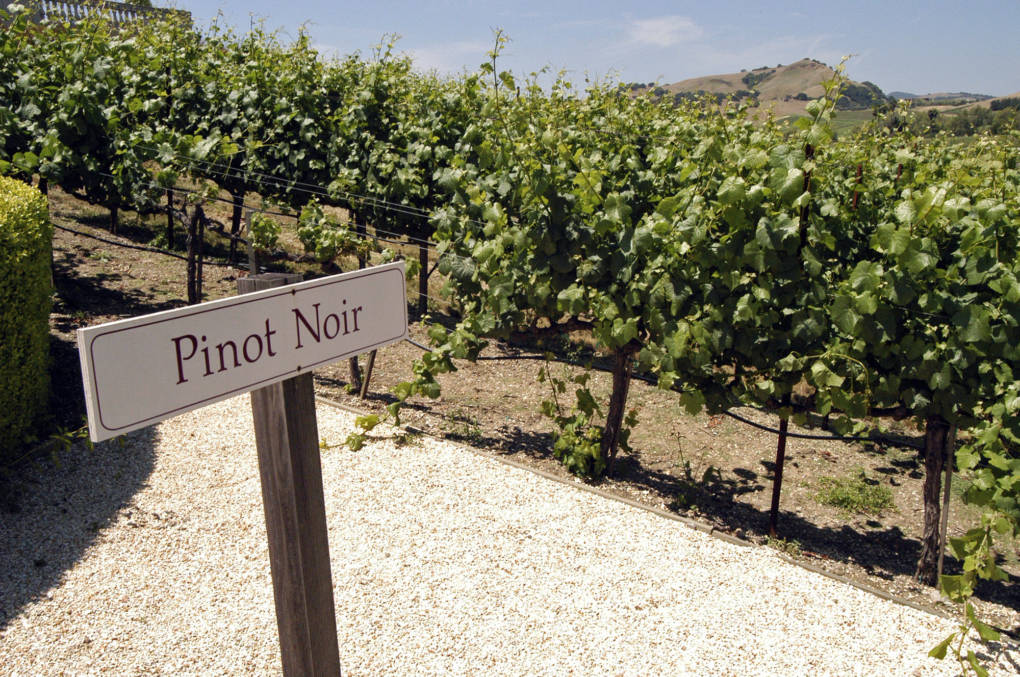
"caption": "A vineyard in Napa Valley, Calif.",
"description": "A vineyard in Napa Valley, Calif.",
"title": "A vineyard in Napa Valley, Calif.",
"credit": "Getty Images",
"status": "inherit",
"isLoading": false,
"fetchFailed": false
},
"bayareabites_118563": {
"type": "attachments",
"id": "bayareabites_118563",
"meta": {
"index": "attachments_1716263798",
"site": "bayareabites",
"id": "118563",
"found": true
},
"parent": 118135,
"imgSizes": {
"small": {
"file": "https://ww2.kqed.org/app/uploads/sites/24/2017/06/Lee-featured-520x508.jpg",
"width": 520,
"mimeType": "image/jpeg",
"height": 508
},
"twentyfourteen-full-width": {
"file": "https://ww2.kqed.org/app/uploads/sites/24/2017/06/Lee-featured-1038x576.jpg",
"width": 1038,
"mimeType": "image/jpeg",
"height": 576
},
"thumbnail": {
"file": "https://ww2.kqed.org/app/uploads/sites/24/2017/06/Lee-featured-160x156.jpg",
"width": 160,
"mimeType": "image/jpeg",
"height": 156
},
"fd-sm": {
"file": "https://ww2.kqed.org/app/uploads/sites/24/2017/06/Lee-featured-960x939.jpg",
"width": 960,
"mimeType": "image/jpeg",
"height": 939
},
"post-thumbnail": {
"file": "https://ww2.kqed.org/app/uploads/sites/24/2017/06/Lee-featured-672x372.jpg",
"width": 672,
"mimeType": "image/jpeg",
"height": 372
},
"xsmall": {
"file": "https://ww2.kqed.org/app/uploads/sites/24/2017/06/Lee-featured-375x367.jpg",
"width": 375,
"mimeType": "image/jpeg",
"height": 367
},
"kqedFullSize": {
"file": "https://ww2.kqed.org/app/uploads/sites/24/2017/06/Lee-featured.jpg",
"width": 1920,
"height": 1877
},
"large": {
"file": "https://ww2.kqed.org/app/uploads/sites/24/2017/06/Lee-featured-1020x997.jpg",
"width": 1020,
"mimeType": "image/jpeg",
"height": 997
},
"xlarge": {
"file": "https://ww2.kqed.org/app/uploads/sites/24/2017/06/Lee-featured-1180x1154.jpg",
"width": 1180,
"mimeType": "image/jpeg",
"height": 1154
},
"guest-author-50": {
"file": "https://ww2.kqed.org/app/uploads/sites/24/2017/06/Lee-featured-50x50.jpg",
"width": 50,
"mimeType": "image/jpeg",
"height": 50
},
"guest-author-96": {
"file": "https://ww2.kqed.org/app/uploads/sites/24/2017/06/Lee-featured-96x96.jpg",
"width": 96,
"mimeType": "image/jpeg",
"height": 96
},
"medium": {
"file": "https://ww2.kqed.org/app/uploads/sites/24/2017/06/Lee-featured-800x782.jpg",
"width": 800,
"mimeType": "image/jpeg",
"height": 782
},
"guest-author-64": {
"file": "https://ww2.kqed.org/app/uploads/sites/24/2017/06/Lee-featured-64x64.jpg",
"width": 64,
"mimeType": "image/jpeg",
"height": 64
},
"guest-author-32": {
"file": "https://ww2.kqed.org/app/uploads/sites/24/2017/06/Lee-featured-32x32.jpg",
"width": 32,
"mimeType": "image/jpeg",
"height": 32
},
"fd-lrg": {
"file": "https://ww2.kqed.org/app/uploads/sites/24/2017/06/Lee-featured-1920x1877.jpg",
"width": 1920,
"mimeType": "image/jpeg",
"height": 1877
},
"fd-med": {
"file": "https://ww2.kqed.org/app/uploads/sites/24/2017/06/Lee-featured-1180x1154.jpg",
"width": 1180,
"mimeType": "image/jpeg",
"height": 1154
},
"full-width": {
"file": "https://ww2.kqed.org/app/uploads/sites/24/2017/06/Lee-featured-1920x1877.jpg",
"width": 1920,
"mimeType": "image/jpeg",
"height": 1877
},
"detail": {
"file": "https://ww2.kqed.org/app/uploads/sites/24/2017/06/Lee-featured-150x150.jpg",
"width": 150,
"mimeType": "image/jpeg",
"height": 150
},
"medium_large": {
"file": "https://ww2.kqed.org/app/uploads/sites/24/2017/06/Lee-featured-768x751.jpg",
"width": 768,
"mimeType": "image/jpeg",
"height": 751
},
"guest-author-128": {
"file": "https://ww2.kqed.org/app/uploads/sites/24/2017/06/Lee-featured-128x128.jpg",
"width": 128,
"mimeType": "image/jpeg",
"height": 128
},
"xxsmall": {
"file": "https://ww2.kqed.org/app/uploads/sites/24/2017/06/Lee-featured-240x235.jpg",
"width": 240,
"mimeType": "image/jpeg",
"height": 235
}
},
"publishDate": 1498167165,
"modified": 1498167196,
"caption": "Chef Lee Davidson.",
"description": "Chef Lee Davidson.",
"title": "Lee-featured",
"credit": "Lydia Daniller",
"status": "inherit",
"isLoading": false,
"fetchFailed": false
},
"bayareabites_118482": {
"type": "attachments",
"id": "bayareabites_118482",
"meta": {
"index": "attachments_1716263798",
"site": "bayareabites",
"id": "118482",
"found": true
},
"parent": 118479,
"imgSizes": {
"small": {
"file": "https://ww2.kqed.org/app/uploads/sites/24/2017/06/170615-meal-deliveries-520x347.jpg",
"width": 520,
"mimeType": "image/jpeg",
"height": 347
},
"twentyfourteen-full-width": {
"file": "https://ww2.kqed.org/app/uploads/sites/24/2017/06/170615-meal-deliveries-1038x576.jpg",
"width": 1038,
"mimeType": "image/jpeg",
"height": 576
},
"thumbnail": {
"file": "https://ww2.kqed.org/app/uploads/sites/24/2017/06/170615-meal-deliveries-160x107.jpg",
"width": 160,
"mimeType": "image/jpeg",
"height": 107
},
"fd-sm": {
"file": "https://ww2.kqed.org/app/uploads/sites/24/2017/06/170615-meal-deliveries-960x640.jpg",
"width": 960,
"mimeType": "image/jpeg",
"height": 640
},
"post-thumbnail": {
"file": "https://ww2.kqed.org/app/uploads/sites/24/2017/06/170615-meal-deliveries-672x372.jpg",
"width": 672,
"mimeType": "image/jpeg",
"height": 372
},
"xsmall": {
"file": "https://ww2.kqed.org/app/uploads/sites/24/2017/06/170615-meal-deliveries-375x250.jpg",
"width": 375,
"mimeType": "image/jpeg",
"height": 250
},
"kqedFullSize": {
"file": "https://ww2.kqed.org/app/uploads/sites/24/2017/06/170615-meal-deliveries.jpg",
"width": 1200,
"height": 800
},
"large": {
"file": "https://ww2.kqed.org/app/uploads/sites/24/2017/06/170615-meal-deliveries-1020x680.jpg",
"width": 1020,
"mimeType": "image/jpeg",
"height": 680
},
"xlarge": {
"file": "https://ww2.kqed.org/app/uploads/sites/24/2017/06/170615-meal-deliveries-1180x787.jpg",
"width": 1180,
"mimeType": "image/jpeg",
"height": 787
},
"guest-author-50": {
"file": "https://ww2.kqed.org/app/uploads/sites/24/2017/06/170615-meal-deliveries-50x50.jpg",
"width": 50,
"mimeType": "image/jpeg",
"height": 50
},
"guest-author-96": {
"file": "https://ww2.kqed.org/app/uploads/sites/24/2017/06/170615-meal-deliveries-96x96.jpg",
"width": 96,
"mimeType": "image/jpeg",
"height": 96
},
"medium": {
"file": "https://ww2.kqed.org/app/uploads/sites/24/2017/06/170615-meal-deliveries-800x533.jpg",
"width": 800,
"mimeType": "image/jpeg",
"height": 533
},
"guest-author-64": {
"file": "https://ww2.kqed.org/app/uploads/sites/24/2017/06/170615-meal-deliveries-64x64.jpg",
"width": 64,
"mimeType": "image/jpeg",
"height": 64
},
"guest-author-32": {
"file": "https://ww2.kqed.org/app/uploads/sites/24/2017/06/170615-meal-deliveries-32x32.jpg",
"width": 32,
"mimeType": "image/jpeg",
"height": 32
},
"fd-med": {
"file": "https://ww2.kqed.org/app/uploads/sites/24/2017/06/170615-meal-deliveries-1180x787.jpg",
"width": 1180,
"mimeType": "image/jpeg",
"height": 787
},
"detail": {
"file": "https://ww2.kqed.org/app/uploads/sites/24/2017/06/170615-meal-deliveries-150x150.jpg",
"width": 150,
"mimeType": "image/jpeg",
"height": 150
},
"medium_large": {
"file": "https://ww2.kqed.org/app/uploads/sites/24/2017/06/170615-meal-deliveries-768x512.jpg",
"width": 768,
"mimeType": "image/jpeg",
"height": 512
},
"guest-author-128": {
"file": "https://ww2.kqed.org/app/uploads/sites/24/2017/06/170615-meal-deliveries-128x128.jpg",
"width": 128,
"mimeType": "image/jpeg",
"height": 128
},
"xxsmall": {
"file": "https://ww2.kqed.org/app/uploads/sites/24/2017/06/170615-meal-deliveries-240x160.jpg",
"width": 240,
"mimeType": "image/jpeg",
"height": 160
}
},
"publishDate": 1498071082,
"modified": 1498071170,
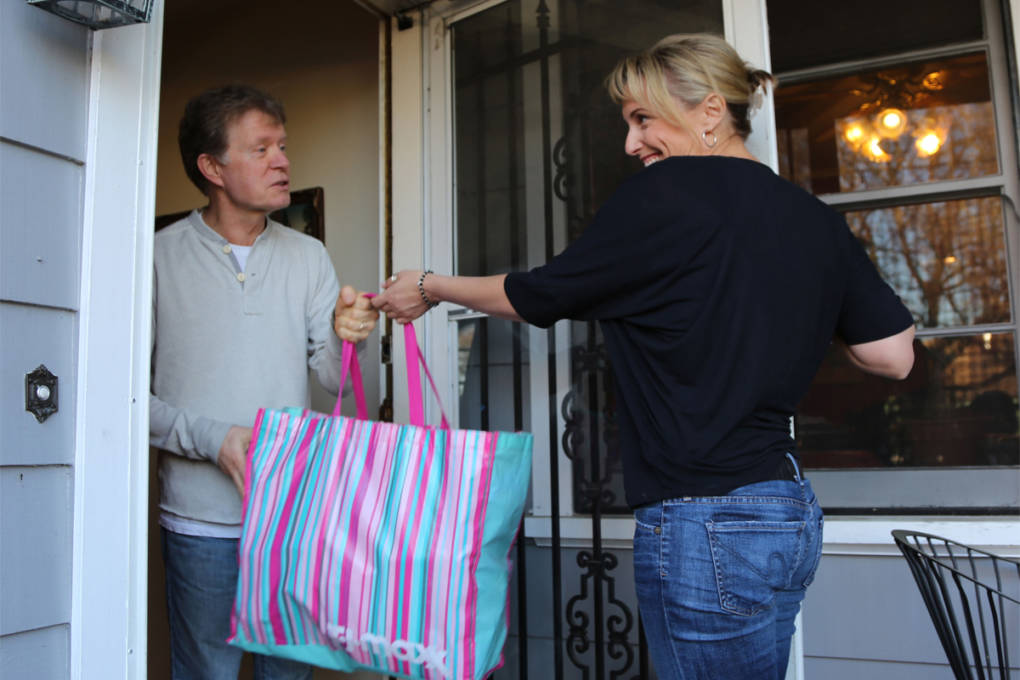
"caption": " Ceres Community Project ",
"description": null,
"title": "170615-meal-deliveries",
"credit": " \u003ca href=\"http://www.ceresproject.org/\">Ceres Community Project\u003c/a>",
"status": "inherit",
"isLoading": false,
"fetchFailed": false
},
"bayareabites_118414": {
"type": "attachments",
"id": "bayareabites_118414",
"meta": {
"index": "attachments_1716263798",
"site": "bayareabites",
"id": "118414",
"found": true
},
"parent": 118413,
"imgSizes": {
"small": {
"file": "https://ww2.kqed.org/app/uploads/sites/24/2017/06/thumbs_783029-b69d030346adbfd66f701318f64a39c8f375ca84-520x390.jpg",
"width": 520,
"mimeType": "image/jpeg",
"height": 390
},
"twentyfourteen-full-width": {
"file": "https://ww2.kqed.org/app/uploads/sites/24/2017/06/thumbs_783029-b69d030346adbfd66f701318f64a39c8f375ca84-1038x576.jpg",
"width": 1038,
"mimeType": "image/jpeg",
"height": 576
},
"thumbnail": {
"file": "https://ww2.kqed.org/app/uploads/sites/24/2017/06/thumbs_783029-b69d030346adbfd66f701318f64a39c8f375ca84-160x120.jpg",
"width": 160,
"mimeType": "image/jpeg",
"height": 120
},
"fd-sm": {
"file": "https://ww2.kqed.org/app/uploads/sites/24/2017/06/thumbs_783029-b69d030346adbfd66f701318f64a39c8f375ca84-960x720.jpg",
"width": 960,
"mimeType": "image/jpeg",
"height": 720
},
"post-thumbnail": {
"file": "https://ww2.kqed.org/app/uploads/sites/24/2017/06/thumbs_783029-b69d030346adbfd66f701318f64a39c8f375ca84-672x372.jpg",
"width": 672,
"mimeType": "image/jpeg",
"height": 372
},
"xsmall": {
"file": "https://ww2.kqed.org/app/uploads/sites/24/2017/06/thumbs_783029-b69d030346adbfd66f701318f64a39c8f375ca84-375x281.jpg",
"width": 375,
"mimeType": "image/jpeg",
"height": 281
},
"kqedFullSize": {
"file": "https://ww2.kqed.org/app/uploads/sites/24/2017/06/thumbs_783029-b69d030346adbfd66f701318f64a39c8f375ca84.jpg",
"width": 1086,
"height": 814
},
"large": {
"file": "https://ww2.kqed.org/app/uploads/sites/24/2017/06/thumbs_783029-b69d030346adbfd66f701318f64a39c8f375ca84-1020x765.jpg",
"width": 1020,
"mimeType": "image/jpeg",
"height": 765
},
"guest-author-50": {
"file": "https://ww2.kqed.org/app/uploads/sites/24/2017/06/thumbs_783029-b69d030346adbfd66f701318f64a39c8f375ca84-50x50.jpg",
"width": 50,
"mimeType": "image/jpeg",
"height": 50
},
"guest-author-96": {
"file": "https://ww2.kqed.org/app/uploads/sites/24/2017/06/thumbs_783029-b69d030346adbfd66f701318f64a39c8f375ca84-96x96.jpg",
"width": 96,
"mimeType": "image/jpeg",
"height": 96
},
"medium": {
"file": "https://ww2.kqed.org/app/uploads/sites/24/2017/06/thumbs_783029-b69d030346adbfd66f701318f64a39c8f375ca84-800x600.jpg",
"width": 800,
"mimeType": "image/jpeg",
"height": 600
},
"guest-author-64": {
"file": "https://ww2.kqed.org/app/uploads/sites/24/2017/06/thumbs_783029-b69d030346adbfd66f701318f64a39c8f375ca84-64x64.jpg",
"width": 64,
"mimeType": "image/jpeg",
"height": 64
},
"guest-author-32": {
"file": "https://ww2.kqed.org/app/uploads/sites/24/2017/06/thumbs_783029-b69d030346adbfd66f701318f64a39c8f375ca84-32x32.jpg",
"width": 32,
"mimeType": "image/jpeg",
"height": 32
},
"detail": {
"file": "https://ww2.kqed.org/app/uploads/sites/24/2017/06/thumbs_783029-b69d030346adbfd66f701318f64a39c8f375ca84-150x150.jpg",
"width": 150,
"mimeType": "image/jpeg",
"height": 150
},
"medium_large": {
"file": "https://ww2.kqed.org/app/uploads/sites/24/2017/06/thumbs_783029-b69d030346adbfd66f701318f64a39c8f375ca84-768x576.jpg",
"width": 768,
"mimeType": "image/jpeg",
"height": 576
},
"guest-author-128": {
"file": "https://ww2.kqed.org/app/uploads/sites/24/2017/06/thumbs_783029-b69d030346adbfd66f701318f64a39c8f375ca84-128x128.jpg",
"width": 128,
"mimeType": "image/jpeg",
"height": 128
},
"xxsmall": {
"file": "https://ww2.kqed.org/app/uploads/sites/24/2017/06/thumbs_783029-b69d030346adbfd66f701318f64a39c8f375ca84-240x180.jpg",
"width": 240,
"mimeType": "image/jpeg",
"height": 180
}
},
"publishDate": 1497984775,
"modified": 1497984775,
"caption": null,
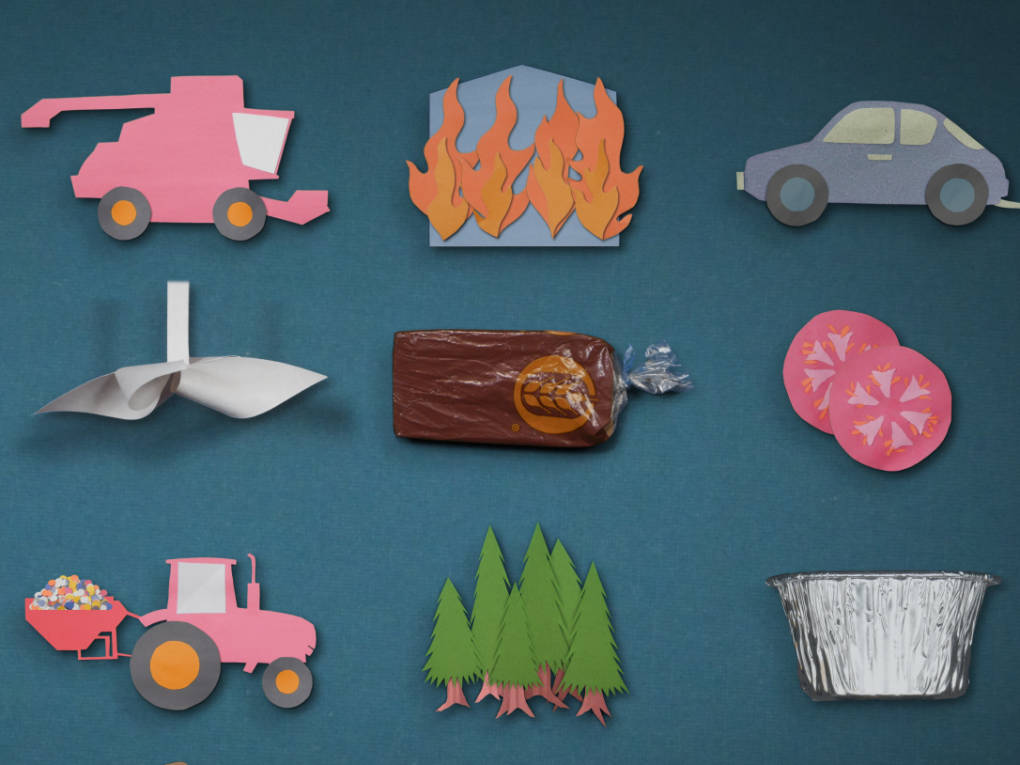
"description": "Elements from Skunk Bear's latest video on the past life of a sandwich.",
"title": "Elements from Skunk Bear's latest video on the past life of a sandwich.",
"credit": null,
"status": "inherit",
"isLoading": false,
"fetchFailed": false
},
"bayareabites_118354": {
"type": "attachments",
"id": "bayareabites_118354",
"meta": {
"index": "attachments_1716263798",
"site": "bayareabites",
"id": "118354",
"found": true
},
"parent": 118353,
"imgSizes": {
"small": {
"file": "https://ww2.kqed.org/app/uploads/sites/24/2017/06/gettyimages-94602195_custom-648332f44b5691c049a447bd7cd26d473a950096-520x352.jpg",
"width": 520,
"mimeType": "image/jpeg",
"height": 352
},
"twentyfourteen-full-width": {
"file": "https://ww2.kqed.org/app/uploads/sites/24/2017/06/gettyimages-94602195_custom-648332f44b5691c049a447bd7cd26d473a950096-1038x576.jpg",
"width": 1038,
"mimeType": "image/jpeg",
"height": 576
},
"thumbnail": {
"file": "https://ww2.kqed.org/app/uploads/sites/24/2017/06/gettyimages-94602195_custom-648332f44b5691c049a447bd7cd26d473a950096-160x108.jpg",
"width": 160,
"mimeType": "image/jpeg",
"height": 108
},
"fd-sm": {
"file": "https://ww2.kqed.org/app/uploads/sites/24/2017/06/gettyimages-94602195_custom-648332f44b5691c049a447bd7cd26d473a950096-960x649.jpg",
"width": 960,
"mimeType": "image/jpeg",
"height": 649
},
"post-thumbnail": {
"file": "https://ww2.kqed.org/app/uploads/sites/24/2017/06/gettyimages-94602195_custom-648332f44b5691c049a447bd7cd26d473a950096-672x372.jpg",
"width": 672,
"mimeType": "image/jpeg",
"height": 372
},
"xsmall": {
"file": "https://ww2.kqed.org/app/uploads/sites/24/2017/06/gettyimages-94602195_custom-648332f44b5691c049a447bd7cd26d473a950096-375x254.jpg",
"width": 375,
"mimeType": "image/jpeg",
"height": 254
},
"kqedFullSize": {
"file": "https://ww2.kqed.org/app/uploads/sites/24/2017/06/gettyimages-94602195_custom-648332f44b5691c049a447bd7cd26d473a950096.jpg",
"width": 2000,
"height": 1353
},
"large": {
"file": "https://ww2.kqed.org/app/uploads/sites/24/2017/06/gettyimages-94602195_custom-648332f44b5691c049a447bd7cd26d473a950096-1020x690.jpg",
"width": 1020,
"mimeType": "image/jpeg",
"height": 690
},
"xlarge": {
"file": "https://ww2.kqed.org/app/uploads/sites/24/2017/06/gettyimages-94602195_custom-648332f44b5691c049a447bd7cd26d473a950096-1180x798.jpg",
"width": 1180,
"mimeType": "image/jpeg",
"height": 798
},
"guest-author-50": {
"file": "https://ww2.kqed.org/app/uploads/sites/24/2017/06/gettyimages-94602195_custom-648332f44b5691c049a447bd7cd26d473a950096-50x50.jpg",
"width": 50,
"mimeType": "image/jpeg",
"height": 50
},
"guest-author-96": {
"file": "https://ww2.kqed.org/app/uploads/sites/24/2017/06/gettyimages-94602195_custom-648332f44b5691c049a447bd7cd26d473a950096-96x96.jpg",
"width": 96,
"mimeType": "image/jpeg",
"height": 96
},
"medium": {
"file": "https://ww2.kqed.org/app/uploads/sites/24/2017/06/gettyimages-94602195_custom-648332f44b5691c049a447bd7cd26d473a950096-800x541.jpg",
"width": 800,
"mimeType": "image/jpeg",
"height": 541
},
"guest-author-64": {
"file": "https://ww2.kqed.org/app/uploads/sites/24/2017/06/gettyimages-94602195_custom-648332f44b5691c049a447bd7cd26d473a950096-64x64.jpg",
"width": 64,
"mimeType": "image/jpeg",
"height": 64
},
"guest-author-32": {
"file": "https://ww2.kqed.org/app/uploads/sites/24/2017/06/gettyimages-94602195_custom-648332f44b5691c049a447bd7cd26d473a950096-32x32.jpg",
"width": 32,
"mimeType": "image/jpeg",
"height": 32
},
"fd-lrg": {
"file": "https://ww2.kqed.org/app/uploads/sites/24/2017/06/gettyimages-94602195_custom-648332f44b5691c049a447bd7cd26d473a950096-1920x1299.jpg",
"width": 1920,
"mimeType": "image/jpeg",
"height": 1299
},
"fd-med": {
"file": "https://ww2.kqed.org/app/uploads/sites/24/2017/06/gettyimages-94602195_custom-648332f44b5691c049a447bd7cd26d473a950096-1180x798.jpg",
"width": 1180,
"mimeType": "image/jpeg",
"height": 798
},
"full-width": {
"file": "https://ww2.kqed.org/app/uploads/sites/24/2017/06/gettyimages-94602195_custom-648332f44b5691c049a447bd7cd26d473a950096-1920x1299.jpg",
"width": 1920,
"mimeType": "image/jpeg",
"height": 1299
},
"detail": {
"file": "https://ww2.kqed.org/app/uploads/sites/24/2017/06/gettyimages-94602195_custom-648332f44b5691c049a447bd7cd26d473a950096-150x150.jpg",
"width": 150,
"mimeType": "image/jpeg",
"height": 150
},
"medium_large": {
"file": "https://ww2.kqed.org/app/uploads/sites/24/2017/06/gettyimages-94602195_custom-648332f44b5691c049a447bd7cd26d473a950096-768x520.jpg",
"width": 768,
"mimeType": "image/jpeg",
"height": 520
},
"guest-author-128": {
"file": "https://ww2.kqed.org/app/uploads/sites/24/2017/06/gettyimages-94602195_custom-648332f44b5691c049a447bd7cd26d473a950096-128x128.jpg",
"width": 128,
"mimeType": "image/jpeg",
"height": 128
},
"xxsmall": {
"file": "https://ww2.kqed.org/app/uploads/sites/24/2017/06/gettyimages-94602195_custom-648332f44b5691c049a447bd7cd26d473a950096-240x162.jpg",
"width": 240,
"mimeType": "image/jpeg",
"height": 162
}
},
"publishDate": 1497808085,
"modified": 1497812721,
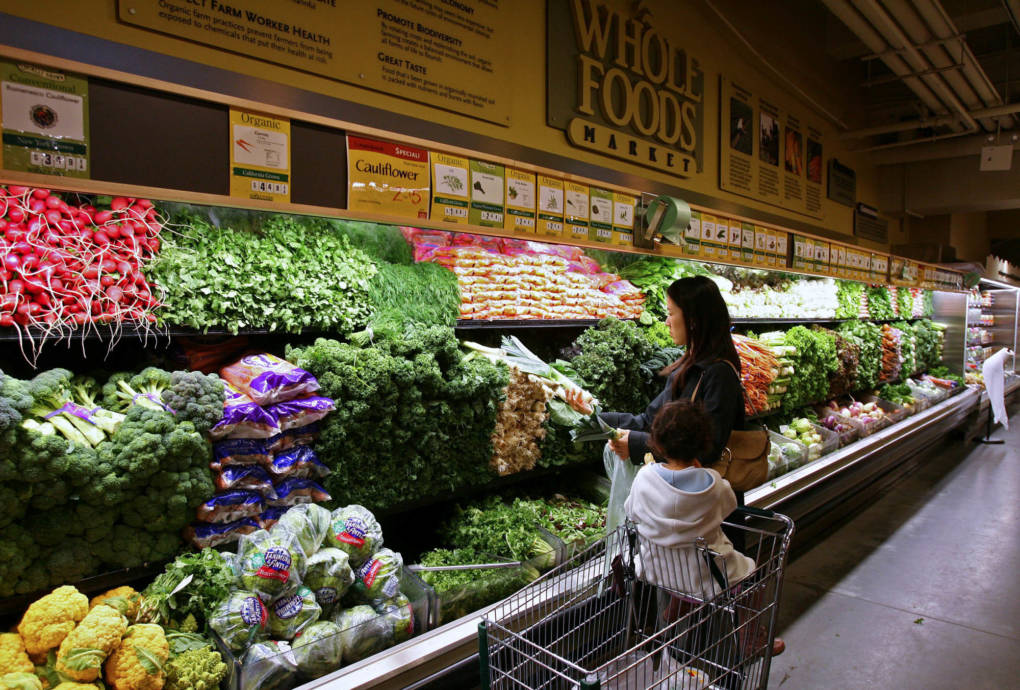
"caption": "Analysts say that the experience of shopping at Whole Foods might change in the near future now that the retailer is being bought by Amazon.",
"description": null,
"title": "Analysts say that the experience of shopping at Whole Foods might change in the near future now that the retailer is being bought by Amazon.",
"credit": "Stephen Hilger/Bloomberg/Getty Images",
"status": "inherit",
"isLoading": false,
"fetchFailed": false
},
"bayareabites_118120": {
"type": "attachments",
"id": "bayareabites_118120",
"meta": {
"index": "attachments_1716263798",
"site": "bayareabites",
"id": "118120",
"found": true
},
"parent": 118116,
"imgSizes": {
"small": {
"file": "https://ww2.kqed.org/app/uploads/sites/24/2017/06/cut-chickpea-tofu-2-NEW-520x347.jpg",
"width": 520,
"mimeType": "image/jpeg",
"height": 347
},
"twentyfourteen-full-width": {
"file": "https://ww2.kqed.org/app/uploads/sites/24/2017/06/cut-chickpea-tofu-2-NEW-1038x576.jpg",
"width": 1038,
"mimeType": "image/jpeg",
"height": 576
},
"thumbnail": {
"file": "https://ww2.kqed.org/app/uploads/sites/24/2017/06/cut-chickpea-tofu-2-NEW-160x107.jpg",
"width": 160,
"mimeType": "image/jpeg",
"height": 107
},
"fd-sm": {
"file": "https://ww2.kqed.org/app/uploads/sites/24/2017/06/cut-chickpea-tofu-2-NEW-960x640.jpg",
"width": 960,
"mimeType": "image/jpeg",
"height": 640
},
"post-thumbnail": {
"file": "https://ww2.kqed.org/app/uploads/sites/24/2017/06/cut-chickpea-tofu-2-NEW-672x372.jpg",
"width": 672,
"mimeType": "image/jpeg",
"height": 372
},
"xsmall": {
"file": "https://ww2.kqed.org/app/uploads/sites/24/2017/06/cut-chickpea-tofu-2-NEW-375x250.jpg",
"width": 375,
"mimeType": "image/jpeg",
"height": 250
},
"kqedFullSize": {
"file": "https://ww2.kqed.org/app/uploads/sites/24/2017/06/cut-chickpea-tofu-2-NEW.jpg",
"width": 1920,
"height": 1280
},
"large": {
"file": "https://ww2.kqed.org/app/uploads/sites/24/2017/06/cut-chickpea-tofu-2-NEW-1020x680.jpg",
"width": 1020,
"mimeType": "image/jpeg",
"height": 680
},
"xlarge": {
"file": "https://ww2.kqed.org/app/uploads/sites/24/2017/06/cut-chickpea-tofu-2-NEW-1180x787.jpg",
"width": 1180,
"mimeType": "image/jpeg",
"height": 787
},
"guest-author-50": {
"file": "https://ww2.kqed.org/app/uploads/sites/24/2017/06/cut-chickpea-tofu-2-NEW-50x50.jpg",
"width": 50,
"mimeType": "image/jpeg",
"height": 50
},
"guest-author-96": {
"file": "https://ww2.kqed.org/app/uploads/sites/24/2017/06/cut-chickpea-tofu-2-NEW-96x96.jpg",
"width": 96,
"mimeType": "image/jpeg",
"height": 96
},
"medium": {
"file": "https://ww2.kqed.org/app/uploads/sites/24/2017/06/cut-chickpea-tofu-2-NEW-800x533.jpg",
"width": 800,
"mimeType": "image/jpeg",
"height": 533
},
"guest-author-64": {
"file": "https://ww2.kqed.org/app/uploads/sites/24/2017/06/cut-chickpea-tofu-2-NEW-64x64.jpg",
"width": 64,
"mimeType": "image/jpeg",
"height": 64
},
"guest-author-32": {
"file": "https://ww2.kqed.org/app/uploads/sites/24/2017/06/cut-chickpea-tofu-2-NEW-32x32.jpg",
"width": 32,
"mimeType": "image/jpeg",
"height": 32
},
"fd-lrg": {
"file": "https://ww2.kqed.org/app/uploads/sites/24/2017/06/cut-chickpea-tofu-2-NEW-1920x1280.jpg",
"width": 1920,
"mimeType": "image/jpeg",
"height": 1280
},
"fd-med": {
"file": "https://ww2.kqed.org/app/uploads/sites/24/2017/06/cut-chickpea-tofu-2-NEW-1180x787.jpg",
"width": 1180,
"mimeType": "image/jpeg",
"height": 787
},
"full-width": {
"file": "https://ww2.kqed.org/app/uploads/sites/24/2017/06/cut-chickpea-tofu-2-NEW-1920x1280.jpg",
"width": 1920,
"mimeType": "image/jpeg",
"height": 1280
},
"detail": {
"file": "https://ww2.kqed.org/app/uploads/sites/24/2017/06/cut-chickpea-tofu-2-NEW-150x150.jpg",
"width": 150,
"mimeType": "image/jpeg",
"height": 150
},
"medium_large": {
"file": "https://ww2.kqed.org/app/uploads/sites/24/2017/06/cut-chickpea-tofu-2-NEW-768x512.jpg",
"width": 768,
"mimeType": "image/jpeg",
"height": 512
},
"guest-author-128": {
"file": "https://ww2.kqed.org/app/uploads/sites/24/2017/06/cut-chickpea-tofu-2-NEW-128x128.jpg",
"width": 128,
"mimeType": "image/jpeg",
"height": 128
},
"xxsmall": {
"file": "https://ww2.kqed.org/app/uploads/sites/24/2017/06/cut-chickpea-tofu-2-NEW-240x160.jpg",
"width": 240,
"mimeType": "image/jpeg",
"height": 160
}
},
"publishDate": 1497296443,
"modified": 1497296526,
"caption": "Homemade chickpea tofu.",
"description": null,
"title": "cut-chickpea-tofu-2-NEW",
"credit": "Kate Williams",
"status": "inherit",
"isLoading": false,
"fetchFailed": false
},
"bayareabites_118010": {
"type": "attachments",
"id": "bayareabites_118010",
"meta": {
"index": "attachments_1716263798",
"site": "bayareabites",
"id": "118010",
"found": true
},
"parent": 118006,
"imgSizes": {
"small": {
"file": "https://ww2.kqed.org/app/uploads/sites/24/2017/06/060117_tradesecrets_biology_custom-b2d65a8181b349df4627b6bcc38d58a7bb734f90-s1500-c85-520x343.jpg",
"width": 520,
"mimeType": "image/jpeg",
"height": 343
},
"twentyfourteen-full-width": {
"file": "https://ww2.kqed.org/app/uploads/sites/24/2017/06/060117_tradesecrets_biology_custom-b2d65a8181b349df4627b6bcc38d58a7bb734f90-s1500-c85-1038x576.jpg",
"width": 1038,
"mimeType": "image/jpeg",
"height": 576
},
"thumbnail": {
"file": "https://ww2.kqed.org/app/uploads/sites/24/2017/06/060117_tradesecrets_biology_custom-b2d65a8181b349df4627b6bcc38d58a7bb734f90-s1500-c85-160x106.jpg",
"width": 160,
"mimeType": "image/jpeg",
"height": 106
},
"fd-sm": {
"file": "https://ww2.kqed.org/app/uploads/sites/24/2017/06/060117_tradesecrets_biology_custom-b2d65a8181b349df4627b6bcc38d58a7bb734f90-s1500-c85-960x634.jpg",
"width": 960,
"mimeType": "image/jpeg",
"height": 634
},
"post-thumbnail": {
"file": "https://ww2.kqed.org/app/uploads/sites/24/2017/06/060117_tradesecrets_biology_custom-b2d65a8181b349df4627b6bcc38d58a7bb734f90-s1500-c85-672x372.jpg",
"width": 672,
"mimeType": "image/jpeg",
"height": 372
},
"xsmall": {
"file": "https://ww2.kqed.org/app/uploads/sites/24/2017/06/060117_tradesecrets_biology_custom-b2d65a8181b349df4627b6bcc38d58a7bb734f90-s1500-c85-375x248.jpg",
"width": 375,
"mimeType": "image/jpeg",
"height": 248
},
"kqedFullSize": {
"file": "https://ww2.kqed.org/app/uploads/sites/24/2017/06/060117_tradesecrets_biology_custom-b2d65a8181b349df4627b6bcc38d58a7bb734f90-s1500-c85.jpg",
"width": 1500,
"height": 990
},
"large": {
"file": "https://ww2.kqed.org/app/uploads/sites/24/2017/06/060117_tradesecrets_biology_custom-b2d65a8181b349df4627b6bcc38d58a7bb734f90-s1500-c85-1020x673.jpg",
"width": 1020,
"mimeType": "image/jpeg",
"height": 673
},
"xlarge": {
"file": "https://ww2.kqed.org/app/uploads/sites/24/2017/06/060117_tradesecrets_biology_custom-b2d65a8181b349df4627b6bcc38d58a7bb734f90-s1500-c85-1180x779.jpg",
"width": 1180,
"mimeType": "image/jpeg",
"height": 779
},
"guest-author-50": {
"file": "https://ww2.kqed.org/app/uploads/sites/24/2017/06/060117_tradesecrets_biology_custom-b2d65a8181b349df4627b6bcc38d58a7bb734f90-s1500-c85-50x50.jpg",
"width": 50,
"mimeType": "image/jpeg",
"height": 50
},
"guest-author-96": {
"file": "https://ww2.kqed.org/app/uploads/sites/24/2017/06/060117_tradesecrets_biology_custom-b2d65a8181b349df4627b6bcc38d58a7bb734f90-s1500-c85-96x96.jpg",
"width": 96,
"mimeType": "image/jpeg",
"height": 96
},
"medium": {
"file": "https://ww2.kqed.org/app/uploads/sites/24/2017/06/060117_tradesecrets_biology_custom-b2d65a8181b349df4627b6bcc38d58a7bb734f90-s1500-c85-800x528.jpg",
"width": 800,
"mimeType": "image/jpeg",
"height": 528
},
"guest-author-64": {
"file": "https://ww2.kqed.org/app/uploads/sites/24/2017/06/060117_tradesecrets_biology_custom-b2d65a8181b349df4627b6bcc38d58a7bb734f90-s1500-c85-64x64.jpg",
"width": 64,
"mimeType": "image/jpeg",
"height": 64
},
"guest-author-32": {
"file": "https://ww2.kqed.org/app/uploads/sites/24/2017/06/060117_tradesecrets_biology_custom-b2d65a8181b349df4627b6bcc38d58a7bb734f90-s1500-c85-32x32.jpg",
"width": 32,
"mimeType": "image/jpeg",
"height": 32
},
"fd-med": {
"file": "https://ww2.kqed.org/app/uploads/sites/24/2017/06/060117_tradesecrets_biology_custom-b2d65a8181b349df4627b6bcc38d58a7bb734f90-s1500-c85-1180x779.jpg",
"width": 1180,
"mimeType": "image/jpeg",
"height": 779
},
"detail": {
"file": "https://ww2.kqed.org/app/uploads/sites/24/2017/06/060117_tradesecrets_biology_custom-b2d65a8181b349df4627b6bcc38d58a7bb734f90-s1500-c85-150x150.jpg",
"width": 150,
"mimeType": "image/jpeg",
"height": 150
},
"medium_large": {
"file": "https://ww2.kqed.org/app/uploads/sites/24/2017/06/060117_tradesecrets_biology_custom-b2d65a8181b349df4627b6bcc38d58a7bb734f90-s1500-c85-768x507.jpg",
"width": 768,
"mimeType": "image/jpeg",
"height": 507
},
"guest-author-128": {
"file": "https://ww2.kqed.org/app/uploads/sites/24/2017/06/060117_tradesecrets_biology_custom-b2d65a8181b349df4627b6bcc38d58a7bb734f90-s1500-c85-128x128.jpg",
"width": 128,
"mimeType": "image/jpeg",
"height": 128
},
"xxsmall": {
"file": "https://ww2.kqed.org/app/uploads/sites/24/2017/06/060117_tradesecrets_biology_custom-b2d65a8181b349df4627b6bcc38d58a7bb734f90-s1500-c85-240x158.jpg",
"width": 240,
"mimeType": "image/jpeg",
"height": 158
}
},
"publishDate": 1496942391,
"modified": 1496942416,
"caption": "The theft of agricultural trade secrets is a growing problem, according to the FBI.",
"description": null,
"title": "060117_tradesecrets_biology_custom-b2d65a8181b349df4627b6bcc38d58a7bb734f90-s1500-c85",
"credit": "University of Michigan School of Environment and Sustainability/Flickr",
"status": "inherit",
"isLoading": false,
"fetchFailed": false
},
"bayareabites_117955": {
"type": "attachments",
"id": "bayareabites_117955",
"meta": {
"index": "attachments_1716263798",
"site": "bayareabites",
"id": "117955",
"found": true
},
"parent": 117954,
"imgSizes": {
"small": {
"file": "https://ww2.kqed.org/app/uploads/sites/24/2017/06/l_main-1_custom-384f4e682fb129b0a7074dd746dad6000f1c60a8-520x292.jpg",
"width": 520,
"mimeType": "image/jpeg",
"height": 292
},
"twentyfourteen-full-width": {
"file": "https://ww2.kqed.org/app/uploads/sites/24/2017/06/l_main-1_custom-384f4e682fb129b0a7074dd746dad6000f1c60a8-1038x576.jpg",
"width": 1038,
"mimeType": "image/jpeg",
"height": 576
},
"thumbnail": {
"file": "https://ww2.kqed.org/app/uploads/sites/24/2017/06/l_main-1_custom-384f4e682fb129b0a7074dd746dad6000f1c60a8-160x90.jpg",
"width": 160,
"mimeType": "image/jpeg",
"height": 90
},
"fd-sm": {
"file": "https://ww2.kqed.org/app/uploads/sites/24/2017/06/l_main-1_custom-384f4e682fb129b0a7074dd746dad6000f1c60a8-960x539.jpg",
"width": 960,
"mimeType": "image/jpeg",
"height": 539
},
"post-thumbnail": {
"file": "https://ww2.kqed.org/app/uploads/sites/24/2017/06/l_main-1_custom-384f4e682fb129b0a7074dd746dad6000f1c60a8-672x372.jpg",
"width": 672,
"mimeType": "image/jpeg",
"height": 372
},
"xsmall": {
"file": "https://ww2.kqed.org/app/uploads/sites/24/2017/06/l_main-1_custom-384f4e682fb129b0a7074dd746dad6000f1c60a8-375x211.jpg",
"width": 375,
"mimeType": "image/jpeg",
"height": 211
},
"kqedFullSize": {
"file": "https://ww2.kqed.org/app/uploads/sites/24/2017/06/l_main-1_custom-384f4e682fb129b0a7074dd746dad6000f1c60a8.jpg",
"width": 1200,
"height": 674
},
"large": {
"file": "https://ww2.kqed.org/app/uploads/sites/24/2017/06/l_main-1_custom-384f4e682fb129b0a7074dd746dad6000f1c60a8-1020x573.jpg",
"width": 1020,
"mimeType": "image/jpeg",
"height": 573
},
"xlarge": {
"file": "https://ww2.kqed.org/app/uploads/sites/24/2017/06/l_main-1_custom-384f4e682fb129b0a7074dd746dad6000f1c60a8-1180x663.jpg",
"width": 1180,
"mimeType": "image/jpeg",
"height": 663
},
"guest-author-50": {
"file": "https://ww2.kqed.org/app/uploads/sites/24/2017/06/l_main-1_custom-384f4e682fb129b0a7074dd746dad6000f1c60a8-50x50.jpg",
"width": 50,
"mimeType": "image/jpeg",
"height": 50
},
"guest-author-96": {
"file": "https://ww2.kqed.org/app/uploads/sites/24/2017/06/l_main-1_custom-384f4e682fb129b0a7074dd746dad6000f1c60a8-96x96.jpg",
"width": 96,
"mimeType": "image/jpeg",
"height": 96
},
"medium": {
"file": "https://ww2.kqed.org/app/uploads/sites/24/2017/06/l_main-1_custom-384f4e682fb129b0a7074dd746dad6000f1c60a8-800x449.jpg",
"width": 800,
"mimeType": "image/jpeg",
"height": 449
},
"guest-author-64": {
"file": "https://ww2.kqed.org/app/uploads/sites/24/2017/06/l_main-1_custom-384f4e682fb129b0a7074dd746dad6000f1c60a8-64x64.jpg",
"width": 64,
"mimeType": "image/jpeg",
"height": 64
},
"guest-author-32": {
"file": "https://ww2.kqed.org/app/uploads/sites/24/2017/06/l_main-1_custom-384f4e682fb129b0a7074dd746dad6000f1c60a8-32x32.jpg",
"width": 32,
"mimeType": "image/jpeg",
"height": 32
},
"fd-med": {
"file": "https://ww2.kqed.org/app/uploads/sites/24/2017/06/l_main-1_custom-384f4e682fb129b0a7074dd746dad6000f1c60a8-1180x663.jpg",
"width": 1180,
"mimeType": "image/jpeg",
"height": 663
},
"detail": {
"file": "https://ww2.kqed.org/app/uploads/sites/24/2017/06/l_main-1_custom-384f4e682fb129b0a7074dd746dad6000f1c60a8-150x150.jpg",
"width": 150,
"mimeType": "image/jpeg",
"height": 150
},
"medium_large": {
"file": "https://ww2.kqed.org/app/uploads/sites/24/2017/06/l_main-1_custom-384f4e682fb129b0a7074dd746dad6000f1c60a8-768x431.jpg",
"width": 768,
"mimeType": "image/jpeg",
"height": 431
},
"guest-author-128": {
"file": "https://ww2.kqed.org/app/uploads/sites/24/2017/06/l_main-1_custom-384f4e682fb129b0a7074dd746dad6000f1c60a8-128x128.jpg",
"width": 128,
"mimeType": "image/jpeg",
"height": 128
},
"xxsmall": {
"file": "https://ww2.kqed.org/app/uploads/sites/24/2017/06/l_main-1_custom-384f4e682fb129b0a7074dd746dad6000f1c60a8-240x135.jpg",
"width": 240,
"mimeType": "image/jpeg",
"height": 135
}
},
"publishDate": 1496693711,
"modified": 1496693945,
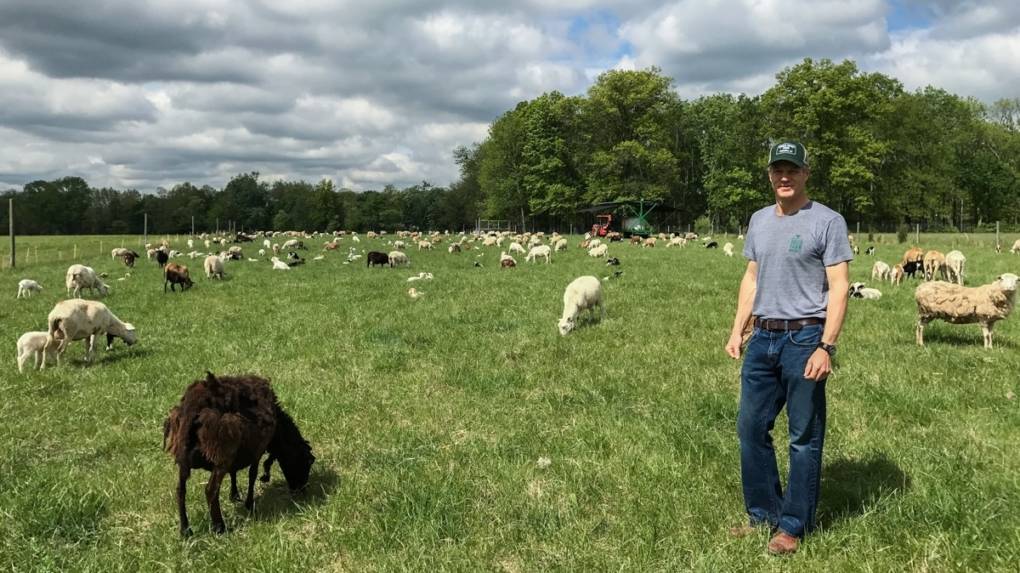
"caption": "Jon McConaughy, owner of Double Brook Farms, stands in the field with his flock of sheep.",
"description": "Jon McConaughy, owner of Double Brook Farms, stands in the field with his flock of sheep.",
"title": "Jon McConaughy, owner of Double Brook Farms, stands in the field with his flock of sheep.",
"credit": "Paige Pfleger/WHYY",
"status": "inherit",
"isLoading": false,
"fetchFailed": false
},
"bayareabites_117931": {
"type": "attachments",
"id": "bayareabites_117931",
"meta": {
"index": "attachments_1716263798",
"site": "bayareabites",
"id": "117931",
"found": true
},
"parent": 117913,
"imgSizes": {
"small": {
"file": "https://ww2.kqed.org/app/uploads/sites/24/2017/06/Cagle_CivilEats_meatUSAheader-front-520x347.jpg",
"width": 520,
"mimeType": "image/jpeg",
"height": 347
},
"twentyfourteen-full-width": {
"file": "https://ww2.kqed.org/app/uploads/sites/24/2017/06/Cagle_CivilEats_meatUSAheader-front-1038x576.jpg",
"width": 1038,
"mimeType": "image/jpeg",
"height": 576
},
"thumbnail": {
"file": "https://ww2.kqed.org/app/uploads/sites/24/2017/06/Cagle_CivilEats_meatUSAheader-front-160x107.jpg",
"width": 160,
"mimeType": "image/jpeg",
"height": 107
},
"fd-sm": {
"file": "https://ww2.kqed.org/app/uploads/sites/24/2017/06/Cagle_CivilEats_meatUSAheader-front-960x640.jpg",
"width": 960,
"mimeType": "image/jpeg",
"height": 640
},
"post-thumbnail": {
"file": "https://ww2.kqed.org/app/uploads/sites/24/2017/06/Cagle_CivilEats_meatUSAheader-front-672x372.jpg",
"width": 672,
"mimeType": "image/jpeg",
"height": 372
},
"xsmall": {
"file": "https://ww2.kqed.org/app/uploads/sites/24/2017/06/Cagle_CivilEats_meatUSAheader-front-375x250.jpg",
"width": 375,
"mimeType": "image/jpeg",
"height": 250
},
"kqedFullSize": {
"file": "https://ww2.kqed.org/app/uploads/sites/24/2017/06/Cagle_CivilEats_meatUSAheader-front.jpg",
"width": 1200,
"height": 800
},
"large": {
"file": "https://ww2.kqed.org/app/uploads/sites/24/2017/06/Cagle_CivilEats_meatUSAheader-front-1020x680.jpg",
"width": 1020,
"mimeType": "image/jpeg",
"height": 680
},
"xlarge": {
"file": "https://ww2.kqed.org/app/uploads/sites/24/2017/06/Cagle_CivilEats_meatUSAheader-front-1180x787.jpg",
"width": 1180,
"mimeType": "image/jpeg",
"height": 787
},
"guest-author-50": {
"file": "https://ww2.kqed.org/app/uploads/sites/24/2017/06/Cagle_CivilEats_meatUSAheader-front-50x50.jpg",
"width": 50,
"mimeType": "image/jpeg",
"height": 50
},
"guest-author-96": {
"file": "https://ww2.kqed.org/app/uploads/sites/24/2017/06/Cagle_CivilEats_meatUSAheader-front-96x96.jpg",
"width": 96,
"mimeType": "image/jpeg",
"height": 96
},
"medium": {
"file": "https://ww2.kqed.org/app/uploads/sites/24/2017/06/Cagle_CivilEats_meatUSAheader-front-800x533.jpg",
"width": 800,
"mimeType": "image/jpeg",
"height": 533
},
"guest-author-64": {
"file": "https://ww2.kqed.org/app/uploads/sites/24/2017/06/Cagle_CivilEats_meatUSAheader-front-64x64.jpg",
"width": 64,
"mimeType": "image/jpeg",
"height": 64
},
"guest-author-32": {
"file": "https://ww2.kqed.org/app/uploads/sites/24/2017/06/Cagle_CivilEats_meatUSAheader-front-32x32.jpg",
"width": 32,
"mimeType": "image/jpeg",
"height": 32
},
"fd-med": {
"file": "https://ww2.kqed.org/app/uploads/sites/24/2017/06/Cagle_CivilEats_meatUSAheader-front-1180x787.jpg",
"width": 1180,
"mimeType": "image/jpeg",
"height": 787
},
"detail": {
"file": "https://ww2.kqed.org/app/uploads/sites/24/2017/06/Cagle_CivilEats_meatUSAheader-front-150x150.jpg",
"width": 150,
"mimeType": "image/jpeg",
"height": 150
},
"medium_large": {
"file": "https://ww2.kqed.org/app/uploads/sites/24/2017/06/Cagle_CivilEats_meatUSAheader-front-768x512.jpg",
"width": 768,
"mimeType": "image/jpeg",
"height": 512
},
"guest-author-128": {
"file": "https://ww2.kqed.org/app/uploads/sites/24/2017/06/Cagle_CivilEats_meatUSAheader-front-128x128.jpg",
"width": 128,
"mimeType": "image/jpeg",
"height": 128
},
"xxsmall": {
"file": "https://ww2.kqed.org/app/uploads/sites/24/2017/06/Cagle_CivilEats_meatUSAheader-front-240x160.jpg",
"width": 240,
"mimeType": "image/jpeg",
"height": 160
}
},
"publishDate": 1496437113,
"modified": 1496437188,
"caption": null,
"description": null,
"title": "Cagle_CivilEats_meatUSAheader-front",
"credit": "Susie Cagle",
"status": "inherit",
"isLoading": false,
"fetchFailed": false
},
"bayareabites_117819": {
"type": "attachments",
"id": "bayareabites_117819",
"meta": {
"index": "attachments_1716263798",
"site": "bayareabites",
"id": "117819",
"found": true
},
"parent": 117818,
"imgSizes": {
"small": {
"file": "https://ww2.kqed.org/app/uploads/sites/24/2017/05/mushroom1_edited-1-520x690.jpg",
"width": 520,
"mimeType": "image/jpeg",
"height": 690
},
"twentyfourteen-full-width": {
"file": "https://ww2.kqed.org/app/uploads/sites/24/2017/05/mushroom1_edited-1-1038x576.jpg",
"width": 1038,
"mimeType": "image/jpeg",
"height": 576
},
"thumbnail": {
"file": "https://ww2.kqed.org/app/uploads/sites/24/2017/05/mushroom1_edited-1-160x212.jpg",
"width": 160,
"mimeType": "image/jpeg",
"height": 212
},
"fd-sm": {
"file": "https://ww2.kqed.org/app/uploads/sites/24/2017/05/mushroom1_edited-1-960x1274.jpg",
"width": 960,
"mimeType": "image/jpeg",
"height": 1274
},
"post-thumbnail": {
"file": "https://ww2.kqed.org/app/uploads/sites/24/2017/05/mushroom1_edited-1-672x372.jpg",
"width": 672,
"mimeType": "image/jpeg",
"height": 372
},
"xsmall": {
"file": "https://ww2.kqed.org/app/uploads/sites/24/2017/05/mushroom1_edited-1-375x498.jpg",
"width": 375,
"mimeType": "image/jpeg",
"height": 498
},
"kqedFullSize": {
"file": "https://ww2.kqed.org/app/uploads/sites/24/2017/05/mushroom1_edited-1.jpg",
"width": 1296,
"height": 1720
},
"large": {
"file": "https://ww2.kqed.org/app/uploads/sites/24/2017/05/mushroom1_edited-1-1020x1354.jpg",
"width": 1020,
"mimeType": "image/jpeg",
"height": 1354
},
"xlarge": {
"file": "https://ww2.kqed.org/app/uploads/sites/24/2017/05/mushroom1_edited-1-1180x1566.jpg",
"width": 1180,
"mimeType": "image/jpeg",
"height": 1566
},
"guest-author-50": {
"file": "https://ww2.kqed.org/app/uploads/sites/24/2017/05/mushroom1_edited-1-50x50.jpg",
"width": 50,
"mimeType": "image/jpeg",
"height": 50
},
"guest-author-96": {
"file": "https://ww2.kqed.org/app/uploads/sites/24/2017/05/mushroom1_edited-1-96x96.jpg",
"width": 96,
"mimeType": "image/jpeg",
"height": 96
},
"medium": {
"file": "https://ww2.kqed.org/app/uploads/sites/24/2017/05/mushroom1_edited-1-800x1062.jpg",
"width": 800,
"mimeType": "image/jpeg",
"height": 1062
},
"guest-author-64": {
"file": "https://ww2.kqed.org/app/uploads/sites/24/2017/05/mushroom1_edited-1-64x64.jpg",
"width": 64,
"mimeType": "image/jpeg",
"height": 64
},
"guest-author-32": {
"file": "https://ww2.kqed.org/app/uploads/sites/24/2017/05/mushroom1_edited-1-32x32.jpg",
"width": 32,
"mimeType": "image/jpeg",
"height": 32
},
"fd-med": {
"file": "https://ww2.kqed.org/app/uploads/sites/24/2017/05/mushroom1_edited-1-1180x1566.jpg",
"width": 1180,
"mimeType": "image/jpeg",
"height": 1566
},
"detail": {
"file": "https://ww2.kqed.org/app/uploads/sites/24/2017/05/mushroom1_edited-1-150x150.jpg",
"width": 150,
"mimeType": "image/jpeg",
"height": 150
},
"medium_large": {
"file": "https://ww2.kqed.org/app/uploads/sites/24/2017/05/mushroom1_edited-1-768x1019.jpg",
"width": 768,
"mimeType": "image/jpeg",
"height": 1019
},
"guest-author-128": {
"file": "https://ww2.kqed.org/app/uploads/sites/24/2017/05/mushroom1_edited-1-128x128.jpg",
"width": 128,
"mimeType": "image/jpeg",
"height": 128
},
"xxsmall": {
"file": "https://ww2.kqed.org/app/uploads/sites/24/2017/05/mushroom1_edited-1-240x319.jpg",
"width": 240,
"mimeType": "image/jpeg",
"height": 319
}
},
"publishDate": 1496185586,
"modified": 1496186548,
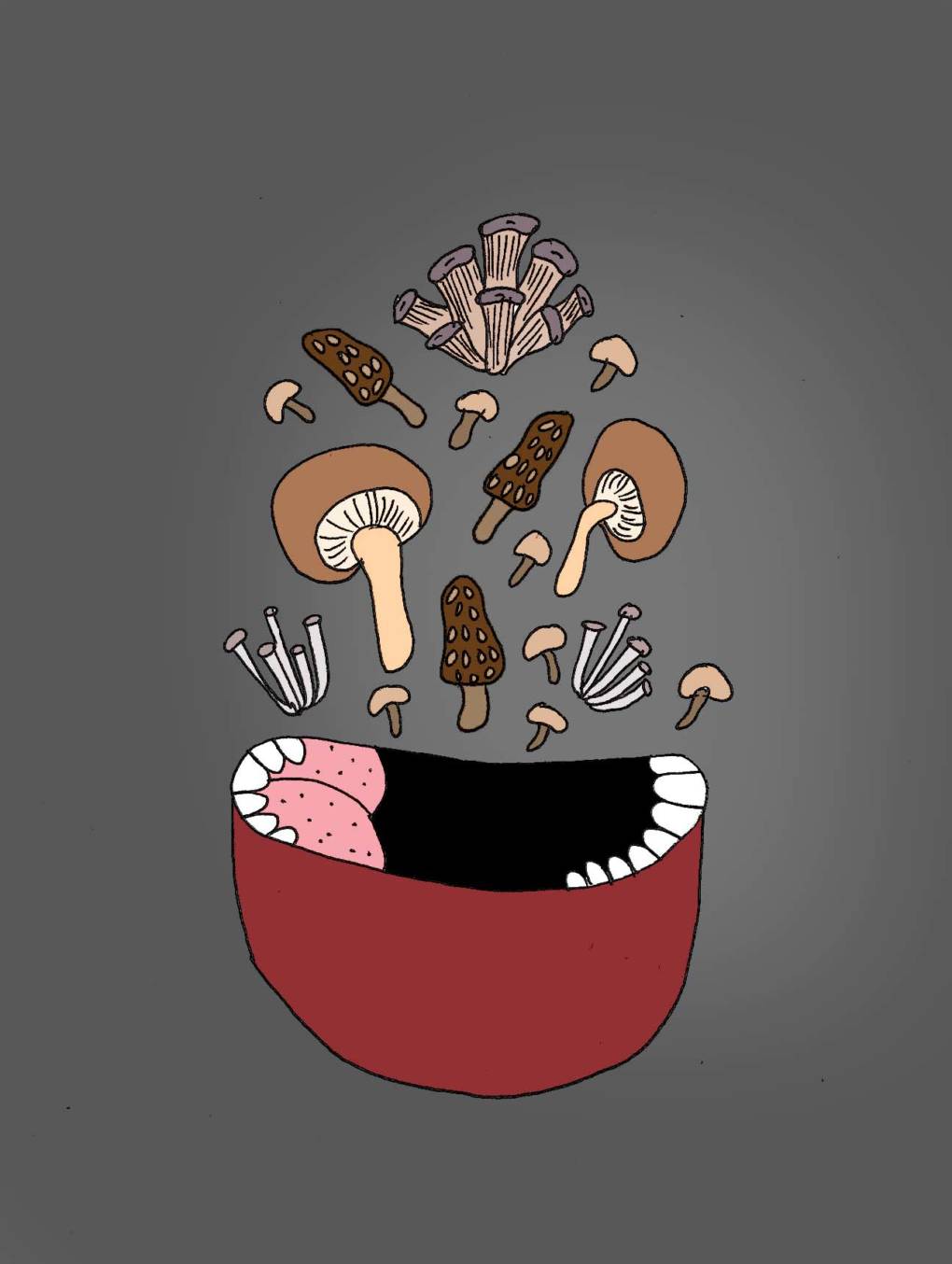
"caption": "Illustrated Mushrooms",
"description": null,
"title": "mushroom1_edited-1",
"credit": "Lila Volkas",
"status": "inherit",
"isLoading": false,
"fetchFailed": false
},
"bayareabites_117857": {
"type": "attachments",
"id": "bayareabites_117857",
"meta": {
"index": "attachments_1716263798",
"site": "bayareabites",
"id": "117857",
"found": true
},
"parent": 117856,
"imgSizes": {
"small": {
"file": "https://ww2.kqed.org/app/uploads/sites/24/2017/06/img_5203_custom-f7d2820cd0a2165dcf0c20a53ad0ec23a4fa7e3d-520x334.jpg",
"width": 520,
"mimeType": "image/jpeg",
"height": 334
},
"twentyfourteen-full-width": {
"file": "https://ww2.kqed.org/app/uploads/sites/24/2017/06/img_5203_custom-f7d2820cd0a2165dcf0c20a53ad0ec23a4fa7e3d-1038x576.jpg",
"width": 1038,
"mimeType": "image/jpeg",
"height": 576
},
"thumbnail": {
"file": "https://ww2.kqed.org/app/uploads/sites/24/2017/06/img_5203_custom-f7d2820cd0a2165dcf0c20a53ad0ec23a4fa7e3d-160x103.jpg",
"width": 160,
"mimeType": "image/jpeg",
"height": 103
},
"fd-sm": {
"file": "https://ww2.kqed.org/app/uploads/sites/24/2017/06/img_5203_custom-f7d2820cd0a2165dcf0c20a53ad0ec23a4fa7e3d-960x616.jpg",
"width": 960,
"mimeType": "image/jpeg",
"height": 616
},
"post-thumbnail": {
"file": "https://ww2.kqed.org/app/uploads/sites/24/2017/06/img_5203_custom-f7d2820cd0a2165dcf0c20a53ad0ec23a4fa7e3d-672x372.jpg",
"width": 672,
"mimeType": "image/jpeg",
"height": 372
},
"xsmall": {
"file": "https://ww2.kqed.org/app/uploads/sites/24/2017/06/img_5203_custom-f7d2820cd0a2165dcf0c20a53ad0ec23a4fa7e3d-375x241.jpg",
"width": 375,
"mimeType": "image/jpeg",
"height": 241
},
"kqedFullSize": {
"file": "https://ww2.kqed.org/app/uploads/sites/24/2017/06/img_5203_custom-f7d2820cd0a2165dcf0c20a53ad0ec23a4fa7e3d.jpg",
"width": 2000,
"height": 1283
},
"large": {
"file": "https://ww2.kqed.org/app/uploads/sites/24/2017/06/img_5203_custom-f7d2820cd0a2165dcf0c20a53ad0ec23a4fa7e3d-1020x654.jpg",
"width": 1020,
"mimeType": "image/jpeg",
"height": 654
},
"xlarge": {
"file": "https://ww2.kqed.org/app/uploads/sites/24/2017/06/img_5203_custom-f7d2820cd0a2165dcf0c20a53ad0ec23a4fa7e3d-1180x757.jpg",
"width": 1180,
"mimeType": "image/jpeg",
"height": 757
},
"guest-author-50": {
"file": "https://ww2.kqed.org/app/uploads/sites/24/2017/06/img_5203_custom-f7d2820cd0a2165dcf0c20a53ad0ec23a4fa7e3d-50x50.jpg",
"width": 50,
"mimeType": "image/jpeg",
"height": 50
},
"guest-author-96": {
"file": "https://ww2.kqed.org/app/uploads/sites/24/2017/06/img_5203_custom-f7d2820cd0a2165dcf0c20a53ad0ec23a4fa7e3d-96x96.jpg",
"width": 96,
"mimeType": "image/jpeg",
"height": 96
},
"medium": {
"file": "https://ww2.kqed.org/app/uploads/sites/24/2017/06/img_5203_custom-f7d2820cd0a2165dcf0c20a53ad0ec23a4fa7e3d-800x513.jpg",
"width": 800,
"mimeType": "image/jpeg",
"height": 513
},
"guest-author-64": {
"file": "https://ww2.kqed.org/app/uploads/sites/24/2017/06/img_5203_custom-f7d2820cd0a2165dcf0c20a53ad0ec23a4fa7e3d-64x64.jpg",
"width": 64,
"mimeType": "image/jpeg",
"height": 64
},
"guest-author-32": {
"file": "https://ww2.kqed.org/app/uploads/sites/24/2017/06/img_5203_custom-f7d2820cd0a2165dcf0c20a53ad0ec23a4fa7e3d-32x32.jpg",
"width": 32,
"mimeType": "image/jpeg",
"height": 32
},
"fd-lrg": {
"file": "https://ww2.kqed.org/app/uploads/sites/24/2017/06/img_5203_custom-f7d2820cd0a2165dcf0c20a53ad0ec23a4fa7e3d-1920x1232.jpg",
"width": 1920,
"mimeType": "image/jpeg",
"height": 1232
},
"fd-med": {
"file": "https://ww2.kqed.org/app/uploads/sites/24/2017/06/img_5203_custom-f7d2820cd0a2165dcf0c20a53ad0ec23a4fa7e3d-1180x757.jpg",
"width": 1180,
"mimeType": "image/jpeg",
"height": 757
},
"full-width": {
"file": "https://ww2.kqed.org/app/uploads/sites/24/2017/06/img_5203_custom-f7d2820cd0a2165dcf0c20a53ad0ec23a4fa7e3d-1920x1232.jpg",
"width": 1920,
"mimeType": "image/jpeg",
"height": 1232
},
"detail": {
"file": "https://ww2.kqed.org/app/uploads/sites/24/2017/06/img_5203_custom-f7d2820cd0a2165dcf0c20a53ad0ec23a4fa7e3d-150x150.jpg",
"width": 150,
"mimeType": "image/jpeg",
"height": 150
},
"medium_large": {
"file": "https://ww2.kqed.org/app/uploads/sites/24/2017/06/img_5203_custom-f7d2820cd0a2165dcf0c20a53ad0ec23a4fa7e3d-768x493.jpg",
"width": 768,
"mimeType": "image/jpeg",
"height": 493
},
"guest-author-128": {
"file": "https://ww2.kqed.org/app/uploads/sites/24/2017/06/img_5203_custom-f7d2820cd0a2165dcf0c20a53ad0ec23a4fa7e3d-128x128.jpg",
"width": 128,
"mimeType": "image/jpeg",
"height": 128
},
"xxsmall": {
"file": "https://ww2.kqed.org/app/uploads/sites/24/2017/06/img_5203_custom-f7d2820cd0a2165dcf0c20a53ad0ec23a4fa7e3d-240x154.jpg",
"width": 240,
"mimeType": "image/jpeg",
"height": 154
}
},
"publishDate": 1496335694,
"modified": 1496336110,
"caption": "A bed of apple roots at Willow Drive Nursery, in Ephrata, Wash. These roots are a vital part of the apple industry.",
"description": "A bed of apple roots at Willow Drive Nursery, in Ephrata, Wash. These roots are a vital part of the apple industry.",
"title": "A bed of apple roots at Willow Drive Nursery, in Ephrata, Wash. These roots are a vital part of the apple industry.",
"credit": "Dan Charles/NPR",
"status": "inherit",
"isLoading": false,
"fetchFailed": false
}
},
"audioPlayerReducer": {
"postId": "stream_live",
"isPaused": true,
"isPlaying": false,
"pfsActive": false,
"pledgeModalIsOpen": true,
"playerDrawerIsOpen": false,
"liveAudioPlayStartedAt": 0,
"liveAudioPlayContext": ""
},
"authorsReducer": {
"byline_bayareabites_118877": {
"type": "authors",
"id": "byline_bayareabites_118877",
"meta": {
"override": true
},
"slug": "byline_bayareabites_118877",
"name": "Glenn McDonald, all tech considered, \u003ca href=\"https://ww2.kqed.org/bayareabites/author/nprfood/\">NPR Food\u003c/a>",
"isLoading": false
},
"byline_bayareabites_118815": {
"type": "authors",
"id": "byline_bayareabites_118815",
"meta": {
"override": true
},
"slug": "byline_bayareabites_118815",
"name": "Kristen Hartke, \u003ca href=\"https://ww2.kqed.org/bayareabites/author/nprfood/\">NPR Food\u003c/a>",
"isLoading": false
},
"byline_bayareabites_118479": {
"type": "authors",
"id": "byline_bayareabites_118479",
"meta": {
"override": true
},
"slug": "byline_bayareabites_118479",
"name": "\u003ca href=\"http://civileats.com/author/jhelmer/\">Jodi Helmer,\u003c/a> \u003ca href=\"https://ww2.kqed.org/bayareabites/author/civileat/\">Civil Eats\u003c/a>",
"isLoading": false
},
"byline_bayareabites_118413": {
"type": "authors",
"id": "byline_bayareabites_118413",
"meta": {
"override": true
},
"slug": "byline_bayareabites_118413",
"name": "\u003ca href=\"http://www.npr.org/people/348732739/adam-cole\">Adam Cole\u003c/a> and \u003ca href=\"http://www.npr.org/people/513324587/ryan-kellman\">Ryan Kellman,\u003c/a> \u003ca href=\"https://ww2.kqed.org/bayareabites/author/nprfood/\">NPR Food\u003c/a>",
"isLoading": false
},
"byline_bayareabites_118353": {
"type": "authors",
"id": "byline_bayareabites_118353",
"meta": {
"override": true
},
"slug": "byline_bayareabites_118353",
"name": "Allison Aubrey, NPR Food",
"isLoading": false
},
"byline_bayareabites_118006": {
"type": "authors",
"id": "byline_bayareabites_118006",
"meta": {
"override": true
},
"slug": "byline_bayareabites_118006",
"name": "Bryan Thompson, \u003ca href=\"http://kcur.org/#stream/0\">KCUR\u003c/a> at \u003ca href=\"https://ww2.kqed.org/bayareabites/author/nprfood/\">NPR Food\u003c/a>",
"isLoading": false
},
"byline_bayareabites_117954": {
"type": "authors",
"id": "byline_bayareabites_117954",
"meta": {
"override": true
},
"slug": "byline_bayareabites_117954",
"name": "Paige Pfleger, \u003ca href=\"https://itunes.apple.com/us/podcast/the-pulse/id772127662?mt=2\">WHYY\u003c/a> at \u003ca href=https://ww2.kqed.org/bayareabites/author/nprfood/\">NPR Food\u003c/a>",
"isLoading": false
},
"byline_bayareabites_117913": {
"type": "authors",
"id": "byline_bayareabites_117913",
"meta": {
"override": true
},
"slug": "byline_bayareabites_117913",
"name": "\u003ca href=\"http://civileats.com/author/scagle/\">Susie Cagle\u003c/a>, \u003ca href=\"https://ww2.kqed.org/bayareabites/author/civileat/\">Civil Eats\u003c/a>",
"isLoading": false
},
"byline_bayareabites_117856": {
"type": "authors",
"id": "byline_bayareabites_117856",
"meta": {
"override": true
},
"slug": "byline_bayareabites_117856",
"name": "Dan Charles, NPR Food",
"isLoading": false
},
"lilavolkas": {
"type": "authors",
"id": "5404",
"meta": {
"index": "authors_1716337520",
"id": "5404",
"found": true
},
"name": "Lila Volkas",
"firstName": "Lila",
"lastName": "Volkas",
"slug": "lilavolkas",
"email": "lilavolkas@gmail.com",
"display_author_email": false,
"staff_mastheads": [],
"title": null,
"bio": "Lila Volkas is a Berkeley based Holistic Nutritionist, food writer and illustrator. She received her Nutritional Consulting Certification from Bauman College and offers clients individualized nutritional support. As an illustrator she creates hand drawn and digitally colored illustrations that whimsically capture the essence of her subjects and are easily digested by readers. Much of her inspiration comes from her undeniable love for vegetables, as well her knack for anthropomorphizing what's on her plate. Lila has had several pieces published in KQED’s Bay Area Bites as well as in Edible East Bay Magazine. For more of a taste of Lila's offering, check out her website \u003ca href=\"http://www.lilavolkas.com/\">lilavolkas.com\u003c/a>",
"avatar": "https://secure.gravatar.com/avatar/e520743544a0600729bc45ff3ab43206?s=600&d=blank&r=g",
"twitter": null,
"facebook": null,
"instagram": null,
"linkedin": null,
"sites": [
{
"site": "bayareabites",
"roles": [
"contributor"
]
},
{
"site": "food",
"roles": [
"contributor"
]
}
],
"headData": {
"title": "Lila Volkas | KQED",
"description": null,
"ogImgSrc": "https://secure.gravatar.com/avatar/e520743544a0600729bc45ff3ab43206?s=600&d=blank&r=g",
"twImgSrc": "https://secure.gravatar.com/avatar/e520743544a0600729bc45ff3ab43206?s=600&d=blank&r=g"
},
"isLoading": false,
"link": "/author/lilavolkas"
},
"katewilliams": {
"type": "authors",
"id": "5485",
"meta": {
"index": "authors_1716337520",
"id": "5485",
"found": true
},
"name": "Kate Williams",
"firstName": "Kate",
"lastName": "Williams",
"slug": "katewilliams",
"email": "williaka@gmail.com",
"display_author_email": false,
"staff_mastheads": [],
"title": null,
"bio": "Kate Williams grew up outside of Atlanta, where twenty-pound baskets of peaches were an end-of-summer tradition. After spending time in Boston developing recipes for America's Test Kitchen and pretending to be a New Englander, she moved to sunny Berkeley. Here she works as a personal chef and food writer, covering topics ranging from taco trucks to modernist cookbooks. In addition to KQED's Bay Area Bites, Kate's work appears on Serious Eats, Berkeleyside NOSH, The Oxford American, America's Test Kitchen cookbooks, and Food52.",
"avatar": "https://secure.gravatar.com/avatar/25623fe56e181fe8b6ee92fd0ea077de?s=600&d=blank&r=g",
"twitter": "KateHWilliams",
"facebook": null,
"instagram": null,
"linkedin": null,
"sites": [
{
"site": "bayareabites",
"roles": [
"contributor"
]
},
{
"site": "food",
"roles": [
"contributor"
]
}
],
"headData": {
"title": "Kate Williams | KQED",
"description": null,
"ogImgSrc": "https://secure.gravatar.com/avatar/25623fe56e181fe8b6ee92fd0ea077de?s=600&d=blank&r=g",
"twImgSrc": "https://secure.gravatar.com/avatar/25623fe56e181fe8b6ee92fd0ea077de?s=600&d=blank&r=g"
},
"isLoading": false,
"link": "/author/katewilliams"
},
"alexandrawall": {
"type": "authors",
"id": "5567",
"meta": {
"index": "authors_1716337520",
"id": "5567",
"found": true
},
"name": "Alix Wall",
"firstName": "Alix",
"lastName": "Wall",
"slug": "alexandrawall",
"email": "alixwall@sbcglobal.net",
"display_author_email": false,
"staff_mastheads": [],
"title": null,
"bio": "Alix Wall appeared in her hometown paper in Riverside, California as “Chef of the Week” when she was 15 years old, and in high school, she founded “The Bon Appetit Club.” After working as a journalist for many years, Alix became a certified natural foods chef from Bauman College in Berkeley. While she cooks part-time healthy, organic meals for busy families, she is also a contributing editor of j. weekly, the Bay Area’s Jewish newspaper, in which she has a monthly food column. Her food writing can also be found on Berkeleyside’s NOSH and in Edible East Bay. In addition to food, she loves writing about how couples met and fell in love, which she does for The San Francisco Chronicle’s Style section and j. weekly. In 2016, she founded The Illuminoshi: The Not-So-Secret Society of Bay Area Jewish Food Professionals. She is also writer/producer for a documentary-in-progress called \u003ca href=\"https://www.lonelychildmovie.com/\">The Lonely Child\u003c/a>. Follow Alix on Twitter \u003ca href=\"https://twitter.com/WallAlix\">@WallAlix\u003c/a>.",
"avatar": "https://secure.gravatar.com/avatar/421a27f26a185be932f8d567b499b1f1?s=600&d=blank&r=g",
"twitter": null,
"facebook": null,
"instagram": null,
"linkedin": null,
"sites": [
{
"site": "bayareabites",
"roles": [
"contributor"
]
},
{
"site": "food",
"roles": [
"contributor"
]
}
],
"headData": {
"title": "Alix Wall | KQED",
"description": null,
"ogImgSrc": "https://secure.gravatar.com/avatar/421a27f26a185be932f8d567b499b1f1?s=600&d=blank&r=g",
"twImgSrc": "https://secure.gravatar.com/avatar/421a27f26a185be932f8d567b499b1f1?s=600&d=blank&r=g"
},
"isLoading": false,
"link": "/author/alexandrawall"
}
},
"pagesReducer": {
"bayareabites_category_food-and-technology": {
"type": "terms",
"id": "bayareabites_4084",
"meta": {
"index": "terms_1716263798",
"site": "bayareabites",
"id": "4084",
"score": 14.4055195
},
"featImg": null,
"name": "food trends and technology",
"description": null,
"taxonomy": "category",
"headData": {
"twImgId": null,
"twTitle": null,
"ogTitle": null,
"ogImgId": null,
"twDescription": null,
"description": null,
"title": "food trends and technology Archives | KQED Bay Area Bites",
"ogDescription": null
},
"ttid": 2573,
"slug": "food-and-technology",
"isLoading": false,
"title": "food trends and technology",
"pageMeta": {
"site": "bayareabites",
"WpPageTemplate": "page-topic-editorial",
"currentPage": 12
},
"blocks": [
{
"blockName": "kqed/post-list",
"attrs": {
"layout": "cardArticle2",
"query": "posts/bayareabites?category=food-and-technology",
"seeMore": false,
"paginated": true,
"page": 12
}
},
{
"blockName": "kqed/ad"
}
]
}
},
"pfsSessionReducer": {},
"postsReducer": {
"stream_live": {
"type": "live",
"id": "stream_live",
"audioUrl": "https://streams.kqed.org/kqedradio",
"title": "Live Stream",
"excerpt": "Live Stream information currently unavailable.",
"link": "/radio",
"featImg": "",
"label": {
"name": "KQED Live",
"link": "/"
}
},
"stream_kqedNewscast": {
"type": "posts",
"id": "stream_kqedNewscast",
"audioUrl": "https://www.kqed.org/.stream/anon/radio/RDnews/newscast.mp3?_=1",
"title": "KQED Newscast",
"featImg": "",
"label": {
"name": "88.5 FM",
"link": "/"
}
},
"bayareabites_118877": {
"type": "posts",
"id": "bayareabites_118877",
"meta": {
"index": "posts_1716263798",
"site": "bayareabites",
"id": "118877",
"score": null,
"sort": [
1499361609000
]
},
"parent": 0,
"labelTerm": {},
"blocks": [],
"publishDate": 1499361609,
"format": "standard",
"disqusTitle": "Too Convenient? A Mobile Supermarket That Comes To You",
"title": "Too Convenient? A Mobile Supermarket That Comes To You",
"headTitle": "Bay Area Bites | KQED Food",
"content": "\u003cp>Browse the science fiction aisles and you can find all sorts of dystopian future visions — environmental catastrophes, robot overlords, zombie swarms, \u003ca href=\"http://www.imdb.com/title/tt0055894/?ref_=nv_sr_1\">triffids\u003c/a>. Oddly enough, one of the spookiest scenarios ever conjured comes from a kids' movie.\u003c/p>\n\u003cp>The 2008 Pixar film \u003cem>WALL-E\u003c/em> imagines a future in which end-stage consumerism \u003ca href=\"https://www.youtube.com/watch?v=h1BQPV-iCkU\">has run amok\u003c/a>, leaving the planet utterly trashed and turning humans into helpless, sedentary slugs. By creating a future in which everything is prepared, packaged and delivered by machines, we effectively create a consumer apocalypse, ruining the Earth and dooming the species. For those of us prone to low-simmering paranoia, recent developments suggest the future of \u003cem>WALL-E\u003c/em> is closing in fast.\u003c/p>\n\u003cp>To wit: The \u003ca href=\"http://www.themobymart.com/\">Moby Mart\u003c/a> is a mobile supermarket that eliminates the pesky tradition of getting up and going to the store altogether. Instead, the store comes to you. Like a 7-Eleven crossed with a driverless tractor-trailer, the Moby Mart is an autonomous and unstaffed mobile retail space that you can call up with your phone like an Uber.\u003c/p>\n\u003cp>Like the \u003ca href=\"http://www.npr.org/sections/thetwo-way/2016/12/06/504570582/amazon-to-open-convenience-store-with-no-lines\">Amazon Go\u003c/a> prototype store, the Moby Mart doesn't have cashiers or checkout lanes. Instead, subscribers scan their purchases off the shelf, pay with a phone app and head out the door. The difference is that the door — and the store — can drive itself to wherever it's summoned.\u003c/p>\n\u003cp>Check out the decidedly bananas \u003ca href=\"https://www.youtube.com/watch?v=W9IqJOpfa5c\">demo video\u003c/a>, and you'll see that the Moby Mart team definitely has a futuristic vision in mind. Plans call for holographic store clerks who offer personalized assistance as you shop. Moby Marts will be electric and solar-powered, with plenty of battery backup, and will even include built-in air scrubbers so that the store purifies the air anywhere it goes.\u003c/p>\n\u003cp>[ad fullwidth]\u003c/p>\n\u003cp>https://youtu.be/W9IqJOpfa5c\u003c/p>\n\u003cp>The space age flourishes get even better: Using autonomous vehicle technology, the Moby Mart could navigate busy streets on its own, piloted by artificial intelligence. A fleet of microdrones atop the vehicle could make door-to-door deliveries — or maybe door-to-window if you live on the 12th floor. When multiple Moby Marts are deployed in a given area, the machines will communicate with one another via cloud computing, trading off surplus items as needed.\u003c/p>\n\u003cp>This isn't just concept-stage noodling, either. A prototype Moby Mart is already up and running in Shanghai. It's a collaborative effort between Hefei University in China and the Switzerland-based company \u003ca href=\"https://wheelyscafe.com/startpage\">Wheelys\u003c/a>, which specializes in mobile retail solutions like bicycle-powered coffee stands.\u003c/p>\n\u003cp>The Moby Mart is just part of a larger initiative to fundamentally change the nature of retail, according to Per Cromwell, lead designer for the project.\u003c/p>\n\u003cp>\"Stores needs to be more flexible to meet the demands of the future,\" Cromwell said, emailing from his offices in Stockholm. \"Rents will go up in prime locations, margins will go down on a lot of products due to online retail. Stores need to become more efficient. Mobile and staffless is to date the most flexible and efficient solution. When online and offline merge, a new kind of store is needed.\"\u003c/p>\n\u003cp>Indeed. It's no secret that traditional retail outlets \u003ca href=\"http://www.npr.org/2017/05/02/526560158/a-rapid-shakeup-for-retailers-as-consumer-habits-change\">are in trouble\u003c/a>. The Moby Mart is a recent and rather extreme example of a rapidly accelerating trend to make shopping ridiculously, maximally convenient. The previously far-out concept of drone delivery is already here, with heavy hitters like \u003ca href=\"https://www.theguardian.com/technology/2016/dec/14/amazon-claims-first-successful-prime-air-drone-delivery\">Amazon\u003c/a> and \u003ca href=\"http://www.businessinsider.com/ups-tests-drone-delivery-system-2017-2\">UPS\u003c/a> testing working systems. Down on the ground, self-driving \u003ca href=\"http://www.npr.org/sections/alltechconsidered/2017/03/23/520848983/hungry-call-your-neighborhood-delivery-robot\">delivery robots\u003c/a> are rolling takeout food right up to your door. Legislatures are \u003ca href=\"http://www.fox19.com/story/35735541/ohio-senate-approves-robots-to-deliver-you-pizza-and-booze\">passing laws\u003c/a> classifying delivery-bots as pedestrians. The robots are even \u003ca href=\"http://www.npr.org/sections/thesalt/2016/09/29/495925058/our-robot-overlords-are-now-delivering-pizza-and-cooking-it-on-the-go\">making our pizzas\u003c/a>.\u003c/p>\n\u003cp>Cromwell says the plan is to build four to six additional Moby Marts in the coming year, then ramp up production into the hundreds in 2018. The idea is to get Moby Marts into both small towns and big cities and to continually update the mobile supermarket model along with adjacent technologies like self-driving vehicles, artificial intelligence, cashless transactions and solar-powered generators.\u003c/p>\n\u003cp>Obviously, there are still many technological and regulatory hurdles to clear before roaming supermarkets start crawling through our cities. But if the Moby Mart does come to your town, Cromwell said the first wave of stores will specialize in products for immediate consumption, like ready-made food, groceries and coffee.\u003c/p>\n\u003cp>\"We will gradually add different products on different markets,\" Cromwell said. \"In the end, there will be no difference in products from what you find in stores today — with the one limitation of larger products. Moby Mart is not ideal for showcasing sofas. But we have some cool ideas for this, as well.\"\u003c/p>\n\u003chr>\n\u003cp>\u003ca href=\"http://www.glenn-mcdonald.com/\">Glenn McDonald\u003c/a> \u003cem>is a freelance writer, editor and game designer based in Chapel Hill, N.C. You can follow him\u003c/em> \u003ca href=\"https://twitter.com/glennmcdonald1\">@glennmcdonald1\u003c/a>.\u003c/p>\n\u003cp>\u003c/p>\n\u003cp>\u003cem>Copyright 2017 \u003ca href=\"http://www.npr.org/\">NPR\u003c/a>.\u003c/em>\u003c/p>\n\n",
"disqusIdentifier": "118877 https://ww2.kqed.org/bayareabites/?p=118877",
"disqusUrl": "https://ww2.kqed.org/bayareabites/2017/07/06/too-convenient-a-mobile-supermarket-that-comes-to-you/",
"stats": {
"hasVideo": false,
"hasChartOrMap": false,
"hasAudio": false,
"hasPolis": false,
"wordCount": 800,
"hasGoogleForm": false,
"hasGallery": false,
"hasHearkenModule": false,
"iframeSrcs": [],
"paragraphCount": 17
},
"modified": 1499361609,
"excerpt": "The Moby Mart concept is being tested in China. A 7-Eleven meets driverless tractor-trailer, the store could be summoned by an app and staffed by a holographic clerk. Are we entering WALL-E world?",
"headData": {
"twImgId": "",
"twTitle": "",
"ogTitle": "",
"ogImgId": "",
"twDescription": "",
"description": "The Moby Mart concept is being tested in China. A 7-Eleven meets driverless tractor-trailer, the store could be summoned by an app and staffed by a holographic clerk. Are we entering WALL-E world?",
"title": "Too Convenient? A Mobile Supermarket That Comes To You | KQED",
"ogDescription": "",
"schema": {
"@context": "https://schema.org",
"@type": "Article",
"headline": "Too Convenient? A Mobile Supermarket That Comes To You",
"datePublished": "2017-07-06T10:20:09-07:00",
"dateModified": "2017-07-06T10:20:09-07:00",
"image": "https://cdn.kqed.org/wp-content/uploads/2020/02/KQED-OG-Image@1x.png"
}
},
"guestAuthors": [],
"slug": "too-convenient-a-mobile-supermarket-that-comes-to-you",
"status": "publish",
"sourceUrl": "https://ww2.kqed.org/bayareabites/category/food-and-technology/",
"nprApiLink": "http://api.npr.org/query?id=535413093&apiKey=MDAxOTAwOTE4MDEyMTkxMDAzNjczZDljZA004",
"nprByline": "Glenn McDonald, all tech considered, \u003ca href=\"https://ww2.kqed.org/bayareabites/author/nprfood/\">NPR Food\u003c/a>",
"nprStoryDate": "Wed, 05 Jul 2017 11:36:00 -0400",
"nprLastModifiedDate": "Wed, 05 Jul 2017 17:46:16 -0400",
"nprHtmlLink": "http://www.npr.org/sections/alltechconsidered/2017/07/05/535413093/too-convenient-a-mobile-supermarket-that-comes-to-you?ft=nprml&f=535413093",
"nprImageAgency": "Moby Mart",
"source": "Food Trends And Technology",
"nprStoryId": "535413093",
"nprRetrievedStory": "1",
"nprPubDate": "Wed, 05 Jul 2017 17:46:00 -0400",
"path": "/bayareabites/118877/too-convenient-a-mobile-supermarket-that-comes-to-you",
"audioTrackLength": null,
"parsedContent": [
{
"type": "contentString",
"content": "\u003cdiv class=\"post-body\">\u003cp>\u003cp>Browse the science fiction aisles and you can find all sorts of dystopian future visions — environmental catastrophes, robot overlords, zombie swarms, \u003ca href=\"http://www.imdb.com/title/tt0055894/?ref_=nv_sr_1\">triffids\u003c/a>. Oddly enough, one of the spookiest scenarios ever conjured comes from a kids' movie.\u003c/p>\n\u003cp>The 2008 Pixar film \u003cem>WALL-E\u003c/em> imagines a future in which end-stage consumerism \u003ca href=\"https://www.youtube.com/watch?v=h1BQPV-iCkU\">has run amok\u003c/a>, leaving the planet utterly trashed and turning humans into helpless, sedentary slugs. By creating a future in which everything is prepared, packaged and delivered by machines, we effectively create a consumer apocalypse, ruining the Earth and dooming the species. For those of us prone to low-simmering paranoia, recent developments suggest the future of \u003cem>WALL-E\u003c/em> is closing in fast.\u003c/p>\n\u003cp>To wit: The \u003ca href=\"http://www.themobymart.com/\">Moby Mart\u003c/a> is a mobile supermarket that eliminates the pesky tradition of getting up and going to the store altogether. Instead, the store comes to you. Like a 7-Eleven crossed with a driverless tractor-trailer, the Moby Mart is an autonomous and unstaffed mobile retail space that you can call up with your phone like an Uber.\u003c/p>\n\u003cp>Like the \u003ca href=\"http://www.npr.org/sections/thetwo-way/2016/12/06/504570582/amazon-to-open-convenience-store-with-no-lines\">Amazon Go\u003c/a> prototype store, the Moby Mart doesn't have cashiers or checkout lanes. Instead, subscribers scan their purchases off the shelf, pay with a phone app and head out the door. The difference is that the door — and the store — can drive itself to wherever it's summoned.\u003c/p>\n\u003cp>Check out the decidedly bananas \u003ca href=\"https://www.youtube.com/watch?v=W9IqJOpfa5c\">demo video\u003c/a>, and you'll see that the Moby Mart team definitely has a futuristic vision in mind. Plans call for holographic store clerks who offer personalized assistance as you shop. Moby Marts will be electric and solar-powered, with plenty of battery backup, and will even include built-in air scrubbers so that the store purifies the air anywhere it goes.\u003c/p>\n\u003cp>\u003c/p>\u003c/div>",
"attributes": {
"named": {},
"numeric": []
}
},
{
"type": "component",
"content": "",
"name": "ad",
"attributes": {
"named": {
"label": "fullwidth"
},
"numeric": [
"fullwidth"
]
}
},
{
"type": "contentString",
"content": "\u003cdiv class=\"post-body\">\u003cp>\u003c/p>\u003c/p>\u003cp>\u003cspan class='utils-parseShortcode-shortcodes-__youtubeShortcode__embedYoutube'>\n \u003cspan class='utils-parseShortcode-shortcodes-__youtubeShortcode__embedYoutubeInside'>\n \u003ciframe\n loading='lazy'\n class='utils-parseShortcode-shortcodes-__youtubeShortcode__youtubePlayer'\n type='text/html'\n src='//www.youtube.com/embed/W9IqJOpfa5c'\n title='//www.youtube.com/embed/W9IqJOpfa5c'\n allowfullscreen='true'\n style='border:0;'>\u003c/iframe>\n \u003c/span>\n \u003c/span>\u003c/p>\u003cp>\u003cp>The space age flourishes get even better: Using autonomous vehicle technology, the Moby Mart could navigate busy streets on its own, piloted by artificial intelligence. A fleet of microdrones atop the vehicle could make door-to-door deliveries — or maybe door-to-window if you live on the 12th floor. When multiple Moby Marts are deployed in a given area, the machines will communicate with one another via cloud computing, trading off surplus items as needed.\u003c/p>\n\u003cp>This isn't just concept-stage noodling, either. A prototype Moby Mart is already up and running in Shanghai. It's a collaborative effort between Hefei University in China and the Switzerland-based company \u003ca href=\"https://wheelyscafe.com/startpage\">Wheelys\u003c/a>, which specializes in mobile retail solutions like bicycle-powered coffee stands.\u003c/p>\n\u003cp>The Moby Mart is just part of a larger initiative to fundamentally change the nature of retail, according to Per Cromwell, lead designer for the project.\u003c/p>\n\u003cp>\"Stores needs to be more flexible to meet the demands of the future,\" Cromwell said, emailing from his offices in Stockholm. \"Rents will go up in prime locations, margins will go down on a lot of products due to online retail. Stores need to become more efficient. Mobile and staffless is to date the most flexible and efficient solution. When online and offline merge, a new kind of store is needed.\"\u003c/p>\n\u003cp>Indeed. It's no secret that traditional retail outlets \u003ca href=\"http://www.npr.org/2017/05/02/526560158/a-rapid-shakeup-for-retailers-as-consumer-habits-change\">are in trouble\u003c/a>. The Moby Mart is a recent and rather extreme example of a rapidly accelerating trend to make shopping ridiculously, maximally convenient. The previously far-out concept of drone delivery is already here, with heavy hitters like \u003ca href=\"https://www.theguardian.com/technology/2016/dec/14/amazon-claims-first-successful-prime-air-drone-delivery\">Amazon\u003c/a> and \u003ca href=\"http://www.businessinsider.com/ups-tests-drone-delivery-system-2017-2\">UPS\u003c/a> testing working systems. Down on the ground, self-driving \u003ca href=\"http://www.npr.org/sections/alltechconsidered/2017/03/23/520848983/hungry-call-your-neighborhood-delivery-robot\">delivery robots\u003c/a> are rolling takeout food right up to your door. Legislatures are \u003ca href=\"http://www.fox19.com/story/35735541/ohio-senate-approves-robots-to-deliver-you-pizza-and-booze\">passing laws\u003c/a> classifying delivery-bots as pedestrians. The robots are even \u003ca href=\"http://www.npr.org/sections/thesalt/2016/09/29/495925058/our-robot-overlords-are-now-delivering-pizza-and-cooking-it-on-the-go\">making our pizzas\u003c/a>.\u003c/p>\n\u003cp>Cromwell says the plan is to build four to six additional Moby Marts in the coming year, then ramp up production into the hundreds in 2018. The idea is to get Moby Marts into both small towns and big cities and to continually update the mobile supermarket model along with adjacent technologies like self-driving vehicles, artificial intelligence, cashless transactions and solar-powered generators.\u003c/p>\n\u003cp>Obviously, there are still many technological and regulatory hurdles to clear before roaming supermarkets start crawling through our cities. But if the Moby Mart does come to your town, Cromwell said the first wave of stores will specialize in products for immediate consumption, like ready-made food, groceries and coffee.\u003c/p>\n\u003cp>\"We will gradually add different products on different markets,\" Cromwell said. \"In the end, there will be no difference in products from what you find in stores today — with the one limitation of larger products. Moby Mart is not ideal for showcasing sofas. But we have some cool ideas for this, as well.\"\u003c/p>\n\u003chr>\n\u003cp>\u003ca href=\"http://www.glenn-mcdonald.com/\">Glenn McDonald\u003c/a> \u003cem>is a freelance writer, editor and game designer based in Chapel Hill, N.C. You can follow him\u003c/em> \u003ca href=\"https://twitter.com/glennmcdonald1\">@glennmcdonald1\u003c/a>.\u003c/p>\n\u003cp>\u003c/p>\n\u003cp>\u003cem>Copyright 2017 \u003ca href=\"http://www.npr.org/\">NPR\u003c/a>.\u003c/em>\u003c/p>\n\n\u003c/div>\u003c/p>",
"attributes": {
"named": {},
"numeric": []
}
}
],
"link": "/bayareabites/118877/too-convenient-a-mobile-supermarket-that-comes-to-you",
"authors": [
"byline_bayareabites_118877"
],
"categories": [
"bayareabites_11028",
"bayareabites_10028",
"bayareabites_4084",
"bayareabites_358"
],
"tags": [
"bayareabites_272",
"bayareabites_15905",
"bayareabites_15079"
],
"featImg": "bayareabites_118878",
"label": "source_bayareabites_118877"
},
"bayareabites_118815": {
"type": "posts",
"id": "bayareabites_118815",
"meta": {
"index": "posts_1716263798",
"site": "bayareabites",
"id": "118815",
"score": null,
"sort": [
1499283264000
]
},
"parent": 0,
"labelTerm": {
"site": "bayareabites"
},
"blocks": [],
"publishDate": 1499283264,
"format": "video",
"disqusTitle": "'The Sideways Effect:' How A Wine-Obsessed Film Reshaped The Industry",
"title": "'The Sideways Effect:' How A Wine-Obsessed Film Reshaped The Industry",
"headTitle": "Bay Area Bites | KQED Food",
"content": "\u003cp>Thin-skinned. Temperamental. In need of constant care and attention.\u003c/p>\n\u003cp>In the film \u003cem>Sideways\u003c/em>, which earned an Academy Award in 2005 for Best Adapted Screenplay and boosted the careers of Thomas Haden Church, Virginia Madsen and Sandra Oh, those descriptive words aptly captured the character of angst-ridden, wine-obsessed protagonist Miles Raymond, played with self-flagellating glee by Paul Giamatti.\u003c/p>\n\u003cp>The same words also tell the story of an equally important, but liquid, character in the film: pinot noir. A dozen years later, pinot noir has become a mainstay of the California wine industry, and winemakers credit the film with bringing deserved attention to the varietal, calling it \"The Sideways Effect.\"\u003c/p>\n\u003cp>\"Pinot noir production in California has increased roughly 170 percent since \u003cem>Sideways \u003c/em>was released,\" says wine industry analyst Gabriel Froymovich of Vineyard Financial Associates, noting that total wine production has increased 7-8 percent during the same time. \"I think people who were into wine saw the passion for pinot noir in the movie, decided to explore that variety a bit, and realized how lovely a wine that grape makes.\"\u003c/p>\n\u003cp>The Sideways Effect is generally credited with depressing the market for merlot wine, based on a memorable line from the movie when Miles colorfully proclaims his disdain for the wine — the back story is that his ex-wife liked merlot — declaring, \"No, if anyone orders merlot, I'm leaving. I am NOT drinking any f****** merlot!\"\u003c/p>\n\u003cp>[ad fullwidth]\u003c/p>\n\u003cp>https://youtu.be/KXXDC5FarhE\u003c/p>\n\u003cp>That line apparently echoed beyond the cineplex: In a 2009 case study, Dr. Steven Cuellar, an economics professor at Sonoma State University, found a measurable decline in merlot sales of about 2 percent from January 2005 (the film was released in October 2004) through 2008. During that same time period, pinot noir sales increased 16 percent — it's now the second-most planted varietal in California's Sonoma County.\u003c/p>\n\u003cp>\"Poor merlot,\" says winemaker Billy Dim, owner of Blendtique Wine Company in Los Olivos, Calif. \"Merlot is one of the best grapes on the planet and the movie did some damage to its reputation.\"\u003c/p>\n\u003cp>Still, Dim himself is partial to pinot noir. \"The movie certainly highlighted it as the pinnacle of complexity. It's a remarkable variety, producing structurally lighter reds; in its elegance and subtlety lie some of the most intricate and appealing flavors.\"\u003c/p>\n\u003cp>Winemakers do wax poetic when it comes to pinot noir, much as Miles does in \u003cem>Sideways\u003c/em> when he opines, \"It's not a survivor like cabernet, which can just grow anywhere and thrive, even when it's neglected. No, pinot needs constant care and attention. You know? And in fact it can only grow in these really specific, little, tucked away corners of the world. And, and only the most patient and nurturing of growers can do it, really. Only somebody who really takes the time to understand pinot's potential can then coax it into its fullest expression. Then, I mean, oh, its flavors, they're just the most haunting and brilliant and thrilling and subtle and ancient on the planet.\"\u003c/p>\n\u003cfigure id=\"attachment_118816\" class=\"wp-caption aligncenter\" style=\"max-width: 2000px\">\u003cimg src=\"https://ww2.kqed.org/bayareabites/wp-content/uploads/sites/24/2017/07/gettyimages-186863907_custom-05fd965d0d91d19b3f74052a3a2f4affdcbe1208.jpg\" alt=\"A vineyard in Napa Valley, Calif.\" width=\"2000\" height=\"1328\" class=\"size-full wp-image-118816\" srcset=\"https://ww2.kqed.org/app/uploads/sites/24/2017/07/gettyimages-186863907_custom-05fd965d0d91d19b3f74052a3a2f4affdcbe1208.jpg 2000w, https://ww2.kqed.org/app/uploads/sites/24/2017/07/gettyimages-186863907_custom-05fd965d0d91d19b3f74052a3a2f4affdcbe1208-160x106.jpg 160w, https://ww2.kqed.org/app/uploads/sites/24/2017/07/gettyimages-186863907_custom-05fd965d0d91d19b3f74052a3a2f4affdcbe1208-800x531.jpg 800w, https://ww2.kqed.org/app/uploads/sites/24/2017/07/gettyimages-186863907_custom-05fd965d0d91d19b3f74052a3a2f4affdcbe1208-768x510.jpg 768w, https://ww2.kqed.org/app/uploads/sites/24/2017/07/gettyimages-186863907_custom-05fd965d0d91d19b3f74052a3a2f4affdcbe1208-1020x677.jpg 1020w, https://ww2.kqed.org/app/uploads/sites/24/2017/07/gettyimages-186863907_custom-05fd965d0d91d19b3f74052a3a2f4affdcbe1208-1180x784.jpg 1180w, https://ww2.kqed.org/app/uploads/sites/24/2017/07/gettyimages-186863907_custom-05fd965d0d91d19b3f74052a3a2f4affdcbe1208-960x637.jpg 960w, https://ww2.kqed.org/app/uploads/sites/24/2017/07/gettyimages-186863907_custom-05fd965d0d91d19b3f74052a3a2f4affdcbe1208-240x159.jpg 240w, https://ww2.kqed.org/app/uploads/sites/24/2017/07/gettyimages-186863907_custom-05fd965d0d91d19b3f74052a3a2f4affdcbe1208-375x249.jpg 375w, https://ww2.kqed.org/app/uploads/sites/24/2017/07/gettyimages-186863907_custom-05fd965d0d91d19b3f74052a3a2f4affdcbe1208-520x345.jpg 520w\" sizes=\"(max-width: 2000px) 100vw, 2000px\">\u003cfigcaption class=\"wp-caption-text\">A vineyard in Napa Valley, Calif. \u003ccite>(Getty Images)\u003c/cite>\u003c/figcaption>\u003c/figure>\n\u003cp>Partial to the cooler coastal climates found along California's central coast, pinot noir does require more TLC than many other grapes. \"Pinot noir is very delicate and likes to grow in a narrower range of environment, so there are fewer places it will thrive,\" says Dim. \"Too much sun will blister the thin skin and too little, it will struggle to ripen. Think of it as the Goldilocks of varieties in that it wants things to be 'just right.' \"\u003c/p>\n\u003cp>\"Like all wines, pinot noir is all about terroir,\" says Michael Haney, director of membership for Sonoma County Vintners, referring to the impact that the local soil, water and air can have on grapes, creating flavors that range from dark and earthy to light and mineral. \"For example, in the Russian River Valley, the warm sun-filled days and cool foggy evening temperatures during the growing season encourage increased 'hang time' for grapes, leading to sophisticated multi layers of rich flavors, textures and aromas. Closer to the coast, the cooler growing temperatures produce a more subtle, elegant, stylistic approach.\"\u003c/p>\n\u003cp>Of course, many of us are less versed in the language and flavors of pinot noir, perhaps leaning more toward Miles' buddy Jack in \u003cem>Sideways\u003c/em>, who pretty much thinks anything in a wine glass tastes good. Jack is the merlot — big, agreeable, full-bodied — to Miles' more challenging pinot noir.\u003c/p>\n\u003cp>Says Bruce Cakebread of Cakebread Cellars in Rutherford, Calif., \"There's no room for error with pinot noir, because what you're drinking is 100 percent pinot grapes. With merlot, you can blend other varieties and tweak it, add a little cabernet for complexity, for instance. With pinot noir, you're playing with a thinner margin.\"\u003c/p>\n\u003cp>Still, while Cakebread, Dim and other winemakers don't think merlot should be ignored — Dim calls it \"tannic, fleshy, rich, an all-around delicious day in the park\" — they also say don't be intimidated by pinot noir's notorious subtleties.\u003c/p>\n\u003cp>\"Pinot noir has that flexibility to go with a lot of different foods,\" says Cakebread. \"There's a wide range, from heavier, bigger wines to ones that are very delicate, so consumers can go up and down that scale according to their preferences. Start trying different regions with each meal: Central Coast, Sonoma, all the way up to Oregon. It's armchair traveling with wine and food, like reading a travel book at the dinner table.\"\u003c/p>\n\u003cp>And, as Miles would advise, \"Stick your nose in it. Don't be shy, really get your nose in there.\" \u003c/p>\n\u003cp>\u003c/p>\n\u003cp>\u003cem>Copyright 2017 \u003ca href=\"http://www.npr.org/\" target=\"_blank\">NPR\u003c/a>.\u003c/em> \u003c/p>\n\n",
"disqusIdentifier": "118815 https://ww2.kqed.org/bayareabites/?p=118815",
"disqusUrl": "https://ww2.kqed.org/bayareabites/2017/07/05/the-sideways-effect-how-a-wine-obsessed-film-reshaped-the-industry/",
"stats": {
"hasVideo": false,
"hasChartOrMap": false,
"hasAudio": false,
"hasPolis": false,
"wordCount": 950,
"hasGoogleForm": false,
"hasGallery": false,
"hasHearkenModule": false,
"iframeSrcs": [],
"paragraphCount": 19
},
"modified": 1499290166,
"excerpt": "The 2004 movie about an obsessive wine snob helped boost California's pinot noir production by 170 percent.",
"headData": {
"twImgId": "",
"twTitle": "",
"ogTitle": "",
"ogImgId": "",
"twDescription": "",
"description": "The 2004 movie about an obsessive wine snob helped boost California's pinot noir production by 170 percent.",
"title": "'The Sideways Effect:' How A Wine-Obsessed Film Reshaped The Industry | KQED",
"ogDescription": "",
"schema": {
"@context": "https://schema.org",
"@type": "Article",
"headline": "'The Sideways Effect:' How A Wine-Obsessed Film Reshaped The Industry",
"datePublished": "2017-07-05T12:34:24-07:00",
"dateModified": "2017-07-05T14:29:26-07:00",
"image": "https://cdn.kqed.org/wp-content/uploads/2020/02/KQED-OG-Image@1x.png"
}
},
"guestAuthors": [],
"slug": "the-sideways-effect-how-a-wine-obsessed-film-reshaped-the-industry",
"status": "publish",
"nprApiLink": "http://api.npr.org/query?id=535038513&apiKey=MDAxOTAwOTE4MDEyMTkxMDAzNjczZDljZA004",
"videoEmbed": "https://youtu.be/XKXCZhA328A",
"nprByline": "Kristen Hartke, \u003ca href=\"https://ww2.kqed.org/bayareabites/author/nprfood/\">NPR Food\u003c/a>",
"nprStoryDate": "Wed, 05 Jul 2017 14:46:00 -0400",
"nprLastModifiedDate": "Wed, 05 Jul 2017 14:57:30 -0400",
"nprHtmlLink": "http://www.npr.org/sections/thesalt/2017/07/05/535038513/the-sideways-effect-how-a-wine-obsessed-film-reshaped-the-industry?ft=nprml&f=535038513",
"nprImageAgency": "Getty Images",
"nprStoryId": "535038513",
"nprRetrievedStory": "1",
"nprPubDate": "Wed, 05 Jul 2017 14:57:00 -0400",
"path": "/bayareabites/118815/the-sideways-effect-how-a-wine-obsessed-film-reshaped-the-industry",
"audioTrackLength": null,
"parsedContent": [
{
"type": "contentString",
"content": "\u003cdiv class=\"post-body\">\u003cp>\u003cp>Thin-skinned. Temperamental. In need of constant care and attention.\u003c/p>\n\u003cp>In the film \u003cem>Sideways\u003c/em>, which earned an Academy Award in 2005 for Best Adapted Screenplay and boosted the careers of Thomas Haden Church, Virginia Madsen and Sandra Oh, those descriptive words aptly captured the character of angst-ridden, wine-obsessed protagonist Miles Raymond, played with self-flagellating glee by Paul Giamatti.\u003c/p>\n\u003cp>The same words also tell the story of an equally important, but liquid, character in the film: pinot noir. A dozen years later, pinot noir has become a mainstay of the California wine industry, and winemakers credit the film with bringing deserved attention to the varietal, calling it \"The Sideways Effect.\"\u003c/p>\n\u003cp>\"Pinot noir production in California has increased roughly 170 percent since \u003cem>Sideways \u003c/em>was released,\" says wine industry analyst Gabriel Froymovich of Vineyard Financial Associates, noting that total wine production has increased 7-8 percent during the same time. \"I think people who were into wine saw the passion for pinot noir in the movie, decided to explore that variety a bit, and realized how lovely a wine that grape makes.\"\u003c/p>\n\u003cp>The Sideways Effect is generally credited with depressing the market for merlot wine, based on a memorable line from the movie when Miles colorfully proclaims his disdain for the wine — the back story is that his ex-wife liked merlot — declaring, \"No, if anyone orders merlot, I'm leaving. I am NOT drinking any f****** merlot!\"\u003c/p>\n\u003cp>\u003c/p>\u003c/div>",
"attributes": {
"named": {},
"numeric": []
}
},
{
"type": "component",
"content": "",
"name": "ad",
"attributes": {
"named": {
"label": "fullwidth"
},
"numeric": [
"fullwidth"
]
}
},
{
"type": "contentString",
"content": "\u003cdiv class=\"post-body\">\u003cp>\u003c/p>\u003c/p>\u003cp>\u003cspan class='utils-parseShortcode-shortcodes-__youtubeShortcode__embedYoutube'>\n \u003cspan class='utils-parseShortcode-shortcodes-__youtubeShortcode__embedYoutubeInside'>\n \u003ciframe\n loading='lazy'\n class='utils-parseShortcode-shortcodes-__youtubeShortcode__youtubePlayer'\n type='text/html'\n src='//www.youtube.com/embed/KXXDC5FarhE'\n title='//www.youtube.com/embed/KXXDC5FarhE'\n allowfullscreen='true'\n style='border:0;'>\u003c/iframe>\n \u003c/span>\n \u003c/span>\u003c/p>\u003cp>\u003cp>That line apparently echoed beyond the cineplex: In a 2009 case study, Dr. Steven Cuellar, an economics professor at Sonoma State University, found a measurable decline in merlot sales of about 2 percent from January 2005 (the film was released in October 2004) through 2008. During that same time period, pinot noir sales increased 16 percent — it's now the second-most planted varietal in California's Sonoma County.\u003c/p>\n\u003cp>\"Poor merlot,\" says winemaker Billy Dim, owner of Blendtique Wine Company in Los Olivos, Calif. \"Merlot is one of the best grapes on the planet and the movie did some damage to its reputation.\"\u003c/p>\n\u003cp>Still, Dim himself is partial to pinot noir. \"The movie certainly highlighted it as the pinnacle of complexity. It's a remarkable variety, producing structurally lighter reds; in its elegance and subtlety lie some of the most intricate and appealing flavors.\"\u003c/p>\n\u003cp>Winemakers do wax poetic when it comes to pinot noir, much as Miles does in \u003cem>Sideways\u003c/em> when he opines, \"It's not a survivor like cabernet, which can just grow anywhere and thrive, even when it's neglected. No, pinot needs constant care and attention. You know? And in fact it can only grow in these really specific, little, tucked away corners of the world. And, and only the most patient and nurturing of growers can do it, really. Only somebody who really takes the time to understand pinot's potential can then coax it into its fullest expression. Then, I mean, oh, its flavors, they're just the most haunting and brilliant and thrilling and subtle and ancient on the planet.\"\u003c/p>\n\u003cfigure id=\"attachment_118816\" class=\"wp-caption aligncenter\" style=\"max-width: 2000px\">\u003cimg src=\"https://ww2.kqed.org/bayareabites/wp-content/uploads/sites/24/2017/07/gettyimages-186863907_custom-05fd965d0d91d19b3f74052a3a2f4affdcbe1208.jpg\" alt=\"A vineyard in Napa Valley, Calif.\" width=\"2000\" height=\"1328\" class=\"size-full wp-image-118816\" srcset=\"https://ww2.kqed.org/app/uploads/sites/24/2017/07/gettyimages-186863907_custom-05fd965d0d91d19b3f74052a3a2f4affdcbe1208.jpg 2000w, https://ww2.kqed.org/app/uploads/sites/24/2017/07/gettyimages-186863907_custom-05fd965d0d91d19b3f74052a3a2f4affdcbe1208-160x106.jpg 160w, https://ww2.kqed.org/app/uploads/sites/24/2017/07/gettyimages-186863907_custom-05fd965d0d91d19b3f74052a3a2f4affdcbe1208-800x531.jpg 800w, https://ww2.kqed.org/app/uploads/sites/24/2017/07/gettyimages-186863907_custom-05fd965d0d91d19b3f74052a3a2f4affdcbe1208-768x510.jpg 768w, https://ww2.kqed.org/app/uploads/sites/24/2017/07/gettyimages-186863907_custom-05fd965d0d91d19b3f74052a3a2f4affdcbe1208-1020x677.jpg 1020w, https://ww2.kqed.org/app/uploads/sites/24/2017/07/gettyimages-186863907_custom-05fd965d0d91d19b3f74052a3a2f4affdcbe1208-1180x784.jpg 1180w, https://ww2.kqed.org/app/uploads/sites/24/2017/07/gettyimages-186863907_custom-05fd965d0d91d19b3f74052a3a2f4affdcbe1208-960x637.jpg 960w, https://ww2.kqed.org/app/uploads/sites/24/2017/07/gettyimages-186863907_custom-05fd965d0d91d19b3f74052a3a2f4affdcbe1208-240x159.jpg 240w, https://ww2.kqed.org/app/uploads/sites/24/2017/07/gettyimages-186863907_custom-05fd965d0d91d19b3f74052a3a2f4affdcbe1208-375x249.jpg 375w, https://ww2.kqed.org/app/uploads/sites/24/2017/07/gettyimages-186863907_custom-05fd965d0d91d19b3f74052a3a2f4affdcbe1208-520x345.jpg 520w\" sizes=\"(max-width: 2000px) 100vw, 2000px\">\u003cfigcaption class=\"wp-caption-text\">A vineyard in Napa Valley, Calif. \u003ccite>(Getty Images)\u003c/cite>\u003c/figcaption>\u003c/figure>\n\u003cp>Partial to the cooler coastal climates found along California's central coast, pinot noir does require more TLC than many other grapes. \"Pinot noir is very delicate and likes to grow in a narrower range of environment, so there are fewer places it will thrive,\" says Dim. \"Too much sun will blister the thin skin and too little, it will struggle to ripen. Think of it as the Goldilocks of varieties in that it wants things to be 'just right.' \"\u003c/p>\n\u003cp>\"Like all wines, pinot noir is all about terroir,\" says Michael Haney, director of membership for Sonoma County Vintners, referring to the impact that the local soil, water and air can have on grapes, creating flavors that range from dark and earthy to light and mineral. \"For example, in the Russian River Valley, the warm sun-filled days and cool foggy evening temperatures during the growing season encourage increased 'hang time' for grapes, leading to sophisticated multi layers of rich flavors, textures and aromas. Closer to the coast, the cooler growing temperatures produce a more subtle, elegant, stylistic approach.\"\u003c/p>\n\u003cp>Of course, many of us are less versed in the language and flavors of pinot noir, perhaps leaning more toward Miles' buddy Jack in \u003cem>Sideways\u003c/em>, who pretty much thinks anything in a wine glass tastes good. Jack is the merlot — big, agreeable, full-bodied — to Miles' more challenging pinot noir.\u003c/p>\n\u003cp>Says Bruce Cakebread of Cakebread Cellars in Rutherford, Calif., \"There's no room for error with pinot noir, because what you're drinking is 100 percent pinot grapes. With merlot, you can blend other varieties and tweak it, add a little cabernet for complexity, for instance. With pinot noir, you're playing with a thinner margin.\"\u003c/p>\n\u003cp>Still, while Cakebread, Dim and other winemakers don't think merlot should be ignored — Dim calls it \"tannic, fleshy, rich, an all-around delicious day in the park\" — they also say don't be intimidated by pinot noir's notorious subtleties.\u003c/p>\n\u003cp>\"Pinot noir has that flexibility to go with a lot of different foods,\" says Cakebread. \"There's a wide range, from heavier, bigger wines to ones that are very delicate, so consumers can go up and down that scale according to their preferences. Start trying different regions with each meal: Central Coast, Sonoma, all the way up to Oregon. It's armchair traveling with wine and food, like reading a travel book at the dinner table.\"\u003c/p>\n\u003cp>And, as Miles would advise, \"Stick your nose in it. Don't be shy, really get your nose in there.\" \u003c/p>\n\u003cp>\u003c/p>\n\u003cp>\u003cem>Copyright 2017 \u003ca href=\"http://www.npr.org/\" target=\"_blank\">NPR\u003c/a>.\u003c/em> \u003c/p>\n\n\u003c/div>\u003c/p>",
"attributes": {
"named": {},
"numeric": []
}
}
],
"link": "/bayareabites/118815/the-sideways-effect-how-a-wine-obsessed-film-reshaped-the-industry",
"authors": [
"byline_bayareabites_118815"
],
"categories": [
"bayareabites_13306",
"bayareabites_11028",
"bayareabites_4084",
"bayareabites_119"
],
"tags": [
"bayareabites_15904",
"bayareabites_289",
"bayareabites_2692",
"bayareabites_290"
],
"featImg": "bayareabites_118816",
"label": "bayareabites"
},
"bayareabites_118135": {
"type": "posts",
"id": "bayareabites_118135",
"meta": {
"index": "posts_1716263798",
"site": "bayareabites",
"id": "118135",
"score": null,
"sort": [
1498236669000
]
},
"parent": 0,
"labelTerm": {
"site": "bayareabites"
},
"blocks": [],
"publishDate": 1498236669,
"format": "aside",
"disqusTitle": "With International Culinary Influences, Chef Lee Davidson Takes The Mindful Path",
"title": "With International Culinary Influences, Chef Lee Davidson Takes The Mindful Path",
"headTitle": "Bay Area Bites | KQED Food",
"content": "\u003cfigure id=\"attachment_118544\" class=\"wp-caption aligncenter\" style=\"max-width: 1920px\">\u003cimg class=\"size-full wp-image-118544\" src=\"https://ww2.kqed.org/bayareabites/wp-content/uploads/sites/24/2017/06/Lee1-1920.jpg\" alt=\"Chef Lee Davidson (center) instructs Peter Levitt, executive chef and co-owner of Saul's Deli and Wendy Goodfriend, senior interactive producer and experience architect at KQED, in fatayer-making at a recent Illuminoshi event at Ba-Bite in Oakland.\" width=\"1920\" height=\"1280\" srcset=\"https://ww2.kqed.org/app/uploads/sites/24/2017/06/Lee1-1920.jpg 1920w, https://ww2.kqed.org/app/uploads/sites/24/2017/06/Lee1-1920-160x107.jpg 160w, https://ww2.kqed.org/app/uploads/sites/24/2017/06/Lee1-1920-800x533.jpg 800w, https://ww2.kqed.org/app/uploads/sites/24/2017/06/Lee1-1920-768x512.jpg 768w, https://ww2.kqed.org/app/uploads/sites/24/2017/06/Lee1-1920-1020x680.jpg 1020w, https://ww2.kqed.org/app/uploads/sites/24/2017/06/Lee1-1920-1180x787.jpg 1180w, https://ww2.kqed.org/app/uploads/sites/24/2017/06/Lee1-1920-960x640.jpg 960w, https://ww2.kqed.org/app/uploads/sites/24/2017/06/Lee1-1920-240x160.jpg 240w, https://ww2.kqed.org/app/uploads/sites/24/2017/06/Lee1-1920-375x250.jpg 375w, https://ww2.kqed.org/app/uploads/sites/24/2017/06/Lee1-1920-520x347.jpg 520w\" sizes=\"(max-width: 1920px) 100vw, 1920px\">\u003cfigcaption class=\"wp-caption-text\">Chef Lee Davidson (center) instructs Peter Levitt, executive chef and co-owner of Saul's Deli and Wendy Goodfriend, senior interactive producer and experience architect at KQED, in fatayer-making at a recent Illuminoshi event at Ba-Bite in Oakland. \u003ccite>(Lydia Daniller)\u003c/cite>\u003c/figcaption>\u003c/figure>\n\u003cp>At a recent \u003ca href=\"http://www.sfchronicle.com/recipes/article/Jewish-gathering-of-food-pros-puts-on-a-latke-10806775.php\">Illuminoshi\u003c/a> event in Oakland, Chef Lee Davidson instructed people on the finer points of making a \u003ca href=\"https://en.wikipedia.org/wiki/Fatayer\">fatayer\u003c/a> – a stuffed pastry with spinach and onion filling or potato leek – that’s commonly made in the Arab world. Guests took a spoonful of the filling that she made in advance, and placed it in the middle of a circle of dough, and then pinched the corners together. Finally, they brushed it with egg wash.\u003c/p>\n\u003cp>With so many independent chefs out there, one has to have a particular niche to get noticed. Davidson is continuously refining her niche, as her business evolves.\u003c/p>\n\u003cp>While the chef, whose business is called \u003ca href=\"https://made2gather.com/\">Made2Gather\u003c/a>, began with events where everyone participated; part performance, part team-building exercise, she is still doing that, but now with food as meditation, as well as food as medicine.\u003c/p>\n\u003cp>“I’m a food healer or I’m a curator of food healing spaces, and I really want to start pushing those boundaries,” said Davidson. “There are a lot of cooking classes, and they are healthy and nourishing, but people are not there when they cook a lot of the time. They’re not present.”\u003c/p>\n\u003cfigure id=\"attachment_118545\" class=\"wp-caption aligncenter\" style=\"max-width: 1920px\">\u003cimg class=\"size-full wp-image-118545\" src=\"https://ww2.kqed.org/bayareabites/wp-content/uploads/sites/24/2017/06/Lee2-1920.jpg\" alt=\"Chef Lee Davidson led a group of people in making this food mandala at Oakland's Eastlake Music Festival.\" width=\"1920\" height=\"1440\" srcset=\"https://ww2.kqed.org/app/uploads/sites/24/2017/06/Lee2-1920.jpg 1920w, https://ww2.kqed.org/app/uploads/sites/24/2017/06/Lee2-1920-160x120.jpg 160w, https://ww2.kqed.org/app/uploads/sites/24/2017/06/Lee2-1920-800x600.jpg 800w, https://ww2.kqed.org/app/uploads/sites/24/2017/06/Lee2-1920-768x576.jpg 768w, https://ww2.kqed.org/app/uploads/sites/24/2017/06/Lee2-1920-1020x765.jpg 1020w, https://ww2.kqed.org/app/uploads/sites/24/2017/06/Lee2-1920-1180x885.jpg 1180w, https://ww2.kqed.org/app/uploads/sites/24/2017/06/Lee2-1920-960x720.jpg 960w, https://ww2.kqed.org/app/uploads/sites/24/2017/06/Lee2-1920-240x180.jpg 240w, https://ww2.kqed.org/app/uploads/sites/24/2017/06/Lee2-1920-375x281.jpg 375w, https://ww2.kqed.org/app/uploads/sites/24/2017/06/Lee2-1920-520x390.jpg 520w\" sizes=\"(max-width: 1920px) 100vw, 1920px\">\u003cfigcaption class=\"wp-caption-text\">Chef Lee Davidson led a group of people in making this food mandala at Oakland's Eastlake Music Festival. \u003ccite>(Valerie Beckatova)\u003c/cite>\u003c/figcaption>\u003c/figure>\n\u003cp>Davidson believes that cooking can be used as a tool to aid people in their meditation practices, as it “can help you be engaged and use your senses.”\u003c/p>\n\u003cp>[ad fullwidth]\u003c/p>\n\u003cp>Plus, there’s an additional outcome to all of this that acts as an additional motivating force: “You get to eat.”\u003c/p>\n\u003cp>Davidson, 31, of Oakland, believes that her interest in food began when she was young – like in a baby seat young, hanging out in the kitchen – where there was always the “smells of stews and all of this food going around.”\u003c/p>\n\u003cp>Given that Davidson was born in Johannesburg, South Africa, to Israeli immigrants who both worked, she had successive black nannies, who mostly brought her up.\u003c/p>\n\u003cp>With a lot of singing and cooking going on in the kitchen, “I think inevitably I must have absorbed a connection to it,” she said.\u003c/p>\n\u003cp>At 11, her mother took her and her siblings back to Israel, where two out of her four grandparents – her father’s father and her mother’s mother – were amazing cooks.\u003c/p>\n\u003cp>While her mom’s side of the family was more traditional foodwise, her dad’s side was comprised of adventurous eaters, she said, who were always bringing back exotic salami and cheeses from their travels abroad.\u003c/p>\n\u003cfigure id=\"attachment_118546\" class=\"wp-caption aligncenter\" style=\"max-width: 1920px\">\u003cimg class=\"size-full wp-image-118546\" src=\"https://ww2.kqed.org/bayareabites/wp-content/uploads/sites/24/2017/06/Lee3-1920.jpg\" alt=\"Chef Lee Davidson with a plate of the finished fatayers, a savory pastry commonly served in the Arab world (and Israel, where she spent her teen years.\" width=\"1920\" height=\"1280\" srcset=\"https://ww2.kqed.org/app/uploads/sites/24/2017/06/Lee3-1920.jpg 1920w, https://ww2.kqed.org/app/uploads/sites/24/2017/06/Lee3-1920-160x107.jpg 160w, https://ww2.kqed.org/app/uploads/sites/24/2017/06/Lee3-1920-800x533.jpg 800w, https://ww2.kqed.org/app/uploads/sites/24/2017/06/Lee3-1920-768x512.jpg 768w, https://ww2.kqed.org/app/uploads/sites/24/2017/06/Lee3-1920-1020x680.jpg 1020w, https://ww2.kqed.org/app/uploads/sites/24/2017/06/Lee3-1920-1180x787.jpg 1180w, https://ww2.kqed.org/app/uploads/sites/24/2017/06/Lee3-1920-960x640.jpg 960w, https://ww2.kqed.org/app/uploads/sites/24/2017/06/Lee3-1920-240x160.jpg 240w, https://ww2.kqed.org/app/uploads/sites/24/2017/06/Lee3-1920-375x250.jpg 375w, https://ww2.kqed.org/app/uploads/sites/24/2017/06/Lee3-1920-520x347.jpg 520w\" sizes=\"(max-width: 1920px) 100vw, 1920px\">\u003cfigcaption class=\"wp-caption-text\">Chef Lee Davidson with a plate of the finished fatayers, a savory pastry commonly served in the Arab world (and Israel, where she spent her teen years). \u003ccite>(Lydia Daniller)\u003c/cite>\u003c/figcaption>\u003c/figure>\n\u003cp>Ironically, Davidson’s first job was at a McDonald’s in a Tel Aviv suburb; not necessarily something that is a harbinger of a future in food. That led to jobs at pizzerias, and finally a three-year stint at a bakery at Chanukah time, when they sell \u003ca href=\"https://ww2.kqed.org/bayareabites/2015/12/04/hanukkah-treats-strawberry-jam-filled-jelly-donuts-sufganiyot/\">sufganiyot\u003c/a> – jelly-filled donuts.\u003c/p>\n\u003cp>Despite this long-running interest in food, Davidson took awhile to figure out that being a chef was what she was meant to do. She studied art and graphic design in London after serving in the Israeli army. Even after using cupcakes for a design project and spending three months figuring out various ways to decorate them, “I still didn’t understand or put it together that that’s where my heart is,” she said.\u003c/p>\n\u003cp>She moved to Los Angeles, where she had family members. While she helped them manage their juice bar business for a spell, a visit to San Francisco during Pride weekend convinced her that this is where she wanted to live.\u003c/p>\n\u003cp>That was six years ago, where she first took a nanny position working for \u003ca href=\"http://www.foodandwine.com/articles/the-locavore-empire-of-anya-fernald\">Anya Fernald\u003c/a>, CEO of the sustainable meat business \u003ca href=\"http://belcampo.com/\">Belcampo\u003c/a>.\u003c/p>\n\u003cp>While Davidson was mostly taking care of Fernald’s daughter, with Belcampo just getting started, there was a lot of travel and dinner parties involved, and Davidson began cooking for them as well.\u003c/p>\n\u003cp>Later, when she began cooking for a woman with thyroid disease, whose condition dramatically improved with her help, she realized she should take this cooking thing seriously, and enrolled in a 12-week course at \u003ca href=\"https://kitchenonfire.com/\">Kitchen on Fire\u003c/a> to refine the skills she already had.\u003c/p>\n\u003cfigure id=\"attachment_118547\" class=\"wp-caption aligncenter\" style=\"max-width: 1920px\">\u003cimg class=\"size-full wp-image-118547\" src=\"https://ww2.kqed.org/bayareabites/wp-content/uploads/sites/24/2017/06/Lee4-1920.jpg\" alt=\"Chef Lee Davidson instructs David Tussman on how to make a fatayer.\" width=\"1920\" height=\"1920\" srcset=\"https://ww2.kqed.org/app/uploads/sites/24/2017/06/Lee4-1920.jpg 1920w, https://ww2.kqed.org/app/uploads/sites/24/2017/06/Lee4-1920-160x160.jpg 160w, https://ww2.kqed.org/app/uploads/sites/24/2017/06/Lee4-1920-800x800.jpg 800w, https://ww2.kqed.org/app/uploads/sites/24/2017/06/Lee4-1920-768x768.jpg 768w, https://ww2.kqed.org/app/uploads/sites/24/2017/06/Lee4-1920-1020x1020.jpg 1020w, https://ww2.kqed.org/app/uploads/sites/24/2017/06/Lee4-1920-1180x1180.jpg 1180w, https://ww2.kqed.org/app/uploads/sites/24/2017/06/Lee4-1920-960x960.jpg 960w, https://ww2.kqed.org/app/uploads/sites/24/2017/06/Lee4-1920-240x240.jpg 240w, https://ww2.kqed.org/app/uploads/sites/24/2017/06/Lee4-1920-375x375.jpg 375w, https://ww2.kqed.org/app/uploads/sites/24/2017/06/Lee4-1920-520x520.jpg 520w, https://ww2.kqed.org/app/uploads/sites/24/2017/06/Lee4-1920-32x32.jpg 32w, https://ww2.kqed.org/app/uploads/sites/24/2017/06/Lee4-1920-50x50.jpg 50w, https://ww2.kqed.org/app/uploads/sites/24/2017/06/Lee4-1920-64x64.jpg 64w, https://ww2.kqed.org/app/uploads/sites/24/2017/06/Lee4-1920-96x96.jpg 96w, https://ww2.kqed.org/app/uploads/sites/24/2017/06/Lee4-1920-128x128.jpg 128w, https://ww2.kqed.org/app/uploads/sites/24/2017/06/Lee4-1920-150x150.jpg 150w\" sizes=\"(max-width: 1920px) 100vw, 1920px\">\u003cfigcaption class=\"wp-caption-text\">Chef Lee Davidson instructs David Tussman on how to make a fatayer. \u003ccite>(Lydia Daniller)\u003c/cite>\u003c/figcaption>\u003c/figure>\n\u003cp>“Being able to support this woman’s healing made me wonder how I could turn this into something more,” she said.\u003c/p>\n\u003cp>When asked to describe her cooking style, Davidson had a bit of a hard time. No doubt Israel’s Mediterranean diet has had a big influence, as its emphasis on fresh vegetables is not unlike the Northern California ethos.\u003c/p>\n\u003cp>As for the South African influence, that’s a bit harder to detect.\u003c/p>\n\u003cp>“South Africa doesn’t have a specific palate,” she said. “But there’s such a big influence from the Dutch and Indian food there.”\u003c/p>\n\u003cp>Of course, there’s a lot of Indian influence in London, too, where she also lived.\u003c/p>\n\u003cp>Recently, she also visited Japan and is integrating Japanese flavors into her California-Mediterranean mash-up.\u003c/p>\n\u003cp>Davidson is a popular chef on the \u003ca href=\"https://eatfeastly.com/\">Feastly\u003c/a> platform, and lately has been offering a Shakshuka Brunch Cooking Class, in which diners help make the Shakshuka (Shakshuka is a popular brunch dish in Israel, in which eggs are cooked over a bed of stewed tomatoes cooked with peppers, onions, and spices) but in her version, other vegetables like broccoli and chard are used. (Another popular meal she has done on the platform is called Israeli Food for the Soul.)\u003c/p>\n\u003cp>She also serves homemade pita and seasonal dishes, like an asparagus, avocado and beet salad, and a power tea of her own design, with fresh turmeric root, black pepper, sage, oregano, honey, and mint.\u003c/p>\n\u003cp>Feastly diners love her, giving her over 200 reviews, many of them five stars.\u003c/p>\n\u003cfigure id=\"attachment_118548\" class=\"wp-caption aligncenter\" style=\"max-width: 1920px\">\u003cimg class=\"size-full wp-image-118548\" src=\"https://ww2.kqed.org/bayareabites/wp-content/uploads/sites/24/2017/06/Lee5-1920.jpg\" alt=\"Chef Lee Davidson.\" width=\"1920\" height=\"2880\" srcset=\"https://ww2.kqed.org/app/uploads/sites/24/2017/06/Lee5-1920.jpg 1920w, https://ww2.kqed.org/app/uploads/sites/24/2017/06/Lee5-1920-160x240.jpg 160w, https://ww2.kqed.org/app/uploads/sites/24/2017/06/Lee5-1920-800x1200.jpg 800w, https://ww2.kqed.org/app/uploads/sites/24/2017/06/Lee5-1920-768x1152.jpg 768w, https://ww2.kqed.org/app/uploads/sites/24/2017/06/Lee5-1920-1020x1530.jpg 1020w, https://ww2.kqed.org/app/uploads/sites/24/2017/06/Lee5-1920-1180x1770.jpg 1180w, https://ww2.kqed.org/app/uploads/sites/24/2017/06/Lee5-1920-960x1440.jpg 960w, https://ww2.kqed.org/app/uploads/sites/24/2017/06/Lee5-1920-240x360.jpg 240w, https://ww2.kqed.org/app/uploads/sites/24/2017/06/Lee5-1920-375x563.jpg 375w, https://ww2.kqed.org/app/uploads/sites/24/2017/06/Lee5-1920-520x780.jpg 520w\" sizes=\"(max-width: 1920px) 100vw, 1920px\">\u003cfigcaption class=\"wp-caption-text\">Chef Lee Davidson. \u003ccite>(Lydia Daniller)\u003c/cite>\u003c/figcaption>\u003c/figure>\n\u003cp>“She allowed us a lot of freedom to ‘make this meal our own,’ and not feel self-conscious if our techniques were right or wrong,’” wrote one, with another saying, “Lee’s energy was contagious.”\u003c/p>\n\u003cp>Davidson maintains that in this era where chefs are often seen as gods, it’s hard for the not-so-experienced home cook to feel competent in the kitchen.\u003c/p>\n\u003cp>She hopes those attending her workshops will come away with more confidence.\u003c/p>\n\u003cp>“I want to push this idea of intuitive mindful cooking and creativity, with not worrying so much about how the food will turn out,” she said.\u003c/p>\n\u003cp>The fact that so many chefs are executing highly technical dishes on television ruins it for the rest of us, she maintains.\u003c/p>\n\u003cp>[ad floatright]\u003c/p>\n\u003cp>“This doesn’t mean that you can’t be a cook, too,” she said. “Robots are coming around the corner, but they won’t be able to be creative and improvise in cooking. Whether it’s being a chef or just cooking for yourself to nourish your body, I want to inspire people.”\u003c/p>\n\n",
"disqusIdentifier": "118135 https://ww2.kqed.org/bayareabites/?p=118135",
"disqusUrl": "https://ww2.kqed.org/bayareabites/2017/06/23/with-international-culinary-influences-chef-lee-davidson-takes-the-mindful-path/",
"stats": {
"hasVideo": false,
"hasChartOrMap": false,
"hasAudio": false,
"hasPolis": false,
"wordCount": 1283,
"hasGoogleForm": false,
"hasGallery": false,
"hasHearkenModule": false,
"iframeSrcs": [],
"paragraphCount": 34
},
"modified": 1498242174,
"excerpt": "Chef Lee Davidson lived in South Africa, Israel, and the United Kingdom before choosing the Bay Area as her home. The Oakland-based chef offers classes and team-building exercises on the platform Feastly, and in doing so also hopes to inspire attendees not only with great food but with mindfulness, too.",
"headData": {
"twImgId": "",
"twTitle": "",
"ogTitle": "",
"ogImgId": "",
"twDescription": "",
"description": "Chef Lee Davidson lived in South Africa, Israel, and the United Kingdom before choosing the Bay Area as her home. The Oakland-based chef offers classes and team-building exercises on the platform Feastly, and in doing so also hopes to inspire attendees not only with great food but with mindfulness, too.",
"title": "With International Culinary Influences, Chef Lee Davidson Takes The Mindful Path | KQED",
"ogDescription": "",
"schema": {
"@context": "https://schema.org",
"@type": "Article",
"headline": "With International Culinary Influences, Chef Lee Davidson Takes The Mindful Path",
"datePublished": "2017-06-23T09:51:09-07:00",
"dateModified": "2017-06-23T11:22:54-07:00",
"image": "https://cdn.kqed.org/wp-content/uploads/2020/02/KQED-OG-Image@1x.png"
}
},
"guestAuthors": [],
"slug": "with-international-culinary-influences-chef-lee-davidson-takes-the-mindful-path",
"status": "publish",
"path": "/bayareabites/118135/with-international-culinary-influences-chef-lee-davidson-takes-the-mindful-path",
"audioTrackLength": null,
"parsedContent": [
{
"type": "contentString",
"content": "\u003cdiv class=\"post-body\">\u003cp>\u003cfigure id=\"attachment_118544\" class=\"wp-caption aligncenter\" style=\"max-width: 1920px\">\u003cimg class=\"size-full wp-image-118544\" src=\"https://ww2.kqed.org/bayareabites/wp-content/uploads/sites/24/2017/06/Lee1-1920.jpg\" alt=\"Chef Lee Davidson (center) instructs Peter Levitt, executive chef and co-owner of Saul's Deli and Wendy Goodfriend, senior interactive producer and experience architect at KQED, in fatayer-making at a recent Illuminoshi event at Ba-Bite in Oakland.\" width=\"1920\" height=\"1280\" srcset=\"https://ww2.kqed.org/app/uploads/sites/24/2017/06/Lee1-1920.jpg 1920w, https://ww2.kqed.org/app/uploads/sites/24/2017/06/Lee1-1920-160x107.jpg 160w, https://ww2.kqed.org/app/uploads/sites/24/2017/06/Lee1-1920-800x533.jpg 800w, https://ww2.kqed.org/app/uploads/sites/24/2017/06/Lee1-1920-768x512.jpg 768w, https://ww2.kqed.org/app/uploads/sites/24/2017/06/Lee1-1920-1020x680.jpg 1020w, https://ww2.kqed.org/app/uploads/sites/24/2017/06/Lee1-1920-1180x787.jpg 1180w, https://ww2.kqed.org/app/uploads/sites/24/2017/06/Lee1-1920-960x640.jpg 960w, https://ww2.kqed.org/app/uploads/sites/24/2017/06/Lee1-1920-240x160.jpg 240w, https://ww2.kqed.org/app/uploads/sites/24/2017/06/Lee1-1920-375x250.jpg 375w, https://ww2.kqed.org/app/uploads/sites/24/2017/06/Lee1-1920-520x347.jpg 520w\" sizes=\"(max-width: 1920px) 100vw, 1920px\">\u003cfigcaption class=\"wp-caption-text\">Chef Lee Davidson (center) instructs Peter Levitt, executive chef and co-owner of Saul's Deli and Wendy Goodfriend, senior interactive producer and experience architect at KQED, in fatayer-making at a recent Illuminoshi event at Ba-Bite in Oakland. \u003ccite>(Lydia Daniller)\u003c/cite>\u003c/figcaption>\u003c/figure>\n\u003cp>At a recent \u003ca href=\"http://www.sfchronicle.com/recipes/article/Jewish-gathering-of-food-pros-puts-on-a-latke-10806775.php\">Illuminoshi\u003c/a> event in Oakland, Chef Lee Davidson instructed people on the finer points of making a \u003ca href=\"https://en.wikipedia.org/wiki/Fatayer\">fatayer\u003c/a> – a stuffed pastry with spinach and onion filling or potato leek – that’s commonly made in the Arab world. Guests took a spoonful of the filling that she made in advance, and placed it in the middle of a circle of dough, and then pinched the corners together. Finally, they brushed it with egg wash.\u003c/p>\n\u003cp>With so many independent chefs out there, one has to have a particular niche to get noticed. Davidson is continuously refining her niche, as her business evolves.\u003c/p>\n\u003cp>While the chef, whose business is called \u003ca href=\"https://made2gather.com/\">Made2Gather\u003c/a>, began with events where everyone participated; part performance, part team-building exercise, she is still doing that, but now with food as meditation, as well as food as medicine.\u003c/p>\n\u003cp>“I’m a food healer or I’m a curator of food healing spaces, and I really want to start pushing those boundaries,” said Davidson. “There are a lot of cooking classes, and they are healthy and nourishing, but people are not there when they cook a lot of the time. They’re not present.”\u003c/p>\n\u003cfigure id=\"attachment_118545\" class=\"wp-caption aligncenter\" style=\"max-width: 1920px\">\u003cimg class=\"size-full wp-image-118545\" src=\"https://ww2.kqed.org/bayareabites/wp-content/uploads/sites/24/2017/06/Lee2-1920.jpg\" alt=\"Chef Lee Davidson led a group of people in making this food mandala at Oakland's Eastlake Music Festival.\" width=\"1920\" height=\"1440\" srcset=\"https://ww2.kqed.org/app/uploads/sites/24/2017/06/Lee2-1920.jpg 1920w, https://ww2.kqed.org/app/uploads/sites/24/2017/06/Lee2-1920-160x120.jpg 160w, https://ww2.kqed.org/app/uploads/sites/24/2017/06/Lee2-1920-800x600.jpg 800w, https://ww2.kqed.org/app/uploads/sites/24/2017/06/Lee2-1920-768x576.jpg 768w, https://ww2.kqed.org/app/uploads/sites/24/2017/06/Lee2-1920-1020x765.jpg 1020w, https://ww2.kqed.org/app/uploads/sites/24/2017/06/Lee2-1920-1180x885.jpg 1180w, https://ww2.kqed.org/app/uploads/sites/24/2017/06/Lee2-1920-960x720.jpg 960w, https://ww2.kqed.org/app/uploads/sites/24/2017/06/Lee2-1920-240x180.jpg 240w, https://ww2.kqed.org/app/uploads/sites/24/2017/06/Lee2-1920-375x281.jpg 375w, https://ww2.kqed.org/app/uploads/sites/24/2017/06/Lee2-1920-520x390.jpg 520w\" sizes=\"(max-width: 1920px) 100vw, 1920px\">\u003cfigcaption class=\"wp-caption-text\">Chef Lee Davidson led a group of people in making this food mandala at Oakland's Eastlake Music Festival. \u003ccite>(Valerie Beckatova)\u003c/cite>\u003c/figcaption>\u003c/figure>\n\u003cp>Davidson believes that cooking can be used as a tool to aid people in their meditation practices, as it “can help you be engaged and use your senses.”\u003c/p>\n\u003cp>\u003c/p>\u003c/div>",
"attributes": {
"named": {},
"numeric": []
}
},
{
"type": "component",
"content": "",
"name": "ad",
"attributes": {
"named": {
"label": "fullwidth"
},
"numeric": [
"fullwidth"
]
}
},
{
"type": "contentString",
"content": "\u003cdiv class=\"post-body\">\u003cp>\u003c/p>\n\u003cp>Plus, there’s an additional outcome to all of this that acts as an additional motivating force: “You get to eat.”\u003c/p>\n\u003cp>Davidson, 31, of Oakland, believes that her interest in food began when she was young – like in a baby seat young, hanging out in the kitchen – where there was always the “smells of stews and all of this food going around.”\u003c/p>\n\u003cp>Given that Davidson was born in Johannesburg, South Africa, to Israeli immigrants who both worked, she had successive black nannies, who mostly brought her up.\u003c/p>\n\u003cp>With a lot of singing and cooking going on in the kitchen, “I think inevitably I must have absorbed a connection to it,” she said.\u003c/p>\n\u003cp>At 11, her mother took her and her siblings back to Israel, where two out of her four grandparents – her father’s father and her mother’s mother – were amazing cooks.\u003c/p>\n\u003cp>While her mom’s side of the family was more traditional foodwise, her dad’s side was comprised of adventurous eaters, she said, who were always bringing back exotic salami and cheeses from their travels abroad.\u003c/p>\n\u003cfigure id=\"attachment_118546\" class=\"wp-caption aligncenter\" style=\"max-width: 1920px\">\u003cimg class=\"size-full wp-image-118546\" src=\"https://ww2.kqed.org/bayareabites/wp-content/uploads/sites/24/2017/06/Lee3-1920.jpg\" alt=\"Chef Lee Davidson with a plate of the finished fatayers, a savory pastry commonly served in the Arab world (and Israel, where she spent her teen years.\" width=\"1920\" height=\"1280\" srcset=\"https://ww2.kqed.org/app/uploads/sites/24/2017/06/Lee3-1920.jpg 1920w, https://ww2.kqed.org/app/uploads/sites/24/2017/06/Lee3-1920-160x107.jpg 160w, https://ww2.kqed.org/app/uploads/sites/24/2017/06/Lee3-1920-800x533.jpg 800w, https://ww2.kqed.org/app/uploads/sites/24/2017/06/Lee3-1920-768x512.jpg 768w, https://ww2.kqed.org/app/uploads/sites/24/2017/06/Lee3-1920-1020x680.jpg 1020w, https://ww2.kqed.org/app/uploads/sites/24/2017/06/Lee3-1920-1180x787.jpg 1180w, https://ww2.kqed.org/app/uploads/sites/24/2017/06/Lee3-1920-960x640.jpg 960w, https://ww2.kqed.org/app/uploads/sites/24/2017/06/Lee3-1920-240x160.jpg 240w, https://ww2.kqed.org/app/uploads/sites/24/2017/06/Lee3-1920-375x250.jpg 375w, https://ww2.kqed.org/app/uploads/sites/24/2017/06/Lee3-1920-520x347.jpg 520w\" sizes=\"(max-width: 1920px) 100vw, 1920px\">\u003cfigcaption class=\"wp-caption-text\">Chef Lee Davidson with a plate of the finished fatayers, a savory pastry commonly served in the Arab world (and Israel, where she spent her teen years). \u003ccite>(Lydia Daniller)\u003c/cite>\u003c/figcaption>\u003c/figure>\n\u003cp>Ironically, Davidson’s first job was at a McDonald’s in a Tel Aviv suburb; not necessarily something that is a harbinger of a future in food. That led to jobs at pizzerias, and finally a three-year stint at a bakery at Chanukah time, when they sell \u003ca href=\"https://ww2.kqed.org/bayareabites/2015/12/04/hanukkah-treats-strawberry-jam-filled-jelly-donuts-sufganiyot/\">sufganiyot\u003c/a> – jelly-filled donuts.\u003c/p>\n\u003cp>Despite this long-running interest in food, Davidson took awhile to figure out that being a chef was what she was meant to do. She studied art and graphic design in London after serving in the Israeli army. Even after using cupcakes for a design project and spending three months figuring out various ways to decorate them, “I still didn’t understand or put it together that that’s where my heart is,” she said.\u003c/p>\n\u003cp>She moved to Los Angeles, where she had family members. While she helped them manage their juice bar business for a spell, a visit to San Francisco during Pride weekend convinced her that this is where she wanted to live.\u003c/p>\n\u003cp>That was six years ago, where she first took a nanny position working for \u003ca href=\"http://www.foodandwine.com/articles/the-locavore-empire-of-anya-fernald\">Anya Fernald\u003c/a>, CEO of the sustainable meat business \u003ca href=\"http://belcampo.com/\">Belcampo\u003c/a>.\u003c/p>\n\u003cp>While Davidson was mostly taking care of Fernald’s daughter, with Belcampo just getting started, there was a lot of travel and dinner parties involved, and Davidson began cooking for them as well.\u003c/p>\n\u003cp>Later, when she began cooking for a woman with thyroid disease, whose condition dramatically improved with her help, she realized she should take this cooking thing seriously, and enrolled in a 12-week course at \u003ca href=\"https://kitchenonfire.com/\">Kitchen on Fire\u003c/a> to refine the skills she already had.\u003c/p>\n\u003cfigure id=\"attachment_118547\" class=\"wp-caption aligncenter\" style=\"max-width: 1920px\">\u003cimg class=\"size-full wp-image-118547\" src=\"https://ww2.kqed.org/bayareabites/wp-content/uploads/sites/24/2017/06/Lee4-1920.jpg\" alt=\"Chef Lee Davidson instructs David Tussman on how to make a fatayer.\" width=\"1920\" height=\"1920\" srcset=\"https://ww2.kqed.org/app/uploads/sites/24/2017/06/Lee4-1920.jpg 1920w, https://ww2.kqed.org/app/uploads/sites/24/2017/06/Lee4-1920-160x160.jpg 160w, https://ww2.kqed.org/app/uploads/sites/24/2017/06/Lee4-1920-800x800.jpg 800w, https://ww2.kqed.org/app/uploads/sites/24/2017/06/Lee4-1920-768x768.jpg 768w, https://ww2.kqed.org/app/uploads/sites/24/2017/06/Lee4-1920-1020x1020.jpg 1020w, https://ww2.kqed.org/app/uploads/sites/24/2017/06/Lee4-1920-1180x1180.jpg 1180w, https://ww2.kqed.org/app/uploads/sites/24/2017/06/Lee4-1920-960x960.jpg 960w, https://ww2.kqed.org/app/uploads/sites/24/2017/06/Lee4-1920-240x240.jpg 240w, https://ww2.kqed.org/app/uploads/sites/24/2017/06/Lee4-1920-375x375.jpg 375w, https://ww2.kqed.org/app/uploads/sites/24/2017/06/Lee4-1920-520x520.jpg 520w, https://ww2.kqed.org/app/uploads/sites/24/2017/06/Lee4-1920-32x32.jpg 32w, https://ww2.kqed.org/app/uploads/sites/24/2017/06/Lee4-1920-50x50.jpg 50w, https://ww2.kqed.org/app/uploads/sites/24/2017/06/Lee4-1920-64x64.jpg 64w, https://ww2.kqed.org/app/uploads/sites/24/2017/06/Lee4-1920-96x96.jpg 96w, https://ww2.kqed.org/app/uploads/sites/24/2017/06/Lee4-1920-128x128.jpg 128w, https://ww2.kqed.org/app/uploads/sites/24/2017/06/Lee4-1920-150x150.jpg 150w\" sizes=\"(max-width: 1920px) 100vw, 1920px\">\u003cfigcaption class=\"wp-caption-text\">Chef Lee Davidson instructs David Tussman on how to make a fatayer. \u003ccite>(Lydia Daniller)\u003c/cite>\u003c/figcaption>\u003c/figure>\n\u003cp>“Being able to support this woman’s healing made me wonder how I could turn this into something more,” she said.\u003c/p>\n\u003cp>When asked to describe her cooking style, Davidson had a bit of a hard time. No doubt Israel’s Mediterranean diet has had a big influence, as its emphasis on fresh vegetables is not unlike the Northern California ethos.\u003c/p>\n\u003cp>As for the South African influence, that’s a bit harder to detect.\u003c/p>\n\u003cp>“South Africa doesn’t have a specific palate,” she said. “But there’s such a big influence from the Dutch and Indian food there.”\u003c/p>\n\u003cp>Of course, there’s a lot of Indian influence in London, too, where she also lived.\u003c/p>\n\u003cp>Recently, she also visited Japan and is integrating Japanese flavors into her California-Mediterranean mash-up.\u003c/p>\n\u003cp>Davidson is a popular chef on the \u003ca href=\"https://eatfeastly.com/\">Feastly\u003c/a> platform, and lately has been offering a Shakshuka Brunch Cooking Class, in which diners help make the Shakshuka (Shakshuka is a popular brunch dish in Israel, in which eggs are cooked over a bed of stewed tomatoes cooked with peppers, onions, and spices) but in her version, other vegetables like broccoli and chard are used. (Another popular meal she has done on the platform is called Israeli Food for the Soul.)\u003c/p>\n\u003cp>She also serves homemade pita and seasonal dishes, like an asparagus, avocado and beet salad, and a power tea of her own design, with fresh turmeric root, black pepper, sage, oregano, honey, and mint.\u003c/p>\n\u003cp>Feastly diners love her, giving her over 200 reviews, many of them five stars.\u003c/p>\n\u003cfigure id=\"attachment_118548\" class=\"wp-caption aligncenter\" style=\"max-width: 1920px\">\u003cimg class=\"size-full wp-image-118548\" src=\"https://ww2.kqed.org/bayareabites/wp-content/uploads/sites/24/2017/06/Lee5-1920.jpg\" alt=\"Chef Lee Davidson.\" width=\"1920\" height=\"2880\" srcset=\"https://ww2.kqed.org/app/uploads/sites/24/2017/06/Lee5-1920.jpg 1920w, https://ww2.kqed.org/app/uploads/sites/24/2017/06/Lee5-1920-160x240.jpg 160w, https://ww2.kqed.org/app/uploads/sites/24/2017/06/Lee5-1920-800x1200.jpg 800w, https://ww2.kqed.org/app/uploads/sites/24/2017/06/Lee5-1920-768x1152.jpg 768w, https://ww2.kqed.org/app/uploads/sites/24/2017/06/Lee5-1920-1020x1530.jpg 1020w, https://ww2.kqed.org/app/uploads/sites/24/2017/06/Lee5-1920-1180x1770.jpg 1180w, https://ww2.kqed.org/app/uploads/sites/24/2017/06/Lee5-1920-960x1440.jpg 960w, https://ww2.kqed.org/app/uploads/sites/24/2017/06/Lee5-1920-240x360.jpg 240w, https://ww2.kqed.org/app/uploads/sites/24/2017/06/Lee5-1920-375x563.jpg 375w, https://ww2.kqed.org/app/uploads/sites/24/2017/06/Lee5-1920-520x780.jpg 520w\" sizes=\"(max-width: 1920px) 100vw, 1920px\">\u003cfigcaption class=\"wp-caption-text\">Chef Lee Davidson. \u003ccite>(Lydia Daniller)\u003c/cite>\u003c/figcaption>\u003c/figure>\n\u003cp>“She allowed us a lot of freedom to ‘make this meal our own,’ and not feel self-conscious if our techniques were right or wrong,’” wrote one, with another saying, “Lee’s energy was contagious.”\u003c/p>\n\u003cp>Davidson maintains that in this era where chefs are often seen as gods, it’s hard for the not-so-experienced home cook to feel competent in the kitchen.\u003c/p>\n\u003cp>She hopes those attending her workshops will come away with more confidence.\u003c/p>\n\u003cp>“I want to push this idea of intuitive mindful cooking and creativity, with not worrying so much about how the food will turn out,” she said.\u003c/p>\n\u003cp>The fact that so many chefs are executing highly technical dishes on television ruins it for the rest of us, she maintains.\u003c/p>\n\u003cp>\u003c/p>\u003c/div>",
"attributes": {
"named": {},
"numeric": []
}
},
{
"type": "component",
"content": "",
"name": "ad",
"attributes": {
"named": {
"label": "floatright"
},
"numeric": [
"floatright"
]
}
},
{
"type": "contentString",
"content": "\u003cdiv class=\"post-body\">\u003cp>\u003c/p>\n\u003cp>“This doesn’t mean that you can’t be a cook, too,” she said. “Robots are coming around the corner, but they won’t be able to be creative and improvise in cooking. Whether it’s being a chef or just cooking for yourself to nourish your body, I want to inspire people.”\u003c/p>\n\n\u003c/div>\u003c/p>",
"attributes": {
"named": {},
"numeric": []
}
}
],
"link": "/bayareabites/118135/with-international-culinary-influences-chef-lee-davidson-takes-the-mindful-path",
"authors": [
"5567"
],
"categories": [
"bayareabites_109",
"bayareabites_63",
"bayareabites_64",
"bayareabites_11028",
"bayareabites_4084",
"bayareabites_1245",
"bayareabites_1875"
],
"tags": [
"bayareabites_15896",
"bayareabites_15895",
"bayareabites_15314"
],
"featImg": "bayareabites_118563",
"label": "bayareabites"
},
"bayareabites_118479": {
"type": "posts",
"id": "bayareabites_118479",
"meta": {
"index": "posts_1716263798",
"site": "bayareabites",
"id": "118479",
"score": null,
"sort": [
1498072394000
]
},
"parent": 0,
"labelTerm": {},
"blocks": [],
"publishDate": 1498072394,
"format": "standard",
"disqusTitle": "Bringing Healing Meals to the Chronically Ill in California",
"title": "Bringing Healing Meals to the Chronically Ill in California",
"headTitle": "Bay Area Bites | KQED Food",
"content": "\u003cp>\u003cem>California nonprofits are advocating for a medically tailored meal pilot program for low-income residents.\u003c/em>\u003c/p>\n\u003cp>“Food is medicine” has become a common refrain. Now a coalition of California nonprofits hopes to test this theory with a program that would deliver medically tailored meals to the doors of low-income California residents living with heart disease, cancer, and diabetes.\u003c/p>\n\u003cp>Earlier this year, The California Food is Medicine Coalition, which is made up of six California nonprofits: \u003ca href=\"http://www.ceresproject.org/\">Ceres Community Project\u003c/a> in Santa Rosa, \u003ca href=\"http://www.mamaskitchen.org/\">Mama’s Kitchen\u003c/a> in San Diego, \u003ca href=\"https://www.openhand.org/\">Project Open Hand\u003c/a> in San Francisco, \u003ca href=\"http://healthtrust.org/\">HealthTrust\u003c/a> in San Jose, \u003ca href=\"http://fftfoodbank.org/\">Food for Thought\u003c/a> in Sonoma County, and \u003ca href=\"http://www.angelfood.org/site/PageServer#.WTa5WTOZPAI\">Project Angel Food\u003c/a> in Los Angeles—all groups that for the most part started delivering medically tailored meals during the HIV/AIDS crisis and saw the impact on patients’ quality of life—worked with state Senator Mike McGuire to request funding to pilot the program.\u003c/p>\n\u003cp>“We’re trying to make the case that high-quality nutritional support in the form of a meal-delivery program to meet the nutritional needs of patients with specific illnesses should be considered a medical intervention without which the patient will not do nearly as well,” said Cathryn Couch, executive director of Ceres Project. “This kind of work is being done in other states and we’re behind.”\u003c/p>\n\u003cp>If the coalition’s request for $9 million in funding over three years is approved, it would be the first multi-organization, multi-county, multi-disease pilot in the country—and it could have a significant impact on healthcare costs and health outcomes.\u003c/p>\n\u003cp>[ad fullwidth]\u003c/p>\n\u003cp>Earlier work in Philadelphia, led by the nonprofit \u003ca href=\"http://www.mannapa.org/\">MANNA\u003c/a> and documented in a 2013 \u003ca href=\"http://www.mannapa.org/wp-content/uploads/2014/07/MANNA-Study.pdf\">study\u003c/a> published in the \u003cem>Journal of Primary Care and Community Health, \u003c/em>showed promising results. After delivering three medically tailored meals per day to 65 patients with different chronic illnesses for six months, researchers found that the healthcare costs for those patients dropped from $38,937 per month to $28,183 per month, and were 55 percent lower than the healthcare costs of a comparison group. The frequency of hospital admissions and length of hospital stays also declined.\u003c/p>\n\u003cp>A healthful and diverse diet, say these groups, can work wonders to bring patients back to health. “With our model, you don’t have to wait years to see results,” said MANNA CEO Sue Daugherty. “With hypertension, we can see the results in one month; with A1C [a blood test for average blood glucose], we can see the results in three months.”\u003c/p>\n\u003cp>\u003cstrong>Food Heals\u003c/strong>\u003c/p>\n\u003cp>MANNA, like many members of the Food is Medicine Coalition, started delivering meals to those living with HIV/AIDS in the 1990s. The program expanded over time and, in 2014, thanks to a partnership with local insurer Health Partners Plans, MANNA started tailoring meals for 80 different health conditions ranging from cancer and kidney disease to diabetes and HIV/AIDS.\u003c/p>\n\u003cp>The dietician-designed menus offered by Ceres Project feature dishes such as mushroom quiche, chickpea burgers, lentil soup, fish stew, and pasta with summer vegetables.\u003c/p>\n\u003cp>Preparations are further tailored to specific illnesses. Meals for diabetes patients would have fewer carbohydrates while meals for patients with heart disease would limit sodium and saturated fats. All meals are based around fresh fruits and vegetables, whole grains, and high quality proteins.\u003c/p>\n\u003cp>Groups also allow for dietary modifications. MANNA, for example, provides pureed meals for those who struggle to chew or swallow, low spice meals, low lactose, and seafood-free meals for those with allergies.\u003c/p>\n\u003cp>A 2016 \u003ca href=\"http://ascopubs.org/doi/abs/10.1200/jco.2016.34.26_suppl.155\">study\u003c/a> found that home-delivered, medically tailored meals helped cancer patients decrease fatigue, eat more nutritiously, and live more independently.\u003c/p>\n\u003cp>And the Harvard Center for Health Law and Policy Innovation has \u003ca href=\"http://dialogue4health.org/uploads/resources/Downer_102115.pdf\">reported\u003c/a> that medically tailored meals help lower blood glucose levels, reduce the number of hospitalizations and ER visits, and increase medication adherence among those with diabetes. Harvard’s study also showed that providing three meals per day for six months costs less than a single night of hospitalization.\u003c/p>\n\u003cp>The opportunity to improve health outcomes helped MANNA secure partnerships with three insurers. The nonprofit operates out of a new commercial kitchen with 36 staff members and 4,500 active volunteers to deliver meals to roster of 1,000 clients who receive 1 million meals annually.\u003c/p>\n\u003cp>“There is finally recognition that a prescription diet is just as important as prescription medications,” Daugherty says.\u003c/p>\n\u003cp>\u003cstrong>Statewide Support\u003c/strong>\u003c/p>\n\u003cp>While MANNA secures its funding through a number of channels including contracts with insurers, individual donations, foundations, and corporate giving, the Food is Medicine Coalition hopes to have funding embedded into the state budget and will then allocate resources to patients receiving public health insurance through Medi-Cal, California’s implementation of Medicaid.\u003c/p>\n\u003cp>According to Couch, the program has the support of the California Department of Public Health, California Department of Healthcare Services, and other key stakeholders.\u003c/p>\n\u003cp>The Department of Public Health declined to comment on pending legislation, but a spokesperson said in a statement: “For those individuals diagnosed with chronic disease such as diabetes and heart disease, proper nutrition can be a key component of treatment.”\u003c/p>\n\u003cp>Couch believes the intervention is critical for supporting patients but admits there are still logistics to work out.\u003c/p>\n\u003cp>The goal is to have Medi-Cal refer patients to local organizations such as Mama’s Kitchen and Project Open Hand, which can deliver the meals in their respective counties.\u003c/p>\n\u003cp>As part of the pilot, the coalition will track healthcare utilization and health outcomes before, during, and after the intervention. Couch estimates that a $9 million investment would shave $19 million in healthcare costs during the first year of the program.\u003c/p>\n\u003cp>“We’re talking about patients who have to decide whether to pay for their medications or their utilities,” Couch says. “This is a population without any food support and the sooner we can demonstrate the positive outcomes to healthcare utilization and insurance costs, the sooner we can show that it makes sense to include medically tailored meal deliveries as an essential health benefit.”\u003c/p>\n\u003cp>Thanks to their dogged determination, the coalition received good news: In June, members of the state Senate approved $6 million over three years to pilot the program. While the Assembly did not include funding in its budget, the joint Conference Committee on the Budget voted to include the funding in the final budget. The budget is expected to be \u003ca href=\"http://www.latimes.com/politics/la-pol-sac-california-budget-agreement-20170613-story.html\">ratified today\u003c/a>, and will go to the governor’s desk soon after. There is still a chance Brown could veto the expenditure, but Couch is hopeful.\u003c/p>\n\u003cp>“It’s such a small amount of money compared to the overall healthcare budget in California,” she said. “Even if it doesn’t go through this year, we’ll be back in 2018. We’ve come too far to give up now.”\u003c/p>\n\u003cp>[ad floatright]\u003c/p>\n\u003cp>\u003cstrong>ABOUT THE AUTHOR\u003c/strong>\u003cbr>\nJodi Helmer is a North Carolina-based freelancer who writes about food and farming for \u003cem>National Geographic Traveler\u003c/em>,\u003cem>Hemispheres\u003c/em>, \u003cem>Modern Farmer\u003c/em> and MensJournal.com among others. Visit her online at \u003ca href=\"http://www.jodihelmer.com/\">Jodihelmer.com\u003c/a>.\u003c/p>\n\n",
"disqusIdentifier": "118479 https://ww2.kqed.org/bayareabites/?p=118479",
"disqusUrl": "https://ww2.kqed.org/bayareabites/2017/06/21/bringing-healing-meals-to-the-chronically-ill-in-california/",
"stats": {
"hasVideo": false,
"hasChartOrMap": false,
"hasAudio": false,
"hasPolis": false,
"wordCount": 1197,
"hasGoogleForm": false,
"hasGallery": false,
"hasHearkenModule": false,
"iframeSrcs": [],
"paragraphCount": 29
},
"modified": 1498072394,
"excerpt": "California nonprofits are advocating for a medically tailored meal pilot program for low-income residents.",
"headData": {
"twImgId": "",
"twTitle": "",
"ogTitle": "",
"ogImgId": "",
"twDescription": "",
"description": "California nonprofits are advocating for a medically tailored meal pilot program for low-income residents.",
"title": "Bringing Healing Meals to the Chronically Ill in California | KQED",
"ogDescription": "",
"schema": {
"@context": "https://schema.org",
"@type": "Article",
"headline": "Bringing Healing Meals to the Chronically Ill in California",
"datePublished": "2017-06-21T12:13:14-07:00",
"dateModified": "2017-06-21T12:13:14-07:00",
"image": "https://cdn.kqed.org/wp-content/uploads/2020/02/KQED-OG-Image@1x.png"
}
},
"guestAuthors": [],
"slug": "bringing-healing-meals-to-the-chronically-ill-in-california",
"status": "publish",
"sourceUrl": "https://ww2.kqed.org/bayareabites/category/food-banks-hunger-volunteer/",
"nprByline": "\u003ca href=\"http://civileats.com/author/jhelmer/\">Jodi Helmer,\u003c/a> \u003ca href=\"https://ww2.kqed.org/bayareabites/author/civileat/\">Civil Eats\u003c/a>",
"source": "Food Banks, Hunger, Volunteer",
"path": "/bayareabites/118479/bringing-healing-meals-to-the-chronically-ill-in-california",
"audioTrackLength": null,
"parsedContent": [
{
"type": "contentString",
"content": "\u003cdiv class=\"post-body\">\u003cp>\u003cp>\u003cem>California nonprofits are advocating for a medically tailored meal pilot program for low-income residents.\u003c/em>\u003c/p>\n\u003cp>“Food is medicine” has become a common refrain. Now a coalition of California nonprofits hopes to test this theory with a program that would deliver medically tailored meals to the doors of low-income California residents living with heart disease, cancer, and diabetes.\u003c/p>\n\u003cp>Earlier this year, The California Food is Medicine Coalition, which is made up of six California nonprofits: \u003ca href=\"http://www.ceresproject.org/\">Ceres Community Project\u003c/a> in Santa Rosa, \u003ca href=\"http://www.mamaskitchen.org/\">Mama’s Kitchen\u003c/a> in San Diego, \u003ca href=\"https://www.openhand.org/\">Project Open Hand\u003c/a> in San Francisco, \u003ca href=\"http://healthtrust.org/\">HealthTrust\u003c/a> in San Jose, \u003ca href=\"http://fftfoodbank.org/\">Food for Thought\u003c/a> in Sonoma County, and \u003ca href=\"http://www.angelfood.org/site/PageServer#.WTa5WTOZPAI\">Project Angel Food\u003c/a> in Los Angeles—all groups that for the most part started delivering medically tailored meals during the HIV/AIDS crisis and saw the impact on patients’ quality of life—worked with state Senator Mike McGuire to request funding to pilot the program.\u003c/p>\n\u003cp>“We’re trying to make the case that high-quality nutritional support in the form of a meal-delivery program to meet the nutritional needs of patients with specific illnesses should be considered a medical intervention without which the patient will not do nearly as well,” said Cathryn Couch, executive director of Ceres Project. “This kind of work is being done in other states and we’re behind.”\u003c/p>\n\u003cp>If the coalition’s request for $9 million in funding over three years is approved, it would be the first multi-organization, multi-county, multi-disease pilot in the country—and it could have a significant impact on healthcare costs and health outcomes.\u003c/p>\n\u003cp>\u003c/p>\u003c/div>",
"attributes": {
"named": {},
"numeric": []
}
},
{
"type": "component",
"content": "",
"name": "ad",
"attributes": {
"named": {
"label": "fullwidth"
},
"numeric": [
"fullwidth"
]
}
},
{
"type": "contentString",
"content": "\u003cdiv class=\"post-body\">\u003cp>\u003c/p>\n\u003cp>Earlier work in Philadelphia, led by the nonprofit \u003ca href=\"http://www.mannapa.org/\">MANNA\u003c/a> and documented in a 2013 \u003ca href=\"http://www.mannapa.org/wp-content/uploads/2014/07/MANNA-Study.pdf\">study\u003c/a> published in the \u003cem>Journal of Primary Care and Community Health, \u003c/em>showed promising results. After delivering three medically tailored meals per day to 65 patients with different chronic illnesses for six months, researchers found that the healthcare costs for those patients dropped from $38,937 per month to $28,183 per month, and were 55 percent lower than the healthcare costs of a comparison group. The frequency of hospital admissions and length of hospital stays also declined.\u003c/p>\n\u003cp>A healthful and diverse diet, say these groups, can work wonders to bring patients back to health. “With our model, you don’t have to wait years to see results,” said MANNA CEO Sue Daugherty. “With hypertension, we can see the results in one month; with A1C [a blood test for average blood glucose], we can see the results in three months.”\u003c/p>\n\u003cp>\u003cstrong>Food Heals\u003c/strong>\u003c/p>\n\u003cp>MANNA, like many members of the Food is Medicine Coalition, started delivering meals to those living with HIV/AIDS in the 1990s. The program expanded over time and, in 2014, thanks to a partnership with local insurer Health Partners Plans, MANNA started tailoring meals for 80 different health conditions ranging from cancer and kidney disease to diabetes and HIV/AIDS.\u003c/p>\n\u003cp>The dietician-designed menus offered by Ceres Project feature dishes such as mushroom quiche, chickpea burgers, lentil soup, fish stew, and pasta with summer vegetables.\u003c/p>\n\u003cp>Preparations are further tailored to specific illnesses. Meals for diabetes patients would have fewer carbohydrates while meals for patients with heart disease would limit sodium and saturated fats. All meals are based around fresh fruits and vegetables, whole grains, and high quality proteins.\u003c/p>\n\u003cp>Groups also allow for dietary modifications. MANNA, for example, provides pureed meals for those who struggle to chew or swallow, low spice meals, low lactose, and seafood-free meals for those with allergies.\u003c/p>\n\u003cp>A 2016 \u003ca href=\"http://ascopubs.org/doi/abs/10.1200/jco.2016.34.26_suppl.155\">study\u003c/a> found that home-delivered, medically tailored meals helped cancer patients decrease fatigue, eat more nutritiously, and live more independently.\u003c/p>\n\u003cp>And the Harvard Center for Health Law and Policy Innovation has \u003ca href=\"http://dialogue4health.org/uploads/resources/Downer_102115.pdf\">reported\u003c/a> that medically tailored meals help lower blood glucose levels, reduce the number of hospitalizations and ER visits, and increase medication adherence among those with diabetes. Harvard’s study also showed that providing three meals per day for six months costs less than a single night of hospitalization.\u003c/p>\n\u003cp>The opportunity to improve health outcomes helped MANNA secure partnerships with three insurers. The nonprofit operates out of a new commercial kitchen with 36 staff members and 4,500 active volunteers to deliver meals to roster of 1,000 clients who receive 1 million meals annually.\u003c/p>\n\u003cp>“There is finally recognition that a prescription diet is just as important as prescription medications,” Daugherty says.\u003c/p>\n\u003cp>\u003cstrong>Statewide Support\u003c/strong>\u003c/p>\n\u003cp>While MANNA secures its funding through a number of channels including contracts with insurers, individual donations, foundations, and corporate giving, the Food is Medicine Coalition hopes to have funding embedded into the state budget and will then allocate resources to patients receiving public health insurance through Medi-Cal, California’s implementation of Medicaid.\u003c/p>\n\u003cp>According to Couch, the program has the support of the California Department of Public Health, California Department of Healthcare Services, and other key stakeholders.\u003c/p>\n\u003cp>The Department of Public Health declined to comment on pending legislation, but a spokesperson said in a statement: “For those individuals diagnosed with chronic disease such as diabetes and heart disease, proper nutrition can be a key component of treatment.”\u003c/p>\n\u003cp>Couch believes the intervention is critical for supporting patients but admits there are still logistics to work out.\u003c/p>\n\u003cp>The goal is to have Medi-Cal refer patients to local organizations such as Mama’s Kitchen and Project Open Hand, which can deliver the meals in their respective counties.\u003c/p>\n\u003cp>As part of the pilot, the coalition will track healthcare utilization and health outcomes before, during, and after the intervention. Couch estimates that a $9 million investment would shave $19 million in healthcare costs during the first year of the program.\u003c/p>\n\u003cp>“We’re talking about patients who have to decide whether to pay for their medications or their utilities,” Couch says. “This is a population without any food support and the sooner we can demonstrate the positive outcomes to healthcare utilization and insurance costs, the sooner we can show that it makes sense to include medically tailored meal deliveries as an essential health benefit.”\u003c/p>\n\u003cp>Thanks to their dogged determination, the coalition received good news: In June, members of the state Senate approved $6 million over three years to pilot the program. While the Assembly did not include funding in its budget, the joint Conference Committee on the Budget voted to include the funding in the final budget. The budget is expected to be \u003ca href=\"http://www.latimes.com/politics/la-pol-sac-california-budget-agreement-20170613-story.html\">ratified today\u003c/a>, and will go to the governor’s desk soon after. There is still a chance Brown could veto the expenditure, but Couch is hopeful.\u003c/p>\n\u003cp>“It’s such a small amount of money compared to the overall healthcare budget in California,” she said. “Even if it doesn’t go through this year, we’ll be back in 2018. We’ve come too far to give up now.”\u003c/p>\n\u003cp>\u003c/p>\u003c/div>",
"attributes": {
"named": {},
"numeric": []
}
},
{
"type": "component",
"content": "",
"name": "ad",
"attributes": {
"named": {
"label": "floatright"
},
"numeric": [
"floatright"
]
}
},
{
"type": "contentString",
"content": "\u003cdiv class=\"post-body\">\u003cp>\u003c/p>\n\u003cp>\u003cstrong>ABOUT THE AUTHOR\u003c/strong>\u003cbr>\nJodi Helmer is a North Carolina-based freelancer who writes about food and farming for \u003cem>National Geographic Traveler\u003c/em>,\u003cem>Hemispheres\u003c/em>, \u003cem>Modern Farmer\u003c/em> and MensJournal.com among others. Visit her online at \u003ca href=\"http://www.jodihelmer.com/\">Jodihelmer.com\u003c/a>.\u003c/p>\n\n\u003c/div>\u003c/p>",
"attributes": {
"named": {},
"numeric": []
}
}
],
"link": "/bayareabites/118479/bringing-healing-meals-to-the-chronically-ill-in-california",
"authors": [
"byline_bayareabites_118479"
],
"categories": [
"bayareabites_109",
"bayareabites_1962",
"bayareabites_11028",
"bayareabites_3032",
"bayareabites_10028",
"bayareabites_4084",
"bayareabites_1875",
"bayareabites_2035"
],
"tags": [
"bayareabites_15381",
"bayareabites_2722",
"bayareabites_15886",
"bayareabites_14414",
"bayareabites_15887"
],
"featImg": "bayareabites_118482",
"label": "source_bayareabites_118479"
},
"bayareabites_118413": {
"type": "posts",
"id": "bayareabites_118413",
"meta": {
"index": "posts_1716263798",
"site": "bayareabites",
"id": "118413",
"score": null,
"sort": [
1497985300000
]
},
"parent": 0,
"labelTerm": {},
"blocks": [],
"publishDate": 1497985300,
"format": "video",
"disqusTitle": "How Your Sandwich Changed The World",
"title": "How Your Sandwich Changed The World",
"headTitle": "Bay Area Bites | KQED Food",
"content": "\u003cp>What if you could go back in time and follow your food from the farm to your plate? What if you could see each step of your meal's journey — every ingredient that went into its creation, and every footprint it left behind?\u003c/p>\n\u003cp>Back in February, The Salt reported on English researchers \u003ca href=\"http://www.npr.org/sections/thesalt/2017/02/27/517531611/whats-the-environmental-footprint-of-a-loaf-of-bread-now-we-know\">who did just that\u003c/a>: They rigorously investigated the origin of a single loaf of bread, from wheat field to supermarket. Their report is full of incredible detail. How big a field would you need to grow enough wheat for a loaf of bread? Seven square feet. How much fertilizer? About a third of a cup. How much greenhouse gas is released in the creation of a loaf? The equivalent of 1.7 pounds of carbon dioxide.\u003c/p>\n\u003cp>Now, NPR's science YouTube channel \u003ca href=\"http://youtube.com/skunkbear\">Skunk Bear\u003c/a> has tackled a BLT in the same way. The latest video walks through the myriad steps involved in creating this simple sandwich, drawing on research into the production of \u003ca href=\"http://porkcdn.s3.amazonaws.com/sites/all/files/documents/NPB%20Scan%20Final%20-%20May%202011.pdf\">bacon\u003c/a>, the \u003ca href=\"https://www.ncbi.nlm.nih.gov/pmc/articles/PMC3394405/\">lettuce\u003c/a>, the \u003ca href=\"https://engineering.dartmouth.edu/~d30345d/courses/engs171/Tomatoes.pdf\">tomato\u003c/a> and the \u003ca href=\"http://opus.bath.ac.uk/42015/1/Hetherington_AC_Thesis_Approved.pdf\">mayonnaise\u003c/a>. Scientists have estimated the carbon footprint for each ingredient.\u003c/p>\n\u003cp>The video is a reminder that every product we buy or consume has traveled a long way before it enters our lives. By understanding those journeys, and the impact each step has on carbon emissions, we can figure out how to change our own impact on the world.\u003c/p>\n\u003cp>\u003cem>You can see more by subscribing to \u003ca href=\"http://www.youtube.com/skunkbear\" target=\"_blank\">the Skunk Bear YouTube channel\u003c/a>. If you have a question you'd like Skunk Bear to tackle, submit it \u003ca href=\"http://www.npr.org/skunkbear\">here\u003c/a>.\u003c/em>\u003cbr>\n\u003cem>\u003cbr>\nCopyright 2017 \u003ca href=\"http://www.npr.org/\">NPR\u003c/a>.\u003c/em> \u003c/p>\n\u003cp>[ad fullwidth]\u003c/p>\u003cp>\u003c/p>\n",
"disqusIdentifier": "118413 https://ww2.kqed.org/bayareabites/?p=118413",
"disqusUrl": "https://ww2.kqed.org/bayareabites/2017/06/20/how-your-sandwich-changed-the-world/",
"stats": {
"hasVideo": false,
"hasChartOrMap": false,
"hasAudio": false,
"hasPolis": false,
"wordCount": 263,
"hasGoogleForm": false,
"hasGallery": false,
"hasHearkenModule": false,
"iframeSrcs": [],
"paragraphCount": 7
},
"modified": 1497985300,
"excerpt": "What road did your lunch travel before it reached your plate? NPR's latest animated video follows a BLT from the fields where it began its journey.",
"headData": {
"twImgId": "",
"twTitle": "",
"ogTitle": "",
"ogImgId": "",
"twDescription": "",
"description": "What road did your lunch travel before it reached your plate? NPR's latest animated video follows a BLT from the fields where it began its journey.",
"title": "How Your Sandwich Changed The World | KQED",
"ogDescription": "",
"schema": {
"@context": "https://schema.org",
"@type": "Article",
"headline": "How Your Sandwich Changed The World",
"datePublished": "2017-06-20T12:01:40-07:00",
"dateModified": "2017-06-20T12:01:40-07:00",
"image": "https://cdn.kqed.org/wp-content/uploads/2020/02/KQED-OG-Image@1x.png"
}
},
"guestAuthors": [],
"slug": "how-your-sandwich-changed-the-world",
"status": "publish",
"nprApiLink": "http://api.npr.org/query?id=533128467&apiKey=MDAxOTAwOTE4MDEyMTkxMDAzNjczZDljZA004",
"videoEmbed": "https://youtu.be/jRQEi-C5GDg",
"nprStoryDate": "Tue, 20 Jun 2017 06:00:00 -0400",
"nprLastModifiedDate": "Tue, 20 Jun 2017 10:16:34 -0400",
"nprHtmlLink": "http://www.npr.org/sections/thesalt/2017/06/20/533128467/how-your-sandwich-changed-the-world?ft=nprml&f=533128467",
"nprImageAgency": "NPR",
"source": "Sustainability, Environment, Climate Change",
"nprStoryId": "533128467",
"sourceUrl": "https://ww2.kqed.org/bayareabites/category/sustainability/",
"nprByline": "\u003ca href=\"http://www.npr.org/people/348732739/adam-cole\">Adam Cole\u003c/a> and \u003ca href=\"http://www.npr.org/people/513324587/ryan-kellman\">Ryan Kellman,\u003c/a> \u003ca href=\"https://ww2.kqed.org/bayareabites/author/nprfood/\">NPR Food\u003c/a>",
"nprImageCredit": "Skunk Bear",
"nprRetrievedStory": "1",
"nprPubDate": "Tue, 20 Jun 2017 08:52:00 -0400",
"path": "/bayareabites/118413/how-your-sandwich-changed-the-world",
"audioTrackLength": null,
"parsedContent": [
{
"type": "contentString",
"content": "\u003cdiv class=\"post-body\">\u003cp>\u003cp>What if you could go back in time and follow your food from the farm to your plate? What if you could see each step of your meal's journey — every ingredient that went into its creation, and every footprint it left behind?\u003c/p>\n\u003cp>Back in February, The Salt reported on English researchers \u003ca href=\"http://www.npr.org/sections/thesalt/2017/02/27/517531611/whats-the-environmental-footprint-of-a-loaf-of-bread-now-we-know\">who did just that\u003c/a>: They rigorously investigated the origin of a single loaf of bread, from wheat field to supermarket. Their report is full of incredible detail. How big a field would you need to grow enough wheat for a loaf of bread? Seven square feet. How much fertilizer? About a third of a cup. How much greenhouse gas is released in the creation of a loaf? The equivalent of 1.7 pounds of carbon dioxide.\u003c/p>\n\u003cp>Now, NPR's science YouTube channel \u003ca href=\"http://youtube.com/skunkbear\">Skunk Bear\u003c/a> has tackled a BLT in the same way. The latest video walks through the myriad steps involved in creating this simple sandwich, drawing on research into the production of \u003ca href=\"http://porkcdn.s3.amazonaws.com/sites/all/files/documents/NPB%20Scan%20Final%20-%20May%202011.pdf\">bacon\u003c/a>, the \u003ca href=\"https://www.ncbi.nlm.nih.gov/pmc/articles/PMC3394405/\">lettuce\u003c/a>, the \u003ca href=\"https://engineering.dartmouth.edu/~d30345d/courses/engs171/Tomatoes.pdf\">tomato\u003c/a> and the \u003ca href=\"http://opus.bath.ac.uk/42015/1/Hetherington_AC_Thesis_Approved.pdf\">mayonnaise\u003c/a>. Scientists have estimated the carbon footprint for each ingredient.\u003c/p>\n\u003cp>The video is a reminder that every product we buy or consume has traveled a long way before it enters our lives. By understanding those journeys, and the impact each step has on carbon emissions, we can figure out how to change our own impact on the world.\u003c/p>\n\u003cp>\u003cem>You can see more by subscribing to \u003ca href=\"http://www.youtube.com/skunkbear\" target=\"_blank\">the Skunk Bear YouTube channel\u003c/a>. If you have a question you'd like Skunk Bear to tackle, submit it \u003ca href=\"http://www.npr.org/skunkbear\">here\u003c/a>.\u003c/em>\u003cbr>\n\u003cem>\u003cbr>\nCopyright 2017 \u003ca href=\"http://www.npr.org/\">NPR\u003c/a>.\u003c/em> \u003c/p>\n\u003cp>\u003c/p>\u003c/div>",
"attributes": {
"named": {},
"numeric": []
}
},
{
"type": "component",
"content": "",
"name": "ad",
"attributes": {
"named": {
"label": "fullwidth"
},
"numeric": [
"fullwidth"
]
}
},
{
"type": "contentString",
"content": "\u003cdiv class=\"post-body\">\u003cp>\u003c/p>\u003cp>\u003c/p>\n\u003c/div>\u003c/p>",
"attributes": {
"named": {},
"numeric": []
}
}
],
"link": "/bayareabites/118413/how-your-sandwich-changed-the-world",
"authors": [
"byline_bayareabites_118413"
],
"categories": [
"bayareabites_11028",
"bayareabites_10028",
"bayareabites_4084",
"bayareabites_1245",
"bayareabites_358",
"bayareabites_60"
],
"tags": [
"bayareabites_1267"
],
"featImg": "bayareabites_118414",
"label": "source_bayareabites_118413"
},
"bayareabites_118353": {
"type": "posts",
"id": "bayareabites_118353",
"meta": {
"index": "posts_1716263798",
"site": "bayareabites",
"id": "118353",
"score": null,
"sort": [
1497812812000
]
},
"parent": 0,
"labelTerm": {
"site": "bayareabites"
},
"blocks": [],
"publishDate": 1497812812,
"format": "standard",
"disqusTitle": "After The Amazon Deal: What Will Shopping At Whole Foods Feel Like?",
"title": "After The Amazon Deal: What Will Shopping At Whole Foods Feel Like?",
"headTitle": "Bay Area Bites | KQED Food",
"content": "\u003cp>When the news broke that Amazon had agreed to buy Whole Foods for $13.7 billion, the retail food sector went a little bananas.\u003c/p>\n\u003cp>The stock prices of large food retail chains, such as Costco,\u003ca href=\"http://money.cnn.com/2017/06/16/investing/walmart-target-stocks-plunge-whole-foods-amazon/index.html\"> tumbled\u003c/a> a bit.\u003c/p>\n\u003cp>And this headline from Business Insider helps explain it: \u003ca href=\"http://www.businessinsider.com/amazons-whole-foods-acquisition-should-terrify-walmart-kroger-2017-6\">Amazon is acquiring Whole Foods — and Walmart, Target, and Kroger should be terrified\u003c/a>.\u003c/p>\n\u003cp>The message is this: The brick-and-mortar retail business that pioneered organic, fresh food and the country's dominant e-commerce company make\u003cstrong> \u003c/strong>a powerful combination.\u003c/p>\n\u003cp>Whole Foods was quick to point out, in a \u003ca href=\"http://investor.wholefoodsmarket.com/investors/press-releases/press-release-details/2017/Amazon-to-Acquire-Whole-Foods-Market/default.aspx\">statement\u003c/a>, that its stores will continue to operate under the Whole Foods Market brand, that its headquarters will remain in Austin, Texas, and that John Mackey will stay on as CEO.\u003c/p>\n\u003cp>[ad fullwidth]\u003c/p>\n\u003cp>Nonetheless, a lot is about to change. We spoke to food analyst David Portalatin of the NPD Group, a market research company.\u003c/p>\n\u003cp>\u003cstrong>\u003c/strong>\u003cstrong>A Moody's analyst described the Amazon-Whole Foods deal as a \"transformative transaction, not just for food retail, but for retail in general.\" Do you agree?\u003c/strong>\u003c/p>\n\u003cp>Yes. The world's largest e-commerce company is now a very substantial brick-and-mortar food retailer. I think ultimately, this is good for consumers.\u003c/p>\n\u003cp>\u003cstrong>Why?\u003c/strong>\u003c/p>\n\u003cp>Convenience. More of our shopping visits are digitally enabled, and this is going to continue to grow. Increasingly, we'll be doing everything from home.\u003c/p>\n\u003cp>Take the restaurant sector, where customer traffic is flat, digital orders are up 45 percent over the last two years. So when you give consumers the flexibility and power to procure the goods they want, and have them delivered straight to their front door, that's a winning proposition.\u003c/p>\n\u003cp>\u003cstrong>Americans have been slowly moving toward online grocery shopping. But there have been challenges. For example, when it comes to buying fresh food, we like to feel, see and touch the fruits and vegetables we're buying. At least, I do! Has that been a problem for Amazon?\u003c/strong>\u003c/p>\n\u003cp>Fresh foods are the final frontier for Amazon. And figuring out how to get it to your front door is the ultimate inconvenience for consumers. In order for Amazon to get the volume growth they are looking for, fresh foods has to be part of the equation. This deal gives Amazon a major foothold in that space. Whole Foods gives Amazon a tremendous amount of credibility around the quality of the food and the reputation they have with their customer base.\u003c/p>\n\u003cp>\u003cstrong>Especially among millennials, is that right? You point out that 24 percent of millennials bought something from Whole Foods last year.\u003c/strong>\u003c/p>\n\u003cp>Yes. That's an extraordinary penetration for a supermarket chain with just 431 stores. The deal now gives Amazon control of those 431 stores, nearly all of which are in neighborhoods that are more affluent and younger than America as a whole. Those stores solve much of Amazon's \"last mile\" delivery challenge for fresh groceries.\u003c/p>\n\u003cp>\u003cstrong>What do you think it will be like to walk into a Whole Foods 10 years from now? Will we just be stopping by to pick up what we ordered online?\u003c/strong>\u003c/p>\n\u003cp>I think it's going to look a lot different than it looks today, for sure. The stores will evolve to become more experiential. The stores could teach cooking skills, hold classes and educate about food. There could be all kinds of initiatives to repurpose the brick-and-mortar store.\u003c/p>\n\u003cp>\u003cstrong>There's also the \"grocerant\" trend — a \u003ca href=\"https://www.eater.com/2017/2/27/14706474/whole-foods-restaurant-grocery-store\">blending of grocery stores and restaurants\u003c/a>. Whole Foods already has a lot of in-store dining and lots of prepared foods.\u003c/strong>\u003c/p>\n\u003cp>\u003c/p>\n\u003cp>Yes, we'll continue to see prepared foods in demand. Tonight, 1 in 10 entrees served in Americans' homes will be a \"prepared, ready-to-eat\" item purchased outside the home. Again, it's about convenience.\u003cbr>\n\u003cem>\u003cbr>\nCopyright 2017 \u003ca href=\"http://www.npr.org/\">NPR.\u003c/a>\u003c/em>\u003c/p>\n\n",
"disqusIdentifier": "118353 https://ww2.kqed.org/bayareabites/?p=118353",
"disqusUrl": "https://ww2.kqed.org/bayareabites/2017/06/18/after-the-amazon-deal-what-will-shopping-at-whole-foods-feel-like/",
"stats": {
"hasVideo": false,
"hasChartOrMap": false,
"hasAudio": false,
"hasPolis": false,
"wordCount": 635,
"hasGoogleForm": false,
"hasGallery": false,
"hasHearkenModule": false,
"iframeSrcs": [],
"paragraphCount": 21
},
"modified": 1497812830,
"excerpt": "Analysts say Amazon's acquisition of Whole Foods could hasten the growth of online grocery shopping. So, where does this leave brick-and-mortar stores? The store of the future may look very different.",
"headData": {
"twImgId": "",
"twTitle": "",
"ogTitle": "",
"ogImgId": "",
"twDescription": "",
"description": "Analysts say Amazon's acquisition of Whole Foods could hasten the growth of online grocery shopping. So, where does this leave brick-and-mortar stores? The store of the future may look very different.",
"title": "After The Amazon Deal: What Will Shopping At Whole Foods Feel Like? | KQED",
"ogDescription": "",
"schema": {
"@context": "https://schema.org",
"@type": "Article",
"headline": "After The Amazon Deal: What Will Shopping At Whole Foods Feel Like?",
"datePublished": "2017-06-18T12:06:52-07:00",
"dateModified": "2017-06-18T12:07:10-07:00",
"image": "https://cdn.kqed.org/wp-content/uploads/2020/02/KQED-OG-Image@1x.png"
}
},
"guestAuthors": [],
"slug": "after-the-amazon-deal-what-will-shopping-at-whole-foods-feel-like",
"status": "publish",
"nprApiLink": "http://api.npr.org/query?id=533239065&apiKey=MDAxOTAwOTE4MDEyMTkxMDAzNjczZDljZA004",
"nprByline": "Allison Aubrey, NPR Food",
"nprStoryDate": "Sat, 17 Jun 2017 08:00:29 -0400",
"nprLastModifiedDate": "Sat, 17 Jun 2017 08:00:29 -0400",
"nprHtmlLink": "http://www.npr.org/sections/thesalt/2017/06/17/533239065/after-the-amazon-deal-what-will-shopping-at-whole-foods-feel-like?ft=nprml&f=533239065",
"nprImageAgency": "Bloomberg/Getty Images",
"nprImageCredit": "Stephen Hilger",
"nprStoryId": "533239065",
"nprRetrievedStory": "1",
"nprPubDate": "Sat, 17 Jun 2017 08:00:00 -0400",
"path": "/bayareabites/118353/after-the-amazon-deal-what-will-shopping-at-whole-foods-feel-like",
"audioTrackLength": null,
"parsedContent": [
{
"type": "contentString",
"content": "\u003cdiv class=\"post-body\">\u003cp>\u003cp>When the news broke that Amazon had agreed to buy Whole Foods for $13.7 billion, the retail food sector went a little bananas.\u003c/p>\n\u003cp>The stock prices of large food retail chains, such as Costco,\u003ca href=\"http://money.cnn.com/2017/06/16/investing/walmart-target-stocks-plunge-whole-foods-amazon/index.html\"> tumbled\u003c/a> a bit.\u003c/p>\n\u003cp>And this headline from Business Insider helps explain it: \u003ca href=\"http://www.businessinsider.com/amazons-whole-foods-acquisition-should-terrify-walmart-kroger-2017-6\">Amazon is acquiring Whole Foods — and Walmart, Target, and Kroger should be terrified\u003c/a>.\u003c/p>\n\u003cp>The message is this: The brick-and-mortar retail business that pioneered organic, fresh food and the country's dominant e-commerce company make\u003cstrong> \u003c/strong>a powerful combination.\u003c/p>\n\u003cp>Whole Foods was quick to point out, in a \u003ca href=\"http://investor.wholefoodsmarket.com/investors/press-releases/press-release-details/2017/Amazon-to-Acquire-Whole-Foods-Market/default.aspx\">statement\u003c/a>, that its stores will continue to operate under the Whole Foods Market brand, that its headquarters will remain in Austin, Texas, and that John Mackey will stay on as CEO.\u003c/p>\n\u003cp>\u003c/p>\u003c/div>",
"attributes": {
"named": {},
"numeric": []
}
},
{
"type": "component",
"content": "",
"name": "ad",
"attributes": {
"named": {
"label": "fullwidth"
},
"numeric": [
"fullwidth"
]
}
},
{
"type": "contentString",
"content": "\u003cdiv class=\"post-body\">\u003cp>\u003c/p>\n\u003cp>Nonetheless, a lot is about to change. We spoke to food analyst David Portalatin of the NPD Group, a market research company.\u003c/p>\n\u003cp>\u003cstrong>\u003c/strong>\u003cstrong>A Moody's analyst described the Amazon-Whole Foods deal as a \"transformative transaction, not just for food retail, but for retail in general.\" Do you agree?\u003c/strong>\u003c/p>\n\u003cp>Yes. The world's largest e-commerce company is now a very substantial brick-and-mortar food retailer. I think ultimately, this is good for consumers.\u003c/p>\n\u003cp>\u003cstrong>Why?\u003c/strong>\u003c/p>\n\u003cp>Convenience. More of our shopping visits are digitally enabled, and this is going to continue to grow. Increasingly, we'll be doing everything from home.\u003c/p>\n\u003cp>Take the restaurant sector, where customer traffic is flat, digital orders are up 45 percent over the last two years. So when you give consumers the flexibility and power to procure the goods they want, and have them delivered straight to their front door, that's a winning proposition.\u003c/p>\n\u003cp>\u003cstrong>Americans have been slowly moving toward online grocery shopping. But there have been challenges. For example, when it comes to buying fresh food, we like to feel, see and touch the fruits and vegetables we're buying. At least, I do! Has that been a problem for Amazon?\u003c/strong>\u003c/p>\n\u003cp>Fresh foods are the final frontier for Amazon. And figuring out how to get it to your front door is the ultimate inconvenience for consumers. In order for Amazon to get the volume growth they are looking for, fresh foods has to be part of the equation. This deal gives Amazon a major foothold in that space. Whole Foods gives Amazon a tremendous amount of credibility around the quality of the food and the reputation they have with their customer base.\u003c/p>\n\u003cp>\u003cstrong>Especially among millennials, is that right? You point out that 24 percent of millennials bought something from Whole Foods last year.\u003c/strong>\u003c/p>\n\u003cp>Yes. That's an extraordinary penetration for a supermarket chain with just 431 stores. The deal now gives Amazon control of those 431 stores, nearly all of which are in neighborhoods that are more affluent and younger than America as a whole. Those stores solve much of Amazon's \"last mile\" delivery challenge for fresh groceries.\u003c/p>\n\u003cp>\u003cstrong>What do you think it will be like to walk into a Whole Foods 10 years from now? Will we just be stopping by to pick up what we ordered online?\u003c/strong>\u003c/p>\n\u003cp>I think it's going to look a lot different than it looks today, for sure. The stores will evolve to become more experiential. The stores could teach cooking skills, hold classes and educate about food. There could be all kinds of initiatives to repurpose the brick-and-mortar store.\u003c/p>\n\u003cp>\u003cstrong>There's also the \"grocerant\" trend — a \u003ca href=\"https://www.eater.com/2017/2/27/14706474/whole-foods-restaurant-grocery-store\">blending of grocery stores and restaurants\u003c/a>. Whole Foods already has a lot of in-store dining and lots of prepared foods.\u003c/strong>\u003c/p>\n\u003cp>\u003c/p>\n\u003cp>Yes, we'll continue to see prepared foods in demand. Tonight, 1 in 10 entrees served in Americans' homes will be a \"prepared, ready-to-eat\" item purchased outside the home. Again, it's about convenience.\u003cbr>\n\u003cem>\u003cbr>\nCopyright 2017 \u003ca href=\"http://www.npr.org/\">NPR.\u003c/a>\u003c/em>\u003c/p>\n\n\u003c/div>\u003c/p>",
"attributes": {
"named": {},
"numeric": []
}
}
],
"link": "/bayareabites/118353/after-the-amazon-deal-what-will-shopping-at-whole-foods-feel-like",
"authors": [
"byline_bayareabites_118353"
],
"categories": [
"bayareabites_10028",
"bayareabites_4084"
],
"tags": [
"bayareabites_11781",
"bayareabites_11840",
"bayareabites_3063"
],
"featImg": "bayareabites_118354",
"label": "bayareabites"
},
"bayareabites_118116": {
"type": "posts",
"id": "bayareabites_118116",
"meta": {
"index": "posts_1716263798",
"site": "bayareabites",
"id": "118116",
"score": null,
"sort": [
1497300723000
]
},
"parent": 0,
"labelTerm": {},
"blocks": [],
"publishDate": 1497300723,
"format": "standard",
"disqusTitle": "DIY Soy-Free Tofu: Yes, You Can Make Tofu From Any Bean You’d Like",
"title": "DIY Soy-Free Tofu: Yes, You Can Make Tofu From Any Bean You’d Like",
"headTitle": "Bay Area Bites | KQED Food",
"content": "\u003cp>Unless you spend a lot of time eating Burmese food or reading alternative wellness food blogs, you have likely not heard of any type of tofu other than the traditional soy-based stuff. That’s not necessarily a problem; soy tofu can be quite delicious, \u003ca href=\"https://ww2.kqed.org/bayareabites/2017/06/03/diy-tofu-making-homemade-tofu-is-easier-than-you-think/\">especially when you’re making it yourself\u003c/a>. But there are other tofus out there in the universe: Shan tofu, a Burmese preparation, made from chickpea flour; \u003ca href=\"https://ww2.kqed.org/bayareabites/2012/01/31/hemp-tofu/\">hemp tofu\u003c/a>, which Vi Zahajszky made for this food blog back in 2012; peanut tofu, made in a similar manner to soy tofu; and a world of other tofu-like concoctions made from any bean you can think of.\u003c/p>\n\u003cp>Cooks have different reasons for making tofu from beans other than soy. Some are concerned about GMOs, others have soy allergies, while still others just like the flavor of a different type of bean. Personally, I’m in the “I want to explore new flavors” camp.\u003c/p>\n\u003cp>In this exploration, I’ve learned that you can’t just pull another dried bean out of your pantry and follow soy tofu directions. Soybeans are actually quite unique, and it is their particular protein and fat proportions that allow their milk to be curdled and separated just like cheese. According to some internet sources, peanuts behave similarly to soybeans and, with the help of a couple of extra ingredients, can be treated the same way. (Unfortunately for all of you reading this, I am allergic to peanuts, so I’ll leave you to experiment with them and report back in the comments.) Other beans need an almost entirely different approach.\u003c/p>\n\u003cp>The most common recipe for soy-free tofu is chickpea flour-based Shan tofu. Chickpea flour is simply finely ground dried chickpeas, and, thanks to its use in gluten-free baking, it is now fairly easy to find in grocery stores. However, I set out to make this recipe adaptable for any dried bean in your pantry and it is not very easy to find flours made from cannellini or pinto beans. (I’m also assuming that most of you do not own a grain mill with which you could grind your own dried beans into flour.) Instead, I decided to harness the power of starch, along with my bean milks of choice, to make my soy-free tofu.\u003c/p>\n\u003cp>And yes, before the definition police come calling, I do know that, traditionally, “tofu” is only made from bean curd. However, there already exists a range of tofu-like products made with other ingredients that are referred to as tofus, so I will do the same. You can make up your own new name if you’d prefer.\u003c/p>\n\u003cfigure id=\"attachment_118121\" class=\"wp-caption aligncenter\" style=\"max-width: 1920px\">\u003cimg src=\"https://ww2.kqed.org/bayareabites/wp-content/uploads/sites/24/2017/06/soaked-white-beans_.jpg\" alt=\"First, soak your bean of choice in cool water overnight.\" width=\"1920\" height=\"1330\" class=\"size-full wp-image-118121\" srcset=\"https://ww2.kqed.org/app/uploads/sites/24/2017/06/soaked-white-beans_.jpg 1920w, https://ww2.kqed.org/app/uploads/sites/24/2017/06/soaked-white-beans_-160x111.jpg 160w, https://ww2.kqed.org/app/uploads/sites/24/2017/06/soaked-white-beans_-800x554.jpg 800w, https://ww2.kqed.org/app/uploads/sites/24/2017/06/soaked-white-beans_-768x532.jpg 768w, https://ww2.kqed.org/app/uploads/sites/24/2017/06/soaked-white-beans_-1020x707.jpg 1020w, https://ww2.kqed.org/app/uploads/sites/24/2017/06/soaked-white-beans_-1180x817.jpg 1180w, https://ww2.kqed.org/app/uploads/sites/24/2017/06/soaked-white-beans_-960x665.jpg 960w, https://ww2.kqed.org/app/uploads/sites/24/2017/06/soaked-white-beans_-240x166.jpg 240w, https://ww2.kqed.org/app/uploads/sites/24/2017/06/soaked-white-beans_-375x260.jpg 375w, https://ww2.kqed.org/app/uploads/sites/24/2017/06/soaked-white-beans_-520x360.jpg 520w\" sizes=\"(max-width: 1920px) 100vw, 1920px\">\u003cfigcaption class=\"wp-caption-text\">First, soak your bean of choice in cool water overnight. \u003ccite>(Kate Williams)\u003c/cite>\u003c/figcaption>\u003c/figure>\n\u003cp>To get started, soak your bean of choice in cool water overnight. I prefer using yellow- or white-colored beans, such as chickpeas or cannellini beans, because they make for a prettier end product. If you prefer black or pinto beans and don’t mind their dark colors, I say go for it.\u003c/p>\n\u003cp>[ad fullwidth]\u003c/p>\n\u003cp>The next day, drain and rinse the soaked beans and blend them up with 2 cups of water. Get this mixture as smooth as possible — you’re trying to get all of the protein and starch out of those dried beans. If you’ve been paying attention, this process is almost the same, so far, as \u003ca href=\"https://ww2.kqed.org/bayareabites/2017/06/03/diy-tofu-making-homemade-tofu-is-easier-than-you-think/\">soy tofu\u003c/a>. However, the volume of milk is smaller; this is because we will not be curdling and separating out the milk, giving us a higher yield per given volume of beans.\u003c/p>\n\u003cfigure id=\"attachment_118122\" class=\"wp-caption aligncenter\" style=\"max-width: 1920px\">\u003cimg src=\"https://ww2.kqed.org/bayareabites/wp-content/uploads/sites/24/2017/06/squeezing-bean-milk_.jpg\" alt=\"Squeeze out as much milk and starch from the ground bean pulp as possible.\" width=\"1920\" height=\"1339\" class=\"size-full wp-image-118122\" srcset=\"https://ww2.kqed.org/app/uploads/sites/24/2017/06/squeezing-bean-milk_.jpg 1920w, https://ww2.kqed.org/app/uploads/sites/24/2017/06/squeezing-bean-milk_-160x112.jpg 160w, https://ww2.kqed.org/app/uploads/sites/24/2017/06/squeezing-bean-milk_-800x558.jpg 800w, https://ww2.kqed.org/app/uploads/sites/24/2017/06/squeezing-bean-milk_-768x536.jpg 768w, https://ww2.kqed.org/app/uploads/sites/24/2017/06/squeezing-bean-milk_-1020x711.jpg 1020w, https://ww2.kqed.org/app/uploads/sites/24/2017/06/squeezing-bean-milk_-1180x823.jpg 1180w, https://ww2.kqed.org/app/uploads/sites/24/2017/06/squeezing-bean-milk_-960x670.jpg 960w, https://ww2.kqed.org/app/uploads/sites/24/2017/06/squeezing-bean-milk_-240x167.jpg 240w, https://ww2.kqed.org/app/uploads/sites/24/2017/06/squeezing-bean-milk_-375x262.jpg 375w, https://ww2.kqed.org/app/uploads/sites/24/2017/06/squeezing-bean-milk_-520x363.jpg 520w\" sizes=\"(max-width: 1920px) 100vw, 1920px\">\u003cfigcaption class=\"wp-caption-text\">Squeeze out as much milk and starch from the ground bean pulp as possible. \u003ccite>(Kate Williams)\u003c/cite>\u003c/figcaption>\u003c/figure>\n\u003cp>Now strain the milk through a towel-lined strainer into a large bowl. Twist and squeeze the towel to get as much of the milk (and starch) out from the bean pulp as possible. Discard or compost the bean pulp; it is still raw and likely not very tasty!\u003c/p>\n\u003cp>Next, pour the milk into a pot along with a teaspoon of salt. Bring the mixture to a simmer and cook the milk for 15 minutes. This cooking process will take away any raw bean flavor and will make the final tofu digestible and delicious. Depending on your bean of choice, you will notice that the milk will have started to thicken by this point. Chickpeas, for example, have quite a bit of starch in them, and their milk will turn to a thick custard on its own. In fact, some recipes say that you can cook chickpea milk to a tofu-like thickness all on its own; unfortunately, I did not have any success with this method.\u003c/p>\n\u003cp>To get the milk from custard to sliceable tofu, you will need to add more starch. I like to use cornstarch since it is cheap and always on hand in my house. If you prefer not to use cornstarch, other recipes call for tapioca, potato starch or (you may have guessed it) additional chickpea flour. Experiment as you’d like!\u003c/p>\n\u003cfigure id=\"attachment_118119\" class=\"wp-caption aligncenter\" style=\"max-width: 1920px\">\u003cimg src=\"https://ww2.kqed.org/bayareabites/wp-content/uploads/sites/24/2017/06/chickpea-tofu-pulling-from-sides-of-pan-3-NEW.jpg\" alt=\"Stir the thickened bean milk until it starts to pull away from the sides of the pot.\" width=\"1920\" height=\"1280\" class=\"size-full wp-image-118119\" srcset=\"https://ww2.kqed.org/app/uploads/sites/24/2017/06/chickpea-tofu-pulling-from-sides-of-pan-3-NEW.jpg 1920w, https://ww2.kqed.org/app/uploads/sites/24/2017/06/chickpea-tofu-pulling-from-sides-of-pan-3-NEW-160x107.jpg 160w, https://ww2.kqed.org/app/uploads/sites/24/2017/06/chickpea-tofu-pulling-from-sides-of-pan-3-NEW-800x533.jpg 800w, https://ww2.kqed.org/app/uploads/sites/24/2017/06/chickpea-tofu-pulling-from-sides-of-pan-3-NEW-768x512.jpg 768w, https://ww2.kqed.org/app/uploads/sites/24/2017/06/chickpea-tofu-pulling-from-sides-of-pan-3-NEW-1020x680.jpg 1020w, https://ww2.kqed.org/app/uploads/sites/24/2017/06/chickpea-tofu-pulling-from-sides-of-pan-3-NEW-1180x787.jpg 1180w, https://ww2.kqed.org/app/uploads/sites/24/2017/06/chickpea-tofu-pulling-from-sides-of-pan-3-NEW-960x640.jpg 960w, https://ww2.kqed.org/app/uploads/sites/24/2017/06/chickpea-tofu-pulling-from-sides-of-pan-3-NEW-240x160.jpg 240w, https://ww2.kqed.org/app/uploads/sites/24/2017/06/chickpea-tofu-pulling-from-sides-of-pan-3-NEW-375x250.jpg 375w, https://ww2.kqed.org/app/uploads/sites/24/2017/06/chickpea-tofu-pulling-from-sides-of-pan-3-NEW-520x347.jpg 520w\" sizes=\"(max-width: 1920px) 100vw, 1920px\">\u003cfigcaption class=\"wp-caption-text\">Stir the thickened bean milk until it starts to pull away from the sides of the pot. \u003ccite>(Kate Williams)\u003c/cite>\u003c/figcaption>\u003c/figure>\n\u003cp>In order to keep lumps from forming in the cornstarch, you’ll want to make a slurry/paste concoction. Pour out around a cup of the bean milk into a bowl and sift in the starch. Whisk it well, and then add the slurry back into the main pot of milk. Keep stirring until the mixture becomes super thick and pulls away from the sides of the pot. If the milk doesn’t thicken up within a minute, sift more cornstarch into the milk, a tablespoon at a time, until it does. You’ll know it when you see it.\u003c/p>\n\u003cp>Finally, transfer the thickened tofu mixture to a loaf pan and let it cool. The tofu will continue to thicken and set as it reaches room temperature. Once it is cooled, you can flip it out onto a cutting board and cut it into bite-sized pieces. Depending on the bean you’ve used, the tofu will have a slightly different texture. Cannellini tofu is more jelly-like than chickpea tofu, for example, and they’ll all be less firm than traditional soy tofu. If you’d like to cook them, I’d highly recommend using a non-stick skillet and a gentle hand. Or, do as I’ve been doing, and pop a few cubes into your mouth straight from the fridge as a protein-packed afternoon snack.\u003c/p>\n\u003cfigure id=\"attachment_118118\" class=\"wp-caption aligncenter\" style=\"max-width: 1920px\">\u003cimg src=\"https://ww2.kqed.org/bayareabites/wp-content/uploads/sites/24/2017/06/both-tofus-6-NEW.jpg\" alt=\"Homemade cannellini and chickpea tofus.\" width=\"1920\" height=\"1280\" class=\"size-full wp-image-118118\" srcset=\"https://ww2.kqed.org/app/uploads/sites/24/2017/06/both-tofus-6-NEW.jpg 1920w, https://ww2.kqed.org/app/uploads/sites/24/2017/06/both-tofus-6-NEW-160x107.jpg 160w, https://ww2.kqed.org/app/uploads/sites/24/2017/06/both-tofus-6-NEW-800x533.jpg 800w, https://ww2.kqed.org/app/uploads/sites/24/2017/06/both-tofus-6-NEW-768x512.jpg 768w, https://ww2.kqed.org/app/uploads/sites/24/2017/06/both-tofus-6-NEW-1020x680.jpg 1020w, https://ww2.kqed.org/app/uploads/sites/24/2017/06/both-tofus-6-NEW-1180x787.jpg 1180w, https://ww2.kqed.org/app/uploads/sites/24/2017/06/both-tofus-6-NEW-960x640.jpg 960w, https://ww2.kqed.org/app/uploads/sites/24/2017/06/both-tofus-6-NEW-240x160.jpg 240w, https://ww2.kqed.org/app/uploads/sites/24/2017/06/both-tofus-6-NEW-375x250.jpg 375w, https://ww2.kqed.org/app/uploads/sites/24/2017/06/both-tofus-6-NEW-520x347.jpg 520w\" sizes=\"(max-width: 1920px) 100vw, 1920px\">\u003cfigcaption class=\"wp-caption-text\">Homemade cannellini and chickpea tofus. \u003ccite>(Kate Williams)\u003c/cite>\u003c/figcaption>\u003c/figure>\n\u003cp>\u003cstrong>Recipe: Homemade Soy-Free Tofu\u003c/strong>\u003c/p>\n\u003cp>\u003cem>Makes about 1 pound\u003c/em>\u003c/p>\n\u003cp>[ad floatright]\u003c/p>\n\u003cp>\u003cstrong>Note:\u003c/strong> Unlike traditional soy tofu, which is made by separating soy milk into curds and whey, “alterna-tofus” are set by cooking down their milk and an additional starch. All beans contain some starch, but this is not enough to fully set the tofu on its own. Because every type of bean has a slightly different starch content, I’ve written this recipe to use a flexible amount of cornstarch. You may need to experiment a bit to find your perfect proportions. In this recipe I prefer to use light-colored beans, such as chickpeas or cannellini beans, instead of brown or black beans, because the final result is simply prettier.\u003c/p>\n\u003cul>\n\u003cstrong>Ingredients:\u003c/strong>\n\u003cli>½ cup dried beans, such as chickpeas or cannellini beans\u003c/li>\n\u003cli>2 cups water\u003c/li>\n\u003cli>1 teaspoon salt\u003c/li>\n\u003cli>⅓ cup cornstarch, plus more as needed\u003c/li>\n\u003c/ul>\n\u003col>\n\u003cstrong>Instructions:\u003c/strong>\n\u003cli>The night before making the tofu, place the dried beans in a large bowl and cover them with at least 2 inches of cold water. Cover the bowl with plastic wrap and let it sit on the counter overnight.\u003c/li>\n\u003cli>The next day, drain the beans in a colander and rinse with cold water. Transfer the beans to a blender and cover with the water. Blend until very smooth, about 1 minute. You should no longer be able to see any little bits of bean and the mixture should be slightly foamy.\u003c/li>\n\u003cli>Place a strainer over a large bowl or pot. Line the strainer with a thin kitchen towel or a triple layer of cheesecloth. Pour the bean milk slurry into the towel-lined strainer, letting the milk drain through.\u003c/li>\n\u003cli>Bring the edges of the towel together to form a sack and twist to squeeze out more of the milk. Try to get out as much of the milk as possible. Compost the bean pulp. (Unlike with soybean tofu, this pulp is still basically raw, so it likely will not taste great.)\u003c/li>\n\u003cli>Pour the strained bean milk into a medium saucepan, add the salt, and place the pot over medium heat. Bring the milk to a low simmer, reduce the heat to medium-low, and cook, stirring occasionally, for 15 minutes.\u003c/li>\n\u003cli>Reduce the heat as low as it will go. Ladle out about a cup of the milk out into a large bowl. Sift the cornstarch over the milk in the bowl and whisk it in until smooth. Pour the cornstarch-milk mixture into the pot with the remaining milk and whisk until smooth. Continue to cook, whisking constantly, until the bean mixture turns extremely thick and pulls away from the sides of the pot, 30 seconds to 1 minute. If the mixture does not thicken up, sift in additional cornstarch, 1 tablespoon at a time, until it does.\u003c/li>\n\u003cli>Transfer the tofu mixture to a loaf pan measuring about 9 by 5 inches (smaller loaf pans will work as well; your tofu will be thicker) and smooth the top as best you can. Let the tofu cool completely.\u003c/li>\n\u003cli>Flip the cooled tofu out onto a cutting board (it should slide right out) and cut into squares. You can store the tofu for up to 1 week before eating.\u003c/li>\n\u003c/ol>\n\n",
"disqusIdentifier": "118116 https://ww2.kqed.org/bayareabites/?p=118116",
"disqusUrl": "https://ww2.kqed.org/bayareabites/2017/06/12/diy-soy-free-tofu-yes-you-can-make-tofu-from-any-bean-youd-like/",
"stats": {
"hasVideo": false,
"hasChartOrMap": false,
"hasAudio": false,
"hasPolis": false,
"wordCount": 1659,
"hasGoogleForm": false,
"hasGallery": false,
"hasHearkenModule": false,
"iframeSrcs": [],
"paragraphCount": 17
},
"modified": 1508268441,
"excerpt": "Tofu doesn't have to be made with soybeans. Kate Williams will show you how to whip up a batch with any dried bean you've got in your pantry.",
"headData": {
"twImgId": "",
"twTitle": "",
"ogTitle": "",
"ogImgId": "",
"twDescription": "",
"description": "Tofu doesn't have to be made with soybeans. Kate Williams will show you how to whip up a batch with any dried bean you've got in your pantry.",
"title": "DIY Soy-Free Tofu: Yes, You Can Make Tofu From Any Bean You’d Like | KQED",
"ogDescription": "",
"schema": {
"@context": "https://schema.org",
"@type": "Article",
"headline": "DIY Soy-Free Tofu: Yes, You Can Make Tofu From Any Bean You’d Like",
"datePublished": "2017-06-12T13:52:03-07:00",
"dateModified": "2017-10-17T12:27:21-07:00",
"image": "https://cdn.kqed.org/wp-content/uploads/2020/02/KQED-OG-Image@1x.png"
}
},
"guestAuthors": [],
"slug": "diy-soy-free-tofu-yes-you-can-make-tofu-from-any-bean-youd-like",
"status": "publish",
"sourceUrl": "https://ww2.kqed.org/bayareabites/category/diy-and-urban-homesteading/",
"source": "DIY Recipes",
"path": "/bayareabites/118116/diy-soy-free-tofu-yes-you-can-make-tofu-from-any-bean-youd-like",
"audioTrackLength": null,
"parsedContent": [
{
"type": "contentString",
"content": "\u003cdiv class=\"post-body\">\u003cp>\u003cp>Unless you spend a lot of time eating Burmese food or reading alternative wellness food blogs, you have likely not heard of any type of tofu other than the traditional soy-based stuff. That’s not necessarily a problem; soy tofu can be quite delicious, \u003ca href=\"https://ww2.kqed.org/bayareabites/2017/06/03/diy-tofu-making-homemade-tofu-is-easier-than-you-think/\">especially when you’re making it yourself\u003c/a>. But there are other tofus out there in the universe: Shan tofu, a Burmese preparation, made from chickpea flour; \u003ca href=\"https://ww2.kqed.org/bayareabites/2012/01/31/hemp-tofu/\">hemp tofu\u003c/a>, which Vi Zahajszky made for this food blog back in 2012; peanut tofu, made in a similar manner to soy tofu; and a world of other tofu-like concoctions made from any bean you can think of.\u003c/p>\n\u003cp>Cooks have different reasons for making tofu from beans other than soy. Some are concerned about GMOs, others have soy allergies, while still others just like the flavor of a different type of bean. Personally, I’m in the “I want to explore new flavors” camp.\u003c/p>\n\u003cp>In this exploration, I’ve learned that you can’t just pull another dried bean out of your pantry and follow soy tofu directions. Soybeans are actually quite unique, and it is their particular protein and fat proportions that allow their milk to be curdled and separated just like cheese. According to some internet sources, peanuts behave similarly to soybeans and, with the help of a couple of extra ingredients, can be treated the same way. (Unfortunately for all of you reading this, I am allergic to peanuts, so I’ll leave you to experiment with them and report back in the comments.) Other beans need an almost entirely different approach.\u003c/p>\n\u003cp>The most common recipe for soy-free tofu is chickpea flour-based Shan tofu. Chickpea flour is simply finely ground dried chickpeas, and, thanks to its use in gluten-free baking, it is now fairly easy to find in grocery stores. However, I set out to make this recipe adaptable for any dried bean in your pantry and it is not very easy to find flours made from cannellini or pinto beans. (I’m also assuming that most of you do not own a grain mill with which you could grind your own dried beans into flour.) Instead, I decided to harness the power of starch, along with my bean milks of choice, to make my soy-free tofu.\u003c/p>\n\u003cp>And yes, before the definition police come calling, I do know that, traditionally, “tofu” is only made from bean curd. However, there already exists a range of tofu-like products made with other ingredients that are referred to as tofus, so I will do the same. You can make up your own new name if you’d prefer.\u003c/p>\n\u003cfigure id=\"attachment_118121\" class=\"wp-caption aligncenter\" style=\"max-width: 1920px\">\u003cimg src=\"https://ww2.kqed.org/bayareabites/wp-content/uploads/sites/24/2017/06/soaked-white-beans_.jpg\" alt=\"First, soak your bean of choice in cool water overnight.\" width=\"1920\" height=\"1330\" class=\"size-full wp-image-118121\" srcset=\"https://ww2.kqed.org/app/uploads/sites/24/2017/06/soaked-white-beans_.jpg 1920w, https://ww2.kqed.org/app/uploads/sites/24/2017/06/soaked-white-beans_-160x111.jpg 160w, https://ww2.kqed.org/app/uploads/sites/24/2017/06/soaked-white-beans_-800x554.jpg 800w, https://ww2.kqed.org/app/uploads/sites/24/2017/06/soaked-white-beans_-768x532.jpg 768w, https://ww2.kqed.org/app/uploads/sites/24/2017/06/soaked-white-beans_-1020x707.jpg 1020w, https://ww2.kqed.org/app/uploads/sites/24/2017/06/soaked-white-beans_-1180x817.jpg 1180w, https://ww2.kqed.org/app/uploads/sites/24/2017/06/soaked-white-beans_-960x665.jpg 960w, https://ww2.kqed.org/app/uploads/sites/24/2017/06/soaked-white-beans_-240x166.jpg 240w, https://ww2.kqed.org/app/uploads/sites/24/2017/06/soaked-white-beans_-375x260.jpg 375w, https://ww2.kqed.org/app/uploads/sites/24/2017/06/soaked-white-beans_-520x360.jpg 520w\" sizes=\"(max-width: 1920px) 100vw, 1920px\">\u003cfigcaption class=\"wp-caption-text\">First, soak your bean of choice in cool water overnight. \u003ccite>(Kate Williams)\u003c/cite>\u003c/figcaption>\u003c/figure>\n\u003cp>To get started, soak your bean of choice in cool water overnight. I prefer using yellow- or white-colored beans, such as chickpeas or cannellini beans, because they make for a prettier end product. If you prefer black or pinto beans and don’t mind their dark colors, I say go for it.\u003c/p>\n\u003cp>\u003c/p>\u003c/div>",
"attributes": {
"named": {},
"numeric": []
}
},
{
"type": "component",
"content": "",
"name": "ad",
"attributes": {
"named": {
"label": "fullwidth"
},
"numeric": [
"fullwidth"
]
}
},
{
"type": "contentString",
"content": "\u003cdiv class=\"post-body\">\u003cp>\u003c/p>\n\u003cp>The next day, drain and rinse the soaked beans and blend them up with 2 cups of water. Get this mixture as smooth as possible — you’re trying to get all of the protein and starch out of those dried beans. If you’ve been paying attention, this process is almost the same, so far, as \u003ca href=\"https://ww2.kqed.org/bayareabites/2017/06/03/diy-tofu-making-homemade-tofu-is-easier-than-you-think/\">soy tofu\u003c/a>. However, the volume of milk is smaller; this is because we will not be curdling and separating out the milk, giving us a higher yield per given volume of beans.\u003c/p>\n\u003cfigure id=\"attachment_118122\" class=\"wp-caption aligncenter\" style=\"max-width: 1920px\">\u003cimg src=\"https://ww2.kqed.org/bayareabites/wp-content/uploads/sites/24/2017/06/squeezing-bean-milk_.jpg\" alt=\"Squeeze out as much milk and starch from the ground bean pulp as possible.\" width=\"1920\" height=\"1339\" class=\"size-full wp-image-118122\" srcset=\"https://ww2.kqed.org/app/uploads/sites/24/2017/06/squeezing-bean-milk_.jpg 1920w, https://ww2.kqed.org/app/uploads/sites/24/2017/06/squeezing-bean-milk_-160x112.jpg 160w, https://ww2.kqed.org/app/uploads/sites/24/2017/06/squeezing-bean-milk_-800x558.jpg 800w, https://ww2.kqed.org/app/uploads/sites/24/2017/06/squeezing-bean-milk_-768x536.jpg 768w, https://ww2.kqed.org/app/uploads/sites/24/2017/06/squeezing-bean-milk_-1020x711.jpg 1020w, https://ww2.kqed.org/app/uploads/sites/24/2017/06/squeezing-bean-milk_-1180x823.jpg 1180w, https://ww2.kqed.org/app/uploads/sites/24/2017/06/squeezing-bean-milk_-960x670.jpg 960w, https://ww2.kqed.org/app/uploads/sites/24/2017/06/squeezing-bean-milk_-240x167.jpg 240w, https://ww2.kqed.org/app/uploads/sites/24/2017/06/squeezing-bean-milk_-375x262.jpg 375w, https://ww2.kqed.org/app/uploads/sites/24/2017/06/squeezing-bean-milk_-520x363.jpg 520w\" sizes=\"(max-width: 1920px) 100vw, 1920px\">\u003cfigcaption class=\"wp-caption-text\">Squeeze out as much milk and starch from the ground bean pulp as possible. \u003ccite>(Kate Williams)\u003c/cite>\u003c/figcaption>\u003c/figure>\n\u003cp>Now strain the milk through a towel-lined strainer into a large bowl. Twist and squeeze the towel to get as much of the milk (and starch) out from the bean pulp as possible. Discard or compost the bean pulp; it is still raw and likely not very tasty!\u003c/p>\n\u003cp>Next, pour the milk into a pot along with a teaspoon of salt. Bring the mixture to a simmer and cook the milk for 15 minutes. This cooking process will take away any raw bean flavor and will make the final tofu digestible and delicious. Depending on your bean of choice, you will notice that the milk will have started to thicken by this point. Chickpeas, for example, have quite a bit of starch in them, and their milk will turn to a thick custard on its own. In fact, some recipes say that you can cook chickpea milk to a tofu-like thickness all on its own; unfortunately, I did not have any success with this method.\u003c/p>\n\u003cp>To get the milk from custard to sliceable tofu, you will need to add more starch. I like to use cornstarch since it is cheap and always on hand in my house. If you prefer not to use cornstarch, other recipes call for tapioca, potato starch or (you may have guessed it) additional chickpea flour. Experiment as you’d like!\u003c/p>\n\u003cfigure id=\"attachment_118119\" class=\"wp-caption aligncenter\" style=\"max-width: 1920px\">\u003cimg src=\"https://ww2.kqed.org/bayareabites/wp-content/uploads/sites/24/2017/06/chickpea-tofu-pulling-from-sides-of-pan-3-NEW.jpg\" alt=\"Stir the thickened bean milk until it starts to pull away from the sides of the pot.\" width=\"1920\" height=\"1280\" class=\"size-full wp-image-118119\" srcset=\"https://ww2.kqed.org/app/uploads/sites/24/2017/06/chickpea-tofu-pulling-from-sides-of-pan-3-NEW.jpg 1920w, https://ww2.kqed.org/app/uploads/sites/24/2017/06/chickpea-tofu-pulling-from-sides-of-pan-3-NEW-160x107.jpg 160w, https://ww2.kqed.org/app/uploads/sites/24/2017/06/chickpea-tofu-pulling-from-sides-of-pan-3-NEW-800x533.jpg 800w, https://ww2.kqed.org/app/uploads/sites/24/2017/06/chickpea-tofu-pulling-from-sides-of-pan-3-NEW-768x512.jpg 768w, https://ww2.kqed.org/app/uploads/sites/24/2017/06/chickpea-tofu-pulling-from-sides-of-pan-3-NEW-1020x680.jpg 1020w, https://ww2.kqed.org/app/uploads/sites/24/2017/06/chickpea-tofu-pulling-from-sides-of-pan-3-NEW-1180x787.jpg 1180w, https://ww2.kqed.org/app/uploads/sites/24/2017/06/chickpea-tofu-pulling-from-sides-of-pan-3-NEW-960x640.jpg 960w, https://ww2.kqed.org/app/uploads/sites/24/2017/06/chickpea-tofu-pulling-from-sides-of-pan-3-NEW-240x160.jpg 240w, https://ww2.kqed.org/app/uploads/sites/24/2017/06/chickpea-tofu-pulling-from-sides-of-pan-3-NEW-375x250.jpg 375w, https://ww2.kqed.org/app/uploads/sites/24/2017/06/chickpea-tofu-pulling-from-sides-of-pan-3-NEW-520x347.jpg 520w\" sizes=\"(max-width: 1920px) 100vw, 1920px\">\u003cfigcaption class=\"wp-caption-text\">Stir the thickened bean milk until it starts to pull away from the sides of the pot. \u003ccite>(Kate Williams)\u003c/cite>\u003c/figcaption>\u003c/figure>\n\u003cp>In order to keep lumps from forming in the cornstarch, you’ll want to make a slurry/paste concoction. Pour out around a cup of the bean milk into a bowl and sift in the starch. Whisk it well, and then add the slurry back into the main pot of milk. Keep stirring until the mixture becomes super thick and pulls away from the sides of the pot. If the milk doesn’t thicken up within a minute, sift more cornstarch into the milk, a tablespoon at a time, until it does. You’ll know it when you see it.\u003c/p>\n\u003cp>Finally, transfer the thickened tofu mixture to a loaf pan and let it cool. The tofu will continue to thicken and set as it reaches room temperature. Once it is cooled, you can flip it out onto a cutting board and cut it into bite-sized pieces. Depending on the bean you’ve used, the tofu will have a slightly different texture. Cannellini tofu is more jelly-like than chickpea tofu, for example, and they’ll all be less firm than traditional soy tofu. If you’d like to cook them, I’d highly recommend using a non-stick skillet and a gentle hand. Or, do as I’ve been doing, and pop a few cubes into your mouth straight from the fridge as a protein-packed afternoon snack.\u003c/p>\n\u003cfigure id=\"attachment_118118\" class=\"wp-caption aligncenter\" style=\"max-width: 1920px\">\u003cimg src=\"https://ww2.kqed.org/bayareabites/wp-content/uploads/sites/24/2017/06/both-tofus-6-NEW.jpg\" alt=\"Homemade cannellini and chickpea tofus.\" width=\"1920\" height=\"1280\" class=\"size-full wp-image-118118\" srcset=\"https://ww2.kqed.org/app/uploads/sites/24/2017/06/both-tofus-6-NEW.jpg 1920w, https://ww2.kqed.org/app/uploads/sites/24/2017/06/both-tofus-6-NEW-160x107.jpg 160w, https://ww2.kqed.org/app/uploads/sites/24/2017/06/both-tofus-6-NEW-800x533.jpg 800w, https://ww2.kqed.org/app/uploads/sites/24/2017/06/both-tofus-6-NEW-768x512.jpg 768w, https://ww2.kqed.org/app/uploads/sites/24/2017/06/both-tofus-6-NEW-1020x680.jpg 1020w, https://ww2.kqed.org/app/uploads/sites/24/2017/06/both-tofus-6-NEW-1180x787.jpg 1180w, https://ww2.kqed.org/app/uploads/sites/24/2017/06/both-tofus-6-NEW-960x640.jpg 960w, https://ww2.kqed.org/app/uploads/sites/24/2017/06/both-tofus-6-NEW-240x160.jpg 240w, https://ww2.kqed.org/app/uploads/sites/24/2017/06/both-tofus-6-NEW-375x250.jpg 375w, https://ww2.kqed.org/app/uploads/sites/24/2017/06/both-tofus-6-NEW-520x347.jpg 520w\" sizes=\"(max-width: 1920px) 100vw, 1920px\">\u003cfigcaption class=\"wp-caption-text\">Homemade cannellini and chickpea tofus. \u003ccite>(Kate Williams)\u003c/cite>\u003c/figcaption>\u003c/figure>\n\u003cp>\u003cstrong>Recipe: Homemade Soy-Free Tofu\u003c/strong>\u003c/p>\n\u003cp>\u003cem>Makes about 1 pound\u003c/em>\u003c/p>\n\u003cp>\u003c/p>\u003c/div>",
"attributes": {
"named": {},
"numeric": []
}
},
{
"type": "component",
"content": "",
"name": "ad",
"attributes": {
"named": {
"label": "floatright"
},
"numeric": [
"floatright"
]
}
},
{
"type": "contentString",
"content": "\u003cdiv class=\"post-body\">\u003cp>\u003c/p>\n\u003cp>\u003cstrong>Note:\u003c/strong> Unlike traditional soy tofu, which is made by separating soy milk into curds and whey, “alterna-tofus” are set by cooking down their milk and an additional starch. All beans contain some starch, but this is not enough to fully set the tofu on its own. Because every type of bean has a slightly different starch content, I’ve written this recipe to use a flexible amount of cornstarch. You may need to experiment a bit to find your perfect proportions. In this recipe I prefer to use light-colored beans, such as chickpeas or cannellini beans, instead of brown or black beans, because the final result is simply prettier.\u003c/p>\n\u003cul>\n\u003cstrong>Ingredients:\u003c/strong>\n\u003cli>½ cup dried beans, such as chickpeas or cannellini beans\u003c/li>\n\u003cli>2 cups water\u003c/li>\n\u003cli>1 teaspoon salt\u003c/li>\n\u003cli>⅓ cup cornstarch, plus more as needed\u003c/li>\n\u003c/ul>\n\u003col>\n\u003cstrong>Instructions:\u003c/strong>\n\u003cli>The night before making the tofu, place the dried beans in a large bowl and cover them with at least 2 inches of cold water. Cover the bowl with plastic wrap and let it sit on the counter overnight.\u003c/li>\n\u003cli>The next day, drain the beans in a colander and rinse with cold water. Transfer the beans to a blender and cover with the water. Blend until very smooth, about 1 minute. You should no longer be able to see any little bits of bean and the mixture should be slightly foamy.\u003c/li>\n\u003cli>Place a strainer over a large bowl or pot. Line the strainer with a thin kitchen towel or a triple layer of cheesecloth. Pour the bean milk slurry into the towel-lined strainer, letting the milk drain through.\u003c/li>\n\u003cli>Bring the edges of the towel together to form a sack and twist to squeeze out more of the milk. Try to get out as much of the milk as possible. Compost the bean pulp. (Unlike with soybean tofu, this pulp is still basically raw, so it likely will not taste great.)\u003c/li>\n\u003cli>Pour the strained bean milk into a medium saucepan, add the salt, and place the pot over medium heat. Bring the milk to a low simmer, reduce the heat to medium-low, and cook, stirring occasionally, for 15 minutes.\u003c/li>\n\u003cli>Reduce the heat as low as it will go. Ladle out about a cup of the milk out into a large bowl. Sift the cornstarch over the milk in the bowl and whisk it in until smooth. Pour the cornstarch-milk mixture into the pot with the remaining milk and whisk until smooth. Continue to cook, whisking constantly, until the bean mixture turns extremely thick and pulls away from the sides of the pot, 30 seconds to 1 minute. If the mixture does not thicken up, sift in additional cornstarch, 1 tablespoon at a time, until it does.\u003c/li>\n\u003cli>Transfer the tofu mixture to a loaf pan measuring about 9 by 5 inches (smaller loaf pans will work as well; your tofu will be thicker) and smooth the top as best you can. Let the tofu cool completely.\u003c/li>\n\u003cli>Flip the cooled tofu out onto a cutting board (it should slide right out) and cut into squares. You can store the tofu for up to 1 week before eating.\u003c/li>\n\u003c/ol>\n\n\u003c/div>\u003c/p>",
"attributes": {
"named": {},
"numeric": []
}
}
],
"link": "/bayareabites/118116/diy-soy-free-tofu-yes-you-can-make-tofu-from-any-bean-youd-like",
"authors": [
"5485"
],
"categories": [
"bayareabites_2998",
"bayareabites_2638",
"bayareabites_11028",
"bayareabites_4084",
"bayareabites_12869",
"bayareabites_12"
],
"tags": [
"bayareabites_15880",
"bayareabites_11123",
"bayareabites_13462",
"bayareabites_15879",
"bayareabites_3585"
],
"featImg": "bayareabites_118120",
"label": "source_bayareabites_118116"
},
"bayareabites_118006": {
"type": "posts",
"id": "bayareabites_118006",
"meta": {
"index": "posts_1716263798",
"site": "bayareabites",
"id": "118006",
"score": null,
"sort": [
1496942783000
]
},
"parent": 0,
"labelTerm": {},
"blocks": [],
"publishDate": 1496942783,
"format": "standard",
"disqusTitle": "Spies In The Field: As Farming Goes High-Tech, Espionage Threat Grows",
"title": "Spies In The Field: As Farming Goes High-Tech, Espionage Threat Grows",
"headTitle": "Bay Area Bites | KQED Food",
"content": "\u003cp>As a group of visiting scientists prepared to board a plane in Hawaii that would take them back home to China, U.S. customs agents found rice seeds in their luggage. Those seeds are likely to land at least one scientist in federal prison.\u003c/p>\n\u003cp>Agriculture today is a high-tech business, but as that technology has developed, so has the temptation to take shortcuts and steal trade secrets that could unlock huge profits. The FBI \u003ca href=\"https://ucr.fbi.gov/investigate/counterintelligence/agricultural-economic-espionage-brochure\">calls agricultural economic espionage \"a growing threat\"\u003c/a> and some are worried that biotech piracy can spell big trouble for a dynamic and growing U.S. industry.\u003c/p>\n\u003cp>\u003cstrong>Crime In The Lab\u003c/strong>\u003c/p>\n\u003cp>On the western outskirts of Junction City, Kan., just off of Interstate 70, sits an unassuming industrial building. The white lettering on the blue sign out front reads \"Ventria Bioscience,\" and driving by, it is hard to believe the nondescript building houses a cutting-edge research facility.\u003c/p>\n\u003cp>Scientists at Ventria have developed a way to genetically engineer rice so that it can be used to grow human proteins for medical uses. The process places a microscopic piece of synthetic DNA into the rice genome, which tells the growing plant to make the desired protein as it matures.\u003c/p>\n\u003cp>[ad fullwidth]\u003c/p>\n\u003cp>Ventria President and CEO Scott Deeter says the idea goes back 25 or 30 years, but his company was the first to commercialize it.\u003c/p>\n\u003cfigure id=\"attachment_118007\" class=\"wp-caption aligncenter\" style=\"max-width: 1998px\">\u003cimg src=\"https://ww2.kqed.org/bayareabites/wp-content/uploads/sites/24/2017/06/060117_tradesecrets_deeter-6adf7ab82efe77a4cfed378936a4f714ccb22c3d.jpg\" alt=\"Scott Deeter, president and CEO of Ventria Bioscience, says that Chinese theft of his technology could have driven him out of business.\" width=\"1998\" height=\"1499\" class=\"size-full wp-image-118007\" srcset=\"https://ww2.kqed.org/app/uploads/sites/24/2017/06/060117_tradesecrets_deeter-6adf7ab82efe77a4cfed378936a4f714ccb22c3d.jpg 1998w, https://ww2.kqed.org/app/uploads/sites/24/2017/06/060117_tradesecrets_deeter-6adf7ab82efe77a4cfed378936a4f714ccb22c3d-160x120.jpg 160w, https://ww2.kqed.org/app/uploads/sites/24/2017/06/060117_tradesecrets_deeter-6adf7ab82efe77a4cfed378936a4f714ccb22c3d-800x600.jpg 800w, https://ww2.kqed.org/app/uploads/sites/24/2017/06/060117_tradesecrets_deeter-6adf7ab82efe77a4cfed378936a4f714ccb22c3d-768x576.jpg 768w, https://ww2.kqed.org/app/uploads/sites/24/2017/06/060117_tradesecrets_deeter-6adf7ab82efe77a4cfed378936a4f714ccb22c3d-1020x765.jpg 1020w, https://ww2.kqed.org/app/uploads/sites/24/2017/06/060117_tradesecrets_deeter-6adf7ab82efe77a4cfed378936a4f714ccb22c3d-1180x885.jpg 1180w, https://ww2.kqed.org/app/uploads/sites/24/2017/06/060117_tradesecrets_deeter-6adf7ab82efe77a4cfed378936a4f714ccb22c3d-960x720.jpg 960w, https://ww2.kqed.org/app/uploads/sites/24/2017/06/060117_tradesecrets_deeter-6adf7ab82efe77a4cfed378936a4f714ccb22c3d-240x180.jpg 240w, https://ww2.kqed.org/app/uploads/sites/24/2017/06/060117_tradesecrets_deeter-6adf7ab82efe77a4cfed378936a4f714ccb22c3d-375x281.jpg 375w, https://ww2.kqed.org/app/uploads/sites/24/2017/06/060117_tradesecrets_deeter-6adf7ab82efe77a4cfed378936a4f714ccb22c3d-520x390.jpg 520w\" sizes=\"(max-width: 1998px) 100vw, 1998px\">\u003cfigcaption class=\"wp-caption-text\">Scott Deeter, president and CEO of Ventria Bioscience, says that Chinese theft of his technology could have driven him out of business. \u003ccite>(Bryan Thompson/Harvest Public Media)\u003c/cite>\u003c/figcaption>\u003c/figure>\n\u003cp>\"It's really been the dream of our industry for a long time,\" Deeter says. \"The challenge has really been that the yield of the target product in the plant material was never high enough to make it cost-effective.\"\u003c/p>\n\u003cp>The company invested some $85 million in developing the technology, Deeter says, and he thinks it has the potential to generate upwards of $1 billion in annual revenue. But that potential could be undermined by foreign piracy.\u003c/p>\n\u003cp>Former Ventria rice breeder Weiqiang Zhang is awaiting sentencing in federal court in Kansas City for conspiring to steal the company's trade secrets. He hosted the delegation of visiting scientists from a Chinese crops research institute in whose luggage authorities found the rice seeds in 2013.\u003c/p>\n\u003cp>Had they succeeded in stealing the gene-spliced rice, the scientists may have been able to reverse-engineer it and ultimately undercut Ventria's market. Deeter says it could have driven his company out of business.\u003c/p>\n\u003cp>\u003cstrong>Crime In The Field\u003c/strong>\u003c/p>\n\u003cp>In 2011, a field manager for agribusiness giant Pioneer Hi-Bred International found a man on his knees in an Iowa field, digging up seed corn.\u003c/p>\n\u003cp>It was Mo Hailong—also known as Robert Mo—according to court documents. Hailong, who is originally from China, pleaded guilty in January 2016 to conspiring to steal trade secrets involving corn seed developed by Monsanto and Pioneer.\u003c/p>\n\u003cp>Jason Griess, the assistant U.S. Attorney for the Southern District of Iowa, says the investigation \u003ca href=\"http://www.reuters.com/article/us-usa-china-seeds-idUSKCN0X80D6\">began as a simple matter\u003c/a> of a farmer being suspicious about something he saw and reporting it. Digging up seeds in an open field may be simple, but it is difficult to put a precise value on the loss in cases involving trade secrets.\u003c/p>\n\u003cp>\"Without question, the value of the seed technology in our case was absolutely off the charts,\" Griess says. \"There's simply no disputing by anyone how valuable this is.\"\u003c/p>\n\u003cp>Intellectual property is often hard to protect, no matter what form it takes: films, books, consumer products. The technology used in our food system, however, presents a unique challenge.\u003c/p>\n\u003cp>\"Where the commodity in question is grown in open fields, it's sometimes difficult,\" Griess says. \"And this case is a testament to that.\"\u003c/p>\n\u003cp>The court cases in Kansas and Iowa are the only ones Griess is aware of that have been criminally prosecuted, but he says there have been a few other investigations.\u003c/p>\n\u003cp>\"There are countries in this world that are in dire need of this technology, and one of the ways you go about obtaining it is to steal it,\" Griess says.\u003c/p>\n\u003cp>\u003cstrong>Ties To China\u003c/strong>\u003c/p>\n\u003cp>Theft of intellectual property costs the U.S. economy hundreds of billions each year, according to a recent report from the \u003ca href=\"http://www.ipcommission.org/index.html\">Commission on the Theft of American Intellectual Property\u003c/a>, a Washington D.C.-based ad-hoc panel formed to study \u003ca href=\"http://www.ipcommission.org/report/IP_Commission_Report_Update_2017.pdf\">intellectual property theft\u003c/a>. China, the authors say, is the biggest offender.\u003c/p>\n\u003cp>\"In the last five to seven years, the majority of the cases the government has brought have involved espionage by the Chinese,\" says Peter Toren, an intellectual property attorney in Washington, D.C. Toren was not involved in the IP Commission Report, but as a federal prosecutor in the Computer Crime and Intellectual Property Section of the Justice Department, he won one of the first cases ever prosecuted under the Economic Espionage Act of 1996.\u003c/p>\n\u003cp>It should come as no surprise, he says, that scientists in China would be interested in technology related to agriculture.\u003c/p>\n\u003cp>\"Whether it's in agriculture or any other field, they need access to the technology,\" Toren says. \"And, certainly, if you have 1.4 billion people, access to better seeds is something that you're going to be very interested in.\"\u003c/p>\n\u003cp>Ventria's Scott Deeter hopes that China will crack down on these cases, and that scientists across the world will respect each other's innovations.\u003c/p>\n\u003cp>\"I think the world is better off with that, I mean you get more creativity,\" Deeter says. \"If you make creativity a commodity and something to be stolen, and don't respect it, you won't have very much. It will go away. And that's the risk.\"\u003c/p>\n\u003cp>For now, Deeter says his company has to continue to innovate in order to stay one step ahead of the thieves.\u003c/p>\n\u003cp>\u003cem>\u003c/em>\u003cem>This story comes to us from the \u003ca href=\"http://kcur.org/term/kansas-news-service#stream/0\">Kansas News Service\u003c/a>, a collaboration covering health, education and politics across the state. \u003c/em> \u003c/p>\n\u003cp>\u003c/p>\n\u003cp>\u003cem>Copyright 2017 \u003ca href=\"http://www.kcur.org/\">KCUR 89.3\u003c/a>.\u003c/em> \u003c/p>\n\n",
"disqusIdentifier": "118006 https://ww2.kqed.org/bayareabites/?p=118006",
"disqusUrl": "https://ww2.kqed.org/bayareabites/2017/06/08/spies-in-the-field-as-farming-goes-high-tech-espionage-threat-grows/",
"stats": {
"hasVideo": false,
"hasChartOrMap": false,
"hasAudio": false,
"hasPolis": false,
"wordCount": 996,
"hasGoogleForm": false,
"hasGallery": false,
"hasHearkenModule": false,
"iframeSrcs": [],
"paragraphCount": 31
},
"modified": 1496942804,
"excerpt": "Recent cases involving Chinese nationals conspiring to steal trade secrets — from gene-spliced rice to corn seed — have highlighted the risk of intellectual property theft from U.S. companies.",
"headData": {
"twImgId": "",
"twTitle": "",
"ogTitle": "",
"ogImgId": "",
"twDescription": "",
"description": "Recent cases involving Chinese nationals conspiring to steal trade secrets — from gene-spliced rice to corn seed — have highlighted the risk of intellectual property theft from U.S. companies.",
"title": "Spies In The Field: As Farming Goes High-Tech, Espionage Threat Grows | KQED",
"ogDescription": "",
"schema": {
"@context": "https://schema.org",
"@type": "Article",
"headline": "Spies In The Field: As Farming Goes High-Tech, Espionage Threat Grows",
"datePublished": "2017-06-08T10:26:23-07:00",
"dateModified": "2017-06-08T10:26:44-07:00",
"image": "https://cdn.kqed.org/wp-content/uploads/2020/02/KQED-OG-Image@1x.png"
}
},
"guestAuthors": [],
"slug": "spies-in-the-field-as-farming-goes-high-tech-espionage-threat-grows",
"status": "publish",
"sourceUrl": "https://ww2.kqed.org/bayareabites/category/food-and-technology/",
"nprApiLink": "http://api.npr.org/query?id=531771780&apiKey=MDAxOTAwOTE4MDEyMTkxMDAzNjczZDljZA004",
"nprByline": "Bryan Thompson, \u003ca href=\"http://kcur.org/#stream/0\">KCUR\u003c/a> at \u003ca href=\"https://ww2.kqed.org/bayareabites/author/nprfood/\">NPR Food\u003c/a>",
"nprStoryDate": "Thu, 08 Jun 2017 08:00:00 -0400",
"nprLastModifiedDate": "Thu, 08 Jun 2017 10:51:21 -0400",
"nprHtmlLink": "http://www.npr.org/sections/thesalt/2017/06/08/531771780/spies-in-the-field-as-farming-goes-high-tech-espionage-threat-grows?ft=nprml&f=531771780",
"source": "Food Trends and Technology",
"nprStoryId": "531771780",
"nprRetrievedStory": "1",
"nprPubDate": "Thu, 08 Jun 2017 08:39:00 -0400",
"path": "/bayareabites/118006/spies-in-the-field-as-farming-goes-high-tech-espionage-threat-grows",
"audioTrackLength": null,
"parsedContent": [
{
"type": "contentString",
"content": "\u003cdiv class=\"post-body\">\u003cp>\u003cp>As a group of visiting scientists prepared to board a plane in Hawaii that would take them back home to China, U.S. customs agents found rice seeds in their luggage. Those seeds are likely to land at least one scientist in federal prison.\u003c/p>\n\u003cp>Agriculture today is a high-tech business, but as that technology has developed, so has the temptation to take shortcuts and steal trade secrets that could unlock huge profits. The FBI \u003ca href=\"https://ucr.fbi.gov/investigate/counterintelligence/agricultural-economic-espionage-brochure\">calls agricultural economic espionage \"a growing threat\"\u003c/a> and some are worried that biotech piracy can spell big trouble for a dynamic and growing U.S. industry.\u003c/p>\n\u003cp>\u003cstrong>Crime In The Lab\u003c/strong>\u003c/p>\n\u003cp>On the western outskirts of Junction City, Kan., just off of Interstate 70, sits an unassuming industrial building. The white lettering on the blue sign out front reads \"Ventria Bioscience,\" and driving by, it is hard to believe the nondescript building houses a cutting-edge research facility.\u003c/p>\n\u003cp>Scientists at Ventria have developed a way to genetically engineer rice so that it can be used to grow human proteins for medical uses. The process places a microscopic piece of synthetic DNA into the rice genome, which tells the growing plant to make the desired protein as it matures.\u003c/p>\n\u003cp>\u003c/p>\u003c/div>",
"attributes": {
"named": {},
"numeric": []
}
},
{
"type": "component",
"content": "",
"name": "ad",
"attributes": {
"named": {
"label": "fullwidth"
},
"numeric": [
"fullwidth"
]
}
},
{
"type": "contentString",
"content": "\u003cdiv class=\"post-body\">\u003cp>\u003c/p>\n\u003cp>Ventria President and CEO Scott Deeter says the idea goes back 25 or 30 years, but his company was the first to commercialize it.\u003c/p>\n\u003cfigure id=\"attachment_118007\" class=\"wp-caption aligncenter\" style=\"max-width: 1998px\">\u003cimg src=\"https://ww2.kqed.org/bayareabites/wp-content/uploads/sites/24/2017/06/060117_tradesecrets_deeter-6adf7ab82efe77a4cfed378936a4f714ccb22c3d.jpg\" alt=\"Scott Deeter, president and CEO of Ventria Bioscience, says that Chinese theft of his technology could have driven him out of business.\" width=\"1998\" height=\"1499\" class=\"size-full wp-image-118007\" srcset=\"https://ww2.kqed.org/app/uploads/sites/24/2017/06/060117_tradesecrets_deeter-6adf7ab82efe77a4cfed378936a4f714ccb22c3d.jpg 1998w, https://ww2.kqed.org/app/uploads/sites/24/2017/06/060117_tradesecrets_deeter-6adf7ab82efe77a4cfed378936a4f714ccb22c3d-160x120.jpg 160w, https://ww2.kqed.org/app/uploads/sites/24/2017/06/060117_tradesecrets_deeter-6adf7ab82efe77a4cfed378936a4f714ccb22c3d-800x600.jpg 800w, https://ww2.kqed.org/app/uploads/sites/24/2017/06/060117_tradesecrets_deeter-6adf7ab82efe77a4cfed378936a4f714ccb22c3d-768x576.jpg 768w, https://ww2.kqed.org/app/uploads/sites/24/2017/06/060117_tradesecrets_deeter-6adf7ab82efe77a4cfed378936a4f714ccb22c3d-1020x765.jpg 1020w, https://ww2.kqed.org/app/uploads/sites/24/2017/06/060117_tradesecrets_deeter-6adf7ab82efe77a4cfed378936a4f714ccb22c3d-1180x885.jpg 1180w, https://ww2.kqed.org/app/uploads/sites/24/2017/06/060117_tradesecrets_deeter-6adf7ab82efe77a4cfed378936a4f714ccb22c3d-960x720.jpg 960w, https://ww2.kqed.org/app/uploads/sites/24/2017/06/060117_tradesecrets_deeter-6adf7ab82efe77a4cfed378936a4f714ccb22c3d-240x180.jpg 240w, https://ww2.kqed.org/app/uploads/sites/24/2017/06/060117_tradesecrets_deeter-6adf7ab82efe77a4cfed378936a4f714ccb22c3d-375x281.jpg 375w, https://ww2.kqed.org/app/uploads/sites/24/2017/06/060117_tradesecrets_deeter-6adf7ab82efe77a4cfed378936a4f714ccb22c3d-520x390.jpg 520w\" sizes=\"(max-width: 1998px) 100vw, 1998px\">\u003cfigcaption class=\"wp-caption-text\">Scott Deeter, president and CEO of Ventria Bioscience, says that Chinese theft of his technology could have driven him out of business. \u003ccite>(Bryan Thompson/Harvest Public Media)\u003c/cite>\u003c/figcaption>\u003c/figure>\n\u003cp>\"It's really been the dream of our industry for a long time,\" Deeter says. \"The challenge has really been that the yield of the target product in the plant material was never high enough to make it cost-effective.\"\u003c/p>\n\u003cp>The company invested some $85 million in developing the technology, Deeter says, and he thinks it has the potential to generate upwards of $1 billion in annual revenue. But that potential could be undermined by foreign piracy.\u003c/p>\n\u003cp>Former Ventria rice breeder Weiqiang Zhang is awaiting sentencing in federal court in Kansas City for conspiring to steal the company's trade secrets. He hosted the delegation of visiting scientists from a Chinese crops research institute in whose luggage authorities found the rice seeds in 2013.\u003c/p>\n\u003cp>Had they succeeded in stealing the gene-spliced rice, the scientists may have been able to reverse-engineer it and ultimately undercut Ventria's market. Deeter says it could have driven his company out of business.\u003c/p>\n\u003cp>\u003cstrong>Crime In The Field\u003c/strong>\u003c/p>\n\u003cp>In 2011, a field manager for agribusiness giant Pioneer Hi-Bred International found a man on his knees in an Iowa field, digging up seed corn.\u003c/p>\n\u003cp>It was Mo Hailong—also known as Robert Mo—according to court documents. Hailong, who is originally from China, pleaded guilty in January 2016 to conspiring to steal trade secrets involving corn seed developed by Monsanto and Pioneer.\u003c/p>\n\u003cp>Jason Griess, the assistant U.S. Attorney for the Southern District of Iowa, says the investigation \u003ca href=\"http://www.reuters.com/article/us-usa-china-seeds-idUSKCN0X80D6\">began as a simple matter\u003c/a> of a farmer being suspicious about something he saw and reporting it. Digging up seeds in an open field may be simple, but it is difficult to put a precise value on the loss in cases involving trade secrets.\u003c/p>\n\u003cp>\"Without question, the value of the seed technology in our case was absolutely off the charts,\" Griess says. \"There's simply no disputing by anyone how valuable this is.\"\u003c/p>\n\u003cp>Intellectual property is often hard to protect, no matter what form it takes: films, books, consumer products. The technology used in our food system, however, presents a unique challenge.\u003c/p>\n\u003cp>\"Where the commodity in question is grown in open fields, it's sometimes difficult,\" Griess says. \"And this case is a testament to that.\"\u003c/p>\n\u003cp>The court cases in Kansas and Iowa are the only ones Griess is aware of that have been criminally prosecuted, but he says there have been a few other investigations.\u003c/p>\n\u003cp>\"There are countries in this world that are in dire need of this technology, and one of the ways you go about obtaining it is to steal it,\" Griess says.\u003c/p>\n\u003cp>\u003cstrong>Ties To China\u003c/strong>\u003c/p>\n\u003cp>Theft of intellectual property costs the U.S. economy hundreds of billions each year, according to a recent report from the \u003ca href=\"http://www.ipcommission.org/index.html\">Commission on the Theft of American Intellectual Property\u003c/a>, a Washington D.C.-based ad-hoc panel formed to study \u003ca href=\"http://www.ipcommission.org/report/IP_Commission_Report_Update_2017.pdf\">intellectual property theft\u003c/a>. China, the authors say, is the biggest offender.\u003c/p>\n\u003cp>\"In the last five to seven years, the majority of the cases the government has brought have involved espionage by the Chinese,\" says Peter Toren, an intellectual property attorney in Washington, D.C. Toren was not involved in the IP Commission Report, but as a federal prosecutor in the Computer Crime and Intellectual Property Section of the Justice Department, he won one of the first cases ever prosecuted under the Economic Espionage Act of 1996.\u003c/p>\n\u003cp>It should come as no surprise, he says, that scientists in China would be interested in technology related to agriculture.\u003c/p>\n\u003cp>\"Whether it's in agriculture or any other field, they need access to the technology,\" Toren says. \"And, certainly, if you have 1.4 billion people, access to better seeds is something that you're going to be very interested in.\"\u003c/p>\n\u003cp>Ventria's Scott Deeter hopes that China will crack down on these cases, and that scientists across the world will respect each other's innovations.\u003c/p>\n\u003cp>\"I think the world is better off with that, I mean you get more creativity,\" Deeter says. \"If you make creativity a commodity and something to be stolen, and don't respect it, you won't have very much. It will go away. And that's the risk.\"\u003c/p>\n\u003cp>For now, Deeter says his company has to continue to innovate in order to stay one step ahead of the thieves.\u003c/p>\n\u003cp>\u003cem>\u003c/em>\u003cem>This story comes to us from the \u003ca href=\"http://kcur.org/term/kansas-news-service#stream/0\">Kansas News Service\u003c/a>, a collaboration covering health, education and politics across the state. \u003c/em> \u003c/p>\n\u003cp>\u003c/p>\n\u003cp>\u003cem>Copyright 2017 \u003ca href=\"http://www.kcur.org/\">KCUR 89.3\u003c/a>.\u003c/em> \u003c/p>\n\n\u003c/div>\u003c/p>",
"attributes": {
"named": {},
"numeric": []
}
}
],
"link": "/bayareabites/118006/spies-in-the-field-as-farming-goes-high-tech-espionage-threat-grows",
"authors": [
"byline_bayareabites_118006"
],
"categories": [
"bayareabites_1874",
"bayareabites_10028",
"bayareabites_4084",
"bayareabites_358"
],
"tags": [
"bayareabites_272",
"bayareabites_15872",
"bayareabites_8523"
],
"featImg": "bayareabites_118010",
"label": "source_bayareabites_118006"
},
"bayareabites_117954": {
"type": "posts",
"id": "bayareabites_117954",
"meta": {
"index": "posts_1716263798",
"site": "bayareabites",
"id": "117954",
"score": null,
"sort": [
1496694195000
]
},
"parent": 0,
"labelTerm": {
"site": "bayareabites"
},
"blocks": [],
"publishDate": 1496694195,
"format": "audio",
"disqusTitle": "This Farmer Wants To Give Animals A Better Life — And Death",
"title": "This Farmer Wants To Give Animals A Better Life — And Death",
"headTitle": "Bay Area Bites | KQED Food",
"content": "\u003cp>As farmer Jon McConaughy wades through his flock of 400 sheep, lambs bleat, seemingly saying \"maaaaa\" as they look for their mothers in the huge pasture.\u003c/p>\n\u003cp>\"Between seven and 10 lambs a week is what we use,\" McConaughy says, looking across the field. \"That's what goes through the slaughterhouse.\"\u003c/p>\n\u003cp>McConaughy's Double Brook Farm has one of only two U.S. Department of Agriculture certified on-premises slaughter facilities in the country. That means that, instead of taking his animals to a large commercial slaughterhouse, he can slaughter his own pigs and lambs each week, all within the confines of the farm.\u003c/p>\n\u003cp>\"When it comes time for them to be harvested, we walk them to the slaughterhouse. So they never get on a trailer, they never have to experience the stress that goes along with most slaughterhouses,\" McConaughy says.\u003c/p>\n\u003cp>His livestock live their entire lives on this farm, from birth to harvest.\u003c/p>\n\u003cp>[ad fullwidth]\u003c/p>\n\u003cp>Double Brook works to reduce the stress on its animals for a few reasons: McConaughy thinks the quality of the life of an animal is just as important as the quality of its death. And, secondly, stress can ruin meat.\u003c/p>\n\u003cp>\"Stress hormones affect the acid levels, which affect the meat to the point in some cases where it's inedible,\" he explains.\u003c/p>\n\u003cp>On slaughter day, lambs and pigs are walked to the back of the slaughterhouse, which looks like a barn from the outside. The pigs grow up in the shadow of the building, and it's a short walk from their pasture to the holding pen. Then about 10 of each animal are selected for harvest.\u003c/p>\n\u003cp>\"I would say that's probably the hardest thing for me, is that on that particular day, why are those the ones chosen?\" McConaughy says.\u003c/p>\n\u003cp>The last pig of the day is waiting in the holding pen, snorting and walking around the enclosure that held nine of its litter mates before. He has beady black eyes like marbles and is covered in dirt and coarse black hairs. Butchers herd him down a curved path into the slaughterhouse. Once inside, a gate is closed behind him and he stands in what's called the knock box.\u003c/p>\n\u003cp>The butchers pet the pig and talk to him, while another butcher prepares the captive bolt — a bullet that is shot into the pig's head to render it unconscious.\u003c/p>\n\u003cp>\"In a commercial slaughterhouse, there is a pig every 15 to 20 seconds. We're watching the process right now and we have probably been sitting here for a minute and a half, watching this whole thing going on,\" McConaughy explains.\u003c/p>\n\u003cp>The butchers get the pig in place and the captive bolt fires with a loud crack. They open the gate and the pig falls to the floor. They take a knife and slice open its jugular vein, and the pig's blood spills out.\u003c/p>\n\u003cp>\"The heart will continue to beat for another three or four minutes after the brain has been killed. And so the animal will continue to move and convulse,\" McConaughy says.\u003c/p>\n\u003cp>The pig twists and writhes in its own blood until it stops moving. The butchers, clad in heavy aprons and black rubber boots, lift the lifeless body into a metal machine, which boils its hair off. When the pig comes out it looks less like an animal and more like meat — its flesh is pink and clean.\u003c/p>\n\u003cp>A butcher then pops the toenails off with a knife. Another takes a blowtorch to scorch the remainder of the hair. They saw into the breast plate until the bone cracks, and use a giant serrated knife to cut the head off. Chains jangle as they hoist the body to the ceiling. One butcher slices the stomach and the guts plop into a metal wheelbarrow.\u003c/p>\n\u003cp>\"I happen to think that the slaughter process is something that most people should watch if they're going to eat animals, and if it turns them away from animals, then that's probably a good thing,\" McConaughy says.\u003c/p>\n\u003cp>He thinks being exposed to the slaughter process helps people connect the meat on their plate to the animal it once was.\u003c/p>\n\u003cp>\"One of the big differences with our kids versus other kids is that they very, very rarely waste anything,\" McConaughy says. \"They understand that these animals gave their lives for us.\"\u003c/p>\n\u003cp>\u003cem>Paige Pfleger reports for WHYY's health and science show,\u003c/em>\u003cem> \u003c/em>\u003cem>\u003ca href=\"http://whyy.org/thepulse\">The Pulse\u003c/a>. \u003c/em>\u003cem>This story originally appeared on an episode of its podcast called \u003ca href=\"https://itunes.apple.com/us/podcast/the-pulse/id772127662?mt=2\">The Meat Show\u003c/a>.\u003c/em>\u003c/p>\n\u003cp>\u003c/p>\n\u003cp>\u003cem>Copyright 2017 \u003ca href=\"http://www.whyy.org\" target=\"_blank\">WHYY\u003c/a>, Inc.\u003c/em>\u003c/p>\n\n",
"disqusIdentifier": "117954 https://ww2.kqed.org/bayareabites/?p=117954",
"disqusUrl": "https://ww2.kqed.org/bayareabites/2017/06/05/this-farmer-wants-to-give-animals-a-better-life-and-death/",
"stats": {
"hasVideo": false,
"hasChartOrMap": false,
"hasAudio": false,
"hasPolis": false,
"wordCount": 758,
"hasGoogleForm": false,
"hasGallery": false,
"hasHearkenModule": false,
"iframeSrcs": [],
"paragraphCount": 23
},
"modified": 1496694195,
"excerpt": "Livestock farmer Jon McConaughy's animals live their whole lives on his farm - and die there, too, in his slaughterhouse. He tries to make the end as stress-free and respectful as he can, he says.",
"headData": {
"twImgId": "",
"twTitle": "",
"ogTitle": "",
"ogImgId": "",
"twDescription": "",
"description": "Livestock farmer Jon McConaughy's animals live their whole lives on his farm - and die there, too, in his slaughterhouse. He tries to make the end as stress-free and respectful as he can, he says.",
"title": "This Farmer Wants To Give Animals A Better Life — And Death | KQED",
"ogDescription": "",
"schema": {
"@context": "https://schema.org",
"@type": "Article",
"headline": "This Farmer Wants To Give Animals A Better Life — And Death",
"datePublished": "2017-06-05T13:23:15-07:00",
"dateModified": "2017-06-05T13:23:15-07:00",
"image": "https://cdn.kqed.org/wp-content/uploads/2020/02/KQED-OG-Image@1x.png"
}
},
"guestAuthors": [],
"slug": "this-farmer-wants-to-give-animals-a-better-life-and-death",
"status": "publish",
"nprApiLink": "http://api.npr.org/query?id=531234497&apiKey=MDAxOTAwOTE4MDEyMTkxMDAzNjczZDljZA004",
"audioUrl": "https://soundcloud.com/whyy-the-pulse/slaughter",
"nprByline": "Paige Pfleger, \u003ca href=\"https://itunes.apple.com/us/podcast/the-pulse/id772127662?mt=2\">WHYY\u003c/a> at \u003ca href=https://ww2.kqed.org/bayareabites/author/nprfood/\">NPR Food\u003c/a>",
"nprStoryDate": "Mon, 05 Jun 2017 12:52:00 -0400",
"nprLastModifiedDate": "Mon, 05 Jun 2017 13:25:34 -0400",
"nprHtmlLink": "http://www.npr.org/sections/thesalt/2017/06/05/531234497/this-farmer-wants-to-give-animals-a-better-life-and-death?ft=nprml&f=531234497",
"nprImageAgency": "Paige Pfleger/WHYY",
"nprStoryId": "531234497",
"nprRetrievedStory": "1",
"nprPubDate": "Mon, 05 Jun 2017 13:25:00 -0400",
"path": "/bayareabites/117954/this-farmer-wants-to-give-animals-a-better-life-and-death",
"audioTrackLength": null,
"parsedContent": [
{
"type": "contentString",
"content": "\u003cdiv class=\"post-body\">\u003cp>\u003cp>As farmer Jon McConaughy wades through his flock of 400 sheep, lambs bleat, seemingly saying \"maaaaa\" as they look for their mothers in the huge pasture.\u003c/p>\n\u003cp>\"Between seven and 10 lambs a week is what we use,\" McConaughy says, looking across the field. \"That's what goes through the slaughterhouse.\"\u003c/p>\n\u003cp>McConaughy's Double Brook Farm has one of only two U.S. Department of Agriculture certified on-premises slaughter facilities in the country. That means that, instead of taking his animals to a large commercial slaughterhouse, he can slaughter his own pigs and lambs each week, all within the confines of the farm.\u003c/p>\n\u003cp>\"When it comes time for them to be harvested, we walk them to the slaughterhouse. So they never get on a trailer, they never have to experience the stress that goes along with most slaughterhouses,\" McConaughy says.\u003c/p>\n\u003cp>His livestock live their entire lives on this farm, from birth to harvest.\u003c/p>\n\u003cp>\u003c/p>\u003c/div>",
"attributes": {
"named": {},
"numeric": []
}
},
{
"type": "component",
"content": "",
"name": "ad",
"attributes": {
"named": {
"label": "fullwidth"
},
"numeric": [
"fullwidth"
]
}
},
{
"type": "contentString",
"content": "\u003cdiv class=\"post-body\">\u003cp>\u003c/p>\n\u003cp>Double Brook works to reduce the stress on its animals for a few reasons: McConaughy thinks the quality of the life of an animal is just as important as the quality of its death. And, secondly, stress can ruin meat.\u003c/p>\n\u003cp>\"Stress hormones affect the acid levels, which affect the meat to the point in some cases where it's inedible,\" he explains.\u003c/p>\n\u003cp>On slaughter day, lambs and pigs are walked to the back of the slaughterhouse, which looks like a barn from the outside. The pigs grow up in the shadow of the building, and it's a short walk from their pasture to the holding pen. Then about 10 of each animal are selected for harvest.\u003c/p>\n\u003cp>\"I would say that's probably the hardest thing for me, is that on that particular day, why are those the ones chosen?\" McConaughy says.\u003c/p>\n\u003cp>The last pig of the day is waiting in the holding pen, snorting and walking around the enclosure that held nine of its litter mates before. He has beady black eyes like marbles and is covered in dirt and coarse black hairs. Butchers herd him down a curved path into the slaughterhouse. Once inside, a gate is closed behind him and he stands in what's called the knock box.\u003c/p>\n\u003cp>The butchers pet the pig and talk to him, while another butcher prepares the captive bolt — a bullet that is shot into the pig's head to render it unconscious.\u003c/p>\n\u003cp>\"In a commercial slaughterhouse, there is a pig every 15 to 20 seconds. We're watching the process right now and we have probably been sitting here for a minute and a half, watching this whole thing going on,\" McConaughy explains.\u003c/p>\n\u003cp>The butchers get the pig in place and the captive bolt fires with a loud crack. They open the gate and the pig falls to the floor. They take a knife and slice open its jugular vein, and the pig's blood spills out.\u003c/p>\n\u003cp>\"The heart will continue to beat for another three or four minutes after the brain has been killed. And so the animal will continue to move and convulse,\" McConaughy says.\u003c/p>\n\u003cp>The pig twists and writhes in its own blood until it stops moving. The butchers, clad in heavy aprons and black rubber boots, lift the lifeless body into a metal machine, which boils its hair off. When the pig comes out it looks less like an animal and more like meat — its flesh is pink and clean.\u003c/p>\n\u003cp>A butcher then pops the toenails off with a knife. Another takes a blowtorch to scorch the remainder of the hair. They saw into the breast plate until the bone cracks, and use a giant serrated knife to cut the head off. Chains jangle as they hoist the body to the ceiling. One butcher slices the stomach and the guts plop into a metal wheelbarrow.\u003c/p>\n\u003cp>\"I happen to think that the slaughter process is something that most people should watch if they're going to eat animals, and if it turns them away from animals, then that's probably a good thing,\" McConaughy says.\u003c/p>\n\u003cp>He thinks being exposed to the slaughter process helps people connect the meat on their plate to the animal it once was.\u003c/p>\n\u003cp>\"One of the big differences with our kids versus other kids is that they very, very rarely waste anything,\" McConaughy says. \"They understand that these animals gave their lives for us.\"\u003c/p>\n\u003cp>\u003cem>Paige Pfleger reports for WHYY's health and science show,\u003c/em>\u003cem> \u003c/em>\u003cem>\u003ca href=\"http://whyy.org/thepulse\">The Pulse\u003c/a>. \u003c/em>\u003cem>This story originally appeared on an episode of its podcast called \u003ca href=\"https://itunes.apple.com/us/podcast/the-pulse/id772127662?mt=2\">The Meat Show\u003c/a>.\u003c/em>\u003c/p>\n\u003cp>\u003c/p>\n\u003cp>\u003cem>Copyright 2017 \u003ca href=\"http://www.whyy.org\" target=\"_blank\">WHYY\u003c/a>, Inc.\u003c/em>\u003c/p>\n\n\u003c/div>\u003c/p>",
"attributes": {
"named": {},
"numeric": []
}
}
],
"link": "/bayareabites/117954/this-farmer-wants-to-give-animals-a-better-life-and-death",
"authors": [
"byline_bayareabites_117954"
],
"categories": [
"bayareabites_1874",
"bayareabites_4084",
"bayareabites_2035",
"bayareabites_60"
],
"tags": [
"bayareabites_9887",
"bayareabites_13253",
"bayareabites_8914"
],
"featImg": "bayareabites_117955",
"label": "bayareabites"
},
"bayareabites_117913": {
"type": "posts",
"id": "bayareabites_117913",
"meta": {
"index": "posts_1716263798",
"site": "bayareabites",
"id": "117913",
"score": null,
"sort": [
1496498075000
]
},
"parent": 0,
"labelTerm": {
"site": "bayareabites"
},
"blocks": [],
"publishDate": 1496498075,
"format": "standard",
"disqusTitle": "Eat Less Meat: A Small Change with a Big Impact",
"title": "Eat Less Meat: A Small Change with a Big Impact",
"headTitle": "Bay Area Bites | KQED Food",
"content": "\u003cp>Industrial agriculture is reshaping the world, from our atmosphere to our dinner plates. Familiarize yourself with the current landscape: Meet your meats.\u003c/p>\n\u003cp>\u003cimg class=\"aligncenter size-full wp-image-117917\" src=\"https://ww2.kqed.org/bayareabites/wp-content/uploads/sites/24/2017/06/Cagle_CivilEats_meat1new-700px.jpg\" alt=\"\" width=\"700\" height=\"2291\" srcset=\"https://ww2.kqed.org/app/uploads/sites/24/2017/06/Cagle_CivilEats_meat1new-700px.jpg 700w, https://ww2.kqed.org/app/uploads/sites/24/2017/06/Cagle_CivilEats_meat1new-700px-160x524.jpg 160w, https://ww2.kqed.org/app/uploads/sites/24/2017/06/Cagle_CivilEats_meat1new-700px-240x785.jpg 240w, https://ww2.kqed.org/app/uploads/sites/24/2017/06/Cagle_CivilEats_meat1new-700px-375x1227.jpg 375w, https://ww2.kqed.org/app/uploads/sites/24/2017/06/Cagle_CivilEats_meat1new-700px-520x1702.jpg 520w\" sizes=\"(max-width: 700px) 100vw, 700px\">\u003cbr>\n\u003cimg class=\"aligncenter size-full wp-image-117918\" src=\"https://ww2.kqed.org/bayareabites/wp-content/uploads/sites/24/2017/06/Cagle_CivilEats_meat2-700px.jpg\" alt=\"\" width=\"700\" height=\"440\" srcset=\"https://ww2.kqed.org/app/uploads/sites/24/2017/06/Cagle_CivilEats_meat2-700px.jpg 700w, https://ww2.kqed.org/app/uploads/sites/24/2017/06/Cagle_CivilEats_meat2-700px-160x101.jpg 160w, https://ww2.kqed.org/app/uploads/sites/24/2017/06/Cagle_CivilEats_meat2-700px-240x151.jpg 240w, https://ww2.kqed.org/app/uploads/sites/24/2017/06/Cagle_CivilEats_meat2-700px-375x236.jpg 375w, https://ww2.kqed.org/app/uploads/sites/24/2017/06/Cagle_CivilEats_meat2-700px-520x327.jpg 520w\" sizes=\"(max-width: 700px) 100vw, 700px\">\u003cbr>\n\u003cimg class=\"aligncenter size-full wp-image-117919\" src=\"https://ww2.kqed.org/bayareabites/wp-content/uploads/sites/24/2017/06/Cagle_CivilEats_meat3-4-700px.jpg\" alt=\"\" width=\"700\" height=\"876\" srcset=\"https://ww2.kqed.org/app/uploads/sites/24/2017/06/Cagle_CivilEats_meat3-4-700px.jpg 700w, https://ww2.kqed.org/app/uploads/sites/24/2017/06/Cagle_CivilEats_meat3-4-700px-160x200.jpg 160w, https://ww2.kqed.org/app/uploads/sites/24/2017/06/Cagle_CivilEats_meat3-4-700px-240x300.jpg 240w, https://ww2.kqed.org/app/uploads/sites/24/2017/06/Cagle_CivilEats_meat3-4-700px-375x469.jpg 375w, https://ww2.kqed.org/app/uploads/sites/24/2017/06/Cagle_CivilEats_meat3-4-700px-520x651.jpg 520w\" sizes=\"(max-width: 700px) 100vw, 700px\">\u003cimg class=\"aligncenter size-full wp-image-117920\" src=\"https://ww2.kqed.org/bayareabites/wp-content/uploads/sites/24/2017/06/Cagle_CivilEats_meat5-700px.jpg\" alt=\"\" width=\"700\" height=\"616\" srcset=\"https://ww2.kqed.org/app/uploads/sites/24/2017/06/Cagle_CivilEats_meat5-700px.jpg 700w, https://ww2.kqed.org/app/uploads/sites/24/2017/06/Cagle_CivilEats_meat5-700px-160x141.jpg 160w, https://ww2.kqed.org/app/uploads/sites/24/2017/06/Cagle_CivilEats_meat5-700px-240x211.jpg 240w, https://ww2.kqed.org/app/uploads/sites/24/2017/06/Cagle_CivilEats_meat5-700px-375x330.jpg 375w, https://ww2.kqed.org/app/uploads/sites/24/2017/06/Cagle_CivilEats_meat5-700px-520x458.jpg 520w\" sizes=\"(max-width: 700px) 100vw, 700px\">\u003cimg class=\"aligncenter size-full wp-image-117921\" src=\"https://ww2.kqed.org/bayareabites/wp-content/uploads/sites/24/2017/06/Cagle_CivilEats_meat6-7-8-700px.jpg\" alt=\"\" width=\"700\" height=\"1324\" srcset=\"https://ww2.kqed.org/app/uploads/sites/24/2017/06/Cagle_CivilEats_meat6-7-8-700px.jpg 700w, https://ww2.kqed.org/app/uploads/sites/24/2017/06/Cagle_CivilEats_meat6-7-8-700px-160x303.jpg 160w, https://ww2.kqed.org/app/uploads/sites/24/2017/06/Cagle_CivilEats_meat6-7-8-700px-240x454.jpg 240w, https://ww2.kqed.org/app/uploads/sites/24/2017/06/Cagle_CivilEats_meat6-7-8-700px-375x709.jpg 375w, https://ww2.kqed.org/app/uploads/sites/24/2017/06/Cagle_CivilEats_meat6-7-8-700px-520x984.jpg 520w\" sizes=\"(max-width: 700px) 100vw, 700px\">\u003cimg class=\"aligncenter size-full wp-image-117922\" src=\"https://ww2.kqed.org/bayareabites/wp-content/uploads/sites/24/2017/06/Cagle_CivilEats_meat9-700px.jpg\" alt=\"\" width=\"700\" height=\"663\" srcset=\"https://ww2.kqed.org/app/uploads/sites/24/2017/06/Cagle_CivilEats_meat9-700px.jpg 700w, https://ww2.kqed.org/app/uploads/sites/24/2017/06/Cagle_CivilEats_meat9-700px-160x152.jpg 160w, https://ww2.kqed.org/app/uploads/sites/24/2017/06/Cagle_CivilEats_meat9-700px-240x227.jpg 240w, https://ww2.kqed.org/app/uploads/sites/24/2017/06/Cagle_CivilEats_meat9-700px-375x355.jpg 375w, https://ww2.kqed.org/app/uploads/sites/24/2017/06/Cagle_CivilEats_meat9-700px-520x493.jpg 520w\" sizes=\"(max-width: 700px) 100vw, 700px\">\u003cimg class=\"aligncenter size-full wp-image-117923\" src=\"https://ww2.kqed.org/bayareabites/wp-content/uploads/sites/24/2017/06/Cagle_CivilEats_meat10-700px.jpg\" alt=\"\" width=\"700\" height=\"784\" srcset=\"https://ww2.kqed.org/app/uploads/sites/24/2017/06/Cagle_CivilEats_meat10-700px.jpg 700w, https://ww2.kqed.org/app/uploads/sites/24/2017/06/Cagle_CivilEats_meat10-700px-160x179.jpg 160w, https://ww2.kqed.org/app/uploads/sites/24/2017/06/Cagle_CivilEats_meat10-700px-240x269.jpg 240w, https://ww2.kqed.org/app/uploads/sites/24/2017/06/Cagle_CivilEats_meat10-700px-375x420.jpg 375w, https://ww2.kqed.org/app/uploads/sites/24/2017/06/Cagle_CivilEats_meat10-700px-520x582.jpg 520w\" sizes=\"(max-width: 700px) 100vw, 700px\">\u003cimg class=\"aligncenter size-full wp-image-117924\" src=\"https://ww2.kqed.org/bayareabites/wp-content/uploads/sites/24/2017/06/Cagle_CivilEats_meat11.gif\" alt=\"\" width=\"700\" height=\"937\">\u003cimg class=\"aligncenter size-full wp-image-117925\" src=\"https://ww2.kqed.org/bayareabites/wp-content/uploads/sites/24/2017/06/Cagle_CivilEats_meat12-13new-700px.jpg\" alt=\"\" width=\"700\" height=\"1535\" srcset=\"https://ww2.kqed.org/app/uploads/sites/24/2017/06/Cagle_CivilEats_meat12-13new-700px.jpg 700w, https://ww2.kqed.org/app/uploads/sites/24/2017/06/Cagle_CivilEats_meat12-13new-700px-160x351.jpg 160w, https://ww2.kqed.org/app/uploads/sites/24/2017/06/Cagle_CivilEats_meat12-13new-700px-240x526.jpg 240w, https://ww2.kqed.org/app/uploads/sites/24/2017/06/Cagle_CivilEats_meat12-13new-700px-375x822.jpg 375w, https://ww2.kqed.org/app/uploads/sites/24/2017/06/Cagle_CivilEats_meat12-13new-700px-520x1140.jpg 520w\" sizes=\"(max-width: 700px) 100vw, 700px\">\u003cimg class=\"aligncenter size-full wp-image-117926\" src=\"https://ww2.kqed.org/bayareabites/wp-content/uploads/sites/24/2017/06/Cagle_CivilEats_meat14-15-700px.jpg\" alt=\"\" width=\"700\" height=\"1258\" srcset=\"https://ww2.kqed.org/app/uploads/sites/24/2017/06/Cagle_CivilEats_meat14-15-700px.jpg 700w, https://ww2.kqed.org/app/uploads/sites/24/2017/06/Cagle_CivilEats_meat14-15-700px-160x288.jpg 160w, https://ww2.kqed.org/app/uploads/sites/24/2017/06/Cagle_CivilEats_meat14-15-700px-240x431.jpg 240w, https://ww2.kqed.org/app/uploads/sites/24/2017/06/Cagle_CivilEats_meat14-15-700px-375x674.jpg 375w, https://ww2.kqed.org/app/uploads/sites/24/2017/06/Cagle_CivilEats_meat14-15-700px-520x935.jpg 520w\" sizes=\"(max-width: 700px) 100vw, 700px\">\u003cimg class=\"aligncenter size-full wp-image-117927\" src=\"https://ww2.kqed.org/bayareabites/wp-content/uploads/sites/24/2017/06/Cagle_CivilEats_meat16-17new-700px.jpg\" alt=\"\" width=\"700\" height=\"1644\" srcset=\"https://ww2.kqed.org/app/uploads/sites/24/2017/06/Cagle_CivilEats_meat16-17new-700px.jpg 700w, https://ww2.kqed.org/app/uploads/sites/24/2017/06/Cagle_CivilEats_meat16-17new-700px-160x376.jpg 160w, https://ww2.kqed.org/app/uploads/sites/24/2017/06/Cagle_CivilEats_meat16-17new-700px-240x564.jpg 240w, https://ww2.kqed.org/app/uploads/sites/24/2017/06/Cagle_CivilEats_meat16-17new-700px-375x881.jpg 375w, https://ww2.kqed.org/app/uploads/sites/24/2017/06/Cagle_CivilEats_meat16-17new-700px-520x1221.jpg 520w\" sizes=\"(max-width: 700px) 100vw, 700px\">\u003cimg class=\"aligncenter size-full wp-image-117928\" src=\"https://ww2.kqed.org/bayareabites/wp-content/uploads/sites/24/2017/06/Cagle_CivilEats_meat18-700px.jpg\" alt=\"\" width=\"700\" height=\"564\" srcset=\"https://ww2.kqed.org/app/uploads/sites/24/2017/06/Cagle_CivilEats_meat18-700px.jpg 700w, https://ww2.kqed.org/app/uploads/sites/24/2017/06/Cagle_CivilEats_meat18-700px-160x129.jpg 160w, https://ww2.kqed.org/app/uploads/sites/24/2017/06/Cagle_CivilEats_meat18-700px-240x193.jpg 240w, https://ww2.kqed.org/app/uploads/sites/24/2017/06/Cagle_CivilEats_meat18-700px-375x302.jpg 375w, https://ww2.kqed.org/app/uploads/sites/24/2017/06/Cagle_CivilEats_meat18-700px-520x419.jpg 520w\" sizes=\"(max-width: 700px) 100vw, 700px\">\u003cimg class=\"aligncenter size-full wp-image-117929\" src=\"https://ww2.kqed.org/bayareabites/wp-content/uploads/sites/24/2017/06/Cagle_CivilEats_meat19new-700px.jpg\" alt=\"\" width=\"700\" height=\"680\" srcset=\"https://ww2.kqed.org/app/uploads/sites/24/2017/06/Cagle_CivilEats_meat19new-700px.jpg 700w, https://ww2.kqed.org/app/uploads/sites/24/2017/06/Cagle_CivilEats_meat19new-700px-160x155.jpg 160w, https://ww2.kqed.org/app/uploads/sites/24/2017/06/Cagle_CivilEats_meat19new-700px-240x233.jpg 240w, https://ww2.kqed.org/app/uploads/sites/24/2017/06/Cagle_CivilEats_meat19new-700px-375x364.jpg 375w, https://ww2.kqed.org/app/uploads/sites/24/2017/06/Cagle_CivilEats_meat19new-700px-520x505.jpg 520w, https://ww2.kqed.org/app/uploads/sites/24/2017/06/Cagle_CivilEats_meat19new-700px-32x32.jpg 32w, https://ww2.kqed.org/app/uploads/sites/24/2017/06/Cagle_CivilEats_meat19new-700px-50x50.jpg 50w\" sizes=\"(max-width: 700px) 100vw, 700px\">\u003cimg class=\"aligncenter size-full wp-image-117930\" src=\"https://ww2.kqed.org/bayareabites/wp-content/uploads/sites/24/2017/06/Cagle_CivilEats_meat20-700px.jpg\" alt=\"\" width=\"700\" height=\"674\" srcset=\"https://ww2.kqed.org/app/uploads/sites/24/2017/06/Cagle_CivilEats_meat20-700px.jpg 700w, https://ww2.kqed.org/app/uploads/sites/24/2017/06/Cagle_CivilEats_meat20-700px-160x154.jpg 160w, https://ww2.kqed.org/app/uploads/sites/24/2017/06/Cagle_CivilEats_meat20-700px-240x231.jpg 240w, https://ww2.kqed.org/app/uploads/sites/24/2017/06/Cagle_CivilEats_meat20-700px-375x361.jpg 375w, https://ww2.kqed.org/app/uploads/sites/24/2017/06/Cagle_CivilEats_meat20-700px-520x501.jpg 520w, https://ww2.kqed.org/app/uploads/sites/24/2017/06/Cagle_CivilEats_meat20-700px-32x32.jpg 32w\" sizes=\"(max-width: 700px) 100vw, 700px\">\u003c/p>\n\u003cul>\n\u003ch3>\u003cstrong>FURTHER READING AND DATA SOURCES\u003c/strong>\u003c/h3>\n\u003cli>\u003ca href=\"http://www.nationalchickencouncil.org/about-the-industry/statistics/per-capita-consumption-of-poultry-and-livestock-1965-to-estimated-2012-in-pounds/\">American poultry and livestock consumption through history\u003c/a>\u003c/li>\n\u003cli>\u003ca href=\"https://www.nrdc.org/sites/default/files/less-beef-less-carbon-ip.pdf\">The Natural Resources Defense Council’s meat-eating study\u003c/a>\u003c/li>\n\u003cli>\u003ca href=\"http://www.worldwatch.org/node/6294\">The climate price of meat production\u003c/a>\u003c/li>\n\u003cli>\u003ca href=\"http://chartsbin.com/view/12730\">The growing demand for meat products worldwide\u003c/a>\u003c/li>\n\u003cli>\u003ca href=\"https://www.boell.de/sites/default/files/meat_atlas2014_kommentierbar.pdf\">The Meat Atlas 2014\u003c/a>\u003c/li>\n\u003cli>\u003ca href=\"https://data.oecd.org/agroutput/meat-consumption.htm\">OECD’s global per-capita meat consumption data\u003c/a>\u003c/li>\n\u003cli>\u003ca href=\"http://www.telegraph.co.uk/travel/maps-and-graphics/world-according-to-meat-consumption/\">The Nation that Eats the Least Meat per Capita\u003c/a>\u003c/li>\n\u003cli>\u003ca href=\"http://factoryfarmmap.org/#animal:all;location:US;year:2012\">The concentration of animal agriculture in the U.S.\u003c/a>\u003c/li>\n\u003cli>\u003ca href=\"https://www.thedodo.com/bigger-chickens-breed-select-754013461.html\">Average farmed chicken size\u003c/a>\u003c/li>\n\u003cli>\u003ca href=\"http://www.takepart.com/article/2015/10/13/china-meat-consumption\">The Chinese government’s unease over the country’s shifting meat-eating habits\u003c/a>\u003c/li>\n\u003cli>\u003ca href=\"http://fusion.net/story/317473/china-wants-to-cut-meat-eating-in-half/\">China wants to cut meat-eating in half\u003c/a>\u003c/li>\n\u003cli>\u003ca href=\"https://www.nytimes.com/2017/03/21/dining/beef-consumption-emissions.html\">The real reasons why Americans are cutting back on their meat consumption\u003c/a>\u003c/li>\n\u003cli>\u003ca href=\"http://www.npr.org/sections/thesalt/2016/02/26/465431695/eat-less-meat-were-told-but-americans-habits-are-slow-to-change\">Eat Less Meat, We’re Told. But Americans’ Habits Are Slow To Change\u003c/a>\u003c/li>\n\u003cli>\u003ca href=\"https://www.aspca.org/animal-protection/public-policy/ag-gag-legislation-state\">Ag-gag laws across the country\u003c/a>\u003c/li>\n\u003cli>\u003ca href=\"http://www.fao.org/soils-portal/soil-management/soil-carbon-sequestration/en/\">The largely untapped promise of carbon farming\u003c/a>\u003c/li>\n\u003cli>\u003ca href=\"http://www.marincarbonproject.org/carbon-farming/carbon-farm-plans\">Carbon Farm plans\u003c/a>\u003c/li>\n\u003cli>And the bad news: \u003ca href=\"https://www.ers.usda.gov/amber-waves/2016/september/us-beef-and-pork-consumption-projected-to-rebound/\">American meat-eating is likely to rebound from its modest dip\u003c/a>\u003c/li>\n\u003c/ul>\n\u003cp>[ad fullwidth]\u003c/p>\u003cp>\u003c/p>\n",
"disqusIdentifier": "117913 https://ww2.kqed.org/bayareabites/?p=117913",
"disqusUrl": "https://ww2.kqed.org/bayareabites/2017/06/03/eat-less-meat-a-small-change-with-a-big-impact/",
"stats": {
"hasVideo": false,
"hasChartOrMap": false,
"hasAudio": false,
"hasPolis": false,
"wordCount": 175,
"hasGoogleForm": false,
"hasGallery": false,
"hasHearkenModule": false,
"iframeSrcs": [],
"paragraphCount": 4
},
"modified": 1496498075,
"excerpt": "Industrial agriculture is reshaping the world, from our atmosphere to our dinner plates. Familiarize yourself with the current landscape: Meet your meats.\r\n\r\n",
"headData": {
"twImgId": "",
"twTitle": "",
"ogTitle": "",
"ogImgId": "",
"twDescription": "",
"description": "Industrial agriculture is reshaping the world, from our atmosphere to our dinner plates. Familiarize yourself with the current landscape: Meet your meats.\r\n\r\n",
"title": "Eat Less Meat: A Small Change with a Big Impact | KQED",
"ogDescription": "",
"schema": {
"@context": "https://schema.org",
"@type": "Article",
"headline": "Eat Less Meat: A Small Change with a Big Impact",
"datePublished": "2017-06-03T06:54:35-07:00",
"dateModified": "2017-06-03T06:54:35-07:00",
"image": "https://cdn.kqed.org/wp-content/uploads/2020/02/KQED-OG-Image@1x.png"
}
},
"guestAuthors": [],
"slug": "eat-less-meat-a-small-change-with-a-big-impact",
"status": "publish",
"nprByline": "\u003ca href=\"http://civileats.com/author/scagle/\">Susie Cagle\u003c/a>, \u003ca href=\"https://ww2.kqed.org/bayareabites/author/civileat/\">Civil Eats\u003c/a>",
"path": "/bayareabites/117913/eat-less-meat-a-small-change-with-a-big-impact",
"audioTrackLength": null,
"parsedContent": [
{
"type": "contentString",
"content": "\u003cdiv class=\"post-body\">\u003cp>\u003cp>Industrial agriculture is reshaping the world, from our atmosphere to our dinner plates. Familiarize yourself with the current landscape: Meet your meats.\u003c/p>\n\u003cp>\u003cimg class=\"aligncenter size-full wp-image-117917\" src=\"https://ww2.kqed.org/bayareabites/wp-content/uploads/sites/24/2017/06/Cagle_CivilEats_meat1new-700px.jpg\" alt=\"\" width=\"700\" height=\"2291\" srcset=\"https://ww2.kqed.org/app/uploads/sites/24/2017/06/Cagle_CivilEats_meat1new-700px.jpg 700w, https://ww2.kqed.org/app/uploads/sites/24/2017/06/Cagle_CivilEats_meat1new-700px-160x524.jpg 160w, https://ww2.kqed.org/app/uploads/sites/24/2017/06/Cagle_CivilEats_meat1new-700px-240x785.jpg 240w, https://ww2.kqed.org/app/uploads/sites/24/2017/06/Cagle_CivilEats_meat1new-700px-375x1227.jpg 375w, https://ww2.kqed.org/app/uploads/sites/24/2017/06/Cagle_CivilEats_meat1new-700px-520x1702.jpg 520w\" sizes=\"(max-width: 700px) 100vw, 700px\">\u003cbr>\n\u003cimg class=\"aligncenter size-full wp-image-117918\" src=\"https://ww2.kqed.org/bayareabites/wp-content/uploads/sites/24/2017/06/Cagle_CivilEats_meat2-700px.jpg\" alt=\"\" width=\"700\" height=\"440\" srcset=\"https://ww2.kqed.org/app/uploads/sites/24/2017/06/Cagle_CivilEats_meat2-700px.jpg 700w, https://ww2.kqed.org/app/uploads/sites/24/2017/06/Cagle_CivilEats_meat2-700px-160x101.jpg 160w, https://ww2.kqed.org/app/uploads/sites/24/2017/06/Cagle_CivilEats_meat2-700px-240x151.jpg 240w, https://ww2.kqed.org/app/uploads/sites/24/2017/06/Cagle_CivilEats_meat2-700px-375x236.jpg 375w, https://ww2.kqed.org/app/uploads/sites/24/2017/06/Cagle_CivilEats_meat2-700px-520x327.jpg 520w\" sizes=\"(max-width: 700px) 100vw, 700px\">\u003cbr>\n\u003cimg class=\"aligncenter size-full wp-image-117919\" src=\"https://ww2.kqed.org/bayareabites/wp-content/uploads/sites/24/2017/06/Cagle_CivilEats_meat3-4-700px.jpg\" alt=\"\" width=\"700\" height=\"876\" srcset=\"https://ww2.kqed.org/app/uploads/sites/24/2017/06/Cagle_CivilEats_meat3-4-700px.jpg 700w, https://ww2.kqed.org/app/uploads/sites/24/2017/06/Cagle_CivilEats_meat3-4-700px-160x200.jpg 160w, https://ww2.kqed.org/app/uploads/sites/24/2017/06/Cagle_CivilEats_meat3-4-700px-240x300.jpg 240w, https://ww2.kqed.org/app/uploads/sites/24/2017/06/Cagle_CivilEats_meat3-4-700px-375x469.jpg 375w, https://ww2.kqed.org/app/uploads/sites/24/2017/06/Cagle_CivilEats_meat3-4-700px-520x651.jpg 520w\" sizes=\"(max-width: 700px) 100vw, 700px\">\u003cimg class=\"aligncenter size-full wp-image-117920\" src=\"https://ww2.kqed.org/bayareabites/wp-content/uploads/sites/24/2017/06/Cagle_CivilEats_meat5-700px.jpg\" alt=\"\" width=\"700\" height=\"616\" srcset=\"https://ww2.kqed.org/app/uploads/sites/24/2017/06/Cagle_CivilEats_meat5-700px.jpg 700w, https://ww2.kqed.org/app/uploads/sites/24/2017/06/Cagle_CivilEats_meat5-700px-160x141.jpg 160w, https://ww2.kqed.org/app/uploads/sites/24/2017/06/Cagle_CivilEats_meat5-700px-240x211.jpg 240w, https://ww2.kqed.org/app/uploads/sites/24/2017/06/Cagle_CivilEats_meat5-700px-375x330.jpg 375w, https://ww2.kqed.org/app/uploads/sites/24/2017/06/Cagle_CivilEats_meat5-700px-520x458.jpg 520w\" sizes=\"(max-width: 700px) 100vw, 700px\">\u003cimg class=\"aligncenter size-full wp-image-117921\" src=\"https://ww2.kqed.org/bayareabites/wp-content/uploads/sites/24/2017/06/Cagle_CivilEats_meat6-7-8-700px.jpg\" alt=\"\" width=\"700\" height=\"1324\" srcset=\"https://ww2.kqed.org/app/uploads/sites/24/2017/06/Cagle_CivilEats_meat6-7-8-700px.jpg 700w, https://ww2.kqed.org/app/uploads/sites/24/2017/06/Cagle_CivilEats_meat6-7-8-700px-160x303.jpg 160w, https://ww2.kqed.org/app/uploads/sites/24/2017/06/Cagle_CivilEats_meat6-7-8-700px-240x454.jpg 240w, https://ww2.kqed.org/app/uploads/sites/24/2017/06/Cagle_CivilEats_meat6-7-8-700px-375x709.jpg 375w, https://ww2.kqed.org/app/uploads/sites/24/2017/06/Cagle_CivilEats_meat6-7-8-700px-520x984.jpg 520w\" sizes=\"(max-width: 700px) 100vw, 700px\">\u003cimg class=\"aligncenter size-full wp-image-117922\" src=\"https://ww2.kqed.org/bayareabites/wp-content/uploads/sites/24/2017/06/Cagle_CivilEats_meat9-700px.jpg\" alt=\"\" width=\"700\" height=\"663\" srcset=\"https://ww2.kqed.org/app/uploads/sites/24/2017/06/Cagle_CivilEats_meat9-700px.jpg 700w, https://ww2.kqed.org/app/uploads/sites/24/2017/06/Cagle_CivilEats_meat9-700px-160x152.jpg 160w, https://ww2.kqed.org/app/uploads/sites/24/2017/06/Cagle_CivilEats_meat9-700px-240x227.jpg 240w, https://ww2.kqed.org/app/uploads/sites/24/2017/06/Cagle_CivilEats_meat9-700px-375x355.jpg 375w, https://ww2.kqed.org/app/uploads/sites/24/2017/06/Cagle_CivilEats_meat9-700px-520x493.jpg 520w\" sizes=\"(max-width: 700px) 100vw, 700px\">\u003cimg class=\"aligncenter size-full wp-image-117923\" src=\"https://ww2.kqed.org/bayareabites/wp-content/uploads/sites/24/2017/06/Cagle_CivilEats_meat10-700px.jpg\" alt=\"\" width=\"700\" height=\"784\" srcset=\"https://ww2.kqed.org/app/uploads/sites/24/2017/06/Cagle_CivilEats_meat10-700px.jpg 700w, https://ww2.kqed.org/app/uploads/sites/24/2017/06/Cagle_CivilEats_meat10-700px-160x179.jpg 160w, https://ww2.kqed.org/app/uploads/sites/24/2017/06/Cagle_CivilEats_meat10-700px-240x269.jpg 240w, https://ww2.kqed.org/app/uploads/sites/24/2017/06/Cagle_CivilEats_meat10-700px-375x420.jpg 375w, https://ww2.kqed.org/app/uploads/sites/24/2017/06/Cagle_CivilEats_meat10-700px-520x582.jpg 520w\" sizes=\"(max-width: 700px) 100vw, 700px\">\u003cimg class=\"aligncenter size-full wp-image-117924\" src=\"https://ww2.kqed.org/bayareabites/wp-content/uploads/sites/24/2017/06/Cagle_CivilEats_meat11.gif\" alt=\"\" width=\"700\" height=\"937\">\u003cimg class=\"aligncenter size-full wp-image-117925\" src=\"https://ww2.kqed.org/bayareabites/wp-content/uploads/sites/24/2017/06/Cagle_CivilEats_meat12-13new-700px.jpg\" alt=\"\" width=\"700\" height=\"1535\" srcset=\"https://ww2.kqed.org/app/uploads/sites/24/2017/06/Cagle_CivilEats_meat12-13new-700px.jpg 700w, https://ww2.kqed.org/app/uploads/sites/24/2017/06/Cagle_CivilEats_meat12-13new-700px-160x351.jpg 160w, https://ww2.kqed.org/app/uploads/sites/24/2017/06/Cagle_CivilEats_meat12-13new-700px-240x526.jpg 240w, https://ww2.kqed.org/app/uploads/sites/24/2017/06/Cagle_CivilEats_meat12-13new-700px-375x822.jpg 375w, https://ww2.kqed.org/app/uploads/sites/24/2017/06/Cagle_CivilEats_meat12-13new-700px-520x1140.jpg 520w\" sizes=\"(max-width: 700px) 100vw, 700px\">\u003cimg class=\"aligncenter size-full wp-image-117926\" src=\"https://ww2.kqed.org/bayareabites/wp-content/uploads/sites/24/2017/06/Cagle_CivilEats_meat14-15-700px.jpg\" alt=\"\" width=\"700\" height=\"1258\" srcset=\"https://ww2.kqed.org/app/uploads/sites/24/2017/06/Cagle_CivilEats_meat14-15-700px.jpg 700w, https://ww2.kqed.org/app/uploads/sites/24/2017/06/Cagle_CivilEats_meat14-15-700px-160x288.jpg 160w, https://ww2.kqed.org/app/uploads/sites/24/2017/06/Cagle_CivilEats_meat14-15-700px-240x431.jpg 240w, https://ww2.kqed.org/app/uploads/sites/24/2017/06/Cagle_CivilEats_meat14-15-700px-375x674.jpg 375w, https://ww2.kqed.org/app/uploads/sites/24/2017/06/Cagle_CivilEats_meat14-15-700px-520x935.jpg 520w\" sizes=\"(max-width: 700px) 100vw, 700px\">\u003cimg class=\"aligncenter size-full wp-image-117927\" src=\"https://ww2.kqed.org/bayareabites/wp-content/uploads/sites/24/2017/06/Cagle_CivilEats_meat16-17new-700px.jpg\" alt=\"\" width=\"700\" height=\"1644\" srcset=\"https://ww2.kqed.org/app/uploads/sites/24/2017/06/Cagle_CivilEats_meat16-17new-700px.jpg 700w, https://ww2.kqed.org/app/uploads/sites/24/2017/06/Cagle_CivilEats_meat16-17new-700px-160x376.jpg 160w, https://ww2.kqed.org/app/uploads/sites/24/2017/06/Cagle_CivilEats_meat16-17new-700px-240x564.jpg 240w, https://ww2.kqed.org/app/uploads/sites/24/2017/06/Cagle_CivilEats_meat16-17new-700px-375x881.jpg 375w, https://ww2.kqed.org/app/uploads/sites/24/2017/06/Cagle_CivilEats_meat16-17new-700px-520x1221.jpg 520w\" sizes=\"(max-width: 700px) 100vw, 700px\">\u003cimg class=\"aligncenter size-full wp-image-117928\" src=\"https://ww2.kqed.org/bayareabites/wp-content/uploads/sites/24/2017/06/Cagle_CivilEats_meat18-700px.jpg\" alt=\"\" width=\"700\" height=\"564\" srcset=\"https://ww2.kqed.org/app/uploads/sites/24/2017/06/Cagle_CivilEats_meat18-700px.jpg 700w, https://ww2.kqed.org/app/uploads/sites/24/2017/06/Cagle_CivilEats_meat18-700px-160x129.jpg 160w, https://ww2.kqed.org/app/uploads/sites/24/2017/06/Cagle_CivilEats_meat18-700px-240x193.jpg 240w, https://ww2.kqed.org/app/uploads/sites/24/2017/06/Cagle_CivilEats_meat18-700px-375x302.jpg 375w, https://ww2.kqed.org/app/uploads/sites/24/2017/06/Cagle_CivilEats_meat18-700px-520x419.jpg 520w\" sizes=\"(max-width: 700px) 100vw, 700px\">\u003cimg class=\"aligncenter size-full wp-image-117929\" src=\"https://ww2.kqed.org/bayareabites/wp-content/uploads/sites/24/2017/06/Cagle_CivilEats_meat19new-700px.jpg\" alt=\"\" width=\"700\" height=\"680\" srcset=\"https://ww2.kqed.org/app/uploads/sites/24/2017/06/Cagle_CivilEats_meat19new-700px.jpg 700w, https://ww2.kqed.org/app/uploads/sites/24/2017/06/Cagle_CivilEats_meat19new-700px-160x155.jpg 160w, https://ww2.kqed.org/app/uploads/sites/24/2017/06/Cagle_CivilEats_meat19new-700px-240x233.jpg 240w, https://ww2.kqed.org/app/uploads/sites/24/2017/06/Cagle_CivilEats_meat19new-700px-375x364.jpg 375w, https://ww2.kqed.org/app/uploads/sites/24/2017/06/Cagle_CivilEats_meat19new-700px-520x505.jpg 520w, https://ww2.kqed.org/app/uploads/sites/24/2017/06/Cagle_CivilEats_meat19new-700px-32x32.jpg 32w, https://ww2.kqed.org/app/uploads/sites/24/2017/06/Cagle_CivilEats_meat19new-700px-50x50.jpg 50w\" sizes=\"(max-width: 700px) 100vw, 700px\">\u003cimg class=\"aligncenter size-full wp-image-117930\" src=\"https://ww2.kqed.org/bayareabites/wp-content/uploads/sites/24/2017/06/Cagle_CivilEats_meat20-700px.jpg\" alt=\"\" width=\"700\" height=\"674\" srcset=\"https://ww2.kqed.org/app/uploads/sites/24/2017/06/Cagle_CivilEats_meat20-700px.jpg 700w, https://ww2.kqed.org/app/uploads/sites/24/2017/06/Cagle_CivilEats_meat20-700px-160x154.jpg 160w, https://ww2.kqed.org/app/uploads/sites/24/2017/06/Cagle_CivilEats_meat20-700px-240x231.jpg 240w, https://ww2.kqed.org/app/uploads/sites/24/2017/06/Cagle_CivilEats_meat20-700px-375x361.jpg 375w, https://ww2.kqed.org/app/uploads/sites/24/2017/06/Cagle_CivilEats_meat20-700px-520x501.jpg 520w, https://ww2.kqed.org/app/uploads/sites/24/2017/06/Cagle_CivilEats_meat20-700px-32x32.jpg 32w\" sizes=\"(max-width: 700px) 100vw, 700px\">\u003c/p>\n\u003cul>\n\u003ch3>\u003cstrong>FURTHER READING AND DATA SOURCES\u003c/strong>\u003c/h3>\n\u003cli>\u003ca href=\"http://www.nationalchickencouncil.org/about-the-industry/statistics/per-capita-consumption-of-poultry-and-livestock-1965-to-estimated-2012-in-pounds/\">American poultry and livestock consumption through history\u003c/a>\u003c/li>\n\u003cli>\u003ca href=\"https://www.nrdc.org/sites/default/files/less-beef-less-carbon-ip.pdf\">The Natural Resources Defense Council’s meat-eating study\u003c/a>\u003c/li>\n\u003cli>\u003ca href=\"http://www.worldwatch.org/node/6294\">The climate price of meat production\u003c/a>\u003c/li>\n\u003cli>\u003ca href=\"http://chartsbin.com/view/12730\">The growing demand for meat products worldwide\u003c/a>\u003c/li>\n\u003cli>\u003ca href=\"https://www.boell.de/sites/default/files/meat_atlas2014_kommentierbar.pdf\">The Meat Atlas 2014\u003c/a>\u003c/li>\n\u003cli>\u003ca href=\"https://data.oecd.org/agroutput/meat-consumption.htm\">OECD’s global per-capita meat consumption data\u003c/a>\u003c/li>\n\u003cli>\u003ca href=\"http://www.telegraph.co.uk/travel/maps-and-graphics/world-according-to-meat-consumption/\">The Nation that Eats the Least Meat per Capita\u003c/a>\u003c/li>\n\u003cli>\u003ca href=\"http://factoryfarmmap.org/#animal:all;location:US;year:2012\">The concentration of animal agriculture in the U.S.\u003c/a>\u003c/li>\n\u003cli>\u003ca href=\"https://www.thedodo.com/bigger-chickens-breed-select-754013461.html\">Average farmed chicken size\u003c/a>\u003c/li>\n\u003cli>\u003ca href=\"http://www.takepart.com/article/2015/10/13/china-meat-consumption\">The Chinese government’s unease over the country’s shifting meat-eating habits\u003c/a>\u003c/li>\n\u003cli>\u003ca href=\"http://fusion.net/story/317473/china-wants-to-cut-meat-eating-in-half/\">China wants to cut meat-eating in half\u003c/a>\u003c/li>\n\u003cli>\u003ca href=\"https://www.nytimes.com/2017/03/21/dining/beef-consumption-emissions.html\">The real reasons why Americans are cutting back on their meat consumption\u003c/a>\u003c/li>\n\u003cli>\u003ca href=\"http://www.npr.org/sections/thesalt/2016/02/26/465431695/eat-less-meat-were-told-but-americans-habits-are-slow-to-change\">Eat Less Meat, We’re Told. But Americans’ Habits Are Slow To Change\u003c/a>\u003c/li>\n\u003cli>\u003ca href=\"https://www.aspca.org/animal-protection/public-policy/ag-gag-legislation-state\">Ag-gag laws across the country\u003c/a>\u003c/li>\n\u003cli>\u003ca href=\"http://www.fao.org/soils-portal/soil-management/soil-carbon-sequestration/en/\">The largely untapped promise of carbon farming\u003c/a>\u003c/li>\n\u003cli>\u003ca href=\"http://www.marincarbonproject.org/carbon-farming/carbon-farm-plans\">Carbon Farm plans\u003c/a>\u003c/li>\n\u003cli>And the bad news: \u003ca href=\"https://www.ers.usda.gov/amber-waves/2016/september/us-beef-and-pork-consumption-projected-to-rebound/\">American meat-eating is likely to rebound from its modest dip\u003c/a>\u003c/li>\n\u003c/ul>\n\u003cp>\u003c/p>\u003c/div>",
"attributes": {
"named": {},
"numeric": []
}
},
{
"type": "component",
"content": "",
"name": "ad",
"attributes": {
"named": {
"label": "fullwidth"
},
"numeric": [
"fullwidth"
]
}
},
{
"type": "contentString",
"content": "\u003cdiv class=\"post-body\">\u003cp>\u003c/p>\u003cp>\u003c/p>\n\u003c/div>\u003c/p>",
"attributes": {
"named": {},
"numeric": []
}
}
],
"link": "/bayareabites/117913/eat-less-meat-a-small-change-with-a-big-impact",
"authors": [
"byline_bayareabites_117913"
],
"categories": [
"bayareabites_1874",
"bayareabites_11028",
"bayareabites_10028",
"bayareabites_4084",
"bayareabites_2035",
"bayareabites_60"
],
"tags": [
"bayareabites_12807",
"bayareabites_243"
],
"featImg": "bayareabites_117931",
"label": "bayareabites"
},
"bayareabites_117818": {
"type": "posts",
"id": "bayareabites_117818",
"meta": {
"index": "posts_1716263798",
"site": "bayareabites",
"id": "117818",
"score": null,
"sort": [
1496413628000
]
},
"parent": 0,
"labelTerm": {
"site": "bayareabites"
},
"blocks": [],
"publishDate": 1496413628,
"format": "standard",
"disqusTitle": "What Do Friendly Fungi Have To Offer You? An Exploration of the Functional and Culinary Uses of Mushrooms",
"title": "What Do Friendly Fungi Have To Offer You? An Exploration of the Functional and Culinary Uses of Mushrooms",
"headTitle": "Bay Area Bites | KQED Food",
"content": "\u003cp>“What are mushrooms doing in my coffee?” I wonder as I sit in my Holistic Nutrition class looking at the beverage I grabbed from Whole Foods to satisfy my caffeine craving earlier this morning. I was half asleep when I plucked the first bottle I saw that said “cold brew” from the seemingly never-ending wall of drinks in the refrigerated section. It is only later that I realized I picked up \u003ca href=\"http://rebbl.co/\">REBBL’s\u003c/a>, Reishi Mushroom cold brew coffee. The drink had the familiar deep taste of coffee with earthy notes and some creamy sweetness, but the most intriguing element was that I was drinking fungi! I love trying different food concoctions, but what’s with the mushrooms? Is this a thing? My thirst was quenched, but my curiosity was peaked. I looked on REBBL’s website and found that they describe the reishi mushrooms as an “adaptogen” that “decreases the flood of stress hormones into the body.” Hmm, that sounds too good to be true.\u003c/p>\n\u003cp>I reached out to Rivkah Khanin, a Bay Area mushroom enthusiast who forages her own mushrooms and cooks up many culinary creations with fungi. I was interested in learning more about the royal kingdom of fungi and how I could incorporate them in more than just my coffee.\u003c/p>\n\u003cp>\u003cstrong>How did you get into mushrooms?\u003c/strong>\u003c/p>\n\u003cp>My whole family is from Russia and I have very vivid memories of going mushroom hunting as a kid. Five years ago I tapped back into that passion when I started working at a farmers’ market mushroom stand in Baltimore, that’s when my obsession with fungi really flourished.\u003c/p>\n\u003cp>Actually, mushrooms are a big reason why I moved to the Bay Area. There is so much more community around fungi here and a longer foraging season.\u003c/p>\n\u003cp>[ad fullwidth]\u003c/p>\n\u003cp>\u003cstrong>How long have humans been using mushrooms?\u003c/strong>\u003c/p>\n\u003cp>Mushrooms have been used for thousands of years around the world in traditional Chinese medicine, Russia and even \u003ca href=\"https://en.wikipedia.org/wiki/%C3%96tzi\">Otzi\u003c/a>, the iceman who lived in 3,300 BCE was found to have two different types of medicinal mushrooms on him when he was discovered. So humans have used mushrooms for quite a long time as food, medicine, tinder and even paper.\u003c/p>\n\u003cp>Yeasts are single-celled fungi, so thanks to fungi we have fermentation! Humans have been fermenting food for thousands of years, and we wouldn't have bread, wine, beer, cheese, etc. without fungi.\u003c/p>\n\u003cp>Comparatively, mycology as a field is fairly new and it wasn’t until a few hundred years ago that people differentiated mushrooms from plants.\u003c/p>\n\u003cp>\u003cstrong>How are mushrooms different from plants?\u003c/strong>\u003c/p>\n\u003cp>On a cellular level, mushrooms are more similar to animals than they are to plants. They have a dense protein-like substance in their cell walls called \u003cem>chitin\u003c/em> that is also found in arthropods and mollusks.\u003c/p>\n\u003cp>Fungi don't have cellulose in their cell walls like plants do and have a different way of getting energy. Mushrooms have evolved to have symbiotic relationships with plants since fungi are not capable of photosynthesis. Fungi act as a decomposer and break down decaying matter, transforming nutrients for plants to take up through their roots. Meanwhile, plants utilize photosynthesis and make carbohydrates that nourish the fungi.\u003c/p>\n\u003cp>\"Mushroom\" and \"fungi\" can be used interchangeably, but to be clear, a fungus is the whole organism and a mushroom is just the fruiting body of the organism. Just like the apple of a tree. Most of the organism is underground as mycelium, a web-like hyphal network of nutrient and information exchange.\u003c/p>\n\u003cp>Mushrooms definitely have their own kingdom for a reason.\u003c/p>\n\u003cfigure id=\"attachment_117820\" class=\"wp-caption aligncenter\" style=\"max-width: 2765px\">\u003cimg src=\"https://ww2.kqed.org/bayareabites/wp-content/uploads/sites/24/2017/05/mushroom2_edited-1.jpg\" alt=\"Illustrated mushrooms\" width=\"2765\" height=\"1743\" class=\"size-full wp-image-117820\" srcset=\"https://ww2.kqed.org/app/uploads/sites/24/2017/05/mushroom2_edited-1.jpg 2765w, https://ww2.kqed.org/app/uploads/sites/24/2017/05/mushroom2_edited-1-160x101.jpg 160w, https://ww2.kqed.org/app/uploads/sites/24/2017/05/mushroom2_edited-1-800x504.jpg 800w, https://ww2.kqed.org/app/uploads/sites/24/2017/05/mushroom2_edited-1-768x484.jpg 768w, https://ww2.kqed.org/app/uploads/sites/24/2017/05/mushroom2_edited-1-1020x643.jpg 1020w, https://ww2.kqed.org/app/uploads/sites/24/2017/05/mushroom2_edited-1-1180x744.jpg 1180w, https://ww2.kqed.org/app/uploads/sites/24/2017/05/mushroom2_edited-1-960x605.jpg 960w, https://ww2.kqed.org/app/uploads/sites/24/2017/05/mushroom2_edited-1-240x151.jpg 240w, https://ww2.kqed.org/app/uploads/sites/24/2017/05/mushroom2_edited-1-375x236.jpg 375w, https://ww2.kqed.org/app/uploads/sites/24/2017/05/mushroom2_edited-1-520x328.jpg 520w\" sizes=\"(max-width: 2765px) 100vw, 2765px\">\u003cfigcaption class=\"wp-caption-text\">Illustrated mushrooms \u003ccite>(Lila Volkas)\u003c/cite>\u003c/figcaption>\u003c/figure>\n\u003cp>\u003cstrong>What are some of the most popular mushrooms?\u003c/strong>\u003c/p>\n\u003cp>I’d say Reishi (\u003cem>Ganoderma lucidum\u003c/em>), Turkey Tail (\u003cem>Trametes versicolor\u003c/em>), Shiitake (\u003cem>Lentinula edodes\u003c/em>), Oyster (\u003cem>Pleurotus ostreatus\u003c/em>), Chaga (Inonotus obliquus), Lion’s Mayne (\u003cem>Hericium erinaceus\u003c/em>) and there are so many more.\u003c/p>\n\u003cp>Marketing for mushrooms is a big determining factor as to how the public sees them. They are being touted as these new “super foods” and are increasingly found in supplements, beverages and smoothies. A lot is left unaddressed around the preparation and sustainability of using some of these fungi. For example \u003ca href=\"http://michaelvertolli.blogspot.com/2013/09/chaga-and-wild-harvesting-dilemma.html\">Chaga\u003c/a>, is a parasitic mushroom that only grows on birch trees and it is over-harvested and killing acres of forest in places like Russia.\u003c/p>\n\u003cp>I am really happy that mushrooms are getting more into popular consciousness and are being used medicinally. I just want to make sure people are informed consumers and that they also keep in mind sustainability in their choice of mushrooms.\u003c/p>\n\u003cp>\u003cstrong>What are some health benefits of mushrooms?\u003c/strong>\u003c/p>\n\u003cp>Some mushrooms have adaptogenic qualities that help the body maintain balance and adapt to stress. They can also nourish the adrenal glands, stimulate the immune system and have been studied to support treatment for certain types of cancers.\u003c/p>\n\u003cp>Reishi, is probably the most researched medicinal mushroom and is very popular in traditional Chinese medicine for its therapeutic effects.\u003c/p>\n\u003cp>I make my own \u003ca href=\"https://blog.mountainroseherbs.com/mushroom-double-extraction\">double extractions\u003c/a> of reishi and take it medicinally when I feel like I’m starting to get sick. I think that in addition to the ones that are considered “medicinal,” even mushrooms that are considered “gourmet” have a ton of beneficial properties.\u003c/p>\n\u003cp>Renowned fungi experts, \u003ca href=\"http://www.christopherhobbs.com/library/featured-articles/mushroom-articles/\">Christopher Hobbs\u003c/a> and \u003ca href=\"https://www.ted.com/speakers/paul_stamets\">Paul Stamets\u003c/a> have great resources for using different mushrooms for healing.\u003c/p>\n\u003cp>\u003cstrong>What are some of the best ways to prepare mushrooms?\u003c/strong>\u003c/p>\n\u003cp>It’s super important to cook mushrooms! They need heat to break down the \u003ca href=\"https://en.wikipedia.org/wiki/Chitin\" target=\"_blank\">\u003cem>chitin\u003c/em>\u003c/a> so we can access the \u003ca href=\"https://en.wikipedia.org/wiki/Beta-glucan\" target=\"_blank\">beta-glucans\u003c/a>, which are the immune boosting properties in mushrooms for humans.\u003c/p>\n\u003cp>A common misconception that has been over-generalized from the plant world to the mushroom world is that eating mushrooms raw is better for you. That’s not the case because they are actually really difficult to digest raw, and in some cases toxic.\u003c/p>\n\u003cp>Between you and me I’d like to see less raw slices of button mushrooms in salad bars.\u003c/p>\n\u003cp>Another way to consume mushrooms is through making a double extraction, which uses alcohol and water to draw out the beneficial elements of the mushrooms. (you can find out how to make it at \u003ca href=\"https://blog.mountainroseherbs.com/mushroom-double-extraction\">mountainroseherbs.com\u003c/a>)\u003c/p>\n\u003cp>\u003cstrong>How do you like to prepare mushrooms as food?\u003c/strong>\u003c/p>\n\u003cp>I like simply sautéing mushrooms in butter, such as chanterelle, maitake, oyster mushrooms and shitake. We are really lucky to live in an area where these mushrooms are easy to get either in the wild or locally at grocery stores. One of my favorite dishes to make is a miso mushroom soup (\u003cem>see recipe below\u003c/em>).\u003c/p>\n\u003cp>For woodier mushrooms like reishi and turkey tail, you can’t really just cook and eat them because they are super tough. (It’s like trying to munch on a tree.) I like making these mushrooms in a decoction (\u003cem>see recipe below\u003c/em>), which is when dried mushrooms are simmered in water for 20-45 minutes and then the liquid is used in soups, stews and beverages.\u003c/p>\n\u003cp>If you have a powerful high-speed blender, you can even blend the previously cooked mushrooms and dehydrate the mixture, making a powder to be used in other recipes, like baked goods. This way, you are getting the beneficial beta-glucans from the mushrooms that have become more bioavailable by cooking.\u003c/p>\n\u003cp>\u003cstrong>Where can you buy quality mushrooms?\u003c/strong>\u003c/p>\n\u003cp>\u003ca href=\"http://www.farwestfungi.com/\">Far West Fungi\u003c/a> in the Ferry Building has a great selection of fresh and dried mushrooms. They even have kits for you to grow mushrooms at home. And if you’re in the East Bay, \u003ca href=\"http://www.montereymarket.com/\">Monterey Market\u003c/a> and \u003ca href=\"http://www.berkeleybowl.com/\">Berkeley Bowl\u003c/a> have pretty great varieties of fresh mushrooms.\u003c/p>\n\u003cp>\u003cstrong>What are good resources for folks who want to connect with people around mushrooms?\u003c/strong>\u003c/p>\n\u003cp>The \u003ca href=\"https://www.mssf.org/\">Mycological Society of San Francisco\u003c/a>, \u003ca href=\"http://bayareamushrooms.org/\">Bay Area Mycological Society\u003c/a> and the \u003ca href=\"https://bayarearadicalmycologytest.wordpress.com/\">Bay Area Applied Mycology\u003c/a> have great monthly meet-ups, classes and events about mushrooms. This is a great place to start if you are interested in foraging your own mushrooms too.\u003c/p>\n\u003chr>\n\u003cp>After my chat with Rivkah, I felt inspired to get started exploring all the creative ways I could involve fungi in my life. I also found studies that support mushrooms’ medicinal functions in relation to chronic \u003ca href=\"http://www.dl.begellhouse.com/journals/708ae68d64b17c52,72e968661ff5d957,09001a9418679e96.html\">Hepatitis B\u003c/a> and their \u003ca href=\"https://www.ncbi.nlm.nih.gov/pmc/articles/PMC3339609/\">anti-tumor potential\u003c/a>. Maybe I can forget the coffee and just go straight for the mushrooms. Their \u003ca href=\"https://www.uspharmacist.com/article/adaptogenic-or-medicinal-mushrooms\">adaptogenic qualities\u003c/a> may give me a more supportive morning boost.\u003c/p>\n\u003cp>\u003cstrong>How to make a mushroom decoction:\u003c/strong>\u003c/p>\n\u003cp>Decoctions are a great way to use woodier mushrooms, such as reishi or turkey tail.\u003c/p>\n\u003cp>Place 2-4 tablespoons of dried mushrooms ground into fine pieces in a medium saucepan and cover with a quart of cold water. Bring the mixture to a boil and then turn down the heat and simmer for 20 to 45 minutes depending on desired strength.\u003c/p>\n\u003cp>Then strain the mushrooms and save the liquid in a jar or freeze in an ice cube tray for easy single servings.\u003c/p>\n\u003ch2>Recipe: Rivkah’s Mushroomy Miso Soup:\u003c/h2>\n\u003cp>Using a mix of fresh and dried mushrooms gives the soup a nice variety of textures. I also tear fresh maitake and oyster mushroom instead of cutting them because I think it seals in the flavor better.\u003c/p>\n\u003cp>[ad floatright]\u003c/p>\n\u003cp>\u003cem>Serves 6 people\u003c/em>\u003c/p>\n\u003cul>\n\u003cstrong>Ingredients:\u003c/strong>\n\u003cli>2 Tbsp coconut oil\u003c/li>\n\u003cli>1 yellow onion, diced\u003c/li>\n\u003cli>4-5 cloves garlic, minced\u003c/li>\n\u003cli>1-inch piece of ginger, peeled and minced\u003c/li>\n\u003cli>1-2 carrots, sliced into rounds\u003c/li>\n\u003cli>1 head baby bok choy thinly sliced lengthwise\u003c/li>\n\u003cli>1 oz. dried shitake mushrooms\u003c/li>\n\u003cli>1 oz. dried woodear mushrooms\u003c/li>\n\u003cli>4 oz. fresh maitake mushrooms, torn in half to separate head from stem\u003c/li>\n\u003cli>4 oz. fresh oyster mushrooms, torn in half to separate head from stem\u003c/li>\n\u003cli>¼ cup white miso\u003c/li>\n\u003cli>½ gallon water\u003c/li>\n\u003cli>pinch of salt\u003c/li>\n\u003c/ul>\n\u003cul>\n\u003cstrong>For each serving, add to taste:\u003c/strong>\n\u003cli>1 tsp tamari/soy sauce\u003c/li>\n\u003cli>1 tsp hot pepper sesame oil\u003c/li>\n\u003cli>1 sheet of nori seaweed ripped into pieces\u003c/li>\n\u003c/ul>\n\u003col>\n\u003cstrong>Instructions:\u003c/strong>\n\u003cli>Put dried mushrooms in a bowl, cover with boiling water and let sit for 10 minutes.\u003c/li>\n\u003cli>Meanwhile set a pot with 1/2 gallon of water to boil.\u003c/li>\n\u003cli>In another large pot, melt the coconut oil over medium heat, and add the onion, garlic, ginger, and carrot. Add a pinch of salt, stir to coat in the oil, cover with a lid and let cook for a few minutes until the onions are glassy and the carrots are tender.\u003c/li>\n\u003cli>When the water boils add the fresh mushrooms to the pot and stir. Leave them to cook for about 7 minutes with the lid off.\u003c/li>\n\u003cli>Strain the rehydrated (dried) mushrooms, reserving the liquid, and add the mushrooms to the pot, stirring for a couple minutes, then add the mushroom liquid.\u003c/li>\n\u003cli>By this time, your pot of water should at least be steaming—it's okay if it's not boiling yet, you just want it hot so it won't halt the cooking process—slowly pour the water and mushrooms into the other pot. If you like your soups fairly dense you may not need all of the water, if you like thin soups you may need more.\u003c/li>\n\u003cli>Add the bok choy.\u003c/li>\n\u003cli>Keep an eye on the pot so it doesn't boil because that’s too hot a temperature for the delicate, beneficial microorganisms in miso. Once the pot is starting to steam, turn off the heat, put the miso into a medium bowl, ladle out a half cup of the hot liquid and mix to make a paste. Gradually thin with more liquid, and pour back into the pot.\u003c/li>\n\u003cli>Ladle soup into serving bowls, add tamari/soy sauce, hot pepper sesame oil, and nori to taste, and enjoy.\u003c/li>\n\u003cli>Feel free to experiment! I like to eat this soup by itself or sometimes I serve it over rice or soba noodles I also modify this recipe by adding kabocha squash or sweet potato cubes.\u003c/li>\n\u003c/ol>\n\n",
"disqusIdentifier": "117818 https://ww2.kqed.org/bayareabites/?p=117818",
"disqusUrl": "https://ww2.kqed.org/bayareabites/2017/06/02/what-do-friendly-fungi-have-to-offer-you-an-exploration-of-the-functional-and-culinary-uses-of-mushrooms/",
"stats": {
"hasVideo": false,
"hasChartOrMap": false,
"hasAudio": false,
"hasPolis": false,
"wordCount": 1982,
"hasGoogleForm": false,
"hasGallery": false,
"hasHearkenModule": false,
"iframeSrcs": [],
"paragraphCount": 45
},
"modified": 1496500348,
"excerpt": "Rivkah Khanin, a Bay Area mushroom enthusiast who forages her own mushrooms and cooks up culinary creations with fungi, shares her knowledge about: types of mushroom, local mycology resources, cooking preparation, best places to buy a variety of quality fungi, health benefits, and a recipe for Mushroomy Miso Soup.",
"headData": {
"twImgId": "",
"twTitle": "",
"ogTitle": "",
"ogImgId": "",
"twDescription": "",
"description": "Rivkah Khanin, a Bay Area mushroom enthusiast who forages her own mushrooms and cooks up culinary creations with fungi, shares her knowledge about: types of mushroom, local mycology resources, cooking preparation, best places to buy a variety of quality fungi, health benefits, and a recipe for Mushroomy Miso Soup.",
"title": "What Do Friendly Fungi Have To Offer You? An Exploration of the Functional and Culinary Uses of Mushrooms | KQED",
"ogDescription": "",
"schema": {
"@context": "https://schema.org",
"@type": "Article",
"headline": "What Do Friendly Fungi Have To Offer You? An Exploration of the Functional and Culinary Uses of Mushrooms",
"datePublished": "2017-06-02T07:27:08-07:00",
"dateModified": "2017-06-03T07:32:28-07:00",
"image": "https://cdn.kqed.org/wp-content/uploads/2020/02/KQED-OG-Image@1x.png"
}
},
"guestAuthors": [],
"slug": "what-do-friendly-fungi-have-to-offer-you-an-exploration-of-the-functional-and-culinary-uses-of-mushrooms",
"status": "publish",
"path": "/bayareabites/117818/what-do-friendly-fungi-have-to-offer-you-an-exploration-of-the-functional-and-culinary-uses-of-mushrooms",
"audioTrackLength": null,
"parsedContent": [
{
"type": "contentString",
"content": "\u003cdiv class=\"post-body\">\u003cp>\u003cp>“What are mushrooms doing in my coffee?” I wonder as I sit in my Holistic Nutrition class looking at the beverage I grabbed from Whole Foods to satisfy my caffeine craving earlier this morning. I was half asleep when I plucked the first bottle I saw that said “cold brew” from the seemingly never-ending wall of drinks in the refrigerated section. It is only later that I realized I picked up \u003ca href=\"http://rebbl.co/\">REBBL’s\u003c/a>, Reishi Mushroom cold brew coffee. The drink had the familiar deep taste of coffee with earthy notes and some creamy sweetness, but the most intriguing element was that I was drinking fungi! I love trying different food concoctions, but what’s with the mushrooms? Is this a thing? My thirst was quenched, but my curiosity was peaked. I looked on REBBL’s website and found that they describe the reishi mushrooms as an “adaptogen” that “decreases the flood of stress hormones into the body.” Hmm, that sounds too good to be true.\u003c/p>\n\u003cp>I reached out to Rivkah Khanin, a Bay Area mushroom enthusiast who forages her own mushrooms and cooks up many culinary creations with fungi. I was interested in learning more about the royal kingdom of fungi and how I could incorporate them in more than just my coffee.\u003c/p>\n\u003cp>\u003cstrong>How did you get into mushrooms?\u003c/strong>\u003c/p>\n\u003cp>My whole family is from Russia and I have very vivid memories of going mushroom hunting as a kid. Five years ago I tapped back into that passion when I started working at a farmers’ market mushroom stand in Baltimore, that’s when my obsession with fungi really flourished.\u003c/p>\n\u003cp>Actually, mushrooms are a big reason why I moved to the Bay Area. There is so much more community around fungi here and a longer foraging season.\u003c/p>\n\u003cp>\u003c/p>\u003c/div>",
"attributes": {
"named": {},
"numeric": []
}
},
{
"type": "component",
"content": "",
"name": "ad",
"attributes": {
"named": {
"label": "fullwidth"
},
"numeric": [
"fullwidth"
]
}
},
{
"type": "contentString",
"content": "\u003cdiv class=\"post-body\">\u003cp>\u003c/p>\n\u003cp>\u003cstrong>How long have humans been using mushrooms?\u003c/strong>\u003c/p>\n\u003cp>Mushrooms have been used for thousands of years around the world in traditional Chinese medicine, Russia and even \u003ca href=\"https://en.wikipedia.org/wiki/%C3%96tzi\">Otzi\u003c/a>, the iceman who lived in 3,300 BCE was found to have two different types of medicinal mushrooms on him when he was discovered. So humans have used mushrooms for quite a long time as food, medicine, tinder and even paper.\u003c/p>\n\u003cp>Yeasts are single-celled fungi, so thanks to fungi we have fermentation! Humans have been fermenting food for thousands of years, and we wouldn't have bread, wine, beer, cheese, etc. without fungi.\u003c/p>\n\u003cp>Comparatively, mycology as a field is fairly new and it wasn’t until a few hundred years ago that people differentiated mushrooms from plants.\u003c/p>\n\u003cp>\u003cstrong>How are mushrooms different from plants?\u003c/strong>\u003c/p>\n\u003cp>On a cellular level, mushrooms are more similar to animals than they are to plants. They have a dense protein-like substance in their cell walls called \u003cem>chitin\u003c/em> that is also found in arthropods and mollusks.\u003c/p>\n\u003cp>Fungi don't have cellulose in their cell walls like plants do and have a different way of getting energy. Mushrooms have evolved to have symbiotic relationships with plants since fungi are not capable of photosynthesis. Fungi act as a decomposer and break down decaying matter, transforming nutrients for plants to take up through their roots. Meanwhile, plants utilize photosynthesis and make carbohydrates that nourish the fungi.\u003c/p>\n\u003cp>\"Mushroom\" and \"fungi\" can be used interchangeably, but to be clear, a fungus is the whole organism and a mushroom is just the fruiting body of the organism. Just like the apple of a tree. Most of the organism is underground as mycelium, a web-like hyphal network of nutrient and information exchange.\u003c/p>\n\u003cp>Mushrooms definitely have their own kingdom for a reason.\u003c/p>\n\u003cfigure id=\"attachment_117820\" class=\"wp-caption aligncenter\" style=\"max-width: 2765px\">\u003cimg src=\"https://ww2.kqed.org/bayareabites/wp-content/uploads/sites/24/2017/05/mushroom2_edited-1.jpg\" alt=\"Illustrated mushrooms\" width=\"2765\" height=\"1743\" class=\"size-full wp-image-117820\" srcset=\"https://ww2.kqed.org/app/uploads/sites/24/2017/05/mushroom2_edited-1.jpg 2765w, https://ww2.kqed.org/app/uploads/sites/24/2017/05/mushroom2_edited-1-160x101.jpg 160w, https://ww2.kqed.org/app/uploads/sites/24/2017/05/mushroom2_edited-1-800x504.jpg 800w, https://ww2.kqed.org/app/uploads/sites/24/2017/05/mushroom2_edited-1-768x484.jpg 768w, https://ww2.kqed.org/app/uploads/sites/24/2017/05/mushroom2_edited-1-1020x643.jpg 1020w, https://ww2.kqed.org/app/uploads/sites/24/2017/05/mushroom2_edited-1-1180x744.jpg 1180w, https://ww2.kqed.org/app/uploads/sites/24/2017/05/mushroom2_edited-1-960x605.jpg 960w, https://ww2.kqed.org/app/uploads/sites/24/2017/05/mushroom2_edited-1-240x151.jpg 240w, https://ww2.kqed.org/app/uploads/sites/24/2017/05/mushroom2_edited-1-375x236.jpg 375w, https://ww2.kqed.org/app/uploads/sites/24/2017/05/mushroom2_edited-1-520x328.jpg 520w\" sizes=\"(max-width: 2765px) 100vw, 2765px\">\u003cfigcaption class=\"wp-caption-text\">Illustrated mushrooms \u003ccite>(Lila Volkas)\u003c/cite>\u003c/figcaption>\u003c/figure>\n\u003cp>\u003cstrong>What are some of the most popular mushrooms?\u003c/strong>\u003c/p>\n\u003cp>I’d say Reishi (\u003cem>Ganoderma lucidum\u003c/em>), Turkey Tail (\u003cem>Trametes versicolor\u003c/em>), Shiitake (\u003cem>Lentinula edodes\u003c/em>), Oyster (\u003cem>Pleurotus ostreatus\u003c/em>), Chaga (Inonotus obliquus), Lion’s Mayne (\u003cem>Hericium erinaceus\u003c/em>) and there are so many more.\u003c/p>\n\u003cp>Marketing for mushrooms is a big determining factor as to how the public sees them. They are being touted as these new “super foods” and are increasingly found in supplements, beverages and smoothies. A lot is left unaddressed around the preparation and sustainability of using some of these fungi. For example \u003ca href=\"http://michaelvertolli.blogspot.com/2013/09/chaga-and-wild-harvesting-dilemma.html\">Chaga\u003c/a>, is a parasitic mushroom that only grows on birch trees and it is over-harvested and killing acres of forest in places like Russia.\u003c/p>\n\u003cp>I am really happy that mushrooms are getting more into popular consciousness and are being used medicinally. I just want to make sure people are informed consumers and that they also keep in mind sustainability in their choice of mushrooms.\u003c/p>\n\u003cp>\u003cstrong>What are some health benefits of mushrooms?\u003c/strong>\u003c/p>\n\u003cp>Some mushrooms have adaptogenic qualities that help the body maintain balance and adapt to stress. They can also nourish the adrenal glands, stimulate the immune system and have been studied to support treatment for certain types of cancers.\u003c/p>\n\u003cp>Reishi, is probably the most researched medicinal mushroom and is very popular in traditional Chinese medicine for its therapeutic effects.\u003c/p>\n\u003cp>I make my own \u003ca href=\"https://blog.mountainroseherbs.com/mushroom-double-extraction\">double extractions\u003c/a> of reishi and take it medicinally when I feel like I’m starting to get sick. I think that in addition to the ones that are considered “medicinal,” even mushrooms that are considered “gourmet” have a ton of beneficial properties.\u003c/p>\n\u003cp>Renowned fungi experts, \u003ca href=\"http://www.christopherhobbs.com/library/featured-articles/mushroom-articles/\">Christopher Hobbs\u003c/a> and \u003ca href=\"https://www.ted.com/speakers/paul_stamets\">Paul Stamets\u003c/a> have great resources for using different mushrooms for healing.\u003c/p>\n\u003cp>\u003cstrong>What are some of the best ways to prepare mushrooms?\u003c/strong>\u003c/p>\n\u003cp>It’s super important to cook mushrooms! They need heat to break down the \u003ca href=\"https://en.wikipedia.org/wiki/Chitin\" target=\"_blank\">\u003cem>chitin\u003c/em>\u003c/a> so we can access the \u003ca href=\"https://en.wikipedia.org/wiki/Beta-glucan\" target=\"_blank\">beta-glucans\u003c/a>, which are the immune boosting properties in mushrooms for humans.\u003c/p>\n\u003cp>A common misconception that has been over-generalized from the plant world to the mushroom world is that eating mushrooms raw is better for you. That’s not the case because they are actually really difficult to digest raw, and in some cases toxic.\u003c/p>\n\u003cp>Between you and me I’d like to see less raw slices of button mushrooms in salad bars.\u003c/p>\n\u003cp>Another way to consume mushrooms is through making a double extraction, which uses alcohol and water to draw out the beneficial elements of the mushrooms. (you can find out how to make it at \u003ca href=\"https://blog.mountainroseherbs.com/mushroom-double-extraction\">mountainroseherbs.com\u003c/a>)\u003c/p>\n\u003cp>\u003cstrong>How do you like to prepare mushrooms as food?\u003c/strong>\u003c/p>\n\u003cp>I like simply sautéing mushrooms in butter, such as chanterelle, maitake, oyster mushrooms and shitake. We are really lucky to live in an area where these mushrooms are easy to get either in the wild or locally at grocery stores. One of my favorite dishes to make is a miso mushroom soup (\u003cem>see recipe below\u003c/em>).\u003c/p>\n\u003cp>For woodier mushrooms like reishi and turkey tail, you can’t really just cook and eat them because they are super tough. (It’s like trying to munch on a tree.) I like making these mushrooms in a decoction (\u003cem>see recipe below\u003c/em>), which is when dried mushrooms are simmered in water for 20-45 minutes and then the liquid is used in soups, stews and beverages.\u003c/p>\n\u003cp>If you have a powerful high-speed blender, you can even blend the previously cooked mushrooms and dehydrate the mixture, making a powder to be used in other recipes, like baked goods. This way, you are getting the beneficial beta-glucans from the mushrooms that have become more bioavailable by cooking.\u003c/p>\n\u003cp>\u003cstrong>Where can you buy quality mushrooms?\u003c/strong>\u003c/p>\n\u003cp>\u003ca href=\"http://www.farwestfungi.com/\">Far West Fungi\u003c/a> in the Ferry Building has a great selection of fresh and dried mushrooms. They even have kits for you to grow mushrooms at home. And if you’re in the East Bay, \u003ca href=\"http://www.montereymarket.com/\">Monterey Market\u003c/a> and \u003ca href=\"http://www.berkeleybowl.com/\">Berkeley Bowl\u003c/a> have pretty great varieties of fresh mushrooms.\u003c/p>\n\u003cp>\u003cstrong>What are good resources for folks who want to connect with people around mushrooms?\u003c/strong>\u003c/p>\n\u003cp>The \u003ca href=\"https://www.mssf.org/\">Mycological Society of San Francisco\u003c/a>, \u003ca href=\"http://bayareamushrooms.org/\">Bay Area Mycological Society\u003c/a> and the \u003ca href=\"https://bayarearadicalmycologytest.wordpress.com/\">Bay Area Applied Mycology\u003c/a> have great monthly meet-ups, classes and events about mushrooms. This is a great place to start if you are interested in foraging your own mushrooms too.\u003c/p>\n\u003chr>\n\u003cp>After my chat with Rivkah, I felt inspired to get started exploring all the creative ways I could involve fungi in my life. I also found studies that support mushrooms’ medicinal functions in relation to chronic \u003ca href=\"http://www.dl.begellhouse.com/journals/708ae68d64b17c52,72e968661ff5d957,09001a9418679e96.html\">Hepatitis B\u003c/a> and their \u003ca href=\"https://www.ncbi.nlm.nih.gov/pmc/articles/PMC3339609/\">anti-tumor potential\u003c/a>. Maybe I can forget the coffee and just go straight for the mushrooms. Their \u003ca href=\"https://www.uspharmacist.com/article/adaptogenic-or-medicinal-mushrooms\">adaptogenic qualities\u003c/a> may give me a more supportive morning boost.\u003c/p>\n\u003cp>\u003cstrong>How to make a mushroom decoction:\u003c/strong>\u003c/p>\n\u003cp>Decoctions are a great way to use woodier mushrooms, such as reishi or turkey tail.\u003c/p>\n\u003cp>Place 2-4 tablespoons of dried mushrooms ground into fine pieces in a medium saucepan and cover with a quart of cold water. Bring the mixture to a boil and then turn down the heat and simmer for 20 to 45 minutes depending on desired strength.\u003c/p>\n\u003cp>Then strain the mushrooms and save the liquid in a jar or freeze in an ice cube tray for easy single servings.\u003c/p>\n\u003ch2>Recipe: Rivkah’s Mushroomy Miso Soup:\u003c/h2>\n\u003cp>Using a mix of fresh and dried mushrooms gives the soup a nice variety of textures. I also tear fresh maitake and oyster mushroom instead of cutting them because I think it seals in the flavor better.\u003c/p>\n\u003cp>\u003c/p>\u003c/div>",
"attributes": {
"named": {},
"numeric": []
}
},
{
"type": "component",
"content": "",
"name": "ad",
"attributes": {
"named": {
"label": "floatright"
},
"numeric": [
"floatright"
]
}
},
{
"type": "contentString",
"content": "\u003cdiv class=\"post-body\">\u003cp>\u003c/p>\n\u003cp>\u003cem>Serves 6 people\u003c/em>\u003c/p>\n\u003cul>\n\u003cstrong>Ingredients:\u003c/strong>\n\u003cli>2 Tbsp coconut oil\u003c/li>\n\u003cli>1 yellow onion, diced\u003c/li>\n\u003cli>4-5 cloves garlic, minced\u003c/li>\n\u003cli>1-inch piece of ginger, peeled and minced\u003c/li>\n\u003cli>1-2 carrots, sliced into rounds\u003c/li>\n\u003cli>1 head baby bok choy thinly sliced lengthwise\u003c/li>\n\u003cli>1 oz. dried shitake mushrooms\u003c/li>\n\u003cli>1 oz. dried woodear mushrooms\u003c/li>\n\u003cli>4 oz. fresh maitake mushrooms, torn in half to separate head from stem\u003c/li>\n\u003cli>4 oz. fresh oyster mushrooms, torn in half to separate head from stem\u003c/li>\n\u003cli>¼ cup white miso\u003c/li>\n\u003cli>½ gallon water\u003c/li>\n\u003cli>pinch of salt\u003c/li>\n\u003c/ul>\n\u003cul>\n\u003cstrong>For each serving, add to taste:\u003c/strong>\n\u003cli>1 tsp tamari/soy sauce\u003c/li>\n\u003cli>1 tsp hot pepper sesame oil\u003c/li>\n\u003cli>1 sheet of nori seaweed ripped into pieces\u003c/li>\n\u003c/ul>\n\u003col>\n\u003cstrong>Instructions:\u003c/strong>\n\u003cli>Put dried mushrooms in a bowl, cover with boiling water and let sit for 10 minutes.\u003c/li>\n\u003cli>Meanwhile set a pot with 1/2 gallon of water to boil.\u003c/li>\n\u003cli>In another large pot, melt the coconut oil over medium heat, and add the onion, garlic, ginger, and carrot. Add a pinch of salt, stir to coat in the oil, cover with a lid and let cook for a few minutes until the onions are glassy and the carrots are tender.\u003c/li>\n\u003cli>When the water boils add the fresh mushrooms to the pot and stir. Leave them to cook for about 7 minutes with the lid off.\u003c/li>\n\u003cli>Strain the rehydrated (dried) mushrooms, reserving the liquid, and add the mushrooms to the pot, stirring for a couple minutes, then add the mushroom liquid.\u003c/li>\n\u003cli>By this time, your pot of water should at least be steaming—it's okay if it's not boiling yet, you just want it hot so it won't halt the cooking process—slowly pour the water and mushrooms into the other pot. If you like your soups fairly dense you may not need all of the water, if you like thin soups you may need more.\u003c/li>\n\u003cli>Add the bok choy.\u003c/li>\n\u003cli>Keep an eye on the pot so it doesn't boil because that’s too hot a temperature for the delicate, beneficial microorganisms in miso. Once the pot is starting to steam, turn off the heat, put the miso into a medium bowl, ladle out a half cup of the hot liquid and mix to make a paste. Gradually thin with more liquid, and pour back into the pot.\u003c/li>\n\u003cli>Ladle soup into serving bowls, add tamari/soy sauce, hot pepper sesame oil, and nori to taste, and enjoy.\u003c/li>\n\u003cli>Feel free to experiment! I like to eat this soup by itself or sometimes I serve it over rice or soba noodles I also modify this recipe by adding kabocha squash or sweet potato cubes.\u003c/li>\n\u003c/ol>\n\n\u003c/div>\u003c/p>",
"attributes": {
"named": {},
"numeric": []
}
}
],
"link": "/bayareabites/117818/what-do-friendly-fungi-have-to-offer-you-an-exploration-of-the-functional-and-culinary-uses-of-mushrooms",
"authors": [
"5404"
],
"categories": [
"bayareabites_11028",
"bayareabites_4084",
"bayareabites_1245",
"bayareabites_12869",
"bayareabites_12",
"bayareabites_14362",
"bayareabites_1873"
],
"tags": [
"bayareabites_15867",
"bayareabites_12746",
"bayareabites_538",
"bayareabites_15871"
],
"featImg": "bayareabites_117819",
"label": "bayareabites"
},
"bayareabites_117856": {
"type": "posts",
"id": "bayareabites_117856",
"meta": {
"index": "posts_1716263798",
"site": "bayareabites",
"id": "117856",
"score": null,
"sort": [
1496336448000
]
},
"parent": 0,
"labelTerm": {
"site": "bayareabites"
},
"blocks": [],
"publishDate": 1496336448,
"format": "standard",
"disqusTitle": "How New Roots Are Driving An Apple Renaissance",
"title": "How New Roots Are Driving An Apple Renaissance",
"headTitle": "Bay Area Bites | KQED Food",
"content": "\u003cp>\"That's the old industry,\" Tom Auvil tells me, nodding toward an apple orchard that we're driving past. We're near Wenatchee, Wash., which calls itself the Apple Capital of the World. Auvil grew up in the apple business, and until recently, he was a horticulturist for the \u003ca href=\"http://www.treefruitresearch.com/\">Washington Tree Fruit Research Commission\u003c/a>.\u003c/p>\n\u003cp>The trees do look old, but that's not what Auvil is getting at. He's talking about their size and shape. They're large and round, far enough apart to let their branches spread. In the fall, workers will have to climb ladders to pick their fruit.\u003c/p>\n\u003cfigure id=\"attachment_117858\" class=\"wp-caption aligncenter\" style=\"max-width: 2000px\">\u003cimg src=\"https://ww2.kqed.org/bayareabites/wp-content/uploads/sites/24/2017/06/img_5331_custom-3ff9c9862c41e411b7d90c938fdd5c01f58dc664.jpg\" alt=\"An old-style apple orchard near Malaga, Wash.\" width=\"2000\" height=\"1332\" class=\"size-full wp-image-117858\" srcset=\"https://ww2.kqed.org/app/uploads/sites/24/2017/06/img_5331_custom-3ff9c9862c41e411b7d90c938fdd5c01f58dc664.jpg 2000w, https://ww2.kqed.org/app/uploads/sites/24/2017/06/img_5331_custom-3ff9c9862c41e411b7d90c938fdd5c01f58dc664-160x107.jpg 160w, https://ww2.kqed.org/app/uploads/sites/24/2017/06/img_5331_custom-3ff9c9862c41e411b7d90c938fdd5c01f58dc664-800x533.jpg 800w, https://ww2.kqed.org/app/uploads/sites/24/2017/06/img_5331_custom-3ff9c9862c41e411b7d90c938fdd5c01f58dc664-768x511.jpg 768w, https://ww2.kqed.org/app/uploads/sites/24/2017/06/img_5331_custom-3ff9c9862c41e411b7d90c938fdd5c01f58dc664-1020x679.jpg 1020w, https://ww2.kqed.org/app/uploads/sites/24/2017/06/img_5331_custom-3ff9c9862c41e411b7d90c938fdd5c01f58dc664-1180x786.jpg 1180w, https://ww2.kqed.org/app/uploads/sites/24/2017/06/img_5331_custom-3ff9c9862c41e411b7d90c938fdd5c01f58dc664-960x639.jpg 960w, https://ww2.kqed.org/app/uploads/sites/24/2017/06/img_5331_custom-3ff9c9862c41e411b7d90c938fdd5c01f58dc664-240x160.jpg 240w, https://ww2.kqed.org/app/uploads/sites/24/2017/06/img_5331_custom-3ff9c9862c41e411b7d90c938fdd5c01f58dc664-375x250.jpg 375w, https://ww2.kqed.org/app/uploads/sites/24/2017/06/img_5331_custom-3ff9c9862c41e411b7d90c938fdd5c01f58dc664-520x346.jpg 520w\" sizes=\"(max-width: 2000px) 100vw, 2000px\">\u003cfigcaption class=\"wp-caption-text\">An old-style apple orchard near Malaga, Wash. \u003ccite>(Dan Charles/NPR)\u003c/cite>\u003c/figcaption>\u003c/figure>\n\u003cp>That's the image of the old apple industry: stately rows of Red Delicious and Golden Delicious apples.\u003c/p>\n\u003cp>But here is what the new apple industry looks like. This orchard looks more like a vineyard.\u003c/p>\n\u003cfigure id=\"attachment_117859\" class=\"wp-caption aligncenter\" style=\"max-width: 2000px\">\u003cimg src=\"https://ww2.kqed.org/bayareabites/wp-content/uploads/sites/24/2017/06/img_5062_custom-e4c0e20a70bb460c63286bcdc40809572ed092e3.jpg\" alt=\"Dwarf trees aren't strong enough on their own to support a load of fruit. They're held erect by a trellis system of poles and wires.\" width=\"2000\" height=\"1332\" class=\"size-full wp-image-117859\" srcset=\"https://ww2.kqed.org/app/uploads/sites/24/2017/06/img_5062_custom-e4c0e20a70bb460c63286bcdc40809572ed092e3.jpg 2000w, https://ww2.kqed.org/app/uploads/sites/24/2017/06/img_5062_custom-e4c0e20a70bb460c63286bcdc40809572ed092e3-160x107.jpg 160w, https://ww2.kqed.org/app/uploads/sites/24/2017/06/img_5062_custom-e4c0e20a70bb460c63286bcdc40809572ed092e3-800x533.jpg 800w, https://ww2.kqed.org/app/uploads/sites/24/2017/06/img_5062_custom-e4c0e20a70bb460c63286bcdc40809572ed092e3-768x511.jpg 768w, https://ww2.kqed.org/app/uploads/sites/24/2017/06/img_5062_custom-e4c0e20a70bb460c63286bcdc40809572ed092e3-1020x679.jpg 1020w, https://ww2.kqed.org/app/uploads/sites/24/2017/06/img_5062_custom-e4c0e20a70bb460c63286bcdc40809572ed092e3-1180x786.jpg 1180w, https://ww2.kqed.org/app/uploads/sites/24/2017/06/img_5062_custom-e4c0e20a70bb460c63286bcdc40809572ed092e3-960x639.jpg 960w, https://ww2.kqed.org/app/uploads/sites/24/2017/06/img_5062_custom-e4c0e20a70bb460c63286bcdc40809572ed092e3-240x160.jpg 240w, https://ww2.kqed.org/app/uploads/sites/24/2017/06/img_5062_custom-e4c0e20a70bb460c63286bcdc40809572ed092e3-375x250.jpg 375w, https://ww2.kqed.org/app/uploads/sites/24/2017/06/img_5062_custom-e4c0e20a70bb460c63286bcdc40809572ed092e3-520x346.jpg 520w\" sizes=\"(max-width: 2000px) 100vw, 2000px\">\u003cfigcaption class=\"wp-caption-text\">Dwarf trees aren't strong enough on their own to support a load of fruit. They're held erect by a trellis system of poles and wires. \u003ccite>(Dan Charles/NPR)\u003c/cite>\u003c/figcaption>\u003c/figure>\n\u003cp>These trees are young, so they're tiny. But they'll never get very big. They're packed closely together, thousands of them on a single acre. Each tree is supported by poles or wires. Workers can harvest the apples while standing on platforms that roll slowly past the row of trees.\u003c/p>\n\u003cp>[ad fullwidth]\u003c/p>\n\u003cp>The source of this transformation is something that we can't even see: the roots.\u003c/p>\n\u003cp>Commercial apple trees, you see, don't grow from seeds. They're spliced together from two different sources. To create a new Honeycrisp or Fuji tree, you have to cut a small branch, or just a bud, from a parent tree of that variety. This branch needs roots to survive and grow, so you have to graft that branch onto the root from some other apple tree.\u003c/p>\n\u003cp>Each new tree that goes into an orchard has a tag that identifies both parts of the tree: the variety of the buds, in this case Cosmic Crisp, and the variety of the \"rootstock,\" in this case a line of roots known as M.9.\u003c/p>\n\u003cfigure id=\"attachment_117860\" class=\"wp-caption aligncenter\" style=\"max-width: 2000px\">\u003cimg src=\"https://ww2.kqed.org/bayareabites/wp-content/uploads/sites/24/2017/06/img_5229_custom-2d449d1c2d8373c6af9fa2d4391340200c0688d3.jpg\" alt=\"This new Cosmic Crisp tree at Willow Drive Nursery, in Ephrata, Wash., relies on a rootstock called M9-337.\" width=\"2000\" height=\"1332\" class=\"size-full wp-image-117860\" srcset=\"https://ww2.kqed.org/app/uploads/sites/24/2017/06/img_5229_custom-2d449d1c2d8373c6af9fa2d4391340200c0688d3.jpg 2000w, https://ww2.kqed.org/app/uploads/sites/24/2017/06/img_5229_custom-2d449d1c2d8373c6af9fa2d4391340200c0688d3-160x107.jpg 160w, https://ww2.kqed.org/app/uploads/sites/24/2017/06/img_5229_custom-2d449d1c2d8373c6af9fa2d4391340200c0688d3-800x533.jpg 800w, https://ww2.kqed.org/app/uploads/sites/24/2017/06/img_5229_custom-2d449d1c2d8373c6af9fa2d4391340200c0688d3-768x511.jpg 768w, https://ww2.kqed.org/app/uploads/sites/24/2017/06/img_5229_custom-2d449d1c2d8373c6af9fa2d4391340200c0688d3-1020x679.jpg 1020w, https://ww2.kqed.org/app/uploads/sites/24/2017/06/img_5229_custom-2d449d1c2d8373c6af9fa2d4391340200c0688d3-1180x786.jpg 1180w, https://ww2.kqed.org/app/uploads/sites/24/2017/06/img_5229_custom-2d449d1c2d8373c6af9fa2d4391340200c0688d3-960x639.jpg 960w, https://ww2.kqed.org/app/uploads/sites/24/2017/06/img_5229_custom-2d449d1c2d8373c6af9fa2d4391340200c0688d3-240x160.jpg 240w, https://ww2.kqed.org/app/uploads/sites/24/2017/06/img_5229_custom-2d449d1c2d8373c6af9fa2d4391340200c0688d3-375x250.jpg 375w, https://ww2.kqed.org/app/uploads/sites/24/2017/06/img_5229_custom-2d449d1c2d8373c6af9fa2d4391340200c0688d3-520x346.jpg 520w\" sizes=\"(max-width: 2000px) 100vw, 2000px\">\u003cfigcaption class=\"wp-caption-text\">This new Cosmic Crisp tree at Willow Drive Nursery, in Ephrata, Wash., relies on a rootstock called M9-337. \u003ccite>(Dan Charles/NPR)\u003c/cite>\u003c/figcaption>\u003c/figure>\n\u003cp>In the old days, most tree nurseries in the United States didn't really care what roots they used. They'd just grow seedlings from random apple seeds and use them as their \"rootstock.\"\u003c/p>\n\u003cp>Seedling roots were genetically diverse, which meant that each tree in the orchard was slightly different from its neighbor, and the apple grower had to prune each one with individual care. \"It took an artistic eye to figure out how to grow a tree large enough and in a productive enough form,\" says Auvil.\u003c/p>\n\u003cp>The trees in new-style orchards, though, are grafted onto the roots of \"dwarf\" trees. And that rootstock revolution \"was a massive switch,\" says Kate Evans, who manages apple breeding at Washington State University. \"\"That dwarfing rootstock enabled this more intensive production system that we have. As we move forward, it means that we can move into having orchards where our fruit is much more uniform, we're not having problems of managing a big three-dimensional canopy, we can move forward with mechanization, we can lose ladders, which are dangerous.\"\u003c/p>\n\u003cp>In Washington, dwarfing rootstocks transformed the state's apple industry, starting in the 1970s.\u003c/p>\n\u003cfigure id=\"attachment_117861\" class=\"wp-caption aligncenter\" style=\"max-width: 2000px\">\u003cimg src=\"https://ww2.kqed.org/bayareabites/wp-content/uploads/sites/24/2017/06/img_5103_custom-b6da310edfef5d31c6990886916382be33677adc.jpg\" alt=\"A modern orchard near Wenatchee, Wash. The trees in the foreground have just been planted. In the background, an orchard of young trees.\" width=\"2000\" height=\"1332\" class=\"size-full wp-image-117861\" srcset=\"https://ww2.kqed.org/app/uploads/sites/24/2017/06/img_5103_custom-b6da310edfef5d31c6990886916382be33677adc.jpg 2000w, https://ww2.kqed.org/app/uploads/sites/24/2017/06/img_5103_custom-b6da310edfef5d31c6990886916382be33677adc-160x107.jpg 160w, https://ww2.kqed.org/app/uploads/sites/24/2017/06/img_5103_custom-b6da310edfef5d31c6990886916382be33677adc-800x533.jpg 800w, https://ww2.kqed.org/app/uploads/sites/24/2017/06/img_5103_custom-b6da310edfef5d31c6990886916382be33677adc-768x511.jpg 768w, https://ww2.kqed.org/app/uploads/sites/24/2017/06/img_5103_custom-b6da310edfef5d31c6990886916382be33677adc-1020x679.jpg 1020w, https://ww2.kqed.org/app/uploads/sites/24/2017/06/img_5103_custom-b6da310edfef5d31c6990886916382be33677adc-1180x786.jpg 1180w, https://ww2.kqed.org/app/uploads/sites/24/2017/06/img_5103_custom-b6da310edfef5d31c6990886916382be33677adc-960x639.jpg 960w, https://ww2.kqed.org/app/uploads/sites/24/2017/06/img_5103_custom-b6da310edfef5d31c6990886916382be33677adc-240x160.jpg 240w, https://ww2.kqed.org/app/uploads/sites/24/2017/06/img_5103_custom-b6da310edfef5d31c6990886916382be33677adc-375x250.jpg 375w, https://ww2.kqed.org/app/uploads/sites/24/2017/06/img_5103_custom-b6da310edfef5d31c6990886916382be33677adc-520x346.jpg 520w\" sizes=\"(max-width: 2000px) 100vw, 2000px\">\u003cfigcaption class=\"wp-caption-text\">A modern orchard near Wenatchee, Wash. The trees in the foreground have just been planted. In the background, an orchard of young trees. \u003ccite>(Dan Charles/NPR)\u003c/cite>\u003c/figcaption>\u003c/figure>\n\u003cp>Now a second wave in that rootstock revolution is underway. Because the first wave was built on a startling vulnerability.\u003c/p>\n\u003cp>It was based on just a handful of dwarfing rootstocks, known as \"\u003ca href=\"http://www.emr.ac.uk/projects/rootstock-research-east-malling-history/\">Malling\u003c/a>\" rootstocks because they were selected at a research center in East Malling, England. In fact, for decades, a single type of dwarfing roots dominated the industry — that one called M.9, or Malling 9. \"Up to 2013, M.9 was the global standard for dwarf rootstock production around the world,\" says Auvil.\u003c/p>\n\u003cp>This meant that any weakness in Malling 9, any vulnerability to disease, made much of the world's apple production vulnerable as well. And M.9 did have vulnerabilities — to a disease called fire blight, for instance, as well as to diseases caused by soil fungi.\u003c/p>\n\u003cp>A few foresighted apple breeders at Cornell University and the U.S. Department of Agriculture's research station in Geneva, N.Y., came riding to the rescue. In the 1970s, two of them, James Cummins and Herbert Aldwinckle, started \u003ca href=\"http://www.nationalgeographic.com/people-and-culture/food/the-plate/2016/october/to-combat-disease--apples-return-to-their-roots/\">looking\u003c/a> for other, hardier, dwarf trees that also could serve as rootstocks. They \u003ca href=\"https://www.ars.usda.gov/ARSUserFiles/80600500/gennaro/generaldescriptionofthegenevabreedingprogram.pdf\">tested\u003c/a> seedlings that were grown from the seeds of wild apple trees that collectors brought back from the apple's ancestral homeland of central Asia.\u003c/p>\n\u003cp>\"They basically tried to kill every seedling,\" says Auvil. \"They would flood these trays of seedlings with a cocktail of fungal diseases to see if they could kill them with root rots. And then they'd take the survivors and inoculate them with fire blight.\"\u003c/p>\n\u003cp>It took decades, and the researchers who started this effort have since retired, but a USDA plant breeder named Gennaro Fazio has carried on their work. In recent years, he has tested and released a \u003ca href=\"http://www.ctl.cornell.edu/plants/GENEVA-Apple-Rootstocks-Comparison-Chart.pdf\">series\u003c/a> of new dwarfing rootstocks, known as the Geneva rootstocks.\u003c/p>\n\u003cp>These Geneva rootstocks have become the first choice for apple growers planting new orchards — especially when they're replanting, putting new trees into the same land where apple trees previously grew, because that soil usually is full of fungi that attack apple roots.\u003c/p>\n\u003cp>Geneva rootstocks are in short supply, though. Nurseries have to multiply their supply of them by cutting pieces of the roots and replanting them, just as they have to take cuttings of Honeycrisp branches in order to create new trees. It's a slow, laborious process.\u003c/p>\n\u003cp>But it's the future — and the present, as shown by this tag on a newly planted tree near Wenatchee. The roots of this tree, named G.41, are from Geneva.\u003c/p>\n\u003cfigure id=\"attachment_117862\" class=\"wp-caption aligncenter\" style=\"max-width: 2000px\">\u003cimg src=\"https://ww2.kqed.org/bayareabites/wp-content/uploads/sites/24/2017/06/img_5031_custom-e863d9566bfdca08aa28df11f113487b3443f38c.jpg\" alt=\"A freshly planted Cosmic Crisp tree, grafted onto a Geneva 41 root.\" width=\"2000\" height=\"1453\" class=\"size-full wp-image-117862\" srcset=\"https://ww2.kqed.org/app/uploads/sites/24/2017/06/img_5031_custom-e863d9566bfdca08aa28df11f113487b3443f38c.jpg 2000w, https://ww2.kqed.org/app/uploads/sites/24/2017/06/img_5031_custom-e863d9566bfdca08aa28df11f113487b3443f38c-160x116.jpg 160w, https://ww2.kqed.org/app/uploads/sites/24/2017/06/img_5031_custom-e863d9566bfdca08aa28df11f113487b3443f38c-800x581.jpg 800w, https://ww2.kqed.org/app/uploads/sites/24/2017/06/img_5031_custom-e863d9566bfdca08aa28df11f113487b3443f38c-768x558.jpg 768w, https://ww2.kqed.org/app/uploads/sites/24/2017/06/img_5031_custom-e863d9566bfdca08aa28df11f113487b3443f38c-1020x741.jpg 1020w, https://ww2.kqed.org/app/uploads/sites/24/2017/06/img_5031_custom-e863d9566bfdca08aa28df11f113487b3443f38c-1180x857.jpg 1180w, https://ww2.kqed.org/app/uploads/sites/24/2017/06/img_5031_custom-e863d9566bfdca08aa28df11f113487b3443f38c-960x697.jpg 960w, https://ww2.kqed.org/app/uploads/sites/24/2017/06/img_5031_custom-e863d9566bfdca08aa28df11f113487b3443f38c-240x174.jpg 240w, https://ww2.kqed.org/app/uploads/sites/24/2017/06/img_5031_custom-e863d9566bfdca08aa28df11f113487b3443f38c-375x272.jpg 375w, https://ww2.kqed.org/app/uploads/sites/24/2017/06/img_5031_custom-e863d9566bfdca08aa28df11f113487b3443f38c-520x378.jpg 520w\" sizes=\"(max-width: 2000px) 100vw, 2000px\">\u003cfigcaption class=\"wp-caption-text\">A freshly planted Cosmic Crisp tree, grafted onto a Geneva 41 root. \u003ccite>(Dan Charles/NPR)\u003c/cite>\u003c/figcaption>\u003c/figure>\n\u003cp>\u003c/p>\n\u003cp>\u003cem>Copyright 2017 \u003ca href=\"http://www.npr.org/\" target=\"_blank\">NPR\u003c/a>.\u003c/em> \u003c/p>\n\n",
"disqusIdentifier": "117856 https://ww2.kqed.org/bayareabites/?p=117856",
"disqusUrl": "https://ww2.kqed.org/bayareabites/2017/06/01/how-new-roots-are-driving-an-apple-renaissance/",
"stats": {
"hasVideo": false,
"hasChartOrMap": false,
"hasAudio": false,
"hasPolis": false,
"wordCount": 1040,
"hasGoogleForm": false,
"hasGallery": false,
"hasHearkenModule": false,
"iframeSrcs": [],
"paragraphCount": 24
},
"modified": 1496336448,
"excerpt": "The apple renaissance of recent years has given us new varieties of fruit. But that's only half of the story, and half of the tree. Another revolution is happening below ground, in the tree roots.",
"headData": {
"twImgId": "",
"twTitle": "",
"ogTitle": "",
"ogImgId": "",
"twDescription": "",
"description": "The apple renaissance of recent years has given us new varieties of fruit. But that's only half of the story, and half of the tree. Another revolution is happening below ground, in the tree roots.",
"title": "How New Roots Are Driving An Apple Renaissance | KQED",
"ogDescription": "",
"schema": {
"@context": "https://schema.org",
"@type": "Article",
"headline": "How New Roots Are Driving An Apple Renaissance",
"datePublished": "2017-06-01T10:00:48-07:00",
"dateModified": "2017-06-01T10:00:48-07:00",
"image": "https://cdn.kqed.org/wp-content/uploads/2020/02/KQED-OG-Image@1x.png"
}
},
"guestAuthors": [],
"slug": "how-new-roots-are-driving-an-apple-renaissance",
"status": "publish",
"nprApiLink": "http://api.npr.org/query?id=529546810&apiKey=MDAxOTAwOTE4MDEyMTkxMDAzNjczZDljZA004",
"nprByline": "Dan Charles, NPR Food",
"nprStoryDate": "Thu, 01 Jun 2017 10:00:00 -0400",
"nprLastModifiedDate": "Thu, 01 Jun 2017 12:06:56 -0400",
"nprHtmlLink": "http://www.npr.org/sections/thesalt/2017/06/01/529546810/how-new-roots-are-driving-an-apple-renaissance?ft=nprml&f=529546810",
"nprImageAgency": "Dan Charles/NPR",
"nprStoryId": "529546810",
"nprRetrievedStory": "1",
"nprPubDate": "Thu, 01 Jun 2017 12:06:00 -0400",
"path": "/bayareabites/117856/how-new-roots-are-driving-an-apple-renaissance",
"audioTrackLength": null,
"parsedContent": [
{
"type": "contentString",
"content": "\u003cdiv class=\"post-body\">\u003cp>\u003cp>\"That's the old industry,\" Tom Auvil tells me, nodding toward an apple orchard that we're driving past. We're near Wenatchee, Wash., which calls itself the Apple Capital of the World. Auvil grew up in the apple business, and until recently, he was a horticulturist for the \u003ca href=\"http://www.treefruitresearch.com/\">Washington Tree Fruit Research Commission\u003c/a>.\u003c/p>\n\u003cp>The trees do look old, but that's not what Auvil is getting at. He's talking about their size and shape. They're large and round, far enough apart to let their branches spread. In the fall, workers will have to climb ladders to pick their fruit.\u003c/p>\n\u003cfigure id=\"attachment_117858\" class=\"wp-caption aligncenter\" style=\"max-width: 2000px\">\u003cimg src=\"https://ww2.kqed.org/bayareabites/wp-content/uploads/sites/24/2017/06/img_5331_custom-3ff9c9862c41e411b7d90c938fdd5c01f58dc664.jpg\" alt=\"An old-style apple orchard near Malaga, Wash.\" width=\"2000\" height=\"1332\" class=\"size-full wp-image-117858\" srcset=\"https://ww2.kqed.org/app/uploads/sites/24/2017/06/img_5331_custom-3ff9c9862c41e411b7d90c938fdd5c01f58dc664.jpg 2000w, https://ww2.kqed.org/app/uploads/sites/24/2017/06/img_5331_custom-3ff9c9862c41e411b7d90c938fdd5c01f58dc664-160x107.jpg 160w, https://ww2.kqed.org/app/uploads/sites/24/2017/06/img_5331_custom-3ff9c9862c41e411b7d90c938fdd5c01f58dc664-800x533.jpg 800w, https://ww2.kqed.org/app/uploads/sites/24/2017/06/img_5331_custom-3ff9c9862c41e411b7d90c938fdd5c01f58dc664-768x511.jpg 768w, https://ww2.kqed.org/app/uploads/sites/24/2017/06/img_5331_custom-3ff9c9862c41e411b7d90c938fdd5c01f58dc664-1020x679.jpg 1020w, https://ww2.kqed.org/app/uploads/sites/24/2017/06/img_5331_custom-3ff9c9862c41e411b7d90c938fdd5c01f58dc664-1180x786.jpg 1180w, https://ww2.kqed.org/app/uploads/sites/24/2017/06/img_5331_custom-3ff9c9862c41e411b7d90c938fdd5c01f58dc664-960x639.jpg 960w, https://ww2.kqed.org/app/uploads/sites/24/2017/06/img_5331_custom-3ff9c9862c41e411b7d90c938fdd5c01f58dc664-240x160.jpg 240w, https://ww2.kqed.org/app/uploads/sites/24/2017/06/img_5331_custom-3ff9c9862c41e411b7d90c938fdd5c01f58dc664-375x250.jpg 375w, https://ww2.kqed.org/app/uploads/sites/24/2017/06/img_5331_custom-3ff9c9862c41e411b7d90c938fdd5c01f58dc664-520x346.jpg 520w\" sizes=\"(max-width: 2000px) 100vw, 2000px\">\u003cfigcaption class=\"wp-caption-text\">An old-style apple orchard near Malaga, Wash. \u003ccite>(Dan Charles/NPR)\u003c/cite>\u003c/figcaption>\u003c/figure>\n\u003cp>That's the image of the old apple industry: stately rows of Red Delicious and Golden Delicious apples.\u003c/p>\n\u003cp>But here is what the new apple industry looks like. This orchard looks more like a vineyard.\u003c/p>\n\u003cfigure id=\"attachment_117859\" class=\"wp-caption aligncenter\" style=\"max-width: 2000px\">\u003cimg src=\"https://ww2.kqed.org/bayareabites/wp-content/uploads/sites/24/2017/06/img_5062_custom-e4c0e20a70bb460c63286bcdc40809572ed092e3.jpg\" alt=\"Dwarf trees aren't strong enough on their own to support a load of fruit. They're held erect by a trellis system of poles and wires.\" width=\"2000\" height=\"1332\" class=\"size-full wp-image-117859\" srcset=\"https://ww2.kqed.org/app/uploads/sites/24/2017/06/img_5062_custom-e4c0e20a70bb460c63286bcdc40809572ed092e3.jpg 2000w, https://ww2.kqed.org/app/uploads/sites/24/2017/06/img_5062_custom-e4c0e20a70bb460c63286bcdc40809572ed092e3-160x107.jpg 160w, https://ww2.kqed.org/app/uploads/sites/24/2017/06/img_5062_custom-e4c0e20a70bb460c63286bcdc40809572ed092e3-800x533.jpg 800w, https://ww2.kqed.org/app/uploads/sites/24/2017/06/img_5062_custom-e4c0e20a70bb460c63286bcdc40809572ed092e3-768x511.jpg 768w, https://ww2.kqed.org/app/uploads/sites/24/2017/06/img_5062_custom-e4c0e20a70bb460c63286bcdc40809572ed092e3-1020x679.jpg 1020w, https://ww2.kqed.org/app/uploads/sites/24/2017/06/img_5062_custom-e4c0e20a70bb460c63286bcdc40809572ed092e3-1180x786.jpg 1180w, https://ww2.kqed.org/app/uploads/sites/24/2017/06/img_5062_custom-e4c0e20a70bb460c63286bcdc40809572ed092e3-960x639.jpg 960w, https://ww2.kqed.org/app/uploads/sites/24/2017/06/img_5062_custom-e4c0e20a70bb460c63286bcdc40809572ed092e3-240x160.jpg 240w, https://ww2.kqed.org/app/uploads/sites/24/2017/06/img_5062_custom-e4c0e20a70bb460c63286bcdc40809572ed092e3-375x250.jpg 375w, https://ww2.kqed.org/app/uploads/sites/24/2017/06/img_5062_custom-e4c0e20a70bb460c63286bcdc40809572ed092e3-520x346.jpg 520w\" sizes=\"(max-width: 2000px) 100vw, 2000px\">\u003cfigcaption class=\"wp-caption-text\">Dwarf trees aren't strong enough on their own to support a load of fruit. They're held erect by a trellis system of poles and wires. \u003ccite>(Dan Charles/NPR)\u003c/cite>\u003c/figcaption>\u003c/figure>\n\u003cp>These trees are young, so they're tiny. But they'll never get very big. They're packed closely together, thousands of them on a single acre. Each tree is supported by poles or wires. Workers can harvest the apples while standing on platforms that roll slowly past the row of trees.\u003c/p>\n\u003cp>\u003c/p>\u003c/div>",
"attributes": {
"named": {},
"numeric": []
}
},
{
"type": "component",
"content": "",
"name": "ad",
"attributes": {
"named": {
"label": "fullwidth"
},
"numeric": [
"fullwidth"
]
}
},
{
"type": "contentString",
"content": "\u003cdiv class=\"post-body\">\u003cp>\u003c/p>\n\u003cp>The source of this transformation is something that we can't even see: the roots.\u003c/p>\n\u003cp>Commercial apple trees, you see, don't grow from seeds. They're spliced together from two different sources. To create a new Honeycrisp or Fuji tree, you have to cut a small branch, or just a bud, from a parent tree of that variety. This branch needs roots to survive and grow, so you have to graft that branch onto the root from some other apple tree.\u003c/p>\n\u003cp>Each new tree that goes into an orchard has a tag that identifies both parts of the tree: the variety of the buds, in this case Cosmic Crisp, and the variety of the \"rootstock,\" in this case a line of roots known as M.9.\u003c/p>\n\u003cfigure id=\"attachment_117860\" class=\"wp-caption aligncenter\" style=\"max-width: 2000px\">\u003cimg src=\"https://ww2.kqed.org/bayareabites/wp-content/uploads/sites/24/2017/06/img_5229_custom-2d449d1c2d8373c6af9fa2d4391340200c0688d3.jpg\" alt=\"This new Cosmic Crisp tree at Willow Drive Nursery, in Ephrata, Wash., relies on a rootstock called M9-337.\" width=\"2000\" height=\"1332\" class=\"size-full wp-image-117860\" srcset=\"https://ww2.kqed.org/app/uploads/sites/24/2017/06/img_5229_custom-2d449d1c2d8373c6af9fa2d4391340200c0688d3.jpg 2000w, https://ww2.kqed.org/app/uploads/sites/24/2017/06/img_5229_custom-2d449d1c2d8373c6af9fa2d4391340200c0688d3-160x107.jpg 160w, https://ww2.kqed.org/app/uploads/sites/24/2017/06/img_5229_custom-2d449d1c2d8373c6af9fa2d4391340200c0688d3-800x533.jpg 800w, https://ww2.kqed.org/app/uploads/sites/24/2017/06/img_5229_custom-2d449d1c2d8373c6af9fa2d4391340200c0688d3-768x511.jpg 768w, https://ww2.kqed.org/app/uploads/sites/24/2017/06/img_5229_custom-2d449d1c2d8373c6af9fa2d4391340200c0688d3-1020x679.jpg 1020w, https://ww2.kqed.org/app/uploads/sites/24/2017/06/img_5229_custom-2d449d1c2d8373c6af9fa2d4391340200c0688d3-1180x786.jpg 1180w, https://ww2.kqed.org/app/uploads/sites/24/2017/06/img_5229_custom-2d449d1c2d8373c6af9fa2d4391340200c0688d3-960x639.jpg 960w, https://ww2.kqed.org/app/uploads/sites/24/2017/06/img_5229_custom-2d449d1c2d8373c6af9fa2d4391340200c0688d3-240x160.jpg 240w, https://ww2.kqed.org/app/uploads/sites/24/2017/06/img_5229_custom-2d449d1c2d8373c6af9fa2d4391340200c0688d3-375x250.jpg 375w, https://ww2.kqed.org/app/uploads/sites/24/2017/06/img_5229_custom-2d449d1c2d8373c6af9fa2d4391340200c0688d3-520x346.jpg 520w\" sizes=\"(max-width: 2000px) 100vw, 2000px\">\u003cfigcaption class=\"wp-caption-text\">This new Cosmic Crisp tree at Willow Drive Nursery, in Ephrata, Wash., relies on a rootstock called M9-337. \u003ccite>(Dan Charles/NPR)\u003c/cite>\u003c/figcaption>\u003c/figure>\n\u003cp>In the old days, most tree nurseries in the United States didn't really care what roots they used. They'd just grow seedlings from random apple seeds and use them as their \"rootstock.\"\u003c/p>\n\u003cp>Seedling roots were genetically diverse, which meant that each tree in the orchard was slightly different from its neighbor, and the apple grower had to prune each one with individual care. \"It took an artistic eye to figure out how to grow a tree large enough and in a productive enough form,\" says Auvil.\u003c/p>\n\u003cp>The trees in new-style orchards, though, are grafted onto the roots of \"dwarf\" trees. And that rootstock revolution \"was a massive switch,\" says Kate Evans, who manages apple breeding at Washington State University. \"\"That dwarfing rootstock enabled this more intensive production system that we have. As we move forward, it means that we can move into having orchards where our fruit is much more uniform, we're not having problems of managing a big three-dimensional canopy, we can move forward with mechanization, we can lose ladders, which are dangerous.\"\u003c/p>\n\u003cp>In Washington, dwarfing rootstocks transformed the state's apple industry, starting in the 1970s.\u003c/p>\n\u003cfigure id=\"attachment_117861\" class=\"wp-caption aligncenter\" style=\"max-width: 2000px\">\u003cimg src=\"https://ww2.kqed.org/bayareabites/wp-content/uploads/sites/24/2017/06/img_5103_custom-b6da310edfef5d31c6990886916382be33677adc.jpg\" alt=\"A modern orchard near Wenatchee, Wash. The trees in the foreground have just been planted. In the background, an orchard of young trees.\" width=\"2000\" height=\"1332\" class=\"size-full wp-image-117861\" srcset=\"https://ww2.kqed.org/app/uploads/sites/24/2017/06/img_5103_custom-b6da310edfef5d31c6990886916382be33677adc.jpg 2000w, https://ww2.kqed.org/app/uploads/sites/24/2017/06/img_5103_custom-b6da310edfef5d31c6990886916382be33677adc-160x107.jpg 160w, https://ww2.kqed.org/app/uploads/sites/24/2017/06/img_5103_custom-b6da310edfef5d31c6990886916382be33677adc-800x533.jpg 800w, https://ww2.kqed.org/app/uploads/sites/24/2017/06/img_5103_custom-b6da310edfef5d31c6990886916382be33677adc-768x511.jpg 768w, https://ww2.kqed.org/app/uploads/sites/24/2017/06/img_5103_custom-b6da310edfef5d31c6990886916382be33677adc-1020x679.jpg 1020w, https://ww2.kqed.org/app/uploads/sites/24/2017/06/img_5103_custom-b6da310edfef5d31c6990886916382be33677adc-1180x786.jpg 1180w, https://ww2.kqed.org/app/uploads/sites/24/2017/06/img_5103_custom-b6da310edfef5d31c6990886916382be33677adc-960x639.jpg 960w, https://ww2.kqed.org/app/uploads/sites/24/2017/06/img_5103_custom-b6da310edfef5d31c6990886916382be33677adc-240x160.jpg 240w, https://ww2.kqed.org/app/uploads/sites/24/2017/06/img_5103_custom-b6da310edfef5d31c6990886916382be33677adc-375x250.jpg 375w, https://ww2.kqed.org/app/uploads/sites/24/2017/06/img_5103_custom-b6da310edfef5d31c6990886916382be33677adc-520x346.jpg 520w\" sizes=\"(max-width: 2000px) 100vw, 2000px\">\u003cfigcaption class=\"wp-caption-text\">A modern orchard near Wenatchee, Wash. The trees in the foreground have just been planted. In the background, an orchard of young trees. \u003ccite>(Dan Charles/NPR)\u003c/cite>\u003c/figcaption>\u003c/figure>\n\u003cp>Now a second wave in that rootstock revolution is underway. Because the first wave was built on a startling vulnerability.\u003c/p>\n\u003cp>It was based on just a handful of dwarfing rootstocks, known as \"\u003ca href=\"http://www.emr.ac.uk/projects/rootstock-research-east-malling-history/\">Malling\u003c/a>\" rootstocks because they were selected at a research center in East Malling, England. In fact, for decades, a single type of dwarfing roots dominated the industry — that one called M.9, or Malling 9. \"Up to 2013, M.9 was the global standard for dwarf rootstock production around the world,\" says Auvil.\u003c/p>\n\u003cp>This meant that any weakness in Malling 9, any vulnerability to disease, made much of the world's apple production vulnerable as well. And M.9 did have vulnerabilities — to a disease called fire blight, for instance, as well as to diseases caused by soil fungi.\u003c/p>\n\u003cp>A few foresighted apple breeders at Cornell University and the U.S. Department of Agriculture's research station in Geneva, N.Y., came riding to the rescue. In the 1970s, two of them, James Cummins and Herbert Aldwinckle, started \u003ca href=\"http://www.nationalgeographic.com/people-and-culture/food/the-plate/2016/october/to-combat-disease--apples-return-to-their-roots/\">looking\u003c/a> for other, hardier, dwarf trees that also could serve as rootstocks. They \u003ca href=\"https://www.ars.usda.gov/ARSUserFiles/80600500/gennaro/generaldescriptionofthegenevabreedingprogram.pdf\">tested\u003c/a> seedlings that were grown from the seeds of wild apple trees that collectors brought back from the apple's ancestral homeland of central Asia.\u003c/p>\n\u003cp>\"They basically tried to kill every seedling,\" says Auvil. \"They would flood these trays of seedlings with a cocktail of fungal diseases to see if they could kill them with root rots. And then they'd take the survivors and inoculate them with fire blight.\"\u003c/p>\n\u003cp>It took decades, and the researchers who started this effort have since retired, but a USDA plant breeder named Gennaro Fazio has carried on their work. In recent years, he has tested and released a \u003ca href=\"http://www.ctl.cornell.edu/plants/GENEVA-Apple-Rootstocks-Comparison-Chart.pdf\">series\u003c/a> of new dwarfing rootstocks, known as the Geneva rootstocks.\u003c/p>\n\u003cp>These Geneva rootstocks have become the first choice for apple growers planting new orchards — especially when they're replanting, putting new trees into the same land where apple trees previously grew, because that soil usually is full of fungi that attack apple roots.\u003c/p>\n\u003cp>Geneva rootstocks are in short supply, though. Nurseries have to multiply their supply of them by cutting pieces of the roots and replanting them, just as they have to take cuttings of Honeycrisp branches in order to create new trees. It's a slow, laborious process.\u003c/p>\n\u003cp>But it's the future — and the present, as shown by this tag on a newly planted tree near Wenatchee. The roots of this tree, named G.41, are from Geneva.\u003c/p>\n\u003cfigure id=\"attachment_117862\" class=\"wp-caption aligncenter\" style=\"max-width: 2000px\">\u003cimg src=\"https://ww2.kqed.org/bayareabites/wp-content/uploads/sites/24/2017/06/img_5031_custom-e863d9566bfdca08aa28df11f113487b3443f38c.jpg\" alt=\"A freshly planted Cosmic Crisp tree, grafted onto a Geneva 41 root.\" width=\"2000\" height=\"1453\" class=\"size-full wp-image-117862\" srcset=\"https://ww2.kqed.org/app/uploads/sites/24/2017/06/img_5031_custom-e863d9566bfdca08aa28df11f113487b3443f38c.jpg 2000w, https://ww2.kqed.org/app/uploads/sites/24/2017/06/img_5031_custom-e863d9566bfdca08aa28df11f113487b3443f38c-160x116.jpg 160w, https://ww2.kqed.org/app/uploads/sites/24/2017/06/img_5031_custom-e863d9566bfdca08aa28df11f113487b3443f38c-800x581.jpg 800w, https://ww2.kqed.org/app/uploads/sites/24/2017/06/img_5031_custom-e863d9566bfdca08aa28df11f113487b3443f38c-768x558.jpg 768w, https://ww2.kqed.org/app/uploads/sites/24/2017/06/img_5031_custom-e863d9566bfdca08aa28df11f113487b3443f38c-1020x741.jpg 1020w, https://ww2.kqed.org/app/uploads/sites/24/2017/06/img_5031_custom-e863d9566bfdca08aa28df11f113487b3443f38c-1180x857.jpg 1180w, https://ww2.kqed.org/app/uploads/sites/24/2017/06/img_5031_custom-e863d9566bfdca08aa28df11f113487b3443f38c-960x697.jpg 960w, https://ww2.kqed.org/app/uploads/sites/24/2017/06/img_5031_custom-e863d9566bfdca08aa28df11f113487b3443f38c-240x174.jpg 240w, https://ww2.kqed.org/app/uploads/sites/24/2017/06/img_5031_custom-e863d9566bfdca08aa28df11f113487b3443f38c-375x272.jpg 375w, https://ww2.kqed.org/app/uploads/sites/24/2017/06/img_5031_custom-e863d9566bfdca08aa28df11f113487b3443f38c-520x378.jpg 520w\" sizes=\"(max-width: 2000px) 100vw, 2000px\">\u003cfigcaption class=\"wp-caption-text\">A freshly planted Cosmic Crisp tree, grafted onto a Geneva 41 root. \u003ccite>(Dan Charles/NPR)\u003c/cite>\u003c/figcaption>\u003c/figure>\n\u003cp>\u003c/p>\n\u003cp>\u003cem>Copyright 2017 \u003ca href=\"http://www.npr.org/\" target=\"_blank\">NPR\u003c/a>.\u003c/em> \u003c/p>\n\n\u003c/div>\u003c/p>",
"attributes": {
"named": {},
"numeric": []
}
}
],
"link": "/bayareabites/117856/how-new-roots-are-driving-an-apple-renaissance",
"authors": [
"byline_bayareabites_117856"
],
"categories": [
"bayareabites_1874",
"bayareabites_11028",
"bayareabites_10028",
"bayareabites_4084",
"bayareabites_2554",
"bayareabites_358",
"bayareabites_60"
],
"tags": [
"bayareabites_469",
"bayareabites_15869"
],
"featImg": "bayareabites_117857",
"label": "bayareabites"
}
},
"podcastsReducer": {
"isFetching": false,
"fetchFailed": false,
"hasFetched": false,
"podcasts": {}
},
"radioProgramsReducer": {
"isFetching": false,
"fetchFailed": false,
"hasFetched": false,
"radioPrograms": {}
},
"radioSearchSegmentsReducer": {},
"programsReducer": {
"all-things-considered": {
"id": "all-things-considered",
"title": "All Things Considered",
"info": "Every weekday, \u003cem>All Things Considered\u003c/em> hosts Robert Siegel, Audie Cornish, Ari Shapiro, and Kelly McEvers present the program's trademark mix of news, interviews, commentaries, reviews, and offbeat features. Michel Martin hosts on the weekends.",
"airtime": "MON-FRI 1pm-2pm, 4:30pm-6:30pm\u003cbr />SAT-SUN 5pm-6pm",
"imageSrc": "https://cdn.kqed.org/wp-content/uploads/2024/04/All-Things-Considered-Podcast-Tile-360x360-1.jpg",
"officialWebsiteLink": "https://www.npr.org/programs/all-things-considered/",
"meta": {
"site": "news",
"source": "npr"
},
"link": "/radio/program/all-things-considered"
},
"american-suburb-podcast": {
"id": "american-suburb-podcast",
"title": "American Suburb: The Podcast",
"tagline": "The flip side of gentrification, told through one town",
"info": "Gentrification is changing cities across America, forcing people from neighborhoods they have long called home. Call them the displaced. Now those priced out of the Bay Area are looking for a better life in an unlikely place. American Suburb follows this migration to one California town along the Delta, 45 miles from San Francisco. But is this once sleepy suburb ready for them?",
"imageSrc": "https://cdn.kqed.org/wp-content/uploads/2024/04/American-Suburb-Podcast-Tile-703x703-1.jpg",
"officialWebsiteLink": "/news/series/american-suburb-podcast",
"meta": {
"site": "news",
"source": "kqed",
"order": 19
},
"link": "/news/series/american-suburb-podcast/",
"subscribe": {
"npr": "https://rpb3r.app.goo.gl/RBrW",
"apple": "https://itunes.apple.com/WebObjects/MZStore.woa/wa/viewPodcast?mt=2&id=1287748328",
"tuneIn": "https://tunein.com/radio/American-Suburb-p1086805/",
"rss": "https://ww2.kqed.org/news/series/american-suburb-podcast/feed/podcast",
"google": "https://podcasts.google.com/feed/aHR0cHM6Ly9mZWVkcy5tZWdhcGhvbmUuZm0vS1FJTkMzMDExODgxNjA5"
}
},
"baycurious": {
"id": "baycurious",
"title": "Bay Curious",
"tagline": "Exploring the Bay Area, one question at a time",
"info": "KQED’s new podcast, Bay Curious, gets to the bottom of the mysteries — both profound and peculiar — that give the Bay Area its unique identity. And we’ll do it with your help! You ask the questions. You decide what Bay Curious investigates. And you join us on the journey to find the answers.",
"imageSrc": "https://cdn.kqed.org/wp-content/uploads/2024/04/Bay-Curious-Podcast-Tile-703x703-1.jpg",
"imageAlt": "KQED Bay Curious",
"officialWebsiteLink": "/news/series/baycurious",
"meta": {
"site": "news",
"source": "kqed",
"order": 3
},
"link": "/podcasts/baycurious",
"subscribe": {
"apple": "https://podcasts.apple.com/us/podcast/bay-curious/id1172473406",
"npr": "https://www.npr.org/podcasts/500557090/bay-curious",
"rss": "https://ww2.kqed.org/news/category/bay-curious-podcast/feed/podcast",
"amazon": "https://music.amazon.com/podcasts/9a90d476-aa04-455d-9a4c-0871ed6216d4/bay-curious",
"stitcher": "https://www.stitcher.com/podcast/kqed/bay-curious",
"spotify": "https://open.spotify.com/show/6O76IdmhixfijmhTZLIJ8k"
}
},
"bbc-world-service": {
"id": "bbc-world-service",
"title": "BBC World Service",
"info": "The day's top stories from BBC News compiled twice daily in the week, once at weekends.",
"airtime": "MON-FRI 9pm-10pm, TUE-FRI 1am-2am",
"imageSrc": "https://cdn.kqed.org/wp-content/uploads/2024/04/BBC-World-Service-Podcast-Tile-360x360-1.jpg",
"officialWebsiteLink": "https://www.bbc.co.uk/sounds/play/live:bbc_world_service",
"meta": {
"site": "news",
"source": "BBC World Service"
},
"link": "/radio/program/bbc-world-service",
"subscribe": {
"apple": "https://itunes.apple.com/us/podcast/global-news-podcast/id135067274?mt=2",
"tuneIn": "https://tunein.com/radio/BBC-World-Service-p455581/",
"rss": "https://podcasts.files.bbci.co.uk/p02nq0gn.rss"
}
},
"californiareport": {
"id": "californiareport",
"title": "The California Report",
"tagline": "California, day by day",
"info": "KQED’s statewide radio news program providing daily coverage of issues, trends and public policy decisions.",
"imageSrc": "https://cdn.kqed.org/wp-content/uploads/2024/04/The-California-Report-Podcast-Tile-703x703-1.jpg",
"imageAlt": "KQED The California Report",
"officialWebsiteLink": "/californiareport",
"meta": {
"site": "news",
"source": "kqed",
"order": 8
},
"link": "/californiareport",
"subscribe": {
"apple": "https://podcasts.apple.com/us/podcast/kqeds-the-california-report/id79681292",
"amazon": "https://music.amazon.com/podcasts/26099305-72af-4542-9dde-ac1807fe36d5/kqed-s-the-california-report",
"npr": "https://www.npr.org/podcasts/432285393/the-california-report",
"stitcher": "https://www.stitcher.com/podcast/kqedfm-kqeds-the-california-report-podcast-8838",
"rss": "https://ww2.kqed.org/news/tag/tcram/feed/podcast"
}
},
"californiareportmagazine": {
"id": "californiareportmagazine",
"title": "The California Report Magazine",
"tagline": "Your state, your stories",
"info": "Every week, The California Report Magazine takes you on a road trip for the ears: to visit the places and meet the people who make California unique. The in-depth storytelling podcast from the California Report.",
"airtime": "FRI 4:30pm-5pm, 6:30pm-7pm, 11pm-11:30pm",
"imageSrc": "https://cdn.kqed.org/wp-content/uploads/2024/04/The-California-Report-Magazine-Podcast-Tile-703x703-1.jpg",
"imageAlt": "KQED The California Report Magazine",
"officialWebsiteLink": "/californiareportmagazine",
"meta": {
"site": "news",
"source": "kqed",
"order": 10
},
"link": "/californiareportmagazine",
"subscribe": {
"apple": "https://podcasts.apple.com/us/podcast/the-california-report-magazine/id1314750545",
"google": "https://podcasts.google.com/feed/aHR0cHM6Ly9mZWVkcy5tZWdhcGhvbmUuZm0vS1FJTkM3NjkwNjk1OTAz",
"npr": "https://www.npr.org/podcasts/564733126/the-california-report-magazine",
"stitcher": "https://www.stitcher.com/podcast/kqed/the-california-report-magazine",
"rss": "https://ww2.kqed.org/news/tag/tcrmag/feed/podcast"
}
},
"city-arts": {
"id": "city-arts",
"title": "City Arts & Lectures",
"info": "A one-hour radio program to hear celebrated writers, artists and thinkers address contemporary ideas and values, often discussing the creative process. Please note: tapes or transcripts are not available",
"imageSrc": "https://ww2.kqed.org/radio/wp-content/uploads/sites/50/2018/05/cityartsandlecture-300x300.jpg",
"officialWebsiteLink": "https://www.cityarts.net/",
"airtime": "SUN 1pm-2pm, TUE 10pm, WED 1am",
"meta": {
"site": "news",
"source": "City Arts & Lectures"
},
"link": "https://www.cityarts.net",
"subscribe": {
"tuneIn": "https://tunein.com/radio/City-Arts-and-Lectures-p692/",
"rss": "https://www.cityarts.net/feed/"
}
},
"closealltabs": {
"id": "closealltabs",
"title": "Close All Tabs",
"tagline": "Your irreverent guide to the trends redefining our world",
"info": "Close All Tabs breaks down how digital culture shapes our world through thoughtful insights and irreverent humor.",
"imageSrc": "https://cdn.kqed.org/wp-content/uploads/2025/02/CAT_2_Tile-scaled.jpg",
"imageAlt": "KQED Close All Tabs",
"officialWebsiteLink": "/podcasts/closealltabs",
"meta": {
"site": "news",
"source": "kqed",
"order": 1
},
"link": "/podcasts/closealltabs",
"subscribe": {
"apple": "https://podcasts.apple.com/us/podcast/close-all-tabs/id214663465",
"rss": "https://feeds.megaphone.fm/KQINC6993880386",
"amazon": "https://music.amazon.com/podcasts/92d9d4ac-67a3-4eed-b10a-fb45d45b1ef2/close-all-tabs",
"spotify": "https://open.spotify.com/show/6LAJFHnGK1pYXYzv6SIol6?si=deb0cae19813417c"
}
},
"code-switch-life-kit": {
"id": "code-switch-life-kit",
"title": "Code Switch / Life Kit",
"info": "\u003cem>Code Switch\u003c/em>, which listeners will hear in the first part of the hour, has fearless and much-needed conversations about race. Hosted by journalists of color, the show tackles the subject of race head-on, exploring how it impacts every part of society — from politics and pop culture to history, sports and more.\u003cbr />\u003cbr />\u003cem>Life Kit\u003c/em>, which will be in the second part of the hour, guides you through spaces and feelings no one prepares you for — from finances to mental health, from workplace microaggressions to imposter syndrome, from relationships to parenting. The show features experts with real world experience and shares their knowledge. Because everyone needs a little help being human.\u003cbr />\u003cbr />\u003ca href=\"https://www.npr.org/podcasts/510312/codeswitch\">\u003cem>Code Switch\u003c/em> offical site and podcast\u003c/a>\u003cbr />\u003ca href=\"https://www.npr.org/lifekit\">\u003cem>Life Kit\u003c/em> offical site and podcast\u003c/a>\u003cbr />",
"airtime": "SUN 9pm-10pm",
"imageSrc": "https://cdn.kqed.org/wp-content/uploads/2024/04/Code-Switch-Life-Kit-Podcast-Tile-360x360-1.jpg",
"meta": {
"site": "radio",
"source": "npr"
},
"link": "/radio/program/code-switch-life-kit",
"subscribe": {
"apple": "https://podcasts.apple.com/podcast/1112190608?mt=2&at=11l79Y&ct=nprdirectory",
"google": "https://podcasts.google.com/feed/aHR0cHM6Ly93d3cubnByLm9yZy9yc3MvcG9kY2FzdC5waHA_aWQ9NTEwMzEy",
"spotify": "https://open.spotify.com/show/3bExJ9JQpkwNhoHvaIIuyV",
"rss": "https://feeds.npr.org/510312/podcast.xml"
}
},
"commonwealth-club": {
"id": "commonwealth-club",
"title": "Commonwealth Club of California Podcast",
"info": "The Commonwealth Club of California is the nation's oldest and largest public affairs forum. As a non-partisan forum, The Club brings to the public airwaves diverse viewpoints on important topics. The Club's weekly radio broadcast - the oldest in the U.S., dating back to 1924 - is carried across the nation on public radio stations and is now podcasting. Our website archive features audio of our recent programs, as well as selected speeches from our long and distinguished history. This podcast feed is usually updated twice a week and is always un-edited.",
"airtime": "THU 10pm, FRI 1am",
"imageSrc": "https://cdn.kqed.org/wp-content/uploads/2024/04/Commonwealth-Club-Podcast-Tile-360x360-1.jpg",
"officialWebsiteLink": "https://www.commonwealthclub.org/podcasts",
"meta": {
"site": "news",
"source": "Commonwealth Club of California"
},
"link": "/radio/program/commonwealth-club",
"subscribe": {
"apple": "https://itunes.apple.com/us/podcast/commonwealth-club-of-california-podcast/id976334034?mt=2",
"google": "https://podcasts.google.com/feed/aHR0cDovL3d3dy5jb21tb253ZWFsdGhjbHViLm9yZy9hdWRpby9wb2RjYXN0L3dlZWtseS54bWw",
"tuneIn": "https://tunein.com/radio/Commonwealth-Club-of-California-p1060/"
}
},
"forum": {
"id": "forum",
"title": "Forum",
"tagline": "The conversation starts here",
"info": "KQED’s live call-in program discussing local, state, national and international issues, as well as in-depth interviews.",
"airtime": "MON-FRI 9am-11am, 10pm-11pm",
"imageSrc": "https://cdn.kqed.org/wp-content/uploads/2024/04/Forum-Podcast-Tile-703x703-1.jpg",
"imageAlt": "KQED Forum with Mina Kim and Alexis Madrigal",
"officialWebsiteLink": "/forum",
"meta": {
"site": "news",
"source": "kqed",
"order": 9
},
"link": "/forum",
"subscribe": {
"apple": "https://podcasts.apple.com/us/podcast/kqeds-forum/id73329719",
"google": "https://podcasts.google.com/feed/aHR0cHM6Ly9mZWVkcy5tZWdhcGhvbmUuZm0vS1FJTkM5NTU3MzgxNjMz",
"npr": "https://www.npr.org/podcasts/432307980/forum",
"stitcher": "https://www.stitcher.com/podcast/kqedfm-kqeds-forum-podcast",
"rss": "https://feeds.megaphone.fm/KQINC9557381633"
}
},
"freakonomics-radio": {
"id": "freakonomics-radio",
"title": "Freakonomics Radio",
"info": "Freakonomics Radio is a one-hour award-winning podcast and public-radio project hosted by Stephen Dubner, with co-author Steve Levitt as a regular guest. It is produced in partnership with WNYC.",
"imageSrc": "https://ww2.kqed.org/news/wp-content/uploads/sites/10/2018/05/freakonomicsRadio.png",
"officialWebsiteLink": "http://freakonomics.com/",
"airtime": "SUN 1am-2am, SAT 3pm-4pm",
"meta": {
"site": "radio",
"source": "WNYC"
},
"link": "/radio/program/freakonomics-radio",
"subscribe": {
"npr": "https://rpb3r.app.goo.gl/4s8b",
"apple": "https://itunes.apple.com/us/podcast/freakonomics-radio/id354668519",
"tuneIn": "https://tunein.com/podcasts/WNYC-Podcasts/Freakonomics-Radio-p272293/",
"rss": "https://feeds.feedburner.com/freakonomicsradio"
}
},
"fresh-air": {
"id": "fresh-air",
"title": "Fresh Air",
"info": "Hosted by Terry Gross, \u003cem>Fresh Air from WHYY\u003c/em> is the Peabody Award-winning weekday magazine of contemporary arts and issues. One of public radio's most popular programs, Fresh Air features intimate conversations with today's biggest luminaries.",
"airtime": "MON-FRI 7pm-8pm",
"imageSrc": "https://cdn.kqed.org/wp-content/uploads/2024/04/Fresh-Air-Podcast-Tile-360x360-1.jpg",
"officialWebsiteLink": "https://www.npr.org/programs/fresh-air/",
"meta": {
"site": "radio",
"source": "npr"
},
"link": "/radio/program/fresh-air",
"subscribe": {
"npr": "https://rpb3r.app.goo.gl/4s8b",
"apple": "https://itunes.apple.com/WebObjects/MZStore.woa/wa/viewPodcast?s=143441&mt=2&id=214089682&at=11l79Y&ct=nprdirectory",
"tuneIn": "https://tunein.com/radio/Fresh-Air-p17/",
"rss": "https://feeds.npr.org/381444908/podcast.xml"
}
},
"here-and-now": {
"id": "here-and-now",
"title": "Here & Now",
"info": "A live production of NPR and WBUR Boston, in collaboration with stations across the country, Here & Now reflects the fluid world of news as it's happening in the middle of the day, with timely, in-depth news, interviews and conversation. Hosted by Robin Young, Jeremy Hobson and Tonya Mosley.",
"airtime": "MON-THU 11am-12pm",
"imageSrc": "https://cdn.kqed.org/wp-content/uploads/2024/04/Here-And-Now-Podcast-Tile-360x360-1.jpg",
"officialWebsiteLink": "http://www.wbur.org/hereandnow",
"meta": {
"site": "news",
"source": "npr"
},
"link": "/radio/program/here-and-now",
"subsdcribe": {
"apple": "https://itunes.apple.com/WebObjects/MZStore.woa/wa/viewPodcast?mt=2&id=426698661",
"tuneIn": "https://tunein.com/radio/Here--Now-p211/",
"rss": "https://feeds.npr.org/510051/podcast.xml"
}
},
"hidden-brain": {
"id": "hidden-brain",
"title": "Hidden Brain",
"info": "Shankar Vedantam uses science and storytelling to reveal the unconscious patterns that drive human behavior, shape our choices and direct our relationships.",
"imageSrc": "https://ww2.kqed.org/radio/wp-content/uploads/sites/50/2018/05/hiddenbrain.jpg",
"officialWebsiteLink": "https://www.npr.org/series/423302056/hidden-brain",
"airtime": "SUN 7pm-8pm",
"meta": {
"site": "news",
"source": "NPR"
},
"link": "/radio/program/hidden-brain",
"subscribe": {
"apple": "https://itunes.apple.com/us/podcast/hidden-brain/id1028908750?mt=2",
"tuneIn": "https://tunein.com/podcasts/Science-Podcasts/Hidden-Brain-p787503/",
"rss": "https://feeds.npr.org/510308/podcast.xml"
}
},
"how-i-built-this": {
"id": "how-i-built-this",
"title": "How I Built This with Guy Raz",
"info": "Guy Raz dives into the stories behind some of the world's best known companies. How I Built This weaves a narrative journey about innovators, entrepreneurs and idealists—and the movements they built.",
"imageSrc": "https://ww2.kqed.org/news/wp-content/uploads/sites/10/2018/05/howIBuiltThis.png",
"officialWebsiteLink": "https://www.npr.org/podcasts/510313/how-i-built-this",
"airtime": "SUN 7:30pm-8pm",
"meta": {
"site": "news",
"source": "npr"
},
"link": "/radio/program/how-i-built-this",
"subscribe": {
"npr": "https://rpb3r.app.goo.gl/3zxy",
"apple": "https://itunes.apple.com/us/podcast/how-i-built-this-with-guy-raz/id1150510297?mt=2",
"tuneIn": "https://tunein.com/podcasts/Arts--Culture-Podcasts/How-I-Built-This-p910896/",
"rss": "https://feeds.npr.org/510313/podcast.xml"
}
},
"hyphenacion": {
"id": "hyphenacion",
"title": "Hyphenación",
"tagline": "Where conversation and cultura meet",
"info": "What kind of no sabo word is Hyphenación? For us, it’s about living within a hyphenation. Like being a third-gen Mexican-American from the Texas border now living that Bay Area Chicano life. Like Xorje! Each week we bring together a couple of hyphenated Latinos to talk all about personal life choices: family, careers, relationships, belonging … everything is on the table. ",
"imageSrc": "https://cdn.kqed.org/wp-content/uploads/2025/03/Hyphenacion_FinalAssets_PodcastTile.png",
"imageAlt": "KQED Hyphenación",
"officialWebsiteLink": "/podcasts/hyphenacion",
"meta": {
"site": "news",
"source": "kqed",
"order": 15
},
"link": "/podcasts/hyphenacion",
"subscribe": {
"apple": "https://podcasts.apple.com/us/podcast/hyphenaci%C3%B3n/id1191591838",
"spotify": "https://open.spotify.com/show/2p3Fifq96nw9BPcmFdIq0o?si=39209f7b25774f38",
"youtube": "https://www.youtube.com/c/kqedarts",
"amazon": "https://music.amazon.com/podcasts/6c3dd23c-93fb-4aab-97ba-1725fa6315f1/hyphenaci%C3%B3n",
"rss": "https://feeds.megaphone.fm/KQINC2275451163"
}
},
"jerrybrown": {
"id": "jerrybrown",
"title": "The Political Mind of Jerry Brown",
"tagline": "Lessons from a lifetime in politics",
"info": "The Political Mind of Jerry Brown brings listeners the wisdom of the former Governor, Mayor, and presidential candidate. Scott Shafer interviewed Brown for more than 40 hours, covering the former governor's life and half-century in the political game – and Brown has some lessons he'd like to share. ",
"imageSrc": "https://cdn.kqed.org/wp-content/uploads/2024/04/The-Political-Mind-of-Jerry-Brown-Podcast-Tile-703x703-1.jpg",
"imageAlt": "KQED The Political Mind of Jerry Brown",
"officialWebsiteLink": "/podcasts/jerrybrown",
"meta": {
"site": "news",
"source": "kqed",
"order": 18
},
"link": "/podcasts/jerrybrown",
"subscribe": {
"npr": "https://www.npr.org/podcasts/790253322/the-political-mind-of-jerry-brown",
"apple": "https://itunes.apple.com/us/podcast/id1492194549",
"rss": "https://ww2.kqed.org/news/series/jerrybrown/feed/podcast/",
"tuneIn": "http://tun.in/pjGcK",
"stitcher": "https://www.stitcher.com/podcast/kqed/the-political-mind-of-jerry-brown",
"spotify": "https://open.spotify.com/show/54C1dmuyFyKMFttY6X2j6r?si=K8SgRCoISNK6ZbjpXrX5-w",
"amazon": "https://music.amazon.com/podcasts/44420f75-3b0e-4301-ab3b-16da6b09e543/the-political-mind-of-jerry-brown"
}
},
"latino-usa": {
"id": "latino-usa",
"title": "Latino USA",
"airtime": "MON 1am-2am, SUN 6pm-7pm",
"info": "Latino USA, the radio journal of news and culture, is the only national, English-language radio program produced from a Latino perspective.",
"imageSrc": "https://ww2.kqed.org/radio/wp-content/uploads/sites/50/2018/04/latinoUsa.jpg",
"officialWebsiteLink": "http://latinousa.org/",
"meta": {
"site": "news",
"source": "npr"
},
"link": "/radio/program/latino-usa",
"subscribe": {
"npr": "https://rpb3r.app.goo.gl/xtTd",
"apple": "https://itunes.apple.com/WebObjects/MZStore.woa/wa/viewPodcast?s=143441&mt=2&id=79681317&at=11l79Y&ct=nprdirectory",
"tuneIn": "https://tunein.com/radio/Latino-USA-p621/",
"rss": "https://feeds.npr.org/510016/podcast.xml"
}
},
"marketplace": {
"id": "marketplace",
"title": "Marketplace",
"info": "Our flagship program, helmed by Kai Ryssdal, examines what the day in money delivered, through stories, conversations, newsworthy numbers and more. Updated Monday through Friday at about 3:30 p.m. PT.",
"airtime": "MON-FRI 4pm-4:30pm, MON-WED 6:30pm-7pm",
"imageSrc": "https://cdn.kqed.org/wp-content/uploads/2024/04/Marketplace-Podcast-Tile-360x360-1.jpg",
"officialWebsiteLink": "https://www.marketplace.org/",
"meta": {
"site": "news",
"source": "American Public Media"
},
"link": "/radio/program/marketplace",
"subscribe": {
"apple": "https://itunes.apple.com/WebObjects/MZStore.woa/wa/viewPodcast?s=143441&mt=2&id=201853034&at=11l79Y&ct=nprdirectory",
"tuneIn": "https://tunein.com/radio/APM-Marketplace-p88/",
"rss": "https://feeds.publicradio.org/public_feeds/marketplace-pm/rss/rss"
}
},
"masters-of-scale": {
"id": "masters-of-scale",
"title": "Masters of Scale",
"info": "Masters of Scale is an original podcast in which LinkedIn co-founder and Greylock Partner Reid Hoffman sets out to describe and prove theories that explain how great entrepreneurs take their companies from zero to a gazillion in ingenious fashion.",
"airtime": "Every other Wednesday June 12 through October 16 at 8pm (repeats Thursdays at 2am)",
"imageSrc": "https://cdn.kqed.org/wp-content/uploads/2024/04/Masters-of-Scale-Podcast-Tile-360x360-1.jpg",
"officialWebsiteLink": "https://mastersofscale.com/",
"meta": {
"site": "radio",
"source": "WaitWhat"
},
"link": "/radio/program/masters-of-scale",
"subscribe": {
"apple": "http://mastersofscale.app.link/",
"rss": "https://rss.art19.com/masters-of-scale"
}
},
"mindshift": {
"id": "mindshift",
"title": "MindShift",
"tagline": "A podcast about the future of learning and how we raise our kids",
"info": "The MindShift podcast explores the innovations in education that are shaping how kids learn. Hosts Ki Sung and Katrina Schwartz introduce listeners to educators, researchers, parents and students who are developing effective ways to improve how kids learn. We cover topics like how fed-up administrators are developing surprising tactics to deal with classroom disruptions; how listening to podcasts are helping kids develop reading skills; the consequences of overparenting; and why interdisciplinary learning can engage students on all ends of the traditional achievement spectrum. This podcast is part of the MindShift education site, a division of KQED News. KQED is an NPR/PBS member station based in San Francisco. You can also visit the MindShift website for episodes and supplemental blog posts or tweet us \u003ca href=\"https://twitter.com/MindShiftKQED\">@MindShiftKQED\u003c/a> or visit us at \u003ca href=\"/mindshift\">MindShift.KQED.org\u003c/a>",
"imageSrc": "https://cdn.kqed.org/wp-content/uploads/2024/04/Mindshift-Podcast-Tile-703x703-1.jpg",
"imageAlt": "KQED MindShift: How We Will Learn",
"officialWebsiteLink": "/mindshift/",
"meta": {
"site": "news",
"source": "kqed",
"order": 12
},
"link": "/podcasts/mindshift",
"subscribe": {
"apple": "https://podcasts.apple.com/us/podcast/mindshift-podcast/id1078765985",
"google": "https://podcasts.google.com/feed/aHR0cHM6Ly9mZWVkcy5tZWdhcGhvbmUuZm0vS1FJTkM1NzY0NjAwNDI5",
"npr": "https://www.npr.org/podcasts/464615685/mind-shift-podcast",
"stitcher": "https://www.stitcher.com/podcast/kqed/stories-teachers-share",
"spotify": "https://open.spotify.com/show/0MxSpNYZKNprFLCl7eEtyx"
}
},
"morning-edition": {
"id": "morning-edition",
"title": "Morning Edition",
"info": "\u003cem>Morning Edition\u003c/em> takes listeners around the country and the world with multi-faceted stories and commentaries every weekday. Hosts Steve Inskeep, David Greene and Rachel Martin bring you the latest breaking news and features to prepare you for the day.",
"airtime": "MON-FRI 3am-9am",
"imageSrc": "https://cdn.kqed.org/wp-content/uploads/2024/04/Morning-Edition-Podcast-Tile-360x360-1.jpg",
"officialWebsiteLink": "https://www.npr.org/programs/morning-edition/",
"meta": {
"site": "news",
"source": "npr"
},
"link": "/radio/program/morning-edition"
},
"onourwatch": {
"id": "onourwatch",
"title": "On Our Watch",
"tagline": "Deeply-reported investigative journalism",
"info": "For decades, the process for how police police themselves has been inconsistent – if not opaque. In some states, like California, these proceedings were completely hidden. After a new police transparency law unsealed scores of internal affairs files, our reporters set out to examine these cases and the shadow world of police discipline. On Our Watch brings listeners into the rooms where officers are questioned and witnesses are interrogated to find out who this system is really protecting. Is it the officers, or the public they've sworn to serve?",
"imageSrc": "https://cdn.kqed.org/wp-content/uploads/2024/04/On-Our-Watch-Podcast-Tile-703x703-1.jpg",
"imageAlt": "On Our Watch from NPR and KQED",
"officialWebsiteLink": "/podcasts/onourwatch",
"meta": {
"site": "news",
"source": "kqed",
"order": 11
},
"link": "/podcasts/onourwatch",
"subscribe": {
"apple": "https://podcasts.apple.com/podcast/id1567098962",
"google": "https://podcasts.google.com/feed/aHR0cHM6Ly9mZWVkcy5ucHIub3JnLzUxMDM2MC9wb2RjYXN0LnhtbD9zYz1nb29nbGVwb2RjYXN0cw",
"npr": "https://rpb3r.app.goo.gl/onourwatch",
"spotify": "https://open.spotify.com/show/0OLWoyizopu6tY1XiuX70x",
"tuneIn": "https://tunein.com/radio/On-Our-Watch-p1436229/",
"stitcher": "https://www.stitcher.com/show/on-our-watch",
"rss": "https://feeds.npr.org/510360/podcast.xml"
}
},
"on-the-media": {
"id": "on-the-media",
"title": "On The Media",
"info": "Our weekly podcast explores how the media 'sausage' is made, casts an incisive eye on fluctuations in the marketplace of ideas, and examines threats to the freedom of information and expression in America and abroad. For one hour a week, the show tries to lift the veil from the process of \"making media,\" especially news media, because it's through that lens that we see the world and the world sees us",
"airtime": "SUN 2pm-3pm, MON 12am-1am",
"imageSrc": "https://ww2.kqed.org/radio/wp-content/uploads/sites/50/2018/04/onTheMedia.png",
"officialWebsiteLink": "https://www.wnycstudios.org/shows/otm",
"meta": {
"site": "news",
"source": "wnyc"
},
"link": "/radio/program/on-the-media",
"subscribe": {
"apple": "https://itunes.apple.com/us/podcast/on-the-media/id73330715?mt=2",
"tuneIn": "https://tunein.com/radio/On-the-Media-p69/",
"rss": "http://feeds.wnyc.org/onthemedia"
}
},
"pbs-newshour": {
"id": "pbs-newshour",
"title": "PBS NewsHour",
"info": "Analysis, background reports and updates from the PBS NewsHour putting today's news in context.",
"airtime": "MON-FRI 3pm-4pm",
"imageSrc": "https://cdn.kqed.org/wp-content/uploads/2024/04/PBS-News-Hour-Podcast-Tile-360x360-1.jpg",
"officialWebsiteLink": "https://www.pbs.org/newshour/",
"meta": {
"site": "news",
"source": "pbs"
},
"link": "/radio/program/pbs-newshour",
"subscribe": {
"apple": "https://itunes.apple.com/us/podcast/pbs-newshour-full-show/id394432287?mt=2",
"tuneIn": "https://tunein.com/radio/PBS-NewsHour---Full-Show-p425698/",
"rss": "https://www.pbs.org/newshour/feeds/rss/podcasts/show"
}
},
"perspectives": {
"id": "perspectives",
"title": "Perspectives",
"tagline": "KQED's series of daily listener commentaries since 1991",
"info": "KQED's series of daily listener commentaries since 1991.",
"imageSrc": "https://cdn.kqed.org/wp-content/uploads/2025/01/Perspectives_Tile_Final.jpg",
"imageAlt": "KQED Perspectives",
"officialWebsiteLink": "/perspectives/",
"meta": {
"site": "radio",
"source": "kqed",
"order": 14
},
"link": "/perspectives",
"subscribe": {
"apple": "https://podcasts.apple.com/us/podcast/id73801135",
"npr": "https://www.npr.org/podcasts/432309616/perspectives",
"rss": "https://ww2.kqed.org/perspectives/category/perspectives/feed/",
"google": "https://podcasts.google.com/feed/aHR0cHM6Ly93dzIua3FlZC5vcmcvcGVyc3BlY3RpdmVzL2NhdGVnb3J5L3BlcnNwZWN0aXZlcy9mZWVkLw"
}
},
"planet-money": {
"id": "planet-money",
"title": "Planet Money",
"info": "The economy explained. Imagine you could call up a friend and say, Meet me at the bar and tell me what's going on with the economy. Now imagine that's actually a fun evening.",
"airtime": "SUN 3pm-4pm",
"imageSrc": "https://ww2.kqed.org/radio/wp-content/uploads/sites/50/2018/04/planetmoney.jpg",
"officialWebsiteLink": "https://www.npr.org/sections/money/",
"meta": {
"site": "news",
"source": "npr"
},
"link": "/radio/program/planet-money",
"subscribe": {
"npr": "https://rpb3r.app.goo.gl/M4f5",
"apple": "https://itunes.apple.com/us/podcast/planet-money/id290783428?mt=2",
"tuneIn": "https://tunein.com/podcasts/Business--Economics-Podcasts/Planet-Money-p164680/",
"rss": "https://feeds.npr.org/510289/podcast.xml"
}
},
"politicalbreakdown": {
"id": "politicalbreakdown",
"title": "Political Breakdown",
"tagline": "Politics from a personal perspective",
"info": "Political Breakdown is a new series that explores the political intersection of California and the nation. Each week hosts Scott Shafer and Marisa Lagos are joined with a new special guest to unpack politics -- with personality — and offer an insider’s glimpse at how politics happens.",
"airtime": "THU 6:30pm-7pm",
"imageSrc": "https://cdn.kqed.org/wp-content/uploads/2024/04/Political-Breakdown-2024-Podcast-Tile-703x703-1.jpg",
"imageAlt": "KQED Political Breakdown",
"officialWebsiteLink": "/podcasts/politicalbreakdown",
"meta": {
"site": "radio",
"source": "kqed",
"order": 5
},
"link": "/podcasts/politicalbreakdown",
"subscribe": {
"apple": "https://podcasts.apple.com/us/podcast/political-breakdown/id1327641087",
"amazon": "https://music.amazon.com/podcasts/e0c2d153-ad36-4c8d-901d-f1da6a724824/political-breakdown",
"npr": "https://www.npr.org/podcasts/572155894/political-breakdown",
"stitcher": "https://www.stitcher.com/podcast/kqed/political-breakdown",
"spotify": "https://open.spotify.com/show/07RVyIjIdk2WDuVehvBMoN",
"rss": "https://ww2.kqed.org/news/tag/political-breakdown/feed/podcast"
}
},
"possible": {
"id": "possible",
"title": "Possible",
"info": "Possible is hosted by entrepreneur Reid Hoffman and writer Aria Finger. Together in Possible, Hoffman and Finger lead enlightening discussions about building a brighter collective future. The show features interviews with visionary guests like Trevor Noah, Sam Altman and Janette Sadik-Khan. Possible paints an optimistic portrait of the world we can create through science, policy, business, art and our shared humanity. It asks: What if everything goes right for once? How can we get there? Each episode also includes a short fiction story generated by advanced AI GPT-4, serving as a thought-provoking springboard to speculate how humanity could leverage technology for good.",
"airtime": "SUN 2pm",
"imageSrc": "https://cdn.kqed.org/wp-content/uploads/2024/04/Possible-Podcast-Tile-360x360-1.jpg",
"officialWebsiteLink": "https://www.possible.fm/",
"meta": {
"site": "news",
"source": "Possible"
},
"link": "/radio/program/possible",
"subscribe": {
"apple": "https://podcasts.apple.com/us/podcast/possible/id1677184070",
"spotify": "https://open.spotify.com/show/730YpdUSNlMyPQwNnyjp4k"
}
},
"pri-the-world": {
"id": "pri-the-world",
"title": "PRI's The World: Latest Edition",
"info": "Each weekday, host Marco Werman and his team of producers bring you the world's most interesting stories in an hour of radio that reminds us just how small our planet really is.",
"airtime": "MON-FRI 2pm-3pm",
"imageSrc": "https://cdn.kqed.org/wp-content/uploads/2024/04/The-World-Podcast-Tile-360x360-1.jpg",
"officialWebsiteLink": "https://www.pri.org/programs/the-world",
"meta": {
"site": "news",
"source": "PRI"
},
"link": "/radio/program/pri-the-world",
"subscribe": {
"apple": "https://itunes.apple.com/us/podcast/pris-the-world-latest-edition/id278196007?mt=2",
"tuneIn": "https://tunein.com/podcasts/News--Politics-Podcasts/PRIs-The-World-p24/",
"rss": "http://feeds.feedburner.com/pri/theworld"
}
},
"radiolab": {
"id": "radiolab",
"title": "Radiolab",
"info": "A two-time Peabody Award-winner, Radiolab is an investigation told through sounds and stories, and centered around one big idea. In the Radiolab world, information sounds like music and science and culture collide. Hosted by Jad Abumrad and Robert Krulwich, the show is designed for listeners who demand skepticism, but appreciate wonder. WNYC Studios is the producer of other leading podcasts including Freakonomics Radio, Death, Sex & Money, On the Media and many more.",
"airtime": "SUN 12am-1am, SAT 2pm-3pm",
"imageSrc": "https://ww2.kqed.org/radio/wp-content/uploads/sites/50/2018/04/radiolab1400.png",
"officialWebsiteLink": "https://www.wnycstudios.org/shows/radiolab/",
"meta": {
"site": "science",
"source": "WNYC"
},
"link": "/radio/program/radiolab",
"subscribe": {
"apple": "https://itunes.apple.com/us/podcast/radiolab/id152249110?mt=2",
"tuneIn": "https://tunein.com/radio/RadioLab-p68032/",
"rss": "https://feeds.wnyc.org/radiolab"
}
},
"reveal": {
"id": "reveal",
"title": "Reveal",
"info": "Created by The Center for Investigative Reporting and PRX, Reveal is public radios first one-hour weekly radio show and podcast dedicated to investigative reporting. Credible, fact based and without a partisan agenda, Reveal combines the power and artistry of driveway moment storytelling with data-rich reporting on critically important issues. The result is stories that inform and inspire, arming our listeners with information to right injustices, hold the powerful accountable and improve lives.Reveal is hosted by Al Letson and showcases the award-winning work of CIR and newsrooms large and small across the nation. In a radio and podcast market crowded with choices, Reveal focuses on important and often surprising stories that illuminate the world for our listeners.",
"airtime": "SAT 4pm-5pm",
"imageSrc": "https://ww2.kqed.org/radio/wp-content/uploads/sites/50/2018/04/reveal300px.png",
"officialWebsiteLink": "https://www.revealnews.org/episodes/",
"meta": {
"site": "news",
"source": "npr"
},
"link": "/radio/program/reveal",
"subscribe": {
"apple": "https://itunes.apple.com/us/podcast/reveal/id886009669",
"tuneIn": "https://tunein.com/radio/Reveal-p679597/",
"rss": "http://feeds.revealradio.org/revealpodcast"
}
},
"rightnowish": {
"id": "rightnowish",
"title": "Rightnowish",
"tagline": "Art is where you find it",
"info": "Rightnowish digs into life in the Bay Area right now… ish. Journalist Pendarvis Harshaw takes us to galleries painted on the sides of liquor stores in West Oakland. We'll dance in warehouses in the Bayview, make smoothies with kids in South Berkeley, and listen to classical music in a 1984 Cutlass Supreme in Richmond. Every week, Pen talks to movers and shakers about how the Bay Area shapes what they create, and how they shape the place we call home.",
"imageSrc": "https://cdn.kqed.org/wp-content/uploads/2024/04/Rightnowish-Podcast-Tile-500x500-1.jpg",
"imageAlt": "KQED Rightnowish with Pendarvis Harshaw",
"officialWebsiteLink": "/podcasts/rightnowish",
"meta": {
"site": "arts",
"source": "kqed",
"order": 16
},
"link": "/podcasts/rightnowish",
"subscribe": {
"npr": "https://www.npr.org/podcasts/721590300/rightnowish",
"rss": "https://ww2.kqed.org/arts/programs/rightnowish/feed/podcast",
"apple": "https://podcasts.apple.com/us/podcast/rightnowish/id1482187648",
"stitcher": "https://www.stitcher.com/podcast/kqed/rightnowish",
"google": "https://podcasts.google.com/feed/aHR0cHM6Ly9mZWVkcy5tZWdhcGhvbmUuZm0vS1FJTkMxMjU5MTY3NDc4",
"spotify": "https://open.spotify.com/show/7kEJuafTzTVan7B78ttz1I"
}
},
"science-friday": {
"id": "science-friday",
"title": "Science Friday",
"info": "Science Friday is a weekly science talk show, broadcast live over public radio stations nationwide. Each week, the show focuses on science topics that are in the news and tries to bring an educated, balanced discussion to bear on the scientific issues at hand. Panels of expert guests join host Ira Flatow, a veteran science journalist, to discuss science and to take questions from listeners during the call-in portion of the program.",
"airtime": "FRI 11am-1pm",
"imageSrc": "https://cdn.kqed.org/wp-content/uploads/2024/04/Science-Friday-Podcast-Tile-360x360-1.jpg",
"officialWebsiteLink": "https://www.wnycstudios.org/shows/science-friday",
"meta": {
"site": "news",
"source": "npr"
},
"link": "/radio/program/science-friday",
"subscribe": {
"apple": "https://itunes.apple.com/WebObjects/MZStore.woa/wa/viewPodcast?s=143441&mt=2&id=73329284&at=11l79Y&ct=nprdirectory",
"tuneIn": "https://tunein.com/radio/Science-Friday-p394/",
"rss": "http://feeds.wnyc.org/science-friday"
}
},
"snap-judgment": {
"id": "snap-judgment",
"title": "Snap Judgment",
"tagline": "Real stories with killer beats",
"info": "The Snap Judgment radio show and podcast mixes real stories with killer beats to produce cinematic, dramatic radio. Snap's musical brand of storytelling dares listeners to see the world through the eyes of another. This is storytelling... with a BEAT!! Snap first aired on public radio stations nationwide in July 2010. Today, Snap Judgment airs on over 450 public radio stations and is brought to the airwaves by KQED & PRX.",
"airtime": "SAT 1pm-2pm, 9pm-10pm",
"imageSrc": "https://cdn.kqed.org/wp-content/uploads/2024/05/Snap-Judgment-Podcast-Tile-703x703-1.jpg",
"imageAlt": "KQED Snap Judgment",
"officialWebsiteLink": "https://snapjudgment.org",
"meta": {
"site": "arts",
"source": "kqed",
"order": 4
},
"link": "https://snapjudgment.org",
"subscribe": {
"apple": "https://podcasts.apple.com/us/podcast/snap-judgment/id283657561",
"npr": "https://www.npr.org/podcasts/449018144/snap-judgment",
"stitcher": "https://www.pandora.com/podcast/snap-judgment/PC:241?source=stitcher-sunset",
"spotify": "https://open.spotify.com/show/3Cct7ZWmxHNAtLgBTqjC5v",
"rss": "https://snap.feed.snapjudgment.org/"
}
},
"soldout": {
"id": "soldout",
"title": "SOLD OUT: Rethinking Housing in America",
"tagline": "A new future for housing",
"info": "Sold Out: Rethinking Housing in America",
"imageSrc": "https://cdn.kqed.org/wp-content/uploads/2024/04/Sold-Out-Podcast-Tile-703x703-1.jpg",
"imageAlt": "KQED Sold Out: Rethinking Housing in America",
"officialWebsiteLink": "/podcasts/soldout",
"meta": {
"site": "news",
"source": "kqed",
"order": 13
},
"link": "/podcasts/soldout",
"subscribe": {
"npr": "https://www.npr.org/podcasts/911586047/s-o-l-d-o-u-t-a-new-future-for-housing",
"apple": "https://podcasts.apple.com/us/podcast/introducing-sold-out-rethinking-housing-in-america/id1531354937",
"rss": "https://feeds.megaphone.fm/soldout",
"spotify": "https://open.spotify.com/show/38dTBSk2ISFoPiyYNoKn1X",
"stitcher": "https://www.stitcher.com/podcast/kqed/sold-out-rethinking-housing-in-america",
"tunein": "https://tunein.com/radio/SOLD-OUT-Rethinking-Housing-in-America-p1365871/"
}
},
"spooked": {
"id": "spooked",
"title": "Spooked",
"tagline": "True-life supernatural stories",
"info": "",
"imageSrc": "https://cdn.kqed.org/wp-content/uploads/2024/10/Spooked-Podcast-Tile-703x703-1.jpg",
"imageAlt": "KQED Spooked",
"officialWebsiteLink": "https://spookedpodcast.org/",
"meta": {
"site": "news",
"source": "kqed",
"order": 7
},
"link": "https://spookedpodcast.org/",
"subscribe": {
"apple": "https://podcasts.apple.com/us/podcast/spooked/id1279361017",
"npr": "https://www.npr.org/podcasts/549547848/snap-judgment-presents-spooked",
"spotify": "https://open.spotify.com/show/76571Rfl3m7PLJQZKQIGCT",
"rss": "https://feeds.simplecast.com/TBotaapn"
}
},
"tech-nation": {
"id": "tech-nation",
"title": "Tech Nation Radio Podcast",
"info": "Tech Nation is a weekly public radio program, hosted by Dr. Moira Gunn. Founded in 1993, it has grown from a simple interview show to a multi-faceted production, featuring conversations with noted technology and science leaders, and a weekly science and technology-related commentary.",
"airtime": "FRI 10pm",
"imageSrc": "https://cdn.kqed.org/wp-content/uploads/2024/04/Tech-Nation-Radio-Podcast-Tile-360x360-1.jpg",
"officialWebsiteLink": "http://technation.podomatic.com/",
"meta": {
"site": "science",
"source": "Tech Nation Media"
},
"link": "/radio/program/tech-nation",
"subscribe": {
"rss": "https://technation.podomatic.com/rss2.xml"
}
},
"ted-radio-hour": {
"id": "ted-radio-hour",
"title": "TED Radio Hour",
"info": "The TED Radio Hour is a journey through fascinating ideas, astonishing inventions, fresh approaches to old problems, and new ways to think and create.",
"airtime": "SUN 3pm-4pm, SAT 10pm-11pm",
"imageSrc": "https://ww2.kqed.org/radio/wp-content/uploads/sites/50/2018/04/tedRadioHour.jpg",
"officialWebsiteLink": "https://www.npr.org/programs/ted-radio-hour/?showDate=2018-06-22",
"meta": {
"site": "news",
"source": "npr"
},
"link": "/radio/program/ted-radio-hour",
"subscribe": {
"npr": "https://rpb3r.app.goo.gl/8vsS",
"apple": "https://itunes.apple.com/WebObjects/MZStore.woa/wa/viewPodcast?s=143441&mt=2&id=523121474&at=11l79Y&ct=nprdirectory",
"tuneIn": "https://tunein.com/radio/TED-Radio-Hour-p418021/",
"rss": "https://feeds.npr.org/510298/podcast.xml"
}
},
"thebay": {
"id": "thebay",
"title": "The Bay",
"tagline": "Local news to keep you rooted",
"info": "Host Devin Katayama walks you through the biggest story of the day with reporters and newsmakers.",
"imageSrc": "https://cdn.kqed.org/wp-content/uploads/2024/04/The-Bay-Podcast-Tile-703x703-1.jpg",
"imageAlt": "KQED The Bay",
"officialWebsiteLink": "/podcasts/thebay",
"meta": {
"site": "radio",
"source": "kqed",
"order": 2
},
"link": "/podcasts/thebay",
"subscribe": {
"apple": "https://podcasts.apple.com/us/podcast/the-bay/id1350043452",
"amazon": "https://music.amazon.com/podcasts/d800ea4c-7a2c-42f2-b861-edaf78a5db0b/the-bay",
"npr": "https://www.npr.org/podcasts/586725995/the-bay",
"stitcher": "https://www.stitcher.com/podcast/kqed/the-bay",
"spotify": "https://open.spotify.com/show/4BIKBKIujizLHlIlBNaAqQ",
"rss": "https://feeds.megaphone.fm/KQINC8259786327"
}
},
"thelatest": {
"id": "thelatest",
"title": "The Latest",
"tagline": "Trusted local news in real time",
"info": "",
"imageSrc": "https://cdn.kqed.org/wp-content/uploads/2025/05/The-Latest-2025-Podcast-Tile-703x703-1.jpg",
"imageAlt": "KQED The Latest",
"officialWebsiteLink": "/thelatest",
"meta": {
"site": "news",
"source": "kqed",
"order": 6
},
"link": "/thelatest",
"subscribe": {
"apple": "https://podcasts.apple.com/us/podcast/the-latest-from-kqed/id1197721799",
"npr": "https://www.npr.org/podcasts/1257949365/the-latest-from-k-q-e-d",
"spotify": "https://open.spotify.com/show/5KIIXMgM9GTi5AepwOYvIZ?si=bd3053fec7244dba",
"rss": "https://feeds.megaphone.fm/KQINC9137121918"
}
},
"theleap": {
"id": "theleap",
"title": "The Leap",
"tagline": "What if you closed your eyes, and jumped?",
"info": "Stories about people making dramatic, risky changes, told by award-winning public radio reporter Judy Campbell.",
"imageSrc": "https://cdn.kqed.org/wp-content/uploads/2024/04/The-Leap-Podcast-Tile-703x703-1.jpg",
"imageAlt": "KQED The Leap",
"officialWebsiteLink": "/podcasts/theleap",
"meta": {
"site": "news",
"source": "kqed",
"order": 17
},
"link": "/podcasts/theleap",
"subscribe": {
"apple": "https://podcasts.apple.com/us/podcast/the-leap/id1046668171",
"npr": "https://www.npr.org/podcasts/447248267/the-leap",
"stitcher": "https://www.stitcher.com/podcast/kqed/the-leap",
"spotify": "https://open.spotify.com/show/3sSlVHHzU0ytLwuGs1SD1U",
"rss": "https://ww2.kqed.org/news/programs/the-leap/feed/podcast"
}
},
"the-moth-radio-hour": {
"id": "the-moth-radio-hour",
"title": "The Moth Radio Hour",
"info": "Since its launch in 1997, The Moth has presented thousands of true stories, told live and without notes, to standing-room-only crowds worldwide. Moth storytellers stand alone, under a spotlight, with only a microphone and a roomful of strangers. The storyteller and the audience embark on a high-wire act of shared experience which is both terrifying and exhilarating. Since 2008, The Moth podcast has featured many of our favorite stories told live on Moth stages around the country. For information on all of our programs and live events, visit themoth.org.",
"airtime": "SAT 8pm-9pm and SUN 11am-12pm",
"imageSrc": "https://ww2.kqed.org/radio/wp-content/uploads/sites/50/2018/04/theMoth.jpg",
"officialWebsiteLink": "https://themoth.org/",
"meta": {
"site": "arts",
"source": "prx"
},
"link": "/radio/program/the-moth-radio-hour",
"subscribe": {
"apple": "https://itunes.apple.com/us/podcast/the-moth-podcast/id275699983?mt=2",
"tuneIn": "https://tunein.com/radio/The-Moth-p273888/",
"rss": "http://feeds.themoth.org/themothpodcast"
}
},
"the-new-yorker-radio-hour": {
"id": "the-new-yorker-radio-hour",
"title": "The New Yorker Radio Hour",
"info": "The New Yorker Radio Hour is a weekly program presented by the magazine's editor, David Remnick, and produced by WNYC Studios and The New Yorker. Each episode features a diverse mix of interviews, profiles, storytelling, and an occasional burst of humor inspired by the magazine, and shaped by its writers, artists, and editors. This isn't a radio version of a magazine, but something all its own, reflecting the rich possibilities of audio storytelling and conversation. Theme music for the show was composed and performed by Merrill Garbus of tUnE-YArDs.",
"airtime": "SAT 10am-11am",
"imageSrc": "https://cdn.kqed.org/wp-content/uploads/2024/04/The-New-Yorker-Podcast-Tile-360x360-1.jpg",
"officialWebsiteLink": "https://www.wnycstudios.org/shows/tnyradiohour",
"meta": {
"site": "arts",
"source": "WNYC"
},
"link": "/radio/program/the-new-yorker-radio-hour",
"subscribe": {
"apple": "https://itunes.apple.com/us/podcast/id1050430296",
"tuneIn": "https://tunein.com/podcasts/WNYC-Podcasts/New-Yorker-Radio-Hour-p803804/",
"rss": "https://feeds.feedburner.com/newyorkerradiohour"
}
},
"the-sam-sanders-show": {
"id": "the-sam-sanders-show",
"title": "The Sam Sanders Show",
"info": "One of public radio's most dynamic voices, Sam Sanders helped launch The NPR Politics Podcast and hosted NPR's hit show It's Been A Minute. Now, the award-winning host returns with something brand new, The Sam Sanders Show. Every week, Sam Sanders and friends dig into the culture that shapes our lives: what's driving the biggest trends, how artists really think, and even the memes you can't stop scrolling past. Sam is beloved for his way of unpacking the world and bringing you up close to fresh currents and engaging conversations. The Sam Sanders Show is smart, funny and always a good time.",
"airtime": "FRI 12-1pm AND SAT 11am-12pm",
"imageSrc": "https://cdn.kqed.org/wp-content/uploads/2025/11/The-Sam-Sanders-Show-Podcast-Tile-400x400-1.jpg",
"officialWebsiteLink": "https://www.kcrw.com/shows/the-sam-sanders-show/latest",
"meta": {
"site": "arts",
"source": "KCRW"
},
"link": "https://www.kcrw.com/shows/the-sam-sanders-show/latest",
"subscribe": {
"rss": "https://feed.cdnstream1.com/zjb/feed/download/ac/28/59/ac28594c-e1d0-4231-8728-61865cdc80e8.xml"
}
},
"the-splendid-table": {
"id": "the-splendid-table",
"title": "The Splendid Table",
"info": "\u003cem>The Splendid Table\u003c/em> hosts our nation's conversations about cooking, sustainability and food culture.",
"imageSrc": "https://cdn.kqed.org/wp-content/uploads/2024/04/The-Splendid-Table-Podcast-Tile-360x360-1.jpg",
"officialWebsiteLink": "https://www.splendidtable.org/",
"airtime": "SUN 10-11 pm",
"meta": {
"site": "radio",
"source": "npr"
},
"link": "/radio/program/the-splendid-table"
},
"this-american-life": {
"id": "this-american-life",
"title": "This American Life",
"info": "This American Life is a weekly public radio show, heard by 2.2 million people on more than 500 stations. Another 2.5 million people download the weekly podcast. It is hosted by Ira Glass, produced in collaboration with Chicago Public Media, delivered to stations by PRX The Public Radio Exchange, and has won all of the major broadcasting awards.",
"airtime": "SAT 12pm-1pm, 7pm-8pm",
"imageSrc": "https://ww2.kqed.org/radio/wp-content/uploads/sites/50/2018/04/thisAmericanLife.png",
"officialWebsiteLink": "https://www.thisamericanlife.org/",
"meta": {
"site": "news",
"source": "wbez"
},
"link": "/radio/program/this-american-life",
"subscribe": {
"apple": "https://itunes.apple.com/WebObjects/MZStore.woa/wa/viewPodcast?s=143441&mt=2&id=201671138&at=11l79Y&ct=nprdirectory",
"rss": "https://www.thisamericanlife.org/podcast/rss.xml"
}
},
"tinydeskradio": {
"id": "tinydeskradio",
"title": "Tiny Desk Radio",
"info": "We're bringing the best of Tiny Desk to the airwaves, only on public radio.",
"airtime": "SUN 8pm and SAT 9pm",
"imageSrc": "https://cdn.kqed.org/wp-content/uploads/2025/04/300x300-For-Member-Station-Logo-Tiny-Desk-Radio-@2x.png",
"officialWebsiteLink": "https://www.npr.org/series/g-s1-52030/tiny-desk-radio",
"meta": {
"site": "news",
"source": "npr"
},
"link": "/radio/program/tinydeskradio",
"subscribe": {
"rss": "https://feeds.npr.org/g-s1-52030/rss.xml"
}
},
"wait-wait-dont-tell-me": {
"id": "wait-wait-dont-tell-me",
"title": "Wait Wait... Don't Tell Me!",
"info": "Peter Sagal and Bill Kurtis host the weekly NPR News quiz show alongside some of the best and brightest news and entertainment personalities.",
"airtime": "SUN 10am-11am, SAT 11am-12pm, SAT 6pm-7pm",
"imageSrc": "https://cdn.kqed.org/wp-content/uploads/2024/04/Wait-Wait-Podcast-Tile-300x300-1.jpg",
"officialWebsiteLink": "https://www.npr.org/programs/wait-wait-dont-tell-me/",
"meta": {
"site": "news",
"source": "npr"
},
"link": "/radio/program/wait-wait-dont-tell-me",
"subscribe": {
"npr": "https://rpb3r.app.goo.gl/Xogv",
"apple": "https://itunes.apple.com/WebObjects/MZStore.woa/wa/viewPodcast?s=143441&mt=2&id=121493804&at=11l79Y&ct=nprdirectory",
"tuneIn": "https://tunein.com/radio/Wait-Wait-Dont-Tell-Me-p46/",
"rss": "https://feeds.npr.org/344098539/podcast.xml"
}
},
"weekend-edition-saturday": {
"id": "weekend-edition-saturday",
"title": "Weekend Edition Saturday",
"info": "Weekend Edition Saturday wraps up the week's news and offers a mix of analysis and features on a wide range of topics, including arts, sports, entertainment, and human interest stories. The two-hour program is hosted by NPR's Peabody Award-winning Scott Simon.",
"airtime": "SAT 5am-10am",
"imageSrc": "https://cdn.kqed.org/wp-content/uploads/2024/04/Weekend-Edition-Podcast-Tile-360x360-1.jpg",
"officialWebsiteLink": "https://www.npr.org/programs/weekend-edition-saturday/",
"meta": {
"site": "news",
"source": "npr"
},
"link": "/radio/program/weekend-edition-saturday"
},
"weekend-edition-sunday": {
"id": "weekend-edition-sunday",
"title": "Weekend Edition Sunday",
"info": "Weekend Edition Sunday features interviews with newsmakers, artists, scientists, politicians, musicians, writers, theologians and historians. The program has covered news events from Nelson Mandela's 1990 release from a South African prison to the capture of Saddam Hussein.",
"airtime": "SUN 5am-10am",
"imageSrc": "https://cdn.kqed.org/wp-content/uploads/2024/04/Weekend-Edition-Podcast-Tile-360x360-1.jpg",
"officialWebsiteLink": "https://www.npr.org/programs/weekend-edition-sunday/",
"meta": {
"site": "news",
"source": "npr"
},
"link": "/radio/program/weekend-edition-sunday"
}
},
"racesReducer": {},
"racesGenElectionReducer": {},
"racesGenElection2026Reducer": {},
"radioSchedulesReducer": {},
"listsReducer": {
"posts/bayareabites?category=food-and-technology": {
"isFetching": false,
"latestQuery": {
"from": 132,
"size": 12
},
"vitalsOnly": false,
"totalRequested": 12,
"isLoading": false,
"isLoadingMore": true,
"total": {
"value": 743,
"relation": "eq"
},
"items": [
"bayareabites_118877",
"bayareabites_118815",
"bayareabites_118135",
"bayareabites_118479",
"bayareabites_118413",
"bayareabites_118353",
"bayareabites_118116",
"bayareabites_118006",
"bayareabites_117954",
"bayareabites_117913",
"bayareabites_117818",
"bayareabites_117856"
],
"complete": true
}
},
"recallGuideReducer": {
"intros": {},
"policy": {},
"candidates": {}
},
"savedArticleReducer": {
"articles": [],
"status": {}
},
"newslettersReducer": {
"isFetching": false,
"fetchFailed": false,
"hasFetched": false,
"newsletters": {},
"isSubscribing": false,
"isUnsubscribing": false,
"subscribedNewsletters": {}
},
"termsReducer": {
"about": {
"name": "About",
"type": "terms",
"id": "about",
"slug": "about",
"link": "/about",
"taxonomy": "site"
},
"arts": {
"name": "Arts & Culture",
"grouping": [
"arts",
"pop",
"trulyca"
],
"description": "KQED Arts provides daily in-depth coverage of the Bay Area's music, art, film, performing arts, literature and arts news, as well as cultural commentary and criticism.",
"type": "terms",
"id": "arts",
"slug": "arts",
"link": "/arts",
"taxonomy": "site"
},
"artschool": {
"name": "Art School",
"parent": "arts",
"type": "terms",
"id": "artschool",
"slug": "artschool",
"link": "/artschool",
"taxonomy": "site"
},
"bayareabites": {
"name": "KQED food",
"grouping": [
"food",
"bayareabites",
"checkplease"
],
"parent": "food",
"type": "terms",
"id": "bayareabites",
"slug": "bayareabites",
"link": "/food",
"taxonomy": "site"
},
"bayareahiphop": {
"name": "Bay Area Hiphop",
"type": "terms",
"id": "bayareahiphop",
"slug": "bayareahiphop",
"link": "/bayareahiphop",
"taxonomy": "site"
},
"campaign21": {
"name": "Campaign 21",
"type": "terms",
"id": "campaign21",
"slug": "campaign21",
"link": "/campaign21",
"taxonomy": "site"
},
"careers": {
"name": "Careers",
"type": "terms",
"id": "careers",
"slug": "careers",
"link": "/careers",
"taxonomy": "site"
},
"checkplease": {
"name": "KQED food",
"grouping": [
"food",
"bayareabites",
"checkplease"
],
"parent": "food",
"type": "terms",
"id": "checkplease",
"slug": "checkplease",
"link": "/food",
"taxonomy": "site"
},
"education": {
"name": "Education",
"grouping": [
"education"
],
"type": "terms",
"id": "education",
"slug": "education",
"link": "/education",
"taxonomy": "site"
},
"elections": {
"name": "Elections",
"type": "terms",
"id": "elections",
"slug": "elections",
"link": "/elections",
"taxonomy": "site"
},
"events": {
"name": "Events",
"type": "terms",
"id": "events",
"slug": "events",
"link": "/events",
"taxonomy": "site"
},
"event": {
"name": "Event",
"alias": "events",
"type": "terms",
"id": "event",
"slug": "event",
"link": "/event",
"taxonomy": "site"
},
"filmschoolshorts": {
"name": "Film School Shorts",
"type": "terms",
"id": "filmschoolshorts",
"slug": "filmschoolshorts",
"link": "/filmschoolshorts",
"taxonomy": "site"
},
"food": {
"name": "KQED food",
"grouping": [
"food",
"bayareabites",
"checkplease"
],
"type": "terms",
"id": "food",
"slug": "food",
"link": "/food",
"taxonomy": "site"
},
"forum": {
"name": "Forum",
"relatedContentQuery": "posts/forum?",
"parent": "news",
"type": "terms",
"id": "forum",
"slug": "forum",
"link": "/forum",
"taxonomy": "site"
},
"futureofyou": {
"name": "Future of You",
"grouping": [
"science",
"futureofyou"
],
"parent": "science",
"type": "terms",
"id": "futureofyou",
"slug": "futureofyou",
"link": "/futureofyou",
"taxonomy": "site"
},
"jpepinheart": {
"name": "KQED food",
"relatedContentQuery": "posts/food,bayareabites,checkplease",
"parent": "food",
"type": "terms",
"id": "jpepinheart",
"slug": "jpepinheart",
"link": "/food",
"taxonomy": "site"
},
"liveblog": {
"name": "Live Blog",
"type": "terms",
"id": "liveblog",
"slug": "liveblog",
"link": "/liveblog",
"taxonomy": "site"
},
"livetv": {
"name": "Live TV",
"parent": "tv",
"type": "terms",
"id": "livetv",
"slug": "livetv",
"link": "/livetv",
"taxonomy": "site"
},
"lowdown": {
"name": "The Lowdown",
"relatedContentQuery": "posts/lowdown?",
"parent": "news",
"type": "terms",
"id": "lowdown",
"slug": "lowdown",
"link": "/lowdown",
"taxonomy": "site"
},
"mindshift": {
"name": "Mindshift",
"parent": "news",
"description": "MindShift explores the future of education by highlighting the innovative – and sometimes counterintuitive – ways educators and parents are helping all children succeed.",
"type": "terms",
"id": "mindshift",
"slug": "mindshift",
"link": "/mindshift",
"taxonomy": "site"
},
"news": {
"name": "News",
"grouping": [
"news",
"forum"
],
"type": "terms",
"id": "news",
"slug": "news",
"link": "/news",
"taxonomy": "site"
},
"newsletters": {
"name": "newsletters",
"type": "terms",
"id": "newsletters",
"slug": "newsletters",
"link": "/newsletters",
"taxonomy": "site"
},
"perspectives": {
"name": "Perspectives",
"parent": "radio",
"type": "terms",
"id": "perspectives",
"slug": "perspectives",
"link": "/perspectives",
"taxonomy": "site"
},
"podcasts": {
"name": "Podcasts",
"type": "terms",
"id": "podcasts",
"slug": "podcasts",
"link": "/podcasts",
"taxonomy": "site"
},
"pop": {
"name": "Pop",
"parent": "arts",
"type": "terms",
"id": "pop",
"slug": "pop",
"link": "/pop",
"taxonomy": "site"
},
"pressroom": {
"name": "Pressroom",
"type": "terms",
"id": "pressroom",
"slug": "pressroom",
"link": "/pressroom",
"taxonomy": "site"
},
"quest": {
"name": "Quest",
"parent": "science",
"type": "terms",
"id": "quest",
"slug": "quest",
"link": "/quest",
"taxonomy": "site"
},
"radio": {
"name": "Radio",
"grouping": [
"forum",
"perspectives"
],
"description": "Listen to KQED Public Radio – home of Forum and The California Report – on 88.5 FM in San Francisco, 89.3 FM in Sacramento, 88.3 FM in Santa Rosa and 88.1 FM in Martinez.",
"type": "terms",
"id": "radio",
"slug": "radio",
"link": "/radio",
"taxonomy": "site"
},
"root": {
"name": "KQED",
"image": "https://ww2.kqed.org/app/uploads/2020/02/KQED-OG-Image@1x.png",
"imageWidth": 1200,
"imageHeight": 630,
"headData": {
"title": "KQED | News, Radio, Podcasts, TV | Public Media for Northern California",
"description": "KQED provides public radio, television, and independent reporting on issues that matter to the Bay Area. We’re the NPR and PBS member station for Northern California."
},
"type": "terms",
"id": "root",
"slug": "root",
"link": "/root",
"taxonomy": "site"
},
"science": {
"name": "Science",
"grouping": [
"science",
"futureofyou"
],
"description": "KQED Science brings you award-winning science and environment coverage from the Bay Area and beyond.",
"type": "terms",
"id": "science",
"slug": "science",
"link": "/science",
"taxonomy": "site"
},
"stateofhealth": {
"name": "State of Health",
"parent": "science",
"type": "terms",
"id": "stateofhealth",
"slug": "stateofhealth",
"link": "/stateofhealth",
"taxonomy": "site"
},
"support": {
"name": "Support",
"type": "terms",
"id": "support",
"slug": "support",
"link": "/support",
"taxonomy": "site"
},
"thedolist": {
"name": "The Do List",
"parent": "arts",
"type": "terms",
"id": "thedolist",
"slug": "thedolist",
"link": "/thedolist",
"taxonomy": "site"
},
"trulyca": {
"name": "Truly CA",
"grouping": [
"arts",
"pop",
"trulyca"
],
"parent": "arts",
"type": "terms",
"id": "trulyca",
"slug": "trulyca",
"link": "/trulyca",
"taxonomy": "site"
},
"tv": {
"name": "TV",
"type": "terms",
"id": "tv",
"slug": "tv",
"link": "/tv",
"taxonomy": "site"
},
"voterguide": {
"name": "Voter Guide",
"parent": "elections",
"alias": "elections",
"type": "terms",
"id": "voterguide",
"slug": "voterguide",
"link": "/voterguide",
"taxonomy": "site"
},
"guiaelectoral": {
"name": "Guia Electoral",
"parent": "elections",
"alias": "elections",
"type": "terms",
"id": "guiaelectoral",
"slug": "guiaelectoral",
"link": "/guiaelectoral",
"taxonomy": "site"
},
"bayareabites_category_food-and-technology": {
"isLoading": true
},
"bayareabites_4084": {
"type": "terms",
"id": "bayareabites_4084",
"meta": {
"index": "terms_1716263798",
"site": "bayareabites",
"id": "4084",
"found": true
},
"relationships": {},
"featImg": null,
"name": "food trends and technology",
"description": null,
"taxonomy": "category",
"headData": {
"twImgId": null,
"twTitle": null,
"ogTitle": null,
"ogImgId": null,
"twDescription": null,
"description": null,
"title": "food trends and technology Archives | KQED Bay Area Bites",
"ogDescription": null
},
"ttid": 2573,
"slug": "food-and-technology",
"isLoading": false,
"link": "/bayareabites/category/food-and-technology"
},
"source_bayareabites_118877": {
"type": "terms",
"id": "source_bayareabites_118877",
"meta": {
"override": true
},
"name": "Food Trends And Technology",
"link": "https://ww2.kqed.org/bayareabites/category/food-and-technology/",
"isLoading": false
},
"source_bayareabites_118479": {
"type": "terms",
"id": "source_bayareabites_118479",
"meta": {
"override": true
},
"name": "Food Banks, Hunger, Volunteer",
"link": "https://ww2.kqed.org/bayareabites/category/food-banks-hunger-volunteer/",
"isLoading": false
},
"source_bayareabites_118413": {
"type": "terms",
"id": "source_bayareabites_118413",
"meta": {
"override": true
},
"name": "Sustainability, Environment, Climate Change",
"link": "https://ww2.kqed.org/bayareabites/category/sustainability/",
"isLoading": false
},
"source_bayareabites_118116": {
"type": "terms",
"id": "source_bayareabites_118116",
"meta": {
"override": true
},
"name": "DIY Recipes",
"link": "https://ww2.kqed.org/bayareabites/category/diy-and-urban-homesteading/",
"isLoading": false
},
"source_bayareabites_118006": {
"type": "terms",
"id": "source_bayareabites_118006",
"meta": {
"override": true
},
"name": "Food Trends and Technology",
"link": "https://ww2.kqed.org/bayareabites/category/food-and-technology/",
"isLoading": false
},
"bayareabites_11028": {
"type": "terms",
"id": "bayareabites_11028",
"meta": {
"index": "terms_1716263798",
"site": "bayareabites",
"id": "11028",
"found": true
},
"relationships": {},
"featImg": null,
"name": "food art",
"description": null,
"taxonomy": "category",
"headData": {
"twImgId": null,
"twTitle": null,
"ogTitle": null,
"ogImgId": null,
"twDescription": null,
"description": null,
"title": "food art Archives | KQED Bay Area Bites",
"ogDescription": null
},
"ttid": 7736,
"slug": "food-art",
"isLoading": false,
"link": "/bayareabites/category/food-art"
},
"bayareabites_10028": {
"type": "terms",
"id": "bayareabites_10028",
"meta": {
"index": "terms_1716263798",
"site": "bayareabites",
"id": "10028",
"found": true
},
"relationships": {},
"featImg": null,
"name": "food news",
"description": null,
"taxonomy": "category",
"headData": {
"twImgId": null,
"twTitle": null,
"ogTitle": null,
"ogImgId": null,
"twDescription": null,
"description": null,
"title": "food news Archives | KQED Bay Area Bites",
"ogDescription": null
},
"ttid": 8301,
"slug": "food-news",
"isLoading": false,
"link": "/bayareabites/category/food-news"
},
"bayareabites_358": {
"type": "terms",
"id": "bayareabites_358",
"meta": {
"index": "terms_1716263798",
"site": "bayareabites",
"id": "358",
"found": true
},
"relationships": {},
"featImg": null,
"name": "science",
"description": null,
"taxonomy": "category",
"headData": {
"twImgId": null,
"twTitle": null,
"ogTitle": null,
"ogImgId": null,
"twDescription": null,
"description": null,
"title": "science Archives | KQED Bay Area Bites",
"ogDescription": null
},
"ttid": 7943,
"slug": "science",
"isLoading": false,
"link": "/bayareabites/category/science"
},
"bayareabites_272": {
"type": "terms",
"id": "bayareabites_272",
"meta": {
"index": "terms_1716263798",
"site": "bayareabites",
"id": "272",
"found": true
},
"relationships": {},
"featImg": null,
"name": "china",
"description": null,
"taxonomy": "tag",
"headData": {
"twImgId": null,
"twTitle": null,
"ogTitle": null,
"ogImgId": null,
"twDescription": null,
"description": null,
"title": "china Archives | KQED Bay Area Bites",
"ogDescription": null
},
"ttid": 237,
"slug": "china",
"isLoading": false,
"link": "/bayareabites/tag/china"
},
"bayareabites_15905": {
"type": "terms",
"id": "bayareabites_15905",
"meta": {
"index": "terms_1716263798",
"site": "bayareabites",
"id": "15905",
"found": true
},
"relationships": {},
"featImg": null,
"name": "Moby Mart",
"description": null,
"taxonomy": "tag",
"headData": {
"twImgId": null,
"twTitle": null,
"ogTitle": null,
"ogImgId": null,
"twDescription": null,
"description": null,
"title": "Moby Mart Archives | KQED Bay Area Bites",
"ogDescription": null
},
"ttid": 100235,
"slug": "moby-mart",
"isLoading": false,
"link": "/bayareabites/tag/moby-mart"
},
"bayareabites_15079": {
"type": "terms",
"id": "bayareabites_15079",
"meta": {
"index": "terms_1716263798",
"site": "bayareabites",
"id": "15079",
"found": true
},
"relationships": {},
"featImg": null,
"name": "supermarket",
"description": null,
"taxonomy": "tag",
"headData": {
"twImgId": null,
"twTitle": null,
"ogTitle": null,
"ogImgId": null,
"twDescription": null,
"description": null,
"title": "supermarket Archives | KQED Bay Area Bites",
"ogDescription": null
},
"ttid": 99409,
"slug": "supermarket",
"isLoading": false,
"link": "/bayareabites/tag/supermarket"
},
"bayareabites_13306": {
"type": "terms",
"id": "bayareabites_13306",
"meta": {
"index": "terms_1716263798",
"site": "bayareabites",
"id": "13306",
"found": true
},
"relationships": {},
"featImg": null,
"name": "beverages",
"description": null,
"taxonomy": "category",
"headData": {
"twImgId": null,
"twTitle": null,
"ogTitle": null,
"ogImgId": null,
"twDescription": null,
"description": null,
"title": "beverages Archives | KQED Bay Area Bites",
"ogDescription": null
},
"ttid": 7773,
"slug": "beverages",
"isLoading": false,
"link": "/bayareabites/category/beverages"
},
"bayareabites_119": {
"type": "terms",
"id": "bayareabites_119",
"meta": {
"index": "terms_1716263798",
"site": "bayareabites",
"id": "119",
"found": true
},
"relationships": {},
"featImg": null,
"name": "wine",
"description": null,
"taxonomy": "category",
"headData": {
"twImgId": null,
"twTitle": null,
"ogTitle": null,
"ogImgId": null,
"twDescription": null,
"description": null,
"title": "wine Archives | KQED Bay Area Bites",
"ogDescription": null
},
"ttid": 83,
"slug": "wine",
"isLoading": false,
"link": "/bayareabites/category/wine"
},
"bayareabites_15904": {
"type": "terms",
"id": "bayareabites_15904",
"meta": {
"index": "terms_1716263798",
"site": "bayareabites",
"id": "15904",
"found": true
},
"relationships": {},
"featImg": null,
"name": "merlot",
"description": null,
"taxonomy": "tag",
"headData": {
"twImgId": null,
"twTitle": null,
"ogTitle": null,
"ogImgId": null,
"twDescription": null,
"description": null,
"title": "merlot Archives | KQED Bay Area Bites",
"ogDescription": null
},
"ttid": 100234,
"slug": "merlot",
"isLoading": false,
"link": "/bayareabites/tag/merlot"
},
"bayareabites_289": {
"type": "terms",
"id": "bayareabites_289",
"meta": {
"index": "terms_1716263798",
"site": "bayareabites",
"id": "289",
"found": true
},
"relationships": {},
"featImg": null,
"name": "news",
"description": null,
"taxonomy": "tag",
"headData": {
"twImgId": null,
"twTitle": null,
"ogTitle": null,
"ogImgId": null,
"twDescription": null,
"description": null,
"title": "news Archives | KQED Bay Area Bites",
"ogDescription": null
},
"ttid": 254,
"slug": "news",
"isLoading": false,
"link": "/bayareabites/tag/news"
},
"bayareabites_2692": {
"type": "terms",
"id": "bayareabites_2692",
"meta": {
"index": "terms_1716263798",
"site": "bayareabites",
"id": "2692",
"found": true
},
"relationships": {},
"featImg": null,
"name": "pinot noir",
"description": null,
"taxonomy": "tag",
"headData": {
"twImgId": null,
"twTitle": null,
"ogTitle": null,
"ogImgId": null,
"twDescription": null,
"description": null,
"title": "pinot noir Archives | KQED Bay Area Bites",
"ogDescription": null
},
"ttid": 1902,
"slug": "pinot-noir",
"isLoading": false,
"link": "/bayareabites/tag/pinot-noir"
},
"bayareabites_290": {
"type": "terms",
"id": "bayareabites_290",
"meta": {
"index": "terms_1716263798",
"site": "bayareabites",
"id": "290",
"found": true
},
"relationships": {},
"featImg": null,
"name": "sideways",
"description": null,
"taxonomy": "tag",
"headData": {
"twImgId": null,
"twTitle": null,
"ogTitle": null,
"ogImgId": null,
"twDescription": null,
"description": null,
"title": "sideways Archives | KQED Bay Area Bites",
"ogDescription": null
},
"ttid": 255,
"slug": "sideways",
"isLoading": false,
"link": "/bayareabites/tag/sideways"
},
"bayareabites_109": {
"type": "terms",
"id": "bayareabites_109",
"meta": {
"index": "terms_1716263798",
"site": "bayareabites",
"id": "109",
"found": true
},
"relationships": {},
"featImg": null,
"name": "bay area",
"description": null,
"taxonomy": "category",
"headData": {
"twImgId": null,
"twTitle": null,
"ogTitle": null,
"ogImgId": null,
"twDescription": null,
"description": null,
"title": "bay area Archives | KQED Bay Area Bites",
"ogDescription": null
},
"ttid": 73,
"slug": "bay-area",
"isLoading": false,
"link": "/bayareabites/category/bay-area"
},
"bayareabites_63": {
"type": "terms",
"id": "bayareabites_63",
"meta": {
"index": "terms_1716263798",
"site": "bayareabites",
"id": "63",
"found": true
},
"relationships": {},
"featImg": null,
"name": "chefs",
"description": null,
"taxonomy": "category",
"headData": {
"twImgId": null,
"twTitle": null,
"ogTitle": null,
"ogImgId": null,
"twDescription": null,
"description": null,
"title": "chefs Archives | KQED Bay Area Bites",
"ogDescription": null
},
"ttid": 27,
"slug": "chefs",
"isLoading": false,
"link": "/bayareabites/category/chefs"
},
"bayareabites_64": {
"type": "terms",
"id": "bayareabites_64",
"meta": {
"index": "terms_1716263798",
"site": "bayareabites",
"id": "64",
"found": true
},
"relationships": {},
"featImg": null,
"name": "culinary education and classes",
"description": null,
"taxonomy": "category",
"headData": {
"twImgId": null,
"twTitle": null,
"ogTitle": null,
"ogImgId": null,
"twDescription": null,
"description": null,
"title": "culinary education and classes Archives | KQED Bay Area Bites",
"ogDescription": null
},
"ttid": 28,
"slug": "culinary-education",
"isLoading": false,
"link": "/bayareabites/category/culinary-education"
},
"bayareabites_1245": {
"type": "terms",
"id": "bayareabites_1245",
"meta": {
"index": "terms_1716263798",
"site": "bayareabites",
"id": "1245",
"found": true
},
"relationships": {},
"featImg": null,
"name": "health and nutrition",
"description": null,
"taxonomy": "category",
"headData": {
"twImgId": null,
"twTitle": null,
"ogTitle": null,
"ogImgId": null,
"twDescription": null,
"description": null,
"title": "health and nutrition Archives | KQED Bay Area Bites",
"ogDescription": null
},
"ttid": 1078,
"slug": "health-and-nutrition",
"isLoading": false,
"link": "/bayareabites/category/health-and-nutrition"
},
"bayareabites_1875": {
"type": "terms",
"id": "bayareabites_1875",
"meta": {
"index": "terms_1716263798",
"site": "bayareabites",
"id": "1875",
"found": true
},
"relationships": {},
"featImg": null,
"name": "local food businesses",
"description": null,
"taxonomy": "category",
"headData": {
"twImgId": null,
"twTitle": null,
"ogTitle": null,
"ogImgId": null,
"twDescription": null,
"description": null,
"title": "local food businesses Archives | KQED Bay Area Bites",
"ogDescription": null
},
"ttid": 1453,
"slug": "local-food-businesses",
"isLoading": false,
"link": "/bayareabites/category/local-food-businesses"
},
"bayareabites_15896": {
"type": "terms",
"id": "bayareabites_15896",
"meta": {
"index": "terms_1716263798",
"site": "bayareabites",
"id": "15896",
"found": true
},
"relationships": {},
"featImg": null,
"name": "Chef Lee Davidson",
"description": null,
"taxonomy": "tag",
"headData": {
"twImgId": null,
"twTitle": null,
"ogTitle": null,
"ogImgId": null,
"twDescription": null,
"description": null,
"title": "Chef Lee Davidson Archives | KQED Bay Area Bites",
"ogDescription": null
},
"ttid": 100226,
"slug": "chef-lee-davidson",
"isLoading": false,
"link": "/bayareabites/tag/chef-lee-davidson"
},
"bayareabites_15895": {
"type": "terms",
"id": "bayareabites_15895",
"meta": {
"index": "terms_1716263798",
"site": "bayareabites",
"id": "15895",
"found": true
},
"relationships": {},
"featImg": null,
"name": "Made2Gather",
"description": null,
"taxonomy": "tag",
"headData": {
"twImgId": null,
"twTitle": null,
"ogTitle": null,
"ogImgId": null,
"twDescription": null,
"description": null,
"title": "Made2Gather Archives | KQED Bay Area Bites",
"ogDescription": null
},
"ttid": 100225,
"slug": "made2gather",
"isLoading": false,
"link": "/bayareabites/tag/made2gather"
},
"bayareabites_15314": {
"type": "terms",
"id": "bayareabites_15314",
"meta": {
"index": "terms_1716263798",
"site": "bayareabites",
"id": "15314",
"found": true
},
"relationships": {},
"featImg": null,
"name": "mindfulness",
"description": null,
"taxonomy": "tag",
"headData": {
"twImgId": null,
"twTitle": null,
"ogTitle": null,
"ogImgId": null,
"twDescription": null,
"description": null,
"title": "mindfulness Archives | KQED Bay Area Bites",
"ogDescription": null
},
"ttid": 99644,
"slug": "mindfulness",
"isLoading": false,
"link": "/bayareabites/tag/mindfulness"
},
"bayareabites_1962": {
"type": "terms",
"id": "bayareabites_1962",
"meta": {
"index": "terms_1716263798",
"site": "bayareabites",
"id": "1962",
"found": true
},
"relationships": {},
"featImg": null,
"name": "economy and food costs",
"description": null,
"taxonomy": "category",
"headData": {
"twImgId": null,
"twTitle": null,
"ogTitle": null,
"ogImgId": null,
"twDescription": null,
"description": null,
"title": "economy and food costs Archives | KQED Bay Area Bites",
"ogDescription": null
},
"ttid": 1488,
"slug": "economy-and-food-costs",
"isLoading": false,
"link": "/bayareabites/category/economy-and-food-costs"
},
"bayareabites_3032": {
"type": "terms",
"id": "bayareabites_3032",
"meta": {
"index": "terms_1716263798",
"site": "bayareabites",
"id": "3032",
"found": true
},
"relationships": {},
"featImg": null,
"name": "food banks, hunger, volunteer",
"description": null,
"taxonomy": "category",
"headData": {
"twImgId": null,
"twTitle": null,
"ogTitle": null,
"ogImgId": null,
"twDescription": null,
"description": null,
"title": "food banks, hunger, volunteer Archives | KQED Bay Area Bites",
"ogDescription": null
},
"ttid": 2109,
"slug": "food-banks-hunger-volunteer",
"isLoading": false,
"link": "/bayareabites/category/food-banks-hunger-volunteer"
},
"bayareabites_2035": {
"type": "terms",
"id": "bayareabites_2035",
"meta": {
"index": "terms_1716263798",
"site": "bayareabites",
"id": "2035",
"found": true
},
"relationships": {},
"featImg": null,
"name": "politics, activism, food safety",
"description": null,
"taxonomy": "category",
"headData": {
"twImgId": null,
"twTitle": null,
"ogTitle": null,
"ogImgId": null,
"twDescription": null,
"description": null,
"title": "politics, activism, food safety Archives | KQED Bay Area Bites",
"ogDescription": null
},
"ttid": 943,
"slug": "politics-activism-food-safety",
"isLoading": false,
"link": "/bayareabites/category/politics-activism-food-safety"
},
"bayareabites_15381": {
"type": "terms",
"id": "bayareabites_15381",
"meta": {
"index": "terms_1716263798",
"site": "bayareabites",
"id": "15381",
"found": true
},
"relationships": {},
"featImg": null,
"name": "ceres community project",
"description": null,
"taxonomy": "tag",
"headData": {
"twImgId": null,
"twTitle": null,
"ogTitle": null,
"ogImgId": null,
"twDescription": null,
"description": null,
"title": "ceres community project Archives | KQED Bay Area Bites",
"ogDescription": null
},
"ttid": 99711,
"slug": "ceres-community-project",
"isLoading": false,
"link": "/bayareabites/tag/ceres-community-project"
},
"bayareabites_2722": {
"type": "terms",
"id": "bayareabites_2722",
"meta": {
"index": "terms_1716263798",
"site": "bayareabites",
"id": "2722",
"found": true
},
"relationships": {},
"featImg": null,
"name": "food justice",
"description": null,
"taxonomy": "tag",
"headData": {
"twImgId": null,
"twTitle": null,
"ogTitle": null,
"ogImgId": null,
"twDescription": null,
"description": null,
"title": "food justice Archives | KQED Bay Area Bites",
"ogDescription": null
},
"ttid": 1927,
"slug": "food-justice",
"isLoading": false,
"link": "/bayareabites/tag/food-justice"
},
"bayareabites_15886": {
"type": "terms",
"id": "bayareabites_15886",
"meta": {
"index": "terms_1716263798",
"site": "bayareabites",
"id": "15886",
"found": true
},
"relationships": {},
"featImg": null,
"name": "meal programs",
"description": null,
"taxonomy": "tag",
"headData": {
"twImgId": null,
"twTitle": null,
"ogTitle": null,
"ogImgId": null,
"twDescription": null,
"description": null,
"title": "meal programs Archives | KQED Bay Area Bites",
"ogDescription": null
},
"ttid": 100216,
"slug": "meal-programs",
"isLoading": false,
"link": "/bayareabites/tag/meal-programs"
},
"bayareabites_14414": {
"type": "terms",
"id": "bayareabites_14414",
"meta": {
"index": "terms_1716263798",
"site": "bayareabites",
"id": "14414",
"found": true
},
"relationships": {},
"featImg": null,
"name": "Project Open Hand",
"description": null,
"taxonomy": "tag",
"headData": {
"twImgId": null,
"twTitle": null,
"ogTitle": null,
"ogImgId": null,
"twDescription": null,
"description": null,
"title": "Project Open Hand Archives | KQED Bay Area Bites",
"ogDescription": null
},
"ttid": 98790,
"slug": "project-open-hand",
"isLoading": false,
"link": "/bayareabites/tag/project-open-hand"
},
"bayareabites_15887": {
"type": "terms",
"id": "bayareabites_15887",
"meta": {
"index": "terms_1716263798",
"site": "bayareabites",
"id": "15887",
"found": true
},
"relationships": {},
"featImg": null,
"name": "The California Food is Medicine Coalition",
"description": null,
"taxonomy": "tag",
"headData": {
"twImgId": null,
"twTitle": null,
"ogTitle": null,
"ogImgId": null,
"twDescription": null,
"description": null,
"title": "The California Food is Medicine Coalition Archives | KQED Bay Area Bites",
"ogDescription": null
},
"ttid": 100217,
"slug": "the-california-food-is-medicine-coalition",
"isLoading": false,
"link": "/bayareabites/tag/the-california-food-is-medicine-coalition"
},
"bayareabites_60": {
"type": "terms",
"id": "bayareabites_60",
"meta": {
"index": "terms_1716263798",
"site": "bayareabites",
"id": "60",
"found": true
},
"relationships": {},
"featImg": null,
"name": "sustainability, environment, climate change",
"description": null,
"taxonomy": "category",
"headData": {
"twImgId": null,
"twTitle": null,
"ogTitle": null,
"ogImgId": null,
"twDescription": null,
"description": null,
"title": "sustainability, environment, climate change Archives | KQED Bay Area Bites",
"ogDescription": null
},
"ttid": 23,
"slug": "sustainability",
"isLoading": false,
"link": "/bayareabites/category/sustainability"
},
"bayareabites_1267": {
"type": "terms",
"id": "bayareabites_1267",
"meta": {
"index": "terms_1716263798",
"site": "bayareabites",
"id": "1267",
"found": true
},
"relationships": {},
"featImg": null,
"name": "blt",
"description": null,
"taxonomy": "tag",
"headData": {
"twImgId": null,
"twTitle": null,
"ogTitle": null,
"ogImgId": null,
"twDescription": null,
"description": null,
"title": "blt Archives | KQED Bay Area Bites",
"ogDescription": null
},
"ttid": 1110,
"slug": "blt",
"isLoading": false,
"link": "/bayareabites/tag/blt"
},
"bayareabites_11781": {
"type": "terms",
"id": "bayareabites_11781",
"meta": {
"index": "terms_1716263798",
"site": "bayareabites",
"id": "11781",
"found": true
},
"relationships": {},
"featImg": null,
"name": "amazon",
"description": null,
"taxonomy": "tag",
"headData": {
"twImgId": null,
"twTitle": null,
"ogTitle": null,
"ogImgId": null,
"twDescription": null,
"description": null,
"title": "amazon Archives | KQED Bay Area Bites",
"ogDescription": null
},
"ttid": 6243,
"slug": "amazon",
"isLoading": false,
"link": "/bayareabites/tag/amazon"
},
"bayareabites_11840": {
"type": "terms",
"id": "bayareabites_11840",
"meta": {
"index": "terms_1716263798",
"site": "bayareabites",
"id": "11840",
"found": true
},
"relationships": {},
"featImg": null,
"name": "grocery stores",
"description": null,
"taxonomy": "tag",
"headData": {
"twImgId": null,
"twTitle": null,
"ogTitle": null,
"ogImgId": null,
"twDescription": null,
"description": null,
"title": "grocery stores Archives | KQED Bay Area Bites",
"ogDescription": null
},
"ttid": 6302,
"slug": "grocery-stores",
"isLoading": false,
"link": "/bayareabites/tag/grocery-stores"
},
"bayareabites_3063": {
"type": "terms",
"id": "bayareabites_3063",
"meta": {
"index": "terms_1716263798",
"site": "bayareabites",
"id": "3063",
"found": true
},
"relationships": {},
"featImg": null,
"name": "Whole Foods",
"description": null,
"taxonomy": "tag",
"headData": {
"twImgId": null,
"twTitle": null,
"ogTitle": null,
"ogImgId": null,
"twDescription": null,
"description": null,
"title": "Whole Foods Archives | KQED Bay Area Bites",
"ogDescription": null
},
"ttid": 2130,
"slug": "whole-foods",
"isLoading": false,
"link": "/bayareabites/tag/whole-foods"
},
"bayareabites_2998": {
"type": "terms",
"id": "bayareabites_2998",
"meta": {
"index": "terms_1716263798",
"site": "bayareabites",
"id": "2998",
"found": true
},
"relationships": {},
"featImg": null,
"name": "asian food and drink",
"description": null,
"taxonomy": "category",
"headData": {
"twImgId": null,
"twTitle": null,
"ogTitle": null,
"ogImgId": null,
"twDescription": null,
"description": null,
"title": "asian food and drink Archives | KQED Bay Area Bites",
"ogDescription": null
},
"ttid": 58,
"slug": "asian-food-and-drink",
"isLoading": false,
"link": "/bayareabites/category/asian-food-and-drink"
},
"bayareabites_2638": {
"type": "terms",
"id": "bayareabites_2638",
"meta": {
"index": "terms_1716263798",
"site": "bayareabites",
"id": "2638",
"found": true
},
"relationships": {},
"featImg": null,
"name": "DIY, foraging, urban homesteading",
"description": null,
"taxonomy": "category",
"headData": {
"twImgId": null,
"twTitle": null,
"ogTitle": null,
"ogImgId": null,
"twDescription": null,
"description": null,
"title": "DIY, foraging, urban homesteading Archives | KQED Bay Area Bites",
"ogDescription": null
},
"ttid": 1880,
"slug": "diy-and-urban-homesteading",
"isLoading": false,
"link": "/bayareabites/category/diy-and-urban-homesteading"
},
"bayareabites_12869": {
"type": "terms",
"id": "bayareabites_12869",
"meta": {
"index": "terms_1716263798",
"site": "bayareabites",
"id": "12869",
"found": true
},
"relationships": {},
"featImg": null,
"name": "healthy recipes and guides",
"description": null,
"taxonomy": "category",
"headData": {
"twImgId": null,
"twTitle": null,
"ogTitle": null,
"ogImgId": null,
"twDescription": null,
"description": null,
"title": "healthy recipes and guides Archives | KQED Bay Area Bites",
"ogDescription": null
},
"ttid": 7332,
"slug": "healthy-recipes",
"isLoading": false,
"link": "/bayareabites/category/healthy-recipes"
},
"bayareabites_12": {
"type": "terms",
"id": "bayareabites_12",
"meta": {
"index": "terms_1716263798",
"site": "bayareabites",
"id": "12",
"found": true
},
"relationships": {},
"featImg": null,
"name": "recipes",
"description": null,
"taxonomy": "category",
"headData": {
"twImgId": null,
"twTitle": null,
"ogTitle": null,
"ogImgId": null,
"twDescription": null,
"description": null,
"title": "recipes Archives | KQED Bay Area Bites",
"ogDescription": null
},
"ttid": 10,
"slug": "recipes",
"isLoading": false,
"link": "/bayareabites/category/recipes"
},
"bayareabites_15880": {
"type": "terms",
"id": "bayareabites_15880",
"meta": {
"index": "terms_1716263798",
"site": "bayareabites",
"id": "15880",
"found": true
},
"relationships": {},
"featImg": null,
"name": "alterna-tofus",
"description": null,
"taxonomy": "tag",
"headData": {
"twImgId": null,
"twTitle": null,
"ogTitle": null,
"ogImgId": null,
"twDescription": null,
"description": null,
"title": "alterna-tofus Archives | KQED Bay Area Bites",
"ogDescription": null
},
"ttid": 100210,
"slug": "alterna-tofus",
"isLoading": false,
"link": "/bayareabites/tag/alterna-tofus"
},
"bayareabites_11123": {
"type": "terms",
"id": "bayareabites_11123",
"meta": {
"index": "terms_1716263798",
"site": "bayareabites",
"id": "11123",
"found": true
},
"relationships": {},
"featImg": null,
"name": "chickpeas",
"description": null,
"taxonomy": "tag",
"headData": {
"twImgId": null,
"twTitle": null,
"ogTitle": null,
"ogImgId": null,
"twDescription": null,
"description": null,
"title": "chickpeas Archives | KQED Bay Area Bites",
"ogDescription": null
},
"ttid": 5582,
"slug": "chickpeas",
"isLoading": false,
"link": "/bayareabites/tag/chickpeas"
},
"bayareabites_13462": {
"type": "terms",
"id": "bayareabites_13462",
"meta": {
"index": "terms_1716263798",
"site": "bayareabites",
"id": "13462",
"found": true
},
"relationships": {},
"featImg": null,
"name": "handmade tofu",
"description": null,
"taxonomy": "tag",
"headData": {
"twImgId": null,
"twTitle": null,
"ogTitle": null,
"ogImgId": null,
"twDescription": null,
"description": null,
"title": "handmade tofu Archives | KQED Bay Area Bites",
"ogDescription": null
},
"ttid": 7931,
"slug": "handmade-tofu",
"isLoading": false,
"link": "/bayareabites/tag/handmade-tofu"
},
"bayareabites_15879": {
"type": "terms",
"id": "bayareabites_15879",
"meta": {
"index": "terms_1716263798",
"site": "bayareabites",
"id": "15879",
"found": true
},
"relationships": {},
"featImg": null,
"name": "soy-free tofu",
"description": null,
"taxonomy": "tag",
"headData": {
"twImgId": null,
"twTitle": null,
"ogTitle": null,
"ogImgId": null,
"twDescription": null,
"description": null,
"title": "soy-free tofu Archives | KQED Bay Area Bites",
"ogDescription": null
},
"ttid": 100209,
"slug": "soy-free-tofu",
"isLoading": false,
"link": "/bayareabites/tag/soy-free-tofu"
},
"bayareabites_3585": {
"type": "terms",
"id": "bayareabites_3585",
"meta": {
"index": "terms_1716263798",
"site": "bayareabites",
"id": "3585",
"found": true
},
"relationships": {},
"featImg": null,
"name": "tofu",
"description": null,
"taxonomy": "tag",
"headData": {
"twImgId": null,
"twTitle": null,
"ogTitle": null,
"ogImgId": null,
"twDescription": null,
"description": null,
"title": "tofu Archives | KQED Bay Area Bites",
"ogDescription": null
},
"ttid": 2375,
"slug": "tofu",
"isLoading": false,
"link": "/bayareabites/tag/tofu"
},
"bayareabites_1874": {
"type": "terms",
"id": "bayareabites_1874",
"meta": {
"index": "terms_1716263798",
"site": "bayareabites",
"id": "1874",
"found": true
},
"relationships": {},
"featImg": null,
"name": "farmers and farms",
"description": null,
"taxonomy": "category",
"headData": {
"twImgId": null,
"twTitle": null,
"ogTitle": null,
"ogImgId": null,
"twDescription": null,
"description": null,
"title": "farmers and farms Archives | KQED Bay Area Bites",
"ogDescription": null
},
"ttid": 1452,
"slug": "farmers-farmers-markets",
"isLoading": false,
"link": "/bayareabites/category/farmers-farmers-markets"
},
"bayareabites_15872": {
"type": "terms",
"id": "bayareabites_15872",
"meta": {
"index": "terms_1716263798",
"site": "bayareabites",
"id": "15872",
"found": true
},
"relationships": {},
"featImg": null,
"name": "intellectual property",
"description": null,
"taxonomy": "tag",
"headData": {
"twImgId": null,
"twTitle": null,
"ogTitle": null,
"ogImgId": null,
"twDescription": null,
"description": null,
"title": "intellectual property Archives | KQED Bay Area Bites",
"ogDescription": null
},
"ttid": 100202,
"slug": "intellectual-property",
"isLoading": false,
"link": "/bayareabites/tag/intellectual-property"
},
"bayareabites_8523": {
"type": "terms",
"id": "bayareabites_8523",
"meta": {
"index": "terms_1716263798",
"site": "bayareabites",
"id": "8523",
"found": true
},
"relationships": {},
"featImg": null,
"name": "seeds",
"description": null,
"taxonomy": "tag",
"headData": {
"twImgId": null,
"twTitle": null,
"ogTitle": null,
"ogImgId": null,
"twDescription": null,
"description": null,
"title": "seeds Archives | KQED Bay Area Bites",
"ogDescription": null
},
"ttid": 2976,
"slug": "seeds",
"isLoading": false,
"link": "/bayareabites/tag/seeds"
},
"bayareabites_9887": {
"type": "terms",
"id": "bayareabites_9887",
"meta": {
"index": "terms_1716263798",
"site": "bayareabites",
"id": "9887",
"found": true
},
"relationships": {},
"featImg": null,
"name": "animal rights",
"description": null,
"taxonomy": "tag",
"headData": {
"twImgId": null,
"twTitle": null,
"ogTitle": null,
"ogImgId": null,
"twDescription": null,
"description": null,
"title": "animal rights Archives | KQED Bay Area Bites",
"ogDescription": null
},
"ttid": 4341,
"slug": "animal-rights",
"isLoading": false,
"link": "/bayareabites/tag/animal-rights"
},
"bayareabites_13253": {
"type": "terms",
"id": "bayareabites_13253",
"meta": {
"index": "terms_1716263798",
"site": "bayareabites",
"id": "13253",
"found": true
},
"relationships": {},
"featImg": null,
"name": "animal slaughter",
"description": null,
"taxonomy": "tag",
"headData": {
"twImgId": null,
"twTitle": null,
"ogTitle": null,
"ogImgId": null,
"twDescription": null,
"description": null,
"title": "animal slaughter Archives | KQED Bay Area Bites",
"ogDescription": null
},
"ttid": 7719,
"slug": "animal-slaughter",
"isLoading": false,
"link": "/bayareabites/tag/animal-slaughter"
},
"bayareabites_8914": {
"type": "terms",
"id": "bayareabites_8914",
"meta": {
"index": "terms_1716263798",
"site": "bayareabites",
"id": "8914",
"found": true
},
"relationships": {},
"featImg": null,
"name": "livestock",
"description": null,
"taxonomy": "tag",
"headData": {
"twImgId": null,
"twTitle": null,
"ogTitle": null,
"ogImgId": null,
"twDescription": null,
"description": null,
"title": "livestock Archives | KQED Bay Area Bites",
"ogDescription": null
},
"ttid": 3367,
"slug": "livestock",
"isLoading": false,
"link": "/bayareabites/tag/livestock"
},
"bayareabites_12807": {
"type": "terms",
"id": "bayareabites_12807",
"meta": {
"index": "terms_1716263798",
"site": "bayareabites",
"id": "12807",
"found": true
},
"relationships": {},
"featImg": null,
"name": "industrialized meat",
"description": null,
"taxonomy": "tag",
"headData": {
"twImgId": null,
"twTitle": null,
"ogTitle": null,
"ogImgId": null,
"twDescription": null,
"description": null,
"title": "industrialized meat Archives | KQED Bay Area Bites",
"ogDescription": null
},
"ttid": 7270,
"slug": "industrialized-meat",
"isLoading": false,
"link": "/bayareabites/tag/industrialized-meat"
},
"bayareabites_243": {
"type": "terms",
"id": "bayareabites_243",
"meta": {
"index": "terms_1716263798",
"site": "bayareabites",
"id": "243",
"found": true
},
"relationships": {},
"featImg": null,
"name": "meat",
"description": null,
"taxonomy": "tag",
"headData": {
"twImgId": null,
"twTitle": null,
"ogTitle": null,
"ogImgId": null,
"twDescription": null,
"description": null,
"title": "meat Archives | KQED Bay Area Bites",
"ogDescription": null
},
"ttid": 208,
"slug": "meat",
"isLoading": false,
"link": "/bayareabites/tag/meat"
},
"bayareabites_14362": {
"type": "terms",
"id": "bayareabites_14362",
"meta": {
"index": "terms_1716263798",
"site": "bayareabites",
"id": "14362",
"found": true
},
"relationships": {},
"featImg": null,
"name": "seasonal recipes",
"description": null,
"taxonomy": "category",
"headData": {
"twImgId": null,
"twTitle": null,
"ogTitle": null,
"ogImgId": null,
"twDescription": null,
"description": null,
"title": "seasonal recipes Archives | KQED Bay Area Bites",
"ogDescription": null
},
"ttid": 98738,
"slug": "seasonal-recipes",
"isLoading": false,
"link": "/bayareabites/category/seasonal-recipes"
},
"bayareabites_1873": {
"type": "terms",
"id": "bayareabites_1873",
"meta": {
"index": "terms_1716263798",
"site": "bayareabites",
"id": "1873",
"found": true
},
"relationships": {},
"featImg": null,
"name": "vegetarian and vegan",
"description": null,
"taxonomy": "category",
"headData": {
"twImgId": null,
"twTitle": null,
"ogTitle": null,
"ogImgId": null,
"twDescription": null,
"description": null,
"title": "vegetarian and vegan Archives | KQED Bay Area Bites",
"ogDescription": null
},
"ttid": 1451,
"slug": "vegetarian-and-vegan",
"isLoading": false,
"link": "/bayareabites/category/vegetarian-and-vegan"
},
"bayareabites_15867": {
"type": "terms",
"id": "bayareabites_15867",
"meta": {
"index": "terms_1716263798",
"site": "bayareabites",
"id": "15867",
"found": true
},
"relationships": {},
"featImg": null,
"name": "adaptogen",
"description": null,
"taxonomy": "tag",
"headData": {
"twImgId": null,
"twTitle": null,
"ogTitle": null,
"ogImgId": null,
"twDescription": null,
"description": null,
"title": "adaptogen Archives | KQED Bay Area Bites",
"ogDescription": null
},
"ttid": 100197,
"slug": "adaptogen",
"isLoading": false,
"link": "/bayareabites/tag/adaptogen"
},
"bayareabites_12746": {
"type": "terms",
"id": "bayareabites_12746",
"meta": {
"index": "terms_1716263798",
"site": "bayareabites",
"id": "12746",
"found": true
},
"relationships": {},
"featImg": null,
"name": "fungi",
"description": null,
"taxonomy": "tag",
"headData": {
"twImgId": null,
"twTitle": null,
"ogTitle": null,
"ogImgId": null,
"twDescription": null,
"description": null,
"title": "fungi Archives | KQED Bay Area Bites",
"ogDescription": null
},
"ttid": 7209,
"slug": "fungi",
"isLoading": false,
"link": "/bayareabites/tag/fungi"
},
"bayareabites_538": {
"type": "terms",
"id": "bayareabites_538",
"meta": {
"index": "terms_1716263798",
"site": "bayareabites",
"id": "538",
"found": true
},
"relationships": {},
"featImg": null,
"name": "mushrooms",
"description": null,
"taxonomy": "tag",
"headData": {
"twImgId": null,
"twTitle": null,
"ogTitle": null,
"ogImgId": null,
"twDescription": null,
"description": null,
"title": "mushrooms Archives | KQED Bay Area Bites",
"ogDescription": null
},
"ttid": 503,
"slug": "mushrooms",
"isLoading": false,
"link": "/bayareabites/tag/mushrooms"
},
"bayareabites_15871": {
"type": "terms",
"id": "bayareabites_15871",
"meta": {
"index": "terms_1716263798",
"site": "bayareabites",
"id": "15871",
"found": true
},
"relationships": {},
"featImg": null,
"name": "mycology",
"description": null,
"taxonomy": "tag",
"headData": {
"twImgId": null,
"twTitle": null,
"ogTitle": null,
"ogImgId": null,
"twDescription": null,
"description": null,
"title": "mycology Archives | KQED Bay Area Bites",
"ogDescription": null
},
"ttid": 100201,
"slug": "mycology",
"isLoading": false,
"link": "/bayareabites/tag/mycology"
},
"bayareabites_2554": {
"type": "terms",
"id": "bayareabites_2554",
"meta": {
"index": "terms_1716263798",
"site": "bayareabites",
"id": "2554",
"found": true
},
"relationships": {},
"featImg": null,
"name": "gardening and urban farming",
"description": null,
"taxonomy": "category",
"headData": {
"twImgId": null,
"twTitle": null,
"ogTitle": null,
"ogImgId": null,
"twDescription": null,
"description": null,
"title": "gardening and urban farming Archives | KQED Bay Area Bites",
"ogDescription": null
},
"ttid": 1016,
"slug": "gardening-and-urban-farming",
"isLoading": false,
"link": "/bayareabites/category/gardening-and-urban-farming"
},
"bayareabites_469": {
"type": "terms",
"id": "bayareabites_469",
"meta": {
"index": "terms_1716263798",
"site": "bayareabites",
"id": "469",
"found": true
},
"relationships": {},
"featImg": null,
"name": "apples",
"description": null,
"taxonomy": "tag",
"headData": {
"twImgId": null,
"twTitle": null,
"ogTitle": null,
"ogImgId": null,
"twDescription": null,
"description": null,
"title": "apples Archives | KQED Bay Area Bites",
"ogDescription": null
},
"ttid": 434,
"slug": "apples",
"isLoading": false,
"link": "/bayareabites/tag/apples"
},
"bayareabites_15869": {
"type": "terms",
"id": "bayareabites_15869",
"meta": {
"index": "terms_1716263798",
"site": "bayareabites",
"id": "15869",
"found": true
},
"relationships": {},
"featImg": null,
"name": "rootstocks",
"description": null,
"taxonomy": "tag",
"headData": {
"twImgId": null,
"twTitle": null,
"ogTitle": null,
"ogImgId": null,
"twDescription": null,
"description": null,
"title": "rootstocks Archives | KQED Bay Area Bites",
"ogDescription": null
},
"ttid": 100199,
"slug": "rootstocks",
"isLoading": false,
"link": "/bayareabites/tag/rootstocks"
}
},
"userPermissionsReducer": {
"wpLoggedIn": false
},
"eventsReducer": {},
"fssReducer": {},
"tvDailyScheduleReducer": {},
"tvWeeklyScheduleReducer": {},
"tvPrimetimeScheduleReducer": {},
"tvMonthlyScheduleReducer": {},
"userAccountReducer": {
"user": {
"email": null,
"emailStatus": "EMAIL_UNVALIDATED",
"loggedStatus": "LOGGED_OUT",
"loggingChecked": false,
"articles": [],
"firstName": null,
"lastName": null,
"phoneNumber": null,
"fetchingMembership": false,
"membershipError": false,
"memberships": [
{
"id": null,
"startDate": null,
"firstName": null,
"lastName": null,
"familyNumber": null,
"memberNumber": null,
"memberSince": null,
"expirationDate": null,
"pfsEligible": false,
"isSustaining": false,
"membershipLevel": "Prospect",
"membershipStatus": "Non Member",
"lastGiftDate": null,
"renewalDate": null,
"lastDonationAmount": null
}
]
},
"authModal": {
"isOpen": false,
"view": "LANDING_VIEW"
},
"error": null
},
"youthMediaReducer": {},
"checkPleaseReducer": {
"filterData": {
"region": {
"key": "Restaurant Region",
"filters": [
"Any Region"
]
},
"cuisine": {
"key": "Restaurant Cuisine",
"filters": [
"Any Cuisine"
]
}
},
"restaurantDataById": {},
"restaurantIdsSorted": [],
"error": null
},
"userAgentReducer": {
"userAgent": "Mozilla/5.0 AppleWebKit/537.36 (KHTML, like Gecko; compatible; ClaudeBot/1.0; +claudebot@anthropic.com)",
"isBot": true
},
"requestOutcomesReducer": {
"notFound": []
}
}