window.__IS_SSR__=true
window.__INITIAL_STATE__={
"attachmentsReducer": {
"audio_0": {
"type": "attachments",
"id": "audio_0",
"imgSizes": {
"kqedFullSize": {
"file": "https://ww2.kqed.org/news/wp-content/themes/KQED-unified/img/audio_bgs/background0.jpg"
}
}
},
"audio_1": {
"type": "attachments",
"id": "audio_1",
"imgSizes": {
"kqedFullSize": {
"file": "https://ww2.kqed.org/news/wp-content/themes/KQED-unified/img/audio_bgs/background1.jpg"
}
}
},
"audio_2": {
"type": "attachments",
"id": "audio_2",
"imgSizes": {
"kqedFullSize": {
"file": "https://ww2.kqed.org/news/wp-content/themes/KQED-unified/img/audio_bgs/background2.jpg"
}
}
},
"audio_3": {
"type": "attachments",
"id": "audio_3",
"imgSizes": {
"kqedFullSize": {
"file": "https://ww2.kqed.org/news/wp-content/themes/KQED-unified/img/audio_bgs/background3.jpg"
}
}
},
"audio_4": {
"type": "attachments",
"id": "audio_4",
"imgSizes": {
"kqedFullSize": {
"file": "https://ww2.kqed.org/news/wp-content/themes/KQED-unified/img/audio_bgs/background4.jpg"
}
}
},
"placeholder": {
"type": "attachments",
"id": "placeholder",
"imgSizes": {
"thumbnail": {
"file": "https://cdn.kqed.org/wp-content/uploads/2024/12/KQED-Default-Image-816638274-2000x1333-1-160x107.jpg",
"width": 160,
"height": 107,
"mimeType": "image/jpeg"
},
"medium": {
"file": "https://cdn.kqed.org/wp-content/uploads/2024/12/KQED-Default-Image-816638274-2000x1333-1-800x533.jpg",
"width": 800,
"height": 533,
"mimeType": "image/jpeg"
},
"medium_large": {
"file": "https://cdn.kqed.org/wp-content/uploads/2024/12/KQED-Default-Image-816638274-2000x1333-1-768x512.jpg",
"width": 768,
"height": 512,
"mimeType": "image/jpeg"
},
"large": {
"file": "https://cdn.kqed.org/wp-content/uploads/2024/12/KQED-Default-Image-816638274-2000x1333-1-1020x680.jpg",
"width": 1020,
"height": 680,
"mimeType": "image/jpeg"
},
"1536x1536": {
"file": "https://cdn.kqed.org/wp-content/uploads/2024/12/KQED-Default-Image-816638274-2000x1333-1-1536x1024.jpg",
"width": 1536,
"height": 1024,
"mimeType": "image/jpeg"
},
"fd-lrg": {
"file": "https://cdn.kqed.org/wp-content/uploads/2024/12/KQED-Default-Image-816638274-2000x1333-1-1536x1024.jpg",
"width": 1536,
"height": 1024,
"mimeType": "image/jpeg"
},
"fd-med": {
"file": "https://cdn.kqed.org/wp-content/uploads/2024/12/KQED-Default-Image-816638274-2000x1333-1-1020x680.jpg",
"width": 1020,
"height": 680,
"mimeType": "image/jpeg"
},
"fd-sm": {
"file": "https://cdn.kqed.org/wp-content/uploads/2024/12/KQED-Default-Image-816638274-2000x1333-1-800x533.jpg",
"width": 800,
"height": 533,
"mimeType": "image/jpeg"
},
"post-thumbnail": {
"file": "https://cdn.kqed.org/wp-content/uploads/2024/12/KQED-Default-Image-816638274-2000x1333-1-672x372.jpg",
"width": 672,
"height": 372,
"mimeType": "image/jpeg"
},
"twentyfourteen-full-width": {
"file": "https://cdn.kqed.org/wp-content/uploads/2024/12/KQED-Default-Image-816638274-2000x1333-1-1038x576.jpg",
"width": 1038,
"height": 576,
"mimeType": "image/jpeg"
},
"xxsmall": {
"file": "https://cdn.kqed.org/wp-content/uploads/2024/12/KQED-Default-Image-816638274-2000x1333-1-160x107.jpg",
"width": 160,
"height": 107,
"mimeType": "image/jpeg"
},
"xsmall": {
"file": "https://cdn.kqed.org/wp-content/uploads/2024/12/KQED-Default-Image-816638274-2000x1333-1-672x372.jpg",
"width": 672,
"height": 372,
"mimeType": "image/jpeg"
},
"small": {
"file": "https://cdn.kqed.org/wp-content/uploads/2024/12/KQED-Default-Image-816638274-2000x1333-1-672x372.jpg",
"width": 672,
"height": 372,
"mimeType": "image/jpeg"
},
"xlarge": {
"file": "https://cdn.kqed.org/wp-content/uploads/2024/12/KQED-Default-Image-816638274-2000x1333-1-1020x680.jpg",
"width": 1020,
"height": 680,
"mimeType": "image/jpeg"
},
"full-width": {
"file": "https://cdn.kqed.org/wp-content/uploads/2024/12/KQED-Default-Image-816638274-2000x1333-1-1920x1280.jpg",
"width": 1920,
"height": 1280,
"mimeType": "image/jpeg"
},
"guest-author-32": {
"file": "https://cdn.kqed.org/wp-content/uploads/2025/01/KQED-Default-Image-816638274-1333x1333-1-160x160.jpg",
"width": 32,
"height": 32,
"mimeType": "image/jpeg"
},
"guest-author-50": {
"file": "https://cdn.kqed.org/wp-content/uploads/2025/01/KQED-Default-Image-816638274-1333x1333-1-160x160.jpg",
"width": 50,
"height": 50,
"mimeType": "image/jpeg"
},
"guest-author-64": {
"file": "https://cdn.kqed.org/wp-content/uploads/2025/01/KQED-Default-Image-816638274-1333x1333-1-160x160.jpg",
"width": 64,
"height": 64,
"mimeType": "image/jpeg"
},
"guest-author-96": {
"file": "https://cdn.kqed.org/wp-content/uploads/2025/01/KQED-Default-Image-816638274-1333x1333-1-160x160.jpg",
"width": 96,
"height": 96,
"mimeType": "image/jpeg"
},
"guest-author-128": {
"file": "https://cdn.kqed.org/wp-content/uploads/2025/01/KQED-Default-Image-816638274-1333x1333-1-160x160.jpg",
"width": 128,
"height": 128,
"mimeType": "image/jpeg"
},
"detail": {
"file": "https://cdn.kqed.org/wp-content/uploads/2025/01/KQED-Default-Image-816638274-1333x1333-1-160x160.jpg",
"width": 160,
"height": 160,
"mimeType": "image/jpeg"
},
"kqedFullSize": {
"file": "https://cdn.kqed.org/wp-content/uploads/2024/12/KQED-Default-Image-816638274-2000x1333-1.jpg",
"width": 2000,
"height": 1333
}
}
},
"bayareabites_114980": {
"type": "attachments",
"id": "bayareabites_114980",
"meta": {
"index": "attachments_1716263798",
"site": "bayareabites",
"id": "114980",
"found": true
},
"parent": 114979,
"imgSizes": {
"small": {
"file": "https://ww2.kqed.org/app/uploads/sites/24/2017/02/012617_apple_arctic_wide-210d0c1ba97cf3acc0a9802830aff860b6ccca37-520x292.jpg",
"width": 520,
"mimeType": "image/jpeg",
"height": 292
},
"thumbnail": {
"file": "https://ww2.kqed.org/app/uploads/sites/24/2017/02/012617_apple_arctic_wide-210d0c1ba97cf3acc0a9802830aff860b6ccca37-160x90.jpg",
"width": 160,
"mimeType": "image/jpeg",
"height": 90
},
"fd-sm": {
"file": "https://ww2.kqed.org/app/uploads/sites/24/2017/02/012617_apple_arctic_wide-210d0c1ba97cf3acc0a9802830aff860b6ccca37-960x539.jpg",
"width": 960,
"mimeType": "image/jpeg",
"height": 539
},
"post-thumbnail": {
"file": "https://ww2.kqed.org/app/uploads/sites/24/2017/02/012617_apple_arctic_wide-210d0c1ba97cf3acc0a9802830aff860b6ccca37-672x372.jpg",
"width": 672,
"mimeType": "image/jpeg",
"height": 372
},
"xsmall": {
"file": "https://ww2.kqed.org/app/uploads/sites/24/2017/02/012617_apple_arctic_wide-210d0c1ba97cf3acc0a9802830aff860b6ccca37-375x211.jpg",
"width": 375,
"mimeType": "image/jpeg",
"height": 211
},
"kqedFullSize": {
"file": "https://ww2.kqed.org/app/uploads/sites/24/2017/02/012617_apple_arctic_wide-210d0c1ba97cf3acc0a9802830aff860b6ccca37.jpg",
"width": 1004,
"height": 564
},
"guest-author-50": {
"file": "https://ww2.kqed.org/app/uploads/sites/24/2017/02/012617_apple_arctic_wide-210d0c1ba97cf3acc0a9802830aff860b6ccca37-50x50.jpg",
"width": 50,
"mimeType": "image/jpeg",
"height": 50
},
"guest-author-96": {
"file": "https://ww2.kqed.org/app/uploads/sites/24/2017/02/012617_apple_arctic_wide-210d0c1ba97cf3acc0a9802830aff860b6ccca37-96x96.jpg",
"width": 96,
"mimeType": "image/jpeg",
"height": 96
},
"medium": {
"file": "https://ww2.kqed.org/app/uploads/sites/24/2017/02/012617_apple_arctic_wide-210d0c1ba97cf3acc0a9802830aff860b6ccca37-800x449.jpg",
"width": 800,
"mimeType": "image/jpeg",
"height": 449
},
"guest-author-64": {
"file": "https://ww2.kqed.org/app/uploads/sites/24/2017/02/012617_apple_arctic_wide-210d0c1ba97cf3acc0a9802830aff860b6ccca37-64x64.jpg",
"width": 64,
"mimeType": "image/jpeg",
"height": 64
},
"guest-author-32": {
"file": "https://ww2.kqed.org/app/uploads/sites/24/2017/02/012617_apple_arctic_wide-210d0c1ba97cf3acc0a9802830aff860b6ccca37-32x32.jpg",
"width": 32,
"mimeType": "image/jpeg",
"height": 32
},
"detail": {
"file": "https://ww2.kqed.org/app/uploads/sites/24/2017/02/012617_apple_arctic_wide-210d0c1ba97cf3acc0a9802830aff860b6ccca37-150x150.jpg",
"width": 150,
"mimeType": "image/jpeg",
"height": 150
},
"medium_large": {
"file": "https://ww2.kqed.org/app/uploads/sites/24/2017/02/012617_apple_arctic_wide-210d0c1ba97cf3acc0a9802830aff860b6ccca37-768x431.jpg",
"width": 768,
"mimeType": "image/jpeg",
"height": 431
},
"guest-author-128": {
"file": "https://ww2.kqed.org/app/uploads/sites/24/2017/02/012617_apple_arctic_wide-210d0c1ba97cf3acc0a9802830aff860b6ccca37-128x128.jpg",
"width": 128,
"mimeType": "image/jpeg",
"height": 128
},
"xxsmall": {
"file": "https://ww2.kqed.org/app/uploads/sites/24/2017/02/012617_apple_arctic_wide-210d0c1ba97cf3acc0a9802830aff860b6ccca37-240x135.jpg",
"width": 240,
"mimeType": "image/jpeg",
"height": 135
}
},
"publishDate": 1485986626,
"modified": 1485986835,
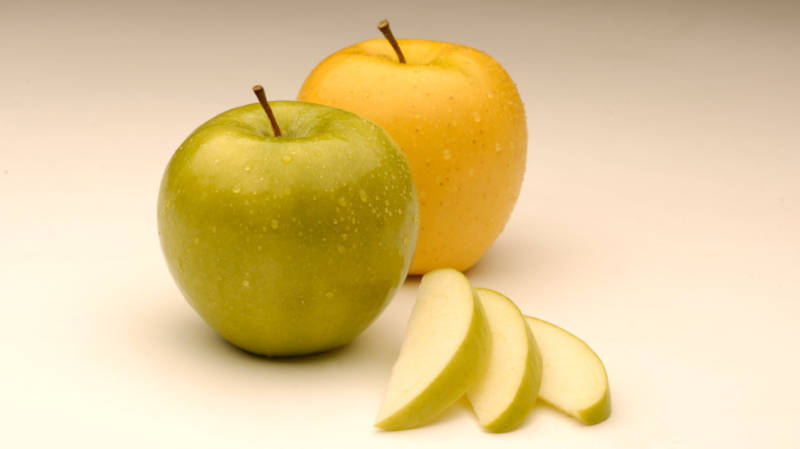
"caption": "Arctic Apples are genetically engineered to produce less of the enzyme that turns sliced apples brown.",
"description": "Arctic Apples are genetically engineered to produce less of the enzyme that turns sliced apples brown.",
"title": "Arctic Apples are genetically engineered to produce less of the enzyme that turns sliced apples brown.",
"credit": "Courtesy Okanagan Specialty Fruits",
"status": "inherit",
"isLoading": false,
"fetchFailed": false
},
"bayareabites_114703": {
"type": "attachments",
"id": "bayareabites_114703",
"meta": {
"index": "attachments_1716263798",
"site": "bayareabites",
"id": "114703",
"found": true
},
"parent": 114702,
"imgSizes": {
"small": {
"file": "https://ww2.kqed.org/app/uploads/sites/24/2017/01/ap_16197600754915_wide-b2bfa95a23bee1e423b7a1b18cd340bd1ddaa93d-520x293.jpg",
"width": 520,
"mimeType": "image/jpeg",
"height": 293
},
"twentyfourteen-full-width": {
"file": "https://ww2.kqed.org/app/uploads/sites/24/2017/01/ap_16197600754915_wide-b2bfa95a23bee1e423b7a1b18cd340bd1ddaa93d-1038x576.jpg",
"width": 1038,
"mimeType": "image/jpeg",
"height": 576
},
"thumbnail": {
"file": "https://ww2.kqed.org/app/uploads/sites/24/2017/01/ap_16197600754915_wide-b2bfa95a23bee1e423b7a1b18cd340bd1ddaa93d-160x90.jpg",
"width": 160,
"mimeType": "image/jpeg",
"height": 90
},
"fd-sm": {
"file": "https://ww2.kqed.org/app/uploads/sites/24/2017/01/ap_16197600754915_wide-b2bfa95a23bee1e423b7a1b18cd340bd1ddaa93d-960x540.jpg",
"width": 960,
"mimeType": "image/jpeg",
"height": 540
},
"post-thumbnail": {
"file": "https://ww2.kqed.org/app/uploads/sites/24/2017/01/ap_16197600754915_wide-b2bfa95a23bee1e423b7a1b18cd340bd1ddaa93d-672x372.jpg",
"width": 672,
"mimeType": "image/jpeg",
"height": 372
},
"xsmall": {
"file": "https://ww2.kqed.org/app/uploads/sites/24/2017/01/ap_16197600754915_wide-b2bfa95a23bee1e423b7a1b18cd340bd1ddaa93d-375x211.jpg",
"width": 375,
"mimeType": "image/jpeg",
"height": 211
},
"kqedFullSize": {
"file": "https://ww2.kqed.org/app/uploads/sites/24/2017/01/ap_16197600754915_wide-b2bfa95a23bee1e423b7a1b18cd340bd1ddaa93d.jpg",
"width": 4339,
"height": 2441
},
"large": {
"file": "https://ww2.kqed.org/app/uploads/sites/24/2017/01/ap_16197600754915_wide-b2bfa95a23bee1e423b7a1b18cd340bd1ddaa93d-1020x574.jpg",
"width": 1020,
"mimeType": "image/jpeg",
"height": 574
},
"xlarge": {
"file": "https://ww2.kqed.org/app/uploads/sites/24/2017/01/ap_16197600754915_wide-b2bfa95a23bee1e423b7a1b18cd340bd1ddaa93d-1180x664.jpg",
"width": 1180,
"mimeType": "image/jpeg",
"height": 664
},
"guest-author-50": {
"file": "https://ww2.kqed.org/app/uploads/sites/24/2017/01/ap_16197600754915_wide-b2bfa95a23bee1e423b7a1b18cd340bd1ddaa93d-50x50.jpg",
"width": 50,
"mimeType": "image/jpeg",
"height": 50
},
"guest-author-96": {
"file": "https://ww2.kqed.org/app/uploads/sites/24/2017/01/ap_16197600754915_wide-b2bfa95a23bee1e423b7a1b18cd340bd1ddaa93d-96x96.jpg",
"width": 96,
"mimeType": "image/jpeg",
"height": 96
},
"medium": {
"file": "https://ww2.kqed.org/app/uploads/sites/24/2017/01/ap_16197600754915_wide-b2bfa95a23bee1e423b7a1b18cd340bd1ddaa93d-800x450.jpg",
"width": 800,
"mimeType": "image/jpeg",
"height": 450
},
"guest-author-64": {
"file": "https://ww2.kqed.org/app/uploads/sites/24/2017/01/ap_16197600754915_wide-b2bfa95a23bee1e423b7a1b18cd340bd1ddaa93d-64x64.jpg",
"width": 64,
"mimeType": "image/jpeg",
"height": 64
},
"guest-author-32": {
"file": "https://ww2.kqed.org/app/uploads/sites/24/2017/01/ap_16197600754915_wide-b2bfa95a23bee1e423b7a1b18cd340bd1ddaa93d-32x32.jpg",
"width": 32,
"mimeType": "image/jpeg",
"height": 32
},
"fd-lrg": {
"file": "https://ww2.kqed.org/app/uploads/sites/24/2017/01/ap_16197600754915_wide-b2bfa95a23bee1e423b7a1b18cd340bd1ddaa93d-1920x1080.jpg",
"width": 1920,
"mimeType": "image/jpeg",
"height": 1080
},
"fd-med": {
"file": "https://ww2.kqed.org/app/uploads/sites/24/2017/01/ap_16197600754915_wide-b2bfa95a23bee1e423b7a1b18cd340bd1ddaa93d-1180x664.jpg",
"width": 1180,
"mimeType": "image/jpeg",
"height": 664
},
"full-width": {
"file": "https://ww2.kqed.org/app/uploads/sites/24/2017/01/ap_16197600754915_wide-b2bfa95a23bee1e423b7a1b18cd340bd1ddaa93d-1920x1080.jpg",
"width": 1920,
"mimeType": "image/jpeg",
"height": 1080
},
"detail": {
"file": "https://ww2.kqed.org/app/uploads/sites/24/2017/01/ap_16197600754915_wide-b2bfa95a23bee1e423b7a1b18cd340bd1ddaa93d-150x150.jpg",
"width": 150,
"mimeType": "image/jpeg",
"height": 150
},
"medium_large": {
"file": "https://ww2.kqed.org/app/uploads/sites/24/2017/01/ap_16197600754915_wide-b2bfa95a23bee1e423b7a1b18cd340bd1ddaa93d-768x432.jpg",
"width": 768,
"mimeType": "image/jpeg",
"height": 432
},
"guest-author-128": {
"file": "https://ww2.kqed.org/app/uploads/sites/24/2017/01/ap_16197600754915_wide-b2bfa95a23bee1e423b7a1b18cd340bd1ddaa93d-128x128.jpg",
"width": 128,
"mimeType": "image/jpeg",
"height": 128
},
"xxsmall": {
"file": "https://ww2.kqed.org/app/uploads/sites/24/2017/01/ap_16197600754915_wide-b2bfa95a23bee1e423b7a1b18cd340bd1ddaa93d-240x135.jpg",
"width": 240,
"mimeType": "image/jpeg",
"height": 135
}
},
"publishDate": 1484859185,
"modified": 1484859364,
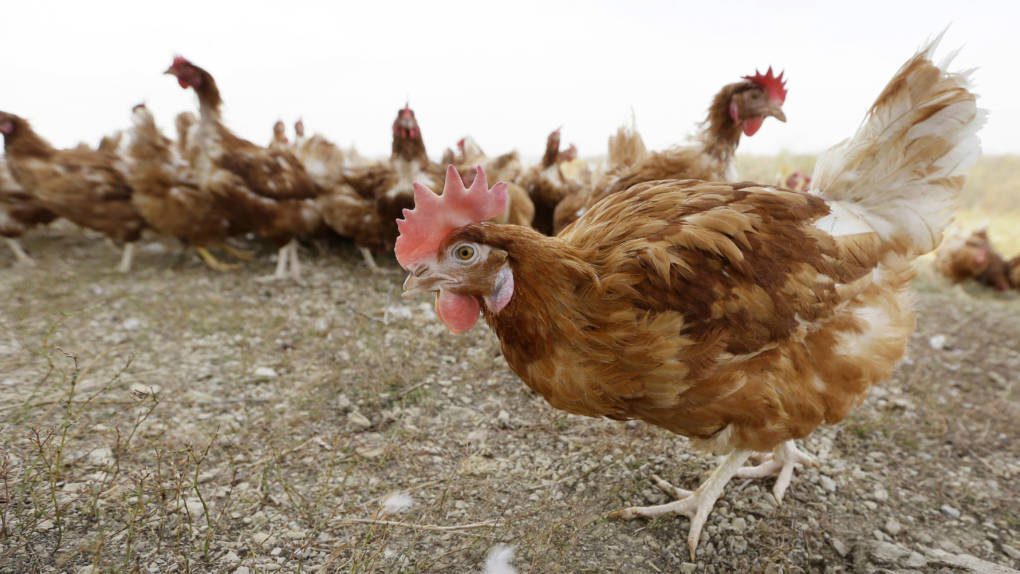
"caption": "Cage-free chickens walk in a fenced pasture at an organic farm near Waukon, Iowa.",
"description": "Cage-free chickens walk in a fenced pasture at an organic farm near Waukon, Iowa.",
"title": "Cage-free chickens walk in a fenced pasture at an organic farm near Waukon, Iowa.",
"credit": "Charlie Neibergall/AP",
"status": "inherit",
"isLoading": false,
"fetchFailed": false
},
"bayareabites_114665": {
"type": "attachments",
"id": "bayareabites_114665",
"meta": {
"index": "attachments_1716263798",
"site": "bayareabites",
"id": "114665",
"found": true
},
"parent": 114653,
"imgSizes": {
"small": {
"file": "https://ww2.kqed.org/app/uploads/sites/24/2017/01/dsc_0466-56_custom-67ef6a293b322ff7a93e35d826bb394f11fc2c09-s800-c85-520x346.jpg",
"width": 520,
"mimeType": "image/jpeg",
"height": 346
},
"thumbnail": {
"file": "https://ww2.kqed.org/app/uploads/sites/24/2017/01/dsc_0466-56_custom-67ef6a293b322ff7a93e35d826bb394f11fc2c09-s800-c85-160x106.jpg",
"width": 160,
"mimeType": "image/jpeg",
"height": 106
},
"post-thumbnail": {
"file": "https://ww2.kqed.org/app/uploads/sites/24/2017/01/dsc_0466-56_custom-67ef6a293b322ff7a93e35d826bb394f11fc2c09-s800-c85-672x372.jpg",
"width": 672,
"mimeType": "image/jpeg",
"height": 372
},
"xsmall": {
"file": "https://ww2.kqed.org/app/uploads/sites/24/2017/01/dsc_0466-56_custom-67ef6a293b322ff7a93e35d826bb394f11fc2c09-s800-c85-375x249.jpg",
"width": 375,
"mimeType": "image/jpeg",
"height": 249
},
"kqedFullSize": {
"file": "https://ww2.kqed.org/app/uploads/sites/24/2017/01/dsc_0466-56_custom-67ef6a293b322ff7a93e35d826bb394f11fc2c09-s800-c85.jpg",
"width": 800,
"height": 532
},
"guest-author-50": {
"file": "https://ww2.kqed.org/app/uploads/sites/24/2017/01/dsc_0466-56_custom-67ef6a293b322ff7a93e35d826bb394f11fc2c09-s800-c85-50x50.jpg",
"width": 50,
"mimeType": "image/jpeg",
"height": 50
},
"guest-author-96": {
"file": "https://ww2.kqed.org/app/uploads/sites/24/2017/01/dsc_0466-56_custom-67ef6a293b322ff7a93e35d826bb394f11fc2c09-s800-c85-96x96.jpg",
"width": 96,
"mimeType": "image/jpeg",
"height": 96
},
"medium": {
"file": "https://ww2.kqed.org/app/uploads/sites/24/2017/01/dsc_0466-56_custom-67ef6a293b322ff7a93e35d826bb394f11fc2c09-s800-c85-800x532.jpg",
"width": 800,
"mimeType": "image/jpeg",
"height": 532
},
"guest-author-64": {
"file": "https://ww2.kqed.org/app/uploads/sites/24/2017/01/dsc_0466-56_custom-67ef6a293b322ff7a93e35d826bb394f11fc2c09-s800-c85-64x64.jpg",
"width": 64,
"mimeType": "image/jpeg",
"height": 64
},
"guest-author-32": {
"file": "https://ww2.kqed.org/app/uploads/sites/24/2017/01/dsc_0466-56_custom-67ef6a293b322ff7a93e35d826bb394f11fc2c09-s800-c85-32x32.jpg",
"width": 32,
"mimeType": "image/jpeg",
"height": 32
},
"detail": {
"file": "https://ww2.kqed.org/app/uploads/sites/24/2017/01/dsc_0466-56_custom-67ef6a293b322ff7a93e35d826bb394f11fc2c09-s800-c85-150x150.jpg",
"width": 150,
"mimeType": "image/jpeg",
"height": 150
},
"medium_large": {
"file": "https://ww2.kqed.org/app/uploads/sites/24/2017/01/dsc_0466-56_custom-67ef6a293b322ff7a93e35d826bb394f11fc2c09-s800-c85-768x511.jpg",
"width": 768,
"mimeType": "image/jpeg",
"height": 511
},
"guest-author-128": {
"file": "https://ww2.kqed.org/app/uploads/sites/24/2017/01/dsc_0466-56_custom-67ef6a293b322ff7a93e35d826bb394f11fc2c09-s800-c85-128x128.jpg",
"width": 128,
"mimeType": "image/jpeg",
"height": 128
},
"xxsmall": {
"file": "https://ww2.kqed.org/app/uploads/sites/24/2017/01/dsc_0466-56_custom-67ef6a293b322ff7a93e35d826bb394f11fc2c09-s800-c85-240x160.jpg",
"width": 240,
"mimeType": "image/jpeg",
"height": 160
}
},
"publishDate": 1484694340,
"modified": 1484694371,
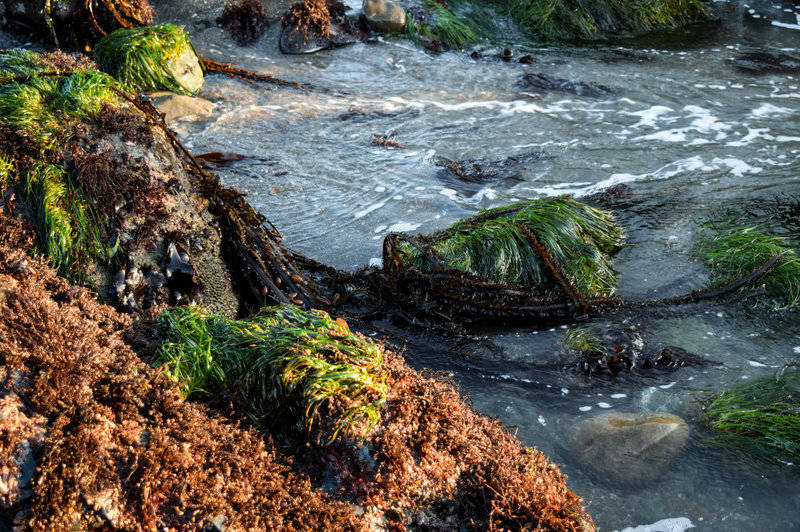
"caption": "Seaweed is plentiful and grows rapidly, and most of it is safe to eat. People have been harvesting seaweed for thousands of years, but now it's become so popular, you can even take a class.",
"description": null,
"title": "dsc_0466-56_custom-67ef6a293b322ff7a93e35d826bb394f11fc2c09-s800-c85",
"credit": "Joy Lanzendorfer for NPR",
"status": "inherit",
"isLoading": false,
"fetchFailed": false
},
"bayareabites_114614": {
"type": "attachments",
"id": "bayareabites_114614",
"meta": {
"index": "attachments_1716263798",
"site": "bayareabites",
"id": "114614",
"found": true
},
"parent": 114600,
"imgSizes": {
"small": {
"file": "https://ww2.kqed.org/app/uploads/sites/24/2017/01/all3-520x255.jpg",
"width": 520,
"mimeType": "image/jpeg",
"height": 255
},
"twentyfourteen-full-width": {
"file": "https://ww2.kqed.org/app/uploads/sites/24/2017/01/all3-1038x576.jpg",
"width": 1038,
"mimeType": "image/jpeg",
"height": 576
},
"thumbnail": {
"file": "https://ww2.kqed.org/app/uploads/sites/24/2017/01/all3-160x78.jpg",
"width": 160,
"mimeType": "image/jpeg",
"height": 78
},
"fd-sm": {
"file": "https://ww2.kqed.org/app/uploads/sites/24/2017/01/all3-960x470.jpg",
"width": 960,
"mimeType": "image/jpeg",
"height": 470
},
"post-thumbnail": {
"file": "https://ww2.kqed.org/app/uploads/sites/24/2017/01/all3-672x372.jpg",
"width": 672,
"mimeType": "image/jpeg",
"height": 372
},
"xsmall": {
"file": "https://ww2.kqed.org/app/uploads/sites/24/2017/01/all3-375x184.jpg",
"width": 375,
"mimeType": "image/jpeg",
"height": 184
},
"kqedFullSize": {
"file": "https://ww2.kqed.org/app/uploads/sites/24/2017/01/all3-e1484351199906.jpg",
"width": 2000,
"height": 980
},
"large": {
"file": "https://ww2.kqed.org/app/uploads/sites/24/2017/01/all3-1020x500.jpg",
"width": 1020,
"mimeType": "image/jpeg",
"height": 500
},
"xlarge": {
"file": "https://ww2.kqed.org/app/uploads/sites/24/2017/01/all3-1180x578.jpg",
"width": 1180,
"mimeType": "image/jpeg",
"height": 578
},
"guest-author-50": {
"file": "https://ww2.kqed.org/app/uploads/sites/24/2017/01/all3-50x50.jpg",
"width": 50,
"mimeType": "image/jpeg",
"height": 50
},
"guest-author-96": {
"file": "https://ww2.kqed.org/app/uploads/sites/24/2017/01/all3-96x96.jpg",
"width": 96,
"mimeType": "image/jpeg",
"height": 96
},
"medium": {
"file": "https://ww2.kqed.org/app/uploads/sites/24/2017/01/all3-800x392.jpg",
"width": 800,
"mimeType": "image/jpeg",
"height": 392
},
"guest-author-64": {
"file": "https://ww2.kqed.org/app/uploads/sites/24/2017/01/all3-64x64.jpg",
"width": 64,
"mimeType": "image/jpeg",
"height": 64
},
"guest-author-32": {
"file": "https://ww2.kqed.org/app/uploads/sites/24/2017/01/all3-32x32.jpg",
"width": 32,
"mimeType": "image/jpeg",
"height": 32
},
"fd-lrg": {
"file": "https://ww2.kqed.org/app/uploads/sites/24/2017/01/all3-1920x940.jpg",
"width": 1920,
"mimeType": "image/jpeg",
"height": 940
},
"fd-med": {
"file": "https://ww2.kqed.org/app/uploads/sites/24/2017/01/all3-1180x578.jpg",
"width": 1180,
"mimeType": "image/jpeg",
"height": 578
},
"full-width": {
"file": "https://ww2.kqed.org/app/uploads/sites/24/2017/01/all3-1920x940.jpg",
"width": 1920,
"mimeType": "image/jpeg",
"height": 940
},
"detail": {
"file": "https://ww2.kqed.org/app/uploads/sites/24/2017/01/all3-150x150.jpg",
"width": 150,
"mimeType": "image/jpeg",
"height": 150
},
"medium_large": {
"file": "https://ww2.kqed.org/app/uploads/sites/24/2017/01/all3-768x376.jpg",
"width": 768,
"mimeType": "image/jpeg",
"height": 376
},
"guest-author-128": {
"file": "https://ww2.kqed.org/app/uploads/sites/24/2017/01/all3-128x128.jpg",
"width": 128,
"mimeType": "image/jpeg",
"height": 128
},
"xxsmall": {
"file": "https://ww2.kqed.org/app/uploads/sites/24/2017/01/all3-240x118.jpg",
"width": 240,
"mimeType": "image/jpeg",
"height": 118
}
},
"publishDate": 1484349088,
"modified": 1484351006,
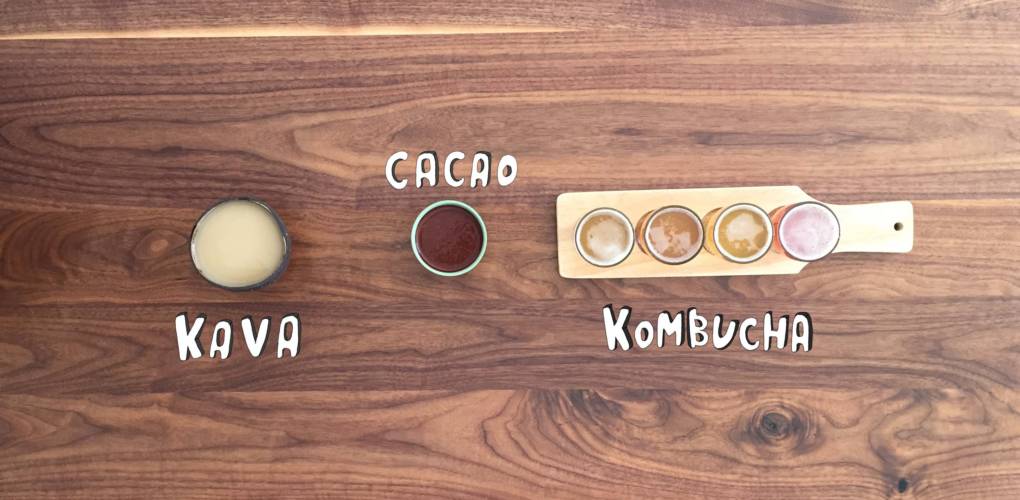
"caption": "Kava, Cacao and Kombucha",
"description": null,
"title": "all3",
"credit": "Lila Volkas",
"status": "inherit",
"isLoading": false,
"fetchFailed": false
},
"bayareabites_114593": {
"type": "attachments",
"id": "bayareabites_114593",
"meta": {
"index": "attachments_1716263798",
"site": "bayareabites",
"id": "114593",
"found": true
},
"parent": 114592,
"imgSizes": {
"small": {
"file": "https://ww2.kqed.org/app/uploads/sites/24/2017/01/ap_070615051672_custom-c5063f68d2db09a505af77b462270eddb493b8b9-520x341.jpg",
"width": 520,
"mimeType": "image/jpeg",
"height": 341
},
"twentyfourteen-full-width": {
"file": "https://ww2.kqed.org/app/uploads/sites/24/2017/01/ap_070615051672_custom-c5063f68d2db09a505af77b462270eddb493b8b9-1038x576.jpg",
"width": 1038,
"mimeType": "image/jpeg",
"height": 576
},
"thumbnail": {
"file": "https://ww2.kqed.org/app/uploads/sites/24/2017/01/ap_070615051672_custom-c5063f68d2db09a505af77b462270eddb493b8b9-160x105.jpg",
"width": 160,
"mimeType": "image/jpeg",
"height": 105
},
"fd-sm": {
"file": "https://ww2.kqed.org/app/uploads/sites/24/2017/01/ap_070615051672_custom-c5063f68d2db09a505af77b462270eddb493b8b9-960x630.jpg",
"width": 960,
"mimeType": "image/jpeg",
"height": 630
},
"post-thumbnail": {
"file": "https://ww2.kqed.org/app/uploads/sites/24/2017/01/ap_070615051672_custom-c5063f68d2db09a505af77b462270eddb493b8b9-672x372.jpg",
"width": 672,
"mimeType": "image/jpeg",
"height": 372
},
"xsmall": {
"file": "https://ww2.kqed.org/app/uploads/sites/24/2017/01/ap_070615051672_custom-c5063f68d2db09a505af77b462270eddb493b8b9-375x246.jpg",
"width": 375,
"mimeType": "image/jpeg",
"height": 246
},
"kqedFullSize": {
"file": "https://ww2.kqed.org/app/uploads/sites/24/2017/01/ap_070615051672_custom-c5063f68d2db09a505af77b462270eddb493b8b9.jpg",
"width": 2989,
"height": 1961
},
"large": {
"file": "https://ww2.kqed.org/app/uploads/sites/24/2017/01/ap_070615051672_custom-c5063f68d2db09a505af77b462270eddb493b8b9-1020x669.jpg",
"width": 1020,
"mimeType": "image/jpeg",
"height": 669
},
"xlarge": {
"file": "https://ww2.kqed.org/app/uploads/sites/24/2017/01/ap_070615051672_custom-c5063f68d2db09a505af77b462270eddb493b8b9-1180x774.jpg",
"width": 1180,
"mimeType": "image/jpeg",
"height": 774
},
"guest-author-50": {
"file": "https://ww2.kqed.org/app/uploads/sites/24/2017/01/ap_070615051672_custom-c5063f68d2db09a505af77b462270eddb493b8b9-50x50.jpg",
"width": 50,
"mimeType": "image/jpeg",
"height": 50
},
"guest-author-96": {
"file": "https://ww2.kqed.org/app/uploads/sites/24/2017/01/ap_070615051672_custom-c5063f68d2db09a505af77b462270eddb493b8b9-96x96.jpg",
"width": 96,
"mimeType": "image/jpeg",
"height": 96
},
"medium": {
"file": "https://ww2.kqed.org/app/uploads/sites/24/2017/01/ap_070615051672_custom-c5063f68d2db09a505af77b462270eddb493b8b9-800x525.jpg",
"width": 800,
"mimeType": "image/jpeg",
"height": 525
},
"guest-author-64": {
"file": "https://ww2.kqed.org/app/uploads/sites/24/2017/01/ap_070615051672_custom-c5063f68d2db09a505af77b462270eddb493b8b9-64x64.jpg",
"width": 64,
"mimeType": "image/jpeg",
"height": 64
},
"guest-author-32": {
"file": "https://ww2.kqed.org/app/uploads/sites/24/2017/01/ap_070615051672_custom-c5063f68d2db09a505af77b462270eddb493b8b9-32x32.jpg",
"width": 32,
"mimeType": "image/jpeg",
"height": 32
},
"fd-lrg": {
"file": "https://ww2.kqed.org/app/uploads/sites/24/2017/01/ap_070615051672_custom-c5063f68d2db09a505af77b462270eddb493b8b9-1920x1260.jpg",
"width": 1920,
"mimeType": "image/jpeg",
"height": 1260
},
"fd-med": {
"file": "https://ww2.kqed.org/app/uploads/sites/24/2017/01/ap_070615051672_custom-c5063f68d2db09a505af77b462270eddb493b8b9-1180x774.jpg",
"width": 1180,
"mimeType": "image/jpeg",
"height": 774
},
"full-width": {
"file": "https://ww2.kqed.org/app/uploads/sites/24/2017/01/ap_070615051672_custom-c5063f68d2db09a505af77b462270eddb493b8b9-1920x1260.jpg",
"width": 1920,
"mimeType": "image/jpeg",
"height": 1260
},
"detail": {
"file": "https://ww2.kqed.org/app/uploads/sites/24/2017/01/ap_070615051672_custom-c5063f68d2db09a505af77b462270eddb493b8b9-150x150.jpg",
"width": 150,
"mimeType": "image/jpeg",
"height": 150
},
"medium_large": {
"file": "https://ww2.kqed.org/app/uploads/sites/24/2017/01/ap_070615051672_custom-c5063f68d2db09a505af77b462270eddb493b8b9-768x504.jpg",
"width": 768,
"mimeType": "image/jpeg",
"height": 504
},
"guest-author-128": {
"file": "https://ww2.kqed.org/app/uploads/sites/24/2017/01/ap_070615051672_custom-c5063f68d2db09a505af77b462270eddb493b8b9-128x128.jpg",
"width": 128,
"mimeType": "image/jpeg",
"height": 128
},
"xxsmall": {
"file": "https://ww2.kqed.org/app/uploads/sites/24/2017/01/ap_070615051672_custom-c5063f68d2db09a505af77b462270eddb493b8b9-240x157.jpg",
"width": 240,
"mimeType": "image/jpeg",
"height": 157
}
},
"publishDate": 1484182374,
"modified": 1484182374,
"caption": null,
"description": "Organic produce for sale at a supermarket in Quincy, Mass",
"title": "Organic produce for sale at a supermarket in Quincy, Mass.",
"credit": null,
"status": "inherit",
"isLoading": false,
"fetchFailed": false
},
"bayareabites_114408": {
"type": "attachments",
"id": "bayareabites_114408",
"meta": {
"index": "attachments_1716263798",
"site": "bayareabites",
"id": "114408",
"found": true
},
"parent": 114407,
"imgSizes": {
"small": {
"file": "https://ww2.kqed.org/app/uploads/sites/24/2016/12/gettyimages-496365058-55_custom-6a6f5dff45d4507bae5c3beeca17be26e8dba30a-520x346.jpg",
"width": 520,
"mimeType": "image/jpeg",
"height": 346
},
"twentyfourteen-full-width": {
"file": "https://ww2.kqed.org/app/uploads/sites/24/2016/12/gettyimages-496365058-55_custom-6a6f5dff45d4507bae5c3beeca17be26e8dba30a-1038x576.jpg",
"width": 1038,
"mimeType": "image/jpeg",
"height": 576
},
"thumbnail": {
"file": "https://ww2.kqed.org/app/uploads/sites/24/2016/12/gettyimages-496365058-55_custom-6a6f5dff45d4507bae5c3beeca17be26e8dba30a-160x107.jpg",
"width": 160,
"mimeType": "image/jpeg",
"height": 107
},
"fd-sm": {
"file": "https://ww2.kqed.org/app/uploads/sites/24/2016/12/gettyimages-496365058-55_custom-6a6f5dff45d4507bae5c3beeca17be26e8dba30a-960x639.jpg",
"width": 960,
"mimeType": "image/jpeg",
"height": 639
},
"post-thumbnail": {
"file": "https://ww2.kqed.org/app/uploads/sites/24/2016/12/gettyimages-496365058-55_custom-6a6f5dff45d4507bae5c3beeca17be26e8dba30a-672x372.jpg",
"width": 672,
"mimeType": "image/jpeg",
"height": 372
},
"xsmall": {
"file": "https://ww2.kqed.org/app/uploads/sites/24/2016/12/gettyimages-496365058-55_custom-6a6f5dff45d4507bae5c3beeca17be26e8dba30a-375x250.jpg",
"width": 375,
"mimeType": "image/jpeg",
"height": 250
},
"kqedFullSize": {
"file": "https://ww2.kqed.org/app/uploads/sites/24/2016/12/gettyimages-496365058-55_custom-6a6f5dff45d4507bae5c3beeca17be26e8dba30a.jpg",
"width": 2000,
"height": 1332
},
"large": {
"file": "https://ww2.kqed.org/app/uploads/sites/24/2016/12/gettyimages-496365058-55_custom-6a6f5dff45d4507bae5c3beeca17be26e8dba30a-1020x679.jpg",
"width": 1020,
"mimeType": "image/jpeg",
"height": 679
},
"xlarge": {
"file": "https://ww2.kqed.org/app/uploads/sites/24/2016/12/gettyimages-496365058-55_custom-6a6f5dff45d4507bae5c3beeca17be26e8dba30a-1180x786.jpg",
"width": 1180,
"mimeType": "image/jpeg",
"height": 786
},
"guest-author-50": {
"file": "https://ww2.kqed.org/app/uploads/sites/24/2016/12/gettyimages-496365058-55_custom-6a6f5dff45d4507bae5c3beeca17be26e8dba30a-50x50.jpg",
"width": 50,
"mimeType": "image/jpeg",
"height": 50
},
"guest-author-96": {
"file": "https://ww2.kqed.org/app/uploads/sites/24/2016/12/gettyimages-496365058-55_custom-6a6f5dff45d4507bae5c3beeca17be26e8dba30a-96x96.jpg",
"width": 96,
"mimeType": "image/jpeg",
"height": 96
},
"medium": {
"file": "https://ww2.kqed.org/app/uploads/sites/24/2016/12/gettyimages-496365058-55_custom-6a6f5dff45d4507bae5c3beeca17be26e8dba30a-800x533.jpg",
"width": 800,
"mimeType": "image/jpeg",
"height": 533
},
"guest-author-64": {
"file": "https://ww2.kqed.org/app/uploads/sites/24/2016/12/gettyimages-496365058-55_custom-6a6f5dff45d4507bae5c3beeca17be26e8dba30a-64x64.jpg",
"width": 64,
"mimeType": "image/jpeg",
"height": 64
},
"guest-author-32": {
"file": "https://ww2.kqed.org/app/uploads/sites/24/2016/12/gettyimages-496365058-55_custom-6a6f5dff45d4507bae5c3beeca17be26e8dba30a-32x32.jpg",
"width": 32,
"mimeType": "image/jpeg",
"height": 32
},
"fd-lrg": {
"file": "https://ww2.kqed.org/app/uploads/sites/24/2016/12/gettyimages-496365058-55_custom-6a6f5dff45d4507bae5c3beeca17be26e8dba30a-1920x1279.jpg",
"width": 1920,
"mimeType": "image/jpeg",
"height": 1279
},
"fd-med": {
"file": "https://ww2.kqed.org/app/uploads/sites/24/2016/12/gettyimages-496365058-55_custom-6a6f5dff45d4507bae5c3beeca17be26e8dba30a-1180x786.jpg",
"width": 1180,
"mimeType": "image/jpeg",
"height": 786
},
"full-width": {
"file": "https://ww2.kqed.org/app/uploads/sites/24/2016/12/gettyimages-496365058-55_custom-6a6f5dff45d4507bae5c3beeca17be26e8dba30a-1920x1279.jpg",
"width": 1920,
"mimeType": "image/jpeg",
"height": 1279
},
"detail": {
"file": "https://ww2.kqed.org/app/uploads/sites/24/2016/12/gettyimages-496365058-55_custom-6a6f5dff45d4507bae5c3beeca17be26e8dba30a-150x150.jpg",
"width": 150,
"mimeType": "image/jpeg",
"height": 150
},
"medium_large": {
"file": "https://ww2.kqed.org/app/uploads/sites/24/2016/12/gettyimages-496365058-55_custom-6a6f5dff45d4507bae5c3beeca17be26e8dba30a-768x511.jpg",
"width": 768,
"mimeType": "image/jpeg",
"height": 511
},
"guest-author-128": {
"file": "https://ww2.kqed.org/app/uploads/sites/24/2016/12/gettyimages-496365058-55_custom-6a6f5dff45d4507bae5c3beeca17be26e8dba30a-128x128.jpg",
"width": 128,
"mimeType": "image/jpeg",
"height": 128
},
"xxsmall": {
"file": "https://ww2.kqed.org/app/uploads/sites/24/2016/12/gettyimages-496365058-55_custom-6a6f5dff45d4507bae5c3beeca17be26e8dba30a-240x160.jpg",
"width": 240,
"mimeType": "image/jpeg",
"height": 160
}
},
"publishDate": 1483117907,
"modified": 1483118189,
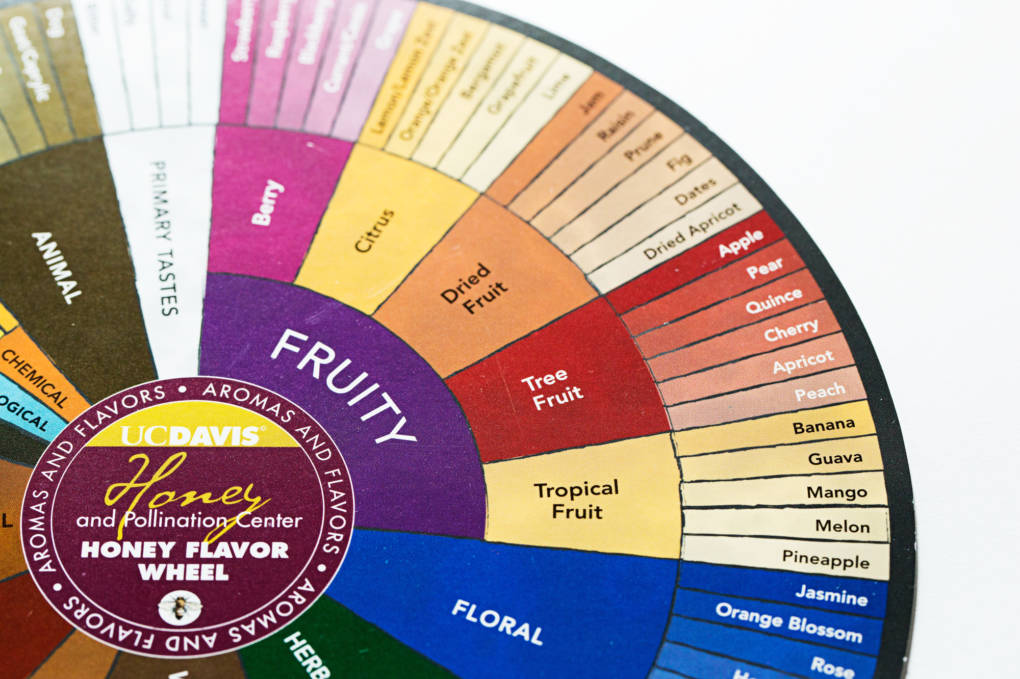
"caption": "Flavor wheels stem from lexicons, the carefully, often scientifically selected words used to describe a product, be it food, wine, carpet cleaner or dog food.",
"description": "Flavor wheels stem from lexicons, the carefully, often scientifically selected words used to describe a product, be it food, wine, carpet cleaner or dog food.",
"title": "Flavor wheels stem from lexicons, the carefully, often scientifically selected words used to describe a product, be it food, wine, carpet cleaner or dog food.",
"credit": "Scott Suchman/The Washington Post/Getty Images",
"status": "inherit",
"isLoading": false,
"fetchFailed": false
},
"bayareabites_114400": {
"type": "attachments",
"id": "bayareabites_114400",
"meta": {
"index": "attachments_1716263798",
"site": "bayareabites",
"id": "114400",
"found": true
},
"parent": 114399,
"imgSizes": {
"small": {
"file": "https://ww2.kqed.org/app/uploads/sites/24/2016/12/farm-workers_slide-7dac7935e215c1cb2790d2f6510e4e595f71e9ba-520x347.jpg",
"width": 520,
"mimeType": "image/jpeg",
"height": 347
},
"twentyfourteen-full-width": {
"file": "https://ww2.kqed.org/app/uploads/sites/24/2016/12/farm-workers_slide-7dac7935e215c1cb2790d2f6510e4e595f71e9ba-1038x576.jpg",
"width": 1038,
"mimeType": "image/jpeg",
"height": 576
},
"thumbnail": {
"file": "https://ww2.kqed.org/app/uploads/sites/24/2016/12/farm-workers_slide-7dac7935e215c1cb2790d2f6510e4e595f71e9ba-160x107.jpg",
"width": 160,
"mimeType": "image/jpeg",
"height": 107
},
"fd-sm": {
"file": "https://ww2.kqed.org/app/uploads/sites/24/2016/12/farm-workers_slide-7dac7935e215c1cb2790d2f6510e4e595f71e9ba-960x640.jpg",
"width": 960,
"mimeType": "image/jpeg",
"height": 640
},
"post-thumbnail": {
"file": "https://ww2.kqed.org/app/uploads/sites/24/2016/12/farm-workers_slide-7dac7935e215c1cb2790d2f6510e4e595f71e9ba-672x372.jpg",
"width": 672,
"mimeType": "image/jpeg",
"height": 372
},
"xsmall": {
"file": "https://ww2.kqed.org/app/uploads/sites/24/2016/12/farm-workers_slide-7dac7935e215c1cb2790d2f6510e4e595f71e9ba-375x250.jpg",
"width": 375,
"mimeType": "image/jpeg",
"height": 250
},
"kqedFullSize": {
"file": "https://ww2.kqed.org/app/uploads/sites/24/2016/12/farm-workers_slide-7dac7935e215c1cb2790d2f6510e4e595f71e9ba.jpg",
"width": 1998,
"height": 1332
},
"large": {
"file": "https://ww2.kqed.org/app/uploads/sites/24/2016/12/farm-workers_slide-7dac7935e215c1cb2790d2f6510e4e595f71e9ba-1020x680.jpg",
"width": 1020,
"mimeType": "image/jpeg",
"height": 680
},
"xlarge": {
"file": "https://ww2.kqed.org/app/uploads/sites/24/2016/12/farm-workers_slide-7dac7935e215c1cb2790d2f6510e4e595f71e9ba-1180x787.jpg",
"width": 1180,
"mimeType": "image/jpeg",
"height": 787
},
"guest-author-50": {
"file": "https://ww2.kqed.org/app/uploads/sites/24/2016/12/farm-workers_slide-7dac7935e215c1cb2790d2f6510e4e595f71e9ba-50x50.jpg",
"width": 50,
"mimeType": "image/jpeg",
"height": 50
},
"guest-author-96": {
"file": "https://ww2.kqed.org/app/uploads/sites/24/2016/12/farm-workers_slide-7dac7935e215c1cb2790d2f6510e4e595f71e9ba-96x96.jpg",
"width": 96,
"mimeType": "image/jpeg",
"height": 96
},
"medium": {
"file": "https://ww2.kqed.org/app/uploads/sites/24/2016/12/farm-workers_slide-7dac7935e215c1cb2790d2f6510e4e595f71e9ba-800x533.jpg",
"width": 800,
"mimeType": "image/jpeg",
"height": 533
},
"guest-author-64": {
"file": "https://ww2.kqed.org/app/uploads/sites/24/2016/12/farm-workers_slide-7dac7935e215c1cb2790d2f6510e4e595f71e9ba-64x64.jpg",
"width": 64,
"mimeType": "image/jpeg",
"height": 64
},
"guest-author-32": {
"file": "https://ww2.kqed.org/app/uploads/sites/24/2016/12/farm-workers_slide-7dac7935e215c1cb2790d2f6510e4e595f71e9ba-32x32.jpg",
"width": 32,
"mimeType": "image/jpeg",
"height": 32
},
"fd-lrg": {
"file": "https://ww2.kqed.org/app/uploads/sites/24/2016/12/farm-workers_slide-7dac7935e215c1cb2790d2f6510e4e595f71e9ba-1920x1280.jpg",
"width": 1920,
"mimeType": "image/jpeg",
"height": 1280
},
"fd-med": {
"file": "https://ww2.kqed.org/app/uploads/sites/24/2016/12/farm-workers_slide-7dac7935e215c1cb2790d2f6510e4e595f71e9ba-1180x787.jpg",
"width": 1180,
"mimeType": "image/jpeg",
"height": 787
},
"full-width": {
"file": "https://ww2.kqed.org/app/uploads/sites/24/2016/12/farm-workers_slide-7dac7935e215c1cb2790d2f6510e4e595f71e9ba-1920x1280.jpg",
"width": 1920,
"mimeType": "image/jpeg",
"height": 1280
},
"detail": {
"file": "https://ww2.kqed.org/app/uploads/sites/24/2016/12/farm-workers_slide-7dac7935e215c1cb2790d2f6510e4e595f71e9ba-150x150.jpg",
"width": 150,
"mimeType": "image/jpeg",
"height": 150
},
"medium_large": {
"file": "https://ww2.kqed.org/app/uploads/sites/24/2016/12/farm-workers_slide-7dac7935e215c1cb2790d2f6510e4e595f71e9ba-768x512.jpg",
"width": 768,
"mimeType": "image/jpeg",
"height": 512
},
"guest-author-128": {
"file": "https://ww2.kqed.org/app/uploads/sites/24/2016/12/farm-workers_slide-7dac7935e215c1cb2790d2f6510e4e595f71e9ba-128x128.jpg",
"width": 128,
"mimeType": "image/jpeg",
"height": 128
},
"xxsmall": {
"file": "https://ww2.kqed.org/app/uploads/sites/24/2016/12/farm-workers_slide-7dac7935e215c1cb2790d2f6510e4e595f71e9ba-240x160.jpg",
"width": 240,
"mimeType": "image/jpeg",
"height": 160
}
},
"publishDate": 1483030981,
"modified": 1483031812,
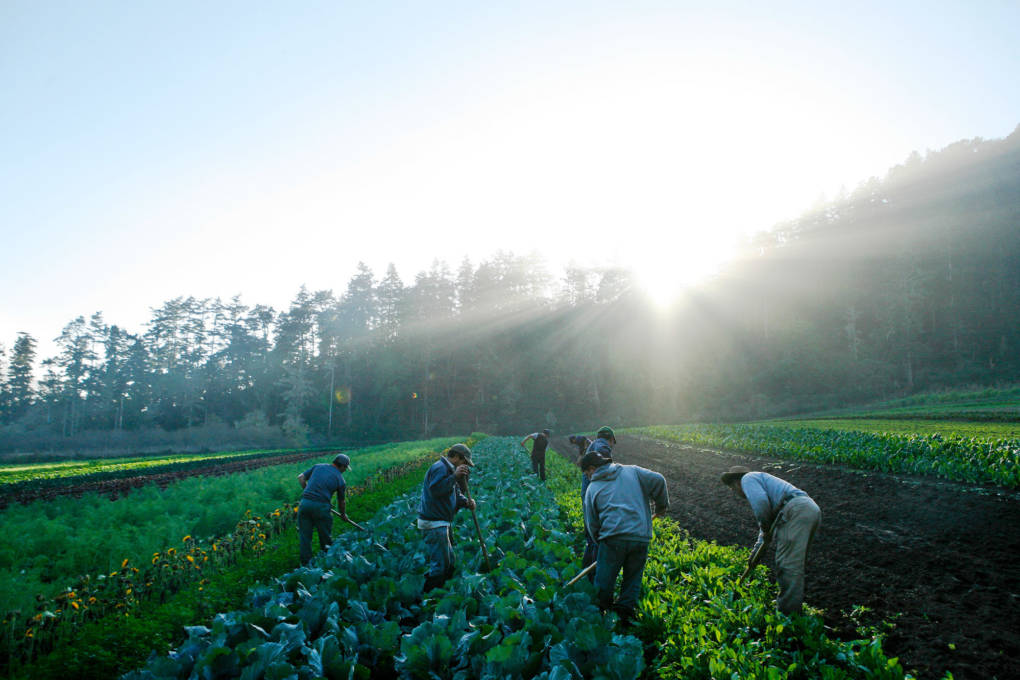
"caption": "Many large-scale farms rely heavily on immigrant labor. And many farmers are opposed to Donald Trump's strong stance against illegal immigrant.",
"description": "Many large-scale farms rely heavily on immigrant labor. And many farmers are opposed to Donald Trump's strong stance against illegal immigrant",
"title": "Many large-scale farms rely heavily on immigrant labor. And many farmers are opposed to Donald Trump's strong stance against illegal immigrant.",
"credit": "Ryan Anson/Bloomberg via Getty Images",
"status": "inherit",
"isLoading": false,
"fetchFailed": false
},
"bayareabites_114390": {
"type": "attachments",
"id": "bayareabites_114390",
"meta": {
"index": "attachments_1716263798",
"site": "bayareabites",
"id": "114390",
"found": true
},
"parent": 114387,
"imgSizes": {
"small": {
"file": "https://ww2.kqed.org/app/uploads/sites/24/2016/12/food4-520x350.gif",
"width": 520,
"mimeType": "image/gif",
"height": 350
},
"twentyfourteen-full-width": {
"file": "https://ww2.kqed.org/app/uploads/sites/24/2016/12/food4-1038x576.gif",
"width": 1038,
"mimeType": "image/gif",
"height": 576
},
"thumbnail": {
"file": "https://ww2.kqed.org/app/uploads/sites/24/2016/12/food4-160x108.gif",
"width": 160,
"mimeType": "image/gif",
"height": 108
},
"fd-sm": {
"file": "https://ww2.kqed.org/app/uploads/sites/24/2016/12/food4-960x646.gif",
"width": 960,
"mimeType": "image/gif",
"height": 646
},
"post-thumbnail": {
"file": "https://ww2.kqed.org/app/uploads/sites/24/2016/12/food4-672x372.gif",
"width": 672,
"mimeType": "image/gif",
"height": 372
},
"xsmall": {
"file": "https://ww2.kqed.org/app/uploads/sites/24/2016/12/food4-375x252.gif",
"width": 375,
"mimeType": "image/gif",
"height": 252
},
"kqedFullSize": {
"file": "https://ww2.kqed.org/app/uploads/sites/24/2016/12/food4.gif",
"width": 1600,
"height": 1076
},
"large": {
"file": "https://ww2.kqed.org/app/uploads/sites/24/2016/12/food4-1020x686.gif",
"width": 1020,
"mimeType": "image/gif",
"height": 686
},
"xlarge": {
"file": "https://ww2.kqed.org/app/uploads/sites/24/2016/12/food4-1180x794.gif",
"width": 1180,
"mimeType": "image/gif",
"height": 794
},
"guest-author-50": {
"file": "https://ww2.kqed.org/app/uploads/sites/24/2016/12/food4-50x50.gif",
"width": 50,
"mimeType": "image/gif",
"height": 50
},
"guest-author-96": {
"file": "https://ww2.kqed.org/app/uploads/sites/24/2016/12/food4-96x96.gif",
"width": 96,
"mimeType": "image/gif",
"height": 96
},
"medium": {
"file": "https://ww2.kqed.org/app/uploads/sites/24/2016/12/food4-800x538.gif",
"width": 800,
"mimeType": "image/gif",
"height": 538
},
"guest-author-64": {
"file": "https://ww2.kqed.org/app/uploads/sites/24/2016/12/food4-64x64.gif",
"width": 64,
"mimeType": "image/gif",
"height": 64
},
"guest-author-32": {
"file": "https://ww2.kqed.org/app/uploads/sites/24/2016/12/food4-32x32.gif",
"width": 32,
"mimeType": "image/gif",
"height": 32
},
"fd-med": {
"file": "https://ww2.kqed.org/app/uploads/sites/24/2016/12/food4-1180x794.gif",
"width": 1180,
"mimeType": "image/gif",
"height": 794
},
"detail": {
"file": "https://ww2.kqed.org/app/uploads/sites/24/2016/12/food4-150x150.gif",
"width": 150,
"mimeType": "image/gif",
"height": 150
},
"medium_large": {
"file": "https://ww2.kqed.org/app/uploads/sites/24/2016/12/food4-768x516.gif",
"width": 768,
"mimeType": "image/gif",
"height": 516
},
"guest-author-128": {
"file": "https://ww2.kqed.org/app/uploads/sites/24/2016/12/food4-128x128.gif",
"width": 128,
"mimeType": "image/gif",
"height": 128
},
"xxsmall": {
"file": "https://ww2.kqed.org/app/uploads/sites/24/2016/12/food4-240x161.gif",
"width": 240,
"mimeType": "image/gif",
"height": 161
}
},
"publishDate": 1482949312,
"modified": 1482949374,
"caption": "Food Emojis",
"description": null,
"title": "food4",
"credit": "Joy Ho / NPR",
"status": "inherit",
"isLoading": false,
"fetchFailed": false
},
"bayareabites_114357": {
"type": "attachments",
"id": "bayareabites_114357",
"meta": {
"index": "attachments_1716263798",
"site": "bayareabites",
"id": "114357",
"found": true
},
"parent": 114279,
"imgSizes": {
"small": {
"file": "https://ww2.kqed.org/app/uploads/sites/24/2016/12/alt_feature-520x260.jpg",
"width": 520,
"mimeType": "image/jpeg",
"height": 260
},
"twentyfourteen-full-width": {
"file": "https://ww2.kqed.org/app/uploads/sites/24/2016/12/alt_feature-1038x576.jpg",
"width": 1038,
"mimeType": "image/jpeg",
"height": 576
},
"thumbnail": {
"file": "https://ww2.kqed.org/app/uploads/sites/24/2016/12/alt_feature-160x80.jpg",
"width": 160,
"mimeType": "image/jpeg",
"height": 80
},
"fd-sm": {
"file": "https://ww2.kqed.org/app/uploads/sites/24/2016/12/alt_feature-960x480.jpg",
"width": 960,
"mimeType": "image/jpeg",
"height": 480
},
"post-thumbnail": {
"file": "https://ww2.kqed.org/app/uploads/sites/24/2016/12/alt_feature-672x372.jpg",
"width": 672,
"mimeType": "image/jpeg",
"height": 372
},
"xsmall": {
"file": "https://ww2.kqed.org/app/uploads/sites/24/2016/12/alt_feature-375x188.jpg",
"width": 375,
"mimeType": "image/jpeg",
"height": 188
},
"kqedFullSize": {
"file": "https://ww2.kqed.org/app/uploads/sites/24/2016/12/alt_feature.jpg",
"width": 1920,
"height": 960
},
"large": {
"file": "https://ww2.kqed.org/app/uploads/sites/24/2016/12/alt_feature-1020x510.jpg",
"width": 1020,
"mimeType": "image/jpeg",
"height": 510
},
"xlarge": {
"file": "https://ww2.kqed.org/app/uploads/sites/24/2016/12/alt_feature-1180x590.jpg",
"width": 1180,
"mimeType": "image/jpeg",
"height": 590
},
"guest-author-50": {
"file": "https://ww2.kqed.org/app/uploads/sites/24/2016/12/alt_feature-50x50.jpg",
"width": 50,
"mimeType": "image/jpeg",
"height": 50
},
"guest-author-96": {
"file": "https://ww2.kqed.org/app/uploads/sites/24/2016/12/alt_feature-96x96.jpg",
"width": 96,
"mimeType": "image/jpeg",
"height": 96
},
"medium": {
"file": "https://ww2.kqed.org/app/uploads/sites/24/2016/12/alt_feature-800x400.jpg",
"width": 800,
"mimeType": "image/jpeg",
"height": 400
},
"guest-author-64": {
"file": "https://ww2.kqed.org/app/uploads/sites/24/2016/12/alt_feature-64x64.jpg",
"width": 64,
"mimeType": "image/jpeg",
"height": 64
},
"guest-author-32": {
"file": "https://ww2.kqed.org/app/uploads/sites/24/2016/12/alt_feature-32x32.jpg",
"width": 32,
"mimeType": "image/jpeg",
"height": 32
},
"fd-lrg": {
"file": "https://ww2.kqed.org/app/uploads/sites/24/2016/12/alt_feature-1920x960.jpg",
"width": 1920,
"mimeType": "image/jpeg",
"height": 960
},
"fd-med": {
"file": "https://ww2.kqed.org/app/uploads/sites/24/2016/12/alt_feature-1180x590.jpg",
"width": 1180,
"mimeType": "image/jpeg",
"height": 590
},
"full-width": {
"file": "https://ww2.kqed.org/app/uploads/sites/24/2016/12/alt_feature-1920x960.jpg",
"width": 1920,
"mimeType": "image/jpeg",
"height": 960
},
"detail": {
"file": "https://ww2.kqed.org/app/uploads/sites/24/2016/12/alt_feature-150x150.jpg",
"width": 150,
"mimeType": "image/jpeg",
"height": 150
},
"medium_large": {
"file": "https://ww2.kqed.org/app/uploads/sites/24/2016/12/alt_feature-768x384.jpg",
"width": 768,
"mimeType": "image/jpeg",
"height": 384
},
"guest-author-128": {
"file": "https://ww2.kqed.org/app/uploads/sites/24/2016/12/alt_feature-128x128.jpg",
"width": 128,
"mimeType": "image/jpeg",
"height": 128
},
"xxsmall": {
"file": "https://ww2.kqed.org/app/uploads/sites/24/2016/12/alt_feature-240x120.jpg",
"width": 240,
"mimeType": "image/jpeg",
"height": 120
}
},
"publishDate": 1482425237,
"modified": 1482425699,
"caption": "Closing announcements from alaMar, Ozumo in Oakland, Actual Cafe, and Cajun Pacific.\n",
"description": "Closing announcements from alaMar, Ozumo in Oakland, Actual Cafe, and Cajun Pacific.\n",
"title": "Closing announcements from alaMar, Ozumo in Oakland, Actual Cafe, and Cajun Pacific.",
"credit": "Facebook pages of alaMar, Ozumo in Oakland, Actual Cafe, and Cajun Pacific.",
"status": "inherit",
"isLoading": false,
"fetchFailed": false
},
"bayareabites_113871": {
"type": "attachments",
"id": "bayareabites_113871",
"meta": {
"index": "attachments_1716263798",
"site": "bayareabites",
"id": "113871",
"found": true
},
"parent": 113870,
"imgSizes": {
"small": {
"file": "https://ww2.kqed.org/app/uploads/sites/24/2016/12/ap_16287435798944_wide-eeccd8c6e32230e97e3eea24b3d211f6211e7c71-520x293.jpg",
"width": 520,
"mimeType": "image/jpeg",
"height": 293
},
"twentyfourteen-full-width": {
"file": "https://ww2.kqed.org/app/uploads/sites/24/2016/12/ap_16287435798944_wide-eeccd8c6e32230e97e3eea24b3d211f6211e7c71-1038x576.jpg",
"width": 1038,
"mimeType": "image/jpeg",
"height": 576
},
"thumbnail": {
"file": "https://ww2.kqed.org/app/uploads/sites/24/2016/12/ap_16287435798944_wide-eeccd8c6e32230e97e3eea24b3d211f6211e7c71-160x90.jpg",
"width": 160,
"mimeType": "image/jpeg",
"height": 90
},
"fd-sm": {
"file": "https://ww2.kqed.org/app/uploads/sites/24/2016/12/ap_16287435798944_wide-eeccd8c6e32230e97e3eea24b3d211f6211e7c71-960x540.jpg",
"width": 960,
"mimeType": "image/jpeg",
"height": 540
},
"post-thumbnail": {
"file": "https://ww2.kqed.org/app/uploads/sites/24/2016/12/ap_16287435798944_wide-eeccd8c6e32230e97e3eea24b3d211f6211e7c71-672x372.jpg",
"width": 672,
"mimeType": "image/jpeg",
"height": 372
},
"xsmall": {
"file": "https://ww2.kqed.org/app/uploads/sites/24/2016/12/ap_16287435798944_wide-eeccd8c6e32230e97e3eea24b3d211f6211e7c71-375x211.jpg",
"width": 375,
"mimeType": "image/jpeg",
"height": 211
},
"kqedFullSize": {
"file": "https://ww2.kqed.org/app/uploads/sites/24/2016/12/ap_16287435798944_wide-eeccd8c6e32230e97e3eea24b3d211f6211e7c71.jpg",
"width": 4896,
"height": 2754
},
"large": {
"file": "https://ww2.kqed.org/app/uploads/sites/24/2016/12/ap_16287435798944_wide-eeccd8c6e32230e97e3eea24b3d211f6211e7c71-1020x574.jpg",
"width": 1020,
"mimeType": "image/jpeg",
"height": 574
},
"xlarge": {
"file": "https://ww2.kqed.org/app/uploads/sites/24/2016/12/ap_16287435798944_wide-eeccd8c6e32230e97e3eea24b3d211f6211e7c71-1180x664.jpg",
"width": 1180,
"mimeType": "image/jpeg",
"height": 664
},
"guest-author-50": {
"file": "https://ww2.kqed.org/app/uploads/sites/24/2016/12/ap_16287435798944_wide-eeccd8c6e32230e97e3eea24b3d211f6211e7c71-50x50.jpg",
"width": 50,
"mimeType": "image/jpeg",
"height": 50
},
"guest-author-96": {
"file": "https://ww2.kqed.org/app/uploads/sites/24/2016/12/ap_16287435798944_wide-eeccd8c6e32230e97e3eea24b3d211f6211e7c71-96x96.jpg",
"width": 96,
"mimeType": "image/jpeg",
"height": 96
},
"medium": {
"file": "https://ww2.kqed.org/app/uploads/sites/24/2016/12/ap_16287435798944_wide-eeccd8c6e32230e97e3eea24b3d211f6211e7c71-800x450.jpg",
"width": 800,
"mimeType": "image/jpeg",
"height": 450
},
"guest-author-64": {
"file": "https://ww2.kqed.org/app/uploads/sites/24/2016/12/ap_16287435798944_wide-eeccd8c6e32230e97e3eea24b3d211f6211e7c71-64x64.jpg",
"width": 64,
"mimeType": "image/jpeg",
"height": 64
},
"guest-author-32": {
"file": "https://ww2.kqed.org/app/uploads/sites/24/2016/12/ap_16287435798944_wide-eeccd8c6e32230e97e3eea24b3d211f6211e7c71-32x32.jpg",
"width": 32,
"mimeType": "image/jpeg",
"height": 32
},
"fd-lrg": {
"file": "https://ww2.kqed.org/app/uploads/sites/24/2016/12/ap_16287435798944_wide-eeccd8c6e32230e97e3eea24b3d211f6211e7c71-1920x1080.jpg",
"width": 1920,
"mimeType": "image/jpeg",
"height": 1080
},
"fd-med": {
"file": "https://ww2.kqed.org/app/uploads/sites/24/2016/12/ap_16287435798944_wide-eeccd8c6e32230e97e3eea24b3d211f6211e7c71-1180x664.jpg",
"width": 1180,
"mimeType": "image/jpeg",
"height": 664
},
"full-width": {
"file": "https://ww2.kqed.org/app/uploads/sites/24/2016/12/ap_16287435798944_wide-eeccd8c6e32230e97e3eea24b3d211f6211e7c71-1920x1080.jpg",
"width": 1920,
"mimeType": "image/jpeg",
"height": 1080
},
"detail": {
"file": "https://ww2.kqed.org/app/uploads/sites/24/2016/12/ap_16287435798944_wide-eeccd8c6e32230e97e3eea24b3d211f6211e7c71-150x150.jpg",
"width": 150,
"mimeType": "image/jpeg",
"height": 150
},
"medium_large": {
"file": "https://ww2.kqed.org/app/uploads/sites/24/2016/12/ap_16287435798944_wide-eeccd8c6e32230e97e3eea24b3d211f6211e7c71-768x432.jpg",
"width": 768,
"mimeType": "image/jpeg",
"height": 432
},
"guest-author-128": {
"file": "https://ww2.kqed.org/app/uploads/sites/24/2016/12/ap_16287435798944_wide-eeccd8c6e32230e97e3eea24b3d211f6211e7c71-128x128.jpg",
"width": 128,
"mimeType": "image/jpeg",
"height": 128
},
"xxsmall": {
"file": "https://ww2.kqed.org/app/uploads/sites/24/2016/12/ap_16287435798944_wide-eeccd8c6e32230e97e3eea24b3d211f6211e7c71-240x135.jpg",
"width": 240,
"mimeType": "image/jpeg",
"height": 135
}
},
"publishDate": 1481139039,
"modified": 1481139039,
"caption": null,
"description": "Amazon logo",
"title": "Amazon logo",
"credit": null,
"status": "inherit",
"isLoading": false,
"fetchFailed": false
},
"bayareabites_113849": {
"type": "attachments",
"id": "bayareabites_113849",
"meta": {
"index": "attachments_1716263798",
"site": "bayareabites",
"id": "113849",
"found": true
},
"parent": 113848,
"imgSizes": {
"small": {
"file": "https://ww2.kqed.org/app/uploads/sites/24/2016/12/eatcafepackedhouse-55_custom-60a451575d329476f7987c94b0bff79949542b6a-520x307.jpg",
"width": 520,
"mimeType": "image/jpeg",
"height": 307
},
"twentyfourteen-full-width": {
"file": "https://ww2.kqed.org/app/uploads/sites/24/2016/12/eatcafepackedhouse-55_custom-60a451575d329476f7987c94b0bff79949542b6a-1038x576.jpg",
"width": 1038,
"mimeType": "image/jpeg",
"height": 576
},
"thumbnail": {
"file": "https://ww2.kqed.org/app/uploads/sites/24/2016/12/eatcafepackedhouse-55_custom-60a451575d329476f7987c94b0bff79949542b6a-160x95.jpg",
"width": 160,
"mimeType": "image/jpeg",
"height": 95
},
"fd-sm": {
"file": "https://ww2.kqed.org/app/uploads/sites/24/2016/12/eatcafepackedhouse-55_custom-60a451575d329476f7987c94b0bff79949542b6a-960x568.jpg",
"width": 960,
"mimeType": "image/jpeg",
"height": 568
},
"post-thumbnail": {
"file": "https://ww2.kqed.org/app/uploads/sites/24/2016/12/eatcafepackedhouse-55_custom-60a451575d329476f7987c94b0bff79949542b6a-672x372.jpg",
"width": 672,
"mimeType": "image/jpeg",
"height": 372
},
"xsmall": {
"file": "https://ww2.kqed.org/app/uploads/sites/24/2016/12/eatcafepackedhouse-55_custom-60a451575d329476f7987c94b0bff79949542b6a-375x222.jpg",
"width": 375,
"mimeType": "image/jpeg",
"height": 222
},
"kqedFullSize": {
"file": "https://ww2.kqed.org/app/uploads/sites/24/2016/12/eatcafepackedhouse-55_custom-60a451575d329476f7987c94b0bff79949542b6a.jpg",
"width": 2402,
"height": 1420
},
"large": {
"file": "https://ww2.kqed.org/app/uploads/sites/24/2016/12/eatcafepackedhouse-55_custom-60a451575d329476f7987c94b0bff79949542b6a-1020x603.jpg",
"width": 1020,
"mimeType": "image/jpeg",
"height": 603
},
"xlarge": {
"file": "https://ww2.kqed.org/app/uploads/sites/24/2016/12/eatcafepackedhouse-55_custom-60a451575d329476f7987c94b0bff79949542b6a-1180x698.jpg",
"width": 1180,
"mimeType": "image/jpeg",
"height": 698
},
"guest-author-50": {
"file": "https://ww2.kqed.org/app/uploads/sites/24/2016/12/eatcafepackedhouse-55_custom-60a451575d329476f7987c94b0bff79949542b6a-50x50.jpg",
"width": 50,
"mimeType": "image/jpeg",
"height": 50
},
"guest-author-96": {
"file": "https://ww2.kqed.org/app/uploads/sites/24/2016/12/eatcafepackedhouse-55_custom-60a451575d329476f7987c94b0bff79949542b6a-96x96.jpg",
"width": 96,
"mimeType": "image/jpeg",
"height": 96
},
"medium": {
"file": "https://ww2.kqed.org/app/uploads/sites/24/2016/12/eatcafepackedhouse-55_custom-60a451575d329476f7987c94b0bff79949542b6a-800x473.jpg",
"width": 800,
"mimeType": "image/jpeg",
"height": 473
},
"guest-author-64": {
"file": "https://ww2.kqed.org/app/uploads/sites/24/2016/12/eatcafepackedhouse-55_custom-60a451575d329476f7987c94b0bff79949542b6a-64x64.jpg",
"width": 64,
"mimeType": "image/jpeg",
"height": 64
},
"guest-author-32": {
"file": "https://ww2.kqed.org/app/uploads/sites/24/2016/12/eatcafepackedhouse-55_custom-60a451575d329476f7987c94b0bff79949542b6a-32x32.jpg",
"width": 32,
"mimeType": "image/jpeg",
"height": 32
},
"fd-lrg": {
"file": "https://ww2.kqed.org/app/uploads/sites/24/2016/12/eatcafepackedhouse-55_custom-60a451575d329476f7987c94b0bff79949542b6a-1920x1135.jpg",
"width": 1920,
"mimeType": "image/jpeg",
"height": 1135
},
"fd-med": {
"file": "https://ww2.kqed.org/app/uploads/sites/24/2016/12/eatcafepackedhouse-55_custom-60a451575d329476f7987c94b0bff79949542b6a-1180x698.jpg",
"width": 1180,
"mimeType": "image/jpeg",
"height": 698
},
"full-width": {
"file": "https://ww2.kqed.org/app/uploads/sites/24/2016/12/eatcafepackedhouse-55_custom-60a451575d329476f7987c94b0bff79949542b6a-1920x1135.jpg",
"width": 1920,
"mimeType": "image/jpeg",
"height": 1135
},
"detail": {
"file": "https://ww2.kqed.org/app/uploads/sites/24/2016/12/eatcafepackedhouse-55_custom-60a451575d329476f7987c94b0bff79949542b6a-150x150.jpg",
"width": 150,
"mimeType": "image/jpeg",
"height": 150
},
"medium_large": {
"file": "https://ww2.kqed.org/app/uploads/sites/24/2016/12/eatcafepackedhouse-55_custom-60a451575d329476f7987c94b0bff79949542b6a-768x454.jpg",
"width": 768,
"mimeType": "image/jpeg",
"height": 454
},
"guest-author-128": {
"file": "https://ww2.kqed.org/app/uploads/sites/24/2016/12/eatcafepackedhouse-55_custom-60a451575d329476f7987c94b0bff79949542b6a-128x128.jpg",
"width": 128,
"mimeType": "image/jpeg",
"height": 128
},
"xxsmall": {
"file": "https://ww2.kqed.org/app/uploads/sites/24/2016/12/eatcafepackedhouse-55_custom-60a451575d329476f7987c94b0bff79949542b6a-240x142.jpg",
"width": 240,
"mimeType": "image/jpeg",
"height": 142
}
},
"publishDate": 1481066723,
"modified": 1481073444,
"caption": "It's a packed house at Philly's EAT Café, which is trying to attract people of all income levels for a sit-down dining experience.",
"description": "It's a packed house at Philly's EAT Café, which is trying to attract people of all income levels for a sit-down dining experienc",
"title": "It's a packed house at Philly's EAT Café, which is trying to attract people of all income levels for a sit-down dining experience.",
"credit": "Kristen Hartke for NPR",
"status": "inherit",
"isLoading": false,
"fetchFailed": false
},
"bayareabites_113840": {
"type": "attachments",
"id": "bayareabites_113840",
"meta": {
"index": "attachments_1716263798",
"site": "bayareabites",
"id": "113840",
"found": true
},
"parent": 113839,
"imgSizes": {
"small": {
"file": "https://ww2.kqed.org/app/uploads/sites/24/2016/12/brown-rice-sushi_wide-3c0d8e6ae17013bd4ea231611d8fcdf9cdb7f998-520x292.jpg",
"width": 520,
"mimeType": "image/jpeg",
"height": 292
},
"twentyfourteen-full-width": {
"file": "https://ww2.kqed.org/app/uploads/sites/24/2016/12/brown-rice-sushi_wide-3c0d8e6ae17013bd4ea231611d8fcdf9cdb7f998-1038x576.jpg",
"width": 1038,
"mimeType": "image/jpeg",
"height": 576
},
"thumbnail": {
"file": "https://ww2.kqed.org/app/uploads/sites/24/2016/12/brown-rice-sushi_wide-3c0d8e6ae17013bd4ea231611d8fcdf9cdb7f998-160x90.jpg",
"width": 160,
"mimeType": "image/jpeg",
"height": 90
},
"fd-sm": {
"file": "https://ww2.kqed.org/app/uploads/sites/24/2016/12/brown-rice-sushi_wide-3c0d8e6ae17013bd4ea231611d8fcdf9cdb7f998-960x540.jpg",
"width": 960,
"mimeType": "image/jpeg",
"height": 540
},
"post-thumbnail": {
"file": "https://ww2.kqed.org/app/uploads/sites/24/2016/12/brown-rice-sushi_wide-3c0d8e6ae17013bd4ea231611d8fcdf9cdb7f998-672x372.jpg",
"width": 672,
"mimeType": "image/jpeg",
"height": 372
},
"xsmall": {
"file": "https://ww2.kqed.org/app/uploads/sites/24/2016/12/brown-rice-sushi_wide-3c0d8e6ae17013bd4ea231611d8fcdf9cdb7f998-375x211.jpg",
"width": 375,
"mimeType": "image/jpeg",
"height": 211
},
"kqedFullSize": {
"file": "https://ww2.kqed.org/app/uploads/sites/24/2016/12/brown-rice-sushi_wide-3c0d8e6ae17013bd4ea231611d8fcdf9cdb7f998.jpg",
"width": 1997,
"height": 1123
},
"large": {
"file": "https://ww2.kqed.org/app/uploads/sites/24/2016/12/brown-rice-sushi_wide-3c0d8e6ae17013bd4ea231611d8fcdf9cdb7f998-1020x574.jpg",
"width": 1020,
"mimeType": "image/jpeg",
"height": 574
},
"xlarge": {
"file": "https://ww2.kqed.org/app/uploads/sites/24/2016/12/brown-rice-sushi_wide-3c0d8e6ae17013bd4ea231611d8fcdf9cdb7f998-1180x664.jpg",
"width": 1180,
"mimeType": "image/jpeg",
"height": 664
},
"guest-author-50": {
"file": "https://ww2.kqed.org/app/uploads/sites/24/2016/12/brown-rice-sushi_wide-3c0d8e6ae17013bd4ea231611d8fcdf9cdb7f998-50x50.jpg",
"width": 50,
"mimeType": "image/jpeg",
"height": 50
},
"guest-author-96": {
"file": "https://ww2.kqed.org/app/uploads/sites/24/2016/12/brown-rice-sushi_wide-3c0d8e6ae17013bd4ea231611d8fcdf9cdb7f998-96x96.jpg",
"width": 96,
"mimeType": "image/jpeg",
"height": 96
},
"medium": {
"file": "https://ww2.kqed.org/app/uploads/sites/24/2016/12/brown-rice-sushi_wide-3c0d8e6ae17013bd4ea231611d8fcdf9cdb7f998-800x450.jpg",
"width": 800,
"mimeType": "image/jpeg",
"height": 450
},
"guest-author-64": {
"file": "https://ww2.kqed.org/app/uploads/sites/24/2016/12/brown-rice-sushi_wide-3c0d8e6ae17013bd4ea231611d8fcdf9cdb7f998-64x64.jpg",
"width": 64,
"mimeType": "image/jpeg",
"height": 64
},
"guest-author-32": {
"file": "https://ww2.kqed.org/app/uploads/sites/24/2016/12/brown-rice-sushi_wide-3c0d8e6ae17013bd4ea231611d8fcdf9cdb7f998-32x32.jpg",
"width": 32,
"mimeType": "image/jpeg",
"height": 32
},
"fd-lrg": {
"file": "https://ww2.kqed.org/app/uploads/sites/24/2016/12/brown-rice-sushi_wide-3c0d8e6ae17013bd4ea231611d8fcdf9cdb7f998-1920x1080.jpg",
"width": 1920,
"mimeType": "image/jpeg",
"height": 1080
},
"fd-med": {
"file": "https://ww2.kqed.org/app/uploads/sites/24/2016/12/brown-rice-sushi_wide-3c0d8e6ae17013bd4ea231611d8fcdf9cdb7f998-1180x664.jpg",
"width": 1180,
"mimeType": "image/jpeg",
"height": 664
},
"full-width": {
"file": "https://ww2.kqed.org/app/uploads/sites/24/2016/12/brown-rice-sushi_wide-3c0d8e6ae17013bd4ea231611d8fcdf9cdb7f998-1920x1080.jpg",
"width": 1920,
"mimeType": "image/jpeg",
"height": 1080
},
"detail": {
"file": "https://ww2.kqed.org/app/uploads/sites/24/2016/12/brown-rice-sushi_wide-3c0d8e6ae17013bd4ea231611d8fcdf9cdb7f998-150x150.jpg",
"width": 150,
"mimeType": "image/jpeg",
"height": 150
},
"medium_large": {
"file": "https://ww2.kqed.org/app/uploads/sites/24/2016/12/brown-rice-sushi_wide-3c0d8e6ae17013bd4ea231611d8fcdf9cdb7f998-768x432.jpg",
"width": 768,
"mimeType": "image/jpeg",
"height": 432
},
"guest-author-128": {
"file": "https://ww2.kqed.org/app/uploads/sites/24/2016/12/brown-rice-sushi_wide-3c0d8e6ae17013bd4ea231611d8fcdf9cdb7f998-128x128.jpg",
"width": 128,
"mimeType": "image/jpeg",
"height": 128
},
"xxsmall": {
"file": "https://ww2.kqed.org/app/uploads/sites/24/2016/12/brown-rice-sushi_wide-3c0d8e6ae17013bd4ea231611d8fcdf9cdb7f998-240x135.jpg",
"width": 240,
"mimeType": "image/jpeg",
"height": 135
}
},
"publishDate": 1480962612,
"modified": 1480962803,
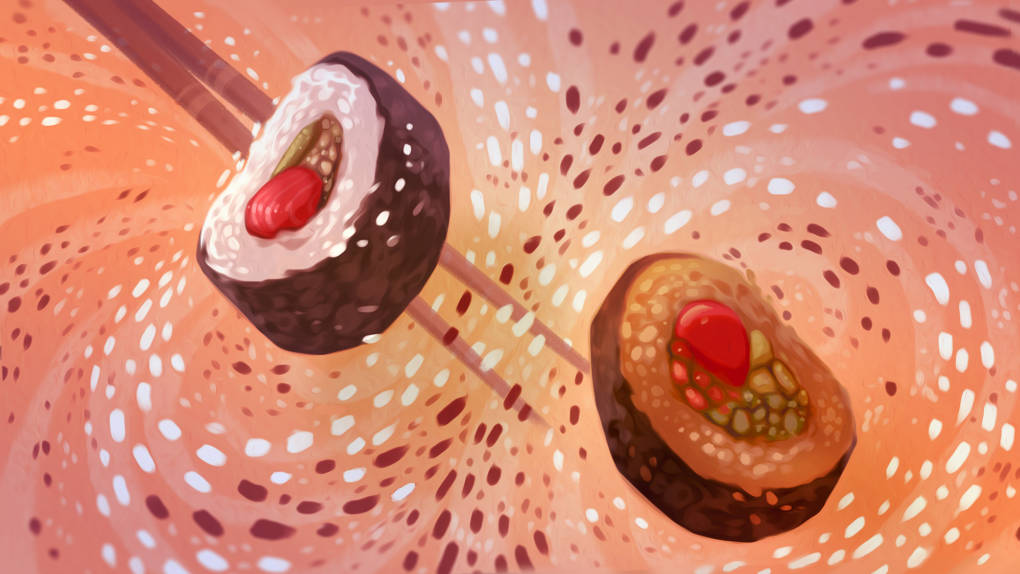
"caption": "There may a reason brown rice sushi doesn't taste as good as the traditional white rice kind.",
"description": "There may a reason brown rice sushi doesn't taste as good as the traditional white rice kind.",
"title": "There may a reason brown rice sushi doesn't taste as good as the traditional white rice kind.",
"credit": "Erin Bushnell for NPR",
"status": "inherit",
"isLoading": false,
"fetchFailed": false
}
},
"audioPlayerReducer": {
"postId": "stream_live",
"isPaused": true,
"isPlaying": false,
"pfsActive": false,
"pledgeModalIsOpen": true,
"playerDrawerIsOpen": false,
"liveAudioPlayStartedAt": 0,
"liveAudioPlayContext": ""
},
"authorsReducer": {
"byline_bayareabites_114979": {
"type": "authors",
"id": "byline_bayareabites_114979",
"meta": {
"override": true
},
"slug": "byline_bayareabites_114979",
"name": "Grant Gerlock, \u003ca href=\"http://www.harvestpublicmedia.org/\">Harvest Public Media\u003c/a> at NPR Food",
"isLoading": false
},
"byline_bayareabites_114702": {
"type": "authors",
"id": "byline_bayareabites_114702",
"meta": {
"override": true
},
"slug": "byline_bayareabites_114702",
"name": "Dan Charles, NPR Food",
"isLoading": false
},
"byline_bayareabites_114592": {
"type": "authors",
"id": "byline_bayareabites_114592",
"meta": {
"override": true
},
"slug": "byline_bayareabites_114592",
"name": "Dan Charles, NPR Food",
"isLoading": false
},
"byline_bayareabites_114407": {
"type": "authors",
"id": "byline_bayareabites_114407",
"meta": {
"override": true
},
"slug": "byline_bayareabites_114407",
"name": "Sujata Gupta, \u003ca href=\"https://ww2.kqed.org/bayareabites/author/nprfood/\">NPR Food\u003c/a>",
"isLoading": false
},
"byline_bayareabites_114399": {
"type": "authors",
"id": "byline_bayareabites_114399",
"meta": {
"override": true
},
"slug": "byline_bayareabites_114399",
"name": "Dan Charles and Allison Aubrey, NPR Food",
"isLoading": false
},
"byline_bayareabites_114387": {
"type": "authors",
"id": "byline_bayareabites_114387",
"meta": {
"override": true
},
"slug": "byline_bayareabites_114387",
"name": "Laura Oliver, \u003ca href=\"https://ww2.kqed.org/bayareabites/author/nprfood/\">NPR Food\u003c/a>",
"isLoading": false
},
"byline_bayareabites_113870": {
"type": "authors",
"id": "byline_bayareabites_113870",
"meta": {
"override": true
},
"slug": "byline_bayareabites_113870",
"name": "Merrit Kennedy, NPR Food",
"isLoading": false
},
"byline_bayareabites_113848": {
"type": "authors",
"id": "byline_bayareabites_113848",
"meta": {
"override": true
},
"slug": "byline_bayareabites_113848",
"name": "Kristen Hartke, \u003ca href=\"https://ww2.kqed.org/bayareabites/author/nprfood/\">NPR Food\u003c/a>",
"isLoading": false
},
"byline_bayareabites_113839": {
"type": "authors",
"id": "byline_bayareabites_113839",
"meta": {
"override": true
},
"slug": "byline_bayareabites_113839",
"name": "Sujata Gupta, \u003ca href=\"https://ww2.kqed.org/bayareabites/author/nprfood/\">NPR Food\u003c/a>",
"isLoading": false
},
"nprfood": {
"type": "authors",
"id": "5403",
"meta": {
"index": "authors_1716337520",
"id": "5403",
"found": true
},
"name": "NPR Food",
"firstName": "NPR Food",
"lastName": null,
"slug": "nprfood",
"email": "nprfood@kqed.org",
"display_author_email": false,
"staff_mastheads": [],
"title": null,
"bio": "Food and Health-related stories from NPR including NPR Radio; NPR's food blog, \"The Salt\"; NPR's Health News blog, \"Shots\"; NPR's Breaking News blog \"The Two-Way\"; NPR's global stories blog \"Goats and Soda,\" NPR's economy explainer \"Planet Money\"; food-related technology news from NPR's \"All Tech Considered\"; and food series \"Kitchen Window.\"",
"avatar": "https://secure.gravatar.com/avatar/c4b735bb26404fa18ce2447d32e64291?s=600&d=blank&r=g",
"twitter": "nprfood",
"facebook": null,
"instagram": null,
"linkedin": null,
"sites": [
{
"site": "bayareabites",
"roles": [
"contributor"
]
},
{
"site": "food",
"roles": [
"contributor"
]
}
],
"headData": {
"title": "NPR Food | KQED",
"description": null,
"ogImgSrc": "https://secure.gravatar.com/avatar/c4b735bb26404fa18ce2447d32e64291?s=600&d=blank&r=g",
"twImgSrc": "https://secure.gravatar.com/avatar/c4b735bb26404fa18ce2447d32e64291?s=600&d=blank&r=g"
},
"isLoading": false,
"link": "/author/nprfood"
},
"lilavolkas": {
"type": "authors",
"id": "5404",
"meta": {
"index": "authors_1716337520",
"id": "5404",
"found": true
},
"name": "Lila Volkas",
"firstName": "Lila",
"lastName": "Volkas",
"slug": "lilavolkas",
"email": "lilavolkas@gmail.com",
"display_author_email": false,
"staff_mastheads": [],
"title": null,
"bio": "Lila Volkas is a Berkeley based Holistic Nutritionist, food writer and illustrator. She received her Nutritional Consulting Certification from Bauman College and offers clients individualized nutritional support. As an illustrator she creates hand drawn and digitally colored illustrations that whimsically capture the essence of her subjects and are easily digested by readers. Much of her inspiration comes from her undeniable love for vegetables, as well her knack for anthropomorphizing what's on her plate. Lila has had several pieces published in KQED’s Bay Area Bites as well as in Edible East Bay Magazine. For more of a taste of Lila's offering, check out her website \u003ca href=\"http://www.lilavolkas.com/\">lilavolkas.com\u003c/a>",
"avatar": "https://secure.gravatar.com/avatar/e520743544a0600729bc45ff3ab43206?s=600&d=blank&r=g",
"twitter": null,
"facebook": null,
"instagram": null,
"linkedin": null,
"sites": [
{
"site": "bayareabites",
"roles": [
"contributor"
]
},
{
"site": "food",
"roles": [
"contributor"
]
}
],
"headData": {
"title": "Lila Volkas | KQED",
"description": null,
"ogImgSrc": "https://secure.gravatar.com/avatar/e520743544a0600729bc45ff3ab43206?s=600&d=blank&r=g",
"twImgSrc": "https://secure.gravatar.com/avatar/e520743544a0600729bc45ff3ab43206?s=600&d=blank&r=g"
},
"isLoading": false,
"link": "/author/lilavolkas"
},
"shelbypope": {
"type": "authors",
"id": "5566",
"meta": {
"index": "authors_1716337520",
"id": "5566",
"found": true
},
"name": "Shelby Pope",
"firstName": "Shelby",
"lastName": "Pope",
"slug": "shelbypope",
"email": "shelbylpope@gmail.com",
"display_author_email": false,
"staff_mastheads": [],
"title": "KQED Contributor",
"bio": "Shelby Pope is a freelance writer living and eating her way through the East Bay. She’s written about food, art and science for publications including the Smithsonian, Lucky Peach, and the Washington Post's pet blog. When she’s not taste testing sourdough bread to find the Bay Area’s best loaf, you can find her on Twitter \u003ca href=\"https://twitter.com/shelbylpope\">@shelbylpope\u003c/a> or at \u003ca href=\"https://shelbypope.com/\">shelbypope.com\u003c/a>",
"avatar": "https://secure.gravatar.com/avatar/df74e904399e45720e48e36c6e1ae7a90c32216eb2c9c82f3b2e1a9641b507d3?s=600&d=blank&r=g",
"twitter": "shelbylpope",
"bluesky": null,
"facebook": null,
"instagram": null,
"linkedin": null,
"sites": [
{
"site": "arts",
"roles": [
"subscriber"
]
},
{
"site": "food",
"roles": [
"subscriber"
]
}
],
"headData": {
"title": "Shelby Pope | KQED",
"description": "KQED Contributor",
"ogImgSrc": "https://secure.gravatar.com/avatar/df74e904399e45720e48e36c6e1ae7a90c32216eb2c9c82f3b2e1a9641b507d3?s=600&d=blank&r=g",
"twImgSrc": "https://secure.gravatar.com/avatar/df74e904399e45720e48e36c6e1ae7a90c32216eb2c9c82f3b2e1a9641b507d3?s=600&d=blank&r=g"
},
"isLoading": false,
"link": "/author/shelbypope"
},
"jlanzendorfer": {
"type": "authors",
"id": "11351",
"meta": {
"index": "authors_1716337520",
"id": "11351",
"found": true
},
"name": "Joy Lanzendorfer",
"firstName": "Joy",
"lastName": "Lanzendorfer",
"slug": "jlanzendorfer",
"email": "joy@greenfly.net",
"display_author_email": false,
"staff_mastheads": [],
"title": null,
"bio": "Joy Lanzendorfer's work has been in The Atlantic, Smithsonian, NPR, San Francisco Chronicle, The Guardian, Salon, Tin House, and many others. Follow her \u003ca href=\"https://twitter.com/JoyLanzendorfer\">on Twitter.\u003c/a>",
"avatar": "https://secure.gravatar.com/avatar/ad1c022371f706897aa2db1f99c1951b?s=600&d=blank&r=g",
"twitter": null,
"facebook": null,
"instagram": null,
"linkedin": null,
"sites": [
{
"site": "arts",
"roles": [
"contributor"
]
},
{
"site": "bayareabites",
"roles": [
"contributor"
]
}
],
"headData": {
"title": "Joy Lanzendorfer | KQED",
"description": null,
"ogImgSrc": "https://secure.gravatar.com/avatar/ad1c022371f706897aa2db1f99c1951b?s=600&d=blank&r=g",
"twImgSrc": "https://secure.gravatar.com/avatar/ad1c022371f706897aa2db1f99c1951b?s=600&d=blank&r=g"
},
"isLoading": false,
"link": "/author/jlanzendorfer"
}
},
"pagesReducer": {
"bayareabites_category_food-and-technology": {
"type": "terms",
"id": "bayareabites_4084",
"meta": {
"index": "terms_1716263798",
"site": "bayareabites",
"id": "4084",
"score": 14.405603
},
"featImg": null,
"name": "food trends and technology",
"description": null,
"taxonomy": "category",
"headData": {
"twImgId": null,
"twTitle": null,
"ogTitle": null,
"ogImgId": null,
"twDescription": null,
"description": null,
"title": "food trends and technology Archives | KQED Bay Area Bites",
"ogDescription": null
},
"ttid": 2573,
"slug": "food-and-technology",
"isLoading": false,
"title": "food trends and technology",
"pageMeta": {
"site": "bayareabites",
"WpPageTemplate": "page-topic-editorial",
"currentPage": 15
},
"blocks": [
{
"blockName": "kqed/post-list",
"attrs": {
"layout": "cardArticle2",
"query": "posts/bayareabites?category=food-and-technology",
"seeMore": false,
"paginated": true,
"page": 15
}
},
{
"blockName": "kqed/ad"
}
]
}
},
"pfsSessionReducer": {},
"postsReducer": {
"stream_live": {
"type": "live",
"id": "stream_live",
"audioUrl": "https://streams.kqed.org/kqedradio",
"title": "Live Stream",
"excerpt": "Live Stream information currently unavailable.",
"link": "/radio",
"featImg": "",
"label": {
"name": "KQED Live",
"link": "/"
}
},
"stream_kqedNewscast": {
"type": "posts",
"id": "stream_kqedNewscast",
"audioUrl": "https://www.kqed.org/.stream/anon/radio/RDnews/newscast.mp3?_=1",
"title": "KQED Newscast",
"featImg": "",
"label": {
"name": "88.5 FM",
"link": "/"
}
},
"bayareabites_114979": {
"type": "posts",
"id": "bayareabites_114979",
"meta": {
"index": "posts_1716263798",
"site": "bayareabites",
"id": "114979",
"score": null,
"sort": [
1485986966000
]
},
"parent": 0,
"labelTerm": {},
"blocks": [],
"publishDate": 1485986966,
"format": "standard",
"disqusTitle": "Why The Arctic Apple Means You May Be Seeing More GMOs At The Store",
"title": "Why The Arctic Apple Means You May Be Seeing More GMOs At The Store",
"headTitle": "Bay Area Bites | KQED Food",
"content": "\u003cp>Genetically engineered crops are nothing new. But emerging technology that allows scientists to alter plants more precisely and cheaply is taking genetically engineered plants from the field to the kitchen.\u003c/p>\n\u003cp>The first version of the Arctic Apple, a genetically modified Golden Delicious, is headed for test markets in the Midwest in February, according to the company that produced it. It is the first genetically engineered apple, altered so that when it is cut, it doesn't turn brown from oxidation.\u003c/p>\n\u003cp>\u003ca href=\"http://www.okspecialtyfruits.com/\">Okanagan Specialty Fruits\u003c/a>, based in British Columbia, Canada, wouldn't say exactly where the apples will first be sold, but says the target consumers are those interested in convenience.\u003c/p>\n\u003cp>\"The rapid expansion of the fresh-cut industry – bagged carrots, ready-made salads – has led to explosive growth of fresh cut produce,\" says Neal Carter, president of the company. \"I can cut this up for my kid's lunch box ... and it doesn't go brown and they'll actually eat it.\"\u003c/p>\n\u003cp>The Arctic Apple is one of the first foods often termed a \"genetically modified organism\" (GMO) to be marketed to consumers, not at farmers. And it's a sign of how the science of genetic engineering is evolving.\u003c/p>\n\u003cp>[ad fullwidth]\u003c/p>\n\u003cp>The first genetically engineered crops were global commodities like corn, soybeans and cotton. They were \"transgenic,\" meaning they were resistant to pesticides or insects after scientists transferred new DNA into the plants.\u003c/p>\n\u003cp>\"We were taking DNA sequences from another, often non-plant species, and moving it into plants,\" says Sally Mackenzie, a plant geneticist at the University of Nebraska-Lincoln.\u003c/p>\n\u003cp>In contrast, new crops are \"cisgenic.\" They work within a plant species' own genome.\u003c/p>\n\u003cp>\"The next generation of technologies, those being implemented now — including the new apple – we're not introducing foreign DNA any longer,\" Mackenzie says.\u003c/p>\n\u003cp>The Arctic Apple uses a technology called \u003ca href=\"http://www.harvestpublicmedia.org/article/new-crops-could-kill-insects-targeting-their-genes\">RNA interference\u003c/a>, sometimes called gene silencing. The target is the gene in the apple that controls production of the enzyme that makes it turn brown. When scientists add an extra strand of RNA, that gene is effectively switched off, or silenced.\u003c/p>\n\u003cp>\"We're basically down-regulating a gene that's already within that apple,\" Mackenzie says. \"So I see that as entirely different. And I think it's important for the average consumer to recognize technologies have moved on.\"\u003c/p>\n\u003cp>Advances like gene silencing and other gene editing methods, like \u003ca href=\"http://www.npr.org/sections/health-shots/2014/06/26/325213397/a-crispr-way-to-fix-faulty-genes\">CRISPR\u003c/a> technology, make biotech plant-breeding cheaper and more precise than the first generation of genetically engineered crops. New technologies are also less expensive for companies when it comes to federal regulations, as the U.S. Department of Agriculture and the Food and Drug Administration require fewer costly tests.\u003c/p>\n\u003cp>Huge companies like \u003ca href=\"http://www.monsanto.com/\">Monsanto\u003c/a> have dominated the industry, Mackenzie says, in part because of the high cost of regulations. Old biotech crops were aimed at big commodities in large part because it was a sure way to recoup that investment.\u003c/p>\n\u003cp>Engineered plants that don't introduce new genes don't face the same \u003ca href=\"http://www.harvestpublicmedia.org/article/new-genetically-modified-crops-push-old-regulations\">regulatory hurdles\u003c/a>. Groups critical of GMO technology want to see stronger regulations in order to evaluate potential long-term impacts of biotech crops on health and the environment. Federal agencies are reviewing their rules around GMOs to catch up with the technology.\u003c/p>\n\u003cp>Under the current regulatory structure, however, it is more economically viable, Mackenzie says, for smaller biotech companies to market their own innovations.\u003c/p>\n\u003cp>\"You're going to see more and more traits coming out that are really consumer friendly, designed to respond to consumer demand,\" Mackenzie says.\u003c/p>\n\u003cp>Corn will still get plenty of attention from plant breeders, but more companies may shift their focus from field to fridge.\u003c/p>\n\u003cp>Most genetically engineered crops are processed into ingredients in foods, so when we eat them they are a few steps removed from the field – think soybean oil in salad dressing or corn syrup in soda. When the Arctic Apple hits the produce aisle, however, it will be one of the first GMOs to reach consumers directly, but it is not the only one.\u003c/p>\n\u003cp>A virus-resistant \u003ca href=\"http://www.foodsafetynews.com/2014/08/local-ordinance-might-still-kill-hawaiian-papaya-saved-by-genetic-engineering/#.WIlx1VMrLIU\">Rainbow papaya\u003c/a> is already on the shelf. So is \u003ca href=\"http://simplot.com/\">Simplot's\u003c/a> bruise-resistant russet, called the \u003ca href=\"http://www.thepacker.com/news/usda-deregulates-two-more-innate-varieties\">Innate potato\u003c/a>. The fruit company Del Monte has \u003ca href=\"http://www.thepacker.com/news/pink-fda-gives-all-clear-del-monte-pineapple\">approval for a pink pineapple\u003c/a> engineered to carry more lycopene, an antioxidant that supports the body's defense system.\u003c/p>\n\u003cp>The labels on packages of Arctic Apples won't say much about GMOs. They will have a tell-tale snowflake logo, and a QR code that can be scanned with a smartphone to reach a website with information about the science. That fits within the framework of a \u003ca href=\"http://www.harvestpublicmedia.org/content/5-big-questions-about-us-senate-gmo-label-bill#.WIlmOVMrLIU\">GMO labeling law\u003c/a> passed by Congress last year, but it makes genetic engineering in food less obvious than many consumer groups have called for.\u003c/p>\n\u003cp>The vast majority of consumers \u003ca href=\"http://www.centerforfoodsafety.org/issues/976/ge-food-labeling/us-polls-on-ge-food-labeling\">support clear labels\u003c/a> on foods that contain GMO ingredients, just as the vast majority of scientists \u003ca href=\"http://www.sciencemag.org/news/2016/05/us-panel-releases-consensus-genetically-engineered-crops\">agree that they are safe\u003c/a> to eat. For stores that may sell biotech fruits and vegetables, it pays to be up front with shoppers that these foods are genetically engineered.\u003c/p>\n\u003cp>\"Transparency is what everything is about,\" says Joan Driggs, editorial director of \u003ca href=\"http://www.progressivegrocer.com/\">Progressive Grocer\u003c/a> which covers the grocery business. \"Any retailer or manufacturer has to be transparent with their customer.\"\u003c/p>\n\u003cp>The big question for the biotech industry: Once consumers know how these apples are created, will they care?\u003c/p>\n\u003cp>The Arctic Apple's test run will last through March. Okanagan Specialty Fruits expects a wider commercial release this fall.\u003c/p>\n\u003cp>\u003cem>This\u003c/em>\u003cem> story comes to us from \u003ca href=\"http://www.harvestpublicmedia.org/\">Harvest Public Media\u003c/a>, a reporting collaboration focused on food and agriculture. \u003c/em> \u003c/p>\n\u003cp>\u003c/p>\n\u003cp> \u003cem>Copyright 2017 \u003ca href=\"http://netnebraska.org/basic-page/radio/radio\">Nebraska Public Radio Network\u003c/a>.\u003c/em>\u003c/p>\n\n",
"disqusIdentifier": "114979 https://ww2.kqed.org/bayareabites/?p=114979",
"disqusUrl": "https://ww2.kqed.org/bayareabites/2017/02/01/why-the-arctic-apple-means-you-may-be-seeing-more-gmos-at-the-store/",
"stats": {
"hasVideo": false,
"hasChartOrMap": false,
"hasAudio": false,
"hasPolis": false,
"wordCount": 933,
"hasGoogleForm": false,
"hasGallery": false,
"hasHearkenModule": false,
"iframeSrcs": [],
"paragraphCount": 28
},
"modified": 1485987042,
"excerpt": "The fruit is one of the first GMOs to be marketed directly to consumers, not at farmers. It's headed to test markets this month. And it's a sign of how the science of genetic engineering is evolving.",
"headData": {
"twImgId": "",
"twTitle": "",
"ogTitle": "",
"ogImgId": "",
"twDescription": "",
"description": "The fruit is one of the first GMOs to be marketed directly to consumers, not at farmers. It's headed to test markets this month. And it's a sign of how the science of genetic engineering is evolving.",
"title": "Why The Arctic Apple Means You May Be Seeing More GMOs At The Store | KQED",
"ogDescription": "",
"schema": {
"@context": "https://schema.org",
"@type": "Article",
"headline": "Why The Arctic Apple Means You May Be Seeing More GMOs At The Store",
"datePublished": "2017-02-01T14:09:26-08:00",
"dateModified": "2017-02-01T14:10:42-08:00",
"image": "https://cdn.kqed.org/wp-content/uploads/2020/02/KQED-OG-Image@1x.png"
}
},
"guestAuthors": [],
"slug": "why-the-arctic-apple-means-you-may-be-seeing-more-gmos-at-the-store",
"status": "publish",
"sourceUrl": "https://ww2.kqed.org/bayareabites/category/food-and-technology/",
"nprApiLink": "http://api.npr.org/query?id=512633781&apiKey=MDAxOTAwOTE4MDEyMTkxMDAzNjczZDljZA004",
"nprByline": "Grant Gerlock, \u003ca href=\"http://www.harvestpublicmedia.org/\">Harvest Public Media\u003c/a> at NPR Food",
"nprStoryDate": "Wed, 01 Feb 2017 15:10:50 -0500",
"nprLastModifiedDate": "Wed, 01 Feb 2017 15:10:50 -0500",
"nprHtmlLink": "http://www.npr.org/sections/thesalt/2017/02/01/512633781/why-the-arctic-apple-means-you-may-be-seeing-more-gmos-at-the-store?ft=nprml&f=512633781",
"nprImageAgency": "Courtesy Okanagan Specialty Fruits",
"source": "Food Trends and Technology",
"nprStoryId": "512633781",
"nprRetrievedStory": "1",
"nprPubDate": "Wed, 01 Feb 2017 15:10:00 -0500",
"path": "/bayareabites/114979/why-the-arctic-apple-means-you-may-be-seeing-more-gmos-at-the-store",
"audioTrackLength": null,
"parsedContent": [
{
"type": "contentString",
"content": "\u003cdiv class=\"post-body\">\u003cp>\u003cp>Genetically engineered crops are nothing new. But emerging technology that allows scientists to alter plants more precisely and cheaply is taking genetically engineered plants from the field to the kitchen.\u003c/p>\n\u003cp>The first version of the Arctic Apple, a genetically modified Golden Delicious, is headed for test markets in the Midwest in February, according to the company that produced it. It is the first genetically engineered apple, altered so that when it is cut, it doesn't turn brown from oxidation.\u003c/p>\n\u003cp>\u003ca href=\"http://www.okspecialtyfruits.com/\">Okanagan Specialty Fruits\u003c/a>, based in British Columbia, Canada, wouldn't say exactly where the apples will first be sold, but says the target consumers are those interested in convenience.\u003c/p>\n\u003cp>\"The rapid expansion of the fresh-cut industry – bagged carrots, ready-made salads – has led to explosive growth of fresh cut produce,\" says Neal Carter, president of the company. \"I can cut this up for my kid's lunch box ... and it doesn't go brown and they'll actually eat it.\"\u003c/p>\n\u003cp>The Arctic Apple is one of the first foods often termed a \"genetically modified organism\" (GMO) to be marketed to consumers, not at farmers. And it's a sign of how the science of genetic engineering is evolving.\u003c/p>\n\u003cp>\u003c/p>\u003c/div>",
"attributes": {
"named": {},
"numeric": []
}
},
{
"type": "component",
"content": "",
"name": "ad",
"attributes": {
"named": {
"label": "fullwidth"
},
"numeric": [
"fullwidth"
]
}
},
{
"type": "contentString",
"content": "\u003cdiv class=\"post-body\">\u003cp>\u003c/p>\n\u003cp>The first genetically engineered crops were global commodities like corn, soybeans and cotton. They were \"transgenic,\" meaning they were resistant to pesticides or insects after scientists transferred new DNA into the plants.\u003c/p>\n\u003cp>\"We were taking DNA sequences from another, often non-plant species, and moving it into plants,\" says Sally Mackenzie, a plant geneticist at the University of Nebraska-Lincoln.\u003c/p>\n\u003cp>In contrast, new crops are \"cisgenic.\" They work within a plant species' own genome.\u003c/p>\n\u003cp>\"The next generation of technologies, those being implemented now — including the new apple – we're not introducing foreign DNA any longer,\" Mackenzie says.\u003c/p>\n\u003cp>The Arctic Apple uses a technology called \u003ca href=\"http://www.harvestpublicmedia.org/article/new-crops-could-kill-insects-targeting-their-genes\">RNA interference\u003c/a>, sometimes called gene silencing. The target is the gene in the apple that controls production of the enzyme that makes it turn brown. When scientists add an extra strand of RNA, that gene is effectively switched off, or silenced.\u003c/p>\n\u003cp>\"We're basically down-regulating a gene that's already within that apple,\" Mackenzie says. \"So I see that as entirely different. And I think it's important for the average consumer to recognize technologies have moved on.\"\u003c/p>\n\u003cp>Advances like gene silencing and other gene editing methods, like \u003ca href=\"http://www.npr.org/sections/health-shots/2014/06/26/325213397/a-crispr-way-to-fix-faulty-genes\">CRISPR\u003c/a> technology, make biotech plant-breeding cheaper and more precise than the first generation of genetically engineered crops. New technologies are also less expensive for companies when it comes to federal regulations, as the U.S. Department of Agriculture and the Food and Drug Administration require fewer costly tests.\u003c/p>\n\u003cp>Huge companies like \u003ca href=\"http://www.monsanto.com/\">Monsanto\u003c/a> have dominated the industry, Mackenzie says, in part because of the high cost of regulations. Old biotech crops were aimed at big commodities in large part because it was a sure way to recoup that investment.\u003c/p>\n\u003cp>Engineered plants that don't introduce new genes don't face the same \u003ca href=\"http://www.harvestpublicmedia.org/article/new-genetically-modified-crops-push-old-regulations\">regulatory hurdles\u003c/a>. Groups critical of GMO technology want to see stronger regulations in order to evaluate potential long-term impacts of biotech crops on health and the environment. Federal agencies are reviewing their rules around GMOs to catch up with the technology.\u003c/p>\n\u003cp>Under the current regulatory structure, however, it is more economically viable, Mackenzie says, for smaller biotech companies to market their own innovations.\u003c/p>\n\u003cp>\"You're going to see more and more traits coming out that are really consumer friendly, designed to respond to consumer demand,\" Mackenzie says.\u003c/p>\n\u003cp>Corn will still get plenty of attention from plant breeders, but more companies may shift their focus from field to fridge.\u003c/p>\n\u003cp>Most genetically engineered crops are processed into ingredients in foods, so when we eat them they are a few steps removed from the field – think soybean oil in salad dressing or corn syrup in soda. When the Arctic Apple hits the produce aisle, however, it will be one of the first GMOs to reach consumers directly, but it is not the only one.\u003c/p>\n\u003cp>A virus-resistant \u003ca href=\"http://www.foodsafetynews.com/2014/08/local-ordinance-might-still-kill-hawaiian-papaya-saved-by-genetic-engineering/#.WIlx1VMrLIU\">Rainbow papaya\u003c/a> is already on the shelf. So is \u003ca href=\"http://simplot.com/\">Simplot's\u003c/a> bruise-resistant russet, called the \u003ca href=\"http://www.thepacker.com/news/usda-deregulates-two-more-innate-varieties\">Innate potato\u003c/a>. The fruit company Del Monte has \u003ca href=\"http://www.thepacker.com/news/pink-fda-gives-all-clear-del-monte-pineapple\">approval for a pink pineapple\u003c/a> engineered to carry more lycopene, an antioxidant that supports the body's defense system.\u003c/p>\n\u003cp>The labels on packages of Arctic Apples won't say much about GMOs. They will have a tell-tale snowflake logo, and a QR code that can be scanned with a smartphone to reach a website with information about the science. That fits within the framework of a \u003ca href=\"http://www.harvestpublicmedia.org/content/5-big-questions-about-us-senate-gmo-label-bill#.WIlmOVMrLIU\">GMO labeling law\u003c/a> passed by Congress last year, but it makes genetic engineering in food less obvious than many consumer groups have called for.\u003c/p>\n\u003cp>The vast majority of consumers \u003ca href=\"http://www.centerforfoodsafety.org/issues/976/ge-food-labeling/us-polls-on-ge-food-labeling\">support clear labels\u003c/a> on foods that contain GMO ingredients, just as the vast majority of scientists \u003ca href=\"http://www.sciencemag.org/news/2016/05/us-panel-releases-consensus-genetically-engineered-crops\">agree that they are safe\u003c/a> to eat. For stores that may sell biotech fruits and vegetables, it pays to be up front with shoppers that these foods are genetically engineered.\u003c/p>\n\u003cp>\"Transparency is what everything is about,\" says Joan Driggs, editorial director of \u003ca href=\"http://www.progressivegrocer.com/\">Progressive Grocer\u003c/a> which covers the grocery business. \"Any retailer or manufacturer has to be transparent with their customer.\"\u003c/p>\n\u003cp>The big question for the biotech industry: Once consumers know how these apples are created, will they care?\u003c/p>\n\u003cp>The Arctic Apple's test run will last through March. Okanagan Specialty Fruits expects a wider commercial release this fall.\u003c/p>\n\u003cp>\u003cem>This\u003c/em>\u003cem> story comes to us from \u003ca href=\"http://www.harvestpublicmedia.org/\">Harvest Public Media\u003c/a>, a reporting collaboration focused on food and agriculture. \u003c/em> \u003c/p>\n\u003cp>\u003c/p>\n\u003cp> \u003cem>Copyright 2017 \u003ca href=\"http://netnebraska.org/basic-page/radio/radio\">Nebraska Public Radio Network\u003c/a>.\u003c/em>\u003c/p>\n\n\u003c/div>\u003c/p>",
"attributes": {
"named": {},
"numeric": []
}
}
],
"link": "/bayareabites/114979/why-the-arctic-apple-means-you-may-be-seeing-more-gmos-at-the-store",
"authors": [
"byline_bayareabites_114979"
],
"categories": [
"bayareabites_10028",
"bayareabites_4084",
"bayareabites_1245",
"bayareabites_358"
],
"tags": [
"bayareabites_15732",
"bayareabites_10787",
"bayareabites_15733",
"bayareabites_15734"
],
"featImg": "bayareabites_114980",
"label": "source_bayareabites_114979"
},
"bayareabites_114702": {
"type": "posts",
"id": "bayareabites_114702",
"meta": {
"index": "posts_1716263798",
"site": "bayareabites",
"id": "114702",
"score": null,
"sort": [
1484859478000
]
},
"parent": 0,
"labelTerm": {},
"blocks": [],
"publishDate": 1484859478,
"format": "standard",
"disqusTitle": "Organic Chickens Get More Room To Roam",
"title": "Organic Chickens Get More Room To Roam",
"headTitle": "Bay Area Bites | KQED Food",
"content": "\u003cp>It took years of heated debate, but the federal government has finally decided just how much living space an organic chicken should have.\u003c/p>\n\u003cp>It's part of a new set of \u003ca href=\"https://www.ams.usda.gov/press-release/usda-strengthens-rules-organic-livestock-and-poultry-ensures-fairness-organic\">rules\u003c/a> that cover many aspects of animal welfare in the organic food industry. But the biggest impact of the rule will be felt in the organic egg industry.\u003c/p>\n\u003cp>Organic egg producers always were required to let their hens go outside. But the organic rules didn't define exactly how much space the animals needed. So some organic egg producers built large chicken houses, containing tens of thousands of hens, while allowing those hens access only to a small enclosed porch, rather than pasture.\u003c/p>\n\u003cp>Organic activists, such as the Cornucopia Institute, have \u003ca href=\"https://www.cornucopia.org/scrambled-eggs-separating-factory-farm-egg-production-from-authentic-organic-agriculture/\">accused\u003c/a> those large-scale organic egg producers of violating the spirit of the organic rules, and called on the USDA to crack down on them.\u003c/p>\n\u003cp>According to the new rules, farmers must provide at least one square foot of outdoor space for each 2.25 pounds of poultry in their flock. According to Jesse Laflamme, CEO of \u003ca href=\"http://peteandgerrys.com/\">Pete and Gerry's Organic Eggs\u003c/a>, that translates to about two square feet per egg-laying hen, or about an acre for a flock of 20,000.\u003c/p>\n\u003cp>[ad fullwidth]\u003c/p>\n\u003cp>Elanor Starmer, who's in charge of the USDA's Agriculture Marketing Service Administrator, which runs the National Organic Program, said in a telephone call with reporters that \"\"this rule will level the playing field and provide clarity to the industry.\" Laflamme, who also participated in the call, said that the rule also will help small-scale farmers survive in the industry. \"This is an issue of concentrated organic production versus distributed organic production,\" he said.\u003c/p>\n\u003cp>According to a survey of organic egg producers that the USDA cited in its rule, about a quarter of all organic egg production currently comes from farms that don't meet the new standard. But the USDA is allowing them a lengthy transition period to adapt. According to the new rule they'll have up to five years to change their operations, building new houses or creating more pasture for their hens, if they want to keep selling certified organic eggs.\u003c/p>\n\u003cp>The Organic Trade Association, which represents many of the largest organic food companies, praised the new rule, calling it \"not only welcome but essential\" in order to strengthen consumer confidence in the organic label.\u003c/p>\n\u003cp>But the rule also met some harsh criticism.\u003c/p>\n\u003cp>The Cornucopia Institute, in a \u003ca href=\"https://www.cornucopia.org/2017/01/years-making-organic-welfare-rule-way-little-way-late/\">statement\u003c/a>, called the rule \"(way) too little and (way) too late.\" According to Mark Kastel, Cornucopia's senior farm policy analyst, two square feet per hen is \"woefully inadequate\" and is far less than organically raised hens in Europe get.\u003c/p>\n\u003cp>On the other side of the debate, the National Pork Producers Council \u003ca href=\"http://nppc.org/another-midnight-regulation-dumped-on-farmers/\">condemned\u003c/a> the new rule as an \"unnecessary, unscientific midnight regulation.\" Dave Warner, a spokesman for the pork producers, wrote in an email to The Salt that the new rule doesn't affect many pork producers directly, because little pork is raised organically, but\"we oppose the rule on principle and because it sets a bad precedent.\"\u003c/p>\n\u003cp>According to the NPPC, the National Organic Program has no authority to issue animal welfare regulations, because animal welfare is outside the scope of the law that established the organic program in the first place. In a statement, NPPC president John Weber said that \"this is precisely the type of executive branch overreach that Congress will reign in through regulatory reform.\" \u003c/p>\n\u003cp>\u003c/p>\n\u003cp>\u003cem>Copyright 2017 \u003ca href=\"http://www.npr.org/\" target=\"_blank\">NPR\u003c/a>.\u003c/em> \u003c/p>\n\n",
"disqusIdentifier": "114702 https://ww2.kqed.org/bayareabites/?p=114702",
"disqusUrl": "https://ww2.kqed.org/bayareabites/2017/01/19/organic-chickens-get-more-room-to-roam/",
"stats": {
"hasVideo": false,
"hasChartOrMap": false,
"hasAudio": false,
"hasPolis": false,
"wordCount": 584,
"hasGoogleForm": false,
"hasGallery": false,
"hasHearkenModule": false,
"iframeSrcs": [],
"paragraphCount": 15
},
"modified": 1484859561,
"excerpt": "New rules for organic farming will require farmers to give chickens more pasture. Some of the biggest organic egg producers will have to change their practices, or stop calling their eggs organic.",
"headData": {
"twImgId": "",
"twTitle": "",
"ogTitle": "",
"ogImgId": "",
"twDescription": "",
"description": "New rules for organic farming will require farmers to give chickens more pasture. Some of the biggest organic egg producers will have to change their practices, or stop calling their eggs organic.",
"title": "Organic Chickens Get More Room To Roam | KQED",
"ogDescription": "",
"schema": {
"@context": "https://schema.org",
"@type": "Article",
"headline": "Organic Chickens Get More Room To Roam",
"datePublished": "2017-01-19T12:57:58-08:00",
"dateModified": "2017-01-19T12:59:21-08:00",
"image": "https://cdn.kqed.org/wp-content/uploads/2020/02/KQED-OG-Image@1x.png"
}
},
"guestAuthors": [],
"slug": "organic-chickens-get-more-room-to-roam",
"status": "publish",
"sourceUrl": "https://ww2.kqed.org/bayareabites/category/politics-activism-food-safety/",
"nprApiLink": "http://api.npr.org/query?id=510474179&apiKey=MDAxOTAwOTE4MDEyMTkxMDAzNjczZDljZA004",
"nprByline": "Dan Charles, NPR Food",
"nprStoryDate": "Wed, 18 Jan 2017 19:20:00 -0500",
"nprLastModifiedDate": "Wed, 18 Jan 2017 19:20:40 -0500",
"nprHtmlLink": "http://www.npr.org/sections/thesalt/2017/01/18/510474179/organic-chickens-get-more-room-to-roam?ft=nprml&f=510474179",
"nprImageAgency": "AP",
"nprImageCredit": "Charlie Neibergall",
"source": "Politics, Activism, Food Safety",
"nprStoryId": "510474179",
"nprRetrievedStory": "1",
"nprPubDate": "Wed, 18 Jan 2017 19:20:00 -0500",
"path": "/bayareabites/114702/organic-chickens-get-more-room-to-roam",
"audioTrackLength": null,
"parsedContent": [
{
"type": "contentString",
"content": "\u003cdiv class=\"post-body\">\u003cp>\u003cp>It took years of heated debate, but the federal government has finally decided just how much living space an organic chicken should have.\u003c/p>\n\u003cp>It's part of a new set of \u003ca href=\"https://www.ams.usda.gov/press-release/usda-strengthens-rules-organic-livestock-and-poultry-ensures-fairness-organic\">rules\u003c/a> that cover many aspects of animal welfare in the organic food industry. But the biggest impact of the rule will be felt in the organic egg industry.\u003c/p>\n\u003cp>Organic egg producers always were required to let their hens go outside. But the organic rules didn't define exactly how much space the animals needed. So some organic egg producers built large chicken houses, containing tens of thousands of hens, while allowing those hens access only to a small enclosed porch, rather than pasture.\u003c/p>\n\u003cp>Organic activists, such as the Cornucopia Institute, have \u003ca href=\"https://www.cornucopia.org/scrambled-eggs-separating-factory-farm-egg-production-from-authentic-organic-agriculture/\">accused\u003c/a> those large-scale organic egg producers of violating the spirit of the organic rules, and called on the USDA to crack down on them.\u003c/p>\n\u003cp>According to the new rules, farmers must provide at least one square foot of outdoor space for each 2.25 pounds of poultry in their flock. According to Jesse Laflamme, CEO of \u003ca href=\"http://peteandgerrys.com/\">Pete and Gerry's Organic Eggs\u003c/a>, that translates to about two square feet per egg-laying hen, or about an acre for a flock of 20,000.\u003c/p>\n\u003cp>\u003c/p>\u003c/div>",
"attributes": {
"named": {},
"numeric": []
}
},
{
"type": "component",
"content": "",
"name": "ad",
"attributes": {
"named": {
"label": "fullwidth"
},
"numeric": [
"fullwidth"
]
}
},
{
"type": "contentString",
"content": "\u003cdiv class=\"post-body\">\u003cp>\u003c/p>\n\u003cp>Elanor Starmer, who's in charge of the USDA's Agriculture Marketing Service Administrator, which runs the National Organic Program, said in a telephone call with reporters that \"\"this rule will level the playing field and provide clarity to the industry.\" Laflamme, who also participated in the call, said that the rule also will help small-scale farmers survive in the industry. \"This is an issue of concentrated organic production versus distributed organic production,\" he said.\u003c/p>\n\u003cp>According to a survey of organic egg producers that the USDA cited in its rule, about a quarter of all organic egg production currently comes from farms that don't meet the new standard. But the USDA is allowing them a lengthy transition period to adapt. According to the new rule they'll have up to five years to change their operations, building new houses or creating more pasture for their hens, if they want to keep selling certified organic eggs.\u003c/p>\n\u003cp>The Organic Trade Association, which represents many of the largest organic food companies, praised the new rule, calling it \"not only welcome but essential\" in order to strengthen consumer confidence in the organic label.\u003c/p>\n\u003cp>But the rule also met some harsh criticism.\u003c/p>\n\u003cp>The Cornucopia Institute, in a \u003ca href=\"https://www.cornucopia.org/2017/01/years-making-organic-welfare-rule-way-little-way-late/\">statement\u003c/a>, called the rule \"(way) too little and (way) too late.\" According to Mark Kastel, Cornucopia's senior farm policy analyst, two square feet per hen is \"woefully inadequate\" and is far less than organically raised hens in Europe get.\u003c/p>\n\u003cp>On the other side of the debate, the National Pork Producers Council \u003ca href=\"http://nppc.org/another-midnight-regulation-dumped-on-farmers/\">condemned\u003c/a> the new rule as an \"unnecessary, unscientific midnight regulation.\" Dave Warner, a spokesman for the pork producers, wrote in an email to The Salt that the new rule doesn't affect many pork producers directly, because little pork is raised organically, but\"we oppose the rule on principle and because it sets a bad precedent.\"\u003c/p>\n\u003cp>According to the NPPC, the National Organic Program has no authority to issue animal welfare regulations, because animal welfare is outside the scope of the law that established the organic program in the first place. In a statement, NPPC president John Weber said that \"this is precisely the type of executive branch overreach that Congress will reign in through regulatory reform.\" \u003c/p>\n\u003cp>\u003c/p>\n\u003cp>\u003cem>Copyright 2017 \u003ca href=\"http://www.npr.org/\" target=\"_blank\">NPR\u003c/a>.\u003c/em> \u003c/p>\n\n\u003c/div>\u003c/p>",
"attributes": {
"named": {},
"numeric": []
}
}
],
"link": "/bayareabites/114702/organic-chickens-get-more-room-to-roam",
"authors": [
"byline_bayareabites_114702"
],
"categories": [
"bayareabites_1874",
"bayareabites_10028",
"bayareabites_4084",
"bayareabites_2035",
"bayareabites_358",
"bayareabites_60"
],
"tags": [
"bayareabites_8249",
"bayareabites_33",
"bayareabites_65"
],
"featImg": "bayareabites_114703",
"label": "source_bayareabites_114702"
},
"bayareabites_114653": {
"type": "posts",
"id": "bayareabites_114653",
"meta": {
"index": "posts_1716263798",
"site": "bayareabites",
"id": "114653",
"score": null,
"sort": [
1484694435000
]
},
"parent": 0,
"labelTerm": {},
"blocks": [],
"publishDate": 1484694435,
"format": "standard",
"disqusTitle": "Bountiful Beach Buffet: Fresh Seaweed Is Making Waves Among Foragers",
"title": "Bountiful Beach Buffet: Fresh Seaweed Is Making Waves Among Foragers",
"headTitle": "Bay Area Bites | KQED Food",
"content": "\u003cp>As seaweed continues to gain popularity for its nutritional benefits and culinary versatility, more people are skipping the dried stuff in the grocery store and going straight to the source: the ocean itself.\u003c/p>\n\u003cp>At low tide on West Coast beaches, foragers hop between rocks looking for bladderwrack, sea lettuce and Irish moss to take home with them. Sea vegetable foraging has become so common, in fact, that you can take a class to learn what to harvest and what to avoid.\u003c/p>\n\u003cfigure id=\"attachment_114660\" class=\"wp-caption alignright\" style=\"max-width: 400px\">\u003cimg src=\"http://ww2.kqed.org/bayareabites/wp-content/uploads/sites/24/2017/01/dsc_0385-56_custom-4ee4824b514a76943381999e0b53f81cb313f02b-s400-c85.jpg\" alt=\"Turkish towel growing on a rock. Some chefs like to boil this seaweed down for a natural thickener for sauces.\" width=\"400\" height=\"266\" class=\"size-full wp-image-114660\" srcset=\"https://ww2.kqed.org/app/uploads/sites/24/2017/01/dsc_0385-56_custom-4ee4824b514a76943381999e0b53f81cb313f02b-s400-c85.jpg 400w, https://ww2.kqed.org/app/uploads/sites/24/2017/01/dsc_0385-56_custom-4ee4824b514a76943381999e0b53f81cb313f02b-s400-c85-160x106.jpg 160w, https://ww2.kqed.org/app/uploads/sites/24/2017/01/dsc_0385-56_custom-4ee4824b514a76943381999e0b53f81cb313f02b-s400-c85-240x160.jpg 240w, https://ww2.kqed.org/app/uploads/sites/24/2017/01/dsc_0385-56_custom-4ee4824b514a76943381999e0b53f81cb313f02b-s400-c85-375x249.jpg 375w\" sizes=\"(max-width: 400px) 100vw, 400px\">\u003cfigcaption class=\"wp-caption-text\">Turkish towel growing on a rock. Some chefs like to boil this seaweed down for a natural thickener for sauces. \u003ccite>(Joy Lanzendorfer for NPR)\u003c/cite>\u003c/figcaption>\u003c/figure>\n\u003cp>\"Seaweed foraging is more popular than it used to be,\" says Heidi Herrmann, owner of \u003ca href=\"http://www.strongarmfarm.com/\">Strong Arm Farm\u003c/a> in Healdsburg, Calif. \"With the rise of those little flavored snack packs of seaweed that kids eat in their lunches, seaweed is now a normal household word.\"\u003c/p>\n\u003cp>Herrmann commercially forages seaweed to sell to restaurants in places like Napa and San Francisco. She also leads seaweed foraging classes several times a year. The only equipment her students need is a pair of scissors and a bag to carry the seaweed. It's one of many foraging classes offered along the West Coast. They can cost anywhere between \u003ca href=\"http://www.foragesf.com/seaweed-foraging/\">$90\u003c/a>-\u003ca href=\"http://earthwalknorthwest.com/course-calendar/course-list/seaweeds-coastal-foraging/\">$445\u003c/a>, and can last for several hours or several days. Some include cooking lessons. Others teach how to harvest seaweed from a kayak.\u003c/p>\n\u003cp>With or without a class, seaweed may be the safest food to forage. Unlike mushroom foraging, where many species can kill you, there are no deadly seaweeds. This has led to the idea that it's safe to \"eat the beach,\" which is not exactly true. Some seaweed should be avoided. For example, consuming a lot of acid kelp (\u003cem>Desmarestia ligulata\u003c/em>) can cause intestinal distress. As with all foraging, research is key.\u003c/p>\n\u003cfigure id=\"attachment_114654\" class=\"wp-caption aligncenter\" style=\"max-width: 1997px\">\u003cimg src=\"http://ww2.kqed.org/bayareabites/wp-content/uploads/sites/24/2017/01/dsc_0468-56_wide-3aa64d04f6898559413079dfd02771f3214568bb.jpg\" alt=\"Dictyoneurum californicum, which Dennis Judson uses to make the basis of dashi soup stock.\" width=\"1997\" height=\"1123\" class=\"size-full wp-image-114654\" srcset=\"https://ww2.kqed.org/app/uploads/sites/24/2017/01/dsc_0468-56_wide-3aa64d04f6898559413079dfd02771f3214568bb.jpg 1997w, https://ww2.kqed.org/app/uploads/sites/24/2017/01/dsc_0468-56_wide-3aa64d04f6898559413079dfd02771f3214568bb-160x90.jpg 160w, https://ww2.kqed.org/app/uploads/sites/24/2017/01/dsc_0468-56_wide-3aa64d04f6898559413079dfd02771f3214568bb-800x450.jpg 800w, https://ww2.kqed.org/app/uploads/sites/24/2017/01/dsc_0468-56_wide-3aa64d04f6898559413079dfd02771f3214568bb-768x432.jpg 768w, https://ww2.kqed.org/app/uploads/sites/24/2017/01/dsc_0468-56_wide-3aa64d04f6898559413079dfd02771f3214568bb-1020x574.jpg 1020w, https://ww2.kqed.org/app/uploads/sites/24/2017/01/dsc_0468-56_wide-3aa64d04f6898559413079dfd02771f3214568bb-1180x664.jpg 1180w, https://ww2.kqed.org/app/uploads/sites/24/2017/01/dsc_0468-56_wide-3aa64d04f6898559413079dfd02771f3214568bb-960x540.jpg 960w, https://ww2.kqed.org/app/uploads/sites/24/2017/01/dsc_0468-56_wide-3aa64d04f6898559413079dfd02771f3214568bb-240x135.jpg 240w, https://ww2.kqed.org/app/uploads/sites/24/2017/01/dsc_0468-56_wide-3aa64d04f6898559413079dfd02771f3214568bb-375x211.jpg 375w, https://ww2.kqed.org/app/uploads/sites/24/2017/01/dsc_0468-56_wide-3aa64d04f6898559413079dfd02771f3214568bb-520x292.jpg 520w\" sizes=\"(max-width: 1997px) 100vw, 1997px\">\u003cfigcaption class=\"wp-caption-text\">Dictyoneurum californicum, which Dennis Judson uses to make the basis of dashi soup stock. \u003ccite>(Joy Lanzendorfer for NPR)\u003c/cite>\u003c/figcaption>\u003c/figure>\n\u003cp>\"Those general rules that say, 'All of this is edible' or 'All of that is edible' [are] a lazy person's way of not having to know anything,\" says John Kallas, a researcher and educator for \u003ca href=\"http://wildfoodadventures.com/\">Wild Food Adventures in Oregon\u003c/a>. \"You don't just blindly go out and gather stuff. Knowledge is what keeps you safe.\"\u003c/p>\n\u003cp>[ad fullwidth]\u003c/p>\n\u003cp>Still, as Kallas is quick to point out, the beach is full of edible seaweed. Many West Coast varieties are similar to well-known Asian seaweeds. This includes versions of nori, which the Japanese use in sushi; kombu, the base for the broth dashi; and wakame, commonly used in seaweed salad.\u003c/p>\n\u003cp>There are also lesser-known varieties, like sea lettuce, a delicate green seaweed also used in salads. Then there's bladderwrack, which looks like flattened deer antlers and can season meat or thicken sauces. Another example is dulse, which looks like red film tape and is commonly dried and flaked into dishes for seasoning.\u003c/p>\n\u003cfigure id=\"attachment_114662\" class=\"wp-caption alignright\" style=\"max-width: 400px\">\u003cimg src=\"http://ww2.kqed.org/bayareabites/wp-content/uploads/sites/24/2017/01/dsc_0481-56_custom-0db4f373e87fa44cd9bf26d42556dc9b2c8cb6bf-s400-c85.jpg\" alt=\"Feather boa kelp has a leathery strap and small blades that give it a corrugated, leafy appearance. Not only are the leaflets edible, so are the hollow oval bladders that keep the plant afloat.\" width=\"400\" height=\"599\" class=\"size-full wp-image-114662\" srcset=\"https://ww2.kqed.org/app/uploads/sites/24/2017/01/dsc_0481-56_custom-0db4f373e87fa44cd9bf26d42556dc9b2c8cb6bf-s400-c85.jpg 400w, https://ww2.kqed.org/app/uploads/sites/24/2017/01/dsc_0481-56_custom-0db4f373e87fa44cd9bf26d42556dc9b2c8cb6bf-s400-c85-160x240.jpg 160w, https://ww2.kqed.org/app/uploads/sites/24/2017/01/dsc_0481-56_custom-0db4f373e87fa44cd9bf26d42556dc9b2c8cb6bf-s400-c85-240x359.jpg 240w, https://ww2.kqed.org/app/uploads/sites/24/2017/01/dsc_0481-56_custom-0db4f373e87fa44cd9bf26d42556dc9b2c8cb6bf-s400-c85-375x562.jpg 375w\" sizes=\"(max-width: 400px) 100vw, 400px\">\u003cfigcaption class=\"wp-caption-text\">Feather boa kelp has a leathery strap and small blades that give it a corrugated, leafy appearance. Not only are the leaflets edible, so are the hollow oval bladders that keep the plant afloat. \u003ccite>(Joy Lanzendorfer for NPR)\u003c/cite>\u003c/figcaption>\u003c/figure>\n\u003cp>Even something as unappetizing as feather boa kelp can have surprising culinary applications. This aptly named kelp — it looks like something you'd wear to a costume party — has a leathery strap and small blades that give it a corrugated, leafy appearance. Not only are the leaflets edible, so are the hollow oval bladders that keep the plant afloat.\u003c/p>\n\u003cp>\"The bladders are a great substitute for olives,\" says Kallas. \"But when you bite them, they pop.\"\u003c/p>\n\u003cp>Seaweed is high in protein, and contains Vitamin B12, iodine and omega-3 fatty acids. It can be a natural source of MSG, which helps provide a savory \u003cem>umami\u003c/em> flavor in dishes. As such, seaweed can flavor soups, thicken sauces, be baked into bread or cakes, or dried and eaten like potato chips. Dennis Judson, who leads seafood foraging classes for \u003ca href=\"http://asudoit.com/product/seafood-foraging-class/\">Adventure Sports Unlimited\u003c/a>, recommends making pickles out of seaweed, particularly bullwhip kelp, which is a long tube with a ball at the end that looks like a whip.\u003c/p>\n\u003cp>\"I cut it into strips, like little donuts,\" says Judson. \"Then I put it in jars and pickle it. Then I put the pickles in Bloody Marys. They're delicious.\"\u003c/p>\n\u003cp>Seaweeds are algae, not plants. They're divided into three types: red, green and brown. (Kelp is a type of seaweed.) Like plants, seaweed uses photosynthesis to convert sunlight into energy. While they can be harvested all year, they're usually at the height of growth in spring and summer. They often grow rapidly, as much as two feet a day.\u003c/p>\n\u003cp>Because of this, most seaweed can withstand ethical foraging. The important thing is to only take the leaf-like blades and leave the hold-fast — essentially, the roots of the seaweed — intact so it can keep producing.\u003c/p>\n\u003cp>It's also important to check regulations before foraging, which can vary drastically based on location. Washington state requires a permit to forage, while Oregon restricts seaweed foraging to a season. California, on the other hand, allows personal seaweed foraging all year long, restricting it to 10 pounds per person a day.\u003c/p>\n\u003cp>Both the California and Washington state departments of fish & wildlife report increased interest in seaweed foraging from the public. But while harvesting seaweed may seem new, it's an ancient activity, stretching back thousands of years. For Herrmann, seaweed foraging is more than just gathering food. It's about feeling connected to the past, and to nature.\u003c/p>\n\u003cp>\"When you're at the shore, you see all these colors and textures and creatures, so many questions come to mind,\" she says. \"And it's timeless in the sense that you're collecting food in a way that has been done for so many years before you, in so many cultures and climates. So it feels like being in a long continuum, and the practices of gathering food in general.\"\u003c/p>\n\u003chr>\n\u003cp>Jo\u003cem>y Lanzendorfer is a writer based in Petaluma, Calif. Her work has appeared in\u003c/em> The Atlantic, Smithsonian, \u003cem>and others\u003c/em>. \u003cem>She's on Twitter \u003c/em>\u003ca href=\"https://twitter.com/JoyLanzendorfer\">@JoyLanzendorfer\u003c/a>. \u003c/p>\n\u003cp>[ad floatright]\u003c/p>\n\u003cp> \u003cem>Copyright 2017 \u003ca href=\"http://www.npr.org/\" target=\"_blank\">NPR\u003c/a>.\u003c/em> \u003c/p>\n\n",
"disqusIdentifier": "114653 http://ww2.kqed.org/bayareabites/?p=114653",
"disqusUrl": "https://ww2.kqed.org/bayareabites/2017/01/17/bountiful-beach-buffet-fresh-seaweed-is-making-waves-among-foragers/",
"stats": {
"hasVideo": false,
"hasChartOrMap": false,
"hasAudio": false,
"hasPolis": false,
"wordCount": 1033,
"hasGoogleForm": false,
"hasGallery": false,
"hasHearkenModule": false,
"iframeSrcs": [],
"paragraphCount": 21
},
"modified": 1492551623,
"excerpt": "Ocean algae is plentiful and grows rapidly, and most of it is safe to eat. People have been harvesting seaweed for thousands of years, but now it's become so popular, you can even take a class.",
"headData": {
"twImgId": "",
"twTitle": "",
"ogTitle": "",
"ogImgId": "",
"twDescription": "",
"description": "Ocean algae is plentiful and grows rapidly, and most of it is safe to eat. People have been harvesting seaweed for thousands of years, but now it's become so popular, you can even take a class.",
"title": "Bountiful Beach Buffet: Fresh Seaweed Is Making Waves Among Foragers | KQED",
"ogDescription": "",
"schema": {
"@context": "https://schema.org",
"@type": "Article",
"headline": "Bountiful Beach Buffet: Fresh Seaweed Is Making Waves Among Foragers",
"datePublished": "2017-01-17T15:07:15-08:00",
"dateModified": "2017-04-18T14:40:23-07:00",
"image": "https://cdn.kqed.org/wp-content/uploads/2020/02/KQED-OG-Image@1x.png"
}
},
"guestAuthors": [],
"slug": "bountiful-beach-buffet-fresh-seaweed-is-making-waves-among-foragers",
"status": "publish",
"sourceUrl": "https://ww2.kqed.org/bayareabites/category/diy-and-urban-homesteading/",
"nprApiLink": "http://api.npr.org/query?id=508362517&apiKey=MDAxOTAwOTE4MDEyMTkxMDAzNjczZDljZA004",
"nprStoryDate": "Sun, 15 Jan 2017 07:00:21 -0500",
"nprLastModifiedDate": "Sun, 15 Jan 2017 07:00:21 -0500",
"nprHtmlLink": "http://www.npr.org/sections/thesalt/2017/01/15/508362517/bountiful-beach-buffet-fresh-seaweed-is-making-waves-among-foragers?ft=nprml&f=508362517",
"nprImageAgency": "Joy Lanzendorfer for NPR",
"source": "DIY, Foraging, Urban Homesteading",
"nprStoryId": "508362517",
"nprRetrievedStory": "1",
"nprPubDate": "Sun, 15 Jan 2017 07:00:00 -0500",
"path": "/bayareabites/114653/bountiful-beach-buffet-fresh-seaweed-is-making-waves-among-foragers",
"audioTrackLength": null,
"parsedContent": [
{
"type": "contentString",
"content": "\u003cdiv class=\"post-body\">\u003cp>\u003cp>As seaweed continues to gain popularity for its nutritional benefits and culinary versatility, more people are skipping the dried stuff in the grocery store and going straight to the source: the ocean itself.\u003c/p>\n\u003cp>At low tide on West Coast beaches, foragers hop between rocks looking for bladderwrack, sea lettuce and Irish moss to take home with them. Sea vegetable foraging has become so common, in fact, that you can take a class to learn what to harvest and what to avoid.\u003c/p>\n\u003cfigure id=\"attachment_114660\" class=\"wp-caption alignright\" style=\"max-width: 400px\">\u003cimg src=\"http://ww2.kqed.org/bayareabites/wp-content/uploads/sites/24/2017/01/dsc_0385-56_custom-4ee4824b514a76943381999e0b53f81cb313f02b-s400-c85.jpg\" alt=\"Turkish towel growing on a rock. Some chefs like to boil this seaweed down for a natural thickener for sauces.\" width=\"400\" height=\"266\" class=\"size-full wp-image-114660\" srcset=\"https://ww2.kqed.org/app/uploads/sites/24/2017/01/dsc_0385-56_custom-4ee4824b514a76943381999e0b53f81cb313f02b-s400-c85.jpg 400w, https://ww2.kqed.org/app/uploads/sites/24/2017/01/dsc_0385-56_custom-4ee4824b514a76943381999e0b53f81cb313f02b-s400-c85-160x106.jpg 160w, https://ww2.kqed.org/app/uploads/sites/24/2017/01/dsc_0385-56_custom-4ee4824b514a76943381999e0b53f81cb313f02b-s400-c85-240x160.jpg 240w, https://ww2.kqed.org/app/uploads/sites/24/2017/01/dsc_0385-56_custom-4ee4824b514a76943381999e0b53f81cb313f02b-s400-c85-375x249.jpg 375w\" sizes=\"(max-width: 400px) 100vw, 400px\">\u003cfigcaption class=\"wp-caption-text\">Turkish towel growing on a rock. Some chefs like to boil this seaweed down for a natural thickener for sauces. \u003ccite>(Joy Lanzendorfer for NPR)\u003c/cite>\u003c/figcaption>\u003c/figure>\n\u003cp>\"Seaweed foraging is more popular than it used to be,\" says Heidi Herrmann, owner of \u003ca href=\"http://www.strongarmfarm.com/\">Strong Arm Farm\u003c/a> in Healdsburg, Calif. \"With the rise of those little flavored snack packs of seaweed that kids eat in their lunches, seaweed is now a normal household word.\"\u003c/p>\n\u003cp>Herrmann commercially forages seaweed to sell to restaurants in places like Napa and San Francisco. She also leads seaweed foraging classes several times a year. The only equipment her students need is a pair of scissors and a bag to carry the seaweed. It's one of many foraging classes offered along the West Coast. They can cost anywhere between \u003ca href=\"http://www.foragesf.com/seaweed-foraging/\">$90\u003c/a>-\u003ca href=\"http://earthwalknorthwest.com/course-calendar/course-list/seaweeds-coastal-foraging/\">$445\u003c/a>, and can last for several hours or several days. Some include cooking lessons. Others teach how to harvest seaweed from a kayak.\u003c/p>\n\u003cp>With or without a class, seaweed may be the safest food to forage. Unlike mushroom foraging, where many species can kill you, there are no deadly seaweeds. This has led to the idea that it's safe to \"eat the beach,\" which is not exactly true. Some seaweed should be avoided. For example, consuming a lot of acid kelp (\u003cem>Desmarestia ligulata\u003c/em>) can cause intestinal distress. As with all foraging, research is key.\u003c/p>\n\u003cfigure id=\"attachment_114654\" class=\"wp-caption aligncenter\" style=\"max-width: 1997px\">\u003cimg src=\"http://ww2.kqed.org/bayareabites/wp-content/uploads/sites/24/2017/01/dsc_0468-56_wide-3aa64d04f6898559413079dfd02771f3214568bb.jpg\" alt=\"Dictyoneurum californicum, which Dennis Judson uses to make the basis of dashi soup stock.\" width=\"1997\" height=\"1123\" class=\"size-full wp-image-114654\" srcset=\"https://ww2.kqed.org/app/uploads/sites/24/2017/01/dsc_0468-56_wide-3aa64d04f6898559413079dfd02771f3214568bb.jpg 1997w, https://ww2.kqed.org/app/uploads/sites/24/2017/01/dsc_0468-56_wide-3aa64d04f6898559413079dfd02771f3214568bb-160x90.jpg 160w, https://ww2.kqed.org/app/uploads/sites/24/2017/01/dsc_0468-56_wide-3aa64d04f6898559413079dfd02771f3214568bb-800x450.jpg 800w, https://ww2.kqed.org/app/uploads/sites/24/2017/01/dsc_0468-56_wide-3aa64d04f6898559413079dfd02771f3214568bb-768x432.jpg 768w, https://ww2.kqed.org/app/uploads/sites/24/2017/01/dsc_0468-56_wide-3aa64d04f6898559413079dfd02771f3214568bb-1020x574.jpg 1020w, https://ww2.kqed.org/app/uploads/sites/24/2017/01/dsc_0468-56_wide-3aa64d04f6898559413079dfd02771f3214568bb-1180x664.jpg 1180w, https://ww2.kqed.org/app/uploads/sites/24/2017/01/dsc_0468-56_wide-3aa64d04f6898559413079dfd02771f3214568bb-960x540.jpg 960w, https://ww2.kqed.org/app/uploads/sites/24/2017/01/dsc_0468-56_wide-3aa64d04f6898559413079dfd02771f3214568bb-240x135.jpg 240w, https://ww2.kqed.org/app/uploads/sites/24/2017/01/dsc_0468-56_wide-3aa64d04f6898559413079dfd02771f3214568bb-375x211.jpg 375w, https://ww2.kqed.org/app/uploads/sites/24/2017/01/dsc_0468-56_wide-3aa64d04f6898559413079dfd02771f3214568bb-520x292.jpg 520w\" sizes=\"(max-width: 1997px) 100vw, 1997px\">\u003cfigcaption class=\"wp-caption-text\">Dictyoneurum californicum, which Dennis Judson uses to make the basis of dashi soup stock. \u003ccite>(Joy Lanzendorfer for NPR)\u003c/cite>\u003c/figcaption>\u003c/figure>\n\u003cp>\"Those general rules that say, 'All of this is edible' or 'All of that is edible' [are] a lazy person's way of not having to know anything,\" says John Kallas, a researcher and educator for \u003ca href=\"http://wildfoodadventures.com/\">Wild Food Adventures in Oregon\u003c/a>. \"You don't just blindly go out and gather stuff. Knowledge is what keeps you safe.\"\u003c/p>\n\u003cp>\u003c/p>\u003c/div>",
"attributes": {
"named": {},
"numeric": []
}
},
{
"type": "component",
"content": "",
"name": "ad",
"attributes": {
"named": {
"label": "fullwidth"
},
"numeric": [
"fullwidth"
]
}
},
{
"type": "contentString",
"content": "\u003cdiv class=\"post-body\">\u003cp>\u003c/p>\n\u003cp>Still, as Kallas is quick to point out, the beach is full of edible seaweed. Many West Coast varieties are similar to well-known Asian seaweeds. This includes versions of nori, which the Japanese use in sushi; kombu, the base for the broth dashi; and wakame, commonly used in seaweed salad.\u003c/p>\n\u003cp>There are also lesser-known varieties, like sea lettuce, a delicate green seaweed also used in salads. Then there's bladderwrack, which looks like flattened deer antlers and can season meat or thicken sauces. Another example is dulse, which looks like red film tape and is commonly dried and flaked into dishes for seasoning.\u003c/p>\n\u003cfigure id=\"attachment_114662\" class=\"wp-caption alignright\" style=\"max-width: 400px\">\u003cimg src=\"http://ww2.kqed.org/bayareabites/wp-content/uploads/sites/24/2017/01/dsc_0481-56_custom-0db4f373e87fa44cd9bf26d42556dc9b2c8cb6bf-s400-c85.jpg\" alt=\"Feather boa kelp has a leathery strap and small blades that give it a corrugated, leafy appearance. Not only are the leaflets edible, so are the hollow oval bladders that keep the plant afloat.\" width=\"400\" height=\"599\" class=\"size-full wp-image-114662\" srcset=\"https://ww2.kqed.org/app/uploads/sites/24/2017/01/dsc_0481-56_custom-0db4f373e87fa44cd9bf26d42556dc9b2c8cb6bf-s400-c85.jpg 400w, https://ww2.kqed.org/app/uploads/sites/24/2017/01/dsc_0481-56_custom-0db4f373e87fa44cd9bf26d42556dc9b2c8cb6bf-s400-c85-160x240.jpg 160w, https://ww2.kqed.org/app/uploads/sites/24/2017/01/dsc_0481-56_custom-0db4f373e87fa44cd9bf26d42556dc9b2c8cb6bf-s400-c85-240x359.jpg 240w, https://ww2.kqed.org/app/uploads/sites/24/2017/01/dsc_0481-56_custom-0db4f373e87fa44cd9bf26d42556dc9b2c8cb6bf-s400-c85-375x562.jpg 375w\" sizes=\"(max-width: 400px) 100vw, 400px\">\u003cfigcaption class=\"wp-caption-text\">Feather boa kelp has a leathery strap and small blades that give it a corrugated, leafy appearance. Not only are the leaflets edible, so are the hollow oval bladders that keep the plant afloat. \u003ccite>(Joy Lanzendorfer for NPR)\u003c/cite>\u003c/figcaption>\u003c/figure>\n\u003cp>Even something as unappetizing as feather boa kelp can have surprising culinary applications. This aptly named kelp — it looks like something you'd wear to a costume party — has a leathery strap and small blades that give it a corrugated, leafy appearance. Not only are the leaflets edible, so are the hollow oval bladders that keep the plant afloat.\u003c/p>\n\u003cp>\"The bladders are a great substitute for olives,\" says Kallas. \"But when you bite them, they pop.\"\u003c/p>\n\u003cp>Seaweed is high in protein, and contains Vitamin B12, iodine and omega-3 fatty acids. It can be a natural source of MSG, which helps provide a savory \u003cem>umami\u003c/em> flavor in dishes. As such, seaweed can flavor soups, thicken sauces, be baked into bread or cakes, or dried and eaten like potato chips. Dennis Judson, who leads seafood foraging classes for \u003ca href=\"http://asudoit.com/product/seafood-foraging-class/\">Adventure Sports Unlimited\u003c/a>, recommends making pickles out of seaweed, particularly bullwhip kelp, which is a long tube with a ball at the end that looks like a whip.\u003c/p>\n\u003cp>\"I cut it into strips, like little donuts,\" says Judson. \"Then I put it in jars and pickle it. Then I put the pickles in Bloody Marys. They're delicious.\"\u003c/p>\n\u003cp>Seaweeds are algae, not plants. They're divided into three types: red, green and brown. (Kelp is a type of seaweed.) Like plants, seaweed uses photosynthesis to convert sunlight into energy. While they can be harvested all year, they're usually at the height of growth in spring and summer. They often grow rapidly, as much as two feet a day.\u003c/p>\n\u003cp>Because of this, most seaweed can withstand ethical foraging. The important thing is to only take the leaf-like blades and leave the hold-fast — essentially, the roots of the seaweed — intact so it can keep producing.\u003c/p>\n\u003cp>It's also important to check regulations before foraging, which can vary drastically based on location. Washington state requires a permit to forage, while Oregon restricts seaweed foraging to a season. California, on the other hand, allows personal seaweed foraging all year long, restricting it to 10 pounds per person a day.\u003c/p>\n\u003cp>Both the California and Washington state departments of fish & wildlife report increased interest in seaweed foraging from the public. But while harvesting seaweed may seem new, it's an ancient activity, stretching back thousands of years. For Herrmann, seaweed foraging is more than just gathering food. It's about feeling connected to the past, and to nature.\u003c/p>\n\u003cp>\"When you're at the shore, you see all these colors and textures and creatures, so many questions come to mind,\" she says. \"And it's timeless in the sense that you're collecting food in a way that has been done for so many years before you, in so many cultures and climates. So it feels like being in a long continuum, and the practices of gathering food in general.\"\u003c/p>\n\u003chr>\n\u003cp>Jo\u003cem>y Lanzendorfer is a writer based in Petaluma, Calif. Her work has appeared in\u003c/em> The Atlantic, Smithsonian, \u003cem>and others\u003c/em>. \u003cem>She's on Twitter \u003c/em>\u003ca href=\"https://twitter.com/JoyLanzendorfer\">@JoyLanzendorfer\u003c/a>. \u003c/p>\n\u003cp>\u003c/p>\u003c/div>",
"attributes": {
"named": {},
"numeric": []
}
},
{
"type": "component",
"content": "",
"name": "ad",
"attributes": {
"named": {
"label": "floatright"
},
"numeric": [
"floatright"
]
}
},
{
"type": "contentString",
"content": "\u003cdiv class=\"post-body\">\u003cp>\u003c/p>\n\u003cp> \u003cem>Copyright 2017 \u003ca href=\"http://www.npr.org/\" target=\"_blank\">NPR\u003c/a>.\u003c/em> \u003c/p>\n\n\u003c/div>\u003c/p>",
"attributes": {
"named": {},
"numeric": []
}
}
],
"link": "/bayareabites/114653/bountiful-beach-buffet-fresh-seaweed-is-making-waves-among-foragers",
"authors": [
"11351",
"5403"
],
"categories": [
"bayareabites_109",
"bayareabites_64",
"bayareabites_2638",
"bayareabites_11028",
"bayareabites_10028",
"bayareabites_4084",
"bayareabites_1875",
"bayareabites_358"
],
"tags": [
"bayareabites_8840"
],
"featImg": "bayareabites_114665",
"label": "source_bayareabites_114653"
},
"bayareabites_114600": {
"type": "posts",
"id": "bayareabites_114600",
"meta": {
"index": "posts_1716263798",
"site": "bayareabites",
"id": "114600",
"score": null,
"sort": [
1484592971000
]
},
"parent": 0,
"labelTerm": {},
"blocks": [],
"publishDate": 1484592971,
"format": "standard",
"disqusTitle": "Buzzy Beverages: 3 Ancient Libations To Take The Edge Off Modern Times",
"title": "Buzzy Beverages: 3 Ancient Libations To Take The Edge Off Modern Times",
"headTitle": "Bay Area Bites | KQED Food",
"content": "\u003cp>Sure, I love drinking water, but sometimes the essential beverage of life doesn’t quite quench all my thirsts. Not being a big drinker (hangovers just don’t feel worth it) nor a caffeine fiend, I have had to look elsewhere to satiate my desire to imbibe something with my buds, get down on the dance floor or get my sh*t done. Luckily, the Bay Area, being the land of alternative foods and beverages, offers a fountain of (slightly) intoxicating liquid refreshments to fulfill my fancy beverage fix.\u003c/p>\n\u003ch2>Kava\u003c/h2>\n\u003cfigure id=\"attachment_114617\" class=\"wp-caption aligncenter\" style=\"max-width: 2000px\">\u003cimg class=\"size-full wp-image-114617\" src=\"http://ww2.kqed.org/bayareabites/wp-content/uploads/sites/24/2017/01/kava2-e1484351337945.jpg\" alt=\"Kava\" width=\"2000\" height=\"2667\">\u003cfigcaption class=\"wp-caption-text\">Kava \u003ccite>(Lila Volkas)\u003c/cite>\u003c/figcaption>\u003c/figure>\n\u003cp>\u003cstrong>What is kava?\u003c/strong>\u003cbr>\nAt first glance, kava looks a bit like a glass of dirty water, but don’t let its cloudy appearance discourage you from sipping this ultimate chill-out beverage. Kava (\u003cem>Piper methysticum)\u003c/em> is a potent potion from the Pacific Islands and translates to “intoxicating pepper.” This 3,000-year-old drink is traditionally made by pounding or chewing the roots of the kava plant, mixing the product with water and ingesting the filtered fluid.\u003c/p>\n\u003cp>\u003cstrong>How does it make you feel?\u003c/strong>\u003cbr>\nSuper chill.\u003c/p>\n\u003cp>The active components of kava, called the kava lactones, give this de-stress beverage its anti-anxiety, muscle relaxing and analgesic qualities. After my second cup of kava, my mouth felt tingly, I had warm, relaxed sensations in my body and was extremely content in the present moment.\u003c/p>\n\u003cp>\u003cstrong>Is kava dangerous?\u003c/strong>\u003cbr>\nNot everyone has hopped on the kava train. \u003ca href=\"http://www.webmd.com/vitamins-supplements/ingredientmono-872-kava.aspx?activeingredientid=872&activeingredientname=kava\" target=\"_blank\">WebMD\u003c/a> warns folks that “kava is possibly unsafe when taken by mouth.” How did some members of the medical community come to deem this ancient plant “hazardous”? Rami Kayali, co-owner of Melomelo Kava Bar, described the ill-informed error of a German pharmaceutical company, who processed the \u003ci>entire plant\u003c/i>, when Pacific Islanders traditionally only used the roots for consumption. When consumers of this misguided mixture started to get sick, Germany freaked out and completely banned kava in 2002. (This ban was overturned in 2014, but the usage of kava is still restricted in Germany). Several other countries, such as Australia and the U.K, have also made it more difficult to get your hands on kava by banning the importation of the plant without a license.\u003c/p>\n\u003cp>[ad fullwidth]\u003c/p>\n\u003cp>Kava is legal in the United States yet many folks are still wary of the ‘intoxicating pepper’ because of reports of \u003ca href=\"http://www.webmd.com/vitamins-supplements/ingredientmono-872-kava.aspx?activeingredientid=872&activeingredientname=kava\" target=\"_blank\">health complications\u003c/a>. Because of the international concern over kava The World Health Organization commissioned an \u003ca href=\"http://apps.who.int/iris/bitstream/10665/43630/1/9789241595261_eng.pdf\" target=\"_blank\">assessment\u003c/a> in 2007 on kava’s possible hepatotoxicity. They concluded that the \"kava lactones in any type of product may rarely cause hepatic adverse reactions because of kava-drug interactions, excessive alcohol intake, metabolic or immune mediated idiosyncrasy, excessive dose or pre-existing liver disease.\"\u003c/p>\n\u003cp>Does the buzz of kava impair your driving? A \u003ca href=\"http://www.tandfonline.com/doi/abs/10.1080/15389588.2012.682233\" target=\"_blank\">2012 study\u003c/a> in the Journal of Traffic Injury Prevention found that a dose of kava containing 180mg of kavalactones does not impair driving abilities.\u003c/p>\n\u003cp>\u003cstrong>Where can I get kava?\u003c/strong>\u003cbr>\nYou can find hand-pressed kava served in coconut shells at \u003ca href=\"http://melomelokavabar.com/\" target=\"_blank\">Melomelo Kava Bar\u003c/a> on University Ave, in Berkeley and \u003ca href=\"http://www.kavaloungesf.com/\" target=\"_blank\">Kava Lounge SF\u003c/a> on Divisadero St. in San Francisco. Both shops concoct this plant into a variety of libations from its classical preparation in water, which tastes like a sipping a coconut shell of liquid earth to creative elixirs like Melomelo’s “Kava Dreams” which tastes like an orange creamsicle and Kava Lounge’s “Sweetness Elixir” which has a sweet, chocolaty flavor. The Bula-tenders (the kava variation of a bartender) at both kava shops serve up few varieties of this socially lubricating beverage. Different strains of kava have different personalities, for example the Vanuatu kava is heady and a little bit like getting stoned, while the Fijian has more of a body feel and is akin to having a massage.\u003c/p>\n\u003cp>Melomelo also sells growlers of kava that you can serve at your next party. And if you want to make kava yourself, all you have to do is purchase the ground root powder, put it in a muslin bag and massage the pouch in a bowl of water (Check out Melomelo’s \u003ca href=\"https://www.youtube.com/watch?v=6jQ_ZlOsm5U\" target=\"_blank\">tutorial video\u003c/a>).\u003c/p>\n\u003cp>\u003ca href=\"http://melomelokavabar.com/\" target=\"_blank\">\u003cstrong>MeloMelo Kava Bar\u003c/strong>\u003c/a>\u003cbr>\n1701 University Ave, Berkeley\u003cbr>\nPh: (510) 900-9316\u003cbr>\nHours: Mon-Sat 12pm-12am, Sun 12pm-10pm\u003cbr>\nFacebook: \u003ca href=\"https://www.facebook.com/melomelokava\" target=\"_blank\">MeloMelo Kava Bar\u003c/a>\u003cbr>\nTwitter: \u003ca href=\"https://twitter.com/MeloKava\" target=\"_blank\">@MeloKava\u003c/a>\u003c/p>\n\u003cp>\u003ca href=\"http://www.kavaloungesf.com/\" target=\"_blank\">\u003cstrong>Kava Lounge SF\u003c/strong>\u003c/a>\u003cbr>\n901 Divisadero St, San Francisco\u003cbr>\nPh: (415) 834-5174\u003cbr>\nHours: Mon-Thurs 3pm-12am, Fri-Sat 3pm-1am, Sun 1pm-11pm\u003cbr>\nFacebook: \u003ca href=\"https://www.facebook.com/kavaloungesf/\" target=\"_blank\">Kava Lounge SF\u003c/a>\u003cbr>\nTwitter: \u003ca href=\"https://twitter.com/kavaloungesf/\" target=\"_blank\">@kavaloungesf\u003c/a>\u003c/p>\n\u003ch2>Kombucha\u003c/h2>\n\u003cfigure id=\"attachment_114618\" class=\"wp-caption aligncenter\" style=\"max-width: 2000px\">\u003cimg class=\"size-full wp-image-114618\" src=\"http://ww2.kqed.org/bayareabites/wp-content/uploads/sites/24/2017/01/kombucha1-e1484355373985.jpg\" alt=\"Kombucha\" width=\"2000\" height=\"1500\">\u003cfigcaption class=\"wp-caption-text\">Kombucha \u003ccite>(Lila Volkas)\u003c/cite>\u003c/figcaption>\u003c/figure>\n\u003cp>\u003cstrong>What is kombucha?\u003c/strong>\u003cbr>\nThe naturally carbonated and probiotic beverage is simply fermented tea. It is made by placing a jellyfish–looking \u003ca href=\"https://en.wikipedia.org/wiki/SCOBY\" target=\"_blank\">SCOBY\u003c/a> (which stands for symbiotic colony of bacteria and yeast) in a container of a sweetened tea with a little bit of starter liquid (previously brewed kombucha). This mixture is left to ferment for 7-14 days in a dark place and then voila you have kombucha! No one knows the exact \u003ca href=\"https://www.kombuchakamp.com/what-is-kombucha/history-and-legends-of-kombucha\" target=\"_blank\">history of kombucha\u003c/a>, but its ancient roots have been traced all the way back to China over 2,000 years ago.\u003c/p>\n\u003cp>\u003cstrong>How does it make you feel?\u003c/strong>\u003cbr>\nBubbly and peppy.\u003c/p>\n\u003cp>\u003ca href=\"http://www.foodrenegade.com/kombucha-health-benefits/\" target=\"_blank\">Food Renegade\u003c/a> blog admires the bubbly beverage for its energizing, probiotic, antioxidant, joint boosting and immune enhancing qualities. When I have a glass of my homemade effervescent and slightly vinegary booch’ I feel energized and satiated.\u003c/p>\n\u003cp>There is no doubt that the health benefits of kombucha have been a contentious topic in the health world. Many people ask the question: \u003ca href=\"https://www.washingtonpost.com/lifestyle/wellness/2014/10/28/7ba5f68a-5ad6-11e4-8264-deed989ae9a2_story.html?utm_term=.d1e0673dd134\" target=\"_blank\">is kombucha good for you\u003c/a>? It is true that there is a lack of scientific studies and evidence that \u003cem>proves\u003c/em> the probiotic has medicinal qualities, yet where would the money come from to fund that research? Many generations around the globe have been drinking kombucha as a health beverage for thousands of years. Kombucha, like any of these beverages is something of an acquired taste, so if the taste doesn’t turn you on, don’t force it.\u003c/p>\n\u003cp>As a 5-year kombucha brewer and \u003ca href=\"http://www.lilavolkas.com/educator.html\" target=\"_blank\">facilitator of kombucha\u003c/a> brewing workshops, I don’t believe the bubbly beverage is a panacea, but I do think it can be part of a healthy diet. My favorite quality of kombucha is its natural carbonation, which is heaps better than sugary soda alternatives. I have recently been experimenting making kombucha with medicinal herbs like skullcap, damiana and tulsi to get additional anti-anxiety, heart-opening and uplifting qualities from my brew.\u003c/p>\n\u003cp>\u003cstrong>Where can I get kombucha?\u003c/strong>\u003cbr>\nYou can find bottled kombucha in almost any grocery store nowadays in a plethora of flavors from mint mojito to ginger fire. Check out Shelby Pope’s \u003ca href=\"https://ww2.kqed.org/bayareabites/2016/09/12/taste-test-guide-the-vinegary-world-of-kombucha/\" target=\"_blank\">article\u003c/a> to read her review on some Bay Area booch’ brands if you need some guidance. Both Melomelo Kava Bar and Kava Lounge SF have local booch’ on tap as well! And if you feel the desire brew kombucha yourself, come to one of my monthly \u003ca href=\"http://www.lilavolkas.com/educator.html\" target=\"_blank\">kombucha workshops\u003c/a> to get my full kombucha download and receive your very own SCOBY.\u003c/p>\n\u003ch2>Cacao\u003c/h2>\n\u003cfigure id=\"attachment_114615\" class=\"wp-caption aligncenter\" style=\"max-width: 2000px\">\u003cimg class=\"size-full wp-image-114615\" src=\"http://ww2.kqed.org/bayareabites/wp-content/uploads/sites/24/2017/01/cacao1-e1484355883844.jpg\" alt=\"Cacao\" width=\"2000\" height=\"2667\">\u003cfigcaption class=\"wp-caption-text\">Cacao \u003ccite>(Lila Volkas)\u003c/cite>\u003c/figcaption>\u003c/figure>\n\u003cp>\u003cstrong>What is drinking cacao?\u003c/strong>\u003cbr>\nIt is essentially liquid chocolate. Cacao (\u003cem>Theobroma cacao\u003c/em>) was originally drunk in liquid form in ancient Mesoamerica and considered a sacred and religious beverage used as an offering to the Aztec gods. Somehow the blessed beverage strayed far from its primeval roots to become a wimpy mug topped with tiny marshmallows. Most of the cacao that you buy in the market today contains only half the story. Conventional powdered cacao and hot chocolate mixes are lacking the cacao butter from the cacao beans, have been roasted at a high temperature (which compromises the medicinal qualities of the cacao) and are often mixed with refined sugar. One of my favorite “bean to bar” companies, \u003ca href=\"https://fireflychocolate.com/\" target=\"_blank\">Firefly Chocolates\u003c/a> maintains the integrity of the cacao with their process, which includes lightly roasting their beans and stone grinding them for 24 hours to keep the cacao in its whole food form. Drinking cacao consists of blending cacao paste in hot water. You get all the antioxidant, cardio vascular and mood boosting qualities without the interference of dairy or sugar.\u003c/p>\n\u003cp>\u003cstrong>How does it make you feel?\u003c/strong>\u003cbr>\nPresent and open.\u003c/p>\n\u003cp>Jonas Ketterle, founder of Firefly Chocolates, recommends setting an intention for your cacao journey and describes the experience of drinking cacao as “a way to bring attentiveness into your body and feel more connected, open and engaged with the present moment.” The flirty alkaloid in chocolate, known as theobromine, gives cacao its energy and sensuality. Cacao also contains anandamine, which is known as the “bliss molecule.” Sounds pretty good right? I partook in drinking cacao at a 2016 New Year’s party and I felt the divine flow of the chocolate potion. I took pleasure in moving my body on the dance floor and enjoyed diving into connected conversations with friends. I drank my cacao elixir around 9:30pm as instructed by Ketterle because the plant peeks 2-3 hours after consumption.\u003c/p>\n\u003cp>\u003cstrong>Where can I get cacao?\u003c/strong>\u003cbr>\nFirefly Chocolates sells 8oz and 16oz bags of their ceremonial cacao paste that you can use to make your very own heavenly cacao beverages. Combine 1oz of cacao paste, one cup of hot water and honey to taste (optional) in a blender and blend for 30 seconds to properly emulsify the cacao. Pour and enjoy!\u003c/p>\n\u003cp>\u003cem>Tip:\u003c/em> Try using your favorite hot tea (such as rose) instead of just hot water to enhance your cacao experience.\u003cbr>\nCheck out \u003ca href=\"https://ceremonial-cacao.com/recipes/\" target=\"_blank\">more recipe ideas\u003c/a>.\u003cbr>\nInterested in attending a \u003ca href=\"https://ceremonial-cacao.com/ceremony/\" target=\"_blank\">cacao ceremony\u003c/a>? Ketterle facilitates heart-centered group and individual experience using his cacao.\u003c/p>\n\u003cp>Melomelo Kava Bar also serves up four sipping cacao beverages from \u003ca href=\"https://drinkcacoco.com/collections/store\" target=\"_blank\">Cacoco\u003c/a>; my favorite is the “Fire Walker” which has 70% cacao, rhodiola root, reishi extract, habanero and mucuna seed.\u003c/p>\n\u003cp>\u003ca href=\"https://www.dandelionchocolate.com/\" target=\"_blank\">Dandelion Chocolate\u003c/a> on Valencia St. in San Francisco also has a cacao drink menu that contains a variety of hot, cold and mocha beverages. I enjoy the European drinking chocolate which is like a chocolate cake in a little cup.\u003c/p>\n\u003cfigure id=\"attachment_114604\" class=\"wp-caption aligncenter\" style=\"max-width: 2192px\">\u003cimg class=\"size-full wp-image-114604\" src=\"http://ww2.kqed.org/bayareabites/wp-content/uploads/sites/24/2017/01/cheers.jpeg\" alt=\"Cheers!\" width=\"2192\" height=\"2744\" srcset=\"https://ww2.kqed.org/app/uploads/sites/24/2017/01/cheers.jpeg 2192w, https://ww2.kqed.org/app/uploads/sites/24/2017/01/cheers-160x200.jpeg 160w, https://ww2.kqed.org/app/uploads/sites/24/2017/01/cheers-800x1001.jpeg 800w, https://ww2.kqed.org/app/uploads/sites/24/2017/01/cheers-768x961.jpeg 768w, https://ww2.kqed.org/app/uploads/sites/24/2017/01/cheers-1020x1277.jpeg 1020w, https://ww2.kqed.org/app/uploads/sites/24/2017/01/cheers-1180x1477.jpeg 1180w, https://ww2.kqed.org/app/uploads/sites/24/2017/01/cheers-960x1202.jpeg 960w, https://ww2.kqed.org/app/uploads/sites/24/2017/01/cheers-240x300.jpeg 240w, https://ww2.kqed.org/app/uploads/sites/24/2017/01/cheers-375x469.jpeg 375w, https://ww2.kqed.org/app/uploads/sites/24/2017/01/cheers-520x651.jpeg 520w\" sizes=\"(max-width: 2192px) 100vw, 2192px\">\u003cfigcaption class=\"wp-caption-text\">Cheers! \u003ccite>(Lila Volkas)\u003c/cite>\u003c/figcaption>\u003c/figure>\n\u003cp>[ad floatright]\u003c/p>\n\u003cp>\u003cem>Disclaimer: This article is not intended to provide medicinal advice.\u003c/em>\u003c/p>\n\n",
"disqusIdentifier": "114600 http://ww2.kqed.org/bayareabites/?p=114600",
"disqusUrl": "https://ww2.kqed.org/bayareabites/2017/01/16/buzzy-beverages-3-ancient-libations-to-take-the-edge-off-modern-times/",
"stats": {
"hasVideo": false,
"hasChartOrMap": false,
"hasAudio": false,
"hasPolis": false,
"wordCount": 1700,
"hasGoogleForm": false,
"hasGallery": false,
"hasHearkenModule": false,
"iframeSrcs": [],
"paragraphCount": 27
},
"modified": 1484880440,
"excerpt": "The Bay Area, being the land of alternative foods and beverages, offers a fountain of (slightly) intoxicating liquid refreshments to fulfill one's fancy beverage fix.",
"headData": {
"twImgId": "",
"twTitle": "",
"ogTitle": "",
"ogImgId": "",
"twDescription": "",
"description": "The Bay Area, being the land of alternative foods and beverages, offers a fountain of (slightly) intoxicating liquid refreshments to fulfill one's fancy beverage fix.",
"title": "Buzzy Beverages: 3 Ancient Libations To Take The Edge Off Modern Times | KQED",
"ogDescription": "",
"schema": {
"@context": "https://schema.org",
"@type": "Article",
"headline": "Buzzy Beverages: 3 Ancient Libations To Take The Edge Off Modern Times",
"datePublished": "2017-01-16T10:56:11-08:00",
"dateModified": "2017-01-19T18:47:20-08:00",
"image": "https://cdn.kqed.org/wp-content/uploads/2020/02/KQED-OG-Image@1x.png"
}
},
"guestAuthors": [],
"slug": "buzzy-beverages-3-ancient-libations-to-take-the-edge-off-modern-times",
"status": "publish",
"sourceUrl": "https://ww2.kqed.org/bayareabites/category/beverages-2/",
"source": "Beverages",
"path": "/bayareabites/114600/buzzy-beverages-3-ancient-libations-to-take-the-edge-off-modern-times",
"audioTrackLength": null,
"parsedContent": [
{
"type": "contentString",
"content": "\u003cdiv class=\"post-body\">\u003cp>\u003cp>Sure, I love drinking water, but sometimes the essential beverage of life doesn’t quite quench all my thirsts. Not being a big drinker (hangovers just don’t feel worth it) nor a caffeine fiend, I have had to look elsewhere to satiate my desire to imbibe something with my buds, get down on the dance floor or get my sh*t done. Luckily, the Bay Area, being the land of alternative foods and beverages, offers a fountain of (slightly) intoxicating liquid refreshments to fulfill my fancy beverage fix.\u003c/p>\n\u003ch2>Kava\u003c/h2>\n\u003cfigure id=\"attachment_114617\" class=\"wp-caption aligncenter\" style=\"max-width: 2000px\">\u003cimg class=\"size-full wp-image-114617\" src=\"http://ww2.kqed.org/bayareabites/wp-content/uploads/sites/24/2017/01/kava2-e1484351337945.jpg\" alt=\"Kava\" width=\"2000\" height=\"2667\">\u003cfigcaption class=\"wp-caption-text\">Kava \u003ccite>(Lila Volkas)\u003c/cite>\u003c/figcaption>\u003c/figure>\n\u003cp>\u003cstrong>What is kava?\u003c/strong>\u003cbr>\nAt first glance, kava looks a bit like a glass of dirty water, but don’t let its cloudy appearance discourage you from sipping this ultimate chill-out beverage. Kava (\u003cem>Piper methysticum)\u003c/em> is a potent potion from the Pacific Islands and translates to “intoxicating pepper.” This 3,000-year-old drink is traditionally made by pounding or chewing the roots of the kava plant, mixing the product with water and ingesting the filtered fluid.\u003c/p>\n\u003cp>\u003cstrong>How does it make you feel?\u003c/strong>\u003cbr>\nSuper chill.\u003c/p>\n\u003cp>The active components of kava, called the kava lactones, give this de-stress beverage its anti-anxiety, muscle relaxing and analgesic qualities. After my second cup of kava, my mouth felt tingly, I had warm, relaxed sensations in my body and was extremely content in the present moment.\u003c/p>\n\u003cp>\u003cstrong>Is kava dangerous?\u003c/strong>\u003cbr>\nNot everyone has hopped on the kava train. \u003ca href=\"http://www.webmd.com/vitamins-supplements/ingredientmono-872-kava.aspx?activeingredientid=872&activeingredientname=kava\" target=\"_blank\">WebMD\u003c/a> warns folks that “kava is possibly unsafe when taken by mouth.” How did some members of the medical community come to deem this ancient plant “hazardous”? Rami Kayali, co-owner of Melomelo Kava Bar, described the ill-informed error of a German pharmaceutical company, who processed the \u003ci>entire plant\u003c/i>, when Pacific Islanders traditionally only used the roots for consumption. When consumers of this misguided mixture started to get sick, Germany freaked out and completely banned kava in 2002. (This ban was overturned in 2014, but the usage of kava is still restricted in Germany). Several other countries, such as Australia and the U.K, have also made it more difficult to get your hands on kava by banning the importation of the plant without a license.\u003c/p>\n\u003cp>\u003c/p>\u003c/div>",
"attributes": {
"named": {},
"numeric": []
}
},
{
"type": "component",
"content": "",
"name": "ad",
"attributes": {
"named": {
"label": "fullwidth"
},
"numeric": [
"fullwidth"
]
}
},
{
"type": "contentString",
"content": "\u003cdiv class=\"post-body\">\u003cp>\u003c/p>\n\u003cp>Kava is legal in the United States yet many folks are still wary of the ‘intoxicating pepper’ because of reports of \u003ca href=\"http://www.webmd.com/vitamins-supplements/ingredientmono-872-kava.aspx?activeingredientid=872&activeingredientname=kava\" target=\"_blank\">health complications\u003c/a>. Because of the international concern over kava The World Health Organization commissioned an \u003ca href=\"http://apps.who.int/iris/bitstream/10665/43630/1/9789241595261_eng.pdf\" target=\"_blank\">assessment\u003c/a> in 2007 on kava’s possible hepatotoxicity. They concluded that the \"kava lactones in any type of product may rarely cause hepatic adverse reactions because of kava-drug interactions, excessive alcohol intake, metabolic or immune mediated idiosyncrasy, excessive dose or pre-existing liver disease.\"\u003c/p>\n\u003cp>Does the buzz of kava impair your driving? A \u003ca href=\"http://www.tandfonline.com/doi/abs/10.1080/15389588.2012.682233\" target=\"_blank\">2012 study\u003c/a> in the Journal of Traffic Injury Prevention found that a dose of kava containing 180mg of kavalactones does not impair driving abilities.\u003c/p>\n\u003cp>\u003cstrong>Where can I get kava?\u003c/strong>\u003cbr>\nYou can find hand-pressed kava served in coconut shells at \u003ca href=\"http://melomelokavabar.com/\" target=\"_blank\">Melomelo Kava Bar\u003c/a> on University Ave, in Berkeley and \u003ca href=\"http://www.kavaloungesf.com/\" target=\"_blank\">Kava Lounge SF\u003c/a> on Divisadero St. in San Francisco. Both shops concoct this plant into a variety of libations from its classical preparation in water, which tastes like a sipping a coconut shell of liquid earth to creative elixirs like Melomelo’s “Kava Dreams” which tastes like an orange creamsicle and Kava Lounge’s “Sweetness Elixir” which has a sweet, chocolaty flavor. The Bula-tenders (the kava variation of a bartender) at both kava shops serve up few varieties of this socially lubricating beverage. Different strains of kava have different personalities, for example the Vanuatu kava is heady and a little bit like getting stoned, while the Fijian has more of a body feel and is akin to having a massage.\u003c/p>\n\u003cp>Melomelo also sells growlers of kava that you can serve at your next party. And if you want to make kava yourself, all you have to do is purchase the ground root powder, put it in a muslin bag and massage the pouch in a bowl of water (Check out Melomelo’s \u003ca href=\"https://www.youtube.com/watch?v=6jQ_ZlOsm5U\" target=\"_blank\">tutorial video\u003c/a>).\u003c/p>\n\u003cp>\u003ca href=\"http://melomelokavabar.com/\" target=\"_blank\">\u003cstrong>MeloMelo Kava Bar\u003c/strong>\u003c/a>\u003cbr>\n1701 University Ave, Berkeley\u003cbr>\nPh: (510) 900-9316\u003cbr>\nHours: Mon-Sat 12pm-12am, Sun 12pm-10pm\u003cbr>\nFacebook: \u003ca href=\"https://www.facebook.com/melomelokava\" target=\"_blank\">MeloMelo Kava Bar\u003c/a>\u003cbr>\nTwitter: \u003ca href=\"https://twitter.com/MeloKava\" target=\"_blank\">@MeloKava\u003c/a>\u003c/p>\n\u003cp>\u003ca href=\"http://www.kavaloungesf.com/\" target=\"_blank\">\u003cstrong>Kava Lounge SF\u003c/strong>\u003c/a>\u003cbr>\n901 Divisadero St, San Francisco\u003cbr>\nPh: (415) 834-5174\u003cbr>\nHours: Mon-Thurs 3pm-12am, Fri-Sat 3pm-1am, Sun 1pm-11pm\u003cbr>\nFacebook: \u003ca href=\"https://www.facebook.com/kavaloungesf/\" target=\"_blank\">Kava Lounge SF\u003c/a>\u003cbr>\nTwitter: \u003ca href=\"https://twitter.com/kavaloungesf/\" target=\"_blank\">@kavaloungesf\u003c/a>\u003c/p>\n\u003ch2>Kombucha\u003c/h2>\n\u003cfigure id=\"attachment_114618\" class=\"wp-caption aligncenter\" style=\"max-width: 2000px\">\u003cimg class=\"size-full wp-image-114618\" src=\"http://ww2.kqed.org/bayareabites/wp-content/uploads/sites/24/2017/01/kombucha1-e1484355373985.jpg\" alt=\"Kombucha\" width=\"2000\" height=\"1500\">\u003cfigcaption class=\"wp-caption-text\">Kombucha \u003ccite>(Lila Volkas)\u003c/cite>\u003c/figcaption>\u003c/figure>\n\u003cp>\u003cstrong>What is kombucha?\u003c/strong>\u003cbr>\nThe naturally carbonated and probiotic beverage is simply fermented tea. It is made by placing a jellyfish–looking \u003ca href=\"https://en.wikipedia.org/wiki/SCOBY\" target=\"_blank\">SCOBY\u003c/a> (which stands for symbiotic colony of bacteria and yeast) in a container of a sweetened tea with a little bit of starter liquid (previously brewed kombucha). This mixture is left to ferment for 7-14 days in a dark place and then voila you have kombucha! No one knows the exact \u003ca href=\"https://www.kombuchakamp.com/what-is-kombucha/history-and-legends-of-kombucha\" target=\"_blank\">history of kombucha\u003c/a>, but its ancient roots have been traced all the way back to China over 2,000 years ago.\u003c/p>\n\u003cp>\u003cstrong>How does it make you feel?\u003c/strong>\u003cbr>\nBubbly and peppy.\u003c/p>\n\u003cp>\u003ca href=\"http://www.foodrenegade.com/kombucha-health-benefits/\" target=\"_blank\">Food Renegade\u003c/a> blog admires the bubbly beverage for its energizing, probiotic, antioxidant, joint boosting and immune enhancing qualities. When I have a glass of my homemade effervescent and slightly vinegary booch’ I feel energized and satiated.\u003c/p>\n\u003cp>There is no doubt that the health benefits of kombucha have been a contentious topic in the health world. Many people ask the question: \u003ca href=\"https://www.washingtonpost.com/lifestyle/wellness/2014/10/28/7ba5f68a-5ad6-11e4-8264-deed989ae9a2_story.html?utm_term=.d1e0673dd134\" target=\"_blank\">is kombucha good for you\u003c/a>? It is true that there is a lack of scientific studies and evidence that \u003cem>proves\u003c/em> the probiotic has medicinal qualities, yet where would the money come from to fund that research? Many generations around the globe have been drinking kombucha as a health beverage for thousands of years. Kombucha, like any of these beverages is something of an acquired taste, so if the taste doesn’t turn you on, don’t force it.\u003c/p>\n\u003cp>As a 5-year kombucha brewer and \u003ca href=\"http://www.lilavolkas.com/educator.html\" target=\"_blank\">facilitator of kombucha\u003c/a> brewing workshops, I don’t believe the bubbly beverage is a panacea, but I do think it can be part of a healthy diet. My favorite quality of kombucha is its natural carbonation, which is heaps better than sugary soda alternatives. I have recently been experimenting making kombucha with medicinal herbs like skullcap, damiana and tulsi to get additional anti-anxiety, heart-opening and uplifting qualities from my brew.\u003c/p>\n\u003cp>\u003cstrong>Where can I get kombucha?\u003c/strong>\u003cbr>\nYou can find bottled kombucha in almost any grocery store nowadays in a plethora of flavors from mint mojito to ginger fire. Check out Shelby Pope’s \u003ca href=\"https://ww2.kqed.org/bayareabites/2016/09/12/taste-test-guide-the-vinegary-world-of-kombucha/\" target=\"_blank\">article\u003c/a> to read her review on some Bay Area booch’ brands if you need some guidance. Both Melomelo Kava Bar and Kava Lounge SF have local booch’ on tap as well! And if you feel the desire brew kombucha yourself, come to one of my monthly \u003ca href=\"http://www.lilavolkas.com/educator.html\" target=\"_blank\">kombucha workshops\u003c/a> to get my full kombucha download and receive your very own SCOBY.\u003c/p>\n\u003ch2>Cacao\u003c/h2>\n\u003cfigure id=\"attachment_114615\" class=\"wp-caption aligncenter\" style=\"max-width: 2000px\">\u003cimg class=\"size-full wp-image-114615\" src=\"http://ww2.kqed.org/bayareabites/wp-content/uploads/sites/24/2017/01/cacao1-e1484355883844.jpg\" alt=\"Cacao\" width=\"2000\" height=\"2667\">\u003cfigcaption class=\"wp-caption-text\">Cacao \u003ccite>(Lila Volkas)\u003c/cite>\u003c/figcaption>\u003c/figure>\n\u003cp>\u003cstrong>What is drinking cacao?\u003c/strong>\u003cbr>\nIt is essentially liquid chocolate. Cacao (\u003cem>Theobroma cacao\u003c/em>) was originally drunk in liquid form in ancient Mesoamerica and considered a sacred and religious beverage used as an offering to the Aztec gods. Somehow the blessed beverage strayed far from its primeval roots to become a wimpy mug topped with tiny marshmallows. Most of the cacao that you buy in the market today contains only half the story. Conventional powdered cacao and hot chocolate mixes are lacking the cacao butter from the cacao beans, have been roasted at a high temperature (which compromises the medicinal qualities of the cacao) and are often mixed with refined sugar. One of my favorite “bean to bar” companies, \u003ca href=\"https://fireflychocolate.com/\" target=\"_blank\">Firefly Chocolates\u003c/a> maintains the integrity of the cacao with their process, which includes lightly roasting their beans and stone grinding them for 24 hours to keep the cacao in its whole food form. Drinking cacao consists of blending cacao paste in hot water. You get all the antioxidant, cardio vascular and mood boosting qualities without the interference of dairy or sugar.\u003c/p>\n\u003cp>\u003cstrong>How does it make you feel?\u003c/strong>\u003cbr>\nPresent and open.\u003c/p>\n\u003cp>Jonas Ketterle, founder of Firefly Chocolates, recommends setting an intention for your cacao journey and describes the experience of drinking cacao as “a way to bring attentiveness into your body and feel more connected, open and engaged with the present moment.” The flirty alkaloid in chocolate, known as theobromine, gives cacao its energy and sensuality. Cacao also contains anandamine, which is known as the “bliss molecule.” Sounds pretty good right? I partook in drinking cacao at a 2016 New Year’s party and I felt the divine flow of the chocolate potion. I took pleasure in moving my body on the dance floor and enjoyed diving into connected conversations with friends. I drank my cacao elixir around 9:30pm as instructed by Ketterle because the plant peeks 2-3 hours after consumption.\u003c/p>\n\u003cp>\u003cstrong>Where can I get cacao?\u003c/strong>\u003cbr>\nFirefly Chocolates sells 8oz and 16oz bags of their ceremonial cacao paste that you can use to make your very own heavenly cacao beverages. Combine 1oz of cacao paste, one cup of hot water and honey to taste (optional) in a blender and blend for 30 seconds to properly emulsify the cacao. Pour and enjoy!\u003c/p>\n\u003cp>\u003cem>Tip:\u003c/em> Try using your favorite hot tea (such as rose) instead of just hot water to enhance your cacao experience.\u003cbr>\nCheck out \u003ca href=\"https://ceremonial-cacao.com/recipes/\" target=\"_blank\">more recipe ideas\u003c/a>.\u003cbr>\nInterested in attending a \u003ca href=\"https://ceremonial-cacao.com/ceremony/\" target=\"_blank\">cacao ceremony\u003c/a>? Ketterle facilitates heart-centered group and individual experience using his cacao.\u003c/p>\n\u003cp>Melomelo Kava Bar also serves up four sipping cacao beverages from \u003ca href=\"https://drinkcacoco.com/collections/store\" target=\"_blank\">Cacoco\u003c/a>; my favorite is the “Fire Walker” which has 70% cacao, rhodiola root, reishi extract, habanero and mucuna seed.\u003c/p>\n\u003cp>\u003ca href=\"https://www.dandelionchocolate.com/\" target=\"_blank\">Dandelion Chocolate\u003c/a> on Valencia St. in San Francisco also has a cacao drink menu that contains a variety of hot, cold and mocha beverages. I enjoy the European drinking chocolate which is like a chocolate cake in a little cup.\u003c/p>\n\u003cfigure id=\"attachment_114604\" class=\"wp-caption aligncenter\" style=\"max-width: 2192px\">\u003cimg class=\"size-full wp-image-114604\" src=\"http://ww2.kqed.org/bayareabites/wp-content/uploads/sites/24/2017/01/cheers.jpeg\" alt=\"Cheers!\" width=\"2192\" height=\"2744\" srcset=\"https://ww2.kqed.org/app/uploads/sites/24/2017/01/cheers.jpeg 2192w, https://ww2.kqed.org/app/uploads/sites/24/2017/01/cheers-160x200.jpeg 160w, https://ww2.kqed.org/app/uploads/sites/24/2017/01/cheers-800x1001.jpeg 800w, https://ww2.kqed.org/app/uploads/sites/24/2017/01/cheers-768x961.jpeg 768w, https://ww2.kqed.org/app/uploads/sites/24/2017/01/cheers-1020x1277.jpeg 1020w, https://ww2.kqed.org/app/uploads/sites/24/2017/01/cheers-1180x1477.jpeg 1180w, https://ww2.kqed.org/app/uploads/sites/24/2017/01/cheers-960x1202.jpeg 960w, https://ww2.kqed.org/app/uploads/sites/24/2017/01/cheers-240x300.jpeg 240w, https://ww2.kqed.org/app/uploads/sites/24/2017/01/cheers-375x469.jpeg 375w, https://ww2.kqed.org/app/uploads/sites/24/2017/01/cheers-520x651.jpeg 520w\" sizes=\"(max-width: 2192px) 100vw, 2192px\">\u003cfigcaption class=\"wp-caption-text\">Cheers! \u003ccite>(Lila Volkas)\u003c/cite>\u003c/figcaption>\u003c/figure>\n\u003cp>\u003c/p>\u003c/div>",
"attributes": {
"named": {},
"numeric": []
}
},
{
"type": "component",
"content": "",
"name": "ad",
"attributes": {
"named": {
"label": "floatright"
},
"numeric": [
"floatright"
]
}
},
{
"type": "contentString",
"content": "\u003cdiv class=\"post-body\">\u003cp>\u003c/p>\n\u003cp>\u003cem>Disclaimer: This article is not intended to provide medicinal advice.\u003c/em>\u003c/p>\n\n\u003c/div>\u003c/p>",
"attributes": {
"named": {},
"numeric": []
}
}
],
"link": "/bayareabites/114600/buzzy-beverages-3-ancient-libations-to-take-the-edge-off-modern-times",
"authors": [
"5404"
],
"categories": [
"bayareabites_13306",
"bayareabites_4084",
"bayareabites_1875",
"bayareabites_1807"
],
"tags": [
"bayareabites_13631",
"bayareabites_14230",
"bayareabites_1585",
"bayareabites_11730"
],
"featImg": "bayareabites_114614",
"label": "source_bayareabites_114600"
},
"bayareabites_114592": {
"type": "posts",
"id": "bayareabites_114592",
"meta": {
"index": "posts_1716263798",
"site": "bayareabites",
"id": "114592",
"score": null,
"sort": [
1484186485000
]
},
"parent": 0,
"labelTerm": {
"site": "bayareabites"
},
"blocks": [],
"publishDate": 1484186485,
"format": "standard",
"disqusTitle": "Why Going Organic Just Got Easier For Farmers",
"title": "Why Going Organic Just Got Easier For Farmers",
"headTitle": "Bay Area Bites | KQED Food",
"content": "\u003cp>Let's say you're a farmer in the Midwest, growing conventional corn and soybeans. Times are tough right now. Prices are in the toilet.\u003c/p>\n\u003cp>If only you were selling organic soybeans and corn. They're worth almost \u003ca href=\"http://rodaleinstitute.org/farm/organic-price-report-tool/\">twice as much\u003c/a>, per bushel, as your conventional crops.\u003c/p>\n\u003cp>So why not grow organic crops instead? There's a catch. You'd have to follow the organic rules, renouncing synthetic pesticides and fertilizer, for three entire years before any of your crops could be sold as organic. For those three \"transition\" years, you'd have the worst of all worlds: Low organic yields and low conventional prices.\u003c/p>\n\u003cp>The Organic Trade Association, which represents America's biggest organic food companies, wants to make it easier for farmers to get over this hurdle. And its \u003ca href=\"https://www.ota.com/advocacy/organic-standards/organic-trade-association-usda-certified-transitional-program\">proposal\u003c/a> has just been \u003ca href=\"https://www.ams.usda.gov/content/ams-announces-accreditation-program-transitional-agricultural-products\">approved\u003c/a> by the U.S. Department of Agriculture. It's a new certification for food grown during this transition period. This certification, the OTA hopes, will put money in farmers' pockets and encourage them to take the leap into organic certification.\u003c/p>\n\u003cp>\"This is all about creating more organic farms here in America,\" says George Kalogridis, who works for the \u003ca href=\"http://www.clarksongrain.com/\">Clarkson Grain Company\u003c/a> in Cerro Gordo, Ill. Clarkson Grain buys and sells both organic and non-GMO corn and soybeans.\u003c/p>\n\u003cp>[ad fullwidth]\u003c/p>\n\u003cp>\"What's driven this is the organic animal-feed market,\" says Kalogridis. There's been a chronic shortage of organic grain in the United States in recent years, and without more organic grain to feed chickens and cows, it's hard to satisfy consumers' hunger for organic meat, milk and eggs.\u003c/p>\n\u003cp>Kalogridis says that many farmers are ready to go organic, and this new certification will make it feasible. \"We've identified 150,000 to 250,000 acres that could be transitioned,\" he says, \"and that could be ramped up rather quickly.\"\u003c/p>\n\u003cp>Clarkson Grain, he says, expects to offer farmers higher prices for transitional crops, about halfway between the prices of organic and conventional grain. The company will pass that increased price along to buyers, such as poultry farmers, who also are moving into organic production.\u003c/p>\n\u003cp>It's not clear, however, whether \"transitional\" food will fetch higher prices in a supermarket. One problem is the wording of a label for such food. The word \"transitional\" isn't exactly catchy marketing, and food companies may not be allowed to say much more than that.\u003c/p>\n\u003cp>\"On-package labeling [of transitional food] is going to be a challenge for retailers, says Nate Lewis, OTA's director of farm policy. According to Nate Lewis, food companies can't imply that \"transitional\" food is organic. In fact, the label on this food can't even mention the word organic. \"The O-word is clearly regulated by the National Organic Program,\" he says.\u003c/p>\n\u003cp>The value of this certification, Lewis say, may lie not in the supermarket but farther back the supply chain. Many egg producers or dairies also are interested in getting into organic production, and they're looking for new suppliers. They may pay extra for certified transitional grain, if it helps them lock in a reliable supply of organic animal feed for the future. \u003c/p>\n\u003cp>\u003c/p>\n\u003cp> \u003cem>Copyright 2017 \u003ca href=\"http://www.npr.org/\" target=\"_blank\">NPR\u003c/a>.\u003c/em>\u003c/p>\n\n",
"disqusIdentifier": "114592 http://ww2.kqed.org/bayareabites/?p=114592",
"disqusUrl": "https://ww2.kqed.org/bayareabites/2017/01/11/why-going-organic-just-got-easier-for-farmers/",
"stats": {
"hasVideo": false,
"hasChartOrMap": false,
"hasAudio": false,
"hasPolis": false,
"wordCount": 529,
"hasGoogleForm": false,
"hasGallery": false,
"hasHearkenModule": false,
"iframeSrcs": [],
"paragraphCount": 14
},
"modified": 1484187850,
"excerpt": "Farmers have to follow organic rules for three years before they can sell their food as certified organic. That transition period can mean much lower profits. But a new certification may change that.",
"headData": {
"twImgId": "",
"twTitle": "",
"ogTitle": "",
"ogImgId": "",
"twDescription": "",
"description": "Farmers have to follow organic rules for three years before they can sell their food as certified organic. That transition period can mean much lower profits. But a new certification may change that.",
"title": "Why Going Organic Just Got Easier For Farmers | KQED",
"ogDescription": "",
"schema": {
"@context": "https://schema.org",
"@type": "Article",
"headline": "Why Going Organic Just Got Easier For Farmers",
"datePublished": "2017-01-11T18:01:25-08:00",
"dateModified": "2017-01-11T18:24:10-08:00",
"image": "https://cdn.kqed.org/wp-content/uploads/2020/02/KQED-OG-Image@1x.png"
}
},
"guestAuthors": [],
"slug": "why-going-organic-just-got-easier-for-farmers",
"status": "publish",
"nprApiLink": "http://api.npr.org/query?id=509317400&apiKey=MDAxOTAwOTE4MDEyMTkxMDAzNjczZDljZA004",
"nprByline": "Dan Charles, NPR Food",
"nprStoryDate": "Wed, 11 Jan 2017 17:35:00 -0500",
"nprLastModifiedDate": "Wed, 11 Jan 2017 17:35:35 -0500",
"nprHtmlLink": "http://www.npr.org/sections/thesalt/2017/01/11/509317400/why-going-organic-just-got-easier-for-farmers?ft=nprml&f=509317400",
"nprImageAgency": "AP",
"nprImageCredit": "Stephan Savoia",
"nprStoryId": "509317400",
"nprRetrievedStory": "1",
"nprPubDate": "Wed, 11 Jan 2017 17:35:00 -0500",
"path": "/bayareabites/114592/why-going-organic-just-got-easier-for-farmers",
"audioTrackLength": null,
"parsedContent": [
{
"type": "contentString",
"content": "\u003cdiv class=\"post-body\">\u003cp>\u003cp>Let's say you're a farmer in the Midwest, growing conventional corn and soybeans. Times are tough right now. Prices are in the toilet.\u003c/p>\n\u003cp>If only you were selling organic soybeans and corn. They're worth almost \u003ca href=\"http://rodaleinstitute.org/farm/organic-price-report-tool/\">twice as much\u003c/a>, per bushel, as your conventional crops.\u003c/p>\n\u003cp>So why not grow organic crops instead? There's a catch. You'd have to follow the organic rules, renouncing synthetic pesticides and fertilizer, for three entire years before any of your crops could be sold as organic. For those three \"transition\" years, you'd have the worst of all worlds: Low organic yields and low conventional prices.\u003c/p>\n\u003cp>The Organic Trade Association, which represents America's biggest organic food companies, wants to make it easier for farmers to get over this hurdle. And its \u003ca href=\"https://www.ota.com/advocacy/organic-standards/organic-trade-association-usda-certified-transitional-program\">proposal\u003c/a> has just been \u003ca href=\"https://www.ams.usda.gov/content/ams-announces-accreditation-program-transitional-agricultural-products\">approved\u003c/a> by the U.S. Department of Agriculture. It's a new certification for food grown during this transition period. This certification, the OTA hopes, will put money in farmers' pockets and encourage them to take the leap into organic certification.\u003c/p>\n\u003cp>\"This is all about creating more organic farms here in America,\" says George Kalogridis, who works for the \u003ca href=\"http://www.clarksongrain.com/\">Clarkson Grain Company\u003c/a> in Cerro Gordo, Ill. Clarkson Grain buys and sells both organic and non-GMO corn and soybeans.\u003c/p>\n\u003cp>\u003c/p>\u003c/div>",
"attributes": {
"named": {},
"numeric": []
}
},
{
"type": "component",
"content": "",
"name": "ad",
"attributes": {
"named": {
"label": "fullwidth"
},
"numeric": [
"fullwidth"
]
}
},
{
"type": "contentString",
"content": "\u003cdiv class=\"post-body\">\u003cp>\u003c/p>\n\u003cp>\"What's driven this is the organic animal-feed market,\" says Kalogridis. There's been a chronic shortage of organic grain in the United States in recent years, and without more organic grain to feed chickens and cows, it's hard to satisfy consumers' hunger for organic meat, milk and eggs.\u003c/p>\n\u003cp>Kalogridis says that many farmers are ready to go organic, and this new certification will make it feasible. \"We've identified 150,000 to 250,000 acres that could be transitioned,\" he says, \"and that could be ramped up rather quickly.\"\u003c/p>\n\u003cp>Clarkson Grain, he says, expects to offer farmers higher prices for transitional crops, about halfway between the prices of organic and conventional grain. The company will pass that increased price along to buyers, such as poultry farmers, who also are moving into organic production.\u003c/p>\n\u003cp>It's not clear, however, whether \"transitional\" food will fetch higher prices in a supermarket. One problem is the wording of a label for such food. The word \"transitional\" isn't exactly catchy marketing, and food companies may not be allowed to say much more than that.\u003c/p>\n\u003cp>\"On-package labeling [of transitional food] is going to be a challenge for retailers, says Nate Lewis, OTA's director of farm policy. According to Nate Lewis, food companies can't imply that \"transitional\" food is organic. In fact, the label on this food can't even mention the word organic. \"The O-word is clearly regulated by the National Organic Program,\" he says.\u003c/p>\n\u003cp>The value of this certification, Lewis say, may lie not in the supermarket but farther back the supply chain. Many egg producers or dairies also are interested in getting into organic production, and they're looking for new suppliers. They may pay extra for certified transitional grain, if it helps them lock in a reliable supply of organic animal feed for the future. \u003c/p>\n\u003cp>\u003c/p>\n\u003cp> \u003cem>Copyright 2017 \u003ca href=\"http://www.npr.org/\" target=\"_blank\">NPR\u003c/a>.\u003c/em>\u003c/p>\n\n\u003c/div>\u003c/p>",
"attributes": {
"named": {},
"numeric": []
}
}
],
"link": "/bayareabites/114592/why-going-organic-just-got-easier-for-farmers",
"authors": [
"byline_bayareabites_114592"
],
"categories": [
"bayareabites_1874",
"bayareabites_10028",
"bayareabites_4084",
"bayareabites_1245",
"bayareabites_12555",
"bayareabites_2035",
"bayareabites_358",
"bayareabites_60"
],
"tags": [
"bayareabites_65"
],
"featImg": "bayareabites_114593",
"label": "bayareabites"
},
"bayareabites_114407": {
"type": "posts",
"id": "bayareabites_114407",
"meta": {
"index": "posts_1716263798",
"site": "bayareabites",
"id": "114407",
"score": null,
"sort": [
1483118391000
]
},
"parent": 0,
"labelTerm": {},
"blocks": [],
"publishDate": 1483118391,
"format": "standard",
"disqusTitle": "One Man's Quest To Reinvent The Wheel — The Flavor Wheel, That Is",
"title": "One Man's Quest To Reinvent The Wheel — The Flavor Wheel, That Is",
"headTitle": "Bay Area Bites | KQED Food",
"content": "\u003cp>It seems everything today has a flavor wheel, that color-coded, adjective-rich circle used to convey the sensory qualities of a product. There's the popular wine wheel, of course, but spices, oysters, beef, chocolate, coffee, bread and cigars also spin to their own wheels.\u003c/p>\n\u003cp>Now \u003ca href=\"http://www.he.k-state.edu/fndh/people/faculty/echambers/\">Edgar Chambers\u003c/a> is out to rock the sensory world. What Chambers has in mind is a flavor tree.\u003c/p>\n\u003cp>\"Flavor is a multi-dimensional thing,\" says Chambers, a sensory and consumer behavior scientist at Kansas State University in Manhattan, Kan.\u003c/p>\n\u003cp>Flavor wheels stem from lexicons, the carefully, often scientifically selected words used to describe a product, be it food, wine, carpet cleaner or dog food. These words provide industry insiders with a shared vocabulary to discuss a product with precision. In this way, dog food is not merely smelly, but characterized by notes of \u003ca href=\"http://onlinelibrary.wiley.com/doi/10.1111/joss.12017/abstract\">cardboard, grain and barnyard\u003c/a>.\u003c/p>\n\u003cp>But not all lexicons need a wheel, tree or three-dimensional decagon. The only people who care about the sensory attributes of dog food, for instance, are those whose jobs entail discussing the unique flavor and aroma of chow. Only when a lexicon matters to those outside the inner sanctum do the sensory experts roll out the visuals. That's because ordinary sorts, and the marketers tasked with wooing them, Chambers says \"are looking for the pretty: an instant message.\"\u003c/p>\n\u003cp>[ad fullwidth]\u003c/p>\n\u003cp>One of the first instant messages was not a wheel but a rainbow. In the 1950s, chemists at Arthur D. Little, Inc. developed what is thought to be the original descriptive sensory technique: the \u003ca href=\"http://www.scaa.org/chronicle/wp-content/uploads/2014/09/Flavor-Lexicons.pdf\">Flavor Profile Method\u003c/a>. To go from lexicon to image, those chemists suggested using key attributes, such as fruity, spicy and sweet, as the main colors on a rainbow, with sub-categories (those hints of apricot and licorice) appearing as non-dominant colors like azure, cyan and chartreuse. The words for intangible qualities --such as the \"cola\" flavor common to Coke and Pepsi — languished in the black zone below the rainbow. (What, after all, does a leprechaun taste like?)\u003c/p>\n\u003cp>The first ever flavor wheel – \u003ca href=\"http://www.scaa.org/chronicle/2016/04/27/the-science-behind-the-coffee-tasters-flavor-wheel/\">for beer\u003c/a> – appeared in the late 1970s, but the concept took off with the development of the \u003ca href=\"http://winearomawheel.com/\">Wine Aroma Wheel\u003c/a> in the mid-1980s. That wheel, says its inventor \u003ca href=\"http://wineserver.ucdavis.edu/people/emeriti/noble.html\">Ann Noble\u003c/a>, a sensory chemist and professor emerita at the University of California at Davis, took some of the mystique out of wine. With wheel in hand, people could traverse wineries in Napa, Calif., or the Bordeaux region of France and speak intelligently at tastings (at least early in the imbibing process).\u003c/p>\n\u003cp>Other wheels followed suit, such as the \u003ca href=\"http://www.scaa.org/?page=resources&d=scaa-flavor-wheel\">one for coffee. \u003c/a>Though that wheel has been around since 1995, it recently received a major, science-driven overhaul.\u003c/p>\n\u003cp>The quality of flavor wheels runs the gamut, says Emma Sage, coffee science manager at the \u003ca href=\"http://www.scaa.org/\">Specialty Coffee Association of America\u003c/a>, one of the agencies spearheading the overhaul. At the amateur end are wheels drafted by some person writing a bunch of words around a wheel. On the other end is the SCAA, which worked with Chambers' team at Kansas State to develop the lexicon and then researchers at UC Davis — of wine wheel fame — to create the wheel, a process that took three years.\u003c/p>\n\u003cfigure id=\"attachment_114409\" class=\"wp-caption alignright\" style=\"max-width: 390px\">\u003cimg src=\"http://ww2.kqed.org/bayareabites/wp-content/uploads/sites/24/2016/12/flavortree1-7a69361d9f4760116c1fb7eb94ceeada4f2d1326.jpg\" alt=\"Edgar Chambers says that flavor is multi-dimensional, and the standard wheel doesn't adequately reflect that concept. So he's advocating a "flavor tree" instead.\" width=\"390\" height=\"293\" class=\"size-full wp-image-114409\" srcset=\"https://ww2.kqed.org/app/uploads/sites/24/2016/12/flavortree1-7a69361d9f4760116c1fb7eb94ceeada4f2d1326.jpg 390w, https://ww2.kqed.org/app/uploads/sites/24/2016/12/flavortree1-7a69361d9f4760116c1fb7eb94ceeada4f2d1326-160x120.jpg 160w, https://ww2.kqed.org/app/uploads/sites/24/2016/12/flavortree1-7a69361d9f4760116c1fb7eb94ceeada4f2d1326-240x180.jpg 240w, https://ww2.kqed.org/app/uploads/sites/24/2016/12/flavortree1-7a69361d9f4760116c1fb7eb94ceeada4f2d1326-375x282.jpg 375w\" sizes=\"(max-width: 390px) 100vw, 390px\">\u003cfigcaption class=\"wp-caption-text\">Edgar Chambers says that flavor is multi-dimensional, and the standard wheel doesn't adequately reflect that concept. So he's advocating a \"flavor tree\" instead. \u003ccite>(Courtesy of Kansas State University)\u003c/cite>\u003c/figcaption>\u003c/figure>\n\u003cp>To develop the lexicon, the Kansas State team had evaluators taste 105 coffees from 13 countries. Word categories emerged via complex statistic analyses. The new coffee flavor wheel now contains a whopping 110-word lexicon. In comparison, Sage says, most wheels contain just 30-60 words.\u003c/p>\n\u003cp>That's one reason why Chambers is keen to present those words in a more open-ended way – that is, a tree. The idea isn't entirely novel. Back in the late 1980s, a scientist working on the \u003ca href=\"http://onlinelibrary.wiley.com/doi/10.1111/j.1365-2621.1988.tb13524.x/abstract\">flavor profile of fish\u003c/a> divided them into two branches -– fatty and oily -– and continued sprouting out from there.\u003c/p>\n\u003cp>But the SCAA was unconvinced. \"We need a practical tool for industry,\" Sage says. \"When you're tasting coffee, you need to be able to look up on the wall and see a poster and just pick out a flavor. It's a rapid process.\"\u003c/p>\n\u003cp>So Sage's group went to UC Davis and asked them to, well, re-invent the wheel. To be clear, the coffee flavor wheel \u003ca href=\"http://onlinelibrary.wiley.com/doi/10.1111/1750-3841.13555/full\">is a gem\u003c/a>. Like other wheels, the main categories of the coffee wheel are at the center with sub-categories emanating outward. Related categories, such as fruity and sour/fermented, appear side-by-side on the wheel. And the wheel is color-coded to reflect the feel of a word –- for instance, vegetative is green, floral is pink and spices are red.\u003c/p>\n\u003cp>But the wheel is not a tree. And Chambers remains convinced that the future of flavor is multidimensional and virtual. In a paper appearing \u003ca href=\"http://onlinelibrary.wiley.com/doi/10.1111/joss.12237/abstract\">earlier this month\u003c/a> in the\u003cstrong> \u003c/strong>Journal of Sensory Studies,\u003cstrong> \u003c/strong>Chambers slipped in a figure of what the coffee lexicon would have looked like as a tree. And he says he's thinking bigger than that two-dimensional mockup. Once flavor trees move online, he says, users could click on a given word in the lexicon and see all of its interconnected branches. (For an example of how this would work, Chambers recommends checking out \u003ca href=\"https://www.visualthesaurus.com/app/view\">Visual Thesaurus.\u003c/a>)\u003c/p>\n\u003cp>Flavor trees, Chambers thinks, will open up sensory science to a wider audience. In a conversation with his wife, \u003ca href=\"http://www.he.k-state.edu/fndh/people/faculty/dchambers/\">Delores Chambers\u003c/a>, also a sensory scientist at Kansas State and a cheese expert, the Chambers' envisioned a cell phone app that would allow people to scan the aisles at their local supermarket to identify which cheeses most closely match the impossible-to-find-one listed in their recipe. \"Some people would find it kind of useless,\" Chambers says, but \"I think it would be fascinating.\" (It should also come as no surprise that in a paper appearing earlier this month, Delores Chambers created a tree diagram to illustrate the flavor links between \u003ca href=\"http://onlinelibrary.wiley.com/doi/10.1111/joss.12239/abstract\">47 artisan goat cheeses\u003c/a>.)\u003c/p>\n\u003cp>Recently, Chambers says, he went to the International Quilt Show in Houston. There he saw \u003ca href=\"http://www.storytellingworld.com/13974/\">a quilt\u003c/a> depicting one person's face when viewed from the left, a second person's face when viewed from the right and a third person's face when viewed from the front. The quilt was an analogue for Chambers' vision for the future, in which a person could circumnavigate a tree in virtual space to see the sensory attributes of a food or product from different perspectives (flavor, texture, appearance and so on).\u003c/p>\n\u003cp>\"We could look at a flavor wheel from three dimensions and see three different pictures,\" Chambers says. \"How amazing would that be?\"\u003c/p>\n\u003cp>[ad floatright]\u003c/p>\n\u003cp>\u003cem>Copyright 2016 \u003ca href=\"http://www.npr.org/\" target=\"_blank\">NPR\u003c/a>.\u003c/em>\u003c/p>\n\n",
"disqusIdentifier": "114407 http://ww2.kqed.org/bayareabites/?p=114407",
"disqusUrl": "https://ww2.kqed.org/bayareabites/2016/12/30/one-mans-quest-to-reinvent-the-wheel-the-flavor-wheel-that-is/",
"stats": {
"hasVideo": false,
"hasChartOrMap": false,
"hasAudio": false,
"hasPolis": false,
"wordCount": 1139,
"hasGoogleForm": false,
"hasGallery": false,
"hasHearkenModule": false,
"iframeSrcs": [],
"paragraphCount": 20
},
"modified": 1483118502,
"excerpt": "Sensory scientist Edgar Chambers says flavor is multi-dimensional, and the current lexicon diagrams aren't doing it justice. So he wants to turn the wheel into a tree — with plenty of room to grow.",
"headData": {
"twImgId": "",
"twTitle": "",
"ogTitle": "",
"ogImgId": "",
"twDescription": "",
"description": "Sensory scientist Edgar Chambers says flavor is multi-dimensional, and the current lexicon diagrams aren't doing it justice. So he wants to turn the wheel into a tree — with plenty of room to grow.",
"title": "One Man's Quest To Reinvent The Wheel — The Flavor Wheel, That Is | KQED",
"ogDescription": "",
"schema": {
"@context": "https://schema.org",
"@type": "Article",
"headline": "One Man's Quest To Reinvent The Wheel — The Flavor Wheel, That Is",
"datePublished": "2016-12-30T09:19:51-08:00",
"dateModified": "2016-12-30T09:21:42-08:00",
"image": "https://cdn.kqed.org/wp-content/uploads/2020/02/KQED-OG-Image@1x.png"
}
},
"guestAuthors": [],
"slug": "one-mans-quest-to-reinvent-the-wheel-the-flavor-wheel-that-is",
"status": "publish",
"sourceUrl": "https://ww2.kqed.org/bayareabites/category/food-and-technology/",
"nprApiLink": "http://api.npr.org/query?id=506144786&apiKey=MDAxOTAwOTE4MDEyMTkxMDAzNjczZDljZA004",
"nprByline": "Sujata Gupta, \u003ca href=\"https://ww2.kqed.org/bayareabites/author/nprfood/\">NPR Food\u003c/a>",
"nprStoryDate": "Fri, 30 Dec 2016 07:00:04 -0500",
"nprLastModifiedDate": "Fri, 30 Dec 2016 07:00:04 -0500",
"nprHtmlLink": "http://www.npr.org/sections/thesalt/2016/12/30/506144786/one-mans-quest-to-reinvent-the-wheel-the-flavor-wheel-that-is?ft=nprml&f=506144786",
"nprImageAgency": "The Washington Post/Getty Images",
"nprImageCredit": "Scott Suchman",
"source": "Food Trends and Technology",
"nprStoryId": "506144786",
"nprRetrievedStory": "1",
"nprPubDate": "Fri, 30 Dec 2016 07:00:00 -0500",
"path": "/bayareabites/114407/one-mans-quest-to-reinvent-the-wheel-the-flavor-wheel-that-is",
"audioTrackLength": null,
"parsedContent": [
{
"type": "contentString",
"content": "\u003cdiv class=\"post-body\">\u003cp>\u003cp>It seems everything today has a flavor wheel, that color-coded, adjective-rich circle used to convey the sensory qualities of a product. There's the popular wine wheel, of course, but spices, oysters, beef, chocolate, coffee, bread and cigars also spin to their own wheels.\u003c/p>\n\u003cp>Now \u003ca href=\"http://www.he.k-state.edu/fndh/people/faculty/echambers/\">Edgar Chambers\u003c/a> is out to rock the sensory world. What Chambers has in mind is a flavor tree.\u003c/p>\n\u003cp>\"Flavor is a multi-dimensional thing,\" says Chambers, a sensory and consumer behavior scientist at Kansas State University in Manhattan, Kan.\u003c/p>\n\u003cp>Flavor wheels stem from lexicons, the carefully, often scientifically selected words used to describe a product, be it food, wine, carpet cleaner or dog food. These words provide industry insiders with a shared vocabulary to discuss a product with precision. In this way, dog food is not merely smelly, but characterized by notes of \u003ca href=\"http://onlinelibrary.wiley.com/doi/10.1111/joss.12017/abstract\">cardboard, grain and barnyard\u003c/a>.\u003c/p>\n\u003cp>But not all lexicons need a wheel, tree or three-dimensional decagon. The only people who care about the sensory attributes of dog food, for instance, are those whose jobs entail discussing the unique flavor and aroma of chow. Only when a lexicon matters to those outside the inner sanctum do the sensory experts roll out the visuals. That's because ordinary sorts, and the marketers tasked with wooing them, Chambers says \"are looking for the pretty: an instant message.\"\u003c/p>\n\u003cp>\u003c/p>\u003c/div>",
"attributes": {
"named": {},
"numeric": []
}
},
{
"type": "component",
"content": "",
"name": "ad",
"attributes": {
"named": {
"label": "fullwidth"
},
"numeric": [
"fullwidth"
]
}
},
{
"type": "contentString",
"content": "\u003cdiv class=\"post-body\">\u003cp>\u003c/p>\n\u003cp>One of the first instant messages was not a wheel but a rainbow. In the 1950s, chemists at Arthur D. Little, Inc. developed what is thought to be the original descriptive sensory technique: the \u003ca href=\"http://www.scaa.org/chronicle/wp-content/uploads/2014/09/Flavor-Lexicons.pdf\">Flavor Profile Method\u003c/a>. To go from lexicon to image, those chemists suggested using key attributes, such as fruity, spicy and sweet, as the main colors on a rainbow, with sub-categories (those hints of apricot and licorice) appearing as non-dominant colors like azure, cyan and chartreuse. The words for intangible qualities --such as the \"cola\" flavor common to Coke and Pepsi — languished in the black zone below the rainbow. (What, after all, does a leprechaun taste like?)\u003c/p>\n\u003cp>The first ever flavor wheel – \u003ca href=\"http://www.scaa.org/chronicle/2016/04/27/the-science-behind-the-coffee-tasters-flavor-wheel/\">for beer\u003c/a> – appeared in the late 1970s, but the concept took off with the development of the \u003ca href=\"http://winearomawheel.com/\">Wine Aroma Wheel\u003c/a> in the mid-1980s. That wheel, says its inventor \u003ca href=\"http://wineserver.ucdavis.edu/people/emeriti/noble.html\">Ann Noble\u003c/a>, a sensory chemist and professor emerita at the University of California at Davis, took some of the mystique out of wine. With wheel in hand, people could traverse wineries in Napa, Calif., or the Bordeaux region of France and speak intelligently at tastings (at least early in the imbibing process).\u003c/p>\n\u003cp>Other wheels followed suit, such as the \u003ca href=\"http://www.scaa.org/?page=resources&d=scaa-flavor-wheel\">one for coffee. \u003c/a>Though that wheel has been around since 1995, it recently received a major, science-driven overhaul.\u003c/p>\n\u003cp>The quality of flavor wheels runs the gamut, says Emma Sage, coffee science manager at the \u003ca href=\"http://www.scaa.org/\">Specialty Coffee Association of America\u003c/a>, one of the agencies spearheading the overhaul. At the amateur end are wheels drafted by some person writing a bunch of words around a wheel. On the other end is the SCAA, which worked with Chambers' team at Kansas State to develop the lexicon and then researchers at UC Davis — of wine wheel fame — to create the wheel, a process that took three years.\u003c/p>\n\u003cfigure id=\"attachment_114409\" class=\"wp-caption alignright\" style=\"max-width: 390px\">\u003cimg src=\"http://ww2.kqed.org/bayareabites/wp-content/uploads/sites/24/2016/12/flavortree1-7a69361d9f4760116c1fb7eb94ceeada4f2d1326.jpg\" alt=\"Edgar Chambers says that flavor is multi-dimensional, and the standard wheel doesn't adequately reflect that concept. So he's advocating a "flavor tree" instead.\" width=\"390\" height=\"293\" class=\"size-full wp-image-114409\" srcset=\"https://ww2.kqed.org/app/uploads/sites/24/2016/12/flavortree1-7a69361d9f4760116c1fb7eb94ceeada4f2d1326.jpg 390w, https://ww2.kqed.org/app/uploads/sites/24/2016/12/flavortree1-7a69361d9f4760116c1fb7eb94ceeada4f2d1326-160x120.jpg 160w, https://ww2.kqed.org/app/uploads/sites/24/2016/12/flavortree1-7a69361d9f4760116c1fb7eb94ceeada4f2d1326-240x180.jpg 240w, https://ww2.kqed.org/app/uploads/sites/24/2016/12/flavortree1-7a69361d9f4760116c1fb7eb94ceeada4f2d1326-375x282.jpg 375w\" sizes=\"(max-width: 390px) 100vw, 390px\">\u003cfigcaption class=\"wp-caption-text\">Edgar Chambers says that flavor is multi-dimensional, and the standard wheel doesn't adequately reflect that concept. So he's advocating a \"flavor tree\" instead. \u003ccite>(Courtesy of Kansas State University)\u003c/cite>\u003c/figcaption>\u003c/figure>\n\u003cp>To develop the lexicon, the Kansas State team had evaluators taste 105 coffees from 13 countries. Word categories emerged via complex statistic analyses. The new coffee flavor wheel now contains a whopping 110-word lexicon. In comparison, Sage says, most wheels contain just 30-60 words.\u003c/p>\n\u003cp>That's one reason why Chambers is keen to present those words in a more open-ended way – that is, a tree. The idea isn't entirely novel. Back in the late 1980s, a scientist working on the \u003ca href=\"http://onlinelibrary.wiley.com/doi/10.1111/j.1365-2621.1988.tb13524.x/abstract\">flavor profile of fish\u003c/a> divided them into two branches -– fatty and oily -– and continued sprouting out from there.\u003c/p>\n\u003cp>But the SCAA was unconvinced. \"We need a practical tool for industry,\" Sage says. \"When you're tasting coffee, you need to be able to look up on the wall and see a poster and just pick out a flavor. It's a rapid process.\"\u003c/p>\n\u003cp>So Sage's group went to UC Davis and asked them to, well, re-invent the wheel. To be clear, the coffee flavor wheel \u003ca href=\"http://onlinelibrary.wiley.com/doi/10.1111/1750-3841.13555/full\">is a gem\u003c/a>. Like other wheels, the main categories of the coffee wheel are at the center with sub-categories emanating outward. Related categories, such as fruity and sour/fermented, appear side-by-side on the wheel. And the wheel is color-coded to reflect the feel of a word –- for instance, vegetative is green, floral is pink and spices are red.\u003c/p>\n\u003cp>But the wheel is not a tree. And Chambers remains convinced that the future of flavor is multidimensional and virtual. In a paper appearing \u003ca href=\"http://onlinelibrary.wiley.com/doi/10.1111/joss.12237/abstract\">earlier this month\u003c/a> in the\u003cstrong> \u003c/strong>Journal of Sensory Studies,\u003cstrong> \u003c/strong>Chambers slipped in a figure of what the coffee lexicon would have looked like as a tree. And he says he's thinking bigger than that two-dimensional mockup. Once flavor trees move online, he says, users could click on a given word in the lexicon and see all of its interconnected branches. (For an example of how this would work, Chambers recommends checking out \u003ca href=\"https://www.visualthesaurus.com/app/view\">Visual Thesaurus.\u003c/a>)\u003c/p>\n\u003cp>Flavor trees, Chambers thinks, will open up sensory science to a wider audience. In a conversation with his wife, \u003ca href=\"http://www.he.k-state.edu/fndh/people/faculty/dchambers/\">Delores Chambers\u003c/a>, also a sensory scientist at Kansas State and a cheese expert, the Chambers' envisioned a cell phone app that would allow people to scan the aisles at their local supermarket to identify which cheeses most closely match the impossible-to-find-one listed in their recipe. \"Some people would find it kind of useless,\" Chambers says, but \"I think it would be fascinating.\" (It should also come as no surprise that in a paper appearing earlier this month, Delores Chambers created a tree diagram to illustrate the flavor links between \u003ca href=\"http://onlinelibrary.wiley.com/doi/10.1111/joss.12239/abstract\">47 artisan goat cheeses\u003c/a>.)\u003c/p>\n\u003cp>Recently, Chambers says, he went to the International Quilt Show in Houston. There he saw \u003ca href=\"http://www.storytellingworld.com/13974/\">a quilt\u003c/a> depicting one person's face when viewed from the left, a second person's face when viewed from the right and a third person's face when viewed from the front. The quilt was an analogue for Chambers' vision for the future, in which a person could circumnavigate a tree in virtual space to see the sensory attributes of a food or product from different perspectives (flavor, texture, appearance and so on).\u003c/p>\n\u003cp>\"We could look at a flavor wheel from three dimensions and see three different pictures,\" Chambers says. \"How amazing would that be?\"\u003c/p>\n\u003cp>\u003c/p>\u003c/div>",
"attributes": {
"named": {},
"numeric": []
}
},
{
"type": "component",
"content": "",
"name": "ad",
"attributes": {
"named": {
"label": "floatright"
},
"numeric": [
"floatright"
]
}
},
{
"type": "contentString",
"content": "\u003cdiv class=\"post-body\">\u003cp>\u003c/p>\n\u003cp>\u003cem>Copyright 2016 \u003ca href=\"http://www.npr.org/\" target=\"_blank\">NPR\u003c/a>.\u003c/em>\u003c/p>\n\n\u003c/div>\u003c/p>",
"attributes": {
"named": {},
"numeric": []
}
}
],
"link": "/bayareabites/114407/one-mans-quest-to-reinvent-the-wheel-the-flavor-wheel-that-is",
"authors": [
"byline_bayareabites_114407"
],
"categories": [
"bayareabites_11028",
"bayareabites_4084",
"bayareabites_358"
],
"tags": [
"bayareabites_11930",
"bayareabites_15710",
"bayareabites_15709"
],
"featImg": "bayareabites_114408",
"label": "source_bayareabites_114407"
},
"bayareabites_114399": {
"type": "posts",
"id": "bayareabites_114399",
"meta": {
"index": "posts_1716263798",
"site": "bayareabites",
"id": "114399",
"score": null,
"sort": [
1483032072000
]
},
"parent": 0,
"labelTerm": {},
"blocks": [],
"publishDate": 1483032072,
"format": "standard",
"disqusTitle": "Big Battles Over Farm And Food Policies May Be Brewing As Trump Era Begins",
"title": "Big Battles Over Farm And Food Policies May Be Brewing As Trump Era Begins",
"headTitle": "Bay Area Bites | KQED Food",
"content": "\u003cp>At first glance, food policy seems to be an afterthought in the Trump administration. The campaign saw few debates about food or farming. And the president-elect hasn't yet nominated someone to head the Department of Agriculture or the Food and Drug Administration.\u003c/p>\n\u003cp>But Donald Trump's lack of attention won't make future food battles any less cutthroat. Plenty of people in Washington, including powerful factions within the Republican majority in Congress, are hoping to change a wide variety of food-related policies, and believe that the new administration offers a prime opportunity to make those changes happen. Kip Tom, a farmer in Indiana who was a member of Trump's advisory committee on agricultural policy, recently told The Salt that this is a time to \"swing for the fences.\"\u003c/p>\n\u003cp>Parke Wilde, an expert on food policy at Tufts University, told us in an email that shortly after the election, he had predicted that food policies would escape radical changes simply because they enjoyed a lower profile. He has changed his mind since, because \"every news report seems to show that the incoming administration plans to pursue 100 fights simultaneously. I have never seen that approach work in American politics previously. But, in these wild times, who knows?\"\u003c/p>\n\u003cp>Here is a list of potential changes to watch for.\u003c/p>\n\u003cp>\u003cstrong>1. Will the successful alliance of farmers and poverty advocates crumble?\u003c/strong>\u003c/p>\n\u003cp>[ad fullwidth]\u003c/p>\n\u003cp>The Farm Bill, which funds both food stamps (now known as SNAP) and farm subsidies, is due to be renegotiated by the end of 2018. Some conservative Republicans probably will renew their efforts, previously unsuccessful, to scuttle the whole package, separating the farm-related provisions and the nutrition programs into separate bills. Many observers believe that this would leave each of them more vulnerable to attack. The political factions that have traditionally supported this bill, though, including farm groups and poverty advocates, are likely to mount a fierce counterattack. The stakes are high. SNAP, in particular, is one of the country's most important \"safety net\" programs for the poor.\u003c/p>\n\u003cp>\u003cstrong>2. School lunch reforms and nutrition standards may be under attack\u003c/strong>\u003c/p>\n\u003cp>There could be attempts to roll back parts of the school lunch reforms ushered in during the Obama administration. Margo Wootan of the Center for Science in the Public Interest, who has been a key player in pushing for healthier food in schools, told us that \"given the deregulatory, anti-science rhetoric during the [Trump] campaign, we are on high alert.\" She says Congress \"might try to rollback school meal standards or try to dismantle the National School Lunch Program\" by converting them into \"block grants\" that states could manage with only limited federal oversight.\u003c/p>\n\u003cp>Wootan says other nutrition policies at risk include new menu labeling rules. Federal standards requiring chain restaurants to list calories on menus or menu boards are set to go into effect in 2017. Those rules were mandated by the Affordable Care Act. But Wootan says she's concerned that changes being considered by the incoming administration could \"weaken the provision of information to consumers.\" And she says the Dietary Guidelines for Americans that were updated this year and serve as the basis for national nutrition programs \"could be part of anti-science efforts\" during the Trump administration. The guidelines are set to be updated again in 2020.\u003c/p>\n\u003cp>\u003cstrong>3. Will the administration compromise on farmworkers?\u003c/strong>\u003c/p>\n\u003cp>Hostility to illegal immigration was central to Trump's campaign. But farm groups, many of them bedrock supporters of the Republican Party, are adamantly opposed to any wholesale deportation of immigrants who aren't in the country legally. Many large-scale dairy farmers, and growers of fruits and vegetables, rely heavily on immigrant labor. This promises to be a delicate backroom negotiation.\u003c/p>\n\u003cp>\u003cstrong>4. Environmental regulations. Which will go first?\u003c/strong>\u003c/p>\n\u003cp>Among farmers, few regulations have inspired more hostility than the Environmental Protection Agency's Clean Water Rule. It laid out, among other things, a definition of which waterways should be subject to regulation under the Clean Water Act. Farmers were outraged to discover that some of their streams and ponds might be subject to federal regulation. It's likely that the EPA, under Scott Pruitt, will look for ways to withdraw or revise that rule.\u003c/p>\n\u003cp>Other environmental regulations that are less well-known but probably more significant may also face scrutiny. Among them are the \"conservation compliance\" provisions of the Farm Bill. Under this law, farmers who plow up native grasslands or drain wetlands can lose their federal crop subsidies. The EPA also could reduce the number of large-scale animal feeding operations that it regulates as \"point sources\" of pollution.\u003c/p>\n\u003cp>Environmental groups are concerned about what Trump's pick for EPA administrator will mean for the plight of bees. Bees are important to agriculture since so many crops rely on the pollination services they provide. And as \u003ca href=\"http://www.npr.org/sections/thesalt/2015/11/24/457130929/as-beekeepers-lose-more-hives-time-for-new-rules-on-pesticides\">we've reported\u003c/a>, scientists are concerned that the widespread use of neonicotinoid (neonic) pesticides on crops such as corn and soybeans is linked to bee decline. Under the Obama administration, the EPA has been reviewing the safety of neonics. The Sierra Club is watching this issue closely. It pointed out in an email to its supporters that \"If Scott Pruitt is confirmed as EPA head ... it is clear he will severely weaken the EPA's power.\" The Sierra Club email continues: \"the fate of bees — and all the crops and ecosystems that depend on them — may come down to a standoff between the Trump administration and science itself.\"\u003c/p>\n\u003cp>\u003cstrong>5. Will political inertia trump Trump?\u003c/strong>\u003c/p>\n\u003cp>Ferd Hoefner is one of the true veterans of Washington's food policy community. He has been part of these debates for almost four decades and has been policy director of the National Sustainable Agriculture Coalition, which represents small farmers, for 28 years. And Hoefner, in contrast to every other policy advocate and lobbyist whom we contacted, believes that the Trump administration may choose to continue some pieces of\u003cstrong> \u003c/strong>Obama's legacy in food and farm policy.\u003c/p>\n\u003cp>Take the environment, he says. Alongside the predictable push to dismantle some environmental regulations, Hoefner sees a good chance that the next Farm Bill might actually contain a new initiative that environmentalists will welcome. It will focus on ways to improve the fertility and microbial health of farmland soil. Soil health has always been central to the concerns of organic farmers. \"We have witnessed in the last several years a tremendous amount of interest in soil health from more conventional farms and organizations,\" Hoefner writes, in an email to The Salt.\u003c/p>\n\u003cp>Hoefner also predicts that the Trump administration will end up supporting another piece of the Obama legacy, a controversial regulation issued in recent weeks, that protects farmers from abuse at the hands of meat packers and large-scale poultry producers. According to Hoefner, it makes little sense, politically, for Trump to dump a rule that benefits some of his strongest supporters, small farmers who raise cattle, hogs and poultry.\u003c/p>\n\u003cp>[ad floatright]\u003c/p>\n\u003cp> \u003cem>Copyright 2016 \u003ca href=\"http://www.npr.org/\" target=\"_blank\">NPR\u003c/a>.\u003c/em> \u003c/p>\n\n",
"disqusIdentifier": "114399 http://ww2.kqed.org/bayareabites/?p=114399",
"disqusUrl": "https://ww2.kqed.org/bayareabites/2016/12/29/big-battles-over-farm-and-food-policies-may-be-brewing-as-trump-era-begins/",
"stats": {
"hasVideo": false,
"hasChartOrMap": false,
"hasAudio": false,
"hasPolis": false,
"wordCount": 1168,
"hasGoogleForm": false,
"hasGallery": false,
"hasHearkenModule": false,
"iframeSrcs": [],
"paragraphCount": 22
},
"modified": 1483032072,
"excerpt": "President-elect Donald Trump hasn't said much about food and farm policy or named his choices for top food-related jobs. But the coming years will likely see profound battles over food and nutrition.",
"headData": {
"twImgId": "",
"twTitle": "",
"ogTitle": "",
"ogImgId": "",
"twDescription": "",
"description": "President-elect Donald Trump hasn't said much about food and farm policy or named his choices for top food-related jobs. But the coming years will likely see profound battles over food and nutrition.",
"title": "Big Battles Over Farm And Food Policies May Be Brewing As Trump Era Begins | KQED",
"ogDescription": "",
"schema": {
"@context": "https://schema.org",
"@type": "Article",
"headline": "Big Battles Over Farm And Food Policies May Be Brewing As Trump Era Begins",
"datePublished": "2016-12-29T09:21:12-08:00",
"dateModified": "2016-12-29T09:21:12-08:00",
"image": "https://cdn.kqed.org/wp-content/uploads/2020/02/KQED-OG-Image@1x.png"
}
},
"guestAuthors": [],
"slug": "big-battles-over-farm-and-food-policies-may-be-brewing-as-trump-era-begins",
"status": "publish",
"sourceUrl": "https://ww2.kqed.org/bayareabites/category/politics-activism-food-safety/",
"nprApiLink": "http://api.npr.org/query?id=506592753&apiKey=MDAxOTAwOTE4MDEyMTkxMDAzNjczZDljZA004",
"nprByline": "Dan Charles and Allison Aubrey, NPR Food",
"nprStoryDate": "Wed, 28 Dec 2016 15:00:00 -0500",
"nprLastModifiedDate": "Wed, 28 Dec 2016 15:30:00 -0500",
"nprHtmlLink": "http://www.npr.org/sections/thesalt/2016/12/28/506592753/big-battles-over-farm-and-food-policies-may-be-brewing-as-trump-era-begins?ft=nprml&f=506592753",
"nprImageAgency": "Bloomberg via Getty Images",
"nprImageCredit": "Ryan Anson",
"source": "Food Politics",
"nprStoryId": "506592753",
"nprRetrievedStory": "1",
"nprPubDate": "Wed, 28 Dec 2016 15:30:00 -0500",
"path": "/bayareabites/114399/big-battles-over-farm-and-food-policies-may-be-brewing-as-trump-era-begins",
"audioTrackLength": null,
"parsedContent": [
{
"type": "contentString",
"content": "\u003cdiv class=\"post-body\">\u003cp>\u003cp>At first glance, food policy seems to be an afterthought in the Trump administration. The campaign saw few debates about food or farming. And the president-elect hasn't yet nominated someone to head the Department of Agriculture or the Food and Drug Administration.\u003c/p>\n\u003cp>But Donald Trump's lack of attention won't make future food battles any less cutthroat. Plenty of people in Washington, including powerful factions within the Republican majority in Congress, are hoping to change a wide variety of food-related policies, and believe that the new administration offers a prime opportunity to make those changes happen. Kip Tom, a farmer in Indiana who was a member of Trump's advisory committee on agricultural policy, recently told The Salt that this is a time to \"swing for the fences.\"\u003c/p>\n\u003cp>Parke Wilde, an expert on food policy at Tufts University, told us in an email that shortly after the election, he had predicted that food policies would escape radical changes simply because they enjoyed a lower profile. He has changed his mind since, because \"every news report seems to show that the incoming administration plans to pursue 100 fights simultaneously. I have never seen that approach work in American politics previously. But, in these wild times, who knows?\"\u003c/p>\n\u003cp>Here is a list of potential changes to watch for.\u003c/p>\n\u003cp>\u003cstrong>1. Will the successful alliance of farmers and poverty advocates crumble?\u003c/strong>\u003c/p>\n\u003cp>\u003c/p>\u003c/div>",
"attributes": {
"named": {},
"numeric": []
}
},
{
"type": "component",
"content": "",
"name": "ad",
"attributes": {
"named": {
"label": "fullwidth"
},
"numeric": [
"fullwidth"
]
}
},
{
"type": "contentString",
"content": "\u003cdiv class=\"post-body\">\u003cp>\u003c/p>\n\u003cp>The Farm Bill, which funds both food stamps (now known as SNAP) and farm subsidies, is due to be renegotiated by the end of 2018. Some conservative Republicans probably will renew their efforts, previously unsuccessful, to scuttle the whole package, separating the farm-related provisions and the nutrition programs into separate bills. Many observers believe that this would leave each of them more vulnerable to attack. The political factions that have traditionally supported this bill, though, including farm groups and poverty advocates, are likely to mount a fierce counterattack. The stakes are high. SNAP, in particular, is one of the country's most important \"safety net\" programs for the poor.\u003c/p>\n\u003cp>\u003cstrong>2. School lunch reforms and nutrition standards may be under attack\u003c/strong>\u003c/p>\n\u003cp>There could be attempts to roll back parts of the school lunch reforms ushered in during the Obama administration. Margo Wootan of the Center for Science in the Public Interest, who has been a key player in pushing for healthier food in schools, told us that \"given the deregulatory, anti-science rhetoric during the [Trump] campaign, we are on high alert.\" She says Congress \"might try to rollback school meal standards or try to dismantle the National School Lunch Program\" by converting them into \"block grants\" that states could manage with only limited federal oversight.\u003c/p>\n\u003cp>Wootan says other nutrition policies at risk include new menu labeling rules. Federal standards requiring chain restaurants to list calories on menus or menu boards are set to go into effect in 2017. Those rules were mandated by the Affordable Care Act. But Wootan says she's concerned that changes being considered by the incoming administration could \"weaken the provision of information to consumers.\" And she says the Dietary Guidelines for Americans that were updated this year and serve as the basis for national nutrition programs \"could be part of anti-science efforts\" during the Trump administration. The guidelines are set to be updated again in 2020.\u003c/p>\n\u003cp>\u003cstrong>3. Will the administration compromise on farmworkers?\u003c/strong>\u003c/p>\n\u003cp>Hostility to illegal immigration was central to Trump's campaign. But farm groups, many of them bedrock supporters of the Republican Party, are adamantly opposed to any wholesale deportation of immigrants who aren't in the country legally. Many large-scale dairy farmers, and growers of fruits and vegetables, rely heavily on immigrant labor. This promises to be a delicate backroom negotiation.\u003c/p>\n\u003cp>\u003cstrong>4. Environmental regulations. Which will go first?\u003c/strong>\u003c/p>\n\u003cp>Among farmers, few regulations have inspired more hostility than the Environmental Protection Agency's Clean Water Rule. It laid out, among other things, a definition of which waterways should be subject to regulation under the Clean Water Act. Farmers were outraged to discover that some of their streams and ponds might be subject to federal regulation. It's likely that the EPA, under Scott Pruitt, will look for ways to withdraw or revise that rule.\u003c/p>\n\u003cp>Other environmental regulations that are less well-known but probably more significant may also face scrutiny. Among them are the \"conservation compliance\" provisions of the Farm Bill. Under this law, farmers who plow up native grasslands or drain wetlands can lose their federal crop subsidies. The EPA also could reduce the number of large-scale animal feeding operations that it regulates as \"point sources\" of pollution.\u003c/p>\n\u003cp>Environmental groups are concerned about what Trump's pick for EPA administrator will mean for the plight of bees. Bees are important to agriculture since so many crops rely on the pollination services they provide. And as \u003ca href=\"http://www.npr.org/sections/thesalt/2015/11/24/457130929/as-beekeepers-lose-more-hives-time-for-new-rules-on-pesticides\">we've reported\u003c/a>, scientists are concerned that the widespread use of neonicotinoid (neonic) pesticides on crops such as corn and soybeans is linked to bee decline. Under the Obama administration, the EPA has been reviewing the safety of neonics. The Sierra Club is watching this issue closely. It pointed out in an email to its supporters that \"If Scott Pruitt is confirmed as EPA head ... it is clear he will severely weaken the EPA's power.\" The Sierra Club email continues: \"the fate of bees — and all the crops and ecosystems that depend on them — may come down to a standoff between the Trump administration and science itself.\"\u003c/p>\n\u003cp>\u003cstrong>5. Will political inertia trump Trump?\u003c/strong>\u003c/p>\n\u003cp>Ferd Hoefner is one of the true veterans of Washington's food policy community. He has been part of these debates for almost four decades and has been policy director of the National Sustainable Agriculture Coalition, which represents small farmers, for 28 years. And Hoefner, in contrast to every other policy advocate and lobbyist whom we contacted, believes that the Trump administration may choose to continue some pieces of\u003cstrong> \u003c/strong>Obama's legacy in food and farm policy.\u003c/p>\n\u003cp>Take the environment, he says. Alongside the predictable push to dismantle some environmental regulations, Hoefner sees a good chance that the next Farm Bill might actually contain a new initiative that environmentalists will welcome. It will focus on ways to improve the fertility and microbial health of farmland soil. Soil health has always been central to the concerns of organic farmers. \"We have witnessed in the last several years a tremendous amount of interest in soil health from more conventional farms and organizations,\" Hoefner writes, in an email to The Salt.\u003c/p>\n\u003cp>Hoefner also predicts that the Trump administration will end up supporting another piece of the Obama legacy, a controversial regulation issued in recent weeks, that protects farmers from abuse at the hands of meat packers and large-scale poultry producers. According to Hoefner, it makes little sense, politically, for Trump to dump a rule that benefits some of his strongest supporters, small farmers who raise cattle, hogs and poultry.\u003c/p>\n\u003cp>\u003c/p>\u003c/div>",
"attributes": {
"named": {},
"numeric": []
}
},
{
"type": "component",
"content": "",
"name": "ad",
"attributes": {
"named": {
"label": "floatright"
},
"numeric": [
"floatright"
]
}
},
{
"type": "contentString",
"content": "\u003cdiv class=\"post-body\">\u003cp>\u003c/p>\n\u003cp> \u003cem>Copyright 2016 \u003ca href=\"http://www.npr.org/\" target=\"_blank\">NPR\u003c/a>.\u003c/em> \u003c/p>\n\n\u003c/div>\u003c/p>",
"attributes": {
"named": {},
"numeric": []
}
}
],
"link": "/bayareabites/114399/big-battles-over-farm-and-food-policies-may-be-brewing-as-trump-era-begins",
"authors": [
"byline_bayareabites_114399"
],
"categories": [
"bayareabites_1874",
"bayareabites_10028",
"bayareabites_4084",
"bayareabites_2035",
"bayareabites_358",
"bayareabites_60"
],
"tags": [
"bayareabites_1111",
"bayareabites_11497",
"bayareabites_450"
],
"featImg": "bayareabites_114400",
"label": "source_bayareabites_114399"
},
"bayareabites_114387": {
"type": "posts",
"id": "bayareabites_114387",
"meta": {
"index": "posts_1716263798",
"site": "bayareabites",
"id": "114387",
"score": null,
"sort": [
1482949719000
]
},
"parent": 0,
"labelTerm": {
"site": "bayareabites"
},
"blocks": [],
"publishDate": 1482949719,
"format": "aside",
"disqusTitle": "A Brief History Of Food Emoji: Why You Won't Find Hummus On Your Phone",
"title": "A Brief History Of Food Emoji: Why You Won't Find Hummus On Your Phone",
"headTitle": "Bay Area Bites | KQED Food",
"content": "\u003cfigure id=\"attachment_114390\" class=\"wp-caption aligncenter\" style=\"max-width: 1600px\">\u003cimg src=\"http://ww2.kqed.org/bayareabites/wp-content/uploads/sites/24/2016/12/food4.gif\" alt=\"Food Emojis\" width=\"1600\" height=\"1076\" class=\"size-full wp-image-114390\">\u003cfigcaption class=\"wp-caption-text\">Food Emojis \u003ccite>(Joy Ho / NPR)\u003c/cite>\u003c/figcaption>\u003c/figure>\n\u003cp>\u003ca href=\"http://unicode.org/emoji/charts/emoji-versions.html\">It started with a cup of coffee\u003c/a>, or more precisely, a hot beverage. Seven years later came fries, \u003ca href=\"http://www.npr.org/sections/thesalt/2015/04/10/398128123/cooking-with-emoji-we-re-taking-eggplant-back-from-the-bros\">the now infamous eggplant\u003c/a> and friends. Sandwich lovers waited for their time to come, while begrudgingly sending another drumstick, wishing it were barbecue.\u003c/p>\n\u003cp>Food and drinks account for just 82 of \u003ca href=\"http://www.unicode.org/reports/tr51/#Identification\">around 2,000 emojis\u003c/a> approved by \u003ca href=\"http://unicode.org/\">the Unicode Consortium\u003c/a>, the official body that regulates what emojis are added and their appearance, ensuring they work on different devices. On Twitter, millions of pizza slices have \u003ca href=\"http://www.emojitracker.com/\">been sent\u003c/a>, but there is still no sausage, no chips and a dearth of vegetables \u003ca href=\"http://www.theatlantic.com/technology/archive/2014/08/my-week-on-the-emoji-diet/375484/\">if you decide to live on an emoji-only diet\u003c/a>.\u003c/p>\n\u003cp>How hard is it to create a more culturally diverse menu of emoji? Harder than you think, argue design experts and those familiar with Unicode's systems.\u003c/p>\n\u003cp>\"I tried designing a hummus emoji and that did not go well,\" says Jennifer 8. Lee, a former \u003cem>New York Times\u003c/em> journalist and co-founder of literary studio \u003ca href=\"http://www.plympton.com/\">Plympton\u003c/a>, whose campaign for a dumpling emoji now sees her sitting on a Unicode sub-committee.\u003c/p>\n\u003cp>\"It has to be visually distinctive as a food: Falafel would just be little brown balls. A lot of Indian foods like \u003cem>chaat\u003c/em> or \u003cem>dosa\u003c/em> are also hard — it has to be something that is iconic enough to make it through the process,\" Lee says.\u003c/p>\n\u003cp>[ad fullwidth]\u003c/p>\n\u003cp>Gedeon Maheux is the co-founder of \u003ca href=\"https://iconfactory.com/\">The Iconfactory\u003c/a>, which is behind many of Twitter and Facebook Messenger's versions of standard emojis. He says food icons are some of his favorite to draw, especially the \"V\" of the martini glass or the umbrella in the tropical drink.\u003c/p>\n\u003cp>To design an emoji, you need the absolute minimum number of characteristics required to effectively communicate what that thing is, explains Maheux. There's no text to help people understand whether that's a chestnut or an acorn, and space, color gradients and shading are all restricted, so making food look representative and appetizing is tricky.\u003c/p>\n\u003cp>Emoji originated from Japan and this is perhaps the biggest influence on the foodstuffs available: There's ramen, sushi, numerous rice dishes and special Japanese desserts. Rendering unfamiliar dishes for an audience outside of Japan is just as tricky as finding ways to represent new delicacies.\u003c/p>\n\u003cp>\"All of those Asian-oriented emoji required extra design rounds to make sure they were drawn correctly within the culture, because you don't want to create something that the original emoji wasn't supposed to convey,\" says Maheux.\u003c/p>\n\u003cp>Emoji's Japanese history and their design style has had a huge impact on what we see on our screens, but the governance and systems of how new emoji are proposed and created have helped maintain a certain status quo, too. In recent years, challenges to this bureaucracy by individuals like Lee or \u003ca href=\"https://www.change.org/p/jan-koum-volem-que-el-porr%C3%B3-sigui-una-emoticona-de-whatsapp-porr%C3%B3emoji\">the Catalan campaign\u003c/a> for an emoji representing the \u003cem>porrón\u003c/em>, a traditional \u003ca href=\"https://www.theguardian.com/technology/2016/aug/15/spain-cultural-group-petition-whatsapp-create-porron-emoji\">flask\u003c/a> used for communal wine drinking, are helping diversify the foods that end up on our mobile plates.\u003c/p>\n\u003cp>\"Every culture, including Japan, has their version of the dumpling, so I was completely baffled as to how there could be no dumpling emoji. The system in place was clearly broken,\" explains Lee, who signed up as a $75-level Unicode Consortium member to find out more about the process, get on a mailing list and work out how to get dumplings in front of the powers that be.\u003c/p>\n\u003cp>The Unicode system has been rather opaque and lacking in both racial and occupational diversity, says Lee: \"You need designers, you need linguists, you need a broader set of people who have a wider background.\" Diversity within Unicode is improving, and Lee is now working on \u003ca href=\"http://www.dumplingemoji.org/\">Emojination\u003c/a>, a more inclusive emoji-proposal process, to help open up emojis and make them more representative.\u003c/p>\n\u003cp>The next release of emojis from Unicode, expected in mid-2017, will add the dumpling, plus the takeout box, the pretzel and more food and drinks. According to \u003ca href=\"http://cdn.emogi.com/docs/reports/2016_emoji_report.pdf\">a recent report \u003c/a>\u003ca href=\"http://cdn.emogi.com/docs/reports/2016_emoji_report.pdf\">from \u003c/a>\u003ca href=\"http://cdn.emogi.com/docs/reports/2016_emoji_report.pdf\">Emogi\u003c/a>, a messaging platform based around emoji, gifs and stickers, 75 percent of U.S. consumers are interested in having more emoji choices. \"People want stronger emoji options across categories including food — not just a coffee emoji, but specific drinks, not just food emoji, but specific restaurants or dishes,\" says Alexis Berger, Emogi's chief strategy officer.\u003c/p>\n\u003cp>Household names are getting in on the act: Taco Bell successfully campaigned for — you guessed it — \u003ca href=\"https://www.change.org/p/unicode-consortium-the-taco-emoji-needs-to-happen-aeb4ebc7-a323-441d-90b9-20b90c83a8c6?recruiter=false&utm_source=share_petition&utm_medium=copylink\">a taco emoji\u003c/a>, which was released in 2015. Could food and drink brands be the next big influence on emoji? Perhaps, but Lee's most recent experience suggests that working within Unicode's existing processes and ensuring that those who sit on the committees, the people who oversee the selection of new emojis, are more diverse in the first place is likely to have a much larger impact.\u003c/p>\n\u003cp>\"I thought lettuce and leafy greens were important to pass, because we're down on vegetables,\" she says. (Clearly, it's our phones' fault that we can't stick to a good diet.)\u003c/p>\n\u003cp>\"There was pushback, because there was already salad,\" says Lee. \"Chinese people don't eat salad, not all Asian people eat raw salad, but because everyone along that chain didn't come from that background ... I'm on a mission again.\"\u003c/p>\n\u003chr>\n\u003cp>\u003cem>Laura Oliver is a freelance journalist based in the UK. She writes about current affairs, tech and digital media.\u003c/em> \u003c/p>\n\u003cp>\u003c/p>\n\u003cp>\u003cem>Copyright 2016 \u003ca href=\"http://www.npr.org/\" target=\"_blank\">NPR\u003c/a>.\u003c/em>\u003c/p>\n\n",
"disqusIdentifier": "114387 http://ww2.kqed.org/bayareabites/?p=114387",
"disqusUrl": "https://ww2.kqed.org/bayareabites/2016/12/28/a-brief-history-of-food-emoji-why-you-wont-find-hummus-on-your-phone/",
"stats": {
"hasVideo": false,
"hasChartOrMap": false,
"hasAudio": false,
"hasPolis": false,
"wordCount": 909,
"hasGoogleForm": false,
"hasGallery": false,
"hasHearkenModule": false,
"iframeSrcs": [],
"paragraphCount": 20
},
"modified": 1482950143,
"excerpt": "There are burgers and sushi, and even the salacious eggplant, but where are the dumplings and salad? Creating a more culturally diverse menu of food emoji is harder than you think.",
"headData": {
"twImgId": "",
"twTitle": "",
"ogTitle": "",
"ogImgId": "",
"twDescription": "",
"description": "There are burgers and sushi, and even the salacious eggplant, but where are the dumplings and salad? Creating a more culturally diverse menu of food emoji is harder than you think.",
"title": "A Brief History Of Food Emoji: Why You Won't Find Hummus On Your Phone | KQED",
"ogDescription": "",
"schema": {
"@context": "https://schema.org",
"@type": "Article",
"headline": "A Brief History Of Food Emoji: Why You Won't Find Hummus On Your Phone",
"datePublished": "2016-12-28T10:28:39-08:00",
"dateModified": "2016-12-28T10:35:43-08:00",
"image": "https://cdn.kqed.org/wp-content/uploads/2020/02/KQED-OG-Image@1x.png"
}
},
"guestAuthors": [],
"slug": "a-brief-history-of-food-emoji-why-you-wont-find-hummus-on-your-phone",
"status": "publish",
"nprApiLink": "http://api.npr.org/query?id=506160715&apiKey=MDAxOTAwOTE4MDEyMTkxMDAzNjczZDljZA004",
"nprByline": "Laura Oliver, \u003ca href=\"https://ww2.kqed.org/bayareabites/author/nprfood/\">NPR Food\u003c/a>",
"nprStoryDate": "Wed, 28 Dec 2016 07:00:02 -0500",
"nprLastModifiedDate": "Wed, 28 Dec 2016 08:59:16 -0500",
"nprHtmlLink": "http://www.npr.org/sections/thesalt/2016/12/28/506160715/a-brief-history-of-food-emoji-why-you-wont-find-hummus-on-your-phone?ft=nprml&f=506160715",
"nprImageAgency": "NPR",
"nprImageCredit": "Joy Ho",
"nprStoryId": "506160715",
"nprRetrievedStory": "1",
"nprPubDate": "Wed, 28 Dec 2016 07:00:00 -0500",
"path": "/bayareabites/114387/a-brief-history-of-food-emoji-why-you-wont-find-hummus-on-your-phone",
"audioTrackLength": null,
"parsedContent": [
{
"type": "contentString",
"content": "\u003cdiv class=\"post-body\">\u003cp>\u003cfigure id=\"attachment_114390\" class=\"wp-caption aligncenter\" style=\"max-width: 1600px\">\u003cimg src=\"http://ww2.kqed.org/bayareabites/wp-content/uploads/sites/24/2016/12/food4.gif\" alt=\"Food Emojis\" width=\"1600\" height=\"1076\" class=\"size-full wp-image-114390\">\u003cfigcaption class=\"wp-caption-text\">Food Emojis \u003ccite>(Joy Ho / NPR)\u003c/cite>\u003c/figcaption>\u003c/figure>\n\u003cp>\u003ca href=\"http://unicode.org/emoji/charts/emoji-versions.html\">It started with a cup of coffee\u003c/a>, or more precisely, a hot beverage. Seven years later came fries, \u003ca href=\"http://www.npr.org/sections/thesalt/2015/04/10/398128123/cooking-with-emoji-we-re-taking-eggplant-back-from-the-bros\">the now infamous eggplant\u003c/a> and friends. Sandwich lovers waited for their time to come, while begrudgingly sending another drumstick, wishing it were barbecue.\u003c/p>\n\u003cp>Food and drinks account for just 82 of \u003ca href=\"http://www.unicode.org/reports/tr51/#Identification\">around 2,000 emojis\u003c/a> approved by \u003ca href=\"http://unicode.org/\">the Unicode Consortium\u003c/a>, the official body that regulates what emojis are added and their appearance, ensuring they work on different devices. On Twitter, millions of pizza slices have \u003ca href=\"http://www.emojitracker.com/\">been sent\u003c/a>, but there is still no sausage, no chips and a dearth of vegetables \u003ca href=\"http://www.theatlantic.com/technology/archive/2014/08/my-week-on-the-emoji-diet/375484/\">if you decide to live on an emoji-only diet\u003c/a>.\u003c/p>\n\u003cp>How hard is it to create a more culturally diverse menu of emoji? Harder than you think, argue design experts and those familiar with Unicode's systems.\u003c/p>\n\u003cp>\"I tried designing a hummus emoji and that did not go well,\" says Jennifer 8. Lee, a former \u003cem>New York Times\u003c/em> journalist and co-founder of literary studio \u003ca href=\"http://www.plympton.com/\">Plympton\u003c/a>, whose campaign for a dumpling emoji now sees her sitting on a Unicode sub-committee.\u003c/p>\n\u003cp>\"It has to be visually distinctive as a food: Falafel would just be little brown balls. A lot of Indian foods like \u003cem>chaat\u003c/em> or \u003cem>dosa\u003c/em> are also hard — it has to be something that is iconic enough to make it through the process,\" Lee says.\u003c/p>\n\u003cp>\u003c/p>\u003c/div>",
"attributes": {
"named": {},
"numeric": []
}
},
{
"type": "component",
"content": "",
"name": "ad",
"attributes": {
"named": {
"label": "fullwidth"
},
"numeric": [
"fullwidth"
]
}
},
{
"type": "contentString",
"content": "\u003cdiv class=\"post-body\">\u003cp>\u003c/p>\n\u003cp>Gedeon Maheux is the co-founder of \u003ca href=\"https://iconfactory.com/\">The Iconfactory\u003c/a>, which is behind many of Twitter and Facebook Messenger's versions of standard emojis. He says food icons are some of his favorite to draw, especially the \"V\" of the martini glass or the umbrella in the tropical drink.\u003c/p>\n\u003cp>To design an emoji, you need the absolute minimum number of characteristics required to effectively communicate what that thing is, explains Maheux. There's no text to help people understand whether that's a chestnut or an acorn, and space, color gradients and shading are all restricted, so making food look representative and appetizing is tricky.\u003c/p>\n\u003cp>Emoji originated from Japan and this is perhaps the biggest influence on the foodstuffs available: There's ramen, sushi, numerous rice dishes and special Japanese desserts. Rendering unfamiliar dishes for an audience outside of Japan is just as tricky as finding ways to represent new delicacies.\u003c/p>\n\u003cp>\"All of those Asian-oriented emoji required extra design rounds to make sure they were drawn correctly within the culture, because you don't want to create something that the original emoji wasn't supposed to convey,\" says Maheux.\u003c/p>\n\u003cp>Emoji's Japanese history and their design style has had a huge impact on what we see on our screens, but the governance and systems of how new emoji are proposed and created have helped maintain a certain status quo, too. In recent years, challenges to this bureaucracy by individuals like Lee or \u003ca href=\"https://www.change.org/p/jan-koum-volem-que-el-porr%C3%B3-sigui-una-emoticona-de-whatsapp-porr%C3%B3emoji\">the Catalan campaign\u003c/a> for an emoji representing the \u003cem>porrón\u003c/em>, a traditional \u003ca href=\"https://www.theguardian.com/technology/2016/aug/15/spain-cultural-group-petition-whatsapp-create-porron-emoji\">flask\u003c/a> used for communal wine drinking, are helping diversify the foods that end up on our mobile plates.\u003c/p>\n\u003cp>\"Every culture, including Japan, has their version of the dumpling, so I was completely baffled as to how there could be no dumpling emoji. The system in place was clearly broken,\" explains Lee, who signed up as a $75-level Unicode Consortium member to find out more about the process, get on a mailing list and work out how to get dumplings in front of the powers that be.\u003c/p>\n\u003cp>The Unicode system has been rather opaque and lacking in both racial and occupational diversity, says Lee: \"You need designers, you need linguists, you need a broader set of people who have a wider background.\" Diversity within Unicode is improving, and Lee is now working on \u003ca href=\"http://www.dumplingemoji.org/\">Emojination\u003c/a>, a more inclusive emoji-proposal process, to help open up emojis and make them more representative.\u003c/p>\n\u003cp>The next release of emojis from Unicode, expected in mid-2017, will add the dumpling, plus the takeout box, the pretzel and more food and drinks. According to \u003ca href=\"http://cdn.emogi.com/docs/reports/2016_emoji_report.pdf\">a recent report \u003c/a>\u003ca href=\"http://cdn.emogi.com/docs/reports/2016_emoji_report.pdf\">from \u003c/a>\u003ca href=\"http://cdn.emogi.com/docs/reports/2016_emoji_report.pdf\">Emogi\u003c/a>, a messaging platform based around emoji, gifs and stickers, 75 percent of U.S. consumers are interested in having more emoji choices. \"People want stronger emoji options across categories including food — not just a coffee emoji, but specific drinks, not just food emoji, but specific restaurants or dishes,\" says Alexis Berger, Emogi's chief strategy officer.\u003c/p>\n\u003cp>Household names are getting in on the act: Taco Bell successfully campaigned for — you guessed it — \u003ca href=\"https://www.change.org/p/unicode-consortium-the-taco-emoji-needs-to-happen-aeb4ebc7-a323-441d-90b9-20b90c83a8c6?recruiter=false&utm_source=share_petition&utm_medium=copylink\">a taco emoji\u003c/a>, which was released in 2015. Could food and drink brands be the next big influence on emoji? Perhaps, but Lee's most recent experience suggests that working within Unicode's existing processes and ensuring that those who sit on the committees, the people who oversee the selection of new emojis, are more diverse in the first place is likely to have a much larger impact.\u003c/p>\n\u003cp>\"I thought lettuce and leafy greens were important to pass, because we're down on vegetables,\" she says. (Clearly, it's our phones' fault that we can't stick to a good diet.)\u003c/p>\n\u003cp>\"There was pushback, because there was already salad,\" says Lee. \"Chinese people don't eat salad, not all Asian people eat raw salad, but because everyone along that chain didn't come from that background ... I'm on a mission again.\"\u003c/p>\n\u003chr>\n\u003cp>\u003cem>Laura Oliver is a freelance journalist based in the UK. She writes about current affairs, tech and digital media.\u003c/em> \u003c/p>\n\u003cp>\u003c/p>\n\u003cp>\u003cem>Copyright 2016 \u003ca href=\"http://www.npr.org/\" target=\"_blank\">NPR\u003c/a>.\u003c/em>\u003c/p>\n\n\u003c/div>\u003c/p>",
"attributes": {
"named": {},
"numeric": []
}
}
],
"link": "/bayareabites/114387/a-brief-history-of-food-emoji-why-you-wont-find-hummus-on-your-phone",
"authors": [
"byline_bayareabites_114387"
],
"categories": [
"bayareabites_11028",
"bayareabites_4084"
],
"tags": [
"bayareabites_15707",
"bayareabites_15708"
],
"featImg": "bayareabites_114390",
"label": "bayareabites"
},
"bayareabites_114279": {
"type": "posts",
"id": "bayareabites_114279",
"meta": {
"index": "posts_1716263798",
"site": "bayareabites",
"id": "114279",
"score": null,
"sort": [
1482847635000
]
},
"parent": 0,
"labelTerm": {},
"blocks": [],
"publishDate": 1482847635,
"format": "standard",
"disqusTitle": "Here's Why 2016 Was Rough For Bay Area Restaurants",
"title": "Here's Why 2016 Was Rough For Bay Area Restaurants",
"headTitle": "Bay Area Bites | KQED Food",
"content": "\u003cp>Most people can agree that 2016 was a \u003ca href=\"http://www.slate.com/articles/news_and_politics/history/2016/07/is_2016_the_worst_year_in_history.html\" target=\"_blank\">hard year\u003c/a>. And in the Bay Area, one group was hit particularly hard: restaurateurs. It seemed like every week, a \u003ca href=\"http://www.sfchronicle.com/restaurants/article/Range-to-close-after-more-than-11-years-on-10695260.php\" target=\"_blank\">beloved eatery \u003c/a>closed, while another one opened, only to shut down a \u003ca href=\"http://www.sfchronicle.com/restaurants/article/Rash-of-new-restaurants-folding-in-short-order-10626867.php\" target=\"_blank\">few months later\u003c/a>. As the Bay Area continues to enjoy tech-fueled economic growth, the restaurant industry has suffered, even as the accolades--in 2015 \u003cem>Bon Appetit\u003c/em> named San Francisco the country’s \u003ca href=\"http://www.bonappetit.com/restaurants-travel/best-new-restaurants/article/sf-city\" target=\"_blank\">best food city\u003c/a>!--continue to pile up. Everything is expensive: while SF commercial rents have \u003ca href=\"https://www.bloomberg.com/news/articles/2016-03-24/tech-slowdown-seen-in-san-francisco-s-commercial-property-market\" target=\"_blank\">relaxed slightly\u003c/a>, the're still astronomical, forcing chefs to look beyond San Francisco and into the East Bay. The increase in housing prices over the last few years has caused restaurant employees to work farther and farther from their jobs, leading to unsustainable, multiple hour commutes. And on top of all that, food prices \u003ca href=\"http://www.sfchronicle.com/restaurants/article/Why-is-it-so-expensive-to-dine-out-in-San-6856554.php\" target=\"_blank\">continue to rise\u003c/a>.\u003c/p>\n\u003cp>The result of all this? In 2017, the restaurants you go to--from the hole-in-the wall joint near your office to the fancy, anniversary dinner spot--will look different. They might be closed one day a week, to make up for their shortage of qualified staff. Your go-to dish might be more expensive, to make up for the rising minimum wage. They might be closed for good, and quickly replaced with an \u003ca href=\"http://sf.eater.com/2016/12/14/13956538/gosu-edm-tea-house-san-francisco\" target=\"_blank\">EDM bubble tea shop\u003c/a>. Here are a few of the issues that the industry grappled with in 2016, and how they’re planning for 2017.\u003c/p>\n\u003cfigure id=\"attachment_93666\" class=\"wp-caption aligncenter\" style=\"max-width: 1920px\">\u003cimg class=\"size-full wp-image-93666\" src=\"http://ww2.kqed.org/bayareabites/wp-content/uploads/sites/24/2015/03/edited2.jpg\" alt=\"Oakland Mayor Libby Schaaf speaks at a Wednesday press conference about the new minimum wage Photo: Shelby Pope\" width=\"1920\" height=\"1626\" srcset=\"https://ww2.kqed.org/app/uploads/sites/24/2015/03/edited2.jpg 1920w, https://ww2.kqed.org/app/uploads/sites/24/2015/03/edited2-400x339.jpg 400w, https://ww2.kqed.org/app/uploads/sites/24/2015/03/edited2-800x678.jpg 800w, https://ww2.kqed.org/app/uploads/sites/24/2015/03/edited2-1440x1220.jpg 1440w, https://ww2.kqed.org/app/uploads/sites/24/2015/03/edited2-1180x999.jpg 1180w, https://ww2.kqed.org/app/uploads/sites/24/2015/03/edited2-768x650.jpg 768w, https://ww2.kqed.org/app/uploads/sites/24/2015/03/edited2-320x271.jpg 320w\" sizes=\"(max-width: 1920px) 100vw, 1920px\">\u003cfigcaption class=\"wp-caption-text\">Oakland Mayor Libby Schaaf speaks at a press conference about the new minimum wage Photo: Shelby Pope\u003c/figcaption>\u003c/figure>\n\u003ch3>What’s a fair wage?\u003c/h3>\n\u003cp>This year, Bay Area restaurants contended with the question of how much their workers should make. There were visible struggles, like Oakland’s \u003ca href=\"http://www.eastbaytimes.com/2016/11/29/minimum-wage-protest-closes-intersection-in-east-oakland/\" target=\"_blank\">Fight For $15 protests\u003c/a>, where fast food workers joined with child care workers and airport employees to agitate for higher wages. Then there were the less visible discussions about pay, with restaurants still reeling from Oakland’s minimum wage hike in 2015, when it jumped from $9/hr to $12.25. (This year, it rose to $12.55) Most restaurateurs support fair pay for their workers. But the sudden jump--unlike graduated increases, like San Francisco’s, which will raise to $15 by 2018--caused restaurants to scramble, as they tried to scrounge up the money to cover the higher labor costs.\u003c/p>\n\u003cp>Just this month, Nelson German, the chef behind Oakland seafood restaurant alaMar \u003ca href=\"http://insidescoopsf.sfgate.com/blog/2016/12/20/alamar-kitchen-retools-in-oakland-caters-to-new-restaurant-economy/\" target=\"_blank\">announced his decision\u003c/a> to end the restaurant in it’s current form and reopen it as a casual eatery with counter service. One of the reasons? The minimum wage. When the Semifreddi’s cafe on Claremont \u003ca href=\"http://www.berkeleyside.com/2016/09/08/berkeleys-semifreddis-bakery-to-close-sept-30/\" target=\"_blank\">closed\u003c/a>, they mentioned similar reasons. Uptown sushi restaurant Ozumo cited the higher cost of everything, \u003ca href=\"http://insidescoopsf.sfgate.com/blog/2016/11/14/oaklands-ozumo-to-close/\" target=\"_blank\">from rent to labor,\u003c/a> as explanation for their recent shuttering. And wages will continue to rise. On January 1, 2017, Oakland’s minimum wage rises to $12.86, and next summer, San Francisco’s minimum wage increases to $14/hr. (Depressingly, the new minimum wages, while obviously a step in the right direction, are still woefully inadequate for the current Bay Area housing market: advocacy group Oakland Rising \u003ca href=\"https://twitter.com/OaklandRising/status/809534977842946048?lang=en\" target=\"_blank\">recently tweeted\u003c/a> that “A minimum wage worker would need to work 130 hours a week to afford median rent in Oakland”).\u003c/p>\n\u003cfigure id=\"attachment_96358\" class=\"wp-caption aligncenter\" style=\"max-width: 720px\">\u003cimg class=\"size-full wp-image-96358\" src=\"http://ww2.kqed.org/bayareabites/wp-content/uploads/sites/24/2015/05/4434448412_6822b151cf_o-720x480.png\" alt=\"Actual Café.\" width=\"720\" height=\"480\" srcset=\"https://ww2.kqed.org/app/uploads/sites/24/2015/05/4434448412_6822b151cf_o-720x480.png 720w, https://ww2.kqed.org/app/uploads/sites/24/2015/05/4434448412_6822b151cf_o-720x480-400x267.png 400w\" sizes=\"(max-width: 720px) 100vw, 720px\">\u003cfigcaption class=\"wp-caption-text\">Actual Café. \u003ccite>(Carrie Cizauskas/Flickr)\u003c/cite>\u003c/figcaption>\u003c/figure>\n\u003ch3>Fewer workers, fewer restaurants\u003c/h3>\n\u003cp>One of the biggest problems currently facing the Bay Area restaurant industry is a lack of qualified staff. Part of the reason is the sheer amount of restaurants in the area, leading to stiff competition for business and skilled staff members. (\u003ca href=\"http://www.nytimes.com/2016/09/19/technology/how-tech-companies-disrupted-silicon-valleys-restaurant-scene.html\" target=\"_blank\">In an interview\u003c/a> with the \u003cem>New York Times\u003c/em>, Delfina co-owner Craig Stoll admitted to posting Craigslist ads featuring pictures of dramatic butchery and pretty waitresses to attract employees). But the core issue is an untenable cost of living. It’s simply too expensive for someone to survive in the Bay Area on a sous chef, dishwasher or server salary--an issue that contributed to Oakland’s Actual Cafe and Victory Burger \u003ca href=\"http://www.berkeleyside.com/2016/12/16/bites-7-east-bay-restaurant-closures-announced/\" target=\"_blank\">recent closures\u003c/a>.\u003c/p>\n\u003cp>[ad fullwidth]\u003c/p>\n\u003cp>Some workers stay, commuting into San Francisco from cheaper cities like Concord or Hercules, falling asleep in their chef’s whites on the two-hour, late-night bus ride back. Some defect to startups looking for people to make their catered lunches, and who could blame them: a steady, 9-5 food service position (with benefits!) that pays twice as much as their last restaurant job? Restaurants have always had to grapple with razor-thin profit margins. But now, they’re having to think like labor activists: how do you create conditions that allow your employees to survive? (Lazy Bear even flirted with the idea of \u003ca href=\"http://sf.eater.com/2015/11/3/9667006/future-of-dining-panel-san-francisco\" target=\"_blank\">subsidized employee housing\u003c/a>). Many think that the city should do more, anything, to make things easier--to ease up on permit fees (a SF liquor license costs \u003ca href=\"http://sf.eater.com/2016/10/3/13150324/new-liquor-licenses-san-francisco\" target=\"_blank\">around $300,000\u003c/a>) or increase affordable housing--but progress is slow. Chris Pastena, who owns Chop Bar, Lungomare and Calavera, is Oakland’s largest private restaurant employer. But he recently told Hoodline that he’s \u003ca href=\"https://www.hoodline.com/2016/12/pastena-without-small-biz-focus-oakland-will-end-up-with-chain-stores\" target=\"_blank\">not going to open\u003c/a> any new restaurants until the city does more to encourage small businesses.\u003c/p>\n\u003cfigure id=\"attachment_109835\" class=\"wp-caption aligncenter\" style=\"max-width: 1024px\">\u003cimg class=\"size-full wp-image-109835\" src=\"http://ww2.kqed.org/bayareabites/wp-content/uploads/sites/24/2016/06/20160525_LocoLOakland_Daniel-Patterson-in-Kitchen_AudreyMa-1369-1024x683.jpg\" alt=\"Daniel Patterson in the kitchen of Oakland’s first LocoL.\" width=\"1024\" height=\"683\" srcset=\"https://ww2.kqed.org/app/uploads/sites/24/2016/06/20160525_LocoLOakland_Daniel-Patterson-in-Kitchen_AudreyMa-1369-1024x683.jpg 1024w, https://ww2.kqed.org/app/uploads/sites/24/2016/06/20160525_LocoLOakland_Daniel-Patterson-in-Kitchen_AudreyMa-1369-1024x683-400x267.jpg 400w, https://ww2.kqed.org/app/uploads/sites/24/2016/06/20160525_LocoLOakland_Daniel-Patterson-in-Kitchen_AudreyMa-1369-1024x683-800x534.jpg 800w, https://ww2.kqed.org/app/uploads/sites/24/2016/06/20160525_LocoLOakland_Daniel-Patterson-in-Kitchen_AudreyMa-1369-1024x683-768x512.jpg 768w, https://ww2.kqed.org/app/uploads/sites/24/2016/06/20160525_LocoLOakland_Daniel-Patterson-in-Kitchen_AudreyMa-1369-1024x683-960x640.jpg 960w\" sizes=\"(max-width: 1024px) 100vw, 1024px\">\u003cfigcaption class=\"wp-caption-text\">Daniel Patterson in the kitchen of Oakland’s first LocoL. \u003ccite>(Audrey Ma)\u003c/cite>\u003c/figcaption>\u003c/figure>\n\u003ch3>The rise of fast casual\u003c/h3>\n\u003cp>As restaurant owners see their friends and colleagues fail, they’re less likely to take risks. That’s especially true if there are investors involved, people used to quick returns on their investment. That leads to an emphasis on the familiar, the proven success: another Burmese restaurant, another ramen joint, another \u003ca href=\"http://sf.eater.com/2016/5/26/11787814/tony-gemignani-slice-house-walnut-creek\" target=\"_blank\">Tony Gemignani pizza place\u003c/a>. Sure, there have been plenty of new, innovative 2016 openings, places like \u003ca href=\"https://ww2.kqed.org/bayareabites/2016/05/26/locol-oakland-opens-with-cheap-tasty-burgs-and-bowls/\" target=\"_blank\">LocoL\u003c/a> or The Perennial. And there will be plenty of those next year, too. But you’ll also see things like an outpost of pricey sushi spot \u003ca href=\"http://sf.eater.com/2016/11/28/13771292/nobu-palo-alto-epiphany-hotel\" target=\"_blank\">Nobu\u003c/a> and an extension of salad chain Tender Greens. The corporations behind these chains know that the Bay Area is a market full of newly wealthy food obsessives, and unlike local restaurants, they can afford the city’s litany of expensive fees and permits.\u003c/p>\n\u003cp>[ad floatright]\u003c/p>\n\u003cp>Many restaurant owners see \u003ca href=\"https://ww2.kqed.org/bayareabites/2016/08/25/a-guide-to-healthy-fast-food-in-the-bay-area/\" target=\"_blank\">fast casual restaurants\u003c/a>, instead of ones with full table service, as the solution to their economic woes. No table service cuts down on labor costs, offers diners a cheaper experience while shorter menus means a more efficient use of expensive labor. Earlier this year, Souvla owner Charles Bililies attributed part of his success to the restaurant's ability to produce a \u003ca href=\"http://modernluxury.com/san-francisco/story/the-great-restaurant-deluge\" target=\"_blank\">huge volume of orders\u003c/a>, thanks to their streamlined menu and collaborations with delivery apps and catering. 2017 will see more and more restaurants with this type of fast casual experience, from \u003ca href=\"http://insidescoopsf.sfgate.com/blog/2016/06/13/the-kebabery-camino-to-open-kebab-shop-in-oakland/\" target=\"_blank\">The Kebabery\u003c/a> in Oakland to \u003ca href=\"http://insidescoopsf.sfgate.com/blog/2016/11/08/heres-the-menu-for-rt-rotisserie-the-rich-table-spinoff-headed-to-hayes-valley/\" target=\"_blank\">RT Rotisserie\u003c/a> in Hayes Valley.\u003c/p>\n\n",
"disqusIdentifier": "114279 http://ww2.kqed.org/bayareabites/?p=114279",
"disqusUrl": "https://ww2.kqed.org/bayareabites/2016/12/27/heres-why-2016-was-rough-for-bay-area-restaurants/",
"stats": {
"hasVideo": false,
"hasChartOrMap": false,
"hasAudio": false,
"hasPolis": false,
"wordCount": 1142,
"hasGoogleForm": false,
"hasGallery": false,
"hasHearkenModule": false,
"iframeSrcs": [],
"paragraphCount": 10
},
"modified": 1486318068,
"excerpt": "A look into some of the issues Bay Area restaurateurs are struggling with going into 2017. ",
"headData": {
"twImgId": "",
"twTitle": "",
"ogTitle": "",
"ogImgId": "",
"twDescription": "",
"description": "A look into some of the issues Bay Area restaurateurs are struggling with going into 2017. ",
"title": "Here's Why 2016 Was Rough For Bay Area Restaurants | KQED",
"ogDescription": "",
"schema": {
"@context": "https://schema.org",
"@type": "Article",
"headline": "Here's Why 2016 Was Rough For Bay Area Restaurants",
"datePublished": "2016-12-27T06:07:15-08:00",
"dateModified": "2017-02-05T10:07:48-08:00",
"image": "https://cdn.kqed.org/wp-content/uploads/2020/02/KQED-OG-Image@1x.png"
}
},
"guestAuthors": [],
"slug": "heres-why-2016-was-rough-for-bay-area-restaurants",
"status": "publish",
"sourceUrl": "https://ww2.kqed.org/bayareabites/category/economy-and-food-costs/",
"source": "Economy And Food Costs",
"path": "/bayareabites/114279/heres-why-2016-was-rough-for-bay-area-restaurants",
"audioTrackLength": null,
"parsedContent": [
{
"type": "contentString",
"content": "\u003cdiv class=\"post-body\">\u003cp>\u003cp>Most people can agree that 2016 was a \u003ca href=\"http://www.slate.com/articles/news_and_politics/history/2016/07/is_2016_the_worst_year_in_history.html\" target=\"_blank\">hard year\u003c/a>. And in the Bay Area, one group was hit particularly hard: restaurateurs. It seemed like every week, a \u003ca href=\"http://www.sfchronicle.com/restaurants/article/Range-to-close-after-more-than-11-years-on-10695260.php\" target=\"_blank\">beloved eatery \u003c/a>closed, while another one opened, only to shut down a \u003ca href=\"http://www.sfchronicle.com/restaurants/article/Rash-of-new-restaurants-folding-in-short-order-10626867.php\" target=\"_blank\">few months later\u003c/a>. As the Bay Area continues to enjoy tech-fueled economic growth, the restaurant industry has suffered, even as the accolades--in 2015 \u003cem>Bon Appetit\u003c/em> named San Francisco the country’s \u003ca href=\"http://www.bonappetit.com/restaurants-travel/best-new-restaurants/article/sf-city\" target=\"_blank\">best food city\u003c/a>!--continue to pile up. Everything is expensive: while SF commercial rents have \u003ca href=\"https://www.bloomberg.com/news/articles/2016-03-24/tech-slowdown-seen-in-san-francisco-s-commercial-property-market\" target=\"_blank\">relaxed slightly\u003c/a>, the're still astronomical, forcing chefs to look beyond San Francisco and into the East Bay. The increase in housing prices over the last few years has caused restaurant employees to work farther and farther from their jobs, leading to unsustainable, multiple hour commutes. And on top of all that, food prices \u003ca href=\"http://www.sfchronicle.com/restaurants/article/Why-is-it-so-expensive-to-dine-out-in-San-6856554.php\" target=\"_blank\">continue to rise\u003c/a>.\u003c/p>\n\u003cp>The result of all this? In 2017, the restaurants you go to--from the hole-in-the wall joint near your office to the fancy, anniversary dinner spot--will look different. They might be closed one day a week, to make up for their shortage of qualified staff. Your go-to dish might be more expensive, to make up for the rising minimum wage. They might be closed for good, and quickly replaced with an \u003ca href=\"http://sf.eater.com/2016/12/14/13956538/gosu-edm-tea-house-san-francisco\" target=\"_blank\">EDM bubble tea shop\u003c/a>. Here are a few of the issues that the industry grappled with in 2016, and how they’re planning for 2017.\u003c/p>\n\u003cfigure id=\"attachment_93666\" class=\"wp-caption aligncenter\" style=\"max-width: 1920px\">\u003cimg class=\"size-full wp-image-93666\" src=\"http://ww2.kqed.org/bayareabites/wp-content/uploads/sites/24/2015/03/edited2.jpg\" alt=\"Oakland Mayor Libby Schaaf speaks at a Wednesday press conference about the new minimum wage Photo: Shelby Pope\" width=\"1920\" height=\"1626\" srcset=\"https://ww2.kqed.org/app/uploads/sites/24/2015/03/edited2.jpg 1920w, https://ww2.kqed.org/app/uploads/sites/24/2015/03/edited2-400x339.jpg 400w, https://ww2.kqed.org/app/uploads/sites/24/2015/03/edited2-800x678.jpg 800w, https://ww2.kqed.org/app/uploads/sites/24/2015/03/edited2-1440x1220.jpg 1440w, https://ww2.kqed.org/app/uploads/sites/24/2015/03/edited2-1180x999.jpg 1180w, https://ww2.kqed.org/app/uploads/sites/24/2015/03/edited2-768x650.jpg 768w, https://ww2.kqed.org/app/uploads/sites/24/2015/03/edited2-320x271.jpg 320w\" sizes=\"(max-width: 1920px) 100vw, 1920px\">\u003cfigcaption class=\"wp-caption-text\">Oakland Mayor Libby Schaaf speaks at a press conference about the new minimum wage Photo: Shelby Pope\u003c/figcaption>\u003c/figure>\n\u003ch3>What’s a fair wage?\u003c/h3>\n\u003cp>This year, Bay Area restaurants contended with the question of how much their workers should make. There were visible struggles, like Oakland’s \u003ca href=\"http://www.eastbaytimes.com/2016/11/29/minimum-wage-protest-closes-intersection-in-east-oakland/\" target=\"_blank\">Fight For $15 protests\u003c/a>, where fast food workers joined with child care workers and airport employees to agitate for higher wages. Then there were the less visible discussions about pay, with restaurants still reeling from Oakland’s minimum wage hike in 2015, when it jumped from $9/hr to $12.25. (This year, it rose to $12.55) Most restaurateurs support fair pay for their workers. But the sudden jump--unlike graduated increases, like San Francisco’s, which will raise to $15 by 2018--caused restaurants to scramble, as they tried to scrounge up the money to cover the higher labor costs.\u003c/p>\n\u003cp>Just this month, Nelson German, the chef behind Oakland seafood restaurant alaMar \u003ca href=\"http://insidescoopsf.sfgate.com/blog/2016/12/20/alamar-kitchen-retools-in-oakland-caters-to-new-restaurant-economy/\" target=\"_blank\">announced his decision\u003c/a> to end the restaurant in it’s current form and reopen it as a casual eatery with counter service. One of the reasons? The minimum wage. When the Semifreddi’s cafe on Claremont \u003ca href=\"http://www.berkeleyside.com/2016/09/08/berkeleys-semifreddis-bakery-to-close-sept-30/\" target=\"_blank\">closed\u003c/a>, they mentioned similar reasons. Uptown sushi restaurant Ozumo cited the higher cost of everything, \u003ca href=\"http://insidescoopsf.sfgate.com/blog/2016/11/14/oaklands-ozumo-to-close/\" target=\"_blank\">from rent to labor,\u003c/a> as explanation for their recent shuttering. And wages will continue to rise. On January 1, 2017, Oakland’s minimum wage rises to $12.86, and next summer, San Francisco’s minimum wage increases to $14/hr. (Depressingly, the new minimum wages, while obviously a step in the right direction, are still woefully inadequate for the current Bay Area housing market: advocacy group Oakland Rising \u003ca href=\"https://twitter.com/OaklandRising/status/809534977842946048?lang=en\" target=\"_blank\">recently tweeted\u003c/a> that “A minimum wage worker would need to work 130 hours a week to afford median rent in Oakland”).\u003c/p>\n\u003cfigure id=\"attachment_96358\" class=\"wp-caption aligncenter\" style=\"max-width: 720px\">\u003cimg class=\"size-full wp-image-96358\" src=\"http://ww2.kqed.org/bayareabites/wp-content/uploads/sites/24/2015/05/4434448412_6822b151cf_o-720x480.png\" alt=\"Actual Café.\" width=\"720\" height=\"480\" srcset=\"https://ww2.kqed.org/app/uploads/sites/24/2015/05/4434448412_6822b151cf_o-720x480.png 720w, https://ww2.kqed.org/app/uploads/sites/24/2015/05/4434448412_6822b151cf_o-720x480-400x267.png 400w\" sizes=\"(max-width: 720px) 100vw, 720px\">\u003cfigcaption class=\"wp-caption-text\">Actual Café. \u003ccite>(Carrie Cizauskas/Flickr)\u003c/cite>\u003c/figcaption>\u003c/figure>\n\u003ch3>Fewer workers, fewer restaurants\u003c/h3>\n\u003cp>One of the biggest problems currently facing the Bay Area restaurant industry is a lack of qualified staff. Part of the reason is the sheer amount of restaurants in the area, leading to stiff competition for business and skilled staff members. (\u003ca href=\"http://www.nytimes.com/2016/09/19/technology/how-tech-companies-disrupted-silicon-valleys-restaurant-scene.html\" target=\"_blank\">In an interview\u003c/a> with the \u003cem>New York Times\u003c/em>, Delfina co-owner Craig Stoll admitted to posting Craigslist ads featuring pictures of dramatic butchery and pretty waitresses to attract employees). But the core issue is an untenable cost of living. It’s simply too expensive for someone to survive in the Bay Area on a sous chef, dishwasher or server salary--an issue that contributed to Oakland’s Actual Cafe and Victory Burger \u003ca href=\"http://www.berkeleyside.com/2016/12/16/bites-7-east-bay-restaurant-closures-announced/\" target=\"_blank\">recent closures\u003c/a>.\u003c/p>\n\u003cp>\u003c/p>\u003c/div>",
"attributes": {
"named": {},
"numeric": []
}
},
{
"type": "component",
"content": "",
"name": "ad",
"attributes": {
"named": {
"label": "fullwidth"
},
"numeric": [
"fullwidth"
]
}
},
{
"type": "contentString",
"content": "\u003cdiv class=\"post-body\">\u003cp>\u003c/p>\n\u003cp>Some workers stay, commuting into San Francisco from cheaper cities like Concord or Hercules, falling asleep in their chef’s whites on the two-hour, late-night bus ride back. Some defect to startups looking for people to make their catered lunches, and who could blame them: a steady, 9-5 food service position (with benefits!) that pays twice as much as their last restaurant job? Restaurants have always had to grapple with razor-thin profit margins. But now, they’re having to think like labor activists: how do you create conditions that allow your employees to survive? (Lazy Bear even flirted with the idea of \u003ca href=\"http://sf.eater.com/2015/11/3/9667006/future-of-dining-panel-san-francisco\" target=\"_blank\">subsidized employee housing\u003c/a>). Many think that the city should do more, anything, to make things easier--to ease up on permit fees (a SF liquor license costs \u003ca href=\"http://sf.eater.com/2016/10/3/13150324/new-liquor-licenses-san-francisco\" target=\"_blank\">around $300,000\u003c/a>) or increase affordable housing--but progress is slow. Chris Pastena, who owns Chop Bar, Lungomare and Calavera, is Oakland’s largest private restaurant employer. But he recently told Hoodline that he’s \u003ca href=\"https://www.hoodline.com/2016/12/pastena-without-small-biz-focus-oakland-will-end-up-with-chain-stores\" target=\"_blank\">not going to open\u003c/a> any new restaurants until the city does more to encourage small businesses.\u003c/p>\n\u003cfigure id=\"attachment_109835\" class=\"wp-caption aligncenter\" style=\"max-width: 1024px\">\u003cimg class=\"size-full wp-image-109835\" src=\"http://ww2.kqed.org/bayareabites/wp-content/uploads/sites/24/2016/06/20160525_LocoLOakland_Daniel-Patterson-in-Kitchen_AudreyMa-1369-1024x683.jpg\" alt=\"Daniel Patterson in the kitchen of Oakland’s first LocoL.\" width=\"1024\" height=\"683\" srcset=\"https://ww2.kqed.org/app/uploads/sites/24/2016/06/20160525_LocoLOakland_Daniel-Patterson-in-Kitchen_AudreyMa-1369-1024x683.jpg 1024w, https://ww2.kqed.org/app/uploads/sites/24/2016/06/20160525_LocoLOakland_Daniel-Patterson-in-Kitchen_AudreyMa-1369-1024x683-400x267.jpg 400w, https://ww2.kqed.org/app/uploads/sites/24/2016/06/20160525_LocoLOakland_Daniel-Patterson-in-Kitchen_AudreyMa-1369-1024x683-800x534.jpg 800w, https://ww2.kqed.org/app/uploads/sites/24/2016/06/20160525_LocoLOakland_Daniel-Patterson-in-Kitchen_AudreyMa-1369-1024x683-768x512.jpg 768w, https://ww2.kqed.org/app/uploads/sites/24/2016/06/20160525_LocoLOakland_Daniel-Patterson-in-Kitchen_AudreyMa-1369-1024x683-960x640.jpg 960w\" sizes=\"(max-width: 1024px) 100vw, 1024px\">\u003cfigcaption class=\"wp-caption-text\">Daniel Patterson in the kitchen of Oakland’s first LocoL. \u003ccite>(Audrey Ma)\u003c/cite>\u003c/figcaption>\u003c/figure>\n\u003ch3>The rise of fast casual\u003c/h3>\n\u003cp>As restaurant owners see their friends and colleagues fail, they’re less likely to take risks. That’s especially true if there are investors involved, people used to quick returns on their investment. That leads to an emphasis on the familiar, the proven success: another Burmese restaurant, another ramen joint, another \u003ca href=\"http://sf.eater.com/2016/5/26/11787814/tony-gemignani-slice-house-walnut-creek\" target=\"_blank\">Tony Gemignani pizza place\u003c/a>. Sure, there have been plenty of new, innovative 2016 openings, places like \u003ca href=\"https://ww2.kqed.org/bayareabites/2016/05/26/locol-oakland-opens-with-cheap-tasty-burgs-and-bowls/\" target=\"_blank\">LocoL\u003c/a> or The Perennial. And there will be plenty of those next year, too. But you’ll also see things like an outpost of pricey sushi spot \u003ca href=\"http://sf.eater.com/2016/11/28/13771292/nobu-palo-alto-epiphany-hotel\" target=\"_blank\">Nobu\u003c/a> and an extension of salad chain Tender Greens. The corporations behind these chains know that the Bay Area is a market full of newly wealthy food obsessives, and unlike local restaurants, they can afford the city’s litany of expensive fees and permits.\u003c/p>\n\u003cp>\u003c/p>\u003c/div>",
"attributes": {
"named": {},
"numeric": []
}
},
{
"type": "component",
"content": "",
"name": "ad",
"attributes": {
"named": {
"label": "floatright"
},
"numeric": [
"floatright"
]
}
},
{
"type": "contentString",
"content": "\u003cdiv class=\"post-body\">\u003cp>\u003c/p>\n\u003cp>Many restaurant owners see \u003ca href=\"https://ww2.kqed.org/bayareabites/2016/08/25/a-guide-to-healthy-fast-food-in-the-bay-area/\" target=\"_blank\">fast casual restaurants\u003c/a>, instead of ones with full table service, as the solution to their economic woes. No table service cuts down on labor costs, offers diners a cheaper experience while shorter menus means a more efficient use of expensive labor. Earlier this year, Souvla owner Charles Bililies attributed part of his success to the restaurant's ability to produce a \u003ca href=\"http://modernluxury.com/san-francisco/story/the-great-restaurant-deluge\" target=\"_blank\">huge volume of orders\u003c/a>, thanks to their streamlined menu and collaborations with delivery apps and catering. 2017 will see more and more restaurants with this type of fast casual experience, from \u003ca href=\"http://insidescoopsf.sfgate.com/blog/2016/06/13/the-kebabery-camino-to-open-kebab-shop-in-oakland/\" target=\"_blank\">The Kebabery\u003c/a> in Oakland to \u003ca href=\"http://insidescoopsf.sfgate.com/blog/2016/11/08/heres-the-menu-for-rt-rotisserie-the-rich-table-spinoff-headed-to-hayes-valley/\" target=\"_blank\">RT Rotisserie\u003c/a> in Hayes Valley.\u003c/p>\n\n\u003c/div>\u003c/p>",
"attributes": {
"named": {},
"numeric": []
}
}
],
"link": "/bayareabites/114279/heres-why-2016-was-rough-for-bay-area-restaurants",
"authors": [
"5566"
],
"categories": [
"bayareabites_109",
"bayareabites_1962",
"bayareabites_11028",
"bayareabites_10028",
"bayareabites_4084",
"bayareabites_1875",
"bayareabites_2035"
],
"tags": [
"bayareabites_14765",
"bayareabites_15706",
"bayareabites_14183"
],
"featImg": "bayareabites_114357",
"label": "source_bayareabites_114279"
},
"bayareabites_113870": {
"type": "posts",
"id": "bayareabites_113870",
"meta": {
"index": "posts_1716263798",
"site": "bayareabites",
"id": "113870",
"score": null,
"sort": [
1481139244000
]
},
"parent": 0,
"labelTerm": {
"site": "bayareabites"
},
"blocks": [],
"publishDate": 1481139244,
"format": "standard",
"disqusTitle": "Amazon To Open \"Amazon Go\" -- A Convenience Store With No Lines",
"title": "Amazon To Open \"Amazon Go\" -- A Convenience Store With No Lines",
"headTitle": "Bay Area Bites | KQED Food",
"content": "\u003cp>Amazon says it is opening a new food and convenience store that doesn't have a checkout line.\u003c/p>\n\u003cp>Instead, the company envisions customers at the Amazon Go store picking up whatever they want off the shelves — then simply walking out with it. The items are automatically billed to their Amazon accounts.\u003c/p>\n\u003cp>Details about how the technology actually works are sparse. \"We used computer vision, deep learning algorithms and sensor fusion much like you'd find in self-driving cars,\" \u003ca href=\"https://www.youtube.com/watch?v=NrmMk1Myrxc\">a narrator says in a video from Amazon\u003c/a>. \"We call it Just Walk Out Technology.\"\u003c/p>\n\u003cp>https://youtu.be/NrmMk1Myrxc\u003c/p>\n\u003cp>The 1,800-square-foot retail store in Seattle will offer ready-made meals and some grocery basics, \u003ca href=\"https://www.amazon.com/b?node=16008589011\">according to the website\u003c/a>. The company says it is testing the store with its own employees and plans to open to the public in 2017.\u003c/p>\n\u003cp>[ad fullwidth]\u003c/p>\n\u003cp>And while Amazon has not spelled out how it works in full, \"retail tech specialists and computer vision experts agree that Amazon's advertised system is entirely plausible given the state of artificial intelligence, RFID, sensor and machine learning technologies today,\" \u003ca href=\"https://www.wired.com/2016/12/amazon-go-grocery-store/\">according to Wired\u003c/a>.\u003c/p>\n\u003cp>Others are more skeptical — for example, \u003ca href=\"http://www.forbes.com/sites/ryanmac/2016/12/05/amazon-go-is-all-holiday-hype/#3ab29cb5295e\">an editorial in Forbes\u003c/a> calls the plan \"all hype\" during the high-volume holiday shopping season. It points out that Amazon regularly rolls out high-profile plans at this time of year, like the drone delivery program.\u003c/p>\n\u003cp>This isn't Amazon's first experiment with a brick-and-mortar store — it launched a bookstore last year in Seattle, \u003ca href=\"http://www.nytimes.com/2016/12/05/technology/amazon-moves-to-cut-checkout-line-promoting-a-grab-and-go-experience.html\">as The New York Times reports\u003c/a>, and has since added locations in San Diego and Portland.\u003c/p>\n\u003cp>And according to multiple reports, this is one of several experiments that Amazon is launching with the hope of capturing the lucrative market for groceries. \u003ca href=\"http://www.wsj.com/articles/amazon-grocery-store-concept-to-open-in-seattle-in-early-2017-1480959119\">The Wall Street Journal says\u003c/a> the retail giant is interested in starting a store that \"combines in-store shopping with curbside pickups.\"\u003c/p>\n\u003cp>\"You can bet that there are grocers that are quaking in their boots,\" as Shoptalk retail strategist Sucharita Mulpuru \u003ca href=\"https://www.marketplace.org/2016/12/06/world/no-cashiers-no-lines-amazon-debuts-its-new-grocery-store\">tells Marketplace\u003c/a>. She adds that groceries have posed challenges for online retailers: \"It has stubbornly stayed offline more than just about every other e-commerce category.\"\u003c/p>\n\u003cp>Marketplace pointed out that IBM attempted a checkout-free store previously, but the sensor tags ended up being too expensive. \u003c/p>\n\u003cp>\u003c/p>\n\u003cp>\u003cem>Copyright 2016 \u003ca href=\"http://www.npr.org/\" target=\"_blank\">NPR\u003c/a>.\u003c/em> \u003c/p>\n\n",
"disqusIdentifier": "113870 http://ww2.kqed.org/bayareabites/?p=113870",
"disqusUrl": "https://ww2.kqed.org/bayareabites/2016/12/07/amazon-to-open-convenience-store-with-no-lines/",
"stats": {
"hasVideo": false,
"hasChartOrMap": false,
"hasAudio": false,
"hasPolis": false,
"wordCount": 385,
"hasGoogleForm": false,
"hasGallery": false,
"hasHearkenModule": false,
"iframeSrcs": [],
"paragraphCount": 13
},
"modified": 1481140161,
"excerpt": "Instead, the company envisions customers at the store picking up whatever they want off the shelves — then simply walking out with it. The items are automatically billed to their Amazon accounts.",
"headData": {
"twImgId": "",
"twTitle": "",
"ogTitle": "",
"ogImgId": "",
"twDescription": "",
"description": "Instead, the company envisions customers at the store picking up whatever they want off the shelves — then simply walking out with it. The items are automatically billed to their Amazon accounts.",
"title": "Amazon To Open \"Amazon Go\" -- A Convenience Store With No Lines | KQED",
"ogDescription": "",
"schema": {
"@context": "https://schema.org",
"@type": "Article",
"headline": "Amazon To Open \"Amazon Go\" -- A Convenience Store With No Lines",
"datePublished": "2016-12-07T11:34:04-08:00",
"dateModified": "2016-12-07T11:49:21-08:00",
"image": "https://cdn.kqed.org/wp-content/uploads/2020/02/KQED-OG-Image@1x.png"
}
},
"guestAuthors": [],
"slug": "amazon-to-open-convenience-store-with-no-lines",
"status": "publish",
"nprApiLink": "http://api.npr.org/query?id=504570582&apiKey=MDAxOTAwOTE4MDEyMTkxMDAzNjczZDljZA004",
"nprByline": "Merrit Kennedy, NPR Food",
"nprStoryDate": "Tue, 06 Dec 2016 16:59:00 -0500",
"nprLastModifiedDate": "Tue, 06 Dec 2016 17:59:26 -0500",
"nprHtmlLink": "http://www.npr.org/sections/thetwo-way/2016/12/06/504570582/amazon-to-open-convenience-store-with-no-lines?ft=nprml&f=504570582",
"nprImageAgency": "AP",
"nprImageCredit": "Reed Saxon",
"nprStoryId": "504570582",
"nprRetrievedStory": "1",
"nprPubDate": "Tue, 06 Dec 2016 17:59:00 -0500",
"path": "/bayareabites/113870/amazon-to-open-convenience-store-with-no-lines",
"audioTrackLength": null,
"parsedContent": [
{
"type": "contentString",
"content": "\u003cdiv class=\"post-body\">\u003cp>\u003cp>Amazon says it is opening a new food and convenience store that doesn't have a checkout line.\u003c/p>\n\u003cp>Instead, the company envisions customers at the Amazon Go store picking up whatever they want off the shelves — then simply walking out with it. The items are automatically billed to their Amazon accounts.\u003c/p>\n\u003cp>Details about how the technology actually works are sparse. \"We used computer vision, deep learning algorithms and sensor fusion much like you'd find in self-driving cars,\" \u003ca href=\"https://www.youtube.com/watch?v=NrmMk1Myrxc\">a narrator says in a video from Amazon\u003c/a>. \"We call it Just Walk Out Technology.\"\u003c/p>\u003c/p>\u003cp>\u003cspan class='utils-parseShortcode-shortcodes-__youtubeShortcode__embedYoutube'>\n \u003cspan class='utils-parseShortcode-shortcodes-__youtubeShortcode__embedYoutubeInside'>\n \u003ciframe\n loading='lazy'\n class='utils-parseShortcode-shortcodes-__youtubeShortcode__youtubePlayer'\n type='text/html'\n src='//www.youtube.com/embed/NrmMk1Myrxc'\n title='//www.youtube.com/embed/NrmMk1Myrxc'\n allowfullscreen='true'\n style='border:0;'>\u003c/iframe>\n \u003c/span>\n \u003c/span>\u003c/p>\u003cp>\u003cp>The 1,800-square-foot retail store in Seattle will offer ready-made meals and some grocery basics, \u003ca href=\"https://www.amazon.com/b?node=16008589011\">according to the website\u003c/a>. The company says it is testing the store with its own employees and plans to open to the public in 2017.\u003c/p>\n\u003cp>\u003c/p>\u003c/div>",
"attributes": {
"named": {},
"numeric": []
}
},
{
"type": "component",
"content": "",
"name": "ad",
"attributes": {
"named": {
"label": "fullwidth"
},
"numeric": [
"fullwidth"
]
}
},
{
"type": "contentString",
"content": "\u003cdiv class=\"post-body\">\u003cp>\u003c/p>\n\u003cp>And while Amazon has not spelled out how it works in full, \"retail tech specialists and computer vision experts agree that Amazon's advertised system is entirely plausible given the state of artificial intelligence, RFID, sensor and machine learning technologies today,\" \u003ca href=\"https://www.wired.com/2016/12/amazon-go-grocery-store/\">according to Wired\u003c/a>.\u003c/p>\n\u003cp>Others are more skeptical — for example, \u003ca href=\"http://www.forbes.com/sites/ryanmac/2016/12/05/amazon-go-is-all-holiday-hype/#3ab29cb5295e\">an editorial in Forbes\u003c/a> calls the plan \"all hype\" during the high-volume holiday shopping season. It points out that Amazon regularly rolls out high-profile plans at this time of year, like the drone delivery program.\u003c/p>\n\u003cp>This isn't Amazon's first experiment with a brick-and-mortar store — it launched a bookstore last year in Seattle, \u003ca href=\"http://www.nytimes.com/2016/12/05/technology/amazon-moves-to-cut-checkout-line-promoting-a-grab-and-go-experience.html\">as The New York Times reports\u003c/a>, and has since added locations in San Diego and Portland.\u003c/p>\n\u003cp>And according to multiple reports, this is one of several experiments that Amazon is launching with the hope of capturing the lucrative market for groceries. \u003ca href=\"http://www.wsj.com/articles/amazon-grocery-store-concept-to-open-in-seattle-in-early-2017-1480959119\">The Wall Street Journal says\u003c/a> the retail giant is interested in starting a store that \"combines in-store shopping with curbside pickups.\"\u003c/p>\n\u003cp>\"You can bet that there are grocers that are quaking in their boots,\" as Shoptalk retail strategist Sucharita Mulpuru \u003ca href=\"https://www.marketplace.org/2016/12/06/world/no-cashiers-no-lines-amazon-debuts-its-new-grocery-store\">tells Marketplace\u003c/a>. She adds that groceries have posed challenges for online retailers: \"It has stubbornly stayed offline more than just about every other e-commerce category.\"\u003c/p>\n\u003cp>Marketplace pointed out that IBM attempted a checkout-free store previously, but the sensor tags ended up being too expensive. \u003c/p>\n\u003cp>\u003c/p>\n\u003cp>\u003cem>Copyright 2016 \u003ca href=\"http://www.npr.org/\" target=\"_blank\">NPR\u003c/a>.\u003c/em> \u003c/p>\n\n\u003c/div>\u003c/p>",
"attributes": {
"named": {},
"numeric": []
}
}
],
"link": "/bayareabites/113870/amazon-to-open-convenience-store-with-no-lines",
"authors": [
"byline_bayareabites_113870"
],
"categories": [
"bayareabites_10028",
"bayareabites_4084"
],
"tags": [
"bayareabites_11781"
],
"featImg": "bayareabites_113871",
"label": "bayareabites"
},
"bayareabites_113848": {
"type": "posts",
"id": "bayareabites_113848",
"meta": {
"index": "posts_1716263798",
"site": "bayareabites",
"id": "113848",
"score": null,
"sort": [
1481074339000
]
},
"parent": 0,
"labelTerm": {},
"blocks": [],
"publishDate": 1481074339,
"format": "standard",
"disqusTitle": "Philly's New Pay-What-You-Can Restaurant Brings Everyone To The Table",
"title": "Philly's New Pay-What-You-Can Restaurant Brings Everyone To The Table",
"headTitle": "Bay Area Bites | KQED Food",
"content": "\u003cp>It's 6 p.m. on a Wednesday night and there's a line out the door at EAT Café. Inside, executive chef and restaurant manager Donnell Jones-Craven is busy plating up salads and burgers, but he pauses to sprint out into the dining room. \"I appreciate so much that you're all here for dinner tonight!\" he calls out to those still waiting in line. \"Just bear with us and we'll get you seated as soon as we can.\"\u003c/p>\n\u003cp>Tucked into a crossroads of several West Philadelphia neighborhoods near Presbyterian Hospital and Drexel University, EAT Café is in the throes of its busiest night since opening six weeks ago in October.\u003c/p>\n\u003cp>EAT, which stands for \"Everyone At the Table,\" is the first restaurant of its kind in Philadelphia. The not-for-profit restaurant aims to provide a sit-down dining experience to residents of the city's low-income neighborhoods by allowing patrons to pay whatever they can afford for their meals.\u003c/p>\n\u003cp>\"It's really exciting to see so many people here tonight,\" says Joe Alberti, a fifth-grade teacher in the local public school who lives nearby and also serves on the nonprofit restaurant's Community Advisory Committee. \"It makes me feel like we really are on to something.\"\u003c/p>\n\u003cp>It all began five years ago, when Mariana Chilton, a hunger researcher and the director of Drexel University's \u003ca href=\"http://www.centerforhungerfreecommunities.org/\">Center for Hunger-Free Communities\u003c/a>, realized something from her conversations with people in Philadelphia's poorest communities: Eating at a restaurant wasn't just a luxury; it was simply impossible.\u003c/p>\n\u003cp>[ad fullwidth]\u003c/p>\n\u003cp>\"Sit-down restaurants don't even exist in many low-income neighborhoods,\" says Chilton. \"There will be take-out spots or some fast food, but that's really it. There is simply no place where families or couples can sit down and have a meal together in a way that feels special. It's as if we have this idea that poor people don't deserve to go out to eat.\"\u003c/p>\n\u003cp>Chilton wanted to change that. Attracted by the idea of creating a nonprofit pay-as-you-go restaurant, similar to \u003ca href=\"http://www.soallmayeat.org/\">SAME Café\u003c/a> in Denver and \u003ca href=\"https://www.jbjsoulkitchen.org/\">JBJ Soul Kitchen\u003c/a> in Red Bank, N.J., Chilton rounded up an initial $250,000 in grant money to fund a similar project in Philadelphia. But she had no idea how to start a restaurant. \"I'm a researcher,\" she says, laughing. \"I have absolutely no idea how to run a business.\"\u003c/p>\n\u003cp>Then, a chance conversation with Philadelphia restaurateurs Marc Vetri and Jeff Benjamin led to an unexpected partnership that helped bring the expertise that Chilton lacked. The duo was already active in local schools through the \u003ca href=\"http://vetricommunity.org/\">Vetri Community Partnership\u003c/a>, which provides nutritious meals to schoolchildren.\u003c/p>\n\u003cp>\"We were talking with Mariana about how to expand the work we already do in Philadelphia, just tossing around ideas,\" says Benjamin. \"Right at the end, she asked if she could pick our brains about this idea she had for opening a nonprofit cafe. We were like, 'Why didn't you bring this up two hours ago?' We knew it was a natural fit for us.\"\u003c/p>\n\u003cp>The restaurateurs also knew that location was key to success. Chilton's original idea of setting up shop in a deeply impoverished neighborhood would not be a good business model, they realized. For the concept to thrive, the restaurant needed to be in an area where it could draw on a variety of customers — those who could afford to pay the $15 suggested price for a three-course meal, and those who could not.\u003c/p>\n\u003cp>The community that they eventually settled on, Mantua, just a couple of miles from Philadelphia's center, is surrounded by neighborhoods boasting everything from historic homes to urban farms, each with a history of civic pride and local activism, as well as economic ups and downs. Above all, it offered the cross-section of income levels needed to provide that ready supply of customers, from local hospital employees and college students to middle-class and low-income residents.\u003c/p>\n\u003cp>\"If we'd opened the restaurant in the communities I was originally thinking of,\" says Chilton, \"we simply wouldn't have been able to build a customer base that could support both the business model and the community at the same time. Where we ended up really helps meet the mission.\"\u003c/p>\n\u003cfigure id=\"attachment_113850\" class=\"wp-caption aligncenter\" style=\"max-width: 2994px\">\u003cimg src=\"http://ww2.kqed.org/bayareabites/wp-content/uploads/sites/24/2016/12/chef-donnell-at-cooktop-55_custom-1e8a44b7a6ad5ea837b99997fc0768fc5f9b9540.jpg\" alt=\"Executive chef and restaurant manager Donnell Jones-Craven.\" width=\"2994\" height=\"2074\" class=\"size-full wp-image-113850\" srcset=\"https://ww2.kqed.org/app/uploads/sites/24/2016/12/chef-donnell-at-cooktop-55_custom-1e8a44b7a6ad5ea837b99997fc0768fc5f9b9540.jpg 2994w, https://ww2.kqed.org/app/uploads/sites/24/2016/12/chef-donnell-at-cooktop-55_custom-1e8a44b7a6ad5ea837b99997fc0768fc5f9b9540-160x111.jpg 160w, https://ww2.kqed.org/app/uploads/sites/24/2016/12/chef-donnell-at-cooktop-55_custom-1e8a44b7a6ad5ea837b99997fc0768fc5f9b9540-800x554.jpg 800w, https://ww2.kqed.org/app/uploads/sites/24/2016/12/chef-donnell-at-cooktop-55_custom-1e8a44b7a6ad5ea837b99997fc0768fc5f9b9540-768x532.jpg 768w, https://ww2.kqed.org/app/uploads/sites/24/2016/12/chef-donnell-at-cooktop-55_custom-1e8a44b7a6ad5ea837b99997fc0768fc5f9b9540-1020x707.jpg 1020w, https://ww2.kqed.org/app/uploads/sites/24/2016/12/chef-donnell-at-cooktop-55_custom-1e8a44b7a6ad5ea837b99997fc0768fc5f9b9540-1180x817.jpg 1180w, https://ww2.kqed.org/app/uploads/sites/24/2016/12/chef-donnell-at-cooktop-55_custom-1e8a44b7a6ad5ea837b99997fc0768fc5f9b9540-960x665.jpg 960w, https://ww2.kqed.org/app/uploads/sites/24/2016/12/chef-donnell-at-cooktop-55_custom-1e8a44b7a6ad5ea837b99997fc0768fc5f9b9540-240x166.jpg 240w, https://ww2.kqed.org/app/uploads/sites/24/2016/12/chef-donnell-at-cooktop-55_custom-1e8a44b7a6ad5ea837b99997fc0768fc5f9b9540-375x260.jpg 375w, https://ww2.kqed.org/app/uploads/sites/24/2016/12/chef-donnell-at-cooktop-55_custom-1e8a44b7a6ad5ea837b99997fc0768fc5f9b9540-520x360.jpg 520w\" sizes=\"(max-width: 2994px) 100vw, 2994px\">\u003cfigcaption class=\"wp-caption-text\">Executive chef and restaurant manager Donnell Jones-Craven. \u003ccite>(Kristen Hartke for NPR)\u003c/cite>\u003c/figcaption>\u003c/figure>\n\u003cp>They found a developer to renovate a rundown row house, converting the upper floors into income-generating apartments. The street-level restaurant was designed with an open kitchen, walls in shades of aubergine and spring pea, and farmhouse-style tables by a large bay window. The tables are set with napkins, cutlery, glassware and candles, and there's table service.\u003c/p>\n\u003cp>Developing a menu was a key focus for chef Craven-Jones, a recent transplant from Atlanta with experience cooking in upscale retirement communities and an interest in creating meals that are both nutritious and flavorful. The menu changes weekly, offering choices for starters, entrees, and desserts, with options to accommodate dietary restrictions and allergies; this week's menu included fresh tomato-basil soup, an herb-dusted grilled chicken sandwich with pesto mayo, and a burger topped with blue cheese and balsamic glazed onions and mushrooms.\u003c/p>\n\u003cp>While food is purchased from vendors, just like at any restaurant, donations also show up daily, including 5 pounds of salad greens brought in by local resident Uwa (who goes by one name) and his 8-year-old son. They had just picked the greens from \u003ca href=\"http://urbantreeconnection.org/about.html\">Urban Tree Connection\u003c/a>, a network of community gardens for low-income neighborhoods, where Uwa is assistant farm manager. \"I like that they incorporate all the donations into the meals here,\" says Uwa, who stayed to have dinner with his wife and kids. \"This is good, sustainable food, and that's important for the community.\"\u003c/p>\n\u003cp>Giant Food, Metropolitan Bakery and La Colombe Coffee are among some of the regular contributors to the kitchen's pantry. Craven-Jones, who wants to expand the restaurant's hours to include breakfast, lunch and brunch, expects to be working with La Colombe in the future on a coffee program.\u003c/p>\n\u003cp>This type of buy-in from the local community has been essential. Kevin Brown, a member of EAT Café's advisory committee and an employee at a nearby nonprofit, was skeptical when he first heard about the concept, as were neighbors.\u003c/p>\n\u003cp>\"We had community meetings where people had a lot of questions,\" says Brown. \"They wanted to know, 'Am I going to be eating dinner next to a homeless guy who smells?' I think people wondered if this was just going to be another soup kitchen. But now that it's open, they see that everything is made with love and care. It's inviting; it's cozy.\"\u003c/p>\n\u003cp>Calla Cousar, another advisory committee member, brought her son and daughter-in-law to EAT Café for dinner with her on this busy Wednesday night, sitting by the big bay window and chatting with a family of five at the next table. The president of East Parkside Residence Association, Cousar particularly likes the way the restaurant handles payment; after dinner, the bill arrives in a closed check folder, then guests can choose to pay in any amount, including nothing at all. \"No one has to be embarrassed if they can't afford it,\" says Cousar.\u003c/p>\n\u003cp>For chef Craven-Jones, that anonymity is key to building a restaurant that serves everyone who comes through the door, regardless of income. \"We're engaging the community through nutritious food,\" he says, \"and there are enough people coming here who are paying more than the suggested price to balance out those who can't.\" Just recently, a group of 20 diners came in and left an additional $130 on top of what they owed.\u003c/p>\n\u003cp>And that goes a long way to pay for those who can't afford a full-price meal here. In the first six weeks, the average check came out to $12.31, a few dollars below the suggested price; early figures suggest that about 40 percent of diners are paying less than full price, in the range of $7 per meal. \"We have very few people who pay nothing,\" says Chilton. \"If people have 50 cents or $3, they are putting that down. People want to pay something for their meals.\"\u003c/p>\n\u003cp>Brown sees an opportunity for EAT Café to have a long-term impact. \"I'd like to see that this place inspires other people to open traditional restaurants in this area — bring their gastropub here instead of downtown.\"\u003c/p>\n\u003cp>He pauses. \"But it would still need to be a place that the community can enjoy, not something that prices the locals out of the market,\" he says. \"If that happened, then it would defeat the purpose of what EAT Café is trying to do here.\" \u003c/p>\n\u003cp>[ad floatright]\u003c/p>\n\u003cp>\u003cem>Copyright 2016 \u003ca href=\"http://www.npr.org/\" target=\"_blank\">NPR\u003c/a>.\u003c/em>\u003c/p>\n\n",
"disqusIdentifier": "113848 http://ww2.kqed.org/bayareabites/?p=113848",
"disqusUrl": "https://ww2.kqed.org/bayareabites/2016/12/06/phillys-new-pay-what-you-can-restaurant-brings-everyone-to-the-table/",
"stats": {
"hasVideo": false,
"hasChartOrMap": false,
"hasAudio": false,
"hasPolis": false,
"wordCount": 1499,
"hasGoogleForm": false,
"hasGallery": false,
"hasHearkenModule": false,
"iframeSrcs": [],
"paragraphCount": 26
},
"modified": 1481074339,
"excerpt": "A hunger researcher and two restaurateurs teamed up to open EAT Café, a restaurant that aims to provide a sit-down dining experience even to people who typically can't afford to eat at restaurants.",
"headData": {
"twImgId": "",
"twTitle": "",
"ogTitle": "",
"ogImgId": "",
"twDescription": "",
"description": "A hunger researcher and two restaurateurs teamed up to open EAT Café, a restaurant that aims to provide a sit-down dining experience even to people who typically can't afford to eat at restaurants.",
"title": "Philly's New Pay-What-You-Can Restaurant Brings Everyone To The Table | KQED",
"ogDescription": "",
"schema": {
"@context": "https://schema.org",
"@type": "Article",
"headline": "Philly's New Pay-What-You-Can Restaurant Brings Everyone To The Table",
"datePublished": "2016-12-06T17:32:19-08:00",
"dateModified": "2016-12-06T17:32:19-08:00",
"image": "https://cdn.kqed.org/wp-content/uploads/2020/02/KQED-OG-Image@1x.png"
}
},
"guestAuthors": [],
"slug": "phillys-new-pay-what-you-can-restaurant-brings-everyone-to-the-table",
"status": "publish",
"sourceUrl": "https://ww2.kqed.org/bayareabites/category/food-banks-hunger-volunteer/",
"nprApiLink": "http://api.npr.org/query?id=504035539&apiKey=MDAxOTAwOTE4MDEyMTkxMDAzNjczZDljZA004",
"nprByline": "Kristen Hartke, \u003ca href=\"https://ww2.kqed.org/bayareabites/author/nprfood/\">NPR Food\u003c/a>",
"nprStoryDate": "Tue, 06 Dec 2016 13:00:00 -0500",
"nprLastModifiedDate": "Tue, 06 Dec 2016 17:36:50 -0500",
"nprHtmlLink": "http://www.npr.org/sections/thesalt/2016/12/06/504035539/phillys-new-pay-what-you-can-restaurant-brings-everyone-to-the-table?ft=nprml&f=504035539",
"nprImageAgency": "Kristen Hartke for NPR",
"source": "Food Banks, Hunger, Volunteer",
"nprStoryId": "504035539",
"nprRetrievedStory": "1",
"nprPubDate": "Tue, 06 Dec 2016 17:36:00 -0500",
"path": "/bayareabites/113848/phillys-new-pay-what-you-can-restaurant-brings-everyone-to-the-table",
"audioTrackLength": null,
"parsedContent": [
{
"type": "contentString",
"content": "\u003cdiv class=\"post-body\">\u003cp>\u003cp>It's 6 p.m. on a Wednesday night and there's a line out the door at EAT Café. Inside, executive chef and restaurant manager Donnell Jones-Craven is busy plating up salads and burgers, but he pauses to sprint out into the dining room. \"I appreciate so much that you're all here for dinner tonight!\" he calls out to those still waiting in line. \"Just bear with us and we'll get you seated as soon as we can.\"\u003c/p>\n\u003cp>Tucked into a crossroads of several West Philadelphia neighborhoods near Presbyterian Hospital and Drexel University, EAT Café is in the throes of its busiest night since opening six weeks ago in October.\u003c/p>\n\u003cp>EAT, which stands for \"Everyone At the Table,\" is the first restaurant of its kind in Philadelphia. The not-for-profit restaurant aims to provide a sit-down dining experience to residents of the city's low-income neighborhoods by allowing patrons to pay whatever they can afford for their meals.\u003c/p>\n\u003cp>\"It's really exciting to see so many people here tonight,\" says Joe Alberti, a fifth-grade teacher in the local public school who lives nearby and also serves on the nonprofit restaurant's Community Advisory Committee. \"It makes me feel like we really are on to something.\"\u003c/p>\n\u003cp>It all began five years ago, when Mariana Chilton, a hunger researcher and the director of Drexel University's \u003ca href=\"http://www.centerforhungerfreecommunities.org/\">Center for Hunger-Free Communities\u003c/a>, realized something from her conversations with people in Philadelphia's poorest communities: Eating at a restaurant wasn't just a luxury; it was simply impossible.\u003c/p>\n\u003cp>\u003c/p>\u003c/div>",
"attributes": {
"named": {},
"numeric": []
}
},
{
"type": "component",
"content": "",
"name": "ad",
"attributes": {
"named": {
"label": "fullwidth"
},
"numeric": [
"fullwidth"
]
}
},
{
"type": "contentString",
"content": "\u003cdiv class=\"post-body\">\u003cp>\u003c/p>\n\u003cp>\"Sit-down restaurants don't even exist in many low-income neighborhoods,\" says Chilton. \"There will be take-out spots or some fast food, but that's really it. There is simply no place where families or couples can sit down and have a meal together in a way that feels special. It's as if we have this idea that poor people don't deserve to go out to eat.\"\u003c/p>\n\u003cp>Chilton wanted to change that. Attracted by the idea of creating a nonprofit pay-as-you-go restaurant, similar to \u003ca href=\"http://www.soallmayeat.org/\">SAME Café\u003c/a> in Denver and \u003ca href=\"https://www.jbjsoulkitchen.org/\">JBJ Soul Kitchen\u003c/a> in Red Bank, N.J., Chilton rounded up an initial $250,000 in grant money to fund a similar project in Philadelphia. But she had no idea how to start a restaurant. \"I'm a researcher,\" she says, laughing. \"I have absolutely no idea how to run a business.\"\u003c/p>\n\u003cp>Then, a chance conversation with Philadelphia restaurateurs Marc Vetri and Jeff Benjamin led to an unexpected partnership that helped bring the expertise that Chilton lacked. The duo was already active in local schools through the \u003ca href=\"http://vetricommunity.org/\">Vetri Community Partnership\u003c/a>, which provides nutritious meals to schoolchildren.\u003c/p>\n\u003cp>\"We were talking with Mariana about how to expand the work we already do in Philadelphia, just tossing around ideas,\" says Benjamin. \"Right at the end, she asked if she could pick our brains about this idea she had for opening a nonprofit cafe. We were like, 'Why didn't you bring this up two hours ago?' We knew it was a natural fit for us.\"\u003c/p>\n\u003cp>The restaurateurs also knew that location was key to success. Chilton's original idea of setting up shop in a deeply impoverished neighborhood would not be a good business model, they realized. For the concept to thrive, the restaurant needed to be in an area where it could draw on a variety of customers — those who could afford to pay the $15 suggested price for a three-course meal, and those who could not.\u003c/p>\n\u003cp>The community that they eventually settled on, Mantua, just a couple of miles from Philadelphia's center, is surrounded by neighborhoods boasting everything from historic homes to urban farms, each with a history of civic pride and local activism, as well as economic ups and downs. Above all, it offered the cross-section of income levels needed to provide that ready supply of customers, from local hospital employees and college students to middle-class and low-income residents.\u003c/p>\n\u003cp>\"If we'd opened the restaurant in the communities I was originally thinking of,\" says Chilton, \"we simply wouldn't have been able to build a customer base that could support both the business model and the community at the same time. Where we ended up really helps meet the mission.\"\u003c/p>\n\u003cfigure id=\"attachment_113850\" class=\"wp-caption aligncenter\" style=\"max-width: 2994px\">\u003cimg src=\"http://ww2.kqed.org/bayareabites/wp-content/uploads/sites/24/2016/12/chef-donnell-at-cooktop-55_custom-1e8a44b7a6ad5ea837b99997fc0768fc5f9b9540.jpg\" alt=\"Executive chef and restaurant manager Donnell Jones-Craven.\" width=\"2994\" height=\"2074\" class=\"size-full wp-image-113850\" srcset=\"https://ww2.kqed.org/app/uploads/sites/24/2016/12/chef-donnell-at-cooktop-55_custom-1e8a44b7a6ad5ea837b99997fc0768fc5f9b9540.jpg 2994w, https://ww2.kqed.org/app/uploads/sites/24/2016/12/chef-donnell-at-cooktop-55_custom-1e8a44b7a6ad5ea837b99997fc0768fc5f9b9540-160x111.jpg 160w, https://ww2.kqed.org/app/uploads/sites/24/2016/12/chef-donnell-at-cooktop-55_custom-1e8a44b7a6ad5ea837b99997fc0768fc5f9b9540-800x554.jpg 800w, https://ww2.kqed.org/app/uploads/sites/24/2016/12/chef-donnell-at-cooktop-55_custom-1e8a44b7a6ad5ea837b99997fc0768fc5f9b9540-768x532.jpg 768w, https://ww2.kqed.org/app/uploads/sites/24/2016/12/chef-donnell-at-cooktop-55_custom-1e8a44b7a6ad5ea837b99997fc0768fc5f9b9540-1020x707.jpg 1020w, https://ww2.kqed.org/app/uploads/sites/24/2016/12/chef-donnell-at-cooktop-55_custom-1e8a44b7a6ad5ea837b99997fc0768fc5f9b9540-1180x817.jpg 1180w, https://ww2.kqed.org/app/uploads/sites/24/2016/12/chef-donnell-at-cooktop-55_custom-1e8a44b7a6ad5ea837b99997fc0768fc5f9b9540-960x665.jpg 960w, https://ww2.kqed.org/app/uploads/sites/24/2016/12/chef-donnell-at-cooktop-55_custom-1e8a44b7a6ad5ea837b99997fc0768fc5f9b9540-240x166.jpg 240w, https://ww2.kqed.org/app/uploads/sites/24/2016/12/chef-donnell-at-cooktop-55_custom-1e8a44b7a6ad5ea837b99997fc0768fc5f9b9540-375x260.jpg 375w, https://ww2.kqed.org/app/uploads/sites/24/2016/12/chef-donnell-at-cooktop-55_custom-1e8a44b7a6ad5ea837b99997fc0768fc5f9b9540-520x360.jpg 520w\" sizes=\"(max-width: 2994px) 100vw, 2994px\">\u003cfigcaption class=\"wp-caption-text\">Executive chef and restaurant manager Donnell Jones-Craven. \u003ccite>(Kristen Hartke for NPR)\u003c/cite>\u003c/figcaption>\u003c/figure>\n\u003cp>They found a developer to renovate a rundown row house, converting the upper floors into income-generating apartments. The street-level restaurant was designed with an open kitchen, walls in shades of aubergine and spring pea, and farmhouse-style tables by a large bay window. The tables are set with napkins, cutlery, glassware and candles, and there's table service.\u003c/p>\n\u003cp>Developing a menu was a key focus for chef Craven-Jones, a recent transplant from Atlanta with experience cooking in upscale retirement communities and an interest in creating meals that are both nutritious and flavorful. The menu changes weekly, offering choices for starters, entrees, and desserts, with options to accommodate dietary restrictions and allergies; this week's menu included fresh tomato-basil soup, an herb-dusted grilled chicken sandwich with pesto mayo, and a burger topped with blue cheese and balsamic glazed onions and mushrooms.\u003c/p>\n\u003cp>While food is purchased from vendors, just like at any restaurant, donations also show up daily, including 5 pounds of salad greens brought in by local resident Uwa (who goes by one name) and his 8-year-old son. They had just picked the greens from \u003ca href=\"http://urbantreeconnection.org/about.html\">Urban Tree Connection\u003c/a>, a network of community gardens for low-income neighborhoods, where Uwa is assistant farm manager. \"I like that they incorporate all the donations into the meals here,\" says Uwa, who stayed to have dinner with his wife and kids. \"This is good, sustainable food, and that's important for the community.\"\u003c/p>\n\u003cp>Giant Food, Metropolitan Bakery and La Colombe Coffee are among some of the regular contributors to the kitchen's pantry. Craven-Jones, who wants to expand the restaurant's hours to include breakfast, lunch and brunch, expects to be working with La Colombe in the future on a coffee program.\u003c/p>\n\u003cp>This type of buy-in from the local community has been essential. Kevin Brown, a member of EAT Café's advisory committee and an employee at a nearby nonprofit, was skeptical when he first heard about the concept, as were neighbors.\u003c/p>\n\u003cp>\"We had community meetings where people had a lot of questions,\" says Brown. \"They wanted to know, 'Am I going to be eating dinner next to a homeless guy who smells?' I think people wondered if this was just going to be another soup kitchen. But now that it's open, they see that everything is made with love and care. It's inviting; it's cozy.\"\u003c/p>\n\u003cp>Calla Cousar, another advisory committee member, brought her son and daughter-in-law to EAT Café for dinner with her on this busy Wednesday night, sitting by the big bay window and chatting with a family of five at the next table. The president of East Parkside Residence Association, Cousar particularly likes the way the restaurant handles payment; after dinner, the bill arrives in a closed check folder, then guests can choose to pay in any amount, including nothing at all. \"No one has to be embarrassed if they can't afford it,\" says Cousar.\u003c/p>\n\u003cp>For chef Craven-Jones, that anonymity is key to building a restaurant that serves everyone who comes through the door, regardless of income. \"We're engaging the community through nutritious food,\" he says, \"and there are enough people coming here who are paying more than the suggested price to balance out those who can't.\" Just recently, a group of 20 diners came in and left an additional $130 on top of what they owed.\u003c/p>\n\u003cp>And that goes a long way to pay for those who can't afford a full-price meal here. In the first six weeks, the average check came out to $12.31, a few dollars below the suggested price; early figures suggest that about 40 percent of diners are paying less than full price, in the range of $7 per meal. \"We have very few people who pay nothing,\" says Chilton. \"If people have 50 cents or $3, they are putting that down. People want to pay something for their meals.\"\u003c/p>\n\u003cp>Brown sees an opportunity for EAT Café to have a long-term impact. \"I'd like to see that this place inspires other people to open traditional restaurants in this area — bring their gastropub here instead of downtown.\"\u003c/p>\n\u003cp>He pauses. \"But it would still need to be a place that the community can enjoy, not something that prices the locals out of the market,\" he says. \"If that happened, then it would defeat the purpose of what EAT Café is trying to do here.\" \u003c/p>\n\u003cp>\u003c/p>\u003c/div>",
"attributes": {
"named": {},
"numeric": []
}
},
{
"type": "component",
"content": "",
"name": "ad",
"attributes": {
"named": {
"label": "floatright"
},
"numeric": [
"floatright"
]
}
},
{
"type": "contentString",
"content": "\u003cdiv class=\"post-body\">\u003cp>\u003c/p>\n\u003cp>\u003cem>Copyright 2016 \u003ca href=\"http://www.npr.org/\" target=\"_blank\">NPR\u003c/a>.\u003c/em>\u003c/p>\n\n\u003c/div>\u003c/p>",
"attributes": {
"named": {},
"numeric": []
}
}
],
"link": "/bayareabites/113848/phillys-new-pay-what-you-can-restaurant-brings-everyone-to-the-table",
"authors": [
"byline_bayareabites_113848"
],
"categories": [
"bayareabites_3032",
"bayareabites_4084",
"bayareabites_2035"
],
"tags": [
"bayareabites_15694"
],
"featImg": "bayareabites_113849",
"label": "source_bayareabites_113848"
},
"bayareabites_113839": {
"type": "posts",
"id": "bayareabites_113839",
"meta": {
"index": "posts_1716263798",
"site": "bayareabites",
"id": "113839",
"score": null,
"sort": [
1480963016000
]
},
"parent": 0,
"labelTerm": {
"site": "bayareabites"
},
"blocks": [],
"publishDate": 1480963016,
"format": "standard",
"disqusTitle": "Why Is Brown Rice Sushi So Awful? Here's The Science",
"title": "Why Is Brown Rice Sushi So Awful? Here's The Science",
"headTitle": "Bay Area Bites | KQED Food",
"content": "\u003cp>Meat was seldom on the menu when I was a kid. When we did eat it, my family's go-tos consisted of hot dogs (consumed once per year at my dad's work picnic), kung pao chicken from various local Chinese establishments, and my mom's tandoori chicken slathered in yogurt sauce. These dishes all followed my formerly vegetarian, reluctantly omnivorous Hindu parents' Cardinal Rule for Eating Meat: Meat should not resemble animal. Skin and bones were to be avoided, which meant that chicken wings and ribs were inherently problematic, as were Thanksgiving turkeys, which were replaced with lasagnas.\u003c/p>\n\u003cp>Sushi was never on the radar (fish as a whole was out, given its fishy qualities), but it ostensibly fit the Cardinal Rule, given that the fish was skinless and boneless. And best of all, it was covered in rice, the best food known to (Indian) man (and woman). I tried sushi for the first time in the summer of 2001 in an upstate New York college town to prepare for my forthcoming teaching stint in Japan. (Since I'd gone completely vegetarian in high school, it was also the first piece of animal flesh I had eaten in seven years). To be honest, I don't remember the taste of the sushi as much as the experience, which, as the years have passed, has lodged in the part of my brain reserved for nostalgia.\u003c/p>\n\u003cp>Sometime upon my return stateside two years later, an abomination began to appear on the menus of local sushi joints: brown rice rolls. The holy triad of salt, sugar, and vinegar had gone out of whack; the rice grains tasted like grit.\u003c/p>\n\u003cp>So I was shocked (shocked!) when a friend of mine told me that he liked brown rice sushi. An Indian, fellow rice-loving friend. A friend who should know better. Was it really possible, I began to wonder, to make brown rice sushi taste as good as its white rice counterpart?\u003c/p>\n\u003cp>Early iterations of sushi might have been made with brown rice, says Mori Onodera, former chef and owner of Michelin-starred restaurant Mori Sushi in Los Angeles and current co-owner of Tamaki Farms, Inc., a rice farm in Uruguay. But in modern times, making the perfect sushi roll means balancing the flavors and textures of the rice on the outside and the fish, vegetable, or egg on the inside. Brown rice, says Onodera, upsets that delicate balance.\u003c/p>\n\u003cp>[ad fullwidth]\u003c/p>\n\u003cp>The first problem is flavor, a word that generally evokes happy thoughts. But in the case of sushi, the earthy, fiber and nutrient-rich bran and germ in brown rice tend to overpower the delicate fish inside.\u003c/p>\n\u003cp>The second problem is texture. Rice (which comes in 40,000 varieties) contains two starches, amylose and amylopectin, the ratio of which determines the rice's texture after boiling. Long-grain varieties like jasmine and basmati are high in amylose and remain firm, while the short-grain varieties used for sushi are high in amylopectin and become soft. Because of its lower amylopectin content, boiled brown rice remains firm.\u003c/p>\n\u003cp>\"Brown and long-grain rice are a disaster for sushi,\" says Ole Mouritsen, a biophysicist at the University of Southern Denmark and co-author of the forthcoming book \u003cem>Mouthfeel.\u003c/em> They have the \"completely wrong texture and mouthfeel.\"\u003c/p>\n\u003cp>\"Rice and fish are supposed to melt [in your mouth] together,\" adds Onodera. \"If you're using brown rice, the fish is gone and the brown rice is still chew, chew, chew.\"\u003c/p>\n\u003cp>So if brown rice sushi rolls violate the rules of gastronomic chemistry, why do people like my friend still like them (and not just choke them down for their whole-grain health benefits)? The answer to that, it seems, depends on whether one thinks sushi has reached a sort of culinary zenith or is still evolving and branching into new \"species.\"\u003c/p>\n\u003cp>To argue the latter case, consider that those following a macrobiotic diet, a whole grain and plant-heavy diet popularized in Japan a century ago, have long made sushi with brown rice and replaced the vinegar and sugar in white rice sushi with umezu, a pickled plum vinegar, says Sonoko Sakai, a cooking teacher and author of \u003cem>Rice Craft\u003c/em>.\u003c/p>\n\u003cp>More recently, as sushi has immigrated out of Japan, it has taken on such novel forms that \"American sushi\" restaurants have begun to pop up in Tokyo. Arguably a dynamite roll filled with tempura-fried shrimp and slathered with spicy mayo can stand up to a brown rice exterior.\u003c/p>\n\u003cp>If cuisines can evolve, so, too, can people. By the end of my two-year stint in Japan, I could (to my parents horror) use chopsticks to pick out the meat of an entire, very bony, very skin-covered, cooked sardine. So it's not impossible that my friend is onto something. Perhaps brown rice sushi is tasty in its own, funky new species sort of way.\u003c/p>\n\u003cp>But ultimately, it's a debate he can't win, logic be damned. Because for me, eating sushi means returning occasionally to my fuzzy, sake-filled memories of a Japan I once knew, where the fish was tender and the rice was soft.\u003c/p>\n\u003chr>\n\u003cp>\u003cem>Sujata Gupta is a freelance science writer based in Burlington, Vt. Her work has appeared online and in print in the \u003c/em>New Yorker,\u003cem> BBC, NovaNext, \u003c/em>Scientific American\u003cem> and others. Follow her on Twitter @sujatagupta\u003c/em>\u003c/p>\n\u003chr>\n\u003cp>\u003c/p>\n\u003cp>\u003cem>\u003c/em>\u003c/p>\n\u003cdiv class=\"fullattribution\">Copyright 2016 \u003ca href=\"http://www.npr.org/\" target=\"_blank\">NPR\u003c/a>. \n\u003c/div>\n",
"disqusIdentifier": "113839 http://ww2.kqed.org/bayareabites/?p=113839",
"disqusUrl": "https://ww2.kqed.org/bayareabites/2016/12/05/why-is-brown-rice-sushi-so-awful-heres-the-science/",
"stats": {
"hasVideo": false,
"hasChartOrMap": false,
"hasAudio": false,
"hasPolis": false,
"wordCount": 899,
"hasGoogleForm": false,
"hasGallery": false,
"hasHearkenModule": false,
"iframeSrcs": [],
"paragraphCount": 18
},
"modified": 1480963016,
"excerpt": "Sure, brown rice is better for you than refined white rice. But if you cringe when you see it on sushi, there's good reason behind that, and it's rooted in flavor science and biochemistry.",
"headData": {
"twImgId": "",
"twTitle": "",
"ogTitle": "",
"ogImgId": "",
"twDescription": "",
"description": "Sure, brown rice is better for you than refined white rice. But if you cringe when you see it on sushi, there's good reason behind that, and it's rooted in flavor science and biochemistry.",
"title": "Why Is Brown Rice Sushi So Awful? Here's The Science | KQED",
"ogDescription": "",
"schema": {
"@context": "https://schema.org",
"@type": "Article",
"headline": "Why Is Brown Rice Sushi So Awful? Here's The Science",
"datePublished": "2016-12-05T10:36:56-08:00",
"dateModified": "2016-12-05T10:36:56-08:00",
"image": "https://cdn.kqed.org/wp-content/uploads/2020/02/KQED-OG-Image@1x.png"
}
},
"guestAuthors": [],
"slug": "why-is-brown-rice-sushi-so-awful-heres-the-science",
"status": "publish",
"nprApiLink": "http://api.npr.org/query?id=503907000&apiKey=MDAxOTAwOTE4MDEyMTkxMDAzNjczZDljZA004",
"nprByline": "Sujata Gupta, \u003ca href=\"https://ww2.kqed.org/bayareabites/author/nprfood/\">NPR Food\u003c/a>",
"nprStoryDate": "Mon, 05 Dec 2016 13:00:30 -0500",
"nprLastModifiedDate": "Mon, 05 Dec 2016 13:00:30 -0500",
"nprHtmlLink": "http://www.npr.org/sections/thesalt/2016/12/05/503907000/why-is-brown-rice-sushi-so-awful-heres-the-science?ft=nprml&f=503907000",
"nprImageAgency": "Erin Bushnell for NPR",
"nprStoryId": "503907000",
"nprRetrievedStory": "1",
"nprPubDate": "Mon, 05 Dec 2016 13:00:00 -0500",
"path": "/bayareabites/113839/why-is-brown-rice-sushi-so-awful-heres-the-science",
"audioTrackLength": null,
"parsedContent": [
{
"type": "contentString",
"content": "\u003cdiv class=\"post-body\">\u003cp>\u003cp>Meat was seldom on the menu when I was a kid. When we did eat it, my family's go-tos consisted of hot dogs (consumed once per year at my dad's work picnic), kung pao chicken from various local Chinese establishments, and my mom's tandoori chicken slathered in yogurt sauce. These dishes all followed my formerly vegetarian, reluctantly omnivorous Hindu parents' Cardinal Rule for Eating Meat: Meat should not resemble animal. Skin and bones were to be avoided, which meant that chicken wings and ribs were inherently problematic, as were Thanksgiving turkeys, which were replaced with lasagnas.\u003c/p>\n\u003cp>Sushi was never on the radar (fish as a whole was out, given its fishy qualities), but it ostensibly fit the Cardinal Rule, given that the fish was skinless and boneless. And best of all, it was covered in rice, the best food known to (Indian) man (and woman). I tried sushi for the first time in the summer of 2001 in an upstate New York college town to prepare for my forthcoming teaching stint in Japan. (Since I'd gone completely vegetarian in high school, it was also the first piece of animal flesh I had eaten in seven years). To be honest, I don't remember the taste of the sushi as much as the experience, which, as the years have passed, has lodged in the part of my brain reserved for nostalgia.\u003c/p>\n\u003cp>Sometime upon my return stateside two years later, an abomination began to appear on the menus of local sushi joints: brown rice rolls. The holy triad of salt, sugar, and vinegar had gone out of whack; the rice grains tasted like grit.\u003c/p>\n\u003cp>So I was shocked (shocked!) when a friend of mine told me that he liked brown rice sushi. An Indian, fellow rice-loving friend. A friend who should know better. Was it really possible, I began to wonder, to make brown rice sushi taste as good as its white rice counterpart?\u003c/p>\n\u003cp>Early iterations of sushi might have been made with brown rice, says Mori Onodera, former chef and owner of Michelin-starred restaurant Mori Sushi in Los Angeles and current co-owner of Tamaki Farms, Inc., a rice farm in Uruguay. But in modern times, making the perfect sushi roll means balancing the flavors and textures of the rice on the outside and the fish, vegetable, or egg on the inside. Brown rice, says Onodera, upsets that delicate balance.\u003c/p>\n\u003cp>\u003c/p>\u003c/div>",
"attributes": {
"named": {},
"numeric": []
}
},
{
"type": "component",
"content": "",
"name": "ad",
"attributes": {
"named": {
"label": "fullwidth"
},
"numeric": [
"fullwidth"
]
}
},
{
"type": "contentString",
"content": "\u003cdiv class=\"post-body\">\u003cp>\u003c/p>\n\u003cp>The first problem is flavor, a word that generally evokes happy thoughts. But in the case of sushi, the earthy, fiber and nutrient-rich bran and germ in brown rice tend to overpower the delicate fish inside.\u003c/p>\n\u003cp>The second problem is texture. Rice (which comes in 40,000 varieties) contains two starches, amylose and amylopectin, the ratio of which determines the rice's texture after boiling. Long-grain varieties like jasmine and basmati are high in amylose and remain firm, while the short-grain varieties used for sushi are high in amylopectin and become soft. Because of its lower amylopectin content, boiled brown rice remains firm.\u003c/p>\n\u003cp>\"Brown and long-grain rice are a disaster for sushi,\" says Ole Mouritsen, a biophysicist at the University of Southern Denmark and co-author of the forthcoming book \u003cem>Mouthfeel.\u003c/em> They have the \"completely wrong texture and mouthfeel.\"\u003c/p>\n\u003cp>\"Rice and fish are supposed to melt [in your mouth] together,\" adds Onodera. \"If you're using brown rice, the fish is gone and the brown rice is still chew, chew, chew.\"\u003c/p>\n\u003cp>So if brown rice sushi rolls violate the rules of gastronomic chemistry, why do people like my friend still like them (and not just choke them down for their whole-grain health benefits)? The answer to that, it seems, depends on whether one thinks sushi has reached a sort of culinary zenith or is still evolving and branching into new \"species.\"\u003c/p>\n\u003cp>To argue the latter case, consider that those following a macrobiotic diet, a whole grain and plant-heavy diet popularized in Japan a century ago, have long made sushi with brown rice and replaced the vinegar and sugar in white rice sushi with umezu, a pickled plum vinegar, says Sonoko Sakai, a cooking teacher and author of \u003cem>Rice Craft\u003c/em>.\u003c/p>\n\u003cp>More recently, as sushi has immigrated out of Japan, it has taken on such novel forms that \"American sushi\" restaurants have begun to pop up in Tokyo. Arguably a dynamite roll filled with tempura-fried shrimp and slathered with spicy mayo can stand up to a brown rice exterior.\u003c/p>\n\u003cp>If cuisines can evolve, so, too, can people. By the end of my two-year stint in Japan, I could (to my parents horror) use chopsticks to pick out the meat of an entire, very bony, very skin-covered, cooked sardine. So it's not impossible that my friend is onto something. Perhaps brown rice sushi is tasty in its own, funky new species sort of way.\u003c/p>\n\u003cp>But ultimately, it's a debate he can't win, logic be damned. Because for me, eating sushi means returning occasionally to my fuzzy, sake-filled memories of a Japan I once knew, where the fish was tender and the rice was soft.\u003c/p>\n\u003chr>\n\u003cp>\u003cem>Sujata Gupta is a freelance science writer based in Burlington, Vt. Her work has appeared online and in print in the \u003c/em>New Yorker,\u003cem> BBC, NovaNext, \u003c/em>Scientific American\u003cem> and others. Follow her on Twitter @sujatagupta\u003c/em>\u003c/p>\n\u003chr>\n\u003cp>\u003c/p>\n\u003cp>\u003cem>\u003c/em>\u003c/p>\n\u003cdiv class=\"fullattribution\">Copyright 2016 \u003ca href=\"http://www.npr.org/\" target=\"_blank\">NPR\u003c/a>. \n\u003c/div>\n\u003c/div>\u003c/p>",
"attributes": {
"named": {},
"numeric": []
}
}
],
"link": "/bayareabites/113839/why-is-brown-rice-sushi-so-awful-heres-the-science",
"authors": [
"byline_bayareabites_113839"
],
"categories": [
"bayareabites_2695",
"bayareabites_4084",
"bayareabites_358"
],
"tags": [
"bayareabites_15693",
"bayareabites_215",
"bayareabites_336",
"bayareabites_15692"
],
"featImg": "bayareabites_113840",
"label": "bayareabites"
}
},
"podcastsReducer": {
"isFetching": false,
"fetchFailed": false,
"hasFetched": false,
"podcasts": {}
},
"radioProgramsReducer": {
"isFetching": false,
"fetchFailed": false,
"hasFetched": false,
"radioPrograms": {}
},
"radioSearchSegmentsReducer": {},
"programsReducer": {
"all-things-considered": {
"id": "all-things-considered",
"title": "All Things Considered",
"info": "Every weekday, \u003cem>All Things Considered\u003c/em> hosts Robert Siegel, Audie Cornish, Ari Shapiro, and Kelly McEvers present the program's trademark mix of news, interviews, commentaries, reviews, and offbeat features. Michel Martin hosts on the weekends.",
"airtime": "MON-FRI 1pm-2pm, 4:30pm-6:30pm\u003cbr />SAT-SUN 5pm-6pm",
"imageSrc": "https://cdn.kqed.org/wp-content/uploads/2024/04/All-Things-Considered-Podcast-Tile-360x360-1.jpg",
"officialWebsiteLink": "https://www.npr.org/programs/all-things-considered/",
"meta": {
"site": "news",
"source": "npr"
},
"link": "/radio/program/all-things-considered"
},
"american-suburb-podcast": {
"id": "american-suburb-podcast",
"title": "American Suburb: The Podcast",
"tagline": "The flip side of gentrification, told through one town",
"info": "Gentrification is changing cities across America, forcing people from neighborhoods they have long called home. Call them the displaced. Now those priced out of the Bay Area are looking for a better life in an unlikely place. American Suburb follows this migration to one California town along the Delta, 45 miles from San Francisco. But is this once sleepy suburb ready for them?",
"imageSrc": "https://cdn.kqed.org/wp-content/uploads/2024/04/American-Suburb-Podcast-Tile-703x703-1.jpg",
"officialWebsiteLink": "/news/series/american-suburb-podcast",
"meta": {
"site": "news",
"source": "kqed",
"order": 19
},
"link": "/news/series/american-suburb-podcast/",
"subscribe": {
"npr": "https://rpb3r.app.goo.gl/RBrW",
"apple": "https://itunes.apple.com/WebObjects/MZStore.woa/wa/viewPodcast?mt=2&id=1287748328",
"tuneIn": "https://tunein.com/radio/American-Suburb-p1086805/",
"rss": "https://ww2.kqed.org/news/series/american-suburb-podcast/feed/podcast",
"google": "https://podcasts.google.com/feed/aHR0cHM6Ly9mZWVkcy5tZWdhcGhvbmUuZm0vS1FJTkMzMDExODgxNjA5"
}
},
"baycurious": {
"id": "baycurious",
"title": "Bay Curious",
"tagline": "Exploring the Bay Area, one question at a time",
"info": "KQED’s new podcast, Bay Curious, gets to the bottom of the mysteries — both profound and peculiar — that give the Bay Area its unique identity. And we’ll do it with your help! You ask the questions. You decide what Bay Curious investigates. And you join us on the journey to find the answers.",
"imageSrc": "https://cdn.kqed.org/wp-content/uploads/2024/04/Bay-Curious-Podcast-Tile-703x703-1.jpg",
"imageAlt": "KQED Bay Curious",
"officialWebsiteLink": "/news/series/baycurious",
"meta": {
"site": "news",
"source": "kqed",
"order": 3
},
"link": "/podcasts/baycurious",
"subscribe": {
"apple": "https://podcasts.apple.com/us/podcast/bay-curious/id1172473406",
"npr": "https://www.npr.org/podcasts/500557090/bay-curious",
"rss": "https://ww2.kqed.org/news/category/bay-curious-podcast/feed/podcast",
"amazon": "https://music.amazon.com/podcasts/9a90d476-aa04-455d-9a4c-0871ed6216d4/bay-curious",
"stitcher": "https://www.stitcher.com/podcast/kqed/bay-curious",
"spotify": "https://open.spotify.com/show/6O76IdmhixfijmhTZLIJ8k"
}
},
"bbc-world-service": {
"id": "bbc-world-service",
"title": "BBC World Service",
"info": "The day's top stories from BBC News compiled twice daily in the week, once at weekends.",
"airtime": "MON-FRI 9pm-10pm, TUE-FRI 1am-2am",
"imageSrc": "https://cdn.kqed.org/wp-content/uploads/2024/04/BBC-World-Service-Podcast-Tile-360x360-1.jpg",
"officialWebsiteLink": "https://www.bbc.co.uk/sounds/play/live:bbc_world_service",
"meta": {
"site": "news",
"source": "BBC World Service"
},
"link": "/radio/program/bbc-world-service",
"subscribe": {
"apple": "https://itunes.apple.com/us/podcast/global-news-podcast/id135067274?mt=2",
"tuneIn": "https://tunein.com/radio/BBC-World-Service-p455581/",
"rss": "https://podcasts.files.bbci.co.uk/p02nq0gn.rss"
}
},
"californiareport": {
"id": "californiareport",
"title": "The California Report",
"tagline": "California, day by day",
"info": "KQED’s statewide radio news program providing daily coverage of issues, trends and public policy decisions.",
"imageSrc": "https://cdn.kqed.org/wp-content/uploads/2024/04/The-California-Report-Podcast-Tile-703x703-1.jpg",
"imageAlt": "KQED The California Report",
"officialWebsiteLink": "/californiareport",
"meta": {
"site": "news",
"source": "kqed",
"order": 8
},
"link": "/californiareport",
"subscribe": {
"apple": "https://podcasts.apple.com/us/podcast/kqeds-the-california-report/id79681292",
"amazon": "https://music.amazon.com/podcasts/26099305-72af-4542-9dde-ac1807fe36d5/kqed-s-the-california-report",
"npr": "https://www.npr.org/podcasts/432285393/the-california-report",
"stitcher": "https://www.stitcher.com/podcast/kqedfm-kqeds-the-california-report-podcast-8838",
"rss": "https://ww2.kqed.org/news/tag/tcram/feed/podcast"
}
},
"californiareportmagazine": {
"id": "californiareportmagazine",
"title": "The California Report Magazine",
"tagline": "Your state, your stories",
"info": "Every week, The California Report Magazine takes you on a road trip for the ears: to visit the places and meet the people who make California unique. The in-depth storytelling podcast from the California Report.",
"airtime": "FRI 4:30pm-5pm, 6:30pm-7pm, 11pm-11:30pm",
"imageSrc": "https://cdn.kqed.org/wp-content/uploads/2024/04/The-California-Report-Magazine-Podcast-Tile-703x703-1.jpg",
"imageAlt": "KQED The California Report Magazine",
"officialWebsiteLink": "/californiareportmagazine",
"meta": {
"site": "news",
"source": "kqed",
"order": 10
},
"link": "/californiareportmagazine",
"subscribe": {
"apple": "https://podcasts.apple.com/us/podcast/the-california-report-magazine/id1314750545",
"google": "https://podcasts.google.com/feed/aHR0cHM6Ly9mZWVkcy5tZWdhcGhvbmUuZm0vS1FJTkM3NjkwNjk1OTAz",
"npr": "https://www.npr.org/podcasts/564733126/the-california-report-magazine",
"stitcher": "https://www.stitcher.com/podcast/kqed/the-california-report-magazine",
"rss": "https://ww2.kqed.org/news/tag/tcrmag/feed/podcast"
}
},
"city-arts": {
"id": "city-arts",
"title": "City Arts & Lectures",
"info": "A one-hour radio program to hear celebrated writers, artists and thinkers address contemporary ideas and values, often discussing the creative process. Please note: tapes or transcripts are not available",
"imageSrc": "https://ww2.kqed.org/radio/wp-content/uploads/sites/50/2018/05/cityartsandlecture-300x300.jpg",
"officialWebsiteLink": "https://www.cityarts.net/",
"airtime": "SUN 1pm-2pm, TUE 10pm, WED 1am",
"meta": {
"site": "news",
"source": "City Arts & Lectures"
},
"link": "https://www.cityarts.net",
"subscribe": {
"tuneIn": "https://tunein.com/radio/City-Arts-and-Lectures-p692/",
"rss": "https://www.cityarts.net/feed/"
}
},
"closealltabs": {
"id": "closealltabs",
"title": "Close All Tabs",
"tagline": "Your irreverent guide to the trends redefining our world",
"info": "Close All Tabs breaks down how digital culture shapes our world through thoughtful insights and irreverent humor.",
"imageSrc": "https://cdn.kqed.org/wp-content/uploads/2025/02/CAT_2_Tile-scaled.jpg",
"imageAlt": "KQED Close All Tabs",
"officialWebsiteLink": "/podcasts/closealltabs",
"meta": {
"site": "news",
"source": "kqed",
"order": 1
},
"link": "/podcasts/closealltabs",
"subscribe": {
"apple": "https://podcasts.apple.com/us/podcast/close-all-tabs/id214663465",
"rss": "https://feeds.megaphone.fm/KQINC6993880386",
"amazon": "https://music.amazon.com/podcasts/92d9d4ac-67a3-4eed-b10a-fb45d45b1ef2/close-all-tabs",
"spotify": "https://open.spotify.com/show/6LAJFHnGK1pYXYzv6SIol6?si=deb0cae19813417c"
}
},
"code-switch-life-kit": {
"id": "code-switch-life-kit",
"title": "Code Switch / Life Kit",
"info": "\u003cem>Code Switch\u003c/em>, which listeners will hear in the first part of the hour, has fearless and much-needed conversations about race. Hosted by journalists of color, the show tackles the subject of race head-on, exploring how it impacts every part of society — from politics and pop culture to history, sports and more.\u003cbr />\u003cbr />\u003cem>Life Kit\u003c/em>, which will be in the second part of the hour, guides you through spaces and feelings no one prepares you for — from finances to mental health, from workplace microaggressions to imposter syndrome, from relationships to parenting. The show features experts with real world experience and shares their knowledge. Because everyone needs a little help being human.\u003cbr />\u003cbr />\u003ca href=\"https://www.npr.org/podcasts/510312/codeswitch\">\u003cem>Code Switch\u003c/em> offical site and podcast\u003c/a>\u003cbr />\u003ca href=\"https://www.npr.org/lifekit\">\u003cem>Life Kit\u003c/em> offical site and podcast\u003c/a>\u003cbr />",
"airtime": "SUN 9pm-10pm",
"imageSrc": "https://cdn.kqed.org/wp-content/uploads/2024/04/Code-Switch-Life-Kit-Podcast-Tile-360x360-1.jpg",
"meta": {
"site": "radio",
"source": "npr"
},
"link": "/radio/program/code-switch-life-kit",
"subscribe": {
"apple": "https://podcasts.apple.com/podcast/1112190608?mt=2&at=11l79Y&ct=nprdirectory",
"google": "https://podcasts.google.com/feed/aHR0cHM6Ly93d3cubnByLm9yZy9yc3MvcG9kY2FzdC5waHA_aWQ9NTEwMzEy",
"spotify": "https://open.spotify.com/show/3bExJ9JQpkwNhoHvaIIuyV",
"rss": "https://feeds.npr.org/510312/podcast.xml"
}
},
"commonwealth-club": {
"id": "commonwealth-club",
"title": "Commonwealth Club of California Podcast",
"info": "The Commonwealth Club of California is the nation's oldest and largest public affairs forum. As a non-partisan forum, The Club brings to the public airwaves diverse viewpoints on important topics. The Club's weekly radio broadcast - the oldest in the U.S., dating back to 1924 - is carried across the nation on public radio stations and is now podcasting. Our website archive features audio of our recent programs, as well as selected speeches from our long and distinguished history. This podcast feed is usually updated twice a week and is always un-edited.",
"airtime": "THU 10pm, FRI 1am",
"imageSrc": "https://cdn.kqed.org/wp-content/uploads/2024/04/Commonwealth-Club-Podcast-Tile-360x360-1.jpg",
"officialWebsiteLink": "https://www.commonwealthclub.org/podcasts",
"meta": {
"site": "news",
"source": "Commonwealth Club of California"
},
"link": "/radio/program/commonwealth-club",
"subscribe": {
"apple": "https://itunes.apple.com/us/podcast/commonwealth-club-of-california-podcast/id976334034?mt=2",
"google": "https://podcasts.google.com/feed/aHR0cDovL3d3dy5jb21tb253ZWFsdGhjbHViLm9yZy9hdWRpby9wb2RjYXN0L3dlZWtseS54bWw",
"tuneIn": "https://tunein.com/radio/Commonwealth-Club-of-California-p1060/"
}
},
"forum": {
"id": "forum",
"title": "Forum",
"tagline": "The conversation starts here",
"info": "KQED’s live call-in program discussing local, state, national and international issues, as well as in-depth interviews.",
"airtime": "MON-FRI 9am-11am, 10pm-11pm",
"imageSrc": "https://cdn.kqed.org/wp-content/uploads/2024/04/Forum-Podcast-Tile-703x703-1.jpg",
"imageAlt": "KQED Forum with Mina Kim and Alexis Madrigal",
"officialWebsiteLink": "/forum",
"meta": {
"site": "news",
"source": "kqed",
"order": 9
},
"link": "/forum",
"subscribe": {
"apple": "https://podcasts.apple.com/us/podcast/kqeds-forum/id73329719",
"google": "https://podcasts.google.com/feed/aHR0cHM6Ly9mZWVkcy5tZWdhcGhvbmUuZm0vS1FJTkM5NTU3MzgxNjMz",
"npr": "https://www.npr.org/podcasts/432307980/forum",
"stitcher": "https://www.stitcher.com/podcast/kqedfm-kqeds-forum-podcast",
"rss": "https://feeds.megaphone.fm/KQINC9557381633"
}
},
"freakonomics-radio": {
"id": "freakonomics-radio",
"title": "Freakonomics Radio",
"info": "Freakonomics Radio is a one-hour award-winning podcast and public-radio project hosted by Stephen Dubner, with co-author Steve Levitt as a regular guest. It is produced in partnership with WNYC.",
"imageSrc": "https://ww2.kqed.org/news/wp-content/uploads/sites/10/2018/05/freakonomicsRadio.png",
"officialWebsiteLink": "http://freakonomics.com/",
"airtime": "SUN 1am-2am, SAT 3pm-4pm",
"meta": {
"site": "radio",
"source": "WNYC"
},
"link": "/radio/program/freakonomics-radio",
"subscribe": {
"npr": "https://rpb3r.app.goo.gl/4s8b",
"apple": "https://itunes.apple.com/us/podcast/freakonomics-radio/id354668519",
"tuneIn": "https://tunein.com/podcasts/WNYC-Podcasts/Freakonomics-Radio-p272293/",
"rss": "https://feeds.feedburner.com/freakonomicsradio"
}
},
"fresh-air": {
"id": "fresh-air",
"title": "Fresh Air",
"info": "Hosted by Terry Gross, \u003cem>Fresh Air from WHYY\u003c/em> is the Peabody Award-winning weekday magazine of contemporary arts and issues. One of public radio's most popular programs, Fresh Air features intimate conversations with today's biggest luminaries.",
"airtime": "MON-FRI 7pm-8pm",
"imageSrc": "https://cdn.kqed.org/wp-content/uploads/2024/04/Fresh-Air-Podcast-Tile-360x360-1.jpg",
"officialWebsiteLink": "https://www.npr.org/programs/fresh-air/",
"meta": {
"site": "radio",
"source": "npr"
},
"link": "/radio/program/fresh-air",
"subscribe": {
"npr": "https://rpb3r.app.goo.gl/4s8b",
"apple": "https://itunes.apple.com/WebObjects/MZStore.woa/wa/viewPodcast?s=143441&mt=2&id=214089682&at=11l79Y&ct=nprdirectory",
"tuneIn": "https://tunein.com/radio/Fresh-Air-p17/",
"rss": "https://feeds.npr.org/381444908/podcast.xml"
}
},
"here-and-now": {
"id": "here-and-now",
"title": "Here & Now",
"info": "A live production of NPR and WBUR Boston, in collaboration with stations across the country, Here & Now reflects the fluid world of news as it's happening in the middle of the day, with timely, in-depth news, interviews and conversation. Hosted by Robin Young, Jeremy Hobson and Tonya Mosley.",
"airtime": "MON-THU 11am-12pm",
"imageSrc": "https://cdn.kqed.org/wp-content/uploads/2024/04/Here-And-Now-Podcast-Tile-360x360-1.jpg",
"officialWebsiteLink": "http://www.wbur.org/hereandnow",
"meta": {
"site": "news",
"source": "npr"
},
"link": "/radio/program/here-and-now",
"subsdcribe": {
"apple": "https://itunes.apple.com/WebObjects/MZStore.woa/wa/viewPodcast?mt=2&id=426698661",
"tuneIn": "https://tunein.com/radio/Here--Now-p211/",
"rss": "https://feeds.npr.org/510051/podcast.xml"
}
},
"hidden-brain": {
"id": "hidden-brain",
"title": "Hidden Brain",
"info": "Shankar Vedantam uses science and storytelling to reveal the unconscious patterns that drive human behavior, shape our choices and direct our relationships.",
"imageSrc": "https://ww2.kqed.org/radio/wp-content/uploads/sites/50/2018/05/hiddenbrain.jpg",
"officialWebsiteLink": "https://www.npr.org/series/423302056/hidden-brain",
"airtime": "SUN 7pm-8pm",
"meta": {
"site": "news",
"source": "NPR"
},
"link": "/radio/program/hidden-brain",
"subscribe": {
"apple": "https://itunes.apple.com/us/podcast/hidden-brain/id1028908750?mt=2",
"tuneIn": "https://tunein.com/podcasts/Science-Podcasts/Hidden-Brain-p787503/",
"rss": "https://feeds.npr.org/510308/podcast.xml"
}
},
"how-i-built-this": {
"id": "how-i-built-this",
"title": "How I Built This with Guy Raz",
"info": "Guy Raz dives into the stories behind some of the world's best known companies. How I Built This weaves a narrative journey about innovators, entrepreneurs and idealists—and the movements they built.",
"imageSrc": "https://ww2.kqed.org/news/wp-content/uploads/sites/10/2018/05/howIBuiltThis.png",
"officialWebsiteLink": "https://www.npr.org/podcasts/510313/how-i-built-this",
"airtime": "SUN 7:30pm-8pm",
"meta": {
"site": "news",
"source": "npr"
},
"link": "/radio/program/how-i-built-this",
"subscribe": {
"npr": "https://rpb3r.app.goo.gl/3zxy",
"apple": "https://itunes.apple.com/us/podcast/how-i-built-this-with-guy-raz/id1150510297?mt=2",
"tuneIn": "https://tunein.com/podcasts/Arts--Culture-Podcasts/How-I-Built-This-p910896/",
"rss": "https://feeds.npr.org/510313/podcast.xml"
}
},
"hyphenacion": {
"id": "hyphenacion",
"title": "Hyphenación",
"tagline": "Where conversation and cultura meet",
"info": "What kind of no sabo word is Hyphenación? For us, it’s about living within a hyphenation. Like being a third-gen Mexican-American from the Texas border now living that Bay Area Chicano life. Like Xorje! Each week we bring together a couple of hyphenated Latinos to talk all about personal life choices: family, careers, relationships, belonging … everything is on the table. ",
"imageSrc": "https://cdn.kqed.org/wp-content/uploads/2025/03/Hyphenacion_FinalAssets_PodcastTile.png",
"imageAlt": "KQED Hyphenación",
"officialWebsiteLink": "/podcasts/hyphenacion",
"meta": {
"site": "news",
"source": "kqed",
"order": 15
},
"link": "/podcasts/hyphenacion",
"subscribe": {
"apple": "https://podcasts.apple.com/us/podcast/hyphenaci%C3%B3n/id1191591838",
"spotify": "https://open.spotify.com/show/2p3Fifq96nw9BPcmFdIq0o?si=39209f7b25774f38",
"youtube": "https://www.youtube.com/c/kqedarts",
"amazon": "https://music.amazon.com/podcasts/6c3dd23c-93fb-4aab-97ba-1725fa6315f1/hyphenaci%C3%B3n",
"rss": "https://feeds.megaphone.fm/KQINC2275451163"
}
},
"jerrybrown": {
"id": "jerrybrown",
"title": "The Political Mind of Jerry Brown",
"tagline": "Lessons from a lifetime in politics",
"info": "The Political Mind of Jerry Brown brings listeners the wisdom of the former Governor, Mayor, and presidential candidate. Scott Shafer interviewed Brown for more than 40 hours, covering the former governor's life and half-century in the political game – and Brown has some lessons he'd like to share. ",
"imageSrc": "https://cdn.kqed.org/wp-content/uploads/2024/04/The-Political-Mind-of-Jerry-Brown-Podcast-Tile-703x703-1.jpg",
"imageAlt": "KQED The Political Mind of Jerry Brown",
"officialWebsiteLink": "/podcasts/jerrybrown",
"meta": {
"site": "news",
"source": "kqed",
"order": 18
},
"link": "/podcasts/jerrybrown",
"subscribe": {
"npr": "https://www.npr.org/podcasts/790253322/the-political-mind-of-jerry-brown",
"apple": "https://itunes.apple.com/us/podcast/id1492194549",
"rss": "https://ww2.kqed.org/news/series/jerrybrown/feed/podcast/",
"tuneIn": "http://tun.in/pjGcK",
"stitcher": "https://www.stitcher.com/podcast/kqed/the-political-mind-of-jerry-brown",
"spotify": "https://open.spotify.com/show/54C1dmuyFyKMFttY6X2j6r?si=K8SgRCoISNK6ZbjpXrX5-w",
"amazon": "https://music.amazon.com/podcasts/44420f75-3b0e-4301-ab3b-16da6b09e543/the-political-mind-of-jerry-brown"
}
},
"latino-usa": {
"id": "latino-usa",
"title": "Latino USA",
"airtime": "MON 1am-2am, SUN 6pm-7pm",
"info": "Latino USA, the radio journal of news and culture, is the only national, English-language radio program produced from a Latino perspective.",
"imageSrc": "https://ww2.kqed.org/radio/wp-content/uploads/sites/50/2018/04/latinoUsa.jpg",
"officialWebsiteLink": "http://latinousa.org/",
"meta": {
"site": "news",
"source": "npr"
},
"link": "/radio/program/latino-usa",
"subscribe": {
"npr": "https://rpb3r.app.goo.gl/xtTd",
"apple": "https://itunes.apple.com/WebObjects/MZStore.woa/wa/viewPodcast?s=143441&mt=2&id=79681317&at=11l79Y&ct=nprdirectory",
"tuneIn": "https://tunein.com/radio/Latino-USA-p621/",
"rss": "https://feeds.npr.org/510016/podcast.xml"
}
},
"marketplace": {
"id": "marketplace",
"title": "Marketplace",
"info": "Our flagship program, helmed by Kai Ryssdal, examines what the day in money delivered, through stories, conversations, newsworthy numbers and more. Updated Monday through Friday at about 3:30 p.m. PT.",
"airtime": "MON-FRI 4pm-4:30pm, MON-WED 6:30pm-7pm",
"imageSrc": "https://cdn.kqed.org/wp-content/uploads/2024/04/Marketplace-Podcast-Tile-360x360-1.jpg",
"officialWebsiteLink": "https://www.marketplace.org/",
"meta": {
"site": "news",
"source": "American Public Media"
},
"link": "/radio/program/marketplace",
"subscribe": {
"apple": "https://itunes.apple.com/WebObjects/MZStore.woa/wa/viewPodcast?s=143441&mt=2&id=201853034&at=11l79Y&ct=nprdirectory",
"tuneIn": "https://tunein.com/radio/APM-Marketplace-p88/",
"rss": "https://feeds.publicradio.org/public_feeds/marketplace-pm/rss/rss"
}
},
"masters-of-scale": {
"id": "masters-of-scale",
"title": "Masters of Scale",
"info": "Masters of Scale is an original podcast in which LinkedIn co-founder and Greylock Partner Reid Hoffman sets out to describe and prove theories that explain how great entrepreneurs take their companies from zero to a gazillion in ingenious fashion.",
"airtime": "Every other Wednesday June 12 through October 16 at 8pm (repeats Thursdays at 2am)",
"imageSrc": "https://cdn.kqed.org/wp-content/uploads/2024/04/Masters-of-Scale-Podcast-Tile-360x360-1.jpg",
"officialWebsiteLink": "https://mastersofscale.com/",
"meta": {
"site": "radio",
"source": "WaitWhat"
},
"link": "/radio/program/masters-of-scale",
"subscribe": {
"apple": "http://mastersofscale.app.link/",
"rss": "https://rss.art19.com/masters-of-scale"
}
},
"mindshift": {
"id": "mindshift",
"title": "MindShift",
"tagline": "A podcast about the future of learning and how we raise our kids",
"info": "The MindShift podcast explores the innovations in education that are shaping how kids learn. Hosts Ki Sung and Katrina Schwartz introduce listeners to educators, researchers, parents and students who are developing effective ways to improve how kids learn. We cover topics like how fed-up administrators are developing surprising tactics to deal with classroom disruptions; how listening to podcasts are helping kids develop reading skills; the consequences of overparenting; and why interdisciplinary learning can engage students on all ends of the traditional achievement spectrum. This podcast is part of the MindShift education site, a division of KQED News. KQED is an NPR/PBS member station based in San Francisco. You can also visit the MindShift website for episodes and supplemental blog posts or tweet us \u003ca href=\"https://twitter.com/MindShiftKQED\">@MindShiftKQED\u003c/a> or visit us at \u003ca href=\"/mindshift\">MindShift.KQED.org\u003c/a>",
"imageSrc": "https://cdn.kqed.org/wp-content/uploads/2024/04/Mindshift-Podcast-Tile-703x703-1.jpg",
"imageAlt": "KQED MindShift: How We Will Learn",
"officialWebsiteLink": "/mindshift/",
"meta": {
"site": "news",
"source": "kqed",
"order": 12
},
"link": "/podcasts/mindshift",
"subscribe": {
"apple": "https://podcasts.apple.com/us/podcast/mindshift-podcast/id1078765985",
"google": "https://podcasts.google.com/feed/aHR0cHM6Ly9mZWVkcy5tZWdhcGhvbmUuZm0vS1FJTkM1NzY0NjAwNDI5",
"npr": "https://www.npr.org/podcasts/464615685/mind-shift-podcast",
"stitcher": "https://www.stitcher.com/podcast/kqed/stories-teachers-share",
"spotify": "https://open.spotify.com/show/0MxSpNYZKNprFLCl7eEtyx"
}
},
"morning-edition": {
"id": "morning-edition",
"title": "Morning Edition",
"info": "\u003cem>Morning Edition\u003c/em> takes listeners around the country and the world with multi-faceted stories and commentaries every weekday. Hosts Steve Inskeep, David Greene and Rachel Martin bring you the latest breaking news and features to prepare you for the day.",
"airtime": "MON-FRI 3am-9am",
"imageSrc": "https://cdn.kqed.org/wp-content/uploads/2024/04/Morning-Edition-Podcast-Tile-360x360-1.jpg",
"officialWebsiteLink": "https://www.npr.org/programs/morning-edition/",
"meta": {
"site": "news",
"source": "npr"
},
"link": "/radio/program/morning-edition"
},
"onourwatch": {
"id": "onourwatch",
"title": "On Our Watch",
"tagline": "Deeply-reported investigative journalism",
"info": "For decades, the process for how police police themselves has been inconsistent – if not opaque. In some states, like California, these proceedings were completely hidden. After a new police transparency law unsealed scores of internal affairs files, our reporters set out to examine these cases and the shadow world of police discipline. On Our Watch brings listeners into the rooms where officers are questioned and witnesses are interrogated to find out who this system is really protecting. Is it the officers, or the public they've sworn to serve?",
"imageSrc": "https://cdn.kqed.org/wp-content/uploads/2024/04/On-Our-Watch-Podcast-Tile-703x703-1.jpg",
"imageAlt": "On Our Watch from NPR and KQED",
"officialWebsiteLink": "/podcasts/onourwatch",
"meta": {
"site": "news",
"source": "kqed",
"order": 11
},
"link": "/podcasts/onourwatch",
"subscribe": {
"apple": "https://podcasts.apple.com/podcast/id1567098962",
"google": "https://podcasts.google.com/feed/aHR0cHM6Ly9mZWVkcy5ucHIub3JnLzUxMDM2MC9wb2RjYXN0LnhtbD9zYz1nb29nbGVwb2RjYXN0cw",
"npr": "https://rpb3r.app.goo.gl/onourwatch",
"spotify": "https://open.spotify.com/show/0OLWoyizopu6tY1XiuX70x",
"tuneIn": "https://tunein.com/radio/On-Our-Watch-p1436229/",
"stitcher": "https://www.stitcher.com/show/on-our-watch",
"rss": "https://feeds.npr.org/510360/podcast.xml"
}
},
"on-the-media": {
"id": "on-the-media",
"title": "On The Media",
"info": "Our weekly podcast explores how the media 'sausage' is made, casts an incisive eye on fluctuations in the marketplace of ideas, and examines threats to the freedom of information and expression in America and abroad. For one hour a week, the show tries to lift the veil from the process of \"making media,\" especially news media, because it's through that lens that we see the world and the world sees us",
"airtime": "SUN 2pm-3pm, MON 12am-1am",
"imageSrc": "https://ww2.kqed.org/radio/wp-content/uploads/sites/50/2018/04/onTheMedia.png",
"officialWebsiteLink": "https://www.wnycstudios.org/shows/otm",
"meta": {
"site": "news",
"source": "wnyc"
},
"link": "/radio/program/on-the-media",
"subscribe": {
"apple": "https://itunes.apple.com/us/podcast/on-the-media/id73330715?mt=2",
"tuneIn": "https://tunein.com/radio/On-the-Media-p69/",
"rss": "http://feeds.wnyc.org/onthemedia"
}
},
"pbs-newshour": {
"id": "pbs-newshour",
"title": "PBS NewsHour",
"info": "Analysis, background reports and updates from the PBS NewsHour putting today's news in context.",
"airtime": "MON-FRI 3pm-4pm",
"imageSrc": "https://cdn.kqed.org/wp-content/uploads/2024/04/PBS-News-Hour-Podcast-Tile-360x360-1.jpg",
"officialWebsiteLink": "https://www.pbs.org/newshour/",
"meta": {
"site": "news",
"source": "pbs"
},
"link": "/radio/program/pbs-newshour",
"subscribe": {
"apple": "https://itunes.apple.com/us/podcast/pbs-newshour-full-show/id394432287?mt=2",
"tuneIn": "https://tunein.com/radio/PBS-NewsHour---Full-Show-p425698/",
"rss": "https://www.pbs.org/newshour/feeds/rss/podcasts/show"
}
},
"perspectives": {
"id": "perspectives",
"title": "Perspectives",
"tagline": "KQED's series of daily listener commentaries since 1991",
"info": "KQED's series of daily listener commentaries since 1991.",
"imageSrc": "https://cdn.kqed.org/wp-content/uploads/2025/01/Perspectives_Tile_Final.jpg",
"imageAlt": "KQED Perspectives",
"officialWebsiteLink": "/perspectives/",
"meta": {
"site": "radio",
"source": "kqed",
"order": 14
},
"link": "/perspectives",
"subscribe": {
"apple": "https://podcasts.apple.com/us/podcast/id73801135",
"npr": "https://www.npr.org/podcasts/432309616/perspectives",
"rss": "https://ww2.kqed.org/perspectives/category/perspectives/feed/",
"google": "https://podcasts.google.com/feed/aHR0cHM6Ly93dzIua3FlZC5vcmcvcGVyc3BlY3RpdmVzL2NhdGVnb3J5L3BlcnNwZWN0aXZlcy9mZWVkLw"
}
},
"planet-money": {
"id": "planet-money",
"title": "Planet Money",
"info": "The economy explained. Imagine you could call up a friend and say, Meet me at the bar and tell me what's going on with the economy. Now imagine that's actually a fun evening.",
"airtime": "SUN 3pm-4pm",
"imageSrc": "https://ww2.kqed.org/radio/wp-content/uploads/sites/50/2018/04/planetmoney.jpg",
"officialWebsiteLink": "https://www.npr.org/sections/money/",
"meta": {
"site": "news",
"source": "npr"
},
"link": "/radio/program/planet-money",
"subscribe": {
"npr": "https://rpb3r.app.goo.gl/M4f5",
"apple": "https://itunes.apple.com/us/podcast/planet-money/id290783428?mt=2",
"tuneIn": "https://tunein.com/podcasts/Business--Economics-Podcasts/Planet-Money-p164680/",
"rss": "https://feeds.npr.org/510289/podcast.xml"
}
},
"politicalbreakdown": {
"id": "politicalbreakdown",
"title": "Political Breakdown",
"tagline": "Politics from a personal perspective",
"info": "Political Breakdown is a new series that explores the political intersection of California and the nation. Each week hosts Scott Shafer and Marisa Lagos are joined with a new special guest to unpack politics -- with personality — and offer an insider’s glimpse at how politics happens.",
"airtime": "THU 6:30pm-7pm",
"imageSrc": "https://cdn.kqed.org/wp-content/uploads/2024/04/Political-Breakdown-2024-Podcast-Tile-703x703-1.jpg",
"imageAlt": "KQED Political Breakdown",
"officialWebsiteLink": "/podcasts/politicalbreakdown",
"meta": {
"site": "radio",
"source": "kqed",
"order": 5
},
"link": "/podcasts/politicalbreakdown",
"subscribe": {
"apple": "https://podcasts.apple.com/us/podcast/political-breakdown/id1327641087",
"amazon": "https://music.amazon.com/podcasts/e0c2d153-ad36-4c8d-901d-f1da6a724824/political-breakdown",
"npr": "https://www.npr.org/podcasts/572155894/political-breakdown",
"stitcher": "https://www.stitcher.com/podcast/kqed/political-breakdown",
"spotify": "https://open.spotify.com/show/07RVyIjIdk2WDuVehvBMoN",
"rss": "https://ww2.kqed.org/news/tag/political-breakdown/feed/podcast"
}
},
"possible": {
"id": "possible",
"title": "Possible",
"info": "Possible is hosted by entrepreneur Reid Hoffman and writer Aria Finger. Together in Possible, Hoffman and Finger lead enlightening discussions about building a brighter collective future. The show features interviews with visionary guests like Trevor Noah, Sam Altman and Janette Sadik-Khan. Possible paints an optimistic portrait of the world we can create through science, policy, business, art and our shared humanity. It asks: What if everything goes right for once? How can we get there? Each episode also includes a short fiction story generated by advanced AI GPT-4, serving as a thought-provoking springboard to speculate how humanity could leverage technology for good.",
"airtime": "SUN 2pm",
"imageSrc": "https://cdn.kqed.org/wp-content/uploads/2024/04/Possible-Podcast-Tile-360x360-1.jpg",
"officialWebsiteLink": "https://www.possible.fm/",
"meta": {
"site": "news",
"source": "Possible"
},
"link": "/radio/program/possible",
"subscribe": {
"apple": "https://podcasts.apple.com/us/podcast/possible/id1677184070",
"spotify": "https://open.spotify.com/show/730YpdUSNlMyPQwNnyjp4k"
}
},
"pri-the-world": {
"id": "pri-the-world",
"title": "PRI's The World: Latest Edition",
"info": "Each weekday, host Marco Werman and his team of producers bring you the world's most interesting stories in an hour of radio that reminds us just how small our planet really is.",
"airtime": "MON-FRI 2pm-3pm",
"imageSrc": "https://cdn.kqed.org/wp-content/uploads/2024/04/The-World-Podcast-Tile-360x360-1.jpg",
"officialWebsiteLink": "https://www.pri.org/programs/the-world",
"meta": {
"site": "news",
"source": "PRI"
},
"link": "/radio/program/pri-the-world",
"subscribe": {
"apple": "https://itunes.apple.com/us/podcast/pris-the-world-latest-edition/id278196007?mt=2",
"tuneIn": "https://tunein.com/podcasts/News--Politics-Podcasts/PRIs-The-World-p24/",
"rss": "http://feeds.feedburner.com/pri/theworld"
}
},
"radiolab": {
"id": "radiolab",
"title": "Radiolab",
"info": "A two-time Peabody Award-winner, Radiolab is an investigation told through sounds and stories, and centered around one big idea. In the Radiolab world, information sounds like music and science and culture collide. Hosted by Jad Abumrad and Robert Krulwich, the show is designed for listeners who demand skepticism, but appreciate wonder. WNYC Studios is the producer of other leading podcasts including Freakonomics Radio, Death, Sex & Money, On the Media and many more.",
"airtime": "SUN 12am-1am, SAT 2pm-3pm",
"imageSrc": "https://ww2.kqed.org/radio/wp-content/uploads/sites/50/2018/04/radiolab1400.png",
"officialWebsiteLink": "https://www.wnycstudios.org/shows/radiolab/",
"meta": {
"site": "science",
"source": "WNYC"
},
"link": "/radio/program/radiolab",
"subscribe": {
"apple": "https://itunes.apple.com/us/podcast/radiolab/id152249110?mt=2",
"tuneIn": "https://tunein.com/radio/RadioLab-p68032/",
"rss": "https://feeds.wnyc.org/radiolab"
}
},
"reveal": {
"id": "reveal",
"title": "Reveal",
"info": "Created by The Center for Investigative Reporting and PRX, Reveal is public radios first one-hour weekly radio show and podcast dedicated to investigative reporting. Credible, fact based and without a partisan agenda, Reveal combines the power and artistry of driveway moment storytelling with data-rich reporting on critically important issues. The result is stories that inform and inspire, arming our listeners with information to right injustices, hold the powerful accountable and improve lives.Reveal is hosted by Al Letson and showcases the award-winning work of CIR and newsrooms large and small across the nation. In a radio and podcast market crowded with choices, Reveal focuses on important and often surprising stories that illuminate the world for our listeners.",
"airtime": "SAT 4pm-5pm",
"imageSrc": "https://ww2.kqed.org/radio/wp-content/uploads/sites/50/2018/04/reveal300px.png",
"officialWebsiteLink": "https://www.revealnews.org/episodes/",
"meta": {
"site": "news",
"source": "npr"
},
"link": "/radio/program/reveal",
"subscribe": {
"apple": "https://itunes.apple.com/us/podcast/reveal/id886009669",
"tuneIn": "https://tunein.com/radio/Reveal-p679597/",
"rss": "http://feeds.revealradio.org/revealpodcast"
}
},
"rightnowish": {
"id": "rightnowish",
"title": "Rightnowish",
"tagline": "Art is where you find it",
"info": "Rightnowish digs into life in the Bay Area right now… ish. Journalist Pendarvis Harshaw takes us to galleries painted on the sides of liquor stores in West Oakland. We'll dance in warehouses in the Bayview, make smoothies with kids in South Berkeley, and listen to classical music in a 1984 Cutlass Supreme in Richmond. Every week, Pen talks to movers and shakers about how the Bay Area shapes what they create, and how they shape the place we call home.",
"imageSrc": "https://cdn.kqed.org/wp-content/uploads/2024/04/Rightnowish-Podcast-Tile-500x500-1.jpg",
"imageAlt": "KQED Rightnowish with Pendarvis Harshaw",
"officialWebsiteLink": "/podcasts/rightnowish",
"meta": {
"site": "arts",
"source": "kqed",
"order": 16
},
"link": "/podcasts/rightnowish",
"subscribe": {
"npr": "https://www.npr.org/podcasts/721590300/rightnowish",
"rss": "https://ww2.kqed.org/arts/programs/rightnowish/feed/podcast",
"apple": "https://podcasts.apple.com/us/podcast/rightnowish/id1482187648",
"stitcher": "https://www.stitcher.com/podcast/kqed/rightnowish",
"google": "https://podcasts.google.com/feed/aHR0cHM6Ly9mZWVkcy5tZWdhcGhvbmUuZm0vS1FJTkMxMjU5MTY3NDc4",
"spotify": "https://open.spotify.com/show/7kEJuafTzTVan7B78ttz1I"
}
},
"science-friday": {
"id": "science-friday",
"title": "Science Friday",
"info": "Science Friday is a weekly science talk show, broadcast live over public radio stations nationwide. Each week, the show focuses on science topics that are in the news and tries to bring an educated, balanced discussion to bear on the scientific issues at hand. Panels of expert guests join host Ira Flatow, a veteran science journalist, to discuss science and to take questions from listeners during the call-in portion of the program.",
"airtime": "FRI 11am-1pm",
"imageSrc": "https://cdn.kqed.org/wp-content/uploads/2024/04/Science-Friday-Podcast-Tile-360x360-1.jpg",
"officialWebsiteLink": "https://www.wnycstudios.org/shows/science-friday",
"meta": {
"site": "news",
"source": "npr"
},
"link": "/radio/program/science-friday",
"subscribe": {
"apple": "https://itunes.apple.com/WebObjects/MZStore.woa/wa/viewPodcast?s=143441&mt=2&id=73329284&at=11l79Y&ct=nprdirectory",
"tuneIn": "https://tunein.com/radio/Science-Friday-p394/",
"rss": "http://feeds.wnyc.org/science-friday"
}
},
"snap-judgment": {
"id": "snap-judgment",
"title": "Snap Judgment",
"tagline": "Real stories with killer beats",
"info": "The Snap Judgment radio show and podcast mixes real stories with killer beats to produce cinematic, dramatic radio. Snap's musical brand of storytelling dares listeners to see the world through the eyes of another. This is storytelling... with a BEAT!! Snap first aired on public radio stations nationwide in July 2010. Today, Snap Judgment airs on over 450 public radio stations and is brought to the airwaves by KQED & PRX.",
"airtime": "SAT 1pm-2pm, 9pm-10pm",
"imageSrc": "https://cdn.kqed.org/wp-content/uploads/2024/05/Snap-Judgment-Podcast-Tile-703x703-1.jpg",
"imageAlt": "KQED Snap Judgment",
"officialWebsiteLink": "https://snapjudgment.org",
"meta": {
"site": "arts",
"source": "kqed",
"order": 4
},
"link": "https://snapjudgment.org",
"subscribe": {
"apple": "https://podcasts.apple.com/us/podcast/snap-judgment/id283657561",
"npr": "https://www.npr.org/podcasts/449018144/snap-judgment",
"stitcher": "https://www.pandora.com/podcast/snap-judgment/PC:241?source=stitcher-sunset",
"spotify": "https://open.spotify.com/show/3Cct7ZWmxHNAtLgBTqjC5v",
"rss": "https://snap.feed.snapjudgment.org/"
}
},
"soldout": {
"id": "soldout",
"title": "SOLD OUT: Rethinking Housing in America",
"tagline": "A new future for housing",
"info": "Sold Out: Rethinking Housing in America",
"imageSrc": "https://cdn.kqed.org/wp-content/uploads/2024/04/Sold-Out-Podcast-Tile-703x703-1.jpg",
"imageAlt": "KQED Sold Out: Rethinking Housing in America",
"officialWebsiteLink": "/podcasts/soldout",
"meta": {
"site": "news",
"source": "kqed",
"order": 13
},
"link": "/podcasts/soldout",
"subscribe": {
"npr": "https://www.npr.org/podcasts/911586047/s-o-l-d-o-u-t-a-new-future-for-housing",
"apple": "https://podcasts.apple.com/us/podcast/introducing-sold-out-rethinking-housing-in-america/id1531354937",
"rss": "https://feeds.megaphone.fm/soldout",
"spotify": "https://open.spotify.com/show/38dTBSk2ISFoPiyYNoKn1X",
"stitcher": "https://www.stitcher.com/podcast/kqed/sold-out-rethinking-housing-in-america",
"tunein": "https://tunein.com/radio/SOLD-OUT-Rethinking-Housing-in-America-p1365871/"
}
},
"spooked": {
"id": "spooked",
"title": "Spooked",
"tagline": "True-life supernatural stories",
"info": "",
"imageSrc": "https://cdn.kqed.org/wp-content/uploads/2024/10/Spooked-Podcast-Tile-703x703-1.jpg",
"imageAlt": "KQED Spooked",
"officialWebsiteLink": "https://spookedpodcast.org/",
"meta": {
"site": "news",
"source": "kqed",
"order": 7
},
"link": "https://spookedpodcast.org/",
"subscribe": {
"apple": "https://podcasts.apple.com/us/podcast/spooked/id1279361017",
"npr": "https://www.npr.org/podcasts/549547848/snap-judgment-presents-spooked",
"spotify": "https://open.spotify.com/show/76571Rfl3m7PLJQZKQIGCT",
"rss": "https://feeds.simplecast.com/TBotaapn"
}
},
"tech-nation": {
"id": "tech-nation",
"title": "Tech Nation Radio Podcast",
"info": "Tech Nation is a weekly public radio program, hosted by Dr. Moira Gunn. Founded in 1993, it has grown from a simple interview show to a multi-faceted production, featuring conversations with noted technology and science leaders, and a weekly science and technology-related commentary.",
"airtime": "FRI 10pm",
"imageSrc": "https://cdn.kqed.org/wp-content/uploads/2024/04/Tech-Nation-Radio-Podcast-Tile-360x360-1.jpg",
"officialWebsiteLink": "http://technation.podomatic.com/",
"meta": {
"site": "science",
"source": "Tech Nation Media"
},
"link": "/radio/program/tech-nation",
"subscribe": {
"rss": "https://technation.podomatic.com/rss2.xml"
}
},
"ted-radio-hour": {
"id": "ted-radio-hour",
"title": "TED Radio Hour",
"info": "The TED Radio Hour is a journey through fascinating ideas, astonishing inventions, fresh approaches to old problems, and new ways to think and create.",
"airtime": "SUN 3pm-4pm, SAT 10pm-11pm",
"imageSrc": "https://ww2.kqed.org/radio/wp-content/uploads/sites/50/2018/04/tedRadioHour.jpg",
"officialWebsiteLink": "https://www.npr.org/programs/ted-radio-hour/?showDate=2018-06-22",
"meta": {
"site": "news",
"source": "npr"
},
"link": "/radio/program/ted-radio-hour",
"subscribe": {
"npr": "https://rpb3r.app.goo.gl/8vsS",
"apple": "https://itunes.apple.com/WebObjects/MZStore.woa/wa/viewPodcast?s=143441&mt=2&id=523121474&at=11l79Y&ct=nprdirectory",
"tuneIn": "https://tunein.com/radio/TED-Radio-Hour-p418021/",
"rss": "https://feeds.npr.org/510298/podcast.xml"
}
},
"thebay": {
"id": "thebay",
"title": "The Bay",
"tagline": "Local news to keep you rooted",
"info": "Host Devin Katayama walks you through the biggest story of the day with reporters and newsmakers.",
"imageSrc": "https://cdn.kqed.org/wp-content/uploads/2024/04/The-Bay-Podcast-Tile-703x703-1.jpg",
"imageAlt": "KQED The Bay",
"officialWebsiteLink": "/podcasts/thebay",
"meta": {
"site": "radio",
"source": "kqed",
"order": 2
},
"link": "/podcasts/thebay",
"subscribe": {
"apple": "https://podcasts.apple.com/us/podcast/the-bay/id1350043452",
"amazon": "https://music.amazon.com/podcasts/d800ea4c-7a2c-42f2-b861-edaf78a5db0b/the-bay",
"npr": "https://www.npr.org/podcasts/586725995/the-bay",
"stitcher": "https://www.stitcher.com/podcast/kqed/the-bay",
"spotify": "https://open.spotify.com/show/4BIKBKIujizLHlIlBNaAqQ",
"rss": "https://feeds.megaphone.fm/KQINC8259786327"
}
},
"thelatest": {
"id": "thelatest",
"title": "The Latest",
"tagline": "Trusted local news in real time",
"info": "",
"imageSrc": "https://cdn.kqed.org/wp-content/uploads/2025/05/The-Latest-2025-Podcast-Tile-703x703-1.jpg",
"imageAlt": "KQED The Latest",
"officialWebsiteLink": "/thelatest",
"meta": {
"site": "news",
"source": "kqed",
"order": 6
},
"link": "/thelatest",
"subscribe": {
"apple": "https://podcasts.apple.com/us/podcast/the-latest-from-kqed/id1197721799",
"npr": "https://www.npr.org/podcasts/1257949365/the-latest-from-k-q-e-d",
"spotify": "https://open.spotify.com/show/5KIIXMgM9GTi5AepwOYvIZ?si=bd3053fec7244dba",
"rss": "https://feeds.megaphone.fm/KQINC9137121918"
}
},
"theleap": {
"id": "theleap",
"title": "The Leap",
"tagline": "What if you closed your eyes, and jumped?",
"info": "Stories about people making dramatic, risky changes, told by award-winning public radio reporter Judy Campbell.",
"imageSrc": "https://cdn.kqed.org/wp-content/uploads/2024/04/The-Leap-Podcast-Tile-703x703-1.jpg",
"imageAlt": "KQED The Leap",
"officialWebsiteLink": "/podcasts/theleap",
"meta": {
"site": "news",
"source": "kqed",
"order": 17
},
"link": "/podcasts/theleap",
"subscribe": {
"apple": "https://podcasts.apple.com/us/podcast/the-leap/id1046668171",
"npr": "https://www.npr.org/podcasts/447248267/the-leap",
"stitcher": "https://www.stitcher.com/podcast/kqed/the-leap",
"spotify": "https://open.spotify.com/show/3sSlVHHzU0ytLwuGs1SD1U",
"rss": "https://ww2.kqed.org/news/programs/the-leap/feed/podcast"
}
},
"the-moth-radio-hour": {
"id": "the-moth-radio-hour",
"title": "The Moth Radio Hour",
"info": "Since its launch in 1997, The Moth has presented thousands of true stories, told live and without notes, to standing-room-only crowds worldwide. Moth storytellers stand alone, under a spotlight, with only a microphone and a roomful of strangers. The storyteller and the audience embark on a high-wire act of shared experience which is both terrifying and exhilarating. Since 2008, The Moth podcast has featured many of our favorite stories told live on Moth stages around the country. For information on all of our programs and live events, visit themoth.org.",
"airtime": "SAT 8pm-9pm and SUN 11am-12pm",
"imageSrc": "https://ww2.kqed.org/radio/wp-content/uploads/sites/50/2018/04/theMoth.jpg",
"officialWebsiteLink": "https://themoth.org/",
"meta": {
"site": "arts",
"source": "prx"
},
"link": "/radio/program/the-moth-radio-hour",
"subscribe": {
"apple": "https://itunes.apple.com/us/podcast/the-moth-podcast/id275699983?mt=2",
"tuneIn": "https://tunein.com/radio/The-Moth-p273888/",
"rss": "http://feeds.themoth.org/themothpodcast"
}
},
"the-new-yorker-radio-hour": {
"id": "the-new-yorker-radio-hour",
"title": "The New Yorker Radio Hour",
"info": "The New Yorker Radio Hour is a weekly program presented by the magazine's editor, David Remnick, and produced by WNYC Studios and The New Yorker. Each episode features a diverse mix of interviews, profiles, storytelling, and an occasional burst of humor inspired by the magazine, and shaped by its writers, artists, and editors. This isn't a radio version of a magazine, but something all its own, reflecting the rich possibilities of audio storytelling and conversation. Theme music for the show was composed and performed by Merrill Garbus of tUnE-YArDs.",
"airtime": "SAT 10am-11am",
"imageSrc": "https://cdn.kqed.org/wp-content/uploads/2024/04/The-New-Yorker-Podcast-Tile-360x360-1.jpg",
"officialWebsiteLink": "https://www.wnycstudios.org/shows/tnyradiohour",
"meta": {
"site": "arts",
"source": "WNYC"
},
"link": "/radio/program/the-new-yorker-radio-hour",
"subscribe": {
"apple": "https://itunes.apple.com/us/podcast/id1050430296",
"tuneIn": "https://tunein.com/podcasts/WNYC-Podcasts/New-Yorker-Radio-Hour-p803804/",
"rss": "https://feeds.feedburner.com/newyorkerradiohour"
}
},
"the-sam-sanders-show": {
"id": "the-sam-sanders-show",
"title": "The Sam Sanders Show",
"info": "One of public radio's most dynamic voices, Sam Sanders helped launch The NPR Politics Podcast and hosted NPR's hit show It's Been A Minute. Now, the award-winning host returns with something brand new, The Sam Sanders Show. Every week, Sam Sanders and friends dig into the culture that shapes our lives: what's driving the biggest trends, how artists really think, and even the memes you can't stop scrolling past. Sam is beloved for his way of unpacking the world and bringing you up close to fresh currents and engaging conversations. The Sam Sanders Show is smart, funny and always a good time.",
"airtime": "FRI 12-1pm AND SAT 11am-12pm",
"imageSrc": "https://cdn.kqed.org/wp-content/uploads/2025/11/The-Sam-Sanders-Show-Podcast-Tile-400x400-1.jpg",
"officialWebsiteLink": "https://www.kcrw.com/shows/the-sam-sanders-show/latest",
"meta": {
"site": "arts",
"source": "KCRW"
},
"link": "https://www.kcrw.com/shows/the-sam-sanders-show/latest",
"subscribe": {
"rss": "https://feed.cdnstream1.com/zjb/feed/download/ac/28/59/ac28594c-e1d0-4231-8728-61865cdc80e8.xml"
}
},
"the-splendid-table": {
"id": "the-splendid-table",
"title": "The Splendid Table",
"info": "\u003cem>The Splendid Table\u003c/em> hosts our nation's conversations about cooking, sustainability and food culture.",
"imageSrc": "https://cdn.kqed.org/wp-content/uploads/2024/04/The-Splendid-Table-Podcast-Tile-360x360-1.jpg",
"officialWebsiteLink": "https://www.splendidtable.org/",
"airtime": "SUN 10-11 pm",
"meta": {
"site": "radio",
"source": "npr"
},
"link": "/radio/program/the-splendid-table"
},
"this-american-life": {
"id": "this-american-life",
"title": "This American Life",
"info": "This American Life is a weekly public radio show, heard by 2.2 million people on more than 500 stations. Another 2.5 million people download the weekly podcast. It is hosted by Ira Glass, produced in collaboration with Chicago Public Media, delivered to stations by PRX The Public Radio Exchange, and has won all of the major broadcasting awards.",
"airtime": "SAT 12pm-1pm, 7pm-8pm",
"imageSrc": "https://ww2.kqed.org/radio/wp-content/uploads/sites/50/2018/04/thisAmericanLife.png",
"officialWebsiteLink": "https://www.thisamericanlife.org/",
"meta": {
"site": "news",
"source": "wbez"
},
"link": "/radio/program/this-american-life",
"subscribe": {
"apple": "https://itunes.apple.com/WebObjects/MZStore.woa/wa/viewPodcast?s=143441&mt=2&id=201671138&at=11l79Y&ct=nprdirectory",
"rss": "https://www.thisamericanlife.org/podcast/rss.xml"
}
},
"tinydeskradio": {
"id": "tinydeskradio",
"title": "Tiny Desk Radio",
"info": "We're bringing the best of Tiny Desk to the airwaves, only on public radio.",
"airtime": "SUN 8pm and SAT 9pm",
"imageSrc": "https://cdn.kqed.org/wp-content/uploads/2025/04/300x300-For-Member-Station-Logo-Tiny-Desk-Radio-@2x.png",
"officialWebsiteLink": "https://www.npr.org/series/g-s1-52030/tiny-desk-radio",
"meta": {
"site": "news",
"source": "npr"
},
"link": "/radio/program/tinydeskradio",
"subscribe": {
"rss": "https://feeds.npr.org/g-s1-52030/rss.xml"
}
},
"wait-wait-dont-tell-me": {
"id": "wait-wait-dont-tell-me",
"title": "Wait Wait... Don't Tell Me!",
"info": "Peter Sagal and Bill Kurtis host the weekly NPR News quiz show alongside some of the best and brightest news and entertainment personalities.",
"airtime": "SUN 10am-11am, SAT 11am-12pm, SAT 6pm-7pm",
"imageSrc": "https://cdn.kqed.org/wp-content/uploads/2024/04/Wait-Wait-Podcast-Tile-300x300-1.jpg",
"officialWebsiteLink": "https://www.npr.org/programs/wait-wait-dont-tell-me/",
"meta": {
"site": "news",
"source": "npr"
},
"link": "/radio/program/wait-wait-dont-tell-me",
"subscribe": {
"npr": "https://rpb3r.app.goo.gl/Xogv",
"apple": "https://itunes.apple.com/WebObjects/MZStore.woa/wa/viewPodcast?s=143441&mt=2&id=121493804&at=11l79Y&ct=nprdirectory",
"tuneIn": "https://tunein.com/radio/Wait-Wait-Dont-Tell-Me-p46/",
"rss": "https://feeds.npr.org/344098539/podcast.xml"
}
},
"weekend-edition-saturday": {
"id": "weekend-edition-saturday",
"title": "Weekend Edition Saturday",
"info": "Weekend Edition Saturday wraps up the week's news and offers a mix of analysis and features on a wide range of topics, including arts, sports, entertainment, and human interest stories. The two-hour program is hosted by NPR's Peabody Award-winning Scott Simon.",
"airtime": "SAT 5am-10am",
"imageSrc": "https://cdn.kqed.org/wp-content/uploads/2024/04/Weekend-Edition-Podcast-Tile-360x360-1.jpg",
"officialWebsiteLink": "https://www.npr.org/programs/weekend-edition-saturday/",
"meta": {
"site": "news",
"source": "npr"
},
"link": "/radio/program/weekend-edition-saturday"
},
"weekend-edition-sunday": {
"id": "weekend-edition-sunday",
"title": "Weekend Edition Sunday",
"info": "Weekend Edition Sunday features interviews with newsmakers, artists, scientists, politicians, musicians, writers, theologians and historians. The program has covered news events from Nelson Mandela's 1990 release from a South African prison to the capture of Saddam Hussein.",
"airtime": "SUN 5am-10am",
"imageSrc": "https://cdn.kqed.org/wp-content/uploads/2024/04/Weekend-Edition-Podcast-Tile-360x360-1.jpg",
"officialWebsiteLink": "https://www.npr.org/programs/weekend-edition-sunday/",
"meta": {
"site": "news",
"source": "npr"
},
"link": "/radio/program/weekend-edition-sunday"
}
},
"racesReducer": {},
"racesGenElectionReducer": {},
"racesGenElection2026Reducer": {},
"radioSchedulesReducer": {},
"listsReducer": {
"posts/bayareabites?category=food-and-technology": {
"isFetching": false,
"latestQuery": {
"from": 168,
"size": 12
},
"vitalsOnly": false,
"totalRequested": 12,
"isLoading": false,
"isLoadingMore": true,
"total": {
"value": 743,
"relation": "eq"
},
"items": [
"bayareabites_114979",
"bayareabites_114702",
"bayareabites_114653",
"bayareabites_114600",
"bayareabites_114592",
"bayareabites_114407",
"bayareabites_114399",
"bayareabites_114387",
"bayareabites_114279",
"bayareabites_113870",
"bayareabites_113848",
"bayareabites_113839"
],
"complete": true
}
},
"recallGuideReducer": {
"intros": {},
"policy": {},
"candidates": {}
},
"savedArticleReducer": {
"articles": [],
"status": {}
},
"newslettersReducer": {
"isFetching": false,
"fetchFailed": false,
"hasFetched": false,
"newsletters": {},
"isSubscribing": false,
"isUnsubscribing": false,
"subscribedNewsletters": {}
},
"termsReducer": {
"about": {
"name": "About",
"type": "terms",
"id": "about",
"slug": "about",
"link": "/about",
"taxonomy": "site"
},
"arts": {
"name": "Arts & Culture",
"grouping": [
"arts",
"pop",
"trulyca"
],
"description": "KQED Arts provides daily in-depth coverage of the Bay Area's music, art, film, performing arts, literature and arts news, as well as cultural commentary and criticism.",
"type": "terms",
"id": "arts",
"slug": "arts",
"link": "/arts",
"taxonomy": "site"
},
"artschool": {
"name": "Art School",
"parent": "arts",
"type": "terms",
"id": "artschool",
"slug": "artschool",
"link": "/artschool",
"taxonomy": "site"
},
"bayareabites": {
"name": "KQED food",
"grouping": [
"food",
"bayareabites",
"checkplease"
],
"parent": "food",
"type": "terms",
"id": "bayareabites",
"slug": "bayareabites",
"link": "/food",
"taxonomy": "site"
},
"bayareahiphop": {
"name": "Bay Area Hiphop",
"type": "terms",
"id": "bayareahiphop",
"slug": "bayareahiphop",
"link": "/bayareahiphop",
"taxonomy": "site"
},
"campaign21": {
"name": "Campaign 21",
"type": "terms",
"id": "campaign21",
"slug": "campaign21",
"link": "/campaign21",
"taxonomy": "site"
},
"careers": {
"name": "Careers",
"type": "terms",
"id": "careers",
"slug": "careers",
"link": "/careers",
"taxonomy": "site"
},
"checkplease": {
"name": "KQED food",
"grouping": [
"food",
"bayareabites",
"checkplease"
],
"parent": "food",
"type": "terms",
"id": "checkplease",
"slug": "checkplease",
"link": "/food",
"taxonomy": "site"
},
"education": {
"name": "Education",
"grouping": [
"education"
],
"type": "terms",
"id": "education",
"slug": "education",
"link": "/education",
"taxonomy": "site"
},
"elections": {
"name": "Elections",
"type": "terms",
"id": "elections",
"slug": "elections",
"link": "/elections",
"taxonomy": "site"
},
"events": {
"name": "Events",
"type": "terms",
"id": "events",
"slug": "events",
"link": "/events",
"taxonomy": "site"
},
"event": {
"name": "Event",
"alias": "events",
"type": "terms",
"id": "event",
"slug": "event",
"link": "/event",
"taxonomy": "site"
},
"filmschoolshorts": {
"name": "Film School Shorts",
"type": "terms",
"id": "filmschoolshorts",
"slug": "filmschoolshorts",
"link": "/filmschoolshorts",
"taxonomy": "site"
},
"food": {
"name": "KQED food",
"grouping": [
"food",
"bayareabites",
"checkplease"
],
"type": "terms",
"id": "food",
"slug": "food",
"link": "/food",
"taxonomy": "site"
},
"forum": {
"name": "Forum",
"relatedContentQuery": "posts/forum?",
"parent": "news",
"type": "terms",
"id": "forum",
"slug": "forum",
"link": "/forum",
"taxonomy": "site"
},
"futureofyou": {
"name": "Future of You",
"grouping": [
"science",
"futureofyou"
],
"parent": "science",
"type": "terms",
"id": "futureofyou",
"slug": "futureofyou",
"link": "/futureofyou",
"taxonomy": "site"
},
"jpepinheart": {
"name": "KQED food",
"relatedContentQuery": "posts/food,bayareabites,checkplease",
"parent": "food",
"type": "terms",
"id": "jpepinheart",
"slug": "jpepinheart",
"link": "/food",
"taxonomy": "site"
},
"liveblog": {
"name": "Live Blog",
"type": "terms",
"id": "liveblog",
"slug": "liveblog",
"link": "/liveblog",
"taxonomy": "site"
},
"livetv": {
"name": "Live TV",
"parent": "tv",
"type": "terms",
"id": "livetv",
"slug": "livetv",
"link": "/livetv",
"taxonomy": "site"
},
"lowdown": {
"name": "The Lowdown",
"relatedContentQuery": "posts/lowdown?",
"parent": "news",
"type": "terms",
"id": "lowdown",
"slug": "lowdown",
"link": "/lowdown",
"taxonomy": "site"
},
"mindshift": {
"name": "Mindshift",
"parent": "news",
"description": "MindShift explores the future of education by highlighting the innovative – and sometimes counterintuitive – ways educators and parents are helping all children succeed.",
"type": "terms",
"id": "mindshift",
"slug": "mindshift",
"link": "/mindshift",
"taxonomy": "site"
},
"news": {
"name": "News",
"grouping": [
"news",
"forum"
],
"type": "terms",
"id": "news",
"slug": "news",
"link": "/news",
"taxonomy": "site"
},
"newsletters": {
"name": "newsletters",
"type": "terms",
"id": "newsletters",
"slug": "newsletters",
"link": "/newsletters",
"taxonomy": "site"
},
"perspectives": {
"name": "Perspectives",
"parent": "radio",
"type": "terms",
"id": "perspectives",
"slug": "perspectives",
"link": "/perspectives",
"taxonomy": "site"
},
"podcasts": {
"name": "Podcasts",
"type": "terms",
"id": "podcasts",
"slug": "podcasts",
"link": "/podcasts",
"taxonomy": "site"
},
"pop": {
"name": "Pop",
"parent": "arts",
"type": "terms",
"id": "pop",
"slug": "pop",
"link": "/pop",
"taxonomy": "site"
},
"pressroom": {
"name": "Pressroom",
"type": "terms",
"id": "pressroom",
"slug": "pressroom",
"link": "/pressroom",
"taxonomy": "site"
},
"quest": {
"name": "Quest",
"parent": "science",
"type": "terms",
"id": "quest",
"slug": "quest",
"link": "/quest",
"taxonomy": "site"
},
"radio": {
"name": "Radio",
"grouping": [
"forum",
"perspectives"
],
"description": "Listen to KQED Public Radio – home of Forum and The California Report – on 88.5 FM in San Francisco, 89.3 FM in Sacramento, 88.3 FM in Santa Rosa and 88.1 FM in Martinez.",
"type": "terms",
"id": "radio",
"slug": "radio",
"link": "/radio",
"taxonomy": "site"
},
"root": {
"name": "KQED",
"image": "https://ww2.kqed.org/app/uploads/2020/02/KQED-OG-Image@1x.png",
"imageWidth": 1200,
"imageHeight": 630,
"headData": {
"title": "KQED | News, Radio, Podcasts, TV | Public Media for Northern California",
"description": "KQED provides public radio, television, and independent reporting on issues that matter to the Bay Area. We’re the NPR and PBS member station for Northern California."
},
"type": "terms",
"id": "root",
"slug": "root",
"link": "/root",
"taxonomy": "site"
},
"science": {
"name": "Science",
"grouping": [
"science",
"futureofyou"
],
"description": "KQED Science brings you award-winning science and environment coverage from the Bay Area and beyond.",
"type": "terms",
"id": "science",
"slug": "science",
"link": "/science",
"taxonomy": "site"
},
"stateofhealth": {
"name": "State of Health",
"parent": "science",
"type": "terms",
"id": "stateofhealth",
"slug": "stateofhealth",
"link": "/stateofhealth",
"taxonomy": "site"
},
"support": {
"name": "Support",
"type": "terms",
"id": "support",
"slug": "support",
"link": "/support",
"taxonomy": "site"
},
"thedolist": {
"name": "The Do List",
"parent": "arts",
"type": "terms",
"id": "thedolist",
"slug": "thedolist",
"link": "/thedolist",
"taxonomy": "site"
},
"trulyca": {
"name": "Truly CA",
"grouping": [
"arts",
"pop",
"trulyca"
],
"parent": "arts",
"type": "terms",
"id": "trulyca",
"slug": "trulyca",
"link": "/trulyca",
"taxonomy": "site"
},
"tv": {
"name": "TV",
"type": "terms",
"id": "tv",
"slug": "tv",
"link": "/tv",
"taxonomy": "site"
},
"voterguide": {
"name": "Voter Guide",
"parent": "elections",
"alias": "elections",
"type": "terms",
"id": "voterguide",
"slug": "voterguide",
"link": "/voterguide",
"taxonomy": "site"
},
"guiaelectoral": {
"name": "Guia Electoral",
"parent": "elections",
"alias": "elections",
"type": "terms",
"id": "guiaelectoral",
"slug": "guiaelectoral",
"link": "/guiaelectoral",
"taxonomy": "site"
},
"bayareabites_category_food-and-technology": {
"isLoading": true
},
"bayareabites_4084": {
"type": "terms",
"id": "bayareabites_4084",
"meta": {
"index": "terms_1716263798",
"site": "bayareabites",
"id": "4084",
"found": true
},
"relationships": {},
"featImg": null,
"name": "food trends and technology",
"description": null,
"taxonomy": "category",
"headData": {
"twImgId": null,
"twTitle": null,
"ogTitle": null,
"ogImgId": null,
"twDescription": null,
"description": null,
"title": "food trends and technology Archives | KQED Bay Area Bites",
"ogDescription": null
},
"ttid": 2573,
"slug": "food-and-technology",
"isLoading": false,
"link": "/bayareabites/category/food-and-technology"
},
"source_bayareabites_114979": {
"type": "terms",
"id": "source_bayareabites_114979",
"meta": {
"override": true
},
"name": "Food Trends and Technology",
"link": "https://ww2.kqed.org/bayareabites/category/food-and-technology/",
"isLoading": false
},
"source_bayareabites_114702": {
"type": "terms",
"id": "source_bayareabites_114702",
"meta": {
"override": true
},
"name": "Politics, Activism, Food Safety",
"link": "https://ww2.kqed.org/bayareabites/category/politics-activism-food-safety/",
"isLoading": false
},
"source_bayareabites_114653": {
"type": "terms",
"id": "source_bayareabites_114653",
"meta": {
"override": true
},
"name": "DIY, Foraging, Urban Homesteading",
"link": "https://ww2.kqed.org/bayareabites/category/diy-and-urban-homesteading/",
"isLoading": false
},
"source_bayareabites_114600": {
"type": "terms",
"id": "source_bayareabites_114600",
"meta": {
"override": true
},
"name": "Beverages",
"link": "https://ww2.kqed.org/bayareabites/category/beverages-2/",
"isLoading": false
},
"source_bayareabites_114407": {
"type": "terms",
"id": "source_bayareabites_114407",
"meta": {
"override": true
},
"name": "Food Trends and Technology",
"link": "https://ww2.kqed.org/bayareabites/category/food-and-technology/",
"isLoading": false
},
"source_bayareabites_114399": {
"type": "terms",
"id": "source_bayareabites_114399",
"meta": {
"override": true
},
"name": "Food Politics",
"link": "https://ww2.kqed.org/bayareabites/category/politics-activism-food-safety/",
"isLoading": false
},
"source_bayareabites_114279": {
"type": "terms",
"id": "source_bayareabites_114279",
"meta": {
"override": true
},
"name": "Economy And Food Costs",
"link": "https://ww2.kqed.org/bayareabites/category/economy-and-food-costs/",
"isLoading": false
},
"source_bayareabites_113848": {
"type": "terms",
"id": "source_bayareabites_113848",
"meta": {
"override": true
},
"name": "Food Banks, Hunger, Volunteer",
"link": "https://ww2.kqed.org/bayareabites/category/food-banks-hunger-volunteer/",
"isLoading": false
},
"bayareabites_10028": {
"type": "terms",
"id": "bayareabites_10028",
"meta": {
"index": "terms_1716263798",
"site": "bayareabites",
"id": "10028",
"found": true
},
"relationships": {},
"featImg": null,
"name": "food news",
"description": null,
"taxonomy": "category",
"headData": {
"twImgId": null,
"twTitle": null,
"ogTitle": null,
"ogImgId": null,
"twDescription": null,
"description": null,
"title": "food news Archives | KQED Bay Area Bites",
"ogDescription": null
},
"ttid": 8301,
"slug": "food-news",
"isLoading": false,
"link": "/bayareabites/category/food-news"
},
"bayareabites_1245": {
"type": "terms",
"id": "bayareabites_1245",
"meta": {
"index": "terms_1716263798",
"site": "bayareabites",
"id": "1245",
"found": true
},
"relationships": {},
"featImg": null,
"name": "health and nutrition",
"description": null,
"taxonomy": "category",
"headData": {
"twImgId": null,
"twTitle": null,
"ogTitle": null,
"ogImgId": null,
"twDescription": null,
"description": null,
"title": "health and nutrition Archives | KQED Bay Area Bites",
"ogDescription": null
},
"ttid": 1078,
"slug": "health-and-nutrition",
"isLoading": false,
"link": "/bayareabites/category/health-and-nutrition"
},
"bayareabites_358": {
"type": "terms",
"id": "bayareabites_358",
"meta": {
"index": "terms_1716263798",
"site": "bayareabites",
"id": "358",
"found": true
},
"relationships": {},
"featImg": null,
"name": "science",
"description": null,
"taxonomy": "category",
"headData": {
"twImgId": null,
"twTitle": null,
"ogTitle": null,
"ogImgId": null,
"twDescription": null,
"description": null,
"title": "science Archives | KQED Bay Area Bites",
"ogDescription": null
},
"ttid": 7943,
"slug": "science",
"isLoading": false,
"link": "/bayareabites/category/science"
},
"bayareabites_15732": {
"type": "terms",
"id": "bayareabites_15732",
"meta": {
"index": "terms_1716263798",
"site": "bayareabites",
"id": "15732",
"found": true
},
"relationships": {},
"featImg": null,
"name": "Arctic apple",
"description": null,
"taxonomy": "tag",
"headData": {
"twImgId": null,
"twTitle": null,
"ogTitle": null,
"ogImgId": null,
"twDescription": null,
"description": null,
"title": "Arctic apple Archives | KQED Bay Area Bites",
"ogDescription": null
},
"ttid": 100062,
"slug": "arctic-apple",
"isLoading": false,
"link": "/bayareabites/tag/arctic-apple"
},
"bayareabites_10787": {
"type": "terms",
"id": "bayareabites_10787",
"meta": {
"index": "terms_1716263798",
"site": "bayareabites",
"id": "10787",
"found": true
},
"relationships": {},
"featImg": null,
"name": "GMOs",
"description": null,
"taxonomy": "tag",
"headData": {
"twImgId": null,
"twTitle": null,
"ogTitle": null,
"ogImgId": null,
"twDescription": null,
"description": null,
"title": "GMOs Archives | KQED Bay Area Bites",
"ogDescription": null
},
"ttid": 5241,
"slug": "gmos",
"isLoading": false,
"link": "/bayareabites/tag/gmos"
},
"bayareabites_15733": {
"type": "terms",
"id": "bayareabites_15733",
"meta": {
"index": "terms_1716263798",
"site": "bayareabites",
"id": "15733",
"found": true
},
"relationships": {},
"featImg": null,
"name": "Golden Delicious apple",
"description": null,
"taxonomy": "tag",
"headData": {
"twImgId": null,
"twTitle": null,
"ogTitle": null,
"ogImgId": null,
"twDescription": null,
"description": null,
"title": "Golden Delicious apple Archives | KQED Bay Area Bites",
"ogDescription": null
},
"ttid": 100063,
"slug": "golden-delicious-apple",
"isLoading": false,
"link": "/bayareabites/tag/golden-delicious-apple"
},
"bayareabites_15734": {
"type": "terms",
"id": "bayareabites_15734",
"meta": {
"index": "terms_1716263798",
"site": "bayareabites",
"id": "15734",
"found": true
},
"relationships": {},
"featImg": null,
"name": "Okanagan Specialty Fruits",
"description": null,
"taxonomy": "tag",
"headData": {
"twImgId": null,
"twTitle": null,
"ogTitle": null,
"ogImgId": null,
"twDescription": null,
"description": null,
"title": "Okanagan Specialty Fruits Archives | KQED Bay Area Bites",
"ogDescription": null
},
"ttid": 100064,
"slug": "okanagan-specialty-fruits",
"isLoading": false,
"link": "/bayareabites/tag/okanagan-specialty-fruits"
},
"bayareabites_1874": {
"type": "terms",
"id": "bayareabites_1874",
"meta": {
"index": "terms_1716263798",
"site": "bayareabites",
"id": "1874",
"found": true
},
"relationships": {},
"featImg": null,
"name": "farmers and farms",
"description": null,
"taxonomy": "category",
"headData": {
"twImgId": null,
"twTitle": null,
"ogTitle": null,
"ogImgId": null,
"twDescription": null,
"description": null,
"title": "farmers and farms Archives | KQED Bay Area Bites",
"ogDescription": null
},
"ttid": 1452,
"slug": "farmers-farmers-markets",
"isLoading": false,
"link": "/bayareabites/category/farmers-farmers-markets"
},
"bayareabites_2035": {
"type": "terms",
"id": "bayareabites_2035",
"meta": {
"index": "terms_1716263798",
"site": "bayareabites",
"id": "2035",
"found": true
},
"relationships": {},
"featImg": null,
"name": "politics, activism, food safety",
"description": null,
"taxonomy": "category",
"headData": {
"twImgId": null,
"twTitle": null,
"ogTitle": null,
"ogImgId": null,
"twDescription": null,
"description": null,
"title": "politics, activism, food safety Archives | KQED Bay Area Bites",
"ogDescription": null
},
"ttid": 943,
"slug": "politics-activism-food-safety",
"isLoading": false,
"link": "/bayareabites/category/politics-activism-food-safety"
},
"bayareabites_60": {
"type": "terms",
"id": "bayareabites_60",
"meta": {
"index": "terms_1716263798",
"site": "bayareabites",
"id": "60",
"found": true
},
"relationships": {},
"featImg": null,
"name": "sustainability, environment, climate change",
"description": null,
"taxonomy": "category",
"headData": {
"twImgId": null,
"twTitle": null,
"ogTitle": null,
"ogImgId": null,
"twDescription": null,
"description": null,
"title": "sustainability, environment, climate change Archives | KQED Bay Area Bites",
"ogDescription": null
},
"ttid": 23,
"slug": "sustainability",
"isLoading": false,
"link": "/bayareabites/category/sustainability"
},
"bayareabites_8249": {
"type": "terms",
"id": "bayareabites_8249",
"meta": {
"index": "terms_1716263798",
"site": "bayareabites",
"id": "8249",
"found": true
},
"relationships": {},
"featImg": null,
"name": "chickens",
"description": null,
"taxonomy": "tag",
"headData": {
"twImgId": null,
"twTitle": null,
"ogTitle": null,
"ogImgId": null,
"twDescription": null,
"description": null,
"title": "chickens Archives | KQED Bay Area Bites",
"ogDescription": null
},
"ttid": 2702,
"slug": "chickens",
"isLoading": false,
"link": "/bayareabites/tag/chickens"
},
"bayareabites_33": {
"type": "terms",
"id": "bayareabites_33",
"meta": {
"index": "terms_1716263798",
"site": "bayareabites",
"id": "33",
"found": true
},
"relationships": {},
"featImg": null,
"name": "eggs",
"description": null,
"taxonomy": "tag",
"headData": {
"twImgId": null,
"twTitle": null,
"ogTitle": null,
"ogImgId": null,
"twDescription": null,
"description": null,
"title": "eggs Archives | KQED Bay Area Bites",
"ogDescription": null
},
"ttid": 1497,
"slug": "eggs",
"isLoading": false,
"link": "/bayareabites/tag/eggs"
},
"bayareabites_65": {
"type": "terms",
"id": "bayareabites_65",
"meta": {
"index": "terms_1716263798",
"site": "bayareabites",
"id": "65",
"found": true
},
"relationships": {},
"featImg": null,
"name": "organic",
"description": null,
"taxonomy": "tag",
"headData": {
"twImgId": null,
"twTitle": null,
"ogTitle": null,
"ogImgId": null,
"twDescription": null,
"description": null,
"title": "organic Archives | KQED Bay Area Bites",
"ogDescription": null
},
"ttid": 29,
"slug": "organic",
"isLoading": false,
"link": "/bayareabites/tag/organic"
},
"bayareabites_109": {
"type": "terms",
"id": "bayareabites_109",
"meta": {
"index": "terms_1716263798",
"site": "bayareabites",
"id": "109",
"found": true
},
"relationships": {},
"featImg": null,
"name": "bay area",
"description": null,
"taxonomy": "category",
"headData": {
"twImgId": null,
"twTitle": null,
"ogTitle": null,
"ogImgId": null,
"twDescription": null,
"description": null,
"title": "bay area Archives | KQED Bay Area Bites",
"ogDescription": null
},
"ttid": 73,
"slug": "bay-area",
"isLoading": false,
"link": "/bayareabites/category/bay-area"
},
"bayareabites_64": {
"type": "terms",
"id": "bayareabites_64",
"meta": {
"index": "terms_1716263798",
"site": "bayareabites",
"id": "64",
"found": true
},
"relationships": {},
"featImg": null,
"name": "culinary education and classes",
"description": null,
"taxonomy": "category",
"headData": {
"twImgId": null,
"twTitle": null,
"ogTitle": null,
"ogImgId": null,
"twDescription": null,
"description": null,
"title": "culinary education and classes Archives | KQED Bay Area Bites",
"ogDescription": null
},
"ttid": 28,
"slug": "culinary-education",
"isLoading": false,
"link": "/bayareabites/category/culinary-education"
},
"bayareabites_2638": {
"type": "terms",
"id": "bayareabites_2638",
"meta": {
"index": "terms_1716263798",
"site": "bayareabites",
"id": "2638",
"found": true
},
"relationships": {},
"featImg": null,
"name": "DIY, foraging, urban homesteading",
"description": null,
"taxonomy": "category",
"headData": {
"twImgId": null,
"twTitle": null,
"ogTitle": null,
"ogImgId": null,
"twDescription": null,
"description": null,
"title": "DIY, foraging, urban homesteading Archives | KQED Bay Area Bites",
"ogDescription": null
},
"ttid": 1880,
"slug": "diy-and-urban-homesteading",
"isLoading": false,
"link": "/bayareabites/category/diy-and-urban-homesteading"
},
"bayareabites_11028": {
"type": "terms",
"id": "bayareabites_11028",
"meta": {
"index": "terms_1716263798",
"site": "bayareabites",
"id": "11028",
"found": true
},
"relationships": {},
"featImg": null,
"name": "food art",
"description": null,
"taxonomy": "category",
"headData": {
"twImgId": null,
"twTitle": null,
"ogTitle": null,
"ogImgId": null,
"twDescription": null,
"description": null,
"title": "food art Archives | KQED Bay Area Bites",
"ogDescription": null
},
"ttid": 7736,
"slug": "food-art",
"isLoading": false,
"link": "/bayareabites/category/food-art"
},
"bayareabites_1875": {
"type": "terms",
"id": "bayareabites_1875",
"meta": {
"index": "terms_1716263798",
"site": "bayareabites",
"id": "1875",
"found": true
},
"relationships": {},
"featImg": null,
"name": "local food businesses",
"description": null,
"taxonomy": "category",
"headData": {
"twImgId": null,
"twTitle": null,
"ogTitle": null,
"ogImgId": null,
"twDescription": null,
"description": null,
"title": "local food businesses Archives | KQED Bay Area Bites",
"ogDescription": null
},
"ttid": 1453,
"slug": "local-food-businesses",
"isLoading": false,
"link": "/bayareabites/category/local-food-businesses"
},
"bayareabites_8840": {
"type": "terms",
"id": "bayareabites_8840",
"meta": {
"index": "terms_1716263798",
"site": "bayareabites",
"id": "8840",
"found": true
},
"relationships": {},
"featImg": null,
"name": "seaweed",
"description": null,
"taxonomy": "tag",
"headData": {
"twImgId": null,
"twTitle": null,
"ogTitle": null,
"ogImgId": null,
"twDescription": null,
"description": null,
"title": "seaweed Archives | KQED Bay Area Bites",
"ogDescription": null
},
"ttid": 3293,
"slug": "seaweed",
"isLoading": false,
"link": "/bayareabites/tag/seaweed"
},
"bayareabites_13306": {
"type": "terms",
"id": "bayareabites_13306",
"meta": {
"index": "terms_1716263798",
"site": "bayareabites",
"id": "13306",
"found": true
},
"relationships": {},
"featImg": null,
"name": "beverages",
"description": null,
"taxonomy": "category",
"headData": {
"twImgId": null,
"twTitle": null,
"ogTitle": null,
"ogImgId": null,
"twDescription": null,
"description": null,
"title": "beverages Archives | KQED Bay Area Bites",
"ogDescription": null
},
"ttid": 7773,
"slug": "beverages",
"isLoading": false,
"link": "/bayareabites/category/beverages"
},
"bayareabites_1807": {
"type": "terms",
"id": "bayareabites_1807",
"meta": {
"index": "terms_1716263798",
"site": "bayareabites",
"id": "1807",
"found": true
},
"relationships": {},
"featImg": null,
"name": "restaurants, bars, cafes, pop-ups",
"description": null,
"taxonomy": "category",
"headData": {
"twImgId": null,
"twTitle": null,
"ogTitle": null,
"ogImgId": null,
"twDescription": null,
"description": null,
"title": "restaurants, bars, cafes, pop-ups Archives | KQED Bay Area Bites",
"ogDescription": null
},
"ttid": 56,
"slug": "restaurants-and-bars",
"isLoading": false,
"link": "/bayareabites/category/restaurants-and-bars"
},
"bayareabites_13631": {
"type": "terms",
"id": "bayareabites_13631",
"meta": {
"index": "terms_1716263798",
"site": "bayareabites",
"id": "13631",
"found": true
},
"relationships": {},
"featImg": null,
"name": "cacao",
"description": null,
"taxonomy": "tag",
"headData": {
"twImgId": null,
"twTitle": null,
"ogTitle": null,
"ogImgId": null,
"twDescription": null,
"description": null,
"title": "cacao Archives | KQED Bay Area Bites",
"ogDescription": null
},
"ttid": 8101,
"slug": "cacao",
"isLoading": false,
"link": "/bayareabites/tag/cacao"
},
"bayareabites_14230": {
"type": "terms",
"id": "bayareabites_14230",
"meta": {
"index": "terms_1716263798",
"site": "bayareabites",
"id": "14230",
"found": true
},
"relationships": {},
"featImg": null,
"name": "kava",
"description": null,
"taxonomy": "tag",
"headData": {
"twImgId": null,
"twTitle": null,
"ogTitle": null,
"ogImgId": null,
"twDescription": null,
"description": null,
"title": "kava Archives | KQED Bay Area Bites",
"ogDescription": null
},
"ttid": 8706,
"slug": "kava",
"isLoading": false,
"link": "/bayareabites/tag/kava"
},
"bayareabites_1585": {
"type": "terms",
"id": "bayareabites_1585",
"meta": {
"index": "terms_1716263798",
"site": "bayareabites",
"id": "1585",
"found": true
},
"relationships": {},
"featImg": null,
"name": "kombucha",
"description": null,
"taxonomy": "tag",
"headData": {
"twImgId": null,
"twTitle": null,
"ogTitle": null,
"ogImgId": null,
"twDescription": null,
"description": null,
"title": "kombucha Archives | KQED Bay Area Bites",
"ogDescription": null
},
"ttid": 1287,
"slug": "kombucha",
"isLoading": false,
"link": "/bayareabites/tag/kombucha"
},
"bayareabites_11730": {
"type": "terms",
"id": "bayareabites_11730",
"meta": {
"index": "terms_1716263798",
"site": "bayareabites",
"id": "11730",
"found": true
},
"relationships": {},
"featImg": null,
"name": "scoby",
"description": null,
"taxonomy": "tag",
"headData": {
"twImgId": null,
"twTitle": null,
"ogTitle": null,
"ogImgId": null,
"twDescription": null,
"description": null,
"title": "scoby Archives | KQED Bay Area Bites",
"ogDescription": null
},
"ttid": 6192,
"slug": "scoby",
"isLoading": false,
"link": "/bayareabites/tag/scoby"
},
"bayareabites_12555": {
"type": "terms",
"id": "bayareabites_12555",
"meta": {
"index": "terms_1716263798",
"site": "bayareabites",
"id": "12555",
"found": true
},
"relationships": {},
"featImg": null,
"name": "marketing, advertising & labeling",
"description": null,
"taxonomy": "category",
"headData": {
"twImgId": null,
"twTitle": null,
"ogTitle": null,
"ogImgId": null,
"twDescription": null,
"description": null,
"title": "marketing, advertising & labeling Archives | KQED Bay Area Bites",
"ogDescription": null
},
"ttid": 7018,
"slug": "marketing-and-advertising",
"isLoading": false,
"link": "/bayareabites/category/marketing-and-advertising"
},
"bayareabites_11930": {
"type": "terms",
"id": "bayareabites_11930",
"meta": {
"index": "terms_1716263798",
"site": "bayareabites",
"id": "11930",
"found": true
},
"relationships": {},
"featImg": null,
"name": "flavor",
"description": null,
"taxonomy": "tag",
"headData": {
"twImgId": null,
"twTitle": null,
"ogTitle": null,
"ogImgId": null,
"twDescription": null,
"description": null,
"title": "flavor Archives | KQED Bay Area Bites",
"ogDescription": null
},
"ttid": 6392,
"slug": "flavor",
"isLoading": false,
"link": "/bayareabites/tag/flavor"
},
"bayareabites_15710": {
"type": "terms",
"id": "bayareabites_15710",
"meta": {
"index": "terms_1716263798",
"site": "bayareabites",
"id": "15710",
"found": true
},
"relationships": {},
"featImg": null,
"name": "flavor tree",
"description": null,
"taxonomy": "tag",
"headData": {
"twImgId": null,
"twTitle": null,
"ogTitle": null,
"ogImgId": null,
"twDescription": null,
"description": null,
"title": "flavor tree Archives | KQED Bay Area Bites",
"ogDescription": null
},
"ttid": 100040,
"slug": "flavor-tree",
"isLoading": false,
"link": "/bayareabites/tag/flavor-tree"
},
"bayareabites_15709": {
"type": "terms",
"id": "bayareabites_15709",
"meta": {
"index": "terms_1716263798",
"site": "bayareabites",
"id": "15709",
"found": true
},
"relationships": {},
"featImg": null,
"name": "flavor wheel",
"description": null,
"taxonomy": "tag",
"headData": {
"twImgId": null,
"twTitle": null,
"ogTitle": null,
"ogImgId": null,
"twDescription": null,
"description": null,
"title": "flavor wheel Archives | KQED Bay Area Bites",
"ogDescription": null
},
"ttid": 100039,
"slug": "flavor-wheel",
"isLoading": false,
"link": "/bayareabites/tag/flavor-wheel"
},
"bayareabites_1111": {
"type": "terms",
"id": "bayareabites_1111",
"meta": {
"index": "terms_1716263798",
"site": "bayareabites",
"id": "1111",
"found": true
},
"relationships": {},
"featImg": null,
"name": "Donald Trump",
"description": null,
"taxonomy": "tag",
"headData": {
"twImgId": null,
"twTitle": null,
"ogTitle": null,
"ogImgId": null,
"twDescription": null,
"description": null,
"title": "Donald Trump Archives | KQED Bay Area Bites",
"ogDescription": null
},
"ttid": 994,
"slug": "donald-trump",
"isLoading": false,
"link": "/bayareabites/tag/donald-trump"
},
"bayareabites_11497": {
"type": "terms",
"id": "bayareabites_11497",
"meta": {
"index": "terms_1716263798",
"site": "bayareabites",
"id": "11497",
"found": true
},
"relationships": {},
"featImg": null,
"name": "food policy",
"description": null,
"taxonomy": "tag",
"headData": {
"twImgId": null,
"twTitle": null,
"ogTitle": null,
"ogImgId": null,
"twDescription": null,
"description": null,
"title": "food policy Archives | KQED Bay Area Bites",
"ogDescription": null
},
"ttid": 5958,
"slug": "food-policy",
"isLoading": false,
"link": "/bayareabites/tag/food-policy"
},
"bayareabites_450": {
"type": "terms",
"id": "bayareabites_450",
"meta": {
"index": "terms_1716263798",
"site": "bayareabites",
"id": "450",
"found": true
},
"relationships": {},
"featImg": null,
"name": "school lunch",
"description": null,
"taxonomy": "tag",
"headData": {
"twImgId": null,
"twTitle": null,
"ogTitle": null,
"ogImgId": null,
"twDescription": null,
"description": null,
"title": "school lunch Archives | KQED Bay Area Bites",
"ogDescription": null
},
"ttid": 415,
"slug": "school-lunch",
"isLoading": false,
"link": "/bayareabites/tag/school-lunch"
},
"bayareabites_15707": {
"type": "terms",
"id": "bayareabites_15707",
"meta": {
"index": "terms_1716263798",
"site": "bayareabites",
"id": "15707",
"found": true
},
"relationships": {},
"featImg": null,
"name": "emoji",
"description": null,
"taxonomy": "tag",
"headData": {
"twImgId": null,
"twTitle": null,
"ogTitle": null,
"ogImgId": null,
"twDescription": null,
"description": null,
"title": "emoji Archives | KQED Bay Area Bites",
"ogDescription": null
},
"ttid": 100037,
"slug": "emoji",
"isLoading": false,
"link": "/bayareabites/tag/emoji"
},
"bayareabites_15708": {
"type": "terms",
"id": "bayareabites_15708",
"meta": {
"index": "terms_1716263798",
"site": "bayareabites",
"id": "15708",
"found": true
},
"relationships": {},
"featImg": null,
"name": "food emoji",
"description": null,
"taxonomy": "tag",
"headData": {
"twImgId": null,
"twTitle": null,
"ogTitle": null,
"ogImgId": null,
"twDescription": null,
"description": null,
"title": "food emoji Archives | KQED Bay Area Bites",
"ogDescription": null
},
"ttid": 100038,
"slug": "food-emoji",
"isLoading": false,
"link": "/bayareabites/tag/food-emoji"
},
"bayareabites_1962": {
"type": "terms",
"id": "bayareabites_1962",
"meta": {
"index": "terms_1716263798",
"site": "bayareabites",
"id": "1962",
"found": true
},
"relationships": {},
"featImg": null,
"name": "economy and food costs",
"description": null,
"taxonomy": "category",
"headData": {
"twImgId": null,
"twTitle": null,
"ogTitle": null,
"ogImgId": null,
"twDescription": null,
"description": null,
"title": "economy and food costs Archives | KQED Bay Area Bites",
"ogDescription": null
},
"ttid": 1488,
"slug": "economy-and-food-costs",
"isLoading": false,
"link": "/bayareabites/category/economy-and-food-costs"
},
"bayareabites_14765": {
"type": "terms",
"id": "bayareabites_14765",
"meta": {
"index": "terms_1716263798",
"site": "bayareabites",
"id": "14765",
"found": true
},
"relationships": {},
"featImg": null,
"name": "economy and food costs",
"description": null,
"taxonomy": "tag",
"headData": {
"twImgId": null,
"twTitle": null,
"ogTitle": null,
"ogImgId": null,
"twDescription": null,
"description": null,
"title": "economy and food costs Archives | KQED Bay Area Bites",
"ogDescription": null
},
"ttid": 3503,
"slug": "economy-and-food-costs",
"isLoading": false,
"link": "/bayareabites/tag/economy-and-food-costs"
},
"bayareabites_15706": {
"type": "terms",
"id": "bayareabites_15706",
"meta": {
"index": "terms_1716263798",
"site": "bayareabites",
"id": "15706",
"found": true
},
"relationships": {},
"featImg": null,
"name": "labor shortage",
"description": null,
"taxonomy": "tag",
"headData": {
"twImgId": null,
"twTitle": null,
"ogTitle": null,
"ogImgId": null,
"twDescription": null,
"description": null,
"title": "labor shortage Archives | KQED Bay Area Bites",
"ogDescription": null
},
"ttid": 100036,
"slug": "labor-shortage",
"isLoading": false,
"link": "/bayareabites/tag/labor-shortage"
},
"bayareabites_14183": {
"type": "terms",
"id": "bayareabites_14183",
"meta": {
"index": "terms_1716263798",
"site": "bayareabites",
"id": "14183",
"found": true
},
"relationships": {},
"featImg": null,
"name": "Oakland minimum wage",
"description": null,
"taxonomy": "tag",
"headData": {
"twImgId": null,
"twTitle": null,
"ogTitle": null,
"ogImgId": null,
"twDescription": null,
"description": null,
"title": "Oakland minimum wage Archives | KQED Bay Area Bites",
"ogDescription": null
},
"ttid": 8659,
"slug": "oakland-minimum-wage",
"isLoading": false,
"link": "/bayareabites/tag/oakland-minimum-wage"
},
"bayareabites_11781": {
"type": "terms",
"id": "bayareabites_11781",
"meta": {
"index": "terms_1716263798",
"site": "bayareabites",
"id": "11781",
"found": true
},
"relationships": {},
"featImg": null,
"name": "amazon",
"description": null,
"taxonomy": "tag",
"headData": {
"twImgId": null,
"twTitle": null,
"ogTitle": null,
"ogImgId": null,
"twDescription": null,
"description": null,
"title": "amazon Archives | KQED Bay Area Bites",
"ogDescription": null
},
"ttid": 6243,
"slug": "amazon",
"isLoading": false,
"link": "/bayareabites/tag/amazon"
},
"bayareabites_3032": {
"type": "terms",
"id": "bayareabites_3032",
"meta": {
"index": "terms_1716263798",
"site": "bayareabites",
"id": "3032",
"found": true
},
"relationships": {},
"featImg": null,
"name": "food banks, hunger, volunteer",
"description": null,
"taxonomy": "category",
"headData": {
"twImgId": null,
"twTitle": null,
"ogTitle": null,
"ogImgId": null,
"twDescription": null,
"description": null,
"title": "food banks, hunger, volunteer Archives | KQED Bay Area Bites",
"ogDescription": null
},
"ttid": 2109,
"slug": "food-banks-hunger-volunteer",
"isLoading": false,
"link": "/bayareabites/category/food-banks-hunger-volunteer"
},
"bayareabites_15694": {
"type": "terms",
"id": "bayareabites_15694",
"meta": {
"index": "terms_1716263798",
"site": "bayareabites",
"id": "15694",
"found": true
},
"relationships": {},
"featImg": null,
"name": "EAT Café",
"description": null,
"taxonomy": "tag",
"headData": {
"twImgId": null,
"twTitle": null,
"ogTitle": null,
"ogImgId": null,
"twDescription": null,
"description": null,
"title": "EAT Café Archives | KQED Bay Area Bites",
"ogDescription": null
},
"ttid": 100024,
"slug": "eat-cafe",
"isLoading": false,
"link": "/bayareabites/tag/eat-cafe"
},
"bayareabites_2695": {
"type": "terms",
"id": "bayareabites_2695",
"meta": {
"index": "terms_1716263798",
"site": "bayareabites",
"id": "2695",
"found": true
},
"relationships": {},
"featImg": null,
"name": "cooking techniques and tips",
"description": null,
"taxonomy": "category",
"headData": {
"twImgId": null,
"twTitle": null,
"ogTitle": null,
"ogImgId": null,
"twDescription": null,
"description": null,
"title": "cooking techniques and tips Archives | KQED Bay Area Bites",
"ogDescription": null
},
"ttid": 1905,
"slug": "cooking-techniques-and-tips",
"isLoading": false,
"link": "/bayareabites/category/cooking-techniques-and-tips"
},
"bayareabites_15693": {
"type": "terms",
"id": "bayareabites_15693",
"meta": {
"index": "terms_1716263798",
"site": "bayareabites",
"id": "15693",
"found": true
},
"relationships": {},
"featImg": null,
"name": "brown rice",
"description": null,
"taxonomy": "tag",
"headData": {
"twImgId": null,
"twTitle": null,
"ogTitle": null,
"ogImgId": null,
"twDescription": null,
"description": null,
"title": "brown rice Archives | KQED Bay Area Bites",
"ogDescription": null
},
"ttid": 100023,
"slug": "brown-rice",
"isLoading": false,
"link": "/bayareabites/tag/brown-rice"
},
"bayareabites_215": {
"type": "terms",
"id": "bayareabites_215",
"meta": {
"index": "terms_1716263798",
"site": "bayareabites",
"id": "215",
"found": true
},
"relationships": {},
"featImg": null,
"name": "rice",
"description": null,
"taxonomy": "tag",
"headData": {
"twImgId": null,
"twTitle": null,
"ogTitle": null,
"ogImgId": null,
"twDescription": null,
"description": null,
"title": "rice Archives | KQED Bay Area Bites",
"ogDescription": null
},
"ttid": 180,
"slug": "rice",
"isLoading": false,
"link": "/bayareabites/tag/rice"
},
"bayareabites_336": {
"type": "terms",
"id": "bayareabites_336",
"meta": {
"index": "terms_1716263798",
"site": "bayareabites",
"id": "336",
"found": true
},
"relationships": {},
"featImg": null,
"name": "sushi",
"description": null,
"taxonomy": "tag",
"headData": {
"twImgId": null,
"twTitle": null,
"ogTitle": null,
"ogImgId": null,
"twDescription": null,
"description": null,
"title": "sushi Archives | KQED Bay Area Bites",
"ogDescription": null
},
"ttid": 301,
"slug": "sushi",
"isLoading": false,
"link": "/bayareabites/tag/sushi"
},
"bayareabites_15692": {
"type": "terms",
"id": "bayareabites_15692",
"meta": {
"index": "terms_1716263798",
"site": "bayareabites",
"id": "15692",
"found": true
},
"relationships": {},
"featImg": null,
"name": "sushi rice",
"description": null,
"taxonomy": "tag",
"headData": {
"twImgId": null,
"twTitle": null,
"ogTitle": null,
"ogImgId": null,
"twDescription": null,
"description": null,
"title": "sushi rice Archives | KQED Bay Area Bites",
"ogDescription": null
},
"ttid": 100022,
"slug": "sushi-rice",
"isLoading": false,
"link": "/bayareabites/tag/sushi-rice"
}
},
"userPermissionsReducer": {
"wpLoggedIn": false
},
"eventsReducer": {},
"fssReducer": {},
"tvDailyScheduleReducer": {},
"tvWeeklyScheduleReducer": {},
"tvPrimetimeScheduleReducer": {},
"tvMonthlyScheduleReducer": {},
"userAccountReducer": {
"user": {
"email": null,
"emailStatus": "EMAIL_UNVALIDATED",
"loggedStatus": "LOGGED_OUT",
"loggingChecked": false,
"articles": [],
"firstName": null,
"lastName": null,
"phoneNumber": null,
"fetchingMembership": false,
"membershipError": false,
"memberships": [
{
"id": null,
"startDate": null,
"firstName": null,
"lastName": null,
"familyNumber": null,
"memberNumber": null,
"memberSince": null,
"expirationDate": null,
"pfsEligible": false,
"isSustaining": false,
"membershipLevel": "Prospect",
"membershipStatus": "Non Member",
"lastGiftDate": null,
"renewalDate": null,
"lastDonationAmount": null
}
]
},
"authModal": {
"isOpen": false,
"view": "LANDING_VIEW"
},
"error": null
},
"youthMediaReducer": {},
"checkPleaseReducer": {
"filterData": {
"region": {
"key": "Restaurant Region",
"filters": [
"Any Region"
]
},
"cuisine": {
"key": "Restaurant Cuisine",
"filters": [
"Any Cuisine"
]
}
},
"restaurantDataById": {},
"restaurantIdsSorted": [],
"error": null
},
"userAgentReducer": {
"userAgent": "Mozilla/5.0 AppleWebKit/537.36 (KHTML, like Gecko; compatible; ClaudeBot/1.0; +claudebot@anthropic.com)",
"isBot": true
},
"requestOutcomesReducer": {
"notFound": []
}
}