window.__IS_SSR__=true
window.__INITIAL_STATE__={
"attachmentsReducer": {
"audio_0": {
"type": "attachments",
"id": "audio_0",
"imgSizes": {
"kqedFullSize": {
"file": "https://ww2.kqed.org/news/wp-content/themes/KQED-unified/img/audio_bgs/background0.jpg"
}
}
},
"audio_1": {
"type": "attachments",
"id": "audio_1",
"imgSizes": {
"kqedFullSize": {
"file": "https://ww2.kqed.org/news/wp-content/themes/KQED-unified/img/audio_bgs/background1.jpg"
}
}
},
"audio_2": {
"type": "attachments",
"id": "audio_2",
"imgSizes": {
"kqedFullSize": {
"file": "https://ww2.kqed.org/news/wp-content/themes/KQED-unified/img/audio_bgs/background2.jpg"
}
}
},
"audio_3": {
"type": "attachments",
"id": "audio_3",
"imgSizes": {
"kqedFullSize": {
"file": "https://ww2.kqed.org/news/wp-content/themes/KQED-unified/img/audio_bgs/background3.jpg"
}
}
},
"audio_4": {
"type": "attachments",
"id": "audio_4",
"imgSizes": {
"kqedFullSize": {
"file": "https://ww2.kqed.org/news/wp-content/themes/KQED-unified/img/audio_bgs/background4.jpg"
}
}
},
"placeholder": {
"type": "attachments",
"id": "placeholder",
"imgSizes": {
"thumbnail": {
"file": "https://cdn.kqed.org/wp-content/uploads/2024/12/KQED-Default-Image-816638274-2000x1333-1-160x107.jpg",
"width": 160,
"height": 107,
"mimeType": "image/jpeg"
},
"medium": {
"file": "https://cdn.kqed.org/wp-content/uploads/2024/12/KQED-Default-Image-816638274-2000x1333-1-800x533.jpg",
"width": 800,
"height": 533,
"mimeType": "image/jpeg"
},
"medium_large": {
"file": "https://cdn.kqed.org/wp-content/uploads/2024/12/KQED-Default-Image-816638274-2000x1333-1-768x512.jpg",
"width": 768,
"height": 512,
"mimeType": "image/jpeg"
},
"large": {
"file": "https://cdn.kqed.org/wp-content/uploads/2024/12/KQED-Default-Image-816638274-2000x1333-1-1020x680.jpg",
"width": 1020,
"height": 680,
"mimeType": "image/jpeg"
},
"1536x1536": {
"file": "https://cdn.kqed.org/wp-content/uploads/2024/12/KQED-Default-Image-816638274-2000x1333-1-1536x1024.jpg",
"width": 1536,
"height": 1024,
"mimeType": "image/jpeg"
},
"fd-lrg": {
"file": "https://cdn.kqed.org/wp-content/uploads/2024/12/KQED-Default-Image-816638274-2000x1333-1-1536x1024.jpg",
"width": 1536,
"height": 1024,
"mimeType": "image/jpeg"
},
"fd-med": {
"file": "https://cdn.kqed.org/wp-content/uploads/2024/12/KQED-Default-Image-816638274-2000x1333-1-1020x680.jpg",
"width": 1020,
"height": 680,
"mimeType": "image/jpeg"
},
"fd-sm": {
"file": "https://cdn.kqed.org/wp-content/uploads/2024/12/KQED-Default-Image-816638274-2000x1333-1-800x533.jpg",
"width": 800,
"height": 533,
"mimeType": "image/jpeg"
},
"post-thumbnail": {
"file": "https://cdn.kqed.org/wp-content/uploads/2024/12/KQED-Default-Image-816638274-2000x1333-1-672x372.jpg",
"width": 672,
"height": 372,
"mimeType": "image/jpeg"
},
"twentyfourteen-full-width": {
"file": "https://cdn.kqed.org/wp-content/uploads/2024/12/KQED-Default-Image-816638274-2000x1333-1-1038x576.jpg",
"width": 1038,
"height": 576,
"mimeType": "image/jpeg"
},
"xxsmall": {
"file": "https://cdn.kqed.org/wp-content/uploads/2024/12/KQED-Default-Image-816638274-2000x1333-1-160x107.jpg",
"width": 160,
"height": 107,
"mimeType": "image/jpeg"
},
"xsmall": {
"file": "https://cdn.kqed.org/wp-content/uploads/2024/12/KQED-Default-Image-816638274-2000x1333-1-672x372.jpg",
"width": 672,
"height": 372,
"mimeType": "image/jpeg"
},
"small": {
"file": "https://cdn.kqed.org/wp-content/uploads/2024/12/KQED-Default-Image-816638274-2000x1333-1-672x372.jpg",
"width": 672,
"height": 372,
"mimeType": "image/jpeg"
},
"xlarge": {
"file": "https://cdn.kqed.org/wp-content/uploads/2024/12/KQED-Default-Image-816638274-2000x1333-1-1020x680.jpg",
"width": 1020,
"height": 680,
"mimeType": "image/jpeg"
},
"full-width": {
"file": "https://cdn.kqed.org/wp-content/uploads/2024/12/KQED-Default-Image-816638274-2000x1333-1-1920x1280.jpg",
"width": 1920,
"height": 1280,
"mimeType": "image/jpeg"
},
"guest-author-32": {
"file": "https://cdn.kqed.org/wp-content/uploads/2025/01/KQED-Default-Image-816638274-1333x1333-1-160x160.jpg",
"width": 32,
"height": 32,
"mimeType": "image/jpeg"
},
"guest-author-50": {
"file": "https://cdn.kqed.org/wp-content/uploads/2025/01/KQED-Default-Image-816638274-1333x1333-1-160x160.jpg",
"width": 50,
"height": 50,
"mimeType": "image/jpeg"
},
"guest-author-64": {
"file": "https://cdn.kqed.org/wp-content/uploads/2025/01/KQED-Default-Image-816638274-1333x1333-1-160x160.jpg",
"width": 64,
"height": 64,
"mimeType": "image/jpeg"
},
"guest-author-96": {
"file": "https://cdn.kqed.org/wp-content/uploads/2025/01/KQED-Default-Image-816638274-1333x1333-1-160x160.jpg",
"width": 96,
"height": 96,
"mimeType": "image/jpeg"
},
"guest-author-128": {
"file": "https://cdn.kqed.org/wp-content/uploads/2025/01/KQED-Default-Image-816638274-1333x1333-1-160x160.jpg",
"width": 128,
"height": 128,
"mimeType": "image/jpeg"
},
"detail": {
"file": "https://cdn.kqed.org/wp-content/uploads/2025/01/KQED-Default-Image-816638274-1333x1333-1-160x160.jpg",
"width": 160,
"height": 160,
"mimeType": "image/jpeg"
},
"kqedFullSize": {
"file": "https://cdn.kqed.org/wp-content/uploads/2024/12/KQED-Default-Image-816638274-2000x1333-1.jpg",
"width": 2000,
"height": 1333
}
}
},
"bayareabites_113765": {
"type": "attachments",
"id": "bayareabites_113765",
"meta": {
"index": "attachments_1716263798",
"site": "bayareabites",
"id": "113765",
"found": true
},
"parent": 113764,
"imgSizes": {
"small": {
"file": "https://ww2.kqed.org/app/uploads/sites/24/2016/11/kale-1_wide-df3366bd6d3a01772fbd0ac8b8df2479a8568968-520x292.jpg",
"width": 520,
"mimeType": "image/jpeg",
"height": 292
},
"twentyfourteen-full-width": {
"file": "https://ww2.kqed.org/app/uploads/sites/24/2016/11/kale-1_wide-df3366bd6d3a01772fbd0ac8b8df2479a8568968-1038x576.jpg",
"width": 1038,
"mimeType": "image/jpeg",
"height": 576
},
"thumbnail": {
"file": "https://ww2.kqed.org/app/uploads/sites/24/2016/11/kale-1_wide-df3366bd6d3a01772fbd0ac8b8df2479a8568968-160x90.jpg",
"width": 160,
"mimeType": "image/jpeg",
"height": 90
},
"fd-sm": {
"file": "https://ww2.kqed.org/app/uploads/sites/24/2016/11/kale-1_wide-df3366bd6d3a01772fbd0ac8b8df2479a8568968-960x540.jpg",
"width": 960,
"mimeType": "image/jpeg",
"height": 540
},
"post-thumbnail": {
"file": "https://ww2.kqed.org/app/uploads/sites/24/2016/11/kale-1_wide-df3366bd6d3a01772fbd0ac8b8df2479a8568968-672x372.jpg",
"width": 672,
"mimeType": "image/jpeg",
"height": 372
},
"xsmall": {
"file": "https://ww2.kqed.org/app/uploads/sites/24/2016/11/kale-1_wide-df3366bd6d3a01772fbd0ac8b8df2479a8568968-375x211.jpg",
"width": 375,
"mimeType": "image/jpeg",
"height": 211
},
"kqedFullSize": {
"file": "https://ww2.kqed.org/app/uploads/sites/24/2016/11/kale-1_wide-df3366bd6d3a01772fbd0ac8b8df2479a8568968.jpg",
"width": 2292,
"height": 1289
},
"large": {
"file": "https://ww2.kqed.org/app/uploads/sites/24/2016/11/kale-1_wide-df3366bd6d3a01772fbd0ac8b8df2479a8568968-1020x574.jpg",
"width": 1020,
"mimeType": "image/jpeg",
"height": 574
},
"xlarge": {
"file": "https://ww2.kqed.org/app/uploads/sites/24/2016/11/kale-1_wide-df3366bd6d3a01772fbd0ac8b8df2479a8568968-1180x664.jpg",
"width": 1180,
"mimeType": "image/jpeg",
"height": 664
},
"guest-author-50": {
"file": "https://ww2.kqed.org/app/uploads/sites/24/2016/11/kale-1_wide-df3366bd6d3a01772fbd0ac8b8df2479a8568968-50x50.jpg",
"width": 50,
"mimeType": "image/jpeg",
"height": 50
},
"guest-author-96": {
"file": "https://ww2.kqed.org/app/uploads/sites/24/2016/11/kale-1_wide-df3366bd6d3a01772fbd0ac8b8df2479a8568968-96x96.jpg",
"width": 96,
"mimeType": "image/jpeg",
"height": 96
},
"medium": {
"file": "https://ww2.kqed.org/app/uploads/sites/24/2016/11/kale-1_wide-df3366bd6d3a01772fbd0ac8b8df2479a8568968-800x450.jpg",
"width": 800,
"mimeType": "image/jpeg",
"height": 450
},
"guest-author-64": {
"file": "https://ww2.kqed.org/app/uploads/sites/24/2016/11/kale-1_wide-df3366bd6d3a01772fbd0ac8b8df2479a8568968-64x64.jpg",
"width": 64,
"mimeType": "image/jpeg",
"height": 64
},
"guest-author-32": {
"file": "https://ww2.kqed.org/app/uploads/sites/24/2016/11/kale-1_wide-df3366bd6d3a01772fbd0ac8b8df2479a8568968-32x32.jpg",
"width": 32,
"mimeType": "image/jpeg",
"height": 32
},
"fd-lrg": {
"file": "https://ww2.kqed.org/app/uploads/sites/24/2016/11/kale-1_wide-df3366bd6d3a01772fbd0ac8b8df2479a8568968-1920x1080.jpg",
"width": 1920,
"mimeType": "image/jpeg",
"height": 1080
},
"fd-med": {
"file": "https://ww2.kqed.org/app/uploads/sites/24/2016/11/kale-1_wide-df3366bd6d3a01772fbd0ac8b8df2479a8568968-1180x664.jpg",
"width": 1180,
"mimeType": "image/jpeg",
"height": 664
},
"full-width": {
"file": "https://ww2.kqed.org/app/uploads/sites/24/2016/11/kale-1_wide-df3366bd6d3a01772fbd0ac8b8df2479a8568968-1920x1080.jpg",
"width": 1920,
"mimeType": "image/jpeg",
"height": 1080
},
"detail": {
"file": "https://ww2.kqed.org/app/uploads/sites/24/2016/11/kale-1_wide-df3366bd6d3a01772fbd0ac8b8df2479a8568968-150x150.jpg",
"width": 150,
"mimeType": "image/jpeg",
"height": 150
},
"medium_large": {
"file": "https://ww2.kqed.org/app/uploads/sites/24/2016/11/kale-1_wide-df3366bd6d3a01772fbd0ac8b8df2479a8568968-768x432.jpg",
"width": 768,
"mimeType": "image/jpeg",
"height": 432
},
"guest-author-128": {
"file": "https://ww2.kqed.org/app/uploads/sites/24/2016/11/kale-1_wide-df3366bd6d3a01772fbd0ac8b8df2479a8568968-128x128.jpg",
"width": 128,
"mimeType": "image/jpeg",
"height": 128
},
"xxsmall": {
"file": "https://ww2.kqed.org/app/uploads/sites/24/2016/11/kale-1_wide-df3366bd6d3a01772fbd0ac8b8df2479a8568968-240x135.jpg",
"width": 240,
"mimeType": "image/jpeg",
"height": 135
}
},
"publishDate": 1480374202,
"modified": 1480374401,
"caption": "To develop a new variety of kale tailored to American palates, plant researchers are surveying consumer attitudes on the leafy green. Study participants took home the six varieties of kale pictured. The takeaway so far? \"Be less like kale.\"",
"description": "To develop a new variety of kale tailored to American palates, plant researchers are surveying consumer attitudes on the leafy green. Study participants took home the six varieties of kale pictured. The takeaway so far? \"Be less like kale.\"",
"title": "To develop a new variety of kale tailored to American palates, plant researchers are surveying consumer attitudes on the leafy green. Study participants took home the six varieties of kale pictured. The takeaway so far? \"Be less like kale.\"",
"credit": "Courtesy of H. Swegarden/Cornell NYSAES",
"status": "inherit",
"isLoading": false,
"fetchFailed": false
},
"bayareabites_113738": {
"type": "attachments",
"id": "bayareabites_113738",
"meta": {
"index": "attachments_1716263798",
"site": "bayareabites",
"id": "113738",
"found": true
},
"parent": 113737,
"imgSizes": {
"small": {
"file": "https://ww2.kqed.org/app/uploads/sites/24/2016/11/dsc_0080-90-beea8781c209d5611d13eacd9f03985d6f1a805d-520x390.jpg",
"width": 520,
"mimeType": "image/jpeg",
"height": 390
},
"twentyfourteen-full-width": {
"file": "https://ww2.kqed.org/app/uploads/sites/24/2016/11/dsc_0080-90-beea8781c209d5611d13eacd9f03985d6f1a805d-1038x576.jpg",
"width": 1038,
"mimeType": "image/jpeg",
"height": 576
},
"thumbnail": {
"file": "https://ww2.kqed.org/app/uploads/sites/24/2016/11/dsc_0080-90-beea8781c209d5611d13eacd9f03985d6f1a805d-160x120.jpg",
"width": 160,
"mimeType": "image/jpeg",
"height": 120
},
"fd-sm": {
"file": "https://ww2.kqed.org/app/uploads/sites/24/2016/11/dsc_0080-90-beea8781c209d5611d13eacd9f03985d6f1a805d-960x720.jpg",
"width": 960,
"mimeType": "image/jpeg",
"height": 720
},
"post-thumbnail": {
"file": "https://ww2.kqed.org/app/uploads/sites/24/2016/11/dsc_0080-90-beea8781c209d5611d13eacd9f03985d6f1a805d-672x372.jpg",
"width": 672,
"mimeType": "image/jpeg",
"height": 372
},
"xsmall": {
"file": "https://ww2.kqed.org/app/uploads/sites/24/2016/11/dsc_0080-90-beea8781c209d5611d13eacd9f03985d6f1a805d-375x281.jpg",
"width": 375,
"mimeType": "image/jpeg",
"height": 281
},
"kqedFullSize": {
"file": "https://ww2.kqed.org/app/uploads/sites/24/2016/11/dsc_0080-90-beea8781c209d5611d13eacd9f03985d6f1a805d.jpg",
"width": 1776,
"height": 1332
},
"large": {
"file": "https://ww2.kqed.org/app/uploads/sites/24/2016/11/dsc_0080-90-beea8781c209d5611d13eacd9f03985d6f1a805d-1020x765.jpg",
"width": 1020,
"mimeType": "image/jpeg",
"height": 765
},
"xlarge": {
"file": "https://ww2.kqed.org/app/uploads/sites/24/2016/11/dsc_0080-90-beea8781c209d5611d13eacd9f03985d6f1a805d-1180x885.jpg",
"width": 1180,
"mimeType": "image/jpeg",
"height": 885
},
"guest-author-50": {
"file": "https://ww2.kqed.org/app/uploads/sites/24/2016/11/dsc_0080-90-beea8781c209d5611d13eacd9f03985d6f1a805d-50x50.jpg",
"width": 50,
"mimeType": "image/jpeg",
"height": 50
},
"guest-author-96": {
"file": "https://ww2.kqed.org/app/uploads/sites/24/2016/11/dsc_0080-90-beea8781c209d5611d13eacd9f03985d6f1a805d-96x96.jpg",
"width": 96,
"mimeType": "image/jpeg",
"height": 96
},
"medium": {
"file": "https://ww2.kqed.org/app/uploads/sites/24/2016/11/dsc_0080-90-beea8781c209d5611d13eacd9f03985d6f1a805d-800x600.jpg",
"width": 800,
"mimeType": "image/jpeg",
"height": 600
},
"guest-author-64": {
"file": "https://ww2.kqed.org/app/uploads/sites/24/2016/11/dsc_0080-90-beea8781c209d5611d13eacd9f03985d6f1a805d-64x64.jpg",
"width": 64,
"mimeType": "image/jpeg",
"height": 64
},
"guest-author-32": {
"file": "https://ww2.kqed.org/app/uploads/sites/24/2016/11/dsc_0080-90-beea8781c209d5611d13eacd9f03985d6f1a805d-32x32.jpg",
"width": 32,
"mimeType": "image/jpeg",
"height": 32
},
"fd-med": {
"file": "https://ww2.kqed.org/app/uploads/sites/24/2016/11/dsc_0080-90-beea8781c209d5611d13eacd9f03985d6f1a805d-1180x885.jpg",
"width": 1180,
"mimeType": "image/jpeg",
"height": 885
},
"detail": {
"file": "https://ww2.kqed.org/app/uploads/sites/24/2016/11/dsc_0080-90-beea8781c209d5611d13eacd9f03985d6f1a805d-150x150.jpg",
"width": 150,
"mimeType": "image/jpeg",
"height": 150
},
"medium_large": {
"file": "https://ww2.kqed.org/app/uploads/sites/24/2016/11/dsc_0080-90-beea8781c209d5611d13eacd9f03985d6f1a805d-768x576.jpg",
"width": 768,
"mimeType": "image/jpeg",
"height": 576
},
"guest-author-128": {
"file": "https://ww2.kqed.org/app/uploads/sites/24/2016/11/dsc_0080-90-beea8781c209d5611d13eacd9f03985d6f1a805d-128x128.jpg",
"width": 128,
"mimeType": "image/jpeg",
"height": 128
},
"xxsmall": {
"file": "https://ww2.kqed.org/app/uploads/sites/24/2016/11/dsc_0080-90-beea8781c209d5611d13eacd9f03985d6f1a805d-240x180.jpg",
"width": 240,
"mimeType": "image/jpeg",
"height": 180
}
},
"publishDate": 1479846869,
"modified": 1479847070,
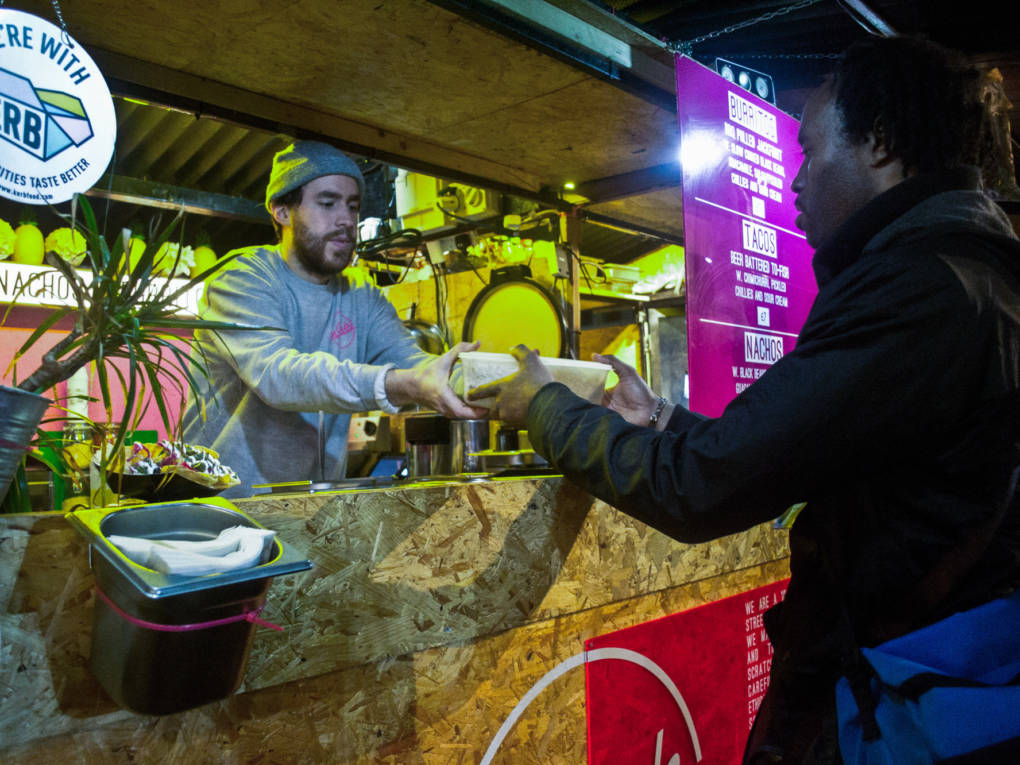
"caption": "Junior Herbert, a volunteer with Olio, collects leftovers from vendors at London's Camden Market. London has become a hub for apps and small-scale businesses that let restaurants and food vendors share leftovers with the public for free, and otherwise reduce the amount of edibles they toss.",
"description": "Junior Herbert, a volunteer with Olio, collects leftovers from vendors at London's Camden Market. London has become a hub for apps and small-scale businesses that let restaurants and food vendors share leftovers with the public for free, and otherwise reduce the amount of edibles they toss.",
"title": "Junior Herbert, a volunteer with Olio, collects leftovers from vendors at London's Camden Market. London has become a hub for apps and small-scale businesses that let restaurants and food vendors share leftovers with the public for free, and otherwise reduce the amount of edibles they toss.",
"credit": "Maanvi Singh for NPR",
"status": "inherit",
"isLoading": false,
"fetchFailed": false
},
"bayareabites_113623": {
"type": "attachments",
"id": "bayareabites_113623",
"meta": {
"index": "attachments_1716263798",
"site": "bayareabites",
"id": "113623",
"found": true
},
"parent": 113622,
"imgSizes": {
"small": {
"file": "https://ww2.kqed.org/app/uploads/sites/24/2016/11/orange-mule-kit-smirnoff-82-01b6042c3979407563f4ac67f6cc1e203c62f44a-520x390.jpg",
"width": 520,
"mimeType": "image/jpeg",
"height": 390
},
"twentyfourteen-full-width": {
"file": "https://ww2.kqed.org/app/uploads/sites/24/2016/11/orange-mule-kit-smirnoff-82-01b6042c3979407563f4ac67f6cc1e203c62f44a-1038x576.jpg",
"width": 1038,
"mimeType": "image/jpeg",
"height": 576
},
"thumbnail": {
"file": "https://ww2.kqed.org/app/uploads/sites/24/2016/11/orange-mule-kit-smirnoff-82-01b6042c3979407563f4ac67f6cc1e203c62f44a-160x120.jpg",
"width": 160,
"mimeType": "image/jpeg",
"height": 120
},
"fd-sm": {
"file": "https://ww2.kqed.org/app/uploads/sites/24/2016/11/orange-mule-kit-smirnoff-82-01b6042c3979407563f4ac67f6cc1e203c62f44a-960x720.jpg",
"width": 960,
"mimeType": "image/jpeg",
"height": 720
},
"post-thumbnail": {
"file": "https://ww2.kqed.org/app/uploads/sites/24/2016/11/orange-mule-kit-smirnoff-82-01b6042c3979407563f4ac67f6cc1e203c62f44a-672x372.jpg",
"width": 672,
"mimeType": "image/jpeg",
"height": 372
},
"xsmall": {
"file": "https://ww2.kqed.org/app/uploads/sites/24/2016/11/orange-mule-kit-smirnoff-82-01b6042c3979407563f4ac67f6cc1e203c62f44a-375x281.jpg",
"width": 375,
"mimeType": "image/jpeg",
"height": 281
},
"kqedFullSize": {
"file": "https://ww2.kqed.org/app/uploads/sites/24/2016/11/orange-mule-kit-smirnoff-82-01b6042c3979407563f4ac67f6cc1e203c62f44a.jpg",
"width": 2657,
"height": 1993
},
"large": {
"file": "https://ww2.kqed.org/app/uploads/sites/24/2016/11/orange-mule-kit-smirnoff-82-01b6042c3979407563f4ac67f6cc1e203c62f44a-1020x765.jpg",
"width": 1020,
"mimeType": "image/jpeg",
"height": 765
},
"xlarge": {
"file": "https://ww2.kqed.org/app/uploads/sites/24/2016/11/orange-mule-kit-smirnoff-82-01b6042c3979407563f4ac67f6cc1e203c62f44a-1180x885.jpg",
"width": 1180,
"mimeType": "image/jpeg",
"height": 885
},
"guest-author-50": {
"file": "https://ww2.kqed.org/app/uploads/sites/24/2016/11/orange-mule-kit-smirnoff-82-01b6042c3979407563f4ac67f6cc1e203c62f44a-50x50.jpg",
"width": 50,
"mimeType": "image/jpeg",
"height": 50
},
"guest-author-96": {
"file": "https://ww2.kqed.org/app/uploads/sites/24/2016/11/orange-mule-kit-smirnoff-82-01b6042c3979407563f4ac67f6cc1e203c62f44a-96x96.jpg",
"width": 96,
"mimeType": "image/jpeg",
"height": 96
},
"medium": {
"file": "https://ww2.kqed.org/app/uploads/sites/24/2016/11/orange-mule-kit-smirnoff-82-01b6042c3979407563f4ac67f6cc1e203c62f44a-800x600.jpg",
"width": 800,
"mimeType": "image/jpeg",
"height": 600
},
"guest-author-64": {
"file": "https://ww2.kqed.org/app/uploads/sites/24/2016/11/orange-mule-kit-smirnoff-82-01b6042c3979407563f4ac67f6cc1e203c62f44a-64x64.jpg",
"width": 64,
"mimeType": "image/jpeg",
"height": 64
},
"guest-author-32": {
"file": "https://ww2.kqed.org/app/uploads/sites/24/2016/11/orange-mule-kit-smirnoff-82-01b6042c3979407563f4ac67f6cc1e203c62f44a-32x32.jpg",
"width": 32,
"mimeType": "image/jpeg",
"height": 32
},
"fd-lrg": {
"file": "https://ww2.kqed.org/app/uploads/sites/24/2016/11/orange-mule-kit-smirnoff-82-01b6042c3979407563f4ac67f6cc1e203c62f44a-1920x1440.jpg",
"width": 1920,
"mimeType": "image/jpeg",
"height": 1440
},
"fd-med": {
"file": "https://ww2.kqed.org/app/uploads/sites/24/2016/11/orange-mule-kit-smirnoff-82-01b6042c3979407563f4ac67f6cc1e203c62f44a-1180x885.jpg",
"width": 1180,
"mimeType": "image/jpeg",
"height": 885
},
"full-width": {
"file": "https://ww2.kqed.org/app/uploads/sites/24/2016/11/orange-mule-kit-smirnoff-82-01b6042c3979407563f4ac67f6cc1e203c62f44a-1920x1440.jpg",
"width": 1920,
"mimeType": "image/jpeg",
"height": 1440
},
"detail": {
"file": "https://ww2.kqed.org/app/uploads/sites/24/2016/11/orange-mule-kit-smirnoff-82-01b6042c3979407563f4ac67f6cc1e203c62f44a-150x150.jpg",
"width": 150,
"mimeType": "image/jpeg",
"height": 150
},
"medium_large": {
"file": "https://ww2.kqed.org/app/uploads/sites/24/2016/11/orange-mule-kit-smirnoff-82-01b6042c3979407563f4ac67f6cc1e203c62f44a-768x576.jpg",
"width": 768,
"mimeType": "image/jpeg",
"height": 576
},
"guest-author-128": {
"file": "https://ww2.kqed.org/app/uploads/sites/24/2016/11/orange-mule-kit-smirnoff-82-01b6042c3979407563f4ac67f6cc1e203c62f44a-128x128.jpg",
"width": 128,
"mimeType": "image/jpeg",
"height": 128
},
"xxsmall": {
"file": "https://ww2.kqed.org/app/uploads/sites/24/2016/11/orange-mule-kit-smirnoff-82-01b6042c3979407563f4ac67f6cc1e203c62f44a-240x180.jpg",
"width": 240,
"mimeType": "image/jpeg",
"height": 180
}
},
"publishDate": 1478728741,
"modified": 1478729115,
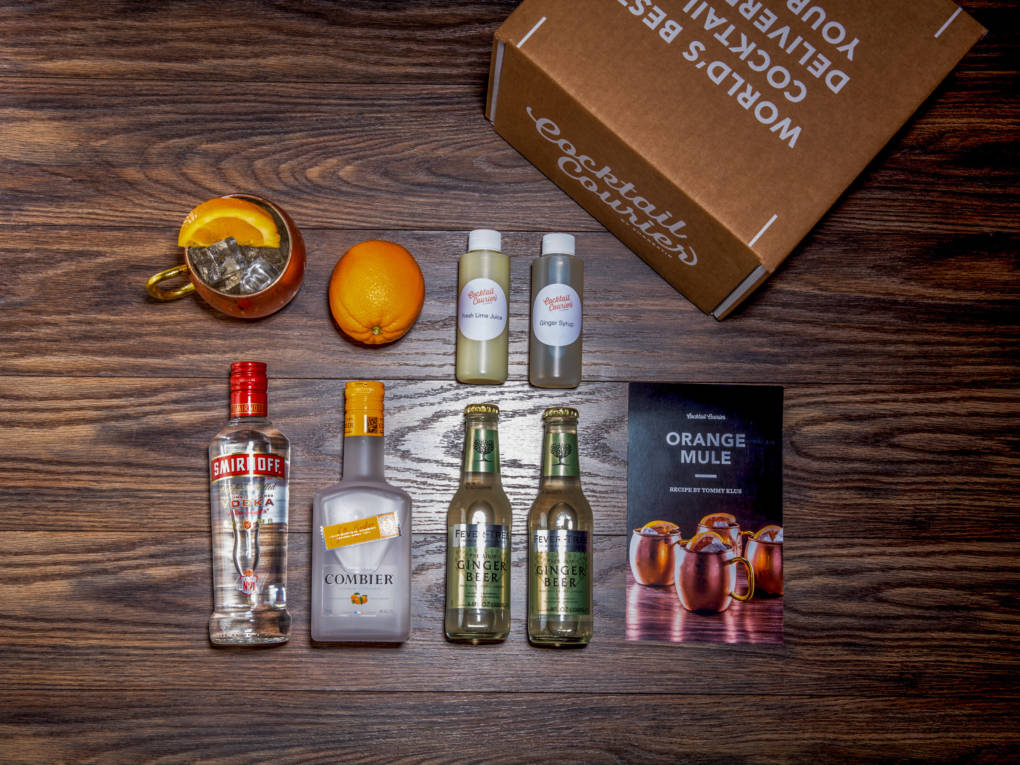
"caption": "As meal kits gain market share, craft cocktail subscription boxes have followed. Each service has a different take on the model. Some, like Cocktail Courier, deliver mini bottles of alcohol — just enough to make the featured recipe, like the ingredients for an Orange Mule.",
"description": "As meal kits gain market share, craft cocktail subscription boxes have followed. Each service has a different take on the model. Some, like Cocktail Courier, deliver mini bottles of alcohol — just enough to make the featured recipe, like the ingredients for an Orange Mule.",
"title": "As meal kits gain market share, craft cocktail subscription boxes have followed. Each service has a different take on the model. Some, like Cocktail Courier, deliver mini bottles of alcohol — just enough to make the featured recipe, like the ingredients for an Orange Mule (above).",
"credit": "Jeff Schear",
"status": "inherit",
"isLoading": false,
"fetchFailed": false
},
"bayareabites_113369": {
"type": "attachments",
"id": "bayareabites_113369",
"meta": {
"index": "attachments_1716263798",
"site": "bayareabites",
"id": "113369",
"found": true
},
"parent": 113225,
"imgSizes": {
"small": {
"file": "https://ww2.kqed.org/app/uploads/sites/24/2016/11/gravy-final1-520x347.jpg",
"width": 520,
"mimeType": "image/jpeg",
"height": 347
},
"twentyfourteen-full-width": {
"file": "https://ww2.kqed.org/app/uploads/sites/24/2016/11/gravy-final1-1038x576.jpg",
"width": 1038,
"mimeType": "image/jpeg",
"height": 576
},
"thumbnail": {
"file": "https://ww2.kqed.org/app/uploads/sites/24/2016/11/gravy-final1-160x107.jpg",
"width": 160,
"mimeType": "image/jpeg",
"height": 107
},
"fd-sm": {
"file": "https://ww2.kqed.org/app/uploads/sites/24/2016/11/gravy-final1-960x640.jpg",
"width": 960,
"mimeType": "image/jpeg",
"height": 640
},
"post-thumbnail": {
"file": "https://ww2.kqed.org/app/uploads/sites/24/2016/11/gravy-final1-672x372.jpg",
"width": 672,
"mimeType": "image/jpeg",
"height": 372
},
"xsmall": {
"file": "https://ww2.kqed.org/app/uploads/sites/24/2016/11/gravy-final1-375x250.jpg",
"width": 375,
"mimeType": "image/jpeg",
"height": 250
},
"kqedFullSize": {
"file": "https://ww2.kqed.org/app/uploads/sites/24/2016/11/gravy-final1.jpg",
"width": 1920,
"height": 1280
},
"large": {
"file": "https://ww2.kqed.org/app/uploads/sites/24/2016/11/gravy-final1-1020x680.jpg",
"width": 1020,
"mimeType": "image/jpeg",
"height": 680
},
"xlarge": {
"file": "https://ww2.kqed.org/app/uploads/sites/24/2016/11/gravy-final1-1180x787.jpg",
"width": 1180,
"mimeType": "image/jpeg",
"height": 787
},
"guest-author-50": {
"file": "https://ww2.kqed.org/app/uploads/sites/24/2016/11/gravy-final1-50x50.jpg",
"width": 50,
"mimeType": "image/jpeg",
"height": 50
},
"guest-author-96": {
"file": "https://ww2.kqed.org/app/uploads/sites/24/2016/11/gravy-final1-96x96.jpg",
"width": 96,
"mimeType": "image/jpeg",
"height": 96
},
"medium": {
"file": "https://ww2.kqed.org/app/uploads/sites/24/2016/11/gravy-final1-800x533.jpg",
"width": 800,
"mimeType": "image/jpeg",
"height": 533
},
"guest-author-64": {
"file": "https://ww2.kqed.org/app/uploads/sites/24/2016/11/gravy-final1-64x64.jpg",
"width": 64,
"mimeType": "image/jpeg",
"height": 64
},
"guest-author-32": {
"file": "https://ww2.kqed.org/app/uploads/sites/24/2016/11/gravy-final1-32x32.jpg",
"width": 32,
"mimeType": "image/jpeg",
"height": 32
},
"fd-lrg": {
"file": "https://ww2.kqed.org/app/uploads/sites/24/2016/11/gravy-final1-1920x1280.jpg",
"width": 1920,
"mimeType": "image/jpeg",
"height": 1280
},
"fd-med": {
"file": "https://ww2.kqed.org/app/uploads/sites/24/2016/11/gravy-final1-1180x787.jpg",
"width": 1180,
"mimeType": "image/jpeg",
"height": 787
},
"full-width": {
"file": "https://ww2.kqed.org/app/uploads/sites/24/2016/11/gravy-final1-1920x1280.jpg",
"width": 1920,
"mimeType": "image/jpeg",
"height": 1280
},
"detail": {
"file": "https://ww2.kqed.org/app/uploads/sites/24/2016/11/gravy-final1-150x150.jpg",
"width": 150,
"mimeType": "image/jpeg",
"height": 150
},
"medium_large": {
"file": "https://ww2.kqed.org/app/uploads/sites/24/2016/11/gravy-final1-768x512.jpg",
"width": 768,
"mimeType": "image/jpeg",
"height": 512
},
"guest-author-128": {
"file": "https://ww2.kqed.org/app/uploads/sites/24/2016/11/gravy-final1-128x128.jpg",
"width": 128,
"mimeType": "image/jpeg",
"height": 128
},
"xxsmall": {
"file": "https://ww2.kqed.org/app/uploads/sites/24/2016/11/gravy-final1-240x160.jpg",
"width": 240,
"mimeType": "image/jpeg",
"height": 160
}
},
"publishDate": 1478131557,
"modified": 1478131595,
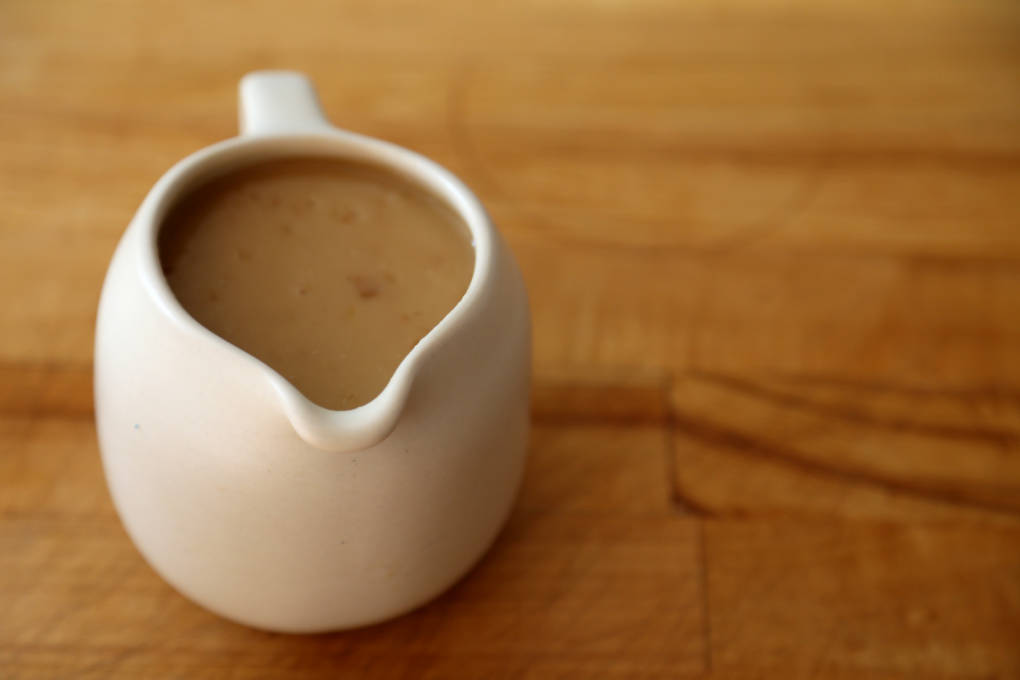
"caption": "Classic Turkey Gravy",
"description": "Classic Turkey Gravy",
"title": "Classic Turkey Gravy",
"credit": "Wendy Goodfriend",
"status": "inherit",
"isLoading": false,
"fetchFailed": false
},
"bayareabites_113164": {
"type": "attachments",
"id": "bayareabites_113164",
"meta": {
"index": "attachments_1716263798",
"site": "bayareabites",
"id": "113164",
"found": true
},
"parent": 113163,
"imgSizes": {
"small": {
"file": "https://ww2.kqed.org/app/uploads/sites/24/2016/10/mikesmazeseeamerica_wide-8e3961dfc1b0ed5d4ad555db7a52508f718e8ba9-520x293.jpg",
"width": 520,
"mimeType": "image/jpeg",
"height": 293
},
"thumbnail": {
"file": "https://ww2.kqed.org/app/uploads/sites/24/2016/10/mikesmazeseeamerica_wide-8e3961dfc1b0ed5d4ad555db7a52508f718e8ba9-160x90.jpg",
"width": 160,
"mimeType": "image/jpeg",
"height": 90
},
"post-thumbnail": {
"file": "https://ww2.kqed.org/app/uploads/sites/24/2016/10/mikesmazeseeamerica_wide-8e3961dfc1b0ed5d4ad555db7a52508f718e8ba9-672x372.jpg",
"width": 672,
"mimeType": "image/jpeg",
"height": 372
},
"xsmall": {
"file": "https://ww2.kqed.org/app/uploads/sites/24/2016/10/mikesmazeseeamerica_wide-8e3961dfc1b0ed5d4ad555db7a52508f718e8ba9-375x211.jpg",
"width": 375,
"mimeType": "image/jpeg",
"height": 211
},
"kqedFullSize": {
"file": "https://ww2.kqed.org/app/uploads/sites/24/2016/10/mikesmazeseeamerica_wide-8e3961dfc1b0ed5d4ad555db7a52508f718e8ba9.jpg",
"width": 718,
"height": 404
},
"guest-author-50": {
"file": "https://ww2.kqed.org/app/uploads/sites/24/2016/10/mikesmazeseeamerica_wide-8e3961dfc1b0ed5d4ad555db7a52508f718e8ba9-50x50.jpg",
"width": 50,
"mimeType": "image/jpeg",
"height": 50
},
"guest-author-96": {
"file": "https://ww2.kqed.org/app/uploads/sites/24/2016/10/mikesmazeseeamerica_wide-8e3961dfc1b0ed5d4ad555db7a52508f718e8ba9-96x96.jpg",
"width": 96,
"mimeType": "image/jpeg",
"height": 96
},
"guest-author-64": {
"file": "https://ww2.kqed.org/app/uploads/sites/24/2016/10/mikesmazeseeamerica_wide-8e3961dfc1b0ed5d4ad555db7a52508f718e8ba9-64x64.jpg",
"width": 64,
"mimeType": "image/jpeg",
"height": 64
},
"detail": {
"file": "https://ww2.kqed.org/app/uploads/sites/24/2016/10/mikesmazeseeamerica_wide-8e3961dfc1b0ed5d4ad555db7a52508f718e8ba9-150x150.jpg",
"width": 150,
"mimeType": "image/jpeg",
"height": 150
},
"guest-author-32": {
"file": "https://ww2.kqed.org/app/uploads/sites/24/2016/10/mikesmazeseeamerica_wide-8e3961dfc1b0ed5d4ad555db7a52508f718e8ba9-32x32.jpg",
"width": 32,
"mimeType": "image/jpeg",
"height": 32
},
"guest-author-128": {
"file": "https://ww2.kqed.org/app/uploads/sites/24/2016/10/mikesmazeseeamerica_wide-8e3961dfc1b0ed5d4ad555db7a52508f718e8ba9-128x128.jpg",
"width": 128,
"mimeType": "image/jpeg",
"height": 128
},
"xxsmall": {
"file": "https://ww2.kqed.org/app/uploads/sites/24/2016/10/mikesmazeseeamerica_wide-8e3961dfc1b0ed5d4ad555db7a52508f718e8ba9-240x135.jpg",
"width": 240,
"mimeType": "image/jpeg",
"height": 135
}
},
"publishDate": 1478021633,
"modified": 1478021988,
"caption": "The theme of Mike's Maze this year is \"See America,\" which commemorates the 100th anniversary of the National Park Service.",
"description": "The theme of Mike's Maze this year is \"See America,\" which commemorates the 100th anniversary of the National Park Service.",
"title": "The theme of Mike's Maze this year is \"See America,\" which commemorates the 100th anniversary of the National Park Service.",
"credit": "Courtesy of Warner Farm",
"status": "inherit",
"isLoading": false,
"fetchFailed": false
},
"bayareabites_113136": {
"type": "attachments",
"id": "bayareabites_113136",
"meta": {
"index": "attachments_1716263798",
"site": "bayareabites",
"id": "113136",
"found": true
},
"parent": 113135,
"imgSizes": {
"small": {
"file": "https://ww2.kqed.org/app/uploads/sites/24/2016/10/gettyimages-511530458-80_custom-e1514ae78fade488fe3c4e443cd01db56c5f43da-520x346.jpg",
"width": 520,
"mimeType": "image/jpeg",
"height": 346
},
"twentyfourteen-full-width": {
"file": "https://ww2.kqed.org/app/uploads/sites/24/2016/10/gettyimages-511530458-80_custom-e1514ae78fade488fe3c4e443cd01db56c5f43da-1038x576.jpg",
"width": 1038,
"mimeType": "image/jpeg",
"height": 576
},
"thumbnail": {
"file": "https://ww2.kqed.org/app/uploads/sites/24/2016/10/gettyimages-511530458-80_custom-e1514ae78fade488fe3c4e443cd01db56c5f43da-160x107.jpg",
"width": 160,
"mimeType": "image/jpeg",
"height": 107
},
"fd-sm": {
"file": "https://ww2.kqed.org/app/uploads/sites/24/2016/10/gettyimages-511530458-80_custom-e1514ae78fade488fe3c4e443cd01db56c5f43da-960x639.jpg",
"width": 960,
"mimeType": "image/jpeg",
"height": 639
},
"post-thumbnail": {
"file": "https://ww2.kqed.org/app/uploads/sites/24/2016/10/gettyimages-511530458-80_custom-e1514ae78fade488fe3c4e443cd01db56c5f43da-672x372.jpg",
"width": 672,
"mimeType": "image/jpeg",
"height": 372
},
"xsmall": {
"file": "https://ww2.kqed.org/app/uploads/sites/24/2016/10/gettyimages-511530458-80_custom-e1514ae78fade488fe3c4e443cd01db56c5f43da-375x250.jpg",
"width": 375,
"mimeType": "image/jpeg",
"height": 250
},
"kqedFullSize": {
"file": "https://ww2.kqed.org/app/uploads/sites/24/2016/10/gettyimages-511530458-80_custom-e1514ae78fade488fe3c4e443cd01db56c5f43da.jpg",
"width": 3000,
"height": 1998
},
"large": {
"file": "https://ww2.kqed.org/app/uploads/sites/24/2016/10/gettyimages-511530458-80_custom-e1514ae78fade488fe3c4e443cd01db56c5f43da-1020x679.jpg",
"width": 1020,
"mimeType": "image/jpeg",
"height": 679
},
"xlarge": {
"file": "https://ww2.kqed.org/app/uploads/sites/24/2016/10/gettyimages-511530458-80_custom-e1514ae78fade488fe3c4e443cd01db56c5f43da-1180x786.jpg",
"width": 1180,
"mimeType": "image/jpeg",
"height": 786
},
"guest-author-50": {
"file": "https://ww2.kqed.org/app/uploads/sites/24/2016/10/gettyimages-511530458-80_custom-e1514ae78fade488fe3c4e443cd01db56c5f43da-50x50.jpg",
"width": 50,
"mimeType": "image/jpeg",
"height": 50
},
"guest-author-96": {
"file": "https://ww2.kqed.org/app/uploads/sites/24/2016/10/gettyimages-511530458-80_custom-e1514ae78fade488fe3c4e443cd01db56c5f43da-96x96.jpg",
"width": 96,
"mimeType": "image/jpeg",
"height": 96
},
"medium": {
"file": "https://ww2.kqed.org/app/uploads/sites/24/2016/10/gettyimages-511530458-80_custom-e1514ae78fade488fe3c4e443cd01db56c5f43da-800x533.jpg",
"width": 800,
"mimeType": "image/jpeg",
"height": 533
},
"guest-author-64": {
"file": "https://ww2.kqed.org/app/uploads/sites/24/2016/10/gettyimages-511530458-80_custom-e1514ae78fade488fe3c4e443cd01db56c5f43da-64x64.jpg",
"width": 64,
"mimeType": "image/jpeg",
"height": 64
},
"guest-author-32": {
"file": "https://ww2.kqed.org/app/uploads/sites/24/2016/10/gettyimages-511530458-80_custom-e1514ae78fade488fe3c4e443cd01db56c5f43da-32x32.jpg",
"width": 32,
"mimeType": "image/jpeg",
"height": 32
},
"fd-lrg": {
"file": "https://ww2.kqed.org/app/uploads/sites/24/2016/10/gettyimages-511530458-80_custom-e1514ae78fade488fe3c4e443cd01db56c5f43da-1920x1279.jpg",
"width": 1920,
"mimeType": "image/jpeg",
"height": 1279
},
"fd-med": {
"file": "https://ww2.kqed.org/app/uploads/sites/24/2016/10/gettyimages-511530458-80_custom-e1514ae78fade488fe3c4e443cd01db56c5f43da-1180x786.jpg",
"width": 1180,
"mimeType": "image/jpeg",
"height": 786
},
"full-width": {
"file": "https://ww2.kqed.org/app/uploads/sites/24/2016/10/gettyimages-511530458-80_custom-e1514ae78fade488fe3c4e443cd01db56c5f43da-1920x1279.jpg",
"width": 1920,
"mimeType": "image/jpeg",
"height": 1279
},
"detail": {
"file": "https://ww2.kqed.org/app/uploads/sites/24/2016/10/gettyimages-511530458-80_custom-e1514ae78fade488fe3c4e443cd01db56c5f43da-150x150.jpg",
"width": 150,
"mimeType": "image/jpeg",
"height": 150
},
"medium_large": {
"file": "https://ww2.kqed.org/app/uploads/sites/24/2016/10/gettyimages-511530458-80_custom-e1514ae78fade488fe3c4e443cd01db56c5f43da-768x511.jpg",
"width": 768,
"mimeType": "image/jpeg",
"height": 511
},
"guest-author-128": {
"file": "https://ww2.kqed.org/app/uploads/sites/24/2016/10/gettyimages-511530458-80_custom-e1514ae78fade488fe3c4e443cd01db56c5f43da-128x128.jpg",
"width": 128,
"mimeType": "image/jpeg",
"height": 128
},
"xxsmall": {
"file": "https://ww2.kqed.org/app/uploads/sites/24/2016/10/gettyimages-511530458-80_custom-e1514ae78fade488fe3c4e443cd01db56c5f43da-240x160.jpg",
"width": 240,
"mimeType": "image/jpeg",
"height": 160
}
},
"publishDate": 1477932327,
"modified": 1477932751,
"caption": "Americans are often chastised for what we eat. Now we're getting a pat on the back. A new report finds seafood consumption is up by nearly a pound from the previous year, the biggest leap in 20 years.",
"description": "Americans are often chastised for what we eat. Now we're getting a pat on the back. A new report finds seafood consumption is up by nearly a pound from the previous year, the biggest leap in 20 years.",
"title": "Americans are often chastised for what we eat. Now we're getting a pat on the back. A new report finds seafood consumption is up by nearly a pound from the previous year, the biggest leap in 20 years.",
"credit": "fcafotodigital/Getty Images",
"status": "inherit",
"isLoading": false,
"fetchFailed": false
},
"bayareabites_113129": {
"type": "attachments",
"id": "bayareabites_113129",
"meta": {
"index": "attachments_1716263798",
"site": "bayareabites",
"id": "113129",
"found": true
},
"parent": 113128,
"imgSizes": {
"small": {
"file": "https://ww2.kqed.org/app/uploads/sites/24/2016/10/gettyimages-150751465-80_custom-c3ac6fa798d933949b41fdc29efd317b203c95ca-520x346.jpg",
"width": 520,
"mimeType": "image/jpeg",
"height": 346
},
"twentyfourteen-full-width": {
"file": "https://ww2.kqed.org/app/uploads/sites/24/2016/10/gettyimages-150751465-80_custom-c3ac6fa798d933949b41fdc29efd317b203c95ca-1038x576.jpg",
"width": 1038,
"mimeType": "image/jpeg",
"height": 576
},
"thumbnail": {
"file": "https://ww2.kqed.org/app/uploads/sites/24/2016/10/gettyimages-150751465-80_custom-c3ac6fa798d933949b41fdc29efd317b203c95ca-160x107.jpg",
"width": 160,
"mimeType": "image/jpeg",
"height": 107
},
"fd-sm": {
"file": "https://ww2.kqed.org/app/uploads/sites/24/2016/10/gettyimages-150751465-80_custom-c3ac6fa798d933949b41fdc29efd317b203c95ca-960x639.jpg",
"width": 960,
"mimeType": "image/jpeg",
"height": 639
},
"post-thumbnail": {
"file": "https://ww2.kqed.org/app/uploads/sites/24/2016/10/gettyimages-150751465-80_custom-c3ac6fa798d933949b41fdc29efd317b203c95ca-672x372.jpg",
"width": 672,
"mimeType": "image/jpeg",
"height": 372
},
"xsmall": {
"file": "https://ww2.kqed.org/app/uploads/sites/24/2016/10/gettyimages-150751465-80_custom-c3ac6fa798d933949b41fdc29efd317b203c95ca-375x250.jpg",
"width": 375,
"mimeType": "image/jpeg",
"height": 250
},
"kqedFullSize": {
"file": "https://ww2.kqed.org/app/uploads/sites/24/2016/10/gettyimages-150751465-80_custom-c3ac6fa798d933949b41fdc29efd317b203c95ca.jpg",
"width": 2000,
"height": 1332
},
"large": {
"file": "https://ww2.kqed.org/app/uploads/sites/24/2016/10/gettyimages-150751465-80_custom-c3ac6fa798d933949b41fdc29efd317b203c95ca-1020x679.jpg",
"width": 1020,
"mimeType": "image/jpeg",
"height": 679
},
"xlarge": {
"file": "https://ww2.kqed.org/app/uploads/sites/24/2016/10/gettyimages-150751465-80_custom-c3ac6fa798d933949b41fdc29efd317b203c95ca-1180x786.jpg",
"width": 1180,
"mimeType": "image/jpeg",
"height": 786
},
"guest-author-50": {
"file": "https://ww2.kqed.org/app/uploads/sites/24/2016/10/gettyimages-150751465-80_custom-c3ac6fa798d933949b41fdc29efd317b203c95ca-50x50.jpg",
"width": 50,
"mimeType": "image/jpeg",
"height": 50
},
"guest-author-96": {
"file": "https://ww2.kqed.org/app/uploads/sites/24/2016/10/gettyimages-150751465-80_custom-c3ac6fa798d933949b41fdc29efd317b203c95ca-96x96.jpg",
"width": 96,
"mimeType": "image/jpeg",
"height": 96
},
"medium": {
"file": "https://ww2.kqed.org/app/uploads/sites/24/2016/10/gettyimages-150751465-80_custom-c3ac6fa798d933949b41fdc29efd317b203c95ca-800x533.jpg",
"width": 800,
"mimeType": "image/jpeg",
"height": 533
},
"guest-author-64": {
"file": "https://ww2.kqed.org/app/uploads/sites/24/2016/10/gettyimages-150751465-80_custom-c3ac6fa798d933949b41fdc29efd317b203c95ca-64x64.jpg",
"width": 64,
"mimeType": "image/jpeg",
"height": 64
},
"guest-author-32": {
"file": "https://ww2.kqed.org/app/uploads/sites/24/2016/10/gettyimages-150751465-80_custom-c3ac6fa798d933949b41fdc29efd317b203c95ca-32x32.jpg",
"width": 32,
"mimeType": "image/jpeg",
"height": 32
},
"fd-lrg": {
"file": "https://ww2.kqed.org/app/uploads/sites/24/2016/10/gettyimages-150751465-80_custom-c3ac6fa798d933949b41fdc29efd317b203c95ca-1920x1279.jpg",
"width": 1920,
"mimeType": "image/jpeg",
"height": 1279
},
"fd-med": {
"file": "https://ww2.kqed.org/app/uploads/sites/24/2016/10/gettyimages-150751465-80_custom-c3ac6fa798d933949b41fdc29efd317b203c95ca-1180x786.jpg",
"width": 1180,
"mimeType": "image/jpeg",
"height": 786
},
"full-width": {
"file": "https://ww2.kqed.org/app/uploads/sites/24/2016/10/gettyimages-150751465-80_custom-c3ac6fa798d933949b41fdc29efd317b203c95ca-1920x1279.jpg",
"width": 1920,
"mimeType": "image/jpeg",
"height": 1279
},
"detail": {
"file": "https://ww2.kqed.org/app/uploads/sites/24/2016/10/gettyimages-150751465-80_custom-c3ac6fa798d933949b41fdc29efd317b203c95ca-150x150.jpg",
"width": 150,
"mimeType": "image/jpeg",
"height": 150
},
"medium_large": {
"file": "https://ww2.kqed.org/app/uploads/sites/24/2016/10/gettyimages-150751465-80_custom-c3ac6fa798d933949b41fdc29efd317b203c95ca-768x511.jpg",
"width": 768,
"mimeType": "image/jpeg",
"height": 511
},
"guest-author-128": {
"file": "https://ww2.kqed.org/app/uploads/sites/24/2016/10/gettyimages-150751465-80_custom-c3ac6fa798d933949b41fdc29efd317b203c95ca-128x128.jpg",
"width": 128,
"mimeType": "image/jpeg",
"height": 128
},
"xxsmall": {
"file": "https://ww2.kqed.org/app/uploads/sites/24/2016/10/gettyimages-150751465-80_custom-c3ac6fa798d933949b41fdc29efd317b203c95ca-240x160.jpg",
"width": 240,
"mimeType": "image/jpeg",
"height": 160
}
},
"publishDate": 1477929635,
"modified": 1477930255,
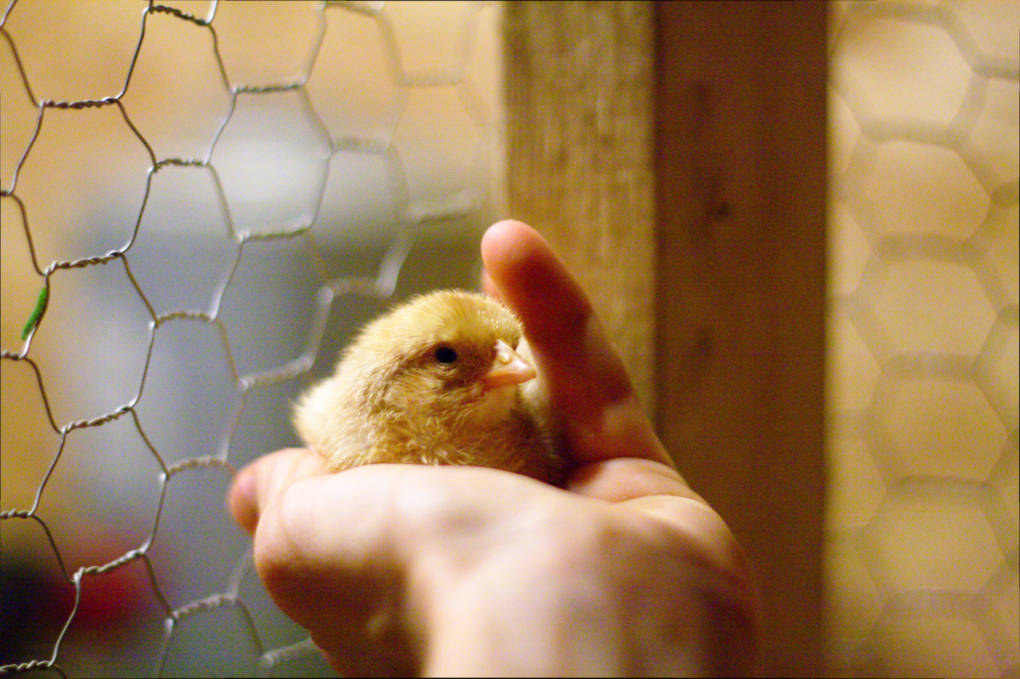
"caption": "This chick will live. It's female.",
"description": "This chick will live. It's female.",
"title": "This chick will live. It's female.",
"credit": "Jessica Harms/Getty Images",
"status": "inherit",
"isLoading": false,
"fetchFailed": false
},
"bayareabites_112981": {
"type": "attachments",
"id": "bayareabites_112981",
"meta": {
"index": "attachments_1716263798",
"site": "bayareabites",
"id": "112981",
"found": true
},
"parent": 112980,
"imgSizes": {
"small": {
"file": "https://ww2.kqed.org/app/uploads/sites/24/2016/10/bringing-in-the-sheaves-cropped-70_custom-90868149efe1f87a37ab22a3186d68350b794086-520x365.jpg",
"width": 520,
"mimeType": "image/jpeg",
"height": 365
},
"twentyfourteen-full-width": {
"file": "https://ww2.kqed.org/app/uploads/sites/24/2016/10/bringing-in-the-sheaves-cropped-70_custom-90868149efe1f87a37ab22a3186d68350b794086-1038x576.jpg",
"width": 1038,
"mimeType": "image/jpeg",
"height": 576
},
"thumbnail": {
"file": "https://ww2.kqed.org/app/uploads/sites/24/2016/10/bringing-in-the-sheaves-cropped-70_custom-90868149efe1f87a37ab22a3186d68350b794086-160x112.jpg",
"width": 160,
"mimeType": "image/jpeg",
"height": 112
},
"fd-sm": {
"file": "https://ww2.kqed.org/app/uploads/sites/24/2016/10/bringing-in-the-sheaves-cropped-70_custom-90868149efe1f87a37ab22a3186d68350b794086-960x674.jpg",
"width": 960,
"mimeType": "image/jpeg",
"height": 674
},
"post-thumbnail": {
"file": "https://ww2.kqed.org/app/uploads/sites/24/2016/10/bringing-in-the-sheaves-cropped-70_custom-90868149efe1f87a37ab22a3186d68350b794086-672x372.jpg",
"width": 672,
"mimeType": "image/jpeg",
"height": 372
},
"xsmall": {
"file": "https://ww2.kqed.org/app/uploads/sites/24/2016/10/bringing-in-the-sheaves-cropped-70_custom-90868149efe1f87a37ab22a3186d68350b794086-375x263.jpg",
"width": 375,
"mimeType": "image/jpeg",
"height": 263
},
"kqedFullSize": {
"file": "https://ww2.kqed.org/app/uploads/sites/24/2016/10/bringing-in-the-sheaves-cropped-70_custom-90868149efe1f87a37ab22a3186d68350b794086.jpg",
"width": 2000,
"height": 1404
},
"large": {
"file": "https://ww2.kqed.org/app/uploads/sites/24/2016/10/bringing-in-the-sheaves-cropped-70_custom-90868149efe1f87a37ab22a3186d68350b794086-1020x716.jpg",
"width": 1020,
"mimeType": "image/jpeg",
"height": 716
},
"xlarge": {
"file": "https://ww2.kqed.org/app/uploads/sites/24/2016/10/bringing-in-the-sheaves-cropped-70_custom-90868149efe1f87a37ab22a3186d68350b794086-1180x828.jpg",
"width": 1180,
"mimeType": "image/jpeg",
"height": 828
},
"guest-author-50": {
"file": "https://ww2.kqed.org/app/uploads/sites/24/2016/10/bringing-in-the-sheaves-cropped-70_custom-90868149efe1f87a37ab22a3186d68350b794086-50x50.jpg",
"width": 50,
"mimeType": "image/jpeg",
"height": 50
},
"guest-author-96": {
"file": "https://ww2.kqed.org/app/uploads/sites/24/2016/10/bringing-in-the-sheaves-cropped-70_custom-90868149efe1f87a37ab22a3186d68350b794086-96x96.jpg",
"width": 96,
"mimeType": "image/jpeg",
"height": 96
},
"medium": {
"file": "https://ww2.kqed.org/app/uploads/sites/24/2016/10/bringing-in-the-sheaves-cropped-70_custom-90868149efe1f87a37ab22a3186d68350b794086-800x562.jpg",
"width": 800,
"mimeType": "image/jpeg",
"height": 562
},
"guest-author-64": {
"file": "https://ww2.kqed.org/app/uploads/sites/24/2016/10/bringing-in-the-sheaves-cropped-70_custom-90868149efe1f87a37ab22a3186d68350b794086-64x64.jpg",
"width": 64,
"mimeType": "image/jpeg",
"height": 64
},
"guest-author-32": {
"file": "https://ww2.kqed.org/app/uploads/sites/24/2016/10/bringing-in-the-sheaves-cropped-70_custom-90868149efe1f87a37ab22a3186d68350b794086-32x32.jpg",
"width": 32,
"mimeType": "image/jpeg",
"height": 32
},
"fd-lrg": {
"file": "https://ww2.kqed.org/app/uploads/sites/24/2016/10/bringing-in-the-sheaves-cropped-70_custom-90868149efe1f87a37ab22a3186d68350b794086-1920x1348.jpg",
"width": 1920,
"mimeType": "image/jpeg",
"height": 1348
},
"fd-med": {
"file": "https://ww2.kqed.org/app/uploads/sites/24/2016/10/bringing-in-the-sheaves-cropped-70_custom-90868149efe1f87a37ab22a3186d68350b794086-1180x828.jpg",
"width": 1180,
"mimeType": "image/jpeg",
"height": 828
},
"full-width": {
"file": "https://ww2.kqed.org/app/uploads/sites/24/2016/10/bringing-in-the-sheaves-cropped-70_custom-90868149efe1f87a37ab22a3186d68350b794086-1920x1348.jpg",
"width": 1920,
"mimeType": "image/jpeg",
"height": 1348
},
"detail": {
"file": "https://ww2.kqed.org/app/uploads/sites/24/2016/10/bringing-in-the-sheaves-cropped-70_custom-90868149efe1f87a37ab22a3186d68350b794086-150x150.jpg",
"width": 150,
"mimeType": "image/jpeg",
"height": 150
},
"medium_large": {
"file": "https://ww2.kqed.org/app/uploads/sites/24/2016/10/bringing-in-the-sheaves-cropped-70_custom-90868149efe1f87a37ab22a3186d68350b794086-768x539.jpg",
"width": 768,
"mimeType": "image/jpeg",
"height": 539
},
"guest-author-128": {
"file": "https://ww2.kqed.org/app/uploads/sites/24/2016/10/bringing-in-the-sheaves-cropped-70_custom-90868149efe1f87a37ab22a3186d68350b794086-128x128.jpg",
"width": 128,
"mimeType": "image/jpeg",
"height": 128
},
"xxsmall": {
"file": "https://ww2.kqed.org/app/uploads/sites/24/2016/10/bringing-in-the-sheaves-cropped-70_custom-90868149efe1f87a37ab22a3186d68350b794086-240x168.jpg",
"width": 240,
"mimeType": "image/jpeg",
"height": 168
}
},
"publishDate": 1477516666,
"modified": 1477516854,
"caption": "Laura Kemp, a technician at The Land Institute, hand harvests an experimental crop of Kernza in Kansas. Scientists think that this perennial crop could help fight climate change by trapping more carbon in the soil.",
"description": "Laura Kemp, a technician at The Land Institute, hand harvests an experimental crop of Kernza in Kansas. Scientists think that this perennial crop could help fight climate change by trapping more carbon in the soil",
"title": "Laura Kemp, a technician at The Land Institute, hand harvests an experimental crop of Kernza in Kansas. Scientists think that this perennial crop could help fight climate change by trapping more carbon in the soil.",
"credit": "Courtesy of The Land Institute",
"status": "inherit",
"isLoading": false,
"fetchFailed": false
},
"bayareabites_112827": {
"type": "attachments",
"id": "bayareabites_112827",
"meta": {
"index": "attachments_1716263798",
"site": "bayareabites",
"id": "112827",
"found": true
},
"parent": 112825,
"imgSizes": {
"small": {
"file": "https://ww2.kqed.org/app/uploads/sites/24/2016/10/paigegreenAnnaLappe-1920-520x347.jpg",
"width": 520,
"mimeType": "image/jpeg",
"height": 347
},
"twentyfourteen-full-width": {
"file": "https://ww2.kqed.org/app/uploads/sites/24/2016/10/paigegreenAnnaLappe-1920-1038x576.jpg",
"width": 1038,
"mimeType": "image/jpeg",
"height": 576
},
"thumbnail": {
"file": "https://ww2.kqed.org/app/uploads/sites/24/2016/10/paigegreenAnnaLappe-1920-160x107.jpg",
"width": 160,
"mimeType": "image/jpeg",
"height": 107
},
"fd-sm": {
"file": "https://ww2.kqed.org/app/uploads/sites/24/2016/10/paigegreenAnnaLappe-1920-960x640.jpg",
"width": 960,
"mimeType": "image/jpeg",
"height": 640
},
"post-thumbnail": {
"file": "https://ww2.kqed.org/app/uploads/sites/24/2016/10/paigegreenAnnaLappe-1920-672x372.jpg",
"width": 672,
"mimeType": "image/jpeg",
"height": 372
},
"xsmall": {
"file": "https://ww2.kqed.org/app/uploads/sites/24/2016/10/paigegreenAnnaLappe-1920-375x250.jpg",
"width": 375,
"mimeType": "image/jpeg",
"height": 250
},
"kqedFullSize": {
"file": "https://ww2.kqed.org/app/uploads/sites/24/2016/10/paigegreenAnnaLappe-1920.jpg",
"width": 1920,
"height": 1280
},
"large": {
"file": "https://ww2.kqed.org/app/uploads/sites/24/2016/10/paigegreenAnnaLappe-1920-1020x680.jpg",
"width": 1020,
"mimeType": "image/jpeg",
"height": 680
},
"xlarge": {
"file": "https://ww2.kqed.org/app/uploads/sites/24/2016/10/paigegreenAnnaLappe-1920-1180x787.jpg",
"width": 1180,
"mimeType": "image/jpeg",
"height": 787
},
"guest-author-50": {
"file": "https://ww2.kqed.org/app/uploads/sites/24/2016/10/paigegreenAnnaLappe-1920-50x50.jpg",
"width": 50,
"mimeType": "image/jpeg",
"height": 50
},
"guest-author-96": {
"file": "https://ww2.kqed.org/app/uploads/sites/24/2016/10/paigegreenAnnaLappe-1920-96x96.jpg",
"width": 96,
"mimeType": "image/jpeg",
"height": 96
},
"medium": {
"file": "https://ww2.kqed.org/app/uploads/sites/24/2016/10/paigegreenAnnaLappe-1920-800x533.jpg",
"width": 800,
"mimeType": "image/jpeg",
"height": 533
},
"guest-author-64": {
"file": "https://ww2.kqed.org/app/uploads/sites/24/2016/10/paigegreenAnnaLappe-1920-64x64.jpg",
"width": 64,
"mimeType": "image/jpeg",
"height": 64
},
"guest-author-32": {
"file": "https://ww2.kqed.org/app/uploads/sites/24/2016/10/paigegreenAnnaLappe-1920-32x32.jpg",
"width": 32,
"mimeType": "image/jpeg",
"height": 32
},
"fd-lrg": {
"file": "https://ww2.kqed.org/app/uploads/sites/24/2016/10/paigegreenAnnaLappe-1920-1920x1280.jpg",
"width": 1920,
"mimeType": "image/jpeg",
"height": 1280
},
"fd-med": {
"file": "https://ww2.kqed.org/app/uploads/sites/24/2016/10/paigegreenAnnaLappe-1920-1180x787.jpg",
"width": 1180,
"mimeType": "image/jpeg",
"height": 787
},
"full-width": {
"file": "https://ww2.kqed.org/app/uploads/sites/24/2016/10/paigegreenAnnaLappe-1920-1920x1280.jpg",
"width": 1920,
"mimeType": "image/jpeg",
"height": 1280
},
"detail": {
"file": "https://ww2.kqed.org/app/uploads/sites/24/2016/10/paigegreenAnnaLappe-1920-150x150.jpg",
"width": 150,
"mimeType": "image/jpeg",
"height": 150
},
"medium_large": {
"file": "https://ww2.kqed.org/app/uploads/sites/24/2016/10/paigegreenAnnaLappe-1920-768x512.jpg",
"width": 768,
"mimeType": "image/jpeg",
"height": 512
},
"guest-author-128": {
"file": "https://ww2.kqed.org/app/uploads/sites/24/2016/10/paigegreenAnnaLappe-1920-128x128.jpg",
"width": 128,
"mimeType": "image/jpeg",
"height": 128
},
"xxsmall": {
"file": "https://ww2.kqed.org/app/uploads/sites/24/2016/10/paigegreenAnnaLappe-1920-240x160.jpg",
"width": 240,
"mimeType": "image/jpeg",
"height": 160
}
},
"publishDate": 1477083115,
"modified": 1477084282,
"caption": "Anna Lappe",
"description": null,
"title": "paigegreenAnnaLappe-1920",
"credit": "Paige Green",
"status": "inherit",
"isLoading": false,
"fetchFailed": false
},
"bayareabites_112765": {
"type": "attachments",
"id": "bayareabites_112765",
"meta": {
"index": "attachments_1716263798",
"site": "bayareabites",
"id": "112765",
"found": true
},
"parent": 112764,
"imgSizes": {
"twentyfourteen-full-width": {
"file": "https://ww2.kqed.org/app/uploads/sites/24/2016/10/mn-1-70_custom-5d4a3d3e18c2d03cf42374728d233dde6b72aa84-1038x576.jpg",
"width": 1038,
"mimeType": "image/jpeg",
"height": 576
},
"thumbnail": {
"file": "https://ww2.kqed.org/app/uploads/sites/24/2016/10/mn-1-70_custom-5d4a3d3e18c2d03cf42374728d233dde6b72aa84-400x312.jpg",
"width": 400,
"mimeType": "image/jpeg",
"height": 312
},
"fd-sm": {
"file": "https://ww2.kqed.org/app/uploads/sites/24/2016/10/mn-1-70_custom-5d4a3d3e18c2d03cf42374728d233dde6b72aa84-960x749.jpg",
"width": 960,
"mimeType": "image/jpeg",
"height": 749
},
"post-thumbnail": {
"file": "https://ww2.kqed.org/app/uploads/sites/24/2016/10/mn-1-70_custom-5d4a3d3e18c2d03cf42374728d233dde6b72aa84-672x372.jpg",
"width": 672,
"mimeType": "image/jpeg",
"height": 372
},
"kqedFullSize": {
"file": "https://ww2.kqed.org/app/uploads/sites/24/2016/10/mn-1-70_custom-5d4a3d3e18c2d03cf42374728d233dde6b72aa84.jpg",
"width": 1707,
"height": 1332
},
"large": {
"file": "https://ww2.kqed.org/app/uploads/sites/24/2016/10/mn-1-70_custom-5d4a3d3e18c2d03cf42374728d233dde6b72aa84-1440x1124.jpg",
"width": 1440,
"mimeType": "image/jpeg",
"height": 1124
},
"guest-author-50": {
"file": "https://ww2.kqed.org/app/uploads/sites/24/2016/10/mn-1-70_custom-5d4a3d3e18c2d03cf42374728d233dde6b72aa84-50x50.jpg",
"width": 50,
"mimeType": "image/jpeg",
"height": 50
},
"guest-author-96": {
"file": "https://ww2.kqed.org/app/uploads/sites/24/2016/10/mn-1-70_custom-5d4a3d3e18c2d03cf42374728d233dde6b72aa84-96x96.jpg",
"width": 96,
"mimeType": "image/jpeg",
"height": 96
},
"medium": {
"file": "https://ww2.kqed.org/app/uploads/sites/24/2016/10/mn-1-70_custom-5d4a3d3e18c2d03cf42374728d233dde6b72aa84-800x624.jpg",
"width": 800,
"mimeType": "image/jpeg",
"height": 624
},
"guest-author-64": {
"file": "https://ww2.kqed.org/app/uploads/sites/24/2016/10/mn-1-70_custom-5d4a3d3e18c2d03cf42374728d233dde6b72aa84-64x64.jpg",
"width": 64,
"mimeType": "image/jpeg",
"height": 64
},
"guest-author-32": {
"file": "https://ww2.kqed.org/app/uploads/sites/24/2016/10/mn-1-70_custom-5d4a3d3e18c2d03cf42374728d233dde6b72aa84-32x32.jpg",
"width": 32,
"mimeType": "image/jpeg",
"height": 32
},
"cat_post_thumb_sizecategory-posts-2": {
"file": "https://ww2.kqed.org/app/uploads/sites/24/2016/10/mn-1-70_custom-5d4a3d3e18c2d03cf42374728d233dde6b72aa84-150x150.jpg",
"width": 150,
"mimeType": "image/jpeg",
"height": 150
},
"fd-med": {
"file": "https://ww2.kqed.org/app/uploads/sites/24/2016/10/mn-1-70_custom-5d4a3d3e18c2d03cf42374728d233dde6b72aa84-1180x921.jpg",
"width": 1180,
"mimeType": "image/jpeg",
"height": 921
},
"detail": {
"file": "https://ww2.kqed.org/app/uploads/sites/24/2016/10/mn-1-70_custom-5d4a3d3e18c2d03cf42374728d233dde6b72aa84-150x150.jpg",
"width": 150,
"mimeType": "image/jpeg",
"height": 150
},
"medium_large": {
"file": "https://ww2.kqed.org/app/uploads/sites/24/2016/10/mn-1-70_custom-5d4a3d3e18c2d03cf42374728d233dde6b72aa84-768x599.jpg",
"width": 768,
"mimeType": "image/jpeg",
"height": 599
},
"guest-author-128": {
"file": "https://ww2.kqed.org/app/uploads/sites/24/2016/10/mn-1-70_custom-5d4a3d3e18c2d03cf42374728d233dde6b72aa84-128x128.jpg",
"width": 128,
"mimeType": "image/jpeg",
"height": 128
}
},
"publishDate": 1476822666,
"modified": 1476822967,
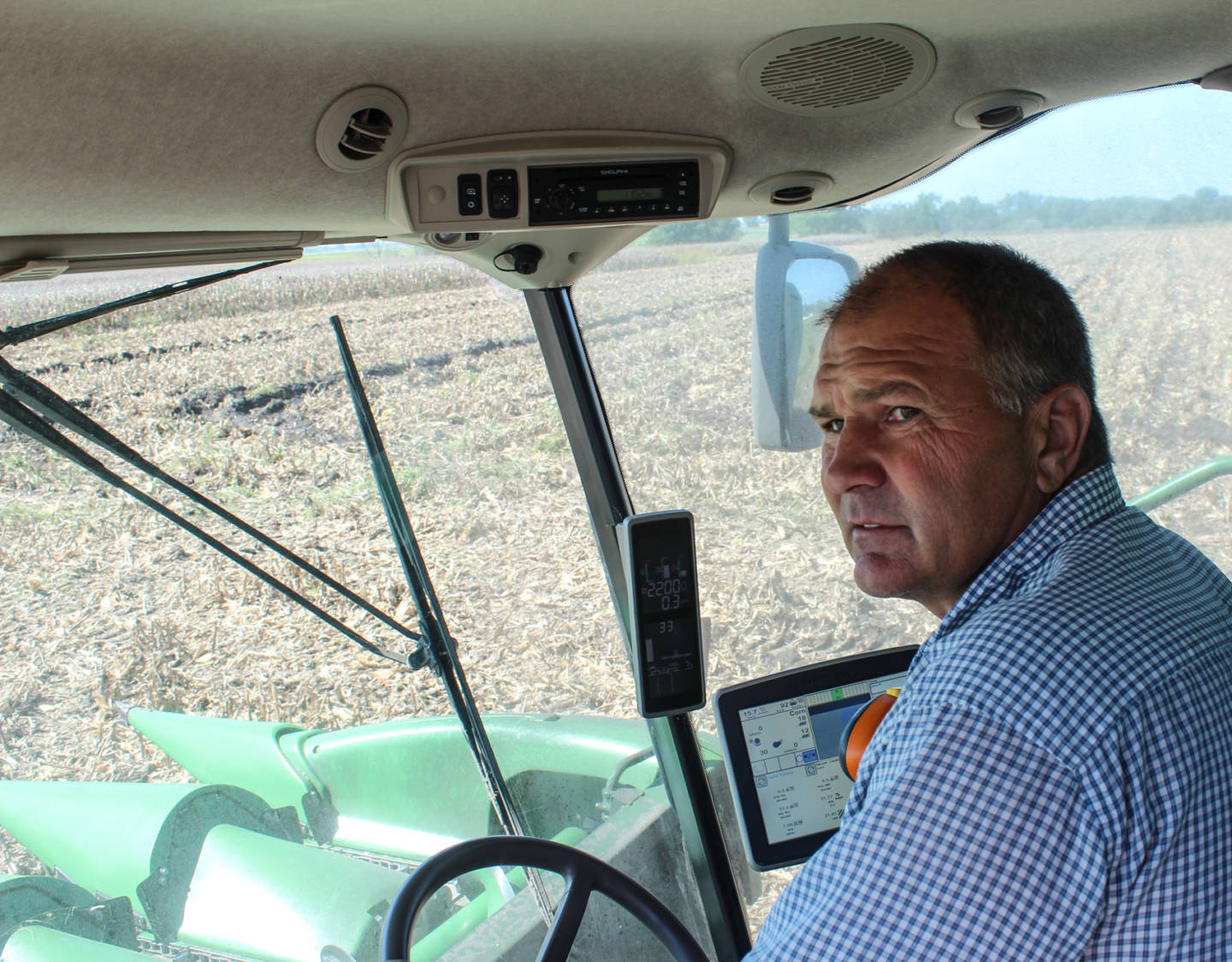
"caption": "Kansas Farmer Mark Nelson says he's too busy with harvest to think much about abstracts, but he admits that the prospect of depending on fewer and fewer, larger and larger companies for his seed, fertilizer and chemicals is \"a little nerve wracking.\"",
"description": "Kansas Farmer Mark Nelson says he’s too busy with harvest to think much about abstracts, but he admits that the prospect of depending on fewer and fewer, larger and larger companies for his seed, fertilizer and chemicals is “a little nerve wracki",
"title": "Kansas Farmer Mark Nelson says he's too busy with harvest to think much about abstracts, but he admits that the prospect of depending on fewer and fewer, larger and larger companies for his seed, fertilizer and chemicals is \"a little nerve wracking.\"",
"credit": " Frank Morris",
"status": "inherit",
"isLoading": false,
"fetchFailed": false
},
"bayareabites_112719": {
"type": "attachments",
"id": "bayareabites_112719",
"meta": {
"index": "attachments_1716263798",
"site": "bayareabites",
"id": "112719",
"found": true
},
"parent": 112718,
"imgSizes": {
"twentyfourteen-full-width": {
"file": "https://ww2.kqed.org/app/uploads/sites/24/2016/10/his2015-2-70_custom-8b4b8aafcaae0ffd9cea6df738bca8af11b51104-1038x576.jpg",
"width": 1038,
"mimeType": "image/jpeg",
"height": 576
},
"thumbnail": {
"file": "https://ww2.kqed.org/app/uploads/sites/24/2016/10/his2015-2-70_custom-8b4b8aafcaae0ffd9cea6df738bca8af11b51104-400x264.jpg",
"width": 400,
"mimeType": "image/jpeg",
"height": 264
},
"fd-sm": {
"file": "https://ww2.kqed.org/app/uploads/sites/24/2016/10/his2015-2-70_custom-8b4b8aafcaae0ffd9cea6df738bca8af11b51104-960x633.jpg",
"width": 960,
"mimeType": "image/jpeg",
"height": 633
},
"post-thumbnail": {
"file": "https://ww2.kqed.org/app/uploads/sites/24/2016/10/his2015-2-70_custom-8b4b8aafcaae0ffd9cea6df738bca8af11b51104-672x372.jpg",
"width": 672,
"mimeType": "image/jpeg",
"height": 372
},
"kqedFullSize": {
"file": "https://ww2.kqed.org/app/uploads/sites/24/2016/10/his2015-2-70_custom-8b4b8aafcaae0ffd9cea6df738bca8af11b51104.jpg",
"width": 1325,
"height": 874
},
"guest-author-50": {
"file": "https://ww2.kqed.org/app/uploads/sites/24/2016/10/his2015-2-70_custom-8b4b8aafcaae0ffd9cea6df738bca8af11b51104-50x50.jpg",
"width": 50,
"mimeType": "image/jpeg",
"height": 50
},
"guest-author-96": {
"file": "https://ww2.kqed.org/app/uploads/sites/24/2016/10/his2015-2-70_custom-8b4b8aafcaae0ffd9cea6df738bca8af11b51104-96x96.jpg",
"width": 96,
"mimeType": "image/jpeg",
"height": 96
},
"medium": {
"file": "https://ww2.kqed.org/app/uploads/sites/24/2016/10/his2015-2-70_custom-8b4b8aafcaae0ffd9cea6df738bca8af11b51104-800x528.jpg",
"width": 800,
"mimeType": "image/jpeg",
"height": 528
},
"guest-author-64": {
"file": "https://ww2.kqed.org/app/uploads/sites/24/2016/10/his2015-2-70_custom-8b4b8aafcaae0ffd9cea6df738bca8af11b51104-64x64.jpg",
"width": 64,
"mimeType": "image/jpeg",
"height": 64
},
"guest-author-32": {
"file": "https://ww2.kqed.org/app/uploads/sites/24/2016/10/his2015-2-70_custom-8b4b8aafcaae0ffd9cea6df738bca8af11b51104-32x32.jpg",
"width": 32,
"mimeType": "image/jpeg",
"height": 32
},
"cat_post_thumb_sizecategory-posts-2": {
"file": "https://ww2.kqed.org/app/uploads/sites/24/2016/10/his2015-2-70_custom-8b4b8aafcaae0ffd9cea6df738bca8af11b51104-150x150.jpg",
"width": 150,
"mimeType": "image/jpeg",
"height": 150
},
"fd-med": {
"file": "https://ww2.kqed.org/app/uploads/sites/24/2016/10/his2015-2-70_custom-8b4b8aafcaae0ffd9cea6df738bca8af11b51104-1180x778.jpg",
"width": 1180,
"mimeType": "image/jpeg",
"height": 778
},
"detail": {
"file": "https://ww2.kqed.org/app/uploads/sites/24/2016/10/his2015-2-70_custom-8b4b8aafcaae0ffd9cea6df738bca8af11b51104-150x150.jpg",
"width": 150,
"mimeType": "image/jpeg",
"height": 150
},
"medium_large": {
"file": "https://ww2.kqed.org/app/uploads/sites/24/2016/10/his2015-2-70_custom-8b4b8aafcaae0ffd9cea6df738bca8af11b51104-768x507.jpg",
"width": 768,
"mimeType": "image/jpeg",
"height": 507
},
"guest-author-128": {
"file": "https://ww2.kqed.org/app/uploads/sites/24/2016/10/his2015-2-70_custom-8b4b8aafcaae0ffd9cea6df738bca8af11b51104-128x128.jpg",
"width": 128,
"mimeType": "image/jpeg",
"height": 128
}
},
"publishDate": 1476729859,
"modified": 1476733637,
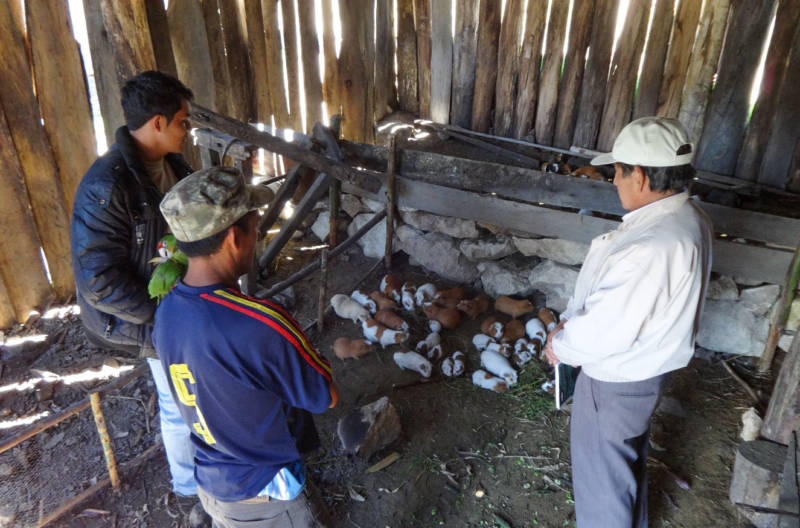
"caption": "Peruvian farmers talk to a staff member of the aid group World Neighbors about getting a loan to invest in their guinea pig farm.",
"description": "Peruvian farmers talk to a staff member of the aid group World Neighbors about getting a loan to invest in their guinea pig farm.",
"title": "Peruvian farmers talk to a staff member of the aid group World Neighbors about getting a loan to invest in their guinea pig farm.",
"credit": " Julio Moscoso/World Neighbors",
"status": "inherit",
"isLoading": false,
"fetchFailed": false
},
"bayareabites_112640": {
"type": "attachments",
"id": "bayareabites_112640",
"meta": {
"index": "attachments_1716263798",
"site": "bayareabites",
"id": "112640",
"found": true
},
"parent": 112633,
"imgSizes": {
"twentyfourteen-full-width": {
"file": "https://ww2.kqed.org/app/uploads/sites/24/2016/10/IMG_4588-new-1038x576.jpg",
"width": 1038,
"mimeType": "image/jpeg",
"height": 576
},
"thumbnail": {
"file": "https://ww2.kqed.org/app/uploads/sites/24/2016/10/IMG_4588-new-400x267.jpg",
"width": 400,
"mimeType": "image/jpeg",
"height": 267
},
"fd-sm": {
"file": "https://ww2.kqed.org/app/uploads/sites/24/2016/10/IMG_4588-new-960x640.jpg",
"width": 960,
"mimeType": "image/jpeg",
"height": 640
},
"post-thumbnail": {
"file": "https://ww2.kqed.org/app/uploads/sites/24/2016/10/IMG_4588-new-672x372.jpg",
"width": 672,
"mimeType": "image/jpeg",
"height": 372
},
"kqedFullSize": {
"file": "https://ww2.kqed.org/app/uploads/sites/24/2016/10/IMG_4588-new.jpg",
"width": 1920,
"height": 1280
},
"large": {
"file": "https://ww2.kqed.org/app/uploads/sites/24/2016/10/IMG_4588-new-1440x960.jpg",
"width": 1440,
"mimeType": "image/jpeg",
"height": 960
},
"guest-author-50": {
"file": "https://ww2.kqed.org/app/uploads/sites/24/2016/10/IMG_4588-new-50x50.jpg",
"width": 50,
"mimeType": "image/jpeg",
"height": 50
},
"guest-author-96": {
"file": "https://ww2.kqed.org/app/uploads/sites/24/2016/10/IMG_4588-new-96x96.jpg",
"width": 96,
"mimeType": "image/jpeg",
"height": 96
},
"medium": {
"file": "https://ww2.kqed.org/app/uploads/sites/24/2016/10/IMG_4588-new-800x533.jpg",
"width": 800,
"mimeType": "image/jpeg",
"height": 533
},
"guest-author-64": {
"file": "https://ww2.kqed.org/app/uploads/sites/24/2016/10/IMG_4588-new-64x64.jpg",
"width": 64,
"mimeType": "image/jpeg",
"height": 64
},
"guest-author-32": {
"file": "https://ww2.kqed.org/app/uploads/sites/24/2016/10/IMG_4588-new-32x32.jpg",
"width": 32,
"mimeType": "image/jpeg",
"height": 32
},
"cat_post_thumb_sizecategory-posts-2": {
"file": "https://ww2.kqed.org/app/uploads/sites/24/2016/10/IMG_4588-new-150x150.jpg",
"width": 150,
"mimeType": "image/jpeg",
"height": 150
},
"fd-lrg": {
"file": "https://ww2.kqed.org/app/uploads/sites/24/2016/10/IMG_4588-new-1920x1280.jpg",
"width": 1920,
"mimeType": "image/jpeg",
"height": 1280
},
"fd-med": {
"file": "https://ww2.kqed.org/app/uploads/sites/24/2016/10/IMG_4588-new-1180x787.jpg",
"width": 1180,
"mimeType": "image/jpeg",
"height": 787
},
"detail": {
"file": "https://ww2.kqed.org/app/uploads/sites/24/2016/10/IMG_4588-new-150x150.jpg",
"width": 150,
"mimeType": "image/jpeg",
"height": 150
},
"medium_large": {
"file": "https://ww2.kqed.org/app/uploads/sites/24/2016/10/IMG_4588-new-768x512.jpg",
"width": 768,
"mimeType": "image/jpeg",
"height": 512
},
"guest-author-128": {
"file": "https://ww2.kqed.org/app/uploads/sites/24/2016/10/IMG_4588-new-128x128.jpg",
"width": 128,
"mimeType": "image/jpeg",
"height": 128
}
},
"publishDate": 1476226800,
"modified": 1476226868,
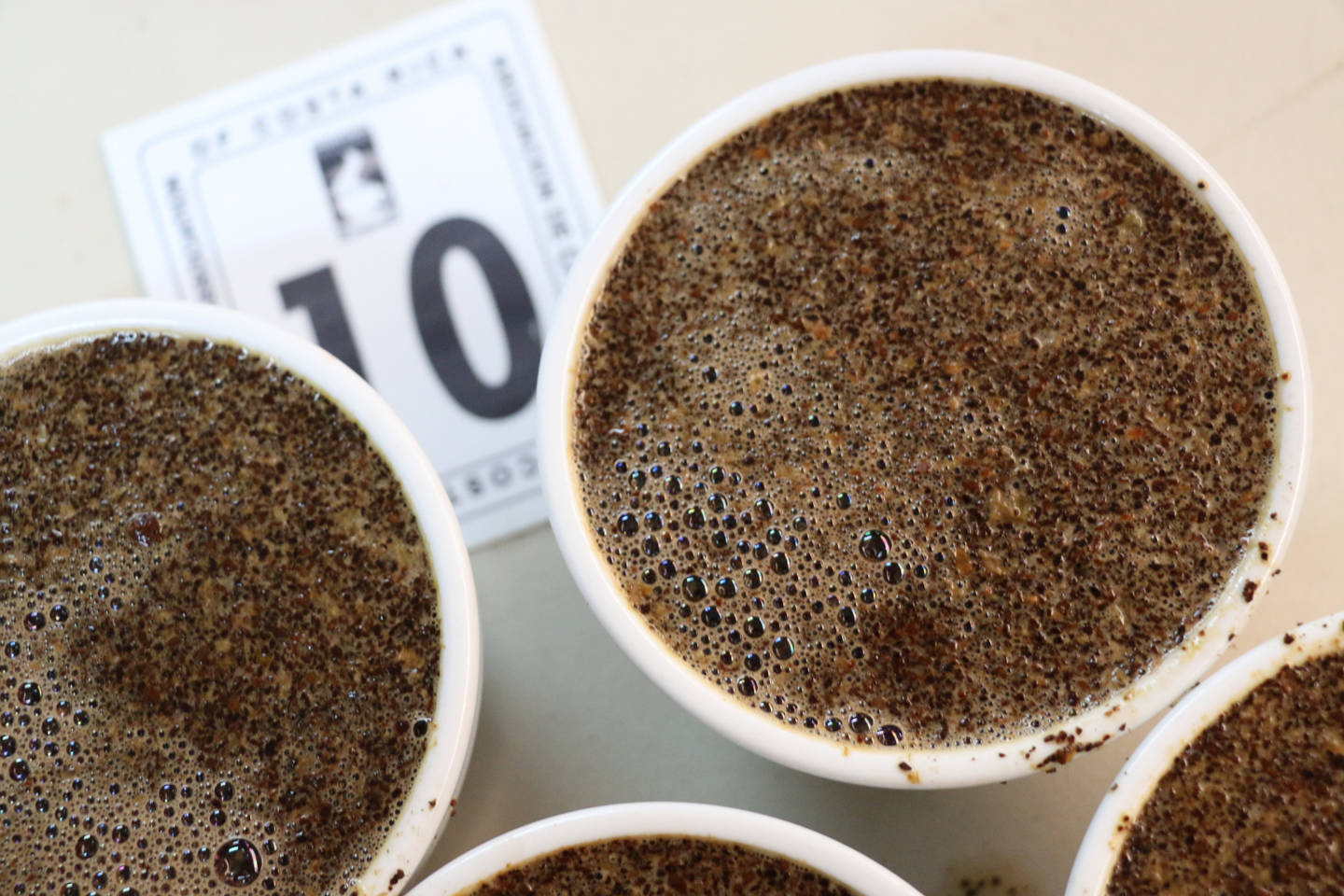
"caption": "Coffee set up for a blind cupping",
"description": "Coffee set up for a blind cupping",
"title": "Coffee set up for a blind cupping",
"credit": "Kim Westerman",
"status": "inherit",
"isLoading": false,
"fetchFailed": false
}
},
"audioPlayerReducer": {
"postId": "stream_live",
"isPaused": true,
"isPlaying": false,
"pfsActive": false,
"pledgeModalIsOpen": true,
"playerDrawerIsOpen": false,
"liveAudioPlayStartedAt": 0,
"liveAudioPlayContext": ""
},
"authorsReducer": {
"byline_bayareabites_113764": {
"type": "authors",
"id": "byline_bayareabites_113764",
"meta": {
"override": true
},
"slug": "byline_bayareabites_113764",
"name": "Natalie Jacewicz, \u003ca href=\"https://ww2.kqed.org/bayareabites/author/nprfood/\">NPR Food\u003c/a>",
"isLoading": false
},
"byline_bayareabites_113737": {
"type": "authors",
"id": "byline_bayareabites_113737",
"meta": {
"override": true
},
"slug": "byline_bayareabites_113737",
"name": "Maanvi Singh, NPR Food",
"isLoading": false
},
"byline_bayareabites_113622": {
"type": "authors",
"id": "byline_bayareabites_113622",
"meta": {
"override": true
},
"slug": "byline_bayareabites_113622",
"name": "Jodi Helmer, \u003ca href=\"https://ww2.kqed.org/bayareabites/author/nprfood/\">NPR Food\u003c/a>",
"isLoading": false
},
"byline_bayareabites_113163": {
"type": "authors",
"id": "byline_bayareabites_113163",
"meta": {
"override": true
},
"slug": "byline_bayareabites_113163",
"name": "Laurel Dalrymple, NPR Food",
"isLoading": false
},
"byline_bayareabites_113135": {
"type": "authors",
"id": "byline_bayareabites_113135",
"meta": {
"override": true
},
"slug": "byline_bayareabites_113135",
"name": "Clare Leschin-Hoar, \u003ca href=\"https://ww2.kqed.org/bayareabites/author/nprfood/\">NPR Food\u003c/a>",
"isLoading": false
},
"byline_bayareabites_113128": {
"type": "authors",
"id": "byline_bayareabites_113128",
"meta": {
"override": true
},
"slug": "byline_bayareabites_113128",
"name": "Dan Charles, NPR Food",
"isLoading": false
},
"byline_bayareabites_112980": {
"type": "authors",
"id": "byline_bayareabites_112980",
"meta": {
"override": true
},
"slug": "byline_bayareabites_112980",
"name": "Alastair Bland, \u003ca href=\"https://ww2.kqed.org/bayareabites/author/nprfood/\">NPR Food\u003c/a>",
"isLoading": false
},
"byline_bayareabites_112764": {
"type": "authors",
"id": "byline_bayareabites_112764",
"meta": {
"override": true
},
"slug": "byline_bayareabites_112764",
"name": "Frank Morris, \u003ca href=\"http://www.kcur.org/\" target=\"_blank\">KCUR-FM\u003c/a> at NPR Food",
"isLoading": false
},
"byline_bayareabites_112718": {
"type": "authors",
"id": "byline_bayareabites_112718",
"meta": {
"override": true
},
"slug": "byline_bayareabites_112718",
"name": "Alastair Bland, \u003ca href=\"https://ww2.kqed.org/bayareabites/author/nprfood/\">NPR Food\u003c/a>",
"isLoading": false
},
"wendy-goodfriend": {
"type": "authors",
"id": "5014",
"meta": {
"index": "authors_1716337520",
"id": "5014",
"found": true
},
"name": "Wendy Goodfriend",
"firstName": "Wendy",
"lastName": "Goodfriend",
"slug": "wendy-goodfriend",
"email": "wendy@wendygoodfriend.com",
"display_author_email": false,
"staff_mastheads": [],
"title": "KQED Contributor",
"bio": "I was the Senior Digital Producer for KQED Food up until July, 2018. Since 2001, I designed, produced, managed and contributed to mostly food-related websites and blogs for KQED including: KQED.org; KQED Food; Bay Area Bites; Check, Please! Bay Area; Taste This; Celebrity Chefs; seven of Jacques Pepin's TV series websites; and Joanne Weir's Cooking in the City. I initiated the majority of KQED Food's social media feeds and maintained them up until 2017. As far as content creation, photography is my passion and I also shoot video and write stories. My photos have been used in articles for KQED Food, News, Arts, and Science as well as for promotional purposes in print and online. Professional education and training includes: clinical psychology, photography, commercial cooking, web design, information architecture and UX.",
"avatar": "https://secure.gravatar.com/avatar/dfba64372339cc34cf17e446e6f18fa8?s=600&d=blank&r=g",
"twitter": null,
"facebook": "bayareabites",
"instagram": null,
"linkedin": "wendygoodfriend",
"sites": [
{
"site": "jpepinheart",
"roles": []
},
{
"site": "about",
"roles": [
"editor"
]
},
{
"site": "bayareabites",
"roles": [
"subscriber"
]
},
{
"site": "science",
"roles": [
"administrator"
]
},
{
"site": "checkplease",
"roles": [
"subscriber"
]
},
{
"site": "food",
"roles": [
"author"
]
},
{
"site": "essentialpepin",
"roles": [
"administrator"
]
}
],
"headData": {
"title": "Wendy Goodfriend | KQED",
"description": "KQED Contributor",
"ogImgSrc": "https://secure.gravatar.com/avatar/dfba64372339cc34cf17e446e6f18fa8?s=600&d=blank&r=g",
"twImgSrc": "https://secure.gravatar.com/avatar/dfba64372339cc34cf17e446e6f18fa8?s=600&d=blank&r=g"
},
"isLoading": false,
"link": "/author/wendy-goodfriend"
},
"kim-laidlaw": {
"type": "authors",
"id": "5015",
"meta": {
"index": "authors_1716337520",
"id": "5015",
"found": true
},
"name": "Kim Laidlaw",
"firstName": "Kim",
"lastName": "Laidlaw",
"slug": "kim-laidlaw",
"email": "kim_laidlaw@yahoo.com",
"display_author_email": false,
"staff_mastheads": [],
"title": null,
"bio": "Kim Laidlaw is a cookbook author, editor, food writer, producer, project manager, and baker who has been in the kitchen covered in flour since she was big enough to stir the biscuit dough. She has over 16 years of experience in book and online publishing, and a lifetime of experience in the kitchen. \r\n\r\nHer first cookbook, Home Baked Comfort, was published in 2011; her second cookbook, Baby & Toddler On the Go, was published in April 2013; and her third cookbook, Williams-Sonoma Dessert of the Day, was published in October 2013. \r\n\r\nShe was the first blogger on KQED’s Bay Area Bites blog, which launched in 2005, and previously worked as a professional baker at La Farine French Bakery in Oakland, CA. She lives in Petaluma with her husband and their child, whom she cooks for everyday. Find out more at \u003ca href=\"http://www.kimlaidlaw.com\">http://www.kimlaidlaw.com\u003c/a>.",
"avatar": "https://secure.gravatar.com/avatar/284503bc296b6f7822eb38b816292376?s=600&d=blank&r=g",
"twitter": null,
"facebook": "kimilaw",
"instagram": null,
"linkedin": "kimlaidlaw",
"sites": [
{
"site": "bayareabites",
"roles": [
"contributor"
]
},
{
"site": "food",
"roles": [
"contributor"
]
}
],
"headData": {
"title": "Kim Laidlaw | KQED",
"description": null,
"ogImgSrc": "https://secure.gravatar.com/avatar/284503bc296b6f7822eb38b816292376?s=600&d=blank&r=g",
"twImgSrc": "https://secure.gravatar.com/avatar/284503bc296b6f7822eb38b816292376?s=600&d=blank&r=g"
},
"isLoading": false,
"link": "/author/kim-laidlaw"
},
"kimwesterman": {
"type": "authors",
"id": "5575",
"meta": {
"index": "authors_1716337520",
"id": "5575",
"found": true
},
"name": "Kim Westerman",
"firstName": "Kim",
"lastName": "Westerman",
"slug": "kimwesterman",
"email": "kim.westerman@gmail.com",
"display_author_email": false,
"staff_mastheads": [],
"title": null,
"bio": "Kim Westerman has been writing about food and wine for most of her adult life. Originally from North Carolina, she moved to Berkeley in 2006 to pursue the California dream, which, it turns out, is all it’s cracked up to be. She’s a farmers' market junkie, a lover of all things tomato, and Champagne-obsessed. She loves to cook with her kids, eight and three, and she makes frequent pilgrimages to International Boulevard in search of her next favorite Mexican dish. She spends an inordinate amount of time thinking about food and wine pairing, often starting with the wine and working backwards when planning menus. She is a Level I Sommelier and a Licensed Q-Grader. Her work has appeared in KQED's Bay Area Bites, Forbes.com, the New York Times, the San Francisco Chronicle, Tasting Table, Fodor’s Travel Guides, and lots of other publications. You can follow Kim on Twitter and Instagram @throughtraveler.",
"avatar": "https://secure.gravatar.com/avatar/2eb7f890ab19ead33f77fd8554ac4c39?s=600&d=blank&r=g",
"twitter": null,
"facebook": null,
"instagram": null,
"linkedin": null,
"sites": [
{
"site": "bayareabites",
"roles": [
"contributor"
]
},
{
"site": "food",
"roles": [
"contributor"
]
}
],
"headData": {
"title": "Kim Westerman | KQED",
"description": null,
"ogImgSrc": "https://secure.gravatar.com/avatar/2eb7f890ab19ead33f77fd8554ac4c39?s=600&d=blank&r=g",
"twImgSrc": "https://secure.gravatar.com/avatar/2eb7f890ab19ead33f77fd8554ac4c39?s=600&d=blank&r=g"
},
"isLoading": false,
"link": "/author/kimwesterman"
}
},
"pagesReducer": {
"bayareabites_category_food-and-technology": {
"type": "terms",
"id": "bayareabites_4084",
"meta": {
"index": "terms_1716263798",
"site": "bayareabites",
"id": "4084",
"score": 14.405603
},
"featImg": null,
"name": "food trends and technology",
"description": null,
"taxonomy": "category",
"headData": {
"twImgId": null,
"twTitle": null,
"ogTitle": null,
"ogImgId": null,
"twDescription": null,
"description": null,
"title": "food trends and technology Archives | KQED Bay Area Bites",
"ogDescription": null
},
"ttid": 2573,
"slug": "food-and-technology",
"isLoading": false,
"title": "food trends and technology",
"pageMeta": {
"site": "bayareabites",
"WpPageTemplate": "page-topic-editorial",
"currentPage": 16
},
"blocks": [
{
"blockName": "kqed/post-list",
"attrs": {
"layout": "cardArticle2",
"query": "posts/bayareabites?category=food-and-technology",
"seeMore": false,
"paginated": true,
"page": 16
}
},
{
"blockName": "kqed/ad"
}
]
}
},
"pfsSessionReducer": {},
"postsReducer": {
"stream_live": {
"type": "live",
"id": "stream_live",
"audioUrl": "https://streams.kqed.org/kqedradio",
"title": "Live Stream",
"excerpt": "Live Stream information currently unavailable.",
"link": "/radio",
"featImg": "",
"label": {
"name": "KQED Live",
"link": "/"
}
},
"stream_kqedNewscast": {
"type": "posts",
"id": "stream_kqedNewscast",
"audioUrl": "https://www.kqed.org/.stream/anon/radio/RDnews/newscast.mp3?_=1",
"title": "KQED Newscast",
"featImg": "",
"label": {
"name": "88.5 FM",
"link": "/"
}
},
"bayareabites_113764": {
"type": "posts",
"id": "bayareabites_113764",
"meta": {
"index": "posts_1716263798",
"site": "bayareabites",
"id": "113764",
"score": null,
"sort": [
1480374564000
]
},
"parent": 0,
"labelTerm": {},
"blocks": [],
"publishDate": 1480374564,
"format": "standard",
"disqusTitle": "Kale Is About To Have An Identity Crisis",
"title": "Kale Is About To Have An Identity Crisis",
"headTitle": "Bay Area Bites | KQED Food",
"content": "\u003cp>Kale is getting a makeover, and the very essence of kaliness may hang in the balance.\u003c/p>\n\u003cp>To develop a new variety of kale tailored to American palates, horticulture professor \u003ca href=\"https://hort.cals.cornell.edu/people/phillip-griffiths\">Philip Griffiths\u003c/a> of Cornell University College of Agriculture and Life Science and graduate student \u003ca href=\"https://hort.cals.cornell.edu/people/hannah-swegarden\">Hannah Swegarden\u003c/a> are soliciting consumers' kale reflections — the good, the bad, and the ugly. The scientists face a philosophic question for the ages. Asks Swegarden:\u003c/p>\n\u003cp>\"How far can you push a consumer's concept of what kale is, before it's not kale anymore?\"\u003c/p>\n\u003cp>Kale, like many other vegetables, has been bred with agricultural practicality in mind, selected for virtues like drought- and disease-resistance. But Swegarden says those traits don't necessarily translate into a better taste and appearance, qualities that matter more to consumers. Griffiths has been working with kale for years, so he and Swegarden decided to see if they could develop strains to seduce farmers and consumers alike.\u003c/p>\n\u003cp>As the first step in their research, the scientists organized a focus group in September with 14 people who self-identified as liking and consuming kale. They sent the participants home with six different kale types varying in shape, color, texture and taste. The kaleblazers prepared each kale variety as they wished and recorded their impressions in journals. (Yes, kale journals.)\u003c/p>\n\u003cfigure id=\"attachment_113766\" class=\"wp-caption aligncenter\" style=\"max-width: 2000px\">\u003cimg src=\"http://ww2.kqed.org/bayareabites/wp-content/uploads/sites/24/2016/11/kale-2-b8a1c45daff51c13ca65b36c00915e2b3af4d9e6.jpg\" alt=\"After two weeks of keeping kale journals (really!), participants came together to discuss their feelings about kale for three hours.\" width=\"2000\" height=\"1500\" class=\"size-full wp-image-113766\" srcset=\"https://ww2.kqed.org/app/uploads/sites/24/2016/11/kale-2-b8a1c45daff51c13ca65b36c00915e2b3af4d9e6.jpg 2000w, https://ww2.kqed.org/app/uploads/sites/24/2016/11/kale-2-b8a1c45daff51c13ca65b36c00915e2b3af4d9e6-160x120.jpg 160w, https://ww2.kqed.org/app/uploads/sites/24/2016/11/kale-2-b8a1c45daff51c13ca65b36c00915e2b3af4d9e6-800x600.jpg 800w, https://ww2.kqed.org/app/uploads/sites/24/2016/11/kale-2-b8a1c45daff51c13ca65b36c00915e2b3af4d9e6-768x576.jpg 768w, https://ww2.kqed.org/app/uploads/sites/24/2016/11/kale-2-b8a1c45daff51c13ca65b36c00915e2b3af4d9e6-1020x765.jpg 1020w, https://ww2.kqed.org/app/uploads/sites/24/2016/11/kale-2-b8a1c45daff51c13ca65b36c00915e2b3af4d9e6-1180x885.jpg 1180w, https://ww2.kqed.org/app/uploads/sites/24/2016/11/kale-2-b8a1c45daff51c13ca65b36c00915e2b3af4d9e6-960x720.jpg 960w, https://ww2.kqed.org/app/uploads/sites/24/2016/11/kale-2-b8a1c45daff51c13ca65b36c00915e2b3af4d9e6-240x180.jpg 240w, https://ww2.kqed.org/app/uploads/sites/24/2016/11/kale-2-b8a1c45daff51c13ca65b36c00915e2b3af4d9e6-375x281.jpg 375w, https://ww2.kqed.org/app/uploads/sites/24/2016/11/kale-2-b8a1c45daff51c13ca65b36c00915e2b3af4d9e6-520x390.jpg 520w\" sizes=\"(max-width: 2000px) 100vw, 2000px\">\u003cfigcaption class=\"wp-caption-text\">After two weeks of keeping kale journals (really!), participants came together to discuss their feelings about kale for three hours. \u003ccite>( Courtesy of H. Swegarden/Cornell NYSAES)\u003c/cite>\u003c/figcaption>\u003c/figure>\n\u003cp>After two weeks, the participants came together to discuss their feelings about kale for three hours. \"By the time they came in, they were really knowledgeable,\" says Swegarden.\u003c/p>\n\u003cp>[ad fullwidth]\u003c/p>\n\u003cp>After kale-loading for days, the participants had lots of feedback. But some of their recommendations took aim at traits central to kale's identity. For example, the participants liked the idea of a softer, less fibrous leaf. \"It's difficult to do that because that's changing the plant a lot,\" says Swegarden. In addition, she says a softer plant might be more susceptible to insects.\u003c/p>\n\u003cp>Kale's iconic bitterness also came onto the chopping board. \"It was an association all the consumers made,\" says Swegarden. \"But not necessarily a positive.\"\u003c/p>\n\u003cp>Swegarden, whose perfect piece of kale is a slow-braised green leaf with a pink stem, says the initial focus group was formed to identify kale questions for further research, rather than establish a comprehensive dataset of opinions. The scientists will use the focus group feedback to create a survey, which they'll distribute to a wider population of consumers.\u003c/p>\n\u003cp>They're likely to encounter some strong opinions. \"I hate kale,\" says Aaron Gurley of Wichita, Kan. \"It tastes like garbage.\"\u003c/p>\n\u003cp>\"I'm kind of indifferent about it,\" says Zach James of New York City. \"I've made a kale smoothie before, and that was pretty good. But mostly because I put berries in it.\"\u003c/p>\n\u003cp>Kale naysayers will have to wait a while longer before a new breed of kale gets a chance to convert them. Because of the time required to grow and reproduce kale, it will likely be at least eight years before a new variety hits the shelves, says Swegarden.\u003c/p>\n\u003cp>In the meantime, there's another option for those who want a softer, less bitter leaf: romaine. \u003c/p>\n\u003cp>\u003c/p>\n\u003cp>\u003cem>Copyright 2016 \u003ca href=\"http://www.npr.org/\" target=\"_blank\">NPR\u003c/a>.\u003c/em> \u003c/p>\n\n",
"disqusIdentifier": "113764 http://ww2.kqed.org/bayareabites/?p=113764",
"disqusUrl": "https://ww2.kqed.org/bayareabites/2016/11/28/kale-is-about-to-have-an-identity-crisis/",
"stats": {
"hasVideo": false,
"hasChartOrMap": false,
"hasAudio": false,
"hasPolis": false,
"wordCount": 548,
"hasGoogleForm": false,
"hasGallery": false,
"hasHearkenModule": false,
"iframeSrcs": [],
"paragraphCount": 16
},
"modified": 1480374564,
"excerpt": "To develop a new variety of kale tailored to American palates, plant researchers are surveying consumer attitudes on the leafy green. The takeaway so far? \"Be less like kale.\"",
"headData": {
"twImgId": "",
"twTitle": "",
"ogTitle": "",
"ogImgId": "",
"twDescription": "",
"description": "To develop a new variety of kale tailored to American palates, plant researchers are surveying consumer attitudes on the leafy green. The takeaway so far? "Be less like kale."",
"title": "Kale Is About To Have An Identity Crisis | KQED",
"ogDescription": "",
"schema": {
"@context": "https://schema.org",
"@type": "Article",
"headline": "Kale Is About To Have An Identity Crisis",
"datePublished": "2016-11-28T15:09:24-08:00",
"dateModified": "2016-11-28T15:09:24-08:00",
"image": "https://cdn.kqed.org/wp-content/uploads/2020/02/KQED-OG-Image@1x.png"
}
},
"guestAuthors": [],
"slug": "kale-is-about-to-have-an-identity-crisis",
"status": "publish",
"sourceUrl": "https://ww2.kqed.org/bayareabites/category/food-and-technology/",
"nprApiLink": "http://api.npr.org/query?id=503592409&apiKey=MDAxOTAwOTE4MDEyMTkxMDAzNjczZDljZA004",
"nprByline": "Natalie Jacewicz, \u003ca href=\"https://ww2.kqed.org/bayareabites/author/nprfood/\">NPR Food\u003c/a>",
"nprStoryDate": "Mon, 28 Nov 2016 12:55:00 -0500",
"nprLastModifiedDate": "Mon, 28 Nov 2016 12:57:36 -0500",
"nprHtmlLink": "http://www.npr.org/sections/thesalt/2016/11/28/503592409/kale-is-about-to-have-an-identity-crisis?ft=nprml&f=503592409",
"nprImageAgency": "Courtesy of H. Swegarden/Cornell NYSAES",
"source": "Food Trends and Technology",
"nprStoryId": "503592409",
"nprRetrievedStory": "1",
"nprPubDate": "Mon, 28 Nov 2016 12:57:00 -0500",
"path": "/bayareabites/113764/kale-is-about-to-have-an-identity-crisis",
"audioTrackLength": null,
"parsedContent": [
{
"type": "contentString",
"content": "\u003cdiv class=\"post-body\">\u003cp>\u003cp>Kale is getting a makeover, and the very essence of kaliness may hang in the balance.\u003c/p>\n\u003cp>To develop a new variety of kale tailored to American palates, horticulture professor \u003ca href=\"https://hort.cals.cornell.edu/people/phillip-griffiths\">Philip Griffiths\u003c/a> of Cornell University College of Agriculture and Life Science and graduate student \u003ca href=\"https://hort.cals.cornell.edu/people/hannah-swegarden\">Hannah Swegarden\u003c/a> are soliciting consumers' kale reflections — the good, the bad, and the ugly. The scientists face a philosophic question for the ages. Asks Swegarden:\u003c/p>\n\u003cp>\"How far can you push a consumer's concept of what kale is, before it's not kale anymore?\"\u003c/p>\n\u003cp>Kale, like many other vegetables, has been bred with agricultural practicality in mind, selected for virtues like drought- and disease-resistance. But Swegarden says those traits don't necessarily translate into a better taste and appearance, qualities that matter more to consumers. Griffiths has been working with kale for years, so he and Swegarden decided to see if they could develop strains to seduce farmers and consumers alike.\u003c/p>\n\u003cp>As the first step in their research, the scientists organized a focus group in September with 14 people who self-identified as liking and consuming kale. They sent the participants home with six different kale types varying in shape, color, texture and taste. The kaleblazers prepared each kale variety as they wished and recorded their impressions in journals. (Yes, kale journals.)\u003c/p>\n\u003cfigure id=\"attachment_113766\" class=\"wp-caption aligncenter\" style=\"max-width: 2000px\">\u003cimg src=\"http://ww2.kqed.org/bayareabites/wp-content/uploads/sites/24/2016/11/kale-2-b8a1c45daff51c13ca65b36c00915e2b3af4d9e6.jpg\" alt=\"After two weeks of keeping kale journals (really!), participants came together to discuss their feelings about kale for three hours.\" width=\"2000\" height=\"1500\" class=\"size-full wp-image-113766\" srcset=\"https://ww2.kqed.org/app/uploads/sites/24/2016/11/kale-2-b8a1c45daff51c13ca65b36c00915e2b3af4d9e6.jpg 2000w, https://ww2.kqed.org/app/uploads/sites/24/2016/11/kale-2-b8a1c45daff51c13ca65b36c00915e2b3af4d9e6-160x120.jpg 160w, https://ww2.kqed.org/app/uploads/sites/24/2016/11/kale-2-b8a1c45daff51c13ca65b36c00915e2b3af4d9e6-800x600.jpg 800w, https://ww2.kqed.org/app/uploads/sites/24/2016/11/kale-2-b8a1c45daff51c13ca65b36c00915e2b3af4d9e6-768x576.jpg 768w, https://ww2.kqed.org/app/uploads/sites/24/2016/11/kale-2-b8a1c45daff51c13ca65b36c00915e2b3af4d9e6-1020x765.jpg 1020w, https://ww2.kqed.org/app/uploads/sites/24/2016/11/kale-2-b8a1c45daff51c13ca65b36c00915e2b3af4d9e6-1180x885.jpg 1180w, https://ww2.kqed.org/app/uploads/sites/24/2016/11/kale-2-b8a1c45daff51c13ca65b36c00915e2b3af4d9e6-960x720.jpg 960w, https://ww2.kqed.org/app/uploads/sites/24/2016/11/kale-2-b8a1c45daff51c13ca65b36c00915e2b3af4d9e6-240x180.jpg 240w, https://ww2.kqed.org/app/uploads/sites/24/2016/11/kale-2-b8a1c45daff51c13ca65b36c00915e2b3af4d9e6-375x281.jpg 375w, https://ww2.kqed.org/app/uploads/sites/24/2016/11/kale-2-b8a1c45daff51c13ca65b36c00915e2b3af4d9e6-520x390.jpg 520w\" sizes=\"(max-width: 2000px) 100vw, 2000px\">\u003cfigcaption class=\"wp-caption-text\">After two weeks of keeping kale journals (really!), participants came together to discuss their feelings about kale for three hours. \u003ccite>( Courtesy of H. Swegarden/Cornell NYSAES)\u003c/cite>\u003c/figcaption>\u003c/figure>\n\u003cp>After two weeks, the participants came together to discuss their feelings about kale for three hours. \"By the time they came in, they were really knowledgeable,\" says Swegarden.\u003c/p>\n\u003cp>\u003c/p>\u003c/div>",
"attributes": {
"named": {},
"numeric": []
}
},
{
"type": "component",
"content": "",
"name": "ad",
"attributes": {
"named": {
"label": "fullwidth"
},
"numeric": [
"fullwidth"
]
}
},
{
"type": "contentString",
"content": "\u003cdiv class=\"post-body\">\u003cp>\u003c/p>\n\u003cp>After kale-loading for days, the participants had lots of feedback. But some of their recommendations took aim at traits central to kale's identity. For example, the participants liked the idea of a softer, less fibrous leaf. \"It's difficult to do that because that's changing the plant a lot,\" says Swegarden. In addition, she says a softer plant might be more susceptible to insects.\u003c/p>\n\u003cp>Kale's iconic bitterness also came onto the chopping board. \"It was an association all the consumers made,\" says Swegarden. \"But not necessarily a positive.\"\u003c/p>\n\u003cp>Swegarden, whose perfect piece of kale is a slow-braised green leaf with a pink stem, says the initial focus group was formed to identify kale questions for further research, rather than establish a comprehensive dataset of opinions. The scientists will use the focus group feedback to create a survey, which they'll distribute to a wider population of consumers.\u003c/p>\n\u003cp>They're likely to encounter some strong opinions. \"I hate kale,\" says Aaron Gurley of Wichita, Kan. \"It tastes like garbage.\"\u003c/p>\n\u003cp>\"I'm kind of indifferent about it,\" says Zach James of New York City. \"I've made a kale smoothie before, and that was pretty good. But mostly because I put berries in it.\"\u003c/p>\n\u003cp>Kale naysayers will have to wait a while longer before a new breed of kale gets a chance to convert them. Because of the time required to grow and reproduce kale, it will likely be at least eight years before a new variety hits the shelves, says Swegarden.\u003c/p>\n\u003cp>In the meantime, there's another option for those who want a softer, less bitter leaf: romaine. \u003c/p>\n\u003cp>\u003c/p>\n\u003cp>\u003cem>Copyright 2016 \u003ca href=\"http://www.npr.org/\" target=\"_blank\">NPR\u003c/a>.\u003c/em> \u003c/p>\n\n\u003c/div>\u003c/p>",
"attributes": {
"named": {},
"numeric": []
}
}
],
"link": "/bayareabites/113764/kale-is-about-to-have-an-identity-crisis",
"authors": [
"byline_bayareabites_113764"
],
"categories": [
"bayareabites_4084",
"bayareabites_1245",
"bayareabites_358"
],
"featImg": "bayareabites_113765",
"label": "source_bayareabites_113764"
},
"bayareabites_113737": {
"type": "posts",
"id": "bayareabites_113737",
"meta": {
"index": "posts_1716263798",
"site": "bayareabites",
"id": "113737",
"score": null,
"sort": [
1479847695000
]
},
"parent": 0,
"labelTerm": {},
"blocks": [],
"publishDate": 1479847695,
"format": "standard",
"disqusTitle": "Eat It, Don't Leave It: How London Became A Leader In Anti-Food Waste",
"title": "Eat It, Don't Leave It: How London Became A Leader In Anti-Food Waste",
"headTitle": "Bay Area Bites | KQED Food",
"content": "\u003cp>It's around 6 o'clock on a Sunday evening, and Anne-Charlotte Mornington is running around the food market in London's super-hip Camden neighborhood with a rolling suitcase and a giant tarp bag filled with empty tupperware boxes. She's going around from stall to stalll, asking for leftovers.\u003c/p>\n\u003cp>Mornington works for the food-sharing app \u003ca href=\"https://olioex.com/\">Olio\u003c/a>. \"If ever you have anything that you can't sell tomorrow but it's still edible,\" she explains to the vendors, \"I'll take it and make sure that it's eaten.\"\u003c/p>\n\u003cp>Olio wants to make it easy for busy food sellers to avoid wasting food. \"These vendors usually don't have enough surplus to donate to a charity or something, but they still end up having to throw away quite a lot at the end of the day,\" Mornington explains. \"So either I or some volunteers will come everyday to collect any scraps and put it on the app.\"\u003c/p>\n\u003cp>In fact, anybody in London with a smartphone — be it a restaurant, grocer or just a regular Joe — can upload pictures of their leftover lunches and dinners, spare ingredients or unwanted produce onto the app. Those hankering for a free meal can then peruse the offerings, message those who've got food to spare and then go collect it — for free.\u003c/p>\n\u003cp>Olio is just one of many start-ups and small enterprises working to reduce food waste in London. When researchers at Trinity College Dublin recently launched \u003ca href=\"http://sharecity.ie/research/sharecity100-database/\">a database\u003c/a> identifying more than 4,000 food-sharing and waste-reducing enterprises in 100 cities around the world, they found that London — with 198 such enterprises — had more than any other city.\u003c/p>\n\u003cp>[ad fullwidth]\u003c/p>\n\u003cp>\"We decided to focus on cities, because more than half of the world's population now lives in cities,\" explains \u003ca href=\"https://www.tcd.ie/Geography/research/gradprojects/AD.php\">Anna Davies\u003c/a>, a professor of geography and environment at Trinity who led the research. City dwellers produce more than a billion tons of solid waste annually — and about half of that is food waste. But cities are also centers of innovation, Davies says. \"So we were curious — what difference is technology making to the way we share food in cities?\"\u003c/p>\n\u003cp>Quite a lot, it turns out.\u003c/p>\n\u003cp>Over the past three years, technology has transformed the way Londoners are approaching food waste, says Laura Hopper, the CEO of Plan Zheroes, a social network that connects charities that need food with local businesses that have a surplus. \"We have so many organizations in London doing good work.\"\u003c/p>\n\u003cp>Initially, the idea for Plan Zheroes came from Lottie Henley, a nonagenarian whose experiences as a refugee during World War II motivated her to do something about food poverty in London. Back in 2011, through a city-wide program designed to encourage green entrepreneurship, Henley got some seed money and teamed up with some techie types to design Plan Zheroes.\u003c/p>\n\u003cp>Now restaurants, coffee shops and small grocers that have just a little bit extra can use the platform to find nearby homeless shelters and food banks in need. The organization also recruits a small army of volunteers who help run food between the businesses and the charities.\u003c/p>\n\u003cp>\"This isn't a large-scale thing. It\"s really about helping communities connect,\" Hopper says. \"Plan Zheroes fills a very specific niche.\"\u003c/p>\n\u003cp>Several other London-based enterprises do the same — they aim to reduce food waste in one or two small, specific ways. London-based startup \u003ca href=\"http://www.snact.co.uk/\">Snact\u003c/a> makes snacks out of produce that would otherwise be wasted, and \u003ca href=\"http://www.rejuce.co.uk/\">Rejuce\u003c/a>, turns waste from London's wholesale markets into smoothies and juices. A company called \u003ca href=\"https://rubiesintherubble.com/\">Rubies in the Rubble \u003c/a>uses surplus fruit and veg to make relishes, and another called \u003ca href=\"http://www.chicp.co.uk/\">ChicP\u003c/a> uses vegetables that are past their prime to make hummus.\u003c/p>\n\u003cp>Then there's \u003ca href=\"http://www.soleshare.net/\">Sole Share\u003c/a> — a sort of Blue Apron for seafood — which helps both consumers and fishermen avoid waste by allowing the former to specify online exactly how much they need so that the latter can deliver exactly that, no more and no less. And \u003ca href=\"http://www.dayoldeats.com/\">Day Old\u003c/a> is an online catering service that will bring boxes of day-old donuts, pastries and other baked goods straight to your office — and the proceeds all go to charities that tackle child hunger.\u003c/p>\n\u003cp>\"Of course, technology alone isn't enough to build a sustainable food-sharing community,\" says Davies from Trinity College. \"The social connections are important — but what technology can do is help people make those connections.\"\u003c/p>\n\u003cp>Back at London's Camden market, Anne-Charlotte Mornington from Olio has collected over 30 portions of food. Anna Kidd, who works as a volunteer with Olio, has joined Mornington in the task of cataloguing and photographing all the nosh: several servings of fragrant, spiced rice from an Indian food stall, Thai chicken curry, a chicken masala wrap and a bag full of hot dogs.\u003c/p>\n\u003cp>It'll all be gone within a day or two, as hungry Londoners come to collect it all. About 85,000 Londoners interested in either donating or collecting surplus food have made accounts on Olio so far.\u003c/p>\n\u003cp>\"It feels so good that we've saved all of this from going in the bin,\" says Kidd, who herself uses the app to pick up odds and ends for her pantry.\u003c/p>\n\u003cp>\"I don't think I've bought any spices since I've got the app,\" Kidd says. \"It's amazing.\" Plus, Olio has an added benefit, she says. \"You get to meet people and have conversations when you pick up the food. I've really gotten to know my area better.\"\u003c/p>\n\u003cp>\u003cem>Maanvi Singh is a writer based in London.\u003c/em>\u003c/p>\n\u003cp>\u003c/p>\n\u003cp> \u003cem>Copyright 2016 \u003ca href=\"http://www.npr.org/\" target=\"_blank\">NPR\u003c/a>.\u003c/em> \u003c/p>\n\n",
"disqusIdentifier": "113737 http://ww2.kqed.org/bayareabites/?p=113737",
"disqusUrl": "https://ww2.kqed.org/bayareabites/2016/11/22/eat-it-dont-leave-it-how-london-became-a-leader-in-anti-food-waste/",
"stats": {
"hasVideo": false,
"hasChartOrMap": false,
"hasAudio": false,
"hasPolis": false,
"wordCount": 948,
"hasGoogleForm": false,
"hasGallery": false,
"hasHearkenModule": false,
"iframeSrcs": [],
"paragraphCount": 22
},
"modified": 1479847695,
"excerpt": "In the English capital, apps and small-scale businesses abound that let restaurants and food vendors share leftovers with the public for free, and otherwise reduce the amount of edibles they toss.",
"headData": {
"twImgId": "",
"twTitle": "",
"ogTitle": "",
"ogImgId": "",
"twDescription": "",
"description": "In the English capital, apps and small-scale businesses abound that let restaurants and food vendors share leftovers with the public for free, and otherwise reduce the amount of edibles they toss.",
"title": "Eat It, Don't Leave It: How London Became A Leader In Anti-Food Waste | KQED",
"ogDescription": "",
"schema": {
"@context": "https://schema.org",
"@type": "Article",
"headline": "Eat It, Don't Leave It: How London Became A Leader In Anti-Food Waste",
"datePublished": "2016-11-22T12:48:15-08:00",
"dateModified": "2016-11-22T12:48:15-08:00",
"image": "https://cdn.kqed.org/wp-content/uploads/2020/02/KQED-OG-Image@1x.png"
}
},
"guestAuthors": [],
"slug": "eat-it-dont-leave-it-how-london-became-a-leader-in-anti-food-waste",
"status": "publish",
"sourceUrl": "https://ww2.kqed.org/bayareabites/category/food-and-technology/",
"nprApiLink": "http://api.npr.org/query?id=502933703&apiKey=MDAxOTAwOTE4MDEyMTkxMDAzNjczZDljZA004",
"nprByline": "Maanvi Singh, NPR Food",
"nprStoryDate": "Tue, 22 Nov 2016 15:11:00 -0500",
"nprLastModifiedDate": "Tue, 22 Nov 2016 15:12:24 -0500",
"nprHtmlLink": "http://www.npr.org/sections/thesalt/2016/11/22/502933703/eat-it-dont-leave-it-how-london-became-a-leader-in-anti-food-waste?ft=nprml&f=502933703",
"nprImageAgency": "Maanvi Singh for NPR",
"source": "Food Trends and Technology",
"nprStoryId": "502933703",
"nprRetrievedStory": "1",
"nprPubDate": "Tue, 22 Nov 2016 15:12:00 -0500",
"path": "/bayareabites/113737/eat-it-dont-leave-it-how-london-became-a-leader-in-anti-food-waste",
"audioTrackLength": null,
"parsedContent": [
{
"type": "contentString",
"content": "\u003cdiv class=\"post-body\">\u003cp>\u003cp>It's around 6 o'clock on a Sunday evening, and Anne-Charlotte Mornington is running around the food market in London's super-hip Camden neighborhood with a rolling suitcase and a giant tarp bag filled with empty tupperware boxes. She's going around from stall to stalll, asking for leftovers.\u003c/p>\n\u003cp>Mornington works for the food-sharing app \u003ca href=\"https://olioex.com/\">Olio\u003c/a>. \"If ever you have anything that you can't sell tomorrow but it's still edible,\" she explains to the vendors, \"I'll take it and make sure that it's eaten.\"\u003c/p>\n\u003cp>Olio wants to make it easy for busy food sellers to avoid wasting food. \"These vendors usually don't have enough surplus to donate to a charity or something, but they still end up having to throw away quite a lot at the end of the day,\" Mornington explains. \"So either I or some volunteers will come everyday to collect any scraps and put it on the app.\"\u003c/p>\n\u003cp>In fact, anybody in London with a smartphone — be it a restaurant, grocer or just a regular Joe — can upload pictures of their leftover lunches and dinners, spare ingredients or unwanted produce onto the app. Those hankering for a free meal can then peruse the offerings, message those who've got food to spare and then go collect it — for free.\u003c/p>\n\u003cp>Olio is just one of many start-ups and small enterprises working to reduce food waste in London. When researchers at Trinity College Dublin recently launched \u003ca href=\"http://sharecity.ie/research/sharecity100-database/\">a database\u003c/a> identifying more than 4,000 food-sharing and waste-reducing enterprises in 100 cities around the world, they found that London — with 198 such enterprises — had more than any other city.\u003c/p>\n\u003cp>\u003c/p>\u003c/div>",
"attributes": {
"named": {},
"numeric": []
}
},
{
"type": "component",
"content": "",
"name": "ad",
"attributes": {
"named": {
"label": "fullwidth"
},
"numeric": [
"fullwidth"
]
}
},
{
"type": "contentString",
"content": "\u003cdiv class=\"post-body\">\u003cp>\u003c/p>\n\u003cp>\"We decided to focus on cities, because more than half of the world's population now lives in cities,\" explains \u003ca href=\"https://www.tcd.ie/Geography/research/gradprojects/AD.php\">Anna Davies\u003c/a>, a professor of geography and environment at Trinity who led the research. City dwellers produce more than a billion tons of solid waste annually — and about half of that is food waste. But cities are also centers of innovation, Davies says. \"So we were curious — what difference is technology making to the way we share food in cities?\"\u003c/p>\n\u003cp>Quite a lot, it turns out.\u003c/p>\n\u003cp>Over the past three years, technology has transformed the way Londoners are approaching food waste, says Laura Hopper, the CEO of Plan Zheroes, a social network that connects charities that need food with local businesses that have a surplus. \"We have so many organizations in London doing good work.\"\u003c/p>\n\u003cp>Initially, the idea for Plan Zheroes came from Lottie Henley, a nonagenarian whose experiences as a refugee during World War II motivated her to do something about food poverty in London. Back in 2011, through a city-wide program designed to encourage green entrepreneurship, Henley got some seed money and teamed up with some techie types to design Plan Zheroes.\u003c/p>\n\u003cp>Now restaurants, coffee shops and small grocers that have just a little bit extra can use the platform to find nearby homeless shelters and food banks in need. The organization also recruits a small army of volunteers who help run food between the businesses and the charities.\u003c/p>\n\u003cp>\"This isn't a large-scale thing. It\"s really about helping communities connect,\" Hopper says. \"Plan Zheroes fills a very specific niche.\"\u003c/p>\n\u003cp>Several other London-based enterprises do the same — they aim to reduce food waste in one or two small, specific ways. London-based startup \u003ca href=\"http://www.snact.co.uk/\">Snact\u003c/a> makes snacks out of produce that would otherwise be wasted, and \u003ca href=\"http://www.rejuce.co.uk/\">Rejuce\u003c/a>, turns waste from London's wholesale markets into smoothies and juices. A company called \u003ca href=\"https://rubiesintherubble.com/\">Rubies in the Rubble \u003c/a>uses surplus fruit and veg to make relishes, and another called \u003ca href=\"http://www.chicp.co.uk/\">ChicP\u003c/a> uses vegetables that are past their prime to make hummus.\u003c/p>\n\u003cp>Then there's \u003ca href=\"http://www.soleshare.net/\">Sole Share\u003c/a> — a sort of Blue Apron for seafood — which helps both consumers and fishermen avoid waste by allowing the former to specify online exactly how much they need so that the latter can deliver exactly that, no more and no less. And \u003ca href=\"http://www.dayoldeats.com/\">Day Old\u003c/a> is an online catering service that will bring boxes of day-old donuts, pastries and other baked goods straight to your office — and the proceeds all go to charities that tackle child hunger.\u003c/p>\n\u003cp>\"Of course, technology alone isn't enough to build a sustainable food-sharing community,\" says Davies from Trinity College. \"The social connections are important — but what technology can do is help people make those connections.\"\u003c/p>\n\u003cp>Back at London's Camden market, Anne-Charlotte Mornington from Olio has collected over 30 portions of food. Anna Kidd, who works as a volunteer with Olio, has joined Mornington in the task of cataloguing and photographing all the nosh: several servings of fragrant, spiced rice from an Indian food stall, Thai chicken curry, a chicken masala wrap and a bag full of hot dogs.\u003c/p>\n\u003cp>It'll all be gone within a day or two, as hungry Londoners come to collect it all. About 85,000 Londoners interested in either donating or collecting surplus food have made accounts on Olio so far.\u003c/p>\n\u003cp>\"It feels so good that we've saved all of this from going in the bin,\" says Kidd, who herself uses the app to pick up odds and ends for her pantry.\u003c/p>\n\u003cp>\"I don't think I've bought any spices since I've got the app,\" Kidd says. \"It's amazing.\" Plus, Olio has an added benefit, she says. \"You get to meet people and have conversations when you pick up the food. I've really gotten to know my area better.\"\u003c/p>\n\u003cp>\u003cem>Maanvi Singh is a writer based in London.\u003c/em>\u003c/p>\n\u003cp>\u003c/p>\n\u003cp> \u003cem>Copyright 2016 \u003ca href=\"http://www.npr.org/\" target=\"_blank\">NPR\u003c/a>.\u003c/em> \u003c/p>\n\n\u003c/div>\u003c/p>",
"attributes": {
"named": {},
"numeric": []
}
}
],
"link": "/bayareabites/113737/eat-it-dont-leave-it-how-london-became-a-leader-in-anti-food-waste",
"authors": [
"byline_bayareabites_113737"
],
"categories": [
"bayareabites_10028",
"bayareabites_4084",
"bayareabites_2035",
"bayareabites_358",
"bayareabites_60"
],
"tags": [
"bayareabites_12108",
"bayareabites_3707",
"bayareabites_11955",
"bayareabites_15690"
],
"featImg": "bayareabites_113738",
"label": "source_bayareabites_113737"
},
"bayareabites_113622": {
"type": "posts",
"id": "bayareabites_113622",
"meta": {
"index": "posts_1716263798",
"site": "bayareabites",
"id": "113622",
"score": null,
"sort": [
1478729257000
]
},
"parent": 0,
"labelTerm": {
"site": "bayareabites"
},
"blocks": [],
"publishDate": 1478729257,
"format": "standard",
"disqusTitle": "Cheering Or Mourning Election Results? Mail-Order Cocktails Head Your Way",
"title": "Cheering Or Mourning Election Results? Mail-Order Cocktails Head Your Way",
"headTitle": "Bay Area Bites | KQED Food",
"content": "\u003cp>Drowning your sorrows or celebrating last night's election results with booze? If fancy mixed drinks are your tipple of choice, there's no need to leave the house to imbibe. Craft cocktails are now coming to your mailbox.\u003c/p>\n\u003cp>As meal kits have gained market share — Technomic, a food consulting firm, estimates that the market for meal kit subscriptions will grow up to a total market of $5 billion by 2025 — cocktail subscription boxes have followed.\u003c/p>\n\u003cp>The concepts are similar: Just as companies like Blue Apron (which supports NPR) curate all of the ingredients for make-at-home meals, new players like SaloonBox, \u003ca href=\"https://www.cocktailcourier.com/\">Cocktail Courier\u003c/a> and \u003ca href=\"https://www.craftedtaste.com/\">Crafted Taste\u003c/a> are assembling and shipping subscription kits containing all of the ingredients for craft cocktails straight to your door.\u003c/p>\n\u003cp>\"Mixology is intimidating,\" says Samantha Spector, founder and CEO of \u003ca href=\"https://saloonbox.com/\">SaloonBox\u003c/a>, a San Francisco-based service that launched in 2015. \"People love the idea of making craft cocktails but don't think it's something they can do at home.\"\u003c/p>\n\u003cp>These craft cocktail subscription startups are working to change that.\u003c/p>\n\u003cfigure id=\"attachment_113624\" class=\"wp-caption aligncenter\" style=\"max-width: 1996px\">\u003ca href=\"http://ww2.kqed.org/bayareabites/wp-content/uploads/sites/24/2016/11/craftedtaste-30-x_custom-86a60c086c2bb9c6cbc7fb5499e3067dd03805fd.jpg\">\u003cimg class=\"size-full wp-image-113624\" src=\"http://ww2.kqed.org/bayareabites/wp-content/uploads/sites/24/2016/11/craftedtaste-30-x_custom-86a60c086c2bb9c6cbc7fb5499e3067dd03805fd.jpg\" alt=\""We're not just sending a bunch of ingredients and a recipe," explains founder and CEO of Crafted Taste, Kat Rudberg. "We want our subscribers to get a cocktail education."To that end, its kits feature recipes for drinks ranging from classic to creative and information on bartending techniques.\" width=\"1996\" height=\"1332\" srcset=\"https://ww2.kqed.org/app/uploads/sites/24/2016/11/craftedtaste-30-x_custom-86a60c086c2bb9c6cbc7fb5499e3067dd03805fd.jpg 1996w, https://ww2.kqed.org/app/uploads/sites/24/2016/11/craftedtaste-30-x_custom-86a60c086c2bb9c6cbc7fb5499e3067dd03805fd-160x107.jpg 160w, https://ww2.kqed.org/app/uploads/sites/24/2016/11/craftedtaste-30-x_custom-86a60c086c2bb9c6cbc7fb5499e3067dd03805fd-800x534.jpg 800w, https://ww2.kqed.org/app/uploads/sites/24/2016/11/craftedtaste-30-x_custom-86a60c086c2bb9c6cbc7fb5499e3067dd03805fd-768x513.jpg 768w, https://ww2.kqed.org/app/uploads/sites/24/2016/11/craftedtaste-30-x_custom-86a60c086c2bb9c6cbc7fb5499e3067dd03805fd-1020x681.jpg 1020w, https://ww2.kqed.org/app/uploads/sites/24/2016/11/craftedtaste-30-x_custom-86a60c086c2bb9c6cbc7fb5499e3067dd03805fd-1180x787.jpg 1180w, https://ww2.kqed.org/app/uploads/sites/24/2016/11/craftedtaste-30-x_custom-86a60c086c2bb9c6cbc7fb5499e3067dd03805fd-960x641.jpg 960w, https://ww2.kqed.org/app/uploads/sites/24/2016/11/craftedtaste-30-x_custom-86a60c086c2bb9c6cbc7fb5499e3067dd03805fd-240x160.jpg 240w, https://ww2.kqed.org/app/uploads/sites/24/2016/11/craftedtaste-30-x_custom-86a60c086c2bb9c6cbc7fb5499e3067dd03805fd-375x250.jpg 375w, https://ww2.kqed.org/app/uploads/sites/24/2016/11/craftedtaste-30-x_custom-86a60c086c2bb9c6cbc7fb5499e3067dd03805fd-520x347.jpg 520w\" sizes=\"(max-width: 1996px) 100vw, 1996px\">\u003c/a>\u003cfigcaption class=\"wp-caption-text\">\"We're not just sending a bunch of ingredients and a recipe,\" explains founder and CEO of Crafted Taste, Kat Rudberg. \"We want our subscribers to get a cocktail education.\"To that end, its kits feature recipes for drinks ranging from classic to creative and information on bartending techniques. \u003ccite>(Kelley Jordan Photography/Crafted Taste)\u003c/cite>\u003c/figcaption>\u003c/figure>\n\u003cp>Alexandra Sklansky, spokesperson for the American Craft Spirits Association, calls subscription kits \"a natural extension of the craft cocktail movement.\"\u003c/p>\n\u003cp>[ad fullwidth]\u003c/p>\n\u003cp>The kits, she believes, appeal to fans of artisan spirits and the maker movement. And, because sales of sample-size bottles are rare and spirits tastings are, in some states, illegal, cocktail subscription kits allow tipplers to discover new drinks and small batch brands without splashing out for a big bottle of unfamiliar booze.\u003c/p>\n\u003cp>\"It's all about creativity and experimentation,\" Sklansky says.\u003c/p>\n\u003cp>The same can be said for the creation of cocktail kits.\u003c/p>\n\u003cp>Each subscription service has a different take on the model. Some, like SaloonBox and Cocktail Courier, deliver mini bottles of alcohol — just enough to make the featured recipe. Others, like Crafted Taste, ship craft cocktail ingredients with full-sized bottles of spirits to help subscribers build their bars.\u003c/p>\n\u003cp>The fees range from $50 for ingredients to make up to four cocktails, to $185 per month for full-sized bottles of premium alcohol and mixers.\u003c/p>\n\u003cfigure id=\"attachment_113625\" class=\"wp-caption aligncenter\" style=\"max-width: 2650px\">\u003ca href=\"http://ww2.kqed.org/bayareabites/wp-content/uploads/sites/24/2016/11/margarita-kit-don-julio-81_custom-dc1e65966bb373f5fd51b4cfa8f7d2b563ce6543.jpg\">\u003cimg class=\"size-full wp-image-113625\" src=\"http://ww2.kqed.org/bayareabites/wp-content/uploads/sites/24/2016/11/margarita-kit-don-julio-81_custom-dc1e65966bb373f5fd51b4cfa8f7d2b563ce6543.jpg\" alt=\"A margarita kit from Cocktail Courier.\" width=\"2650\" height=\"1878\" srcset=\"https://ww2.kqed.org/app/uploads/sites/24/2016/11/margarita-kit-don-julio-81_custom-dc1e65966bb373f5fd51b4cfa8f7d2b563ce6543.jpg 2650w, https://ww2.kqed.org/app/uploads/sites/24/2016/11/margarita-kit-don-julio-81_custom-dc1e65966bb373f5fd51b4cfa8f7d2b563ce6543-160x113.jpg 160w, https://ww2.kqed.org/app/uploads/sites/24/2016/11/margarita-kit-don-julio-81_custom-dc1e65966bb373f5fd51b4cfa8f7d2b563ce6543-800x567.jpg 800w, https://ww2.kqed.org/app/uploads/sites/24/2016/11/margarita-kit-don-julio-81_custom-dc1e65966bb373f5fd51b4cfa8f7d2b563ce6543-768x544.jpg 768w, https://ww2.kqed.org/app/uploads/sites/24/2016/11/margarita-kit-don-julio-81_custom-dc1e65966bb373f5fd51b4cfa8f7d2b563ce6543-1020x723.jpg 1020w, https://ww2.kqed.org/app/uploads/sites/24/2016/11/margarita-kit-don-julio-81_custom-dc1e65966bb373f5fd51b4cfa8f7d2b563ce6543-1180x836.jpg 1180w, https://ww2.kqed.org/app/uploads/sites/24/2016/11/margarita-kit-don-julio-81_custom-dc1e65966bb373f5fd51b4cfa8f7d2b563ce6543-960x680.jpg 960w, https://ww2.kqed.org/app/uploads/sites/24/2016/11/margarita-kit-don-julio-81_custom-dc1e65966bb373f5fd51b4cfa8f7d2b563ce6543-240x170.jpg 240w, https://ww2.kqed.org/app/uploads/sites/24/2016/11/margarita-kit-don-julio-81_custom-dc1e65966bb373f5fd51b4cfa8f7d2b563ce6543-375x266.jpg 375w, https://ww2.kqed.org/app/uploads/sites/24/2016/11/margarita-kit-don-julio-81_custom-dc1e65966bb373f5fd51b4cfa8f7d2b563ce6543-520x369.jpg 520w\" sizes=\"(max-width: 2650px) 100vw, 2650px\">\u003c/a>\u003cfigcaption class=\"wp-caption-text\">A margarita kit from Cocktail Courier. \u003ccite>(Jeff Schear/Cocktail Courier)\u003c/cite>\u003c/figcaption>\u003c/figure>\n\u003cp>For subscribers, the kits are about more than the fixings for creative cocktails.\u003c/p>\n\u003cp>\"We're not just sending a bunch of ingredients and a recipe,\" explains Kat Rudberg, founder and CEO of Crafted Taste. \"We want our subscribers to get a cocktail education.\"\u003c/p>\n\u003cp>To that end, Crafted Taste's kits feature recipes for drinks ranging from classic to creative. Past kits have included Classic Mojito and Just Beet It, a cocktail made with vodka, beet and carrot shrub and ginger syrup. There's also information on bartending techniques, including the reasons some drinks are shaken, not stirred and when a drink should be poured through a strainer.\u003c/p>\n\u003cp>While \"ecommerce for alcohol is on fire,\" according to Scott Goldman, co-founder of Cocktail Courier, selling craft cocktail subscription kits is complicated.\u003c/p>\n\u003cp>It's illegal to ship alcohol to 14 states: Alaska, Alabama, Arkansas, Delaware, Hawaii, Kentucky, Mississippi, North Dakota, New Hampshire, Oklahoma, Pennsylvania, Rhode Island, South Dakota and Utah. Creative companies get around the restrictions in these \"controlled states\" by offering lower-priced kits with all of the ingredients except alcohol.\u003c/p>\n\u003cp>Even in states where alcohol deliveries are permitted, companies still cannot sell or ship direct-to-consumer and must, instead, partner with licensed liquor retailers that handle fulfillment.\u003c/p>\n\u003cp>Despite the challenges, Rudberg says, \"the market is out there. We've seen a lot of competitors come in, because the cocktail renaissance is going strong.\"\u003c/p>\n\u003cp>The market for make-at-home cocktail kits might be strong, but Goldman is confident that the subscription services will not keep people from going out for drinks.\u003c/p>\n\u003cp>\"There is nothing like the experience of going to a bar and ordering a cocktail. The atmosphere and the conversation with the bartender can't be re-created at home,\" he says. But \"people are always going to drink at home and, when they do, we want them to drink well.\"\u003c/p>\n\u003cp>\u003c/p>\n\u003cp>\u003cem>Jodi Helmer is a North Carolina journalist and beekeeper who frequently writes about food and farming. Copyright 2016 \u003ca href=\"//www.npr.org/\" target=\"_blank\">NPR\u003c/a>. \u003c/em>\u003c/p>\n\n",
"disqusIdentifier": "113622 http://ww2.kqed.org/bayareabites/?p=113622",
"disqusUrl": "https://ww2.kqed.org/bayareabites/2016/11/09/cheering-or-mourning-election-results-mail-order-cocktails-head-your-way/",
"stats": {
"hasVideo": false,
"hasChartOrMap": false,
"hasAudio": false,
"hasPolis": false,
"wordCount": 745,
"hasGoogleForm": false,
"hasGallery": false,
"hasHearkenModule": false,
"iframeSrcs": [],
"paragraphCount": 23
},
"modified": 1480708962,
"excerpt": "Craft cocktail kits allow tipplers to explore new drinks and small brands without splashing out for a big bottle of booze.",
"headData": {
"twImgId": "",
"twTitle": "",
"ogTitle": "",
"ogImgId": "",
"twDescription": "",
"description": "Craft cocktail kits allow tipplers to explore new drinks and small brands without splashing out for a big bottle of booze.",
"title": "Cheering Or Mourning Election Results? Mail-Order Cocktails Head Your Way | KQED",
"ogDescription": "",
"schema": {
"@context": "https://schema.org",
"@type": "Article",
"headline": "Cheering Or Mourning Election Results? Mail-Order Cocktails Head Your Way",
"datePublished": "2016-11-09T14:07:37-08:00",
"dateModified": "2016-12-02T12:02:42-08:00",
"image": "https://cdn.kqed.org/wp-content/uploads/2020/02/KQED-OG-Image@1x.png"
}
},
"guestAuthors": [],
"slug": "cheering-or-mourning-election-results-mail-order-cocktails-head-your-way",
"status": "publish",
"nprApiLink": "http://api.npr.org/query?id=501065363&apiKey=MDAxOTAwOTE4MDEyMTkxMDAzNjczZDljZA004",
"nprByline": "Jodi Helmer, \u003ca href=\"https://ww2.kqed.org/bayareabites/author/nprfood/\">NPR Food\u003c/a>",
"nprStoryDate": "Wed, 09 Nov 2016 14:51:00 -0500",
"nprLastModifiedDate": "Wed, 09 Nov 2016 15:48:00 -0500",
"nprHtmlLink": "http://www.npr.org/sections/thesalt/2016/11/09/501065363/cheering-or-mourning-election-results-mail-order-cocktails-head-your-way?ft=nprml&f=501065363",
"nprImageAgency": "Jeff Schear",
"nprStoryId": "501065363",
"nprRetrievedStory": "1",
"nprPubDate": "Wed, 09 Nov 2016 15:48:00 -0500",
"path": "/bayareabites/113622/cheering-or-mourning-election-results-mail-order-cocktails-head-your-way",
"audioTrackLength": null,
"parsedContent": [
{
"type": "contentString",
"content": "\u003cdiv class=\"post-body\">\u003cp>\u003cp>Drowning your sorrows or celebrating last night's election results with booze? If fancy mixed drinks are your tipple of choice, there's no need to leave the house to imbibe. Craft cocktails are now coming to your mailbox.\u003c/p>\n\u003cp>As meal kits have gained market share — Technomic, a food consulting firm, estimates that the market for meal kit subscriptions will grow up to a total market of $5 billion by 2025 — cocktail subscription boxes have followed.\u003c/p>\n\u003cp>The concepts are similar: Just as companies like Blue Apron (which supports NPR) curate all of the ingredients for make-at-home meals, new players like SaloonBox, \u003ca href=\"https://www.cocktailcourier.com/\">Cocktail Courier\u003c/a> and \u003ca href=\"https://www.craftedtaste.com/\">Crafted Taste\u003c/a> are assembling and shipping subscription kits containing all of the ingredients for craft cocktails straight to your door.\u003c/p>\n\u003cp>\"Mixology is intimidating,\" says Samantha Spector, founder and CEO of \u003ca href=\"https://saloonbox.com/\">SaloonBox\u003c/a>, a San Francisco-based service that launched in 2015. \"People love the idea of making craft cocktails but don't think it's something they can do at home.\"\u003c/p>\n\u003cp>These craft cocktail subscription startups are working to change that.\u003c/p>\n\u003cfigure id=\"attachment_113624\" class=\"wp-caption aligncenter\" style=\"max-width: 1996px\">\u003ca href=\"http://ww2.kqed.org/bayareabites/wp-content/uploads/sites/24/2016/11/craftedtaste-30-x_custom-86a60c086c2bb9c6cbc7fb5499e3067dd03805fd.jpg\">\u003cimg class=\"size-full wp-image-113624\" src=\"http://ww2.kqed.org/bayareabites/wp-content/uploads/sites/24/2016/11/craftedtaste-30-x_custom-86a60c086c2bb9c6cbc7fb5499e3067dd03805fd.jpg\" alt=\""We're not just sending a bunch of ingredients and a recipe," explains founder and CEO of Crafted Taste, Kat Rudberg. "We want our subscribers to get a cocktail education."To that end, its kits feature recipes for drinks ranging from classic to creative and information on bartending techniques.\" width=\"1996\" height=\"1332\" srcset=\"https://ww2.kqed.org/app/uploads/sites/24/2016/11/craftedtaste-30-x_custom-86a60c086c2bb9c6cbc7fb5499e3067dd03805fd.jpg 1996w, https://ww2.kqed.org/app/uploads/sites/24/2016/11/craftedtaste-30-x_custom-86a60c086c2bb9c6cbc7fb5499e3067dd03805fd-160x107.jpg 160w, https://ww2.kqed.org/app/uploads/sites/24/2016/11/craftedtaste-30-x_custom-86a60c086c2bb9c6cbc7fb5499e3067dd03805fd-800x534.jpg 800w, https://ww2.kqed.org/app/uploads/sites/24/2016/11/craftedtaste-30-x_custom-86a60c086c2bb9c6cbc7fb5499e3067dd03805fd-768x513.jpg 768w, https://ww2.kqed.org/app/uploads/sites/24/2016/11/craftedtaste-30-x_custom-86a60c086c2bb9c6cbc7fb5499e3067dd03805fd-1020x681.jpg 1020w, https://ww2.kqed.org/app/uploads/sites/24/2016/11/craftedtaste-30-x_custom-86a60c086c2bb9c6cbc7fb5499e3067dd03805fd-1180x787.jpg 1180w, https://ww2.kqed.org/app/uploads/sites/24/2016/11/craftedtaste-30-x_custom-86a60c086c2bb9c6cbc7fb5499e3067dd03805fd-960x641.jpg 960w, https://ww2.kqed.org/app/uploads/sites/24/2016/11/craftedtaste-30-x_custom-86a60c086c2bb9c6cbc7fb5499e3067dd03805fd-240x160.jpg 240w, https://ww2.kqed.org/app/uploads/sites/24/2016/11/craftedtaste-30-x_custom-86a60c086c2bb9c6cbc7fb5499e3067dd03805fd-375x250.jpg 375w, https://ww2.kqed.org/app/uploads/sites/24/2016/11/craftedtaste-30-x_custom-86a60c086c2bb9c6cbc7fb5499e3067dd03805fd-520x347.jpg 520w\" sizes=\"(max-width: 1996px) 100vw, 1996px\">\u003c/a>\u003cfigcaption class=\"wp-caption-text\">\"We're not just sending a bunch of ingredients and a recipe,\" explains founder and CEO of Crafted Taste, Kat Rudberg. \"We want our subscribers to get a cocktail education.\"To that end, its kits feature recipes for drinks ranging from classic to creative and information on bartending techniques. \u003ccite>(Kelley Jordan Photography/Crafted Taste)\u003c/cite>\u003c/figcaption>\u003c/figure>\n\u003cp>Alexandra Sklansky, spokesperson for the American Craft Spirits Association, calls subscription kits \"a natural extension of the craft cocktail movement.\"\u003c/p>\n\u003cp>\u003c/p>\u003c/div>",
"attributes": {
"named": {},
"numeric": []
}
},
{
"type": "component",
"content": "",
"name": "ad",
"attributes": {
"named": {
"label": "fullwidth"
},
"numeric": [
"fullwidth"
]
}
},
{
"type": "contentString",
"content": "\u003cdiv class=\"post-body\">\u003cp>\u003c/p>\n\u003cp>The kits, she believes, appeal to fans of artisan spirits and the maker movement. And, because sales of sample-size bottles are rare and spirits tastings are, in some states, illegal, cocktail subscription kits allow tipplers to discover new drinks and small batch brands without splashing out for a big bottle of unfamiliar booze.\u003c/p>\n\u003cp>\"It's all about creativity and experimentation,\" Sklansky says.\u003c/p>\n\u003cp>The same can be said for the creation of cocktail kits.\u003c/p>\n\u003cp>Each subscription service has a different take on the model. Some, like SaloonBox and Cocktail Courier, deliver mini bottles of alcohol — just enough to make the featured recipe. Others, like Crafted Taste, ship craft cocktail ingredients with full-sized bottles of spirits to help subscribers build their bars.\u003c/p>\n\u003cp>The fees range from $50 for ingredients to make up to four cocktails, to $185 per month for full-sized bottles of premium alcohol and mixers.\u003c/p>\n\u003cfigure id=\"attachment_113625\" class=\"wp-caption aligncenter\" style=\"max-width: 2650px\">\u003ca href=\"http://ww2.kqed.org/bayareabites/wp-content/uploads/sites/24/2016/11/margarita-kit-don-julio-81_custom-dc1e65966bb373f5fd51b4cfa8f7d2b563ce6543.jpg\">\u003cimg class=\"size-full wp-image-113625\" src=\"http://ww2.kqed.org/bayareabites/wp-content/uploads/sites/24/2016/11/margarita-kit-don-julio-81_custom-dc1e65966bb373f5fd51b4cfa8f7d2b563ce6543.jpg\" alt=\"A margarita kit from Cocktail Courier.\" width=\"2650\" height=\"1878\" srcset=\"https://ww2.kqed.org/app/uploads/sites/24/2016/11/margarita-kit-don-julio-81_custom-dc1e65966bb373f5fd51b4cfa8f7d2b563ce6543.jpg 2650w, https://ww2.kqed.org/app/uploads/sites/24/2016/11/margarita-kit-don-julio-81_custom-dc1e65966bb373f5fd51b4cfa8f7d2b563ce6543-160x113.jpg 160w, https://ww2.kqed.org/app/uploads/sites/24/2016/11/margarita-kit-don-julio-81_custom-dc1e65966bb373f5fd51b4cfa8f7d2b563ce6543-800x567.jpg 800w, https://ww2.kqed.org/app/uploads/sites/24/2016/11/margarita-kit-don-julio-81_custom-dc1e65966bb373f5fd51b4cfa8f7d2b563ce6543-768x544.jpg 768w, https://ww2.kqed.org/app/uploads/sites/24/2016/11/margarita-kit-don-julio-81_custom-dc1e65966bb373f5fd51b4cfa8f7d2b563ce6543-1020x723.jpg 1020w, https://ww2.kqed.org/app/uploads/sites/24/2016/11/margarita-kit-don-julio-81_custom-dc1e65966bb373f5fd51b4cfa8f7d2b563ce6543-1180x836.jpg 1180w, https://ww2.kqed.org/app/uploads/sites/24/2016/11/margarita-kit-don-julio-81_custom-dc1e65966bb373f5fd51b4cfa8f7d2b563ce6543-960x680.jpg 960w, https://ww2.kqed.org/app/uploads/sites/24/2016/11/margarita-kit-don-julio-81_custom-dc1e65966bb373f5fd51b4cfa8f7d2b563ce6543-240x170.jpg 240w, https://ww2.kqed.org/app/uploads/sites/24/2016/11/margarita-kit-don-julio-81_custom-dc1e65966bb373f5fd51b4cfa8f7d2b563ce6543-375x266.jpg 375w, https://ww2.kqed.org/app/uploads/sites/24/2016/11/margarita-kit-don-julio-81_custom-dc1e65966bb373f5fd51b4cfa8f7d2b563ce6543-520x369.jpg 520w\" sizes=\"(max-width: 2650px) 100vw, 2650px\">\u003c/a>\u003cfigcaption class=\"wp-caption-text\">A margarita kit from Cocktail Courier. \u003ccite>(Jeff Schear/Cocktail Courier)\u003c/cite>\u003c/figcaption>\u003c/figure>\n\u003cp>For subscribers, the kits are about more than the fixings for creative cocktails.\u003c/p>\n\u003cp>\"We're not just sending a bunch of ingredients and a recipe,\" explains Kat Rudberg, founder and CEO of Crafted Taste. \"We want our subscribers to get a cocktail education.\"\u003c/p>\n\u003cp>To that end, Crafted Taste's kits feature recipes for drinks ranging from classic to creative. Past kits have included Classic Mojito and Just Beet It, a cocktail made with vodka, beet and carrot shrub and ginger syrup. There's also information on bartending techniques, including the reasons some drinks are shaken, not stirred and when a drink should be poured through a strainer.\u003c/p>\n\u003cp>While \"ecommerce for alcohol is on fire,\" according to Scott Goldman, co-founder of Cocktail Courier, selling craft cocktail subscription kits is complicated.\u003c/p>\n\u003cp>It's illegal to ship alcohol to 14 states: Alaska, Alabama, Arkansas, Delaware, Hawaii, Kentucky, Mississippi, North Dakota, New Hampshire, Oklahoma, Pennsylvania, Rhode Island, South Dakota and Utah. Creative companies get around the restrictions in these \"controlled states\" by offering lower-priced kits with all of the ingredients except alcohol.\u003c/p>\n\u003cp>Even in states where alcohol deliveries are permitted, companies still cannot sell or ship direct-to-consumer and must, instead, partner with licensed liquor retailers that handle fulfillment.\u003c/p>\n\u003cp>Despite the challenges, Rudberg says, \"the market is out there. We've seen a lot of competitors come in, because the cocktail renaissance is going strong.\"\u003c/p>\n\u003cp>The market for make-at-home cocktail kits might be strong, but Goldman is confident that the subscription services will not keep people from going out for drinks.\u003c/p>\n\u003cp>\"There is nothing like the experience of going to a bar and ordering a cocktail. The atmosphere and the conversation with the bartender can't be re-created at home,\" he says. But \"people are always going to drink at home and, when they do, we want them to drink well.\"\u003c/p>\n\u003cp>\u003c/p>\n\u003cp>\u003cem>Jodi Helmer is a North Carolina journalist and beekeeper who frequently writes about food and farming. Copyright 2016 \u003ca href=\"//www.npr.org/\" target=\"_blank\">NPR\u003c/a>. \u003c/em>\u003c/p>\n\n\u003c/div>\u003c/p>",
"attributes": {
"named": {},
"numeric": []
}
}
],
"link": "/bayareabites/113622/cheering-or-mourning-election-results-mail-order-cocktails-head-your-way",
"authors": [
"byline_bayareabites_113622"
],
"categories": [
"bayareabites_1244",
"bayareabites_4084",
"bayareabites_10916"
],
"tags": [
"bayareabites_11940",
"bayareabites_12542"
],
"featImg": "bayareabites_113623",
"label": "bayareabites"
},
"bayareabites_113225": {
"type": "posts",
"id": "bayareabites_113225",
"meta": {
"index": "posts_1716263798",
"site": "bayareabites",
"id": "113225",
"score": null,
"sort": [
1478709006000
]
},
"parent": 0,
"labelTerm": {
"site": "bayareabites",
"term": 15012
},
"blocks": [],
"publishDate": 1478709006,
"format": "standard",
"disqusTitle": "Thanksgiving Recipe: Classic Turkey Gravy",
"title": "Thanksgiving Recipe: Classic Turkey Gravy",
"headTitle": "Thanksgiving Recipes | Bay Area Bites | KQED Food",
"content": "\u003cp>For me, Thanksgiving is a very traditional meal, and at the heart of it will always be turkey, stuffing, cranberry sauce, and gravy. This is my holy quaternity (yes, I had to look that up to see what four items would constitute).\u003c/p>\n\u003cp>Ideally, I like to make my gravy base well ahead of time (especially if I’m roasting a turkey for a photo shoot). That way, all I have to do is add the drippings once the turkey comes out of the oven. In fact, some years I make it up to a month in advance and then just freeze it. Make sure to pull it out of the freezer a few days before Thanksgiving so it can defrost in the freezer, then just pop it into a saucepan, reheat and whisk it a few times to smooth out the consistency. It is just one less thing to do on the Big Day.\u003c/p>\n\u003cp>At the very least, though, get your turkey stock simmering in the morning and let it slowly cook throughout Thanksgiving Day. Making homemade turkey stock isn’t imperative but it does really make a difference in the outcome. In a pinch, use a good quality low-sodium chicken stock (you’ll find the best versions in the freezer section). Once your stock is ready, prepare the gravy base (making sure to underseason it), then just before serving add the drippings from your turkey. Make sure to add a little at a time if you have wet-brined or dry-brined your turkey, as they can be very salty. Always season the gravy at the end.\u003c/p>\n\u003ch2>Recipe: Classic Turkey Gravy\u003c/h2>\n\u003cp>\u003cem>Makes about 1 quart gravy\u003c/em>\u003c/p>\n\u003cp>\u003cstrong>Ingredients:\u003c/strong>\u003c/p>\n\u003cp>[ad fullwidth]\u003c/p>\n\u003cp>\u003cstrong>\u003cem>Turkey stock\u003c/em>\u003c/strong>\u003c/p>\n\u003cul>\n\u003cli style=\"list-style-type: none\">\n\u003cul>\n\u003cli>Reserved neck and backbone from spatchcocked turkey, or 2 lbs chicken wings\u003c/li>\n\u003cli>1 large or 2 medium carrots, roughly chopped\u003c/li>\n\u003cli>1/2 yellow and/or red onion, roughly chopped\u003c/li>\n\u003cli>2 stalks celery\u003c/li>\n\u003c/ul>\n\u003c/li>\n\u003c/ul>\n\u003cp>\u003cstrong>\u003cem>Turkey gravy\u003c/em>\u003c/strong>\u003c/p>\n\u003cul>\n\u003cli>1 /3 cup unsalted butter (or turkey fat if you have any)\u003c/li>\n\u003cli>1 small or 1/2 large yellow onion, finely diced\u003c/li>\n\u003cli>Kosher salt and freshly ground black pepper to taste\u003c/li>\n\u003cli>1/3 cup all-purpose flour\u003c/li>\n\u003cli>About 3 cups turkey stock or low-sodium chicken broth\u003c/li>\n\u003cli>Reserved turkey drippings (optional)\u003c/li>\n\u003c/ul>\n\u003cp>\u003c/p>\n\u003cp>\u003cstrong>Instructions:\u003c/strong>\u003c/p>\n\u003col>\n\u003cli style=\"list-style-type: none\">\n\u003col>\n\u003cli>To make the turkey stock, in a large saucepan, add the turkey pieces, carrots, onion, celery, and enough water to cover the ingredients by about 1 inch. Partially cover and bring to a simmer over medium-high heat, then reduce the heat to low and simmer for 3 hours. Strain through a sieve into a bowl, and let cool to room temperature. If making in advance, transfer to an airtight container and refrigerate for up to 3 days. For longer storage, transfer to an airtight container and freeze for up to 3 months.\u003c/li>\n\u003c/ol>\n\u003c/li>\n\u003c/ol>\n\u003cfigure id=\"attachment_113365\" class=\"wp-caption aligncenter\" style=\"max-width: 1920px\">\u003cimg class=\"size-full wp-image-113365\" src=\"http://ww2.kqed.org/bayareabites/wp-content/uploads/sites/24/2016/11/gravy-stock.jpg\" alt=\"To make the turkey stock, in a large saucepan, add the turkey pieces, carrots, onion, celery, and enough water to cover the ingredients by about 1 inch. Partially cover and bring to a simmer over medium-high heat, then reduce the heat to low and simmer for 3 hours.\" width=\"1920\" height=\"1280\" srcset=\"https://ww2.kqed.org/app/uploads/sites/24/2016/11/gravy-stock.jpg 1920w, https://ww2.kqed.org/app/uploads/sites/24/2016/11/gravy-stock-160x107.jpg 160w, https://ww2.kqed.org/app/uploads/sites/24/2016/11/gravy-stock-800x533.jpg 800w, https://ww2.kqed.org/app/uploads/sites/24/2016/11/gravy-stock-768x512.jpg 768w, https://ww2.kqed.org/app/uploads/sites/24/2016/11/gravy-stock-1020x680.jpg 1020w, https://ww2.kqed.org/app/uploads/sites/24/2016/11/gravy-stock-1180x787.jpg 1180w, https://ww2.kqed.org/app/uploads/sites/24/2016/11/gravy-stock-960x640.jpg 960w, https://ww2.kqed.org/app/uploads/sites/24/2016/11/gravy-stock-240x160.jpg 240w, https://ww2.kqed.org/app/uploads/sites/24/2016/11/gravy-stock-375x250.jpg 375w, https://ww2.kqed.org/app/uploads/sites/24/2016/11/gravy-stock-520x347.jpg 520w\" sizes=\"(max-width: 1920px) 100vw, 1920px\">\u003cfigcaption class=\"wp-caption-text\">To make the turkey stock, in a large saucepan, add the turkey pieces, carrots, onion, celery, and enough water to cover the ingredients by about 1 inch. Partially cover and bring to a simmer over medium-high heat, then reduce the heat to low and simmer for 3 hours. \u003ccite>(Wendy Goodfriend)\u003c/cite>\u003c/figcaption>\u003c/figure>\n\u003col>\n\u003cli style=\"list-style-type: none\">\n\u003col>\n\u003cli>To make the gravy, in a large saucepan, melt the butter over medium-low heat. Add the onion and a pinch of salt and cook, stirring occasionally, until nicely browned, about 5 to 10 minutes. Add the flour and cook, stirring, until the flour starts to brown, about 4 minutes (turn down the heat if it starts to brown too quickly).\u003c/li>\n\u003c/ol>\n\u003c/li>\n\u003c/ol>\n\u003cfigure id=\"attachment_113375\" class=\"wp-caption aligncenter\" style=\"max-width: 1920px\">\u003cimg class=\"size-full wp-image-113375\" src=\"http://ww2.kqed.org/bayareabites/wp-content/uploads/sites/24/2016/11/gravy-butter-onions.jpg\" alt=\"To make the gravy, in a large saucepan, melt the butter over medium-low heat. Add the onion and a pinch of salt and cook.\" width=\"1920\" height=\"1280\" srcset=\"https://ww2.kqed.org/app/uploads/sites/24/2016/11/gravy-butter-onions.jpg 1920w, https://ww2.kqed.org/app/uploads/sites/24/2016/11/gravy-butter-onions-160x107.jpg 160w, https://ww2.kqed.org/app/uploads/sites/24/2016/11/gravy-butter-onions-800x533.jpg 800w, https://ww2.kqed.org/app/uploads/sites/24/2016/11/gravy-butter-onions-768x512.jpg 768w, https://ww2.kqed.org/app/uploads/sites/24/2016/11/gravy-butter-onions-1020x680.jpg 1020w, https://ww2.kqed.org/app/uploads/sites/24/2016/11/gravy-butter-onions-1180x787.jpg 1180w, https://ww2.kqed.org/app/uploads/sites/24/2016/11/gravy-butter-onions-960x640.jpg 960w, https://ww2.kqed.org/app/uploads/sites/24/2016/11/gravy-butter-onions-240x160.jpg 240w, https://ww2.kqed.org/app/uploads/sites/24/2016/11/gravy-butter-onions-375x250.jpg 375w, https://ww2.kqed.org/app/uploads/sites/24/2016/11/gravy-butter-onions-520x347.jpg 520w\" sizes=\"(max-width: 1920px) 100vw, 1920px\">\u003cfigcaption class=\"wp-caption-text\">To make the gravy, in a large saucepan, melt the butter over medium-low heat. Add the onion and a pinch of salt and cook. \u003ccite>(Wendy Goodfriend)\u003c/cite>\u003c/figcaption>\u003c/figure>\n\u003cfigure id=\"attachment_113376\" class=\"wp-caption aligncenter\" style=\"max-width: 1920px\">\u003cimg class=\"size-full wp-image-113376\" src=\"http://ww2.kqed.org/bayareabites/wp-content/uploads/sites/24/2016/11/gravy-butter-onions1.jpg\" alt=\"Stir occasionally, until nicely browned, about 5 to 10 minutes.\" width=\"1920\" height=\"1280\" srcset=\"https://ww2.kqed.org/app/uploads/sites/24/2016/11/gravy-butter-onions1.jpg 1920w, https://ww2.kqed.org/app/uploads/sites/24/2016/11/gravy-butter-onions1-160x107.jpg 160w, https://ww2.kqed.org/app/uploads/sites/24/2016/11/gravy-butter-onions1-800x533.jpg 800w, https://ww2.kqed.org/app/uploads/sites/24/2016/11/gravy-butter-onions1-768x512.jpg 768w, https://ww2.kqed.org/app/uploads/sites/24/2016/11/gravy-butter-onions1-1020x680.jpg 1020w, https://ww2.kqed.org/app/uploads/sites/24/2016/11/gravy-butter-onions1-1180x787.jpg 1180w, https://ww2.kqed.org/app/uploads/sites/24/2016/11/gravy-butter-onions1-960x640.jpg 960w, https://ww2.kqed.org/app/uploads/sites/24/2016/11/gravy-butter-onions1-240x160.jpg 240w, https://ww2.kqed.org/app/uploads/sites/24/2016/11/gravy-butter-onions1-375x250.jpg 375w, https://ww2.kqed.org/app/uploads/sites/24/2016/11/gravy-butter-onions1-520x347.jpg 520w\" sizes=\"(max-width: 1920px) 100vw, 1920px\">\u003cfigcaption class=\"wp-caption-text\">Stir occasionally, until nicely browned, about 5 to 10 minutes. \u003ccite>(Wendy Goodfriend)\u003c/cite>\u003c/figcaption>\u003c/figure>\n\u003cfigure id=\"attachment_113373\" class=\"wp-caption aligncenter\" style=\"max-width: 1920px\">\u003cimg class=\"size-full wp-image-113373\" src=\"http://ww2.kqed.org/bayareabites/wp-content/uploads/sites/24/2016/11/gravy-butter-onions-flour.jpg\" alt=\"Add the flour and cook. \" width=\"1920\" height=\"1280\" srcset=\"https://ww2.kqed.org/app/uploads/sites/24/2016/11/gravy-butter-onions-flour.jpg 1920w, https://ww2.kqed.org/app/uploads/sites/24/2016/11/gravy-butter-onions-flour-160x107.jpg 160w, https://ww2.kqed.org/app/uploads/sites/24/2016/11/gravy-butter-onions-flour-800x533.jpg 800w, https://ww2.kqed.org/app/uploads/sites/24/2016/11/gravy-butter-onions-flour-768x512.jpg 768w, https://ww2.kqed.org/app/uploads/sites/24/2016/11/gravy-butter-onions-flour-1020x680.jpg 1020w, https://ww2.kqed.org/app/uploads/sites/24/2016/11/gravy-butter-onions-flour-1180x787.jpg 1180w, https://ww2.kqed.org/app/uploads/sites/24/2016/11/gravy-butter-onions-flour-960x640.jpg 960w, https://ww2.kqed.org/app/uploads/sites/24/2016/11/gravy-butter-onions-flour-240x160.jpg 240w, https://ww2.kqed.org/app/uploads/sites/24/2016/11/gravy-butter-onions-flour-375x250.jpg 375w, https://ww2.kqed.org/app/uploads/sites/24/2016/11/gravy-butter-onions-flour-520x347.jpg 520w\" sizes=\"(max-width: 1920px) 100vw, 1920px\">\u003cfigcaption class=\"wp-caption-text\">Add the flour and cook. \u003ccite>(Wendy Goodfriend)\u003c/cite>\u003c/figcaption>\u003c/figure>\n\u003cfigure id=\"attachment_113374\" class=\"wp-caption aligncenter\" style=\"max-width: 1920px\">\u003cimg class=\"size-full wp-image-113374\" src=\"http://ww2.kqed.org/bayareabites/wp-content/uploads/sites/24/2016/11/gravy-butter-onions-flour1.jpg\" alt=\"Stir until the flour starts to brown, about 4 minutes.\" width=\"1920\" height=\"1280\" srcset=\"https://ww2.kqed.org/app/uploads/sites/24/2016/11/gravy-butter-onions-flour1.jpg 1920w, https://ww2.kqed.org/app/uploads/sites/24/2016/11/gravy-butter-onions-flour1-160x107.jpg 160w, https://ww2.kqed.org/app/uploads/sites/24/2016/11/gravy-butter-onions-flour1-800x533.jpg 800w, https://ww2.kqed.org/app/uploads/sites/24/2016/11/gravy-butter-onions-flour1-768x512.jpg 768w, https://ww2.kqed.org/app/uploads/sites/24/2016/11/gravy-butter-onions-flour1-1020x680.jpg 1020w, https://ww2.kqed.org/app/uploads/sites/24/2016/11/gravy-butter-onions-flour1-1180x787.jpg 1180w, https://ww2.kqed.org/app/uploads/sites/24/2016/11/gravy-butter-onions-flour1-960x640.jpg 960w, https://ww2.kqed.org/app/uploads/sites/24/2016/11/gravy-butter-onions-flour1-240x160.jpg 240w, https://ww2.kqed.org/app/uploads/sites/24/2016/11/gravy-butter-onions-flour1-375x250.jpg 375w, https://ww2.kqed.org/app/uploads/sites/24/2016/11/gravy-butter-onions-flour1-520x347.jpg 520w\" sizes=\"(max-width: 1920px) 100vw, 1920px\">\u003cfigcaption class=\"wp-caption-text\">Stir until the flour starts to brown, about 4 minutes. \u003ccite>(Wendy Goodfriend)\u003c/cite>\u003c/figcaption>\u003c/figure>\n\u003col>\n\u003cli style=\"list-style-type: none\">\n\u003col>\n\u003cli>Switch to a whisk, and slowly add the stock while whisking continuously. Add more or less stock to get to the consistency you like (depending on whether you like a thicker or thinner gravy). Bring to a boil, reduce the heat slightly, and let simmer for a few minutes to thicken slightly. (At this stage, if your turkey is still roasting, set aside and cover to keep warm. If you are making it in advance, let cool completely, then transfer to an airtight container and refrigerate for up to 3 days; warm gently in a saucepan before proceeding. Or, you can freeze for up to 1 month. Defrost in the refrigerator, then warm gently on the stovetop before serving.)\u003c/li>\n\u003c/ol>\n\u003c/li>\n\u003c/ol>\n\u003cfigure id=\"attachment_113372\" class=\"wp-caption aligncenter\" style=\"max-width: 1920px\">\u003cimg class=\"size-full wp-image-113372\" src=\"http://ww2.kqed.org/bayareabites/wp-content/uploads/sites/24/2016/11/gravy-add-stock.jpg\" alt=\"Switch to a whisk, and slowly add the stock while whisking continuously.\" width=\"1920\" height=\"1280\" srcset=\"https://ww2.kqed.org/app/uploads/sites/24/2016/11/gravy-add-stock.jpg 1920w, https://ww2.kqed.org/app/uploads/sites/24/2016/11/gravy-add-stock-160x107.jpg 160w, https://ww2.kqed.org/app/uploads/sites/24/2016/11/gravy-add-stock-800x533.jpg 800w, https://ww2.kqed.org/app/uploads/sites/24/2016/11/gravy-add-stock-768x512.jpg 768w, https://ww2.kqed.org/app/uploads/sites/24/2016/11/gravy-add-stock-1020x680.jpg 1020w, https://ww2.kqed.org/app/uploads/sites/24/2016/11/gravy-add-stock-1180x787.jpg 1180w, https://ww2.kqed.org/app/uploads/sites/24/2016/11/gravy-add-stock-960x640.jpg 960w, https://ww2.kqed.org/app/uploads/sites/24/2016/11/gravy-add-stock-240x160.jpg 240w, https://ww2.kqed.org/app/uploads/sites/24/2016/11/gravy-add-stock-375x250.jpg 375w, https://ww2.kqed.org/app/uploads/sites/24/2016/11/gravy-add-stock-520x347.jpg 520w\" sizes=\"(max-width: 1920px) 100vw, 1920px\">\u003cfigcaption class=\"wp-caption-text\">Switch to a whisk, and slowly add the stock while whisking continuously. \u003ccite>(Wendy Goodfriend)\u003c/cite>\u003c/figcaption>\u003c/figure>\n\u003cfigure id=\"attachment_113379\" class=\"wp-caption aligncenter\" style=\"max-width: 1920px\">\u003cimg class=\"size-full wp-image-113379\" src=\"http://ww2.kqed.org/bayareabites/wp-content/uploads/sites/24/2016/11/gravy-stock-whisk.jpg\" alt=\"Add more or less stock to get to the consistency you like (depending on whether you like a thicker or thinner gravy).\" width=\"1920\" height=\"1280\" srcset=\"https://ww2.kqed.org/app/uploads/sites/24/2016/11/gravy-stock-whisk.jpg 1920w, https://ww2.kqed.org/app/uploads/sites/24/2016/11/gravy-stock-whisk-160x107.jpg 160w, https://ww2.kqed.org/app/uploads/sites/24/2016/11/gravy-stock-whisk-800x533.jpg 800w, https://ww2.kqed.org/app/uploads/sites/24/2016/11/gravy-stock-whisk-768x512.jpg 768w, https://ww2.kqed.org/app/uploads/sites/24/2016/11/gravy-stock-whisk-1020x680.jpg 1020w, https://ww2.kqed.org/app/uploads/sites/24/2016/11/gravy-stock-whisk-1180x787.jpg 1180w, https://ww2.kqed.org/app/uploads/sites/24/2016/11/gravy-stock-whisk-960x640.jpg 960w, https://ww2.kqed.org/app/uploads/sites/24/2016/11/gravy-stock-whisk-240x160.jpg 240w, https://ww2.kqed.org/app/uploads/sites/24/2016/11/gravy-stock-whisk-375x250.jpg 375w, https://ww2.kqed.org/app/uploads/sites/24/2016/11/gravy-stock-whisk-520x347.jpg 520w\" sizes=\"(max-width: 1920px) 100vw, 1920px\">\u003cfigcaption class=\"wp-caption-text\">Add more or less stock to get to the consistency you like (depending on whether you like a thicker or thinner gravy). \u003ccite>(Wendy Goodfriend)\u003c/cite>\u003c/figcaption>\u003c/figure>\n\u003cfigure id=\"attachment_113371\" class=\"wp-caption aligncenter\" style=\"max-width: 1920px\">\u003cimg class=\"size-full wp-image-113371\" src=\"http://ww2.kqed.org/bayareabites/wp-content/uploads/sites/24/2016/11/gravy-add-stock-final.jpg\" alt=\"Bring to a boil, reduce the heat slightly, and let simmer for a few minutes to thicken slightly.\" width=\"1920\" height=\"1280\" srcset=\"https://ww2.kqed.org/app/uploads/sites/24/2016/11/gravy-add-stock-final.jpg 1920w, https://ww2.kqed.org/app/uploads/sites/24/2016/11/gravy-add-stock-final-160x107.jpg 160w, https://ww2.kqed.org/app/uploads/sites/24/2016/11/gravy-add-stock-final-800x533.jpg 800w, https://ww2.kqed.org/app/uploads/sites/24/2016/11/gravy-add-stock-final-768x512.jpg 768w, https://ww2.kqed.org/app/uploads/sites/24/2016/11/gravy-add-stock-final-1020x680.jpg 1020w, https://ww2.kqed.org/app/uploads/sites/24/2016/11/gravy-add-stock-final-1180x787.jpg 1180w, https://ww2.kqed.org/app/uploads/sites/24/2016/11/gravy-add-stock-final-960x640.jpg 960w, https://ww2.kqed.org/app/uploads/sites/24/2016/11/gravy-add-stock-final-240x160.jpg 240w, https://ww2.kqed.org/app/uploads/sites/24/2016/11/gravy-add-stock-final-375x250.jpg 375w, https://ww2.kqed.org/app/uploads/sites/24/2016/11/gravy-add-stock-final-520x347.jpg 520w\" sizes=\"(max-width: 1920px) 100vw, 1920px\">\u003cfigcaption class=\"wp-caption-text\">Bring to a boil, reduce the heat slightly, and let simmer for a few minutes to thicken slightly. \u003ccite>(Wendy Goodfriend)\u003c/cite>\u003c/figcaption>\u003c/figure>\n\u003col>\n\u003cli style=\"list-style-type: none\">\n\u003col>\n\u003cli>Add the turkey drippings, if using, and stir to combine. Taste and season with salt if needed, plus pepper. Pour into a gravy jug and serve right away.\u003c/li>\n\u003c/ol>\n\u003c/li>\n\u003c/ol>\n\u003cfigure id=\"attachment_113368\" class=\"wp-caption aligncenter\" style=\"max-width: 1920px\">\u003cimg class=\"size-full wp-image-113368\" src=\"http://ww2.kqed.org/bayareabites/wp-content/uploads/sites/24/2016/11/gravy-final.jpg\" alt=\"Add the turkey drippings, if using, and stir to combine. Taste and season with salt if needed, plus pepper. Pour into a gravy jug and serve right away.\" width=\"1920\" height=\"1280\" srcset=\"https://ww2.kqed.org/app/uploads/sites/24/2016/11/gravy-final.jpg 1920w, https://ww2.kqed.org/app/uploads/sites/24/2016/11/gravy-final-160x107.jpg 160w, https://ww2.kqed.org/app/uploads/sites/24/2016/11/gravy-final-800x533.jpg 800w, https://ww2.kqed.org/app/uploads/sites/24/2016/11/gravy-final-768x512.jpg 768w, https://ww2.kqed.org/app/uploads/sites/24/2016/11/gravy-final-1020x680.jpg 1020w, https://ww2.kqed.org/app/uploads/sites/24/2016/11/gravy-final-1180x787.jpg 1180w, https://ww2.kqed.org/app/uploads/sites/24/2016/11/gravy-final-960x640.jpg 960w, https://ww2.kqed.org/app/uploads/sites/24/2016/11/gravy-final-240x160.jpg 240w, https://ww2.kqed.org/app/uploads/sites/24/2016/11/gravy-final-375x250.jpg 375w, https://ww2.kqed.org/app/uploads/sites/24/2016/11/gravy-final-520x347.jpg 520w\" sizes=\"(max-width: 1920px) 100vw, 1920px\">\u003cfigcaption class=\"wp-caption-text\">Add the turkey drippings, if using, and stir to combine. Taste and season with salt if needed, plus pepper. Pour into a gravy jug and serve right away. \u003ccite>(Wendy Goodfriend)\u003c/cite>\u003c/figcaption>\u003c/figure>\n\n",
"disqusIdentifier": "113225 http://ww2.kqed.org/bayareabites/?p=113225",
"disqusUrl": "https://ww2.kqed.org/bayareabites/2016/11/09/thanksgiving-recipe-classic-turkey-gravy/",
"stats": {
"hasVideo": false,
"hasChartOrMap": false,
"hasAudio": false,
"hasPolis": false,
"wordCount": 870,
"hasGoogleForm": false,
"hasGallery": false,
"hasHearkenModule": false,
"iframeSrcs": [],
"paragraphCount": 10
},
"modified": 1571961632,
"excerpt": "Making a rich, succulent gravy takes a bit of (mostly hands off) time, but adds delicious flavor to your finished meal. ",
"headData": {
"twImgId": "",
"twTitle": "",
"ogTitle": "",
"ogImgId": "",
"twDescription": "",
"description": "Making a rich, succulent gravy takes a bit of (mostly hands off) time, but adds delicious flavor to your finished meal. ",
"title": "Thanksgiving Recipe: Classic Turkey Gravy | KQED",
"ogDescription": "",
"schema": {
"@context": "https://schema.org",
"@type": "Article",
"headline": "Thanksgiving Recipe: Classic Turkey Gravy",
"datePublished": "2016-11-09T08:30:06-08:00",
"dateModified": "2019-10-24T17:00:32-07:00",
"image": "https://cdn.kqed.org/wp-content/uploads/2020/02/KQED-OG-Image@1x.png"
}
},
"guestAuthors": [],
"slug": "thanksgiving-recipe-classic-turkey-gravy",
"status": "publish",
"path": "/bayareabites/113225/thanksgiving-recipe-classic-turkey-gravy",
"audioTrackLength": null,
"parsedContent": [
{
"type": "contentString",
"content": "\u003cdiv class=\"post-body\">\u003cp>\u003cp>For me, Thanksgiving is a very traditional meal, and at the heart of it will always be turkey, stuffing, cranberry sauce, and gravy. This is my holy quaternity (yes, I had to look that up to see what four items would constitute).\u003c/p>\n\u003cp>Ideally, I like to make my gravy base well ahead of time (especially if I’m roasting a turkey for a photo shoot). That way, all I have to do is add the drippings once the turkey comes out of the oven. In fact, some years I make it up to a month in advance and then just freeze it. Make sure to pull it out of the freezer a few days before Thanksgiving so it can defrost in the freezer, then just pop it into a saucepan, reheat and whisk it a few times to smooth out the consistency. It is just one less thing to do on the Big Day.\u003c/p>\n\u003cp>At the very least, though, get your turkey stock simmering in the morning and let it slowly cook throughout Thanksgiving Day. Making homemade turkey stock isn’t imperative but it does really make a difference in the outcome. In a pinch, use a good quality low-sodium chicken stock (you’ll find the best versions in the freezer section). Once your stock is ready, prepare the gravy base (making sure to underseason it), then just before serving add the drippings from your turkey. Make sure to add a little at a time if you have wet-brined or dry-brined your turkey, as they can be very salty. Always season the gravy at the end.\u003c/p>\n\u003ch2>Recipe: Classic Turkey Gravy\u003c/h2>\n\u003cp>\u003cem>Makes about 1 quart gravy\u003c/em>\u003c/p>\n\u003cp>\u003cstrong>Ingredients:\u003c/strong>\u003c/p>\n\u003cp>\u003c/p>\u003c/div>",
"attributes": {
"named": {},
"numeric": []
}
},
{
"type": "component",
"content": "",
"name": "ad",
"attributes": {
"named": {
"label": "fullwidth"
},
"numeric": [
"fullwidth"
]
}
},
{
"type": "contentString",
"content": "\u003cdiv class=\"post-body\">\u003cp>\u003c/p>\n\u003cp>\u003cstrong>\u003cem>Turkey stock\u003c/em>\u003c/strong>\u003c/p>\n\u003cul>\n\u003cli style=\"list-style-type: none\">\n\u003cul>\n\u003cli>Reserved neck and backbone from spatchcocked turkey, or 2 lbs chicken wings\u003c/li>\n\u003cli>1 large or 2 medium carrots, roughly chopped\u003c/li>\n\u003cli>1/2 yellow and/or red onion, roughly chopped\u003c/li>\n\u003cli>2 stalks celery\u003c/li>\n\u003c/ul>\n\u003c/li>\n\u003c/ul>\n\u003cp>\u003cstrong>\u003cem>Turkey gravy\u003c/em>\u003c/strong>\u003c/p>\n\u003cul>\n\u003cli>1 /3 cup unsalted butter (or turkey fat if you have any)\u003c/li>\n\u003cli>1 small or 1/2 large yellow onion, finely diced\u003c/li>\n\u003cli>Kosher salt and freshly ground black pepper to taste\u003c/li>\n\u003cli>1/3 cup all-purpose flour\u003c/li>\n\u003cli>About 3 cups turkey stock or low-sodium chicken broth\u003c/li>\n\u003cli>Reserved turkey drippings (optional)\u003c/li>\n\u003c/ul>\n\u003cp>\u003c/p>\n\u003cp>\u003cstrong>Instructions:\u003c/strong>\u003c/p>\n\u003col>\n\u003cli style=\"list-style-type: none\">\n\u003col>\n\u003cli>To make the turkey stock, in a large saucepan, add the turkey pieces, carrots, onion, celery, and enough water to cover the ingredients by about 1 inch. Partially cover and bring to a simmer over medium-high heat, then reduce the heat to low and simmer for 3 hours. Strain through a sieve into a bowl, and let cool to room temperature. If making in advance, transfer to an airtight container and refrigerate for up to 3 days. For longer storage, transfer to an airtight container and freeze for up to 3 months.\u003c/li>\n\u003c/ol>\n\u003c/li>\n\u003c/ol>\n\u003cfigure id=\"attachment_113365\" class=\"wp-caption aligncenter\" style=\"max-width: 1920px\">\u003cimg class=\"size-full wp-image-113365\" src=\"http://ww2.kqed.org/bayareabites/wp-content/uploads/sites/24/2016/11/gravy-stock.jpg\" alt=\"To make the turkey stock, in a large saucepan, add the turkey pieces, carrots, onion, celery, and enough water to cover the ingredients by about 1 inch. Partially cover and bring to a simmer over medium-high heat, then reduce the heat to low and simmer for 3 hours.\" width=\"1920\" height=\"1280\" srcset=\"https://ww2.kqed.org/app/uploads/sites/24/2016/11/gravy-stock.jpg 1920w, https://ww2.kqed.org/app/uploads/sites/24/2016/11/gravy-stock-160x107.jpg 160w, https://ww2.kqed.org/app/uploads/sites/24/2016/11/gravy-stock-800x533.jpg 800w, https://ww2.kqed.org/app/uploads/sites/24/2016/11/gravy-stock-768x512.jpg 768w, https://ww2.kqed.org/app/uploads/sites/24/2016/11/gravy-stock-1020x680.jpg 1020w, https://ww2.kqed.org/app/uploads/sites/24/2016/11/gravy-stock-1180x787.jpg 1180w, https://ww2.kqed.org/app/uploads/sites/24/2016/11/gravy-stock-960x640.jpg 960w, https://ww2.kqed.org/app/uploads/sites/24/2016/11/gravy-stock-240x160.jpg 240w, https://ww2.kqed.org/app/uploads/sites/24/2016/11/gravy-stock-375x250.jpg 375w, https://ww2.kqed.org/app/uploads/sites/24/2016/11/gravy-stock-520x347.jpg 520w\" sizes=\"(max-width: 1920px) 100vw, 1920px\">\u003cfigcaption class=\"wp-caption-text\">To make the turkey stock, in a large saucepan, add the turkey pieces, carrots, onion, celery, and enough water to cover the ingredients by about 1 inch. Partially cover and bring to a simmer over medium-high heat, then reduce the heat to low and simmer for 3 hours. \u003ccite>(Wendy Goodfriend)\u003c/cite>\u003c/figcaption>\u003c/figure>\n\u003col>\n\u003cli style=\"list-style-type: none\">\n\u003col>\n\u003cli>To make the gravy, in a large saucepan, melt the butter over medium-low heat. Add the onion and a pinch of salt and cook, stirring occasionally, until nicely browned, about 5 to 10 minutes. Add the flour and cook, stirring, until the flour starts to brown, about 4 minutes (turn down the heat if it starts to brown too quickly).\u003c/li>\n\u003c/ol>\n\u003c/li>\n\u003c/ol>\n\u003cfigure id=\"attachment_113375\" class=\"wp-caption aligncenter\" style=\"max-width: 1920px\">\u003cimg class=\"size-full wp-image-113375\" src=\"http://ww2.kqed.org/bayareabites/wp-content/uploads/sites/24/2016/11/gravy-butter-onions.jpg\" alt=\"To make the gravy, in a large saucepan, melt the butter over medium-low heat. Add the onion and a pinch of salt and cook.\" width=\"1920\" height=\"1280\" srcset=\"https://ww2.kqed.org/app/uploads/sites/24/2016/11/gravy-butter-onions.jpg 1920w, https://ww2.kqed.org/app/uploads/sites/24/2016/11/gravy-butter-onions-160x107.jpg 160w, https://ww2.kqed.org/app/uploads/sites/24/2016/11/gravy-butter-onions-800x533.jpg 800w, https://ww2.kqed.org/app/uploads/sites/24/2016/11/gravy-butter-onions-768x512.jpg 768w, https://ww2.kqed.org/app/uploads/sites/24/2016/11/gravy-butter-onions-1020x680.jpg 1020w, https://ww2.kqed.org/app/uploads/sites/24/2016/11/gravy-butter-onions-1180x787.jpg 1180w, https://ww2.kqed.org/app/uploads/sites/24/2016/11/gravy-butter-onions-960x640.jpg 960w, https://ww2.kqed.org/app/uploads/sites/24/2016/11/gravy-butter-onions-240x160.jpg 240w, https://ww2.kqed.org/app/uploads/sites/24/2016/11/gravy-butter-onions-375x250.jpg 375w, https://ww2.kqed.org/app/uploads/sites/24/2016/11/gravy-butter-onions-520x347.jpg 520w\" sizes=\"(max-width: 1920px) 100vw, 1920px\">\u003cfigcaption class=\"wp-caption-text\">To make the gravy, in a large saucepan, melt the butter over medium-low heat. Add the onion and a pinch of salt and cook. \u003ccite>(Wendy Goodfriend)\u003c/cite>\u003c/figcaption>\u003c/figure>\n\u003cfigure id=\"attachment_113376\" class=\"wp-caption aligncenter\" style=\"max-width: 1920px\">\u003cimg class=\"size-full wp-image-113376\" src=\"http://ww2.kqed.org/bayareabites/wp-content/uploads/sites/24/2016/11/gravy-butter-onions1.jpg\" alt=\"Stir occasionally, until nicely browned, about 5 to 10 minutes.\" width=\"1920\" height=\"1280\" srcset=\"https://ww2.kqed.org/app/uploads/sites/24/2016/11/gravy-butter-onions1.jpg 1920w, https://ww2.kqed.org/app/uploads/sites/24/2016/11/gravy-butter-onions1-160x107.jpg 160w, https://ww2.kqed.org/app/uploads/sites/24/2016/11/gravy-butter-onions1-800x533.jpg 800w, https://ww2.kqed.org/app/uploads/sites/24/2016/11/gravy-butter-onions1-768x512.jpg 768w, https://ww2.kqed.org/app/uploads/sites/24/2016/11/gravy-butter-onions1-1020x680.jpg 1020w, https://ww2.kqed.org/app/uploads/sites/24/2016/11/gravy-butter-onions1-1180x787.jpg 1180w, https://ww2.kqed.org/app/uploads/sites/24/2016/11/gravy-butter-onions1-960x640.jpg 960w, https://ww2.kqed.org/app/uploads/sites/24/2016/11/gravy-butter-onions1-240x160.jpg 240w, https://ww2.kqed.org/app/uploads/sites/24/2016/11/gravy-butter-onions1-375x250.jpg 375w, https://ww2.kqed.org/app/uploads/sites/24/2016/11/gravy-butter-onions1-520x347.jpg 520w\" sizes=\"(max-width: 1920px) 100vw, 1920px\">\u003cfigcaption class=\"wp-caption-text\">Stir occasionally, until nicely browned, about 5 to 10 minutes. \u003ccite>(Wendy Goodfriend)\u003c/cite>\u003c/figcaption>\u003c/figure>\n\u003cfigure id=\"attachment_113373\" class=\"wp-caption aligncenter\" style=\"max-width: 1920px\">\u003cimg class=\"size-full wp-image-113373\" src=\"http://ww2.kqed.org/bayareabites/wp-content/uploads/sites/24/2016/11/gravy-butter-onions-flour.jpg\" alt=\"Add the flour and cook. \" width=\"1920\" height=\"1280\" srcset=\"https://ww2.kqed.org/app/uploads/sites/24/2016/11/gravy-butter-onions-flour.jpg 1920w, https://ww2.kqed.org/app/uploads/sites/24/2016/11/gravy-butter-onions-flour-160x107.jpg 160w, https://ww2.kqed.org/app/uploads/sites/24/2016/11/gravy-butter-onions-flour-800x533.jpg 800w, https://ww2.kqed.org/app/uploads/sites/24/2016/11/gravy-butter-onions-flour-768x512.jpg 768w, https://ww2.kqed.org/app/uploads/sites/24/2016/11/gravy-butter-onions-flour-1020x680.jpg 1020w, https://ww2.kqed.org/app/uploads/sites/24/2016/11/gravy-butter-onions-flour-1180x787.jpg 1180w, https://ww2.kqed.org/app/uploads/sites/24/2016/11/gravy-butter-onions-flour-960x640.jpg 960w, https://ww2.kqed.org/app/uploads/sites/24/2016/11/gravy-butter-onions-flour-240x160.jpg 240w, https://ww2.kqed.org/app/uploads/sites/24/2016/11/gravy-butter-onions-flour-375x250.jpg 375w, https://ww2.kqed.org/app/uploads/sites/24/2016/11/gravy-butter-onions-flour-520x347.jpg 520w\" sizes=\"(max-width: 1920px) 100vw, 1920px\">\u003cfigcaption class=\"wp-caption-text\">Add the flour and cook. \u003ccite>(Wendy Goodfriend)\u003c/cite>\u003c/figcaption>\u003c/figure>\n\u003cfigure id=\"attachment_113374\" class=\"wp-caption aligncenter\" style=\"max-width: 1920px\">\u003cimg class=\"size-full wp-image-113374\" src=\"http://ww2.kqed.org/bayareabites/wp-content/uploads/sites/24/2016/11/gravy-butter-onions-flour1.jpg\" alt=\"Stir until the flour starts to brown, about 4 minutes.\" width=\"1920\" height=\"1280\" srcset=\"https://ww2.kqed.org/app/uploads/sites/24/2016/11/gravy-butter-onions-flour1.jpg 1920w, https://ww2.kqed.org/app/uploads/sites/24/2016/11/gravy-butter-onions-flour1-160x107.jpg 160w, https://ww2.kqed.org/app/uploads/sites/24/2016/11/gravy-butter-onions-flour1-800x533.jpg 800w, https://ww2.kqed.org/app/uploads/sites/24/2016/11/gravy-butter-onions-flour1-768x512.jpg 768w, https://ww2.kqed.org/app/uploads/sites/24/2016/11/gravy-butter-onions-flour1-1020x680.jpg 1020w, https://ww2.kqed.org/app/uploads/sites/24/2016/11/gravy-butter-onions-flour1-1180x787.jpg 1180w, https://ww2.kqed.org/app/uploads/sites/24/2016/11/gravy-butter-onions-flour1-960x640.jpg 960w, https://ww2.kqed.org/app/uploads/sites/24/2016/11/gravy-butter-onions-flour1-240x160.jpg 240w, https://ww2.kqed.org/app/uploads/sites/24/2016/11/gravy-butter-onions-flour1-375x250.jpg 375w, https://ww2.kqed.org/app/uploads/sites/24/2016/11/gravy-butter-onions-flour1-520x347.jpg 520w\" sizes=\"(max-width: 1920px) 100vw, 1920px\">\u003cfigcaption class=\"wp-caption-text\">Stir until the flour starts to brown, about 4 minutes. \u003ccite>(Wendy Goodfriend)\u003c/cite>\u003c/figcaption>\u003c/figure>\n\u003col>\n\u003cli style=\"list-style-type: none\">\n\u003col>\n\u003cli>Switch to a whisk, and slowly add the stock while whisking continuously. Add more or less stock to get to the consistency you like (depending on whether you like a thicker or thinner gravy). Bring to a boil, reduce the heat slightly, and let simmer for a few minutes to thicken slightly. (At this stage, if your turkey is still roasting, set aside and cover to keep warm. If you are making it in advance, let cool completely, then transfer to an airtight container and refrigerate for up to 3 days; warm gently in a saucepan before proceeding. Or, you can freeze for up to 1 month. Defrost in the refrigerator, then warm gently on the stovetop before serving.)\u003c/li>\n\u003c/ol>\n\u003c/li>\n\u003c/ol>\n\u003cfigure id=\"attachment_113372\" class=\"wp-caption aligncenter\" style=\"max-width: 1920px\">\u003cimg class=\"size-full wp-image-113372\" src=\"http://ww2.kqed.org/bayareabites/wp-content/uploads/sites/24/2016/11/gravy-add-stock.jpg\" alt=\"Switch to a whisk, and slowly add the stock while whisking continuously.\" width=\"1920\" height=\"1280\" srcset=\"https://ww2.kqed.org/app/uploads/sites/24/2016/11/gravy-add-stock.jpg 1920w, https://ww2.kqed.org/app/uploads/sites/24/2016/11/gravy-add-stock-160x107.jpg 160w, https://ww2.kqed.org/app/uploads/sites/24/2016/11/gravy-add-stock-800x533.jpg 800w, https://ww2.kqed.org/app/uploads/sites/24/2016/11/gravy-add-stock-768x512.jpg 768w, https://ww2.kqed.org/app/uploads/sites/24/2016/11/gravy-add-stock-1020x680.jpg 1020w, https://ww2.kqed.org/app/uploads/sites/24/2016/11/gravy-add-stock-1180x787.jpg 1180w, https://ww2.kqed.org/app/uploads/sites/24/2016/11/gravy-add-stock-960x640.jpg 960w, https://ww2.kqed.org/app/uploads/sites/24/2016/11/gravy-add-stock-240x160.jpg 240w, https://ww2.kqed.org/app/uploads/sites/24/2016/11/gravy-add-stock-375x250.jpg 375w, https://ww2.kqed.org/app/uploads/sites/24/2016/11/gravy-add-stock-520x347.jpg 520w\" sizes=\"(max-width: 1920px) 100vw, 1920px\">\u003cfigcaption class=\"wp-caption-text\">Switch to a whisk, and slowly add the stock while whisking continuously. \u003ccite>(Wendy Goodfriend)\u003c/cite>\u003c/figcaption>\u003c/figure>\n\u003cfigure id=\"attachment_113379\" class=\"wp-caption aligncenter\" style=\"max-width: 1920px\">\u003cimg class=\"size-full wp-image-113379\" src=\"http://ww2.kqed.org/bayareabites/wp-content/uploads/sites/24/2016/11/gravy-stock-whisk.jpg\" alt=\"Add more or less stock to get to the consistency you like (depending on whether you like a thicker or thinner gravy).\" width=\"1920\" height=\"1280\" srcset=\"https://ww2.kqed.org/app/uploads/sites/24/2016/11/gravy-stock-whisk.jpg 1920w, https://ww2.kqed.org/app/uploads/sites/24/2016/11/gravy-stock-whisk-160x107.jpg 160w, https://ww2.kqed.org/app/uploads/sites/24/2016/11/gravy-stock-whisk-800x533.jpg 800w, https://ww2.kqed.org/app/uploads/sites/24/2016/11/gravy-stock-whisk-768x512.jpg 768w, https://ww2.kqed.org/app/uploads/sites/24/2016/11/gravy-stock-whisk-1020x680.jpg 1020w, https://ww2.kqed.org/app/uploads/sites/24/2016/11/gravy-stock-whisk-1180x787.jpg 1180w, https://ww2.kqed.org/app/uploads/sites/24/2016/11/gravy-stock-whisk-960x640.jpg 960w, https://ww2.kqed.org/app/uploads/sites/24/2016/11/gravy-stock-whisk-240x160.jpg 240w, https://ww2.kqed.org/app/uploads/sites/24/2016/11/gravy-stock-whisk-375x250.jpg 375w, https://ww2.kqed.org/app/uploads/sites/24/2016/11/gravy-stock-whisk-520x347.jpg 520w\" sizes=\"(max-width: 1920px) 100vw, 1920px\">\u003cfigcaption class=\"wp-caption-text\">Add more or less stock to get to the consistency you like (depending on whether you like a thicker or thinner gravy). \u003ccite>(Wendy Goodfriend)\u003c/cite>\u003c/figcaption>\u003c/figure>\n\u003cfigure id=\"attachment_113371\" class=\"wp-caption aligncenter\" style=\"max-width: 1920px\">\u003cimg class=\"size-full wp-image-113371\" src=\"http://ww2.kqed.org/bayareabites/wp-content/uploads/sites/24/2016/11/gravy-add-stock-final.jpg\" alt=\"Bring to a boil, reduce the heat slightly, and let simmer for a few minutes to thicken slightly.\" width=\"1920\" height=\"1280\" srcset=\"https://ww2.kqed.org/app/uploads/sites/24/2016/11/gravy-add-stock-final.jpg 1920w, https://ww2.kqed.org/app/uploads/sites/24/2016/11/gravy-add-stock-final-160x107.jpg 160w, https://ww2.kqed.org/app/uploads/sites/24/2016/11/gravy-add-stock-final-800x533.jpg 800w, https://ww2.kqed.org/app/uploads/sites/24/2016/11/gravy-add-stock-final-768x512.jpg 768w, https://ww2.kqed.org/app/uploads/sites/24/2016/11/gravy-add-stock-final-1020x680.jpg 1020w, https://ww2.kqed.org/app/uploads/sites/24/2016/11/gravy-add-stock-final-1180x787.jpg 1180w, https://ww2.kqed.org/app/uploads/sites/24/2016/11/gravy-add-stock-final-960x640.jpg 960w, https://ww2.kqed.org/app/uploads/sites/24/2016/11/gravy-add-stock-final-240x160.jpg 240w, https://ww2.kqed.org/app/uploads/sites/24/2016/11/gravy-add-stock-final-375x250.jpg 375w, https://ww2.kqed.org/app/uploads/sites/24/2016/11/gravy-add-stock-final-520x347.jpg 520w\" sizes=\"(max-width: 1920px) 100vw, 1920px\">\u003cfigcaption class=\"wp-caption-text\">Bring to a boil, reduce the heat slightly, and let simmer for a few minutes to thicken slightly. \u003ccite>(Wendy Goodfriend)\u003c/cite>\u003c/figcaption>\u003c/figure>\n\u003col>\n\u003cli style=\"list-style-type: none\">\n\u003col>\n\u003cli>Add the turkey drippings, if using, and stir to combine. Taste and season with salt if needed, plus pepper. Pour into a gravy jug and serve right away.\u003c/li>\n\u003c/ol>\n\u003c/li>\n\u003c/ol>\n\u003cfigure id=\"attachment_113368\" class=\"wp-caption aligncenter\" style=\"max-width: 1920px\">\u003cimg class=\"size-full wp-image-113368\" src=\"http://ww2.kqed.org/bayareabites/wp-content/uploads/sites/24/2016/11/gravy-final.jpg\" alt=\"Add the turkey drippings, if using, and stir to combine. Taste and season with salt if needed, plus pepper. Pour into a gravy jug and serve right away.\" width=\"1920\" height=\"1280\" srcset=\"https://ww2.kqed.org/app/uploads/sites/24/2016/11/gravy-final.jpg 1920w, https://ww2.kqed.org/app/uploads/sites/24/2016/11/gravy-final-160x107.jpg 160w, https://ww2.kqed.org/app/uploads/sites/24/2016/11/gravy-final-800x533.jpg 800w, https://ww2.kqed.org/app/uploads/sites/24/2016/11/gravy-final-768x512.jpg 768w, https://ww2.kqed.org/app/uploads/sites/24/2016/11/gravy-final-1020x680.jpg 1020w, https://ww2.kqed.org/app/uploads/sites/24/2016/11/gravy-final-1180x787.jpg 1180w, https://ww2.kqed.org/app/uploads/sites/24/2016/11/gravy-final-960x640.jpg 960w, https://ww2.kqed.org/app/uploads/sites/24/2016/11/gravy-final-240x160.jpg 240w, https://ww2.kqed.org/app/uploads/sites/24/2016/11/gravy-final-375x250.jpg 375w, https://ww2.kqed.org/app/uploads/sites/24/2016/11/gravy-final-520x347.jpg 520w\" sizes=\"(max-width: 1920px) 100vw, 1920px\">\u003cfigcaption class=\"wp-caption-text\">Add the turkey drippings, if using, and stir to combine. Taste and season with salt if needed, plus pepper. Pour into a gravy jug and serve right away. \u003ccite>(Wendy Goodfriend)\u003c/cite>\u003c/figcaption>\u003c/figure>\n\n\u003c/div>\u003c/p>",
"attributes": {
"named": {},
"numeric": []
}
}
],
"link": "/bayareabites/113225/thanksgiving-recipe-classic-turkey-gravy",
"authors": [
"5015",
"5014"
],
"series": [
"bayareabites_15012"
],
"categories": [
"bayareabites_4084",
"bayareabites_12550",
"bayareabites_1763",
"bayareabites_12"
],
"tags": [
"bayareabites_15325",
"bayareabites_873",
"bayareabites_530",
"bayareabites_2962",
"bayareabites_543",
"bayareabites_15074"
],
"featImg": "bayareabites_113369",
"label": "bayareabites_15012"
},
"bayareabites_113163": {
"type": "posts",
"id": "bayareabites_113163",
"meta": {
"index": "posts_1716263798",
"site": "bayareabites",
"id": "113163",
"score": null,
"sort": [
1478022269000
]
},
"parent": 0,
"labelTerm": {},
"blocks": [],
"publishDate": 1478022269,
"format": "standard",
"disqusTitle": "With GPS And Graph Paper, Farmers Find A-maze-ing Ways To Bring In Cash",
"title": "With GPS And Graph Paper, Farmers Find A-maze-ing Ways To Bring In Cash",
"headTitle": "Bay Area Bites | KQED Food",
"content": "\u003cp>In the small town of Sunderland, Mass., is a 300-year-old, family-run plot of land that fuses fine art and farming.\u003c/p>\n\u003cp>Mike Wissemann's 8-acre \u003ca href=\"http://mikesmaze.com/\">cornfield maze\u003c/a> is a feat of ingenuity, with carefully planned and executed stalk-formed replicas of notables such as the \u003cem>Mona Lisa,\u003c/em> Albert Einstein and Salvador Dalí.\u003c/p>\n\u003cp>But how do those pictures come to life? Maybe you remember Skill-o-Gram puzzles, in which the clues are squares that have labels like A-4 or F-5, each one holding part of the design. When those parts are copied into a blank grid, they create a whole picture.\u003c/p>\n\u003cp>Corn is also planted on a grid. By breaking the field into squares on paper or computer, each one holding a piece of the picture, and scaling up, you've got a blueprint. But in a cornfield, the picture is pixelated, so it's kind of like creating a giant halftone photo, using the density of the corn to make the image darker or lighter.\u003c/p>\n\u003cfigure id=\"attachment_113166\" class=\"wp-caption aligncenter\" style=\"max-width: 973px\">\u003cimg src=\"http://ww2.kqed.org/bayareabites/wp-content/uploads/sites/24/2016/10/mikesmazedarwin1_wide-52c7d311e797998cf6a7d956682b25d2e7ca0fa9.jpg\" alt=\"Charles Darwin and his evolutionary finches were the theme of Mike's Maze in 2009.\" width=\"973\" height=\"547\" class=\"size-full wp-image-113166\" srcset=\"https://ww2.kqed.org/app/uploads/sites/24/2016/10/mikesmazedarwin1_wide-52c7d311e797998cf6a7d956682b25d2e7ca0fa9.jpg 973w, https://ww2.kqed.org/app/uploads/sites/24/2016/10/mikesmazedarwin1_wide-52c7d311e797998cf6a7d956682b25d2e7ca0fa9-160x90.jpg 160w, https://ww2.kqed.org/app/uploads/sites/24/2016/10/mikesmazedarwin1_wide-52c7d311e797998cf6a7d956682b25d2e7ca0fa9-800x450.jpg 800w, https://ww2.kqed.org/app/uploads/sites/24/2016/10/mikesmazedarwin1_wide-52c7d311e797998cf6a7d956682b25d2e7ca0fa9-768x432.jpg 768w, https://ww2.kqed.org/app/uploads/sites/24/2016/10/mikesmazedarwin1_wide-52c7d311e797998cf6a7d956682b25d2e7ca0fa9-960x540.jpg 960w, https://ww2.kqed.org/app/uploads/sites/24/2016/10/mikesmazedarwin1_wide-52c7d311e797998cf6a7d956682b25d2e7ca0fa9-240x135.jpg 240w, https://ww2.kqed.org/app/uploads/sites/24/2016/10/mikesmazedarwin1_wide-52c7d311e797998cf6a7d956682b25d2e7ca0fa9-375x211.jpg 375w, https://ww2.kqed.org/app/uploads/sites/24/2016/10/mikesmazedarwin1_wide-52c7d311e797998cf6a7d956682b25d2e7ca0fa9-520x292.jpg 520w\" sizes=\"(max-width: 973px) 100vw, 973px\">\u003cfigcaption class=\"wp-caption-text\">Charles Darwin and his evolutionary finches were the theme of Mike's Maze in 2009. \u003ccite>(Courtesy of Warner Farm)\u003c/cite>\u003c/figcaption>\u003c/figure>\n\u003cp>For the past 17 years, Wissemann's family and landscape artist Will Sillin have used arithmetic as well as the tools and technology available to them. In 2000, that was graph paper and an ATV equipped with a GPS that was not very accurate. But now, a GPS-equipped mower can zoom in on a single stalk within an inch. Add in a drone and you've got yourself an elaborate maze.\u003c/p>\n\u003cp>[ad fullwidth]\u003c/p>\n\u003cp>Wissemann's daughter-in-law, Jess, has designed the maze for the past two years. She studied art history in college and likes to use that background when she creates her designs in Adobe Illustrator. She sends that design, scaled to the Wissemanns' cornfield, to Rob Stouffer, who owns \"\u003ca href=\"http://precisionmazes.com/\">Precision Mazes\u003c/a>,\" based in Missouri. Stouffer cuts mazes all over America.\u003c/p>\n\u003cp>\"He plots it in his tractor's GPS system. The design is overlaid on his screen. So as he moves through the field, the cutters can track where he is,\" says Jess. \"It doesn't actually guide him, though. He still has to navigate to make sure he's really precise.\"\u003c/p>\n\u003cp>The tractor has reduced the time it takes to cut a maze from a month to a single day. But even new, high-tech equipment has its limits, the biggest one being that the mower can cut no narrower than 5 feet.\u003c/p>\n\u003cp>\"If I want to do any really detailed areas, I have to keep in mind that I'm the one that's going to have to go out there and cut down the stalks by hand,\" says Jess.\u003c/p>\n\u003cfigure id=\"attachment_113167\" class=\"wp-caption aligncenter\" style=\"max-width: 801px\">\u003cimg src=\"http://ww2.kqed.org/bayareabites/wp-content/uploads/sites/24/2016/10/mikeseinstein2_wide-8b5119656f9d1d76b7475a1b0bd03da9d082b84c.jpg\" alt=\"Mike's Maze from 2005 was an homage to Albert Einstein and his spiral galaxy.\" width=\"801\" height=\"450\" class=\"size-full wp-image-113167\" srcset=\"https://ww2.kqed.org/app/uploads/sites/24/2016/10/mikeseinstein2_wide-8b5119656f9d1d76b7475a1b0bd03da9d082b84c.jpg 801w, https://ww2.kqed.org/app/uploads/sites/24/2016/10/mikeseinstein2_wide-8b5119656f9d1d76b7475a1b0bd03da9d082b84c-160x90.jpg 160w, https://ww2.kqed.org/app/uploads/sites/24/2016/10/mikeseinstein2_wide-8b5119656f9d1d76b7475a1b0bd03da9d082b84c-800x449.jpg 800w, https://ww2.kqed.org/app/uploads/sites/24/2016/10/mikeseinstein2_wide-8b5119656f9d1d76b7475a1b0bd03da9d082b84c-768x431.jpg 768w, https://ww2.kqed.org/app/uploads/sites/24/2016/10/mikeseinstein2_wide-8b5119656f9d1d76b7475a1b0bd03da9d082b84c-240x135.jpg 240w, https://ww2.kqed.org/app/uploads/sites/24/2016/10/mikeseinstein2_wide-8b5119656f9d1d76b7475a1b0bd03da9d082b84c-375x211.jpg 375w, https://ww2.kqed.org/app/uploads/sites/24/2016/10/mikeseinstein2_wide-8b5119656f9d1d76b7475a1b0bd03da9d082b84c-520x292.jpg 520w\" sizes=\"(max-width: 801px) 100vw, 801px\">\u003cfigcaption class=\"wp-caption-text\">Mike's Maze from 2005 was an homage to Albert Einstein and his spiral galaxy. \u003ccite>(Courtesy of Warner Farm)\u003c/cite>\u003c/figcaption>\u003c/figure>\n\u003cp>Which she does. She grabs hold of a stalk and starts shaking. A drone sends that video to her on the ground in real time, so she can zero in on which stalks need cutting to form the most accurate picture. This technique allows her to use special fonts or to home in on the pupil of an eye.\u003c/p>\n\u003cp>Even one stalk can make a difference. \"The mazes that have lettering in them, if you take out a stalk, there's going to be a gap,\" Jess says. \"So I go stalk by stalk: Is this the right one to pull out?\"\u003c/p>\n\u003cp>The Wissemanns use non-GMO seed corn, which is used to feed animals. When the field is harvested in November, the family also uses the crop to feed the corn furnace that heats the farm's greenhouse.\u003c/p>\n\u003cp>During harvest, the maze gets chewed up by the combine, which separates the ears of corn from the stalks.\u003c/p>\n\u003cp>Isn't it painful to watch such a masterpiece get razed? \"I don't worry about it too much,\" says Jess. \"If I were worried, I wouldn't want anyone to walk through it, because we have more than 25,000 people every year, and they are really the ones that destroy it.\"\u003c/p>\n\u003cp>But they sure have fun when they do. The maze supplies about a third of the farm's income.\u003c/p>\n\u003cfigure id=\"attachment_113169\" class=\"wp-caption aligncenter\" style=\"max-width: 2397px\">\u003cimg src=\"http://ww2.kqed.org/bayareabites/wp-content/uploads/sites/24/2016/10/treinenfarmunicorn-f67f508fde49fa76eaeb2adae037074d0a4d2d8b.jpg\" alt=\"Inspired by cute images on the Internet, Angie Treinen designed a maze full of unicorns, kittens, narwhals and rainbows.\" width=\"2397\" height=\"1798\" class=\"size-full wp-image-113169\" srcset=\"https://ww2.kqed.org/app/uploads/sites/24/2016/10/treinenfarmunicorn-f67f508fde49fa76eaeb2adae037074d0a4d2d8b.jpg 2397w, https://ww2.kqed.org/app/uploads/sites/24/2016/10/treinenfarmunicorn-f67f508fde49fa76eaeb2adae037074d0a4d2d8b-160x120.jpg 160w, https://ww2.kqed.org/app/uploads/sites/24/2016/10/treinenfarmunicorn-f67f508fde49fa76eaeb2adae037074d0a4d2d8b-800x600.jpg 800w, https://ww2.kqed.org/app/uploads/sites/24/2016/10/treinenfarmunicorn-f67f508fde49fa76eaeb2adae037074d0a4d2d8b-768x576.jpg 768w, https://ww2.kqed.org/app/uploads/sites/24/2016/10/treinenfarmunicorn-f67f508fde49fa76eaeb2adae037074d0a4d2d8b-1020x765.jpg 1020w, https://ww2.kqed.org/app/uploads/sites/24/2016/10/treinenfarmunicorn-f67f508fde49fa76eaeb2adae037074d0a4d2d8b-1180x885.jpg 1180w, https://ww2.kqed.org/app/uploads/sites/24/2016/10/treinenfarmunicorn-f67f508fde49fa76eaeb2adae037074d0a4d2d8b-960x720.jpg 960w, https://ww2.kqed.org/app/uploads/sites/24/2016/10/treinenfarmunicorn-f67f508fde49fa76eaeb2adae037074d0a4d2d8b-240x180.jpg 240w, https://ww2.kqed.org/app/uploads/sites/24/2016/10/treinenfarmunicorn-f67f508fde49fa76eaeb2adae037074d0a4d2d8b-375x281.jpg 375w, https://ww2.kqed.org/app/uploads/sites/24/2016/10/treinenfarmunicorn-f67f508fde49fa76eaeb2adae037074d0a4d2d8b-520x390.jpg 520w\" sizes=\"(max-width: 2397px) 100vw, 2397px\">\u003cfigcaption class=\"wp-caption-text\">Inspired by cute images on the Internet, Angie Treinen designed a maze full of unicorns, kittens, narwhals and rainbows. \u003ccite>(Courtesy of Treinen Farm)\u003c/cite>\u003c/figcaption>\u003c/figure>\n\u003cp>\"We farm 150 acres, and the maze is only 8 acres. So the return per acre of the maze is pretty phenomenal,\" Jess says. \"It's been a crucial way to diversify our farm.\"\u003c/p>\n\u003cp>This year's maze is called \"\u003ca href=\"http://mikesmaze.com/about-mikes/2016-maze-see-america/\">See America\u003c/a>\" and commemorates the 100th anniversary of the National Park Service. The image shows water and steam bursting from Yellowstone's Old Faithful geyser and morphing into the face of Teddy Roosevelt, who created five national parks. The design is based on \u003ca href=\"http://www.npr.org/2014/05/26/314941202/from-yellowstone-to-grand-canyon-wpa-posters-celebrate-national-parks\">Works Progress Administration posters\u003c/a> from the 1930s and '40s.\u003c/p>\n\u003cp>At \u003ca href=\"http://treinenfarm.com/\">Treinen farm\u003c/a> in Lodi, Wis., the maze's theme and method are much different. Designer Angie Treinen was inspired this year by all of the cute things she found on the Internet: ninja kittens, cupcakes with faces, unicorns, narwhals and rainbows. Her style is based on the Japanese art style known as \"Kawaii,\" which means \"cute.\"\u003c/p>\n\u003cp>Treinen's is a century-old, family-run farm. About 15 of the farm's 200 acres are devoted to the corn maze. Here, maze cutting is still designed and executed the old-fashioned way, by using a lot of graph paper and elbow grease.\u003c/p>\n\u003cp>The Treinens do not use GPS or a professional maze cutter.\u003c/p>\n\u003cfigure id=\"attachment_113170\" class=\"wp-caption aligncenter\" style=\"max-width: 1024px\">\u003cimg src=\"http://ww2.kqed.org/bayareabites/wp-content/uploads/sites/24/2016/10/treinenvitruvian2_wide-07d10537b734c2a52dbbd9c2e0ec37d7786c24fc.jpg\" alt=\"Treinen Farm brought Leonardo Da Vinci's Vitruvian Man to life in its 2012 corn maze.\" width=\"1024\" height=\"576\" class=\"size-full wp-image-113170\" srcset=\"https://ww2.kqed.org/app/uploads/sites/24/2016/10/treinenvitruvian2_wide-07d10537b734c2a52dbbd9c2e0ec37d7786c24fc.jpg 1024w, https://ww2.kqed.org/app/uploads/sites/24/2016/10/treinenvitruvian2_wide-07d10537b734c2a52dbbd9c2e0ec37d7786c24fc-160x90.jpg 160w, https://ww2.kqed.org/app/uploads/sites/24/2016/10/treinenvitruvian2_wide-07d10537b734c2a52dbbd9c2e0ec37d7786c24fc-800x450.jpg 800w, https://ww2.kqed.org/app/uploads/sites/24/2016/10/treinenvitruvian2_wide-07d10537b734c2a52dbbd9c2e0ec37d7786c24fc-768x432.jpg 768w, https://ww2.kqed.org/app/uploads/sites/24/2016/10/treinenvitruvian2_wide-07d10537b734c2a52dbbd9c2e0ec37d7786c24fc-1020x574.jpg 1020w, https://ww2.kqed.org/app/uploads/sites/24/2016/10/treinenvitruvian2_wide-07d10537b734c2a52dbbd9c2e0ec37d7786c24fc-960x540.jpg 960w, https://ww2.kqed.org/app/uploads/sites/24/2016/10/treinenvitruvian2_wide-07d10537b734c2a52dbbd9c2e0ec37d7786c24fc-240x135.jpg 240w, https://ww2.kqed.org/app/uploads/sites/24/2016/10/treinenvitruvian2_wide-07d10537b734c2a52dbbd9c2e0ec37d7786c24fc-375x211.jpg 375w, https://ww2.kqed.org/app/uploads/sites/24/2016/10/treinenvitruvian2_wide-07d10537b734c2a52dbbd9c2e0ec37d7786c24fc-520x293.jpg 520w\" sizes=\"(max-width: 1024px) 100vw, 1024px\">\u003cfigcaption class=\"wp-caption-text\">Treinen Farm brought Leonardo Da Vinci's Vitruvian Man to life in its 2012 corn maze. \u003ccite>( Courtesy of Treinen Farm)\u003c/cite>\u003c/figcaption>\u003c/figure>\n\u003cp>\"We're always afraid that if we made the jump to using GPS technology, that our complex designs would not be as accurate as we wanted them to be,\" says Treinen. \"And like many small businesses, we can only afford to do everything ourselves,\" she adds.\u003c/p>\n\u003cp>The Treinens enlist the help of family and hire kids from the local high school to carve about 5 miles of trails into the corn. The process takes about three days, usually during the hottest part of June.\u003c/p>\n\u003cp>Treinen's husband, Alan, plants the corn in rows about 30 inches apart in both directions to make a grid. \"I put a grid overlay on the design that corresponds to the field,\" says Treinen, who creates her images on the computer. \"Each square on my plan is 15 feet in the field.\"\u003c/p>\n\u003cp>The cutting crew then stakes the field. \"Once it's ready, you can count the stakes and flags and rows, and find where you are in the field relative to the design on the page at any point. It's really just counting: I'm this many rows in and I'm this many feet in ... so I must be at this point,\" Treinen says.\u003c/p>\n\u003cp>The maze can be cut as soon as the corn plants are visible, even if they're only 3 inches high. Corn grows fast in June, and by the time it's knee-high, the leaves have spread out so much that the rows are covered. When the corn is short, the cutters are able to look across the field like a surveyor.\u003c/p>\n\u003cp>\"They're literally marking with spray paint on the dirt or the corn plant,\" Treinen says. \"They're not even cutting the actual stalks of the corn; they're marking a trail. We till that corn out. Then the maze just grows up.\"\u003c/p>\n\u003cp>The maze-cutting in Lodi has become a tradition in the community.\u003c/p>\n\u003cfigure id=\"attachment_113172\" class=\"wp-caption aligncenter\" style=\"max-width: 928px\">\u003cimg src=\"http://ww2.kqed.org/bayareabites/wp-content/uploads/sites/24/2016/10/treinenkrakken3_wide-79e5649775c225c71b154e96b12aef80e3104fa6.jpg\" alt=\"Treinen Farm's 2013 Kraken maze was full of lots of "tenterrific" places to get lost.\" width=\"928\" height=\"522\" class=\"size-full wp-image-113172\" srcset=\"https://ww2.kqed.org/app/uploads/sites/24/2016/10/treinenkrakken3_wide-79e5649775c225c71b154e96b12aef80e3104fa6.jpg 928w, https://ww2.kqed.org/app/uploads/sites/24/2016/10/treinenkrakken3_wide-79e5649775c225c71b154e96b12aef80e3104fa6-160x90.jpg 160w, https://ww2.kqed.org/app/uploads/sites/24/2016/10/treinenkrakken3_wide-79e5649775c225c71b154e96b12aef80e3104fa6-800x450.jpg 800w, https://ww2.kqed.org/app/uploads/sites/24/2016/10/treinenkrakken3_wide-79e5649775c225c71b154e96b12aef80e3104fa6-768x432.jpg 768w, https://ww2.kqed.org/app/uploads/sites/24/2016/10/treinenkrakken3_wide-79e5649775c225c71b154e96b12aef80e3104fa6-240x135.jpg 240w, https://ww2.kqed.org/app/uploads/sites/24/2016/10/treinenkrakken3_wide-79e5649775c225c71b154e96b12aef80e3104fa6-375x211.jpg 375w, https://ww2.kqed.org/app/uploads/sites/24/2016/10/treinenkrakken3_wide-79e5649775c225c71b154e96b12aef80e3104fa6-520x293.jpg 520w\" sizes=\"(max-width: 928px) 100vw, 928px\">\u003cfigcaption class=\"wp-caption-text\">Treinen Farm's 2013 Kraken maze was full of lots of \"tenterrific\" places to get lost. \u003ccite>(Courtesy of Treinen Farm)\u003c/cite>\u003c/figcaption>\u003c/figure>\n\u003cp>\"This year, the maze was cut mostly by teenagers, and some kids as young as 12 or 13. The lead cutter is a little bit older; it's his responsibility to make sure each trail is where it needs to be. I'm amazed at how good a job these really young people do,\" Treinen says.\u003c/p>\n\u003cp>Unlike the Wissemanns, the Treinens use genetically modified corn. \"It reduces the amount of pesticides that we would need to spray to keep the corn healthy,\" Treinen says. \"And we need corn that is not going to fall down. We're using a variety of corn that has really good stalk strength and standing power, and that comes from the genes that it has in it.\" The Treinens also like the corn to stay green for as long as possible, because they feel the bushiness contributes to a good maze.\u003c/p>\n\u003cp>In November, they harvest the corn and sell it to local farmers or on the commodities market.\u003c/p>\n\u003cp>The Treinens' farm makes 90 percent of its income from agro-tourism: the maze, the pumpkin patch and hayrides. It is a working farm, but a small one that grows just corn, soybeans and hay.\u003c/p>\n\u003cp>\"The land we have is not nearly enough to support a family on if we were just growing crops,\" Treinen says. \"Agro-tourism has allowed us to keep the farm viable.\"\u003c/p>\n\u003cp>Mazes, first called labyrinths, date back \u003ca href=\"http://www.campsilos.org/mod3/students/mazes.shtml\">4,000 years\u003c/a> and were used for rituals and processions instead of entertainment. Throughout the centuries, mazes began to appear in gardens of castles and wealthy estates. They evolved into a game in which people would try to find their way into the center and back out again.\u003c/p>\n\u003cp>It was only a matter of time before someone thought of adapting that idea to a cornfield. That person was \u003ca href=\"http://www.cherrycrestfarm.com/The-Amazing-Fun-Time-Blog/Interview-With-Don-Frantz/\">Don Frantz\u003c/a>. On a cross-country flight, he looked down over the farms of the Midwest and saw crops planted in perfect, amazing contoured lines. What would it take to transfer the concept of an English garden maze into something uniquely American, using a field of corn?\u003c/p>\n\u003cp>In 1993, Frantz launched the first modern corn maze, designed just for fun: the dinosaur-shape \"\u003ca href=\"http://americanmaze.com/\">Amazing Maize Maze\u003c/a>,\" in Annville, Pa. His concept was successful.\u003c/p>\n\u003cp>And while technology continues to transform the art of maze-cutting, the idea itself remains firmly planted: Wandering through a corn maze has become one of America's favorite autumn rituals. \u003c/p>\n\u003cp>[ad floatright]\u003c/p>\n\u003cp>\u003cem>Copyright 2016 \u003ca href=\"http://www.npr.org/\" target=\"_blank\">NPR\u003c/a>.\u003c/em> \u003c/p>\n\n",
"disqusIdentifier": "113163 http://ww2.kqed.org/bayareabites/?p=113163",
"disqusUrl": "https://ww2.kqed.org/bayareabites/2016/11/01/with-gps-and-graph-paper-farmers-find-a-maze-ing-ways-to-bring-in-cash/",
"stats": {
"hasVideo": false,
"hasChartOrMap": false,
"hasAudio": false,
"hasPolis": false,
"wordCount": 1705,
"hasGoogleForm": false,
"hasGallery": false,
"hasHearkenModule": false,
"iframeSrcs": [],
"paragraphCount": 39
},
"modified": 1478022356,
"excerpt": "Using technology and math, farmers are creating elaborate corn maze designs, from replicas of fine art to Internet kitties. Labyrinths help make ends meet — they yield more cash per acre than crops.",
"headData": {
"twImgId": "",
"twTitle": "",
"ogTitle": "",
"ogImgId": "",
"twDescription": "",
"description": "Using technology and math, farmers are creating elaborate corn maze designs, from replicas of fine art to Internet kitties. Labyrinths help make ends meet — they yield more cash per acre than crops.",
"title": "With GPS And Graph Paper, Farmers Find A-maze-ing Ways To Bring In Cash | KQED",
"ogDescription": "",
"schema": {
"@context": "https://schema.org",
"@type": "Article",
"headline": "With GPS And Graph Paper, Farmers Find A-maze-ing Ways To Bring In Cash",
"datePublished": "2016-11-01T10:44:29-07:00",
"dateModified": "2016-11-01T10:45:56-07:00",
"image": "https://cdn.kqed.org/wp-content/uploads/2020/02/KQED-OG-Image@1x.png"
}
},
"guestAuthors": [],
"slug": "with-gps-and-graph-paper-farmers-find-a-maze-ing-ways-to-bring-in-cash",
"status": "publish",
"sourceUrl": "https://ww2.kqed.org/bayareabites/category/food-and-technology/",
"nprApiLink": "http://api.npr.org/query?id=499956719&apiKey=MDAxOTAwOTE4MDEyMTkxMDAzNjczZDljZA004",
"nprByline": "Laurel Dalrymple, NPR Food",
"nprStoryDate": "Mon, 31 Oct 2016 15:33:00 -0400",
"nprLastModifiedDate": "Tue, 01 Nov 2016 00:30:44 -0400",
"nprHtmlLink": "http://www.npr.org/sections/thesalt/2016/10/31/499956719/with-gps-and-graph-paper-farmers-find-a-maze-ing-ways-to-bring-in-cash?ft=nprml&f=499956719",
"nprImageAgency": "Courtesy of Warner Farm",
"source": "Food Trends and Technology",
"nprStoryId": "499956719",
"nprRetrievedStory": "1",
"nprPubDate": "Tue, 01 Nov 2016 00:30:00 -0400",
"path": "/bayareabites/113163/with-gps-and-graph-paper-farmers-find-a-maze-ing-ways-to-bring-in-cash",
"audioTrackLength": null,
"parsedContent": [
{
"type": "contentString",
"content": "\u003cdiv class=\"post-body\">\u003cp>\u003cp>In the small town of Sunderland, Mass., is a 300-year-old, family-run plot of land that fuses fine art and farming.\u003c/p>\n\u003cp>Mike Wissemann's 8-acre \u003ca href=\"http://mikesmaze.com/\">cornfield maze\u003c/a> is a feat of ingenuity, with carefully planned and executed stalk-formed replicas of notables such as the \u003cem>Mona Lisa,\u003c/em> Albert Einstein and Salvador Dalí.\u003c/p>\n\u003cp>But how do those pictures come to life? Maybe you remember Skill-o-Gram puzzles, in which the clues are squares that have labels like A-4 or F-5, each one holding part of the design. When those parts are copied into a blank grid, they create a whole picture.\u003c/p>\n\u003cp>Corn is also planted on a grid. By breaking the field into squares on paper or computer, each one holding a piece of the picture, and scaling up, you've got a blueprint. But in a cornfield, the picture is pixelated, so it's kind of like creating a giant halftone photo, using the density of the corn to make the image darker or lighter.\u003c/p>\n\u003cfigure id=\"attachment_113166\" class=\"wp-caption aligncenter\" style=\"max-width: 973px\">\u003cimg src=\"http://ww2.kqed.org/bayareabites/wp-content/uploads/sites/24/2016/10/mikesmazedarwin1_wide-52c7d311e797998cf6a7d956682b25d2e7ca0fa9.jpg\" alt=\"Charles Darwin and his evolutionary finches were the theme of Mike's Maze in 2009.\" width=\"973\" height=\"547\" class=\"size-full wp-image-113166\" srcset=\"https://ww2.kqed.org/app/uploads/sites/24/2016/10/mikesmazedarwin1_wide-52c7d311e797998cf6a7d956682b25d2e7ca0fa9.jpg 973w, https://ww2.kqed.org/app/uploads/sites/24/2016/10/mikesmazedarwin1_wide-52c7d311e797998cf6a7d956682b25d2e7ca0fa9-160x90.jpg 160w, https://ww2.kqed.org/app/uploads/sites/24/2016/10/mikesmazedarwin1_wide-52c7d311e797998cf6a7d956682b25d2e7ca0fa9-800x450.jpg 800w, https://ww2.kqed.org/app/uploads/sites/24/2016/10/mikesmazedarwin1_wide-52c7d311e797998cf6a7d956682b25d2e7ca0fa9-768x432.jpg 768w, https://ww2.kqed.org/app/uploads/sites/24/2016/10/mikesmazedarwin1_wide-52c7d311e797998cf6a7d956682b25d2e7ca0fa9-960x540.jpg 960w, https://ww2.kqed.org/app/uploads/sites/24/2016/10/mikesmazedarwin1_wide-52c7d311e797998cf6a7d956682b25d2e7ca0fa9-240x135.jpg 240w, https://ww2.kqed.org/app/uploads/sites/24/2016/10/mikesmazedarwin1_wide-52c7d311e797998cf6a7d956682b25d2e7ca0fa9-375x211.jpg 375w, https://ww2.kqed.org/app/uploads/sites/24/2016/10/mikesmazedarwin1_wide-52c7d311e797998cf6a7d956682b25d2e7ca0fa9-520x292.jpg 520w\" sizes=\"(max-width: 973px) 100vw, 973px\">\u003cfigcaption class=\"wp-caption-text\">Charles Darwin and his evolutionary finches were the theme of Mike's Maze in 2009. \u003ccite>(Courtesy of Warner Farm)\u003c/cite>\u003c/figcaption>\u003c/figure>\n\u003cp>For the past 17 years, Wissemann's family and landscape artist Will Sillin have used arithmetic as well as the tools and technology available to them. In 2000, that was graph paper and an ATV equipped with a GPS that was not very accurate. But now, a GPS-equipped mower can zoom in on a single stalk within an inch. Add in a drone and you've got yourself an elaborate maze.\u003c/p>\n\u003cp>\u003c/p>\u003c/div>",
"attributes": {
"named": {},
"numeric": []
}
},
{
"type": "component",
"content": "",
"name": "ad",
"attributes": {
"named": {
"label": "fullwidth"
},
"numeric": [
"fullwidth"
]
}
},
{
"type": "contentString",
"content": "\u003cdiv class=\"post-body\">\u003cp>\u003c/p>\n\u003cp>Wissemann's daughter-in-law, Jess, has designed the maze for the past two years. She studied art history in college and likes to use that background when she creates her designs in Adobe Illustrator. She sends that design, scaled to the Wissemanns' cornfield, to Rob Stouffer, who owns \"\u003ca href=\"http://precisionmazes.com/\">Precision Mazes\u003c/a>,\" based in Missouri. Stouffer cuts mazes all over America.\u003c/p>\n\u003cp>\"He plots it in his tractor's GPS system. The design is overlaid on his screen. So as he moves through the field, the cutters can track where he is,\" says Jess. \"It doesn't actually guide him, though. He still has to navigate to make sure he's really precise.\"\u003c/p>\n\u003cp>The tractor has reduced the time it takes to cut a maze from a month to a single day. But even new, high-tech equipment has its limits, the biggest one being that the mower can cut no narrower than 5 feet.\u003c/p>\n\u003cp>\"If I want to do any really detailed areas, I have to keep in mind that I'm the one that's going to have to go out there and cut down the stalks by hand,\" says Jess.\u003c/p>\n\u003cfigure id=\"attachment_113167\" class=\"wp-caption aligncenter\" style=\"max-width: 801px\">\u003cimg src=\"http://ww2.kqed.org/bayareabites/wp-content/uploads/sites/24/2016/10/mikeseinstein2_wide-8b5119656f9d1d76b7475a1b0bd03da9d082b84c.jpg\" alt=\"Mike's Maze from 2005 was an homage to Albert Einstein and his spiral galaxy.\" width=\"801\" height=\"450\" class=\"size-full wp-image-113167\" srcset=\"https://ww2.kqed.org/app/uploads/sites/24/2016/10/mikeseinstein2_wide-8b5119656f9d1d76b7475a1b0bd03da9d082b84c.jpg 801w, https://ww2.kqed.org/app/uploads/sites/24/2016/10/mikeseinstein2_wide-8b5119656f9d1d76b7475a1b0bd03da9d082b84c-160x90.jpg 160w, https://ww2.kqed.org/app/uploads/sites/24/2016/10/mikeseinstein2_wide-8b5119656f9d1d76b7475a1b0bd03da9d082b84c-800x449.jpg 800w, https://ww2.kqed.org/app/uploads/sites/24/2016/10/mikeseinstein2_wide-8b5119656f9d1d76b7475a1b0bd03da9d082b84c-768x431.jpg 768w, https://ww2.kqed.org/app/uploads/sites/24/2016/10/mikeseinstein2_wide-8b5119656f9d1d76b7475a1b0bd03da9d082b84c-240x135.jpg 240w, https://ww2.kqed.org/app/uploads/sites/24/2016/10/mikeseinstein2_wide-8b5119656f9d1d76b7475a1b0bd03da9d082b84c-375x211.jpg 375w, https://ww2.kqed.org/app/uploads/sites/24/2016/10/mikeseinstein2_wide-8b5119656f9d1d76b7475a1b0bd03da9d082b84c-520x292.jpg 520w\" sizes=\"(max-width: 801px) 100vw, 801px\">\u003cfigcaption class=\"wp-caption-text\">Mike's Maze from 2005 was an homage to Albert Einstein and his spiral galaxy. \u003ccite>(Courtesy of Warner Farm)\u003c/cite>\u003c/figcaption>\u003c/figure>\n\u003cp>Which she does. She grabs hold of a stalk and starts shaking. A drone sends that video to her on the ground in real time, so she can zero in on which stalks need cutting to form the most accurate picture. This technique allows her to use special fonts or to home in on the pupil of an eye.\u003c/p>\n\u003cp>Even one stalk can make a difference. \"The mazes that have lettering in them, if you take out a stalk, there's going to be a gap,\" Jess says. \"So I go stalk by stalk: Is this the right one to pull out?\"\u003c/p>\n\u003cp>The Wissemanns use non-GMO seed corn, which is used to feed animals. When the field is harvested in November, the family also uses the crop to feed the corn furnace that heats the farm's greenhouse.\u003c/p>\n\u003cp>During harvest, the maze gets chewed up by the combine, which separates the ears of corn from the stalks.\u003c/p>\n\u003cp>Isn't it painful to watch such a masterpiece get razed? \"I don't worry about it too much,\" says Jess. \"If I were worried, I wouldn't want anyone to walk through it, because we have more than 25,000 people every year, and they are really the ones that destroy it.\"\u003c/p>\n\u003cp>But they sure have fun when they do. The maze supplies about a third of the farm's income.\u003c/p>\n\u003cfigure id=\"attachment_113169\" class=\"wp-caption aligncenter\" style=\"max-width: 2397px\">\u003cimg src=\"http://ww2.kqed.org/bayareabites/wp-content/uploads/sites/24/2016/10/treinenfarmunicorn-f67f508fde49fa76eaeb2adae037074d0a4d2d8b.jpg\" alt=\"Inspired by cute images on the Internet, Angie Treinen designed a maze full of unicorns, kittens, narwhals and rainbows.\" width=\"2397\" height=\"1798\" class=\"size-full wp-image-113169\" srcset=\"https://ww2.kqed.org/app/uploads/sites/24/2016/10/treinenfarmunicorn-f67f508fde49fa76eaeb2adae037074d0a4d2d8b.jpg 2397w, https://ww2.kqed.org/app/uploads/sites/24/2016/10/treinenfarmunicorn-f67f508fde49fa76eaeb2adae037074d0a4d2d8b-160x120.jpg 160w, https://ww2.kqed.org/app/uploads/sites/24/2016/10/treinenfarmunicorn-f67f508fde49fa76eaeb2adae037074d0a4d2d8b-800x600.jpg 800w, https://ww2.kqed.org/app/uploads/sites/24/2016/10/treinenfarmunicorn-f67f508fde49fa76eaeb2adae037074d0a4d2d8b-768x576.jpg 768w, https://ww2.kqed.org/app/uploads/sites/24/2016/10/treinenfarmunicorn-f67f508fde49fa76eaeb2adae037074d0a4d2d8b-1020x765.jpg 1020w, https://ww2.kqed.org/app/uploads/sites/24/2016/10/treinenfarmunicorn-f67f508fde49fa76eaeb2adae037074d0a4d2d8b-1180x885.jpg 1180w, https://ww2.kqed.org/app/uploads/sites/24/2016/10/treinenfarmunicorn-f67f508fde49fa76eaeb2adae037074d0a4d2d8b-960x720.jpg 960w, https://ww2.kqed.org/app/uploads/sites/24/2016/10/treinenfarmunicorn-f67f508fde49fa76eaeb2adae037074d0a4d2d8b-240x180.jpg 240w, https://ww2.kqed.org/app/uploads/sites/24/2016/10/treinenfarmunicorn-f67f508fde49fa76eaeb2adae037074d0a4d2d8b-375x281.jpg 375w, https://ww2.kqed.org/app/uploads/sites/24/2016/10/treinenfarmunicorn-f67f508fde49fa76eaeb2adae037074d0a4d2d8b-520x390.jpg 520w\" sizes=\"(max-width: 2397px) 100vw, 2397px\">\u003cfigcaption class=\"wp-caption-text\">Inspired by cute images on the Internet, Angie Treinen designed a maze full of unicorns, kittens, narwhals and rainbows. \u003ccite>(Courtesy of Treinen Farm)\u003c/cite>\u003c/figcaption>\u003c/figure>\n\u003cp>\"We farm 150 acres, and the maze is only 8 acres. So the return per acre of the maze is pretty phenomenal,\" Jess says. \"It's been a crucial way to diversify our farm.\"\u003c/p>\n\u003cp>This year's maze is called \"\u003ca href=\"http://mikesmaze.com/about-mikes/2016-maze-see-america/\">See America\u003c/a>\" and commemorates the 100th anniversary of the National Park Service. The image shows water and steam bursting from Yellowstone's Old Faithful geyser and morphing into the face of Teddy Roosevelt, who created five national parks. The design is based on \u003ca href=\"http://www.npr.org/2014/05/26/314941202/from-yellowstone-to-grand-canyon-wpa-posters-celebrate-national-parks\">Works Progress Administration posters\u003c/a> from the 1930s and '40s.\u003c/p>\n\u003cp>At \u003ca href=\"http://treinenfarm.com/\">Treinen farm\u003c/a> in Lodi, Wis., the maze's theme and method are much different. Designer Angie Treinen was inspired this year by all of the cute things she found on the Internet: ninja kittens, cupcakes with faces, unicorns, narwhals and rainbows. Her style is based on the Japanese art style known as \"Kawaii,\" which means \"cute.\"\u003c/p>\n\u003cp>Treinen's is a century-old, family-run farm. About 15 of the farm's 200 acres are devoted to the corn maze. Here, maze cutting is still designed and executed the old-fashioned way, by using a lot of graph paper and elbow grease.\u003c/p>\n\u003cp>The Treinens do not use GPS or a professional maze cutter.\u003c/p>\n\u003cfigure id=\"attachment_113170\" class=\"wp-caption aligncenter\" style=\"max-width: 1024px\">\u003cimg src=\"http://ww2.kqed.org/bayareabites/wp-content/uploads/sites/24/2016/10/treinenvitruvian2_wide-07d10537b734c2a52dbbd9c2e0ec37d7786c24fc.jpg\" alt=\"Treinen Farm brought Leonardo Da Vinci's Vitruvian Man to life in its 2012 corn maze.\" width=\"1024\" height=\"576\" class=\"size-full wp-image-113170\" srcset=\"https://ww2.kqed.org/app/uploads/sites/24/2016/10/treinenvitruvian2_wide-07d10537b734c2a52dbbd9c2e0ec37d7786c24fc.jpg 1024w, https://ww2.kqed.org/app/uploads/sites/24/2016/10/treinenvitruvian2_wide-07d10537b734c2a52dbbd9c2e0ec37d7786c24fc-160x90.jpg 160w, https://ww2.kqed.org/app/uploads/sites/24/2016/10/treinenvitruvian2_wide-07d10537b734c2a52dbbd9c2e0ec37d7786c24fc-800x450.jpg 800w, https://ww2.kqed.org/app/uploads/sites/24/2016/10/treinenvitruvian2_wide-07d10537b734c2a52dbbd9c2e0ec37d7786c24fc-768x432.jpg 768w, https://ww2.kqed.org/app/uploads/sites/24/2016/10/treinenvitruvian2_wide-07d10537b734c2a52dbbd9c2e0ec37d7786c24fc-1020x574.jpg 1020w, https://ww2.kqed.org/app/uploads/sites/24/2016/10/treinenvitruvian2_wide-07d10537b734c2a52dbbd9c2e0ec37d7786c24fc-960x540.jpg 960w, https://ww2.kqed.org/app/uploads/sites/24/2016/10/treinenvitruvian2_wide-07d10537b734c2a52dbbd9c2e0ec37d7786c24fc-240x135.jpg 240w, https://ww2.kqed.org/app/uploads/sites/24/2016/10/treinenvitruvian2_wide-07d10537b734c2a52dbbd9c2e0ec37d7786c24fc-375x211.jpg 375w, https://ww2.kqed.org/app/uploads/sites/24/2016/10/treinenvitruvian2_wide-07d10537b734c2a52dbbd9c2e0ec37d7786c24fc-520x293.jpg 520w\" sizes=\"(max-width: 1024px) 100vw, 1024px\">\u003cfigcaption class=\"wp-caption-text\">Treinen Farm brought Leonardo Da Vinci's Vitruvian Man to life in its 2012 corn maze. \u003ccite>( Courtesy of Treinen Farm)\u003c/cite>\u003c/figcaption>\u003c/figure>\n\u003cp>\"We're always afraid that if we made the jump to using GPS technology, that our complex designs would not be as accurate as we wanted them to be,\" says Treinen. \"And like many small businesses, we can only afford to do everything ourselves,\" she adds.\u003c/p>\n\u003cp>The Treinens enlist the help of family and hire kids from the local high school to carve about 5 miles of trails into the corn. The process takes about three days, usually during the hottest part of June.\u003c/p>\n\u003cp>Treinen's husband, Alan, plants the corn in rows about 30 inches apart in both directions to make a grid. \"I put a grid overlay on the design that corresponds to the field,\" says Treinen, who creates her images on the computer. \"Each square on my plan is 15 feet in the field.\"\u003c/p>\n\u003cp>The cutting crew then stakes the field. \"Once it's ready, you can count the stakes and flags and rows, and find where you are in the field relative to the design on the page at any point. It's really just counting: I'm this many rows in and I'm this many feet in ... so I must be at this point,\" Treinen says.\u003c/p>\n\u003cp>The maze can be cut as soon as the corn plants are visible, even if they're only 3 inches high. Corn grows fast in June, and by the time it's knee-high, the leaves have spread out so much that the rows are covered. When the corn is short, the cutters are able to look across the field like a surveyor.\u003c/p>\n\u003cp>\"They're literally marking with spray paint on the dirt or the corn plant,\" Treinen says. \"They're not even cutting the actual stalks of the corn; they're marking a trail. We till that corn out. Then the maze just grows up.\"\u003c/p>\n\u003cp>The maze-cutting in Lodi has become a tradition in the community.\u003c/p>\n\u003cfigure id=\"attachment_113172\" class=\"wp-caption aligncenter\" style=\"max-width: 928px\">\u003cimg src=\"http://ww2.kqed.org/bayareabites/wp-content/uploads/sites/24/2016/10/treinenkrakken3_wide-79e5649775c225c71b154e96b12aef80e3104fa6.jpg\" alt=\"Treinen Farm's 2013 Kraken maze was full of lots of "tenterrific" places to get lost.\" width=\"928\" height=\"522\" class=\"size-full wp-image-113172\" srcset=\"https://ww2.kqed.org/app/uploads/sites/24/2016/10/treinenkrakken3_wide-79e5649775c225c71b154e96b12aef80e3104fa6.jpg 928w, https://ww2.kqed.org/app/uploads/sites/24/2016/10/treinenkrakken3_wide-79e5649775c225c71b154e96b12aef80e3104fa6-160x90.jpg 160w, https://ww2.kqed.org/app/uploads/sites/24/2016/10/treinenkrakken3_wide-79e5649775c225c71b154e96b12aef80e3104fa6-800x450.jpg 800w, https://ww2.kqed.org/app/uploads/sites/24/2016/10/treinenkrakken3_wide-79e5649775c225c71b154e96b12aef80e3104fa6-768x432.jpg 768w, https://ww2.kqed.org/app/uploads/sites/24/2016/10/treinenkrakken3_wide-79e5649775c225c71b154e96b12aef80e3104fa6-240x135.jpg 240w, https://ww2.kqed.org/app/uploads/sites/24/2016/10/treinenkrakken3_wide-79e5649775c225c71b154e96b12aef80e3104fa6-375x211.jpg 375w, https://ww2.kqed.org/app/uploads/sites/24/2016/10/treinenkrakken3_wide-79e5649775c225c71b154e96b12aef80e3104fa6-520x293.jpg 520w\" sizes=\"(max-width: 928px) 100vw, 928px\">\u003cfigcaption class=\"wp-caption-text\">Treinen Farm's 2013 Kraken maze was full of lots of \"tenterrific\" places to get lost. \u003ccite>(Courtesy of Treinen Farm)\u003c/cite>\u003c/figcaption>\u003c/figure>\n\u003cp>\"This year, the maze was cut mostly by teenagers, and some kids as young as 12 or 13. The lead cutter is a little bit older; it's his responsibility to make sure each trail is where it needs to be. I'm amazed at how good a job these really young people do,\" Treinen says.\u003c/p>\n\u003cp>Unlike the Wissemanns, the Treinens use genetically modified corn. \"It reduces the amount of pesticides that we would need to spray to keep the corn healthy,\" Treinen says. \"And we need corn that is not going to fall down. We're using a variety of corn that has really good stalk strength and standing power, and that comes from the genes that it has in it.\" The Treinens also like the corn to stay green for as long as possible, because they feel the bushiness contributes to a good maze.\u003c/p>\n\u003cp>In November, they harvest the corn and sell it to local farmers or on the commodities market.\u003c/p>\n\u003cp>The Treinens' farm makes 90 percent of its income from agro-tourism: the maze, the pumpkin patch and hayrides. It is a working farm, but a small one that grows just corn, soybeans and hay.\u003c/p>\n\u003cp>\"The land we have is not nearly enough to support a family on if we were just growing crops,\" Treinen says. \"Agro-tourism has allowed us to keep the farm viable.\"\u003c/p>\n\u003cp>Mazes, first called labyrinths, date back \u003ca href=\"http://www.campsilos.org/mod3/students/mazes.shtml\">4,000 years\u003c/a> and were used for rituals and processions instead of entertainment. Throughout the centuries, mazes began to appear in gardens of castles and wealthy estates. They evolved into a game in which people would try to find their way into the center and back out again.\u003c/p>\n\u003cp>It was only a matter of time before someone thought of adapting that idea to a cornfield. That person was \u003ca href=\"http://www.cherrycrestfarm.com/The-Amazing-Fun-Time-Blog/Interview-With-Don-Frantz/\">Don Frantz\u003c/a>. On a cross-country flight, he looked down over the farms of the Midwest and saw crops planted in perfect, amazing contoured lines. What would it take to transfer the concept of an English garden maze into something uniquely American, using a field of corn?\u003c/p>\n\u003cp>In 1993, Frantz launched the first modern corn maze, designed just for fun: the dinosaur-shape \"\u003ca href=\"http://americanmaze.com/\">Amazing Maize Maze\u003c/a>,\" in Annville, Pa. His concept was successful.\u003c/p>\n\u003cp>And while technology continues to transform the art of maze-cutting, the idea itself remains firmly planted: Wandering through a corn maze has become one of America's favorite autumn rituals. \u003c/p>\n\u003cp>\u003c/p>\u003c/div>",
"attributes": {
"named": {},
"numeric": []
}
},
{
"type": "component",
"content": "",
"name": "ad",
"attributes": {
"named": {
"label": "floatright"
},
"numeric": [
"floatright"
]
}
},
{
"type": "contentString",
"content": "\u003cdiv class=\"post-body\">\u003cp>\u003c/p>\n\u003cp>\u003cem>Copyright 2016 \u003ca href=\"http://www.npr.org/\" target=\"_blank\">NPR\u003c/a>.\u003c/em> \u003c/p>\n\n\u003c/div>\u003c/p>",
"attributes": {
"named": {},
"numeric": []
}
}
],
"link": "/bayareabites/113163/with-gps-and-graph-paper-farmers-find-a-maze-ing-ways-to-bring-in-cash",
"authors": [
"byline_bayareabites_113163"
],
"categories": [
"bayareabites_1874",
"bayareabites_11028",
"bayareabites_4084",
"bayareabites_358"
],
"tags": [
"bayareabites_515",
"bayareabites_15672",
"bayareabites_15671",
"bayareabites_15670"
],
"featImg": "bayareabites_113164",
"label": "source_bayareabites_113163"
},
"bayareabites_113135": {
"type": "posts",
"id": "bayareabites_113135",
"meta": {
"index": "posts_1716263798",
"site": "bayareabites",
"id": "113135",
"score": null,
"sort": [
1477932864000
]
},
"parent": 0,
"labelTerm": {
"site": "bayareabites"
},
"blocks": [],
"publishDate": 1477932864,
"format": "standard",
"disqusTitle": "Hey, Looks Like Americans Are Finally Eating More Fish",
"title": "Hey, Looks Like Americans Are Finally Eating More Fish",
"headTitle": "Bay Area Bites | KQED Food",
"content": "\u003cp>San Diego native Megan Olbur didn't grow up eating much seafood beyond tuna sandwiches, fish sticks or the occasional salmon dinners her parents made. But in 2015, when Olbur became pregnant with a daughter of her own, she heeded the advice of her physician and deliberately began adding more seafood to her diet as a way to boost brain development and to ensure the health of her growing baby.\u003c/p>\n\u003cp>It turns out, she wasn't alone in upping her fish fare.\u003c/p>\n\u003cp>According to the annual\u003ca href=\"http://www.st.nmfs.noaa.gov/commercial-fisheries/fus/fus15/index\"> Fisheries of the United States Report\u003c/a> released by NOAA last week, Americans increased their seafood consumption to 15.5 pounds of fish and shellfish per person in 2015, up nearly a pound from the previous year, making it the biggest leap in seafood consumption in 20 years.\u003c/p>\n\u003cp>\"It's terrific news,\" says Tom Brenna, professor of human nutrition at Cornell University and a member of the 2015 Dietary Guideline Committee. \"We're moving in the right direction.\"\u003c/p>\n\u003cp>It's a rare nutritional pat-on-the-back for Americans, who routinely get chastised over their diets, but the good news comes with some caveats.\u003c/p>\n\u003cp>[ad fullwidth]\u003c/p>\n\u003cp>The bump in seafood consumption may mean that we're enjoying four additional seafood meals a year, but we're still only eating about 4.77 ounces of seafood a week. That's better than where we were just a few years ago, but nowhere close to the 8 ounces of seafood per week most of us should be eating according to the most current \u003ca href=\"https://health.gov/dietaryguidelines/2015/guidelines/\">Dietary Guidelines\u003c/a>. (For women who are pregnant, may become pregnant or are breastfeeding, the recommendation is to consume at least 8 ounces and up to 12 ounces of a variety of seafood per week, from choices lower in methylmercury.)\u003c/p>\n\u003cp>And we're still not doing a very good job of getting a variety of seafood into our diets. According to the National Fisheries Institute, shrimp, salmon and tuna continue to dominate the top of their \u003ca href=\"http://www.aboutseafood.com/video_blog/2015-top-ten-list/\">most-consumed seafood list\u003c/a>, just as those tasty species have for the past decade. But even a small uptick in seafood consumption is seen as a boon to public health and is a step in the right direction toward reduced risks of cardiovascular disease and improving the neurodevelopment of children.\u003c/p>\n\u003cp>\"Any fish is better than none, and any fish is better than fried, empty-calorie junk food,\" says Joe Hibbeln, a researcher with the National Institutes of Health who has studied the effects of fish and omega-3 fatty acids in reducing depression, suicide and violence. Hibbeln says the nutritional value of seafood is so important to health, he'd like to see it served more frequently in the school lunch program.\u003c/p>\n\u003cp>NOAA doesn't break out individual species or products in its latest report, but Michael Liddel, a statistician with the agency, notes that one-third of the increase in consumption came from canned seafood products, particularly canned salmon. That increase may stem from \u003ca href=\"http://www.fns.usda.gov/tefap/emergency-food-assistance-program-tefap\">The Emergency Food Assistance Program\u003c/a> at the USDA, which purchased more than $40 million in surplus canned Alaskan salmon in \u003ca href=\"http://juneauempire.com/local/2014-09-03/usda-buy-13m-alaska-salmon\">2014\u003c/a> and\u003ca href=\"http://www.alaskapublic.org/2015/08/10/government-to-buy-30m-of-canned-sockeye/\"> 2015\u003c/a> and distributed it to food banks across the country.\u003c/p>\n\u003cp>While the 15.5 pounds of seafood is worth noting, and makes the U.S. the second-largest consumer of seafood after China (and ahead of Japan), it's still an amount that's dwarfed by our national appetite for chicken and beef. Janet M. Riley, senior vice president at the North American Meat Institute, says Americans ate approximately 59.2 pounds of chicken and 51.7 pounds of beef in 2014 — each more than double our seafood intake.\u003c/p>\n\u003cp>It's worth noting that, while NOAA's consumption figures are considered reliable, they're calculated using what's called a \"disappearance\" model. Broadly, that means they add domestic landings and seafood imports together, while subtracting out exports to determine domestic consumption. That's very different than the way the Centers for Disease Control and Prevention looks at consumption through its National Health and Nutrition Examination Survey (NHANES). There, interviews are used to determine what Americans are actually eating, and differences in data may appear. (NHANES data is what the Dietary Guidelines Committee relies on.) But according to CDC officials, analyzed NHANES data from 2015 is not yet available, so we can't compare the numbers with the NOAA finding. Still, Brenna thinks the NOAA figures are a strong sign that consumption is up.\u003c/p>\n\u003cp>So what's holding Americans back from reaching the magic number of 8 to 12 ounces of seafood a week?\u003c/p>\n\u003cp>Gavin Gibbons, spokesperson for the National Fisheries Institute, cites \"years of confusing messages over what's sustainable and healthy.\" He has a point. As recently as 2014, the EPA and FDA were \u003ca href=\"https://www.theguardian.com/sustainable-business/2014/jun/14/pregnant-women-should-eat-more-seafood-usda-epa\">tweaking warnings\u003c/a> on mercury and seafood consumption for pregnant and nursing women issued a decade earlier — advice that many Americans outside that demographic had taken to heart, limiting their own seafood consumption.\u003c/p>\n\u003cp>Industry and government advice over seafood consumption, mercury warnings and health benefits may have improved in recent years, but for new moms like Olbur, the message of what's both safe and healthy for her family is still fairly muddled.\u003c/p>\n\u003cp>\"It's so confusing. When we're pregnant, we're told to eat more fish, but to avoid having too much mercury, and don't eat raw fish like sushi. At some point, you stick your fingers in your ears and just do what you already know,\" she says. \"Nutrition is a confusing topic for everyone.\"\u003c/p>\n\u003cp>\u003ca href=\"http://www.leschin-hoar.com/\">Clare Leschin-Hoar\u003c/a>\u003cem> is a journalist based in San Diego who covers food policy and sustainability issues.\u003c/em> \u003c/p>\n\u003cp>\u003c/p>\n\u003cp>\u003cem>Copyright 2016 \u003ca href=\"http://www.npr.org/\" target=\"_blank\">NPR\u003c/a>.\u003c/em> \u003c/p>\n\n",
"disqusIdentifier": "113135 http://ww2.kqed.org/bayareabites/?p=113135",
"disqusUrl": "https://ww2.kqed.org/bayareabites/2016/10/31/hey-looks-like-americans-are-finally-eating-more-fish/",
"stats": {
"hasVideo": false,
"hasChartOrMap": false,
"hasAudio": false,
"hasPolis": false,
"wordCount": 943,
"hasGoogleForm": false,
"hasGallery": false,
"hasHearkenModule": false,
"iframeSrcs": [],
"paragraphCount": 19
},
"modified": 1477932864,
"excerpt": "Americans are often chastised for what we eat. Now we're getting a pat on the back. A new report finds seafood consumption is up by nearly a pound from the previous year, the biggest leap in 20 years.",
"headData": {
"twImgId": "",
"twTitle": "",
"ogTitle": "",
"ogImgId": "",
"twDescription": "",
"description": "Americans are often chastised for what we eat. Now we're getting a pat on the back. A new report finds seafood consumption is up by nearly a pound from the previous year, the biggest leap in 20 years.",
"title": "Hey, Looks Like Americans Are Finally Eating More Fish | KQED",
"ogDescription": "",
"schema": {
"@context": "https://schema.org",
"@type": "Article",
"headline": "Hey, Looks Like Americans Are Finally Eating More Fish",
"datePublished": "2016-10-31T09:54:24-07:00",
"dateModified": "2016-10-31T09:54:24-07:00",
"image": "https://cdn.kqed.org/wp-content/uploads/2020/02/KQED-OG-Image@1x.png"
}
},
"guestAuthors": [],
"slug": "hey-looks-like-americans-are-finally-eating-more-fish",
"status": "publish",
"nprApiLink": "http://api.npr.org/query?id=499780982&apiKey=MDAxOTAwOTE4MDEyMTkxMDAzNjczZDljZA004",
"nprByline": "Clare Leschin-Hoar, \u003ca href=\"https://ww2.kqed.org/bayareabites/author/nprfood/\">NPR Food\u003c/a>",
"nprStoryDate": "Mon, 31 Oct 2016 07:00:00 -0400",
"nprLastModifiedDate": "Mon, 31 Oct 2016 12:01:13 -0400",
"nprHtmlLink": "http://www.npr.org/sections/thesalt/2016/10/31/499780982/hey-looks-like-americans-are-finally-eating-more-fish?ft=nprml&f=499780982",
"nprImageAgency": "Getty Images",
"nprImageCredit": "fcafotodigital",
"nprStoryId": "499780982",
"nprRetrievedStory": "1",
"nprPubDate": "Mon, 31 Oct 2016 12:01:00 -0400",
"path": "/bayareabites/113135/hey-looks-like-americans-are-finally-eating-more-fish",
"audioTrackLength": null,
"parsedContent": [
{
"type": "contentString",
"content": "\u003cdiv class=\"post-body\">\u003cp>\u003cp>San Diego native Megan Olbur didn't grow up eating much seafood beyond tuna sandwiches, fish sticks or the occasional salmon dinners her parents made. But in 2015, when Olbur became pregnant with a daughter of her own, she heeded the advice of her physician and deliberately began adding more seafood to her diet as a way to boost brain development and to ensure the health of her growing baby.\u003c/p>\n\u003cp>It turns out, she wasn't alone in upping her fish fare.\u003c/p>\n\u003cp>According to the annual\u003ca href=\"http://www.st.nmfs.noaa.gov/commercial-fisheries/fus/fus15/index\"> Fisheries of the United States Report\u003c/a> released by NOAA last week, Americans increased their seafood consumption to 15.5 pounds of fish and shellfish per person in 2015, up nearly a pound from the previous year, making it the biggest leap in seafood consumption in 20 years.\u003c/p>\n\u003cp>\"It's terrific news,\" says Tom Brenna, professor of human nutrition at Cornell University and a member of the 2015 Dietary Guideline Committee. \"We're moving in the right direction.\"\u003c/p>\n\u003cp>It's a rare nutritional pat-on-the-back for Americans, who routinely get chastised over their diets, but the good news comes with some caveats.\u003c/p>\n\u003cp>\u003c/p>\u003c/div>",
"attributes": {
"named": {},
"numeric": []
}
},
{
"type": "component",
"content": "",
"name": "ad",
"attributes": {
"named": {
"label": "fullwidth"
},
"numeric": [
"fullwidth"
]
}
},
{
"type": "contentString",
"content": "\u003cdiv class=\"post-body\">\u003cp>\u003c/p>\n\u003cp>The bump in seafood consumption may mean that we're enjoying four additional seafood meals a year, but we're still only eating about 4.77 ounces of seafood a week. That's better than where we were just a few years ago, but nowhere close to the 8 ounces of seafood per week most of us should be eating according to the most current \u003ca href=\"https://health.gov/dietaryguidelines/2015/guidelines/\">Dietary Guidelines\u003c/a>. (For women who are pregnant, may become pregnant or are breastfeeding, the recommendation is to consume at least 8 ounces and up to 12 ounces of a variety of seafood per week, from choices lower in methylmercury.)\u003c/p>\n\u003cp>And we're still not doing a very good job of getting a variety of seafood into our diets. According to the National Fisheries Institute, shrimp, salmon and tuna continue to dominate the top of their \u003ca href=\"http://www.aboutseafood.com/video_blog/2015-top-ten-list/\">most-consumed seafood list\u003c/a>, just as those tasty species have for the past decade. But even a small uptick in seafood consumption is seen as a boon to public health and is a step in the right direction toward reduced risks of cardiovascular disease and improving the neurodevelopment of children.\u003c/p>\n\u003cp>\"Any fish is better than none, and any fish is better than fried, empty-calorie junk food,\" says Joe Hibbeln, a researcher with the National Institutes of Health who has studied the effects of fish and omega-3 fatty acids in reducing depression, suicide and violence. Hibbeln says the nutritional value of seafood is so important to health, he'd like to see it served more frequently in the school lunch program.\u003c/p>\n\u003cp>NOAA doesn't break out individual species or products in its latest report, but Michael Liddel, a statistician with the agency, notes that one-third of the increase in consumption came from canned seafood products, particularly canned salmon. That increase may stem from \u003ca href=\"http://www.fns.usda.gov/tefap/emergency-food-assistance-program-tefap\">The Emergency Food Assistance Program\u003c/a> at the USDA, which purchased more than $40 million in surplus canned Alaskan salmon in \u003ca href=\"http://juneauempire.com/local/2014-09-03/usda-buy-13m-alaska-salmon\">2014\u003c/a> and\u003ca href=\"http://www.alaskapublic.org/2015/08/10/government-to-buy-30m-of-canned-sockeye/\"> 2015\u003c/a> and distributed it to food banks across the country.\u003c/p>\n\u003cp>While the 15.5 pounds of seafood is worth noting, and makes the U.S. the second-largest consumer of seafood after China (and ahead of Japan), it's still an amount that's dwarfed by our national appetite for chicken and beef. Janet M. Riley, senior vice president at the North American Meat Institute, says Americans ate approximately 59.2 pounds of chicken and 51.7 pounds of beef in 2014 — each more than double our seafood intake.\u003c/p>\n\u003cp>It's worth noting that, while NOAA's consumption figures are considered reliable, they're calculated using what's called a \"disappearance\" model. Broadly, that means they add domestic landings and seafood imports together, while subtracting out exports to determine domestic consumption. That's very different than the way the Centers for Disease Control and Prevention looks at consumption through its National Health and Nutrition Examination Survey (NHANES). There, interviews are used to determine what Americans are actually eating, and differences in data may appear. (NHANES data is what the Dietary Guidelines Committee relies on.) But according to CDC officials, analyzed NHANES data from 2015 is not yet available, so we can't compare the numbers with the NOAA finding. Still, Brenna thinks the NOAA figures are a strong sign that consumption is up.\u003c/p>\n\u003cp>So what's holding Americans back from reaching the magic number of 8 to 12 ounces of seafood a week?\u003c/p>\n\u003cp>Gavin Gibbons, spokesperson for the National Fisheries Institute, cites \"years of confusing messages over what's sustainable and healthy.\" He has a point. As recently as 2014, the EPA and FDA were \u003ca href=\"https://www.theguardian.com/sustainable-business/2014/jun/14/pregnant-women-should-eat-more-seafood-usda-epa\">tweaking warnings\u003c/a> on mercury and seafood consumption for pregnant and nursing women issued a decade earlier — advice that many Americans outside that demographic had taken to heart, limiting their own seafood consumption.\u003c/p>\n\u003cp>Industry and government advice over seafood consumption, mercury warnings and health benefits may have improved in recent years, but for new moms like Olbur, the message of what's both safe and healthy for her family is still fairly muddled.\u003c/p>\n\u003cp>\"It's so confusing. When we're pregnant, we're told to eat more fish, but to avoid having too much mercury, and don't eat raw fish like sushi. At some point, you stick your fingers in your ears and just do what you already know,\" she says. \"Nutrition is a confusing topic for everyone.\"\u003c/p>\n\u003cp>\u003ca href=\"http://www.leschin-hoar.com/\">Clare Leschin-Hoar\u003c/a>\u003cem> is a journalist based in San Diego who covers food policy and sustainability issues.\u003c/em> \u003c/p>\n\u003cp>\u003c/p>\n\u003cp>\u003cem>Copyright 2016 \u003ca href=\"http://www.npr.org/\" target=\"_blank\">NPR\u003c/a>.\u003c/em> \u003c/p>\n\n\u003c/div>\u003c/p>",
"attributes": {
"named": {},
"numeric": []
}
}
],
"link": "/bayareabites/113135/hey-looks-like-americans-are-finally-eating-more-fish",
"authors": [
"byline_bayareabites_113135"
],
"categories": [
"bayareabites_10028",
"bayareabites_4084",
"bayareabites_1245",
"bayareabites_2035",
"bayareabites_358",
"bayareabites_60"
],
"tags": [
"bayareabites_376",
"bayareabites_323"
],
"featImg": "bayareabites_113136",
"label": "bayareabites"
},
"bayareabites_113128": {
"type": "posts",
"id": "bayareabites_113128",
"meta": {
"index": "posts_1716263798",
"site": "bayareabites",
"id": "113128",
"score": null,
"sort": [
1477930341000
]
},
"parent": 0,
"labelTerm": {},
"blocks": [],
"publishDate": 1477930341,
"format": "audio",
"disqusTitle": "Technology May Rescue Male Baby Chicks From The Grinder",
"title": "Technology May Rescue Male Baby Chicks From The Grinder",
"headTitle": "Bay Area Bites | KQED Food",
"content": "\u003cp>\u003cstrong>Listen to the story on All Things Considered:\u003c/strong>\u003cbr>\nhttps://ondemand.npr.org/anon.npr-mp3/npr/atc/2016/10/20161028_atc_technology_may_rescue_male_baby_chicks_from_the_grinder.mp3\u003c/p>\n\u003cp>Matt O'Hayer thought he was in the idyllic part of the egg business. He's CEO of \u003ca href=\"http://vitalfarms.com/\">Vital Farms\u003c/a>, based in Austin, Texas, which markets eggs from hens that run around outdoors, on grassy pastures, at about a hundred different farms.\u003c/p>\n\u003cp>\"I thought that there's nothing more beautiful than eggs, where you have sort of a symbiotic relationship; you take care of the hen and she gives you this little gift every day,\" says O'Hayer.\u003c/p>\n\u003cp>Until a few years ago, he never thought about where those hens come from, or what happened to their male siblings.\u003c/p>\n\u003cp>Then he ran into a couple of people from the animal rights group PETA.\u003c/p>\n\u003cp>[ad fullwidth]\u003c/p>\n\u003cp>\"I told them what I was doing for a living, and they said, 'Oh, that's horrific,' \" O'Hayer recalls. \"And I said, 'Why's that?' And they said, 'Because of what happens to the male chicks!'\"\u003c/p>\n\u003cp>That's when O'Hayer learned about something that happens at the hatcheries that supply his farmers with hens.\u003c/p>\n\u003cp>Those hatcheries incubate fertile eggs from breeding flocks, in order to raise more egg-laying hens. Their breed of chicken is only used to lay eggs, not for meat.\u003c/p>\n\u003cp>\"It's bred to lay eggs, and not to gain weight,\" O'Hayer says. \"They're lean, mean, egg-laying machines.\" So all they want are the female chicks. \"The male has no value.\"\u003c/p>\n\u003cp>But there's no way, right now, to screen the fertilized eggs to see which embryos are male or female. Instead, teams of workers inspect each chick immediately after it hatches. They keep the females. But the males — brace yourself — get killed instantly in a machine that grinds them up. In the U.S., about 300 million male chicks from egg-laying breeds are killed each year.\u003c/p>\n\u003cp>O'Hayer was horrified. He started looking for a way to end this. And he wasn't alone.\u003c/p>\n\u003cp>\"It's been an issue that the international egg industry has been dealing with and trying to find commercially available and economically feasible solutions for years,\" says Chad Gregory, president of the \u003ca href=\"http://www.unitedegg.org/\">United Egg Producers\u003c/a>, which represents most egg producers in the U.S.\u003c/p>\n\u003cp>The industry has been under pressure from animal welfare groups, but there's also a profit motive. Incubating, hatching and then destroying male chicks wastes money. Last summer, the UEP \u003ca href=\"http://uepcertified.com/united-egg-producers-statement-eliminating-male-chick-culling/\">announced\u003c/a> that it would try to end the practice of killing male chicks \"by 2020 or as soon as it is commercially available and economically feasible.\"\u003c/p>\n\u003cp>O'Hayer now believes that he has the \u003ca href=\"http://www.businesswire.com/news/home/20161027005567/en/Vital-Farms-Takes-Major-Step-Industry-Wide-Practice\">answer\u003c/a>.\u003c/p>\n\u003cp>Vital Farms teamed up with an Israeli company called \u003ca href=\"http://tera.group/\">Novatrans\u003c/a> and found a way to analyze the chemical makeup of gases that leak from the pores of an egg and determine the sex of the embryo inside. \"We are able to trap the gas and read whether it's male, female, or infertile, and do it in a matter of seconds, rather than minutes,\" says O'Hayer.\u003c/p>\n\u003cp>O'Hayer says it's possible to make that determination two days after the egg is laid, before it enters the incubation chamber. At that point, it's still possible to sell the eggs containing male embryos as regular edible eggs. It normally takes 21 days of incubation for an egg to develop into a chick that breaks out of its shell.\u003c/p>\n\u003cp>The Vital Farms-Novatrans partnership expects to have a commercial version of this invention up and running within a year.\u003c/p>\n\u003cp>By that time, though, it may have competition.\u003c/p>\n\u003cp>In Canada, \u003ca href=\"https://www.getcracking.ca/members/home\">Egg Farmers of Ontario\u003c/a> has been funding \u003ca href=\"http://www.cbc.ca/news/technology/male-chick-culling-technology-1.3647228\">research\u003c/a> by Michael Ngadi, a scientist at McGill University, who's developing a way to determine the sex of embryos by shining light through them. Harry Pelissero, general manager of Egg Farmers of Ontario, told The Salt that the technique could be commercially available within two years. Meanwhile, German researchers are working on yet another approach.\u003c/p>\n\u003cp>\u003ca href=\"http://thehumaneleague.com/news/staff_bios/\">David Coman-Hidy\u003c/a>, executive director of the \u003ca href=\"http://www.thehumaneleague.com/our-story/\">Humane League\u003c/a>, an animal-welfare advocacy group, says there has been a wave of technical innovation aimed at this problem, just within the past year. Last summer, he says, he hoped to get the egg industry to promise to stop killing male chicks by the year 2020. But \"now that we've seen these new folks trying to get these contracts as soon as possible, I think we may see this change happen even sooner.\"\u003c/p>\n\u003cp>According to Chad Gregory, from the United Egg Producers, there's huge demand within the egg industry for a way to solve this problem, and the first company to create a solution could earn a lot of money. \"Over time, worldwide, it could be worth billions of dollars,\" he says. \u003c/p>\n\u003cp>\u003c/p>\n\u003cp>\u003cem>Copyright 2016 \u003ca href=\"http://www.npr.org/\" target=\"_blank\">NPR\u003c/a>.\u003c/em> \u003c/p>\n\n",
"disqusIdentifier": "113128 http://ww2.kqed.org/bayareabites/?p=113128",
"disqusUrl": "https://ww2.kqed.org/bayareabites/2016/10/31/technology-may-rescue-male-baby-chicks-from-the-grinder/",
"stats": {
"hasVideo": false,
"hasChartOrMap": false,
"hasAudio": false,
"hasPolis": false,
"wordCount": 808,
"hasGoogleForm": false,
"hasGallery": false,
"hasHearkenModule": false,
"iframeSrcs": [],
"paragraphCount": 24
},
"modified": 1477930550,
"excerpt": "The egg industry may soon eliminate a wasteful — and to some, horrifying — practice: slaughtering male chicks. New technology can identify male embryos in eggs before they enter incubation chambers.",
"headData": {
"twImgId": "",
"twTitle": "",
"ogTitle": "",
"ogImgId": "",
"twDescription": "",
"description": "The egg industry may soon eliminate a wasteful — and to some, horrifying — practice: slaughtering male chicks. New technology can identify male embryos in eggs before they enter incubation chambers.",
"title": "Technology May Rescue Male Baby Chicks From The Grinder | KQED",
"ogDescription": "",
"schema": {
"@context": "https://schema.org",
"@type": "Article",
"headline": "Technology May Rescue Male Baby Chicks From The Grinder",
"datePublished": "2016-10-31T09:12:21-07:00",
"dateModified": "2016-10-31T09:15:50-07:00",
"image": "https://cdn.kqed.org/wp-content/uploads/2020/02/KQED-OG-Image@1x.png"
}
},
"guestAuthors": [],
"slug": "technology-may-rescue-male-baby-chicks-from-the-grinder",
"status": "publish",
"nprApiLink": "http://api.npr.org/query?id=499613622&apiKey=MDAxOTAwOTE4MDEyMTkxMDAzNjczZDljZA004",
"nprStoryDate": "Fri, 28 Oct 2016 14:19:00 -0400",
"nprLastModifiedDate": "Sat, 29 Oct 2016 11:03:55 -0400",
"nprHtmlLink": "http://www.npr.org/sections/thesalt/2016/10/28/499613622/technology-may-rescue-male-baby-chicks-from-the-grinder?ft=nprml&f=499613622",
"nprAudio": "https://ondemand.npr.org/anon.npr-mp3/npr/atc/2016/10/20161028_atc_technology_may_rescue_male_baby_chicks_from_the_grinder.mp3?orgId=1&topicId=1053&d=214&p=2&story=499613622&t=progseg&e=499717676&seg=17&ft=nprml&f=499613622",
"nprImageAgency": "Getty Images",
"source": "Food Trends and Technology",
"nprAudioM3u": "http://api.npr.org/m3u/1499796219-cc8c36.m3u?orgId=1&topicId=1053&d=214&p=2&story=499613622&t=progseg&e=499717676&seg=17&ft=nprml&f=499613622",
"nprStoryId": "499613622",
"sourceUrl": "https://ww2.kqed.org/bayareabites/category/food-and-technology/",
"nprByline": "Dan Charles, NPR Food",
"nprImageCredit": "Jessica Harms",
"nprRetrievedStory": "1",
"nprPubDate": "Sat, 29 Oct 2016 11:03:00 -0400",
"path": "/bayareabites/113128/technology-may-rescue-male-baby-chicks-from-the-grinder",
"audioUrl": "https://ondemand.npr.org/anon.npr-mp3/npr/atc/2016/10/20161028_atc_technology_may_rescue_male_baby_chicks_from_the_grinder.mp3?orgId=1&topicId=1053&d=214&p=2&story=499613622&t=progseg&e=499717676&seg=17&ft=nprml&f=499613622",
"audioTrackLength": null,
"parsedContent": [
{
"type": "contentString",
"content": "\u003cdiv class=\"post-body\">\u003cp>\u003cp>\u003cstrong>Listen to the story on All Things Considered:\u003c/strong>\u003cbr>\n\u003c/p>\u003c/div>",
"attributes": {
"named": {},
"numeric": []
}
},
{
"type": "component",
"content": "",
"name": "nprOneAudioLink",
"attributes": {
"named": {
"src": "https://ondemand.npr.org/anon.npr-mp3/npr/atc/2016/10/20161028_atc_technology_may_rescue_male_baby_chicks_from_the_grinder.mp3"
},
"numeric": []
}
},
{
"type": "contentString",
"content": "\u003cdiv class=\"post-body\">\u003cp>\u003c/p>\n\u003cp>Matt O'Hayer thought he was in the idyllic part of the egg business. He's CEO of \u003ca href=\"http://vitalfarms.com/\">Vital Farms\u003c/a>, based in Austin, Texas, which markets eggs from hens that run around outdoors, on grassy pastures, at about a hundred different farms.\u003c/p>\n\u003cp>\"I thought that there's nothing more beautiful than eggs, where you have sort of a symbiotic relationship; you take care of the hen and she gives you this little gift every day,\" says O'Hayer.\u003c/p>\n\u003cp>Until a few years ago, he never thought about where those hens come from, or what happened to their male siblings.\u003c/p>\n\u003cp>Then he ran into a couple of people from the animal rights group PETA.\u003c/p>\n\u003cp>\u003c/p>\u003c/div>",
"attributes": {
"named": {},
"numeric": []
}
},
{
"type": "component",
"content": "",
"name": "ad",
"attributes": {
"named": {
"label": "fullwidth"
},
"numeric": [
"fullwidth"
]
}
},
{
"type": "contentString",
"content": "\u003cdiv class=\"post-body\">\u003cp>\u003c/p>\n\u003cp>\"I told them what I was doing for a living, and they said, 'Oh, that's horrific,' \" O'Hayer recalls. \"And I said, 'Why's that?' And they said, 'Because of what happens to the male chicks!'\"\u003c/p>\n\u003cp>That's when O'Hayer learned about something that happens at the hatcheries that supply his farmers with hens.\u003c/p>\n\u003cp>Those hatcheries incubate fertile eggs from breeding flocks, in order to raise more egg-laying hens. Their breed of chicken is only used to lay eggs, not for meat.\u003c/p>\n\u003cp>\"It's bred to lay eggs, and not to gain weight,\" O'Hayer says. \"They're lean, mean, egg-laying machines.\" So all they want are the female chicks. \"The male has no value.\"\u003c/p>\n\u003cp>But there's no way, right now, to screen the fertilized eggs to see which embryos are male or female. Instead, teams of workers inspect each chick immediately after it hatches. They keep the females. But the males — brace yourself — get killed instantly in a machine that grinds them up. In the U.S., about 300 million male chicks from egg-laying breeds are killed each year.\u003c/p>\n\u003cp>O'Hayer was horrified. He started looking for a way to end this. And he wasn't alone.\u003c/p>\n\u003cp>\"It's been an issue that the international egg industry has been dealing with and trying to find commercially available and economically feasible solutions for years,\" says Chad Gregory, president of the \u003ca href=\"http://www.unitedegg.org/\">United Egg Producers\u003c/a>, which represents most egg producers in the U.S.\u003c/p>\n\u003cp>The industry has been under pressure from animal welfare groups, but there's also a profit motive. Incubating, hatching and then destroying male chicks wastes money. Last summer, the UEP \u003ca href=\"http://uepcertified.com/united-egg-producers-statement-eliminating-male-chick-culling/\">announced\u003c/a> that it would try to end the practice of killing male chicks \"by 2020 or as soon as it is commercially available and economically feasible.\"\u003c/p>\n\u003cp>O'Hayer now believes that he has the \u003ca href=\"http://www.businesswire.com/news/home/20161027005567/en/Vital-Farms-Takes-Major-Step-Industry-Wide-Practice\">answer\u003c/a>.\u003c/p>\n\u003cp>Vital Farms teamed up with an Israeli company called \u003ca href=\"http://tera.group/\">Novatrans\u003c/a> and found a way to analyze the chemical makeup of gases that leak from the pores of an egg and determine the sex of the embryo inside. \"We are able to trap the gas and read whether it's male, female, or infertile, and do it in a matter of seconds, rather than minutes,\" says O'Hayer.\u003c/p>\n\u003cp>O'Hayer says it's possible to make that determination two days after the egg is laid, before it enters the incubation chamber. At that point, it's still possible to sell the eggs containing male embryos as regular edible eggs. It normally takes 21 days of incubation for an egg to develop into a chick that breaks out of its shell.\u003c/p>\n\u003cp>The Vital Farms-Novatrans partnership expects to have a commercial version of this invention up and running within a year.\u003c/p>\n\u003cp>By that time, though, it may have competition.\u003c/p>\n\u003cp>In Canada, \u003ca href=\"https://www.getcracking.ca/members/home\">Egg Farmers of Ontario\u003c/a> has been funding \u003ca href=\"http://www.cbc.ca/news/technology/male-chick-culling-technology-1.3647228\">research\u003c/a> by Michael Ngadi, a scientist at McGill University, who's developing a way to determine the sex of embryos by shining light through them. Harry Pelissero, general manager of Egg Farmers of Ontario, told The Salt that the technique could be commercially available within two years. Meanwhile, German researchers are working on yet another approach.\u003c/p>\n\u003cp>\u003ca href=\"http://thehumaneleague.com/news/staff_bios/\">David Coman-Hidy\u003c/a>, executive director of the \u003ca href=\"http://www.thehumaneleague.com/our-story/\">Humane League\u003c/a>, an animal-welfare advocacy group, says there has been a wave of technical innovation aimed at this problem, just within the past year. Last summer, he says, he hoped to get the egg industry to promise to stop killing male chicks by the year 2020. But \"now that we've seen these new folks trying to get these contracts as soon as possible, I think we may see this change happen even sooner.\"\u003c/p>\n\u003cp>According to Chad Gregory, from the United Egg Producers, there's huge demand within the egg industry for a way to solve this problem, and the first company to create a solution could earn a lot of money. \"Over time, worldwide, it could be worth billions of dollars,\" he says. \u003c/p>\n\u003cp>\u003c/p>\n\u003cp>\u003cem>Copyright 2016 \u003ca href=\"http://www.npr.org/\" target=\"_blank\">NPR\u003c/a>.\u003c/em> \u003c/p>\n\n\u003c/div>\u003c/p>",
"attributes": {
"named": {},
"numeric": []
}
}
],
"link": "/bayareabites/113128/technology-may-rescue-male-baby-chicks-from-the-grinder",
"authors": [
"byline_bayareabites_113128"
],
"categories": [
"bayareabites_10028",
"bayareabites_4084",
"bayareabites_2035",
"bayareabites_358"
],
"tags": [
"bayareabites_99",
"bayareabites_15667",
"bayareabites_15668",
"bayareabites_13595",
"bayareabites_15669"
],
"featImg": "bayareabites_113129",
"label": "source_bayareabites_113128"
},
"bayareabites_112980": {
"type": "posts",
"id": "bayareabites_112980",
"meta": {
"index": "posts_1716263798",
"site": "bayareabites",
"id": "112980",
"score": null,
"sort": [
1477517181000
]
},
"parent": 0,
"labelTerm": {
"site": "bayareabites"
},
"blocks": [],
"publishDate": 1477517181,
"format": "standard",
"disqusTitle": "After A Long Day Of Fighting Climate Change, This Grain Is Ready For A Beer",
"title": "After A Long Day Of Fighting Climate Change, This Grain Is Ready For A Beer",
"headTitle": "Bay Area Bites | KQED Food",
"content": "\u003cp>If you want to feel virtuous the next time you chug a brewski, consider the Long Root Ale. This new beer, mildly fragrant and with a rye-like spiciness, is the first to use Kernza, a kind of wheat that could make agriculture more sustainable, especially in the face of climate change.\u003c/p>\n\u003cp>What makes Kernza environmentally friendly is its biology. It's a perennial plant, meaning it grows year-round, season after season. So, farmers who produce it don't need to plow up their land and replant the crop every year, as they do with annuals like corn, wheat, barley and most other staple crops. Plowing causes soil erosion and also lets carbon in the ground escape into the atmosphere — a major source of global warming. Kernza's long roots, which may plunge 10 to 20 feet underground, holds the soil together and at the same time allows the plant to find its own water rather than depend entirely on irrigation.\u003c/p>\n\u003cp>These valuable attributes are why the grain has been the subject of intense study and breeding at \u003ca href=\"https://landinstitute.org/\">The Land Institute\u003c/a>, a non-profit, agricultural research organization based in Kansas.\u003c/p>\n\u003cfigure id=\"attachment_112990\" class=\"wp-caption alignright\" style=\"max-width: 400px\">\u003cimg src=\"http://ww2.kqed.org/bayareabites/wp-content/uploads/sites/24/2016/10/img_2201-1-70_sq-92fd55b48ee007c2bd8a757cd51607d0b06520fe-s400-c85.jpg\" alt=\"Long Root Ale is a new beer made by Hopworks Urban Brewery, in Portland, Oregon, and Patagonia Provisions, a subsidiary of the Patagonia outdoors brand. It is the fist commercially available product to use Kernza.\" width=\"400\" height=\"400\" class=\"size-full wp-image-112990\" srcset=\"https://ww2.kqed.org/app/uploads/sites/24/2016/10/img_2201-1-70_sq-92fd55b48ee007c2bd8a757cd51607d0b06520fe-s400-c85.jpg 400w, https://ww2.kqed.org/app/uploads/sites/24/2016/10/img_2201-1-70_sq-92fd55b48ee007c2bd8a757cd51607d0b06520fe-s400-c85-160x160.jpg 160w, https://ww2.kqed.org/app/uploads/sites/24/2016/10/img_2201-1-70_sq-92fd55b48ee007c2bd8a757cd51607d0b06520fe-s400-c85-240x240.jpg 240w, https://ww2.kqed.org/app/uploads/sites/24/2016/10/img_2201-1-70_sq-92fd55b48ee007c2bd8a757cd51607d0b06520fe-s400-c85-375x375.jpg 375w, https://ww2.kqed.org/app/uploads/sites/24/2016/10/img_2201-1-70_sq-92fd55b48ee007c2bd8a757cd51607d0b06520fe-s400-c85-32x32.jpg 32w, https://ww2.kqed.org/app/uploads/sites/24/2016/10/img_2201-1-70_sq-92fd55b48ee007c2bd8a757cd51607d0b06520fe-s400-c85-50x50.jpg 50w, https://ww2.kqed.org/app/uploads/sites/24/2016/10/img_2201-1-70_sq-92fd55b48ee007c2bd8a757cd51607d0b06520fe-s400-c85-64x64.jpg 64w, https://ww2.kqed.org/app/uploads/sites/24/2016/10/img_2201-1-70_sq-92fd55b48ee007c2bd8a757cd51607d0b06520fe-s400-c85-96x96.jpg 96w, https://ww2.kqed.org/app/uploads/sites/24/2016/10/img_2201-1-70_sq-92fd55b48ee007c2bd8a757cd51607d0b06520fe-s400-c85-128x128.jpg 128w, https://ww2.kqed.org/app/uploads/sites/24/2016/10/img_2201-1-70_sq-92fd55b48ee007c2bd8a757cd51607d0b06520fe-s400-c85-150x150.jpg 150w\" sizes=\"(max-width: 400px) 100vw, 400px\">\u003cfigcaption class=\"wp-caption-text\">Long Root Ale is a new beer made by Hopworks Urban Brewery, in Portland, Oregon, and Patagonia Provisions, a subsidiary of the Patagonia outdoors brand. It is the fist commercially available product to use Kernza. \u003ccite>(Alastair Bland for NPR)\u003c/cite>\u003c/figcaption>\u003c/figure>\n\u003cp>Kernza is the trademark name for a kind of wheat believed to have originated in central Asia, in the region between what are now Turkey, Pakistan and Russia. The plant is short and grassy, and produces an edible nutritious kernel, much like wheat or barley.\u003c/p>\n\u003cp>Lee DeHaan, a plant geneticist with The Land Institute who has studied Kernza since 2003, says the crop has been grown for decades in the United States as a feed supply for livestock.\u003c/p>\n\u003cp>[ad fullwidth]\u003c/p>\n\u003cp>However, there is little evidence, if any, that the plant was ever eaten by people. That isn't because the grain isn't edible, says DeHaan. Rather, it's simply because perennials haven't been cultivated for food as much as annuals like rice, wheat and lentils. He explains that \"the process of harvesting and replanting an annual crop\" makes it easier to select for and breed newer, preferred varieties. Early farmers saw these improvements appear rapidly in the annual crops they were working with — and perennial grains, like the ancestral Kernza, were largely left behind by the agricultural revolution.\u003c/p>\n\u003cp>Now, scientists aware of the ecological benefits of perennials are trying to bring Kernza up to speed with mainstream agriculture. DeHaan and others at The Land Institute, which registered the grain's new name in 2011, have been selectively breeding the plant for more than a decade to boost yields and seed size and to increase its resistance to diseases. While there is still room to improve — Kernza could use a larger kernel, for example — some people in the food and beverage industry are already interested in using the grain.\u003c/p>\n\u003cp>Long Root Ale is one of the first products to introduce the grain into the American diet.\u003c/p>\n\u003cp>The idea behind the new beer — which is a collaboration between Patagonia Provisions, The Land Institute, Hopworks Urban Brewery and the University of Minnesota — is to promote Kernza as a food of the future. The beer is available at Whole Foods stores on the West Coast.\u003c/p>\n\u003cp>\"Beer is a far-reaching product, and the idea here is to just highlight a better path forward,\" says Birgit Cameron, senior director of \u003ca href=\"http://www.patagoniaprovisions.com/\">Patagonia Provisions\u003c/a>, a subsidiary of the Patagonia outdoors brand. Patagonia Provisions approached Hopworks with the idea of making a Kernza beer in 2015. \"We recognized the incredible attributes this crop could bring to agriculture. It's delicious, it's nutritious and it acts as a sponge to carbon.\"\u003c/p>\n\u003cp>While all plants soak up carbon from the air, most conventional farming systems result in net carbon emissions. That's because of all the carbon released from plowing every season. Tilling also causes soil to deteriorate and wash away, leaving cropland less productive over the years while contaminating rivers and causing pollution and harmful algae blooms in the ocean.\u003c/p>\n\u003cp>Replacing annual crops with perennial crops could be a huge step forward in developing a more sustainable agriculture system, DeHaan says.\u003c/p>\n\u003cp>For now though, Kernza is an experimental crop, at best. DeHaan says only about 250 acres are growing in the United States, mostly on small private farms. By comparison, U.S. farmers harvested \u003ca href=\"https://www.nass.usda.gov/Statistics_by_Subject/result.php?8EA2B6C1-39DE-33EA-ABC7-A3D1A1081EE0§or=CROPS&group=FIELD%20CROPS&comm=WHEAT\">47 million acres of wheat\u003c/a> and\u003ca href=\"https://www.nass.usda.gov/Statistics_by_Subject/result.php?4D20A7D8-9B12-3A93-9314-FFFF75857CB1§or=CROPS&group=FIELD%20CROPS&comm=BARLEY\"> 3.1 million acres of barley\u003c/a> in 2015.\u003c/p>\n\u003cfigure id=\"attachment_112983\" class=\"wp-caption alignright\" style=\"max-width: 640px\">\u003cimg src=\"http://ww2.kqed.org/bayareabites/wp-content/uploads/sites/24/2016/10/kernza-grain-1-3.25.16-70-dfe2364ce69cebecc0065ccbf5b39ca583873a7b-1020x765.jpg\" alt=\"Kernza grain is too small to be milled on equipment designed for wheat. Large-scale use of the grain in the future will probably require equipment better suited to its size.\" width=\"640\" height=\"480\" class=\"size-large wp-image-112983\" srcset=\"https://ww2.kqed.org/app/uploads/sites/24/2016/10/kernza-grain-1-3.25.16-70-dfe2364ce69cebecc0065ccbf5b39ca583873a7b-1020x765.jpg 1020w, https://ww2.kqed.org/app/uploads/sites/24/2016/10/kernza-grain-1-3.25.16-70-dfe2364ce69cebecc0065ccbf5b39ca583873a7b-160x120.jpg 160w, https://ww2.kqed.org/app/uploads/sites/24/2016/10/kernza-grain-1-3.25.16-70-dfe2364ce69cebecc0065ccbf5b39ca583873a7b-800x600.jpg 800w, https://ww2.kqed.org/app/uploads/sites/24/2016/10/kernza-grain-1-3.25.16-70-dfe2364ce69cebecc0065ccbf5b39ca583873a7b-768x576.jpg 768w, https://ww2.kqed.org/app/uploads/sites/24/2016/10/kernza-grain-1-3.25.16-70-dfe2364ce69cebecc0065ccbf5b39ca583873a7b-1180x885.jpg 1180w, https://ww2.kqed.org/app/uploads/sites/24/2016/10/kernza-grain-1-3.25.16-70-dfe2364ce69cebecc0065ccbf5b39ca583873a7b-960x720.jpg 960w, https://ww2.kqed.org/app/uploads/sites/24/2016/10/kernza-grain-1-3.25.16-70-dfe2364ce69cebecc0065ccbf5b39ca583873a7b-240x180.jpg 240w, https://ww2.kqed.org/app/uploads/sites/24/2016/10/kernza-grain-1-3.25.16-70-dfe2364ce69cebecc0065ccbf5b39ca583873a7b-375x281.jpg 375w, https://ww2.kqed.org/app/uploads/sites/24/2016/10/kernza-grain-1-3.25.16-70-dfe2364ce69cebecc0065ccbf5b39ca583873a7b-520x390.jpg 520w\" sizes=\"(max-width: 640px) 100vw, 640px\">\u003cfigcaption class=\"wp-caption-text\">Kernza grain is too small to be milled on equipment designed for wheat. Large-scale use of the grain in the future will probably require equipment better suited to its size. \u003ccite>(Scott Seirer/Courtesy The Land Institute)\u003c/cite>\u003c/figcaption>\u003c/figure>\n\u003cp>\"But if we can get a large buyer that's able to absorb large quantities, that will allow more farmers to enter into production,\" he says.\u003c/p>\n\u003cp>Ideally, DeHaan says, Kernza would be planted in diverse croplands mimicking a wild prairie. The benefits would follow: healthier, more stable soils rich in carbon, wildlife habitat and fewer fertilizers.\u003c/p>\n\u003cp>But there are challenges to scaling up. For one, Kernza doesn't yield huge crops. Another problem is that its kernels are too small to be milled on equipment designed for wheat. The small kernel size also means that brewers cannot use conventional equipment to malt the grain — the first step in converting its starches into sugar, an essential part of making beer.\u003c/p>\n\u003cp>DeHaan says it may take decades more of research and breeding trials to create a Kernza variety profitable for farmers to grow and process instead of other mainstream annual grains.\u003c/p>\n\u003cp>But, some bakers, chefs and distillers are already demanding a cut of the Kernza crop.\u003c/p>\n\u003cp>\"We have people lined up saying, 'If you grow it, we'll buy it,'\" DeHaan says.\u003c/p>\n\u003cp>Dumpling and Strand, a noodle making house in Minneapolis, recently made Kernza fettuccine. The Perennial, a restaurant in San Francisco, has made bread with house-milled Kernza. Ventura Spirits Company has made a whiskey with the grain, according to Henry Tarmy, cofounder of the southern California distillery.\u003c/p>\n\u003cp>Brooklyn baker Zachary Golper, owner of the bakery Bien Cuit, has made a 75-percent Kernza flour bread. He says Kernza tastes great — of sweet corn and barley — mainly because of the grain's relatively high ratio of bran to starchy endosperm. Other grains are mainly starch, which equals greater flour yields but thinner flavor.\u003c/p>\n\u003cp>\"If you're a baker, a brewer or a distiller, this is a great thing,\" he says. \"But if you're a farmer, it means smaller yields.\"\u003c/p>\n\u003cp>He thinks it's a bit too soon for mainstream Kernza production.\u003c/p>\n\u003cp>\"I worry that if we generate too much hype too early, the seeds that we proliferate to meet the demand will not be the seeds we're looking for,\" Golper says.\u003c/p>\n\u003cp>But Christian Ettinger, the brewer at Hopworks Urban Brewery who made the Long Root Ale, is looking far ahead. For his beer, he replaced 15 percent of the usual barley additions in the beer's recipe with Kernza, and he has tentative plans to make a 50-50 Kernza-barley beer in 2017.\u003c/p>\n\u003cp>\"It will be a huge victory to replace some of the annual grains in the beer industry with perennials,\" Ettinger says.\u003c/p>\n\u003cp>He says he's excited to be taking part in a possible agricultural revolution that could slow or help stop climate change — but he knows the shift will take time.\u003c/p>\n\u003cp>\"Kernza is not a household word yet,\" Ettinger says. \"But it will be.\"\u003c/p>\n\u003cp>\u003cem>Alastair Bland is a freelance writer based in San Francisco who covers food, agriculture and the environment.\u003c/em> \u003c/p>\n\u003cp>[ad floatright]\u003c/p>\n\u003cp>\u003cem>Copyright 2016 \u003ca href=\"http://www.npr.org/\" target=\"_blank\">NPR\u003c/a>.\u003c/em> \u003c/p>\n\n",
"disqusIdentifier": "112980 http://ww2.kqed.org/bayareabites/?p=112980",
"disqusUrl": "https://ww2.kqed.org/bayareabites/2016/10/26/after-a-long-day-of-fighting-climate-change-this-grain-is-ready-for-a-beer/",
"stats": {
"hasVideo": false,
"hasChartOrMap": false,
"hasAudio": false,
"hasPolis": false,
"wordCount": 1300,
"hasGoogleForm": false,
"hasGallery": false,
"hasHearkenModule": false,
"iframeSrcs": [],
"paragraphCount": 32
},
"modified": 1477517181,
"excerpt": "Kernza is a kind of grassy wheat that traps more carbon in the soil than crops like wheat and rice. Now, a West Coast brewery is using the grain in its new beer called Long Root Ale.",
"headData": {
"twImgId": "",
"twTitle": "",
"ogTitle": "",
"ogImgId": "",
"twDescription": "",
"description": "Kernza is a kind of grassy wheat that traps more carbon in the soil than crops like wheat and rice. Now, a West Coast brewery is using the grain in its new beer called Long Root Ale.",
"title": "After A Long Day Of Fighting Climate Change, This Grain Is Ready For A Beer | KQED",
"ogDescription": "",
"schema": {
"@context": "https://schema.org",
"@type": "Article",
"headline": "After A Long Day Of Fighting Climate Change, This Grain Is Ready For A Beer",
"datePublished": "2016-10-26T14:26:21-07:00",
"dateModified": "2016-10-26T14:26:21-07:00",
"image": "https://cdn.kqed.org/wp-content/uploads/2020/02/KQED-OG-Image@1x.png"
}
},
"guestAuthors": [],
"slug": "after-a-long-day-of-fighting-climate-change-this-grain-is-ready-for-a-beer",
"status": "publish",
"nprApiLink": "http://api.npr.org/query?id=499336902&apiKey=MDAxOTAwOTE4MDEyMTkxMDAzNjczZDljZA004",
"nprByline": "Alastair Bland, \u003ca href=\"https://ww2.kqed.org/bayareabites/author/nprfood/\">NPR Food\u003c/a>",
"nprStoryDate": "Wed, 26 Oct 2016 16:00:35 -0400",
"nprLastModifiedDate": "Wed, 26 Oct 2016 16:00:35 -0400",
"nprHtmlLink": "http://www.npr.org/sections/thesalt/2016/10/26/499336902/after-a-long-day-of-fighting-climate-change-this-grain-is-ready-for-a-beer?ft=nprml&f=499336902",
"nprImageAgency": "Courtesy of The Land Institute",
"nprStoryId": "499336902",
"nprRetrievedStory": "1",
"nprPubDate": "Wed, 26 Oct 2016 16:00:00 -0400",
"path": "/bayareabites/112980/after-a-long-day-of-fighting-climate-change-this-grain-is-ready-for-a-beer",
"audioTrackLength": null,
"parsedContent": [
{
"type": "contentString",
"content": "\u003cdiv class=\"post-body\">\u003cp>\u003cp>If you want to feel virtuous the next time you chug a brewski, consider the Long Root Ale. This new beer, mildly fragrant and with a rye-like spiciness, is the first to use Kernza, a kind of wheat that could make agriculture more sustainable, especially in the face of climate change.\u003c/p>\n\u003cp>What makes Kernza environmentally friendly is its biology. It's a perennial plant, meaning it grows year-round, season after season. So, farmers who produce it don't need to plow up their land and replant the crop every year, as they do with annuals like corn, wheat, barley and most other staple crops. Plowing causes soil erosion and also lets carbon in the ground escape into the atmosphere — a major source of global warming. Kernza's long roots, which may plunge 10 to 20 feet underground, holds the soil together and at the same time allows the plant to find its own water rather than depend entirely on irrigation.\u003c/p>\n\u003cp>These valuable attributes are why the grain has been the subject of intense study and breeding at \u003ca href=\"https://landinstitute.org/\">The Land Institute\u003c/a>, a non-profit, agricultural research organization based in Kansas.\u003c/p>\n\u003cfigure id=\"attachment_112990\" class=\"wp-caption alignright\" style=\"max-width: 400px\">\u003cimg src=\"http://ww2.kqed.org/bayareabites/wp-content/uploads/sites/24/2016/10/img_2201-1-70_sq-92fd55b48ee007c2bd8a757cd51607d0b06520fe-s400-c85.jpg\" alt=\"Long Root Ale is a new beer made by Hopworks Urban Brewery, in Portland, Oregon, and Patagonia Provisions, a subsidiary of the Patagonia outdoors brand. It is the fist commercially available product to use Kernza.\" width=\"400\" height=\"400\" class=\"size-full wp-image-112990\" srcset=\"https://ww2.kqed.org/app/uploads/sites/24/2016/10/img_2201-1-70_sq-92fd55b48ee007c2bd8a757cd51607d0b06520fe-s400-c85.jpg 400w, https://ww2.kqed.org/app/uploads/sites/24/2016/10/img_2201-1-70_sq-92fd55b48ee007c2bd8a757cd51607d0b06520fe-s400-c85-160x160.jpg 160w, https://ww2.kqed.org/app/uploads/sites/24/2016/10/img_2201-1-70_sq-92fd55b48ee007c2bd8a757cd51607d0b06520fe-s400-c85-240x240.jpg 240w, https://ww2.kqed.org/app/uploads/sites/24/2016/10/img_2201-1-70_sq-92fd55b48ee007c2bd8a757cd51607d0b06520fe-s400-c85-375x375.jpg 375w, https://ww2.kqed.org/app/uploads/sites/24/2016/10/img_2201-1-70_sq-92fd55b48ee007c2bd8a757cd51607d0b06520fe-s400-c85-32x32.jpg 32w, https://ww2.kqed.org/app/uploads/sites/24/2016/10/img_2201-1-70_sq-92fd55b48ee007c2bd8a757cd51607d0b06520fe-s400-c85-50x50.jpg 50w, https://ww2.kqed.org/app/uploads/sites/24/2016/10/img_2201-1-70_sq-92fd55b48ee007c2bd8a757cd51607d0b06520fe-s400-c85-64x64.jpg 64w, https://ww2.kqed.org/app/uploads/sites/24/2016/10/img_2201-1-70_sq-92fd55b48ee007c2bd8a757cd51607d0b06520fe-s400-c85-96x96.jpg 96w, https://ww2.kqed.org/app/uploads/sites/24/2016/10/img_2201-1-70_sq-92fd55b48ee007c2bd8a757cd51607d0b06520fe-s400-c85-128x128.jpg 128w, https://ww2.kqed.org/app/uploads/sites/24/2016/10/img_2201-1-70_sq-92fd55b48ee007c2bd8a757cd51607d0b06520fe-s400-c85-150x150.jpg 150w\" sizes=\"(max-width: 400px) 100vw, 400px\">\u003cfigcaption class=\"wp-caption-text\">Long Root Ale is a new beer made by Hopworks Urban Brewery, in Portland, Oregon, and Patagonia Provisions, a subsidiary of the Patagonia outdoors brand. It is the fist commercially available product to use Kernza. \u003ccite>(Alastair Bland for NPR)\u003c/cite>\u003c/figcaption>\u003c/figure>\n\u003cp>Kernza is the trademark name for a kind of wheat believed to have originated in central Asia, in the region between what are now Turkey, Pakistan and Russia. The plant is short and grassy, and produces an edible nutritious kernel, much like wheat or barley.\u003c/p>\n\u003cp>Lee DeHaan, a plant geneticist with The Land Institute who has studied Kernza since 2003, says the crop has been grown for decades in the United States as a feed supply for livestock.\u003c/p>\n\u003cp>\u003c/p>\u003c/div>",
"attributes": {
"named": {},
"numeric": []
}
},
{
"type": "component",
"content": "",
"name": "ad",
"attributes": {
"named": {
"label": "fullwidth"
},
"numeric": [
"fullwidth"
]
}
},
{
"type": "contentString",
"content": "\u003cdiv class=\"post-body\">\u003cp>\u003c/p>\n\u003cp>However, there is little evidence, if any, that the plant was ever eaten by people. That isn't because the grain isn't edible, says DeHaan. Rather, it's simply because perennials haven't been cultivated for food as much as annuals like rice, wheat and lentils. He explains that \"the process of harvesting and replanting an annual crop\" makes it easier to select for and breed newer, preferred varieties. Early farmers saw these improvements appear rapidly in the annual crops they were working with — and perennial grains, like the ancestral Kernza, were largely left behind by the agricultural revolution.\u003c/p>\n\u003cp>Now, scientists aware of the ecological benefits of perennials are trying to bring Kernza up to speed with mainstream agriculture. DeHaan and others at The Land Institute, which registered the grain's new name in 2011, have been selectively breeding the plant for more than a decade to boost yields and seed size and to increase its resistance to diseases. While there is still room to improve — Kernza could use a larger kernel, for example — some people in the food and beverage industry are already interested in using the grain.\u003c/p>\n\u003cp>Long Root Ale is one of the first products to introduce the grain into the American diet.\u003c/p>\n\u003cp>The idea behind the new beer — which is a collaboration between Patagonia Provisions, The Land Institute, Hopworks Urban Brewery and the University of Minnesota — is to promote Kernza as a food of the future. The beer is available at Whole Foods stores on the West Coast.\u003c/p>\n\u003cp>\"Beer is a far-reaching product, and the idea here is to just highlight a better path forward,\" says Birgit Cameron, senior director of \u003ca href=\"http://www.patagoniaprovisions.com/\">Patagonia Provisions\u003c/a>, a subsidiary of the Patagonia outdoors brand. Patagonia Provisions approached Hopworks with the idea of making a Kernza beer in 2015. \"We recognized the incredible attributes this crop could bring to agriculture. It's delicious, it's nutritious and it acts as a sponge to carbon.\"\u003c/p>\n\u003cp>While all plants soak up carbon from the air, most conventional farming systems result in net carbon emissions. That's because of all the carbon released from plowing every season. Tilling also causes soil to deteriorate and wash away, leaving cropland less productive over the years while contaminating rivers and causing pollution and harmful algae blooms in the ocean.\u003c/p>\n\u003cp>Replacing annual crops with perennial crops could be a huge step forward in developing a more sustainable agriculture system, DeHaan says.\u003c/p>\n\u003cp>For now though, Kernza is an experimental crop, at best. DeHaan says only about 250 acres are growing in the United States, mostly on small private farms. By comparison, U.S. farmers harvested \u003ca href=\"https://www.nass.usda.gov/Statistics_by_Subject/result.php?8EA2B6C1-39DE-33EA-ABC7-A3D1A1081EE0§or=CROPS&group=FIELD%20CROPS&comm=WHEAT\">47 million acres of wheat\u003c/a> and\u003ca href=\"https://www.nass.usda.gov/Statistics_by_Subject/result.php?4D20A7D8-9B12-3A93-9314-FFFF75857CB1§or=CROPS&group=FIELD%20CROPS&comm=BARLEY\"> 3.1 million acres of barley\u003c/a> in 2015.\u003c/p>\n\u003cfigure id=\"attachment_112983\" class=\"wp-caption alignright\" style=\"max-width: 640px\">\u003cimg src=\"http://ww2.kqed.org/bayareabites/wp-content/uploads/sites/24/2016/10/kernza-grain-1-3.25.16-70-dfe2364ce69cebecc0065ccbf5b39ca583873a7b-1020x765.jpg\" alt=\"Kernza grain is too small to be milled on equipment designed for wheat. Large-scale use of the grain in the future will probably require equipment better suited to its size.\" width=\"640\" height=\"480\" class=\"size-large wp-image-112983\" srcset=\"https://ww2.kqed.org/app/uploads/sites/24/2016/10/kernza-grain-1-3.25.16-70-dfe2364ce69cebecc0065ccbf5b39ca583873a7b-1020x765.jpg 1020w, https://ww2.kqed.org/app/uploads/sites/24/2016/10/kernza-grain-1-3.25.16-70-dfe2364ce69cebecc0065ccbf5b39ca583873a7b-160x120.jpg 160w, https://ww2.kqed.org/app/uploads/sites/24/2016/10/kernza-grain-1-3.25.16-70-dfe2364ce69cebecc0065ccbf5b39ca583873a7b-800x600.jpg 800w, https://ww2.kqed.org/app/uploads/sites/24/2016/10/kernza-grain-1-3.25.16-70-dfe2364ce69cebecc0065ccbf5b39ca583873a7b-768x576.jpg 768w, https://ww2.kqed.org/app/uploads/sites/24/2016/10/kernza-grain-1-3.25.16-70-dfe2364ce69cebecc0065ccbf5b39ca583873a7b-1180x885.jpg 1180w, https://ww2.kqed.org/app/uploads/sites/24/2016/10/kernza-grain-1-3.25.16-70-dfe2364ce69cebecc0065ccbf5b39ca583873a7b-960x720.jpg 960w, https://ww2.kqed.org/app/uploads/sites/24/2016/10/kernza-grain-1-3.25.16-70-dfe2364ce69cebecc0065ccbf5b39ca583873a7b-240x180.jpg 240w, https://ww2.kqed.org/app/uploads/sites/24/2016/10/kernza-grain-1-3.25.16-70-dfe2364ce69cebecc0065ccbf5b39ca583873a7b-375x281.jpg 375w, https://ww2.kqed.org/app/uploads/sites/24/2016/10/kernza-grain-1-3.25.16-70-dfe2364ce69cebecc0065ccbf5b39ca583873a7b-520x390.jpg 520w\" sizes=\"(max-width: 640px) 100vw, 640px\">\u003cfigcaption class=\"wp-caption-text\">Kernza grain is too small to be milled on equipment designed for wheat. Large-scale use of the grain in the future will probably require equipment better suited to its size. \u003ccite>(Scott Seirer/Courtesy The Land Institute)\u003c/cite>\u003c/figcaption>\u003c/figure>\n\u003cp>\"But if we can get a large buyer that's able to absorb large quantities, that will allow more farmers to enter into production,\" he says.\u003c/p>\n\u003cp>Ideally, DeHaan says, Kernza would be planted in diverse croplands mimicking a wild prairie. The benefits would follow: healthier, more stable soils rich in carbon, wildlife habitat and fewer fertilizers.\u003c/p>\n\u003cp>But there are challenges to scaling up. For one, Kernza doesn't yield huge crops. Another problem is that its kernels are too small to be milled on equipment designed for wheat. The small kernel size also means that brewers cannot use conventional equipment to malt the grain — the first step in converting its starches into sugar, an essential part of making beer.\u003c/p>\n\u003cp>DeHaan says it may take decades more of research and breeding trials to create a Kernza variety profitable for farmers to grow and process instead of other mainstream annual grains.\u003c/p>\n\u003cp>But, some bakers, chefs and distillers are already demanding a cut of the Kernza crop.\u003c/p>\n\u003cp>\"We have people lined up saying, 'If you grow it, we'll buy it,'\" DeHaan says.\u003c/p>\n\u003cp>Dumpling and Strand, a noodle making house in Minneapolis, recently made Kernza fettuccine. The Perennial, a restaurant in San Francisco, has made bread with house-milled Kernza. Ventura Spirits Company has made a whiskey with the grain, according to Henry Tarmy, cofounder of the southern California distillery.\u003c/p>\n\u003cp>Brooklyn baker Zachary Golper, owner of the bakery Bien Cuit, has made a 75-percent Kernza flour bread. He says Kernza tastes great — of sweet corn and barley — mainly because of the grain's relatively high ratio of bran to starchy endosperm. Other grains are mainly starch, which equals greater flour yields but thinner flavor.\u003c/p>\n\u003cp>\"If you're a baker, a brewer or a distiller, this is a great thing,\" he says. \"But if you're a farmer, it means smaller yields.\"\u003c/p>\n\u003cp>He thinks it's a bit too soon for mainstream Kernza production.\u003c/p>\n\u003cp>\"I worry that if we generate too much hype too early, the seeds that we proliferate to meet the demand will not be the seeds we're looking for,\" Golper says.\u003c/p>\n\u003cp>But Christian Ettinger, the brewer at Hopworks Urban Brewery who made the Long Root Ale, is looking far ahead. For his beer, he replaced 15 percent of the usual barley additions in the beer's recipe with Kernza, and he has tentative plans to make a 50-50 Kernza-barley beer in 2017.\u003c/p>\n\u003cp>\"It will be a huge victory to replace some of the annual grains in the beer industry with perennials,\" Ettinger says.\u003c/p>\n\u003cp>He says he's excited to be taking part in a possible agricultural revolution that could slow or help stop climate change — but he knows the shift will take time.\u003c/p>\n\u003cp>\"Kernza is not a household word yet,\" Ettinger says. \"But it will be.\"\u003c/p>\n\u003cp>\u003cem>Alastair Bland is a freelance writer based in San Francisco who covers food, agriculture and the environment.\u003c/em> \u003c/p>\n\u003cp>\u003c/p>\u003c/div>",
"attributes": {
"named": {},
"numeric": []
}
},
{
"type": "component",
"content": "",
"name": "ad",
"attributes": {
"named": {
"label": "floatright"
},
"numeric": [
"floatright"
]
}
},
{
"type": "contentString",
"content": "\u003cdiv class=\"post-body\">\u003cp>\u003c/p>\n\u003cp>\u003cem>Copyright 2016 \u003ca href=\"http://www.npr.org/\" target=\"_blank\">NPR\u003c/a>.\u003c/em> \u003c/p>\n\n\u003c/div>\u003c/p>",
"attributes": {
"named": {},
"numeric": []
}
}
],
"link": "/bayareabites/112980/after-a-long-day-of-fighting-climate-change-this-grain-is-ready-for-a-beer",
"authors": [
"byline_bayareabites_112980"
],
"categories": [
"bayareabites_301",
"bayareabites_13306",
"bayareabites_4084",
"bayareabites_358",
"bayareabites_60"
],
"tags": [
"bayareabites_15664",
"bayareabites_15665"
],
"featImg": "bayareabites_112981",
"label": "bayareabites"
},
"bayareabites_112825": {
"type": "posts",
"id": "bayareabites_112825",
"meta": {
"index": "posts_1716263798",
"site": "bayareabites",
"id": "112825",
"score": null,
"sort": [
1477242467000
]
},
"parent": 0,
"labelTerm": {},
"blocks": [],
"publishDate": 1477242467,
"format": "standard",
"disqusTitle": "Food-Justice Rock Star Anna Lappé Wins 2016 James Beard Leadership Award",
"title": "Food-Justice Rock Star Anna Lappé Wins 2016 James Beard Leadership Award",
"headTitle": "Bay Area Bites | KQED Food",
"content": "\u003cp>At the heart of Anna Lappé's activism is an exploration of the root causes of hunger. Some of the most common questions she is asked when she presents her work to various communities include, “Can organic food really feed the world?” and “Isn’t this way of eating only for the elite?” She’s made it her life’s mission to address these questions, which she thinks often originate with messages pushed out by public relations machines of well-funded agribusiness corporations.\u003c/p>\n\u003cp>Battles like this are not new to her. Lappé comes from a family of activists, most notably her mother, Frances Moore Lappé, whose 1971 book \u003ca href=\"https://www.amazon.com/Diet-Small-Planet-20th-Anniversary/dp/0345321200\" target=\"_blank\">\u003cem>Diet For a Small Planet\u003c/em>\u003c/a> made the powerful environmental case for vegetarianism, citing the waste inherent in meat production and its contribution to world hunger. Anna’s work takes up this mantle in a uniquely 21\u003csup>st\u003c/sup> century way. She and her mom founded the \u003ca href=\"http://smallplanet.org\" target=\"_blank\">Small Planet Institute\u003c/a> in 2001 and \u003ca href=\"http://realfoodmedia.org\" target=\"_blank\">Real Food Media\u003c/a> a decade later. The Small Planet Institute researches, documents and shares solutions emerging around the world that address the interconnected root causes of hunger, poverty and environmental devastation. Real Food Media develops new ways of sharing stories and provides people with opportunities to dig into the complexities of our global food system.\u003c/p>\n\u003cp>Lappé was just honored as a recipient of a prestigious \u003ca href=\"https://www.jamesbeard.org/education-jbf-leadership-awards\" target=\"_blank\">2016 James Beard Foundation Leadership Award\u003c/a>. While the recent Beard award is a boon, Lappé doesn’t get much downtime. She’s just returned from the awards dinner in New York to host \u003ca href=\"http://annalappe.com/eventon/good-food-rising/\" target=\"_blank\">Good Food Rising\u003c/a>, an event in Berkeley on Monday, October 24, to celebrate the \u003ca href=\"http://www.goodfoodpurchasing.org\" target=\"_blank\">Good Food Purchasing Policy\u003c/a>. This policy transforms the way public institutions purchase food and is anticipated to be adopted by the Oakland Unified School District next week. There will also be a talk with local stakeholders about the state of our local food systems.\u003c/p>\n\u003cp>I sat down with Lappé last week to discuss her work.\u003c/p>\n\u003cp>\u003cstrong>Some kids rebel against their parents, but you've followed in your mom's footsteps with your food activism. When did you know that would be your path? \u003c/strong>\u003c/p>\n\u003cp>[ad fullwidth]\u003c/p>\n\u003cp>There is plenty in the world to rebel against; I didn’t need to rebel against my mother’s politics. I was raised in a family with a long tradition of standing up for our principles. My grandmother on my mother’s side helped to found the first racially integrated church in Fort Worth, Texas, and my grandmother on my father’s side was a leader in the Newark teacher’s union who helped to lead a strike there in 1971 that landed her and her colleagues in jail. Since my college days, I’ve been constantly seeking ways to align my life with my core values, but it wasn’t until I was 26 that I discovered my path would be, like my mother’s, connected to exploring the root causes of hunger. That was when I was in graduate school and my brother and I had the idea that it was time for my mother to return to her original book, \u003cem>Diet For a Small Planet\u003c/em>, and explore the communities, cities and social movements that are helping to create more sustainable and just food systems. The book that came out of that, \u003ca href=\"https://www.amazon.com/Hopes-Edge-Next-Small-Planet/dp/1585422371/ref=sr_1_1?s=books&ie=UTF8&qid=1477085603&sr=1-1&keywords=Hope%E2%80%99s+Edge\" target=\"_blank\">\u003cem>Hope’s Edge\u003c/em>\u003c/a>, is what really set me on my path.\u003c/p>\n\u003cp>\u003cstrong>Was Real Food Media a natural offshoot of the Small Planet Institute or did it have an altogether different genesis? How do the two organizations work together on food-justice issues?\u003c/strong>\u003c/p>\n\u003cp>Real Food Media was a natural outgrowth of this work. The project’s mission is to change the narrative about food, elevating the story of sustainable farming, farmers and food workers, while exposing the true costs of industrial agriculture. The ultimate outcome is to motivate more people to not only change how they think about the food they eat, but how they think about the role they can play in shaping the system that determines what food is available to them and how it’s produced.\u003c/p>\n\u003cp>We synthesize the complex ideas of food system change and translate them for the general public, empowering groups to own their own messages and develop vehicles to get those messages out. Real Food Media focuses on several core programs, including an international short films competition, a myth-busting resource center and partnerships with allied organizations.\u003c/p>\n\u003cp>In a communications context, where the food industry spends millions on marketing and public relations, we work to combat this misinformation by being a clear voice for the sustainable food movement, popularizing complex ideas and policy for a general audience. While this work, and other efforts of the food movement to tell these stories, will never have the marketing dollars that the food industry has, it is grounded in grassroots organizing, and the results have been extremely effective.\u003c/p>\n\u003cp>Together, the two organizations have published books, delivered hundreds of lectures and participated in more than 100 conferences and community events since we started in 2001.\u003c/p>\n\u003cp>\u003cstrong>It's great that the \u003ca href=\"https://www.jamesbeard.org/\" target=\"_blank\">James Beard Foundation\u003c/a> has recognized your work with a \u003ca href=\"https://www.jamesbeard.org/education-jbf-leadership-awards\" target=\"_blank\">2016 Leadership Award\u003c/a>. How, for you, is food tied to other basic human rights?\u003c/strong>\u003c/p>\n\u003cp>Food is at the very heart of human rights—and freedom. Our ability to feed ourselves and our communities with nutritious, culturally appropriate food is central to life.\u003c/p>\n\u003cp>\u003cstrong>What is the most critical work you see yourself being involved in over the next five years?\u003c/strong>\u003c/p>\n\u003cp>Over the next five years, I’m really excited to be part of three big campaigns: First, to promote the power of agro-ecological solutions worldwide to create more resilient food systems in the face of climate change and reduce the environmental impact of farming globally. Second, to join forces with people around the country—and the world—to take on the soda industry with initiatives like the soda taxes that have the power to reduce consumption of these harmful beverages and generate revenue for health education and diabetes-reduction programs. Third, to be involved with the coalition nationwide to win passage of “good food purchasing policies” in cities across the country. These procurement polices support city governments and school districts to look at their purchasing power through the lenses of five values: environmental sustainability, local economic development, worker rights, animal welfare, and nutrition. There is nearly limitless potential for these procurement policies to shift hundreds of millions of dollars every year toward the food production that’s better for people and the planet.\u003cstrong> \u003c/strong>\u003c/p>\n\u003cp>\u003cstrong>How can individuals get involved, both on a personal level and a more public, even political one?\u003c/strong>\u003c/p>\n\u003cp>What I love about working on food system change is that people can get involved in so many different ways and on so many levels. With the growth in the market for more sustainable and local food, more and more people are able to make diet choices that connect them to the values of health, environmental sustainability, regional economic growth, worker wellbeing, and animal welfare, for example.\u003c/p>\n\u003cp>Of course, many people still can’t make the choice for organic and locally owned food—because they don’t have either the resource or the access—but everyone can cut soda out of their lives. And that one choice has been found to have huge benefits, not only in money-saving, but improved health as well. Sugary drinks are the single largest source of sugar in our diet, and drinking just one or two sugary drinks per day can increase the chances of developing type 2 diabetes by 26 percent.\u003c/p>\n\u003cp>But the biggest way we can have an impact is not through our actions as consumers, but through our voice as voters and community members. We can elect officials who stand up for workers and condemn those who protect polluting factory farms, for example. Groups like \u003ca href=\"http://foodpolicyaction.org\" target=\"_blank\">Food Policy Action\u003c/a> provide us with transparency on where our leaders stand.\u003c/p>\n\u003cp>We can also speak up for policy change that can really make a difference, like food procurement policies that reflect shared values, farm-to-school programs in our cities, or food access initiatives that connect those in need with real food, not processed junk food.\u003c/p>\n\u003cp>\u003cstrong>If Hillary Clinton is elected president, what do you see as her top policy priorities around food?\u003c/strong>\u003c/p>\n\u003cp>[ad floatright]\u003c/p>\n\u003cp>Unfortunately, Clinton has a long history of defending agribusiness interests and multi-national food and drink corporations, like Coca-Cola. In fact, in a recent Wikileaks dump you can read the exchange among her team after she came out publicly for the soda tax initiative in Philadelphia earlier this year. Within 24 hours she was retracting her position in response to pressure from policy consultants for Coca-Cola. That said, I have some ideas about what one of her first policy priorities \u003cem>should\u003c/em> be. She should empower her administration to take bold action on antibiotics because of the alarming rise of antibiotic-resistant bacteria. This month, the \u003ca href=\"http://qz.com/788548/the-united-nations-historic-meeting-on-antibiotic-resistance-puts-the-threat-on-a-level-with-hiv-and-ebola/\" target=\"_blank\">United Nations\u003c/a> just categorized antibiotics in the food system as a crisis at the level of AIDS or Ebola. It’s only the fourth time in history that the United Nations has elevated a health concern to this level of crisis. Industrial animal factory farms have made it a common practice to give sub-therapeutic doses of medically important antibiotics to the nine billion livestock slaughtered in the United States every year to speed growth and prevent disease. It would show great leadership for the United States to stand with the member states of the UN General Assembly who, this month, signed a declaration to fight this epidemic of resistance.\u003c/p>\n\n",
"disqusIdentifier": "112825 http://ww2.kqed.org/bayareabites/?p=112825",
"disqusUrl": "https://ww2.kqed.org/bayareabites/2016/10/23/food-justice-rock-star-anna-lappe-wins-2016-james-beard-leadership-award/",
"stats": {
"hasVideo": false,
"hasChartOrMap": false,
"hasAudio": false,
"hasPolis": false,
"wordCount": 1639,
"hasGoogleForm": false,
"hasGallery": false,
"hasHearkenModule": false,
"iframeSrcs": [],
"paragraphCount": 24
},
"modified": 1477417663,
"excerpt": "Lappé’s work as an author, educator and sustainable-food advocate garnered a prestigious 2016 Leadership Award from the James Beard Foundation.",
"headData": {
"twImgId": "",
"twTitle": "",
"ogTitle": "",
"ogImgId": "",
"twDescription": "",
"description": "Lappé’s work as an author, educator and sustainable-food advocate garnered a prestigious 2016 Leadership Award from the James Beard Foundation.",
"title": "Food-Justice Rock Star Anna Lappé Wins 2016 James Beard Leadership Award | KQED",
"ogDescription": "",
"schema": {
"@context": "https://schema.org",
"@type": "Article",
"headline": "Food-Justice Rock Star Anna Lappé Wins 2016 James Beard Leadership Award",
"datePublished": "2016-10-23T10:07:47-07:00",
"dateModified": "2016-10-25T10:47:43-07:00",
"image": "https://cdn.kqed.org/wp-content/uploads/2020/02/KQED-OG-Image@1x.png"
}
},
"guestAuthors": [],
"slug": "food-justice-rock-star-anna-lappe-wins-2016-james-beard-leadership-award",
"status": "publish",
"sourceUrl": "https://ww2.kqed.org/bayareabites/category/politics-activism-food-safety/",
"source": "Politics, Activism, Food Safety",
"path": "/bayareabites/112825/food-justice-rock-star-anna-lappe-wins-2016-james-beard-leadership-award",
"audioTrackLength": null,
"parsedContent": [
{
"type": "contentString",
"content": "\u003cdiv class=\"post-body\">\u003cp>\u003cp>At the heart of Anna Lappé's activism is an exploration of the root causes of hunger. Some of the most common questions she is asked when she presents her work to various communities include, “Can organic food really feed the world?” and “Isn’t this way of eating only for the elite?” She’s made it her life’s mission to address these questions, which she thinks often originate with messages pushed out by public relations machines of well-funded agribusiness corporations.\u003c/p>\n\u003cp>Battles like this are not new to her. Lappé comes from a family of activists, most notably her mother, Frances Moore Lappé, whose 1971 book \u003ca href=\"https://www.amazon.com/Diet-Small-Planet-20th-Anniversary/dp/0345321200\" target=\"_blank\">\u003cem>Diet For a Small Planet\u003c/em>\u003c/a> made the powerful environmental case for vegetarianism, citing the waste inherent in meat production and its contribution to world hunger. Anna’s work takes up this mantle in a uniquely 21\u003csup>st\u003c/sup> century way. She and her mom founded the \u003ca href=\"http://smallplanet.org\" target=\"_blank\">Small Planet Institute\u003c/a> in 2001 and \u003ca href=\"http://realfoodmedia.org\" target=\"_blank\">Real Food Media\u003c/a> a decade later. The Small Planet Institute researches, documents and shares solutions emerging around the world that address the interconnected root causes of hunger, poverty and environmental devastation. Real Food Media develops new ways of sharing stories and provides people with opportunities to dig into the complexities of our global food system.\u003c/p>\n\u003cp>Lappé was just honored as a recipient of a prestigious \u003ca href=\"https://www.jamesbeard.org/education-jbf-leadership-awards\" target=\"_blank\">2016 James Beard Foundation Leadership Award\u003c/a>. While the recent Beard award is a boon, Lappé doesn’t get much downtime. She’s just returned from the awards dinner in New York to host \u003ca href=\"http://annalappe.com/eventon/good-food-rising/\" target=\"_blank\">Good Food Rising\u003c/a>, an event in Berkeley on Monday, October 24, to celebrate the \u003ca href=\"http://www.goodfoodpurchasing.org\" target=\"_blank\">Good Food Purchasing Policy\u003c/a>. This policy transforms the way public institutions purchase food and is anticipated to be adopted by the Oakland Unified School District next week. There will also be a talk with local stakeholders about the state of our local food systems.\u003c/p>\n\u003cp>I sat down with Lappé last week to discuss her work.\u003c/p>\n\u003cp>\u003cstrong>Some kids rebel against their parents, but you've followed in your mom's footsteps with your food activism. When did you know that would be your path? \u003c/strong>\u003c/p>\n\u003cp>\u003c/p>\u003c/div>",
"attributes": {
"named": {},
"numeric": []
}
},
{
"type": "component",
"content": "",
"name": "ad",
"attributes": {
"named": {
"label": "fullwidth"
},
"numeric": [
"fullwidth"
]
}
},
{
"type": "contentString",
"content": "\u003cdiv class=\"post-body\">\u003cp>\u003c/p>\n\u003cp>There is plenty in the world to rebel against; I didn’t need to rebel against my mother’s politics. I was raised in a family with a long tradition of standing up for our principles. My grandmother on my mother’s side helped to found the first racially integrated church in Fort Worth, Texas, and my grandmother on my father’s side was a leader in the Newark teacher’s union who helped to lead a strike there in 1971 that landed her and her colleagues in jail. Since my college days, I’ve been constantly seeking ways to align my life with my core values, but it wasn’t until I was 26 that I discovered my path would be, like my mother’s, connected to exploring the root causes of hunger. That was when I was in graduate school and my brother and I had the idea that it was time for my mother to return to her original book, \u003cem>Diet For a Small Planet\u003c/em>, and explore the communities, cities and social movements that are helping to create more sustainable and just food systems. The book that came out of that, \u003ca href=\"https://www.amazon.com/Hopes-Edge-Next-Small-Planet/dp/1585422371/ref=sr_1_1?s=books&ie=UTF8&qid=1477085603&sr=1-1&keywords=Hope%E2%80%99s+Edge\" target=\"_blank\">\u003cem>Hope’s Edge\u003c/em>\u003c/a>, is what really set me on my path.\u003c/p>\n\u003cp>\u003cstrong>Was Real Food Media a natural offshoot of the Small Planet Institute or did it have an altogether different genesis? How do the two organizations work together on food-justice issues?\u003c/strong>\u003c/p>\n\u003cp>Real Food Media was a natural outgrowth of this work. The project’s mission is to change the narrative about food, elevating the story of sustainable farming, farmers and food workers, while exposing the true costs of industrial agriculture. The ultimate outcome is to motivate more people to not only change how they think about the food they eat, but how they think about the role they can play in shaping the system that determines what food is available to them and how it’s produced.\u003c/p>\n\u003cp>We synthesize the complex ideas of food system change and translate them for the general public, empowering groups to own their own messages and develop vehicles to get those messages out. Real Food Media focuses on several core programs, including an international short films competition, a myth-busting resource center and partnerships with allied organizations.\u003c/p>\n\u003cp>In a communications context, where the food industry spends millions on marketing and public relations, we work to combat this misinformation by being a clear voice for the sustainable food movement, popularizing complex ideas and policy for a general audience. While this work, and other efforts of the food movement to tell these stories, will never have the marketing dollars that the food industry has, it is grounded in grassroots organizing, and the results have been extremely effective.\u003c/p>\n\u003cp>Together, the two organizations have published books, delivered hundreds of lectures and participated in more than 100 conferences and community events since we started in 2001.\u003c/p>\n\u003cp>\u003cstrong>It's great that the \u003ca href=\"https://www.jamesbeard.org/\" target=\"_blank\">James Beard Foundation\u003c/a> has recognized your work with a \u003ca href=\"https://www.jamesbeard.org/education-jbf-leadership-awards\" target=\"_blank\">2016 Leadership Award\u003c/a>. How, for you, is food tied to other basic human rights?\u003c/strong>\u003c/p>\n\u003cp>Food is at the very heart of human rights—and freedom. Our ability to feed ourselves and our communities with nutritious, culturally appropriate food is central to life.\u003c/p>\n\u003cp>\u003cstrong>What is the most critical work you see yourself being involved in over the next five years?\u003c/strong>\u003c/p>\n\u003cp>Over the next five years, I’m really excited to be part of three big campaigns: First, to promote the power of agro-ecological solutions worldwide to create more resilient food systems in the face of climate change and reduce the environmental impact of farming globally. Second, to join forces with people around the country—and the world—to take on the soda industry with initiatives like the soda taxes that have the power to reduce consumption of these harmful beverages and generate revenue for health education and diabetes-reduction programs. Third, to be involved with the coalition nationwide to win passage of “good food purchasing policies” in cities across the country. These procurement polices support city governments and school districts to look at their purchasing power through the lenses of five values: environmental sustainability, local economic development, worker rights, animal welfare, and nutrition. There is nearly limitless potential for these procurement policies to shift hundreds of millions of dollars every year toward the food production that’s better for people and the planet.\u003cstrong> \u003c/strong>\u003c/p>\n\u003cp>\u003cstrong>How can individuals get involved, both on a personal level and a more public, even political one?\u003c/strong>\u003c/p>\n\u003cp>What I love about working on food system change is that people can get involved in so many different ways and on so many levels. With the growth in the market for more sustainable and local food, more and more people are able to make diet choices that connect them to the values of health, environmental sustainability, regional economic growth, worker wellbeing, and animal welfare, for example.\u003c/p>\n\u003cp>Of course, many people still can’t make the choice for organic and locally owned food—because they don’t have either the resource or the access—but everyone can cut soda out of their lives. And that one choice has been found to have huge benefits, not only in money-saving, but improved health as well. Sugary drinks are the single largest source of sugar in our diet, and drinking just one or two sugary drinks per day can increase the chances of developing type 2 diabetes by 26 percent.\u003c/p>\n\u003cp>But the biggest way we can have an impact is not through our actions as consumers, but through our voice as voters and community members. We can elect officials who stand up for workers and condemn those who protect polluting factory farms, for example. Groups like \u003ca href=\"http://foodpolicyaction.org\" target=\"_blank\">Food Policy Action\u003c/a> provide us with transparency on where our leaders stand.\u003c/p>\n\u003cp>We can also speak up for policy change that can really make a difference, like food procurement policies that reflect shared values, farm-to-school programs in our cities, or food access initiatives that connect those in need with real food, not processed junk food.\u003c/p>\n\u003cp>\u003cstrong>If Hillary Clinton is elected president, what do you see as her top policy priorities around food?\u003c/strong>\u003c/p>\n\u003cp>\u003c/p>\u003c/div>",
"attributes": {
"named": {},
"numeric": []
}
},
{
"type": "component",
"content": "",
"name": "ad",
"attributes": {
"named": {
"label": "floatright"
},
"numeric": [
"floatright"
]
}
},
{
"type": "contentString",
"content": "\u003cdiv class=\"post-body\">\u003cp>\u003c/p>\n\u003cp>Unfortunately, Clinton has a long history of defending agribusiness interests and multi-national food and drink corporations, like Coca-Cola. In fact, in a recent Wikileaks dump you can read the exchange among her team after she came out publicly for the soda tax initiative in Philadelphia earlier this year. Within 24 hours she was retracting her position in response to pressure from policy consultants for Coca-Cola. That said, I have some ideas about what one of her first policy priorities \u003cem>should\u003c/em> be. She should empower her administration to take bold action on antibiotics because of the alarming rise of antibiotic-resistant bacteria. This month, the \u003ca href=\"http://qz.com/788548/the-united-nations-historic-meeting-on-antibiotic-resistance-puts-the-threat-on-a-level-with-hiv-and-ebola/\" target=\"_blank\">United Nations\u003c/a> just categorized antibiotics in the food system as a crisis at the level of AIDS or Ebola. It’s only the fourth time in history that the United Nations has elevated a health concern to this level of crisis. Industrial animal factory farms have made it a common practice to give sub-therapeutic doses of medically important antibiotics to the nine billion livestock slaughtered in the United States every year to speed growth and prevent disease. It would show great leadership for the United States to stand with the member states of the UN General Assembly who, this month, signed a declaration to fight this epidemic of resistance.\u003c/p>\n\n\u003c/div>\u003c/p>",
"attributes": {
"named": {},
"numeric": []
}
}
],
"link": "/bayareabites/112825/food-justice-rock-star-anna-lappe-wins-2016-james-beard-leadership-award",
"authors": [
"5575"
],
"categories": [
"bayareabites_109",
"bayareabites_11028",
"bayareabites_10028",
"bayareabites_4084",
"bayareabites_1245",
"bayareabites_2035",
"bayareabites_60",
"bayareabites_1873"
],
"tags": [
"bayareabites_13108",
"bayareabites_15624"
],
"featImg": "bayareabites_112827",
"label": "source_bayareabites_112825"
},
"bayareabites_112764": {
"type": "posts",
"id": "bayareabites_112764",
"meta": {
"index": "posts_1716263798",
"site": "bayareabites",
"id": "112764",
"score": null,
"sort": [
1476823284000
]
},
"parent": 0,
"labelTerm": {
"site": "bayareabites"
},
"blocks": [],
"publishDate": 1476823284,
"format": "standard",
"disqusTitle": "Farmers, Antitrust Activists Are Worried That Big Ag Is Only Getting Bigger",
"title": "Farmers, Antitrust Activists Are Worried That Big Ag Is Only Getting Bigger",
"headTitle": "Bay Area Bites | KQED Food",
"content": "\u003cp>Like most farmers, Mark Nelson, who grows corn, soybeans and wheat near Louisburg, Kan., is getting squeezed. He's paying three times more for seed than he used to, while his corn sells for less than half what it brought four years ago.\u003c/p>\n\u003cp>\"It's a – that's a challenge,\" Nelson says. \"You're not going to be in the black, let's put it that way.\"\u003c/p>\n\u003cp>Low commodity prices are rippling up and down the farm-economy food chain — from the farm to the boardroom — and it has many of the huge companies that control farm inputs looking to a new future.\u003c/p>\n\u003cp>Most of the seeds and chemicals used to grow the world's crops come from just a handful of big companies, and the largest of those multinational companies — Monsanto, Bayer, Dow, DuPont, and Syngenta — are trying to get even bigger.\u003c/p>\n\u003cp>The prospect of fewer, larger companies controlling so much of the basic food supply is giving some farmers and antitrust advocates heartburn.\u003c/p>\n\u003cp>[ad fullwidth]\u003c/p>\n\u003cp>With massive supplies of the world's most important crops, like corn and soybeans, prices have plummeted. Seed industry consultant Bud Hughes says that doesn't just affect farmers. The massive companies that supply farmers are hurting, too.\u003c/p>\n\u003cp>\"To be cost effective, they've got to look for cost synergies, they've got to look to become a lower-cost provider, and find efficiencies in their research engines, find efficiencies in their cost of goods, etcetera,\" Hughes says.\u003c/p>\n\u003cp>And to do that, agri-giants are pairing up like teenagers at a dance. German company Bayer is trying to merge with Monsanto, the world's dominant GMO seed company. Bayer is known for its aspirin, of course, but it's also a leading pesticide company and holds some very successful genetic seed-trait patents.\u003c/p>\n\u003cp>Dow is trying to hook up with DuPont; both companies have enormous agricultural divisions. Then there's ChemChina, which is trying to buy Swiss biotech giant Syngenta.\u003c/p>\n\u003cp>The burst of mergers is making some people in farm country nervous.\u003c/p>\n\u003cp>\"It's scary,\" says Clyde Sylvester, owner of Sylvester Ranch Seeds, near Ottawa, Kan. \"It's not good for the farmer.\"\u003c/p>\n\u003cp>Corn and soybean fields surround Sylvester's business. It seems a long way from the corporate headquarters of firms like Bayer or Syngenta.\u003c/p>\n\u003cp>\"This is a family operation,\" Sylvester says, standing near the farmhouse at the center of his operation. \"My dad started the operation in 1945, been selling seed ever since then.\"\u003c/p>\n\u003cp>Back then, many farmers dabbled in the seed business. Public land grant universities did most of the research and shared it freely. Now, Sylvester, like many of the other 100 or so other mid-sized farm seed companies, license technology and seed traits from the big companies to use in his own branded corn and soybean seeds.\u003c/p>\n\u003cp>Today, the companies he works with compete against each other. After the mergers, at least two of them may not.\u003c/p>\n\u003cp>\"Lack of competition,\" bemoans Sylvester. \"When you look at it, the world's food supply is going to be controlled by what – three companies?\"\u003c/p>\n\u003cp>The proposed biotech mergers are setting off alarms in Washington, too.\u003c/p>\n\u003cp>Iowa Sen. Chuck Grassley \u003ca href=\"http://harvestpublicmedia.org/content/senate-committee-hears-both-sides-proposed-ag-company-mergers\">called a hearing on Capitol Hill\u003c/a> to discuss the mergers.\u003c/p>\n\u003cp>\"I'm afraid that this consolidation wave may have become a tsunami,\" Grassley said.\u003c/p>\n\u003cp>At the hearing, company executives defended the mergers. Monsanto's Robb Fraley, chief technology officer, testified that biotech companies are racing to keep ahead of climate change, pesticide-resistant weeds and the population explosion. To do that, he says they need to spend big on science.\u003c/p>\n\u003cp>\"Because the solutions we need can only come if companies can embrace new technology, if they can increase their investments and accelerate R & D. And that's why you are seeing this latest round of investments across our industry,\" said Farley.\u003c/p>\n\u003cp>But, \u003ca href=\"http://www.antitrustinstitute.org/content/diana-l-moss\">Diana Moss\u003c/a>, president of the American Antitrust Institute, says the mergers are motivated more by the quest for profit.\u003c/p>\n\u003cp>\"The proposed mergers could well increase prices for biotechnology, eliminate choices for growers, slow down innovation and raise food prices to consumers,\" Moss testified.\u003c/p>\n\u003cp>Moss says she opposes a system where three companies control four out of every five corn seeds sold in the world.\u003c/p>\n\u003cp>\"This isn't only happening in agriculture or biotech — it's happening in many other sectors,\" Moss warns. \"We have sort of an epidemic of declining competition in the U.S. and internationally. We have major sectors dominated by just a handful of firms.\"\u003c/p>\n\u003cp>Look at telecommunications, she says, health insurance, or even grocery stores.\u003c/p>\n\u003cp>Regulators will likely force merging agricultural companies to sell off parts of their businesses. That could create openings for competitors, which in theory could lead to the next generation of biotech companies. But for the near term, it seems likely that an industry tasked with feeding more and more people will be controlled by fewer and fewer companies. \u003c/p>\n\u003cp>\u003c/p>\n\u003cp>\u003cem>Copyright 2016 \u003ca href=\"http://www.kcur.org/\">KCUR-FM\u003c/a>.\u003c/em>\u003c/p>\n\n",
"disqusIdentifier": "112764 http://ww2.kqed.org/bayareabites/?p=112764",
"disqusUrl": "https://ww2.kqed.org/bayareabites/2016/10/18/farmers-antitrust-activists-are-worried-that-big-ag-is-only-getting-bigger/",
"stats": {
"hasVideo": false,
"hasChartOrMap": false,
"hasAudio": false,
"hasPolis": false,
"wordCount": 830,
"hasGoogleForm": false,
"hasGallery": false,
"hasHearkenModule": false,
"iframeSrcs": [],
"paragraphCount": 30
},
"modified": 1476823284,
"excerpt": "Five of the largest agrochemical companies are currently involved in mergers that may lead to four companies controlling many of the basics that big grain farmers use to grow food globally.",
"headData": {
"twImgId": "",
"twTitle": "",
"ogTitle": "",
"ogImgId": "",
"twDescription": "",
"description": "Five of the largest agrochemical companies are currently involved in mergers that may lead to four companies controlling many of the basics that big grain farmers use to grow food globally.",
"title": "Farmers, Antitrust Activists Are Worried That Big Ag Is Only Getting Bigger | KQED",
"ogDescription": "",
"schema": {
"@context": "https://schema.org",
"@type": "Article",
"headline": "Farmers, Antitrust Activists Are Worried That Big Ag Is Only Getting Bigger",
"datePublished": "2016-10-18T13:41:24-07:00",
"dateModified": "2016-10-18T13:41:24-07:00",
"image": "https://cdn.kqed.org/wp-content/uploads/2020/02/KQED-OG-Image@1x.png"
}
},
"guestAuthors": [],
"slug": "farmers-antitrust-activists-are-worried-that-big-ag-is-only-getting-bigger",
"status": "publish",
"nprApiLink": "http://api.npr.org/query?id=498308185&apiKey=MDAxOTAwOTE4MDEyMTkxMDAzNjczZDljZA004",
"nprByline": "Frank Morris, \u003ca href=\"http://www.kcur.org/\" target=\"_blank\">KCUR-FM\u003c/a> at NPR Food",
"nprStoryDate": "Tue, 18 Oct 2016 13:41:00 -0400",
"nprLastModifiedDate": "Tue, 18 Oct 2016 16:10:08 -0400",
"nprHtmlLink": "http://www.npr.org/sections/thesalt/2016/10/18/498308185/farmers-antitrust-activists-are-worried-that-big-ag-is-only-getting-bigger?ft=nprml&f=498308185",
"nprImageAgency": "Frank Morris",
"nprStoryId": "498308185",
"nprRetrievedStory": "1",
"nprPubDate": "Tue, 18 Oct 2016 16:10:00 -0400",
"path": "/bayareabites/112764/farmers-antitrust-activists-are-worried-that-big-ag-is-only-getting-bigger",
"audioTrackLength": null,
"parsedContent": [
{
"type": "contentString",
"content": "\u003cdiv class=\"post-body\">\u003cp>\u003cp>Like most farmers, Mark Nelson, who grows corn, soybeans and wheat near Louisburg, Kan., is getting squeezed. He's paying three times more for seed than he used to, while his corn sells for less than half what it brought four years ago.\u003c/p>\n\u003cp>\"It's a – that's a challenge,\" Nelson says. \"You're not going to be in the black, let's put it that way.\"\u003c/p>\n\u003cp>Low commodity prices are rippling up and down the farm-economy food chain — from the farm to the boardroom — and it has many of the huge companies that control farm inputs looking to a new future.\u003c/p>\n\u003cp>Most of the seeds and chemicals used to grow the world's crops come from just a handful of big companies, and the largest of those multinational companies — Monsanto, Bayer, Dow, DuPont, and Syngenta — are trying to get even bigger.\u003c/p>\n\u003cp>The prospect of fewer, larger companies controlling so much of the basic food supply is giving some farmers and antitrust advocates heartburn.\u003c/p>\n\u003cp>\u003c/p>\u003c/div>",
"attributes": {
"named": {},
"numeric": []
}
},
{
"type": "component",
"content": "",
"name": "ad",
"attributes": {
"named": {
"label": "fullwidth"
},
"numeric": [
"fullwidth"
]
}
},
{
"type": "contentString",
"content": "\u003cdiv class=\"post-body\">\u003cp>\u003c/p>\n\u003cp>With massive supplies of the world's most important crops, like corn and soybeans, prices have plummeted. Seed industry consultant Bud Hughes says that doesn't just affect farmers. The massive companies that supply farmers are hurting, too.\u003c/p>\n\u003cp>\"To be cost effective, they've got to look for cost synergies, they've got to look to become a lower-cost provider, and find efficiencies in their research engines, find efficiencies in their cost of goods, etcetera,\" Hughes says.\u003c/p>\n\u003cp>And to do that, agri-giants are pairing up like teenagers at a dance. German company Bayer is trying to merge with Monsanto, the world's dominant GMO seed company. Bayer is known for its aspirin, of course, but it's also a leading pesticide company and holds some very successful genetic seed-trait patents.\u003c/p>\n\u003cp>Dow is trying to hook up with DuPont; both companies have enormous agricultural divisions. Then there's ChemChina, which is trying to buy Swiss biotech giant Syngenta.\u003c/p>\n\u003cp>The burst of mergers is making some people in farm country nervous.\u003c/p>\n\u003cp>\"It's scary,\" says Clyde Sylvester, owner of Sylvester Ranch Seeds, near Ottawa, Kan. \"It's not good for the farmer.\"\u003c/p>\n\u003cp>Corn and soybean fields surround Sylvester's business. It seems a long way from the corporate headquarters of firms like Bayer or Syngenta.\u003c/p>\n\u003cp>\"This is a family operation,\" Sylvester says, standing near the farmhouse at the center of his operation. \"My dad started the operation in 1945, been selling seed ever since then.\"\u003c/p>\n\u003cp>Back then, many farmers dabbled in the seed business. Public land grant universities did most of the research and shared it freely. Now, Sylvester, like many of the other 100 or so other mid-sized farm seed companies, license technology and seed traits from the big companies to use in his own branded corn and soybean seeds.\u003c/p>\n\u003cp>Today, the companies he works with compete against each other. After the mergers, at least two of them may not.\u003c/p>\n\u003cp>\"Lack of competition,\" bemoans Sylvester. \"When you look at it, the world's food supply is going to be controlled by what – three companies?\"\u003c/p>\n\u003cp>The proposed biotech mergers are setting off alarms in Washington, too.\u003c/p>\n\u003cp>Iowa Sen. Chuck Grassley \u003ca href=\"http://harvestpublicmedia.org/content/senate-committee-hears-both-sides-proposed-ag-company-mergers\">called a hearing on Capitol Hill\u003c/a> to discuss the mergers.\u003c/p>\n\u003cp>\"I'm afraid that this consolidation wave may have become a tsunami,\" Grassley said.\u003c/p>\n\u003cp>At the hearing, company executives defended the mergers. Monsanto's Robb Fraley, chief technology officer, testified that biotech companies are racing to keep ahead of climate change, pesticide-resistant weeds and the population explosion. To do that, he says they need to spend big on science.\u003c/p>\n\u003cp>\"Because the solutions we need can only come if companies can embrace new technology, if they can increase their investments and accelerate R & D. And that's why you are seeing this latest round of investments across our industry,\" said Farley.\u003c/p>\n\u003cp>But, \u003ca href=\"http://www.antitrustinstitute.org/content/diana-l-moss\">Diana Moss\u003c/a>, president of the American Antitrust Institute, says the mergers are motivated more by the quest for profit.\u003c/p>\n\u003cp>\"The proposed mergers could well increase prices for biotechnology, eliminate choices for growers, slow down innovation and raise food prices to consumers,\" Moss testified.\u003c/p>\n\u003cp>Moss says she opposes a system where three companies control four out of every five corn seeds sold in the world.\u003c/p>\n\u003cp>\"This isn't only happening in agriculture or biotech — it's happening in many other sectors,\" Moss warns. \"We have sort of an epidemic of declining competition in the U.S. and internationally. We have major sectors dominated by just a handful of firms.\"\u003c/p>\n\u003cp>Look at telecommunications, she says, health insurance, or even grocery stores.\u003c/p>\n\u003cp>Regulators will likely force merging agricultural companies to sell off parts of their businesses. That could create openings for competitors, which in theory could lead to the next generation of biotech companies. But for the near term, it seems likely that an industry tasked with feeding more and more people will be controlled by fewer and fewer companies. \u003c/p>\n\u003cp>\u003c/p>\n\u003cp>\u003cem>Copyright 2016 \u003ca href=\"http://www.kcur.org/\">KCUR-FM\u003c/a>.\u003c/em>\u003c/p>\n\n\u003c/div>\u003c/p>",
"attributes": {
"named": {},
"numeric": []
}
}
],
"link": "/bayareabites/112764/farmers-antitrust-activists-are-worried-that-big-ag-is-only-getting-bigger",
"authors": [
"byline_bayareabites_112764"
],
"categories": [
"bayareabites_1874",
"bayareabites_10028",
"bayareabites_4084",
"bayareabites_2035"
],
"tags": [
"bayareabites_15659",
"bayareabites_15466",
"bayareabites_15658",
"bayareabites_15467",
"bayareabites_12209",
"bayareabites_10773"
],
"featImg": "bayareabites_112765",
"label": "bayareabites"
},
"bayareabites_112718": {
"type": "posts",
"id": "bayareabites_112718",
"meta": {
"index": "posts_1716263798",
"site": "bayareabites",
"id": "112718",
"score": null,
"sort": [
1476733805000
]
},
"parent": 0,
"labelTerm": {
"site": "bayareabites"
},
"blocks": [],
"publishDate": 1476733805,
"format": "standard",
"disqusTitle": "Peruvian Farmers, Chefs (Yes, Chefs) Cash In On Guinea Pig Craze",
"title": "Peruvian Farmers, Chefs (Yes, Chefs) Cash In On Guinea Pig Craze",
"headTitle": "Bay Area Bites | KQED Food",
"content": "\u003cp>Rodents are generally the last things most restaurant owners want in their kitchen.\u003c/p>\n\u003cp>But in the larger cities of Peru, chefs are practically fighting over guinea pigs in a restaurant craze that is bringing financial stability — if not exactly wealth — to small farmers in the Andes Mountains.\u003c/p>\n\u003cp>People have eaten this furry rodent for centuries in the high country of Ecuador, Peru and Bolivia. Called \u003cem>cuyes\u003c/em> in Spanish, guinea pigs were traditionally fried or grilled and eaten for special occasion-meals, or boiled into a stew and served to the ill or injured as a sort of tonic. Andean lore even holds that guinea pig meat contains cancer-fighting properties.\u003c/p>\n\u003cp>In the past decade or so, guinea pig popularity has exploded, as the cosmopolitan dining culture of Lima and other Peruvian cities has taken a liking to the animals — not so much for their big fawn-like eyes but more for their fatty flesh. The guinea pig's skin, crispy when fried, is also coveted.\u003c/p>\n\u003cp>For farmers in the high mountains of southern Peru, the rising interest in this rabbit-sized rodent comes as a chance to cash in. The average income for a household here may run the equivalent of only $100 a month, according to Lionel Vigil, the Lima-based regional director\u003cstrong> \u003c/strong>for the social aid organization World Neighbors.\u003c/p>\n\u003cfigure id=\"attachment_112720\" class=\"wp-caption aligncenter\" style=\"max-width: 1133px\">\u003cimg src=\"http://ww2.kqed.org/bayareabites/wp-content/uploads/sites/24/2016/10/his2015-3-70_custom-e27406bb4ba3fa27479cb31fbdb45b6dfa080d59.jpg\" alt=\"Guinea pigs on a Peruvian farm feed on grass and alfalfa.\" width=\"1133\" height=\"756\" class=\"size-full wp-image-112720\" srcset=\"https://ww2.kqed.org/app/uploads/sites/24/2016/10/his2015-3-70_custom-e27406bb4ba3fa27479cb31fbdb45b6dfa080d59.jpg 1133w, https://ww2.kqed.org/app/uploads/sites/24/2016/10/his2015-3-70_custom-e27406bb4ba3fa27479cb31fbdb45b6dfa080d59-400x267.jpg 400w, https://ww2.kqed.org/app/uploads/sites/24/2016/10/his2015-3-70_custom-e27406bb4ba3fa27479cb31fbdb45b6dfa080d59-800x534.jpg 800w, https://ww2.kqed.org/app/uploads/sites/24/2016/10/his2015-3-70_custom-e27406bb4ba3fa27479cb31fbdb45b6dfa080d59-768x512.jpg 768w, https://ww2.kqed.org/app/uploads/sites/24/2016/10/his2015-3-70_custom-e27406bb4ba3fa27479cb31fbdb45b6dfa080d59-960x641.jpg 960w\" sizes=\"(max-width: 1133px) 100vw, 1133px\">\u003cfigcaption class=\"wp-caption-text\">Guinea pigs on a Peruvian farm feed on grass and alfalfa. \u003ccite>(Julio Moscoso/World Neighbors)\u003c/cite>\u003c/figcaption>\u003c/figure>\n\u003cp>\"These people really are the poorest of the poor,\" Vigil says. \"But when we incorporate guinea pigs into their lives, they can add an extra $100 per month.\"\u003c/p>\n\u003cp>[ad fullwidth]\u003c/p>\n\u003cp>Since 2005, Vigil's group has helped several dozen families in the impoverished regions of Apurimac and Ayacucho get started in the guinea pig business. One of the first things the organization must do, Vigil says, is help a family establish credit and take out a loan to buy a few breeder guinea pigs, which may run about $10 apiece. World Neighbors' on-site staff helps the farmers install basic guinea pig infrastructure, like cages and feeding troughs.\u003c/p>\n\u003cp>Sold to restaurants, each of the rodents pulls in about 15 Peruvian \u003cem>soles \u003c/em>(the equivalent of almost $5) for the farmer, according to Vigil. He says no one he knows is getting rich in the guinea pig trade. However, some are doing quite well. The animals breed prolifically, and one particular farmer who bought two guinea pigs a year ago now has 400, Vigil says.\u003c/p>\n\u003cp>Heifer International, based in Little Rock, Ark., is independently running a similar program geared toward improving people's quality of life. Since 2000, the nonprofit's Peruvian program has donated 23,000 guinea pigs to 2,300 families, according to Jason Woods, Heifer International's senior communications director.\u003c/p>\n\u003cp>The animals are usually kept in barns outside the home. Many are fed a blend of mealtime leftovers and alfalfa grass. Since they convert plant matter into body mass about twice as efficiently as cows, guinea pigs are cheap to grow.\u003c/p>\n\u003cp>Guinea pig ranching \"is a very good way to raise livestock, improve nutrition and make some money,\" Woods says.\u003c/p>\n\u003cp>Guinea pigs are slaughtered and sold at the tender age of about two months. At this point, each \u003cem>cuy\u003c/em> is gutted and its hair removed after a dunk in boiling water. The idea is to leave the delicious skin intact.\u003c/p>\n\u003cp>\"When guinea pigs are fried in pieces like chicken, the skin becomes crispy, which is most appealing to consumers,\" Vigil says, describing the more traditional approach to dining on guinea pig.\u003c/p>\n\u003cp>In upscale Lima restaurants, such as El Rocoto or Panchita, chefs have fancier tricks up their sleeves. One, Vigil says, is to make \"guinea pig rolls\" by removing the bones and wrapping vegetables and guinea pig meat together within the skin.\u003c/p>\n\u003cp>\"Of course, the head and the claws are also removed in those restaurants in Lima, but in the Andes restaurants and in traditional restaurants in Ayacucho and Apurimac, the guinea pigs are served with the head and paws,\" he says.\u003c/p>\n\u003cp>Another typical dish is \u003cem>chiriuchu\u003c/em>, a specialty of the Cuzco area.\u003c/p>\n\u003cp>\"It combines all kinds of food — guinea pig, chicken, beef, fish, cheese and vegetables,\" says Woods, who has traveled in the region while working with Heifer International. \"It basically looks like a big pile of meat.\"\u003c/p>\n\u003cp>Woods says guinea pig consumption, once mainly limited to households, is exploding in Peru's restaurants. Some, called \u003cem>cuyerias\u003c/em>, actually specialize in cooking and serving guinea pig. Sol Moqueguano, for example, was launched 17 years ago in Cuzco.\u003c/p>\n\u003cp>\"The owner told me that when he started, there weren't any restaurants that sold \u003cem>cuy\u003c/em> in Cuzco,\" Woods says. At the time, Woods says, \u003cem>cuy\u003c/em> was served mainly for weddings, anniversaries and other special celebrations.\u003c/p>\n\u003cp>That's changed dramatically. Sol Moqueguano now runs through 1,400 guinea pigs per week. And Woods says other \u003cem>cuyerias \u003c/em>are now running similar operations in the same city.\u003c/p>\n\u003cp>While South Americans revisit old traditions of dining on \u003cem>cuy\u003c/em>, interest in other countries is minimal, rooted mainly in small populations of Andean ex-pats, Vigil says. One United States importer based in Connecticut is importing about two tons of frozen guinea pigs into the United States each month, mostly at the demand of immigrants from Ecuador, Peru and Bolivia, according to Vigil.\u003c/p>\n\u003cp>But he doubts the guinea pig as a kitchen staple will ever go mainstream in the United States.\u003c/p>\n\u003cp>\"It will never catch on with Caucasian Americans,\" he says. \"They see guinea pigs as pets, not food. This is not something the culture of the U.S. will accept.\"\u003c/p>\n\u003chr>\n\u003cp>\u003cem>Alastair Bland is a freelance writer based in San Francisco who covers food, agriculture and the environment.\u003c/em>\u003c/p>\n\u003cp>\u003c/p>\n\u003cp> \u003cem>Copyright 2016 \u003ca href=\"http://www.npr.org/\" target=\"_blank\">NPR\u003c/a>.\u003c/em>\u003c/p>\n\n",
"disqusIdentifier": "112718 http://ww2.kqed.org/bayareabites/?p=112718",
"disqusUrl": "https://ww2.kqed.org/bayareabites/2016/10/17/peruvian-farmers-chefs-yes-chefs-cash-in-on-guinea-pig-craze/",
"stats": {
"hasVideo": false,
"hasChartOrMap": false,
"hasAudio": false,
"hasPolis": false,
"wordCount": 954,
"hasGoogleForm": false,
"hasGallery": false,
"hasHearkenModule": false,
"iframeSrcs": [],
"paragraphCount": 27
},
"modified": 1476733805,
"excerpt": "The growing demand in South American restaurants for the rodent's crispy skin and fatty flesh is helping improve the lives of small farmers in Peru.",
"headData": {
"twImgId": "",
"twTitle": "",
"ogTitle": "",
"ogImgId": "",
"twDescription": "",
"description": "The growing demand in South American restaurants for the rodent's crispy skin and fatty flesh is helping improve the lives of small farmers in Peru.",
"title": "Peruvian Farmers, Chefs (Yes, Chefs) Cash In On Guinea Pig Craze | KQED",
"ogDescription": "",
"schema": {
"@context": "https://schema.org",
"@type": "Article",
"headline": "Peruvian Farmers, Chefs (Yes, Chefs) Cash In On Guinea Pig Craze",
"datePublished": "2016-10-17T12:50:05-07:00",
"dateModified": "2016-10-17T12:50:05-07:00",
"image": "https://cdn.kqed.org/wp-content/uploads/2020/02/KQED-OG-Image@1x.png"
}
},
"guestAuthors": [],
"slug": "peruvian-farmers-chefs-yes-chefs-cash-in-on-guinea-pig-craze",
"status": "publish",
"nprApiLink": "http://api.npr.org/query?id=497978232&apiKey=MDAxOTAwOTE4MDEyMTkxMDAzNjczZDljZA004",
"nprByline": "Alastair Bland, \u003ca href=\"https://ww2.kqed.org/bayareabites/author/nprfood/\">NPR Food\u003c/a>",
"nprStoryDate": "Mon, 17 Oct 2016 12:00:00 -0400",
"nprLastModifiedDate": "Mon, 17 Oct 2016 12:56:09 -0400",
"nprHtmlLink": "http://www.npr.org/sections/thesalt/2016/10/17/497978232/peruvian-farmers-chefs-yes-chefs-cash-in-on-guinea-pig-craze?ft=nprml&f=497978232",
"nprImageAgency": "Julio Moscoso/World Neighbors ",
"nprStoryId": "497978232",
"nprRetrievedStory": "1",
"nprPubDate": "Mon, 17 Oct 2016 12:56:00 -0400",
"path": "/bayareabites/112718/peruvian-farmers-chefs-yes-chefs-cash-in-on-guinea-pig-craze",
"audioTrackLength": null,
"parsedContent": [
{
"type": "contentString",
"content": "\u003cdiv class=\"post-body\">\u003cp>\u003cp>Rodents are generally the last things most restaurant owners want in their kitchen.\u003c/p>\n\u003cp>But in the larger cities of Peru, chefs are practically fighting over guinea pigs in a restaurant craze that is bringing financial stability — if not exactly wealth — to small farmers in the Andes Mountains.\u003c/p>\n\u003cp>People have eaten this furry rodent for centuries in the high country of Ecuador, Peru and Bolivia. Called \u003cem>cuyes\u003c/em> in Spanish, guinea pigs were traditionally fried or grilled and eaten for special occasion-meals, or boiled into a stew and served to the ill or injured as a sort of tonic. Andean lore even holds that guinea pig meat contains cancer-fighting properties.\u003c/p>\n\u003cp>In the past decade or so, guinea pig popularity has exploded, as the cosmopolitan dining culture of Lima and other Peruvian cities has taken a liking to the animals — not so much for their big fawn-like eyes but more for their fatty flesh. The guinea pig's skin, crispy when fried, is also coveted.\u003c/p>\n\u003cp>For farmers in the high mountains of southern Peru, the rising interest in this rabbit-sized rodent comes as a chance to cash in. The average income for a household here may run the equivalent of only $100 a month, according to Lionel Vigil, the Lima-based regional director\u003cstrong> \u003c/strong>for the social aid organization World Neighbors.\u003c/p>\n\u003cfigure id=\"attachment_112720\" class=\"wp-caption aligncenter\" style=\"max-width: 1133px\">\u003cimg src=\"http://ww2.kqed.org/bayareabites/wp-content/uploads/sites/24/2016/10/his2015-3-70_custom-e27406bb4ba3fa27479cb31fbdb45b6dfa080d59.jpg\" alt=\"Guinea pigs on a Peruvian farm feed on grass and alfalfa.\" width=\"1133\" height=\"756\" class=\"size-full wp-image-112720\" srcset=\"https://ww2.kqed.org/app/uploads/sites/24/2016/10/his2015-3-70_custom-e27406bb4ba3fa27479cb31fbdb45b6dfa080d59.jpg 1133w, https://ww2.kqed.org/app/uploads/sites/24/2016/10/his2015-3-70_custom-e27406bb4ba3fa27479cb31fbdb45b6dfa080d59-400x267.jpg 400w, https://ww2.kqed.org/app/uploads/sites/24/2016/10/his2015-3-70_custom-e27406bb4ba3fa27479cb31fbdb45b6dfa080d59-800x534.jpg 800w, https://ww2.kqed.org/app/uploads/sites/24/2016/10/his2015-3-70_custom-e27406bb4ba3fa27479cb31fbdb45b6dfa080d59-768x512.jpg 768w, https://ww2.kqed.org/app/uploads/sites/24/2016/10/his2015-3-70_custom-e27406bb4ba3fa27479cb31fbdb45b6dfa080d59-960x641.jpg 960w\" sizes=\"(max-width: 1133px) 100vw, 1133px\">\u003cfigcaption class=\"wp-caption-text\">Guinea pigs on a Peruvian farm feed on grass and alfalfa. \u003ccite>(Julio Moscoso/World Neighbors)\u003c/cite>\u003c/figcaption>\u003c/figure>\n\u003cp>\"These people really are the poorest of the poor,\" Vigil says. \"But when we incorporate guinea pigs into their lives, they can add an extra $100 per month.\"\u003c/p>\n\u003cp>\u003c/p>\u003c/div>",
"attributes": {
"named": {},
"numeric": []
}
},
{
"type": "component",
"content": "",
"name": "ad",
"attributes": {
"named": {
"label": "fullwidth"
},
"numeric": [
"fullwidth"
]
}
},
{
"type": "contentString",
"content": "\u003cdiv class=\"post-body\">\u003cp>\u003c/p>\n\u003cp>Since 2005, Vigil's group has helped several dozen families in the impoverished regions of Apurimac and Ayacucho get started in the guinea pig business. One of the first things the organization must do, Vigil says, is help a family establish credit and take out a loan to buy a few breeder guinea pigs, which may run about $10 apiece. World Neighbors' on-site staff helps the farmers install basic guinea pig infrastructure, like cages and feeding troughs.\u003c/p>\n\u003cp>Sold to restaurants, each of the rodents pulls in about 15 Peruvian \u003cem>soles \u003c/em>(the equivalent of almost $5) for the farmer, according to Vigil. He says no one he knows is getting rich in the guinea pig trade. However, some are doing quite well. The animals breed prolifically, and one particular farmer who bought two guinea pigs a year ago now has 400, Vigil says.\u003c/p>\n\u003cp>Heifer International, based in Little Rock, Ark., is independently running a similar program geared toward improving people's quality of life. Since 2000, the nonprofit's Peruvian program has donated 23,000 guinea pigs to 2,300 families, according to Jason Woods, Heifer International's senior communications director.\u003c/p>\n\u003cp>The animals are usually kept in barns outside the home. Many are fed a blend of mealtime leftovers and alfalfa grass. Since they convert plant matter into body mass about twice as efficiently as cows, guinea pigs are cheap to grow.\u003c/p>\n\u003cp>Guinea pig ranching \"is a very good way to raise livestock, improve nutrition and make some money,\" Woods says.\u003c/p>\n\u003cp>Guinea pigs are slaughtered and sold at the tender age of about two months. At this point, each \u003cem>cuy\u003c/em> is gutted and its hair removed after a dunk in boiling water. The idea is to leave the delicious skin intact.\u003c/p>\n\u003cp>\"When guinea pigs are fried in pieces like chicken, the skin becomes crispy, which is most appealing to consumers,\" Vigil says, describing the more traditional approach to dining on guinea pig.\u003c/p>\n\u003cp>In upscale Lima restaurants, such as El Rocoto or Panchita, chefs have fancier tricks up their sleeves. One, Vigil says, is to make \"guinea pig rolls\" by removing the bones and wrapping vegetables and guinea pig meat together within the skin.\u003c/p>\n\u003cp>\"Of course, the head and the claws are also removed in those restaurants in Lima, but in the Andes restaurants and in traditional restaurants in Ayacucho and Apurimac, the guinea pigs are served with the head and paws,\" he says.\u003c/p>\n\u003cp>Another typical dish is \u003cem>chiriuchu\u003c/em>, a specialty of the Cuzco area.\u003c/p>\n\u003cp>\"It combines all kinds of food — guinea pig, chicken, beef, fish, cheese and vegetables,\" says Woods, who has traveled in the region while working with Heifer International. \"It basically looks like a big pile of meat.\"\u003c/p>\n\u003cp>Woods says guinea pig consumption, once mainly limited to households, is exploding in Peru's restaurants. Some, called \u003cem>cuyerias\u003c/em>, actually specialize in cooking and serving guinea pig. Sol Moqueguano, for example, was launched 17 years ago in Cuzco.\u003c/p>\n\u003cp>\"The owner told me that when he started, there weren't any restaurants that sold \u003cem>cuy\u003c/em> in Cuzco,\" Woods says. At the time, Woods says, \u003cem>cuy\u003c/em> was served mainly for weddings, anniversaries and other special celebrations.\u003c/p>\n\u003cp>That's changed dramatically. Sol Moqueguano now runs through 1,400 guinea pigs per week. And Woods says other \u003cem>cuyerias \u003c/em>are now running similar operations in the same city.\u003c/p>\n\u003cp>While South Americans revisit old traditions of dining on \u003cem>cuy\u003c/em>, interest in other countries is minimal, rooted mainly in small populations of Andean ex-pats, Vigil says. One United States importer based in Connecticut is importing about two tons of frozen guinea pigs into the United States each month, mostly at the demand of immigrants from Ecuador, Peru and Bolivia, according to Vigil.\u003c/p>\n\u003cp>But he doubts the guinea pig as a kitchen staple will ever go mainstream in the United States.\u003c/p>\n\u003cp>\"It will never catch on with Caucasian Americans,\" he says. \"They see guinea pigs as pets, not food. This is not something the culture of the U.S. will accept.\"\u003c/p>\n\u003chr>\n\u003cp>\u003cem>Alastair Bland is a freelance writer based in San Francisco who covers food, agriculture and the environment.\u003c/em>\u003c/p>\n\u003cp>\u003c/p>\n\u003cp> \u003cem>Copyright 2016 \u003ca href=\"http://www.npr.org/\" target=\"_blank\">NPR\u003c/a>.\u003c/em>\u003c/p>\n\n\u003c/div>\u003c/p>",
"attributes": {
"named": {},
"numeric": []
}
}
],
"link": "/bayareabites/112718/peruvian-farmers-chefs-yes-chefs-cash-in-on-guinea-pig-craze",
"authors": [
"byline_bayareabites_112718"
],
"categories": [
"bayareabites_4084"
],
"tags": [
"bayareabites_11478",
"bayareabites_12034"
],
"featImg": "bayareabites_112719",
"label": "bayareabites"
},
"bayareabites_112633": {
"type": "posts",
"id": "bayareabites_112633",
"meta": {
"index": "posts_1716263798",
"site": "bayareabites",
"id": "112633",
"score": null,
"sort": [
1476300149000
]
},
"parent": 0,
"labelTerm": {
"site": "bayareabites"
},
"blocks": [],
"publishDate": 1476300149,
"format": "image",
"disqusTitle": "What Is the Q Grader Coffee System, and What Does It Mean For Your Morning Cup?",
"title": "What Is the Q Grader Coffee System, and What Does It Mean For Your Morning Cup?",
"headTitle": "Bay Area Bites | KQED Food",
"content": "\u003cp>The Q grader exam is among the most rigorous tests in the sensory realm. Those who pass it are likened to sommeliers of coffee; but Q graders don’t show up tableside and tell you how to prepare your morning brew, so the analogy doesn’t really hold. The exam itself has been compared to the bar exam in law, but the reality is that a Q grader’s practical experience—working with green coffee, roasting coffee, cupping it, identifying its sensory features—is more crucial to passing the Q than any amount of book knowledge, so that’s not a great analogy, either. \u003c/p>\n\u003cp>I took the Q grader exam in August of this year, and the analogy I’ll offer is that of a Zen practitioner trying to meditate in a traffic jam: a Q grader must cut through all the sensory noise—extraneous aromas, flavor and texture residues, the coffee that came before this one, and one’s own subjective preferences—to identify the essence of any given coffee. And we must do so in a room full of other— other nervous, amped, perhaps even sweaty people—trying to do the same thing, while being timed. \u003c/p>\n\u003cfigure id=\"attachment_112638\" class=\"wp-caption aligncenter\" style=\"max-width: 1920px\">\u003cimg src=\"http://ww2.kqed.org/bayareabites/wp-content/uploads/sites/24/2016/10/IMG_3289-new.jpg\" alt=\"The author, Kim Westerman, cupping coffee in Costa Rica\" width=\"1920\" height=\"1440\" class=\"size-full wp-image-112638\" srcset=\"https://ww2.kqed.org/app/uploads/sites/24/2016/10/IMG_3289-new.jpg 1920w, https://ww2.kqed.org/app/uploads/sites/24/2016/10/IMG_3289-new-400x300.jpg 400w, https://ww2.kqed.org/app/uploads/sites/24/2016/10/IMG_3289-new-800x600.jpg 800w, https://ww2.kqed.org/app/uploads/sites/24/2016/10/IMG_3289-new-768x576.jpg 768w, https://ww2.kqed.org/app/uploads/sites/24/2016/10/IMG_3289-new-1440x1080.jpg 1440w, https://ww2.kqed.org/app/uploads/sites/24/2016/10/IMG_3289-new-1180x885.jpg 1180w, https://ww2.kqed.org/app/uploads/sites/24/2016/10/IMG_3289-new-960x720.jpg 960w\" sizes=\"(max-width: 1920px) 100vw, 1920px\">\u003cfigcaption class=\"wp-caption-text\">The author, Kim Westerman, cupping coffee in Costa Rica \u003ccite>(Kelsey Klebba)\u003c/cite>\u003c/figcaption>\u003c/figure>\n\u003cp>The Q system employs a standard and a universal language for evaluating coffee, both at the export level and at the consumer level, first certifying coffees as specialty, or not, then assigning a score on a 100-point scale. (Coffees that score below 80 are deemed commodity, i.e., not specialty coffees.) Q certified coffees fetch premium prices for farmers and exporters and allow green-coffee buyers to select by score and other qualities to present roasters with the wealth of options—across origins, processing methods, and coffee varieties—we see as coffee drinkers in cafés and on store shelves. And this is just for Arabica coffees! There’s an entirely different system for the Robusta species of coffee, hardier plants than Arabica, but much less desirable in terms of flavor.\u003c/p>\n\u003cfigure id=\"attachment_112639\" class=\"wp-caption aligncenter\" style=\"max-width: 1920px\">\u003cimg src=\"http://ww2.kqed.org/bayareabites/wp-content/uploads/sites/24/2016/10/IMG_4271-new.jpg\" alt=\"Micro-lots of coffee separated by variety on a farm in Costa Rica\" width=\"1920\" height=\"1280\" class=\"size-full wp-image-112639\" srcset=\"https://ww2.kqed.org/app/uploads/sites/24/2016/10/IMG_4271-new.jpg 1920w, https://ww2.kqed.org/app/uploads/sites/24/2016/10/IMG_4271-new-400x267.jpg 400w, https://ww2.kqed.org/app/uploads/sites/24/2016/10/IMG_4271-new-800x533.jpg 800w, https://ww2.kqed.org/app/uploads/sites/24/2016/10/IMG_4271-new-768x512.jpg 768w, https://ww2.kqed.org/app/uploads/sites/24/2016/10/IMG_4271-new-1440x960.jpg 1440w, https://ww2.kqed.org/app/uploads/sites/24/2016/10/IMG_4271-new-1180x787.jpg 1180w, https://ww2.kqed.org/app/uploads/sites/24/2016/10/IMG_4271-new-960x640.jpg 960w\" sizes=\"(max-width: 1920px) 100vw, 1920px\">\u003cfigcaption class=\"wp-caption-text\">Micro-lots of coffee separated by variety on a farm in Costa Rica \u003ccite>(Kim Westerman)\u003c/cite>\u003c/figcaption>\u003c/figure>\n\u003cp>In a nutshell, the Q system is designed to uphold the standards set for specialty coffee by the \u003ca href=\"http://www.scaa.org/\" target=\"_blank\">Specialty Coffee Association of America\u003c/a> (SCAA), which just unified, after much brouhaha, with the Specialty Coffee Association of Europe (SCAE). And, of course, coffee-producing countries each have their own elaborate systems for grading and certifying coffee quality. \u003c/p>\n\u003cp>All this formality and infrastructure around coffee might imply that there’s something to the critique of snobbery often leveled at the coffee industry these days, especially in U.S. cities like San Francisco, Los Angeles, Portland, Seattle, and New York, where a simple pour-over cup might cost you five bucks, not including tip. But it’s important to remember that coffee is a fruit that must be tended carefully from seed to cup, as they say, in order to result in the level of quality we’ve come to expect. Farmers have to select the best varieties to plant, know where to plant them for optimal growth and development of sugars, as well as oversee the processing of the cherries to avoid common taints, such as mold, which can ruin an entire crop. The responsibilities of everyone else in the supply chain ensue, from the millers and exporters, to the buyers and roasters, to the retailers and baristas. When you stop to consider how many people it takes to bring that exquisite cup to you, any one of whom might make a crucial error, then what we sometimes view as snobbery might be more accurately denoted as care.\u003c/p>\n\u003cfigure id=\"attachment_112637\" class=\"wp-caption aligncenter\" style=\"max-width: 1920px\">\u003cimg src=\"http://ww2.kqed.org/bayareabites/wp-content/uploads/sites/24/2016/10/IMG_3138-new.jpg\" alt=\"Just-picked coffee cherries\" width=\"1920\" height=\"2560\" class=\"size-full wp-image-112637\" srcset=\"https://ww2.kqed.org/app/uploads/sites/24/2016/10/IMG_3138-new.jpg 1920w, https://ww2.kqed.org/app/uploads/sites/24/2016/10/IMG_3138-new-400x533.jpg 400w, https://ww2.kqed.org/app/uploads/sites/24/2016/10/IMG_3138-new-800x1067.jpg 800w, https://ww2.kqed.org/app/uploads/sites/24/2016/10/IMG_3138-new-768x1024.jpg 768w, https://ww2.kqed.org/app/uploads/sites/24/2016/10/IMG_3138-new-1440x1920.jpg 1440w, https://ww2.kqed.org/app/uploads/sites/24/2016/10/IMG_3138-new-1180x1573.jpg 1180w, https://ww2.kqed.org/app/uploads/sites/24/2016/10/IMG_3138-new-960x1280.jpg 960w\" sizes=\"(max-width: 1920px) 100vw, 1920px\">\u003cfigcaption class=\"wp-caption-text\">Just-picked coffee cherries \u003ccite>(Kim Westerman)\u003c/cite>\u003c/figcaption>\u003c/figure>\n\u003cp>Hence, the increased interest in the Q certification process. There are currently about 3500 licensed Q-graders in the world, having passed the test administered by an instructor from the Coffee Quality Institute (CQI). I was fortunate to work with Jodi Dowell Wieser, who started her career with the renowned Willem Boot at \u003ca href=\"https://bootcoffee.com/\" target=\"_blank\">Boot Coffee\u003c/a> in San Rafael, California before launching \u003ca href=\"https://gathercoffeecompany.com/\" target=\"_blank\">Gather Coffee Company\u003c/a>, devoted to coffee education and training. Jodi is the perfect Q teacher: calm, rigorous, encouraging and empathetic, with a big bag of strategy tricks she’s happy to share.\u003c/p>\n\u003cp>[ad fullwidth]\u003c/p>\n\u003cp>When I passed the Q, mid-morning one fine Saturday, after rounds of triangulations (identifying the different cups in multiple sets of coffees), my fellow classmates congratulated me, and I certainly felt relieved. But all I could do was slink quietly into the kitchen of the lab where our class was being held and wash some dishes, running my hands in the warm water and focusing on cleaning the glasses we’d used for cupping. It took me nearly an hour to come down off the experience before I was able to be present for my classmates, who felt at this point more like comrades, as they finished their tests and waited for the results. \u003c/p>\n\u003cfigure id=\"attachment_112640\" class=\"wp-caption aligncenter\" style=\"max-width: 1920px\">\u003cimg src=\"http://ww2.kqed.org/bayareabites/wp-content/uploads/sites/24/2016/10/IMG_4588-new.jpg\" alt=\"Coffee set up for a blind cupping\" width=\"1920\" height=\"1280\" class=\"size-full wp-image-112640\" srcset=\"https://ww2.kqed.org/app/uploads/sites/24/2016/10/IMG_4588-new.jpg 1920w, https://ww2.kqed.org/app/uploads/sites/24/2016/10/IMG_4588-new-400x267.jpg 400w, https://ww2.kqed.org/app/uploads/sites/24/2016/10/IMG_4588-new-800x533.jpg 800w, https://ww2.kqed.org/app/uploads/sites/24/2016/10/IMG_4588-new-768x512.jpg 768w, https://ww2.kqed.org/app/uploads/sites/24/2016/10/IMG_4588-new-1440x960.jpg 1440w, https://ww2.kqed.org/app/uploads/sites/24/2016/10/IMG_4588-new-1180x787.jpg 1180w, https://ww2.kqed.org/app/uploads/sites/24/2016/10/IMG_4588-new-960x640.jpg 960w\" sizes=\"(max-width: 1920px) 100vw, 1920px\">\u003cfigcaption class=\"wp-caption-text\">Coffee set up for a blind cupping \u003ccite>(Kim Westerman)\u003c/cite>\u003c/figcaption>\u003c/figure>\n\u003cp>You get three tries to pass most of the sensory tests, which number 19 out of 20 (only one is a written test) over three days of exams. For the tests that involve your nose and palate, the ones you don’t pass the first time get harder, not easier, as these senses get overworked (and eventually dulled) by repeated exposure to coffee aromas and flavors. One strategy that worked well for me was to avoid using my palate whenever possible, so as not to saturate it. That was only possible in two sets of tests: the olfactory and the aforementioned triangulations. \u003c/p>\n\u003cp>The olfactory tests are divided into four categories: sugar browning, dry distillation, enzymatic, and aromatic taints. Each aroma kit has nine distinct aromas, and the goal is to identify six specific aromas and their corresponding matches in the test kit, and then identify by name three additional aromas. One challenge is that the kit, produced by Le Nez du Café, is comprised of synthetic aromas, so “toast” might smell more like butter and “licorice” might remind you of maple syrup. So, in addition to memorizing these 36 aromas, you often have to unlearn olfactory memories you’ve carried around for years. One sample in my test kit, “malt,” was tainted and didn’t have a clear match in the reference kit. It smelled to me like stinky cheese or dirty socks, and it had no referent I could identify. After I failed the test a second time (first guessing black currant, then licorice), I reluctantly approached Jodi, who was able to identify the vial as tainted and throw out the question, something that rarely happens, but can be an important revelation if it does.\u003c/p>\n\u003cp>Most students rely on their palates for the triangulations, but one strategy I attribute to my success is relying only on my nose for the triangulations. Divided into four tests—naturals, Asias, milds and Africas—each triangulation session is comprised of eight sets of three cups of coffees, two in each set that are the same coffee, and one that is different. Although I almost hyperventilated during each round (by the necessity of inhaling disproportionately to each exhale), my olfactory assessment of the fragrance of the dry coffee grounds before pouring the water over them, followed by my assessment of the aroma of the wet grounds, was my method for attacking this exam. Once I got my palate involved, my taste buds became too saturated to make subtle distinctions among flavor profiles. And all of these triangulation tests, as the olfactory tests above, are administered under red light, so that colors can’t influence your judgment. Just imagine eight students scrambling around a table in the dark trying to pass these tests! Not only do the exams require complete focus and concentration, they also require the courtesy that comes with body awareness and conscious protocols discussed and developed by the class as a whole. Miraculously, I was able to pass all four triangulation exams on the first try, largely because I kept my mouth out of it.\u003c/p>\n\u003cp>The tests that specifically involve the palate are the \u003ca href=\"http://www.scaa.org/?page=resources&d=cupping-protocols\" target=\"_blank\">cuppings\u003c/a>, which are graded on each student’s calibration to the group, as well as the sensory skills test and the matching pairs test, both of which were the hardest for me, personally. Our class was beautifully calibrated from the start, which gave us all a boost. Although I passed the sensory skills test on the first try, it was by the skin of my teeth. I passed the matching pairs test on my second attempt. What the heck are these tests designed to assess?\u003c/p>\n\u003cfigure id=\"attachment_112645\" class=\"wp-caption aligncenter\" style=\"max-width: 1920px\">\u003cimg src=\"http://ww2.kqed.org/bayareabites/wp-content/uploads/sites/24/2016/10/IMG_9402-new.jpg\" alt=\"Studying cupping notes at the Coffee Review lab in Berkeley.\" width=\"1920\" height=\"2560\" class=\"size-full wp-image-112645\" srcset=\"https://ww2.kqed.org/app/uploads/sites/24/2016/10/IMG_9402-new.jpg 1920w, https://ww2.kqed.org/app/uploads/sites/24/2016/10/IMG_9402-new-400x533.jpg 400w, https://ww2.kqed.org/app/uploads/sites/24/2016/10/IMG_9402-new-800x1067.jpg 800w, https://ww2.kqed.org/app/uploads/sites/24/2016/10/IMG_9402-new-768x1024.jpg 768w, https://ww2.kqed.org/app/uploads/sites/24/2016/10/IMG_9402-new-1440x1920.jpg 1440w, https://ww2.kqed.org/app/uploads/sites/24/2016/10/IMG_9402-new-1180x1573.jpg 1180w, https://ww2.kqed.org/app/uploads/sites/24/2016/10/IMG_9402-new-960x1280.jpg 960w\" sizes=\"(max-width: 1920px) 100vw, 1920px\">\u003cfigcaption class=\"wp-caption-text\">Studying cupping notes at the Coffee Review lab in Berkeley \u003ccite>(Kimn Westerman)\u003c/cite>\u003c/figcaption>\u003c/figure>\n\u003cp>The sensory skills test measures your ability to distinguish among sweet, sour and salty flavors in water. Easy, right? Well, part one is easy, as it is an instructor-led reference set. Part two requires you to line up each by level of intensity, for example, salty 1, salty 2, salty 3. This one isn’t terribly hard, either. But in order to pass the test, you must score 67% or higher on Part three, an identification of combinations of two or three mixtures, at different levels of intensity: mind-boggling. Because, for me, the tap water used as a base suddenly seemed to contain hints of salt, sugar, and citric acid. So, to identify these at their minutest levels was very difficult. Somehow, I manage to squeak by.\u003c/p>\n\u003cp>I made a strategic error in my first approach to matching pairs, the test that requires you to taste eight sets of four weak-brewed coffees, two of which in each set are untainted, and two of which are tainted with one of four acids commonly found in coffee: citric, malic, acetic and phosphoric. These acids are difficult for many people to distinguish among, much less identify by name, simply placed in water. But adding them to weak coffee, which itself contains acid compounds, raises the bar considerably. The first time I took this test, I made the mistake of trying to name the acids as I was simultaneously going around trying to identify tainted cups in each set. By the end of the test, I felt like I was swimming in a sea of lemon juice, with my mouth open. My success in round two, I attribute simply to taking one pass around the table to identify which cups were tainted, the easier task of the two, by far. Then, I cleansed my palate—not with the mineral water and crackers that had been the key to the kingdom in previous tests—but with sugar I licked off the top of a doughnut, a breakfast treat Jodi had kindly brought in for the class. This strategy was completely counter-intuitive to me, as sugar wrecks my palate more than almost anything, but it was precisely the antidote I needed to the pile-up of acid on my tongue and the insides of my cheeks. \u003c/p>\n\u003cp>[ad floatright]\u003c/p>\n\u003cp>This is a small window into the training behind the folks who evaluate and sign off on the coffee you drink every morning. The Q grader license is good for three years, and then I’ll have to calibrate with other cuppers to renew. But I’m done with swimming in a sea of acids forever. And now, when I cup coffees that come into the lab where I work at \u003ca href=\"http://www.coffeereview.com/\" target=\"_blank\">Coffee Review\u003c/a>, I sometimes say “malic” when a coffee’s acidity is reminiscent of biting into a crisp apple, or “phosphoric” when the mouthfeel is more like drinking a Coke. And then I laugh, or sigh, grateful to have gotten through the Q grader exam in one piece.\u003c/p>\n\n",
"disqusIdentifier": "112633 http://ww2.kqed.org/bayareabites/?p=112633",
"disqusUrl": "https://ww2.kqed.org/bayareabites/2016/10/12/what-is-the-q-grader-coffee-system-and-what-does-it-mean-for-your-morning-cup/",
"stats": {
"hasVideo": false,
"hasChartOrMap": false,
"hasAudio": false,
"hasPolis": false,
"wordCount": 2006,
"hasGoogleForm": false,
"hasGallery": false,
"hasHearkenModule": false,
"iframeSrcs": [],
"paragraphCount": 16
},
"modified": 1518818488,
"excerpt": "An inside look at the certification process for the experts who evaluate coffee quality before it comes to market.\r\n",
"headData": {
"twImgId": "",
"twTitle": "",
"ogTitle": "",
"ogImgId": "",
"twDescription": "",
"description": "An inside look at the certification process for the experts who evaluate coffee quality before it comes to market.\r\n",
"title": "What Is the Q Grader Coffee System, and What Does It Mean For Your Morning Cup? | KQED",
"ogDescription": "",
"schema": {
"@context": "https://schema.org",
"@type": "Article",
"headline": "What Is the Q Grader Coffee System, and What Does It Mean For Your Morning Cup?",
"datePublished": "2016-10-12T12:22:29-07:00",
"dateModified": "2018-02-16T14:01:28-08:00",
"image": "https://cdn.kqed.org/wp-content/uploads/2020/02/KQED-OG-Image@1x.png"
}
},
"guestAuthors": [],
"slug": "what-is-the-q-grader-coffee-system-and-what-does-it-mean-for-your-morning-cup",
"status": "publish",
"path": "/bayareabites/112633/what-is-the-q-grader-coffee-system-and-what-does-it-mean-for-your-morning-cup",
"audioTrackLength": null,
"parsedContent": [
{
"type": "contentString",
"content": "\u003cdiv class=\"post-body\">\u003cp>\u003cp>The Q grader exam is among the most rigorous tests in the sensory realm. Those who pass it are likened to sommeliers of coffee; but Q graders don’t show up tableside and tell you how to prepare your morning brew, so the analogy doesn’t really hold. The exam itself has been compared to the bar exam in law, but the reality is that a Q grader’s practical experience—working with green coffee, roasting coffee, cupping it, identifying its sensory features—is more crucial to passing the Q than any amount of book knowledge, so that’s not a great analogy, either. \u003c/p>\n\u003cp>I took the Q grader exam in August of this year, and the analogy I’ll offer is that of a Zen practitioner trying to meditate in a traffic jam: a Q grader must cut through all the sensory noise—extraneous aromas, flavor and texture residues, the coffee that came before this one, and one’s own subjective preferences—to identify the essence of any given coffee. And we must do so in a room full of other— other nervous, amped, perhaps even sweaty people—trying to do the same thing, while being timed. \u003c/p>\n\u003cfigure id=\"attachment_112638\" class=\"wp-caption aligncenter\" style=\"max-width: 1920px\">\u003cimg src=\"http://ww2.kqed.org/bayareabites/wp-content/uploads/sites/24/2016/10/IMG_3289-new.jpg\" alt=\"The author, Kim Westerman, cupping coffee in Costa Rica\" width=\"1920\" height=\"1440\" class=\"size-full wp-image-112638\" srcset=\"https://ww2.kqed.org/app/uploads/sites/24/2016/10/IMG_3289-new.jpg 1920w, https://ww2.kqed.org/app/uploads/sites/24/2016/10/IMG_3289-new-400x300.jpg 400w, https://ww2.kqed.org/app/uploads/sites/24/2016/10/IMG_3289-new-800x600.jpg 800w, https://ww2.kqed.org/app/uploads/sites/24/2016/10/IMG_3289-new-768x576.jpg 768w, https://ww2.kqed.org/app/uploads/sites/24/2016/10/IMG_3289-new-1440x1080.jpg 1440w, https://ww2.kqed.org/app/uploads/sites/24/2016/10/IMG_3289-new-1180x885.jpg 1180w, https://ww2.kqed.org/app/uploads/sites/24/2016/10/IMG_3289-new-960x720.jpg 960w\" sizes=\"(max-width: 1920px) 100vw, 1920px\">\u003cfigcaption class=\"wp-caption-text\">The author, Kim Westerman, cupping coffee in Costa Rica \u003ccite>(Kelsey Klebba)\u003c/cite>\u003c/figcaption>\u003c/figure>\n\u003cp>The Q system employs a standard and a universal language for evaluating coffee, both at the export level and at the consumer level, first certifying coffees as specialty, or not, then assigning a score on a 100-point scale. (Coffees that score below 80 are deemed commodity, i.e., not specialty coffees.) Q certified coffees fetch premium prices for farmers and exporters and allow green-coffee buyers to select by score and other qualities to present roasters with the wealth of options—across origins, processing methods, and coffee varieties—we see as coffee drinkers in cafés and on store shelves. And this is just for Arabica coffees! There’s an entirely different system for the Robusta species of coffee, hardier plants than Arabica, but much less desirable in terms of flavor.\u003c/p>\n\u003cfigure id=\"attachment_112639\" class=\"wp-caption aligncenter\" style=\"max-width: 1920px\">\u003cimg src=\"http://ww2.kqed.org/bayareabites/wp-content/uploads/sites/24/2016/10/IMG_4271-new.jpg\" alt=\"Micro-lots of coffee separated by variety on a farm in Costa Rica\" width=\"1920\" height=\"1280\" class=\"size-full wp-image-112639\" srcset=\"https://ww2.kqed.org/app/uploads/sites/24/2016/10/IMG_4271-new.jpg 1920w, https://ww2.kqed.org/app/uploads/sites/24/2016/10/IMG_4271-new-400x267.jpg 400w, https://ww2.kqed.org/app/uploads/sites/24/2016/10/IMG_4271-new-800x533.jpg 800w, https://ww2.kqed.org/app/uploads/sites/24/2016/10/IMG_4271-new-768x512.jpg 768w, https://ww2.kqed.org/app/uploads/sites/24/2016/10/IMG_4271-new-1440x960.jpg 1440w, https://ww2.kqed.org/app/uploads/sites/24/2016/10/IMG_4271-new-1180x787.jpg 1180w, https://ww2.kqed.org/app/uploads/sites/24/2016/10/IMG_4271-new-960x640.jpg 960w\" sizes=\"(max-width: 1920px) 100vw, 1920px\">\u003cfigcaption class=\"wp-caption-text\">Micro-lots of coffee separated by variety on a farm in Costa Rica \u003ccite>(Kim Westerman)\u003c/cite>\u003c/figcaption>\u003c/figure>\n\u003cp>In a nutshell, the Q system is designed to uphold the standards set for specialty coffee by the \u003ca href=\"http://www.scaa.org/\" target=\"_blank\">Specialty Coffee Association of America\u003c/a> (SCAA), which just unified, after much brouhaha, with the Specialty Coffee Association of Europe (SCAE). And, of course, coffee-producing countries each have their own elaborate systems for grading and certifying coffee quality. \u003c/p>\n\u003cp>All this formality and infrastructure around coffee might imply that there’s something to the critique of snobbery often leveled at the coffee industry these days, especially in U.S. cities like San Francisco, Los Angeles, Portland, Seattle, and New York, where a simple pour-over cup might cost you five bucks, not including tip. But it’s important to remember that coffee is a fruit that must be tended carefully from seed to cup, as they say, in order to result in the level of quality we’ve come to expect. Farmers have to select the best varieties to plant, know where to plant them for optimal growth and development of sugars, as well as oversee the processing of the cherries to avoid common taints, such as mold, which can ruin an entire crop. The responsibilities of everyone else in the supply chain ensue, from the millers and exporters, to the buyers and roasters, to the retailers and baristas. When you stop to consider how many people it takes to bring that exquisite cup to you, any one of whom might make a crucial error, then what we sometimes view as snobbery might be more accurately denoted as care.\u003c/p>\n\u003cfigure id=\"attachment_112637\" class=\"wp-caption aligncenter\" style=\"max-width: 1920px\">\u003cimg src=\"http://ww2.kqed.org/bayareabites/wp-content/uploads/sites/24/2016/10/IMG_3138-new.jpg\" alt=\"Just-picked coffee cherries\" width=\"1920\" height=\"2560\" class=\"size-full wp-image-112637\" srcset=\"https://ww2.kqed.org/app/uploads/sites/24/2016/10/IMG_3138-new.jpg 1920w, https://ww2.kqed.org/app/uploads/sites/24/2016/10/IMG_3138-new-400x533.jpg 400w, https://ww2.kqed.org/app/uploads/sites/24/2016/10/IMG_3138-new-800x1067.jpg 800w, https://ww2.kqed.org/app/uploads/sites/24/2016/10/IMG_3138-new-768x1024.jpg 768w, https://ww2.kqed.org/app/uploads/sites/24/2016/10/IMG_3138-new-1440x1920.jpg 1440w, https://ww2.kqed.org/app/uploads/sites/24/2016/10/IMG_3138-new-1180x1573.jpg 1180w, https://ww2.kqed.org/app/uploads/sites/24/2016/10/IMG_3138-new-960x1280.jpg 960w\" sizes=\"(max-width: 1920px) 100vw, 1920px\">\u003cfigcaption class=\"wp-caption-text\">Just-picked coffee cherries \u003ccite>(Kim Westerman)\u003c/cite>\u003c/figcaption>\u003c/figure>\n\u003cp>Hence, the increased interest in the Q certification process. There are currently about 3500 licensed Q-graders in the world, having passed the test administered by an instructor from the Coffee Quality Institute (CQI). I was fortunate to work with Jodi Dowell Wieser, who started her career with the renowned Willem Boot at \u003ca href=\"https://bootcoffee.com/\" target=\"_blank\">Boot Coffee\u003c/a> in San Rafael, California before launching \u003ca href=\"https://gathercoffeecompany.com/\" target=\"_blank\">Gather Coffee Company\u003c/a>, devoted to coffee education and training. Jodi is the perfect Q teacher: calm, rigorous, encouraging and empathetic, with a big bag of strategy tricks she’s happy to share.\u003c/p>\n\u003cp>\u003c/p>\u003c/div>",
"attributes": {
"named": {},
"numeric": []
}
},
{
"type": "component",
"content": "",
"name": "ad",
"attributes": {
"named": {
"label": "fullwidth"
},
"numeric": [
"fullwidth"
]
}
},
{
"type": "contentString",
"content": "\u003cdiv class=\"post-body\">\u003cp>\u003c/p>\n\u003cp>When I passed the Q, mid-morning one fine Saturday, after rounds of triangulations (identifying the different cups in multiple sets of coffees), my fellow classmates congratulated me, and I certainly felt relieved. But all I could do was slink quietly into the kitchen of the lab where our class was being held and wash some dishes, running my hands in the warm water and focusing on cleaning the glasses we’d used for cupping. It took me nearly an hour to come down off the experience before I was able to be present for my classmates, who felt at this point more like comrades, as they finished their tests and waited for the results. \u003c/p>\n\u003cfigure id=\"attachment_112640\" class=\"wp-caption aligncenter\" style=\"max-width: 1920px\">\u003cimg src=\"http://ww2.kqed.org/bayareabites/wp-content/uploads/sites/24/2016/10/IMG_4588-new.jpg\" alt=\"Coffee set up for a blind cupping\" width=\"1920\" height=\"1280\" class=\"size-full wp-image-112640\" srcset=\"https://ww2.kqed.org/app/uploads/sites/24/2016/10/IMG_4588-new.jpg 1920w, https://ww2.kqed.org/app/uploads/sites/24/2016/10/IMG_4588-new-400x267.jpg 400w, https://ww2.kqed.org/app/uploads/sites/24/2016/10/IMG_4588-new-800x533.jpg 800w, https://ww2.kqed.org/app/uploads/sites/24/2016/10/IMG_4588-new-768x512.jpg 768w, https://ww2.kqed.org/app/uploads/sites/24/2016/10/IMG_4588-new-1440x960.jpg 1440w, https://ww2.kqed.org/app/uploads/sites/24/2016/10/IMG_4588-new-1180x787.jpg 1180w, https://ww2.kqed.org/app/uploads/sites/24/2016/10/IMG_4588-new-960x640.jpg 960w\" sizes=\"(max-width: 1920px) 100vw, 1920px\">\u003cfigcaption class=\"wp-caption-text\">Coffee set up for a blind cupping \u003ccite>(Kim Westerman)\u003c/cite>\u003c/figcaption>\u003c/figure>\n\u003cp>You get three tries to pass most of the sensory tests, which number 19 out of 20 (only one is a written test) over three days of exams. For the tests that involve your nose and palate, the ones you don’t pass the first time get harder, not easier, as these senses get overworked (and eventually dulled) by repeated exposure to coffee aromas and flavors. One strategy that worked well for me was to avoid using my palate whenever possible, so as not to saturate it. That was only possible in two sets of tests: the olfactory and the aforementioned triangulations. \u003c/p>\n\u003cp>The olfactory tests are divided into four categories: sugar browning, dry distillation, enzymatic, and aromatic taints. Each aroma kit has nine distinct aromas, and the goal is to identify six specific aromas and their corresponding matches in the test kit, and then identify by name three additional aromas. One challenge is that the kit, produced by Le Nez du Café, is comprised of synthetic aromas, so “toast” might smell more like butter and “licorice” might remind you of maple syrup. So, in addition to memorizing these 36 aromas, you often have to unlearn olfactory memories you’ve carried around for years. One sample in my test kit, “malt,” was tainted and didn’t have a clear match in the reference kit. It smelled to me like stinky cheese or dirty socks, and it had no referent I could identify. After I failed the test a second time (first guessing black currant, then licorice), I reluctantly approached Jodi, who was able to identify the vial as tainted and throw out the question, something that rarely happens, but can be an important revelation if it does.\u003c/p>\n\u003cp>Most students rely on their palates for the triangulations, but one strategy I attribute to my success is relying only on my nose for the triangulations. Divided into four tests—naturals, Asias, milds and Africas—each triangulation session is comprised of eight sets of three cups of coffees, two in each set that are the same coffee, and one that is different. Although I almost hyperventilated during each round (by the necessity of inhaling disproportionately to each exhale), my olfactory assessment of the fragrance of the dry coffee grounds before pouring the water over them, followed by my assessment of the aroma of the wet grounds, was my method for attacking this exam. Once I got my palate involved, my taste buds became too saturated to make subtle distinctions among flavor profiles. And all of these triangulation tests, as the olfactory tests above, are administered under red light, so that colors can’t influence your judgment. Just imagine eight students scrambling around a table in the dark trying to pass these tests! Not only do the exams require complete focus and concentration, they also require the courtesy that comes with body awareness and conscious protocols discussed and developed by the class as a whole. Miraculously, I was able to pass all four triangulation exams on the first try, largely because I kept my mouth out of it.\u003c/p>\n\u003cp>The tests that specifically involve the palate are the \u003ca href=\"http://www.scaa.org/?page=resources&d=cupping-protocols\" target=\"_blank\">cuppings\u003c/a>, which are graded on each student’s calibration to the group, as well as the sensory skills test and the matching pairs test, both of which were the hardest for me, personally. Our class was beautifully calibrated from the start, which gave us all a boost. Although I passed the sensory skills test on the first try, it was by the skin of my teeth. I passed the matching pairs test on my second attempt. What the heck are these tests designed to assess?\u003c/p>\n\u003cfigure id=\"attachment_112645\" class=\"wp-caption aligncenter\" style=\"max-width: 1920px\">\u003cimg src=\"http://ww2.kqed.org/bayareabites/wp-content/uploads/sites/24/2016/10/IMG_9402-new.jpg\" alt=\"Studying cupping notes at the Coffee Review lab in Berkeley.\" width=\"1920\" height=\"2560\" class=\"size-full wp-image-112645\" srcset=\"https://ww2.kqed.org/app/uploads/sites/24/2016/10/IMG_9402-new.jpg 1920w, https://ww2.kqed.org/app/uploads/sites/24/2016/10/IMG_9402-new-400x533.jpg 400w, https://ww2.kqed.org/app/uploads/sites/24/2016/10/IMG_9402-new-800x1067.jpg 800w, https://ww2.kqed.org/app/uploads/sites/24/2016/10/IMG_9402-new-768x1024.jpg 768w, https://ww2.kqed.org/app/uploads/sites/24/2016/10/IMG_9402-new-1440x1920.jpg 1440w, https://ww2.kqed.org/app/uploads/sites/24/2016/10/IMG_9402-new-1180x1573.jpg 1180w, https://ww2.kqed.org/app/uploads/sites/24/2016/10/IMG_9402-new-960x1280.jpg 960w\" sizes=\"(max-width: 1920px) 100vw, 1920px\">\u003cfigcaption class=\"wp-caption-text\">Studying cupping notes at the Coffee Review lab in Berkeley \u003ccite>(Kimn Westerman)\u003c/cite>\u003c/figcaption>\u003c/figure>\n\u003cp>The sensory skills test measures your ability to distinguish among sweet, sour and salty flavors in water. Easy, right? Well, part one is easy, as it is an instructor-led reference set. Part two requires you to line up each by level of intensity, for example, salty 1, salty 2, salty 3. This one isn’t terribly hard, either. But in order to pass the test, you must score 67% or higher on Part three, an identification of combinations of two or three mixtures, at different levels of intensity: mind-boggling. Because, for me, the tap water used as a base suddenly seemed to contain hints of salt, sugar, and citric acid. So, to identify these at their minutest levels was very difficult. Somehow, I manage to squeak by.\u003c/p>\n\u003cp>I made a strategic error in my first approach to matching pairs, the test that requires you to taste eight sets of four weak-brewed coffees, two of which in each set are untainted, and two of which are tainted with one of four acids commonly found in coffee: citric, malic, acetic and phosphoric. These acids are difficult for many people to distinguish among, much less identify by name, simply placed in water. But adding them to weak coffee, which itself contains acid compounds, raises the bar considerably. The first time I took this test, I made the mistake of trying to name the acids as I was simultaneously going around trying to identify tainted cups in each set. By the end of the test, I felt like I was swimming in a sea of lemon juice, with my mouth open. My success in round two, I attribute simply to taking one pass around the table to identify which cups were tainted, the easier task of the two, by far. Then, I cleansed my palate—not with the mineral water and crackers that had been the key to the kingdom in previous tests—but with sugar I licked off the top of a doughnut, a breakfast treat Jodi had kindly brought in for the class. This strategy was completely counter-intuitive to me, as sugar wrecks my palate more than almost anything, but it was precisely the antidote I needed to the pile-up of acid on my tongue and the insides of my cheeks. \u003c/p>\n\u003cp>\u003c/p>\u003c/div>",
"attributes": {
"named": {},
"numeric": []
}
},
{
"type": "component",
"content": "",
"name": "ad",
"attributes": {
"named": {
"label": "floatright"
},
"numeric": [
"floatright"
]
}
},
{
"type": "contentString",
"content": "\u003cdiv class=\"post-body\">\u003cp>\u003c/p>\n\u003cp>This is a small window into the training behind the folks who evaluate and sign off on the coffee you drink every morning. The Q grader license is good for three years, and then I’ll have to calibrate with other cuppers to renew. But I’m done with swimming in a sea of acids forever. And now, when I cup coffees that come into the lab where I work at \u003ca href=\"http://www.coffeereview.com/\" target=\"_blank\">Coffee Review\u003c/a>, I sometimes say “malic” when a coffee’s acidity is reminiscent of biting into a crisp apple, or “phosphoric” when the mouthfeel is more like drinking a Coke. And then I laugh, or sigh, grateful to have gotten through the Q grader exam in one piece.\u003c/p>\n\n\u003c/div>\u003c/p>",
"attributes": {
"named": {},
"numeric": []
}
}
],
"link": "/bayareabites/112633/what-is-the-q-grader-coffee-system-and-what-does-it-mean-for-your-morning-cup",
"authors": [
"5575"
],
"categories": [
"bayareabites_4084",
"bayareabites_1248"
],
"tags": [
"bayareabites_125",
"bayareabites_15649",
"bayareabites_15648"
],
"featImg": "bayareabites_112640",
"label": "bayareabites"
}
},
"podcastsReducer": {
"isFetching": false,
"fetchFailed": false,
"hasFetched": false,
"podcasts": {}
},
"radioProgramsReducer": {
"isFetching": false,
"fetchFailed": false,
"hasFetched": false,
"radioPrograms": {}
},
"radioSearchSegmentsReducer": {},
"programsReducer": {
"all-things-considered": {
"id": "all-things-considered",
"title": "All Things Considered",
"info": "Every weekday, \u003cem>All Things Considered\u003c/em> hosts Robert Siegel, Audie Cornish, Ari Shapiro, and Kelly McEvers present the program's trademark mix of news, interviews, commentaries, reviews, and offbeat features. Michel Martin hosts on the weekends.",
"airtime": "MON-FRI 1pm-2pm, 4:30pm-6:30pm\u003cbr />SAT-SUN 5pm-6pm",
"imageSrc": "https://cdn.kqed.org/wp-content/uploads/2024/04/All-Things-Considered-Podcast-Tile-360x360-1.jpg",
"officialWebsiteLink": "https://www.npr.org/programs/all-things-considered/",
"meta": {
"site": "news",
"source": "npr"
},
"link": "/radio/program/all-things-considered"
},
"american-suburb-podcast": {
"id": "american-suburb-podcast",
"title": "American Suburb: The Podcast",
"tagline": "The flip side of gentrification, told through one town",
"info": "Gentrification is changing cities across America, forcing people from neighborhoods they have long called home. Call them the displaced. Now those priced out of the Bay Area are looking for a better life in an unlikely place. American Suburb follows this migration to one California town along the Delta, 45 miles from San Francisco. But is this once sleepy suburb ready for them?",
"imageSrc": "https://cdn.kqed.org/wp-content/uploads/2024/04/American-Suburb-Podcast-Tile-703x703-1.jpg",
"officialWebsiteLink": "/news/series/american-suburb-podcast",
"meta": {
"site": "news",
"source": "kqed",
"order": 19
},
"link": "/news/series/american-suburb-podcast/",
"subscribe": {
"npr": "https://rpb3r.app.goo.gl/RBrW",
"apple": "https://itunes.apple.com/WebObjects/MZStore.woa/wa/viewPodcast?mt=2&id=1287748328",
"tuneIn": "https://tunein.com/radio/American-Suburb-p1086805/",
"rss": "https://ww2.kqed.org/news/series/american-suburb-podcast/feed/podcast",
"google": "https://podcasts.google.com/feed/aHR0cHM6Ly9mZWVkcy5tZWdhcGhvbmUuZm0vS1FJTkMzMDExODgxNjA5"
}
},
"baycurious": {
"id": "baycurious",
"title": "Bay Curious",
"tagline": "Exploring the Bay Area, one question at a time",
"info": "KQED’s new podcast, Bay Curious, gets to the bottom of the mysteries — both profound and peculiar — that give the Bay Area its unique identity. And we’ll do it with your help! You ask the questions. You decide what Bay Curious investigates. And you join us on the journey to find the answers.",
"imageSrc": "https://cdn.kqed.org/wp-content/uploads/2024/04/Bay-Curious-Podcast-Tile-703x703-1.jpg",
"imageAlt": "KQED Bay Curious",
"officialWebsiteLink": "/news/series/baycurious",
"meta": {
"site": "news",
"source": "kqed",
"order": 3
},
"link": "/podcasts/baycurious",
"subscribe": {
"apple": "https://podcasts.apple.com/us/podcast/bay-curious/id1172473406",
"npr": "https://www.npr.org/podcasts/500557090/bay-curious",
"rss": "https://ww2.kqed.org/news/category/bay-curious-podcast/feed/podcast",
"amazon": "https://music.amazon.com/podcasts/9a90d476-aa04-455d-9a4c-0871ed6216d4/bay-curious",
"stitcher": "https://www.stitcher.com/podcast/kqed/bay-curious",
"spotify": "https://open.spotify.com/show/6O76IdmhixfijmhTZLIJ8k"
}
},
"bbc-world-service": {
"id": "bbc-world-service",
"title": "BBC World Service",
"info": "The day's top stories from BBC News compiled twice daily in the week, once at weekends.",
"airtime": "MON-FRI 9pm-10pm, TUE-FRI 1am-2am",
"imageSrc": "https://cdn.kqed.org/wp-content/uploads/2024/04/BBC-World-Service-Podcast-Tile-360x360-1.jpg",
"officialWebsiteLink": "https://www.bbc.co.uk/sounds/play/live:bbc_world_service",
"meta": {
"site": "news",
"source": "BBC World Service"
},
"link": "/radio/program/bbc-world-service",
"subscribe": {
"apple": "https://itunes.apple.com/us/podcast/global-news-podcast/id135067274?mt=2",
"tuneIn": "https://tunein.com/radio/BBC-World-Service-p455581/",
"rss": "https://podcasts.files.bbci.co.uk/p02nq0gn.rss"
}
},
"californiareport": {
"id": "californiareport",
"title": "The California Report",
"tagline": "California, day by day",
"info": "KQED’s statewide radio news program providing daily coverage of issues, trends and public policy decisions.",
"imageSrc": "https://cdn.kqed.org/wp-content/uploads/2024/04/The-California-Report-Podcast-Tile-703x703-1.jpg",
"imageAlt": "KQED The California Report",
"officialWebsiteLink": "/californiareport",
"meta": {
"site": "news",
"source": "kqed",
"order": 8
},
"link": "/californiareport",
"subscribe": {
"apple": "https://podcasts.apple.com/us/podcast/kqeds-the-california-report/id79681292",
"amazon": "https://music.amazon.com/podcasts/26099305-72af-4542-9dde-ac1807fe36d5/kqed-s-the-california-report",
"npr": "https://www.npr.org/podcasts/432285393/the-california-report",
"stitcher": "https://www.stitcher.com/podcast/kqedfm-kqeds-the-california-report-podcast-8838",
"rss": "https://ww2.kqed.org/news/tag/tcram/feed/podcast"
}
},
"californiareportmagazine": {
"id": "californiareportmagazine",
"title": "The California Report Magazine",
"tagline": "Your state, your stories",
"info": "Every week, The California Report Magazine takes you on a road trip for the ears: to visit the places and meet the people who make California unique. The in-depth storytelling podcast from the California Report.",
"airtime": "FRI 4:30pm-5pm, 6:30pm-7pm, 11pm-11:30pm",
"imageSrc": "https://cdn.kqed.org/wp-content/uploads/2024/04/The-California-Report-Magazine-Podcast-Tile-703x703-1.jpg",
"imageAlt": "KQED The California Report Magazine",
"officialWebsiteLink": "/californiareportmagazine",
"meta": {
"site": "news",
"source": "kqed",
"order": 10
},
"link": "/californiareportmagazine",
"subscribe": {
"apple": "https://podcasts.apple.com/us/podcast/the-california-report-magazine/id1314750545",
"google": "https://podcasts.google.com/feed/aHR0cHM6Ly9mZWVkcy5tZWdhcGhvbmUuZm0vS1FJTkM3NjkwNjk1OTAz",
"npr": "https://www.npr.org/podcasts/564733126/the-california-report-magazine",
"stitcher": "https://www.stitcher.com/podcast/kqed/the-california-report-magazine",
"rss": "https://ww2.kqed.org/news/tag/tcrmag/feed/podcast"
}
},
"city-arts": {
"id": "city-arts",
"title": "City Arts & Lectures",
"info": "A one-hour radio program to hear celebrated writers, artists and thinkers address contemporary ideas and values, often discussing the creative process. Please note: tapes or transcripts are not available",
"imageSrc": "https://ww2.kqed.org/radio/wp-content/uploads/sites/50/2018/05/cityartsandlecture-300x300.jpg",
"officialWebsiteLink": "https://www.cityarts.net/",
"airtime": "SUN 1pm-2pm, TUE 10pm, WED 1am",
"meta": {
"site": "news",
"source": "City Arts & Lectures"
},
"link": "https://www.cityarts.net",
"subscribe": {
"tuneIn": "https://tunein.com/radio/City-Arts-and-Lectures-p692/",
"rss": "https://www.cityarts.net/feed/"
}
},
"closealltabs": {
"id": "closealltabs",
"title": "Close All Tabs",
"tagline": "Your irreverent guide to the trends redefining our world",
"info": "Close All Tabs breaks down how digital culture shapes our world through thoughtful insights and irreverent humor.",
"imageSrc": "https://cdn.kqed.org/wp-content/uploads/2025/02/CAT_2_Tile-scaled.jpg",
"imageAlt": "KQED Close All Tabs",
"officialWebsiteLink": "/podcasts/closealltabs",
"meta": {
"site": "news",
"source": "kqed",
"order": 1
},
"link": "/podcasts/closealltabs",
"subscribe": {
"apple": "https://podcasts.apple.com/us/podcast/close-all-tabs/id214663465",
"rss": "https://feeds.megaphone.fm/KQINC6993880386",
"amazon": "https://music.amazon.com/podcasts/92d9d4ac-67a3-4eed-b10a-fb45d45b1ef2/close-all-tabs",
"spotify": "https://open.spotify.com/show/6LAJFHnGK1pYXYzv6SIol6?si=deb0cae19813417c"
}
},
"code-switch-life-kit": {
"id": "code-switch-life-kit",
"title": "Code Switch / Life Kit",
"info": "\u003cem>Code Switch\u003c/em>, which listeners will hear in the first part of the hour, has fearless and much-needed conversations about race. Hosted by journalists of color, the show tackles the subject of race head-on, exploring how it impacts every part of society — from politics and pop culture to history, sports and more.\u003cbr />\u003cbr />\u003cem>Life Kit\u003c/em>, which will be in the second part of the hour, guides you through spaces and feelings no one prepares you for — from finances to mental health, from workplace microaggressions to imposter syndrome, from relationships to parenting. The show features experts with real world experience and shares their knowledge. Because everyone needs a little help being human.\u003cbr />\u003cbr />\u003ca href=\"https://www.npr.org/podcasts/510312/codeswitch\">\u003cem>Code Switch\u003c/em> offical site and podcast\u003c/a>\u003cbr />\u003ca href=\"https://www.npr.org/lifekit\">\u003cem>Life Kit\u003c/em> offical site and podcast\u003c/a>\u003cbr />",
"airtime": "SUN 9pm-10pm",
"imageSrc": "https://cdn.kqed.org/wp-content/uploads/2024/04/Code-Switch-Life-Kit-Podcast-Tile-360x360-1.jpg",
"meta": {
"site": "radio",
"source": "npr"
},
"link": "/radio/program/code-switch-life-kit",
"subscribe": {
"apple": "https://podcasts.apple.com/podcast/1112190608?mt=2&at=11l79Y&ct=nprdirectory",
"google": "https://podcasts.google.com/feed/aHR0cHM6Ly93d3cubnByLm9yZy9yc3MvcG9kY2FzdC5waHA_aWQ9NTEwMzEy",
"spotify": "https://open.spotify.com/show/3bExJ9JQpkwNhoHvaIIuyV",
"rss": "https://feeds.npr.org/510312/podcast.xml"
}
},
"commonwealth-club": {
"id": "commonwealth-club",
"title": "Commonwealth Club of California Podcast",
"info": "The Commonwealth Club of California is the nation's oldest and largest public affairs forum. As a non-partisan forum, The Club brings to the public airwaves diverse viewpoints on important topics. The Club's weekly radio broadcast - the oldest in the U.S., dating back to 1924 - is carried across the nation on public radio stations and is now podcasting. Our website archive features audio of our recent programs, as well as selected speeches from our long and distinguished history. This podcast feed is usually updated twice a week and is always un-edited.",
"airtime": "THU 10pm, FRI 1am",
"imageSrc": "https://cdn.kqed.org/wp-content/uploads/2024/04/Commonwealth-Club-Podcast-Tile-360x360-1.jpg",
"officialWebsiteLink": "https://www.commonwealthclub.org/podcasts",
"meta": {
"site": "news",
"source": "Commonwealth Club of California"
},
"link": "/radio/program/commonwealth-club",
"subscribe": {
"apple": "https://itunes.apple.com/us/podcast/commonwealth-club-of-california-podcast/id976334034?mt=2",
"google": "https://podcasts.google.com/feed/aHR0cDovL3d3dy5jb21tb253ZWFsdGhjbHViLm9yZy9hdWRpby9wb2RjYXN0L3dlZWtseS54bWw",
"tuneIn": "https://tunein.com/radio/Commonwealth-Club-of-California-p1060/"
}
},
"forum": {
"id": "forum",
"title": "Forum",
"tagline": "The conversation starts here",
"info": "KQED’s live call-in program discussing local, state, national and international issues, as well as in-depth interviews.",
"airtime": "MON-FRI 9am-11am, 10pm-11pm",
"imageSrc": "https://cdn.kqed.org/wp-content/uploads/2024/04/Forum-Podcast-Tile-703x703-1.jpg",
"imageAlt": "KQED Forum with Mina Kim and Alexis Madrigal",
"officialWebsiteLink": "/forum",
"meta": {
"site": "news",
"source": "kqed",
"order": 9
},
"link": "/forum",
"subscribe": {
"apple": "https://podcasts.apple.com/us/podcast/kqeds-forum/id73329719",
"google": "https://podcasts.google.com/feed/aHR0cHM6Ly9mZWVkcy5tZWdhcGhvbmUuZm0vS1FJTkM5NTU3MzgxNjMz",
"npr": "https://www.npr.org/podcasts/432307980/forum",
"stitcher": "https://www.stitcher.com/podcast/kqedfm-kqeds-forum-podcast",
"rss": "https://feeds.megaphone.fm/KQINC9557381633"
}
},
"freakonomics-radio": {
"id": "freakonomics-radio",
"title": "Freakonomics Radio",
"info": "Freakonomics Radio is a one-hour award-winning podcast and public-radio project hosted by Stephen Dubner, with co-author Steve Levitt as a regular guest. It is produced in partnership with WNYC.",
"imageSrc": "https://ww2.kqed.org/news/wp-content/uploads/sites/10/2018/05/freakonomicsRadio.png",
"officialWebsiteLink": "http://freakonomics.com/",
"airtime": "SUN 1am-2am, SAT 3pm-4pm",
"meta": {
"site": "radio",
"source": "WNYC"
},
"link": "/radio/program/freakonomics-radio",
"subscribe": {
"npr": "https://rpb3r.app.goo.gl/4s8b",
"apple": "https://itunes.apple.com/us/podcast/freakonomics-radio/id354668519",
"tuneIn": "https://tunein.com/podcasts/WNYC-Podcasts/Freakonomics-Radio-p272293/",
"rss": "https://feeds.feedburner.com/freakonomicsradio"
}
},
"fresh-air": {
"id": "fresh-air",
"title": "Fresh Air",
"info": "Hosted by Terry Gross, \u003cem>Fresh Air from WHYY\u003c/em> is the Peabody Award-winning weekday magazine of contemporary arts and issues. One of public radio's most popular programs, Fresh Air features intimate conversations with today's biggest luminaries.",
"airtime": "MON-FRI 7pm-8pm",
"imageSrc": "https://cdn.kqed.org/wp-content/uploads/2024/04/Fresh-Air-Podcast-Tile-360x360-1.jpg",
"officialWebsiteLink": "https://www.npr.org/programs/fresh-air/",
"meta": {
"site": "radio",
"source": "npr"
},
"link": "/radio/program/fresh-air",
"subscribe": {
"npr": "https://rpb3r.app.goo.gl/4s8b",
"apple": "https://itunes.apple.com/WebObjects/MZStore.woa/wa/viewPodcast?s=143441&mt=2&id=214089682&at=11l79Y&ct=nprdirectory",
"tuneIn": "https://tunein.com/radio/Fresh-Air-p17/",
"rss": "https://feeds.npr.org/381444908/podcast.xml"
}
},
"here-and-now": {
"id": "here-and-now",
"title": "Here & Now",
"info": "A live production of NPR and WBUR Boston, in collaboration with stations across the country, Here & Now reflects the fluid world of news as it's happening in the middle of the day, with timely, in-depth news, interviews and conversation. Hosted by Robin Young, Jeremy Hobson and Tonya Mosley.",
"airtime": "MON-THU 11am-12pm",
"imageSrc": "https://cdn.kqed.org/wp-content/uploads/2024/04/Here-And-Now-Podcast-Tile-360x360-1.jpg",
"officialWebsiteLink": "http://www.wbur.org/hereandnow",
"meta": {
"site": "news",
"source": "npr"
},
"link": "/radio/program/here-and-now",
"subsdcribe": {
"apple": "https://itunes.apple.com/WebObjects/MZStore.woa/wa/viewPodcast?mt=2&id=426698661",
"tuneIn": "https://tunein.com/radio/Here--Now-p211/",
"rss": "https://feeds.npr.org/510051/podcast.xml"
}
},
"hidden-brain": {
"id": "hidden-brain",
"title": "Hidden Brain",
"info": "Shankar Vedantam uses science and storytelling to reveal the unconscious patterns that drive human behavior, shape our choices and direct our relationships.",
"imageSrc": "https://ww2.kqed.org/radio/wp-content/uploads/sites/50/2018/05/hiddenbrain.jpg",
"officialWebsiteLink": "https://www.npr.org/series/423302056/hidden-brain",
"airtime": "SUN 7pm-8pm",
"meta": {
"site": "news",
"source": "NPR"
},
"link": "/radio/program/hidden-brain",
"subscribe": {
"apple": "https://itunes.apple.com/us/podcast/hidden-brain/id1028908750?mt=2",
"tuneIn": "https://tunein.com/podcasts/Science-Podcasts/Hidden-Brain-p787503/",
"rss": "https://feeds.npr.org/510308/podcast.xml"
}
},
"how-i-built-this": {
"id": "how-i-built-this",
"title": "How I Built This with Guy Raz",
"info": "Guy Raz dives into the stories behind some of the world's best known companies. How I Built This weaves a narrative journey about innovators, entrepreneurs and idealists—and the movements they built.",
"imageSrc": "https://ww2.kqed.org/news/wp-content/uploads/sites/10/2018/05/howIBuiltThis.png",
"officialWebsiteLink": "https://www.npr.org/podcasts/510313/how-i-built-this",
"airtime": "SUN 7:30pm-8pm",
"meta": {
"site": "news",
"source": "npr"
},
"link": "/radio/program/how-i-built-this",
"subscribe": {
"npr": "https://rpb3r.app.goo.gl/3zxy",
"apple": "https://itunes.apple.com/us/podcast/how-i-built-this-with-guy-raz/id1150510297?mt=2",
"tuneIn": "https://tunein.com/podcasts/Arts--Culture-Podcasts/How-I-Built-This-p910896/",
"rss": "https://feeds.npr.org/510313/podcast.xml"
}
},
"hyphenacion": {
"id": "hyphenacion",
"title": "Hyphenación",
"tagline": "Where conversation and cultura meet",
"info": "What kind of no sabo word is Hyphenación? For us, it’s about living within a hyphenation. Like being a third-gen Mexican-American from the Texas border now living that Bay Area Chicano life. Like Xorje! Each week we bring together a couple of hyphenated Latinos to talk all about personal life choices: family, careers, relationships, belonging … everything is on the table. ",
"imageSrc": "https://cdn.kqed.org/wp-content/uploads/2025/03/Hyphenacion_FinalAssets_PodcastTile.png",
"imageAlt": "KQED Hyphenación",
"officialWebsiteLink": "/podcasts/hyphenacion",
"meta": {
"site": "news",
"source": "kqed",
"order": 15
},
"link": "/podcasts/hyphenacion",
"subscribe": {
"apple": "https://podcasts.apple.com/us/podcast/hyphenaci%C3%B3n/id1191591838",
"spotify": "https://open.spotify.com/show/2p3Fifq96nw9BPcmFdIq0o?si=39209f7b25774f38",
"youtube": "https://www.youtube.com/c/kqedarts",
"amazon": "https://music.amazon.com/podcasts/6c3dd23c-93fb-4aab-97ba-1725fa6315f1/hyphenaci%C3%B3n",
"rss": "https://feeds.megaphone.fm/KQINC2275451163"
}
},
"jerrybrown": {
"id": "jerrybrown",
"title": "The Political Mind of Jerry Brown",
"tagline": "Lessons from a lifetime in politics",
"info": "The Political Mind of Jerry Brown brings listeners the wisdom of the former Governor, Mayor, and presidential candidate. Scott Shafer interviewed Brown for more than 40 hours, covering the former governor's life and half-century in the political game – and Brown has some lessons he'd like to share. ",
"imageSrc": "https://cdn.kqed.org/wp-content/uploads/2024/04/The-Political-Mind-of-Jerry-Brown-Podcast-Tile-703x703-1.jpg",
"imageAlt": "KQED The Political Mind of Jerry Brown",
"officialWebsiteLink": "/podcasts/jerrybrown",
"meta": {
"site": "news",
"source": "kqed",
"order": 18
},
"link": "/podcasts/jerrybrown",
"subscribe": {
"npr": "https://www.npr.org/podcasts/790253322/the-political-mind-of-jerry-brown",
"apple": "https://itunes.apple.com/us/podcast/id1492194549",
"rss": "https://ww2.kqed.org/news/series/jerrybrown/feed/podcast/",
"tuneIn": "http://tun.in/pjGcK",
"stitcher": "https://www.stitcher.com/podcast/kqed/the-political-mind-of-jerry-brown",
"spotify": "https://open.spotify.com/show/54C1dmuyFyKMFttY6X2j6r?si=K8SgRCoISNK6ZbjpXrX5-w",
"amazon": "https://music.amazon.com/podcasts/44420f75-3b0e-4301-ab3b-16da6b09e543/the-political-mind-of-jerry-brown"
}
},
"latino-usa": {
"id": "latino-usa",
"title": "Latino USA",
"airtime": "MON 1am-2am, SUN 6pm-7pm",
"info": "Latino USA, the radio journal of news and culture, is the only national, English-language radio program produced from a Latino perspective.",
"imageSrc": "https://ww2.kqed.org/radio/wp-content/uploads/sites/50/2018/04/latinoUsa.jpg",
"officialWebsiteLink": "http://latinousa.org/",
"meta": {
"site": "news",
"source": "npr"
},
"link": "/radio/program/latino-usa",
"subscribe": {
"npr": "https://rpb3r.app.goo.gl/xtTd",
"apple": "https://itunes.apple.com/WebObjects/MZStore.woa/wa/viewPodcast?s=143441&mt=2&id=79681317&at=11l79Y&ct=nprdirectory",
"tuneIn": "https://tunein.com/radio/Latino-USA-p621/",
"rss": "https://feeds.npr.org/510016/podcast.xml"
}
},
"marketplace": {
"id": "marketplace",
"title": "Marketplace",
"info": "Our flagship program, helmed by Kai Ryssdal, examines what the day in money delivered, through stories, conversations, newsworthy numbers and more. Updated Monday through Friday at about 3:30 p.m. PT.",
"airtime": "MON-FRI 4pm-4:30pm, MON-WED 6:30pm-7pm",
"imageSrc": "https://cdn.kqed.org/wp-content/uploads/2024/04/Marketplace-Podcast-Tile-360x360-1.jpg",
"officialWebsiteLink": "https://www.marketplace.org/",
"meta": {
"site": "news",
"source": "American Public Media"
},
"link": "/radio/program/marketplace",
"subscribe": {
"apple": "https://itunes.apple.com/WebObjects/MZStore.woa/wa/viewPodcast?s=143441&mt=2&id=201853034&at=11l79Y&ct=nprdirectory",
"tuneIn": "https://tunein.com/radio/APM-Marketplace-p88/",
"rss": "https://feeds.publicradio.org/public_feeds/marketplace-pm/rss/rss"
}
},
"masters-of-scale": {
"id": "masters-of-scale",
"title": "Masters of Scale",
"info": "Masters of Scale is an original podcast in which LinkedIn co-founder and Greylock Partner Reid Hoffman sets out to describe and prove theories that explain how great entrepreneurs take their companies from zero to a gazillion in ingenious fashion.",
"airtime": "Every other Wednesday June 12 through October 16 at 8pm (repeats Thursdays at 2am)",
"imageSrc": "https://cdn.kqed.org/wp-content/uploads/2024/04/Masters-of-Scale-Podcast-Tile-360x360-1.jpg",
"officialWebsiteLink": "https://mastersofscale.com/",
"meta": {
"site": "radio",
"source": "WaitWhat"
},
"link": "/radio/program/masters-of-scale",
"subscribe": {
"apple": "http://mastersofscale.app.link/",
"rss": "https://rss.art19.com/masters-of-scale"
}
},
"mindshift": {
"id": "mindshift",
"title": "MindShift",
"tagline": "A podcast about the future of learning and how we raise our kids",
"info": "The MindShift podcast explores the innovations in education that are shaping how kids learn. Hosts Ki Sung and Katrina Schwartz introduce listeners to educators, researchers, parents and students who are developing effective ways to improve how kids learn. We cover topics like how fed-up administrators are developing surprising tactics to deal with classroom disruptions; how listening to podcasts are helping kids develop reading skills; the consequences of overparenting; and why interdisciplinary learning can engage students on all ends of the traditional achievement spectrum. This podcast is part of the MindShift education site, a division of KQED News. KQED is an NPR/PBS member station based in San Francisco. You can also visit the MindShift website for episodes and supplemental blog posts or tweet us \u003ca href=\"https://twitter.com/MindShiftKQED\">@MindShiftKQED\u003c/a> or visit us at \u003ca href=\"/mindshift\">MindShift.KQED.org\u003c/a>",
"imageSrc": "https://cdn.kqed.org/wp-content/uploads/2024/04/Mindshift-Podcast-Tile-703x703-1.jpg",
"imageAlt": "KQED MindShift: How We Will Learn",
"officialWebsiteLink": "/mindshift/",
"meta": {
"site": "news",
"source": "kqed",
"order": 12
},
"link": "/podcasts/mindshift",
"subscribe": {
"apple": "https://podcasts.apple.com/us/podcast/mindshift-podcast/id1078765985",
"google": "https://podcasts.google.com/feed/aHR0cHM6Ly9mZWVkcy5tZWdhcGhvbmUuZm0vS1FJTkM1NzY0NjAwNDI5",
"npr": "https://www.npr.org/podcasts/464615685/mind-shift-podcast",
"stitcher": "https://www.stitcher.com/podcast/kqed/stories-teachers-share",
"spotify": "https://open.spotify.com/show/0MxSpNYZKNprFLCl7eEtyx"
}
},
"morning-edition": {
"id": "morning-edition",
"title": "Morning Edition",
"info": "\u003cem>Morning Edition\u003c/em> takes listeners around the country and the world with multi-faceted stories and commentaries every weekday. Hosts Steve Inskeep, David Greene and Rachel Martin bring you the latest breaking news and features to prepare you for the day.",
"airtime": "MON-FRI 3am-9am",
"imageSrc": "https://cdn.kqed.org/wp-content/uploads/2024/04/Morning-Edition-Podcast-Tile-360x360-1.jpg",
"officialWebsiteLink": "https://www.npr.org/programs/morning-edition/",
"meta": {
"site": "news",
"source": "npr"
},
"link": "/radio/program/morning-edition"
},
"onourwatch": {
"id": "onourwatch",
"title": "On Our Watch",
"tagline": "Deeply-reported investigative journalism",
"info": "For decades, the process for how police police themselves has been inconsistent – if not opaque. In some states, like California, these proceedings were completely hidden. After a new police transparency law unsealed scores of internal affairs files, our reporters set out to examine these cases and the shadow world of police discipline. On Our Watch brings listeners into the rooms where officers are questioned and witnesses are interrogated to find out who this system is really protecting. Is it the officers, or the public they've sworn to serve?",
"imageSrc": "https://cdn.kqed.org/wp-content/uploads/2024/04/On-Our-Watch-Podcast-Tile-703x703-1.jpg",
"imageAlt": "On Our Watch from NPR and KQED",
"officialWebsiteLink": "/podcasts/onourwatch",
"meta": {
"site": "news",
"source": "kqed",
"order": 11
},
"link": "/podcasts/onourwatch",
"subscribe": {
"apple": "https://podcasts.apple.com/podcast/id1567098962",
"google": "https://podcasts.google.com/feed/aHR0cHM6Ly9mZWVkcy5ucHIub3JnLzUxMDM2MC9wb2RjYXN0LnhtbD9zYz1nb29nbGVwb2RjYXN0cw",
"npr": "https://rpb3r.app.goo.gl/onourwatch",
"spotify": "https://open.spotify.com/show/0OLWoyizopu6tY1XiuX70x",
"tuneIn": "https://tunein.com/radio/On-Our-Watch-p1436229/",
"stitcher": "https://www.stitcher.com/show/on-our-watch",
"rss": "https://feeds.npr.org/510360/podcast.xml"
}
},
"on-the-media": {
"id": "on-the-media",
"title": "On The Media",
"info": "Our weekly podcast explores how the media 'sausage' is made, casts an incisive eye on fluctuations in the marketplace of ideas, and examines threats to the freedom of information and expression in America and abroad. For one hour a week, the show tries to lift the veil from the process of \"making media,\" especially news media, because it's through that lens that we see the world and the world sees us",
"airtime": "SUN 2pm-3pm, MON 12am-1am",
"imageSrc": "https://ww2.kqed.org/radio/wp-content/uploads/sites/50/2018/04/onTheMedia.png",
"officialWebsiteLink": "https://www.wnycstudios.org/shows/otm",
"meta": {
"site": "news",
"source": "wnyc"
},
"link": "/radio/program/on-the-media",
"subscribe": {
"apple": "https://itunes.apple.com/us/podcast/on-the-media/id73330715?mt=2",
"tuneIn": "https://tunein.com/radio/On-the-Media-p69/",
"rss": "http://feeds.wnyc.org/onthemedia"
}
},
"pbs-newshour": {
"id": "pbs-newshour",
"title": "PBS NewsHour",
"info": "Analysis, background reports and updates from the PBS NewsHour putting today's news in context.",
"airtime": "MON-FRI 3pm-4pm",
"imageSrc": "https://cdn.kqed.org/wp-content/uploads/2024/04/PBS-News-Hour-Podcast-Tile-360x360-1.jpg",
"officialWebsiteLink": "https://www.pbs.org/newshour/",
"meta": {
"site": "news",
"source": "pbs"
},
"link": "/radio/program/pbs-newshour",
"subscribe": {
"apple": "https://itunes.apple.com/us/podcast/pbs-newshour-full-show/id394432287?mt=2",
"tuneIn": "https://tunein.com/radio/PBS-NewsHour---Full-Show-p425698/",
"rss": "https://www.pbs.org/newshour/feeds/rss/podcasts/show"
}
},
"perspectives": {
"id": "perspectives",
"title": "Perspectives",
"tagline": "KQED's series of daily listener commentaries since 1991",
"info": "KQED's series of daily listener commentaries since 1991.",
"imageSrc": "https://cdn.kqed.org/wp-content/uploads/2025/01/Perspectives_Tile_Final.jpg",
"imageAlt": "KQED Perspectives",
"officialWebsiteLink": "/perspectives/",
"meta": {
"site": "radio",
"source": "kqed",
"order": 14
},
"link": "/perspectives",
"subscribe": {
"apple": "https://podcasts.apple.com/us/podcast/id73801135",
"npr": "https://www.npr.org/podcasts/432309616/perspectives",
"rss": "https://ww2.kqed.org/perspectives/category/perspectives/feed/",
"google": "https://podcasts.google.com/feed/aHR0cHM6Ly93dzIua3FlZC5vcmcvcGVyc3BlY3RpdmVzL2NhdGVnb3J5L3BlcnNwZWN0aXZlcy9mZWVkLw"
}
},
"planet-money": {
"id": "planet-money",
"title": "Planet Money",
"info": "The economy explained. Imagine you could call up a friend and say, Meet me at the bar and tell me what's going on with the economy. Now imagine that's actually a fun evening.",
"airtime": "SUN 3pm-4pm",
"imageSrc": "https://ww2.kqed.org/radio/wp-content/uploads/sites/50/2018/04/planetmoney.jpg",
"officialWebsiteLink": "https://www.npr.org/sections/money/",
"meta": {
"site": "news",
"source": "npr"
},
"link": "/radio/program/planet-money",
"subscribe": {
"npr": "https://rpb3r.app.goo.gl/M4f5",
"apple": "https://itunes.apple.com/us/podcast/planet-money/id290783428?mt=2",
"tuneIn": "https://tunein.com/podcasts/Business--Economics-Podcasts/Planet-Money-p164680/",
"rss": "https://feeds.npr.org/510289/podcast.xml"
}
},
"politicalbreakdown": {
"id": "politicalbreakdown",
"title": "Political Breakdown",
"tagline": "Politics from a personal perspective",
"info": "Political Breakdown is a new series that explores the political intersection of California and the nation. Each week hosts Scott Shafer and Marisa Lagos are joined with a new special guest to unpack politics -- with personality — and offer an insider’s glimpse at how politics happens.",
"airtime": "THU 6:30pm-7pm",
"imageSrc": "https://cdn.kqed.org/wp-content/uploads/2024/04/Political-Breakdown-2024-Podcast-Tile-703x703-1.jpg",
"imageAlt": "KQED Political Breakdown",
"officialWebsiteLink": "/podcasts/politicalbreakdown",
"meta": {
"site": "radio",
"source": "kqed",
"order": 5
},
"link": "/podcasts/politicalbreakdown",
"subscribe": {
"apple": "https://podcasts.apple.com/us/podcast/political-breakdown/id1327641087",
"amazon": "https://music.amazon.com/podcasts/e0c2d153-ad36-4c8d-901d-f1da6a724824/political-breakdown",
"npr": "https://www.npr.org/podcasts/572155894/political-breakdown",
"stitcher": "https://www.stitcher.com/podcast/kqed/political-breakdown",
"spotify": "https://open.spotify.com/show/07RVyIjIdk2WDuVehvBMoN",
"rss": "https://ww2.kqed.org/news/tag/political-breakdown/feed/podcast"
}
},
"possible": {
"id": "possible",
"title": "Possible",
"info": "Possible is hosted by entrepreneur Reid Hoffman and writer Aria Finger. Together in Possible, Hoffman and Finger lead enlightening discussions about building a brighter collective future. The show features interviews with visionary guests like Trevor Noah, Sam Altman and Janette Sadik-Khan. Possible paints an optimistic portrait of the world we can create through science, policy, business, art and our shared humanity. It asks: What if everything goes right for once? How can we get there? Each episode also includes a short fiction story generated by advanced AI GPT-4, serving as a thought-provoking springboard to speculate how humanity could leverage technology for good.",
"airtime": "SUN 2pm",
"imageSrc": "https://cdn.kqed.org/wp-content/uploads/2024/04/Possible-Podcast-Tile-360x360-1.jpg",
"officialWebsiteLink": "https://www.possible.fm/",
"meta": {
"site": "news",
"source": "Possible"
},
"link": "/radio/program/possible",
"subscribe": {
"apple": "https://podcasts.apple.com/us/podcast/possible/id1677184070",
"spotify": "https://open.spotify.com/show/730YpdUSNlMyPQwNnyjp4k"
}
},
"pri-the-world": {
"id": "pri-the-world",
"title": "PRI's The World: Latest Edition",
"info": "Each weekday, host Marco Werman and his team of producers bring you the world's most interesting stories in an hour of radio that reminds us just how small our planet really is.",
"airtime": "MON-FRI 2pm-3pm",
"imageSrc": "https://cdn.kqed.org/wp-content/uploads/2024/04/The-World-Podcast-Tile-360x360-1.jpg",
"officialWebsiteLink": "https://www.pri.org/programs/the-world",
"meta": {
"site": "news",
"source": "PRI"
},
"link": "/radio/program/pri-the-world",
"subscribe": {
"apple": "https://itunes.apple.com/us/podcast/pris-the-world-latest-edition/id278196007?mt=2",
"tuneIn": "https://tunein.com/podcasts/News--Politics-Podcasts/PRIs-The-World-p24/",
"rss": "http://feeds.feedburner.com/pri/theworld"
}
},
"radiolab": {
"id": "radiolab",
"title": "Radiolab",
"info": "A two-time Peabody Award-winner, Radiolab is an investigation told through sounds and stories, and centered around one big idea. In the Radiolab world, information sounds like music and science and culture collide. Hosted by Jad Abumrad and Robert Krulwich, the show is designed for listeners who demand skepticism, but appreciate wonder. WNYC Studios is the producer of other leading podcasts including Freakonomics Radio, Death, Sex & Money, On the Media and many more.",
"airtime": "SUN 12am-1am, SAT 2pm-3pm",
"imageSrc": "https://ww2.kqed.org/radio/wp-content/uploads/sites/50/2018/04/radiolab1400.png",
"officialWebsiteLink": "https://www.wnycstudios.org/shows/radiolab/",
"meta": {
"site": "science",
"source": "WNYC"
},
"link": "/radio/program/radiolab",
"subscribe": {
"apple": "https://itunes.apple.com/us/podcast/radiolab/id152249110?mt=2",
"tuneIn": "https://tunein.com/radio/RadioLab-p68032/",
"rss": "https://feeds.wnyc.org/radiolab"
}
},
"reveal": {
"id": "reveal",
"title": "Reveal",
"info": "Created by The Center for Investigative Reporting and PRX, Reveal is public radios first one-hour weekly radio show and podcast dedicated to investigative reporting. Credible, fact based and without a partisan agenda, Reveal combines the power and artistry of driveway moment storytelling with data-rich reporting on critically important issues. The result is stories that inform and inspire, arming our listeners with information to right injustices, hold the powerful accountable and improve lives.Reveal is hosted by Al Letson and showcases the award-winning work of CIR and newsrooms large and small across the nation. In a radio and podcast market crowded with choices, Reveal focuses on important and often surprising stories that illuminate the world for our listeners.",
"airtime": "SAT 4pm-5pm",
"imageSrc": "https://ww2.kqed.org/radio/wp-content/uploads/sites/50/2018/04/reveal300px.png",
"officialWebsiteLink": "https://www.revealnews.org/episodes/",
"meta": {
"site": "news",
"source": "npr"
},
"link": "/radio/program/reveal",
"subscribe": {
"apple": "https://itunes.apple.com/us/podcast/reveal/id886009669",
"tuneIn": "https://tunein.com/radio/Reveal-p679597/",
"rss": "http://feeds.revealradio.org/revealpodcast"
}
},
"rightnowish": {
"id": "rightnowish",
"title": "Rightnowish",
"tagline": "Art is where you find it",
"info": "Rightnowish digs into life in the Bay Area right now… ish. Journalist Pendarvis Harshaw takes us to galleries painted on the sides of liquor stores in West Oakland. We'll dance in warehouses in the Bayview, make smoothies with kids in South Berkeley, and listen to classical music in a 1984 Cutlass Supreme in Richmond. Every week, Pen talks to movers and shakers about how the Bay Area shapes what they create, and how they shape the place we call home.",
"imageSrc": "https://cdn.kqed.org/wp-content/uploads/2024/04/Rightnowish-Podcast-Tile-500x500-1.jpg",
"imageAlt": "KQED Rightnowish with Pendarvis Harshaw",
"officialWebsiteLink": "/podcasts/rightnowish",
"meta": {
"site": "arts",
"source": "kqed",
"order": 16
},
"link": "/podcasts/rightnowish",
"subscribe": {
"npr": "https://www.npr.org/podcasts/721590300/rightnowish",
"rss": "https://ww2.kqed.org/arts/programs/rightnowish/feed/podcast",
"apple": "https://podcasts.apple.com/us/podcast/rightnowish/id1482187648",
"stitcher": "https://www.stitcher.com/podcast/kqed/rightnowish",
"google": "https://podcasts.google.com/feed/aHR0cHM6Ly9mZWVkcy5tZWdhcGhvbmUuZm0vS1FJTkMxMjU5MTY3NDc4",
"spotify": "https://open.spotify.com/show/7kEJuafTzTVan7B78ttz1I"
}
},
"science-friday": {
"id": "science-friday",
"title": "Science Friday",
"info": "Science Friday is a weekly science talk show, broadcast live over public radio stations nationwide. Each week, the show focuses on science topics that are in the news and tries to bring an educated, balanced discussion to bear on the scientific issues at hand. Panels of expert guests join host Ira Flatow, a veteran science journalist, to discuss science and to take questions from listeners during the call-in portion of the program.",
"airtime": "FRI 11am-1pm",
"imageSrc": "https://cdn.kqed.org/wp-content/uploads/2024/04/Science-Friday-Podcast-Tile-360x360-1.jpg",
"officialWebsiteLink": "https://www.wnycstudios.org/shows/science-friday",
"meta": {
"site": "news",
"source": "npr"
},
"link": "/radio/program/science-friday",
"subscribe": {
"apple": "https://itunes.apple.com/WebObjects/MZStore.woa/wa/viewPodcast?s=143441&mt=2&id=73329284&at=11l79Y&ct=nprdirectory",
"tuneIn": "https://tunein.com/radio/Science-Friday-p394/",
"rss": "http://feeds.wnyc.org/science-friday"
}
},
"snap-judgment": {
"id": "snap-judgment",
"title": "Snap Judgment",
"tagline": "Real stories with killer beats",
"info": "The Snap Judgment radio show and podcast mixes real stories with killer beats to produce cinematic, dramatic radio. Snap's musical brand of storytelling dares listeners to see the world through the eyes of another. This is storytelling... with a BEAT!! Snap first aired on public radio stations nationwide in July 2010. Today, Snap Judgment airs on over 450 public radio stations and is brought to the airwaves by KQED & PRX.",
"airtime": "SAT 1pm-2pm, 9pm-10pm",
"imageSrc": "https://cdn.kqed.org/wp-content/uploads/2024/05/Snap-Judgment-Podcast-Tile-703x703-1.jpg",
"imageAlt": "KQED Snap Judgment",
"officialWebsiteLink": "https://snapjudgment.org",
"meta": {
"site": "arts",
"source": "kqed",
"order": 4
},
"link": "https://snapjudgment.org",
"subscribe": {
"apple": "https://podcasts.apple.com/us/podcast/snap-judgment/id283657561",
"npr": "https://www.npr.org/podcasts/449018144/snap-judgment",
"stitcher": "https://www.pandora.com/podcast/snap-judgment/PC:241?source=stitcher-sunset",
"spotify": "https://open.spotify.com/show/3Cct7ZWmxHNAtLgBTqjC5v",
"rss": "https://snap.feed.snapjudgment.org/"
}
},
"soldout": {
"id": "soldout",
"title": "SOLD OUT: Rethinking Housing in America",
"tagline": "A new future for housing",
"info": "Sold Out: Rethinking Housing in America",
"imageSrc": "https://cdn.kqed.org/wp-content/uploads/2024/04/Sold-Out-Podcast-Tile-703x703-1.jpg",
"imageAlt": "KQED Sold Out: Rethinking Housing in America",
"officialWebsiteLink": "/podcasts/soldout",
"meta": {
"site": "news",
"source": "kqed",
"order": 13
},
"link": "/podcasts/soldout",
"subscribe": {
"npr": "https://www.npr.org/podcasts/911586047/s-o-l-d-o-u-t-a-new-future-for-housing",
"apple": "https://podcasts.apple.com/us/podcast/introducing-sold-out-rethinking-housing-in-america/id1531354937",
"rss": "https://feeds.megaphone.fm/soldout",
"spotify": "https://open.spotify.com/show/38dTBSk2ISFoPiyYNoKn1X",
"stitcher": "https://www.stitcher.com/podcast/kqed/sold-out-rethinking-housing-in-america",
"tunein": "https://tunein.com/radio/SOLD-OUT-Rethinking-Housing-in-America-p1365871/"
}
},
"spooked": {
"id": "spooked",
"title": "Spooked",
"tagline": "True-life supernatural stories",
"info": "",
"imageSrc": "https://cdn.kqed.org/wp-content/uploads/2024/10/Spooked-Podcast-Tile-703x703-1.jpg",
"imageAlt": "KQED Spooked",
"officialWebsiteLink": "https://spookedpodcast.org/",
"meta": {
"site": "news",
"source": "kqed",
"order": 7
},
"link": "https://spookedpodcast.org/",
"subscribe": {
"apple": "https://podcasts.apple.com/us/podcast/spooked/id1279361017",
"npr": "https://www.npr.org/podcasts/549547848/snap-judgment-presents-spooked",
"spotify": "https://open.spotify.com/show/76571Rfl3m7PLJQZKQIGCT",
"rss": "https://feeds.simplecast.com/TBotaapn"
}
},
"tech-nation": {
"id": "tech-nation",
"title": "Tech Nation Radio Podcast",
"info": "Tech Nation is a weekly public radio program, hosted by Dr. Moira Gunn. Founded in 1993, it has grown from a simple interview show to a multi-faceted production, featuring conversations with noted technology and science leaders, and a weekly science and technology-related commentary.",
"airtime": "FRI 10pm",
"imageSrc": "https://cdn.kqed.org/wp-content/uploads/2024/04/Tech-Nation-Radio-Podcast-Tile-360x360-1.jpg",
"officialWebsiteLink": "http://technation.podomatic.com/",
"meta": {
"site": "science",
"source": "Tech Nation Media"
},
"link": "/radio/program/tech-nation",
"subscribe": {
"rss": "https://technation.podomatic.com/rss2.xml"
}
},
"ted-radio-hour": {
"id": "ted-radio-hour",
"title": "TED Radio Hour",
"info": "The TED Radio Hour is a journey through fascinating ideas, astonishing inventions, fresh approaches to old problems, and new ways to think and create.",
"airtime": "SUN 3pm-4pm, SAT 10pm-11pm",
"imageSrc": "https://ww2.kqed.org/radio/wp-content/uploads/sites/50/2018/04/tedRadioHour.jpg",
"officialWebsiteLink": "https://www.npr.org/programs/ted-radio-hour/?showDate=2018-06-22",
"meta": {
"site": "news",
"source": "npr"
},
"link": "/radio/program/ted-radio-hour",
"subscribe": {
"npr": "https://rpb3r.app.goo.gl/8vsS",
"apple": "https://itunes.apple.com/WebObjects/MZStore.woa/wa/viewPodcast?s=143441&mt=2&id=523121474&at=11l79Y&ct=nprdirectory",
"tuneIn": "https://tunein.com/radio/TED-Radio-Hour-p418021/",
"rss": "https://feeds.npr.org/510298/podcast.xml"
}
},
"thebay": {
"id": "thebay",
"title": "The Bay",
"tagline": "Local news to keep you rooted",
"info": "Host Devin Katayama walks you through the biggest story of the day with reporters and newsmakers.",
"imageSrc": "https://cdn.kqed.org/wp-content/uploads/2024/04/The-Bay-Podcast-Tile-703x703-1.jpg",
"imageAlt": "KQED The Bay",
"officialWebsiteLink": "/podcasts/thebay",
"meta": {
"site": "radio",
"source": "kqed",
"order": 2
},
"link": "/podcasts/thebay",
"subscribe": {
"apple": "https://podcasts.apple.com/us/podcast/the-bay/id1350043452",
"amazon": "https://music.amazon.com/podcasts/d800ea4c-7a2c-42f2-b861-edaf78a5db0b/the-bay",
"npr": "https://www.npr.org/podcasts/586725995/the-bay",
"stitcher": "https://www.stitcher.com/podcast/kqed/the-bay",
"spotify": "https://open.spotify.com/show/4BIKBKIujizLHlIlBNaAqQ",
"rss": "https://feeds.megaphone.fm/KQINC8259786327"
}
},
"thelatest": {
"id": "thelatest",
"title": "The Latest",
"tagline": "Trusted local news in real time",
"info": "",
"imageSrc": "https://cdn.kqed.org/wp-content/uploads/2025/05/The-Latest-2025-Podcast-Tile-703x703-1.jpg",
"imageAlt": "KQED The Latest",
"officialWebsiteLink": "/thelatest",
"meta": {
"site": "news",
"source": "kqed",
"order": 6
},
"link": "/thelatest",
"subscribe": {
"apple": "https://podcasts.apple.com/us/podcast/the-latest-from-kqed/id1197721799",
"npr": "https://www.npr.org/podcasts/1257949365/the-latest-from-k-q-e-d",
"spotify": "https://open.spotify.com/show/5KIIXMgM9GTi5AepwOYvIZ?si=bd3053fec7244dba",
"rss": "https://feeds.megaphone.fm/KQINC9137121918"
}
},
"theleap": {
"id": "theleap",
"title": "The Leap",
"tagline": "What if you closed your eyes, and jumped?",
"info": "Stories about people making dramatic, risky changes, told by award-winning public radio reporter Judy Campbell.",
"imageSrc": "https://cdn.kqed.org/wp-content/uploads/2024/04/The-Leap-Podcast-Tile-703x703-1.jpg",
"imageAlt": "KQED The Leap",
"officialWebsiteLink": "/podcasts/theleap",
"meta": {
"site": "news",
"source": "kqed",
"order": 17
},
"link": "/podcasts/theleap",
"subscribe": {
"apple": "https://podcasts.apple.com/us/podcast/the-leap/id1046668171",
"npr": "https://www.npr.org/podcasts/447248267/the-leap",
"stitcher": "https://www.stitcher.com/podcast/kqed/the-leap",
"spotify": "https://open.spotify.com/show/3sSlVHHzU0ytLwuGs1SD1U",
"rss": "https://ww2.kqed.org/news/programs/the-leap/feed/podcast"
}
},
"the-moth-radio-hour": {
"id": "the-moth-radio-hour",
"title": "The Moth Radio Hour",
"info": "Since its launch in 1997, The Moth has presented thousands of true stories, told live and without notes, to standing-room-only crowds worldwide. Moth storytellers stand alone, under a spotlight, with only a microphone and a roomful of strangers. The storyteller and the audience embark on a high-wire act of shared experience which is both terrifying and exhilarating. Since 2008, The Moth podcast has featured many of our favorite stories told live on Moth stages around the country. For information on all of our programs and live events, visit themoth.org.",
"airtime": "SAT 8pm-9pm and SUN 11am-12pm",
"imageSrc": "https://ww2.kqed.org/radio/wp-content/uploads/sites/50/2018/04/theMoth.jpg",
"officialWebsiteLink": "https://themoth.org/",
"meta": {
"site": "arts",
"source": "prx"
},
"link": "/radio/program/the-moth-radio-hour",
"subscribe": {
"apple": "https://itunes.apple.com/us/podcast/the-moth-podcast/id275699983?mt=2",
"tuneIn": "https://tunein.com/radio/The-Moth-p273888/",
"rss": "http://feeds.themoth.org/themothpodcast"
}
},
"the-new-yorker-radio-hour": {
"id": "the-new-yorker-radio-hour",
"title": "The New Yorker Radio Hour",
"info": "The New Yorker Radio Hour is a weekly program presented by the magazine's editor, David Remnick, and produced by WNYC Studios and The New Yorker. Each episode features a diverse mix of interviews, profiles, storytelling, and an occasional burst of humor inspired by the magazine, and shaped by its writers, artists, and editors. This isn't a radio version of a magazine, but something all its own, reflecting the rich possibilities of audio storytelling and conversation. Theme music for the show was composed and performed by Merrill Garbus of tUnE-YArDs.",
"airtime": "SAT 10am-11am",
"imageSrc": "https://cdn.kqed.org/wp-content/uploads/2024/04/The-New-Yorker-Podcast-Tile-360x360-1.jpg",
"officialWebsiteLink": "https://www.wnycstudios.org/shows/tnyradiohour",
"meta": {
"site": "arts",
"source": "WNYC"
},
"link": "/radio/program/the-new-yorker-radio-hour",
"subscribe": {
"apple": "https://itunes.apple.com/us/podcast/id1050430296",
"tuneIn": "https://tunein.com/podcasts/WNYC-Podcasts/New-Yorker-Radio-Hour-p803804/",
"rss": "https://feeds.feedburner.com/newyorkerradiohour"
}
},
"the-sam-sanders-show": {
"id": "the-sam-sanders-show",
"title": "The Sam Sanders Show",
"info": "One of public radio's most dynamic voices, Sam Sanders helped launch The NPR Politics Podcast and hosted NPR's hit show It's Been A Minute. Now, the award-winning host returns with something brand new, The Sam Sanders Show. Every week, Sam Sanders and friends dig into the culture that shapes our lives: what's driving the biggest trends, how artists really think, and even the memes you can't stop scrolling past. Sam is beloved for his way of unpacking the world and bringing you up close to fresh currents and engaging conversations. The Sam Sanders Show is smart, funny and always a good time.",
"airtime": "FRI 12-1pm AND SAT 11am-12pm",
"imageSrc": "https://cdn.kqed.org/wp-content/uploads/2025/11/The-Sam-Sanders-Show-Podcast-Tile-400x400-1.jpg",
"officialWebsiteLink": "https://www.kcrw.com/shows/the-sam-sanders-show/latest",
"meta": {
"site": "arts",
"source": "KCRW"
},
"link": "https://www.kcrw.com/shows/the-sam-sanders-show/latest",
"subscribe": {
"rss": "https://feed.cdnstream1.com/zjb/feed/download/ac/28/59/ac28594c-e1d0-4231-8728-61865cdc80e8.xml"
}
},
"the-splendid-table": {
"id": "the-splendid-table",
"title": "The Splendid Table",
"info": "\u003cem>The Splendid Table\u003c/em> hosts our nation's conversations about cooking, sustainability and food culture.",
"imageSrc": "https://cdn.kqed.org/wp-content/uploads/2024/04/The-Splendid-Table-Podcast-Tile-360x360-1.jpg",
"officialWebsiteLink": "https://www.splendidtable.org/",
"airtime": "SUN 10-11 pm",
"meta": {
"site": "radio",
"source": "npr"
},
"link": "/radio/program/the-splendid-table"
},
"this-american-life": {
"id": "this-american-life",
"title": "This American Life",
"info": "This American Life is a weekly public radio show, heard by 2.2 million people on more than 500 stations. Another 2.5 million people download the weekly podcast. It is hosted by Ira Glass, produced in collaboration with Chicago Public Media, delivered to stations by PRX The Public Radio Exchange, and has won all of the major broadcasting awards.",
"airtime": "SAT 12pm-1pm, 7pm-8pm",
"imageSrc": "https://ww2.kqed.org/radio/wp-content/uploads/sites/50/2018/04/thisAmericanLife.png",
"officialWebsiteLink": "https://www.thisamericanlife.org/",
"meta": {
"site": "news",
"source": "wbez"
},
"link": "/radio/program/this-american-life",
"subscribe": {
"apple": "https://itunes.apple.com/WebObjects/MZStore.woa/wa/viewPodcast?s=143441&mt=2&id=201671138&at=11l79Y&ct=nprdirectory",
"rss": "https://www.thisamericanlife.org/podcast/rss.xml"
}
},
"tinydeskradio": {
"id": "tinydeskradio",
"title": "Tiny Desk Radio",
"info": "We're bringing the best of Tiny Desk to the airwaves, only on public radio.",
"airtime": "SUN 8pm and SAT 9pm",
"imageSrc": "https://cdn.kqed.org/wp-content/uploads/2025/04/300x300-For-Member-Station-Logo-Tiny-Desk-Radio-@2x.png",
"officialWebsiteLink": "https://www.npr.org/series/g-s1-52030/tiny-desk-radio",
"meta": {
"site": "news",
"source": "npr"
},
"link": "/radio/program/tinydeskradio",
"subscribe": {
"rss": "https://feeds.npr.org/g-s1-52030/rss.xml"
}
},
"wait-wait-dont-tell-me": {
"id": "wait-wait-dont-tell-me",
"title": "Wait Wait... Don't Tell Me!",
"info": "Peter Sagal and Bill Kurtis host the weekly NPR News quiz show alongside some of the best and brightest news and entertainment personalities.",
"airtime": "SUN 10am-11am, SAT 11am-12pm, SAT 6pm-7pm",
"imageSrc": "https://cdn.kqed.org/wp-content/uploads/2024/04/Wait-Wait-Podcast-Tile-300x300-1.jpg",
"officialWebsiteLink": "https://www.npr.org/programs/wait-wait-dont-tell-me/",
"meta": {
"site": "news",
"source": "npr"
},
"link": "/radio/program/wait-wait-dont-tell-me",
"subscribe": {
"npr": "https://rpb3r.app.goo.gl/Xogv",
"apple": "https://itunes.apple.com/WebObjects/MZStore.woa/wa/viewPodcast?s=143441&mt=2&id=121493804&at=11l79Y&ct=nprdirectory",
"tuneIn": "https://tunein.com/radio/Wait-Wait-Dont-Tell-Me-p46/",
"rss": "https://feeds.npr.org/344098539/podcast.xml"
}
},
"weekend-edition-saturday": {
"id": "weekend-edition-saturday",
"title": "Weekend Edition Saturday",
"info": "Weekend Edition Saturday wraps up the week's news and offers a mix of analysis and features on a wide range of topics, including arts, sports, entertainment, and human interest stories. The two-hour program is hosted by NPR's Peabody Award-winning Scott Simon.",
"airtime": "SAT 5am-10am",
"imageSrc": "https://cdn.kqed.org/wp-content/uploads/2024/04/Weekend-Edition-Podcast-Tile-360x360-1.jpg",
"officialWebsiteLink": "https://www.npr.org/programs/weekend-edition-saturday/",
"meta": {
"site": "news",
"source": "npr"
},
"link": "/radio/program/weekend-edition-saturday"
},
"weekend-edition-sunday": {
"id": "weekend-edition-sunday",
"title": "Weekend Edition Sunday",
"info": "Weekend Edition Sunday features interviews with newsmakers, artists, scientists, politicians, musicians, writers, theologians and historians. The program has covered news events from Nelson Mandela's 1990 release from a South African prison to the capture of Saddam Hussein.",
"airtime": "SUN 5am-10am",
"imageSrc": "https://cdn.kqed.org/wp-content/uploads/2024/04/Weekend-Edition-Podcast-Tile-360x360-1.jpg",
"officialWebsiteLink": "https://www.npr.org/programs/weekend-edition-sunday/",
"meta": {
"site": "news",
"source": "npr"
},
"link": "/radio/program/weekend-edition-sunday"
}
},
"racesReducer": {},
"racesGenElectionReducer": {},
"racesGenElection2026Reducer": {},
"radioSchedulesReducer": {},
"listsReducer": {
"posts/bayareabites?category=food-and-technology": {
"isFetching": false,
"latestQuery": {
"from": 180,
"size": 12
},
"vitalsOnly": false,
"totalRequested": 12,
"isLoading": false,
"isLoadingMore": true,
"total": {
"value": 743,
"relation": "eq"
},
"items": [
"bayareabites_113764",
"bayareabites_113737",
"bayareabites_113622",
"bayareabites_113225",
"bayareabites_113163",
"bayareabites_113135",
"bayareabites_113128",
"bayareabites_112980",
"bayareabites_112825",
"bayareabites_112764",
"bayareabites_112718",
"bayareabites_112633"
],
"complete": true
}
},
"recallGuideReducer": {
"intros": {},
"policy": {},
"candidates": {}
},
"savedArticleReducer": {
"articles": [],
"status": {}
},
"newslettersReducer": {
"isFetching": false,
"fetchFailed": false,
"hasFetched": false,
"newsletters": {},
"isSubscribing": false,
"isUnsubscribing": false,
"subscribedNewsletters": {}
},
"termsReducer": {
"about": {
"name": "About",
"type": "terms",
"id": "about",
"slug": "about",
"link": "/about",
"taxonomy": "site"
},
"arts": {
"name": "Arts & Culture",
"grouping": [
"arts",
"pop",
"trulyca"
],
"description": "KQED Arts provides daily in-depth coverage of the Bay Area's music, art, film, performing arts, literature and arts news, as well as cultural commentary and criticism.",
"type": "terms",
"id": "arts",
"slug": "arts",
"link": "/arts",
"taxonomy": "site"
},
"artschool": {
"name": "Art School",
"parent": "arts",
"type": "terms",
"id": "artschool",
"slug": "artschool",
"link": "/artschool",
"taxonomy": "site"
},
"bayareabites": {
"name": "KQED food",
"grouping": [
"food",
"bayareabites",
"checkplease"
],
"parent": "food",
"type": "terms",
"id": "bayareabites",
"slug": "bayareabites",
"link": "/food",
"taxonomy": "site"
},
"bayareahiphop": {
"name": "Bay Area Hiphop",
"type": "terms",
"id": "bayareahiphop",
"slug": "bayareahiphop",
"link": "/bayareahiphop",
"taxonomy": "site"
},
"campaign21": {
"name": "Campaign 21",
"type": "terms",
"id": "campaign21",
"slug": "campaign21",
"link": "/campaign21",
"taxonomy": "site"
},
"careers": {
"name": "Careers",
"type": "terms",
"id": "careers",
"slug": "careers",
"link": "/careers",
"taxonomy": "site"
},
"checkplease": {
"name": "KQED food",
"grouping": [
"food",
"bayareabites",
"checkplease"
],
"parent": "food",
"type": "terms",
"id": "checkplease",
"slug": "checkplease",
"link": "/food",
"taxonomy": "site"
},
"education": {
"name": "Education",
"grouping": [
"education"
],
"type": "terms",
"id": "education",
"slug": "education",
"link": "/education",
"taxonomy": "site"
},
"elections": {
"name": "Elections",
"type": "terms",
"id": "elections",
"slug": "elections",
"link": "/elections",
"taxonomy": "site"
},
"events": {
"name": "Events",
"type": "terms",
"id": "events",
"slug": "events",
"link": "/events",
"taxonomy": "site"
},
"event": {
"name": "Event",
"alias": "events",
"type": "terms",
"id": "event",
"slug": "event",
"link": "/event",
"taxonomy": "site"
},
"filmschoolshorts": {
"name": "Film School Shorts",
"type": "terms",
"id": "filmschoolshorts",
"slug": "filmschoolshorts",
"link": "/filmschoolshorts",
"taxonomy": "site"
},
"food": {
"name": "KQED food",
"grouping": [
"food",
"bayareabites",
"checkplease"
],
"type": "terms",
"id": "food",
"slug": "food",
"link": "/food",
"taxonomy": "site"
},
"forum": {
"name": "Forum",
"relatedContentQuery": "posts/forum?",
"parent": "news",
"type": "terms",
"id": "forum",
"slug": "forum",
"link": "/forum",
"taxonomy": "site"
},
"futureofyou": {
"name": "Future of You",
"grouping": [
"science",
"futureofyou"
],
"parent": "science",
"type": "terms",
"id": "futureofyou",
"slug": "futureofyou",
"link": "/futureofyou",
"taxonomy": "site"
},
"jpepinheart": {
"name": "KQED food",
"relatedContentQuery": "posts/food,bayareabites,checkplease",
"parent": "food",
"type": "terms",
"id": "jpepinheart",
"slug": "jpepinheart",
"link": "/food",
"taxonomy": "site"
},
"liveblog": {
"name": "Live Blog",
"type": "terms",
"id": "liveblog",
"slug": "liveblog",
"link": "/liveblog",
"taxonomy": "site"
},
"livetv": {
"name": "Live TV",
"parent": "tv",
"type": "terms",
"id": "livetv",
"slug": "livetv",
"link": "/livetv",
"taxonomy": "site"
},
"lowdown": {
"name": "The Lowdown",
"relatedContentQuery": "posts/lowdown?",
"parent": "news",
"type": "terms",
"id": "lowdown",
"slug": "lowdown",
"link": "/lowdown",
"taxonomy": "site"
},
"mindshift": {
"name": "Mindshift",
"parent": "news",
"description": "MindShift explores the future of education by highlighting the innovative – and sometimes counterintuitive – ways educators and parents are helping all children succeed.",
"type": "terms",
"id": "mindshift",
"slug": "mindshift",
"link": "/mindshift",
"taxonomy": "site"
},
"news": {
"name": "News",
"grouping": [
"news",
"forum"
],
"type": "terms",
"id": "news",
"slug": "news",
"link": "/news",
"taxonomy": "site"
},
"newsletters": {
"name": "newsletters",
"type": "terms",
"id": "newsletters",
"slug": "newsletters",
"link": "/newsletters",
"taxonomy": "site"
},
"perspectives": {
"name": "Perspectives",
"parent": "radio",
"type": "terms",
"id": "perspectives",
"slug": "perspectives",
"link": "/perspectives",
"taxonomy": "site"
},
"podcasts": {
"name": "Podcasts",
"type": "terms",
"id": "podcasts",
"slug": "podcasts",
"link": "/podcasts",
"taxonomy": "site"
},
"pop": {
"name": "Pop",
"parent": "arts",
"type": "terms",
"id": "pop",
"slug": "pop",
"link": "/pop",
"taxonomy": "site"
},
"pressroom": {
"name": "Pressroom",
"type": "terms",
"id": "pressroom",
"slug": "pressroom",
"link": "/pressroom",
"taxonomy": "site"
},
"quest": {
"name": "Quest",
"parent": "science",
"type": "terms",
"id": "quest",
"slug": "quest",
"link": "/quest",
"taxonomy": "site"
},
"radio": {
"name": "Radio",
"grouping": [
"forum",
"perspectives"
],
"description": "Listen to KQED Public Radio – home of Forum and The California Report – on 88.5 FM in San Francisco, 89.3 FM in Sacramento, 88.3 FM in Santa Rosa and 88.1 FM in Martinez.",
"type": "terms",
"id": "radio",
"slug": "radio",
"link": "/radio",
"taxonomy": "site"
},
"root": {
"name": "KQED",
"image": "https://ww2.kqed.org/app/uploads/2020/02/KQED-OG-Image@1x.png",
"imageWidth": 1200,
"imageHeight": 630,
"headData": {
"title": "KQED | News, Radio, Podcasts, TV | Public Media for Northern California",
"description": "KQED provides public radio, television, and independent reporting on issues that matter to the Bay Area. We’re the NPR and PBS member station for Northern California."
},
"type": "terms",
"id": "root",
"slug": "root",
"link": "/root",
"taxonomy": "site"
},
"science": {
"name": "Science",
"grouping": [
"science",
"futureofyou"
],
"description": "KQED Science brings you award-winning science and environment coverage from the Bay Area and beyond.",
"type": "terms",
"id": "science",
"slug": "science",
"link": "/science",
"taxonomy": "site"
},
"stateofhealth": {
"name": "State of Health",
"parent": "science",
"type": "terms",
"id": "stateofhealth",
"slug": "stateofhealth",
"link": "/stateofhealth",
"taxonomy": "site"
},
"support": {
"name": "Support",
"type": "terms",
"id": "support",
"slug": "support",
"link": "/support",
"taxonomy": "site"
},
"thedolist": {
"name": "The Do List",
"parent": "arts",
"type": "terms",
"id": "thedolist",
"slug": "thedolist",
"link": "/thedolist",
"taxonomy": "site"
},
"trulyca": {
"name": "Truly CA",
"grouping": [
"arts",
"pop",
"trulyca"
],
"parent": "arts",
"type": "terms",
"id": "trulyca",
"slug": "trulyca",
"link": "/trulyca",
"taxonomy": "site"
},
"tv": {
"name": "TV",
"type": "terms",
"id": "tv",
"slug": "tv",
"link": "/tv",
"taxonomy": "site"
},
"voterguide": {
"name": "Voter Guide",
"parent": "elections",
"alias": "elections",
"type": "terms",
"id": "voterguide",
"slug": "voterguide",
"link": "/voterguide",
"taxonomy": "site"
},
"guiaelectoral": {
"name": "Guia Electoral",
"parent": "elections",
"alias": "elections",
"type": "terms",
"id": "guiaelectoral",
"slug": "guiaelectoral",
"link": "/guiaelectoral",
"taxonomy": "site"
},
"bayareabites_category_food-and-technology": {
"isLoading": true
},
"bayareabites_4084": {
"type": "terms",
"id": "bayareabites_4084",
"meta": {
"index": "terms_1716263798",
"site": "bayareabites",
"id": "4084",
"found": true
},
"relationships": {},
"featImg": null,
"name": "food trends and technology",
"description": null,
"taxonomy": "category",
"headData": {
"twImgId": null,
"twTitle": null,
"ogTitle": null,
"ogImgId": null,
"twDescription": null,
"description": null,
"title": "food trends and technology Archives | KQED Bay Area Bites",
"ogDescription": null
},
"ttid": 2573,
"slug": "food-and-technology",
"isLoading": false,
"link": "/bayareabites/category/food-and-technology"
},
"source_bayareabites_113764": {
"type": "terms",
"id": "source_bayareabites_113764",
"meta": {
"override": true
},
"name": "Food Trends and Technology",
"link": "https://ww2.kqed.org/bayareabites/category/food-and-technology/",
"isLoading": false
},
"source_bayareabites_113737": {
"type": "terms",
"id": "source_bayareabites_113737",
"meta": {
"override": true
},
"name": "Food Trends and Technology",
"link": "https://ww2.kqed.org/bayareabites/category/food-and-technology/",
"isLoading": false
},
"source_bayareabites_113163": {
"type": "terms",
"id": "source_bayareabites_113163",
"meta": {
"override": true
},
"name": "Food Trends and Technology",
"link": "https://ww2.kqed.org/bayareabites/category/food-and-technology/",
"isLoading": false
},
"source_bayareabites_113128": {
"type": "terms",
"id": "source_bayareabites_113128",
"meta": {
"override": true
},
"name": "Food Trends and Technology",
"link": "https://ww2.kqed.org/bayareabites/category/food-and-technology/",
"isLoading": false
},
"source_bayareabites_112825": {
"type": "terms",
"id": "source_bayareabites_112825",
"meta": {
"override": true
},
"name": "Politics, Activism, Food Safety",
"link": "https://ww2.kqed.org/bayareabites/category/politics-activism-food-safety/",
"isLoading": false
},
"bayareabites_1245": {
"type": "terms",
"id": "bayareabites_1245",
"meta": {
"index": "terms_1716263798",
"site": "bayareabites",
"id": "1245",
"found": true
},
"relationships": {},
"featImg": null,
"name": "health and nutrition",
"description": null,
"taxonomy": "category",
"headData": {
"twImgId": null,
"twTitle": null,
"ogTitle": null,
"ogImgId": null,
"twDescription": null,
"description": null,
"title": "health and nutrition Archives | KQED Bay Area Bites",
"ogDescription": null
},
"ttid": 1078,
"slug": "health-and-nutrition",
"isLoading": false,
"link": "/bayareabites/category/health-and-nutrition"
},
"bayareabites_358": {
"type": "terms",
"id": "bayareabites_358",
"meta": {
"index": "terms_1716263798",
"site": "bayareabites",
"id": "358",
"found": true
},
"relationships": {},
"featImg": null,
"name": "science",
"description": null,
"taxonomy": "category",
"headData": {
"twImgId": null,
"twTitle": null,
"ogTitle": null,
"ogImgId": null,
"twDescription": null,
"description": null,
"title": "science Archives | KQED Bay Area Bites",
"ogDescription": null
},
"ttid": 7943,
"slug": "science",
"isLoading": false,
"link": "/bayareabites/category/science"
},
"bayareabites_10028": {
"type": "terms",
"id": "bayareabites_10028",
"meta": {
"index": "terms_1716263798",
"site": "bayareabites",
"id": "10028",
"found": true
},
"relationships": {},
"featImg": null,
"name": "food news",
"description": null,
"taxonomy": "category",
"headData": {
"twImgId": null,
"twTitle": null,
"ogTitle": null,
"ogImgId": null,
"twDescription": null,
"description": null,
"title": "food news Archives | KQED Bay Area Bites",
"ogDescription": null
},
"ttid": 8301,
"slug": "food-news",
"isLoading": false,
"link": "/bayareabites/category/food-news"
},
"bayareabites_2035": {
"type": "terms",
"id": "bayareabites_2035",
"meta": {
"index": "terms_1716263798",
"site": "bayareabites",
"id": "2035",
"found": true
},
"relationships": {},
"featImg": null,
"name": "politics, activism, food safety",
"description": null,
"taxonomy": "category",
"headData": {
"twImgId": null,
"twTitle": null,
"ogTitle": null,
"ogImgId": null,
"twDescription": null,
"description": null,
"title": "politics, activism, food safety Archives | KQED Bay Area Bites",
"ogDescription": null
},
"ttid": 943,
"slug": "politics-activism-food-safety",
"isLoading": false,
"link": "/bayareabites/category/politics-activism-food-safety"
},
"bayareabites_60": {
"type": "terms",
"id": "bayareabites_60",
"meta": {
"index": "terms_1716263798",
"site": "bayareabites",
"id": "60",
"found": true
},
"relationships": {},
"featImg": null,
"name": "sustainability, environment, climate change",
"description": null,
"taxonomy": "category",
"headData": {
"twImgId": null,
"twTitle": null,
"ogTitle": null,
"ogImgId": null,
"twDescription": null,
"description": null,
"title": "sustainability, environment, climate change Archives | KQED Bay Area Bites",
"ogDescription": null
},
"ttid": 23,
"slug": "sustainability",
"isLoading": false,
"link": "/bayareabites/category/sustainability"
},
"bayareabites_12108": {
"type": "terms",
"id": "bayareabites_12108",
"meta": {
"index": "terms_1716263798",
"site": "bayareabites",
"id": "12108",
"found": true
},
"relationships": {},
"featImg": null,
"name": "app",
"description": null,
"taxonomy": "tag",
"headData": {
"twImgId": null,
"twTitle": null,
"ogTitle": null,
"ogImgId": null,
"twDescription": null,
"description": null,
"title": "app Archives | KQED Bay Area Bites",
"ogDescription": null
},
"ttid": 6570,
"slug": "app",
"isLoading": false,
"link": "/bayareabites/tag/app"
},
"bayareabites_3707": {
"type": "terms",
"id": "bayareabites_3707",
"meta": {
"index": "terms_1716263798",
"site": "bayareabites",
"id": "3707",
"found": true
},
"relationships": {},
"featImg": null,
"name": "food waste",
"description": null,
"taxonomy": "tag",
"headData": {
"twImgId": null,
"twTitle": null,
"ogTitle": null,
"ogImgId": null,
"twDescription": null,
"description": null,
"title": "food waste Archives | KQED Bay Area Bites",
"ogDescription": null
},
"ttid": 2448,
"slug": "food-waste",
"isLoading": false,
"link": "/bayareabites/tag/food-waste"
},
"bayareabites_11955": {
"type": "terms",
"id": "bayareabites_11955",
"meta": {
"index": "terms_1716263798",
"site": "bayareabites",
"id": "11955",
"found": true
},
"relationships": {},
"featImg": null,
"name": "london",
"description": null,
"taxonomy": "tag",
"headData": {
"twImgId": null,
"twTitle": null,
"ogTitle": null,
"ogImgId": null,
"twDescription": null,
"description": null,
"title": "london Archives | KQED Bay Area Bites",
"ogDescription": null
},
"ttid": 6417,
"slug": "london",
"isLoading": false,
"link": "/bayareabites/tag/london"
},
"bayareabites_15690": {
"type": "terms",
"id": "bayareabites_15690",
"meta": {
"index": "terms_1716263798",
"site": "bayareabites",
"id": "15690",
"found": true
},
"relationships": {},
"featImg": null,
"name": "Olio",
"description": null,
"taxonomy": "tag",
"headData": {
"twImgId": null,
"twTitle": null,
"ogTitle": null,
"ogImgId": null,
"twDescription": null,
"description": null,
"title": "Olio Archives | KQED Bay Area Bites",
"ogDescription": null
},
"ttid": 100020,
"slug": "olio",
"isLoading": false,
"link": "/bayareabites/tag/olio"
},
"bayareabites_1244": {
"type": "terms",
"id": "bayareabites_1244",
"meta": {
"index": "terms_1716263798",
"site": "bayareabites",
"id": "1244",
"found": true
},
"relationships": {},
"featImg": null,
"name": "cocktails and spirits",
"description": null,
"taxonomy": "category",
"headData": {
"twImgId": null,
"twTitle": null,
"ogTitle": null,
"ogImgId": null,
"twDescription": null,
"description": null,
"title": "cocktails and spirits Archives | KQED Bay Area Bites",
"ogDescription": null
},
"ttid": 53,
"slug": "cocktails-and-spirits",
"isLoading": false,
"link": "/bayareabites/category/cocktails-and-spirits"
},
"bayareabites_10916": {
"type": "terms",
"id": "bayareabites_10916",
"meta": {
"index": "terms_1716263798",
"site": "bayareabites",
"id": "10916",
"found": true
},
"relationships": {},
"featImg": null,
"name": "NPR food",
"description": null,
"taxonomy": "category",
"headData": {
"twImgId": null,
"twTitle": null,
"ogTitle": null,
"ogImgId": null,
"twDescription": null,
"description": null,
"title": "NPR food Archives | KQED Bay Area Bites",
"ogDescription": null
},
"ttid": 5375,
"slug": "npr-food",
"isLoading": false,
"link": "/bayareabites/category/npr-food"
},
"bayareabites_11940": {
"type": "terms",
"id": "bayareabites_11940",
"meta": {
"index": "terms_1716263798",
"site": "bayareabites",
"id": "11940",
"found": true
},
"relationships": {},
"featImg": null,
"name": "craft cocktails",
"description": null,
"taxonomy": "tag",
"headData": {
"twImgId": null,
"twTitle": null,
"ogTitle": null,
"ogImgId": null,
"twDescription": null,
"description": null,
"title": "craft cocktails Archives | KQED Bay Area Bites",
"ogDescription": null
},
"ttid": 6402,
"slug": "craft-cocktails",
"isLoading": false,
"link": "/bayareabites/tag/craft-cocktails"
},
"bayareabites_12542": {
"type": "terms",
"id": "bayareabites_12542",
"meta": {
"index": "terms_1716263798",
"site": "bayareabites",
"id": "12542",
"found": true
},
"relationships": {},
"featImg": null,
"name": "spirits",
"description": null,
"taxonomy": "tag",
"headData": {
"twImgId": null,
"twTitle": null,
"ogTitle": null,
"ogImgId": null,
"twDescription": null,
"description": null,
"title": "spirits Archives | KQED Bay Area Bites",
"ogDescription": null
},
"ttid": 7005,
"slug": "spirits",
"isLoading": false,
"link": "/bayareabites/tag/spirits"
},
"bayareabites_15012": {
"type": "terms",
"id": "bayareabites_15012",
"meta": {
"index": "terms_1716263798",
"site": "bayareabites",
"id": "15012",
"found": true
},
"relationships": {},
"featImg": null,
"name": "Thanksgiving Recipes",
"description": "\u003cimg src=\"http://ww2.kqed.org/bayareabites/wp-content/uploads/sites/24/2015/11/THANKSGIVING-centerpiece1000-1.jpg\" alt=\"THANKSGIVING-centerpiece1000 (1)\" width=\"1000\" height=\"666\" class=\"aligncenter size-full wp-image-103674\" />\r\n\r\nEntrees, sides, desserts, vegan and gluten-free -- our special collection of autumn-themed recipes will help you create a sumptuous Thanksgiving feast for any of your holiday guests. ",
"taxonomy": "series",
"headData": {
"twImgId": null,
"twTitle": null,
"ogTitle": null,
"ogImgId": null,
"twDescription": null,
"description": "Entrees, sides, desserts, vegan and gluten-free -- our special collection of autumn-themed recipes will help you create a sumptuous Thanksgiving feast for any of your holiday guests.",
"title": "Thanksgiving Recipes Archives | KQED Bay Area Bites",
"ogDescription": null
},
"ttid": 99342,
"slug": "thanksgiving-recipes",
"isLoading": false,
"link": "/bayareabites/series/thanksgiving-recipes"
},
"bayareabites_12550": {
"type": "terms",
"id": "bayareabites_12550",
"meta": {
"index": "terms_1716263798",
"site": "bayareabites",
"id": "12550",
"found": true
},
"relationships": {},
"featImg": null,
"name": "holiday recipes",
"description": null,
"taxonomy": "category",
"headData": {
"twImgId": null,
"twTitle": null,
"ogTitle": null,
"ogImgId": null,
"twDescription": null,
"description": null,
"title": "holiday recipes Archives | KQED Bay Area Bites",
"ogDescription": null
},
"ttid": 7013,
"slug": "holiday-recipes",
"isLoading": false,
"link": "/bayareabites/category/holiday-recipes"
},
"bayareabites_1763": {
"type": "terms",
"id": "bayareabites_1763",
"meta": {
"index": "terms_1716263798",
"site": "bayareabites",
"id": "1763",
"found": true
},
"relationships": {},
"featImg": null,
"name": "holidays and traditions",
"description": null,
"taxonomy": "category",
"headData": {
"twImgId": null,
"twTitle": null,
"ogTitle": null,
"ogImgId": null,
"twDescription": null,
"description": null,
"title": "holidays and traditions Archives | KQED Bay Area Bites",
"ogDescription": null
},
"ttid": 1254,
"slug": "holidays-and-traditions",
"isLoading": false,
"link": "/bayareabites/category/holidays-and-traditions"
},
"bayareabites_12": {
"type": "terms",
"id": "bayareabites_12",
"meta": {
"index": "terms_1716263798",
"site": "bayareabites",
"id": "12",
"found": true
},
"relationships": {},
"featImg": null,
"name": "recipes",
"description": null,
"taxonomy": "category",
"headData": {
"twImgId": null,
"twTitle": null,
"ogTitle": null,
"ogImgId": null,
"twDescription": null,
"description": null,
"title": "recipes Archives | KQED Bay Area Bites",
"ogDescription": null
},
"ttid": 10,
"slug": "recipes",
"isLoading": false,
"link": "/bayareabites/category/recipes"
},
"bayareabites_15325": {
"type": "terms",
"id": "bayareabites_15325",
"meta": {
"index": "terms_1716263798",
"site": "bayareabites",
"id": "15325",
"found": true
},
"relationships": {},
"featImg": null,
"name": "broth",
"description": null,
"taxonomy": "tag",
"headData": {
"twImgId": null,
"twTitle": null,
"ogTitle": null,
"ogImgId": null,
"twDescription": null,
"description": null,
"title": "broth Archives | KQED Bay Area Bites",
"ogDescription": null
},
"ttid": 99655,
"slug": "broth",
"isLoading": false,
"link": "/bayareabites/tag/broth"
},
"bayareabites_873": {
"type": "terms",
"id": "bayareabites_873",
"meta": {
"index": "terms_1716263798",
"site": "bayareabites",
"id": "873",
"found": true
},
"relationships": {},
"featImg": null,
"name": "gravy",
"description": null,
"taxonomy": "tag",
"headData": {
"twImgId": null,
"twTitle": null,
"ogTitle": null,
"ogImgId": null,
"twDescription": null,
"description": null,
"title": "gravy Archives | KQED Bay Area Bites",
"ogDescription": null
},
"ttid": 850,
"slug": "gravy",
"isLoading": false,
"link": "/bayareabites/tag/gravy"
},
"bayareabites_530": {
"type": "terms",
"id": "bayareabites_530",
"meta": {
"index": "terms_1716263798",
"site": "bayareabites",
"id": "530",
"found": true
},
"relationships": {},
"featImg": null,
"name": "thanksgiving",
"description": null,
"taxonomy": "tag",
"headData": {
"twImgId": null,
"twTitle": null,
"ogTitle": null,
"ogImgId": null,
"twDescription": null,
"description": null,
"title": "thanksgiving Archives | KQED Bay Area Bites",
"ogDescription": null
},
"ttid": 495,
"slug": "thanksgiving",
"isLoading": false,
"link": "/bayareabites/tag/thanksgiving"
},
"bayareabites_2962": {
"type": "terms",
"id": "bayareabites_2962",
"meta": {
"index": "terms_1716263798",
"site": "bayareabites",
"id": "2962",
"found": true
},
"relationships": {},
"featImg": null,
"name": "thanksgiving recipes",
"description": null,
"taxonomy": "tag",
"headData": {
"twImgId": null,
"twTitle": null,
"ogTitle": null,
"ogImgId": null,
"twDescription": null,
"description": null,
"title": "thanksgiving recipes Archives | KQED Bay Area Bites",
"ogDescription": null
},
"ttid": 2067,
"slug": "thanksgiving-recipes",
"isLoading": false,
"link": "/bayareabites/tag/thanksgiving-recipes"
},
"bayareabites_543": {
"type": "terms",
"id": "bayareabites_543",
"meta": {
"index": "terms_1716263798",
"site": "bayareabites",
"id": "543",
"found": true
},
"relationships": {},
"featImg": null,
"name": "turkey",
"description": null,
"taxonomy": "tag",
"headData": {
"twImgId": null,
"twTitle": null,
"ogTitle": null,
"ogImgId": null,
"twDescription": null,
"description": null,
"title": "turkey Archives | KQED Bay Area Bites",
"ogDescription": null
},
"ttid": 508,
"slug": "turkey",
"isLoading": false,
"link": "/bayareabites/tag/turkey"
},
"bayareabites_15074": {
"type": "terms",
"id": "bayareabites_15074",
"meta": {
"index": "terms_1716263798",
"site": "bayareabites",
"id": "15074",
"found": true
},
"relationships": {},
"featImg": null,
"name": "turkey stock",
"description": null,
"taxonomy": "tag",
"headData": {
"twImgId": null,
"twTitle": null,
"ogTitle": null,
"ogImgId": null,
"twDescription": null,
"description": null,
"title": "turkey stock Archives | KQED Bay Area Bites",
"ogDescription": null
},
"ttid": 99404,
"slug": "turkey-stock",
"isLoading": false,
"link": "/bayareabites/tag/turkey-stock"
},
"bayareabites_1874": {
"type": "terms",
"id": "bayareabites_1874",
"meta": {
"index": "terms_1716263798",
"site": "bayareabites",
"id": "1874",
"found": true
},
"relationships": {},
"featImg": null,
"name": "farmers and farms",
"description": null,
"taxonomy": "category",
"headData": {
"twImgId": null,
"twTitle": null,
"ogTitle": null,
"ogImgId": null,
"twDescription": null,
"description": null,
"title": "farmers and farms Archives | KQED Bay Area Bites",
"ogDescription": null
},
"ttid": 1452,
"slug": "farmers-farmers-markets",
"isLoading": false,
"link": "/bayareabites/category/farmers-farmers-markets"
},
"bayareabites_11028": {
"type": "terms",
"id": "bayareabites_11028",
"meta": {
"index": "terms_1716263798",
"site": "bayareabites",
"id": "11028",
"found": true
},
"relationships": {},
"featImg": null,
"name": "food art",
"description": null,
"taxonomy": "category",
"headData": {
"twImgId": null,
"twTitle": null,
"ogTitle": null,
"ogImgId": null,
"twDescription": null,
"description": null,
"title": "food art Archives | KQED Bay Area Bites",
"ogDescription": null
},
"ttid": 7736,
"slug": "food-art",
"isLoading": false,
"link": "/bayareabites/category/food-art"
},
"bayareabites_515": {
"type": "terms",
"id": "bayareabites_515",
"meta": {
"index": "terms_1716263798",
"site": "bayareabites",
"id": "515",
"found": true
},
"relationships": {},
"featImg": null,
"name": "corn",
"description": null,
"taxonomy": "tag",
"headData": {
"twImgId": null,
"twTitle": null,
"ogTitle": null,
"ogImgId": null,
"twDescription": null,
"description": null,
"title": "corn Archives | KQED Bay Area Bites",
"ogDescription": null
},
"ttid": 480,
"slug": "corn",
"isLoading": false,
"link": "/bayareabites/tag/corn"
},
"bayareabites_15672": {
"type": "terms",
"id": "bayareabites_15672",
"meta": {
"index": "terms_1716263798",
"site": "bayareabites",
"id": "15672",
"found": true
},
"relationships": {},
"featImg": null,
"name": "corn maze",
"description": null,
"taxonomy": "tag",
"headData": {
"twImgId": null,
"twTitle": null,
"ogTitle": null,
"ogImgId": null,
"twDescription": null,
"description": null,
"title": "corn maze Archives | KQED Bay Area Bites",
"ogDescription": null
},
"ttid": 100002,
"slug": "corn-maze",
"isLoading": false,
"link": "/bayareabites/tag/corn-maze"
},
"bayareabites_15671": {
"type": "terms",
"id": "bayareabites_15671",
"meta": {
"index": "terms_1716263798",
"site": "bayareabites",
"id": "15671",
"found": true
},
"relationships": {},
"featImg": null,
"name": "crop circles",
"description": null,
"taxonomy": "tag",
"headData": {
"twImgId": null,
"twTitle": null,
"ogTitle": null,
"ogImgId": null,
"twDescription": null,
"description": null,
"title": "crop circles Archives | KQED Bay Area Bites",
"ogDescription": null
},
"ttid": 100001,
"slug": "crop-circles",
"isLoading": false,
"link": "/bayareabites/tag/crop-circles"
},
"bayareabites_15670": {
"type": "terms",
"id": "bayareabites_15670",
"meta": {
"index": "terms_1716263798",
"site": "bayareabites",
"id": "15670",
"found": true
},
"relationships": {},
"featImg": null,
"name": "maze",
"description": null,
"taxonomy": "tag",
"headData": {
"twImgId": null,
"twTitle": null,
"ogTitle": null,
"ogImgId": null,
"twDescription": null,
"description": null,
"title": "maze Archives | KQED Bay Area Bites",
"ogDescription": null
},
"ttid": 100000,
"slug": "maze",
"isLoading": false,
"link": "/bayareabites/tag/maze"
},
"bayareabites_376": {
"type": "terms",
"id": "bayareabites_376",
"meta": {
"index": "terms_1716263798",
"site": "bayareabites",
"id": "376",
"found": true
},
"relationships": {},
"featImg": null,
"name": "fish",
"description": null,
"taxonomy": "tag",
"headData": {
"twImgId": null,
"twTitle": null,
"ogTitle": null,
"ogImgId": null,
"twDescription": null,
"description": null,
"title": "fish Archives | KQED Bay Area Bites",
"ogDescription": null
},
"ttid": 341,
"slug": "fish",
"isLoading": false,
"link": "/bayareabites/tag/fish"
},
"bayareabites_323": {
"type": "terms",
"id": "bayareabites_323",
"meta": {
"index": "terms_1716263798",
"site": "bayareabites",
"id": "323",
"found": true
},
"relationships": {},
"featImg": null,
"name": "seafood",
"description": null,
"taxonomy": "tag",
"headData": {
"twImgId": null,
"twTitle": null,
"ogTitle": null,
"ogImgId": null,
"twDescription": null,
"description": null,
"title": "seafood Archives | KQED Bay Area Bites",
"ogDescription": null
},
"ttid": 288,
"slug": "seafood",
"isLoading": false,
"link": "/bayareabites/tag/seafood"
},
"bayareabites_99": {
"type": "terms",
"id": "bayareabites_99",
"meta": {
"index": "terms_1716263798",
"site": "bayareabites",
"id": "99",
"found": true
},
"relationships": {},
"featImg": null,
"name": "animal welfare",
"description": null,
"taxonomy": "tag",
"headData": {
"twImgId": null,
"twTitle": null,
"ogTitle": null,
"ogImgId": null,
"twDescription": null,
"description": null,
"title": "animal welfare Archives | KQED Bay Area Bites",
"ogDescription": null
},
"ttid": 63,
"slug": "animal-welfare",
"isLoading": false,
"link": "/bayareabites/tag/animal-welfare"
},
"bayareabites_15667": {
"type": "terms",
"id": "bayareabites_15667",
"meta": {
"index": "terms_1716263798",
"site": "bayareabites",
"id": "15667",
"found": true
},
"relationships": {},
"featImg": null,
"name": "egg industry",
"description": null,
"taxonomy": "tag",
"headData": {
"twImgId": null,
"twTitle": null,
"ogTitle": null,
"ogImgId": null,
"twDescription": null,
"description": null,
"title": "egg industry Archives | KQED Bay Area Bites",
"ogDescription": null
},
"ttid": 99997,
"slug": "egg-industry",
"isLoading": false,
"link": "/bayareabites/tag/egg-industry"
},
"bayareabites_15668": {
"type": "terms",
"id": "bayareabites_15668",
"meta": {
"index": "terms_1716263798",
"site": "bayareabites",
"id": "15668",
"found": true
},
"relationships": {},
"featImg": null,
"name": "male chicks",
"description": null,
"taxonomy": "tag",
"headData": {
"twImgId": null,
"twTitle": null,
"ogTitle": null,
"ogImgId": null,
"twDescription": null,
"description": null,
"title": "male chicks Archives | KQED Bay Area Bites",
"ogDescription": null
},
"ttid": 99998,
"slug": "male-chicks",
"isLoading": false,
"link": "/bayareabites/tag/male-chicks"
},
"bayareabites_13595": {
"type": "terms",
"id": "bayareabites_13595",
"meta": {
"index": "terms_1716263798",
"site": "bayareabites",
"id": "13595",
"found": true
},
"relationships": {},
"featImg": null,
"name": "PETA",
"description": null,
"taxonomy": "tag",
"headData": {
"twImgId": null,
"twTitle": null,
"ogTitle": null,
"ogImgId": null,
"twDescription": null,
"description": null,
"title": "PETA Archives | KQED Bay Area Bites",
"ogDescription": null
},
"ttid": 8065,
"slug": "peta",
"isLoading": false,
"link": "/bayareabites/tag/peta"
},
"bayareabites_15669": {
"type": "terms",
"id": "bayareabites_15669",
"meta": {
"index": "terms_1716263798",
"site": "bayareabites",
"id": "15669",
"found": true
},
"relationships": {},
"featImg": null,
"name": "Vital Farms",
"description": null,
"taxonomy": "tag",
"headData": {
"twImgId": null,
"twTitle": null,
"ogTitle": null,
"ogImgId": null,
"twDescription": null,
"description": null,
"title": "Vital Farms Archives | KQED Bay Area Bites",
"ogDescription": null
},
"ttid": 99999,
"slug": "vital-farms",
"isLoading": false,
"link": "/bayareabites/tag/vital-farms"
},
"bayareabites_301": {
"type": "terms",
"id": "bayareabites_301",
"meta": {
"index": "terms_1716263798",
"site": "bayareabites",
"id": "301",
"found": true
},
"relationships": {},
"featImg": null,
"name": "beer",
"description": "Beer",
"taxonomy": "category",
"headData": {
"twImgId": null,
"twTitle": null,
"ogTitle": null,
"ogImgId": null,
"twDescription": null,
"description": "beer",
"title": "beer Archives | KQED Bay Area Bites",
"ogDescription": null
},
"ttid": 1071,
"slug": "beer",
"isLoading": false,
"link": "/bayareabites/category/beer"
},
"bayareabites_13306": {
"type": "terms",
"id": "bayareabites_13306",
"meta": {
"index": "terms_1716263798",
"site": "bayareabites",
"id": "13306",
"found": true
},
"relationships": {},
"featImg": null,
"name": "beverages",
"description": null,
"taxonomy": "category",
"headData": {
"twImgId": null,
"twTitle": null,
"ogTitle": null,
"ogImgId": null,
"twDescription": null,
"description": null,
"title": "beverages Archives | KQED Bay Area Bites",
"ogDescription": null
},
"ttid": 7773,
"slug": "beverages",
"isLoading": false,
"link": "/bayareabites/category/beverages"
},
"bayareabites_15664": {
"type": "terms",
"id": "bayareabites_15664",
"meta": {
"index": "terms_1716263798",
"site": "bayareabites",
"id": "15664",
"found": true
},
"relationships": {},
"featImg": null,
"name": "Kernza",
"description": null,
"taxonomy": "tag",
"headData": {
"twImgId": null,
"twTitle": null,
"ogTitle": null,
"ogImgId": null,
"twDescription": null,
"description": null,
"title": "Kernza Archives | KQED Bay Area Bites",
"ogDescription": null
},
"ttid": 99994,
"slug": "kernza",
"isLoading": false,
"link": "/bayareabites/tag/kernza"
},
"bayareabites_15665": {
"type": "terms",
"id": "bayareabites_15665",
"meta": {
"index": "terms_1716263798",
"site": "bayareabites",
"id": "15665",
"found": true
},
"relationships": {},
"featImg": null,
"name": "Long Root Ale",
"description": null,
"taxonomy": "tag",
"headData": {
"twImgId": null,
"twTitle": null,
"ogTitle": null,
"ogImgId": null,
"twDescription": null,
"description": null,
"title": "Long Root Ale Archives | KQED Bay Area Bites",
"ogDescription": null
},
"ttid": 99995,
"slug": "long-root-ale",
"isLoading": false,
"link": "/bayareabites/tag/long-root-ale"
},
"bayareabites_109": {
"type": "terms",
"id": "bayareabites_109",
"meta": {
"index": "terms_1716263798",
"site": "bayareabites",
"id": "109",
"found": true
},
"relationships": {},
"featImg": null,
"name": "bay area",
"description": null,
"taxonomy": "category",
"headData": {
"twImgId": null,
"twTitle": null,
"ogTitle": null,
"ogImgId": null,
"twDescription": null,
"description": null,
"title": "bay area Archives | KQED Bay Area Bites",
"ogDescription": null
},
"ttid": 73,
"slug": "bay-area",
"isLoading": false,
"link": "/bayareabites/category/bay-area"
},
"bayareabites_1873": {
"type": "terms",
"id": "bayareabites_1873",
"meta": {
"index": "terms_1716263798",
"site": "bayareabites",
"id": "1873",
"found": true
},
"relationships": {},
"featImg": null,
"name": "vegetarian and vegan",
"description": null,
"taxonomy": "category",
"headData": {
"twImgId": null,
"twTitle": null,
"ogTitle": null,
"ogImgId": null,
"twDescription": null,
"description": null,
"title": "vegetarian and vegan Archives | KQED Bay Area Bites",
"ogDescription": null
},
"ttid": 1451,
"slug": "vegetarian-and-vegan",
"isLoading": false,
"link": "/bayareabites/category/vegetarian-and-vegan"
},
"bayareabites_13108": {
"type": "terms",
"id": "bayareabites_13108",
"meta": {
"index": "terms_1716263798",
"site": "bayareabites",
"id": "13108",
"found": true
},
"relationships": {},
"featImg": null,
"name": "anna lappe",
"description": null,
"taxonomy": "tag",
"headData": {
"twImgId": null,
"twTitle": null,
"ogTitle": null,
"ogImgId": null,
"twDescription": null,
"description": null,
"title": "anna lappe Archives | KQED Bay Area Bites",
"ogDescription": null
},
"ttid": 7571,
"slug": "anna-lappe",
"isLoading": false,
"link": "/bayareabites/tag/anna-lappe"
},
"bayareabites_15624": {
"type": "terms",
"id": "bayareabites_15624",
"meta": {
"index": "terms_1716263798",
"site": "bayareabites",
"id": "15624",
"found": true
},
"relationships": {},
"featImg": null,
"name": "Frances Moore Lappe",
"description": null,
"taxonomy": "tag",
"headData": {
"twImgId": null,
"twTitle": null,
"ogTitle": null,
"ogImgId": null,
"twDescription": null,
"description": null,
"title": "Frances Moore Lappe Archives | KQED Bay Area Bites",
"ogDescription": null
},
"ttid": 99954,
"slug": "frances-moore-lappe",
"isLoading": false,
"link": "/bayareabites/tag/frances-moore-lappe"
},
"bayareabites_15659": {
"type": "terms",
"id": "bayareabites_15659",
"meta": {
"index": "terms_1716263798",
"site": "bayareabites",
"id": "15659",
"found": true
},
"relationships": {},
"featImg": null,
"name": "and Syngenta",
"description": null,
"taxonomy": "tag",
"headData": {
"twImgId": null,
"twTitle": null,
"ogTitle": null,
"ogImgId": null,
"twDescription": null,
"description": null,
"title": "and Syngenta Archives | KQED Bay Area Bites",
"ogDescription": null
},
"ttid": 99989,
"slug": "and-syngenta",
"isLoading": false,
"link": "/bayareabites/tag/and-syngenta"
},
"bayareabites_15466": {
"type": "terms",
"id": "bayareabites_15466",
"meta": {
"index": "terms_1716263798",
"site": "bayareabites",
"id": "15466",
"found": true
},
"relationships": {},
"featImg": null,
"name": "bayer",
"description": null,
"taxonomy": "tag",
"headData": {
"twImgId": null,
"twTitle": null,
"ogTitle": null,
"ogImgId": null,
"twDescription": null,
"description": null,
"title": "bayer Archives | KQED Bay Area Bites",
"ogDescription": null
},
"ttid": 99796,
"slug": "bayer",
"isLoading": false,
"link": "/bayareabites/tag/bayer"
},
"bayareabites_15658": {
"type": "terms",
"id": "bayareabites_15658",
"meta": {
"index": "terms_1716263798",
"site": "bayareabites",
"id": "15658",
"found": true
},
"relationships": {},
"featImg": null,
"name": "big ag",
"description": null,
"taxonomy": "tag",
"headData": {
"twImgId": null,
"twTitle": null,
"ogTitle": null,
"ogImgId": null,
"twDescription": null,
"description": null,
"title": "big ag Archives | KQED Bay Area Bites",
"ogDescription": null
},
"ttid": 99988,
"slug": "big-ag",
"isLoading": false,
"link": "/bayareabites/tag/big-ag"
},
"bayareabites_15467": {
"type": "terms",
"id": "bayareabites_15467",
"meta": {
"index": "terms_1716263798",
"site": "bayareabites",
"id": "15467",
"found": true
},
"relationships": {},
"featImg": null,
"name": "Dow",
"description": null,
"taxonomy": "tag",
"headData": {
"twImgId": null,
"twTitle": null,
"ogTitle": null,
"ogImgId": null,
"twDescription": null,
"description": null,
"title": "Dow Archives | KQED Bay Area Bites",
"ogDescription": null
},
"ttid": 99797,
"slug": "dow",
"isLoading": false,
"link": "/bayareabites/tag/dow"
},
"bayareabites_12209": {
"type": "terms",
"id": "bayareabites_12209",
"meta": {
"index": "terms_1716263798",
"site": "bayareabites",
"id": "12209",
"found": true
},
"relationships": {},
"featImg": null,
"name": "Dupont",
"description": null,
"taxonomy": "tag",
"headData": {
"twImgId": null,
"twTitle": null,
"ogTitle": null,
"ogImgId": null,
"twDescription": null,
"description": null,
"title": "Dupont Archives | KQED Bay Area Bites",
"ogDescription": null
},
"ttid": 6671,
"slug": "dupont",
"isLoading": false,
"link": "/bayareabites/tag/dupont"
},
"bayareabites_10773": {
"type": "terms",
"id": "bayareabites_10773",
"meta": {
"index": "terms_1716263798",
"site": "bayareabites",
"id": "10773",
"found": true
},
"relationships": {},
"featImg": null,
"name": "Monsanto",
"description": null,
"taxonomy": "tag",
"headData": {
"twImgId": null,
"twTitle": null,
"ogTitle": null,
"ogImgId": null,
"twDescription": null,
"description": null,
"title": "Monsanto Archives | KQED Bay Area Bites",
"ogDescription": null
},
"ttid": 5227,
"slug": "monsanto",
"isLoading": false,
"link": "/bayareabites/tag/monsanto"
},
"bayareabites_11478": {
"type": "terms",
"id": "bayareabites_11478",
"meta": {
"index": "terms_1716263798",
"site": "bayareabites",
"id": "11478",
"found": true
},
"relationships": {},
"featImg": null,
"name": "guinea pigs",
"description": null,
"taxonomy": "tag",
"headData": {
"twImgId": null,
"twTitle": null,
"ogTitle": null,
"ogImgId": null,
"twDescription": null,
"description": null,
"title": "guinea pigs Archives | KQED Bay Area Bites",
"ogDescription": null
},
"ttid": 5939,
"slug": "guinea-pigs",
"isLoading": false,
"link": "/bayareabites/tag/guinea-pigs"
},
"bayareabites_12034": {
"type": "terms",
"id": "bayareabites_12034",
"meta": {
"index": "terms_1716263798",
"site": "bayareabites",
"id": "12034",
"found": true
},
"relationships": {},
"featImg": null,
"name": "Peru",
"description": null,
"taxonomy": "tag",
"headData": {
"twImgId": null,
"twTitle": null,
"ogTitle": null,
"ogImgId": null,
"twDescription": null,
"description": null,
"title": "Peru Archives | KQED Bay Area Bites",
"ogDescription": null
},
"ttid": 6496,
"slug": "peru",
"isLoading": false,
"link": "/bayareabites/tag/peru"
},
"bayareabites_1248": {
"type": "terms",
"id": "bayareabites_1248",
"meta": {
"index": "terms_1716263798",
"site": "bayareabites",
"id": "1248",
"found": true
},
"relationships": {},
"featImg": null,
"name": "tea and coffee",
"description": null,
"taxonomy": "category",
"headData": {
"twImgId": null,
"twTitle": null,
"ogTitle": null,
"ogImgId": null,
"twDescription": null,
"description": null,
"title": "tea and coffee Archives | KQED Bay Area Bites",
"ogDescription": null
},
"ttid": 1086,
"slug": "tea-and-coffee",
"isLoading": false,
"link": "/bayareabites/category/tea-and-coffee"
},
"bayareabites_125": {
"type": "terms",
"id": "bayareabites_125",
"meta": {
"index": "terms_1716263798",
"site": "bayareabites",
"id": "125",
"found": true
},
"relationships": {},
"featImg": null,
"name": "coffee",
"description": null,
"taxonomy": "tag",
"headData": {
"twImgId": null,
"twTitle": null,
"ogTitle": null,
"ogImgId": null,
"twDescription": null,
"description": null,
"title": "coffee Archives | KQED Bay Area Bites",
"ogDescription": null
},
"ttid": 89,
"slug": "coffee",
"isLoading": false,
"link": "/bayareabites/tag/coffee"
},
"bayareabites_15649": {
"type": "terms",
"id": "bayareabites_15649",
"meta": {
"index": "terms_1716263798",
"site": "bayareabites",
"id": "15649",
"found": true
},
"relationships": {},
"featImg": null,
"name": "coffee review",
"description": null,
"taxonomy": "tag",
"headData": {
"twImgId": null,
"twTitle": null,
"ogTitle": null,
"ogImgId": null,
"twDescription": null,
"description": null,
"title": "coffee review Archives | KQED Bay Area Bites",
"ogDescription": null
},
"ttid": 99979,
"slug": "coffee-review",
"isLoading": false,
"link": "/bayareabites/tag/coffee-review"
},
"bayareabites_15648": {
"type": "terms",
"id": "bayareabites_15648",
"meta": {
"index": "terms_1716263798",
"site": "bayareabites",
"id": "15648",
"found": true
},
"relationships": {},
"featImg": null,
"name": "Q-Grader",
"description": null,
"taxonomy": "tag",
"headData": {
"twImgId": null,
"twTitle": null,
"ogTitle": null,
"ogImgId": null,
"twDescription": null,
"description": null,
"title": "Q-Grader Archives | KQED Bay Area Bites",
"ogDescription": null
},
"ttid": 99978,
"slug": "q-grader",
"isLoading": false,
"link": "/bayareabites/tag/q-grader"
}
},
"userPermissionsReducer": {
"wpLoggedIn": false
},
"eventsReducer": {},
"fssReducer": {},
"tvDailyScheduleReducer": {},
"tvWeeklyScheduleReducer": {},
"tvPrimetimeScheduleReducer": {},
"tvMonthlyScheduleReducer": {},
"userAccountReducer": {
"user": {
"email": null,
"emailStatus": "EMAIL_UNVALIDATED",
"loggedStatus": "LOGGED_OUT",
"loggingChecked": false,
"articles": [],
"firstName": null,
"lastName": null,
"phoneNumber": null,
"fetchingMembership": false,
"membershipError": false,
"memberships": [
{
"id": null,
"startDate": null,
"firstName": null,
"lastName": null,
"familyNumber": null,
"memberNumber": null,
"memberSince": null,
"expirationDate": null,
"pfsEligible": false,
"isSustaining": false,
"membershipLevel": "Prospect",
"membershipStatus": "Non Member",
"lastGiftDate": null,
"renewalDate": null,
"lastDonationAmount": null
}
]
},
"authModal": {
"isOpen": false,
"view": "LANDING_VIEW"
},
"error": null
},
"youthMediaReducer": {},
"checkPleaseReducer": {
"filterData": {
"region": {
"key": "Restaurant Region",
"filters": [
"Any Region"
]
},
"cuisine": {
"key": "Restaurant Cuisine",
"filters": [
"Any Cuisine"
]
}
},
"restaurantDataById": {},
"restaurantIdsSorted": [],
"error": null
},
"userAgentReducer": {
"userAgent": "Mozilla/5.0 AppleWebKit/537.36 (KHTML, like Gecko; compatible; ClaudeBot/1.0; +claudebot@anthropic.com)",
"isBot": true
},
"requestOutcomesReducer": {
"notFound": []
}
}