window.__IS_SSR__=true
window.__INITIAL_STATE__={
"attachmentsReducer": {
"audio_0": {
"type": "attachments",
"id": "audio_0",
"imgSizes": {
"kqedFullSize": {
"file": "https://ww2.kqed.org/news/wp-content/themes/KQED-unified/img/audio_bgs/background0.jpg"
}
}
},
"audio_1": {
"type": "attachments",
"id": "audio_1",
"imgSizes": {
"kqedFullSize": {
"file": "https://ww2.kqed.org/news/wp-content/themes/KQED-unified/img/audio_bgs/background1.jpg"
}
}
},
"audio_2": {
"type": "attachments",
"id": "audio_2",
"imgSizes": {
"kqedFullSize": {
"file": "https://ww2.kqed.org/news/wp-content/themes/KQED-unified/img/audio_bgs/background2.jpg"
}
}
},
"audio_3": {
"type": "attachments",
"id": "audio_3",
"imgSizes": {
"kqedFullSize": {
"file": "https://ww2.kqed.org/news/wp-content/themes/KQED-unified/img/audio_bgs/background3.jpg"
}
}
},
"audio_4": {
"type": "attachments",
"id": "audio_4",
"imgSizes": {
"kqedFullSize": {
"file": "https://ww2.kqed.org/news/wp-content/themes/KQED-unified/img/audio_bgs/background4.jpg"
}
}
},
"placeholder": {
"type": "attachments",
"id": "placeholder",
"imgSizes": {
"thumbnail": {
"file": "https://cdn.kqed.org/wp-content/uploads/2024/12/KQED-Default-Image-816638274-2000x1333-1-160x107.jpg",
"width": 160,
"height": 107,
"mimeType": "image/jpeg"
},
"medium": {
"file": "https://cdn.kqed.org/wp-content/uploads/2024/12/KQED-Default-Image-816638274-2000x1333-1-800x533.jpg",
"width": 800,
"height": 533,
"mimeType": "image/jpeg"
},
"medium_large": {
"file": "https://cdn.kqed.org/wp-content/uploads/2024/12/KQED-Default-Image-816638274-2000x1333-1-768x512.jpg",
"width": 768,
"height": 512,
"mimeType": "image/jpeg"
},
"large": {
"file": "https://cdn.kqed.org/wp-content/uploads/2024/12/KQED-Default-Image-816638274-2000x1333-1-1020x680.jpg",
"width": 1020,
"height": 680,
"mimeType": "image/jpeg"
},
"1536x1536": {
"file": "https://cdn.kqed.org/wp-content/uploads/2024/12/KQED-Default-Image-816638274-2000x1333-1-1536x1024.jpg",
"width": 1536,
"height": 1024,
"mimeType": "image/jpeg"
},
"fd-lrg": {
"file": "https://cdn.kqed.org/wp-content/uploads/2024/12/KQED-Default-Image-816638274-2000x1333-1-1536x1024.jpg",
"width": 1536,
"height": 1024,
"mimeType": "image/jpeg"
},
"fd-med": {
"file": "https://cdn.kqed.org/wp-content/uploads/2024/12/KQED-Default-Image-816638274-2000x1333-1-1020x680.jpg",
"width": 1020,
"height": 680,
"mimeType": "image/jpeg"
},
"fd-sm": {
"file": "https://cdn.kqed.org/wp-content/uploads/2024/12/KQED-Default-Image-816638274-2000x1333-1-800x533.jpg",
"width": 800,
"height": 533,
"mimeType": "image/jpeg"
},
"post-thumbnail": {
"file": "https://cdn.kqed.org/wp-content/uploads/2024/12/KQED-Default-Image-816638274-2000x1333-1-672x372.jpg",
"width": 672,
"height": 372,
"mimeType": "image/jpeg"
},
"twentyfourteen-full-width": {
"file": "https://cdn.kqed.org/wp-content/uploads/2024/12/KQED-Default-Image-816638274-2000x1333-1-1038x576.jpg",
"width": 1038,
"height": 576,
"mimeType": "image/jpeg"
},
"xxsmall": {
"file": "https://cdn.kqed.org/wp-content/uploads/2024/12/KQED-Default-Image-816638274-2000x1333-1-160x107.jpg",
"width": 160,
"height": 107,
"mimeType": "image/jpeg"
},
"xsmall": {
"file": "https://cdn.kqed.org/wp-content/uploads/2024/12/KQED-Default-Image-816638274-2000x1333-1-672x372.jpg",
"width": 672,
"height": 372,
"mimeType": "image/jpeg"
},
"small": {
"file": "https://cdn.kqed.org/wp-content/uploads/2024/12/KQED-Default-Image-816638274-2000x1333-1-672x372.jpg",
"width": 672,
"height": 372,
"mimeType": "image/jpeg"
},
"xlarge": {
"file": "https://cdn.kqed.org/wp-content/uploads/2024/12/KQED-Default-Image-816638274-2000x1333-1-1020x680.jpg",
"width": 1020,
"height": 680,
"mimeType": "image/jpeg"
},
"full-width": {
"file": "https://cdn.kqed.org/wp-content/uploads/2024/12/KQED-Default-Image-816638274-2000x1333-1-1920x1280.jpg",
"width": 1920,
"height": 1280,
"mimeType": "image/jpeg"
},
"guest-author-32": {
"file": "https://cdn.kqed.org/wp-content/uploads/2025/01/KQED-Default-Image-816638274-1333x1333-1-160x160.jpg",
"width": 32,
"height": 32,
"mimeType": "image/jpeg"
},
"guest-author-50": {
"file": "https://cdn.kqed.org/wp-content/uploads/2025/01/KQED-Default-Image-816638274-1333x1333-1-160x160.jpg",
"width": 50,
"height": 50,
"mimeType": "image/jpeg"
},
"guest-author-64": {
"file": "https://cdn.kqed.org/wp-content/uploads/2025/01/KQED-Default-Image-816638274-1333x1333-1-160x160.jpg",
"width": 64,
"height": 64,
"mimeType": "image/jpeg"
},
"guest-author-96": {
"file": "https://cdn.kqed.org/wp-content/uploads/2025/01/KQED-Default-Image-816638274-1333x1333-1-160x160.jpg",
"width": 96,
"height": 96,
"mimeType": "image/jpeg"
},
"guest-author-128": {
"file": "https://cdn.kqed.org/wp-content/uploads/2025/01/KQED-Default-Image-816638274-1333x1333-1-160x160.jpg",
"width": 128,
"height": 128,
"mimeType": "image/jpeg"
},
"detail": {
"file": "https://cdn.kqed.org/wp-content/uploads/2025/01/KQED-Default-Image-816638274-1333x1333-1-160x160.jpg",
"width": 160,
"height": 160,
"mimeType": "image/jpeg"
},
"kqedFullSize": {
"file": "https://cdn.kqed.org/wp-content/uploads/2024/12/KQED-Default-Image-816638274-2000x1333-1.jpg",
"width": 2000,
"height": 1333
}
}
},
"arts_13827449": {
"type": "attachments",
"id": "arts_13827449",
"meta": {
"index": "attachments_1716263798",
"site": "arts",
"id": "13827449",
"found": true
},
"parent": 13827447,
"imgSizes": {
"small": {
"file": "https://ww2.kqed.org/app/uploads/sites/2/2018/03/RS29980_IMG_3739-2-qut-520x293.jpg",
"width": 520,
"mimeType": "image/jpeg",
"height": 293
},
"twentyfourteen-full-width": {
"file": "https://ww2.kqed.org/app/uploads/sites/2/2018/03/RS29980_IMG_3739-2-qut-1038x576.jpg",
"width": 1038,
"mimeType": "image/jpeg",
"height": 576
},
"thumbnail": {
"file": "https://ww2.kqed.org/app/uploads/sites/2/2018/03/RS29980_IMG_3739-2-qut-160x90.jpg",
"width": 160,
"mimeType": "image/jpeg",
"height": 90
},
"fd-sm": {
"file": "https://ww2.kqed.org/app/uploads/sites/2/2018/03/RS29980_IMG_3739-2-qut-960x540.jpg",
"width": 960,
"mimeType": "image/jpeg",
"height": 540
},
"post-thumbnail": {
"file": "https://ww2.kqed.org/app/uploads/sites/2/2018/03/RS29980_IMG_3739-2-qut-672x372.jpg",
"width": 672,
"mimeType": "image/jpeg",
"height": 372
},
"xsmall": {
"file": "https://ww2.kqed.org/app/uploads/sites/2/2018/03/RS29980_IMG_3739-2-qut-375x211.jpg",
"width": 375,
"mimeType": "image/jpeg",
"height": 211
},
"kqedFullSize": {
"file": "https://ww2.kqed.org/app/uploads/sites/2/2018/03/RS29980_IMG_3739-2-qut.jpg",
"width": 1920,
"height": 1080
},
"large": {
"file": "https://ww2.kqed.org/app/uploads/sites/2/2018/03/RS29980_IMG_3739-2-qut-1020x574.jpg",
"width": 1020,
"mimeType": "image/jpeg",
"height": 574
},
"xlarge": {
"file": "https://ww2.kqed.org/app/uploads/sites/2/2018/03/RS29980_IMG_3739-2-qut-1180x664.jpg",
"width": 1180,
"mimeType": "image/jpeg",
"height": 664
},
"guest-author-50": {
"file": "https://ww2.kqed.org/app/uploads/sites/2/2018/03/RS29980_IMG_3739-2-qut-50x50.jpg",
"width": 50,
"mimeType": "image/jpeg",
"height": 50
},
"guest-author-96": {
"file": "https://ww2.kqed.org/app/uploads/sites/2/2018/03/RS29980_IMG_3739-2-qut-96x96.jpg",
"width": 96,
"mimeType": "image/jpeg",
"height": 96
},
"medium": {
"file": "https://ww2.kqed.org/app/uploads/sites/2/2018/03/RS29980_IMG_3739-2-qut-800x450.jpg",
"width": 800,
"mimeType": "image/jpeg",
"height": 450
},
"guest-author-64": {
"file": "https://ww2.kqed.org/app/uploads/sites/2/2018/03/RS29980_IMG_3739-2-qut-64x64.jpg",
"width": 64,
"mimeType": "image/jpeg",
"height": 64
},
"guest-author-32": {
"file": "https://ww2.kqed.org/app/uploads/sites/2/2018/03/RS29980_IMG_3739-2-qut-32x32.jpg",
"width": 32,
"mimeType": "image/jpeg",
"height": 32
},
"fd-lrg": {
"file": "https://ww2.kqed.org/app/uploads/sites/2/2018/03/RS29980_IMG_3739-2-qut-1920x1080.jpg",
"width": 1920,
"mimeType": "image/jpeg",
"height": 1080
},
"fd-med": {
"file": "https://ww2.kqed.org/app/uploads/sites/2/2018/03/RS29980_IMG_3739-2-qut-1180x664.jpg",
"width": 1180,
"mimeType": "image/jpeg",
"height": 664
},
"full-width": {
"file": "https://ww2.kqed.org/app/uploads/sites/2/2018/03/RS29980_IMG_3739-2-qut-1920x1080.jpg",
"width": 1920,
"mimeType": "image/jpeg",
"height": 1080
},
"detail": {
"file": "https://ww2.kqed.org/app/uploads/sites/2/2018/03/RS29980_IMG_3739-2-qut-150x150.jpg",
"width": 150,
"mimeType": "image/jpeg",
"height": 150
},
"medium_large": {
"file": "https://ww2.kqed.org/app/uploads/sites/2/2018/03/RS29980_IMG_3739-2-qut-768x432.jpg",
"width": 768,
"mimeType": "image/jpeg",
"height": 432
},
"guest-author-128": {
"file": "https://ww2.kqed.org/app/uploads/sites/2/2018/03/RS29980_IMG_3739-2-qut-128x128.jpg",
"width": 128,
"mimeType": "image/jpeg",
"height": 128
},
"xxsmall": {
"file": "https://ww2.kqed.org/app/uploads/sites/2/2018/03/RS29980_IMG_3739-2-qut-240x135.jpg",
"width": 240,
"mimeType": "image/jpeg",
"height": 135
}
},
"publishDate": 1521250373,
"modified": 1521251495,
"caption": "San Jose-based Suhita Shirodkar wanders the streets with her sketchbook, whipping up quick studies of whatever catches her eye. \"Sign of the Times\" presents more than 50 of her sketches of vintage signs, a love letter to an era that passed long before she ever set foot in the city.",
"description": "San Jose-based Suhita Shirodkar wanders the streets with her sketchbook, whipping up quick studies of whatever catches her eye. \"Sign of the Times\" presents more than 50 of her sketches of vintage signs, a love letter to an era that passed long before she ever set foot in the city.",
"title": "RS29980_IMG_3739 2-qut",
"credit": "Photo: Rachael Myrow/KQED",
"status": "inherit",
"isLoading": false,
"fetchFailed": false
},
"arts_13826881": {
"type": "attachments",
"id": "arts_13826881",
"meta": {
"index": "attachments_1716263798",
"site": "arts",
"id": "13826881",
"found": true
},
"parent": 13826873,
"imgSizes": {
"small": {
"file": "https://ww2.kqed.org/app/uploads/sites/2/2018/03/RS29796_01_MysticBug-qut-520x383.jpg",
"width": 520,
"mimeType": "image/jpeg",
"height": 383
},
"twentyfourteen-full-width": {
"file": "https://ww2.kqed.org/app/uploads/sites/2/2018/03/RS29796_01_MysticBug-qut-1038x576.jpg",
"width": 1038,
"mimeType": "image/jpeg",
"height": 576
},
"thumbnail": {
"file": "https://ww2.kqed.org/app/uploads/sites/2/2018/03/RS29796_01_MysticBug-qut-160x118.jpg",
"width": 160,
"mimeType": "image/jpeg",
"height": 118
},
"fd-sm": {
"file": "https://ww2.kqed.org/app/uploads/sites/2/2018/03/RS29796_01_MysticBug-qut-960x707.jpg",
"width": 960,
"mimeType": "image/jpeg",
"height": 707
},
"post-thumbnail": {
"file": "https://ww2.kqed.org/app/uploads/sites/2/2018/03/RS29796_01_MysticBug-qut-672x372.jpg",
"width": 672,
"mimeType": "image/jpeg",
"height": 372
},
"xsmall": {
"file": "https://ww2.kqed.org/app/uploads/sites/2/2018/03/RS29796_01_MysticBug-qut-375x276.jpg",
"width": 375,
"mimeType": "image/jpeg",
"height": 276
},
"kqedFullSize": {
"file": "https://ww2.kqed.org/app/uploads/sites/2/2018/03/RS29796_01_MysticBug-qut.jpg",
"width": 1920,
"height": 1414
},
"large": {
"file": "https://ww2.kqed.org/app/uploads/sites/2/2018/03/RS29796_01_MysticBug-qut-1020x751.jpg",
"width": 1020,
"mimeType": "image/jpeg",
"height": 751
},
"xlarge": {
"file": "https://ww2.kqed.org/app/uploads/sites/2/2018/03/RS29796_01_MysticBug-qut-1180x869.jpg",
"width": 1180,
"mimeType": "image/jpeg",
"height": 869
},
"guest-author-50": {
"file": "https://ww2.kqed.org/app/uploads/sites/2/2018/03/RS29796_01_MysticBug-qut-50x50.jpg",
"width": 50,
"mimeType": "image/jpeg",
"height": 50
},
"guest-author-96": {
"file": "https://ww2.kqed.org/app/uploads/sites/2/2018/03/RS29796_01_MysticBug-qut-96x96.jpg",
"width": 96,
"mimeType": "image/jpeg",
"height": 96
},
"medium": {
"file": "https://ww2.kqed.org/app/uploads/sites/2/2018/03/RS29796_01_MysticBug-qut-800x589.jpg",
"width": 800,
"mimeType": "image/jpeg",
"height": 589
},
"guest-author-64": {
"file": "https://ww2.kqed.org/app/uploads/sites/2/2018/03/RS29796_01_MysticBug-qut-64x64.jpg",
"width": 64,
"mimeType": "image/jpeg",
"height": 64
},
"guest-author-32": {
"file": "https://ww2.kqed.org/app/uploads/sites/2/2018/03/RS29796_01_MysticBug-qut-32x32.jpg",
"width": 32,
"mimeType": "image/jpeg",
"height": 32
},
"fd-lrg": {
"file": "https://ww2.kqed.org/app/uploads/sites/2/2018/03/RS29796_01_MysticBug-qut-1920x1414.jpg",
"width": 1920,
"mimeType": "image/jpeg",
"height": 1414
},
"fd-med": {
"file": "https://ww2.kqed.org/app/uploads/sites/2/2018/03/RS29796_01_MysticBug-qut-1180x869.jpg",
"width": 1180,
"mimeType": "image/jpeg",
"height": 869
},
"full-width": {
"file": "https://ww2.kqed.org/app/uploads/sites/2/2018/03/RS29796_01_MysticBug-qut-1920x1414.jpg",
"width": 1920,
"mimeType": "image/jpeg",
"height": 1414
},
"detail": {
"file": "https://ww2.kqed.org/app/uploads/sites/2/2018/03/RS29796_01_MysticBug-qut-150x150.jpg",
"width": 150,
"mimeType": "image/jpeg",
"height": 150
},
"medium_large": {
"file": "https://ww2.kqed.org/app/uploads/sites/2/2018/03/RS29796_01_MysticBug-qut-768x566.jpg",
"width": 768,
"mimeType": "image/jpeg",
"height": 566
},
"guest-author-128": {
"file": "https://ww2.kqed.org/app/uploads/sites/2/2018/03/RS29796_01_MysticBug-qut-128x128.jpg",
"width": 128,
"mimeType": "image/jpeg",
"height": 128
},
"xxsmall": {
"file": "https://ww2.kqed.org/app/uploads/sites/2/2018/03/RS29796_01_MysticBug-qut-240x177.jpg",
"width": 240,
"mimeType": "image/jpeg",
"height": 177
}
},
"publishDate": 1520652851,
"modified": 1520652906,
"caption": "The “Mystic” Radio Bug and headset, c. 1927, is one of the earliest radios in \"On the Radio,\" an exhibition up at SFO's Terminal 3 through September, 2018. CCrystal sets like this one did not operate from batteries or household current. They relied on a semi-conductive mineral known as a crystal and simple circuitry to harness energy directly from radio waves in the air. Due to their low output, crystal sets could not power speakers and listeners wore headsets.",
"description": "The “Mystic” Radio Bug and headset, c. 1927, is one of the earliest radios in \"On the Radio,\" an exhibition up at SFO's Terminal 3 through September, 2018. CCrystal sets like this one did not operate from batteries or household current. They relied on a semi-conductive mineral known as a crystal and simple circuitry to harness energy directly from radio waves in the air. Due to their low output, crystal sets could not power speakers and listeners wore headsets.",
"title": "RS29796_01_MysticBug-qut",
"credit": "Photo: Courtesy of the SFO Museum",
"status": "inherit",
"isLoading": false,
"fetchFailed": false
},
"arts_13825620": {
"type": "attachments",
"id": "arts_13825620",
"meta": {
"index": "attachments_1716263798",
"site": "arts",
"id": "13825620",
"found": true
},
"parent": 13825596,
"imgSizes": {
"small": {
"file": "https://ww2.kqed.org/app/uploads/sites/2/2018/02/Nicolas-Cage-COVER-520x293.jpg",
"width": 520,
"mimeType": "image/jpeg",
"height": 293
},
"twentyfourteen-full-width": {
"file": "https://ww2.kqed.org/app/uploads/sites/2/2018/02/Nicolas-Cage-COVER-1038x576.jpg",
"width": 1038,
"mimeType": "image/jpeg",
"height": 576
},
"thumbnail": {
"file": "https://ww2.kqed.org/app/uploads/sites/2/2018/02/Nicolas-Cage-COVER-160x90.jpg",
"width": 160,
"mimeType": "image/jpeg",
"height": 90
},
"fd-sm": {
"file": "https://ww2.kqed.org/app/uploads/sites/2/2018/02/Nicolas-Cage-COVER-960x540.jpg",
"width": 960,
"mimeType": "image/jpeg",
"height": 540
},
"post-thumbnail": {
"file": "https://ww2.kqed.org/app/uploads/sites/2/2018/02/Nicolas-Cage-COVER-672x372.jpg",
"width": 672,
"mimeType": "image/jpeg",
"height": 372
},
"xsmall": {
"file": "https://ww2.kqed.org/app/uploads/sites/2/2018/02/Nicolas-Cage-COVER-375x211.jpg",
"width": 375,
"mimeType": "image/jpeg",
"height": 211
},
"kqedFullSize": {
"file": "https://ww2.kqed.org/app/uploads/sites/2/2018/02/Nicolas-Cage-COVER.jpg",
"width": 1114,
"height": 627
},
"large": {
"file": "https://ww2.kqed.org/app/uploads/sites/2/2018/02/Nicolas-Cage-COVER-1020x574.jpg",
"width": 1020,
"mimeType": "image/jpeg",
"height": 574
},
"guest-author-50": {
"file": "https://ww2.kqed.org/app/uploads/sites/2/2018/02/Nicolas-Cage-COVER-50x50.jpg",
"width": 50,
"mimeType": "image/jpeg",
"height": 50
},
"guest-author-96": {
"file": "https://ww2.kqed.org/app/uploads/sites/2/2018/02/Nicolas-Cage-COVER-96x96.jpg",
"width": 96,
"mimeType": "image/jpeg",
"height": 96
},
"medium": {
"file": "https://ww2.kqed.org/app/uploads/sites/2/2018/02/Nicolas-Cage-COVER-800x450.jpg",
"width": 800,
"mimeType": "image/jpeg",
"height": 450
},
"guest-author-64": {
"file": "https://ww2.kqed.org/app/uploads/sites/2/2018/02/Nicolas-Cage-COVER-64x64.jpg",
"width": 64,
"mimeType": "image/jpeg",
"height": 64
},
"guest-author-32": {
"file": "https://ww2.kqed.org/app/uploads/sites/2/2018/02/Nicolas-Cage-COVER-32x32.jpg",
"width": 32,
"mimeType": "image/jpeg",
"height": 32
},
"detail": {
"file": "https://ww2.kqed.org/app/uploads/sites/2/2018/02/Nicolas-Cage-COVER-150x150.jpg",
"width": 150,
"mimeType": "image/jpeg",
"height": 150
},
"medium_large": {
"file": "https://ww2.kqed.org/app/uploads/sites/2/2018/02/Nicolas-Cage-COVER-768x432.jpg",
"width": 768,
"mimeType": "image/jpeg",
"height": 432
},
"guest-author-128": {
"file": "https://ww2.kqed.org/app/uploads/sites/2/2018/02/Nicolas-Cage-COVER-128x128.jpg",
"width": 128,
"mimeType": "image/jpeg",
"height": 128
},
"xxsmall": {
"file": "https://ww2.kqed.org/app/uploads/sites/2/2018/02/Nicolas-Cage-COVER-240x135.jpg",
"width": 240,
"mimeType": "image/jpeg",
"height": 135
}
},
"publishDate": 1519630809,
"modified": 1519630959,
"caption": "Nicolas Cage receives the Maverick Spirit Award at this year's Cinequest Film & VR Festival.",
"description": null,
"title": "Nicolas-Cage COVER",
"credit": "Courtesy of Cinequest",
"status": "inherit",
"isLoading": false,
"fetchFailed": false
},
"arts_13825409": {
"type": "attachments",
"id": "arts_13825409",
"meta": {
"index": "attachments_1716263798",
"site": "arts",
"id": "13825409",
"found": true
},
"parent": 13825407,
"imgSizes": {
"small": {
"file": "https://ww2.kqed.org/app/uploads/sites/2/2018/02/Screen-Shot-2018-02-23-at-6.37.39-AM-520x268.png",
"width": 520,
"mimeType": "image/png",
"height": 268
},
"thumbnail": {
"file": "https://ww2.kqed.org/app/uploads/sites/2/2018/02/Screen-Shot-2018-02-23-at-6.37.39-AM-160x82.png",
"width": 160,
"mimeType": "image/png",
"height": 82
},
"post-thumbnail": {
"file": "https://ww2.kqed.org/app/uploads/sites/2/2018/02/Screen-Shot-2018-02-23-at-6.37.39-AM-672x372.png",
"width": 672,
"mimeType": "image/png",
"height": 372
},
"xsmall": {
"file": "https://ww2.kqed.org/app/uploads/sites/2/2018/02/Screen-Shot-2018-02-23-at-6.37.39-AM-375x193.png",
"width": 375,
"mimeType": "image/png",
"height": 193
},
"kqedFullSize": {
"file": "https://ww2.kqed.org/app/uploads/sites/2/2018/02/Screen-Shot-2018-02-23-at-6.37.39-AM.png",
"width": 843,
"height": 434
},
"guest-author-50": {
"file": "https://ww2.kqed.org/app/uploads/sites/2/2018/02/Screen-Shot-2018-02-23-at-6.37.39-AM-50x50.png",
"width": 50,
"mimeType": "image/png",
"height": 50
},
"guest-author-96": {
"file": "https://ww2.kqed.org/app/uploads/sites/2/2018/02/Screen-Shot-2018-02-23-at-6.37.39-AM-96x96.png",
"width": 96,
"mimeType": "image/png",
"height": 96
},
"medium": {
"file": "https://ww2.kqed.org/app/uploads/sites/2/2018/02/Screen-Shot-2018-02-23-at-6.37.39-AM-800x412.png",
"width": 800,
"mimeType": "image/png",
"height": 412
},
"guest-author-64": {
"file": "https://ww2.kqed.org/app/uploads/sites/2/2018/02/Screen-Shot-2018-02-23-at-6.37.39-AM-64x64.png",
"width": 64,
"mimeType": "image/png",
"height": 64
},
"guest-author-32": {
"file": "https://ww2.kqed.org/app/uploads/sites/2/2018/02/Screen-Shot-2018-02-23-at-6.37.39-AM-32x32.png",
"width": 32,
"mimeType": "image/png",
"height": 32
},
"detail": {
"file": "https://ww2.kqed.org/app/uploads/sites/2/2018/02/Screen-Shot-2018-02-23-at-6.37.39-AM-150x150.png",
"width": 150,
"mimeType": "image/png",
"height": 150
},
"medium_large": {
"file": "https://ww2.kqed.org/app/uploads/sites/2/2018/02/Screen-Shot-2018-02-23-at-6.37.39-AM-768x395.png",
"width": 768,
"mimeType": "image/png",
"height": 395
},
"guest-author-128": {
"file": "https://ww2.kqed.org/app/uploads/sites/2/2018/02/Screen-Shot-2018-02-23-at-6.37.39-AM-128x128.png",
"width": 128,
"mimeType": "image/png",
"height": 128
},
"xxsmall": {
"file": "https://ww2.kqed.org/app/uploads/sites/2/2018/02/Screen-Shot-2018-02-23-at-6.37.39-AM-240x124.png",
"width": 240,
"mimeType": "image/png",
"height": 124
}
},
"publishDate": 1519396724,
"modified": 1519396930,
"caption": "\"Love and Shukla,\" a poignant profile of a young married couple in Mumbai, directed by Siddhartha Jatla, is one of a record number of Indian films in this year's Cinequest.",
"description": "\"Love and Shukla,\" a poignant profile of a young married couple in Mumbai, directed by Siddhartha Jatla, is one of a record number of Indian films in this year's Cinequest.",
"title": "Screen Shot 2018-02-23 at 6.37.39 AM",
"credit": "Photo: Courtesy o Cinequest",
"status": "inherit",
"isLoading": false,
"fetchFailed": false
},
"arts_13823940": {
"type": "attachments",
"id": "arts_13823940",
"meta": {
"index": "attachments_1716263798",
"site": "arts",
"id": "13823940",
"found": true
},
"parent": 13823917,
"imgSizes": {
"small": {
"file": "https://ww2.kqed.org/app/uploads/sites/2/2018/02/Shabazz-Palaces-e1518050321299-520x293.jpg",
"width": 520,
"mimeType": "image/jpeg",
"height": 293
},
"twentyfourteen-full-width": {
"file": "https://ww2.kqed.org/app/uploads/sites/2/2018/02/Shabazz-Palaces-960x576.jpg",
"width": 960,
"mimeType": "image/jpeg",
"height": 576
},
"thumbnail": {
"file": "https://ww2.kqed.org/app/uploads/sites/2/2018/02/Shabazz-Palaces-e1518050321299-160x90.jpg",
"width": 160,
"mimeType": "image/jpeg",
"height": 90
},
"fd-sm": {
"file": "https://ww2.kqed.org/app/uploads/sites/2/2018/02/Shabazz-Palaces-e1518050321299-960x540.jpg",
"width": 960,
"mimeType": "image/jpeg",
"height": 540
},
"post-thumbnail": {
"file": "https://ww2.kqed.org/app/uploads/sites/2/2018/02/Shabazz-Palaces-e1518050321299-672x372.jpg",
"width": 672,
"mimeType": "image/jpeg",
"height": 372
},
"xsmall": {
"file": "https://ww2.kqed.org/app/uploads/sites/2/2018/02/Shabazz-Palaces-e1518050321299-375x211.jpg",
"width": 375,
"mimeType": "image/jpeg",
"height": 211
},
"kqedFullSize": {
"file": "https://ww2.kqed.org/app/uploads/sites/2/2018/02/Shabazz-Palaces-e1518050321299.jpg",
"width": 960,
"height": 540
},
"guest-author-50": {
"file": "https://ww2.kqed.org/app/uploads/sites/2/2018/02/Shabazz-Palaces-e1518050321299-50x50.jpg",
"width": 50,
"mimeType": "image/jpeg",
"height": 50
},
"guest-author-96": {
"file": "https://ww2.kqed.org/app/uploads/sites/2/2018/02/Shabazz-Palaces-e1518050321299-96x96.jpg",
"width": 96,
"mimeType": "image/jpeg",
"height": 96
},
"medium": {
"file": "https://ww2.kqed.org/app/uploads/sites/2/2018/02/Shabazz-Palaces-e1518050321299-800x450.jpg",
"width": 800,
"mimeType": "image/jpeg",
"height": 450
},
"guest-author-64": {
"file": "https://ww2.kqed.org/app/uploads/sites/2/2018/02/Shabazz-Palaces-e1518050321299-64x64.jpg",
"width": 64,
"mimeType": "image/jpeg",
"height": 64
},
"guest-author-32": {
"file": "https://ww2.kqed.org/app/uploads/sites/2/2018/02/Shabazz-Palaces-e1518050321299-32x32.jpg",
"width": 32,
"mimeType": "image/jpeg",
"height": 32
},
"detail": {
"file": "https://ww2.kqed.org/app/uploads/sites/2/2018/02/Shabazz-Palaces-e1518050321299-150x150.jpg",
"width": 150,
"mimeType": "image/jpeg",
"height": 150
},
"medium_large": {
"file": "https://ww2.kqed.org/app/uploads/sites/2/2018/02/Shabazz-Palaces-e1518050321299-768x432.jpg",
"width": 768,
"mimeType": "image/jpeg",
"height": 432
},
"guest-author-128": {
"file": "https://ww2.kqed.org/app/uploads/sites/2/2018/02/Shabazz-Palaces-e1518050321299-128x128.jpg",
"width": 128,
"mimeType": "image/jpeg",
"height": 128
},
"xxsmall": {
"file": "https://ww2.kqed.org/app/uploads/sites/2/2018/02/Shabazz-Palaces-e1518050321299-240x135.jpg",
"width": 240,
"mimeType": "image/jpeg",
"height": 135
}
},
"publishDate": 1518050280,
"modified": 1518050381,
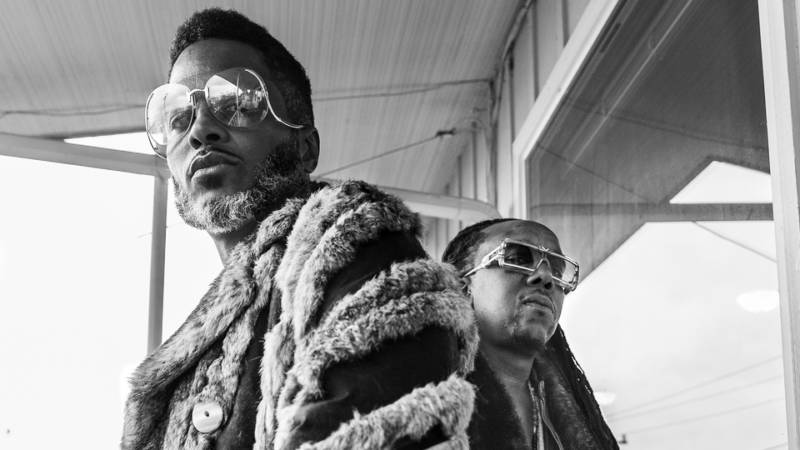
"caption": "Shabazz Palaces play The Ritz in San Jose and the Chapel in San Francisco ",
"description": "Shabazz Palaces play The Ritz in San Jose and the Chapel in San Francisco ",
"title": "Shabazz Palaces play The Ritz in San Jose and the Chapel in San Francisco",
"credit": "Photo: Courtesy of Noise Pop",
"status": "inherit",
"isLoading": false,
"fetchFailed": false
},
"arts_12658762": {
"type": "attachments",
"id": "arts_12658762",
"meta": {
"index": "attachments_1716263798",
"site": "arts",
"id": "12658762",
"found": true
},
"parent": 12654582,
"imgSizes": {
"small": {
"file": "https://ww2.kqed.org/app/uploads/sites/2/2017/01/pussy-hat-man-san-jose-e1485027382151-520x293.jpg",
"width": 520,
"mimeType": "image/jpeg",
"height": 293
},
"twentyfourteen-full-width": {
"file": "https://ww2.kqed.org/app/uploads/sites/2/2017/01/pussy-hat-man-san-jose-e1485027382151-1038x576.jpg",
"width": 1038,
"mimeType": "image/jpeg",
"height": 576
},
"thumbnail": {
"file": "https://ww2.kqed.org/app/uploads/sites/2/2017/01/pussy-hat-man-san-jose-e1485027382151-160x90.jpg",
"width": 160,
"mimeType": "image/jpeg",
"height": 90
},
"fd-sm": {
"file": "https://ww2.kqed.org/app/uploads/sites/2/2017/01/pussy-hat-man-san-jose-e1485027382151-960x540.jpg",
"width": 960,
"mimeType": "image/jpeg",
"height": 540
},
"post-thumbnail": {
"file": "https://ww2.kqed.org/app/uploads/sites/2/2017/01/pussy-hat-man-san-jose-e1485027382151-672x372.jpg",
"width": 672,
"mimeType": "image/jpeg",
"height": 372
},
"xsmall": {
"file": "https://ww2.kqed.org/app/uploads/sites/2/2017/01/pussy-hat-man-san-jose-e1485027382151-375x211.jpg",
"width": 375,
"mimeType": "image/jpeg",
"height": 211
},
"kqedFullSize": {
"file": "https://ww2.kqed.org/app/uploads/sites/2/2017/01/pussy-hat-man-san-jose-e1485027382151.jpg",
"width": 2016,
"height": 1134
},
"large": {
"file": "https://ww2.kqed.org/app/uploads/sites/2/2017/01/pussy-hat-man-san-jose-e1485027382151-1020x574.jpg",
"width": 1020,
"mimeType": "image/jpeg",
"height": 574
},
"xlarge": {
"file": "https://ww2.kqed.org/app/uploads/sites/2/2017/01/pussy-hat-man-san-jose-e1485027382151-1180x664.jpg",
"width": 1180,
"mimeType": "image/jpeg",
"height": 664
},
"guest-author-50": {
"file": "https://ww2.kqed.org/app/uploads/sites/2/2017/01/pussy-hat-man-san-jose-e1485027382151-50x50.jpg",
"width": 50,
"mimeType": "image/jpeg",
"height": 50
},
"guest-author-96": {
"file": "https://ww2.kqed.org/app/uploads/sites/2/2017/01/pussy-hat-man-san-jose-e1485027382151-96x96.jpg",
"width": 96,
"mimeType": "image/jpeg",
"height": 96
},
"medium": {
"file": "https://ww2.kqed.org/app/uploads/sites/2/2017/01/pussy-hat-man-san-jose-e1485027382151-800x450.jpg",
"width": 800,
"mimeType": "image/jpeg",
"height": 450
},
"guest-author-64": {
"file": "https://ww2.kqed.org/app/uploads/sites/2/2017/01/pussy-hat-man-san-jose-e1485027382151-64x64.jpg",
"width": 64,
"mimeType": "image/jpeg",
"height": 64
},
"guest-author-32": {
"file": "https://ww2.kqed.org/app/uploads/sites/2/2017/01/pussy-hat-man-san-jose-e1485027382151-32x32.jpg",
"width": 32,
"mimeType": "image/jpeg",
"height": 32
},
"fd-lrg": {
"file": "https://ww2.kqed.org/app/uploads/sites/2/2017/01/pussy-hat-man-san-jose-e1485027382151-1920x1080.jpg",
"width": 1920,
"mimeType": "image/jpeg",
"height": 1080
},
"fd-med": {
"file": "https://ww2.kqed.org/app/uploads/sites/2/2017/01/pussy-hat-man-san-jose-e1485027382151-1180x664.jpg",
"width": 1180,
"mimeType": "image/jpeg",
"height": 664
},
"full-width": {
"file": "https://ww2.kqed.org/app/uploads/sites/2/2017/01/pussy-hat-man-san-jose-e1485027382151-1920x1080.jpg",
"width": 1920,
"mimeType": "image/jpeg",
"height": 1080
},
"detail": {
"file": "https://ww2.kqed.org/app/uploads/sites/2/2017/01/pussy-hat-man-san-jose-e1485027382151-150x150.jpg",
"width": 150,
"mimeType": "image/jpeg",
"height": 150
},
"medium_large": {
"file": "https://ww2.kqed.org/app/uploads/sites/2/2017/01/pussy-hat-man-san-jose-e1485027382151-768x432.jpg",
"width": 768,
"mimeType": "image/jpeg",
"height": 432
},
"guest-author-128": {
"file": "https://ww2.kqed.org/app/uploads/sites/2/2017/01/pussy-hat-man-san-jose-e1485027382151-128x128.jpg",
"width": 128,
"mimeType": "image/jpeg",
"height": 128
},
"xxsmall": {
"file": "https://ww2.kqed.org/app/uploads/sites/2/2017/01/pussy-hat-man-san-jose-e1485027382151-240x135.jpg",
"width": 240,
"mimeType": "image/jpeg",
"height": 135
}
},
"publishDate": 1485027350,
"modified": 1516405793,
"caption": "Patricia Leung and her husband Jonathan Evans of Santa Clara crochet pussy hats at the Women's March in 2017. \"I'm actually behind,\" Leung says. \"I have three more people who've asked me for hats. One person in the crowd asked and I ripped it off my head and gave it to him. I can't keep them in stock!\" ",
"description": "Patricia Leung and her husband Jonathan Evans of Santa Clara crochet pussy hats at the Women's March in 2017. \"I'm actually behind,\" Leung says. \"I have three more people who've asked me for hats. One person in the crowd asked and I ripped it off my head and gave it to him. I can't keep them in stock!\" ",
"title": "pussy hat man san jose",
"credit": "Photo: Rachael Myrow/KQED",
"status": "inherit",
"isLoading": false,
"fetchFailed": false
},
"arts_13819080": {
"type": "attachments",
"id": "arts_13819080",
"meta": {
"index": "attachments_1716263798",
"site": "arts",
"id": "13819080",
"found": true
},
"parent": 13819076,
"imgSizes": {
"small": {
"file": "https://ww2.kqed.org/app/uploads/sites/2/2018/01/PicsArt_12-16-02.29.47-2-520x370.jpg",
"width": 520,
"mimeType": "image/jpeg",
"height": 370
},
"twentyfourteen-full-width": {
"file": "https://ww2.kqed.org/app/uploads/sites/2/2018/01/PicsArt_12-16-02.29.47-2-1038x576.jpg",
"width": 1038,
"mimeType": "image/jpeg",
"height": 576
},
"thumbnail": {
"file": "https://ww2.kqed.org/app/uploads/sites/2/2018/01/PicsArt_12-16-02.29.47-2-160x114.jpg",
"width": 160,
"mimeType": "image/jpeg",
"height": 114
},
"fd-sm": {
"file": "https://ww2.kqed.org/app/uploads/sites/2/2018/01/PicsArt_12-16-02.29.47-2-960x684.jpg",
"width": 960,
"mimeType": "image/jpeg",
"height": 684
},
"post-thumbnail": {
"file": "https://ww2.kqed.org/app/uploads/sites/2/2018/01/PicsArt_12-16-02.29.47-2-672x372.jpg",
"width": 672,
"mimeType": "image/jpeg",
"height": 372
},
"xsmall": {
"file": "https://ww2.kqed.org/app/uploads/sites/2/2018/01/PicsArt_12-16-02.29.47-2-375x267.jpg",
"width": 375,
"mimeType": "image/jpeg",
"height": 267
},
"kqedFullSize": {
"file": "https://ww2.kqed.org/app/uploads/sites/2/2018/01/PicsArt_12-16-02.29.47-2.jpg",
"width": 1533,
"height": 1092
},
"large": {
"file": "https://ww2.kqed.org/app/uploads/sites/2/2018/01/PicsArt_12-16-02.29.47-2-1020x727.jpg",
"width": 1020,
"mimeType": "image/jpeg",
"height": 727
},
"xlarge": {
"file": "https://ww2.kqed.org/app/uploads/sites/2/2018/01/PicsArt_12-16-02.29.47-2-1180x841.jpg",
"width": 1180,
"mimeType": "image/jpeg",
"height": 841
},
"guest-author-50": {
"file": "https://ww2.kqed.org/app/uploads/sites/2/2018/01/PicsArt_12-16-02.29.47-2-50x50.jpg",
"width": 50,
"mimeType": "image/jpeg",
"height": 50
},
"guest-author-96": {
"file": "https://ww2.kqed.org/app/uploads/sites/2/2018/01/PicsArt_12-16-02.29.47-2-96x96.jpg",
"width": 96,
"mimeType": "image/jpeg",
"height": 96
},
"medium": {
"file": "https://ww2.kqed.org/app/uploads/sites/2/2018/01/PicsArt_12-16-02.29.47-2-800x570.jpg",
"width": 800,
"mimeType": "image/jpeg",
"height": 570
},
"guest-author-64": {
"file": "https://ww2.kqed.org/app/uploads/sites/2/2018/01/PicsArt_12-16-02.29.47-2-64x64.jpg",
"width": 64,
"mimeType": "image/jpeg",
"height": 64
},
"guest-author-32": {
"file": "https://ww2.kqed.org/app/uploads/sites/2/2018/01/PicsArt_12-16-02.29.47-2-32x32.jpg",
"width": 32,
"mimeType": "image/jpeg",
"height": 32
},
"fd-med": {
"file": "https://ww2.kqed.org/app/uploads/sites/2/2018/01/PicsArt_12-16-02.29.47-2-1180x841.jpg",
"width": 1180,
"mimeType": "image/jpeg",
"height": 841
},
"detail": {
"file": "https://ww2.kqed.org/app/uploads/sites/2/2018/01/PicsArt_12-16-02.29.47-2-150x150.jpg",
"width": 150,
"mimeType": "image/jpeg",
"height": 150
},
"medium_large": {
"file": "https://ww2.kqed.org/app/uploads/sites/2/2018/01/PicsArt_12-16-02.29.47-2-768x547.jpg",
"width": 768,
"mimeType": "image/jpeg",
"height": 547
},
"guest-author-128": {
"file": "https://ww2.kqed.org/app/uploads/sites/2/2018/01/PicsArt_12-16-02.29.47-2-128x128.jpg",
"width": 128,
"mimeType": "image/jpeg",
"height": 128
},
"xxsmall": {
"file": "https://ww2.kqed.org/app/uploads/sites/2/2018/01/PicsArt_12-16-02.29.47-2-240x171.jpg",
"width": 240,
"mimeType": "image/jpeg",
"height": 171
}
},
"publishDate": 1515862646,
"modified": 1515863968,
"caption": "Izabella Torres surrounded by her Latizmo class at the College of Adaptive Arts in San Jose. (Left to Right: Said Padellan, Izabella Torres, \nOliver Motiee, Matt Atkinson, and Rachel Henderson)",
"description": "Izabella Torres surrounded by her Latizmo class at the College of Adaptive Arts in San Jose. (Left to Right: Said Padellan, Izabella Torres, \nOliver Motiee, Matt Atkinson, and Rachel Henderson)",
"title": "PicsArt_12-16-02.29.47 2",
"credit": "Photo: Courtesy of Izabella Torres",
"status": "inherit",
"isLoading": false,
"fetchFailed": false
},
"arts_13818439": {
"type": "attachments",
"id": "arts_13818439",
"meta": {
"index": "attachments_1716263798",
"site": "arts",
"id": "13818439",
"found": true
},
"parent": 13818435,
"imgSizes": {
"small": {
"file": "https://ww2.kqed.org/app/uploads/sites/2/2018/01/1._tpg3_group_portrait-2-520x292.jpg",
"width": 520,
"mimeType": "image/jpeg",
"height": 292
},
"thumbnail": {
"file": "https://ww2.kqed.org/app/uploads/sites/2/2018/01/1._tpg3_group_portrait-2-160x90.jpg",
"width": 160,
"mimeType": "image/jpeg",
"height": 90
},
"post-thumbnail": {
"file": "https://ww2.kqed.org/app/uploads/sites/2/2018/01/1._tpg3_group_portrait-2-672x372.jpg",
"width": 672,
"mimeType": "image/jpeg",
"height": 372
},
"xsmall": {
"file": "https://ww2.kqed.org/app/uploads/sites/2/2018/01/1._tpg3_group_portrait-2-375x211.jpg",
"width": 375,
"mimeType": "image/jpeg",
"height": 211
},
"kqedFullSize": {
"file": "https://ww2.kqed.org/app/uploads/sites/2/2018/01/1._tpg3_group_portrait-2.jpg",
"width": 900,
"height": 506
},
"guest-author-50": {
"file": "https://ww2.kqed.org/app/uploads/sites/2/2018/01/1._tpg3_group_portrait-2-50x50.jpg",
"width": 50,
"mimeType": "image/jpeg",
"height": 50
},
"guest-author-96": {
"file": "https://ww2.kqed.org/app/uploads/sites/2/2018/01/1._tpg3_group_portrait-2-96x96.jpg",
"width": 96,
"mimeType": "image/jpeg",
"height": 96
},
"medium": {
"file": "https://ww2.kqed.org/app/uploads/sites/2/2018/01/1._tpg3_group_portrait-2-800x450.jpg",
"width": 800,
"mimeType": "image/jpeg",
"height": 450
},
"guest-author-64": {
"file": "https://ww2.kqed.org/app/uploads/sites/2/2018/01/1._tpg3_group_portrait-2-64x64.jpg",
"width": 64,
"mimeType": "image/jpeg",
"height": 64
},
"guest-author-32": {
"file": "https://ww2.kqed.org/app/uploads/sites/2/2018/01/1._tpg3_group_portrait-2-32x32.jpg",
"width": 32,
"mimeType": "image/jpeg",
"height": 32
},
"detail": {
"file": "https://ww2.kqed.org/app/uploads/sites/2/2018/01/1._tpg3_group_portrait-2-150x150.jpg",
"width": 150,
"mimeType": "image/jpeg",
"height": 150
},
"medium_large": {
"file": "https://ww2.kqed.org/app/uploads/sites/2/2018/01/1._tpg3_group_portrait-2-768x432.jpg",
"width": 768,
"mimeType": "image/jpeg",
"height": 432
},
"guest-author-128": {
"file": "https://ww2.kqed.org/app/uploads/sites/2/2018/01/1._tpg3_group_portrait-2-128x128.jpg",
"width": 128,
"mimeType": "image/jpeg",
"height": 128
},
"xxsmall": {
"file": "https://ww2.kqed.org/app/uploads/sites/2/2018/01/1._tpg3_group_portrait-2-240x135.jpg",
"width": 240,
"mimeType": "image/jpeg",
"height": 135
}
},
"publishDate": 1515025753,
"modified": 1515028460,
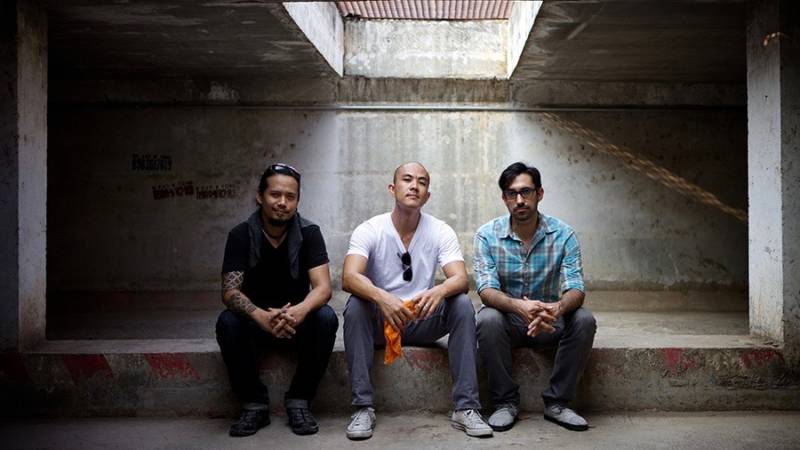
"caption": "The Propeller Group, (left to right): Phunam, Tuan Andrew Nguyen and Matt Lucero. ",
"description": "The Propeller Group, (left to right): Phunam, Tuan Andrew Nguyen and Matt Lucero. ",
"title": "1._tpg3_group_portrait 2",
"credit": "Photo: Courtesy the Propeller Group",
"status": "inherit",
"isLoading": false,
"fetchFailed": false
},
"arts_13817857": {
"type": "attachments",
"id": "arts_13817857",
"meta": {
"index": "attachments_1716263798",
"site": "arts",
"id": "13817857",
"found": true
},
"parent": 13817838,
"imgSizes": {
"small": {
"file": "https://ww2.kqed.org/app/uploads/sites/2/2017/12/23559706_10155586070223564_62479648437642253_n-520x346.jpg",
"width": 520,
"mimeType": "image/jpeg",
"height": 346
},
"twentyfourteen-full-width": {
"file": "https://ww2.kqed.org/app/uploads/sites/2/2017/12/23559706_10155586070223564_62479648437642253_n-960x576.jpg",
"width": 960,
"mimeType": "image/jpeg",
"height": 576
},
"thumbnail": {
"file": "https://ww2.kqed.org/app/uploads/sites/2/2017/12/23559706_10155586070223564_62479648437642253_n-160x107.jpg",
"width": 160,
"mimeType": "image/jpeg",
"height": 107
},
"fd-sm": {
"file": "https://ww2.kqed.org/app/uploads/sites/2/2017/12/23559706_10155586070223564_62479648437642253_n-960x639.jpg",
"width": 960,
"mimeType": "image/jpeg",
"height": 639
},
"post-thumbnail": {
"file": "https://ww2.kqed.org/app/uploads/sites/2/2017/12/23559706_10155586070223564_62479648437642253_n-672x372.jpg",
"width": 672,
"mimeType": "image/jpeg",
"height": 372
},
"xsmall": {
"file": "https://ww2.kqed.org/app/uploads/sites/2/2017/12/23559706_10155586070223564_62479648437642253_n-375x250.jpg",
"width": 375,
"mimeType": "image/jpeg",
"height": 250
},
"kqedFullSize": {
"file": "https://ww2.kqed.org/app/uploads/sites/2/2017/12/23559706_10155586070223564_62479648437642253_n.jpg",
"width": 960,
"height": 639
},
"guest-author-50": {
"file": "https://ww2.kqed.org/app/uploads/sites/2/2017/12/23559706_10155586070223564_62479648437642253_n-50x50.jpg",
"width": 50,
"mimeType": "image/jpeg",
"height": 50
},
"guest-author-96": {
"file": "https://ww2.kqed.org/app/uploads/sites/2/2017/12/23559706_10155586070223564_62479648437642253_n-96x96.jpg",
"width": 96,
"mimeType": "image/jpeg",
"height": 96
},
"medium": {
"file": "https://ww2.kqed.org/app/uploads/sites/2/2017/12/23559706_10155586070223564_62479648437642253_n-800x533.jpg",
"width": 800,
"mimeType": "image/jpeg",
"height": 533
},
"guest-author-64": {
"file": "https://ww2.kqed.org/app/uploads/sites/2/2017/12/23559706_10155586070223564_62479648437642253_n-64x64.jpg",
"width": 64,
"mimeType": "image/jpeg",
"height": 64
},
"guest-author-32": {
"file": "https://ww2.kqed.org/app/uploads/sites/2/2017/12/23559706_10155586070223564_62479648437642253_n-32x32.jpg",
"width": 32,
"mimeType": "image/jpeg",
"height": 32
},
"detail": {
"file": "https://ww2.kqed.org/app/uploads/sites/2/2017/12/23559706_10155586070223564_62479648437642253_n-150x150.jpg",
"width": 150,
"mimeType": "image/jpeg",
"height": 150
},
"medium_large": {
"file": "https://ww2.kqed.org/app/uploads/sites/2/2017/12/23559706_10155586070223564_62479648437642253_n-768x511.jpg",
"width": 768,
"mimeType": "image/jpeg",
"height": 511
},
"guest-author-128": {
"file": "https://ww2.kqed.org/app/uploads/sites/2/2017/12/23559706_10155586070223564_62479648437642253_n-128x128.jpg",
"width": 128,
"mimeType": "image/jpeg",
"height": 128
},
"xxsmall": {
"file": "https://ww2.kqed.org/app/uploads/sites/2/2017/12/23559706_10155586070223564_62479648437642253_n-240x160.jpg",
"width": 240,
"mimeType": "image/jpeg",
"height": 160
}
},
"publishDate": 1513722627,
"modified": 1513758168,
"caption": "In Latin Standards, Marga Gomez extolls and laments the creative addiction passed down from immigrant father to lesbian daughter. ",
"description": "In Latin Standards, Marga Gomez extolls and laments th creative addiction passed down from immigrant father to lesbian daughter. ",
"title": "23559706_10155586070223564_62479648437642253_n",
"credit": "Photo: Courtesy of Marga Gomez",
"status": "inherit",
"isLoading": false,
"fetchFailed": false
},
"arts_13809090": {
"type": "attachments",
"id": "arts_13809090",
"meta": {
"index": "attachments_1716263798",
"site": "arts",
"id": "13809090",
"found": true
},
"parent": 13809081,
"imgSizes": {
"small": {
"file": "https://ww2.kqed.org/app/uploads/sites/2/2017/09/RS26631__73T9923Copy-qut-520x293.jpg",
"width": 520,
"mimeType": "image/jpeg",
"height": 293
},
"twentyfourteen-full-width": {
"file": "https://ww2.kqed.org/app/uploads/sites/2/2017/09/RS26631__73T9923Copy-qut-1038x576.jpg",
"width": 1038,
"mimeType": "image/jpeg",
"height": 576
},
"thumbnail": {
"file": "https://ww2.kqed.org/app/uploads/sites/2/2017/09/RS26631__73T9923Copy-qut-160x90.jpg",
"width": 160,
"mimeType": "image/jpeg",
"height": 90
},
"fd-sm": {
"file": "https://ww2.kqed.org/app/uploads/sites/2/2017/09/RS26631__73T9923Copy-qut-960x540.jpg",
"width": 960,
"mimeType": "image/jpeg",
"height": 540
},
"post-thumbnail": {
"file": "https://ww2.kqed.org/app/uploads/sites/2/2017/09/RS26631__73T9923Copy-qut-672x372.jpg",
"width": 672,
"mimeType": "image/jpeg",
"height": 372
},
"xsmall": {
"file": "https://ww2.kqed.org/app/uploads/sites/2/2017/09/RS26631__73T9923Copy-qut-375x211.jpg",
"width": 375,
"mimeType": "image/jpeg",
"height": 211
},
"kqedFullSize": {
"file": "https://ww2.kqed.org/app/uploads/sites/2/2017/09/RS26631__73T9923Copy-qut.jpg",
"width": 1920,
"height": 1080
},
"large": {
"file": "https://ww2.kqed.org/app/uploads/sites/2/2017/09/RS26631__73T9923Copy-qut-1020x574.jpg",
"width": 1020,
"mimeType": "image/jpeg",
"height": 574
},
"xlarge": {
"file": "https://ww2.kqed.org/app/uploads/sites/2/2017/09/RS26631__73T9923Copy-qut-1180x664.jpg",
"width": 1180,
"mimeType": "image/jpeg",
"height": 664
},
"guest-author-50": {
"file": "https://ww2.kqed.org/app/uploads/sites/2/2017/09/RS26631__73T9923Copy-qut-50x50.jpg",
"width": 50,
"mimeType": "image/jpeg",
"height": 50
},
"guest-author-96": {
"file": "https://ww2.kqed.org/app/uploads/sites/2/2017/09/RS26631__73T9923Copy-qut-96x96.jpg",
"width": 96,
"mimeType": "image/jpeg",
"height": 96
},
"medium": {
"file": "https://ww2.kqed.org/app/uploads/sites/2/2017/09/RS26631__73T9923Copy-qut-800x450.jpg",
"width": 800,
"mimeType": "image/jpeg",
"height": 450
},
"guest-author-64": {
"file": "https://ww2.kqed.org/app/uploads/sites/2/2017/09/RS26631__73T9923Copy-qut-64x64.jpg",
"width": 64,
"mimeType": "image/jpeg",
"height": 64
},
"guest-author-32": {
"file": "https://ww2.kqed.org/app/uploads/sites/2/2017/09/RS26631__73T9923Copy-qut-32x32.jpg",
"width": 32,
"mimeType": "image/jpeg",
"height": 32
},
"fd-lrg": {
"file": "https://ww2.kqed.org/app/uploads/sites/2/2017/09/RS26631__73T9923Copy-qut-1920x1080.jpg",
"width": 1920,
"mimeType": "image/jpeg",
"height": 1080
},
"fd-med": {
"file": "https://ww2.kqed.org/app/uploads/sites/2/2017/09/RS26631__73T9923Copy-qut-1180x664.jpg",
"width": 1180,
"mimeType": "image/jpeg",
"height": 664
},
"full-width": {
"file": "https://ww2.kqed.org/app/uploads/sites/2/2017/09/RS26631__73T9923Copy-qut-1920x1080.jpg",
"width": 1920,
"mimeType": "image/jpeg",
"height": 1080
},
"detail": {
"file": "https://ww2.kqed.org/app/uploads/sites/2/2017/09/RS26631__73T9923Copy-qut-150x150.jpg",
"width": 150,
"mimeType": "image/jpeg",
"height": 150
},
"medium_large": {
"file": "https://ww2.kqed.org/app/uploads/sites/2/2017/09/RS26631__73T9923Copy-qut-768x432.jpg",
"width": 768,
"mimeType": "image/jpeg",
"height": 432
},
"guest-author-128": {
"file": "https://ww2.kqed.org/app/uploads/sites/2/2017/09/RS26631__73T9923Copy-qut-128x128.jpg",
"width": 128,
"mimeType": "image/jpeg",
"height": 128
},
"xxsmall": {
"file": "https://ww2.kqed.org/app/uploads/sites/2/2017/09/RS26631__73T9923Copy-qut-240x135.jpg",
"width": 240,
"mimeType": "image/jpeg",
"height": 135
}
},
"publishDate": 1505947446,
"modified": 1505947485,
"caption": "Detail of a mixed media painting by KK Raghava (2003) sold at a private home in Saratoga. Despite the growing population of wealthy South Asians in Silicon Valley, contemporary South Asian art is still struggling to get a foothold in the local art scene. ",
"description": "Detail of a mixed media painting by KK Raghava (2003) sold at a private home in Saratoga. Despite the growing population of wealthy South Asians in Silicon Valley, contemporary South Asian art is still struggling to get a foothold in the local art scene. ",
"title": "RS26631__73T9923Copy-qut",
"credit": "Photo: Courtesy of Ashish Nagpal Balram",
"status": "inherit",
"isLoading": false,
"fetchFailed": false
},
"arts_13809092": {
"type": "attachments",
"id": "arts_13809092",
"meta": {
"index": "attachments_1716263798",
"site": "arts",
"id": "13809092",
"found": true
},
"parent": 13809089,
"imgSizes": {
"small": {
"file": "https://ww2.kqed.org/app/uploads/sites/2/2017/09/Gustavo-Arellano-520x293.jpg",
"width": 520,
"mimeType": "image/jpeg",
"height": 293
},
"twentyfourteen-full-width": {
"file": "https://ww2.kqed.org/app/uploads/sites/2/2017/09/Gustavo-Arellano-1038x576.jpg",
"width": 1038,
"mimeType": "image/jpeg",
"height": 576
},
"thumbnail": {
"file": "https://ww2.kqed.org/app/uploads/sites/2/2017/09/Gustavo-Arellano-160x90.jpg",
"width": 160,
"mimeType": "image/jpeg",
"height": 90
},
"fd-sm": {
"file": "https://ww2.kqed.org/app/uploads/sites/2/2017/09/Gustavo-Arellano-960x540.jpg",
"width": 960,
"mimeType": "image/jpeg",
"height": 540
},
"post-thumbnail": {
"file": "https://ww2.kqed.org/app/uploads/sites/2/2017/09/Gustavo-Arellano-672x372.jpg",
"width": 672,
"mimeType": "image/jpeg",
"height": 372
},
"xsmall": {
"file": "https://ww2.kqed.org/app/uploads/sites/2/2017/09/Gustavo-Arellano-375x211.jpg",
"width": 375,
"mimeType": "image/jpeg",
"height": 211
},
"kqedFullSize": {
"file": "https://ww2.kqed.org/app/uploads/sites/2/2017/09/Gustavo-Arellano.jpg",
"width": 1200,
"height": 675
},
"large": {
"file": "https://ww2.kqed.org/app/uploads/sites/2/2017/09/Gustavo-Arellano-1020x574.jpg",
"width": 1020,
"mimeType": "image/jpeg",
"height": 574
},
"xlarge": {
"file": "https://ww2.kqed.org/app/uploads/sites/2/2017/09/Gustavo-Arellano-1180x664.jpg",
"width": 1180,
"mimeType": "image/jpeg",
"height": 664
},
"guest-author-50": {
"file": "https://ww2.kqed.org/app/uploads/sites/2/2017/09/Gustavo-Arellano-50x50.jpg",
"width": 50,
"mimeType": "image/jpeg",
"height": 50
},
"guest-author-96": {
"file": "https://ww2.kqed.org/app/uploads/sites/2/2017/09/Gustavo-Arellano-96x96.jpg",
"width": 96,
"mimeType": "image/jpeg",
"height": 96
},
"medium": {
"file": "https://ww2.kqed.org/app/uploads/sites/2/2017/09/Gustavo-Arellano-800x450.jpg",
"width": 800,
"mimeType": "image/jpeg",
"height": 450
},
"guest-author-64": {
"file": "https://ww2.kqed.org/app/uploads/sites/2/2017/09/Gustavo-Arellano-64x64.jpg",
"width": 64,
"mimeType": "image/jpeg",
"height": 64
},
"guest-author-32": {
"file": "https://ww2.kqed.org/app/uploads/sites/2/2017/09/Gustavo-Arellano-32x32.jpg",
"width": 32,
"mimeType": "image/jpeg",
"height": 32
},
"fd-med": {
"file": "https://ww2.kqed.org/app/uploads/sites/2/2017/09/Gustavo-Arellano-1180x664.jpg",
"width": 1180,
"mimeType": "image/jpeg",
"height": 664
},
"detail": {
"file": "https://ww2.kqed.org/app/uploads/sites/2/2017/09/Gustavo-Arellano-150x150.jpg",
"width": 150,
"mimeType": "image/jpeg",
"height": 150
},
"medium_large": {
"file": "https://ww2.kqed.org/app/uploads/sites/2/2017/09/Gustavo-Arellano-768x432.jpg",
"width": 768,
"mimeType": "image/jpeg",
"height": 432
},
"guest-author-128": {
"file": "https://ww2.kqed.org/app/uploads/sites/2/2017/09/Gustavo-Arellano-128x128.jpg",
"width": 128,
"mimeType": "image/jpeg",
"height": 128
},
"xxsmall": {
"file": "https://ww2.kqed.org/app/uploads/sites/2/2017/09/Gustavo-Arellano-240x135.jpg",
"width": 240,
"mimeType": "image/jpeg",
"height": 135
}
},
"publishDate": 1505947642,
"modified": 1505947671,
"caption": "Gustavo Arellano, author of 'Ask a Mexican.'",
"description": "Gustavo Arellano, author of 'Ask a Mexican.'",
"title": "Gustavo-Arellano",
"credit": "John Gilhooley",
"status": "inherit",
"isLoading": false,
"fetchFailed": false
},
"arts_13808628": {
"type": "attachments",
"id": "arts_13808628",
"meta": {
"index": "attachments_1716263798",
"site": "arts",
"id": "13808628",
"found": true
},
"parent": 13808627,
"imgSizes": {
"small": {
"file": "https://ww2.kqed.org/app/uploads/sites/2/2017/09/RS26520_DAVE_SANDERS-2-520x293.jpg",
"width": 520,
"mimeType": "image/jpeg",
"height": 293
},
"twentyfourteen-full-width": {
"file": "https://ww2.kqed.org/app/uploads/sites/2/2017/09/RS26520_DAVE_SANDERS-2-1038x576.jpg",
"width": 1038,
"mimeType": "image/jpeg",
"height": 576
},
"thumbnail": {
"file": "https://ww2.kqed.org/app/uploads/sites/2/2017/09/RS26520_DAVE_SANDERS-2-160x90.jpg",
"width": 160,
"mimeType": "image/jpeg",
"height": 90
},
"fd-sm": {
"file": "https://ww2.kqed.org/app/uploads/sites/2/2017/09/RS26520_DAVE_SANDERS-2-960x540.jpg",
"width": 960,
"mimeType": "image/jpeg",
"height": 540
},
"post-thumbnail": {
"file": "https://ww2.kqed.org/app/uploads/sites/2/2017/09/RS26520_DAVE_SANDERS-2-672x372.jpg",
"width": 672,
"mimeType": "image/jpeg",
"height": 372
},
"xsmall": {
"file": "https://ww2.kqed.org/app/uploads/sites/2/2017/09/RS26520_DAVE_SANDERS-2-375x211.jpg",
"width": 375,
"mimeType": "image/jpeg",
"height": 211
},
"kqedFullSize": {
"file": "https://ww2.kqed.org/app/uploads/sites/2/2017/09/RS26520_DAVE_SANDERS-2.jpg",
"width": 3840,
"height": 2160
},
"large": {
"file": "https://ww2.kqed.org/app/uploads/sites/2/2017/09/RS26520_DAVE_SANDERS-2-1020x574.jpg",
"width": 1020,
"mimeType": "image/jpeg",
"height": 574
},
"xlarge": {
"file": "https://ww2.kqed.org/app/uploads/sites/2/2017/09/RS26520_DAVE_SANDERS-2-1180x664.jpg",
"width": 1180,
"mimeType": "image/jpeg",
"height": 664
},
"guest-author-50": {
"file": "https://ww2.kqed.org/app/uploads/sites/2/2017/09/RS26520_DAVE_SANDERS-2-50x50.jpg",
"width": 50,
"mimeType": "image/jpeg",
"height": 50
},
"guest-author-96": {
"file": "https://ww2.kqed.org/app/uploads/sites/2/2017/09/RS26520_DAVE_SANDERS-2-96x96.jpg",
"width": 96,
"mimeType": "image/jpeg",
"height": 96
},
"medium": {
"file": "https://ww2.kqed.org/app/uploads/sites/2/2017/09/RS26520_DAVE_SANDERS-2-800x450.jpg",
"width": 800,
"mimeType": "image/jpeg",
"height": 450
},
"guest-author-64": {
"file": "https://ww2.kqed.org/app/uploads/sites/2/2017/09/RS26520_DAVE_SANDERS-2-64x64.jpg",
"width": 64,
"mimeType": "image/jpeg",
"height": 64
},
"guest-author-32": {
"file": "https://ww2.kqed.org/app/uploads/sites/2/2017/09/RS26520_DAVE_SANDERS-2-32x32.jpg",
"width": 32,
"mimeType": "image/jpeg",
"height": 32
},
"fd-lrg": {
"file": "https://ww2.kqed.org/app/uploads/sites/2/2017/09/RS26520_DAVE_SANDERS-2-1920x1080.jpg",
"width": 1920,
"mimeType": "image/jpeg",
"height": 1080
},
"fd-med": {
"file": "https://ww2.kqed.org/app/uploads/sites/2/2017/09/RS26520_DAVE_SANDERS-2-1180x664.jpg",
"width": 1180,
"mimeType": "image/jpeg",
"height": 664
},
"full-width": {
"file": "https://ww2.kqed.org/app/uploads/sites/2/2017/09/RS26520_DAVE_SANDERS-2-1920x1080.jpg",
"width": 1920,
"mimeType": "image/jpeg",
"height": 1080
},
"detail": {
"file": "https://ww2.kqed.org/app/uploads/sites/2/2017/09/RS26520_DAVE_SANDERS-2-150x150.jpg",
"width": 150,
"mimeType": "image/jpeg",
"height": 150
},
"medium_large": {
"file": "https://ww2.kqed.org/app/uploads/sites/2/2017/09/RS26520_DAVE_SANDERS-2-768x432.jpg",
"width": 768,
"mimeType": "image/jpeg",
"height": 432
},
"guest-author-128": {
"file": "https://ww2.kqed.org/app/uploads/sites/2/2017/09/RS26520_DAVE_SANDERS-2-128x128.jpg",
"width": 128,
"mimeType": "image/jpeg",
"height": 128
},
"xxsmall": {
"file": "https://ww2.kqed.org/app/uploads/sites/2/2017/09/RS26520_DAVE_SANDERS-2-240x135.jpg",
"width": 240,
"mimeType": "image/jpeg",
"height": 135
}
},
"publishDate": 1505455508,
"modified": 1505455898,
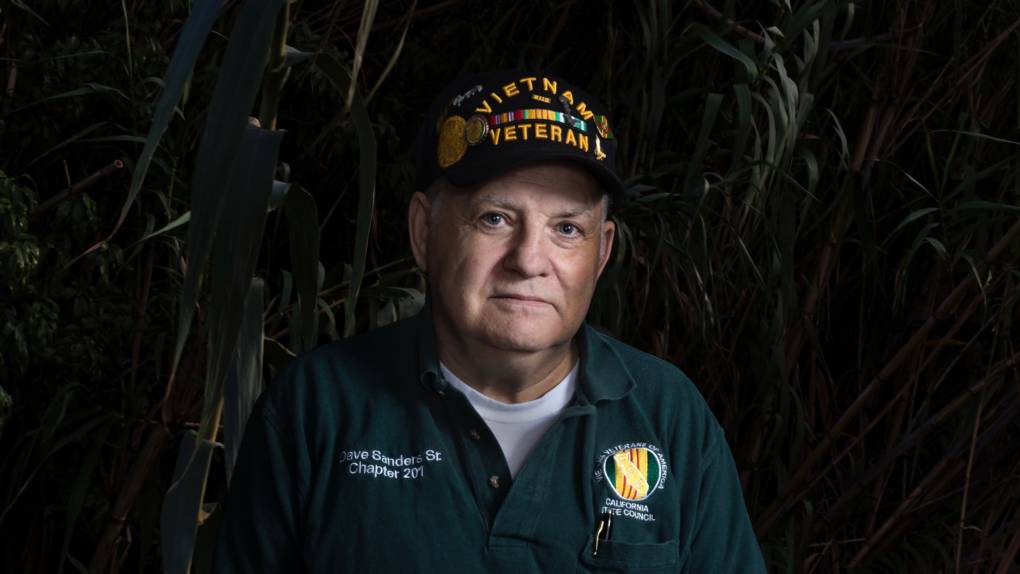
"caption": "Dave Sanders doesn’t regret his willingness to enlist. \"We did what our country wanted - the military portion of our country and the politicians. But, you know, the more I know, the sadder I get.\"",
"description": "Dave Sanders doesn’t regret his willingness to enlist. \"We did what our country wanted - the military portion of our country and the politicians. But, you know, the more I know, the sadder I get.\"",
"title": "RS26520_DAVE_SANDERS-2",
"credit": "Courtesy of Thomas Sanders",
"status": "inherit",
"isLoading": false,
"fetchFailed": false
}
},
"audioPlayerReducer": {
"postId": "stream_live",
"isPaused": true,
"isPlaying": false,
"pfsActive": false,
"pledgeModalIsOpen": true,
"playerDrawerIsOpen": false,
"liveAudioPlayStartedAt": 0,
"liveAudioPlayContext": ""
},
"authorsReducer": {
"mfox": {
"type": "authors",
"id": "22",
"meta": {
"index": "authors_1716337520",
"id": "22",
"found": true
},
"name": "Michael Fox",
"firstName": "Michael",
"lastName": "Fox",
"slug": "mfox",
"email": "foxonfilm@yahoo.com",
"display_author_email": false,
"staff_mastheads": [],
"title": "KQED Contributor",
"bio": "Michael Fox has written about film for dozens of publications since 1987. He is a founding member of the San Francisco Bay Area Film Critics Circle.",
"avatar": "https://secure.gravatar.com/avatar/d9849d6c659c41414795c471d907bb97b396e2a32b88e20e6ff66f65fbdd6dcd?s=600&d=blank&r=g",
"twitter": null,
"bluesky": null,
"facebook": null,
"instagram": null,
"linkedin": null,
"sites": [
{
"site": "arts",
"roles": [
"Contributor",
"contributor"
]
}
],
"headData": {
"title": "Michael Fox | KQED",
"description": "KQED Contributor",
"ogImgSrc": "https://secure.gravatar.com/avatar/d9849d6c659c41414795c471d907bb97b396e2a32b88e20e6ff66f65fbdd6dcd?s=600&d=blank&r=g",
"twImgSrc": "https://secure.gravatar.com/avatar/d9849d6c659c41414795c471d907bb97b396e2a32b88e20e6ff66f65fbdd6dcd?s=600&d=blank&r=g"
},
"isLoading": false,
"link": "/author/mfox"
},
"cmusiker": {
"type": "authors",
"id": "32",
"meta": {
"index": "authors_1716337520",
"id": "32",
"found": true
},
"name": "Cy Musiker",
"firstName": "Cy",
"lastName": "Musiker",
"slug": "cmusiker",
"email": "cmusiker@kqed.org",
"display_author_email": false,
"staff_mastheads": [],
"title": "KQED Contributor",
"bio": "Cy Musiker is a former co-host of The Do List and a former reporter covering the arts for KQED News and The California Report. He loves live performance, especially great theater, jazz, roots music, anything by Mahler. Cy has an MJ from UC Berkeley's School of Journalism, and got his BA from Hampshire College. His work has been recognized by the Society for Professional Journalists with their Sigma Delta Chi Award for Public Service in Journalism. When he can, Cy likes to swim in Tomales Bay, run with his dog in the East Bay Hills, and hike the Sierra.",
"avatar": "https://secure.gravatar.com/avatar/05eaba5c5696ce8f062e4ea2df428a43?s=600&d=blank&r=g",
"twitter": null,
"facebook": null,
"instagram": null,
"linkedin": null,
"sites": [
{
"site": "arts",
"roles": [
"Contributor",
"subscriber"
]
},
{
"site": "news",
"roles": [
"author"
]
},
{
"site": "bayareabites",
"roles": [
"contributor"
]
}
],
"headData": {
"title": "Cy Musiker | KQED",
"description": "KQED Contributor",
"ogImgSrc": "https://secure.gravatar.com/avatar/05eaba5c5696ce8f062e4ea2df428a43?s=600&d=blank&r=g",
"twImgSrc": "https://secure.gravatar.com/avatar/05eaba5c5696ce8f062e4ea2df428a43?s=600&d=blank&r=g"
},
"isLoading": false,
"link": "/author/cmusiker"
},
"gmeline": {
"type": "authors",
"id": "185",
"meta": {
"index": "authors_1716337520",
"id": "185",
"found": true
},
"name": "Gabe Meline",
"firstName": "Gabe",
"lastName": "Meline",
"slug": "gmeline",
"email": "gmeline@kqed.org",
"display_author_email": true,
"staff_mastheads": [
"arts"
],
"title": "Senior Editor, KQED Arts & Culture",
"bio": "Gabe Meline entered journalism at age 15 making photocopied zines, and has since earned awards from the Edward R. Murrow Awards, the Society for Professional Journalists, the Online Journalism Awards, the Association of Alternative Newsweeklies and the California Newspaper Publishers Association. Prior to KQED, he was the editor of the \u003cem>North Bay Bohemian\u003c/em> and a touring musician. He lives with his wife and daughter in his hometown of Santa Rosa, CA.",
"avatar": "https://secure.gravatar.com/avatar/5bebe57be0d8bc2dd318934feb47299e2d2d10cba28d09d8d7afb389a2ce2bdd?s=600&d=blank&r=g",
"twitter": null,
"bluesky": null,
"facebook": null,
"instagram": null,
"linkedin": null,
"sites": [
{
"site": "",
"roles": [
"editor"
]
},
{
"site": "arts",
"roles": [
"administrator"
]
},
{
"site": "artschool",
"roles": [
"editor"
]
},
{
"site": "news",
"roles": [
"author"
]
},
{
"site": "pop",
"roles": [
"editor"
]
},
{
"site": "bayareabites",
"roles": [
"editor"
]
},
{
"site": "food",
"roles": [
"editor"
]
},
{
"site": "forum",
"roles": [
"administrator"
]
},
{
"site": "liveblog",
"roles": [
"editor"
]
},
{
"site": "hiphop",
"roles": [
"editor"
]
}
],
"headData": {
"title": "Gabe Meline | KQED",
"description": "Senior Editor, KQED Arts & Culture",
"ogImgSrc": "https://secure.gravatar.com/avatar/5bebe57be0d8bc2dd318934feb47299e2d2d10cba28d09d8d7afb389a2ce2bdd?s=600&d=blank&r=g",
"twImgSrc": "https://secure.gravatar.com/avatar/5bebe57be0d8bc2dd318934feb47299e2d2d10cba28d09d8d7afb389a2ce2bdd?s=600&d=blank&r=g"
},
"isLoading": false,
"link": "/author/gmeline"
},
"rachael-myrow": {
"type": "authors",
"id": "251",
"meta": {
"index": "authors_1716337520",
"id": "251",
"found": true
},
"name": "Rachael Myrow",
"firstName": "Rachael",
"lastName": "Myrow",
"slug": "rachael-myrow",
"email": "rmyrow@kqed.org",
"display_author_email": true,
"staff_mastheads": [
"news"
],
"title": "Senior Editor of KQED's Silicon Valley News Desk",
"bio": "• I write and edit stories about how Silicon Valley power and policies shape everyday life in California. I’m also passionate about making Bay Area history and culture more accessible to a broad public. • I’ve been a journalist for most of my life, starting in high school with The Franklin Press in Los Angeles, where I grew up. While earning my first degree in English at UC Berkeley, I got my start in public radio at KALX-FM. After completing a second degree in journalism at Cal, I landed my first professional job at Marketplace, then moved on to KPCC (now LAist), and then KQED, where I hosted The California Report for more than seven years. • My reporting has appeared on NPR, The World, WBUR’s \u003ci>Here & Now\u003c/i>, and the BBC. I also guest host for KQED’s \u003ci>Forum\u003c/i>, as well as the Commonwealth Club in San Francisco. • I speak periodically on media, democracy and technology issues, and do voiceover work for documentaries and educational video projects. • Outside of the studio, you'll find me hiking Bay Area trails and whipping up Insta-ready meals in my kitchen. • I do not accept gifts, money, or favors from anyone connected to my reporting, I don't pay people for information, and I do not support or donate to political causes. • I strive to treat the people I report on with fairness, honesty, and respect. I also recognize there are often multiple sides to a story and work to verify information through multiple sources and documentation. If I get something wrong, I correct it.",
"avatar": "https://secure.gravatar.com/avatar/3ed8a3c5f26025e4a805ba634cda8cd764906b97438a6d9ce216b044e340da4e?s=600&d=blank&r=g",
"twitter": "rachaelmyrow",
"bluesky": null,
"facebook": null,
"instagram": null,
"linkedin": "https://www.linkedin.com/in/rachaelmyrow/",
"sites": [
{
"site": "arts",
"roles": [
"administrator"
]
},
{
"site": "news",
"roles": [
"edit_others_posts",
"editor"
]
},
{
"site": "futureofyou",
"roles": [
"editor"
]
},
{
"site": "bayareabites",
"roles": [
"editor"
]
},
{
"site": "stateofhealth",
"roles": [
"editor"
]
},
{
"site": "science",
"roles": [
"editor"
]
},
{
"site": "food",
"roles": [
"editor"
]
},
{
"site": "forum",
"roles": [
"editor"
]
},
{
"site": "liveblog",
"roles": [
"author"
]
}
],
"headData": {
"title": "Rachael Myrow | KQED",
"description": "Senior Editor of KQED's Silicon Valley News Desk",
"ogImgSrc": "https://secure.gravatar.com/avatar/3ed8a3c5f26025e4a805ba634cda8cd764906b97438a6d9ce216b044e340da4e?s=600&d=blank&r=g",
"twImgSrc": "https://secure.gravatar.com/avatar/3ed8a3c5f26025e4a805ba634cda8cd764906b97438a6d9ce216b044e340da4e?s=600&d=blank&r=g"
},
"isLoading": false,
"link": "/author/rachael-myrow"
}
},
"pagesReducer": {
"arts_tag_san-jose": {
"type": "terms",
"id": "arts_1084",
"meta": {
"index": "terms_1716263798",
"site": "arts",
"id": "1084",
"score": 8.005498
},
"featImg": null,
"name": "San Jose",
"description": null,
"taxonomy": "tag",
"headData": {
"twImgId": null,
"twTitle": null,
"ogTitle": null,
"ogImgId": null,
"twDescription": null,
"description": null,
"title": "San Jose Archives | KQED Arts",
"ogDescription": null
},
"ttid": 1101,
"slug": "san-jose",
"isLoading": false,
"title": "San Jose",
"pageMeta": {
"site": "arts",
"WpPageTemplate": "page-topic-editorial",
"currentPage": 15
},
"blocks": [
{
"blockName": "kqed/post-list",
"attrs": {
"layout": "cardArticle2",
"query": "posts/arts?tag=san-jose",
"seeMore": false,
"paginated": true,
"page": 15
}
},
{
"blockName": "kqed/ad"
}
]
}
},
"pfsSessionReducer": {},
"postsReducer": {
"stream_live": {
"type": "live",
"id": "stream_live",
"audioUrl": "https://streams.kqed.org/kqedradio",
"title": "Live Stream",
"excerpt": "Live Stream information currently unavailable.",
"link": "/radio",
"featImg": "",
"label": {
"name": "KQED Live",
"link": "/"
}
},
"stream_kqedNewscast": {
"type": "posts",
"id": "stream_kqedNewscast",
"audioUrl": "https://www.kqed.org/.stream/anon/radio/RDnews/newscast.mp3?_=1",
"title": "KQED Newscast",
"featImg": "",
"label": {
"name": "88.5 FM",
"link": "/"
}
},
"arts_13827447": {
"type": "posts",
"id": "arts_13827447",
"meta": {
"index": "posts_1716263798",
"site": "arts",
"id": "13827447",
"score": null,
"sort": [
1521291604000
]
},
"parent": 0,
"labelTerm": {
"site": "arts"
},
"blocks": [],
"publishDate": 1521291604,
"format": "audio",
"title": "Urban Sketcher Captures the Colorful Commercial Signs of a San Jose Long Gone",
"headTitle": "Urban Sketcher Captures the Colorful Commercial Signs of a San Jose Long Gone | KQED",
"content": "\u003cp>You know the old story about urban redevelopment: “They paved paradise and put up a parking lot,” as the singer-songwriter Joni Mitchell put it. A new exhibition, \u003ca href=\"http://historysanjose.org/wp/exhibits-activities/mckay-gallery/\" target=\"_blank\" rel=\"noopener\">\u003cem>Sign of the Times\u003c/em>\u003c/a>, going up at History San José, pays tribute to a chapter of Silicon Valley’s history fast fading from view.\u003c/p>\n\u003cp>Vintage signs – for shops, restaurants, bowling alleys, and so on – have a way of encapsulating our sense of place. Sometimes, the signs become landmarks, vestigial reminders of places that no longer exist.\u003c/p>\n\u003cp>Originally from Bombay, \u003ca href=\"http://www.vintagesignsanjose.com\" target=\"_blank\" rel=\"noopener\">Suhita Shirodkar\u003c/a> is an illustrator and graphic designer who moved to San Jose about 20 years ago. “I originally thought I was coming here for a couple of years, and then I ended up meeting my husband and staying on,” she says.\u003c/p>\n\u003cp>The graphic design tethers her to a computer, but sketching is something she can do anytime, anywhere. “I’m an urban sketcher, which means I walk around with a sketchbook all day in my bag, and I draw anything that catches my eye,” she says.\u003c/p>\n\u003cfigure id=\"attachment_13827450\" class=\"wp-caption aligncenter\" style=\"max-width: 578px\">\u003cimg loading=\"lazy\" decoding=\"async\" class=\"size-full wp-image-13827450\" src=\"https://ww2.kqed.org/arts/wp-content/uploads/sites/2/2018/03/RS29983_vintage_futurama_sm2.jpg\" alt=\"Once, this sign advertised the Futurama Bowl, a Persian-themed bowling alley. When Safeway moved in, the supermarket kept the sign, and it still stands today. This an example of Googie, a Southern California-spawned design aesthetic that merged car culture and the rage for the space age in post World War II America.\" width=\"578\" height=\"800\" srcset=\"https://cdn.kqed.org/wp-content/uploads/sites/2/2018/03/RS29983_vintage_futurama_sm2.jpg 578w, https://cdn.kqed.org/wp-content/uploads/sites/2/2018/03/RS29983_vintage_futurama_sm2-160x221.jpg 160w, https://cdn.kqed.org/wp-content/uploads/sites/2/2018/03/RS29983_vintage_futurama_sm2-240x332.jpg 240w, https://cdn.kqed.org/wp-content/uploads/sites/2/2018/03/RS29983_vintage_futurama_sm2-375x519.jpg 375w, https://cdn.kqed.org/wp-content/uploads/sites/2/2018/03/RS29983_vintage_futurama_sm2-520x720.jpg 520w\" sizes=\"(max-width: 578px) 100vw, 578px\">\u003cfigcaption class=\"wp-caption-text\">Once, this sign advertised the Futurama Bowl, a Persian-themed bowling alley. When Safeway moved in, the supermarket kept the sign, and it still stands today. This an example of Googie, a Southern California-spawned design aesthetic that merged car culture and the rage for the space age in post World War II America.7 \u003ccite>(Photo: Courtesy of Suhita Shirodkar)\u003c/cite>\u003c/figcaption>\u003c/figure>\n\u003cp>Shirodkar noticed over time she was filling her sketchbooks with drawings and watercolors of signs like the “Dancing Pig” that advertises the now demolished Stephen’s Meat Products on Montgomery Street. The signs point to a world that disappeared before she got here.\u003c/p>\n\u003cp>[ad fullwidth]\u003c/p>\n\u003cp>After sketching a sign, Shirodkar heads online to resources like History San José’s \u003ca href=\"http://historysanjose.org/wp/research-collection/research-library/\" target=\"_blank\" rel=\"noopener\">Research Library and Archives\u003c/a>, as well as \u003ca href=\"https://www.facebook.com/sanjosesignproject/\" target=\"_blank\" rel=\"noopener\">The San Jose Signs Project\u003c/a>.\u003c/p>\n\u003cp>“I really like these signs. They sort of pulled me back into history, which is really what art does. It becomes a reason to understanding something, why something’s important — or why it needs to stay,” Shirodkar says.\u003c/p>\n\u003cp>Does that make her sound like an activist? She is one. Peruse the more than 50 sketches on display at History San José, and you may find yourself signing up to help preserve them.\u003c/p>\n\u003cfigure id=\"attachment_13827451\" class=\"wp-caption aligncenter\" style=\"max-width: 622px\">\u003cimg loading=\"lazy\" decoding=\"async\" class=\"size-full wp-image-13827451\" src=\"https://ww2.kqed.org/arts/wp-content/uploads/sites/2/2018/03/RS29982_stephens_pig1_sm.jpg\" alt=\""I think if there's one beloved sign in San Jose, it's the Stephen's pig sign," says artist Suhita Shirodkar. The Preservation Action Council of San Jose is raising money to restore the neon sign. "Everybody would like to see the pig dancing again. Whatever it takes to bring that one alive, I think it'll be a good showcase for what can be done with our signs."\" width=\"622\" height=\"800\" srcset=\"https://cdn.kqed.org/wp-content/uploads/sites/2/2018/03/RS29982_stephens_pig1_sm.jpg 622w, https://cdn.kqed.org/wp-content/uploads/sites/2/2018/03/RS29982_stephens_pig1_sm-160x206.jpg 160w, https://cdn.kqed.org/wp-content/uploads/sites/2/2018/03/RS29982_stephens_pig1_sm-240x309.jpg 240w, https://cdn.kqed.org/wp-content/uploads/sites/2/2018/03/RS29982_stephens_pig1_sm-375x482.jpg 375w, https://cdn.kqed.org/wp-content/uploads/sites/2/2018/03/RS29982_stephens_pig1_sm-520x669.jpg 520w\" sizes=\"(max-width: 622px) 100vw, 622px\">\u003cfigcaption class=\"wp-caption-text\">“I think if there’s one beloved sign in San Jose, it’s the Stephen’s pig sign,” says artist Suhita Shirodkar. The Preservation Action Council of San Jose is \u003ca href=\"http://www.preservation.org/pac_donate.html\" target=\"_blank\" rel=\"noopener\">raising money\u003c/a> to restore the neon sign. “Everybody would like to see the pig dancing again. Whatever it takes to bring that one alive, I think it’ll be a good showcase for what can be done with our signs.” \u003ccite>(Photo: Courtesy of Suhita Shirodkar)\u003c/cite>\u003c/figcaption>\u003c/figure>\n\u003cp>\u003c/p>\n\u003cp>\u003ci>Signs of the Times is open to the public on weekends at History San José until December 23, 2018. For more information, click \u003c/i>\u003cstrong style=\"font-style: italic\">\u003ca href=\"http://historysanjose.org/wp/exhibits-activities/mckay-gallery/\" target=\"_blank\" rel=\"noopener\">here\u003c/a>\u003c/strong>\u003ci>.\u003c/i>\u003c/p>\n\n",
"stats": {
"hasVideo": false,
"hasChartOrMap": false,
"hasAudio": false,
"hasPolis": false,
"wordCount": 511,
"hasGoogleForm": false,
"hasGallery": false,
"hasHearkenModule": false,
"iframeSrcs": [],
"paragraphCount": 11
},
"modified": 1705028243,
"excerpt": "Urban sketcher Suhita Shirodkar exhibits more than 50 drawings and watercolors of vintage signs that caught her eye.",
"headData": {
"twImgId": "",
"twTitle": "",
"ogTitle": "",
"ogImgId": "",
"twDescription": "",
"description": "Urban sketcher Suhita Shirodkar exhibits more than 50 drawings and watercolors of vintage signs that caught her eye.",
"title": "Urban Sketcher Captures the Colorful Commercial Signs of a San Jose Long Gone | KQED",
"ogDescription": "",
"schema": {
"@context": "https://schema.org",
"@type": "Article",
"headline": "Urban Sketcher Captures the Colorful Commercial Signs of a San Jose Long Gone",
"datePublished": "2018-03-17T06:00:04-07:00",
"dateModified": "2024-01-11T18:57:23-08:00",
"image": "https://cdn.kqed.org/wp-content/uploads/2020/02/KQED-OG-Image@1x.png"
}
},
"guestAuthors": [],
"slug": "urban-sketcher-captures-the-colorful-commercial-signs-of-a-san-jose-long-gone",
"status": "publish",
"audioUrl": "https://www.kqed.org/.stream/anon/radio/2018/03/sjsigns.mp3",
"sticky": false,
"path": "/arts/13827447/urban-sketcher-captures-the-colorful-commercial-signs-of-a-san-jose-long-gone",
"audioTrackLength": null,
"parsedContent": [
{
"type": "contentString",
"content": "\u003cdiv class=\"post-body\">\u003cp>\u003cp>You know the old story about urban redevelopment: “They paved paradise and put up a parking lot,” as the singer-songwriter Joni Mitchell put it. A new exhibition, \u003ca href=\"http://historysanjose.org/wp/exhibits-activities/mckay-gallery/\" target=\"_blank\" rel=\"noopener\">\u003cem>Sign of the Times\u003c/em>\u003c/a>, going up at History San José, pays tribute to a chapter of Silicon Valley’s history fast fading from view.\u003c/p>\n\u003cp>Vintage signs – for shops, restaurants, bowling alleys, and so on – have a way of encapsulating our sense of place. Sometimes, the signs become landmarks, vestigial reminders of places that no longer exist.\u003c/p>\n\u003cp>Originally from Bombay, \u003ca href=\"http://www.vintagesignsanjose.com\" target=\"_blank\" rel=\"noopener\">Suhita Shirodkar\u003c/a> is an illustrator and graphic designer who moved to San Jose about 20 years ago. “I originally thought I was coming here for a couple of years, and then I ended up meeting my husband and staying on,” she says.\u003c/p>\n\u003cp>The graphic design tethers her to a computer, but sketching is something she can do anytime, anywhere. “I’m an urban sketcher, which means I walk around with a sketchbook all day in my bag, and I draw anything that catches my eye,” she says.\u003c/p>\n\u003cfigure id=\"attachment_13827450\" class=\"wp-caption aligncenter\" style=\"max-width: 578px\">\u003cimg loading=\"lazy\" decoding=\"async\" class=\"size-full wp-image-13827450\" src=\"https://ww2.kqed.org/arts/wp-content/uploads/sites/2/2018/03/RS29983_vintage_futurama_sm2.jpg\" alt=\"Once, this sign advertised the Futurama Bowl, a Persian-themed bowling alley. When Safeway moved in, the supermarket kept the sign, and it still stands today. This an example of Googie, a Southern California-spawned design aesthetic that merged car culture and the rage for the space age in post World War II America.\" width=\"578\" height=\"800\" srcset=\"https://cdn.kqed.org/wp-content/uploads/sites/2/2018/03/RS29983_vintage_futurama_sm2.jpg 578w, https://cdn.kqed.org/wp-content/uploads/sites/2/2018/03/RS29983_vintage_futurama_sm2-160x221.jpg 160w, https://cdn.kqed.org/wp-content/uploads/sites/2/2018/03/RS29983_vintage_futurama_sm2-240x332.jpg 240w, https://cdn.kqed.org/wp-content/uploads/sites/2/2018/03/RS29983_vintage_futurama_sm2-375x519.jpg 375w, https://cdn.kqed.org/wp-content/uploads/sites/2/2018/03/RS29983_vintage_futurama_sm2-520x720.jpg 520w\" sizes=\"(max-width: 578px) 100vw, 578px\">\u003cfigcaption class=\"wp-caption-text\">Once, this sign advertised the Futurama Bowl, a Persian-themed bowling alley. When Safeway moved in, the supermarket kept the sign, and it still stands today. This an example of Googie, a Southern California-spawned design aesthetic that merged car culture and the rage for the space age in post World War II America.7 \u003ccite>(Photo: Courtesy of Suhita Shirodkar)\u003c/cite>\u003c/figcaption>\u003c/figure>\n\u003cp>Shirodkar noticed over time she was filling her sketchbooks with drawings and watercolors of signs like the “Dancing Pig” that advertises the now demolished Stephen’s Meat Products on Montgomery Street. The signs point to a world that disappeared before she got here.\u003c/p>\n\u003cp>\u003c/p>\u003c/div>",
"attributes": {
"named": {},
"numeric": []
}
},
{
"type": "component",
"content": "",
"name": "ad",
"attributes": {
"named": {
"label": "fullwidth"
},
"numeric": [
"fullwidth"
]
}
},
{
"type": "contentString",
"content": "\u003cdiv class=\"post-body\">\u003cp>\u003c/p>\n\u003cp>After sketching a sign, Shirodkar heads online to resources like History San José’s \u003ca href=\"http://historysanjose.org/wp/research-collection/research-library/\" target=\"_blank\" rel=\"noopener\">Research Library and Archives\u003c/a>, as well as \u003ca href=\"https://www.facebook.com/sanjosesignproject/\" target=\"_blank\" rel=\"noopener\">The San Jose Signs Project\u003c/a>.\u003c/p>\n\u003cp>“I really like these signs. They sort of pulled me back into history, which is really what art does. It becomes a reason to understanding something, why something’s important — or why it needs to stay,” Shirodkar says.\u003c/p>\n\u003cp>Does that make her sound like an activist? She is one. Peruse the more than 50 sketches on display at History San José, and you may find yourself signing up to help preserve them.\u003c/p>\n\u003cfigure id=\"attachment_13827451\" class=\"wp-caption aligncenter\" style=\"max-width: 622px\">\u003cimg loading=\"lazy\" decoding=\"async\" class=\"size-full wp-image-13827451\" src=\"https://ww2.kqed.org/arts/wp-content/uploads/sites/2/2018/03/RS29982_stephens_pig1_sm.jpg\" alt=\""I think if there's one beloved sign in San Jose, it's the Stephen's pig sign," says artist Suhita Shirodkar. The Preservation Action Council of San Jose is raising money to restore the neon sign. "Everybody would like to see the pig dancing again. Whatever it takes to bring that one alive, I think it'll be a good showcase for what can be done with our signs."\" width=\"622\" height=\"800\" srcset=\"https://cdn.kqed.org/wp-content/uploads/sites/2/2018/03/RS29982_stephens_pig1_sm.jpg 622w, https://cdn.kqed.org/wp-content/uploads/sites/2/2018/03/RS29982_stephens_pig1_sm-160x206.jpg 160w, https://cdn.kqed.org/wp-content/uploads/sites/2/2018/03/RS29982_stephens_pig1_sm-240x309.jpg 240w, https://cdn.kqed.org/wp-content/uploads/sites/2/2018/03/RS29982_stephens_pig1_sm-375x482.jpg 375w, https://cdn.kqed.org/wp-content/uploads/sites/2/2018/03/RS29982_stephens_pig1_sm-520x669.jpg 520w\" sizes=\"(max-width: 622px) 100vw, 622px\">\u003cfigcaption class=\"wp-caption-text\">“I think if there’s one beloved sign in San Jose, it’s the Stephen’s pig sign,” says artist Suhita Shirodkar. The Preservation Action Council of San Jose is \u003ca href=\"http://www.preservation.org/pac_donate.html\" target=\"_blank\" rel=\"noopener\">raising money\u003c/a> to restore the neon sign. “Everybody would like to see the pig dancing again. Whatever it takes to bring that one alive, I think it’ll be a good showcase for what can be done with our signs.” \u003ccite>(Photo: Courtesy of Suhita Shirodkar)\u003c/cite>\u003c/figcaption>\u003c/figure>\n\u003cp>\u003c/p>\n\u003cp>\u003ci>Signs of the Times is open to the public on weekends at History San José until December 23, 2018. For more information, click \u003c/i>\u003cstrong style=\"font-style: italic\">\u003ca href=\"http://historysanjose.org/wp/exhibits-activities/mckay-gallery/\" target=\"_blank\" rel=\"noopener\">here\u003c/a>\u003c/strong>\u003ci>.\u003c/i>\u003c/p>\n\n\u003c/div>\u003c/p>",
"attributes": {
"named": {},
"numeric": []
}
}
],
"link": "/arts/13827447/urban-sketcher-captures-the-colorful-commercial-signs-of-a-san-jose-long-gone",
"authors": [
"251"
],
"categories": [
"arts_1",
"arts_235",
"arts_75",
"arts_70"
],
"tags": [
"arts_1119",
"arts_1255",
"arts_2640",
"arts_1084"
],
"featImg": "arts_13827449",
"label": "arts"
},
"arts_13826873": {
"type": "posts",
"id": "arts_13826873",
"meta": {
"index": "posts_1716263798",
"site": "arts",
"id": "13826873",
"score": null,
"sort": [
1520695847000
]
},
"guestAuthors": [],
"slug": "broadcasting-to-you-live-from-san-jose-early-radio-history-design-on-view-at-sfo",
"title": "'Broadcasting to You Live From San Jose!' Early Radio History and Design on View at SFO",
"publishDate": 1520695847,
"format": "audio",
"headTitle": "‘Broadcasting to You Live From San Jose!’ Early Radio History and Design on View at SFO | KQED",
"labelTerm": {
"site": "arts"
},
"content": "\u003cp>A new exhibit opens this weekend at SFO’s Terminal 3 that’s all about \u003ci>ray-dee-ohs\u003c/i>.\u003c/p>\n\u003cp>You’ve probably seen old-timey radios before, but this selection, called \u003ca href=\"https://www.flysfo.com/museum/exhibitions/radio\" target=\"_blank\" rel=\"noopener\">\u003cem>On the Radio\u003c/em>\u003c/a>, goes all the way back to the days when hobbyists tuned in with crystal headsets they built themselves to communicate over what they called the “wireless telephone.”\u003c/p>\n\u003cp>Daniel Calderon, who curated the exhibit at SFO, says it’s hard to imagine just how exciting the technology was when it first began to emerge around the turn of the last century.\u003c/p>\n\u003cp>Initially, wireless communication was ship to ship, or business to business, in Morse Code. Then, inventors began to develop ways to transmit the human voice and music.\u003c/p>\n\u003cfigure id=\"attachment_13826883\" class=\"wp-caption aligncenter\" style=\"max-width: 800px\">\u003cimg loading=\"lazy\" decoding=\"async\" class=\"size-medium wp-image-13826883\" src=\"https://ww2.kqed.org/arts/wp-content/uploads/sites/2/2018/03/RS29797_02_RemlerCathedral-qut-800x718.jpg\" alt=\"The Model 21 “Minuette” c 1932 from the Remler Company Ltd. of San Francisco. Radio went mainstream in the United States during the 1930s, as most households became electrified and mass production made radios more affordable. Programming options exploded, and people turned to radio as their preferred source of news and entertainment.\" width=\"800\" height=\"718\" srcset=\"https://cdn.kqed.org/wp-content/uploads/sites/2/2018/03/RS29797_02_RemlerCathedral-qut-800x718.jpg 800w, https://cdn.kqed.org/wp-content/uploads/sites/2/2018/03/RS29797_02_RemlerCathedral-qut-160x144.jpg 160w, https://cdn.kqed.org/wp-content/uploads/sites/2/2018/03/RS29797_02_RemlerCathedral-qut-768x689.jpg 768w, https://cdn.kqed.org/wp-content/uploads/sites/2/2018/03/RS29797_02_RemlerCathedral-qut-1020x915.jpg 1020w, https://cdn.kqed.org/wp-content/uploads/sites/2/2018/03/RS29797_02_RemlerCathedral-qut.jpg 1920w, https://cdn.kqed.org/wp-content/uploads/sites/2/2018/03/RS29797_02_RemlerCathedral-qut-1180x1058.jpg 1180w, https://cdn.kqed.org/wp-content/uploads/sites/2/2018/03/RS29797_02_RemlerCathedral-qut-960x861.jpg 960w, https://cdn.kqed.org/wp-content/uploads/sites/2/2018/03/RS29797_02_RemlerCathedral-qut-240x215.jpg 240w, https://cdn.kqed.org/wp-content/uploads/sites/2/2018/03/RS29797_02_RemlerCathedral-qut-375x336.jpg 375w, https://cdn.kqed.org/wp-content/uploads/sites/2/2018/03/RS29797_02_RemlerCathedral-qut-520x466.jpg 520w\" sizes=\"(max-width: 800px) 100vw, 800px\">\u003cfigcaption class=\"wp-caption-text\">The Model 21 “Minuette” c 1932 from the Remler Company Ltd. of San Francisco. Radio went mainstream in the United States during the 1930s, as most households became electrified and mass production made radios more affordable. Programming options exploded, and people turned to radio as their preferred source of news and entertainment. \u003ccite>(Photo: Courtesy of the SFO Museum)\u003c/cite>\u003c/figcaption>\u003c/figure>\n\u003cp>Those who had the engineering savvy to build a receiver were thrilled. “It was very experimental, for people who were excited just to pick up \u003cem>something\u003c/em> on the air,” Calderon says.\u003c/p>\n\u003cp>[ad fullwidth]\u003c/p>\n\u003cp>During his research for the exhibition, Calderon was surprised to learn about a substantial local connection: Charles “Doc” Herrold of San Jose, who began experimenting with radio transmissions as early as 1909. He started the Herrold College of Wireless and Engineering in downtown San Jose. In 1912, Herrold began regular radio broadcasts on a weekly basis.\u003c/p>\n\u003cp>Here’s a comprehensive documentary about Herrold’s trajectory, courtesy of \u003ca href=\"http://www.sjsu.edu/people/mike.adams/\" target=\"_blank\" rel=\"noopener\">Mike Adams\u003c/a>, an emeritus professor at San Jose State University.\u003c/p>\n\u003cp>[youtube https://www.youtube.com/watch?v=5nIVv_2cGaQ]\u003c/p>\n\u003cp>One of Herrold’s first DJs was his wife Sybil, who began spinning phonograph records she loaned out from a local shop happy to get the free advertising.\u003c/p>\n\u003cp>In a \u003ca href=\"https://archive.org/details/casjhsj_000143\" target=\"_blank\" rel=\"noopener\">1959 interview\u003c/a> with San Jose State professor Gordon Grebs, she recounted how she spun “up-to-date” records on her phonograph. Her listeners, mostly boys of high school age, would run down to their local music store “the next day, and be sure to buy that [song] they heard on the radio the night before. I would call out and tell them that this was KQW calling and that this was their Wednesday night program.”\u003c/p>\n\u003cp>She’s blurring her dates a bit there, as the Herrolds didn’t get a license for KQW until federal regulators required the adoption of this randomly assigned call sign in 1921. In the 1940s, CBS purchased KQW and moved it to San Francisco, eventually changing the call letters to KCBS.\u003c/p>\n\u003cfigure id=\"attachment_13826884\" class=\"wp-caption aligncenter\" style=\"max-width: 800px\">\u003cimg loading=\"lazy\" decoding=\"async\" class=\"wp-image-13826884 size-medium\" src=\"https://ww2.kqed.org/arts/wp-content/uploads/sites/2/2018/03/RS29798_IMG_6330-2-qut-800x604.jpg\" alt=\"Today, if you come to the spot where KQW used to broadcast in downtown San Jose, there are three plaques outside the building, including this one. 50 W. San Fernando Street, by the way, is now home to KQED’s San Jose bureau.\" width=\"800\" height=\"604\" srcset=\"https://cdn.kqed.org/wp-content/uploads/sites/2/2018/03/RS29798_IMG_6330-2-qut-800x604.jpg 800w, https://cdn.kqed.org/wp-content/uploads/sites/2/2018/03/RS29798_IMG_6330-2-qut-160x121.jpg 160w, https://cdn.kqed.org/wp-content/uploads/sites/2/2018/03/RS29798_IMG_6330-2-qut-768x580.jpg 768w, https://cdn.kqed.org/wp-content/uploads/sites/2/2018/03/RS29798_IMG_6330-2-qut-1020x770.jpg 1020w, https://cdn.kqed.org/wp-content/uploads/sites/2/2018/03/RS29798_IMG_6330-2-qut.jpg 1920w, https://cdn.kqed.org/wp-content/uploads/sites/2/2018/03/RS29798_IMG_6330-2-qut-1180x891.jpg 1180w, https://cdn.kqed.org/wp-content/uploads/sites/2/2018/03/RS29798_IMG_6330-2-qut-960x725.jpg 960w, https://cdn.kqed.org/wp-content/uploads/sites/2/2018/03/RS29798_IMG_6330-2-qut-240x181.jpg 240w, https://cdn.kqed.org/wp-content/uploads/sites/2/2018/03/RS29798_IMG_6330-2-qut-375x283.jpg 375w, https://cdn.kqed.org/wp-content/uploads/sites/2/2018/03/RS29798_IMG_6330-2-qut-520x392.jpg 520w\" sizes=\"(max-width: 800px) 100vw, 800px\">\u003cfigcaption class=\"wp-caption-text\">Today, if you come to the spot where KQW used to broadcast in downtown San Jose, there are three plaques outside the building, including this one. 50 W. San Fernando Street, by the way, is now home to KQED’s San Jose bureau. \u003ccite>(Photo: Rachael Myrow/KQED)\u003c/cite>\u003c/figcaption>\u003c/figure>\n\u003cp>[contextly_sidebar id=”qETsF3fPqpO1QaKo6AczIkWMKW49UimT”]If you visit Terminal 3, you won’t find recordings of KQW. For one thing, radio was live only until recording technology made it possible to \u003ca href=\"https://www.kqed.org/arts/12198994/how-bing-crosby-and-silicon-valley-revolutionized-radio-and-tv\" target=\"_blank\" rel=\"noopener\">play from tape\u003c/a> during World War II, so very few recordings of radio before then exist.\u003c/p>\n\u003cp>But the designs of the radios themselves still evoke the enthusiasm for radio and the modern spirit it embodied in the 20th century.\u003c/p>\n\u003cp>“In the 30s, you start to get these wonderful design elements. You’ve got art deco, industrial design,” Calderon muses. His exhibition highlights more than sixty years of radio design, from the crystal sets of the 1910s to the pocket-sized transistors of the 1970s.\u003c/p>\n\u003cp>His favorites? Aside from the crystal sets, he’s especially partial to the radios designed by Charles and Ray Eames, the ground-breaking husband-and-wife team from Venice, California.\u003c/p>\n\u003cp>“One of the projects that kept them afloat while they were starting to get into furniture production was radio case design,” says Calderon. Look at that. It’s a delightful example of mid-century design. No, they don’t make radios that one anymore…\u003c/p>\n\u003cfigure id=\"attachment_13826885\" class=\"wp-caption aligncenter\" style=\"max-width: 800px\">\u003cimg loading=\"lazy\" decoding=\"async\" class=\"size-medium wp-image-13826885\" src=\"https://ww2.kqed.org/arts/wp-content/uploads/sites/2/2018/03/RS29799_11_Teletone160-qut-800x589.jpg\" alt=\"Model 160 c1946. The case was designed by Charles Eames. Mid-century designers experimented with materials perfected during the Second World War such as aluminum, Plexiglas, plastic, and molded plywood. Charles and Ray Eames designed radio cabinets for companies like Zenith, Emerson, and Bendix.\" width=\"800\" height=\"589\" srcset=\"https://cdn.kqed.org/wp-content/uploads/sites/2/2018/03/RS29799_11_Teletone160-qut-800x589.jpg 800w, https://cdn.kqed.org/wp-content/uploads/sites/2/2018/03/RS29799_11_Teletone160-qut-160x118.jpg 160w, https://cdn.kqed.org/wp-content/uploads/sites/2/2018/03/RS29799_11_Teletone160-qut-768x566.jpg 768w, https://cdn.kqed.org/wp-content/uploads/sites/2/2018/03/RS29799_11_Teletone160-qut-1020x751.jpg 1020w, https://cdn.kqed.org/wp-content/uploads/sites/2/2018/03/RS29799_11_Teletone160-qut.jpg 1920w, https://cdn.kqed.org/wp-content/uploads/sites/2/2018/03/RS29799_11_Teletone160-qut-1180x869.jpg 1180w, https://cdn.kqed.org/wp-content/uploads/sites/2/2018/03/RS29799_11_Teletone160-qut-960x707.jpg 960w, https://cdn.kqed.org/wp-content/uploads/sites/2/2018/03/RS29799_11_Teletone160-qut-240x177.jpg 240w, https://cdn.kqed.org/wp-content/uploads/sites/2/2018/03/RS29799_11_Teletone160-qut-375x276.jpg 375w, https://cdn.kqed.org/wp-content/uploads/sites/2/2018/03/RS29799_11_Teletone160-qut-520x383.jpg 520w\" sizes=\"(max-width: 800px) 100vw, 800px\">\u003cfigcaption class=\"wp-caption-text\">Model 160 c1946. The case was designed by Charles Eames. Mid-century designers experimented with materials perfected during the Second World War such as aluminum, Plexiglas, plastic, and molded plywood. Charles and Ray Eames designed radio cabinets for companies like Zenith, Emerson, and Bendix. \u003ccite>(Photo: Courtesy of SFO Museum)\u003c/cite>\u003c/figcaption>\u003c/figure>\n\u003cp>\u003c/p>\n\u003cp>On the Radio\u003cem> is up at SFO’s Terminal 3 through September 31st, 2018. For more information, click \u003ca href=\"https://www.flysfo.com/museum/exhibitions/radio\" target=\"_blank\" rel=\"noopener\">\u003cstrong>here\u003c/strong>\u003c/a>.\u003c/em>\u003c/p>\n\n",
"blocks": [],
"excerpt": "A new radio exhibition at SFO highlights the delight of radio's technological advance through the 20th century.",
"status": "publish",
"parent": 0,
"modified": 1726771205,
"stats": {
"hasAudio": false,
"hasVideo": true,
"hasChartOrMap": false,
"iframeSrcs": [],
"hasGoogleForm": false,
"hasGallery": false,
"hasHearkenModule": false,
"hasPolis": false,
"paragraphCount": 19,
"wordCount": 796
},
"headData": {
"title": "'Broadcasting to You Live From San Jose!' Early Radio History and Design on View at SFO | KQED",
"description": "A new radio exhibition at SFO highlights the delight of radio's technological advance through the 20th century.",
"ogTitle": "",
"ogDescription": "",
"ogImgId": "",
"twTitle": "",
"twDescription": "",
"twImgId": "",
"schema": {
"@context": "https://schema.org",
"@type": "Article",
"headline": "'Broadcasting to You Live From San Jose!' Early Radio History and Design on View at SFO",
"datePublished": "2018-03-10T07:30:47-08:00",
"dateModified": "2024-09-19T11:40:05-07:00",
"image": "https://cdn.kqed.org/wp-content/uploads/2020/02/KQED-OG-Image@1x.png"
}
},
"audioUrl": "https://www.kqed.org/.stream/anon/radio/2018/03/MyrowSFOradio.mp3",
"sticky": false,
"path": "/arts/13826873/broadcasting-to-you-live-from-san-jose-early-radio-history-design-on-view-at-sfo",
"audioTrackLength": null,
"parsedContent": [
{
"type": "contentString",
"content": "\u003cdiv class=\"post-body\">\u003cp>\u003cp>A new exhibit opens this weekend at SFO’s Terminal 3 that’s all about \u003ci>ray-dee-ohs\u003c/i>.\u003c/p>\n\u003cp>You’ve probably seen old-timey radios before, but this selection, called \u003ca href=\"https://www.flysfo.com/museum/exhibitions/radio\" target=\"_blank\" rel=\"noopener\">\u003cem>On the Radio\u003c/em>\u003c/a>, goes all the way back to the days when hobbyists tuned in with crystal headsets they built themselves to communicate over what they called the “wireless telephone.”\u003c/p>\n\u003cp>Daniel Calderon, who curated the exhibit at SFO, says it’s hard to imagine just how exciting the technology was when it first began to emerge around the turn of the last century.\u003c/p>\n\u003cp>Initially, wireless communication was ship to ship, or business to business, in Morse Code. Then, inventors began to develop ways to transmit the human voice and music.\u003c/p>\n\u003cfigure id=\"attachment_13826883\" class=\"wp-caption aligncenter\" style=\"max-width: 800px\">\u003cimg loading=\"lazy\" decoding=\"async\" class=\"size-medium wp-image-13826883\" src=\"https://ww2.kqed.org/arts/wp-content/uploads/sites/2/2018/03/RS29797_02_RemlerCathedral-qut-800x718.jpg\" alt=\"The Model 21 “Minuette” c 1932 from the Remler Company Ltd. of San Francisco. Radio went mainstream in the United States during the 1930s, as most households became electrified and mass production made radios more affordable. Programming options exploded, and people turned to radio as their preferred source of news and entertainment.\" width=\"800\" height=\"718\" srcset=\"https://cdn.kqed.org/wp-content/uploads/sites/2/2018/03/RS29797_02_RemlerCathedral-qut-800x718.jpg 800w, https://cdn.kqed.org/wp-content/uploads/sites/2/2018/03/RS29797_02_RemlerCathedral-qut-160x144.jpg 160w, https://cdn.kqed.org/wp-content/uploads/sites/2/2018/03/RS29797_02_RemlerCathedral-qut-768x689.jpg 768w, https://cdn.kqed.org/wp-content/uploads/sites/2/2018/03/RS29797_02_RemlerCathedral-qut-1020x915.jpg 1020w, https://cdn.kqed.org/wp-content/uploads/sites/2/2018/03/RS29797_02_RemlerCathedral-qut.jpg 1920w, https://cdn.kqed.org/wp-content/uploads/sites/2/2018/03/RS29797_02_RemlerCathedral-qut-1180x1058.jpg 1180w, https://cdn.kqed.org/wp-content/uploads/sites/2/2018/03/RS29797_02_RemlerCathedral-qut-960x861.jpg 960w, https://cdn.kqed.org/wp-content/uploads/sites/2/2018/03/RS29797_02_RemlerCathedral-qut-240x215.jpg 240w, https://cdn.kqed.org/wp-content/uploads/sites/2/2018/03/RS29797_02_RemlerCathedral-qut-375x336.jpg 375w, https://cdn.kqed.org/wp-content/uploads/sites/2/2018/03/RS29797_02_RemlerCathedral-qut-520x466.jpg 520w\" sizes=\"(max-width: 800px) 100vw, 800px\">\u003cfigcaption class=\"wp-caption-text\">The Model 21 “Minuette” c 1932 from the Remler Company Ltd. of San Francisco. Radio went mainstream in the United States during the 1930s, as most households became electrified and mass production made radios more affordable. Programming options exploded, and people turned to radio as their preferred source of news and entertainment. \u003ccite>(Photo: Courtesy of the SFO Museum)\u003c/cite>\u003c/figcaption>\u003c/figure>\n\u003cp>Those who had the engineering savvy to build a receiver were thrilled. “It was very experimental, for people who were excited just to pick up \u003cem>something\u003c/em> on the air,” Calderon says.\u003c/p>\n\u003cp>\u003c/p>\u003c/div>",
"attributes": {
"named": {},
"numeric": []
}
},
{
"type": "component",
"content": "",
"name": "ad",
"attributes": {
"named": {
"label": "fullwidth"
},
"numeric": [
"fullwidth"
]
}
},
{
"type": "contentString",
"content": "\u003cdiv class=\"post-body\">\u003cp>\u003c/p>\n\u003cp>During his research for the exhibition, Calderon was surprised to learn about a substantial local connection: Charles “Doc” Herrold of San Jose, who began experimenting with radio transmissions as early as 1909. He started the Herrold College of Wireless and Engineering in downtown San Jose. In 1912, Herrold began regular radio broadcasts on a weekly basis.\u003c/p>\n\u003cp>Here’s a comprehensive documentary about Herrold’s trajectory, courtesy of \u003ca href=\"http://www.sjsu.edu/people/mike.adams/\" target=\"_blank\" rel=\"noopener\">Mike Adams\u003c/a>, an emeritus professor at San Jose State University.\u003c/p>\n\u003cp>\u003c/p>\u003cp>\u003cspan class='utils-parseShortcode-shortcodes-__youtubeShortcode__embedYoutube'>\n \u003cspan class='utils-parseShortcode-shortcodes-__youtubeShortcode__embedYoutubeInside'>\n \u003ciframe\n loading='lazy'\n class='utils-parseShortcode-shortcodes-__youtubeShortcode__youtubePlayer'\n type='text/html'\n src='//www.youtube.com/embed/5nIVv_2cGaQ'\n title='//www.youtube.com/embed/5nIVv_2cGaQ'\n allowfullscreen='true'\n style='border:0;'>\u003c/iframe>\n \u003c/span>\n \u003c/span>\u003c/p>\u003cp>\u003c/p>\n\u003cp>One of Herrold’s first DJs was his wife Sybil, who began spinning phonograph records she loaned out from a local shop happy to get the free advertising.\u003c/p>\n\u003cp>In a \u003ca href=\"https://archive.org/details/casjhsj_000143\" target=\"_blank\" rel=\"noopener\">1959 interview\u003c/a> with San Jose State professor Gordon Grebs, she recounted how she spun “up-to-date” records on her phonograph. Her listeners, mostly boys of high school age, would run down to their local music store “the next day, and be sure to buy that [song] they heard on the radio the night before. I would call out and tell them that this was KQW calling and that this was their Wednesday night program.”\u003c/p>\n\u003cp>She’s blurring her dates a bit there, as the Herrolds didn’t get a license for KQW until federal regulators required the adoption of this randomly assigned call sign in 1921. In the 1940s, CBS purchased KQW and moved it to San Francisco, eventually changing the call letters to KCBS.\u003c/p>\n\u003cfigure id=\"attachment_13826884\" class=\"wp-caption aligncenter\" style=\"max-width: 800px\">\u003cimg loading=\"lazy\" decoding=\"async\" class=\"wp-image-13826884 size-medium\" src=\"https://ww2.kqed.org/arts/wp-content/uploads/sites/2/2018/03/RS29798_IMG_6330-2-qut-800x604.jpg\" alt=\"Today, if you come to the spot where KQW used to broadcast in downtown San Jose, there are three plaques outside the building, including this one. 50 W. San Fernando Street, by the way, is now home to KQED’s San Jose bureau.\" width=\"800\" height=\"604\" srcset=\"https://cdn.kqed.org/wp-content/uploads/sites/2/2018/03/RS29798_IMG_6330-2-qut-800x604.jpg 800w, https://cdn.kqed.org/wp-content/uploads/sites/2/2018/03/RS29798_IMG_6330-2-qut-160x121.jpg 160w, https://cdn.kqed.org/wp-content/uploads/sites/2/2018/03/RS29798_IMG_6330-2-qut-768x580.jpg 768w, https://cdn.kqed.org/wp-content/uploads/sites/2/2018/03/RS29798_IMG_6330-2-qut-1020x770.jpg 1020w, https://cdn.kqed.org/wp-content/uploads/sites/2/2018/03/RS29798_IMG_6330-2-qut.jpg 1920w, https://cdn.kqed.org/wp-content/uploads/sites/2/2018/03/RS29798_IMG_6330-2-qut-1180x891.jpg 1180w, https://cdn.kqed.org/wp-content/uploads/sites/2/2018/03/RS29798_IMG_6330-2-qut-960x725.jpg 960w, https://cdn.kqed.org/wp-content/uploads/sites/2/2018/03/RS29798_IMG_6330-2-qut-240x181.jpg 240w, https://cdn.kqed.org/wp-content/uploads/sites/2/2018/03/RS29798_IMG_6330-2-qut-375x283.jpg 375w, https://cdn.kqed.org/wp-content/uploads/sites/2/2018/03/RS29798_IMG_6330-2-qut-520x392.jpg 520w\" sizes=\"(max-width: 800px) 100vw, 800px\">\u003cfigcaption class=\"wp-caption-text\">Today, if you come to the spot where KQW used to broadcast in downtown San Jose, there are three plaques outside the building, including this one. 50 W. San Fernando Street, by the way, is now home to KQED’s San Jose bureau. \u003ccite>(Photo: Rachael Myrow/KQED)\u003c/cite>\u003c/figcaption>\u003c/figure>\n\u003cp>\u003c/p>\u003cp>\u003c/p>\u003cp>If you visit Terminal 3, you won’t find recordings of KQW. For one thing, radio was live only until recording technology made it possible to \u003ca href=\"https://www.kqed.org/arts/12198994/how-bing-crosby-and-silicon-valley-revolutionized-radio-and-tv\" target=\"_blank\" rel=\"noopener\">play from tape\u003c/a> during World War II, so very few recordings of radio before then exist.\u003c/p>\n\u003cp>But the designs of the radios themselves still evoke the enthusiasm for radio and the modern spirit it embodied in the 20th century.\u003c/p>\n\u003cp>“In the 30s, you start to get these wonderful design elements. You’ve got art deco, industrial design,” Calderon muses. His exhibition highlights more than sixty years of radio design, from the crystal sets of the 1910s to the pocket-sized transistors of the 1970s.\u003c/p>\n\u003cp>His favorites? Aside from the crystal sets, he’s especially partial to the radios designed by Charles and Ray Eames, the ground-breaking husband-and-wife team from Venice, California.\u003c/p>\n\u003cp>“One of the projects that kept them afloat while they were starting to get into furniture production was radio case design,” says Calderon. Look at that. It’s a delightful example of mid-century design. No, they don’t make radios that one anymore…\u003c/p>\n\u003cfigure id=\"attachment_13826885\" class=\"wp-caption aligncenter\" style=\"max-width: 800px\">\u003cimg loading=\"lazy\" decoding=\"async\" class=\"size-medium wp-image-13826885\" src=\"https://ww2.kqed.org/arts/wp-content/uploads/sites/2/2018/03/RS29799_11_Teletone160-qut-800x589.jpg\" alt=\"Model 160 c1946. The case was designed by Charles Eames. Mid-century designers experimented with materials perfected during the Second World War such as aluminum, Plexiglas, plastic, and molded plywood. Charles and Ray Eames designed radio cabinets for companies like Zenith, Emerson, and Bendix.\" width=\"800\" height=\"589\" srcset=\"https://cdn.kqed.org/wp-content/uploads/sites/2/2018/03/RS29799_11_Teletone160-qut-800x589.jpg 800w, https://cdn.kqed.org/wp-content/uploads/sites/2/2018/03/RS29799_11_Teletone160-qut-160x118.jpg 160w, https://cdn.kqed.org/wp-content/uploads/sites/2/2018/03/RS29799_11_Teletone160-qut-768x566.jpg 768w, https://cdn.kqed.org/wp-content/uploads/sites/2/2018/03/RS29799_11_Teletone160-qut-1020x751.jpg 1020w, https://cdn.kqed.org/wp-content/uploads/sites/2/2018/03/RS29799_11_Teletone160-qut.jpg 1920w, https://cdn.kqed.org/wp-content/uploads/sites/2/2018/03/RS29799_11_Teletone160-qut-1180x869.jpg 1180w, https://cdn.kqed.org/wp-content/uploads/sites/2/2018/03/RS29799_11_Teletone160-qut-960x707.jpg 960w, https://cdn.kqed.org/wp-content/uploads/sites/2/2018/03/RS29799_11_Teletone160-qut-240x177.jpg 240w, https://cdn.kqed.org/wp-content/uploads/sites/2/2018/03/RS29799_11_Teletone160-qut-375x276.jpg 375w, https://cdn.kqed.org/wp-content/uploads/sites/2/2018/03/RS29799_11_Teletone160-qut-520x383.jpg 520w\" sizes=\"(max-width: 800px) 100vw, 800px\">\u003cfigcaption class=\"wp-caption-text\">Model 160 c1946. The case was designed by Charles Eames. Mid-century designers experimented with materials perfected during the Second World War such as aluminum, Plexiglas, plastic, and molded plywood. Charles and Ray Eames designed radio cabinets for companies like Zenith, Emerson, and Bendix. \u003ccite>(Photo: Courtesy of SFO Museum)\u003c/cite>\u003c/figcaption>\u003c/figure>\n\u003cp>\u003c/p>\n\u003cp>On the Radio\u003cem> is up at SFO’s Terminal 3 through September 31st, 2018. For more information, click \u003ca href=\"https://www.flysfo.com/museum/exhibitions/radio\" target=\"_blank\" rel=\"noopener\">\u003cstrong>here\u003c/strong>\u003c/a>.\u003c/em>\u003c/p>\n\n\u003c/div>\u003c/p>",
"attributes": {
"named": {},
"numeric": []
}
}
],
"link": "/arts/13826873/broadcasting-to-you-live-from-san-jose-early-radio-history-design-on-view-at-sfo",
"authors": [
"251"
],
"categories": [
"arts_76",
"arts_235"
],
"tags": [
"arts_1119",
"arts_1255",
"arts_2640",
"arts_1084",
"arts_4231",
"arts_3001"
],
"featImg": "arts_13826881",
"label": "arts"
},
"arts_13825596": {
"type": "posts",
"id": "arts_13825596",
"meta": {
"index": "posts_1716263798",
"site": "arts",
"id": "13825596",
"score": null,
"sort": [
1519675250000
]
},
"parent": 0,
"labelTerm": {
"site": "arts"
},
"blocks": [],
"publishDate": 1519675250,
"format": "standard",
"title": "Now Playing! Nicolas Cage Leads the Parade at Cinequest",
"headTitle": "Now Playing! Nicolas Cage Leads the Parade at Cinequest | KQED",
"content": "\u003cp>From the beginning, the Cinequest Film Festival took a contrarian approach to the necessary ritual of honoring stars and directors. Casting its net for genre pioneers, artsy independents and dogged iconoclasts, the festival chose “Mavericks” as its trademark moniker for moviemakers who hacked a singular path to cult fandom.\u003c/p>\n\u003cp>Heading this year’s class is that unpredictable rebel and, lest we forget, Academy Award winner (\u003cem>Leaving Las Vegas\u003c/em>) Nicolas Cage, who takes the California Theatre stage in San Jose on \u003ca href=\"https://payments.cinequest.org/WebSales/pages/info.aspx?evtinfo=72645~78899376-35a9-4153-8303-e1557be2dc32&epguid=d52499c1-3164-429f-b057-384dd7ec4b23&#.WpO0le7wYnU\" target=\"_blank\" rel=\"noopener\">Feb. 28\u003c/a>, followed by Tatiana Maslany and Tom Cullen (\u003ca href=\"https://payments.cinequest.org/WebSales/pages/info.aspx?evtinfo=71257~78899376-35a9-4153-8303-e1557be2dc32&epguid=d52499c1-3164-429f-b057-384dd7ec4b23&#.WpO0te7wYnU\" target=\"_blank\" rel=\"noopener\">Mar. 8\u003c/a>) and Andie MacDowell (\u003ca href=\"https://payments.cinequest.org/WebSales/pages/info.aspx?evtinfo=71255~78899376-35a9-4153-8303-e1557be2dc32&epguid=d52499c1-3164-429f-b057-384dd7ec4b23&#.WpO08-7wYnU\" target=\"_blank\" rel=\"noopener\">Mar. 10\u003c/a>). (We are aware that Ms. MacDowell got her start as a non-mavericky model. Her perfectly pitched work in \u003cem>The Player\u003c/em> and \u003cem>Short Cuts\u003c/em>, both directed by the ultimate maverick Robert Altman, gives her all the street cred she’ll ever need.)\u003c/p>\n\u003cfigure id=\"attachment_13825621\" class=\"wp-caption aligncenter\" style=\"max-width: 2048px\">\u003cimg loading=\"lazy\" decoding=\"async\" class=\"size-full wp-image-13825621\" src=\"https://ww2.kqed.org/arts/wp-content/uploads/sites/2/2018/02/ismaels-ghosts.jpg\" alt=\"Still from 'Ismael's Ghosts.'\" width=\"2048\" height=\"1366\" srcset=\"https://cdn.kqed.org/wp-content/uploads/sites/2/2018/02/ismaels-ghosts.jpg 2048w, https://cdn.kqed.org/wp-content/uploads/sites/2/2018/02/ismaels-ghosts-160x107.jpg 160w, https://cdn.kqed.org/wp-content/uploads/sites/2/2018/02/ismaels-ghosts-800x533.jpg 800w, https://cdn.kqed.org/wp-content/uploads/sites/2/2018/02/ismaels-ghosts-768x512.jpg 768w, https://cdn.kqed.org/wp-content/uploads/sites/2/2018/02/ismaels-ghosts-1020x680.jpg 1020w, https://cdn.kqed.org/wp-content/uploads/sites/2/2018/02/ismaels-ghosts-1920x1280.jpg 1920w, https://cdn.kqed.org/wp-content/uploads/sites/2/2018/02/ismaels-ghosts-1180x787.jpg 1180w, https://cdn.kqed.org/wp-content/uploads/sites/2/2018/02/ismaels-ghosts-960x640.jpg 960w, https://cdn.kqed.org/wp-content/uploads/sites/2/2018/02/ismaels-ghosts-240x160.jpg 240w, https://cdn.kqed.org/wp-content/uploads/sites/2/2018/02/ismaels-ghosts-375x250.jpg 375w, https://cdn.kqed.org/wp-content/uploads/sites/2/2018/02/ismaels-ghosts-520x347.jpg 520w\" sizes=\"(max-width: 2048px) 100vw, 2048px\">\u003cfigcaption class=\"wp-caption-text\">Still from ‘Ismael’s Ghosts.’ \u003ccite>(Courtesy of Cinequest)\u003c/cite>\u003c/figcaption>\u003c/figure>\n\u003cp>The South Bay’s major movie blowout now calls itself the \u003ca href=\"https://www.cinequest.org\" target=\"_blank\" rel=\"noopener\">Cinequest Film & VR Festival\u003c/a> (Feb. 27–Mar. 11), reflecting its incorporation of virtual-reality storytelling. The raft of VR programming on view this year includes \u003cem>The Humanity Bureau VRevolution\u003c/em>, which stars Mr. Cage and shares DNA with his forthcoming feature film \u003cem>The Humanity Bureau\u003c/em>.\u003c/p>\n\u003cp>The film offerings, as is always the case at Cinequest, are eclectic—or should we say iconoclastic. The irresistibly emotional documentary \u003cem>Birth of a Family\u003c/em> (\u003ca href=\"https://payments.cinequest.org/websales/pages/info.aspx?evtinfo=70939~78899376-35a9-4153-8303-e1557be2dc32&epguid=d52499c1-3164-429f-b057-384dd7ec4b23&#.WpO3Ou7wYnU\" target=\"_blank\" rel=\"noopener\">Feb. 28, Mar. 1 and 7\u003c/a>) reunites four middle-aged siblings more than four decades after the Canadian government took them, one by one, from their indigenous single mother.\u003c/p>\n\u003cp>The veteran French writer-director Arnaud Desplechin examines the bonds of loyalty and trust between husband and wife—and references \u003cem>Vertigo\u003c/em> along the way—in \u003cem>Ismael’s Ghosts\u003c/em> (\u003ca href=\"https://payments.cinequest.org/websales/pages/info.aspx?evtinfo=70965~78899376-35a9-4153-8303-e1557be2dc32&epguid=d52499c1-3164-429f-b057-384dd7ec4b23&#.WpO3c-7wYnU\" target=\"_blank\" rel=\"noopener\">Mar. 10\u003c/a>), starring the dream cast of Charlotte Gainsbourg, Mathieu Amalric and Marion Cotillard.\u003c/p>\n\u003cp>[ad fullwidth]\u003c/p>\n\u003cp>Empathy, and persistence, are the underlying themes of \u003cem>Risking Light\u003c/em> (\u003ca href=\"https://payments.cinequest.org/websales/pages/info.aspx?evtinfo=70998~78899376-35a9-4153-8303-e1557be2dc32&epguid=d52499c1-3164-429f-b057-384dd7ec4b23&\" target=\"_blank\" rel=\"noopener\">Mar. 3, 5 and 9\u003c/a>), which receives its world premiere at Cinequest. The documentary treks from Cambodia to Tasmania to Minneapolis to impart the inspiring stories of people who transcended profound loss and persecution to forge healthy, productive lives. Make no mistake, they are mavericks, too.\u003c/p>\n\u003cp>\u003c/p>\n\u003cp>\u003cimg loading=\"lazy\" decoding=\"async\" class=\"aligncenter size-full wp-image-12127869\" src=\"https://ww2.kqed.org/arts/wp-content/uploads/sites/2/2016/09/Q.Logo_.Break_.jpg\" alt=\"\" width=\"800\" height=\"78\" srcset=\"https://cdn.kqed.org/wp-content/uploads/sites/2/2016/09/Q.Logo_.Break_.jpg 800w, https://cdn.kqed.org/wp-content/uploads/sites/2/2016/09/Q.Logo_.Break_-400x39.jpg 400w, https://cdn.kqed.org/wp-content/uploads/sites/2/2016/09/Q.Logo_.Break_-768x75.jpg 768w\" sizes=\"(max-width: 800px) 100vw, 800px\">\u003c/p>\n\n",
"stats": {
"hasVideo": false,
"hasChartOrMap": false,
"hasAudio": false,
"hasPolis": false,
"wordCount": 370,
"hasGoogleForm": false,
"hasGallery": false,
"hasHearkenModule": false,
"iframeSrcs": [],
"paragraphCount": 9
},
"modified": 1705028412,
"excerpt": "Down San Jose way, the Cinequest Film & VR Festival has a contrarian attitude toward movie stars.",
"headData": {
"twImgId": "",
"twTitle": "",
"ogTitle": "",
"ogImgId": "",
"twDescription": "",
"description": "Down San Jose way, the Cinequest Film & VR Festival has a contrarian attitude toward movie stars.",
"title": "Now Playing! Nicolas Cage Leads the Parade at Cinequest | KQED",
"ogDescription": "",
"schema": {
"@context": "https://schema.org",
"@type": "Article",
"headline": "Now Playing! Nicolas Cage Leads the Parade at Cinequest",
"datePublished": "2018-02-26T12:00:50-08:00",
"dateModified": "2024-01-11T19:00:12-08:00",
"image": "https://cdn.kqed.org/wp-content/uploads/2020/02/KQED-OG-Image@1x.png"
}
},
"guestAuthors": [],
"slug": "now-playing-nicolas-cage-leads-the-parade-at-cinequest",
"status": "publish",
"sticky": false,
"path": "/arts/13825596/now-playing-nicolas-cage-leads-the-parade-at-cinequest",
"audioTrackLength": null,
"parsedContent": [
{
"type": "contentString",
"content": "\u003cdiv class=\"post-body\">\u003cp>\u003cp>From the beginning, the Cinequest Film Festival took a contrarian approach to the necessary ritual of honoring stars and directors. Casting its net for genre pioneers, artsy independents and dogged iconoclasts, the festival chose “Mavericks” as its trademark moniker for moviemakers who hacked a singular path to cult fandom.\u003c/p>\n\u003cp>Heading this year’s class is that unpredictable rebel and, lest we forget, Academy Award winner (\u003cem>Leaving Las Vegas\u003c/em>) Nicolas Cage, who takes the California Theatre stage in San Jose on \u003ca href=\"https://payments.cinequest.org/WebSales/pages/info.aspx?evtinfo=72645~78899376-35a9-4153-8303-e1557be2dc32&epguid=d52499c1-3164-429f-b057-384dd7ec4b23&#.WpO0le7wYnU\" target=\"_blank\" rel=\"noopener\">Feb. 28\u003c/a>, followed by Tatiana Maslany and Tom Cullen (\u003ca href=\"https://payments.cinequest.org/WebSales/pages/info.aspx?evtinfo=71257~78899376-35a9-4153-8303-e1557be2dc32&epguid=d52499c1-3164-429f-b057-384dd7ec4b23&#.WpO0te7wYnU\" target=\"_blank\" rel=\"noopener\">Mar. 8\u003c/a>) and Andie MacDowell (\u003ca href=\"https://payments.cinequest.org/WebSales/pages/info.aspx?evtinfo=71255~78899376-35a9-4153-8303-e1557be2dc32&epguid=d52499c1-3164-429f-b057-384dd7ec4b23&#.WpO08-7wYnU\" target=\"_blank\" rel=\"noopener\">Mar. 10\u003c/a>). (We are aware that Ms. MacDowell got her start as a non-mavericky model. Her perfectly pitched work in \u003cem>The Player\u003c/em> and \u003cem>Short Cuts\u003c/em>, both directed by the ultimate maverick Robert Altman, gives her all the street cred she’ll ever need.)\u003c/p>\n\u003cfigure id=\"attachment_13825621\" class=\"wp-caption aligncenter\" style=\"max-width: 2048px\">\u003cimg loading=\"lazy\" decoding=\"async\" class=\"size-full wp-image-13825621\" src=\"https://ww2.kqed.org/arts/wp-content/uploads/sites/2/2018/02/ismaels-ghosts.jpg\" alt=\"Still from 'Ismael's Ghosts.'\" width=\"2048\" height=\"1366\" srcset=\"https://cdn.kqed.org/wp-content/uploads/sites/2/2018/02/ismaels-ghosts.jpg 2048w, https://cdn.kqed.org/wp-content/uploads/sites/2/2018/02/ismaels-ghosts-160x107.jpg 160w, https://cdn.kqed.org/wp-content/uploads/sites/2/2018/02/ismaels-ghosts-800x533.jpg 800w, https://cdn.kqed.org/wp-content/uploads/sites/2/2018/02/ismaels-ghosts-768x512.jpg 768w, https://cdn.kqed.org/wp-content/uploads/sites/2/2018/02/ismaels-ghosts-1020x680.jpg 1020w, https://cdn.kqed.org/wp-content/uploads/sites/2/2018/02/ismaels-ghosts-1920x1280.jpg 1920w, https://cdn.kqed.org/wp-content/uploads/sites/2/2018/02/ismaels-ghosts-1180x787.jpg 1180w, https://cdn.kqed.org/wp-content/uploads/sites/2/2018/02/ismaels-ghosts-960x640.jpg 960w, https://cdn.kqed.org/wp-content/uploads/sites/2/2018/02/ismaels-ghosts-240x160.jpg 240w, https://cdn.kqed.org/wp-content/uploads/sites/2/2018/02/ismaels-ghosts-375x250.jpg 375w, https://cdn.kqed.org/wp-content/uploads/sites/2/2018/02/ismaels-ghosts-520x347.jpg 520w\" sizes=\"(max-width: 2048px) 100vw, 2048px\">\u003cfigcaption class=\"wp-caption-text\">Still from ‘Ismael’s Ghosts.’ \u003ccite>(Courtesy of Cinequest)\u003c/cite>\u003c/figcaption>\u003c/figure>\n\u003cp>The South Bay’s major movie blowout now calls itself the \u003ca href=\"https://www.cinequest.org\" target=\"_blank\" rel=\"noopener\">Cinequest Film & VR Festival\u003c/a> (Feb. 27–Mar. 11), reflecting its incorporation of virtual-reality storytelling. The raft of VR programming on view this year includes \u003cem>The Humanity Bureau VRevolution\u003c/em>, which stars Mr. Cage and shares DNA with his forthcoming feature film \u003cem>The Humanity Bureau\u003c/em>.\u003c/p>\n\u003cp>The film offerings, as is always the case at Cinequest, are eclectic—or should we say iconoclastic. The irresistibly emotional documentary \u003cem>Birth of a Family\u003c/em> (\u003ca href=\"https://payments.cinequest.org/websales/pages/info.aspx?evtinfo=70939~78899376-35a9-4153-8303-e1557be2dc32&epguid=d52499c1-3164-429f-b057-384dd7ec4b23&#.WpO3Ou7wYnU\" target=\"_blank\" rel=\"noopener\">Feb. 28, Mar. 1 and 7\u003c/a>) reunites four middle-aged siblings more than four decades after the Canadian government took them, one by one, from their indigenous single mother.\u003c/p>\n\u003cp>The veteran French writer-director Arnaud Desplechin examines the bonds of loyalty and trust between husband and wife—and references \u003cem>Vertigo\u003c/em> along the way—in \u003cem>Ismael’s Ghosts\u003c/em> (\u003ca href=\"https://payments.cinequest.org/websales/pages/info.aspx?evtinfo=70965~78899376-35a9-4153-8303-e1557be2dc32&epguid=d52499c1-3164-429f-b057-384dd7ec4b23&#.WpO3c-7wYnU\" target=\"_blank\" rel=\"noopener\">Mar. 10\u003c/a>), starring the dream cast of Charlotte Gainsbourg, Mathieu Amalric and Marion Cotillard.\u003c/p>\n\u003cp>\u003c/p>\u003c/div>",
"attributes": {
"named": {},
"numeric": []
}
},
{
"type": "component",
"content": "",
"name": "ad",
"attributes": {
"named": {
"label": "fullwidth"
},
"numeric": [
"fullwidth"
]
}
},
{
"type": "contentString",
"content": "\u003cdiv class=\"post-body\">\u003cp>\u003c/p>\n\u003cp>Empathy, and persistence, are the underlying themes of \u003cem>Risking Light\u003c/em> (\u003ca href=\"https://payments.cinequest.org/websales/pages/info.aspx?evtinfo=70998~78899376-35a9-4153-8303-e1557be2dc32&epguid=d52499c1-3164-429f-b057-384dd7ec4b23&\" target=\"_blank\" rel=\"noopener\">Mar. 3, 5 and 9\u003c/a>), which receives its world premiere at Cinequest. The documentary treks from Cambodia to Tasmania to Minneapolis to impart the inspiring stories of people who transcended profound loss and persecution to forge healthy, productive lives. Make no mistake, they are mavericks, too.\u003c/p>\n\u003cp>\u003c/p>\n\u003cp>\u003cimg loading=\"lazy\" decoding=\"async\" class=\"aligncenter size-full wp-image-12127869\" src=\"https://ww2.kqed.org/arts/wp-content/uploads/sites/2/2016/09/Q.Logo_.Break_.jpg\" alt=\"\" width=\"800\" height=\"78\" srcset=\"https://cdn.kqed.org/wp-content/uploads/sites/2/2016/09/Q.Logo_.Break_.jpg 800w, https://cdn.kqed.org/wp-content/uploads/sites/2/2016/09/Q.Logo_.Break_-400x39.jpg 400w, https://cdn.kqed.org/wp-content/uploads/sites/2/2016/09/Q.Logo_.Break_-768x75.jpg 768w\" sizes=\"(max-width: 800px) 100vw, 800px\">\u003c/p>\n\n\u003c/div>\u003c/p>",
"attributes": {
"named": {},
"numeric": []
}
}
],
"link": "/arts/13825596/now-playing-nicolas-cage-leads-the-parade-at-cinequest",
"authors": [
"22"
],
"categories": [
"arts_74"
],
"tags": [
"arts_4033",
"arts_1118",
"arts_1006",
"arts_596",
"arts_1084"
],
"featImg": "arts_13825620",
"label": "arts"
},
"arts_13825407": {
"type": "posts",
"id": "arts_13825407",
"meta": {
"index": "posts_1716263798",
"site": "arts",
"id": "13825407",
"score": null,
"sort": [
1519480857000
]
},
"parent": 0,
"labelTerm": {
"site": "arts",
"term": 140
},
"blocks": [],
"publishDate": 1519480857,
"format": "standard",
"title": "More Indian Film Than Ever at This Year's Cinequest",
"headTitle": "More Indian Film Than Ever at This Year’s Cinequest | KQED",
"content": "\u003cp>\u003ca href=\"https://cinequest.org\" target=\"_blank\" rel=\"noopener\">Cinequest\u003c/a>, the annual Silicon Valley film festival, is undeniably huge: two weeks, 258 films, and if attendance this year is anything like last year’s, more than 105,000 attendees in San Jose and Redwood City.\u003c/p>\n\u003cp>As with watching the Olympics, you kind of have to pick your focus or risk getting lost in the enormity of it all. Cinequest is perhaps known for embracing new technologies, like virtual reality and augmented reality, starting last year — but that’s either your cup of tea or it’s not.\u003c/p>\n\u003cp>So why not dial in on Indian films? More than eight are playing this year, a record for Cinequest.\u003c/p>\n\u003cp>“We’re in Silicon Valley and the Indian community is huge for us, and has been forever, and we bring some exciting choice every year,” says Halfdan Hussey, co-founder and director of Cinequest, which is now in its 28th year.\u003c/p>\n\u003cp>In \u003cem>Venus\u003c/em>, a transgender Indian-Canadian’s life is thrown upside down when her teenage son shows up.\u003c/p>\n\u003cp>[ad fullwidth]\u003c/p>\n\u003cp>[youtube https://www.youtube.com/watch?v=FdZWJy9A2ns]\u003c/p>\n\u003cp>While \u003cem>Venus\u003c/em> is the epitome of a comedic melodrama, the other films include a documentary about an observant Muslim girl with a non-traditional passion for cricket, to a New Age mystery set in a Himalayan ashram, and a short film that summarizes the generational divide between a young Indian-American woman and her dad by focusing on his sartorially unfortunate fanny pack.\u003c/p>\n\u003cp>[youtube https://www.youtube.com/watch?v=8LQiz81KYgw]\u003c/p>\n\u003cp>Hussey says such variety reflects India’s well-established tradition and passion for filmmaking. “It’s just a part of the fabric and the DNA of the culture,” he explains, adding that film festivals can deliver a sense of where global cultures are now in a way that glossy, big-budget blockbusters can’t.\u003c/p>\n\u003cp>Hussey says many film showcases highlight already famous movies, because that’s what draws in the big crowds. “And we do a lot of that at Cinequest, and it’s wonderful,” Hussey says. “But I’m very proud of our commitment to the emerging artists… to showcasing artists who are not famous yet.”\u003c/p>\n\u003cp>“Not famous yet” means they might not even have distribution deals … meaning you can’t see many of these movies online.\u003c/p>\n\u003cp>Ben Rekhi, director of \u003ca href=\"https://payments.cinequest.org/WebSales/pages/info.aspx?evtinfo=70931~78899376-35a9-4153-8303-e1557be2dc32&epguid=c5191bc9-d5f7-4fab-87e1-de8dcbff688d&#.WpCTh2aZOMI\" target=\"_blank\" rel=\"noopener\">\u003cem>The Ashram\u003c/em>\u003c/a>, which is premiering at Cinequest, says there’s something irreplaceable about seeing a film on the big screen.\u003c/p>\n\u003cp>“While the online/streaming experience is fantastic for reaching a large audience, the downside is that there is no physical interaction or shared experience with that audience. And because theatrical distribution has become increasingly difficult for independent films, oftentimes the festival circuit is the only chance filmmakers and audiences have to marvel in the wonder of these pictures on the big screen.”\u003c/p>\n\u003cp>\u003c/p>\n\u003cp>Cinequest opens Feb. 27, and continues through March 11 at the California and Hammer Theatres in San Jose, and at the Century Downtown 20 theaters in Redwood City. \u003ca href=\"https://www.cinequest.org/\">Details here\u003c/a>.\u003c/p>\n\n",
"stats": {
"hasVideo": true,
"hasChartOrMap": false,
"hasAudio": false,
"hasPolis": false,
"wordCount": 529,
"hasGoogleForm": false,
"hasGallery": false,
"hasHearkenModule": false,
"iframeSrcs": [],
"paragraphCount": 16
},
"modified": 1705028419,
"excerpt": "In 'Venus,' one of eight Indian films at Cinequest, a transgender Indian-Canadian’s life is thrown upside down when her teenage son shows up.",
"headData": {
"twImgId": "",
"twTitle": "",
"ogTitle": "",
"ogImgId": "",
"twDescription": "",
"description": "In 'Venus,' one of eight Indian films at Cinequest, a transgender Indian-Canadian’s life is thrown upside down when her teenage son shows up.",
"title": "More Indian Film Than Ever at This Year's Cinequest | KQED",
"ogDescription": "",
"schema": {
"@context": "https://schema.org",
"@type": "Article",
"headline": "More Indian Film Than Ever at This Year's Cinequest",
"datePublished": "2018-02-24T06:00:57-08:00",
"dateModified": "2024-01-11T19:00:19-08:00",
"image": "https://cdn.kqed.org/wp-content/uploads/2020/02/KQED-OG-Image@1x.png"
}
},
"guestAuthors": [],
"slug": "more-indian-film-than-ever-at-this-years-cinequest",
"status": "publish",
"sticky": false,
"path": "/arts/13825407/more-indian-film-than-ever-at-this-years-cinequest",
"audioTrackLength": null,
"parsedContent": [
{
"type": "contentString",
"content": "\u003cdiv class=\"post-body\">\u003cp>\u003cp>\u003ca href=\"https://cinequest.org\" target=\"_blank\" rel=\"noopener\">Cinequest\u003c/a>, the annual Silicon Valley film festival, is undeniably huge: two weeks, 258 films, and if attendance this year is anything like last year’s, more than 105,000 attendees in San Jose and Redwood City.\u003c/p>\n\u003cp>As with watching the Olympics, you kind of have to pick your focus or risk getting lost in the enormity of it all. Cinequest is perhaps known for embracing new technologies, like virtual reality and augmented reality, starting last year — but that’s either your cup of tea or it’s not.\u003c/p>\n\u003cp>So why not dial in on Indian films? More than eight are playing this year, a record for Cinequest.\u003c/p>\n\u003cp>“We’re in Silicon Valley and the Indian community is huge for us, and has been forever, and we bring some exciting choice every year,” says Halfdan Hussey, co-founder and director of Cinequest, which is now in its 28th year.\u003c/p>\n\u003cp>In \u003cem>Venus\u003c/em>, a transgender Indian-Canadian’s life is thrown upside down when her teenage son shows up.\u003c/p>\n\u003cp>\u003c/p>\u003c/div>",
"attributes": {
"named": {},
"numeric": []
}
},
{
"type": "component",
"content": "",
"name": "ad",
"attributes": {
"named": {
"label": "fullwidth"
},
"numeric": [
"fullwidth"
]
}
},
{
"type": "contentString",
"content": "\u003cdiv class=\"post-body\">\u003cp>\u003c/p>\n\u003cp>\u003c/p>\u003cp>\u003cspan class='utils-parseShortcode-shortcodes-__youtubeShortcode__embedYoutube'>\n \u003cspan class='utils-parseShortcode-shortcodes-__youtubeShortcode__embedYoutubeInside'>\n \u003ciframe\n loading='lazy'\n class='utils-parseShortcode-shortcodes-__youtubeShortcode__youtubePlayer'\n type='text/html'\n src='//www.youtube.com/embed/FdZWJy9A2ns'\n title='//www.youtube.com/embed/FdZWJy9A2ns'\n allowfullscreen='true'\n style='border:0;'>\u003c/iframe>\n \u003c/span>\n \u003c/span>\u003c/p>\u003cp>\u003c/p>\n\u003cp>While \u003cem>Venus\u003c/em> is the epitome of a comedic melodrama, the other films include a documentary about an observant Muslim girl with a non-traditional passion for cricket, to a New Age mystery set in a Himalayan ashram, and a short film that summarizes the generational divide between a young Indian-American woman and her dad by focusing on his sartorially unfortunate fanny pack.\u003c/p>\n\u003cp>\u003c/p>\u003cp>\u003cspan class='utils-parseShortcode-shortcodes-__youtubeShortcode__embedYoutube'>\n \u003cspan class='utils-parseShortcode-shortcodes-__youtubeShortcode__embedYoutubeInside'>\n \u003ciframe\n loading='lazy'\n class='utils-parseShortcode-shortcodes-__youtubeShortcode__youtubePlayer'\n type='text/html'\n src='//www.youtube.com/embed/8LQiz81KYgw'\n title='//www.youtube.com/embed/8LQiz81KYgw'\n allowfullscreen='true'\n style='border:0;'>\u003c/iframe>\n \u003c/span>\n \u003c/span>\u003c/p>\u003cp>\u003c/p>\n\u003cp>Hussey says such variety reflects India’s well-established tradition and passion for filmmaking. “It’s just a part of the fabric and the DNA of the culture,” he explains, adding that film festivals can deliver a sense of where global cultures are now in a way that glossy, big-budget blockbusters can’t.\u003c/p>\n\u003cp>Hussey says many film showcases highlight already famous movies, because that’s what draws in the big crowds. “And we do a lot of that at Cinequest, and it’s wonderful,” Hussey says. “But I’m very proud of our commitment to the emerging artists… to showcasing artists who are not famous yet.”\u003c/p>\n\u003cp>“Not famous yet” means they might not even have distribution deals … meaning you can’t see many of these movies online.\u003c/p>\n\u003cp>Ben Rekhi, director of \u003ca href=\"https://payments.cinequest.org/WebSales/pages/info.aspx?evtinfo=70931~78899376-35a9-4153-8303-e1557be2dc32&epguid=c5191bc9-d5f7-4fab-87e1-de8dcbff688d&#.WpCTh2aZOMI\" target=\"_blank\" rel=\"noopener\">\u003cem>The Ashram\u003c/em>\u003c/a>, which is premiering at Cinequest, says there’s something irreplaceable about seeing a film on the big screen.\u003c/p>\n\u003cp>“While the online/streaming experience is fantastic for reaching a large audience, the downside is that there is no physical interaction or shared experience with that audience. And because theatrical distribution has become increasingly difficult for independent films, oftentimes the festival circuit is the only chance filmmakers and audiences have to marvel in the wonder of these pictures on the big screen.”\u003c/p>\n\u003cp>\u003c/p>\n\u003cp>Cinequest opens Feb. 27, and continues through March 11 at the California and Hammer Theatres in San Jose, and at the Century Downtown 20 theaters in Redwood City. \u003ca href=\"https://www.cinequest.org/\">Details here\u003c/a>.\u003c/p>\n\n\u003c/div>\u003c/p>",
"attributes": {
"named": {},
"numeric": []
}
}
],
"link": "/arts/13825407/more-indian-film-than-ever-at-this-years-cinequest",
"authors": [
"251"
],
"programs": [
"arts_140"
],
"categories": [
"arts_74"
],
"tags": [
"arts_4033",
"arts_1118",
"arts_596",
"arts_4076",
"arts_1084"
],
"featImg": "arts_13825409",
"label": "arts_140"
},
"arts_13823917": {
"type": "posts",
"id": "arts_13823917",
"meta": {
"index": "posts_1716263798",
"site": "arts",
"id": "13823917",
"score": null,
"sort": [
1518051304000
]
},
"guestAuthors": [],
"slug": "shabazz-palaces-marries-afrofuturism-with-hip-hop",
"title": "Shabazz Palaces Marries Afrofuturism with Hip-Hop",
"publishDate": 1518051304,
"format": "standard",
"headTitle": "Shabazz Palaces Marries Afrofuturism with Hip-Hop | KQED",
"labelTerm": {
"term": 140,
"site": "arts"
},
"content": "\u003cp>\u003cspan style=\"font-weight: 400\">Shabazz Palaces (Ishmael Butler and Tendai Maraire) makes music that sounds like what might happen if Sun Ra played hip-hop. Afro-futurist and socially conscious, the duo’s songs are also just plain \u003cem>weird\u003c/em>. Butler’s a former member of Digable Planets, among the most influential early hip-hop bands; my co-host this week, Marc Bamuthi Joseph, says he loves Shabazz and has an aesthetic debt to repay to Butler.\u003c/span>\u003c/p>\n\u003cp>“I was raised on a bunch of writers,” Marc says, “from Toni Morrison to Sonia Sanchez to George Orwell to Alice Walker, but the writers who most shaped my literary sensibilities were MCs like KRS-ONE, Chuck D of Public Enemy, and folks in the Native Tongues crew. The group that really brought it all together for me at a critical moment of my life was Digable Planets with the song ‘La Femme Fetal,’ basically the cut that made me think I could be a poet too.” Perhaps Butler and Shabazz Palaces will inspire you too. They perform at the Ritz in San Jose on Feb. 20, and at the Chapel on Feb. 21 as part of Noise Pop; details \u003ca href=\"http://www.shabazzpalaces.com/\" target=\"_blank\" rel=\"noopener\">here. \u003c/a>\u003c/p>\n\u003cp>https://www.youtube.com/watch?v=4wQUv87URYU\u003c/p>\n\u003cp>[ad fullwidth]\u003c/p>\u003cp>\u003c/p>\n",
"blocks": [],
"excerpt": "Shabazz Palaces makes jazz-inspired music that's a weird, delightful mix of Afrofuturism and hip-hop.",
"status": "publish",
"parent": 0,
"modified": 1726701306,
"stats": {
"hasAudio": false,
"hasVideo": true,
"hasChartOrMap": false,
"iframeSrcs": [],
"hasGoogleForm": false,
"hasGallery": false,
"hasHearkenModule": false,
"hasPolis": false,
"paragraphCount": 4,
"wordCount": 213
},
"headData": {
"title": "Shabazz Palaces Marries Afrofuturism with Hip-Hop | KQED",
"description": "Shabazz Palaces makes jazz-inspired music that's a weird, delightful mix of Afrofuturism and hip-hop.",
"ogTitle": "",
"ogDescription": "",
"ogImgId": "",
"twTitle": "",
"twDescription": "",
"twImgId": "",
"schema": {
"@context": "https://schema.org",
"@type": "Article",
"headline": "Shabazz Palaces Marries Afrofuturism with Hip-Hop",
"datePublished": "2018-02-07T16:55:04-08:00",
"dateModified": "2024-09-18T16:15:06-07:00",
"image": "https://cdn.kqed.org/wp-content/uploads/2020/02/KQED-OG-Image@1x.png"
}
},
"sticky": false,
"path": "/arts/13823917/shabazz-palaces-marries-afrofuturism-with-hip-hop",
"audioTrackLength": null,
"parsedContent": [
{
"type": "contentString",
"content": "\u003cdiv class=\"post-body\">\u003cp>\u003cp>\u003cspan style=\"font-weight: 400\">Shabazz Palaces (Ishmael Butler and Tendai Maraire) makes music that sounds like what might happen if Sun Ra played hip-hop. Afro-futurist and socially conscious, the duo’s songs are also just plain \u003cem>weird\u003c/em>. Butler’s a former member of Digable Planets, among the most influential early hip-hop bands; my co-host this week, Marc Bamuthi Joseph, says he loves Shabazz and has an aesthetic debt to repay to Butler.\u003c/span>\u003c/p>\n\u003cp>“I was raised on a bunch of writers,” Marc says, “from Toni Morrison to Sonia Sanchez to George Orwell to Alice Walker, but the writers who most shaped my literary sensibilities were MCs like KRS-ONE, Chuck D of Public Enemy, and folks in the Native Tongues crew. The group that really brought it all together for me at a critical moment of my life was Digable Planets with the song ‘La Femme Fetal,’ basically the cut that made me think I could be a poet too.” Perhaps Butler and Shabazz Palaces will inspire you too. They perform at the Ritz in San Jose on Feb. 20, and at the Chapel on Feb. 21 as part of Noise Pop; details \u003ca href=\"http://www.shabazzpalaces.com/\" target=\"_blank\" rel=\"noopener\">here. \u003c/a>\u003c/p>\u003c/p>\u003cp>\u003cspan class='utils-parseShortcode-shortcodes-__youtubeShortcode__embedYoutube'>\n \u003cspan class='utils-parseShortcode-shortcodes-__youtubeShortcode__embedYoutubeInside'>\n \u003ciframe\n loading='lazy'\n class='utils-parseShortcode-shortcodes-__youtubeShortcode__youtubePlayer'\n type='text/html'\n src='//www.youtube.com/embed/4wQUv87URYU'\n title='//www.youtube.com/embed/4wQUv87URYU'\n allowfullscreen='true'\n style='border:0;'>\u003c/iframe>\n \u003c/span>\n \u003c/span>\u003c/p>\u003cp>\u003cp>\u003c/p>\u003c/div>",
"attributes": {
"named": {},
"numeric": []
}
},
{
"type": "component",
"content": "",
"name": "ad",
"attributes": {
"named": {
"label": "fullwidth"
},
"numeric": [
"fullwidth"
]
}
},
{
"type": "contentString",
"content": "\u003cdiv class=\"post-body\">\u003cp>\u003c/p>\u003cp>\u003c/p>\n\u003c/div>\u003c/p>",
"attributes": {
"named": {},
"numeric": []
}
}
],
"link": "/arts/13823917/shabazz-palaces-marries-afrofuturism-with-hip-hop",
"authors": [
"32"
],
"programs": [
"arts_140"
],
"categories": [
"arts_1",
"arts_69",
"arts_75"
],
"tags": [
"arts_1006",
"arts_831",
"arts_6387",
"arts_1022",
"arts_596",
"arts_1084",
"arts_2102"
],
"featImg": "arts_13823940",
"label": "arts_140"
},
"arts_13819615": {
"type": "posts",
"id": "arts_13819615",
"meta": {
"index": "posts_1716263798",
"site": "arts",
"id": "13819615",
"score": null,
"sort": [
1516461156000
]
},
"guestAuthors": [],
"slug": "a-year-of-pussy-hats-and-political-activism-for-one-san-jose-marcher",
"title": "A Year of Pussy Hats and Political Activism for One San Jose Marcher",
"publishDate": 1516461156,
"format": "standard",
"headTitle": "A Year of Pussy Hats and Political Activism for One San Jose Marcher | KQED",
"labelTerm": {
"site": "arts"
},
"content": "\u003cp>Today, hundreds of thousands of people are expected to turn out for the second annual \u003ca href=\"https://womensmarchbayarea.org/logistics-san-jose/\" target=\"_blank\" rel=\"noopener\">Women’s March\u003c/a>. It’s a fair bet many of the people on the streets will have been to the first march last year, like Patricia Leung of Santa Clara.\u003c/p>\n\u003cp>I first met Leung at last year’s march in San Jose. She and her husband Jonathan Evans crocheted pink yarn pussy hats \u003ci>on the scene\u003c/i>, and gave them all away. A year later, the pussy hat is still the symbol of resistance to the Trump Administration, and Leung is still crocheting.\u003c/p>\n\u003cp>She figures she’s made about 200 hats so far. “I can never keep up with the demand. People just keep asking for them. I’ve been producing continuously, and handing them out,” she says, adding that she’s become more politically engaged since last year’s march, and more personally engaged, too.\u003c/p>\n\u003cfigure id=\"attachment_13819621\" class=\"wp-caption aligncenter\" style=\"max-width: 640px\">\u003cimg loading=\"lazy\" decoding=\"async\" class=\"size-full wp-image-13819621\" src=\"https://ww2.kqed.org/arts/wp-content/uploads/sites/2/2018/01/16229519_217996265336119_7972623430786744320_n.jpg\" alt=\"Patricia Leung multi-tasks on her commute.\" width=\"640\" height=\"640\" srcset=\"https://cdn.kqed.org/wp-content/uploads/sites/2/2018/01/16229519_217996265336119_7972623430786744320_n.jpg 640w, https://cdn.kqed.org/wp-content/uploads/sites/2/2018/01/16229519_217996265336119_7972623430786744320_n-160x160.jpg 160w, https://cdn.kqed.org/wp-content/uploads/sites/2/2018/01/16229519_217996265336119_7972623430786744320_n-240x240.jpg 240w, https://cdn.kqed.org/wp-content/uploads/sites/2/2018/01/16229519_217996265336119_7972623430786744320_n-375x375.jpg 375w, https://cdn.kqed.org/wp-content/uploads/sites/2/2018/01/16229519_217996265336119_7972623430786744320_n-520x520.jpg 520w, https://cdn.kqed.org/wp-content/uploads/sites/2/2018/01/16229519_217996265336119_7972623430786744320_n-32x32.jpg 32w, https://cdn.kqed.org/wp-content/uploads/sites/2/2018/01/16229519_217996265336119_7972623430786744320_n-50x50.jpg 50w, https://cdn.kqed.org/wp-content/uploads/sites/2/2018/01/16229519_217996265336119_7972623430786744320_n-64x64.jpg 64w, https://cdn.kqed.org/wp-content/uploads/sites/2/2018/01/16229519_217996265336119_7972623430786744320_n-96x96.jpg 96w, https://cdn.kqed.org/wp-content/uploads/sites/2/2018/01/16229519_217996265336119_7972623430786744320_n-128x128.jpg 128w, https://cdn.kqed.org/wp-content/uploads/sites/2/2018/01/16229519_217996265336119_7972623430786744320_n-150x150.jpg 150w\" sizes=\"(max-width: 640px) 100vw, 640px\">\u003cfigcaption class=\"wp-caption-text\">Patricia Leung multi-tasks on her commute. \u003ccite>(Photo: Courtesy of Tomiko Oskotsky)\u003c/cite>\u003c/figcaption>\u003c/figure>\n\u003cp>“I am actually a first generation immigrant. Like, from Hong Kong. I came here when I was 10. Particularly with the recent comments that the president has been making, it really strikes home, Leung says.\u003c/p>\n\u003cp>She started making hats with the \u003ca href=\"https://www.pussyhatproject.com\" target=\"_blank\" rel=\"noopener\">Pussy Hat Project\u003c/a>, and has also participated in the \u003ca href=\"https://www.welcomeblanket.org\" target=\"_blank\" rel=\"noopener\">Welcome Blanket\u003c/a> project the group launched last summer to celebrate refugees and immigrants in the United States.\u003c/p>\n\u003cp>[ad fullwidth]\u003c/p>\n\u003cp>Leung chronicles her “craftivism” on Instagram under the handle \u003ca href=\"https://www.instagram.com/thenastyhooker/\" target=\"_blank\" rel=\"noopener\">the nastyhooker\u003c/a>. But the Silicon Valley software company product manager says there’s something irreplaceable about an in person, analog march.\u003c/p>\n\u003cfigure id=\"attachment_13819622\" class=\"wp-caption aligncenter\" style=\"max-width: 800px\">\u003cimg loading=\"lazy\" decoding=\"async\" class=\"wp-image-13819622 size-medium\" src=\"https://ww2.kqed.org/arts/wp-content/uploads/sites/2/2018/01/22793840_831466117055636_1605182441343942656_n-800x800.jpg\" alt='The \"Welcome Blanket\" project has extra resonance for Patricia Leung because she is a first-generation immigrant to the U.S..' width=\"800\" height=\"800\" srcset=\"https://cdn.kqed.org/wp-content/uploads/sites/2/2018/01/22793840_831466117055636_1605182441343942656_n-800x800.jpg 800w, https://cdn.kqed.org/wp-content/uploads/sites/2/2018/01/22793840_831466117055636_1605182441343942656_n-160x160.jpg 160w, https://cdn.kqed.org/wp-content/uploads/sites/2/2018/01/22793840_831466117055636_1605182441343942656_n-768x768.jpg 768w, https://cdn.kqed.org/wp-content/uploads/sites/2/2018/01/22793840_831466117055636_1605182441343942656_n-1020x1020.jpg 1020w, https://cdn.kqed.org/wp-content/uploads/sites/2/2018/01/22793840_831466117055636_1605182441343942656_n-960x960.jpg 960w, https://cdn.kqed.org/wp-content/uploads/sites/2/2018/01/22793840_831466117055636_1605182441343942656_n-240x240.jpg 240w, https://cdn.kqed.org/wp-content/uploads/sites/2/2018/01/22793840_831466117055636_1605182441343942656_n-375x375.jpg 375w, https://cdn.kqed.org/wp-content/uploads/sites/2/2018/01/22793840_831466117055636_1605182441343942656_n-520x520.jpg 520w, https://cdn.kqed.org/wp-content/uploads/sites/2/2018/01/22793840_831466117055636_1605182441343942656_n-32x32.jpg 32w, https://cdn.kqed.org/wp-content/uploads/sites/2/2018/01/22793840_831466117055636_1605182441343942656_n-50x50.jpg 50w, https://cdn.kqed.org/wp-content/uploads/sites/2/2018/01/22793840_831466117055636_1605182441343942656_n-64x64.jpg 64w, https://cdn.kqed.org/wp-content/uploads/sites/2/2018/01/22793840_831466117055636_1605182441343942656_n-96x96.jpg 96w, https://cdn.kqed.org/wp-content/uploads/sites/2/2018/01/22793840_831466117055636_1605182441343942656_n-128x128.jpg 128w, https://cdn.kqed.org/wp-content/uploads/sites/2/2018/01/22793840_831466117055636_1605182441343942656_n-150x150.jpg 150w, https://cdn.kqed.org/wp-content/uploads/sites/2/2018/01/22793840_831466117055636_1605182441343942656_n.jpg 1080w\" sizes=\"(max-width: 800px) 100vw, 800px\">\u003cfigcaption class=\"wp-caption-text\">The “Welcome Blanket” project has extra resonance for Patricia Leung because she is a first-generation immigrant to the U.S.. \u003ccite>(Photo: Courtesy of Patricia Leung)\u003c/cite>\u003c/figcaption>\u003c/figure>\n\u003cp>“One of the things I think technology has done to us is to isolate us into silos, and having the march where it brings people out with the same ideologies to just talk together and be with each other — I think it really helps.”\u003c/p>\n\u003cp>\u003c/p>\n\u003cp>Look for her today on the streets of San Jose. She’ll be the one crocheting as she marches.\u003c/p>\n\n",
"blocks": [],
"excerpt": "Politics and yarn have dominated the life of Silicon Vally product manager Patricia Leung this last year.",
"status": "publish",
"parent": 0,
"modified": 1726781906,
"stats": {
"hasAudio": false,
"hasVideo": false,
"hasChartOrMap": false,
"iframeSrcs": [],
"hasGoogleForm": false,
"hasGallery": false,
"hasHearkenModule": false,
"hasPolis": false,
"paragraphCount": 10,
"wordCount": 373
},
"headData": {
"title": "A Year of Pussy Hats and Political Activism for One San Jose Marcher | KQED",
"description": "Politics and yarn have dominated the life of Silicon Vally product manager Patricia Leung this last year.",
"ogTitle": "",
"ogDescription": "",
"ogImgId": "",
"twTitle": "",
"twDescription": "",
"twImgId": "",
"schema": {
"@context": "https://schema.org",
"@type": "Article",
"headline": "A Year of Pussy Hats and Political Activism for One San Jose Marcher",
"datePublished": "2018-01-20T07:12:36-08:00",
"dateModified": "2024-09-19T14:38:26-07:00",
"image": "https://cdn.kqed.org/wp-content/uploads/2020/02/KQED-OG-Image@1x.png"
}
},
"sticky": false,
"path": "/arts/13819615/a-year-of-pussy-hats-and-political-activism-for-one-san-jose-marcher",
"audioTrackLength": null,
"parsedContent": [
{
"type": "contentString",
"content": "\u003cdiv class=\"post-body\">\u003cp>\u003cp>Today, hundreds of thousands of people are expected to turn out for the second annual \u003ca href=\"https://womensmarchbayarea.org/logistics-san-jose/\" target=\"_blank\" rel=\"noopener\">Women’s March\u003c/a>. It’s a fair bet many of the people on the streets will have been to the first march last year, like Patricia Leung of Santa Clara.\u003c/p>\n\u003cp>I first met Leung at last year’s march in San Jose. She and her husband Jonathan Evans crocheted pink yarn pussy hats \u003ci>on the scene\u003c/i>, and gave them all away. A year later, the pussy hat is still the symbol of resistance to the Trump Administration, and Leung is still crocheting.\u003c/p>\n\u003cp>She figures she’s made about 200 hats so far. “I can never keep up with the demand. People just keep asking for them. I’ve been producing continuously, and handing them out,” she says, adding that she’s become more politically engaged since last year’s march, and more personally engaged, too.\u003c/p>\n\u003cfigure id=\"attachment_13819621\" class=\"wp-caption aligncenter\" style=\"max-width: 640px\">\u003cimg loading=\"lazy\" decoding=\"async\" class=\"size-full wp-image-13819621\" src=\"https://ww2.kqed.org/arts/wp-content/uploads/sites/2/2018/01/16229519_217996265336119_7972623430786744320_n.jpg\" alt=\"Patricia Leung multi-tasks on her commute.\" width=\"640\" height=\"640\" srcset=\"https://cdn.kqed.org/wp-content/uploads/sites/2/2018/01/16229519_217996265336119_7972623430786744320_n.jpg 640w, https://cdn.kqed.org/wp-content/uploads/sites/2/2018/01/16229519_217996265336119_7972623430786744320_n-160x160.jpg 160w, https://cdn.kqed.org/wp-content/uploads/sites/2/2018/01/16229519_217996265336119_7972623430786744320_n-240x240.jpg 240w, https://cdn.kqed.org/wp-content/uploads/sites/2/2018/01/16229519_217996265336119_7972623430786744320_n-375x375.jpg 375w, https://cdn.kqed.org/wp-content/uploads/sites/2/2018/01/16229519_217996265336119_7972623430786744320_n-520x520.jpg 520w, https://cdn.kqed.org/wp-content/uploads/sites/2/2018/01/16229519_217996265336119_7972623430786744320_n-32x32.jpg 32w, https://cdn.kqed.org/wp-content/uploads/sites/2/2018/01/16229519_217996265336119_7972623430786744320_n-50x50.jpg 50w, https://cdn.kqed.org/wp-content/uploads/sites/2/2018/01/16229519_217996265336119_7972623430786744320_n-64x64.jpg 64w, https://cdn.kqed.org/wp-content/uploads/sites/2/2018/01/16229519_217996265336119_7972623430786744320_n-96x96.jpg 96w, https://cdn.kqed.org/wp-content/uploads/sites/2/2018/01/16229519_217996265336119_7972623430786744320_n-128x128.jpg 128w, https://cdn.kqed.org/wp-content/uploads/sites/2/2018/01/16229519_217996265336119_7972623430786744320_n-150x150.jpg 150w\" sizes=\"(max-width: 640px) 100vw, 640px\">\u003cfigcaption class=\"wp-caption-text\">Patricia Leung multi-tasks on her commute. \u003ccite>(Photo: Courtesy of Tomiko Oskotsky)\u003c/cite>\u003c/figcaption>\u003c/figure>\n\u003cp>“I am actually a first generation immigrant. Like, from Hong Kong. I came here when I was 10. Particularly with the recent comments that the president has been making, it really strikes home, Leung says.\u003c/p>\n\u003cp>She started making hats with the \u003ca href=\"https://www.pussyhatproject.com\" target=\"_blank\" rel=\"noopener\">Pussy Hat Project\u003c/a>, and has also participated in the \u003ca href=\"https://www.welcomeblanket.org\" target=\"_blank\" rel=\"noopener\">Welcome Blanket\u003c/a> project the group launched last summer to celebrate refugees and immigrants in the United States.\u003c/p>\n\u003cp>\u003c/p>\u003c/div>",
"attributes": {
"named": {},
"numeric": []
}
},
{
"type": "component",
"content": "",
"name": "ad",
"attributes": {
"named": {
"label": "fullwidth"
},
"numeric": [
"fullwidth"
]
}
},
{
"type": "contentString",
"content": "\u003cdiv class=\"post-body\">\u003cp>\u003c/p>\n\u003cp>Leung chronicles her “craftivism” on Instagram under the handle \u003ca href=\"https://www.instagram.com/thenastyhooker/\" target=\"_blank\" rel=\"noopener\">the nastyhooker\u003c/a>. But the Silicon Valley software company product manager says there’s something irreplaceable about an in person, analog march.\u003c/p>\n\u003cfigure id=\"attachment_13819622\" class=\"wp-caption aligncenter\" style=\"max-width: 800px\">\u003cimg loading=\"lazy\" decoding=\"async\" class=\"wp-image-13819622 size-medium\" src=\"https://ww2.kqed.org/arts/wp-content/uploads/sites/2/2018/01/22793840_831466117055636_1605182441343942656_n-800x800.jpg\" alt='The \"Welcome Blanket\" project has extra resonance for Patricia Leung because she is a first-generation immigrant to the U.S..' width=\"800\" height=\"800\" srcset=\"https://cdn.kqed.org/wp-content/uploads/sites/2/2018/01/22793840_831466117055636_1605182441343942656_n-800x800.jpg 800w, https://cdn.kqed.org/wp-content/uploads/sites/2/2018/01/22793840_831466117055636_1605182441343942656_n-160x160.jpg 160w, https://cdn.kqed.org/wp-content/uploads/sites/2/2018/01/22793840_831466117055636_1605182441343942656_n-768x768.jpg 768w, https://cdn.kqed.org/wp-content/uploads/sites/2/2018/01/22793840_831466117055636_1605182441343942656_n-1020x1020.jpg 1020w, https://cdn.kqed.org/wp-content/uploads/sites/2/2018/01/22793840_831466117055636_1605182441343942656_n-960x960.jpg 960w, https://cdn.kqed.org/wp-content/uploads/sites/2/2018/01/22793840_831466117055636_1605182441343942656_n-240x240.jpg 240w, https://cdn.kqed.org/wp-content/uploads/sites/2/2018/01/22793840_831466117055636_1605182441343942656_n-375x375.jpg 375w, https://cdn.kqed.org/wp-content/uploads/sites/2/2018/01/22793840_831466117055636_1605182441343942656_n-520x520.jpg 520w, https://cdn.kqed.org/wp-content/uploads/sites/2/2018/01/22793840_831466117055636_1605182441343942656_n-32x32.jpg 32w, https://cdn.kqed.org/wp-content/uploads/sites/2/2018/01/22793840_831466117055636_1605182441343942656_n-50x50.jpg 50w, https://cdn.kqed.org/wp-content/uploads/sites/2/2018/01/22793840_831466117055636_1605182441343942656_n-64x64.jpg 64w, https://cdn.kqed.org/wp-content/uploads/sites/2/2018/01/22793840_831466117055636_1605182441343942656_n-96x96.jpg 96w, https://cdn.kqed.org/wp-content/uploads/sites/2/2018/01/22793840_831466117055636_1605182441343942656_n-128x128.jpg 128w, https://cdn.kqed.org/wp-content/uploads/sites/2/2018/01/22793840_831466117055636_1605182441343942656_n-150x150.jpg 150w, https://cdn.kqed.org/wp-content/uploads/sites/2/2018/01/22793840_831466117055636_1605182441343942656_n.jpg 1080w\" sizes=\"(max-width: 800px) 100vw, 800px\">\u003cfigcaption class=\"wp-caption-text\">The “Welcome Blanket” project has extra resonance for Patricia Leung because she is a first-generation immigrant to the U.S.. \u003ccite>(Photo: Courtesy of Patricia Leung)\u003c/cite>\u003c/figcaption>\u003c/figure>\n\u003cp>“One of the things I think technology has done to us is to isolate us into silos, and having the march where it brings people out with the same ideologies to just talk together and be with each other — I think it really helps.”\u003c/p>\n\u003cp>\u003c/p>\n\u003cp>Look for her today on the streets of San Jose. She’ll be the one crocheting as she marches.\u003c/p>\n\n\u003c/div>\u003c/p>",
"attributes": {
"named": {},
"numeric": []
}
}
],
"link": "/arts/13819615/a-year-of-pussy-hats-and-political-activism-for-one-san-jose-marcher",
"authors": [
"251"
],
"categories": [
"arts_1",
"arts_235"
],
"tags": [
"arts_1962",
"arts_1084"
],
"featImg": "arts_12658762",
"label": "arts"
},
"arts_13819076": {
"type": "posts",
"id": "arts_13819076",
"meta": {
"index": "posts_1716263798",
"site": "arts",
"id": "13819076",
"score": null,
"sort": [
1515883675000
]
},
"guestAuthors": [],
"slug": "san-jose-hip-hop-dance-class-inspires-teacher-to-reach-for-the-stars",
"title": "San Jose Hip Hop Dance Class Inspires Teacher to Reach for the Stars",
"publishDate": 1515883675,
"format": "audio",
"headTitle": "San Jose Hip Hop Dance Class Inspires Teacher to Reach for the Stars | KQED",
"labelTerm": {
"site": "arts"
},
"content": "\u003cp>On January 19th, 2018, “America’s Got Talent” \u003ca href=\"http://www.americasgottalentauditions.com/audition-cities/san-jose/\" target=\"_blank\" rel=\"noopener\">holds auditions\u003c/a> in San Jose. Among the competitors will be a local dance teacher to developmentally disabled adults.\u003c/p>\n\u003cp>\u003ca href=\"https://www.latizmohiphop.com\" target=\"_blank\" rel=\"noopener\">Izabella Jay Torres\u003c/a> calls her style “Latizmo.” She explains, “it has a lot of attitude, popping, locking, salsa, merengue, a little Aztec in it. Also, break dancing.”\u003c/p>\n\u003cp>This is no average dance class, but not just because the style of dance is unique.\u003c/p>\n\u003cp>https://instagram.com/p/BeJw6xXB_7U/\u003c/p>\n\u003cp>Some of the students can talk. Some can’t. Some can walk. Some can’t. The students at the \u003ca href=\"http://www.collegeofadaptivearts.org\" target=\"_blank\" rel=\"noopener\">College of Adaptive Arts\u003c/a> all struggle with physical challenges like autism and Down syndrome. The non-profit, operating out of a modest office space in San Jose, has been offering arts classes to developmentally disabled adults since 2009.\u003c/p>\n\u003cp>[ad fullwidth]\u003c/p>\n\u003cp>But whatever their individual stories, every single dancer can respond to music — and to Torres. “They have no fear. They have no stereotypes. They have unconditional love,” says Torres.\u003c/p>\n\u003cfigure id=\"attachment_13819085\" class=\"wp-caption aligncenter\" style=\"max-width: 800px\">\u003cimg loading=\"lazy\" decoding=\"async\" class=\"size-medium wp-image-13819085\" src=\"https://ww2.kqed.org/arts/wp-content/uploads/sites/2/2018/01/Carlos_5x7-2-800x450.jpg\" alt=\"Izabella Torres holds the mic for Carlos Solorzano while Robert Tafoya looks on.\" width=\"800\" height=\"450\" srcset=\"https://cdn.kqed.org/wp-content/uploads/sites/2/2018/01/Carlos_5x7-2-800x450.jpg 800w, https://cdn.kqed.org/wp-content/uploads/sites/2/2018/01/Carlos_5x7-2-160x90.jpg 160w, https://cdn.kqed.org/wp-content/uploads/sites/2/2018/01/Carlos_5x7-2-768x432.jpg 768w, https://cdn.kqed.org/wp-content/uploads/sites/2/2018/01/Carlos_5x7-2-1020x573.jpg 1020w, https://cdn.kqed.org/wp-content/uploads/sites/2/2018/01/Carlos_5x7-2-1180x663.jpg 1180w, https://cdn.kqed.org/wp-content/uploads/sites/2/2018/01/Carlos_5x7-2-960x540.jpg 960w, https://cdn.kqed.org/wp-content/uploads/sites/2/2018/01/Carlos_5x7-2-240x135.jpg 240w, https://cdn.kqed.org/wp-content/uploads/sites/2/2018/01/Carlos_5x7-2-375x211.jpg 375w, https://cdn.kqed.org/wp-content/uploads/sites/2/2018/01/Carlos_5x7-2-520x292.jpg 520w, https://cdn.kqed.org/wp-content/uploads/sites/2/2018/01/Carlos_5x7-2.jpg 1564w\" sizes=\"(max-width: 800px) 100vw, 800px\">\u003cfigcaption class=\"wp-caption-text\">Izabella Torres holds the mic for Carlos Solorzano while Robert Tafoya looks on. \u003ccite>(Photo: Courtesy of Sridhar Pursai)\u003c/cite>\u003c/figcaption>\u003c/figure>\n\u003cp>That means a lot to Torres, who says she was sexually abused by an older brother when she was five years old in Hollister. Dancing helped to heal those psychological wounds, as does teaching at the college.\u003c/p>\n\u003cp>“What are the three Ps?” she calls out to the class. “Patience, passion, perserverance!” they yell back. “What are the three Rs?” “Respect, respect, respect!”\u003c/p>\n\u003cp>Torres doesn’t talk much during the class. She dances, and the students follow as best they can. “I put my hand out and most of the time, they’ll put their hand in my hand,” Torres says. “People have a really hard time communicating with each other, expressing our pain, expressing our passion. What Latizmo does, for me and my students, is that it releases the language of the soul.”\u003c/p>\n\u003cp>The class also gets out into the community for performances and competitions. Watch them impress the crowd at the \u003ca href=\"http://stanforddm.org\" target=\"_blank\" rel=\"noopener\">Stanford University Dance Marathon\u003c/a> back in February of this year.\u003c/p>\n\u003cp>[youtube https://www.youtube.com/watch?v=J4CIO4uPpMw]\u003c/p>\n\u003cp>“I love to be with my friends and follow the steps,” says Jenni Pencer of San Jose, who’s been coming to the Latizmo classes since they started.\u003c/p>\n\u003cp>Pencer’s calendar is packed with physical activities. She’s big into a variety of sports, including swimming and basketball. She’s a “Hall of Famer” in \u003ca href=\"http://www.specialolympics.org\" target=\"_blank\" rel=\"noopener\">Special Olympics\u003c/a>. But many people, with special needs or without, struggle to get off the couch.\u003c/p>\n\u003cp>College co-founder and executive director Deanna Pursai notes many people who can’t be convinced to exercise jump at the chance to bust a move on the dance floor. “You’re focusing on something you love, and you’re dancing with people who are your friends.”\u003c/p>\n\u003cp>“Isby teaches us never to be afraid to try,” says Rachel Henderson, who attends the class together with Lisa, her mother. Lisa waves one arm in the air while the other swings Rachel’s wheelchair around. Rachel has cerebral palsy, but she’s fully cognitive and can talk through her computer. “I am so thankful for my teacher. Because of her, I will never give up on myself or never will stop dancing,” Rachael Henderson says.\u003c/p>\n\u003cfigure id=\"attachment_13819097\" class=\"wp-caption aligncenter\" style=\"max-width: 800px\">\u003cimg loading=\"lazy\" decoding=\"async\" class=\"size-medium wp-image-13819097\" src=\"https://ww2.kqed.org/arts/wp-content/uploads/sites/2/2018/01/IMG_3633-800x450.jpg\" alt=\"Rachel and Lisa Henderson both say they've gained confidence and improved coordination on the dance floor with Izabella Torres.\" width=\"800\" height=\"450\" srcset=\"https://cdn.kqed.org/wp-content/uploads/sites/2/2018/01/IMG_3633-800x450.jpg 800w, https://cdn.kqed.org/wp-content/uploads/sites/2/2018/01/IMG_3633-160x90.jpg 160w, https://cdn.kqed.org/wp-content/uploads/sites/2/2018/01/IMG_3633-768x432.jpg 768w, https://cdn.kqed.org/wp-content/uploads/sites/2/2018/01/IMG_3633-1020x574.jpg 1020w, https://cdn.kqed.org/wp-content/uploads/sites/2/2018/01/IMG_3633-1920x1080.jpg 1920w, https://cdn.kqed.org/wp-content/uploads/sites/2/2018/01/IMG_3633-1180x664.jpg 1180w, https://cdn.kqed.org/wp-content/uploads/sites/2/2018/01/IMG_3633-960x540.jpg 960w, https://cdn.kqed.org/wp-content/uploads/sites/2/2018/01/IMG_3633-240x135.jpg 240w, https://cdn.kqed.org/wp-content/uploads/sites/2/2018/01/IMG_3633-375x211.jpg 375w, https://cdn.kqed.org/wp-content/uploads/sites/2/2018/01/IMG_3633-520x292.jpg 520w, https://cdn.kqed.org/wp-content/uploads/sites/2/2018/01/IMG_3633.jpg 2048w\" sizes=\"(max-width: 800px) 100vw, 800px\">\u003cfigcaption class=\"wp-caption-text\">Rachel and Lisa Henderson both say they’ve gained confidence and improved coordination on the dance floor with Izabella Torres. \u003ccite>(Photo: Rachael Myrow/KQED)\u003c/cite>\u003c/figcaption>\u003c/figure>\n\u003cp>\u003c/p>\n\u003cp>Torres faces fierce competition with America’s Got Talent next week, but the class knows: any excuse to get out on the dance floor and strut your stuff is a good one.\u003c/p>\n\n",
"blocks": [],
"excerpt": "San Jose dance teacher gives and gets love from differently abled students at the College of Adaptive Arts.",
"status": "publish",
"parent": 0,
"modified": 1726701061,
"stats": {
"hasAudio": false,
"hasVideo": true,
"hasChartOrMap": false,
"iframeSrcs": [],
"hasGoogleForm": false,
"hasGallery": false,
"hasHearkenModule": false,
"hasPolis": false,
"paragraphCount": 17,
"wordCount": 658
},
"headData": {
"title": "San Jose Hip Hop Dance Class Inspires Teacher to Reach for the Stars | KQED",
"description": "San Jose dance teacher gives and gets love from differently abled students at the College of Adaptive Arts.",
"ogTitle": "",
"ogDescription": "",
"ogImgId": "",
"twTitle": "",
"twDescription": "",
"twImgId": "",
"schema": {
"@context": "https://schema.org",
"@type": "Article",
"headline": "San Jose Hip Hop Dance Class Inspires Teacher to Reach for the Stars",
"datePublished": "2018-01-13T14:47:55-08:00",
"dateModified": "2024-09-18T16:11:01-07:00",
"image": "https://cdn.kqed.org/wp-content/uploads/2020/02/KQED-OG-Image@1x.png"
}
},
"audioUrl": "https://www.kqed.org/.stream/anon/radio/RDnews/2018/01/MyrowHipHopDance.mp3",
"sticky": false,
"path": "/arts/13819076/san-jose-hip-hop-dance-class-inspires-teacher-to-reach-for-the-stars",
"audioTrackLength": null,
"parsedContent": [
{
"type": "contentString",
"content": "\u003cdiv class=\"post-body\">\u003cp>\u003cp>On January 19th, 2018, “America’s Got Talent” \u003ca href=\"http://www.americasgottalentauditions.com/audition-cities/san-jose/\" target=\"_blank\" rel=\"noopener\">holds auditions\u003c/a> in San Jose. Among the competitors will be a local dance teacher to developmentally disabled adults.\u003c/p>\n\u003cp>\u003ca href=\"https://www.latizmohiphop.com\" target=\"_blank\" rel=\"noopener\">Izabella Jay Torres\u003c/a> calls her style “Latizmo.” She explains, “it has a lot of attitude, popping, locking, salsa, merengue, a little Aztec in it. Also, break dancing.”\u003c/p>\n\u003cp>This is no average dance class, but not just because the style of dance is unique.\u003c/p>\n\u003cp>https://instagram.com/p/BeJw6xXB_7U/\u003c/p>\n\u003cp>Some of the students can talk. Some can’t. Some can walk. Some can’t. The students at the \u003ca href=\"http://www.collegeofadaptivearts.org\" target=\"_blank\" rel=\"noopener\">College of Adaptive Arts\u003c/a> all struggle with physical challenges like autism and Down syndrome. The non-profit, operating out of a modest office space in San Jose, has been offering arts classes to developmentally disabled adults since 2009.\u003c/p>\n\u003cp>\u003c/p>\u003c/div>",
"attributes": {
"named": {},
"numeric": []
}
},
{
"type": "component",
"content": "",
"name": "ad",
"attributes": {
"named": {
"label": "fullwidth"
},
"numeric": [
"fullwidth"
]
}
},
{
"type": "contentString",
"content": "\u003cdiv class=\"post-body\">\u003cp>\u003c/p>\n\u003cp>But whatever their individual stories, every single dancer can respond to music — and to Torres. “They have no fear. They have no stereotypes. They have unconditional love,” says Torres.\u003c/p>\n\u003cfigure id=\"attachment_13819085\" class=\"wp-caption aligncenter\" style=\"max-width: 800px\">\u003cimg loading=\"lazy\" decoding=\"async\" class=\"size-medium wp-image-13819085\" src=\"https://ww2.kqed.org/arts/wp-content/uploads/sites/2/2018/01/Carlos_5x7-2-800x450.jpg\" alt=\"Izabella Torres holds the mic for Carlos Solorzano while Robert Tafoya looks on.\" width=\"800\" height=\"450\" srcset=\"https://cdn.kqed.org/wp-content/uploads/sites/2/2018/01/Carlos_5x7-2-800x450.jpg 800w, https://cdn.kqed.org/wp-content/uploads/sites/2/2018/01/Carlos_5x7-2-160x90.jpg 160w, https://cdn.kqed.org/wp-content/uploads/sites/2/2018/01/Carlos_5x7-2-768x432.jpg 768w, https://cdn.kqed.org/wp-content/uploads/sites/2/2018/01/Carlos_5x7-2-1020x573.jpg 1020w, https://cdn.kqed.org/wp-content/uploads/sites/2/2018/01/Carlos_5x7-2-1180x663.jpg 1180w, https://cdn.kqed.org/wp-content/uploads/sites/2/2018/01/Carlos_5x7-2-960x540.jpg 960w, https://cdn.kqed.org/wp-content/uploads/sites/2/2018/01/Carlos_5x7-2-240x135.jpg 240w, https://cdn.kqed.org/wp-content/uploads/sites/2/2018/01/Carlos_5x7-2-375x211.jpg 375w, https://cdn.kqed.org/wp-content/uploads/sites/2/2018/01/Carlos_5x7-2-520x292.jpg 520w, https://cdn.kqed.org/wp-content/uploads/sites/2/2018/01/Carlos_5x7-2.jpg 1564w\" sizes=\"(max-width: 800px) 100vw, 800px\">\u003cfigcaption class=\"wp-caption-text\">Izabella Torres holds the mic for Carlos Solorzano while Robert Tafoya looks on. \u003ccite>(Photo: Courtesy of Sridhar Pursai)\u003c/cite>\u003c/figcaption>\u003c/figure>\n\u003cp>That means a lot to Torres, who says she was sexually abused by an older brother when she was five years old in Hollister. Dancing helped to heal those psychological wounds, as does teaching at the college.\u003c/p>\n\u003cp>“What are the three Ps?” she calls out to the class. “Patience, passion, perserverance!” they yell back. “What are the three Rs?” “Respect, respect, respect!”\u003c/p>\n\u003cp>Torres doesn’t talk much during the class. She dances, and the students follow as best they can. “I put my hand out and most of the time, they’ll put their hand in my hand,” Torres says. “People have a really hard time communicating with each other, expressing our pain, expressing our passion. What Latizmo does, for me and my students, is that it releases the language of the soul.”\u003c/p>\n\u003cp>The class also gets out into the community for performances and competitions. Watch them impress the crowd at the \u003ca href=\"http://stanforddm.org\" target=\"_blank\" rel=\"noopener\">Stanford University Dance Marathon\u003c/a> back in February of this year.\u003c/p>\n\u003cp>\u003c/p>\u003cp>\u003cspan class='utils-parseShortcode-shortcodes-__youtubeShortcode__embedYoutube'>\n \u003cspan class='utils-parseShortcode-shortcodes-__youtubeShortcode__embedYoutubeInside'>\n \u003ciframe\n loading='lazy'\n class='utils-parseShortcode-shortcodes-__youtubeShortcode__youtubePlayer'\n type='text/html'\n src='//www.youtube.com/embed/J4CIO4uPpMw'\n title='//www.youtube.com/embed/J4CIO4uPpMw'\n allowfullscreen='true'\n style='border:0;'>\u003c/iframe>\n \u003c/span>\n \u003c/span>\u003c/p>\u003cp>\u003c/p>\n\u003cp>“I love to be with my friends and follow the steps,” says Jenni Pencer of San Jose, who’s been coming to the Latizmo classes since they started.\u003c/p>\n\u003cp>Pencer’s calendar is packed with physical activities. She’s big into a variety of sports, including swimming and basketball. She’s a “Hall of Famer” in \u003ca href=\"http://www.specialolympics.org\" target=\"_blank\" rel=\"noopener\">Special Olympics\u003c/a>. But many people, with special needs or without, struggle to get off the couch.\u003c/p>\n\u003cp>College co-founder and executive director Deanna Pursai notes many people who can’t be convinced to exercise jump at the chance to bust a move on the dance floor. “You’re focusing on something you love, and you’re dancing with people who are your friends.”\u003c/p>\n\u003cp>“Isby teaches us never to be afraid to try,” says Rachel Henderson, who attends the class together with Lisa, her mother. Lisa waves one arm in the air while the other swings Rachel’s wheelchair around. Rachel has cerebral palsy, but she’s fully cognitive and can talk through her computer. “I am so thankful for my teacher. Because of her, I will never give up on myself or never will stop dancing,” Rachael Henderson says.\u003c/p>\n\u003cfigure id=\"attachment_13819097\" class=\"wp-caption aligncenter\" style=\"max-width: 800px\">\u003cimg loading=\"lazy\" decoding=\"async\" class=\"size-medium wp-image-13819097\" src=\"https://ww2.kqed.org/arts/wp-content/uploads/sites/2/2018/01/IMG_3633-800x450.jpg\" alt=\"Rachel and Lisa Henderson both say they've gained confidence and improved coordination on the dance floor with Izabella Torres.\" width=\"800\" height=\"450\" srcset=\"https://cdn.kqed.org/wp-content/uploads/sites/2/2018/01/IMG_3633-800x450.jpg 800w, https://cdn.kqed.org/wp-content/uploads/sites/2/2018/01/IMG_3633-160x90.jpg 160w, https://cdn.kqed.org/wp-content/uploads/sites/2/2018/01/IMG_3633-768x432.jpg 768w, https://cdn.kqed.org/wp-content/uploads/sites/2/2018/01/IMG_3633-1020x574.jpg 1020w, https://cdn.kqed.org/wp-content/uploads/sites/2/2018/01/IMG_3633-1920x1080.jpg 1920w, https://cdn.kqed.org/wp-content/uploads/sites/2/2018/01/IMG_3633-1180x664.jpg 1180w, https://cdn.kqed.org/wp-content/uploads/sites/2/2018/01/IMG_3633-960x540.jpg 960w, https://cdn.kqed.org/wp-content/uploads/sites/2/2018/01/IMG_3633-240x135.jpg 240w, https://cdn.kqed.org/wp-content/uploads/sites/2/2018/01/IMG_3633-375x211.jpg 375w, https://cdn.kqed.org/wp-content/uploads/sites/2/2018/01/IMG_3633-520x292.jpg 520w, https://cdn.kqed.org/wp-content/uploads/sites/2/2018/01/IMG_3633.jpg 2048w\" sizes=\"(max-width: 800px) 100vw, 800px\">\u003cfigcaption class=\"wp-caption-text\">Rachel and Lisa Henderson both say they’ve gained confidence and improved coordination on the dance floor with Izabella Torres. \u003ccite>(Photo: Rachael Myrow/KQED)\u003c/cite>\u003c/figcaption>\u003c/figure>\n\u003cp>\u003c/p>\n\u003cp>Torres faces fierce competition with America’s Got Talent next week, but the class knows: any excuse to get out on the dance floor and strut your stuff is a good one.\u003c/p>\n\n\u003c/div>\u003c/p>",
"attributes": {
"named": {},
"numeric": []
}
}
],
"link": "/arts/13819076/san-jose-hip-hop-dance-class-inspires-teacher-to-reach-for-the-stars",
"authors": [
"251"
],
"categories": [
"arts_966",
"arts_235"
],
"tags": [
"arts_831",
"arts_1084"
],
"featImg": "arts_13819080",
"label": "arts"
},
"arts_13818435": {
"type": "posts",
"id": "arts_13818435",
"meta": {
"index": "posts_1716263798",
"site": "arts",
"id": "13818435",
"score": null,
"sort": [
1515028778000
]
},
"parent": 0,
"labelTerm": {
"site": "arts",
"term": 140
},
"blocks": [],
"publishDate": 1515028778,
"format": "standard",
"title": "The Propeller Group Brings an Artistic View of Vietnam to San Jose",
"headTitle": "The Propeller Group Brings an Artistic View of Vietnam to San Jose | KQED",
"content": "\u003cp>\u003ca href=\"http://www.the-propeller-group.com\" target=\"_blank\" rel=\"noopener noreferrer\">The Propeller Group\u003c/a> was established in 2006 as a cross-disciplinary art collective. With backgrounds in visual art, film, and video, Phunam, Matt Lucero, and Tuan Andrew Nguyen produce work themselves and collaborate with others from their dual headquarters in Ho Chi Minh City and Los Angeles.\u003c/p>\n\u003cp>They’ve shown work all over the globe and now they’re at the \u003ca href=\"https://sjmusart.org/exhibition/propeller-group\" target=\"_blank\" rel=\"noopener noreferrer\">San Jose Museum of Art\u003c/a> with a provocative survey of projects including video, installation, and sculptural works. One highlight of the exhibition is \u003ci>The Living Need Light, the Dead Need Music, \u003c/i>a short film journeying through the funeral traditions and rituals of south Vietnam.\u003c/p>\n\u003cp>[youtube https://www.youtube.com/watch?v=oxiyEp1xtXA]\u003c/p>\n\u003cp>In collaboration with internationally acclaimed graffiti writer El Mac and local artists, the Propeller Group also presented a new public mural at the Children’s Discovery Museum in downtown San Jose in collaboration with El Mac, a public artist based in Los Angeles.\u003c/p>\n\u003cp>The Propeller Group at the San Jose Museum of Art continues through March 25. \u003ca href=\"https://sjmusart.org/exhibition/propeller-group\" target=\"_blank\" rel=\"noopener noreferrer\">Details here.\u003c/a>\u003c/p>\n\u003cp>[ad fullwidth]\u003c/p>\u003cp>\u003c/p>\n",
"stats": {
"hasVideo": true,
"hasChartOrMap": false,
"hasAudio": false,
"hasPolis": false,
"wordCount": 182,
"hasGoogleForm": false,
"hasGallery": false,
"hasHearkenModule": false,
"iframeSrcs": [],
"paragraphCount": 7
},
"modified": 1705028834,
"excerpt": "The trio's work in short films, murals and more tell a multi-disciplinary story of Vietnam.",
"headData": {
"twImgId": "",
"twTitle": "",
"ogTitle": "",
"ogImgId": "",
"twDescription": "",
"description": "The trio's work in short films, murals and more tell a multi-disciplinary story of Vietnam.",
"title": "The Propeller Group Brings an Artistic View of Vietnam to San Jose | KQED",
"ogDescription": "",
"schema": {
"@context": "https://schema.org",
"@type": "Article",
"headline": "The Propeller Group Brings an Artistic View of Vietnam to San Jose",
"datePublished": "2018-01-03T17:19:38-08:00",
"dateModified": "2024-01-11T19:07:14-08:00",
"image": "https://cdn.kqed.org/wp-content/uploads/2020/02/KQED-OG-Image@1x.png"
}
},
"guestAuthors": [],
"slug": "the-propeller-group-brings-an-artistic-view-of-vietnam-to-san-jose",
"status": "publish",
"sticky": false,
"path": "/arts/13818435/the-propeller-group-brings-an-artistic-view-of-vietnam-to-san-jose",
"audioTrackLength": null,
"parsedContent": [
{
"type": "contentString",
"content": "\u003cdiv class=\"post-body\">\u003cp>\u003cp>\u003ca href=\"http://www.the-propeller-group.com\" target=\"_blank\" rel=\"noopener noreferrer\">The Propeller Group\u003c/a> was established in 2006 as a cross-disciplinary art collective. With backgrounds in visual art, film, and video, Phunam, Matt Lucero, and Tuan Andrew Nguyen produce work themselves and collaborate with others from their dual headquarters in Ho Chi Minh City and Los Angeles.\u003c/p>\n\u003cp>They’ve shown work all over the globe and now they’re at the \u003ca href=\"https://sjmusart.org/exhibition/propeller-group\" target=\"_blank\" rel=\"noopener noreferrer\">San Jose Museum of Art\u003c/a> with a provocative survey of projects including video, installation, and sculptural works. One highlight of the exhibition is \u003ci>The Living Need Light, the Dead Need Music, \u003c/i>a short film journeying through the funeral traditions and rituals of south Vietnam.\u003c/p>\n\u003cp>\u003c/p>\u003cp>\u003cspan class='utils-parseShortcode-shortcodes-__youtubeShortcode__embedYoutube'>\n \u003cspan class='utils-parseShortcode-shortcodes-__youtubeShortcode__embedYoutubeInside'>\n \u003ciframe\n loading='lazy'\n class='utils-parseShortcode-shortcodes-__youtubeShortcode__youtubePlayer'\n type='text/html'\n src='//www.youtube.com/embed/oxiyEp1xtXA'\n title='//www.youtube.com/embed/oxiyEp1xtXA'\n allowfullscreen='true'\n style='border:0;'>\u003c/iframe>\n \u003c/span>\n \u003c/span>\u003c/p>\u003cp>\u003c/p>\n\u003cp>In collaboration with internationally acclaimed graffiti writer El Mac and local artists, the Propeller Group also presented a new public mural at the Children’s Discovery Museum in downtown San Jose in collaboration with El Mac, a public artist based in Los Angeles.\u003c/p>\n\u003cp>The Propeller Group at the San Jose Museum of Art continues through March 25. \u003ca href=\"https://sjmusart.org/exhibition/propeller-group\" target=\"_blank\" rel=\"noopener noreferrer\">Details here.\u003c/a>\u003c/p>\n\u003cp>\u003c/p>\u003c/div>",
"attributes": {
"named": {},
"numeric": []
}
},
{
"type": "component",
"content": "",
"name": "ad",
"attributes": {
"named": {
"label": "fullwidth"
},
"numeric": [
"fullwidth"
]
}
},
{
"type": "contentString",
"content": "\u003cdiv class=\"post-body\">\u003cp>\u003c/p>\u003cp>\u003c/p>\n\u003c/div>\u003c/p>",
"attributes": {
"named": {},
"numeric": []
}
}
],
"link": "/arts/13818435/the-propeller-group-brings-an-artistic-view-of-vietnam-to-san-jose",
"authors": [
"251"
],
"programs": [
"arts_140"
],
"categories": [
"arts_70"
],
"tags": [
"arts_3648",
"arts_596",
"arts_4642",
"arts_1084",
"arts_1187",
"arts_1334",
"arts_2473",
"arts_4385"
],
"featImg": "arts_13818439",
"label": "arts_140"
},
"arts_13817838": {
"type": "posts",
"id": "arts_13817838",
"meta": {
"index": "posts_1716263798",
"site": "arts",
"id": "13817838",
"score": null,
"sort": [
1513758825000
]
},
"parent": 0,
"labelTerm": {
"site": "arts",
"term": 140
},
"blocks": [],
"publishDate": 1513758825,
"format": "standard",
"title": "Marga Gomez Pays Tribute to Her Showman Dad with Latin Standards",
"headTitle": "Marga Gomez Pays Tribute to Her Showman Dad with Latin Standards | KQED",
"content": "\u003cp>\u003cspan style=\"font-weight: 400\">\u003cem>Latin Standards\u003c/em> is Marga Gomez’s 12th solo play: a love letter to her blustery Cuban father and the ways his passion to perform influenced her career as a comedian. Started in New York, Gomez has toured the country over the last year and now brings the show home to the Bay Area in 2018.\u003c/span>\u003c/p>\n\u003cp>\u003cspan style=\"font-weight: 400\">San Franciscans will remember Gomez launching a hipster comedy night at “Esta Noche,” a doomed Mission district drag club, during the onset of San Francisco’s gentrification crisis.\u003c/span>\u003c/p>\n\u003cp>Her father’s glory days — with the stage name Willy Chevalier — were the 1950s and 60s in New York. By the 70s, he was struggling for work as live entertainment venues in the Latino community declined. An entertainer’s life is often one of ups and downs, and she talks about her own as well as his. Marga Gomez performs \u003cem>Latin Standards\u003c/em> at the \u003ca href=\"https://brava.secure.force.com/ticket/#details_a0S41000006WsNxEAK\" target=\"_blank\" rel=\"noopener\">Brava Theater\u003c/a> Jan. 11-28, and then Feb. 9-11 at \u003ca href=\"http://maclaarte.org/programs/performing-arts/\" target=\"_blank\" rel=\"noopener\">MACLA\u003c/a> in San Jose. \u003c/p>\n\u003cp>Catch a sneak peak of \u003cem>Latin Standards\u003c/em> as performed at The Public’s \u003cem>Under The Radar Festival\u003c/em>:\u003c/p>\n\u003cp>[youtube https://www.youtube.com/watch?v=FDa86KplBG8]\u003c/p>\n\u003cp>[ad fullwidth]\u003c/p>\u003cp>\u003c/p>\n",
"stats": {
"hasVideo": true,
"hasChartOrMap": false,
"hasAudio": false,
"hasPolis": false,
"wordCount": 199,
"hasGoogleForm": false,
"hasGallery": false,
"hasHearkenModule": false,
"iframeSrcs": [],
"paragraphCount": 7
},
"modified": 1705028872,
"excerpt": "San Francisco's Marga Gomez turns her comedic gaze on her Cuban father's career as a showman in New York.",
"headData": {
"twImgId": "",
"twTitle": "",
"ogTitle": "",
"ogImgId": "",
"twDescription": "",
"description": "San Francisco's Marga Gomez turns her comedic gaze on her Cuban father's career as a showman in New York.",
"title": "Marga Gomez Pays Tribute to Her Showman Dad with Latin Standards | KQED",
"ogDescription": "",
"schema": {
"@context": "https://schema.org",
"@type": "Article",
"headline": "Marga Gomez Pays Tribute to Her Showman Dad with Latin Standards",
"datePublished": "2017-12-20T00:33:45-08:00",
"dateModified": "2024-01-11T19:07:52-08:00",
"image": "https://cdn.kqed.org/wp-content/uploads/2020/02/KQED-OG-Image@1x.png"
}
},
"guestAuthors": [],
"slug": "marga-gomez-pays-tribute-to-her-showman-dad-with-latin-standards",
"status": "publish",
"sticky": false,
"path": "/arts/13817838/marga-gomez-pays-tribute-to-her-showman-dad-with-latin-standards",
"audioTrackLength": null,
"parsedContent": [
{
"type": "contentString",
"content": "\u003cdiv class=\"post-body\">\u003cp>\u003cp>\u003cspan style=\"font-weight: 400\">\u003cem>Latin Standards\u003c/em> is Marga Gomez’s 12th solo play: a love letter to her blustery Cuban father and the ways his passion to perform influenced her career as a comedian. Started in New York, Gomez has toured the country over the last year and now brings the show home to the Bay Area in 2018.\u003c/span>\u003c/p>\n\u003cp>\u003cspan style=\"font-weight: 400\">San Franciscans will remember Gomez launching a hipster comedy night at “Esta Noche,” a doomed Mission district drag club, during the onset of San Francisco’s gentrification crisis.\u003c/span>\u003c/p>\n\u003cp>Her father’s glory days — with the stage name Willy Chevalier — were the 1950s and 60s in New York. By the 70s, he was struggling for work as live entertainment venues in the Latino community declined. An entertainer’s life is often one of ups and downs, and she talks about her own as well as his. Marga Gomez performs \u003cem>Latin Standards\u003c/em> at the \u003ca href=\"https://brava.secure.force.com/ticket/#details_a0S41000006WsNxEAK\" target=\"_blank\" rel=\"noopener\">Brava Theater\u003c/a> Jan. 11-28, and then Feb. 9-11 at \u003ca href=\"http://maclaarte.org/programs/performing-arts/\" target=\"_blank\" rel=\"noopener\">MACLA\u003c/a> in San Jose. \u003c/p>\n\u003cp>Catch a sneak peak of \u003cem>Latin Standards\u003c/em> as performed at The Public’s \u003cem>Under The Radar Festival\u003c/em>:\u003c/p>\n\u003cp>\u003c/p>\u003cp>\u003cspan class='utils-parseShortcode-shortcodes-__youtubeShortcode__embedYoutube'>\n \u003cspan class='utils-parseShortcode-shortcodes-__youtubeShortcode__embedYoutubeInside'>\n \u003ciframe\n loading='lazy'\n class='utils-parseShortcode-shortcodes-__youtubeShortcode__youtubePlayer'\n type='text/html'\n src='//www.youtube.com/embed/FDa86KplBG8'\n title='//www.youtube.com/embed/FDa86KplBG8'\n allowfullscreen='true'\n style='border:0;'>\u003c/iframe>\n \u003c/span>\n \u003c/span>\u003c/p>\u003cp>\u003c/p>\n\u003cp>\u003c/p>\u003c/div>",
"attributes": {
"named": {},
"numeric": []
}
},
{
"type": "component",
"content": "",
"name": "ad",
"attributes": {
"named": {
"label": "fullwidth"
},
"numeric": [
"fullwidth"
]
}
},
{
"type": "contentString",
"content": "\u003cdiv class=\"post-body\">\u003cp>\u003c/p>\u003cp>\u003c/p>\n\u003c/div>\u003c/p>",
"attributes": {
"named": {},
"numeric": []
}
}
],
"link": "/arts/13817838/marga-gomez-pays-tribute-to-her-showman-dad-with-latin-standards",
"authors": [
"251"
],
"programs": [
"arts_140"
],
"categories": [
"arts_968"
],
"tags": [
"arts_549",
"arts_596",
"arts_1084",
"arts_752"
],
"featImg": "arts_13817857",
"label": "arts_140"
},
"arts_13809081": {
"type": "posts",
"id": "arts_13809081",
"meta": {
"index": "posts_1716263798",
"site": "arts",
"id": "13809081",
"score": null,
"sort": [
1506473308000
]
},
"parent": 0,
"labelTerm": {
"site": "arts"
},
"blocks": [],
"publishDate": 1506473308,
"format": "audio",
"title": "In Silicon Valley, An Ever-Growing Market for South Asian Art",
"headTitle": "In Silicon Valley, An Ever-Growing Market for South Asian Art | KQED",
"content": "\u003cp>\u003ci>\u003c/i>On a recent Saturday morning, a handful of people milled about a spacious private home in Saratoga, looking at paintings leaning up against the walls and hitched up on easels. The home’s owner, clinical psychologist Anu Singh, has become a collector of contemporary South Asian art in recent years. With the help of her favorite gallerist in Mumbai, \u003ca href=\"http://ashishbalramnagpal.com/ABN_web/\" target=\"_blank\" rel=\"noopener noreferrer\">Ashish Nagpal,\u003c/a> she now shares her passion with others by acting as an amateur gallerist.\u003c/p>\n\u003cp>“India has really changed,” Singh says. “The culture is changing. The people are are changing\u003cb>,\u003c/b> and the art is representative of that change, but people here in Northern California don’t have that concept.”\u003c/p>\n\u003cp>She has a point.\u003c/p>\n\u003cp>It’s unusual to see contemporary South Asian art in the Bay Area’s museums and galleries. Most venues focus on the ancient, classical forms of Indian art, like temple statutes and 16th century miniature paintings.\u003c/p>\n\u003cp>But there is a small but buzzing market for South Asian art by living artists in the Bay Area, thanks to the population of wealthy individuals living in Silicon Valley with roots in the Indian subcontinent.\u003c/p>\n\u003cp>[ad fullwidth]\u003c/p>\n\u003cp>A Bay Area resident for 30 years, Singh is fairly new to art collecting. But she can talk at length about the art on show at her house. She points out several works by the abstract expressionist Chintan Upadyay of Rajasthan. There’s a painting titled “Mutant” that’s two things at once: two men joined at the side, and also a video game console. The work sold for $65,000.\u003c/p>\n\u003cfigure id=\"attachment_13809091\" class=\"wp-caption aligncenter\" style=\"max-width: 800px\">\u003cimg loading=\"lazy\" decoding=\"async\" class=\"size-medium wp-image-13809091\" src=\"https://ww2.kqed.org/arts/wp-content/uploads/sites/2/2017/09/RS26632__73T9942-qut-800x1195.jpg\" alt='\"Mutant,\" an oil and acrylic painting by Chintan Upadhyay, marries references to classic Indian art with modern abstract expressionism to address the alienating impact of technology.' width=\"800\" height=\"1195\" srcset=\"https://cdn.kqed.org/wp-content/uploads/sites/2/2017/09/RS26632__73T9942-qut-800x1195.jpg 800w, https://cdn.kqed.org/wp-content/uploads/sites/2/2017/09/RS26632__73T9942-qut-160x239.jpg 160w, https://cdn.kqed.org/wp-content/uploads/sites/2/2017/09/RS26632__73T9942-qut-768x1148.jpg 768w, https://cdn.kqed.org/wp-content/uploads/sites/2/2017/09/RS26632__73T9942-qut-1020x1524.jpg 1020w, https://cdn.kqed.org/wp-content/uploads/sites/2/2017/09/RS26632__73T9942-qut.jpg 1920w, https://cdn.kqed.org/wp-content/uploads/sites/2/2017/09/RS26632__73T9942-qut-1180x1763.jpg 1180w, https://cdn.kqed.org/wp-content/uploads/sites/2/2017/09/RS26632__73T9942-qut-960x1435.jpg 960w, https://cdn.kqed.org/wp-content/uploads/sites/2/2017/09/RS26632__73T9942-qut-240x359.jpg 240w, https://cdn.kqed.org/wp-content/uploads/sites/2/2017/09/RS26632__73T9942-qut-375x560.jpg 375w, https://cdn.kqed.org/wp-content/uploads/sites/2/2017/09/RS26632__73T9942-qut-520x777.jpg 520w\" sizes=\"(max-width: 800px) 100vw, 800px\">\u003cfigcaption class=\"wp-caption-text\">“Mutant,” an oil and acrylic painting by Chintan Upadhyay, marries references to classic Indian art with modern abstract expressionism to address the alienating impact of technology. \u003ccite>(Photo: Courtesy of Ashish Nagpal Balram)\u003c/cite>\u003c/figcaption>\u003c/figure>\n\u003cp>“You see that?” Singh says. “Chinthan talks a lot about we are not using technology so much as technology is starting to use us.”\u003c/p>\n\u003cp>The main customers at Singh’s art-viewing get togethers are her friends, like first time art buyer Anju Kalkunte. She spent $25,000 on a work by KK Raghava (also known as Raghava KK.) The artist splits his time between New York and Bangalore. Kalkunte fell in love with Raghava’s painting of Ganesha, the blue Hindu elephant-headed god, dancing in a sea of watery green.\u003c/p>\n\u003cp>“I looked at it for a few days and I said ‘This is mine,'” Kalkunte says. “And I’m very happy I bought it.”\u003c/p>\n\u003ch2>Cultivating A Bigger Market\u003c/h2>\n\u003cp>It’s not just the newbie end of the market for contemporary South Asian art that’s attracting attention. Things are developing at the other end of the spectrum too.\u003c/p>\n\u003cp>“Honestly, we do business on a global level,” says Deepanjana Klein, international head of \u003ca href=\"http://www.christies.com/departments/asian-contemporary-and-20th-century-chinese-art-92-1.aspx\">South Asian Modern and Contemporary Art\u003c/a> at Christie’s auction house. Klein says Christie’s has sold roughly $100 million worth of contemporary South Asian art over the last five years. Klein says that number does reflect a recent uptick in interest, but not necessarily from the Bay Area. Most of the interest comes from the East coast, Klein says.\u003c/p>\n\u003cp>“The Bay Area has always been interesting to us, because there are a lot of South Asians who are doing very well there,” Klein says. “We’ve done a lot of events there in order to cultivate collectors and potential collectors. However, we haven’t seen much action in that region,” Klein says.\u003c/p>\n\u003cfigure id=\"attachment_13809094\" class=\"wp-caption aligncenter\" style=\"max-width: 800px\">\u003cimg loading=\"lazy\" decoding=\"async\" class=\"size-medium wp-image-13809094\" src=\"https://ww2.kqed.org/arts/wp-content/uploads/sites/2/2017/09/RS26633_Bhardwaj-higher-res-qut-800x450.jpg\" alt='\" Induced Epidemic,\" an oil and acrylic painting by Ashutosh Bhardwaj, donated to the San Jose Museum of Art by Dipti and Rakesh Mathur .' width=\"800\" height=\"450\" srcset=\"https://cdn.kqed.org/wp-content/uploads/sites/2/2017/09/RS26633_Bhardwaj-higher-res-qut-800x450.jpg 800w, https://cdn.kqed.org/wp-content/uploads/sites/2/2017/09/RS26633_Bhardwaj-higher-res-qut-160x90.jpg 160w, https://cdn.kqed.org/wp-content/uploads/sites/2/2017/09/RS26633_Bhardwaj-higher-res-qut-768x432.jpg 768w, https://cdn.kqed.org/wp-content/uploads/sites/2/2017/09/RS26633_Bhardwaj-higher-res-qut-1020x574.jpg 1020w, https://cdn.kqed.org/wp-content/uploads/sites/2/2017/09/RS26633_Bhardwaj-higher-res-qut.jpg 1920w, https://cdn.kqed.org/wp-content/uploads/sites/2/2017/09/RS26633_Bhardwaj-higher-res-qut-1180x664.jpg 1180w, https://cdn.kqed.org/wp-content/uploads/sites/2/2017/09/RS26633_Bhardwaj-higher-res-qut-960x540.jpg 960w, https://cdn.kqed.org/wp-content/uploads/sites/2/2017/09/RS26633_Bhardwaj-higher-res-qut-240x135.jpg 240w, https://cdn.kqed.org/wp-content/uploads/sites/2/2017/09/RS26633_Bhardwaj-higher-res-qut-375x211.jpg 375w, https://cdn.kqed.org/wp-content/uploads/sites/2/2017/09/RS26633_Bhardwaj-higher-res-qut-520x293.jpg 520w\" sizes=\"(max-width: 800px) 100vw, 800px\">\u003cfigcaption class=\"wp-caption-text\">“ Induced Epidemic,” an oil and acrylic painting by Ashutosh Bhardwaj, donated to the San Jose Museum of Art by Dipti and Rakesh Mathur . \u003ccite>(Photo: Courtesy of the San Jose Museum of Art)\u003c/cite>\u003c/figcaption>\u003c/figure>\n\u003cp>Nevertheless, Sotheby’s reports California is home to its fastest growing market for contemporary South Asian art, thanks in part to museums like the \u003ca href=\"http://sjmusart.org\" target=\"_blank\" rel=\"noopener noreferrer\">San Jose Museum of Art\u003c/a>, the \u003ca href=\"https://www.sfmoma.org\" target=\"_blank\" rel=\"noopener noreferrer\">San Francisco Museum of Modern Art\u003c/a> and the \u003ca href=\"http://www.asianart.org/\" target=\"_blank\" rel=\"noopener noreferrer\">Asian Art Museum\u003c/a>.\u003c/p>\n\u003cp>The Bay Area is also home to some important patrons of new work like \u003ca href=\"https://www.youtube.com/watch?v=RWoHuOOmZDE\" target=\"_blank\" rel=\"noopener noreferrer\">Dipti Mathur\u003c/a>, who’s lived in the area for 20 years. She’s on the board at the \u003ca href=\"http://sjmusart.org\" target=\"_blank\" rel=\"noopener noreferrer\">San Jose Museum of Art\u003c/a>.\u003c/p>\n\u003cp>Mathur says there have been a few major exhibitions of contemporary South Asian art, but the list is short, including just a few standouts like \u003ca href=\"http://sjmusart.org/roots-air-branches-below-modern-and-contemporary-art-india/home/index.php\" target=\"_blank\" rel=\"noopener noreferrer\">Roots in the Air, Branches Below\u003c/a> at the San Jose Museum of Art in 2011.\u003c/p>\n\u003cp>“It’s not that it has not been done before, but not with any frequency and not at any scale,” Mathur says. She adds that the tech crowd, with all its money, has been slow to the collecting game, even as technology is making it easier than ever for people to fill their homes with cutting-edge work from all over the world.\u003c/p>\n\u003cp>“A lot of Indian artists are represented by international galleries,” Mathur says. But in the Bay Area, collecting has been slow. “And therefore support of the museums has also been slow,” Mathur says.\u003c/p>\n\u003cfigure id=\"attachment_13809096\" class=\"wp-caption aligncenter\" style=\"max-width: 800px\">\u003cimg loading=\"lazy\" decoding=\"async\" class=\"size-medium wp-image-13809096\" src=\"https://ww2.kqed.org/arts/wp-content/uploads/sites/2/2017/09/RS26634_JitishKallatEventHorizon-qut-800x450.jpg\" alt='\"Event Horizon (the hour of the day of the month of the season),\" a series of photographic prints by Jitish Kallat , featured in the exhibition, \"Postdate: Photography and Inherited History in India\" at the San Jose Museum of Art in 2015.' width=\"800\" height=\"450\" srcset=\"https://cdn.kqed.org/wp-content/uploads/sites/2/2017/09/RS26634_JitishKallatEventHorizon-qut-800x450.jpg 800w, https://cdn.kqed.org/wp-content/uploads/sites/2/2017/09/RS26634_JitishKallatEventHorizon-qut-160x90.jpg 160w, https://cdn.kqed.org/wp-content/uploads/sites/2/2017/09/RS26634_JitishKallatEventHorizon-qut-768x432.jpg 768w, https://cdn.kqed.org/wp-content/uploads/sites/2/2017/09/RS26634_JitishKallatEventHorizon-qut-1020x574.jpg 1020w, https://cdn.kqed.org/wp-content/uploads/sites/2/2017/09/RS26634_JitishKallatEventHorizon-qut.jpg 1920w, https://cdn.kqed.org/wp-content/uploads/sites/2/2017/09/RS26634_JitishKallatEventHorizon-qut-1180x664.jpg 1180w, https://cdn.kqed.org/wp-content/uploads/sites/2/2017/09/RS26634_JitishKallatEventHorizon-qut-960x540.jpg 960w, https://cdn.kqed.org/wp-content/uploads/sites/2/2017/09/RS26634_JitishKallatEventHorizon-qut-240x135.jpg 240w, https://cdn.kqed.org/wp-content/uploads/sites/2/2017/09/RS26634_JitishKallatEventHorizon-qut-375x211.jpg 375w, https://cdn.kqed.org/wp-content/uploads/sites/2/2017/09/RS26634_JitishKallatEventHorizon-qut-520x293.jpg 520w\" sizes=\"(max-width: 800px) 100vw, 800px\">\u003cfigcaption class=\"wp-caption-text\">“Event Horizon (the hour of the day of the month of the season),” a series of photographic prints by Jitish Kallat , featured in the exhibition, “Postdate: Photography and Inherited History in India” at the San Jose Museum of Art in 2015. \u003ccite>(Photo: Courtesy of San Jose Museum of Art)\u003c/cite>\u003c/figcaption>\u003c/figure>\n\u003cp>There’s something of a feedback loop between museums and collectors. Museums educate prospective collectors, who then may develop an interest and, eventually, a collection. But many museums don’t have a huge acquisition budget for new art, especially art their curators and patrons may be unfamiliar with.\u003c/p>\n\u003cp>Mathur says it’s up to Bay Area people who love new South Asian art, and have the cash to spend on it, to spend it, and then donate some of that art to local museums.\u003c/p>\n\u003cp>\u003cimg loading=\"lazy\" decoding=\"async\" class=\"aligncenter size-full wp-image-12127869\" src=\"https://ww2.kqed.org/arts/wp-content/uploads/sites/2/2016/09/Q.Logo_.Break_.jpg\" alt=\"\" width=\"800\" height=\"78\" srcset=\"https://cdn.kqed.org/wp-content/uploads/sites/2/2016/09/Q.Logo_.Break_.jpg 800w, https://cdn.kqed.org/wp-content/uploads/sites/2/2016/09/Q.Logo_.Break_-400x39.jpg 400w, https://cdn.kqed.org/wp-content/uploads/sites/2/2016/09/Q.Logo_.Break_-768x75.jpg 768w\" sizes=\"(max-width: 800px) 100vw, 800px\">\u003c/p>\n\u003cp>\u003cem>Watch a TED talk by artist KK Rhagava to get a sense of his artistic development, as well as how he built a market for his art in the U.S.:\u003c/em>\u003c/p>\n\u003cp>\u003c/p>\n\u003cp>[youtube https://www.youtube.com/watch?v=I_4IK8CiLg8]\u003c/p>\n\n",
"stats": {
"hasVideo": true,
"hasChartOrMap": false,
"hasAudio": false,
"hasPolis": false,
"wordCount": 1075,
"hasGoogleForm": false,
"hasGallery": false,
"hasHearkenModule": false,
"iframeSrcs": [],
"paragraphCount": 24
},
"modified": 1705029465,
"excerpt": "Contemporary South Asian art is just now beginning to gain a foothold in the Bay Area.",
"headData": {
"twImgId": "",
"twTitle": "",
"ogTitle": "",
"ogImgId": "",
"twDescription": "",
"description": "Contemporary South Asian art is just now beginning to gain a foothold in the Bay Area.",
"title": "In Silicon Valley, An Ever-Growing Market for South Asian Art | KQED",
"ogDescription": "",
"schema": {
"@context": "https://schema.org",
"@type": "Article",
"headline": "In Silicon Valley, An Ever-Growing Market for South Asian Art",
"datePublished": "2017-09-26T17:48:28-07:00",
"dateModified": "2024-01-11T19:17:45-08:00",
"image": "https://cdn.kqed.org/wp-content/uploads/2020/02/KQED-OG-Image@1x.png"
}
},
"guestAuthors": [],
"slug": "in-silicon-valley-an-ever-growing-market-for-south-asian-art",
"status": "publish",
"audioUrl": "https://www.kqed.org/.stream/anon/radio/RDnews/2017/09/MyrowIndianArt.mp3",
"sticky": false,
"path": "/arts/13809081/in-silicon-valley-an-ever-growing-market-for-south-asian-art",
"audioDuration": 162000,
"audioTrackLength": null,
"parsedContent": [
{
"type": "contentString",
"content": "\u003cdiv class=\"post-body\">\u003cp>\u003cp>\u003ci>\u003c/i>On a recent Saturday morning, a handful of people milled about a spacious private home in Saratoga, looking at paintings leaning up against the walls and hitched up on easels. The home’s owner, clinical psychologist Anu Singh, has become a collector of contemporary South Asian art in recent years. With the help of her favorite gallerist in Mumbai, \u003ca href=\"http://ashishbalramnagpal.com/ABN_web/\" target=\"_blank\" rel=\"noopener noreferrer\">Ashish Nagpal,\u003c/a> she now shares her passion with others by acting as an amateur gallerist.\u003c/p>\n\u003cp>“India has really changed,” Singh says. “The culture is changing. The people are are changing\u003cb>,\u003c/b> and the art is representative of that change, but people here in Northern California don’t have that concept.”\u003c/p>\n\u003cp>She has a point.\u003c/p>\n\u003cp>It’s unusual to see contemporary South Asian art in the Bay Area’s museums and galleries. Most venues focus on the ancient, classical forms of Indian art, like temple statutes and 16th century miniature paintings.\u003c/p>\n\u003cp>But there is a small but buzzing market for South Asian art by living artists in the Bay Area, thanks to the population of wealthy individuals living in Silicon Valley with roots in the Indian subcontinent.\u003c/p>\n\u003cp>\u003c/p>\u003c/div>",
"attributes": {
"named": {},
"numeric": []
}
},
{
"type": "component",
"content": "",
"name": "ad",
"attributes": {
"named": {
"label": "fullwidth"
},
"numeric": [
"fullwidth"
]
}
},
{
"type": "contentString",
"content": "\u003cdiv class=\"post-body\">\u003cp>\u003c/p>\n\u003cp>A Bay Area resident for 30 years, Singh is fairly new to art collecting. But she can talk at length about the art on show at her house. She points out several works by the abstract expressionist Chintan Upadyay of Rajasthan. There’s a painting titled “Mutant” that’s two things at once: two men joined at the side, and also a video game console. The work sold for $65,000.\u003c/p>\n\u003cfigure id=\"attachment_13809091\" class=\"wp-caption aligncenter\" style=\"max-width: 800px\">\u003cimg loading=\"lazy\" decoding=\"async\" class=\"size-medium wp-image-13809091\" src=\"https://ww2.kqed.org/arts/wp-content/uploads/sites/2/2017/09/RS26632__73T9942-qut-800x1195.jpg\" alt='\"Mutant,\" an oil and acrylic painting by Chintan Upadhyay, marries references to classic Indian art with modern abstract expressionism to address the alienating impact of technology.' width=\"800\" height=\"1195\" srcset=\"https://cdn.kqed.org/wp-content/uploads/sites/2/2017/09/RS26632__73T9942-qut-800x1195.jpg 800w, https://cdn.kqed.org/wp-content/uploads/sites/2/2017/09/RS26632__73T9942-qut-160x239.jpg 160w, https://cdn.kqed.org/wp-content/uploads/sites/2/2017/09/RS26632__73T9942-qut-768x1148.jpg 768w, https://cdn.kqed.org/wp-content/uploads/sites/2/2017/09/RS26632__73T9942-qut-1020x1524.jpg 1020w, https://cdn.kqed.org/wp-content/uploads/sites/2/2017/09/RS26632__73T9942-qut.jpg 1920w, https://cdn.kqed.org/wp-content/uploads/sites/2/2017/09/RS26632__73T9942-qut-1180x1763.jpg 1180w, https://cdn.kqed.org/wp-content/uploads/sites/2/2017/09/RS26632__73T9942-qut-960x1435.jpg 960w, https://cdn.kqed.org/wp-content/uploads/sites/2/2017/09/RS26632__73T9942-qut-240x359.jpg 240w, https://cdn.kqed.org/wp-content/uploads/sites/2/2017/09/RS26632__73T9942-qut-375x560.jpg 375w, https://cdn.kqed.org/wp-content/uploads/sites/2/2017/09/RS26632__73T9942-qut-520x777.jpg 520w\" sizes=\"(max-width: 800px) 100vw, 800px\">\u003cfigcaption class=\"wp-caption-text\">“Mutant,” an oil and acrylic painting by Chintan Upadhyay, marries references to classic Indian art with modern abstract expressionism to address the alienating impact of technology. \u003ccite>(Photo: Courtesy of Ashish Nagpal Balram)\u003c/cite>\u003c/figcaption>\u003c/figure>\n\u003cp>“You see that?” Singh says. “Chinthan talks a lot about we are not using technology so much as technology is starting to use us.”\u003c/p>\n\u003cp>The main customers at Singh’s art-viewing get togethers are her friends, like first time art buyer Anju Kalkunte. She spent $25,000 on a work by KK Raghava (also known as Raghava KK.) The artist splits his time between New York and Bangalore. Kalkunte fell in love with Raghava’s painting of Ganesha, the blue Hindu elephant-headed god, dancing in a sea of watery green.\u003c/p>\n\u003cp>“I looked at it for a few days and I said ‘This is mine,'” Kalkunte says. “And I’m very happy I bought it.”\u003c/p>\n\u003ch2>Cultivating A Bigger Market\u003c/h2>\n\u003cp>It’s not just the newbie end of the market for contemporary South Asian art that’s attracting attention. Things are developing at the other end of the spectrum too.\u003c/p>\n\u003cp>“Honestly, we do business on a global level,” says Deepanjana Klein, international head of \u003ca href=\"http://www.christies.com/departments/asian-contemporary-and-20th-century-chinese-art-92-1.aspx\">South Asian Modern and Contemporary Art\u003c/a> at Christie’s auction house. Klein says Christie’s has sold roughly $100 million worth of contemporary South Asian art over the last five years. Klein says that number does reflect a recent uptick in interest, but not necessarily from the Bay Area. Most of the interest comes from the East coast, Klein says.\u003c/p>\n\u003cp>“The Bay Area has always been interesting to us, because there are a lot of South Asians who are doing very well there,” Klein says. “We’ve done a lot of events there in order to cultivate collectors and potential collectors. However, we haven’t seen much action in that region,” Klein says.\u003c/p>\n\u003cfigure id=\"attachment_13809094\" class=\"wp-caption aligncenter\" style=\"max-width: 800px\">\u003cimg loading=\"lazy\" decoding=\"async\" class=\"size-medium wp-image-13809094\" src=\"https://ww2.kqed.org/arts/wp-content/uploads/sites/2/2017/09/RS26633_Bhardwaj-higher-res-qut-800x450.jpg\" alt='\" Induced Epidemic,\" an oil and acrylic painting by Ashutosh Bhardwaj, donated to the San Jose Museum of Art by Dipti and Rakesh Mathur .' width=\"800\" height=\"450\" srcset=\"https://cdn.kqed.org/wp-content/uploads/sites/2/2017/09/RS26633_Bhardwaj-higher-res-qut-800x450.jpg 800w, https://cdn.kqed.org/wp-content/uploads/sites/2/2017/09/RS26633_Bhardwaj-higher-res-qut-160x90.jpg 160w, https://cdn.kqed.org/wp-content/uploads/sites/2/2017/09/RS26633_Bhardwaj-higher-res-qut-768x432.jpg 768w, https://cdn.kqed.org/wp-content/uploads/sites/2/2017/09/RS26633_Bhardwaj-higher-res-qut-1020x574.jpg 1020w, https://cdn.kqed.org/wp-content/uploads/sites/2/2017/09/RS26633_Bhardwaj-higher-res-qut.jpg 1920w, https://cdn.kqed.org/wp-content/uploads/sites/2/2017/09/RS26633_Bhardwaj-higher-res-qut-1180x664.jpg 1180w, https://cdn.kqed.org/wp-content/uploads/sites/2/2017/09/RS26633_Bhardwaj-higher-res-qut-960x540.jpg 960w, https://cdn.kqed.org/wp-content/uploads/sites/2/2017/09/RS26633_Bhardwaj-higher-res-qut-240x135.jpg 240w, https://cdn.kqed.org/wp-content/uploads/sites/2/2017/09/RS26633_Bhardwaj-higher-res-qut-375x211.jpg 375w, https://cdn.kqed.org/wp-content/uploads/sites/2/2017/09/RS26633_Bhardwaj-higher-res-qut-520x293.jpg 520w\" sizes=\"(max-width: 800px) 100vw, 800px\">\u003cfigcaption class=\"wp-caption-text\">“ Induced Epidemic,” an oil and acrylic painting by Ashutosh Bhardwaj, donated to the San Jose Museum of Art by Dipti and Rakesh Mathur . \u003ccite>(Photo: Courtesy of the San Jose Museum of Art)\u003c/cite>\u003c/figcaption>\u003c/figure>\n\u003cp>Nevertheless, Sotheby’s reports California is home to its fastest growing market for contemporary South Asian art, thanks in part to museums like the \u003ca href=\"http://sjmusart.org\" target=\"_blank\" rel=\"noopener noreferrer\">San Jose Museum of Art\u003c/a>, the \u003ca href=\"https://www.sfmoma.org\" target=\"_blank\" rel=\"noopener noreferrer\">San Francisco Museum of Modern Art\u003c/a> and the \u003ca href=\"http://www.asianart.org/\" target=\"_blank\" rel=\"noopener noreferrer\">Asian Art Museum\u003c/a>.\u003c/p>\n\u003cp>The Bay Area is also home to some important patrons of new work like \u003ca href=\"https://www.youtube.com/watch?v=RWoHuOOmZDE\" target=\"_blank\" rel=\"noopener noreferrer\">Dipti Mathur\u003c/a>, who’s lived in the area for 20 years. She’s on the board at the \u003ca href=\"http://sjmusart.org\" target=\"_blank\" rel=\"noopener noreferrer\">San Jose Museum of Art\u003c/a>.\u003c/p>\n\u003cp>Mathur says there have been a few major exhibitions of contemporary South Asian art, but the list is short, including just a few standouts like \u003ca href=\"http://sjmusart.org/roots-air-branches-below-modern-and-contemporary-art-india/home/index.php\" target=\"_blank\" rel=\"noopener noreferrer\">Roots in the Air, Branches Below\u003c/a> at the San Jose Museum of Art in 2011.\u003c/p>\n\u003cp>“It’s not that it has not been done before, but not with any frequency and not at any scale,” Mathur says. She adds that the tech crowd, with all its money, has been slow to the collecting game, even as technology is making it easier than ever for people to fill their homes with cutting-edge work from all over the world.\u003c/p>\n\u003cp>“A lot of Indian artists are represented by international galleries,” Mathur says. But in the Bay Area, collecting has been slow. “And therefore support of the museums has also been slow,” Mathur says.\u003c/p>\n\u003cfigure id=\"attachment_13809096\" class=\"wp-caption aligncenter\" style=\"max-width: 800px\">\u003cimg loading=\"lazy\" decoding=\"async\" class=\"size-medium wp-image-13809096\" src=\"https://ww2.kqed.org/arts/wp-content/uploads/sites/2/2017/09/RS26634_JitishKallatEventHorizon-qut-800x450.jpg\" alt='\"Event Horizon (the hour of the day of the month of the season),\" a series of photographic prints by Jitish Kallat , featured in the exhibition, \"Postdate: Photography and Inherited History in India\" at the San Jose Museum of Art in 2015.' width=\"800\" height=\"450\" srcset=\"https://cdn.kqed.org/wp-content/uploads/sites/2/2017/09/RS26634_JitishKallatEventHorizon-qut-800x450.jpg 800w, https://cdn.kqed.org/wp-content/uploads/sites/2/2017/09/RS26634_JitishKallatEventHorizon-qut-160x90.jpg 160w, https://cdn.kqed.org/wp-content/uploads/sites/2/2017/09/RS26634_JitishKallatEventHorizon-qut-768x432.jpg 768w, https://cdn.kqed.org/wp-content/uploads/sites/2/2017/09/RS26634_JitishKallatEventHorizon-qut-1020x574.jpg 1020w, https://cdn.kqed.org/wp-content/uploads/sites/2/2017/09/RS26634_JitishKallatEventHorizon-qut.jpg 1920w, https://cdn.kqed.org/wp-content/uploads/sites/2/2017/09/RS26634_JitishKallatEventHorizon-qut-1180x664.jpg 1180w, https://cdn.kqed.org/wp-content/uploads/sites/2/2017/09/RS26634_JitishKallatEventHorizon-qut-960x540.jpg 960w, https://cdn.kqed.org/wp-content/uploads/sites/2/2017/09/RS26634_JitishKallatEventHorizon-qut-240x135.jpg 240w, https://cdn.kqed.org/wp-content/uploads/sites/2/2017/09/RS26634_JitishKallatEventHorizon-qut-375x211.jpg 375w, https://cdn.kqed.org/wp-content/uploads/sites/2/2017/09/RS26634_JitishKallatEventHorizon-qut-520x293.jpg 520w\" sizes=\"(max-width: 800px) 100vw, 800px\">\u003cfigcaption class=\"wp-caption-text\">“Event Horizon (the hour of the day of the month of the season),” a series of photographic prints by Jitish Kallat , featured in the exhibition, “Postdate: Photography and Inherited History in India” at the San Jose Museum of Art in 2015. \u003ccite>(Photo: Courtesy of San Jose Museum of Art)\u003c/cite>\u003c/figcaption>\u003c/figure>\n\u003cp>There’s something of a feedback loop between museums and collectors. Museums educate prospective collectors, who then may develop an interest and, eventually, a collection. But many museums don’t have a huge acquisition budget for new art, especially art their curators and patrons may be unfamiliar with.\u003c/p>\n\u003cp>Mathur says it’s up to Bay Area people who love new South Asian art, and have the cash to spend on it, to spend it, and then donate some of that art to local museums.\u003c/p>\n\u003cp>\u003cimg loading=\"lazy\" decoding=\"async\" class=\"aligncenter size-full wp-image-12127869\" src=\"https://ww2.kqed.org/arts/wp-content/uploads/sites/2/2016/09/Q.Logo_.Break_.jpg\" alt=\"\" width=\"800\" height=\"78\" srcset=\"https://cdn.kqed.org/wp-content/uploads/sites/2/2016/09/Q.Logo_.Break_.jpg 800w, https://cdn.kqed.org/wp-content/uploads/sites/2/2016/09/Q.Logo_.Break_-400x39.jpg 400w, https://cdn.kqed.org/wp-content/uploads/sites/2/2016/09/Q.Logo_.Break_-768x75.jpg 768w\" sizes=\"(max-width: 800px) 100vw, 800px\">\u003c/p>\n\u003cp>\u003cem>Watch a TED talk by artist KK Rhagava to get a sense of his artistic development, as well as how he built a market for his art in the U.S.:\u003c/em>\u003c/p>\n\u003cp>\u003c/p>\n\u003cp>\u003c/p>\u003cp>\u003cspan class='utils-parseShortcode-shortcodes-__youtubeShortcode__embedYoutube'>\n \u003cspan class='utils-parseShortcode-shortcodes-__youtubeShortcode__embedYoutubeInside'>\n \u003ciframe\n loading='lazy'\n class='utils-parseShortcode-shortcodes-__youtubeShortcode__youtubePlayer'\n type='text/html'\n src='//www.youtube.com/embed/I_4IK8CiLg8'\n title='//www.youtube.com/embed/I_4IK8CiLg8'\n allowfullscreen='true'\n style='border:0;'>\u003c/iframe>\n \u003c/span>\n \u003c/span>\u003c/p>\u003cp>\u003c/p>\n\n\u003c/div>\u003c/p>",
"attributes": {
"named": {},
"numeric": []
}
}
],
"link": "/arts/13809081/in-silicon-valley-an-ever-growing-market-for-south-asian-art",
"authors": [
"251"
],
"categories": [
"arts_235",
"arts_70"
],
"tags": [
"arts_2250",
"arts_4642",
"arts_1084",
"arts_1187",
"arts_1381",
"arts_3001"
],
"featImg": "arts_13809090",
"label": "arts"
},
"arts_13809089": {
"type": "posts",
"id": "arts_13809089",
"meta": {
"index": "posts_1716263798",
"site": "arts",
"id": "13809089",
"score": null,
"sort": [
1505948330000
]
},
"guestAuthors": [],
"slug": "turning-ask-a-mexican-into-a-play",
"title": "Turning '¡Ask a Mexican!' Into a Play",
"publishDate": 1505948330,
"format": "standard",
"headTitle": "Turning ‘¡Ask a Mexican!’ Into a Play | KQED",
"labelTerm": {
"term": 140,
"site": "arts"
},
"content": "\u003cp>Gustavo Arellano’s longtime column “\u003ca href=\"http://www.ocweekly.com/topic/ask-a-mexican-6568416\" target=\"_blank\" rel=\"noopener\">¡Ask a Mexican!\u003c/a>” originated in the \u003cem>O.C. Weekly\u003c/em>, but soon became syndicated around the country for its mix of humor, insight, and irreverence. (Recent entry: “Why Are Mexican Women So Jealous of Successful Mexican Women?”)\u003c/p>\n\u003cp>Now, Denver playwright Anthony Garcia is turning “¡Ask a Mexican!” into a play, launching a series of workshops around the country that kicks off \u003ca href=\"https://www.eventbrite.com/e/reading-of-ask-a-mexican-tickets-34700651583\" target=\"_blank\" rel=\"noopener\">on Sept. 22 at MACLA in San Jose\u003c/a>. Before readings in Albuquerque, Denver, and Pueblo, Colorado, Garcia brings his script-in-progress to South Bay audiences — and he’s hoping you’ll bring your input. Audience participation and response are all part of the show, which is a reasonable $5–$10. Garcia and Arellano host a Q&A afterward with the cast of the play, which includes Irene Burgos, Lorenzo Gonzalez, Andrea Rodriguez, David Terminal, and Daniel Valdez (who you may have seen in \u003cem>Zoot Suit\u003c/em> or \u003cem>La Bamba\u003c/em>). \u003ca href=\"https://www.eventbrite.com/e/reading-of-ask-a-mexican-tickets-34700651583\" target=\"_blank\" rel=\"noopener\">Details here\u003c/a>.\u003c/p>\n\u003cp>[ad fullwidth]\u003c/p>\u003cp>\u003c/p>\n",
"blocks": [],
"excerpt": "The popular, satirical syndicated column gets the theatrical treatment, with its first-ever staged reading held in San Jose.",
"status": "publish",
"parent": 0,
"modified": 1726782047,
"stats": {
"hasAudio": false,
"hasVideo": false,
"hasChartOrMap": false,
"iframeSrcs": [],
"hasGoogleForm": false,
"hasGallery": false,
"hasHearkenModule": false,
"hasPolis": false,
"paragraphCount": 4,
"wordCount": 172
},
"headData": {
"title": "Turning '¡Ask a Mexican!' Into a Play | KQED",
"description": "The popular, satirical syndicated column gets the theatrical treatment, with its first-ever staged reading held in San Jose.",
"ogTitle": "",
"ogDescription": "",
"ogImgId": "",
"twTitle": "",
"twDescription": "",
"twImgId": "",
"schema": {
"@context": "https://schema.org",
"@type": "Article",
"headline": "Turning '¡Ask a Mexican!' Into a Play",
"datePublished": "2017-09-20T15:58:50-07:00",
"dateModified": "2024-09-19T14:40:47-07:00",
"image": "https://cdn.kqed.org/wp-content/uploads/2020/02/KQED-OG-Image@1x.png"
}
},
"sticky": false,
"path": "/arts/13809089/turning-ask-a-mexican-into-a-play",
"audioTrackLength": null,
"parsedContent": [
{
"type": "contentString",
"content": "\u003cdiv class=\"post-body\">\u003cp>\u003cp>Gustavo Arellano’s longtime column “\u003ca href=\"http://www.ocweekly.com/topic/ask-a-mexican-6568416\" target=\"_blank\" rel=\"noopener\">¡Ask a Mexican!\u003c/a>” originated in the \u003cem>O.C. Weekly\u003c/em>, but soon became syndicated around the country for its mix of humor, insight, and irreverence. (Recent entry: “Why Are Mexican Women So Jealous of Successful Mexican Women?”)\u003c/p>\n\u003cp>Now, Denver playwright Anthony Garcia is turning “¡Ask a Mexican!” into a play, launching a series of workshops around the country that kicks off \u003ca href=\"https://www.eventbrite.com/e/reading-of-ask-a-mexican-tickets-34700651583\" target=\"_blank\" rel=\"noopener\">on Sept. 22 at MACLA in San Jose\u003c/a>. Before readings in Albuquerque, Denver, and Pueblo, Colorado, Garcia brings his script-in-progress to South Bay audiences — and he’s hoping you’ll bring your input. Audience participation and response are all part of the show, which is a reasonable $5–$10. Garcia and Arellano host a Q&A afterward with the cast of the play, which includes Irene Burgos, Lorenzo Gonzalez, Andrea Rodriguez, David Terminal, and Daniel Valdez (who you may have seen in \u003cem>Zoot Suit\u003c/em> or \u003cem>La Bamba\u003c/em>). \u003ca href=\"https://www.eventbrite.com/e/reading-of-ask-a-mexican-tickets-34700651583\" target=\"_blank\" rel=\"noopener\">Details here\u003c/a>.\u003c/p>\n\u003cp>\u003c/p>\u003c/div>",
"attributes": {
"named": {},
"numeric": []
}
},
{
"type": "component",
"content": "",
"name": "ad",
"attributes": {
"named": {
"label": "fullwidth"
},
"numeric": [
"fullwidth"
]
}
},
{
"type": "contentString",
"content": "\u003cdiv class=\"post-body\">\u003cp>\u003c/p>\u003cp>\u003c/p>\n\u003c/div>\u003c/p>",
"attributes": {
"named": {},
"numeric": []
}
}
],
"link": "/arts/13809089/turning-ask-a-mexican-into-a-play",
"authors": [
"185"
],
"programs": [
"arts_140"
],
"categories": [
"arts_967"
],
"tags": [
"arts_1297",
"arts_2500",
"arts_596",
"arts_1084",
"arts_626"
],
"featImg": "arts_13809092",
"label": "arts_140"
},
"arts_13808627": {
"type": "posts",
"id": "arts_13808627",
"meta": {
"index": "posts_1716263798",
"site": "arts",
"id": "13808627",
"score": null,
"sort": [
1505494810000
]
},
"guestAuthors": [],
"slug": "photographic-portraits-bring-you-face-to-face-with-the-vietnam-war",
"title": "Photographic Portraits Bring You Face to Face With the Vietnam War",
"publishDate": 1505494810,
"format": "image",
"headTitle": "Photographic Portraits Bring You Face to Face With the Vietnam War | KQED",
"labelTerm": {
"site": "arts"
},
"content": "\u003cp>They’re older and grayer now, the men and women who stare unsmiling into the camera. Their figures, shot against a black background, are superimposed on jungle foliage. It looks as if they’ve been surprised, at night, in a private moment: remembering the Vietnam War.\u003c/p>\n\u003cp>That’s the feeling San Francisco Bay Area photographer \u003ca href=\"http://tomsandersphoto.com\" target=\"_blank\" rel=\"noopener noreferrer\">Thomas Sanders\u003c/a> is aiming for. As an undergraduate at Cal Poly San Luis Obispo, he started a series of portraits of World War II veterans that would eventually lead to a book called \u003ca href=\"http://tomsandersphoto.com/portfolio/\" target=\"_blank\" rel=\"noopener noreferrer\">\u003cem>The Last Good War\u003c/em>\u003c/a>. As a graduate student at San Jose State, Sanders launched \u003ca href=\"http://tomsandersphoto.com/vietnam-war/\" target=\"_blank\" rel=\"noopener noreferrer\">something similar\u003c/a> with U.S. veterans of the Vietnam War, as well as South Vietnamese veterans, and other Vietnamese refugees who came to California.\u003c/p>\n\u003cp>“The idea is that the viewer becomes emotionally enthralled by the portrait,” Sanders says. “Then, right next to the photo, is a brief history on that veteran or immigrant, and they get to learn an individual story about them.”\u003c/p>\n\u003cfigure id=\"attachment_13815358\" class=\"wp-caption aligncenter\" style=\"max-width: 800px\">\u003cimg loading=\"lazy\" decoding=\"async\" class=\"size-medium wp-image-13815358\" src=\"https://ww2.kqed.org/arts/wp-content/uploads/sites/2/2017/09/Thuy-B-800x450.jpg\" alt='Thuy B. says she will always miss her home country. During the Vietnam War, her family was forced to flee south to escape the advancing Viet Cong. \"People got panic-stricken. More and more people evacuated every day. My mother also made decision to leave for Saigon. It was a long, exhausting journey full of pain, stress, and fear.\"' width=\"800\" height=\"450\" srcset=\"https://cdn.kqed.org/wp-content/uploads/sites/2/2017/09/Thuy-B.jpg 800w, https://cdn.kqed.org/wp-content/uploads/sites/2/2017/09/Thuy-B-160x90.jpg 160w, https://cdn.kqed.org/wp-content/uploads/sites/2/2017/09/Thuy-B-768x432.jpg 768w, https://cdn.kqed.org/wp-content/uploads/sites/2/2017/09/Thuy-B-240x135.jpg 240w, https://cdn.kqed.org/wp-content/uploads/sites/2/2017/09/Thuy-B-375x211.jpg 375w, https://cdn.kqed.org/wp-content/uploads/sites/2/2017/09/Thuy-B-520x293.jpg 520w\" sizes=\"(max-width: 800px) 100vw, 800px\">\u003cfigcaption class=\"wp-caption-text\">Thuy B. says she will always miss her home country. During the Vietnam War, her family was forced to flee south to escape the advancing Viet Cong. “People got panic-stricken. More and more people evacuated every day. My mother also made decision to leave for Saigon. It was a long, exhausting journey full of pain, stress, and fear.” \u003ccite>(Thomas Sanders)\u003c/cite>\u003c/figcaption>\u003c/figure>\n\u003cp>Sanders has been working with veterans groups and the \u003ca href=\"http://www.sjelks.com/home/\" target=\"_blank\" rel=\"noopener noreferrer\">San Jose Elks Club\u003c/a> to identify people like 69 year-old Dave Sanders — no relation to Thomas — who brought a piece of shrapnel with him to the photo shoot. “From a 122 millimeter rocket that almost got me. Almost!”\u003c/p>\n\u003cp>Dave Sanders doesn’t have any illusions about the war, but he’s proud that he enlisted. He volunteered for military service right out of high school. “All of our friends were being drafted. So the inevitable was coming,” he says.\u003c/p>\n\u003cfigure id=\"attachment_13815359\" class=\"wp-caption alignright\" style=\"max-width: 800px\">\u003cimg loading=\"lazy\" decoding=\"async\" class=\"size-medium wp-image-13815359\" src=\"https://ww2.kqed.org/arts/wp-content/uploads/sites/2/2017/09/Rob-Petty-800x1200.jpg\" alt=\"Ron Petty was a helicopter pilot. The necklace he's holding is the bullet that hit him while he was flying in Vietnam. After medics pulled that bullet out of him, he put it on a chain. Photographer Thomas Sanders says he’s been taken by the fact many of his subjects carry grim mementos. "I think, the Vietnam veterans - some of them carry their war relics with them as a reminder that they’re living," he says.\" width=\"800\" height=\"1200\" srcset=\"https://cdn.kqed.org/wp-content/uploads/sites/2/2017/09/Rob-Petty.jpg 800w, https://cdn.kqed.org/wp-content/uploads/sites/2/2017/09/Rob-Petty-160x240.jpg 160w, https://cdn.kqed.org/wp-content/uploads/sites/2/2017/09/Rob-Petty-768x1152.jpg 768w, https://cdn.kqed.org/wp-content/uploads/sites/2/2017/09/Rob-Petty-240x360.jpg 240w, https://cdn.kqed.org/wp-content/uploads/sites/2/2017/09/Rob-Petty-375x563.jpg 375w, https://cdn.kqed.org/wp-content/uploads/sites/2/2017/09/Rob-Petty-520x780.jpg 520w\" sizes=\"(max-width: 800px) 100vw, 800px\">\u003cfigcaption class=\"wp-caption-text\">Ron Petty was a helicopter pilot. The necklace he’s holding is the bullet that hit him while he was flying in Vietnam. After medics pulled that bullet out of him, he put it on a chain. Photographer Thomas Sanders says he’s been taken by the fact many of his subjects carry grim mementos. “I think, the Vietnam veterans – some of them carry their war relics with them as a reminder that they’re living,” he says. \u003ccite>(Thomas Sanders)\u003c/cite>\u003c/figcaption>\u003c/figure>\n\u003cp>Sanders made it back in one piece from Vietnam after a one -year tour of duty from May of 1967 to May of 1968. He returned home 50 pounds lighter, but carrying the weight of post traumatic stress disorder.\u003c/p>\n\u003cp>[ad fullwidth]\u003c/p>\n\u003cp>“We did what our country wanted – the military portion of our country and the politicians – but, you know, the more I know, the sadder I get,” Sanders reflects. “I really have a lot of hate and discontent in my mind for people like McNamara, Westmoreland: those that sent other people to die.”\u003c/p>\n\u003cp>Army General William Westmoreland commanded U.S. forces from 1964 to 1968. Defense Secretary Robert McNamara was in charge in the administration in Washington , D.C.\u003c/p>\n\u003cp>I ask Dave Sanders, “If you had Robert McNamara sitting in front of you right now, what would you say to him?” He thinks for a moment, gathering himself. Then he says emphatically, “I’d kill the son-of-a-bitch, for the 58,000 guys that we have on a wall.\u003c/p>\n\u003cp>He’s talking about the American service members who died or went missing. Their names are etched on the polished black rock of the \u003ca href=\"https://www.nps.gov/vive/index.htm\" target=\"_blank\" rel=\"noopener noreferrer\">Vietnam Veterans Memorial\u003c/a> in Washington, D.C.\u003c/p>\n\u003cp>Thomas Sanders has photographed about 200 people for the Vietnam project so far, mostly in and around San Jose. The region is home to one of the largest populations of expatriate Vietnamese in the United States.\u003c/p>\n\u003cfigure id=\"attachment_13815357\" class=\"wp-caption aligncenter\" style=\"max-width: 800px\">\u003cimg loading=\"lazy\" decoding=\"async\" class=\"size-medium wp-image-13815357\" src=\"https://ww2.kqed.org/arts/wp-content/uploads/sites/2/2017/09/Vet-photos-Loc-800x450.jpg\" alt='Loc Vu, an 85-year-old retired colonel who served in the Army of the Republic of Vietnam, holds a bust of a South Vietnamese soldier at the Viet Museum in San Jose. \"This is a beautiful work from the museum,\" he says. \"It reminds me of the unknown soldier.\"' width=\"800\" height=\"450\" srcset=\"https://cdn.kqed.org/wp-content/uploads/sites/2/2017/09/Vet-photos-Loc.jpg 800w, https://cdn.kqed.org/wp-content/uploads/sites/2/2017/09/Vet-photos-Loc-160x90.jpg 160w, https://cdn.kqed.org/wp-content/uploads/sites/2/2017/09/Vet-photos-Loc-768x432.jpg 768w, https://cdn.kqed.org/wp-content/uploads/sites/2/2017/09/Vet-photos-Loc-240x135.jpg 240w, https://cdn.kqed.org/wp-content/uploads/sites/2/2017/09/Vet-photos-Loc-375x211.jpg 375w, https://cdn.kqed.org/wp-content/uploads/sites/2/2017/09/Vet-photos-Loc-520x293.jpg 520w\" sizes=\"(max-width: 800px) 100vw, 800px\">\u003cfigcaption class=\"wp-caption-text\">Loc Vu, an 85-year-old retired colonel who served in the Army of the Republic of Vietnam, holds a bust of a South Vietnamese soldier at the Viet Museum in San Jose. “This is a beautiful work from the museum,” he says. “It reminds me of the unknown soldier.” \u003ccite>(Thomas Sanders)\u003c/cite>\u003c/figcaption>\u003c/figure>\n\u003cp>People like Loc Vu, an 85-year-old retired colonel who served in the Army of the Republic of Vietnam, are eager to participate in the project.\u003c/p>\n\u003cp>Vu has a history of taking leadership roles. Not long after he arrived in San Jose in the mid-1970s, Vu took the helm of the \u003ca href=\"https://www.facebook.com/irccsanjose/\" target=\"_blank\" rel=\"noopener noreferrer\">Immigrant Resettlement and Cultural Center\u003c/a>. Now he runs the \u003ca href=\"http://www.mercurynews.com/2007/08/25/san-joses-new-vietnamese-museum-elicits-deep-emotions/\" target=\"_blank\" rel=\"noopener noreferrer\">Viet Museum\u003c/a> in San Jose’s History Park, a modest, re-purposed Victorian house stuffed to the gills with framed photos, maps, artwork, and other mementos from the Vietnam War.\u003c/p>\n\u003cp>[audio src=\"https://www.kqed.org/.stream/anon/radio/tcrmag/2017/09/TCRPM20170915seg2VietnamPortraits.mp3\" title=\"Vietnam Portraits\" program=\"The California Report\" image=\"https://ww2.kqed.org/arts/wp-content/uploads/sites/2/2017/09/RS26520_DAVE_SANDERS-2-1920x1080.jpg\"]\u003c/p>\n\u003cp>Every item, Vu says, tells a story. Four machine guns mounted on the wall, for instance, serve as pointed reminders of multi-national meddling in Vietnam. “One make by France. One make by Russia. One make by [the] Americans. One make by Chinese Communists. Given to the young Vietnamese, North and South, to die in the Vietnam War,” he says.\u003c/p>\n\u003cp>He adds that the concepts of “winning” or “losing” a war mean nothing to those who fight and die in them. “That is the lesson I want to bring to our children,” he says.\u003c/p>\n\u003cp>Vu has been a helpful community liaison for photographer Thomas Sanders, who is too young to have experienced the war, even as a news story.\u003c/p>\n\u003cfigure id=\"attachment_13815361\" class=\"wp-caption alignright\" style=\"max-width: 800px\">\u003cimg loading=\"lazy\" decoding=\"async\" class=\"size-medium wp-image-13815361\" src=\"https://ww2.kqed.org/arts/wp-content/uploads/sites/2/2017/09/Meal-LEtter-800x1200.jpg\" alt=\"Humidity disintegrated paper in the jungles of Vietnam. Resourceful American soldiers used alternatives like the sturdy cardboard wrappers their food rations came in to write letters home to loved ones.\" width=\"800\" height=\"1200\" srcset=\"https://cdn.kqed.org/wp-content/uploads/sites/2/2017/09/Meal-LEtter.jpg 800w, https://cdn.kqed.org/wp-content/uploads/sites/2/2017/09/Meal-LEtter-160x240.jpg 160w, https://cdn.kqed.org/wp-content/uploads/sites/2/2017/09/Meal-LEtter-768x1152.jpg 768w, https://cdn.kqed.org/wp-content/uploads/sites/2/2017/09/Meal-LEtter-240x360.jpg 240w, https://cdn.kqed.org/wp-content/uploads/sites/2/2017/09/Meal-LEtter-375x563.jpg 375w, https://cdn.kqed.org/wp-content/uploads/sites/2/2017/09/Meal-LEtter-520x780.jpg 520w\" sizes=\"(max-width: 800px) 100vw, 800px\">\u003cfigcaption class=\"wp-caption-text\">Humidity disintegrated paper in the jungles of Vietnam. Resourceful American soldiers used alternatives like the sturdy cardboard wrappers their food rations came in to write letters home to loved ones. \u003ccite>(Thomas Sanders)\u003c/cite>\u003c/figcaption>\u003c/figure>\n\u003cp>This project has taught Sanders some of that history.\u003c/p>\n\u003cp>Vu counts that as a personal win. He wants that kind of history lesson for second generation Vietnamese-Americans as well.\u003c/p>\n\u003cp>“I’m very worried our next generation in the United States do not remember why the Vietnamese are here: where they came from, when, and the reasons why,” he says.\u003c/p>\n\u003cp>As for Thomas Sanders, he hopes to publish some of the portraits in a book. He wants them to serve as a document for those too young to remember the war, and a memento for those too old to forget.\u003c/p>\n\u003cp>“It’s important that these Vietnam veterans and the immigrants get the opportunity to tell their story,” he says. “It’s therapeutic. It gives them the opportunity to be honored.”\u003c/p>\n\u003cp>\u003cimg loading=\"lazy\" decoding=\"async\" class=\"alignright size-medium wp-image-12127869\" src=\"https://ww2.kqed.org/arts/wp-content/uploads/sites/2/2016/09/Q.Logo_.Break_-800x78.jpg\" alt=\"\" width=\"800\" height=\"78\" srcset=\"https://cdn.kqed.org/wp-content/uploads/sites/2/2016/09/Q.Logo_.Break_.jpg 800w, https://cdn.kqed.org/wp-content/uploads/sites/2/2016/09/Q.Logo_.Break_-400x39.jpg 400w, https://cdn.kqed.org/wp-content/uploads/sites/2/2016/09/Q.Logo_.Break_-768x75.jpg 768w\" sizes=\"(max-width: 800px) 100vw, 800px\">\u003c/p>\n\u003cp>[ad floatright]\u003c/p>\n\u003cp>\u003cem>To see more stories and photographs from KQED’s series about the impact of the Vietnam War on the Bay Area and other communities in California, visit \u003ca href=\"https://ww2.kqed.org/arts/programs/vietnamwar/\" target=\"_blank\" rel=\"noopener noreferrer\">kqed.org/vietnamwar\u003c/a>. \u003c/em>\u003c/p>\n\n",
"blocks": [],
"excerpt": "Photographer Thomas Sanders is working on a series of portraits of those who survived the Vietnam War.",
"status": "publish",
"parent": 0,
"modified": 1729112024,
"stats": {
"hasAudio": true,
"hasVideo": false,
"hasChartOrMap": false,
"iframeSrcs": [],
"hasGoogleForm": false,
"hasGallery": false,
"hasHearkenModule": false,
"hasPolis": false,
"paragraphCount": 25,
"wordCount": 1210
},
"headData": {
"title": "Photographic Portraits Bring You Face to Face With the Vietnam War | KQED",
"description": "Photographer Thomas Sanders is working on a series of portraits of those who survived the Vietnam War.",
"ogTitle": "",
"ogDescription": "",
"ogImgId": "",
"twTitle": "",
"twDescription": "",
"twImgId": "",
"schema": {
"@context": "https://schema.org",
"@type": "Article",
"headline": "Photographic Portraits Bring You Face to Face With the Vietnam War",
"datePublished": "2017-09-15T10:00:10-07:00",
"dateModified": "2024-10-16T13:53:44-07:00",
"image": "https://cdn.kqed.org/wp-content/uploads/2020/02/KQED-OG-Image@1x.png"
}
},
"audioUrl": "https://www.kqed.org/.stream/anon/radio/tcrmag/2017/09/TCRPM20170915seg2VietnamPortraits.mp3",
"sticky": false,
"path": "/arts/13808627/photographic-portraits-bring-you-face-to-face-with-the-vietnam-war",
"audioDuration": null,
"audioTrackLength": null,
"parsedContent": [
{
"type": "contentString",
"content": "\u003cdiv class=\"post-body\">\u003cp>\u003cp>They’re older and grayer now, the men and women who stare unsmiling into the camera. Their figures, shot against a black background, are superimposed on jungle foliage. It looks as if they’ve been surprised, at night, in a private moment: remembering the Vietnam War.\u003c/p>\n\u003cp>That’s the feeling San Francisco Bay Area photographer \u003ca href=\"http://tomsandersphoto.com\" target=\"_blank\" rel=\"noopener noreferrer\">Thomas Sanders\u003c/a> is aiming for. As an undergraduate at Cal Poly San Luis Obispo, he started a series of portraits of World War II veterans that would eventually lead to a book called \u003ca href=\"http://tomsandersphoto.com/portfolio/\" target=\"_blank\" rel=\"noopener noreferrer\">\u003cem>The Last Good War\u003c/em>\u003c/a>. As a graduate student at San Jose State, Sanders launched \u003ca href=\"http://tomsandersphoto.com/vietnam-war/\" target=\"_blank\" rel=\"noopener noreferrer\">something similar\u003c/a> with U.S. veterans of the Vietnam War, as well as South Vietnamese veterans, and other Vietnamese refugees who came to California.\u003c/p>\n\u003cp>“The idea is that the viewer becomes emotionally enthralled by the portrait,” Sanders says. “Then, right next to the photo, is a brief history on that veteran or immigrant, and they get to learn an individual story about them.”\u003c/p>\n\u003cfigure id=\"attachment_13815358\" class=\"wp-caption aligncenter\" style=\"max-width: 800px\">\u003cimg loading=\"lazy\" decoding=\"async\" class=\"size-medium wp-image-13815358\" src=\"https://ww2.kqed.org/arts/wp-content/uploads/sites/2/2017/09/Thuy-B-800x450.jpg\" alt='Thuy B. says she will always miss her home country. During the Vietnam War, her family was forced to flee south to escape the advancing Viet Cong. \"People got panic-stricken. More and more people evacuated every day. My mother also made decision to leave for Saigon. It was a long, exhausting journey full of pain, stress, and fear.\"' width=\"800\" height=\"450\" srcset=\"https://cdn.kqed.org/wp-content/uploads/sites/2/2017/09/Thuy-B.jpg 800w, https://cdn.kqed.org/wp-content/uploads/sites/2/2017/09/Thuy-B-160x90.jpg 160w, https://cdn.kqed.org/wp-content/uploads/sites/2/2017/09/Thuy-B-768x432.jpg 768w, https://cdn.kqed.org/wp-content/uploads/sites/2/2017/09/Thuy-B-240x135.jpg 240w, https://cdn.kqed.org/wp-content/uploads/sites/2/2017/09/Thuy-B-375x211.jpg 375w, https://cdn.kqed.org/wp-content/uploads/sites/2/2017/09/Thuy-B-520x293.jpg 520w\" sizes=\"(max-width: 800px) 100vw, 800px\">\u003cfigcaption class=\"wp-caption-text\">Thuy B. says she will always miss her home country. During the Vietnam War, her family was forced to flee south to escape the advancing Viet Cong. “People got panic-stricken. More and more people evacuated every day. My mother also made decision to leave for Saigon. It was a long, exhausting journey full of pain, stress, and fear.” \u003ccite>(Thomas Sanders)\u003c/cite>\u003c/figcaption>\u003c/figure>\n\u003cp>Sanders has been working with veterans groups and the \u003ca href=\"http://www.sjelks.com/home/\" target=\"_blank\" rel=\"noopener noreferrer\">San Jose Elks Club\u003c/a> to identify people like 69 year-old Dave Sanders — no relation to Thomas — who brought a piece of shrapnel with him to the photo shoot. “From a 122 millimeter rocket that almost got me. Almost!”\u003c/p>\n\u003cp>Dave Sanders doesn’t have any illusions about the war, but he’s proud that he enlisted. He volunteered for military service right out of high school. “All of our friends were being drafted. So the inevitable was coming,” he says.\u003c/p>\n\u003cfigure id=\"attachment_13815359\" class=\"wp-caption alignright\" style=\"max-width: 800px\">\u003cimg loading=\"lazy\" decoding=\"async\" class=\"size-medium wp-image-13815359\" src=\"https://ww2.kqed.org/arts/wp-content/uploads/sites/2/2017/09/Rob-Petty-800x1200.jpg\" alt=\"Ron Petty was a helicopter pilot. The necklace he's holding is the bullet that hit him while he was flying in Vietnam. After medics pulled that bullet out of him, he put it on a chain. Photographer Thomas Sanders says he’s been taken by the fact many of his subjects carry grim mementos. "I think, the Vietnam veterans - some of them carry their war relics with them as a reminder that they’re living," he says.\" width=\"800\" height=\"1200\" srcset=\"https://cdn.kqed.org/wp-content/uploads/sites/2/2017/09/Rob-Petty.jpg 800w, https://cdn.kqed.org/wp-content/uploads/sites/2/2017/09/Rob-Petty-160x240.jpg 160w, https://cdn.kqed.org/wp-content/uploads/sites/2/2017/09/Rob-Petty-768x1152.jpg 768w, https://cdn.kqed.org/wp-content/uploads/sites/2/2017/09/Rob-Petty-240x360.jpg 240w, https://cdn.kqed.org/wp-content/uploads/sites/2/2017/09/Rob-Petty-375x563.jpg 375w, https://cdn.kqed.org/wp-content/uploads/sites/2/2017/09/Rob-Petty-520x780.jpg 520w\" sizes=\"(max-width: 800px) 100vw, 800px\">\u003cfigcaption class=\"wp-caption-text\">Ron Petty was a helicopter pilot. The necklace he’s holding is the bullet that hit him while he was flying in Vietnam. After medics pulled that bullet out of him, he put it on a chain. Photographer Thomas Sanders says he’s been taken by the fact many of his subjects carry grim mementos. “I think, the Vietnam veterans – some of them carry their war relics with them as a reminder that they’re living,” he says. \u003ccite>(Thomas Sanders)\u003c/cite>\u003c/figcaption>\u003c/figure>\n\u003cp>Sanders made it back in one piece from Vietnam after a one -year tour of duty from May of 1967 to May of 1968. He returned home 50 pounds lighter, but carrying the weight of post traumatic stress disorder.\u003c/p>\n\u003cp>\u003c/p>\u003c/div>",
"attributes": {
"named": {},
"numeric": []
}
},
{
"type": "component",
"content": "",
"name": "ad",
"attributes": {
"named": {
"label": "fullwidth"
},
"numeric": [
"fullwidth"
]
}
},
{
"type": "contentString",
"content": "\u003cdiv class=\"post-body\">\u003cp>\u003c/p>\n\u003cp>“We did what our country wanted – the military portion of our country and the politicians – but, you know, the more I know, the sadder I get,” Sanders reflects. “I really have a lot of hate and discontent in my mind for people like McNamara, Westmoreland: those that sent other people to die.”\u003c/p>\n\u003cp>Army General William Westmoreland commanded U.S. forces from 1964 to 1968. Defense Secretary Robert McNamara was in charge in the administration in Washington , D.C.\u003c/p>\n\u003cp>I ask Dave Sanders, “If you had Robert McNamara sitting in front of you right now, what would you say to him?” He thinks for a moment, gathering himself. Then he says emphatically, “I’d kill the son-of-a-bitch, for the 58,000 guys that we have on a wall.\u003c/p>\n\u003cp>He’s talking about the American service members who died or went missing. Their names are etched on the polished black rock of the \u003ca href=\"https://www.nps.gov/vive/index.htm\" target=\"_blank\" rel=\"noopener noreferrer\">Vietnam Veterans Memorial\u003c/a> in Washington, D.C.\u003c/p>\n\u003cp>Thomas Sanders has photographed about 200 people for the Vietnam project so far, mostly in and around San Jose. The region is home to one of the largest populations of expatriate Vietnamese in the United States.\u003c/p>\n\u003cfigure id=\"attachment_13815357\" class=\"wp-caption aligncenter\" style=\"max-width: 800px\">\u003cimg loading=\"lazy\" decoding=\"async\" class=\"size-medium wp-image-13815357\" src=\"https://ww2.kqed.org/arts/wp-content/uploads/sites/2/2017/09/Vet-photos-Loc-800x450.jpg\" alt='Loc Vu, an 85-year-old retired colonel who served in the Army of the Republic of Vietnam, holds a bust of a South Vietnamese soldier at the Viet Museum in San Jose. \"This is a beautiful work from the museum,\" he says. \"It reminds me of the unknown soldier.\"' width=\"800\" height=\"450\" srcset=\"https://cdn.kqed.org/wp-content/uploads/sites/2/2017/09/Vet-photos-Loc.jpg 800w, https://cdn.kqed.org/wp-content/uploads/sites/2/2017/09/Vet-photos-Loc-160x90.jpg 160w, https://cdn.kqed.org/wp-content/uploads/sites/2/2017/09/Vet-photos-Loc-768x432.jpg 768w, https://cdn.kqed.org/wp-content/uploads/sites/2/2017/09/Vet-photos-Loc-240x135.jpg 240w, https://cdn.kqed.org/wp-content/uploads/sites/2/2017/09/Vet-photos-Loc-375x211.jpg 375w, https://cdn.kqed.org/wp-content/uploads/sites/2/2017/09/Vet-photos-Loc-520x293.jpg 520w\" sizes=\"(max-width: 800px) 100vw, 800px\">\u003cfigcaption class=\"wp-caption-text\">Loc Vu, an 85-year-old retired colonel who served in the Army of the Republic of Vietnam, holds a bust of a South Vietnamese soldier at the Viet Museum in San Jose. “This is a beautiful work from the museum,” he says. “It reminds me of the unknown soldier.” \u003ccite>(Thomas Sanders)\u003c/cite>\u003c/figcaption>\u003c/figure>\n\u003cp>People like Loc Vu, an 85-year-old retired colonel who served in the Army of the Republic of Vietnam, are eager to participate in the project.\u003c/p>\n\u003cp>Vu has a history of taking leadership roles. Not long after he arrived in San Jose in the mid-1970s, Vu took the helm of the \u003ca href=\"https://www.facebook.com/irccsanjose/\" target=\"_blank\" rel=\"noopener noreferrer\">Immigrant Resettlement and Cultural Center\u003c/a>. Now he runs the \u003ca href=\"http://www.mercurynews.com/2007/08/25/san-joses-new-vietnamese-museum-elicits-deep-emotions/\" target=\"_blank\" rel=\"noopener noreferrer\">Viet Museum\u003c/a> in San Jose’s History Park, a modest, re-purposed Victorian house stuffed to the gills with framed photos, maps, artwork, and other mementos from the Vietnam War.\u003c/p>\n\u003cp>\u003c/p>\u003c/div>",
"attributes": {
"named": {},
"numeric": []
}
},
{
"type": "component",
"content": "",
"name": "audio",
"attributes": {
"named": {
"src": "https://www.kqed.org/.stream/anon/radio/tcrmag/2017/09/TCRPM20170915seg2VietnamPortraits.mp3",
"title": "Vietnam Portraits",
"program": "The California Report",
"image": "https://ww2.kqed.org/arts/wp-content/uploads/sites/2/2017/09/RS26520_DAVE_SANDERS-2-1920x1080.jpg",
"label": ""
},
"numeric": []
}
},
{
"type": "contentString",
"content": "\u003cdiv class=\"post-body\">\u003cp>\u003c/p>\n\u003cp>Every item, Vu says, tells a story. Four machine guns mounted on the wall, for instance, serve as pointed reminders of multi-national meddling in Vietnam. “One make by France. One make by Russia. One make by [the] Americans. One make by Chinese Communists. Given to the young Vietnamese, North and South, to die in the Vietnam War,” he says.\u003c/p>\n\u003cp>He adds that the concepts of “winning” or “losing” a war mean nothing to those who fight and die in them. “That is the lesson I want to bring to our children,” he says.\u003c/p>\n\u003cp>Vu has been a helpful community liaison for photographer Thomas Sanders, who is too young to have experienced the war, even as a news story.\u003c/p>\n\u003cfigure id=\"attachment_13815361\" class=\"wp-caption alignright\" style=\"max-width: 800px\">\u003cimg loading=\"lazy\" decoding=\"async\" class=\"size-medium wp-image-13815361\" src=\"https://ww2.kqed.org/arts/wp-content/uploads/sites/2/2017/09/Meal-LEtter-800x1200.jpg\" alt=\"Humidity disintegrated paper in the jungles of Vietnam. Resourceful American soldiers used alternatives like the sturdy cardboard wrappers their food rations came in to write letters home to loved ones.\" width=\"800\" height=\"1200\" srcset=\"https://cdn.kqed.org/wp-content/uploads/sites/2/2017/09/Meal-LEtter.jpg 800w, https://cdn.kqed.org/wp-content/uploads/sites/2/2017/09/Meal-LEtter-160x240.jpg 160w, https://cdn.kqed.org/wp-content/uploads/sites/2/2017/09/Meal-LEtter-768x1152.jpg 768w, https://cdn.kqed.org/wp-content/uploads/sites/2/2017/09/Meal-LEtter-240x360.jpg 240w, https://cdn.kqed.org/wp-content/uploads/sites/2/2017/09/Meal-LEtter-375x563.jpg 375w, https://cdn.kqed.org/wp-content/uploads/sites/2/2017/09/Meal-LEtter-520x780.jpg 520w\" sizes=\"(max-width: 800px) 100vw, 800px\">\u003cfigcaption class=\"wp-caption-text\">Humidity disintegrated paper in the jungles of Vietnam. Resourceful American soldiers used alternatives like the sturdy cardboard wrappers their food rations came in to write letters home to loved ones. \u003ccite>(Thomas Sanders)\u003c/cite>\u003c/figcaption>\u003c/figure>\n\u003cp>This project has taught Sanders some of that history.\u003c/p>\n\u003cp>Vu counts that as a personal win. He wants that kind of history lesson for second generation Vietnamese-Americans as well.\u003c/p>\n\u003cp>“I’m very worried our next generation in the United States do not remember why the Vietnamese are here: where they came from, when, and the reasons why,” he says.\u003c/p>\n\u003cp>As for Thomas Sanders, he hopes to publish some of the portraits in a book. He wants them to serve as a document for those too young to remember the war, and a memento for those too old to forget.\u003c/p>\n\u003cp>“It’s important that these Vietnam veterans and the immigrants get the opportunity to tell their story,” he says. “It’s therapeutic. It gives them the opportunity to be honored.”\u003c/p>\n\u003cp>\u003cimg loading=\"lazy\" decoding=\"async\" class=\"alignright size-medium wp-image-12127869\" src=\"https://ww2.kqed.org/arts/wp-content/uploads/sites/2/2016/09/Q.Logo_.Break_-800x78.jpg\" alt=\"\" width=\"800\" height=\"78\" srcset=\"https://cdn.kqed.org/wp-content/uploads/sites/2/2016/09/Q.Logo_.Break_.jpg 800w, https://cdn.kqed.org/wp-content/uploads/sites/2/2016/09/Q.Logo_.Break_-400x39.jpg 400w, https://cdn.kqed.org/wp-content/uploads/sites/2/2016/09/Q.Logo_.Break_-768x75.jpg 768w\" sizes=\"(max-width: 800px) 100vw, 800px\">\u003c/p>\n\u003cp>\u003c/p>\u003c/div>",
"attributes": {
"named": {},
"numeric": []
}
},
{
"type": "component",
"content": "",
"name": "ad",
"attributes": {
"named": {
"label": "floatright"
},
"numeric": [
"floatright"
]
}
},
{
"type": "contentString",
"content": "\u003cdiv class=\"post-body\">\u003cp>\u003c/p>\n\u003cp>\u003cem>To see more stories and photographs from KQED’s series about the impact of the Vietnam War on the Bay Area and other communities in California, visit \u003ca href=\"https://ww2.kqed.org/arts/programs/vietnamwar/\" target=\"_blank\" rel=\"noopener noreferrer\">kqed.org/vietnamwar\u003c/a>. \u003c/em>\u003c/p>\n\n\u003c/div>\u003c/p>",
"attributes": {
"named": {},
"numeric": []
}
}
],
"link": "/arts/13808627/photographic-portraits-bring-you-face-to-face-with-the-vietnam-war",
"authors": [
"251"
],
"categories": [
"arts_22352",
"arts_235",
"arts_70"
],
"tags": [
"arts_1118",
"arts_1773",
"arts_596",
"arts_822",
"arts_4642",
"arts_1084",
"arts_2475",
"arts_2473"
],
"featImg": "arts_13808628",
"label": "arts"
}
},
"podcastsReducer": {
"isFetching": false,
"fetchFailed": false,
"hasFetched": false,
"podcasts": {}
},
"radioProgramsReducer": {
"isFetching": false,
"fetchFailed": false,
"hasFetched": false,
"radioPrograms": {}
},
"radioSearchSegmentsReducer": {},
"programsReducer": {
"all-things-considered": {
"id": "all-things-considered",
"title": "All Things Considered",
"info": "Every weekday, \u003cem>All Things Considered\u003c/em> hosts Robert Siegel, Audie Cornish, Ari Shapiro, and Kelly McEvers present the program's trademark mix of news, interviews, commentaries, reviews, and offbeat features. Michel Martin hosts on the weekends.",
"airtime": "MON-FRI 1pm-2pm, 4:30pm-6:30pm\u003cbr />SAT-SUN 5pm-6pm",
"imageSrc": "https://cdn.kqed.org/wp-content/uploads/2024/04/All-Things-Considered-Podcast-Tile-360x360-1.jpg",
"officialWebsiteLink": "https://www.npr.org/programs/all-things-considered/",
"meta": {
"site": "news",
"source": "npr"
},
"link": "/radio/program/all-things-considered"
},
"american-suburb-podcast": {
"id": "american-suburb-podcast",
"title": "American Suburb: The Podcast",
"tagline": "The flip side of gentrification, told through one town",
"info": "Gentrification is changing cities across America, forcing people from neighborhoods they have long called home. Call them the displaced. Now those priced out of the Bay Area are looking for a better life in an unlikely place. American Suburb follows this migration to one California town along the Delta, 45 miles from San Francisco. But is this once sleepy suburb ready for them?",
"imageSrc": "https://cdn.kqed.org/wp-content/uploads/2024/04/American-Suburb-Podcast-Tile-703x703-1.jpg",
"officialWebsiteLink": "/news/series/american-suburb-podcast",
"meta": {
"site": "news",
"source": "kqed",
"order": 19
},
"link": "/news/series/american-suburb-podcast/",
"subscribe": {
"npr": "https://rpb3r.app.goo.gl/RBrW",
"apple": "https://itunes.apple.com/WebObjects/MZStore.woa/wa/viewPodcast?mt=2&id=1287748328",
"tuneIn": "https://tunein.com/radio/American-Suburb-p1086805/",
"rss": "https://ww2.kqed.org/news/series/american-suburb-podcast/feed/podcast",
"google": "https://podcasts.google.com/feed/aHR0cHM6Ly9mZWVkcy5tZWdhcGhvbmUuZm0vS1FJTkMzMDExODgxNjA5"
}
},
"baycurious": {
"id": "baycurious",
"title": "Bay Curious",
"tagline": "Exploring the Bay Area, one question at a time",
"info": "KQED’s new podcast, Bay Curious, gets to the bottom of the mysteries — both profound and peculiar — that give the Bay Area its unique identity. And we’ll do it with your help! You ask the questions. You decide what Bay Curious investigates. And you join us on the journey to find the answers.",
"imageSrc": "https://cdn.kqed.org/wp-content/uploads/2024/04/Bay-Curious-Podcast-Tile-703x703-1.jpg",
"imageAlt": "KQED Bay Curious",
"officialWebsiteLink": "/news/series/baycurious",
"meta": {
"site": "news",
"source": "kqed",
"order": 3
},
"link": "/podcasts/baycurious",
"subscribe": {
"apple": "https://podcasts.apple.com/us/podcast/bay-curious/id1172473406",
"npr": "https://www.npr.org/podcasts/500557090/bay-curious",
"rss": "https://ww2.kqed.org/news/category/bay-curious-podcast/feed/podcast",
"amazon": "https://music.amazon.com/podcasts/9a90d476-aa04-455d-9a4c-0871ed6216d4/bay-curious",
"stitcher": "https://www.stitcher.com/podcast/kqed/bay-curious",
"spotify": "https://open.spotify.com/show/6O76IdmhixfijmhTZLIJ8k"
}
},
"bbc-world-service": {
"id": "bbc-world-service",
"title": "BBC World Service",
"info": "The day's top stories from BBC News compiled twice daily in the week, once at weekends.",
"airtime": "MON-FRI 9pm-10pm, TUE-FRI 1am-2am",
"imageSrc": "https://cdn.kqed.org/wp-content/uploads/2024/04/BBC-World-Service-Podcast-Tile-360x360-1.jpg",
"officialWebsiteLink": "https://www.bbc.co.uk/sounds/play/live:bbc_world_service",
"meta": {
"site": "news",
"source": "BBC World Service"
},
"link": "/radio/program/bbc-world-service",
"subscribe": {
"apple": "https://itunes.apple.com/us/podcast/global-news-podcast/id135067274?mt=2",
"tuneIn": "https://tunein.com/radio/BBC-World-Service-p455581/",
"rss": "https://podcasts.files.bbci.co.uk/p02nq0gn.rss"
}
},
"californiareport": {
"id": "californiareport",
"title": "The California Report",
"tagline": "California, day by day",
"info": "KQED’s statewide radio news program providing daily coverage of issues, trends and public policy decisions.",
"imageSrc": "https://cdn.kqed.org/wp-content/uploads/2024/04/The-California-Report-Podcast-Tile-703x703-1.jpg",
"imageAlt": "KQED The California Report",
"officialWebsiteLink": "/californiareport",
"meta": {
"site": "news",
"source": "kqed",
"order": 8
},
"link": "/californiareport",
"subscribe": {
"apple": "https://podcasts.apple.com/us/podcast/kqeds-the-california-report/id79681292",
"amazon": "https://music.amazon.com/podcasts/26099305-72af-4542-9dde-ac1807fe36d5/kqed-s-the-california-report",
"npr": "https://www.npr.org/podcasts/432285393/the-california-report",
"stitcher": "https://www.stitcher.com/podcast/kqedfm-kqeds-the-california-report-podcast-8838",
"rss": "https://ww2.kqed.org/news/tag/tcram/feed/podcast"
}
},
"californiareportmagazine": {
"id": "californiareportmagazine",
"title": "The California Report Magazine",
"tagline": "Your state, your stories",
"info": "Every week, The California Report Magazine takes you on a road trip for the ears: to visit the places and meet the people who make California unique. The in-depth storytelling podcast from the California Report.",
"airtime": "FRI 4:30pm-5pm, 6:30pm-7pm, 11pm-11:30pm",
"imageSrc": "https://cdn.kqed.org/wp-content/uploads/2024/04/The-California-Report-Magazine-Podcast-Tile-703x703-1.jpg",
"imageAlt": "KQED The California Report Magazine",
"officialWebsiteLink": "/californiareportmagazine",
"meta": {
"site": "news",
"source": "kqed",
"order": 10
},
"link": "/californiareportmagazine",
"subscribe": {
"apple": "https://podcasts.apple.com/us/podcast/the-california-report-magazine/id1314750545",
"google": "https://podcasts.google.com/feed/aHR0cHM6Ly9mZWVkcy5tZWdhcGhvbmUuZm0vS1FJTkM3NjkwNjk1OTAz",
"npr": "https://www.npr.org/podcasts/564733126/the-california-report-magazine",
"stitcher": "https://www.stitcher.com/podcast/kqed/the-california-report-magazine",
"rss": "https://ww2.kqed.org/news/tag/tcrmag/feed/podcast"
}
},
"city-arts": {
"id": "city-arts",
"title": "City Arts & Lectures",
"info": "A one-hour radio program to hear celebrated writers, artists and thinkers address contemporary ideas and values, often discussing the creative process. Please note: tapes or transcripts are not available",
"imageSrc": "https://ww2.kqed.org/radio/wp-content/uploads/sites/50/2018/05/cityartsandlecture-300x300.jpg",
"officialWebsiteLink": "https://www.cityarts.net/",
"airtime": "SUN 1pm-2pm, TUE 10pm, WED 1am",
"meta": {
"site": "news",
"source": "City Arts & Lectures"
},
"link": "https://www.cityarts.net",
"subscribe": {
"tuneIn": "https://tunein.com/radio/City-Arts-and-Lectures-p692/",
"rss": "https://www.cityarts.net/feed/"
}
},
"closealltabs": {
"id": "closealltabs",
"title": "Close All Tabs",
"tagline": "Your irreverent guide to the trends redefining our world",
"info": "Close All Tabs breaks down how digital culture shapes our world through thoughtful insights and irreverent humor.",
"imageSrc": "https://cdn.kqed.org/wp-content/uploads/2025/02/CAT_2_Tile-scaled.jpg",
"imageAlt": "KQED Close All Tabs",
"officialWebsiteLink": "/podcasts/closealltabs",
"meta": {
"site": "news",
"source": "kqed",
"order": 1
},
"link": "/podcasts/closealltabs",
"subscribe": {
"apple": "https://podcasts.apple.com/us/podcast/close-all-tabs/id214663465",
"rss": "https://feeds.megaphone.fm/KQINC6993880386",
"amazon": "https://music.amazon.com/podcasts/92d9d4ac-67a3-4eed-b10a-fb45d45b1ef2/close-all-tabs",
"spotify": "https://open.spotify.com/show/6LAJFHnGK1pYXYzv6SIol6?si=deb0cae19813417c"
}
},
"code-switch-life-kit": {
"id": "code-switch-life-kit",
"title": "Code Switch / Life Kit",
"info": "\u003cem>Code Switch\u003c/em>, which listeners will hear in the first part of the hour, has fearless and much-needed conversations about race. Hosted by journalists of color, the show tackles the subject of race head-on, exploring how it impacts every part of society — from politics and pop culture to history, sports and more.\u003cbr />\u003cbr />\u003cem>Life Kit\u003c/em>, which will be in the second part of the hour, guides you through spaces and feelings no one prepares you for — from finances to mental health, from workplace microaggressions to imposter syndrome, from relationships to parenting. The show features experts with real world experience and shares their knowledge. Because everyone needs a little help being human.\u003cbr />\u003cbr />\u003ca href=\"https://www.npr.org/podcasts/510312/codeswitch\">\u003cem>Code Switch\u003c/em> offical site and podcast\u003c/a>\u003cbr />\u003ca href=\"https://www.npr.org/lifekit\">\u003cem>Life Kit\u003c/em> offical site and podcast\u003c/a>\u003cbr />",
"airtime": "SUN 9pm-10pm",
"imageSrc": "https://cdn.kqed.org/wp-content/uploads/2024/04/Code-Switch-Life-Kit-Podcast-Tile-360x360-1.jpg",
"meta": {
"site": "radio",
"source": "npr"
},
"link": "/radio/program/code-switch-life-kit",
"subscribe": {
"apple": "https://podcasts.apple.com/podcast/1112190608?mt=2&at=11l79Y&ct=nprdirectory",
"google": "https://podcasts.google.com/feed/aHR0cHM6Ly93d3cubnByLm9yZy9yc3MvcG9kY2FzdC5waHA_aWQ9NTEwMzEy",
"spotify": "https://open.spotify.com/show/3bExJ9JQpkwNhoHvaIIuyV",
"rss": "https://feeds.npr.org/510312/podcast.xml"
}
},
"commonwealth-club": {
"id": "commonwealth-club",
"title": "Commonwealth Club of California Podcast",
"info": "The Commonwealth Club of California is the nation's oldest and largest public affairs forum. As a non-partisan forum, The Club brings to the public airwaves diverse viewpoints on important topics. The Club's weekly radio broadcast - the oldest in the U.S., dating back to 1924 - is carried across the nation on public radio stations and is now podcasting. Our website archive features audio of our recent programs, as well as selected speeches from our long and distinguished history. This podcast feed is usually updated twice a week and is always un-edited.",
"airtime": "THU 10pm, FRI 1am",
"imageSrc": "https://cdn.kqed.org/wp-content/uploads/2024/04/Commonwealth-Club-Podcast-Tile-360x360-1.jpg",
"officialWebsiteLink": "https://www.commonwealthclub.org/podcasts",
"meta": {
"site": "news",
"source": "Commonwealth Club of California"
},
"link": "/radio/program/commonwealth-club",
"subscribe": {
"apple": "https://itunes.apple.com/us/podcast/commonwealth-club-of-california-podcast/id976334034?mt=2",
"google": "https://podcasts.google.com/feed/aHR0cDovL3d3dy5jb21tb253ZWFsdGhjbHViLm9yZy9hdWRpby9wb2RjYXN0L3dlZWtseS54bWw",
"tuneIn": "https://tunein.com/radio/Commonwealth-Club-of-California-p1060/"
}
},
"forum": {
"id": "forum",
"title": "Forum",
"tagline": "The conversation starts here",
"info": "KQED’s live call-in program discussing local, state, national and international issues, as well as in-depth interviews.",
"airtime": "MON-FRI 9am-11am, 10pm-11pm",
"imageSrc": "https://cdn.kqed.org/wp-content/uploads/2024/04/Forum-Podcast-Tile-703x703-1.jpg",
"imageAlt": "KQED Forum with Mina Kim and Alexis Madrigal",
"officialWebsiteLink": "/forum",
"meta": {
"site": "news",
"source": "kqed",
"order": 9
},
"link": "/forum",
"subscribe": {
"apple": "https://podcasts.apple.com/us/podcast/kqeds-forum/id73329719",
"google": "https://podcasts.google.com/feed/aHR0cHM6Ly9mZWVkcy5tZWdhcGhvbmUuZm0vS1FJTkM5NTU3MzgxNjMz",
"npr": "https://www.npr.org/podcasts/432307980/forum",
"stitcher": "https://www.stitcher.com/podcast/kqedfm-kqeds-forum-podcast",
"rss": "https://feeds.megaphone.fm/KQINC9557381633"
}
},
"freakonomics-radio": {
"id": "freakonomics-radio",
"title": "Freakonomics Radio",
"info": "Freakonomics Radio is a one-hour award-winning podcast and public-radio project hosted by Stephen Dubner, with co-author Steve Levitt as a regular guest. It is produced in partnership with WNYC.",
"imageSrc": "https://ww2.kqed.org/news/wp-content/uploads/sites/10/2018/05/freakonomicsRadio.png",
"officialWebsiteLink": "http://freakonomics.com/",
"airtime": "SUN 1am-2am, SAT 3pm-4pm",
"meta": {
"site": "radio",
"source": "WNYC"
},
"link": "/radio/program/freakonomics-radio",
"subscribe": {
"npr": "https://rpb3r.app.goo.gl/4s8b",
"apple": "https://itunes.apple.com/us/podcast/freakonomics-radio/id354668519",
"tuneIn": "https://tunein.com/podcasts/WNYC-Podcasts/Freakonomics-Radio-p272293/",
"rss": "https://feeds.feedburner.com/freakonomicsradio"
}
},
"fresh-air": {
"id": "fresh-air",
"title": "Fresh Air",
"info": "Hosted by Terry Gross, \u003cem>Fresh Air from WHYY\u003c/em> is the Peabody Award-winning weekday magazine of contemporary arts and issues. One of public radio's most popular programs, Fresh Air features intimate conversations with today's biggest luminaries.",
"airtime": "MON-FRI 7pm-8pm",
"imageSrc": "https://cdn.kqed.org/wp-content/uploads/2024/04/Fresh-Air-Podcast-Tile-360x360-1.jpg",
"officialWebsiteLink": "https://www.npr.org/programs/fresh-air/",
"meta": {
"site": "radio",
"source": "npr"
},
"link": "/radio/program/fresh-air",
"subscribe": {
"npr": "https://rpb3r.app.goo.gl/4s8b",
"apple": "https://itunes.apple.com/WebObjects/MZStore.woa/wa/viewPodcast?s=143441&mt=2&id=214089682&at=11l79Y&ct=nprdirectory",
"tuneIn": "https://tunein.com/radio/Fresh-Air-p17/",
"rss": "https://feeds.npr.org/381444908/podcast.xml"
}
},
"here-and-now": {
"id": "here-and-now",
"title": "Here & Now",
"info": "A live production of NPR and WBUR Boston, in collaboration with stations across the country, Here & Now reflects the fluid world of news as it's happening in the middle of the day, with timely, in-depth news, interviews and conversation. Hosted by Robin Young, Jeremy Hobson and Tonya Mosley.",
"airtime": "MON-THU 11am-12pm",
"imageSrc": "https://cdn.kqed.org/wp-content/uploads/2024/04/Here-And-Now-Podcast-Tile-360x360-1.jpg",
"officialWebsiteLink": "http://www.wbur.org/hereandnow",
"meta": {
"site": "news",
"source": "npr"
},
"link": "/radio/program/here-and-now",
"subsdcribe": {
"apple": "https://itunes.apple.com/WebObjects/MZStore.woa/wa/viewPodcast?mt=2&id=426698661",
"tuneIn": "https://tunein.com/radio/Here--Now-p211/",
"rss": "https://feeds.npr.org/510051/podcast.xml"
}
},
"hidden-brain": {
"id": "hidden-brain",
"title": "Hidden Brain",
"info": "Shankar Vedantam uses science and storytelling to reveal the unconscious patterns that drive human behavior, shape our choices and direct our relationships.",
"imageSrc": "https://ww2.kqed.org/radio/wp-content/uploads/sites/50/2018/05/hiddenbrain.jpg",
"officialWebsiteLink": "https://www.npr.org/series/423302056/hidden-brain",
"airtime": "SUN 7pm-8pm",
"meta": {
"site": "news",
"source": "NPR"
},
"link": "/radio/program/hidden-brain",
"subscribe": {
"apple": "https://itunes.apple.com/us/podcast/hidden-brain/id1028908750?mt=2",
"tuneIn": "https://tunein.com/podcasts/Science-Podcasts/Hidden-Brain-p787503/",
"rss": "https://feeds.npr.org/510308/podcast.xml"
}
},
"how-i-built-this": {
"id": "how-i-built-this",
"title": "How I Built This with Guy Raz",
"info": "Guy Raz dives into the stories behind some of the world's best known companies. How I Built This weaves a narrative journey about innovators, entrepreneurs and idealists—and the movements they built.",
"imageSrc": "https://ww2.kqed.org/news/wp-content/uploads/sites/10/2018/05/howIBuiltThis.png",
"officialWebsiteLink": "https://www.npr.org/podcasts/510313/how-i-built-this",
"airtime": "SUN 7:30pm-8pm",
"meta": {
"site": "news",
"source": "npr"
},
"link": "/radio/program/how-i-built-this",
"subscribe": {
"npr": "https://rpb3r.app.goo.gl/3zxy",
"apple": "https://itunes.apple.com/us/podcast/how-i-built-this-with-guy-raz/id1150510297?mt=2",
"tuneIn": "https://tunein.com/podcasts/Arts--Culture-Podcasts/How-I-Built-This-p910896/",
"rss": "https://feeds.npr.org/510313/podcast.xml"
}
},
"hyphenacion": {
"id": "hyphenacion",
"title": "Hyphenación",
"tagline": "Where conversation and cultura meet",
"info": "What kind of no sabo word is Hyphenación? For us, it’s about living within a hyphenation. Like being a third-gen Mexican-American from the Texas border now living that Bay Area Chicano life. Like Xorje! Each week we bring together a couple of hyphenated Latinos to talk all about personal life choices: family, careers, relationships, belonging … everything is on the table. ",
"imageSrc": "https://cdn.kqed.org/wp-content/uploads/2025/03/Hyphenacion_FinalAssets_PodcastTile.png",
"imageAlt": "KQED Hyphenación",
"officialWebsiteLink": "/podcasts/hyphenacion",
"meta": {
"site": "news",
"source": "kqed",
"order": 15
},
"link": "/podcasts/hyphenacion",
"subscribe": {
"apple": "https://podcasts.apple.com/us/podcast/hyphenaci%C3%B3n/id1191591838",
"spotify": "https://open.spotify.com/show/2p3Fifq96nw9BPcmFdIq0o?si=39209f7b25774f38",
"youtube": "https://www.youtube.com/c/kqedarts",
"amazon": "https://music.amazon.com/podcasts/6c3dd23c-93fb-4aab-97ba-1725fa6315f1/hyphenaci%C3%B3n",
"rss": "https://feeds.megaphone.fm/KQINC2275451163"
}
},
"jerrybrown": {
"id": "jerrybrown",
"title": "The Political Mind of Jerry Brown",
"tagline": "Lessons from a lifetime in politics",
"info": "The Political Mind of Jerry Brown brings listeners the wisdom of the former Governor, Mayor, and presidential candidate. Scott Shafer interviewed Brown for more than 40 hours, covering the former governor's life and half-century in the political game – and Brown has some lessons he'd like to share. ",
"imageSrc": "https://cdn.kqed.org/wp-content/uploads/2024/04/The-Political-Mind-of-Jerry-Brown-Podcast-Tile-703x703-1.jpg",
"imageAlt": "KQED The Political Mind of Jerry Brown",
"officialWebsiteLink": "/podcasts/jerrybrown",
"meta": {
"site": "news",
"source": "kqed",
"order": 18
},
"link": "/podcasts/jerrybrown",
"subscribe": {
"npr": "https://www.npr.org/podcasts/790253322/the-political-mind-of-jerry-brown",
"apple": "https://itunes.apple.com/us/podcast/id1492194549",
"rss": "https://ww2.kqed.org/news/series/jerrybrown/feed/podcast/",
"tuneIn": "http://tun.in/pjGcK",
"stitcher": "https://www.stitcher.com/podcast/kqed/the-political-mind-of-jerry-brown",
"spotify": "https://open.spotify.com/show/54C1dmuyFyKMFttY6X2j6r?si=K8SgRCoISNK6ZbjpXrX5-w",
"amazon": "https://music.amazon.com/podcasts/44420f75-3b0e-4301-ab3b-16da6b09e543/the-political-mind-of-jerry-brown"
}
},
"latino-usa": {
"id": "latino-usa",
"title": "Latino USA",
"airtime": "MON 1am-2am, SUN 6pm-7pm",
"info": "Latino USA, the radio journal of news and culture, is the only national, English-language radio program produced from a Latino perspective.",
"imageSrc": "https://ww2.kqed.org/radio/wp-content/uploads/sites/50/2018/04/latinoUsa.jpg",
"officialWebsiteLink": "http://latinousa.org/",
"meta": {
"site": "news",
"source": "npr"
},
"link": "/radio/program/latino-usa",
"subscribe": {
"npr": "https://rpb3r.app.goo.gl/xtTd",
"apple": "https://itunes.apple.com/WebObjects/MZStore.woa/wa/viewPodcast?s=143441&mt=2&id=79681317&at=11l79Y&ct=nprdirectory",
"tuneIn": "https://tunein.com/radio/Latino-USA-p621/",
"rss": "https://feeds.npr.org/510016/podcast.xml"
}
},
"marketplace": {
"id": "marketplace",
"title": "Marketplace",
"info": "Our flagship program, helmed by Kai Ryssdal, examines what the day in money delivered, through stories, conversations, newsworthy numbers and more. Updated Monday through Friday at about 3:30 p.m. PT.",
"airtime": "MON-FRI 4pm-4:30pm, MON-WED 6:30pm-7pm",
"imageSrc": "https://cdn.kqed.org/wp-content/uploads/2024/04/Marketplace-Podcast-Tile-360x360-1.jpg",
"officialWebsiteLink": "https://www.marketplace.org/",
"meta": {
"site": "news",
"source": "American Public Media"
},
"link": "/radio/program/marketplace",
"subscribe": {
"apple": "https://itunes.apple.com/WebObjects/MZStore.woa/wa/viewPodcast?s=143441&mt=2&id=201853034&at=11l79Y&ct=nprdirectory",
"tuneIn": "https://tunein.com/radio/APM-Marketplace-p88/",
"rss": "https://feeds.publicradio.org/public_feeds/marketplace-pm/rss/rss"
}
},
"masters-of-scale": {
"id": "masters-of-scale",
"title": "Masters of Scale",
"info": "Masters of Scale is an original podcast in which LinkedIn co-founder and Greylock Partner Reid Hoffman sets out to describe and prove theories that explain how great entrepreneurs take their companies from zero to a gazillion in ingenious fashion.",
"airtime": "Every other Wednesday June 12 through October 16 at 8pm (repeats Thursdays at 2am)",
"imageSrc": "https://cdn.kqed.org/wp-content/uploads/2024/04/Masters-of-Scale-Podcast-Tile-360x360-1.jpg",
"officialWebsiteLink": "https://mastersofscale.com/",
"meta": {
"site": "radio",
"source": "WaitWhat"
},
"link": "/radio/program/masters-of-scale",
"subscribe": {
"apple": "http://mastersofscale.app.link/",
"rss": "https://rss.art19.com/masters-of-scale"
}
},
"mindshift": {
"id": "mindshift",
"title": "MindShift",
"tagline": "A podcast about the future of learning and how we raise our kids",
"info": "The MindShift podcast explores the innovations in education that are shaping how kids learn. Hosts Ki Sung and Katrina Schwartz introduce listeners to educators, researchers, parents and students who are developing effective ways to improve how kids learn. We cover topics like how fed-up administrators are developing surprising tactics to deal with classroom disruptions; how listening to podcasts are helping kids develop reading skills; the consequences of overparenting; and why interdisciplinary learning can engage students on all ends of the traditional achievement spectrum. This podcast is part of the MindShift education site, a division of KQED News. KQED is an NPR/PBS member station based in San Francisco. You can also visit the MindShift website for episodes and supplemental blog posts or tweet us \u003ca href=\"https://twitter.com/MindShiftKQED\">@MindShiftKQED\u003c/a> or visit us at \u003ca href=\"/mindshift\">MindShift.KQED.org\u003c/a>",
"imageSrc": "https://cdn.kqed.org/wp-content/uploads/2024/04/Mindshift-Podcast-Tile-703x703-1.jpg",
"imageAlt": "KQED MindShift: How We Will Learn",
"officialWebsiteLink": "/mindshift/",
"meta": {
"site": "news",
"source": "kqed",
"order": 12
},
"link": "/podcasts/mindshift",
"subscribe": {
"apple": "https://podcasts.apple.com/us/podcast/mindshift-podcast/id1078765985",
"google": "https://podcasts.google.com/feed/aHR0cHM6Ly9mZWVkcy5tZWdhcGhvbmUuZm0vS1FJTkM1NzY0NjAwNDI5",
"npr": "https://www.npr.org/podcasts/464615685/mind-shift-podcast",
"stitcher": "https://www.stitcher.com/podcast/kqed/stories-teachers-share",
"spotify": "https://open.spotify.com/show/0MxSpNYZKNprFLCl7eEtyx"
}
},
"morning-edition": {
"id": "morning-edition",
"title": "Morning Edition",
"info": "\u003cem>Morning Edition\u003c/em> takes listeners around the country and the world with multi-faceted stories and commentaries every weekday. Hosts Steve Inskeep, David Greene and Rachel Martin bring you the latest breaking news and features to prepare you for the day.",
"airtime": "MON-FRI 3am-9am",
"imageSrc": "https://cdn.kqed.org/wp-content/uploads/2024/04/Morning-Edition-Podcast-Tile-360x360-1.jpg",
"officialWebsiteLink": "https://www.npr.org/programs/morning-edition/",
"meta": {
"site": "news",
"source": "npr"
},
"link": "/radio/program/morning-edition"
},
"onourwatch": {
"id": "onourwatch",
"title": "On Our Watch",
"tagline": "Deeply-reported investigative journalism",
"info": "For decades, the process for how police police themselves has been inconsistent – if not opaque. In some states, like California, these proceedings were completely hidden. After a new police transparency law unsealed scores of internal affairs files, our reporters set out to examine these cases and the shadow world of police discipline. On Our Watch brings listeners into the rooms where officers are questioned and witnesses are interrogated to find out who this system is really protecting. Is it the officers, or the public they've sworn to serve?",
"imageSrc": "https://cdn.kqed.org/wp-content/uploads/2024/04/On-Our-Watch-Podcast-Tile-703x703-1.jpg",
"imageAlt": "On Our Watch from NPR and KQED",
"officialWebsiteLink": "/podcasts/onourwatch",
"meta": {
"site": "news",
"source": "kqed",
"order": 11
},
"link": "/podcasts/onourwatch",
"subscribe": {
"apple": "https://podcasts.apple.com/podcast/id1567098962",
"google": "https://podcasts.google.com/feed/aHR0cHM6Ly9mZWVkcy5ucHIub3JnLzUxMDM2MC9wb2RjYXN0LnhtbD9zYz1nb29nbGVwb2RjYXN0cw",
"npr": "https://rpb3r.app.goo.gl/onourwatch",
"spotify": "https://open.spotify.com/show/0OLWoyizopu6tY1XiuX70x",
"tuneIn": "https://tunein.com/radio/On-Our-Watch-p1436229/",
"stitcher": "https://www.stitcher.com/show/on-our-watch",
"rss": "https://feeds.npr.org/510360/podcast.xml"
}
},
"on-the-media": {
"id": "on-the-media",
"title": "On The Media",
"info": "Our weekly podcast explores how the media 'sausage' is made, casts an incisive eye on fluctuations in the marketplace of ideas, and examines threats to the freedom of information and expression in America and abroad. For one hour a week, the show tries to lift the veil from the process of \"making media,\" especially news media, because it's through that lens that we see the world and the world sees us",
"airtime": "SUN 2pm-3pm, MON 12am-1am",
"imageSrc": "https://ww2.kqed.org/radio/wp-content/uploads/sites/50/2018/04/onTheMedia.png",
"officialWebsiteLink": "https://www.wnycstudios.org/shows/otm",
"meta": {
"site": "news",
"source": "wnyc"
},
"link": "/radio/program/on-the-media",
"subscribe": {
"apple": "https://itunes.apple.com/us/podcast/on-the-media/id73330715?mt=2",
"tuneIn": "https://tunein.com/radio/On-the-Media-p69/",
"rss": "http://feeds.wnyc.org/onthemedia"
}
},
"pbs-newshour": {
"id": "pbs-newshour",
"title": "PBS NewsHour",
"info": "Analysis, background reports and updates from the PBS NewsHour putting today's news in context.",
"airtime": "MON-FRI 3pm-4pm",
"imageSrc": "https://cdn.kqed.org/wp-content/uploads/2024/04/PBS-News-Hour-Podcast-Tile-360x360-1.jpg",
"officialWebsiteLink": "https://www.pbs.org/newshour/",
"meta": {
"site": "news",
"source": "pbs"
},
"link": "/radio/program/pbs-newshour",
"subscribe": {
"apple": "https://itunes.apple.com/us/podcast/pbs-newshour-full-show/id394432287?mt=2",
"tuneIn": "https://tunein.com/radio/PBS-NewsHour---Full-Show-p425698/",
"rss": "https://www.pbs.org/newshour/feeds/rss/podcasts/show"
}
},
"perspectives": {
"id": "perspectives",
"title": "Perspectives",
"tagline": "KQED's series of daily listener commentaries since 1991",
"info": "KQED's series of daily listener commentaries since 1991.",
"imageSrc": "https://cdn.kqed.org/wp-content/uploads/2025/01/Perspectives_Tile_Final.jpg",
"imageAlt": "KQED Perspectives",
"officialWebsiteLink": "/perspectives/",
"meta": {
"site": "radio",
"source": "kqed",
"order": 14
},
"link": "/perspectives",
"subscribe": {
"apple": "https://podcasts.apple.com/us/podcast/id73801135",
"npr": "https://www.npr.org/podcasts/432309616/perspectives",
"rss": "https://ww2.kqed.org/perspectives/category/perspectives/feed/",
"google": "https://podcasts.google.com/feed/aHR0cHM6Ly93dzIua3FlZC5vcmcvcGVyc3BlY3RpdmVzL2NhdGVnb3J5L3BlcnNwZWN0aXZlcy9mZWVkLw"
}
},
"planet-money": {
"id": "planet-money",
"title": "Planet Money",
"info": "The economy explained. Imagine you could call up a friend and say, Meet me at the bar and tell me what's going on with the economy. Now imagine that's actually a fun evening.",
"airtime": "SUN 3pm-4pm",
"imageSrc": "https://ww2.kqed.org/radio/wp-content/uploads/sites/50/2018/04/planetmoney.jpg",
"officialWebsiteLink": "https://www.npr.org/sections/money/",
"meta": {
"site": "news",
"source": "npr"
},
"link": "/radio/program/planet-money",
"subscribe": {
"npr": "https://rpb3r.app.goo.gl/M4f5",
"apple": "https://itunes.apple.com/us/podcast/planet-money/id290783428?mt=2",
"tuneIn": "https://tunein.com/podcasts/Business--Economics-Podcasts/Planet-Money-p164680/",
"rss": "https://feeds.npr.org/510289/podcast.xml"
}
},
"politicalbreakdown": {
"id": "politicalbreakdown",
"title": "Political Breakdown",
"tagline": "Politics from a personal perspective",
"info": "Political Breakdown is a new series that explores the political intersection of California and the nation. Each week hosts Scott Shafer and Marisa Lagos are joined with a new special guest to unpack politics -- with personality — and offer an insider’s glimpse at how politics happens.",
"airtime": "THU 6:30pm-7pm",
"imageSrc": "https://cdn.kqed.org/wp-content/uploads/2024/04/Political-Breakdown-2024-Podcast-Tile-703x703-1.jpg",
"imageAlt": "KQED Political Breakdown",
"officialWebsiteLink": "/podcasts/politicalbreakdown",
"meta": {
"site": "radio",
"source": "kqed",
"order": 5
},
"link": "/podcasts/politicalbreakdown",
"subscribe": {
"apple": "https://podcasts.apple.com/us/podcast/political-breakdown/id1327641087",
"amazon": "https://music.amazon.com/podcasts/e0c2d153-ad36-4c8d-901d-f1da6a724824/political-breakdown",
"npr": "https://www.npr.org/podcasts/572155894/political-breakdown",
"stitcher": "https://www.stitcher.com/podcast/kqed/political-breakdown",
"spotify": "https://open.spotify.com/show/07RVyIjIdk2WDuVehvBMoN",
"rss": "https://ww2.kqed.org/news/tag/political-breakdown/feed/podcast"
}
},
"possible": {
"id": "possible",
"title": "Possible",
"info": "Possible is hosted by entrepreneur Reid Hoffman and writer Aria Finger. Together in Possible, Hoffman and Finger lead enlightening discussions about building a brighter collective future. The show features interviews with visionary guests like Trevor Noah, Sam Altman and Janette Sadik-Khan. Possible paints an optimistic portrait of the world we can create through science, policy, business, art and our shared humanity. It asks: What if everything goes right for once? How can we get there? Each episode also includes a short fiction story generated by advanced AI GPT-4, serving as a thought-provoking springboard to speculate how humanity could leverage technology for good.",
"airtime": "SUN 2pm",
"imageSrc": "https://cdn.kqed.org/wp-content/uploads/2024/04/Possible-Podcast-Tile-360x360-1.jpg",
"officialWebsiteLink": "https://www.possible.fm/",
"meta": {
"site": "news",
"source": "Possible"
},
"link": "/radio/program/possible",
"subscribe": {
"apple": "https://podcasts.apple.com/us/podcast/possible/id1677184070",
"spotify": "https://open.spotify.com/show/730YpdUSNlMyPQwNnyjp4k"
}
},
"pri-the-world": {
"id": "pri-the-world",
"title": "PRI's The World: Latest Edition",
"info": "Each weekday, host Marco Werman and his team of producers bring you the world's most interesting stories in an hour of radio that reminds us just how small our planet really is.",
"airtime": "MON-FRI 2pm-3pm",
"imageSrc": "https://cdn.kqed.org/wp-content/uploads/2024/04/The-World-Podcast-Tile-360x360-1.jpg",
"officialWebsiteLink": "https://www.pri.org/programs/the-world",
"meta": {
"site": "news",
"source": "PRI"
},
"link": "/radio/program/pri-the-world",
"subscribe": {
"apple": "https://itunes.apple.com/us/podcast/pris-the-world-latest-edition/id278196007?mt=2",
"tuneIn": "https://tunein.com/podcasts/News--Politics-Podcasts/PRIs-The-World-p24/",
"rss": "http://feeds.feedburner.com/pri/theworld"
}
},
"radiolab": {
"id": "radiolab",
"title": "Radiolab",
"info": "A two-time Peabody Award-winner, Radiolab is an investigation told through sounds and stories, and centered around one big idea. In the Radiolab world, information sounds like music and science and culture collide. Hosted by Jad Abumrad and Robert Krulwich, the show is designed for listeners who demand skepticism, but appreciate wonder. WNYC Studios is the producer of other leading podcasts including Freakonomics Radio, Death, Sex & Money, On the Media and many more.",
"airtime": "SUN 12am-1am, SAT 2pm-3pm",
"imageSrc": "https://ww2.kqed.org/radio/wp-content/uploads/sites/50/2018/04/radiolab1400.png",
"officialWebsiteLink": "https://www.wnycstudios.org/shows/radiolab/",
"meta": {
"site": "science",
"source": "WNYC"
},
"link": "/radio/program/radiolab",
"subscribe": {
"apple": "https://itunes.apple.com/us/podcast/radiolab/id152249110?mt=2",
"tuneIn": "https://tunein.com/radio/RadioLab-p68032/",
"rss": "https://feeds.wnyc.org/radiolab"
}
},
"reveal": {
"id": "reveal",
"title": "Reveal",
"info": "Created by The Center for Investigative Reporting and PRX, Reveal is public radios first one-hour weekly radio show and podcast dedicated to investigative reporting. Credible, fact based and without a partisan agenda, Reveal combines the power and artistry of driveway moment storytelling with data-rich reporting on critically important issues. The result is stories that inform and inspire, arming our listeners with information to right injustices, hold the powerful accountable and improve lives.Reveal is hosted by Al Letson and showcases the award-winning work of CIR and newsrooms large and small across the nation. In a radio and podcast market crowded with choices, Reveal focuses on important and often surprising stories that illuminate the world for our listeners.",
"airtime": "SAT 4pm-5pm",
"imageSrc": "https://ww2.kqed.org/radio/wp-content/uploads/sites/50/2018/04/reveal300px.png",
"officialWebsiteLink": "https://www.revealnews.org/episodes/",
"meta": {
"site": "news",
"source": "npr"
},
"link": "/radio/program/reveal",
"subscribe": {
"apple": "https://itunes.apple.com/us/podcast/reveal/id886009669",
"tuneIn": "https://tunein.com/radio/Reveal-p679597/",
"rss": "http://feeds.revealradio.org/revealpodcast"
}
},
"rightnowish": {
"id": "rightnowish",
"title": "Rightnowish",
"tagline": "Art is where you find it",
"info": "Rightnowish digs into life in the Bay Area right now… ish. Journalist Pendarvis Harshaw takes us to galleries painted on the sides of liquor stores in West Oakland. We'll dance in warehouses in the Bayview, make smoothies with kids in South Berkeley, and listen to classical music in a 1984 Cutlass Supreme in Richmond. Every week, Pen talks to movers and shakers about how the Bay Area shapes what they create, and how they shape the place we call home.",
"imageSrc": "https://cdn.kqed.org/wp-content/uploads/2024/04/Rightnowish-Podcast-Tile-500x500-1.jpg",
"imageAlt": "KQED Rightnowish with Pendarvis Harshaw",
"officialWebsiteLink": "/podcasts/rightnowish",
"meta": {
"site": "arts",
"source": "kqed",
"order": 16
},
"link": "/podcasts/rightnowish",
"subscribe": {
"npr": "https://www.npr.org/podcasts/721590300/rightnowish",
"rss": "https://ww2.kqed.org/arts/programs/rightnowish/feed/podcast",
"apple": "https://podcasts.apple.com/us/podcast/rightnowish/id1482187648",
"stitcher": "https://www.stitcher.com/podcast/kqed/rightnowish",
"google": "https://podcasts.google.com/feed/aHR0cHM6Ly9mZWVkcy5tZWdhcGhvbmUuZm0vS1FJTkMxMjU5MTY3NDc4",
"spotify": "https://open.spotify.com/show/7kEJuafTzTVan7B78ttz1I"
}
},
"science-friday": {
"id": "science-friday",
"title": "Science Friday",
"info": "Science Friday is a weekly science talk show, broadcast live over public radio stations nationwide. Each week, the show focuses on science topics that are in the news and tries to bring an educated, balanced discussion to bear on the scientific issues at hand. Panels of expert guests join host Ira Flatow, a veteran science journalist, to discuss science and to take questions from listeners during the call-in portion of the program.",
"airtime": "FRI 11am-1pm",
"imageSrc": "https://cdn.kqed.org/wp-content/uploads/2024/04/Science-Friday-Podcast-Tile-360x360-1.jpg",
"officialWebsiteLink": "https://www.wnycstudios.org/shows/science-friday",
"meta": {
"site": "news",
"source": "npr"
},
"link": "/radio/program/science-friday",
"subscribe": {
"apple": "https://itunes.apple.com/WebObjects/MZStore.woa/wa/viewPodcast?s=143441&mt=2&id=73329284&at=11l79Y&ct=nprdirectory",
"tuneIn": "https://tunein.com/radio/Science-Friday-p394/",
"rss": "http://feeds.wnyc.org/science-friday"
}
},
"snap-judgment": {
"id": "snap-judgment",
"title": "Snap Judgment",
"tagline": "Real stories with killer beats",
"info": "The Snap Judgment radio show and podcast mixes real stories with killer beats to produce cinematic, dramatic radio. Snap's musical brand of storytelling dares listeners to see the world through the eyes of another. This is storytelling... with a BEAT!! Snap first aired on public radio stations nationwide in July 2010. Today, Snap Judgment airs on over 450 public radio stations and is brought to the airwaves by KQED & PRX.",
"airtime": "SAT 1pm-2pm, 9pm-10pm",
"imageSrc": "https://cdn.kqed.org/wp-content/uploads/2024/05/Snap-Judgment-Podcast-Tile-703x703-1.jpg",
"imageAlt": "KQED Snap Judgment",
"officialWebsiteLink": "https://snapjudgment.org",
"meta": {
"site": "arts",
"source": "kqed",
"order": 4
},
"link": "https://snapjudgment.org",
"subscribe": {
"apple": "https://podcasts.apple.com/us/podcast/snap-judgment/id283657561",
"npr": "https://www.npr.org/podcasts/449018144/snap-judgment",
"stitcher": "https://www.pandora.com/podcast/snap-judgment/PC:241?source=stitcher-sunset",
"spotify": "https://open.spotify.com/show/3Cct7ZWmxHNAtLgBTqjC5v",
"rss": "https://snap.feed.snapjudgment.org/"
}
},
"soldout": {
"id": "soldout",
"title": "SOLD OUT: Rethinking Housing in America",
"tagline": "A new future for housing",
"info": "Sold Out: Rethinking Housing in America",
"imageSrc": "https://cdn.kqed.org/wp-content/uploads/2024/04/Sold-Out-Podcast-Tile-703x703-1.jpg",
"imageAlt": "KQED Sold Out: Rethinking Housing in America",
"officialWebsiteLink": "/podcasts/soldout",
"meta": {
"site": "news",
"source": "kqed",
"order": 13
},
"link": "/podcasts/soldout",
"subscribe": {
"npr": "https://www.npr.org/podcasts/911586047/s-o-l-d-o-u-t-a-new-future-for-housing",
"apple": "https://podcasts.apple.com/us/podcast/introducing-sold-out-rethinking-housing-in-america/id1531354937",
"rss": "https://feeds.megaphone.fm/soldout",
"spotify": "https://open.spotify.com/show/38dTBSk2ISFoPiyYNoKn1X",
"stitcher": "https://www.stitcher.com/podcast/kqed/sold-out-rethinking-housing-in-america",
"tunein": "https://tunein.com/radio/SOLD-OUT-Rethinking-Housing-in-America-p1365871/"
}
},
"spooked": {
"id": "spooked",
"title": "Spooked",
"tagline": "True-life supernatural stories",
"info": "",
"imageSrc": "https://cdn.kqed.org/wp-content/uploads/2024/10/Spooked-Podcast-Tile-703x703-1.jpg",
"imageAlt": "KQED Spooked",
"officialWebsiteLink": "https://spookedpodcast.org/",
"meta": {
"site": "news",
"source": "kqed",
"order": 7
},
"link": "https://spookedpodcast.org/",
"subscribe": {
"apple": "https://podcasts.apple.com/us/podcast/spooked/id1279361017",
"npr": "https://www.npr.org/podcasts/549547848/snap-judgment-presents-spooked",
"spotify": "https://open.spotify.com/show/76571Rfl3m7PLJQZKQIGCT",
"rss": "https://feeds.simplecast.com/TBotaapn"
}
},
"tech-nation": {
"id": "tech-nation",
"title": "Tech Nation Radio Podcast",
"info": "Tech Nation is a weekly public radio program, hosted by Dr. Moira Gunn. Founded in 1993, it has grown from a simple interview show to a multi-faceted production, featuring conversations with noted technology and science leaders, and a weekly science and technology-related commentary.",
"airtime": "FRI 10pm",
"imageSrc": "https://cdn.kqed.org/wp-content/uploads/2024/04/Tech-Nation-Radio-Podcast-Tile-360x360-1.jpg",
"officialWebsiteLink": "http://technation.podomatic.com/",
"meta": {
"site": "science",
"source": "Tech Nation Media"
},
"link": "/radio/program/tech-nation",
"subscribe": {
"rss": "https://technation.podomatic.com/rss2.xml"
}
},
"ted-radio-hour": {
"id": "ted-radio-hour",
"title": "TED Radio Hour",
"info": "The TED Radio Hour is a journey through fascinating ideas, astonishing inventions, fresh approaches to old problems, and new ways to think and create.",
"airtime": "SUN 3pm-4pm, SAT 10pm-11pm",
"imageSrc": "https://ww2.kqed.org/radio/wp-content/uploads/sites/50/2018/04/tedRadioHour.jpg",
"officialWebsiteLink": "https://www.npr.org/programs/ted-radio-hour/?showDate=2018-06-22",
"meta": {
"site": "news",
"source": "npr"
},
"link": "/radio/program/ted-radio-hour",
"subscribe": {
"npr": "https://rpb3r.app.goo.gl/8vsS",
"apple": "https://itunes.apple.com/WebObjects/MZStore.woa/wa/viewPodcast?s=143441&mt=2&id=523121474&at=11l79Y&ct=nprdirectory",
"tuneIn": "https://tunein.com/radio/TED-Radio-Hour-p418021/",
"rss": "https://feeds.npr.org/510298/podcast.xml"
}
},
"thebay": {
"id": "thebay",
"title": "The Bay",
"tagline": "Local news to keep you rooted",
"info": "Host Devin Katayama walks you through the biggest story of the day with reporters and newsmakers.",
"imageSrc": "https://cdn.kqed.org/wp-content/uploads/2024/04/The-Bay-Podcast-Tile-703x703-1.jpg",
"imageAlt": "KQED The Bay",
"officialWebsiteLink": "/podcasts/thebay",
"meta": {
"site": "radio",
"source": "kqed",
"order": 2
},
"link": "/podcasts/thebay",
"subscribe": {
"apple": "https://podcasts.apple.com/us/podcast/the-bay/id1350043452",
"amazon": "https://music.amazon.com/podcasts/d800ea4c-7a2c-42f2-b861-edaf78a5db0b/the-bay",
"npr": "https://www.npr.org/podcasts/586725995/the-bay",
"stitcher": "https://www.stitcher.com/podcast/kqed/the-bay",
"spotify": "https://open.spotify.com/show/4BIKBKIujizLHlIlBNaAqQ",
"rss": "https://feeds.megaphone.fm/KQINC8259786327"
}
},
"thelatest": {
"id": "thelatest",
"title": "The Latest",
"tagline": "Trusted local news in real time",
"info": "",
"imageSrc": "https://cdn.kqed.org/wp-content/uploads/2025/05/The-Latest-2025-Podcast-Tile-703x703-1.jpg",
"imageAlt": "KQED The Latest",
"officialWebsiteLink": "/thelatest",
"meta": {
"site": "news",
"source": "kqed",
"order": 6
},
"link": "/thelatest",
"subscribe": {
"apple": "https://podcasts.apple.com/us/podcast/the-latest-from-kqed/id1197721799",
"npr": "https://www.npr.org/podcasts/1257949365/the-latest-from-k-q-e-d",
"spotify": "https://open.spotify.com/show/5KIIXMgM9GTi5AepwOYvIZ?si=bd3053fec7244dba",
"rss": "https://feeds.megaphone.fm/KQINC9137121918"
}
},
"theleap": {
"id": "theleap",
"title": "The Leap",
"tagline": "What if you closed your eyes, and jumped?",
"info": "Stories about people making dramatic, risky changes, told by award-winning public radio reporter Judy Campbell.",
"imageSrc": "https://cdn.kqed.org/wp-content/uploads/2024/04/The-Leap-Podcast-Tile-703x703-1.jpg",
"imageAlt": "KQED The Leap",
"officialWebsiteLink": "/podcasts/theleap",
"meta": {
"site": "news",
"source": "kqed",
"order": 17
},
"link": "/podcasts/theleap",
"subscribe": {
"apple": "https://podcasts.apple.com/us/podcast/the-leap/id1046668171",
"npr": "https://www.npr.org/podcasts/447248267/the-leap",
"stitcher": "https://www.stitcher.com/podcast/kqed/the-leap",
"spotify": "https://open.spotify.com/show/3sSlVHHzU0ytLwuGs1SD1U",
"rss": "https://ww2.kqed.org/news/programs/the-leap/feed/podcast"
}
},
"the-moth-radio-hour": {
"id": "the-moth-radio-hour",
"title": "The Moth Radio Hour",
"info": "Since its launch in 1997, The Moth has presented thousands of true stories, told live and without notes, to standing-room-only crowds worldwide. Moth storytellers stand alone, under a spotlight, with only a microphone and a roomful of strangers. The storyteller and the audience embark on a high-wire act of shared experience which is both terrifying and exhilarating. Since 2008, The Moth podcast has featured many of our favorite stories told live on Moth stages around the country. For information on all of our programs and live events, visit themoth.org.",
"airtime": "SAT 8pm-9pm and SUN 11am-12pm",
"imageSrc": "https://ww2.kqed.org/radio/wp-content/uploads/sites/50/2018/04/theMoth.jpg",
"officialWebsiteLink": "https://themoth.org/",
"meta": {
"site": "arts",
"source": "prx"
},
"link": "/radio/program/the-moth-radio-hour",
"subscribe": {
"apple": "https://itunes.apple.com/us/podcast/the-moth-podcast/id275699983?mt=2",
"tuneIn": "https://tunein.com/radio/The-Moth-p273888/",
"rss": "http://feeds.themoth.org/themothpodcast"
}
},
"the-new-yorker-radio-hour": {
"id": "the-new-yorker-radio-hour",
"title": "The New Yorker Radio Hour",
"info": "The New Yorker Radio Hour is a weekly program presented by the magazine's editor, David Remnick, and produced by WNYC Studios and The New Yorker. Each episode features a diverse mix of interviews, profiles, storytelling, and an occasional burst of humor inspired by the magazine, and shaped by its writers, artists, and editors. This isn't a radio version of a magazine, but something all its own, reflecting the rich possibilities of audio storytelling and conversation. Theme music for the show was composed and performed by Merrill Garbus of tUnE-YArDs.",
"airtime": "SAT 10am-11am",
"imageSrc": "https://cdn.kqed.org/wp-content/uploads/2024/04/The-New-Yorker-Podcast-Tile-360x360-1.jpg",
"officialWebsiteLink": "https://www.wnycstudios.org/shows/tnyradiohour",
"meta": {
"site": "arts",
"source": "WNYC"
},
"link": "/radio/program/the-new-yorker-radio-hour",
"subscribe": {
"apple": "https://itunes.apple.com/us/podcast/id1050430296",
"tuneIn": "https://tunein.com/podcasts/WNYC-Podcasts/New-Yorker-Radio-Hour-p803804/",
"rss": "https://feeds.feedburner.com/newyorkerradiohour"
}
},
"the-sam-sanders-show": {
"id": "the-sam-sanders-show",
"title": "The Sam Sanders Show",
"info": "One of public radio's most dynamic voices, Sam Sanders helped launch The NPR Politics Podcast and hosted NPR's hit show It's Been A Minute. Now, the award-winning host returns with something brand new, The Sam Sanders Show. Every week, Sam Sanders and friends dig into the culture that shapes our lives: what's driving the biggest trends, how artists really think, and even the memes you can't stop scrolling past. Sam is beloved for his way of unpacking the world and bringing you up close to fresh currents and engaging conversations. The Sam Sanders Show is smart, funny and always a good time.",
"airtime": "FRI 12-1pm AND SAT 11am-12pm",
"imageSrc": "https://cdn.kqed.org/wp-content/uploads/2025/11/The-Sam-Sanders-Show-Podcast-Tile-400x400-1.jpg",
"officialWebsiteLink": "https://www.kcrw.com/shows/the-sam-sanders-show/latest",
"meta": {
"site": "arts",
"source": "KCRW"
},
"link": "https://www.kcrw.com/shows/the-sam-sanders-show/latest",
"subscribe": {
"rss": "https://feed.cdnstream1.com/zjb/feed/download/ac/28/59/ac28594c-e1d0-4231-8728-61865cdc80e8.xml"
}
},
"the-splendid-table": {
"id": "the-splendid-table",
"title": "The Splendid Table",
"info": "\u003cem>The Splendid Table\u003c/em> hosts our nation's conversations about cooking, sustainability and food culture.",
"imageSrc": "https://cdn.kqed.org/wp-content/uploads/2024/04/The-Splendid-Table-Podcast-Tile-360x360-1.jpg",
"officialWebsiteLink": "https://www.splendidtable.org/",
"airtime": "SUN 10-11 pm",
"meta": {
"site": "radio",
"source": "npr"
},
"link": "/radio/program/the-splendid-table"
},
"this-american-life": {
"id": "this-american-life",
"title": "This American Life",
"info": "This American Life is a weekly public radio show, heard by 2.2 million people on more than 500 stations. Another 2.5 million people download the weekly podcast. It is hosted by Ira Glass, produced in collaboration with Chicago Public Media, delivered to stations by PRX The Public Radio Exchange, and has won all of the major broadcasting awards.",
"airtime": "SAT 12pm-1pm, 7pm-8pm",
"imageSrc": "https://ww2.kqed.org/radio/wp-content/uploads/sites/50/2018/04/thisAmericanLife.png",
"officialWebsiteLink": "https://www.thisamericanlife.org/",
"meta": {
"site": "news",
"source": "wbez"
},
"link": "/radio/program/this-american-life",
"subscribe": {
"apple": "https://itunes.apple.com/WebObjects/MZStore.woa/wa/viewPodcast?s=143441&mt=2&id=201671138&at=11l79Y&ct=nprdirectory",
"rss": "https://www.thisamericanlife.org/podcast/rss.xml"
}
},
"tinydeskradio": {
"id": "tinydeskradio",
"title": "Tiny Desk Radio",
"info": "We're bringing the best of Tiny Desk to the airwaves, only on public radio.",
"airtime": "SUN 8pm and SAT 9pm",
"imageSrc": "https://cdn.kqed.org/wp-content/uploads/2025/04/300x300-For-Member-Station-Logo-Tiny-Desk-Radio-@2x.png",
"officialWebsiteLink": "https://www.npr.org/series/g-s1-52030/tiny-desk-radio",
"meta": {
"site": "news",
"source": "npr"
},
"link": "/radio/program/tinydeskradio",
"subscribe": {
"rss": "https://feeds.npr.org/g-s1-52030/rss.xml"
}
},
"wait-wait-dont-tell-me": {
"id": "wait-wait-dont-tell-me",
"title": "Wait Wait... Don't Tell Me!",
"info": "Peter Sagal and Bill Kurtis host the weekly NPR News quiz show alongside some of the best and brightest news and entertainment personalities.",
"airtime": "SUN 10am-11am, SAT 11am-12pm, SAT 6pm-7pm",
"imageSrc": "https://cdn.kqed.org/wp-content/uploads/2024/04/Wait-Wait-Podcast-Tile-300x300-1.jpg",
"officialWebsiteLink": "https://www.npr.org/programs/wait-wait-dont-tell-me/",
"meta": {
"site": "news",
"source": "npr"
},
"link": "/radio/program/wait-wait-dont-tell-me",
"subscribe": {
"npr": "https://rpb3r.app.goo.gl/Xogv",
"apple": "https://itunes.apple.com/WebObjects/MZStore.woa/wa/viewPodcast?s=143441&mt=2&id=121493804&at=11l79Y&ct=nprdirectory",
"tuneIn": "https://tunein.com/radio/Wait-Wait-Dont-Tell-Me-p46/",
"rss": "https://feeds.npr.org/344098539/podcast.xml"
}
},
"weekend-edition-saturday": {
"id": "weekend-edition-saturday",
"title": "Weekend Edition Saturday",
"info": "Weekend Edition Saturday wraps up the week's news and offers a mix of analysis and features on a wide range of topics, including arts, sports, entertainment, and human interest stories. The two-hour program is hosted by NPR's Peabody Award-winning Scott Simon.",
"airtime": "SAT 5am-10am",
"imageSrc": "https://cdn.kqed.org/wp-content/uploads/2024/04/Weekend-Edition-Podcast-Tile-360x360-1.jpg",
"officialWebsiteLink": "https://www.npr.org/programs/weekend-edition-saturday/",
"meta": {
"site": "news",
"source": "npr"
},
"link": "/radio/program/weekend-edition-saturday"
},
"weekend-edition-sunday": {
"id": "weekend-edition-sunday",
"title": "Weekend Edition Sunday",
"info": "Weekend Edition Sunday features interviews with newsmakers, artists, scientists, politicians, musicians, writers, theologians and historians. The program has covered news events from Nelson Mandela's 1990 release from a South African prison to the capture of Saddam Hussein.",
"airtime": "SUN 5am-10am",
"imageSrc": "https://cdn.kqed.org/wp-content/uploads/2024/04/Weekend-Edition-Podcast-Tile-360x360-1.jpg",
"officialWebsiteLink": "https://www.npr.org/programs/weekend-edition-sunday/",
"meta": {
"site": "news",
"source": "npr"
},
"link": "/radio/program/weekend-edition-sunday"
}
},
"racesReducer": {},
"racesGenElectionReducer": {},
"racesGenElection2026Reducer": {},
"radioSchedulesReducer": {},
"listsReducer": {
"posts/arts?tag=san-jose": {
"isFetching": false,
"latestQuery": {
"from": 168,
"size": 12
},
"vitalsOnly": false,
"totalRequested": 12,
"isLoading": false,
"isLoadingMore": true,
"total": {
"value": 193,
"relation": "eq"
},
"items": [
"arts_13827447",
"arts_13826873",
"arts_13825596",
"arts_13825407",
"arts_13823917",
"arts_13819615",
"arts_13819076",
"arts_13818435",
"arts_13817838",
"arts_13809081",
"arts_13809089",
"arts_13808627"
],
"complete": true
}
},
"recallGuideReducer": {
"intros": {},
"policy": {},
"candidates": {}
},
"savedArticleReducer": {
"articles": [],
"status": {}
},
"newslettersReducer": {
"isFetching": false,
"fetchFailed": false,
"hasFetched": false,
"newsletters": {},
"isSubscribing": false,
"isUnsubscribing": false,
"subscribedNewsletters": {}
},
"termsReducer": {
"about": {
"name": "About",
"type": "terms",
"id": "about",
"slug": "about",
"link": "/about",
"taxonomy": "site"
},
"arts": {
"name": "Arts & Culture",
"grouping": [
"arts",
"pop",
"trulyca"
],
"description": "KQED Arts provides daily in-depth coverage of the Bay Area's music, art, film, performing arts, literature and arts news, as well as cultural commentary and criticism.",
"type": "terms",
"id": "arts",
"slug": "arts",
"link": "/arts",
"taxonomy": "site"
},
"artschool": {
"name": "Art School",
"parent": "arts",
"type": "terms",
"id": "artschool",
"slug": "artschool",
"link": "/artschool",
"taxonomy": "site"
},
"bayareabites": {
"name": "KQED food",
"grouping": [
"food",
"bayareabites",
"checkplease"
],
"parent": "food",
"type": "terms",
"id": "bayareabites",
"slug": "bayareabites",
"link": "/food",
"taxonomy": "site"
},
"bayareahiphop": {
"name": "Bay Area Hiphop",
"type": "terms",
"id": "bayareahiphop",
"slug": "bayareahiphop",
"link": "/bayareahiphop",
"taxonomy": "site"
},
"campaign21": {
"name": "Campaign 21",
"type": "terms",
"id": "campaign21",
"slug": "campaign21",
"link": "/campaign21",
"taxonomy": "site"
},
"careers": {
"name": "Careers",
"type": "terms",
"id": "careers",
"slug": "careers",
"link": "/careers",
"taxonomy": "site"
},
"checkplease": {
"name": "KQED food",
"grouping": [
"food",
"bayareabites",
"checkplease"
],
"parent": "food",
"type": "terms",
"id": "checkplease",
"slug": "checkplease",
"link": "/food",
"taxonomy": "site"
},
"education": {
"name": "Education",
"grouping": [
"education"
],
"type": "terms",
"id": "education",
"slug": "education",
"link": "/education",
"taxonomy": "site"
},
"elections": {
"name": "Elections",
"type": "terms",
"id": "elections",
"slug": "elections",
"link": "/elections",
"taxonomy": "site"
},
"events": {
"name": "Events",
"type": "terms",
"id": "events",
"slug": "events",
"link": "/events",
"taxonomy": "site"
},
"event": {
"name": "Event",
"alias": "events",
"type": "terms",
"id": "event",
"slug": "event",
"link": "/event",
"taxonomy": "site"
},
"filmschoolshorts": {
"name": "Film School Shorts",
"type": "terms",
"id": "filmschoolshorts",
"slug": "filmschoolshorts",
"link": "/filmschoolshorts",
"taxonomy": "site"
},
"food": {
"name": "KQED food",
"grouping": [
"food",
"bayareabites",
"checkplease"
],
"type": "terms",
"id": "food",
"slug": "food",
"link": "/food",
"taxonomy": "site"
},
"forum": {
"name": "Forum",
"relatedContentQuery": "posts/forum?",
"parent": "news",
"type": "terms",
"id": "forum",
"slug": "forum",
"link": "/forum",
"taxonomy": "site"
},
"futureofyou": {
"name": "Future of You",
"grouping": [
"science",
"futureofyou"
],
"parent": "science",
"type": "terms",
"id": "futureofyou",
"slug": "futureofyou",
"link": "/futureofyou",
"taxonomy": "site"
},
"jpepinheart": {
"name": "KQED food",
"relatedContentQuery": "posts/food,bayareabites,checkplease",
"parent": "food",
"type": "terms",
"id": "jpepinheart",
"slug": "jpepinheart",
"link": "/food",
"taxonomy": "site"
},
"liveblog": {
"name": "Live Blog",
"type": "terms",
"id": "liveblog",
"slug": "liveblog",
"link": "/liveblog",
"taxonomy": "site"
},
"livetv": {
"name": "Live TV",
"parent": "tv",
"type": "terms",
"id": "livetv",
"slug": "livetv",
"link": "/livetv",
"taxonomy": "site"
},
"lowdown": {
"name": "The Lowdown",
"relatedContentQuery": "posts/lowdown?",
"parent": "news",
"type": "terms",
"id": "lowdown",
"slug": "lowdown",
"link": "/lowdown",
"taxonomy": "site"
},
"mindshift": {
"name": "Mindshift",
"parent": "news",
"description": "MindShift explores the future of education by highlighting the innovative – and sometimes counterintuitive – ways educators and parents are helping all children succeed.",
"type": "terms",
"id": "mindshift",
"slug": "mindshift",
"link": "/mindshift",
"taxonomy": "site"
},
"news": {
"name": "News",
"grouping": [
"news",
"forum"
],
"type": "terms",
"id": "news",
"slug": "news",
"link": "/news",
"taxonomy": "site"
},
"newsletters": {
"name": "newsletters",
"type": "terms",
"id": "newsletters",
"slug": "newsletters",
"link": "/newsletters",
"taxonomy": "site"
},
"perspectives": {
"name": "Perspectives",
"parent": "radio",
"type": "terms",
"id": "perspectives",
"slug": "perspectives",
"link": "/perspectives",
"taxonomy": "site"
},
"podcasts": {
"name": "Podcasts",
"type": "terms",
"id": "podcasts",
"slug": "podcasts",
"link": "/podcasts",
"taxonomy": "site"
},
"pop": {
"name": "Pop",
"parent": "arts",
"type": "terms",
"id": "pop",
"slug": "pop",
"link": "/pop",
"taxonomy": "site"
},
"pressroom": {
"name": "Pressroom",
"type": "terms",
"id": "pressroom",
"slug": "pressroom",
"link": "/pressroom",
"taxonomy": "site"
},
"quest": {
"name": "Quest",
"parent": "science",
"type": "terms",
"id": "quest",
"slug": "quest",
"link": "/quest",
"taxonomy": "site"
},
"radio": {
"name": "Radio",
"grouping": [
"forum",
"perspectives"
],
"description": "Listen to KQED Public Radio – home of Forum and The California Report – on 88.5 FM in San Francisco, 89.3 FM in Sacramento, 88.3 FM in Santa Rosa and 88.1 FM in Martinez.",
"type": "terms",
"id": "radio",
"slug": "radio",
"link": "/radio",
"taxonomy": "site"
},
"root": {
"name": "KQED",
"image": "https://ww2.kqed.org/app/uploads/2020/02/KQED-OG-Image@1x.png",
"imageWidth": 1200,
"imageHeight": 630,
"headData": {
"title": "KQED | News, Radio, Podcasts, TV | Public Media for Northern California",
"description": "KQED provides public radio, television, and independent reporting on issues that matter to the Bay Area. We’re the NPR and PBS member station for Northern California."
},
"type": "terms",
"id": "root",
"slug": "root",
"link": "/root",
"taxonomy": "site"
},
"science": {
"name": "Science",
"grouping": [
"science",
"futureofyou"
],
"description": "KQED Science brings you award-winning science and environment coverage from the Bay Area and beyond.",
"type": "terms",
"id": "science",
"slug": "science",
"link": "/science",
"taxonomy": "site"
},
"stateofhealth": {
"name": "State of Health",
"parent": "science",
"type": "terms",
"id": "stateofhealth",
"slug": "stateofhealth",
"link": "/stateofhealth",
"taxonomy": "site"
},
"support": {
"name": "Support",
"type": "terms",
"id": "support",
"slug": "support",
"link": "/support",
"taxonomy": "site"
},
"thedolist": {
"name": "The Do List",
"parent": "arts",
"type": "terms",
"id": "thedolist",
"slug": "thedolist",
"link": "/thedolist",
"taxonomy": "site"
},
"trulyca": {
"name": "Truly CA",
"grouping": [
"arts",
"pop",
"trulyca"
],
"parent": "arts",
"type": "terms",
"id": "trulyca",
"slug": "trulyca",
"link": "/trulyca",
"taxonomy": "site"
},
"tv": {
"name": "TV",
"type": "terms",
"id": "tv",
"slug": "tv",
"link": "/tv",
"taxonomy": "site"
},
"voterguide": {
"name": "Voter Guide",
"parent": "elections",
"alias": "elections",
"type": "terms",
"id": "voterguide",
"slug": "voterguide",
"link": "/voterguide",
"taxonomy": "site"
},
"guiaelectoral": {
"name": "Guia Electoral",
"parent": "elections",
"alias": "elections",
"type": "terms",
"id": "guiaelectoral",
"slug": "guiaelectoral",
"link": "/guiaelectoral",
"taxonomy": "site"
},
"arts_tag_san-jose": {
"isLoading": true
},
"arts_1084": {
"type": "terms",
"id": "arts_1084",
"meta": {
"index": "terms_1716263798",
"site": "arts",
"id": "1084",
"found": true
},
"relationships": {},
"featImg": null,
"name": "San Jose",
"description": null,
"taxonomy": "tag",
"headData": {
"twImgId": null,
"twTitle": null,
"ogTitle": null,
"ogImgId": null,
"twDescription": null,
"description": null,
"title": "San Jose Archives | KQED Arts",
"ogDescription": null
},
"ttid": 1101,
"slug": "san-jose",
"isLoading": false,
"link": "/arts/tag/san-jose"
},
"arts_1": {
"type": "terms",
"id": "arts_1",
"meta": {
"index": "terms_1716263798",
"site": "arts",
"id": "1",
"found": true
},
"relationships": {},
"featImg": null,
"name": "Arts",
"description": null,
"taxonomy": "category",
"headData": {
"twImgId": null,
"twTitle": null,
"ogTitle": null,
"ogImgId": null,
"twDescription": null,
"description": null,
"title": "Arts Archives | KQED Arts",
"ogDescription": null
},
"ttid": 1,
"slug": "arts",
"isLoading": false,
"link": "/arts/category/arts"
},
"arts_235": {
"type": "terms",
"id": "arts_235",
"meta": {
"index": "terms_1716263798",
"site": "arts",
"id": "235",
"found": true
},
"relationships": {},
"featImg": null,
"name": "News",
"description": null,
"taxonomy": "category",
"headData": {
"twImgId": null,
"twTitle": null,
"ogTitle": null,
"ogImgId": null,
"twDescription": null,
"description": null,
"title": "News Archives | KQED Arts",
"ogDescription": null
},
"ttid": 236,
"slug": "news",
"isLoading": false,
"link": "/arts/category/news"
},
"arts_75": {
"type": "terms",
"id": "arts_75",
"meta": {
"index": "terms_1716263798",
"site": "arts",
"id": "75",
"found": true
},
"relationships": {},
"featImg": null,
"name": "Pop Culture",
"description": null,
"taxonomy": "category",
"headData": {
"twImgId": null,
"twTitle": null,
"ogTitle": null,
"ogImgId": null,
"twDescription": null,
"description": null,
"title": "Pop Culture Archives | KQED Arts",
"ogDescription": null
},
"ttid": 76,
"slug": "popculture",
"isLoading": false,
"link": "/arts/category/popculture"
},
"arts_70": {
"type": "terms",
"id": "arts_70",
"meta": {
"index": "terms_1716263798",
"site": "arts",
"id": "70",
"found": true
},
"relationships": {},
"featImg": null,
"name": "Visual Arts",
"description": null,
"taxonomy": "category",
"headData": {
"twImgId": null,
"twTitle": null,
"ogTitle": null,
"ogImgId": null,
"twDescription": null,
"description": null,
"title": "Visual Arts Archives | KQED Arts",
"ogDescription": null
},
"ttid": 71,
"slug": "visualarts",
"isLoading": false,
"link": "/arts/category/visualarts"
},
"arts_1119": {
"type": "terms",
"id": "arts_1119",
"meta": {
"index": "terms_1716263798",
"site": "arts",
"id": "1119",
"found": true
},
"relationships": {},
"featImg": null,
"name": "feature",
"description": null,
"taxonomy": "tag",
"headData": {
"twImgId": null,
"twTitle": null,
"ogTitle": null,
"ogImgId": null,
"twDescription": null,
"description": null,
"title": "feature Archives | KQED Arts",
"ogDescription": null
},
"ttid": 1136,
"slug": "feature",
"isLoading": false,
"link": "/arts/tag/feature"
},
"arts_1255": {
"type": "terms",
"id": "arts_1255",
"meta": {
"index": "terms_1716263798",
"site": "arts",
"id": "1255",
"found": true
},
"relationships": {},
"featImg": null,
"name": "feature ntv",
"description": null,
"taxonomy": "tag",
"headData": {
"twImgId": null,
"twTitle": null,
"ogTitle": null,
"ogImgId": null,
"twDescription": null,
"description": null,
"title": "feature ntv Archives | KQED Arts",
"ogDescription": null
},
"ttid": 1267,
"slug": "feature-ntv",
"isLoading": false,
"link": "/arts/tag/feature-ntv"
},
"arts_2640": {
"type": "terms",
"id": "arts_2640",
"meta": {
"index": "terms_1716263798",
"site": "arts",
"id": "2640",
"found": true
},
"relationships": {},
"featImg": null,
"name": "history",
"description": null,
"taxonomy": "tag",
"headData": {
"twImgId": null,
"twTitle": null,
"ogTitle": null,
"ogImgId": null,
"twDescription": null,
"description": null,
"title": "history Archives | KQED Arts",
"ogDescription": null
},
"ttid": 2652,
"slug": "history",
"isLoading": false,
"link": "/arts/tag/history"
},
"arts_76": {
"type": "terms",
"id": "arts_76",
"meta": {
"index": "terms_1716263798",
"site": "arts",
"id": "76",
"found": true
},
"relationships": {},
"featImg": null,
"name": "Fashion/Design",
"description": null,
"taxonomy": "category",
"headData": {
"twImgId": null,
"twTitle": null,
"ogTitle": null,
"ogImgId": null,
"twDescription": null,
"description": null,
"title": "Fashion/Design Archives | KQED Arts",
"ogDescription": null
},
"ttid": 77,
"slug": "design",
"isLoading": false,
"link": "/arts/category/design"
},
"arts_4231": {
"type": "terms",
"id": "arts_4231",
"meta": {
"index": "terms_1716263798",
"site": "arts",
"id": "4231",
"found": true
},
"relationships": {},
"featImg": null,
"name": "SFO",
"description": null,
"taxonomy": "tag",
"headData": {
"twImgId": null,
"twTitle": null,
"ogTitle": null,
"ogImgId": null,
"twDescription": null,
"description": null,
"title": "SFO Archives | KQED Arts",
"ogDescription": null
},
"ttid": 4243,
"slug": "sfo",
"isLoading": false,
"link": "/arts/tag/sfo"
},
"arts_3001": {
"type": "terms",
"id": "arts_3001",
"meta": {
"index": "terms_1716263798",
"site": "arts",
"id": "3001",
"found": true
},
"relationships": {},
"featImg": null,
"name": "silicon valley",
"description": null,
"taxonomy": "tag",
"headData": {
"twImgId": null,
"twTitle": null,
"ogTitle": null,
"ogImgId": null,
"twDescription": null,
"description": null,
"title": "silicon valley Archives | KQED Arts",
"ogDescription": null
},
"ttid": 3013,
"slug": "silicon-valley",
"isLoading": false,
"link": "/arts/tag/silicon-valley"
},
"arts_74": {
"type": "terms",
"id": "arts_74",
"meta": {
"index": "terms_1716263798",
"site": "arts",
"id": "74",
"found": true
},
"relationships": {},
"featImg": null,
"name": "Movies",
"description": null,
"taxonomy": "category",
"headData": {
"twImgId": null,
"twTitle": null,
"ogTitle": null,
"ogImgId": null,
"twDescription": null,
"description": null,
"title": "Movies Archives | KQED Arts",
"ogDescription": null
},
"ttid": 75,
"slug": "movies",
"isLoading": false,
"link": "/arts/category/movies"
},
"arts_4033": {
"type": "terms",
"id": "arts_4033",
"meta": {
"index": "terms_1716263798",
"site": "arts",
"id": "4033",
"found": true
},
"relationships": {},
"featImg": null,
"name": "Cinequest",
"description": null,
"taxonomy": "tag",
"headData": {
"twImgId": null,
"twTitle": null,
"ogTitle": null,
"ogImgId": null,
"twDescription": null,
"description": null,
"title": "Cinequest Archives | KQED Arts",
"ogDescription": null
},
"ttid": 4045,
"slug": "cinequest",
"isLoading": false,
"link": "/arts/tag/cinequest"
},
"arts_1118": {
"type": "terms",
"id": "arts_1118",
"meta": {
"index": "terms_1716263798",
"site": "arts",
"id": "1118",
"found": true
},
"relationships": {},
"featImg": null,
"name": "featured",
"description": null,
"taxonomy": "tag",
"headData": {
"twImgId": null,
"twTitle": null,
"ogTitle": null,
"ogImgId": null,
"twDescription": null,
"description": null,
"title": "featured Archives | KQED Arts",
"ogDescription": null
},
"ttid": 1135,
"slug": "featured",
"isLoading": false,
"link": "/arts/tag/featured"
},
"arts_1006": {
"type": "terms",
"id": "arts_1006",
"meta": {
"index": "terms_1716263798",
"site": "arts",
"id": "1006",
"found": true
},
"relationships": {},
"featImg": null,
"name": "guide",
"description": null,
"taxonomy": "tag",
"headData": {
"twImgId": null,
"twTitle": null,
"ogTitle": null,
"ogImgId": null,
"twDescription": null,
"description": null,
"title": "guide Archives | KQED Arts",
"ogDescription": null
},
"ttid": 1023,
"slug": "guide",
"isLoading": false,
"link": "/arts/tag/guide"
},
"arts_596": {
"type": "terms",
"id": "arts_596",
"meta": {
"index": "terms_1716263798",
"site": "arts",
"id": "596",
"found": true
},
"relationships": {},
"featImg": null,
"name": "ntv",
"description": null,
"taxonomy": "tag",
"headData": {
"twImgId": null,
"twTitle": null,
"ogTitle": null,
"ogImgId": null,
"twDescription": null,
"description": null,
"title": "ntv Archives | KQED Arts",
"ogDescription": null
},
"ttid": 602,
"slug": "ntv",
"isLoading": false,
"link": "/arts/tag/ntv"
},
"arts_140": {
"type": "terms",
"id": "arts_140",
"meta": {
"index": "terms_1716263798",
"site": "arts",
"id": "140",
"found": true
},
"relationships": {},
"name": "The Do List",
"slug": "the-do-list",
"taxonomy": "program",
"description": null,
"featImg": "https://cdn.kqed.org/wp-content/uploads/sites/2/2015/11/The-Do-LIst-logo-2014-horizontal-015.png",
"headData": {
"title": "The Do List Archives | KQED Arts",
"description": null,
"ogTitle": null,
"ogDescription": null,
"ogImgId": null,
"twTitle": null,
"twDescription": null,
"twImgId": null
},
"ttid": 141,
"isLoading": false,
"link": "/arts/program/the-do-list"
},
"arts_4076": {
"type": "terms",
"id": "arts_4076",
"meta": {
"index": "terms_1716263798",
"site": "arts",
"id": "4076",
"found": true
},
"relationships": {},
"featImg": null,
"name": "Redwood City",
"description": null,
"taxonomy": "tag",
"headData": {
"twImgId": null,
"twTitle": null,
"ogTitle": null,
"ogImgId": null,
"twDescription": null,
"description": null,
"title": "Redwood City Archives | KQED Arts",
"ogDescription": null
},
"ttid": 4088,
"slug": "redwood-city",
"isLoading": false,
"link": "/arts/tag/redwood-city"
},
"arts_69": {
"type": "terms",
"id": "arts_69",
"meta": {
"index": "terms_1716263798",
"site": "arts",
"id": "69",
"found": true
},
"relationships": {},
"featImg": null,
"name": "Music",
"description": null,
"taxonomy": "category",
"headData": {
"twImgId": null,
"twTitle": null,
"ogTitle": null,
"ogImgId": null,
"twDescription": null,
"description": null,
"title": "Music Archives | KQED Arts",
"ogDescription": null
},
"ttid": 70,
"slug": "music",
"isLoading": false,
"link": "/arts/category/music"
},
"arts_831": {
"type": "terms",
"id": "arts_831",
"meta": {
"index": "terms_1716263798",
"site": "arts",
"id": "831",
"found": true
},
"relationships": {},
"featImg": null,
"name": "Hip Hop",
"description": null,
"taxonomy": "tag",
"headData": {
"twImgId": null,
"twTitle": null,
"socialTitle": "Fresh Off the Streets: Get Amped by the Bay's Hottest Hip-Hop Stories",
"ogTitle": null,
"ogImgId": null,
"twDescription": null,
"description": "Discover rising stars, hidden gems, and live events that'll keep your head nodding. Find your next favorite local hip hop artist right here.",
"metaRobotsNoIndex": "index",
"title": "Fresh Off the Streets: Get Amped by the Bay's Hottest Hip-Hop Stories",
"ogDescription": null
},
"ttid": 849,
"slug": "hip-hop",
"isLoading": false,
"link": "/arts/tag/hip-hop"
},
"arts_6387": {
"type": "terms",
"id": "arts_6387",
"meta": {
"index": "terms_1716263798",
"site": "arts",
"id": "6387",
"found": true
},
"relationships": {},
"featImg": null,
"name": "music venues",
"description": null,
"taxonomy": "tag",
"headData": {
"twImgId": null,
"twTitle": null,
"ogTitle": null,
"ogImgId": null,
"twDescription": null,
"description": null,
"title": "music venues Archives | KQED Arts",
"ogDescription": null
},
"ttid": 6399,
"slug": "music-venues",
"isLoading": false,
"link": "/arts/tag/music-venues"
},
"arts_1022": {
"type": "terms",
"id": "arts_1022",
"meta": {
"index": "terms_1716263798",
"site": "arts",
"id": "1022",
"found": true
},
"relationships": {},
"featImg": null,
"name": "noise pop",
"description": null,
"taxonomy": "tag",
"headData": {
"twImgId": null,
"twTitle": null,
"ogTitle": null,
"ogImgId": null,
"twDescription": null,
"description": null,
"title": "noise pop Archives | KQED Arts",
"ogDescription": null
},
"ttid": 1039,
"slug": "noise-pop",
"isLoading": false,
"link": "/arts/tag/noise-pop"
},
"arts_2102": {
"type": "terms",
"id": "arts_2102",
"meta": {
"index": "terms_1716263798",
"site": "arts",
"id": "2102",
"found": true
},
"relationships": {},
"featImg": null,
"name": "the ritz",
"description": null,
"taxonomy": "tag",
"headData": {
"twImgId": null,
"twTitle": null,
"ogTitle": null,
"ogImgId": null,
"twDescription": null,
"description": null,
"title": "the ritz Archives | KQED Arts",
"ogDescription": null
},
"ttid": 2114,
"slug": "the-ritz",
"isLoading": false,
"link": "/arts/tag/the-ritz"
},
"arts_1962": {
"type": "terms",
"id": "arts_1962",
"meta": {
"index": "terms_1716263798",
"site": "arts",
"id": "1962",
"found": true
},
"relationships": {},
"featImg": null,
"name": "feminism",
"description": null,
"taxonomy": "tag",
"headData": {
"twImgId": null,
"twTitle": null,
"ogTitle": null,
"ogImgId": null,
"twDescription": null,
"description": null,
"title": "feminism Archives | KQED Arts",
"ogDescription": null
},
"ttid": 1974,
"slug": "feminism",
"isLoading": false,
"link": "/arts/tag/feminism"
},
"arts_966": {
"type": "terms",
"id": "arts_966",
"meta": {
"index": "terms_1716263798",
"site": "arts",
"id": "966",
"found": true
},
"relationships": {},
"featImg": null,
"name": "Dance",
"description": null,
"taxonomy": "category",
"headData": {
"twImgId": null,
"twTitle": null,
"ogTitle": null,
"ogImgId": null,
"twDescription": null,
"description": null,
"title": "Dance Archives | KQED Arts",
"ogDescription": null
},
"ttid": 984,
"slug": "dance",
"isLoading": false,
"link": "/arts/category/dance"
},
"arts_3648": {
"type": "terms",
"id": "arts_3648",
"meta": {
"index": "terms_1716263798",
"site": "arts",
"id": "3648",
"found": true
},
"relationships": {},
"featImg": null,
"name": "museums",
"description": null,
"taxonomy": "tag",
"headData": {
"twImgId": null,
"twTitle": null,
"ogTitle": null,
"ogImgId": null,
"twDescription": null,
"description": null,
"title": "museums Archives | KQED Arts",
"ogDescription": null
},
"ttid": 3660,
"slug": "museums",
"isLoading": false,
"link": "/arts/tag/museums"
},
"arts_4642": {
"type": "terms",
"id": "arts_4642",
"meta": {
"index": "terms_1716263798",
"site": "arts",
"id": "4642",
"found": true
},
"relationships": {},
"featImg": null,
"name": "Rachael Myrow",
"description": null,
"taxonomy": "tag",
"headData": {
"twImgId": null,
"twTitle": null,
"ogTitle": null,
"ogImgId": null,
"twDescription": null,
"description": null,
"title": "Rachael Myrow Archives | KQED Arts",
"ogDescription": null
},
"ttid": 4654,
"slug": "rachael-myrow",
"isLoading": false,
"link": "/arts/tag/rachael-myrow"
},
"arts_1187": {
"type": "terms",
"id": "arts_1187",
"meta": {
"index": "terms_1716263798",
"site": "arts",
"id": "1187",
"found": true
},
"relationships": {},
"name": "San José Museum of Art",
"slug": "san-jose-museum-of-art",
"taxonomy": "tag",
"description": null,
"featImg": null,
"headData": {
"title": "San José Museum of Art | KQED Arts",
"description": null,
"ogTitle": null,
"ogDescription": null,
"ogImgId": null,
"twTitle": null,
"twDescription": null,
"twImgId": null
},
"ttid": 1199,
"isLoading": false,
"link": "/arts/tag/san-jose-museum-of-art"
},
"arts_1334": {
"type": "terms",
"id": "arts_1334",
"meta": {
"index": "terms_1716263798",
"site": "arts",
"id": "1334",
"found": true
},
"relationships": {},
"featImg": null,
"name": "the do list",
"description": null,
"taxonomy": "tag",
"headData": {
"twImgId": null,
"twTitle": null,
"ogTitle": null,
"ogImgId": null,
"twDescription": null,
"description": null,
"title": "the do list Archives | KQED Arts",
"ogDescription": null
},
"ttid": 1346,
"slug": "the-do-list",
"isLoading": false,
"link": "/arts/tag/the-do-list"
},
"arts_2473": {
"type": "terms",
"id": "arts_2473",
"meta": {
"index": "terms_1716263798",
"site": "arts",
"id": "2473",
"found": true
},
"relationships": {},
"featImg": null,
"name": "Vietnam",
"description": null,
"taxonomy": "tag",
"headData": {
"twImgId": null,
"twTitle": null,
"ogTitle": null,
"ogImgId": null,
"twDescription": null,
"description": null,
"title": "Vietnam Archives | KQED Arts",
"ogDescription": null
},
"ttid": 2485,
"slug": "vietnam",
"isLoading": false,
"link": "/arts/tag/vietnam"
},
"arts_4385": {
"type": "terms",
"id": "arts_4385",
"meta": {
"index": "terms_1716263798",
"site": "arts",
"id": "4385",
"found": true
},
"relationships": {},
"featImg": null,
"name": "Vietnamese",
"description": null,
"taxonomy": "tag",
"headData": {
"twImgId": null,
"twTitle": null,
"ogTitle": null,
"ogImgId": null,
"twDescription": null,
"description": null,
"title": "Vietnamese Archives | KQED Arts",
"ogDescription": null
},
"ttid": 4397,
"slug": "vietnamese",
"isLoading": false,
"link": "/arts/tag/vietnamese"
},
"arts_968": {
"type": "terms",
"id": "arts_968",
"meta": {
"index": "terms_1716263798",
"site": "arts",
"id": "968",
"found": true
},
"relationships": {},
"featImg": null,
"name": "Comedy",
"description": null,
"taxonomy": "category",
"headData": {
"twImgId": null,
"twTitle": null,
"ogTitle": null,
"ogImgId": null,
"twDescription": null,
"description": null,
"title": "Comedy Archives | KQED Arts",
"ogDescription": null
},
"ttid": 986,
"slug": "comedy",
"isLoading": false,
"link": "/arts/category/comedy"
},
"arts_549": {
"type": "terms",
"id": "arts_549",
"meta": {
"index": "terms_1716263798",
"site": "arts",
"id": "549",
"found": true
},
"relationships": {},
"featImg": null,
"name": "comedy",
"description": null,
"taxonomy": "tag",
"headData": {
"twImgId": null,
"twTitle": null,
"ogTitle": null,
"ogImgId": null,
"twDescription": null,
"description": null,
"title": "comedy Archives | KQED Arts",
"ogDescription": null
},
"ttid": 550,
"slug": "comedy",
"isLoading": false,
"link": "/arts/tag/comedy"
},
"arts_752": {
"type": "terms",
"id": "arts_752",
"meta": {
"index": "terms_1716263798",
"site": "arts",
"id": "752",
"found": true
},
"relationships": {},
"featImg": null,
"name": "the-do-list",
"description": null,
"taxonomy": "tag",
"headData": {
"twImgId": null,
"twTitle": null,
"ogTitle": null,
"ogImgId": null,
"twDescription": null,
"description": null,
"title": "the-do-list Archives | KQED Arts",
"ogDescription": null
},
"ttid": 770,
"slug": "the-do-list-2",
"isLoading": false,
"link": "/arts/tag/the-do-list-2"
},
"arts_2250": {
"type": "terms",
"id": "arts_2250",
"meta": {
"index": "terms_1716263798",
"site": "arts",
"id": "2250",
"found": true
},
"relationships": {},
"name": "Asian Art Museum",
"slug": "asian-art-museum",
"taxonomy": "tag",
"description": null,
"featImg": null,
"headData": {
"title": "Asian Art Museum | KQED Arts",
"description": null,
"ogTitle": null,
"ogDescription": null,
"ogImgId": null,
"twTitle": null,
"twDescription": null,
"twImgId": null
},
"ttid": 2262,
"isLoading": false,
"link": "/arts/tag/asian-art-museum"
},
"arts_1381": {
"type": "terms",
"id": "arts_1381",
"meta": {
"index": "terms_1716263798",
"site": "arts",
"id": "1381",
"found": true
},
"relationships": {},
"featImg": null,
"name": "SFMOMA",
"description": null,
"taxonomy": "tag",
"headData": {
"twImgId": null,
"twTitle": null,
"ogTitle": null,
"ogImgId": null,
"twDescription": null,
"description": null,
"title": "SFMOMA Archives | KQED Arts",
"ogDescription": null
},
"ttid": 1393,
"slug": "sfmoma",
"isLoading": false,
"link": "/arts/tag/sfmoma"
},
"arts_967": {
"type": "terms",
"id": "arts_967",
"meta": {
"index": "terms_1716263798",
"site": "arts",
"id": "967",
"found": true
},
"relationships": {},
"featImg": null,
"name": "Theater",
"description": null,
"taxonomy": "category",
"headData": {
"twImgId": null,
"twTitle": null,
"ogTitle": null,
"ogImgId": null,
"twDescription": null,
"description": null,
"title": "Theater Archives | KQED Arts",
"ogDescription": null
},
"ttid": 985,
"slug": "theater",
"isLoading": false,
"link": "/arts/category/theater"
},
"arts_1297": {
"type": "terms",
"id": "arts_1297",
"meta": {
"index": "terms_1716263798",
"site": "arts",
"id": "1297",
"found": true
},
"relationships": {},
"featImg": null,
"name": "food",
"description": null,
"taxonomy": "tag",
"headData": {
"twImgId": null,
"twTitle": null,
"ogTitle": null,
"ogImgId": null,
"twDescription": null,
"description": null,
"title": "food Archives | KQED Arts",
"ogDescription": null
},
"ttid": 1309,
"slug": "food",
"isLoading": false,
"link": "/arts/tag/food"
},
"arts_2500": {
"type": "terms",
"id": "arts_2500",
"meta": {
"index": "terms_1716263798",
"site": "arts",
"id": "2500",
"found": true
},
"relationships": {},
"featImg": null,
"name": "macla",
"description": null,
"taxonomy": "tag",
"headData": {
"twImgId": null,
"twTitle": null,
"ogTitle": null,
"ogImgId": null,
"twDescription": null,
"description": null,
"title": "macla Archives | KQED Arts",
"ogDescription": null
},
"ttid": 2512,
"slug": "macla",
"isLoading": false,
"link": "/arts/tag/macla"
},
"arts_626": {
"type": "terms",
"id": "arts_626",
"meta": {
"index": "terms_1716263798",
"site": "arts",
"id": "626",
"found": true
},
"relationships": {},
"featImg": null,
"name": "the-do-list-featured",
"description": null,
"taxonomy": "tag",
"headData": {
"twImgId": null,
"twTitle": null,
"ogTitle": null,
"ogImgId": null,
"twDescription": null,
"description": null,
"title": "the-do-list-featured Archives | KQED Arts",
"ogDescription": null
},
"ttid": 634,
"slug": "the-do-list-featured",
"isLoading": false,
"link": "/arts/tag/the-do-list-featured"
},
"arts_22352": {
"type": "terms",
"id": "arts_22352",
"meta": {
"index": "terms_1716263798",
"site": "arts",
"id": "22352",
"found": true
},
"relationships": {},
"name": "Immigration",
"slug": "immigration",
"taxonomy": "category",
"description": null,
"featImg": null,
"headData": {
"title": "Immigration | KQED Arts",
"description": null,
"ogTitle": null,
"ogDescription": null,
"ogImgId": null,
"twTitle": null,
"twDescription": null,
"twImgId": null
},
"ttid": 22364,
"isLoading": false,
"link": "/arts/category/immigration"
},
"arts_1773": {
"type": "terms",
"id": "arts_1773",
"meta": {
"index": "terms_1716263798",
"site": "arts",
"id": "1773",
"found": true
},
"relationships": {},
"featImg": null,
"name": "immigration",
"description": null,
"taxonomy": "tag",
"headData": {
"twImgId": null,
"twTitle": null,
"ogTitle": null,
"ogImgId": null,
"twDescription": null,
"description": null,
"title": "immigration Archives | KQED Arts",
"ogDescription": null
},
"ttid": 1785,
"slug": "immigration",
"isLoading": false,
"link": "/arts/tag/immigration"
},
"arts_822": {
"type": "terms",
"id": "arts_822",
"meta": {
"index": "terms_1716263798",
"site": "arts",
"id": "822",
"found": true
},
"relationships": {},
"featImg": null,
"name": "photography",
"description": null,
"taxonomy": "tag",
"headData": {
"twImgId": null,
"twTitle": null,
"ogTitle": null,
"ogImgId": null,
"twDescription": null,
"description": null,
"title": "photography Archives | KQED Arts",
"ogDescription": null
},
"ttid": 840,
"slug": "photography",
"isLoading": false,
"link": "/arts/tag/photography"
},
"arts_2475": {
"type": "terms",
"id": "arts_2475",
"meta": {
"index": "terms_1716263798",
"site": "arts",
"id": "2475",
"found": true
},
"relationships": {},
"featImg": null,
"name": "South Bay",
"description": null,
"taxonomy": "tag",
"headData": {
"twImgId": null,
"twTitle": null,
"ogTitle": null,
"ogImgId": null,
"twDescription": null,
"description": null,
"title": "South Bay Archives | KQED Arts",
"ogDescription": null
},
"ttid": 2487,
"slug": "south-bay",
"isLoading": false,
"link": "/arts/tag/south-bay"
}
},
"userPermissionsReducer": {
"wpLoggedIn": false
},
"eventsReducer": {},
"fssReducer": {},
"tvDailyScheduleReducer": {},
"tvWeeklyScheduleReducer": {},
"tvPrimetimeScheduleReducer": {},
"tvMonthlyScheduleReducer": {},
"userAccountReducer": {
"user": {
"email": null,
"emailStatus": "EMAIL_UNVALIDATED",
"loggedStatus": "LOGGED_OUT",
"loggingChecked": false,
"articles": [],
"firstName": null,
"lastName": null,
"phoneNumber": null,
"fetchingMembership": false,
"membershipError": false,
"memberships": [
{
"id": null,
"startDate": null,
"firstName": null,
"lastName": null,
"familyNumber": null,
"memberNumber": null,
"memberSince": null,
"expirationDate": null,
"pfsEligible": false,
"isSustaining": false,
"membershipLevel": "Prospect",
"membershipStatus": "Non Member",
"lastGiftDate": null,
"renewalDate": null,
"lastDonationAmount": null
}
]
},
"authModal": {
"isOpen": false,
"view": "LANDING_VIEW"
},
"error": null
},
"youthMediaReducer": {},
"checkPleaseReducer": {
"filterData": {
"region": {
"key": "Restaurant Region",
"filters": [
"Any Region"
]
},
"cuisine": {
"key": "Restaurant Cuisine",
"filters": [
"Any Cuisine"
]
}
},
"restaurantDataById": {},
"restaurantIdsSorted": [],
"error": null
},
"userAgentReducer": {
"userAgent": "Mozilla/5.0 AppleWebKit/537.36 (KHTML, like Gecko; compatible; ClaudeBot/1.0; +claudebot@anthropic.com)",
"isBot": true
},
"requestOutcomesReducer": {
"notFound": []
}
}