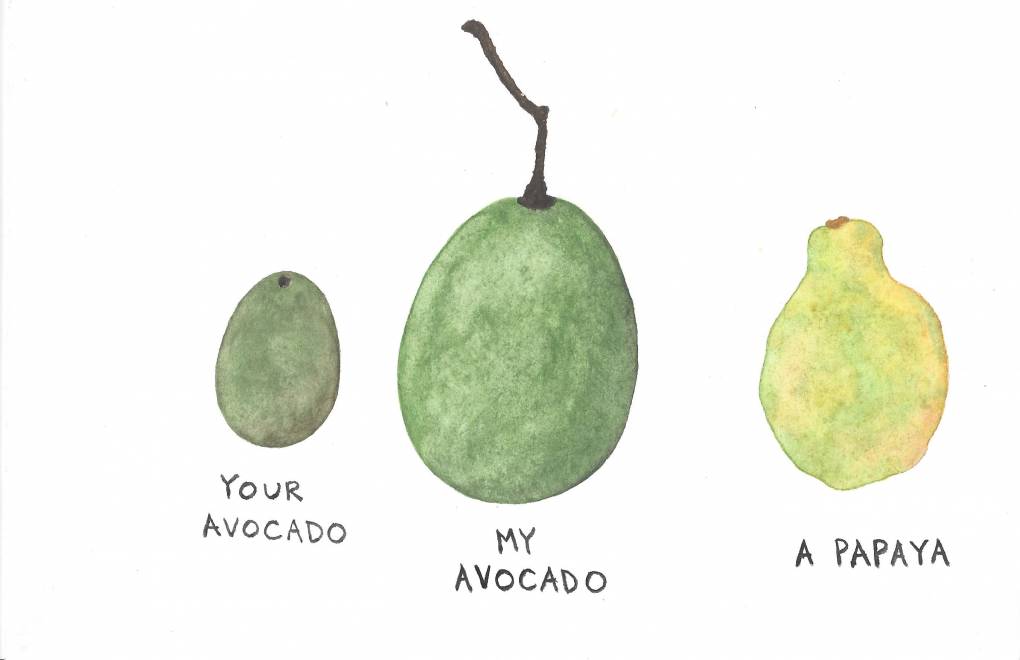
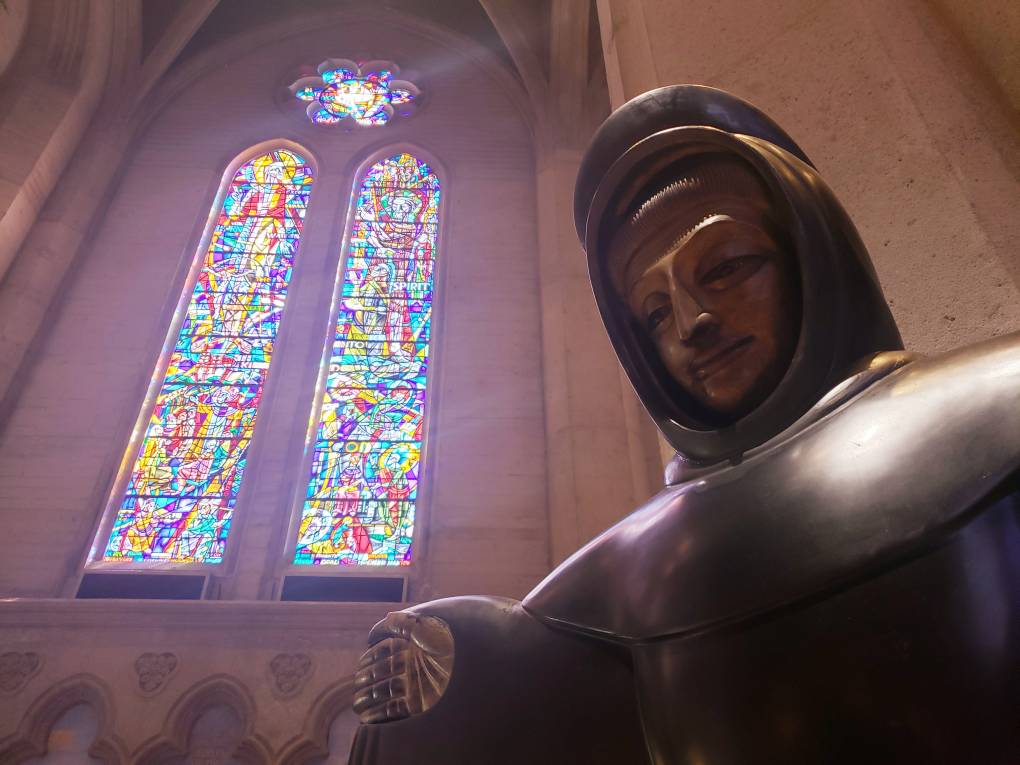
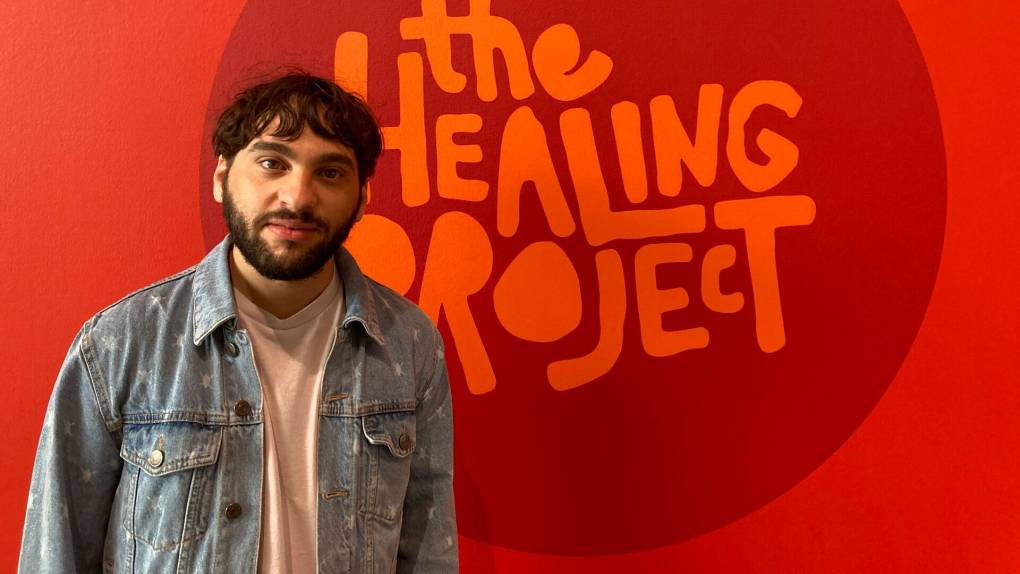
window.__IS_SSR__=true
window.__INITIAL_STATE__={
"attachmentsReducer": {
"audio_0": {
"type": "attachments",
"id": "audio_0",
"imgSizes": {
"kqedFullSize": {
"file": "https://ww2.kqed.org/news/wp-content/themes/KQED-unified/img/audio_bgs/background0.jpg"
}
}
},
"audio_1": {
"type": "attachments",
"id": "audio_1",
"imgSizes": {
"kqedFullSize": {
"file": "https://ww2.kqed.org/news/wp-content/themes/KQED-unified/img/audio_bgs/background1.jpg"
}
}
},
"audio_2": {
"type": "attachments",
"id": "audio_2",
"imgSizes": {
"kqedFullSize": {
"file": "https://ww2.kqed.org/news/wp-content/themes/KQED-unified/img/audio_bgs/background2.jpg"
}
}
},
"audio_3": {
"type": "attachments",
"id": "audio_3",
"imgSizes": {
"kqedFullSize": {
"file": "https://ww2.kqed.org/news/wp-content/themes/KQED-unified/img/audio_bgs/background3.jpg"
}
}
},
"audio_4": {
"type": "attachments",
"id": "audio_4",
"imgSizes": {
"kqedFullSize": {
"file": "https://ww2.kqed.org/news/wp-content/themes/KQED-unified/img/audio_bgs/background4.jpg"
}
}
},
"placeholder": {
"type": "attachments",
"id": "placeholder",
"imgSizes": {
"thumbnail": {
"file": "https://cdn.kqed.org/wp-content/uploads/2024/12/KQED-Default-Image-816638274-2000x1333-1-160x107.jpg",
"width": 160,
"height": 107,
"mimeType": "image/jpeg"
},
"medium": {
"file": "https://cdn.kqed.org/wp-content/uploads/2024/12/KQED-Default-Image-816638274-2000x1333-1-800x533.jpg",
"width": 800,
"height": 533,
"mimeType": "image/jpeg"
},
"medium_large": {
"file": "https://cdn.kqed.org/wp-content/uploads/2024/12/KQED-Default-Image-816638274-2000x1333-1-768x512.jpg",
"width": 768,
"height": 512,
"mimeType": "image/jpeg"
},
"large": {
"file": "https://cdn.kqed.org/wp-content/uploads/2024/12/KQED-Default-Image-816638274-2000x1333-1-1020x680.jpg",
"width": 1020,
"height": 680,
"mimeType": "image/jpeg"
},
"1536x1536": {
"file": "https://cdn.kqed.org/wp-content/uploads/2024/12/KQED-Default-Image-816638274-2000x1333-1-1536x1024.jpg",
"width": 1536,
"height": 1024,
"mimeType": "image/jpeg"
},
"fd-lrg": {
"file": "https://cdn.kqed.org/wp-content/uploads/2024/12/KQED-Default-Image-816638274-2000x1333-1-1536x1024.jpg",
"width": 1536,
"height": 1024,
"mimeType": "image/jpeg"
},
"fd-med": {
"file": "https://cdn.kqed.org/wp-content/uploads/2024/12/KQED-Default-Image-816638274-2000x1333-1-1020x680.jpg",
"width": 1020,
"height": 680,
"mimeType": "image/jpeg"
},
"fd-sm": {
"file": "https://cdn.kqed.org/wp-content/uploads/2024/12/KQED-Default-Image-816638274-2000x1333-1-800x533.jpg",
"width": 800,
"height": 533,
"mimeType": "image/jpeg"
},
"post-thumbnail": {
"file": "https://cdn.kqed.org/wp-content/uploads/2024/12/KQED-Default-Image-816638274-2000x1333-1-672x372.jpg",
"width": 672,
"height": 372,
"mimeType": "image/jpeg"
},
"twentyfourteen-full-width": {
"file": "https://cdn.kqed.org/wp-content/uploads/2024/12/KQED-Default-Image-816638274-2000x1333-1-1038x576.jpg",
"width": 1038,
"height": 576,
"mimeType": "image/jpeg"
},
"xxsmall": {
"file": "https://cdn.kqed.org/wp-content/uploads/2024/12/KQED-Default-Image-816638274-2000x1333-1-160x107.jpg",
"width": 160,
"height": 107,
"mimeType": "image/jpeg"
},
"xsmall": {
"file": "https://cdn.kqed.org/wp-content/uploads/2024/12/KQED-Default-Image-816638274-2000x1333-1-672x372.jpg",
"width": 672,
"height": 372,
"mimeType": "image/jpeg"
},
"small": {
"file": "https://cdn.kqed.org/wp-content/uploads/2024/12/KQED-Default-Image-816638274-2000x1333-1-672x372.jpg",
"width": 672,
"height": 372,
"mimeType": "image/jpeg"
},
"xlarge": {
"file": "https://cdn.kqed.org/wp-content/uploads/2024/12/KQED-Default-Image-816638274-2000x1333-1-1020x680.jpg",
"width": 1020,
"height": 680,
"mimeType": "image/jpeg"
},
"full-width": {
"file": "https://cdn.kqed.org/wp-content/uploads/2024/12/KQED-Default-Image-816638274-2000x1333-1-1920x1280.jpg",
"width": 1920,
"height": 1280,
"mimeType": "image/jpeg"
},
"guest-author-32": {
"file": "https://cdn.kqed.org/wp-content/uploads/2025/01/KQED-Default-Image-816638274-1333x1333-1-160x160.jpg",
"width": 32,
"height": 32,
"mimeType": "image/jpeg"
},
"guest-author-50": {
"file": "https://cdn.kqed.org/wp-content/uploads/2025/01/KQED-Default-Image-816638274-1333x1333-1-160x160.jpg",
"width": 50,
"height": 50,
"mimeType": "image/jpeg"
},
"guest-author-64": {
"file": "https://cdn.kqed.org/wp-content/uploads/2025/01/KQED-Default-Image-816638274-1333x1333-1-160x160.jpg",
"width": 64,
"height": 64,
"mimeType": "image/jpeg"
},
"guest-author-96": {
"file": "https://cdn.kqed.org/wp-content/uploads/2025/01/KQED-Default-Image-816638274-1333x1333-1-160x160.jpg",
"width": 96,
"height": 96,
"mimeType": "image/jpeg"
},
"guest-author-128": {
"file": "https://cdn.kqed.org/wp-content/uploads/2025/01/KQED-Default-Image-816638274-1333x1333-1-160x160.jpg",
"width": 128,
"height": 128,
"mimeType": "image/jpeg"
},
"detail": {
"file": "https://cdn.kqed.org/wp-content/uploads/2025/01/KQED-Default-Image-816638274-1333x1333-1-160x160.jpg",
"width": 160,
"height": 160,
"mimeType": "image/jpeg"
},
"kqedFullSize": {
"file": "https://cdn.kqed.org/wp-content/uploads/2024/12/KQED-Default-Image-816638274-2000x1333-1.jpg",
"width": 2000,
"height": 1333
}
}
},
"arts_13913011": {
"type": "attachments",
"id": "arts_13913011",
"meta": {
"index": "attachments_1716263798",
"site": "arts",
"id": "13913011",
"found": true
},
"parent": 13913008,
"imgSizes": {
"twentyfourteen-full-width": {
"file": "https://ww2.kqed.org/app/uploads/sites/2/2022/05/eid_featured-1038x576.jpg",
"width": 1038,
"mimeType": "image/jpeg",
"height": 576
},
"thumbnail": {
"file": "https://ww2.kqed.org/app/uploads/sites/2/2022/05/eid_featured-160x90.jpg",
"width": 160,
"mimeType": "image/jpeg",
"height": 90
},
"post-thumbnail": {
"file": "https://ww2.kqed.org/app/uploads/sites/2/2022/05/eid_featured-672x372.jpg",
"width": 672,
"mimeType": "image/jpeg",
"height": 372
},
"kqedFullSize": {
"file": "https://ww2.kqed.org/app/uploads/sites/2/2022/05/eid_featured.jpg",
"width": 2048,
"height": 1152
},
"large": {
"file": "https://ww2.kqed.org/app/uploads/sites/2/2022/05/eid_featured-1020x574.jpg",
"width": 1020,
"mimeType": "image/jpeg",
"height": 574
},
"1536x1536": {
"file": "https://ww2.kqed.org/app/uploads/sites/2/2022/05/eid_featured-1536x864.jpg",
"width": 1536,
"mimeType": "image/jpeg",
"height": 864
},
"full-width": {
"file": "https://ww2.kqed.org/app/uploads/sites/2/2022/05/eid_featured-1920x1080.jpg",
"width": 1920,
"mimeType": "image/jpeg",
"height": 1080
},
"medium": {
"file": "https://ww2.kqed.org/app/uploads/sites/2/2022/05/eid_featured-800x450.jpg",
"width": 800,
"mimeType": "image/jpeg",
"height": 450
},
"medium_large": {
"file": "https://ww2.kqed.org/app/uploads/sites/2/2022/05/eid_featured-768x432.jpg",
"width": 768,
"mimeType": "image/jpeg",
"height": 432
}
},
"publishDate": 1651854693,
"modified": 1651854819,
"caption": "This year's Eid celebration just so happens to coincide with Mother's Day.",
"description": null,
"title": "eid_featured",
"credit": "Photo by Brooke Anderson Photography / courtesy of AROC",
"status": "inherit",
"altTag": "A line of Arab Americans cross a tree-lined street while smiling and holding hands.",
"isLoading": false,
"fetchFailed": false
},
"arts_13912894": {
"type": "attachments",
"id": "arts_13912894",
"meta": {
"index": "attachments_1716263798",
"site": "arts",
"id": "13912894",
"found": true
},
"parent": 13912879,
"imgSizes": {
"twentyfourteen-full-width": {
"file": "https://ww2.kqed.org/app/uploads/sites/2/2022/05/dsc03301-1038x576.jpg",
"width": 1038,
"mimeType": "image/jpeg",
"height": 576
},
"thumbnail": {
"file": "https://ww2.kqed.org/app/uploads/sites/2/2022/05/dsc03301-160x124.jpg",
"width": 160,
"mimeType": "image/jpeg",
"height": 124
},
"post-thumbnail": {
"file": "https://ww2.kqed.org/app/uploads/sites/2/2022/05/dsc03301-672x372.jpg",
"width": 672,
"mimeType": "image/jpeg",
"height": 372
},
"kqedFullSize": {
"file": "https://ww2.kqed.org/app/uploads/sites/2/2022/05/dsc03301.jpg",
"width": 1396,
"height": 1080
},
"large": {
"file": "https://ww2.kqed.org/app/uploads/sites/2/2022/05/dsc03301-1020x789.jpg",
"width": 1020,
"mimeType": "image/jpeg",
"height": 789
},
"medium": {
"file": "https://ww2.kqed.org/app/uploads/sites/2/2022/05/dsc03301-800x619.jpg",
"width": 800,
"mimeType": "image/jpeg",
"height": 619
},
"medium_large": {
"file": "https://ww2.kqed.org/app/uploads/sites/2/2022/05/dsc03301-768x594.jpg",
"width": 768,
"mimeType": "image/jpeg",
"height": 594
}
},
"publishDate": 1651767030,
"modified": 1651767255,
"caption": "Ester and her son Josué Rojas painting in SF's Balmy Alley.",
"description": "Ester and her son Josué Rojas painting in SF's Balmy Alley.",
"title": "Ester and her son Josué Rojas painting in SF's Balmy Alley.",
"credit": "Pendarvis Harshaw",
"status": "inherit",
"altTag": "Ester and her son Josué Rojas painting in SF's Balmy Alley.",
"isLoading": false,
"fetchFailed": false
},
"arts_13912790": {
"type": "attachments",
"id": "arts_13912790",
"meta": {
"index": "attachments_1716263798",
"site": "arts",
"id": "13912790",
"found": true
},
"parent": 13912631,
"imgSizes": {
"twentyfourteen-full-width": {
"file": "https://ww2.kqed.org/app/uploads/sites/2/2022/04/Copy-of-Pass-The-Aux-template-20-1038x576.jpg",
"width": 1038,
"mimeType": "image/jpeg",
"height": 576
},
"thumbnail": {
"file": "https://ww2.kqed.org/app/uploads/sites/2/2022/04/Copy-of-Pass-The-Aux-template-20-160x90.jpg",
"width": 160,
"mimeType": "image/jpeg",
"height": 90
},
"post-thumbnail": {
"file": "https://ww2.kqed.org/app/uploads/sites/2/2022/04/Copy-of-Pass-The-Aux-template-20-672x372.jpg",
"width": 672,
"mimeType": "image/jpeg",
"height": 372
},
"kqedFullSize": {
"file": "https://ww2.kqed.org/app/uploads/sites/2/2022/04/Copy-of-Pass-The-Aux-template-20.jpg",
"width": 1920,
"height": 1080
},
"large": {
"file": "https://ww2.kqed.org/app/uploads/sites/2/2022/04/Copy-of-Pass-The-Aux-template-20-1020x574.jpg",
"width": 1020,
"mimeType": "image/jpeg",
"height": 574
},
"1536x1536": {
"file": "https://ww2.kqed.org/app/uploads/sites/2/2022/04/Copy-of-Pass-The-Aux-template-20-1536x864.jpg",
"width": 1536,
"mimeType": "image/jpeg",
"height": 864
},
"medium": {
"file": "https://ww2.kqed.org/app/uploads/sites/2/2022/04/Copy-of-Pass-The-Aux-template-20-800x450.jpg",
"width": 800,
"mimeType": "image/jpeg",
"height": 450
},
"medium_large": {
"file": "https://ww2.kqed.org/app/uploads/sites/2/2022/04/Copy-of-Pass-The-Aux-template-20-768x432.jpg",
"width": 768,
"mimeType": "image/jpeg",
"height": 432
}
},
"publishDate": 1651515331,
"modified": 1651515574,
"caption": "Try the Pie's Bean Tupou.",
"description": null,
"title": "Copy of Pass The Aux template (20)",
"credit": "Courtesy of Try the Pie; illustration: Kelly Heigert",
"status": "inherit",
"altTag": null,
"isLoading": false,
"fetchFailed": false
},
"arts_13912565": {
"type": "attachments",
"id": "arts_13912565",
"meta": {
"index": "attachments_1716263798",
"site": "arts",
"id": "13912565",
"found": true
},
"parent": 13912438,
"imgSizes": {
"twentyfourteen-full-width": {
"file": "https://ww2.kqed.org/app/uploads/sites/2/2022/04/Lazarus-and-Bummer-1038x576.png",
"width": 1038,
"mimeType": "image/png",
"height": 576
},
"thumbnail": {
"file": "https://ww2.kqed.org/app/uploads/sites/2/2022/04/Lazarus-and-Bummer-160x97.png",
"width": 160,
"mimeType": "image/png",
"height": 97
},
"post-thumbnail": {
"file": "https://ww2.kqed.org/app/uploads/sites/2/2022/04/Lazarus-and-Bummer-672x372.png",
"width": 672,
"mimeType": "image/png",
"height": 372
},
"kqedFullSize": {
"file": "https://ww2.kqed.org/app/uploads/sites/2/2022/04/Lazarus-and-Bummer.png",
"width": 1614,
"height": 982
},
"large": {
"file": "https://ww2.kqed.org/app/uploads/sites/2/2022/04/Lazarus-and-Bummer-1020x621.png",
"width": 1020,
"mimeType": "image/png",
"height": 621
},
"1536x1536": {
"file": "https://ww2.kqed.org/app/uploads/sites/2/2022/04/Lazarus-and-Bummer-1536x935.png",
"width": 1536,
"mimeType": "image/png",
"height": 935
},
"medium": {
"file": "https://ww2.kqed.org/app/uploads/sites/2/2022/04/Lazarus-and-Bummer-800x487.png",
"width": 800,
"mimeType": "image/png",
"height": 487
},
"medium_large": {
"file": "https://ww2.kqed.org/app/uploads/sites/2/2022/04/Lazarus-and-Bummer-768x467.png",
"width": 768,
"mimeType": "image/png",
"height": 467
}
},
"publishDate": 1651087834,
"modified": 1651186126,
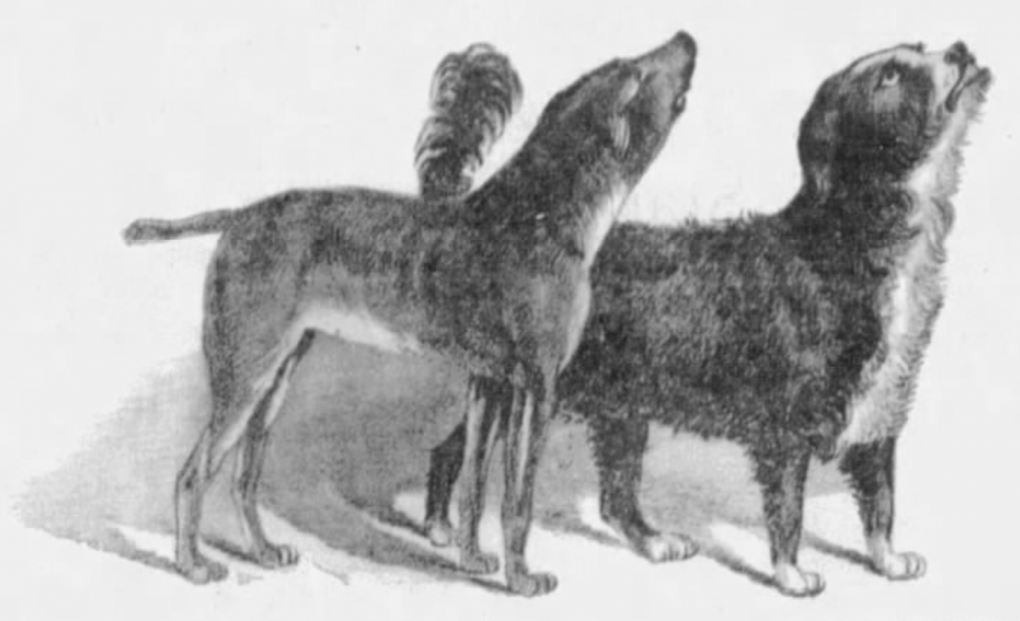
"caption": "Bummer (R) and Lazarus (L), as seen on the cover of Malcolm E. Barker's 1984 book, 'Bummer & Lazarus.'",
"description": null,
"title": "Bummer (R) and Lazarus (L), as seen on the cover of Malcolm E. Barker's 1984 book, 'Bummer & Lazarus'.",
"credit": "Public domain",
"status": "inherit",
"altTag": "Black and white illustration of two dogs with heads up as if howling",
"isLoading": false,
"fetchFailed": false
},
"arts_13912504": {
"type": "attachments",
"id": "arts_13912504",
"meta": {
"index": "attachments_1716263798",
"site": "arts",
"id": "13912504",
"found": true
},
"parent": 13912499,
"imgSizes": {
"twentyfourteen-full-width": {
"file": "https://ww2.kqed.org/app/uploads/sites/2/2022/04/JohnElliott.CarFree-1038x576.jpg",
"width": 1038,
"mimeType": "image/jpeg",
"height": 576
},
"thumbnail": {
"file": "https://ww2.kqed.org/app/uploads/sites/2/2022/04/JohnElliott.CarFree-160x90.jpg",
"width": 160,
"mimeType": "image/jpeg",
"height": 90
},
"post-thumbnail": {
"file": "https://ww2.kqed.org/app/uploads/sites/2/2022/04/JohnElliott.CarFree-672x372.jpg",
"width": 672,
"mimeType": "image/jpeg",
"height": 372
},
"kqedFullSize": {
"file": "https://ww2.kqed.org/app/uploads/sites/2/2022/04/JohnElliott.CarFree.jpg",
"width": 1920,
"height": 1080
},
"large": {
"file": "https://ww2.kqed.org/app/uploads/sites/2/2022/04/JohnElliott.CarFree-1020x574.jpg",
"width": 1020,
"mimeType": "image/jpeg",
"height": 574
},
"1536x1536": {
"file": "https://ww2.kqed.org/app/uploads/sites/2/2022/04/JohnElliott.CarFree-1536x864.jpg",
"width": 1536,
"mimeType": "image/jpeg",
"height": 864
},
"medium": {
"file": "https://ww2.kqed.org/app/uploads/sites/2/2022/04/JohnElliott.CarFree-800x450.jpg",
"width": 800,
"mimeType": "image/jpeg",
"height": 450
},
"medium_large": {
"file": "https://ww2.kqed.org/app/uploads/sites/2/2022/04/JohnElliott.CarFree-768x432.jpg",
"width": 768,
"mimeType": "image/jpeg",
"height": 432
}
},
"publishDate": 1651012897,
"modified": 1651013032,
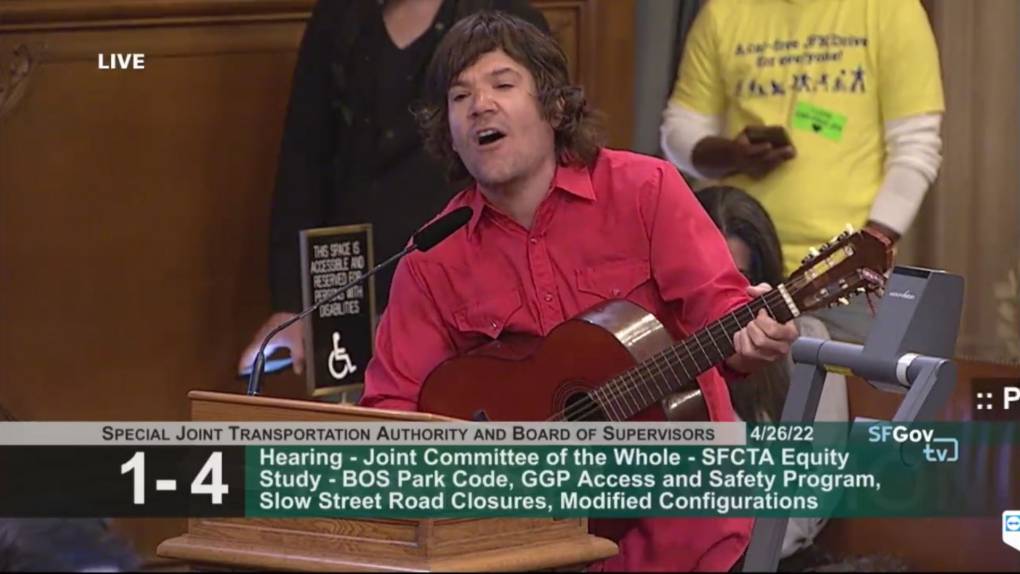
"caption": "San Francisco musician John Elliott sings his song \"Car-Free\" at the Board of Supervisors hearing on Tuesday, April 26, in support of keeping JFK Drive closed to cars and open to bicycles, roller-skaters and pedestrians.",
"description": null,
"title": "JohnElliott.CarFree",
"credit": "San Francisco Board of Supervisors/Granicus",
"status": "inherit",
"altTag": "A man in a red shirt and guitar sings a song at the podium",
"isLoading": false,
"fetchFailed": false
},
"arts_13912226": {
"type": "attachments",
"id": "arts_13912226",
"meta": {
"index": "attachments_1716263798",
"site": "arts",
"id": "13912226",
"found": true
},
"parent": 13912206,
"imgSizes": {
"twentyfourteen-full-width": {
"file": "https://ww2.kqed.org/app/uploads/sites/2/2022/04/download-5-1000x576.jpg",
"width": 1000,
"mimeType": "image/jpeg",
"height": 576
},
"thumbnail": {
"file": "https://ww2.kqed.org/app/uploads/sites/2/2022/04/download-5-160x107.jpg",
"width": 160,
"mimeType": "image/jpeg",
"height": 107
},
"post-thumbnail": {
"file": "https://ww2.kqed.org/app/uploads/sites/2/2022/04/download-5-672x372.jpg",
"width": 672,
"mimeType": "image/jpeg",
"height": 372
},
"kqedFullSize": {
"file": "https://ww2.kqed.org/app/uploads/sites/2/2022/04/download-5.jpg",
"width": 1000,
"height": 666
},
"medium": {
"file": "https://ww2.kqed.org/app/uploads/sites/2/2022/04/download-5-800x533.jpg",
"width": 800,
"mimeType": "image/jpeg",
"height": 533
},
"medium_large": {
"file": "https://ww2.kqed.org/app/uploads/sites/2/2022/04/download-5-768x511.jpg",
"width": 768,
"mimeType": "image/jpeg",
"height": 511
}
},
"publishDate": 1650545657,
"modified": 1650545762,
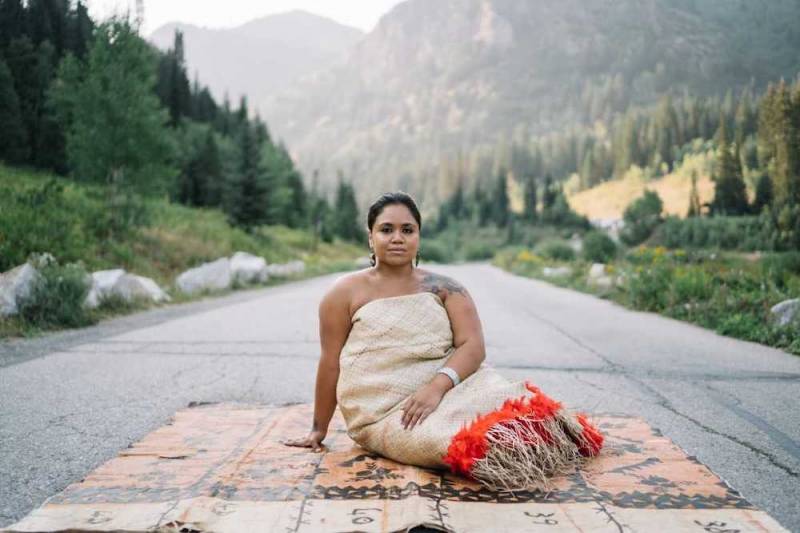
"caption": "Poet Terisa Siagatonu poses while sitting amongst the trees.",
"description": "Poet Terisa Siagatonu poses while sitting amongst the trees.",
"title": "Poet Terisa Siagatonu poses while sitting amongst the trees.",
"credit": "Courtesy of Terisa Siagatonu ",
"status": "inherit",
"altTag": "Poet Terisa Siagatonu poses while sitting amongst the trees.",
"isLoading": false,
"fetchFailed": false
},
"arts_13912049": {
"type": "attachments",
"id": "arts_13912049",
"meta": {
"index": "attachments_1716263798",
"site": "arts",
"id": "13912049",
"found": true
},
"parent": 13912001,
"imgSizes": {
"twentyfourteen-full-width": {
"file": "https://ww2.kqed.org/app/uploads/sites/2/2022/04/yumyams_bukobakes_crop-1038x576.jpg",
"width": 1038,
"mimeType": "image/jpeg",
"height": 576
},
"thumbnail": {
"file": "https://ww2.kqed.org/app/uploads/sites/2/2022/04/yumyams_bukobakes_crop-160x90.jpg",
"width": 160,
"mimeType": "image/jpeg",
"height": 90
},
"post-thumbnail": {
"file": "https://ww2.kqed.org/app/uploads/sites/2/2022/04/yumyams_bukobakes_crop-672x372.jpg",
"width": 672,
"mimeType": "image/jpeg",
"height": 372
},
"kqedFullSize": {
"file": "https://ww2.kqed.org/app/uploads/sites/2/2022/04/yumyams_bukobakes_crop.jpg",
"width": 1258,
"height": 707
},
"large": {
"file": "https://ww2.kqed.org/app/uploads/sites/2/2022/04/yumyams_bukobakes_crop-1020x573.jpg",
"width": 1020,
"mimeType": "image/jpeg",
"height": 573
},
"medium": {
"file": "https://ww2.kqed.org/app/uploads/sites/2/2022/04/yumyams_bukobakes_crop-800x450.jpg",
"width": 800,
"mimeType": "image/jpeg",
"height": 450
},
"medium_large": {
"file": "https://ww2.kqed.org/app/uploads/sites/2/2022/04/yumyams_bukobakes_crop-768x432.jpg",
"width": 768,
"mimeType": "image/jpeg",
"height": 432
}
},
"publishDate": 1650298851,
"modified": 1650298887,
"caption": "A box of assorted ube treats from San Francisco's Buko Bakes—one of 23 vendors who will be on hand at this year's Yum Yams festival.",
"description": null,
"title": "yumyams_bukobakes_crop",
"credit": "Buko Bakes",
"status": "inherit",
"altTag": "A box of purple ube baked treats from Buko Bakes",
"isLoading": false,
"fetchFailed": false
},
"arts_13911747": {
"type": "attachments",
"id": "arts_13911747",
"meta": {
"index": "attachments_1716263798",
"site": "arts",
"id": "13911747",
"found": true
},
"parent": 0,
"imgSizes": {
"twentyfourteen-full-width": {
"file": "https://ww2.kqed.org/app/uploads/sites/2/2022/04/075_KQEDArts_SFMOMASoapboxDerby_04102022-1038x576.jpg",
"width": 1038,
"mimeType": "image/jpeg",
"height": 576
},
"thumbnail": {
"file": "https://ww2.kqed.org/app/uploads/sites/2/2022/04/075_KQEDArts_SFMOMASoapboxDerby_04102022-160x107.jpg",
"width": 160,
"mimeType": "image/jpeg",
"height": 107
},
"post-thumbnail": {
"file": "https://ww2.kqed.org/app/uploads/sites/2/2022/04/075_KQEDArts_SFMOMASoapboxDerby_04102022-672x372.jpg",
"width": 672,
"mimeType": "image/jpeg",
"height": 372
},
"kqedFullSize": {
"file": "https://ww2.kqed.org/app/uploads/sites/2/2022/04/075_KQEDArts_SFMOMASoapboxDerby_04102022.jpg",
"width": 1920,
"height": 1278
},
"large": {
"file": "https://ww2.kqed.org/app/uploads/sites/2/2022/04/075_KQEDArts_SFMOMASoapboxDerby_04102022-1020x679.jpg",
"width": 1020,
"mimeType": "image/jpeg",
"height": 679
},
"1536x1536": {
"file": "https://ww2.kqed.org/app/uploads/sites/2/2022/04/075_KQEDArts_SFMOMASoapboxDerby_04102022-1536x1022.jpg",
"width": 1536,
"mimeType": "image/jpeg",
"height": 1022
},
"medium": {
"file": "https://ww2.kqed.org/app/uploads/sites/2/2022/04/075_KQEDArts_SFMOMASoapboxDerby_04102022-800x533.jpg",
"width": 800,
"mimeType": "image/jpeg",
"height": 533
},
"medium_large": {
"file": "https://ww2.kqed.org/app/uploads/sites/2/2022/04/075_KQEDArts_SFMOMASoapboxDerby_04102022-768x511.jpg",
"width": 768,
"mimeType": "image/jpeg",
"height": 511
}
},
"publishDate": 1649699615,
"modified": 1649701190,
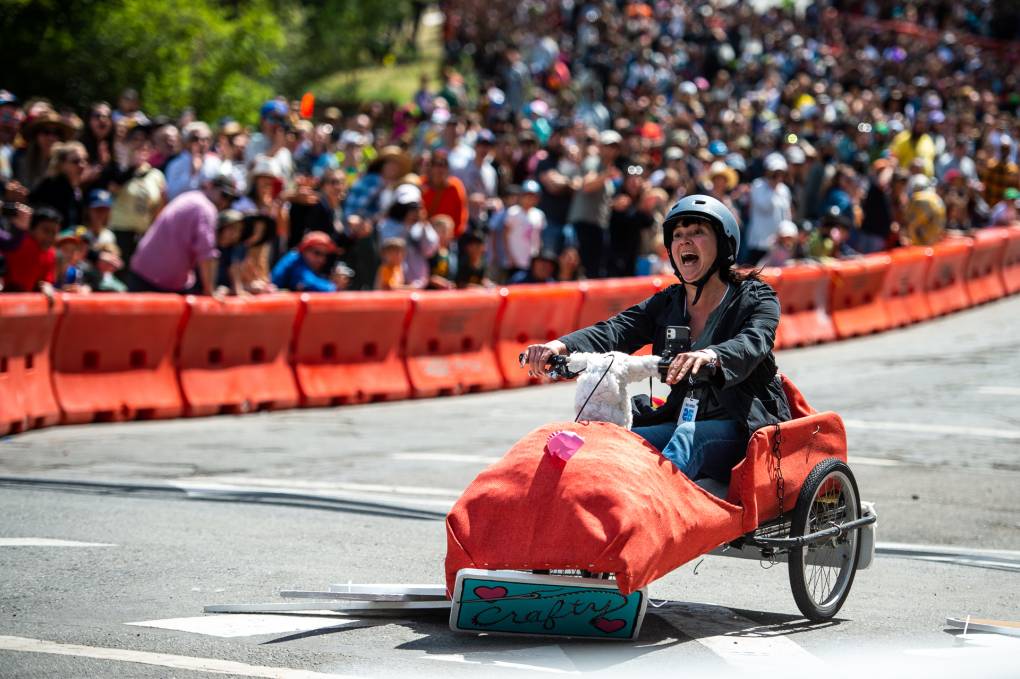
"caption": "'Roshambo' crosses the finish line after losing some pieces on the course during the San Francisco Museum of Modern Art Soapbox Derby in McLaren Park, San Francisco on April 10, 2022. Created by Rock Paper Scissors Collective. ",
"description": null,
"title": "075_KQEDArts_SFMOMASoapboxDerby_04102022",
"credit": "Beth LaBerge/KQED",
"status": "inherit",
"altTag": null,
"isLoading": false,
"fetchFailed": false
},
"arts_13911649": {
"type": "attachments",
"id": "arts_13911649",
"meta": {
"index": "attachments_1716263798",
"site": "arts",
"id": "13911649",
"found": true
},
"parent": 13911589,
"imgSizes": {
"twentyfourteen-full-width": {
"file": "https://ww2.kqed.org/app/uploads/sites/2/2022/04/Tricycle.Splash.Thumbnail-1038x576.jpg",
"width": 1038,
"mimeType": "image/jpeg",
"height": 576
},
"thumbnail": {
"file": "https://ww2.kqed.org/app/uploads/sites/2/2022/04/Tricycle.Splash.Thumbnail-160x90.jpg",
"width": 160,
"mimeType": "image/jpeg",
"height": 90
},
"post-thumbnail": {
"file": "https://ww2.kqed.org/app/uploads/sites/2/2022/04/Tricycle.Splash.Thumbnail-672x372.jpg",
"width": 672,
"mimeType": "image/jpeg",
"height": 372
},
"kqedFullSize": {
"file": "https://ww2.kqed.org/app/uploads/sites/2/2022/04/Tricycle.Splash.Thumbnail.jpg",
"width": 2084,
"height": 1172
},
"2048x2048": {
"file": "https://ww2.kqed.org/app/uploads/sites/2/2022/04/Tricycle.Splash.Thumbnail-2048x1152.jpg",
"width": 2048,
"mimeType": "image/jpeg",
"height": 1152
},
"large": {
"file": "https://ww2.kqed.org/app/uploads/sites/2/2022/04/Tricycle.Splash.Thumbnail-1020x574.jpg",
"width": 1020,
"mimeType": "image/jpeg",
"height": 574
},
"1536x1536": {
"file": "https://ww2.kqed.org/app/uploads/sites/2/2022/04/Tricycle.Splash.Thumbnail-1536x864.jpg",
"width": 1536,
"mimeType": "image/jpeg",
"height": 864
},
"full-width": {
"file": "https://ww2.kqed.org/app/uploads/sites/2/2022/04/Tricycle.Splash.Thumbnail-1920x1080.jpg",
"width": 1920,
"mimeType": "image/jpeg",
"height": 1080
},
"medium": {
"file": "https://ww2.kqed.org/app/uploads/sites/2/2022/04/Tricycle.Splash.Thumbnail-800x450.jpg",
"width": 800,
"mimeType": "image/jpeg",
"height": 450
},
"medium_large": {
"file": "https://ww2.kqed.org/app/uploads/sites/2/2022/04/Tricycle.Splash.Thumbnail-768x432.jpg",
"width": 768,
"mimeType": "image/jpeg",
"height": 432
}
},
"publishDate": 1649396758,
"modified": 1649396790,
"caption": "A competitor in Thee Parkside's annual tricycle races gets doused with a bucket of water, mid-ride.",
"description": null,
"title": "Tricycle.Splash.Thumbnail",
"credit": "Instagram/@theeparkside",
"status": "inherit",
"altTag": "A white adult on a tricycle gets splashed with a bucket of water by a referee.",
"isLoading": false,
"fetchFailed": false
},
"arts_13911546": {
"type": "attachments",
"id": "arts_13911546",
"meta": {
"index": "attachments_1716263798",
"site": "arts",
"id": "13911546",
"found": true
},
"parent": 13911528,
"imgSizes": {
"twentyfourteen-full-width": {
"file": "https://ww2.kqed.org/app/uploads/sites/2/2022/04/chloe-painting-1-1038x576.jpg",
"width": 1038,
"mimeType": "image/jpeg",
"height": 576
},
"thumbnail": {
"file": "https://ww2.kqed.org/app/uploads/sites/2/2022/04/chloe-painting-1-160x103.jpg",
"width": 160,
"mimeType": "image/jpeg",
"height": 103
},
"post-thumbnail": {
"file": "https://ww2.kqed.org/app/uploads/sites/2/2022/04/chloe-painting-1-672x372.jpg",
"width": 672,
"mimeType": "image/jpeg",
"height": 372
},
"kqedFullSize": {
"file": "https://ww2.kqed.org/app/uploads/sites/2/2022/04/chloe-painting-1-scaled.jpg",
"width": 2560,
"height": 1656
},
"2048x2048": {
"file": "https://ww2.kqed.org/app/uploads/sites/2/2022/04/chloe-painting-1-2048x1325.jpg",
"width": 2048,
"mimeType": "image/jpeg",
"height": 1325
},
"large": {
"file": "https://ww2.kqed.org/app/uploads/sites/2/2022/04/chloe-painting-1-1020x660.jpg",
"width": 1020,
"mimeType": "image/jpeg",
"height": 660
},
"1536x1536": {
"file": "https://ww2.kqed.org/app/uploads/sites/2/2022/04/chloe-painting-1-1536x994.jpg",
"width": 1536,
"mimeType": "image/jpeg",
"height": 994
},
"full-width": {
"file": "https://ww2.kqed.org/app/uploads/sites/2/2022/04/chloe-painting-1-1920x1242.jpg",
"width": 1920,
"mimeType": "image/jpeg",
"height": 1242
},
"medium": {
"file": "https://ww2.kqed.org/app/uploads/sites/2/2022/04/chloe-painting-1-800x517.jpg",
"width": 800,
"mimeType": "image/jpeg",
"height": 517
},
"medium_large": {
"file": "https://ww2.kqed.org/app/uploads/sites/2/2022/04/chloe-painting-1-768x497.jpg",
"width": 768,
"mimeType": "image/jpeg",
"height": 497
}
},
"publishDate": 1649154502,
"modified": 1649154699,
"caption": "\"My Avocado,\" by Chloe Roth—one of the many pieces of loosely food-themed artwork featured in Mouth2Mouth. ",
"description": null,
"title": "chloe painting 1",
"credit": "Chloe Roth",
"status": "inherit",
"altTag": "Watercolor painting of three fruits in different sizes and shades of green: \"your avocado\" (the smallest), \"my avocado\" and \"a papaya.\"",
"isLoading": false,
"fetchFailed": false
},
"arts_13911244": {
"type": "attachments",
"id": "arts_13911244",
"meta": {
"index": "attachments_1716263798",
"site": "arts",
"id": "13911244",
"found": true
},
"parent": 13911243,
"imgSizes": {
"twentyfourteen-full-width": {
"file": "https://ww2.kqed.org/app/uploads/sites/2/2022/03/20220328_173315-1038x576.jpg",
"width": 1038,
"mimeType": "image/jpeg",
"height": 576
},
"thumbnail": {
"file": "https://ww2.kqed.org/app/uploads/sites/2/2022/03/20220328_173315-160x120.jpg",
"width": 160,
"mimeType": "image/jpeg",
"height": 120
},
"post-thumbnail": {
"file": "https://ww2.kqed.org/app/uploads/sites/2/2022/03/20220328_173315-672x372.jpg",
"width": 672,
"mimeType": "image/jpeg",
"height": 372
},
"kqedFullSize": {
"file": "https://ww2.kqed.org/app/uploads/sites/2/2022/03/20220328_173315-scaled.jpg",
"width": 2560,
"height": 1920
},
"2048x2048": {
"file": "https://ww2.kqed.org/app/uploads/sites/2/2022/03/20220328_173315-2048x1536.jpg",
"width": 2048,
"mimeType": "image/jpeg",
"height": 1536
},
"large": {
"file": "https://ww2.kqed.org/app/uploads/sites/2/2022/03/20220328_173315-1020x765.jpg",
"width": 1020,
"mimeType": "image/jpeg",
"height": 765
},
"1536x1536": {
"file": "https://ww2.kqed.org/app/uploads/sites/2/2022/03/20220328_173315-1536x1152.jpg",
"width": 1536,
"mimeType": "image/jpeg",
"height": 1152
},
"full-width": {
"file": "https://ww2.kqed.org/app/uploads/sites/2/2022/03/20220328_173315-1920x1440.jpg",
"width": 1920,
"mimeType": "image/jpeg",
"height": 1440
},
"medium": {
"file": "https://ww2.kqed.org/app/uploads/sites/2/2022/03/20220328_173315-800x600.jpg",
"width": 800,
"mimeType": "image/jpeg",
"height": 600
},
"medium_large": {
"file": "https://ww2.kqed.org/app/uploads/sites/2/2022/03/20220328_173315-768x576.jpg",
"width": 768,
"mimeType": "image/jpeg",
"height": 576
}
},
"publishDate": 1648514461,
"modified": 1648514715,
"caption": "Beniamino Bufano's statue of St. Francis of Assisi, inside Grace Cathedral since 1993.",
"description": null,
"title": "Beniamino Bufano's statue of St. Francis of Assisi, inside Grace Cathedral since 1993.",
"credit": "Rae Alexandra",
"status": "inherit",
"altTag": "A bronze statue of a serene-looking man in monk-like robes, arms outstretched, stands before enormous, long, thin stained glass windows.",
"isLoading": false,
"fetchFailed": false
},
"arts_13911261": {
"type": "attachments",
"id": "arts_13911261",
"meta": {
"index": "attachments_1716263798",
"site": "arts",
"id": "13911261",
"found": true
},
"parent": 13911226,
"imgSizes": {
"twentyfourteen-full-width": {
"file": "https://ww2.kqed.org/app/uploads/sites/2/2022/03/SamoraPinderhughes.CRED_.ChloeVeltman-1038x576.jpg",
"width": 1038,
"mimeType": "image/jpeg",
"height": 576
},
"thumbnail": {
"file": "https://ww2.kqed.org/app/uploads/sites/2/2022/03/SamoraPinderhughes.CRED_.ChloeVeltman-160x90.jpg",
"width": 160,
"mimeType": "image/jpeg",
"height": 90
},
"post-thumbnail": {
"file": "https://ww2.kqed.org/app/uploads/sites/2/2022/03/SamoraPinderhughes.CRED_.ChloeVeltman-672x372.jpg",
"width": 672,
"mimeType": "image/jpeg",
"height": 372
},
"kqedFullSize": {
"file": "https://ww2.kqed.org/app/uploads/sites/2/2022/03/SamoraPinderhughes.CRED_.ChloeVeltman.jpg",
"width": 1920,
"height": 1080
},
"large": {
"file": "https://ww2.kqed.org/app/uploads/sites/2/2022/03/SamoraPinderhughes.CRED_.ChloeVeltman-1020x574.jpg",
"width": 1020,
"mimeType": "image/jpeg",
"height": 574
},
"1536x1536": {
"file": "https://ww2.kqed.org/app/uploads/sites/2/2022/03/SamoraPinderhughes.CRED_.ChloeVeltman-1536x864.jpg",
"width": 1536,
"mimeType": "image/jpeg",
"height": 864
},
"medium": {
"file": "https://ww2.kqed.org/app/uploads/sites/2/2022/03/SamoraPinderhughes.CRED_.ChloeVeltman-800x450.jpg",
"width": 800,
"mimeType": "image/jpeg",
"height": 450
},
"medium_large": {
"file": "https://ww2.kqed.org/app/uploads/sites/2/2022/03/SamoraPinderhughes.CRED_.ChloeVeltman-768x432.jpg",
"width": 768,
"mimeType": "image/jpeg",
"height": 432
}
},
"publishDate": 1648534923,
"modified": 1648534976,
"caption": "Artist and activist Samora Pinderhughes is the force behind 'The Healing Project', a multidisciplinary art project about survival and healing. ",
"description": null,
"title": "SamoraPinderhughes.CRED.ChloeVeltman",
"credit": "Chloe Veltman/KQED",
"status": "inherit",
"altTag": "Man with dark hair and beard in denim jacket and white t-shirt standing in front of red wall art that says \"The Healing Project\" in a circle",
"isLoading": false,
"fetchFailed": false
}
},
"audioPlayerReducer": {
"postId": "stream_live",
"isPaused": true,
"isPlaying": false,
"pfsActive": false,
"pledgeModalIsOpen": true,
"playerDrawerIsOpen": false,
"liveAudioPlayStartedAt": 0,
"liveAudioPlayContext": ""
},
"authorsReducer": {
"gmeline": {
"type": "authors",
"id": "185",
"meta": {
"index": "authors_1716337520",
"id": "185",
"found": true
},
"name": "Gabe Meline",
"firstName": "Gabe",
"lastName": "Meline",
"slug": "gmeline",
"email": "gmeline@kqed.org",
"display_author_email": true,
"staff_mastheads": [
"arts"
],
"title": "Senior Editor, KQED Arts & Culture",
"bio": "Gabe Meline entered journalism at age 15 making photocopied zines, and has since earned awards from the Edward R. Murrow Awards, the Society for Professional Journalists, the Online Journalism Awards, the Association of Alternative Newsweeklies and the California Newspaper Publishers Association. Prior to KQED, he was the editor of the \u003cem>North Bay Bohemian\u003c/em> and a touring musician. He lives with his wife and daughter in his hometown of Santa Rosa, CA.",
"avatar": "https://secure.gravatar.com/avatar/5bebe57be0d8bc2dd318934feb47299e2d2d10cba28d09d8d7afb389a2ce2bdd?s=600&d=blank&r=g",
"twitter": null,
"bluesky": null,
"facebook": null,
"instagram": null,
"linkedin": null,
"sites": [
{
"site": "",
"roles": [
"editor"
]
},
{
"site": "arts",
"roles": [
"administrator"
]
},
{
"site": "artschool",
"roles": [
"editor"
]
},
{
"site": "news",
"roles": [
"author"
]
},
{
"site": "pop",
"roles": [
"editor"
]
},
{
"site": "bayareabites",
"roles": [
"editor"
]
},
{
"site": "food",
"roles": [
"editor"
]
},
{
"site": "forum",
"roles": [
"administrator"
]
},
{
"site": "liveblog",
"roles": [
"editor"
]
},
{
"site": "hiphop",
"roles": [
"editor"
]
}
],
"headData": {
"title": "Gabe Meline | KQED",
"description": "Senior Editor, KQED Arts & Culture",
"ogImgSrc": "https://secure.gravatar.com/avatar/5bebe57be0d8bc2dd318934feb47299e2d2d10cba28d09d8d7afb389a2ce2bdd?s=600&d=blank&r=g",
"twImgSrc": "https://secure.gravatar.com/avatar/5bebe57be0d8bc2dd318934feb47299e2d2d10cba28d09d8d7afb389a2ce2bdd?s=600&d=blank&r=g"
},
"isLoading": false,
"link": "/author/gmeline"
},
"esilvers": {
"type": "authors",
"id": "7237",
"meta": {
"index": "authors_1716337520",
"id": "7237",
"found": true
},
"name": "Emma Silvers",
"firstName": "Emma",
"lastName": "Silvers",
"slug": "esilvers",
"email": "esilvers@kqed.org",
"display_author_email": false,
"staff_mastheads": [],
"title": "KQED Contributor",
"bio": "Emma Silvers is an editor at KQED Arts and a former digital producer at KQED News. Born and raised in the Bay Area, she has previously been an arts and entertainment editor at the \u003cem>San Francisco Chronicle\u003c/em>, \u003cem>SF Weekly\u003c/em> and the \u003cem>San Francisco Bay Guardian.\u003c/em> \u003ca href=\"https://www.emmasilvers.com\">Her work\u003c/a> has also appeared in \u003cem>Rolling Stone\u003c/em>, Pitchfork and \u003cem>Mother Jones\u003c/em>. In 2017 she was the recipient of the Society of Professional Journalists-Northern California's award for arts and culture reporting. In 1993 she \u003ca href=\"https://www.kqed.org/pop/16759/wait-what-my-coworker-was-a-voice-over-hyperventilator-for-jurassic-park\">hyperventilated in \u003cem>Jurassic Park\u003c/em>\u003c/a>.",
"avatar": "https://secure.gravatar.com/avatar/247beada39b88ea5759db1f51dba05cf?s=600&d=blank&r=g",
"twitter": "emmaruthless",
"facebook": null,
"instagram": null,
"linkedin": null,
"sites": [
{
"site": "arts",
"roles": [
"editor"
]
},
{
"site": "news",
"roles": [
"editor"
]
},
{
"site": "pop",
"roles": [
"contributor"
]
},
{
"site": "bayareabites",
"roles": [
"editor"
]
},
{
"site": "food",
"roles": [
"contributor"
]
},
{
"site": "liveblog",
"roles": [
"editor"
]
}
],
"headData": {
"title": "Emma Silvers | KQED",
"description": "KQED Contributor",
"ogImgSrc": "https://secure.gravatar.com/avatar/247beada39b88ea5759db1f51dba05cf?s=600&d=blank&r=g",
"twImgSrc": "https://secure.gravatar.com/avatar/247beada39b88ea5759db1f51dba05cf?s=600&d=blank&r=g"
},
"isLoading": false,
"link": "/author/esilvers"
},
"cveltman": {
"type": "authors",
"id": "8608",
"meta": {
"index": "authors_1716337520",
"id": "8608",
"found": true
},
"name": "Chloe Veltman",
"firstName": "Chloe",
"lastName": "Veltman",
"slug": "cveltman",
"email": "cveltman@kqed.org",
"display_author_email": true,
"staff_mastheads": [],
"title": "Arts and Culture Reporter",
"bio": "Chloe Veltman is a former arts and culture reporter for KQED. Prior to joining the organization, she launched and led the arts bureau at Colorado Public Radio, served as the Bay Area's culture columnist for the New York Times, and was the founder, host and executive producer of VoiceBox, a national award-winning weekly podcast/radio show and live events series all about the human voice. Chloe is the recipient of numerous prizes, grants and fellowships including a Webby Award for her work on interactive storytelling, both the John S Knight Journalism Fellowship and Humanities Center Fellowship at Stanford University, the Sundance Arts Writing Fellowship and a Library of Congress Research Fellowship. She is the author of the book \"On Acting\" and has appeared as a guest lecturer at Yale University and the San Francisco Conservatory of Music among other institutions. She holds a BA in english literature from King's College, Cambridge, and a Masters in Dramaturgy from the Central School of Speech and Drama/Harvard Institute for Advanced Theater Training.\r\n\u003ca href=\"https://www.chloeveltman.com\">www.chloeveltman.com\u003c/a>",
"avatar": "https://secure.gravatar.com/avatar/55403394b00a1ddab683952c2eb2cf85?s=600&d=blank&r=g",
"twitter": "chloeveltman",
"facebook": null,
"instagram": null,
"linkedin": null,
"sites": [
{
"site": "arts",
"roles": []
},
{
"site": "news",
"roles": [
"author"
]
},
{
"site": "pop",
"roles": [
"editor"
]
},
{
"site": "science",
"roles": []
}
],
"headData": {
"title": "Chloe Veltman | KQED",
"description": "Arts and Culture Reporter",
"ogImgSrc": "https://secure.gravatar.com/avatar/55403394b00a1ddab683952c2eb2cf85?s=600&d=blank&r=g",
"twImgSrc": "https://secure.gravatar.com/avatar/55403394b00a1ddab683952c2eb2cf85?s=600&d=blank&r=g"
},
"isLoading": false,
"link": "/author/cveltman"
},
"ralexandra": {
"type": "authors",
"id": "11242",
"meta": {
"index": "authors_1716337520",
"id": "11242",
"found": true
},
"name": "Rae Alexandra",
"firstName": "Rae",
"lastName": "Alexandra",
"slug": "ralexandra",
"email": "ralexandra@kqed.org",
"display_author_email": true,
"staff_mastheads": [],
"title": "Reporter/Producer",
"bio": "Rae Alexandra is a Reporter/Producer for KQED Arts & Culture, and the creator/author of the \u003ca href=\"https://www.kqed.org/arts/program/rebel-girls-from-bay-area-history\">Rebel Girls From Bay Area History\u003c/a> and \u003ca href=\"https://www.kqed.org/bizarrebayarea\">Bizarre Bay Area\u003c/a> series. Her debut book, \u003ca href=\"https://citylights.com/politics-current-events-history/unsung-heroines35-women-who-changed/\">Unsung Heroines: 35 Women Who Changed the Bay Area\u003c/a> was published by City Lights in March 2026. In 2023, Rae was awarded an SPJ Excellence in Journalism Award for Arts & Culture. Rae was born and raised in Wales and subsequently — even after two decades in Northern California — still uses phrases that regularly baffle her coworkers.",
"avatar": "https://secure.gravatar.com/avatar/edfee8176c80cc0a382b051190f5341997df378a934a5774dcb0977732dfd401?s=600&d=blank&r=g",
"twitter": null,
"bluesky": null,
"facebook": null,
"instagram": null,
"linkedin": null,
"sites": [
{
"site": "arts",
"roles": [
"subscriber"
]
},
{
"site": "news",
"roles": [
"subscriber"
]
},
{
"site": "pop",
"roles": [
"subscriber"
]
},
{
"site": "bayareabites",
"roles": [
"subscriber"
]
},
{
"site": "science",
"roles": [
"subscriber"
]
}
],
"headData": {
"title": "Rae Alexandra | KQED",
"description": "Reporter/Producer",
"ogImgSrc": "https://secure.gravatar.com/avatar/edfee8176c80cc0a382b051190f5341997df378a934a5774dcb0977732dfd401?s=600&d=blank&r=g",
"twImgSrc": "https://secure.gravatar.com/avatar/edfee8176c80cc0a382b051190f5341997df378a934a5774dcb0977732dfd401?s=600&d=blank&r=g"
},
"isLoading": false,
"link": "/author/ralexandra"
},
"ogpenn": {
"type": "authors",
"id": "11491",
"meta": {
"index": "authors_1716337520",
"id": "11491",
"found": true
},
"name": "Pendarvis Harshaw",
"firstName": "Pendarvis",
"lastName": "Harshaw",
"slug": "ogpenn",
"email": "ogpenn@gmail.com",
"display_author_email": false,
"staff_mastheads": [
"arts"
],
"title": "Community Engagement Reporter",
"bio": "Pendarvis Harshaw is an educator, host and writer with KQED Arts.",
"avatar": "https://secure.gravatar.com/avatar/972b77ee8e3f346ae2b00622661187fbfabd059b5693bbdc1475ea7a722fd4cd?s=600&d=blank&r=g",
"twitter": null,
"bluesky": null,
"facebook": null,
"instagram": "ogpenn",
"linkedin": null,
"sites": [
{
"site": "arts",
"roles": [
"administrator"
]
},
{
"site": "news",
"roles": [
"editor"
]
},
{
"site": "bayareabites",
"roles": [
"author"
]
},
{
"site": "hiphop",
"roles": [
"editor"
]
}
],
"headData": {
"title": "Pendarvis Harshaw | KQED",
"description": "Community Engagement Reporter",
"ogImgSrc": "https://secure.gravatar.com/avatar/972b77ee8e3f346ae2b00622661187fbfabd059b5693bbdc1475ea7a722fd4cd?s=600&d=blank&r=g",
"twImgSrc": "https://secure.gravatar.com/avatar/972b77ee8e3f346ae2b00622661187fbfabd059b5693bbdc1475ea7a722fd4cd?s=600&d=blank&r=g"
},
"isLoading": false,
"link": "/author/ogpenn"
},
"mmedina": {
"type": "authors",
"id": "11528",
"meta": {
"index": "authors_1716337520",
"id": "11528",
"found": true
},
"name": "Marisol Medina-Cadena",
"firstName": "Marisol",
"lastName": "Medina-Cadena",
"slug": "mmedina",
"email": "mmedina@KQED.org",
"display_author_email": true,
"staff_mastheads": [],
"title": "Producer, Rightnowish Podcast",
"bio": "Marisol Medina-Cadena is a radio reporter and podcast producer. Before working at KQED, she produced for PBS member station, KCET, in Los Angeles. In 2017, Marisol won an Emmy Award for her work on the televised documentary, \u003cem>City Rising\u003c/em>, examining California's affordable housing crisis and the historical roots of gentrification.",
"avatar": "https://secure.gravatar.com/avatar/6c3db46a1cabb5e1fe9a365b5f4e681e?s=600&d=blank&r=g",
"twitter": "marisolreports",
"facebook": null,
"instagram": null,
"linkedin": null,
"sites": [
{
"site": "arts",
"roles": []
},
{
"site": "news",
"roles": [
"edit_others_posts"
]
}
],
"headData": {
"title": "Marisol Medina-Cadena | KQED",
"description": "Producer, Rightnowish Podcast",
"ogImgSrc": "https://secure.gravatar.com/avatar/6c3db46a1cabb5e1fe9a365b5f4e681e?s=600&d=blank&r=g",
"twImgSrc": "https://secure.gravatar.com/avatar/6c3db46a1cabb5e1fe9a365b5f4e681e?s=600&d=blank&r=g"
},
"isLoading": false,
"link": "/author/mmedina"
},
"blaberge": {
"type": "authors",
"id": "11667",
"meta": {
"index": "authors_1716337520",
"id": "11667",
"found": true
},
"name": "Beth LaBerge",
"firstName": "Beth",
"lastName": "LaBerge",
"slug": "blaberge",
"email": "blaberge@KQED.org",
"display_author_email": true,
"staff_mastheads": [
"news"
],
"title": "Photographer, News",
"bio": "Beth LaBerge is a visual journalist for \u003ca href=\"https://www.kqed.org/news\">KQED News\u003c/a>.",
"avatar": "https://secure.gravatar.com/avatar/ce49ecd7a1306685637b45a1f6f5dedfc4ae9481966eb596fea5160466dd6319?s=600&d=blank&r=g",
"twitter": null,
"bluesky": null,
"facebook": null,
"instagram": "https://www.instagram.com/bethlaberge/",
"linkedin": null,
"sites": [
{
"site": "arts",
"roles": [
"editor",
"manage_categories"
]
},
{
"site": "news",
"roles": [
"editor",
"edit_plugins",
"manage_categories"
]
},
{
"site": "science",
"roles": [
"editor",
"contributor",
"author",
"manage_categories"
]
},
{
"site": "perspectives",
"roles": [
"editor"
]
},
{
"site": "liveblog",
"roles": [
"editor"
]
}
],
"headData": {
"title": "Beth LaBerge | KQED",
"description": "Photographer, News",
"ogImgSrc": "https://secure.gravatar.com/avatar/ce49ecd7a1306685637b45a1f6f5dedfc4ae9481966eb596fea5160466dd6319?s=600&d=blank&r=g",
"twImgSrc": "https://secure.gravatar.com/avatar/ce49ecd7a1306685637b45a1f6f5dedfc4ae9481966eb596fea5160466dd6319?s=600&d=blank&r=g"
},
"isLoading": false,
"link": "/author/blaberge"
},
"ltsai": {
"type": "authors",
"id": "11743",
"meta": {
"index": "authors_1716337520",
"id": "11743",
"found": true
},
"name": "Luke Tsai",
"firstName": "Luke",
"lastName": "Tsai",
"slug": "ltsai",
"email": "ltsai@kqed.org",
"display_author_email": true,
"staff_mastheads": [
"arts"
],
"title": "Food Editor",
"bio": "Luke Tsai is KQED's food editor and resident stinky tofu connoisseur. Prior to KQED, he was an editor at Eater SF, \u003cem>San Francisco \u003c/em>magazine, and the \u003cem>East Bay Express\u003c/em>, and his work has also appeared in TASTE, the \u003cem>San Francisco Chronicle\u003c/em>, and the \u003cem>Best Food Writing\u003c/em> anthology. When he isn't writing or editing, you'll find him eating most everything he can get his hands on.",
"avatar": "https://secure.gravatar.com/avatar/1e59b45bf191526e7339d6ba46e33a57b2030d25c27660ecc64ea3cb863e34f7?s=600&d=blank&r=g",
"twitter": "theluketsai",
"bluesky": null,
"facebook": null,
"instagram": null,
"linkedin": null,
"sites": [
{
"site": "",
"roles": [
"editor"
]
},
{
"site": "arts",
"roles": [
"administrator"
]
},
{
"site": "news",
"roles": [
"editor",
"contributor"
]
},
{
"site": "bayareabites",
"roles": [
"editor"
]
},
{
"site": "food",
"roles": [
"editor"
]
}
],
"headData": {
"title": "Luke Tsai | KQED",
"description": "Food Editor",
"ogImgSrc": "https://secure.gravatar.com/avatar/1e59b45bf191526e7339d6ba46e33a57b2030d25c27660ecc64ea3cb863e34f7?s=600&d=blank&r=g",
"twImgSrc": "https://secure.gravatar.com/avatar/1e59b45bf191526e7339d6ba46e33a57b2030d25c27660ecc64ea3cb863e34f7?s=600&d=blank&r=g"
},
"isLoading": false,
"link": "/author/ltsai"
},
"jebrahemi": {
"type": "authors",
"id": "11771",
"meta": {
"index": "authors_1716337520",
"id": "11771",
"found": true
},
"name": "Justin Ebrahemi",
"firstName": "Justin",
"lastName": "Ebrahemi",
"slug": "jebrahemi",
"email": "jebrahemi@kqed.org",
"display_author_email": true,
"staff_mastheads": [],
"title": "Digital Engagement Manager",
"bio": "Justin Ebrahemi is a San Francisco-based writer and poet. As the Digital Engagement Manager he helps bring KQED Arts' work into local communities both in the Bay and nationally. Previously, Justin worked for the SF performing arts organization, CounterPulse, and his writing has been published in Dancers Group, SFMOMA's Open Space, and various arts zines. Catch Justin biking through the city or baking vegan treats on the weekend.",
"avatar": "https://secure.gravatar.com/avatar/86cbbf64bf8c82d2a74d305c1760c365?s=600&d=blank&r=g",
"twitter": "JustinEbrahemi",
"facebook": null,
"instagram": null,
"linkedin": null,
"sites": [
{
"site": "arts",
"roles": [
"subscriber"
]
}
],
"headData": {
"title": "Justin Ebrahemi | KQED",
"description": "Digital Engagement Manager",
"ogImgSrc": "https://secure.gravatar.com/avatar/86cbbf64bf8c82d2a74d305c1760c365?s=600&d=blank&r=g",
"twImgSrc": "https://secure.gravatar.com/avatar/86cbbf64bf8c82d2a74d305c1760c365?s=600&d=blank&r=g"
},
"isLoading": false,
"link": "/author/jebrahemi"
}
},
"pagesReducer": {
"arts_tag_san-francisco": {
"type": "terms",
"id": "arts_1146",
"meta": {
"index": "terms_1716263798",
"site": "arts",
"id": "1146",
"score": 6.722821
},
"featImg": null,
"name": "San Francisco",
"description": null,
"taxonomy": "tag",
"headData": {
"twImgId": null,
"twTitle": null,
"ogTitle": null,
"ogImgId": null,
"twDescription": null,
"description": null,
"title": "San Francisco Archives | KQED Arts",
"ogDescription": null
},
"ttid": 701,
"slug": "san-francisco",
"isLoading": false,
"title": "San Francisco",
"pageMeta": {
"site": "arts",
"WpPageTemplate": "page-topic-editorial",
"currentPage": 41
},
"blocks": [
{
"blockName": "kqed/post-list",
"attrs": {
"layout": "cardArticle2",
"query": "posts/arts?tag=san-francisco",
"seeMore": false,
"paginated": true,
"page": 41
}
},
{
"blockName": "kqed/ad"
}
]
}
},
"pfsSessionReducer": {},
"postsReducer": {
"stream_live": {
"type": "live",
"id": "stream_live",
"audioUrl": "https://streams.kqed.org/kqedradio",
"title": "Live Stream",
"excerpt": "Live Stream information currently unavailable.",
"link": "/radio",
"featImg": "",
"label": {
"name": "KQED Live",
"link": "/"
}
},
"stream_kqedNewscast": {
"type": "posts",
"id": "stream_kqedNewscast",
"audioUrl": "https://www.kqed.org/.stream/anon/radio/RDnews/newscast.mp3?_=1",
"title": "KQED Newscast",
"featImg": "",
"label": {
"name": "88.5 FM",
"link": "/"
}
},
"arts_13913008": {
"type": "posts",
"id": "arts_13913008",
"meta": {
"index": "posts_1716263798",
"site": "arts",
"id": "13913008",
"score": null,
"sort": [
1651858232000
]
},
"parent": 0,
"labelTerm": {
"site": "arts",
"term": 140
},
"blocks": [],
"publishDate": 1651858232,
"format": "standard",
"title": "This Year's SF Eid Celebration Puts the Spotlight on Moms",
"headTitle": "This Year’s SF Eid Celebration Puts the Spotlight on Moms | KQED",
"content": "\u003cp>\u003cspan style=\"font-weight: 400\">Eid al-Fitr marks the end of Ramadan, when Muslims around the world break a month-long dawn-to-sunset fast with prayer, \u003c/span>\u003ca href=\"https://www.kqed.org/arts/13912784/for-many-arab-muslims-celebrating-the-end-of-ramadan-its-not-eid-without-maamoul\">\u003cspan style=\"font-weight: 400\">sumptuous foods\u003c/span>\u003c/a>\u003cspan style=\"font-weight: 400\"> and illustrious decor. Following the lunar calendar, the holy month floats in a different season each year, beginning and ending with the appearance of the crescent moon. \u003c/span>\u003cspan style=\"font-weight: 400\">\u003cbr>\n\u003c/span>\u003cspan style=\"font-weight: 400\">\u003cbr>\n\u003c/span>\u003cspan style=\"font-weight: 400\">This year, the end of Ramadan just so happens to coincide with Mother’s Day. So, San Francisco-based organization \u003c/span>\u003ca href=\"https://araborganizing.org/\">\u003cspan style=\"font-weight: 400\">AROC\u003c/span>\u003c/a>\u003cspan style=\"font-weight: 400\"> (Arab Resource and Organizing Center) is celebrating both holidays with a free public festival on Saturday, May 7.\u003c/span>\u003cspan style=\"font-weight: 400\">\u003cbr>\n\u003c/span>\u003cspan style=\"font-weight: 400\">\u003cbr>\n\u003c/span>\u003cspan style=\"font-weight: 400\">The San Francisco Eid Celebration will include a feast catered by \u003c/span>\u003ca href=\"https://oasisgrill.com/\">\u003cspan style=\"font-weight: 400\">Oasis Grill\u003c/span>\u003c/a>\u003cspan style=\"font-weight: 400\">. It will also bring to the Tenderloin an afternoon of family-friendly activities, live music and community offerings with a Mother’s Day focus—such as the distribution of gift cards to neighborhood mothers. “Moms are the cornerstone of our communities, the cornerstone of our families and the cornerstone of Ramadan,” says Wassim Hage, AROC case manager and outreach manager. “We thought it would be nice to honor them.”\u003c/span>\u003cspan style=\"font-weight: 400\">\u003cbr>\n\u003c/span>\u003cspan style=\"font-weight: 400\">\u003cbr>\n\u003c/span>\u003cspan style=\"font-weight: 400\">AROC provides free legal services for Arab and Muslim populations across the Bay Area while advocating for Arab liberation from surveillance, Zionism and militarism locally and worldwide. Currently, the organization is advocating for Eid to be recognized as an official holiday by the San Francisco Unified School District. \u003c/span>\u003cspan style=\"font-weight: 400\">\u003cbr>\n\u003c/span>\u003cspan style=\"font-weight: 400\">\u003cbr>\n\u003c/span>\u003cspan style=\"font-weight: 400\">At Saturday’s festival, guests can learn more about AROC’s community work while celebrating mothers and wishing Eid Mubarak\u003c/span> \u003cspan style=\"font-weight: 400\">to their Muslim friends and family.\u003c/span>\u003c/p>\n\u003cp>\u003cspan style=\"font-weight: 400\">\u003cimg loading=\"lazy\" decoding=\"async\" class=\"aligncenter size-full wp-image-12904247\" src=\"https://ww2.kqed.org/app/uploads/sites/2/2017/03/Q.Logo_.Break_-400x39.jpg\" alt=\"\" width=\"400\" height=\"39\" srcset=\"https://cdn.kqed.org/wp-content/uploads/sites/2/2017/03/Q.Logo_.Break_-400x39.jpg 400w, https://cdn.kqed.org/wp-content/uploads/sites/2/2017/03/Q.Logo_.Break_-400x39-160x16.jpg 160w, https://cdn.kqed.org/wp-content/uploads/sites/2/2017/03/Q.Logo_.Break_-400x39-240x23.jpg 240w, https://cdn.kqed.org/wp-content/uploads/sites/2/2017/03/Q.Logo_.Break_-400x39-375x37.jpg 375w\" sizes=\"(max-width: 400px) 100vw, 400px\">\u003c/span>\u003ci>\u003cspan style=\"font-weight: 400\">The San Francisco Eid Celebration is on Sat. May 7, from 12–5 pm at 570 Ellis St. in San Francisco. Learn more at the \u003c/span>\u003c/i>\u003ca href=\"https://araborganizing.org/\">\u003ci>\u003cspan style=\"font-weight: 400\">AROC website\u003c/span>\u003c/i>\u003c/a>\u003ci>\u003cspan style=\"font-weight: 400\">.\u003c/span>\u003c/i>\u003c/p>\n\u003cp>[ad fullwidth]\u003c/p>\u003cp>\u003c/p>\n",
"stats": {
"hasVideo": false,
"hasChartOrMap": false,
"hasAudio": false,
"hasPolis": false,
"wordCount": 286,
"hasGoogleForm": false,
"hasGallery": false,
"hasHearkenModule": false,
"iframeSrcs": [],
"paragraphCount": 4
},
"modified": 1705006885,
"excerpt": "The San Francisco Eid Celebration brings an afternoon of mom-centric activities to the Tenderloin.",
"headData": {
"twImgId": "",
"twTitle": "This Year's SF Eid Celebration Puts the Spotlight on Moms",
"socialTitle": "San Francisco's Eid Festival Is Also a Celebration of Mother's Day %%page%% %%sep%% KQED",
"ogTitle": "This Year's SF Eid Celebration Puts the Spotlight on Moms",
"ogImgId": "",
"twDescription": "",
"description": "The San Francisco Eid Celebration brings an afternoon of mom-centric activities to the Tenderloin.",
"title": "San Francisco's Eid Festival Is Also a Celebration of Mother's Day | KQED",
"ogDescription": "",
"schema": {
"@context": "https://schema.org",
"@type": "Article",
"headline": "This Year's SF Eid Celebration Puts the Spotlight on Moms",
"datePublished": "2022-05-06T10:30:32-07:00",
"dateModified": "2024-01-11T13:01:25-08:00",
"image": "https://cdn.kqed.org/wp-content/uploads/2020/02/KQED-OG-Image@1x.png"
}
},
"guestAuthors": [],
"slug": "this-years-sf-eid-celebration-puts-the-spotlight-on-moms",
"status": "publish",
"excludeFromSiteSearch": "Include",
"sticky": false,
"path": "/arts/13913008/this-years-sf-eid-celebration-puts-the-spotlight-on-moms",
"audioTrackLength": null,
"parsedContent": [
{
"type": "contentString",
"content": "\u003cdiv class=\"post-body\">\u003cp>\u003cp>\u003cspan style=\"font-weight: 400\">Eid al-Fitr marks the end of Ramadan, when Muslims around the world break a month-long dawn-to-sunset fast with prayer, \u003c/span>\u003ca href=\"https://www.kqed.org/arts/13912784/for-many-arab-muslims-celebrating-the-end-of-ramadan-its-not-eid-without-maamoul\">\u003cspan style=\"font-weight: 400\">sumptuous foods\u003c/span>\u003c/a>\u003cspan style=\"font-weight: 400\"> and illustrious decor. Following the lunar calendar, the holy month floats in a different season each year, beginning and ending with the appearance of the crescent moon. \u003c/span>\u003cspan style=\"font-weight: 400\">\u003cbr>\n\u003c/span>\u003cspan style=\"font-weight: 400\">\u003cbr>\n\u003c/span>\u003cspan style=\"font-weight: 400\">This year, the end of Ramadan just so happens to coincide with Mother’s Day. So, San Francisco-based organization \u003c/span>\u003ca href=\"https://araborganizing.org/\">\u003cspan style=\"font-weight: 400\">AROC\u003c/span>\u003c/a>\u003cspan style=\"font-weight: 400\"> (Arab Resource and Organizing Center) is celebrating both holidays with a free public festival on Saturday, May 7.\u003c/span>\u003cspan style=\"font-weight: 400\">\u003cbr>\n\u003c/span>\u003cspan style=\"font-weight: 400\">\u003cbr>\n\u003c/span>\u003cspan style=\"font-weight: 400\">The San Francisco Eid Celebration will include a feast catered by \u003c/span>\u003ca href=\"https://oasisgrill.com/\">\u003cspan style=\"font-weight: 400\">Oasis Grill\u003c/span>\u003c/a>\u003cspan style=\"font-weight: 400\">. It will also bring to the Tenderloin an afternoon of family-friendly activities, live music and community offerings with a Mother’s Day focus—such as the distribution of gift cards to neighborhood mothers. “Moms are the cornerstone of our communities, the cornerstone of our families and the cornerstone of Ramadan,” says Wassim Hage, AROC case manager and outreach manager. “We thought it would be nice to honor them.”\u003c/span>\u003cspan style=\"font-weight: 400\">\u003cbr>\n\u003c/span>\u003cspan style=\"font-weight: 400\">\u003cbr>\n\u003c/span>\u003cspan style=\"font-weight: 400\">AROC provides free legal services for Arab and Muslim populations across the Bay Area while advocating for Arab liberation from surveillance, Zionism and militarism locally and worldwide. Currently, the organization is advocating for Eid to be recognized as an official holiday by the San Francisco Unified School District. \u003c/span>\u003cspan style=\"font-weight: 400\">\u003cbr>\n\u003c/span>\u003cspan style=\"font-weight: 400\">\u003cbr>\n\u003c/span>\u003cspan style=\"font-weight: 400\">At Saturday’s festival, guests can learn more about AROC’s community work while celebrating mothers and wishing Eid Mubarak\u003c/span> \u003cspan style=\"font-weight: 400\">to their Muslim friends and family.\u003c/span>\u003c/p>\n\u003cp>\u003cspan style=\"font-weight: 400\">\u003cimg loading=\"lazy\" decoding=\"async\" class=\"aligncenter size-full wp-image-12904247\" src=\"https://ww2.kqed.org/app/uploads/sites/2/2017/03/Q.Logo_.Break_-400x39.jpg\" alt=\"\" width=\"400\" height=\"39\" srcset=\"https://cdn.kqed.org/wp-content/uploads/sites/2/2017/03/Q.Logo_.Break_-400x39.jpg 400w, https://cdn.kqed.org/wp-content/uploads/sites/2/2017/03/Q.Logo_.Break_-400x39-160x16.jpg 160w, https://cdn.kqed.org/wp-content/uploads/sites/2/2017/03/Q.Logo_.Break_-400x39-240x23.jpg 240w, https://cdn.kqed.org/wp-content/uploads/sites/2/2017/03/Q.Logo_.Break_-400x39-375x37.jpg 375w\" sizes=\"(max-width: 400px) 100vw, 400px\">\u003c/span>\u003ci>\u003cspan style=\"font-weight: 400\">The San Francisco Eid Celebration is on Sat. May 7, from 12–5 pm at 570 Ellis St. in San Francisco. Learn more at the \u003c/span>\u003c/i>\u003ca href=\"https://araborganizing.org/\">\u003ci>\u003cspan style=\"font-weight: 400\">AROC website\u003c/span>\u003c/i>\u003c/a>\u003ci>\u003cspan style=\"font-weight: 400\">.\u003c/span>\u003c/i>\u003c/p>\n\u003cp>\u003c/p>\u003c/div>",
"attributes": {
"named": {},
"numeric": []
}
},
{
"type": "component",
"content": "",
"name": "ad",
"attributes": {
"named": {
"label": "fullwidth"
},
"numeric": [
"fullwidth"
]
}
},
{
"type": "contentString",
"content": "\u003cdiv class=\"post-body\">\u003cp>\u003c/p>\u003cp>\u003c/p>\n\u003c/div>\u003c/p>",
"attributes": {
"named": {},
"numeric": []
}
}
],
"link": "/arts/13913008/this-years-sf-eid-celebration-puts-the-spotlight-on-moms",
"authors": [
"11771"
],
"programs": [
"arts_140"
],
"categories": [
"arts_1"
],
"tags": [
"arts_4813",
"arts_8501",
"arts_1146",
"arts_1020",
"arts_585"
],
"featImg": "arts_13913011",
"label": "arts_140"
},
"arts_13912879": {
"type": "posts",
"id": "arts_13912879",
"meta": {
"index": "posts_1716263798",
"site": "arts",
"id": "13912879",
"score": null,
"sort": [
1651831212000
]
},
"parent": 0,
"labelTerm": {},
"blocks": [],
"publishDate": 1651831212,
"format": "standard",
"title": "The Mission’s Mother and Son Painting Duo",
"headTitle": "The Mission’s Mother and Son Painting Duo | KQED",
"content": "\u003cp>\u003c!-- iframe plugin v.4.3 wordpress.org/plugins/iframe/ -->\u003cbr>\n\u003ciframe loading=\"lazy\" frameborder=\"0\" height=\"200\" scrolling=\"no\" src=\"https://playlist.megaphone.fm?e=KQINC9975911487\" width=\"100%\" class=\"iframe-class\">\u003c/iframe>\u003c/p>\n\u003cp>Mission District-based muralist Josué Rojas and his mother, Esther García are a dynamic duo.\u003c/p>\n\u003cp>Josué has painted murals across San Francisco and beyond, often using images that celebrate culture and community. Esther picked up painting during the pandemic, but she’s been leaving her mark on the neighborhood for decades.\u003c/p>\n\u003cp>As she sold small goods on the street, Esther built a reputation for her sage-like presence around the way. Josué remembers times when she’d be asked to pray over people, and she’d kindly oblige.\u003c/p>\n\u003cp>Her presence is so strong that she got in good with local artists collectives, like the \u003ca href=\"https://www.instagram.com/chulitavinylclub/\" target=\"_blank\" rel=\"noopener noreferrer\">Chulita Vinyl Club\u003c/a>. And the artist JR incorporated Esther’s image into \u003ci>\u003ca href=\"https://www.sfmoma.org/exhibition/jr/\" target=\"_blank\" rel=\"noopener noreferrer\">The Chronicles of San Francisco\u003c/a>, \u003c/i>a gigantic mural that was in the main entrance to the San Francisco Musuem of Modern Art.\u003c/p>\n\u003cfigure id=\"attachment_13912896\" class=\"wp-caption aligncenter\" style=\"max-width: 800px\">\u003cimg loading=\"lazy\" decoding=\"async\" class=\"wp-image-13912896 size-medium\" src=\"https://ww2.kqed.org/app/uploads/sites/2/2022/05/Image-from-iOS-15-copy-800x600.jpg\" alt='Esther gave Josué the \"G-Pass,\" you can see why. ' width=\"800\" height=\"600\" srcset=\"https://cdn.kqed.org/wp-content/uploads/sites/2/2022/05/Image-from-iOS-15-copy-800x600.jpg 800w, https://cdn.kqed.org/wp-content/uploads/sites/2/2022/05/Image-from-iOS-15-copy-1020x765.jpg 1020w, https://cdn.kqed.org/wp-content/uploads/sites/2/2022/05/Image-from-iOS-15-copy-160x120.jpg 160w, https://cdn.kqed.org/wp-content/uploads/sites/2/2022/05/Image-from-iOS-15-copy-768x576.jpg 768w, https://cdn.kqed.org/wp-content/uploads/sites/2/2022/05/Image-from-iOS-15-copy-1536x1152.jpg 1536w, https://cdn.kqed.org/wp-content/uploads/sites/2/2022/05/Image-from-iOS-15-copy-2048x1536.jpg 2048w, https://cdn.kqed.org/wp-content/uploads/sites/2/2022/05/Image-from-iOS-15-copy-1920x1440.jpg 1920w\" sizes=\"(max-width: 800px) 100vw, 800px\">\u003cfigcaption class=\"wp-caption-text\">Esther gave Josué the “G-Pass,” you can see why. \u003ccite>(Pendarvis Harshaw)\u003c/cite>\u003c/figcaption>\u003c/figure>\n\u003cp>Although Esther didn’t understand Josué’s art career at first, she watched Josue’s journey as he earned a Masters of Fine Arts from Boston University, served as the executive director of \u003cspan style=\"font-weight: 400\">Acción Latina and became a well-respected muralists on the streets and in the galleries of his hometown. You can see \u003ca href=\"https://www.instagram.com/p/CcqHm3pLjap/\" target=\"_blank\" rel=\"noopener noreferrer\">Josué’s latest piece\u003c/a> at the Chinese Historical Society of America Museum.\u003c/span>\u003c/p>\n\u003cp>Now, at 75, Esther has been learning how to paint under the tutelage of one very demanding teacher: her son. And she tells me that she doesn’t like what they paint– she loves it.\u003c/p>\n\u003cfigure id=\"attachment_13912895\" class=\"wp-caption aligncenter\" style=\"max-width: 800px\">\u003cimg loading=\"lazy\" decoding=\"async\" class=\"wp-image-13912895 size-medium\" src=\"https://ww2.kqed.org/app/uploads/sites/2/2022/05/Image-from-iOS-15-800x600.jpg\" alt=\"The image of a multicolored tropical bird, one of Josué Rojas' staple images, looks on as Esther and Josué finish a mural in Balmy Alley. \" width=\"800\" height=\"600\" srcset=\"https://cdn.kqed.org/wp-content/uploads/sites/2/2022/05/Image-from-iOS-15-800x600.jpg 800w, https://cdn.kqed.org/wp-content/uploads/sites/2/2022/05/Image-from-iOS-15-1020x765.jpg 1020w, https://cdn.kqed.org/wp-content/uploads/sites/2/2022/05/Image-from-iOS-15-160x120.jpg 160w, https://cdn.kqed.org/wp-content/uploads/sites/2/2022/05/Image-from-iOS-15-768x576.jpg 768w, https://cdn.kqed.org/wp-content/uploads/sites/2/2022/05/Image-from-iOS-15-1536x1152.jpg 1536w, https://cdn.kqed.org/wp-content/uploads/sites/2/2022/05/Image-from-iOS-15-2048x1536.jpg 2048w, https://cdn.kqed.org/wp-content/uploads/sites/2/2022/05/Image-from-iOS-15-1920x1440.jpg 1920w\" sizes=\"(max-width: 800px) 100vw, 800px\">\u003cfigcaption class=\"wp-caption-text\">Josué Rojas and Esther finish a mural in Balmy Alley. \u003ccite>(Pendarvis Harshaw)\u003c/cite>\u003c/figcaption>\u003c/figure>\n\u003cp>\u003cstrong>Below are lightly edited excerpts of the podcast.\u003c/strong>\u003c/p>\n\u003cp>Josué: My mom is really kind of one of the biggest of influences. She’s a real tough cookie. She just turned 75…\u003c/p>\n\u003cp>Josué: [My brothers and I] were all born in El Salvador. I’m the youngest of four boys. She brought us all here to San Francisco to avoid the war. The war really kicked off around 1980 in El Salvador. I was born in December of 79. So there were little skirmishes and battles, and she was dodging bullets while pregnant with me. And she was like, “This is not how I want to raise my kids, and I don’t want them to grow up and be forcefully recruited to either side of this war… I don’t want my kids to participate in this.”\u003c/p>\n\u003cp>Josué: So she sold everything she had. She had a small business and she brought us here. Thus begins my upbringing in the mission.\u003c/p>\n\u003cp>Josué: My mom worked really hard her whole life and so it was really hard for her to reconcile that at around 15, I’m coming home with paint all over my jeans, paint all over my nice clothes, whatever it would be. And she’d be like, “What is wrong with you?”\u003c/p>\n\u003cp>Esther: He was in high school, the teachers asked him what he wanna be when he got adult. And he’d say, “Paint!” I say, “What!?” “Mom, I like it.” I’d say “No! This is for the rich people!” … But now I understand very well. And the teacher tell me, “Let him be what he want to be.” I’d say, “okay, okay, I can.” And now I am painting too!\u003c/p>\n\u003cp>Josué: It took a little bit of convincing, and once she saw how much joy it gave me, she realized that it could give her a little bit of joy, too… It went from like, “No, don’t do that, don’t do that!” to being like, “Hey, what are you doing?” And then it became like, “Hey, how do you do that?” And then it became, “Hey, teach me how to do that.”\u003c/p>\n\u003cp>Josué: Everything that I would learn, I’d bring home and I would school her with. And so she’s been a practicing artist, too.\u003c/p>\n\u003cp>\u003cem>Pen narration: Josue’s mother is a multi-talented creator, skilled at making small crafts and a budding visual artist as well. And in Josue’s work, you can spot her signature, M-E-G, which are her initials.\u003c/em>\u003c/p>\n\u003cp>Josué: During the pandemic, she was like locked up at home. So I was making sure she had everything she needs. I would make sure she had groceries, make sure she had all her medications and all that kind of stuff, and also make sure she had blank canvases and paints so that she could paint at home and stay fresh and stay hot with her practice. It was just a way of making sure that we were feeding the body, but also feeding the soul.\u003c/p>\n\u003cp>Josué: She spent some time out in the street doing street vending, many years back, just to kind of survive. And she always blended her own take into that, for her, she’s a deeply spiritual person, and I don’t think you live the life that she has lived without a powerful spirituality.\u003c/p>\n\u003cp>Esther: Oh, yeah. Yeah. A lot of people they know I am Christian. The people go over there and say, “Can you pray for me?” I say, “Why not?” And I pray for the people… God made the miracle. And I do it. I do it because we loved the people. I love the people. I want the people to be safe.\u003c/p>\n\u003cp>Josué: And so I’ve seen people come to her in some real need. People that are hooked on substances or who have been abused and are in some serious distress, people living on the streets. And they see her as this elder.\u003c/p>\n\u003cp>Pen: And you’ve told me that she’s been depicted in murals as well. So how does it feel to share your mom with the community?\u003c/p>\n\u003cp>Josué: I learned early on that she isn’t only my mom like she is an elder, an OG for many other people.\u003c/p>\n\u003cp>Esther: Oh, my God! I know! I no understand why! I say, “I am very old and ugly!” And he painting a very, very big picture in the city hall. And another day, ¿Cómo se llamalo?\u003c/p>\n\u003cp>Josué: J.R. The artist, J.R.\u003c/p>\n\u003cp>Esther: Well, the point is, they put me in a big mural ¿Cómo se llama?\u003c/p>\n\u003cp>Josué: In the San Francisco MoMA. That big black and white piece that J.R. did. Yeah.\u003c/p>\n\u003cp>Josué: … She also was hanging out with like the Chulita Vinyl Club before she introduced me to them. I was like, “Oh my God, I’ve been trying to get hold of them to come and spinning at my openings!” and they’re like, “Oh, well, only because she’s your mom. We’ll think about doing that kind of thing.” And I was like, “Oh man, she’s cooler than me.”\u003c/p>\n\u003cp>Pen: The moms gave you the G-pass! I love it!\u003c/p>\n\u003cp>Josué: Yeah! Moms gave me the G-pass, thats right!\u003c/p>\n\u003cp>\u003cimg loading=\"lazy\" decoding=\"async\" class=\"aligncenter size-full wp-image-12127869\" src=\"https://ww2.kqed.org/app/uploads/sites/2/2016/09/Q.Logo_.Break_.jpg\" alt=\"\" width=\"800\" height=\"78\" srcset=\"https://cdn.kqed.org/wp-content/uploads/sites/2/2016/09/Q.Logo_.Break_.jpg 800w, https://cdn.kqed.org/wp-content/uploads/sites/2/2016/09/Q.Logo_.Break_-400x39.jpg 400w, https://cdn.kqed.org/wp-content/uploads/sites/2/2016/09/Q.Logo_.Break_-768x75.jpg 768w\" sizes=\"(max-width: 800px) 100vw, 800px\">\u003c/p>\n\u003cp>\u003cstrong>\u003cem>Rightnowish is an arts and culture podcast produced at KQED. Listen to it wherever you get your podcasts or click the play button at the top of this page and subscribe to the show on \u003ca href=\"https://www.npr.org/podcasts/721590300/rightnowish\">NPR One\u003c/a>, \u003ca href=\"https://open.spotify.com/show/7kEJuafTzTVan7B78ttz1I\">Spotify\u003c/a>, \u003ca href=\"https://podcasts.apple.com/us/podcast/rightnowish/id1482187648\">Apple Podcasts\u003c/a>, \u003ca href=\"https://tunein.com/podcasts/Arts--Culture-Podcasts/Rightnowish-p1258245/\">TuneIn\u003c/a>, \u003ca href=\"https://www.stitcher.com/podcast/kqed/rightnowish\">Stitcher\u003c/a> or wherever you get your podcasts. \u003c/em>\u003c/strong>\u003c/p>\n\u003cp>[ad fullwidth]\u003c/p>\n\u003cp>[ad floatright]\u003c/p>\n",
"stats": {
"hasVideo": false,
"hasChartOrMap": false,
"hasAudio": true,
"hasPolis": false,
"wordCount": 1316,
"hasGoogleForm": false,
"hasGallery": false,
"hasHearkenModule": false,
"iframeSrcs": [],
"paragraphCount": 33
},
"modified": 1705006888,
"excerpt": "She gave him motherly love and \"the G-Pass\" while he gave her painting lessons. ",
"headData": {
"twImgId": "",
"twTitle": "",
"ogTitle": "",
"ogImgId": "",
"twDescription": "",
"description": "She gave him motherly love and "the G-Pass" while he gave her painting lessons. ",
"title": "The Mission’s Mother and Son Painting Duo | KQED",
"ogDescription": "",
"schema": {
"@context": "https://schema.org",
"@type": "Article",
"headline": "The Mission’s Mother and Son Painting Duo",
"datePublished": "2022-05-06T03:00:12-07:00",
"dateModified": "2024-01-11T13:01:28-08:00",
"image": "https://cdn.kqed.org/wp-content/uploads/2020/02/KQED-OG-Image@1x.png"
}
},
"guestAuthors": [],
"slug": "rightnowish-sf-mission-muralist-mothers-day",
"status": "publish",
"sourceUrl": "https://www.kqed.org/podcasts/rightnowish",
"audioUrl": "https://www.podtrac.com/pts/redirect.mp3/traffic.megaphone.fm/KQINC9975911487.mp3?updated=1651795855",
"excludeFromSiteSearch": "Include",
"sticky": false,
"subhead": "Josué Rojas and his mother Esther García are neighborhood legends!",
"source": "Rightnowish",
"WpOldSlug": "the-missions-mother-and-son-painting-duo",
"path": "/arts/13912879/rightnowish-sf-mission-muralist-mothers-day",
"audioTrackLength": null,
"parsedContent": [
{
"type": "contentString",
"content": "\u003cdiv class=\"post-body\">\u003cp>\u003cp>\u003c!-- iframe plugin v.4.3 wordpress.org/plugins/iframe/ -->\u003cbr>\n\u003ciframe loading=\"lazy\" frameborder=\"0\" height=\"200\" scrolling=\"no\" src=\"https://playlist.megaphone.fm?e=KQINC9975911487\" width=\"100%\" class=\"iframe-class\">\u003c/iframe>\u003c/p>\n\u003cp>Mission District-based muralist Josué Rojas and his mother, Esther García are a dynamic duo.\u003c/p>\n\u003cp>Josué has painted murals across San Francisco and beyond, often using images that celebrate culture and community. Esther picked up painting during the pandemic, but she’s been leaving her mark on the neighborhood for decades.\u003c/p>\n\u003cp>As she sold small goods on the street, Esther built a reputation for her sage-like presence around the way. Josué remembers times when she’d be asked to pray over people, and she’d kindly oblige.\u003c/p>\n\u003cp>Her presence is so strong that she got in good with local artists collectives, like the \u003ca href=\"https://www.instagram.com/chulitavinylclub/\" target=\"_blank\" rel=\"noopener noreferrer\">Chulita Vinyl Club\u003c/a>. And the artist JR incorporated Esther’s image into \u003ci>\u003ca href=\"https://www.sfmoma.org/exhibition/jr/\" target=\"_blank\" rel=\"noopener noreferrer\">The Chronicles of San Francisco\u003c/a>, \u003c/i>a gigantic mural that was in the main entrance to the San Francisco Musuem of Modern Art.\u003c/p>\n\u003cfigure id=\"attachment_13912896\" class=\"wp-caption aligncenter\" style=\"max-width: 800px\">\u003cimg loading=\"lazy\" decoding=\"async\" class=\"wp-image-13912896 size-medium\" src=\"https://ww2.kqed.org/app/uploads/sites/2/2022/05/Image-from-iOS-15-copy-800x600.jpg\" alt='Esther gave Josué the \"G-Pass,\" you can see why. ' width=\"800\" height=\"600\" srcset=\"https://cdn.kqed.org/wp-content/uploads/sites/2/2022/05/Image-from-iOS-15-copy-800x600.jpg 800w, https://cdn.kqed.org/wp-content/uploads/sites/2/2022/05/Image-from-iOS-15-copy-1020x765.jpg 1020w, https://cdn.kqed.org/wp-content/uploads/sites/2/2022/05/Image-from-iOS-15-copy-160x120.jpg 160w, https://cdn.kqed.org/wp-content/uploads/sites/2/2022/05/Image-from-iOS-15-copy-768x576.jpg 768w, https://cdn.kqed.org/wp-content/uploads/sites/2/2022/05/Image-from-iOS-15-copy-1536x1152.jpg 1536w, https://cdn.kqed.org/wp-content/uploads/sites/2/2022/05/Image-from-iOS-15-copy-2048x1536.jpg 2048w, https://cdn.kqed.org/wp-content/uploads/sites/2/2022/05/Image-from-iOS-15-copy-1920x1440.jpg 1920w\" sizes=\"(max-width: 800px) 100vw, 800px\">\u003cfigcaption class=\"wp-caption-text\">Esther gave Josué the “G-Pass,” you can see why. \u003ccite>(Pendarvis Harshaw)\u003c/cite>\u003c/figcaption>\u003c/figure>\n\u003cp>Although Esther didn’t understand Josué’s art career at first, she watched Josue’s journey as he earned a Masters of Fine Arts from Boston University, served as the executive director of \u003cspan style=\"font-weight: 400\">Acción Latina and became a well-respected muralists on the streets and in the galleries of his hometown. You can see \u003ca href=\"https://www.instagram.com/p/CcqHm3pLjap/\" target=\"_blank\" rel=\"noopener noreferrer\">Josué’s latest piece\u003c/a> at the Chinese Historical Society of America Museum.\u003c/span>\u003c/p>\n\u003cp>Now, at 75, Esther has been learning how to paint under the tutelage of one very demanding teacher: her son. And she tells me that she doesn’t like what they paint– she loves it.\u003c/p>\n\u003cfigure id=\"attachment_13912895\" class=\"wp-caption aligncenter\" style=\"max-width: 800px\">\u003cimg loading=\"lazy\" decoding=\"async\" class=\"wp-image-13912895 size-medium\" src=\"https://ww2.kqed.org/app/uploads/sites/2/2022/05/Image-from-iOS-15-800x600.jpg\" alt=\"The image of a multicolored tropical bird, one of Josué Rojas' staple images, looks on as Esther and Josué finish a mural in Balmy Alley. \" width=\"800\" height=\"600\" srcset=\"https://cdn.kqed.org/wp-content/uploads/sites/2/2022/05/Image-from-iOS-15-800x600.jpg 800w, https://cdn.kqed.org/wp-content/uploads/sites/2/2022/05/Image-from-iOS-15-1020x765.jpg 1020w, https://cdn.kqed.org/wp-content/uploads/sites/2/2022/05/Image-from-iOS-15-160x120.jpg 160w, https://cdn.kqed.org/wp-content/uploads/sites/2/2022/05/Image-from-iOS-15-768x576.jpg 768w, https://cdn.kqed.org/wp-content/uploads/sites/2/2022/05/Image-from-iOS-15-1536x1152.jpg 1536w, https://cdn.kqed.org/wp-content/uploads/sites/2/2022/05/Image-from-iOS-15-2048x1536.jpg 2048w, https://cdn.kqed.org/wp-content/uploads/sites/2/2022/05/Image-from-iOS-15-1920x1440.jpg 1920w\" sizes=\"(max-width: 800px) 100vw, 800px\">\u003cfigcaption class=\"wp-caption-text\">Josué Rojas and Esther finish a mural in Balmy Alley. \u003ccite>(Pendarvis Harshaw)\u003c/cite>\u003c/figcaption>\u003c/figure>\n\u003cp>\u003cstrong>Below are lightly edited excerpts of the podcast.\u003c/strong>\u003c/p>\n\u003cp>Josué: My mom is really kind of one of the biggest of influences. She’s a real tough cookie. She just turned 75…\u003c/p>\n\u003cp>Josué: [My brothers and I] were all born in El Salvador. I’m the youngest of four boys. She brought us all here to San Francisco to avoid the war. The war really kicked off around 1980 in El Salvador. I was born in December of 79. So there were little skirmishes and battles, and she was dodging bullets while pregnant with me. And she was like, “This is not how I want to raise my kids, and I don’t want them to grow up and be forcefully recruited to either side of this war… I don’t want my kids to participate in this.”\u003c/p>\n\u003cp>Josué: So she sold everything she had. She had a small business and she brought us here. Thus begins my upbringing in the mission.\u003c/p>\n\u003cp>Josué: My mom worked really hard her whole life and so it was really hard for her to reconcile that at around 15, I’m coming home with paint all over my jeans, paint all over my nice clothes, whatever it would be. And she’d be like, “What is wrong with you?”\u003c/p>\n\u003cp>Esther: He was in high school, the teachers asked him what he wanna be when he got adult. And he’d say, “Paint!” I say, “What!?” “Mom, I like it.” I’d say “No! This is for the rich people!” … But now I understand very well. And the teacher tell me, “Let him be what he want to be.” I’d say, “okay, okay, I can.” And now I am painting too!\u003c/p>\n\u003cp>Josué: It took a little bit of convincing, and once she saw how much joy it gave me, she realized that it could give her a little bit of joy, too… It went from like, “No, don’t do that, don’t do that!” to being like, “Hey, what are you doing?” And then it became like, “Hey, how do you do that?” And then it became, “Hey, teach me how to do that.”\u003c/p>\n\u003cp>Josué: Everything that I would learn, I’d bring home and I would school her with. And so she’s been a practicing artist, too.\u003c/p>\n\u003cp>\u003cem>Pen narration: Josue’s mother is a multi-talented creator, skilled at making small crafts and a budding visual artist as well. And in Josue’s work, you can spot her signature, M-E-G, which are her initials.\u003c/em>\u003c/p>\n\u003cp>Josué: During the pandemic, she was like locked up at home. So I was making sure she had everything she needs. I would make sure she had groceries, make sure she had all her medications and all that kind of stuff, and also make sure she had blank canvases and paints so that she could paint at home and stay fresh and stay hot with her practice. It was just a way of making sure that we were feeding the body, but also feeding the soul.\u003c/p>\n\u003cp>Josué: She spent some time out in the street doing street vending, many years back, just to kind of survive. And she always blended her own take into that, for her, she’s a deeply spiritual person, and I don’t think you live the life that she has lived without a powerful spirituality.\u003c/p>\n\u003cp>Esther: Oh, yeah. Yeah. A lot of people they know I am Christian. The people go over there and say, “Can you pray for me?” I say, “Why not?” And I pray for the people… God made the miracle. And I do it. I do it because we loved the people. I love the people. I want the people to be safe.\u003c/p>\n\u003cp>Josué: And so I’ve seen people come to her in some real need. People that are hooked on substances or who have been abused and are in some serious distress, people living on the streets. And they see her as this elder.\u003c/p>\n\u003cp>Pen: And you’ve told me that she’s been depicted in murals as well. So how does it feel to share your mom with the community?\u003c/p>\n\u003cp>Josué: I learned early on that she isn’t only my mom like she is an elder, an OG for many other people.\u003c/p>\n\u003cp>Esther: Oh, my God! I know! I no understand why! I say, “I am very old and ugly!” And he painting a very, very big picture in the city hall. And another day, ¿Cómo se llamalo?\u003c/p>\n\u003cp>Josué: J.R. The artist, J.R.\u003c/p>\n\u003cp>Esther: Well, the point is, they put me in a big mural ¿Cómo se llama?\u003c/p>\n\u003cp>Josué: In the San Francisco MoMA. That big black and white piece that J.R. did. Yeah.\u003c/p>\n\u003cp>Josué: … She also was hanging out with like the Chulita Vinyl Club before she introduced me to them. I was like, “Oh my God, I’ve been trying to get hold of them to come and spinning at my openings!” and they’re like, “Oh, well, only because she’s your mom. We’ll think about doing that kind of thing.” And I was like, “Oh man, she’s cooler than me.”\u003c/p>\n\u003cp>Pen: The moms gave you the G-pass! I love it!\u003c/p>\n\u003cp>Josué: Yeah! Moms gave me the G-pass, thats right!\u003c/p>\n\u003cp>\u003cimg loading=\"lazy\" decoding=\"async\" class=\"aligncenter size-full wp-image-12127869\" src=\"https://ww2.kqed.org/app/uploads/sites/2/2016/09/Q.Logo_.Break_.jpg\" alt=\"\" width=\"800\" height=\"78\" srcset=\"https://cdn.kqed.org/wp-content/uploads/sites/2/2016/09/Q.Logo_.Break_.jpg 800w, https://cdn.kqed.org/wp-content/uploads/sites/2/2016/09/Q.Logo_.Break_-400x39.jpg 400w, https://cdn.kqed.org/wp-content/uploads/sites/2/2016/09/Q.Logo_.Break_-768x75.jpg 768w\" sizes=\"(max-width: 800px) 100vw, 800px\">\u003c/p>\n\u003cp>\u003cstrong>\u003cem>Rightnowish is an arts and culture podcast produced at KQED. Listen to it wherever you get your podcasts or click the play button at the top of this page and subscribe to the show on \u003ca href=\"https://www.npr.org/podcasts/721590300/rightnowish\">NPR One\u003c/a>, \u003ca href=\"https://open.spotify.com/show/7kEJuafTzTVan7B78ttz1I\">Spotify\u003c/a>, \u003ca href=\"https://podcasts.apple.com/us/podcast/rightnowish/id1482187648\">Apple Podcasts\u003c/a>, \u003ca href=\"https://tunein.com/podcasts/Arts--Culture-Podcasts/Rightnowish-p1258245/\">TuneIn\u003c/a>, \u003ca href=\"https://www.stitcher.com/podcast/kqed/rightnowish\">Stitcher\u003c/a> or wherever you get your podcasts. \u003c/em>\u003c/strong>\u003c/p>\n\u003cp>\u003c/p>\u003c/div>",
"attributes": {
"named": {},
"numeric": []
}
},
{
"type": "component",
"content": "",
"name": "ad",
"attributes": {
"named": {
"label": "fullwidth"
},
"numeric": [
"fullwidth"
]
}
},
{
"type": "contentString",
"content": "\u003cdiv class=\"post-body\">\u003cp>\u003c/p>\n\u003cp>\u003c/p>\u003c/div>",
"attributes": {
"named": {},
"numeric": []
}
},
{
"type": "component",
"content": "",
"name": "ad",
"attributes": {
"named": {
"label": "floatright"
},
"numeric": [
"floatright"
]
}
},
{
"type": "contentString",
"content": "\u003cdiv class=\"post-body\">\u003cp>\u003c/p>\n\u003c/div>\u003c/p>",
"attributes": {
"named": {},
"numeric": []
}
}
],
"link": "/arts/13912879/rightnowish-sf-mission-muralist-mothers-day",
"authors": [
"11491",
"11528"
],
"programs": [
"arts_8720"
],
"categories": [
"arts_1",
"arts_21759"
],
"tags": [
"arts_1118",
"arts_4813",
"arts_1737",
"arts_6764",
"arts_1146"
],
"featImg": "arts_13912894",
"label": "source_arts_13912879"
},
"arts_13912631": {
"type": "posts",
"id": "arts_13912631",
"meta": {
"index": "posts_1716263798",
"site": "arts",
"id": "13912631",
"score": null,
"sort": [
1651516194000
]
},
"parent": 0,
"labelTerm": {
"site": "arts"
},
"blocks": [],
"publishDate": 1651516194,
"format": "standard",
"title": "Try the Pie’s ‘New Dust’ Contemplates Beauty In a Season of Loss",
"headTitle": "Try the Pie’s ‘New Dust’ Contemplates Beauty In a Season of Loss | KQED",
"content": "\u003cp>\u003cem>Welcome to Pass the Aux, where KQED Arts & Culture brings you our favorite new tracks by Bay Area artists. Check out past entries and submit a song for future coverage \u003ca href=\"https://www.kqed.org/arts/tag/pass-the-aux\" target=\"_blank\" rel=\"noopener noreferrer\">here\u003c/a>.\u003c/em>\u003c/p>\n\u003cp>The last two years have been colored by loss and grief for so many—whether the literal loss of loved ones, or the profound reckoning the pandemic has forced on so many people’s careers, health, living spaces or social communities.\u003c/p>\n\u003cp>Bean Tupou, guitarist and vocalist of the Bay Area indie punk outfit \u003ca href=\"https://trythepie.bandcamp.com/\" target=\"_blank\" rel=\"noopener noreferrer\">Try the Pie\u003c/a>, is no different. “I lost some family members and friends in 2020, so connecting with my family was a big part of my life during the pandemic,” says Tupou, who grew up in San Jose and moved to San Francisco in 2016. “Those losses took me a while to work through.”\u003c/p>\n\u003cp>“New Dust,” Try the Pie’s first new release since their excellent 2015 full-length \u003cem>Domestication\u003c/em>, approaches the topic with a deceptive sweetness. An uptempo, melodic grunge track with heavy guitars, harmonies and an earworm of a hook, it culminates in a cacophony of reverb before Tupou delivers the final refrain: “And it scares me to know that I’m like dust / and it scares me to know that I’m exactly what you want.” It all calls to mind the sweet-salty pull of ’90s indie titans like Juliana Hatfield or the Breeders.\u003c/p>\n\u003cp>“It’s based on fleeting thoughts someone might have specifically after a loved one dies,” says Tupou. “I think it’s more of a reflection of how beautiful it can be to be close to someone and how finite that is.”\u003c/p>\n\u003cp>\u003c!-- iframe plugin v.4.3 wordpress.org/plugins/iframe/ -->\u003cbr>\n\u003ciframe loading=\"lazy\" style=\"border: 0; width: 100%; height: 120px;\" src=\"https://bandcamp.com/EmbeddedPlayer/track=2970449998/size=large/bgcol=ffffff/linkcol=0687f5/tracklist=false/artwork=small/transparent=true/\" width=\"100%\" height=\"500\" scrolling=\"yes\" class=\"iframe-class\" frameborder=\"0\">\u003c/iframe>\u003c/p>\n\u003cp>Recorded with \u003ca href=\"https://www.kqed.org/arts/13900577/interns-turned-engineers-take-the-reins-at-sfs-historic-different-fur-studios\" target=\"_blank\" rel=\"noopener noreferrer\">Different Fur’s Grace Coleman\u003c/a> at El Studio in San Francisco, the track shows off the new full-band sound after a few years as mostly a solo act: Bailey Lupo joined the band on bass in 2015, and second guitarist Laine Barriga joined in 2018; drummer Nick Lopez and Tupou are original members.\u003c/p>\n\u003cp>“New Dust” is also Try the Pie’s first release since signing to the Philadelphia-based, queer-run label \u003ca href=\"https://getbetterrecords.com/\" target=\"_blank\" rel=\"noopener noreferrer\">Get Better Records\u003c/a>, a move that Tupou says has opened up new possibilities for the group, adding that they have plans to release more music within the year. So no, fans won’t have to wait until 2029 for the next record. [aside postid='arts_11884077']\u003c/p>\n\u003cp>“The last seven years, personally, were a huge period of both growth and change for me, and I was definitely focused on other aspects of my life (aside from music), and I honestly felt out of practice and out of touch in some ways,” says Tupou. “Signing with them has helped me get back on the horse.”\u003c/p>\n\u003cp>[ad fullwidth]\u003c/p>\n\u003cp>\u003c/p>\n",
"stats": {
"hasVideo": false,
"hasChartOrMap": true,
"hasAudio": false,
"hasPolis": false,
"wordCount": 483,
"hasGoogleForm": false,
"hasGallery": false,
"hasHearkenModule": false,
"iframeSrcs": [
"https://bandcamp.com/EmbeddedPlayer/track=2970449998/size=large/bgcol=ffffff/linkcol=0687f5/tracklist=false/artwork=small/transparent=true/"
],
"paragraphCount": 11
},
"modified": 1705006902,
"excerpt": "The San Jose-born punk outfit's first release in seven years is a sweet-salty grunge track tinged with grief and wonder. ",
"headData": {
"twImgId": "",
"twTitle": "",
"ogTitle": "",
"ogImgId": "",
"twDescription": "",
"description": "The San Jose-born punk outfit's first release in seven years is a sweet-salty grunge track tinged with grief and wonder. ",
"title": "Try the Pie’s ‘New Dust’ Contemplates Beauty In a Season of Loss | KQED",
"ogDescription": "",
"schema": {
"@context": "https://schema.org",
"@type": "Article",
"headline": "Try the Pie’s ‘New Dust’ Contemplates Beauty In a Season of Loss",
"datePublished": "2022-05-02T11:29:54-07:00",
"dateModified": "2024-01-11T13:01:42-08:00",
"image": "https://cdn.kqed.org/wp-content/uploads/2020/02/KQED-OG-Image@1x.png"
}
},
"guestAuthors": [],
"slug": "try-the-pies-new-dust-contemplates-beauty-in-a-season-of-loss",
"status": "publish",
"templateType": "standard",
"excludeFromSiteSearch": "Include",
"featuredImageType": "standard",
"sticky": false,
"path": "/arts/13912631/try-the-pies-new-dust-contemplates-beauty-in-a-season-of-loss",
"audioTrackLength": null,
"parsedContent": [
{
"type": "contentString",
"content": "\u003cdiv class=\"post-body\">\u003cp>\u003cp>\u003cem>Welcome to Pass the Aux, where KQED Arts & Culture brings you our favorite new tracks by Bay Area artists. Check out past entries and submit a song for future coverage \u003ca href=\"https://www.kqed.org/arts/tag/pass-the-aux\" target=\"_blank\" rel=\"noopener noreferrer\">here\u003c/a>.\u003c/em>\u003c/p>\n\u003cp>The last two years have been colored by loss and grief for so many—whether the literal loss of loved ones, or the profound reckoning the pandemic has forced on so many people’s careers, health, living spaces or social communities.\u003c/p>\n\u003cp>Bean Tupou, guitarist and vocalist of the Bay Area indie punk outfit \u003ca href=\"https://trythepie.bandcamp.com/\" target=\"_blank\" rel=\"noopener noreferrer\">Try the Pie\u003c/a>, is no different. “I lost some family members and friends in 2020, so connecting with my family was a big part of my life during the pandemic,” says Tupou, who grew up in San Jose and moved to San Francisco in 2016. “Those losses took me a while to work through.”\u003c/p>\n\u003cp>“New Dust,” Try the Pie’s first new release since their excellent 2015 full-length \u003cem>Domestication\u003c/em>, approaches the topic with a deceptive sweetness. An uptempo, melodic grunge track with heavy guitars, harmonies and an earworm of a hook, it culminates in a cacophony of reverb before Tupou delivers the final refrain: “And it scares me to know that I’m like dust / and it scares me to know that I’m exactly what you want.” It all calls to mind the sweet-salty pull of ’90s indie titans like Juliana Hatfield or the Breeders.\u003c/p>\n\u003cp>“It’s based on fleeting thoughts someone might have specifically after a loved one dies,” says Tupou. “I think it’s more of a reflection of how beautiful it can be to be close to someone and how finite that is.”\u003c/p>\n\u003cp>\u003c!-- iframe plugin v.4.3 wordpress.org/plugins/iframe/ -->\u003cbr>\n\u003ciframe loading=\"lazy\" style=\"border: 0; width: 100%; height: 120px;\" src=\"https://bandcamp.com/EmbeddedPlayer/track=2970449998/size=large/bgcol=ffffff/linkcol=0687f5/tracklist=false/artwork=small/transparent=true/\" width=\"100%\" height=\"500\" scrolling=\"yes\" class=\"iframe-class\" frameborder=\"0\">\u003c/iframe>\u003c/p>\n\u003cp>Recorded with \u003ca href=\"https://www.kqed.org/arts/13900577/interns-turned-engineers-take-the-reins-at-sfs-historic-different-fur-studios\" target=\"_blank\" rel=\"noopener noreferrer\">Different Fur’s Grace Coleman\u003c/a> at El Studio in San Francisco, the track shows off the new full-band sound after a few years as mostly a solo act: Bailey Lupo joined the band on bass in 2015, and second guitarist Laine Barriga joined in 2018; drummer Nick Lopez and Tupou are original members.\u003c/p>\n\u003cp>“New Dust” is also Try the Pie’s first release since signing to the Philadelphia-based, queer-run label \u003ca href=\"https://getbetterrecords.com/\" target=\"_blank\" rel=\"noopener noreferrer\">Get Better Records\u003c/a>, a move that Tupou says has opened up new possibilities for the group, adding that they have plans to release more music within the year. So no, fans won’t have to wait until 2029 for the next record. \u003c/p>\u003c/div>",
"attributes": {
"named": {},
"numeric": []
}
},
{
"type": "component",
"content": "",
"name": "aside",
"attributes": {
"named": {
"postid": "arts_11884077",
"label": ""
},
"numeric": []
}
},
{
"type": "contentString",
"content": "\u003cdiv class=\"post-body\">\u003cp>\u003c/p>\n\u003cp>“The last seven years, personally, were a huge period of both growth and change for me, and I was definitely focused on other aspects of my life (aside from music), and I honestly felt out of practice and out of touch in some ways,” says Tupou. “Signing with them has helped me get back on the horse.”\u003c/p>\n\u003cp>\u003c/p>\u003c/div>",
"attributes": {
"named": {},
"numeric": []
}
},
{
"type": "component",
"content": "",
"name": "ad",
"attributes": {
"named": {
"label": "fullwidth"
},
"numeric": [
"fullwidth"
]
}
},
{
"type": "contentString",
"content": "\u003cdiv class=\"post-body\">\u003cp>\u003c/p>\n\u003cp>\u003c/p>\n\u003c/div>\u003c/p>",
"attributes": {
"named": {},
"numeric": []
}
}
],
"link": "/arts/13912631/try-the-pies-new-dust-contemplates-beauty-in-a-season-of-loss",
"authors": [
"7237"
],
"categories": [
"arts_1",
"arts_69"
],
"tags": [
"arts_820",
"arts_6425",
"arts_9964",
"arts_10278",
"arts_21788",
"arts_2624",
"arts_13240",
"arts_9788",
"arts_1146",
"arts_1084"
],
"featImg": "arts_13912790",
"label": "arts"
},
"arts_13912438": {
"type": "posts",
"id": "arts_13912438",
"meta": {
"index": "posts_1716263798",
"site": "arts",
"id": "13912438",
"score": null,
"sort": [
1651417210000
]
},
"guestAuthors": [],
"slug": "bummer-lazarus-san-francisco-history-gold-rush-dogs",
"title": "Bummer and Lazarus: An Epic Gold Rush Tale of Triumph and Tragedy",
"publishDate": 1651417210,
"format": "standard",
"headTitle": "Bummer and Lazarus: An Epic Gold Rush Tale of Triumph and Tragedy | KQED",
"labelTerm": {
"site": "arts"
},
"content": "\u003cp>[dropcap]G[/dropcap]old Rush San Francisco had a stray dog problem. Teams of snarling, scrapping mutts roamed the city untethered and reproducing faster than humans could handle. The dogs were as determined to survive as the locals who fed them scraps when there was meat to share. But they were an often-troublesome addition to city streets that were already wild by anyone’s standards. In April 1860, the \u003cem>Daily Alta California\u003c/em> reported: “We never knew a city in America so used with the canine nuisance as San Francisco. Sometimes at night, their howling is enough to drive one distracted.”\u003c/p>\n\u003cp>Two years after that report, the city took brutal measures to prevent the dog population from getting any larger. An ordinance was passed by the Board of Supervisors (est. 1856) that banned canines anywhere north of Ninth Street and east of Larkin. Dogs that had neither leash nor muzzle could be shot on sight by police officers, or else locked up in the pound by the local dogcatcher. The impounded pups were released only when a human companion forked over $5 (roughly $142 in 2022 money). Most were killed. The dogs that outsmarted the catcher weren’t much better off—their human neighbors were not averse to leaving poisoned meat scraps on the street to fell their numbers.\u003c/p>\n\u003cp>It was a dark time for the dogs of San Francisco—well, most of them anyway. By some miracle, out of the anti-canine maelstrom emerged a puppy pair that the city actually wanted to root for: Bummer and Lazarus.\u003c/p>\n\u003cp>[aside postid='arts_13906656']Bummer was a black and white Newfoundland mix with ears that had been cropped unevenly. He earned his name by patrolling businesses up and down Montgomery Street and begging for scraps on a set schedule. He was understood to be uncommonly intelligent and was particularly popular at Martin & Horton’s. The saloon at 534 Montgomery, at the corner of Clay, was owned by Frederick Martin and renowned for the cheapness of its liquor. It was also frequented by the many reporters who worked in nearby newspaper offices. These journalists would go on to make Bummer famous across the city—but only after he took up with his less streetwise pal, Lazarus.\u003c/p>\n\u003cp>Lazarus was described in one paper as “part hound, part terrier and a good many parts of several other varieties.” In another, he was merely “a sleek, half-starved mongrel.” After Bummer rescued Lazarus from an attack by a bigger dog, the pair became fast and inseparable associates. Witnessing the friendship form, the reporters at Martin & Horton’s were rapt. Soon, so was the whole city.\u003c/p>\n\u003cp>[ad fullwidth]\u003c/p>\n\u003cp>On Jan. 18, 1861, Bummer and Lazarus made their first appearance in the \u003cem>Daily Alta\u003c/em> together:\u003c/p>\n\u003cblockquote>\u003cp>Three or four days ago, a poor, lean, mangy cur [mongrel] was attacked in the street by a larger dog, and was getting unmercifully walloped when Bummer’s ire being aroused at the unequal contest, he rushed in and gave the attacking canine such a rough handling that he was glad to quit the field yelping … Every night since that, the two dogs have slept coiled up together, close to some doorway—Bummer always giving the lame cur the inside berth, and trying to keep him as warm as possible.\u003c/p>\u003c/blockquote>\n\u003cp>[dropcap]I[/dropcap]n the four years that followed, any time a slow news day presented itself, readers of San Francisco’s newspapers could expect an update about Bummer and Lazarus. (The latter named after the biblical figure who was revived after four days of death.) The stories about the duo were frequent and dramatic.\u003c/p>\n\u003cp>The dogs were hailed as heroes after they apparently stopped a runaway horse and cart. There were reports about them taking scraps to each other when they were too sick to go out and beg themselves. There were tales about their run-ins with local merchants—in particular after the pair got into a jewelry store and smashed some display cases. (On another occasion, Lazarus accidentally got locked in a stationery store overnight.) If it was a particularly slow day, readers could expect a story about the pair stealing bones from other dogs.\u003c/p>\n\u003cfigure id=\"attachment_13912567\" class=\"wp-caption aligncenter\" style=\"max-width: 800px\">\u003cimg loading=\"lazy\" decoding=\"async\" class=\"size-medium wp-image-13912567\" src=\"https://ww2.kqed.org/app/uploads/sites/2/2022/04/1200x0-800x569.jpg\" alt=\"\" width=\"800\" height=\"569\" srcset=\"https://cdn.kqed.org/wp-content/uploads/sites/2/2022/04/1200x0-800x569.jpg 800w, https://cdn.kqed.org/wp-content/uploads/sites/2/2022/04/1200x0-1020x726.jpg 1020w, https://cdn.kqed.org/wp-content/uploads/sites/2/2022/04/1200x0-160x114.jpg 160w, https://cdn.kqed.org/wp-content/uploads/sites/2/2022/04/1200x0-768x547.jpg 768w, https://cdn.kqed.org/wp-content/uploads/sites/2/2022/04/1200x0.jpg 1200w\" sizes=\"auto, (max-width: 800px) 100vw, 800px\">\u003cfigcaption class=\"wp-caption-text\">Cartoonist Edward Jump often drew Bummer and Lazarus in the company of Emperor Norton. Norton was reportedly so angered by this image of him dining with the dogs, he broke his own cane. \u003ccite>(Public domain)\u003c/cite>\u003c/figcaption>\u003c/figure>\n\u003cp>Yes, San Francisco loved the dogs because of their friendship and their adventures together. But, more than that, San Francisco loved Bummer and Lazarus because of one activity they both excelled at: killing rats. And there were enough rats in the city at the time to outnumber dogs and humans combined. The businesses Bummer and Lazarus frequented for food were paid back tenfold in rat population control. Legend has it, the pair once killed 85 rats in 20 minutes. At one rat-catching contest held between Clay and Merchant Streets, the duo beat out all other competition, including pedigree dogs.\u003c/p>\n\u003cp>[aside postid='arts_13910308']One of the only people in the city not to know of the dogs’ ratting prowess—or their enormous popularity—was the dogcatcher who made the mistake of picking up Lazarus in June 1862. “If that dog-catcher had not made good haste out of the neighborhood,” the \u003cem>San Francisco Call\u003c/em> reported on July 3, 1892, “he would have been roughly handled for his zeal.”\u003c/p>\n\u003cp>Within hours of the news spreading down Montgomery, Clay, Sansome and Merchant, enough donations had been collected from saloons, butcher shops and eateries to free Bummer’s BFF from the pound. But people’s relief at the dogs’ reunion was short-lived. Concern quickly spread that one of downtown’s most beloved dogs would soon be caught again. It was then that a plan was hatched to acquire permanent protections for Bummer and Lazarus.\u003c/p>\n\u003cp>A petition was quickly written up, asking for: “The consecration of the two dogs as city property, whereby they may be exempted from taxation or destruction.” Hundreds of Bummer and Lazarus fans signed the document and then presented it to the Board of Supervisors on June 16, 1862.\u003c/p>\n\u003cp>The following day, the \u003cem>Daily Alta\u003c/em> reported:\u003c/p>\n\u003cblockquote>\u003cp>A mammoth petition was presented to the Board of Supervisors last evening, praying that the public dogs, Bummer and Lazarus be exempt from the provisions of the present stringent Ordinance for the destruction of the race … At the hour of convening the board of supervisors they lay crouched at the threshold of the chamber, apparently eager to hear what was to be said and done for their benefit. If any man carried them there, it was a cute dodge to get favorable action on their petition; if they went there voluntarily, they ought to have free run of the town during the rest of their lives.\u003c/p>\u003c/blockquote>\n\u003cp>And guess what? After the hearing, Bummer and Lazarus \u003cem>were\u003c/em> granted free run of the town for the rest of their lives, safe and unimpeded by the dogcatcher.\u003c/p>\n\u003cp>[aside postid='arts_13909983'][dropcap]S[/dropcap]adly, the freedom to roam the city could not save them from the cruelty within it. In October 1863, Lazarus died after eating poisoned meat. The city mourned his loss, but mourned Bummer’s bereavement even more so. The \u003cem>Daily Evening Bulletin\u003c/em> printed an obituary titled “Lament for Lazarus,” which referred to Bummer and his fallen companion as “two dogs with but a single bark, two tails that wagged as one.”\u003c/p>\n\u003cp>Bummer survived two more years without his pal. And though he occasionally took a new friend under his wing, he never bonded with another dog the way he had bonded with Lazarus. Like his old friend, Bummer died a cruel death, kicked down some stairs by a drunk named Henry Rippey. Rippey was apprehended, punched in the nose by his cell-mate and forced to pay a hefty fine.\u003c/p>\n\u003cp>Bummer was warmly eulogized just as Lazarus had been. On Nov. 3, 1865, the \u003cem>Daily Evening Bulletin\u003c/em> wrote:\u003c/p>\n\u003cblockquote>\u003cp>[Bummer’s] independence and the novelty of his genius took with the people, and from that day he has been the pet of everybody without distinction of party … His remarkable friendship for … Lazarus will now deathless meet its reward, and thee twain can once more walk side by side.\u003c/p>\u003c/blockquote>\n\u003cp>After shuffling off this mortal coil, Bummer and Lazarus were both stuffed and put on display in their former haunts. Lazarus ended up in a Sansome Street business owned by one Gus Van Bergen. Bummer’s taxidermied body was purchased by a Mr. Erlenwein, who had assumed ownership of Martin & Horton’s. The dogs were displayed together at 1894’s Midwinter Fair, and donated to the Golden Gate Park Museum in 1906, but ultimately destroyed sometime in the early 20th century. Which is appropriate given that, by that point, what was left of the dogs had definitely seen better days.\u003c/p>\n\u003cfigure id=\"attachment_13912564\" class=\"wp-caption aligncenter\" style=\"max-width: 800px\">\u003cimg loading=\"lazy\" decoding=\"async\" class=\"size-medium wp-image-13912564\" src=\"https://ww2.kqed.org/app/uploads/sites/2/2022/04/stuffed-800x365.png\" alt=\"\" width=\"800\" height=\"365\" srcset=\"https://cdn.kqed.org/wp-content/uploads/sites/2/2022/04/stuffed-800x365.png 800w, https://cdn.kqed.org/wp-content/uploads/sites/2/2022/04/stuffed-1020x465.png 1020w, https://cdn.kqed.org/wp-content/uploads/sites/2/2022/04/stuffed-160x73.png 160w, https://cdn.kqed.org/wp-content/uploads/sites/2/2022/04/stuffed-768x350.png 768w, https://cdn.kqed.org/wp-content/uploads/sites/2/2022/04/stuffed.png 1062w\" sizes=\"auto, (max-width: 800px) 100vw, 800px\">\u003cfigcaption class=\"wp-caption-text\">The poor, old, taxidermied bodies of Bummer (L) and Lazarus (R). \u003ccite>(Public domain)\u003c/cite>\u003c/figcaption>\u003c/figure>\n\u003cp>Today, the memory of Bummer and Lazarus lives on in San Francisco. Bayview’s Raff Distillerie makes a \u003ca href=\"https://raffdistillerie.com/gin.html\" target=\"_blank\" rel=\"noopener noreferrer\">Bummer and Lazarus gin\u003c/a>, featuring an ornate label adorned with the dogs. Even more fitting is the tribute that \u003ca href=\"https://en.wikipedia.org/wiki/E_Clampus_Vitus\" target=\"_blank\" rel=\"noopener noreferrer\">E Clampus Vitus\u003c/a> (aka The Clampers) installed in Redwood Park, in the shadow of the Transamerica building.\u003c/p>\n\u003cp>Sitting right in the heart of Bummer and Lazarus’ old stomping grounds since March 1992, a plaque dedicated to their memory declares:\u003c/p>\n\u003cblockquote>\u003cp>Their devotion to each other endeared them to the citizenry, and the newspapers reported their joint adventures … They were welcomed, regular customers at popular eating and drinking establishments on Montgomery Street. Contrary to common belief, they were not Emperor Norton’s dogs. They belonged to no one person. They belonged to San Francisco.\u003c/p>\u003c/blockquote>\n\u003chr>\n\u003cp>[ad floatright]\u003c/p>\n\u003cp>\u003cem>Correction: A previous version of this story stated the year that Bummer and Lazarus’ taxidermied skins were destroyed. The exact year is unknown. \u003c/em>\u003c/p>\n\n",
"blocks": [],
"excerpt": "Bummer and Lazarus were the most beloved dogs in San Francisco history—but life wasn’t easy for the stray pups.",
"status": "publish",
"parent": 0,
"modified": 1736884879,
"stats": {
"hasAudio": false,
"hasVideo": false,
"hasChartOrMap": false,
"iframeSrcs": [],
"hasGoogleForm": false,
"hasGallery": false,
"hasHearkenModule": false,
"hasPolis": false,
"paragraphCount": 27,
"wordCount": 1692
},
"headData": {
"title": "Bummer and Lazarus: An Epic Gold Rush Tale of Triumph and Tragedy | KQED",
"description": "Bummer and Lazarus were the most beloved dogs in San Francisco history—but life wasn’t easy for the stray pups.",
"ogTitle": "",
"ogDescription": "",
"ogImgId": "",
"twTitle": "",
"twDescription": "",
"twImgId": "",
"schema": {
"@context": "https://schema.org",
"@type": "Article",
"headline": "Bummer and Lazarus: An Epic Gold Rush Tale of Triumph and Tragedy",
"datePublished": "2022-05-01T08:00:10-07:00",
"dateModified": "2025-01-14T12:01:19-08:00",
"image": "https://cdn.kqed.org/wp-content/uploads/2020/02/KQED-OG-Image@1x.png"
}
},
"sticky": false,
"templateType": "standard",
"featuredImageType": "standard",
"excludeFromSiteSearch": "Include",
"articleAge": "0",
"path": "/arts/13912438/bummer-lazarus-san-francisco-history-gold-rush-dogs",
"audioTrackLength": null,
"parsedContent": [
{
"type": "contentString",
"content": "\u003cdiv class=\"post-body\">\u003cp>\u003cp>\u003c/p>\u003cp>\u003cspan class=\"utils-parseShortcode-shortcodes-__dropcapShortcode__dropcap\">G\u003c/span>\u003c/p>\u003cp>old Rush San Francisco had a stray dog problem. Teams of snarling, scrapping mutts roamed the city untethered and reproducing faster than humans could handle. The dogs were as determined to survive as the locals who fed them scraps when there was meat to share. But they were an often-troublesome addition to city streets that were already wild by anyone’s standards. In April 1860, the \u003cem>Daily Alta California\u003c/em> reported: “We never knew a city in America so used with the canine nuisance as San Francisco. Sometimes at night, their howling is enough to drive one distracted.”\u003c/p>\n\u003cp>Two years after that report, the city took brutal measures to prevent the dog population from getting any larger. An ordinance was passed by the Board of Supervisors (est. 1856) that banned canines anywhere north of Ninth Street and east of Larkin. Dogs that had neither leash nor muzzle could be shot on sight by police officers, or else locked up in the pound by the local dogcatcher. The impounded pups were released only when a human companion forked over $5 (roughly $142 in 2022 money). Most were killed. The dogs that outsmarted the catcher weren’t much better off—their human neighbors were not averse to leaving poisoned meat scraps on the street to fell their numbers.\u003c/p>\n\u003cp>It was a dark time for the dogs of San Francisco—well, most of them anyway. By some miracle, out of the anti-canine maelstrom emerged a puppy pair that the city actually wanted to root for: Bummer and Lazarus.\u003c/p>\n\u003cp>\u003c/p>\u003c/div>",
"attributes": {
"named": {},
"numeric": []
}
},
{
"type": "component",
"content": "",
"name": "aside",
"attributes": {
"named": {
"postid": "arts_13906656",
"label": ""
},
"numeric": []
}
},
{
"type": "contentString",
"content": "\u003cdiv class=\"post-body\">\u003cp>Bummer was a black and white Newfoundland mix with ears that had been cropped unevenly. He earned his name by patrolling businesses up and down Montgomery Street and begging for scraps on a set schedule. He was understood to be uncommonly intelligent and was particularly popular at Martin & Horton’s. The saloon at 534 Montgomery, at the corner of Clay, was owned by Frederick Martin and renowned for the cheapness of its liquor. It was also frequented by the many reporters who worked in nearby newspaper offices. These journalists would go on to make Bummer famous across the city—but only after he took up with his less streetwise pal, Lazarus.\u003c/p>\n\u003cp>Lazarus was described in one paper as “part hound, part terrier and a good many parts of several other varieties.” In another, he was merely “a sleek, half-starved mongrel.” After Bummer rescued Lazarus from an attack by a bigger dog, the pair became fast and inseparable associates. Witnessing the friendship form, the reporters at Martin & Horton’s were rapt. Soon, so was the whole city.\u003c/p>\n\u003cp>\u003c/p>\u003c/div>",
"attributes": {
"named": {},
"numeric": []
}
},
{
"type": "component",
"content": "",
"name": "ad",
"attributes": {
"named": {
"label": "fullwidth"
},
"numeric": [
"fullwidth"
]
}
},
{
"type": "contentString",
"content": "\u003cdiv class=\"post-body\">\u003cp>\u003c/p>\n\u003cp>On Jan. 18, 1861, Bummer and Lazarus made their first appearance in the \u003cem>Daily Alta\u003c/em> together:\u003c/p>\n\u003cblockquote>\u003cp>Three or four days ago, a poor, lean, mangy cur [mongrel] was attacked in the street by a larger dog, and was getting unmercifully walloped when Bummer’s ire being aroused at the unequal contest, he rushed in and gave the attacking canine such a rough handling that he was glad to quit the field yelping … Every night since that, the two dogs have slept coiled up together, close to some doorway—Bummer always giving the lame cur the inside berth, and trying to keep him as warm as possible.\u003c/p>\u003c/blockquote>\n\u003cp>\u003c/p>\u003cp>\u003cspan class=\"utils-parseShortcode-shortcodes-__dropcapShortcode__dropcap\">I\u003c/span>\u003c/p>\u003cp>n the four years that followed, any time a slow news day presented itself, readers of San Francisco’s newspapers could expect an update about Bummer and Lazarus. (The latter named after the biblical figure who was revived after four days of death.) The stories about the duo were frequent and dramatic.\u003c/p>\n\u003cp>The dogs were hailed as heroes after they apparently stopped a runaway horse and cart. There were reports about them taking scraps to each other when they were too sick to go out and beg themselves. There were tales about their run-ins with local merchants—in particular after the pair got into a jewelry store and smashed some display cases. (On another occasion, Lazarus accidentally got locked in a stationery store overnight.) If it was a particularly slow day, readers could expect a story about the pair stealing bones from other dogs.\u003c/p>\n\u003cfigure id=\"attachment_13912567\" class=\"wp-caption aligncenter\" style=\"max-width: 800px\">\u003cimg loading=\"lazy\" decoding=\"async\" class=\"size-medium wp-image-13912567\" src=\"https://ww2.kqed.org/app/uploads/sites/2/2022/04/1200x0-800x569.jpg\" alt=\"\" width=\"800\" height=\"569\" srcset=\"https://cdn.kqed.org/wp-content/uploads/sites/2/2022/04/1200x0-800x569.jpg 800w, https://cdn.kqed.org/wp-content/uploads/sites/2/2022/04/1200x0-1020x726.jpg 1020w, https://cdn.kqed.org/wp-content/uploads/sites/2/2022/04/1200x0-160x114.jpg 160w, https://cdn.kqed.org/wp-content/uploads/sites/2/2022/04/1200x0-768x547.jpg 768w, https://cdn.kqed.org/wp-content/uploads/sites/2/2022/04/1200x0.jpg 1200w\" sizes=\"auto, (max-width: 800px) 100vw, 800px\">\u003cfigcaption class=\"wp-caption-text\">Cartoonist Edward Jump often drew Bummer and Lazarus in the company of Emperor Norton. Norton was reportedly so angered by this image of him dining with the dogs, he broke his own cane. \u003ccite>(Public domain)\u003c/cite>\u003c/figcaption>\u003c/figure>\n\u003cp>Yes, San Francisco loved the dogs because of their friendship and their adventures together. But, more than that, San Francisco loved Bummer and Lazarus because of one activity they both excelled at: killing rats. And there were enough rats in the city at the time to outnumber dogs and humans combined. The businesses Bummer and Lazarus frequented for food were paid back tenfold in rat population control. Legend has it, the pair once killed 85 rats in 20 minutes. At one rat-catching contest held between Clay and Merchant Streets, the duo beat out all other competition, including pedigree dogs.\u003c/p>\n\u003cp>\u003c/p>\u003c/div>",
"attributes": {
"named": {},
"numeric": []
}
},
{
"type": "component",
"content": "",
"name": "aside",
"attributes": {
"named": {
"postid": "arts_13910308",
"label": ""
},
"numeric": []
}
},
{
"type": "contentString",
"content": "\u003cdiv class=\"post-body\">\u003cp>One of the only people in the city not to know of the dogs’ ratting prowess—or their enormous popularity—was the dogcatcher who made the mistake of picking up Lazarus in June 1862. “If that dog-catcher had not made good haste out of the neighborhood,” the \u003cem>San Francisco Call\u003c/em> reported on July 3, 1892, “he would have been roughly handled for his zeal.”\u003c/p>\n\u003cp>Within hours of the news spreading down Montgomery, Clay, Sansome and Merchant, enough donations had been collected from saloons, butcher shops and eateries to free Bummer’s BFF from the pound. But people’s relief at the dogs’ reunion was short-lived. Concern quickly spread that one of downtown’s most beloved dogs would soon be caught again. It was then that a plan was hatched to acquire permanent protections for Bummer and Lazarus.\u003c/p>\n\u003cp>A petition was quickly written up, asking for: “The consecration of the two dogs as city property, whereby they may be exempted from taxation or destruction.” Hundreds of Bummer and Lazarus fans signed the document and then presented it to the Board of Supervisors on June 16, 1862.\u003c/p>\n\u003cp>The following day, the \u003cem>Daily Alta\u003c/em> reported:\u003c/p>\n\u003cblockquote>\u003cp>A mammoth petition was presented to the Board of Supervisors last evening, praying that the public dogs, Bummer and Lazarus be exempt from the provisions of the present stringent Ordinance for the destruction of the race … At the hour of convening the board of supervisors they lay crouched at the threshold of the chamber, apparently eager to hear what was to be said and done for their benefit. If any man carried them there, it was a cute dodge to get favorable action on their petition; if they went there voluntarily, they ought to have free run of the town during the rest of their lives.\u003c/p>\u003c/blockquote>\n\u003cp>And guess what? After the hearing, Bummer and Lazarus \u003cem>were\u003c/em> granted free run of the town for the rest of their lives, safe and unimpeded by the dogcatcher.\u003c/p>\n\u003cp>\u003c/p>\u003c/div>",
"attributes": {
"named": {},
"numeric": []
}
},
{
"type": "component",
"content": "",
"name": "aside",
"attributes": {
"named": {
"postid": "arts_13909983",
"label": ""
},
"numeric": []
}
},
{
"type": "contentString",
"content": "\u003cdiv class=\"post-body\">\u003cp>\u003c/p>\u003cp>\u003cspan class=\"utils-parseShortcode-shortcodes-__dropcapShortcode__dropcap\">S\u003c/span>\u003c/p>\u003cp>adly, the freedom to roam the city could not save them from the cruelty within it. In October 1863, Lazarus died after eating poisoned meat. The city mourned his loss, but mourned Bummer’s bereavement even more so. The \u003cem>Daily Evening Bulletin\u003c/em> printed an obituary titled “Lament for Lazarus,” which referred to Bummer and his fallen companion as “two dogs with but a single bark, two tails that wagged as one.”\u003c/p>\n\u003cp>Bummer survived two more years without his pal. And though he occasionally took a new friend under his wing, he never bonded with another dog the way he had bonded with Lazarus. Like his old friend, Bummer died a cruel death, kicked down some stairs by a drunk named Henry Rippey. Rippey was apprehended, punched in the nose by his cell-mate and forced to pay a hefty fine.\u003c/p>\n\u003cp>Bummer was warmly eulogized just as Lazarus had been. On Nov. 3, 1865, the \u003cem>Daily Evening Bulletin\u003c/em> wrote:\u003c/p>\n\u003cblockquote>\u003cp>[Bummer’s] independence and the novelty of his genius took with the people, and from that day he has been the pet of everybody without distinction of party … His remarkable friendship for … Lazarus will now deathless meet its reward, and thee twain can once more walk side by side.\u003c/p>\u003c/blockquote>\n\u003cp>After shuffling off this mortal coil, Bummer and Lazarus were both stuffed and put on display in their former haunts. Lazarus ended up in a Sansome Street business owned by one Gus Van Bergen. Bummer’s taxidermied body was purchased by a Mr. Erlenwein, who had assumed ownership of Martin & Horton’s. The dogs were displayed together at 1894’s Midwinter Fair, and donated to the Golden Gate Park Museum in 1906, but ultimately destroyed sometime in the early 20th century. Which is appropriate given that, by that point, what was left of the dogs had definitely seen better days.\u003c/p>\n\u003cfigure id=\"attachment_13912564\" class=\"wp-caption aligncenter\" style=\"max-width: 800px\">\u003cimg loading=\"lazy\" decoding=\"async\" class=\"size-medium wp-image-13912564\" src=\"https://ww2.kqed.org/app/uploads/sites/2/2022/04/stuffed-800x365.png\" alt=\"\" width=\"800\" height=\"365\" srcset=\"https://cdn.kqed.org/wp-content/uploads/sites/2/2022/04/stuffed-800x365.png 800w, https://cdn.kqed.org/wp-content/uploads/sites/2/2022/04/stuffed-1020x465.png 1020w, https://cdn.kqed.org/wp-content/uploads/sites/2/2022/04/stuffed-160x73.png 160w, https://cdn.kqed.org/wp-content/uploads/sites/2/2022/04/stuffed-768x350.png 768w, https://cdn.kqed.org/wp-content/uploads/sites/2/2022/04/stuffed.png 1062w\" sizes=\"auto, (max-width: 800px) 100vw, 800px\">\u003cfigcaption class=\"wp-caption-text\">The poor, old, taxidermied bodies of Bummer (L) and Lazarus (R). \u003ccite>(Public domain)\u003c/cite>\u003c/figcaption>\u003c/figure>\n\u003cp>Today, the memory of Bummer and Lazarus lives on in San Francisco. Bayview’s Raff Distillerie makes a \u003ca href=\"https://raffdistillerie.com/gin.html\" target=\"_blank\" rel=\"noopener noreferrer\">Bummer and Lazarus gin\u003c/a>, featuring an ornate label adorned with the dogs. Even more fitting is the tribute that \u003ca href=\"https://en.wikipedia.org/wiki/E_Clampus_Vitus\" target=\"_blank\" rel=\"noopener noreferrer\">E Clampus Vitus\u003c/a> (aka The Clampers) installed in Redwood Park, in the shadow of the Transamerica building.\u003c/p>\n\u003cp>Sitting right in the heart of Bummer and Lazarus’ old stomping grounds since March 1992, a plaque dedicated to their memory declares:\u003c/p>\n\u003cblockquote>\u003cp>Their devotion to each other endeared them to the citizenry, and the newspapers reported their joint adventures … They were welcomed, regular customers at popular eating and drinking establishments on Montgomery Street. Contrary to common belief, they were not Emperor Norton’s dogs. They belonged to no one person. They belonged to San Francisco.\u003c/p>\u003c/blockquote>\n\u003chr>\n\u003cp>\u003c/p>\u003c/div>",
"attributes": {
"named": {},
"numeric": []
}
},
{
"type": "component",
"content": "",
"name": "ad",
"attributes": {
"named": {
"label": "floatright"
},
"numeric": [
"floatright"
]
}
},
{
"type": "contentString",
"content": "\u003cdiv class=\"post-body\">\u003cp>\u003c/p>\n\u003cp>\u003cem>Correction: A previous version of this story stated the year that Bummer and Lazarus’ taxidermied skins were destroyed. The exact year is unknown. \u003c/em>\u003c/p>\n\n\u003c/div>\u003c/p>",
"attributes": {
"named": {},
"numeric": []
}
}
],
"link": "/arts/13912438/bummer-lazarus-san-francisco-history-gold-rush-dogs",
"authors": [
"11242"
],
"categories": [
"arts_1",
"arts_7862"
],
"tags": [
"arts_9124",
"arts_6660",
"arts_8819",
"arts_10278",
"arts_2272",
"arts_1146"
],
"featImg": "arts_13912565",
"label": "arts"
},
"arts_13912499": {
"type": "posts",
"id": "arts_13912499",
"meta": {
"index": "posts_1716263798",
"site": "arts",
"id": "13912499",
"score": null,
"sort": [
1651013397000
]
},
"guestAuthors": [],
"slug": "song-jfk-drive-car-free-board-of-supervisors-sf",
"title": "The Best 1-Minute Song About Keeping JFK Drive Car-Free You'll Ever Hear",
"publishDate": 1651013397,
"format": "standard",
"headTitle": "The Best 1-Minute Song About Keeping JFK Drive Car-Free You’ll Ever Hear | KQED",
"labelTerm": {
"site": "arts"
},
"content": "\u003cp>During today’s Board of Supervisors meeting on whether or not to allow cars on John F. Kennedy Drive in Golden Gate Park, one of those wonderful, dammit-I-love-the-internet things happened: a San Francisco musician sang a song at the speaker’s podium. \u003c/p>\n\u003cp>https://twitter.com/CommunitySpace_/status/1519042375565279232\u003c/p>\n\u003cp>John Elliott premiered his brief, catchy song “on behalf of the dwindling community of musicians in San Francisco, and the 50% of San Franciscans who rent their homes and do not own a car,” finishing his triumphant coda just as the speaker’s allotted one-minute chime sounded. \u003c/p>\n\u003cp>(KQED readers may remember Elliott from his \u003ca href=\"https://www.kqed.org/arts/13906513/all-too-well-parody-jake-gyllenhaal-taylor-swift-john-elliott-san-francisco\" rel=\"noopener noreferrer\" target=\"_blank\">Taylor Swift/Jake Gyllenhaal parody, “All Too Well (Jake’s Version).”\u003c/a>)\u003c/p>\n\u003cp>JFK Drive, which became car-free during the pandemic, has been at the center of strong debate over its planned return to vehicular traffic. As least now we know how one District 1 resident feels—and his \u003ca href=\"https://twitter.com/CommunitySpace_/status/1519042375565279232\" rel=\"noopener noreferrer\" target=\"_blank\">short, simple anthem\u003c/a> for all who want to keep JFK Drive car-free.\u003c/p>\n\u003cp>[ad fullwidth]\u003c/p>\u003cp>\u003c/p>\n",
"blocks": [],
"excerpt": "Watch San Francisco musician John Elliott sing his song, “Car-Free,” at the Board of Supervisors meeting.",
"status": "publish",
"parent": 0,
"modified": 1726771216,
"stats": {
"hasAudio": false,
"hasVideo": false,
"hasChartOrMap": false,
"iframeSrcs": [],
"hasGoogleForm": false,
"hasGallery": false,
"hasHearkenModule": false,
"hasPolis": false,
"paragraphCount": 6,
"wordCount": 179
},
"headData": {
"title": "The Best 1-Minute Song About Keeping JFK Drive Car-Free You'll Ever Hear | KQED",
"description": "Watch San Francisco musician John Elliott sing his song, “Car-Free,” at the Board of Supervisors meeting.",
"ogTitle": "",
"ogDescription": "",
"ogImgId": "",
"twTitle": "",
"twDescription": "",
"twImgId": "",
"schema": {
"@context": "https://schema.org",
"@type": "Article",
"headline": "The Best 1-Minute Song About Keeping JFK Drive Car-Free You'll Ever Hear",
"datePublished": "2022-04-26T15:49:57-07:00",
"dateModified": "2024-09-19T11:40:16-07:00",
"image": "https://cdn.kqed.org/wp-content/uploads/2020/02/KQED-OG-Image@1x.png"
}
},
"sticky": false,
"WpOldSlug": "the-best-1-minute-song-about-keeping-jfk-drive-car-free-youll-ever-hear",
"templateType": "standard",
"featuredImageType": "standard",
"excludeFromSiteSearch": "Include",
"path": "/arts/13912499/song-jfk-drive-car-free-board-of-supervisors-sf",
"audioTrackLength": null,
"parsedContent": [
{
"type": "contentString",
"content": "\u003cdiv class=\"post-body\">\u003cp>\u003cp>During today’s Board of Supervisors meeting on whether or not to allow cars on John F. Kennedy Drive in Golden Gate Park, one of those wonderful, dammit-I-love-the-internet things happened: a San Francisco musician sang a song at the speaker’s podium. \u003c/p>\u003c/p>\u003c/div>",
"attributes": {
"named": {},
"numeric": []
}
},
{
"type": "component",
"content": "",
"name": "singleTwitterStatus",
"attributes": {
"named": {
"id": "1519042375565279232"
},
"numeric": []
}
},
{
"type": "contentString",
"content": "\u003cdiv class=\"post-body\">\u003cp>\n\u003cp>John Elliott premiered his brief, catchy song “on behalf of the dwindling community of musicians in San Francisco, and the 50% of San Franciscans who rent their homes and do not own a car,” finishing his triumphant coda just as the speaker’s allotted one-minute chime sounded. \u003c/p>\n\u003cp>(KQED readers may remember Elliott from his \u003ca href=\"https://www.kqed.org/arts/13906513/all-too-well-parody-jake-gyllenhaal-taylor-swift-john-elliott-san-francisco\" rel=\"noopener noreferrer\" target=\"_blank\">Taylor Swift/Jake Gyllenhaal parody, “All Too Well (Jake’s Version).”\u003c/a>)\u003c/p>\n\u003cp>JFK Drive, which became car-free during the pandemic, has been at the center of strong debate over its planned return to vehicular traffic. As least now we know how one District 1 resident feels—and his \u003ca href=\"https://twitter.com/CommunitySpace_/status/1519042375565279232\" rel=\"noopener noreferrer\" target=\"_blank\">short, simple anthem\u003c/a> for all who want to keep JFK Drive car-free.\u003c/p>\n\u003cp>\u003c/p>\u003c/div>",
"attributes": {
"named": {},
"numeric": []
}
},
{
"type": "component",
"content": "",
"name": "ad",
"attributes": {
"named": {
"label": "fullwidth"
},
"numeric": [
"fullwidth"
]
}
},
{
"type": "contentString",
"content": "\u003cdiv class=\"post-body\">\u003cp>\u003c/p>\u003cp>\u003c/p>\n\u003c/div>\u003c/p>",
"attributes": {
"named": {},
"numeric": []
}
}
],
"link": "/arts/13912499/song-jfk-drive-car-free-board-of-supervisors-sf",
"authors": [
"185"
],
"categories": [
"arts_1",
"arts_69"
],
"tags": [
"arts_10278",
"arts_2415",
"arts_2427",
"arts_1146"
],
"featImg": "arts_13912504",
"label": "arts"
},
"arts_13912206": {
"type": "posts",
"id": "arts_13912206",
"meta": {
"index": "posts_1716263798",
"site": "arts",
"id": "13912206",
"score": null,
"sort": [
1650621612000
]
},
"guestAuthors": [],
"slug": "rightnowish-terisa-siagatonu-earth-day-poetry-month",
"title": "We All Come From Water: Poetry from the Edge",
"publishDate": 1650621612,
"format": "standard",
"headTitle": "We All Come From Water: Poetry from the Edge | KQED",
"labelTerm": {},
"content": "\u003cp>\u003c!-- iframe plugin v.4.3 wordpress.org/plugins/iframe/ -->\u003cbr>\n\u003ciframe loading=\"lazy\" frameborder=\"0\" height=\"200\" scrolling=\"no\" src=\"https://playlist.megaphone.fm?e=KQINC4962440556\" width=\"100%\" class=\"iframe-class\">\u003c/iframe>\u003c/p>\n\u003cp style=\"text-align: center\">\u003cstrong>\u003cem>So many of us come from water but\u003c/em>\u003c/strong>\u003cbr>\n\u003cstrong>\u003cem>when you come from water\u003c/em>\u003c/strong>\u003cbr>\n\u003cstrong>\u003cem>no one believes you.\u003c/em>\u003c/strong>\u003cbr>\n\u003cstrong>\u003cem>Colonization keeps laughing.\u003c/em>\u003c/strong>\u003cbr>\n\u003cstrong>\u003cem>Global warming is grinning\u003c/em>\u003c/strong>\u003cbr>\n\u003cstrong>\u003cem>at all your grief.\u003c/em>\u003c/strong>\u003cbr>\n\u003cstrong>\u003cem>How you mourn the loss of a home\u003c/em>\u003c/strong>\u003cbr>\n\u003cstrong>\u003cem>that isn’t even gone yet.\u003c/em>\u003c/strong>\u003cbr>\n\u003cstrong>\u003cem>That no one believes you’re from.\u003c/em>\u003c/strong>\u003c/p>\n\u003cp>These are the words of \u003ca href=\"https://www.instagram.com/terisasiagatonu/\" target=\"_blank\" rel=\"noopener noreferrer\">Terisa Siagatonu\u003c/a> in her poem ‘\u003ca href=\"https://www.poetryfoundation.org/poetrymagazine/poems/146222/atlas-5aa944cf31dad\">Atlas\u003c/a>‘.\u003c/p>\n\u003cp>Terisa’s poetry emerges from climate change and its impact on marginalized communities. She also writes poems from the perspective of her hyphenated identity: raised in San Francisco with deep Samoan roots.\u003c/p>\n\u003cp>In our conversation, Terisa looks back at January’s \u003ca href=\"https://www.kqed.org/news/11901877/bay-area-tongans-wait-in-hope-and-fear-for-news-of-family-after-tsunami\" target=\"_blank\" rel=\"noopener noreferrer\">underwater eruption\u003c/a> that caused massive tsunamis in Samoa, Tonga, Fiji and other nations in Oceania. Initially, the disaster made headlines and relief efforts filled social media feeds, but Terisa questions what sustained care looks like for those impacted by a changing global climate.\u003c/p>\n\u003cp>After speaking on this topic at venues across the country and around the world, even addressing members of the United Nations, Terisa Siagatonu discusses climate justice and how she “languages” her experience on this episode of Rightnowish.\u003c/p>\n\u003cfigure id=\"attachment_13912228\" class=\"wp-caption alignleft\" style=\"max-width: 800px\">\u003cimg loading=\"lazy\" decoding=\"async\" class=\"size-medium wp-image-13912228\" src=\"https://ww2.kqed.org/app/uploads/sites/2/2022/04/download-4-800x1203.jpg\" alt=\"Poet Terisa Siagatonu looks off to the side as she sits on a set of stairs.\" width=\"800\" height=\"1203\" srcset=\"https://cdn.kqed.org/wp-content/uploads/sites/2/2022/04/download-4-800x1203.jpg 800w, https://cdn.kqed.org/wp-content/uploads/sites/2/2022/04/download-4-160x241.jpg 160w, https://cdn.kqed.org/wp-content/uploads/sites/2/2022/04/download-4-768x1155.jpg 768w, https://cdn.kqed.org/wp-content/uploads/sites/2/2022/04/download-4.jpg 851w\" sizes=\"(max-width: 800px) 100vw, 800px\">\u003cfigcaption class=\"wp-caption-text\">Poet Terisa Siagatonu looks off to the side as she sits on a set of stairs. \u003ccite>(Courtesy of Terisa Siagatonu )\u003c/cite>\u003c/figcaption>\u003c/figure>\n\u003cp>\u003cstrong>Below are some lightly edited excerpts of the episode with Terisa Siagatonu.\u003c/strong>\u003c/p>\n\u003cp>Terisa: For those who don’t know, [in January 2022,] there was an underwater volcanic eruption right on the coast of the island and Kingdom of Tonga… I saw a lot of Tongan friends of mine really nervous about not getting a hold of family members. I also saw the power of the Pacific Ocean herself, in terms of how the waves of eruption could reach our coast here in the US. And it speaks to this notion that I hold with me all the time that Hawaiian scholar, activist poet, Haunani-Kay Trask talks about in her work, “upon the survival of the Pacific depends the survival of the world.”\u003c/p>\n\u003cp>Terisa: Because so many times the world kind of relegates [Pacific Islanders] to the margins of their consciousness and of world maps and forgets that there are people from water – like my people – that are only heard about when it comes to natural disasters or when it comes to tragedy. What happens in the Pacific should matter to all of us.\u003c/p>\n\u003cp>\u003cem>Pen: When I thought about speaking to you it was about how can we keep this story alive? Make sure that [devastation from the volcanic eruption] is not just something tragic that happens and we move on, because we know that this will impact people for some time to come. So how do you keep that in people’s foresight?\u003c/em>\u003c/p>\n\u003cp>Terisa: I think social media helps… I think it’s also a great time to talk about what do people know about Pacific Islanders outside of devastation and climate change outside of your honeymoon vacations? … If we’re talking about what happened in Tonga, let’s talk about Tongans. Let’s talk about how the Pacific migration even came to the U.S. Let’s have more nuanced conversations about it. A lot of times my lane is to help language, and stand in the gap between what people know and what people don’t know using art.\u003c/p>\n\u003cp>\u003cem>Pen: …Your poem titled “Atlas” you wrote that over 5 years ago still has huge implications today….for example, where you \u003cspan style=\"font-weight: 400\">talk about identifying with bodies of water…\u003c/span>\u003c/em>\u003cem> Growing up in the Bay Area, I’m so accustomed to identifying with land. Like I know somebody from the neighborhood. It’s Chris from 73rd, he’s from a piece of land. But I don’t talk about the creek that runs through his neighborhood or the body of water that the community was built around. And so this Atlas poem, you do a wonderful job of identifying water with people. Do people receive it that way?\u003c/em>\u003c/p>\n\u003cp>Terisa: You’re really hitting it on the head with the reasons I wrote it… expanding our notions of where we come from, that not all of us just come from land, but it is the water that surrounds us too, and it runs through us and our communities. Because I come from an island and my community comes from an island, water is of importance to us, but water is important to all of us! Being from the Bay, we are water people, we’re here on California’s coast and how much do we know about the quality of the water right here in our backyards?\u003c/p>\n\u003cp>Teresa (reading excerpt of Atlas):\u003c/p>\n\u003cp style=\"text-align: center\">\u003cstrong>\u003cem>How everyone is beginning\u003c/em>\u003c/strong>\u003cbr>\n\u003cstrong>\u003cem>to hear more about your island\u003c/em>\u003c/strong>\u003cbr>\n\u003cstrong>\u003cem>but only in the context of\u003c/em>\u003c/strong>\u003cbr>\n\u003cstrong>\u003cem>vacations and honeymoons,\u003c/em>\u003c/strong>\u003cbr>\n\u003cstrong>\u003cem>football and military life,\u003c/em>\u003c/strong>\u003cbr>\n\u003cstrong>\u003cem>exotic women exotic fruit exotic beaches\u003c/em>\u003c/strong>\u003cbr>\n\u003cstrong>\u003cem>but never asks about the rest of its body.\u003c/em>\u003c/strong>\u003c/p>\n\u003cp>Terisa: I don’t even think people realize that Samoa is actually two separate islands because of colonization in that the eastern island, called American Samoa, it’s a U.S. territory. I don’t think a lot of people even know that. I don’t even think people know what a U.S. territory is, which isn’t to shame them because I once didn’t know it either… And so my hope is for people to at least get curious. I don’t expect people to be experts and be supremely knowledgeable about who Samoans are… So much about being Samoan can also be linked directly to what it means to be American. I say that because of Samoan’s high rates in the U.S. military. I say that because so many of people’s insight into who Samoans are come from the NFL… I want people to care enough about helping to connect those dots for themselves because there’s a deep colonial history to why that is, why Samoans are who we are\u003c/p>\n\u003cp>Teresa (reading excerpt of Atlas):\u003c/p>\n\u003cp style=\"text-align: center\">\u003cstrong>\u003cem>When people ask me where I’m from,\u003c/em>\u003c/strong>\u003cbr>\n\u003cstrong>\u003cem>they don’t believe me when I say water.\u003c/em>\u003c/strong>\u003cbr>\n\u003cstrong>\u003cem>So instead, I tell them that home is a machete\u003c/em>\u003c/strong>\u003cbr>\n\u003cstrong>\u003cem>and that I belong to places\u003c/em>\u003c/strong>\u003cbr>\n\u003cstrong>\u003cem>that don’t belong to themselves anymore,\u003c/em>\u003c/strong>\u003cbr>\n\u003cstrong>\u003cem>broken and butchered places that have made me\u003c/em>\u003c/strong>\u003cbr>\n\u003cstrong>\u003cem>a hyphen of a woman:\u003c/em>\u003c/strong>\u003cbr>\n\u003cstrong>\u003cem>a Samoan-American that carries the weight of both\u003c/em>\u003c/strong>\u003cbr>\n\u003cstrong>\u003cem>colonizer and colonized,\u003c/em>\u003c/strong>\u003cbr>\n\u003cstrong>\u003cem>both blade and blood.\u003c/em>\u003c/strong>\u003c/p>\n\u003cp>Terisa: It sometimes feels like the hyphen itself is like this bridge with no railings. So you just don’t know if you’re safe. You don’t know how to traverse it all the time. And I think part of being a bicultural kid in diaspora is that I am always yearning for a sense of belonging in being samoan enough to claim my Samoan identity, but sometimes not feeling adequate and living up to what that means, because of things like language loss and how I don’t fully know my language anymore, or I never learned it because my family was in survival mode when they immigrated here and thought teaching me English was going to be more helpful for for me and my upbringing.\u003c/p>\n\u003cp>Terisa: It’s also rejecting my Americanness sometimes because of U.S. imperialism and how much it has desecrated not just the Pacific, but so many of our countries. And so sometimes that identity is so hard for me to really reckon with… So I got deeper into exploring my indigeneity as a Samoan. And also making peace with: maybe I live on this hyphen. Maybe it’s not a matter of like equalizing my Samoaness and my Americanness, and I just stand on this hyphen and write my poems over here, over the water [laughs]\u003c/p>\n\u003cp>Teresa (reading excerpt of Atlas):\u003c/p>\n\u003cp style=\"text-align: center\">\u003cstrong>\u003cem>California, nestled on the western coast of the most powerful\u003c/em>\u003c/strong>\u003cbr>\n\u003cstrong>\u003cem>country on this planet.\u003c/em>\u003c/strong>\u003cbr>\n\u003cstrong>\u003cem>Samoa, an island so microscopic on a map, it’s no wonder\u003c/em>\u003c/strong>\u003cbr>\n\u003cstrong>\u003cem>people doubt its existence.\u003c/em>\u003c/strong>\u003cbr>\n\u003cstrong>\u003cem>California, a state of emergency away from having the drought\u003c/em>\u003c/strong>\u003cbr>\n\u003cstrong>\u003cem>rid it of all its water.\u003c/em>\u003c/strong>\u003cbr>\n\u003cstrong>\u003cem>Samoa, a state of emergency away from becoming a saltwater cemetery\u003c/em>\u003c/strong>\u003cbr>\n\u003cstrong>\u003cem>if the sea level doesn’t stop rising.\u003c/em>\u003c/strong>\u003c/p>\n\u003cp>\u003cem>Pen: Since writing this piece five years ago where has it taken you?\u003c/em>\u003c/p>\n\u003cp>Terisa: It was one of the poems that I took with me to the U.N. Conference on Climate Change in Paris, where the Paris Agreement was created back in 2015. It has been the door that has remained open to many opportunities that I’ve gotten to expand the conversation of who Pacific Islanders are, what is at stake, and what is the cost of not knowing what’s what’s happening in the Pacific in terms of the climate and why people should care. And so that little poem means a lot to me. [laughs]\u003c/p>\n\u003cp>\u003cem>Pen: What did it feel like [presenting the poem to the United Nations]?\u003c/em>\u003c/p>\n\u003cp>Terisa: It felt exhilarating because it’s a global stage, people came from around the world to spend a few weeks together to talk about how are we going to get ourselves out of this climate devastation and what are our best solutions.. I am grateful for the times in which I can share work about the Pacific, about being Samoan. Something that maybe they didn’t have any knowledge of before. And I’m always thankful for those opportunities to share work in those ways… But there is this element of tokenization that happens often people want to hear your story… They for sure want to hear the tragic, traumatic parts of it so that they can feel something so that they can be stirred up with emotions in order to care and change and act. But then there’s this gross feeling to it sometimes too, where there’s this extraction… extracting people for their trauma, for their most devastating parts and not like seeing them as these whole human communities that deserve more.\u003c/p>\n\u003cp>Terisa: And so these climate convenings are interesting in those ways. I try to manage how much energy I give, to who and why… It’s like trying to heal the system within the system. I mean, we don’t even have to be at a global convening to feel that. I think that’s a daily thing for me, to ask what are people’s intentions? Am I clear on my own values? Am I aligned with them?\u003c/p>\n\u003cp>\u003cem>Pen: You mentioned value. How do you show your value as an artist in this line of work?\u003c/em>\u003c/p>\n\u003cp>Terisa: There was a moment where I was in a Bay Area organizing space in which the facilitator was asking us, “like what our values were? And in asking us more importantly, like, do we know what our values are? and how do we know what they are? And she was asking us, like, Do you write them down? Do you review them? Do you adjust them? And I had to get real of myself around like, No, I don’t do a lot of those things. I think we in our head theoretically is like, Yeah, I have values. Of course I have them. Who do you think I am? But it’s like, how do I measure if I’m aligned with my values?… I think it’s a daily practice and I’m not an expert at it at all. Every day I’m trying to figure out how to do it better.\u003c/p>\n\u003cp>\u003cem>Pen: Mannnn. I never write down my values, as much as a write. It’s like duh! I write everything else down: to do list, shopping list. Anything else is like targeted intention.\u003c/em>\u003c/p>\n\u003cp>Terisa: now that we’re talking about it, I actually should revisit it because I haven’t looked at them in a while\u003c/p>\n\u003cp>\u003cem>Pen: I mean, it makes sense to revisit it now. Right? as you take on new journeys, right?\u003c/em>\u003c/p>\n\u003cp>Terisa: right!\u003c/p>\n\u003cp>\u003cem>Pen: Do you ever think of yourself as a climate changer?\u003c/em>\u003c/p>\n\u003cp>Terisa: Yeah, I do now! It took me a while to really own that I’m an environmentalist or I’m a climate change organizer because I had a perception of like, you had to care about this work in a particular way to deem yourself as a real and true climate changer… But then I realized, not only do I think that’s not true, we’re literally running out of time, so I don’t actually care. I’m just going to put my head down and do my work in this narrow lane that I know and trust that enough of us are in our own lanes with our own gifts trying our best to try everything!\u003c/p>\n\u003cp>\u003cimg loading=\"lazy\" decoding=\"async\" class=\"aligncenter size-full wp-image-12127869\" src=\"https://ww2.kqed.org/app/uploads/sites/2/2016/09/Q.Logo_.Break_.jpg\" alt=\"\" width=\"800\" height=\"78\" srcset=\"https://cdn.kqed.org/wp-content/uploads/sites/2/2016/09/Q.Logo_.Break_.jpg 800w, https://cdn.kqed.org/wp-content/uploads/sites/2/2016/09/Q.Logo_.Break_-400x39.jpg 400w, https://cdn.kqed.org/wp-content/uploads/sites/2/2016/09/Q.Logo_.Break_-768x75.jpg 768w\" sizes=\"(max-width: 800px) 100vw, 800px\">\u003c/p>\n\u003cp>\u003cstrong>\u003cem>Rightnowish is an arts and culture podcast produced at KQED. Listen to it wherever you get your podcasts or click the play button at the top of this page and subscribe to the show on \u003ca href=\"https://www.npr.org/podcasts/721590300/rightnowish\">NPR One\u003c/a>, \u003ca href=\"https://open.spotify.com/show/7kEJuafTzTVan7B78ttz1I\">Spotify\u003c/a>, \u003ca href=\"https://podcasts.apple.com/us/podcast/rightnowish/id1482187648\">Apple Podcasts\u003c/a>, \u003ca href=\"https://tunein.com/podcasts/Arts--Culture-Podcasts/Rightnowish-p1258245/\">TuneIn\u003c/a>, \u003ca href=\"https://www.stitcher.com/podcast/kqed/rightnowish\">Stitcher\u003c/a> or wherever you get your podcasts. \u003c/em>\u003c/strong>\u003c/p>\n\u003cp>[ad fullwidth]\u003c/p>\n\u003cp>[ad floatright]\u003c/p>\n",
"blocks": [],
"excerpt": "For National Poetry month, we talk to Terisa Siagatonu about writing poetry from atop her hyphen as a Tongan-American and how she languages the climate crisis. ",
"status": "publish",
"parent": 0,
"modified": 1729111680,
"stats": {
"hasAudio": true,
"hasVideo": false,
"hasChartOrMap": false,
"iframeSrcs": [],
"hasGoogleForm": false,
"hasGallery": false,
"hasHearkenModule": false,
"hasPolis": false,
"paragraphCount": 35,
"wordCount": 2254
},
"headData": {
"title": "We All Come From Water: Poetry from the Edge | KQED",
"description": "For National Poetry month, we talk to Terisa Siagatonu about writing poetry from atop her hyphen as a Tongan-American and how she languages the climate crisis. ",
"ogTitle": "",
"ogDescription": "",
"ogImgId": "",
"twTitle": "",
"twDescription": "",
"twImgId": "",
"schema": {
"@context": "https://schema.org",
"@type": "Article",
"headline": "We All Come From Water: Poetry from the Edge",
"datePublished": "2022-04-22T03:00:12-07:00",
"dateModified": "2024-10-16T13:48:00-07:00",
"image": "https://cdn.kqed.org/wp-content/uploads/2020/02/KQED-OG-Image@1x.png"
}
},
"source": "Rightnowish",
"sourceUrl": "https://www.kqed.org/podcasts/rightnowish",
"audioUrl": "https://www.podtrac.com/pts/redirect.mp3/traffic.megaphone.fm/KQINC4962440556.mp3?updated=1650564661",
"sticky": false,
"excludeFromSiteSearch": "Include",
"path": "/arts/13912206/rightnowish-terisa-siagatonu-earth-day-poetry-month",
"audioTrackLength": null,
"parsedContent": [
{
"type": "contentString",
"content": "\u003cdiv class=\"post-body\">\u003cp>\u003cp>\u003c!-- iframe plugin v.4.3 wordpress.org/plugins/iframe/ -->\u003cbr>\n\u003ciframe loading=\"lazy\" frameborder=\"0\" height=\"200\" scrolling=\"no\" src=\"https://playlist.megaphone.fm?e=KQINC4962440556\" width=\"100%\" class=\"iframe-class\">\u003c/iframe>\u003c/p>\n\u003cp style=\"text-align: center\">\u003cstrong>\u003cem>So many of us come from water but\u003c/em>\u003c/strong>\u003cbr>\n\u003cstrong>\u003cem>when you come from water\u003c/em>\u003c/strong>\u003cbr>\n\u003cstrong>\u003cem>no one believes you.\u003c/em>\u003c/strong>\u003cbr>\n\u003cstrong>\u003cem>Colonization keeps laughing.\u003c/em>\u003c/strong>\u003cbr>\n\u003cstrong>\u003cem>Global warming is grinning\u003c/em>\u003c/strong>\u003cbr>\n\u003cstrong>\u003cem>at all your grief.\u003c/em>\u003c/strong>\u003cbr>\n\u003cstrong>\u003cem>How you mourn the loss of a home\u003c/em>\u003c/strong>\u003cbr>\n\u003cstrong>\u003cem>that isn’t even gone yet.\u003c/em>\u003c/strong>\u003cbr>\n\u003cstrong>\u003cem>That no one believes you’re from.\u003c/em>\u003c/strong>\u003c/p>\n\u003cp>These are the words of \u003ca href=\"https://www.instagram.com/terisasiagatonu/\" target=\"_blank\" rel=\"noopener noreferrer\">Terisa Siagatonu\u003c/a> in her poem ‘\u003ca href=\"https://www.poetryfoundation.org/poetrymagazine/poems/146222/atlas-5aa944cf31dad\">Atlas\u003c/a>‘.\u003c/p>\n\u003cp>Terisa’s poetry emerges from climate change and its impact on marginalized communities. She also writes poems from the perspective of her hyphenated identity: raised in San Francisco with deep Samoan roots.\u003c/p>\n\u003cp>In our conversation, Terisa looks back at January’s \u003ca href=\"https://www.kqed.org/news/11901877/bay-area-tongans-wait-in-hope-and-fear-for-news-of-family-after-tsunami\" target=\"_blank\" rel=\"noopener noreferrer\">underwater eruption\u003c/a> that caused massive tsunamis in Samoa, Tonga, Fiji and other nations in Oceania. Initially, the disaster made headlines and relief efforts filled social media feeds, but Terisa questions what sustained care looks like for those impacted by a changing global climate.\u003c/p>\n\u003cp>After speaking on this topic at venues across the country and around the world, even addressing members of the United Nations, Terisa Siagatonu discusses climate justice and how she “languages” her experience on this episode of Rightnowish.\u003c/p>\n\u003cfigure id=\"attachment_13912228\" class=\"wp-caption alignleft\" style=\"max-width: 800px\">\u003cimg loading=\"lazy\" decoding=\"async\" class=\"size-medium wp-image-13912228\" src=\"https://ww2.kqed.org/app/uploads/sites/2/2022/04/download-4-800x1203.jpg\" alt=\"Poet Terisa Siagatonu looks off to the side as she sits on a set of stairs.\" width=\"800\" height=\"1203\" srcset=\"https://cdn.kqed.org/wp-content/uploads/sites/2/2022/04/download-4-800x1203.jpg 800w, https://cdn.kqed.org/wp-content/uploads/sites/2/2022/04/download-4-160x241.jpg 160w, https://cdn.kqed.org/wp-content/uploads/sites/2/2022/04/download-4-768x1155.jpg 768w, https://cdn.kqed.org/wp-content/uploads/sites/2/2022/04/download-4.jpg 851w\" sizes=\"(max-width: 800px) 100vw, 800px\">\u003cfigcaption class=\"wp-caption-text\">Poet Terisa Siagatonu looks off to the side as she sits on a set of stairs. \u003ccite>(Courtesy of Terisa Siagatonu )\u003c/cite>\u003c/figcaption>\u003c/figure>\n\u003cp>\u003cstrong>Below are some lightly edited excerpts of the episode with Terisa Siagatonu.\u003c/strong>\u003c/p>\n\u003cp>Terisa: For those who don’t know, [in January 2022,] there was an underwater volcanic eruption right on the coast of the island and Kingdom of Tonga… I saw a lot of Tongan friends of mine really nervous about not getting a hold of family members. I also saw the power of the Pacific Ocean herself, in terms of how the waves of eruption could reach our coast here in the US. And it speaks to this notion that I hold with me all the time that Hawaiian scholar, activist poet, Haunani-Kay Trask talks about in her work, “upon the survival of the Pacific depends the survival of the world.”\u003c/p>\n\u003cp>Terisa: Because so many times the world kind of relegates [Pacific Islanders] to the margins of their consciousness and of world maps and forgets that there are people from water – like my people – that are only heard about when it comes to natural disasters or when it comes to tragedy. What happens in the Pacific should matter to all of us.\u003c/p>\n\u003cp>\u003cem>Pen: When I thought about speaking to you it was about how can we keep this story alive? Make sure that [devastation from the volcanic eruption] is not just something tragic that happens and we move on, because we know that this will impact people for some time to come. So how do you keep that in people’s foresight?\u003c/em>\u003c/p>\n\u003cp>Terisa: I think social media helps… I think it’s also a great time to talk about what do people know about Pacific Islanders outside of devastation and climate change outside of your honeymoon vacations? … If we’re talking about what happened in Tonga, let’s talk about Tongans. Let’s talk about how the Pacific migration even came to the U.S. Let’s have more nuanced conversations about it. A lot of times my lane is to help language, and stand in the gap between what people know and what people don’t know using art.\u003c/p>\n\u003cp>\u003cem>Pen: …Your poem titled “Atlas” you wrote that over 5 years ago still has huge implications today….for example, where you \u003cspan style=\"font-weight: 400\">talk about identifying with bodies of water…\u003c/span>\u003c/em>\u003cem> Growing up in the Bay Area, I’m so accustomed to identifying with land. Like I know somebody from the neighborhood. It’s Chris from 73rd, he’s from a piece of land. But I don’t talk about the creek that runs through his neighborhood or the body of water that the community was built around. And so this Atlas poem, you do a wonderful job of identifying water with people. Do people receive it that way?\u003c/em>\u003c/p>\n\u003cp>Terisa: You’re really hitting it on the head with the reasons I wrote it… expanding our notions of where we come from, that not all of us just come from land, but it is the water that surrounds us too, and it runs through us and our communities. Because I come from an island and my community comes from an island, water is of importance to us, but water is important to all of us! Being from the Bay, we are water people, we’re here on California’s coast and how much do we know about the quality of the water right here in our backyards?\u003c/p>\n\u003cp>Teresa (reading excerpt of Atlas):\u003c/p>\n\u003cp style=\"text-align: center\">\u003cstrong>\u003cem>How everyone is beginning\u003c/em>\u003c/strong>\u003cbr>\n\u003cstrong>\u003cem>to hear more about your island\u003c/em>\u003c/strong>\u003cbr>\n\u003cstrong>\u003cem>but only in the context of\u003c/em>\u003c/strong>\u003cbr>\n\u003cstrong>\u003cem>vacations and honeymoons,\u003c/em>\u003c/strong>\u003cbr>\n\u003cstrong>\u003cem>football and military life,\u003c/em>\u003c/strong>\u003cbr>\n\u003cstrong>\u003cem>exotic women exotic fruit exotic beaches\u003c/em>\u003c/strong>\u003cbr>\n\u003cstrong>\u003cem>but never asks about the rest of its body.\u003c/em>\u003c/strong>\u003c/p>\n\u003cp>Terisa: I don’t even think people realize that Samoa is actually two separate islands because of colonization in that the eastern island, called American Samoa, it’s a U.S. territory. I don’t think a lot of people even know that. I don’t even think people know what a U.S. territory is, which isn’t to shame them because I once didn’t know it either… And so my hope is for people to at least get curious. I don’t expect people to be experts and be supremely knowledgeable about who Samoans are… So much about being Samoan can also be linked directly to what it means to be American. I say that because of Samoan’s high rates in the U.S. military. I say that because so many of people’s insight into who Samoans are come from the NFL… I want people to care enough about helping to connect those dots for themselves because there’s a deep colonial history to why that is, why Samoans are who we are\u003c/p>\n\u003cp>Teresa (reading excerpt of Atlas):\u003c/p>\n\u003cp style=\"text-align: center\">\u003cstrong>\u003cem>When people ask me where I’m from,\u003c/em>\u003c/strong>\u003cbr>\n\u003cstrong>\u003cem>they don’t believe me when I say water.\u003c/em>\u003c/strong>\u003cbr>\n\u003cstrong>\u003cem>So instead, I tell them that home is a machete\u003c/em>\u003c/strong>\u003cbr>\n\u003cstrong>\u003cem>and that I belong to places\u003c/em>\u003c/strong>\u003cbr>\n\u003cstrong>\u003cem>that don’t belong to themselves anymore,\u003c/em>\u003c/strong>\u003cbr>\n\u003cstrong>\u003cem>broken and butchered places that have made me\u003c/em>\u003c/strong>\u003cbr>\n\u003cstrong>\u003cem>a hyphen of a woman:\u003c/em>\u003c/strong>\u003cbr>\n\u003cstrong>\u003cem>a Samoan-American that carries the weight of both\u003c/em>\u003c/strong>\u003cbr>\n\u003cstrong>\u003cem>colonizer and colonized,\u003c/em>\u003c/strong>\u003cbr>\n\u003cstrong>\u003cem>both blade and blood.\u003c/em>\u003c/strong>\u003c/p>\n\u003cp>Terisa: It sometimes feels like the hyphen itself is like this bridge with no railings. So you just don’t know if you’re safe. You don’t know how to traverse it all the time. And I think part of being a bicultural kid in diaspora is that I am always yearning for a sense of belonging in being samoan enough to claim my Samoan identity, but sometimes not feeling adequate and living up to what that means, because of things like language loss and how I don’t fully know my language anymore, or I never learned it because my family was in survival mode when they immigrated here and thought teaching me English was going to be more helpful for for me and my upbringing.\u003c/p>\n\u003cp>Terisa: It’s also rejecting my Americanness sometimes because of U.S. imperialism and how much it has desecrated not just the Pacific, but so many of our countries. And so sometimes that identity is so hard for me to really reckon with… So I got deeper into exploring my indigeneity as a Samoan. And also making peace with: maybe I live on this hyphen. Maybe it’s not a matter of like equalizing my Samoaness and my Americanness, and I just stand on this hyphen and write my poems over here, over the water [laughs]\u003c/p>\n\u003cp>Teresa (reading excerpt of Atlas):\u003c/p>\n\u003cp style=\"text-align: center\">\u003cstrong>\u003cem>California, nestled on the western coast of the most powerful\u003c/em>\u003c/strong>\u003cbr>\n\u003cstrong>\u003cem>country on this planet.\u003c/em>\u003c/strong>\u003cbr>\n\u003cstrong>\u003cem>Samoa, an island so microscopic on a map, it’s no wonder\u003c/em>\u003c/strong>\u003cbr>\n\u003cstrong>\u003cem>people doubt its existence.\u003c/em>\u003c/strong>\u003cbr>\n\u003cstrong>\u003cem>California, a state of emergency away from having the drought\u003c/em>\u003c/strong>\u003cbr>\n\u003cstrong>\u003cem>rid it of all its water.\u003c/em>\u003c/strong>\u003cbr>\n\u003cstrong>\u003cem>Samoa, a state of emergency away from becoming a saltwater cemetery\u003c/em>\u003c/strong>\u003cbr>\n\u003cstrong>\u003cem>if the sea level doesn’t stop rising.\u003c/em>\u003c/strong>\u003c/p>\n\u003cp>\u003cem>Pen: Since writing this piece five years ago where has it taken you?\u003c/em>\u003c/p>\n\u003cp>Terisa: It was one of the poems that I took with me to the U.N. Conference on Climate Change in Paris, where the Paris Agreement was created back in 2015. It has been the door that has remained open to many opportunities that I’ve gotten to expand the conversation of who Pacific Islanders are, what is at stake, and what is the cost of not knowing what’s what’s happening in the Pacific in terms of the climate and why people should care. And so that little poem means a lot to me. [laughs]\u003c/p>\n\u003cp>\u003cem>Pen: What did it feel like [presenting the poem to the United Nations]?\u003c/em>\u003c/p>\n\u003cp>Terisa: It felt exhilarating because it’s a global stage, people came from around the world to spend a few weeks together to talk about how are we going to get ourselves out of this climate devastation and what are our best solutions.. I am grateful for the times in which I can share work about the Pacific, about being Samoan. Something that maybe they didn’t have any knowledge of before. And I’m always thankful for those opportunities to share work in those ways… But there is this element of tokenization that happens often people want to hear your story… They for sure want to hear the tragic, traumatic parts of it so that they can feel something so that they can be stirred up with emotions in order to care and change and act. But then there’s this gross feeling to it sometimes too, where there’s this extraction… extracting people for their trauma, for their most devastating parts and not like seeing them as these whole human communities that deserve more.\u003c/p>\n\u003cp>Terisa: And so these climate convenings are interesting in those ways. I try to manage how much energy I give, to who and why… It’s like trying to heal the system within the system. I mean, we don’t even have to be at a global convening to feel that. I think that’s a daily thing for me, to ask what are people’s intentions? Am I clear on my own values? Am I aligned with them?\u003c/p>\n\u003cp>\u003cem>Pen: You mentioned value. How do you show your value as an artist in this line of work?\u003c/em>\u003c/p>\n\u003cp>Terisa: There was a moment where I was in a Bay Area organizing space in which the facilitator was asking us, “like what our values were? And in asking us more importantly, like, do we know what our values are? and how do we know what they are? And she was asking us, like, Do you write them down? Do you review them? Do you adjust them? And I had to get real of myself around like, No, I don’t do a lot of those things. I think we in our head theoretically is like, Yeah, I have values. Of course I have them. Who do you think I am? But it’s like, how do I measure if I’m aligned with my values?… I think it’s a daily practice and I’m not an expert at it at all. Every day I’m trying to figure out how to do it better.\u003c/p>\n\u003cp>\u003cem>Pen: Mannnn. I never write down my values, as much as a write. It’s like duh! I write everything else down: to do list, shopping list. Anything else is like targeted intention.\u003c/em>\u003c/p>\n\u003cp>Terisa: now that we’re talking about it, I actually should revisit it because I haven’t looked at them in a while\u003c/p>\n\u003cp>\u003cem>Pen: I mean, it makes sense to revisit it now. Right? as you take on new journeys, right?\u003c/em>\u003c/p>\n\u003cp>Terisa: right!\u003c/p>\n\u003cp>\u003cem>Pen: Do you ever think of yourself as a climate changer?\u003c/em>\u003c/p>\n\u003cp>Terisa: Yeah, I do now! It took me a while to really own that I’m an environmentalist or I’m a climate change organizer because I had a perception of like, you had to care about this work in a particular way to deem yourself as a real and true climate changer… But then I realized, not only do I think that’s not true, we’re literally running out of time, so I don’t actually care. I’m just going to put my head down and do my work in this narrow lane that I know and trust that enough of us are in our own lanes with our own gifts trying our best to try everything!\u003c/p>\n\u003cp>\u003cimg loading=\"lazy\" decoding=\"async\" class=\"aligncenter size-full wp-image-12127869\" src=\"https://ww2.kqed.org/app/uploads/sites/2/2016/09/Q.Logo_.Break_.jpg\" alt=\"\" width=\"800\" height=\"78\" srcset=\"https://cdn.kqed.org/wp-content/uploads/sites/2/2016/09/Q.Logo_.Break_.jpg 800w, https://cdn.kqed.org/wp-content/uploads/sites/2/2016/09/Q.Logo_.Break_-400x39.jpg 400w, https://cdn.kqed.org/wp-content/uploads/sites/2/2016/09/Q.Logo_.Break_-768x75.jpg 768w\" sizes=\"(max-width: 800px) 100vw, 800px\">\u003c/p>\n\u003cp>\u003cstrong>\u003cem>Rightnowish is an arts and culture podcast produced at KQED. Listen to it wherever you get your podcasts or click the play button at the top of this page and subscribe to the show on \u003ca href=\"https://www.npr.org/podcasts/721590300/rightnowish\">NPR One\u003c/a>, \u003ca href=\"https://open.spotify.com/show/7kEJuafTzTVan7B78ttz1I\">Spotify\u003c/a>, \u003ca href=\"https://podcasts.apple.com/us/podcast/rightnowish/id1482187648\">Apple Podcasts\u003c/a>, \u003ca href=\"https://tunein.com/podcasts/Arts--Culture-Podcasts/Rightnowish-p1258245/\">TuneIn\u003c/a>, \u003ca href=\"https://www.stitcher.com/podcast/kqed/rightnowish\">Stitcher\u003c/a> or wherever you get your podcasts. \u003c/em>\u003c/strong>\u003c/p>\n\u003cp>\u003c/p>\u003c/div>",
"attributes": {
"named": {},
"numeric": []
}
},
{
"type": "component",
"content": "",
"name": "ad",
"attributes": {
"named": {
"label": "fullwidth"
},
"numeric": [
"fullwidth"
]
}
},
{
"type": "contentString",
"content": "\u003cdiv class=\"post-body\">\u003cp>\u003c/p>\n\u003cp>\u003c/p>\u003c/div>",
"attributes": {
"named": {},
"numeric": []
}
},
{
"type": "component",
"content": "",
"name": "ad",
"attributes": {
"named": {
"label": "floatright"
},
"numeric": [
"floatright"
]
}
},
{
"type": "contentString",
"content": "\u003cdiv class=\"post-body\">\u003cp>\u003c/p>\n\u003c/div>\u003c/p>",
"attributes": {
"named": {},
"numeric": []
}
}
],
"link": "/arts/13912206/rightnowish-terisa-siagatonu-earth-day-poetry-month",
"authors": [
"11491",
"11528"
],
"programs": [
"arts_8720"
],
"categories": [
"arts_1",
"arts_73",
"arts_22351",
"arts_21759"
],
"tags": [
"arts_1407",
"arts_7215",
"arts_1118",
"arts_13982",
"arts_6764",
"arts_1146"
],
"featImg": "arts_13912226",
"label": "source_arts_13912206"
},
"arts_13912001": {
"type": "posts",
"id": "arts_13912001",
"meta": {
"index": "posts_1716263798",
"site": "arts",
"id": "13912001",
"score": null,
"sort": [
1650301200000
]
},
"parent": 0,
"labelTerm": {},
"blocks": [],
"publishDate": 1650301200,
"format": "aside",
"title": "For Filipino Americans, There’s No Color More Delicious Than Ube Purple",
"headTitle": "For Filipino Americans, There’s No Color More Delicious Than Ube Purple | KQED",
"content": "\u003cfigure id=\"attachment_13912048\" class=\"wp-caption alignnone\" style=\"max-width: 1258px\">\u003cimg loading=\"lazy\" decoding=\"async\" class=\"size-full wp-image-13912048\" src=\"https://ww2.kqed.org/app/uploads/sites/2/2022/04/yumyams_bukobakes.jpeg\" alt=\"A box of purple ube baked treats from Buko Bakes\" width=\"1258\" height=\"1128\" srcset=\"https://cdn.kqed.org/wp-content/uploads/sites/2/2022/04/yumyams_bukobakes.jpeg 1258w, https://cdn.kqed.org/wp-content/uploads/sites/2/2022/04/yumyams_bukobakes-800x717.jpeg 800w, https://cdn.kqed.org/wp-content/uploads/sites/2/2022/04/yumyams_bukobakes-1020x915.jpeg 1020w, https://cdn.kqed.org/wp-content/uploads/sites/2/2022/04/yumyams_bukobakes-160x143.jpeg 160w, https://cdn.kqed.org/wp-content/uploads/sites/2/2022/04/yumyams_bukobakes-768x689.jpeg 768w\" sizes=\"(max-width: 1258px) 100vw, 1258px\">\u003cfigcaption class=\"wp-caption-text\">A box of assorted ube treats from San Francisco’s Buko Bakes—one of 23 vendors who will be on hand at this year’s Yum Yams festival. \u003ccite>(Buko Bakes)\u003c/cite>\u003c/figcaption>\u003c/figure>\n\u003cp>When Gemma Ballesteros opened her Filipino bakery \u003ca href=\"https://www.marleystreats.com/\" target=\"_blank\" rel=\"noopener noreferrer\">Marley’s Treats\u003c/a> 11 years ago, she says, her ube-flavored cupcakes weren’t especially popular.\u003c/p>\n\u003cp>Sure, ube was a nostalgic taste for Filipino Americans. But influencers hadn’t yet given the purple sweet potatoes the title of world’s \u003ca href=\"https://www.refinery29.com/en-us/2016/09/123743/ube-instagram\">\u003cspan style=\"font-weight: 400\">most Instagrammable food\u003c/span>\u003c/a>\u003cspan style=\"font-weight: 400\">. And they certainly hadn’t yet become such a sensation here in Northern California that event planners would be inspired to organize not one, not two, but \u003ci>three\u003c/i> separate ube festivals on consecutive weekends. Literally.\u003c/span>\u003c/p>\n\u003cp>“It just became a craze,” says Ballesteros. It’s not for nothing that the \u003ca href=\"https://www.instagram.com/marleystreats/?hl=en\">\u003cspan style=\"font-weight: 400\">branding for her Hayward bakery\u003c/span>\u003c/a>\u003cspan style=\"font-weight: 400\"> leans \u003c/span>\u003ci>\u003cspan style=\"font-weight: 400\">hard\u003c/span>\u003c/i>\u003cspan style=\"font-weight: 400\"> into ube’s distinctive bright purple hue, which itself has become a marker of cultural pride and identity for many Bay Area Filipinos.\u003c/span>\u003c/p>\n\u003cp>\u003cspan style=\"font-weight: 400\">It’s against this backdrop that Kapwa Gardens, the SoMa Filipino cultural district’s \u003c/span>\u003ca href=\"https://www.kqed.org/arts/13895671/somas-kapwa-gardens-offer-a-lush-space-for-community-growth\">\u003cspan style=\"font-weight: 400\">new outdoor event space\u003c/span>\u003c/a>\u003cspan style=\"font-weight: 400\">, hosts the venue’s second annual “celebration of all things ube,” \u003c/span>\u003ca href=\"https://www.kapwagardens.com/events/yum-yams-2022\">\u003cspan style=\"font-weight: 400\">Yum Yams\u003c/span>\u003c/a>\u003cspan style=\"font-weight: 400\">, on Saturday, April 23. This year, 23 different vendors will be decked out in their finest bright-purple regalia, spread between Kapwa’s main courtyard and an adjacent alleyway (dubbed “Ube Alley”). In addition to the usual array of halo-halos and ube cookies, doughnuts and ice creams, a number of savory options will be on hand: ube on a hot dog, or as part of the most Filipino American of fusion plates—\u003c/span>\u003ca href=\"https://www.instagram.com/p/COhGFwlD3PR/\">\u003cspan style=\"font-weight: 400\">chicken lumpia with ube waffles\u003c/span>\u003c/a>\u003cspan style=\"font-weight: 400\">. If you have someone in your life who’d kill for a pair of ube-themed earrings, this is your kind of food festival.\u003c/span>\u003c/p>\n\u003cp>\u003cspan style=\"font-weight: 400\">(We might as well go ahead and designate April as National Ube Month while we’re at it: Yum Yams comes on the heels of this past weekend’s equally stacked \u003c/span>\u003ca href=\"https://www.instagram.com/p/CcYUr1OJ1Vk/\">\u003cspan style=\"font-weight: 400\">Ube Festival\u003c/span>\u003c/a>\u003cspan style=\"font-weight: 400\"> in Tracy. And, for the truly dedicated ube superfan, it’ll serve as warm-up for next weekend’s (unrelated) \u003c/span>\u003ca href=\"https://www.eventbrite.com/e/district-six-presents-ube-fest-2022-tickets-293528801547\">\u003cspan style=\"font-weight: 400\">Ube Fest\u003c/span>\u003c/a>\u003cspan style=\"font-weight: 400\"> at San Francisco’s District Six.)\u003c/span>\u003c/p>\n\u003cfigure id=\"attachment_13912051\" class=\"wp-caption alignnone\" style=\"max-width: 1242px\">\u003cimg loading=\"lazy\" decoding=\"async\" class=\"size-full wp-image-13912051\" src=\"https://ww2.kqed.org/app/uploads/sites/2/2022/04/MarleysTreats.jpeg\" alt=\"Two ube cupcakes, ube pandesals and ube flan cheesecakes, against a white background.\" width=\"1242\" height=\"1235\" srcset=\"https://cdn.kqed.org/wp-content/uploads/sites/2/2022/04/MarleysTreats.jpeg 1242w, https://cdn.kqed.org/wp-content/uploads/sites/2/2022/04/MarleysTreats-800x795.jpeg 800w, https://cdn.kqed.org/wp-content/uploads/sites/2/2022/04/MarleysTreats-1020x1014.jpeg 1020w, https://cdn.kqed.org/wp-content/uploads/sites/2/2022/04/MarleysTreats-160x159.jpeg 160w, https://cdn.kqed.org/wp-content/uploads/sites/2/2022/04/MarleysTreats-768x764.jpeg 768w\" sizes=\"(max-width: 1242px) 100vw, 1242px\">\u003cfigcaption class=\"wp-caption-text\">Ube cupcakes, “flandesals” and ube flan cheesecakes—all from Hayward-based Marley’s Treats, where the ube desserts are by far the most popular items. \u003ccite>(Marley's Treats)\u003c/cite>\u003c/figcaption>\u003c/figure>\n\u003cp>\u003cspan style=\"font-weight: 400\">Kapwa Gardens general manager Marissa Macayan acknowledges that there’s a certain trendiness to the current ube craze—that the purple tuber is “really in its time right now.” At the same time, she stresses \u003c/span>\u003ca href=\"https://www.kapwagardens.com/blog/more-than-a-trend-the-history-of-ube?mc_cid=9f93382763&mc_eid=UNIQID\">\u003cspan style=\"font-weight: 400\">ube’s cultural significance for Filipinos\u003c/span>\u003c/a>\u003cspan style=\"font-weight: 400\"> across generations. “If you grew up eating halo-halo, you’re going to feel some kind of way when you have your first bite of [an ube dessert],” Macayan says. For her, anything ube-flavored always conjures up memories of having shaved ice with her family during the summertime. \u003c/span>\u003c/p>\n\u003cp>[ad fullwidth]\u003c/p>\n\u003cp>\u003cspan style=\"font-weight: 400\">[aside postID='arts_13911775,arts_13906834,arts_13901303']Likewise, Ballesteros of Marley’s Treats says one of her foundational food memories is of eating ube halaya—a sweet jam—spread on toast. “It’s what my grandma gave me for breakfast,” she says. Now, Ballesteros says, her ube-flavored treats are by far the most popular items at the Hayward bakery and its affiliated food truck, which combined sell everything from ube flan cheesecake to ube “flandesal” (an ube-filled version of the sweet roll known as pandesal) to spicy ube ice cream—all on offer at Saturday’s Yum Yams event.\u003c/span>\u003c/p>\n\u003cp>\u003cspan style=\"font-weight: 400\">And even as popular as ube has gotten in recent years, Ballesteros says she still gets a kick out of the moment when a customer comes into her bakery and, drawn in by the eye-catching purple color, tries an ube-flavored treat for the very first time. \u003c/span>\u003c/p>\n\u003cp>\u003cspan style=\"font-weight: 400\">“It’s a cool way to learn about other cultures—a way to tell a story,” say Kapwa Garden’s Macayan about the Bay Area’s ube renaissance. “For Filipinos, a lot of how we share our culture is through our cuisine.”\u003c/span>\u003c/p>\n\u003cp>\u003cimg loading=\"lazy\" decoding=\"async\" class=\"aligncenter size-full wp-image-12904247\" src=\"https://ww2.kqed.org/app/uploads/sites/2/2017/03/Q.Logo_.Break_-400x39.jpg\" alt=\"\" width=\"400\" height=\"39\" srcset=\"https://cdn.kqed.org/wp-content/uploads/sites/2/2017/03/Q.Logo_.Break_-400x39.jpg 400w, https://cdn.kqed.org/wp-content/uploads/sites/2/2017/03/Q.Logo_.Break_-400x39-160x16.jpg 160w, https://cdn.kqed.org/wp-content/uploads/sites/2/2017/03/Q.Logo_.Break_-400x39-240x23.jpg 240w, https://cdn.kqed.org/wp-content/uploads/sites/2/2017/03/Q.Logo_.Break_-400x39-375x37.jpg 375w\" sizes=\"(max-width: 400px) 100vw, 400px\">\u003c/p>\n\u003cp>\u003c/p>\n\u003cp>\u003cem>\u003ca href=\"https://www.kapwagardens.com/events/yum-yams-2022\">\u003cspan style=\"font-weight: 400\">Yum Yams\u003c/span>\u003c/a>\u003cspan style=\"font-weight: 400\"> takes place at Kapwa Gardens (967 Mission St., San Francisco) on Saturday, April 23, from noon–5 pm. Tickets are $5, which include a $4 voucher that can be used at any vendor. Buying tickets in advance is highly recommended as the event is expected to sell out.\u003c/span>\u003c/em>\u003c/p>\n\n",
"stats": {
"hasVideo": false,
"hasChartOrMap": false,
"hasAudio": false,
"hasPolis": false,
"wordCount": 772,
"hasGoogleForm": false,
"hasGallery": false,
"hasHearkenModule": false,
"iframeSrcs": [],
"paragraphCount": 13
},
"modified": 1705006967,
"excerpt": "Yum Yams, a celebration of all things ube, splashes down in San Francisco on April 23.",
"headData": {
"twImgId": "",
"twTitle": "",
"ogTitle": "",
"ogImgId": "",
"twDescription": "",
"description": "Yum Yams, a celebration of all things ube, splashes down in San Francisco on April 23.",
"title": "For Filipino Americans, There’s No Color More Delicious Than Ube Purple | KQED",
"ogDescription": "",
"schema": {
"@context": "https://schema.org",
"@type": "Article",
"headline": "For Filipino Americans, There’s No Color More Delicious Than Ube Purple",
"datePublished": "2022-04-18T10:00:00-07:00",
"dateModified": "2024-01-11T13:02:47-08:00",
"image": "https://cdn.kqed.org/wp-content/uploads/2020/02/KQED-OG-Image@1x.png"
}
},
"guestAuthors": [],
"slug": "ube-festival-filipino-kapwa-gardens-yum-yams-san-francisco-marleys-treats",
"status": "publish",
"sourceUrl": "/food/",
"templateType": "standard",
"excludeFromSiteSearch": "Include",
"featuredImageType": "standard",
"sticky": false,
"source": "Food",
"path": "/arts/13912001/ube-festival-filipino-kapwa-gardens-yum-yams-san-francisco-marleys-treats",
"audioTrackLength": null,
"parsedContent": [
{
"type": "contentString",
"content": "\u003cdiv class=\"post-body\">\u003cp>\u003cfigure id=\"attachment_13912048\" class=\"wp-caption alignnone\" style=\"max-width: 1258px\">\u003cimg loading=\"lazy\" decoding=\"async\" class=\"size-full wp-image-13912048\" src=\"https://ww2.kqed.org/app/uploads/sites/2/2022/04/yumyams_bukobakes.jpeg\" alt=\"A box of purple ube baked treats from Buko Bakes\" width=\"1258\" height=\"1128\" srcset=\"https://cdn.kqed.org/wp-content/uploads/sites/2/2022/04/yumyams_bukobakes.jpeg 1258w, https://cdn.kqed.org/wp-content/uploads/sites/2/2022/04/yumyams_bukobakes-800x717.jpeg 800w, https://cdn.kqed.org/wp-content/uploads/sites/2/2022/04/yumyams_bukobakes-1020x915.jpeg 1020w, https://cdn.kqed.org/wp-content/uploads/sites/2/2022/04/yumyams_bukobakes-160x143.jpeg 160w, https://cdn.kqed.org/wp-content/uploads/sites/2/2022/04/yumyams_bukobakes-768x689.jpeg 768w\" sizes=\"(max-width: 1258px) 100vw, 1258px\">\u003cfigcaption class=\"wp-caption-text\">A box of assorted ube treats from San Francisco’s Buko Bakes—one of 23 vendors who will be on hand at this year’s Yum Yams festival. \u003ccite>(Buko Bakes)\u003c/cite>\u003c/figcaption>\u003c/figure>\n\u003cp>When Gemma Ballesteros opened her Filipino bakery \u003ca href=\"https://www.marleystreats.com/\" target=\"_blank\" rel=\"noopener noreferrer\">Marley’s Treats\u003c/a> 11 years ago, she says, her ube-flavored cupcakes weren’t especially popular.\u003c/p>\n\u003cp>Sure, ube was a nostalgic taste for Filipino Americans. But influencers hadn’t yet given the purple sweet potatoes the title of world’s \u003ca href=\"https://www.refinery29.com/en-us/2016/09/123743/ube-instagram\">\u003cspan style=\"font-weight: 400\">most Instagrammable food\u003c/span>\u003c/a>\u003cspan style=\"font-weight: 400\">. And they certainly hadn’t yet become such a sensation here in Northern California that event planners would be inspired to organize not one, not two, but \u003ci>three\u003c/i> separate ube festivals on consecutive weekends. Literally.\u003c/span>\u003c/p>\n\u003cp>“It just became a craze,” says Ballesteros. It’s not for nothing that the \u003ca href=\"https://www.instagram.com/marleystreats/?hl=en\">\u003cspan style=\"font-weight: 400\">branding for her Hayward bakery\u003c/span>\u003c/a>\u003cspan style=\"font-weight: 400\"> leans \u003c/span>\u003ci>\u003cspan style=\"font-weight: 400\">hard\u003c/span>\u003c/i>\u003cspan style=\"font-weight: 400\"> into ube’s distinctive bright purple hue, which itself has become a marker of cultural pride and identity for many Bay Area Filipinos.\u003c/span>\u003c/p>\n\u003cp>\u003cspan style=\"font-weight: 400\">It’s against this backdrop that Kapwa Gardens, the SoMa Filipino cultural district’s \u003c/span>\u003ca href=\"https://www.kqed.org/arts/13895671/somas-kapwa-gardens-offer-a-lush-space-for-community-growth\">\u003cspan style=\"font-weight: 400\">new outdoor event space\u003c/span>\u003c/a>\u003cspan style=\"font-weight: 400\">, hosts the venue’s second annual “celebration of all things ube,” \u003c/span>\u003ca href=\"https://www.kapwagardens.com/events/yum-yams-2022\">\u003cspan style=\"font-weight: 400\">Yum Yams\u003c/span>\u003c/a>\u003cspan style=\"font-weight: 400\">, on Saturday, April 23. This year, 23 different vendors will be decked out in their finest bright-purple regalia, spread between Kapwa’s main courtyard and an adjacent alleyway (dubbed “Ube Alley”). In addition to the usual array of halo-halos and ube cookies, doughnuts and ice creams, a number of savory options will be on hand: ube on a hot dog, or as part of the most Filipino American of fusion plates—\u003c/span>\u003ca href=\"https://www.instagram.com/p/COhGFwlD3PR/\">\u003cspan style=\"font-weight: 400\">chicken lumpia with ube waffles\u003c/span>\u003c/a>\u003cspan style=\"font-weight: 400\">. If you have someone in your life who’d kill for a pair of ube-themed earrings, this is your kind of food festival.\u003c/span>\u003c/p>\n\u003cp>\u003cspan style=\"font-weight: 400\">(We might as well go ahead and designate April as National Ube Month while we’re at it: Yum Yams comes on the heels of this past weekend’s equally stacked \u003c/span>\u003ca href=\"https://www.instagram.com/p/CcYUr1OJ1Vk/\">\u003cspan style=\"font-weight: 400\">Ube Festival\u003c/span>\u003c/a>\u003cspan style=\"font-weight: 400\"> in Tracy. And, for the truly dedicated ube superfan, it’ll serve as warm-up for next weekend’s (unrelated) \u003c/span>\u003ca href=\"https://www.eventbrite.com/e/district-six-presents-ube-fest-2022-tickets-293528801547\">\u003cspan style=\"font-weight: 400\">Ube Fest\u003c/span>\u003c/a>\u003cspan style=\"font-weight: 400\"> at San Francisco’s District Six.)\u003c/span>\u003c/p>\n\u003cfigure id=\"attachment_13912051\" class=\"wp-caption alignnone\" style=\"max-width: 1242px\">\u003cimg loading=\"lazy\" decoding=\"async\" class=\"size-full wp-image-13912051\" src=\"https://ww2.kqed.org/app/uploads/sites/2/2022/04/MarleysTreats.jpeg\" alt=\"Two ube cupcakes, ube pandesals and ube flan cheesecakes, against a white background.\" width=\"1242\" height=\"1235\" srcset=\"https://cdn.kqed.org/wp-content/uploads/sites/2/2022/04/MarleysTreats.jpeg 1242w, https://cdn.kqed.org/wp-content/uploads/sites/2/2022/04/MarleysTreats-800x795.jpeg 800w, https://cdn.kqed.org/wp-content/uploads/sites/2/2022/04/MarleysTreats-1020x1014.jpeg 1020w, https://cdn.kqed.org/wp-content/uploads/sites/2/2022/04/MarleysTreats-160x159.jpeg 160w, https://cdn.kqed.org/wp-content/uploads/sites/2/2022/04/MarleysTreats-768x764.jpeg 768w\" sizes=\"(max-width: 1242px) 100vw, 1242px\">\u003cfigcaption class=\"wp-caption-text\">Ube cupcakes, “flandesals” and ube flan cheesecakes—all from Hayward-based Marley’s Treats, where the ube desserts are by far the most popular items. \u003ccite>(Marley's Treats)\u003c/cite>\u003c/figcaption>\u003c/figure>\n\u003cp>\u003cspan style=\"font-weight: 400\">Kapwa Gardens general manager Marissa Macayan acknowledges that there’s a certain trendiness to the current ube craze—that the purple tuber is “really in its time right now.” At the same time, she stresses \u003c/span>\u003ca href=\"https://www.kapwagardens.com/blog/more-than-a-trend-the-history-of-ube?mc_cid=9f93382763&mc_eid=UNIQID\">\u003cspan style=\"font-weight: 400\">ube’s cultural significance for Filipinos\u003c/span>\u003c/a>\u003cspan style=\"font-weight: 400\"> across generations. “If you grew up eating halo-halo, you’re going to feel some kind of way when you have your first bite of [an ube dessert],” Macayan says. For her, anything ube-flavored always conjures up memories of having shaved ice with her family during the summertime. \u003c/span>\u003c/p>\n\u003cp>\u003c/p>\u003c/div>",
"attributes": {
"named": {},
"numeric": []
}
},
{
"type": "component",
"content": "",
"name": "ad",
"attributes": {
"named": {
"label": "fullwidth"
},
"numeric": [
"fullwidth"
]
}
},
{
"type": "contentString",
"content": "\u003cdiv class=\"post-body\">\u003cp>\u003c/p>\n\u003cp>\u003cspan style=\"font-weight: 400\">\u003c/p>\u003c/div>",
"attributes": {
"named": {},
"numeric": []
}
},
{
"type": "component",
"content": "",
"name": "aside",
"attributes": {
"named": {
"postid": "arts_13911775,arts_13906834,arts_13901303",
"label": ""
},
"numeric": []
}
},
{
"type": "contentString",
"content": "\u003cdiv class=\"post-body\">\u003cp>Likewise, Ballesteros of Marley’s Treats says one of her foundational food memories is of eating ube halaya—a sweet jam—spread on toast. “It’s what my grandma gave me for breakfast,” she says. Now, Ballesteros says, her ube-flavored treats are by far the most popular items at the Hayward bakery and its affiliated food truck, which combined sell everything from ube flan cheesecake to ube “flandesal” (an ube-filled version of the sweet roll known as pandesal) to spicy ube ice cream—all on offer at Saturday’s Yum Yams event.\u003c/span>\u003c/p>\n\u003cp>\u003cspan style=\"font-weight: 400\">And even as popular as ube has gotten in recent years, Ballesteros says she still gets a kick out of the moment when a customer comes into her bakery and, drawn in by the eye-catching purple color, tries an ube-flavored treat for the very first time. \u003c/span>\u003c/p>\n\u003cp>\u003cspan style=\"font-weight: 400\">“It’s a cool way to learn about other cultures—a way to tell a story,” say Kapwa Garden’s Macayan about the Bay Area’s ube renaissance. “For Filipinos, a lot of how we share our culture is through our cuisine.”\u003c/span>\u003c/p>\n\u003cp>\u003cimg loading=\"lazy\" decoding=\"async\" class=\"aligncenter size-full wp-image-12904247\" src=\"https://ww2.kqed.org/app/uploads/sites/2/2017/03/Q.Logo_.Break_-400x39.jpg\" alt=\"\" width=\"400\" height=\"39\" srcset=\"https://cdn.kqed.org/wp-content/uploads/sites/2/2017/03/Q.Logo_.Break_-400x39.jpg 400w, https://cdn.kqed.org/wp-content/uploads/sites/2/2017/03/Q.Logo_.Break_-400x39-160x16.jpg 160w, https://cdn.kqed.org/wp-content/uploads/sites/2/2017/03/Q.Logo_.Break_-400x39-240x23.jpg 240w, https://cdn.kqed.org/wp-content/uploads/sites/2/2017/03/Q.Logo_.Break_-400x39-375x37.jpg 375w\" sizes=\"(max-width: 400px) 100vw, 400px\">\u003c/p>\n\u003cp>\u003c/p>\n\u003cp>\u003cem>\u003ca href=\"https://www.kapwagardens.com/events/yum-yams-2022\">\u003cspan style=\"font-weight: 400\">Yum Yams\u003c/span>\u003c/a>\u003cspan style=\"font-weight: 400\"> takes place at Kapwa Gardens (967 Mission St., San Francisco) on Saturday, April 23, from noon–5 pm. Tickets are $5, which include a $4 voucher that can be used at any vendor. Buying tickets in advance is highly recommended as the event is expected to sell out.\u003c/span>\u003c/em>\u003c/p>\n\n\u003c/div>\u003c/p>",
"attributes": {
"named": {},
"numeric": []
}
}
],
"link": "/arts/13912001/ube-festival-filipino-kapwa-gardens-yum-yams-san-francisco-marleys-treats",
"authors": [
"11743"
],
"programs": [
"arts_140"
],
"categories": [
"arts_1",
"arts_12276"
],
"tags": [
"arts_10278",
"arts_2855",
"arts_14183",
"arts_1297",
"arts_1146",
"arts_4903",
"arts_8836",
"arts_585",
"arts_16240"
],
"featImg": "arts_13912049",
"label": "source_arts_13912001"
},
"arts_13911741": {
"type": "posts",
"id": "arts_13911741",
"meta": {
"index": "posts_1716263798",
"site": "arts",
"id": "13911741",
"score": null,
"sort": [
1649702428000
]
},
"guestAuthors": [],
"slug": "soapbox-derby-photos-mclaren-park-san-francisco",
"title": "PHOTOS: The Soapbox Derby's Wild Downhill Action in San Francisco",
"publishDate": 1649702428,
"format": "standard",
"headTitle": "PHOTOS: The Soapbox Derby’s Wild Downhill Action in San Francisco | KQED",
"labelTerm": {
"site": "arts"
},
"content": "\u003cp>The Soapbox Derby made its grand, colorful return to McLaren Park in San Francisco on Sunday with thrills, hills, and spills.\u003c/p>\n\u003cp>Thousands turned out to see 57 art cars, none of them equipped with engines or motors, hurl (and occasionally crawl) precariously downhill. The races took place on John F. Shelly Drive, an under-maintained asphalt obstacle of a street, complete with potholes, cracks, and—presenting a source of sometimes slapstick comedy for the crowd—a speed bump.\u003c/p>\n\u003cp>[aside postID='news_11910363']This was not your ordinary Indy 500-style race. Among the Soapbox Derby categories ranked by the judges: “Slowest,” “Best of the Worst” and “Most Graceful Wipeout.”\u003c/p>\n\u003cp>KGO news anchor Kumasi Aaron and KQED’s own Pendarvis Harshaw, host of \u003cem>\u003ca href=\"https://www.kqed.org/podcasts/rightnowish\" rel=\"noopener noreferrer\" target=\"_blank\">Rightnowish\u003c/a>\u003c/em>, served as race announcers, giving color to every rattling mishap over the “cheese grater” portion of the track. Judges included musician \u003ca href=\"https://www.kqed.org/arts/13900272/de-san-francisco-para-el-mundo-la-donas-star-rises\" rel=\"noopener noreferrer\" target=\"_blank\">La Doña\u003c/a>; Dorcas Moulton, who created the famed “bread car” as \u003ca href=\"https://www.kqed.org/news/11910363/wacky-homemade-cars-will-soon-roll-down-the-hill-in-sfs-mclaren-park-again\" rel=\"noopener noreferrer\" target=\"_blank\">part of the original Soapbox Derby\u003c/a>; drag queen and educator \u003ca href=\"https://www.kqed.org/arts/13472763/storytime-and-stilettos-with-persia\" rel=\"noopener noreferrer\" target=\"_blank\">Per Sia\u003c/a>; and USC professor Amanda Pope.\u003c/p>\n\u003cp>KQED’s Beth LaBerge was there to capture the scene. See the Soapbox Derby’s colorful, creative cars, and the action that ensued, in her photos below. \u003c/p>\n\u003cfigure id=\"attachment_13911742\" class=\"wp-caption aligncenter\" style=\"max-width: 800px\">\u003cimg loading=\"lazy\" decoding=\"async\" src=\"https://ww2.kqed.org/app/uploads/sites/2/2022/04/010_KQEDArts_SFMOMASoapboxDerby_04102022-800x533.jpg\" alt=\"\" width=\"800\" height=\"533\" class=\"size-medium wp-image-13911742\" srcset=\"https://cdn.kqed.org/wp-content/uploads/sites/2/2022/04/010_KQEDArts_SFMOMASoapboxDerby_04102022-800x533.jpg 800w, https://cdn.kqed.org/wp-content/uploads/sites/2/2022/04/010_KQEDArts_SFMOMASoapboxDerby_04102022-1020x680.jpg 1020w, https://cdn.kqed.org/wp-content/uploads/sites/2/2022/04/010_KQEDArts_SFMOMASoapboxDerby_04102022-160x107.jpg 160w, https://cdn.kqed.org/wp-content/uploads/sites/2/2022/04/010_KQEDArts_SFMOMASoapboxDerby_04102022-768x512.jpg 768w, https://cdn.kqed.org/wp-content/uploads/sites/2/2022/04/010_KQEDArts_SFMOMASoapboxDerby_04102022-1536x1024.jpg 1536w, https://cdn.kqed.org/wp-content/uploads/sites/2/2022/04/010_KQEDArts_SFMOMASoapboxDerby_04102022.jpg 1920w\" sizes=\"(max-width: 800px) 100vw, 800px\">\u003cfigcaption class=\"wp-caption-text\">Alex Morris and Noah Pilchen sit in a bathtub before racing at the San Francisco Museum of Modern Art Soapbox Derby in McLaren Park, San Francisco on April 10, 2022. \u003ccite>(Beth LaBerge/KQED)\u003c/cite>\u003c/figcaption>\u003c/figure>\n\u003cfigure id=\"attachment_13911748\" class=\"wp-caption aligncenter\" style=\"max-width: 800px\">\u003cimg loading=\"lazy\" decoding=\"async\" src=\"https://ww2.kqed.org/app/uploads/sites/2/2022/04/097_KQEDArts_SFMOMASoapboxDerby_04102022-800x533.jpg\" alt=\"\" width=\"800\" height=\"533\" class=\"size-medium wp-image-13911748\" srcset=\"https://cdn.kqed.org/wp-content/uploads/sites/2/2022/04/097_KQEDArts_SFMOMASoapboxDerby_04102022-800x533.jpg 800w, https://cdn.kqed.org/wp-content/uploads/sites/2/2022/04/097_KQEDArts_SFMOMASoapboxDerby_04102022-1020x680.jpg 1020w, https://cdn.kqed.org/wp-content/uploads/sites/2/2022/04/097_KQEDArts_SFMOMASoapboxDerby_04102022-160x107.jpg 160w, https://cdn.kqed.org/wp-content/uploads/sites/2/2022/04/097_KQEDArts_SFMOMASoapboxDerby_04102022-768x512.jpg 768w, https://cdn.kqed.org/wp-content/uploads/sites/2/2022/04/097_KQEDArts_SFMOMASoapboxDerby_04102022-1536x1024.jpg 1536w, https://cdn.kqed.org/wp-content/uploads/sites/2/2022/04/097_KQEDArts_SFMOMASoapboxDerby_04102022.jpg 1920w\" sizes=\"(max-width: 800px) 100vw, 800px\">\u003cfigcaption class=\"wp-caption-text\">Whitney Shaw-Brandborg prepares to race in the pencil shaped car, created by her father Richard Shaw, at the San Francisco Museum of Modern Art Soapbox Derby in McLaren Park, San Francisco on April 10, 2022. \u003ccite>(Beth LaBerge/KQED)\u003c/cite>\u003c/figcaption>\u003c/figure>\n\u003cfigure id=\"attachment_13911746\" class=\"wp-caption aligncenter\" style=\"max-width: 800px\">\u003cimg loading=\"lazy\" decoding=\"async\" src=\"https://ww2.kqed.org/app/uploads/sites/2/2022/04/073_KQEDArts_SFMOMASoapboxDerby_04102022-800x533.jpg\" alt=\"\" width=\"800\" height=\"533\" class=\"size-medium wp-image-13911746\" srcset=\"https://cdn.kqed.org/wp-content/uploads/sites/2/2022/04/073_KQEDArts_SFMOMASoapboxDerby_04102022-800x533.jpg 800w, https://cdn.kqed.org/wp-content/uploads/sites/2/2022/04/073_KQEDArts_SFMOMASoapboxDerby_04102022-1020x679.jpg 1020w, https://cdn.kqed.org/wp-content/uploads/sites/2/2022/04/073_KQEDArts_SFMOMASoapboxDerby_04102022-160x107.jpg 160w, https://cdn.kqed.org/wp-content/uploads/sites/2/2022/04/073_KQEDArts_SFMOMASoapboxDerby_04102022-768x511.jpg 768w, https://cdn.kqed.org/wp-content/uploads/sites/2/2022/04/073_KQEDArts_SFMOMASoapboxDerby_04102022-1536x1022.jpg 1536w, https://cdn.kqed.org/wp-content/uploads/sites/2/2022/04/073_KQEDArts_SFMOMASoapboxDerby_04102022.jpg 1920w\" sizes=\"(max-width: 800px) 100vw, 800px\">\u003cfigcaption class=\"wp-caption-text\">‘The Wondering Eye’ crashes in a part of the course called the ‘Cheese Grater’ during the San Francisco Museum of Modern Art Soapbox Derby in McLaren Park, San Francisco on April 10, 2022. \u003ccite>(Beth LaBerge/KQED)\u003c/cite>\u003c/figcaption>\u003c/figure>\n\u003cfigure id=\"attachment_13911751\" class=\"wp-caption aligncenter\" style=\"max-width: 800px\">\u003cimg loading=\"lazy\" decoding=\"async\" src=\"https://ww2.kqed.org/app/uploads/sites/2/2022/04/123_KQEDArts_SFMOMASoapboxDerby_04102022-800x533.jpg\" alt=\"\" width=\"800\" height=\"533\" class=\"size-medium wp-image-13911751\" srcset=\"https://cdn.kqed.org/wp-content/uploads/sites/2/2022/04/123_KQEDArts_SFMOMASoapboxDerby_04102022-800x533.jpg 800w, https://cdn.kqed.org/wp-content/uploads/sites/2/2022/04/123_KQEDArts_SFMOMASoapboxDerby_04102022-1020x680.jpg 1020w, https://cdn.kqed.org/wp-content/uploads/sites/2/2022/04/123_KQEDArts_SFMOMASoapboxDerby_04102022-160x107.jpg 160w, https://cdn.kqed.org/wp-content/uploads/sites/2/2022/04/123_KQEDArts_SFMOMASoapboxDerby_04102022-768x512.jpg 768w, https://cdn.kqed.org/wp-content/uploads/sites/2/2022/04/123_KQEDArts_SFMOMASoapboxDerby_04102022-1536x1024.jpg 1536w, https://cdn.kqed.org/wp-content/uploads/sites/2/2022/04/123_KQEDArts_SFMOMASoapboxDerby_04102022.jpg 1920w\" sizes=\"(max-width: 800px) 100vw, 800px\">\u003cfigcaption class=\"wp-caption-text\">Peter Taylor races behind ‘MUNI Tunes’ while crossing the finish line at the San Francisco Museum of Modern Art Soapbox Derby in McLaren Park, San Francisco on April 10, 2022. \u003ccite>(Beth LaBerge/KQED)\u003c/cite>\u003c/figcaption>\u003c/figure>\n\u003cfigure id=\"attachment_13911750\" class=\"wp-caption aligncenter\" style=\"max-width: 800px\">\u003cimg loading=\"lazy\" decoding=\"async\" src=\"https://ww2.kqed.org/app/uploads/sites/2/2022/04/106_KQEDArts_SFMOMASoapboxDerby_04102022-800x533.jpg\" alt=\"\" width=\"800\" height=\"533\" class=\"size-medium wp-image-13911750\" srcset=\"https://cdn.kqed.org/wp-content/uploads/sites/2/2022/04/106_KQEDArts_SFMOMASoapboxDerby_04102022-800x533.jpg 800w, https://cdn.kqed.org/wp-content/uploads/sites/2/2022/04/106_KQEDArts_SFMOMASoapboxDerby_04102022-1020x680.jpg 1020w, https://cdn.kqed.org/wp-content/uploads/sites/2/2022/04/106_KQEDArts_SFMOMASoapboxDerby_04102022-160x107.jpg 160w, https://cdn.kqed.org/wp-content/uploads/sites/2/2022/04/106_KQEDArts_SFMOMASoapboxDerby_04102022-768x512.jpg 768w, https://cdn.kqed.org/wp-content/uploads/sites/2/2022/04/106_KQEDArts_SFMOMASoapboxDerby_04102022-1536x1024.jpg 1536w, https://cdn.kqed.org/wp-content/uploads/sites/2/2022/04/106_KQEDArts_SFMOMASoapboxDerby_04102022.jpg 1920w\" sizes=\"(max-width: 800px) 100vw, 800px\">\u003cfigcaption class=\"wp-caption-text\">Cecilia Cassandra Peña-Govea, AKA La Dona, and drag queen and educator Per Sia judge contestants during the San Francisco Museum of Modern Art Soapbox Derby in McLaren Park, San Francisco on April 10, 2022. \u003ccite>(Beth LaBerge/KQED)\u003c/cite>\u003c/figcaption>\u003c/figure>\n\u003cfigure id=\"attachment_13911745\" class=\"wp-caption aligncenter\" style=\"max-width: 800px\">\u003cimg loading=\"lazy\" decoding=\"async\" src=\"https://ww2.kqed.org/app/uploads/sites/2/2022/04/065_KQEDArts_SFMOMASoapboxDerby_04102022-800x533.jpg\" alt=\"\" width=\"800\" height=\"533\" class=\"size-medium wp-image-13911745\" srcset=\"https://cdn.kqed.org/wp-content/uploads/sites/2/2022/04/065_KQEDArts_SFMOMASoapboxDerby_04102022-800x533.jpg 800w, https://cdn.kqed.org/wp-content/uploads/sites/2/2022/04/065_KQEDArts_SFMOMASoapboxDerby_04102022-1020x679.jpg 1020w, https://cdn.kqed.org/wp-content/uploads/sites/2/2022/04/065_KQEDArts_SFMOMASoapboxDerby_04102022-160x107.jpg 160w, https://cdn.kqed.org/wp-content/uploads/sites/2/2022/04/065_KQEDArts_SFMOMASoapboxDerby_04102022-768x511.jpg 768w, https://cdn.kqed.org/wp-content/uploads/sites/2/2022/04/065_KQEDArts_SFMOMASoapboxDerby_04102022-1536x1022.jpg 1536w, https://cdn.kqed.org/wp-content/uploads/sites/2/2022/04/065_KQEDArts_SFMOMASoapboxDerby_04102022.jpg 1920w\" sizes=\"(max-width: 800px) 100vw, 800px\">\u003cfigcaption class=\"wp-caption-text\">The ‘Shrimp Car’ crosses the finish line during the San Francisco Museum of Modern Art Soapbox Derby in McLaren Park, San Francisco on April 10, 2022. \u003ccite>(Beth LaBerge/KQED)\u003c/cite>\u003c/figcaption>\u003c/figure>\n\u003cfigure id=\"attachment_13911757\" class=\"wp-caption aligncenter\" style=\"max-width: 800px\">\u003cimg loading=\"lazy\" decoding=\"async\" src=\"https://ww2.kqed.org/app/uploads/sites/2/2022/04/RS55099_040_KQEDArts_SFMOMASoapboxDerby_04102022-qut-800x533.jpg\" alt=\"\" width=\"800\" height=\"533\" class=\"size-medium wp-image-13911757\" srcset=\"https://cdn.kqed.org/wp-content/uploads/sites/2/2022/04/RS55099_040_KQEDArts_SFMOMASoapboxDerby_04102022-qut-800x533.jpg 800w, https://cdn.kqed.org/wp-content/uploads/sites/2/2022/04/RS55099_040_KQEDArts_SFMOMASoapboxDerby_04102022-qut-1020x680.jpg 1020w, https://cdn.kqed.org/wp-content/uploads/sites/2/2022/04/RS55099_040_KQEDArts_SFMOMASoapboxDerby_04102022-qut-160x107.jpg 160w, https://cdn.kqed.org/wp-content/uploads/sites/2/2022/04/RS55099_040_KQEDArts_SFMOMASoapboxDerby_04102022-qut-768x512.jpg 768w, https://cdn.kqed.org/wp-content/uploads/sites/2/2022/04/RS55099_040_KQEDArts_SFMOMASoapboxDerby_04102022-qut-1536x1024.jpg 1536w, https://cdn.kqed.org/wp-content/uploads/sites/2/2022/04/RS55099_040_KQEDArts_SFMOMASoapboxDerby_04102022-qut.jpg 1920w\" sizes=\"(max-width: 800px) 100vw, 800px\">\u003cfigcaption class=\"wp-caption-text\">Joey Enos prepares to race his creation, the ‘Fine To Adequate Art Shipping Crate’, in the San Francisco Museum of Modern Art Soapbox Derby in McLaren Park, San Francisco on April 10, 2022. \u003ccite>(Beth LaBerge/KQED)\u003c/cite>\u003c/figcaption>\u003c/figure>\n\u003cfigure id=\"attachment_13911744\" class=\"wp-caption aligncenter\" style=\"max-width: 800px\">\u003cimg loading=\"lazy\" decoding=\"async\" src=\"https://ww2.kqed.org/app/uploads/sites/2/2022/04/058_KQEDArts_SFMOMASoapboxDerby_04102022-800x533.jpg\" alt=\"\" width=\"800\" height=\"533\" class=\"size-medium wp-image-13911744\" srcset=\"https://cdn.kqed.org/wp-content/uploads/sites/2/2022/04/058_KQEDArts_SFMOMASoapboxDerby_04102022-800x533.jpg 800w, https://cdn.kqed.org/wp-content/uploads/sites/2/2022/04/058_KQEDArts_SFMOMASoapboxDerby_04102022-1020x679.jpg 1020w, https://cdn.kqed.org/wp-content/uploads/sites/2/2022/04/058_KQEDArts_SFMOMASoapboxDerby_04102022-160x107.jpg 160w, https://cdn.kqed.org/wp-content/uploads/sites/2/2022/04/058_KQEDArts_SFMOMASoapboxDerby_04102022-768x511.jpg 768w, https://cdn.kqed.org/wp-content/uploads/sites/2/2022/04/058_KQEDArts_SFMOMASoapboxDerby_04102022-1536x1022.jpg 1536w, https://cdn.kqed.org/wp-content/uploads/sites/2/2022/04/058_KQEDArts_SFMOMASoapboxDerby_04102022.jpg 1920w\" sizes=\"(max-width: 800px) 100vw, 800px\">\u003cfigcaption class=\"wp-caption-text\">The ‘Crumple Car’ crosses the finish line during the San Francisco Museum of Modern Art Soapbox Derby in McLaren Park, San Francisco on April 10, 2022. \u003ccite>(Beth LaBerge/KQED)\u003c/cite>\u003c/figcaption>\u003c/figure>\n\u003cfigure id=\"attachment_13911753\" class=\"wp-caption aligncenter\" style=\"max-width: 800px\">\u003cimg loading=\"lazy\" decoding=\"async\" src=\"https://ww2.kqed.org/app/uploads/sites/2/2022/04/RS55075_023_KQEDArts_SFMOMASoapboxDerby_04102022-qut-800x533.jpg\" alt=\"\" width=\"800\" height=\"533\" class=\"size-medium wp-image-13911753\" srcset=\"https://cdn.kqed.org/wp-content/uploads/sites/2/2022/04/RS55075_023_KQEDArts_SFMOMASoapboxDerby_04102022-qut-800x533.jpg 800w, https://cdn.kqed.org/wp-content/uploads/sites/2/2022/04/RS55075_023_KQEDArts_SFMOMASoapboxDerby_04102022-qut-1020x679.jpg 1020w, https://cdn.kqed.org/wp-content/uploads/sites/2/2022/04/RS55075_023_KQEDArts_SFMOMASoapboxDerby_04102022-qut-160x107.jpg 160w, https://cdn.kqed.org/wp-content/uploads/sites/2/2022/04/RS55075_023_KQEDArts_SFMOMASoapboxDerby_04102022-qut-768x511.jpg 768w, https://cdn.kqed.org/wp-content/uploads/sites/2/2022/04/RS55075_023_KQEDArts_SFMOMASoapboxDerby_04102022-qut-1536x1022.jpg 1536w, https://cdn.kqed.org/wp-content/uploads/sites/2/2022/04/RS55075_023_KQEDArts_SFMOMASoapboxDerby_04102022-qut.jpg 1920w\" sizes=\"(max-width: 800px) 100vw, 800px\">\u003cfigcaption class=\"wp-caption-text\">The ‘Hairy Eyeball’, created by John Casey, races during the San Francisco Museum of Modern Art Soapbox Derby in McLaren Park, San Francisco on April 10, 2022. \u003ccite>(Beth LaBerge/KQED)\u003c/cite>\u003c/figcaption>\u003c/figure>\n\u003cfigure id=\"attachment_13911756\" class=\"wp-caption aligncenter\" style=\"max-width: 800px\">\u003cimg loading=\"lazy\" decoding=\"async\" src=\"https://ww2.kqed.org/app/uploads/sites/2/2022/04/RS55098_046_KQEDArts_SFMOMASoapboxDerby_04102022-qut-800x533.jpg\" alt=\"\" width=\"800\" height=\"533\" class=\"size-medium wp-image-13911756\" srcset=\"https://cdn.kqed.org/wp-content/uploads/sites/2/2022/04/RS55098_046_KQEDArts_SFMOMASoapboxDerby_04102022-qut-800x533.jpg 800w, https://cdn.kqed.org/wp-content/uploads/sites/2/2022/04/RS55098_046_KQEDArts_SFMOMASoapboxDerby_04102022-qut-1020x679.jpg 1020w, https://cdn.kqed.org/wp-content/uploads/sites/2/2022/04/RS55098_046_KQEDArts_SFMOMASoapboxDerby_04102022-qut-160x107.jpg 160w, https://cdn.kqed.org/wp-content/uploads/sites/2/2022/04/RS55098_046_KQEDArts_SFMOMASoapboxDerby_04102022-qut-768x511.jpg 768w, https://cdn.kqed.org/wp-content/uploads/sites/2/2022/04/RS55098_046_KQEDArts_SFMOMASoapboxDerby_04102022-qut-1536x1022.jpg 1536w, https://cdn.kqed.org/wp-content/uploads/sites/2/2022/04/RS55098_046_KQEDArts_SFMOMASoapboxDerby_04102022-qut.jpg 1920w\" sizes=\"(max-width: 800px) 100vw, 800px\">\u003cfigcaption class=\"wp-caption-text\">‘Girls Garage’ leaves the startling line during the San Francisco Museum of Modern Art Soapbox Derby in McLaren Park, San Francisco on April 10, 2022. \u003ccite>(Beth LaBerge/KQED)\u003c/cite>\u003c/figcaption>\u003c/figure>\n\u003cfigure id=\"attachment_13911758\" class=\"wp-caption aligncenter\" style=\"max-width: 800px\">\u003cimg loading=\"lazy\" decoding=\"async\" src=\"https://ww2.kqed.org/app/uploads/sites/2/2022/04/RS55128_079_KQEDArts_SFMOMASoapboxDerby_04102022-qut-800x533.jpg\" alt=\"\" width=\"800\" height=\"533\" class=\"size-medium wp-image-13911758\" srcset=\"https://cdn.kqed.org/wp-content/uploads/sites/2/2022/04/RS55128_079_KQEDArts_SFMOMASoapboxDerby_04102022-qut-800x533.jpg 800w, https://cdn.kqed.org/wp-content/uploads/sites/2/2022/04/RS55128_079_KQEDArts_SFMOMASoapboxDerby_04102022-qut-1020x679.jpg 1020w, https://cdn.kqed.org/wp-content/uploads/sites/2/2022/04/RS55128_079_KQEDArts_SFMOMASoapboxDerby_04102022-qut-160x107.jpg 160w, https://cdn.kqed.org/wp-content/uploads/sites/2/2022/04/RS55128_079_KQEDArts_SFMOMASoapboxDerby_04102022-qut-768x511.jpg 768w, https://cdn.kqed.org/wp-content/uploads/sites/2/2022/04/RS55128_079_KQEDArts_SFMOMASoapboxDerby_04102022-qut-1536x1022.jpg 1536w, https://cdn.kqed.org/wp-content/uploads/sites/2/2022/04/RS55128_079_KQEDArts_SFMOMASoapboxDerby_04102022-qut.jpg 1920w\" sizes=\"(max-width: 800px) 100vw, 800px\">\u003cfigcaption class=\"wp-caption-text\">Announcer Pendarvis Harshaw, host of KQED’s Rightnowish, speaks during the San Francisco Museum of Modern Art Soapbox Derby in McLaren Park, San Francisco on April 10, 2022. \u003ccite>(Beth LaBerge/KQED)\u003c/cite>\u003c/figcaption>\u003c/figure>\n\u003cfigure id=\"attachment_13911743\" class=\"wp-caption aligncenter\" style=\"max-width: 800px\">\u003cimg loading=\"lazy\" decoding=\"async\" src=\"https://ww2.kqed.org/app/uploads/sites/2/2022/04/034_KQEDArts_SFMOMASoapboxDerby_04102022-800x533.jpg\" alt=\"\" width=\"800\" height=\"533\" class=\"size-medium wp-image-13911743\" srcset=\"https://cdn.kqed.org/wp-content/uploads/sites/2/2022/04/034_KQEDArts_SFMOMASoapboxDerby_04102022-800x533.jpg 800w, https://cdn.kqed.org/wp-content/uploads/sites/2/2022/04/034_KQEDArts_SFMOMASoapboxDerby_04102022-1020x679.jpg 1020w, https://cdn.kqed.org/wp-content/uploads/sites/2/2022/04/034_KQEDArts_SFMOMASoapboxDerby_04102022-160x107.jpg 160w, https://cdn.kqed.org/wp-content/uploads/sites/2/2022/04/034_KQEDArts_SFMOMASoapboxDerby_04102022-768x511.jpg 768w, https://cdn.kqed.org/wp-content/uploads/sites/2/2022/04/034_KQEDArts_SFMOMASoapboxDerby_04102022-1536x1022.jpg 1536w, https://cdn.kqed.org/wp-content/uploads/sites/2/2022/04/034_KQEDArts_SFMOMASoapboxDerby_04102022.jpg 1920w\" sizes=\"(max-width: 800px) 100vw, 800px\">\u003cfigcaption class=\"wp-caption-text\">‘Flora 5000’, created by Macro Waves, races at the San Francisco Museum of Modern Art Soapbox Derby in McLaren Park, San Francisco on April 10, 2022. \u003ccite>(Beth LaBerge/KQED)\u003c/cite>\u003c/figcaption>\u003c/figure>\n\u003cfigure id=\"attachment_13911752\" class=\"wp-caption aligncenter\" style=\"max-width: 800px\">\u003cimg loading=\"lazy\" decoding=\"async\" src=\"https://ww2.kqed.org/app/uploads/sites/2/2022/04/RS55063_001_KQEDArts_SFMOMASoapboxDerby_04102022-qut-800x533.jpg\" alt=\"\" width=\"800\" height=\"533\" class=\"size-medium wp-image-13911752\" srcset=\"https://cdn.kqed.org/wp-content/uploads/sites/2/2022/04/RS55063_001_KQEDArts_SFMOMASoapboxDerby_04102022-qut-800x533.jpg 800w, https://cdn.kqed.org/wp-content/uploads/sites/2/2022/04/RS55063_001_KQEDArts_SFMOMASoapboxDerby_04102022-qut-1020x680.jpg 1020w, https://cdn.kqed.org/wp-content/uploads/sites/2/2022/04/RS55063_001_KQEDArts_SFMOMASoapboxDerby_04102022-qut-160x107.jpg 160w, https://cdn.kqed.org/wp-content/uploads/sites/2/2022/04/RS55063_001_KQEDArts_SFMOMASoapboxDerby_04102022-qut-768x512.jpg 768w, https://cdn.kqed.org/wp-content/uploads/sites/2/2022/04/RS55063_001_KQEDArts_SFMOMASoapboxDerby_04102022-qut-1536x1024.jpg 1536w, https://cdn.kqed.org/wp-content/uploads/sites/2/2022/04/RS55063_001_KQEDArts_SFMOMASoapboxDerby_04102022-qut.jpg 1920w\" sizes=\"(max-width: 800px) 100vw, 800px\">\u003cfigcaption class=\"wp-caption-text\">Cutouts of drag queens fill the window of Muni Tunes at the San Francisco Museum of Modern Art Soapbox Derby in McLaren Park, San Francisco on April 10, 2022. \u003ccite>(Beth LaBerge/KQED)\u003c/cite>\u003c/figcaption>\u003c/figure>\n\u003cfigure id=\"attachment_13911760\" class=\"wp-caption aligncenter\" style=\"max-width: 800px\">\u003cimg loading=\"lazy\" decoding=\"async\" src=\"https://ww2.kqed.org/app/uploads/sites/2/2022/04/RS55137_092_KQEDArts_SFMOMASoapboxDerby_04102022-qut-800x533.jpg\" alt=\"\" width=\"800\" height=\"533\" class=\"size-medium wp-image-13911760\" srcset=\"https://cdn.kqed.org/wp-content/uploads/sites/2/2022/04/RS55137_092_KQEDArts_SFMOMASoapboxDerby_04102022-qut-800x533.jpg 800w, https://cdn.kqed.org/wp-content/uploads/sites/2/2022/04/RS55137_092_KQEDArts_SFMOMASoapboxDerby_04102022-qut-1020x679.jpg 1020w, https://cdn.kqed.org/wp-content/uploads/sites/2/2022/04/RS55137_092_KQEDArts_SFMOMASoapboxDerby_04102022-qut-160x107.jpg 160w, https://cdn.kqed.org/wp-content/uploads/sites/2/2022/04/RS55137_092_KQEDArts_SFMOMASoapboxDerby_04102022-qut-768x511.jpg 768w, https://cdn.kqed.org/wp-content/uploads/sites/2/2022/04/RS55137_092_KQEDArts_SFMOMASoapboxDerby_04102022-qut-1536x1022.jpg 1536w, https://cdn.kqed.org/wp-content/uploads/sites/2/2022/04/RS55137_092_KQEDArts_SFMOMASoapboxDerby_04102022-qut.jpg 1920w\" sizes=\"(max-width: 800px) 100vw, 800px\">\u003cfigcaption class=\"wp-caption-text\">The ‘SCRAPmobile’ creative reuse center soapbox prepares to race during the SFMOMA Soapbox Derby in McLaren Park, San Francisco on April 10, 2022. \u003ccite>(Beth LaBerge/KQED)\u003c/cite>\u003c/figcaption>\u003c/figure>\n\u003cfigure id=\"attachment_13911755\" class=\"wp-caption aligncenter\" style=\"max-width: 800px\">\u003cimg loading=\"lazy\" decoding=\"async\" src=\"https://ww2.kqed.org/app/uploads/sites/2/2022/04/RS55087_030_KQEDArts_SFMOMASoapboxDerby_04102022-qut-800x533.jpg\" alt=\"\" width=\"800\" height=\"533\" class=\"size-medium wp-image-13911755\" srcset=\"https://cdn.kqed.org/wp-content/uploads/sites/2/2022/04/RS55087_030_KQEDArts_SFMOMASoapboxDerby_04102022-qut-800x533.jpg 800w, https://cdn.kqed.org/wp-content/uploads/sites/2/2022/04/RS55087_030_KQEDArts_SFMOMASoapboxDerby_04102022-qut-1020x680.jpg 1020w, https://cdn.kqed.org/wp-content/uploads/sites/2/2022/04/RS55087_030_KQEDArts_SFMOMASoapboxDerby_04102022-qut-160x107.jpg 160w, https://cdn.kqed.org/wp-content/uploads/sites/2/2022/04/RS55087_030_KQEDArts_SFMOMASoapboxDerby_04102022-qut-768x512.jpg 768w, https://cdn.kqed.org/wp-content/uploads/sites/2/2022/04/RS55087_030_KQEDArts_SFMOMASoapboxDerby_04102022-qut-1536x1024.jpg 1536w, https://cdn.kqed.org/wp-content/uploads/sites/2/2022/04/RS55087_030_KQEDArts_SFMOMASoapboxDerby_04102022-qut.jpg 1920w\" sizes=\"(max-width: 800px) 100vw, 800px\">\u003cfigcaption class=\"wp-caption-text\">‘Flora 5000’, created by Macro Waves, races at the San Francisco Museum of Modern Art Soapbox Derby in McLaren Park, San Francisco on April 10, 2022. \u003ccite>(Beth LaBerge/KQED)\u003c/cite>\u003c/figcaption>\u003c/figure>\n\u003cp>[ad fullwidth]\u003c/p>\u003cp>\u003c/p>\n",
"blocks": [],
"excerpt": "See photos from the Soapbox Derby's grand return to McLaren Park, and its colorful, creative cars. ",
"status": "publish",
"parent": 0,
"modified": 1716315121,
"stats": {
"hasAudio": false,
"hasVideo": false,
"hasChartOrMap": false,
"iframeSrcs": [],
"hasGoogleForm": false,
"hasGallery": false,
"hasHearkenModule": false,
"hasPolis": false,
"paragraphCount": 7,
"wordCount": 720
},
"headData": {
"title": "PHOTOS: The Soapbox Derby's Wild Downhill Action in San Francisco | KQED",
"description": "See photos from the Soapbox Derby's grand return to McLaren Park, and its colorful, creative cars. ",
"ogTitle": "",
"ogDescription": "",
"ogImgId": "",
"twTitle": "",
"twDescription": "",
"twImgId": "",
"schema": {
"@context": "https://schema.org",
"@type": "Article",
"headline": "PHOTOS: The Soapbox Derby's Wild Downhill Action in San Francisco",
"datePublished": "2022-04-11T11:40:28-07:00",
"dateModified": "2024-05-21T11:12:01-07:00",
"image": "https://cdn.kqed.org/wp-content/uploads/2020/02/KQED-OG-Image@1x.png"
}
},
"sticky": false,
"WpOldSlug": "photos-the-soapbox-derbys-wild-downhill-action-in-san-francisco",
"templateType": "standard",
"featuredImageType": "standard",
"excludeFromSiteSearch": "Include",
"articleAge": "0",
"path": "/arts/13911741/soapbox-derby-photos-mclaren-park-san-francisco",
"audioTrackLength": null,
"parsedContent": [
{
"type": "contentString",
"content": "\u003cdiv class=\"post-body\">\u003cp>\u003cp>The Soapbox Derby made its grand, colorful return to McLaren Park in San Francisco on Sunday with thrills, hills, and spills.\u003c/p>\n\u003cp>Thousands turned out to see 57 art cars, none of them equipped with engines or motors, hurl (and occasionally crawl) precariously downhill. The races took place on John F. Shelly Drive, an under-maintained asphalt obstacle of a street, complete with potholes, cracks, and—presenting a source of sometimes slapstick comedy for the crowd—a speed bump.\u003c/p>\n\u003cp>\u003c/p>\u003c/div>",
"attributes": {
"named": {},
"numeric": []
}
},
{
"type": "component",
"content": "",
"name": "aside",
"attributes": {
"named": {
"postid": "news_11910363",
"label": ""
},
"numeric": []
}
},
{
"type": "contentString",
"content": "\u003cdiv class=\"post-body\">\u003cp>This was not your ordinary Indy 500-style race. Among the Soapbox Derby categories ranked by the judges: “Slowest,” “Best of the Worst” and “Most Graceful Wipeout.”\u003c/p>\n\u003cp>KGO news anchor Kumasi Aaron and KQED’s own Pendarvis Harshaw, host of \u003cem>\u003ca href=\"https://www.kqed.org/podcasts/rightnowish\" rel=\"noopener noreferrer\" target=\"_blank\">Rightnowish\u003c/a>\u003c/em>, served as race announcers, giving color to every rattling mishap over the “cheese grater” portion of the track. Judges included musician \u003ca href=\"https://www.kqed.org/arts/13900272/de-san-francisco-para-el-mundo-la-donas-star-rises\" rel=\"noopener noreferrer\" target=\"_blank\">La Doña\u003c/a>; Dorcas Moulton, who created the famed “bread car” as \u003ca href=\"https://www.kqed.org/news/11910363/wacky-homemade-cars-will-soon-roll-down-the-hill-in-sfs-mclaren-park-again\" rel=\"noopener noreferrer\" target=\"_blank\">part of the original Soapbox Derby\u003c/a>; drag queen and educator \u003ca href=\"https://www.kqed.org/arts/13472763/storytime-and-stilettos-with-persia\" rel=\"noopener noreferrer\" target=\"_blank\">Per Sia\u003c/a>; and USC professor Amanda Pope.\u003c/p>\n\u003cp>KQED’s Beth LaBerge was there to capture the scene. See the Soapbox Derby’s colorful, creative cars, and the action that ensued, in her photos below. \u003c/p>\n\u003cfigure id=\"attachment_13911742\" class=\"wp-caption aligncenter\" style=\"max-width: 800px\">\u003cimg loading=\"lazy\" decoding=\"async\" src=\"https://ww2.kqed.org/app/uploads/sites/2/2022/04/010_KQEDArts_SFMOMASoapboxDerby_04102022-800x533.jpg\" alt=\"\" width=\"800\" height=\"533\" class=\"size-medium wp-image-13911742\" srcset=\"https://cdn.kqed.org/wp-content/uploads/sites/2/2022/04/010_KQEDArts_SFMOMASoapboxDerby_04102022-800x533.jpg 800w, https://cdn.kqed.org/wp-content/uploads/sites/2/2022/04/010_KQEDArts_SFMOMASoapboxDerby_04102022-1020x680.jpg 1020w, https://cdn.kqed.org/wp-content/uploads/sites/2/2022/04/010_KQEDArts_SFMOMASoapboxDerby_04102022-160x107.jpg 160w, https://cdn.kqed.org/wp-content/uploads/sites/2/2022/04/010_KQEDArts_SFMOMASoapboxDerby_04102022-768x512.jpg 768w, https://cdn.kqed.org/wp-content/uploads/sites/2/2022/04/010_KQEDArts_SFMOMASoapboxDerby_04102022-1536x1024.jpg 1536w, https://cdn.kqed.org/wp-content/uploads/sites/2/2022/04/010_KQEDArts_SFMOMASoapboxDerby_04102022.jpg 1920w\" sizes=\"(max-width: 800px) 100vw, 800px\">\u003cfigcaption class=\"wp-caption-text\">Alex Morris and Noah Pilchen sit in a bathtub before racing at the San Francisco Museum of Modern Art Soapbox Derby in McLaren Park, San Francisco on April 10, 2022. \u003ccite>(Beth LaBerge/KQED)\u003c/cite>\u003c/figcaption>\u003c/figure>\n\u003cfigure id=\"attachment_13911748\" class=\"wp-caption aligncenter\" style=\"max-width: 800px\">\u003cimg loading=\"lazy\" decoding=\"async\" src=\"https://ww2.kqed.org/app/uploads/sites/2/2022/04/097_KQEDArts_SFMOMASoapboxDerby_04102022-800x533.jpg\" alt=\"\" width=\"800\" height=\"533\" class=\"size-medium wp-image-13911748\" srcset=\"https://cdn.kqed.org/wp-content/uploads/sites/2/2022/04/097_KQEDArts_SFMOMASoapboxDerby_04102022-800x533.jpg 800w, https://cdn.kqed.org/wp-content/uploads/sites/2/2022/04/097_KQEDArts_SFMOMASoapboxDerby_04102022-1020x680.jpg 1020w, https://cdn.kqed.org/wp-content/uploads/sites/2/2022/04/097_KQEDArts_SFMOMASoapboxDerby_04102022-160x107.jpg 160w, https://cdn.kqed.org/wp-content/uploads/sites/2/2022/04/097_KQEDArts_SFMOMASoapboxDerby_04102022-768x512.jpg 768w, https://cdn.kqed.org/wp-content/uploads/sites/2/2022/04/097_KQEDArts_SFMOMASoapboxDerby_04102022-1536x1024.jpg 1536w, https://cdn.kqed.org/wp-content/uploads/sites/2/2022/04/097_KQEDArts_SFMOMASoapboxDerby_04102022.jpg 1920w\" sizes=\"(max-width: 800px) 100vw, 800px\">\u003cfigcaption class=\"wp-caption-text\">Whitney Shaw-Brandborg prepares to race in the pencil shaped car, created by her father Richard Shaw, at the San Francisco Museum of Modern Art Soapbox Derby in McLaren Park, San Francisco on April 10, 2022. \u003ccite>(Beth LaBerge/KQED)\u003c/cite>\u003c/figcaption>\u003c/figure>\n\u003cfigure id=\"attachment_13911746\" class=\"wp-caption aligncenter\" style=\"max-width: 800px\">\u003cimg loading=\"lazy\" decoding=\"async\" src=\"https://ww2.kqed.org/app/uploads/sites/2/2022/04/073_KQEDArts_SFMOMASoapboxDerby_04102022-800x533.jpg\" alt=\"\" width=\"800\" height=\"533\" class=\"size-medium wp-image-13911746\" srcset=\"https://cdn.kqed.org/wp-content/uploads/sites/2/2022/04/073_KQEDArts_SFMOMASoapboxDerby_04102022-800x533.jpg 800w, https://cdn.kqed.org/wp-content/uploads/sites/2/2022/04/073_KQEDArts_SFMOMASoapboxDerby_04102022-1020x679.jpg 1020w, https://cdn.kqed.org/wp-content/uploads/sites/2/2022/04/073_KQEDArts_SFMOMASoapboxDerby_04102022-160x107.jpg 160w, https://cdn.kqed.org/wp-content/uploads/sites/2/2022/04/073_KQEDArts_SFMOMASoapboxDerby_04102022-768x511.jpg 768w, https://cdn.kqed.org/wp-content/uploads/sites/2/2022/04/073_KQEDArts_SFMOMASoapboxDerby_04102022-1536x1022.jpg 1536w, https://cdn.kqed.org/wp-content/uploads/sites/2/2022/04/073_KQEDArts_SFMOMASoapboxDerby_04102022.jpg 1920w\" sizes=\"(max-width: 800px) 100vw, 800px\">\u003cfigcaption class=\"wp-caption-text\">‘The Wondering Eye’ crashes in a part of the course called the ‘Cheese Grater’ during the San Francisco Museum of Modern Art Soapbox Derby in McLaren Park, San Francisco on April 10, 2022. \u003ccite>(Beth LaBerge/KQED)\u003c/cite>\u003c/figcaption>\u003c/figure>\n\u003cfigure id=\"attachment_13911751\" class=\"wp-caption aligncenter\" style=\"max-width: 800px\">\u003cimg loading=\"lazy\" decoding=\"async\" src=\"https://ww2.kqed.org/app/uploads/sites/2/2022/04/123_KQEDArts_SFMOMASoapboxDerby_04102022-800x533.jpg\" alt=\"\" width=\"800\" height=\"533\" class=\"size-medium wp-image-13911751\" srcset=\"https://cdn.kqed.org/wp-content/uploads/sites/2/2022/04/123_KQEDArts_SFMOMASoapboxDerby_04102022-800x533.jpg 800w, https://cdn.kqed.org/wp-content/uploads/sites/2/2022/04/123_KQEDArts_SFMOMASoapboxDerby_04102022-1020x680.jpg 1020w, https://cdn.kqed.org/wp-content/uploads/sites/2/2022/04/123_KQEDArts_SFMOMASoapboxDerby_04102022-160x107.jpg 160w, https://cdn.kqed.org/wp-content/uploads/sites/2/2022/04/123_KQEDArts_SFMOMASoapboxDerby_04102022-768x512.jpg 768w, https://cdn.kqed.org/wp-content/uploads/sites/2/2022/04/123_KQEDArts_SFMOMASoapboxDerby_04102022-1536x1024.jpg 1536w, https://cdn.kqed.org/wp-content/uploads/sites/2/2022/04/123_KQEDArts_SFMOMASoapboxDerby_04102022.jpg 1920w\" sizes=\"(max-width: 800px) 100vw, 800px\">\u003cfigcaption class=\"wp-caption-text\">Peter Taylor races behind ‘MUNI Tunes’ while crossing the finish line at the San Francisco Museum of Modern Art Soapbox Derby in McLaren Park, San Francisco on April 10, 2022. \u003ccite>(Beth LaBerge/KQED)\u003c/cite>\u003c/figcaption>\u003c/figure>\n\u003cfigure id=\"attachment_13911750\" class=\"wp-caption aligncenter\" style=\"max-width: 800px\">\u003cimg loading=\"lazy\" decoding=\"async\" src=\"https://ww2.kqed.org/app/uploads/sites/2/2022/04/106_KQEDArts_SFMOMASoapboxDerby_04102022-800x533.jpg\" alt=\"\" width=\"800\" height=\"533\" class=\"size-medium wp-image-13911750\" srcset=\"https://cdn.kqed.org/wp-content/uploads/sites/2/2022/04/106_KQEDArts_SFMOMASoapboxDerby_04102022-800x533.jpg 800w, https://cdn.kqed.org/wp-content/uploads/sites/2/2022/04/106_KQEDArts_SFMOMASoapboxDerby_04102022-1020x680.jpg 1020w, https://cdn.kqed.org/wp-content/uploads/sites/2/2022/04/106_KQEDArts_SFMOMASoapboxDerby_04102022-160x107.jpg 160w, https://cdn.kqed.org/wp-content/uploads/sites/2/2022/04/106_KQEDArts_SFMOMASoapboxDerby_04102022-768x512.jpg 768w, https://cdn.kqed.org/wp-content/uploads/sites/2/2022/04/106_KQEDArts_SFMOMASoapboxDerby_04102022-1536x1024.jpg 1536w, https://cdn.kqed.org/wp-content/uploads/sites/2/2022/04/106_KQEDArts_SFMOMASoapboxDerby_04102022.jpg 1920w\" sizes=\"(max-width: 800px) 100vw, 800px\">\u003cfigcaption class=\"wp-caption-text\">Cecilia Cassandra Peña-Govea, AKA La Dona, and drag queen and educator Per Sia judge contestants during the San Francisco Museum of Modern Art Soapbox Derby in McLaren Park, San Francisco on April 10, 2022. \u003ccite>(Beth LaBerge/KQED)\u003c/cite>\u003c/figcaption>\u003c/figure>\n\u003cfigure id=\"attachment_13911745\" class=\"wp-caption aligncenter\" style=\"max-width: 800px\">\u003cimg loading=\"lazy\" decoding=\"async\" src=\"https://ww2.kqed.org/app/uploads/sites/2/2022/04/065_KQEDArts_SFMOMASoapboxDerby_04102022-800x533.jpg\" alt=\"\" width=\"800\" height=\"533\" class=\"size-medium wp-image-13911745\" srcset=\"https://cdn.kqed.org/wp-content/uploads/sites/2/2022/04/065_KQEDArts_SFMOMASoapboxDerby_04102022-800x533.jpg 800w, https://cdn.kqed.org/wp-content/uploads/sites/2/2022/04/065_KQEDArts_SFMOMASoapboxDerby_04102022-1020x679.jpg 1020w, https://cdn.kqed.org/wp-content/uploads/sites/2/2022/04/065_KQEDArts_SFMOMASoapboxDerby_04102022-160x107.jpg 160w, https://cdn.kqed.org/wp-content/uploads/sites/2/2022/04/065_KQEDArts_SFMOMASoapboxDerby_04102022-768x511.jpg 768w, https://cdn.kqed.org/wp-content/uploads/sites/2/2022/04/065_KQEDArts_SFMOMASoapboxDerby_04102022-1536x1022.jpg 1536w, https://cdn.kqed.org/wp-content/uploads/sites/2/2022/04/065_KQEDArts_SFMOMASoapboxDerby_04102022.jpg 1920w\" sizes=\"(max-width: 800px) 100vw, 800px\">\u003cfigcaption class=\"wp-caption-text\">The ‘Shrimp Car’ crosses the finish line during the San Francisco Museum of Modern Art Soapbox Derby in McLaren Park, San Francisco on April 10, 2022. \u003ccite>(Beth LaBerge/KQED)\u003c/cite>\u003c/figcaption>\u003c/figure>\n\u003cfigure id=\"attachment_13911757\" class=\"wp-caption aligncenter\" style=\"max-width: 800px\">\u003cimg loading=\"lazy\" decoding=\"async\" src=\"https://ww2.kqed.org/app/uploads/sites/2/2022/04/RS55099_040_KQEDArts_SFMOMASoapboxDerby_04102022-qut-800x533.jpg\" alt=\"\" width=\"800\" height=\"533\" class=\"size-medium wp-image-13911757\" srcset=\"https://cdn.kqed.org/wp-content/uploads/sites/2/2022/04/RS55099_040_KQEDArts_SFMOMASoapboxDerby_04102022-qut-800x533.jpg 800w, https://cdn.kqed.org/wp-content/uploads/sites/2/2022/04/RS55099_040_KQEDArts_SFMOMASoapboxDerby_04102022-qut-1020x680.jpg 1020w, https://cdn.kqed.org/wp-content/uploads/sites/2/2022/04/RS55099_040_KQEDArts_SFMOMASoapboxDerby_04102022-qut-160x107.jpg 160w, https://cdn.kqed.org/wp-content/uploads/sites/2/2022/04/RS55099_040_KQEDArts_SFMOMASoapboxDerby_04102022-qut-768x512.jpg 768w, https://cdn.kqed.org/wp-content/uploads/sites/2/2022/04/RS55099_040_KQEDArts_SFMOMASoapboxDerby_04102022-qut-1536x1024.jpg 1536w, https://cdn.kqed.org/wp-content/uploads/sites/2/2022/04/RS55099_040_KQEDArts_SFMOMASoapboxDerby_04102022-qut.jpg 1920w\" sizes=\"(max-width: 800px) 100vw, 800px\">\u003cfigcaption class=\"wp-caption-text\">Joey Enos prepares to race his creation, the ‘Fine To Adequate Art Shipping Crate’, in the San Francisco Museum of Modern Art Soapbox Derby in McLaren Park, San Francisco on April 10, 2022. \u003ccite>(Beth LaBerge/KQED)\u003c/cite>\u003c/figcaption>\u003c/figure>\n\u003cfigure id=\"attachment_13911744\" class=\"wp-caption aligncenter\" style=\"max-width: 800px\">\u003cimg loading=\"lazy\" decoding=\"async\" src=\"https://ww2.kqed.org/app/uploads/sites/2/2022/04/058_KQEDArts_SFMOMASoapboxDerby_04102022-800x533.jpg\" alt=\"\" width=\"800\" height=\"533\" class=\"size-medium wp-image-13911744\" srcset=\"https://cdn.kqed.org/wp-content/uploads/sites/2/2022/04/058_KQEDArts_SFMOMASoapboxDerby_04102022-800x533.jpg 800w, https://cdn.kqed.org/wp-content/uploads/sites/2/2022/04/058_KQEDArts_SFMOMASoapboxDerby_04102022-1020x679.jpg 1020w, https://cdn.kqed.org/wp-content/uploads/sites/2/2022/04/058_KQEDArts_SFMOMASoapboxDerby_04102022-160x107.jpg 160w, https://cdn.kqed.org/wp-content/uploads/sites/2/2022/04/058_KQEDArts_SFMOMASoapboxDerby_04102022-768x511.jpg 768w, https://cdn.kqed.org/wp-content/uploads/sites/2/2022/04/058_KQEDArts_SFMOMASoapboxDerby_04102022-1536x1022.jpg 1536w, https://cdn.kqed.org/wp-content/uploads/sites/2/2022/04/058_KQEDArts_SFMOMASoapboxDerby_04102022.jpg 1920w\" sizes=\"(max-width: 800px) 100vw, 800px\">\u003cfigcaption class=\"wp-caption-text\">The ‘Crumple Car’ crosses the finish line during the San Francisco Museum of Modern Art Soapbox Derby in McLaren Park, San Francisco on April 10, 2022. \u003ccite>(Beth LaBerge/KQED)\u003c/cite>\u003c/figcaption>\u003c/figure>\n\u003cfigure id=\"attachment_13911753\" class=\"wp-caption aligncenter\" style=\"max-width: 800px\">\u003cimg loading=\"lazy\" decoding=\"async\" src=\"https://ww2.kqed.org/app/uploads/sites/2/2022/04/RS55075_023_KQEDArts_SFMOMASoapboxDerby_04102022-qut-800x533.jpg\" alt=\"\" width=\"800\" height=\"533\" class=\"size-medium wp-image-13911753\" srcset=\"https://cdn.kqed.org/wp-content/uploads/sites/2/2022/04/RS55075_023_KQEDArts_SFMOMASoapboxDerby_04102022-qut-800x533.jpg 800w, https://cdn.kqed.org/wp-content/uploads/sites/2/2022/04/RS55075_023_KQEDArts_SFMOMASoapboxDerby_04102022-qut-1020x679.jpg 1020w, https://cdn.kqed.org/wp-content/uploads/sites/2/2022/04/RS55075_023_KQEDArts_SFMOMASoapboxDerby_04102022-qut-160x107.jpg 160w, https://cdn.kqed.org/wp-content/uploads/sites/2/2022/04/RS55075_023_KQEDArts_SFMOMASoapboxDerby_04102022-qut-768x511.jpg 768w, https://cdn.kqed.org/wp-content/uploads/sites/2/2022/04/RS55075_023_KQEDArts_SFMOMASoapboxDerby_04102022-qut-1536x1022.jpg 1536w, https://cdn.kqed.org/wp-content/uploads/sites/2/2022/04/RS55075_023_KQEDArts_SFMOMASoapboxDerby_04102022-qut.jpg 1920w\" sizes=\"(max-width: 800px) 100vw, 800px\">\u003cfigcaption class=\"wp-caption-text\">The ‘Hairy Eyeball’, created by John Casey, races during the San Francisco Museum of Modern Art Soapbox Derby in McLaren Park, San Francisco on April 10, 2022. \u003ccite>(Beth LaBerge/KQED)\u003c/cite>\u003c/figcaption>\u003c/figure>\n\u003cfigure id=\"attachment_13911756\" class=\"wp-caption aligncenter\" style=\"max-width: 800px\">\u003cimg loading=\"lazy\" decoding=\"async\" src=\"https://ww2.kqed.org/app/uploads/sites/2/2022/04/RS55098_046_KQEDArts_SFMOMASoapboxDerby_04102022-qut-800x533.jpg\" alt=\"\" width=\"800\" height=\"533\" class=\"size-medium wp-image-13911756\" srcset=\"https://cdn.kqed.org/wp-content/uploads/sites/2/2022/04/RS55098_046_KQEDArts_SFMOMASoapboxDerby_04102022-qut-800x533.jpg 800w, https://cdn.kqed.org/wp-content/uploads/sites/2/2022/04/RS55098_046_KQEDArts_SFMOMASoapboxDerby_04102022-qut-1020x679.jpg 1020w, https://cdn.kqed.org/wp-content/uploads/sites/2/2022/04/RS55098_046_KQEDArts_SFMOMASoapboxDerby_04102022-qut-160x107.jpg 160w, https://cdn.kqed.org/wp-content/uploads/sites/2/2022/04/RS55098_046_KQEDArts_SFMOMASoapboxDerby_04102022-qut-768x511.jpg 768w, https://cdn.kqed.org/wp-content/uploads/sites/2/2022/04/RS55098_046_KQEDArts_SFMOMASoapboxDerby_04102022-qut-1536x1022.jpg 1536w, https://cdn.kqed.org/wp-content/uploads/sites/2/2022/04/RS55098_046_KQEDArts_SFMOMASoapboxDerby_04102022-qut.jpg 1920w\" sizes=\"(max-width: 800px) 100vw, 800px\">\u003cfigcaption class=\"wp-caption-text\">‘Girls Garage’ leaves the startling line during the San Francisco Museum of Modern Art Soapbox Derby in McLaren Park, San Francisco on April 10, 2022. \u003ccite>(Beth LaBerge/KQED)\u003c/cite>\u003c/figcaption>\u003c/figure>\n\u003cfigure id=\"attachment_13911758\" class=\"wp-caption aligncenter\" style=\"max-width: 800px\">\u003cimg loading=\"lazy\" decoding=\"async\" src=\"https://ww2.kqed.org/app/uploads/sites/2/2022/04/RS55128_079_KQEDArts_SFMOMASoapboxDerby_04102022-qut-800x533.jpg\" alt=\"\" width=\"800\" height=\"533\" class=\"size-medium wp-image-13911758\" srcset=\"https://cdn.kqed.org/wp-content/uploads/sites/2/2022/04/RS55128_079_KQEDArts_SFMOMASoapboxDerby_04102022-qut-800x533.jpg 800w, https://cdn.kqed.org/wp-content/uploads/sites/2/2022/04/RS55128_079_KQEDArts_SFMOMASoapboxDerby_04102022-qut-1020x679.jpg 1020w, https://cdn.kqed.org/wp-content/uploads/sites/2/2022/04/RS55128_079_KQEDArts_SFMOMASoapboxDerby_04102022-qut-160x107.jpg 160w, https://cdn.kqed.org/wp-content/uploads/sites/2/2022/04/RS55128_079_KQEDArts_SFMOMASoapboxDerby_04102022-qut-768x511.jpg 768w, https://cdn.kqed.org/wp-content/uploads/sites/2/2022/04/RS55128_079_KQEDArts_SFMOMASoapboxDerby_04102022-qut-1536x1022.jpg 1536w, https://cdn.kqed.org/wp-content/uploads/sites/2/2022/04/RS55128_079_KQEDArts_SFMOMASoapboxDerby_04102022-qut.jpg 1920w\" sizes=\"(max-width: 800px) 100vw, 800px\">\u003cfigcaption class=\"wp-caption-text\">Announcer Pendarvis Harshaw, host of KQED’s Rightnowish, speaks during the San Francisco Museum of Modern Art Soapbox Derby in McLaren Park, San Francisco on April 10, 2022. \u003ccite>(Beth LaBerge/KQED)\u003c/cite>\u003c/figcaption>\u003c/figure>\n\u003cfigure id=\"attachment_13911743\" class=\"wp-caption aligncenter\" style=\"max-width: 800px\">\u003cimg loading=\"lazy\" decoding=\"async\" src=\"https://ww2.kqed.org/app/uploads/sites/2/2022/04/034_KQEDArts_SFMOMASoapboxDerby_04102022-800x533.jpg\" alt=\"\" width=\"800\" height=\"533\" class=\"size-medium wp-image-13911743\" srcset=\"https://cdn.kqed.org/wp-content/uploads/sites/2/2022/04/034_KQEDArts_SFMOMASoapboxDerby_04102022-800x533.jpg 800w, https://cdn.kqed.org/wp-content/uploads/sites/2/2022/04/034_KQEDArts_SFMOMASoapboxDerby_04102022-1020x679.jpg 1020w, https://cdn.kqed.org/wp-content/uploads/sites/2/2022/04/034_KQEDArts_SFMOMASoapboxDerby_04102022-160x107.jpg 160w, https://cdn.kqed.org/wp-content/uploads/sites/2/2022/04/034_KQEDArts_SFMOMASoapboxDerby_04102022-768x511.jpg 768w, https://cdn.kqed.org/wp-content/uploads/sites/2/2022/04/034_KQEDArts_SFMOMASoapboxDerby_04102022-1536x1022.jpg 1536w, https://cdn.kqed.org/wp-content/uploads/sites/2/2022/04/034_KQEDArts_SFMOMASoapboxDerby_04102022.jpg 1920w\" sizes=\"(max-width: 800px) 100vw, 800px\">\u003cfigcaption class=\"wp-caption-text\">‘Flora 5000’, created by Macro Waves, races at the San Francisco Museum of Modern Art Soapbox Derby in McLaren Park, San Francisco on April 10, 2022. \u003ccite>(Beth LaBerge/KQED)\u003c/cite>\u003c/figcaption>\u003c/figure>\n\u003cfigure id=\"attachment_13911752\" class=\"wp-caption aligncenter\" style=\"max-width: 800px\">\u003cimg loading=\"lazy\" decoding=\"async\" src=\"https://ww2.kqed.org/app/uploads/sites/2/2022/04/RS55063_001_KQEDArts_SFMOMASoapboxDerby_04102022-qut-800x533.jpg\" alt=\"\" width=\"800\" height=\"533\" class=\"size-medium wp-image-13911752\" srcset=\"https://cdn.kqed.org/wp-content/uploads/sites/2/2022/04/RS55063_001_KQEDArts_SFMOMASoapboxDerby_04102022-qut-800x533.jpg 800w, https://cdn.kqed.org/wp-content/uploads/sites/2/2022/04/RS55063_001_KQEDArts_SFMOMASoapboxDerby_04102022-qut-1020x680.jpg 1020w, https://cdn.kqed.org/wp-content/uploads/sites/2/2022/04/RS55063_001_KQEDArts_SFMOMASoapboxDerby_04102022-qut-160x107.jpg 160w, https://cdn.kqed.org/wp-content/uploads/sites/2/2022/04/RS55063_001_KQEDArts_SFMOMASoapboxDerby_04102022-qut-768x512.jpg 768w, https://cdn.kqed.org/wp-content/uploads/sites/2/2022/04/RS55063_001_KQEDArts_SFMOMASoapboxDerby_04102022-qut-1536x1024.jpg 1536w, https://cdn.kqed.org/wp-content/uploads/sites/2/2022/04/RS55063_001_KQEDArts_SFMOMASoapboxDerby_04102022-qut.jpg 1920w\" sizes=\"(max-width: 800px) 100vw, 800px\">\u003cfigcaption class=\"wp-caption-text\">Cutouts of drag queens fill the window of Muni Tunes at the San Francisco Museum of Modern Art Soapbox Derby in McLaren Park, San Francisco on April 10, 2022. \u003ccite>(Beth LaBerge/KQED)\u003c/cite>\u003c/figcaption>\u003c/figure>\n\u003cfigure id=\"attachment_13911760\" class=\"wp-caption aligncenter\" style=\"max-width: 800px\">\u003cimg loading=\"lazy\" decoding=\"async\" src=\"https://ww2.kqed.org/app/uploads/sites/2/2022/04/RS55137_092_KQEDArts_SFMOMASoapboxDerby_04102022-qut-800x533.jpg\" alt=\"\" width=\"800\" height=\"533\" class=\"size-medium wp-image-13911760\" srcset=\"https://cdn.kqed.org/wp-content/uploads/sites/2/2022/04/RS55137_092_KQEDArts_SFMOMASoapboxDerby_04102022-qut-800x533.jpg 800w, https://cdn.kqed.org/wp-content/uploads/sites/2/2022/04/RS55137_092_KQEDArts_SFMOMASoapboxDerby_04102022-qut-1020x679.jpg 1020w, https://cdn.kqed.org/wp-content/uploads/sites/2/2022/04/RS55137_092_KQEDArts_SFMOMASoapboxDerby_04102022-qut-160x107.jpg 160w, https://cdn.kqed.org/wp-content/uploads/sites/2/2022/04/RS55137_092_KQEDArts_SFMOMASoapboxDerby_04102022-qut-768x511.jpg 768w, https://cdn.kqed.org/wp-content/uploads/sites/2/2022/04/RS55137_092_KQEDArts_SFMOMASoapboxDerby_04102022-qut-1536x1022.jpg 1536w, https://cdn.kqed.org/wp-content/uploads/sites/2/2022/04/RS55137_092_KQEDArts_SFMOMASoapboxDerby_04102022-qut.jpg 1920w\" sizes=\"(max-width: 800px) 100vw, 800px\">\u003cfigcaption class=\"wp-caption-text\">The ‘SCRAPmobile’ creative reuse center soapbox prepares to race during the SFMOMA Soapbox Derby in McLaren Park, San Francisco on April 10, 2022. \u003ccite>(Beth LaBerge/KQED)\u003c/cite>\u003c/figcaption>\u003c/figure>\n\u003cfigure id=\"attachment_13911755\" class=\"wp-caption aligncenter\" style=\"max-width: 800px\">\u003cimg loading=\"lazy\" decoding=\"async\" src=\"https://ww2.kqed.org/app/uploads/sites/2/2022/04/RS55087_030_KQEDArts_SFMOMASoapboxDerby_04102022-qut-800x533.jpg\" alt=\"\" width=\"800\" height=\"533\" class=\"size-medium wp-image-13911755\" srcset=\"https://cdn.kqed.org/wp-content/uploads/sites/2/2022/04/RS55087_030_KQEDArts_SFMOMASoapboxDerby_04102022-qut-800x533.jpg 800w, https://cdn.kqed.org/wp-content/uploads/sites/2/2022/04/RS55087_030_KQEDArts_SFMOMASoapboxDerby_04102022-qut-1020x680.jpg 1020w, https://cdn.kqed.org/wp-content/uploads/sites/2/2022/04/RS55087_030_KQEDArts_SFMOMASoapboxDerby_04102022-qut-160x107.jpg 160w, https://cdn.kqed.org/wp-content/uploads/sites/2/2022/04/RS55087_030_KQEDArts_SFMOMASoapboxDerby_04102022-qut-768x512.jpg 768w, https://cdn.kqed.org/wp-content/uploads/sites/2/2022/04/RS55087_030_KQEDArts_SFMOMASoapboxDerby_04102022-qut-1536x1024.jpg 1536w, https://cdn.kqed.org/wp-content/uploads/sites/2/2022/04/RS55087_030_KQEDArts_SFMOMASoapboxDerby_04102022-qut.jpg 1920w\" sizes=\"(max-width: 800px) 100vw, 800px\">\u003cfigcaption class=\"wp-caption-text\">‘Flora 5000’, created by Macro Waves, races at the San Francisco Museum of Modern Art Soapbox Derby in McLaren Park, San Francisco on April 10, 2022. \u003ccite>(Beth LaBerge/KQED)\u003c/cite>\u003c/figcaption>\u003c/figure>\n\u003cp>\u003c/p>\u003c/div>",
"attributes": {
"named": {},
"numeric": []
}
},
{
"type": "component",
"content": "",
"name": "ad",
"attributes": {
"named": {
"label": "fullwidth"
},
"numeric": [
"fullwidth"
]
}
},
{
"type": "contentString",
"content": "\u003cdiv class=\"post-body\">\u003cp>\u003c/p>\u003cp>\u003c/p>\n\u003c/div>\u003c/p>",
"attributes": {
"named": {},
"numeric": []
}
}
],
"link": "/arts/13911741/soapbox-derby-photos-mclaren-park-san-francisco",
"authors": [
"11667",
"185"
],
"categories": [
"arts_1",
"arts_76",
"arts_235"
],
"tags": [
"arts_10342",
"arts_10278",
"arts_10422",
"arts_2640",
"arts_17162",
"arts_746",
"arts_4814",
"arts_1146",
"arts_1381"
],
"featImg": "arts_13911747",
"label": "arts"
},
"arts_13911589": {
"type": "posts",
"id": "arts_13911589",
"meta": {
"index": "posts_1716263798",
"site": "arts",
"id": "13911589",
"score": null,
"sort": [
1649422816000
]
},
"guestAuthors": [],
"slug": "sfmoma-soapbox-derby-san-francisco-wacky-races-pops-mint-parkside-tricycle-mclaren-park",
"title": "5 Wacky San Francisco Races to Rival SFMOMA's Soapbox Derby",
"publishDate": 1649422816,
"format": "aside",
"headTitle": "5 Wacky San Francisco Races to Rival SFMOMA’s Soapbox Derby | KQED",
"labelTerm": {
"site": "arts"
},
"content": "\u003cfigure id=\"attachment_13911650\" class=\"wp-caption aligncenter\" style=\"max-width: 800px\">\u003ca href=\"https://ww2.kqed.org/app/uploads/sites/2/2022/04/Screen-Shot-2022-04-07-at-5.05.13-PM-1.png\">\u003cimg loading=\"lazy\" decoding=\"async\" class=\"size-medium wp-image-13911650\" src=\"https://ww2.kqed.org/app/uploads/sites/2/2022/04/Screen-Shot-2022-04-07-at-5.05.13-PM-1-800x570.png\" alt=\"A referee in a black and white shirt splashes an adult competitor in a tricycle race with a bucket of water.\" width=\"800\" height=\"570\" srcset=\"https://cdn.kqed.org/wp-content/uploads/sites/2/2022/04/Screen-Shot-2022-04-07-at-5.05.13-PM-1-800x570.png 800w, https://cdn.kqed.org/wp-content/uploads/sites/2/2022/04/Screen-Shot-2022-04-07-at-5.05.13-PM-1-1020x726.png 1020w, https://cdn.kqed.org/wp-content/uploads/sites/2/2022/04/Screen-Shot-2022-04-07-at-5.05.13-PM-1-160x114.png 160w, https://cdn.kqed.org/wp-content/uploads/sites/2/2022/04/Screen-Shot-2022-04-07-at-5.05.13-PM-1-768x547.png 768w, https://cdn.kqed.org/wp-content/uploads/sites/2/2022/04/Screen-Shot-2022-04-07-at-5.05.13-PM-1-1536x1094.png 1536w, https://cdn.kqed.org/wp-content/uploads/sites/2/2022/04/Screen-Shot-2022-04-07-at-5.05.13-PM-1-2048x1458.png 2048w, https://cdn.kqed.org/wp-content/uploads/sites/2/2022/04/Screen-Shot-2022-04-07-at-5.05.13-PM-1-1920x1367.png 1920w\" sizes=\"(max-width: 800px) 100vw, 800px\">\u003c/a>\u003cfigcaption class=\"wp-caption-text\">A competitor in Thee Parkside’s annual tricycle races gets doused with a bucket of water, mid-ride. \u003ccite>(Instagram/@theeparkside)\u003c/cite>\u003c/figcaption>\u003c/figure>\n\u003cp>As you may have noticed, San Francisco is gearing up \u003cem>hard\u003c/em> for this Sunday’s \u003ca href=\"https://www.sfmoma.org/exhibition/2022-soapbox-derby-at-mclaren-park/\" target=\"_blank\" rel=\"noopener noreferrer\">SFMOMA Soapbox Derby at McLaren Park\u003c/a>. The wacky race—announced live by KQED Arts’ own \u003ca href=\"https://www.kqed.org/author/ogpenn\" target=\"_blank\" rel=\"noopener noreferrer\">Pendarvis Harshaw\u003c/a>—was inspired by a similar \u003ca href=\"https://www.kqed.org/news/11910363/wacky-homemade-cars-will-soon-roll-down-the-hill-in-sfs-mclaren-park-again\" target=\"_blank\" rel=\"noopener noreferrer\">1975 event in which artists hurled themselves down a hill\u003c/a> in vehicles of their own making. (The materials back then included everything from bread to vibrators.)\u003c/p>\n\u003cp>Let’s not forget, however, that beyond the SFMOMA event, Bay Area residents have a long and rich history of participating in foolish races on wheels—usually for nothing more than the glory of it.\u003c/p>\n\u003cp>Here are five of the best.\u003c/p>\n\u003ch2>The Illegal Soapbox Society’s Bernal Hill Races\u003c/h2>\n\u003cp>https://www.youtube.com/watch?v=uYCAF5EnVi0\u003c/p>\n\u003cp>Back before the internet existed, unusual humans who wanted to connect and bond with other unusual humans were forced to regularly leave their homes and endanger themselves physically. San Francisco’s Illegal Soapbox Society formed in 1992 to facilitate this, holding races down Bernal Hill every third Sunday between the months of May and October.\u003c/p>\n\u003cp>[ad fullwidth]\u003c/p>\n\u003cp>[aside postid='arts_13910308']The competing soapboxes were officially divided into three categories: cars with hard wheels, cars with tires and “customized kiddie carts.” But \u003ca href=\"https://www.sfgate.com/sports/article/It-s-All-Downhill-From-Here-Soapbox-racers-2840221.php\" target=\"_blank\" rel=\"noopener noreferrer\">one 1997 \u003cem>SFGate \u003c/em>article\u003c/a> also reported the participation of “a lowrider Safeway shopping cart that throws flames, smoke and water; a wooden pallet on wheels; a lawn chair; a two-man bobsled called Amphetamine Reptile; and a one-man chopped skateboard that functions as a luge.”\u003c/p>\n\u003cp>Though initially inspired by the 1975 SFMOMA Soapbox Derby, the Bernal offshoot took on a life of its own, with a distinctly ’90s flavor—even appearing in a 1994 episode of \u003cem>The Real World\u003c/em>. “This is mostly the bike messenger crowd,” \u003cem>SFGate\u003c/em> observed, “drinking beer from cans in bags, enticed by the opportunity to see contact between skin and asphalt.” Fittingly, the legacy of the races lives on today at the Mission District bar Zeitgeist, which still has souvenir posters from the races on display.\u003c/p>\n\u003ch2>The Mint’s Memorial Day Tricycle Race\u003c/h2>\n\u003cp>https://www.youtube.com/watch?v=mZRNYrAuGeU\u003c/p>\n\u003cp>The year was 1972, the starting point was the Mint on Market Street, and the competition was fierce. It was the first annual Memorial Day Tricycle Race—an event that would ultimately run for over two decades. The colorful and chaotic fundraiser involved scores of two-person teams—sometimes in costume, sometimes in drag, sometimes in almost nothing at all—racing between bars all over the city. One person sat on the tricycle while the other pushed, and wherever the duos landed en route, they got free drinks.\u003c/p>\n\u003cp>The race was thought up by Mint employee Les Balmain and Mint owner Charlotte Coleman, who owned a wealth of legendary gay bars in the city, including Twin Peaks. In its 21 years, the Memorial Day Tricycle Race raised thousands of dollars for both AIDS- and guide dog-related charities. Media coverage of the tricycle race peaked in 1976 when Jimmy Carter’s 26-year-old son Chip took part, and repeatedly asked onlookers to “vote for daddy.” Carter is reported to have continued even after his handlebars fell off.\u003c/p>\n\u003ch2>The Rambler Cup Relay Race\u003c/h2>\n\u003cfigure id=\"attachment_13911625\" class=\"wp-caption aligncenter\" style=\"max-width: 800px\">\u003cimg loading=\"lazy\" decoding=\"async\" class=\"size-medium wp-image-13911625\" src=\"https://ww2.kqed.org/app/uploads/sites/2/2022/04/Rambler-Race-800x480.jpg\" alt=\"\" width=\"800\" height=\"480\" srcset=\"https://cdn.kqed.org/wp-content/uploads/sites/2/2022/04/Rambler-Race-800x480.jpg 800w, https://cdn.kqed.org/wp-content/uploads/sites/2/2022/04/Rambler-Race-1020x612.jpg 1020w, https://cdn.kqed.org/wp-content/uploads/sites/2/2022/04/Rambler-Race-160x96.jpg 160w, https://cdn.kqed.org/wp-content/uploads/sites/2/2022/04/Rambler-Race-768x461.jpg 768w, https://cdn.kqed.org/wp-content/uploads/sites/2/2022/04/Rambler-Race-1536x921.jpg 1536w, https://cdn.kqed.org/wp-content/uploads/sites/2/2022/04/Rambler-Race-2048x1229.jpg 2048w, https://cdn.kqed.org/wp-content/uploads/sites/2/2022/04/Rambler-Race-1920x1152.jpg 1920w\" sizes=\"(max-width: 800px) 100vw, 800px\">\u003cfigcaption class=\"wp-caption-text\">Illustrations that accompanied the San Francisco Examiner’s report about 1894’s Rambler Relay race that traveled from San Francisco to Oakland via San Jose. \u003ccite>(SF Examiner)\u003c/cite>\u003c/figcaption>\u003c/figure>\n\u003cp>On Apr. 9, 1894, the \u003cem>San Francisco Examiner\u003c/em> provided an exhaustive summary about this then-popular relay bicycle race that ran from San Francisco to Oakland via San Jose. Seven local bicycle clubs took part in the 100-mile course, starting out from Ninth and Market. “There was a strong armed man behind every racer,” the paper reported, “and when [the] whistle blew, those brawny gentlemen shoved and the seven men shot down Market Street like seven skyrockets.”\u003c/p>\n\u003cp>[aside postid='arts_13909983']The race lasted five hours and 22 minutes, causing disruption, excitement and a plethora of injury along the way. The \u003cem>Examiner\u003c/em> described racers colliding with two dogs, a cow and a human bystander, and made it abundantly clear that nobody in this race had any regard for anything else going on around them. “What made Magill so late at the end of the sixth relay was his attempt to ride under the legs of a moving horse,” it noted at one point. “Magill went down, rubbed his skinned knees and rode off with the loss of some minutes and some cuticle.”\u003c/p>\n\u003cp>“All of Oakland” came out to see the Garden City Club cross the finish line first.\u003c/p>\n\u003ch2>The Pop’s/Parkside Independence Day Tricycle Race\u003c/h2>\n\u003cp>https://www.youtube.com/watch?v=6gqqz4dJQB4\u003c/p>\n\u003cp>There were a combination of factors that swiftly made Pop’s one of the Mission District’s greatest dives after it first opened in 2003. Strong drinks, hedonistic patrons, an abnormally flattering photo booth and, yes, the annual Fourth of July tricycle races. Just grown humans, most of them drunk, riding children’s tricycles, trying to weave around tiny orange cones on the York Street side of the bar. Looking on—loudly—were the Pop’s patrons who were either too long-limbed, too drunk or too sensible to participate, who instead spilled out of the bar to holler from the sidelines.\u003c/p>\n\u003cp>After Malia Spanyol sold Pop’s in 2014, the tricycle races moved to her other venue, Thee Parkside, and added another component: \u003ca href=\"https://www.instagram.com/p/Bk5wAOKFsUZ/\" target=\"_blank\" rel=\"noopener noreferrer\">ladies’ arm wrestling\u003c/a>.\u003c/p>\n\u003ch2>Bring Your Own Big Wheel Race\u003c/h2>\n\u003cp>https://www.youtube.com/watch?v=GFJgs7b_zgU\u003c/p>\n\u003cp>It all started calmly enough. In 2000, a man named John Brumit decided to ride a children’s big wheel toy down the Lombard St. wiggle because: San Francisco. After Brumit drew a small crowd, he decided to perform the hilarious stunt every year. This, of course, grew into a full-blown race in 2007 because—again—San Francisco.\u003c/p>\n\u003cp>[ad floatright]\u003c/p>\n\u003cp>The anarchy that ensued that year was enough to get the calamitous competition moved in 2008, to the \u003cem>real\u003c/em> crookedest street in San Francisco—the Vermont Street wiggle near 20th Street in Potrero Hill. That’s where the race happens annually to this day—including Sunday, Apr. 17 beginning at 2pm. To register and check the rules (no rubber wheels!), visit \u003ca href=\"https://bringyourownbigwheel.com/bring-your-own-big-wheel-is-currently-a-go-for-2022/\" target=\"_blank\" rel=\"noopener noreferrer\">BringYourOwnWheel.com\u003c/a>.\u003c/p>\n\n",
"blocks": [],
"excerpt": "From flame-throwing shopping carts to drunken tricycle races, this city's always offered a deranged race for everyone. ",
"status": "publish",
"parent": 0,
"modified": 1726771222,
"stats": {
"hasAudio": false,
"hasVideo": true,
"hasChartOrMap": false,
"iframeSrcs": [],
"hasGoogleForm": false,
"hasGallery": false,
"hasHearkenModule": false,
"hasPolis": false,
"paragraphCount": 17,
"wordCount": 1106
},
"headData": {
"title": "5 Wacky San Francisco Races to Rival SFMOMA's Soapbox Derby | KQED",
"description": "From flame-throwing shopping carts to drunken tricycle races, this city's always offered a deranged race for everyone. ",
"ogTitle": "",
"ogDescription": "",
"ogImgId": "",
"twTitle": "",
"twDescription": "",
"twImgId": "",
"schema": {
"@context": "https://schema.org",
"@type": "Article",
"headline": "5 Wacky San Francisco Races to Rival SFMOMA's Soapbox Derby",
"datePublished": "2022-04-08T06:00:16-07:00",
"dateModified": "2024-09-19T11:40:22-07:00",
"image": "https://cdn.kqed.org/wp-content/uploads/2020/02/KQED-OG-Image@1x.png"
}
},
"sticky": false,
"templateType": "standard",
"featuredImageType": "standard",
"excludeFromSiteSearch": "Include",
"path": "/arts/13911589/sfmoma-soapbox-derby-san-francisco-wacky-races-pops-mint-parkside-tricycle-mclaren-park",
"audioTrackLength": null,
"parsedContent": [
{
"type": "contentString",
"content": "\u003cdiv class=\"post-body\">\u003cp>\u003cfigure id=\"attachment_13911650\" class=\"wp-caption aligncenter\" style=\"max-width: 800px\">\u003ca href=\"https://ww2.kqed.org/app/uploads/sites/2/2022/04/Screen-Shot-2022-04-07-at-5.05.13-PM-1.png\">\u003cimg loading=\"lazy\" decoding=\"async\" class=\"size-medium wp-image-13911650\" src=\"https://ww2.kqed.org/app/uploads/sites/2/2022/04/Screen-Shot-2022-04-07-at-5.05.13-PM-1-800x570.png\" alt=\"A referee in a black and white shirt splashes an adult competitor in a tricycle race with a bucket of water.\" width=\"800\" height=\"570\" srcset=\"https://cdn.kqed.org/wp-content/uploads/sites/2/2022/04/Screen-Shot-2022-04-07-at-5.05.13-PM-1-800x570.png 800w, https://cdn.kqed.org/wp-content/uploads/sites/2/2022/04/Screen-Shot-2022-04-07-at-5.05.13-PM-1-1020x726.png 1020w, https://cdn.kqed.org/wp-content/uploads/sites/2/2022/04/Screen-Shot-2022-04-07-at-5.05.13-PM-1-160x114.png 160w, https://cdn.kqed.org/wp-content/uploads/sites/2/2022/04/Screen-Shot-2022-04-07-at-5.05.13-PM-1-768x547.png 768w, https://cdn.kqed.org/wp-content/uploads/sites/2/2022/04/Screen-Shot-2022-04-07-at-5.05.13-PM-1-1536x1094.png 1536w, https://cdn.kqed.org/wp-content/uploads/sites/2/2022/04/Screen-Shot-2022-04-07-at-5.05.13-PM-1-2048x1458.png 2048w, https://cdn.kqed.org/wp-content/uploads/sites/2/2022/04/Screen-Shot-2022-04-07-at-5.05.13-PM-1-1920x1367.png 1920w\" sizes=\"(max-width: 800px) 100vw, 800px\">\u003c/a>\u003cfigcaption class=\"wp-caption-text\">A competitor in Thee Parkside’s annual tricycle races gets doused with a bucket of water, mid-ride. \u003ccite>(Instagram/@theeparkside)\u003c/cite>\u003c/figcaption>\u003c/figure>\n\u003cp>As you may have noticed, San Francisco is gearing up \u003cem>hard\u003c/em> for this Sunday’s \u003ca href=\"https://www.sfmoma.org/exhibition/2022-soapbox-derby-at-mclaren-park/\" target=\"_blank\" rel=\"noopener noreferrer\">SFMOMA Soapbox Derby at McLaren Park\u003c/a>. The wacky race—announced live by KQED Arts’ own \u003ca href=\"https://www.kqed.org/author/ogpenn\" target=\"_blank\" rel=\"noopener noreferrer\">Pendarvis Harshaw\u003c/a>—was inspired by a similar \u003ca href=\"https://www.kqed.org/news/11910363/wacky-homemade-cars-will-soon-roll-down-the-hill-in-sfs-mclaren-park-again\" target=\"_blank\" rel=\"noopener noreferrer\">1975 event in which artists hurled themselves down a hill\u003c/a> in vehicles of their own making. (The materials back then included everything from bread to vibrators.)\u003c/p>\n\u003cp>Let’s not forget, however, that beyond the SFMOMA event, Bay Area residents have a long and rich history of participating in foolish races on wheels—usually for nothing more than the glory of it.\u003c/p>\n\u003cp>Here are five of the best.\u003c/p>\n\u003ch2>The Illegal Soapbox Society’s Bernal Hill Races\u003c/h2>\u003c/p>\u003cp>\u003cspan class='utils-parseShortcode-shortcodes-__youtubeShortcode__embedYoutube'>\n \u003cspan class='utils-parseShortcode-shortcodes-__youtubeShortcode__embedYoutubeInside'>\n \u003ciframe\n loading='lazy'\n class='utils-parseShortcode-shortcodes-__youtubeShortcode__youtubePlayer'\n type='text/html'\n src='//www.youtube.com/embed/uYCAF5EnVi0'\n title='//www.youtube.com/embed/uYCAF5EnVi0'\n allowfullscreen='true'\n style='border:0;'>\u003c/iframe>\n \u003c/span>\n \u003c/span>\u003c/p>\u003cp>\u003cp>Back before the internet existed, unusual humans who wanted to connect and bond with other unusual humans were forced to regularly leave their homes and endanger themselves physically. San Francisco’s Illegal Soapbox Society formed in 1992 to facilitate this, holding races down Bernal Hill every third Sunday between the months of May and October.\u003c/p>\n\u003cp>\u003c/p>\u003c/div>",
"attributes": {
"named": {},
"numeric": []
}
},
{
"type": "component",
"content": "",
"name": "ad",
"attributes": {
"named": {
"label": "fullwidth"
},
"numeric": [
"fullwidth"
]
}
},
{
"type": "contentString",
"content": "\u003cdiv class=\"post-body\">\u003cp>\u003c/p>\n\u003cp>\u003c/p>\u003c/div>",
"attributes": {
"named": {},
"numeric": []
}
},
{
"type": "component",
"content": "",
"name": "aside",
"attributes": {
"named": {
"postid": "arts_13910308",
"label": ""
},
"numeric": []
}
},
{
"type": "contentString",
"content": "\u003cdiv class=\"post-body\">\u003cp>The competing soapboxes were officially divided into three categories: cars with hard wheels, cars with tires and “customized kiddie carts.” But \u003ca href=\"https://www.sfgate.com/sports/article/It-s-All-Downhill-From-Here-Soapbox-racers-2840221.php\" target=\"_blank\" rel=\"noopener noreferrer\">one 1997 \u003cem>SFGate \u003c/em>article\u003c/a> also reported the participation of “a lowrider Safeway shopping cart that throws flames, smoke and water; a wooden pallet on wheels; a lawn chair; a two-man bobsled called Amphetamine Reptile; and a one-man chopped skateboard that functions as a luge.”\u003c/p>\n\u003cp>Though initially inspired by the 1975 SFMOMA Soapbox Derby, the Bernal offshoot took on a life of its own, with a distinctly ’90s flavor—even appearing in a 1994 episode of \u003cem>The Real World\u003c/em>. “This is mostly the bike messenger crowd,” \u003cem>SFGate\u003c/em> observed, “drinking beer from cans in bags, enticed by the opportunity to see contact between skin and asphalt.” Fittingly, the legacy of the races lives on today at the Mission District bar Zeitgeist, which still has souvenir posters from the races on display.\u003c/p>\n\u003ch2>The Mint’s Memorial Day Tricycle Race\u003c/h2>\u003c/p>\u003cp>\u003cspan class='utils-parseShortcode-shortcodes-__youtubeShortcode__embedYoutube'>\n \u003cspan class='utils-parseShortcode-shortcodes-__youtubeShortcode__embedYoutubeInside'>\n \u003ciframe\n loading='lazy'\n class='utils-parseShortcode-shortcodes-__youtubeShortcode__youtubePlayer'\n type='text/html'\n src='//www.youtube.com/embed/mZRNYrAuGeU'\n title='//www.youtube.com/embed/mZRNYrAuGeU'\n allowfullscreen='true'\n style='border:0;'>\u003c/iframe>\n \u003c/span>\n \u003c/span>\u003c/p>\u003cp>\u003cp>The year was 1972, the starting point was the Mint on Market Street, and the competition was fierce. It was the first annual Memorial Day Tricycle Race—an event that would ultimately run for over two decades. The colorful and chaotic fundraiser involved scores of two-person teams—sometimes in costume, sometimes in drag, sometimes in almost nothing at all—racing between bars all over the city. One person sat on the tricycle while the other pushed, and wherever the duos landed en route, they got free drinks.\u003c/p>\n\u003cp>The race was thought up by Mint employee Les Balmain and Mint owner Charlotte Coleman, who owned a wealth of legendary gay bars in the city, including Twin Peaks. In its 21 years, the Memorial Day Tricycle Race raised thousands of dollars for both AIDS- and guide dog-related charities. Media coverage of the tricycle race peaked in 1976 when Jimmy Carter’s 26-year-old son Chip took part, and repeatedly asked onlookers to “vote for daddy.” Carter is reported to have continued even after his handlebars fell off.\u003c/p>\n\u003ch2>The Rambler Cup Relay Race\u003c/h2>\n\u003cfigure id=\"attachment_13911625\" class=\"wp-caption aligncenter\" style=\"max-width: 800px\">\u003cimg loading=\"lazy\" decoding=\"async\" class=\"size-medium wp-image-13911625\" src=\"https://ww2.kqed.org/app/uploads/sites/2/2022/04/Rambler-Race-800x480.jpg\" alt=\"\" width=\"800\" height=\"480\" srcset=\"https://cdn.kqed.org/wp-content/uploads/sites/2/2022/04/Rambler-Race-800x480.jpg 800w, https://cdn.kqed.org/wp-content/uploads/sites/2/2022/04/Rambler-Race-1020x612.jpg 1020w, https://cdn.kqed.org/wp-content/uploads/sites/2/2022/04/Rambler-Race-160x96.jpg 160w, https://cdn.kqed.org/wp-content/uploads/sites/2/2022/04/Rambler-Race-768x461.jpg 768w, https://cdn.kqed.org/wp-content/uploads/sites/2/2022/04/Rambler-Race-1536x921.jpg 1536w, https://cdn.kqed.org/wp-content/uploads/sites/2/2022/04/Rambler-Race-2048x1229.jpg 2048w, https://cdn.kqed.org/wp-content/uploads/sites/2/2022/04/Rambler-Race-1920x1152.jpg 1920w\" sizes=\"(max-width: 800px) 100vw, 800px\">\u003cfigcaption class=\"wp-caption-text\">Illustrations that accompanied the San Francisco Examiner’s report about 1894’s Rambler Relay race that traveled from San Francisco to Oakland via San Jose. \u003ccite>(SF Examiner)\u003c/cite>\u003c/figcaption>\u003c/figure>\n\u003cp>On Apr. 9, 1894, the \u003cem>San Francisco Examiner\u003c/em> provided an exhaustive summary about this then-popular relay bicycle race that ran from San Francisco to Oakland via San Jose. Seven local bicycle clubs took part in the 100-mile course, starting out from Ninth and Market. “There was a strong armed man behind every racer,” the paper reported, “and when [the] whistle blew, those brawny gentlemen shoved and the seven men shot down Market Street like seven skyrockets.”\u003c/p>\n\u003cp>\u003c/p>\u003c/div>",
"attributes": {
"named": {},
"numeric": []
}
},
{
"type": "component",
"content": "",
"name": "aside",
"attributes": {
"named": {
"postid": "arts_13909983",
"label": ""
},
"numeric": []
}
},
{
"type": "contentString",
"content": "\u003cdiv class=\"post-body\">\u003cp>The race lasted five hours and 22 minutes, causing disruption, excitement and a plethora of injury along the way. The \u003cem>Examiner\u003c/em> described racers colliding with two dogs, a cow and a human bystander, and made it abundantly clear that nobody in this race had any regard for anything else going on around them. “What made Magill so late at the end of the sixth relay was his attempt to ride under the legs of a moving horse,” it noted at one point. “Magill went down, rubbed his skinned knees and rode off with the loss of some minutes and some cuticle.”\u003c/p>\n\u003cp>“All of Oakland” came out to see the Garden City Club cross the finish line first.\u003c/p>\n\u003ch2>The Pop’s/Parkside Independence Day Tricycle Race\u003c/h2>\u003c/p>\u003cp>\u003cspan class='utils-parseShortcode-shortcodes-__youtubeShortcode__embedYoutube'>\n \u003cspan class='utils-parseShortcode-shortcodes-__youtubeShortcode__embedYoutubeInside'>\n \u003ciframe\n loading='lazy'\n class='utils-parseShortcode-shortcodes-__youtubeShortcode__youtubePlayer'\n type='text/html'\n src='//www.youtube.com/embed/6gqqz4dJQB4'\n title='//www.youtube.com/embed/6gqqz4dJQB4'\n allowfullscreen='true'\n style='border:0;'>\u003c/iframe>\n \u003c/span>\n \u003c/span>\u003c/p>\u003cp>\u003cp>There were a combination of factors that swiftly made Pop’s one of the Mission District’s greatest dives after it first opened in 2003. Strong drinks, hedonistic patrons, an abnormally flattering photo booth and, yes, the annual Fourth of July tricycle races. Just grown humans, most of them drunk, riding children’s tricycles, trying to weave around tiny orange cones on the York Street side of the bar. Looking on—loudly—were the Pop’s patrons who were either too long-limbed, too drunk or too sensible to participate, who instead spilled out of the bar to holler from the sidelines.\u003c/p>\n\u003cp>After Malia Spanyol sold Pop’s in 2014, the tricycle races moved to her other venue, Thee Parkside, and added another component: \u003ca href=\"https://www.instagram.com/p/Bk5wAOKFsUZ/\" target=\"_blank\" rel=\"noopener noreferrer\">ladies’ arm wrestling\u003c/a>.\u003c/p>\n\u003ch2>Bring Your Own Big Wheel Race\u003c/h2>\u003c/p>\u003cp>\u003cspan class='utils-parseShortcode-shortcodes-__youtubeShortcode__embedYoutube'>\n \u003cspan class='utils-parseShortcode-shortcodes-__youtubeShortcode__embedYoutubeInside'>\n \u003ciframe\n loading='lazy'\n class='utils-parseShortcode-shortcodes-__youtubeShortcode__youtubePlayer'\n type='text/html'\n src='//www.youtube.com/embed/GFJgs7b_zgU'\n title='//www.youtube.com/embed/GFJgs7b_zgU'\n allowfullscreen='true'\n style='border:0;'>\u003c/iframe>\n \u003c/span>\n \u003c/span>\u003c/p>\u003cp>\u003cp>It all started calmly enough. In 2000, a man named John Brumit decided to ride a children’s big wheel toy down the Lombard St. wiggle because: San Francisco. After Brumit drew a small crowd, he decided to perform the hilarious stunt every year. This, of course, grew into a full-blown race in 2007 because—again—San Francisco.\u003c/p>\n\u003cp>\u003c/p>\u003c/div>",
"attributes": {
"named": {},
"numeric": []
}
},
{
"type": "component",
"content": "",
"name": "ad",
"attributes": {
"named": {
"label": "floatright"
},
"numeric": [
"floatright"
]
}
},
{
"type": "contentString",
"content": "\u003cdiv class=\"post-body\">\u003cp>\u003c/p>\n\u003cp>The anarchy that ensued that year was enough to get the calamitous competition moved in 2008, to the \u003cem>real\u003c/em> crookedest street in San Francisco—the Vermont Street wiggle near 20th Street in Potrero Hill. That’s where the race happens annually to this day—including Sunday, Apr. 17 beginning at 2pm. To register and check the rules (no rubber wheels!), visit \u003ca href=\"https://bringyourownbigwheel.com/bring-your-own-big-wheel-is-currently-a-go-for-2022/\" target=\"_blank\" rel=\"noopener noreferrer\">BringYourOwnWheel.com\u003c/a>.\u003c/p>\n\n\u003c/div>\u003c/p>",
"attributes": {
"named": {},
"numeric": []
}
}
],
"link": "/arts/13911589/sfmoma-soapbox-derby-san-francisco-wacky-races-pops-mint-parkside-tricycle-mclaren-park",
"authors": [
"11242"
],
"categories": [
"arts_1",
"arts_7862",
"arts_13238"
],
"tags": [
"arts_10342",
"arts_10278",
"arts_9075",
"arts_1146",
"arts_1381"
],
"featImg": "arts_13911649",
"label": "arts"
},
"arts_13911528": {
"type": "posts",
"id": "arts_13911528",
"meta": {
"index": "posts_1716263798",
"site": "arts",
"id": "13911528",
"score": null,
"sort": [
1649167256000
]
},
"parent": 0,
"labelTerm": {},
"blocks": [],
"publishDate": 1649167256,
"format": "aside",
"title": "A New Bay Area Zine Wants to Keep Food Writing Weird",
"headTitle": "A New Bay Area Zine Wants to Keep Food Writing Weird | KQED",
"content": "\u003cfigure id=\"attachment_13911535\" class=\"wp-caption alignnone\" style=\"max-width: 1920px\">\u003cimg loading=\"lazy\" decoding=\"async\" class=\"size-full wp-image-13911535\" src=\"https://ww2.kqed.org/app/uploads/sites/2/2022/04/mouth2mouth_cover-scaled.jpg\" alt=\"The cover of the Mouth2Mouth zine, with a photo illustration of two women in wetsuits digging for clams.\" width=\"1920\" height=\"2560\" srcset=\"https://cdn.kqed.org/wp-content/uploads/sites/2/2022/04/mouth2mouth_cover-scaled.jpg 1920w, https://cdn.kqed.org/wp-content/uploads/sites/2/2022/04/mouth2mouth_cover-800x1067.jpg 800w, https://cdn.kqed.org/wp-content/uploads/sites/2/2022/04/mouth2mouth_cover-1020x1360.jpg 1020w, https://cdn.kqed.org/wp-content/uploads/sites/2/2022/04/mouth2mouth_cover-768x1024.jpg 768w, https://cdn.kqed.org/wp-content/uploads/sites/2/2022/04/mouth2mouth_cover-1152x1536.jpg 1152w, https://cdn.kqed.org/wp-content/uploads/sites/2/2022/04/mouth2mouth_cover-1536x2048.jpg 1536w\" sizes=\"(max-width: 1920px) 100vw, 1920px\">\u003cfigcaption class=\"wp-caption-text\">With its arty, off-kilter aesthetic, Mouth2Mouth is the spiritual descendent of the dearly departed food magazine Lucky Peach. \u003ccite>(Meg Fransee/Floss Editions)\u003c/cite>\u003c/figcaption>\u003c/figure>\n\u003cp>\u003cspan style=\"font-weight: 400\">The coolest new Bay Area food magazine can’t be found in bookstores or on newsstands. Its masthead only includes a handful of professional writers—or actual “food people” for that matter. Conceived and born in San Francisco during the pandemic, \u003c/span>\u003ci>\u003cspan style=\"font-weight: 400\">Mouth2Mouth\u003c/span>\u003c/i>\u003cspan style=\"font-weight: 400\"> isn’t even \u003c/span>\u003ci>\u003cspan style=\"font-weight: 400\">really\u003c/span>\u003c/i>\u003cspan style=\"font-weight: 400\"> a proper magazine. \u003c/span>\u003c/p>\n\u003cp>\u003cspan style=\"font-weight: 400\">Instead, the publication comes out of another long and proud DIY tradition here in the Bay: It’s a zine. And it’s now soliciting submissions for its second issue.\u003c/span>\u003c/p>\n\u003cp>\u003cspan style=\"font-weight: 400\">The brainchild of San Francisco architect Hallie Chen, \u003c/span>\u003ci>\u003cspan style=\"font-weight: 400\">Mouth2Mouth\u003c/span>\u003c/i>\u003cspan style=\"font-weight: 400\"> has some of the same hip, arty, off-kilter aesthetic of the dearly departed food magazine \u003c/span>\u003ci>\u003cspan style=\"font-weight: 400\">Lucky Peach\u003c/span>\u003c/i>\u003cspan style=\"font-weight: 400\">—but without the \u003c/span>\u003ca href=\"https://www.eater.com/2020/8/21/21376709/peter-meehan-allegations-la-times-lucky-peach\">\u003cspan style=\"font-weight: 400\">whiff of toxic masculinity\u003c/span>\u003c/a>\u003cspan style=\"font-weight: 400\"> that contributed to that publication’s eventual undoing. Chen was an obsessive \u003c/span>\u003ci>\u003cspan style=\"font-weight: 400\">Lucky Peach \u003c/span>\u003c/i>\u003cspan style=\"font-weight: 400\">reader back in the day, and says she was missing that kind of literary, intensely personal storytelling—the kind of food writing where the food was “almost peripheral.”\u003c/span>\u003c/p>\n\u003cp>\u003cspan style=\"font-weight: 400\">“I think of food as a place—it’s this intersection of people and material and memory and space. … It’s more of an art project than a food thing,” Chen says of the zine.\u003c/span>\u003c/p>\n\u003cfigure id=\"attachment_13911536\" class=\"wp-caption alignnone\" style=\"max-width: 1920px\">\u003cimg loading=\"lazy\" decoding=\"async\" class=\"size-full wp-image-13911536\" src=\"https://ww2.kqed.org/app/uploads/sites/2/2022/04/mouth2mouth_twinsgiving-scaled.jpg\" alt='The zine open to a spread that shows an vintage photo of an Asian couple on one side and the beginning of a photo essay called \"Twinsgiving\" on the other.' width=\"1920\" height=\"2560\" srcset=\"https://cdn.kqed.org/wp-content/uploads/sites/2/2022/04/mouth2mouth_twinsgiving-scaled.jpg 1920w, https://cdn.kqed.org/wp-content/uploads/sites/2/2022/04/mouth2mouth_twinsgiving-800x1067.jpg 800w, https://cdn.kqed.org/wp-content/uploads/sites/2/2022/04/mouth2mouth_twinsgiving-1020x1360.jpg 1020w, https://cdn.kqed.org/wp-content/uploads/sites/2/2022/04/mouth2mouth_twinsgiving-160x213.jpg 160w, https://cdn.kqed.org/wp-content/uploads/sites/2/2022/04/mouth2mouth_twinsgiving-768x1024.jpg 768w, https://cdn.kqed.org/wp-content/uploads/sites/2/2022/04/mouth2mouth_twinsgiving-1152x1536.jpg 1152w, https://cdn.kqed.org/wp-content/uploads/sites/2/2022/04/mouth2mouth_twinsgiving-1536x2048.jpg 1536w\" sizes=\"(max-width: 1920px) 100vw, 1920px\">\u003cfigcaption class=\"wp-caption-text\">The zine’s design aesthetic is a mix of watercolor illustrations, vintage photographs and doodles. \u003ccite>(Meg Fransee/Floss Editions)\u003c/cite>\u003c/figcaption>\u003c/figure>\n\u003cp>\u003ci>\u003cspan style=\"font-weight: 400\">Mouth2Mouth’s\u003c/span>\u003c/i>\u003cspan style=\"font-weight: 400\"> first issue, published last spring, has a story about a Korean American woman digging for geoduck with her mother in the pre-dawn light of Tomales Bay. It includes a slew of nostalgic, heartfelt recipes—for flour tortillas, bánh bèo, Cheerios served over espresso—that are written in the form of poems, doodles and photo collages. One ostensible recipe, “How to Cook a Tiger,” by the writer Xiaowei Wang, traces the roots of Baoning vinegar to a village in Sichuan, China, and also digs into the history of anti-Asian sentiment in California in the early 20th century. \u003c/span>\u003c/p>\n\u003cp>[ad fullwidth]\u003c/p>\n\u003cp>\u003cspan style=\"font-weight: 400\">For her own contribution, “Pizza Is a Place,” Chen drew on her background as an architect to reimagine a slice of pizza as a landscape, from the spicy oil that pools inside each cup-like curl of pepperoni to the valley of dehydrated red sauce that forms at the foot of the crust. \u003c/span>\u003c/p>\n\u003cp>\u003cspan style=\"font-weight: 400\">It all looks very stylish—thanks in large part, Chen says, to the design work of Wolfman Books founder Justin Carder. And Chen is especially proud of how few professional writers and chefs contributed to the zine. Instead, she pulled favors from her broader community of Bay Area friends and acquaintances—artists and cooks, but also tech workers and other regular folks. “It’s mostly people who never write, or never take pictures, sharing something,” Chen says.\u003c/span>\u003c/p>\n\u003cfigure id=\"attachment_13911540\" class=\"wp-caption alignnone\" style=\"max-width: 992px\">\u003cimg loading=\"lazy\" decoding=\"async\" class=\"size-full wp-image-13911540\" src=\"https://ww2.kqed.org/app/uploads/sites/2/2022/04/mouth-2-mouth-layout-Fixed-10-1-21_3.jpg\" alt='Two illustrations of a slice of pizza, one showing the \"valley\" of wet and dehydrated sauce under the crust, the other showing the \"money shot\" of the spotted undercarriage.' width=\"992\" height=\"1474\" srcset=\"https://cdn.kqed.org/wp-content/uploads/sites/2/2022/04/mouth-2-mouth-layout-Fixed-10-1-21_3.jpg 992w, https://cdn.kqed.org/wp-content/uploads/sites/2/2022/04/mouth-2-mouth-layout-Fixed-10-1-21_3-800x1189.jpg 800w, https://cdn.kqed.org/wp-content/uploads/sites/2/2022/04/mouth-2-mouth-layout-Fixed-10-1-21_3-160x238.jpg 160w, https://cdn.kqed.org/wp-content/uploads/sites/2/2022/04/mouth-2-mouth-layout-Fixed-10-1-21_3-768x1141.jpg 768w\" sizes=\"(max-width: 992px) 100vw, 992px\">\u003cfigcaption class=\"wp-caption-text\">A panel from Hallie Chen’s “Pizza Is a Place,” which draws on the author’s day job as an architect. \u003ccite>(Hallie Chen)\u003c/cite>\u003c/figcaption>\u003c/figure>\n\u003cp>\u003cspan style=\"font-weight: 400\">The title comes from an offhand comment that Chen’s partner made one time about being glad that the two of them saw “mouth to mouth” about a particular food trend that they despised. (“I thought it was so clever but also deep,” Chen says.) For her, the term also evokes oral traditions, verbal communication, kissing and the act of a mother bird feeding its baby. \u003c/span>\u003c/p>\n\u003cp>\u003cspan style=\"font-weight: 400\">Chen says she doesn’t consume enough food media to position \u003cem>Mouth2Mouth\u003c/em> as any kind of overt critique. But at its core, the zine isn’t very concerned with the topics covered by more traditional, mainstream food publications—as illustrated by the phrases of interest that Chen lists off in the first issue’s introduction: “cooks not just chefs, food-based experiences, anti-optimization, anti-listicle, general interest.” \u003c/span>\u003c/p>\n\u003cp>\u003cspan style=\"font-weight: 400\">Beyond that overarching mood board, \u003cem>Mouth2Mouth \u003c/em>doesn’t stick to any overt theme. For the inaugural edition, Chen asked potential contributors to think broadly about family and memory. For the second issue, she hopes to solicit pieces that have something to do with matriarchs—though she acknowledges it’s hard to make specific demands when she doesn’t have a budget to pay contributors. \u003c/span>\u003c/p>\n\u003cfigure id=\"attachment_13911546\" class=\"wp-caption alignnone\" style=\"max-width: 2560px\">\u003cimg loading=\"lazy\" decoding=\"async\" class=\"size-full wp-image-13911546\" src=\"https://ww2.kqed.org/app/uploads/sites/2/2022/04/chloe-painting-1-scaled.jpg\" alt='Watercolor painting of three fruits in different sizes and shades of green: \"your avocado\" (the smallest), \"my avocado\" and \"a papaya.\"' width=\"2560\" height=\"1656\" srcset=\"https://cdn.kqed.org/wp-content/uploads/sites/2/2022/04/chloe-painting-1-scaled.jpg 2560w, https://cdn.kqed.org/wp-content/uploads/sites/2/2022/04/chloe-painting-1-800x517.jpg 800w, https://cdn.kqed.org/wp-content/uploads/sites/2/2022/04/chloe-painting-1-1020x660.jpg 1020w, https://cdn.kqed.org/wp-content/uploads/sites/2/2022/04/chloe-painting-1-160x103.jpg 160w, https://cdn.kqed.org/wp-content/uploads/sites/2/2022/04/chloe-painting-1-768x497.jpg 768w, https://cdn.kqed.org/wp-content/uploads/sites/2/2022/04/chloe-painting-1-1536x994.jpg 1536w, https://cdn.kqed.org/wp-content/uploads/sites/2/2022/04/chloe-painting-1-2048x1325.jpg 2048w, https://cdn.kqed.org/wp-content/uploads/sites/2/2022/04/chloe-painting-1-1920x1242.jpg 1920w\" sizes=\"(max-width: 2560px) 100vw, 2560px\">\u003cfigcaption class=\"wp-caption-text\">“My Avocado,” by Chloe Roth—one of the many pieces of loosely food-themed artwork featured in Mouth2Mouth. \u003ccite>(Chloe Roth)\u003c/cite>\u003c/figcaption>\u003c/figure>\n\u003cfigure id=\"attachment_13911539\" class=\"wp-caption alignnone\" style=\"max-width: 2560px\">\u003cimg loading=\"lazy\" decoding=\"async\" class=\"size-full wp-image-13911539\" src=\"https://ww2.kqed.org/app/uploads/sites/2/2022/04/secrets_chinweokona-scaled.jpg\" alt='A photo collage: a mother giving her child a bath in the sink; the text reads, \"I wish I knew your secrets: pecan pie, biscuits, okra stew.\"' width=\"2560\" height=\"1978\" srcset=\"https://cdn.kqed.org/wp-content/uploads/sites/2/2022/04/secrets_chinweokona-scaled.jpg 2560w, https://cdn.kqed.org/wp-content/uploads/sites/2/2022/04/secrets_chinweokona-800x618.jpg 800w, https://cdn.kqed.org/wp-content/uploads/sites/2/2022/04/secrets_chinweokona-1020x788.jpg 1020w, https://cdn.kqed.org/wp-content/uploads/sites/2/2022/04/secrets_chinweokona-160x124.jpg 160w, https://cdn.kqed.org/wp-content/uploads/sites/2/2022/04/secrets_chinweokona-768x593.jpg 768w, https://cdn.kqed.org/wp-content/uploads/sites/2/2022/04/secrets_chinweokona-1536x1187.jpg 1536w, https://cdn.kqed.org/wp-content/uploads/sites/2/2022/04/secrets_chinweokona-2048x1583.jpg 2048w, https://cdn.kqed.org/wp-content/uploads/sites/2/2022/04/secrets_chinweokona-1920x1484.jpg 1920w\" sizes=\"(max-width: 2560px) 100vw, 2560px\">\u003cfigcaption class=\"wp-caption-text\">“Art Secrets,” by Chinwe Okona. \u003ccite>(Chinwe Okona)\u003c/cite>\u003c/figcaption>\u003c/figure>\n\u003cp>\u003cspan style=\"font-weight: 400\">Those interested in submitting writing or art to the second issue of \u003c/span>\u003ci>\u003cspan style=\"font-weight: 400\">Mouth2Mouth \u003c/span>\u003c/i>\u003cspan style=\"font-weight: 400\">should email Chen at hahallie@gmail.com by April 15. Her hope is to produce and print the issue in time to sell it at this year’s \u003c/span>\u003ca href=\"https://sfartbookfair.com/\">\u003cspan style=\"font-weight: 400\">San Francisco Art Book Fair\u003c/span>\u003c/a>\u003cspan style=\"font-weight: 400\">, July 15–17, where she hopes to have a table. \u003c/span>\u003c/p>\n\u003cp>\u003cspan style=\"font-weight: 400\">Otherwise, \u003ci>Mouth2Mouth\u003c/i> isn’t easy to snag. Copies of the first issue ($15) are \u003ca href=\"https://flosseditions.com/shop/mouth2mouth\">available periodically\u003c/a> via the Oakland home-based indie art book printing house, \u003ca href=\"https://www.kqed.org/arts/13876332/the-hustle-floss-editions-art-book-publishers\">Floss Editions\u003c/a>. For the time being, the zine doesn’t exist in digital form on the internet. \u003c/span>\u003c/p>\n\u003cp>\u003cspan style=\"font-weight: 400\">[aside postID='arts_13910817,arts_13906189,arts_13900311']Chen says she started \u003c/span>\u003ci>\u003cspan style=\"font-weight: 400\">Mouth2Mouth \u003c/span>\u003c/i>\u003cspan style=\"font-weight: 400\">during the pandemic in part because she had a little bit more free time. But the act of making zines has been a part of her life for as long as she can remember, going back to the days when, as a teenager, she’d go to shows at the Long Haul Infoshop and 924 Gilman in Berkeley—both epicenters of Bay Area zine culture. She sees the practice as an indispensable part of the region’s punk heritage. \u003c/span>\u003c/p>\n\u003cp>\u003cspan style=\"font-weight: 400\">Now Chen hopes to keep her new food zine going for as long as she can—though she doubts it’ll ever be more than a side gig. She doesn’t \u003cem>actually \u003c/em>aspire to run the next \u003cem>Lucky Peach\u003c/em>. And, anyway, it’s the amateur, DIY aspect of the project that appeals to her. \u003c/span>\u003c/p>\n\u003cp>\u003c/p>\n\u003cp>\u003cspan style=\"font-weight: 400\">“People constantly surprise me—people I think I know well through friendship,” Chen says. “It’s so incredible to learn the depth and breadth of people’s capabilities.”\u003c/span>\u003c/p>\n\n",
"stats": {
"hasVideo": false,
"hasChartOrMap": false,
"hasAudio": false,
"hasPolis": false,
"wordCount": 1072,
"hasGoogleForm": false,
"hasGallery": false,
"hasHearkenModule": false,
"iframeSrcs": [],
"paragraphCount": 17
},
"modified": 1705007005,
"excerpt": "Mouth2Mouth is like a scrappy, San Francisco-centric descendent of the late great Lucky Peach. ",
"headData": {
"twImgId": "",
"twTitle": "A New Bay Area Zine Wants to Keep Food Writing Weird",
"socialTitle": "New SF Zine Mouth2Mouth Wants to Keep Food Writing Weird %%page%% %%sep%% KQED",
"ogTitle": "A New Bay Area Zine Wants to Keep Food Writing Weird",
"ogImgId": "",
"twDescription": "",
"description": "Mouth2Mouth is like a scrappy, San Francisco-centric descendent of the late great Lucky Peach. ",
"title": "New SF Zine Mouth2Mouth Wants to Keep Food Writing Weird | KQED",
"ogDescription": "",
"schema": {
"@context": "https://schema.org",
"@type": "Article",
"headline": "A New Bay Area Zine Wants to Keep Food Writing Weird",
"datePublished": "2022-04-05T07:00:56-07:00",
"dateModified": "2024-01-11T13:03:25-08:00",
"image": "https://cdn.kqed.org/wp-content/uploads/2020/02/KQED-OG-Image@1x.png"
}
},
"guestAuthors": [],
"slug": "mouth2mouth-food-zine-san-francisco-lucky-peach",
"status": "publish",
"sourceUrl": "/food/",
"excludeFromSiteSearch": "Include",
"sticky": false,
"source": "Food",
"path": "/arts/13911528/mouth2mouth-food-zine-san-francisco-lucky-peach",
"audioTrackLength": null,
"parsedContent": [
{
"type": "contentString",
"content": "\u003cdiv class=\"post-body\">\u003cp>\u003cfigure id=\"attachment_13911535\" class=\"wp-caption alignnone\" style=\"max-width: 1920px\">\u003cimg loading=\"lazy\" decoding=\"async\" class=\"size-full wp-image-13911535\" src=\"https://ww2.kqed.org/app/uploads/sites/2/2022/04/mouth2mouth_cover-scaled.jpg\" alt=\"The cover of the Mouth2Mouth zine, with a photo illustration of two women in wetsuits digging for clams.\" width=\"1920\" height=\"2560\" srcset=\"https://cdn.kqed.org/wp-content/uploads/sites/2/2022/04/mouth2mouth_cover-scaled.jpg 1920w, https://cdn.kqed.org/wp-content/uploads/sites/2/2022/04/mouth2mouth_cover-800x1067.jpg 800w, https://cdn.kqed.org/wp-content/uploads/sites/2/2022/04/mouth2mouth_cover-1020x1360.jpg 1020w, https://cdn.kqed.org/wp-content/uploads/sites/2/2022/04/mouth2mouth_cover-768x1024.jpg 768w, https://cdn.kqed.org/wp-content/uploads/sites/2/2022/04/mouth2mouth_cover-1152x1536.jpg 1152w, https://cdn.kqed.org/wp-content/uploads/sites/2/2022/04/mouth2mouth_cover-1536x2048.jpg 1536w\" sizes=\"(max-width: 1920px) 100vw, 1920px\">\u003cfigcaption class=\"wp-caption-text\">With its arty, off-kilter aesthetic, Mouth2Mouth is the spiritual descendent of the dearly departed food magazine Lucky Peach. \u003ccite>(Meg Fransee/Floss Editions)\u003c/cite>\u003c/figcaption>\u003c/figure>\n\u003cp>\u003cspan style=\"font-weight: 400\">The coolest new Bay Area food magazine can’t be found in bookstores or on newsstands. Its masthead only includes a handful of professional writers—or actual “food people” for that matter. Conceived and born in San Francisco during the pandemic, \u003c/span>\u003ci>\u003cspan style=\"font-weight: 400\">Mouth2Mouth\u003c/span>\u003c/i>\u003cspan style=\"font-weight: 400\"> isn’t even \u003c/span>\u003ci>\u003cspan style=\"font-weight: 400\">really\u003c/span>\u003c/i>\u003cspan style=\"font-weight: 400\"> a proper magazine. \u003c/span>\u003c/p>\n\u003cp>\u003cspan style=\"font-weight: 400\">Instead, the publication comes out of another long and proud DIY tradition here in the Bay: It’s a zine. And it’s now soliciting submissions for its second issue.\u003c/span>\u003c/p>\n\u003cp>\u003cspan style=\"font-weight: 400\">The brainchild of San Francisco architect Hallie Chen, \u003c/span>\u003ci>\u003cspan style=\"font-weight: 400\">Mouth2Mouth\u003c/span>\u003c/i>\u003cspan style=\"font-weight: 400\"> has some of the same hip, arty, off-kilter aesthetic of the dearly departed food magazine \u003c/span>\u003ci>\u003cspan style=\"font-weight: 400\">Lucky Peach\u003c/span>\u003c/i>\u003cspan style=\"font-weight: 400\">—but without the \u003c/span>\u003ca href=\"https://www.eater.com/2020/8/21/21376709/peter-meehan-allegations-la-times-lucky-peach\">\u003cspan style=\"font-weight: 400\">whiff of toxic masculinity\u003c/span>\u003c/a>\u003cspan style=\"font-weight: 400\"> that contributed to that publication’s eventual undoing. Chen was an obsessive \u003c/span>\u003ci>\u003cspan style=\"font-weight: 400\">Lucky Peach \u003c/span>\u003c/i>\u003cspan style=\"font-weight: 400\">reader back in the day, and says she was missing that kind of literary, intensely personal storytelling—the kind of food writing where the food was “almost peripheral.”\u003c/span>\u003c/p>\n\u003cp>\u003cspan style=\"font-weight: 400\">“I think of food as a place—it’s this intersection of people and material and memory and space. … It’s more of an art project than a food thing,” Chen says of the zine.\u003c/span>\u003c/p>\n\u003cfigure id=\"attachment_13911536\" class=\"wp-caption alignnone\" style=\"max-width: 1920px\">\u003cimg loading=\"lazy\" decoding=\"async\" class=\"size-full wp-image-13911536\" src=\"https://ww2.kqed.org/app/uploads/sites/2/2022/04/mouth2mouth_twinsgiving-scaled.jpg\" alt='The zine open to a spread that shows an vintage photo of an Asian couple on one side and the beginning of a photo essay called \"Twinsgiving\" on the other.' width=\"1920\" height=\"2560\" srcset=\"https://cdn.kqed.org/wp-content/uploads/sites/2/2022/04/mouth2mouth_twinsgiving-scaled.jpg 1920w, https://cdn.kqed.org/wp-content/uploads/sites/2/2022/04/mouth2mouth_twinsgiving-800x1067.jpg 800w, https://cdn.kqed.org/wp-content/uploads/sites/2/2022/04/mouth2mouth_twinsgiving-1020x1360.jpg 1020w, https://cdn.kqed.org/wp-content/uploads/sites/2/2022/04/mouth2mouth_twinsgiving-160x213.jpg 160w, https://cdn.kqed.org/wp-content/uploads/sites/2/2022/04/mouth2mouth_twinsgiving-768x1024.jpg 768w, https://cdn.kqed.org/wp-content/uploads/sites/2/2022/04/mouth2mouth_twinsgiving-1152x1536.jpg 1152w, https://cdn.kqed.org/wp-content/uploads/sites/2/2022/04/mouth2mouth_twinsgiving-1536x2048.jpg 1536w\" sizes=\"(max-width: 1920px) 100vw, 1920px\">\u003cfigcaption class=\"wp-caption-text\">The zine’s design aesthetic is a mix of watercolor illustrations, vintage photographs and doodles. \u003ccite>(Meg Fransee/Floss Editions)\u003c/cite>\u003c/figcaption>\u003c/figure>\n\u003cp>\u003ci>\u003cspan style=\"font-weight: 400\">Mouth2Mouth’s\u003c/span>\u003c/i>\u003cspan style=\"font-weight: 400\"> first issue, published last spring, has a story about a Korean American woman digging for geoduck with her mother in the pre-dawn light of Tomales Bay. It includes a slew of nostalgic, heartfelt recipes—for flour tortillas, bánh bèo, Cheerios served over espresso—that are written in the form of poems, doodles and photo collages. One ostensible recipe, “How to Cook a Tiger,” by the writer Xiaowei Wang, traces the roots of Baoning vinegar to a village in Sichuan, China, and also digs into the history of anti-Asian sentiment in California in the early 20th century. \u003c/span>\u003c/p>\n\u003cp>\u003c/p>\u003c/div>",
"attributes": {
"named": {},
"numeric": []
}
},
{
"type": "component",
"content": "",
"name": "ad",
"attributes": {
"named": {
"label": "fullwidth"
},
"numeric": [
"fullwidth"
]
}
},
{
"type": "contentString",
"content": "\u003cdiv class=\"post-body\">\u003cp>\u003c/p>\n\u003cp>\u003cspan style=\"font-weight: 400\">For her own contribution, “Pizza Is a Place,” Chen drew on her background as an architect to reimagine a slice of pizza as a landscape, from the spicy oil that pools inside each cup-like curl of pepperoni to the valley of dehydrated red sauce that forms at the foot of the crust. \u003c/span>\u003c/p>\n\u003cp>\u003cspan style=\"font-weight: 400\">It all looks very stylish—thanks in large part, Chen says, to the design work of Wolfman Books founder Justin Carder. And Chen is especially proud of how few professional writers and chefs contributed to the zine. Instead, she pulled favors from her broader community of Bay Area friends and acquaintances—artists and cooks, but also tech workers and other regular folks. “It’s mostly people who never write, or never take pictures, sharing something,” Chen says.\u003c/span>\u003c/p>\n\u003cfigure id=\"attachment_13911540\" class=\"wp-caption alignnone\" style=\"max-width: 992px\">\u003cimg loading=\"lazy\" decoding=\"async\" class=\"size-full wp-image-13911540\" src=\"https://ww2.kqed.org/app/uploads/sites/2/2022/04/mouth-2-mouth-layout-Fixed-10-1-21_3.jpg\" alt='Two illustrations of a slice of pizza, one showing the \"valley\" of wet and dehydrated sauce under the crust, the other showing the \"money shot\" of the spotted undercarriage.' width=\"992\" height=\"1474\" srcset=\"https://cdn.kqed.org/wp-content/uploads/sites/2/2022/04/mouth-2-mouth-layout-Fixed-10-1-21_3.jpg 992w, https://cdn.kqed.org/wp-content/uploads/sites/2/2022/04/mouth-2-mouth-layout-Fixed-10-1-21_3-800x1189.jpg 800w, https://cdn.kqed.org/wp-content/uploads/sites/2/2022/04/mouth-2-mouth-layout-Fixed-10-1-21_3-160x238.jpg 160w, https://cdn.kqed.org/wp-content/uploads/sites/2/2022/04/mouth-2-mouth-layout-Fixed-10-1-21_3-768x1141.jpg 768w\" sizes=\"(max-width: 992px) 100vw, 992px\">\u003cfigcaption class=\"wp-caption-text\">A panel from Hallie Chen’s “Pizza Is a Place,” which draws on the author’s day job as an architect. \u003ccite>(Hallie Chen)\u003c/cite>\u003c/figcaption>\u003c/figure>\n\u003cp>\u003cspan style=\"font-weight: 400\">The title comes from an offhand comment that Chen’s partner made one time about being glad that the two of them saw “mouth to mouth” about a particular food trend that they despised. (“I thought it was so clever but also deep,” Chen says.) For her, the term also evokes oral traditions, verbal communication, kissing and the act of a mother bird feeding its baby. \u003c/span>\u003c/p>\n\u003cp>\u003cspan style=\"font-weight: 400\">Chen says she doesn’t consume enough food media to position \u003cem>Mouth2Mouth\u003c/em> as any kind of overt critique. But at its core, the zine isn’t very concerned with the topics covered by more traditional, mainstream food publications—as illustrated by the phrases of interest that Chen lists off in the first issue’s introduction: “cooks not just chefs, food-based experiences, anti-optimization, anti-listicle, general interest.” \u003c/span>\u003c/p>\n\u003cp>\u003cspan style=\"font-weight: 400\">Beyond that overarching mood board, \u003cem>Mouth2Mouth \u003c/em>doesn’t stick to any overt theme. For the inaugural edition, Chen asked potential contributors to think broadly about family and memory. For the second issue, she hopes to solicit pieces that have something to do with matriarchs—though she acknowledges it’s hard to make specific demands when she doesn’t have a budget to pay contributors. \u003c/span>\u003c/p>\n\u003cfigure id=\"attachment_13911546\" class=\"wp-caption alignnone\" style=\"max-width: 2560px\">\u003cimg loading=\"lazy\" decoding=\"async\" class=\"size-full wp-image-13911546\" src=\"https://ww2.kqed.org/app/uploads/sites/2/2022/04/chloe-painting-1-scaled.jpg\" alt='Watercolor painting of three fruits in different sizes and shades of green: \"your avocado\" (the smallest), \"my avocado\" and \"a papaya.\"' width=\"2560\" height=\"1656\" srcset=\"https://cdn.kqed.org/wp-content/uploads/sites/2/2022/04/chloe-painting-1-scaled.jpg 2560w, https://cdn.kqed.org/wp-content/uploads/sites/2/2022/04/chloe-painting-1-800x517.jpg 800w, https://cdn.kqed.org/wp-content/uploads/sites/2/2022/04/chloe-painting-1-1020x660.jpg 1020w, https://cdn.kqed.org/wp-content/uploads/sites/2/2022/04/chloe-painting-1-160x103.jpg 160w, https://cdn.kqed.org/wp-content/uploads/sites/2/2022/04/chloe-painting-1-768x497.jpg 768w, https://cdn.kqed.org/wp-content/uploads/sites/2/2022/04/chloe-painting-1-1536x994.jpg 1536w, https://cdn.kqed.org/wp-content/uploads/sites/2/2022/04/chloe-painting-1-2048x1325.jpg 2048w, https://cdn.kqed.org/wp-content/uploads/sites/2/2022/04/chloe-painting-1-1920x1242.jpg 1920w\" sizes=\"(max-width: 2560px) 100vw, 2560px\">\u003cfigcaption class=\"wp-caption-text\">“My Avocado,” by Chloe Roth—one of the many pieces of loosely food-themed artwork featured in Mouth2Mouth. \u003ccite>(Chloe Roth)\u003c/cite>\u003c/figcaption>\u003c/figure>\n\u003cfigure id=\"attachment_13911539\" class=\"wp-caption alignnone\" style=\"max-width: 2560px\">\u003cimg loading=\"lazy\" decoding=\"async\" class=\"size-full wp-image-13911539\" src=\"https://ww2.kqed.org/app/uploads/sites/2/2022/04/secrets_chinweokona-scaled.jpg\" alt='A photo collage: a mother giving her child a bath in the sink; the text reads, \"I wish I knew your secrets: pecan pie, biscuits, okra stew.\"' width=\"2560\" height=\"1978\" srcset=\"https://cdn.kqed.org/wp-content/uploads/sites/2/2022/04/secrets_chinweokona-scaled.jpg 2560w, https://cdn.kqed.org/wp-content/uploads/sites/2/2022/04/secrets_chinweokona-800x618.jpg 800w, https://cdn.kqed.org/wp-content/uploads/sites/2/2022/04/secrets_chinweokona-1020x788.jpg 1020w, https://cdn.kqed.org/wp-content/uploads/sites/2/2022/04/secrets_chinweokona-160x124.jpg 160w, https://cdn.kqed.org/wp-content/uploads/sites/2/2022/04/secrets_chinweokona-768x593.jpg 768w, https://cdn.kqed.org/wp-content/uploads/sites/2/2022/04/secrets_chinweokona-1536x1187.jpg 1536w, https://cdn.kqed.org/wp-content/uploads/sites/2/2022/04/secrets_chinweokona-2048x1583.jpg 2048w, https://cdn.kqed.org/wp-content/uploads/sites/2/2022/04/secrets_chinweokona-1920x1484.jpg 1920w\" sizes=\"(max-width: 2560px) 100vw, 2560px\">\u003cfigcaption class=\"wp-caption-text\">“Art Secrets,” by Chinwe Okona. \u003ccite>(Chinwe Okona)\u003c/cite>\u003c/figcaption>\u003c/figure>\n\u003cp>\u003cspan style=\"font-weight: 400\">Those interested in submitting writing or art to the second issue of \u003c/span>\u003ci>\u003cspan style=\"font-weight: 400\">Mouth2Mouth \u003c/span>\u003c/i>\u003cspan style=\"font-weight: 400\">should email Chen at hahallie@gmail.com by April 15. Her hope is to produce and print the issue in time to sell it at this year’s \u003c/span>\u003ca href=\"https://sfartbookfair.com/\">\u003cspan style=\"font-weight: 400\">San Francisco Art Book Fair\u003c/span>\u003c/a>\u003cspan style=\"font-weight: 400\">, July 15–17, where she hopes to have a table. \u003c/span>\u003c/p>\n\u003cp>\u003cspan style=\"font-weight: 400\">Otherwise, \u003ci>Mouth2Mouth\u003c/i> isn’t easy to snag. Copies of the first issue ($15) are \u003ca href=\"https://flosseditions.com/shop/mouth2mouth\">available periodically\u003c/a> via the Oakland home-based indie art book printing house, \u003ca href=\"https://www.kqed.org/arts/13876332/the-hustle-floss-editions-art-book-publishers\">Floss Editions\u003c/a>. For the time being, the zine doesn’t exist in digital form on the internet. \u003c/span>\u003c/p>\n\u003cp>\u003cspan style=\"font-weight: 400\">\u003c/p>\u003c/div>",
"attributes": {
"named": {},
"numeric": []
}
},
{
"type": "component",
"content": "",
"name": "aside",
"attributes": {
"named": {
"postid": "arts_13910817,arts_13906189,arts_13900311",
"label": ""
},
"numeric": []
}
},
{
"type": "contentString",
"content": "\u003cdiv class=\"post-body\">\u003cp>Chen says she started \u003c/span>\u003ci>\u003cspan style=\"font-weight: 400\">Mouth2Mouth \u003c/span>\u003c/i>\u003cspan style=\"font-weight: 400\">during the pandemic in part because she had a little bit more free time. But the act of making zines has been a part of her life for as long as she can remember, going back to the days when, as a teenager, she’d go to shows at the Long Haul Infoshop and 924 Gilman in Berkeley—both epicenters of Bay Area zine culture. She sees the practice as an indispensable part of the region’s punk heritage. \u003c/span>\u003c/p>\n\u003cp>\u003cspan style=\"font-weight: 400\">Now Chen hopes to keep her new food zine going for as long as she can—though she doubts it’ll ever be more than a side gig. She doesn’t \u003cem>actually \u003c/em>aspire to run the next \u003cem>Lucky Peach\u003c/em>. And, anyway, it’s the amateur, DIY aspect of the project that appeals to her. \u003c/span>\u003c/p>\n\u003cp>\u003c/p>\n\u003cp>\u003cspan style=\"font-weight: 400\">“People constantly surprise me—people I think I know well through friendship,” Chen says. “It’s so incredible to learn the depth and breadth of people’s capabilities.”\u003c/span>\u003c/p>\n\n\u003c/div>\u003c/p>",
"attributes": {
"named": {},
"numeric": []
}
}
],
"link": "/arts/13911528/mouth2mouth-food-zine-san-francisco-lucky-peach",
"authors": [
"11743"
],
"categories": [
"arts_1",
"arts_12276"
],
"tags": [
"arts_10278",
"arts_1146",
"arts_914"
],
"featImg": "arts_13911546",
"label": "source_arts_13911528"
},
"arts_13911243": {
"type": "posts",
"id": "arts_13911243",
"meta": {
"index": "posts_1716263798",
"site": "arts",
"id": "13911243",
"score": null,
"sort": [
1648742401000
]
},
"guestAuthors": [],
"slug": "grace-cathedral-entrance-fee-guided-tour-keith-haring",
"title": "See Grace Cathedral With Fresh Eyes on New Self-Guided Tour",
"publishDate": 1648742401,
"format": "standard",
"headTitle": "See Grace Cathedral With Fresh Eyes on New Self-Guided Tour | KQED",
"labelTerm": {
"term": 140,
"site": "arts"
},
"content": "\u003cp>Let’s get this out of the way first: Grace Cathedral has \u003ca href=\"https://gracecathedral.org/plan-your-visit/\" rel=\"noopener noreferrer\" target=\"_blank\">introduced an entrance fee\u003c/a>. It doesn’t apply to those attending services, individuals looking for a place to pray, or children aged 11 and under. But entering the cathedral as a tourist will now set you back $10-$12, depending on your age. \u003c/p>\n\u003cp>The good news is that, giving you more bang for your buck, Grace has installed a 12-stop electronic tour guide to the cathedral’s art, history and architecture. Docent-led tours are still available once a day (priced $18-$20), but the self-guided tour offers something to folks just casually dropping in.\u003c/p>\n\u003cp>[aside postID='arts_10957761']I recently took myself around the loop of interactive screens, and honestly? The tour felt worth the fee. The abundance of facts shared about the cathedral will surprise most casual visitors, and delight any and all history nerds.\u003c/p>\n\u003cp>Here are just five nuggets I found out on the tour:\u003c/p>\n\u003cul>\n\u003cli>The Keith Haring altarpiece in the AIDS Memorial Chapel was a gift from Yoko Ono.\u003cbr>\nThurgood Marshall is depicted in one of the cathedral’s stained glass windows.\u003c/li>\n\u003cli>After the 1906 earthquake, rector David J. Evans rescued holy objects from the burning Grace Church (then located at Stockton and California). Some of those relics are still used in Grace Cathedral services and communions today.\u003c/li>\n\u003cli>In 1934, Ansel Adams was hired by Grace’s lead architect Lewis Hobart to take a series of portraits of the cathedral. Three of those photographs are currently on display, donated by Hobart’s son.\u003c/li>\n\u003cli>The glowing ladder installation that’s been in the cathedral since 2016 was co-created by Jim Campbell—the same artist responsible for turning the top of the Salesforce Tower into an LED display.\u003c/li>\n\u003c/ul>\n\u003cp>I’m barely even scratching the surface here.\u003c/p>\n\u003cfigure id=\"attachment_13911245\" class=\"wp-caption aligncenter\" style=\"max-width: 640px\">\u003cimg loading=\"lazy\" decoding=\"async\" src=\"https://ww2.kqed.org/app/uploads/sites/2/2022/03/20220328_173737-1020x1379.jpg\" alt=\"A stained glass window of Jesus and the Woman from Samaria sits behind and above 'Coffer'—a wood chip sculpture by Californian artist Richard Faralla. \" width=\"640\" height=\"865\" class=\"size-large wp-image-13911245\" srcset=\"https://cdn.kqed.org/wp-content/uploads/sites/2/2022/03/20220328_173737-1020x1379.jpg 1020w, https://cdn.kqed.org/wp-content/uploads/sites/2/2022/03/20220328_173737-800x1082.jpg 800w, https://cdn.kqed.org/wp-content/uploads/sites/2/2022/03/20220328_173737-160x216.jpg 160w, https://cdn.kqed.org/wp-content/uploads/sites/2/2022/03/20220328_173737-768x1038.jpg 768w, https://cdn.kqed.org/wp-content/uploads/sites/2/2022/03/20220328_173737-1136x1536.jpg 1136w, https://cdn.kqed.org/wp-content/uploads/sites/2/2022/03/20220328_173737-1515x2048.jpg 1515w, https://cdn.kqed.org/wp-content/uploads/sites/2/2022/03/20220328_173737-1920x2596.jpg 1920w, https://cdn.kqed.org/wp-content/uploads/sites/2/2022/03/20220328_173737-scaled.jpg 1893w\" sizes=\"(max-width: 640px) 100vw, 640px\">\u003cfigcaption class=\"wp-caption-text\">A stained glass window of Jesus and the Woman from Samaria sits behind and above ‘Coffer’—a wood chip sculpture by Californian artist Richard Faralla. \u003ccite>(Rae Alexandra)\u003c/cite>\u003c/figcaption>\u003c/figure>\n\u003cp>Whether or not you think it’s right to charge people to enter religious buildings is entirely up to you. Some cathedrals—like Notre Dame or the Sacré-Cœur in Paris—don’t charge a dime. Others have no qualms about taking your lunch money—like London’s St. Paul’s (£16-£18), or Duomo Cathedral in Milan (€2-€17).\u003c/p>\n\u003cp>[ad fullwidth]\u003c/p>\n\u003cp>For me, what it boils down to is this: Grace Cathedral is a beautiful building that serves as a fascinating portal into San Francisco history. But it’s also a modern space where interfaith principles and progressive ideals comfortably commingle. This institution’s ability to gaze into—and honor—the past, while keeping one eye squarely on the here and now, is hard to put a price on. Think about it that way, and $12 doesn’t seem unreasonable.\u003c/p>\n\u003cp>\u003cimg loading=\"lazy\" decoding=\"async\" class=\"aligncenter size-medium wp-image-12127869\" src=\"https://ww2.kqed.org/arts/wp-content/uploads/sites/2/2016/09/Q.Logo_.Break_-800x78.jpg\" alt=\"\" width=\"800\" height=\"78\" srcset=\"https://cdn.kqed.org/wp-content/uploads/sites/2/2016/09/Q.Logo_.Break_.jpg 800w, https://cdn.kqed.org/wp-content/uploads/sites/2/2016/09/Q.Logo_.Break_-400x39.jpg 400w, https://cdn.kqed.org/wp-content/uploads/sites/2/2016/09/Q.Logo_.Break_-768x75.jpg 768w\" sizes=\"(max-width: 800px) 100vw, 800px\">\u003c/p>\n\u003cp>\u003c/p>\n\u003cp>\u003cem>\u003ca href=\"https://gracecathedral.org/\" target=\"_blank\" rel=\"noopener noreferrer\">Grace Cathedral\u003c/a> is open to visitors Monday through Saturday, 10am-5pm. A calendar of \u003ca href=\"https://gracecathedral.org/service-times/\" target=\"_blank\" rel=\"noopener noreferrer\">services\u003c/a> and \u003ca href=\"https://gracecathedral.org/calendar-events/\" target=\"_blank\" rel=\"noopener noreferrer\">special events\u003c/a> can be found at the Grace Cathedral website.\u003c/em>\u003c/p>\n\n",
"blocks": [],
"excerpt": "Grace has introduced a $12 entrance fee. Here's why it's worth every cent.",
"status": "publish",
"parent": 0,
"modified": 1726771225,
"stats": {
"hasAudio": false,
"hasVideo": false,
"hasChartOrMap": false,
"iframeSrcs": [],
"hasGoogleForm": false,
"hasGallery": false,
"hasHearkenModule": false,
"hasPolis": false,
"paragraphCount": 11,
"wordCount": 527
},
"headData": {
"title": "See Grace Cathedral With Fresh Eyes on New Self-Guided Tour | KQED",
"description": "Grace has introduced a $12 entrance fee. Here's why it's worth every cent.",
"ogTitle": "",
"ogDescription": "",
"ogImgId": "",
"twTitle": "",
"twDescription": "",
"twImgId": "",
"schema": {
"@context": "https://schema.org",
"@type": "Article",
"headline": "See Grace Cathedral With Fresh Eyes on New Self-Guided Tour",
"datePublished": "2022-03-31T09:00:01-07:00",
"dateModified": "2024-09-19T11:40:25-07:00",
"image": "https://cdn.kqed.org/wp-content/uploads/2020/02/KQED-OG-Image@1x.png"
}
},
"sticky": false,
"templateType": "standard",
"featuredImageType": "standard",
"excludeFromSiteSearch": "Include",
"path": "/arts/13911243/grace-cathedral-entrance-fee-guided-tour-keith-haring",
"audioTrackLength": null,
"parsedContent": [
{
"type": "contentString",
"content": "\u003cdiv class=\"post-body\">\u003cp>\u003cp>Let’s get this out of the way first: Grace Cathedral has \u003ca href=\"https://gracecathedral.org/plan-your-visit/\" rel=\"noopener noreferrer\" target=\"_blank\">introduced an entrance fee\u003c/a>. It doesn’t apply to those attending services, individuals looking for a place to pray, or children aged 11 and under. But entering the cathedral as a tourist will now set you back $10-$12, depending on your age. \u003c/p>\n\u003cp>The good news is that, giving you more bang for your buck, Grace has installed a 12-stop electronic tour guide to the cathedral’s art, history and architecture. Docent-led tours are still available once a day (priced $18-$20), but the self-guided tour offers something to folks just casually dropping in.\u003c/p>\n\u003cp>\u003c/p>\u003c/div>",
"attributes": {
"named": {},
"numeric": []
}
},
{
"type": "component",
"content": "",
"name": "aside",
"attributes": {
"named": {
"postid": "arts_10957761",
"label": ""
},
"numeric": []
}
},
{
"type": "contentString",
"content": "\u003cdiv class=\"post-body\">\u003cp>I recently took myself around the loop of interactive screens, and honestly? The tour felt worth the fee. The abundance of facts shared about the cathedral will surprise most casual visitors, and delight any and all history nerds.\u003c/p>\n\u003cp>Here are just five nuggets I found out on the tour:\u003c/p>\n\u003cul>\n\u003cli>The Keith Haring altarpiece in the AIDS Memorial Chapel was a gift from Yoko Ono.\u003cbr>\nThurgood Marshall is depicted in one of the cathedral’s stained glass windows.\u003c/li>\n\u003cli>After the 1906 earthquake, rector David J. Evans rescued holy objects from the burning Grace Church (then located at Stockton and California). Some of those relics are still used in Grace Cathedral services and communions today.\u003c/li>\n\u003cli>In 1934, Ansel Adams was hired by Grace’s lead architect Lewis Hobart to take a series of portraits of the cathedral. Three of those photographs are currently on display, donated by Hobart’s son.\u003c/li>\n\u003cli>The glowing ladder installation that’s been in the cathedral since 2016 was co-created by Jim Campbell—the same artist responsible for turning the top of the Salesforce Tower into an LED display.\u003c/li>\n\u003c/ul>\n\u003cp>I’m barely even scratching the surface here.\u003c/p>\n\u003cfigure id=\"attachment_13911245\" class=\"wp-caption aligncenter\" style=\"max-width: 640px\">\u003cimg loading=\"lazy\" decoding=\"async\" src=\"https://ww2.kqed.org/app/uploads/sites/2/2022/03/20220328_173737-1020x1379.jpg\" alt=\"A stained glass window of Jesus and the Woman from Samaria sits behind and above 'Coffer'—a wood chip sculpture by Californian artist Richard Faralla. \" width=\"640\" height=\"865\" class=\"size-large wp-image-13911245\" srcset=\"https://cdn.kqed.org/wp-content/uploads/sites/2/2022/03/20220328_173737-1020x1379.jpg 1020w, https://cdn.kqed.org/wp-content/uploads/sites/2/2022/03/20220328_173737-800x1082.jpg 800w, https://cdn.kqed.org/wp-content/uploads/sites/2/2022/03/20220328_173737-160x216.jpg 160w, https://cdn.kqed.org/wp-content/uploads/sites/2/2022/03/20220328_173737-768x1038.jpg 768w, https://cdn.kqed.org/wp-content/uploads/sites/2/2022/03/20220328_173737-1136x1536.jpg 1136w, https://cdn.kqed.org/wp-content/uploads/sites/2/2022/03/20220328_173737-1515x2048.jpg 1515w, https://cdn.kqed.org/wp-content/uploads/sites/2/2022/03/20220328_173737-1920x2596.jpg 1920w, https://cdn.kqed.org/wp-content/uploads/sites/2/2022/03/20220328_173737-scaled.jpg 1893w\" sizes=\"(max-width: 640px) 100vw, 640px\">\u003cfigcaption class=\"wp-caption-text\">A stained glass window of Jesus and the Woman from Samaria sits behind and above ‘Coffer’—a wood chip sculpture by Californian artist Richard Faralla. \u003ccite>(Rae Alexandra)\u003c/cite>\u003c/figcaption>\u003c/figure>\n\u003cp>Whether or not you think it’s right to charge people to enter religious buildings is entirely up to you. Some cathedrals—like Notre Dame or the Sacré-Cœur in Paris—don’t charge a dime. Others have no qualms about taking your lunch money—like London’s St. Paul’s (£16-£18), or Duomo Cathedral in Milan (€2-€17).\u003c/p>\n\u003cp>\u003c/p>\u003c/div>",
"attributes": {
"named": {},
"numeric": []
}
},
{
"type": "component",
"content": "",
"name": "ad",
"attributes": {
"named": {
"label": "fullwidth"
},
"numeric": [
"fullwidth"
]
}
},
{
"type": "contentString",
"content": "\u003cdiv class=\"post-body\">\u003cp>\u003c/p>\n\u003cp>For me, what it boils down to is this: Grace Cathedral is a beautiful building that serves as a fascinating portal into San Francisco history. But it’s also a modern space where interfaith principles and progressive ideals comfortably commingle. This institution’s ability to gaze into—and honor—the past, while keeping one eye squarely on the here and now, is hard to put a price on. Think about it that way, and $12 doesn’t seem unreasonable.\u003c/p>\n\u003cp>\u003cimg loading=\"lazy\" decoding=\"async\" class=\"aligncenter size-medium wp-image-12127869\" src=\"https://ww2.kqed.org/arts/wp-content/uploads/sites/2/2016/09/Q.Logo_.Break_-800x78.jpg\" alt=\"\" width=\"800\" height=\"78\" srcset=\"https://cdn.kqed.org/wp-content/uploads/sites/2/2016/09/Q.Logo_.Break_.jpg 800w, https://cdn.kqed.org/wp-content/uploads/sites/2/2016/09/Q.Logo_.Break_-400x39.jpg 400w, https://cdn.kqed.org/wp-content/uploads/sites/2/2016/09/Q.Logo_.Break_-768x75.jpg 768w\" sizes=\"(max-width: 800px) 100vw, 800px\">\u003c/p>\n\u003cp>\u003c/p>\n\u003cp>\u003cem>\u003ca href=\"https://gracecathedral.org/\" target=\"_blank\" rel=\"noopener noreferrer\">Grace Cathedral\u003c/a> is open to visitors Monday through Saturday, 10am-5pm. A calendar of \u003ca href=\"https://gracecathedral.org/service-times/\" target=\"_blank\" rel=\"noopener noreferrer\">services\u003c/a> and \u003ca href=\"https://gracecathedral.org/calendar-events/\" target=\"_blank\" rel=\"noopener noreferrer\">special events\u003c/a> can be found at the Grace Cathedral website.\u003c/em>\u003c/p>\n\n\u003c/div>\u003c/p>",
"attributes": {
"named": {},
"numeric": []
}
}
],
"link": "/arts/13911243/grace-cathedral-entrance-fee-guided-tour-keith-haring",
"authors": [
"11242"
],
"programs": [
"arts_140"
],
"categories": [
"arts_1"
],
"tags": [
"arts_1626",
"arts_1006",
"arts_1146",
"arts_585",
"arts_12237"
],
"featImg": "arts_13911244",
"label": "arts_140"
},
"arts_13911226": {
"type": "posts",
"id": "arts_13911226",
"meta": {
"index": "posts_1716263798",
"site": "arts",
"id": "13911226",
"score": null,
"sort": [
1648580459000
]
},
"guestAuthors": [],
"slug": "samora-pinderhughes-ybca-the-healing-project",
"title": "'The Healing Project' Asks: How Do We Survive in America? And How Do We Heal?",
"publishDate": 1648580459,
"format": "audio",
"headTitle": "‘The Healing Project’ Asks: How Do We Survive in America? And How Do We Heal? | KQED",
"labelTerm": {
"term": 140,
"site": "arts"
},
"content": "\u003cp>\u003ca href=\"https://www.samorapinderhughes.com/\" target=\"_blank\" rel=\"noopener noreferrer\">Samora Pinderhughes\u003c/a> spent the past eight years exploring two questions.\u003c/p>\n\u003cp>“One is, how do we survive in America? And the other is how do we heal on a daily basis?” says the Bay Area-raised composer, pianist, filmmaker, singer and activist in an interview with KQED.\u003c/p>\n\u003cp>The result of his investigation is \u003ca href=\"https://ybca.org/event/the-healing-project/\" target=\"_blank\" rel=\"noopener noreferrer\">\u003cem>The Healing Project\u003c/em>,\u003c/a> a kaleidoscopic, highly collaborative creative endeavor comprised of a \u003ca href=\"https://www.last.fm/music/Samora+Pinderhughes/GRIEF\" target=\"_blank\" rel=\"noopener noreferrer\">15-track album\u003c/a>; an exhibition at San Francisco’s \u003ca href=\"https://ybca.org/event/the-healing-project/\" target=\"_blank\" rel=\"noopener noreferrer\">Yerba Buena Center for the Arts\u003c/a> (YBCA); an audio archive of interviews with more than 100 people across 15 states who’ve encountered structural violence like incarceration, detention or community shootings in their daily lives; and a concert series, including a performance \u003ca href=\"https://live.stanford.edu/calendar/april-2022/samora-pinderhughes\" target=\"_blank\" rel=\"noopener noreferrer\">on Saturday, April 2, at Stanford Live\u003c/a>.\u003c/p>\n\u003cp>“The project as a whole is about the experience of dealing with American institutions that create poverty,” says Pinderhughes. “Because I think a lot of times, we don’t ask people about their experiences with these systems, like, ‘What’s your day to day reality? What are you facing? How do you heal yourself?'”\u003c/p>\n\u003cp>https://www.youtube.com/watch?v=jJvoxZpFavo\u003c/p>\n\u003cp>[ad fullwidth]\u003c/p>\n\u003cp>Pinderhughes’ album, \u003cem>Grief\u003c/em>, is at the core of the project. The song “Holding Cell,” which vividly explores the two questions, imagines letters written by three inmates. One is on death row. Another is an undocumented immigrant in a detention center, and a third is in prison awaiting trial. While the chorus highlights the failures of the prison industrial complex across the spectrum (“Holding cell, holding cell / I can’t get well while you hold me”), the second verse points to a more healing future:\u003c/p>\n\u003cp>\u003cem>I want a quiet\u003cbr>\nlife In a flat\u003cbr>\nwith Church on a Sunday I got a voice\u003cbr>\nAnd I got a laugh\u003cbr>\nAnd I’ll use it one day\u003c/em>\u003c/p>\n\u003cp>[aside postID='arts_12059349']\u003cem>The Healing Project\u003c/em> involves dozens of collaborators, among them Pinderhughes’ own sister, the renowned flautist and vocalist \u003ca href=\"https://nyphil.org/about-us/artists/elena-pinderhughes\" target=\"_blank\" rel=\"noopener noreferrer\">Elena Pinderhughes\u003c/a>. Elena is featured on the album and will appear in live performances alongside her brother; filmmaker \u003ca href=\"https://christianpadron.com/\" target=\"_blank\" rel=\"noopener noreferrer\">Christian Padron\u003c/a> collaborated on several music videos based on songs from the new album and additional films; and weaving/fiber artist \u003ca href=\"https://ybca.org/artist/nnaemeka-emeka-ekwelum/\" target=\"_blank\" rel=\"noopener noreferrer\">Nnaemeka Ekwelum\u003c/a>‘s series of brilliantly-colored, intricate “Grief Cloths” adorn the walls of the YBCA exhibition.\u003c/p>\n\u003cp>\u003cb>\u003c/b>“When I was weaving the ‘Grief Cloths,’ I wasn’t just thinking through my own personal grief,” says Ekwelum, who started making the flowing sculptures from plastic lacing, yarn and other materials in response to his father’s death in March 2021. “I was also thinking about the collective grief of this moment we’re all living through, with so much despair, dysfunction and structural damage.”\u003c/p>\n\u003cp>Ekwelum says the “Grief Cloths” not only embody personal and systemic grief, but also point towards healing.\u003c/p>\n\u003cp>“I’m coming into weaving from a place of anxiety or a deep sadness. And then by the end of the weaving process, I have this beautiful object that I’ve created from these difficult feelings being reflected back at me,” he says. “I’m modeling a way to transform pain into something beautiful that doesn’t eclipse the significance of what you’re feeling, but can memorialize it in a way where you can look at it and accept the lessons from it without feeling totally deflated or intimidated by what it is.”\u003c/p>\n\u003cfigure id=\"attachment_13911249\" class=\"wp-caption aligncenter\" style=\"max-width: 800px\">\u003cimg loading=\"lazy\" decoding=\"async\" class=\"size-medium wp-image-13911249\" src=\"https://ww2.kqed.org/app/uploads/sites/2/2022/03/RS54838_grief-cloths-qut-800x600.jpg\" alt=\"\" width=\"800\" height=\"600\" srcset=\"https://cdn.kqed.org/wp-content/uploads/sites/2/2022/03/RS54838_grief-cloths-qut-800x600.jpg 800w, https://cdn.kqed.org/wp-content/uploads/sites/2/2022/03/RS54838_grief-cloths-qut-1020x765.jpg 1020w, https://cdn.kqed.org/wp-content/uploads/sites/2/2022/03/RS54838_grief-cloths-qut-160x120.jpg 160w, https://cdn.kqed.org/wp-content/uploads/sites/2/2022/03/RS54838_grief-cloths-qut-768x576.jpg 768w, https://cdn.kqed.org/wp-content/uploads/sites/2/2022/03/RS54838_grief-cloths-qut-1536x1152.jpg 1536w, https://cdn.kqed.org/wp-content/uploads/sites/2/2022/03/RS54838_grief-cloths-qut.jpg 1920w\" sizes=\"auto, (max-width: 800px) 100vw, 800px\">\u003cfigcaption class=\"wp-caption-text\">‘Grief Cloths’ by fiber artist Nnaemeka Ekwelum. Left-hand wall. ‘The Healing Project,’ installation view, Yerba Buena Center for the Arts, 2022. \u003ccite>(Courtesy Yerba Buena Center for the Arts. Photographs by Charlie Villyard. )\u003c/cite>\u003c/figcaption>\u003c/figure>\n\u003cp>\u003cem>The Healing Project\u003c/em> also includes significant contributions from incarcerated people.\u003c/p>\n\u003cp>A small, blue-colored room in the corner of YBCA’s galleries is devoted to select voices of the many people Pinderhughes interviewed for the project, heard via a looped audio feed. One is activist and artist \u003ca href=\"https://www.keithlamar.org/\" target=\"_blank\" rel=\"noopener noreferrer\">Keith LaMar\u003c/a>, a death row inmate in Ohio, who’s been in solitary confinement for the past three decades. He is scheduled to be executed next year.\u003c/p>\n\u003cp>“The truly tragic element of my situation is that it’s not personal,” says LaMar (whose meditations can also be heard in a series of videos on social media featuring a sparse musical tracks by Pinderhughes). “This could happen to anybody.”\u003c/p>\n\u003cfigure id=\"attachment_13911248\" class=\"wp-caption aligncenter\" style=\"max-width: 800px\">\u003cimg loading=\"lazy\" decoding=\"async\" class=\"wp-image-13911248 size-medium\" src=\"https://ww2.kqed.org/app/uploads/sites/2/2022/03/RS54839_pitt-panther-2-qut-800x600.jpg\" alt=\"\" width=\"800\" height=\"600\" srcset=\"https://cdn.kqed.org/wp-content/uploads/sites/2/2022/03/RS54839_pitt-panther-2-qut-800x600.jpg 800w, https://cdn.kqed.org/wp-content/uploads/sites/2/2022/03/RS54839_pitt-panther-2-qut-1020x765.jpg 1020w, https://cdn.kqed.org/wp-content/uploads/sites/2/2022/03/RS54839_pitt-panther-2-qut-160x120.jpg 160w, https://cdn.kqed.org/wp-content/uploads/sites/2/2022/03/RS54839_pitt-panther-2-qut-768x576.jpg 768w, https://cdn.kqed.org/wp-content/uploads/sites/2/2022/03/RS54839_pitt-panther-2-qut-1536x1152.jpg 1536w, https://cdn.kqed.org/wp-content/uploads/sites/2/2022/03/RS54839_pitt-panther-2-qut.jpg 1920w\" sizes=\"auto, (max-width: 800px) 100vw, 800px\">\u003cfigcaption class=\"wp-caption-text\">A selection of images by Pitt Panther. \u003ccite>(Courtesy Pitt Panther)\u003c/cite>\u003c/figcaption>\u003c/figure>\n\u003cp>Then there are the hand-drawn, black-and-white works on paper by Pitt Panther, such as representations of George Floyd and Black Power symbols. Panther is currently serving a prison sentence in Virginia.\u003c/p>\n\u003cp>“Pitt Panther sends me these pieces through the mail,” says Pinderhughes. “He’s one of my favorite artists in the world.”\u003c/p>\n\u003cp>YBCA’s Chief of Program Meklit Hadero says one of the powerful things about \u003cem>The Healing Project\u003c/em> is that it centers real human lived experiences at the same time as exploring massive and seemingly intractable societal problems.\u003c/p>\n\u003cp>“A lot of times when we talk about these big systems, we talk about them from places of statistics or numbers or ways that feel so impersonal that things can get brushed aside,” Hadero says. “It becomes real when it’s about people.”\u003cem> \u003c/em>\u003c/p>\n\u003cp>Pinderhughes hopes \u003cem>The Healing Project\u003c/em> will create space for people to come together to grieve, and mend, and ultimately imagine a more equitable future.\u003c/p>\n\u003cp>“It’s my attempt,” he says, “to communicate an abolitionist vision.”\u003c/p>\n\u003cp>\u003cimg loading=\"lazy\" decoding=\"async\" class=\"aligncenter size-full wp-image-12904247\" src=\"https://ww2.kqed.org/app/uploads/sites/2/2017/03/Q.Logo_.Break_-400x39.jpg\" alt=\"\" width=\"400\" height=\"39\" srcset=\"https://cdn.kqed.org/wp-content/uploads/sites/2/2017/03/Q.Logo_.Break_-400x39.jpg 400w, https://cdn.kqed.org/wp-content/uploads/sites/2/2017/03/Q.Logo_.Break_-400x39-160x16.jpg 160w, https://cdn.kqed.org/wp-content/uploads/sites/2/2017/03/Q.Logo_.Break_-400x39-240x23.jpg 240w, https://cdn.kqed.org/wp-content/uploads/sites/2/2017/03/Q.Logo_.Break_-400x39-375x37.jpg 375w\" sizes=\"auto, (max-width: 400px) 100vw, 400px\">\u003c/p>\n\u003cp>\u003cem>‘The Healing Project’ runs through June 19 at Yerba Buena Center for the Arts. \u003ca href=\"https://ybca.org/event/the-healing-project/\" target=\"_blank\" rel=\"noopener noreferrer\">More information here\u003c/a>.\u003c/em>\u003c/p>\n\u003cp>\u003c/p>\n\u003cp>\u003cem>Samora Pinderhughes performs with Elena Pinderhughes, Howard Wiley, Marcus Shelby, and Bobby Gonz at the Bing Studio at Stanford on Saturday, April 2. \u003ca href=\"https://live.stanford.edu/calendar/april-2022/samora-pinderhughes\" target=\"_blank\" rel=\"noopener noreferrer\">Details here\u003c/a>.\u003c/em>\u003c/p>\n\n",
"blocks": [],
"excerpt": "Samora Pinderhughes uses music, visual art and interviews to explore the damage caused by incarceration, policing and violence.",
"status": "publish",
"parent": 0,
"modified": 1777324314,
"stats": {
"hasAudio": false,
"hasVideo": true,
"hasChartOrMap": false,
"iframeSrcs": [],
"hasGoogleForm": false,
"hasGallery": false,
"hasHearkenModule": false,
"hasPolis": false,
"paragraphCount": 24,
"wordCount": 997
},
"headData": {
"title": "'The Healing Project' Asks: How Do We Survive in America? And How Do We Heal? | KQED",
"description": "Samora Pinderhughes uses music, visual art and interviews to explore the damage caused by incarceration, policing and violence.",
"ogTitle": "",
"ogDescription": "",
"ogImgId": "",
"twTitle": "",
"twDescription": "",
"twImgId": "",
"schema": {
"@context": "https://schema.org",
"@type": "Article",
"headline": "'The Healing Project' Asks: How Do We Survive in America? And How Do We Heal?",
"datePublished": "2022-03-29T12:00:59-07:00",
"dateModified": "2026-04-27T14:11:54-07:00",
"image": "https://cdn.kqed.org/wp-content/uploads/2020/02/KQED-OG-Image@1x.png"
}
},
"primaryCategory": {
"termId": 1,
"slug": "arts",
"name": "Arts"
},
"audioUrl": "https://traffic.omny.fm/d/clips/0af137ef-751e-4b19-a055-aaef00d2d578/ffca7e9f-6831-4[…]f-aaef00f5a073/99ae4467-d380-4cd4-9c9a-ae6a012a4a0d/audio.mp3",
"sticky": false,
"templateType": "standard",
"featuredImageType": "standard",
"excludeFromSiteSearch": "Include",
"path": "/arts/13911226/samora-pinderhughes-ybca-the-healing-project",
"audioTrackLength": null,
"parsedContent": [
{
"type": "contentString",
"content": "\u003cdiv class=\"post-body\">\u003cp>\u003cp>\u003ca href=\"https://www.samorapinderhughes.com/\" target=\"_blank\" rel=\"noopener noreferrer\">Samora Pinderhughes\u003c/a> spent the past eight years exploring two questions.\u003c/p>\n\u003cp>“One is, how do we survive in America? And the other is how do we heal on a daily basis?” says the Bay Area-raised composer, pianist, filmmaker, singer and activist in an interview with KQED.\u003c/p>\n\u003cp>The result of his investigation is \u003ca href=\"https://ybca.org/event/the-healing-project/\" target=\"_blank\" rel=\"noopener noreferrer\">\u003cem>The Healing Project\u003c/em>,\u003c/a> a kaleidoscopic, highly collaborative creative endeavor comprised of a \u003ca href=\"https://www.last.fm/music/Samora+Pinderhughes/GRIEF\" target=\"_blank\" rel=\"noopener noreferrer\">15-track album\u003c/a>; an exhibition at San Francisco’s \u003ca href=\"https://ybca.org/event/the-healing-project/\" target=\"_blank\" rel=\"noopener noreferrer\">Yerba Buena Center for the Arts\u003c/a> (YBCA); an audio archive of interviews with more than 100 people across 15 states who’ve encountered structural violence like incarceration, detention or community shootings in their daily lives; and a concert series, including a performance \u003ca href=\"https://live.stanford.edu/calendar/april-2022/samora-pinderhughes\" target=\"_blank\" rel=\"noopener noreferrer\">on Saturday, April 2, at Stanford Live\u003c/a>.\u003c/p>\n\u003cp>“The project as a whole is about the experience of dealing with American institutions that create poverty,” says Pinderhughes. “Because I think a lot of times, we don’t ask people about their experiences with these systems, like, ‘What’s your day to day reality? What are you facing? How do you heal yourself?'”\u003c/p>\u003c/p>\u003cp>\u003cspan class='utils-parseShortcode-shortcodes-__youtubeShortcode__embedYoutube'>\n \u003cspan class='utils-parseShortcode-shortcodes-__youtubeShortcode__embedYoutubeInside'>\n \u003ciframe\n loading='lazy'\n class='utils-parseShortcode-shortcodes-__youtubeShortcode__youtubePlayer'\n type='text/html'\n src='//www.youtube.com/embed/jJvoxZpFavo'\n title='//www.youtube.com/embed/jJvoxZpFavo'\n allowfullscreen='true'\n style='border:0;'>\u003c/iframe>\n \u003c/span>\n \u003c/span>\u003c/p>\u003cp>\u003cp>\u003c/p>\u003c/div>",
"attributes": {
"named": {},
"numeric": []
}
},
{
"type": "component",
"content": "",
"name": "ad",
"attributes": {
"named": {
"label": "fullwidth"
},
"numeric": [
"fullwidth"
]
}
},
{
"type": "contentString",
"content": "\u003cdiv class=\"post-body\">\u003cp>\u003c/p>\n\u003cp>Pinderhughes’ album, \u003cem>Grief\u003c/em>, is at the core of the project. The song “Holding Cell,” which vividly explores the two questions, imagines letters written by three inmates. One is on death row. Another is an undocumented immigrant in a detention center, and a third is in prison awaiting trial. While the chorus highlights the failures of the prison industrial complex across the spectrum (“Holding cell, holding cell / I can’t get well while you hold me”), the second verse points to a more healing future:\u003c/p>\n\u003cp>\u003cem>I want a quiet\u003cbr>\nlife In a flat\u003cbr>\nwith Church on a Sunday I got a voice\u003cbr>\nAnd I got a laugh\u003cbr>\nAnd I’ll use it one day\u003c/em>\u003c/p>\n\u003cp>\u003c/p>\u003c/div>",
"attributes": {
"named": {},
"numeric": []
}
},
{
"type": "component",
"content": "",
"name": "aside",
"attributes": {
"named": {
"postid": "arts_12059349",
"label": ""
},
"numeric": []
}
},
{
"type": "contentString",
"content": "\u003cdiv class=\"post-body\">\u003cp>\u003cem>The Healing Project\u003c/em> involves dozens of collaborators, among them Pinderhughes’ own sister, the renowned flautist and vocalist \u003ca href=\"https://nyphil.org/about-us/artists/elena-pinderhughes\" target=\"_blank\" rel=\"noopener noreferrer\">Elena Pinderhughes\u003c/a>. Elena is featured on the album and will appear in live performances alongside her brother; filmmaker \u003ca href=\"https://christianpadron.com/\" target=\"_blank\" rel=\"noopener noreferrer\">Christian Padron\u003c/a> collaborated on several music videos based on songs from the new album and additional films; and weaving/fiber artist \u003ca href=\"https://ybca.org/artist/nnaemeka-emeka-ekwelum/\" target=\"_blank\" rel=\"noopener noreferrer\">Nnaemeka Ekwelum\u003c/a>‘s series of brilliantly-colored, intricate “Grief Cloths” adorn the walls of the YBCA exhibition.\u003c/p>\n\u003cp>\u003cb>\u003c/b>“When I was weaving the ‘Grief Cloths,’ I wasn’t just thinking through my own personal grief,” says Ekwelum, who started making the flowing sculptures from plastic lacing, yarn and other materials in response to his father’s death in March 2021. “I was also thinking about the collective grief of this moment we’re all living through, with so much despair, dysfunction and structural damage.”\u003c/p>\n\u003cp>Ekwelum says the “Grief Cloths” not only embody personal and systemic grief, but also point towards healing.\u003c/p>\n\u003cp>“I’m coming into weaving from a place of anxiety or a deep sadness. And then by the end of the weaving process, I have this beautiful object that I’ve created from these difficult feelings being reflected back at me,” he says. “I’m modeling a way to transform pain into something beautiful that doesn’t eclipse the significance of what you’re feeling, but can memorialize it in a way where you can look at it and accept the lessons from it without feeling totally deflated or intimidated by what it is.”\u003c/p>\n\u003cfigure id=\"attachment_13911249\" class=\"wp-caption aligncenter\" style=\"max-width: 800px\">\u003cimg loading=\"lazy\" decoding=\"async\" class=\"size-medium wp-image-13911249\" src=\"https://ww2.kqed.org/app/uploads/sites/2/2022/03/RS54838_grief-cloths-qut-800x600.jpg\" alt=\"\" width=\"800\" height=\"600\" srcset=\"https://cdn.kqed.org/wp-content/uploads/sites/2/2022/03/RS54838_grief-cloths-qut-800x600.jpg 800w, https://cdn.kqed.org/wp-content/uploads/sites/2/2022/03/RS54838_grief-cloths-qut-1020x765.jpg 1020w, https://cdn.kqed.org/wp-content/uploads/sites/2/2022/03/RS54838_grief-cloths-qut-160x120.jpg 160w, https://cdn.kqed.org/wp-content/uploads/sites/2/2022/03/RS54838_grief-cloths-qut-768x576.jpg 768w, https://cdn.kqed.org/wp-content/uploads/sites/2/2022/03/RS54838_grief-cloths-qut-1536x1152.jpg 1536w, https://cdn.kqed.org/wp-content/uploads/sites/2/2022/03/RS54838_grief-cloths-qut.jpg 1920w\" sizes=\"auto, (max-width: 800px) 100vw, 800px\">\u003cfigcaption class=\"wp-caption-text\">‘Grief Cloths’ by fiber artist Nnaemeka Ekwelum. Left-hand wall. ‘The Healing Project,’ installation view, Yerba Buena Center for the Arts, 2022. \u003ccite>(Courtesy Yerba Buena Center for the Arts. Photographs by Charlie Villyard. )\u003c/cite>\u003c/figcaption>\u003c/figure>\n\u003cp>\u003cem>The Healing Project\u003c/em> also includes significant contributions from incarcerated people.\u003c/p>\n\u003cp>A small, blue-colored room in the corner of YBCA’s galleries is devoted to select voices of the many people Pinderhughes interviewed for the project, heard via a looped audio feed. One is activist and artist \u003ca href=\"https://www.keithlamar.org/\" target=\"_blank\" rel=\"noopener noreferrer\">Keith LaMar\u003c/a>, a death row inmate in Ohio, who’s been in solitary confinement for the past three decades. He is scheduled to be executed next year.\u003c/p>\n\u003cp>“The truly tragic element of my situation is that it’s not personal,” says LaMar (whose meditations can also be heard in a series of videos on social media featuring a sparse musical tracks by Pinderhughes). “This could happen to anybody.”\u003c/p>\n\u003cfigure id=\"attachment_13911248\" class=\"wp-caption aligncenter\" style=\"max-width: 800px\">\u003cimg loading=\"lazy\" decoding=\"async\" class=\"wp-image-13911248 size-medium\" src=\"https://ww2.kqed.org/app/uploads/sites/2/2022/03/RS54839_pitt-panther-2-qut-800x600.jpg\" alt=\"\" width=\"800\" height=\"600\" srcset=\"https://cdn.kqed.org/wp-content/uploads/sites/2/2022/03/RS54839_pitt-panther-2-qut-800x600.jpg 800w, https://cdn.kqed.org/wp-content/uploads/sites/2/2022/03/RS54839_pitt-panther-2-qut-1020x765.jpg 1020w, https://cdn.kqed.org/wp-content/uploads/sites/2/2022/03/RS54839_pitt-panther-2-qut-160x120.jpg 160w, https://cdn.kqed.org/wp-content/uploads/sites/2/2022/03/RS54839_pitt-panther-2-qut-768x576.jpg 768w, https://cdn.kqed.org/wp-content/uploads/sites/2/2022/03/RS54839_pitt-panther-2-qut-1536x1152.jpg 1536w, https://cdn.kqed.org/wp-content/uploads/sites/2/2022/03/RS54839_pitt-panther-2-qut.jpg 1920w\" sizes=\"auto, (max-width: 800px) 100vw, 800px\">\u003cfigcaption class=\"wp-caption-text\">A selection of images by Pitt Panther. \u003ccite>(Courtesy Pitt Panther)\u003c/cite>\u003c/figcaption>\u003c/figure>\n\u003cp>Then there are the hand-drawn, black-and-white works on paper by Pitt Panther, such as representations of George Floyd and Black Power symbols. Panther is currently serving a prison sentence in Virginia.\u003c/p>\n\u003cp>“Pitt Panther sends me these pieces through the mail,” says Pinderhughes. “He’s one of my favorite artists in the world.”\u003c/p>\n\u003cp>YBCA’s Chief of Program Meklit Hadero says one of the powerful things about \u003cem>The Healing Project\u003c/em> is that it centers real human lived experiences at the same time as exploring massive and seemingly intractable societal problems.\u003c/p>\n\u003cp>“A lot of times when we talk about these big systems, we talk about them from places of statistics or numbers or ways that feel so impersonal that things can get brushed aside,” Hadero says. “It becomes real when it’s about people.”\u003cem> \u003c/em>\u003c/p>\n\u003cp>Pinderhughes hopes \u003cem>The Healing Project\u003c/em> will create space for people to come together to grieve, and mend, and ultimately imagine a more equitable future.\u003c/p>\n\u003cp>“It’s my attempt,” he says, “to communicate an abolitionist vision.”\u003c/p>\n\u003cp>\u003cimg loading=\"lazy\" decoding=\"async\" class=\"aligncenter size-full wp-image-12904247\" src=\"https://ww2.kqed.org/app/uploads/sites/2/2017/03/Q.Logo_.Break_-400x39.jpg\" alt=\"\" width=\"400\" height=\"39\" srcset=\"https://cdn.kqed.org/wp-content/uploads/sites/2/2017/03/Q.Logo_.Break_-400x39.jpg 400w, https://cdn.kqed.org/wp-content/uploads/sites/2/2017/03/Q.Logo_.Break_-400x39-160x16.jpg 160w, https://cdn.kqed.org/wp-content/uploads/sites/2/2017/03/Q.Logo_.Break_-400x39-240x23.jpg 240w, https://cdn.kqed.org/wp-content/uploads/sites/2/2017/03/Q.Logo_.Break_-400x39-375x37.jpg 375w\" sizes=\"auto, (max-width: 400px) 100vw, 400px\">\u003c/p>\n\u003cp>\u003cem>‘The Healing Project’ runs through June 19 at Yerba Buena Center for the Arts. \u003ca href=\"https://ybca.org/event/the-healing-project/\" target=\"_blank\" rel=\"noopener noreferrer\">More information here\u003c/a>.\u003c/em>\u003c/p>\n\u003cp>\u003c/p>\n\u003cp>\u003cem>Samora Pinderhughes performs with Elena Pinderhughes, Howard Wiley, Marcus Shelby, and Bobby Gonz at the Bing Studio at Stanford on Saturday, April 2. \u003ca href=\"https://live.stanford.edu/calendar/april-2022/samora-pinderhughes\" target=\"_blank\" rel=\"noopener noreferrer\">Details here\u003c/a>.\u003c/em>\u003c/p>\n\n\u003c/div>\u003c/p>",
"attributes": {
"named": {},
"numeric": []
}
}
],
"link": "/arts/13911226/samora-pinderhughes-ybca-the-healing-project",
"authors": [
"8608"
],
"programs": [
"arts_140"
],
"categories": [
"arts_1",
"arts_69",
"arts_70"
],
"tags": [
"arts_10342",
"arts_10278",
"arts_2683",
"arts_1420",
"arts_3584",
"arts_1526",
"arts_1146",
"arts_2265",
"arts_585",
"arts_1040",
"arts_1955"
],
"featImg": "arts_13911261",
"label": "arts_140"
}
},
"podcastsReducer": {
"isFetching": false,
"fetchFailed": false,
"hasFetched": false,
"podcasts": {}
},
"radioProgramsReducer": {
"isFetching": false,
"fetchFailed": false,
"hasFetched": false,
"radioPrograms": {}
},
"radioSearchSegmentsReducer": {},
"programsReducer": {
"all-things-considered": {
"id": "all-things-considered",
"title": "All Things Considered",
"info": "Every weekday, \u003cem>All Things Considered\u003c/em> hosts Robert Siegel, Audie Cornish, Ari Shapiro, and Kelly McEvers present the program's trademark mix of news, interviews, commentaries, reviews, and offbeat features. Michel Martin hosts on the weekends.",
"airtime": "MON-FRI 1pm-2pm, 4:30pm-6:30pm\u003cbr />SAT-SUN 5pm-6pm",
"imageSrc": "https://cdn.kqed.org/wp-content/uploads/2024/04/All-Things-Considered-Podcast-Tile-360x360-1.jpg",
"officialWebsiteLink": "https://www.npr.org/programs/all-things-considered/",
"meta": {
"site": "news",
"source": "npr"
},
"link": "/radio/program/all-things-considered"
},
"american-suburb-podcast": {
"id": "american-suburb-podcast",
"title": "American Suburb: The Podcast",
"tagline": "The flip side of gentrification, told through one town",
"info": "Gentrification is changing cities across America, forcing people from neighborhoods they have long called home. Call them the displaced. Now those priced out of the Bay Area are looking for a better life in an unlikely place. American Suburb follows this migration to one California town along the Delta, 45 miles from San Francisco. But is this once sleepy suburb ready for them?",
"imageSrc": "https://cdn.kqed.org/wp-content/uploads/2024/04/American-Suburb-Podcast-Tile-703x703-1.jpg",
"officialWebsiteLink": "/news/series/american-suburb-podcast",
"meta": {
"site": "news",
"source": "kqed",
"order": 19
},
"link": "/news/series/american-suburb-podcast/",
"subscribe": {
"npr": "https://rpb3r.app.goo.gl/RBrW",
"apple": "https://itunes.apple.com/WebObjects/MZStore.woa/wa/viewPodcast?mt=2&id=1287748328",
"tuneIn": "https://tunein.com/radio/American-Suburb-p1086805/",
"rss": "https://ww2.kqed.org/news/series/american-suburb-podcast/feed/podcast",
"google": "https://podcasts.google.com/feed/aHR0cHM6Ly9mZWVkcy5tZWdhcGhvbmUuZm0vS1FJTkMzMDExODgxNjA5"
}
},
"baycurious": {
"id": "baycurious",
"title": "Bay Curious",
"tagline": "Exploring the Bay Area, one question at a time",
"info": "KQED’s new podcast, Bay Curious, gets to the bottom of the mysteries — both profound and peculiar — that give the Bay Area its unique identity. And we’ll do it with your help! You ask the questions. You decide what Bay Curious investigates. And you join us on the journey to find the answers.",
"imageSrc": "https://cdn.kqed.org/wp-content/uploads/2024/04/Bay-Curious-Podcast-Tile-703x703-1.jpg",
"imageAlt": "KQED Bay Curious",
"officialWebsiteLink": "/news/series/baycurious",
"meta": {
"site": "news",
"source": "kqed",
"order": 3
},
"link": "/podcasts/baycurious",
"subscribe": {
"apple": "https://podcasts.apple.com/us/podcast/bay-curious/id1172473406",
"npr": "https://www.npr.org/podcasts/500557090/bay-curious",
"rss": "https://ww2.kqed.org/news/category/bay-curious-podcast/feed/podcast",
"amazon": "https://music.amazon.com/podcasts/9a90d476-aa04-455d-9a4c-0871ed6216d4/bay-curious",
"stitcher": "https://www.stitcher.com/podcast/kqed/bay-curious",
"spotify": "https://open.spotify.com/show/6O76IdmhixfijmhTZLIJ8k"
}
},
"bbc-world-service": {
"id": "bbc-world-service",
"title": "BBC World Service",
"info": "The day's top stories from BBC News compiled twice daily in the week, once at weekends.",
"airtime": "MON-FRI 9pm-10pm, TUE-FRI 1am-2am",
"imageSrc": "https://cdn.kqed.org/wp-content/uploads/2024/04/BBC-World-Service-Podcast-Tile-360x360-1.jpg",
"officialWebsiteLink": "https://www.bbc.co.uk/sounds/play/live:bbc_world_service",
"meta": {
"site": "news",
"source": "BBC World Service"
},
"link": "/radio/program/bbc-world-service",
"subscribe": {
"apple": "https://itunes.apple.com/us/podcast/global-news-podcast/id135067274?mt=2",
"tuneIn": "https://tunein.com/radio/BBC-World-Service-p455581/",
"rss": "https://podcasts.files.bbci.co.uk/p02nq0gn.rss"
}
},
"californiareport": {
"id": "californiareport",
"title": "The California Report",
"tagline": "California, day by day",
"info": "KQED’s statewide radio news program providing daily coverage of issues, trends and public policy decisions.",
"imageSrc": "https://cdn.kqed.org/wp-content/uploads/2024/04/The-California-Report-Podcast-Tile-703x703-1.jpg",
"imageAlt": "KQED The California Report",
"officialWebsiteLink": "/californiareport",
"meta": {
"site": "news",
"source": "kqed",
"order": 8
},
"link": "/californiareport",
"subscribe": {
"apple": "https://podcasts.apple.com/us/podcast/kqeds-the-california-report/id79681292",
"amazon": "https://music.amazon.com/podcasts/26099305-72af-4542-9dde-ac1807fe36d5/kqed-s-the-california-report",
"npr": "https://www.npr.org/podcasts/432285393/the-california-report",
"stitcher": "https://www.stitcher.com/podcast/kqedfm-kqeds-the-california-report-podcast-8838",
"rss": "https://ww2.kqed.org/news/tag/tcram/feed/podcast"
}
},
"californiareportmagazine": {
"id": "californiareportmagazine",
"title": "The California Report Magazine",
"tagline": "Your state, your stories",
"info": "Every week, The California Report Magazine takes you on a road trip for the ears: to visit the places and meet the people who make California unique. The in-depth storytelling podcast from the California Report.",
"airtime": "FRI 4:30pm-5pm, 6:30pm-7pm, 11pm-11:30pm",
"imageSrc": "https://cdn.kqed.org/wp-content/uploads/2024/04/The-California-Report-Magazine-Podcast-Tile-703x703-1.jpg",
"imageAlt": "KQED The California Report Magazine",
"officialWebsiteLink": "/californiareportmagazine",
"meta": {
"site": "news",
"source": "kqed",
"order": 10
},
"link": "/californiareportmagazine",
"subscribe": {
"apple": "https://podcasts.apple.com/us/podcast/the-california-report-magazine/id1314750545",
"google": "https://podcasts.google.com/feed/aHR0cHM6Ly9mZWVkcy5tZWdhcGhvbmUuZm0vS1FJTkM3NjkwNjk1OTAz",
"npr": "https://www.npr.org/podcasts/564733126/the-california-report-magazine",
"stitcher": "https://www.stitcher.com/podcast/kqed/the-california-report-magazine",
"rss": "https://ww2.kqed.org/news/tag/tcrmag/feed/podcast"
}
},
"city-arts": {
"id": "city-arts",
"title": "City Arts & Lectures",
"info": "A one-hour radio program to hear celebrated writers, artists and thinkers address contemporary ideas and values, often discussing the creative process. Please note: tapes or transcripts are not available",
"imageSrc": "https://ww2.kqed.org/radio/wp-content/uploads/sites/50/2018/05/cityartsandlecture-300x300.jpg",
"officialWebsiteLink": "https://www.cityarts.net/",
"airtime": "SUN 1pm-2pm, TUE 10pm, WED 1am",
"meta": {
"site": "news",
"source": "City Arts & Lectures"
},
"link": "https://www.cityarts.net",
"subscribe": {
"tuneIn": "https://tunein.com/radio/City-Arts-and-Lectures-p692/",
"rss": "https://www.cityarts.net/feed/"
}
},
"closealltabs": {
"id": "closealltabs",
"title": "Close All Tabs",
"tagline": "Your irreverent guide to the trends redefining our world",
"info": "Close All Tabs breaks down how digital culture shapes our world through thoughtful insights and irreverent humor.",
"imageSrc": "https://cdn.kqed.org/wp-content/uploads/2025/02/CAT_2_Tile-scaled.jpg",
"imageAlt": "KQED Close All Tabs",
"officialWebsiteLink": "/podcasts/closealltabs",
"meta": {
"site": "news",
"source": "kqed",
"order": 1
},
"link": "/podcasts/closealltabs",
"subscribe": {
"apple": "https://podcasts.apple.com/us/podcast/close-all-tabs/id214663465",
"rss": "https://feeds.megaphone.fm/KQINC6993880386",
"amazon": "https://music.amazon.com/podcasts/92d9d4ac-67a3-4eed-b10a-fb45d45b1ef2/close-all-tabs",
"spotify": "https://open.spotify.com/show/6LAJFHnGK1pYXYzv6SIol6?si=deb0cae19813417c"
}
},
"code-switch-life-kit": {
"id": "code-switch-life-kit",
"title": "Code Switch / Life Kit",
"info": "\u003cem>Code Switch\u003c/em>, which listeners will hear in the first part of the hour, has fearless and much-needed conversations about race. Hosted by journalists of color, the show tackles the subject of race head-on, exploring how it impacts every part of society — from politics and pop culture to history, sports and more.\u003cbr />\u003cbr />\u003cem>Life Kit\u003c/em>, which will be in the second part of the hour, guides you through spaces and feelings no one prepares you for — from finances to mental health, from workplace microaggressions to imposter syndrome, from relationships to parenting. The show features experts with real world experience and shares their knowledge. Because everyone needs a little help being human.\u003cbr />\u003cbr />\u003ca href=\"https://www.npr.org/podcasts/510312/codeswitch\">\u003cem>Code Switch\u003c/em> offical site and podcast\u003c/a>\u003cbr />\u003ca href=\"https://www.npr.org/lifekit\">\u003cem>Life Kit\u003c/em> offical site and podcast\u003c/a>\u003cbr />",
"airtime": "SUN 9pm-10pm",
"imageSrc": "https://cdn.kqed.org/wp-content/uploads/2024/04/Code-Switch-Life-Kit-Podcast-Tile-360x360-1.jpg",
"meta": {
"site": "radio",
"source": "npr"
},
"link": "/radio/program/code-switch-life-kit",
"subscribe": {
"apple": "https://podcasts.apple.com/podcast/1112190608?mt=2&at=11l79Y&ct=nprdirectory",
"google": "https://podcasts.google.com/feed/aHR0cHM6Ly93d3cubnByLm9yZy9yc3MvcG9kY2FzdC5waHA_aWQ9NTEwMzEy",
"spotify": "https://open.spotify.com/show/3bExJ9JQpkwNhoHvaIIuyV",
"rss": "https://feeds.npr.org/510312/podcast.xml"
}
},
"commonwealth-club": {
"id": "commonwealth-club",
"title": "Commonwealth Club of California Podcast",
"info": "The Commonwealth Club of California is the nation's oldest and largest public affairs forum. As a non-partisan forum, The Club brings to the public airwaves diverse viewpoints on important topics. The Club's weekly radio broadcast - the oldest in the U.S., dating back to 1924 - is carried across the nation on public radio stations and is now podcasting. Our website archive features audio of our recent programs, as well as selected speeches from our long and distinguished history. This podcast feed is usually updated twice a week and is always un-edited.",
"airtime": "THU 10pm, FRI 1am",
"imageSrc": "https://cdn.kqed.org/wp-content/uploads/2024/04/Commonwealth-Club-Podcast-Tile-360x360-1.jpg",
"officialWebsiteLink": "https://www.commonwealthclub.org/podcasts",
"meta": {
"site": "news",
"source": "Commonwealth Club of California"
},
"link": "/radio/program/commonwealth-club",
"subscribe": {
"apple": "https://itunes.apple.com/us/podcast/commonwealth-club-of-california-podcast/id976334034?mt=2",
"google": "https://podcasts.google.com/feed/aHR0cDovL3d3dy5jb21tb253ZWFsdGhjbHViLm9yZy9hdWRpby9wb2RjYXN0L3dlZWtseS54bWw",
"tuneIn": "https://tunein.com/radio/Commonwealth-Club-of-California-p1060/"
}
},
"forum": {
"id": "forum",
"title": "Forum",
"tagline": "The conversation starts here",
"info": "KQED’s live call-in program discussing local, state, national and international issues, as well as in-depth interviews.",
"airtime": "MON-FRI 9am-11am, 10pm-11pm",
"imageSrc": "https://cdn.kqed.org/wp-content/uploads/2024/04/Forum-Podcast-Tile-703x703-1.jpg",
"imageAlt": "KQED Forum with Mina Kim and Alexis Madrigal",
"officialWebsiteLink": "/forum",
"meta": {
"site": "news",
"source": "kqed",
"order": 9
},
"link": "/forum",
"subscribe": {
"apple": "https://podcasts.apple.com/us/podcast/kqeds-forum/id73329719",
"google": "https://podcasts.google.com/feed/aHR0cHM6Ly9mZWVkcy5tZWdhcGhvbmUuZm0vS1FJTkM5NTU3MzgxNjMz",
"npr": "https://www.npr.org/podcasts/432307980/forum",
"stitcher": "https://www.stitcher.com/podcast/kqedfm-kqeds-forum-podcast",
"rss": "https://feeds.megaphone.fm/KQINC9557381633"
}
},
"freakonomics-radio": {
"id": "freakonomics-radio",
"title": "Freakonomics Radio",
"info": "Freakonomics Radio is a one-hour award-winning podcast and public-radio project hosted by Stephen Dubner, with co-author Steve Levitt as a regular guest. It is produced in partnership with WNYC.",
"imageSrc": "https://ww2.kqed.org/news/wp-content/uploads/sites/10/2018/05/freakonomicsRadio.png",
"officialWebsiteLink": "http://freakonomics.com/",
"airtime": "SUN 1am-2am, SAT 3pm-4pm",
"meta": {
"site": "radio",
"source": "WNYC"
},
"link": "/radio/program/freakonomics-radio",
"subscribe": {
"npr": "https://rpb3r.app.goo.gl/4s8b",
"apple": "https://itunes.apple.com/us/podcast/freakonomics-radio/id354668519",
"tuneIn": "https://tunein.com/podcasts/WNYC-Podcasts/Freakonomics-Radio-p272293/",
"rss": "https://feeds.feedburner.com/freakonomicsradio"
}
},
"fresh-air": {
"id": "fresh-air",
"title": "Fresh Air",
"info": "Hosted by Terry Gross, \u003cem>Fresh Air from WHYY\u003c/em> is the Peabody Award-winning weekday magazine of contemporary arts and issues. One of public radio's most popular programs, Fresh Air features intimate conversations with today's biggest luminaries.",
"airtime": "MON-FRI 7pm-8pm",
"imageSrc": "https://cdn.kqed.org/wp-content/uploads/2024/04/Fresh-Air-Podcast-Tile-360x360-1.jpg",
"officialWebsiteLink": "https://www.npr.org/programs/fresh-air/",
"meta": {
"site": "radio",
"source": "npr"
},
"link": "/radio/program/fresh-air",
"subscribe": {
"npr": "https://rpb3r.app.goo.gl/4s8b",
"apple": "https://itunes.apple.com/WebObjects/MZStore.woa/wa/viewPodcast?s=143441&mt=2&id=214089682&at=11l79Y&ct=nprdirectory",
"tuneIn": "https://tunein.com/radio/Fresh-Air-p17/",
"rss": "https://feeds.npr.org/381444908/podcast.xml"
}
},
"here-and-now": {
"id": "here-and-now",
"title": "Here & Now",
"info": "A live production of NPR and WBUR Boston, in collaboration with stations across the country, Here & Now reflects the fluid world of news as it's happening in the middle of the day, with timely, in-depth news, interviews and conversation. Hosted by Robin Young, Jeremy Hobson and Tonya Mosley.",
"airtime": "MON-THU 11am-12pm",
"imageSrc": "https://cdn.kqed.org/wp-content/uploads/2024/04/Here-And-Now-Podcast-Tile-360x360-1.jpg",
"officialWebsiteLink": "http://www.wbur.org/hereandnow",
"meta": {
"site": "news",
"source": "npr"
},
"link": "/radio/program/here-and-now",
"subsdcribe": {
"apple": "https://itunes.apple.com/WebObjects/MZStore.woa/wa/viewPodcast?mt=2&id=426698661",
"tuneIn": "https://tunein.com/radio/Here--Now-p211/",
"rss": "https://feeds.npr.org/510051/podcast.xml"
}
},
"hidden-brain": {
"id": "hidden-brain",
"title": "Hidden Brain",
"info": "Shankar Vedantam uses science and storytelling to reveal the unconscious patterns that drive human behavior, shape our choices and direct our relationships.",
"imageSrc": "https://ww2.kqed.org/radio/wp-content/uploads/sites/50/2018/05/hiddenbrain.jpg",
"officialWebsiteLink": "https://www.npr.org/series/423302056/hidden-brain",
"airtime": "SUN 7pm-8pm",
"meta": {
"site": "news",
"source": "NPR"
},
"link": "/radio/program/hidden-brain",
"subscribe": {
"apple": "https://itunes.apple.com/us/podcast/hidden-brain/id1028908750?mt=2",
"tuneIn": "https://tunein.com/podcasts/Science-Podcasts/Hidden-Brain-p787503/",
"rss": "https://feeds.npr.org/510308/podcast.xml"
}
},
"how-i-built-this": {
"id": "how-i-built-this",
"title": "How I Built This with Guy Raz",
"info": "Guy Raz dives into the stories behind some of the world's best known companies. How I Built This weaves a narrative journey about innovators, entrepreneurs and idealists—and the movements they built.",
"imageSrc": "https://ww2.kqed.org/news/wp-content/uploads/sites/10/2018/05/howIBuiltThis.png",
"officialWebsiteLink": "https://www.npr.org/podcasts/510313/how-i-built-this",
"airtime": "SUN 7:30pm-8pm",
"meta": {
"site": "news",
"source": "npr"
},
"link": "/radio/program/how-i-built-this",
"subscribe": {
"npr": "https://rpb3r.app.goo.gl/3zxy",
"apple": "https://itunes.apple.com/us/podcast/how-i-built-this-with-guy-raz/id1150510297?mt=2",
"tuneIn": "https://tunein.com/podcasts/Arts--Culture-Podcasts/How-I-Built-This-p910896/",
"rss": "https://feeds.npr.org/510313/podcast.xml"
}
},
"hyphenacion": {
"id": "hyphenacion",
"title": "Hyphenación",
"tagline": "Where conversation and cultura meet",
"info": "What kind of no sabo word is Hyphenación? For us, it’s about living within a hyphenation. Like being a third-gen Mexican-American from the Texas border now living that Bay Area Chicano life. Like Xorje! Each week we bring together a couple of hyphenated Latinos to talk all about personal life choices: family, careers, relationships, belonging … everything is on the table. ",
"imageSrc": "https://cdn.kqed.org/wp-content/uploads/2025/03/Hyphenacion_FinalAssets_PodcastTile.png",
"imageAlt": "KQED Hyphenación",
"officialWebsiteLink": "/podcasts/hyphenacion",
"meta": {
"site": "news",
"source": "kqed",
"order": 15
},
"link": "/podcasts/hyphenacion",
"subscribe": {
"apple": "https://podcasts.apple.com/us/podcast/hyphenaci%C3%B3n/id1191591838",
"spotify": "https://open.spotify.com/show/2p3Fifq96nw9BPcmFdIq0o?si=39209f7b25774f38",
"youtube": "https://www.youtube.com/c/kqedarts",
"amazon": "https://music.amazon.com/podcasts/6c3dd23c-93fb-4aab-97ba-1725fa6315f1/hyphenaci%C3%B3n",
"rss": "https://feeds.megaphone.fm/KQINC2275451163"
}
},
"jerrybrown": {
"id": "jerrybrown",
"title": "The Political Mind of Jerry Brown",
"tagline": "Lessons from a lifetime in politics",
"info": "The Political Mind of Jerry Brown brings listeners the wisdom of the former Governor, Mayor, and presidential candidate. Scott Shafer interviewed Brown for more than 40 hours, covering the former governor's life and half-century in the political game – and Brown has some lessons he'd like to share. ",
"imageSrc": "https://cdn.kqed.org/wp-content/uploads/2024/04/The-Political-Mind-of-Jerry-Brown-Podcast-Tile-703x703-1.jpg",
"imageAlt": "KQED The Political Mind of Jerry Brown",
"officialWebsiteLink": "/podcasts/jerrybrown",
"meta": {
"site": "news",
"source": "kqed",
"order": 18
},
"link": "/podcasts/jerrybrown",
"subscribe": {
"npr": "https://www.npr.org/podcasts/790253322/the-political-mind-of-jerry-brown",
"apple": "https://itunes.apple.com/us/podcast/id1492194549",
"rss": "https://ww2.kqed.org/news/series/jerrybrown/feed/podcast/",
"tuneIn": "http://tun.in/pjGcK",
"stitcher": "https://www.stitcher.com/podcast/kqed/the-political-mind-of-jerry-brown",
"spotify": "https://open.spotify.com/show/54C1dmuyFyKMFttY6X2j6r?si=K8SgRCoISNK6ZbjpXrX5-w",
"amazon": "https://music.amazon.com/podcasts/44420f75-3b0e-4301-ab3b-16da6b09e543/the-political-mind-of-jerry-brown"
}
},
"latino-usa": {
"id": "latino-usa",
"title": "Latino USA",
"airtime": "MON 1am-2am, SUN 6pm-7pm",
"info": "Latino USA, the radio journal of news and culture, is the only national, English-language radio program produced from a Latino perspective.",
"imageSrc": "https://ww2.kqed.org/radio/wp-content/uploads/sites/50/2018/04/latinoUsa.jpg",
"officialWebsiteLink": "http://latinousa.org/",
"meta": {
"site": "news",
"source": "npr"
},
"link": "/radio/program/latino-usa",
"subscribe": {
"npr": "https://rpb3r.app.goo.gl/xtTd",
"apple": "https://itunes.apple.com/WebObjects/MZStore.woa/wa/viewPodcast?s=143441&mt=2&id=79681317&at=11l79Y&ct=nprdirectory",
"tuneIn": "https://tunein.com/radio/Latino-USA-p621/",
"rss": "https://feeds.npr.org/510016/podcast.xml"
}
},
"marketplace": {
"id": "marketplace",
"title": "Marketplace",
"info": "Our flagship program, helmed by Kai Ryssdal, examines what the day in money delivered, through stories, conversations, newsworthy numbers and more. Updated Monday through Friday at about 3:30 p.m. PT.",
"airtime": "MON-FRI 4pm-4:30pm, MON-WED 6:30pm-7pm",
"imageSrc": "https://cdn.kqed.org/wp-content/uploads/2024/04/Marketplace-Podcast-Tile-360x360-1.jpg",
"officialWebsiteLink": "https://www.marketplace.org/",
"meta": {
"site": "news",
"source": "American Public Media"
},
"link": "/radio/program/marketplace",
"subscribe": {
"apple": "https://itunes.apple.com/WebObjects/MZStore.woa/wa/viewPodcast?s=143441&mt=2&id=201853034&at=11l79Y&ct=nprdirectory",
"tuneIn": "https://tunein.com/radio/APM-Marketplace-p88/",
"rss": "https://feeds.publicradio.org/public_feeds/marketplace-pm/rss/rss"
}
},
"masters-of-scale": {
"id": "masters-of-scale",
"title": "Masters of Scale",
"info": "Masters of Scale is an original podcast in which LinkedIn co-founder and Greylock Partner Reid Hoffman sets out to describe and prove theories that explain how great entrepreneurs take their companies from zero to a gazillion in ingenious fashion.",
"airtime": "Every other Wednesday June 12 through October 16 at 8pm (repeats Thursdays at 2am)",
"imageSrc": "https://cdn.kqed.org/wp-content/uploads/2024/04/Masters-of-Scale-Podcast-Tile-360x360-1.jpg",
"officialWebsiteLink": "https://mastersofscale.com/",
"meta": {
"site": "radio",
"source": "WaitWhat"
},
"link": "/radio/program/masters-of-scale",
"subscribe": {
"apple": "http://mastersofscale.app.link/",
"rss": "https://rss.art19.com/masters-of-scale"
}
},
"mindshift": {
"id": "mindshift",
"title": "MindShift",
"tagline": "A podcast about the future of learning and how we raise our kids",
"info": "The MindShift podcast explores the innovations in education that are shaping how kids learn. Hosts Ki Sung and Katrina Schwartz introduce listeners to educators, researchers, parents and students who are developing effective ways to improve how kids learn. We cover topics like how fed-up administrators are developing surprising tactics to deal with classroom disruptions; how listening to podcasts are helping kids develop reading skills; the consequences of overparenting; and why interdisciplinary learning can engage students on all ends of the traditional achievement spectrum. This podcast is part of the MindShift education site, a division of KQED News. KQED is an NPR/PBS member station based in San Francisco. You can also visit the MindShift website for episodes and supplemental blog posts or tweet us \u003ca href=\"https://twitter.com/MindShiftKQED\">@MindShiftKQED\u003c/a> or visit us at \u003ca href=\"/mindshift\">MindShift.KQED.org\u003c/a>",
"imageSrc": "https://cdn.kqed.org/wp-content/uploads/2024/04/Mindshift-Podcast-Tile-703x703-1.jpg",
"imageAlt": "KQED MindShift: How We Will Learn",
"officialWebsiteLink": "/mindshift/",
"meta": {
"site": "news",
"source": "kqed",
"order": 12
},
"link": "/podcasts/mindshift",
"subscribe": {
"apple": "https://podcasts.apple.com/us/podcast/mindshift-podcast/id1078765985",
"google": "https://podcasts.google.com/feed/aHR0cHM6Ly9mZWVkcy5tZWdhcGhvbmUuZm0vS1FJTkM1NzY0NjAwNDI5",
"npr": "https://www.npr.org/podcasts/464615685/mind-shift-podcast",
"stitcher": "https://www.stitcher.com/podcast/kqed/stories-teachers-share",
"spotify": "https://open.spotify.com/show/0MxSpNYZKNprFLCl7eEtyx"
}
},
"morning-edition": {
"id": "morning-edition",
"title": "Morning Edition",
"info": "\u003cem>Morning Edition\u003c/em> takes listeners around the country and the world with multi-faceted stories and commentaries every weekday. Hosts Steve Inskeep, David Greene and Rachel Martin bring you the latest breaking news and features to prepare you for the day.",
"airtime": "MON-FRI 3am-9am",
"imageSrc": "https://cdn.kqed.org/wp-content/uploads/2024/04/Morning-Edition-Podcast-Tile-360x360-1.jpg",
"officialWebsiteLink": "https://www.npr.org/programs/morning-edition/",
"meta": {
"site": "news",
"source": "npr"
},
"link": "/radio/program/morning-edition"
},
"onourwatch": {
"id": "onourwatch",
"title": "On Our Watch",
"tagline": "Deeply-reported investigative journalism",
"info": "For decades, the process for how police police themselves has been inconsistent – if not opaque. In some states, like California, these proceedings were completely hidden. After a new police transparency law unsealed scores of internal affairs files, our reporters set out to examine these cases and the shadow world of police discipline. On Our Watch brings listeners into the rooms where officers are questioned and witnesses are interrogated to find out who this system is really protecting. Is it the officers, or the public they've sworn to serve?",
"imageSrc": "https://cdn.kqed.org/wp-content/uploads/2024/04/On-Our-Watch-Podcast-Tile-703x703-1.jpg",
"imageAlt": "On Our Watch from NPR and KQED",
"officialWebsiteLink": "/podcasts/onourwatch",
"meta": {
"site": "news",
"source": "kqed",
"order": 11
},
"link": "/podcasts/onourwatch",
"subscribe": {
"apple": "https://podcasts.apple.com/podcast/id1567098962",
"google": "https://podcasts.google.com/feed/aHR0cHM6Ly9mZWVkcy5ucHIub3JnLzUxMDM2MC9wb2RjYXN0LnhtbD9zYz1nb29nbGVwb2RjYXN0cw",
"npr": "https://rpb3r.app.goo.gl/onourwatch",
"spotify": "https://open.spotify.com/show/0OLWoyizopu6tY1XiuX70x",
"tuneIn": "https://tunein.com/radio/On-Our-Watch-p1436229/",
"stitcher": "https://www.stitcher.com/show/on-our-watch",
"rss": "https://feeds.npr.org/510360/podcast.xml"
}
},
"on-the-media": {
"id": "on-the-media",
"title": "On The Media",
"info": "Our weekly podcast explores how the media 'sausage' is made, casts an incisive eye on fluctuations in the marketplace of ideas, and examines threats to the freedom of information and expression in America and abroad. For one hour a week, the show tries to lift the veil from the process of \"making media,\" especially news media, because it's through that lens that we see the world and the world sees us",
"airtime": "SUN 2pm-3pm, MON 12am-1am",
"imageSrc": "https://ww2.kqed.org/radio/wp-content/uploads/sites/50/2018/04/onTheMedia.png",
"officialWebsiteLink": "https://www.wnycstudios.org/shows/otm",
"meta": {
"site": "news",
"source": "wnyc"
},
"link": "/radio/program/on-the-media",
"subscribe": {
"apple": "https://itunes.apple.com/us/podcast/on-the-media/id73330715?mt=2",
"tuneIn": "https://tunein.com/radio/On-the-Media-p69/",
"rss": "http://feeds.wnyc.org/onthemedia"
}
},
"pbs-newshour": {
"id": "pbs-newshour",
"title": "PBS NewsHour",
"info": "Analysis, background reports and updates from the PBS NewsHour putting today's news in context.",
"airtime": "MON-FRI 3pm-4pm",
"imageSrc": "https://cdn.kqed.org/wp-content/uploads/2024/04/PBS-News-Hour-Podcast-Tile-360x360-1.jpg",
"officialWebsiteLink": "https://www.pbs.org/newshour/",
"meta": {
"site": "news",
"source": "pbs"
},
"link": "/radio/program/pbs-newshour",
"subscribe": {
"apple": "https://itunes.apple.com/us/podcast/pbs-newshour-full-show/id394432287?mt=2",
"tuneIn": "https://tunein.com/radio/PBS-NewsHour---Full-Show-p425698/",
"rss": "https://www.pbs.org/newshour/feeds/rss/podcasts/show"
}
},
"perspectives": {
"id": "perspectives",
"title": "Perspectives",
"tagline": "KQED's series of daily listener commentaries since 1991",
"info": "KQED's series of daily listener commentaries since 1991.",
"imageSrc": "https://cdn.kqed.org/wp-content/uploads/2025/01/Perspectives_Tile_Final.jpg",
"imageAlt": "KQED Perspectives",
"officialWebsiteLink": "/perspectives/",
"meta": {
"site": "radio",
"source": "kqed",
"order": 14
},
"link": "/perspectives",
"subscribe": {
"apple": "https://podcasts.apple.com/us/podcast/id73801135",
"npr": "https://www.npr.org/podcasts/432309616/perspectives",
"rss": "https://ww2.kqed.org/perspectives/category/perspectives/feed/",
"google": "https://podcasts.google.com/feed/aHR0cHM6Ly93dzIua3FlZC5vcmcvcGVyc3BlY3RpdmVzL2NhdGVnb3J5L3BlcnNwZWN0aXZlcy9mZWVkLw"
}
},
"planet-money": {
"id": "planet-money",
"title": "Planet Money",
"info": "The economy explained. Imagine you could call up a friend and say, Meet me at the bar and tell me what's going on with the economy. Now imagine that's actually a fun evening.",
"airtime": "SUN 3pm-4pm",
"imageSrc": "https://ww2.kqed.org/radio/wp-content/uploads/sites/50/2018/04/planetmoney.jpg",
"officialWebsiteLink": "https://www.npr.org/sections/money/",
"meta": {
"site": "news",
"source": "npr"
},
"link": "/radio/program/planet-money",
"subscribe": {
"npr": "https://rpb3r.app.goo.gl/M4f5",
"apple": "https://itunes.apple.com/us/podcast/planet-money/id290783428?mt=2",
"tuneIn": "https://tunein.com/podcasts/Business--Economics-Podcasts/Planet-Money-p164680/",
"rss": "https://feeds.npr.org/510289/podcast.xml"
}
},
"politicalbreakdown": {
"id": "politicalbreakdown",
"title": "Political Breakdown",
"tagline": "Politics from a personal perspective",
"info": "Political Breakdown is a new series that explores the political intersection of California and the nation. Each week hosts Scott Shafer and Marisa Lagos are joined with a new special guest to unpack politics -- with personality — and offer an insider’s glimpse at how politics happens.",
"airtime": "THU 6:30pm-7pm",
"imageSrc": "https://cdn.kqed.org/wp-content/uploads/2024/04/Political-Breakdown-2024-Podcast-Tile-703x703-1.jpg",
"imageAlt": "KQED Political Breakdown",
"officialWebsiteLink": "/podcasts/politicalbreakdown",
"meta": {
"site": "radio",
"source": "kqed",
"order": 5
},
"link": "/podcasts/politicalbreakdown",
"subscribe": {
"apple": "https://podcasts.apple.com/us/podcast/political-breakdown/id1327641087",
"amazon": "https://music.amazon.com/podcasts/e0c2d153-ad36-4c8d-901d-f1da6a724824/political-breakdown",
"npr": "https://www.npr.org/podcasts/572155894/political-breakdown",
"stitcher": "https://www.stitcher.com/podcast/kqed/political-breakdown",
"spotify": "https://open.spotify.com/show/07RVyIjIdk2WDuVehvBMoN",
"rss": "https://ww2.kqed.org/news/tag/political-breakdown/feed/podcast"
}
},
"possible": {
"id": "possible",
"title": "Possible",
"info": "Possible is hosted by entrepreneur Reid Hoffman and writer Aria Finger. Together in Possible, Hoffman and Finger lead enlightening discussions about building a brighter collective future. The show features interviews with visionary guests like Trevor Noah, Sam Altman and Janette Sadik-Khan. Possible paints an optimistic portrait of the world we can create through science, policy, business, art and our shared humanity. It asks: What if everything goes right for once? How can we get there? Each episode also includes a short fiction story generated by advanced AI GPT-4, serving as a thought-provoking springboard to speculate how humanity could leverage technology for good.",
"airtime": "SUN 2pm",
"imageSrc": "https://cdn.kqed.org/wp-content/uploads/2024/04/Possible-Podcast-Tile-360x360-1.jpg",
"officialWebsiteLink": "https://www.possible.fm/",
"meta": {
"site": "news",
"source": "Possible"
},
"link": "/radio/program/possible",
"subscribe": {
"apple": "https://podcasts.apple.com/us/podcast/possible/id1677184070",
"spotify": "https://open.spotify.com/show/730YpdUSNlMyPQwNnyjp4k"
}
},
"pri-the-world": {
"id": "pri-the-world",
"title": "PRI's The World: Latest Edition",
"info": "Each weekday, host Marco Werman and his team of producers bring you the world's most interesting stories in an hour of radio that reminds us just how small our planet really is.",
"airtime": "MON-FRI 2pm-3pm",
"imageSrc": "https://cdn.kqed.org/wp-content/uploads/2024/04/The-World-Podcast-Tile-360x360-1.jpg",
"officialWebsiteLink": "https://www.pri.org/programs/the-world",
"meta": {
"site": "news",
"source": "PRI"
},
"link": "/radio/program/pri-the-world",
"subscribe": {
"apple": "https://itunes.apple.com/us/podcast/pris-the-world-latest-edition/id278196007?mt=2",
"tuneIn": "https://tunein.com/podcasts/News--Politics-Podcasts/PRIs-The-World-p24/",
"rss": "http://feeds.feedburner.com/pri/theworld"
}
},
"radiolab": {
"id": "radiolab",
"title": "Radiolab",
"info": "A two-time Peabody Award-winner, Radiolab is an investigation told through sounds and stories, and centered around one big idea. In the Radiolab world, information sounds like music and science and culture collide. Hosted by Jad Abumrad and Robert Krulwich, the show is designed for listeners who demand skepticism, but appreciate wonder. WNYC Studios is the producer of other leading podcasts including Freakonomics Radio, Death, Sex & Money, On the Media and many more.",
"airtime": "SUN 12am-1am, SAT 2pm-3pm",
"imageSrc": "https://ww2.kqed.org/radio/wp-content/uploads/sites/50/2018/04/radiolab1400.png",
"officialWebsiteLink": "https://www.wnycstudios.org/shows/radiolab/",
"meta": {
"site": "science",
"source": "WNYC"
},
"link": "/radio/program/radiolab",
"subscribe": {
"apple": "https://itunes.apple.com/us/podcast/radiolab/id152249110?mt=2",
"tuneIn": "https://tunein.com/radio/RadioLab-p68032/",
"rss": "https://feeds.wnyc.org/radiolab"
}
},
"reveal": {
"id": "reveal",
"title": "Reveal",
"info": "Created by The Center for Investigative Reporting and PRX, Reveal is public radios first one-hour weekly radio show and podcast dedicated to investigative reporting. Credible, fact based and without a partisan agenda, Reveal combines the power and artistry of driveway moment storytelling with data-rich reporting on critically important issues. The result is stories that inform and inspire, arming our listeners with information to right injustices, hold the powerful accountable and improve lives.Reveal is hosted by Al Letson and showcases the award-winning work of CIR and newsrooms large and small across the nation. In a radio and podcast market crowded with choices, Reveal focuses on important and often surprising stories that illuminate the world for our listeners.",
"airtime": "SAT 4pm-5pm",
"imageSrc": "https://ww2.kqed.org/radio/wp-content/uploads/sites/50/2018/04/reveal300px.png",
"officialWebsiteLink": "https://www.revealnews.org/episodes/",
"meta": {
"site": "news",
"source": "npr"
},
"link": "/radio/program/reveal",
"subscribe": {
"apple": "https://itunes.apple.com/us/podcast/reveal/id886009669",
"tuneIn": "https://tunein.com/radio/Reveal-p679597/",
"rss": "http://feeds.revealradio.org/revealpodcast"
}
},
"rightnowish": {
"id": "rightnowish",
"title": "Rightnowish",
"tagline": "Art is where you find it",
"info": "Rightnowish digs into life in the Bay Area right now… ish. Journalist Pendarvis Harshaw takes us to galleries painted on the sides of liquor stores in West Oakland. We'll dance in warehouses in the Bayview, make smoothies with kids in South Berkeley, and listen to classical music in a 1984 Cutlass Supreme in Richmond. Every week, Pen talks to movers and shakers about how the Bay Area shapes what they create, and how they shape the place we call home.",
"imageSrc": "https://cdn.kqed.org/wp-content/uploads/2024/04/Rightnowish-Podcast-Tile-500x500-1.jpg",
"imageAlt": "KQED Rightnowish with Pendarvis Harshaw",
"officialWebsiteLink": "/podcasts/rightnowish",
"meta": {
"site": "arts",
"source": "kqed",
"order": 16
},
"link": "/podcasts/rightnowish",
"subscribe": {
"npr": "https://www.npr.org/podcasts/721590300/rightnowish",
"rss": "https://ww2.kqed.org/arts/programs/rightnowish/feed/podcast",
"apple": "https://podcasts.apple.com/us/podcast/rightnowish/id1482187648",
"stitcher": "https://www.stitcher.com/podcast/kqed/rightnowish",
"google": "https://podcasts.google.com/feed/aHR0cHM6Ly9mZWVkcy5tZWdhcGhvbmUuZm0vS1FJTkMxMjU5MTY3NDc4",
"spotify": "https://open.spotify.com/show/7kEJuafTzTVan7B78ttz1I"
}
},
"science-friday": {
"id": "science-friday",
"title": "Science Friday",
"info": "Science Friday is a weekly science talk show, broadcast live over public radio stations nationwide. Each week, the show focuses on science topics that are in the news and tries to bring an educated, balanced discussion to bear on the scientific issues at hand. Panels of expert guests join host Ira Flatow, a veteran science journalist, to discuss science and to take questions from listeners during the call-in portion of the program.",
"airtime": "FRI 11am-1pm",
"imageSrc": "https://cdn.kqed.org/wp-content/uploads/2024/04/Science-Friday-Podcast-Tile-360x360-1.jpg",
"officialWebsiteLink": "https://www.wnycstudios.org/shows/science-friday",
"meta": {
"site": "news",
"source": "npr"
},
"link": "/radio/program/science-friday",
"subscribe": {
"apple": "https://itunes.apple.com/WebObjects/MZStore.woa/wa/viewPodcast?s=143441&mt=2&id=73329284&at=11l79Y&ct=nprdirectory",
"tuneIn": "https://tunein.com/radio/Science-Friday-p394/",
"rss": "http://feeds.wnyc.org/science-friday"
}
},
"snap-judgment": {
"id": "snap-judgment",
"title": "Snap Judgment",
"tagline": "Real stories with killer beats",
"info": "The Snap Judgment radio show and podcast mixes real stories with killer beats to produce cinematic, dramatic radio. Snap's musical brand of storytelling dares listeners to see the world through the eyes of another. This is storytelling... with a BEAT!! Snap first aired on public radio stations nationwide in July 2010. Today, Snap Judgment airs on over 450 public radio stations and is brought to the airwaves by KQED & PRX.",
"airtime": "SAT 1pm-2pm, 9pm-10pm",
"imageSrc": "https://cdn.kqed.org/wp-content/uploads/2024/05/Snap-Judgment-Podcast-Tile-703x703-1.jpg",
"imageAlt": "KQED Snap Judgment",
"officialWebsiteLink": "https://snapjudgment.org",
"meta": {
"site": "arts",
"source": "kqed",
"order": 4
},
"link": "https://snapjudgment.org",
"subscribe": {
"apple": "https://podcasts.apple.com/us/podcast/snap-judgment/id283657561",
"npr": "https://www.npr.org/podcasts/449018144/snap-judgment",
"stitcher": "https://www.pandora.com/podcast/snap-judgment/PC:241?source=stitcher-sunset",
"spotify": "https://open.spotify.com/show/3Cct7ZWmxHNAtLgBTqjC5v",
"rss": "https://snap.feed.snapjudgment.org/"
}
},
"soldout": {
"id": "soldout",
"title": "SOLD OUT: Rethinking Housing in America",
"tagline": "A new future for housing",
"info": "Sold Out: Rethinking Housing in America",
"imageSrc": "https://cdn.kqed.org/wp-content/uploads/2024/04/Sold-Out-Podcast-Tile-703x703-1.jpg",
"imageAlt": "KQED Sold Out: Rethinking Housing in America",
"officialWebsiteLink": "/podcasts/soldout",
"meta": {
"site": "news",
"source": "kqed",
"order": 13
},
"link": "/podcasts/soldout",
"subscribe": {
"npr": "https://www.npr.org/podcasts/911586047/s-o-l-d-o-u-t-a-new-future-for-housing",
"apple": "https://podcasts.apple.com/us/podcast/introducing-sold-out-rethinking-housing-in-america/id1531354937",
"rss": "https://feeds.megaphone.fm/soldout",
"spotify": "https://open.spotify.com/show/38dTBSk2ISFoPiyYNoKn1X",
"stitcher": "https://www.stitcher.com/podcast/kqed/sold-out-rethinking-housing-in-america",
"tunein": "https://tunein.com/radio/SOLD-OUT-Rethinking-Housing-in-America-p1365871/"
}
},
"spooked": {
"id": "spooked",
"title": "Spooked",
"tagline": "True-life supernatural stories",
"info": "",
"imageSrc": "https://cdn.kqed.org/wp-content/uploads/2024/10/Spooked-Podcast-Tile-703x703-1.jpg",
"imageAlt": "KQED Spooked",
"officialWebsiteLink": "https://spookedpodcast.org/",
"meta": {
"site": "news",
"source": "kqed",
"order": 7
},
"link": "https://spookedpodcast.org/",
"subscribe": {
"apple": "https://podcasts.apple.com/us/podcast/spooked/id1279361017",
"npr": "https://www.npr.org/podcasts/549547848/snap-judgment-presents-spooked",
"spotify": "https://open.spotify.com/show/76571Rfl3m7PLJQZKQIGCT",
"rss": "https://feeds.simplecast.com/TBotaapn"
}
},
"tech-nation": {
"id": "tech-nation",
"title": "Tech Nation Radio Podcast",
"info": "Tech Nation is a weekly public radio program, hosted by Dr. Moira Gunn. Founded in 1993, it has grown from a simple interview show to a multi-faceted production, featuring conversations with noted technology and science leaders, and a weekly science and technology-related commentary.",
"airtime": "FRI 10pm",
"imageSrc": "https://cdn.kqed.org/wp-content/uploads/2024/04/Tech-Nation-Radio-Podcast-Tile-360x360-1.jpg",
"officialWebsiteLink": "http://technation.podomatic.com/",
"meta": {
"site": "science",
"source": "Tech Nation Media"
},
"link": "/radio/program/tech-nation",
"subscribe": {
"rss": "https://technation.podomatic.com/rss2.xml"
}
},
"ted-radio-hour": {
"id": "ted-radio-hour",
"title": "TED Radio Hour",
"info": "The TED Radio Hour is a journey through fascinating ideas, astonishing inventions, fresh approaches to old problems, and new ways to think and create.",
"airtime": "SUN 3pm-4pm, SAT 10pm-11pm",
"imageSrc": "https://ww2.kqed.org/radio/wp-content/uploads/sites/50/2018/04/tedRadioHour.jpg",
"officialWebsiteLink": "https://www.npr.org/programs/ted-radio-hour/?showDate=2018-06-22",
"meta": {
"site": "news",
"source": "npr"
},
"link": "/radio/program/ted-radio-hour",
"subscribe": {
"npr": "https://rpb3r.app.goo.gl/8vsS",
"apple": "https://itunes.apple.com/WebObjects/MZStore.woa/wa/viewPodcast?s=143441&mt=2&id=523121474&at=11l79Y&ct=nprdirectory",
"tuneIn": "https://tunein.com/radio/TED-Radio-Hour-p418021/",
"rss": "https://feeds.npr.org/510298/podcast.xml"
}
},
"thebay": {
"id": "thebay",
"title": "The Bay",
"tagline": "Local news to keep you rooted",
"info": "Host Devin Katayama walks you through the biggest story of the day with reporters and newsmakers.",
"imageSrc": "https://cdn.kqed.org/wp-content/uploads/2024/04/The-Bay-Podcast-Tile-703x703-1.jpg",
"imageAlt": "KQED The Bay",
"officialWebsiteLink": "/podcasts/thebay",
"meta": {
"site": "radio",
"source": "kqed",
"order": 2
},
"link": "/podcasts/thebay",
"subscribe": {
"apple": "https://podcasts.apple.com/us/podcast/the-bay/id1350043452",
"amazon": "https://music.amazon.com/podcasts/d800ea4c-7a2c-42f2-b861-edaf78a5db0b/the-bay",
"npr": "https://www.npr.org/podcasts/586725995/the-bay",
"stitcher": "https://www.stitcher.com/podcast/kqed/the-bay",
"spotify": "https://open.spotify.com/show/4BIKBKIujizLHlIlBNaAqQ",
"rss": "https://feeds.megaphone.fm/KQINC8259786327"
}
},
"thelatest": {
"id": "thelatest",
"title": "The Latest",
"tagline": "Trusted local news in real time",
"info": "",
"imageSrc": "https://cdn.kqed.org/wp-content/uploads/2025/05/The-Latest-2025-Podcast-Tile-703x703-1.jpg",
"imageAlt": "KQED The Latest",
"officialWebsiteLink": "/thelatest",
"meta": {
"site": "news",
"source": "kqed",
"order": 6
},
"link": "/thelatest",
"subscribe": {
"apple": "https://podcasts.apple.com/us/podcast/the-latest-from-kqed/id1197721799",
"npr": "https://www.npr.org/podcasts/1257949365/the-latest-from-k-q-e-d",
"spotify": "https://open.spotify.com/show/5KIIXMgM9GTi5AepwOYvIZ?si=bd3053fec7244dba",
"rss": "https://feeds.megaphone.fm/KQINC9137121918"
}
},
"theleap": {
"id": "theleap",
"title": "The Leap",
"tagline": "What if you closed your eyes, and jumped?",
"info": "Stories about people making dramatic, risky changes, told by award-winning public radio reporter Judy Campbell.",
"imageSrc": "https://cdn.kqed.org/wp-content/uploads/2024/04/The-Leap-Podcast-Tile-703x703-1.jpg",
"imageAlt": "KQED The Leap",
"officialWebsiteLink": "/podcasts/theleap",
"meta": {
"site": "news",
"source": "kqed",
"order": 17
},
"link": "/podcasts/theleap",
"subscribe": {
"apple": "https://podcasts.apple.com/us/podcast/the-leap/id1046668171",
"npr": "https://www.npr.org/podcasts/447248267/the-leap",
"stitcher": "https://www.stitcher.com/podcast/kqed/the-leap",
"spotify": "https://open.spotify.com/show/3sSlVHHzU0ytLwuGs1SD1U",
"rss": "https://ww2.kqed.org/news/programs/the-leap/feed/podcast"
}
},
"the-moth-radio-hour": {
"id": "the-moth-radio-hour",
"title": "The Moth Radio Hour",
"info": "Since its launch in 1997, The Moth has presented thousands of true stories, told live and without notes, to standing-room-only crowds worldwide. Moth storytellers stand alone, under a spotlight, with only a microphone and a roomful of strangers. The storyteller and the audience embark on a high-wire act of shared experience which is both terrifying and exhilarating. Since 2008, The Moth podcast has featured many of our favorite stories told live on Moth stages around the country. For information on all of our programs and live events, visit themoth.org.",
"airtime": "SAT 8pm-9pm and SUN 11am-12pm",
"imageSrc": "https://ww2.kqed.org/radio/wp-content/uploads/sites/50/2018/04/theMoth.jpg",
"officialWebsiteLink": "https://themoth.org/",
"meta": {
"site": "arts",
"source": "prx"
},
"link": "/radio/program/the-moth-radio-hour",
"subscribe": {
"apple": "https://itunes.apple.com/us/podcast/the-moth-podcast/id275699983?mt=2",
"tuneIn": "https://tunein.com/radio/The-Moth-p273888/",
"rss": "http://feeds.themoth.org/themothpodcast"
}
},
"the-new-yorker-radio-hour": {
"id": "the-new-yorker-radio-hour",
"title": "The New Yorker Radio Hour",
"info": "The New Yorker Radio Hour is a weekly program presented by the magazine's editor, David Remnick, and produced by WNYC Studios and The New Yorker. Each episode features a diverse mix of interviews, profiles, storytelling, and an occasional burst of humor inspired by the magazine, and shaped by its writers, artists, and editors. This isn't a radio version of a magazine, but something all its own, reflecting the rich possibilities of audio storytelling and conversation. Theme music for the show was composed and performed by Merrill Garbus of tUnE-YArDs.",
"airtime": "SAT 10am-11am",
"imageSrc": "https://cdn.kqed.org/wp-content/uploads/2024/04/The-New-Yorker-Podcast-Tile-360x360-1.jpg",
"officialWebsiteLink": "https://www.wnycstudios.org/shows/tnyradiohour",
"meta": {
"site": "arts",
"source": "WNYC"
},
"link": "/radio/program/the-new-yorker-radio-hour",
"subscribe": {
"apple": "https://itunes.apple.com/us/podcast/id1050430296",
"tuneIn": "https://tunein.com/podcasts/WNYC-Podcasts/New-Yorker-Radio-Hour-p803804/",
"rss": "https://feeds.feedburner.com/newyorkerradiohour"
}
},
"the-sam-sanders-show": {
"id": "the-sam-sanders-show",
"title": "The Sam Sanders Show",
"info": "One of public radio's most dynamic voices, Sam Sanders helped launch The NPR Politics Podcast and hosted NPR's hit show It's Been A Minute. Now, the award-winning host returns with something brand new, The Sam Sanders Show. Every week, Sam Sanders and friends dig into the culture that shapes our lives: what's driving the biggest trends, how artists really think, and even the memes you can't stop scrolling past. Sam is beloved for his way of unpacking the world and bringing you up close to fresh currents and engaging conversations. The Sam Sanders Show is smart, funny and always a good time.",
"airtime": "FRI 12-1pm AND SAT 11am-12pm",
"imageSrc": "https://cdn.kqed.org/wp-content/uploads/2025/11/The-Sam-Sanders-Show-Podcast-Tile-400x400-1.jpg",
"officialWebsiteLink": "https://www.kcrw.com/shows/the-sam-sanders-show/latest",
"meta": {
"site": "arts",
"source": "KCRW"
},
"link": "https://www.kcrw.com/shows/the-sam-sanders-show/latest",
"subscribe": {
"rss": "https://feed.cdnstream1.com/zjb/feed/download/ac/28/59/ac28594c-e1d0-4231-8728-61865cdc80e8.xml"
}
},
"the-splendid-table": {
"id": "the-splendid-table",
"title": "The Splendid Table",
"info": "\u003cem>The Splendid Table\u003c/em> hosts our nation's conversations about cooking, sustainability and food culture.",
"imageSrc": "https://cdn.kqed.org/wp-content/uploads/2024/04/The-Splendid-Table-Podcast-Tile-360x360-1.jpg",
"officialWebsiteLink": "https://www.splendidtable.org/",
"airtime": "SUN 10-11 pm",
"meta": {
"site": "radio",
"source": "npr"
},
"link": "/radio/program/the-splendid-table"
},
"this-american-life": {
"id": "this-american-life",
"title": "This American Life",
"info": "This American Life is a weekly public radio show, heard by 2.2 million people on more than 500 stations. Another 2.5 million people download the weekly podcast. It is hosted by Ira Glass, produced in collaboration with Chicago Public Media, delivered to stations by PRX The Public Radio Exchange, and has won all of the major broadcasting awards.",
"airtime": "SAT 12pm-1pm, 7pm-8pm",
"imageSrc": "https://ww2.kqed.org/radio/wp-content/uploads/sites/50/2018/04/thisAmericanLife.png",
"officialWebsiteLink": "https://www.thisamericanlife.org/",
"meta": {
"site": "news",
"source": "wbez"
},
"link": "/radio/program/this-american-life",
"subscribe": {
"apple": "https://itunes.apple.com/WebObjects/MZStore.woa/wa/viewPodcast?s=143441&mt=2&id=201671138&at=11l79Y&ct=nprdirectory",
"rss": "https://www.thisamericanlife.org/podcast/rss.xml"
}
},
"tinydeskradio": {
"id": "tinydeskradio",
"title": "Tiny Desk Radio",
"info": "We're bringing the best of Tiny Desk to the airwaves, only on public radio.",
"airtime": "SUN 8pm and SAT 9pm",
"imageSrc": "https://cdn.kqed.org/wp-content/uploads/2025/04/300x300-For-Member-Station-Logo-Tiny-Desk-Radio-@2x.png",
"officialWebsiteLink": "https://www.npr.org/series/g-s1-52030/tiny-desk-radio",
"meta": {
"site": "news",
"source": "npr"
},
"link": "/radio/program/tinydeskradio",
"subscribe": {
"rss": "https://feeds.npr.org/g-s1-52030/rss.xml"
}
},
"wait-wait-dont-tell-me": {
"id": "wait-wait-dont-tell-me",
"title": "Wait Wait... Don't Tell Me!",
"info": "Peter Sagal and Bill Kurtis host the weekly NPR News quiz show alongside some of the best and brightest news and entertainment personalities.",
"airtime": "SUN 10am-11am, SAT 11am-12pm, SAT 6pm-7pm",
"imageSrc": "https://cdn.kqed.org/wp-content/uploads/2024/04/Wait-Wait-Podcast-Tile-300x300-1.jpg",
"officialWebsiteLink": "https://www.npr.org/programs/wait-wait-dont-tell-me/",
"meta": {
"site": "news",
"source": "npr"
},
"link": "/radio/program/wait-wait-dont-tell-me",
"subscribe": {
"npr": "https://rpb3r.app.goo.gl/Xogv",
"apple": "https://itunes.apple.com/WebObjects/MZStore.woa/wa/viewPodcast?s=143441&mt=2&id=121493804&at=11l79Y&ct=nprdirectory",
"tuneIn": "https://tunein.com/radio/Wait-Wait-Dont-Tell-Me-p46/",
"rss": "https://feeds.npr.org/344098539/podcast.xml"
}
},
"weekend-edition-saturday": {
"id": "weekend-edition-saturday",
"title": "Weekend Edition Saturday",
"info": "Weekend Edition Saturday wraps up the week's news and offers a mix of analysis and features on a wide range of topics, including arts, sports, entertainment, and human interest stories. The two-hour program is hosted by NPR's Peabody Award-winning Scott Simon.",
"airtime": "SAT 5am-10am",
"imageSrc": "https://cdn.kqed.org/wp-content/uploads/2024/04/Weekend-Edition-Podcast-Tile-360x360-1.jpg",
"officialWebsiteLink": "https://www.npr.org/programs/weekend-edition-saturday/",
"meta": {
"site": "news",
"source": "npr"
},
"link": "/radio/program/weekend-edition-saturday"
},
"weekend-edition-sunday": {
"id": "weekend-edition-sunday",
"title": "Weekend Edition Sunday",
"info": "Weekend Edition Sunday features interviews with newsmakers, artists, scientists, politicians, musicians, writers, theologians and historians. The program has covered news events from Nelson Mandela's 1990 release from a South African prison to the capture of Saddam Hussein.",
"airtime": "SUN 5am-10am",
"imageSrc": "https://cdn.kqed.org/wp-content/uploads/2024/04/Weekend-Edition-Podcast-Tile-360x360-1.jpg",
"officialWebsiteLink": "https://www.npr.org/programs/weekend-edition-sunday/",
"meta": {
"site": "news",
"source": "npr"
},
"link": "/radio/program/weekend-edition-sunday"
}
},
"racesReducer": {},
"racesGenElectionReducer": {},
"racesGenElection2026Reducer": {},
"radioSchedulesReducer": {},
"listsReducer": {
"posts/arts?tag=san-francisco": {
"isFetching": false,
"latestQuery": {
"from": 480,
"size": 12
},
"vitalsOnly": false,
"totalRequested": 12,
"isLoading": false,
"isLoadingMore": true,
"total": {
"value": 616,
"relation": "eq"
},
"items": [
"arts_13913008",
"arts_13912879",
"arts_13912631",
"arts_13912438",
"arts_13912499",
"arts_13912206",
"arts_13912001",
"arts_13911741",
"arts_13911589",
"arts_13911528",
"arts_13911243",
"arts_13911226"
],
"complete": true
}
},
"recallGuideReducer": {
"intros": {},
"policy": {},
"candidates": {}
},
"savedArticleReducer": {
"articles": [],
"status": {}
},
"newslettersReducer": {
"isFetching": false,
"fetchFailed": false,
"hasFetched": false,
"newsletters": {},
"isSubscribing": false,
"isUnsubscribing": false,
"subscribedNewsletters": {}
},
"termsReducer": {
"about": {
"name": "About",
"type": "terms",
"id": "about",
"slug": "about",
"link": "/about",
"taxonomy": "site"
},
"arts": {
"name": "Arts & Culture",
"grouping": [
"arts",
"pop",
"trulyca"
],
"description": "KQED Arts provides daily in-depth coverage of the Bay Area's music, art, film, performing arts, literature and arts news, as well as cultural commentary and criticism.",
"type": "terms",
"id": "arts",
"slug": "arts",
"link": "/arts",
"taxonomy": "site"
},
"artschool": {
"name": "Art School",
"parent": "arts",
"type": "terms",
"id": "artschool",
"slug": "artschool",
"link": "/artschool",
"taxonomy": "site"
},
"bayareabites": {
"name": "KQED food",
"grouping": [
"food",
"bayareabites",
"checkplease"
],
"parent": "food",
"type": "terms",
"id": "bayareabites",
"slug": "bayareabites",
"link": "/food",
"taxonomy": "site"
},
"bayareahiphop": {
"name": "Bay Area Hiphop",
"type": "terms",
"id": "bayareahiphop",
"slug": "bayareahiphop",
"link": "/bayareahiphop",
"taxonomy": "site"
},
"campaign21": {
"name": "Campaign 21",
"type": "terms",
"id": "campaign21",
"slug": "campaign21",
"link": "/campaign21",
"taxonomy": "site"
},
"careers": {
"name": "Careers",
"type": "terms",
"id": "careers",
"slug": "careers",
"link": "/careers",
"taxonomy": "site"
},
"checkplease": {
"name": "KQED food",
"grouping": [
"food",
"bayareabites",
"checkplease"
],
"parent": "food",
"type": "terms",
"id": "checkplease",
"slug": "checkplease",
"link": "/food",
"taxonomy": "site"
},
"education": {
"name": "Education",
"grouping": [
"education"
],
"type": "terms",
"id": "education",
"slug": "education",
"link": "/education",
"taxonomy": "site"
},
"elections": {
"name": "Elections",
"type": "terms",
"id": "elections",
"slug": "elections",
"link": "/elections",
"taxonomy": "site"
},
"events": {
"name": "Events",
"type": "terms",
"id": "events",
"slug": "events",
"link": "/events",
"taxonomy": "site"
},
"event": {
"name": "Event",
"alias": "events",
"type": "terms",
"id": "event",
"slug": "event",
"link": "/event",
"taxonomy": "site"
},
"filmschoolshorts": {
"name": "Film School Shorts",
"type": "terms",
"id": "filmschoolshorts",
"slug": "filmschoolshorts",
"link": "/filmschoolshorts",
"taxonomy": "site"
},
"food": {
"name": "KQED food",
"grouping": [
"food",
"bayareabites",
"checkplease"
],
"type": "terms",
"id": "food",
"slug": "food",
"link": "/food",
"taxonomy": "site"
},
"forum": {
"name": "Forum",
"relatedContentQuery": "posts/forum?",
"parent": "news",
"type": "terms",
"id": "forum",
"slug": "forum",
"link": "/forum",
"taxonomy": "site"
},
"futureofyou": {
"name": "Future of You",
"grouping": [
"science",
"futureofyou"
],
"parent": "science",
"type": "terms",
"id": "futureofyou",
"slug": "futureofyou",
"link": "/futureofyou",
"taxonomy": "site"
},
"jpepinheart": {
"name": "KQED food",
"relatedContentQuery": "posts/food,bayareabites,checkplease",
"parent": "food",
"type": "terms",
"id": "jpepinheart",
"slug": "jpepinheart",
"link": "/food",
"taxonomy": "site"
},
"liveblog": {
"name": "Live Blog",
"type": "terms",
"id": "liveblog",
"slug": "liveblog",
"link": "/liveblog",
"taxonomy": "site"
},
"livetv": {
"name": "Live TV",
"parent": "tv",
"type": "terms",
"id": "livetv",
"slug": "livetv",
"link": "/livetv",
"taxonomy": "site"
},
"lowdown": {
"name": "The Lowdown",
"relatedContentQuery": "posts/lowdown?",
"parent": "news",
"type": "terms",
"id": "lowdown",
"slug": "lowdown",
"link": "/lowdown",
"taxonomy": "site"
},
"mindshift": {
"name": "Mindshift",
"parent": "news",
"description": "MindShift explores the future of education by highlighting the innovative – and sometimes counterintuitive – ways educators and parents are helping all children succeed.",
"type": "terms",
"id": "mindshift",
"slug": "mindshift",
"link": "/mindshift",
"taxonomy": "site"
},
"news": {
"name": "News",
"grouping": [
"news",
"forum"
],
"type": "terms",
"id": "news",
"slug": "news",
"link": "/news",
"taxonomy": "site"
},
"newsletters": {
"name": "newsletters",
"type": "terms",
"id": "newsletters",
"slug": "newsletters",
"link": "/newsletters",
"taxonomy": "site"
},
"perspectives": {
"name": "Perspectives",
"parent": "radio",
"type": "terms",
"id": "perspectives",
"slug": "perspectives",
"link": "/perspectives",
"taxonomy": "site"
},
"podcasts": {
"name": "Podcasts",
"type": "terms",
"id": "podcasts",
"slug": "podcasts",
"link": "/podcasts",
"taxonomy": "site"
},
"pop": {
"name": "Pop",
"parent": "arts",
"type": "terms",
"id": "pop",
"slug": "pop",
"link": "/pop",
"taxonomy": "site"
},
"pressroom": {
"name": "Pressroom",
"type": "terms",
"id": "pressroom",
"slug": "pressroom",
"link": "/pressroom",
"taxonomy": "site"
},
"quest": {
"name": "Quest",
"parent": "science",
"type": "terms",
"id": "quest",
"slug": "quest",
"link": "/quest",
"taxonomy": "site"
},
"radio": {
"name": "Radio",
"grouping": [
"forum",
"perspectives"
],
"description": "Listen to KQED Public Radio – home of Forum and The California Report – on 88.5 FM in San Francisco, 89.3 FM in Sacramento, 88.3 FM in Santa Rosa and 88.1 FM in Martinez.",
"type": "terms",
"id": "radio",
"slug": "radio",
"link": "/radio",
"taxonomy": "site"
},
"root": {
"name": "KQED",
"image": "https://ww2.kqed.org/app/uploads/2020/02/KQED-OG-Image@1x.png",
"imageWidth": 1200,
"imageHeight": 630,
"headData": {
"title": "KQED | News, Radio, Podcasts, TV | Public Media for Northern California",
"description": "KQED provides public radio, television, and independent reporting on issues that matter to the Bay Area. We’re the NPR and PBS member station for Northern California."
},
"type": "terms",
"id": "root",
"slug": "root",
"link": "/root",
"taxonomy": "site"
},
"science": {
"name": "Science",
"grouping": [
"science",
"futureofyou"
],
"description": "KQED Science brings you award-winning science and environment coverage from the Bay Area and beyond.",
"type": "terms",
"id": "science",
"slug": "science",
"link": "/science",
"taxonomy": "site"
},
"stateofhealth": {
"name": "State of Health",
"parent": "science",
"type": "terms",
"id": "stateofhealth",
"slug": "stateofhealth",
"link": "/stateofhealth",
"taxonomy": "site"
},
"support": {
"name": "Support",
"type": "terms",
"id": "support",
"slug": "support",
"link": "/support",
"taxonomy": "site"
},
"thedolist": {
"name": "The Do List",
"parent": "arts",
"type": "terms",
"id": "thedolist",
"slug": "thedolist",
"link": "/thedolist",
"taxonomy": "site"
},
"trulyca": {
"name": "Truly CA",
"grouping": [
"arts",
"pop",
"trulyca"
],
"parent": "arts",
"type": "terms",
"id": "trulyca",
"slug": "trulyca",
"link": "/trulyca",
"taxonomy": "site"
},
"tv": {
"name": "TV",
"type": "terms",
"id": "tv",
"slug": "tv",
"link": "/tv",
"taxonomy": "site"
},
"voterguide": {
"name": "Voter Guide",
"parent": "elections",
"alias": "elections",
"type": "terms",
"id": "voterguide",
"slug": "voterguide",
"link": "/voterguide",
"taxonomy": "site"
},
"guiaelectoral": {
"name": "Guia Electoral",
"parent": "elections",
"alias": "elections",
"type": "terms",
"id": "guiaelectoral",
"slug": "guiaelectoral",
"link": "/guiaelectoral",
"taxonomy": "site"
},
"arts_tag_san-francisco": {
"isLoading": true
},
"arts_1146": {
"type": "terms",
"id": "arts_1146",
"meta": {
"index": "terms_1716263798",
"site": "arts",
"id": "1146",
"found": true
},
"relationships": {},
"featImg": null,
"name": "San Francisco",
"description": null,
"taxonomy": "tag",
"headData": {
"twImgId": null,
"twTitle": null,
"ogTitle": null,
"ogImgId": null,
"twDescription": null,
"description": null,
"title": "San Francisco Archives | KQED Arts",
"ogDescription": null
},
"ttid": 701,
"slug": "san-francisco",
"isLoading": false,
"link": "/arts/tag/san-francisco"
},
"source_arts_13912879": {
"type": "terms",
"id": "source_arts_13912879",
"meta": {
"override": true
},
"name": "Rightnowish",
"link": "https://www.kqed.org/podcasts/rightnowish",
"isLoading": false
},
"source_arts_13912206": {
"type": "terms",
"id": "source_arts_13912206",
"meta": {
"override": true
},
"name": "Rightnowish",
"link": "https://www.kqed.org/podcasts/rightnowish",
"isLoading": false
},
"source_arts_13912001": {
"type": "terms",
"id": "source_arts_13912001",
"meta": {
"override": true
},
"name": "Food",
"link": "/food/",
"isLoading": false
},
"source_arts_13911528": {
"type": "terms",
"id": "source_arts_13911528",
"meta": {
"override": true
},
"name": "Food",
"link": "/food/",
"isLoading": false
},
"arts_140": {
"type": "terms",
"id": "arts_140",
"meta": {
"index": "terms_1716263798",
"site": "arts",
"id": "140",
"found": true
},
"relationships": {},
"name": "The Do List",
"slug": "the-do-list",
"taxonomy": "program",
"description": null,
"featImg": "https://cdn.kqed.org/wp-content/uploads/sites/2/2015/11/The-Do-LIst-logo-2014-horizontal-015.png",
"headData": {
"title": "The Do List Archives | KQED Arts",
"description": null,
"ogTitle": null,
"ogDescription": null,
"ogImgId": null,
"twTitle": null,
"twDescription": null,
"twImgId": null
},
"ttid": 141,
"isLoading": false,
"link": "/arts/program/the-do-list"
},
"arts_1": {
"type": "terms",
"id": "arts_1",
"meta": {
"index": "terms_1716263798",
"site": "arts",
"id": "1",
"found": true
},
"relationships": {},
"featImg": null,
"name": "Arts",
"description": null,
"taxonomy": "category",
"headData": {
"twImgId": null,
"twTitle": null,
"ogTitle": null,
"ogImgId": null,
"twDescription": null,
"description": null,
"title": "Arts Archives | KQED Arts",
"ogDescription": null
},
"ttid": 1,
"slug": "arts",
"isLoading": false,
"link": "/arts/category/arts"
},
"arts_4813": {
"type": "terms",
"id": "arts_4813",
"meta": {
"index": "terms_1716263798",
"site": "arts",
"id": "4813",
"found": true
},
"relationships": {},
"featImg": null,
"name": "mothers day",
"description": null,
"taxonomy": "tag",
"headData": {
"twImgId": null,
"twTitle": null,
"ogTitle": null,
"ogImgId": null,
"twDescription": null,
"description": null,
"title": "mothers day Archives | KQED Arts",
"ogDescription": null
},
"ttid": 4825,
"slug": "mothers-day",
"isLoading": false,
"link": "/arts/tag/mothers-day"
},
"arts_8501": {
"type": "terms",
"id": "arts_8501",
"meta": {
"index": "terms_1716263798",
"site": "arts",
"id": "8501",
"found": true
},
"relationships": {},
"featImg": null,
"name": "religion",
"description": null,
"taxonomy": "tag",
"headData": {
"twImgId": null,
"twTitle": null,
"ogTitle": null,
"ogImgId": null,
"twDescription": null,
"description": null,
"title": "religion Archives | KQED Arts",
"ogDescription": null
},
"ttid": 8513,
"slug": "religion",
"isLoading": false,
"link": "/arts/tag/religion"
},
"arts_1020": {
"type": "terms",
"id": "arts_1020",
"meta": {
"index": "terms_1716263798",
"site": "arts",
"id": "1020",
"found": true
},
"relationships": {},
"featImg": null,
"name": "Tenderloin",
"description": null,
"taxonomy": "tag",
"headData": {
"twImgId": null,
"twTitle": null,
"ogTitle": null,
"ogImgId": null,
"twDescription": null,
"description": null,
"title": "Tenderloin Archives | KQED Arts",
"ogDescription": null
},
"ttid": 1037,
"slug": "tenderloin",
"isLoading": false,
"link": "/arts/tag/tenderloin"
},
"arts_585": {
"type": "terms",
"id": "arts_585",
"meta": {
"index": "terms_1716263798",
"site": "arts",
"id": "585",
"found": true
},
"relationships": {},
"featImg": null,
"name": "thedolist",
"description": null,
"taxonomy": "tag",
"headData": {
"twImgId": null,
"twTitle": null,
"ogTitle": null,
"ogImgId": null,
"twDescription": null,
"description": null,
"title": "thedolist Archives | KQED Arts",
"ogDescription": null
},
"ttid": 590,
"slug": "thedolist",
"isLoading": false,
"link": "/arts/tag/thedolist"
},
"arts_8720": {
"type": "terms",
"id": "arts_8720",
"meta": {
"index": "terms_1716263798",
"site": "arts",
"id": "8720",
"found": true
},
"relationships": {},
"featImg": null,
"name": "Rightnowish",
"description": null,
"taxonomy": "program",
"headData": {
"twImgId": null,
"twTitle": null,
"ogTitle": null,
"ogImgId": null,
"twDescription": null,
"description": null,
"title": "Rightnowish Archives | KQED Arts",
"ogDescription": null
},
"ttid": 8732,
"slug": "rightnowish",
"isLoading": false,
"link": "/arts/program/rightnowish"
},
"arts_21759": {
"type": "terms",
"id": "arts_21759",
"meta": {
"index": "terms_1716263798",
"site": "arts",
"id": "21759",
"found": true
},
"relationships": {},
"featImg": null,
"name": "Podcast",
"description": null,
"taxonomy": "category",
"headData": {
"twImgId": null,
"twTitle": null,
"ogTitle": null,
"ogImgId": null,
"twDescription": null,
"description": null,
"title": "Podcast Archives | KQED Arts",
"ogDescription": null
},
"ttid": 21771,
"slug": "podcast",
"isLoading": false,
"link": "/arts/category/podcast"
},
"arts_1118": {
"type": "terms",
"id": "arts_1118",
"meta": {
"index": "terms_1716263798",
"site": "arts",
"id": "1118",
"found": true
},
"relationships": {},
"featImg": null,
"name": "featured",
"description": null,
"taxonomy": "tag",
"headData": {
"twImgId": null,
"twTitle": null,
"ogTitle": null,
"ogImgId": null,
"twDescription": null,
"description": null,
"title": "featured Archives | KQED Arts",
"ogDescription": null
},
"ttid": 1135,
"slug": "featured",
"isLoading": false,
"link": "/arts/tag/featured"
},
"arts_1737": {
"type": "terms",
"id": "arts_1737",
"meta": {
"index": "terms_1716263798",
"site": "arts",
"id": "1737",
"found": true
},
"relationships": {},
"featImg": null,
"name": "murals",
"description": null,
"taxonomy": "tag",
"headData": {
"twImgId": null,
"twTitle": null,
"ogTitle": null,
"ogImgId": null,
"twDescription": null,
"description": null,
"title": "murals Archives | KQED Arts",
"ogDescription": null
},
"ttid": 1749,
"slug": "murals",
"isLoading": false,
"link": "/arts/tag/murals"
},
"arts_6764": {
"type": "terms",
"id": "arts_6764",
"meta": {
"index": "terms_1716263798",
"site": "arts",
"id": "6764",
"found": true
},
"relationships": {},
"featImg": "https://ww2.kqed.org/app/uploads/sites/2/2019/02/Rightnowish-Link-for-Social.jpg",
"name": "Rightnowish",
"description": "Art is where you find it. Each week, follow lifelong Oaklander, Pendarvis Harshaw, on a brief but memorable trip through the Bay Area’s creative hubs. ",
"taxonomy": "tag",
"headData": {
"twImgId": null,
"twTitle": null,
"ogTitle": null,
"ogImgId": null,
"twDescription": null,
"description": "Art is where you find it. Each week, follow lifelong Oaklander, Pendarvis Harshaw, on a brief but memorable trip through the Bay Area’s creative hubs.",
"title": "Rightnowish Archives | KQED Arts",
"ogDescription": null
},
"ttid": 6776,
"slug": "rightnowish",
"isLoading": false,
"link": "/arts/tag/rightnowish"
},
"arts_69": {
"type": "terms",
"id": "arts_69",
"meta": {
"index": "terms_1716263798",
"site": "arts",
"id": "69",
"found": true
},
"relationships": {},
"featImg": null,
"name": "Music",
"description": null,
"taxonomy": "category",
"headData": {
"twImgId": null,
"twTitle": null,
"ogTitle": null,
"ogImgId": null,
"twDescription": null,
"description": null,
"title": "Music Archives | KQED Arts",
"ogDescription": null
},
"ttid": 70,
"slug": "music",
"isLoading": false,
"link": "/arts/category/music"
},
"arts_820": {
"type": "terms",
"id": "arts_820",
"meta": {
"index": "terms_1716263798",
"site": "arts",
"id": "820",
"found": true
},
"relationships": {},
"featImg": null,
"name": "art",
"description": null,
"taxonomy": "tag",
"headData": {
"twImgId": null,
"twTitle": null,
"ogTitle": null,
"ogImgId": null,
"twDescription": null,
"description": null,
"title": "art Archives | KQED Arts",
"ogDescription": null
},
"ttid": 838,
"slug": "art",
"isLoading": false,
"link": "/arts/tag/art"
},
"arts_6425": {
"type": "terms",
"id": "arts_6425",
"meta": {
"index": "terms_1716263798",
"site": "arts",
"id": "6425",
"found": true
},
"relationships": {},
"featImg": null,
"name": "bandcamp",
"description": null,
"taxonomy": "tag",
"headData": {
"twImgId": null,
"twTitle": null,
"ogTitle": null,
"ogImgId": null,
"twDescription": null,
"description": null,
"title": "bandcamp Archives | KQED Arts",
"ogDescription": null
},
"ttid": 6437,
"slug": "bandcamp",
"isLoading": false,
"link": "/arts/tag/bandcamp"
},
"arts_9964": {
"type": "terms",
"id": "arts_9964",
"meta": {
"index": "terms_1716263798",
"site": "arts",
"id": "9964",
"found": true
},
"relationships": {},
"featImg": null,
"name": "bay area punk",
"description": null,
"taxonomy": "tag",
"headData": {
"twImgId": null,
"twTitle": null,
"ogTitle": null,
"ogImgId": null,
"twDescription": null,
"description": null,
"title": "bay area punk Archives | KQED Arts",
"ogDescription": null
},
"ttid": 9976,
"slug": "bay-area-punk",
"isLoading": false,
"link": "/arts/tag/bay-area-punk"
},
"arts_10278": {
"type": "terms",
"id": "arts_10278",
"meta": {
"index": "terms_1716263798",
"site": "arts",
"id": "10278",
"found": true
},
"relationships": {},
"featImg": null,
"name": "featured-arts",
"description": null,
"taxonomy": "tag",
"headData": {
"twImgId": null,
"twTitle": null,
"ogTitle": null,
"ogImgId": null,
"twDescription": null,
"description": null,
"title": "featured-arts Archives | KQED Arts",
"ogDescription": null
},
"ttid": 10290,
"slug": "featured-arts",
"isLoading": false,
"link": "/arts/tag/featured-arts"
},
"arts_21788": {
"type": "terms",
"id": "arts_21788",
"meta": {
"index": "terms_1716263798",
"site": "arts",
"id": "21788",
"found": true
},
"relationships": {},
"featImg": null,
"name": "indie rock",
"description": null,
"taxonomy": "tag",
"headData": {
"twImgId": null,
"twTitle": null,
"ogTitle": null,
"ogImgId": null,
"twDescription": null,
"description": null,
"title": "indie rock Archives | KQED Arts",
"ogDescription": null
},
"ttid": 21800,
"slug": "indie-rock",
"isLoading": false,
"link": "/arts/tag/indie-rock"
},
"arts_2624": {
"type": "terms",
"id": "arts_2624",
"meta": {
"index": "terms_1716263798",
"site": "arts",
"id": "2624",
"found": true
},
"relationships": {},
"featImg": null,
"name": "new music",
"description": null,
"taxonomy": "tag",
"headData": {
"twImgId": null,
"twTitle": null,
"ogTitle": null,
"ogImgId": null,
"twDescription": null,
"description": null,
"title": "new music Archives | KQED Arts",
"ogDescription": null
},
"ttid": 2636,
"slug": "new-music",
"isLoading": false,
"link": "/arts/tag/new-music"
},
"arts_13240": {
"type": "terms",
"id": "arts_13240",
"meta": {
"index": "terms_1716263798",
"site": "arts",
"id": "13240",
"found": true
},
"relationships": {},
"featImg": null,
"name": "Pass the Aux",
"description": null,
"taxonomy": "tag",
"headData": {
"twImgId": null,
"twTitle": null,
"socialTitle": "Bay Area Beats: Discover New Music with KQED's Pass the Aux",
"ogTitle": null,
"ogImgId": null,
"twDescription": null,
"description": "Discover rising stars, genre-bending gems, and local legends recommended by our music experts. Tune in, crank it up, and find your next musical obsession.",
"metaRobotsNoIndex": "index",
"title": "Bay Area Beats: Discover New Music with KQED's Pass the Aux",
"ogDescription": null
},
"ttid": 13252,
"slug": "pass-the-aux",
"isLoading": false,
"link": "/arts/tag/pass-the-aux"
},
"arts_9788": {
"type": "terms",
"id": "arts_9788",
"meta": {
"index": "terms_1716263798",
"site": "arts",
"id": "9788",
"found": true
},
"relationships": {},
"featImg": null,
"name": "recording studios",
"description": null,
"taxonomy": "tag",
"headData": {
"twImgId": null,
"twTitle": null,
"ogTitle": null,
"ogImgId": null,
"twDescription": null,
"description": null,
"title": "recording studios Archives | KQED Arts",
"ogDescription": null
},
"ttid": 9800,
"slug": "recording-studios",
"isLoading": false,
"link": "/arts/tag/recording-studios"
},
"arts_1084": {
"type": "terms",
"id": "arts_1084",
"meta": {
"index": "terms_1716263798",
"site": "arts",
"id": "1084",
"found": true
},
"relationships": {},
"featImg": null,
"name": "San Jose",
"description": null,
"taxonomy": "tag",
"headData": {
"twImgId": null,
"twTitle": null,
"ogTitle": null,
"ogImgId": null,
"twDescription": null,
"description": null,
"title": "San Jose Archives | KQED Arts",
"ogDescription": null
},
"ttid": 1101,
"slug": "san-jose",
"isLoading": false,
"link": "/arts/tag/san-jose"
},
"arts_7862": {
"type": "terms",
"id": "arts_7862",
"meta": {
"index": "terms_1716263798",
"site": "arts",
"id": "7862",
"found": true
},
"relationships": {},
"featImg": null,
"name": "History",
"description": null,
"taxonomy": "category",
"headData": {
"twImgId": null,
"twTitle": null,
"ogTitle": null,
"ogImgId": null,
"twDescription": null,
"description": null,
"title": "History Archives | KQED Arts",
"ogDescription": null
},
"ttid": 7874,
"slug": "history",
"isLoading": false,
"link": "/arts/category/history"
},
"arts_9124": {
"type": "terms",
"id": "arts_9124",
"meta": {
"index": "terms_1716263798",
"site": "arts",
"id": "9124",
"found": true
},
"relationships": {},
"name": "Animals",
"slug": "animals",
"taxonomy": "tag",
"description": null,
"featImg": null,
"headData": {
"title": "Animals | KQED Arts",
"description": null,
"ogTitle": null,
"ogDescription": null,
"ogImgId": null,
"twTitle": null,
"twDescription": null,
"twImgId": null
},
"ttid": 9136,
"isLoading": false,
"link": "/arts/tag/animals"
},
"arts_6660": {
"type": "terms",
"id": "arts_6660",
"meta": {
"index": "terms_1716263798",
"site": "arts",
"id": "6660",
"found": true
},
"relationships": {},
"featImg": null,
"name": "bay area history",
"description": null,
"taxonomy": "tag",
"headData": {
"twImgId": null,
"twTitle": null,
"ogTitle": null,
"ogImgId": null,
"twDescription": null,
"description": null,
"title": "bay area history Archives | KQED Arts",
"ogDescription": null
},
"ttid": 6672,
"slug": "bay-area-history",
"isLoading": false,
"link": "/arts/tag/bay-area-history"
},
"arts_8819": {
"type": "terms",
"id": "arts_8819",
"meta": {
"index": "terms_1716263798",
"site": "arts",
"id": "8819",
"found": true
},
"relationships": {},
"featImg": null,
"name": "dogs",
"description": null,
"taxonomy": "tag",
"headData": {
"twImgId": null,
"twTitle": null,
"ogTitle": null,
"ogImgId": null,
"twDescription": null,
"description": null,
"title": "dogs Archives | KQED Arts",
"ogDescription": null
},
"ttid": 8831,
"slug": "dogs",
"isLoading": false,
"link": "/arts/tag/dogs"
},
"arts_2272": {
"type": "terms",
"id": "arts_2272",
"meta": {
"index": "terms_1716263798",
"site": "arts",
"id": "2272",
"found": true
},
"relationships": {},
"featImg": null,
"name": "gold rush",
"description": null,
"taxonomy": "tag",
"headData": {
"twImgId": null,
"twTitle": null,
"ogTitle": null,
"ogImgId": null,
"twDescription": null,
"description": null,
"title": "gold rush Archives | KQED Arts",
"ogDescription": null
},
"ttid": 2284,
"slug": "gold-rush",
"isLoading": false,
"link": "/arts/tag/gold-rush"
},
"arts_2415": {
"type": "terms",
"id": "arts_2415",
"meta": {
"index": "terms_1716263798",
"site": "arts",
"id": "2415",
"found": true
},
"relationships": {},
"featImg": null,
"name": "folk music",
"description": null,
"taxonomy": "tag",
"headData": {
"twImgId": null,
"twTitle": null,
"ogTitle": null,
"ogImgId": null,
"twDescription": null,
"description": null,
"title": "folk music Archives | KQED Arts",
"ogDescription": null
},
"ttid": 2427,
"slug": "folk-music",
"isLoading": false,
"link": "/arts/tag/folk-music"
},
"arts_2427": {
"type": "terms",
"id": "arts_2427",
"meta": {
"index": "terms_1716263798",
"site": "arts",
"id": "2427",
"found": true
},
"relationships": {},
"featImg": null,
"name": "Golden Gate Park",
"description": null,
"taxonomy": "tag",
"headData": {
"twImgId": null,
"twTitle": null,
"ogTitle": null,
"ogImgId": null,
"twDescription": null,
"description": null,
"title": "Golden Gate Park Archives | KQED Arts",
"ogDescription": null
},
"ttid": 2439,
"slug": "golden-gate-park",
"isLoading": false,
"link": "/arts/tag/golden-gate-park"
},
"arts_73": {
"type": "terms",
"id": "arts_73",
"meta": {
"index": "terms_1716263798",
"site": "arts",
"id": "73",
"found": true
},
"relationships": {},
"featImg": null,
"name": "Books",
"description": null,
"taxonomy": "category",
"headData": {
"twImgId": null,
"twTitle": null,
"ogTitle": null,
"ogImgId": null,
"twDescription": null,
"description": null,
"title": "Books Archives | KQED Arts",
"ogDescription": null
},
"ttid": 74,
"slug": "literature",
"isLoading": false,
"link": "/arts/category/literature"
},
"arts_22351": {
"type": "terms",
"id": "arts_22351",
"meta": {
"index": "terms_1716263798",
"site": "arts",
"id": "22351",
"found": true
},
"relationships": {},
"name": "Climate",
"slug": "climate",
"taxonomy": "category",
"description": null,
"featImg": null,
"headData": {
"title": "Climate | KQED Arts",
"description": null,
"ogTitle": null,
"ogDescription": null,
"ogImgId": null,
"twTitle": null,
"twDescription": null,
"twImgId": null
},
"ttid": 22363,
"isLoading": false,
"link": "/arts/category/climate"
},
"arts_1407": {
"type": "terms",
"id": "arts_1407",
"meta": {
"index": "terms_1716263798",
"site": "arts",
"id": "1407",
"found": true
},
"relationships": {},
"featImg": null,
"name": "climate change",
"description": null,
"taxonomy": "tag",
"headData": {
"twImgId": null,
"twTitle": null,
"ogTitle": null,
"ogImgId": null,
"twDescription": null,
"description": null,
"title": "climate change Archives | KQED Arts",
"ogDescription": null
},
"ttid": 1419,
"slug": "climate-change",
"isLoading": false,
"link": "/arts/tag/climate-change"
},
"arts_7215": {
"type": "terms",
"id": "arts_7215",
"meta": {
"index": "terms_1716263798",
"site": "arts",
"id": "7215",
"found": true
},
"relationships": {},
"featImg": null,
"name": "Earth Day",
"description": null,
"taxonomy": "tag",
"headData": {
"twImgId": null,
"twTitle": null,
"ogTitle": null,
"ogImgId": null,
"twDescription": null,
"description": null,
"title": "Earth Day Archives | KQED Arts",
"ogDescription": null
},
"ttid": 7227,
"slug": "earth-day",
"isLoading": false,
"link": "/arts/tag/earth-day"
},
"arts_13982": {
"type": "terms",
"id": "arts_13982",
"meta": {
"index": "terms_1716263798",
"site": "arts",
"id": "13982",
"found": true
},
"relationships": {},
"featImg": null,
"name": "National Poetry Month",
"description": null,
"taxonomy": "tag",
"headData": {
"twImgId": null,
"twTitle": null,
"ogTitle": null,
"ogImgId": null,
"twDescription": null,
"description": null,
"title": "National Poetry Month Archives | KQED Arts",
"ogDescription": null
},
"ttid": 13994,
"slug": "national-poetry-month",
"isLoading": false,
"link": "/arts/tag/national-poetry-month"
},
"arts_12276": {
"type": "terms",
"id": "arts_12276",
"meta": {
"index": "terms_1716263798",
"site": "arts",
"id": "12276",
"found": true
},
"relationships": {},
"featImg": null,
"name": "Food",
"description": null,
"taxonomy": "category",
"headData": {
"twImgId": null,
"twTitle": null,
"ogTitle": null,
"ogImgId": null,
"twDescription": null,
"description": "Explore the Bay Area culinary scene through KQED's food stories, recipes, dining experiences, and stories from the diverse tastemakers that define the Bay's cuisines.",
"title": "Bay Area Food Archives, Articles, News, and Reviews | KQED",
"ogDescription": null
},
"ttid": 12288,
"slug": "food",
"isLoading": false,
"link": "/arts/category/food"
},
"arts_2855": {
"type": "terms",
"id": "arts_2855",
"meta": {
"index": "terms_1716263798",
"site": "arts",
"id": "2855",
"found": true
},
"relationships": {},
"featImg": null,
"name": "Filipino",
"description": null,
"taxonomy": "tag",
"headData": {
"twImgId": null,
"twTitle": null,
"ogTitle": null,
"ogImgId": null,
"twDescription": null,
"description": null,
"title": "Filipino Archives | KQED Arts",
"ogDescription": null
},
"ttid": 2867,
"slug": "filipino",
"isLoading": false,
"link": "/arts/tag/filipino"
},
"arts_14183": {
"type": "terms",
"id": "arts_14183",
"meta": {
"index": "terms_1716263798",
"site": "arts",
"id": "14183",
"found": true
},
"relationships": {},
"featImg": null,
"name": "Filipino food",
"description": null,
"taxonomy": "tag",
"headData": {
"twImgId": null,
"twTitle": null,
"ogTitle": null,
"ogImgId": null,
"twDescription": null,
"description": null,
"title": "Filipino food Archives | KQED Arts",
"ogDescription": null
},
"ttid": 14195,
"slug": "filipino-food",
"isLoading": false,
"link": "/arts/tag/filipino-food"
},
"arts_1297": {
"type": "terms",
"id": "arts_1297",
"meta": {
"index": "terms_1716263798",
"site": "arts",
"id": "1297",
"found": true
},
"relationships": {},
"featImg": null,
"name": "food",
"description": null,
"taxonomy": "tag",
"headData": {
"twImgId": null,
"twTitle": null,
"ogTitle": null,
"ogImgId": null,
"twDescription": null,
"description": null,
"title": "food Archives | KQED Arts",
"ogDescription": null
},
"ttid": 1309,
"slug": "food",
"isLoading": false,
"link": "/arts/tag/food"
},
"arts_4903": {
"type": "terms",
"id": "arts_4903",
"meta": {
"index": "terms_1716263798",
"site": "arts",
"id": "4903",
"found": true
},
"relationships": {},
"featImg": null,
"name": "soma",
"description": null,
"taxonomy": "tag",
"headData": {
"twImgId": null,
"twTitle": null,
"ogTitle": null,
"ogImgId": null,
"twDescription": null,
"description": null,
"title": "soma Archives | KQED Arts",
"ogDescription": null
},
"ttid": 4915,
"slug": "soma",
"isLoading": false,
"link": "/arts/tag/soma"
},
"arts_8836": {
"type": "terms",
"id": "arts_8836",
"meta": {
"index": "terms_1716263798",
"site": "arts",
"id": "8836",
"found": true
},
"relationships": {},
"featImg": null,
"name": "SOMA Pilipinas",
"description": null,
"taxonomy": "tag",
"headData": {
"twImgId": null,
"twTitle": null,
"ogTitle": null,
"ogImgId": null,
"twDescription": null,
"description": null,
"title": "SOMA Pilipinas Archives | KQED Arts",
"ogDescription": null
},
"ttid": 8848,
"slug": "soma-pilipinas",
"isLoading": false,
"link": "/arts/tag/soma-pilipinas"
},
"arts_16240": {
"type": "terms",
"id": "arts_16240",
"meta": {
"index": "terms_1716263798",
"site": "arts",
"id": "16240",
"found": true
},
"relationships": {},
"featImg": null,
"name": "ube",
"description": null,
"taxonomy": "tag",
"headData": {
"twImgId": null,
"twTitle": null,
"ogTitle": null,
"ogImgId": null,
"twDescription": null,
"description": null,
"title": "ube Archives | KQED Arts",
"ogDescription": null
},
"ttid": 16252,
"slug": "ube",
"isLoading": false,
"link": "/arts/tag/ube"
},
"arts_76": {
"type": "terms",
"id": "arts_76",
"meta": {
"index": "terms_1716263798",
"site": "arts",
"id": "76",
"found": true
},
"relationships": {},
"featImg": null,
"name": "Fashion/Design",
"description": null,
"taxonomy": "category",
"headData": {
"twImgId": null,
"twTitle": null,
"ogTitle": null,
"ogImgId": null,
"twDescription": null,
"description": null,
"title": "Fashion/Design Archives | KQED Arts",
"ogDescription": null
},
"ttid": 77,
"slug": "design",
"isLoading": false,
"link": "/arts/category/design"
},
"arts_235": {
"type": "terms",
"id": "arts_235",
"meta": {
"index": "terms_1716263798",
"site": "arts",
"id": "235",
"found": true
},
"relationships": {},
"featImg": null,
"name": "News",
"description": null,
"taxonomy": "category",
"headData": {
"twImgId": null,
"twTitle": null,
"ogTitle": null,
"ogImgId": null,
"twDescription": null,
"description": null,
"title": "News Archives | KQED Arts",
"ogDescription": null
},
"ttid": 236,
"slug": "news",
"isLoading": false,
"link": "/arts/category/news"
},
"arts_10342": {
"type": "terms",
"id": "arts_10342",
"meta": {
"index": "terms_1716263798",
"site": "arts",
"id": "10342",
"found": true
},
"relationships": {},
"featImg": null,
"name": "editorspick",
"description": null,
"taxonomy": "tag",
"headData": {
"twImgId": null,
"twTitle": null,
"ogTitle": null,
"ogImgId": null,
"twDescription": null,
"description": null,
"title": "editorspick Archives | KQED Arts",
"ogDescription": null
},
"ttid": 10354,
"slug": "editorspick",
"isLoading": false,
"link": "/arts/tag/editorspick"
},
"arts_10422": {
"type": "terms",
"id": "arts_10422",
"meta": {
"index": "terms_1716263798",
"site": "arts",
"id": "10422",
"found": true
},
"relationships": {},
"featImg": null,
"name": "featured-news",
"description": null,
"taxonomy": "tag",
"headData": {
"twImgId": null,
"twTitle": null,
"ogTitle": null,
"ogImgId": null,
"twDescription": null,
"description": null,
"title": "featured-news Archives | KQED Arts",
"ogDescription": null
},
"ttid": 10434,
"slug": "featured-news",
"isLoading": false,
"link": "/arts/tag/featured-news"
},
"arts_2640": {
"type": "terms",
"id": "arts_2640",
"meta": {
"index": "terms_1716263798",
"site": "arts",
"id": "2640",
"found": true
},
"relationships": {},
"featImg": null,
"name": "history",
"description": null,
"taxonomy": "tag",
"headData": {
"twImgId": null,
"twTitle": null,
"ogTitle": null,
"ogImgId": null,
"twDescription": null,
"description": null,
"title": "history Archives | KQED Arts",
"ogDescription": null
},
"ttid": 2652,
"slug": "history",
"isLoading": false,
"link": "/arts/tag/history"
},
"arts_17162": {
"type": "terms",
"id": "arts_17162",
"meta": {
"index": "terms_1716263798",
"site": "arts",
"id": "17162",
"found": true
},
"relationships": {},
"featImg": null,
"name": "Illegal Soapbox Society",
"description": null,
"taxonomy": "tag",
"headData": {
"twImgId": null,
"twTitle": null,
"ogTitle": null,
"ogImgId": null,
"twDescription": null,
"description": null,
"title": "Illegal Soapbox Society Archives | KQED Arts",
"ogDescription": null
},
"ttid": 17174,
"slug": "illegal-soapbox-society",
"isLoading": false,
"link": "/arts/tag/illegal-soapbox-society"
},
"arts_746": {
"type": "terms",
"id": "arts_746",
"meta": {
"index": "terms_1716263798",
"site": "arts",
"id": "746",
"found": true
},
"relationships": {},
"featImg": null,
"name": "news",
"description": null,
"taxonomy": "tag",
"headData": {
"twImgId": null,
"twTitle": null,
"ogTitle": null,
"ogImgId": null,
"twDescription": null,
"description": null,
"title": "news Archives | KQED Arts",
"ogDescription": null
},
"ttid": 764,
"slug": "news-2",
"isLoading": false,
"link": "/arts/tag/news-2"
},
"arts_4814": {
"type": "terms",
"id": "arts_4814",
"meta": {
"index": "terms_1716263798",
"site": "arts",
"id": "4814",
"found": true
},
"relationships": {},
"featImg": null,
"name": "pendarvis harshaw",
"description": null,
"taxonomy": "tag",
"headData": {
"twImgId": null,
"twTitle": null,
"ogTitle": null,
"ogImgId": null,
"twDescription": null,
"description": null,
"title": "pendarvis harshaw Archives | KQED Arts",
"ogDescription": null
},
"ttid": 4826,
"slug": "pendarvis-harshaw",
"isLoading": false,
"link": "/arts/tag/pendarvis-harshaw"
},
"arts_1381": {
"type": "terms",
"id": "arts_1381",
"meta": {
"index": "terms_1716263798",
"site": "arts",
"id": "1381",
"found": true
},
"relationships": {},
"featImg": null,
"name": "SFMOMA",
"description": null,
"taxonomy": "tag",
"headData": {
"twImgId": null,
"twTitle": null,
"ogTitle": null,
"ogImgId": null,
"twDescription": null,
"description": null,
"title": "SFMOMA Archives | KQED Arts",
"ogDescription": null
},
"ttid": 1393,
"slug": "sfmoma",
"isLoading": false,
"link": "/arts/tag/sfmoma"
},
"arts_13238": {
"type": "terms",
"id": "arts_13238",
"meta": {
"index": "terms_1716263798",
"site": "arts",
"id": "13238",
"found": true
},
"relationships": {},
"featImg": null,
"name": "Sports",
"description": null,
"taxonomy": "category",
"headData": {
"twImgId": null,
"twTitle": null,
"ogTitle": null,
"ogImgId": null,
"twDescription": null,
"description": null,
"title": "Sports Archives | KQED Arts",
"ogDescription": null
},
"ttid": 13250,
"slug": "sports",
"isLoading": false,
"link": "/arts/category/sports"
},
"arts_9075": {
"type": "terms",
"id": "arts_9075",
"meta": {
"index": "terms_1716263798",
"site": "arts",
"id": "9075",
"found": true
},
"relationships": {},
"featImg": null,
"name": "pops",
"description": null,
"taxonomy": "tag",
"headData": {
"twImgId": null,
"twTitle": null,
"ogTitle": null,
"ogImgId": null,
"twDescription": null,
"description": null,
"title": "pops Archives | KQED Arts",
"ogDescription": null
},
"ttid": 9087,
"slug": "pops",
"isLoading": false,
"link": "/arts/tag/pops"
},
"arts_914": {
"type": "terms",
"id": "arts_914",
"meta": {
"index": "terms_1716263798",
"site": "arts",
"id": "914",
"found": true
},
"relationships": {},
"featImg": null,
"name": "zines",
"description": null,
"taxonomy": "tag",
"headData": {
"twImgId": null,
"twTitle": null,
"ogTitle": null,
"ogImgId": null,
"twDescription": null,
"description": null,
"title": "zines Archives | KQED Arts",
"ogDescription": null
},
"ttid": 932,
"slug": "zines",
"isLoading": false,
"link": "/arts/tag/zines"
},
"arts_1626": {
"type": "terms",
"id": "arts_1626",
"meta": {
"index": "terms_1716263798",
"site": "arts",
"id": "1626",
"found": true
},
"relationships": {},
"featImg": null,
"name": "Grace Cathedral",
"description": null,
"taxonomy": "tag",
"headData": {
"twImgId": null,
"twTitle": null,
"ogTitle": null,
"ogImgId": null,
"twDescription": null,
"description": null,
"title": "Grace Cathedral Archives | KQED Arts",
"ogDescription": null
},
"ttid": 1638,
"slug": "grace-cathedral",
"isLoading": false,
"link": "/arts/tag/grace-cathedral"
},
"arts_1006": {
"type": "terms",
"id": "arts_1006",
"meta": {
"index": "terms_1716263798",
"site": "arts",
"id": "1006",
"found": true
},
"relationships": {},
"featImg": null,
"name": "guide",
"description": null,
"taxonomy": "tag",
"headData": {
"twImgId": null,
"twTitle": null,
"ogTitle": null,
"ogImgId": null,
"twDescription": null,
"description": null,
"title": "guide Archives | KQED Arts",
"ogDescription": null
},
"ttid": 1023,
"slug": "guide",
"isLoading": false,
"link": "/arts/tag/guide"
},
"arts_12237": {
"type": "terms",
"id": "arts_12237",
"meta": {
"index": "terms_1716263798",
"site": "arts",
"id": "12237",
"found": true
},
"relationships": {},
"featImg": null,
"name": "tourism",
"description": null,
"taxonomy": "tag",
"headData": {
"twImgId": null,
"twTitle": null,
"ogTitle": null,
"ogImgId": null,
"twDescription": null,
"description": null,
"title": "tourism Archives | KQED Arts",
"ogDescription": null
},
"ttid": 12249,
"slug": "tourism",
"isLoading": false,
"link": "/arts/tag/tourism"
},
"arts_70": {
"type": "terms",
"id": "arts_70",
"meta": {
"index": "terms_1716263798",
"site": "arts",
"id": "70",
"found": true
},
"relationships": {},
"featImg": null,
"name": "Visual Arts",
"description": null,
"taxonomy": "category",
"headData": {
"twImgId": null,
"twTitle": null,
"ogTitle": null,
"ogImgId": null,
"twDescription": null,
"description": null,
"title": "Visual Arts Archives | KQED Arts",
"ogDescription": null
},
"ttid": 71,
"slug": "visualarts",
"isLoading": false,
"link": "/arts/category/visualarts"
},
"arts_2683": {
"type": "terms",
"id": "arts_2683",
"meta": {
"index": "terms_1716263798",
"site": "arts",
"id": "2683",
"found": true
},
"relationships": {},
"featImg": null,
"name": "Howard Wiley",
"description": null,
"taxonomy": "tag",
"headData": {
"twImgId": null,
"twTitle": null,
"ogTitle": null,
"ogImgId": null,
"twDescription": null,
"description": null,
"title": "Howard Wiley Archives | KQED Arts",
"ogDescription": null
},
"ttid": 2695,
"slug": "howard-wiley",
"isLoading": false,
"link": "/arts/tag/howard-wiley"
},
"arts_1420": {
"type": "terms",
"id": "arts_1420",
"meta": {
"index": "terms_1716263798",
"site": "arts",
"id": "1420",
"found": true
},
"relationships": {},
"featImg": null,
"name": "jazz",
"description": null,
"taxonomy": "tag",
"headData": {
"twImgId": null,
"twTitle": null,
"ogTitle": null,
"ogImgId": null,
"twDescription": null,
"description": null,
"title": "jazz Archives | KQED Arts",
"ogDescription": null
},
"ttid": 1432,
"slug": "jazz",
"isLoading": false,
"link": "/arts/tag/jazz"
},
"arts_3584": {
"type": "terms",
"id": "arts_3584",
"meta": {
"index": "terms_1716263798",
"site": "arts",
"id": "3584",
"found": true
},
"relationships": {},
"featImg": null,
"name": "Marcus Shelby",
"description": null,
"taxonomy": "tag",
"headData": {
"twImgId": null,
"twTitle": null,
"ogTitle": null,
"ogImgId": null,
"twDescription": null,
"description": null,
"title": "Marcus Shelby Archives | KQED Arts",
"ogDescription": null
},
"ttid": 3596,
"slug": "marcus-shelby",
"isLoading": false,
"link": "/arts/tag/marcus-shelby"
},
"arts_1526": {
"type": "terms",
"id": "arts_1526",
"meta": {
"index": "terms_1716263798",
"site": "arts",
"id": "1526",
"found": true
},
"relationships": {},
"featImg": null,
"name": "prison",
"description": null,
"taxonomy": "tag",
"headData": {
"twImgId": null,
"twTitle": null,
"ogTitle": null,
"ogImgId": null,
"twDescription": null,
"description": null,
"title": "prison Archives | KQED Arts",
"ogDescription": null
},
"ttid": 1538,
"slug": "prison",
"isLoading": false,
"link": "/arts/tag/prison"
},
"arts_2265": {
"type": "terms",
"id": "arts_2265",
"meta": {
"index": "terms_1716263798",
"site": "arts",
"id": "2265",
"found": true
},
"relationships": {},
"featImg": null,
"name": "Stanford Live",
"description": null,
"taxonomy": "tag",
"headData": {
"twImgId": null,
"twTitle": null,
"ogTitle": null,
"ogImgId": null,
"twDescription": null,
"description": null,
"title": "Stanford Live Archives | KQED Arts",
"ogDescription": null
},
"ttid": 2277,
"slug": "stanford-live",
"isLoading": false,
"link": "/arts/tag/stanford-live"
},
"arts_1040": {
"type": "terms",
"id": "arts_1040",
"meta": {
"index": "terms_1716263798",
"site": "arts",
"id": "1040",
"found": true
},
"relationships": {},
"featImg": null,
"name": "YBCA",
"description": null,
"taxonomy": "tag",
"headData": {
"twImgId": null,
"twTitle": null,
"ogTitle": null,
"ogImgId": null,
"twDescription": null,
"description": null,
"title": "YBCA Archives | KQED Arts",
"ogDescription": null
},
"ttid": 1057,
"slug": "ybca",
"isLoading": false,
"link": "/arts/tag/ybca"
},
"arts_1955": {
"type": "terms",
"id": "arts_1955",
"meta": {
"index": "terms_1716263798",
"site": "arts",
"id": "1955",
"found": true
},
"relationships": {},
"featImg": null,
"name": "Yerba Buena Center for the Arts",
"description": null,
"taxonomy": "tag",
"headData": {
"twImgId": null,
"twTitle": null,
"ogTitle": null,
"ogImgId": null,
"twDescription": null,
"description": null,
"title": "Yerba Buena Center for the Arts Archives | KQED Arts",
"ogDescription": null
},
"ttid": 1967,
"slug": "yerba-buena-center-for-the-arts",
"isLoading": false,
"link": "/arts/tag/yerba-buena-center-for-the-arts"
}
},
"userPermissionsReducer": {
"wpLoggedIn": false
},
"eventsReducer": {},
"fssReducer": {},
"tvDailyScheduleReducer": {},
"tvWeeklyScheduleReducer": {},
"tvPrimetimeScheduleReducer": {},
"tvMonthlyScheduleReducer": {},
"userAccountReducer": {
"user": {
"email": null,
"emailStatus": "EMAIL_UNVALIDATED",
"loggedStatus": "LOGGED_OUT",
"loggingChecked": false,
"articles": [],
"firstName": null,
"lastName": null,
"phoneNumber": null,
"fetchingMembership": false,
"membershipError": false,
"memberships": [
{
"id": null,
"startDate": null,
"firstName": null,
"lastName": null,
"familyNumber": null,
"memberNumber": null,
"memberSince": null,
"expirationDate": null,
"pfsEligible": false,
"isSustaining": false,
"membershipLevel": "Prospect",
"membershipStatus": "Non Member",
"lastGiftDate": null,
"renewalDate": null,
"lastDonationAmount": null
}
]
},
"authModal": {
"isOpen": false,
"view": "LANDING_VIEW"
},
"error": null
},
"youthMediaReducer": {},
"checkPleaseReducer": {
"filterData": {
"region": {
"key": "Restaurant Region",
"filters": [
"Any Region"
]
},
"cuisine": {
"key": "Restaurant Cuisine",
"filters": [
"Any Cuisine"
]
}
},
"restaurantDataById": {},
"restaurantIdsSorted": [],
"error": null
},
"userAgentReducer": {
"userAgent": "Mozilla/5.0 AppleWebKit/537.36 (KHTML, like Gecko; compatible; ClaudeBot/1.0; +claudebot@anthropic.com)",
"isBot": true
},
"requestOutcomesReducer": {
"notFound": []
}
}