window.__IS_SSR__=true
window.__INITIAL_STATE__={
"attachmentsReducer": {
"audio_0": {
"type": "attachments",
"id": "audio_0",
"imgSizes": {
"kqedFullSize": {
"file": "https://ww2.kqed.org/news/wp-content/themes/KQED-unified/img/audio_bgs/background0.jpg"
}
}
},
"audio_1": {
"type": "attachments",
"id": "audio_1",
"imgSizes": {
"kqedFullSize": {
"file": "https://ww2.kqed.org/news/wp-content/themes/KQED-unified/img/audio_bgs/background1.jpg"
}
}
},
"audio_2": {
"type": "attachments",
"id": "audio_2",
"imgSizes": {
"kqedFullSize": {
"file": "https://ww2.kqed.org/news/wp-content/themes/KQED-unified/img/audio_bgs/background2.jpg"
}
}
},
"audio_3": {
"type": "attachments",
"id": "audio_3",
"imgSizes": {
"kqedFullSize": {
"file": "https://ww2.kqed.org/news/wp-content/themes/KQED-unified/img/audio_bgs/background3.jpg"
}
}
},
"audio_4": {
"type": "attachments",
"id": "audio_4",
"imgSizes": {
"kqedFullSize": {
"file": "https://ww2.kqed.org/news/wp-content/themes/KQED-unified/img/audio_bgs/background4.jpg"
}
}
},
"placeholder": {
"type": "attachments",
"id": "placeholder",
"imgSizes": {
"thumbnail": {
"file": "https://cdn.kqed.org/wp-content/uploads/2024/12/KQED-Default-Image-816638274-2000x1333-1-160x107.jpg",
"width": 160,
"height": 107,
"mimeType": "image/jpeg"
},
"medium": {
"file": "https://cdn.kqed.org/wp-content/uploads/2024/12/KQED-Default-Image-816638274-2000x1333-1-800x533.jpg",
"width": 800,
"height": 533,
"mimeType": "image/jpeg"
},
"medium_large": {
"file": "https://cdn.kqed.org/wp-content/uploads/2024/12/KQED-Default-Image-816638274-2000x1333-1-768x512.jpg",
"width": 768,
"height": 512,
"mimeType": "image/jpeg"
},
"large": {
"file": "https://cdn.kqed.org/wp-content/uploads/2024/12/KQED-Default-Image-816638274-2000x1333-1-1020x680.jpg",
"width": 1020,
"height": 680,
"mimeType": "image/jpeg"
},
"1536x1536": {
"file": "https://cdn.kqed.org/wp-content/uploads/2024/12/KQED-Default-Image-816638274-2000x1333-1-1536x1024.jpg",
"width": 1536,
"height": 1024,
"mimeType": "image/jpeg"
},
"fd-lrg": {
"file": "https://cdn.kqed.org/wp-content/uploads/2024/12/KQED-Default-Image-816638274-2000x1333-1-1536x1024.jpg",
"width": 1536,
"height": 1024,
"mimeType": "image/jpeg"
},
"fd-med": {
"file": "https://cdn.kqed.org/wp-content/uploads/2024/12/KQED-Default-Image-816638274-2000x1333-1-1020x680.jpg",
"width": 1020,
"height": 680,
"mimeType": "image/jpeg"
},
"fd-sm": {
"file": "https://cdn.kqed.org/wp-content/uploads/2024/12/KQED-Default-Image-816638274-2000x1333-1-800x533.jpg",
"width": 800,
"height": 533,
"mimeType": "image/jpeg"
},
"post-thumbnail": {
"file": "https://cdn.kqed.org/wp-content/uploads/2024/12/KQED-Default-Image-816638274-2000x1333-1-672x372.jpg",
"width": 672,
"height": 372,
"mimeType": "image/jpeg"
},
"twentyfourteen-full-width": {
"file": "https://cdn.kqed.org/wp-content/uploads/2024/12/KQED-Default-Image-816638274-2000x1333-1-1038x576.jpg",
"width": 1038,
"height": 576,
"mimeType": "image/jpeg"
},
"xxsmall": {
"file": "https://cdn.kqed.org/wp-content/uploads/2024/12/KQED-Default-Image-816638274-2000x1333-1-160x107.jpg",
"width": 160,
"height": 107,
"mimeType": "image/jpeg"
},
"xsmall": {
"file": "https://cdn.kqed.org/wp-content/uploads/2024/12/KQED-Default-Image-816638274-2000x1333-1-672x372.jpg",
"width": 672,
"height": 372,
"mimeType": "image/jpeg"
},
"small": {
"file": "https://cdn.kqed.org/wp-content/uploads/2024/12/KQED-Default-Image-816638274-2000x1333-1-672x372.jpg",
"width": 672,
"height": 372,
"mimeType": "image/jpeg"
},
"xlarge": {
"file": "https://cdn.kqed.org/wp-content/uploads/2024/12/KQED-Default-Image-816638274-2000x1333-1-1020x680.jpg",
"width": 1020,
"height": 680,
"mimeType": "image/jpeg"
},
"full-width": {
"file": "https://cdn.kqed.org/wp-content/uploads/2024/12/KQED-Default-Image-816638274-2000x1333-1-1920x1280.jpg",
"width": 1920,
"height": 1280,
"mimeType": "image/jpeg"
},
"guest-author-32": {
"file": "https://cdn.kqed.org/wp-content/uploads/2025/01/KQED-Default-Image-816638274-1333x1333-1-160x160.jpg",
"width": 32,
"height": 32,
"mimeType": "image/jpeg"
},
"guest-author-50": {
"file": "https://cdn.kqed.org/wp-content/uploads/2025/01/KQED-Default-Image-816638274-1333x1333-1-160x160.jpg",
"width": 50,
"height": 50,
"mimeType": "image/jpeg"
},
"guest-author-64": {
"file": "https://cdn.kqed.org/wp-content/uploads/2025/01/KQED-Default-Image-816638274-1333x1333-1-160x160.jpg",
"width": 64,
"height": 64,
"mimeType": "image/jpeg"
},
"guest-author-96": {
"file": "https://cdn.kqed.org/wp-content/uploads/2025/01/KQED-Default-Image-816638274-1333x1333-1-160x160.jpg",
"width": 96,
"height": 96,
"mimeType": "image/jpeg"
},
"guest-author-128": {
"file": "https://cdn.kqed.org/wp-content/uploads/2025/01/KQED-Default-Image-816638274-1333x1333-1-160x160.jpg",
"width": 128,
"height": 128,
"mimeType": "image/jpeg"
},
"detail": {
"file": "https://cdn.kqed.org/wp-content/uploads/2025/01/KQED-Default-Image-816638274-1333x1333-1-160x160.jpg",
"width": 160,
"height": 160,
"mimeType": "image/jpeg"
},
"kqedFullSize": {
"file": "https://cdn.kqed.org/wp-content/uploads/2024/12/KQED-Default-Image-816638274-2000x1333-1.jpg",
"width": 2000,
"height": 1333
}
}
},
"arts_13936004": {
"type": "attachments",
"id": "arts_13936004",
"meta": {
"index": "attachments_1716263798",
"site": "arts",
"id": "13936004",
"found": true
},
"parent": 13935933,
"imgSizes": {
"twentyfourteen-full-width": {
"file": "https://ww2.kqed.org/app/uploads/sites/2/2023/10/Cornelius-1038x576.jpg",
"width": 1038,
"mimeType": "image/jpeg",
"height": 576
},
"thumbnail": {
"file": "https://ww2.kqed.org/app/uploads/sites/2/2023/10/Cornelius-160x90.jpg",
"width": 160,
"mimeType": "image/jpeg",
"height": 90
},
"post-thumbnail": {
"file": "https://ww2.kqed.org/app/uploads/sites/2/2023/10/Cornelius-672x372.jpg",
"width": 672,
"mimeType": "image/jpeg",
"height": 372
},
"kqedFullSize": {
"file": "https://ww2.kqed.org/app/uploads/sites/2/2023/10/Cornelius.jpg",
"width": 1288,
"height": 725
},
"large": {
"file": "https://ww2.kqed.org/app/uploads/sites/2/2023/10/Cornelius-1020x574.jpg",
"width": 1020,
"mimeType": "image/jpeg",
"height": 574
},
"medium": {
"file": "https://ww2.kqed.org/app/uploads/sites/2/2023/10/Cornelius-800x450.jpg",
"width": 800,
"mimeType": "image/jpeg",
"height": 450
},
"medium_large": {
"file": "https://ww2.kqed.org/app/uploads/sites/2/2023/10/Cornelius-768x432.jpg",
"width": 768,
"mimeType": "image/jpeg",
"height": 432
}
},
"publishDate": 1696628860,
"modified": 1696629025,
"caption": "VivvyAnne ForeverMORE!, whose drag extravaganza 'The Show' is part of this year's CounterPulse Festival. ",
"description": null,
"title": "Cornelius",
"credit": "Marcel Pardo Ariza",
"status": "inherit",
"altTag": null,
"isLoading": false,
"fetchFailed": false
},
"arts_13935899": {
"type": "attachments",
"id": "arts_13935899",
"meta": {
"index": "attachments_1716263798",
"site": "arts",
"id": "13935899",
"found": true
},
"parent": 13935854,
"imgSizes": {
"twentyfourteen-full-width": {
"file": "https://ww2.kqed.org/app/uploads/sites/2/2023/10/RPT1719-qut-crop-1038x576.jpg",
"width": 1038,
"mimeType": "image/jpeg",
"height": 576
},
"thumbnail": {
"file": "https://ww2.kqed.org/app/uploads/sites/2/2023/10/RPT1719-qut-crop-160x100.jpg",
"width": 160,
"mimeType": "image/jpeg",
"height": 100
},
"post-thumbnail": {
"file": "https://ww2.kqed.org/app/uploads/sites/2/2023/10/RPT1719-qut-crop-672x372.jpg",
"width": 672,
"mimeType": "image/jpeg",
"height": 372
},
"kqedFullSize": {
"file": "https://ww2.kqed.org/app/uploads/sites/2/2023/10/RPT1719-qut-crop.jpg",
"width": 1920,
"height": 1200
},
"large": {
"file": "https://ww2.kqed.org/app/uploads/sites/2/2023/10/RPT1719-qut-crop-1020x638.jpg",
"width": 1020,
"mimeType": "image/jpeg",
"height": 638
},
"1536x1536": {
"file": "https://ww2.kqed.org/app/uploads/sites/2/2023/10/RPT1719-qut-crop-1536x960.jpg",
"width": 1536,
"mimeType": "image/jpeg",
"height": 960
},
"medium": {
"file": "https://ww2.kqed.org/app/uploads/sites/2/2023/10/RPT1719-qut-crop-800x500.jpg",
"width": 800,
"mimeType": "image/jpeg",
"height": 500
},
"medium_large": {
"file": "https://ww2.kqed.org/app/uploads/sites/2/2023/10/RPT1719-qut-crop-768x480.jpg",
"width": 768,
"mimeType": "image/jpeg",
"height": 480
}
},
"publishDate": 1696526243,
"modified": 1696526310,
"caption": "The author holds a container of miso during a class at Aedan Koji Kitchen in the Mission.",
"description": null,
"title": "_RPT1719-qut-crop",
"credit": "Raphael Timmons/KQED",
"status": "inherit",
"altTag": "A person with a goatee smiles while holding a plastic container filled with a dark paste.",
"isLoading": false,
"fetchFailed": false
},
"arts_13935797": {
"type": "attachments",
"id": "arts_13935797",
"meta": {
"index": "attachments_1716263798",
"site": "arts",
"id": "13935797",
"found": true
},
"title": "SheilaE.SMALL",
"publishDate": 1696358987,
"status": "inherit",
"parent": 13935776,
"modified": 1738609256,
"caption": "Sheila E.",
"credit": "Rob Shanahan",
"altTag": "A woman in black smiles into the camera near a set of timbales",
"description": null,
"imgSizes": {
"thumbnail": {
"file": "https://cdn.kqed.org/wp-content/uploads/sites/2/2023/10/SheilaE.SMALL_-160x90.jpg",
"width": 160,
"height": 90,
"mimeType": "image/jpeg"
},
"medium_large": {
"file": "https://cdn.kqed.org/wp-content/uploads/sites/2/2023/10/SheilaE.SMALL_-768x432.jpg",
"width": 768,
"height": 432,
"mimeType": "image/jpeg"
},
"post-thumbnail": {
"file": "https://cdn.kqed.org/wp-content/uploads/sites/2/2023/10/SheilaE.SMALL_-672x372.jpg",
"width": 672,
"height": 372,
"mimeType": "image/jpeg"
},
"kqedFullSize": {
"file": "https://cdn.kqed.org/wp-content/uploads/sites/2/2023/10/SheilaE.SMALL_.jpg",
"width": 800,
"height": 450
}
},
"isLoading": false,
"fetchFailed": false
},
"arts_13935581": {
"type": "attachments",
"id": "arts_13935581",
"meta": {
"index": "attachments_1716263798",
"site": "arts",
"id": "13935581",
"found": true
},
"parent": 13935114,
"imgSizes": {
"twentyfourteen-full-width": {
"file": "https://ww2.kqed.org/app/uploads/sites/2/2023/09/everybodyeats-1038x576.jpg",
"width": 1038,
"mimeType": "image/jpeg",
"height": 576
},
"thumbnail": {
"file": "https://ww2.kqed.org/app/uploads/sites/2/2023/09/everybodyeats-160x90.jpg",
"width": 160,
"mimeType": "image/jpeg",
"height": 90
},
"post-thumbnail": {
"file": "https://ww2.kqed.org/app/uploads/sites/2/2023/09/everybodyeats-672x372.jpg",
"width": 672,
"mimeType": "image/jpeg",
"height": 372
},
"kqedFullSize": {
"file": "https://ww2.kqed.org/app/uploads/sites/2/2023/09/everybodyeats.jpg",
"width": 1920,
"height": 1080
},
"large": {
"file": "https://ww2.kqed.org/app/uploads/sites/2/2023/09/everybodyeats-1020x574.jpg",
"width": 1020,
"mimeType": "image/jpeg",
"height": 574
},
"1536x1536": {
"file": "https://ww2.kqed.org/app/uploads/sites/2/2023/09/everybodyeats-1536x864.jpg",
"width": 1536,
"mimeType": "image/jpeg",
"height": 864
},
"medium": {
"file": "https://ww2.kqed.org/app/uploads/sites/2/2023/09/everybodyeats-800x450.jpg",
"width": 800,
"mimeType": "image/jpeg",
"height": 450
},
"medium_large": {
"file": "https://ww2.kqed.org/app/uploads/sites/2/2023/09/everybodyeats-768x432.jpg",
"width": 768,
"mimeType": "image/jpeg",
"height": 432
}
},
"publishDate": 1696010857,
"modified": 1696013196,
"caption": "Now in its second year, Everybody Eats is the brainchild of Savs founder Mike Liwanag (left). The community-focused streetwear and food festival will feature popular street food vendors like Macs by Icky and Señor Sisig.",
"description": null,
"title": "everybodyeats",
"credit": "Photo of Mike Liwanag and Christian Martin by Jordan Jimenez; ice cream taco photo courtesy of Macs by Icky; burrito photo courtesy of Señor Sisig",
"status": "inherit",
"altTag": "A collage of photographs: On the left, two Asian American men mug for the camera in sunglasses, baseball caps, and T-shirts that read \"Everybody Eats\"; on the top right are three chocolate-dipped ice cream tacos; on the bottom right, a hand holds up a burrito with the Golden Gate Bridge as the backdrop.",
"isLoading": false,
"fetchFailed": false
},
"arts_13935349": {
"type": "attachments",
"id": "arts_13935349",
"meta": {
"index": "attachments_1716263798",
"site": "arts",
"id": "13935349",
"found": true
},
"parent": 13935330,
"imgSizes": {
"twentyfourteen-full-width": {
"file": "https://ww2.kqed.org/app/uploads/sites/2/2023/09/IMG_20230925_173553_221-1038x576.jpg",
"width": 1038,
"mimeType": "image/jpeg",
"height": 576
},
"thumbnail": {
"file": "https://ww2.kqed.org/app/uploads/sites/2/2023/09/IMG_20230925_173553_221-160x120.jpg",
"width": 160,
"mimeType": "image/jpeg",
"height": 120
},
"post-thumbnail": {
"file": "https://ww2.kqed.org/app/uploads/sites/2/2023/09/IMG_20230925_173553_221-672x372.jpg",
"width": 672,
"mimeType": "image/jpeg",
"height": 372
},
"kqedFullSize": {
"file": "https://ww2.kqed.org/app/uploads/sites/2/2023/09/IMG_20230925_173553_221.jpg",
"width": 1080,
"height": 810
},
"large": {
"file": "https://ww2.kqed.org/app/uploads/sites/2/2023/09/IMG_20230925_173553_221-1020x765.jpg",
"width": 1020,
"mimeType": "image/jpeg",
"height": 765
},
"medium": {
"file": "https://ww2.kqed.org/app/uploads/sites/2/2023/09/IMG_20230925_173553_221-800x600.jpg",
"width": 800,
"mimeType": "image/jpeg",
"height": 600
},
"medium_large": {
"file": "https://ww2.kqed.org/app/uploads/sites/2/2023/09/IMG_20230925_173553_221-768x576.jpg",
"width": 768,
"mimeType": "image/jpeg",
"height": 576
}
},
"publishDate": 1695748760,
"modified": 1695749895,
"caption": "Frightwig circa 1984. (L-R) Mia d'Bruzzi, Cecilia Kuhn and Deanna Mitchell.",
"description": null,
"title": "Frightwig circa 1984. (L-R) Mia d'Bruzzi, Cecilia Kuhn and Deanna Mitchell.",
"credit": "Bobby Castro/ Courtesy of Deanna Mitchell",
"status": "inherit",
"altTag": "Two young women with scruffy back-combed hair wearing mid-length voluminous dresses, stand on stage. The one on the right screams into a microphone and plays a bass. The one on the left concentrates on playing her guitar. Behind them, another young woman plays the drums.",
"isLoading": false,
"fetchFailed": false
},
"arts_13934969": {
"type": "attachments",
"id": "arts_13934969",
"meta": {
"index": "attachments_1716263798",
"site": "arts",
"id": "13934969",
"found": true
},
"parent": 13934956,
"imgSizes": {
"twentyfourteen-full-width": {
"file": "https://ww2.kqed.org/app/uploads/sites/2/2023/09/David-James-by-Lenny-Gonzalez-13-1038x576.jpeg",
"width": 1038,
"mimeType": "image/jpeg",
"height": 576
},
"thumbnail": {
"file": "https://ww2.kqed.org/app/uploads/sites/2/2023/09/David-James-by-Lenny-Gonzalez-13-160x94.jpeg",
"width": 160,
"mimeType": "image/jpeg",
"height": 94
},
"post-thumbnail": {
"file": "https://ww2.kqed.org/app/uploads/sites/2/2023/09/David-James-by-Lenny-Gonzalez-13-672x372.jpeg",
"width": 672,
"mimeType": "image/jpeg",
"height": 372
},
"kqedFullSize": {
"file": "https://ww2.kqed.org/app/uploads/sites/2/2023/09/David-James-by-Lenny-Gonzalez-13.jpeg",
"width": 1086,
"height": 638
},
"large": {
"file": "https://ww2.kqed.org/app/uploads/sites/2/2023/09/David-James-by-Lenny-Gonzalez-13-1020x599.jpeg",
"width": 1020,
"mimeType": "image/jpeg",
"height": 599
},
"medium": {
"file": "https://ww2.kqed.org/app/uploads/sites/2/2023/09/David-James-by-Lenny-Gonzalez-13-800x470.jpeg",
"width": 800,
"mimeType": "image/jpeg",
"height": 470
},
"medium_large": {
"file": "https://ww2.kqed.org/app/uploads/sites/2/2023/09/David-James-by-Lenny-Gonzalez-13-768x451.jpeg",
"width": 768,
"mimeType": "image/jpeg",
"height": 451
}
},
"publishDate": 1695149165,
"modified": 1695150539,
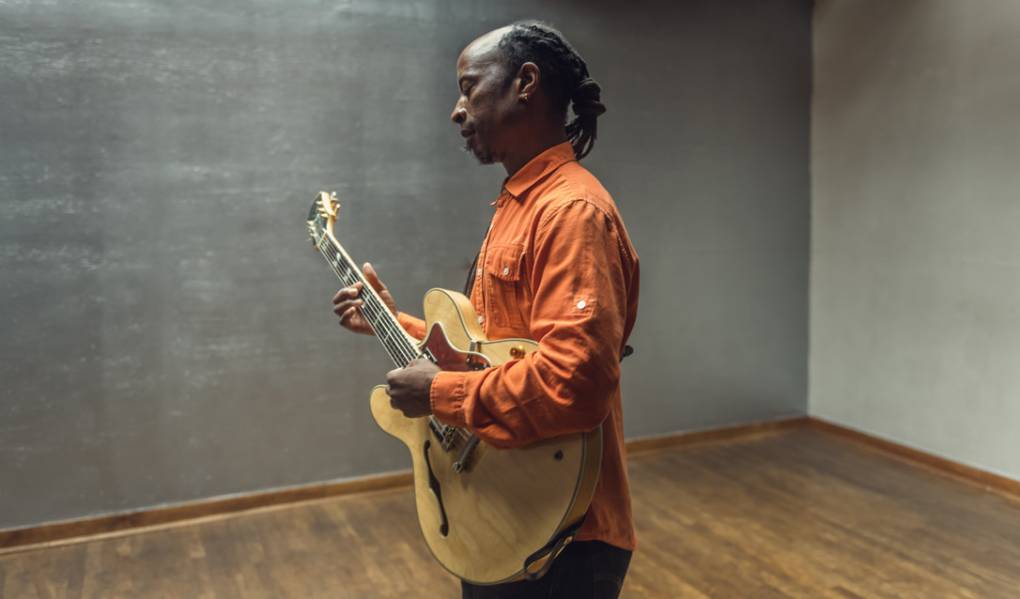
"caption": "Musician David James will explore the legacy left by his father, youth advocate Jesse James, in a new performance premiering Sept. 22 at Brava Theater in San Francisco.",
"description": null,
"title": "David James by (13)",
"credit": " Lenny Gonzalez",
"status": "inherit",
"altTag": "a Black man wears a button down orange shirt and holds a guitar standing against a gray wall",
"isLoading": false,
"fetchFailed": false
},
"arts_13934902": {
"type": "attachments",
"id": "arts_13934902",
"meta": {
"index": "attachments_1716263798",
"site": "arts",
"id": "13934902",
"found": true
},
"parent": 13934890,
"imgSizes": {
"twentyfourteen-full-width": {
"file": "https://ww2.kqed.org/app/uploads/sites/2/2023/09/Pork-belly-1-LaCocina-JennyLove_081919_141-1038x576.jpeg",
"width": 1038,
"mimeType": "image/jpeg",
"height": 576
},
"thumbnail": {
"file": "https://ww2.kqed.org/app/uploads/sites/2/2023/09/Pork-belly-1-LaCocina-JennyLove_081919_141-160x107.jpeg",
"width": 160,
"mimeType": "image/jpeg",
"height": 107
},
"post-thumbnail": {
"file": "https://ww2.kqed.org/app/uploads/sites/2/2023/09/Pork-belly-1-LaCocina-JennyLove_081919_141-672x372.jpeg",
"width": 672,
"mimeType": "image/jpeg",
"height": 372
},
"kqedFullSize": {
"file": "https://ww2.kqed.org/app/uploads/sites/2/2023/09/Pork-belly-1-LaCocina-JennyLove_081919_141-scaled.jpeg",
"width": 2560,
"height": 1707
},
"2048x2048": {
"file": "https://ww2.kqed.org/app/uploads/sites/2/2023/09/Pork-belly-1-LaCocina-JennyLove_081919_141-2048x1365.jpeg",
"width": 2048,
"mimeType": "image/jpeg",
"height": 1365
},
"large": {
"file": "https://ww2.kqed.org/app/uploads/sites/2/2023/09/Pork-belly-1-LaCocina-JennyLove_081919_141-1020x680.jpeg",
"width": 1020,
"mimeType": "image/jpeg",
"height": 680
},
"1536x1536": {
"file": "https://ww2.kqed.org/app/uploads/sites/2/2023/09/Pork-belly-1-LaCocina-JennyLove_081919_141-1536x1024.jpeg",
"width": 1536,
"mimeType": "image/jpeg",
"height": 1024
},
"full-width": {
"file": "https://ww2.kqed.org/app/uploads/sites/2/2023/09/Pork-belly-1-LaCocina-JennyLove_081919_141-1920x1280.jpeg",
"width": 1920,
"mimeType": "image/jpeg",
"height": 1280
},
"medium": {
"file": "https://ww2.kqed.org/app/uploads/sites/2/2023/09/Pork-belly-1-LaCocina-JennyLove_081919_141-800x533.jpeg",
"width": 800,
"mimeType": "image/jpeg",
"height": 533
},
"medium_large": {
"file": "https://ww2.kqed.org/app/uploads/sites/2/2023/09/Pork-belly-1-LaCocina-JennyLove_081919_141-768x512.jpeg",
"width": 768,
"mimeType": "image/jpeg",
"height": 512
}
},
"publishDate": 1695070952,
"modified": 1695071150,
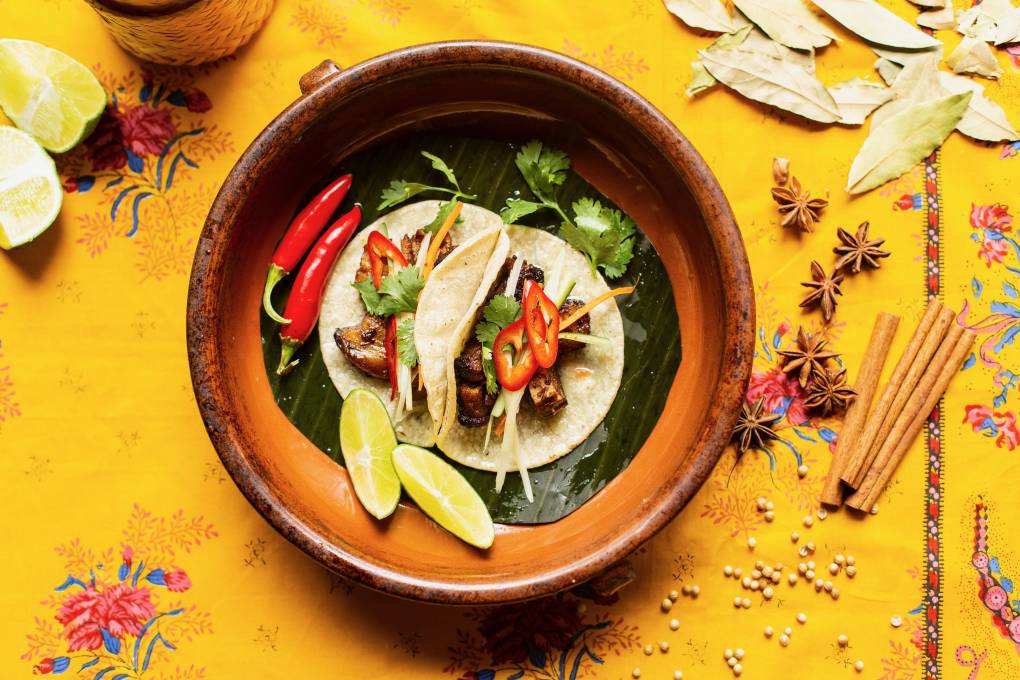
"caption": "Chef Kitiya Diparte will be serving her Thai-inspired braised pork belly tacos at Tacolado.",
"description": null,
"title": "Pork belly 1 LaCocina-JennyLove_081919_141",
"credit": "Courtesy of Kitaya Diparte",
"status": "inherit",
"altTag": "a colorful presentation of Thai-inspired open-faced tacos are plated on a yellow table",
"isLoading": false,
"fetchFailed": false
},
"arts_13934892": {
"type": "attachments",
"id": "arts_13934892",
"meta": {
"index": "attachments_1716263798",
"site": "arts",
"id": "13934892",
"found": true
},
"parent": 13934852,
"imgSizes": {
"twentyfourteen-full-width": {
"file": "https://ww2.kqed.org/app/uploads/sites/2/2023/09/8-Over-80-—-Thumbnail-1920-x-1080-2-1-1038x576.png",
"width": 1038,
"mimeType": "image/png",
"height": 576
},
"thumbnail": {
"file": "https://ww2.kqed.org/app/uploads/sites/2/2023/09/8-Over-80-—-Thumbnail-1920-x-1080-2-1-160x90.png",
"width": 160,
"mimeType": "image/png",
"height": 90
},
"post-thumbnail": {
"file": "https://ww2.kqed.org/app/uploads/sites/2/2023/09/8-Over-80-—-Thumbnail-1920-x-1080-2-1-672x372.png",
"width": 672,
"mimeType": "image/png",
"height": 372
},
"kqedFullSize": {
"file": "https://ww2.kqed.org/app/uploads/sites/2/2023/09/8-Over-80-—-Thumbnail-1920-x-1080-2-1.png",
"width": 1920,
"height": 1080
},
"large": {
"file": "https://ww2.kqed.org/app/uploads/sites/2/2023/09/8-Over-80-—-Thumbnail-1920-x-1080-2-1-1020x574.png",
"width": 1020,
"mimeType": "image/png",
"height": 574
},
"1536x1536": {
"file": "https://ww2.kqed.org/app/uploads/sites/2/2023/09/8-Over-80-—-Thumbnail-1920-x-1080-2-1-1536x864.png",
"width": 1536,
"mimeType": "image/png",
"height": 864
},
"medium": {
"file": "https://ww2.kqed.org/app/uploads/sites/2/2023/09/8-Over-80-—-Thumbnail-1920-x-1080-2-1-800x450.png",
"width": 800,
"mimeType": "image/png",
"height": 450
},
"medium_large": {
"file": "https://ww2.kqed.org/app/uploads/sites/2/2023/09/8-Over-80-—-Thumbnail-1920-x-1080-2-1-768x432.png",
"width": 768,
"mimeType": "image/png",
"height": 432
}
},
"publishDate": 1695062508,
"modified": 1695069280,
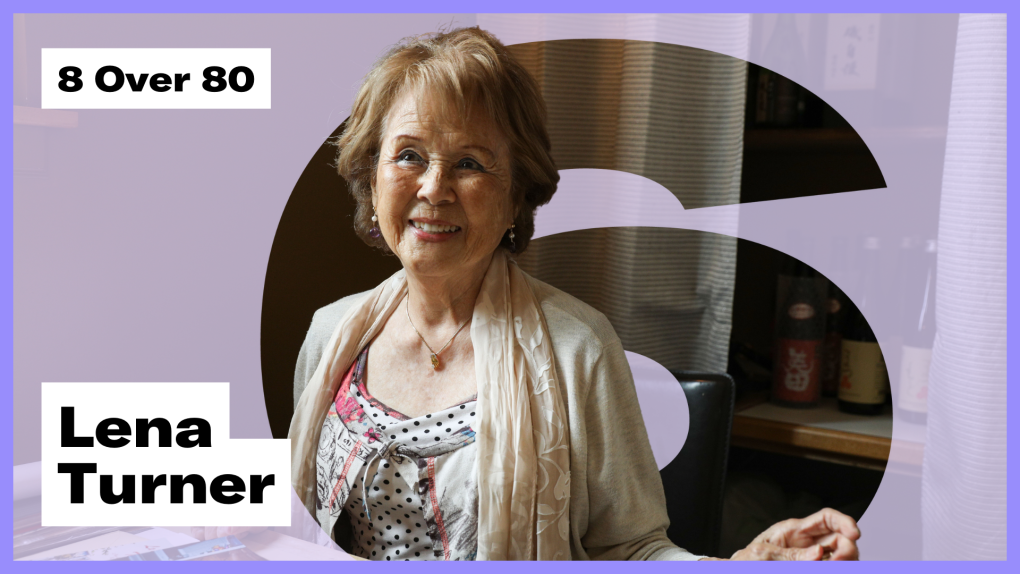
"caption": "Lena Turner, 93, sits for a portrait in her now-closed restaurant, Chika and Sake. Turner has been a restauranteur in San Francisco's Japantown for almost five decades now.",
"description": null,
"title": "8 Over 80 — Thumbnail (1920 x 1080) (2)",
"credit": "Juliana Yamada/KQED",
"status": "inherit",
"altTag": "An older woman smiles while sitting at a table, the text \"8 Over 80\" and \"Lena Turner\" is overlaid",
"isLoading": false,
"fetchFailed": false
},
"arts_13934930": {
"type": "attachments",
"id": "arts_13934930",
"meta": {
"index": "attachments_1716263798",
"site": "arts",
"id": "13934930",
"found": true
},
"parent": 13934852,
"imgSizes": {
"twentyfourteen-full-width": {
"file": "https://ww2.kqed.org/app/uploads/sites/2/2023/09/20230727-LenaTurner-26-JY-qut-1038x576.jpg",
"width": 1038,
"mimeType": "image/jpeg",
"height": 576
},
"thumbnail": {
"file": "https://ww2.kqed.org/app/uploads/sites/2/2023/09/20230727-LenaTurner-26-JY-qut-160x107.jpg",
"width": 160,
"mimeType": "image/jpeg",
"height": 107
},
"post-thumbnail": {
"file": "https://ww2.kqed.org/app/uploads/sites/2/2023/09/20230727-LenaTurner-26-JY-qut-672x372.jpg",
"width": 672,
"mimeType": "image/jpeg",
"height": 372
},
"kqedFullSize": {
"file": "https://ww2.kqed.org/app/uploads/sites/2/2023/09/20230727-LenaTurner-26-JY-qut.jpg",
"width": 1920,
"height": 1280
},
"large": {
"file": "https://ww2.kqed.org/app/uploads/sites/2/2023/09/20230727-LenaTurner-26-JY-qut-1020x680.jpg",
"width": 1020,
"mimeType": "image/jpeg",
"height": 680
},
"1536x1536": {
"file": "https://ww2.kqed.org/app/uploads/sites/2/2023/09/20230727-LenaTurner-26-JY-qut-1536x1024.jpg",
"width": 1536,
"mimeType": "image/jpeg",
"height": 1024
},
"medium": {
"file": "https://ww2.kqed.org/app/uploads/sites/2/2023/09/20230727-LenaTurner-26-JY-qut-800x533.jpg",
"width": 800,
"mimeType": "image/jpeg",
"height": 533
},
"medium_large": {
"file": "https://ww2.kqed.org/app/uploads/sites/2/2023/09/20230727-LenaTurner-26-JY-qut-768x512.jpg",
"width": 768,
"mimeType": "image/jpeg",
"height": 512
}
},
"publishDate": 1695078885,
"modified": 1695079537,
"caption": "Lena Turner, 93, sits inside her now-closed restaurant, Chika & Sake. Turner has been a restauranteur in San Francisco’s Japantown for almost five decades.",
"description": null,
"title": "20230727-LenaTurner-26-JY-qut",
"credit": "Juliana Yamada/KQED",
"status": "inherit",
"altTag": "An older woman in a white shawl smiles while seated in front of a stack of old photos.",
"isLoading": false,
"fetchFailed": false
},
"arts_13934323": {
"type": "attachments",
"id": "arts_13934323",
"meta": {
"index": "attachments_1716263798",
"site": "arts",
"id": "13934323",
"found": true
},
"parent": 13934286,
"imgSizes": {
"twentyfourteen-full-width": {
"file": "https://ww2.kqed.org/app/uploads/sites/2/2023/09/RS68589_230905-TheStudReopening-42-BL-qut-1038x576.jpg",
"width": 1038,
"mimeType": "image/jpeg",
"height": 576
},
"thumbnail": {
"file": "https://ww2.kqed.org/app/uploads/sites/2/2023/09/RS68589_230905-TheStudReopening-42-BL-qut-160x107.jpg",
"width": 160,
"mimeType": "image/jpeg",
"height": 107
},
"post-thumbnail": {
"file": "https://ww2.kqed.org/app/uploads/sites/2/2023/09/RS68589_230905-TheStudReopening-42-BL-qut-672x372.jpg",
"width": 672,
"mimeType": "image/jpeg",
"height": 372
},
"kqedFullSize": {
"file": "https://ww2.kqed.org/app/uploads/sites/2/2023/09/RS68589_230905-TheStudReopening-42-BL-qut.jpg",
"width": 1920,
"height": 1280
},
"large": {
"file": "https://ww2.kqed.org/app/uploads/sites/2/2023/09/RS68589_230905-TheStudReopening-42-BL-qut-1020x680.jpg",
"width": 1020,
"mimeType": "image/jpeg",
"height": 680
},
"1536x1536": {
"file": "https://ww2.kqed.org/app/uploads/sites/2/2023/09/RS68589_230905-TheStudReopening-42-BL-qut-1536x1024.jpg",
"width": 1536,
"mimeType": "image/jpeg",
"height": 1024
},
"medium": {
"file": "https://ww2.kqed.org/app/uploads/sites/2/2023/09/RS68589_230905-TheStudReopening-42-BL-qut-800x533.jpg",
"width": 800,
"mimeType": "image/jpeg",
"height": 533
},
"medium_large": {
"file": "https://ww2.kqed.org/app/uploads/sites/2/2023/09/RS68589_230905-TheStudReopening-42-BL-qut-768x512.jpg",
"width": 768,
"mimeType": "image/jpeg",
"height": 512
}
},
"publishDate": 1693949073,
"modified": 1693949112,
"caption": "Honey Mahogany (center) and other Stud Collective members and drag performers gather for a photo outside of the new location of The Stud, a longtime LGBTQ+ venue and worker-owned cooperative, on Folsom Street in the Leather and LGBTQ Cultural District in San Francisco on Sept. 5, 2023, after its closure at its former site in 2020.",
"description": null,
"title": "RS68589_230905-TheStudReopening-42-BL-qut",
"credit": "Beth LaBerge/KQED",
"status": "inherit",
"altTag": null,
"isLoading": false,
"fetchFailed": false
},
"arts_13933848": {
"type": "attachments",
"id": "arts_13933848",
"meta": {
"index": "attachments_1716263798",
"site": "arts",
"id": "13933848",
"found": true
},
"parent": 13933840,
"imgSizes": {
"twentyfourteen-full-width": {
"file": "https://ww2.kqed.org/app/uploads/sites/2/2023/08/IMG_2036-1038x576.jpg",
"width": 1038,
"mimeType": "image/jpeg",
"height": 576
},
"thumbnail": {
"file": "https://ww2.kqed.org/app/uploads/sites/2/2023/08/IMG_2036-160x107.jpg",
"width": 160,
"mimeType": "image/jpeg",
"height": 107
},
"post-thumbnail": {
"file": "https://ww2.kqed.org/app/uploads/sites/2/2023/08/IMG_2036-672x372.jpg",
"width": 672,
"mimeType": "image/jpeg",
"height": 372
},
"kqedFullSize": {
"file": "https://ww2.kqed.org/app/uploads/sites/2/2023/08/IMG_2036-scaled.jpg",
"width": 2560,
"height": 1707
},
"2048x2048": {
"file": "https://ww2.kqed.org/app/uploads/sites/2/2023/08/IMG_2036-2048x1365.jpg",
"width": 2048,
"mimeType": "image/jpeg",
"height": 1365
},
"large": {
"file": "https://ww2.kqed.org/app/uploads/sites/2/2023/08/IMG_2036-1020x680.jpg",
"width": 1020,
"mimeType": "image/jpeg",
"height": 680
},
"1536x1536": {
"file": "https://ww2.kqed.org/app/uploads/sites/2/2023/08/IMG_2036-1536x1024.jpg",
"width": 1536,
"mimeType": "image/jpeg",
"height": 1024
},
"full-width": {
"file": "https://ww2.kqed.org/app/uploads/sites/2/2023/08/IMG_2036-1920x1280.jpg",
"width": 1920,
"mimeType": "image/jpeg",
"height": 1280
},
"medium": {
"file": "https://ww2.kqed.org/app/uploads/sites/2/2023/08/IMG_2036-800x533.jpg",
"width": 800,
"mimeType": "image/jpeg",
"height": 533
},
"medium_large": {
"file": "https://ww2.kqed.org/app/uploads/sites/2/2023/08/IMG_2036-768x512.jpg",
"width": 768,
"mimeType": "image/jpeg",
"height": 512
}
},
"publishDate": 1692906053,
"modified": 1693342333,
"caption": "Caitlin Donohue's latest book, 'Weed: Cannabis Culture in the Americas,' explores topics around cannabis for young readers.",
"description": null,
"title": "IMG_2036",
"credit": "Alan Chazaro",
"status": "inherit",
"altTag": "A new book, 'Weed: Cannabis Culture in the Americas,' is held up on a California street",
"isLoading": false,
"fetchFailed": false
},
"arts_13933952": {
"type": "attachments",
"id": "arts_13933952",
"meta": {
"index": "attachments_1716263798",
"site": "arts",
"id": "13933952",
"found": true
},
"parent": 0,
"imgSizes": {
"twentyfourteen-full-width": {
"file": "https://ww2.kqed.org/app/uploads/sites/2/2023/08/RS68310_20230826-BonPop-01-JY-1-KQED-1038x576.jpg",
"width": 1038,
"mimeType": "image/jpeg",
"height": 576
},
"thumbnail": {
"file": "https://ww2.kqed.org/app/uploads/sites/2/2023/08/RS68310_20230826-BonPop-01-JY-1-KQED-160x107.jpg",
"width": 160,
"mimeType": "image/jpeg",
"height": 107
},
"post-thumbnail": {
"file": "https://ww2.kqed.org/app/uploads/sites/2/2023/08/RS68310_20230826-BonPop-01-JY-1-KQED-672x372.jpg",
"width": 672,
"mimeType": "image/jpeg",
"height": 372
},
"kqedFullSize": {
"file": "https://ww2.kqed.org/app/uploads/sites/2/2023/08/RS68310_20230826-BonPop-01-JY-1-KQED.jpg",
"width": 2000,
"height": 1333
},
"large": {
"file": "https://ww2.kqed.org/app/uploads/sites/2/2023/08/RS68310_20230826-BonPop-01-JY-1-KQED-1020x680.jpg",
"width": 1020,
"mimeType": "image/jpeg",
"height": 680
},
"1536x1536": {
"file": "https://ww2.kqed.org/app/uploads/sites/2/2023/08/RS68310_20230826-BonPop-01-JY-1-KQED-1536x1024.jpg",
"width": 1536,
"mimeType": "image/jpeg",
"height": 1024
},
"full-width": {
"file": "https://ww2.kqed.org/app/uploads/sites/2/2023/08/RS68310_20230826-BonPop-01-JY-1-KQED-1920x1280.jpg",
"width": 1920,
"mimeType": "image/jpeg",
"height": 1280
},
"medium": {
"file": "https://ww2.kqed.org/app/uploads/sites/2/2023/08/RS68310_20230826-BonPop-01-JY-1-KQED-800x533.jpg",
"width": 800,
"mimeType": "image/jpeg",
"height": 533
},
"medium_large": {
"file": "https://ww2.kqed.org/app/uploads/sites/2/2023/08/RS68310_20230826-BonPop-01-JY-1-KQED-768x512.jpg",
"width": 768,
"mimeType": "image/jpeg",
"height": 512
}
},
"publishDate": 1693147254,
"modified": 1693147591,
"caption": "Linus Lancaster (left) and Mari Lancaster (center) dance at KOHO’s BonPop Obon in the Japantown Peace Plaza in San Francisco on Saturday, August 26, 2023. The Lancasters are frequent Obon participants.",
"description": null,
"title": "RS68310_20230826-BonPop-01-JY-1-KQED",
"credit": "Juliana Yamada/KQED",
"status": "inherit",
"altTag": "Linus Lancaster (left) and Mari Lancaster (center) dance at KOHO’s BonPop Obon in the Japantown Peace Plaza in San Francisco on Saturday, August 26, 2023. The Lancasters are frequent Obon participants.",
"isLoading": false,
"fetchFailed": false
},
"arts_13933834": {
"type": "attachments",
"id": "arts_13933834",
"meta": {
"index": "attachments_1716263798",
"site": "arts",
"id": "13933834",
"found": true
},
"parent": 13933803,
"imgSizes": {
"thumbnail": {
"file": "https://ww2.kqed.org/app/uploads/sites/2/2023/08/Zorn.2013.getty_-160x90.jpg",
"width": 160,
"mimeType": "image/jpeg",
"height": 90
},
"post-thumbnail": {
"file": "https://ww2.kqed.org/app/uploads/sites/2/2023/08/Zorn.2013.getty_-672x372.jpg",
"width": 672,
"mimeType": "image/jpeg",
"height": 372
},
"kqedFullSize": {
"file": "https://ww2.kqed.org/app/uploads/sites/2/2023/08/Zorn.2013.getty_.jpg",
"width": 1024,
"height": 576
},
"large": {
"file": "https://ww2.kqed.org/app/uploads/sites/2/2023/08/Zorn.2013.getty_-1020x574.jpg",
"width": 1020,
"mimeType": "image/jpeg",
"height": 574
},
"medium": {
"file": "https://ww2.kqed.org/app/uploads/sites/2/2023/08/Zorn.2013.getty_-800x450.jpg",
"width": 800,
"mimeType": "image/jpeg",
"height": 450
},
"medium_large": {
"file": "https://ww2.kqed.org/app/uploads/sites/2/2023/08/Zorn.2013.getty_-768x432.jpg",
"width": 768,
"mimeType": "image/jpeg",
"height": 432
}
},
"publishDate": 1692904403,
"modified": 1692904456,
"caption": "John Zorn performs in Moers, Germany, in 2013.",
"description": null,
"title": "Zorn.2013.getty",
"credit": "Bernd Thissen/picture alliance via Getty Images",
"status": "inherit",
"altTag": "John Zorn performs in Moers, Germany, in 2013.",
"isLoading": false,
"fetchFailed": false
}
},
"audioPlayerReducer": {
"postId": "stream_live",
"isPaused": true,
"isPlaying": false,
"pfsActive": false,
"pledgeModalIsOpen": true,
"playerDrawerIsOpen": false,
"liveAudioPlayStartedAt": 0,
"liveAudioPlayContext": ""
},
"authorsReducer": {
"byline_arts_13935854": {
"type": "authors",
"id": "byline_arts_13935854",
"meta": {
"override": true
},
"slug": "byline_arts_13935854",
"name": "Kofi Ansong",
"isLoading": false
},
"gmeline": {
"type": "authors",
"id": "185",
"meta": {
"index": "authors_1716337520",
"id": "185",
"found": true
},
"name": "Gabe Meline",
"firstName": "Gabe",
"lastName": "Meline",
"slug": "gmeline",
"email": "gmeline@kqed.org",
"display_author_email": true,
"staff_mastheads": [
"arts"
],
"title": "Senior Editor, KQED Arts & Culture",
"bio": "Gabe Meline entered journalism at age 15 making photocopied zines, and has since earned awards from the Edward R. Murrow Awards, the Society for Professional Journalists, the Online Journalism Awards, the Association of Alternative Newsweeklies and the California Newspaper Publishers Association. Prior to KQED, he was the editor of the \u003cem>North Bay Bohemian\u003c/em> and a touring musician. He lives with his wife and daughter in his hometown of Santa Rosa, CA.",
"avatar": "https://secure.gravatar.com/avatar/5bebe57be0d8bc2dd318934feb47299e2d2d10cba28d09d8d7afb389a2ce2bdd?s=600&d=blank&r=g",
"twitter": null,
"bluesky": null,
"facebook": null,
"instagram": null,
"linkedin": null,
"sites": [
{
"site": "",
"roles": [
"editor"
]
},
{
"site": "arts",
"roles": [
"administrator"
]
},
{
"site": "artschool",
"roles": [
"editor"
]
},
{
"site": "news",
"roles": [
"author"
]
},
{
"site": "pop",
"roles": [
"editor"
]
},
{
"site": "bayareabites",
"roles": [
"editor"
]
},
{
"site": "food",
"roles": [
"editor"
]
},
{
"site": "forum",
"roles": [
"administrator"
]
},
{
"site": "liveblog",
"roles": [
"editor"
]
},
{
"site": "hiphop",
"roles": [
"editor"
]
}
],
"headData": {
"title": "Gabe Meline | KQED",
"description": "Senior Editor, KQED Arts & Culture",
"ogImgSrc": "https://secure.gravatar.com/avatar/5bebe57be0d8bc2dd318934feb47299e2d2d10cba28d09d8d7afb389a2ce2bdd?s=600&d=blank&r=g",
"twImgSrc": "https://secure.gravatar.com/avatar/5bebe57be0d8bc2dd318934feb47299e2d2d10cba28d09d8d7afb389a2ce2bdd?s=600&d=blank&r=g"
},
"isLoading": false,
"link": "/author/gmeline"
},
"ralexandra": {
"type": "authors",
"id": "11242",
"meta": {
"index": "authors_1716337520",
"id": "11242",
"found": true
},
"name": "Rae Alexandra",
"firstName": "Rae",
"lastName": "Alexandra",
"slug": "ralexandra",
"email": "ralexandra@kqed.org",
"display_author_email": true,
"staff_mastheads": [],
"title": "Reporter/Producer",
"bio": "Rae Alexandra is a Reporter/Producer for KQED Arts & Culture, and the creator/author of the \u003ca href=\"https://www.kqed.org/arts/program/rebel-girls-from-bay-area-history\">Rebel Girls From Bay Area History\u003c/a> and \u003ca href=\"https://www.kqed.org/bizarrebayarea\">Bizarre Bay Area\u003c/a> series. Her debut book, \u003ca href=\"https://citylights.com/politics-current-events-history/unsung-heroines35-women-who-changed/\">Unsung Heroines: 35 Women Who Changed the Bay Area\u003c/a> was published by City Lights in March 2026. In 2023, Rae was awarded an SPJ Excellence in Journalism Award for Arts & Culture. Rae was born and raised in Wales and subsequently — even after two decades in Northern California — still uses phrases that regularly baffle her coworkers.",
"avatar": "https://secure.gravatar.com/avatar/edfee8176c80cc0a382b051190f5341997df378a934a5774dcb0977732dfd401?s=600&d=blank&r=g",
"twitter": null,
"bluesky": null,
"facebook": null,
"instagram": null,
"linkedin": null,
"sites": [
{
"site": "arts",
"roles": [
"subscriber"
]
},
{
"site": "news",
"roles": [
"subscriber"
]
},
{
"site": "pop",
"roles": [
"subscriber"
]
},
{
"site": "bayareabites",
"roles": [
"subscriber"
]
},
{
"site": "science",
"roles": [
"subscriber"
]
}
],
"headData": {
"title": "Rae Alexandra | KQED",
"description": "Reporter/Producer",
"ogImgSrc": "https://secure.gravatar.com/avatar/edfee8176c80cc0a382b051190f5341997df378a934a5774dcb0977732dfd401?s=600&d=blank&r=g",
"twImgSrc": "https://secure.gravatar.com/avatar/edfee8176c80cc0a382b051190f5341997df378a934a5774dcb0977732dfd401?s=600&d=blank&r=g"
},
"isLoading": false,
"link": "/author/ralexandra"
},
"nvoynovskaya": {
"type": "authors",
"id": "11387",
"meta": {
"index": "authors_1716337520",
"id": "11387",
"found": true
},
"name": "Nastia Voynovskaya",
"firstName": "Nastia",
"lastName": "Voynovskaya",
"slug": "nvoynovskaya",
"email": "nvoynovskaya@kqed.org",
"display_author_email": false,
"staff_mastheads": [
"arts"
],
"title": "Editor and reporter",
"bio": "Nastia Voynovskaya is a reporter, editor and host at KQED Arts & Culture. She's been covering the arts in the Bay Area for over a decade, with a focus on music, queer culture, labor issues and grassroots organizing. She has edited KQED story series such as Trans Bay: A History of San Francisco's Gender-Diverse Community, and co-created KQED's Bay Area hip-hop history project, That's My Word. Nastia's work has been recognized by the Society of Professional Journalists and San Francisco Press Club. She regularly appears on podcasts and radio programs, including NPR's All Songs Considered, and hosts live events where music, culture and conversation meet.",
"avatar": "https://secure.gravatar.com/avatar/5025ee460e5a85d69ca20ea6c6f2f80d7e17795c828f61ea3aecfcd924e9042e?s=600&d=blank&r=g",
"twitter": null,
"bluesky": null,
"facebook": null,
"instagram": "https://www.instagram.com/nananastia/",
"linkedin": null,
"sites": [
{
"site": "",
"roles": [
"editor"
]
},
{
"site": "arts",
"roles": [
"administrator"
]
},
{
"site": "news",
"roles": [
"editor"
]
},
{
"site": "pop",
"roles": [
"administrator"
]
},
{
"site": "bayareabites",
"roles": [
"editor"
]
},
{
"site": "podcasts",
"roles": [
"editor"
]
},
{
"site": "hiphop",
"roles": [
"editor"
]
}
],
"headData": {
"title": "Nastia Voynovskaya | KQED",
"description": "Editor and reporter",
"ogImgSrc": "https://secure.gravatar.com/avatar/5025ee460e5a85d69ca20ea6c6f2f80d7e17795c828f61ea3aecfcd924e9042e?s=600&d=blank&r=g",
"twImgSrc": "https://secure.gravatar.com/avatar/5025ee460e5a85d69ca20ea6c6f2f80d7e17795c828f61ea3aecfcd924e9042e?s=600&d=blank&r=g"
},
"isLoading": false,
"link": "/author/nvoynovskaya"
},
"ltsai": {
"type": "authors",
"id": "11743",
"meta": {
"index": "authors_1716337520",
"id": "11743",
"found": true
},
"name": "Luke Tsai",
"firstName": "Luke",
"lastName": "Tsai",
"slug": "ltsai",
"email": "ltsai@kqed.org",
"display_author_email": true,
"staff_mastheads": [
"arts"
],
"title": "Food Editor",
"bio": "Luke Tsai is KQED's food editor and resident stinky tofu connoisseur. Prior to KQED, he was an editor at Eater SF, \u003cem>San Francisco \u003c/em>magazine, and the \u003cem>East Bay Express\u003c/em>, and his work has also appeared in TASTE, the \u003cem>San Francisco Chronicle\u003c/em>, and the \u003cem>Best Food Writing\u003c/em> anthology. When he isn't writing or editing, you'll find him eating most everything he can get his hands on.",
"avatar": "https://secure.gravatar.com/avatar/1e59b45bf191526e7339d6ba46e33a57b2030d25c27660ecc64ea3cb863e34f7?s=600&d=blank&r=g",
"twitter": "theluketsai",
"bluesky": null,
"facebook": null,
"instagram": null,
"linkedin": null,
"sites": [
{
"site": "",
"roles": [
"editor"
]
},
{
"site": "arts",
"roles": [
"administrator"
]
},
{
"site": "news",
"roles": [
"editor",
"contributor"
]
},
{
"site": "bayareabites",
"roles": [
"editor"
]
},
{
"site": "food",
"roles": [
"editor"
]
}
],
"headData": {
"title": "Luke Tsai | KQED",
"description": "Food Editor",
"ogImgSrc": "https://secure.gravatar.com/avatar/1e59b45bf191526e7339d6ba46e33a57b2030d25c27660ecc64ea3cb863e34f7?s=600&d=blank&r=g",
"twImgSrc": "https://secure.gravatar.com/avatar/1e59b45bf191526e7339d6ba46e33a57b2030d25c27660ecc64ea3cb863e34f7?s=600&d=blank&r=g"
},
"isLoading": false,
"link": "/author/ltsai"
},
"achazaro": {
"type": "authors",
"id": "11748",
"meta": {
"index": "authors_1716337520",
"id": "11748",
"found": true
},
"name": "Alan Chazaro",
"firstName": "Alan",
"lastName": "Chazaro",
"slug": "achazaro",
"email": "agchazaro@gmail.com",
"display_author_email": true,
"staff_mastheads": [],
"title": "Food Writer and Reporter",
"bio": "Alan Chazaro is the author of \u003cem>This Is Not a Frank Ocean Cover Album\u003c/em> (Black Lawrence Press, 2019), \u003cem>Piñata Theory\u003c/em> (Black Lawrence Press, 2020), and \u003cem>Notes from the Eastern Span of the Bay Bridge\u003c/em> (Ghost City Press, 2021). He is a graduate of June Jordan’s Poetry for the People program at UC Berkeley and a former Lawrence Ferlinghetti Fellow at the University of San Francisco. He writes about sports, food, art, music, education, and culture while repping the Bay on \u003ca href=\"https://twitter.com/alan_chazaro\">Twitter\u003c/a> and \u003ca href=\"https://www.instagram.com/alan_chazaro/?hl=en\">Instagram\u003c/a> at @alan_chazaro.",
"avatar": "https://secure.gravatar.com/avatar/ea8b6dd970fc5c29e7a188e7d5861df7?s=600&d=blank&r=g",
"twitter": "alan_chazaro",
"facebook": null,
"instagram": null,
"linkedin": null,
"sites": [
{
"site": "arts",
"roles": [
"contributor"
]
},
{
"site": "news",
"roles": [
"editor"
]
}
],
"headData": {
"title": "Alan Chazaro | KQED",
"description": "Food Writer and Reporter",
"ogImgSrc": "https://secure.gravatar.com/avatar/ea8b6dd970fc5c29e7a188e7d5861df7?s=600&d=blank&r=g",
"twImgSrc": "https://secure.gravatar.com/avatar/ea8b6dd970fc5c29e7a188e7d5861df7?s=600&d=blank&r=g"
},
"isLoading": false,
"link": "/author/achazaro"
},
"omayeda": {
"type": "authors",
"id": "11872",
"meta": {
"index": "authors_1716337520",
"id": "11872",
"found": true
},
"name": "Olivia Cruz Mayeda",
"firstName": "Olivia Cruz",
"lastName": "Mayeda",
"slug": "omayeda",
"email": "omayeda@kqed.org",
"display_author_email": false,
"staff_mastheads": [],
"title": "Reporter",
"bio": "Olivia Cruz Mayeda is a journalist covering style, culture and reparations in the Bay Area, a place that has been home to her family for over 100 years. Her writing has also appeared in the \u003cem>San Francisco Chronicle\u003c/em> and \u003cem>El Tecolote\u003c/em>.",
"avatar": "https://secure.gravatar.com/avatar/a8c0baa30219ce1071a9474f4c14141f?s=600&d=blank&r=g",
"twitter": null,
"facebook": null,
"instagram": null,
"linkedin": null,
"sites": [
{
"site": "arts",
"roles": [
"contributor"
]
}
],
"headData": {
"title": "Olivia Cruz Mayeda | KQED",
"description": "Reporter",
"ogImgSrc": "https://secure.gravatar.com/avatar/a8c0baa30219ce1071a9474f4c14141f?s=600&d=blank&r=g",
"twImgSrc": "https://secure.gravatar.com/avatar/a8c0baa30219ce1071a9474f4c14141f?s=600&d=blank&r=g"
},
"isLoading": false,
"link": "/author/omayeda"
}
},
"pagesReducer": {
"arts_tag_san-francisco": {
"type": "terms",
"id": "arts_1146",
"meta": {
"index": "terms_1716263798",
"site": "arts",
"id": "1146",
"score": 6.7228413
},
"featImg": null,
"name": "San Francisco",
"description": null,
"taxonomy": "tag",
"headData": {
"twImgId": null,
"twTitle": null,
"ogTitle": null,
"ogImgId": null,
"twDescription": null,
"description": null,
"title": "San Francisco Archives | KQED Arts",
"ogDescription": null
},
"ttid": 701,
"slug": "san-francisco",
"isLoading": false,
"title": "San Francisco",
"pageMeta": {
"site": "arts",
"WpPageTemplate": "page-topic-editorial",
"currentPage": 34
},
"blocks": [
{
"blockName": "kqed/post-list",
"attrs": {
"layout": "cardArticle2",
"query": "posts/arts?tag=san-francisco",
"seeMore": false,
"paginated": true,
"page": 34
}
},
{
"blockName": "kqed/ad"
}
]
}
},
"pfsSessionReducer": {},
"postsReducer": {
"stream_live": {
"type": "live",
"id": "stream_live",
"audioUrl": "https://streams.kqed.org/kqedradio",
"title": "Live Stream",
"excerpt": "Live Stream information currently unavailable.",
"link": "/radio",
"featImg": "",
"label": {
"name": "KQED Live",
"link": "/"
}
},
"stream_kqedNewscast": {
"type": "posts",
"id": "stream_kqedNewscast",
"audioUrl": "https://www.kqed.org/.stream/anon/radio/RDnews/newscast.mp3?_=1",
"title": "KQED Newscast",
"featImg": "",
"label": {
"name": "88.5 FM",
"link": "/"
}
},
"arts_13935933": {
"type": "posts",
"id": "arts_13935933",
"meta": {
"index": "posts_1716263798",
"site": "arts",
"id": "13935933",
"score": null,
"sort": [
1696629163000
]
},
"guestAuthors": [],
"slug": "counterpulse-vivvyanne-forevermore-drag-the-show",
"title": "At CounterPulse Festival, VivvyAnne ForeverMORE!’s Drag Extravaganza Sparkles",
"publishDate": 1696629163,
"format": "aside",
"headTitle": "At CounterPulse Festival, VivvyAnne ForeverMORE!’s Drag Extravaganza Sparkles | KQED",
"labelTerm": {
"term": 140,
"site": "arts"
},
"content": "\u003cfigure id=\"attachment_13936003\" class=\"wp-caption aligncenter\" style=\"max-width: 1667px\">\u003cimg loading=\"lazy\" decoding=\"async\" src=\"https://ww2.kqed.org/app/uploads/sites/2/2023/10/Cornelius.SQ_.jpg\" alt=\"\" width=\"1667\" height=\"1667\" class=\"size-full wp-image-13936003\" srcset=\"https://cdn.kqed.org/wp-content/uploads/sites/2/2023/10/Cornelius.SQ_.jpg 1667w, https://cdn.kqed.org/wp-content/uploads/sites/2/2023/10/Cornelius.SQ_-800x800.jpg 800w, https://cdn.kqed.org/wp-content/uploads/sites/2/2023/10/Cornelius.SQ_-1020x1020.jpg 1020w, https://cdn.kqed.org/wp-content/uploads/sites/2/2023/10/Cornelius.SQ_-160x160.jpg 160w, https://cdn.kqed.org/wp-content/uploads/sites/2/2023/10/Cornelius.SQ_-768x768.jpg 768w, https://cdn.kqed.org/wp-content/uploads/sites/2/2023/10/Cornelius.SQ_-1536x1536.jpg 1536w\" sizes=\"(max-width: 1667px) 100vw, 1667px\">\u003cfigcaption class=\"wp-caption-text\">VivvyAnne ForeverMORE!, whose drag extravaganza ‘The Show’ is part of this year’s CounterPulse Festival. \u003ccite>(Marcel Pardo Ariza)\u003c/cite>\u003c/figcaption>\u003c/figure>\n\u003cp>As a young drag queen, \u003ca href=\"https://www.vivvys.com/\">VivvyAnne ForeverMORE!\u003c/a> spent many a night backstage, listening to her drag elders gossip and cackle under the glow of dressing room lights. Now, as a drag mother herself, she’s passed down wisdom to younger artists while gluing eyelashes and rhinestones.\u003c/p>\n\u003cp>This form of queer oral history — rarely documented or seen by the general public — is part of her upcoming drag extravaganza simply titled \u003ca href=\"https://www.theshow.rocks/\">\u003ci>The Show\u003c/i>\u003c/a>. The multi-venue event takes place on Oct. 14 as part of San Francisco’s CounterPulse Festival, and features an array of performances that invite audiences to partake in the otherwise private, behind-the-scenes rituals that make drag not just a form of entertainment, but a way to foster community and chosen family.\u003c/p>\n\u003cp>ForeverMORE! says that she and co-producer Julie Phelps, executive director of CounterPulse!, had the word “epic” in mind while designing the programming, which takes place in and around the Tenderloin, much of it free and outdoors. “I want these incidental moments of drag art on the street to be these moments of potential beauty for people,” says ForeverMORE!\u003c/p>\n\u003cp>Festivities kick off from 1–5 p.m. with “The Peepshow,” where 16 drag artists — including leading disability justice advocate Glamputee and Lisa Frankenstein, co-host of Oasis’ popular drag party Princess — take turns lip syncing behind the glass of CounterPulse’s lobby.\u003c/p>\n\u003cfigure id=\"attachment_13935934\" class=\"wp-caption aligncenter\" style=\"max-width: 1920px\">\u003cimg loading=\"lazy\" decoding=\"async\" class=\"size-full wp-image-13935934\" src=\"https://ww2.kqed.org/app/uploads/sites/2/2023/10/Clutch-the-Pearls-event-at-KQED-Headquarters-on-Thursday-June-8-2023.-Estefany-Gonzalez-055.jpg\" alt=\"A drag artist on crutches swings their ponytail. \" width=\"1920\" height=\"1280\" srcset=\"https://cdn.kqed.org/wp-content/uploads/sites/2/2023/10/Clutch-the-Pearls-event-at-KQED-Headquarters-on-Thursday-June-8-2023.-Estefany-Gonzalez-055.jpg 1920w, https://cdn.kqed.org/wp-content/uploads/sites/2/2023/10/Clutch-the-Pearls-event-at-KQED-Headquarters-on-Thursday-June-8-2023.-Estefany-Gonzalez-055-800x533.jpg 800w, https://cdn.kqed.org/wp-content/uploads/sites/2/2023/10/Clutch-the-Pearls-event-at-KQED-Headquarters-on-Thursday-June-8-2023.-Estefany-Gonzalez-055-1020x680.jpg 1020w, https://cdn.kqed.org/wp-content/uploads/sites/2/2023/10/Clutch-the-Pearls-event-at-KQED-Headquarters-on-Thursday-June-8-2023.-Estefany-Gonzalez-055-160x107.jpg 160w, https://cdn.kqed.org/wp-content/uploads/sites/2/2023/10/Clutch-the-Pearls-event-at-KQED-Headquarters-on-Thursday-June-8-2023.-Estefany-Gonzalez-055-768x512.jpg 768w, https://cdn.kqed.org/wp-content/uploads/sites/2/2023/10/Clutch-the-Pearls-event-at-KQED-Headquarters-on-Thursday-June-8-2023.-Estefany-Gonzalez-055-1536x1024.jpg 1536w\" sizes=\"(max-width: 1920px) 100vw, 1920px\">\u003cfigcaption class=\"wp-caption-text\">Glamputee performs at KQED for a Clutch the Pearls showcase on June 8, 2023. \u003ccite>(Estefany Gonzalez)\u003c/cite>\u003c/figcaption>\u003c/figure>\n\u003cp>“The audience is literally on Turk Street, which is a very active area,” ForeverMORE! says, noting the neighborhood’s poignant history: CounterPulse is just blocks from the former site of Compton’s Cafeteria, an all-night diner where trans women and drag queens rioted against police brutality in 1966.\u003c/p>\n\u003cp>[ad fullwidth]\u003c/p>\n\u003cp>For ForeverMORE!, the history of how LGBTQ+ identity was criminalized adds weight to \u003ci>The Show\u003c/i>’s glamorous and theatrical displays. “We didn’t just exist at nighttime, but we weren’t allowed to gather in public,” she says.\u003c/p>\n\u003cp>Celebrating gender-nonconformity in daylight is a core theme that runs through \u003ci>The Show\u003c/i> — and an important one as \u003ca href=\"https://www.kqed.org/arts/13927432/drag-up-fight-back-protest-san-francisco-trans-lgbtq\">anti-trans laws\u003c/a> continue to sweep the nation.\u003c/p>\n\u003cfigure id=\"attachment_13899332\" class=\"wp-caption aligncenter\" style=\"max-width: 1440px\">\u003cimg loading=\"lazy\" decoding=\"async\" class=\"size-full wp-image-13899332\" src=\"https://ww2.kqed.org/app/uploads/sites/2/2021/06/NickiJizz_COVER.jpg\" alt=\"\" width=\"1440\" height=\"810\" srcset=\"https://cdn.kqed.org/wp-content/uploads/sites/2/2021/06/NickiJizz_COVER.jpg 1440w, https://cdn.kqed.org/wp-content/uploads/sites/2/2021/06/NickiJizz_COVER-800x450.jpg 800w, https://cdn.kqed.org/wp-content/uploads/sites/2/2021/06/NickiJizz_COVER-1020x574.jpg 1020w, https://cdn.kqed.org/wp-content/uploads/sites/2/2021/06/NickiJizz_COVER-160x90.jpg 160w, https://cdn.kqed.org/wp-content/uploads/sites/2/2021/06/NickiJizz_COVER-768x432.jpg 768w\" sizes=\"(max-width: 1440px) 100vw, 1440px\">\u003cfigcaption class=\"wp-caption-text\">Drag queen Nicki Jizz hosts Reparations, a night of all-Black performers at Oasis. \u003ccite>(Courtesy of Nicki Jizz)\u003c/cite>\u003c/figcaption>\u003c/figure>\n\u003cp>From 2–5 p.m. at The Strand Theater (a short walk from CounterPulse), eight drag artists will partake in one-on-one conversations on stage. Meant to replicate those aforementioned backstage kikis, “The Talks” pair \u003ca href=\"https://www.kqed.org/arts/tag/nicki-jizz\">Nicki Jizz\u003c/a>, creator of San Francisco’s only all-Black drag show \u003ci>Reparations\u003c/i>, for a conversation with KING LOTUS BOY, the 2023 San Francisco Drag King Contest winner and another formidable disability justice activist. Glamamore — VivvyAnne ForeverMORE!’s drag mother and \u003ca href=\"https://www.kqed.org/arts/13919897/san-francisco-arts-commission-juanita-more-30-years\">couture designer to the drag stars\u003c/a> — will be in conversation with drag artist, choreographer and author Fauxnique.\u003c/p>\n\u003cp>“I love backstage, not because it’s VIP, but because it’s funny and hilarious and full of jokes, you know?” ForeverMORE! says.\u003c/p>\n\u003cfigure id=\"attachment_13935941\" class=\"wp-caption aligncenter\" style=\"max-width: 1920px\">\u003cimg loading=\"lazy\" decoding=\"async\" class=\"size-full wp-image-13935941\" src=\"https://ww2.kqed.org/app/uploads/sites/2/2023/10/Clutch-the-Pearls-event-at-KQED-Headquarters-on-Thursday-June-8-2023.-Estefany-Gonzalez-009-1.jpg\" alt=\"\" width=\"1920\" height=\"1280\" srcset=\"https://cdn.kqed.org/wp-content/uploads/sites/2/2023/10/Clutch-the-Pearls-event-at-KQED-Headquarters-on-Thursday-June-8-2023.-Estefany-Gonzalez-009-1.jpg 1920w, https://cdn.kqed.org/wp-content/uploads/sites/2/2023/10/Clutch-the-Pearls-event-at-KQED-Headquarters-on-Thursday-June-8-2023.-Estefany-Gonzalez-009-1-800x533.jpg 800w, https://cdn.kqed.org/wp-content/uploads/sites/2/2023/10/Clutch-the-Pearls-event-at-KQED-Headquarters-on-Thursday-June-8-2023.-Estefany-Gonzalez-009-1-1020x680.jpg 1020w, https://cdn.kqed.org/wp-content/uploads/sites/2/2023/10/Clutch-the-Pearls-event-at-KQED-Headquarters-on-Thursday-June-8-2023.-Estefany-Gonzalez-009-1-160x107.jpg 160w, https://cdn.kqed.org/wp-content/uploads/sites/2/2023/10/Clutch-the-Pearls-event-at-KQED-Headquarters-on-Thursday-June-8-2023.-Estefany-Gonzalez-009-1-768x512.jpg 768w, https://cdn.kqed.org/wp-content/uploads/sites/2/2023/10/Clutch-the-Pearls-event-at-KQED-Headquarters-on-Thursday-June-8-2023.-Estefany-Gonzalez-009-1-1536x1024.jpg 1536w\" sizes=\"(max-width: 1920px) 100vw, 1920px\">\u003cfigcaption class=\"wp-caption-text\">Churro Nomi performs at KQED for a Clutch the Pearls showcase on June 8, 2023. \u003ccite>(Estefany Gonzalez)\u003c/cite>\u003c/figcaption>\u003c/figure>\n\u003cp>Just a high-heeled hop and skip away from The Strand at Civic Center UN Plaza, “The Photoshoot” will feature street performances from VERA, Newonce, HELIXIR, Bindi Masala, Venus Superstar Bizarre, Mary Vice and Yves Saint Croissant. DJ aunteejoan will spin while Butter Rugged and Marcel Pardo Ariza snap pictures.\u003c/p>\n\u003cp>“Then we have drag artists walking to Civic Center from where they parked or from BART or whatever,” says ForeverMORE! of the atmosphere she hopes to cultivate. “Like maybe you’re visiting San Francisco and you just happened to be walking down Market and you pass by Newonce and you’re like, ‘Why is there a drag queen at 4 p.m.?’” [aside postid='arts_13934286']\u003c/p>\n\u003cp>All of the events are free except for “The Finale” and a VIP reception with food and drinks at the Line Hotel, where ForeverMORE! will announce a new arts initiative with her collaborators at the Stud Collective, the group of workers who plan to reopen their historic LGBTQ+ venue in a new location in 2024. And finally, \u003cem>The Show\u003c/em> will wrap with a performance at CounterPulse that includes live vocals and aerial dance, starring Dulce De Leche, Militia Scunt, Gina LaDivina, Pseuda, Churro Nomi and Major Hammy.\u003c/p>\n\u003cp>ForeverMORE! says she dreamt up \u003ci>The Show\u003c/i> to celebrate the dedicated drag artists who — through ingenuity, sacrifice and resourcefulness — created an intergenerational community that helps each other find the courage to flourish. “One of the coolest parts, particularly about Bay Area drag, is you can start here,” she says. “You can start off here and be encouraged pretty quickly. People will embrace you and pull you in and offer support.”\u003c/p>\n\u003cp>\u003cimg loading=\"lazy\" decoding=\"async\" class=\"aligncenter size-full wp-image-13835025\" src=\"https://ww2.kqed.org/app/uploads/sites/2/2018/06/Compact_Logo_Break.jpg\" alt=\"\" width=\"800\" height=\"78\" srcset=\"https://cdn.kqed.org/wp-content/uploads/sites/2/2018/06/Compact_Logo_Break.jpg 800w, https://cdn.kqed.org/wp-content/uploads/sites/2/2018/06/Compact_Logo_Break-160x16.jpg 160w, https://cdn.kqed.org/wp-content/uploads/sites/2/2018/06/Compact_Logo_Break-768x75.jpg 768w, https://cdn.kqed.org/wp-content/uploads/sites/2/2018/06/Compact_Logo_Break-240x23.jpg 240w, https://cdn.kqed.org/wp-content/uploads/sites/2/2018/06/Compact_Logo_Break-375x37.jpg 375w, https://cdn.kqed.org/wp-content/uploads/sites/2/2018/06/Compact_Logo_Break-520x51.jpg 520w\" sizes=\"(max-width: 800px) 100vw, 800px\">\u003c/p>\n\u003cp>\u003c/p>\n\u003cp>\u003cem>‘The Show’ takes place at CounterPulse and other San Francisco locations Oct. 14 1–8:30 p.m. “The Peepshow” will stream on \u003ca href=\"https://www.twitch.tv/counterpulsesf\">CounterPulse’s Twitch channel\u003c/a>, and “The Peepshow,” “The Talks” and “The Finale” offer ASL interpretation. \u003ca href=\"https://www.theshow.rocks/\">Details and tickets here\u003c/a>. \u003c/em>\u003c/p>\n\n",
"blocks": [],
"excerpt": "‘The Show’ takes place Oct. 14, 1–8:30 p.m. as part of San Francisco’s CounterPulse Festival.",
"status": "publish",
"parent": 0,
"modified": 1726757727,
"stats": {
"hasAudio": false,
"hasVideo": false,
"hasChartOrMap": false,
"iframeSrcs": [],
"hasGoogleForm": false,
"hasGallery": false,
"hasHearkenModule": false,
"hasPolis": false,
"paragraphCount": 17,
"wordCount": 913
},
"headData": {
"title": "At CounterPulse Festival, VivvyAnne ForeverMORE!’s Drag Extravaganza Sparkles | KQED",
"description": "‘The Show’ takes place Oct. 14, 1–8:30 p.m. as part of San Francisco’s CounterPulse Festival.",
"ogTitle": "",
"ogDescription": "",
"ogImgId": "",
"twTitle": "",
"twDescription": "",
"twImgId": "",
"schema": {
"@context": "https://schema.org",
"@type": "Article",
"headline": "At CounterPulse Festival, VivvyAnne ForeverMORE!’s Drag Extravaganza Sparkles",
"datePublished": "2023-10-06T14:52:43-07:00",
"dateModified": "2024-09-19T07:55:27-07:00",
"image": "https://cdn.kqed.org/wp-content/uploads/2020/02/KQED-OG-Image@1x.png"
}
},
"sticky": false,
"templateType": "standard",
"featuredImageType": "standard",
"excludeFromSiteSearch": "Include",
"articleAge": "0",
"path": "/arts/13935933/counterpulse-vivvyanne-forevermore-drag-the-show",
"audioTrackLength": null,
"parsedContent": [
{
"type": "contentString",
"content": "\u003cdiv class=\"post-body\">\u003cp>\u003cfigure id=\"attachment_13936003\" class=\"wp-caption aligncenter\" style=\"max-width: 1667px\">\u003cimg loading=\"lazy\" decoding=\"async\" src=\"https://ww2.kqed.org/app/uploads/sites/2/2023/10/Cornelius.SQ_.jpg\" alt=\"\" width=\"1667\" height=\"1667\" class=\"size-full wp-image-13936003\" srcset=\"https://cdn.kqed.org/wp-content/uploads/sites/2/2023/10/Cornelius.SQ_.jpg 1667w, https://cdn.kqed.org/wp-content/uploads/sites/2/2023/10/Cornelius.SQ_-800x800.jpg 800w, https://cdn.kqed.org/wp-content/uploads/sites/2/2023/10/Cornelius.SQ_-1020x1020.jpg 1020w, https://cdn.kqed.org/wp-content/uploads/sites/2/2023/10/Cornelius.SQ_-160x160.jpg 160w, https://cdn.kqed.org/wp-content/uploads/sites/2/2023/10/Cornelius.SQ_-768x768.jpg 768w, https://cdn.kqed.org/wp-content/uploads/sites/2/2023/10/Cornelius.SQ_-1536x1536.jpg 1536w\" sizes=\"(max-width: 1667px) 100vw, 1667px\">\u003cfigcaption class=\"wp-caption-text\">VivvyAnne ForeverMORE!, whose drag extravaganza ‘The Show’ is part of this year’s CounterPulse Festival. \u003ccite>(Marcel Pardo Ariza)\u003c/cite>\u003c/figcaption>\u003c/figure>\n\u003cp>As a young drag queen, \u003ca href=\"https://www.vivvys.com/\">VivvyAnne ForeverMORE!\u003c/a> spent many a night backstage, listening to her drag elders gossip and cackle under the glow of dressing room lights. Now, as a drag mother herself, she’s passed down wisdom to younger artists while gluing eyelashes and rhinestones.\u003c/p>\n\u003cp>This form of queer oral history — rarely documented or seen by the general public — is part of her upcoming drag extravaganza simply titled \u003ca href=\"https://www.theshow.rocks/\">\u003ci>The Show\u003c/i>\u003c/a>. The multi-venue event takes place on Oct. 14 as part of San Francisco’s CounterPulse Festival, and features an array of performances that invite audiences to partake in the otherwise private, behind-the-scenes rituals that make drag not just a form of entertainment, but a way to foster community and chosen family.\u003c/p>\n\u003cp>ForeverMORE! says that she and co-producer Julie Phelps, executive director of CounterPulse!, had the word “epic” in mind while designing the programming, which takes place in and around the Tenderloin, much of it free and outdoors. “I want these incidental moments of drag art on the street to be these moments of potential beauty for people,” says ForeverMORE!\u003c/p>\n\u003cp>Festivities kick off from 1–5 p.m. with “The Peepshow,” where 16 drag artists — including leading disability justice advocate Glamputee and Lisa Frankenstein, co-host of Oasis’ popular drag party Princess — take turns lip syncing behind the glass of CounterPulse’s lobby.\u003c/p>\n\u003cfigure id=\"attachment_13935934\" class=\"wp-caption aligncenter\" style=\"max-width: 1920px\">\u003cimg loading=\"lazy\" decoding=\"async\" class=\"size-full wp-image-13935934\" src=\"https://ww2.kqed.org/app/uploads/sites/2/2023/10/Clutch-the-Pearls-event-at-KQED-Headquarters-on-Thursday-June-8-2023.-Estefany-Gonzalez-055.jpg\" alt=\"A drag artist on crutches swings their ponytail. \" width=\"1920\" height=\"1280\" srcset=\"https://cdn.kqed.org/wp-content/uploads/sites/2/2023/10/Clutch-the-Pearls-event-at-KQED-Headquarters-on-Thursday-June-8-2023.-Estefany-Gonzalez-055.jpg 1920w, https://cdn.kqed.org/wp-content/uploads/sites/2/2023/10/Clutch-the-Pearls-event-at-KQED-Headquarters-on-Thursday-June-8-2023.-Estefany-Gonzalez-055-800x533.jpg 800w, https://cdn.kqed.org/wp-content/uploads/sites/2/2023/10/Clutch-the-Pearls-event-at-KQED-Headquarters-on-Thursday-June-8-2023.-Estefany-Gonzalez-055-1020x680.jpg 1020w, https://cdn.kqed.org/wp-content/uploads/sites/2/2023/10/Clutch-the-Pearls-event-at-KQED-Headquarters-on-Thursday-June-8-2023.-Estefany-Gonzalez-055-160x107.jpg 160w, https://cdn.kqed.org/wp-content/uploads/sites/2/2023/10/Clutch-the-Pearls-event-at-KQED-Headquarters-on-Thursday-June-8-2023.-Estefany-Gonzalez-055-768x512.jpg 768w, https://cdn.kqed.org/wp-content/uploads/sites/2/2023/10/Clutch-the-Pearls-event-at-KQED-Headquarters-on-Thursday-June-8-2023.-Estefany-Gonzalez-055-1536x1024.jpg 1536w\" sizes=\"(max-width: 1920px) 100vw, 1920px\">\u003cfigcaption class=\"wp-caption-text\">Glamputee performs at KQED for a Clutch the Pearls showcase on June 8, 2023. \u003ccite>(Estefany Gonzalez)\u003c/cite>\u003c/figcaption>\u003c/figure>\n\u003cp>“The audience is literally on Turk Street, which is a very active area,” ForeverMORE! says, noting the neighborhood’s poignant history: CounterPulse is just blocks from the former site of Compton’s Cafeteria, an all-night diner where trans women and drag queens rioted against police brutality in 1966.\u003c/p>\n\u003cp>\u003c/p>\u003c/div>",
"attributes": {
"named": {},
"numeric": []
}
},
{
"type": "component",
"content": "",
"name": "ad",
"attributes": {
"named": {
"label": "fullwidth"
},
"numeric": [
"fullwidth"
]
}
},
{
"type": "contentString",
"content": "\u003cdiv class=\"post-body\">\u003cp>\u003c/p>\n\u003cp>For ForeverMORE!, the history of how LGBTQ+ identity was criminalized adds weight to \u003ci>The Show\u003c/i>’s glamorous and theatrical displays. “We didn’t just exist at nighttime, but we weren’t allowed to gather in public,” she says.\u003c/p>\n\u003cp>Celebrating gender-nonconformity in daylight is a core theme that runs through \u003ci>The Show\u003c/i> — and an important one as \u003ca href=\"https://www.kqed.org/arts/13927432/drag-up-fight-back-protest-san-francisco-trans-lgbtq\">anti-trans laws\u003c/a> continue to sweep the nation.\u003c/p>\n\u003cfigure id=\"attachment_13899332\" class=\"wp-caption aligncenter\" style=\"max-width: 1440px\">\u003cimg loading=\"lazy\" decoding=\"async\" class=\"size-full wp-image-13899332\" src=\"https://ww2.kqed.org/app/uploads/sites/2/2021/06/NickiJizz_COVER.jpg\" alt=\"\" width=\"1440\" height=\"810\" srcset=\"https://cdn.kqed.org/wp-content/uploads/sites/2/2021/06/NickiJizz_COVER.jpg 1440w, https://cdn.kqed.org/wp-content/uploads/sites/2/2021/06/NickiJizz_COVER-800x450.jpg 800w, https://cdn.kqed.org/wp-content/uploads/sites/2/2021/06/NickiJizz_COVER-1020x574.jpg 1020w, https://cdn.kqed.org/wp-content/uploads/sites/2/2021/06/NickiJizz_COVER-160x90.jpg 160w, https://cdn.kqed.org/wp-content/uploads/sites/2/2021/06/NickiJizz_COVER-768x432.jpg 768w\" sizes=\"(max-width: 1440px) 100vw, 1440px\">\u003cfigcaption class=\"wp-caption-text\">Drag queen Nicki Jizz hosts Reparations, a night of all-Black performers at Oasis. \u003ccite>(Courtesy of Nicki Jizz)\u003c/cite>\u003c/figcaption>\u003c/figure>\n\u003cp>From 2–5 p.m. at The Strand Theater (a short walk from CounterPulse), eight drag artists will partake in one-on-one conversations on stage. Meant to replicate those aforementioned backstage kikis, “The Talks” pair \u003ca href=\"https://www.kqed.org/arts/tag/nicki-jizz\">Nicki Jizz\u003c/a>, creator of San Francisco’s only all-Black drag show \u003ci>Reparations\u003c/i>, for a conversation with KING LOTUS BOY, the 2023 San Francisco Drag King Contest winner and another formidable disability justice activist. Glamamore — VivvyAnne ForeverMORE!’s drag mother and \u003ca href=\"https://www.kqed.org/arts/13919897/san-francisco-arts-commission-juanita-more-30-years\">couture designer to the drag stars\u003c/a> — will be in conversation with drag artist, choreographer and author Fauxnique.\u003c/p>\n\u003cp>“I love backstage, not because it’s VIP, but because it’s funny and hilarious and full of jokes, you know?” ForeverMORE! says.\u003c/p>\n\u003cfigure id=\"attachment_13935941\" class=\"wp-caption aligncenter\" style=\"max-width: 1920px\">\u003cimg loading=\"lazy\" decoding=\"async\" class=\"size-full wp-image-13935941\" src=\"https://ww2.kqed.org/app/uploads/sites/2/2023/10/Clutch-the-Pearls-event-at-KQED-Headquarters-on-Thursday-June-8-2023.-Estefany-Gonzalez-009-1.jpg\" alt=\"\" width=\"1920\" height=\"1280\" srcset=\"https://cdn.kqed.org/wp-content/uploads/sites/2/2023/10/Clutch-the-Pearls-event-at-KQED-Headquarters-on-Thursday-June-8-2023.-Estefany-Gonzalez-009-1.jpg 1920w, https://cdn.kqed.org/wp-content/uploads/sites/2/2023/10/Clutch-the-Pearls-event-at-KQED-Headquarters-on-Thursday-June-8-2023.-Estefany-Gonzalez-009-1-800x533.jpg 800w, https://cdn.kqed.org/wp-content/uploads/sites/2/2023/10/Clutch-the-Pearls-event-at-KQED-Headquarters-on-Thursday-June-8-2023.-Estefany-Gonzalez-009-1-1020x680.jpg 1020w, https://cdn.kqed.org/wp-content/uploads/sites/2/2023/10/Clutch-the-Pearls-event-at-KQED-Headquarters-on-Thursday-June-8-2023.-Estefany-Gonzalez-009-1-160x107.jpg 160w, https://cdn.kqed.org/wp-content/uploads/sites/2/2023/10/Clutch-the-Pearls-event-at-KQED-Headquarters-on-Thursday-June-8-2023.-Estefany-Gonzalez-009-1-768x512.jpg 768w, https://cdn.kqed.org/wp-content/uploads/sites/2/2023/10/Clutch-the-Pearls-event-at-KQED-Headquarters-on-Thursday-June-8-2023.-Estefany-Gonzalez-009-1-1536x1024.jpg 1536w\" sizes=\"(max-width: 1920px) 100vw, 1920px\">\u003cfigcaption class=\"wp-caption-text\">Churro Nomi performs at KQED for a Clutch the Pearls showcase on June 8, 2023. \u003ccite>(Estefany Gonzalez)\u003c/cite>\u003c/figcaption>\u003c/figure>\n\u003cp>Just a high-heeled hop and skip away from The Strand at Civic Center UN Plaza, “The Photoshoot” will feature street performances from VERA, Newonce, HELIXIR, Bindi Masala, Venus Superstar Bizarre, Mary Vice and Yves Saint Croissant. DJ aunteejoan will spin while Butter Rugged and Marcel Pardo Ariza snap pictures.\u003c/p>\n\u003cp>“Then we have drag artists walking to Civic Center from where they parked or from BART or whatever,” says ForeverMORE! of the atmosphere she hopes to cultivate. “Like maybe you’re visiting San Francisco and you just happened to be walking down Market and you pass by Newonce and you’re like, ‘Why is there a drag queen at 4 p.m.?’” \u003c/p>\u003c/div>",
"attributes": {
"named": {},
"numeric": []
}
},
{
"type": "component",
"content": "",
"name": "aside",
"attributes": {
"named": {
"postid": "arts_13934286",
"label": ""
},
"numeric": []
}
},
{
"type": "contentString",
"content": "\u003cdiv class=\"post-body\">\u003cp>\u003c/p>\n\u003cp>All of the events are free except for “The Finale” and a VIP reception with food and drinks at the Line Hotel, where ForeverMORE! will announce a new arts initiative with her collaborators at the Stud Collective, the group of workers who plan to reopen their historic LGBTQ+ venue in a new location in 2024. And finally, \u003cem>The Show\u003c/em> will wrap with a performance at CounterPulse that includes live vocals and aerial dance, starring Dulce De Leche, Militia Scunt, Gina LaDivina, Pseuda, Churro Nomi and Major Hammy.\u003c/p>\n\u003cp>ForeverMORE! says she dreamt up \u003ci>The Show\u003c/i> to celebrate the dedicated drag artists who — through ingenuity, sacrifice and resourcefulness — created an intergenerational community that helps each other find the courage to flourish. “One of the coolest parts, particularly about Bay Area drag, is you can start here,” she says. “You can start off here and be encouraged pretty quickly. People will embrace you and pull you in and offer support.”\u003c/p>\n\u003cp>\u003cimg loading=\"lazy\" decoding=\"async\" class=\"aligncenter size-full wp-image-13835025\" src=\"https://ww2.kqed.org/app/uploads/sites/2/2018/06/Compact_Logo_Break.jpg\" alt=\"\" width=\"800\" height=\"78\" srcset=\"https://cdn.kqed.org/wp-content/uploads/sites/2/2018/06/Compact_Logo_Break.jpg 800w, https://cdn.kqed.org/wp-content/uploads/sites/2/2018/06/Compact_Logo_Break-160x16.jpg 160w, https://cdn.kqed.org/wp-content/uploads/sites/2/2018/06/Compact_Logo_Break-768x75.jpg 768w, https://cdn.kqed.org/wp-content/uploads/sites/2/2018/06/Compact_Logo_Break-240x23.jpg 240w, https://cdn.kqed.org/wp-content/uploads/sites/2/2018/06/Compact_Logo_Break-375x37.jpg 375w, https://cdn.kqed.org/wp-content/uploads/sites/2/2018/06/Compact_Logo_Break-520x51.jpg 520w\" sizes=\"(max-width: 800px) 100vw, 800px\">\u003c/p>\n\u003cp>\u003c/p>\n\u003cp>\u003cem>‘The Show’ takes place at CounterPulse and other San Francisco locations Oct. 14 1–8:30 p.m. “The Peepshow” will stream on \u003ca href=\"https://www.twitch.tv/counterpulsesf\">CounterPulse’s Twitch channel\u003c/a>, and “The Peepshow,” “The Talks” and “The Finale” offer ASL interpretation. \u003ca href=\"https://www.theshow.rocks/\">Details and tickets here\u003c/a>. \u003c/em>\u003c/p>\n\n\u003c/div>\u003c/p>",
"attributes": {
"named": {},
"numeric": []
}
}
],
"link": "/arts/13935933/counterpulse-vivvyanne-forevermore-drag-the-show",
"authors": [
"11387"
],
"programs": [
"arts_140"
],
"categories": [
"arts_1"
],
"tags": [
"arts_1018",
"arts_1556",
"arts_1146",
"arts_1020",
"arts_585"
],
"featImg": "arts_13936004",
"label": "arts_140"
},
"arts_13935854": {
"type": "posts",
"id": "arts_13935854",
"meta": {
"index": "posts_1716263798",
"site": "arts",
"id": "13935854",
"score": null,
"sort": [
1696531294000
]
},
"parent": 0,
"labelTerm": {},
"blocks": [],
"publishDate": 1696531294,
"format": "aside",
"title": "How Miso Helped Me Find My Community in San Francisco",
"headTitle": "How Miso Helped Me Find My Community in San Francisco | KQED",
"content": "\u003cfigure id=\"attachment_13934485\" class=\"wp-caption alignnone\" style=\"max-width: 2000px\">\u003cimg loading=\"lazy\" decoding=\"async\" class=\"size-full wp-image-13934485\" src=\"https://ww2.kqed.org/app/uploads/sites/2/2023/09/RS68729__RPT2423-Enhanced-NR-KQED.jpg\" alt=\"A person sits on the hood of a car parked on the side of a street.\" width=\"2000\" height=\"1333\" srcset=\"https://cdn.kqed.org/wp-content/uploads/sites/2/2023/09/RS68729__RPT2423-Enhanced-NR-KQED.jpg 2000w, https://cdn.kqed.org/wp-content/uploads/sites/2/2023/09/RS68729__RPT2423-Enhanced-NR-KQED-800x533.jpg 800w, https://cdn.kqed.org/wp-content/uploads/sites/2/2023/09/RS68729__RPT2423-Enhanced-NR-KQED-1020x680.jpg 1020w, https://cdn.kqed.org/wp-content/uploads/sites/2/2023/09/RS68729__RPT2423-Enhanced-NR-KQED-160x107.jpg 160w, https://cdn.kqed.org/wp-content/uploads/sites/2/2023/09/RS68729__RPT2423-Enhanced-NR-KQED-768x512.jpg 768w, https://cdn.kqed.org/wp-content/uploads/sites/2/2023/09/RS68729__RPT2423-Enhanced-NR-KQED-1536x1024.jpg 1536w, https://cdn.kqed.org/wp-content/uploads/sites/2/2023/09/RS68729__RPT2423-Enhanced-NR-KQED-1920x1280.jpg 1920w\" sizes=\"(max-width: 2000px) 100vw, 2000px\">\u003cfigcaption class=\"wp-caption-text\">Kofi Ansong grabs a seat in front of Aedan Koji Kitchen, the fermented foods shop that helped him cultivate his newfound passion for miso. \u003ccite>(Raphael Timmons/KQED)\u003c/cite>\u003c/figcaption>\u003c/figure>\n\u003cp>[dropcap]I[/dropcap] knew nothing about miso when I moved to San Francisco.\u003c/p>\n\u003cp>For the whole first year, I felt out of place meandering the city’s foggy hills and longed to feel at home — or, short of that, to at least recreate the life I had back in New England. Instead of reaching out to new acquaintances, I socialized primarily through FaceTime calls with friends back East. Instead of exploring the city’s food scene, I frequently Ubered to familiar chain restaurants like Shake Shack. And when I cooked for myself, it was exclusively a spaghetti recipe I’d learned in high school.\u003c/p>\n\u003cp>This was back in 2021, and as I grappled with my own displacement, I was also becoming aware of the displacement around me. My new neighbors in the Mission consisted of well-to-do transplants and the houseless people that I passed by every day, splayed out along the sidewalks. The worst thing about it was my sense that I was becoming numb to these sights of human suffering. Was I doing anything to make San Francisco a better place? If not, I felt leaving the Bay was the only contribution I could make.\u003c/p>\n\u003cp>Amidst these tormented thoughts, one day I noticed my neighbor was reselling the Japanese chef’s Maori Murota’s book \u003ci>Japanese Home Cooking\u003c/i>. Honestly, I had no intention of breaking our tacit vow to only ever nod silently at one another. But the book’s cover had a drawing of a bowl of ramen — the preferred meal of my favorite childhood manga character, Naruto. Immediately, I wanted nothing more but to forget my present worries, binge-watch the Chunin Exams arc and scarf down a big bowl of noodles. I finally introduced myself to the neighbor, an interior designer named Seth, and bought the book.\u003c/p>\n\u003cfigure id=\"attachment_13935911\" class=\"wp-caption alignnone\" style=\"max-width: 1920px\">\u003cimg loading=\"lazy\" decoding=\"async\" class=\"size-full wp-image-13935911\" src=\"https://ww2.kqed.org/app/uploads/sites/2/2023/10/japanese-cookbook-cover_kofi.jpg\" alt=\"The cover of a cookbook titled 'Japanese Home Cooking' by Maori Murota. The cover illustration depicts a pair of chopsticks lifting half a soft-boiled egg from a bowl of ramen noodles.\" width=\"1920\" height=\"2400\" srcset=\"https://cdn.kqed.org/wp-content/uploads/sites/2/2023/10/japanese-cookbook-cover_kofi.jpg 1920w, https://cdn.kqed.org/wp-content/uploads/sites/2/2023/10/japanese-cookbook-cover_kofi-800x1000.jpg 800w, https://cdn.kqed.org/wp-content/uploads/sites/2/2023/10/japanese-cookbook-cover_kofi-1020x1275.jpg 1020w, https://cdn.kqed.org/wp-content/uploads/sites/2/2023/10/japanese-cookbook-cover_kofi-160x200.jpg 160w, https://cdn.kqed.org/wp-content/uploads/sites/2/2023/10/japanese-cookbook-cover_kofi-768x960.jpg 768w, https://cdn.kqed.org/wp-content/uploads/sites/2/2023/10/japanese-cookbook-cover_kofi-1229x1536.jpg 1229w, https://cdn.kqed.org/wp-content/uploads/sites/2/2023/10/japanese-cookbook-cover_kofi-1638x2048.jpg 1638w\" sizes=\"(max-width: 1920px) 100vw, 1920px\">\u003cfigcaption class=\"wp-caption-text\">The book that launched Ansong’s yearlong exploration of miso. \u003ccite>(Courtesy of Kofi Ansong)\u003c/cite>\u003c/figcaption>\u003c/figure>\n\u003cp>One obstacle remained: Murota’s instructions for preparing the broth, which called for hours of simmering and many different pots, intimidated novice-cook me. In contrast, Murota’s brown miso vegetable soup seemed more approachable, with a simple dashi base made by soaking shiitake mushrooms and kombu in water overnight. I was relieved that my local grocery store carried the soup’s key ingredient: brown miso paste.\u003c/p>\n\u003cp>[ad fullwidth]\u003c/p>\n\u003cp>Still, I wasn’t sure what to expect. Growing up in the suburbs of Connecticut didn’t lend itself to exposure to Japanese cuisine. My mother cooked foods from our Ghanaian heritage like banku, a ball of corn dough served in rich stew, and I understood it was the fermenting of the corn’s starches that gave the banku its bittersweetness. This thick, salty paste, made from fermented soybeans, was something different.\u003c/p>\n\u003cp>As it turned out, the vegetables I’d selected for the soup emerged transformed and delicious after being steeped in the miso broth. The radishes had mellowed and were now earthy rather than spicy. Tender potatoes made the soup creamy. The broth itself was excellent, each sip full of savory umami yet still refreshing. In short, I was hooked on miso.\u003c/p>\n\u003cfigure id=\"attachment_13934483\" class=\"wp-caption alignnone\" style=\"max-width: 2000px\">\u003cimg loading=\"lazy\" decoding=\"async\" class=\"size-full wp-image-13934483\" src=\"https://ww2.kqed.org/app/uploads/sites/2/2023/09/RS68712__RPT2207-KQED.jpg\" alt=\"A collection of mason jars of beans and preserves.\" width=\"2000\" height=\"1333\" srcset=\"https://cdn.kqed.org/wp-content/uploads/sites/2/2023/09/RS68712__RPT2207-KQED.jpg 2000w, https://cdn.kqed.org/wp-content/uploads/sites/2/2023/09/RS68712__RPT2207-KQED-800x533.jpg 800w, https://cdn.kqed.org/wp-content/uploads/sites/2/2023/09/RS68712__RPT2207-KQED-1020x680.jpg 1020w, https://cdn.kqed.org/wp-content/uploads/sites/2/2023/09/RS68712__RPT2207-KQED-160x107.jpg 160w, https://cdn.kqed.org/wp-content/uploads/sites/2/2023/09/RS68712__RPT2207-KQED-768x512.jpg 768w, https://cdn.kqed.org/wp-content/uploads/sites/2/2023/09/RS68712__RPT2207-KQED-1536x1024.jpg 1536w, https://cdn.kqed.org/wp-content/uploads/sites/2/2023/09/RS68712__RPT2207-KQED-1920x1280.jpg 1920w\" sizes=\"(max-width: 2000px) 100vw, 2000px\">\u003cfigcaption class=\"wp-caption-text\">Miso ingredients and products at San Francisco’s Aedan Koji Kitchen. \u003ccite>(Raphael Timmons/KQED)\u003c/cite>\u003c/figcaption>\u003c/figure>\n\u003cp>I soon began exploring more dishes I could make with the seasoning paste. Murota’s book contains a recipe for Japanese curry, and I found that adding miso deepened the sweetness from the apple and brought out the stew’s mouth-watering aromas. On another occasion, when I was recovering from a cold, I soothed myself with a cup of steaming hot water mixed with miso. I liked the nutty concoction so much that I now alternate between it and tea for breakfast.\u003c/p>\n\u003cp>Miso’s brilliance comes from both its versatility and complexity. It has an intricate flavor, and it’s also easy and rewarding to use. And my success with these new recipes encouraged me to embrace changes that extended beyond cooking.\u003c/p>\n\u003cp>For example, I wanted to share my newfound interest with others — and FaceTiming my friends on the East Coast was no longer cutting it. Two classmates I vaguely knew from college had also moved to San Francisco, and I decided to invite them to my first dinner party. I prepared a pot of my miso curry.\u003c/p>\n\u003cp>Before I knew it, Jason and I were discussing the merits of our respective approaches to chopping onions. As I squeezed a packet of miso into the stew, Daniel lamented that he forgot to bring the miso he had been cooking with.\u003c/p>\n\u003cfigure id=\"attachment_13934484\" class=\"wp-caption alignnone\" style=\"max-width: 2000px\">\u003cimg loading=\"lazy\" decoding=\"async\" class=\"size-full wp-image-13934484\" src=\"https://ww2.kqed.org/app/uploads/sites/2/2023/09/RS68722__RPT2326-KQED.jpg\" alt=\"People stick toothpicks into balls of rice covered in toppings.\" width=\"2000\" height=\"1333\" srcset=\"https://cdn.kqed.org/wp-content/uploads/sites/2/2023/09/RS68722__RPT2326-KQED.jpg 2000w, https://cdn.kqed.org/wp-content/uploads/sites/2/2023/09/RS68722__RPT2326-KQED-800x533.jpg 800w, https://cdn.kqed.org/wp-content/uploads/sites/2/2023/09/RS68722__RPT2326-KQED-1020x680.jpg 1020w, https://cdn.kqed.org/wp-content/uploads/sites/2/2023/09/RS68722__RPT2326-KQED-160x107.jpg 160w, https://cdn.kqed.org/wp-content/uploads/sites/2/2023/09/RS68722__RPT2326-KQED-768x512.jpg 768w, https://cdn.kqed.org/wp-content/uploads/sites/2/2023/09/RS68722__RPT2326-KQED-1536x1024.jpg 1536w, https://cdn.kqed.org/wp-content/uploads/sites/2/2023/09/RS68722__RPT2326-KQED-1920x1280.jpg 1920w\" sizes=\"(max-width: 2000px) 100vw, 2000px\">\u003cfigcaption class=\"wp-caption-text\">Rice balls topped with miso and other ingredients at Aedan Koji Kitchen. \u003ccite>(Raphael Timmons/KQED)\u003c/cite>\u003c/figcaption>\u003c/figure>\n\u003cp>Once we realized we were all aspiring cooks, any initial awkwardness melted away. The conversation rapidly bounced around from miso to cooking more generally to cooking memes and, finally, to whatever crossed our minds. Once we started eating the curry, however, the only sounds were our collective “mmms,” “wows” and slurps. We finished the meal so satisfied that we decided to start a biweekly dinner series, which has since become a cornerstone of my time in the Bay. These home-cooked meals provide the stability and comfort I longed for.\u003c/p>\n\u003cp>\u003cspan style=\"font-weight: 400\">[aside postID='arts_13929177,arts_13920714,arts_13929836']\u003c/span>The dinners have also introduced me to a host of new foods and people. It turned out that the miso Daniel had forgotten to bring was from \u003ca href=\"https://www.aedansf.com/koji-kitchen\">Aedan Koji Kitchen\u003c/a>, a specialty shop in the Mission that makes and sells Japanese fermented foods. He claimed that it was the best miso he had ever eaten. Later that week I purchased a tub of their country miso, fermented with barley. Dumping a spoonful into a new batch of curry gave it a hint of seaweed taste. I thought to myself, \u003ci>yeah, Daniel was right\u003c/i>. It really was the best miso I’d ever had.\u003c/p>\n\u003cp>Eventually, I took Koji Kitchen’s \u003ca href=\"https://www.aedansf.com/classes\">miso-making course\u003c/a>, taught by the store’s friendly, theatrical owner, Mariko Grady. As participants in the class pressed freshly fermented soybeans into mason jars, Grady exclaimed that the blend of bacteria on our hands would render each person’s miso unique, gesturing her hands in a claw-like motion to impersonate our hand germs. She instructed us only to make miso when we are happy because vibes — along with the germs — wind up getting imparted into the miso.\u003c/p>\n\u003cfigure id=\"attachment_13934480\" class=\"wp-caption alignnone\" style=\"max-width: 2000px\">\u003cimg loading=\"lazy\" decoding=\"async\" class=\"size-full wp-image-13934480\" src=\"https://ww2.kqed.org/app/uploads/sites/2/2023/09/RS68689__RPT1565-KQED.jpg\" alt=\"A person with a headband and glasses speaks in front of a group of people seated at a table in an indoor setting.\" width=\"2000\" height=\"1333\" srcset=\"https://cdn.kqed.org/wp-content/uploads/sites/2/2023/09/RS68689__RPT1565-KQED.jpg 2000w, https://cdn.kqed.org/wp-content/uploads/sites/2/2023/09/RS68689__RPT1565-KQED-800x533.jpg 800w, https://cdn.kqed.org/wp-content/uploads/sites/2/2023/09/RS68689__RPT1565-KQED-1020x680.jpg 1020w, https://cdn.kqed.org/wp-content/uploads/sites/2/2023/09/RS68689__RPT1565-KQED-160x107.jpg 160w, https://cdn.kqed.org/wp-content/uploads/sites/2/2023/09/RS68689__RPT1565-KQED-768x512.jpg 768w, https://cdn.kqed.org/wp-content/uploads/sites/2/2023/09/RS68689__RPT1565-KQED-1536x1024.jpg 1536w, https://cdn.kqed.org/wp-content/uploads/sites/2/2023/09/RS68689__RPT1565-KQED-1920x1280.jpg 1920w\" sizes=\"(max-width: 2000px) 100vw, 2000px\">\u003cfigcaption class=\"wp-caption-text\">Mariko Grady (center), owner of Aedan Koji Kitchen, explains the basics of making miso to the class. \u003ccite>(Raphael Timmons/KQED)\u003c/cite>\u003c/figcaption>\u003c/figure>\n\u003cp>Later, I learned that Grady had in fact co-founded a Japanese theater troupe with her college friends, and that she had acted with the troupe for 30 years before settling down in SF with her family. She never considered miso to be a big part of her life until she sold homemade miso to raise money for victims of the 2011 earthquake in Japan. The demand was so high that she embraced miso-making as a new career. She founded Aedan Fermented Foods as a farmers market stand in 2012 and opened her physical store in 2022. She’s now arguably the \u003ca href=\"https://www.sfchronicle.com/food/article/San-Francisco-is-getting-a-new-store-devoted-to-17076201.php\">most widely\u003c/a> \u003ca href=\"https://www.insidehook.com/article/food-drink-san-francisco/mariko-grady-aedan-miso\">acclaimed\u003c/a> \u003ca href=\"https://www.foodandwine.com/seasonings/aedan-miso-san-francisco-koji\">miso maker\u003c/a> in the Bay. For Grady, making miso has never been a predictable or solitary journey; her actions unexpectedly changed her and those around her.\u003c/p>\n\u003cp>This has been my experience with miso as well: More than anything, my interest in miso has provided me with a hobby to anchor myself in this strange and new city. It has emboldened me to cook whatever intrigues me, to embrace change more generally and to invite friends to accompany me along the way.\u003c/p>\n\u003cfigure id=\"attachment_13934481\" class=\"wp-caption alignnone\" style=\"max-width: 2000px\">\u003cimg loading=\"lazy\" decoding=\"async\" class=\"size-full wp-image-13934481\" src=\"https://ww2.kqed.org/app/uploads/sites/2/2023/09/RS68695__RPT1719-KQED.jpg\" alt=\"A person with a goatee smiles while holding a plastic container filled with a dark paste.\" width=\"2000\" height=\"1333\" srcset=\"https://cdn.kqed.org/wp-content/uploads/sites/2/2023/09/RS68695__RPT1719-KQED.jpg 2000w, https://cdn.kqed.org/wp-content/uploads/sites/2/2023/09/RS68695__RPT1719-KQED-800x533.jpg 800w, https://cdn.kqed.org/wp-content/uploads/sites/2/2023/09/RS68695__RPT1719-KQED-1020x680.jpg 1020w, https://cdn.kqed.org/wp-content/uploads/sites/2/2023/09/RS68695__RPT1719-KQED-160x107.jpg 160w, https://cdn.kqed.org/wp-content/uploads/sites/2/2023/09/RS68695__RPT1719-KQED-768x512.jpg 768w, https://cdn.kqed.org/wp-content/uploads/sites/2/2023/09/RS68695__RPT1719-KQED-1536x1024.jpg 1536w, https://cdn.kqed.org/wp-content/uploads/sites/2/2023/09/RS68695__RPT1719-KQED-1920x1280.jpg 1920w\" sizes=\"(max-width: 2000px) 100vw, 2000px\">\u003cfigcaption class=\"wp-caption-text\">The author holds a container of miso during a class at Aedan Koji Kitchen. \u003ccite>(Raphael Timmons/KQED)\u003c/cite>\u003c/figcaption>\u003c/figure>\n\u003cp>Just the other week, Jason and I took BART to Berkeley’s Tokyo Fish Market, determined to recreate a smoked toro, or tuna belly, that we had tried at a friend’s house. Back at my apartment, as the tendrils of smoke rose from the slices of blowtorched fish, Jason remarked that a day like this would have surprised him a year ago. I couldn’t have agreed more.\u003c/p>\n\u003cp>[ad floatright]\u003c/p>\n\u003cp>It had been over a year since I had Ubered to Shake Shack, and calling friends back East was no longer my default weekend activity. Because of miso, San Francisco has become a lot less lonely and a lot more tasty. And I am excited for whatever changes come next.\u003c/p>\n\n",
"stats": {
"hasVideo": false,
"hasChartOrMap": false,
"hasAudio": false,
"hasPolis": false,
"wordCount": 1460,
"hasGoogleForm": false,
"hasGallery": false,
"hasHearkenModule": false,
"iframeSrcs": [],
"paragraphCount": 20
},
"modified": 1705003272,
"excerpt": "A year of dinner parties and miso-making classes finally made me feel like I belonged.",
"headData": {
"twImgId": "",
"twTitle": "",
"ogTitle": "",
"ogImgId": "",
"twDescription": "",
"description": "A year of dinner parties and miso-making classes finally made me feel like I belonged.",
"title": "How Miso Helped Me Find My Community in San Francisco | KQED",
"ogDescription": "",
"schema": {
"@context": "https://schema.org",
"@type": "Article",
"headline": "How Miso Helped Me Find My Community in San Francisco",
"datePublished": "2023-10-05T11:41:34-07:00",
"dateModified": "2024-01-11T12:01:12-08:00",
"image": "https://cdn.kqed.org/wp-content/uploads/2020/02/KQED-OG-Image@1x.png"
}
},
"guestAuthors": [],
"slug": "miso-aedan-koji-kitchen-community-sf",
"status": "publish",
"sourceUrl": "https://www.kqed.org/food/",
"nprByline": "Kofi Ansong",
"excludeFromSiteSearch": "Include",
"sticky": false,
"source": "Food",
"showOnAuthorArchivePages": "No",
"articleAge": "0",
"path": "/arts/13935854/miso-aedan-koji-kitchen-community-sf",
"audioTrackLength": null,
"parsedContent": [
{
"type": "contentString",
"content": "\u003cdiv class=\"post-body\">\u003cp>\u003cfigure id=\"attachment_13934485\" class=\"wp-caption alignnone\" style=\"max-width: 2000px\">\u003cimg loading=\"lazy\" decoding=\"async\" class=\"size-full wp-image-13934485\" src=\"https://ww2.kqed.org/app/uploads/sites/2/2023/09/RS68729__RPT2423-Enhanced-NR-KQED.jpg\" alt=\"A person sits on the hood of a car parked on the side of a street.\" width=\"2000\" height=\"1333\" srcset=\"https://cdn.kqed.org/wp-content/uploads/sites/2/2023/09/RS68729__RPT2423-Enhanced-NR-KQED.jpg 2000w, https://cdn.kqed.org/wp-content/uploads/sites/2/2023/09/RS68729__RPT2423-Enhanced-NR-KQED-800x533.jpg 800w, https://cdn.kqed.org/wp-content/uploads/sites/2/2023/09/RS68729__RPT2423-Enhanced-NR-KQED-1020x680.jpg 1020w, https://cdn.kqed.org/wp-content/uploads/sites/2/2023/09/RS68729__RPT2423-Enhanced-NR-KQED-160x107.jpg 160w, https://cdn.kqed.org/wp-content/uploads/sites/2/2023/09/RS68729__RPT2423-Enhanced-NR-KQED-768x512.jpg 768w, https://cdn.kqed.org/wp-content/uploads/sites/2/2023/09/RS68729__RPT2423-Enhanced-NR-KQED-1536x1024.jpg 1536w, https://cdn.kqed.org/wp-content/uploads/sites/2/2023/09/RS68729__RPT2423-Enhanced-NR-KQED-1920x1280.jpg 1920w\" sizes=\"(max-width: 2000px) 100vw, 2000px\">\u003cfigcaption class=\"wp-caption-text\">Kofi Ansong grabs a seat in front of Aedan Koji Kitchen, the fermented foods shop that helped him cultivate his newfound passion for miso. \u003ccite>(Raphael Timmons/KQED)\u003c/cite>\u003c/figcaption>\u003c/figure>\n\u003cp>\u003c/p>\u003cp>\u003cspan class=\"utils-parseShortcode-shortcodes-__dropcapShortcode__dropcap\">I\u003c/span>\u003c/p>\u003cp> knew nothing about miso when I moved to San Francisco.\u003c/p>\n\u003cp>For the whole first year, I felt out of place meandering the city’s foggy hills and longed to feel at home — or, short of that, to at least recreate the life I had back in New England. Instead of reaching out to new acquaintances, I socialized primarily through FaceTime calls with friends back East. Instead of exploring the city’s food scene, I frequently Ubered to familiar chain restaurants like Shake Shack. And when I cooked for myself, it was exclusively a spaghetti recipe I’d learned in high school.\u003c/p>\n\u003cp>This was back in 2021, and as I grappled with my own displacement, I was also becoming aware of the displacement around me. My new neighbors in the Mission consisted of well-to-do transplants and the houseless people that I passed by every day, splayed out along the sidewalks. The worst thing about it was my sense that I was becoming numb to these sights of human suffering. Was I doing anything to make San Francisco a better place? If not, I felt leaving the Bay was the only contribution I could make.\u003c/p>\n\u003cp>Amidst these tormented thoughts, one day I noticed my neighbor was reselling the Japanese chef’s Maori Murota’s book \u003ci>Japanese Home Cooking\u003c/i>. Honestly, I had no intention of breaking our tacit vow to only ever nod silently at one another. But the book’s cover had a drawing of a bowl of ramen — the preferred meal of my favorite childhood manga character, Naruto. Immediately, I wanted nothing more but to forget my present worries, binge-watch the Chunin Exams arc and scarf down a big bowl of noodles. I finally introduced myself to the neighbor, an interior designer named Seth, and bought the book.\u003c/p>\n\u003cfigure id=\"attachment_13935911\" class=\"wp-caption alignnone\" style=\"max-width: 1920px\">\u003cimg loading=\"lazy\" decoding=\"async\" class=\"size-full wp-image-13935911\" src=\"https://ww2.kqed.org/app/uploads/sites/2/2023/10/japanese-cookbook-cover_kofi.jpg\" alt=\"The cover of a cookbook titled 'Japanese Home Cooking' by Maori Murota. The cover illustration depicts a pair of chopsticks lifting half a soft-boiled egg from a bowl of ramen noodles.\" width=\"1920\" height=\"2400\" srcset=\"https://cdn.kqed.org/wp-content/uploads/sites/2/2023/10/japanese-cookbook-cover_kofi.jpg 1920w, https://cdn.kqed.org/wp-content/uploads/sites/2/2023/10/japanese-cookbook-cover_kofi-800x1000.jpg 800w, https://cdn.kqed.org/wp-content/uploads/sites/2/2023/10/japanese-cookbook-cover_kofi-1020x1275.jpg 1020w, https://cdn.kqed.org/wp-content/uploads/sites/2/2023/10/japanese-cookbook-cover_kofi-160x200.jpg 160w, https://cdn.kqed.org/wp-content/uploads/sites/2/2023/10/japanese-cookbook-cover_kofi-768x960.jpg 768w, https://cdn.kqed.org/wp-content/uploads/sites/2/2023/10/japanese-cookbook-cover_kofi-1229x1536.jpg 1229w, https://cdn.kqed.org/wp-content/uploads/sites/2/2023/10/japanese-cookbook-cover_kofi-1638x2048.jpg 1638w\" sizes=\"(max-width: 1920px) 100vw, 1920px\">\u003cfigcaption class=\"wp-caption-text\">The book that launched Ansong’s yearlong exploration of miso. \u003ccite>(Courtesy of Kofi Ansong)\u003c/cite>\u003c/figcaption>\u003c/figure>\n\u003cp>One obstacle remained: Murota’s instructions for preparing the broth, which called for hours of simmering and many different pots, intimidated novice-cook me. In contrast, Murota’s brown miso vegetable soup seemed more approachable, with a simple dashi base made by soaking shiitake mushrooms and kombu in water overnight. I was relieved that my local grocery store carried the soup’s key ingredient: brown miso paste.\u003c/p>\n\u003cp>\u003c/p>\u003c/div>",
"attributes": {
"named": {},
"numeric": []
}
},
{
"type": "component",
"content": "",
"name": "ad",
"attributes": {
"named": {
"label": "fullwidth"
},
"numeric": [
"fullwidth"
]
}
},
{
"type": "contentString",
"content": "\u003cdiv class=\"post-body\">\u003cp>\u003c/p>\n\u003cp>Still, I wasn’t sure what to expect. Growing up in the suburbs of Connecticut didn’t lend itself to exposure to Japanese cuisine. My mother cooked foods from our Ghanaian heritage like banku, a ball of corn dough served in rich stew, and I understood it was the fermenting of the corn’s starches that gave the banku its bittersweetness. This thick, salty paste, made from fermented soybeans, was something different.\u003c/p>\n\u003cp>As it turned out, the vegetables I’d selected for the soup emerged transformed and delicious after being steeped in the miso broth. The radishes had mellowed and were now earthy rather than spicy. Tender potatoes made the soup creamy. The broth itself was excellent, each sip full of savory umami yet still refreshing. In short, I was hooked on miso.\u003c/p>\n\u003cfigure id=\"attachment_13934483\" class=\"wp-caption alignnone\" style=\"max-width: 2000px\">\u003cimg loading=\"lazy\" decoding=\"async\" class=\"size-full wp-image-13934483\" src=\"https://ww2.kqed.org/app/uploads/sites/2/2023/09/RS68712__RPT2207-KQED.jpg\" alt=\"A collection of mason jars of beans and preserves.\" width=\"2000\" height=\"1333\" srcset=\"https://cdn.kqed.org/wp-content/uploads/sites/2/2023/09/RS68712__RPT2207-KQED.jpg 2000w, https://cdn.kqed.org/wp-content/uploads/sites/2/2023/09/RS68712__RPT2207-KQED-800x533.jpg 800w, https://cdn.kqed.org/wp-content/uploads/sites/2/2023/09/RS68712__RPT2207-KQED-1020x680.jpg 1020w, https://cdn.kqed.org/wp-content/uploads/sites/2/2023/09/RS68712__RPT2207-KQED-160x107.jpg 160w, https://cdn.kqed.org/wp-content/uploads/sites/2/2023/09/RS68712__RPT2207-KQED-768x512.jpg 768w, https://cdn.kqed.org/wp-content/uploads/sites/2/2023/09/RS68712__RPT2207-KQED-1536x1024.jpg 1536w, https://cdn.kqed.org/wp-content/uploads/sites/2/2023/09/RS68712__RPT2207-KQED-1920x1280.jpg 1920w\" sizes=\"(max-width: 2000px) 100vw, 2000px\">\u003cfigcaption class=\"wp-caption-text\">Miso ingredients and products at San Francisco’s Aedan Koji Kitchen. \u003ccite>(Raphael Timmons/KQED)\u003c/cite>\u003c/figcaption>\u003c/figure>\n\u003cp>I soon began exploring more dishes I could make with the seasoning paste. Murota’s book contains a recipe for Japanese curry, and I found that adding miso deepened the sweetness from the apple and brought out the stew’s mouth-watering aromas. On another occasion, when I was recovering from a cold, I soothed myself with a cup of steaming hot water mixed with miso. I liked the nutty concoction so much that I now alternate between it and tea for breakfast.\u003c/p>\n\u003cp>Miso’s brilliance comes from both its versatility and complexity. It has an intricate flavor, and it’s also easy and rewarding to use. And my success with these new recipes encouraged me to embrace changes that extended beyond cooking.\u003c/p>\n\u003cp>For example, I wanted to share my newfound interest with others — and FaceTiming my friends on the East Coast was no longer cutting it. Two classmates I vaguely knew from college had also moved to San Francisco, and I decided to invite them to my first dinner party. I prepared a pot of my miso curry.\u003c/p>\n\u003cp>Before I knew it, Jason and I were discussing the merits of our respective approaches to chopping onions. As I squeezed a packet of miso into the stew, Daniel lamented that he forgot to bring the miso he had been cooking with.\u003c/p>\n\u003cfigure id=\"attachment_13934484\" class=\"wp-caption alignnone\" style=\"max-width: 2000px\">\u003cimg loading=\"lazy\" decoding=\"async\" class=\"size-full wp-image-13934484\" src=\"https://ww2.kqed.org/app/uploads/sites/2/2023/09/RS68722__RPT2326-KQED.jpg\" alt=\"People stick toothpicks into balls of rice covered in toppings.\" width=\"2000\" height=\"1333\" srcset=\"https://cdn.kqed.org/wp-content/uploads/sites/2/2023/09/RS68722__RPT2326-KQED.jpg 2000w, https://cdn.kqed.org/wp-content/uploads/sites/2/2023/09/RS68722__RPT2326-KQED-800x533.jpg 800w, https://cdn.kqed.org/wp-content/uploads/sites/2/2023/09/RS68722__RPT2326-KQED-1020x680.jpg 1020w, https://cdn.kqed.org/wp-content/uploads/sites/2/2023/09/RS68722__RPT2326-KQED-160x107.jpg 160w, https://cdn.kqed.org/wp-content/uploads/sites/2/2023/09/RS68722__RPT2326-KQED-768x512.jpg 768w, https://cdn.kqed.org/wp-content/uploads/sites/2/2023/09/RS68722__RPT2326-KQED-1536x1024.jpg 1536w, https://cdn.kqed.org/wp-content/uploads/sites/2/2023/09/RS68722__RPT2326-KQED-1920x1280.jpg 1920w\" sizes=\"(max-width: 2000px) 100vw, 2000px\">\u003cfigcaption class=\"wp-caption-text\">Rice balls topped with miso and other ingredients at Aedan Koji Kitchen. \u003ccite>(Raphael Timmons/KQED)\u003c/cite>\u003c/figcaption>\u003c/figure>\n\u003cp>Once we realized we were all aspiring cooks, any initial awkwardness melted away. The conversation rapidly bounced around from miso to cooking more generally to cooking memes and, finally, to whatever crossed our minds. Once we started eating the curry, however, the only sounds were our collective “mmms,” “wows” and slurps. We finished the meal so satisfied that we decided to start a biweekly dinner series, which has since become a cornerstone of my time in the Bay. These home-cooked meals provide the stability and comfort I longed for.\u003c/p>\n\u003cp>\u003cspan style=\"font-weight: 400\">\u003c/p>\u003c/div>",
"attributes": {
"named": {},
"numeric": []
}
},
{
"type": "component",
"content": "",
"name": "aside",
"attributes": {
"named": {
"postid": "arts_13929177,arts_13920714,arts_13929836",
"label": ""
},
"numeric": []
}
},
{
"type": "contentString",
"content": "\u003cdiv class=\"post-body\">\u003cp>\u003c/span>The dinners have also introduced me to a host of new foods and people. It turned out that the miso Daniel had forgotten to bring was from \u003ca href=\"https://www.aedansf.com/koji-kitchen\">Aedan Koji Kitchen\u003c/a>, a specialty shop in the Mission that makes and sells Japanese fermented foods. He claimed that it was the best miso he had ever eaten. Later that week I purchased a tub of their country miso, fermented with barley. Dumping a spoonful into a new batch of curry gave it a hint of seaweed taste. I thought to myself, \u003ci>yeah, Daniel was right\u003c/i>. It really was the best miso I’d ever had.\u003c/p>\n\u003cp>Eventually, I took Koji Kitchen’s \u003ca href=\"https://www.aedansf.com/classes\">miso-making course\u003c/a>, taught by the store’s friendly, theatrical owner, Mariko Grady. As participants in the class pressed freshly fermented soybeans into mason jars, Grady exclaimed that the blend of bacteria on our hands would render each person’s miso unique, gesturing her hands in a claw-like motion to impersonate our hand germs. She instructed us only to make miso when we are happy because vibes — along with the germs — wind up getting imparted into the miso.\u003c/p>\n\u003cfigure id=\"attachment_13934480\" class=\"wp-caption alignnone\" style=\"max-width: 2000px\">\u003cimg loading=\"lazy\" decoding=\"async\" class=\"size-full wp-image-13934480\" src=\"https://ww2.kqed.org/app/uploads/sites/2/2023/09/RS68689__RPT1565-KQED.jpg\" alt=\"A person with a headband and glasses speaks in front of a group of people seated at a table in an indoor setting.\" width=\"2000\" height=\"1333\" srcset=\"https://cdn.kqed.org/wp-content/uploads/sites/2/2023/09/RS68689__RPT1565-KQED.jpg 2000w, https://cdn.kqed.org/wp-content/uploads/sites/2/2023/09/RS68689__RPT1565-KQED-800x533.jpg 800w, https://cdn.kqed.org/wp-content/uploads/sites/2/2023/09/RS68689__RPT1565-KQED-1020x680.jpg 1020w, https://cdn.kqed.org/wp-content/uploads/sites/2/2023/09/RS68689__RPT1565-KQED-160x107.jpg 160w, https://cdn.kqed.org/wp-content/uploads/sites/2/2023/09/RS68689__RPT1565-KQED-768x512.jpg 768w, https://cdn.kqed.org/wp-content/uploads/sites/2/2023/09/RS68689__RPT1565-KQED-1536x1024.jpg 1536w, https://cdn.kqed.org/wp-content/uploads/sites/2/2023/09/RS68689__RPT1565-KQED-1920x1280.jpg 1920w\" sizes=\"(max-width: 2000px) 100vw, 2000px\">\u003cfigcaption class=\"wp-caption-text\">Mariko Grady (center), owner of Aedan Koji Kitchen, explains the basics of making miso to the class. \u003ccite>(Raphael Timmons/KQED)\u003c/cite>\u003c/figcaption>\u003c/figure>\n\u003cp>Later, I learned that Grady had in fact co-founded a Japanese theater troupe with her college friends, and that she had acted with the troupe for 30 years before settling down in SF with her family. She never considered miso to be a big part of her life until she sold homemade miso to raise money for victims of the 2011 earthquake in Japan. The demand was so high that she embraced miso-making as a new career. She founded Aedan Fermented Foods as a farmers market stand in 2012 and opened her physical store in 2022. She’s now arguably the \u003ca href=\"https://www.sfchronicle.com/food/article/San-Francisco-is-getting-a-new-store-devoted-to-17076201.php\">most widely\u003c/a> \u003ca href=\"https://www.insidehook.com/article/food-drink-san-francisco/mariko-grady-aedan-miso\">acclaimed\u003c/a> \u003ca href=\"https://www.foodandwine.com/seasonings/aedan-miso-san-francisco-koji\">miso maker\u003c/a> in the Bay. For Grady, making miso has never been a predictable or solitary journey; her actions unexpectedly changed her and those around her.\u003c/p>\n\u003cp>This has been my experience with miso as well: More than anything, my interest in miso has provided me with a hobby to anchor myself in this strange and new city. It has emboldened me to cook whatever intrigues me, to embrace change more generally and to invite friends to accompany me along the way.\u003c/p>\n\u003cfigure id=\"attachment_13934481\" class=\"wp-caption alignnone\" style=\"max-width: 2000px\">\u003cimg loading=\"lazy\" decoding=\"async\" class=\"size-full wp-image-13934481\" src=\"https://ww2.kqed.org/app/uploads/sites/2/2023/09/RS68695__RPT1719-KQED.jpg\" alt=\"A person with a goatee smiles while holding a plastic container filled with a dark paste.\" width=\"2000\" height=\"1333\" srcset=\"https://cdn.kqed.org/wp-content/uploads/sites/2/2023/09/RS68695__RPT1719-KQED.jpg 2000w, https://cdn.kqed.org/wp-content/uploads/sites/2/2023/09/RS68695__RPT1719-KQED-800x533.jpg 800w, https://cdn.kqed.org/wp-content/uploads/sites/2/2023/09/RS68695__RPT1719-KQED-1020x680.jpg 1020w, https://cdn.kqed.org/wp-content/uploads/sites/2/2023/09/RS68695__RPT1719-KQED-160x107.jpg 160w, https://cdn.kqed.org/wp-content/uploads/sites/2/2023/09/RS68695__RPT1719-KQED-768x512.jpg 768w, https://cdn.kqed.org/wp-content/uploads/sites/2/2023/09/RS68695__RPT1719-KQED-1536x1024.jpg 1536w, https://cdn.kqed.org/wp-content/uploads/sites/2/2023/09/RS68695__RPT1719-KQED-1920x1280.jpg 1920w\" sizes=\"(max-width: 2000px) 100vw, 2000px\">\u003cfigcaption class=\"wp-caption-text\">The author holds a container of miso during a class at Aedan Koji Kitchen. \u003ccite>(Raphael Timmons/KQED)\u003c/cite>\u003c/figcaption>\u003c/figure>\n\u003cp>Just the other week, Jason and I took BART to Berkeley’s Tokyo Fish Market, determined to recreate a smoked toro, or tuna belly, that we had tried at a friend’s house. Back at my apartment, as the tendrils of smoke rose from the slices of blowtorched fish, Jason remarked that a day like this would have surprised him a year ago. I couldn’t have agreed more.\u003c/p>\n\u003cp>\u003c/p>\u003c/div>",
"attributes": {
"named": {},
"numeric": []
}
},
{
"type": "component",
"content": "",
"name": "ad",
"attributes": {
"named": {
"label": "floatright"
},
"numeric": [
"floatright"
]
}
},
{
"type": "contentString",
"content": "\u003cdiv class=\"post-body\">\u003cp>\u003c/p>\n\u003cp>It had been over a year since I had Ubered to Shake Shack, and calling friends back East was no longer my default weekend activity. Because of miso, San Francisco has become a lot less lonely and a lot more tasty. And I am excited for whatever changes come next.\u003c/p>\n\n\u003c/div>\u003c/p>",
"attributes": {
"named": {},
"numeric": []
}
}
],
"link": "/arts/13935854/miso-aedan-koji-kitchen-community-sf",
"authors": [
"byline_arts_13935854"
],
"categories": [
"arts_1",
"arts_12276"
],
"tags": [
"arts_12830",
"arts_10278",
"arts_20052",
"arts_1297",
"arts_10685",
"arts_21732",
"arts_10426",
"arts_1146"
],
"featImg": "arts_13935899",
"label": "source_arts_13935854"
},
"arts_13935776": {
"type": "posts",
"id": "arts_13935776",
"meta": {
"index": "posts_1716263798",
"site": "arts",
"id": "13935776",
"score": null,
"sort": [
1696359975000
]
},
"parent": 0,
"labelTerm": {
"site": "arts",
"term": 140
},
"blocks": [],
"publishDate": 1696359975,
"format": "aside",
"title": "Can't Make It to the Mall? See Sheila E. in the Park — For Free",
"headTitle": "Can’t Make It to the Mall? See Sheila E. in the Park — For Free | KQED",
"content": "\u003cfigure id=\"attachment_13935796\" class=\"wp-caption aligncenter\" style=\"max-width: 1632px\">\u003cimg loading=\"lazy\" decoding=\"async\" src=\"https://ww2.kqed.org/app/uploads/sites/2/2023/10/SheilaE.RobShanahan.SQUARE.jpg\" alt=\"A woman in black smiles into the camera near a set of timbales\" width=\"1632\" height=\"1632\" class=\"size-full wp-image-13935796\" srcset=\"https://cdn.kqed.org/wp-content/uploads/sites/2/2023/10/SheilaE.RobShanahan.SQUARE.jpg 1632w, https://cdn.kqed.org/wp-content/uploads/sites/2/2023/10/SheilaE.RobShanahan.SQUARE-800x800.jpg 800w, https://cdn.kqed.org/wp-content/uploads/sites/2/2023/10/SheilaE.RobShanahan.SQUARE-1020x1020.jpg 1020w, https://cdn.kqed.org/wp-content/uploads/sites/2/2023/10/SheilaE.RobShanahan.SQUARE-160x160.jpg 160w, https://cdn.kqed.org/wp-content/uploads/sites/2/2023/10/SheilaE.RobShanahan.SQUARE-768x768.jpg 768w, https://cdn.kqed.org/wp-content/uploads/sites/2/2023/10/SheilaE.RobShanahan.SQUARE-1536x1536.jpg 1536w\" sizes=\"(max-width: 1632px) 100vw, 1632px\">\u003cfigcaption class=\"wp-caption-text\">Sheila E., a bona fide Oakland legend. \u003ccite>(Artist photo / Rob Shanahan)\u003c/cite>\u003c/figcaption>\u003c/figure>\n\u003cp>It’s a near-perfect 29 seconds on our great and glorious internet. Sheila E. starts filming herself at the mall near a man with a boombox blasting her 1984 hit “The Glamorous Life.” “Dude is playing my song in the mall — he doesn’t even know it’s me,” she says. As the old online mantra goes, \u003ca href=\"https://www.instagram.com/p/CvaLth7trIF/\">you won’t believe what happens next\u003c/a>. \u003c/p>\n\u003cp>If this is how people these days discover legends of music like Sheila E., I am 100% fine with it. The percussion legend recently \u003ca href=\"https://www.tiktok.com/@hwdwalkoffame/video/7255720226535312682\">got a star on the Hollywood Walk of Fame\u003c/a>. She toured with Marvin Gaye, recorded with Beyoncé and played in Prince’s band for years. Insert shrug emoji here, because between Instagram and TikTok, these 29 seconds have been seen by over a million people. \u003c/p>\n\u003cp>Sheila E. plays a \u003ca href=\"https://www.eventbrite.com/e/due-south-w-sheila-e-and-the-e-train-satya-dj-umami-free-tickets-663913401857\">free show in McLaren Park\u003c/a> this weekend, and if you know someone enamored of this video, please, please, please take them to see her perform live. Their entire conception of drumming will be forever changed. They’ll know what timbales are, and how a master of their craft uses them. And, in the beautiful setting of the Jerry Garcia Amphitheater, they’ll be hard-pressed to find a better way to spend a Saturday in the city. \u003c/p>\n\u003cp>\u003cimg loading=\"lazy\" decoding=\"async\" src=\"https://ww2.kqed.org/app/uploads/sites/2/2016/09/Q.Logo_.Break_.jpg\" alt=\"\" width=\"800\" height=\"78\" class=\"aligncenter size-full wp-image-12127869\" srcset=\"https://cdn.kqed.org/wp-content/uploads/sites/2/2016/09/Q.Logo_.Break_.jpg 800w, https://cdn.kqed.org/wp-content/uploads/sites/2/2016/09/Q.Logo_.Break_-400x39.jpg 400w, https://cdn.kqed.org/wp-content/uploads/sites/2/2016/09/Q.Logo_.Break_-768x75.jpg 768w\" sizes=\"(max-width: 800px) 100vw, 800px\">\u003c/p>\n\u003cp>\u003cem>Sheila E. and the E-Train perform on Saturday, Oct. 7, at the Jerry Garcia Amphitheater in McLaren Park, San Francisco. Also on the bill are Satya and DJ Umami. 3 p.m. to 6 p.m. Free. \u003ca href=\"https://www.eventbrite.com/e/due-south-w-sheila-e-and-the-e-train-satya-dj-umami-free-tickets-663913401857?aff=oddtdtcreator\">Details and information here\u003c/a>. \u003c/em>\u003c/p>\n\u003cp>[ad fullwidth]\u003c/p>\u003cp>\u003c/p>\n",
"stats": {
"hasVideo": false,
"hasChartOrMap": false,
"hasAudio": false,
"hasPolis": false,
"wordCount": 283,
"hasGoogleForm": false,
"hasGallery": false,
"hasHearkenModule": false,
"iframeSrcs": [],
"paragraphCount": 7
},
"modified": 1705003288,
"excerpt": "The Oakland legend — yes, from *that* TikTok — plays a free outdoor show in San Francisco's McLaren Park.",
"headData": {
"twImgId": "",
"twTitle": "",
"ogTitle": "",
"ogImgId": "",
"twDescription": "",
"description": "The Oakland legend — yes, from *that* TikTok — plays a free outdoor show in San Francisco's McLaren Park.",
"title": "Can't Make It to the Mall? See Sheila E. in the Park — For Free | KQED",
"ogDescription": "",
"schema": {
"@context": "https://schema.org",
"@type": "Article",
"headline": "Can't Make It to the Mall? See Sheila E. in the Park — For Free",
"datePublished": "2023-10-03T12:06:15-07:00",
"dateModified": "2024-01-11T12:01:28-08:00",
"image": "https://cdn.kqed.org/wp-content/uploads/2020/02/KQED-OG-Image@1x.png"
}
},
"guestAuthors": [],
"slug": "sheila-e-mall-sf-free-show",
"status": "publish",
"templateType": "standard",
"excludeFromSiteSearch": "Include",
"featuredImageType": "standard",
"sticky": false,
"articleAge": "0",
"path": "/arts/13935776/sheila-e-mall-sf-free-show",
"audioTrackLength": null,
"parsedContent": [
{
"type": "contentString",
"content": "\u003cdiv class=\"post-body\">\u003cp>\u003cfigure id=\"attachment_13935796\" class=\"wp-caption aligncenter\" style=\"max-width: 1632px\">\u003cimg loading=\"lazy\" decoding=\"async\" src=\"https://ww2.kqed.org/app/uploads/sites/2/2023/10/SheilaE.RobShanahan.SQUARE.jpg\" alt=\"A woman in black smiles into the camera near a set of timbales\" width=\"1632\" height=\"1632\" class=\"size-full wp-image-13935796\" srcset=\"https://cdn.kqed.org/wp-content/uploads/sites/2/2023/10/SheilaE.RobShanahan.SQUARE.jpg 1632w, https://cdn.kqed.org/wp-content/uploads/sites/2/2023/10/SheilaE.RobShanahan.SQUARE-800x800.jpg 800w, https://cdn.kqed.org/wp-content/uploads/sites/2/2023/10/SheilaE.RobShanahan.SQUARE-1020x1020.jpg 1020w, https://cdn.kqed.org/wp-content/uploads/sites/2/2023/10/SheilaE.RobShanahan.SQUARE-160x160.jpg 160w, https://cdn.kqed.org/wp-content/uploads/sites/2/2023/10/SheilaE.RobShanahan.SQUARE-768x768.jpg 768w, https://cdn.kqed.org/wp-content/uploads/sites/2/2023/10/SheilaE.RobShanahan.SQUARE-1536x1536.jpg 1536w\" sizes=\"(max-width: 1632px) 100vw, 1632px\">\u003cfigcaption class=\"wp-caption-text\">Sheila E., a bona fide Oakland legend. \u003ccite>(Artist photo / Rob Shanahan)\u003c/cite>\u003c/figcaption>\u003c/figure>\n\u003cp>It’s a near-perfect 29 seconds on our great and glorious internet. Sheila E. starts filming herself at the mall near a man with a boombox blasting her 1984 hit “The Glamorous Life.” “Dude is playing my song in the mall — he doesn’t even know it’s me,” she says. As the old online mantra goes, \u003ca href=\"https://www.instagram.com/p/CvaLth7trIF/\">you won’t believe what happens next\u003c/a>. \u003c/p>\n\u003cp>If this is how people these days discover legends of music like Sheila E., I am 100% fine with it. The percussion legend recently \u003ca href=\"https://www.tiktok.com/@hwdwalkoffame/video/7255720226535312682\">got a star on the Hollywood Walk of Fame\u003c/a>. She toured with Marvin Gaye, recorded with Beyoncé and played in Prince’s band for years. Insert shrug emoji here, because between Instagram and TikTok, these 29 seconds have been seen by over a million people. \u003c/p>\n\u003cp>Sheila E. plays a \u003ca href=\"https://www.eventbrite.com/e/due-south-w-sheila-e-and-the-e-train-satya-dj-umami-free-tickets-663913401857\">free show in McLaren Park\u003c/a> this weekend, and if you know someone enamored of this video, please, please, please take them to see her perform live. Their entire conception of drumming will be forever changed. They’ll know what timbales are, and how a master of their craft uses them. And, in the beautiful setting of the Jerry Garcia Amphitheater, they’ll be hard-pressed to find a better way to spend a Saturday in the city. \u003c/p>\n\u003cp>\u003cimg loading=\"lazy\" decoding=\"async\" src=\"https://ww2.kqed.org/app/uploads/sites/2/2016/09/Q.Logo_.Break_.jpg\" alt=\"\" width=\"800\" height=\"78\" class=\"aligncenter size-full wp-image-12127869\" srcset=\"https://cdn.kqed.org/wp-content/uploads/sites/2/2016/09/Q.Logo_.Break_.jpg 800w, https://cdn.kqed.org/wp-content/uploads/sites/2/2016/09/Q.Logo_.Break_-400x39.jpg 400w, https://cdn.kqed.org/wp-content/uploads/sites/2/2016/09/Q.Logo_.Break_-768x75.jpg 768w\" sizes=\"(max-width: 800px) 100vw, 800px\">\u003c/p>\n\u003cp>\u003cem>Sheila E. and the E-Train perform on Saturday, Oct. 7, at the Jerry Garcia Amphitheater in McLaren Park, San Francisco. Also on the bill are Satya and DJ Umami. 3 p.m. to 6 p.m. Free. \u003ca href=\"https://www.eventbrite.com/e/due-south-w-sheila-e-and-the-e-train-satya-dj-umami-free-tickets-663913401857?aff=oddtdtcreator\">Details and information here\u003c/a>. \u003c/em>\u003c/p>\n\u003cp>\u003c/p>\u003c/div>",
"attributes": {
"named": {},
"numeric": []
}
},
{
"type": "component",
"content": "",
"name": "ad",
"attributes": {
"named": {
"label": "fullwidth"
},
"numeric": [
"fullwidth"
]
}
},
{
"type": "contentString",
"content": "\u003cdiv class=\"post-body\">\u003cp>\u003c/p>\u003cp>\u003c/p>\n\u003c/div>\u003c/p>",
"attributes": {
"named": {},
"numeric": []
}
}
],
"link": "/arts/13935776/sheila-e-mall-sf-free-show",
"authors": [
"185"
],
"programs": [
"arts_140"
],
"categories": [
"arts_1",
"arts_69"
],
"tags": [
"arts_10278",
"arts_659",
"arts_1420",
"arts_1146",
"arts_585"
],
"featImg": "arts_13935797",
"label": "arts_140"
},
"arts_13935114": {
"type": "posts",
"id": "arts_13935114",
"meta": {
"index": "posts_1716263798",
"site": "arts",
"id": "13935114",
"score": null,
"sort": [
1696264258000
]
},
"parent": 0,
"labelTerm": {},
"blocks": [],
"publishDate": 1696264258,
"format": "standard",
"title": "A Bay Area Streetwear Legend Wants Everyone to Eat",
"headTitle": "A Bay Area Streetwear Legend Wants Everyone to Eat | KQED",
"content": "\u003cp>Over a decade ago, Mike Liwanag — the founder of the \u003ca href=\"https://www.instagram.com/savsbrand/?hl=en\">Savs clothing brand\u003c/a> — began his career in streetwear by selling Manny Pacquiao shirts “out the trunk” without any permission or permits.\u003c/p>\n\u003cp>At the time, social media wasn’t much of an option. So instead of selling direct-to-customer online, he had to hustle outside of popular venues where Pacquiao’s fights were being broadcasted. The young Filipino American clothing maker blew up in 2008 after selling over 20,000 shirts in four fights. The hype even reached Pacquiao himself.\u003c/p>\n\u003cp>“I was working 80 to 90 hours a week with a full-time job, just selling in the streets, and [Pacquiao] found out and invited me to meet him,” Liwanag says. “I was nervous at first, but we chopped it up and he gave us his blessing. He’s a real one. He could’ve sued us. Instead I was able to stack my bread and quit my job.”\u003c/p>\n\u003cp>In 2012 he founded Savs, one of the region’s premier clothing brands that specializes in custom sports apparel, basketball shorts and Filipino American drip. You may have seen their \u003ca href=\"https://savs.co/collections/collabs/products/savs-x-the-lumpia-company-jersey-green-collar\">retro baseball jerseys — with “Lumpia” scripted across the chest\u003c/a> — at an A’s or Giants game.\u003c/p>\n\u003cp>Liwanag has since become \u003ca href=\"https://www.youtube.com/watch?app=desktop&v=Krc8JHwQHFc\">a godfather of Bay Area streetwear\u003c/a>. A veteran in the game, he’s helped launch other viral Filipino-owned brands — namely, \u003ca href=\"https://whocaressupplyco.com/\">Who Cares?\u003c/a> and \u003ca href=\"https://collectandselect.com/\">Collect and Select\u003c/a> — and continues finding ways to give back to his community.\u003c/p>\n\u003cp>[ad fullwidth]\u003c/p>\n\u003cp>His latest idea? A food and clothing festival called \u003ca href=\"https://www.eventbrite.com/e/the-everybody-eats-festival-tickets-706380451947\">Everybody Eats\u003c/a>.\u003c/p>\n\u003cp>Co-organized by San Francisco event mogul \u003ca href=\"https://www.instagram.com/anthonypresents/?hl=en\">Anthony Presents\u003c/a>, as well as the aforementioned Who Cares? and Collect and Select — two independent brands run by a pair of brothers who got their start as Liwanag’s teenage employees — Everybody Eats is rooted in family-style celebration, flavorful culture and collective wealth. The annual festival cross-stitches homegrown Bay Area platforms together through music, special-edition apparel, social advocacy and, of course, food. From heavyweights like World Famous Hot Boys and Señor Sisig — whose owners Liwanag has been close with since his early days — to up-and-comers like \u003ca href=\"https://www.instagram.com/busog.ba/?hl=en\">Busog\u003c/a> (Tagalog for “full”), Vatos Tacos and \u003ca href=\"https://www.kqed.org/arts/13929263/ube-choco-taco-macs-by-icky-filipino-union-city\">Macs By Icky\u003c/a>, the event will offer plenty of ways to eat, literally.\u003c/p>\n\u003cfigure id=\"attachment_13935586\" class=\"wp-caption alignnone\" style=\"max-width: 1920px\">\u003cimg loading=\"lazy\" decoding=\"async\" class=\"size-full wp-image-13935586\" src=\"https://ww2.kqed.org/app/uploads/sites/2/2023/09/EverybodyEats-snapback.jpg\" alt=\"A man pulls the brim of a green baseball cap down over his eyes. The cap's logo reads, "Everybody Eats."\" width=\"1920\" height=\"2400\" srcset=\"https://cdn.kqed.org/wp-content/uploads/sites/2/2023/09/EverybodyEats-snapback.jpg 1920w, https://cdn.kqed.org/wp-content/uploads/sites/2/2023/09/EverybodyEats-snapback-800x1000.jpg 800w, https://cdn.kqed.org/wp-content/uploads/sites/2/2023/09/EverybodyEats-snapback-1020x1275.jpg 1020w, https://cdn.kqed.org/wp-content/uploads/sites/2/2023/09/EverybodyEats-snapback-160x200.jpg 160w, https://cdn.kqed.org/wp-content/uploads/sites/2/2023/09/EverybodyEats-snapback-768x960.jpg 768w, https://cdn.kqed.org/wp-content/uploads/sites/2/2023/09/EverybodyEats-snapback-1229x1536.jpg 1229w, https://cdn.kqed.org/wp-content/uploads/sites/2/2023/09/EverybodyEats-snapback-1638x2048.jpg 1638w\" sizes=\"(max-width: 1920px) 100vw, 1920px\">\u003cfigcaption class=\"wp-caption-text\">A limited-edition snapback from 2022’s inaugural Everybody Eats festival. The cap was a collaboration between Who Cares? and Savs. \u003ccite>(Courtesy of Hometeam.Films)\u003c/cite>\u003c/figcaption>\u003c/figure>\n\u003cp>In addition, local clothing brands including Bass Resources (owned by East Bay rapper P-Lo), Dirty Pesos, Breed, Beyond Deadstock, Adapt and \u003ca href=\"https://www.kqed.org/arts/13923522/jordan-jimenez-jsquared-visuals-viral-nba-photos-pop-up-gallery-show\">JSquared\u003c/a>’s Maraud will be in attendance.\u003c/p>\n\u003cp>\u003cspan style=\"font-weight: 400\">[aside postID='arts_13929263,arts_13923522,arts_13932574']\u003c/span>“It’s tied closely to how we live, how we work, how we interact,” says Liwanag. “The saying \u003ca href=\"https://savs.co/products/savs-x-whocares-everybody-eats-trimless-hoop-shorts\">‘everybody eats’ was made popular in [the 2002 film] \u003ci>Paid In Full\u003c/i>\u003c/a>, and it just represents doing what you gotta do and giving back. The pie is big enough for everyone to get a slice.”\u003c/p>\n\u003cp>The event initially started in 2022 as a 10-year-anniversary celebration for Savs, but has since expanded into a yearly showcase for brands that Liwanag is a fan of. Speaking with him is like taking a seminar on purpose-driven entrepreneurialism. Inspired by artists like \u003ca href=\"https://www.kqed.org/arts/13891732/from-vallejo-an-intimate-video-series-putting-on-for-the-bay\">Vallejo’s LaRussell\u003c/a> — who often centers his business model on free or give-what-you-can experiences — it’s clear that Liwanag is dedicated to uplifting the Bay Area’s creative community by serving others.\u003c/p>\n\u003cp>“It’s not about the money. It’s about the freedom and ability to help others realize their dreams,” says Liwanag. “We’re making [Everybody Eats] a free community event where people can feel good and fund charities. That’s more gratifying than a paycheck for me at this point.”\u003c/p>\n\u003cp>\u003cimg loading=\"lazy\" decoding=\"async\" class=\"alignnone size-medium wp-image-12127869\" src=\"https://ww2.kqed.org/app/uploads/sites/2/2016/09/Q.Logo_.Break_-800x78.jpg\" alt=\"\" width=\"800\" height=\"78\" srcset=\"https://cdn.kqed.org/wp-content/uploads/sites/2/2016/09/Q.Logo_.Break_.jpg 800w, https://cdn.kqed.org/wp-content/uploads/sites/2/2016/09/Q.Logo_.Break_-400x39.jpg 400w, https://cdn.kqed.org/wp-content/uploads/sites/2/2016/09/Q.Logo_.Break_-768x75.jpg 768w\" sizes=\"(max-width: 800px) 100vw, 800px\">\u003c/p>\n\u003cp>\u003c/p>\n\u003cp>\u003ca href=\"https://www.eventbrite.com/e/the-everybody-eats-festival-tickets-706380451947\">\u003ci>Everybody Eats\u003c/i>\u003c/a>\u003ci> will feature over 30 foodmakers and clothing brands in addition to music and guest speakers. It will take place on Sat., Oct. 7 from noon to 5 p.m. at The Crossing (200 Folsom St., San Francisco).\u003c/i>\u003c/p>\n\n",
"stats": {
"hasVideo": false,
"hasChartOrMap": false,
"hasAudio": false,
"hasPolis": false,
"wordCount": 711,
"hasGoogleForm": false,
"hasGallery": false,
"hasHearkenModule": false,
"iframeSrcs": [],
"paragraphCount": 15
},
"modified": 1705003298,
"excerpt": "Savs' Everybody Eats festival brings together the Bay Area’s best food and fashion.",
"headData": {
"twImgId": "",
"twTitle": "A Bay Area Streetwear Legend Wants Everyone to Eat",
"socialTitle": "'Everybody Eats' Is Savs' Food and Streetwear Festival%%sep%% KQED",
"ogTitle": "A Bay Area Streetwear Legend Wants Everyone to Eat",
"ogImgId": "",
"twDescription": "",
"description": "Savs' Everybody Eats festival brings together the Bay Area’s best food and fashion.",
"title": "'Everybody Eats' Is Savs' Food and Streetwear Festival| KQED",
"ogDescription": "",
"schema": {
"@context": "https://schema.org",
"@type": "Article",
"headline": "A Bay Area Streetwear Legend Wants Everyone to Eat",
"datePublished": "2023-10-02T09:30:58-07:00",
"dateModified": "2024-01-11T12:01:38-08:00",
"image": "https://cdn.kqed.org/wp-content/uploads/2020/02/KQED-OG-Image@1x.png"
}
},
"guestAuthors": [],
"slug": "everybody-eats-streetwear-food-festival-savs-sf",
"status": "publish",
"sourceUrl": "/food/",
"excludeFromSiteSearch": "Include",
"sticky": false,
"source": "Food",
"articleAge": "0",
"path": "/arts/13935114/everybody-eats-streetwear-food-festival-savs-sf",
"audioTrackLength": null,
"parsedContent": [
{
"type": "contentString",
"content": "\u003cdiv class=\"post-body\">\u003cp>\u003cp>Over a decade ago, Mike Liwanag — the founder of the \u003ca href=\"https://www.instagram.com/savsbrand/?hl=en\">Savs clothing brand\u003c/a> — began his career in streetwear by selling Manny Pacquiao shirts “out the trunk” without any permission or permits.\u003c/p>\n\u003cp>At the time, social media wasn’t much of an option. So instead of selling direct-to-customer online, he had to hustle outside of popular venues where Pacquiao’s fights were being broadcasted. The young Filipino American clothing maker blew up in 2008 after selling over 20,000 shirts in four fights. The hype even reached Pacquiao himself.\u003c/p>\n\u003cp>“I was working 80 to 90 hours a week with a full-time job, just selling in the streets, and [Pacquiao] found out and invited me to meet him,” Liwanag says. “I was nervous at first, but we chopped it up and he gave us his blessing. He’s a real one. He could’ve sued us. Instead I was able to stack my bread and quit my job.”\u003c/p>\n\u003cp>In 2012 he founded Savs, one of the region’s premier clothing brands that specializes in custom sports apparel, basketball shorts and Filipino American drip. You may have seen their \u003ca href=\"https://savs.co/collections/collabs/products/savs-x-the-lumpia-company-jersey-green-collar\">retro baseball jerseys — with “Lumpia” scripted across the chest\u003c/a> — at an A’s or Giants game.\u003c/p>\n\u003cp>Liwanag has since become \u003ca href=\"https://www.youtube.com/watch?app=desktop&v=Krc8JHwQHFc\">a godfather of Bay Area streetwear\u003c/a>. A veteran in the game, he’s helped launch other viral Filipino-owned brands — namely, \u003ca href=\"https://whocaressupplyco.com/\">Who Cares?\u003c/a> and \u003ca href=\"https://collectandselect.com/\">Collect and Select\u003c/a> — and continues finding ways to give back to his community.\u003c/p>\n\u003cp>\u003c/p>\u003c/div>",
"attributes": {
"named": {},
"numeric": []
}
},
{
"type": "component",
"content": "",
"name": "ad",
"attributes": {
"named": {
"label": "fullwidth"
},
"numeric": [
"fullwidth"
]
}
},
{
"type": "contentString",
"content": "\u003cdiv class=\"post-body\">\u003cp>\u003c/p>\n\u003cp>His latest idea? A food and clothing festival called \u003ca href=\"https://www.eventbrite.com/e/the-everybody-eats-festival-tickets-706380451947\">Everybody Eats\u003c/a>.\u003c/p>\n\u003cp>Co-organized by San Francisco event mogul \u003ca href=\"https://www.instagram.com/anthonypresents/?hl=en\">Anthony Presents\u003c/a>, as well as the aforementioned Who Cares? and Collect and Select — two independent brands run by a pair of brothers who got their start as Liwanag’s teenage employees — Everybody Eats is rooted in family-style celebration, flavorful culture and collective wealth. The annual festival cross-stitches homegrown Bay Area platforms together through music, special-edition apparel, social advocacy and, of course, food. From heavyweights like World Famous Hot Boys and Señor Sisig — whose owners Liwanag has been close with since his early days — to up-and-comers like \u003ca href=\"https://www.instagram.com/busog.ba/?hl=en\">Busog\u003c/a> (Tagalog for “full”), Vatos Tacos and \u003ca href=\"https://www.kqed.org/arts/13929263/ube-choco-taco-macs-by-icky-filipino-union-city\">Macs By Icky\u003c/a>, the event will offer plenty of ways to eat, literally.\u003c/p>\n\u003cfigure id=\"attachment_13935586\" class=\"wp-caption alignnone\" style=\"max-width: 1920px\">\u003cimg loading=\"lazy\" decoding=\"async\" class=\"size-full wp-image-13935586\" src=\"https://ww2.kqed.org/app/uploads/sites/2/2023/09/EverybodyEats-snapback.jpg\" alt=\"A man pulls the brim of a green baseball cap down over his eyes. The cap's logo reads, "Everybody Eats."\" width=\"1920\" height=\"2400\" srcset=\"https://cdn.kqed.org/wp-content/uploads/sites/2/2023/09/EverybodyEats-snapback.jpg 1920w, https://cdn.kqed.org/wp-content/uploads/sites/2/2023/09/EverybodyEats-snapback-800x1000.jpg 800w, https://cdn.kqed.org/wp-content/uploads/sites/2/2023/09/EverybodyEats-snapback-1020x1275.jpg 1020w, https://cdn.kqed.org/wp-content/uploads/sites/2/2023/09/EverybodyEats-snapback-160x200.jpg 160w, https://cdn.kqed.org/wp-content/uploads/sites/2/2023/09/EverybodyEats-snapback-768x960.jpg 768w, https://cdn.kqed.org/wp-content/uploads/sites/2/2023/09/EverybodyEats-snapback-1229x1536.jpg 1229w, https://cdn.kqed.org/wp-content/uploads/sites/2/2023/09/EverybodyEats-snapback-1638x2048.jpg 1638w\" sizes=\"(max-width: 1920px) 100vw, 1920px\">\u003cfigcaption class=\"wp-caption-text\">A limited-edition snapback from 2022’s inaugural Everybody Eats festival. The cap was a collaboration between Who Cares? and Savs. \u003ccite>(Courtesy of Hometeam.Films)\u003c/cite>\u003c/figcaption>\u003c/figure>\n\u003cp>In addition, local clothing brands including Bass Resources (owned by East Bay rapper P-Lo), Dirty Pesos, Breed, Beyond Deadstock, Adapt and \u003ca href=\"https://www.kqed.org/arts/13923522/jordan-jimenez-jsquared-visuals-viral-nba-photos-pop-up-gallery-show\">JSquared\u003c/a>’s Maraud will be in attendance.\u003c/p>\n\u003cp>\u003cspan style=\"font-weight: 400\">\u003c/p>\u003c/div>",
"attributes": {
"named": {},
"numeric": []
}
},
{
"type": "component",
"content": "",
"name": "aside",
"attributes": {
"named": {
"postid": "arts_13929263,arts_13923522,arts_13932574",
"label": ""
},
"numeric": []
}
},
{
"type": "contentString",
"content": "\u003cdiv class=\"post-body\">\u003cp>\u003c/span>“It’s tied closely to how we live, how we work, how we interact,” says Liwanag. “The saying \u003ca href=\"https://savs.co/products/savs-x-whocares-everybody-eats-trimless-hoop-shorts\">‘everybody eats’ was made popular in [the 2002 film] \u003ci>Paid In Full\u003c/i>\u003c/a>, and it just represents doing what you gotta do and giving back. The pie is big enough for everyone to get a slice.”\u003c/p>\n\u003cp>The event initially started in 2022 as a 10-year-anniversary celebration for Savs, but has since expanded into a yearly showcase for brands that Liwanag is a fan of. Speaking with him is like taking a seminar on purpose-driven entrepreneurialism. Inspired by artists like \u003ca href=\"https://www.kqed.org/arts/13891732/from-vallejo-an-intimate-video-series-putting-on-for-the-bay\">Vallejo’s LaRussell\u003c/a> — who often centers his business model on free or give-what-you-can experiences — it’s clear that Liwanag is dedicated to uplifting the Bay Area’s creative community by serving others.\u003c/p>\n\u003cp>“It’s not about the money. It’s about the freedom and ability to help others realize their dreams,” says Liwanag. “We’re making [Everybody Eats] a free community event where people can feel good and fund charities. That’s more gratifying than a paycheck for me at this point.”\u003c/p>\n\u003cp>\u003cimg loading=\"lazy\" decoding=\"async\" class=\"alignnone size-medium wp-image-12127869\" src=\"https://ww2.kqed.org/app/uploads/sites/2/2016/09/Q.Logo_.Break_-800x78.jpg\" alt=\"\" width=\"800\" height=\"78\" srcset=\"https://cdn.kqed.org/wp-content/uploads/sites/2/2016/09/Q.Logo_.Break_.jpg 800w, https://cdn.kqed.org/wp-content/uploads/sites/2/2016/09/Q.Logo_.Break_-400x39.jpg 400w, https://cdn.kqed.org/wp-content/uploads/sites/2/2016/09/Q.Logo_.Break_-768x75.jpg 768w\" sizes=\"(max-width: 800px) 100vw, 800px\">\u003c/p>\n\u003cp>\u003c/p>\n\u003cp>\u003ca href=\"https://www.eventbrite.com/e/the-everybody-eats-festival-tickets-706380451947\">\u003ci>Everybody Eats\u003c/i>\u003c/a>\u003ci> will feature over 30 foodmakers and clothing brands in addition to music and guest speakers. It will take place on Sat., Oct. 7 from noon to 5 p.m. at The Crossing (200 Folsom St., San Francisco).\u003c/i>\u003c/p>\n\n\u003c/div>\u003c/p>",
"attributes": {
"named": {},
"numeric": []
}
}
],
"link": "/arts/13935114/everybody-eats-streetwear-food-festival-savs-sf",
"authors": [
"11748"
],
"programs": [
"arts_140"
],
"categories": [
"arts_1",
"arts_12276"
],
"tags": [
"arts_1696",
"arts_2855",
"arts_14183",
"arts_1146",
"arts_585"
],
"featImg": "arts_13935581",
"label": "source_arts_13935114"
},
"arts_13935330": {
"type": "posts",
"id": "arts_13935330",
"meta": {
"index": "posts_1716263798",
"site": "arts",
"id": "13935330",
"score": null,
"sort": [
1695753055000
]
},
"guestAuthors": [],
"slug": "frightwig-40th-anniversary-album-san-francisco-punk-rock-riot-grrrl",
"title": "Frightwig, Legendary SF Punk Band, Is Still Smashing the Patriarchy at 40",
"publishDate": 1695753055,
"format": "standard",
"headTitle": "Frightwig, Legendary SF Punk Band, Is Still Smashing the Patriarchy at 40 | KQED",
"labelTerm": {
"term": 140,
"site": "arts"
},
"content": "\u003cp>[aside postid='arts_13902953']In 1993, at the height of grunge’s powers, Nirvana hit the stage at New York City’s Sony Studios and recorded one of the most beloved \u003cem>MTV Unplugged\u003c/em> sets of all time. Videos of the performance continue to garner tens of millions of views on YouTube. What few people might notice, however, is the white T-shirt \u003ca href=\"https://www.kqed.org/pop/11767/did-our-idol-worship-drive-kurt-cobain-to-suicide\">Kurt Cobain\u003c/a> wears under his iconic green cardigan. It’s a \u003ca href=\"http://frightwig.org/\">Frightwig\u003c/a> shirt, worn to honor the all-female San Francisco punk band that smashed barriers in the ’80s underground scene.\u003c/p>\n\u003cp>Frightwig was an undeniable influence on bands like L7, Faith No More, the Melvins and, in particular, Hole. Courtney Love once said: “Me, Kat [Bjelland from Babes in Toyland], and Jennifer Finch [from L7] all watched Frightwig on the same night and all decided to start bands the next day. Frightwig are the true grandmothers of riot grrrl.”\u003c/p>\n\u003cp>https://www.youtube.com/watch?v=P7lbJ0Oi6Jc&list=RDEMt2y_auEXtocfjlb6IFHw7g&index=2\u003c/p>\n\u003cp>Well, \u003ca href=\"https://www.kqed.org/arts/13911761/the-linda-lindas-npr-tiny-desk-la-public-library-racist-sexist-boy\" target=\"_blank\" rel=\"noopener\">riot grrl is back\u003c/a> — and so are its godmothers. In its original incarnation, Frightwig released two albums — \u003cem>Cat Farm Faboo \u003c/em>(Subterranean Records) and \u003cem>Faster, Frightwig, Kill! Kill!\u003c/em> (Caroline) — plus a couple of EPs. Now, 40 years after the outspoken band first formed, they’re releasing a new album, \u003cem>We\u003c/em> \u003cem>Need to Talk. \u003c/em>The record sees original bassist/vocalist Deanna Mitchell and guitarist/vocalist \u003ca href=\"http://mamamiadbruzzi.com/home/\">Mia d’Bruzzi\u003c/a> joined by guitarist Rebecca Sevrin (in Frightwig since 1986), drummer Tina Fagnani and keyboardist \u003ca href=\"https://en.wikipedia.org/wiki/Eric_Drew_Feldman\">Eric Drew Feldman\u003c/a>. They’ll celebrate the album release with a show at Bottom of the Hill on Friday, Sept. 29.\u003c/p>\n\u003cp>\u003cem>We Need to Talk\u003c/em> includes Frightwig’s 2014 single, the fiercely feminist “War on Women,” and swings frenetically between overtly political content (like “Redistribution of Wealth” and “Hot Air Rising”) and the deeply personal. “\u003ca href=\"https://www.youtube.com/watch?v=e-EFJgPlqNg&t=284s\">What Is Love?\u003c/a>” for example, is a rip-roaring ode to single life that starts with a proverbial “toilet full of boyfriends” and ends in a furious crescendo that includes lines repurposed (and drenched in sarcasm) from the Rolling Stones’ “\u003ca href=\"https://www.youtube.com/watch?v=krxU5Y9lCS8\">You Can’t Always Get What You Want\u003c/a>” and The Beatles’ “\u003ca href=\"https://www.youtube.com/watch?v=nGbWU8S3vzs\">She Loves You\u003c/a>.”\u003c/p>\n\u003cp>[ad fullwidth]\u003c/p>\n\u003cp>Elsewhere on the 11-tracker, there’s “Aging Sux,” a frenzied 43-second anthem of empowerment for anyone wishing to age ungracefully, and “Ride Your Bike,” a catchy, humor-imbued ass-shaker. In contrast, “Shine Your Light” is a five-minute ballad written and sung by original Frightwig drummer Cecilia Kuhn, who passed away from cancer in 2017. “Shine Your Light” will be released as a 7″ single adorned with Kuhn’s face and middle finger, still proudly held aloft.\u003c/p>\n\u003cfigure id=\"attachment_13935332\" class=\"wp-caption aligncenter\" style=\"max-width: 640px\">\u003cimg loading=\"lazy\" decoding=\"async\" class=\"size-full wp-image-13935332\" src=\"https://ww2.kqed.org/app/uploads/sites/2/2023/09/LAB51006_Frightwig_Cecillia-7-inchCoverHighRez.jpg\" alt=\"An illustration of a blonde woman, rendered in the style of Alfonse Mucha, wearing a crown of flowers and holding her right middle finger aloft.\" width=\"640\" height=\"639\" srcset=\"https://cdn.kqed.org/wp-content/uploads/sites/2/2023/09/LAB51006_Frightwig_Cecillia-7-inchCoverHighRez.jpg 640w, https://cdn.kqed.org/wp-content/uploads/sites/2/2023/09/LAB51006_Frightwig_Cecillia-7-inchCoverHighRez-160x160.jpg 160w\" sizes=\"(max-width: 640px) 100vw, 640px\">\u003cfigcaption class=\"wp-caption-text\">“Shine Your Light” by Frightwig honors drummer Cecilia Kuhn who died in 2017. \u003ccite>(Courtesy of Deanna Mitchell)\u003c/cite>\u003c/figcaption>\u003c/figure>\n\u003cp>Frightwig were one of those bands that slammed open a lot of doors for others, but never quite got the props they deserved themselves. \u003cem>We Need to Talk\u003c/em> is an opportunity to right that wrong.\u003c/p>\n\u003cp>\u003cimg loading=\"lazy\" decoding=\"async\" class=\"aligncenter size-medium wp-image-12127869\" src=\"https://ww2.kqed.org/arts/wp-content/uploads/sites/2/2016/09/Q.Logo_.Break_-800x78.jpg\" alt=\"\" width=\"800\" height=\"78\" srcset=\"https://cdn.kqed.org/wp-content/uploads/sites/2/2016/09/Q.Logo_.Break_.jpg 800w, https://cdn.kqed.org/wp-content/uploads/sites/2/2016/09/Q.Logo_.Break_-400x39.jpg 400w, https://cdn.kqed.org/wp-content/uploads/sites/2/2016/09/Q.Logo_.Break_-768x75.jpg 768w\" sizes=\"(max-width: 800px) 100vw, 800px\">\u003c/p>\n\u003cp>\u003c/p>\n\u003cp>\u003cem>Frightwig’s ‘We Need to Talk’ is out via \u003ca href=\"https://label51recordings.com/\">Label 51 Recordings\u003c/a> on Friday, Sept. 29. To celebrate the release, the band plays \u003ca href=\"http://www.bottomofthehill.com/iC202309.html\">Bottom of the Hill\u003c/a> that night, with openers \u003ca href=\"https://www.instagram.com/falseflagsf/\">False Flag\u003c/a> and \u003ca href=\"https://www.instagram.com/chakifunkwizard/?hl=en\">Chaki\u003c/a>. A free show will also take place at the Golden Gate Park Bandshell on Oct. 7.\u003c/em>\u003c/p>\n\n",
"blocks": [],
"excerpt": "The all-female punk outfit influenced members of Faith No More, L7 and Hole. In 2023, Frightwig remains as fiery as ever.",
"status": "publish",
"parent": 0,
"modified": 1726771069,
"stats": {
"hasAudio": false,
"hasVideo": true,
"hasChartOrMap": false,
"iframeSrcs": [],
"hasGoogleForm": false,
"hasGallery": false,
"hasHearkenModule": false,
"hasPolis": false,
"paragraphCount": 10,
"wordCount": 585
},
"headData": {
"title": "Frightwig ‘We Need to Talk’: San Francisco Punks Return Strong | KQED",
"description": "The all-female punk outfit influenced members of Faith No More, L7 and Hole. In 2023, Frightwig remains as fiery as ever.",
"ogTitle": "Legendary SF Punk Band Frightwig Returns With 40th Anniversary Album",
"ogDescription": "",
"ogImgId": "",
"twTitle": "Legendary SF Punk Band Frightwig Returns With 40th Anniversary Album",
"twDescription": "",
"twImgId": "",
"socialTitle": "Frightwig ‘We Need to Talk’: San Francisco Punks Return Strong %%page%% %%sep%% KQED",
"schema": {
"@context": "https://schema.org",
"@type": "Article",
"headline": "Frightwig, Legendary SF Punk Band, Is Still Smashing the Patriarchy at 40",
"datePublished": "2023-09-26T11:30:55-07:00",
"dateModified": "2024-09-19T11:37:49-07:00",
"image": "https://cdn.kqed.org/wp-content/uploads/2020/02/KQED-OG-Image@1x.png"
}
},
"sticky": false,
"templateType": "standard",
"featuredImageType": "standard",
"excludeFromSiteSearch": "Include",
"articleAge": "0",
"path": "/arts/13935330/frightwig-40th-anniversary-album-san-francisco-punk-rock-riot-grrrl",
"audioTrackLength": null,
"parsedContent": [
{
"type": "contentString",
"content": "\u003cdiv class=\"post-body\">\u003cp>\u003cp>\u003c/p>\u003c/div>",
"attributes": {
"named": {},
"numeric": []
}
},
{
"type": "component",
"content": "",
"name": "aside",
"attributes": {
"named": {
"postid": "arts_13902953",
"label": ""
},
"numeric": []
}
},
{
"type": "contentString",
"content": "\u003cdiv class=\"post-body\">\u003cp>In 1993, at the height of grunge’s powers, Nirvana hit the stage at New York City’s Sony Studios and recorded one of the most beloved \u003cem>MTV Unplugged\u003c/em> sets of all time. Videos of the performance continue to garner tens of millions of views on YouTube. What few people might notice, however, is the white T-shirt \u003ca href=\"https://www.kqed.org/pop/11767/did-our-idol-worship-drive-kurt-cobain-to-suicide\">Kurt Cobain\u003c/a> wears under his iconic green cardigan. It’s a \u003ca href=\"http://frightwig.org/\">Frightwig\u003c/a> shirt, worn to honor the all-female San Francisco punk band that smashed barriers in the ’80s underground scene.\u003c/p>\n\u003cp>Frightwig was an undeniable influence on bands like L7, Faith No More, the Melvins and, in particular, Hole. Courtney Love once said: “Me, Kat [Bjelland from Babes in Toyland], and Jennifer Finch [from L7] all watched Frightwig on the same night and all decided to start bands the next day. Frightwig are the true grandmothers of riot grrrl.”\u003c/p>\u003c/p>\u003cp>\u003cspan class='utils-parseShortcode-shortcodes-__youtubeShortcode__embedYoutube'>\n \u003cspan class='utils-parseShortcode-shortcodes-__youtubeShortcode__embedYoutubeInside'>\n \u003ciframe\n loading='lazy'\n class='utils-parseShortcode-shortcodes-__youtubeShortcode__youtubePlayer'\n type='text/html'\n src='//www.youtube.com/embed/P7lbJ0Oi6Jc'\n title='//www.youtube.com/embed/P7lbJ0Oi6Jc'\n allowfullscreen='true'\n style='border:0;'>\u003c/iframe>\n \u003c/span>\n \u003c/span>\u003c/p>\u003cp>\u003cp>Well, \u003ca href=\"https://www.kqed.org/arts/13911761/the-linda-lindas-npr-tiny-desk-la-public-library-racist-sexist-boy\" target=\"_blank\" rel=\"noopener\">riot grrl is back\u003c/a> — and so are its godmothers. In its original incarnation, Frightwig released two albums — \u003cem>Cat Farm Faboo \u003c/em>(Subterranean Records) and \u003cem>Faster, Frightwig, Kill! Kill!\u003c/em> (Caroline) — plus a couple of EPs. Now, 40 years after the outspoken band first formed, they’re releasing a new album, \u003cem>We\u003c/em> \u003cem>Need to Talk. \u003c/em>The record sees original bassist/vocalist Deanna Mitchell and guitarist/vocalist \u003ca href=\"http://mamamiadbruzzi.com/home/\">Mia d’Bruzzi\u003c/a> joined by guitarist Rebecca Sevrin (in Frightwig since 1986), drummer Tina Fagnani and keyboardist \u003ca href=\"https://en.wikipedia.org/wiki/Eric_Drew_Feldman\">Eric Drew Feldman\u003c/a>. They’ll celebrate the album release with a show at Bottom of the Hill on Friday, Sept. 29.\u003c/p>\n\u003cp>\u003cem>We Need to Talk\u003c/em> includes Frightwig’s 2014 single, the fiercely feminist “War on Women,” and swings frenetically between overtly political content (like “Redistribution of Wealth” and “Hot Air Rising”) and the deeply personal. “\u003ca href=\"https://www.youtube.com/watch?v=e-EFJgPlqNg&t=284s\">What Is Love?\u003c/a>” for example, is a rip-roaring ode to single life that starts with a proverbial “toilet full of boyfriends” and ends in a furious crescendo that includes lines repurposed (and drenched in sarcasm) from the Rolling Stones’ “\u003ca href=\"https://www.youtube.com/watch?v=krxU5Y9lCS8\">You Can’t Always Get What You Want\u003c/a>” and The Beatles’ “\u003ca href=\"https://www.youtube.com/watch?v=nGbWU8S3vzs\">She Loves You\u003c/a>.”\u003c/p>\n\u003cp>\u003c/p>\u003c/div>",
"attributes": {
"named": {},
"numeric": []
}
},
{
"type": "component",
"content": "",
"name": "ad",
"attributes": {
"named": {
"label": "fullwidth"
},
"numeric": [
"fullwidth"
]
}
},
{
"type": "contentString",
"content": "\u003cdiv class=\"post-body\">\u003cp>\u003c/p>\n\u003cp>Elsewhere on the 11-tracker, there’s “Aging Sux,” a frenzied 43-second anthem of empowerment for anyone wishing to age ungracefully, and “Ride Your Bike,” a catchy, humor-imbued ass-shaker. In contrast, “Shine Your Light” is a five-minute ballad written and sung by original Frightwig drummer Cecilia Kuhn, who passed away from cancer in 2017. “Shine Your Light” will be released as a 7″ single adorned with Kuhn’s face and middle finger, still proudly held aloft.\u003c/p>\n\u003cfigure id=\"attachment_13935332\" class=\"wp-caption aligncenter\" style=\"max-width: 640px\">\u003cimg loading=\"lazy\" decoding=\"async\" class=\"size-full wp-image-13935332\" src=\"https://ww2.kqed.org/app/uploads/sites/2/2023/09/LAB51006_Frightwig_Cecillia-7-inchCoverHighRez.jpg\" alt=\"An illustration of a blonde woman, rendered in the style of Alfonse Mucha, wearing a crown of flowers and holding her right middle finger aloft.\" width=\"640\" height=\"639\" srcset=\"https://cdn.kqed.org/wp-content/uploads/sites/2/2023/09/LAB51006_Frightwig_Cecillia-7-inchCoverHighRez.jpg 640w, https://cdn.kqed.org/wp-content/uploads/sites/2/2023/09/LAB51006_Frightwig_Cecillia-7-inchCoverHighRez-160x160.jpg 160w\" sizes=\"(max-width: 640px) 100vw, 640px\">\u003cfigcaption class=\"wp-caption-text\">“Shine Your Light” by Frightwig honors drummer Cecilia Kuhn who died in 2017. \u003ccite>(Courtesy of Deanna Mitchell)\u003c/cite>\u003c/figcaption>\u003c/figure>\n\u003cp>Frightwig were one of those bands that slammed open a lot of doors for others, but never quite got the props they deserved themselves. \u003cem>We Need to Talk\u003c/em> is an opportunity to right that wrong.\u003c/p>\n\u003cp>\u003cimg loading=\"lazy\" decoding=\"async\" class=\"aligncenter size-medium wp-image-12127869\" src=\"https://ww2.kqed.org/arts/wp-content/uploads/sites/2/2016/09/Q.Logo_.Break_-800x78.jpg\" alt=\"\" width=\"800\" height=\"78\" srcset=\"https://cdn.kqed.org/wp-content/uploads/sites/2/2016/09/Q.Logo_.Break_.jpg 800w, https://cdn.kqed.org/wp-content/uploads/sites/2/2016/09/Q.Logo_.Break_-400x39.jpg 400w, https://cdn.kqed.org/wp-content/uploads/sites/2/2016/09/Q.Logo_.Break_-768x75.jpg 768w\" sizes=\"(max-width: 800px) 100vw, 800px\">\u003c/p>\n\u003cp>\u003c/p>\n\u003cp>\u003cem>Frightwig’s ‘We Need to Talk’ is out via \u003ca href=\"https://label51recordings.com/\">Label 51 Recordings\u003c/a> on Friday, Sept. 29. To celebrate the release, the band plays \u003ca href=\"http://www.bottomofthehill.com/iC202309.html\">Bottom of the Hill\u003c/a> that night, with openers \u003ca href=\"https://www.instagram.com/falseflagsf/\">False Flag\u003c/a> and \u003ca href=\"https://www.instagram.com/chakifunkwizard/?hl=en\">Chaki\u003c/a>. A free show will also take place at the Golden Gate Park Bandshell on Oct. 7.\u003c/em>\u003c/p>\n\n\u003c/div>\u003c/p>",
"attributes": {
"named": {},
"numeric": []
}
}
],
"link": "/arts/13935330/frightwig-40th-anniversary-album-san-francisco-punk-rock-riot-grrrl",
"authors": [
"11242"
],
"programs": [
"arts_140"
],
"categories": [
"arts_1",
"arts_69",
"arts_75"
],
"tags": [
"arts_10278",
"arts_913",
"arts_1146",
"arts_585"
],
"featImg": "arts_13935349",
"label": "arts_140"
},
"arts_13934956": {
"type": "posts",
"id": "arts_13934956",
"meta": {
"index": "posts_1716263798",
"site": "arts",
"id": "13934956",
"score": null,
"sort": [
1695152952000
]
},
"guestAuthors": [],
"slug": "jesse-james-mission-rebels-david-james",
"title": "A Personal Tribute in Music to a Mission District Organizer",
"publishDate": 1695152952,
"format": "standard",
"headTitle": "A Personal Tribute in Music to a Mission District Organizer | KQED",
"labelTerm": {
"term": 140,
"site": "arts"
},
"content": "\u003cp>After singer and guitarist \u003ca href=\"https://www.heydavidjames.com/\" target=\"_blank\" rel=\"noopener\">David James\u003c/a> ran into his estranged father, Jesse James, in late ‘90s San Francisco, they met up at the St. John Coltrane Church on Divisadero Street to reconcile their relationship. But it wasn’t until after his father passed in 2005 that the musician learned the full extent of the elder James’s legacy in the city: In 1965, he founded \u003ca href=\"https://www.foundsf.org/index.php?title=Mission_Rebels_in_Action\" target=\"_blank\" rel=\"noopener\">Mission Rebels\u003c/a>, an organization that provided job training, educational opportunities and apprenticeships to impoverished youth.\u003c/p>\n\u003cp>On Sept. 22 and 24, David James and seven ensemble musicians will pay tribute to Jesse James — known to some as “the Rev” for his reputation as a street minister — in a multimedia performance titled \u003cem>Mission Rebel No. 1. \u003c/em>Accompanying projected images of his father and samples of his father’s voice, the music includes jazz, funk, classical and hip-hop, says James, adding that he formed the set from an intuitive and emotional place.\u003c/p>\n\u003cp>“In a weird way, it is a love letter to my dad,” says David James, of the performances at San Francisco’s Brava Theater and Palo Alto’s Mitchell Park Community Center. “I guess it’s me trying to understand him a little more.”\u003c/p>\n\u003cfigure id=\"attachment_13934972\" class=\"wp-caption aligncenter\" style=\"max-width: 768px\">\u003ca href=\"https://ww2.kqed.org/app/uploads/sites/2/2023/09/Rev.-Jesse-James-by-Linda-Wilson.jpeg\">\u003cimg loading=\"lazy\" decoding=\"async\" class=\"size-full wp-image-13934972\" src=\"https://ww2.kqed.org/app/uploads/sites/2/2023/09/Rev.-Jesse-James-by-Linda-Wilson.jpeg\" alt=\"a black and white photo of an older Black man using a wheelchair\" width=\"768\" height=\"1024\" srcset=\"https://cdn.kqed.org/wp-content/uploads/sites/2/2023/09/Rev.-Jesse-James-by-Linda-Wilson.jpeg 768w, https://cdn.kqed.org/wp-content/uploads/sites/2/2023/09/Rev.-Jesse-James-by-Linda-Wilson-160x213.jpeg 160w\" sizes=\"(max-width: 768px) 100vw, 768px\">\u003c/a>\u003cfigcaption class=\"wp-caption-text\">‘The Rev’ Jesse James, date unknown. \u003ccite>(Linda Wilson)\u003c/cite>\u003c/figcaption>\u003c/figure>\n\u003cp>Each segment is based on a moment in Jesse James’ life. One is centered around his life in Harlem — before he moved to San Francisco in the ‘60s — and his experiences with addiction and incarceration as a Muslim man.\u003c/p>\n\u003cp>“I realized that this person’s life is quite a story,” says his son.\u003c/p>\n\u003cp>[ad fullwidth]\u003c/p>\n\u003cp>[aside postID='news_11906012']While David James grew up in the Mission and then West Oakland without his father, he found a love for music that he later learned was a part of his father’s life too. In one image featured in the performance, Jesse James, wearing a houndstooth blazer and large glasses, bellows into a microphone.\u003c/p>\n\u003cp>David James, meanwhile, sang as a kid, picked up multiple instruments, joined a band just out of high school and later played with Bay Area bands Spearhead, The Coup and the Afrofunk Experience. (He now plays with the band GPS, which in 2016 released the \u003ca href=\"https://www.kqed.org/news/10879005/brian-andres-david-james-and-kneedelus-oh-my-3-new-albums-by-california-artists\">locally acclaimed album \u003cem>Billionaire Blues\u003c/em>\u003c/a>.)\u003c/p>\n\u003cfigure id=\"attachment_13934973\" class=\"wp-caption aligncenter\" style=\"max-width: 715px\">\u003ca href=\"https://ww2.kqed.org/app/uploads/sites/2/2023/09/David-James-by-Lenny-Gonzalez-5.jpeg\">\u003cimg loading=\"lazy\" decoding=\"async\" class=\"size-full wp-image-13934973\" src=\"https://ww2.kqed.org/app/uploads/sites/2/2023/09/David-James-by-Lenny-Gonzalez-5.jpeg\" alt=\"a Black man with long hair sits in a blue shirt and red pants, holding a guitar and smiling\" width=\"715\" height=\"732\" srcset=\"https://cdn.kqed.org/wp-content/uploads/sites/2/2023/09/David-James-by-Lenny-Gonzalez-5.jpeg 715w, https://cdn.kqed.org/wp-content/uploads/sites/2/2023/09/David-James-by-Lenny-Gonzalez-5-160x164.jpeg 160w\" sizes=\"(max-width: 715px) 100vw, 715px\">\u003c/a>\u003cfigcaption class=\"wp-caption-text\">David James says that learning about his late father’s work has been inspiring. \u003ccite>(Lenny Gonzalez)\u003c/cite>\u003c/figcaption>\u003c/figure>\n\u003cp>Since embarking on this historical recovery of his father’s life and impact, James has been inspired by his findings. His father’s legacy in San Francisco, for example, lives on through \u003ca href=\"https://www.horizons-sf.org/\" target=\"_blank\" rel=\"noopener\">Horizons Unlimited\u003c/a>, a program that grew out of Mission Rebels and still serves young people of color in the city.\u003c/p>\n\u003cp>“It’s this ripple that he put out just through his life and talking to these kids,” says James, “which wound up becoming so much bigger.”\u003c/p>\n\u003cp>\u003cimg loading=\"lazy\" decoding=\"async\" class=\"aligncenter size-full wp-image-12127869\" src=\"https://ww2.kqed.org/app/uploads/sites/2/2016/09/Q.Logo_.Break_.jpg\" alt=\"\" width=\"800\" height=\"78\" srcset=\"https://cdn.kqed.org/wp-content/uploads/sites/2/2016/09/Q.Logo_.Break_.jpg 800w, https://cdn.kqed.org/wp-content/uploads/sites/2/2016/09/Q.Logo_.Break_-400x39.jpg 400w, https://cdn.kqed.org/wp-content/uploads/sites/2/2016/09/Q.Logo_.Break_-768x75.jpg 768w\" sizes=\"(max-width: 800px) 100vw, 800px\">\u003cem>‘Mission Rebel No. 1’ \u003c/em>\u003cem>premieres at 8 p.m. on Friday, Sept. 22 at the Brava Theater (2789 24th St.) in San Francisco. \u003ca href=\"https://brava.my.salesforce-sites.com/ticket/#/instances/a0F2M00000MSo0WUAT\" target=\"_blank\" rel=\"noopener\">Tickets here\u003c/a>. \u003c/em>\u003c/p>\n\u003cp>\u003c/p>\n\u003cp>\u003cem>A second performance takes place at 2 p.m. on Sunday, Sept. 24 at the Mitchell Park Community Center (3700 Middlefield Road) in Palo Alto. \u003ca href=\"https://www.eventbrite.com/e/earthwise-welcomes-david-jamess-gps-mission-rebel-no-1-finding-reverend-j-tickets-601712878417\">Tickets here\u003c/a>. \u003c/em>\u003c/p>\n\n",
"blocks": [],
"excerpt": "Jesse James founded the Mission Rebels in 1965. Now, his son David James premieres a new work honoring his father’s impact.",
"status": "publish",
"parent": 0,
"modified": 1726757752,
"stats": {
"hasAudio": false,
"hasVideo": false,
"hasChartOrMap": false,
"iframeSrcs": [],
"hasGoogleForm": false,
"hasGallery": false,
"hasHearkenModule": false,
"hasPolis": false,
"paragraphCount": 13,
"wordCount": 551
},
"headData": {
"title": "A Personal Tribute in Music to a Mission District Organizer | KQED",
"description": "Jesse James founded the Mission Rebels in 1965. Now, his son David James premieres a new work honoring his father’s impact.",
"ogTitle": "",
"ogDescription": "",
"ogImgId": "",
"twTitle": "",
"twDescription": "",
"twImgId": "",
"schema": {
"@context": "https://schema.org",
"@type": "Article",
"headline": "A Personal Tribute in Music to a Mission District Organizer",
"datePublished": "2023-09-19T12:49:12-07:00",
"dateModified": "2024-09-19T07:55:52-07:00",
"image": "https://cdn.kqed.org/wp-content/uploads/2020/02/KQED-OG-Image@1x.png"
}
},
"sticky": false,
"templateType": "standard",
"featuredImageType": "standard",
"excludeFromSiteSearch": "Include",
"articleAge": "0",
"path": "/arts/13934956/jesse-james-mission-rebels-david-james",
"audioTrackLength": null,
"parsedContent": [
{
"type": "contentString",
"content": "\u003cdiv class=\"post-body\">\u003cp>\u003cp>After singer and guitarist \u003ca href=\"https://www.heydavidjames.com/\" target=\"_blank\" rel=\"noopener\">David James\u003c/a> ran into his estranged father, Jesse James, in late ‘90s San Francisco, they met up at the St. John Coltrane Church on Divisadero Street to reconcile their relationship. But it wasn’t until after his father passed in 2005 that the musician learned the full extent of the elder James’s legacy in the city: In 1965, he founded \u003ca href=\"https://www.foundsf.org/index.php?title=Mission_Rebels_in_Action\" target=\"_blank\" rel=\"noopener\">Mission Rebels\u003c/a>, an organization that provided job training, educational opportunities and apprenticeships to impoverished youth.\u003c/p>\n\u003cp>On Sept. 22 and 24, David James and seven ensemble musicians will pay tribute to Jesse James — known to some as “the Rev” for his reputation as a street minister — in a multimedia performance titled \u003cem>Mission Rebel No. 1. \u003c/em>Accompanying projected images of his father and samples of his father’s voice, the music includes jazz, funk, classical and hip-hop, says James, adding that he formed the set from an intuitive and emotional place.\u003c/p>\n\u003cp>“In a weird way, it is a love letter to my dad,” says David James, of the performances at San Francisco’s Brava Theater and Palo Alto’s Mitchell Park Community Center. “I guess it’s me trying to understand him a little more.”\u003c/p>\n\u003cfigure id=\"attachment_13934972\" class=\"wp-caption aligncenter\" style=\"max-width: 768px\">\u003ca href=\"https://ww2.kqed.org/app/uploads/sites/2/2023/09/Rev.-Jesse-James-by-Linda-Wilson.jpeg\">\u003cimg loading=\"lazy\" decoding=\"async\" class=\"size-full wp-image-13934972\" src=\"https://ww2.kqed.org/app/uploads/sites/2/2023/09/Rev.-Jesse-James-by-Linda-Wilson.jpeg\" alt=\"a black and white photo of an older Black man using a wheelchair\" width=\"768\" height=\"1024\" srcset=\"https://cdn.kqed.org/wp-content/uploads/sites/2/2023/09/Rev.-Jesse-James-by-Linda-Wilson.jpeg 768w, https://cdn.kqed.org/wp-content/uploads/sites/2/2023/09/Rev.-Jesse-James-by-Linda-Wilson-160x213.jpeg 160w\" sizes=\"(max-width: 768px) 100vw, 768px\">\u003c/a>\u003cfigcaption class=\"wp-caption-text\">‘The Rev’ Jesse James, date unknown. \u003ccite>(Linda Wilson)\u003c/cite>\u003c/figcaption>\u003c/figure>\n\u003cp>Each segment is based on a moment in Jesse James’ life. One is centered around his life in Harlem — before he moved to San Francisco in the ‘60s — and his experiences with addiction and incarceration as a Muslim man.\u003c/p>\n\u003cp>“I realized that this person’s life is quite a story,” says his son.\u003c/p>\n\u003cp>\u003c/p>\u003c/div>",
"attributes": {
"named": {},
"numeric": []
}
},
{
"type": "component",
"content": "",
"name": "ad",
"attributes": {
"named": {
"label": "fullwidth"
},
"numeric": [
"fullwidth"
]
}
},
{
"type": "contentString",
"content": "\u003cdiv class=\"post-body\">\u003cp>\u003c/p>\n\u003cp>\u003c/p>\u003c/div>",
"attributes": {
"named": {},
"numeric": []
}
},
{
"type": "component",
"content": "",
"name": "aside",
"attributes": {
"named": {
"postid": "news_11906012",
"label": ""
},
"numeric": []
}
},
{
"type": "contentString",
"content": "\u003cdiv class=\"post-body\">\u003cp>While David James grew up in the Mission and then West Oakland without his father, he found a love for music that he later learned was a part of his father’s life too. In one image featured in the performance, Jesse James, wearing a houndstooth blazer and large glasses, bellows into a microphone.\u003c/p>\n\u003cp>David James, meanwhile, sang as a kid, picked up multiple instruments, joined a band just out of high school and later played with Bay Area bands Spearhead, The Coup and the Afrofunk Experience. (He now plays with the band GPS, which in 2016 released the \u003ca href=\"https://www.kqed.org/news/10879005/brian-andres-david-james-and-kneedelus-oh-my-3-new-albums-by-california-artists\">locally acclaimed album \u003cem>Billionaire Blues\u003c/em>\u003c/a>.)\u003c/p>\n\u003cfigure id=\"attachment_13934973\" class=\"wp-caption aligncenter\" style=\"max-width: 715px\">\u003ca href=\"https://ww2.kqed.org/app/uploads/sites/2/2023/09/David-James-by-Lenny-Gonzalez-5.jpeg\">\u003cimg loading=\"lazy\" decoding=\"async\" class=\"size-full wp-image-13934973\" src=\"https://ww2.kqed.org/app/uploads/sites/2/2023/09/David-James-by-Lenny-Gonzalez-5.jpeg\" alt=\"a Black man with long hair sits in a blue shirt and red pants, holding a guitar and smiling\" width=\"715\" height=\"732\" srcset=\"https://cdn.kqed.org/wp-content/uploads/sites/2/2023/09/David-James-by-Lenny-Gonzalez-5.jpeg 715w, https://cdn.kqed.org/wp-content/uploads/sites/2/2023/09/David-James-by-Lenny-Gonzalez-5-160x164.jpeg 160w\" sizes=\"(max-width: 715px) 100vw, 715px\">\u003c/a>\u003cfigcaption class=\"wp-caption-text\">David James says that learning about his late father’s work has been inspiring. \u003ccite>(Lenny Gonzalez)\u003c/cite>\u003c/figcaption>\u003c/figure>\n\u003cp>Since embarking on this historical recovery of his father’s life and impact, James has been inspired by his findings. His father’s legacy in San Francisco, for example, lives on through \u003ca href=\"https://www.horizons-sf.org/\" target=\"_blank\" rel=\"noopener\">Horizons Unlimited\u003c/a>, a program that grew out of Mission Rebels and still serves young people of color in the city.\u003c/p>\n\u003cp>“It’s this ripple that he put out just through his life and talking to these kids,” says James, “which wound up becoming so much bigger.”\u003c/p>\n\u003cp>\u003cimg loading=\"lazy\" decoding=\"async\" class=\"aligncenter size-full wp-image-12127869\" src=\"https://ww2.kqed.org/app/uploads/sites/2/2016/09/Q.Logo_.Break_.jpg\" alt=\"\" width=\"800\" height=\"78\" srcset=\"https://cdn.kqed.org/wp-content/uploads/sites/2/2016/09/Q.Logo_.Break_.jpg 800w, https://cdn.kqed.org/wp-content/uploads/sites/2/2016/09/Q.Logo_.Break_-400x39.jpg 400w, https://cdn.kqed.org/wp-content/uploads/sites/2/2016/09/Q.Logo_.Break_-768x75.jpg 768w\" sizes=\"(max-width: 800px) 100vw, 800px\">\u003cem>‘Mission Rebel No. 1’ \u003c/em>\u003cem>premieres at 8 p.m. on Friday, Sept. 22 at the Brava Theater (2789 24th St.) in San Francisco. \u003ca href=\"https://brava.my.salesforce-sites.com/ticket/#/instances/a0F2M00000MSo0WUAT\" target=\"_blank\" rel=\"noopener\">Tickets here\u003c/a>. \u003c/em>\u003c/p>\n\u003cp>\u003c/p>\n\u003cp>\u003cem>A second performance takes place at 2 p.m. on Sunday, Sept. 24 at the Mitchell Park Community Center (3700 Middlefield Road) in Palo Alto. \u003ca href=\"https://www.eventbrite.com/e/earthwise-welcomes-david-jamess-gps-mission-rebel-no-1-finding-reverend-j-tickets-601712878417\">Tickets here\u003c/a>. \u003c/em>\u003c/p>\n\n\u003c/div>\u003c/p>",
"attributes": {
"named": {},
"numeric": []
}
}
],
"link": "/arts/13934956/jesse-james-mission-rebels-david-james",
"authors": [
"11872"
],
"programs": [
"arts_140"
],
"categories": [
"arts_1",
"arts_69"
],
"tags": [
"arts_1252",
"arts_831",
"arts_1257",
"arts_1146",
"arts_585"
],
"featImg": "arts_13934969",
"label": "arts_140"
},
"arts_13934890": {
"type": "posts",
"id": "arts_13934890",
"meta": {
"index": "posts_1716263798",
"site": "arts",
"id": "13934890",
"score": null,
"sort": [
1695146571000
]
},
"parent": 0,
"labelTerm": {},
"blocks": [],
"publishDate": 1695146571,
"format": "standard",
"title": "Tacos and All-You-Can-Eat Ice Cream Are a Match Made in Heaven",
"headTitle": "Tacos and All-You-Can-Eat Ice Cream Are a Match Made in Heaven | KQED",
"content": "\u003cp>Every September, when the Bay Area’s notorious autumn temperatures begin to heat up, ice cream — \u003ca href=\"https://www.kqed.org/forum/2010101894387/all-you-can-eat-unique-ice-cream-flavors-flourishing-in-the-bay\">and all of the creative ways it can be enjoyed\u003c/a> — becomes an imperative need. This Sunday, the cold dessert will reach an even higher level of transcendence — by pairing it with tacos. At least that’s the idea behind Tacolado, a unique mashup of an outdoor food festival organized by San Francisco’s \u003ca href=\"https://lacocinasf.org/\">La Cocina\u003c/a> kitchen incubator.\u003c/p>\n\u003cp>The ice cream-slash-taco-party fundraiser will feature sixteen chefs serving up an imaginative array of tacos, helados and cocktails in a unique pairing of comfort foods that are beloved in Mexico and beyond.\u003c/p>\n\u003cp>“Tacos are magic, and ice cream is just pure joy,” says Emiliana Puyana, La Cocina’s incubator program director. “Every good summer day had ice cream. It puts a smile on my face, always.”\u003c/p>\n\u003cp>The frozen sweets will be supplied by Häagen-Dazs, the event sponsor, as well as \u003ca href=\"https://www.instagram.com/delacreamery/\">De La Creamery\u003c/a>, a trending local pop-up. Owner Stephanie De La Cruz will be scooping vegan ice cream nachos, which feature homemade cinnamon tortilla chips, a scoop of vegan horchata ice cream and fresh berry puree. Premium ticket holders will also have a chance to try an ice cream taco — a first for De La Creamery — consisting of \u003ca href=\"https://www.kqed.org/arts/13933138/bolita-masa-berkeley-pop-up-farmers-market-tetelas-tamales\">a cinnamonized hard-shell tortilla from Bolita Masa\u003c/a>, vegan horchata ice cream and house-made fruit caviar.\u003c/p>\n\u003cfigure id=\"attachment_13928469\" class=\"wp-caption alignnone\" style=\"max-width: 1920px\">\u003cimg loading=\"lazy\" decoding=\"async\" class=\"wp-image-13928469 size-full\" src=\"https://ww2.kqed.org/app/uploads/sites/2/2023/05/delacreamery.jpg\" alt=\"a platter of colorful, Mexican-style ice creams\" width=\"1920\" height=\"1321\" srcset=\"https://cdn.kqed.org/wp-content/uploads/sites/2/2023/05/delacreamery.jpg 1920w, https://cdn.kqed.org/wp-content/uploads/sites/2/2023/05/delacreamery-800x550.jpg 800w, https://cdn.kqed.org/wp-content/uploads/sites/2/2023/05/delacreamery-1020x702.jpg 1020w, https://cdn.kqed.org/wp-content/uploads/sites/2/2023/05/delacreamery-160x110.jpg 160w, https://cdn.kqed.org/wp-content/uploads/sites/2/2023/05/delacreamery-768x528.jpg 768w, https://cdn.kqed.org/wp-content/uploads/sites/2/2023/05/delacreamery-1536x1057.jpg 1536w\" sizes=\"(max-width: 1920px) 100vw, 1920px\">\u003cfigcaption class=\"wp-caption-text\">De La Creamery will be supplying their small-batch Mexican helados. \u003ccite>(Andrea Arevalo)\u003c/cite>\u003c/figcaption>\u003c/figure>\n\u003cp>Meanwhile, for fans of all-you-can-eat food experiences, Häagen-Dazs will offer its \u003ca href=\"https://www.icecream.com/us/en/brands/haagen-dazs/products/butter-cookie-cone\">new butter cookie cones\u003c/a> — a line of pre-packaged, ice cream–filled cones — for unlimited consumption to all event-goers. (Insert “big eyes” and “open mouth” emojis here.)\u003c/p>\n\u003cp>[ad fullwidth]\u003c/p>\n\u003cp>The festival will be just as much of a flavor destination for taco enthusiasts, too. A Cubano taco with pork, tropical slaw and crispy cheese from \u003ca href=\"https://www.instagram.com/clandestinaberkeley/\">Clandestina Cocina\u003c/a>? A Japanese karaage one from \u003ca href=\"https://www.instagram.com/tokachi_musubi/\">Tokachi Musubi\u003c/a>? How about a taco árabe with lamb from \u003ca href=\"https://www.instagram.com/deliciososf/\">Delicioso\u003c/a> — a take on the Poblano classic, which swaps out corn tortillas for folded pita bread?\u003c/p>\n\u003cp>For vendors like Kitiya Diparte of the Thai pop-up \u003ca href=\"https://www.instagram.com/kitiya_thai/\">Kitiya\u003c/a>, it’s a chance to test out new ideas — like their braised pork belly taco with pickled green papaya, cilantro and spicy sauce.\u003c/p>\n\u003cp>“During the pandemic, I diversified my business with my jarred sauces and curry pastes, so I’m looking forward to showcasing this sauce on my taco,” Diparte says.\u003c/p>\n\u003cp>For others like Aaron Stewart of \u003ca href=\"https://www.instagram.com/eastoaklandsmoke\">MexiQ\u003c/a>, a Mexican-inspired barbecue fusion pop-up rooted in East Oakland, it’s simply a chance to flex bold cuisine in a fresh, tortilla-wrapped context.\u003c/p>\n\u003cp>“As a classically French trained chef, I absolutely love the versatility of a taco,” says Stewart, who will be debuting his smoked lamb rib tacos rubbed in chipotle adobo and wrapped in banana leaves. “It’s going to be fun to take an ingredient like lamb ribs, which is usually reserved for fine dining, and put it in a street food–style taco.”\u003c/p>\n\u003cp>Tacolado will be La Cocina’s first big outdoor event since the pandemic. Despite the unexpected closure of its \u003ca href=\"https://sf.eater.com/2023/7/13/23793813/la-cocina-food-hall-closing\">Tenderloin food hall \u003c/a>earlier this fall, the new festival is a sign that the decades-strong community org doesn’t plan to slow down. The nonprofit has helped launch many of the Bay Area’s most exciting food businesses. Now, it’s merely ensuring that it continues to nourish the community — one scoop of ice cream and one taco bite at a time.\u003c/p>\n\u003cp>\u003cimg loading=\"lazy\" decoding=\"async\" class=\"alignnone size-medium wp-image-12127869\" src=\"https://ww2.kqed.org/app/uploads/sites/2/2016/09/Q.Logo_.Break_-800x78.jpg\" alt=\"\" width=\"800\" height=\"78\" srcset=\"https://cdn.kqed.org/wp-content/uploads/sites/2/2016/09/Q.Logo_.Break_.jpg 800w, https://cdn.kqed.org/wp-content/uploads/sites/2/2016/09/Q.Logo_.Break_-400x39.jpg 400w, https://cdn.kqed.org/wp-content/uploads/sites/2/2016/09/Q.Logo_.Break_-768x75.jpg 768w\" sizes=\"(max-width: 800px) 100vw, 800px\">\u003c/p>\n\u003cp>\u003c/p>\n\u003cp>\u003ca href=\"https://www.eventbrite.com/e/la-cocinas-tacolado-2023-presented-by-haagen-dazs-tickets-694247943287\">\u003ci>Tacolado\u003c/i>\u003c/a>\u003ci> is happening on Sun., Sept. 24 from 11 a.m. to 5 p.m at Spark Social (601 Mission Bay Blvd. North, San Francisco). It’s a ticketed event with various \u003c/i>\u003ca href=\"https://www.eventbrite.com/e/la-cocinas-tacolado-2023-presented-by-haagen-dazs-tickets-694247943287\">\u003ci>packages ranging from $7 to $220\u003c/i>\u003c/a>\u003ci>.\u003c/i>\u003c/p>\n\n",
"stats": {
"hasVideo": false,
"hasChartOrMap": false,
"hasAudio": false,
"hasPolis": false,
"wordCount": 672,
"hasGoogleForm": false,
"hasGallery": false,
"hasHearkenModule": false,
"iframeSrcs": [],
"paragraphCount": 15
},
"modified": 1705005013,
"excerpt": "La Cocina’s new food festival has something sweet and savory for everyone.",
"headData": {
"twImgId": "",
"twTitle": "Tacos and All-You-Can-Eat Ice Cream Are a Match Made in Heaven",
"socialTitle": "La Cocina Food Festival Brings Tacos and All-You-Can-Eat Ice Cream to SF %%page%% %%sep%% KQED",
"ogTitle": "Tacos and All-You-Can-Eat Ice Cream Are a Match Made in Heaven",
"ogImgId": "",
"twDescription": "",
"description": "La Cocina’s new food festival has something sweet and savory for everyone.",
"title": "La Cocina Food Festival Brings Tacos and All-You-Can-Eat Ice Cream to SF | KQED",
"ogDescription": "",
"schema": {
"@context": "https://schema.org",
"@type": "Article",
"headline": "Tacos and All-You-Can-Eat Ice Cream Are a Match Made in Heaven",
"datePublished": "2023-09-19T11:02:51-07:00",
"dateModified": "2024-01-11T12:30:13-08:00",
"image": "https://cdn.kqed.org/wp-content/uploads/2020/02/KQED-OG-Image@1x.png"
}
},
"guestAuthors": [],
"slug": "tacolado-la-cocina-taco-ice-cream-festival-sf",
"status": "publish",
"sourceUrl": "/food/",
"excludeFromSiteSearch": "Include",
"sticky": false,
"source": "Food",
"articleAge": "0",
"path": "/arts/13934890/tacolado-la-cocina-taco-ice-cream-festival-sf",
"audioTrackLength": null,
"parsedContent": [
{
"type": "contentString",
"content": "\u003cdiv class=\"post-body\">\u003cp>\u003cp>Every September, when the Bay Area’s notorious autumn temperatures begin to heat up, ice cream — \u003ca href=\"https://www.kqed.org/forum/2010101894387/all-you-can-eat-unique-ice-cream-flavors-flourishing-in-the-bay\">and all of the creative ways it can be enjoyed\u003c/a> — becomes an imperative need. This Sunday, the cold dessert will reach an even higher level of transcendence — by pairing it with tacos. At least that’s the idea behind Tacolado, a unique mashup of an outdoor food festival organized by San Francisco’s \u003ca href=\"https://lacocinasf.org/\">La Cocina\u003c/a> kitchen incubator.\u003c/p>\n\u003cp>The ice cream-slash-taco-party fundraiser will feature sixteen chefs serving up an imaginative array of tacos, helados and cocktails in a unique pairing of comfort foods that are beloved in Mexico and beyond.\u003c/p>\n\u003cp>“Tacos are magic, and ice cream is just pure joy,” says Emiliana Puyana, La Cocina’s incubator program director. “Every good summer day had ice cream. It puts a smile on my face, always.”\u003c/p>\n\u003cp>The frozen sweets will be supplied by Häagen-Dazs, the event sponsor, as well as \u003ca href=\"https://www.instagram.com/delacreamery/\">De La Creamery\u003c/a>, a trending local pop-up. Owner Stephanie De La Cruz will be scooping vegan ice cream nachos, which feature homemade cinnamon tortilla chips, a scoop of vegan horchata ice cream and fresh berry puree. Premium ticket holders will also have a chance to try an ice cream taco — a first for De La Creamery — consisting of \u003ca href=\"https://www.kqed.org/arts/13933138/bolita-masa-berkeley-pop-up-farmers-market-tetelas-tamales\">a cinnamonized hard-shell tortilla from Bolita Masa\u003c/a>, vegan horchata ice cream and house-made fruit caviar.\u003c/p>\n\u003cfigure id=\"attachment_13928469\" class=\"wp-caption alignnone\" style=\"max-width: 1920px\">\u003cimg loading=\"lazy\" decoding=\"async\" class=\"wp-image-13928469 size-full\" src=\"https://ww2.kqed.org/app/uploads/sites/2/2023/05/delacreamery.jpg\" alt=\"a platter of colorful, Mexican-style ice creams\" width=\"1920\" height=\"1321\" srcset=\"https://cdn.kqed.org/wp-content/uploads/sites/2/2023/05/delacreamery.jpg 1920w, https://cdn.kqed.org/wp-content/uploads/sites/2/2023/05/delacreamery-800x550.jpg 800w, https://cdn.kqed.org/wp-content/uploads/sites/2/2023/05/delacreamery-1020x702.jpg 1020w, https://cdn.kqed.org/wp-content/uploads/sites/2/2023/05/delacreamery-160x110.jpg 160w, https://cdn.kqed.org/wp-content/uploads/sites/2/2023/05/delacreamery-768x528.jpg 768w, https://cdn.kqed.org/wp-content/uploads/sites/2/2023/05/delacreamery-1536x1057.jpg 1536w\" sizes=\"(max-width: 1920px) 100vw, 1920px\">\u003cfigcaption class=\"wp-caption-text\">De La Creamery will be supplying their small-batch Mexican helados. \u003ccite>(Andrea Arevalo)\u003c/cite>\u003c/figcaption>\u003c/figure>\n\u003cp>Meanwhile, for fans of all-you-can-eat food experiences, Häagen-Dazs will offer its \u003ca href=\"https://www.icecream.com/us/en/brands/haagen-dazs/products/butter-cookie-cone\">new butter cookie cones\u003c/a> — a line of pre-packaged, ice cream–filled cones — for unlimited consumption to all event-goers. (Insert “big eyes” and “open mouth” emojis here.)\u003c/p>\n\u003cp>\u003c/p>\u003c/div>",
"attributes": {
"named": {},
"numeric": []
}
},
{
"type": "component",
"content": "",
"name": "ad",
"attributes": {
"named": {
"label": "fullwidth"
},
"numeric": [
"fullwidth"
]
}
},
{
"type": "contentString",
"content": "\u003cdiv class=\"post-body\">\u003cp>\u003c/p>\n\u003cp>The festival will be just as much of a flavor destination for taco enthusiasts, too. A Cubano taco with pork, tropical slaw and crispy cheese from \u003ca href=\"https://www.instagram.com/clandestinaberkeley/\">Clandestina Cocina\u003c/a>? A Japanese karaage one from \u003ca href=\"https://www.instagram.com/tokachi_musubi/\">Tokachi Musubi\u003c/a>? How about a taco árabe with lamb from \u003ca href=\"https://www.instagram.com/deliciososf/\">Delicioso\u003c/a> — a take on the Poblano classic, which swaps out corn tortillas for folded pita bread?\u003c/p>\n\u003cp>For vendors like Kitiya Diparte of the Thai pop-up \u003ca href=\"https://www.instagram.com/kitiya_thai/\">Kitiya\u003c/a>, it’s a chance to test out new ideas — like their braised pork belly taco with pickled green papaya, cilantro and spicy sauce.\u003c/p>\n\u003cp>“During the pandemic, I diversified my business with my jarred sauces and curry pastes, so I’m looking forward to showcasing this sauce on my taco,” Diparte says.\u003c/p>\n\u003cp>For others like Aaron Stewart of \u003ca href=\"https://www.instagram.com/eastoaklandsmoke\">MexiQ\u003c/a>, a Mexican-inspired barbecue fusion pop-up rooted in East Oakland, it’s simply a chance to flex bold cuisine in a fresh, tortilla-wrapped context.\u003c/p>\n\u003cp>“As a classically French trained chef, I absolutely love the versatility of a taco,” says Stewart, who will be debuting his smoked lamb rib tacos rubbed in chipotle adobo and wrapped in banana leaves. “It’s going to be fun to take an ingredient like lamb ribs, which is usually reserved for fine dining, and put it in a street food–style taco.”\u003c/p>\n\u003cp>Tacolado will be La Cocina’s first big outdoor event since the pandemic. Despite the unexpected closure of its \u003ca href=\"https://sf.eater.com/2023/7/13/23793813/la-cocina-food-hall-closing\">Tenderloin food hall \u003c/a>earlier this fall, the new festival is a sign that the decades-strong community org doesn’t plan to slow down. The nonprofit has helped launch many of the Bay Area’s most exciting food businesses. Now, it’s merely ensuring that it continues to nourish the community — one scoop of ice cream and one taco bite at a time.\u003c/p>\n\u003cp>\u003cimg loading=\"lazy\" decoding=\"async\" class=\"alignnone size-medium wp-image-12127869\" src=\"https://ww2.kqed.org/app/uploads/sites/2/2016/09/Q.Logo_.Break_-800x78.jpg\" alt=\"\" width=\"800\" height=\"78\" srcset=\"https://cdn.kqed.org/wp-content/uploads/sites/2/2016/09/Q.Logo_.Break_.jpg 800w, https://cdn.kqed.org/wp-content/uploads/sites/2/2016/09/Q.Logo_.Break_-400x39.jpg 400w, https://cdn.kqed.org/wp-content/uploads/sites/2/2016/09/Q.Logo_.Break_-768x75.jpg 768w\" sizes=\"(max-width: 800px) 100vw, 800px\">\u003c/p>\n\u003cp>\u003c/p>\n\u003cp>\u003ca href=\"https://www.eventbrite.com/e/la-cocinas-tacolado-2023-presented-by-haagen-dazs-tickets-694247943287\">\u003ci>Tacolado\u003c/i>\u003c/a>\u003ci> is happening on Sun., Sept. 24 from 11 a.m. to 5 p.m at Spark Social (601 Mission Bay Blvd. North, San Francisco). It’s a ticketed event with various \u003c/i>\u003ca href=\"https://www.eventbrite.com/e/la-cocinas-tacolado-2023-presented-by-haagen-dazs-tickets-694247943287\">\u003ci>packages ranging from $7 to $220\u003c/i>\u003c/a>\u003ci>.\u003c/i>\u003c/p>\n\n\u003c/div>\u003c/p>",
"attributes": {
"named": {},
"numeric": []
}
}
],
"link": "/arts/13934890/tacolado-la-cocina-taco-ice-cream-festival-sf",
"authors": [
"11748"
],
"programs": [
"arts_140"
],
"categories": [
"arts_1",
"arts_12276"
],
"tags": [
"arts_9430",
"arts_14985",
"arts_15048",
"arts_1146",
"arts_14984",
"arts_585"
],
"featImg": "arts_13934902",
"label": "source_arts_13934890"
},
"arts_13934852": {
"type": "posts",
"id": "arts_13934852",
"meta": {
"index": "posts_1716263798",
"site": "arts",
"id": "13934852",
"score": null,
"sort": [
1695132020000
]
},
"guestAuthors": [],
"slug": "8-over-80-lena-turner",
"title": "How Lena Turner, a 93-Year-Old Japantown Legend, Brought Ramen to San Francisco",
"publishDate": 1695132020,
"format": "aside",
"headTitle": "How Lena Turner, a 93-Year-Old Japantown Legend, Brought Ramen to San Francisco | KQED",
"labelTerm": {},
"content": "\u003cfigure id=\"attachment_13934930\" class=\"wp-caption alignnone\" style=\"max-width: 1920px\">\u003cimg loading=\"lazy\" decoding=\"async\" class=\"size-full wp-image-13934930\" src=\"https://ww2.kqed.org/app/uploads/sites/2/2023/09/20230727-LenaTurner-26-JY-qut.jpg\" alt=\"An older woman in a white shawl smiles while seated in front of a stack of old photos.\" width=\"1920\" height=\"1280\" srcset=\"https://cdn.kqed.org/wp-content/uploads/sites/2/2023/09/20230727-LenaTurner-26-JY-qut.jpg 1920w, https://cdn.kqed.org/wp-content/uploads/sites/2/2023/09/20230727-LenaTurner-26-JY-qut-800x533.jpg 800w, https://cdn.kqed.org/wp-content/uploads/sites/2/2023/09/20230727-LenaTurner-26-JY-qut-1020x680.jpg 1020w, https://cdn.kqed.org/wp-content/uploads/sites/2/2023/09/20230727-LenaTurner-26-JY-qut-160x107.jpg 160w, https://cdn.kqed.org/wp-content/uploads/sites/2/2023/09/20230727-LenaTurner-26-JY-qut-768x512.jpg 768w, https://cdn.kqed.org/wp-content/uploads/sites/2/2023/09/20230727-LenaTurner-26-JY-qut-1536x1024.jpg 1536w\" sizes=\"(max-width: 1920px) 100vw, 1920px\">\u003cfigcaption class=\"wp-caption-text\">Lena Turner, 93, sits inside her now-closed restaurant, Chika & Sake. Turner has been a restauranteur in San Francisco’s Japantown for almost five decades. \u003ccite>(Juliana Yamada/KQED)\u003c/cite>\u003c/figcaption>\u003c/figure>\n\u003cp>\u003ci>This story is part of the series \u003ca href=\"http://kqed.org/8over80\">8 Over 80\u003c/a>, celebrating artists and cultural figures over the age of 80 who continue to shape the greater Bay Area.\u003c/i>\u003c/p>\n\u003cp>[dropcap]O[/dropcap]f all the ways to sum up the remarkable life of legendary San Francisco Japantown restaurateur Lena Turner, perhaps the simplest one is this: She was born to do business.\u003c/p>\n\u003cp>Still spry and active at the age of 93, Turner has been a Japantown fixture for nearly 50 years. She’s best known for opening Sapporo-ya, almost certainly San Francisco’s first ramen shop, in 1976. At the time, it was one of just a handful of restaurants in the U.S. specializing in what was, for most Americans, an obscure noodle dish. Sapporo-ya was also the first restaurant to open in Japantown’s shiny new Japan Center mall, helping lay the foundation for the neighborhood’s vibrant Japanese food scene of today.\u003c/p>\n\u003cp>In the decades since, Turner has opened and closed at least a half a dozen other restaurants, mostly in Japantown — the last one, \u003ca href=\"https://sf.eater.com/2022/11/10/23451369/new-sake-koryori-bar-san-francisco-japantown-chika\">Chika & Sake\u003c/a>, closed earlier this year. Even well into her 90s, she’d show up for work every day, taste the food, make small talk with the regulars. Anyone who’s done business in Japantown for more than a minute knows her by name.\u003c/p>\n\u003cp>Over lunch at Sanraku, a quiet sushi restaurant on the edge of Union Square, Turner worries over me like I’m her own kin. The tonkatsu is quite good, she tells me — and, after we both order it, insists on trading to give me the larger portion.\u003c/p>\n\u003cp>[ad fullwidth]\u003c/p>\n\u003cp>“I like business,” Turner says. “I don’t like depending on someone else’s money.”\u003c/p>\n\u003cp>Even when she was a young girl growing up in World War II–era Japan, she was already showing signs of that entrepreneurial, can-do spirit: As American fire bombs rained down on Tokyo, Turner was the one who, at just 13 or 14 years old, dodged strafing bullets, scoured the black market and bartered with local farmers — all to secure food for her family.\u003c/p>\n\u003cfigure id=\"attachment_13934865\" class=\"wp-caption alignnone\" style=\"max-width: 1920px\">\u003cimg loading=\"lazy\" decoding=\"async\" class=\"size-full wp-image-13934865\" src=\"https://ww2.kqed.org/app/uploads/sites/2/2023/09/20230727-LenaTurner-14-JY-qut.jpg\" alt=\"An older woman looks off into the distance while standing in the doorway of a restaurant.\" width=\"1920\" height=\"1280\" srcset=\"https://cdn.kqed.org/wp-content/uploads/sites/2/2023/09/20230727-LenaTurner-14-JY-qut.jpg 1920w, https://cdn.kqed.org/wp-content/uploads/sites/2/2023/09/20230727-LenaTurner-14-JY-qut-800x533.jpg 800w, https://cdn.kqed.org/wp-content/uploads/sites/2/2023/09/20230727-LenaTurner-14-JY-qut-1020x680.jpg 1020w, https://cdn.kqed.org/wp-content/uploads/sites/2/2023/09/20230727-LenaTurner-14-JY-qut-160x107.jpg 160w, https://cdn.kqed.org/wp-content/uploads/sites/2/2023/09/20230727-LenaTurner-14-JY-qut-768x512.jpg 768w, https://cdn.kqed.org/wp-content/uploads/sites/2/2023/09/20230727-LenaTurner-14-JY-qut-1536x1024.jpg 1536w\" sizes=\"(max-width: 1920px) 100vw, 1920px\">\u003cfigcaption class=\"wp-caption-text\">Turner opened and closed at least a half a dozen restaurants over the course of her career, the most famous of which was Sapporo-ya, likely San Francisco’s first ramen shop. \u003ccite>(Juliana Yamada/KQED)\u003c/cite>\u003c/figcaption>\u003c/figure>\n\u003cp>Outside of Japantown, not very many people know Turner’s name. But it’s for good reason that so many within the community look to her as a role model and an inspiration — and it isn’t \u003ci>just \u003c/i>because of her sharp business sense.\u003c/p>\n\u003cp>As her son, Eric Turner, told me again and again when asked to describe his mother: “She was fearless.”\u003c/p>\n\u003ch2>The smell of war\u003c/h2>\n\u003cp>Born in 1930, Turner (birth name Kamata Aoba) was the youngest daughter of a wealthy family in Tokyo’s Kojimachi district. Turner’s father, a professor, died when she was quite young, so by the time Japan entered World War II, her mother was teaching flower arrangement classes to support her three children.\u003c/p>\n\u003cp>Around that time, Hideki Tojo, Japan’s ultranationalist military leader (and, later, convicted war criminal) visited Turner’s junior high school, which his daughter also attended. His message to the teachers there? No more English was to be spoken or taught. And so, Turner says, “I could smell the war starting.”\u003c/p>\n\u003cp>[aside tag='8over80' label='More 8 Over 80']Before long, the American firebombing raids in Tokyo started in earnest. “Planes would come,” Turner recalls. “The sky is all red — everything burning, burning.” Soon, the family was forced to evacuate to an uncle’s house in the countryside.\u003c/p>\n\u003cp>Those two years Turner spent on the outskirts of Tokyo were a precursor to her long and distinguished career. Her brother had been drafted into the military, and her older sister, Midori, was very shy. But the family needed food to survive, so Turner — barely a teenager at the time — volunteered to travel back into the city to procure kimonos and other valuables from their home, jumping off the train before it reached the station so she could reuse the same ticket. These were dangerous excursions: Sometimes she’d dive onto the ground to avoid machine gun fire from war planes flying overhead.\u003c/p>\n\u003cp>Back in the countryside, Turner began to hone her business acumen, trading her cargo with local farmers in exchange for food and other necessities. It made sense, then, that after the war ended, Turner also became the family emissary to the black markets that many Japanese depended on for survival during those lean post-war years.\u003c/p>\n\u003cp>About a decade later, in 1956, Turner parlayed those early connections to buy up a large supply of mahjong dice and other trinkets and transported them to Brazil, where her brother had opened a Japanese souvenir shop — her first time dabbling in a big business venture.\u003c/p>\n\u003cfigure id=\"attachment_13934868\" class=\"wp-caption alignnone\" style=\"max-width: 1920px\">\u003cimg loading=\"lazy\" decoding=\"async\" class=\"size-full wp-image-13934868\" src=\"https://ww2.kqed.org/app/uploads/sites/2/2023/09/20230727-LenaTurner-29-JY-qut.jpg\" alt=\"Inside an album of old photos, a black-and-white photo of an Asian woman with tousled curls and hoop earrings.\" width=\"1920\" height=\"1280\" srcset=\"https://cdn.kqed.org/wp-content/uploads/sites/2/2023/09/20230727-LenaTurner-29-JY-qut.jpg 1920w, https://cdn.kqed.org/wp-content/uploads/sites/2/2023/09/20230727-LenaTurner-29-JY-qut-800x533.jpg 800w, https://cdn.kqed.org/wp-content/uploads/sites/2/2023/09/20230727-LenaTurner-29-JY-qut-1020x680.jpg 1020w, https://cdn.kqed.org/wp-content/uploads/sites/2/2023/09/20230727-LenaTurner-29-JY-qut-160x107.jpg 160w, https://cdn.kqed.org/wp-content/uploads/sites/2/2023/09/20230727-LenaTurner-29-JY-qut-768x512.jpg 768w, https://cdn.kqed.org/wp-content/uploads/sites/2/2023/09/20230727-LenaTurner-29-JY-qut-1536x1024.jpg 1536w\" sizes=\"(max-width: 1920px) 100vw, 1920px\">\u003cfigcaption class=\"wp-caption-text\">A photo of a young, glamorous Lena Turner, from when she worked as a model in her 20s. \u003ccite>(Juliana Yamada/KQED)\u003c/cite>\u003c/figcaption>\u003c/figure>\n\u003ch2>A legacy of love\u003c/h2>\n\u003cp>It would be another 20 years before she started her restaurant career in San Francisco — and in that time Turner lived a whole other life. In Tokyo in her 20s, she was a striking beauty who took on modeling jobs and went out dancing all the time. In photos from back then, she looks like a movie star — big, flashy hoop earrings, hair done up in stylishly tousled curls.\u003c/p>\n\u003cp>Naturally, all of the men in her life were in love with her. And so when Turner talks about those years now, she talks about a series of grand romances. There was the Russian, Alex, who would later go on to work for the KGB, and whom she credits for helping her to escape from her first, ill-fated marriage to an abusive Japanese man. She turned down Alex’s own proposal; a marriage would have included a move to the Soviet Union. (“I cannot stay in that cold place,” she remembers telling him.)\u003c/p>\n\u003cp>There was the handsome American Air Force pilot she met at a nightclub, whom she still talks about as her “best boyfriend,” with a dreamy look in her eye. And then there was Martin — poor Martin — the young Dutchman she fell in love with on the way to Brazil. He was working as an engineer on the boat, and by the end of the 42-day voyage, the two had gotten engaged. (“Every day I snuck into his room.”) Turner went back to Japan to wait for him, but right before he was supposed to visit, she got word that he had died in a tragic accident — hit by a car in Rotterdam. He was only 21.\u003c/p>\n\u003cp>It’s no wonder, then, that when I ask Turner what she hopes her lasting legacy will be, she doesn’t say anything about her restaurant empire or the various businesses that she has opened and closed. “Love,” she says instead. “And joy. That’s the best life I had. I’ve met very nice people.”\u003c/p>\n\u003cfigure id=\"attachment_13932218\" class=\"wp-caption alignnone\" style=\"max-width: 2000px\">\u003cimg loading=\"lazy\" decoding=\"async\" class=\"size-full wp-image-13932218\" src=\"https://ww2.kqed.org/app/uploads/sites/2/2023/07/RS67321_20230727-LenaTurner-18-JY-KQED.jpg\" alt=\"A photo of a young woman wearing a dress and a swimsuit in a photo album.\" width=\"2000\" height=\"1333\" srcset=\"https://cdn.kqed.org/wp-content/uploads/sites/2/2023/07/RS67321_20230727-LenaTurner-18-JY-KQED.jpg 2000w, https://cdn.kqed.org/wp-content/uploads/sites/2/2023/07/RS67321_20230727-LenaTurner-18-JY-KQED-800x533.jpg 800w, https://cdn.kqed.org/wp-content/uploads/sites/2/2023/07/RS67321_20230727-LenaTurner-18-JY-KQED-1020x680.jpg 1020w, https://cdn.kqed.org/wp-content/uploads/sites/2/2023/07/RS67321_20230727-LenaTurner-18-JY-KQED-160x107.jpg 160w, https://cdn.kqed.org/wp-content/uploads/sites/2/2023/07/RS67321_20230727-LenaTurner-18-JY-KQED-768x512.jpg 768w, https://cdn.kqed.org/wp-content/uploads/sites/2/2023/07/RS67321_20230727-LenaTurner-18-JY-KQED-1536x1024.jpg 1536w, https://cdn.kqed.org/wp-content/uploads/sites/2/2023/07/RS67321_20230727-LenaTurner-18-JY-KQED-1920x1280.jpg 1920w\" sizes=\"(max-width: 2000px) 100vw, 2000px\">\u003cfigcaption class=\"wp-caption-text\">By the time she opened her first restaurant in San Francisco, Turner had lived a whole other life that was full of romance. \u003ccite>(Juliana Yamada/KQED)\u003c/cite>\u003c/figcaption>\u003c/figure>\n\u003ch2>The accidental restaurateur\u003c/h2>\n\u003cp>It was love, finally, that brought Turner to the Bay Area in the early ’60s. She met her last husband, Jack Turner, an English jazz drummer, while she was helping her brother-in-law run a nightclub in Tokyo. The couple bounced around Oakland, Santa Monica and San José for a few years before Turner decided she would try to apply her business savvy in San Francisco’s Japantown.\u003c/p>\n\u003cp>“I didn’t have any money because musicians don’t make money,” she says. “My husband — you know, he’s an artist.”\u003c/p>\n\u003cp>[pullquote size='large']“I’m very good at sales. Anything I sell, everybody buys from me.”[/pullquote]It largely fell on Turner, then, to support her family. In Japantown, her first job was as a salesgirl selling reclining massage chairs, and she immediately found that all those years she’d spent negotiating with vendors on Tokyo’s black market had served her well. “I’m very good at sales,” she says. “Anything I sell, everybody buys from me. I sold \u003ci>a lot \u003c/i>of massage chairs.” For each one sold, she would get a $100 cash commission.\u003c/p>\n\u003cp>Encouraged by that success, Turner opened the first business of her own in 1969 — Kamata Pearls, a pearl oyster shop on Fisherman’s Wharf. Tourists would pay a couple bucks for an oyster from the tanks to see how many pearls were inside. Then, Turner would work her sales magic, convincing customers to turn their treasure into custom pendants or rings.\u003c/p>\n\u003cp>The business was so lucrative that copycats sprung up all along the Wharf and Pier 39, so, after a few years, Turner started looking for other opportunities. One of her jewelry contacts recommended her to Gido Shibata, the founder of the original Sapporo-ya in Los Angeles, likely the \u003ca href=\"https://www.sgvtribune.com/2016/07/25/where-restaurants-and-la-history-meet-at-delicious-little-tokyo/\">first ramen restaurant in America\u003c/a>. He was looking to expand to San Francisco and wanted Turner to partner with him.\u003c/p>\n\u003cp>It was a risky proposition. “I had never been a waitress,” Turner recalls. “I didn’t know anything about the restaurant business.” And ramen, specifically, was still an unknown quantity to American customers.\u003c/p>\n\u003cfigure id=\"attachment_13934871\" class=\"wp-caption alignnone\" style=\"max-width: 1920px\">\u003cimg loading=\"lazy\" decoding=\"async\" class=\"size-full wp-image-13934871\" src=\"https://ww2.kqed.org/app/uploads/sites/2/2023/09/20230727-LenaTurner-25-JY-qut.jpg\" alt=\"An older woman, seated, gestures with her hands as she tells a story. In front of her on the table is a stack of old photographs.\" width=\"1920\" height=\"1280\" srcset=\"https://cdn.kqed.org/wp-content/uploads/sites/2/2023/09/20230727-LenaTurner-25-JY-qut.jpg 1920w, https://cdn.kqed.org/wp-content/uploads/sites/2/2023/09/20230727-LenaTurner-25-JY-qut-800x533.jpg 800w, https://cdn.kqed.org/wp-content/uploads/sites/2/2023/09/20230727-LenaTurner-25-JY-qut-1020x680.jpg 1020w, https://cdn.kqed.org/wp-content/uploads/sites/2/2023/09/20230727-LenaTurner-25-JY-qut-160x107.jpg 160w, https://cdn.kqed.org/wp-content/uploads/sites/2/2023/09/20230727-LenaTurner-25-JY-qut-768x512.jpg 768w, https://cdn.kqed.org/wp-content/uploads/sites/2/2023/09/20230727-LenaTurner-25-JY-qut-1536x1024.jpg 1536w\" sizes=\"(max-width: 1920px) 100vw, 1920px\">\u003cfigcaption class=\"wp-caption-text\">With a stack of old photos in front of her, Turner reminisces about her early years in Japan. \u003ccite>(Juliana Yamada/KQED)\u003c/cite>\u003c/figcaption>\u003c/figure>\n\u003cp>Turner, forever undaunted, decided to give it a go. In the still-nascent Japan Center mall, she found a space that had previously been a training center for the Kikkoman soy sauce company. She brought in a ramen machine from Japan and set it up right next to the front window so passersby could see the noodles being made fresh every morning. Shibata sent a talented, hard-working chef, Yoshiaki, who got along with Turner so well that he wound up staying at the restaurant until she sold it in 2014. (“Forty years and we never got in a fight!” she exclaims.)\u003c/p>\n\u003cp>These days, there are at least six ramen shops within a one-block radius of the Japantown Peace Plaza. But when Sapporo-ya opened in 1976, it was the only one — and, as Turner recalls, the restaurant quickly became something of a sensation, with customers lining up outside before it opened each morning. At Sapporo-ya, the \u003ci>San Francisco Examiner \u003c/i>food critic Patricia Unterman wrote in her \u003ca href=\"https://www.newspapers.com/image/460907356/\">1983 review\u003c/a> of the restaurant, “the Japanese version of noodles and soup reaches new heights.” The dining room stayed busy late into the night — until 2 a.m. in those early years.\u003c/p>\n\u003cp>The restaurant’s success also helped mark a turning point for Japantown as a whole, on the heels of a \u003ca href=\"https://scholarworks.calstate.edu/downloads/dr26xz18v\">contentious redevelopment project\u003c/a>. When it first opened, the Japan Center mall had a decidedly corporate vibe, with much of its square footage dedicated to showrooms for big Japanese conglomerates like Hitachi and Mitsubishi. But with the advent of restaurants like Sapporo-ya and other small retail stores in the mid-’70s, the mall gradually shifted its focus to what we see today: mostly small local businesses rooted in Japanese and Japanese American cultural products.\u003c/p>\n\u003cfigure id=\"attachment_13934896\" class=\"wp-caption aligncenter\" style=\"max-width: 2000px\">\u003cimg loading=\"lazy\" decoding=\"async\" class=\"size-full wp-image-13934896\" src=\"https://ww2.kqed.org/app/uploads/sites/2/2023/09/PostWebster_Restaurants.jpg\" alt=\"Color photograph of long two-story white building with dark trim and cars parked along curb\" width=\"2000\" height=\"1359\" srcset=\"https://cdn.kqed.org/wp-content/uploads/sites/2/2023/09/PostWebster_Restaurants.jpg 2000w, https://cdn.kqed.org/wp-content/uploads/sites/2/2023/09/PostWebster_Restaurants-800x544.jpg 800w, https://cdn.kqed.org/wp-content/uploads/sites/2/2023/09/PostWebster_Restaurants-1020x693.jpg 1020w, https://cdn.kqed.org/wp-content/uploads/sites/2/2023/09/PostWebster_Restaurants-160x109.jpg 160w, https://cdn.kqed.org/wp-content/uploads/sites/2/2023/09/PostWebster_Restaurants-768x522.jpg 768w, https://cdn.kqed.org/wp-content/uploads/sites/2/2023/09/PostWebster_Restaurants-1536x1044.jpg 1536w, https://cdn.kqed.org/wp-content/uploads/sites/2/2023/09/PostWebster_Restaurants-1920x1305.jpg 1920w\" sizes=\"(max-width: 2000px) 100vw, 2000px\">\u003cfigcaption class=\"wp-caption-text\">The view southwest from Post and Webster Streets circa 1978. A sign for Fuku-Sushi and Sopporo-ya hangs near the entrance to the Japan Center mall. \u003ccite>(\u003ca href=\"https://digitalsf.org/islandora/object/islandora%3A202581?solr_nav%5Bid%5D=8729f00417c1be1bd5b7&solr_nav%5Bpage%5D=9&solr_nav%5Boffset%5D=6\">San Francisco History Center, San Francisco Public Library\u003c/a>)\u003c/cite>\u003c/figcaption>\u003c/figure>\n\u003cp>For Turner, the ramen shop was just the beginning. Within a couple of years, she’d opened a sushi restaurant called Fuku-Sushi in the same building, and then a bar and restaurant called Momiji. (By this point, the \u003ci>Examiner \u003c/i>was calling her “Japantown’s queen of sushi bars.”) For a while, she also had a fur coat business in the Japan Center, an outpost of her pearl shop in Redondo Beach, in Southern California, and another sushi restaurant, Nobuyuki, in the Outer Richmond. The Turner restaurant that recent Japantown visitors are probably most familiar with is \u003ca href=\"https://sf.eater.com/2020/10/23/21530789/takara-japantown-nari-japanese-comfort-food-outdoor-seating\">Takara\u003c/a>, a longtime Japan Center favorite for lunch bentos, which she bought a couple of years before the pandemic.\u003c/p>\n\u003cp>The glory years, though, were when Sapporo-ya and Fuku-Sushi were at the peak of their popularity, in the ’70s, ’80s and ’90s. Fuku, in particular, was a magnet for celebrities: Robin Williams, Keanu Reeves, Tony Curtis and Francis Ford Coppola all ate there. But while Turner collected their autographed photos to display, she was never especially starstruck. One time, she recalls, she came back to close the restaurant after having gone out dancing at the Tonga Room and her staff told her that Yoko Ono had stopped by — she’d requested a tatami room and walked into the restaurant barefoot. The time Keanu visited, Turner remembers one of her servers was so happy she burst into tears.\u003c/p>\n\u003cp>“I didn’t care,” Turner says. “I talked about the menu. I took his order.”\u003c/p>\n\u003cfigure id=\"attachment_13934949\" class=\"wp-caption alignnone\" style=\"max-width: 1707px\">\u003cimg loading=\"lazy\" decoding=\"async\" class=\"size-full wp-image-13934949\" src=\"https://ww2.kqed.org/app/uploads/sites/2/2023/09/20230727-LenaTurner-49-JY-qut-scaled.jpg\" alt=\"A black-and-white photo in an old photo album shows a young chef in a headband straining noodles over a big pot.\" width=\"1707\" height=\"2560\" srcset=\"https://cdn.kqed.org/wp-content/uploads/sites/2/2023/09/20230727-LenaTurner-49-JY-qut-scaled.jpg 1707w, https://cdn.kqed.org/wp-content/uploads/sites/2/2023/09/20230727-LenaTurner-49-JY-qut-800x1200.jpg 800w, https://cdn.kqed.org/wp-content/uploads/sites/2/2023/09/20230727-LenaTurner-49-JY-qut-1020x1530.jpg 1020w, https://cdn.kqed.org/wp-content/uploads/sites/2/2023/09/20230727-LenaTurner-49-JY-qut-160x240.jpg 160w, https://cdn.kqed.org/wp-content/uploads/sites/2/2023/09/20230727-LenaTurner-49-JY-qut-768x1152.jpg 768w, https://cdn.kqed.org/wp-content/uploads/sites/2/2023/09/20230727-LenaTurner-49-JY-qut-1024x1536.jpg 1024w, https://cdn.kqed.org/wp-content/uploads/sites/2/2023/09/20230727-LenaTurner-49-JY-qut-1365x2048.jpg 1365w\" sizes=\"(max-width: 1707px) 100vw, 1707px\">\u003cfigcaption class=\"wp-caption-text\">A photo of Yoshiaki, the ramen chef at Lena Turner’s restaurant Sapporo-ya, straining a batch of noodles during the restaurant’s early days. He and Turner worked together for nearly 40 years. \u003ccite>(Juliana Yamada/KQED)\u003c/cite>\u003c/figcaption>\u003c/figure>\n\u003cp>Mostly, Turner is just happy that she was able to provide a good life for her two children. She says it as though that were an easy thing. But her son, Eric, a real estate agent in San Francisco, remembers his mother being a superhero-like figure. He was about 11 years old when she opened Sapporo-ya, and the family was living in San Rafael at the time. Turner would get up early in the morning to fry fresh chicken for sandwiches — to, as Eric puts it, “send us off to school with the best meal she could give us.” Then she would drive back and forth between San Rafael and the city, often twice a day, so that she could spend time with the kids when they got home from school before heading back to the restaurant at night.\u003c/p>\n\u003cp>“She never complained,” Eric recalls. “There was no hesitation.”\u003c/p>\n\u003cp>Mostly, Eric says, he’s inspired by how strong his mother has always been. Even starting in a new industry that she’d never had any experience with, she moved forward with complete confidence.\u003c/p>\n\u003cp>“I look back on her legacy as someone who had no fear,” Eric says. “She was all of five foot tall, 100 pounds — no worries. She was all guts.”\u003c/p>\n\u003cfigure id=\"attachment_13932219\" class=\"wp-caption alignnone\" style=\"max-width: 2000px\">\u003cimg loading=\"lazy\" decoding=\"async\" class=\"size-full wp-image-13932219\" src=\"https://ww2.kqed.org/app/uploads/sites/2/2023/07/RS67327_20230727-LenaTurner-23-JY-KQED.jpg\" alt=\"Bottles and posters sit on shelves along a wall.\" width=\"2000\" height=\"1333\" srcset=\"https://cdn.kqed.org/wp-content/uploads/sites/2/2023/07/RS67327_20230727-LenaTurner-23-JY-KQED.jpg 2000w, https://cdn.kqed.org/wp-content/uploads/sites/2/2023/07/RS67327_20230727-LenaTurner-23-JY-KQED-800x533.jpg 800w, https://cdn.kqed.org/wp-content/uploads/sites/2/2023/07/RS67327_20230727-LenaTurner-23-JY-KQED-1020x680.jpg 1020w, https://cdn.kqed.org/wp-content/uploads/sites/2/2023/07/RS67327_20230727-LenaTurner-23-JY-KQED-160x107.jpg 160w, https://cdn.kqed.org/wp-content/uploads/sites/2/2023/07/RS67327_20230727-LenaTurner-23-JY-KQED-768x512.jpg 768w, https://cdn.kqed.org/wp-content/uploads/sites/2/2023/07/RS67327_20230727-LenaTurner-23-JY-KQED-1536x1024.jpg 1536w, https://cdn.kqed.org/wp-content/uploads/sites/2/2023/07/RS67327_20230727-LenaTurner-23-JY-KQED-1920x1280.jpg 1920w\" sizes=\"(max-width: 2000px) 100vw, 2000px\">\u003cfigcaption class=\"wp-caption-text\">Bottles of sake decorate the interior of the now-closed Chika & Sake, Turner’s final restaurant — at least for now. \u003ccite>(Juliana Yamada/KQED)\u003c/cite>\u003c/figcaption>\u003c/figure>\n\u003ch2>The next chapter\u003c/h2>\n\u003cp>In recent years, the difficulties of the pandemic have soured Turner on the restaurant industry. At the height of lockdown, she and the other tenants of Japan Center West were entangled in \u003ca href=\"https://sf.eater.com/21524071/japantown-japan-center-restaurants-sf-rent-negotiations-takara-kui-shin-bo\">prolonged dispute with their landlord\u003c/a>, a Beverly Hills–based developer that refused to give tenants any discount on back rent or maintenance fees, demanding the full amount — close to $20,000 a month for Takara — even when businesses in the mall weren’t allowed to open. The situation was so grim that when I spoke to Turner at the time, she essentially pronounced the neighborhood dead. “\u003ca href=\"https://sf.eater.com/21524071/japantown-japan-center-restaurants-sf-rent-negotiations-takara-kui-shin-bo\">I think Japantown is no more\u003c/a>,” she told me.\u003c/p>\n\u003cp>In the end, she wound up \u003ca href=\"https://sf.eater.com/2021/1/29/22254711/takara-sf-japantown-permanent-closure-japan-center-kiss-seafood\">closing Takara\u003c/a>. She opened a new restaurant, \u003ca href=\"https://www.kqed.org/arts/13906456/aoba-japantown-japanese-restaurant-lena-turner-takara\">Sushi Aoba\u003c/a>, a few blocks away on Laguna Street, then later rebranded it as \u003ca href=\"https://sf.eater.com/2022/11/10/23451369/new-sake-koryori-bar-san-francisco-japantown-chika\">Chika & Sake\u003c/a>, partnering with a local sake expert. But neither project worked out the way that Turner had hoped, and by this past spring she’d shuttered the space altogether.\u003c/p>\n\u003cp>Still, even at 93, Turner shows no signs of wanting to retire. Over the course of the many weeks we communicated for this story, she spoke constantly about wanting to find some new project. She says she’s sworn off restaurants for good — that there’s no way to make any money doing it. The young people she sees crowding into Japantown every weekend? “They have ice cream — they don’t eat food, young people.”\u003c/p>\n\u003cp>Eric, her son, wouldn’t rule anything out. Who’s to say she won’t get the itch a few months from now to bring San Francisco some new dish the city has never seen? Or that she won’t dive head-first into a completely different business?\u003c/p>\n\u003cp>“I always want to do different things,” she says. “Nobody was doing ramen. Nobody was doing jewelry shops. So I want to do it.”\u003c/p>\n\u003cfigure id=\"attachment_13932215\" class=\"wp-caption alignnone\" style=\"max-width: 2000px\">\u003cimg loading=\"lazy\" decoding=\"async\" class=\"size-full wp-image-13932215\" src=\"https://ww2.kqed.org/app/uploads/sites/2/2023/07/RS67307_20230727-LenaTurner-05-JY-KQED.jpg\" alt=\"An older person sits at counter indoors with posters hung on the wall behind them.\" width=\"2000\" height=\"1333\" srcset=\"https://cdn.kqed.org/wp-content/uploads/sites/2/2023/07/RS67307_20230727-LenaTurner-05-JY-KQED.jpg 2000w, https://cdn.kqed.org/wp-content/uploads/sites/2/2023/07/RS67307_20230727-LenaTurner-05-JY-KQED-800x533.jpg 800w, https://cdn.kqed.org/wp-content/uploads/sites/2/2023/07/RS67307_20230727-LenaTurner-05-JY-KQED-1020x680.jpg 1020w, https://cdn.kqed.org/wp-content/uploads/sites/2/2023/07/RS67307_20230727-LenaTurner-05-JY-KQED-160x107.jpg 160w, https://cdn.kqed.org/wp-content/uploads/sites/2/2023/07/RS67307_20230727-LenaTurner-05-JY-KQED-768x512.jpg 768w, https://cdn.kqed.org/wp-content/uploads/sites/2/2023/07/RS67307_20230727-LenaTurner-05-JY-KQED-1536x1024.jpg 1536w, https://cdn.kqed.org/wp-content/uploads/sites/2/2023/07/RS67307_20230727-LenaTurner-05-JY-KQED-1920x1280.jpg 1920w\" sizes=\"(max-width: 2000px) 100vw, 2000px\">\u003cfigcaption class=\"wp-caption-text\">Turner sits for a portrait in her now-closed Japantown restaurant, Chika and Sake. Even at 93, she’s still contemplating her next business move. \u003ccite>(Juliana Yamada/KQED)\u003c/cite>\u003c/figcaption>\u003c/figure>\n\u003cp>Mostly, she says, she feels gratitude for the amazing life that she has led — for all the people who have loved her, for this country that she now calls home. “When I hear the American national anthem, I am like this,” Turner says, clenching her fist on her chest. “This country raised me, not Japan.”\u003c/p>\n\u003cp>[ad floatright]\u003c/p>\n\u003cp>When she talks, it’s easy to see the young girl who bravely dodged bullets and jumped off moving trains to provide for her family — who never turned down an adventure. That willingness to try new things has made her a bedrock of the neighborhood. Turner still walks down to the Japan Center every day from her home on Van Ness. Every day, she’ll run into someone she knows — someone who’ll call out, “Lena! Lena!” and have a piece of gossip to share. Every day, she has a new story to tell.\u003c/p>\n\n",
"blocks": [],
"excerpt": "With a business sense honed in post-WWII black markets, she’s run restaurants in Japantown for nearly 50 years.",
"status": "publish",
"parent": 0,
"modified": 1726767280,
"stats": {
"hasAudio": false,
"hasVideo": false,
"hasChartOrMap": false,
"iframeSrcs": [],
"hasGoogleForm": false,
"hasGallery": false,
"hasHearkenModule": false,
"hasPolis": false,
"paragraphCount": 44,
"wordCount": 3113
},
"headData": {
"title": "How Lena Turner Brought Ramen to San Francisco | KQED",
"description": "With a business sense honed in post-WWII black markets, she’s run restaurants in Japantown for nearly 50 years.",
"ogTitle": "How Lena Turner, a 93-Year-Old Japantown Legend, Brought Ramen to San Francisco",
"ogDescription": "",
"ogImgId": "arts_13934930",
"twTitle": "How Lena Turner, a 93-Year-Old Japantown Legend, Brought Ramen to San Francisco",
"twDescription": "",
"twImgId": "arts_13934930",
"socialTitle": "How Lena Turner Brought Ramen to San Francisco %%page%% %%sep%% KQED",
"schema": {
"@context": "https://schema.org",
"@type": "Article",
"headline": "How Lena Turner, a 93-Year-Old Japantown Legend, Brought Ramen to San Francisco",
"datePublished": "2023-09-19T07:00:20-07:00",
"dateModified": "2024-09-19T10:34:40-07:00",
"image": "https://cdn.kqed.org/wp-content/uploads/2020/02/KQED-OG-Image@1x.png"
}
},
"source": "8 Over 80",
"sourceUrl": "https://www.kqed.org/8over80",
"sticky": false,
"templateType": "standard",
"featuredImageType": "standard",
"excludeFromSiteSearch": "Include",
"articleAge": "0",
"path": "/arts/13934852/8-over-80-lena-turner",
"audioTrackLength": null,
"parsedContent": [
{
"type": "contentString",
"content": "\u003cdiv class=\"post-body\">\u003cp>\u003cfigure id=\"attachment_13934930\" class=\"wp-caption alignnone\" style=\"max-width: 1920px\">\u003cimg loading=\"lazy\" decoding=\"async\" class=\"size-full wp-image-13934930\" src=\"https://ww2.kqed.org/app/uploads/sites/2/2023/09/20230727-LenaTurner-26-JY-qut.jpg\" alt=\"An older woman in a white shawl smiles while seated in front of a stack of old photos.\" width=\"1920\" height=\"1280\" srcset=\"https://cdn.kqed.org/wp-content/uploads/sites/2/2023/09/20230727-LenaTurner-26-JY-qut.jpg 1920w, https://cdn.kqed.org/wp-content/uploads/sites/2/2023/09/20230727-LenaTurner-26-JY-qut-800x533.jpg 800w, https://cdn.kqed.org/wp-content/uploads/sites/2/2023/09/20230727-LenaTurner-26-JY-qut-1020x680.jpg 1020w, https://cdn.kqed.org/wp-content/uploads/sites/2/2023/09/20230727-LenaTurner-26-JY-qut-160x107.jpg 160w, https://cdn.kqed.org/wp-content/uploads/sites/2/2023/09/20230727-LenaTurner-26-JY-qut-768x512.jpg 768w, https://cdn.kqed.org/wp-content/uploads/sites/2/2023/09/20230727-LenaTurner-26-JY-qut-1536x1024.jpg 1536w\" sizes=\"(max-width: 1920px) 100vw, 1920px\">\u003cfigcaption class=\"wp-caption-text\">Lena Turner, 93, sits inside her now-closed restaurant, Chika & Sake. Turner has been a restauranteur in San Francisco’s Japantown for almost five decades. \u003ccite>(Juliana Yamada/KQED)\u003c/cite>\u003c/figcaption>\u003c/figure>\n\u003cp>\u003ci>This story is part of the series \u003ca href=\"http://kqed.org/8over80\">8 Over 80\u003c/a>, celebrating artists and cultural figures over the age of 80 who continue to shape the greater Bay Area.\u003c/i>\u003c/p>\n\u003cp>\u003c/p>\u003cp>\u003cspan class=\"utils-parseShortcode-shortcodes-__dropcapShortcode__dropcap\">O\u003c/span>\u003c/p>\u003cp>f all the ways to sum up the remarkable life of legendary San Francisco Japantown restaurateur Lena Turner, perhaps the simplest one is this: She was born to do business.\u003c/p>\n\u003cp>Still spry and active at the age of 93, Turner has been a Japantown fixture for nearly 50 years. She’s best known for opening Sapporo-ya, almost certainly San Francisco’s first ramen shop, in 1976. At the time, it was one of just a handful of restaurants in the U.S. specializing in what was, for most Americans, an obscure noodle dish. Sapporo-ya was also the first restaurant to open in Japantown’s shiny new Japan Center mall, helping lay the foundation for the neighborhood’s vibrant Japanese food scene of today.\u003c/p>\n\u003cp>In the decades since, Turner has opened and closed at least a half a dozen other restaurants, mostly in Japantown — the last one, \u003ca href=\"https://sf.eater.com/2022/11/10/23451369/new-sake-koryori-bar-san-francisco-japantown-chika\">Chika & Sake\u003c/a>, closed earlier this year. Even well into her 90s, she’d show up for work every day, taste the food, make small talk with the regulars. Anyone who’s done business in Japantown for more than a minute knows her by name.\u003c/p>\n\u003cp>Over lunch at Sanraku, a quiet sushi restaurant on the edge of Union Square, Turner worries over me like I’m her own kin. The tonkatsu is quite good, she tells me — and, after we both order it, insists on trading to give me the larger portion.\u003c/p>\n\u003cp>\u003c/p>\u003c/div>",
"attributes": {
"named": {},
"numeric": []
}
},
{
"type": "component",
"content": "",
"name": "ad",
"attributes": {
"named": {
"label": "fullwidth"
},
"numeric": [
"fullwidth"
]
}
},
{
"type": "contentString",
"content": "\u003cdiv class=\"post-body\">\u003cp>\u003c/p>\n\u003cp>“I like business,” Turner says. “I don’t like depending on someone else’s money.”\u003c/p>\n\u003cp>Even when she was a young girl growing up in World War II–era Japan, she was already showing signs of that entrepreneurial, can-do spirit: As American fire bombs rained down on Tokyo, Turner was the one who, at just 13 or 14 years old, dodged strafing bullets, scoured the black market and bartered with local farmers — all to secure food for her family.\u003c/p>\n\u003cfigure id=\"attachment_13934865\" class=\"wp-caption alignnone\" style=\"max-width: 1920px\">\u003cimg loading=\"lazy\" decoding=\"async\" class=\"size-full wp-image-13934865\" src=\"https://ww2.kqed.org/app/uploads/sites/2/2023/09/20230727-LenaTurner-14-JY-qut.jpg\" alt=\"An older woman looks off into the distance while standing in the doorway of a restaurant.\" width=\"1920\" height=\"1280\" srcset=\"https://cdn.kqed.org/wp-content/uploads/sites/2/2023/09/20230727-LenaTurner-14-JY-qut.jpg 1920w, https://cdn.kqed.org/wp-content/uploads/sites/2/2023/09/20230727-LenaTurner-14-JY-qut-800x533.jpg 800w, https://cdn.kqed.org/wp-content/uploads/sites/2/2023/09/20230727-LenaTurner-14-JY-qut-1020x680.jpg 1020w, https://cdn.kqed.org/wp-content/uploads/sites/2/2023/09/20230727-LenaTurner-14-JY-qut-160x107.jpg 160w, https://cdn.kqed.org/wp-content/uploads/sites/2/2023/09/20230727-LenaTurner-14-JY-qut-768x512.jpg 768w, https://cdn.kqed.org/wp-content/uploads/sites/2/2023/09/20230727-LenaTurner-14-JY-qut-1536x1024.jpg 1536w\" sizes=\"(max-width: 1920px) 100vw, 1920px\">\u003cfigcaption class=\"wp-caption-text\">Turner opened and closed at least a half a dozen restaurants over the course of her career, the most famous of which was Sapporo-ya, likely San Francisco’s first ramen shop. \u003ccite>(Juliana Yamada/KQED)\u003c/cite>\u003c/figcaption>\u003c/figure>\n\u003cp>Outside of Japantown, not very many people know Turner’s name. But it’s for good reason that so many within the community look to her as a role model and an inspiration — and it isn’t \u003ci>just \u003c/i>because of her sharp business sense.\u003c/p>\n\u003cp>As her son, Eric Turner, told me again and again when asked to describe his mother: “She was fearless.”\u003c/p>\n\u003ch2>The smell of war\u003c/h2>\n\u003cp>Born in 1930, Turner (birth name Kamata Aoba) was the youngest daughter of a wealthy family in Tokyo’s Kojimachi district. Turner’s father, a professor, died when she was quite young, so by the time Japan entered World War II, her mother was teaching flower arrangement classes to support her three children.\u003c/p>\n\u003cp>Around that time, Hideki Tojo, Japan’s ultranationalist military leader (and, later, convicted war criminal) visited Turner’s junior high school, which his daughter also attended. His message to the teachers there? No more English was to be spoken or taught. And so, Turner says, “I could smell the war starting.”\u003c/p>\n\u003cp>\u003c/p>\u003c/div>",
"attributes": {
"named": {},
"numeric": []
}
},
{
"type": "component",
"content": "",
"name": "aside",
"attributes": {
"named": {
"tag": "8over80",
"label": "More 8 Over 80 "
},
"numeric": []
}
},
{
"type": "contentString",
"content": "\u003cdiv class=\"post-body\">\u003cp>Before long, the American firebombing raids in Tokyo started in earnest. “Planes would come,” Turner recalls. “The sky is all red — everything burning, burning.” Soon, the family was forced to evacuate to an uncle’s house in the countryside.\u003c/p>\n\u003cp>Those two years Turner spent on the outskirts of Tokyo were a precursor to her long and distinguished career. Her brother had been drafted into the military, and her older sister, Midori, was very shy. But the family needed food to survive, so Turner — barely a teenager at the time — volunteered to travel back into the city to procure kimonos and other valuables from their home, jumping off the train before it reached the station so she could reuse the same ticket. These were dangerous excursions: Sometimes she’d dive onto the ground to avoid machine gun fire from war planes flying overhead.\u003c/p>\n\u003cp>Back in the countryside, Turner began to hone her business acumen, trading her cargo with local farmers in exchange for food and other necessities. It made sense, then, that after the war ended, Turner also became the family emissary to the black markets that many Japanese depended on for survival during those lean post-war years.\u003c/p>\n\u003cp>About a decade later, in 1956, Turner parlayed those early connections to buy up a large supply of mahjong dice and other trinkets and transported them to Brazil, where her brother had opened a Japanese souvenir shop — her first time dabbling in a big business venture.\u003c/p>\n\u003cfigure id=\"attachment_13934868\" class=\"wp-caption alignnone\" style=\"max-width: 1920px\">\u003cimg loading=\"lazy\" decoding=\"async\" class=\"size-full wp-image-13934868\" src=\"https://ww2.kqed.org/app/uploads/sites/2/2023/09/20230727-LenaTurner-29-JY-qut.jpg\" alt=\"Inside an album of old photos, a black-and-white photo of an Asian woman with tousled curls and hoop earrings.\" width=\"1920\" height=\"1280\" srcset=\"https://cdn.kqed.org/wp-content/uploads/sites/2/2023/09/20230727-LenaTurner-29-JY-qut.jpg 1920w, https://cdn.kqed.org/wp-content/uploads/sites/2/2023/09/20230727-LenaTurner-29-JY-qut-800x533.jpg 800w, https://cdn.kqed.org/wp-content/uploads/sites/2/2023/09/20230727-LenaTurner-29-JY-qut-1020x680.jpg 1020w, https://cdn.kqed.org/wp-content/uploads/sites/2/2023/09/20230727-LenaTurner-29-JY-qut-160x107.jpg 160w, https://cdn.kqed.org/wp-content/uploads/sites/2/2023/09/20230727-LenaTurner-29-JY-qut-768x512.jpg 768w, https://cdn.kqed.org/wp-content/uploads/sites/2/2023/09/20230727-LenaTurner-29-JY-qut-1536x1024.jpg 1536w\" sizes=\"(max-width: 1920px) 100vw, 1920px\">\u003cfigcaption class=\"wp-caption-text\">A photo of a young, glamorous Lena Turner, from when she worked as a model in her 20s. \u003ccite>(Juliana Yamada/KQED)\u003c/cite>\u003c/figcaption>\u003c/figure>\n\u003ch2>A legacy of love\u003c/h2>\n\u003cp>It would be another 20 years before she started her restaurant career in San Francisco — and in that time Turner lived a whole other life. In Tokyo in her 20s, she was a striking beauty who took on modeling jobs and went out dancing all the time. In photos from back then, she looks like a movie star — big, flashy hoop earrings, hair done up in stylishly tousled curls.\u003c/p>\n\u003cp>Naturally, all of the men in her life were in love with her. And so when Turner talks about those years now, she talks about a series of grand romances. There was the Russian, Alex, who would later go on to work for the KGB, and whom she credits for helping her to escape from her first, ill-fated marriage to an abusive Japanese man. She turned down Alex’s own proposal; a marriage would have included a move to the Soviet Union. (“I cannot stay in that cold place,” she remembers telling him.)\u003c/p>\n\u003cp>There was the handsome American Air Force pilot she met at a nightclub, whom she still talks about as her “best boyfriend,” with a dreamy look in her eye. And then there was Martin — poor Martin — the young Dutchman she fell in love with on the way to Brazil. He was working as an engineer on the boat, and by the end of the 42-day voyage, the two had gotten engaged. (“Every day I snuck into his room.”) Turner went back to Japan to wait for him, but right before he was supposed to visit, she got word that he had died in a tragic accident — hit by a car in Rotterdam. He was only 21.\u003c/p>\n\u003cp>It’s no wonder, then, that when I ask Turner what she hopes her lasting legacy will be, she doesn’t say anything about her restaurant empire or the various businesses that she has opened and closed. “Love,” she says instead. “And joy. That’s the best life I had. I’ve met very nice people.”\u003c/p>\n\u003cfigure id=\"attachment_13932218\" class=\"wp-caption alignnone\" style=\"max-width: 2000px\">\u003cimg loading=\"lazy\" decoding=\"async\" class=\"size-full wp-image-13932218\" src=\"https://ww2.kqed.org/app/uploads/sites/2/2023/07/RS67321_20230727-LenaTurner-18-JY-KQED.jpg\" alt=\"A photo of a young woman wearing a dress and a swimsuit in a photo album.\" width=\"2000\" height=\"1333\" srcset=\"https://cdn.kqed.org/wp-content/uploads/sites/2/2023/07/RS67321_20230727-LenaTurner-18-JY-KQED.jpg 2000w, https://cdn.kqed.org/wp-content/uploads/sites/2/2023/07/RS67321_20230727-LenaTurner-18-JY-KQED-800x533.jpg 800w, https://cdn.kqed.org/wp-content/uploads/sites/2/2023/07/RS67321_20230727-LenaTurner-18-JY-KQED-1020x680.jpg 1020w, https://cdn.kqed.org/wp-content/uploads/sites/2/2023/07/RS67321_20230727-LenaTurner-18-JY-KQED-160x107.jpg 160w, https://cdn.kqed.org/wp-content/uploads/sites/2/2023/07/RS67321_20230727-LenaTurner-18-JY-KQED-768x512.jpg 768w, https://cdn.kqed.org/wp-content/uploads/sites/2/2023/07/RS67321_20230727-LenaTurner-18-JY-KQED-1536x1024.jpg 1536w, https://cdn.kqed.org/wp-content/uploads/sites/2/2023/07/RS67321_20230727-LenaTurner-18-JY-KQED-1920x1280.jpg 1920w\" sizes=\"(max-width: 2000px) 100vw, 2000px\">\u003cfigcaption class=\"wp-caption-text\">By the time she opened her first restaurant in San Francisco, Turner had lived a whole other life that was full of romance. \u003ccite>(Juliana Yamada/KQED)\u003c/cite>\u003c/figcaption>\u003c/figure>\n\u003ch2>The accidental restaurateur\u003c/h2>\n\u003cp>It was love, finally, that brought Turner to the Bay Area in the early ’60s. She met her last husband, Jack Turner, an English jazz drummer, while she was helping her brother-in-law run a nightclub in Tokyo. The couple bounced around Oakland, Santa Monica and San José for a few years before Turner decided she would try to apply her business savvy in San Francisco’s Japantown.\u003c/p>\n\u003cp>“I didn’t have any money because musicians don’t make money,” she says. “My husband — you know, he’s an artist.”\u003c/p>\n\u003cp>\u003c/p>\u003c/div>",
"attributes": {
"named": {},
"numeric": []
}
},
{
"type": "component",
"content": "“I’m very good at sales. Anything I sell, everybody buys from me.”",
"name": "pullquote",
"attributes": {
"named": {
"size": "large",
"label": ""
},
"numeric": []
}
},
{
"type": "contentString",
"content": "\u003cdiv class=\"post-body\">\u003cp>It largely fell on Turner, then, to support her family. In Japantown, her first job was as a salesgirl selling reclining massage chairs, and she immediately found that all those years she’d spent negotiating with vendors on Tokyo’s black market had served her well. “I’m very good at sales,” she says. “Anything I sell, everybody buys from me. I sold \u003ci>a lot \u003c/i>of massage chairs.” For each one sold, she would get a $100 cash commission.\u003c/p>\n\u003cp>Encouraged by that success, Turner opened the first business of her own in 1969 — Kamata Pearls, a pearl oyster shop on Fisherman’s Wharf. Tourists would pay a couple bucks for an oyster from the tanks to see how many pearls were inside. Then, Turner would work her sales magic, convincing customers to turn their treasure into custom pendants or rings.\u003c/p>\n\u003cp>The business was so lucrative that copycats sprung up all along the Wharf and Pier 39, so, after a few years, Turner started looking for other opportunities. One of her jewelry contacts recommended her to Gido Shibata, the founder of the original Sapporo-ya in Los Angeles, likely the \u003ca href=\"https://www.sgvtribune.com/2016/07/25/where-restaurants-and-la-history-meet-at-delicious-little-tokyo/\">first ramen restaurant in America\u003c/a>. He was looking to expand to San Francisco and wanted Turner to partner with him.\u003c/p>\n\u003cp>It was a risky proposition. “I had never been a waitress,” Turner recalls. “I didn’t know anything about the restaurant business.” And ramen, specifically, was still an unknown quantity to American customers.\u003c/p>\n\u003cfigure id=\"attachment_13934871\" class=\"wp-caption alignnone\" style=\"max-width: 1920px\">\u003cimg loading=\"lazy\" decoding=\"async\" class=\"size-full wp-image-13934871\" src=\"https://ww2.kqed.org/app/uploads/sites/2/2023/09/20230727-LenaTurner-25-JY-qut.jpg\" alt=\"An older woman, seated, gestures with her hands as she tells a story. In front of her on the table is a stack of old photographs.\" width=\"1920\" height=\"1280\" srcset=\"https://cdn.kqed.org/wp-content/uploads/sites/2/2023/09/20230727-LenaTurner-25-JY-qut.jpg 1920w, https://cdn.kqed.org/wp-content/uploads/sites/2/2023/09/20230727-LenaTurner-25-JY-qut-800x533.jpg 800w, https://cdn.kqed.org/wp-content/uploads/sites/2/2023/09/20230727-LenaTurner-25-JY-qut-1020x680.jpg 1020w, https://cdn.kqed.org/wp-content/uploads/sites/2/2023/09/20230727-LenaTurner-25-JY-qut-160x107.jpg 160w, https://cdn.kqed.org/wp-content/uploads/sites/2/2023/09/20230727-LenaTurner-25-JY-qut-768x512.jpg 768w, https://cdn.kqed.org/wp-content/uploads/sites/2/2023/09/20230727-LenaTurner-25-JY-qut-1536x1024.jpg 1536w\" sizes=\"(max-width: 1920px) 100vw, 1920px\">\u003cfigcaption class=\"wp-caption-text\">With a stack of old photos in front of her, Turner reminisces about her early years in Japan. \u003ccite>(Juliana Yamada/KQED)\u003c/cite>\u003c/figcaption>\u003c/figure>\n\u003cp>Turner, forever undaunted, decided to give it a go. In the still-nascent Japan Center mall, she found a space that had previously been a training center for the Kikkoman soy sauce company. She brought in a ramen machine from Japan and set it up right next to the front window so passersby could see the noodles being made fresh every morning. Shibata sent a talented, hard-working chef, Yoshiaki, who got along with Turner so well that he wound up staying at the restaurant until she sold it in 2014. (“Forty years and we never got in a fight!” she exclaims.)\u003c/p>\n\u003cp>These days, there are at least six ramen shops within a one-block radius of the Japantown Peace Plaza. But when Sapporo-ya opened in 1976, it was the only one — and, as Turner recalls, the restaurant quickly became something of a sensation, with customers lining up outside before it opened each morning. At Sapporo-ya, the \u003ci>San Francisco Examiner \u003c/i>food critic Patricia Unterman wrote in her \u003ca href=\"https://www.newspapers.com/image/460907356/\">1983 review\u003c/a> of the restaurant, “the Japanese version of noodles and soup reaches new heights.” The dining room stayed busy late into the night — until 2 a.m. in those early years.\u003c/p>\n\u003cp>The restaurant’s success also helped mark a turning point for Japantown as a whole, on the heels of a \u003ca href=\"https://scholarworks.calstate.edu/downloads/dr26xz18v\">contentious redevelopment project\u003c/a>. When it first opened, the Japan Center mall had a decidedly corporate vibe, with much of its square footage dedicated to showrooms for big Japanese conglomerates like Hitachi and Mitsubishi. But with the advent of restaurants like Sapporo-ya and other small retail stores in the mid-’70s, the mall gradually shifted its focus to what we see today: mostly small local businesses rooted in Japanese and Japanese American cultural products.\u003c/p>\n\u003cfigure id=\"attachment_13934896\" class=\"wp-caption aligncenter\" style=\"max-width: 2000px\">\u003cimg loading=\"lazy\" decoding=\"async\" class=\"size-full wp-image-13934896\" src=\"https://ww2.kqed.org/app/uploads/sites/2/2023/09/PostWebster_Restaurants.jpg\" alt=\"Color photograph of long two-story white building with dark trim and cars parked along curb\" width=\"2000\" height=\"1359\" srcset=\"https://cdn.kqed.org/wp-content/uploads/sites/2/2023/09/PostWebster_Restaurants.jpg 2000w, https://cdn.kqed.org/wp-content/uploads/sites/2/2023/09/PostWebster_Restaurants-800x544.jpg 800w, https://cdn.kqed.org/wp-content/uploads/sites/2/2023/09/PostWebster_Restaurants-1020x693.jpg 1020w, https://cdn.kqed.org/wp-content/uploads/sites/2/2023/09/PostWebster_Restaurants-160x109.jpg 160w, https://cdn.kqed.org/wp-content/uploads/sites/2/2023/09/PostWebster_Restaurants-768x522.jpg 768w, https://cdn.kqed.org/wp-content/uploads/sites/2/2023/09/PostWebster_Restaurants-1536x1044.jpg 1536w, https://cdn.kqed.org/wp-content/uploads/sites/2/2023/09/PostWebster_Restaurants-1920x1305.jpg 1920w\" sizes=\"(max-width: 2000px) 100vw, 2000px\">\u003cfigcaption class=\"wp-caption-text\">The view southwest from Post and Webster Streets circa 1978. A sign for Fuku-Sushi and Sopporo-ya hangs near the entrance to the Japan Center mall. \u003ccite>(\u003ca href=\"https://digitalsf.org/islandora/object/islandora%3A202581?solr_nav%5Bid%5D=8729f00417c1be1bd5b7&solr_nav%5Bpage%5D=9&solr_nav%5Boffset%5D=6\">San Francisco History Center, San Francisco Public Library\u003c/a>)\u003c/cite>\u003c/figcaption>\u003c/figure>\n\u003cp>For Turner, the ramen shop was just the beginning. Within a couple of years, she’d opened a sushi restaurant called Fuku-Sushi in the same building, and then a bar and restaurant called Momiji. (By this point, the \u003ci>Examiner \u003c/i>was calling her “Japantown’s queen of sushi bars.”) For a while, she also had a fur coat business in the Japan Center, an outpost of her pearl shop in Redondo Beach, in Southern California, and another sushi restaurant, Nobuyuki, in the Outer Richmond. The Turner restaurant that recent Japantown visitors are probably most familiar with is \u003ca href=\"https://sf.eater.com/2020/10/23/21530789/takara-japantown-nari-japanese-comfort-food-outdoor-seating\">Takara\u003c/a>, a longtime Japan Center favorite for lunch bentos, which she bought a couple of years before the pandemic.\u003c/p>\n\u003cp>The glory years, though, were when Sapporo-ya and Fuku-Sushi were at the peak of their popularity, in the ’70s, ’80s and ’90s. Fuku, in particular, was a magnet for celebrities: Robin Williams, Keanu Reeves, Tony Curtis and Francis Ford Coppola all ate there. But while Turner collected their autographed photos to display, she was never especially starstruck. One time, she recalls, she came back to close the restaurant after having gone out dancing at the Tonga Room and her staff told her that Yoko Ono had stopped by — she’d requested a tatami room and walked into the restaurant barefoot. The time Keanu visited, Turner remembers one of her servers was so happy she burst into tears.\u003c/p>\n\u003cp>“I didn’t care,” Turner says. “I talked about the menu. I took his order.”\u003c/p>\n\u003cfigure id=\"attachment_13934949\" class=\"wp-caption alignnone\" style=\"max-width: 1707px\">\u003cimg loading=\"lazy\" decoding=\"async\" class=\"size-full wp-image-13934949\" src=\"https://ww2.kqed.org/app/uploads/sites/2/2023/09/20230727-LenaTurner-49-JY-qut-scaled.jpg\" alt=\"A black-and-white photo in an old photo album shows a young chef in a headband straining noodles over a big pot.\" width=\"1707\" height=\"2560\" srcset=\"https://cdn.kqed.org/wp-content/uploads/sites/2/2023/09/20230727-LenaTurner-49-JY-qut-scaled.jpg 1707w, https://cdn.kqed.org/wp-content/uploads/sites/2/2023/09/20230727-LenaTurner-49-JY-qut-800x1200.jpg 800w, https://cdn.kqed.org/wp-content/uploads/sites/2/2023/09/20230727-LenaTurner-49-JY-qut-1020x1530.jpg 1020w, https://cdn.kqed.org/wp-content/uploads/sites/2/2023/09/20230727-LenaTurner-49-JY-qut-160x240.jpg 160w, https://cdn.kqed.org/wp-content/uploads/sites/2/2023/09/20230727-LenaTurner-49-JY-qut-768x1152.jpg 768w, https://cdn.kqed.org/wp-content/uploads/sites/2/2023/09/20230727-LenaTurner-49-JY-qut-1024x1536.jpg 1024w, https://cdn.kqed.org/wp-content/uploads/sites/2/2023/09/20230727-LenaTurner-49-JY-qut-1365x2048.jpg 1365w\" sizes=\"(max-width: 1707px) 100vw, 1707px\">\u003cfigcaption class=\"wp-caption-text\">A photo of Yoshiaki, the ramen chef at Lena Turner’s restaurant Sapporo-ya, straining a batch of noodles during the restaurant’s early days. He and Turner worked together for nearly 40 years. \u003ccite>(Juliana Yamada/KQED)\u003c/cite>\u003c/figcaption>\u003c/figure>\n\u003cp>Mostly, Turner is just happy that she was able to provide a good life for her two children. She says it as though that were an easy thing. But her son, Eric, a real estate agent in San Francisco, remembers his mother being a superhero-like figure. He was about 11 years old when she opened Sapporo-ya, and the family was living in San Rafael at the time. Turner would get up early in the morning to fry fresh chicken for sandwiches — to, as Eric puts it, “send us off to school with the best meal she could give us.” Then she would drive back and forth between San Rafael and the city, often twice a day, so that she could spend time with the kids when they got home from school before heading back to the restaurant at night.\u003c/p>\n\u003cp>“She never complained,” Eric recalls. “There was no hesitation.”\u003c/p>\n\u003cp>Mostly, Eric says, he’s inspired by how strong his mother has always been. Even starting in a new industry that she’d never had any experience with, she moved forward with complete confidence.\u003c/p>\n\u003cp>“I look back on her legacy as someone who had no fear,” Eric says. “She was all of five foot tall, 100 pounds — no worries. She was all guts.”\u003c/p>\n\u003cfigure id=\"attachment_13932219\" class=\"wp-caption alignnone\" style=\"max-width: 2000px\">\u003cimg loading=\"lazy\" decoding=\"async\" class=\"size-full wp-image-13932219\" src=\"https://ww2.kqed.org/app/uploads/sites/2/2023/07/RS67327_20230727-LenaTurner-23-JY-KQED.jpg\" alt=\"Bottles and posters sit on shelves along a wall.\" width=\"2000\" height=\"1333\" srcset=\"https://cdn.kqed.org/wp-content/uploads/sites/2/2023/07/RS67327_20230727-LenaTurner-23-JY-KQED.jpg 2000w, https://cdn.kqed.org/wp-content/uploads/sites/2/2023/07/RS67327_20230727-LenaTurner-23-JY-KQED-800x533.jpg 800w, https://cdn.kqed.org/wp-content/uploads/sites/2/2023/07/RS67327_20230727-LenaTurner-23-JY-KQED-1020x680.jpg 1020w, https://cdn.kqed.org/wp-content/uploads/sites/2/2023/07/RS67327_20230727-LenaTurner-23-JY-KQED-160x107.jpg 160w, https://cdn.kqed.org/wp-content/uploads/sites/2/2023/07/RS67327_20230727-LenaTurner-23-JY-KQED-768x512.jpg 768w, https://cdn.kqed.org/wp-content/uploads/sites/2/2023/07/RS67327_20230727-LenaTurner-23-JY-KQED-1536x1024.jpg 1536w, https://cdn.kqed.org/wp-content/uploads/sites/2/2023/07/RS67327_20230727-LenaTurner-23-JY-KQED-1920x1280.jpg 1920w\" sizes=\"(max-width: 2000px) 100vw, 2000px\">\u003cfigcaption class=\"wp-caption-text\">Bottles of sake decorate the interior of the now-closed Chika & Sake, Turner’s final restaurant — at least for now. \u003ccite>(Juliana Yamada/KQED)\u003c/cite>\u003c/figcaption>\u003c/figure>\n\u003ch2>The next chapter\u003c/h2>\n\u003cp>In recent years, the difficulties of the pandemic have soured Turner on the restaurant industry. At the height of lockdown, she and the other tenants of Japan Center West were entangled in \u003ca href=\"https://sf.eater.com/21524071/japantown-japan-center-restaurants-sf-rent-negotiations-takara-kui-shin-bo\">prolonged dispute with their landlord\u003c/a>, a Beverly Hills–based developer that refused to give tenants any discount on back rent or maintenance fees, demanding the full amount — close to $20,000 a month for Takara — even when businesses in the mall weren’t allowed to open. The situation was so grim that when I spoke to Turner at the time, she essentially pronounced the neighborhood dead. “\u003ca href=\"https://sf.eater.com/21524071/japantown-japan-center-restaurants-sf-rent-negotiations-takara-kui-shin-bo\">I think Japantown is no more\u003c/a>,” she told me.\u003c/p>\n\u003cp>In the end, she wound up \u003ca href=\"https://sf.eater.com/2021/1/29/22254711/takara-sf-japantown-permanent-closure-japan-center-kiss-seafood\">closing Takara\u003c/a>. She opened a new restaurant, \u003ca href=\"https://www.kqed.org/arts/13906456/aoba-japantown-japanese-restaurant-lena-turner-takara\">Sushi Aoba\u003c/a>, a few blocks away on Laguna Street, then later rebranded it as \u003ca href=\"https://sf.eater.com/2022/11/10/23451369/new-sake-koryori-bar-san-francisco-japantown-chika\">Chika & Sake\u003c/a>, partnering with a local sake expert. But neither project worked out the way that Turner had hoped, and by this past spring she’d shuttered the space altogether.\u003c/p>\n\u003cp>Still, even at 93, Turner shows no signs of wanting to retire. Over the course of the many weeks we communicated for this story, she spoke constantly about wanting to find some new project. She says she’s sworn off restaurants for good — that there’s no way to make any money doing it. The young people she sees crowding into Japantown every weekend? “They have ice cream — they don’t eat food, young people.”\u003c/p>\n\u003cp>Eric, her son, wouldn’t rule anything out. Who’s to say she won’t get the itch a few months from now to bring San Francisco some new dish the city has never seen? Or that she won’t dive head-first into a completely different business?\u003c/p>\n\u003cp>“I always want to do different things,” she says. “Nobody was doing ramen. Nobody was doing jewelry shops. So I want to do it.”\u003c/p>\n\u003cfigure id=\"attachment_13932215\" class=\"wp-caption alignnone\" style=\"max-width: 2000px\">\u003cimg loading=\"lazy\" decoding=\"async\" class=\"size-full wp-image-13932215\" src=\"https://ww2.kqed.org/app/uploads/sites/2/2023/07/RS67307_20230727-LenaTurner-05-JY-KQED.jpg\" alt=\"An older person sits at counter indoors with posters hung on the wall behind them.\" width=\"2000\" height=\"1333\" srcset=\"https://cdn.kqed.org/wp-content/uploads/sites/2/2023/07/RS67307_20230727-LenaTurner-05-JY-KQED.jpg 2000w, https://cdn.kqed.org/wp-content/uploads/sites/2/2023/07/RS67307_20230727-LenaTurner-05-JY-KQED-800x533.jpg 800w, https://cdn.kqed.org/wp-content/uploads/sites/2/2023/07/RS67307_20230727-LenaTurner-05-JY-KQED-1020x680.jpg 1020w, https://cdn.kqed.org/wp-content/uploads/sites/2/2023/07/RS67307_20230727-LenaTurner-05-JY-KQED-160x107.jpg 160w, https://cdn.kqed.org/wp-content/uploads/sites/2/2023/07/RS67307_20230727-LenaTurner-05-JY-KQED-768x512.jpg 768w, https://cdn.kqed.org/wp-content/uploads/sites/2/2023/07/RS67307_20230727-LenaTurner-05-JY-KQED-1536x1024.jpg 1536w, https://cdn.kqed.org/wp-content/uploads/sites/2/2023/07/RS67307_20230727-LenaTurner-05-JY-KQED-1920x1280.jpg 1920w\" sizes=\"(max-width: 2000px) 100vw, 2000px\">\u003cfigcaption class=\"wp-caption-text\">Turner sits for a portrait in her now-closed Japantown restaurant, Chika and Sake. Even at 93, she’s still contemplating her next business move. \u003ccite>(Juliana Yamada/KQED)\u003c/cite>\u003c/figcaption>\u003c/figure>\n\u003cp>Mostly, she says, she feels gratitude for the amazing life that she has led — for all the people who have loved her, for this country that she now calls home. “When I hear the American national anthem, I am like this,” Turner says, clenching her fist on her chest. “This country raised me, not Japan.”\u003c/p>\n\u003cp>\u003c/p>\u003c/div>",
"attributes": {
"named": {},
"numeric": []
}
},
{
"type": "component",
"content": "",
"name": "ad",
"attributes": {
"named": {
"label": "floatright"
},
"numeric": [
"floatright"
]
}
},
{
"type": "contentString",
"content": "\u003cdiv class=\"post-body\">\u003cp>\u003c/p>\n\u003cp>When she talks, it’s easy to see the young girl who bravely dodged bullets and jumped off moving trains to provide for her family — who never turned down an adventure. That willingness to try new things has made her a bedrock of the neighborhood. Turner still walks down to the Japan Center every day from her home on Van Ness. Every day, she’ll run into someone she knows — someone who’ll call out, “Lena! Lena!” and have a piece of gossip to share. Every day, she has a new story to tell.\u003c/p>\n\n\u003c/div>\u003c/p>",
"attributes": {
"named": {},
"numeric": []
}
}
],
"link": "/arts/13934852/8-over-80-lena-turner",
"authors": [
"11743"
],
"series": [
"arts_22317"
],
"categories": [
"arts_1",
"arts_12276",
"arts_235"
],
"tags": [
"arts_21553",
"arts_10278",
"arts_1297",
"arts_21732",
"arts_14294",
"arts_16173",
"arts_13915",
"arts_1146"
],
"featImg": "arts_13934892",
"label": "source_arts_13934852"
},
"arts_13934286": {
"type": "posts",
"id": "arts_13934286",
"meta": {
"index": "posts_1716263798",
"site": "arts",
"id": "13934286",
"score": null,
"sort": [
1693943902000
]
},
"guestAuthors": [],
"slug": "the-stud-will-reopen-in-a-new-location-in-early-2024",
"title": "The Stud Will Reopen in a New Location in Early 2024",
"publishDate": 1693943902,
"format": "standard",
"headTitle": "The Stud Will Reopen in a New Location in Early 2024 | KQED",
"labelTerm": {
"site": "arts"
},
"content": "\u003cp>The Stud is reopening in San Francisco.\u003c/p>\n\u003cp>The legendary queer bar, founded in 1966 and closed for the past three years, will reopen in SOMA just three blocks from its previous location. Occupying two adjoining buildings at 1123-1125 Folsom Street, the Stud is projected to open its doors in early 2024.\u003c/p>\n\u003cp>At a press conference Tuesday morning, drag performers, politicians and members of the Stud’s ownership collective spoke of how the historic LGBTQ+ venue’s second act will bolster San Francisco’s post-pandemic recovery.\u003c/p>\n\u003cp>“We looked long and hard to find a place that was worthy of the Stud’s legacy — a place that could bring us all together. A place that would be at the heart of our queer community. And a place where we could also make a difference,” said Stud co-owner Honey Mahogany, who began her career as a drag performer before entering politics.\u003c/p>\n\u003cp>Now the San Francisco Democratic Party chair, Mahogany led Tuesday’s press conference in pink, puffy sleeves and a Beyoncé-esque blond wig, flanked by Mayor London Breed, Senator Scott Wiener and San Francisco Drag Laureate and Oasis nightclub owner D’Arcy Drollinger.\u003c/p>\n\u003cfigure id=\"attachment_13934300\" class=\"wp-caption aligncenter\" style=\"max-width: 800px\">\u003cimg loading=\"lazy\" decoding=\"async\" class=\"size-medium wp-image-13934300\" src=\"https://ww2.kqed.org/app/uploads/sites/2/2023/09/RS68560_230905-TheStudReopening-01-BL-KQED-800x533.jpg\" alt=\"Two people, one wearing a cowboy hat, hug in an outdoor setting.\" width=\"800\" height=\"533\" srcset=\"https://cdn.kqed.org/wp-content/uploads/sites/2/2023/09/RS68560_230905-TheStudReopening-01-BL-KQED-800x533.jpg 800w, https://cdn.kqed.org/wp-content/uploads/sites/2/2023/09/RS68560_230905-TheStudReopening-01-BL-KQED-1020x680.jpg 1020w, https://cdn.kqed.org/wp-content/uploads/sites/2/2023/09/RS68560_230905-TheStudReopening-01-BL-KQED-160x107.jpg 160w, https://cdn.kqed.org/wp-content/uploads/sites/2/2023/09/RS68560_230905-TheStudReopening-01-BL-KQED-768x512.jpg 768w, https://cdn.kqed.org/wp-content/uploads/sites/2/2023/09/RS68560_230905-TheStudReopening-01-BL-KQED-1536x1024.jpg 1536w, https://cdn.kqed.org/wp-content/uploads/sites/2/2023/09/RS68560_230905-TheStudReopening-01-BL-KQED-1920x1280.jpg 1920w, https://cdn.kqed.org/wp-content/uploads/sites/2/2023/09/RS68560_230905-TheStudReopening-01-BL-KQED.jpg 2000w\" sizes=\"(max-width: 800px) 100vw, 800px\">\u003cfigcaption class=\"wp-caption-text\">Per Sia (left) and Hollywood Texas embrace outside of the new location of The Stud, a longtime LGBTQ+ venue and worker-owned cooperative, on Folsom Street in the Leather and LGBTQ Cultural District in San Francisco on Sept. 5, 2023, after its closure at its former site in 2020. \u003ccite>(Beth LaBerge/KQED)\u003c/cite>\u003c/figcaption>\u003c/figure>\n\u003cp>“We all have heard the stories of the doom loop,” Mahogany continued, referencing news coverage focused on San Francisco’s homelessness and drug addiction crises. “South of Market, the mid-Market area has been really, really negatively impacted by the pandemic. And let’s be real, it’s always struggled a bit. But now this is an opportunity. It’s an opportunity to rebuild and build back better.”\u003c/p>\n\u003cp>[ad fullwidth]\u003c/p>\n\u003cp>The Stud, a designated San Francisco Legacy Business, has a rich six-decade history. It was one of the first gay bars that welcomed women; it nurtured hippie, punk and alternative subcultures; and it fostered the careers of \u003ca href=\"https://www.kqed.org/arts/13927233/heklina-dies-drag-legend-san-francsico\">boundary-pushing drag performers like the late Heklina\u003c/a>, who began her Trannyshack party there in the 1990s. [aside postid='arts_13880884']\u003c/p>\n\u003cp>The Stud’s ownership collective, comprised of over a dozen artists and activists, decided to close the glitter-curtained doors in May 2020, when COVID-19 shutdowns had brought nightlife to a halt — but vowed to one day return.\u003c/p>\n\u003cp>The Stud will take over two connected buildings that together constitute twice the size of its previous space. “It has twice as many bathrooms. Anyone who got stuck in the bottleneck of the bathroom line at the old Stud will be rejoicing at that news,” said Rachel Ryan, president of the ownership collective, to whoops from the crowd.\u003c/p>\n\u003cp>Ryan also announced that, while closing the old location, the owners discovered “treasure troves” of historical photos and ephemera — including original artwork and even Etta James’ performance contract — that will be displayed in the new building.\u003c/p>\n\u003cfigure id=\"attachment_13880907\" class=\"wp-caption aligncenter\" style=\"max-width: 655px\">\u003cimg loading=\"lazy\" decoding=\"async\" class=\"size-full wp-image-13880907\" src=\"https://ww2.kqed.org/app/uploads/sites/2/2020/05/The-Stud-1991-photo-by-Melissa-Hawkins.jpg\" alt=\"A black-and-white photo of a drag queen nun and two mustached men partying.\" width=\"655\" height=\"434\" srcset=\"https://cdn.kqed.org/wp-content/uploads/sites/2/2020/05/The-Stud-1991-photo-by-Melissa-Hawkins.jpg 655w, https://cdn.kqed.org/wp-content/uploads/sites/2/2020/05/The-Stud-1991-photo-by-Melissa-Hawkins-160x106.jpg 160w\" sizes=\"(max-width: 655px) 100vw, 655px\">\u003cfigcaption class=\"wp-caption-text\">Partygoers at the Stud, including a Sister of Perpetual Indulgence, in 1991. \u003ccite>(Melissa Hawkins)\u003c/cite>\u003c/figcaption>\u003c/figure>\n\u003cp>The Stud collective is \u003ca href=\"https://givebutter.com/Stud2024\">currently crowdfunding\u003c/a> $500,000 for renovations that include a dressing room for performers, DJ booths and a top-shelf sound system. At the press conference, Mahogany discussed the high costs of rezoning and permitting in San Francisco.\u003c/p>\n\u003cp>“While I believe in the power of a collective, the thing is, we’re not all rich,” she said. “We are just everyday people who care a lot about our community, our neighborhood, and this bar. So we’re going to need everybody’s help to contribute to help us raise the funds.”\u003c/p>\n\u003cp>In her speech, Mayor Breed acknowledged that red tape makes doing business in San Francisco complicated and costly, and pledged to waive as many city fees as possible for the Stud.\u003c/p>\n\u003cp>“We have to do everything we can to get out of the way of small businesses,” she said. “Especially nightlife, which is an important part of not just our economic recovery, but our ability to have fun in San Francisco. We have to bring back the fun in our city, and nothing says fun like dancing the night away.”\u003c/p>\n\u003cfigure id=\"attachment_13934302\" class=\"wp-caption aligncenter\" style=\"max-width: 800px\">\u003cimg loading=\"lazy\" decoding=\"async\" class=\"size-medium wp-image-13934302\" src=\"https://ww2.kqed.org/app/uploads/sites/2/2023/09/RS68569_230905-TheStudReopening-16-BL-KQED-800x533.jpg\" alt=\"A person with long hair and wearing a sport coat speaks into a row of microphones in the middle of a crowd.\" width=\"800\" height=\"533\" srcset=\"https://cdn.kqed.org/wp-content/uploads/sites/2/2023/09/RS68569_230905-TheStudReopening-16-BL-KQED-800x533.jpg 800w, https://cdn.kqed.org/wp-content/uploads/sites/2/2023/09/RS68569_230905-TheStudReopening-16-BL-KQED-1020x680.jpg 1020w, https://cdn.kqed.org/wp-content/uploads/sites/2/2023/09/RS68569_230905-TheStudReopening-16-BL-KQED-160x107.jpg 160w, https://cdn.kqed.org/wp-content/uploads/sites/2/2023/09/RS68569_230905-TheStudReopening-16-BL-KQED-768x512.jpg 768w, https://cdn.kqed.org/wp-content/uploads/sites/2/2023/09/RS68569_230905-TheStudReopening-16-BL-KQED-1536x1024.jpg 1536w, https://cdn.kqed.org/wp-content/uploads/sites/2/2023/09/RS68569_230905-TheStudReopening-16-BL-KQED-1920x1280.jpg 1920w, https://cdn.kqed.org/wp-content/uploads/sites/2/2023/09/RS68569_230905-TheStudReopening-16-BL-KQED.jpg 2000w\" sizes=\"(max-width: 800px) 100vw, 800px\">\u003cfigcaption class=\"wp-caption-text\">San Francisco mayor London Breed speaks during a press conference to announce a new location of The Stud, a longtime LGBTQ+ venue, on Folsom Street in the Leather and LGBTQ Cultural District in San Francisco on Sept. 5, 2023, after its closure at its former site in 2020. \u003ccite>(Beth LaBerge/KQED)\u003c/cite>\u003c/figcaption>\u003c/figure>\n\u003cp>Senator Wiener reminded the audience of San Francisco’s historical resilience, referencing how the city survived the assassinations of Mayor George Moscone and openly gay Supervisor Harvey Milk, and rallied mutual aid during the devastation of the \u003ca href=\"https://www.kqed.org/arts/13859408/aids-activism-san-francisco-1980s\">AIDS epidemic\u003c/a>.\u003c/p>\n\u003cp>Along with nightlife’s role in pandemic recovery, Wiener said, “it’s always been at the heart of San Francisco culture and our economy. And for a long time, San Francisco viewed nightlife as a problem to be managed.”\u003c/p>\n\u003cp>“San Francisco would not be San Francisco without nightlife,” he continued, “and it wouldn’t be San Francisco without the queer nightlife.”\u003c/p>\n\u003cp>\u003cimg loading=\"lazy\" decoding=\"async\" class=\"aligncenter size-medium wp-image-12127869\" src=\"https://ww2.kqed.org/app/uploads/sites/2/2016/09/Q.Logo_.Break_-800x78.jpg\" alt=\"\" width=\"800\" height=\"78\" srcset=\"https://cdn.kqed.org/wp-content/uploads/sites/2/2016/09/Q.Logo_.Break_.jpg 800w, https://cdn.kqed.org/wp-content/uploads/sites/2/2016/09/Q.Logo_.Break_-400x39.jpg 400w, https://cdn.kqed.org/wp-content/uploads/sites/2/2016/09/Q.Logo_.Break_-768x75.jpg 768w\" sizes=\"(max-width: 800px) 100vw, 800px\">\u003c/p>\n\u003cp>\u003c/p>\n\u003cp>\u003cem>\u003ca href=\"https://givebutter.com/Stud2024\">Follow the Stud’s reopening updates\u003c/a> on its crowdfunding campaign.\u003c/em>\u003c/p>\n\n",
"blocks": [],
"excerpt": "The 57-year-old LGBTQ nightlife venue has announced its new location on Folsom Street in South of Market. ",
"status": "publish",
"parent": 0,
"modified": 1726757817,
"stats": {
"hasAudio": false,
"hasVideo": false,
"hasChartOrMap": false,
"iframeSrcs": [],
"hasGoogleForm": false,
"hasGallery": false,
"hasHearkenModule": false,
"hasPolis": false,
"paragraphCount": 21,
"wordCount": 915
},
"headData": {
"title": "The Stud Will Reopen in a New Location in Early 2024 | KQED",
"description": "The 57-year-old LGBTQ nightlife venue has announced its new location on Folsom Street in South of Market. ",
"ogTitle": "",
"ogDescription": "",
"ogImgId": "",
"twTitle": "",
"twDescription": "",
"twImgId": "",
"schema": {
"@context": "https://schema.org",
"@type": "Article",
"headline": "The Stud Will Reopen in a New Location in Early 2024",
"datePublished": "2023-09-05T12:58:22-07:00",
"dateModified": "2024-09-19T07:56:57-07:00",
"image": "https://cdn.kqed.org/wp-content/uploads/2020/02/KQED-OG-Image@1x.png"
}
},
"sticky": false,
"templateType": "standard",
"featuredImageType": "standard",
"excludeFromSiteSearch": "Include",
"articleAge": "0",
"path": "/arts/13934286/the-stud-will-reopen-in-a-new-location-in-early-2024",
"audioTrackLength": null,
"parsedContent": [
{
"type": "contentString",
"content": "\u003cdiv class=\"post-body\">\u003cp>\u003cp>The Stud is reopening in San Francisco.\u003c/p>\n\u003cp>The legendary queer bar, founded in 1966 and closed for the past three years, will reopen in SOMA just three blocks from its previous location. Occupying two adjoining buildings at 1123-1125 Folsom Street, the Stud is projected to open its doors in early 2024.\u003c/p>\n\u003cp>At a press conference Tuesday morning, drag performers, politicians and members of the Stud’s ownership collective spoke of how the historic LGBTQ+ venue’s second act will bolster San Francisco’s post-pandemic recovery.\u003c/p>\n\u003cp>“We looked long and hard to find a place that was worthy of the Stud’s legacy — a place that could bring us all together. A place that would be at the heart of our queer community. And a place where we could also make a difference,” said Stud co-owner Honey Mahogany, who began her career as a drag performer before entering politics.\u003c/p>\n\u003cp>Now the San Francisco Democratic Party chair, Mahogany led Tuesday’s press conference in pink, puffy sleeves and a Beyoncé-esque blond wig, flanked by Mayor London Breed, Senator Scott Wiener and San Francisco Drag Laureate and Oasis nightclub owner D’Arcy Drollinger.\u003c/p>\n\u003cfigure id=\"attachment_13934300\" class=\"wp-caption aligncenter\" style=\"max-width: 800px\">\u003cimg loading=\"lazy\" decoding=\"async\" class=\"size-medium wp-image-13934300\" src=\"https://ww2.kqed.org/app/uploads/sites/2/2023/09/RS68560_230905-TheStudReopening-01-BL-KQED-800x533.jpg\" alt=\"Two people, one wearing a cowboy hat, hug in an outdoor setting.\" width=\"800\" height=\"533\" srcset=\"https://cdn.kqed.org/wp-content/uploads/sites/2/2023/09/RS68560_230905-TheStudReopening-01-BL-KQED-800x533.jpg 800w, https://cdn.kqed.org/wp-content/uploads/sites/2/2023/09/RS68560_230905-TheStudReopening-01-BL-KQED-1020x680.jpg 1020w, https://cdn.kqed.org/wp-content/uploads/sites/2/2023/09/RS68560_230905-TheStudReopening-01-BL-KQED-160x107.jpg 160w, https://cdn.kqed.org/wp-content/uploads/sites/2/2023/09/RS68560_230905-TheStudReopening-01-BL-KQED-768x512.jpg 768w, https://cdn.kqed.org/wp-content/uploads/sites/2/2023/09/RS68560_230905-TheStudReopening-01-BL-KQED-1536x1024.jpg 1536w, https://cdn.kqed.org/wp-content/uploads/sites/2/2023/09/RS68560_230905-TheStudReopening-01-BL-KQED-1920x1280.jpg 1920w, https://cdn.kqed.org/wp-content/uploads/sites/2/2023/09/RS68560_230905-TheStudReopening-01-BL-KQED.jpg 2000w\" sizes=\"(max-width: 800px) 100vw, 800px\">\u003cfigcaption class=\"wp-caption-text\">Per Sia (left) and Hollywood Texas embrace outside of the new location of The Stud, a longtime LGBTQ+ venue and worker-owned cooperative, on Folsom Street in the Leather and LGBTQ Cultural District in San Francisco on Sept. 5, 2023, after its closure at its former site in 2020. \u003ccite>(Beth LaBerge/KQED)\u003c/cite>\u003c/figcaption>\u003c/figure>\n\u003cp>“We all have heard the stories of the doom loop,” Mahogany continued, referencing news coverage focused on San Francisco’s homelessness and drug addiction crises. “South of Market, the mid-Market area has been really, really negatively impacted by the pandemic. And let’s be real, it’s always struggled a bit. But now this is an opportunity. It’s an opportunity to rebuild and build back better.”\u003c/p>\n\u003cp>\u003c/p>\u003c/div>",
"attributes": {
"named": {},
"numeric": []
}
},
{
"type": "component",
"content": "",
"name": "ad",
"attributes": {
"named": {
"label": "fullwidth"
},
"numeric": [
"fullwidth"
]
}
},
{
"type": "contentString",
"content": "\u003cdiv class=\"post-body\">\u003cp>\u003c/p>\n\u003cp>The Stud, a designated San Francisco Legacy Business, has a rich six-decade history. It was one of the first gay bars that welcomed women; it nurtured hippie, punk and alternative subcultures; and it fostered the careers of \u003ca href=\"https://www.kqed.org/arts/13927233/heklina-dies-drag-legend-san-francsico\">boundary-pushing drag performers like the late Heklina\u003c/a>, who began her Trannyshack party there in the 1990s. \u003c/p>\u003c/div>",
"attributes": {
"named": {},
"numeric": []
}
},
{
"type": "component",
"content": "",
"name": "aside",
"attributes": {
"named": {
"postid": "arts_13880884",
"label": ""
},
"numeric": []
}
},
{
"type": "contentString",
"content": "\u003cdiv class=\"post-body\">\u003cp>\u003c/p>\n\u003cp>The Stud’s ownership collective, comprised of over a dozen artists and activists, decided to close the glitter-curtained doors in May 2020, when COVID-19 shutdowns had brought nightlife to a halt — but vowed to one day return.\u003c/p>\n\u003cp>The Stud will take over two connected buildings that together constitute twice the size of its previous space. “It has twice as many bathrooms. Anyone who got stuck in the bottleneck of the bathroom line at the old Stud will be rejoicing at that news,” said Rachel Ryan, president of the ownership collective, to whoops from the crowd.\u003c/p>\n\u003cp>Ryan also announced that, while closing the old location, the owners discovered “treasure troves” of historical photos and ephemera — including original artwork and even Etta James’ performance contract — that will be displayed in the new building.\u003c/p>\n\u003cfigure id=\"attachment_13880907\" class=\"wp-caption aligncenter\" style=\"max-width: 655px\">\u003cimg loading=\"lazy\" decoding=\"async\" class=\"size-full wp-image-13880907\" src=\"https://ww2.kqed.org/app/uploads/sites/2/2020/05/The-Stud-1991-photo-by-Melissa-Hawkins.jpg\" alt=\"A black-and-white photo of a drag queen nun and two mustached men partying.\" width=\"655\" height=\"434\" srcset=\"https://cdn.kqed.org/wp-content/uploads/sites/2/2020/05/The-Stud-1991-photo-by-Melissa-Hawkins.jpg 655w, https://cdn.kqed.org/wp-content/uploads/sites/2/2020/05/The-Stud-1991-photo-by-Melissa-Hawkins-160x106.jpg 160w\" sizes=\"(max-width: 655px) 100vw, 655px\">\u003cfigcaption class=\"wp-caption-text\">Partygoers at the Stud, including a Sister of Perpetual Indulgence, in 1991. \u003ccite>(Melissa Hawkins)\u003c/cite>\u003c/figcaption>\u003c/figure>\n\u003cp>The Stud collective is \u003ca href=\"https://givebutter.com/Stud2024\">currently crowdfunding\u003c/a> $500,000 for renovations that include a dressing room for performers, DJ booths and a top-shelf sound system. At the press conference, Mahogany discussed the high costs of rezoning and permitting in San Francisco.\u003c/p>\n\u003cp>“While I believe in the power of a collective, the thing is, we’re not all rich,” she said. “We are just everyday people who care a lot about our community, our neighborhood, and this bar. So we’re going to need everybody’s help to contribute to help us raise the funds.”\u003c/p>\n\u003cp>In her speech, Mayor Breed acknowledged that red tape makes doing business in San Francisco complicated and costly, and pledged to waive as many city fees as possible for the Stud.\u003c/p>\n\u003cp>“We have to do everything we can to get out of the way of small businesses,” she said. “Especially nightlife, which is an important part of not just our economic recovery, but our ability to have fun in San Francisco. We have to bring back the fun in our city, and nothing says fun like dancing the night away.”\u003c/p>\n\u003cfigure id=\"attachment_13934302\" class=\"wp-caption aligncenter\" style=\"max-width: 800px\">\u003cimg loading=\"lazy\" decoding=\"async\" class=\"size-medium wp-image-13934302\" src=\"https://ww2.kqed.org/app/uploads/sites/2/2023/09/RS68569_230905-TheStudReopening-16-BL-KQED-800x533.jpg\" alt=\"A person with long hair and wearing a sport coat speaks into a row of microphones in the middle of a crowd.\" width=\"800\" height=\"533\" srcset=\"https://cdn.kqed.org/wp-content/uploads/sites/2/2023/09/RS68569_230905-TheStudReopening-16-BL-KQED-800x533.jpg 800w, https://cdn.kqed.org/wp-content/uploads/sites/2/2023/09/RS68569_230905-TheStudReopening-16-BL-KQED-1020x680.jpg 1020w, https://cdn.kqed.org/wp-content/uploads/sites/2/2023/09/RS68569_230905-TheStudReopening-16-BL-KQED-160x107.jpg 160w, https://cdn.kqed.org/wp-content/uploads/sites/2/2023/09/RS68569_230905-TheStudReopening-16-BL-KQED-768x512.jpg 768w, https://cdn.kqed.org/wp-content/uploads/sites/2/2023/09/RS68569_230905-TheStudReopening-16-BL-KQED-1536x1024.jpg 1536w, https://cdn.kqed.org/wp-content/uploads/sites/2/2023/09/RS68569_230905-TheStudReopening-16-BL-KQED-1920x1280.jpg 1920w, https://cdn.kqed.org/wp-content/uploads/sites/2/2023/09/RS68569_230905-TheStudReopening-16-BL-KQED.jpg 2000w\" sizes=\"(max-width: 800px) 100vw, 800px\">\u003cfigcaption class=\"wp-caption-text\">San Francisco mayor London Breed speaks during a press conference to announce a new location of The Stud, a longtime LGBTQ+ venue, on Folsom Street in the Leather and LGBTQ Cultural District in San Francisco on Sept. 5, 2023, after its closure at its former site in 2020. \u003ccite>(Beth LaBerge/KQED)\u003c/cite>\u003c/figcaption>\u003c/figure>\n\u003cp>Senator Wiener reminded the audience of San Francisco’s historical resilience, referencing how the city survived the assassinations of Mayor George Moscone and openly gay Supervisor Harvey Milk, and rallied mutual aid during the devastation of the \u003ca href=\"https://www.kqed.org/arts/13859408/aids-activism-san-francisco-1980s\">AIDS epidemic\u003c/a>.\u003c/p>\n\u003cp>Along with nightlife’s role in pandemic recovery, Wiener said, “it’s always been at the heart of San Francisco culture and our economy. And for a long time, San Francisco viewed nightlife as a problem to be managed.”\u003c/p>\n\u003cp>“San Francisco would not be San Francisco without nightlife,” he continued, “and it wouldn’t be San Francisco without the queer nightlife.”\u003c/p>\n\u003cp>\u003cimg loading=\"lazy\" decoding=\"async\" class=\"aligncenter size-medium wp-image-12127869\" src=\"https://ww2.kqed.org/app/uploads/sites/2/2016/09/Q.Logo_.Break_-800x78.jpg\" alt=\"\" width=\"800\" height=\"78\" srcset=\"https://cdn.kqed.org/wp-content/uploads/sites/2/2016/09/Q.Logo_.Break_.jpg 800w, https://cdn.kqed.org/wp-content/uploads/sites/2/2016/09/Q.Logo_.Break_-400x39.jpg 400w, https://cdn.kqed.org/wp-content/uploads/sites/2/2016/09/Q.Logo_.Break_-768x75.jpg 768w\" sizes=\"(max-width: 800px) 100vw, 800px\">\u003c/p>\n\u003cp>\u003c/p>\n\u003cp>\u003cem>\u003ca href=\"https://givebutter.com/Stud2024\">Follow the Stud’s reopening updates\u003c/a> on its crowdfunding campaign.\u003c/em>\u003c/p>\n\n\u003c/div>\u003c/p>",
"attributes": {
"named": {},
"numeric": []
}
}
],
"link": "/arts/13934286/the-stud-will-reopen-in-a-new-location-in-early-2024",
"authors": [
"11387"
],
"categories": [
"arts_1",
"arts_235"
],
"tags": [
"arts_10278",
"arts_3226",
"arts_1146"
],
"featImg": "arts_13934323",
"label": "arts"
},
"arts_13933840": {
"type": "posts",
"id": "arts_13933840",
"meta": {
"index": "posts_1716263798",
"site": "arts",
"id": "13933840",
"score": null,
"sort": [
1693321256000
]
},
"guestAuthors": [],
"slug": "weed-cannabis-culture-in-the-americas-caitlin-donohue-book",
"title": "Cannabis Education for Teens Is This San Francisco Author’s Mission",
"publishDate": 1693321256,
"format": "standard",
"headTitle": "Cannabis Education for Teens Is This San Francisco Author’s Mission | KQED",
"labelTerm": {
"term": 140,
"site": "arts"
},
"content": "\u003cp>“Go read and make up your own mind. Even if it’s not for you — which is OK — you’ll be able to see why it’s important not to keep it from everybody else.”\u003c/p>\n\u003cp>That’s what Joline Rivera, a Chicago-based Mexican American foodie and founder of \u003ca href=\"https://kitchentoke.com/\">\u003ci>Kitchen Toke\u003c/i>\u003c/a>, believes when it comes to cannabis. As the creator of an online magazine that centers on cannabis-infused recipes for healthy foods and beverages, she believes that the benefits of hemp abound.\u003c/p>\n\u003cp>Rivera is just one of the many personalities featured in \u003ca href=\"https://www.instagram.com/byrdwatch/?hl=en\">Caitlin Donohue\u003c/a>’s new book, \u003ca href=\"https://lernerbooks.com/shop/show/23086\">\u003ci>Weed: Cannabis Culture in the Americas\u003c/i>\u003c/a>. Donohue, who spent her formative years growing up in San Francisco during the 1980s and has spent the last decade living in Mexico as a \u003ca href=\"https://radionopal.com/programas/cronica/\">drug and culture reporter\u003c/a>, compiles years of her research, personal experiences and interviews with 17 diverse experts in the leafy world of cannabis to tell a continental story about the benefits of — and misunderstandings about — weed.\u003c/p>\n\u003cfigure id=\"attachment_13933922\" class=\"wp-caption aligncenter\" style=\"max-width: 800px\">\u003cimg loading=\"lazy\" decoding=\"async\" class=\"size-medium wp-image-13933922\" src=\"https://ww2.kqed.org/app/uploads/sites/2/2023/08/CDonohue4-800x600.jpeg\" alt=\"a teenager boy holds up a plant of cannabis\" width=\"800\" height=\"600\" srcset=\"https://cdn.kqed.org/wp-content/uploads/sites/2/2023/08/CDonohue4-800x600.jpeg 800w, https://cdn.kqed.org/wp-content/uploads/sites/2/2023/08/CDonohue4-1020x765.jpeg 1020w, https://cdn.kqed.org/wp-content/uploads/sites/2/2023/08/CDonohue4-160x120.jpeg 160w, https://cdn.kqed.org/wp-content/uploads/sites/2/2023/08/CDonohue4-768x576.jpeg 768w, https://cdn.kqed.org/wp-content/uploads/sites/2/2023/08/CDonohue4-1536x1152.jpeg 1536w, https://cdn.kqed.org/wp-content/uploads/sites/2/2023/08/CDonohue4-2048x1536.jpeg 2048w, https://cdn.kqed.org/wp-content/uploads/sites/2/2023/08/CDonohue4-1920x1440.jpeg 1920w\" sizes=\"(max-width: 800px) 100vw, 800px\">\u003cfigcaption class=\"wp-caption-text\">One of the book’s interviewees is Alejo Schroeter, a teenage medical marijuana user who lives in Buenos Aires. \u003ccite>(Clara Gomila)\u003c/cite>\u003c/figcaption>\u003c/figure>\n\u003cp>Geared towards young adult readers, it’s written in a compact, accessible format that lends itself to broader discussions around race, social justice, policing, government, parenting, and how to moderate the use of any substance. With the book’s international launch on Sept. 5, I spoke with Donohue about writing \u003ci>Weed\u003c/i> for today’s teens.\u003c/p>\n\u003cp>\u003ci>This interview has been edited for length and clarity.\u003c/i>\u003c/p>\n\u003cp>[ad fullwidth]\u003c/p>\n\u003cp>\u003cb>Alan Chazaro:\u003c/b> Congratulations on publishing your second book for young adults. What’s your background as a reporter and how did that inform the way you approached this book and the subjects you chose to interview?\u003c/p>\n\u003cp>\u003cb>Caitlin Donohue:\u003c/b> I’ve been reporting on cannabis since I started my column [Herbwise] at the \u003ci>San Francisco Bay Guardian\u003c/i> in 2012. I moved to Mexico City a few years later. I have had a very unique experience of being able to see the world of cannabis — and cannabis prohibition in particular — on both sides of the U.S.-Mexico border. Seeing how it works on an international level inspired me to share it with young leaders and readers. The people I spoke with come from all over the Americas: Argentina, Jamaica, Mexico, Colombia, Canada, the U.S. They all have different experiences with a certain role that cannabis plays in society. A 14-year-old from Buenos Aires who takes it medicinally. An auto shop worker in LA who was incarcerated on cannabis charges. An architect from Mexico who constructs using hemp-based materials. A former NBA player, Al Harrington.\u003c/p>\n\u003cp>\u003cb>Al Harrington played for the Golden State Warriors when I was growing up. I never knew he was involved in the cannabis industry.\u003c/b>\u003c/p>\n\u003cp>He’s special because he’s one of the only people in the book who is from the legal, commercial cannabis industry in the U.S. When I tapped people for this, I wanted to show different parts of the cannabis spectrum. I found that people in the legal cannabis industry didn’t want to be involved in a project geared towards young readers and education, or around cannabis policing or any of that. But Al understood what I was doing right away. We talked about what cannabis means to him and how it entered his life as a teenager, not as personal consumption, but how him and his friends were criminalized around cannabis. Cops would line them up and search them for drugs, which I think is sadly a common experience for Black and brown people around the world. He understood why young people could use more information about it and how cannabis impacts our personal health.\u003c/p>\n\u003cfigure id=\"attachment_13933921\" class=\"wp-caption alignleft\" style=\"max-width: 800px\">\u003cimg loading=\"lazy\" decoding=\"async\" class=\"size-medium wp-image-13933921\" src=\"https://ww2.kqed.org/app/uploads/sites/2/2023/08/CDonohue3-800x1067.jpeg\" alt=\"an NBA player stands next to his grandmother in a living room\" width=\"800\" height=\"1067\" srcset=\"https://cdn.kqed.org/wp-content/uploads/sites/2/2023/08/CDonohue3-800x1067.jpeg 800w, https://cdn.kqed.org/wp-content/uploads/sites/2/2023/08/CDonohue3-1020x1360.jpeg 1020w, https://cdn.kqed.org/wp-content/uploads/sites/2/2023/08/CDonohue3-160x213.jpeg 160w, https://cdn.kqed.org/wp-content/uploads/sites/2/2023/08/CDonohue3-768x1024.jpeg 768w, https://cdn.kqed.org/wp-content/uploads/sites/2/2023/08/CDonohue3-1152x1536.jpeg 1152w, https://cdn.kqed.org/wp-content/uploads/sites/2/2023/08/CDonohue3.jpeg 1536w\" sizes=\"(max-width: 800px) 100vw, 800px\">\u003cfigcaption class=\"wp-caption-text\">Former NBA player, Al Harrington, is interviewed about cannabis in Donohue’s latest book. \u003ccite>(Courtesy of Al Harrington)\u003c/cite>\u003c/figcaption>\u003c/figure>\n\u003cp>\u003cb>Your book explores various perspectives on the cannabis spectrum throughout the Americas. What’s a major takeaway you’ve had?\u003c/b>\u003c/p>\n\u003cp>I really wanted to make it clear in this book that even though we’re all talking about the same plant, it has different roles and levels of acceptance in other regions and countries. So much of it is about cannabis, but it’s also about prohibition. I wanted that point to come across about how prohibition isn’t linked to how dangerous drugs are. Most of the time it’s established as a tool of racism and classism, and leads to horrific violence which the power structures use to control very specific communities. This plant impacts all of us differently depending on who we are: our racial background, our neighborhoods, our gender, our social class, and so on. This book reminds us that we are all community members. We all use drugs in different ways for different purposes. I hope the book can be a starting point to talk about not just weed, but other issues impacting the lives of young people around the world.\u003c/p>\n\u003cp>\u003cb>What are some benefits of cannabis, and why should anyone who is against it consider softening their views on it as an illegal substance?\u003c/b>\u003c/p>\n\u003cp>I spoke with a nursing professor at the University of British Columbia, and she interviewed hundreds of young people about drugs in their life. She uses educational resources to teach kids about drugs in a harm-reduction perspective, rather than the traditional binary of abstinence versus addiction. She underlines the fact that we’re all drug users. Humans have always been drug users. It will never be about eliminating drug use. Even drugs that are more “recreational” in nature, it’s about being in touch with our bodies and minds.\u003c/p>\n\u003cp>For people looking to know about the health benefits of cannabis, there is a chapter about how its medicinal purposes can help to maintain a high quality of life. There are some conditions where people have used cannabis and it has proven to have dramatic results on improving their specific condition. There’s also a chapter in the book about the impacts of non-psychoactive cannabis in our lives. Hemp flour, hemp milk. There’s a lot of very positive examples of cannabis’ impact on a day-to-day basis.\u003c/p>\n\u003cfigure id=\"attachment_13933919\" class=\"wp-caption alignright\" style=\"max-width: 800px\">\u003cimg loading=\"lazy\" decoding=\"async\" class=\"size-medium wp-image-13933919\" src=\"https://ww2.kqed.org/app/uploads/sites/2/2023/08/CDonohue1-800x1200.jpg\" alt=\"a woman who authored a book on cannabis stands behind cannabis plants\" width=\"800\" height=\"1200\" srcset=\"https://cdn.kqed.org/wp-content/uploads/sites/2/2023/08/CDonohue1-800x1200.jpg 800w, https://cdn.kqed.org/wp-content/uploads/sites/2/2023/08/CDonohue1-1020x1530.jpg 1020w, https://cdn.kqed.org/wp-content/uploads/sites/2/2023/08/CDonohue1-160x240.jpg 160w, https://cdn.kqed.org/wp-content/uploads/sites/2/2023/08/CDonohue1-768x1152.jpg 768w, https://cdn.kqed.org/wp-content/uploads/sites/2/2023/08/CDonohue1-1024x1536.jpg 1024w, https://cdn.kqed.org/wp-content/uploads/sites/2/2023/08/CDonohue1-1365x2048.jpg 1365w, https://cdn.kqed.org/wp-content/uploads/sites/2/2023/08/CDonohue1-1920x2880.jpg 1920w, https://cdn.kqed.org/wp-content/uploads/sites/2/2023/08/CDonohue1-scaled.jpg 1707w\" sizes=\"(max-width: 800px) 100vw, 800px\">\u003cfigcaption class=\"wp-caption-text\">Caitlin Donohue, who has been reporting on drug and culture in the Americas for decades, is focused on young readers with her latest book, ‘Weed.’ \u003ccite>(Sandra Blow)\u003c/cite>\u003c/figcaption>\u003c/figure>\n\u003cp>\u003cb>The Bay Area has always been an informal hub for weed usage and distribution — dating back to the counter-cultural movements of the 1960s in Berkeley, Oakland and San Francisco. Is there anything about the history of cannabis here that has gone overlooked?\u003c/b>\u003c/p>\n\u003cp>One part of the cannabis industry in the Bay Area is the role it played in the AIDS epidemic. In California it was an HIV/AIDS patient who really figured out how cannabis could help give appetites back, it helped with nausea. The queer community wanted to keep each other safe, and they weren’t necessarily concerned with cannabis being deemed illegal by the government. There was \u003ca href=\"https://www.sfchronicle.com/style/article/How-San-Francisco-s-HIV-AIDS-warriors-paved-the-13826035.php#photo-17309624\">a famed HIV/AIDS patients cannabis club [activist Dennis Peron’s Cannabis Buyers’ Club]\u003c/a> that was raided very publicly during the run-up to Proposition 215 [the first medical marijuana legislation in the country]. The cops and the state wanted to turn public opinion against medical marijuana, but voters decided to do it anyway. It’s another example of why it’s important to look at how drug prohibition impacts specific communities and how it falls on different people’s backs, and that has happened in Bay Area culture and communities for decades.\u003c/p>\n\u003cp>\u003cb>This book is geared towards young adults. What do you hope they gain from reading \u003ci>Weed: Cannabis Culture in the Americas\u003c/i>?\u003c/b>\u003c/p>\n\u003cp>I think kids are ready for so much more than we give them credit for. By covering up certain subjects it creates fear where there doesn’t need to be fear. When I was little, I had some D.A.R.E.-type of officer visit my classroom and I remember being so anxious and fearful for the rest of that day. I went straight home and waited for my mom. I told her about how bad drugs are and how people who do them are bad. Thank god my mom took the time to educate me on her own. When I inevitably tried weed, I didn’t have any paranoia or neurosis around it. It allowed me to develop a healthy relationship with cannabis — although I have had moments of problematic uses at times. But kids are capable. What’s more is that we’re setting them up for real confusion, particularly around marijuana. Right now there is gourmet weed being marketed on every level and the cannabis industry in California is massive. So it’s really time to be giving young people more tools to work with.\u003c/p>\n\u003cfigure id=\"attachment_13933923\" class=\"wp-caption alignnone\" style=\"max-width: 800px\">\u003cimg loading=\"lazy\" decoding=\"async\" class=\"size-medium wp-image-13933923\" src=\"https://ww2.kqed.org/app/uploads/sites/2/2023/08/CDonohue5-800x600.jpeg\" alt=\"a Peruvian family grows cannabis plants in a small green house\" width=\"800\" height=\"600\" srcset=\"https://cdn.kqed.org/wp-content/uploads/sites/2/2023/08/CDonohue5-800x600.jpeg 800w, https://cdn.kqed.org/wp-content/uploads/sites/2/2023/08/CDonohue5-1020x765.jpeg 1020w, https://cdn.kqed.org/wp-content/uploads/sites/2/2023/08/CDonohue5-160x120.jpeg 160w, https://cdn.kqed.org/wp-content/uploads/sites/2/2023/08/CDonohue5-768x576.jpeg 768w, https://cdn.kqed.org/wp-content/uploads/sites/2/2023/08/CDonohue5-1536x1152.jpeg 1536w, https://cdn.kqed.org/wp-content/uploads/sites/2/2023/08/CDonohue5-2048x1536.jpeg 2048w, https://cdn.kqed.org/wp-content/uploads/sites/2/2023/08/CDonohue5-1920x1440.jpeg 1920w\" sizes=\"(max-width: 800px) 100vw, 800px\">\u003cfigcaption class=\"wp-caption-text\">Peruvian cannabis activist Ana Álvarez is interviewed about her collective, Buscando Esperanza. \u003ccite>(Courtesy of Ana Álvarez and Buscando Esperanza)\u003c/cite>\u003c/figcaption>\u003c/figure>\n\u003cp>\u003cb>Did you encounter any challenges while writing this book?\u003c/b>\u003c/p>\n\u003cp>Honestly, my challenge might start now. Finding the platforms to share it, getting it into classrooms, getting people to care about it. We’re in a moment of hysteria in the United States. And a lot of it is directed at children’s literature. I looked closely at the list [of banned books] and it’s almost exclusively first-person accounts of being queer, non-binary or being a person of color. So I’ll be in good company. Of course, some people will freak out about seeing a book on weed for young readers. They think that by banning books about tough topics that those topics won’t enter the lives of kids, but that’s not the case. If they don’t learn about cannabis through a book, someone else will teach them. It’s about having a panorama of information.\u003c/p>\n\u003cp>\u003cimg loading=\"lazy\" decoding=\"async\" class=\"alignnone size-medium wp-image-12127869\" src=\"https://ww2.kqed.org/app/uploads/sites/2/2016/09/Q.Logo_.Break_-800x78.jpg\" alt=\"\" width=\"800\" height=\"78\" srcset=\"https://cdn.kqed.org/wp-content/uploads/sites/2/2016/09/Q.Logo_.Break_.jpg 800w, https://cdn.kqed.org/wp-content/uploads/sites/2/2016/09/Q.Logo_.Break_-400x39.jpg 400w, https://cdn.kqed.org/wp-content/uploads/sites/2/2016/09/Q.Logo_.Break_-768x75.jpg 768w\" sizes=\"(max-width: 800px) 100vw, 800px\">\u003c/p>\n\u003cp>[ad floatright]\u003c/p>\n\u003cp>\u003ci>Caitlin Donohue’s ‘\u003ca href=\"https://lernerbooks.com/shop/show/23086\">Weed: Cannabis Culture in the Americas\u003c/a>’ is available on Sept. 5. The author will be \u003ca href=\"https://www.greenapplebooks.com/event/9th-ave-caitlin-donohue-rhana-hashemi\">reading at Green Apple Books\u003c/a> (1231 9th Ave., San Francisco) with Bay Area drug educator Rhana Hashemi on Sept. 13 at 7 p.m.\u003c/i>\u003c/p>\n\n",
"blocks": [],
"excerpt": "A conversation with drug reporter Caitlin Donohue about her latest book on cannabis culture.",
"status": "publish",
"parent": 0,
"modified": 1726757842,
"stats": {
"hasAudio": false,
"hasVideo": false,
"hasChartOrMap": false,
"iframeSrcs": [],
"hasGoogleForm": false,
"hasGallery": false,
"hasHearkenModule": false,
"hasPolis": false,
"paragraphCount": 24,
"wordCount": 1747
},
"headData": {
"title": "‘Weed’ Author Caitlin Donohue Talks About Writing for Teens | KQED",
"description": "A conversation with drug reporter Caitlin Donohue about her latest book on cannabis culture.",
"ogTitle": "Cannabis Education for Teens Is This San Francisco Author’s Mission",
"ogDescription": "",
"ogImgId": "",
"twTitle": "Cannabis Education for Teens Is This San Francisco Author’s Mission",
"twDescription": "",
"twImgId": "",
"socialTitle": "‘Weed’ Author Caitlin Donohue Talks About Writing for Teens %%page%% %%sep%% KQED",
"schema": {
"@context": "https://schema.org",
"@type": "Article",
"headline": "Cannabis Education for Teens Is This San Francisco Author’s Mission",
"datePublished": "2023-08-29T08:00:56-07:00",
"dateModified": "2024-09-19T07:57:22-07:00",
"image": "https://cdn.kqed.org/wp-content/uploads/2020/02/KQED-OG-Image@1x.png"
}
},
"sticky": false,
"templateType": "standard",
"featuredImageType": "standard",
"excludeFromSiteSearch": "Include",
"articleAge": "0",
"path": "/arts/13933840/weed-cannabis-culture-in-the-americas-caitlin-donohue-book",
"audioTrackLength": null,
"parsedContent": [
{
"type": "contentString",
"content": "\u003cdiv class=\"post-body\">\u003cp>\u003cp>“Go read and make up your own mind. Even if it’s not for you — which is OK — you’ll be able to see why it’s important not to keep it from everybody else.”\u003c/p>\n\u003cp>That’s what Joline Rivera, a Chicago-based Mexican American foodie and founder of \u003ca href=\"https://kitchentoke.com/\">\u003ci>Kitchen Toke\u003c/i>\u003c/a>, believes when it comes to cannabis. As the creator of an online magazine that centers on cannabis-infused recipes for healthy foods and beverages, she believes that the benefits of hemp abound.\u003c/p>\n\u003cp>Rivera is just one of the many personalities featured in \u003ca href=\"https://www.instagram.com/byrdwatch/?hl=en\">Caitlin Donohue\u003c/a>’s new book, \u003ca href=\"https://lernerbooks.com/shop/show/23086\">\u003ci>Weed: Cannabis Culture in the Americas\u003c/i>\u003c/a>. Donohue, who spent her formative years growing up in San Francisco during the 1980s and has spent the last decade living in Mexico as a \u003ca href=\"https://radionopal.com/programas/cronica/\">drug and culture reporter\u003c/a>, compiles years of her research, personal experiences and interviews with 17 diverse experts in the leafy world of cannabis to tell a continental story about the benefits of — and misunderstandings about — weed.\u003c/p>\n\u003cfigure id=\"attachment_13933922\" class=\"wp-caption aligncenter\" style=\"max-width: 800px\">\u003cimg loading=\"lazy\" decoding=\"async\" class=\"size-medium wp-image-13933922\" src=\"https://ww2.kqed.org/app/uploads/sites/2/2023/08/CDonohue4-800x600.jpeg\" alt=\"a teenager boy holds up a plant of cannabis\" width=\"800\" height=\"600\" srcset=\"https://cdn.kqed.org/wp-content/uploads/sites/2/2023/08/CDonohue4-800x600.jpeg 800w, https://cdn.kqed.org/wp-content/uploads/sites/2/2023/08/CDonohue4-1020x765.jpeg 1020w, https://cdn.kqed.org/wp-content/uploads/sites/2/2023/08/CDonohue4-160x120.jpeg 160w, https://cdn.kqed.org/wp-content/uploads/sites/2/2023/08/CDonohue4-768x576.jpeg 768w, https://cdn.kqed.org/wp-content/uploads/sites/2/2023/08/CDonohue4-1536x1152.jpeg 1536w, https://cdn.kqed.org/wp-content/uploads/sites/2/2023/08/CDonohue4-2048x1536.jpeg 2048w, https://cdn.kqed.org/wp-content/uploads/sites/2/2023/08/CDonohue4-1920x1440.jpeg 1920w\" sizes=\"(max-width: 800px) 100vw, 800px\">\u003cfigcaption class=\"wp-caption-text\">One of the book’s interviewees is Alejo Schroeter, a teenage medical marijuana user who lives in Buenos Aires. \u003ccite>(Clara Gomila)\u003c/cite>\u003c/figcaption>\u003c/figure>\n\u003cp>Geared towards young adult readers, it’s written in a compact, accessible format that lends itself to broader discussions around race, social justice, policing, government, parenting, and how to moderate the use of any substance. With the book’s international launch on Sept. 5, I spoke with Donohue about writing \u003ci>Weed\u003c/i> for today’s teens.\u003c/p>\n\u003cp>\u003ci>This interview has been edited for length and clarity.\u003c/i>\u003c/p>\n\u003cp>\u003c/p>\u003c/div>",
"attributes": {
"named": {},
"numeric": []
}
},
{
"type": "component",
"content": "",
"name": "ad",
"attributes": {
"named": {
"label": "fullwidth"
},
"numeric": [
"fullwidth"
]
}
},
{
"type": "contentString",
"content": "\u003cdiv class=\"post-body\">\u003cp>\u003c/p>\n\u003cp>\u003cb>Alan Chazaro:\u003c/b> Congratulations on publishing your second book for young adults. What’s your background as a reporter and how did that inform the way you approached this book and the subjects you chose to interview?\u003c/p>\n\u003cp>\u003cb>Caitlin Donohue:\u003c/b> I’ve been reporting on cannabis since I started my column [Herbwise] at the \u003ci>San Francisco Bay Guardian\u003c/i> in 2012. I moved to Mexico City a few years later. I have had a very unique experience of being able to see the world of cannabis — and cannabis prohibition in particular — on both sides of the U.S.-Mexico border. Seeing how it works on an international level inspired me to share it with young leaders and readers. The people I spoke with come from all over the Americas: Argentina, Jamaica, Mexico, Colombia, Canada, the U.S. They all have different experiences with a certain role that cannabis plays in society. A 14-year-old from Buenos Aires who takes it medicinally. An auto shop worker in LA who was incarcerated on cannabis charges. An architect from Mexico who constructs using hemp-based materials. A former NBA player, Al Harrington.\u003c/p>\n\u003cp>\u003cb>Al Harrington played for the Golden State Warriors when I was growing up. I never knew he was involved in the cannabis industry.\u003c/b>\u003c/p>\n\u003cp>He’s special because he’s one of the only people in the book who is from the legal, commercial cannabis industry in the U.S. When I tapped people for this, I wanted to show different parts of the cannabis spectrum. I found that people in the legal cannabis industry didn’t want to be involved in a project geared towards young readers and education, or around cannabis policing or any of that. But Al understood what I was doing right away. We talked about what cannabis means to him and how it entered his life as a teenager, not as personal consumption, but how him and his friends were criminalized around cannabis. Cops would line them up and search them for drugs, which I think is sadly a common experience for Black and brown people around the world. He understood why young people could use more information about it and how cannabis impacts our personal health.\u003c/p>\n\u003cfigure id=\"attachment_13933921\" class=\"wp-caption alignleft\" style=\"max-width: 800px\">\u003cimg loading=\"lazy\" decoding=\"async\" class=\"size-medium wp-image-13933921\" src=\"https://ww2.kqed.org/app/uploads/sites/2/2023/08/CDonohue3-800x1067.jpeg\" alt=\"an NBA player stands next to his grandmother in a living room\" width=\"800\" height=\"1067\" srcset=\"https://cdn.kqed.org/wp-content/uploads/sites/2/2023/08/CDonohue3-800x1067.jpeg 800w, https://cdn.kqed.org/wp-content/uploads/sites/2/2023/08/CDonohue3-1020x1360.jpeg 1020w, https://cdn.kqed.org/wp-content/uploads/sites/2/2023/08/CDonohue3-160x213.jpeg 160w, https://cdn.kqed.org/wp-content/uploads/sites/2/2023/08/CDonohue3-768x1024.jpeg 768w, https://cdn.kqed.org/wp-content/uploads/sites/2/2023/08/CDonohue3-1152x1536.jpeg 1152w, https://cdn.kqed.org/wp-content/uploads/sites/2/2023/08/CDonohue3.jpeg 1536w\" sizes=\"(max-width: 800px) 100vw, 800px\">\u003cfigcaption class=\"wp-caption-text\">Former NBA player, Al Harrington, is interviewed about cannabis in Donohue’s latest book. \u003ccite>(Courtesy of Al Harrington)\u003c/cite>\u003c/figcaption>\u003c/figure>\n\u003cp>\u003cb>Your book explores various perspectives on the cannabis spectrum throughout the Americas. What’s a major takeaway you’ve had?\u003c/b>\u003c/p>\n\u003cp>I really wanted to make it clear in this book that even though we’re all talking about the same plant, it has different roles and levels of acceptance in other regions and countries. So much of it is about cannabis, but it’s also about prohibition. I wanted that point to come across about how prohibition isn’t linked to how dangerous drugs are. Most of the time it’s established as a tool of racism and classism, and leads to horrific violence which the power structures use to control very specific communities. This plant impacts all of us differently depending on who we are: our racial background, our neighborhoods, our gender, our social class, and so on. This book reminds us that we are all community members. We all use drugs in different ways for different purposes. I hope the book can be a starting point to talk about not just weed, but other issues impacting the lives of young people around the world.\u003c/p>\n\u003cp>\u003cb>What are some benefits of cannabis, and why should anyone who is against it consider softening their views on it as an illegal substance?\u003c/b>\u003c/p>\n\u003cp>I spoke with a nursing professor at the University of British Columbia, and she interviewed hundreds of young people about drugs in their life. She uses educational resources to teach kids about drugs in a harm-reduction perspective, rather than the traditional binary of abstinence versus addiction. She underlines the fact that we’re all drug users. Humans have always been drug users. It will never be about eliminating drug use. Even drugs that are more “recreational” in nature, it’s about being in touch with our bodies and minds.\u003c/p>\n\u003cp>For people looking to know about the health benefits of cannabis, there is a chapter about how its medicinal purposes can help to maintain a high quality of life. There are some conditions where people have used cannabis and it has proven to have dramatic results on improving their specific condition. There’s also a chapter in the book about the impacts of non-psychoactive cannabis in our lives. Hemp flour, hemp milk. There’s a lot of very positive examples of cannabis’ impact on a day-to-day basis.\u003c/p>\n\u003cfigure id=\"attachment_13933919\" class=\"wp-caption alignright\" style=\"max-width: 800px\">\u003cimg loading=\"lazy\" decoding=\"async\" class=\"size-medium wp-image-13933919\" src=\"https://ww2.kqed.org/app/uploads/sites/2/2023/08/CDonohue1-800x1200.jpg\" alt=\"a woman who authored a book on cannabis stands behind cannabis plants\" width=\"800\" height=\"1200\" srcset=\"https://cdn.kqed.org/wp-content/uploads/sites/2/2023/08/CDonohue1-800x1200.jpg 800w, https://cdn.kqed.org/wp-content/uploads/sites/2/2023/08/CDonohue1-1020x1530.jpg 1020w, https://cdn.kqed.org/wp-content/uploads/sites/2/2023/08/CDonohue1-160x240.jpg 160w, https://cdn.kqed.org/wp-content/uploads/sites/2/2023/08/CDonohue1-768x1152.jpg 768w, https://cdn.kqed.org/wp-content/uploads/sites/2/2023/08/CDonohue1-1024x1536.jpg 1024w, https://cdn.kqed.org/wp-content/uploads/sites/2/2023/08/CDonohue1-1365x2048.jpg 1365w, https://cdn.kqed.org/wp-content/uploads/sites/2/2023/08/CDonohue1-1920x2880.jpg 1920w, https://cdn.kqed.org/wp-content/uploads/sites/2/2023/08/CDonohue1-scaled.jpg 1707w\" sizes=\"(max-width: 800px) 100vw, 800px\">\u003cfigcaption class=\"wp-caption-text\">Caitlin Donohue, who has been reporting on drug and culture in the Americas for decades, is focused on young readers with her latest book, ‘Weed.’ \u003ccite>(Sandra Blow)\u003c/cite>\u003c/figcaption>\u003c/figure>\n\u003cp>\u003cb>The Bay Area has always been an informal hub for weed usage and distribution — dating back to the counter-cultural movements of the 1960s in Berkeley, Oakland and San Francisco. Is there anything about the history of cannabis here that has gone overlooked?\u003c/b>\u003c/p>\n\u003cp>One part of the cannabis industry in the Bay Area is the role it played in the AIDS epidemic. In California it was an HIV/AIDS patient who really figured out how cannabis could help give appetites back, it helped with nausea. The queer community wanted to keep each other safe, and they weren’t necessarily concerned with cannabis being deemed illegal by the government. There was \u003ca href=\"https://www.sfchronicle.com/style/article/How-San-Francisco-s-HIV-AIDS-warriors-paved-the-13826035.php#photo-17309624\">a famed HIV/AIDS patients cannabis club [activist Dennis Peron’s Cannabis Buyers’ Club]\u003c/a> that was raided very publicly during the run-up to Proposition 215 [the first medical marijuana legislation in the country]. The cops and the state wanted to turn public opinion against medical marijuana, but voters decided to do it anyway. It’s another example of why it’s important to look at how drug prohibition impacts specific communities and how it falls on different people’s backs, and that has happened in Bay Area culture and communities for decades.\u003c/p>\n\u003cp>\u003cb>This book is geared towards young adults. What do you hope they gain from reading \u003ci>Weed: Cannabis Culture in the Americas\u003c/i>?\u003c/b>\u003c/p>\n\u003cp>I think kids are ready for so much more than we give them credit for. By covering up certain subjects it creates fear where there doesn’t need to be fear. When I was little, I had some D.A.R.E.-type of officer visit my classroom and I remember being so anxious and fearful for the rest of that day. I went straight home and waited for my mom. I told her about how bad drugs are and how people who do them are bad. Thank god my mom took the time to educate me on her own. When I inevitably tried weed, I didn’t have any paranoia or neurosis around it. It allowed me to develop a healthy relationship with cannabis — although I have had moments of problematic uses at times. But kids are capable. What’s more is that we’re setting them up for real confusion, particularly around marijuana. Right now there is gourmet weed being marketed on every level and the cannabis industry in California is massive. So it’s really time to be giving young people more tools to work with.\u003c/p>\n\u003cfigure id=\"attachment_13933923\" class=\"wp-caption alignnone\" style=\"max-width: 800px\">\u003cimg loading=\"lazy\" decoding=\"async\" class=\"size-medium wp-image-13933923\" src=\"https://ww2.kqed.org/app/uploads/sites/2/2023/08/CDonohue5-800x600.jpeg\" alt=\"a Peruvian family grows cannabis plants in a small green house\" width=\"800\" height=\"600\" srcset=\"https://cdn.kqed.org/wp-content/uploads/sites/2/2023/08/CDonohue5-800x600.jpeg 800w, https://cdn.kqed.org/wp-content/uploads/sites/2/2023/08/CDonohue5-1020x765.jpeg 1020w, https://cdn.kqed.org/wp-content/uploads/sites/2/2023/08/CDonohue5-160x120.jpeg 160w, https://cdn.kqed.org/wp-content/uploads/sites/2/2023/08/CDonohue5-768x576.jpeg 768w, https://cdn.kqed.org/wp-content/uploads/sites/2/2023/08/CDonohue5-1536x1152.jpeg 1536w, https://cdn.kqed.org/wp-content/uploads/sites/2/2023/08/CDonohue5-2048x1536.jpeg 2048w, https://cdn.kqed.org/wp-content/uploads/sites/2/2023/08/CDonohue5-1920x1440.jpeg 1920w\" sizes=\"(max-width: 800px) 100vw, 800px\">\u003cfigcaption class=\"wp-caption-text\">Peruvian cannabis activist Ana Álvarez is interviewed about her collective, Buscando Esperanza. \u003ccite>(Courtesy of Ana Álvarez and Buscando Esperanza)\u003c/cite>\u003c/figcaption>\u003c/figure>\n\u003cp>\u003cb>Did you encounter any challenges while writing this book?\u003c/b>\u003c/p>\n\u003cp>Honestly, my challenge might start now. Finding the platforms to share it, getting it into classrooms, getting people to care about it. We’re in a moment of hysteria in the United States. And a lot of it is directed at children’s literature. I looked closely at the list [of banned books] and it’s almost exclusively first-person accounts of being queer, non-binary or being a person of color. So I’ll be in good company. Of course, some people will freak out about seeing a book on weed for young readers. They think that by banning books about tough topics that those topics won’t enter the lives of kids, but that’s not the case. If they don’t learn about cannabis through a book, someone else will teach them. It’s about having a panorama of information.\u003c/p>\n\u003cp>\u003cimg loading=\"lazy\" decoding=\"async\" class=\"alignnone size-medium wp-image-12127869\" src=\"https://ww2.kqed.org/app/uploads/sites/2/2016/09/Q.Logo_.Break_-800x78.jpg\" alt=\"\" width=\"800\" height=\"78\" srcset=\"https://cdn.kqed.org/wp-content/uploads/sites/2/2016/09/Q.Logo_.Break_.jpg 800w, https://cdn.kqed.org/wp-content/uploads/sites/2/2016/09/Q.Logo_.Break_-400x39.jpg 400w, https://cdn.kqed.org/wp-content/uploads/sites/2/2016/09/Q.Logo_.Break_-768x75.jpg 768w\" sizes=\"(max-width: 800px) 100vw, 800px\">\u003c/p>\n\u003cp>\u003c/p>\u003c/div>",
"attributes": {
"named": {},
"numeric": []
}
},
{
"type": "component",
"content": "",
"name": "ad",
"attributes": {
"named": {
"label": "floatright"
},
"numeric": [
"floatright"
]
}
},
{
"type": "contentString",
"content": "\u003cdiv class=\"post-body\">\u003cp>\u003c/p>\n\u003cp>\u003ci>Caitlin Donohue’s ‘\u003ca href=\"https://lernerbooks.com/shop/show/23086\">Weed: Cannabis Culture in the Americas\u003c/a>’ is available on Sept. 5. The author will be \u003ca href=\"https://www.greenapplebooks.com/event/9th-ave-caitlin-donohue-rhana-hashemi\">reading at Green Apple Books\u003c/a> (1231 9th Ave., San Francisco) with Bay Area drug educator Rhana Hashemi on Sept. 13 at 7 p.m.\u003c/i>\u003c/p>\n\n\u003c/div>\u003c/p>",
"attributes": {
"named": {},
"numeric": []
}
}
],
"link": "/arts/13933840/weed-cannabis-culture-in-the-americas-caitlin-donohue-book",
"authors": [
"11748"
],
"programs": [
"arts_140"
],
"categories": [
"arts_1"
],
"tags": [
"arts_3077",
"arts_1146",
"arts_585"
],
"featImg": "arts_13933848",
"label": "arts_140"
},
"arts_13933965": {
"type": "posts",
"id": "arts_13933965",
"meta": {
"index": "posts_1716263798",
"site": "arts",
"id": "13933965",
"score": null,
"sort": [
1693157219000
]
},
"guestAuthors": [],
"slug": "obon-japantown-bonpop-koho-san-francisco",
"title": "An Ancestral Celebration in Japantown — With a Twist",
"publishDate": 1693157219,
"format": "standard",
"headTitle": "An Ancestral Celebration in Japantown — With a Twist | KQED",
"labelTerm": {
"site": "arts"
},
"content": "\u003cp>As a child, Laura Miyano celebrated Obon with her family in Sacramento County by wearing a pink kimono with red and black stripes, passed down by her mother. There were prayers, traditional songs, rehearsed dances and great uncles who drank whiskey and smoked cigars. \u003c/p>\n\u003cp>On Saturday, Miyano’s 12-year-old daughter Maile wore the same kimono, albeit at a slightly different Obon celebration in San Francisco’s Japantown known as BonPOP, which Miyano helped organize. \u003c/p>\n\u003cfigure id=\"attachment_13933957\" class=\"wp-caption aligncenter\" style=\"max-width: 2000px\">\u003cimg loading=\"lazy\" decoding=\"async\" src=\"https://ww2.kqed.org/app/uploads/sites/2/2023/08/RS68331_20230826-BonPop-26-JY-10-KQED.jpg\" alt=\"Buddhist Church members Chiemi Silver and her mom Nanayo Silver help 11-year-old Maile Bellet dress in her grandmother’s kimono before KOHO’s BonPop Obon Festival in the Japantown East Mall in San Francisco on Saturday, August 26, 2023.\" width=\"2000\" height=\"1333\" class=\"size-full wp-image-13933957\" srcset=\"https://cdn.kqed.org/wp-content/uploads/sites/2/2023/08/RS68331_20230826-BonPop-26-JY-10-KQED.jpg 2000w, https://cdn.kqed.org/wp-content/uploads/sites/2/2023/08/RS68331_20230826-BonPop-26-JY-10-KQED-800x533.jpg 800w, https://cdn.kqed.org/wp-content/uploads/sites/2/2023/08/RS68331_20230826-BonPop-26-JY-10-KQED-1020x680.jpg 1020w, https://cdn.kqed.org/wp-content/uploads/sites/2/2023/08/RS68331_20230826-BonPop-26-JY-10-KQED-160x107.jpg 160w, https://cdn.kqed.org/wp-content/uploads/sites/2/2023/08/RS68331_20230826-BonPop-26-JY-10-KQED-768x512.jpg 768w, https://cdn.kqed.org/wp-content/uploads/sites/2/2023/08/RS68331_20230826-BonPop-26-JY-10-KQED-1536x1024.jpg 1536w, https://cdn.kqed.org/wp-content/uploads/sites/2/2023/08/RS68331_20230826-BonPop-26-JY-10-KQED-1920x1280.jpg 1920w\" sizes=\"(max-width: 2000px) 100vw, 2000px\">\u003cfigcaption class=\"wp-caption-text\">Buddhist Church members Chiemi Silver and her mom Nanayo Silver help 11-year-old Maile Bellet dress in her grandmother’s kimono before KOHO’s BonPop Obon Festival in the Japantown East Mall in San Francisco on Saturday, August 26, 2023. \u003ccite>(Juliana Yamada/KQED)\u003c/cite>\u003c/figcaption>\u003c/figure>\n\u003cp>“Our Obon reminds me of the one from when I was a kid, but, you know, it’s a bunch of aunties,” Miyano laughed. “We were like, ‘Let’s get everyone involved and make it fun!’”\u003c/p>\n\u003cp>Under Japantown’s Peace Pagoda and a setting sun, Miyano, her family and a large crowd of community members honored the ancestors with dancing and singing, but also pop songs and a fashion contest that “remixed” traditional Japanese yukata with contemporary pieces like sneakers.\u003c/p>\n\u003cp>“We want young people to learn traditional dances and the meaning of Obon, but to put their own spin on it,” she said.\u003c/p>\n\u003cfigure id=\"attachment_13933964\" class=\"wp-caption aligncenter\" style=\"max-width: 2000px\">\u003cimg loading=\"lazy\" decoding=\"async\" src=\"https://ww2.kqed.org/app/uploads/sites/2/2023/08/RS68372_20230826-BonPop-69-JY-2-KQED.jpg\" alt=\"KOHO founder Susie Kagami speaks on stage during KOHO’s BonPop Obon in the Japantown Peace Plaza in San Francisco on Saturday, August 26, 2023. This is KOHO’s second year holding Obon in Japantown, a traditional Japanese holiday that honors one’s ancestors.\" width=\"2000\" height=\"1333\" class=\"size-full wp-image-13933964\" srcset=\"https://cdn.kqed.org/wp-content/uploads/sites/2/2023/08/RS68372_20230826-BonPop-69-JY-2-KQED.jpg 2000w, https://cdn.kqed.org/wp-content/uploads/sites/2/2023/08/RS68372_20230826-BonPop-69-JY-2-KQED-800x533.jpg 800w, https://cdn.kqed.org/wp-content/uploads/sites/2/2023/08/RS68372_20230826-BonPop-69-JY-2-KQED-1020x680.jpg 1020w, https://cdn.kqed.org/wp-content/uploads/sites/2/2023/08/RS68372_20230826-BonPop-69-JY-2-KQED-160x107.jpg 160w, https://cdn.kqed.org/wp-content/uploads/sites/2/2023/08/RS68372_20230826-BonPop-69-JY-2-KQED-768x512.jpg 768w, https://cdn.kqed.org/wp-content/uploads/sites/2/2023/08/RS68372_20230826-BonPop-69-JY-2-KQED-1536x1024.jpg 1536w, https://cdn.kqed.org/wp-content/uploads/sites/2/2023/08/RS68372_20230826-BonPop-69-JY-2-KQED-1920x1280.jpg 1920w\" sizes=\"(max-width: 2000px) 100vw, 2000px\">\u003cfigcaption class=\"wp-caption-text\">KOHO founder Susie Kagami speaks on stage during KOHO’s BonPop Obon in the Japantown Peace Plaza in San Francisco on Saturday, August 26, 2023. This is KOHO’s second year holding Obon in Japantown, a traditional Japanese holiday that honors one’s ancestors. \u003ccite>(Juliana Yamada/KQED)\u003c/cite>\u003c/figcaption>\u003c/figure>\n\u003cp>Under the stewardship of Susie Kagami, the Executive Director of KOHO SF, BonPOP aims to put a modern twist on the over 500-year-old Japanese holiday, when people all over Japan return to their familial villages to honor their ancestors. The hope is to reconnect young people with their culture by welcoming creative expression into an age-old tradition, says Kagami, who wore a floral yukata gathered above her knees — leather cowboy boots on full display.\u003c/p>\n\u003cp>[ad fullwidth]\u003c/p>\n\u003cp>“A lot of folks in the younger generation are starting to question their roots, and we should have a place for them to do that,” Kagami said.\u003c/p>\n\u003cfigure id=\"attachment_13933962\" class=\"wp-caption aligncenter\" style=\"max-width: 2000px\">\u003cimg loading=\"lazy\" decoding=\"async\" src=\"https://ww2.kqed.org/app/uploads/sites/2/2023/08/RS68361_20230826-BonPop-60-JY-7-KQED.jpg\" alt=\"Japantown Task Force intern Kanata Chatana dances at KOHO’s BonPop Obon in the Japantown Peace Plaza in San Francisco on Saturday, August 26, 2023.\" width=\"2000\" height=\"1333\" class=\"size-full wp-image-13933962\" srcset=\"https://cdn.kqed.org/wp-content/uploads/sites/2/2023/08/RS68361_20230826-BonPop-60-JY-7-KQED.jpg 2000w, https://cdn.kqed.org/wp-content/uploads/sites/2/2023/08/RS68361_20230826-BonPop-60-JY-7-KQED-800x533.jpg 800w, https://cdn.kqed.org/wp-content/uploads/sites/2/2023/08/RS68361_20230826-BonPop-60-JY-7-KQED-1020x680.jpg 1020w, https://cdn.kqed.org/wp-content/uploads/sites/2/2023/08/RS68361_20230826-BonPop-60-JY-7-KQED-160x107.jpg 160w, https://cdn.kqed.org/wp-content/uploads/sites/2/2023/08/RS68361_20230826-BonPop-60-JY-7-KQED-768x512.jpg 768w, https://cdn.kqed.org/wp-content/uploads/sites/2/2023/08/RS68361_20230826-BonPop-60-JY-7-KQED-1536x1024.jpg 1536w, https://cdn.kqed.org/wp-content/uploads/sites/2/2023/08/RS68361_20230826-BonPop-60-JY-7-KQED-1920x1280.jpg 1920w\" sizes=\"(max-width: 2000px) 100vw, 2000px\">\u003cfigcaption class=\"wp-caption-text\">Japantown Task Force intern Kanata Chatana dances at KOHO’s BonPop Obon in the Japantown Peace Plaza in San Francisco on Saturday, August 26, 2023. \u003ccite>(Juliana Yamada/KQED)\u003c/cite>\u003c/figcaption>\u003c/figure>\n\u003cp>As dancers and elders got dressed in their yukatas, Eryn Kimura, a KOHO advisory board member alongside Miyano, reflected on how a history of displacement has weighed heavily on the Bay Area’s Japanese American community.\u003c/p>\n\u003cp>“That piece is always going to be looming, that lack of self-determination and ownership over your own space,” Kimura said. “And there’s also joy and something special about folks coming together and having these cultural events to anchor and soundboard their identity.”\u003c/p>\n\u003cfigure id=\"attachment_13933955\" class=\"wp-caption aligncenter\" style=\"max-width: 2000px\">\u003cimg loading=\"lazy\" decoding=\"async\" src=\"https://ww2.kqed.org/app/uploads/sites/2/2023/08/RS68317_20230826-BonPop-12-JY-9-KQED.jpg\" alt=\"Karen Kai (left) and Keyana Stevens (right) stand on stage after winning the Yukata remix contest at KOHO’s BonPop Obon in the Japantown Peace Plaza in San Francisco on Saturday, August 26, 2023. Stevens created her outfit herself upon learning about the contest.\" width=\"2000\" height=\"1333\" class=\"size-full wp-image-13933955\" srcset=\"https://cdn.kqed.org/wp-content/uploads/sites/2/2023/08/RS68317_20230826-BonPop-12-JY-9-KQED.jpg 2000w, https://cdn.kqed.org/wp-content/uploads/sites/2/2023/08/RS68317_20230826-BonPop-12-JY-9-KQED-800x533.jpg 800w, https://cdn.kqed.org/wp-content/uploads/sites/2/2023/08/RS68317_20230826-BonPop-12-JY-9-KQED-1020x680.jpg 1020w, https://cdn.kqed.org/wp-content/uploads/sites/2/2023/08/RS68317_20230826-BonPop-12-JY-9-KQED-160x107.jpg 160w, https://cdn.kqed.org/wp-content/uploads/sites/2/2023/08/RS68317_20230826-BonPop-12-JY-9-KQED-768x512.jpg 768w, https://cdn.kqed.org/wp-content/uploads/sites/2/2023/08/RS68317_20230826-BonPop-12-JY-9-KQED-1536x1024.jpg 1536w, https://cdn.kqed.org/wp-content/uploads/sites/2/2023/08/RS68317_20230826-BonPop-12-JY-9-KQED-1920x1280.jpg 1920w\" sizes=\"(max-width: 2000px) 100vw, 2000px\">\u003cfigcaption class=\"wp-caption-text\">Karen Kai (left) and Keyana Stevens (right) stand on stage after winning the Yukata remix contest at KOHO’s BonPop Obon in the Japantown Peace Plaza in San Francisco on Saturday, August 26, 2023. Stevens created her outfit herself upon learning about the contest. \u003ccite>(Juliana Yamada/KQED)\u003c/cite>\u003c/figcaption>\u003c/figure>\n\u003cp>Born and raised in San Francisco, Kenny Okakagi, 27, got involved with BonPOP through his clothing boutique shop in the Japantown mall called Chameleon Vintage.\u003c/p>\n\u003cp>“With Japanese Incarceration and Urban Renewal, not a lot of us live in Japantown anymore,” said Okagaki, who now lives in Oakland. “This event that brings people back to Japantown — and brings in new people, too — is a really beautiful thing.” \u003c/p>\n\u003cp>\u003c/p>\n\u003cp>\u003cstrong>\u003cem>More photos below.\u003c/em> \u003c/strong>\u003c/p>\n\u003chr>\n\u003cfigure id=\"attachment_13933953\" class=\"wp-caption aligncenter\" style=\"max-width: 2000px\">\u003cimg loading=\"lazy\" decoding=\"async\" src=\"https://ww2.kqed.org/app/uploads/sites/2/2023/08/RS68313_20230826-BonPop-08-JY-3-KQED.jpg\" alt=\"Buddhist Church member Aaron Lum carries his 7-year-old son Kazuhito Jue on his shoulders while dancing during KOHO’s BonPop Obon in the Japantown Peace Plaza in San Francisco on Saturday, August 26, 2023.\" width=\"2000\" height=\"1333\" class=\"size-full wp-image-13933953\" srcset=\"https://cdn.kqed.org/wp-content/uploads/sites/2/2023/08/RS68313_20230826-BonPop-08-JY-3-KQED.jpg 2000w, https://cdn.kqed.org/wp-content/uploads/sites/2/2023/08/RS68313_20230826-BonPop-08-JY-3-KQED-800x533.jpg 800w, https://cdn.kqed.org/wp-content/uploads/sites/2/2023/08/RS68313_20230826-BonPop-08-JY-3-KQED-1020x680.jpg 1020w, https://cdn.kqed.org/wp-content/uploads/sites/2/2023/08/RS68313_20230826-BonPop-08-JY-3-KQED-160x107.jpg 160w, https://cdn.kqed.org/wp-content/uploads/sites/2/2023/08/RS68313_20230826-BonPop-08-JY-3-KQED-768x512.jpg 768w, https://cdn.kqed.org/wp-content/uploads/sites/2/2023/08/RS68313_20230826-BonPop-08-JY-3-KQED-1536x1024.jpg 1536w, https://cdn.kqed.org/wp-content/uploads/sites/2/2023/08/RS68313_20230826-BonPop-08-JY-3-KQED-1920x1280.jpg 1920w\" sizes=\"(max-width: 2000px) 100vw, 2000px\">\u003cfigcaption class=\"wp-caption-text\">Buddhist Church member Aaron Lum carries his 7-year-old son Kazuhito Jue on his shoulders while dancing during KOHO’s BonPop Obon in the Japantown Peace Plaza in San Francisco on Saturday, August 26, 2023. \u003ccite>(Juliana Yamada/KQED)\u003c/cite>\u003c/figcaption>\u003c/figure>\n\u003cfigure id=\"attachment_13933963\" class=\"wp-caption aligncenter\" style=\"max-width: 2000px\">\u003cimg loading=\"lazy\" decoding=\"async\" src=\"https://ww2.kqed.org/app/uploads/sites/2/2023/08/RS68367_20230826-BonPop-66-JY-5-KQED.jpg\" alt=\"KOHO volunteers Eli Pehwan (left) and Khan Chu (right) hang memorial lanterns in the Japantown Peace Plaza during KOHO’s BonPop Obon in San Francisco on Saturday, August 26, 2023. This is KOHO’s second year holding Obon in Japantown, a traditional Japanese holiday that honors one’s ancestors.\" width=\"2000\" height=\"1333\" class=\"size-full wp-image-13933963\" srcset=\"https://cdn.kqed.org/wp-content/uploads/sites/2/2023/08/RS68367_20230826-BonPop-66-JY-5-KQED.jpg 2000w, https://cdn.kqed.org/wp-content/uploads/sites/2/2023/08/RS68367_20230826-BonPop-66-JY-5-KQED-800x533.jpg 800w, https://cdn.kqed.org/wp-content/uploads/sites/2/2023/08/RS68367_20230826-BonPop-66-JY-5-KQED-1020x680.jpg 1020w, https://cdn.kqed.org/wp-content/uploads/sites/2/2023/08/RS68367_20230826-BonPop-66-JY-5-KQED-160x107.jpg 160w, https://cdn.kqed.org/wp-content/uploads/sites/2/2023/08/RS68367_20230826-BonPop-66-JY-5-KQED-768x512.jpg 768w, https://cdn.kqed.org/wp-content/uploads/sites/2/2023/08/RS68367_20230826-BonPop-66-JY-5-KQED-1536x1024.jpg 1536w, https://cdn.kqed.org/wp-content/uploads/sites/2/2023/08/RS68367_20230826-BonPop-66-JY-5-KQED-1920x1280.jpg 1920w\" sizes=\"(max-width: 2000px) 100vw, 2000px\">\u003cfigcaption class=\"wp-caption-text\">KOHO volunteers Eli Pehwan (left) and Khan Chu (right) hang memorial lanterns in the Japantown Peace Plaza during KOHO’s BonPop Obon in San Francisco on Saturday, August 26, 2023. This is KOHO’s second year holding Obon in Japantown, a traditional Japanese holiday that honors one’s ancestors. \u003ccite>(Juliana Yamada/KQED)\u003c/cite>\u003c/figcaption>\u003c/figure>\n\u003cfigure id=\"attachment_13933954\" class=\"wp-caption aligncenter\" style=\"max-width: 2000px\">\u003cimg loading=\"lazy\" decoding=\"async\" src=\"https://ww2.kqed.org/app/uploads/sites/2/2023/08/RS68314_20230826-BonPop-09-JY-8-KQED.jpg\" alt=\"Buddhist Church dance leader Karen Kai demonstrates an Obon dance at KOHO’s BonPop Obon in the Japantown Peace Plaza in San Francisco on Saturday, August 26, 2023.\" width=\"2000\" height=\"1333\" class=\"size-full wp-image-13933954\" srcset=\"https://cdn.kqed.org/wp-content/uploads/sites/2/2023/08/RS68314_20230826-BonPop-09-JY-8-KQED.jpg 2000w, https://cdn.kqed.org/wp-content/uploads/sites/2/2023/08/RS68314_20230826-BonPop-09-JY-8-KQED-800x533.jpg 800w, https://cdn.kqed.org/wp-content/uploads/sites/2/2023/08/RS68314_20230826-BonPop-09-JY-8-KQED-1020x680.jpg 1020w, https://cdn.kqed.org/wp-content/uploads/sites/2/2023/08/RS68314_20230826-BonPop-09-JY-8-KQED-160x107.jpg 160w, https://cdn.kqed.org/wp-content/uploads/sites/2/2023/08/RS68314_20230826-BonPop-09-JY-8-KQED-768x512.jpg 768w, https://cdn.kqed.org/wp-content/uploads/sites/2/2023/08/RS68314_20230826-BonPop-09-JY-8-KQED-1536x1024.jpg 1536w, https://cdn.kqed.org/wp-content/uploads/sites/2/2023/08/RS68314_20230826-BonPop-09-JY-8-KQED-1920x1280.jpg 1920w\" sizes=\"(max-width: 2000px) 100vw, 2000px\">\u003cfigcaption class=\"wp-caption-text\">Buddhist Church dance leader Karen Kai demonstrates an Obon dance at KOHO’s BonPop Obon in the Japantown Peace Plaza in San Francisco on Saturday, August 26, 2023. \u003ccite>(Juliana Yamada/KQED)\u003c/cite>\u003c/figcaption>\u003c/figure>\n\u003cfigure id=\"attachment_13933959\" class=\"wp-caption aligncenter\" style=\"max-width: 2000px\">\u003cimg loading=\"lazy\" decoding=\"async\" src=\"https://ww2.kqed.org/app/uploads/sites/2/2023/08/RS68343_20230826-BonPop-44-JY-4-KQED.jpg\" alt=\"Spectators watch Obon dancing at KOHO’s BonPop Obon in the Japantown Peace Plaza in San Francisco on Saturday, August 26, 2023. This is KOHO’s second year holding Obon in Japantown, a traditional Japanese holiday that honors one’s ancestors.\" width=\"2000\" height=\"1333\" class=\"size-full wp-image-13933959\" srcset=\"https://cdn.kqed.org/wp-content/uploads/sites/2/2023/08/RS68343_20230826-BonPop-44-JY-4-KQED.jpg 2000w, https://cdn.kqed.org/wp-content/uploads/sites/2/2023/08/RS68343_20230826-BonPop-44-JY-4-KQED-800x533.jpg 800w, https://cdn.kqed.org/wp-content/uploads/sites/2/2023/08/RS68343_20230826-BonPop-44-JY-4-KQED-1020x680.jpg 1020w, https://cdn.kqed.org/wp-content/uploads/sites/2/2023/08/RS68343_20230826-BonPop-44-JY-4-KQED-160x107.jpg 160w, https://cdn.kqed.org/wp-content/uploads/sites/2/2023/08/RS68343_20230826-BonPop-44-JY-4-KQED-768x512.jpg 768w, https://cdn.kqed.org/wp-content/uploads/sites/2/2023/08/RS68343_20230826-BonPop-44-JY-4-KQED-1536x1024.jpg 1536w, https://cdn.kqed.org/wp-content/uploads/sites/2/2023/08/RS68343_20230826-BonPop-44-JY-4-KQED-1920x1280.jpg 1920w\" sizes=\"(max-width: 2000px) 100vw, 2000px\">\u003cfigcaption class=\"wp-caption-text\">Spectators watch Obon dancing at KOHO’s BonPop Obon in the Japantown Peace Plaza in San Francisco on Saturday, August 26, 2023. This is KOHO’s second year holding Obon in Japantown, a traditional Japanese holiday that honors one’s ancestors. \u003ccite>(Juliana Yamada/KQED)\u003c/cite>\u003c/figcaption>\u003c/figure>\n\u003cfigure id=\"attachment_13933961\" class=\"wp-caption aligncenter\" style=\"max-width: 2000px\">\u003cimg loading=\"lazy\" decoding=\"async\" src=\"https://ww2.kqed.org/app/uploads/sites/2/2023/08/RS68353_20230826-BonPop-50-JY-6-KQED.jpg\" alt=\"GenRyu Arts founder Melody Takata plays taiko during KOHO’s BonPop Obon in the Japantown Peace Plaza in San Francisco on Saturday, August 26, 2023. This is KOHO’s second year holding Obon in Japantown, a traditional Japanese holiday that honors one’s ancestors.\" width=\"2000\" height=\"1333\" class=\"size-full wp-image-13933961\" srcset=\"https://cdn.kqed.org/wp-content/uploads/sites/2/2023/08/RS68353_20230826-BonPop-50-JY-6-KQED.jpg 2000w, https://cdn.kqed.org/wp-content/uploads/sites/2/2023/08/RS68353_20230826-BonPop-50-JY-6-KQED-800x533.jpg 800w, https://cdn.kqed.org/wp-content/uploads/sites/2/2023/08/RS68353_20230826-BonPop-50-JY-6-KQED-1020x680.jpg 1020w, https://cdn.kqed.org/wp-content/uploads/sites/2/2023/08/RS68353_20230826-BonPop-50-JY-6-KQED-160x107.jpg 160w, https://cdn.kqed.org/wp-content/uploads/sites/2/2023/08/RS68353_20230826-BonPop-50-JY-6-KQED-768x512.jpg 768w, https://cdn.kqed.org/wp-content/uploads/sites/2/2023/08/RS68353_20230826-BonPop-50-JY-6-KQED-1536x1024.jpg 1536w, https://cdn.kqed.org/wp-content/uploads/sites/2/2023/08/RS68353_20230826-BonPop-50-JY-6-KQED-1920x1280.jpg 1920w\" sizes=\"(max-width: 2000px) 100vw, 2000px\">\u003cfigcaption class=\"wp-caption-text\">GenRyu Arts founder Melody Takata plays taiko during KOHO’s BonPop Obon in the Japantown Peace Plaza in San Francisco on Saturday, August 26, 2023. This is KOHO’s second year holding Obon in Japantown, a traditional Japanese holiday that honors one’s ancestors. \u003ccite>(Juliana Yamada/KQED)\u003c/cite>\u003c/figcaption>\u003c/figure>\n\u003cfigure id=\"attachment_13933958\" class=\"wp-caption aligncenter\" style=\"max-width: 2000px\">\u003cimg loading=\"lazy\" decoding=\"async\" src=\"https://ww2.kqed.org/app/uploads/sites/2/2023/08/RS68341_20230826-BonPop-36-JY-11-KQED.jpg\" alt=\"People dance in KOHO’s BonPop Obon in the Japantown Peace Plaza in San Francisco on Saturday, August 26, 2023. This is KOHO’s second year holding Obon in Japantown, a traditional Japanese holiday that honors one’s ancestors.\" width=\"2000\" height=\"1333\" class=\"size-full wp-image-13933958\" srcset=\"https://cdn.kqed.org/wp-content/uploads/sites/2/2023/08/RS68341_20230826-BonPop-36-JY-11-KQED.jpg 2000w, https://cdn.kqed.org/wp-content/uploads/sites/2/2023/08/RS68341_20230826-BonPop-36-JY-11-KQED-800x533.jpg 800w, https://cdn.kqed.org/wp-content/uploads/sites/2/2023/08/RS68341_20230826-BonPop-36-JY-11-KQED-1020x680.jpg 1020w, https://cdn.kqed.org/wp-content/uploads/sites/2/2023/08/RS68341_20230826-BonPop-36-JY-11-KQED-160x107.jpg 160w, https://cdn.kqed.org/wp-content/uploads/sites/2/2023/08/RS68341_20230826-BonPop-36-JY-11-KQED-768x512.jpg 768w, https://cdn.kqed.org/wp-content/uploads/sites/2/2023/08/RS68341_20230826-BonPop-36-JY-11-KQED-1536x1024.jpg 1536w, https://cdn.kqed.org/wp-content/uploads/sites/2/2023/08/RS68341_20230826-BonPop-36-JY-11-KQED-1920x1280.jpg 1920w\" sizes=\"(max-width: 2000px) 100vw, 2000px\">\u003cfigcaption class=\"wp-caption-text\">People dance in KOHO’s BonPop Obon in the Japantown Peace Plaza in San Francisco on Saturday, August 26, 2023. This is KOHO’s second year holding Obon in Japantown, a traditional Japanese holiday that honors one’s ancestors. \u003ccite>(Juliana Yamada/KQED)\u003c/cite>\u003c/figcaption>\u003c/figure>\n\u003cfigure id=\"attachment_13933960\" class=\"wp-caption aligncenter\" style=\"max-width: 2000px\">\u003cimg loading=\"lazy\" decoding=\"async\" src=\"https://ww2.kqed.org/app/uploads/sites/2/2023/08/RS68348_20230826-BonPop-45-JY-13-KQED.jpg\" alt=\"People dance in KOHO’s BonPop Obon in the Japantown Peace Plaza in San Francisco on Saturday, August 26, 2023. This is KOHO’s second year holding Obon in Japantown, a traditional Japanese holiday that honors one’s ancestors.\" width=\"2000\" height=\"1333\" class=\"size-full wp-image-13933960\" srcset=\"https://cdn.kqed.org/wp-content/uploads/sites/2/2023/08/RS68348_20230826-BonPop-45-JY-13-KQED.jpg 2000w, https://cdn.kqed.org/wp-content/uploads/sites/2/2023/08/RS68348_20230826-BonPop-45-JY-13-KQED-800x533.jpg 800w, https://cdn.kqed.org/wp-content/uploads/sites/2/2023/08/RS68348_20230826-BonPop-45-JY-13-KQED-1020x680.jpg 1020w, https://cdn.kqed.org/wp-content/uploads/sites/2/2023/08/RS68348_20230826-BonPop-45-JY-13-KQED-160x107.jpg 160w, https://cdn.kqed.org/wp-content/uploads/sites/2/2023/08/RS68348_20230826-BonPop-45-JY-13-KQED-768x512.jpg 768w, https://cdn.kqed.org/wp-content/uploads/sites/2/2023/08/RS68348_20230826-BonPop-45-JY-13-KQED-1536x1024.jpg 1536w, https://cdn.kqed.org/wp-content/uploads/sites/2/2023/08/RS68348_20230826-BonPop-45-JY-13-KQED-1920x1280.jpg 1920w\" sizes=\"(max-width: 2000px) 100vw, 2000px\">\u003cfigcaption class=\"wp-caption-text\">People dance in KOHO’s BonPop Obon in the Japantown Peace Plaza in San Francisco on Saturday, August 26, 2023. This is KOHO’s second year holding Obon in Japantown, a traditional Japanese holiday that honors one’s ancestors. \u003ccite>(Juliana Yamada/KQED)\u003c/cite>\u003c/figcaption>\u003c/figure>\n\u003cfigure id=\"attachment_13933956\" class=\"wp-caption aligncenter\" style=\"max-width: 2000px\">\u003cimg loading=\"lazy\" decoding=\"async\" src=\"https://ww2.kqed.org/app/uploads/sites/2/2023/08/RS68320_20230826-BonPop-15-JY-12-KQED.jpg\" alt=\"Buddhist Church dance leader Talia Low (center) demonstrates an Obon dance at KOHO’s BonPop Obon in the Japantown Peace Plaza in San Francisco on Saturday, August 26, 2023.\" width=\"2000\" height=\"1333\" class=\"size-full wp-image-13933956\" srcset=\"https://cdn.kqed.org/wp-content/uploads/sites/2/2023/08/RS68320_20230826-BonPop-15-JY-12-KQED.jpg 2000w, https://cdn.kqed.org/wp-content/uploads/sites/2/2023/08/RS68320_20230826-BonPop-15-JY-12-KQED-800x533.jpg 800w, https://cdn.kqed.org/wp-content/uploads/sites/2/2023/08/RS68320_20230826-BonPop-15-JY-12-KQED-1020x680.jpg 1020w, https://cdn.kqed.org/wp-content/uploads/sites/2/2023/08/RS68320_20230826-BonPop-15-JY-12-KQED-160x107.jpg 160w, https://cdn.kqed.org/wp-content/uploads/sites/2/2023/08/RS68320_20230826-BonPop-15-JY-12-KQED-768x512.jpg 768w, https://cdn.kqed.org/wp-content/uploads/sites/2/2023/08/RS68320_20230826-BonPop-15-JY-12-KQED-1536x1024.jpg 1536w, https://cdn.kqed.org/wp-content/uploads/sites/2/2023/08/RS68320_20230826-BonPop-15-JY-12-KQED-1920x1280.jpg 1920w\" sizes=\"(max-width: 2000px) 100vw, 2000px\">\u003cfigcaption class=\"wp-caption-text\">Buddhist Church dance leader Talia Low (center) demonstrates an Obon dance at KOHO’s BonPop Obon in the Japantown Peace Plaza in San Francisco on Saturday, August 26, 2023. \u003ccite>(Juliana Yamada/KQED)\u003c/cite>\u003c/figcaption>\u003c/figure>\n\n",
"blocks": [],
"excerpt": "As Japanese Americans celebrate Obon in the Bay Area, one J-Town organization invites change. ",
"status": "publish",
"parent": 0,
"modified": 1726757849,
"stats": {
"hasAudio": false,
"hasVideo": false,
"hasChartOrMap": false,
"iframeSrcs": [],
"hasGoogleForm": false,
"hasGallery": false,
"hasHearkenModule": false,
"hasPolis": false,
"paragraphCount": 14,
"wordCount": 984
},
"headData": {
"title": "PHOTOS: BonPOP Obon Celebration, Japantown San Francisco | KQED",
"description": "As Japanese Americans celebrate Obon in the Bay Area, KOHO SF invites change to the ancestral celebration.",
"ogTitle": "An Ancestral Celebration in Japantown — With a Twist",
"ogDescription": "As Japanese Americans celebrate Obon in the Bay Area, one J-Town organization invites change.",
"ogImgId": "",
"twTitle": "An Ancestral Celebration in Japantown — With a Twist",
"twDescription": "As Japanese Americans celebrate Obon in the Bay Area, one J-Town organization invites change.",
"twImgId": "",
"socialTitle": "PHOTOS: BonPOP Obon Celebration, Japantown San Francisco%%page%% %%sep%% KQED",
"socialDescription": "As Japanese Americans celebrate Obon in the Bay Area, KOHO SF invites change to the ancestral celebration.",
"schema": {
"@context": "https://schema.org",
"@type": "Article",
"headline": "An Ancestral Celebration in Japantown — With a Twist",
"datePublished": "2023-08-27T10:26:59-07:00",
"dateModified": "2024-09-19T07:57:29-07:00",
"image": "https://cdn.kqed.org/wp-content/uploads/2020/02/KQED-OG-Image@1x.png"
}
},
"sticky": false,
"templateType": "standard",
"featuredImageType": "standard",
"excludeFromSiteSearch": "Include",
"articleAge": "0",
"path": "/arts/13933965/obon-japantown-bonpop-koho-san-francisco",
"audioTrackLength": null,
"parsedContent": [
{
"type": "contentString",
"content": "\u003cdiv class=\"post-body\">\u003cp>\u003cp>As a child, Laura Miyano celebrated Obon with her family in Sacramento County by wearing a pink kimono with red and black stripes, passed down by her mother. There were prayers, traditional songs, rehearsed dances and great uncles who drank whiskey and smoked cigars. \u003c/p>\n\u003cp>On Saturday, Miyano’s 12-year-old daughter Maile wore the same kimono, albeit at a slightly different Obon celebration in San Francisco’s Japantown known as BonPOP, which Miyano helped organize. \u003c/p>\n\u003cfigure id=\"attachment_13933957\" class=\"wp-caption aligncenter\" style=\"max-width: 2000px\">\u003cimg loading=\"lazy\" decoding=\"async\" src=\"https://ww2.kqed.org/app/uploads/sites/2/2023/08/RS68331_20230826-BonPop-26-JY-10-KQED.jpg\" alt=\"Buddhist Church members Chiemi Silver and her mom Nanayo Silver help 11-year-old Maile Bellet dress in her grandmother’s kimono before KOHO’s BonPop Obon Festival in the Japantown East Mall in San Francisco on Saturday, August 26, 2023.\" width=\"2000\" height=\"1333\" class=\"size-full wp-image-13933957\" srcset=\"https://cdn.kqed.org/wp-content/uploads/sites/2/2023/08/RS68331_20230826-BonPop-26-JY-10-KQED.jpg 2000w, https://cdn.kqed.org/wp-content/uploads/sites/2/2023/08/RS68331_20230826-BonPop-26-JY-10-KQED-800x533.jpg 800w, https://cdn.kqed.org/wp-content/uploads/sites/2/2023/08/RS68331_20230826-BonPop-26-JY-10-KQED-1020x680.jpg 1020w, https://cdn.kqed.org/wp-content/uploads/sites/2/2023/08/RS68331_20230826-BonPop-26-JY-10-KQED-160x107.jpg 160w, https://cdn.kqed.org/wp-content/uploads/sites/2/2023/08/RS68331_20230826-BonPop-26-JY-10-KQED-768x512.jpg 768w, https://cdn.kqed.org/wp-content/uploads/sites/2/2023/08/RS68331_20230826-BonPop-26-JY-10-KQED-1536x1024.jpg 1536w, https://cdn.kqed.org/wp-content/uploads/sites/2/2023/08/RS68331_20230826-BonPop-26-JY-10-KQED-1920x1280.jpg 1920w\" sizes=\"(max-width: 2000px) 100vw, 2000px\">\u003cfigcaption class=\"wp-caption-text\">Buddhist Church members Chiemi Silver and her mom Nanayo Silver help 11-year-old Maile Bellet dress in her grandmother’s kimono before KOHO’s BonPop Obon Festival in the Japantown East Mall in San Francisco on Saturday, August 26, 2023. \u003ccite>(Juliana Yamada/KQED)\u003c/cite>\u003c/figcaption>\u003c/figure>\n\u003cp>“Our Obon reminds me of the one from when I was a kid, but, you know, it’s a bunch of aunties,” Miyano laughed. “We were like, ‘Let’s get everyone involved and make it fun!’”\u003c/p>\n\u003cp>Under Japantown’s Peace Pagoda and a setting sun, Miyano, her family and a large crowd of community members honored the ancestors with dancing and singing, but also pop songs and a fashion contest that “remixed” traditional Japanese yukata with contemporary pieces like sneakers.\u003c/p>\n\u003cp>“We want young people to learn traditional dances and the meaning of Obon, but to put their own spin on it,” she said.\u003c/p>\n\u003cfigure id=\"attachment_13933964\" class=\"wp-caption aligncenter\" style=\"max-width: 2000px\">\u003cimg loading=\"lazy\" decoding=\"async\" src=\"https://ww2.kqed.org/app/uploads/sites/2/2023/08/RS68372_20230826-BonPop-69-JY-2-KQED.jpg\" alt=\"KOHO founder Susie Kagami speaks on stage during KOHO’s BonPop Obon in the Japantown Peace Plaza in San Francisco on Saturday, August 26, 2023. This is KOHO’s second year holding Obon in Japantown, a traditional Japanese holiday that honors one’s ancestors.\" width=\"2000\" height=\"1333\" class=\"size-full wp-image-13933964\" srcset=\"https://cdn.kqed.org/wp-content/uploads/sites/2/2023/08/RS68372_20230826-BonPop-69-JY-2-KQED.jpg 2000w, https://cdn.kqed.org/wp-content/uploads/sites/2/2023/08/RS68372_20230826-BonPop-69-JY-2-KQED-800x533.jpg 800w, https://cdn.kqed.org/wp-content/uploads/sites/2/2023/08/RS68372_20230826-BonPop-69-JY-2-KQED-1020x680.jpg 1020w, https://cdn.kqed.org/wp-content/uploads/sites/2/2023/08/RS68372_20230826-BonPop-69-JY-2-KQED-160x107.jpg 160w, https://cdn.kqed.org/wp-content/uploads/sites/2/2023/08/RS68372_20230826-BonPop-69-JY-2-KQED-768x512.jpg 768w, https://cdn.kqed.org/wp-content/uploads/sites/2/2023/08/RS68372_20230826-BonPop-69-JY-2-KQED-1536x1024.jpg 1536w, https://cdn.kqed.org/wp-content/uploads/sites/2/2023/08/RS68372_20230826-BonPop-69-JY-2-KQED-1920x1280.jpg 1920w\" sizes=\"(max-width: 2000px) 100vw, 2000px\">\u003cfigcaption class=\"wp-caption-text\">KOHO founder Susie Kagami speaks on stage during KOHO’s BonPop Obon in the Japantown Peace Plaza in San Francisco on Saturday, August 26, 2023. This is KOHO’s second year holding Obon in Japantown, a traditional Japanese holiday that honors one’s ancestors. \u003ccite>(Juliana Yamada/KQED)\u003c/cite>\u003c/figcaption>\u003c/figure>\n\u003cp>Under the stewardship of Susie Kagami, the Executive Director of KOHO SF, BonPOP aims to put a modern twist on the over 500-year-old Japanese holiday, when people all over Japan return to their familial villages to honor their ancestors. The hope is to reconnect young people with their culture by welcoming creative expression into an age-old tradition, says Kagami, who wore a floral yukata gathered above her knees — leather cowboy boots on full display.\u003c/p>\n\u003cp>\u003c/p>\u003c/div>",
"attributes": {
"named": {},
"numeric": []
}
},
{
"type": "component",
"content": "",
"name": "ad",
"attributes": {
"named": {
"label": "fullwidth"
},
"numeric": [
"fullwidth"
]
}
},
{
"type": "contentString",
"content": "\u003cdiv class=\"post-body\">\u003cp>\u003c/p>\n\u003cp>“A lot of folks in the younger generation are starting to question their roots, and we should have a place for them to do that,” Kagami said.\u003c/p>\n\u003cfigure id=\"attachment_13933962\" class=\"wp-caption aligncenter\" style=\"max-width: 2000px\">\u003cimg loading=\"lazy\" decoding=\"async\" src=\"https://ww2.kqed.org/app/uploads/sites/2/2023/08/RS68361_20230826-BonPop-60-JY-7-KQED.jpg\" alt=\"Japantown Task Force intern Kanata Chatana dances at KOHO’s BonPop Obon in the Japantown Peace Plaza in San Francisco on Saturday, August 26, 2023.\" width=\"2000\" height=\"1333\" class=\"size-full wp-image-13933962\" srcset=\"https://cdn.kqed.org/wp-content/uploads/sites/2/2023/08/RS68361_20230826-BonPop-60-JY-7-KQED.jpg 2000w, https://cdn.kqed.org/wp-content/uploads/sites/2/2023/08/RS68361_20230826-BonPop-60-JY-7-KQED-800x533.jpg 800w, https://cdn.kqed.org/wp-content/uploads/sites/2/2023/08/RS68361_20230826-BonPop-60-JY-7-KQED-1020x680.jpg 1020w, https://cdn.kqed.org/wp-content/uploads/sites/2/2023/08/RS68361_20230826-BonPop-60-JY-7-KQED-160x107.jpg 160w, https://cdn.kqed.org/wp-content/uploads/sites/2/2023/08/RS68361_20230826-BonPop-60-JY-7-KQED-768x512.jpg 768w, https://cdn.kqed.org/wp-content/uploads/sites/2/2023/08/RS68361_20230826-BonPop-60-JY-7-KQED-1536x1024.jpg 1536w, https://cdn.kqed.org/wp-content/uploads/sites/2/2023/08/RS68361_20230826-BonPop-60-JY-7-KQED-1920x1280.jpg 1920w\" sizes=\"(max-width: 2000px) 100vw, 2000px\">\u003cfigcaption class=\"wp-caption-text\">Japantown Task Force intern Kanata Chatana dances at KOHO’s BonPop Obon in the Japantown Peace Plaza in San Francisco on Saturday, August 26, 2023. \u003ccite>(Juliana Yamada/KQED)\u003c/cite>\u003c/figcaption>\u003c/figure>\n\u003cp>As dancers and elders got dressed in their yukatas, Eryn Kimura, a KOHO advisory board member alongside Miyano, reflected on how a history of displacement has weighed heavily on the Bay Area’s Japanese American community.\u003c/p>\n\u003cp>“That piece is always going to be looming, that lack of self-determination and ownership over your own space,” Kimura said. “And there’s also joy and something special about folks coming together and having these cultural events to anchor and soundboard their identity.”\u003c/p>\n\u003cfigure id=\"attachment_13933955\" class=\"wp-caption aligncenter\" style=\"max-width: 2000px\">\u003cimg loading=\"lazy\" decoding=\"async\" src=\"https://ww2.kqed.org/app/uploads/sites/2/2023/08/RS68317_20230826-BonPop-12-JY-9-KQED.jpg\" alt=\"Karen Kai (left) and Keyana Stevens (right) stand on stage after winning the Yukata remix contest at KOHO’s BonPop Obon in the Japantown Peace Plaza in San Francisco on Saturday, August 26, 2023. Stevens created her outfit herself upon learning about the contest.\" width=\"2000\" height=\"1333\" class=\"size-full wp-image-13933955\" srcset=\"https://cdn.kqed.org/wp-content/uploads/sites/2/2023/08/RS68317_20230826-BonPop-12-JY-9-KQED.jpg 2000w, https://cdn.kqed.org/wp-content/uploads/sites/2/2023/08/RS68317_20230826-BonPop-12-JY-9-KQED-800x533.jpg 800w, https://cdn.kqed.org/wp-content/uploads/sites/2/2023/08/RS68317_20230826-BonPop-12-JY-9-KQED-1020x680.jpg 1020w, https://cdn.kqed.org/wp-content/uploads/sites/2/2023/08/RS68317_20230826-BonPop-12-JY-9-KQED-160x107.jpg 160w, https://cdn.kqed.org/wp-content/uploads/sites/2/2023/08/RS68317_20230826-BonPop-12-JY-9-KQED-768x512.jpg 768w, https://cdn.kqed.org/wp-content/uploads/sites/2/2023/08/RS68317_20230826-BonPop-12-JY-9-KQED-1536x1024.jpg 1536w, https://cdn.kqed.org/wp-content/uploads/sites/2/2023/08/RS68317_20230826-BonPop-12-JY-9-KQED-1920x1280.jpg 1920w\" sizes=\"(max-width: 2000px) 100vw, 2000px\">\u003cfigcaption class=\"wp-caption-text\">Karen Kai (left) and Keyana Stevens (right) stand on stage after winning the Yukata remix contest at KOHO’s BonPop Obon in the Japantown Peace Plaza in San Francisco on Saturday, August 26, 2023. Stevens created her outfit herself upon learning about the contest. \u003ccite>(Juliana Yamada/KQED)\u003c/cite>\u003c/figcaption>\u003c/figure>\n\u003cp>Born and raised in San Francisco, Kenny Okakagi, 27, got involved with BonPOP through his clothing boutique shop in the Japantown mall called Chameleon Vintage.\u003c/p>\n\u003cp>“With Japanese Incarceration and Urban Renewal, not a lot of us live in Japantown anymore,” said Okagaki, who now lives in Oakland. “This event that brings people back to Japantown — and brings in new people, too — is a really beautiful thing.” \u003c/p>\n\u003cp>\u003c/p>\n\u003cp>\u003cstrong>\u003cem>More photos below.\u003c/em> \u003c/strong>\u003c/p>\n\u003chr>\n\u003cfigure id=\"attachment_13933953\" class=\"wp-caption aligncenter\" style=\"max-width: 2000px\">\u003cimg loading=\"lazy\" decoding=\"async\" src=\"https://ww2.kqed.org/app/uploads/sites/2/2023/08/RS68313_20230826-BonPop-08-JY-3-KQED.jpg\" alt=\"Buddhist Church member Aaron Lum carries his 7-year-old son Kazuhito Jue on his shoulders while dancing during KOHO’s BonPop Obon in the Japantown Peace Plaza in San Francisco on Saturday, August 26, 2023.\" width=\"2000\" height=\"1333\" class=\"size-full wp-image-13933953\" srcset=\"https://cdn.kqed.org/wp-content/uploads/sites/2/2023/08/RS68313_20230826-BonPop-08-JY-3-KQED.jpg 2000w, https://cdn.kqed.org/wp-content/uploads/sites/2/2023/08/RS68313_20230826-BonPop-08-JY-3-KQED-800x533.jpg 800w, https://cdn.kqed.org/wp-content/uploads/sites/2/2023/08/RS68313_20230826-BonPop-08-JY-3-KQED-1020x680.jpg 1020w, https://cdn.kqed.org/wp-content/uploads/sites/2/2023/08/RS68313_20230826-BonPop-08-JY-3-KQED-160x107.jpg 160w, https://cdn.kqed.org/wp-content/uploads/sites/2/2023/08/RS68313_20230826-BonPop-08-JY-3-KQED-768x512.jpg 768w, https://cdn.kqed.org/wp-content/uploads/sites/2/2023/08/RS68313_20230826-BonPop-08-JY-3-KQED-1536x1024.jpg 1536w, https://cdn.kqed.org/wp-content/uploads/sites/2/2023/08/RS68313_20230826-BonPop-08-JY-3-KQED-1920x1280.jpg 1920w\" sizes=\"(max-width: 2000px) 100vw, 2000px\">\u003cfigcaption class=\"wp-caption-text\">Buddhist Church member Aaron Lum carries his 7-year-old son Kazuhito Jue on his shoulders while dancing during KOHO’s BonPop Obon in the Japantown Peace Plaza in San Francisco on Saturday, August 26, 2023. \u003ccite>(Juliana Yamada/KQED)\u003c/cite>\u003c/figcaption>\u003c/figure>\n\u003cfigure id=\"attachment_13933963\" class=\"wp-caption aligncenter\" style=\"max-width: 2000px\">\u003cimg loading=\"lazy\" decoding=\"async\" src=\"https://ww2.kqed.org/app/uploads/sites/2/2023/08/RS68367_20230826-BonPop-66-JY-5-KQED.jpg\" alt=\"KOHO volunteers Eli Pehwan (left) and Khan Chu (right) hang memorial lanterns in the Japantown Peace Plaza during KOHO’s BonPop Obon in San Francisco on Saturday, August 26, 2023. This is KOHO’s second year holding Obon in Japantown, a traditional Japanese holiday that honors one’s ancestors.\" width=\"2000\" height=\"1333\" class=\"size-full wp-image-13933963\" srcset=\"https://cdn.kqed.org/wp-content/uploads/sites/2/2023/08/RS68367_20230826-BonPop-66-JY-5-KQED.jpg 2000w, https://cdn.kqed.org/wp-content/uploads/sites/2/2023/08/RS68367_20230826-BonPop-66-JY-5-KQED-800x533.jpg 800w, https://cdn.kqed.org/wp-content/uploads/sites/2/2023/08/RS68367_20230826-BonPop-66-JY-5-KQED-1020x680.jpg 1020w, https://cdn.kqed.org/wp-content/uploads/sites/2/2023/08/RS68367_20230826-BonPop-66-JY-5-KQED-160x107.jpg 160w, https://cdn.kqed.org/wp-content/uploads/sites/2/2023/08/RS68367_20230826-BonPop-66-JY-5-KQED-768x512.jpg 768w, https://cdn.kqed.org/wp-content/uploads/sites/2/2023/08/RS68367_20230826-BonPop-66-JY-5-KQED-1536x1024.jpg 1536w, https://cdn.kqed.org/wp-content/uploads/sites/2/2023/08/RS68367_20230826-BonPop-66-JY-5-KQED-1920x1280.jpg 1920w\" sizes=\"(max-width: 2000px) 100vw, 2000px\">\u003cfigcaption class=\"wp-caption-text\">KOHO volunteers Eli Pehwan (left) and Khan Chu (right) hang memorial lanterns in the Japantown Peace Plaza during KOHO’s BonPop Obon in San Francisco on Saturday, August 26, 2023. This is KOHO’s second year holding Obon in Japantown, a traditional Japanese holiday that honors one’s ancestors. \u003ccite>(Juliana Yamada/KQED)\u003c/cite>\u003c/figcaption>\u003c/figure>\n\u003cfigure id=\"attachment_13933954\" class=\"wp-caption aligncenter\" style=\"max-width: 2000px\">\u003cimg loading=\"lazy\" decoding=\"async\" src=\"https://ww2.kqed.org/app/uploads/sites/2/2023/08/RS68314_20230826-BonPop-09-JY-8-KQED.jpg\" alt=\"Buddhist Church dance leader Karen Kai demonstrates an Obon dance at KOHO’s BonPop Obon in the Japantown Peace Plaza in San Francisco on Saturday, August 26, 2023.\" width=\"2000\" height=\"1333\" class=\"size-full wp-image-13933954\" srcset=\"https://cdn.kqed.org/wp-content/uploads/sites/2/2023/08/RS68314_20230826-BonPop-09-JY-8-KQED.jpg 2000w, https://cdn.kqed.org/wp-content/uploads/sites/2/2023/08/RS68314_20230826-BonPop-09-JY-8-KQED-800x533.jpg 800w, https://cdn.kqed.org/wp-content/uploads/sites/2/2023/08/RS68314_20230826-BonPop-09-JY-8-KQED-1020x680.jpg 1020w, https://cdn.kqed.org/wp-content/uploads/sites/2/2023/08/RS68314_20230826-BonPop-09-JY-8-KQED-160x107.jpg 160w, https://cdn.kqed.org/wp-content/uploads/sites/2/2023/08/RS68314_20230826-BonPop-09-JY-8-KQED-768x512.jpg 768w, https://cdn.kqed.org/wp-content/uploads/sites/2/2023/08/RS68314_20230826-BonPop-09-JY-8-KQED-1536x1024.jpg 1536w, https://cdn.kqed.org/wp-content/uploads/sites/2/2023/08/RS68314_20230826-BonPop-09-JY-8-KQED-1920x1280.jpg 1920w\" sizes=\"(max-width: 2000px) 100vw, 2000px\">\u003cfigcaption class=\"wp-caption-text\">Buddhist Church dance leader Karen Kai demonstrates an Obon dance at KOHO’s BonPop Obon in the Japantown Peace Plaza in San Francisco on Saturday, August 26, 2023. \u003ccite>(Juliana Yamada/KQED)\u003c/cite>\u003c/figcaption>\u003c/figure>\n\u003cfigure id=\"attachment_13933959\" class=\"wp-caption aligncenter\" style=\"max-width: 2000px\">\u003cimg loading=\"lazy\" decoding=\"async\" src=\"https://ww2.kqed.org/app/uploads/sites/2/2023/08/RS68343_20230826-BonPop-44-JY-4-KQED.jpg\" alt=\"Spectators watch Obon dancing at KOHO’s BonPop Obon in the Japantown Peace Plaza in San Francisco on Saturday, August 26, 2023. This is KOHO’s second year holding Obon in Japantown, a traditional Japanese holiday that honors one’s ancestors.\" width=\"2000\" height=\"1333\" class=\"size-full wp-image-13933959\" srcset=\"https://cdn.kqed.org/wp-content/uploads/sites/2/2023/08/RS68343_20230826-BonPop-44-JY-4-KQED.jpg 2000w, https://cdn.kqed.org/wp-content/uploads/sites/2/2023/08/RS68343_20230826-BonPop-44-JY-4-KQED-800x533.jpg 800w, https://cdn.kqed.org/wp-content/uploads/sites/2/2023/08/RS68343_20230826-BonPop-44-JY-4-KQED-1020x680.jpg 1020w, https://cdn.kqed.org/wp-content/uploads/sites/2/2023/08/RS68343_20230826-BonPop-44-JY-4-KQED-160x107.jpg 160w, https://cdn.kqed.org/wp-content/uploads/sites/2/2023/08/RS68343_20230826-BonPop-44-JY-4-KQED-768x512.jpg 768w, https://cdn.kqed.org/wp-content/uploads/sites/2/2023/08/RS68343_20230826-BonPop-44-JY-4-KQED-1536x1024.jpg 1536w, https://cdn.kqed.org/wp-content/uploads/sites/2/2023/08/RS68343_20230826-BonPop-44-JY-4-KQED-1920x1280.jpg 1920w\" sizes=\"(max-width: 2000px) 100vw, 2000px\">\u003cfigcaption class=\"wp-caption-text\">Spectators watch Obon dancing at KOHO’s BonPop Obon in the Japantown Peace Plaza in San Francisco on Saturday, August 26, 2023. This is KOHO’s second year holding Obon in Japantown, a traditional Japanese holiday that honors one’s ancestors. \u003ccite>(Juliana Yamada/KQED)\u003c/cite>\u003c/figcaption>\u003c/figure>\n\u003cfigure id=\"attachment_13933961\" class=\"wp-caption aligncenter\" style=\"max-width: 2000px\">\u003cimg loading=\"lazy\" decoding=\"async\" src=\"https://ww2.kqed.org/app/uploads/sites/2/2023/08/RS68353_20230826-BonPop-50-JY-6-KQED.jpg\" alt=\"GenRyu Arts founder Melody Takata plays taiko during KOHO’s BonPop Obon in the Japantown Peace Plaza in San Francisco on Saturday, August 26, 2023. This is KOHO’s second year holding Obon in Japantown, a traditional Japanese holiday that honors one’s ancestors.\" width=\"2000\" height=\"1333\" class=\"size-full wp-image-13933961\" srcset=\"https://cdn.kqed.org/wp-content/uploads/sites/2/2023/08/RS68353_20230826-BonPop-50-JY-6-KQED.jpg 2000w, https://cdn.kqed.org/wp-content/uploads/sites/2/2023/08/RS68353_20230826-BonPop-50-JY-6-KQED-800x533.jpg 800w, https://cdn.kqed.org/wp-content/uploads/sites/2/2023/08/RS68353_20230826-BonPop-50-JY-6-KQED-1020x680.jpg 1020w, https://cdn.kqed.org/wp-content/uploads/sites/2/2023/08/RS68353_20230826-BonPop-50-JY-6-KQED-160x107.jpg 160w, https://cdn.kqed.org/wp-content/uploads/sites/2/2023/08/RS68353_20230826-BonPop-50-JY-6-KQED-768x512.jpg 768w, https://cdn.kqed.org/wp-content/uploads/sites/2/2023/08/RS68353_20230826-BonPop-50-JY-6-KQED-1536x1024.jpg 1536w, https://cdn.kqed.org/wp-content/uploads/sites/2/2023/08/RS68353_20230826-BonPop-50-JY-6-KQED-1920x1280.jpg 1920w\" sizes=\"(max-width: 2000px) 100vw, 2000px\">\u003cfigcaption class=\"wp-caption-text\">GenRyu Arts founder Melody Takata plays taiko during KOHO’s BonPop Obon in the Japantown Peace Plaza in San Francisco on Saturday, August 26, 2023. This is KOHO’s second year holding Obon in Japantown, a traditional Japanese holiday that honors one’s ancestors. \u003ccite>(Juliana Yamada/KQED)\u003c/cite>\u003c/figcaption>\u003c/figure>\n\u003cfigure id=\"attachment_13933958\" class=\"wp-caption aligncenter\" style=\"max-width: 2000px\">\u003cimg loading=\"lazy\" decoding=\"async\" src=\"https://ww2.kqed.org/app/uploads/sites/2/2023/08/RS68341_20230826-BonPop-36-JY-11-KQED.jpg\" alt=\"People dance in KOHO’s BonPop Obon in the Japantown Peace Plaza in San Francisco on Saturday, August 26, 2023. This is KOHO’s second year holding Obon in Japantown, a traditional Japanese holiday that honors one’s ancestors.\" width=\"2000\" height=\"1333\" class=\"size-full wp-image-13933958\" srcset=\"https://cdn.kqed.org/wp-content/uploads/sites/2/2023/08/RS68341_20230826-BonPop-36-JY-11-KQED.jpg 2000w, https://cdn.kqed.org/wp-content/uploads/sites/2/2023/08/RS68341_20230826-BonPop-36-JY-11-KQED-800x533.jpg 800w, https://cdn.kqed.org/wp-content/uploads/sites/2/2023/08/RS68341_20230826-BonPop-36-JY-11-KQED-1020x680.jpg 1020w, https://cdn.kqed.org/wp-content/uploads/sites/2/2023/08/RS68341_20230826-BonPop-36-JY-11-KQED-160x107.jpg 160w, https://cdn.kqed.org/wp-content/uploads/sites/2/2023/08/RS68341_20230826-BonPop-36-JY-11-KQED-768x512.jpg 768w, https://cdn.kqed.org/wp-content/uploads/sites/2/2023/08/RS68341_20230826-BonPop-36-JY-11-KQED-1536x1024.jpg 1536w, https://cdn.kqed.org/wp-content/uploads/sites/2/2023/08/RS68341_20230826-BonPop-36-JY-11-KQED-1920x1280.jpg 1920w\" sizes=\"(max-width: 2000px) 100vw, 2000px\">\u003cfigcaption class=\"wp-caption-text\">People dance in KOHO’s BonPop Obon in the Japantown Peace Plaza in San Francisco on Saturday, August 26, 2023. This is KOHO’s second year holding Obon in Japantown, a traditional Japanese holiday that honors one’s ancestors. \u003ccite>(Juliana Yamada/KQED)\u003c/cite>\u003c/figcaption>\u003c/figure>\n\u003cfigure id=\"attachment_13933960\" class=\"wp-caption aligncenter\" style=\"max-width: 2000px\">\u003cimg loading=\"lazy\" decoding=\"async\" src=\"https://ww2.kqed.org/app/uploads/sites/2/2023/08/RS68348_20230826-BonPop-45-JY-13-KQED.jpg\" alt=\"People dance in KOHO’s BonPop Obon in the Japantown Peace Plaza in San Francisco on Saturday, August 26, 2023. This is KOHO’s second year holding Obon in Japantown, a traditional Japanese holiday that honors one’s ancestors.\" width=\"2000\" height=\"1333\" class=\"size-full wp-image-13933960\" srcset=\"https://cdn.kqed.org/wp-content/uploads/sites/2/2023/08/RS68348_20230826-BonPop-45-JY-13-KQED.jpg 2000w, https://cdn.kqed.org/wp-content/uploads/sites/2/2023/08/RS68348_20230826-BonPop-45-JY-13-KQED-800x533.jpg 800w, https://cdn.kqed.org/wp-content/uploads/sites/2/2023/08/RS68348_20230826-BonPop-45-JY-13-KQED-1020x680.jpg 1020w, https://cdn.kqed.org/wp-content/uploads/sites/2/2023/08/RS68348_20230826-BonPop-45-JY-13-KQED-160x107.jpg 160w, https://cdn.kqed.org/wp-content/uploads/sites/2/2023/08/RS68348_20230826-BonPop-45-JY-13-KQED-768x512.jpg 768w, https://cdn.kqed.org/wp-content/uploads/sites/2/2023/08/RS68348_20230826-BonPop-45-JY-13-KQED-1536x1024.jpg 1536w, https://cdn.kqed.org/wp-content/uploads/sites/2/2023/08/RS68348_20230826-BonPop-45-JY-13-KQED-1920x1280.jpg 1920w\" sizes=\"(max-width: 2000px) 100vw, 2000px\">\u003cfigcaption class=\"wp-caption-text\">People dance in KOHO’s BonPop Obon in the Japantown Peace Plaza in San Francisco on Saturday, August 26, 2023. This is KOHO’s second year holding Obon in Japantown, a traditional Japanese holiday that honors one’s ancestors. \u003ccite>(Juliana Yamada/KQED)\u003c/cite>\u003c/figcaption>\u003c/figure>\n\u003cfigure id=\"attachment_13933956\" class=\"wp-caption aligncenter\" style=\"max-width: 2000px\">\u003cimg loading=\"lazy\" decoding=\"async\" src=\"https://ww2.kqed.org/app/uploads/sites/2/2023/08/RS68320_20230826-BonPop-15-JY-12-KQED.jpg\" alt=\"Buddhist Church dance leader Talia Low (center) demonstrates an Obon dance at KOHO’s BonPop Obon in the Japantown Peace Plaza in San Francisco on Saturday, August 26, 2023.\" width=\"2000\" height=\"1333\" class=\"size-full wp-image-13933956\" srcset=\"https://cdn.kqed.org/wp-content/uploads/sites/2/2023/08/RS68320_20230826-BonPop-15-JY-12-KQED.jpg 2000w, https://cdn.kqed.org/wp-content/uploads/sites/2/2023/08/RS68320_20230826-BonPop-15-JY-12-KQED-800x533.jpg 800w, https://cdn.kqed.org/wp-content/uploads/sites/2/2023/08/RS68320_20230826-BonPop-15-JY-12-KQED-1020x680.jpg 1020w, https://cdn.kqed.org/wp-content/uploads/sites/2/2023/08/RS68320_20230826-BonPop-15-JY-12-KQED-160x107.jpg 160w, https://cdn.kqed.org/wp-content/uploads/sites/2/2023/08/RS68320_20230826-BonPop-15-JY-12-KQED-768x512.jpg 768w, https://cdn.kqed.org/wp-content/uploads/sites/2/2023/08/RS68320_20230826-BonPop-15-JY-12-KQED-1536x1024.jpg 1536w, https://cdn.kqed.org/wp-content/uploads/sites/2/2023/08/RS68320_20230826-BonPop-15-JY-12-KQED-1920x1280.jpg 1920w\" sizes=\"(max-width: 2000px) 100vw, 2000px\">\u003cfigcaption class=\"wp-caption-text\">Buddhist Church dance leader Talia Low (center) demonstrates an Obon dance at KOHO’s BonPop Obon in the Japantown Peace Plaza in San Francisco on Saturday, August 26, 2023. \u003ccite>(Juliana Yamada/KQED)\u003c/cite>\u003c/figcaption>\u003c/figure>\n\n\u003c/div>\u003c/p>",
"attributes": {
"named": {},
"numeric": []
}
}
],
"link": "/arts/13933965/obon-japantown-bonpop-koho-san-francisco",
"authors": [
"11872"
],
"categories": [
"arts_1",
"arts_76",
"arts_235"
],
"tags": [
"arts_10278",
"arts_14294",
"arts_1146"
],
"featImg": "arts_13933952",
"label": "arts"
},
"arts_13933803": {
"type": "posts",
"id": "arts_13933803",
"meta": {
"index": "posts_1716263798",
"site": "arts",
"id": "13933803",
"score": null,
"sort": [
1692905493000
]
},
"parent": 0,
"labelTerm": {
"site": "arts",
"term": 140
},
"blocks": [],
"publishDate": 1692905493,
"format": "standard",
"title": "Jazz Madman John Zorn Is Playing a 15-Show Residency in San Francisco",
"headTitle": "Jazz Madman John Zorn Is Playing a 15-Show Residency in San Francisco | KQED",
"content": "\u003cp>The saxophonist and composer John Zorn is known for merging Jewish music traditions with avant-garde jazz. And death metal. And easy listening, and just about everything else under the sun. His music comprises a prolific canon that he characterizes as “Radical Jewish Culture.”\u003c/p>\n\u003cp>He’s also known for rarely straying from his home base of New York. But when does leave New York, he brings half of New York with him.\u003c/p>\n\u003cp>That’s what it might seem like, at least, when Zorn settles in this week for a massive, career-spanning residency at the Great American Music Hall in San Francisco. Across 15 shows over five days, Zorn collaborates with daring Manhattan musicians like Laurie Anderson and Ikue Mori, and jazz luminaries like Bill Frisell and John Medeski.\u003c/p>\n\u003cfigure id=\"attachment_13933832\" class=\"wp-caption aligncenter\" style=\"max-width: 2560px\">\u003cimg loading=\"lazy\" decoding=\"async\" class=\"size-full wp-image-13933832\" src=\"https://ww2.kqed.org/app/uploads/sites/2/2023/08/JohnZorn.conducting.2011-scaled.jpg\" alt=\"John Zorn conducts music from his 'Book of Angels' at New York's Lincoln Center in 2011. New York, March 30, 2011.\" width=\"2560\" height=\"1440\" srcset=\"https://cdn.kqed.org/wp-content/uploads/sites/2/2023/08/JohnZorn.conducting.2011-scaled.jpg 2560w, https://cdn.kqed.org/wp-content/uploads/sites/2/2023/08/JohnZorn.conducting.2011-800x450.jpg 800w, https://cdn.kqed.org/wp-content/uploads/sites/2/2023/08/JohnZorn.conducting.2011-1020x574.jpg 1020w, https://cdn.kqed.org/wp-content/uploads/sites/2/2023/08/JohnZorn.conducting.2011-160x90.jpg 160w, https://cdn.kqed.org/wp-content/uploads/sites/2/2023/08/JohnZorn.conducting.2011-768x432.jpg 768w, https://cdn.kqed.org/wp-content/uploads/sites/2/2023/08/JohnZorn.conducting.2011-1536x864.jpg 1536w, https://cdn.kqed.org/wp-content/uploads/sites/2/2023/08/JohnZorn.conducting.2011-2048x1152.jpg 2048w, https://cdn.kqed.org/wp-content/uploads/sites/2/2023/08/JohnZorn.conducting.2011-1920x1080.jpg 1920w\" sizes=\"(max-width: 2560px) 100vw, 2560px\">\u003cfigcaption class=\"wp-caption-text\">John Zorn conducts music from his ‘Book of Angels’ at New York’s Lincoln Center in 2011. New York, March 30, 2011. \u003ccite>(Jack Vartoogian/Getty Images)\u003c/cite>\u003c/figcaption>\u003c/figure>\n\u003cp>Some West Coast artists join him on these dates as well. In one Sunday matinee show, Zorn presents his “game” piece of genre and improvisation, \u003ca href=\"https://www.youtube.com/watch?v=yp-oZbmsQVw\">Cobra\u003c/a>, utilizing hand signals, signs and other cues. That ensemble alone utilizes 14 participants, including Slayer drummer Dave Lombardo, experimental guitarist Fred Frith, Faith No More vocalist Mike Patton and most of the other members of experimental thrash-funk ensemble \u003ca href=\"https://www.kqed.org/arts/13864072/ticket-alert-mr-bungle-at-the-warfield-in-san-francisco\">Mr. Bungle\u003c/a>.\u003c/p>\n\u003cp>Sitting in with several other groups, including the stunning \u003ca href=\"https://youtu.be/1Wxqg4AcRrc?si=6aLog0Ws9EWedvHK&t=733\">Electric Masada\u003c/a> band, is the Santa Rosa-raised guitarist \u003ca href=\"https://www.kqed.org/arts/10314475/ugly-sounds-beautiful-sounds-and-everything-in-between-a-talk-with-guitarist-julian-lage\">Julian Lage\u003c/a>.\u003c/p>\n\u003cp>[ad fullwidth]\u003c/p>\n\u003cp>Each time John Zorn does a rare residency in the Bay Area, it’s an \u003cem>event\u003c/em>. It’s also unlike anything you’ve ever seen. The \u003ca href=\"https://bohemian.com/live-review-john-zorns-masada-at-yoshis/\">last time I saw him here\u003c/a>, 13 years ago, I walked directly to the box office afterward and bought a ticket to \u003ca href=\"https://bohemian.com/live-review-john-zorn-electric-masada-at-yoshis/\">see him again\u003c/a> the following night. Don’t say you weren’t warned.\u003c/p>\n\u003chr>\n\u003cp>\u003c/p>\n\u003cp>\u003cem>‘John Zorn at 70′ runs Aug. 30–Sept. 3 at the Great American Music Hall in San Francisco. (A solo organ performance by Zorn on Sept. 2 takes place at Grace Cathedral.) \u003ca href=\"https://gamh.com/shows-zorn70/\">Tickets and information here\u003c/a>. \u003c/em>\u003c/p>\n\n",
"stats": {
"hasVideo": false,
"hasChartOrMap": false,
"hasAudio": false,
"hasPolis": false,
"wordCount": 358,
"hasGoogleForm": false,
"hasGallery": false,
"hasHearkenModule": false,
"iframeSrcs": [],
"paragraphCount": 9
},
"modified": 1705005102,
"excerpt": "The fiercely original New York saxophonist and composer brings a cast of thousands to the Great American Music Hall over five days. ",
"headData": {
"twImgId": "",
"twTitle": "",
"ogTitle": "",
"ogImgId": "",
"twDescription": "",
"description": "The fiercely original New York saxophonist and composer brings a cast of thousands to the Great American Music Hall over five days. ",
"title": "Jazz Madman John Zorn Is Playing a 15-Show Residency in San Francisco | KQED",
"ogDescription": "",
"schema": {
"@context": "https://schema.org",
"@type": "Article",
"headline": "Jazz Madman John Zorn Is Playing a 15-Show Residency in San Francisco",
"datePublished": "2023-08-24T12:31:33-07:00",
"dateModified": "2024-01-11T12:31:42-08:00",
"image": "https://cdn.kqed.org/wp-content/uploads/2020/02/KQED-OG-Image@1x.png"
}
},
"guestAuthors": [],
"slug": "john-zorn-at-70-san-francisco",
"status": "publish",
"templateType": "standard",
"excludeFromSiteSearch": "Include",
"featuredImageType": "standard",
"sticky": false,
"articleAge": "0",
"path": "/arts/13933803/john-zorn-at-70-san-francisco",
"audioTrackLength": null,
"parsedContent": [
{
"type": "contentString",
"content": "\u003cdiv class=\"post-body\">\u003cp>\u003cp>The saxophonist and composer John Zorn is known for merging Jewish music traditions with avant-garde jazz. And death metal. And easy listening, and just about everything else under the sun. His music comprises a prolific canon that he characterizes as “Radical Jewish Culture.”\u003c/p>\n\u003cp>He’s also known for rarely straying from his home base of New York. But when does leave New York, he brings half of New York with him.\u003c/p>\n\u003cp>That’s what it might seem like, at least, when Zorn settles in this week for a massive, career-spanning residency at the Great American Music Hall in San Francisco. Across 15 shows over five days, Zorn collaborates with daring Manhattan musicians like Laurie Anderson and Ikue Mori, and jazz luminaries like Bill Frisell and John Medeski.\u003c/p>\n\u003cfigure id=\"attachment_13933832\" class=\"wp-caption aligncenter\" style=\"max-width: 2560px\">\u003cimg loading=\"lazy\" decoding=\"async\" class=\"size-full wp-image-13933832\" src=\"https://ww2.kqed.org/app/uploads/sites/2/2023/08/JohnZorn.conducting.2011-scaled.jpg\" alt=\"John Zorn conducts music from his 'Book of Angels' at New York's Lincoln Center in 2011. New York, March 30, 2011.\" width=\"2560\" height=\"1440\" srcset=\"https://cdn.kqed.org/wp-content/uploads/sites/2/2023/08/JohnZorn.conducting.2011-scaled.jpg 2560w, https://cdn.kqed.org/wp-content/uploads/sites/2/2023/08/JohnZorn.conducting.2011-800x450.jpg 800w, https://cdn.kqed.org/wp-content/uploads/sites/2/2023/08/JohnZorn.conducting.2011-1020x574.jpg 1020w, https://cdn.kqed.org/wp-content/uploads/sites/2/2023/08/JohnZorn.conducting.2011-160x90.jpg 160w, https://cdn.kqed.org/wp-content/uploads/sites/2/2023/08/JohnZorn.conducting.2011-768x432.jpg 768w, https://cdn.kqed.org/wp-content/uploads/sites/2/2023/08/JohnZorn.conducting.2011-1536x864.jpg 1536w, https://cdn.kqed.org/wp-content/uploads/sites/2/2023/08/JohnZorn.conducting.2011-2048x1152.jpg 2048w, https://cdn.kqed.org/wp-content/uploads/sites/2/2023/08/JohnZorn.conducting.2011-1920x1080.jpg 1920w\" sizes=\"(max-width: 2560px) 100vw, 2560px\">\u003cfigcaption class=\"wp-caption-text\">John Zorn conducts music from his ‘Book of Angels’ at New York’s Lincoln Center in 2011. New York, March 30, 2011. \u003ccite>(Jack Vartoogian/Getty Images)\u003c/cite>\u003c/figcaption>\u003c/figure>\n\u003cp>Some West Coast artists join him on these dates as well. In one Sunday matinee show, Zorn presents his “game” piece of genre and improvisation, \u003ca href=\"https://www.youtube.com/watch?v=yp-oZbmsQVw\">Cobra\u003c/a>, utilizing hand signals, signs and other cues. That ensemble alone utilizes 14 participants, including Slayer drummer Dave Lombardo, experimental guitarist Fred Frith, Faith No More vocalist Mike Patton and most of the other members of experimental thrash-funk ensemble \u003ca href=\"https://www.kqed.org/arts/13864072/ticket-alert-mr-bungle-at-the-warfield-in-san-francisco\">Mr. Bungle\u003c/a>.\u003c/p>\n\u003cp>Sitting in with several other groups, including the stunning \u003ca href=\"https://youtu.be/1Wxqg4AcRrc?si=6aLog0Ws9EWedvHK&t=733\">Electric Masada\u003c/a> band, is the Santa Rosa-raised guitarist \u003ca href=\"https://www.kqed.org/arts/10314475/ugly-sounds-beautiful-sounds-and-everything-in-between-a-talk-with-guitarist-julian-lage\">Julian Lage\u003c/a>.\u003c/p>\n\u003cp>\u003c/p>\u003c/div>",
"attributes": {
"named": {},
"numeric": []
}
},
{
"type": "component",
"content": "",
"name": "ad",
"attributes": {
"named": {
"label": "fullwidth"
},
"numeric": [
"fullwidth"
]
}
},
{
"type": "contentString",
"content": "\u003cdiv class=\"post-body\">\u003cp>\u003c/p>\n\u003cp>Each time John Zorn does a rare residency in the Bay Area, it’s an \u003cem>event\u003c/em>. It’s also unlike anything you’ve ever seen. The \u003ca href=\"https://bohemian.com/live-review-john-zorns-masada-at-yoshis/\">last time I saw him here\u003c/a>, 13 years ago, I walked directly to the box office afterward and bought a ticket to \u003ca href=\"https://bohemian.com/live-review-john-zorn-electric-masada-at-yoshis/\">see him again\u003c/a> the following night. Don’t say you weren’t warned.\u003c/p>\n\u003chr>\n\u003cp>\u003c/p>\n\u003cp>\u003cem>‘John Zorn at 70′ runs Aug. 30–Sept. 3 at the Great American Music Hall in San Francisco. (A solo organ performance by Zorn on Sept. 2 takes place at Grace Cathedral.) \u003ca href=\"https://gamh.com/shows-zorn70/\">Tickets and information here\u003c/a>. \u003c/em>\u003c/p>\n\n\u003c/div>\u003c/p>",
"attributes": {
"named": {},
"numeric": []
}
}
],
"link": "/arts/13933803/john-zorn-at-70-san-francisco",
"authors": [
"185"
],
"programs": [
"arts_140"
],
"categories": [
"arts_1",
"arts_69"
],
"tags": [
"arts_2187",
"arts_1146",
"arts_585"
],
"featImg": "arts_13933834",
"label": "arts_140"
}
},
"podcastsReducer": {
"isFetching": false,
"fetchFailed": false,
"hasFetched": false,
"podcasts": {}
},
"radioProgramsReducer": {
"isFetching": false,
"fetchFailed": false,
"hasFetched": false,
"radioPrograms": {}
},
"radioSearchSegmentsReducer": {},
"programsReducer": {
"all-things-considered": {
"id": "all-things-considered",
"title": "All Things Considered",
"info": "Every weekday, \u003cem>All Things Considered\u003c/em> hosts Robert Siegel, Audie Cornish, Ari Shapiro, and Kelly McEvers present the program's trademark mix of news, interviews, commentaries, reviews, and offbeat features. Michel Martin hosts on the weekends.",
"airtime": "MON-FRI 1pm-2pm, 4:30pm-6:30pm\u003cbr />SAT-SUN 5pm-6pm",
"imageSrc": "https://cdn.kqed.org/wp-content/uploads/2024/04/All-Things-Considered-Podcast-Tile-360x360-1.jpg",
"officialWebsiteLink": "https://www.npr.org/programs/all-things-considered/",
"meta": {
"site": "news",
"source": "npr"
},
"link": "/radio/program/all-things-considered"
},
"american-suburb-podcast": {
"id": "american-suburb-podcast",
"title": "American Suburb: The Podcast",
"tagline": "The flip side of gentrification, told through one town",
"info": "Gentrification is changing cities across America, forcing people from neighborhoods they have long called home. Call them the displaced. Now those priced out of the Bay Area are looking for a better life in an unlikely place. American Suburb follows this migration to one California town along the Delta, 45 miles from San Francisco. But is this once sleepy suburb ready for them?",
"imageSrc": "https://cdn.kqed.org/wp-content/uploads/2024/04/American-Suburb-Podcast-Tile-703x703-1.jpg",
"officialWebsiteLink": "/news/series/american-suburb-podcast",
"meta": {
"site": "news",
"source": "kqed",
"order": 19
},
"link": "/news/series/american-suburb-podcast/",
"subscribe": {
"npr": "https://rpb3r.app.goo.gl/RBrW",
"apple": "https://itunes.apple.com/WebObjects/MZStore.woa/wa/viewPodcast?mt=2&id=1287748328",
"tuneIn": "https://tunein.com/radio/American-Suburb-p1086805/",
"rss": "https://ww2.kqed.org/news/series/american-suburb-podcast/feed/podcast",
"google": "https://podcasts.google.com/feed/aHR0cHM6Ly9mZWVkcy5tZWdhcGhvbmUuZm0vS1FJTkMzMDExODgxNjA5"
}
},
"baycurious": {
"id": "baycurious",
"title": "Bay Curious",
"tagline": "Exploring the Bay Area, one question at a time",
"info": "KQED’s new podcast, Bay Curious, gets to the bottom of the mysteries — both profound and peculiar — that give the Bay Area its unique identity. And we’ll do it with your help! You ask the questions. You decide what Bay Curious investigates. And you join us on the journey to find the answers.",
"imageSrc": "https://cdn.kqed.org/wp-content/uploads/2024/04/Bay-Curious-Podcast-Tile-703x703-1.jpg",
"imageAlt": "KQED Bay Curious",
"officialWebsiteLink": "/news/series/baycurious",
"meta": {
"site": "news",
"source": "kqed",
"order": 3
},
"link": "/podcasts/baycurious",
"subscribe": {
"apple": "https://podcasts.apple.com/us/podcast/bay-curious/id1172473406",
"npr": "https://www.npr.org/podcasts/500557090/bay-curious",
"rss": "https://ww2.kqed.org/news/category/bay-curious-podcast/feed/podcast",
"amazon": "https://music.amazon.com/podcasts/9a90d476-aa04-455d-9a4c-0871ed6216d4/bay-curious",
"stitcher": "https://www.stitcher.com/podcast/kqed/bay-curious",
"spotify": "https://open.spotify.com/show/6O76IdmhixfijmhTZLIJ8k"
}
},
"bbc-world-service": {
"id": "bbc-world-service",
"title": "BBC World Service",
"info": "The day's top stories from BBC News compiled twice daily in the week, once at weekends.",
"airtime": "MON-FRI 9pm-10pm, TUE-FRI 1am-2am",
"imageSrc": "https://cdn.kqed.org/wp-content/uploads/2024/04/BBC-World-Service-Podcast-Tile-360x360-1.jpg",
"officialWebsiteLink": "https://www.bbc.co.uk/sounds/play/live:bbc_world_service",
"meta": {
"site": "news",
"source": "BBC World Service"
},
"link": "/radio/program/bbc-world-service",
"subscribe": {
"apple": "https://itunes.apple.com/us/podcast/global-news-podcast/id135067274?mt=2",
"tuneIn": "https://tunein.com/radio/BBC-World-Service-p455581/",
"rss": "https://podcasts.files.bbci.co.uk/p02nq0gn.rss"
}
},
"californiareport": {
"id": "californiareport",
"title": "The California Report",
"tagline": "California, day by day",
"info": "KQED’s statewide radio news program providing daily coverage of issues, trends and public policy decisions.",
"imageSrc": "https://cdn.kqed.org/wp-content/uploads/2024/04/The-California-Report-Podcast-Tile-703x703-1.jpg",
"imageAlt": "KQED The California Report",
"officialWebsiteLink": "/californiareport",
"meta": {
"site": "news",
"source": "kqed",
"order": 8
},
"link": "/californiareport",
"subscribe": {
"apple": "https://podcasts.apple.com/us/podcast/kqeds-the-california-report/id79681292",
"amazon": "https://music.amazon.com/podcasts/26099305-72af-4542-9dde-ac1807fe36d5/kqed-s-the-california-report",
"npr": "https://www.npr.org/podcasts/432285393/the-california-report",
"stitcher": "https://www.stitcher.com/podcast/kqedfm-kqeds-the-california-report-podcast-8838",
"rss": "https://ww2.kqed.org/news/tag/tcram/feed/podcast"
}
},
"californiareportmagazine": {
"id": "californiareportmagazine",
"title": "The California Report Magazine",
"tagline": "Your state, your stories",
"info": "Every week, The California Report Magazine takes you on a road trip for the ears: to visit the places and meet the people who make California unique. The in-depth storytelling podcast from the California Report.",
"airtime": "FRI 4:30pm-5pm, 6:30pm-7pm, 11pm-11:30pm",
"imageSrc": "https://cdn.kqed.org/wp-content/uploads/2024/04/The-California-Report-Magazine-Podcast-Tile-703x703-1.jpg",
"imageAlt": "KQED The California Report Magazine",
"officialWebsiteLink": "/californiareportmagazine",
"meta": {
"site": "news",
"source": "kqed",
"order": 10
},
"link": "/californiareportmagazine",
"subscribe": {
"apple": "https://podcasts.apple.com/us/podcast/the-california-report-magazine/id1314750545",
"google": "https://podcasts.google.com/feed/aHR0cHM6Ly9mZWVkcy5tZWdhcGhvbmUuZm0vS1FJTkM3NjkwNjk1OTAz",
"npr": "https://www.npr.org/podcasts/564733126/the-california-report-magazine",
"stitcher": "https://www.stitcher.com/podcast/kqed/the-california-report-magazine",
"rss": "https://ww2.kqed.org/news/tag/tcrmag/feed/podcast"
}
},
"city-arts": {
"id": "city-arts",
"title": "City Arts & Lectures",
"info": "A one-hour radio program to hear celebrated writers, artists and thinkers address contemporary ideas and values, often discussing the creative process. Please note: tapes or transcripts are not available",
"imageSrc": "https://ww2.kqed.org/radio/wp-content/uploads/sites/50/2018/05/cityartsandlecture-300x300.jpg",
"officialWebsiteLink": "https://www.cityarts.net/",
"airtime": "SUN 1pm-2pm, TUE 10pm, WED 1am",
"meta": {
"site": "news",
"source": "City Arts & Lectures"
},
"link": "https://www.cityarts.net",
"subscribe": {
"tuneIn": "https://tunein.com/radio/City-Arts-and-Lectures-p692/",
"rss": "https://www.cityarts.net/feed/"
}
},
"closealltabs": {
"id": "closealltabs",
"title": "Close All Tabs",
"tagline": "Your irreverent guide to the trends redefining our world",
"info": "Close All Tabs breaks down how digital culture shapes our world through thoughtful insights and irreverent humor.",
"imageSrc": "https://cdn.kqed.org/wp-content/uploads/2025/02/CAT_2_Tile-scaled.jpg",
"imageAlt": "KQED Close All Tabs",
"officialWebsiteLink": "/podcasts/closealltabs",
"meta": {
"site": "news",
"source": "kqed",
"order": 1
},
"link": "/podcasts/closealltabs",
"subscribe": {
"apple": "https://podcasts.apple.com/us/podcast/close-all-tabs/id214663465",
"rss": "https://feeds.megaphone.fm/KQINC6993880386",
"amazon": "https://music.amazon.com/podcasts/92d9d4ac-67a3-4eed-b10a-fb45d45b1ef2/close-all-tabs",
"spotify": "https://open.spotify.com/show/6LAJFHnGK1pYXYzv6SIol6?si=deb0cae19813417c"
}
},
"code-switch-life-kit": {
"id": "code-switch-life-kit",
"title": "Code Switch / Life Kit",
"info": "\u003cem>Code Switch\u003c/em>, which listeners will hear in the first part of the hour, has fearless and much-needed conversations about race. Hosted by journalists of color, the show tackles the subject of race head-on, exploring how it impacts every part of society — from politics and pop culture to history, sports and more.\u003cbr />\u003cbr />\u003cem>Life Kit\u003c/em>, which will be in the second part of the hour, guides you through spaces and feelings no one prepares you for — from finances to mental health, from workplace microaggressions to imposter syndrome, from relationships to parenting. The show features experts with real world experience and shares their knowledge. Because everyone needs a little help being human.\u003cbr />\u003cbr />\u003ca href=\"https://www.npr.org/podcasts/510312/codeswitch\">\u003cem>Code Switch\u003c/em> offical site and podcast\u003c/a>\u003cbr />\u003ca href=\"https://www.npr.org/lifekit\">\u003cem>Life Kit\u003c/em> offical site and podcast\u003c/a>\u003cbr />",
"airtime": "SUN 9pm-10pm",
"imageSrc": "https://cdn.kqed.org/wp-content/uploads/2024/04/Code-Switch-Life-Kit-Podcast-Tile-360x360-1.jpg",
"meta": {
"site": "radio",
"source": "npr"
},
"link": "/radio/program/code-switch-life-kit",
"subscribe": {
"apple": "https://podcasts.apple.com/podcast/1112190608?mt=2&at=11l79Y&ct=nprdirectory",
"google": "https://podcasts.google.com/feed/aHR0cHM6Ly93d3cubnByLm9yZy9yc3MvcG9kY2FzdC5waHA_aWQ9NTEwMzEy",
"spotify": "https://open.spotify.com/show/3bExJ9JQpkwNhoHvaIIuyV",
"rss": "https://feeds.npr.org/510312/podcast.xml"
}
},
"commonwealth-club": {
"id": "commonwealth-club",
"title": "Commonwealth Club of California Podcast",
"info": "The Commonwealth Club of California is the nation's oldest and largest public affairs forum. As a non-partisan forum, The Club brings to the public airwaves diverse viewpoints on important topics. The Club's weekly radio broadcast - the oldest in the U.S., dating back to 1924 - is carried across the nation on public radio stations and is now podcasting. Our website archive features audio of our recent programs, as well as selected speeches from our long and distinguished history. This podcast feed is usually updated twice a week and is always un-edited.",
"airtime": "THU 10pm, FRI 1am",
"imageSrc": "https://cdn.kqed.org/wp-content/uploads/2024/04/Commonwealth-Club-Podcast-Tile-360x360-1.jpg",
"officialWebsiteLink": "https://www.commonwealthclub.org/podcasts",
"meta": {
"site": "news",
"source": "Commonwealth Club of California"
},
"link": "/radio/program/commonwealth-club",
"subscribe": {
"apple": "https://itunes.apple.com/us/podcast/commonwealth-club-of-california-podcast/id976334034?mt=2",
"google": "https://podcasts.google.com/feed/aHR0cDovL3d3dy5jb21tb253ZWFsdGhjbHViLm9yZy9hdWRpby9wb2RjYXN0L3dlZWtseS54bWw",
"tuneIn": "https://tunein.com/radio/Commonwealth-Club-of-California-p1060/"
}
},
"forum": {
"id": "forum",
"title": "Forum",
"tagline": "The conversation starts here",
"info": "KQED’s live call-in program discussing local, state, national and international issues, as well as in-depth interviews.",
"airtime": "MON-FRI 9am-11am, 10pm-11pm",
"imageSrc": "https://cdn.kqed.org/wp-content/uploads/2024/04/Forum-Podcast-Tile-703x703-1.jpg",
"imageAlt": "KQED Forum with Mina Kim and Alexis Madrigal",
"officialWebsiteLink": "/forum",
"meta": {
"site": "news",
"source": "kqed",
"order": 9
},
"link": "/forum",
"subscribe": {
"apple": "https://podcasts.apple.com/us/podcast/kqeds-forum/id73329719",
"google": "https://podcasts.google.com/feed/aHR0cHM6Ly9mZWVkcy5tZWdhcGhvbmUuZm0vS1FJTkM5NTU3MzgxNjMz",
"npr": "https://www.npr.org/podcasts/432307980/forum",
"stitcher": "https://www.stitcher.com/podcast/kqedfm-kqeds-forum-podcast",
"rss": "https://feeds.megaphone.fm/KQINC9557381633"
}
},
"freakonomics-radio": {
"id": "freakonomics-radio",
"title": "Freakonomics Radio",
"info": "Freakonomics Radio is a one-hour award-winning podcast and public-radio project hosted by Stephen Dubner, with co-author Steve Levitt as a regular guest. It is produced in partnership with WNYC.",
"imageSrc": "https://ww2.kqed.org/news/wp-content/uploads/sites/10/2018/05/freakonomicsRadio.png",
"officialWebsiteLink": "http://freakonomics.com/",
"airtime": "SUN 1am-2am, SAT 3pm-4pm",
"meta": {
"site": "radio",
"source": "WNYC"
},
"link": "/radio/program/freakonomics-radio",
"subscribe": {
"npr": "https://rpb3r.app.goo.gl/4s8b",
"apple": "https://itunes.apple.com/us/podcast/freakonomics-radio/id354668519",
"tuneIn": "https://tunein.com/podcasts/WNYC-Podcasts/Freakonomics-Radio-p272293/",
"rss": "https://feeds.feedburner.com/freakonomicsradio"
}
},
"fresh-air": {
"id": "fresh-air",
"title": "Fresh Air",
"info": "Hosted by Terry Gross, \u003cem>Fresh Air from WHYY\u003c/em> is the Peabody Award-winning weekday magazine of contemporary arts and issues. One of public radio's most popular programs, Fresh Air features intimate conversations with today's biggest luminaries.",
"airtime": "MON-FRI 7pm-8pm",
"imageSrc": "https://cdn.kqed.org/wp-content/uploads/2024/04/Fresh-Air-Podcast-Tile-360x360-1.jpg",
"officialWebsiteLink": "https://www.npr.org/programs/fresh-air/",
"meta": {
"site": "radio",
"source": "npr"
},
"link": "/radio/program/fresh-air",
"subscribe": {
"npr": "https://rpb3r.app.goo.gl/4s8b",
"apple": "https://itunes.apple.com/WebObjects/MZStore.woa/wa/viewPodcast?s=143441&mt=2&id=214089682&at=11l79Y&ct=nprdirectory",
"tuneIn": "https://tunein.com/radio/Fresh-Air-p17/",
"rss": "https://feeds.npr.org/381444908/podcast.xml"
}
},
"here-and-now": {
"id": "here-and-now",
"title": "Here & Now",
"info": "A live production of NPR and WBUR Boston, in collaboration with stations across the country, Here & Now reflects the fluid world of news as it's happening in the middle of the day, with timely, in-depth news, interviews and conversation. Hosted by Robin Young, Jeremy Hobson and Tonya Mosley.",
"airtime": "MON-THU 11am-12pm",
"imageSrc": "https://cdn.kqed.org/wp-content/uploads/2024/04/Here-And-Now-Podcast-Tile-360x360-1.jpg",
"officialWebsiteLink": "http://www.wbur.org/hereandnow",
"meta": {
"site": "news",
"source": "npr"
},
"link": "/radio/program/here-and-now",
"subsdcribe": {
"apple": "https://itunes.apple.com/WebObjects/MZStore.woa/wa/viewPodcast?mt=2&id=426698661",
"tuneIn": "https://tunein.com/radio/Here--Now-p211/",
"rss": "https://feeds.npr.org/510051/podcast.xml"
}
},
"hidden-brain": {
"id": "hidden-brain",
"title": "Hidden Brain",
"info": "Shankar Vedantam uses science and storytelling to reveal the unconscious patterns that drive human behavior, shape our choices and direct our relationships.",
"imageSrc": "https://ww2.kqed.org/radio/wp-content/uploads/sites/50/2018/05/hiddenbrain.jpg",
"officialWebsiteLink": "https://www.npr.org/series/423302056/hidden-brain",
"airtime": "SUN 7pm-8pm",
"meta": {
"site": "news",
"source": "NPR"
},
"link": "/radio/program/hidden-brain",
"subscribe": {
"apple": "https://itunes.apple.com/us/podcast/hidden-brain/id1028908750?mt=2",
"tuneIn": "https://tunein.com/podcasts/Science-Podcasts/Hidden-Brain-p787503/",
"rss": "https://feeds.npr.org/510308/podcast.xml"
}
},
"how-i-built-this": {
"id": "how-i-built-this",
"title": "How I Built This with Guy Raz",
"info": "Guy Raz dives into the stories behind some of the world's best known companies. How I Built This weaves a narrative journey about innovators, entrepreneurs and idealists—and the movements they built.",
"imageSrc": "https://ww2.kqed.org/news/wp-content/uploads/sites/10/2018/05/howIBuiltThis.png",
"officialWebsiteLink": "https://www.npr.org/podcasts/510313/how-i-built-this",
"airtime": "SUN 7:30pm-8pm",
"meta": {
"site": "news",
"source": "npr"
},
"link": "/radio/program/how-i-built-this",
"subscribe": {
"npr": "https://rpb3r.app.goo.gl/3zxy",
"apple": "https://itunes.apple.com/us/podcast/how-i-built-this-with-guy-raz/id1150510297?mt=2",
"tuneIn": "https://tunein.com/podcasts/Arts--Culture-Podcasts/How-I-Built-This-p910896/",
"rss": "https://feeds.npr.org/510313/podcast.xml"
}
},
"hyphenacion": {
"id": "hyphenacion",
"title": "Hyphenación",
"tagline": "Where conversation and cultura meet",
"info": "What kind of no sabo word is Hyphenación? For us, it’s about living within a hyphenation. Like being a third-gen Mexican-American from the Texas border now living that Bay Area Chicano life. Like Xorje! Each week we bring together a couple of hyphenated Latinos to talk all about personal life choices: family, careers, relationships, belonging … everything is on the table. ",
"imageSrc": "https://cdn.kqed.org/wp-content/uploads/2025/03/Hyphenacion_FinalAssets_PodcastTile.png",
"imageAlt": "KQED Hyphenación",
"officialWebsiteLink": "/podcasts/hyphenacion",
"meta": {
"site": "news",
"source": "kqed",
"order": 15
},
"link": "/podcasts/hyphenacion",
"subscribe": {
"apple": "https://podcasts.apple.com/us/podcast/hyphenaci%C3%B3n/id1191591838",
"spotify": "https://open.spotify.com/show/2p3Fifq96nw9BPcmFdIq0o?si=39209f7b25774f38",
"youtube": "https://www.youtube.com/c/kqedarts",
"amazon": "https://music.amazon.com/podcasts/6c3dd23c-93fb-4aab-97ba-1725fa6315f1/hyphenaci%C3%B3n",
"rss": "https://feeds.megaphone.fm/KQINC2275451163"
}
},
"jerrybrown": {
"id": "jerrybrown",
"title": "The Political Mind of Jerry Brown",
"tagline": "Lessons from a lifetime in politics",
"info": "The Political Mind of Jerry Brown brings listeners the wisdom of the former Governor, Mayor, and presidential candidate. Scott Shafer interviewed Brown for more than 40 hours, covering the former governor's life and half-century in the political game – and Brown has some lessons he'd like to share. ",
"imageSrc": "https://cdn.kqed.org/wp-content/uploads/2024/04/The-Political-Mind-of-Jerry-Brown-Podcast-Tile-703x703-1.jpg",
"imageAlt": "KQED The Political Mind of Jerry Brown",
"officialWebsiteLink": "/podcasts/jerrybrown",
"meta": {
"site": "news",
"source": "kqed",
"order": 18
},
"link": "/podcasts/jerrybrown",
"subscribe": {
"npr": "https://www.npr.org/podcasts/790253322/the-political-mind-of-jerry-brown",
"apple": "https://itunes.apple.com/us/podcast/id1492194549",
"rss": "https://ww2.kqed.org/news/series/jerrybrown/feed/podcast/",
"tuneIn": "http://tun.in/pjGcK",
"stitcher": "https://www.stitcher.com/podcast/kqed/the-political-mind-of-jerry-brown",
"spotify": "https://open.spotify.com/show/54C1dmuyFyKMFttY6X2j6r?si=K8SgRCoISNK6ZbjpXrX5-w",
"amazon": "https://music.amazon.com/podcasts/44420f75-3b0e-4301-ab3b-16da6b09e543/the-political-mind-of-jerry-brown"
}
},
"latino-usa": {
"id": "latino-usa",
"title": "Latino USA",
"airtime": "MON 1am-2am, SUN 6pm-7pm",
"info": "Latino USA, the radio journal of news and culture, is the only national, English-language radio program produced from a Latino perspective.",
"imageSrc": "https://ww2.kqed.org/radio/wp-content/uploads/sites/50/2018/04/latinoUsa.jpg",
"officialWebsiteLink": "http://latinousa.org/",
"meta": {
"site": "news",
"source": "npr"
},
"link": "/radio/program/latino-usa",
"subscribe": {
"npr": "https://rpb3r.app.goo.gl/xtTd",
"apple": "https://itunes.apple.com/WebObjects/MZStore.woa/wa/viewPodcast?s=143441&mt=2&id=79681317&at=11l79Y&ct=nprdirectory",
"tuneIn": "https://tunein.com/radio/Latino-USA-p621/",
"rss": "https://feeds.npr.org/510016/podcast.xml"
}
},
"marketplace": {
"id": "marketplace",
"title": "Marketplace",
"info": "Our flagship program, helmed by Kai Ryssdal, examines what the day in money delivered, through stories, conversations, newsworthy numbers and more. Updated Monday through Friday at about 3:30 p.m. PT.",
"airtime": "MON-FRI 4pm-4:30pm, MON-WED 6:30pm-7pm",
"imageSrc": "https://cdn.kqed.org/wp-content/uploads/2024/04/Marketplace-Podcast-Tile-360x360-1.jpg",
"officialWebsiteLink": "https://www.marketplace.org/",
"meta": {
"site": "news",
"source": "American Public Media"
},
"link": "/radio/program/marketplace",
"subscribe": {
"apple": "https://itunes.apple.com/WebObjects/MZStore.woa/wa/viewPodcast?s=143441&mt=2&id=201853034&at=11l79Y&ct=nprdirectory",
"tuneIn": "https://tunein.com/radio/APM-Marketplace-p88/",
"rss": "https://feeds.publicradio.org/public_feeds/marketplace-pm/rss/rss"
}
},
"masters-of-scale": {
"id": "masters-of-scale",
"title": "Masters of Scale",
"info": "Masters of Scale is an original podcast in which LinkedIn co-founder and Greylock Partner Reid Hoffman sets out to describe and prove theories that explain how great entrepreneurs take their companies from zero to a gazillion in ingenious fashion.",
"airtime": "Every other Wednesday June 12 through October 16 at 8pm (repeats Thursdays at 2am)",
"imageSrc": "https://cdn.kqed.org/wp-content/uploads/2024/04/Masters-of-Scale-Podcast-Tile-360x360-1.jpg",
"officialWebsiteLink": "https://mastersofscale.com/",
"meta": {
"site": "radio",
"source": "WaitWhat"
},
"link": "/radio/program/masters-of-scale",
"subscribe": {
"apple": "http://mastersofscale.app.link/",
"rss": "https://rss.art19.com/masters-of-scale"
}
},
"mindshift": {
"id": "mindshift",
"title": "MindShift",
"tagline": "A podcast about the future of learning and how we raise our kids",
"info": "The MindShift podcast explores the innovations in education that are shaping how kids learn. Hosts Ki Sung and Katrina Schwartz introduce listeners to educators, researchers, parents and students who are developing effective ways to improve how kids learn. We cover topics like how fed-up administrators are developing surprising tactics to deal with classroom disruptions; how listening to podcasts are helping kids develop reading skills; the consequences of overparenting; and why interdisciplinary learning can engage students on all ends of the traditional achievement spectrum. This podcast is part of the MindShift education site, a division of KQED News. KQED is an NPR/PBS member station based in San Francisco. You can also visit the MindShift website for episodes and supplemental blog posts or tweet us \u003ca href=\"https://twitter.com/MindShiftKQED\">@MindShiftKQED\u003c/a> or visit us at \u003ca href=\"/mindshift\">MindShift.KQED.org\u003c/a>",
"imageSrc": "https://cdn.kqed.org/wp-content/uploads/2024/04/Mindshift-Podcast-Tile-703x703-1.jpg",
"imageAlt": "KQED MindShift: How We Will Learn",
"officialWebsiteLink": "/mindshift/",
"meta": {
"site": "news",
"source": "kqed",
"order": 12
},
"link": "/podcasts/mindshift",
"subscribe": {
"apple": "https://podcasts.apple.com/us/podcast/mindshift-podcast/id1078765985",
"google": "https://podcasts.google.com/feed/aHR0cHM6Ly9mZWVkcy5tZWdhcGhvbmUuZm0vS1FJTkM1NzY0NjAwNDI5",
"npr": "https://www.npr.org/podcasts/464615685/mind-shift-podcast",
"stitcher": "https://www.stitcher.com/podcast/kqed/stories-teachers-share",
"spotify": "https://open.spotify.com/show/0MxSpNYZKNprFLCl7eEtyx"
}
},
"morning-edition": {
"id": "morning-edition",
"title": "Morning Edition",
"info": "\u003cem>Morning Edition\u003c/em> takes listeners around the country and the world with multi-faceted stories and commentaries every weekday. Hosts Steve Inskeep, David Greene and Rachel Martin bring you the latest breaking news and features to prepare you for the day.",
"airtime": "MON-FRI 3am-9am",
"imageSrc": "https://cdn.kqed.org/wp-content/uploads/2024/04/Morning-Edition-Podcast-Tile-360x360-1.jpg",
"officialWebsiteLink": "https://www.npr.org/programs/morning-edition/",
"meta": {
"site": "news",
"source": "npr"
},
"link": "/radio/program/morning-edition"
},
"onourwatch": {
"id": "onourwatch",
"title": "On Our Watch",
"tagline": "Deeply-reported investigative journalism",
"info": "For decades, the process for how police police themselves has been inconsistent – if not opaque. In some states, like California, these proceedings were completely hidden. After a new police transparency law unsealed scores of internal affairs files, our reporters set out to examine these cases and the shadow world of police discipline. On Our Watch brings listeners into the rooms where officers are questioned and witnesses are interrogated to find out who this system is really protecting. Is it the officers, or the public they've sworn to serve?",
"imageSrc": "https://cdn.kqed.org/wp-content/uploads/2024/04/On-Our-Watch-Podcast-Tile-703x703-1.jpg",
"imageAlt": "On Our Watch from NPR and KQED",
"officialWebsiteLink": "/podcasts/onourwatch",
"meta": {
"site": "news",
"source": "kqed",
"order": 11
},
"link": "/podcasts/onourwatch",
"subscribe": {
"apple": "https://podcasts.apple.com/podcast/id1567098962",
"google": "https://podcasts.google.com/feed/aHR0cHM6Ly9mZWVkcy5ucHIub3JnLzUxMDM2MC9wb2RjYXN0LnhtbD9zYz1nb29nbGVwb2RjYXN0cw",
"npr": "https://rpb3r.app.goo.gl/onourwatch",
"spotify": "https://open.spotify.com/show/0OLWoyizopu6tY1XiuX70x",
"tuneIn": "https://tunein.com/radio/On-Our-Watch-p1436229/",
"stitcher": "https://www.stitcher.com/show/on-our-watch",
"rss": "https://feeds.npr.org/510360/podcast.xml"
}
},
"on-the-media": {
"id": "on-the-media",
"title": "On The Media",
"info": "Our weekly podcast explores how the media 'sausage' is made, casts an incisive eye on fluctuations in the marketplace of ideas, and examines threats to the freedom of information and expression in America and abroad. For one hour a week, the show tries to lift the veil from the process of \"making media,\" especially news media, because it's through that lens that we see the world and the world sees us",
"airtime": "SUN 2pm-3pm, MON 12am-1am",
"imageSrc": "https://ww2.kqed.org/radio/wp-content/uploads/sites/50/2018/04/onTheMedia.png",
"officialWebsiteLink": "https://www.wnycstudios.org/shows/otm",
"meta": {
"site": "news",
"source": "wnyc"
},
"link": "/radio/program/on-the-media",
"subscribe": {
"apple": "https://itunes.apple.com/us/podcast/on-the-media/id73330715?mt=2",
"tuneIn": "https://tunein.com/radio/On-the-Media-p69/",
"rss": "http://feeds.wnyc.org/onthemedia"
}
},
"pbs-newshour": {
"id": "pbs-newshour",
"title": "PBS NewsHour",
"info": "Analysis, background reports and updates from the PBS NewsHour putting today's news in context.",
"airtime": "MON-FRI 3pm-4pm",
"imageSrc": "https://cdn.kqed.org/wp-content/uploads/2024/04/PBS-News-Hour-Podcast-Tile-360x360-1.jpg",
"officialWebsiteLink": "https://www.pbs.org/newshour/",
"meta": {
"site": "news",
"source": "pbs"
},
"link": "/radio/program/pbs-newshour",
"subscribe": {
"apple": "https://itunes.apple.com/us/podcast/pbs-newshour-full-show/id394432287?mt=2",
"tuneIn": "https://tunein.com/radio/PBS-NewsHour---Full-Show-p425698/",
"rss": "https://www.pbs.org/newshour/feeds/rss/podcasts/show"
}
},
"perspectives": {
"id": "perspectives",
"title": "Perspectives",
"tagline": "KQED's series of daily listener commentaries since 1991",
"info": "KQED's series of daily listener commentaries since 1991.",
"imageSrc": "https://cdn.kqed.org/wp-content/uploads/2025/01/Perspectives_Tile_Final.jpg",
"imageAlt": "KQED Perspectives",
"officialWebsiteLink": "/perspectives/",
"meta": {
"site": "radio",
"source": "kqed",
"order": 14
},
"link": "/perspectives",
"subscribe": {
"apple": "https://podcasts.apple.com/us/podcast/id73801135",
"npr": "https://www.npr.org/podcasts/432309616/perspectives",
"rss": "https://ww2.kqed.org/perspectives/category/perspectives/feed/",
"google": "https://podcasts.google.com/feed/aHR0cHM6Ly93dzIua3FlZC5vcmcvcGVyc3BlY3RpdmVzL2NhdGVnb3J5L3BlcnNwZWN0aXZlcy9mZWVkLw"
}
},
"planet-money": {
"id": "planet-money",
"title": "Planet Money",
"info": "The economy explained. Imagine you could call up a friend and say, Meet me at the bar and tell me what's going on with the economy. Now imagine that's actually a fun evening.",
"airtime": "SUN 3pm-4pm",
"imageSrc": "https://ww2.kqed.org/radio/wp-content/uploads/sites/50/2018/04/planetmoney.jpg",
"officialWebsiteLink": "https://www.npr.org/sections/money/",
"meta": {
"site": "news",
"source": "npr"
},
"link": "/radio/program/planet-money",
"subscribe": {
"npr": "https://rpb3r.app.goo.gl/M4f5",
"apple": "https://itunes.apple.com/us/podcast/planet-money/id290783428?mt=2",
"tuneIn": "https://tunein.com/podcasts/Business--Economics-Podcasts/Planet-Money-p164680/",
"rss": "https://feeds.npr.org/510289/podcast.xml"
}
},
"politicalbreakdown": {
"id": "politicalbreakdown",
"title": "Political Breakdown",
"tagline": "Politics from a personal perspective",
"info": "Political Breakdown is a new series that explores the political intersection of California and the nation. Each week hosts Scott Shafer and Marisa Lagos are joined with a new special guest to unpack politics -- with personality — and offer an insider’s glimpse at how politics happens.",
"airtime": "THU 6:30pm-7pm",
"imageSrc": "https://cdn.kqed.org/wp-content/uploads/2024/04/Political-Breakdown-2024-Podcast-Tile-703x703-1.jpg",
"imageAlt": "KQED Political Breakdown",
"officialWebsiteLink": "/podcasts/politicalbreakdown",
"meta": {
"site": "radio",
"source": "kqed",
"order": 5
},
"link": "/podcasts/politicalbreakdown",
"subscribe": {
"apple": "https://podcasts.apple.com/us/podcast/political-breakdown/id1327641087",
"amazon": "https://music.amazon.com/podcasts/e0c2d153-ad36-4c8d-901d-f1da6a724824/political-breakdown",
"npr": "https://www.npr.org/podcasts/572155894/political-breakdown",
"stitcher": "https://www.stitcher.com/podcast/kqed/political-breakdown",
"spotify": "https://open.spotify.com/show/07RVyIjIdk2WDuVehvBMoN",
"rss": "https://ww2.kqed.org/news/tag/political-breakdown/feed/podcast"
}
},
"possible": {
"id": "possible",
"title": "Possible",
"info": "Possible is hosted by entrepreneur Reid Hoffman and writer Aria Finger. Together in Possible, Hoffman and Finger lead enlightening discussions about building a brighter collective future. The show features interviews with visionary guests like Trevor Noah, Sam Altman and Janette Sadik-Khan. Possible paints an optimistic portrait of the world we can create through science, policy, business, art and our shared humanity. It asks: What if everything goes right for once? How can we get there? Each episode also includes a short fiction story generated by advanced AI GPT-4, serving as a thought-provoking springboard to speculate how humanity could leverage technology for good.",
"airtime": "SUN 2pm",
"imageSrc": "https://cdn.kqed.org/wp-content/uploads/2024/04/Possible-Podcast-Tile-360x360-1.jpg",
"officialWebsiteLink": "https://www.possible.fm/",
"meta": {
"site": "news",
"source": "Possible"
},
"link": "/radio/program/possible",
"subscribe": {
"apple": "https://podcasts.apple.com/us/podcast/possible/id1677184070",
"spotify": "https://open.spotify.com/show/730YpdUSNlMyPQwNnyjp4k"
}
},
"pri-the-world": {
"id": "pri-the-world",
"title": "PRI's The World: Latest Edition",
"info": "Each weekday, host Marco Werman and his team of producers bring you the world's most interesting stories in an hour of radio that reminds us just how small our planet really is.",
"airtime": "MON-FRI 2pm-3pm",
"imageSrc": "https://cdn.kqed.org/wp-content/uploads/2024/04/The-World-Podcast-Tile-360x360-1.jpg",
"officialWebsiteLink": "https://www.pri.org/programs/the-world",
"meta": {
"site": "news",
"source": "PRI"
},
"link": "/radio/program/pri-the-world",
"subscribe": {
"apple": "https://itunes.apple.com/us/podcast/pris-the-world-latest-edition/id278196007?mt=2",
"tuneIn": "https://tunein.com/podcasts/News--Politics-Podcasts/PRIs-The-World-p24/",
"rss": "http://feeds.feedburner.com/pri/theworld"
}
},
"radiolab": {
"id": "radiolab",
"title": "Radiolab",
"info": "A two-time Peabody Award-winner, Radiolab is an investigation told through sounds and stories, and centered around one big idea. In the Radiolab world, information sounds like music and science and culture collide. Hosted by Jad Abumrad and Robert Krulwich, the show is designed for listeners who demand skepticism, but appreciate wonder. WNYC Studios is the producer of other leading podcasts including Freakonomics Radio, Death, Sex & Money, On the Media and many more.",
"airtime": "SUN 12am-1am, SAT 2pm-3pm",
"imageSrc": "https://ww2.kqed.org/radio/wp-content/uploads/sites/50/2018/04/radiolab1400.png",
"officialWebsiteLink": "https://www.wnycstudios.org/shows/radiolab/",
"meta": {
"site": "science",
"source": "WNYC"
},
"link": "/radio/program/radiolab",
"subscribe": {
"apple": "https://itunes.apple.com/us/podcast/radiolab/id152249110?mt=2",
"tuneIn": "https://tunein.com/radio/RadioLab-p68032/",
"rss": "https://feeds.wnyc.org/radiolab"
}
},
"reveal": {
"id": "reveal",
"title": "Reveal",
"info": "Created by The Center for Investigative Reporting and PRX, Reveal is public radios first one-hour weekly radio show and podcast dedicated to investigative reporting. Credible, fact based and without a partisan agenda, Reveal combines the power and artistry of driveway moment storytelling with data-rich reporting on critically important issues. The result is stories that inform and inspire, arming our listeners with information to right injustices, hold the powerful accountable and improve lives.Reveal is hosted by Al Letson and showcases the award-winning work of CIR and newsrooms large and small across the nation. In a radio and podcast market crowded with choices, Reveal focuses on important and often surprising stories that illuminate the world for our listeners.",
"airtime": "SAT 4pm-5pm",
"imageSrc": "https://ww2.kqed.org/radio/wp-content/uploads/sites/50/2018/04/reveal300px.png",
"officialWebsiteLink": "https://www.revealnews.org/episodes/",
"meta": {
"site": "news",
"source": "npr"
},
"link": "/radio/program/reveal",
"subscribe": {
"apple": "https://itunes.apple.com/us/podcast/reveal/id886009669",
"tuneIn": "https://tunein.com/radio/Reveal-p679597/",
"rss": "http://feeds.revealradio.org/revealpodcast"
}
},
"rightnowish": {
"id": "rightnowish",
"title": "Rightnowish",
"tagline": "Art is where you find it",
"info": "Rightnowish digs into life in the Bay Area right now… ish. Journalist Pendarvis Harshaw takes us to galleries painted on the sides of liquor stores in West Oakland. We'll dance in warehouses in the Bayview, make smoothies with kids in South Berkeley, and listen to classical music in a 1984 Cutlass Supreme in Richmond. Every week, Pen talks to movers and shakers about how the Bay Area shapes what they create, and how they shape the place we call home.",
"imageSrc": "https://cdn.kqed.org/wp-content/uploads/2024/04/Rightnowish-Podcast-Tile-500x500-1.jpg",
"imageAlt": "KQED Rightnowish with Pendarvis Harshaw",
"officialWebsiteLink": "/podcasts/rightnowish",
"meta": {
"site": "arts",
"source": "kqed",
"order": 16
},
"link": "/podcasts/rightnowish",
"subscribe": {
"npr": "https://www.npr.org/podcasts/721590300/rightnowish",
"rss": "https://ww2.kqed.org/arts/programs/rightnowish/feed/podcast",
"apple": "https://podcasts.apple.com/us/podcast/rightnowish/id1482187648",
"stitcher": "https://www.stitcher.com/podcast/kqed/rightnowish",
"google": "https://podcasts.google.com/feed/aHR0cHM6Ly9mZWVkcy5tZWdhcGhvbmUuZm0vS1FJTkMxMjU5MTY3NDc4",
"spotify": "https://open.spotify.com/show/7kEJuafTzTVan7B78ttz1I"
}
},
"science-friday": {
"id": "science-friday",
"title": "Science Friday",
"info": "Science Friday is a weekly science talk show, broadcast live over public radio stations nationwide. Each week, the show focuses on science topics that are in the news and tries to bring an educated, balanced discussion to bear on the scientific issues at hand. Panels of expert guests join host Ira Flatow, a veteran science journalist, to discuss science and to take questions from listeners during the call-in portion of the program.",
"airtime": "FRI 11am-1pm",
"imageSrc": "https://cdn.kqed.org/wp-content/uploads/2024/04/Science-Friday-Podcast-Tile-360x360-1.jpg",
"officialWebsiteLink": "https://www.wnycstudios.org/shows/science-friday",
"meta": {
"site": "news",
"source": "npr"
},
"link": "/radio/program/science-friday",
"subscribe": {
"apple": "https://itunes.apple.com/WebObjects/MZStore.woa/wa/viewPodcast?s=143441&mt=2&id=73329284&at=11l79Y&ct=nprdirectory",
"tuneIn": "https://tunein.com/radio/Science-Friday-p394/",
"rss": "http://feeds.wnyc.org/science-friday"
}
},
"snap-judgment": {
"id": "snap-judgment",
"title": "Snap Judgment",
"tagline": "Real stories with killer beats",
"info": "The Snap Judgment radio show and podcast mixes real stories with killer beats to produce cinematic, dramatic radio. Snap's musical brand of storytelling dares listeners to see the world through the eyes of another. This is storytelling... with a BEAT!! Snap first aired on public radio stations nationwide in July 2010. Today, Snap Judgment airs on over 450 public radio stations and is brought to the airwaves by KQED & PRX.",
"airtime": "SAT 1pm-2pm, 9pm-10pm",
"imageSrc": "https://cdn.kqed.org/wp-content/uploads/2024/05/Snap-Judgment-Podcast-Tile-703x703-1.jpg",
"imageAlt": "KQED Snap Judgment",
"officialWebsiteLink": "https://snapjudgment.org",
"meta": {
"site": "arts",
"source": "kqed",
"order": 4
},
"link": "https://snapjudgment.org",
"subscribe": {
"apple": "https://podcasts.apple.com/us/podcast/snap-judgment/id283657561",
"npr": "https://www.npr.org/podcasts/449018144/snap-judgment",
"stitcher": "https://www.pandora.com/podcast/snap-judgment/PC:241?source=stitcher-sunset",
"spotify": "https://open.spotify.com/show/3Cct7ZWmxHNAtLgBTqjC5v",
"rss": "https://snap.feed.snapjudgment.org/"
}
},
"soldout": {
"id": "soldout",
"title": "SOLD OUT: Rethinking Housing in America",
"tagline": "A new future for housing",
"info": "Sold Out: Rethinking Housing in America",
"imageSrc": "https://cdn.kqed.org/wp-content/uploads/2024/04/Sold-Out-Podcast-Tile-703x703-1.jpg",
"imageAlt": "KQED Sold Out: Rethinking Housing in America",
"officialWebsiteLink": "/podcasts/soldout",
"meta": {
"site": "news",
"source": "kqed",
"order": 13
},
"link": "/podcasts/soldout",
"subscribe": {
"npr": "https://www.npr.org/podcasts/911586047/s-o-l-d-o-u-t-a-new-future-for-housing",
"apple": "https://podcasts.apple.com/us/podcast/introducing-sold-out-rethinking-housing-in-america/id1531354937",
"rss": "https://feeds.megaphone.fm/soldout",
"spotify": "https://open.spotify.com/show/38dTBSk2ISFoPiyYNoKn1X",
"stitcher": "https://www.stitcher.com/podcast/kqed/sold-out-rethinking-housing-in-america",
"tunein": "https://tunein.com/radio/SOLD-OUT-Rethinking-Housing-in-America-p1365871/"
}
},
"spooked": {
"id": "spooked",
"title": "Spooked",
"tagline": "True-life supernatural stories",
"info": "",
"imageSrc": "https://cdn.kqed.org/wp-content/uploads/2024/10/Spooked-Podcast-Tile-703x703-1.jpg",
"imageAlt": "KQED Spooked",
"officialWebsiteLink": "https://spookedpodcast.org/",
"meta": {
"site": "news",
"source": "kqed",
"order": 7
},
"link": "https://spookedpodcast.org/",
"subscribe": {
"apple": "https://podcasts.apple.com/us/podcast/spooked/id1279361017",
"npr": "https://www.npr.org/podcasts/549547848/snap-judgment-presents-spooked",
"spotify": "https://open.spotify.com/show/76571Rfl3m7PLJQZKQIGCT",
"rss": "https://feeds.simplecast.com/TBotaapn"
}
},
"tech-nation": {
"id": "tech-nation",
"title": "Tech Nation Radio Podcast",
"info": "Tech Nation is a weekly public radio program, hosted by Dr. Moira Gunn. Founded in 1993, it has grown from a simple interview show to a multi-faceted production, featuring conversations with noted technology and science leaders, and a weekly science and technology-related commentary.",
"airtime": "FRI 10pm",
"imageSrc": "https://cdn.kqed.org/wp-content/uploads/2024/04/Tech-Nation-Radio-Podcast-Tile-360x360-1.jpg",
"officialWebsiteLink": "http://technation.podomatic.com/",
"meta": {
"site": "science",
"source": "Tech Nation Media"
},
"link": "/radio/program/tech-nation",
"subscribe": {
"rss": "https://technation.podomatic.com/rss2.xml"
}
},
"ted-radio-hour": {
"id": "ted-radio-hour",
"title": "TED Radio Hour",
"info": "The TED Radio Hour is a journey through fascinating ideas, astonishing inventions, fresh approaches to old problems, and new ways to think and create.",
"airtime": "SUN 3pm-4pm, SAT 10pm-11pm",
"imageSrc": "https://ww2.kqed.org/radio/wp-content/uploads/sites/50/2018/04/tedRadioHour.jpg",
"officialWebsiteLink": "https://www.npr.org/programs/ted-radio-hour/?showDate=2018-06-22",
"meta": {
"site": "news",
"source": "npr"
},
"link": "/radio/program/ted-radio-hour",
"subscribe": {
"npr": "https://rpb3r.app.goo.gl/8vsS",
"apple": "https://itunes.apple.com/WebObjects/MZStore.woa/wa/viewPodcast?s=143441&mt=2&id=523121474&at=11l79Y&ct=nprdirectory",
"tuneIn": "https://tunein.com/radio/TED-Radio-Hour-p418021/",
"rss": "https://feeds.npr.org/510298/podcast.xml"
}
},
"thebay": {
"id": "thebay",
"title": "The Bay",
"tagline": "Local news to keep you rooted",
"info": "Host Devin Katayama walks you through the biggest story of the day with reporters and newsmakers.",
"imageSrc": "https://cdn.kqed.org/wp-content/uploads/2024/04/The-Bay-Podcast-Tile-703x703-1.jpg",
"imageAlt": "KQED The Bay",
"officialWebsiteLink": "/podcasts/thebay",
"meta": {
"site": "radio",
"source": "kqed",
"order": 2
},
"link": "/podcasts/thebay",
"subscribe": {
"apple": "https://podcasts.apple.com/us/podcast/the-bay/id1350043452",
"amazon": "https://music.amazon.com/podcasts/d800ea4c-7a2c-42f2-b861-edaf78a5db0b/the-bay",
"npr": "https://www.npr.org/podcasts/586725995/the-bay",
"stitcher": "https://www.stitcher.com/podcast/kqed/the-bay",
"spotify": "https://open.spotify.com/show/4BIKBKIujizLHlIlBNaAqQ",
"rss": "https://feeds.megaphone.fm/KQINC8259786327"
}
},
"thelatest": {
"id": "thelatest",
"title": "The Latest",
"tagline": "Trusted local news in real time",
"info": "",
"imageSrc": "https://cdn.kqed.org/wp-content/uploads/2025/05/The-Latest-2025-Podcast-Tile-703x703-1.jpg",
"imageAlt": "KQED The Latest",
"officialWebsiteLink": "/thelatest",
"meta": {
"site": "news",
"source": "kqed",
"order": 6
},
"link": "/thelatest",
"subscribe": {
"apple": "https://podcasts.apple.com/us/podcast/the-latest-from-kqed/id1197721799",
"npr": "https://www.npr.org/podcasts/1257949365/the-latest-from-k-q-e-d",
"spotify": "https://open.spotify.com/show/5KIIXMgM9GTi5AepwOYvIZ?si=bd3053fec7244dba",
"rss": "https://feeds.megaphone.fm/KQINC9137121918"
}
},
"theleap": {
"id": "theleap",
"title": "The Leap",
"tagline": "What if you closed your eyes, and jumped?",
"info": "Stories about people making dramatic, risky changes, told by award-winning public radio reporter Judy Campbell.",
"imageSrc": "https://cdn.kqed.org/wp-content/uploads/2024/04/The-Leap-Podcast-Tile-703x703-1.jpg",
"imageAlt": "KQED The Leap",
"officialWebsiteLink": "/podcasts/theleap",
"meta": {
"site": "news",
"source": "kqed",
"order": 17
},
"link": "/podcasts/theleap",
"subscribe": {
"apple": "https://podcasts.apple.com/us/podcast/the-leap/id1046668171",
"npr": "https://www.npr.org/podcasts/447248267/the-leap",
"stitcher": "https://www.stitcher.com/podcast/kqed/the-leap",
"spotify": "https://open.spotify.com/show/3sSlVHHzU0ytLwuGs1SD1U",
"rss": "https://ww2.kqed.org/news/programs/the-leap/feed/podcast"
}
},
"the-moth-radio-hour": {
"id": "the-moth-radio-hour",
"title": "The Moth Radio Hour",
"info": "Since its launch in 1997, The Moth has presented thousands of true stories, told live and without notes, to standing-room-only crowds worldwide. Moth storytellers stand alone, under a spotlight, with only a microphone and a roomful of strangers. The storyteller and the audience embark on a high-wire act of shared experience which is both terrifying and exhilarating. Since 2008, The Moth podcast has featured many of our favorite stories told live on Moth stages around the country. For information on all of our programs and live events, visit themoth.org.",
"airtime": "SAT 8pm-9pm and SUN 11am-12pm",
"imageSrc": "https://ww2.kqed.org/radio/wp-content/uploads/sites/50/2018/04/theMoth.jpg",
"officialWebsiteLink": "https://themoth.org/",
"meta": {
"site": "arts",
"source": "prx"
},
"link": "/radio/program/the-moth-radio-hour",
"subscribe": {
"apple": "https://itunes.apple.com/us/podcast/the-moth-podcast/id275699983?mt=2",
"tuneIn": "https://tunein.com/radio/The-Moth-p273888/",
"rss": "http://feeds.themoth.org/themothpodcast"
}
},
"the-new-yorker-radio-hour": {
"id": "the-new-yorker-radio-hour",
"title": "The New Yorker Radio Hour",
"info": "The New Yorker Radio Hour is a weekly program presented by the magazine's editor, David Remnick, and produced by WNYC Studios and The New Yorker. Each episode features a diverse mix of interviews, profiles, storytelling, and an occasional burst of humor inspired by the magazine, and shaped by its writers, artists, and editors. This isn't a radio version of a magazine, but something all its own, reflecting the rich possibilities of audio storytelling and conversation. Theme music for the show was composed and performed by Merrill Garbus of tUnE-YArDs.",
"airtime": "SAT 10am-11am",
"imageSrc": "https://cdn.kqed.org/wp-content/uploads/2024/04/The-New-Yorker-Podcast-Tile-360x360-1.jpg",
"officialWebsiteLink": "https://www.wnycstudios.org/shows/tnyradiohour",
"meta": {
"site": "arts",
"source": "WNYC"
},
"link": "/radio/program/the-new-yorker-radio-hour",
"subscribe": {
"apple": "https://itunes.apple.com/us/podcast/id1050430296",
"tuneIn": "https://tunein.com/podcasts/WNYC-Podcasts/New-Yorker-Radio-Hour-p803804/",
"rss": "https://feeds.feedburner.com/newyorkerradiohour"
}
},
"the-sam-sanders-show": {
"id": "the-sam-sanders-show",
"title": "The Sam Sanders Show",
"info": "One of public radio's most dynamic voices, Sam Sanders helped launch The NPR Politics Podcast and hosted NPR's hit show It's Been A Minute. Now, the award-winning host returns with something brand new, The Sam Sanders Show. Every week, Sam Sanders and friends dig into the culture that shapes our lives: what's driving the biggest trends, how artists really think, and even the memes you can't stop scrolling past. Sam is beloved for his way of unpacking the world and bringing you up close to fresh currents and engaging conversations. The Sam Sanders Show is smart, funny and always a good time.",
"airtime": "FRI 12-1pm AND SAT 11am-12pm",
"imageSrc": "https://cdn.kqed.org/wp-content/uploads/2025/11/The-Sam-Sanders-Show-Podcast-Tile-400x400-1.jpg",
"officialWebsiteLink": "https://www.kcrw.com/shows/the-sam-sanders-show/latest",
"meta": {
"site": "arts",
"source": "KCRW"
},
"link": "https://www.kcrw.com/shows/the-sam-sanders-show/latest",
"subscribe": {
"rss": "https://feed.cdnstream1.com/zjb/feed/download/ac/28/59/ac28594c-e1d0-4231-8728-61865cdc80e8.xml"
}
},
"the-splendid-table": {
"id": "the-splendid-table",
"title": "The Splendid Table",
"info": "\u003cem>The Splendid Table\u003c/em> hosts our nation's conversations about cooking, sustainability and food culture.",
"imageSrc": "https://cdn.kqed.org/wp-content/uploads/2024/04/The-Splendid-Table-Podcast-Tile-360x360-1.jpg",
"officialWebsiteLink": "https://www.splendidtable.org/",
"airtime": "SUN 10-11 pm",
"meta": {
"site": "radio",
"source": "npr"
},
"link": "/radio/program/the-splendid-table"
},
"this-american-life": {
"id": "this-american-life",
"title": "This American Life",
"info": "This American Life is a weekly public radio show, heard by 2.2 million people on more than 500 stations. Another 2.5 million people download the weekly podcast. It is hosted by Ira Glass, produced in collaboration with Chicago Public Media, delivered to stations by PRX The Public Radio Exchange, and has won all of the major broadcasting awards.",
"airtime": "SAT 12pm-1pm, 7pm-8pm",
"imageSrc": "https://ww2.kqed.org/radio/wp-content/uploads/sites/50/2018/04/thisAmericanLife.png",
"officialWebsiteLink": "https://www.thisamericanlife.org/",
"meta": {
"site": "news",
"source": "wbez"
},
"link": "/radio/program/this-american-life",
"subscribe": {
"apple": "https://itunes.apple.com/WebObjects/MZStore.woa/wa/viewPodcast?s=143441&mt=2&id=201671138&at=11l79Y&ct=nprdirectory",
"rss": "https://www.thisamericanlife.org/podcast/rss.xml"
}
},
"tinydeskradio": {
"id": "tinydeskradio",
"title": "Tiny Desk Radio",
"info": "We're bringing the best of Tiny Desk to the airwaves, only on public radio.",
"airtime": "SUN 8pm and SAT 9pm",
"imageSrc": "https://cdn.kqed.org/wp-content/uploads/2025/04/300x300-For-Member-Station-Logo-Tiny-Desk-Radio-@2x.png",
"officialWebsiteLink": "https://www.npr.org/series/g-s1-52030/tiny-desk-radio",
"meta": {
"site": "news",
"source": "npr"
},
"link": "/radio/program/tinydeskradio",
"subscribe": {
"rss": "https://feeds.npr.org/g-s1-52030/rss.xml"
}
},
"wait-wait-dont-tell-me": {
"id": "wait-wait-dont-tell-me",
"title": "Wait Wait... Don't Tell Me!",
"info": "Peter Sagal and Bill Kurtis host the weekly NPR News quiz show alongside some of the best and brightest news and entertainment personalities.",
"airtime": "SUN 10am-11am, SAT 11am-12pm, SAT 6pm-7pm",
"imageSrc": "https://cdn.kqed.org/wp-content/uploads/2024/04/Wait-Wait-Podcast-Tile-300x300-1.jpg",
"officialWebsiteLink": "https://www.npr.org/programs/wait-wait-dont-tell-me/",
"meta": {
"site": "news",
"source": "npr"
},
"link": "/radio/program/wait-wait-dont-tell-me",
"subscribe": {
"npr": "https://rpb3r.app.goo.gl/Xogv",
"apple": "https://itunes.apple.com/WebObjects/MZStore.woa/wa/viewPodcast?s=143441&mt=2&id=121493804&at=11l79Y&ct=nprdirectory",
"tuneIn": "https://tunein.com/radio/Wait-Wait-Dont-Tell-Me-p46/",
"rss": "https://feeds.npr.org/344098539/podcast.xml"
}
},
"weekend-edition-saturday": {
"id": "weekend-edition-saturday",
"title": "Weekend Edition Saturday",
"info": "Weekend Edition Saturday wraps up the week's news and offers a mix of analysis and features on a wide range of topics, including arts, sports, entertainment, and human interest stories. The two-hour program is hosted by NPR's Peabody Award-winning Scott Simon.",
"airtime": "SAT 5am-10am",
"imageSrc": "https://cdn.kqed.org/wp-content/uploads/2024/04/Weekend-Edition-Podcast-Tile-360x360-1.jpg",
"officialWebsiteLink": "https://www.npr.org/programs/weekend-edition-saturday/",
"meta": {
"site": "news",
"source": "npr"
},
"link": "/radio/program/weekend-edition-saturday"
},
"weekend-edition-sunday": {
"id": "weekend-edition-sunday",
"title": "Weekend Edition Sunday",
"info": "Weekend Edition Sunday features interviews with newsmakers, artists, scientists, politicians, musicians, writers, theologians and historians. The program has covered news events from Nelson Mandela's 1990 release from a South African prison to the capture of Saddam Hussein.",
"airtime": "SUN 5am-10am",
"imageSrc": "https://cdn.kqed.org/wp-content/uploads/2024/04/Weekend-Edition-Podcast-Tile-360x360-1.jpg",
"officialWebsiteLink": "https://www.npr.org/programs/weekend-edition-sunday/",
"meta": {
"site": "news",
"source": "npr"
},
"link": "/radio/program/weekend-edition-sunday"
}
},
"racesReducer": {},
"racesGenElectionReducer": {},
"racesGenElection2026Reducer": {},
"radioSchedulesReducer": {},
"listsReducer": {
"posts/arts?tag=san-francisco": {
"isFetching": false,
"latestQuery": {
"from": 396,
"size": 12
},
"vitalsOnly": false,
"totalRequested": 12,
"isLoading": false,
"isLoadingMore": true,
"total": {
"value": 616,
"relation": "eq"
},
"items": [
"arts_13935933",
"arts_13935854",
"arts_13935776",
"arts_13935114",
"arts_13935330",
"arts_13934956",
"arts_13934890",
"arts_13934852",
"arts_13934286",
"arts_13933840",
"arts_13933965",
"arts_13933803"
],
"complete": true
}
},
"recallGuideReducer": {
"intros": {},
"policy": {},
"candidates": {}
},
"savedArticleReducer": {
"articles": [],
"status": {}
},
"newslettersReducer": {
"isFetching": false,
"fetchFailed": false,
"hasFetched": false,
"newsletters": {},
"isSubscribing": false,
"isUnsubscribing": false,
"subscribedNewsletters": {}
},
"termsReducer": {
"about": {
"name": "About",
"type": "terms",
"id": "about",
"slug": "about",
"link": "/about",
"taxonomy": "site"
},
"arts": {
"name": "Arts & Culture",
"grouping": [
"arts",
"pop",
"trulyca"
],
"description": "KQED Arts provides daily in-depth coverage of the Bay Area's music, art, film, performing arts, literature and arts news, as well as cultural commentary and criticism.",
"type": "terms",
"id": "arts",
"slug": "arts",
"link": "/arts",
"taxonomy": "site"
},
"artschool": {
"name": "Art School",
"parent": "arts",
"type": "terms",
"id": "artschool",
"slug": "artschool",
"link": "/artschool",
"taxonomy": "site"
},
"bayareabites": {
"name": "KQED food",
"grouping": [
"food",
"bayareabites",
"checkplease"
],
"parent": "food",
"type": "terms",
"id": "bayareabites",
"slug": "bayareabites",
"link": "/food",
"taxonomy": "site"
},
"bayareahiphop": {
"name": "Bay Area Hiphop",
"type": "terms",
"id": "bayareahiphop",
"slug": "bayareahiphop",
"link": "/bayareahiphop",
"taxonomy": "site"
},
"campaign21": {
"name": "Campaign 21",
"type": "terms",
"id": "campaign21",
"slug": "campaign21",
"link": "/campaign21",
"taxonomy": "site"
},
"careers": {
"name": "Careers",
"type": "terms",
"id": "careers",
"slug": "careers",
"link": "/careers",
"taxonomy": "site"
},
"checkplease": {
"name": "KQED food",
"grouping": [
"food",
"bayareabites",
"checkplease"
],
"parent": "food",
"type": "terms",
"id": "checkplease",
"slug": "checkplease",
"link": "/food",
"taxonomy": "site"
},
"education": {
"name": "Education",
"grouping": [
"education"
],
"type": "terms",
"id": "education",
"slug": "education",
"link": "/education",
"taxonomy": "site"
},
"elections": {
"name": "Elections",
"type": "terms",
"id": "elections",
"slug": "elections",
"link": "/elections",
"taxonomy": "site"
},
"events": {
"name": "Events",
"type": "terms",
"id": "events",
"slug": "events",
"link": "/events",
"taxonomy": "site"
},
"event": {
"name": "Event",
"alias": "events",
"type": "terms",
"id": "event",
"slug": "event",
"link": "/event",
"taxonomy": "site"
},
"filmschoolshorts": {
"name": "Film School Shorts",
"type": "terms",
"id": "filmschoolshorts",
"slug": "filmschoolshorts",
"link": "/filmschoolshorts",
"taxonomy": "site"
},
"food": {
"name": "KQED food",
"grouping": [
"food",
"bayareabites",
"checkplease"
],
"type": "terms",
"id": "food",
"slug": "food",
"link": "/food",
"taxonomy": "site"
},
"forum": {
"name": "Forum",
"relatedContentQuery": "posts/forum?",
"parent": "news",
"type": "terms",
"id": "forum",
"slug": "forum",
"link": "/forum",
"taxonomy": "site"
},
"futureofyou": {
"name": "Future of You",
"grouping": [
"science",
"futureofyou"
],
"parent": "science",
"type": "terms",
"id": "futureofyou",
"slug": "futureofyou",
"link": "/futureofyou",
"taxonomy": "site"
},
"jpepinheart": {
"name": "KQED food",
"relatedContentQuery": "posts/food,bayareabites,checkplease",
"parent": "food",
"type": "terms",
"id": "jpepinheart",
"slug": "jpepinheart",
"link": "/food",
"taxonomy": "site"
},
"liveblog": {
"name": "Live Blog",
"type": "terms",
"id": "liveblog",
"slug": "liveblog",
"link": "/liveblog",
"taxonomy": "site"
},
"livetv": {
"name": "Live TV",
"parent": "tv",
"type": "terms",
"id": "livetv",
"slug": "livetv",
"link": "/livetv",
"taxonomy": "site"
},
"lowdown": {
"name": "The Lowdown",
"relatedContentQuery": "posts/lowdown?",
"parent": "news",
"type": "terms",
"id": "lowdown",
"slug": "lowdown",
"link": "/lowdown",
"taxonomy": "site"
},
"mindshift": {
"name": "Mindshift",
"parent": "news",
"description": "MindShift explores the future of education by highlighting the innovative – and sometimes counterintuitive – ways educators and parents are helping all children succeed.",
"type": "terms",
"id": "mindshift",
"slug": "mindshift",
"link": "/mindshift",
"taxonomy": "site"
},
"news": {
"name": "News",
"grouping": [
"news",
"forum"
],
"type": "terms",
"id": "news",
"slug": "news",
"link": "/news",
"taxonomy": "site"
},
"newsletters": {
"name": "newsletters",
"type": "terms",
"id": "newsletters",
"slug": "newsletters",
"link": "/newsletters",
"taxonomy": "site"
},
"perspectives": {
"name": "Perspectives",
"parent": "radio",
"type": "terms",
"id": "perspectives",
"slug": "perspectives",
"link": "/perspectives",
"taxonomy": "site"
},
"podcasts": {
"name": "Podcasts",
"type": "terms",
"id": "podcasts",
"slug": "podcasts",
"link": "/podcasts",
"taxonomy": "site"
},
"pop": {
"name": "Pop",
"parent": "arts",
"type": "terms",
"id": "pop",
"slug": "pop",
"link": "/pop",
"taxonomy": "site"
},
"pressroom": {
"name": "Pressroom",
"type": "terms",
"id": "pressroom",
"slug": "pressroom",
"link": "/pressroom",
"taxonomy": "site"
},
"quest": {
"name": "Quest",
"parent": "science",
"type": "terms",
"id": "quest",
"slug": "quest",
"link": "/quest",
"taxonomy": "site"
},
"radio": {
"name": "Radio",
"grouping": [
"forum",
"perspectives"
],
"description": "Listen to KQED Public Radio – home of Forum and The California Report – on 88.5 FM in San Francisco, 89.3 FM in Sacramento, 88.3 FM in Santa Rosa and 88.1 FM in Martinez.",
"type": "terms",
"id": "radio",
"slug": "radio",
"link": "/radio",
"taxonomy": "site"
},
"root": {
"name": "KQED",
"image": "https://ww2.kqed.org/app/uploads/2020/02/KQED-OG-Image@1x.png",
"imageWidth": 1200,
"imageHeight": 630,
"headData": {
"title": "KQED | News, Radio, Podcasts, TV | Public Media for Northern California",
"description": "KQED provides public radio, television, and independent reporting on issues that matter to the Bay Area. We’re the NPR and PBS member station for Northern California."
},
"type": "terms",
"id": "root",
"slug": "root",
"link": "/root",
"taxonomy": "site"
},
"science": {
"name": "Science",
"grouping": [
"science",
"futureofyou"
],
"description": "KQED Science brings you award-winning science and environment coverage from the Bay Area and beyond.",
"type": "terms",
"id": "science",
"slug": "science",
"link": "/science",
"taxonomy": "site"
},
"stateofhealth": {
"name": "State of Health",
"parent": "science",
"type": "terms",
"id": "stateofhealth",
"slug": "stateofhealth",
"link": "/stateofhealth",
"taxonomy": "site"
},
"support": {
"name": "Support",
"type": "terms",
"id": "support",
"slug": "support",
"link": "/support",
"taxonomy": "site"
},
"thedolist": {
"name": "The Do List",
"parent": "arts",
"type": "terms",
"id": "thedolist",
"slug": "thedolist",
"link": "/thedolist",
"taxonomy": "site"
},
"trulyca": {
"name": "Truly CA",
"grouping": [
"arts",
"pop",
"trulyca"
],
"parent": "arts",
"type": "terms",
"id": "trulyca",
"slug": "trulyca",
"link": "/trulyca",
"taxonomy": "site"
},
"tv": {
"name": "TV",
"type": "terms",
"id": "tv",
"slug": "tv",
"link": "/tv",
"taxonomy": "site"
},
"voterguide": {
"name": "Voter Guide",
"parent": "elections",
"alias": "elections",
"type": "terms",
"id": "voterguide",
"slug": "voterguide",
"link": "/voterguide",
"taxonomy": "site"
},
"guiaelectoral": {
"name": "Guia Electoral",
"parent": "elections",
"alias": "elections",
"type": "terms",
"id": "guiaelectoral",
"slug": "guiaelectoral",
"link": "/guiaelectoral",
"taxonomy": "site"
},
"arts_tag_san-francisco": {
"isLoading": true
},
"arts_1146": {
"type": "terms",
"id": "arts_1146",
"meta": {
"index": "terms_1716263798",
"site": "arts",
"id": "1146",
"found": true
},
"relationships": {},
"featImg": null,
"name": "San Francisco",
"description": null,
"taxonomy": "tag",
"headData": {
"twImgId": null,
"twTitle": null,
"ogTitle": null,
"ogImgId": null,
"twDescription": null,
"description": null,
"title": "San Francisco Archives | KQED Arts",
"ogDescription": null
},
"ttid": 701,
"slug": "san-francisco",
"isLoading": false,
"link": "/arts/tag/san-francisco"
},
"source_arts_13935854": {
"type": "terms",
"id": "source_arts_13935854",
"meta": {
"override": true
},
"name": "Food",
"link": "https://www.kqed.org/food/",
"isLoading": false
},
"source_arts_13935114": {
"type": "terms",
"id": "source_arts_13935114",
"meta": {
"override": true
},
"name": "Food",
"link": "/food/",
"isLoading": false
},
"source_arts_13934890": {
"type": "terms",
"id": "source_arts_13934890",
"meta": {
"override": true
},
"name": "Food",
"link": "/food/",
"isLoading": false
},
"source_arts_13934852": {
"type": "terms",
"id": "source_arts_13934852",
"meta": {
"override": true
},
"name": "8 Over 80",
"link": "https://www.kqed.org/8over80",
"isLoading": false
},
"arts_140": {
"type": "terms",
"id": "arts_140",
"meta": {
"index": "terms_1716263798",
"site": "arts",
"id": "140",
"found": true
},
"relationships": {},
"name": "The Do List",
"slug": "the-do-list",
"taxonomy": "program",
"description": null,
"featImg": "https://cdn.kqed.org/wp-content/uploads/sites/2/2015/11/The-Do-LIst-logo-2014-horizontal-015.png",
"headData": {
"title": "The Do List Archives | KQED Arts",
"description": null,
"ogTitle": null,
"ogDescription": null,
"ogImgId": null,
"twTitle": null,
"twDescription": null,
"twImgId": null
},
"ttid": 141,
"isLoading": false,
"link": "/arts/program/the-do-list"
},
"arts_1": {
"type": "terms",
"id": "arts_1",
"meta": {
"index": "terms_1716263798",
"site": "arts",
"id": "1",
"found": true
},
"relationships": {},
"featImg": null,
"name": "Arts",
"description": null,
"taxonomy": "category",
"headData": {
"twImgId": null,
"twTitle": null,
"ogTitle": null,
"ogImgId": null,
"twDescription": null,
"description": null,
"title": "Arts Archives | KQED Arts",
"ogDescription": null
},
"ttid": 1,
"slug": "arts",
"isLoading": false,
"link": "/arts/category/arts"
},
"arts_1018": {
"type": "terms",
"id": "arts_1018",
"meta": {
"index": "terms_1716263798",
"site": "arts",
"id": "1018",
"found": true
},
"relationships": {},
"featImg": null,
"name": "Counterpulse",
"description": null,
"taxonomy": "tag",
"headData": {
"twImgId": null,
"twTitle": null,
"ogTitle": null,
"ogImgId": null,
"twDescription": null,
"description": null,
"title": "Counterpulse Archives | KQED Arts",
"ogDescription": null
},
"ttid": 1035,
"slug": "counterpulse",
"isLoading": false,
"link": "/arts/tag/counterpulse"
},
"arts_1556": {
"type": "terms",
"id": "arts_1556",
"meta": {
"index": "terms_1716263798",
"site": "arts",
"id": "1556",
"found": true
},
"relationships": {},
"featImg": null,
"name": "drag",
"description": null,
"taxonomy": "tag",
"headData": {
"twImgId": null,
"twTitle": null,
"ogTitle": null,
"ogImgId": null,
"twDescription": null,
"description": null,
"title": "drag Archives | KQED Arts",
"ogDescription": null
},
"ttid": 1568,
"slug": "drag",
"isLoading": false,
"link": "/arts/tag/drag"
},
"arts_1020": {
"type": "terms",
"id": "arts_1020",
"meta": {
"index": "terms_1716263798",
"site": "arts",
"id": "1020",
"found": true
},
"relationships": {},
"featImg": null,
"name": "Tenderloin",
"description": null,
"taxonomy": "tag",
"headData": {
"twImgId": null,
"twTitle": null,
"ogTitle": null,
"ogImgId": null,
"twDescription": null,
"description": null,
"title": "Tenderloin Archives | KQED Arts",
"ogDescription": null
},
"ttid": 1037,
"slug": "tenderloin",
"isLoading": false,
"link": "/arts/tag/tenderloin"
},
"arts_585": {
"type": "terms",
"id": "arts_585",
"meta": {
"index": "terms_1716263798",
"site": "arts",
"id": "585",
"found": true
},
"relationships": {},
"featImg": null,
"name": "thedolist",
"description": null,
"taxonomy": "tag",
"headData": {
"twImgId": null,
"twTitle": null,
"ogTitle": null,
"ogImgId": null,
"twDescription": null,
"description": null,
"title": "thedolist Archives | KQED Arts",
"ogDescription": null
},
"ttid": 590,
"slug": "thedolist",
"isLoading": false,
"link": "/arts/tag/thedolist"
},
"arts_12276": {
"type": "terms",
"id": "arts_12276",
"meta": {
"index": "terms_1716263798",
"site": "arts",
"id": "12276",
"found": true
},
"relationships": {},
"featImg": null,
"name": "Food",
"description": null,
"taxonomy": "category",
"headData": {
"twImgId": null,
"twTitle": null,
"ogTitle": null,
"ogImgId": null,
"twDescription": null,
"description": "Explore the Bay Area culinary scene through KQED's food stories, recipes, dining experiences, and stories from the diverse tastemakers that define the Bay's cuisines.",
"title": "Bay Area Food Archives, Articles, News, and Reviews | KQED",
"ogDescription": null
},
"ttid": 12288,
"slug": "food",
"isLoading": false,
"link": "/arts/category/food"
},
"arts_12830": {
"type": "terms",
"id": "arts_12830",
"meta": {
"index": "terms_1716263798",
"site": "arts",
"id": "12830",
"found": true
},
"relationships": {},
"featImg": null,
"name": "cooking",
"description": null,
"taxonomy": "tag",
"headData": {
"twImgId": null,
"twTitle": null,
"ogTitle": null,
"ogImgId": null,
"twDescription": null,
"description": null,
"title": "cooking Archives | KQED Arts",
"ogDescription": null
},
"ttid": 12842,
"slug": "cooking",
"isLoading": false,
"link": "/arts/tag/cooking"
},
"arts_10278": {
"type": "terms",
"id": "arts_10278",
"meta": {
"index": "terms_1716263798",
"site": "arts",
"id": "10278",
"found": true
},
"relationships": {},
"featImg": null,
"name": "featured-arts",
"description": null,
"taxonomy": "tag",
"headData": {
"twImgId": null,
"twTitle": null,
"ogTitle": null,
"ogImgId": null,
"twDescription": null,
"description": null,
"title": "featured-arts Archives | KQED Arts",
"ogDescription": null
},
"ttid": 10290,
"slug": "featured-arts",
"isLoading": false,
"link": "/arts/tag/featured-arts"
},
"arts_20052": {
"type": "terms",
"id": "arts_20052",
"meta": {
"index": "terms_1716263798",
"site": "arts",
"id": "20052",
"found": true
},
"relationships": {},
"featImg": null,
"name": "fermentation",
"description": null,
"taxonomy": "tag",
"headData": {
"twImgId": null,
"twTitle": null,
"ogTitle": null,
"ogImgId": null,
"twDescription": null,
"description": null,
"title": "fermentation Archives | KQED Arts",
"ogDescription": null
},
"ttid": 20064,
"slug": "fermentation",
"isLoading": false,
"link": "/arts/tag/fermentation"
},
"arts_1297": {
"type": "terms",
"id": "arts_1297",
"meta": {
"index": "terms_1716263798",
"site": "arts",
"id": "1297",
"found": true
},
"relationships": {},
"featImg": null,
"name": "food",
"description": null,
"taxonomy": "tag",
"headData": {
"twImgId": null,
"twTitle": null,
"ogTitle": null,
"ogImgId": null,
"twDescription": null,
"description": null,
"title": "food Archives | KQED Arts",
"ogDescription": null
},
"ttid": 1309,
"slug": "food",
"isLoading": false,
"link": "/arts/tag/food"
},
"arts_10685": {
"type": "terms",
"id": "arts_10685",
"meta": {
"index": "terms_1716263798",
"site": "arts",
"id": "10685",
"found": true
},
"relationships": {},
"featImg": null,
"name": "Home Cooking",
"description": null,
"taxonomy": "tag",
"headData": {
"twImgId": null,
"twTitle": null,
"ogTitle": null,
"ogImgId": null,
"twDescription": null,
"description": null,
"title": "Home Cooking Archives | KQED Arts",
"ogDescription": null
},
"ttid": 10697,
"slug": "home-cooking",
"isLoading": false,
"link": "/arts/tag/home-cooking"
},
"arts_21732": {
"type": "terms",
"id": "arts_21732",
"meta": {
"index": "terms_1716263798",
"site": "arts",
"id": "21732",
"found": true
},
"relationships": {},
"featImg": null,
"name": "japanese food",
"description": null,
"taxonomy": "tag",
"headData": {
"twImgId": null,
"twTitle": null,
"ogTitle": null,
"ogImgId": null,
"twDescription": null,
"description": null,
"title": "japanese food Archives | KQED Arts",
"ogDescription": null
},
"ttid": 21744,
"slug": "japanese-food",
"isLoading": false,
"link": "/arts/tag/japanese-food"
},
"arts_10426": {
"type": "terms",
"id": "arts_10426",
"meta": {
"index": "terms_1716263798",
"site": "arts",
"id": "10426",
"found": true
},
"relationships": {},
"featImg": null,
"name": "personal essay",
"description": null,
"taxonomy": "tag",
"headData": {
"twImgId": null,
"twTitle": null,
"ogTitle": null,
"ogImgId": null,
"twDescription": null,
"description": null,
"title": "personal essay Archives | KQED Arts",
"ogDescription": null
},
"ttid": 10438,
"slug": "personal-essay",
"isLoading": false,
"link": "/arts/tag/personal-essay"
},
"arts_69": {
"type": "terms",
"id": "arts_69",
"meta": {
"index": "terms_1716263798",
"site": "arts",
"id": "69",
"found": true
},
"relationships": {},
"featImg": null,
"name": "Music",
"description": null,
"taxonomy": "category",
"headData": {
"twImgId": null,
"twTitle": null,
"ogTitle": null,
"ogImgId": null,
"twDescription": null,
"description": null,
"title": "Music Archives | KQED Arts",
"ogDescription": null
},
"ttid": 70,
"slug": "music",
"isLoading": false,
"link": "/arts/category/music"
},
"arts_659": {
"type": "terms",
"id": "arts_659",
"meta": {
"index": "terms_1716263798",
"site": "arts",
"id": "659",
"found": true
},
"relationships": {},
"featImg": null,
"name": "free",
"description": null,
"taxonomy": "tag",
"headData": {
"twImgId": null,
"twTitle": null,
"ogTitle": null,
"ogImgId": null,
"twDescription": null,
"description": null,
"title": "free Archives | KQED Arts",
"ogDescription": null
},
"ttid": 668,
"slug": "free",
"isLoading": false,
"link": "/arts/tag/free"
},
"arts_1420": {
"type": "terms",
"id": "arts_1420",
"meta": {
"index": "terms_1716263798",
"site": "arts",
"id": "1420",
"found": true
},
"relationships": {},
"featImg": null,
"name": "jazz",
"description": null,
"taxonomy": "tag",
"headData": {
"twImgId": null,
"twTitle": null,
"ogTitle": null,
"ogImgId": null,
"twDescription": null,
"description": null,
"title": "jazz Archives | KQED Arts",
"ogDescription": null
},
"ttid": 1432,
"slug": "jazz",
"isLoading": false,
"link": "/arts/tag/jazz"
},
"arts_1696": {
"type": "terms",
"id": "arts_1696",
"meta": {
"index": "terms_1716263798",
"site": "arts",
"id": "1696",
"found": true
},
"relationships": {},
"featImg": null,
"name": "fashion",
"description": null,
"taxonomy": "tag",
"headData": {
"twImgId": null,
"twTitle": null,
"ogTitle": null,
"ogImgId": null,
"twDescription": null,
"description": null,
"title": "fashion Archives | KQED Arts",
"ogDescription": null
},
"ttid": 1708,
"slug": "fashion",
"isLoading": false,
"link": "/arts/tag/fashion"
},
"arts_2855": {
"type": "terms",
"id": "arts_2855",
"meta": {
"index": "terms_1716263798",
"site": "arts",
"id": "2855",
"found": true
},
"relationships": {},
"featImg": null,
"name": "Filipino",
"description": null,
"taxonomy": "tag",
"headData": {
"twImgId": null,
"twTitle": null,
"ogTitle": null,
"ogImgId": null,
"twDescription": null,
"description": null,
"title": "Filipino Archives | KQED Arts",
"ogDescription": null
},
"ttid": 2867,
"slug": "filipino",
"isLoading": false,
"link": "/arts/tag/filipino"
},
"arts_14183": {
"type": "terms",
"id": "arts_14183",
"meta": {
"index": "terms_1716263798",
"site": "arts",
"id": "14183",
"found": true
},
"relationships": {},
"featImg": null,
"name": "Filipino food",
"description": null,
"taxonomy": "tag",
"headData": {
"twImgId": null,
"twTitle": null,
"ogTitle": null,
"ogImgId": null,
"twDescription": null,
"description": null,
"title": "Filipino food Archives | KQED Arts",
"ogDescription": null
},
"ttid": 14195,
"slug": "filipino-food",
"isLoading": false,
"link": "/arts/tag/filipino-food"
},
"arts_75": {
"type": "terms",
"id": "arts_75",
"meta": {
"index": "terms_1716263798",
"site": "arts",
"id": "75",
"found": true
},
"relationships": {},
"featImg": null,
"name": "Pop Culture",
"description": null,
"taxonomy": "category",
"headData": {
"twImgId": null,
"twTitle": null,
"ogTitle": null,
"ogImgId": null,
"twDescription": null,
"description": null,
"title": "Pop Culture Archives | KQED Arts",
"ogDescription": null
},
"ttid": 76,
"slug": "popculture",
"isLoading": false,
"link": "/arts/category/popculture"
},
"arts_913": {
"type": "terms",
"id": "arts_913",
"meta": {
"index": "terms_1716263798",
"site": "arts",
"id": "913",
"found": true
},
"relationships": {},
"featImg": null,
"name": "punk",
"description": null,
"taxonomy": "tag",
"headData": {
"twImgId": null,
"twTitle": null,
"ogTitle": null,
"ogImgId": null,
"twDescription": null,
"description": null,
"title": "punk Archives | KQED Arts",
"ogDescription": null
},
"ttid": 931,
"slug": "punk",
"isLoading": false,
"link": "/arts/tag/punk"
},
"arts_1252": {
"type": "terms",
"id": "arts_1252",
"meta": {
"index": "terms_1716263798",
"site": "arts",
"id": "1252",
"found": true
},
"relationships": {},
"featImg": null,
"name": "Brava Theater",
"description": null,
"taxonomy": "tag",
"headData": {
"twImgId": null,
"twTitle": null,
"ogTitle": null,
"ogImgId": null,
"twDescription": null,
"description": null,
"title": "Brava Theater Archives | KQED Arts",
"ogDescription": null
},
"ttid": 1264,
"slug": "brava-theater",
"isLoading": false,
"link": "/arts/tag/brava-theater"
},
"arts_831": {
"type": "terms",
"id": "arts_831",
"meta": {
"index": "terms_1716263798",
"site": "arts",
"id": "831",
"found": true
},
"relationships": {},
"featImg": null,
"name": "Hip Hop",
"description": null,
"taxonomy": "tag",
"headData": {
"twImgId": null,
"twTitle": null,
"socialTitle": "Fresh Off the Streets: Get Amped by the Bay's Hottest Hip-Hop Stories",
"ogTitle": null,
"ogImgId": null,
"twDescription": null,
"description": "Discover rising stars, hidden gems, and live events that'll keep your head nodding. Find your next favorite local hip hop artist right here.",
"metaRobotsNoIndex": "index",
"title": "Fresh Off the Streets: Get Amped by the Bay's Hottest Hip-Hop Stories",
"ogDescription": null
},
"ttid": 849,
"slug": "hip-hop",
"isLoading": false,
"link": "/arts/tag/hip-hop"
},
"arts_1257": {
"type": "terms",
"id": "arts_1257",
"meta": {
"index": "terms_1716263798",
"site": "arts",
"id": "1257",
"found": true
},
"relationships": {},
"featImg": null,
"name": "Mission District",
"description": null,
"taxonomy": "tag",
"headData": {
"twImgId": null,
"twTitle": null,
"ogTitle": null,
"ogImgId": null,
"twDescription": null,
"description": null,
"title": "Mission District Archives | KQED Arts",
"ogDescription": null
},
"ttid": 1269,
"slug": "mission-district",
"isLoading": false,
"link": "/arts/tag/mission-district"
},
"arts_9430": {
"type": "terms",
"id": "arts_9430",
"meta": {
"index": "terms_1716263798",
"site": "arts",
"id": "9430",
"found": true
},
"relationships": {},
"featImg": null,
"name": "la cocina",
"description": null,
"taxonomy": "tag",
"headData": {
"twImgId": null,
"twTitle": null,
"ogTitle": null,
"ogImgId": null,
"twDescription": null,
"description": null,
"title": "la cocina Archives | KQED Arts",
"ogDescription": null
},
"ttid": 9442,
"slug": "la-cocina",
"isLoading": false,
"link": "/arts/tag/la-cocina"
},
"arts_14985": {
"type": "terms",
"id": "arts_14985",
"meta": {
"index": "terms_1716263798",
"site": "arts",
"id": "14985",
"found": true
},
"relationships": {},
"featImg": null,
"name": "mexican food",
"description": null,
"taxonomy": "tag",
"headData": {
"twImgId": null,
"twTitle": null,
"ogTitle": null,
"ogImgId": null,
"twDescription": null,
"description": null,
"title": "mexican food Archives | KQED Arts",
"ogDescription": null
},
"ttid": 14997,
"slug": "mexican-food",
"isLoading": false,
"link": "/arts/tag/mexican-food"
},
"arts_15048": {
"type": "terms",
"id": "arts_15048",
"meta": {
"index": "terms_1716263798",
"site": "arts",
"id": "15048",
"found": true
},
"relationships": {},
"featImg": null,
"name": "mexiq",
"description": null,
"taxonomy": "tag",
"headData": {
"twImgId": null,
"twTitle": null,
"ogTitle": null,
"ogImgId": null,
"twDescription": null,
"description": null,
"title": "mexiq Archives | KQED Arts",
"ogDescription": null
},
"ttid": 15060,
"slug": "mexiq",
"isLoading": false,
"link": "/arts/tag/mexiq"
},
"arts_14984": {
"type": "terms",
"id": "arts_14984",
"meta": {
"index": "terms_1716263798",
"site": "arts",
"id": "14984",
"found": true
},
"relationships": {},
"featImg": null,
"name": "tacos",
"description": null,
"taxonomy": "tag",
"headData": {
"twImgId": null,
"twTitle": null,
"ogTitle": null,
"ogImgId": null,
"twDescription": null,
"description": null,
"title": "tacos Archives | KQED Arts",
"ogDescription": null
},
"ttid": 14996,
"slug": "tacos",
"isLoading": false,
"link": "/arts/tag/tacos"
},
"arts_22317": {
"type": "terms",
"id": "arts_22317",
"meta": {
"index": "terms_1716263798",
"site": "arts",
"id": "22317",
"found": true
},
"relationships": {},
"name": "8 Over 80",
"slug": "8-over-80",
"taxonomy": "series",
"description": null,
"featImg": null,
"headData": {
"title": "8 Over 80 | KQED Arts",
"description": null,
"ogTitle": null,
"ogDescription": null,
"ogImgId": null,
"twTitle": null,
"twDescription": null,
"twImgId": null
},
"ttid": 22329,
"isLoading": false,
"link": "/arts/series/8-over-80"
},
"arts_235": {
"type": "terms",
"id": "arts_235",
"meta": {
"index": "terms_1716263798",
"site": "arts",
"id": "235",
"found": true
},
"relationships": {},
"featImg": null,
"name": "News",
"description": null,
"taxonomy": "category",
"headData": {
"twImgId": null,
"twTitle": null,
"ogTitle": null,
"ogImgId": null,
"twDescription": null,
"description": null,
"title": "News Archives | KQED Arts",
"ogDescription": null
},
"ttid": 236,
"slug": "news",
"isLoading": false,
"link": "/arts/category/news"
},
"arts_21553": {
"type": "terms",
"id": "arts_21553",
"meta": {
"index": "terms_1716263798",
"site": "arts",
"id": "21553",
"found": true
},
"relationships": {},
"featImg": null,
"name": "8over80",
"description": null,
"taxonomy": "tag",
"headData": {
"twImgId": null,
"twTitle": null,
"ogTitle": null,
"ogImgId": null,
"twDescription": null,
"description": null,
"title": "8over80 Archives | KQED Arts",
"ogDescription": null
},
"ttid": 21565,
"slug": "8over80",
"isLoading": false,
"link": "/arts/tag/8over80"
},
"arts_14294": {
"type": "terms",
"id": "arts_14294",
"meta": {
"index": "terms_1716263798",
"site": "arts",
"id": "14294",
"found": true
},
"relationships": {},
"featImg": null,
"name": "japantown",
"description": null,
"taxonomy": "tag",
"headData": {
"twImgId": null,
"twTitle": null,
"ogTitle": null,
"ogImgId": null,
"twDescription": null,
"description": null,
"title": "japantown Archives | KQED Arts",
"ogDescription": null
},
"ttid": 14306,
"slug": "japantown",
"isLoading": false,
"link": "/arts/tag/japantown"
},
"arts_16173": {
"type": "terms",
"id": "arts_16173",
"meta": {
"index": "terms_1716263798",
"site": "arts",
"id": "16173",
"found": true
},
"relationships": {},
"featImg": null,
"name": "lena turner",
"description": null,
"taxonomy": "tag",
"headData": {
"twImgId": null,
"twTitle": null,
"ogTitle": null,
"ogImgId": null,
"twDescription": null,
"description": null,
"title": "lena turner Archives | KQED Arts",
"ogDescription": null
},
"ttid": 16185,
"slug": "lena-turner",
"isLoading": false,
"link": "/arts/tag/lena-turner"
},
"arts_13915": {
"type": "terms",
"id": "arts_13915",
"meta": {
"index": "terms_1716263798",
"site": "arts",
"id": "13915",
"found": true
},
"relationships": {},
"featImg": null,
"name": "ramen",
"description": null,
"taxonomy": "tag",
"headData": {
"twImgId": null,
"twTitle": null,
"ogTitle": null,
"ogImgId": null,
"twDescription": null,
"description": null,
"title": "ramen Archives | KQED Arts",
"ogDescription": null
},
"ttid": 13927,
"slug": "ramen",
"isLoading": false,
"link": "/arts/tag/ramen"
},
"arts_3226": {
"type": "terms",
"id": "arts_3226",
"meta": {
"index": "terms_1716263798",
"site": "arts",
"id": "3226",
"found": true
},
"relationships": {},
"name": "LGBTQ+",
"slug": "lgbtq",
"taxonomy": "tag",
"description": null,
"featImg": null,
"headData": {
"title": "LGBTQ+ | KQED Arts",
"description": null,
"ogTitle": null,
"ogDescription": null,
"ogImgId": null,
"twTitle": null,
"twDescription": null,
"twImgId": null
},
"ttid": 3238,
"isLoading": false,
"link": "/arts/tag/lgbtq"
},
"arts_3077": {
"type": "terms",
"id": "arts_3077",
"meta": {
"index": "terms_1716263798",
"site": "arts",
"id": "3077",
"found": true
},
"relationships": {},
"featImg": null,
"name": "cannabis",
"description": null,
"taxonomy": "tag",
"headData": {
"twImgId": null,
"twTitle": null,
"ogTitle": null,
"ogImgId": null,
"twDescription": null,
"description": null,
"title": "cannabis Archives | KQED Arts",
"ogDescription": null
},
"ttid": 3089,
"slug": "cannabis",
"isLoading": false,
"link": "/arts/tag/cannabis"
},
"arts_76": {
"type": "terms",
"id": "arts_76",
"meta": {
"index": "terms_1716263798",
"site": "arts",
"id": "76",
"found": true
},
"relationships": {},
"featImg": null,
"name": "Fashion/Design",
"description": null,
"taxonomy": "category",
"headData": {
"twImgId": null,
"twTitle": null,
"ogTitle": null,
"ogImgId": null,
"twDescription": null,
"description": null,
"title": "Fashion/Design Archives | KQED Arts",
"ogDescription": null
},
"ttid": 77,
"slug": "design",
"isLoading": false,
"link": "/arts/category/design"
},
"arts_2187": {
"type": "terms",
"id": "arts_2187",
"meta": {
"index": "terms_1716263798",
"site": "arts",
"id": "2187",
"found": true
},
"relationships": {},
"featImg": null,
"name": "Great American Music Hall",
"description": null,
"taxonomy": "tag",
"headData": {
"twImgId": null,
"twTitle": null,
"ogTitle": null,
"ogImgId": null,
"twDescription": null,
"description": null,
"title": "Great American Music Hall Archives | KQED Arts",
"ogDescription": null
},
"ttid": 2199,
"slug": "great-american-music-hall",
"isLoading": false,
"link": "/arts/tag/great-american-music-hall"
}
},
"userPermissionsReducer": {
"wpLoggedIn": false
},
"eventsReducer": {},
"fssReducer": {},
"tvDailyScheduleReducer": {},
"tvWeeklyScheduleReducer": {},
"tvPrimetimeScheduleReducer": {},
"tvMonthlyScheduleReducer": {},
"userAccountReducer": {
"user": {
"email": null,
"emailStatus": "EMAIL_UNVALIDATED",
"loggedStatus": "LOGGED_OUT",
"loggingChecked": false,
"articles": [],
"firstName": null,
"lastName": null,
"phoneNumber": null,
"fetchingMembership": false,
"membershipError": false,
"memberships": [
{
"id": null,
"startDate": null,
"firstName": null,
"lastName": null,
"familyNumber": null,
"memberNumber": null,
"memberSince": null,
"expirationDate": null,
"pfsEligible": false,
"isSustaining": false,
"membershipLevel": "Prospect",
"membershipStatus": "Non Member",
"lastGiftDate": null,
"renewalDate": null,
"lastDonationAmount": null
}
]
},
"authModal": {
"isOpen": false,
"view": "LANDING_VIEW"
},
"error": null
},
"youthMediaReducer": {},
"checkPleaseReducer": {
"filterData": {
"region": {
"key": "Restaurant Region",
"filters": [
"Any Region"
]
},
"cuisine": {
"key": "Restaurant Cuisine",
"filters": [
"Any Cuisine"
]
}
},
"restaurantDataById": {},
"restaurantIdsSorted": [],
"error": null
},
"userAgentReducer": {
"userAgent": "Mozilla/5.0 AppleWebKit/537.36 (KHTML, like Gecko; compatible; ClaudeBot/1.0; +claudebot@anthropic.com)",
"isBot": true
},
"requestOutcomesReducer": {
"notFound": []
}
}