window.__IS_SSR__=true
window.__INITIAL_STATE__={
"attachmentsReducer": {
"audio_0": {
"type": "attachments",
"id": "audio_0",
"imgSizes": {
"kqedFullSize": {
"file": "https://ww2.kqed.org/news/wp-content/themes/KQED-unified/img/audio_bgs/background0.jpg"
}
}
},
"audio_1": {
"type": "attachments",
"id": "audio_1",
"imgSizes": {
"kqedFullSize": {
"file": "https://ww2.kqed.org/news/wp-content/themes/KQED-unified/img/audio_bgs/background1.jpg"
}
}
},
"audio_2": {
"type": "attachments",
"id": "audio_2",
"imgSizes": {
"kqedFullSize": {
"file": "https://ww2.kqed.org/news/wp-content/themes/KQED-unified/img/audio_bgs/background2.jpg"
}
}
},
"audio_3": {
"type": "attachments",
"id": "audio_3",
"imgSizes": {
"kqedFullSize": {
"file": "https://ww2.kqed.org/news/wp-content/themes/KQED-unified/img/audio_bgs/background3.jpg"
}
}
},
"audio_4": {
"type": "attachments",
"id": "audio_4",
"imgSizes": {
"kqedFullSize": {
"file": "https://ww2.kqed.org/news/wp-content/themes/KQED-unified/img/audio_bgs/background4.jpg"
}
}
},
"placeholder": {
"type": "attachments",
"id": "placeholder",
"imgSizes": {
"thumbnail": {
"file": "https://cdn.kqed.org/wp-content/uploads/2024/12/KQED-Default-Image-816638274-2000x1333-1-160x107.jpg",
"width": 160,
"height": 107,
"mimeType": "image/jpeg"
},
"medium": {
"file": "https://cdn.kqed.org/wp-content/uploads/2024/12/KQED-Default-Image-816638274-2000x1333-1-800x533.jpg",
"width": 800,
"height": 533,
"mimeType": "image/jpeg"
},
"medium_large": {
"file": "https://cdn.kqed.org/wp-content/uploads/2024/12/KQED-Default-Image-816638274-2000x1333-1-768x512.jpg",
"width": 768,
"height": 512,
"mimeType": "image/jpeg"
},
"large": {
"file": "https://cdn.kqed.org/wp-content/uploads/2024/12/KQED-Default-Image-816638274-2000x1333-1-1020x680.jpg",
"width": 1020,
"height": 680,
"mimeType": "image/jpeg"
},
"1536x1536": {
"file": "https://cdn.kqed.org/wp-content/uploads/2024/12/KQED-Default-Image-816638274-2000x1333-1-1536x1024.jpg",
"width": 1536,
"height": 1024,
"mimeType": "image/jpeg"
},
"fd-lrg": {
"file": "https://cdn.kqed.org/wp-content/uploads/2024/12/KQED-Default-Image-816638274-2000x1333-1-1536x1024.jpg",
"width": 1536,
"height": 1024,
"mimeType": "image/jpeg"
},
"fd-med": {
"file": "https://cdn.kqed.org/wp-content/uploads/2024/12/KQED-Default-Image-816638274-2000x1333-1-1020x680.jpg",
"width": 1020,
"height": 680,
"mimeType": "image/jpeg"
},
"fd-sm": {
"file": "https://cdn.kqed.org/wp-content/uploads/2024/12/KQED-Default-Image-816638274-2000x1333-1-800x533.jpg",
"width": 800,
"height": 533,
"mimeType": "image/jpeg"
},
"post-thumbnail": {
"file": "https://cdn.kqed.org/wp-content/uploads/2024/12/KQED-Default-Image-816638274-2000x1333-1-672x372.jpg",
"width": 672,
"height": 372,
"mimeType": "image/jpeg"
},
"twentyfourteen-full-width": {
"file": "https://cdn.kqed.org/wp-content/uploads/2024/12/KQED-Default-Image-816638274-2000x1333-1-1038x576.jpg",
"width": 1038,
"height": 576,
"mimeType": "image/jpeg"
},
"xxsmall": {
"file": "https://cdn.kqed.org/wp-content/uploads/2024/12/KQED-Default-Image-816638274-2000x1333-1-160x107.jpg",
"width": 160,
"height": 107,
"mimeType": "image/jpeg"
},
"xsmall": {
"file": "https://cdn.kqed.org/wp-content/uploads/2024/12/KQED-Default-Image-816638274-2000x1333-1-672x372.jpg",
"width": 672,
"height": 372,
"mimeType": "image/jpeg"
},
"small": {
"file": "https://cdn.kqed.org/wp-content/uploads/2024/12/KQED-Default-Image-816638274-2000x1333-1-672x372.jpg",
"width": 672,
"height": 372,
"mimeType": "image/jpeg"
},
"xlarge": {
"file": "https://cdn.kqed.org/wp-content/uploads/2024/12/KQED-Default-Image-816638274-2000x1333-1-1020x680.jpg",
"width": 1020,
"height": 680,
"mimeType": "image/jpeg"
},
"full-width": {
"file": "https://cdn.kqed.org/wp-content/uploads/2024/12/KQED-Default-Image-816638274-2000x1333-1-1920x1280.jpg",
"width": 1920,
"height": 1280,
"mimeType": "image/jpeg"
},
"guest-author-32": {
"file": "https://cdn.kqed.org/wp-content/uploads/2025/01/KQED-Default-Image-816638274-1333x1333-1-160x160.jpg",
"width": 32,
"height": 32,
"mimeType": "image/jpeg"
},
"guest-author-50": {
"file": "https://cdn.kqed.org/wp-content/uploads/2025/01/KQED-Default-Image-816638274-1333x1333-1-160x160.jpg",
"width": 50,
"height": 50,
"mimeType": "image/jpeg"
},
"guest-author-64": {
"file": "https://cdn.kqed.org/wp-content/uploads/2025/01/KQED-Default-Image-816638274-1333x1333-1-160x160.jpg",
"width": 64,
"height": 64,
"mimeType": "image/jpeg"
},
"guest-author-96": {
"file": "https://cdn.kqed.org/wp-content/uploads/2025/01/KQED-Default-Image-816638274-1333x1333-1-160x160.jpg",
"width": 96,
"height": 96,
"mimeType": "image/jpeg"
},
"guest-author-128": {
"file": "https://cdn.kqed.org/wp-content/uploads/2025/01/KQED-Default-Image-816638274-1333x1333-1-160x160.jpg",
"width": 128,
"height": 128,
"mimeType": "image/jpeg"
},
"detail": {
"file": "https://cdn.kqed.org/wp-content/uploads/2025/01/KQED-Default-Image-816638274-1333x1333-1-160x160.jpg",
"width": 160,
"height": 160,
"mimeType": "image/jpeg"
},
"kqedFullSize": {
"file": "https://cdn.kqed.org/wp-content/uploads/2024/12/KQED-Default-Image-816638274-2000x1333-1.jpg",
"width": 2000,
"height": 1333
}
}
},
"arts_13954546": {
"type": "attachments",
"id": "arts_13954546",
"meta": {
"index": "attachments_1716263798",
"site": "arts",
"id": "13954546",
"found": true
},
"parent": 13954520,
"imgSizes": {
"twentyfourteen-full-width": {
"file": "https://cdn.kqed.org/wp-content/uploads/sites/2/2024/03/IMG_1856-cropped-1-1038x576.jpg",
"width": 1038,
"mimeType": "image/jpeg",
"height": 576
},
"thumbnail": {
"file": "https://cdn.kqed.org/wp-content/uploads/sites/2/2024/03/IMG_1856-cropped-1-160x90.jpg",
"width": 160,
"mimeType": "image/jpeg",
"height": 90
},
"post-thumbnail": {
"file": "https://cdn.kqed.org/wp-content/uploads/sites/2/2024/03/IMG_1856-cropped-1-672x372.jpg",
"width": 672,
"mimeType": "image/jpeg",
"height": 372
},
"kqedFullSize": {
"file": "https://cdn.kqed.org/wp-content/uploads/sites/2/2024/03/IMG_1856-cropped-1-scaled.jpg",
"width": 2560,
"height": 1440
},
"2048x2048": {
"file": "https://cdn.kqed.org/wp-content/uploads/sites/2/2024/03/IMG_1856-cropped-1-2048x1152.jpg",
"width": 2048,
"mimeType": "image/jpeg",
"height": 1152
},
"large": {
"file": "https://cdn.kqed.org/wp-content/uploads/sites/2/2024/03/IMG_1856-cropped-1-1020x574.jpg",
"width": 1020,
"mimeType": "image/jpeg",
"height": 574
},
"1536x1536": {
"file": "https://cdn.kqed.org/wp-content/uploads/sites/2/2024/03/IMG_1856-cropped-1-1536x864.jpg",
"width": 1536,
"mimeType": "image/jpeg",
"height": 864
},
"full-width": {
"file": "https://cdn.kqed.org/wp-content/uploads/sites/2/2024/03/IMG_1856-cropped-1-1920x1080.jpg",
"width": 1920,
"mimeType": "image/jpeg",
"height": 1080
},
"medium": {
"file": "https://cdn.kqed.org/wp-content/uploads/sites/2/2024/03/IMG_1856-cropped-1-800x450.jpg",
"width": 800,
"mimeType": "image/jpeg",
"height": 450
},
"medium_large": {
"file": "https://cdn.kqed.org/wp-content/uploads/sites/2/2024/03/IMG_1856-cropped-1-768x432.jpg",
"width": 768,
"mimeType": "image/jpeg",
"height": 432
}
},
"publishDate": 1711038033,
"modified": 1711058069,
"caption": "Zoe Reidy Watts was a beloved poet, ceramicist and multi-hyphenate artist. Her death at 25 years old, allegedly at the hands of her boyfriend, has sent shockwaves through the Bay Area arts community.",
"description": null,
"title": "IMG_1856-cropped",
"credit": "Sasha Tahergorabi",
"status": "inherit",
"altTag": "A young woman poses in front of Lake Merritt.",
"isLoading": false,
"fetchFailed": false
},
"arts_13919161": {
"type": "attachments",
"id": "arts_13919161",
"meta": {
"index": "attachments_1716263798",
"site": "arts",
"id": "13919161",
"found": true
},
"parent": 13919160,
"imgSizes": {
"twentyfourteen-full-width": {
"file": "https://ww2.kqed.org/app/uploads/sites/2/2022/09/6RDe50Qw-1038x576.jpg",
"width": 1038,
"mimeType": "image/jpeg",
"height": 576
},
"thumbnail": {
"file": "https://ww2.kqed.org/app/uploads/sites/2/2022/09/6RDe50Qw-160x107.jpg",
"width": 160,
"mimeType": "image/jpeg",
"height": 107
},
"post-thumbnail": {
"file": "https://ww2.kqed.org/app/uploads/sites/2/2022/09/6RDe50Qw-672x372.jpg",
"width": 672,
"mimeType": "image/jpeg",
"height": 372
},
"kqedFullSize": {
"file": "https://ww2.kqed.org/app/uploads/sites/2/2022/09/6RDe50Qw-scaled.jpg",
"width": 2560,
"height": 1707
},
"2048x2048": {
"file": "https://ww2.kqed.org/app/uploads/sites/2/2022/09/6RDe50Qw-2048x1365.jpg",
"width": 2048,
"mimeType": "image/jpeg",
"height": 1365
},
"large": {
"file": "https://ww2.kqed.org/app/uploads/sites/2/2022/09/6RDe50Qw-1020x680.jpg",
"width": 1020,
"mimeType": "image/jpeg",
"height": 680
},
"1536x1536": {
"file": "https://ww2.kqed.org/app/uploads/sites/2/2022/09/6RDe50Qw-1536x1024.jpg",
"width": 1536,
"mimeType": "image/jpeg",
"height": 1024
},
"full-width": {
"file": "https://ww2.kqed.org/app/uploads/sites/2/2022/09/6RDe50Qw-1920x1280.jpg",
"width": 1920,
"mimeType": "image/jpeg",
"height": 1280
},
"medium": {
"file": "https://ww2.kqed.org/app/uploads/sites/2/2022/09/6RDe50Qw-800x533.jpg",
"width": 800,
"mimeType": "image/jpeg",
"height": 533
},
"medium_large": {
"file": "https://ww2.kqed.org/app/uploads/sites/2/2022/09/6RDe50Qw-768x512.jpg",
"width": 768,
"mimeType": "image/jpeg",
"height": 512
}
},
"publishDate": 1663259156,
"modified": 1663259219,
"caption": "Sabreena Haque at Gold Leaf Ink",
"description": "Sabreena Haque at Gold Leaf Ink",
"title": "Sabreena Haque at Gold Leaf Ink",
"credit": "Beth LaBerge",
"status": "inherit",
"altTag": "Sabreena Haque at Gold Leaf Ink",
"isLoading": false,
"fetchFailed": false
},
"arts_13849055": {
"type": "attachments",
"id": "arts_13849055",
"meta": {
"index": "attachments_1716263798",
"site": "arts",
"id": "13849055",
"found": true
},
"parent": 13849044,
"imgSizes": {
"twentyfourteen-full-width": {
"file": "https://ww2.kqed.org/app/uploads/sites/2/2019/01/EsaPekkaSalonenSymphonyDebu-1038x576.jpg",
"width": 1038,
"mimeType": "image/jpeg",
"height": 576
},
"thumbnail": {
"file": "https://ww2.kqed.org/app/uploads/sites/2/2019/01/EsaPekkaSalonenSymphonyDebu-160x90.jpg",
"width": 160,
"mimeType": "image/jpeg",
"height": 90
},
"post-thumbnail": {
"file": "https://ww2.kqed.org/app/uploads/sites/2/2019/01/EsaPekkaSalonenSymphonyDebu-672x372.jpg",
"width": 672,
"mimeType": "image/jpeg",
"height": 372
},
"kqedFullSize": {
"file": "https://ww2.kqed.org/app/uploads/sites/2/2019/01/EsaPekkaSalonenSymphonyDebu.jpg",
"width": 1920,
"height": 1080
},
"large": {
"file": "https://ww2.kqed.org/app/uploads/sites/2/2019/01/EsaPekkaSalonenSymphonyDebu-1020x574.jpg",
"width": 1020,
"mimeType": "image/jpeg",
"height": 574
},
"complete_open_graph": {
"file": "https://ww2.kqed.org/app/uploads/sites/2/2019/01/EsaPekkaSalonenSymphonyDebu-1200x675.jpg",
"width": 1200,
"mimeType": "image/jpeg",
"height": 675
},
"guest-author-50": {
"file": "https://ww2.kqed.org/app/uploads/sites/2/2019/01/EsaPekkaSalonenSymphonyDebu-50x50.jpg",
"width": 50,
"mimeType": "image/jpeg",
"height": 50
},
"guest-author-96": {
"file": "https://ww2.kqed.org/app/uploads/sites/2/2019/01/EsaPekkaSalonenSymphonyDebu-96x96.jpg",
"width": 96,
"mimeType": "image/jpeg",
"height": 96
},
"medium": {
"file": "https://ww2.kqed.org/app/uploads/sites/2/2019/01/EsaPekkaSalonenSymphonyDebu-800x450.jpg",
"width": 800,
"mimeType": "image/jpeg",
"height": 450
},
"guest-author-64": {
"file": "https://ww2.kqed.org/app/uploads/sites/2/2019/01/EsaPekkaSalonenSymphonyDebu-64x64.jpg",
"width": 64,
"mimeType": "image/jpeg",
"height": 64
},
"guest-author-32": {
"file": "https://ww2.kqed.org/app/uploads/sites/2/2019/01/EsaPekkaSalonenSymphonyDebu-32x32.jpg",
"width": 32,
"mimeType": "image/jpeg",
"height": 32
},
"full-width": {
"file": "https://ww2.kqed.org/app/uploads/sites/2/2019/01/EsaPekkaSalonenSymphonyDebu-1920x1080.jpg",
"width": 1920,
"mimeType": "image/jpeg",
"height": 1080
},
"detail": {
"file": "https://ww2.kqed.org/app/uploads/sites/2/2019/01/EsaPekkaSalonenSymphonyDebu-150x150.jpg",
"width": 150,
"mimeType": "image/jpeg",
"height": 150
},
"medium_large": {
"file": "https://ww2.kqed.org/app/uploads/sites/2/2019/01/EsaPekkaSalonenSymphonyDebu-768x432.jpg",
"width": 768,
"mimeType": "image/jpeg",
"height": 432
},
"guest-author-128": {
"file": "https://ww2.kqed.org/app/uploads/sites/2/2019/01/EsaPekkaSalonenSymphonyDebu-128x128.jpg",
"width": 128,
"mimeType": "image/jpeg",
"height": 128
}
},
"publishDate": 1547922692,
"modified": 1582057428,
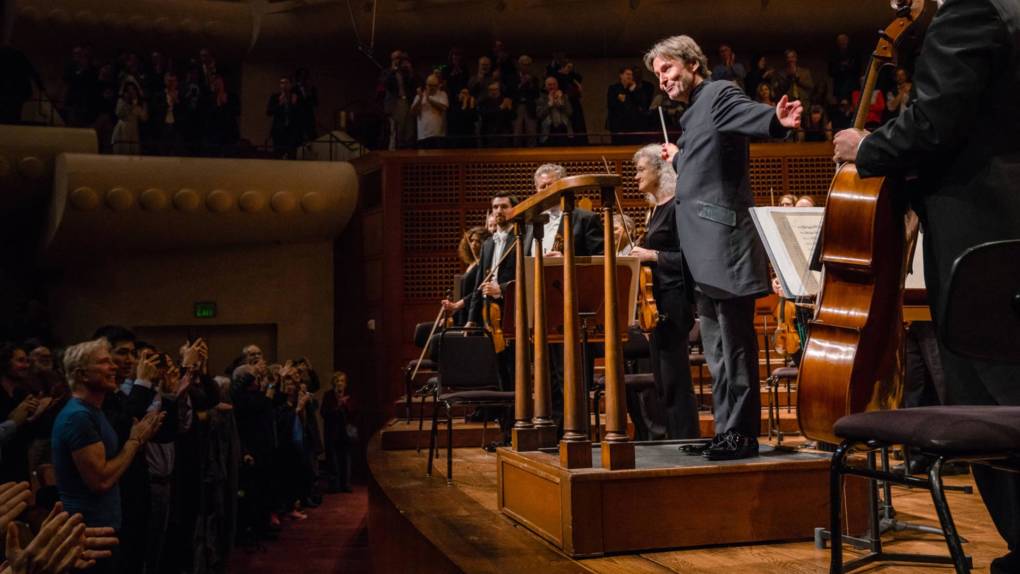
"caption": "Esa-Pekka Salonen conducts the San Francisco Symphony on Jan. 18, 2019.\n",
"description": "Esa-Pekka Salonen conducts the San Francisco Symphony on Jan. 18, 2019.\n",
"title": "EsaPekkaSalonenSymphonyDebu",
"credit": "Brandon Patoc/San Francisco Symphony",
"status": "inherit",
"isLoading": false,
"fetchFailed": false
},
"arts_13954427": {
"type": "attachments",
"id": "arts_13954427",
"meta": {
"index": "attachments_1716263798",
"site": "arts",
"id": "13954427",
"found": true
},
"parent": 13954377,
"imgSizes": {
"twentyfourteen-full-width": {
"file": "https://cdn.kqed.org/wp-content/uploads/sites/2/2024/03/GettyImages-188045496-1038x576.jpg",
"width": 1038,
"mimeType": "image/jpeg",
"height": 576
},
"thumbnail": {
"file": "https://cdn.kqed.org/wp-content/uploads/sites/2/2024/03/GettyImages-188045496-160x108.jpg",
"width": 160,
"mimeType": "image/jpeg",
"height": 108
},
"post-thumbnail": {
"file": "https://cdn.kqed.org/wp-content/uploads/sites/2/2024/03/GettyImages-188045496-672x372.jpg",
"width": 672,
"mimeType": "image/jpeg",
"height": 372
},
"kqedFullSize": {
"file": "https://cdn.kqed.org/wp-content/uploads/sites/2/2024/03/GettyImages-188045496-scaled.jpg",
"width": 2560,
"height": 1732
},
"2048x2048": {
"file": "https://cdn.kqed.org/wp-content/uploads/sites/2/2024/03/GettyImages-188045496-2048x1386.jpg",
"width": 2048,
"mimeType": "image/jpeg",
"height": 1386
},
"large": {
"file": "https://cdn.kqed.org/wp-content/uploads/sites/2/2024/03/GettyImages-188045496-1020x690.jpg",
"width": 1020,
"mimeType": "image/jpeg",
"height": 690
},
"1536x1536": {
"file": "https://cdn.kqed.org/wp-content/uploads/sites/2/2024/03/GettyImages-188045496-1536x1039.jpg",
"width": 1536,
"mimeType": "image/jpeg",
"height": 1039
},
"full-width": {
"file": "https://cdn.kqed.org/wp-content/uploads/sites/2/2024/03/GettyImages-188045496-1920x1299.jpg",
"width": 1920,
"mimeType": "image/jpeg",
"height": 1299
},
"medium": {
"file": "https://cdn.kqed.org/wp-content/uploads/sites/2/2024/03/GettyImages-188045496-800x541.jpg",
"width": 800,
"mimeType": "image/jpeg",
"height": 541
},
"medium_large": {
"file": "https://cdn.kqed.org/wp-content/uploads/sites/2/2024/03/GettyImages-188045496-768x520.jpg",
"width": 768,
"mimeType": "image/jpeg",
"height": 520
}
},
"publishDate": 1710960932,
"modified": 1710964582,
"caption": "The Bring Your Own Big Wheel race is for adults who know the value of good, clean fun ... and who probably don’t have back problems.",
"description": null,
"title": "The Bring Your Own Big Wheel race is for adults who know the value of good, clean fun ... and who probably don’t have back problems.",
"credit": "Tristan Savatier/Getty Images",
"status": "inherit",
"altTag": "An adult riding a children's tricycle extends one leg as he takes a steep turn. He is wearing a helmet.",
"isLoading": false,
"fetchFailed": false
},
"arts_13954282": {
"type": "attachments",
"id": "arts_13954282",
"meta": {
"index": "attachments_1716263798",
"site": "arts",
"id": "13954282",
"found": true
},
"parent": 13954077,
"imgSizes": {
"twentyfourteen-full-width": {
"file": "https://cdn.kqed.org/wp-content/uploads/sites/2/2024/03/August-1038x576.jpg",
"width": 1038,
"mimeType": "image/jpeg",
"height": 576
},
"thumbnail": {
"file": "https://cdn.kqed.org/wp-content/uploads/sites/2/2024/03/August-160x90.jpg",
"width": 160,
"mimeType": "image/jpeg",
"height": 90
},
"post-thumbnail": {
"file": "https://cdn.kqed.org/wp-content/uploads/sites/2/2024/03/August-672x372.jpg",
"width": 672,
"mimeType": "image/jpeg",
"height": 372
},
"kqedFullSize": {
"file": "https://cdn.kqed.org/wp-content/uploads/sites/2/2024/03/August.jpg",
"width": 1047,
"height": 589
},
"large": {
"file": "https://cdn.kqed.org/wp-content/uploads/sites/2/2024/03/August-1020x574.jpg",
"width": 1020,
"mimeType": "image/jpeg",
"height": 574
},
"medium": {
"file": "https://cdn.kqed.org/wp-content/uploads/sites/2/2024/03/August-800x450.jpg",
"width": 800,
"mimeType": "image/jpeg",
"height": 450
},
"medium_large": {
"file": "https://cdn.kqed.org/wp-content/uploads/sites/2/2024/03/August-768x432.jpg",
"width": 768,
"mimeType": "image/jpeg",
"height": 432
}
},
"publishDate": 1710793726,
"modified": 1710793887,
"caption": "August Lee Stevens' new EP, 'Better Places,' drops March 21. 'A lot of the songs that I write are usually me processing different things I’ve gone through, different emotions that I’ve gone through,' she says.",
"description": null,
"title": "August",
"credit": "Janett Perez",
"status": "inherit",
"altTag": "A young Black woman pictured from above, laying in a field of grass and surrounded by flowers, photographed with a wide-angle lens.",
"isLoading": false,
"fetchFailed": false
},
"arts_13953961": {
"type": "attachments",
"id": "arts_13953961",
"meta": {
"index": "attachments_1716263798",
"site": "arts",
"id": "13953961",
"found": true
},
"parent": 13953890,
"imgSizes": {
"twentyfourteen-full-width": {
"file": "https://cdn.kqed.org/wp-content/uploads/sites/2/2024/03/opensfhistory_wnp25.4502-1000x576.jpg",
"width": 1000,
"mimeType": "image/jpeg",
"height": 576
},
"thumbnail": {
"file": "https://cdn.kqed.org/wp-content/uploads/sites/2/2024/03/opensfhistory_wnp25.4502-160x109.jpg",
"width": 160,
"mimeType": "image/jpeg",
"height": 109
},
"post-thumbnail": {
"file": "https://cdn.kqed.org/wp-content/uploads/sites/2/2024/03/opensfhistory_wnp25.4502-672x372.jpg",
"width": 672,
"mimeType": "image/jpeg",
"height": 372
},
"kqedFullSize": {
"file": "https://cdn.kqed.org/wp-content/uploads/sites/2/2024/03/opensfhistory_wnp25.4502.jpg",
"width": 1000,
"height": 683
},
"medium": {
"file": "https://cdn.kqed.org/wp-content/uploads/sites/2/2024/03/opensfhistory_wnp25.4502-800x546.jpg",
"width": 800,
"mimeType": "image/jpeg",
"height": 546
},
"medium_large": {
"file": "https://cdn.kqed.org/wp-content/uploads/sites/2/2024/03/opensfhistory_wnp25.4502-768x525.jpg",
"width": 768,
"mimeType": "image/jpeg",
"height": 525
}
},
"publishDate": 1710287771,
"modified": 1710356627,
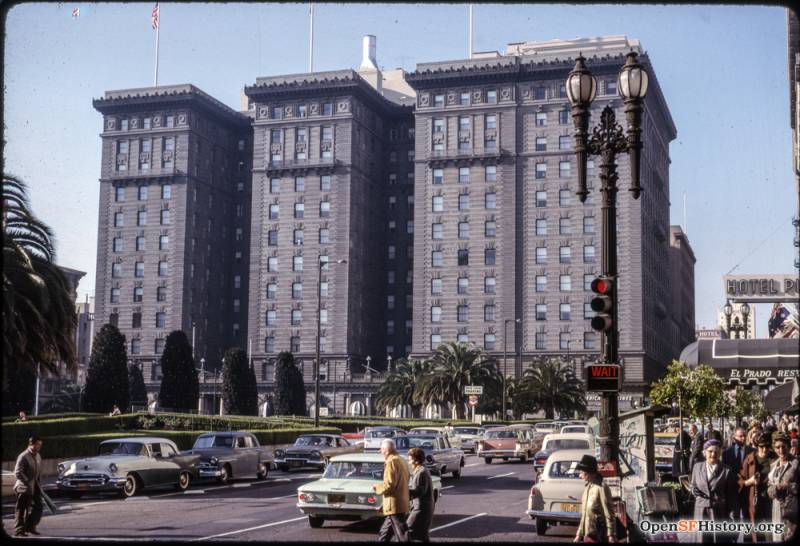
"caption": "The St. Francis Hotel and Union Square as it looked in 1962.",
"description": null,
"title": "The St. Francis Hotel and Union Square as it looked in 1962.",
"credit": "OpenSFHistory/wnp25.4502",
"status": "inherit",
"altTag": null,
"isLoading": false,
"fetchFailed": false
},
"arts_13954238": {
"type": "attachments",
"id": "arts_13954238",
"meta": {
"index": "attachments_1716263798",
"site": "arts",
"id": "13954238",
"found": true
},
"parent": 13954236,
"imgSizes": {
"twentyfourteen-full-width": {
"file": "https://cdn.kqed.org/wp-content/uploads/sites/2/2024/03/boywith-lincoln-7d308f13e48242ab3e78020546c07fcff1660f14-1038x576.jpg",
"width": 1038,
"mimeType": "image/jpeg",
"height": 576
},
"thumbnail": {
"file": "https://cdn.kqed.org/wp-content/uploads/sites/2/2024/03/boywith-lincoln-7d308f13e48242ab3e78020546c07fcff1660f14-160x120.jpg",
"width": 160,
"mimeType": "image/jpeg",
"height": 120
},
"post-thumbnail": {
"file": "https://cdn.kqed.org/wp-content/uploads/sites/2/2024/03/boywith-lincoln-7d308f13e48242ab3e78020546c07fcff1660f14-672x372.jpg",
"width": 672,
"mimeType": "image/jpeg",
"height": 372
},
"kqedFullSize": {
"file": "https://cdn.kqed.org/wp-content/uploads/sites/2/2024/03/boywith-lincoln-7d308f13e48242ab3e78020546c07fcff1660f14-scaled.jpg",
"width": 2560,
"height": 1920
},
"2048x2048": {
"file": "https://cdn.kqed.org/wp-content/uploads/sites/2/2024/03/boywith-lincoln-7d308f13e48242ab3e78020546c07fcff1660f14-2048x1536.jpg",
"width": 2048,
"mimeType": "image/jpeg",
"height": 1536
},
"large": {
"file": "https://cdn.kqed.org/wp-content/uploads/sites/2/2024/03/boywith-lincoln-7d308f13e48242ab3e78020546c07fcff1660f14-1020x765.jpg",
"width": 1020,
"mimeType": "image/jpeg",
"height": 765
},
"1536x1536": {
"file": "https://cdn.kqed.org/wp-content/uploads/sites/2/2024/03/boywith-lincoln-7d308f13e48242ab3e78020546c07fcff1660f14-1536x1152.jpg",
"width": 1536,
"mimeType": "image/jpeg",
"height": 1152
},
"full-width": {
"file": "https://cdn.kqed.org/wp-content/uploads/sites/2/2024/03/boywith-lincoln-7d308f13e48242ab3e78020546c07fcff1660f14-1920x1440.jpg",
"width": 1920,
"mimeType": "image/jpeg",
"height": 1440
},
"medium": {
"file": "https://cdn.kqed.org/wp-content/uploads/sites/2/2024/03/boywith-lincoln-7d308f13e48242ab3e78020546c07fcff1660f14-800x600.jpg",
"width": 800,
"mimeType": "image/jpeg",
"height": 600
},
"medium_large": {
"file": "https://cdn.kqed.org/wp-content/uploads/sites/2/2024/03/boywith-lincoln-7d308f13e48242ab3e78020546c07fcff1660f14-768x576.jpg",
"width": 768,
"mimeType": "image/jpeg",
"height": 576
}
},
"publishDate": 1710778444,
"modified": 1710781532,
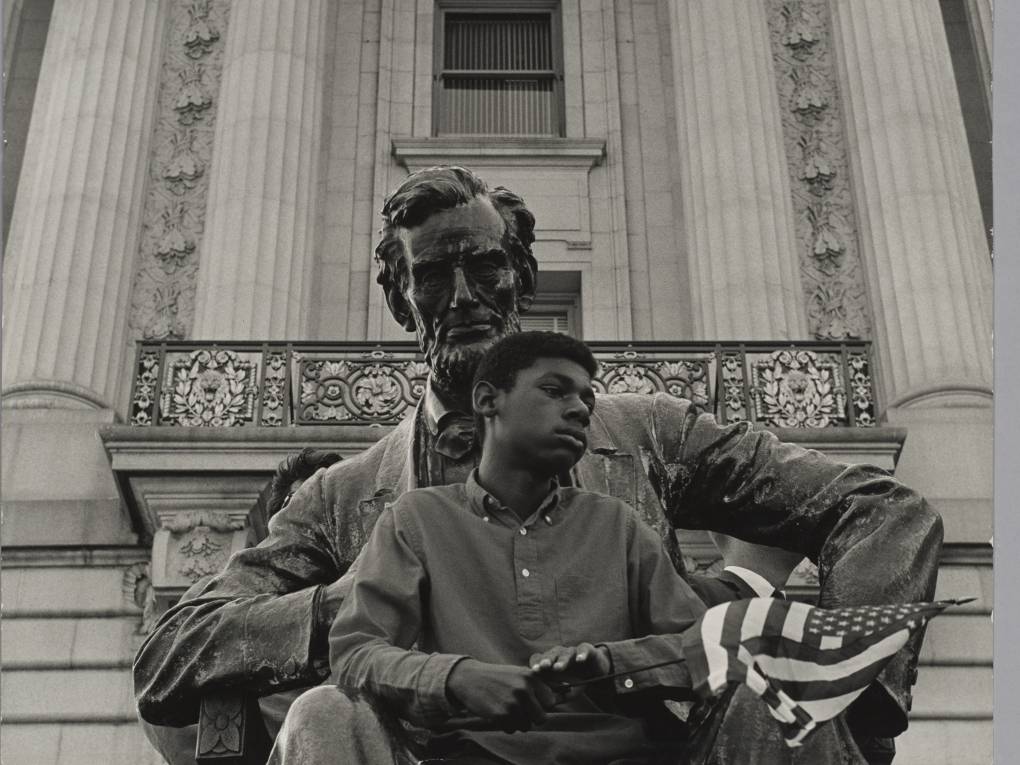
"caption": "'Boy and Lincoln, 1963' by David Johnson.",
"description": "Not to be reproduced in any form without\nwritten permission in advance from:\n Rights and Reproductions\n The Bancroft Library\n University of California\n Berkeley, CA 94720-6000\n\n Please refer to filename\nFor more information:\nhttp://bancroft.berkeley.edu/reference/dsu/",
"title": "'Boy and Lincoln, 1963' by David Johnson.",
"credit": "The David Johnson Photograph Archive, The Bancroft Library, University of California, Berkeley",
"status": "inherit",
"altTag": "Black-and-white photo of young person sitting with American flag in front of Lincoln statue",
"isLoading": false,
"fetchFailed": false
},
"arts_13953900": {
"type": "attachments",
"id": "arts_13953900",
"meta": {
"index": "attachments_1716263798",
"site": "arts",
"id": "13953900",
"found": true
},
"parent": 0,
"imgSizes": {
"twentyfourteen-full-width": {
"file": "https://cdn.kqed.org/wp-content/uploads/sites/2/2024/03/240307-SF-QUAKES-KSM-11-KQED-1038x576.jpg",
"width": 1038,
"mimeType": "image/jpeg",
"height": 576
},
"thumbnail": {
"file": "https://cdn.kqed.org/wp-content/uploads/sites/2/2024/03/240307-SF-QUAKES-KSM-11-KQED-160x107.jpg",
"width": 160,
"mimeType": "image/jpeg",
"height": 107
},
"post-thumbnail": {
"file": "https://cdn.kqed.org/wp-content/uploads/sites/2/2024/03/240307-SF-QUAKES-KSM-11-KQED-672x372.jpg",
"width": 672,
"mimeType": "image/jpeg",
"height": 372
},
"kqedFullSize": {
"file": "https://cdn.kqed.org/wp-content/uploads/sites/2/2024/03/240307-SF-QUAKES-KSM-11-KQED.jpg",
"width": 2000,
"height": 1333
},
"large": {
"file": "https://cdn.kqed.org/wp-content/uploads/sites/2/2024/03/240307-SF-QUAKES-KSM-11-KQED-1020x680.jpg",
"width": 1020,
"mimeType": "image/jpeg",
"height": 680
},
"1536x1536": {
"file": "https://cdn.kqed.org/wp-content/uploads/sites/2/2024/03/240307-SF-QUAKES-KSM-11-KQED-1536x1024.jpg",
"width": 1536,
"mimeType": "image/jpeg",
"height": 1024
},
"full-width": {
"file": "https://cdn.kqed.org/wp-content/uploads/sites/2/2024/03/240307-SF-QUAKES-KSM-11-KQED-1920x1280.jpg",
"width": 1920,
"mimeType": "image/jpeg",
"height": 1280
},
"medium": {
"file": "https://cdn.kqed.org/wp-content/uploads/sites/2/2024/03/240307-SF-QUAKES-KSM-11-KQED-800x533.jpg",
"width": 800,
"mimeType": "image/jpeg",
"height": 533
},
"medium_large": {
"file": "https://cdn.kqed.org/wp-content/uploads/sites/2/2024/03/240307-SF-QUAKES-KSM-11-KQED-768x512.jpg",
"width": 768,
"mimeType": "image/jpeg",
"height": 512
}
},
"publishDate": 1710195882,
"modified": 1710201891,
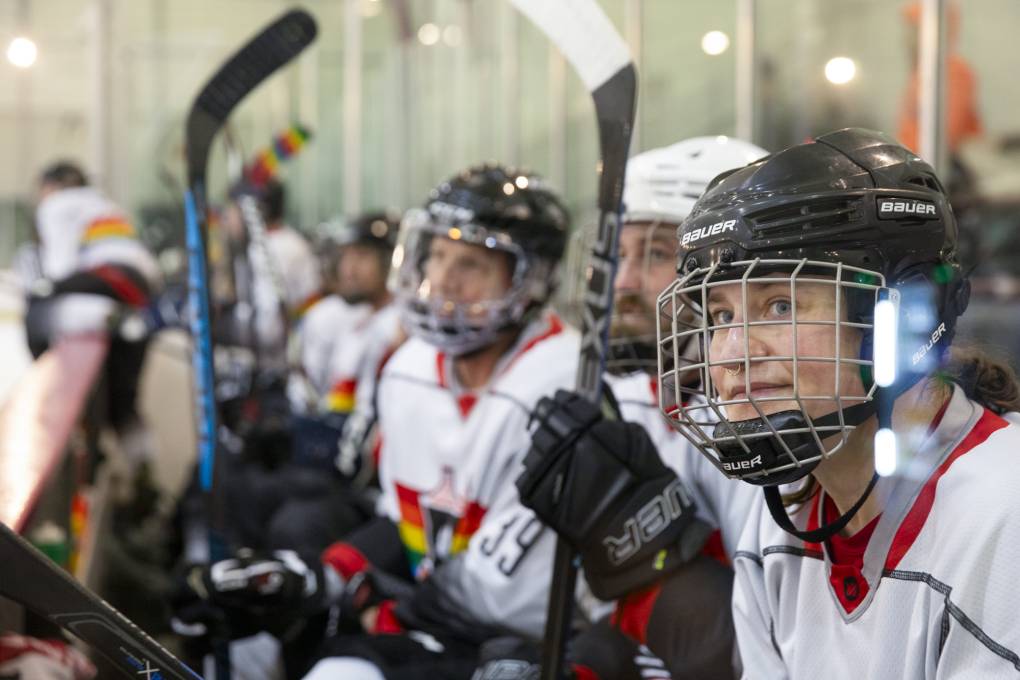
"caption": "Marion Lang (right) of The San Francisco Quakes players at the Yerba Buena Ice Skating and Bowling Center in San Francisco on Mar. 7, 2024.",
"description": null,
"title": "240307-SF-QUAKES-KSM-11-KQED",
"credit": "Kathryn Styer Martínez/KQED",
"status": "inherit",
"altTag": "Hockey players line up at the edge of the rink.",
"isLoading": false,
"fetchFailed": false
},
"arts_13953252": {
"type": "attachments",
"id": "arts_13953252",
"meta": {
"index": "attachments_1716263798",
"site": "arts",
"id": "13953252",
"found": true
},
"parent": 13953248,
"imgSizes": {
"twentyfourteen-full-width": {
"file": "https://cdn.kqed.org/wp-content/uploads/sites/2/2024/02/Screen-Shot-2024-02-29-at-5.20.14-PM-1038x576.png",
"width": 1038,
"mimeType": "image/png",
"height": 576
},
"thumbnail": {
"file": "https://cdn.kqed.org/wp-content/uploads/sites/2/2024/02/Screen-Shot-2024-02-29-at-5.20.14-PM-160x113.png",
"width": 160,
"mimeType": "image/png",
"height": 113
},
"post-thumbnail": {
"file": "https://cdn.kqed.org/wp-content/uploads/sites/2/2024/02/Screen-Shot-2024-02-29-at-5.20.14-PM-672x372.png",
"width": 672,
"mimeType": "image/png",
"height": 372
},
"kqedFullSize": {
"file": "https://cdn.kqed.org/wp-content/uploads/sites/2/2024/02/Screen-Shot-2024-02-29-at-5.20.14-PM.png",
"width": 1770,
"height": 1254
},
"large": {
"file": "https://cdn.kqed.org/wp-content/uploads/sites/2/2024/02/Screen-Shot-2024-02-29-at-5.20.14-PM-1020x723.png",
"width": 1020,
"mimeType": "image/png",
"height": 723
},
"1536x1536": {
"file": "https://cdn.kqed.org/wp-content/uploads/sites/2/2024/02/Screen-Shot-2024-02-29-at-5.20.14-PM-1536x1088.png",
"width": 1536,
"mimeType": "image/png",
"height": 1088
},
"medium": {
"file": "https://cdn.kqed.org/wp-content/uploads/sites/2/2024/02/Screen-Shot-2024-02-29-at-5.20.14-PM-800x567.png",
"width": 800,
"mimeType": "image/png",
"height": 567
},
"medium_large": {
"file": "https://cdn.kqed.org/wp-content/uploads/sites/2/2024/02/Screen-Shot-2024-02-29-at-5.20.14-PM-768x544.png",
"width": 768,
"mimeType": "image/png",
"height": 544
}
},
"publishDate": 1709256179,
"modified": 1709256251,
"caption": "Carol Doda poses outside the Condor in the 1970s.",
"description": null,
"title": "Carol Doda poses outside the Condor in the 1970s.",
"credit": "Tim Boxer/ Getty Images",
"status": "inherit",
"altTag": "A beautiful blond woman wearing a white coat, miniskirt and boots under a marquee advertising Carol Doda at the Condor.",
"isLoading": false,
"fetchFailed": false
},
"arts_13953036": {
"type": "attachments",
"id": "arts_13953036",
"meta": {
"index": "attachments_1716263798",
"site": "arts",
"id": "13953036",
"found": true
},
"parent": 13953032,
"imgSizes": {
"twentyfourteen-full-width": {
"file": "https://cdn.kqed.org/wp-content/uploads/sites/2/2024/02/240215-YBCAGazaProtest-07-BL_qut-1038x576.jpg",
"width": 1038,
"mimeType": "image/jpeg",
"height": 576
},
"thumbnail": {
"file": "https://cdn.kqed.org/wp-content/uploads/sites/2/2024/02/240215-YBCAGazaProtest-07-BL_qut-160x107.jpg",
"width": 160,
"mimeType": "image/jpeg",
"height": 107
},
"post-thumbnail": {
"file": "https://cdn.kqed.org/wp-content/uploads/sites/2/2024/02/240215-YBCAGazaProtest-07-BL_qut-672x372.jpg",
"width": 672,
"mimeType": "image/jpeg",
"height": 372
},
"kqedFullSize": {
"file": "https://cdn.kqed.org/wp-content/uploads/sites/2/2024/02/240215-YBCAGazaProtest-07-BL_qut.jpg",
"width": 1920,
"height": 1280
},
"large": {
"file": "https://cdn.kqed.org/wp-content/uploads/sites/2/2024/02/240215-YBCAGazaProtest-07-BL_qut-1020x680.jpg",
"width": 1020,
"mimeType": "image/jpeg",
"height": 680
},
"1536x1536": {
"file": "https://cdn.kqed.org/wp-content/uploads/sites/2/2024/02/240215-YBCAGazaProtest-07-BL_qut-1536x1024.jpg",
"width": 1536,
"mimeType": "image/jpeg",
"height": 1024
},
"medium": {
"file": "https://cdn.kqed.org/wp-content/uploads/sites/2/2024/02/240215-YBCAGazaProtest-07-BL_qut-800x533.jpg",
"width": 800,
"mimeType": "image/jpeg",
"height": 533
},
"medium_large": {
"file": "https://cdn.kqed.org/wp-content/uploads/sites/2/2024/02/240215-YBCAGazaProtest-07-BL_qut-768x512.jpg",
"width": 768,
"mimeType": "image/jpeg",
"height": 512
}
},
"publishDate": 1708991323,
"modified": 1708991390,
"caption": "A sign covers art by Tracy Ren during a protest calling for a ceasefire in Gaza at the show Bay Area Now at Yerba Buena Center for the Arts in San Francisco on Feb. 15, 2024.",
"description": null,
"title": "240215-YBCAGazaProtest-07-BL_qut",
"credit": "Beth LaBerge/KQED",
"status": "inherit",
"altTag": "A sign over a wool rug reads \"No More Blood Money - Ceasefire Now!\"",
"isLoading": false,
"fetchFailed": false
},
"arts_13954060": {
"type": "attachments",
"id": "arts_13954060",
"meta": {
"index": "attachments_1716263798",
"site": "arts",
"id": "13954060",
"found": true
},
"parent": 13954039,
"imgSizes": {
"twentyfourteen-full-width": {
"file": "https://cdn.kqed.org/wp-content/uploads/sites/2/2024/03/JoeHisaishi.OmarCruz-1038x576.jpg",
"width": 1038,
"mimeType": "image/jpeg",
"height": 576
},
"thumbnail": {
"file": "https://cdn.kqed.org/wp-content/uploads/sites/2/2024/03/JoeHisaishi.OmarCruz-160x100.jpg",
"width": 160,
"mimeType": "image/jpeg",
"height": 100
},
"post-thumbnail": {
"file": "https://cdn.kqed.org/wp-content/uploads/sites/2/2024/03/JoeHisaishi.OmarCruz-672x372.jpg",
"width": 672,
"mimeType": "image/jpeg",
"height": 372
},
"kqedFullSize": {
"file": "https://cdn.kqed.org/wp-content/uploads/sites/2/2024/03/JoeHisaishi.OmarCruz.jpg",
"width": 2500,
"height": 1563
},
"2048x2048": {
"file": "https://cdn.kqed.org/wp-content/uploads/sites/2/2024/03/JoeHisaishi.OmarCruz-2048x1280.jpg",
"width": 2048,
"mimeType": "image/jpeg",
"height": 1280
},
"large": {
"file": "https://cdn.kqed.org/wp-content/uploads/sites/2/2024/03/JoeHisaishi.OmarCruz-1020x638.jpg",
"width": 1020,
"mimeType": "image/jpeg",
"height": 638
},
"1536x1536": {
"file": "https://cdn.kqed.org/wp-content/uploads/sites/2/2024/03/JoeHisaishi.OmarCruz-1536x960.jpg",
"width": 1536,
"mimeType": "image/jpeg",
"height": 960
},
"full-width": {
"file": "https://cdn.kqed.org/wp-content/uploads/sites/2/2024/03/JoeHisaishi.OmarCruz-1920x1200.jpg",
"width": 1920,
"mimeType": "image/jpeg",
"height": 1200
},
"medium": {
"file": "https://cdn.kqed.org/wp-content/uploads/sites/2/2024/03/JoeHisaishi.OmarCruz-800x500.jpg",
"width": 800,
"mimeType": "image/jpeg",
"height": 500
},
"medium_large": {
"file": "https://cdn.kqed.org/wp-content/uploads/sites/2/2024/03/JoeHisaishi.OmarCruz-768x480.jpg",
"width": 768,
"mimeType": "image/jpeg",
"height": 480
}
},
"publishDate": 1710374240,
"modified": 1710374848,
"caption": "Joe Hisaishi, who has composed music for Studio Ghibli films for four decades, conducts the San Francisco Symphony in a program of his famous film scores on Sept. 5–8 at Davies Symphony Hall.",
"description": null,
"title": "JoeHisaishi.OmarCruz",
"credit": "Omar Cruz",
"status": "inherit",
"altTag": "A Japanese man sits at a piano with an abstract pattern on the wall in the background",
"isLoading": false,
"fetchFailed": false
},
"arts_13954087": {
"type": "attachments",
"id": "arts_13954087",
"meta": {
"index": "attachments_1716263798",
"site": "arts",
"id": "13954087",
"found": true
},
"parent": 13954083,
"imgSizes": {
"twentyfourteen-full-width": {
"file": "https://cdn.kqed.org/wp-content/uploads/sites/2/2024/03/Salonen.Thumb_.16x9-1038x576.jpg",
"width": 1038,
"mimeType": "image/jpeg",
"height": 576
},
"thumbnail": {
"file": "https://cdn.kqed.org/wp-content/uploads/sites/2/2024/03/Salonen.Thumb_.16x9-160x90.jpg",
"width": 160,
"mimeType": "image/jpeg",
"height": 90
},
"post-thumbnail": {
"file": "https://cdn.kqed.org/wp-content/uploads/sites/2/2024/03/Salonen.Thumb_.16x9-672x372.jpg",
"width": 672,
"mimeType": "image/jpeg",
"height": 372
},
"kqedFullSize": {
"file": "https://cdn.kqed.org/wp-content/uploads/sites/2/2024/03/Salonen.Thumb_.16x9.jpg",
"width": 1920,
"height": 1080
},
"large": {
"file": "https://cdn.kqed.org/wp-content/uploads/sites/2/2024/03/Salonen.Thumb_.16x9-1020x574.jpg",
"width": 1020,
"mimeType": "image/jpeg",
"height": 574
},
"1536x1536": {
"file": "https://cdn.kqed.org/wp-content/uploads/sites/2/2024/03/Salonen.Thumb_.16x9-1536x864.jpg",
"width": 1536,
"mimeType": "image/jpeg",
"height": 864
},
"medium": {
"file": "https://cdn.kqed.org/wp-content/uploads/sites/2/2024/03/Salonen.Thumb_.16x9-800x450.jpg",
"width": 800,
"mimeType": "image/jpeg",
"height": 450
},
"medium_large": {
"file": "https://cdn.kqed.org/wp-content/uploads/sites/2/2024/03/Salonen.Thumb_.16x9-768x432.jpg",
"width": 768,
"mimeType": "image/jpeg",
"height": 432
}
},
"publishDate": 1710433521,
"modified": 1710433552,
"caption": "Esa-Pekka Salonen, Music Director of the San Francisco Symphony, will exit his position in June 2025 at the end of his five-year contract.",
"description": null,
"title": "Salonen.Thumb.16x9",
"credit": "Cody Pickens",
"status": "inherit",
"altTag": "A middle-aged white man in black clothing stands against a black background, hands clasped at front.",
"isLoading": false,
"fetchFailed": false
}
},
"audioPlayerReducer": {
"postId": "stream_live",
"isPaused": true,
"isPlaying": false,
"pfsActive": false,
"pledgeModalIsOpen": true,
"playerDrawerIsOpen": false,
"liveAudioPlayStartedAt": 0,
"liveAudioPlayContext": ""
},
"authorsReducer": {
"byline_arts_13954236": {
"type": "authors",
"id": "byline_arts_13954236",
"meta": {
"override": true
},
"slug": "byline_arts_13954236",
"name": "Chloe Veltman",
"isLoading": false
},
"byline_arts_13953910": {
"type": "authors",
"id": "byline_arts_13953910",
"meta": {
"override": true
},
"slug": "byline_arts_13953910",
"name": "Myron Caringal ",
"isLoading": false
},
"gmeline": {
"type": "authors",
"id": "185",
"meta": {
"index": "authors_1716337520",
"id": "185",
"found": true
},
"name": "Gabe Meline",
"firstName": "Gabe",
"lastName": "Meline",
"slug": "gmeline",
"email": "gmeline@kqed.org",
"display_author_email": true,
"staff_mastheads": [
"arts"
],
"title": "Senior Editor, KQED Arts & Culture",
"bio": "Gabe Meline entered journalism at age 15 making photocopied zines, and has since earned awards from the Edward R. Murrow Awards, the Society for Professional Journalists, the Online Journalism Awards, the Association of Alternative Newsweeklies and the California Newspaper Publishers Association. Prior to KQED, he was the editor of the \u003cem>North Bay Bohemian\u003c/em> and a touring musician. He lives with his wife and daughter in his hometown of Santa Rosa, CA.",
"avatar": "https://secure.gravatar.com/avatar/5bebe57be0d8bc2dd318934feb47299e2d2d10cba28d09d8d7afb389a2ce2bdd?s=600&d=blank&r=g",
"twitter": null,
"bluesky": null,
"facebook": null,
"instagram": null,
"linkedin": null,
"sites": [
{
"site": "",
"roles": [
"editor"
]
},
{
"site": "arts",
"roles": [
"administrator"
]
},
{
"site": "artschool",
"roles": [
"editor"
]
},
{
"site": "news",
"roles": [
"author"
]
},
{
"site": "pop",
"roles": [
"editor"
]
},
{
"site": "bayareabites",
"roles": [
"editor"
]
},
{
"site": "food",
"roles": [
"editor"
]
},
{
"site": "forum",
"roles": [
"administrator"
]
},
{
"site": "liveblog",
"roles": [
"editor"
]
},
{
"site": "hiphop",
"roles": [
"editor"
]
}
],
"headData": {
"title": "Gabe Meline | KQED",
"description": "Senior Editor, KQED Arts & Culture",
"ogImgSrc": "https://secure.gravatar.com/avatar/5bebe57be0d8bc2dd318934feb47299e2d2d10cba28d09d8d7afb389a2ce2bdd?s=600&d=blank&r=g",
"twImgSrc": "https://secure.gravatar.com/avatar/5bebe57be0d8bc2dd318934feb47299e2d2d10cba28d09d8d7afb389a2ce2bdd?s=600&d=blank&r=g"
},
"isLoading": false,
"link": "/author/gmeline"
},
"ralexandra": {
"type": "authors",
"id": "11242",
"meta": {
"index": "authors_1716337520",
"id": "11242",
"found": true
},
"name": "Rae Alexandra",
"firstName": "Rae",
"lastName": "Alexandra",
"slug": "ralexandra",
"email": "ralexandra@kqed.org",
"display_author_email": true,
"staff_mastheads": [],
"title": "Reporter/Producer",
"bio": "Rae Alexandra is a Reporter/Producer for KQED Arts & Culture, and the creator/author of the \u003ca href=\"https://www.kqed.org/arts/program/rebel-girls-from-bay-area-history\">Rebel Girls From Bay Area History\u003c/a> and \u003ca href=\"https://www.kqed.org/bizarrebayarea\">Bizarre Bay Area\u003c/a> series. Her debut book, \u003ca href=\"https://citylights.com/politics-current-events-history/unsung-heroines35-women-who-changed/\">Unsung Heroines: 35 Women Who Changed the Bay Area\u003c/a> was published by City Lights in March 2026. In 2023, Rae was awarded an SPJ Excellence in Journalism Award for Arts & Culture. Rae was born and raised in Wales and subsequently — even after two decades in Northern California — still uses phrases that regularly baffle her coworkers.",
"avatar": "https://secure.gravatar.com/avatar/edfee8176c80cc0a382b051190f5341997df378a934a5774dcb0977732dfd401?s=600&d=blank&r=g",
"twitter": null,
"bluesky": null,
"facebook": null,
"instagram": null,
"linkedin": null,
"sites": [
{
"site": "arts",
"roles": [
"subscriber"
]
},
{
"site": "news",
"roles": [
"subscriber"
]
},
{
"site": "pop",
"roles": [
"subscriber"
]
},
{
"site": "bayareabites",
"roles": [
"subscriber"
]
},
{
"site": "science",
"roles": [
"subscriber"
]
}
],
"headData": {
"title": "Rae Alexandra | KQED",
"description": "Reporter/Producer",
"ogImgSrc": "https://secure.gravatar.com/avatar/edfee8176c80cc0a382b051190f5341997df378a934a5774dcb0977732dfd401?s=600&d=blank&r=g",
"twImgSrc": "https://secure.gravatar.com/avatar/edfee8176c80cc0a382b051190f5341997df378a934a5774dcb0977732dfd401?s=600&d=blank&r=g"
},
"isLoading": false,
"link": "/author/ralexandra"
},
"nvoynovskaya": {
"type": "authors",
"id": "11387",
"meta": {
"index": "authors_1716337520",
"id": "11387",
"found": true
},
"name": "Nastia Voynovskaya",
"firstName": "Nastia",
"lastName": "Voynovskaya",
"slug": "nvoynovskaya",
"email": "nvoynovskaya@kqed.org",
"display_author_email": false,
"staff_mastheads": [
"arts"
],
"title": "Editor and reporter",
"bio": "Nastia Voynovskaya is a reporter, editor and host at KQED Arts & Culture. She's been covering the arts in the Bay Area for over a decade, with a focus on music, queer culture, labor issues and grassroots organizing. She has edited KQED story series such as Trans Bay: A History of San Francisco's Gender-Diverse Community, and co-created KQED's Bay Area hip-hop history project, That's My Word. Nastia's work has been recognized by the Society of Professional Journalists and San Francisco Press Club. She regularly appears on podcasts and radio programs, including NPR's All Songs Considered, and hosts live events where music, culture and conversation meet.",
"avatar": "https://secure.gravatar.com/avatar/5025ee460e5a85d69ca20ea6c6f2f80d7e17795c828f61ea3aecfcd924e9042e?s=600&d=blank&r=g",
"twitter": null,
"bluesky": null,
"facebook": null,
"instagram": "https://www.instagram.com/nananastia/",
"linkedin": null,
"sites": [
{
"site": "",
"roles": [
"editor"
]
},
{
"site": "arts",
"roles": [
"administrator"
]
},
{
"site": "news",
"roles": [
"editor"
]
},
{
"site": "pop",
"roles": [
"administrator"
]
},
{
"site": "bayareabites",
"roles": [
"editor"
]
},
{
"site": "podcasts",
"roles": [
"editor"
]
},
{
"site": "hiphop",
"roles": [
"editor"
]
}
],
"headData": {
"title": "Nastia Voynovskaya | KQED",
"description": "Editor and reporter",
"ogImgSrc": "https://secure.gravatar.com/avatar/5025ee460e5a85d69ca20ea6c6f2f80d7e17795c828f61ea3aecfcd924e9042e?s=600&d=blank&r=g",
"twImgSrc": "https://secure.gravatar.com/avatar/5025ee460e5a85d69ca20ea6c6f2f80d7e17795c828f61ea3aecfcd924e9042e?s=600&d=blank&r=g"
},
"isLoading": false,
"link": "/author/nvoynovskaya"
},
"ogpenn": {
"type": "authors",
"id": "11491",
"meta": {
"index": "authors_1716337520",
"id": "11491",
"found": true
},
"name": "Pendarvis Harshaw",
"firstName": "Pendarvis",
"lastName": "Harshaw",
"slug": "ogpenn",
"email": "ogpenn@gmail.com",
"display_author_email": false,
"staff_mastheads": [
"arts"
],
"title": "Community Engagement Reporter",
"bio": "Pendarvis Harshaw is an educator, host and writer with KQED Arts.",
"avatar": "https://secure.gravatar.com/avatar/972b77ee8e3f346ae2b00622661187fbfabd059b5693bbdc1475ea7a722fd4cd?s=600&d=blank&r=g",
"twitter": null,
"bluesky": null,
"facebook": null,
"instagram": "ogpenn",
"linkedin": null,
"sites": [
{
"site": "arts",
"roles": [
"administrator"
]
},
{
"site": "news",
"roles": [
"editor"
]
},
{
"site": "bayareabites",
"roles": [
"author"
]
},
{
"site": "hiphop",
"roles": [
"editor"
]
}
],
"headData": {
"title": "Pendarvis Harshaw | KQED",
"description": "Community Engagement Reporter",
"ogImgSrc": "https://secure.gravatar.com/avatar/972b77ee8e3f346ae2b00622661187fbfabd059b5693bbdc1475ea7a722fd4cd?s=600&d=blank&r=g",
"twImgSrc": "https://secure.gravatar.com/avatar/972b77ee8e3f346ae2b00622661187fbfabd059b5693bbdc1475ea7a722fd4cd?s=600&d=blank&r=g"
},
"isLoading": false,
"link": "/author/ogpenn"
},
"mmedina": {
"type": "authors",
"id": "11528",
"meta": {
"index": "authors_1716337520",
"id": "11528",
"found": true
},
"name": "Marisol Medina-Cadena",
"firstName": "Marisol",
"lastName": "Medina-Cadena",
"slug": "mmedina",
"email": "mmedina@KQED.org",
"display_author_email": true,
"staff_mastheads": [],
"title": "Producer, Rightnowish Podcast",
"bio": "Marisol Medina-Cadena is a radio reporter and podcast producer. Before working at KQED, she produced for PBS member station, KCET, in Los Angeles. In 2017, Marisol won an Emmy Award for her work on the televised documentary, \u003cem>City Rising\u003c/em>, examining California's affordable housing crisis and the historical roots of gentrification.",
"avatar": "https://secure.gravatar.com/avatar/6c3db46a1cabb5e1fe9a365b5f4e681e?s=600&d=blank&r=g",
"twitter": "marisolreports",
"facebook": null,
"instagram": null,
"linkedin": null,
"sites": [
{
"site": "arts",
"roles": []
},
{
"site": "news",
"roles": [
"edit_others_posts"
]
}
],
"headData": {
"title": "Marisol Medina-Cadena | KQED",
"description": "Producer, Rightnowish Podcast",
"ogImgSrc": "https://secure.gravatar.com/avatar/6c3db46a1cabb5e1fe9a365b5f4e681e?s=600&d=blank&r=g",
"twImgSrc": "https://secure.gravatar.com/avatar/6c3db46a1cabb5e1fe9a365b5f4e681e?s=600&d=blank&r=g"
},
"isLoading": false,
"link": "/author/mmedina"
}
},
"pagesReducer": {
"arts_tag_san-francisco": {
"type": "terms",
"id": "arts_1146",
"meta": {
"index": "terms_1716263798",
"site": "arts",
"id": "1146",
"score": 6.7229023
},
"featImg": null,
"name": "San Francisco",
"description": null,
"taxonomy": "tag",
"headData": {
"twImgId": null,
"twTitle": null,
"ogTitle": null,
"ogImgId": null,
"twDescription": null,
"description": null,
"title": "San Francisco Archives | KQED Arts",
"ogDescription": null
},
"ttid": 701,
"slug": "san-francisco",
"isLoading": false,
"title": "San Francisco",
"pageMeta": {
"site": "arts",
"WpPageTemplate": "page-topic-editorial",
"currentPage": 29
},
"blocks": [
{
"blockName": "kqed/post-list",
"attrs": {
"layout": "cardArticle2",
"query": "posts/arts?tag=san-francisco",
"seeMore": false,
"paginated": true,
"page": 29
}
},
{
"blockName": "kqed/ad"
}
]
}
},
"pfsSessionReducer": {},
"postsReducer": {
"stream_live": {
"type": "live",
"id": "stream_live",
"audioUrl": "https://streams.kqed.org/kqedradio",
"title": "Live Stream",
"excerpt": "Live Stream information currently unavailable.",
"link": "/radio",
"featImg": "",
"label": {
"name": "KQED Live",
"link": "/"
}
},
"stream_kqedNewscast": {
"type": "posts",
"id": "stream_kqedNewscast",
"audioUrl": "https://www.kqed.org/.stream/anon/radio/RDnews/newscast.mp3?_=1",
"title": "KQED Newscast",
"featImg": "",
"label": {
"name": "88.5 FM",
"link": "/"
}
},
"arts_13954520": {
"type": "posts",
"id": "arts_13954520",
"meta": {
"index": "posts_1716263798",
"site": "arts",
"id": "13954520",
"score": null,
"sort": [
1711043746000
]
},
"parent": 0,
"labelTerm": {
"site": "arts"
},
"blocks": [],
"publishDate": 1711043746,
"format": "standard",
"title": "Remembering Zoe Reidy Watts, an Artist Who Embodied ‘Radical Love’",
"headTitle": "Remembering Zoe Reidy Watts, an Artist Who Embodied ‘Radical Love’ | KQED",
"content": "\u003cp>People close to Zoe Nika Reidy Watts remember her for her exuberant energy. At friends’ shows, she’d usually be in the front, cheering the loudest. In poetry workshops, she would volunteer to share first, making others feel comfortable with getting vulnerable, too. And in the ceramics studio, her warmth and enthusiasm left everyone in the room feeling at ease.\u003c/p>\n\u003cp>The young artist’s death is deeply felt in the many creative communities she was a part of in Oakland and San Francisco. On March 1, the 25-year-old was \u003ca href=\"https://www.mercurynews.com/2024/03/08/oakland-man-charged-with-beating-girlfriend-to-death/\">killed in an alleged domestic violence incident\u003c/a> in her boyfriend Victor Frieson III’s Oakland apartment. Frieson is currently being held without bail on murder charges in Santa Rita Jail in Dublin.\u003c/p>\n\u003cp>“Some people grieve alone. I can’t this time around because my friendship with Zoe was so marked and largely defined by our connection to community,” says musician and activist \u003ca href=\"https://www.instagram.com/jadaimani510\">Jada Imani\u003c/a>, who is \u003ca href=\"https://www.instagram.com/p/C4dqWXNxprl/?img_index=5\">organizing a memorial event\u003c/a> for Reidy Watts at Oakland’s Alan Blueford Center for Justice on March 31. A similar gathering was held recently at Clayroom SF, where Reidy Watts was an artist in residence, and another is planned for \u003ca href=\"https://www.instagram.com/p/C4wmHQsRlOU/?img_index=1\">March 21 at her alma mater\u003c/a>, San Francisco State University.\u003c/p>\n\u003cfigure id=\"attachment_13954539\" class=\"wp-caption aligncenter\" style=\"max-width: 1512px\">\u003cimg loading=\"lazy\" decoding=\"async\" class=\"size-full wp-image-13954539\" src=\"https://cdn.kqed.org/wp-content/uploads/sites/2/2024/03/IMG_7629.jpeg\" alt=\"\" width=\"1512\" height=\"2016\" srcset=\"https://cdn.kqed.org/wp-content/uploads/sites/2/2024/03/IMG_7629.jpeg 1512w, https://cdn.kqed.org/wp-content/uploads/sites/2/2024/03/IMG_7629-800x1067.jpeg 800w, https://cdn.kqed.org/wp-content/uploads/sites/2/2024/03/IMG_7629-1020x1360.jpeg 1020w, https://cdn.kqed.org/wp-content/uploads/sites/2/2024/03/IMG_7629-160x213.jpeg 160w, https://cdn.kqed.org/wp-content/uploads/sites/2/2024/03/IMG_7629-768x1024.jpeg 768w, https://cdn.kqed.org/wp-content/uploads/sites/2/2024/03/IMG_7629-1152x1536.jpeg 1152w\" sizes=\"(max-width: 1512px) 100vw, 1512px\">\u003cfigcaption class=\"wp-caption-text\">Zoe Reidy Watts in 2023. \u003ccite>(Eric Peterson)\u003c/cite>\u003c/figcaption>\u003c/figure>\n\u003cp>Imani describes her connection with Reidy Watts as “cosmic.” The two became close in high school. They shared the same birthday, and bonded over their mixed Black and white heritage and similar upbringing.\u003c/p>\n\u003cp>“So basically we were twins,” Imani says. “We started just doing life together — making our vision boards together, making art together, visiting jams and cyphers and open mics and gatherings together. And healing, really getting into the generational trauma and challenges, and our role on planet Earth and the kind of people we wanted to be, the magic we wanted to conjure.”\u003c/p>\n\u003cp>[ad fullwidth]\u003c/p>\n\u003cp>Reidy Watts’ artistic talents and drive were evident early on. As a teen, she joined Youth Speaks’ SPOKES Youth Advisory Board, and began performing at poetry slams. Poet \u003ca href=\"https://www.instagram.com/jtlusong/\">Jean JT Teodoro\u003c/a> was the program coordinator at the time, and remembers her enthusiastic, vibrant presence.\u003c/p>\n\u003cp>“She persevered through a lot of struggle [at home],” Teodoro says, “and she [was] also a role model.”\u003c/p>\n\u003cfigure id=\"attachment_13954541\" class=\"wp-caption aligncenter\" style=\"max-width: 1920px\">\u003cimg loading=\"lazy\" decoding=\"async\" class=\"size-full wp-image-13954541\" src=\"https://cdn.kqed.org/wp-content/uploads/sites/2/2024/03/IMG_1891-scaled.jpeg\" alt=\"A young woman lays in the grass at Lake Merritt.\" width=\"1920\" height=\"2560\" srcset=\"https://cdn.kqed.org/wp-content/uploads/sites/2/2024/03/IMG_1891-scaled.jpeg 1920w, https://cdn.kqed.org/wp-content/uploads/sites/2/2024/03/IMG_1891-800x1067.jpeg 800w, https://cdn.kqed.org/wp-content/uploads/sites/2/2024/03/IMG_1891-1020x1360.jpeg 1020w, https://cdn.kqed.org/wp-content/uploads/sites/2/2024/03/IMG_1891-160x213.jpeg 160w, https://cdn.kqed.org/wp-content/uploads/sites/2/2024/03/IMG_1891-768x1024.jpeg 768w, https://cdn.kqed.org/wp-content/uploads/sites/2/2024/03/IMG_1891-1152x1536.jpeg 1152w, https://cdn.kqed.org/wp-content/uploads/sites/2/2024/03/IMG_1891-1536x2048.jpeg 1536w\" sizes=\"(max-width: 1920px) 100vw, 1920px\">\u003cfigcaption class=\"wp-caption-text\">Zoe Reidy Watts. \u003ccite>(Sasha Tahergorabi)\u003c/cite>\u003c/figcaption>\u003c/figure>\n\u003cp>Teodoro never forgot Reidy Watts’ performance at the 2017 Youth Speaks Teen Poetry Slam, where her verses revealed a sharp analysis of class inequality that was well beyond her years. “She was talking about how people were being exploited [and] commodified, and how there are a wealthy few who are taking too much,” they add.\u003c/p>\n\u003cp>In those days, Reidy Watts had a \u003ca href=\"https://www.youtube.com/@crazygirlheartbreaka\">YouTube channel\u003c/a> where she’d upload videos of herself in her bedroom, reciting poems where she reflected on her personal growth and offered encouraging words for others. Over the years, her love of poetry expanded into rapping and hosting open mics.\u003c/p>\n\u003cp>https://youtu.be/vnPhi8HH-N8?si=REYfE2g82ZPTNeTF\u003c/p>\n\u003cp>“She was so unafraid to put her whole self into her art with no embarrassment, no shame,” says musician \u003ca href=\"https://www.instagram.com/1yciaa\">Lycia Yousfi\u003c/a>, another friend since high school. “You would look at it and be like, ‘I feel something from this.’”\u003c/p>\n\u003cp>Yousfi considered Reidy Watts to be an embodiment of what she calls “radical love.” She was “the first person who really pushed me to be positive and be happy despite the circumstances,” Yousfi says.\u003c/p>\n\u003cp>Photographer and interdisciplinary artist \u003ca href=\"https://www.instagram.com/gaia.te/\">Gaia\u003c/a> also had a spiritual connection with Reidy Watts. With another close friend, they formed a spiritual group called Bay Area Brujxs, where they came together to “learn about different types of Indigenous wisdom, altar building, poetry making, painting,” she says.\u003c/p>\n\u003cfigure id=\"attachment_13954547\" class=\"wp-caption aligncenter\" style=\"max-width: 2560px\">\u003cimg loading=\"lazy\" decoding=\"async\" class=\"size-full wp-image-13954547\" src=\"https://cdn.kqed.org/wp-content/uploads/sites/2/2024/03/48057411378_2f29dace91_o-1-scaled.jpg\" alt=\"\" width=\"2560\" height=\"1707\" srcset=\"https://cdn.kqed.org/wp-content/uploads/sites/2/2024/03/48057411378_2f29dace91_o-1-scaled.jpg 2560w, https://cdn.kqed.org/wp-content/uploads/sites/2/2024/03/48057411378_2f29dace91_o-1-800x533.jpg 800w, https://cdn.kqed.org/wp-content/uploads/sites/2/2024/03/48057411378_2f29dace91_o-1-1020x680.jpg 1020w, https://cdn.kqed.org/wp-content/uploads/sites/2/2024/03/48057411378_2f29dace91_o-1-160x107.jpg 160w, https://cdn.kqed.org/wp-content/uploads/sites/2/2024/03/48057411378_2f29dace91_o-1-768x512.jpg 768w, https://cdn.kqed.org/wp-content/uploads/sites/2/2024/03/48057411378_2f29dace91_o-1-1536x1024.jpg 1536w, https://cdn.kqed.org/wp-content/uploads/sites/2/2024/03/48057411378_2f29dace91_o-1-2048x1365.jpg 2048w, https://cdn.kqed.org/wp-content/uploads/sites/2/2024/03/48057411378_2f29dace91_o-1-1920x1280.jpg 1920w\" sizes=\"(max-width: 2560px) 100vw, 2560px\">\u003cfigcaption class=\"wp-caption-text\">Zoe Reidy Watts (center) and friends model hoodies she designed. \u003ccite>(Gaia)\u003c/cite>\u003c/figcaption>\u003c/figure>\n\u003cp>Her commitment to community was also evident in the way she supported her friends through challenging life circumstances, including abusive relationships and family problems. Her sisterhood, Gaia says, “healed me through one of the hardest things that I’ve ever had to experience.”\u003c/p>\n\u003cp>Gender-based violence was the subject of a body of screen printed work Reidy Watts created in 2019 for an Oakland exhibition called \u003ca href=\"https://rootsartistregistry.com/eve.html?fbclid=IwAR3xkV1m9xl9D9R2ArBZQslbBYIBYtQaxOfRrnxyxRnZ0zaGPJr8I1K-0kE\">\u003cem>EvE: Empowerment vs. Exploitation\u003c/em>\u003c/a>, presented by the arts nonprofit Tea Roots. She made pieces that addressed her Black foremothers’ trauma, and grappled with her mixed identity.\u003c/p>\n\u003cp>A piece called \u003ci>Ghost Ride the Wind\u003c/i> turned the focus to healing. In her artist statement, Reidy Watts wrote: “The image is one of safety. The mother is passing down the secrets of the wind to her children as they look up to their ancestors riding the wind in the sky. It is these moments of beauty … that we feel safe enough to heal from the trauma in our blood.”\u003c/p>\n\u003cp>In 2020, Reidy Watts worked as a screen printing instructor at Mission Cultural Center for Latino Arts. Two years later, she got a job at Clayroom SF as a technician, and became an \u003ca href=\"https://www.instagram.com/clayroomsf/p/CvtHAVlLpS7/?img_index=1\">artist in residence\u003c/a> in 2023. She spent her residency building out a world of amoeba-like ceramic organisms inspired by her love of nature. \u003ca href=\"https://www.instagram.com/cicada.ceramics/?hl=en\">Jonah Nuñez\u003c/a>, the studio manager at the time, says it became clear she was going through difficulties when she missed sessions, but she was determined to push through and complete her exhibition.\u003c/p>\n\u003cp>“I vividly remember her emotions after the show and how proud she was,” he says. “She kept saying that this is only the start. She immediately applied to other residencies. … It was really cool to see how empowered she felt.”\u003c/p>\n\u003cfigure id=\"attachment_13954544\" class=\"wp-caption aligncenter\" style=\"max-width: 2560px\">\u003cimg loading=\"lazy\" decoding=\"async\" class=\"size-full wp-image-13954544\" src=\"https://cdn.kqed.org/wp-content/uploads/sites/2/2024/03/IMG_6756-scaled.jpg\" alt=\"A group of friends laugh together. \" width=\"2560\" height=\"1707\" srcset=\"https://cdn.kqed.org/wp-content/uploads/sites/2/2024/03/IMG_6756-scaled.jpg 2560w, https://cdn.kqed.org/wp-content/uploads/sites/2/2024/03/IMG_6756-800x533.jpg 800w, https://cdn.kqed.org/wp-content/uploads/sites/2/2024/03/IMG_6756-1020x680.jpg 1020w, https://cdn.kqed.org/wp-content/uploads/sites/2/2024/03/IMG_6756-160x107.jpg 160w, https://cdn.kqed.org/wp-content/uploads/sites/2/2024/03/IMG_6756-768x512.jpg 768w, https://cdn.kqed.org/wp-content/uploads/sites/2/2024/03/IMG_6756-1536x1024.jpg 1536w, https://cdn.kqed.org/wp-content/uploads/sites/2/2024/03/IMG_6756-2048x1365.jpg 2048w, https://cdn.kqed.org/wp-content/uploads/sites/2/2024/03/IMG_6756-1920x1280.jpg 1920w\" sizes=\"(max-width: 2560px) 100vw, 2560px\">\u003cfigcaption class=\"wp-caption-text\">Zoe Reidy Watts’ loved ones remember her magnetic personality. \u003ccite>(Gaia)\u003c/cite>\u003c/figcaption>\u003c/figure>\n\u003cp>Reidy Watts’ untimely death has left her many communities devastated. It’s also forced conversations about how to address domestic violence within them. Reidy Watts had previously accused Frieson of abuse and sexual assault, according to police. He has a prior conviction for causing serious bodily injury during a battery, and is a registered sex offender.\u003c/p>\n\u003cp>Reidy Watts’ poetry mentor Teodoro and others say there needs to be a cultural shift of men holding other men accountable. “There’s so much in our culture that normalizes violence against women and violence in general,” they say.\u003c/p>\n\u003cp>“Men in their own circles need to tell their friends to stop doing what they’re doing,” says Yousfi. “Their friends, their brothers, their cousins. Because that’s how you get across to someone, when someone who looks and thinks like them is being like, ‘Yo, this is wrong.’”\u003c/p>\n\u003cp>In addition to holding the vigil at Alan Blueford Center on March 31, Jada Imani is rallying Reidy Watts’ friends and supporters to show up to Frieson’s plea hearing at 9 a.m. on April 10 at Oakland’s Wiley W. Manuel Courthouse, wearing T-shirts and buttons with her image.\u003c/p>\n\u003cp>Though highly critical of the criminal justice system and carceral punishment, Imani says it feels like the only choice here. “This world is unfortunately extremely unimaginative and built on violence,” she says. “And I hate to participate in that with this call for a life sentence. However, I feel I have no other choice.”\u003c/p>\n\u003cp>\u003cimg loading=\"lazy\" decoding=\"async\" class=\"aligncenter size-full wp-image-12127869\" src=\"https://cdn.kqed.org/wp-content/uploads/sites/2/2016/09/Q.Logo_.Break_.jpg\" alt=\"\" width=\"800\" height=\"78\" srcset=\"https://cdn.kqed.org/wp-content/uploads/sites/2/2016/09/Q.Logo_.Break_.jpg 800w, https://cdn.kqed.org/wp-content/uploads/sites/2/2016/09/Q.Logo_.Break_-400x39.jpg 400w, https://cdn.kqed.org/wp-content/uploads/sites/2/2016/09/Q.Logo_.Break_-768x75.jpg 768w\" sizes=\"(max-width: 800px) 100vw, 800px\">\u003c/p>\n\u003cp>[ad floatright]\u003c/p>\n\u003cp>\u003cem>A celebration of life for Zoe Reidy Watts takes place at the Alan Blueford Center for Justice (2434 Telegraph Ave., Oakland) on March 31, 3–6 p.m. There will be an altar, story circle, dancing and more.\u003c/em>\u003c/p>\n\n",
"stats": {
"hasVideo": false,
"hasChartOrMap": false,
"hasAudio": false,
"hasPolis": false,
"wordCount": 1282,
"hasGoogleForm": false,
"hasGallery": false,
"hasHearkenModule": false,
"iframeSrcs": [],
"paragraphCount": 26
},
"modified": 1712689042,
"excerpt": "The beloved poet, ceramicist and multihyphenate artist was killed March 1 in an alleged domestic violence incident. ",
"headData": {
"twImgId": "",
"twTitle": "Remembering Zoe Reidy Watts, an Artist Who Embodied ‘Radical Love’",
"socialTitle": "Remembering Zoe Reidy Watts, an Artist at the Start of Her Career %%page%% %%sep%% KQED",
"ogTitle": "Remembering Zoe Reidy Watts, an Artist Who Embodied ‘Radical Love’",
"ogImgId": "",
"twDescription": "",
"description": "The beloved poet, ceramicist and multihyphenate artist was killed March 1 in an alleged domestic violence incident. ",
"title": "Remembering Zoe Reidy Watts, an Artist at the Start of Her Career | KQED",
"ogDescription": "",
"schema": {
"@context": "https://schema.org",
"@type": "Article",
"headline": "Remembering Zoe Reidy Watts, an Artist Who Embodied ‘Radical Love’",
"datePublished": "2024-03-21T10:55:46-07:00",
"dateModified": "2024-04-09T11:57:22-07:00",
"image": "https://cdn.kqed.org/wp-content/uploads/2020/02/KQED-OG-Image@1x.png"
}
},
"guestAuthors": [],
"slug": "remembering-zoe-reidy-watts-oakland-artist-poet",
"status": "publish",
"templateType": "standard",
"excludeFromSiteSearch": "Include",
"featuredImageType": "standard",
"sticky": false,
"articleAge": "0",
"path": "/arts/13954520/remembering-zoe-reidy-watts-oakland-artist-poet",
"audioTrackLength": null,
"parsedContent": [
{
"type": "contentString",
"content": "\u003cdiv class=\"post-body\">\u003cp>\u003cp>People close to Zoe Nika Reidy Watts remember her for her exuberant energy. At friends’ shows, she’d usually be in the front, cheering the loudest. In poetry workshops, she would volunteer to share first, making others feel comfortable with getting vulnerable, too. And in the ceramics studio, her warmth and enthusiasm left everyone in the room feeling at ease.\u003c/p>\n\u003cp>The young artist’s death is deeply felt in the many creative communities she was a part of in Oakland and San Francisco. On March 1, the 25-year-old was \u003ca href=\"https://www.mercurynews.com/2024/03/08/oakland-man-charged-with-beating-girlfriend-to-death/\">killed in an alleged domestic violence incident\u003c/a> in her boyfriend Victor Frieson III’s Oakland apartment. Frieson is currently being held without bail on murder charges in Santa Rita Jail in Dublin.\u003c/p>\n\u003cp>“Some people grieve alone. I can’t this time around because my friendship with Zoe was so marked and largely defined by our connection to community,” says musician and activist \u003ca href=\"https://www.instagram.com/jadaimani510\">Jada Imani\u003c/a>, who is \u003ca href=\"https://www.instagram.com/p/C4dqWXNxprl/?img_index=5\">organizing a memorial event\u003c/a> for Reidy Watts at Oakland’s Alan Blueford Center for Justice on March 31. A similar gathering was held recently at Clayroom SF, where Reidy Watts was an artist in residence, and another is planned for \u003ca href=\"https://www.instagram.com/p/C4wmHQsRlOU/?img_index=1\">March 21 at her alma mater\u003c/a>, San Francisco State University.\u003c/p>\n\u003cfigure id=\"attachment_13954539\" class=\"wp-caption aligncenter\" style=\"max-width: 1512px\">\u003cimg loading=\"lazy\" decoding=\"async\" class=\"size-full wp-image-13954539\" src=\"https://cdn.kqed.org/wp-content/uploads/sites/2/2024/03/IMG_7629.jpeg\" alt=\"\" width=\"1512\" height=\"2016\" srcset=\"https://cdn.kqed.org/wp-content/uploads/sites/2/2024/03/IMG_7629.jpeg 1512w, https://cdn.kqed.org/wp-content/uploads/sites/2/2024/03/IMG_7629-800x1067.jpeg 800w, https://cdn.kqed.org/wp-content/uploads/sites/2/2024/03/IMG_7629-1020x1360.jpeg 1020w, https://cdn.kqed.org/wp-content/uploads/sites/2/2024/03/IMG_7629-160x213.jpeg 160w, https://cdn.kqed.org/wp-content/uploads/sites/2/2024/03/IMG_7629-768x1024.jpeg 768w, https://cdn.kqed.org/wp-content/uploads/sites/2/2024/03/IMG_7629-1152x1536.jpeg 1152w\" sizes=\"(max-width: 1512px) 100vw, 1512px\">\u003cfigcaption class=\"wp-caption-text\">Zoe Reidy Watts in 2023. \u003ccite>(Eric Peterson)\u003c/cite>\u003c/figcaption>\u003c/figure>\n\u003cp>Imani describes her connection with Reidy Watts as “cosmic.” The two became close in high school. They shared the same birthday, and bonded over their mixed Black and white heritage and similar upbringing.\u003c/p>\n\u003cp>“So basically we were twins,” Imani says. “We started just doing life together — making our vision boards together, making art together, visiting jams and cyphers and open mics and gatherings together. And healing, really getting into the generational trauma and challenges, and our role on planet Earth and the kind of people we wanted to be, the magic we wanted to conjure.”\u003c/p>\n\u003cp>\u003c/p>\u003c/div>",
"attributes": {
"named": {},
"numeric": []
}
},
{
"type": "component",
"content": "",
"name": "ad",
"attributes": {
"named": {
"label": "fullwidth"
},
"numeric": [
"fullwidth"
]
}
},
{
"type": "contentString",
"content": "\u003cdiv class=\"post-body\">\u003cp>\u003c/p>\n\u003cp>Reidy Watts’ artistic talents and drive were evident early on. As a teen, she joined Youth Speaks’ SPOKES Youth Advisory Board, and began performing at poetry slams. Poet \u003ca href=\"https://www.instagram.com/jtlusong/\">Jean JT Teodoro\u003c/a> was the program coordinator at the time, and remembers her enthusiastic, vibrant presence.\u003c/p>\n\u003cp>“She persevered through a lot of struggle [at home],” Teodoro says, “and she [was] also a role model.”\u003c/p>\n\u003cfigure id=\"attachment_13954541\" class=\"wp-caption aligncenter\" style=\"max-width: 1920px\">\u003cimg loading=\"lazy\" decoding=\"async\" class=\"size-full wp-image-13954541\" src=\"https://cdn.kqed.org/wp-content/uploads/sites/2/2024/03/IMG_1891-scaled.jpeg\" alt=\"A young woman lays in the grass at Lake Merritt.\" width=\"1920\" height=\"2560\" srcset=\"https://cdn.kqed.org/wp-content/uploads/sites/2/2024/03/IMG_1891-scaled.jpeg 1920w, https://cdn.kqed.org/wp-content/uploads/sites/2/2024/03/IMG_1891-800x1067.jpeg 800w, https://cdn.kqed.org/wp-content/uploads/sites/2/2024/03/IMG_1891-1020x1360.jpeg 1020w, https://cdn.kqed.org/wp-content/uploads/sites/2/2024/03/IMG_1891-160x213.jpeg 160w, https://cdn.kqed.org/wp-content/uploads/sites/2/2024/03/IMG_1891-768x1024.jpeg 768w, https://cdn.kqed.org/wp-content/uploads/sites/2/2024/03/IMG_1891-1152x1536.jpeg 1152w, https://cdn.kqed.org/wp-content/uploads/sites/2/2024/03/IMG_1891-1536x2048.jpeg 1536w\" sizes=\"(max-width: 1920px) 100vw, 1920px\">\u003cfigcaption class=\"wp-caption-text\">Zoe Reidy Watts. \u003ccite>(Sasha Tahergorabi)\u003c/cite>\u003c/figcaption>\u003c/figure>\n\u003cp>Teodoro never forgot Reidy Watts’ performance at the 2017 Youth Speaks Teen Poetry Slam, where her verses revealed a sharp analysis of class inequality that was well beyond her years. “She was talking about how people were being exploited [and] commodified, and how there are a wealthy few who are taking too much,” they add.\u003c/p>\n\u003cp>In those days, Reidy Watts had a \u003ca href=\"https://www.youtube.com/@crazygirlheartbreaka\">YouTube channel\u003c/a> where she’d upload videos of herself in her bedroom, reciting poems where she reflected on her personal growth and offered encouraging words for others. Over the years, her love of poetry expanded into rapping and hosting open mics.\u003c/p>\u003c/p>\u003cp>\u003cspan class='utils-parseShortcode-shortcodes-__youtubeShortcode__embedYoutube'>\n \u003cspan class='utils-parseShortcode-shortcodes-__youtubeShortcode__embedYoutubeInside'>\n \u003ciframe\n loading='lazy'\n class='utils-parseShortcode-shortcodes-__youtubeShortcode__youtubePlayer'\n type='text/html'\n src='//www.youtube.com/embed/vnPhi8HH-N8'\n title='//www.youtube.com/embed/vnPhi8HH-N8'\n allowfullscreen='true'\n style='border:0;'>\u003c/iframe>\n \u003c/span>\n \u003c/span>\u003c/p>\u003cp>\u003cp>“She was so unafraid to put her whole self into her art with no embarrassment, no shame,” says musician \u003ca href=\"https://www.instagram.com/1yciaa\">Lycia Yousfi\u003c/a>, another friend since high school. “You would look at it and be like, ‘I feel something from this.’”\u003c/p>\n\u003cp>Yousfi considered Reidy Watts to be an embodiment of what she calls “radical love.” She was “the first person who really pushed me to be positive and be happy despite the circumstances,” Yousfi says.\u003c/p>\n\u003cp>Photographer and interdisciplinary artist \u003ca href=\"https://www.instagram.com/gaia.te/\">Gaia\u003c/a> also had a spiritual connection with Reidy Watts. With another close friend, they formed a spiritual group called Bay Area Brujxs, where they came together to “learn about different types of Indigenous wisdom, altar building, poetry making, painting,” she says.\u003c/p>\n\u003cfigure id=\"attachment_13954547\" class=\"wp-caption aligncenter\" style=\"max-width: 2560px\">\u003cimg loading=\"lazy\" decoding=\"async\" class=\"size-full wp-image-13954547\" src=\"https://cdn.kqed.org/wp-content/uploads/sites/2/2024/03/48057411378_2f29dace91_o-1-scaled.jpg\" alt=\"\" width=\"2560\" height=\"1707\" srcset=\"https://cdn.kqed.org/wp-content/uploads/sites/2/2024/03/48057411378_2f29dace91_o-1-scaled.jpg 2560w, https://cdn.kqed.org/wp-content/uploads/sites/2/2024/03/48057411378_2f29dace91_o-1-800x533.jpg 800w, https://cdn.kqed.org/wp-content/uploads/sites/2/2024/03/48057411378_2f29dace91_o-1-1020x680.jpg 1020w, https://cdn.kqed.org/wp-content/uploads/sites/2/2024/03/48057411378_2f29dace91_o-1-160x107.jpg 160w, https://cdn.kqed.org/wp-content/uploads/sites/2/2024/03/48057411378_2f29dace91_o-1-768x512.jpg 768w, https://cdn.kqed.org/wp-content/uploads/sites/2/2024/03/48057411378_2f29dace91_o-1-1536x1024.jpg 1536w, https://cdn.kqed.org/wp-content/uploads/sites/2/2024/03/48057411378_2f29dace91_o-1-2048x1365.jpg 2048w, https://cdn.kqed.org/wp-content/uploads/sites/2/2024/03/48057411378_2f29dace91_o-1-1920x1280.jpg 1920w\" sizes=\"(max-width: 2560px) 100vw, 2560px\">\u003cfigcaption class=\"wp-caption-text\">Zoe Reidy Watts (center) and friends model hoodies she designed. \u003ccite>(Gaia)\u003c/cite>\u003c/figcaption>\u003c/figure>\n\u003cp>Her commitment to community was also evident in the way she supported her friends through challenging life circumstances, including abusive relationships and family problems. Her sisterhood, Gaia says, “healed me through one of the hardest things that I’ve ever had to experience.”\u003c/p>\n\u003cp>Gender-based violence was the subject of a body of screen printed work Reidy Watts created in 2019 for an Oakland exhibition called \u003ca href=\"https://rootsartistregistry.com/eve.html?fbclid=IwAR3xkV1m9xl9D9R2ArBZQslbBYIBYtQaxOfRrnxyxRnZ0zaGPJr8I1K-0kE\">\u003cem>EvE: Empowerment vs. Exploitation\u003c/em>\u003c/a>, presented by the arts nonprofit Tea Roots. She made pieces that addressed her Black foremothers’ trauma, and grappled with her mixed identity.\u003c/p>\n\u003cp>A piece called \u003ci>Ghost Ride the Wind\u003c/i> turned the focus to healing. In her artist statement, Reidy Watts wrote: “The image is one of safety. The mother is passing down the secrets of the wind to her children as they look up to their ancestors riding the wind in the sky. It is these moments of beauty … that we feel safe enough to heal from the trauma in our blood.”\u003c/p>\n\u003cp>In 2020, Reidy Watts worked as a screen printing instructor at Mission Cultural Center for Latino Arts. Two years later, she got a job at Clayroom SF as a technician, and became an \u003ca href=\"https://www.instagram.com/clayroomsf/p/CvtHAVlLpS7/?img_index=1\">artist in residence\u003c/a> in 2023. She spent her residency building out a world of amoeba-like ceramic organisms inspired by her love of nature. \u003ca href=\"https://www.instagram.com/cicada.ceramics/?hl=en\">Jonah Nuñez\u003c/a>, the studio manager at the time, says it became clear she was going through difficulties when she missed sessions, but she was determined to push through and complete her exhibition.\u003c/p>\n\u003cp>“I vividly remember her emotions after the show and how proud she was,” he says. “She kept saying that this is only the start. She immediately applied to other residencies. … It was really cool to see how empowered she felt.”\u003c/p>\n\u003cfigure id=\"attachment_13954544\" class=\"wp-caption aligncenter\" style=\"max-width: 2560px\">\u003cimg loading=\"lazy\" decoding=\"async\" class=\"size-full wp-image-13954544\" src=\"https://cdn.kqed.org/wp-content/uploads/sites/2/2024/03/IMG_6756-scaled.jpg\" alt=\"A group of friends laugh together. \" width=\"2560\" height=\"1707\" srcset=\"https://cdn.kqed.org/wp-content/uploads/sites/2/2024/03/IMG_6756-scaled.jpg 2560w, https://cdn.kqed.org/wp-content/uploads/sites/2/2024/03/IMG_6756-800x533.jpg 800w, https://cdn.kqed.org/wp-content/uploads/sites/2/2024/03/IMG_6756-1020x680.jpg 1020w, https://cdn.kqed.org/wp-content/uploads/sites/2/2024/03/IMG_6756-160x107.jpg 160w, https://cdn.kqed.org/wp-content/uploads/sites/2/2024/03/IMG_6756-768x512.jpg 768w, https://cdn.kqed.org/wp-content/uploads/sites/2/2024/03/IMG_6756-1536x1024.jpg 1536w, https://cdn.kqed.org/wp-content/uploads/sites/2/2024/03/IMG_6756-2048x1365.jpg 2048w, https://cdn.kqed.org/wp-content/uploads/sites/2/2024/03/IMG_6756-1920x1280.jpg 1920w\" sizes=\"(max-width: 2560px) 100vw, 2560px\">\u003cfigcaption class=\"wp-caption-text\">Zoe Reidy Watts’ loved ones remember her magnetic personality. \u003ccite>(Gaia)\u003c/cite>\u003c/figcaption>\u003c/figure>\n\u003cp>Reidy Watts’ untimely death has left her many communities devastated. It’s also forced conversations about how to address domestic violence within them. Reidy Watts had previously accused Frieson of abuse and sexual assault, according to police. He has a prior conviction for causing serious bodily injury during a battery, and is a registered sex offender.\u003c/p>\n\u003cp>Reidy Watts’ poetry mentor Teodoro and others say there needs to be a cultural shift of men holding other men accountable. “There’s so much in our culture that normalizes violence against women and violence in general,” they say.\u003c/p>\n\u003cp>“Men in their own circles need to tell their friends to stop doing what they’re doing,” says Yousfi. “Their friends, their brothers, their cousins. Because that’s how you get across to someone, when someone who looks and thinks like them is being like, ‘Yo, this is wrong.’”\u003c/p>\n\u003cp>In addition to holding the vigil at Alan Blueford Center on March 31, Jada Imani is rallying Reidy Watts’ friends and supporters to show up to Frieson’s plea hearing at 9 a.m. on April 10 at Oakland’s Wiley W. Manuel Courthouse, wearing T-shirts and buttons with her image.\u003c/p>\n\u003cp>Though highly critical of the criminal justice system and carceral punishment, Imani says it feels like the only choice here. “This world is unfortunately extremely unimaginative and built on violence,” she says. “And I hate to participate in that with this call for a life sentence. However, I feel I have no other choice.”\u003c/p>\n\u003cp>\u003cimg loading=\"lazy\" decoding=\"async\" class=\"aligncenter size-full wp-image-12127869\" src=\"https://cdn.kqed.org/wp-content/uploads/sites/2/2016/09/Q.Logo_.Break_.jpg\" alt=\"\" width=\"800\" height=\"78\" srcset=\"https://cdn.kqed.org/wp-content/uploads/sites/2/2016/09/Q.Logo_.Break_.jpg 800w, https://cdn.kqed.org/wp-content/uploads/sites/2/2016/09/Q.Logo_.Break_-400x39.jpg 400w, https://cdn.kqed.org/wp-content/uploads/sites/2/2016/09/Q.Logo_.Break_-768x75.jpg 768w\" sizes=\"(max-width: 800px) 100vw, 800px\">\u003c/p>\n\u003cp>\u003c/p>\u003c/div>",
"attributes": {
"named": {},
"numeric": []
}
},
{
"type": "component",
"content": "",
"name": "ad",
"attributes": {
"named": {
"label": "floatright"
},
"numeric": [
"floatright"
]
}
},
{
"type": "contentString",
"content": "\u003cdiv class=\"post-body\">\u003cp>\u003c/p>\n\u003cp>\u003cem>A celebration of life for Zoe Reidy Watts takes place at the Alan Blueford Center for Justice (2434 Telegraph Ave., Oakland) on March 31, 3–6 p.m. There will be an altar, story circle, dancing and more.\u003c/em>\u003c/p>\n\n\u003c/div>\u003c/p>",
"attributes": {
"named": {},
"numeric": []
}
}
],
"link": "/arts/13954520/remembering-zoe-reidy-watts-oakland-artist-poet",
"authors": [
"11387"
],
"categories": [
"arts_1",
"arts_1564"
],
"tags": [
"arts_10342",
"arts_1143",
"arts_1091",
"arts_1146"
],
"featImg": "arts_13954546",
"label": "arts"
},
"arts_13954497": {
"type": "posts",
"id": "arts_13954497",
"meta": {
"index": "posts_1716263798",
"site": "arts",
"id": "13954497",
"score": null,
"sort": [
1711015238000
]
},
"guestAuthors": [],
"slug": "permanent-behavior-henna-tatts-and-setting-intentions-2",
"title": "Sabreena Haque on Marking Transitional Milestones with Henna",
"publishDate": 1711015238,
"format": "audio",
"headTitle": "Sabreena Haque on Marking Transitional Milestones with Henna | KQED",
"labelTerm": {
"term": 8720,
"site": "arts"
},
"content": "\u003cp>\u003ca href=\"#episode-transcript\">\u003cem>View the full episode transcript.\u003c/em>\u003c/a>\u003c/p>\n\u003cp>\u003cspan style=\"font-weight: 400\">“People really want something that brings meaning into their life,” says Sabreena Haque, a\u003c/span> well-known \u003ca style=\"color: #41a62a\" href=\"https://www.instagram.com/ritualbydesign/\" target=\"_blank\" rel=\"noopener noreferrer\">henna artist \u003c/a>and burgeoning \u003ca href=\"https://www.instagram.com/ritualbydesigntattoo/\" target=\"_blank\" rel=\"noopener noreferrer\">tattoo artist. \u003c/a>\u003c/p>\n\u003cp>Henna is an important part of wedding rituals and birthday celebrations. Similar to tattoos, henna plays an important role in times of transition.\u003c/p>\n\u003cp>\u003cspan style=\"font-weight: 400\">Sabreena says the practice of receiving henna, which involves patiently sitting still and letting the paste sink into your skin, is an opportunity for people to set intentions. “As the henna fades, that’s when the intentions deepen,” she says. \u003c/span>\u003c/p>\n\u003cp>After the paste has faded away, the memories of the experience and thoughts about how to move forward linger.\u003c/p>\n\u003cp>Sabreena’s work is a mixture of calligraphy, defined patterns and artistic touches of nature. Her love of body art goes back to time spent visiting family in Pakistan — specifically wedding hopping with her grandmother, who liked to party.\u003c/p>\n\u003cp>\u003cspan style=\"font-weight: 400\">“We would go from wedding home to wedding home,” she says. “And there I started to learn about henna, also known as the mehndi.” \u003c/span>Sabreena practices her craft at weddings and baby showers, and has even expanded to break-up henna and henna for men — “menna”, as she calls it. A few years ago, she jumped into tattoo work.\u003c/p>\n\u003cp>https://www.instagram.com/p/CU8_vOnIC0O/?utm_source=ig_web_copy_link\u003c/p>\n\u003cp>Sabreena says there’s a major difference between the act of giving someone henna and giving someone a tattoo, but both involve sitting still, setting intentions and having art added to your body as an act of personal agency.\u003c/p>\n\u003cfigure id=\"attachment_13919164\" class=\"wp-caption alignnone\" style=\"max-width: 800px\">\u003cimg loading=\"lazy\" decoding=\"async\" class=\"wp-image-13919164 size-medium\" src=\"https://cdn.kqed.org/wp-content/uploads/sites/2/2022/09/6ukKQ2-Q-800x533.jpg\" alt=\"Sabreena Haque sits in Gold Leaf Ink tattoo studio, working on her latest tattoo\" width=\"800\" height=\"533\" srcset=\"https://cdn.kqed.org/wp-content/uploads/sites/2/2022/09/6ukKQ2-Q-800x533.jpg 800w, https://cdn.kqed.org/wp-content/uploads/sites/2/2022/09/6ukKQ2-Q-1020x680.jpg 1020w, https://cdn.kqed.org/wp-content/uploads/sites/2/2022/09/6ukKQ2-Q-160x107.jpg 160w, https://cdn.kqed.org/wp-content/uploads/sites/2/2022/09/6ukKQ2-Q-768x512.jpg 768w, https://cdn.kqed.org/wp-content/uploads/sites/2/2022/09/6ukKQ2-Q-1536x1024.jpg 1536w, https://cdn.kqed.org/wp-content/uploads/sites/2/2022/09/6ukKQ2-Q-2048x1365.jpg 2048w, https://cdn.kqed.org/wp-content/uploads/sites/2/2022/09/6ukKQ2-Q-1920x1280.jpg 1920w\" sizes=\"(max-width: 800px) 100vw, 800px\">\u003cfigcaption class=\"wp-caption-text\">Sabreena Haque sits in Gold Leaf Ink tattoo studio, working on her latest tattoo \u003ccite>(Beth LaBerge)\u003c/cite>\u003c/figcaption>\u003c/figure>\n\u003cp>This week, Sabreena tells us about her family and her craft, and shares what philosophy has seeped into her by way of doing body art for the community.\u003c/p>\n\u003cp>\u003cem>This story was originally published September 16, 2022 as part of \u003c/em>\u003ci>“Permanent Behavior: Getting Tatted in the Bay” a\u003c/i>\u003ca href=\"https://www.kqed.org/arts/13918368/rightnowish-presents-permanent-behavior-getting-tatted-in-the-bay\">\u003cspan class=\"s1\">\u003ci> four-part series\u003c/i>\u003c/span>\u003c/a>\u003ci>, about local tattoo artists.\u003c/i>\u003c/p>\n\u003cp>\u003c!-- iframe plugin v.4.3 wordpress.org/plugins/iframe/ -->\u003cbr>\n\u003ciframe loading=\"lazy\" frameborder=\"0\" height=\"200\" scrolling=\"no\" src=\"https://playlist.megaphone.fm/?e=KQINC3273052895\" width=\"100%\" class=\"iframe-class\">\u003c/iframe>\u003c/p>\n\u003ch2 id=\"episode-transcript\">Episode Transcript\u003c/h2>\n\u003cp>\u003ci>\u003cspan style=\"font-weight: 400\">[Music]\u003c/span>\u003c/i>\u003c/p>\n\u003cp>\u003cb>Pendarvis Harshaw, host: \u003c/b>\u003cspan style=\"font-weight: 400\">Peace and love, I’m your host Pendarvis Harshaw. Today we’re talking to someone who’s got their feet in 2 worlds, when it comes to body art, a vet in one lane and a rookie in another. \u003c/span>\u003c/p>\n\u003cp>\u003cb>Sabreena Haque, guest: \u003c/b>\u003cspan style=\"font-weight: 400\">I feel like mastering a craft to being a full amateur. \u003c/span>\u003ci>\u003cspan style=\"font-weight: 400\">[laughs] \u003c/span>\u003c/i>\u003c/p>\n\u003cp>\u003cb>Pendarvis Harshaw: \u003c/b>\u003cspan style=\"font-weight: 400\">Sabreena Haque is a renowned mehndi or henna artist. You can usually find her at bridal showers, birthday parties and maternity shoots adorning her client’s with intricate designs, drawn out in a dark brown paste. She even does break-up henna and \u003c/span>\u003ci>\u003cspan style=\"font-weight: 400\">menna\u003c/span>\u003c/i>\u003cspan style=\"font-weight: 400\">, aka henna for men. \u003c/span>\u003c/p>\n\u003cp>\u003cb>Sabreena Haque:\u003c/b>\u003cspan style=\"font-weight: 400\"> I wanted to invite anybody from any walk of life, any gender, to come into my studio and experience this art. \u003c/span>\u003c/p>\n\u003cp>\u003cb>Pendarvis Harshaw: \u003c/b>\u003cspan style=\"font-weight: 400\">Her craft, originally introduced to her by her Pakistani family members, is full of symmetric shapes and crisp lines. \u003c/span>\u003c/p>\n\u003cp>\u003cb>Sabreena Haque: \u003c/b>\u003cspan style=\"font-weight: 400\">With henna we are molding the henna paste on top of the skin almost like frosting a cake. And then with tattooing, you got this vibrating machine and you’re trying to get it in at the perfect angle, the perfect depth, the perfect speed to pull these lines on people’s skin.. It’s different! \u003c/span>\u003c/p>\n\u003cp>\u003cb>Pendarvis Harshaw: \u003c/b>\u003cspan style=\"font-weight: 400\">Over the past few years, Sabreena has been making the transition from working with the impermanent dyes of henna to the long lasting ink of tattoos. \u003c/span>\u003c/p>\n\u003cp>\u003cspan style=\"font-weight: 400\">As we continue to explore ideas of impermanence and permanence, through this art that many of us get during life’s transitions, we’re talking to Sabreena about it all.\u003c/span>\u003c/p>\n\u003cp>\u003cspan style=\"font-weight: 400\">So, roll up your sleeves, we’ve got her story for you. Right after this message. \u003c/span>\u003cb> \u003c/b>\u003c/p>\n\u003cp>\u003cb>Pendarvis Harshaw: \u003c/b>\u003cspan style=\"font-weight: 400\">Let’s start at the start. How did you get into this form of art?\u003c/span>\u003c/p>\n\u003cp>\u003cb>Sabreena Haque: \u003c/b>\u003cspan style=\"font-weight: 400\">So… I was raised in a very traditional South-Asian Pakistani Muslim household and my mother, she would send me to Pakistan with my grandmother. \u003c/span>\u003c/p>\n\u003cp>\u003cspan style=\"font-weight: 400\">Grandma was kind of…she liked to party. So we would go from wedding home to wedding home. And there I started to learn about henna, also known as the Mehndi. Mehndi is a term that is used in the South Asian community… And that’s where it kind of started, was wedding hopping with my grandmother. \u003cem>[laughs]\u003c/em>\u003c/span>\u003c/p>\n\u003cp>\u003cb>Pendarvis Harshaw: \u003c/b>\u003cspan style=\"font-weight: 400\">Nice, grandma was a partier. I like that! \u003c/span>\u003c/p>\n\u003cp>\u003cb>Sabreena Haque: \u003c/b>\u003cspan style=\"font-weight: 400\">She was VIP. Everybody knew her and loved her and she loved to be around people and I’m similar. I like to be around people.\u003c/span>\u003c/p>\n\u003cp>\u003ci>\u003cspan style=\"font-weight: 400\">[Music]\u003c/span>\u003c/i>\u003c/p>\n\u003cp>\u003cb>Pendarvis Harshaw: \u003c/b>\u003cspan style=\"font-weight: 400\">Henna is an important part of wedding rituals and birthday celebrations but the original purpose wasn’t just for aesthetics and ceremonies.. It was quite practical actually. Sabreena breaks it all down. \u003c/span>\u003c/p>\n\u003cp>\u003cb>Sabreena Haque: \u003c/b>\u003cspan style=\"font-weight: 400\">So back in the day it was for cooling. The plant itself is cooling. So when you mix the plant with lemon juice, sugar and essential oils –That’s how you make a natural henna paste. You apply it on your canvas, which is skin. And that brings the body temperature down. \u003c/span>\u003c/p>\n\u003cp>\u003cspan style=\"font-weight: 400\">For bridal henna, it’s almost this time for the bride to just chill and it makes sense, you know, it being a desert art, for it to be used in that sort of medicinal way.\u003c/span>\u003c/p>\n\u003cp>\u003cb>Pendarvis Harshaw: \u003c/b>\u003cspan style=\"font-weight: 400\">Henna is done by people from so many different backgrounds, right? \u003c/span>\u003c/p>\n\u003cp>\u003cb>Sabreena Haque: \u003c/b>\u003cspan style=\"font-weight: 400\">Yeah, let’s talk about that. I think it’s really important, actually, because henna is a natural plant dye. It is a leaf that grows on a bush and it grows best in arid, dry climates so desert areas. You’ll see it in the Middle East, in Africa, in Southeast Asia. \u003c/span>\u003c/p>\n\u003cp>\u003cspan style=\"font-weight: 400\">India really popularized it with the wedding traditions and introduced it to the world. You know, Indian culture in general is so extra. We just do more, more intricate, more gold, more everything. But if you go to parts of Africa, you’ll see it being done in a very different way. The patterns are different even. \u003c/span>\u003c/p>\n\u003cp>\u003cspan style=\"font-weight: 400\">And now, you know, with the internet and everything, now it’s practiced all over the world. And that to me is one of the most beautiful things, is to see how the art has evolved and how different people from different walks of life have used this natural plant dye to sort of bring meaning to their lives and celebrate themselves.\u003c/span>\u003c/p>\n\u003cp>\u003cb>Pendarvis Harshaw: \u003c/b>\u003cspan style=\"font-weight: 400\">So that naturally brings us to the next question is with that expansion, how do you deal with folks from all around the world doing henna without crossing the line of cultural appropriation?\u003c/span>\u003c/p>\n\u003cp>\u003cb>Sabreena Haque: \u003c/b>\u003cspan style=\"font-weight: 400\">You know, I think it’s important with any sort of tradition or cultural practice to educate yourself about where it comes from, you know, just even understanding that the plant grows in desert climates and so it is a desert art, traditionally. \u003c/span>\u003cspan style=\"font-weight: 400\">That’s important and that’s going to help you to do it in a respectful way. \u003c/span>\u003c/p>\n\u003cp>\u003cspan style=\"font-weight: 400\">And that’s really what it boils down to is, you know, what is this person’s intention? Are they celebrating the culture or are they trying to take from the culture or look a certain way or be a certain way? \u003c/span>\u003c/p>\n\u003cp>\u003ci>\u003cspan style=\"font-weight: 400\">[Music]\u003c/span>\u003c/i>\u003c/p>\n\u003cp>\u003cb>Sabreena Haque:\u003c/b>\u003cspan style=\"font-weight: 400\"> I think that’s part of my journey is to educate people on where it comes from, what it means, those questions that always come up.\u003c/span>\u003c/p>\n\u003cp>\u003cb>Pendarvis Harshaw: \u003c/b>\u003cspan style=\"font-weight: 400\">I’m all for cultural competency. Yep. Let’s do it. Let’s do it. Yeah! So then the henna once applied, after so many days, it disappears, no?\u003c/span>\u003c/p>\n\u003cp>\u003cb>Sabreena Haque: \u003c/b>\u003cspan style=\"font-weight: 400\">Yeah. There’s a beauty behind that. Right? So, you know, it sets into a part of your skin, and, you know, you have to let it rest on there. The longer you keep that paste on your skin, the darker it’ll be, the longer it’ll last. And then as your skin renews, which is about , depending on the person like, a week to two weeks, 7 to 11 days. That’s when it starts to sort of raise and fade away.\u003c/span>\u003c/p>\n\u003cp>\u003cb>Pendarvis Harshaw:\u003c/b>\u003cspan style=\"font-weight: 400\"> Physically it disappears from the eye. But you told me that there’s something like almost metaphysical or spiritual about it, like seeping in.\u003c/span>\u003c/p>\n\u003cp>\u003cb>Sabreena Haque: \u003c/b>\u003cspan style=\"font-weight: 400\">Yeah. You know once I started to be more focused on doing henna and just, you know, listening to the conversations I was having, people really want something that brings meaning into their life …This is an opportunity for people to set intentions while they receive their henna. And then as the henna fades, that’s when the intentions deepen.\u003c/span>\u003c/p>\n\u003cp>\u003cspan style=\"font-weight: 400\"> \u003c/span>\u003ci>\u003cspan style=\"font-weight: 400\">[Music]\u003c/span>\u003c/i>\u003c/p>\n\u003cp>\u003cb>Pendarvis Harshaw: \u003c/b>\u003cspan style=\"font-weight: 400\">Looking through your website, I saw different types of henna that you do and talking to you before you mentioned something that caught me off guard, breakup henna. \u003cem>[laughs]\u003c/em> What, what, what is break up henna?\u003c/span>\u003c/p>\n\u003cp>\u003cb>Sabreena Haque: \u003c/b>\u003cspan style=\"font-weight: 400\">You know, being in these times of transition, like break up henna it makes people feel empowered, like this is for me, you know. And on top of that, also, sometimes it attracts positive attention, too, like you’re in a vulnerable place, you get some henna and then, you know, people are seeing it, they’re complimenting it, they’re giving you this good energy. And we all need a little bit of that \u003cem>[laughs] \u003c/em>\u003c/span>\u003c/p>\n\u003cp>\u003cb>Pendarvis Harshaw:\u003c/b> \u003ci>\u003cspan style=\"font-weight: 400\">[laughs]\u003c/span>\u003c/i>\u003cspan style=\"font-weight: 400\"> Right, right! \u003c/span>\u003c/p>\n\u003cp>\u003cb>Sabreena Haque: \u003c/b>\u003cspan style=\"font-weight: 400\">Especially the people breaking up! You know, they need it too…extra.\u003c/span>\u003c/p>\n\u003cp>\u003cb>Pendarvis Harshaw: \u003c/b>\u003cspan style=\"font-weight: 400\">Have you ever done your own break up henna? \u003c/span>\u003c/p>\n\u003cp>\u003cb>Sabreena Haque:\u003c/b>\u003cspan style=\"font-weight: 400\"> Oh, my gosh, yes. Henna is like my self-care ritual. You know, it’s my time to slow down and appreciate myself, my body, who I am and where I’ve come. So, I do my best. But, you know, you gotta let it dry. \u003cem>[laughs]\u003c/em> That’s the hardest part.\u003c/span>\u003c/p>\n\u003cp>\u003cb>Pendarvis Harshaw: \u003c/b>\u003cspan style=\"font-weight: 400\">It sounds like a lot of patience and like self-care time, though.\u003c/span>\u003c/p>\n\u003cp>\u003cb>Sabreena Haque: \u003c/b>\u003cspan style=\"font-weight: 400\">Yes. Yes. When I was younger, when I was in Pakistan, my aunties would say, you know, whoever has the darkest stain and the cleanest henna is the most patient and graceful because you really have to just slow down and allow the paste to dry and set in.\u003c/span>\u003c/p>\n\u003cp>\u003cb>Pendarvis Harshaw: \u003c/b>\u003cspan style=\"font-weight: 400\">Be one with your intentions.\u003c/span>\u003c/p>\n\u003cp>\u003cspan style=\"font-weight: 400\"> \u003c/span>\u003cb>Sabreena Haque: \u003c/b>\u003cspan style=\"font-weight: 400\">Mhmm-hmm. You better \u003c/span>\u003ci>\u003cspan style=\"font-weight: 400\">[laughs] \u003c/span>\u003c/i>\u003c/p>\n\u003cp>\u003cb>Pendarvis Harshaw:\u003c/b>\u003cspan style=\"font-weight: 400\"> Another thing I saw listed on your site is menna. For those who don’t know what is menna?\u003c/span>\u003c/p>\n\u003cp>\u003cb>Sabreena Haque: \u003c/b>\u003cspan style=\"font-weight: 400\">Traditionally you see henna as a female identifying practice. So you see the women get it done before the wedding, the women get it done before the holidays. \u003c/span>\u003c/p>\n\u003cp>\u003cspan style=\"font-weight: 400\">And, you know, I’m a San Francisco artist. I love San Francisco because people can just be themselves. They can express themselves. And I wanted to invite anybody from any walk of life, any gender, to come into my studio and experience this art. \u003c/span>\u003c/p>\n\u003cp>\u003cspan style=\"font-weight: 400\">A lot of my art is intuitive. So to just sitting with someone and kind of feeling from them what kind of design to do because maybe, you know, maybe they want flowers or maybe they want something bold, you know, they can go anyway.\u003c/span>\u003c/p>\n\u003cp>\u003cb>Pendarvis Harshaw:\u003c/b>\u003cspan style=\"font-weight: 400\"> I mean it’s beautiful work. You know, it looks tribal – is the word that comes to mind. But I’m sure it’s intricate. It’s like in bold the pieces that I’ve seen of it. I also just had a hard time wrapping my mind around me and the homies going to get menna all together at once. It just, you know, as a Black men, it’s not something we would do \u003c/span>\u003c/p>\n\u003cp>\u003cb>Sabreena Haque:\u003c/b>\u003cspan style=\"font-weight: 400\"> I don’t really have like a gang of guys coming together, although that sounds really fun. \u003cem>[laughs]\u003c/em> I would support that fully. You know, maybe before a bachelor party or something fun like that. That seems cool. But, you know, I’ll have men come in before, like, they’re going on a boat trip or going to a festival or, you know, before a birthday trip. They’ll come in, like, get something big and just enjoy it, you know? And then it fades. \u003c/span>\u003c/p>\n\u003cp>\u003cb>Pendarvis Harshaw:\u003c/b>\u003cspan style=\"font-weight: 400\"> That’s dope. \u003c/span>\u003c/p>\n\u003cp>\u003ci>\u003cspan style=\"font-weight: 400\">[Music]\u003c/span>\u003c/i>\u003c/p>\n\u003cp>\u003cb>Pendarvis Harshaw: \u003c/b>\u003cspan style=\"font-weight: 400\">Sticking with her flow, Sabreena’s expanded her toolkit . S\u003c/span>\u003cspan style=\"font-weight: 400\">he hasn’t strayed when it comes to design style, but the application of the art is different now. \u003c/span>\u003cspan style=\"font-weight: 400\"> \u003c/span>\u003c/p>\n\u003cp>\u003cb>Pendarvis Harshaw: \u003c/b>\u003cspan style=\"font-weight: 400\">The actual tool that you use to apply henna versus the tool that you use for tattooing, I’m assuming a tattoo gun. How did they differ?\u003c/span>\u003c/p>\n\u003cp>\u003cb>Sabreena Haque: \u003c/b>\u003cspan style=\"font-weight: 400\">Okay, so it’s super different! \u003c/span>\u003cspan style=\"font-weight: 400\">With henna, we are molding the henna paste on top of the skin, almost like frosting a cake. So I’m manipulating the paste to get thick and thin lines on top of the skin. And then with tattooing, we got this vibrating machine, and you’re trying to get it in at the perfect angle, the perfect depth, the perfect speed to put these lines on people’s skin. \u003c/span>\u003c/p>\n\u003cp>\u003ci>\u003cspan style=\"font-weight: 400\">[Music]\u003c/span>\u003c/i>\u003c/p>\n\u003cp>\u003cb>Sabreena Haque:\u003c/b>\u003cspan style=\"font-weight: 400\"> I feel really grateful to be able to have the opportunity to be in this industry. It’s not an easy industry to get into. \u003c/span>\u003c/p>\n\u003cp>\u003cspan style=\"font-weight: 400\">There’s artists that are really interested but maybe may not have that mentorship and working over at Gold Leaf Ink. Being around my teacher, I feel a sense of belonging. I feel like I’m growing and that feels so good, to be able to know that I can continue to grow as an artist and I’m meeting a whole new community of people.\u003c/span>\u003c/p>\n\u003cp>\u003cb>Pendarvis Harshaw: \u003c/b>\u003cspan style=\"font-weight: 400\">In doing this series, I’m seeing that it doesn’t always have to be a major point of transition. It can be that, there’s meditative qualities to getting body art done as well. And I think that’s really what I’m interested in, like personally beyond.\u003c/span>\u003c/p>\n\u003cp>\u003cb>Sabreena Haque: \u003c/b>\u003cspan style=\"font-weight: 400\"> You know sometimes you want to feel something that is a choice and that is art and something that reflects your power and your presence in this world and just that reminder on your body. I get it. You know, there’s this feeling that you have when you’re sitting there and getting a tattoo and you just like feeling this on your body. It’s a choice. \u003c/span>\u003c/p>\n\u003cp>\u003cb>Pendarvis Harshaw: \u003c/b>\u003cspan style=\"font-weight: 400\">It’s empowering. That’s got to be empowering.\u003c/span>\u003c/p>\n\u003cp>\u003cb>Sabreena Haque: \u003c/b>\u003cspan style=\"font-weight: 400\">And then you’ve become an art collector on your body. You’re just collecting art from different artists that that, you know, you like or, you know, just getting dumb shit whatever. At that point, you just have a story for each one, or maybe some doesn’t have a story, but you’re an art collector on your body.\u003c/span>\u003c/p>\n\u003cp>\u003cb>Pendarvis Harshaw: \u003c/b>\u003cspan style=\"font-weight: 400\">I love it, a walking museum.\u003c/span>\u003c/p>\n\u003cp>\u003cb>Sabreena Haque:\u003c/b>\u003cspan style=\"font-weight: 400\"> Umm hmm \u003c/span>\u003ci>\u003cspan style=\"font-weight: 400\">[laughs] \u003c/span>\u003c/i>\u003c/p>\n\u003cp>\u003cb>Pendarvis Harshaw: \u003c/b>\u003cspan style=\"font-weight: 400\">Holding on to that idea of henna, the ink, the intentions behind the ink seeping into you, I’m wondering you as an artist, what is, is the past tense of seeping sept? What has been seeping into you as you’ve been doing the work?\u003c/span>\u003c/p>\n\u003cp>\u003cb>Sabreena Haque: \u003c/b>\u003cspan style=\"font-weight: 400\"> What’s really been seeping for me is the need for community, the need for us as humans to connect, us as humans to care for each other on a community level. \u003c/span>\u003c/p>\n\u003cp>\u003cspan style=\"font-weight: 400\">That need is almost like survival. You know, I can be here by myself, but if I’m with others and collaborating and creating, like that’s when these major waves of of change can happen, where needs within the communities can be met, because we’re talking about it together\u003c/span>\u003c/p>\n\u003cp>\u003cb>Pendarvis Harshaw: \u003c/b>\u003cspan style=\"font-weight: 400\">Body art bringing people together.\u003c/span>\u003c/p>\n\u003cp>\u003cb>Sabreena Haque: \u003c/b>\u003cspan style=\"font-weight: 400\">That’s what we do. \u003c/span>\u003c/p>\n\u003cp>\u003cb>Pendarvis Harshaw: \u003c/b>\u003cspan style=\"font-weight: 400\">Yeah. \u003c/span>\u003c/p>\n\u003cp>\u003cb>Sabreena Haque: \u003c/b>\u003cspan style=\"font-weight: 400\">It’s the best.\u003c/span>\u003c/p>\n\u003cp>\u003ci>\u003cspan style=\"font-weight: 400\">[Music]\u003c/span>\u003c/i>\u003c/p>\n\u003cp>\u003cb>Pendarvis Harshaw: \u003c/b>\u003cspan style=\"font-weight: 400\">Thank you Sabreena Haque! You hit us with the cultural lesson, the art philosophy, and the community love. Yup, that’s what we’re here for. \u003c/span>\u003c/p>\n\u003cp>\u003cspan style=\"font-weight: 400\">As someone who deals with both long lasting art and art that’s here today and gone tomorrow, as well as someone going through their own personal transitions – thank you! We appreciate you taking some time and chopping it up with us. \u003c/span>\u003c/p>\n\u003cp>\u003cspan style=\"font-weight: 400\">You all can find Sabreena’s tattoo work on Instagram at \u003c/span>\u003cspan style=\"font-weight: 400\">ritualbydesigntattoo and her henna work is at ritualbydesign.\u003c/span>\u003cb> \u003c/b>\u003c/p>\n\u003cp>\u003cspan style=\"font-weight: 400\">Marisol Medina-Cadena and Kyana Moghadam produced this episode. \u003c/span>\u003c/p>\n\u003cp>\u003cspan style=\"font-weight: 400\">Suzie Racho and Kyana Moghadam edited this episode.\u003c/span>\u003c/p>\n\u003cp>\u003cspan style=\"font-weight: 400\">Our engineer is Christopher Beale\u003c/span>\u003c/p>\n\u003cp>\u003cspan style=\"font-weight: 400\">The Rightnowish team is supported by Sheree Bishop, Jen Chien, Holly Kernan, Cesar Saldaña and Katie Sprenger.\u003c/span>\u003c/p>\n\u003cp>\u003cspan style=\"font-weight: 400\">I’m your host Pendarvis Harshaw! \u003c/span>\u003c/p>\n\u003cp>\u003cspan style=\"font-weight: 400\">If you haven’t already, check out the other episodes of this series, \u003c/span>\u003ci>\u003cspan style=\"font-weight: 400\">Permanent Behavior: Getting Tatted in the Bay\u003c/span>\u003c/i>\u003cspan style=\"font-weight: 400\">. Y’all take care! Peace. \u003c/span>\u003cspan style=\"font-weight: 400\">Rightnowish is a KQED production \u003c/span>\u003c/p>\n\u003cp>\u003cimg loading=\"lazy\" decoding=\"async\" class=\"aligncenter size-full wp-image-12127869\" src=\"https://ww2.kqed.org/app/uploads/sites/2/2016/09/Q.Logo_.Break_.jpg\" alt=\"\" width=\"800\" height=\"78\" srcset=\"https://cdn.kqed.org/wp-content/uploads/sites/2/2016/09/Q.Logo_.Break_.jpg 800w, https://cdn.kqed.org/wp-content/uploads/sites/2/2016/09/Q.Logo_.Break_-400x39.jpg 400w, https://cdn.kqed.org/wp-content/uploads/sites/2/2016/09/Q.Logo_.Break_-768x75.jpg 768w\" sizes=\"(max-width: 800px) 100vw, 800px\">\u003cstrong>\u003cem>Rightnowish is an arts and culture podcast produced at KQED. Listen to it wherever you get your podcasts or click the play button at the top of this page and subscribe to the show on \u003ca href=\"https://www.npr.org/podcasts/721590300/rightnowish\">NPR One\u003c/a>, \u003ca href=\"https://open.spotify.com/show/7kEJuafTzTVan7B78ttz1I\">Spotify\u003c/a>, \u003ca href=\"https://podcasts.apple.com/us/podcast/rightnowish/id1482187648\">Apple Podcasts\u003c/a>, \u003ca href=\"https://tunein.com/podcasts/Arts--Culture-Podcasts/Rightnowish-p1258245/\">TuneIn\u003c/a>, \u003ca href=\"https://www.stitcher.com/podcast/kqed/rightnowish\">Stitcher\u003c/a> or wherever you get your podcasts.\u003c/em>\u003c/strong>\u003c/p>\n\u003cp>[ad fullwidth]\u003c/p>\n\u003cp>[ad floatright]\u003c/p>\n",
"blocks": [],
"excerpt": "Sabreena Haque talks about being comfortable with the impermanence of henna art on your body. ",
"status": "publish",
"parent": 0,
"modified": 1726875408,
"stats": {
"hasAudio": true,
"hasVideo": false,
"hasChartOrMap": false,
"iframeSrcs": [],
"hasGoogleForm": false,
"hasGallery": false,
"hasHearkenModule": false,
"hasPolis": false,
"paragraphCount": 92,
"wordCount": 3035
},
"headData": {
"title": "Sabreena Haque on Marking Transitional Milestones with Henna | KQED",
"description": "Sabreena Haque's work is a mixture of calligraphy, defined patterns and artistic touches of nature. Her love of body art goes back to time spent visiting family in Pakistan — specifically wedding hopping with her grandmother, who liked to party.",
"ogTitle": "",
"ogDescription": "",
"ogImgId": "",
"twTitle": "",
"twDescription": "",
"twImgId": "",
"socialDescription": "Sabreena Haque's work is a mixture of calligraphy, defined patterns and artistic touches of nature. Her love of body art goes back to time spent visiting family in Pakistan — specifically wedding hopping with her grandmother, who liked to party.",
"schema": {
"@context": "https://schema.org",
"@type": "Article",
"headline": "Sabreena Haque on Marking Transitional Milestones with Henna",
"datePublished": "2024-03-21T03:00:38-07:00",
"dateModified": "2024-09-20T16:36:48-07:00",
"image": "https://cdn.kqed.org/wp-content/uploads/2020/02/KQED-OG-Image@1x.png"
}
},
"audioUrl": "https://www.podtrac.com/pts/redirect.mp3/chrt.fm/track/G6C7C3/traffic.megaphone.fm/KQINC3273052895.mp3?updated=1710985479",
"sticky": false,
"templateType": "standard",
"featuredImageType": "standard",
"excludeFromSiteSearch": "Include",
"articleAge": "0",
"path": "/arts/13954497/permanent-behavior-henna-tatts-and-setting-intentions-2",
"audioTrackLength": null,
"parsedContent": [
{
"type": "contentString",
"content": "\u003cdiv class=\"post-body\">\u003cp>\u003cp>\u003ca href=\"#episode-transcript\">\u003cem>View the full episode transcript.\u003c/em>\u003c/a>\u003c/p>\n\u003cp>\u003cspan style=\"font-weight: 400\">“People really want something that brings meaning into their life,” says Sabreena Haque, a\u003c/span> well-known \u003ca style=\"color: #41a62a\" href=\"https://www.instagram.com/ritualbydesign/\" target=\"_blank\" rel=\"noopener noreferrer\">henna artist \u003c/a>and burgeoning \u003ca href=\"https://www.instagram.com/ritualbydesigntattoo/\" target=\"_blank\" rel=\"noopener noreferrer\">tattoo artist. \u003c/a>\u003c/p>\n\u003cp>Henna is an important part of wedding rituals and birthday celebrations. Similar to tattoos, henna plays an important role in times of transition.\u003c/p>\n\u003cp>\u003cspan style=\"font-weight: 400\">Sabreena says the practice of receiving henna, which involves patiently sitting still and letting the paste sink into your skin, is an opportunity for people to set intentions. “As the henna fades, that’s when the intentions deepen,” she says. \u003c/span>\u003c/p>\n\u003cp>After the paste has faded away, the memories of the experience and thoughts about how to move forward linger.\u003c/p>\n\u003cp>Sabreena’s work is a mixture of calligraphy, defined patterns and artistic touches of nature. Her love of body art goes back to time spent visiting family in Pakistan — specifically wedding hopping with her grandmother, who liked to party.\u003c/p>\n\u003cp>\u003cspan style=\"font-weight: 400\">“We would go from wedding home to wedding home,” she says. “And there I started to learn about henna, also known as the mehndi.” \u003c/span>Sabreena practices her craft at weddings and baby showers, and has even expanded to break-up henna and henna for men — “menna”, as she calls it. A few years ago, she jumped into tattoo work.\u003c/p>\u003c/p>\u003c/div>",
"attributes": {
"named": {},
"numeric": []
}
},
{
"type": "component",
"content": "",
"name": "instagramLink",
"attributes": {
"named": {
"instagramUrl": "https://www.instagram.com/p/CU8_vOnIC0O/?utm_source=ig_web_copy_link"
},
"numeric": []
}
},
{
"type": "contentString",
"content": "\u003cdiv class=\"post-body\">\u003cp>\u003cp>Sabreena says there’s a major difference between the act of giving someone henna and giving someone a tattoo, but both involve sitting still, setting intentions and having art added to your body as an act of personal agency.\u003c/p>\n\u003cfigure id=\"attachment_13919164\" class=\"wp-caption alignnone\" style=\"max-width: 800px\">\u003cimg loading=\"lazy\" decoding=\"async\" class=\"wp-image-13919164 size-medium\" src=\"https://cdn.kqed.org/wp-content/uploads/sites/2/2022/09/6ukKQ2-Q-800x533.jpg\" alt=\"Sabreena Haque sits in Gold Leaf Ink tattoo studio, working on her latest tattoo\" width=\"800\" height=\"533\" srcset=\"https://cdn.kqed.org/wp-content/uploads/sites/2/2022/09/6ukKQ2-Q-800x533.jpg 800w, https://cdn.kqed.org/wp-content/uploads/sites/2/2022/09/6ukKQ2-Q-1020x680.jpg 1020w, https://cdn.kqed.org/wp-content/uploads/sites/2/2022/09/6ukKQ2-Q-160x107.jpg 160w, https://cdn.kqed.org/wp-content/uploads/sites/2/2022/09/6ukKQ2-Q-768x512.jpg 768w, https://cdn.kqed.org/wp-content/uploads/sites/2/2022/09/6ukKQ2-Q-1536x1024.jpg 1536w, https://cdn.kqed.org/wp-content/uploads/sites/2/2022/09/6ukKQ2-Q-2048x1365.jpg 2048w, https://cdn.kqed.org/wp-content/uploads/sites/2/2022/09/6ukKQ2-Q-1920x1280.jpg 1920w\" sizes=\"(max-width: 800px) 100vw, 800px\">\u003cfigcaption class=\"wp-caption-text\">Sabreena Haque sits in Gold Leaf Ink tattoo studio, working on her latest tattoo \u003ccite>(Beth LaBerge)\u003c/cite>\u003c/figcaption>\u003c/figure>\n\u003cp>This week, Sabreena tells us about her family and her craft, and shares what philosophy has seeped into her by way of doing body art for the community.\u003c/p>\n\u003cp>\u003cem>This story was originally published September 16, 2022 as part of \u003c/em>\u003ci>“Permanent Behavior: Getting Tatted in the Bay” a\u003c/i>\u003ca href=\"https://www.kqed.org/arts/13918368/rightnowish-presents-permanent-behavior-getting-tatted-in-the-bay\">\u003cspan class=\"s1\">\u003ci> four-part series\u003c/i>\u003c/span>\u003c/a>\u003ci>, about local tattoo artists.\u003c/i>\u003c/p>\n\u003cp>\u003c!-- iframe plugin v.4.3 wordpress.org/plugins/iframe/ -->\u003cbr>\n\u003ciframe loading=\"lazy\" frameborder=\"0\" height=\"200\" scrolling=\"no\" src=\"https://playlist.megaphone.fm/?e=KQINC3273052895\" width=\"100%\" class=\"iframe-class\">\u003c/iframe>\u003c/div>",
"attributes": {
"named": {},
"numeric": []
}
},
{
"type": "contentString",
"content": "\u003cdiv class=\"post-content post-body\">\u003ch2 id=\"episode-transcript\">Episode Transcript\u003c/h2>\n\u003cp>\u003ci>\u003cspan style=\"font-weight: 400\">[Music]\u003c/span>\u003c/i>\u003c/p>\n\u003cp>\u003cb>Pendarvis Harshaw, host: \u003c/b>\u003cspan style=\"font-weight: 400\">Peace and love, I’m your host Pendarvis Harshaw. Today we’re talking to someone who’s got their feet in 2 worlds, when it comes to body art, a vet in one lane and a rookie in another. \u003c/span>\u003c/p>\n\u003cp>\u003cb>Sabreena Haque, guest: \u003c/b>\u003cspan style=\"font-weight: 400\">I feel like mastering a craft to being a full amateur. \u003c/span>\u003ci>\u003cspan style=\"font-weight: 400\">[laughs] \u003c/span>\u003c/i>\u003c/p>\n\u003cp>\u003cb>Pendarvis Harshaw: \u003c/b>\u003cspan style=\"font-weight: 400\">Sabreena Haque is a renowned mehndi or henna artist. You can usually find her at bridal showers, birthday parties and maternity shoots adorning her client’s with intricate designs, drawn out in a dark brown paste. She even does break-up henna and \u003c/span>\u003ci>\u003cspan style=\"font-weight: 400\">menna\u003c/span>\u003c/i>\u003cspan style=\"font-weight: 400\">, aka henna for men. \u003c/span>\u003c/p>\n\u003cp>\u003cb>Sabreena Haque:\u003c/b>\u003cspan style=\"font-weight: 400\"> I wanted to invite anybody from any walk of life, any gender, to come into my studio and experience this art. \u003c/span>\u003c/p>\n\u003cp>\u003cb>Pendarvis Harshaw: \u003c/b>\u003cspan style=\"font-weight: 400\">Her craft, originally introduced to her by her Pakistani family members, is full of symmetric shapes and crisp lines. \u003c/span>\u003c/p>\n\u003cp>\u003cb>Sabreena Haque: \u003c/b>\u003cspan style=\"font-weight: 400\">With henna we are molding the henna paste on top of the skin almost like frosting a cake. And then with tattooing, you got this vibrating machine and you’re trying to get it in at the perfect angle, the perfect depth, the perfect speed to pull these lines on people’s skin.. It’s different! \u003c/span>\u003c/p>\n\u003cp>\u003cb>Pendarvis Harshaw: \u003c/b>\u003cspan style=\"font-weight: 400\">Over the past few years, Sabreena has been making the transition from working with the impermanent dyes of henna to the long lasting ink of tattoos. \u003c/span>\u003c/p>\n\u003cp>\u003cspan style=\"font-weight: 400\">As we continue to explore ideas of impermanence and permanence, through this art that many of us get during life’s transitions, we’re talking to Sabreena about it all.\u003c/span>\u003c/p>\n\u003cp>\u003cspan style=\"font-weight: 400\">So, roll up your sleeves, we’ve got her story for you. Right after this message. \u003c/span>\u003cb> \u003c/b>\u003c/p>\n\u003cp>\u003cb>Pendarvis Harshaw: \u003c/b>\u003cspan style=\"font-weight: 400\">Let’s start at the start. How did you get into this form of art?\u003c/span>\u003c/p>\n\u003cp>\u003cb>Sabreena Haque: \u003c/b>\u003cspan style=\"font-weight: 400\">So… I was raised in a very traditional South-Asian Pakistani Muslim household and my mother, she would send me to Pakistan with my grandmother. \u003c/span>\u003c/p>\n\u003cp>\u003cspan style=\"font-weight: 400\">Grandma was kind of…she liked to party. So we would go from wedding home to wedding home. And there I started to learn about henna, also known as the Mehndi. Mehndi is a term that is used in the South Asian community… And that’s where it kind of started, was wedding hopping with my grandmother. \u003cem>[laughs]\u003c/em>\u003c/span>\u003c/p>\n\u003cp>\u003cb>Pendarvis Harshaw: \u003c/b>\u003cspan style=\"font-weight: 400\">Nice, grandma was a partier. I like that! \u003c/span>\u003c/p>\n\u003cp>\u003cb>Sabreena Haque: \u003c/b>\u003cspan style=\"font-weight: 400\">She was VIP. Everybody knew her and loved her and she loved to be around people and I’m similar. I like to be around people.\u003c/span>\u003c/p>\n\u003cp>\u003ci>\u003cspan style=\"font-weight: 400\">[Music]\u003c/span>\u003c/i>\u003c/p>\n\u003cp>\u003cb>Pendarvis Harshaw: \u003c/b>\u003cspan style=\"font-weight: 400\">Henna is an important part of wedding rituals and birthday celebrations but the original purpose wasn’t just for aesthetics and ceremonies.. It was quite practical actually. Sabreena breaks it all down. \u003c/span>\u003c/p>\n\u003cp>\u003cb>Sabreena Haque: \u003c/b>\u003cspan style=\"font-weight: 400\">So back in the day it was for cooling. The plant itself is cooling. So when you mix the plant with lemon juice, sugar and essential oils –That’s how you make a natural henna paste. You apply it on your canvas, which is skin. And that brings the body temperature down. \u003c/span>\u003c/p>\n\u003cp>\u003cspan style=\"font-weight: 400\">For bridal henna, it’s almost this time for the bride to just chill and it makes sense, you know, it being a desert art, for it to be used in that sort of medicinal way.\u003c/span>\u003c/p>\n\u003cp>\u003cb>Pendarvis Harshaw: \u003c/b>\u003cspan style=\"font-weight: 400\">Henna is done by people from so many different backgrounds, right? \u003c/span>\u003c/p>\n\u003cp>\u003cb>Sabreena Haque: \u003c/b>\u003cspan style=\"font-weight: 400\">Yeah, let’s talk about that. I think it’s really important, actually, because henna is a natural plant dye. It is a leaf that grows on a bush and it grows best in arid, dry climates so desert areas. You’ll see it in the Middle East, in Africa, in Southeast Asia. \u003c/span>\u003c/p>\n\u003cp>\u003cspan style=\"font-weight: 400\">India really popularized it with the wedding traditions and introduced it to the world. You know, Indian culture in general is so extra. We just do more, more intricate, more gold, more everything. But if you go to parts of Africa, you’ll see it being done in a very different way. The patterns are different even. \u003c/span>\u003c/p>\n\u003cp>\u003cspan style=\"font-weight: 400\">And now, you know, with the internet and everything, now it’s practiced all over the world. And that to me is one of the most beautiful things, is to see how the art has evolved and how different people from different walks of life have used this natural plant dye to sort of bring meaning to their lives and celebrate themselves.\u003c/span>\u003c/p>\n\u003cp>\u003cb>Pendarvis Harshaw: \u003c/b>\u003cspan style=\"font-weight: 400\">So that naturally brings us to the next question is with that expansion, how do you deal with folks from all around the world doing henna without crossing the line of cultural appropriation?\u003c/span>\u003c/p>\n\u003cp>\u003cb>Sabreena Haque: \u003c/b>\u003cspan style=\"font-weight: 400\">You know, I think it’s important with any sort of tradition or cultural practice to educate yourself about where it comes from, you know, just even understanding that the plant grows in desert climates and so it is a desert art, traditionally. \u003c/span>\u003cspan style=\"font-weight: 400\">That’s important and that’s going to help you to do it in a respectful way. \u003c/span>\u003c/p>\n\u003cp>\u003cspan style=\"font-weight: 400\">And that’s really what it boils down to is, you know, what is this person’s intention? Are they celebrating the culture or are they trying to take from the culture or look a certain way or be a certain way? \u003c/span>\u003c/p>\n\u003cp>\u003ci>\u003cspan style=\"font-weight: 400\">[Music]\u003c/span>\u003c/i>\u003c/p>\n\u003cp>\u003cb>Sabreena Haque:\u003c/b>\u003cspan style=\"font-weight: 400\"> I think that’s part of my journey is to educate people on where it comes from, what it means, those questions that always come up.\u003c/span>\u003c/p>\n\u003cp>\u003cb>Pendarvis Harshaw: \u003c/b>\u003cspan style=\"font-weight: 400\">I’m all for cultural competency. Yep. Let’s do it. Let’s do it. Yeah! So then the henna once applied, after so many days, it disappears, no?\u003c/span>\u003c/p>\n\u003cp>\u003cb>Sabreena Haque: \u003c/b>\u003cspan style=\"font-weight: 400\">Yeah. There’s a beauty behind that. Right? So, you know, it sets into a part of your skin, and, you know, you have to let it rest on there. The longer you keep that paste on your skin, the darker it’ll be, the longer it’ll last. And then as your skin renews, which is about , depending on the person like, a week to two weeks, 7 to 11 days. That’s when it starts to sort of raise and fade away.\u003c/span>\u003c/p>\n\u003cp>\u003cb>Pendarvis Harshaw:\u003c/b>\u003cspan style=\"font-weight: 400\"> Physically it disappears from the eye. But you told me that there’s something like almost metaphysical or spiritual about it, like seeping in.\u003c/span>\u003c/p>\n\u003cp>\u003cb>Sabreena Haque: \u003c/b>\u003cspan style=\"font-weight: 400\">Yeah. You know once I started to be more focused on doing henna and just, you know, listening to the conversations I was having, people really want something that brings meaning into their life …This is an opportunity for people to set intentions while they receive their henna. And then as the henna fades, that’s when the intentions deepen.\u003c/span>\u003c/p>\n\u003cp>\u003cspan style=\"font-weight: 400\"> \u003c/span>\u003ci>\u003cspan style=\"font-weight: 400\">[Music]\u003c/span>\u003c/i>\u003c/p>\n\u003cp>\u003cb>Pendarvis Harshaw: \u003c/b>\u003cspan style=\"font-weight: 400\">Looking through your website, I saw different types of henna that you do and talking to you before you mentioned something that caught me off guard, breakup henna. \u003cem>[laughs]\u003c/em> What, what, what is break up henna?\u003c/span>\u003c/p>\n\u003cp>\u003cb>Sabreena Haque: \u003c/b>\u003cspan style=\"font-weight: 400\">You know, being in these times of transition, like break up henna it makes people feel empowered, like this is for me, you know. And on top of that, also, sometimes it attracts positive attention, too, like you’re in a vulnerable place, you get some henna and then, you know, people are seeing it, they’re complimenting it, they’re giving you this good energy. And we all need a little bit of that \u003cem>[laughs] \u003c/em>\u003c/span>\u003c/p>\n\u003cp>\u003cb>Pendarvis Harshaw:\u003c/b> \u003ci>\u003cspan style=\"font-weight: 400\">[laughs]\u003c/span>\u003c/i>\u003cspan style=\"font-weight: 400\"> Right, right! \u003c/span>\u003c/p>\n\u003cp>\u003cb>Sabreena Haque: \u003c/b>\u003cspan style=\"font-weight: 400\">Especially the people breaking up! You know, they need it too…extra.\u003c/span>\u003c/p>\n\u003cp>\u003cb>Pendarvis Harshaw: \u003c/b>\u003cspan style=\"font-weight: 400\">Have you ever done your own break up henna? \u003c/span>\u003c/p>\n\u003cp>\u003cb>Sabreena Haque:\u003c/b>\u003cspan style=\"font-weight: 400\"> Oh, my gosh, yes. Henna is like my self-care ritual. You know, it’s my time to slow down and appreciate myself, my body, who I am and where I’ve come. So, I do my best. But, you know, you gotta let it dry. \u003cem>[laughs]\u003c/em> That’s the hardest part.\u003c/span>\u003c/p>\n\u003cp>\u003cb>Pendarvis Harshaw: \u003c/b>\u003cspan style=\"font-weight: 400\">It sounds like a lot of patience and like self-care time, though.\u003c/span>\u003c/p>\n\u003cp>\u003cb>Sabreena Haque: \u003c/b>\u003cspan style=\"font-weight: 400\">Yes. Yes. When I was younger, when I was in Pakistan, my aunties would say, you know, whoever has the darkest stain and the cleanest henna is the most patient and graceful because you really have to just slow down and allow the paste to dry and set in.\u003c/span>\u003c/p>\n\u003cp>\u003cb>Pendarvis Harshaw: \u003c/b>\u003cspan style=\"font-weight: 400\">Be one with your intentions.\u003c/span>\u003c/p>\n\u003cp>\u003cspan style=\"font-weight: 400\"> \u003c/span>\u003cb>Sabreena Haque: \u003c/b>\u003cspan style=\"font-weight: 400\">Mhmm-hmm. You better \u003c/span>\u003ci>\u003cspan style=\"font-weight: 400\">[laughs] \u003c/span>\u003c/i>\u003c/p>\n\u003cp>\u003cb>Pendarvis Harshaw:\u003c/b>\u003cspan style=\"font-weight: 400\"> Another thing I saw listed on your site is menna. For those who don’t know what is menna?\u003c/span>\u003c/p>\n\u003cp>\u003cb>Sabreena Haque: \u003c/b>\u003cspan style=\"font-weight: 400\">Traditionally you see henna as a female identifying practice. So you see the women get it done before the wedding, the women get it done before the holidays. \u003c/span>\u003c/p>\n\u003cp>\u003cspan style=\"font-weight: 400\">And, you know, I’m a San Francisco artist. I love San Francisco because people can just be themselves. They can express themselves. And I wanted to invite anybody from any walk of life, any gender, to come into my studio and experience this art. \u003c/span>\u003c/p>\n\u003cp>\u003cspan style=\"font-weight: 400\">A lot of my art is intuitive. So to just sitting with someone and kind of feeling from them what kind of design to do because maybe, you know, maybe they want flowers or maybe they want something bold, you know, they can go anyway.\u003c/span>\u003c/p>\n\u003cp>\u003cb>Pendarvis Harshaw:\u003c/b>\u003cspan style=\"font-weight: 400\"> I mean it’s beautiful work. You know, it looks tribal – is the word that comes to mind. But I’m sure it’s intricate. It’s like in bold the pieces that I’ve seen of it. I also just had a hard time wrapping my mind around me and the homies going to get menna all together at once. It just, you know, as a Black men, it’s not something we would do \u003c/span>\u003c/p>\n\u003cp>\u003cb>Sabreena Haque:\u003c/b>\u003cspan style=\"font-weight: 400\"> I don’t really have like a gang of guys coming together, although that sounds really fun. \u003cem>[laughs]\u003c/em> I would support that fully. You know, maybe before a bachelor party or something fun like that. That seems cool. But, you know, I’ll have men come in before, like, they’re going on a boat trip or going to a festival or, you know, before a birthday trip. They’ll come in, like, get something big and just enjoy it, you know? And then it fades. \u003c/span>\u003c/p>\n\u003cp>\u003cb>Pendarvis Harshaw:\u003c/b>\u003cspan style=\"font-weight: 400\"> That’s dope. \u003c/span>\u003c/p>\n\u003cp>\u003ci>\u003cspan style=\"font-weight: 400\">[Music]\u003c/span>\u003c/i>\u003c/p>\n\u003cp>\u003cb>Pendarvis Harshaw: \u003c/b>\u003cspan style=\"font-weight: 400\">Sticking with her flow, Sabreena’s expanded her toolkit . S\u003c/span>\u003cspan style=\"font-weight: 400\">he hasn’t strayed when it comes to design style, but the application of the art is different now. \u003c/span>\u003cspan style=\"font-weight: 400\"> \u003c/span>\u003c/p>\n\u003cp>\u003cb>Pendarvis Harshaw: \u003c/b>\u003cspan style=\"font-weight: 400\">The actual tool that you use to apply henna versus the tool that you use for tattooing, I’m assuming a tattoo gun. How did they differ?\u003c/span>\u003c/p>\n\u003cp>\u003cb>Sabreena Haque: \u003c/b>\u003cspan style=\"font-weight: 400\">Okay, so it’s super different! \u003c/span>\u003cspan style=\"font-weight: 400\">With henna, we are molding the henna paste on top of the skin, almost like frosting a cake. So I’m manipulating the paste to get thick and thin lines on top of the skin. And then with tattooing, we got this vibrating machine, and you’re trying to get it in at the perfect angle, the perfect depth, the perfect speed to put these lines on people’s skin. \u003c/span>\u003c/p>\n\u003cp>\u003ci>\u003cspan style=\"font-weight: 400\">[Music]\u003c/span>\u003c/i>\u003c/p>\n\u003cp>\u003cb>Sabreena Haque:\u003c/b>\u003cspan style=\"font-weight: 400\"> I feel really grateful to be able to have the opportunity to be in this industry. It’s not an easy industry to get into. \u003c/span>\u003c/p>\n\u003cp>\u003cspan style=\"font-weight: 400\">There’s artists that are really interested but maybe may not have that mentorship and working over at Gold Leaf Ink. Being around my teacher, I feel a sense of belonging. I feel like I’m growing and that feels so good, to be able to know that I can continue to grow as an artist and I’m meeting a whole new community of people.\u003c/span>\u003c/p>\n\u003cp>\u003cb>Pendarvis Harshaw: \u003c/b>\u003cspan style=\"font-weight: 400\">In doing this series, I’m seeing that it doesn’t always have to be a major point of transition. It can be that, there’s meditative qualities to getting body art done as well. And I think that’s really what I’m interested in, like personally beyond.\u003c/span>\u003c/p>\n\u003cp>\u003cb>Sabreena Haque: \u003c/b>\u003cspan style=\"font-weight: 400\"> You know sometimes you want to feel something that is a choice and that is art and something that reflects your power and your presence in this world and just that reminder on your body. I get it. You know, there’s this feeling that you have when you’re sitting there and getting a tattoo and you just like feeling this on your body. It’s a choice. \u003c/span>\u003c/p>\n\u003cp>\u003cb>Pendarvis Harshaw: \u003c/b>\u003cspan style=\"font-weight: 400\">It’s empowering. That’s got to be empowering.\u003c/span>\u003c/p>\n\u003cp>\u003cb>Sabreena Haque: \u003c/b>\u003cspan style=\"font-weight: 400\">And then you’ve become an art collector on your body. You’re just collecting art from different artists that that, you know, you like or, you know, just getting dumb shit whatever. At that point, you just have a story for each one, or maybe some doesn’t have a story, but you’re an art collector on your body.\u003c/span>\u003c/p>\n\u003cp>\u003cb>Pendarvis Harshaw: \u003c/b>\u003cspan style=\"font-weight: 400\">I love it, a walking museum.\u003c/span>\u003c/p>\n\u003cp>\u003cb>Sabreena Haque:\u003c/b>\u003cspan style=\"font-weight: 400\"> Umm hmm \u003c/span>\u003ci>\u003cspan style=\"font-weight: 400\">[laughs] \u003c/span>\u003c/i>\u003c/p>\n\u003cp>\u003cb>Pendarvis Harshaw: \u003c/b>\u003cspan style=\"font-weight: 400\">Holding on to that idea of henna, the ink, the intentions behind the ink seeping into you, I’m wondering you as an artist, what is, is the past tense of seeping sept? What has been seeping into you as you’ve been doing the work?\u003c/span>\u003c/p>\n\u003cp>\u003cb>Sabreena Haque: \u003c/b>\u003cspan style=\"font-weight: 400\"> What’s really been seeping for me is the need for community, the need for us as humans to connect, us as humans to care for each other on a community level. \u003c/span>\u003c/p>\n\u003cp>\u003cspan style=\"font-weight: 400\">That need is almost like survival. You know, I can be here by myself, but if I’m with others and collaborating and creating, like that’s when these major waves of of change can happen, where needs within the communities can be met, because we’re talking about it together\u003c/span>\u003c/p>\n\u003cp>\u003cb>Pendarvis Harshaw: \u003c/b>\u003cspan style=\"font-weight: 400\">Body art bringing people together.\u003c/span>\u003c/p>\n\u003cp>\u003cb>Sabreena Haque: \u003c/b>\u003cspan style=\"font-weight: 400\">That’s what we do. \u003c/span>\u003c/p>\n\u003cp>\u003cb>Pendarvis Harshaw: \u003c/b>\u003cspan style=\"font-weight: 400\">Yeah. \u003c/span>\u003c/p>\n\u003cp>\u003cb>Sabreena Haque: \u003c/b>\u003cspan style=\"font-weight: 400\">It’s the best.\u003c/span>\u003c/p>\n\u003cp>\u003ci>\u003cspan style=\"font-weight: 400\">[Music]\u003c/span>\u003c/i>\u003c/p>\n\u003cp>\u003cb>Pendarvis Harshaw: \u003c/b>\u003cspan style=\"font-weight: 400\">Thank you Sabreena Haque! You hit us with the cultural lesson, the art philosophy, and the community love. Yup, that’s what we’re here for. \u003c/span>\u003c/p>\n\u003cp>\u003cspan style=\"font-weight: 400\">As someone who deals with both long lasting art and art that’s here today and gone tomorrow, as well as someone going through their own personal transitions – thank you! We appreciate you taking some time and chopping it up with us. \u003c/span>\u003c/p>\n\u003cp>\u003cspan style=\"font-weight: 400\">You all can find Sabreena’s tattoo work on Instagram at \u003c/span>\u003cspan style=\"font-weight: 400\">ritualbydesigntattoo and her henna work is at ritualbydesign.\u003c/span>\u003cb> \u003c/b>\u003c/p>\n\u003cp>\u003cspan style=\"font-weight: 400\">Marisol Medina-Cadena and Kyana Moghadam produced this episode. \u003c/span>\u003c/p>\n\u003cp>\u003cspan style=\"font-weight: 400\">Suzie Racho and Kyana Moghadam edited this episode.\u003c/span>\u003c/p>\n\u003cp>\u003cspan style=\"font-weight: 400\">Our engineer is Christopher Beale\u003c/span>\u003c/p>\n\u003cp>\u003cspan style=\"font-weight: 400\">The Rightnowish team is supported by Sheree Bishop, Jen Chien, Holly Kernan, Cesar Saldaña and Katie Sprenger.\u003c/span>\u003c/p>\n\u003cp>\u003cspan style=\"font-weight: 400\">I’m your host Pendarvis Harshaw! \u003c/span>\u003c/p>\n\u003cp>\u003cspan style=\"font-weight: 400\">If you haven’t already, check out the other episodes of this series, \u003c/span>\u003ci>\u003cspan style=\"font-weight: 400\">Permanent Behavior: Getting Tatted in the Bay\u003c/span>\u003c/i>\u003cspan style=\"font-weight: 400\">. Y’all take care! Peace. \u003c/span>\u003cspan style=\"font-weight: 400\">Rightnowish is a KQED production \u003c/span>\u003c/p>\n\u003cp>\u003cimg loading=\"lazy\" decoding=\"async\" class=\"aligncenter size-full wp-image-12127869\" src=\"https://ww2.kqed.org/app/uploads/sites/2/2016/09/Q.Logo_.Break_.jpg\" alt=\"\" width=\"800\" height=\"78\" srcset=\"https://cdn.kqed.org/wp-content/uploads/sites/2/2016/09/Q.Logo_.Break_.jpg 800w, https://cdn.kqed.org/wp-content/uploads/sites/2/2016/09/Q.Logo_.Break_-400x39.jpg 400w, https://cdn.kqed.org/wp-content/uploads/sites/2/2016/09/Q.Logo_.Break_-768x75.jpg 768w\" sizes=\"(max-width: 800px) 100vw, 800px\">\u003cstrong>\u003cem>Rightnowish is an arts and culture podcast produced at KQED. Listen to it wherever you get your podcasts or click the play button at the top of this page and subscribe to the show on \u003ca href=\"https://www.npr.org/podcasts/721590300/rightnowish\">NPR One\u003c/a>, \u003ca href=\"https://open.spotify.com/show/7kEJuafTzTVan7B78ttz1I\">Spotify\u003c/a>, \u003ca href=\"https://podcasts.apple.com/us/podcast/rightnowish/id1482187648\">Apple Podcasts\u003c/a>, \u003ca href=\"https://tunein.com/podcasts/Arts--Culture-Podcasts/Rightnowish-p1258245/\">TuneIn\u003c/a>, \u003ca href=\"https://www.stitcher.com/podcast/kqed/rightnowish\">Stitcher\u003c/a> or wherever you get your podcasts.\u003c/em>\u003c/strong>\u003c/p>\n\u003cp>\u003c/p>\n\u003cp>\u003c/p>\n\u003c/div>"
}
],
"link": "/arts/13954497/permanent-behavior-henna-tatts-and-setting-intentions-2",
"authors": [
"11491",
"11528"
],
"programs": [
"arts_8720"
],
"categories": [
"arts_1",
"arts_21759"
],
"tags": [
"arts_22032",
"arts_18522",
"arts_6764",
"arts_22033",
"arts_1146",
"arts_22034"
],
"featImg": "arts_13919161",
"label": "arts_8720"
},
"arts_13954297": {
"type": "posts",
"id": "arts_13954297",
"meta": {
"index": "posts_1716263798",
"site": "arts",
"id": "13954297",
"score": null,
"sort": [
1710981176000
]
},
"parent": 0,
"labelTerm": {
"site": "arts"
},
"blocks": [],
"publishDate": 1710981176,
"format": "standard",
"title": "San Francisco Symphony Musicians Urge Leadership to Keep Esa-Pekka Salonen",
"headTitle": "San Francisco Symphony Musicians Urge Leadership to Keep Esa-Pekka Salonen | KQED",
"content": "\u003cp>The musicians of the San Francisco Symphony are calling for the Symphony’s board to retain Esa-Pekka Salonen as music director.\u003c/p>\n\u003cp>The Symphony announced on March 14 that \u003ca href=\"https://www.kqed.org/arts/13954083/esa-pekka-salonen-steps-down-sf-symphony\">the upcoming 2024–25 season will be Salonen’s last as music director\u003c/a>, framing the departure as a simple contract expiration.\u003c/p>\n\u003cp>But in a statement shared with KQED, Salonen said, “I do not share the same goals for the future of the institution as the Board of Governors,” without elaborating.\u003c/p>\n\u003cp>Later that day, the orchestra delivered a bouquet of flowers onstage to Salonen. After a performance on Saturday, musicians stationed outside Davies Symphony Hall distributed flyers to patrons, asking them to email Symphony leadership and “urge them to do what it takes to retain our world-class Maestro.”\u003c/p>\n\u003cfigure id=\"attachment_13954507\" class=\"wp-caption aligncenter\" style=\"max-width: 688px\">\u003cimg loading=\"lazy\" decoding=\"async\" src=\"https://cdn.kqed.org/wp-content/uploads/sites/2/2024/03/SFS.Flyer_.jpg\" alt=\"\" width=\"688\" height=\"912\" class=\"size-full wp-image-13954507\" srcset=\"https://cdn.kqed.org/wp-content/uploads/sites/2/2024/03/SFS.Flyer_.jpg 688w, https://cdn.kqed.org/wp-content/uploads/sites/2/2024/03/SFS.Flyer_-160x212.jpg 160w\" sizes=\"(max-width: 688px) 100vw, 688px\">\u003cfigcaption class=\"wp-caption-text\">A flyer distributed outside Davies Symphony Hall on Saturday, March 16, 2024, calling on patrons to urge the Symphony to keep Esa-Pekka Salonen as music director.\u003c/figcaption>\u003c/figure>\n\u003cp>The dispute is widely understood to be about cost-cutting measures. \u003c/p>\n\u003cp>[ad fullwidth]\u003c/p>\n\u003cp>In the flyer and a press release distributed on Monday, orchestra musicians criticized the board’s decision to cancel the orchestra’s European tour and make cuts to its digital projects, educational initiatives and its nightclub-environment series, SoundBox. They added that the cancellations and cuts raise “serious questions about the future of the Symphony.”\u003c/p>\n\u003cp>Through a representative, Salonen declined comment to KQED. \u003c/p>\n\u003cp>[aside postID='arts_13954083']“Esa-Pekka is a force for innovation and experimentation in classical music, and that kind of innovation requires investment,” said Catherine Payne, the Symphony’s piccolo player and a representative from the musicians’ artistic and action committees. \u003c/p>\n\u003cp>Payne believes it’s still feasible for the Symphony board to reverse course and keep Salonen, who, at least to the orchestra, appears to want to stay, should certain conditions be met. According to the musicians’ flyer, Salonen had also personally argued for the Symphony to restore musicians’ salaries to pre-pandemic levels, like other major orchestras have done. \u003c/p>\n\u003cp>The Symphony provided no immediate comment for this story. \u003c/p>\n\u003cp>Musicians argue that the Symphony’s endowment — currently among the largest of American orchestras, at $324.5 million — should be utilized to pay for restoring programs, touring and Salonen’s salary. \u003c/p>\n\u003cp>According to publicly available records that the Symphony is required to file as a nonprofit, Salonen’s total compensation for the fiscal year ending in August of 2021 was $2,065,642, comparable to that of his predecessor, Michael Tilson Thomas. \u003c/p>\n\u003cfigure id=\"attachment_13954086\" class=\"wp-caption aligncenter\" style=\"max-width: 1920px\">\u003cimg loading=\"lazy\" decoding=\"async\" src=\"https://cdn.kqed.org/wp-content/uploads/sites/2/2024/03/03_ESA_PEKKA_II_SF_SYMPHONY_0557.jpg\" alt=\"A middle-aged white man in black clothing stands against a black background, hands clasped at front.\" width=\"1920\" height=\"1440\" class=\"size-full wp-image-13954086\" srcset=\"https://cdn.kqed.org/wp-content/uploads/sites/2/2024/03/03_ESA_PEKKA_II_SF_SYMPHONY_0557.jpg 1920w, https://cdn.kqed.org/wp-content/uploads/sites/2/2024/03/03_ESA_PEKKA_II_SF_SYMPHONY_0557-800x600.jpg 800w, https://cdn.kqed.org/wp-content/uploads/sites/2/2024/03/03_ESA_PEKKA_II_SF_SYMPHONY_0557-1020x765.jpg 1020w, https://cdn.kqed.org/wp-content/uploads/sites/2/2024/03/03_ESA_PEKKA_II_SF_SYMPHONY_0557-160x120.jpg 160w, https://cdn.kqed.org/wp-content/uploads/sites/2/2024/03/03_ESA_PEKKA_II_SF_SYMPHONY_0557-768x576.jpg 768w, https://cdn.kqed.org/wp-content/uploads/sites/2/2024/03/03_ESA_PEKKA_II_SF_SYMPHONY_0557-1536x1152.jpg 1536w\" sizes=\"(max-width: 1920px) 100vw, 1920px\">\u003cfigcaption class=\"wp-caption-text\">Esa-Pekka Salonen, Music Director of the San Francisco Symphony, will exit his position in June 2025. \u003ccite>(Cody Pickens)\u003c/cite>\u003c/figcaption>\u003c/figure>\n\u003cp>Large nonprofits are typically hesitant to dip into endowment funds to cover deficits. \u003c/p>\n\u003cp>“But what is the endowment for?” asked Payne. “Is it to fund the music director’s artistic vision, or is it to just sit there and be added to, and grown and grown? The money in the endowment is to fund programing and the kind of projects that the orchestra is known for.”\u003c/p>\n\u003cp>As \u003ca href=\"https://www.yahoo.com/entertainment/esa-pekka-salonens-resignation-san-180044875.html\">classical music critic Mark Swed of the \u003cem>Los Angeles Times\u003c/em> wrote\u003c/a>, “Boards tend to be composed of highly successful individuals who are not always in the habit of listening to others, especially others who want to risk their money.”\u003c/p>\n\u003cp>Matthew Spivey, the Symphony’s CEO, told other outlets last week that he understood Salonen’s decision to leave in the wake of the cuts to programming, and that the organization faced “significant financial pressures” that had become “impossible to ignore.”\u003c/p>\n\u003cp>[aside postID='arts_13953312']Salonen’s tenure began in 2020, during the pandemic, which worsened what Spivey characterized as already existing budget problems. Spivey announced the canceled European tour and other programming cuts to the orchestra in January of this year. \u003c/p>\n\u003cp>Payne said that the musicians have been “deeply troubled” by the board’s decisions, adding that Salonen, who had been attracted to the creative possibilities of the Bay Area’s technology sector, had plans for new digital projects with Apple and Google on the horizon.\u003c/p>\n\u003cp>\u003c/p>\n\u003cp>“We’re really a flagship institution that constantly pushes the boundaries of classical music, and is doing cutting-edge things,” said Payne, who has been with the orchestra for nearly 30 years. “It’s so sad to see all the progress that we’ve made over the decades, and how quickly that is going away.”\u003c/p>\n\n",
"stats": {
"hasVideo": false,
"hasChartOrMap": false,
"hasAudio": false,
"hasPolis": false,
"wordCount": 764,
"hasGoogleForm": false,
"hasGallery": false,
"hasHearkenModule": false,
"iframeSrcs": [],
"paragraphCount": 21
},
"modified": 1711124200,
"excerpt": "Orchestra members say the cost-cutting decision raises ‘serious questions about the future of the Symphony.’",
"headData": {
"twImgId": "",
"twTitle": "",
"ogTitle": "",
"ogImgId": "",
"twDescription": "",
"description": "Orchestra members say the cost-cutting decision raises ‘serious questions about the future of the Symphony.’",
"title": "San Francisco Symphony Musicians Urge Leadership to Keep Esa-Pekka Salonen | KQED",
"ogDescription": "",
"schema": {
"@context": "https://schema.org",
"@type": "Article",
"headline": "San Francisco Symphony Musicians Urge Leadership to Keep Esa-Pekka Salonen",
"datePublished": "2024-03-20T17:32:56-07:00",
"dateModified": "2024-03-22T09:16:40-07:00",
"image": "https://cdn.kqed.org/wp-content/uploads/2020/02/KQED-OG-Image@1x.png"
}
},
"guestAuthors": [],
"slug": "san-francisco-symphony-musicians-urge-leadership-to-keep-esa-pekka-salonen",
"status": "publish",
"templateType": "standard",
"excludeFromSiteSearch": "Include",
"featuredImageType": "standard",
"sticky": false,
"articleAge": "0",
"path": "/arts/13954297/san-francisco-symphony-musicians-urge-leadership-to-keep-esa-pekka-salonen",
"audioTrackLength": null,
"parsedContent": [
{
"type": "contentString",
"content": "\u003cdiv class=\"post-body\">\u003cp>\u003cp>The musicians of the San Francisco Symphony are calling for the Symphony’s board to retain Esa-Pekka Salonen as music director.\u003c/p>\n\u003cp>The Symphony announced on March 14 that \u003ca href=\"https://www.kqed.org/arts/13954083/esa-pekka-salonen-steps-down-sf-symphony\">the upcoming 2024–25 season will be Salonen’s last as music director\u003c/a>, framing the departure as a simple contract expiration.\u003c/p>\n\u003cp>But in a statement shared with KQED, Salonen said, “I do not share the same goals for the future of the institution as the Board of Governors,” without elaborating.\u003c/p>\n\u003cp>Later that day, the orchestra delivered a bouquet of flowers onstage to Salonen. After a performance on Saturday, musicians stationed outside Davies Symphony Hall distributed flyers to patrons, asking them to email Symphony leadership and “urge them to do what it takes to retain our world-class Maestro.”\u003c/p>\n\u003cfigure id=\"attachment_13954507\" class=\"wp-caption aligncenter\" style=\"max-width: 688px\">\u003cimg loading=\"lazy\" decoding=\"async\" src=\"https://cdn.kqed.org/wp-content/uploads/sites/2/2024/03/SFS.Flyer_.jpg\" alt=\"\" width=\"688\" height=\"912\" class=\"size-full wp-image-13954507\" srcset=\"https://cdn.kqed.org/wp-content/uploads/sites/2/2024/03/SFS.Flyer_.jpg 688w, https://cdn.kqed.org/wp-content/uploads/sites/2/2024/03/SFS.Flyer_-160x212.jpg 160w\" sizes=\"(max-width: 688px) 100vw, 688px\">\u003cfigcaption class=\"wp-caption-text\">A flyer distributed outside Davies Symphony Hall on Saturday, March 16, 2024, calling on patrons to urge the Symphony to keep Esa-Pekka Salonen as music director.\u003c/figcaption>\u003c/figure>\n\u003cp>The dispute is widely understood to be about cost-cutting measures. \u003c/p>\n\u003cp>\u003c/p>\u003c/div>",
"attributes": {
"named": {},
"numeric": []
}
},
{
"type": "component",
"content": "",
"name": "ad",
"attributes": {
"named": {
"label": "fullwidth"
},
"numeric": [
"fullwidth"
]
}
},
{
"type": "contentString",
"content": "\u003cdiv class=\"post-body\">\u003cp>\u003c/p>\n\u003cp>In the flyer and a press release distributed on Monday, orchestra musicians criticized the board’s decision to cancel the orchestra’s European tour and make cuts to its digital projects, educational initiatives and its nightclub-environment series, SoundBox. They added that the cancellations and cuts raise “serious questions about the future of the Symphony.”\u003c/p>\n\u003cp>Through a representative, Salonen declined comment to KQED. \u003c/p>\n\u003cp>\u003c/p>\u003c/div>",
"attributes": {
"named": {},
"numeric": []
}
},
{
"type": "component",
"content": "",
"name": "aside",
"attributes": {
"named": {
"postid": "arts_13954083",
"label": ""
},
"numeric": []
}
},
{
"type": "contentString",
"content": "\u003cdiv class=\"post-body\">\u003cp>“Esa-Pekka is a force for innovation and experimentation in classical music, and that kind of innovation requires investment,” said Catherine Payne, the Symphony’s piccolo player and a representative from the musicians’ artistic and action committees. \u003c/p>\n\u003cp>Payne believes it’s still feasible for the Symphony board to reverse course and keep Salonen, who, at least to the orchestra, appears to want to stay, should certain conditions be met. According to the musicians’ flyer, Salonen had also personally argued for the Symphony to restore musicians’ salaries to pre-pandemic levels, like other major orchestras have done. \u003c/p>\n\u003cp>The Symphony provided no immediate comment for this story. \u003c/p>\n\u003cp>Musicians argue that the Symphony’s endowment — currently among the largest of American orchestras, at $324.5 million — should be utilized to pay for restoring programs, touring and Salonen’s salary. \u003c/p>\n\u003cp>According to publicly available records that the Symphony is required to file as a nonprofit, Salonen’s total compensation for the fiscal year ending in August of 2021 was $2,065,642, comparable to that of his predecessor, Michael Tilson Thomas. \u003c/p>\n\u003cfigure id=\"attachment_13954086\" class=\"wp-caption aligncenter\" style=\"max-width: 1920px\">\u003cimg loading=\"lazy\" decoding=\"async\" src=\"https://cdn.kqed.org/wp-content/uploads/sites/2/2024/03/03_ESA_PEKKA_II_SF_SYMPHONY_0557.jpg\" alt=\"A middle-aged white man in black clothing stands against a black background, hands clasped at front.\" width=\"1920\" height=\"1440\" class=\"size-full wp-image-13954086\" srcset=\"https://cdn.kqed.org/wp-content/uploads/sites/2/2024/03/03_ESA_PEKKA_II_SF_SYMPHONY_0557.jpg 1920w, https://cdn.kqed.org/wp-content/uploads/sites/2/2024/03/03_ESA_PEKKA_II_SF_SYMPHONY_0557-800x600.jpg 800w, https://cdn.kqed.org/wp-content/uploads/sites/2/2024/03/03_ESA_PEKKA_II_SF_SYMPHONY_0557-1020x765.jpg 1020w, https://cdn.kqed.org/wp-content/uploads/sites/2/2024/03/03_ESA_PEKKA_II_SF_SYMPHONY_0557-160x120.jpg 160w, https://cdn.kqed.org/wp-content/uploads/sites/2/2024/03/03_ESA_PEKKA_II_SF_SYMPHONY_0557-768x576.jpg 768w, https://cdn.kqed.org/wp-content/uploads/sites/2/2024/03/03_ESA_PEKKA_II_SF_SYMPHONY_0557-1536x1152.jpg 1536w\" sizes=\"(max-width: 1920px) 100vw, 1920px\">\u003cfigcaption class=\"wp-caption-text\">Esa-Pekka Salonen, Music Director of the San Francisco Symphony, will exit his position in June 2025. \u003ccite>(Cody Pickens)\u003c/cite>\u003c/figcaption>\u003c/figure>\n\u003cp>Large nonprofits are typically hesitant to dip into endowment funds to cover deficits. \u003c/p>\n\u003cp>“But what is the endowment for?” asked Payne. “Is it to fund the music director’s artistic vision, or is it to just sit there and be added to, and grown and grown? The money in the endowment is to fund programing and the kind of projects that the orchestra is known for.”\u003c/p>\n\u003cp>As \u003ca href=\"https://www.yahoo.com/entertainment/esa-pekka-salonens-resignation-san-180044875.html\">classical music critic Mark Swed of the \u003cem>Los Angeles Times\u003c/em> wrote\u003c/a>, “Boards tend to be composed of highly successful individuals who are not always in the habit of listening to others, especially others who want to risk their money.”\u003c/p>\n\u003cp>Matthew Spivey, the Symphony’s CEO, told other outlets last week that he understood Salonen’s decision to leave in the wake of the cuts to programming, and that the organization faced “significant financial pressures” that had become “impossible to ignore.”\u003c/p>\n\u003cp>\u003c/p>\u003c/div>",
"attributes": {
"named": {},
"numeric": []
}
},
{
"type": "component",
"content": "",
"name": "aside",
"attributes": {
"named": {
"postid": "arts_13953312",
"label": ""
},
"numeric": []
}
},
{
"type": "contentString",
"content": "\u003cdiv class=\"post-body\">\u003cp>Salonen’s tenure began in 2020, during the pandemic, which worsened what Spivey characterized as already existing budget problems. Spivey announced the canceled European tour and other programming cuts to the orchestra in January of this year. \u003c/p>\n\u003cp>Payne said that the musicians have been “deeply troubled” by the board’s decisions, adding that Salonen, who had been attracted to the creative possibilities of the Bay Area’s technology sector, had plans for new digital projects with Apple and Google on the horizon.\u003c/p>\n\u003cp>\u003c/p>\n\u003cp>“We’re really a flagship institution that constantly pushes the boundaries of classical music, and is doing cutting-edge things,” said Payne, who has been with the orchestra for nearly 30 years. “It’s so sad to see all the progress that we’ve made over the decades, and how quickly that is going away.”\u003c/p>\n\n\u003c/div>\u003c/p>",
"attributes": {
"named": {},
"numeric": []
}
}
],
"link": "/arts/13954297/san-francisco-symphony-musicians-urge-leadership-to-keep-esa-pekka-salonen",
"authors": [
"185"
],
"categories": [
"arts_1",
"arts_69",
"arts_235"
],
"tags": [
"arts_1312",
"arts_10342",
"arts_6180",
"arts_10278",
"arts_1146",
"arts_1367"
],
"featImg": "arts_13849055",
"label": "arts"
},
"arts_13954377": {
"type": "posts",
"id": "arts_13954377",
"meta": {
"index": "posts_1716263798",
"site": "arts",
"id": "13954377",
"score": null,
"sort": [
1710965171000
]
},
"guestAuthors": [],
"slug": "bring-your-own-big-wheel-race-san-francisco-vermont-wiggle-register",
"title": "The Bring Your Own Big Wheel Race is Back, So Dust Off Those Plastic Trikes",
"publishDate": 1710965171,
"format": "standard",
"headTitle": "The Bring Your Own Big Wheel Race is Back, So Dust Off Those Plastic Trikes | KQED",
"labelTerm": {
"term": 140,
"site": "arts"
},
"content": "\u003cp>Dust off your squat, plastic vehicles and knee pads, Bay Area, for the time is once again upon us: The annual Bring Your Own Big Wheel race is happening on March 31, 2024.\u003c/p>\n\u003cp>[aside postid='arts_13911589']For those unfamiliar with exactly what BYOBW entails, it’s a hallowed day on which howling humans gather together to watch adults climb onto plastic children’s trikes and hurl themselves down San Francisco’s \u003ci>real\u003c/i> crookedest street. (That is, of course, the tight little Vermont Street wiggle that starts near 20th Street in Potrero Hill.) The event is free, ridiculous and organized by a small group of \u003ca href=\"https://bringyourownbigwheel.com/bring-your-own-big-wheel-2024-22-rolls-in-24-years/\">enthusiasts who could really use some donations\u003c/a> to keep this thing going.\u003c/p>\n\u003cp>In case you’ve never attended, this is what NBC Bay Area caught on camera when it attended last year:\u003c/p>\n\u003cp>https://www.youtube.com/watch?v=1czwwGYMmJU&t=7s\u003c/p>\n\u003cp>You might be wondering at this juncture how in God’s name this annual Easter Sunday tradition got started. For that, we have to go all the way back to 2000 when a man named John Brumit decided to ride a children’s big wheel down the (infinitely more famous) Lombard Street wiggle. Why? Because San Francisco, that’s why.\u003c/p>\n\u003cp>[ad fullwidth]\u003c/p>\n\u003cp>After Brumit drew a small crowd, he decided to perform the hilarious stunt every year. This gradually grew into a full-blown race because in this magnificent jester of a city, there can never be too many ways to potentially embarrass and injure ourselves simultaneously in a public forum.\u003c/p>\n\u003cp>Here’s what the race looked like back in 2006:\u003c/p>\n\u003cp>https://www.youtube.com/watch?v=sWnff376PEI\u003c/p>\n\u003cp>The calamitous competition moved to Vermont Street — with its tighter turns and less pristine paving — in 2009, marking an even greater challenge to racers. There it has remained ever since, save for a short break during the COVID pandemic.\u003c/p>\n\u003cp>\u003ca href=\"https://bringyourownbigwheel.com/events/bring-your-own-big-wheel-2024/?\">Registration is now officially open\u003c/a> for anyone who wants to try their luck in the race. Kids under 13 get to test their hill skills (under close adult supervision please!) 2–3 p.m. Adults ride between 3 and 5 p.m. As usual, plastic trikes are the preferred mode of transportation. Anyone who wants to participate on anything involving a metal frame is asked to pad or tape their conveyance “so that the possibility of fingers being mangled and legs being impaled is lessened on your fellow riders.” Fair.\u003c/p>\n\u003cp>If you look at the speed of these 2009 riders, those rules absolutely make sense:\u003c/p>\n\u003cp>https://www.youtube.com/watch?v=GFJgs7b_zgU\u003c/p>\n\u003cp>\u003cimg loading=\"lazy\" decoding=\"async\" class=\"aligncenter size-medium wp-image-12127869\" src=\"https://ww2.kqed.org/arts/wp-content/uploads/sites/2/2016/09/Q.Logo_.Break_-800x78.jpg\" alt=\"\" width=\"800\" height=\"78\" srcset=\"https://cdn.kqed.org/wp-content/uploads/sites/2/2016/09/Q.Logo_.Break_.jpg 800w, https://cdn.kqed.org/wp-content/uploads/sites/2/2016/09/Q.Logo_.Break_-400x39.jpg 400w, https://cdn.kqed.org/wp-content/uploads/sites/2/2016/09/Q.Logo_.Break_-768x75.jpg 768w\" sizes=\"(max-width: 800px) 100vw, 800px\">\u003c/p>\n\u003cp>\u003c/p>\n\u003cp>\u003ci>Bring Your Own Big Wheel 2024 takes place March 31, 2024, starting at 2 p.m. \u003ca href=\"https://bringyourownbigwheel.com/registration-checkout/?uts=1710959573#checkout\">Registration is open\u003c/a> now. Check out \u003ca href=\"https://bringyourownbigwheel.com/faq/\">BYOBW’s FAQs\u003c/a> and \u003ca href=\"https://bringyourownbigwheel.com/code-of-conduct/\">code of conduct\u003c/a> to make sure you actually want to do this.\u003c/i>\u003c/p>\n\n",
"blocks": [],
"excerpt": "The ridiculous race is returning to the Vermont Street wiggle on March 31. Get out those knee pads, everyone!",
"status": "publish",
"parent": 0,
"modified": 1726771010,
"stats": {
"hasAudio": false,
"hasVideo": true,
"hasChartOrMap": false,
"iframeSrcs": [],
"hasGoogleForm": false,
"hasGallery": false,
"hasHearkenModule": false,
"hasPolis": false,
"paragraphCount": 13,
"wordCount": 477
},
"headData": {
"title": "How to Register for 2024’s Bring Your Own Big Wheel Race | KQED",
"description": "The ridiculous race is returning to the Vermont Street wiggle on March 31. Get out those knee pads, everyone!",
"ogTitle": "The Bring Your Own Big Wheel Race is Back, So Dust Off Those Plastic Trikes",
"ogDescription": "",
"ogImgId": "",
"twTitle": "The Bring Your Own Big Wheel Race is Back, So Dust Off Those Plastic Trikes",
"twDescription": "",
"twImgId": "",
"socialTitle": "How to Register for 2024’s Bring Your Own Big Wheel Race %%page%% %%sep%% KQED",
"schema": {
"@context": "https://schema.org",
"@type": "Article",
"headline": "The Bring Your Own Big Wheel Race is Back, So Dust Off Those Plastic Trikes",
"datePublished": "2024-03-20T13:06:11-07:00",
"dateModified": "2024-09-19T11:36:50-07:00",
"image": "https://cdn.kqed.org/wp-content/uploads/2020/02/KQED-OG-Image@1x.png"
}
},
"sticky": false,
"templateType": "standard",
"featuredImageType": "standard",
"excludeFromSiteSearch": "Include",
"articleAge": "0",
"path": "/arts/13954377/bring-your-own-big-wheel-race-san-francisco-vermont-wiggle-register",
"audioTrackLength": null,
"parsedContent": [
{
"type": "contentString",
"content": "\u003cdiv class=\"post-body\">\u003cp>\u003cp>Dust off your squat, plastic vehicles and knee pads, Bay Area, for the time is once again upon us: The annual Bring Your Own Big Wheel race is happening on March 31, 2024.\u003c/p>\n\u003cp>\u003c/p>\u003c/div>",
"attributes": {
"named": {},
"numeric": []
}
},
{
"type": "component",
"content": "",
"name": "aside",
"attributes": {
"named": {
"postid": "arts_13911589",
"label": ""
},
"numeric": []
}
},
{
"type": "contentString",
"content": "\u003cdiv class=\"post-body\">\u003cp>For those unfamiliar with exactly what BYOBW entails, it’s a hallowed day on which howling humans gather together to watch adults climb onto plastic children’s trikes and hurl themselves down San Francisco’s \u003ci>real\u003c/i> crookedest street. (That is, of course, the tight little Vermont Street wiggle that starts near 20th Street in Potrero Hill.) The event is free, ridiculous and organized by a small group of \u003ca href=\"https://bringyourownbigwheel.com/bring-your-own-big-wheel-2024-22-rolls-in-24-years/\">enthusiasts who could really use some donations\u003c/a> to keep this thing going.\u003c/p>\n\u003cp>In case you’ve never attended, this is what NBC Bay Area caught on camera when it attended last year:\u003c/p>\u003c/p>\u003cp>\u003cspan class='utils-parseShortcode-shortcodes-__youtubeShortcode__embedYoutube'>\n \u003cspan class='utils-parseShortcode-shortcodes-__youtubeShortcode__embedYoutubeInside'>\n \u003ciframe\n loading='lazy'\n class='utils-parseShortcode-shortcodes-__youtubeShortcode__youtubePlayer'\n type='text/html'\n src='//www.youtube.com/embed/1czwwGYMmJU'\n title='//www.youtube.com/embed/1czwwGYMmJU'\n allowfullscreen='true'\n style='border:0;'>\u003c/iframe>\n \u003c/span>\n \u003c/span>\u003c/p>\u003cp>\u003cp>You might be wondering at this juncture how in God’s name this annual Easter Sunday tradition got started. For that, we have to go all the way back to 2000 when a man named John Brumit decided to ride a children’s big wheel down the (infinitely more famous) Lombard Street wiggle. Why? Because San Francisco, that’s why.\u003c/p>\n\u003cp>\u003c/p>\u003c/div>",
"attributes": {
"named": {},
"numeric": []
}
},
{
"type": "component",
"content": "",
"name": "ad",
"attributes": {
"named": {
"label": "fullwidth"
},
"numeric": [
"fullwidth"
]
}
},
{
"type": "contentString",
"content": "\u003cdiv class=\"post-body\">\u003cp>\u003c/p>\n\u003cp>After Brumit drew a small crowd, he decided to perform the hilarious stunt every year. This gradually grew into a full-blown race because in this magnificent jester of a city, there can never be too many ways to potentially embarrass and injure ourselves simultaneously in a public forum.\u003c/p>\n\u003cp>Here’s what the race looked like back in 2006:\u003c/p>\u003c/p>\u003cp>\u003cspan class='utils-parseShortcode-shortcodes-__youtubeShortcode__embedYoutube'>\n \u003cspan class='utils-parseShortcode-shortcodes-__youtubeShortcode__embedYoutubeInside'>\n \u003ciframe\n loading='lazy'\n class='utils-parseShortcode-shortcodes-__youtubeShortcode__youtubePlayer'\n type='text/html'\n src='//www.youtube.com/embed/sWnff376PEI'\n title='//www.youtube.com/embed/sWnff376PEI'\n allowfullscreen='true'\n style='border:0;'>\u003c/iframe>\n \u003c/span>\n \u003c/span>\u003c/p>\u003cp>\u003cp>The calamitous competition moved to Vermont Street — with its tighter turns and less pristine paving — in 2009, marking an even greater challenge to racers. There it has remained ever since, save for a short break during the COVID pandemic.\u003c/p>\n\u003cp>\u003ca href=\"https://bringyourownbigwheel.com/events/bring-your-own-big-wheel-2024/?\">Registration is now officially open\u003c/a> for anyone who wants to try their luck in the race. Kids under 13 get to test their hill skills (under close adult supervision please!) 2–3 p.m. Adults ride between 3 and 5 p.m. As usual, plastic trikes are the preferred mode of transportation. Anyone who wants to participate on anything involving a metal frame is asked to pad or tape their conveyance “so that the possibility of fingers being mangled and legs being impaled is lessened on your fellow riders.” Fair.\u003c/p>\n\u003cp>If you look at the speed of these 2009 riders, those rules absolutely make sense:\u003c/p>\u003c/p>\u003cp>\u003cspan class='utils-parseShortcode-shortcodes-__youtubeShortcode__embedYoutube'>\n \u003cspan class='utils-parseShortcode-shortcodes-__youtubeShortcode__embedYoutubeInside'>\n \u003ciframe\n loading='lazy'\n class='utils-parseShortcode-shortcodes-__youtubeShortcode__youtubePlayer'\n type='text/html'\n src='//www.youtube.com/embed/GFJgs7b_zgU'\n title='//www.youtube.com/embed/GFJgs7b_zgU'\n allowfullscreen='true'\n style='border:0;'>\u003c/iframe>\n \u003c/span>\n \u003c/span>\u003c/p>\u003cp>\u003cp>\u003cimg loading=\"lazy\" decoding=\"async\" class=\"aligncenter size-medium wp-image-12127869\" src=\"https://ww2.kqed.org/arts/wp-content/uploads/sites/2/2016/09/Q.Logo_.Break_-800x78.jpg\" alt=\"\" width=\"800\" height=\"78\" srcset=\"https://cdn.kqed.org/wp-content/uploads/sites/2/2016/09/Q.Logo_.Break_.jpg 800w, https://cdn.kqed.org/wp-content/uploads/sites/2/2016/09/Q.Logo_.Break_-400x39.jpg 400w, https://cdn.kqed.org/wp-content/uploads/sites/2/2016/09/Q.Logo_.Break_-768x75.jpg 768w\" sizes=\"(max-width: 800px) 100vw, 800px\">\u003c/p>\n\u003cp>\u003c/p>\n\u003cp>\u003ci>Bring Your Own Big Wheel 2024 takes place March 31, 2024, starting at 2 p.m. \u003ca href=\"https://bringyourownbigwheel.com/registration-checkout/?uts=1710959573#checkout\">Registration is open\u003c/a> now. Check out \u003ca href=\"https://bringyourownbigwheel.com/faq/\">BYOBW’s FAQs\u003c/a> and \u003ca href=\"https://bringyourownbigwheel.com/code-of-conduct/\">code of conduct\u003c/a> to make sure you actually want to do this.\u003c/i>\u003c/p>\n\n\u003c/div>\u003c/p>",
"attributes": {
"named": {},
"numeric": []
}
}
],
"link": "/arts/13954377/bring-your-own-big-wheel-race-san-francisco-vermont-wiggle-register",
"authors": [
"11242"
],
"programs": [
"arts_140"
],
"categories": [
"arts_1"
],
"tags": [
"arts_22031",
"arts_1146",
"arts_585"
],
"featImg": "arts_13954427",
"label": "arts_140"
},
"arts_13954077": {
"type": "posts",
"id": "arts_13954077",
"meta": {
"index": "posts_1716263798",
"site": "arts",
"id": "13954077",
"score": null,
"sort": [
1710800620000
]
},
"parent": 0,
"labelTerm": {
"site": "arts"
},
"blocks": [],
"publishDate": 1710800620,
"format": "aside",
"title": "Vulnerable Yet Strong, August Lee Stevens Envisions ‘Better Places’",
"headTitle": "Vulnerable Yet Strong, August Lee Stevens Envisions ‘Better Places’ | KQED",
"content": "\u003cfigure id=\"attachment_13954078\" class=\"wp-caption aligncenter\" style=\"max-width: 1047px\">\u003cimg loading=\"lazy\" decoding=\"async\" class=\"wp-image-13954078 size-full\" src=\"https://cdn.kqed.org/wp-content/uploads/sites/2/2024/03/20240211_ALS-2708.jpg\" alt=\"A young Black woman pictured from above, laying in a field of grass and surrounded by flowers, photographed with a wide-angle lens.\" width=\"1047\" height=\"698\" srcset=\"https://cdn.kqed.org/wp-content/uploads/sites/2/2024/03/20240211_ALS-2708.jpg 1047w, https://cdn.kqed.org/wp-content/uploads/sites/2/2024/03/20240211_ALS-2708-800x533.jpg 800w, https://cdn.kqed.org/wp-content/uploads/sites/2/2024/03/20240211_ALS-2708-1020x680.jpg 1020w, https://cdn.kqed.org/wp-content/uploads/sites/2/2024/03/20240211_ALS-2708-160x107.jpg 160w, https://cdn.kqed.org/wp-content/uploads/sites/2/2024/03/20240211_ALS-2708-768x512.jpg 768w\" sizes=\"(max-width: 1047px) 100vw, 1047px\">\u003cfigcaption class=\"wp-caption-text\">August Lee Stevens’ new EP, ‘Better Places,’ drops April 5. ‘A lot of the songs that I write are usually me processing different things I’ve gone through, different emotions that I’ve gone through,’ she says. \u003ccite>(Janett Perez)\u003c/cite>\u003c/figcaption>\u003c/figure>\n\u003cp>When you listen to the song “Better Places” by August Lee Stevens, be ready. Light a candle, take a deep breath and maybe even grab a seat on the floor, and prepare to connect with the spirits of those no longer here in physical form.\u003c/p>\n\u003cp>During the six-minute, meditative track, Stevens uses her powerful voice and moving lyrics to create an ode to a fallen schooolmate and their family. Complete with a truly electrifying guitar solo by Jesús Rico, the song inspires a silent prayer; you’ll reflect on people you’ve lost as well.\u003c/p>\n\u003cp>Across the four songs on Stevens’ debut EP \u003cem>Better Places\u003c/em>, the multitalented 24-year-old musician from Hercules shows off her pen game as well as her musicianship. Recorded in collaboration with \u003ca href=\"https://womensaudiomission.org/\" target=\"_blank\" rel=\"noopener\">Women’s Audio Mission\u003c/a> during a residency last year, \u003cem>Better Places\u003c/em> drops April 5. She’ll perform songs from the project on March 21 at \u003ca href=\"https://www.ticketweb.com/event/mara-hruby-with-special-guest-the-new-parish-tickets/13390798?pl=newparish&REFID=clientsitewp&edpPlParam=%3Fpl%3Dnewparish\" target=\"_blank\" rel=\"noopener\">the New Parish in Oakland\u003c/a>, as Stevens will open for well-known singer and songwriter \u003ca href=\"https://linktr.ee/marahruby\" target=\"_blank\" rel=\"noopener\">Mara Hruby\u003c/a>.\u003c/p>\n\u003cfigure id=\"attachment_13954079\" class=\"wp-caption aligncenter\" style=\"max-width: 1080px\">\u003cimg loading=\"lazy\" decoding=\"async\" class=\"size-full wp-image-13954079\" src=\"https://cdn.kqed.org/wp-content/uploads/sites/2/2024/03/20240211_ALS-2640.jpg\" alt=\"Singer and musician August Lee Stevens lays in a field of grass next to her full-sized keyboard.\" width=\"1080\" height=\"720\" srcset=\"https://cdn.kqed.org/wp-content/uploads/sites/2/2024/03/20240211_ALS-2640.jpg 1080w, https://cdn.kqed.org/wp-content/uploads/sites/2/2024/03/20240211_ALS-2640-800x533.jpg 800w, https://cdn.kqed.org/wp-content/uploads/sites/2/2024/03/20240211_ALS-2640-1020x680.jpg 1020w, https://cdn.kqed.org/wp-content/uploads/sites/2/2024/03/20240211_ALS-2640-160x107.jpg 160w, https://cdn.kqed.org/wp-content/uploads/sites/2/2024/03/20240211_ALS-2640-768x512.jpg 768w\" sizes=\"(max-width: 1080px) 100vw, 1080px\">\u003cfigcaption class=\"wp-caption-text\">August Lee Stevens. \u003ccite>(Janett Perez)\u003c/cite>\u003c/figcaption>\u003c/figure>\n\u003cp>It marks Stevens’ first time at the New Parish as a main performer instead of a backup singer. “This is the first time I’m doing my own material, with my own band,” she says. “I’m really excited. It’s been my dream for a while.”\u003c/p>\n\u003cp>Stevens is a classically trained pianist who picked up singing during her senior year of high school and mastered the guitar during the pandemic. She began molding her creative talents just around the corner from the New Parish at Oakland School of The Arts, where she attended both middle and high school.\u003c/p>\n\u003cp>[ad fullwidth]\u003c/p>\n\u003cp>When asked what audience members should expect during the upcoming show, she replies immediately: “Lots of healing and lots of vulnerability.” It’s one thing she and Mara Hruby have in common, she says. “I gravitate towards her because of her gentleness and vulnerability, and that’s something she’s picked up in my music.”\u003c/p>\n\u003cp>In addition to moments where people might be moved to tears, Stevens leaves room for lighthearted jokes as well. “When I’m on stage,” Stevens tells me, “I can’t stop rambling between songs when there’s no music, and I’ll often say some bad puns.” Her band members might get mad at her for it, she says with a laugh, but she doesn’t mind — it’s how she lets her guard down. Sometimes, she’ll even make herself the butt of the joke.\u003c/p>\n\u003cp>https://www.youtube.com/watch?v=Wk8Wj_skMQc\u003c/p>\n\u003cp>But her music is far from comical.\u003c/p>\n\u003cp>Stevens wrote \u003cem>Better Places\u003c/em> over the span of a few years. Its single, “\u003ca href=\"https://augustleestevens.bandcamp.com/track/in-my-head\">In My Head\u003c/a>,” is built around a simple, soulful arrangement that starts slow and builds, allowing Stevens to show off her tonal range and long vocal riffs.\u003c/p>\n\u003cp>Over keys, a smooth drum pattern, a jazzy xylophone and a strong-sounding horn, Stevens sings: “I wish you could see all the beauty that’s left to be found, and what this could be / But we’re fighting with every doubt, so don’t let it be all in my head.” (Stevens says the track was initially inspired by her dog Clyde, a Rhodesian Ridgeback who comes to her shows. “I want him to be famous,” Stevens says.)\u003c/p>\n\u003cp>[aside postID='arts_13953970']The EP’s first track, “Sweet Thing,” is slow with church-like keys and a breathtaking horn. “Keep Trying,” the EP’s most uptempo song, has the vibe of a movie — it could easily soundtrack a transitional montage where the protagonist gets their life together and becomes who they’re born to be.\u003c/p>\n\u003cp>The final track, “Better Places,” is clearly the star of the show. Starting slow, it builds epically, filled with emotion and grief as Stevens sings, “’Cause if we’re moving on, we can’t be weighed down anymore / And we tried another way to find it, only breaking down what was left with our open hands and empty pockets, searching for what we know is there.”\u003c/p>\n\u003cp>https://www.youtube.com/watch?v=E-RTVfNf000\u003c/p>\n\u003cp>Her big vocals continue through the song’s hook of “Better places, better places, better places, we’re going to reach for those better places.” Although made in honor of a fallen former schoolmate, the song is an uplifting example of how beauty can be birthed out of tragedy.\u003c/p>\n\u003cp>She credits Women’s Audio Mission, specifically studio manager and engineer Arielle Flinkman, for providing an environment where she, other women and gender-expansive people can feel comfortable to create. She also worked with Spain-based producer Jake Lloyd to create the project.\u003c/p>\n\u003cp>Stevens, who’s played shows in San Francisco, Santa Cruz and Sacramento, and was recently featured in \u003ca href=\"https://www.instagram.com/p/C4arwrRskHE/\" target=\"_blank\" rel=\"noopener\">NPR’s Tiny Desk\u003c/a> submission roundup, is clear: this project is an opportunity to showcase who she is as an artist.\u003c/p>\n\u003cp>[aside postID='arts_13953475']“A lot of the songs that I write are usually me processing different things I’ve gone through, different emotions that I’ve gone through,” reflects Stevens. “I feel like I have trouble speaking in person, and so sometimes it gives me the chance to go back and reflect about it — to know what I wanted to say, or to know what I was actually feeling,” says Stevens.\u003c/p>\n\u003cp>A poet and prose writer on top of being a musician, Stevens says it’s never too late to express yourself.\u003c/p>\n\u003cp>“There’s power in speaking your truth when you deem it a good time, when it feels comfortable and safe for you,” says Stevens. “That’s the main message that I hope people get from the music, that knowing it’s not too late to talk about what’s going on. You should talk about it at some point, you should express it at some point. And,” adds Stevens, emphasizing the power of personal choice, “\u003cem>you\u003c/em> should determine when and how \u003cem>you\u003c/em> do that.”\u003c/p>\n\u003cp>\u003cimg loading=\"lazy\" decoding=\"async\" class=\"aligncenter size-full wp-image-12127869\" src=\"https://cdn.kqed.org/wp-content/uploads/sites/2/2016/09/Q.Logo_.Break_.jpg\" alt=\"\" width=\"800\" height=\"78\" srcset=\"https://cdn.kqed.org/wp-content/uploads/sites/2/2016/09/Q.Logo_.Break_.jpg 800w, https://cdn.kqed.org/wp-content/uploads/sites/2/2016/09/Q.Logo_.Break_-400x39.jpg 400w, https://cdn.kqed.org/wp-content/uploads/sites/2/2016/09/Q.Logo_.Break_-768x75.jpg 768w\" sizes=\"(max-width: 800px) 100vw, 800px\">\u003c/p>\n\u003cp>[ad floatright]\u003c/p>\n\u003cp>\u003cem>August Lee Stevens performs at the New Parish in Oakland on Thursday, March 21, at 9 p.m. \u003ca href=\"https://www.ticketweb.com/event/mara-hruby-with-special-guest-the-new-parish-tickets/13390798\" target=\"_blank\" rel=\"noopener\">Details here.\u003c/a>\u003c/em>\u003c/p>\n\n",
"stats": {
"hasVideo": true,
"hasChartOrMap": false,
"hasAudio": false,
"hasPolis": false,
"wordCount": 1140,
"hasGoogleForm": false,
"hasGallery": false,
"hasHearkenModule": false,
"iframeSrcs": [],
"paragraphCount": 22
},
"modified": 1710808831,
"excerpt": "On her debut release, the Hercules-based singer crafts songs that connect with the spirits.",
"headData": {
"twImgId": "",
"twTitle": "",
"ogTitle": "",
"ogImgId": "",
"twDescription": "",
"description": "On her debut release, the Hercules-based singer crafts songs that connect with the spirits.",
"title": "Vulnerable Yet Strong, August Lee Stevens Envisions ‘Better Places’ | KQED",
"ogDescription": "",
"schema": {
"@context": "https://schema.org",
"@type": "Article",
"headline": "Vulnerable Yet Strong, August Lee Stevens Envisions ‘Better Places’",
"datePublished": "2024-03-18T15:23:40-07:00",
"dateModified": "2024-03-18T17:40:31-07:00",
"image": "https://cdn.kqed.org/wp-content/uploads/2020/02/KQED-OG-Image@1x.png"
}
},
"guestAuthors": [],
"slug": "august-lee-stevens-better-places",
"status": "publish",
"templateType": "standard",
"excludeFromSiteSearch": "Include",
"featuredImageType": "standard",
"sticky": false,
"articleAge": "0",
"path": "/arts/13954077/august-lee-stevens-better-places",
"audioTrackLength": null,
"parsedContent": [
{
"type": "contentString",
"content": "\u003cdiv class=\"post-body\">\u003cp>\u003cfigure id=\"attachment_13954078\" class=\"wp-caption aligncenter\" style=\"max-width: 1047px\">\u003cimg loading=\"lazy\" decoding=\"async\" class=\"wp-image-13954078 size-full\" src=\"https://cdn.kqed.org/wp-content/uploads/sites/2/2024/03/20240211_ALS-2708.jpg\" alt=\"A young Black woman pictured from above, laying in a field of grass and surrounded by flowers, photographed with a wide-angle lens.\" width=\"1047\" height=\"698\" srcset=\"https://cdn.kqed.org/wp-content/uploads/sites/2/2024/03/20240211_ALS-2708.jpg 1047w, https://cdn.kqed.org/wp-content/uploads/sites/2/2024/03/20240211_ALS-2708-800x533.jpg 800w, https://cdn.kqed.org/wp-content/uploads/sites/2/2024/03/20240211_ALS-2708-1020x680.jpg 1020w, https://cdn.kqed.org/wp-content/uploads/sites/2/2024/03/20240211_ALS-2708-160x107.jpg 160w, https://cdn.kqed.org/wp-content/uploads/sites/2/2024/03/20240211_ALS-2708-768x512.jpg 768w\" sizes=\"(max-width: 1047px) 100vw, 1047px\">\u003cfigcaption class=\"wp-caption-text\">August Lee Stevens’ new EP, ‘Better Places,’ drops April 5. ‘A lot of the songs that I write are usually me processing different things I’ve gone through, different emotions that I’ve gone through,’ she says. \u003ccite>(Janett Perez)\u003c/cite>\u003c/figcaption>\u003c/figure>\n\u003cp>When you listen to the song “Better Places” by August Lee Stevens, be ready. Light a candle, take a deep breath and maybe even grab a seat on the floor, and prepare to connect with the spirits of those no longer here in physical form.\u003c/p>\n\u003cp>During the six-minute, meditative track, Stevens uses her powerful voice and moving lyrics to create an ode to a fallen schooolmate and their family. Complete with a truly electrifying guitar solo by Jesús Rico, the song inspires a silent prayer; you’ll reflect on people you’ve lost as well.\u003c/p>\n\u003cp>Across the four songs on Stevens’ debut EP \u003cem>Better Places\u003c/em>, the multitalented 24-year-old musician from Hercules shows off her pen game as well as her musicianship. Recorded in collaboration with \u003ca href=\"https://womensaudiomission.org/\" target=\"_blank\" rel=\"noopener\">Women’s Audio Mission\u003c/a> during a residency last year, \u003cem>Better Places\u003c/em> drops April 5. She’ll perform songs from the project on March 21 at \u003ca href=\"https://www.ticketweb.com/event/mara-hruby-with-special-guest-the-new-parish-tickets/13390798?pl=newparish&REFID=clientsitewp&edpPlParam=%3Fpl%3Dnewparish\" target=\"_blank\" rel=\"noopener\">the New Parish in Oakland\u003c/a>, as Stevens will open for well-known singer and songwriter \u003ca href=\"https://linktr.ee/marahruby\" target=\"_blank\" rel=\"noopener\">Mara Hruby\u003c/a>.\u003c/p>\n\u003cfigure id=\"attachment_13954079\" class=\"wp-caption aligncenter\" style=\"max-width: 1080px\">\u003cimg loading=\"lazy\" decoding=\"async\" class=\"size-full wp-image-13954079\" src=\"https://cdn.kqed.org/wp-content/uploads/sites/2/2024/03/20240211_ALS-2640.jpg\" alt=\"Singer and musician August Lee Stevens lays in a field of grass next to her full-sized keyboard.\" width=\"1080\" height=\"720\" srcset=\"https://cdn.kqed.org/wp-content/uploads/sites/2/2024/03/20240211_ALS-2640.jpg 1080w, https://cdn.kqed.org/wp-content/uploads/sites/2/2024/03/20240211_ALS-2640-800x533.jpg 800w, https://cdn.kqed.org/wp-content/uploads/sites/2/2024/03/20240211_ALS-2640-1020x680.jpg 1020w, https://cdn.kqed.org/wp-content/uploads/sites/2/2024/03/20240211_ALS-2640-160x107.jpg 160w, https://cdn.kqed.org/wp-content/uploads/sites/2/2024/03/20240211_ALS-2640-768x512.jpg 768w\" sizes=\"(max-width: 1080px) 100vw, 1080px\">\u003cfigcaption class=\"wp-caption-text\">August Lee Stevens. \u003ccite>(Janett Perez)\u003c/cite>\u003c/figcaption>\u003c/figure>\n\u003cp>It marks Stevens’ first time at the New Parish as a main performer instead of a backup singer. “This is the first time I’m doing my own material, with my own band,” she says. “I’m really excited. It’s been my dream for a while.”\u003c/p>\n\u003cp>Stevens is a classically trained pianist who picked up singing during her senior year of high school and mastered the guitar during the pandemic. She began molding her creative talents just around the corner from the New Parish at Oakland School of The Arts, where she attended both middle and high school.\u003c/p>\n\u003cp>\u003c/p>\u003c/div>",
"attributes": {
"named": {},
"numeric": []
}
},
{
"type": "component",
"content": "",
"name": "ad",
"attributes": {
"named": {
"label": "fullwidth"
},
"numeric": [
"fullwidth"
]
}
},
{
"type": "contentString",
"content": "\u003cdiv class=\"post-body\">\u003cp>\u003c/p>\n\u003cp>When asked what audience members should expect during the upcoming show, she replies immediately: “Lots of healing and lots of vulnerability.” It’s one thing she and Mara Hruby have in common, she says. “I gravitate towards her because of her gentleness and vulnerability, and that’s something she’s picked up in my music.”\u003c/p>\n\u003cp>In addition to moments where people might be moved to tears, Stevens leaves room for lighthearted jokes as well. “When I’m on stage,” Stevens tells me, “I can’t stop rambling between songs when there’s no music, and I’ll often say some bad puns.” Her band members might get mad at her for it, she says with a laugh, but she doesn’t mind — it’s how she lets her guard down. Sometimes, she’ll even make herself the butt of the joke.\u003c/p>\u003c/p>\u003cp>\u003cspan class='utils-parseShortcode-shortcodes-__youtubeShortcode__embedYoutube'>\n \u003cspan class='utils-parseShortcode-shortcodes-__youtubeShortcode__embedYoutubeInside'>\n \u003ciframe\n loading='lazy'\n class='utils-parseShortcode-shortcodes-__youtubeShortcode__youtubePlayer'\n type='text/html'\n src='//www.youtube.com/embed/Wk8Wj_skMQc'\n title='//www.youtube.com/embed/Wk8Wj_skMQc'\n allowfullscreen='true'\n style='border:0;'>\u003c/iframe>\n \u003c/span>\n \u003c/span>\u003c/p>\u003cp>\u003cp>But her music is far from comical.\u003c/p>\n\u003cp>Stevens wrote \u003cem>Better Places\u003c/em> over the span of a few years. Its single, “\u003ca href=\"https://augustleestevens.bandcamp.com/track/in-my-head\">In My Head\u003c/a>,” is built around a simple, soulful arrangement that starts slow and builds, allowing Stevens to show off her tonal range and long vocal riffs.\u003c/p>\n\u003cp>Over keys, a smooth drum pattern, a jazzy xylophone and a strong-sounding horn, Stevens sings: “I wish you could see all the beauty that’s left to be found, and what this could be / But we’re fighting with every doubt, so don’t let it be all in my head.” (Stevens says the track was initially inspired by her dog Clyde, a Rhodesian Ridgeback who comes to her shows. “I want him to be famous,” Stevens says.)\u003c/p>\n\u003cp>\u003c/p>\u003c/div>",
"attributes": {
"named": {},
"numeric": []
}
},
{
"type": "component",
"content": "",
"name": "aside",
"attributes": {
"named": {
"postid": "arts_13953970",
"label": ""
},
"numeric": []
}
},
{
"type": "contentString",
"content": "\u003cdiv class=\"post-body\">\u003cp>The EP’s first track, “Sweet Thing,” is slow with church-like keys and a breathtaking horn. “Keep Trying,” the EP’s most uptempo song, has the vibe of a movie — it could easily soundtrack a transitional montage where the protagonist gets their life together and becomes who they’re born to be.\u003c/p>\n\u003cp>The final track, “Better Places,” is clearly the star of the show. Starting slow, it builds epically, filled with emotion and grief as Stevens sings, “’Cause if we’re moving on, we can’t be weighed down anymore / And we tried another way to find it, only breaking down what was left with our open hands and empty pockets, searching for what we know is there.”\u003c/p>\u003c/p>\u003cp>\u003cspan class='utils-parseShortcode-shortcodes-__youtubeShortcode__embedYoutube'>\n \u003cspan class='utils-parseShortcode-shortcodes-__youtubeShortcode__embedYoutubeInside'>\n \u003ciframe\n loading='lazy'\n class='utils-parseShortcode-shortcodes-__youtubeShortcode__youtubePlayer'\n type='text/html'\n src='//www.youtube.com/embed/E-RTVfNf000'\n title='//www.youtube.com/embed/E-RTVfNf000'\n allowfullscreen='true'\n style='border:0;'>\u003c/iframe>\n \u003c/span>\n \u003c/span>\u003c/p>\u003cp>\u003cp>Her big vocals continue through the song’s hook of “Better places, better places, better places, we’re going to reach for those better places.” Although made in honor of a fallen former schoolmate, the song is an uplifting example of how beauty can be birthed out of tragedy.\u003c/p>\n\u003cp>She credits Women’s Audio Mission, specifically studio manager and engineer Arielle Flinkman, for providing an environment where she, other women and gender-expansive people can feel comfortable to create. She also worked with Spain-based producer Jake Lloyd to create the project.\u003c/p>\n\u003cp>Stevens, who’s played shows in San Francisco, Santa Cruz and Sacramento, and was recently featured in \u003ca href=\"https://www.instagram.com/p/C4arwrRskHE/\" target=\"_blank\" rel=\"noopener\">NPR’s Tiny Desk\u003c/a> submission roundup, is clear: this project is an opportunity to showcase who she is as an artist.\u003c/p>\n\u003cp>\u003c/p>\u003c/div>",
"attributes": {
"named": {},
"numeric": []
}
},
{
"type": "component",
"content": "",
"name": "aside",
"attributes": {
"named": {
"postid": "arts_13953475",
"label": ""
},
"numeric": []
}
},
{
"type": "contentString",
"content": "\u003cdiv class=\"post-body\">\u003cp>“A lot of the songs that I write are usually me processing different things I’ve gone through, different emotions that I’ve gone through,” reflects Stevens. “I feel like I have trouble speaking in person, and so sometimes it gives me the chance to go back and reflect about it — to know what I wanted to say, or to know what I was actually feeling,” says Stevens.\u003c/p>\n\u003cp>A poet and prose writer on top of being a musician, Stevens says it’s never too late to express yourself.\u003c/p>\n\u003cp>“There’s power in speaking your truth when you deem it a good time, when it feels comfortable and safe for you,” says Stevens. “That’s the main message that I hope people get from the music, that knowing it’s not too late to talk about what’s going on. You should talk about it at some point, you should express it at some point. And,” adds Stevens, emphasizing the power of personal choice, “\u003cem>you\u003c/em> should determine when and how \u003cem>you\u003c/em> do that.”\u003c/p>\n\u003cp>\u003cimg loading=\"lazy\" decoding=\"async\" class=\"aligncenter size-full wp-image-12127869\" src=\"https://cdn.kqed.org/wp-content/uploads/sites/2/2016/09/Q.Logo_.Break_.jpg\" alt=\"\" width=\"800\" height=\"78\" srcset=\"https://cdn.kqed.org/wp-content/uploads/sites/2/2016/09/Q.Logo_.Break_.jpg 800w, https://cdn.kqed.org/wp-content/uploads/sites/2/2016/09/Q.Logo_.Break_-400x39.jpg 400w, https://cdn.kqed.org/wp-content/uploads/sites/2/2016/09/Q.Logo_.Break_-768x75.jpg 768w\" sizes=\"(max-width: 800px) 100vw, 800px\">\u003c/p>\n\u003cp>\u003c/p>\u003c/div>",
"attributes": {
"named": {},
"numeric": []
}
},
{
"type": "component",
"content": "",
"name": "ad",
"attributes": {
"named": {
"label": "floatright"
},
"numeric": [
"floatright"
]
}
},
{
"type": "contentString",
"content": "\u003cdiv class=\"post-body\">\u003cp>\u003c/p>\n\u003cp>\u003cem>August Lee Stevens performs at the New Parish in Oakland on Thursday, March 21, at 9 p.m. \u003ca href=\"https://www.ticketweb.com/event/mara-hruby-with-special-guest-the-new-parish-tickets/13390798\" target=\"_blank\" rel=\"noopener\">Details here.\u003c/a>\u003c/em>\u003c/p>\n\n\u003c/div>\u003c/p>",
"attributes": {
"named": {},
"numeric": []
}
}
],
"link": "/arts/13954077/august-lee-stevens-better-places",
"authors": [
"11491"
],
"categories": [
"arts_1",
"arts_69"
],
"tags": [
"arts_22021",
"arts_1220",
"arts_1143",
"arts_1146",
"arts_22027",
"arts_3448"
],
"featImg": "arts_13954282",
"label": "arts"
},
"arts_13953890": {
"type": "posts",
"id": "arts_13953890",
"meta": {
"index": "posts_1716263798",
"site": "arts",
"id": "13953890",
"score": null,
"sort": [
1710786030000
]
},
"guestAuthors": [],
"slug": "st-francis-hotel-san-francisco-history-arbuckle-jolson-crocker-gerald-ford",
"title": "5 Infamous Moments From the St. Francis Hotel’s 120-Year History",
"publishDate": 1710786030,
"format": "standard",
"headTitle": "5 Infamous Moments From the St. Francis Hotel’s 120-Year History | KQED",
"labelTerm": {
"site": "arts"
},
"content": "\u003cp>There was nothing low key about the opening of the St. Francis Hotel in March 1904. Built directly overlooking San Francisco’s Union Square, the hotel cost $2.5 million to construct (that’s $87 million in 2024 money) and $400,000 to furnish (nearly $14 million now).\u003c/p>\n\u003cp>That year, \u003cem>The San Francisco Call and Post\u003c/em> raved: “Its construction has been so designed that all the suites are light and airy and its interior domestic arrangements are unrivaled in the West.” The hotel celebrated its opening night with a glitzy party for 600 of the most fashionable people in the city, who spent the evening sipping on Moet & Chandon White Seal champagne.\u003c/p>\n\u003cfigure id=\"attachment_13954256\" class=\"wp-caption aligncenter\" style=\"max-width: 1920px\">\u003cimg loading=\"lazy\" decoding=\"async\" class=\"size-full wp-image-13954256\" src=\"https://cdn.kqed.org/wp-content/uploads/sites/2/2024/03/20240315_162322-1-scaled-e1710782681924.jpg\" alt=\"Three mechanized contraptions stand in a line against a white wall.\" width=\"1920\" height=\"1392\">\u003cfigcaption class=\"wp-caption-text\">The coin washing machine, as seen in the new St. Francis Museum. \u003ccite>(Rae Alexandra/KQED)\u003c/cite>\u003c/figcaption>\u003c/figure>\n\u003cp>Since then, the St. Francis has been so married to keeping up appearances that in 1934, it even started washing the coins that passed through its coffers, lest staff and guests get their white gloves sullied. That kind of attention to detail has attracted famous and distinguished guests ever since — including Charlie Chaplin and Queen Elizabeth II. But it hasn’t all been smooth sailing.\u003c/p>\n\u003cp>Here are five infamous incidents from the St. Francis Hotel’s long history.\u003c/p>\n\u003ch2>The Fatty Arbuckle scandal\u003c/h2>\n\u003cp>Easily the most notorious thing to happen at the St. Francis Hotel transpired on Sept. 5, 1921. During a Labor Day party thrown by movie star Roscoe “Fatty” Arbuckle, a young actress named Virginia Rappe suffered a ruptured bladder and died shortly afterwards. Arbuckle was accused of sexual assault and manslaughter, prompting both the rumor mill and Prohibition-era morality police to kick into high gear. His two first trials resulted in hung juries. Arbuckle was found not guilty after a third round in court, but by then his reputation lay in ruins.\u003c/p>\n\u003cfigure id=\"attachment_13953917\" class=\"wp-caption aligncenter\" style=\"max-width: 2560px\">\u003cimg loading=\"lazy\" decoding=\"async\" class=\"wp-image-13953917 size-full\" src=\"https://cdn.kqed.org/wp-content/uploads/sites/2/2024/03/GettyImages-640475679-scaled.jpg\" alt=\"\" width=\"2560\" height=\"1812\" srcset=\"https://cdn.kqed.org/wp-content/uploads/sites/2/2024/03/GettyImages-640475679-scaled.jpg 2560w, https://cdn.kqed.org/wp-content/uploads/sites/2/2024/03/GettyImages-640475679-800x566.jpg 800w, https://cdn.kqed.org/wp-content/uploads/sites/2/2024/03/GettyImages-640475679-1020x722.jpg 1020w, https://cdn.kqed.org/wp-content/uploads/sites/2/2024/03/GettyImages-640475679-160x113.jpg 160w, https://cdn.kqed.org/wp-content/uploads/sites/2/2024/03/GettyImages-640475679-768x544.jpg 768w, https://cdn.kqed.org/wp-content/uploads/sites/2/2024/03/GettyImages-640475679-1536x1087.jpg 1536w, https://cdn.kqed.org/wp-content/uploads/sites/2/2024/03/GettyImages-640475679-2048x1449.jpg 2048w, https://cdn.kqed.org/wp-content/uploads/sites/2/2024/03/GettyImages-640475679-1920x1359.jpg 1920w\" sizes=\"(max-width: 2560px) 100vw, 2560px\">\u003cfigcaption class=\"wp-caption-text\">Roscoe ‘Fatty’ Arbuckle (third from right) in San Francisco at one of his three manslaughter trials. \u003ccite>(Library of Congress/Corbis/ VCG via Getty Images)\u003c/cite>\u003c/figcaption>\u003c/figure>\n\u003cp>Arbuckle had rented adjoining rooms 1219, 1220 and 1221 on Labor Day and there were people moving between all of them. The enduring mystery around what happened to Rappe in room 1219 was caused by a combination of conflicting accounts from witnesses, two different versions of events from Arbuckle himself (he was married at the time), as well as confusion on the part of a gravely ill Rappe. The most detailed and painstakingly analyzed summary can be found in \u003ca href=\"https://www.abebooks.com/servlet/BookDetailsPL?bi=31754040004&cm_sp=rec-_-pd_hw_o_1-_-bdp&ref_=pd_hw_o_1\">Greg Merritt’s book, \u003cem>Room 1219\u003c/em>\u003c/a>. In it, Merritt concludes that Rappe’s bladder injury probably resulted from a combination of preexisting conditions (she lived with chronic cystitis) and an act of intimacy between Arbuckle and Rappe that started consensually.\u003c/p>\n\u003cp>[ad fullwidth]\u003c/p>\n\u003cp>In the four days between the incident and Rappe’s death, Rappe told her nurses that she had already been “suffering for six weeks from internal trouble” at the time of her encounter with Arbuckle and that her pain was the result of “relations with her sweetheart,” Henry Lehrman. Rappe told one nurse that her contact with Arbuckle had been consensual, but she also asked that the nurse determine whether or not she’d been assaulted while unconscious.\u003c/p>\n\u003cp>In the end, Arbuckle’s final jury concluded:\u003c/p>\n\u003cblockquote>\u003cp>Acquittal is not enough for Roscoe Arbuckle. We feel that a great injustice has been done him. We feel also that it was only our plain duty to give him this exoneration, under the evidence, for there was not the slightest proof adduced to connect him in any way with the commission of a crime.\u003c/p>\u003c/blockquote>\n\u003cp>Though blacklisted for years, Arbuckle’s career recovered somewhat in the early 1930s. He didn’t live long enough to enjoy it though. He died of a heart attack, aged 46, in 1933. His last breath was taken inside a room at New York’s Park Central Hotel.\u003c/p>\n\u003cfigure id=\"attachment_13954257\" class=\"wp-caption aligncenter\" style=\"max-width: 1920px\">\u003cimg loading=\"lazy\" decoding=\"async\" class=\"size-full wp-image-13954257\" src=\"https://cdn.kqed.org/wp-content/uploads/sites/2/2024/03/1219-today-scaled-e1710783111622.jpg\" alt=\"A modern hotel room with a queen sized bed.\" width=\"1920\" height=\"1551\">\u003cfigcaption class=\"wp-caption-text\">The infamous room 1219, as it looks today. \u003ccite>(Rae Alexandra/KQED)\u003c/cite>\u003c/figcaption>\u003c/figure>\n\u003ch2>Al Jolson’s death in Arbuckle’s suite\u003c/h2>\n\u003cp>Nearly 30 years after Arbuckle made those three adjoining rooms on the 12th floor famous, Al Jolson — a singer best known today for his performances in blackface — got into trouble in the same suite. On Oct. 17, 1950, after an evening spent dining at \u003ca href=\"https://www.yelp.com/biz/tarantinos-restaurant-san-francisco\">Tarantino’s\u003c/a> in Fisherman’s Wharf, Jolson and two friends returned to his rooms to play cards.\u003c/p>\n\u003cp>Midway through a game of gin rummy in the parlor (1220), Jolson complained of chest pains and put himself to bed in 1221. Minutes later, he called to his friends with the words “Boys, this is it.” When a nurse arrived to check on Jolson, she found him fumbling and moaning. He apparently joked with her, “I must be dead — I can’t find a pulse.” By the time two doctors arrived, Jolson truly was at death’s door. His last words were, “Well boys, I’m going.”\u003c/p>\n\u003cp>[aside postid='arts_13952258']Louis Sobol, Jolson’s cousin-in-law, published a column in the \u003cem>San Francisco Examiner\u003c/em> a week after the 67-year-old’s death, stating that Jolson had been dealing with heart issues recently, but was optimistic about the future. That positivity may have been spurred by his 27-year-old wife, Erle.\u003c/p>\n\u003cp>Sobol wrote that after a recent doctor’s visit: “[Jolson] proudly boasted to pals at the Hillcrest Country Club: ‘Doc examining me said I’ll live to be 90 … I told him I was going to be the first guy in show business to live to be 100.’”\u003c/p>\n\u003ch2>The death of Henry S. Crocker\u003c/h2>\n\u003cp>Long before Rappe and Jolson’s final stays, the first major death to happen at the St. Francis came on July 18, 1904, just four months after the hotel opened. Prominent printing and stationery businessman Henry Crocker was the younger brother of railroad magnate Charles Crocker, whose heirs built the St. Francis.\u003c/p>\n\u003cp>Henry, his wife and son were some of the first permanent residents at the St. Francis and it’s there that Henry died, aged 72, after a short illness. His will and the distribution of his large estate dominated newspapers for weeks after his death.\u003c/p>\n\u003ch2>Gerald Ford’s almost-assassination\u003c/h2>\n\u003cfigure id=\"attachment_13953960\" class=\"wp-caption aligncenter\" style=\"max-width: 1920px\">\u003cimg loading=\"lazy\" decoding=\"async\" class=\"size-full wp-image-13953960\" src=\"https://cdn.kqed.org/wp-content/uploads/sites/2/2024/03/GettyImages-515402780-scaled-e1710285563457.jpg\" alt=\"A white woman in pale blue 1970s-era clothing sits in the rear of a brown car.\" width=\"1920\" height=\"1264\">\u003cfigcaption class=\"wp-caption-text\">Sara Jane Moore leaves San Mateo County Jail for a court appointment in San Francisco after attempting to assassinate President Gerald Ford outside the St. Francis Hotel. \u003ccite>(Bettmann/Getty Images)\u003c/cite>\u003c/figcaption>\u003c/figure>\n\u003cp>On Sept. 22, 1975, Gerald Ford finished a TV interview in the hotel’s MacArthur Suite, made his way six floors down with Secret Service agents and his advisor (Donald Rumsfeld!), and exited onto Post Street. Approximately 40 feet away, Sara Jane Moore was waiting for the president in a crowd of onlookers.\u003c/p>\n\u003cp>[aside postid='arts_13932525']That morning, Moore had purchased a brand new .38 pistol; police confiscated her own revolver the day before. It was 17 days after Manson Family member Squeaky Fromme attempted to kill Ford in Sacramento, and Moore, driven by radical political views and a belief in violent revolution, was determined to get the job done. Moore fired two shots at the president, the first of which narrowly missed his head. The second — fired as a bystander dived on Moore to stop her — hit a 42-year-old taxi driver named John Ludwig, who survived.\u003c/p>\n\u003cp>At her trial, Judge Samuel Conti made it clear that only the gun’s inaccurate sight prevented the 45-year-old from actually shooting the president. Moore stated in court that her actions were “a correct expression of my anger.” She went on to serve 32 years at \u003ca href=\"https://www.latimes.com/california/story/2024-03-12/fbi-raid-warden-ousted-dublin-california-womens-prison\">Dublin’s women’s prison\u003c/a> before she was released in 2007, a year after Ford’s death. On her release, Moore said she was glad she hadn’t succeeded in killing him.\u003c/p>\n\u003ch2>The fire\u003c/h2>\n\u003cfigure id=\"attachment_13953958\" class=\"wp-caption aligncenter\" style=\"max-width: 1000px\">\u003cimg loading=\"lazy\" decoding=\"async\" src=\"https://cdn.kqed.org/wp-content/uploads/sites/2/2024/03/opensfhistory_wnp27.5473.jpg\" alt=\"A sepia-toned photograph of a tall, burned out building with two towers intact and a third under construction.\" width=\"1000\" height=\"758\" class=\"size-full wp-image-13953958\" srcset=\"https://cdn.kqed.org/wp-content/uploads/sites/2/2024/03/opensfhistory_wnp27.5473.jpg 1000w, https://cdn.kqed.org/wp-content/uploads/sites/2/2024/03/opensfhistory_wnp27.5473-800x606.jpg 800w, https://cdn.kqed.org/wp-content/uploads/sites/2/2024/03/opensfhistory_wnp27.5473-160x121.jpg 160w, https://cdn.kqed.org/wp-content/uploads/sites/2/2024/03/opensfhistory_wnp27.5473-768x582.jpg 768w\" sizes=\"(max-width: 1000px) 100vw, 1000px\">\u003cfigcaption class=\"wp-caption-text\">The hotel undergoing reconstruction after the post-earthquake 1906 fire gutted the property. \u003ccite>(OpenSFHistory/wnp27.5473)\u003c/cite>\u003c/figcaption>\u003c/figure>\n\u003cp>On April 18, 1906, the St. Francis survived San Francisco’s 5:12 a.m. earthquake just fine. So much so that opera star \u003ca href=\"https://en.wikipedia.org/wiki/Enrico_Caruso\">Enrico Caruso\u003c/a> was served breakfast at the hotel later that morning. (After experiencing that day, Caruso swore he’d never come back to the city again — and he didn’t.)\u003c/p>\n\u003cp>That morning calm didn’t last, however. The hotel — along with its third tower, not long under construction — was soon engulfed in flames. But in many ways, the St. Francis became a symbol of the city’s tenacious rebuilding efforts. Just three months after the destruction, the annual dinner of the Merchants’ Association was given in the hotel’s banquet hall, even though it remained in terrible, charred shape and was surrounded by rubble.\u003c/p>\n\u003cp>[aside postid='arts_13912438']The St. Francis also carried the distinction of giving San Francisco its very own rebuilding mascot — a fox terrier that belonged to wine cellar manager James Hall. The dog was locked in the cellar when fire overtook the building, and it took five days for the hotel to stop smoldering enough for Hall to find out his pet’s fate.\u003c/p>\n\u003cp>“One of the first things to greet his startled gaze,” the \u003cem>San Francisco Chronicle\u003c/em> reported on May 27, 1906, “was the little fox terrier crouched beneath some machinery. The heat in the wine cellar must have been intense, but the little animal had managed to escape the flames and come out of the ordeal unsinged, although nearly dead from thirst and hunger. With tender care, Hall nursed the dog back to good health and spirits and not many days after his rescue, he was as cheerful and lively as before the fire.”\u003c/p>\n\u003cp>The dog’s survival gave a boost to beleaguered San Franciscans; he was renamed “Francis” in honor of the hotel that trapped yet saved him. Francis remains a fixture — in spirit at least — in the hotel today.\u003c/p>\n\u003cfigure id=\"attachment_13954255\" class=\"wp-caption alignnone\" style=\"max-width: 2560px\">\u003cimg loading=\"lazy\" decoding=\"async\" class=\"size-full wp-image-13954255\" src=\"https://cdn.kqed.org/wp-content/uploads/sites/2/2024/03/francis-scaled.jpg\" alt=\"\" width=\"2560\" height=\"1188\" srcset=\"https://cdn.kqed.org/wp-content/uploads/sites/2/2024/03/francis-scaled.jpg 2560w, https://cdn.kqed.org/wp-content/uploads/sites/2/2024/03/francis-800x371.jpg 800w, https://cdn.kqed.org/wp-content/uploads/sites/2/2024/03/francis-1020x473.jpg 1020w, https://cdn.kqed.org/wp-content/uploads/sites/2/2024/03/francis-160x74.jpg 160w, https://cdn.kqed.org/wp-content/uploads/sites/2/2024/03/francis-768x356.jpg 768w, https://cdn.kqed.org/wp-content/uploads/sites/2/2024/03/francis-1536x713.jpg 1536w, https://cdn.kqed.org/wp-content/uploads/sites/2/2024/03/francis-2048x951.jpg 2048w, https://cdn.kqed.org/wp-content/uploads/sites/2/2024/03/francis-1920x891.jpg 1920w\" sizes=\"(max-width: 2560px) 100vw, 2560px\">\u003cfigcaption class=\"wp-caption-text\">(L-R): A book and soft toy honoring Francis, for sale at the hotel today; a photo of the real-life Francis; a painted depiction of Francis that adorns the wall of a new lounge in the hotel. \u003ccite>(Rae Alexandra)\u003c/cite>\u003c/figcaption>\u003c/figure>\n\u003cp>\u003cimg loading=\"lazy\" decoding=\"async\" class=\"aligncenter size-medium wp-image-12127869\" src=\"https://ww2.kqed.org/arts/wp-content/uploads/sites/2/2016/09/Q.Logo_.Break_-800x78.jpg\" alt=\"\" width=\"800\" height=\"78\" srcset=\"https://cdn.kqed.org/wp-content/uploads/sites/2/2016/09/Q.Logo_.Break_.jpg 800w, https://cdn.kqed.org/wp-content/uploads/sites/2/2016/09/Q.Logo_.Break_-400x39.jpg 400w, https://cdn.kqed.org/wp-content/uploads/sites/2/2016/09/Q.Logo_.Break_-768x75.jpg 768w\" sizes=\"(max-width: 800px) 100vw, 800px\">\u003c/p>\n\u003cp>\u003cem>As part of its 120th anniversary, the Westin St. Francis Hotel is opening a new museum on March 22, 2024, featuring memorabilia, artifacts and the coin-washing machine. \u003c/em>\u003c/p>\n\u003cp>[ad floatright]\u003c/p>\n\u003cp>\u003cem>Hotel historian Howard Mutz leads free tours of the hotel every Saturday, starting under the clock of the Tower Lobby at 11 a.m.\u003c/em>\u003c/p>\n\n",
"blocks": [],
"excerpt": "Since 1904, the San Francisco landmark has experienced its fair share of death, debauchery and ... indestructible dogs?",
"status": "publish",
"parent": 0,
"modified": 1726771014,
"stats": {
"hasAudio": false,
"hasVideo": false,
"hasChartOrMap": false,
"iframeSrcs": [],
"hasGoogleForm": false,
"hasGallery": false,
"hasHearkenModule": false,
"hasPolis": false,
"paragraphCount": 29,
"wordCount": 1790
},
"headData": {
"title": "San Francisco’s Infamous St. Francis Hotel: Dames, Deaths, Dogs | KQED",
"description": "Since 1904, the San Francisco landmark has experienced its fair share of death, debauchery and ... indestructible dogs?",
"ogTitle": "5 Infamous Historical Moments From San Francisco’s St. Francis Hotel",
"ogDescription": "",
"ogImgId": "",
"twTitle": "5 Infamous Historical Moments From San Francisco’s St. Francis Hotel",
"twDescription": "",
"twImgId": "",
"socialTitle": "San Francisco’s Infamous St. Francis Hotel: Dames, Deaths, Dogs%%page%% %%sep%% KQED",
"schema": {
"@context": "https://schema.org",
"@type": "Article",
"headline": "5 Infamous Moments From the St. Francis Hotel’s 120-Year History",
"datePublished": "2024-03-18T11:20:30-07:00",
"dateModified": "2024-09-19T11:36:54-07:00",
"image": "https://cdn.kqed.org/wp-content/uploads/2020/02/KQED-OG-Image@1x.png"
}
},
"sticky": false,
"templateType": "standard",
"featuredImageType": "standard",
"excludeFromSiteSearch": "Include",
"articleAge": "0",
"path": "/arts/13953890/st-francis-hotel-san-francisco-history-arbuckle-jolson-crocker-gerald-ford",
"audioTrackLength": null,
"parsedContent": [
{
"type": "contentString",
"content": "\u003cdiv class=\"post-body\">\u003cp>\u003cp>There was nothing low key about the opening of the St. Francis Hotel in March 1904. Built directly overlooking San Francisco’s Union Square, the hotel cost $2.5 million to construct (that’s $87 million in 2024 money) and $400,000 to furnish (nearly $14 million now).\u003c/p>\n\u003cp>That year, \u003cem>The San Francisco Call and Post\u003c/em> raved: “Its construction has been so designed that all the suites are light and airy and its interior domestic arrangements are unrivaled in the West.” The hotel celebrated its opening night with a glitzy party for 600 of the most fashionable people in the city, who spent the evening sipping on Moet & Chandon White Seal champagne.\u003c/p>\n\u003cfigure id=\"attachment_13954256\" class=\"wp-caption aligncenter\" style=\"max-width: 1920px\">\u003cimg loading=\"lazy\" decoding=\"async\" class=\"size-full wp-image-13954256\" src=\"https://cdn.kqed.org/wp-content/uploads/sites/2/2024/03/20240315_162322-1-scaled-e1710782681924.jpg\" alt=\"Three mechanized contraptions stand in a line against a white wall.\" width=\"1920\" height=\"1392\">\u003cfigcaption class=\"wp-caption-text\">The coin washing machine, as seen in the new St. Francis Museum. \u003ccite>(Rae Alexandra/KQED)\u003c/cite>\u003c/figcaption>\u003c/figure>\n\u003cp>Since then, the St. Francis has been so married to keeping up appearances that in 1934, it even started washing the coins that passed through its coffers, lest staff and guests get their white gloves sullied. That kind of attention to detail has attracted famous and distinguished guests ever since — including Charlie Chaplin and Queen Elizabeth II. But it hasn’t all been smooth sailing.\u003c/p>\n\u003cp>Here are five infamous incidents from the St. Francis Hotel’s long history.\u003c/p>\n\u003ch2>The Fatty Arbuckle scandal\u003c/h2>\n\u003cp>Easily the most notorious thing to happen at the St. Francis Hotel transpired on Sept. 5, 1921. During a Labor Day party thrown by movie star Roscoe “Fatty” Arbuckle, a young actress named Virginia Rappe suffered a ruptured bladder and died shortly afterwards. Arbuckle was accused of sexual assault and manslaughter, prompting both the rumor mill and Prohibition-era morality police to kick into high gear. His two first trials resulted in hung juries. Arbuckle was found not guilty after a third round in court, but by then his reputation lay in ruins.\u003c/p>\n\u003cfigure id=\"attachment_13953917\" class=\"wp-caption aligncenter\" style=\"max-width: 2560px\">\u003cimg loading=\"lazy\" decoding=\"async\" class=\"wp-image-13953917 size-full\" src=\"https://cdn.kqed.org/wp-content/uploads/sites/2/2024/03/GettyImages-640475679-scaled.jpg\" alt=\"\" width=\"2560\" height=\"1812\" srcset=\"https://cdn.kqed.org/wp-content/uploads/sites/2/2024/03/GettyImages-640475679-scaled.jpg 2560w, https://cdn.kqed.org/wp-content/uploads/sites/2/2024/03/GettyImages-640475679-800x566.jpg 800w, https://cdn.kqed.org/wp-content/uploads/sites/2/2024/03/GettyImages-640475679-1020x722.jpg 1020w, https://cdn.kqed.org/wp-content/uploads/sites/2/2024/03/GettyImages-640475679-160x113.jpg 160w, https://cdn.kqed.org/wp-content/uploads/sites/2/2024/03/GettyImages-640475679-768x544.jpg 768w, https://cdn.kqed.org/wp-content/uploads/sites/2/2024/03/GettyImages-640475679-1536x1087.jpg 1536w, https://cdn.kqed.org/wp-content/uploads/sites/2/2024/03/GettyImages-640475679-2048x1449.jpg 2048w, https://cdn.kqed.org/wp-content/uploads/sites/2/2024/03/GettyImages-640475679-1920x1359.jpg 1920w\" sizes=\"(max-width: 2560px) 100vw, 2560px\">\u003cfigcaption class=\"wp-caption-text\">Roscoe ‘Fatty’ Arbuckle (third from right) in San Francisco at one of his three manslaughter trials. \u003ccite>(Library of Congress/Corbis/ VCG via Getty Images)\u003c/cite>\u003c/figcaption>\u003c/figure>\n\u003cp>Arbuckle had rented adjoining rooms 1219, 1220 and 1221 on Labor Day and there were people moving between all of them. The enduring mystery around what happened to Rappe in room 1219 was caused by a combination of conflicting accounts from witnesses, two different versions of events from Arbuckle himself (he was married at the time), as well as confusion on the part of a gravely ill Rappe. The most detailed and painstakingly analyzed summary can be found in \u003ca href=\"https://www.abebooks.com/servlet/BookDetailsPL?bi=31754040004&cm_sp=rec-_-pd_hw_o_1-_-bdp&ref_=pd_hw_o_1\">Greg Merritt’s book, \u003cem>Room 1219\u003c/em>\u003c/a>. In it, Merritt concludes that Rappe’s bladder injury probably resulted from a combination of preexisting conditions (she lived with chronic cystitis) and an act of intimacy between Arbuckle and Rappe that started consensually.\u003c/p>\n\u003cp>\u003c/p>\u003c/div>",
"attributes": {
"named": {},
"numeric": []
}
},
{
"type": "component",
"content": "",
"name": "ad",
"attributes": {
"named": {
"label": "fullwidth"
},
"numeric": [
"fullwidth"
]
}
},
{
"type": "contentString",
"content": "\u003cdiv class=\"post-body\">\u003cp>\u003c/p>\n\u003cp>In the four days between the incident and Rappe’s death, Rappe told her nurses that she had already been “suffering for six weeks from internal trouble” at the time of her encounter with Arbuckle and that her pain was the result of “relations with her sweetheart,” Henry Lehrman. Rappe told one nurse that her contact with Arbuckle had been consensual, but she also asked that the nurse determine whether or not she’d been assaulted while unconscious.\u003c/p>\n\u003cp>In the end, Arbuckle’s final jury concluded:\u003c/p>\n\u003cblockquote>\u003cp>Acquittal is not enough for Roscoe Arbuckle. We feel that a great injustice has been done him. We feel also that it was only our plain duty to give him this exoneration, under the evidence, for there was not the slightest proof adduced to connect him in any way with the commission of a crime.\u003c/p>\u003c/blockquote>\n\u003cp>Though blacklisted for years, Arbuckle’s career recovered somewhat in the early 1930s. He didn’t live long enough to enjoy it though. He died of a heart attack, aged 46, in 1933. His last breath was taken inside a room at New York’s Park Central Hotel.\u003c/p>\n\u003cfigure id=\"attachment_13954257\" class=\"wp-caption aligncenter\" style=\"max-width: 1920px\">\u003cimg loading=\"lazy\" decoding=\"async\" class=\"size-full wp-image-13954257\" src=\"https://cdn.kqed.org/wp-content/uploads/sites/2/2024/03/1219-today-scaled-e1710783111622.jpg\" alt=\"A modern hotel room with a queen sized bed.\" width=\"1920\" height=\"1551\">\u003cfigcaption class=\"wp-caption-text\">The infamous room 1219, as it looks today. \u003ccite>(Rae Alexandra/KQED)\u003c/cite>\u003c/figcaption>\u003c/figure>\n\u003ch2>Al Jolson’s death in Arbuckle’s suite\u003c/h2>\n\u003cp>Nearly 30 years after Arbuckle made those three adjoining rooms on the 12th floor famous, Al Jolson — a singer best known today for his performances in blackface — got into trouble in the same suite. On Oct. 17, 1950, after an evening spent dining at \u003ca href=\"https://www.yelp.com/biz/tarantinos-restaurant-san-francisco\">Tarantino’s\u003c/a> in Fisherman’s Wharf, Jolson and two friends returned to his rooms to play cards.\u003c/p>\n\u003cp>Midway through a game of gin rummy in the parlor (1220), Jolson complained of chest pains and put himself to bed in 1221. Minutes later, he called to his friends with the words “Boys, this is it.” When a nurse arrived to check on Jolson, she found him fumbling and moaning. He apparently joked with her, “I must be dead — I can’t find a pulse.” By the time two doctors arrived, Jolson truly was at death’s door. His last words were, “Well boys, I’m going.”\u003c/p>\n\u003cp>\u003c/p>\u003c/div>",
"attributes": {
"named": {},
"numeric": []
}
},
{
"type": "component",
"content": "",
"name": "aside",
"attributes": {
"named": {
"postid": "arts_13952258",
"label": ""
},
"numeric": []
}
},
{
"type": "contentString",
"content": "\u003cdiv class=\"post-body\">\u003cp>Louis Sobol, Jolson’s cousin-in-law, published a column in the \u003cem>San Francisco Examiner\u003c/em> a week after the 67-year-old’s death, stating that Jolson had been dealing with heart issues recently, but was optimistic about the future. That positivity may have been spurred by his 27-year-old wife, Erle.\u003c/p>\n\u003cp>Sobol wrote that after a recent doctor’s visit: “[Jolson] proudly boasted to pals at the Hillcrest Country Club: ‘Doc examining me said I’ll live to be 90 … I told him I was going to be the first guy in show business to live to be 100.’”\u003c/p>\n\u003ch2>The death of Henry S. Crocker\u003c/h2>\n\u003cp>Long before Rappe and Jolson’s final stays, the first major death to happen at the St. Francis came on July 18, 1904, just four months after the hotel opened. Prominent printing and stationery businessman Henry Crocker was the younger brother of railroad magnate Charles Crocker, whose heirs built the St. Francis.\u003c/p>\n\u003cp>Henry, his wife and son were some of the first permanent residents at the St. Francis and it’s there that Henry died, aged 72, after a short illness. His will and the distribution of his large estate dominated newspapers for weeks after his death.\u003c/p>\n\u003ch2>Gerald Ford’s almost-assassination\u003c/h2>\n\u003cfigure id=\"attachment_13953960\" class=\"wp-caption aligncenter\" style=\"max-width: 1920px\">\u003cimg loading=\"lazy\" decoding=\"async\" class=\"size-full wp-image-13953960\" src=\"https://cdn.kqed.org/wp-content/uploads/sites/2/2024/03/GettyImages-515402780-scaled-e1710285563457.jpg\" alt=\"A white woman in pale blue 1970s-era clothing sits in the rear of a brown car.\" width=\"1920\" height=\"1264\">\u003cfigcaption class=\"wp-caption-text\">Sara Jane Moore leaves San Mateo County Jail for a court appointment in San Francisco after attempting to assassinate President Gerald Ford outside the St. Francis Hotel. \u003ccite>(Bettmann/Getty Images)\u003c/cite>\u003c/figcaption>\u003c/figure>\n\u003cp>On Sept. 22, 1975, Gerald Ford finished a TV interview in the hotel’s MacArthur Suite, made his way six floors down with Secret Service agents and his advisor (Donald Rumsfeld!), and exited onto Post Street. Approximately 40 feet away, Sara Jane Moore was waiting for the president in a crowd of onlookers.\u003c/p>\n\u003cp>\u003c/p>\u003c/div>",
"attributes": {
"named": {},
"numeric": []
}
},
{
"type": "component",
"content": "",
"name": "aside",
"attributes": {
"named": {
"postid": "arts_13932525",
"label": ""
},
"numeric": []
}
},
{
"type": "contentString",
"content": "\u003cdiv class=\"post-body\">\u003cp>That morning, Moore had purchased a brand new .38 pistol; police confiscated her own revolver the day before. It was 17 days after Manson Family member Squeaky Fromme attempted to kill Ford in Sacramento, and Moore, driven by radical political views and a belief in violent revolution, was determined to get the job done. Moore fired two shots at the president, the first of which narrowly missed his head. The second — fired as a bystander dived on Moore to stop her — hit a 42-year-old taxi driver named John Ludwig, who survived.\u003c/p>\n\u003cp>At her trial, Judge Samuel Conti made it clear that only the gun’s inaccurate sight prevented the 45-year-old from actually shooting the president. Moore stated in court that her actions were “a correct expression of my anger.” She went on to serve 32 years at \u003ca href=\"https://www.latimes.com/california/story/2024-03-12/fbi-raid-warden-ousted-dublin-california-womens-prison\">Dublin’s women’s prison\u003c/a> before she was released in 2007, a year after Ford’s death. On her release, Moore said she was glad she hadn’t succeeded in killing him.\u003c/p>\n\u003ch2>The fire\u003c/h2>\n\u003cfigure id=\"attachment_13953958\" class=\"wp-caption aligncenter\" style=\"max-width: 1000px\">\u003cimg loading=\"lazy\" decoding=\"async\" src=\"https://cdn.kqed.org/wp-content/uploads/sites/2/2024/03/opensfhistory_wnp27.5473.jpg\" alt=\"A sepia-toned photograph of a tall, burned out building with two towers intact and a third under construction.\" width=\"1000\" height=\"758\" class=\"size-full wp-image-13953958\" srcset=\"https://cdn.kqed.org/wp-content/uploads/sites/2/2024/03/opensfhistory_wnp27.5473.jpg 1000w, https://cdn.kqed.org/wp-content/uploads/sites/2/2024/03/opensfhistory_wnp27.5473-800x606.jpg 800w, https://cdn.kqed.org/wp-content/uploads/sites/2/2024/03/opensfhistory_wnp27.5473-160x121.jpg 160w, https://cdn.kqed.org/wp-content/uploads/sites/2/2024/03/opensfhistory_wnp27.5473-768x582.jpg 768w\" sizes=\"(max-width: 1000px) 100vw, 1000px\">\u003cfigcaption class=\"wp-caption-text\">The hotel undergoing reconstruction after the post-earthquake 1906 fire gutted the property. \u003ccite>(OpenSFHistory/wnp27.5473)\u003c/cite>\u003c/figcaption>\u003c/figure>\n\u003cp>On April 18, 1906, the St. Francis survived San Francisco’s 5:12 a.m. earthquake just fine. So much so that opera star \u003ca href=\"https://en.wikipedia.org/wiki/Enrico_Caruso\">Enrico Caruso\u003c/a> was served breakfast at the hotel later that morning. (After experiencing that day, Caruso swore he’d never come back to the city again — and he didn’t.)\u003c/p>\n\u003cp>That morning calm didn’t last, however. The hotel — along with its third tower, not long under construction — was soon engulfed in flames. But in many ways, the St. Francis became a symbol of the city’s tenacious rebuilding efforts. Just three months after the destruction, the annual dinner of the Merchants’ Association was given in the hotel’s banquet hall, even though it remained in terrible, charred shape and was surrounded by rubble.\u003c/p>\n\u003cp>\u003c/p>\u003c/div>",
"attributes": {
"named": {},
"numeric": []
}
},
{
"type": "component",
"content": "",
"name": "aside",
"attributes": {
"named": {
"postid": "arts_13912438",
"label": ""
},
"numeric": []
}
},
{
"type": "contentString",
"content": "\u003cdiv class=\"post-body\">\u003cp>The St. Francis also carried the distinction of giving San Francisco its very own rebuilding mascot — a fox terrier that belonged to wine cellar manager James Hall. The dog was locked in the cellar when fire overtook the building, and it took five days for the hotel to stop smoldering enough for Hall to find out his pet’s fate.\u003c/p>\n\u003cp>“One of the first things to greet his startled gaze,” the \u003cem>San Francisco Chronicle\u003c/em> reported on May 27, 1906, “was the little fox terrier crouched beneath some machinery. The heat in the wine cellar must have been intense, but the little animal had managed to escape the flames and come out of the ordeal unsinged, although nearly dead from thirst and hunger. With tender care, Hall nursed the dog back to good health and spirits and not many days after his rescue, he was as cheerful and lively as before the fire.”\u003c/p>\n\u003cp>The dog’s survival gave a boost to beleaguered San Franciscans; he was renamed “Francis” in honor of the hotel that trapped yet saved him. Francis remains a fixture — in spirit at least — in the hotel today.\u003c/p>\n\u003cfigure id=\"attachment_13954255\" class=\"wp-caption alignnone\" style=\"max-width: 2560px\">\u003cimg loading=\"lazy\" decoding=\"async\" class=\"size-full wp-image-13954255\" src=\"https://cdn.kqed.org/wp-content/uploads/sites/2/2024/03/francis-scaled.jpg\" alt=\"\" width=\"2560\" height=\"1188\" srcset=\"https://cdn.kqed.org/wp-content/uploads/sites/2/2024/03/francis-scaled.jpg 2560w, https://cdn.kqed.org/wp-content/uploads/sites/2/2024/03/francis-800x371.jpg 800w, https://cdn.kqed.org/wp-content/uploads/sites/2/2024/03/francis-1020x473.jpg 1020w, https://cdn.kqed.org/wp-content/uploads/sites/2/2024/03/francis-160x74.jpg 160w, https://cdn.kqed.org/wp-content/uploads/sites/2/2024/03/francis-768x356.jpg 768w, https://cdn.kqed.org/wp-content/uploads/sites/2/2024/03/francis-1536x713.jpg 1536w, https://cdn.kqed.org/wp-content/uploads/sites/2/2024/03/francis-2048x951.jpg 2048w, https://cdn.kqed.org/wp-content/uploads/sites/2/2024/03/francis-1920x891.jpg 1920w\" sizes=\"(max-width: 2560px) 100vw, 2560px\">\u003cfigcaption class=\"wp-caption-text\">(L-R): A book and soft toy honoring Francis, for sale at the hotel today; a photo of the real-life Francis; a painted depiction of Francis that adorns the wall of a new lounge in the hotel. \u003ccite>(Rae Alexandra)\u003c/cite>\u003c/figcaption>\u003c/figure>\n\u003cp>\u003cimg loading=\"lazy\" decoding=\"async\" class=\"aligncenter size-medium wp-image-12127869\" src=\"https://ww2.kqed.org/arts/wp-content/uploads/sites/2/2016/09/Q.Logo_.Break_-800x78.jpg\" alt=\"\" width=\"800\" height=\"78\" srcset=\"https://cdn.kqed.org/wp-content/uploads/sites/2/2016/09/Q.Logo_.Break_.jpg 800w, https://cdn.kqed.org/wp-content/uploads/sites/2/2016/09/Q.Logo_.Break_-400x39.jpg 400w, https://cdn.kqed.org/wp-content/uploads/sites/2/2016/09/Q.Logo_.Break_-768x75.jpg 768w\" sizes=\"(max-width: 800px) 100vw, 800px\">\u003c/p>\n\u003cp>\u003cem>As part of its 120th anniversary, the Westin St. Francis Hotel is opening a new museum on March 22, 2024, featuring memorabilia, artifacts and the coin-washing machine. \u003c/em>\u003c/p>\n\u003cp>\u003c/p>\u003c/div>",
"attributes": {
"named": {},
"numeric": []
}
},
{
"type": "component",
"content": "",
"name": "ad",
"attributes": {
"named": {
"label": "floatright"
},
"numeric": [
"floatright"
]
}
},
{
"type": "contentString",
"content": "\u003cdiv class=\"post-body\">\u003cp>\u003c/p>\n\u003cp>\u003cem>Hotel historian Howard Mutz leads free tours of the hotel every Saturday, starting under the clock of the Tower Lobby at 11 a.m.\u003c/em>\u003c/p>\n\n\u003c/div>\u003c/p>",
"attributes": {
"named": {},
"numeric": []
}
}
],
"link": "/arts/13953890/st-francis-hotel-san-francisco-history-arbuckle-jolson-crocker-gerald-ford",
"authors": [
"11242"
],
"categories": [
"arts_1",
"arts_7862"
],
"tags": [
"arts_10278",
"arts_1146",
"arts_8366"
],
"featImg": "arts_13953961",
"label": "arts"
},
"arts_13954236": {
"type": "posts",
"id": "arts_13954236",
"meta": {
"index": "posts_1716263798",
"site": "arts",
"id": "13954236",
"score": null,
"sort": [
1710782337000
]
},
"guestAuthors": [],
"slug": "photographer-david-johnson-obituary-san-francisco-black-culture",
"title": "Photographer David Johnson, Who Chronicled San Francisco’s Black Culture, Dies at 97",
"publishDate": 1710782337,
"format": "standard",
"headTitle": "Photographer David Johnson, Who Chronicled San Francisco’s Black Culture, Dies at 97 | KQED",
"labelTerm": {
"site": "arts"
},
"content": "\u003cp>David Johnson generally wasn’t interested in people posing for his camera.\u003c/p>\n\u003cp>As the photographer and civil rights activist put it in a \u003ca href=\"https://www.youtube.com/watch?v=u0Lcv7xyh-w\">2017 interview\u003c/a> at the University of California, Berkeley: “A big smiling photograph? That wasn’t my style.”\u003c/p>\n\u003cp>Johnson died at his home in Greenbrae, north of San Francisco, earlier this month. According to his stepdaughter, he was suffering from advanced dementia and had pneumonia. He was 97 years old.\u003c/p>\n\u003cp>[aside postID='arts_13950886']Johnson was the first Black student of the famous nature \u003ca href=\"https://www.npr.org/sections/pictureshow/2011/10/07/141149616/retracing-the-steps-of-ansel-adams\">photographer Ansel Adams\u003c/a> and became known as one of the foremost chroniclers of San Francisco’s Black urban culture.\u003c/p>\n\u003cp>In one of his most famous images, shot early in his career in 1946, Johnson depicts a street corner in San Francisco’s Fillmore District — once a hub for the city’s thriving Black community \u003ca href=\"https://www.kqed.org/news/11957757/why-san-franciscos-fillmore-district-is-no-longer-the-harlem-of-the-west\">until redevelopment later in the century\u003c/a> forced nearly all of them out.\u003c/p>\n\u003cfigure id=\"attachment_13954239\" class=\"wp-caption aligncenter\" style=\"max-width: 2016px\">\u003cimg loading=\"lazy\" decoding=\"async\" src=\"https://cdn.kqed.org/wp-content/uploads/sites/2/2024/03/fillmore_custom-53676662fb1086870b49a2b88da8ef2925baba3d-scaled.jpg\" alt=\"Black-and-white photograph of busy street corner with pedestrian, car and bus traffic\" width=\"2016\" height=\"2560\" class=\"size-full wp-image-13954239\" srcset=\"https://cdn.kqed.org/wp-content/uploads/sites/2/2024/03/fillmore_custom-53676662fb1086870b49a2b88da8ef2925baba3d-scaled.jpg 2016w, https://cdn.kqed.org/wp-content/uploads/sites/2/2024/03/fillmore_custom-53676662fb1086870b49a2b88da8ef2925baba3d-800x1016.jpg 800w, https://cdn.kqed.org/wp-content/uploads/sites/2/2024/03/fillmore_custom-53676662fb1086870b49a2b88da8ef2925baba3d-1020x1295.jpg 1020w, https://cdn.kqed.org/wp-content/uploads/sites/2/2024/03/fillmore_custom-53676662fb1086870b49a2b88da8ef2925baba3d-160x203.jpg 160w, https://cdn.kqed.org/wp-content/uploads/sites/2/2024/03/fillmore_custom-53676662fb1086870b49a2b88da8ef2925baba3d-768x975.jpg 768w, https://cdn.kqed.org/wp-content/uploads/sites/2/2024/03/fillmore_custom-53676662fb1086870b49a2b88da8ef2925baba3d-1209x1536.jpg 1209w, https://cdn.kqed.org/wp-content/uploads/sites/2/2024/03/fillmore_custom-53676662fb1086870b49a2b88da8ef2925baba3d-1613x2048.jpg 1613w, https://cdn.kqed.org/wp-content/uploads/sites/2/2024/03/fillmore_custom-53676662fb1086870b49a2b88da8ef2925baba3d-1920x2438.jpg 1920w\" sizes=\"(max-width: 2016px) 100vw, 2016px\">\u003cfigcaption class=\"wp-caption-text\">‘Looking South on Fillmore, 1946,’ by David Johnson. \u003ccite>(The David Johnson Photograph Archive, The Bancroft Library, University of California, Berkeley)\u003c/cite>\u003c/figcaption>\u003c/figure>\n\u003cp>The image has energetic angles and stark contrasts of light and shadow. And it’s shot from above. In the UC Berkeley interview, Johnson said he clambered up four stories on a nearby construction scaffold to get it.\u003c/p>\n\u003cp>[ad fullwidth]\u003c/p>\n\u003cp>“I focused my camera and took one photograph,” Johnson said. “I was kind of anxious to get this little job over with and go back down to the ground.”\u003c/p>\n\u003ch3>A tough childhood\u003c/h3>\n\u003cp>Johnson was born in 1926 in Jacksonville, Florida, to an impoverished single mother who handed her baby off to be raised by a cousin.\u003c/p>\n\u003cp>In a \u003ca href=\"https://www.kqed.org/forum/201307251030/photographer-david-johnson-capturing-san-franciscos-black-community-in-the-1940s-and-50s\">2013 interview\u003c/a> with KQED, Johnson said he got his first camera by selling magazine subscriptions door-to-door.\u003c/p>\n\u003cp>“I just started snapping pictures around the neighborhood. And I got kind of fascinated with that,” he said.\u003c/p>\n\u003cfigure id=\"attachment_13954237\" class=\"wp-caption aligncenter\" style=\"max-width: 1758px\">\u003cimg loading=\"lazy\" decoding=\"async\" src=\"https://cdn.kqed.org/wp-content/uploads/sites/2/2024/03/dsc_3200plus-copy_custom-2acb66c92b261924a955c36c95f0d174297ce25d-scaled.jpg\" alt=\"Portrait of older person sitting in front of framed photo of young person\" width=\"1758\" height=\"2560\" class=\"size-full wp-image-13954237\" srcset=\"https://cdn.kqed.org/wp-content/uploads/sites/2/2024/03/dsc_3200plus-copy_custom-2acb66c92b261924a955c36c95f0d174297ce25d-scaled.jpg 1758w, https://cdn.kqed.org/wp-content/uploads/sites/2/2024/03/dsc_3200plus-copy_custom-2acb66c92b261924a955c36c95f0d174297ce25d-800x1165.jpg 800w, https://cdn.kqed.org/wp-content/uploads/sites/2/2024/03/dsc_3200plus-copy_custom-2acb66c92b261924a955c36c95f0d174297ce25d-1020x1485.jpg 1020w, https://cdn.kqed.org/wp-content/uploads/sites/2/2024/03/dsc_3200plus-copy_custom-2acb66c92b261924a955c36c95f0d174297ce25d-160x233.jpg 160w, https://cdn.kqed.org/wp-content/uploads/sites/2/2024/03/dsc_3200plus-copy_custom-2acb66c92b261924a955c36c95f0d174297ce25d-768x1118.jpg 768w, https://cdn.kqed.org/wp-content/uploads/sites/2/2024/03/dsc_3200plus-copy_custom-2acb66c92b261924a955c36c95f0d174297ce25d-1055x1536.jpg 1055w, https://cdn.kqed.org/wp-content/uploads/sites/2/2024/03/dsc_3200plus-copy_custom-2acb66c92b261924a955c36c95f0d174297ce25d-1407x2048.jpg 1407w, https://cdn.kqed.org/wp-content/uploads/sites/2/2024/03/dsc_3200plus-copy_custom-2acb66c92b261924a955c36c95f0d174297ce25d-1920x2796.jpg 1920w\" sizes=\"(max-width: 1758px) 100vw, 1758px\">\u003cfigcaption class=\"wp-caption-text\">David Johnson in 2023 with one of his photographs, ‘Clarence,’ at an award luncheon at UC Berkeley honoring the photographer. \u003ccite>(Peg Skorpinski)\u003c/cite>\u003c/figcaption>\u003c/figure>\n\u003cp>Johnson was drafted into the U.S. Navy right out of high school. He was stationed in San Francisco, where he fell in love with the city, and was then sent to the Philippines for the remainder of World War II. After returning, he wanted to develop his photography skills in college.\u003c/p>\n\u003cp>It was 1946, and budding photographers were clamoring to get into the program that master lensman Adams had just launched at the California School of Fine Arts in San Francisco (later known as the San Francisco Art Institute). Its star-studded faculty included Minor White, Imogen Cunningham, Edward Weston and Dorothea Lange.\u003c/p>\n\u003ch3>San Francisco-bound\u003c/h3>\n\u003cp>Johnson wanted in. So he sent Adams a letter.\u003c/p>\n\u003cp>“I wrote to Ansel and said, ‘I’m interested in studying photography. I have the GI Bill. And I would like for you to evaluate my [application].’ Ansel wrote me back and said, ‘There are no vacancies in the class,’” he told KQED.\u003c/p>\n\u003cp>But a student dropped out, making room for Johnson.\u003c/p>\n\u003cp>He hopped on a segregated train that took him from Jacksonville to San Francisco. After living in Adams’ house for a while, he eventually found a low-rent room in the Fillmore District and started taking lots of photos.\u003c/p>\n\u003cfigure id=\"attachment_13954240\" class=\"wp-caption aligncenter\" style=\"max-width: 2560px\">\u003cimg loading=\"lazy\" decoding=\"async\" src=\"https://cdn.kqed.org/wp-content/uploads/sites/2/2024/03/earthakitt-c999363a82294d4177dcc25e58e5746643ec5f4f-scaled.jpg\" alt=\"Signed black-and-white photograph of woman posing with children on a stage\" width=\"2560\" height=\"1920\" class=\"size-full wp-image-13954240\" srcset=\"https://cdn.kqed.org/wp-content/uploads/sites/2/2024/03/earthakitt-c999363a82294d4177dcc25e58e5746643ec5f4f-scaled.jpg 2560w, https://cdn.kqed.org/wp-content/uploads/sites/2/2024/03/earthakitt-c999363a82294d4177dcc25e58e5746643ec5f4f-800x600.jpg 800w, https://cdn.kqed.org/wp-content/uploads/sites/2/2024/03/earthakitt-c999363a82294d4177dcc25e58e5746643ec5f4f-1020x765.jpg 1020w, https://cdn.kqed.org/wp-content/uploads/sites/2/2024/03/earthakitt-c999363a82294d4177dcc25e58e5746643ec5f4f-160x120.jpg 160w, https://cdn.kqed.org/wp-content/uploads/sites/2/2024/03/earthakitt-c999363a82294d4177dcc25e58e5746643ec5f4f-768x576.jpg 768w, https://cdn.kqed.org/wp-content/uploads/sites/2/2024/03/earthakitt-c999363a82294d4177dcc25e58e5746643ec5f4f-1536x1152.jpg 1536w, https://cdn.kqed.org/wp-content/uploads/sites/2/2024/03/earthakitt-c999363a82294d4177dcc25e58e5746643ec5f4f-2048x1536.jpg 2048w, https://cdn.kqed.org/wp-content/uploads/sites/2/2024/03/earthakitt-c999363a82294d4177dcc25e58e5746643ec5f4f-1920x1440.jpg 1920w\" sizes=\"(max-width: 2560px) 100vw, 2560px\">\u003cfigcaption class=\"wp-caption-text\">‘Eartha Kitt with Neighborhood Children, 1947,’ by David Johnson. \u003ccite>( The David Johnson Photograph Archive, The Bancroft Library, University of California, Berkeley)\u003c/cite>\u003c/figcaption>\u003c/figure>\n\u003cp>Many of these images appeared decades later in a \u003ca href=\"https://www.youtube.com/watch?v=a8h2meDtdm8&t=186s\">KQED documentary\u003c/a> about the Fillmore’s status — and eventual demise — as one of the country’s most vibrant Black neighborhoods.\u003c/p>\n\u003cp>[aside postID='news_11957757']“He would go to the clubs in the evenings, take incredible photographs of musicians,” said Christine Hult-Lewis, the pictorial curator of special collections at UC Berkeley’s Bancroft Library, which houses the \u003ca href=\"https://search.library.berkeley.edu/discovery/fulldisplay?context=L&vid=01UCS_BER:UCB&search_scope=DN_and_CI&tab=Default_UCLibrarySearch&docid=alma991036750439706532\">David Johnson archive\u003c/a>. “He had very easy relationships with people in the barbershops and the folks in the churches and folks on the streets.”\u003c/p>\n\u003cp>Johnson said his college instructors encouraged these pursuits.\u003c/p>\n\u003cp>“Growing up, most of the photographs I have seen of Black people were just not very complimentary,” he told KQED. “I said, ‘My photographs will have Black people photographed in a dignified manner.’”\u003c/p>\n\u003ch3>Documenting street life, famous figures and civil rights\u003c/h3>\n\u003cp>Hult-Lewis said that as a freelance press photographer, Johnson took candid photos of Black celebrities who came to town, such as Nat King Cole, Paul Robeson and Langston Hughes.\u003c/p>\n\u003cfigure id=\"attachment_13954241\" class=\"wp-caption aligncenter\" style=\"max-width: 2560px\">\u003cimg loading=\"lazy\" decoding=\"async\" src=\"https://cdn.kqed.org/wp-content/uploads/sites/2/2024/03/natkingcole_custom-c89c2cf3da81bc3d63ec8908ad5869544ec480e9-scaled.jpg\" alt=\"Black-and-white photo of a man signing a book held by another person\" width=\"2560\" height=\"2197\" class=\"size-full wp-image-13954241\" srcset=\"https://cdn.kqed.org/wp-content/uploads/sites/2/2024/03/natkingcole_custom-c89c2cf3da81bc3d63ec8908ad5869544ec480e9-scaled.jpg 2560w, https://cdn.kqed.org/wp-content/uploads/sites/2/2024/03/natkingcole_custom-c89c2cf3da81bc3d63ec8908ad5869544ec480e9-800x687.jpg 800w, https://cdn.kqed.org/wp-content/uploads/sites/2/2024/03/natkingcole_custom-c89c2cf3da81bc3d63ec8908ad5869544ec480e9-1020x876.jpg 1020w, https://cdn.kqed.org/wp-content/uploads/sites/2/2024/03/natkingcole_custom-c89c2cf3da81bc3d63ec8908ad5869544ec480e9-160x137.jpg 160w, https://cdn.kqed.org/wp-content/uploads/sites/2/2024/03/natkingcole_custom-c89c2cf3da81bc3d63ec8908ad5869544ec480e9-768x659.jpg 768w, https://cdn.kqed.org/wp-content/uploads/sites/2/2024/03/natkingcole_custom-c89c2cf3da81bc3d63ec8908ad5869544ec480e9-1536x1318.jpg 1536w, https://cdn.kqed.org/wp-content/uploads/sites/2/2024/03/natkingcole_custom-c89c2cf3da81bc3d63ec8908ad5869544ec480e9-2048x1758.jpg 2048w, https://cdn.kqed.org/wp-content/uploads/sites/2/2024/03/natkingcole_custom-c89c2cf3da81bc3d63ec8908ad5869544ec480e9-1920x1648.jpg 1920w\" sizes=\"(max-width: 2560px) 100vw, 2560px\">\u003cfigcaption class=\"wp-caption-text\">‘Nat King Cole at Fairmont Hotel, 1949,’ by David Johnson. \u003ccite>(The David Johnson Photograph Archive, The Bancroft Library, University of California, Berkeley)\u003c/cite>\u003c/figcaption>\u003c/figure>\n\u003cp>And he used his camera to spark conversations about civil rights.\u003c/p>\n\u003cp>“There’s one really iconic photograph of a woman listening to a speech and she’s got kind of a dubious look on her face, but in her glasses are reflected the American flag,” Hult-Lewis said. “There’s another incredible photograph of a young African American boy sitting, holding an American flag in the embrace of a sculpture of Abraham Lincoln.”\u003c/p>\n\u003cp>Johnson also often participated in direct political action. He attended the 1963 March on Washington, and organized the first Black caucus at the University of California, San Francisco.\u003c/p>\n\u003cfigure id=\"attachment_13954242\" class=\"wp-caption aligncenter\" style=\"max-width: 1896px\">\u003cimg loading=\"lazy\" decoding=\"async\" src=\"https://cdn.kqed.org/wp-content/uploads/sites/2/2024/03/womanwithglasses_custom-605868833ecd9e4570ec10b33f4c4c6680e849a9-scaled.jpg\" alt=\"Black-and-white photo of American flag reflected in woman's glasses in a crowd\" width=\"1896\" height=\"2560\" class=\"size-full wp-image-13954242\" srcset=\"https://cdn.kqed.org/wp-content/uploads/sites/2/2024/03/womanwithglasses_custom-605868833ecd9e4570ec10b33f4c4c6680e849a9-scaled.jpg 1896w, https://cdn.kqed.org/wp-content/uploads/sites/2/2024/03/womanwithglasses_custom-605868833ecd9e4570ec10b33f4c4c6680e849a9-800x1080.jpg 800w, https://cdn.kqed.org/wp-content/uploads/sites/2/2024/03/womanwithglasses_custom-605868833ecd9e4570ec10b33f4c4c6680e849a9-1020x1377.jpg 1020w, https://cdn.kqed.org/wp-content/uploads/sites/2/2024/03/womanwithglasses_custom-605868833ecd9e4570ec10b33f4c4c6680e849a9-160x216.jpg 160w, https://cdn.kqed.org/wp-content/uploads/sites/2/2024/03/womanwithglasses_custom-605868833ecd9e4570ec10b33f4c4c6680e849a9-768x1037.jpg 768w, https://cdn.kqed.org/wp-content/uploads/sites/2/2024/03/womanwithglasses_custom-605868833ecd9e4570ec10b33f4c4c6680e849a9-1137x1536.jpg 1137w, https://cdn.kqed.org/wp-content/uploads/sites/2/2024/03/womanwithglasses_custom-605868833ecd9e4570ec10b33f4c4c6680e849a9-1516x2048.jpg 1516w, https://cdn.kqed.org/wp-content/uploads/sites/2/2024/03/womanwithglasses_custom-605868833ecd9e4570ec10b33f4c4c6680e849a9-1920x2593.jpg 1920w\" sizes=\"(max-width: 1896px) 100vw, 1896px\">\u003cfigcaption class=\"wp-caption-text\">‘Reflections in Glasses, 1963,’ by David Johnson. \u003ccite>( The David Johnson Photograph Archive, The Bancroft Library, University of California, Berkeley)\u003c/cite>\u003c/figcaption>\u003c/figure>\n\u003cp>“He was part of a group that successfully sued the San Francisco Unified School District to compel them to more fully desegregate the schools,” Hult-Lewis said.\u003c/p>\n\u003cp>Johnson never became a big name like his teacher Adams. By the 1980s he’d stopped taking photos altogether.\u003c/p>\n\u003cp>But interest in Johnson’s work has grown in recent years, as cities across the country grapple with the negative impacts that urban redevelopment can have. His work is in the collection of major institutions, including the \u003ca href=\"https://www.sfmoma.org/artist/David_S._Johnson/\">San Francisco Museum of Modern Art\u003c/a>, and was the subject of a \u003ca href=\"https://www.sfartscommission.org/experience-art/exhibitions/david-johnson-zone-1945-1965\">solo exhibition\u003c/a> at San Francisco City Hall in 2022.\u003c/p>\n\u003cp>“The photographs tell life, life as it was then, life that cannot be duplicated or recreated in today,” Johnson’s wife, Jacqueline Sue, told KQED in 2013. “It’s a marker of history.”\u003c/p>\n\u003cp>\u003c/p>\n\u003cp>\u003ci>Copyright 2024 \u003ca href=\"https://www.npr.org\">NPR\u003c/a>.\u003c/i>\u003c/p>\n\n",
"blocks": [],
"excerpt": "Johnson’s candid photographs captured daily life and historic moments, including the 1963 March on Washington. ",
"status": "publish",
"parent": 0,
"modified": 1726701842,
"stats": {
"hasAudio": false,
"hasVideo": false,
"hasChartOrMap": false,
"iframeSrcs": [],
"hasGoogleForm": false,
"hasGallery": false,
"hasHearkenModule": false,
"hasPolis": false,
"paragraphCount": 31,
"wordCount": 1070
},
"headData": {
"title": "David Johnson, Photographer of Black Culture, Dies at 97 | KQED",
"description": "Johnson’s candid photographs captured daily life and historic moments, including the 1963 March on Washington. ",
"ogTitle": "Photographer David Johnson, Who Chronicled San Francisco’s Black Culture, Dies at 97",
"ogDescription": "",
"ogImgId": "",
"twTitle": "Photographer David Johnson, Who Chronicled San Francisco’s Black Culture, Dies at 97",
"twDescription": "",
"twImgId": "",
"socialTitle": "David Johnson, Photographer of Black Culture, Dies at 97 %%page%% %%sep%% KQED",
"schema": {
"@context": "https://schema.org",
"@type": "Article",
"headline": "Photographer David Johnson, Who Chronicled San Francisco’s Black Culture, Dies at 97",
"datePublished": "2024-03-18T10:18:57-07:00",
"dateModified": "2024-09-18T16:24:02-07:00",
"image": "https://cdn.kqed.org/wp-content/uploads/2020/02/KQED-OG-Image@1x.png"
}
},
"sticky": false,
"WpOldSlug": "photographer-david-johnson-who-chronicled-san-franciscos-black-culture-dies-at-97",
"nprByline": "Chloe Veltman",
"nprImageAgency": "Peg Skorpinski",
"nprStoryId": "1239005042",
"nprApiLink": "http://api.npr.org/query?id=1239005042&apiKey=MDAxOTAwOTE4MDEyMTkxMDAzNjczZDljZA004",
"nprHtmlLink": "https://www.npr.org/2024/03/17/1239005042/photographer-david-johnson-san-francisco-black-culture-dead?ft=nprml&f=1239005042",
"nprRetrievedStory": "1",
"nprPubDate": "Sun, 17 Mar 2024 05:00:00 -0400",
"nprStoryDate": "Sun, 17 Mar 2024 05:00:44 -0400",
"nprLastModifiedDate": "Sun, 17 Mar 2024 05:00:44 -0400",
"templateType": "standard",
"featuredImageType": "standard",
"excludeFromSiteSearch": "Include",
"showOnAuthorArchivePages": "No",
"articleAge": "0",
"path": "/arts/13954236/photographer-david-johnson-obituary-san-francisco-black-culture",
"audioTrackLength": null,
"parsedContent": [
{
"type": "contentString",
"content": "\u003cdiv class=\"post-body\">\u003cp>\u003cp>David Johnson generally wasn’t interested in people posing for his camera.\u003c/p>\n\u003cp>As the photographer and civil rights activist put it in a \u003ca href=\"https://www.youtube.com/watch?v=u0Lcv7xyh-w\">2017 interview\u003c/a> at the University of California, Berkeley: “A big smiling photograph? That wasn’t my style.”\u003c/p>\n\u003cp>Johnson died at his home in Greenbrae, north of San Francisco, earlier this month. According to his stepdaughter, he was suffering from advanced dementia and had pneumonia. He was 97 years old.\u003c/p>\n\u003cp>\u003c/p>\u003c/div>",
"attributes": {
"named": {},
"numeric": []
}
},
{
"type": "component",
"content": "",
"name": "aside",
"attributes": {
"named": {
"postid": "arts_13950886",
"label": ""
},
"numeric": []
}
},
{
"type": "contentString",
"content": "\u003cdiv class=\"post-body\">\u003cp>Johnson was the first Black student of the famous nature \u003ca href=\"https://www.npr.org/sections/pictureshow/2011/10/07/141149616/retracing-the-steps-of-ansel-adams\">photographer Ansel Adams\u003c/a> and became known as one of the foremost chroniclers of San Francisco’s Black urban culture.\u003c/p>\n\u003cp>In one of his most famous images, shot early in his career in 1946, Johnson depicts a street corner in San Francisco’s Fillmore District — once a hub for the city’s thriving Black community \u003ca href=\"https://www.kqed.org/news/11957757/why-san-franciscos-fillmore-district-is-no-longer-the-harlem-of-the-west\">until redevelopment later in the century\u003c/a> forced nearly all of them out.\u003c/p>\n\u003cfigure id=\"attachment_13954239\" class=\"wp-caption aligncenter\" style=\"max-width: 2016px\">\u003cimg loading=\"lazy\" decoding=\"async\" src=\"https://cdn.kqed.org/wp-content/uploads/sites/2/2024/03/fillmore_custom-53676662fb1086870b49a2b88da8ef2925baba3d-scaled.jpg\" alt=\"Black-and-white photograph of busy street corner with pedestrian, car and bus traffic\" width=\"2016\" height=\"2560\" class=\"size-full wp-image-13954239\" srcset=\"https://cdn.kqed.org/wp-content/uploads/sites/2/2024/03/fillmore_custom-53676662fb1086870b49a2b88da8ef2925baba3d-scaled.jpg 2016w, https://cdn.kqed.org/wp-content/uploads/sites/2/2024/03/fillmore_custom-53676662fb1086870b49a2b88da8ef2925baba3d-800x1016.jpg 800w, https://cdn.kqed.org/wp-content/uploads/sites/2/2024/03/fillmore_custom-53676662fb1086870b49a2b88da8ef2925baba3d-1020x1295.jpg 1020w, https://cdn.kqed.org/wp-content/uploads/sites/2/2024/03/fillmore_custom-53676662fb1086870b49a2b88da8ef2925baba3d-160x203.jpg 160w, https://cdn.kqed.org/wp-content/uploads/sites/2/2024/03/fillmore_custom-53676662fb1086870b49a2b88da8ef2925baba3d-768x975.jpg 768w, https://cdn.kqed.org/wp-content/uploads/sites/2/2024/03/fillmore_custom-53676662fb1086870b49a2b88da8ef2925baba3d-1209x1536.jpg 1209w, https://cdn.kqed.org/wp-content/uploads/sites/2/2024/03/fillmore_custom-53676662fb1086870b49a2b88da8ef2925baba3d-1613x2048.jpg 1613w, https://cdn.kqed.org/wp-content/uploads/sites/2/2024/03/fillmore_custom-53676662fb1086870b49a2b88da8ef2925baba3d-1920x2438.jpg 1920w\" sizes=\"(max-width: 2016px) 100vw, 2016px\">\u003cfigcaption class=\"wp-caption-text\">‘Looking South on Fillmore, 1946,’ by David Johnson. \u003ccite>(The David Johnson Photograph Archive, The Bancroft Library, University of California, Berkeley)\u003c/cite>\u003c/figcaption>\u003c/figure>\n\u003cp>The image has energetic angles and stark contrasts of light and shadow. And it’s shot from above. In the UC Berkeley interview, Johnson said he clambered up four stories on a nearby construction scaffold to get it.\u003c/p>\n\u003cp>\u003c/p>\u003c/div>",
"attributes": {
"named": {},
"numeric": []
}
},
{
"type": "component",
"content": "",
"name": "ad",
"attributes": {
"named": {
"label": "fullwidth"
},
"numeric": [
"fullwidth"
]
}
},
{
"type": "contentString",
"content": "\u003cdiv class=\"post-body\">\u003cp>\u003c/p>\n\u003cp>“I focused my camera and took one photograph,” Johnson said. “I was kind of anxious to get this little job over with and go back down to the ground.”\u003c/p>\n\u003ch3>A tough childhood\u003c/h3>\n\u003cp>Johnson was born in 1926 in Jacksonville, Florida, to an impoverished single mother who handed her baby off to be raised by a cousin.\u003c/p>\n\u003cp>In a \u003ca href=\"https://www.kqed.org/forum/201307251030/photographer-david-johnson-capturing-san-franciscos-black-community-in-the-1940s-and-50s\">2013 interview\u003c/a> with KQED, Johnson said he got his first camera by selling magazine subscriptions door-to-door.\u003c/p>\n\u003cp>“I just started snapping pictures around the neighborhood. And I got kind of fascinated with that,” he said.\u003c/p>\n\u003cfigure id=\"attachment_13954237\" class=\"wp-caption aligncenter\" style=\"max-width: 1758px\">\u003cimg loading=\"lazy\" decoding=\"async\" src=\"https://cdn.kqed.org/wp-content/uploads/sites/2/2024/03/dsc_3200plus-copy_custom-2acb66c92b261924a955c36c95f0d174297ce25d-scaled.jpg\" alt=\"Portrait of older person sitting in front of framed photo of young person\" width=\"1758\" height=\"2560\" class=\"size-full wp-image-13954237\" srcset=\"https://cdn.kqed.org/wp-content/uploads/sites/2/2024/03/dsc_3200plus-copy_custom-2acb66c92b261924a955c36c95f0d174297ce25d-scaled.jpg 1758w, https://cdn.kqed.org/wp-content/uploads/sites/2/2024/03/dsc_3200plus-copy_custom-2acb66c92b261924a955c36c95f0d174297ce25d-800x1165.jpg 800w, https://cdn.kqed.org/wp-content/uploads/sites/2/2024/03/dsc_3200plus-copy_custom-2acb66c92b261924a955c36c95f0d174297ce25d-1020x1485.jpg 1020w, https://cdn.kqed.org/wp-content/uploads/sites/2/2024/03/dsc_3200plus-copy_custom-2acb66c92b261924a955c36c95f0d174297ce25d-160x233.jpg 160w, https://cdn.kqed.org/wp-content/uploads/sites/2/2024/03/dsc_3200plus-copy_custom-2acb66c92b261924a955c36c95f0d174297ce25d-768x1118.jpg 768w, https://cdn.kqed.org/wp-content/uploads/sites/2/2024/03/dsc_3200plus-copy_custom-2acb66c92b261924a955c36c95f0d174297ce25d-1055x1536.jpg 1055w, https://cdn.kqed.org/wp-content/uploads/sites/2/2024/03/dsc_3200plus-copy_custom-2acb66c92b261924a955c36c95f0d174297ce25d-1407x2048.jpg 1407w, https://cdn.kqed.org/wp-content/uploads/sites/2/2024/03/dsc_3200plus-copy_custom-2acb66c92b261924a955c36c95f0d174297ce25d-1920x2796.jpg 1920w\" sizes=\"(max-width: 1758px) 100vw, 1758px\">\u003cfigcaption class=\"wp-caption-text\">David Johnson in 2023 with one of his photographs, ‘Clarence,’ at an award luncheon at UC Berkeley honoring the photographer. \u003ccite>(Peg Skorpinski)\u003c/cite>\u003c/figcaption>\u003c/figure>\n\u003cp>Johnson was drafted into the U.S. Navy right out of high school. He was stationed in San Francisco, where he fell in love with the city, and was then sent to the Philippines for the remainder of World War II. After returning, he wanted to develop his photography skills in college.\u003c/p>\n\u003cp>It was 1946, and budding photographers were clamoring to get into the program that master lensman Adams had just launched at the California School of Fine Arts in San Francisco (later known as the San Francisco Art Institute). Its star-studded faculty included Minor White, Imogen Cunningham, Edward Weston and Dorothea Lange.\u003c/p>\n\u003ch3>San Francisco-bound\u003c/h3>\n\u003cp>Johnson wanted in. So he sent Adams a letter.\u003c/p>\n\u003cp>“I wrote to Ansel and said, ‘I’m interested in studying photography. I have the GI Bill. And I would like for you to evaluate my [application].’ Ansel wrote me back and said, ‘There are no vacancies in the class,’” he told KQED.\u003c/p>\n\u003cp>But a student dropped out, making room for Johnson.\u003c/p>\n\u003cp>He hopped on a segregated train that took him from Jacksonville to San Francisco. After living in Adams’ house for a while, he eventually found a low-rent room in the Fillmore District and started taking lots of photos.\u003c/p>\n\u003cfigure id=\"attachment_13954240\" class=\"wp-caption aligncenter\" style=\"max-width: 2560px\">\u003cimg loading=\"lazy\" decoding=\"async\" src=\"https://cdn.kqed.org/wp-content/uploads/sites/2/2024/03/earthakitt-c999363a82294d4177dcc25e58e5746643ec5f4f-scaled.jpg\" alt=\"Signed black-and-white photograph of woman posing with children on a stage\" width=\"2560\" height=\"1920\" class=\"size-full wp-image-13954240\" srcset=\"https://cdn.kqed.org/wp-content/uploads/sites/2/2024/03/earthakitt-c999363a82294d4177dcc25e58e5746643ec5f4f-scaled.jpg 2560w, https://cdn.kqed.org/wp-content/uploads/sites/2/2024/03/earthakitt-c999363a82294d4177dcc25e58e5746643ec5f4f-800x600.jpg 800w, https://cdn.kqed.org/wp-content/uploads/sites/2/2024/03/earthakitt-c999363a82294d4177dcc25e58e5746643ec5f4f-1020x765.jpg 1020w, https://cdn.kqed.org/wp-content/uploads/sites/2/2024/03/earthakitt-c999363a82294d4177dcc25e58e5746643ec5f4f-160x120.jpg 160w, https://cdn.kqed.org/wp-content/uploads/sites/2/2024/03/earthakitt-c999363a82294d4177dcc25e58e5746643ec5f4f-768x576.jpg 768w, https://cdn.kqed.org/wp-content/uploads/sites/2/2024/03/earthakitt-c999363a82294d4177dcc25e58e5746643ec5f4f-1536x1152.jpg 1536w, https://cdn.kqed.org/wp-content/uploads/sites/2/2024/03/earthakitt-c999363a82294d4177dcc25e58e5746643ec5f4f-2048x1536.jpg 2048w, https://cdn.kqed.org/wp-content/uploads/sites/2/2024/03/earthakitt-c999363a82294d4177dcc25e58e5746643ec5f4f-1920x1440.jpg 1920w\" sizes=\"(max-width: 2560px) 100vw, 2560px\">\u003cfigcaption class=\"wp-caption-text\">‘Eartha Kitt with Neighborhood Children, 1947,’ by David Johnson. \u003ccite>( The David Johnson Photograph Archive, The Bancroft Library, University of California, Berkeley)\u003c/cite>\u003c/figcaption>\u003c/figure>\n\u003cp>Many of these images appeared decades later in a \u003ca href=\"https://www.youtube.com/watch?v=a8h2meDtdm8&t=186s\">KQED documentary\u003c/a> about the Fillmore’s status — and eventual demise — as one of the country’s most vibrant Black neighborhoods.\u003c/p>\n\u003cp>\u003c/p>\u003c/div>",
"attributes": {
"named": {},
"numeric": []
}
},
{
"type": "component",
"content": "",
"name": "aside",
"attributes": {
"named": {
"postid": "news_11957757",
"label": ""
},
"numeric": []
}
},
{
"type": "contentString",
"content": "\u003cdiv class=\"post-body\">\u003cp>“He would go to the clubs in the evenings, take incredible photographs of musicians,” said Christine Hult-Lewis, the pictorial curator of special collections at UC Berkeley’s Bancroft Library, which houses the \u003ca href=\"https://search.library.berkeley.edu/discovery/fulldisplay?context=L&vid=01UCS_BER:UCB&search_scope=DN_and_CI&tab=Default_UCLibrarySearch&docid=alma991036750439706532\">David Johnson archive\u003c/a>. “He had very easy relationships with people in the barbershops and the folks in the churches and folks on the streets.”\u003c/p>\n\u003cp>Johnson said his college instructors encouraged these pursuits.\u003c/p>\n\u003cp>“Growing up, most of the photographs I have seen of Black people were just not very complimentary,” he told KQED. “I said, ‘My photographs will have Black people photographed in a dignified manner.’”\u003c/p>\n\u003ch3>Documenting street life, famous figures and civil rights\u003c/h3>\n\u003cp>Hult-Lewis said that as a freelance press photographer, Johnson took candid photos of Black celebrities who came to town, such as Nat King Cole, Paul Robeson and Langston Hughes.\u003c/p>\n\u003cfigure id=\"attachment_13954241\" class=\"wp-caption aligncenter\" style=\"max-width: 2560px\">\u003cimg loading=\"lazy\" decoding=\"async\" src=\"https://cdn.kqed.org/wp-content/uploads/sites/2/2024/03/natkingcole_custom-c89c2cf3da81bc3d63ec8908ad5869544ec480e9-scaled.jpg\" alt=\"Black-and-white photo of a man signing a book held by another person\" width=\"2560\" height=\"2197\" class=\"size-full wp-image-13954241\" srcset=\"https://cdn.kqed.org/wp-content/uploads/sites/2/2024/03/natkingcole_custom-c89c2cf3da81bc3d63ec8908ad5869544ec480e9-scaled.jpg 2560w, https://cdn.kqed.org/wp-content/uploads/sites/2/2024/03/natkingcole_custom-c89c2cf3da81bc3d63ec8908ad5869544ec480e9-800x687.jpg 800w, https://cdn.kqed.org/wp-content/uploads/sites/2/2024/03/natkingcole_custom-c89c2cf3da81bc3d63ec8908ad5869544ec480e9-1020x876.jpg 1020w, https://cdn.kqed.org/wp-content/uploads/sites/2/2024/03/natkingcole_custom-c89c2cf3da81bc3d63ec8908ad5869544ec480e9-160x137.jpg 160w, https://cdn.kqed.org/wp-content/uploads/sites/2/2024/03/natkingcole_custom-c89c2cf3da81bc3d63ec8908ad5869544ec480e9-768x659.jpg 768w, https://cdn.kqed.org/wp-content/uploads/sites/2/2024/03/natkingcole_custom-c89c2cf3da81bc3d63ec8908ad5869544ec480e9-1536x1318.jpg 1536w, https://cdn.kqed.org/wp-content/uploads/sites/2/2024/03/natkingcole_custom-c89c2cf3da81bc3d63ec8908ad5869544ec480e9-2048x1758.jpg 2048w, https://cdn.kqed.org/wp-content/uploads/sites/2/2024/03/natkingcole_custom-c89c2cf3da81bc3d63ec8908ad5869544ec480e9-1920x1648.jpg 1920w\" sizes=\"(max-width: 2560px) 100vw, 2560px\">\u003cfigcaption class=\"wp-caption-text\">‘Nat King Cole at Fairmont Hotel, 1949,’ by David Johnson. \u003ccite>(The David Johnson Photograph Archive, The Bancroft Library, University of California, Berkeley)\u003c/cite>\u003c/figcaption>\u003c/figure>\n\u003cp>And he used his camera to spark conversations about civil rights.\u003c/p>\n\u003cp>“There’s one really iconic photograph of a woman listening to a speech and she’s got kind of a dubious look on her face, but in her glasses are reflected the American flag,” Hult-Lewis said. “There’s another incredible photograph of a young African American boy sitting, holding an American flag in the embrace of a sculpture of Abraham Lincoln.”\u003c/p>\n\u003cp>Johnson also often participated in direct political action. He attended the 1963 March on Washington, and organized the first Black caucus at the University of California, San Francisco.\u003c/p>\n\u003cfigure id=\"attachment_13954242\" class=\"wp-caption aligncenter\" style=\"max-width: 1896px\">\u003cimg loading=\"lazy\" decoding=\"async\" src=\"https://cdn.kqed.org/wp-content/uploads/sites/2/2024/03/womanwithglasses_custom-605868833ecd9e4570ec10b33f4c4c6680e849a9-scaled.jpg\" alt=\"Black-and-white photo of American flag reflected in woman's glasses in a crowd\" width=\"1896\" height=\"2560\" class=\"size-full wp-image-13954242\" srcset=\"https://cdn.kqed.org/wp-content/uploads/sites/2/2024/03/womanwithglasses_custom-605868833ecd9e4570ec10b33f4c4c6680e849a9-scaled.jpg 1896w, https://cdn.kqed.org/wp-content/uploads/sites/2/2024/03/womanwithglasses_custom-605868833ecd9e4570ec10b33f4c4c6680e849a9-800x1080.jpg 800w, https://cdn.kqed.org/wp-content/uploads/sites/2/2024/03/womanwithglasses_custom-605868833ecd9e4570ec10b33f4c4c6680e849a9-1020x1377.jpg 1020w, https://cdn.kqed.org/wp-content/uploads/sites/2/2024/03/womanwithglasses_custom-605868833ecd9e4570ec10b33f4c4c6680e849a9-160x216.jpg 160w, https://cdn.kqed.org/wp-content/uploads/sites/2/2024/03/womanwithglasses_custom-605868833ecd9e4570ec10b33f4c4c6680e849a9-768x1037.jpg 768w, https://cdn.kqed.org/wp-content/uploads/sites/2/2024/03/womanwithglasses_custom-605868833ecd9e4570ec10b33f4c4c6680e849a9-1137x1536.jpg 1137w, https://cdn.kqed.org/wp-content/uploads/sites/2/2024/03/womanwithglasses_custom-605868833ecd9e4570ec10b33f4c4c6680e849a9-1516x2048.jpg 1516w, https://cdn.kqed.org/wp-content/uploads/sites/2/2024/03/womanwithglasses_custom-605868833ecd9e4570ec10b33f4c4c6680e849a9-1920x2593.jpg 1920w\" sizes=\"(max-width: 1896px) 100vw, 1896px\">\u003cfigcaption class=\"wp-caption-text\">‘Reflections in Glasses, 1963,’ by David Johnson. \u003ccite>( The David Johnson Photograph Archive, The Bancroft Library, University of California, Berkeley)\u003c/cite>\u003c/figcaption>\u003c/figure>\n\u003cp>“He was part of a group that successfully sued the San Francisco Unified School District to compel them to more fully desegregate the schools,” Hult-Lewis said.\u003c/p>\n\u003cp>Johnson never became a big name like his teacher Adams. By the 1980s he’d stopped taking photos altogether.\u003c/p>\n\u003cp>But interest in Johnson’s work has grown in recent years, as cities across the country grapple with the negative impacts that urban redevelopment can have. His work is in the collection of major institutions, including the \u003ca href=\"https://www.sfmoma.org/artist/David_S._Johnson/\">San Francisco Museum of Modern Art\u003c/a>, and was the subject of a \u003ca href=\"https://www.sfartscommission.org/experience-art/exhibitions/david-johnson-zone-1945-1965\">solo exhibition\u003c/a> at San Francisco City Hall in 2022.\u003c/p>\n\u003cp>“The photographs tell life, life as it was then, life that cannot be duplicated or recreated in today,” Johnson’s wife, Jacqueline Sue, told KQED in 2013. “It’s a marker of history.”\u003c/p>\n\u003cp>\u003c/p>\n\u003cp>\u003ci>Copyright 2024 \u003ca href=\"https://www.npr.org\">NPR\u003c/a>.\u003c/i>\u003c/p>\n\n\u003c/div>\u003c/p>",
"attributes": {
"named": {},
"numeric": []
}
}
],
"link": "/arts/13954236/photographer-david-johnson-obituary-san-francisco-black-culture",
"authors": [
"byline_arts_13954236"
],
"categories": [
"arts_1",
"arts_1564",
"arts_70"
],
"tags": [
"arts_1091",
"arts_822",
"arts_1146",
"arts_2996"
],
"featImg": "arts_13954238",
"label": "arts"
},
"arts_13953910": {
"type": "posts",
"id": "arts_13953910",
"meta": {
"index": "posts_1716263798",
"site": "arts",
"id": "13953910",
"score": null,
"sort": [
1710524049000
]
},
"guestAuthors": [],
"slug": "the-earthquakes-sfs-lgbtq-hockey-team-get-ready-for-their-comeback",
"title": "The Earthquakes, SF's LGBTQ+ Hockey Team, Get Ready for Their Comeback",
"publishDate": 1710524049,
"format": "standard",
"headTitle": "The Earthquakes, SF’s LGBTQ+ Hockey Team, Get Ready for Their Comeback | KQED",
"labelTerm": {
"site": "arts"
},
"content": "\u003cp>In 1998, the \u003ca href=\"https://www.instagram.com/sfquakes/\">Earthquakes\u003c/a>, San Francisco’s only co-ed LGBTQ+ ice hockey team, were lined up outside an Amsterdam arena for their entrance into the first-ever European Gay Games. The team had been established only a year earlier, pulling together both veterans of the sport and first-time hockey players. On that day, they joined 13,000 fellow athletes from 68 nations for the games’ opening ceremonies.\u003c/p>\n\u003cp>The Gay Games brought in more than 200,000 people to Europe’s self-proclaimed gay capital to celebrate sexual diversity at a time when sports and society at large were heavily steeped in homophobia, and the AIDS epidemic continued to devastate the LGBTQ+ community.\u003c/p>\n\u003cp>Yet the Gay Games made space for joy amid this turbulence. “You finally get to walk through the gates and see all these people, the stands are filled, and it definitely was super special,” says Quakes co-founder John Heine from his Concord home. He was 37 years old during Gay Games V — and not entirely out of the closet.\u003c/p>\n\u003cp>“I was hooked, and that was kind of my coming out story,” recalls Heine, now 62 and recovering from a recent hockey-related shoulder injury. “That was a lot of the importance in the vision about gay hockey, the San Francisco Quakes and also the Gay Games. For us, it was a way of learning how to fit into society and the coming out process.”\u003c/p>\n\u003cfigure id=\"attachment_13954187\" class=\"wp-caption aligncenter\" style=\"max-width: 2560px\">\u003cimg loading=\"lazy\" decoding=\"async\" class=\"size-full wp-image-13954187\" src=\"https://cdn.kqed.org/wp-content/uploads/sites/2/2024/03/quakes02-scaled.jpg\" alt=\"A film photo of two hockey players out of uniform. \" width=\"2560\" height=\"1920\" srcset=\"https://cdn.kqed.org/wp-content/uploads/sites/2/2024/03/quakes02-scaled.jpg 2560w, https://cdn.kqed.org/wp-content/uploads/sites/2/2024/03/quakes02-800x600.jpg 800w, https://cdn.kqed.org/wp-content/uploads/sites/2/2024/03/quakes02-1020x765.jpg 1020w, https://cdn.kqed.org/wp-content/uploads/sites/2/2024/03/quakes02-160x120.jpg 160w, https://cdn.kqed.org/wp-content/uploads/sites/2/2024/03/quakes02-768x576.jpg 768w, https://cdn.kqed.org/wp-content/uploads/sites/2/2024/03/quakes02-1536x1152.jpg 1536w, https://cdn.kqed.org/wp-content/uploads/sites/2/2024/03/quakes02-2048x1536.jpg 2048w, https://cdn.kqed.org/wp-content/uploads/sites/2/2024/03/quakes02-1920x1440.jpg 1920w\" sizes=\"(max-width: 2560px) 100vw, 2560px\">\u003cfigcaption class=\"wp-caption-text\">The Quakes’ co-founders John Heine (left) and Kim McAfee (right) in 1997. \u003ccite>(Courtesy of John Heine)\u003c/cite>\u003c/figcaption>\u003c/figure>\n\u003cp>Now, almost three decades since the team’s inception, the Quakes are returning to the ice following a pandemic hiatus. In a week, they’ll head south to compete alongside 11 other LGBTQ+ teams from across North America at the second-ever \u003ca href=\"https://www.palmspringsgayhockey.org/\">Palm Springs International Pride Hockey Tournament\u003c/a>, which kicks off March 20.\u003c/p>\n\u003cp>[ad fullwidth]\u003c/p>\n\u003cp>The Quakes play at Yerba Buena Ice Skating Center as part of the San Francisco Adult Hockey League. With the revival, the team debuted a fresh look last month at the San José Sharks’ Pride game. The new logo offers nods to their home city and the Sharks, who have been longtime allies: a pink triangle and a progress arrow, symbols of Pride.\u003c/p>\n\u003cfigure id=\"attachment_13953901\" class=\"wp-caption aligncenter\" style=\"max-width: 2000px\">\u003cimg loading=\"lazy\" decoding=\"async\" class=\"size-full wp-image-13953901\" src=\"https://cdn.kqed.org/wp-content/uploads/sites/2/2024/03/240307-SF-QUAKES-KSM-12-KQED.jpg\" alt=\"\" width=\"2000\" height=\"1333\" srcset=\"https://cdn.kqed.org/wp-content/uploads/sites/2/2024/03/240307-SF-QUAKES-KSM-12-KQED.jpg 2000w, https://cdn.kqed.org/wp-content/uploads/sites/2/2024/03/240307-SF-QUAKES-KSM-12-KQED-800x533.jpg 800w, https://cdn.kqed.org/wp-content/uploads/sites/2/2024/03/240307-SF-QUAKES-KSM-12-KQED-1020x680.jpg 1020w, https://cdn.kqed.org/wp-content/uploads/sites/2/2024/03/240307-SF-QUAKES-KSM-12-KQED-160x107.jpg 160w, https://cdn.kqed.org/wp-content/uploads/sites/2/2024/03/240307-SF-QUAKES-KSM-12-KQED-768x512.jpg 768w, https://cdn.kqed.org/wp-content/uploads/sites/2/2024/03/240307-SF-QUAKES-KSM-12-KQED-1536x1024.jpg 1536w, https://cdn.kqed.org/wp-content/uploads/sites/2/2024/03/240307-SF-QUAKES-KSM-12-KQED-1920x1280.jpg 1920w\" sizes=\"(max-width: 2000px) 100vw, 2000px\">\u003cfigcaption class=\"wp-caption-text\">Number 44, Marion Lang, sits and watches The San Francisco Quakes play at the Yerba Buena Ice Skating and Bowling Center in San Francisco on Mar. 7, 2024. \u003ccite>(Kathryn Styer Martínez/KQED)\u003c/cite>\u003c/figcaption>\u003c/figure>\n\u003cp>The Quakes’ comeback arrives at a time when the NHL is grappling with how to be more inclusive: The league banned themed jerseys in June 2023, during Pride month. A ban on Pride tape on hockey sticks followed in October of that year. After players and fans criticized the move, the \u003ca href=\"https://www.npr.org/2023/10/25/1208403697/nhl-pride-tape-ban-lifted-travis-dermott\">NHL reversed the rules\u003c/a>.\u003c/p>\n\u003cp>Despite these controversies in the league, the Sharks have been vocal supporters of the LGBTQ+ community and the Quakes in particular. They regularly welcome the queer hockey team to the SAP Center with friendly scrimmages and pro-bono coaching from Sharks’ head coach David Quinn.\u003c/p>\n\u003cp>“They’ve done Pride nights very, very well,” says 58-year-old Kieran Flaherty, who has been a member of the Quakes for two decades. “The way the Sharks did it, it seemed less pinkwashing and jumping on the bandwagon and more substantive in the approach. They came to us and said, ‘How would you guys like to do Pride this year in a way that might help you?’”\u003c/p>\n\u003cfigure id=\"attachment_13953899\" class=\"wp-caption aligncenter\" style=\"max-width: 2000px\">\u003cimg loading=\"lazy\" decoding=\"async\" class=\"size-full wp-image-13953899\" src=\"https://cdn.kqed.org/wp-content/uploads/sites/2/2024/03/240307-SF-QUAKES-KSM-10-KQED.jpg\" alt=\"\" width=\"2000\" height=\"1333\" srcset=\"https://cdn.kqed.org/wp-content/uploads/sites/2/2024/03/240307-SF-QUAKES-KSM-10-KQED.jpg 2000w, https://cdn.kqed.org/wp-content/uploads/sites/2/2024/03/240307-SF-QUAKES-KSM-10-KQED-800x533.jpg 800w, https://cdn.kqed.org/wp-content/uploads/sites/2/2024/03/240307-SF-QUAKES-KSM-10-KQED-1020x680.jpg 1020w, https://cdn.kqed.org/wp-content/uploads/sites/2/2024/03/240307-SF-QUAKES-KSM-10-KQED-160x107.jpg 160w, https://cdn.kqed.org/wp-content/uploads/sites/2/2024/03/240307-SF-QUAKES-KSM-10-KQED-768x512.jpg 768w, https://cdn.kqed.org/wp-content/uploads/sites/2/2024/03/240307-SF-QUAKES-KSM-10-KQED-1536x1024.jpg 1536w, https://cdn.kqed.org/wp-content/uploads/sites/2/2024/03/240307-SF-QUAKES-KSM-10-KQED-1920x1280.jpg 1920w\" sizes=\"(max-width: 2000px) 100vw, 2000px\">\u003cfigcaption class=\"wp-caption-text\">Kiki Flaherty (right) looks on as players jump over the wall during a game at the Yerba Buena Ice Skating and Bowling Center in San Francisco on Mar. 7, 2024. \u003ccite>(Kathryn Styer Martínez/KQED)\u003c/cite>\u003c/figcaption>\u003c/figure>\n\u003cp>Flaherty got his start on the ice at four years old. Hockey was part of his family history: he hails from Minnesota, known as the “State of Hockey.” Though he wasn’t out at the time, he left the sport in eighth grade after feeling unwelcome for being more effeminate than the other boys on the team.\u003c/p>\n\u003cp>He came out at 22 and moved to San Francisco shortly after, where he first discovered the Quakes and the Gay Games. For Flaherty and many other team members, the Quakes and the Games provided a safe space for LGBTQ+ people and allies alike to play in an industry that can be, at times, hostile.\u003c/p>\n\u003cp>“That is part of our genesis,” Flaherty says. “Many of us felt we didn’t have a good place, a safe place, a healthy place for us to participate when we were younger. We were hoping that our presence would help to turn that around.”\u003c/p>\n\u003cfigure id=\"attachment_13953895\" class=\"wp-caption aligncenter\" style=\"max-width: 2000px\">\u003cimg loading=\"lazy\" decoding=\"async\" class=\"size-full wp-image-13953895\" src=\"https://cdn.kqed.org/wp-content/uploads/sites/2/2024/03/240307-SF-QUAKES-KSM-3-KQED.jpg\" alt=\"\" width=\"2000\" height=\"1333\" srcset=\"https://cdn.kqed.org/wp-content/uploads/sites/2/2024/03/240307-SF-QUAKES-KSM-3-KQED.jpg 2000w, https://cdn.kqed.org/wp-content/uploads/sites/2/2024/03/240307-SF-QUAKES-KSM-3-KQED-800x533.jpg 800w, https://cdn.kqed.org/wp-content/uploads/sites/2/2024/03/240307-SF-QUAKES-KSM-3-KQED-1020x680.jpg 1020w, https://cdn.kqed.org/wp-content/uploads/sites/2/2024/03/240307-SF-QUAKES-KSM-3-KQED-160x107.jpg 160w, https://cdn.kqed.org/wp-content/uploads/sites/2/2024/03/240307-SF-QUAKES-KSM-3-KQED-768x512.jpg 768w, https://cdn.kqed.org/wp-content/uploads/sites/2/2024/03/240307-SF-QUAKES-KSM-3-KQED-1536x1024.jpg 1536w, https://cdn.kqed.org/wp-content/uploads/sites/2/2024/03/240307-SF-QUAKES-KSM-3-KQED-1920x1280.jpg 1920w\" sizes=\"(max-width: 2000px) 100vw, 2000px\">\u003cfigcaption class=\"wp-caption-text\">The San Francisco Quakes players get ready in their locker room before their game at the Yerba Buena Ice Skating and Bowling Center in San Francisco on Mar. 7, 2024. \u003ccite>(Kathryn Styer Martínez/KQED)\u003c/cite>\u003c/figcaption>\u003c/figure>\n\u003cp>The team consists of cisgender, trans and gender-diverse members, primarily of middle age with a few athletes in their early 60s. The Quakes welcomes varying experience levels, which has been part of their philosophy since the team was founded. But the team was nearly defunct from the pandemic about a year ago. With help recruiting from the Sharks, the next generation of LGBTQ+ hockey players is finding their way onto the Quakes.\u003c/p>\n\u003cp>“I couldn’t imagine a team like this not existing anymore, or teams like this across the United States not existing,” says 23-year-old Joey Marcacci, a gay athlete who’s played ice hockey since he was young. “It’s so important.”\u003c/p>\n\u003cp>\u003c/p>\n\u003cp>\u003cimg loading=\"lazy\" decoding=\"async\" class=\"aligncenter size-full wp-image-12127869\" src=\"https://cdn.kqed.org/wp-content/uploads/sites/2/2016/09/Q.Logo_.Break_.jpg\" alt=\"\" width=\"800\" height=\"78\" srcset=\"https://cdn.kqed.org/wp-content/uploads/sites/2/2016/09/Q.Logo_.Break_.jpg 800w, https://cdn.kqed.org/wp-content/uploads/sites/2/2016/09/Q.Logo_.Break_-400x39.jpg 400w, https://cdn.kqed.org/wp-content/uploads/sites/2/2016/09/Q.Logo_.Break_-768x75.jpg 768w\" sizes=\"(max-width: 800px) 100vw, 800px\">\u003c/p>\n\n",
"blocks": [],
"excerpt": "Ahead of a national tournament in Palm Springs, the Quakes look back at their 30-year history.",
"status": "publish",
"parent": 0,
"modified": 1726701851,
"stats": {
"hasAudio": false,
"hasVideo": false,
"hasChartOrMap": false,
"iframeSrcs": [],
"hasGoogleForm": false,
"hasGallery": false,
"hasHearkenModule": false,
"hasPolis": false,
"paragraphCount": 17,
"wordCount": 961
},
"headData": {
"title": "The Earthquakes, SF's LGBTQ+ Hockey Team, Get Ready for Their Comeback | KQED",
"description": "Ahead of a national tournament in Palm Springs, the Quakes look back at their 30-year history.",
"ogTitle": "",
"ogDescription": "",
"ogImgId": "",
"twTitle": "",
"twDescription": "",
"twImgId": "",
"schema": {
"@context": "https://schema.org",
"@type": "Article",
"headline": "The Earthquakes, SF's LGBTQ+ Hockey Team, Get Ready for Their Comeback",
"datePublished": "2024-03-15T10:34:09-07:00",
"dateModified": "2024-09-18T16:24:11-07:00",
"image": "https://cdn.kqed.org/wp-content/uploads/2020/02/KQED-OG-Image@1x.png"
}
},
"sticky": false,
"nprByline": "Myron Caringal ",
"templateType": "standard",
"featuredImageType": "standard",
"excludeFromSiteSearch": "Include",
"showOnAuthorArchivePages": "No",
"articleAge": "0",
"path": "/arts/13953910/the-earthquakes-sfs-lgbtq-hockey-team-get-ready-for-their-comeback",
"audioTrackLength": null,
"parsedContent": [
{
"type": "contentString",
"content": "\u003cdiv class=\"post-body\">\u003cp>\u003cp>In 1998, the \u003ca href=\"https://www.instagram.com/sfquakes/\">Earthquakes\u003c/a>, San Francisco’s only co-ed LGBTQ+ ice hockey team, were lined up outside an Amsterdam arena for their entrance into the first-ever European Gay Games. The team had been established only a year earlier, pulling together both veterans of the sport and first-time hockey players. On that day, they joined 13,000 fellow athletes from 68 nations for the games’ opening ceremonies.\u003c/p>\n\u003cp>The Gay Games brought in more than 200,000 people to Europe’s self-proclaimed gay capital to celebrate sexual diversity at a time when sports and society at large were heavily steeped in homophobia, and the AIDS epidemic continued to devastate the LGBTQ+ community.\u003c/p>\n\u003cp>Yet the Gay Games made space for joy amid this turbulence. “You finally get to walk through the gates and see all these people, the stands are filled, and it definitely was super special,” says Quakes co-founder John Heine from his Concord home. He was 37 years old during Gay Games V — and not entirely out of the closet.\u003c/p>\n\u003cp>“I was hooked, and that was kind of my coming out story,” recalls Heine, now 62 and recovering from a recent hockey-related shoulder injury. “That was a lot of the importance in the vision about gay hockey, the San Francisco Quakes and also the Gay Games. For us, it was a way of learning how to fit into society and the coming out process.”\u003c/p>\n\u003cfigure id=\"attachment_13954187\" class=\"wp-caption aligncenter\" style=\"max-width: 2560px\">\u003cimg loading=\"lazy\" decoding=\"async\" class=\"size-full wp-image-13954187\" src=\"https://cdn.kqed.org/wp-content/uploads/sites/2/2024/03/quakes02-scaled.jpg\" alt=\"A film photo of two hockey players out of uniform. \" width=\"2560\" height=\"1920\" srcset=\"https://cdn.kqed.org/wp-content/uploads/sites/2/2024/03/quakes02-scaled.jpg 2560w, https://cdn.kqed.org/wp-content/uploads/sites/2/2024/03/quakes02-800x600.jpg 800w, https://cdn.kqed.org/wp-content/uploads/sites/2/2024/03/quakes02-1020x765.jpg 1020w, https://cdn.kqed.org/wp-content/uploads/sites/2/2024/03/quakes02-160x120.jpg 160w, https://cdn.kqed.org/wp-content/uploads/sites/2/2024/03/quakes02-768x576.jpg 768w, https://cdn.kqed.org/wp-content/uploads/sites/2/2024/03/quakes02-1536x1152.jpg 1536w, https://cdn.kqed.org/wp-content/uploads/sites/2/2024/03/quakes02-2048x1536.jpg 2048w, https://cdn.kqed.org/wp-content/uploads/sites/2/2024/03/quakes02-1920x1440.jpg 1920w\" sizes=\"(max-width: 2560px) 100vw, 2560px\">\u003cfigcaption class=\"wp-caption-text\">The Quakes’ co-founders John Heine (left) and Kim McAfee (right) in 1997. \u003ccite>(Courtesy of John Heine)\u003c/cite>\u003c/figcaption>\u003c/figure>\n\u003cp>Now, almost three decades since the team’s inception, the Quakes are returning to the ice following a pandemic hiatus. In a week, they’ll head south to compete alongside 11 other LGBTQ+ teams from across North America at the second-ever \u003ca href=\"https://www.palmspringsgayhockey.org/\">Palm Springs International Pride Hockey Tournament\u003c/a>, which kicks off March 20.\u003c/p>\n\u003cp>\u003c/p>\u003c/div>",
"attributes": {
"named": {},
"numeric": []
}
},
{
"type": "component",
"content": "",
"name": "ad",
"attributes": {
"named": {
"label": "fullwidth"
},
"numeric": [
"fullwidth"
]
}
},
{
"type": "contentString",
"content": "\u003cdiv class=\"post-body\">\u003cp>\u003c/p>\n\u003cp>The Quakes play at Yerba Buena Ice Skating Center as part of the San Francisco Adult Hockey League. With the revival, the team debuted a fresh look last month at the San José Sharks’ Pride game. The new logo offers nods to their home city and the Sharks, who have been longtime allies: a pink triangle and a progress arrow, symbols of Pride.\u003c/p>\n\u003cfigure id=\"attachment_13953901\" class=\"wp-caption aligncenter\" style=\"max-width: 2000px\">\u003cimg loading=\"lazy\" decoding=\"async\" class=\"size-full wp-image-13953901\" src=\"https://cdn.kqed.org/wp-content/uploads/sites/2/2024/03/240307-SF-QUAKES-KSM-12-KQED.jpg\" alt=\"\" width=\"2000\" height=\"1333\" srcset=\"https://cdn.kqed.org/wp-content/uploads/sites/2/2024/03/240307-SF-QUAKES-KSM-12-KQED.jpg 2000w, https://cdn.kqed.org/wp-content/uploads/sites/2/2024/03/240307-SF-QUAKES-KSM-12-KQED-800x533.jpg 800w, https://cdn.kqed.org/wp-content/uploads/sites/2/2024/03/240307-SF-QUAKES-KSM-12-KQED-1020x680.jpg 1020w, https://cdn.kqed.org/wp-content/uploads/sites/2/2024/03/240307-SF-QUAKES-KSM-12-KQED-160x107.jpg 160w, https://cdn.kqed.org/wp-content/uploads/sites/2/2024/03/240307-SF-QUAKES-KSM-12-KQED-768x512.jpg 768w, https://cdn.kqed.org/wp-content/uploads/sites/2/2024/03/240307-SF-QUAKES-KSM-12-KQED-1536x1024.jpg 1536w, https://cdn.kqed.org/wp-content/uploads/sites/2/2024/03/240307-SF-QUAKES-KSM-12-KQED-1920x1280.jpg 1920w\" sizes=\"(max-width: 2000px) 100vw, 2000px\">\u003cfigcaption class=\"wp-caption-text\">Number 44, Marion Lang, sits and watches The San Francisco Quakes play at the Yerba Buena Ice Skating and Bowling Center in San Francisco on Mar. 7, 2024. \u003ccite>(Kathryn Styer Martínez/KQED)\u003c/cite>\u003c/figcaption>\u003c/figure>\n\u003cp>The Quakes’ comeback arrives at a time when the NHL is grappling with how to be more inclusive: The league banned themed jerseys in June 2023, during Pride month. A ban on Pride tape on hockey sticks followed in October of that year. After players and fans criticized the move, the \u003ca href=\"https://www.npr.org/2023/10/25/1208403697/nhl-pride-tape-ban-lifted-travis-dermott\">NHL reversed the rules\u003c/a>.\u003c/p>\n\u003cp>Despite these controversies in the league, the Sharks have been vocal supporters of the LGBTQ+ community and the Quakes in particular. They regularly welcome the queer hockey team to the SAP Center with friendly scrimmages and pro-bono coaching from Sharks’ head coach David Quinn.\u003c/p>\n\u003cp>“They’ve done Pride nights very, very well,” says 58-year-old Kieran Flaherty, who has been a member of the Quakes for two decades. “The way the Sharks did it, it seemed less pinkwashing and jumping on the bandwagon and more substantive in the approach. They came to us and said, ‘How would you guys like to do Pride this year in a way that might help you?’”\u003c/p>\n\u003cfigure id=\"attachment_13953899\" class=\"wp-caption aligncenter\" style=\"max-width: 2000px\">\u003cimg loading=\"lazy\" decoding=\"async\" class=\"size-full wp-image-13953899\" src=\"https://cdn.kqed.org/wp-content/uploads/sites/2/2024/03/240307-SF-QUAKES-KSM-10-KQED.jpg\" alt=\"\" width=\"2000\" height=\"1333\" srcset=\"https://cdn.kqed.org/wp-content/uploads/sites/2/2024/03/240307-SF-QUAKES-KSM-10-KQED.jpg 2000w, https://cdn.kqed.org/wp-content/uploads/sites/2/2024/03/240307-SF-QUAKES-KSM-10-KQED-800x533.jpg 800w, https://cdn.kqed.org/wp-content/uploads/sites/2/2024/03/240307-SF-QUAKES-KSM-10-KQED-1020x680.jpg 1020w, https://cdn.kqed.org/wp-content/uploads/sites/2/2024/03/240307-SF-QUAKES-KSM-10-KQED-160x107.jpg 160w, https://cdn.kqed.org/wp-content/uploads/sites/2/2024/03/240307-SF-QUAKES-KSM-10-KQED-768x512.jpg 768w, https://cdn.kqed.org/wp-content/uploads/sites/2/2024/03/240307-SF-QUAKES-KSM-10-KQED-1536x1024.jpg 1536w, https://cdn.kqed.org/wp-content/uploads/sites/2/2024/03/240307-SF-QUAKES-KSM-10-KQED-1920x1280.jpg 1920w\" sizes=\"(max-width: 2000px) 100vw, 2000px\">\u003cfigcaption class=\"wp-caption-text\">Kiki Flaherty (right) looks on as players jump over the wall during a game at the Yerba Buena Ice Skating and Bowling Center in San Francisco on Mar. 7, 2024. \u003ccite>(Kathryn Styer Martínez/KQED)\u003c/cite>\u003c/figcaption>\u003c/figure>\n\u003cp>Flaherty got his start on the ice at four years old. Hockey was part of his family history: he hails from Minnesota, known as the “State of Hockey.” Though he wasn’t out at the time, he left the sport in eighth grade after feeling unwelcome for being more effeminate than the other boys on the team.\u003c/p>\n\u003cp>He came out at 22 and moved to San Francisco shortly after, where he first discovered the Quakes and the Gay Games. For Flaherty and many other team members, the Quakes and the Games provided a safe space for LGBTQ+ people and allies alike to play in an industry that can be, at times, hostile.\u003c/p>\n\u003cp>“That is part of our genesis,” Flaherty says. “Many of us felt we didn’t have a good place, a safe place, a healthy place for us to participate when we were younger. We were hoping that our presence would help to turn that around.”\u003c/p>\n\u003cfigure id=\"attachment_13953895\" class=\"wp-caption aligncenter\" style=\"max-width: 2000px\">\u003cimg loading=\"lazy\" decoding=\"async\" class=\"size-full wp-image-13953895\" src=\"https://cdn.kqed.org/wp-content/uploads/sites/2/2024/03/240307-SF-QUAKES-KSM-3-KQED.jpg\" alt=\"\" width=\"2000\" height=\"1333\" srcset=\"https://cdn.kqed.org/wp-content/uploads/sites/2/2024/03/240307-SF-QUAKES-KSM-3-KQED.jpg 2000w, https://cdn.kqed.org/wp-content/uploads/sites/2/2024/03/240307-SF-QUAKES-KSM-3-KQED-800x533.jpg 800w, https://cdn.kqed.org/wp-content/uploads/sites/2/2024/03/240307-SF-QUAKES-KSM-3-KQED-1020x680.jpg 1020w, https://cdn.kqed.org/wp-content/uploads/sites/2/2024/03/240307-SF-QUAKES-KSM-3-KQED-160x107.jpg 160w, https://cdn.kqed.org/wp-content/uploads/sites/2/2024/03/240307-SF-QUAKES-KSM-3-KQED-768x512.jpg 768w, https://cdn.kqed.org/wp-content/uploads/sites/2/2024/03/240307-SF-QUAKES-KSM-3-KQED-1536x1024.jpg 1536w, https://cdn.kqed.org/wp-content/uploads/sites/2/2024/03/240307-SF-QUAKES-KSM-3-KQED-1920x1280.jpg 1920w\" sizes=\"(max-width: 2000px) 100vw, 2000px\">\u003cfigcaption class=\"wp-caption-text\">The San Francisco Quakes players get ready in their locker room before their game at the Yerba Buena Ice Skating and Bowling Center in San Francisco on Mar. 7, 2024. \u003ccite>(Kathryn Styer Martínez/KQED)\u003c/cite>\u003c/figcaption>\u003c/figure>\n\u003cp>The team consists of cisgender, trans and gender-diverse members, primarily of middle age with a few athletes in their early 60s. The Quakes welcomes varying experience levels, which has been part of their philosophy since the team was founded. But the team was nearly defunct from the pandemic about a year ago. With help recruiting from the Sharks, the next generation of LGBTQ+ hockey players is finding their way onto the Quakes.\u003c/p>\n\u003cp>“I couldn’t imagine a team like this not existing anymore, or teams like this across the United States not existing,” says 23-year-old Joey Marcacci, a gay athlete who’s played ice hockey since he was young. “It’s so important.”\u003c/p>\n\u003cp>\u003c/p>\n\u003cp>\u003cimg loading=\"lazy\" decoding=\"async\" class=\"aligncenter size-full wp-image-12127869\" src=\"https://cdn.kqed.org/wp-content/uploads/sites/2/2016/09/Q.Logo_.Break_.jpg\" alt=\"\" width=\"800\" height=\"78\" srcset=\"https://cdn.kqed.org/wp-content/uploads/sites/2/2016/09/Q.Logo_.Break_.jpg 800w, https://cdn.kqed.org/wp-content/uploads/sites/2/2016/09/Q.Logo_.Break_-400x39.jpg 400w, https://cdn.kqed.org/wp-content/uploads/sites/2/2016/09/Q.Logo_.Break_-768x75.jpg 768w\" sizes=\"(max-width: 800px) 100vw, 800px\">\u003c/p>\n\n\u003c/div>\u003c/p>",
"attributes": {
"named": {},
"numeric": []
}
}
],
"link": "/arts/13953910/the-earthquakes-sfs-lgbtq-hockey-team-get-ready-for-their-comeback",
"authors": [
"byline_arts_13953910"
],
"categories": [
"arts_1",
"arts_235",
"arts_13238"
],
"tags": [
"arts_10278",
"arts_10422",
"arts_3226",
"arts_1146",
"arts_4506"
],
"featImg": "arts_13953900",
"label": "arts"
},
"arts_13953248": {
"type": "posts",
"id": "arts_13953248",
"meta": {
"index": "posts_1716263798",
"site": "arts",
"id": "13953248",
"score": null,
"sort": [
1710518428000
]
},
"guestAuthors": [],
"slug": "topless-at-the-condor-movie-review-carol-doda-documentary-north-beach-history",
"title": "‘Topless at the Condor’ Profiles Carol Doda and the Tawdry Raunch of 1960s North Beach",
"publishDate": 1710518428,
"format": "aside",
"headTitle": "‘Topless at the Condor’ Profiles Carol Doda and the Tawdry Raunch of 1960s North Beach | KQED",
"labelTerm": {
"term": 140,
"site": "arts"
},
"content": "\u003cfigure id=\"attachment_13951081\" class=\"wp-caption aligncenter\" style=\"max-width: 1857px\">\u003cimg loading=\"lazy\" decoding=\"async\" class=\"size-full wp-image-13951081\" src=\"https://cdn.kqed.org/wp-content/uploads/sites/2/2024/01/GettyImages-72626589-scaled.jpg\" alt=\"A beautiful blond woman wearing a white coat, miniskirt and boots under a marquee advertising Carol Doda at the Condor.\" width=\"1857\" height=\"2560\" srcset=\"https://cdn.kqed.org/wp-content/uploads/sites/2/2024/01/GettyImages-72626589-scaled.jpg 1857w, https://cdn.kqed.org/wp-content/uploads/sites/2/2024/01/GettyImages-72626589-800x1103.jpg 800w, https://cdn.kqed.org/wp-content/uploads/sites/2/2024/01/GettyImages-72626589-1020x1406.jpg 1020w, https://cdn.kqed.org/wp-content/uploads/sites/2/2024/01/GettyImages-72626589-160x221.jpg 160w, https://cdn.kqed.org/wp-content/uploads/sites/2/2024/01/GettyImages-72626589-768x1059.jpg 768w, https://cdn.kqed.org/wp-content/uploads/sites/2/2024/01/GettyImages-72626589-1114x1536.jpg 1114w, https://cdn.kqed.org/wp-content/uploads/sites/2/2024/01/GettyImages-72626589-1485x2048.jpg 1485w, https://cdn.kqed.org/wp-content/uploads/sites/2/2024/01/GettyImages-72626589-1920x2647.jpg 1920w\" sizes=\"auto, (max-width: 1857px) 100vw, 1857px\">\u003cfigcaption class=\"wp-caption-text\">Carol Doda poses outside the Condor in the 1970s. \u003ccite>(Tim Boxer/ Getty Images)\u003c/cite>\u003c/figcaption>\u003c/figure>\n\u003cp>If you’re familiar with North Beach anecdotes, you might have heard the one about the man who died on the Condor Club’s infamous hydraulic piano. The story goes that in 1983, Jimmy “the Beard” Ferrozzo was having sex with a girlfriend on the piano when he accidentally flipped a switch and wound up crushed against the ceiling.\u003c/p>\n\u003cp>One of the many revelations in the new documentary \u003cem>\u003ca href=\"https://www.kqed.org/arts/13951078/carol-doda-documentary-san-francisco-release-date\">Carol Doda: Topless at the Condor\u003c/a>\u003c/em>, is that Ferrozzo was, more likely, murdered by the mob. Friends confirm that he was in trouble with some very dangerous people at the time, and news footage featured in the film demonstrates that police originally considered the death a homicide. What initially seems like a quirky little legend takes on a much more sinister air.\u003c/p>\n\u003cp>[aside postid='arts_13951126']That, in a nutshell, is the message of \u003cem>Topless at the Condor\u003c/em>: much of what’s been passed down as amusing stories actually belies a much darker underbelly.\u003c/p>\n\u003cp>The documentary follows Doda, the first woman to dance topless in North Beach, who sparked a craze in 1964 that ultimately transformed the neighborhood. Her story here initially seems a lighthearted one. The dainty, energetic, go-go-dancing cocktail waitress first bared her breasts at the Condor by wearing the most preposterous swimsuit in history — designer Rudi Gernreich’s \u003ca href=\"https://us.rudigernreich.com/products/monokini\">monokini\u003c/a>. Prior to that, nightclub dancers always covered their nipples with burlesque-style pasties.\u003c/p>\n\u003cp>Doda was such an instant sensation that topless novelty acts quickly emerged all over North Beach. Other bars scrambled to keep up with the Condor, introducing their own spins on Doda’s act. (The topless band at Tipsy’s is a particular highlight here. As is Judy Mamou, the dancer who incorporated snakes and a monkey into her routine.) Soon the entire neighborhood had topless fever; a menswear store opened with topless assistants, along with a topless shoeshine stand. (Those last two proved to be a step too far for local authorities.)\u003c/p>\n\u003cp>[ad fullwidth]\u003c/p>\n\u003cp>https://www.youtube.com/watch?v=tTITyLpW9nI\u003c/p>\n\u003cp>That, unfortunately, is right about where the fun ends. \u003cem>Topless at the Condor\u003c/em> reveals that Doda was the product of childhood neglect and an abusive early marriage. Doda also apparently had two children during that marriage — a fact that comes up almost as an aside towards the end of the movie. (\u003cem>Topless at the Condor\u003c/em> would have benefited from more on that topic.) Doda spent her life desperately seeking love wherever she could find it — and her audience was the most immediate and consistent source. That emotional reliance on the limelight, paired with a dearth of other job options ultimately left Doda overworked and underpaid. Though her likeness graced the Condor’s sign for decades, the club’s owners cruelly locked her out of any revenue shares.\u003c/p>\n\u003cp>Even bleaker, it was the Condor’s publicist Davey Rosenberg who first encouraged Doda — a naturally very small-chested woman — to get silicon injections. Though she spent her life making jokes about the largeness of her enhanced assets, behind the scenes, the injections caused Doda lifelong pain, as well as \u003ca href=\"https://www.hopkinsmedicine.org/health/conditions-and-diseases/goodpasture-syndrome\">the disease that ultimately killed her\u003c/a> in 2015. (A rival topless dancer interviewed in the film followed Doda’s lead, had her breasts pumped full of silicon and lost both of them at the age of 30 after developing gangrene.)\u003c/p>\n\u003cp>[aside postid='news_10755111']Though \u003cem>Topless at the Condor\u003c/em> does its best to explore whether Doda’s decision to take it all off could be considered a feminist act, the issue is far too complex for the film’s soundbites. Within Doda’s story, there are seeds of joy: bold women exercising the freedom to show off whatever body parts they wanted. The film attempts to draw a parallel between second-wave feminists who burned their bras and Doda’s decision to free her nipples. But this point is a stretch, at best. \u003c/p>\n\u003cp>In another line of argument, the film weighs dancers’ individual financial gains against the collective effects of normalized objectification. Unfortunately, despite some solid input from commentators like Wednesday Martin and Florence Williams, there simply isn’t enough time here to effectively unpack questions of empowerment and exploitation.\u003c/p>\n\u003cp>What the film does more successfully is transport the audience back to the sights, sounds, lights and music of 1960s North Beach. \u003ca href=\"https://www.kqed.org/arts/13936538/sly-stone-memoir-autobiography-thank-you-ben-greenman-questlove-funk\">Sly Stone\u003c/a>’s history in the neighborhood is a welcome addition to the narrative, as is the music of Teddy & George. The documentary is also outstanding when it comes to exploring Doda’s moxie, personal motivations and drive to survive. Some of the nuggets uncovered here about Doda’s later life — like the fact that she performed with a metal band at the DNA Lounge in the 1980s — are captivating. Any time interview footage of Doda is used, her charisma and complexity shine through.\u003c/p>\n\u003cp>Doda was a product of her time and circumstances and she paid dearly for both her boundary-pushing and endearing, devil-may-care attitude. The film works hard over its 100 minutes to pay Doda her dues and immortalize her life and legacy in a meaningful way. But, like so many who flocked to North Beach in the ’60s in search of a good time, viewers of \u003cem>Carol Doda: Topless at the Condor\u003c/em> might be surprised to find out just how much grime was lurking underneath all of that glitz.\u003c/p>\n\u003cp>\u003cimg loading=\"lazy\" decoding=\"async\" class=\"aligncenter size-medium wp-image-12127869\" src=\"https://ww2.kqed.org/arts/wp-content/uploads/sites/2/2016/09/Q.Logo_.Break_-800x78.jpg\" alt=\"\" width=\"800\" height=\"78\" srcset=\"https://cdn.kqed.org/wp-content/uploads/sites/2/2016/09/Q.Logo_.Break_.jpg 800w, https://cdn.kqed.org/wp-content/uploads/sites/2/2016/09/Q.Logo_.Break_-400x39.jpg 400w, https://cdn.kqed.org/wp-content/uploads/sites/2/2016/09/Q.Logo_.Break_-768x75.jpg 768w\" sizes=\"auto, (max-width: 800px) 100vw, 800px\">\u003c/p>\n\u003cp>\u003c/p>\n\u003cp>\u003cem>‘Carol Doda: Topless at the Condor’ opens at San Francisco’s \u003ca href=\"https://roxie.com/film/carol-doda-topless-at-the-condor/\">Roxie Theater\u003c/a> (3117 16th St.) and San Rafael’s \u003ca href=\"https://rafaelfilm.cafilm.org/carol-doda-topless-at-the-condor/\">Smith Rafael Film Center\u003c/a> (1118 4th St.) on March 22, 2024. The documentary expands to screens nationwide on March 29.\u003c/em>\u003c/p>\n\n",
"blocks": [],
"excerpt": "Empowerment and exploitation commingle in an entertaining new documentary about the legendary North Beach dancer.",
"status": "publish",
"parent": 0,
"modified": 1750185788,
"stats": {
"hasAudio": false,
"hasVideo": true,
"hasChartOrMap": false,
"iframeSrcs": [],
"hasGoogleForm": false,
"hasGallery": false,
"hasHearkenModule": false,
"hasPolis": false,
"paragraphCount": 15,
"wordCount": 975
},
"headData": {
"title": "‘Carol Doda: Topless at the Condor’ Review: Glitz, Grime, ’60s SF | KQED",
"description": "Empowerment and exploitation commingle in an entertaining new documentary about the legendary North Beach dancer.",
"ogTitle": "‘Topless at the Condor’ Profiles Carol Doda and the Raunch of 1960s North Beach",
"ogDescription": "",
"ogImgId": "",
"twTitle": "‘Topless at the Condor’ Profiles Carol Doda and the Raunch of 1960s North Beach",
"twDescription": "",
"twImgId": "",
"socialTitle": "‘Carol Doda: Topless at the Condor’ Review: Glitz, Grime, ’60s SF %%page%% %%sep%% KQED",
"schema": {
"@context": "https://schema.org",
"@type": "Article",
"headline": "‘Topless at the Condor’ Profiles Carol Doda and the Tawdry Raunch of 1960s North Beach",
"datePublished": "2024-03-15T09:00:28-07:00",
"dateModified": "2025-06-17T11:43:08-07:00",
"image": "https://cdn.kqed.org/wp-content/uploads/2020/02/KQED-OG-Image@1x.png"
}
},
"sticky": false,
"templateType": "standard",
"featuredImageType": "standard",
"excludeFromSiteSearch": "Include",
"articleAge": "0",
"path": "/arts/13953248/topless-at-the-condor-movie-review-carol-doda-documentary-north-beach-history",
"audioTrackLength": null,
"parsedContent": [
{
"type": "contentString",
"content": "\u003cdiv class=\"post-body\">\u003cp>\u003cfigure id=\"attachment_13951081\" class=\"wp-caption aligncenter\" style=\"max-width: 1857px\">\u003cimg loading=\"lazy\" decoding=\"async\" class=\"size-full wp-image-13951081\" src=\"https://cdn.kqed.org/wp-content/uploads/sites/2/2024/01/GettyImages-72626589-scaled.jpg\" alt=\"A beautiful blond woman wearing a white coat, miniskirt and boots under a marquee advertising Carol Doda at the Condor.\" width=\"1857\" height=\"2560\" srcset=\"https://cdn.kqed.org/wp-content/uploads/sites/2/2024/01/GettyImages-72626589-scaled.jpg 1857w, https://cdn.kqed.org/wp-content/uploads/sites/2/2024/01/GettyImages-72626589-800x1103.jpg 800w, https://cdn.kqed.org/wp-content/uploads/sites/2/2024/01/GettyImages-72626589-1020x1406.jpg 1020w, https://cdn.kqed.org/wp-content/uploads/sites/2/2024/01/GettyImages-72626589-160x221.jpg 160w, https://cdn.kqed.org/wp-content/uploads/sites/2/2024/01/GettyImages-72626589-768x1059.jpg 768w, https://cdn.kqed.org/wp-content/uploads/sites/2/2024/01/GettyImages-72626589-1114x1536.jpg 1114w, https://cdn.kqed.org/wp-content/uploads/sites/2/2024/01/GettyImages-72626589-1485x2048.jpg 1485w, https://cdn.kqed.org/wp-content/uploads/sites/2/2024/01/GettyImages-72626589-1920x2647.jpg 1920w\" sizes=\"auto, (max-width: 1857px) 100vw, 1857px\">\u003cfigcaption class=\"wp-caption-text\">Carol Doda poses outside the Condor in the 1970s. \u003ccite>(Tim Boxer/ Getty Images)\u003c/cite>\u003c/figcaption>\u003c/figure>\n\u003cp>If you’re familiar with North Beach anecdotes, you might have heard the one about the man who died on the Condor Club’s infamous hydraulic piano. The story goes that in 1983, Jimmy “the Beard” Ferrozzo was having sex with a girlfriend on the piano when he accidentally flipped a switch and wound up crushed against the ceiling.\u003c/p>\n\u003cp>One of the many revelations in the new documentary \u003cem>\u003ca href=\"https://www.kqed.org/arts/13951078/carol-doda-documentary-san-francisco-release-date\">Carol Doda: Topless at the Condor\u003c/a>\u003c/em>, is that Ferrozzo was, more likely, murdered by the mob. Friends confirm that he was in trouble with some very dangerous people at the time, and news footage featured in the film demonstrates that police originally considered the death a homicide. What initially seems like a quirky little legend takes on a much more sinister air.\u003c/p>\n\u003cp>\u003c/p>\u003c/div>",
"attributes": {
"named": {},
"numeric": []
}
},
{
"type": "component",
"content": "",
"name": "aside",
"attributes": {
"named": {
"postid": "arts_13951126",
"label": ""
},
"numeric": []
}
},
{
"type": "contentString",
"content": "\u003cdiv class=\"post-body\">\u003cp>That, in a nutshell, is the message of \u003cem>Topless at the Condor\u003c/em>: much of what’s been passed down as amusing stories actually belies a much darker underbelly.\u003c/p>\n\u003cp>The documentary follows Doda, the first woman to dance topless in North Beach, who sparked a craze in 1964 that ultimately transformed the neighborhood. Her story here initially seems a lighthearted one. The dainty, energetic, go-go-dancing cocktail waitress first bared her breasts at the Condor by wearing the most preposterous swimsuit in history — designer Rudi Gernreich’s \u003ca href=\"https://us.rudigernreich.com/products/monokini\">monokini\u003c/a>. Prior to that, nightclub dancers always covered their nipples with burlesque-style pasties.\u003c/p>\n\u003cp>Doda was such an instant sensation that topless novelty acts quickly emerged all over North Beach. Other bars scrambled to keep up with the Condor, introducing their own spins on Doda’s act. (The topless band at Tipsy’s is a particular highlight here. As is Judy Mamou, the dancer who incorporated snakes and a monkey into her routine.) Soon the entire neighborhood had topless fever; a menswear store opened with topless assistants, along with a topless shoeshine stand. (Those last two proved to be a step too far for local authorities.)\u003c/p>\n\u003cp>\u003c/p>\u003c/div>",
"attributes": {
"named": {},
"numeric": []
}
},
{
"type": "component",
"content": "",
"name": "ad",
"attributes": {
"named": {
"label": "fullwidth"
},
"numeric": [
"fullwidth"
]
}
},
{
"type": "contentString",
"content": "\u003cdiv class=\"post-body\">\u003cp>\u003c/p>\u003c/p>\u003cp>\u003cspan class='utils-parseShortcode-shortcodes-__youtubeShortcode__embedYoutube'>\n \u003cspan class='utils-parseShortcode-shortcodes-__youtubeShortcode__embedYoutubeInside'>\n \u003ciframe\n loading='lazy'\n class='utils-parseShortcode-shortcodes-__youtubeShortcode__youtubePlayer'\n type='text/html'\n src='//www.youtube.com/embed/tTITyLpW9nI'\n title='//www.youtube.com/embed/tTITyLpW9nI'\n allowfullscreen='true'\n style='border:0;'>\u003c/iframe>\n \u003c/span>\n \u003c/span>\u003c/p>\u003cp>\u003cp>That, unfortunately, is right about where the fun ends. \u003cem>Topless at the Condor\u003c/em> reveals that Doda was the product of childhood neglect and an abusive early marriage. Doda also apparently had two children during that marriage — a fact that comes up almost as an aside towards the end of the movie. (\u003cem>Topless at the Condor\u003c/em> would have benefited from more on that topic.) Doda spent her life desperately seeking love wherever she could find it — and her audience was the most immediate and consistent source. That emotional reliance on the limelight, paired with a dearth of other job options ultimately left Doda overworked and underpaid. Though her likeness graced the Condor’s sign for decades, the club’s owners cruelly locked her out of any revenue shares.\u003c/p>\n\u003cp>Even bleaker, it was the Condor’s publicist Davey Rosenberg who first encouraged Doda — a naturally very small-chested woman — to get silicon injections. Though she spent her life making jokes about the largeness of her enhanced assets, behind the scenes, the injections caused Doda lifelong pain, as well as \u003ca href=\"https://www.hopkinsmedicine.org/health/conditions-and-diseases/goodpasture-syndrome\">the disease that ultimately killed her\u003c/a> in 2015. (A rival topless dancer interviewed in the film followed Doda’s lead, had her breasts pumped full of silicon and lost both of them at the age of 30 after developing gangrene.)\u003c/p>\n\u003cp>\u003c/p>\u003c/div>",
"attributes": {
"named": {},
"numeric": []
}
},
{
"type": "component",
"content": "",
"name": "aside",
"attributes": {
"named": {
"postid": "news_10755111",
"label": ""
},
"numeric": []
}
},
{
"type": "contentString",
"content": "\u003cdiv class=\"post-body\">\u003cp>Though \u003cem>Topless at the Condor\u003c/em> does its best to explore whether Doda’s decision to take it all off could be considered a feminist act, the issue is far too complex for the film’s soundbites. Within Doda’s story, there are seeds of joy: bold women exercising the freedom to show off whatever body parts they wanted. The film attempts to draw a parallel between second-wave feminists who burned their bras and Doda’s decision to free her nipples. But this point is a stretch, at best. \u003c/p>\n\u003cp>In another line of argument, the film weighs dancers’ individual financial gains against the collective effects of normalized objectification. Unfortunately, despite some solid input from commentators like Wednesday Martin and Florence Williams, there simply isn’t enough time here to effectively unpack questions of empowerment and exploitation.\u003c/p>\n\u003cp>What the film does more successfully is transport the audience back to the sights, sounds, lights and music of 1960s North Beach. \u003ca href=\"https://www.kqed.org/arts/13936538/sly-stone-memoir-autobiography-thank-you-ben-greenman-questlove-funk\">Sly Stone\u003c/a>’s history in the neighborhood is a welcome addition to the narrative, as is the music of Teddy & George. The documentary is also outstanding when it comes to exploring Doda’s moxie, personal motivations and drive to survive. Some of the nuggets uncovered here about Doda’s later life — like the fact that she performed with a metal band at the DNA Lounge in the 1980s — are captivating. Any time interview footage of Doda is used, her charisma and complexity shine through.\u003c/p>\n\u003cp>Doda was a product of her time and circumstances and she paid dearly for both her boundary-pushing and endearing, devil-may-care attitude. The film works hard over its 100 minutes to pay Doda her dues and immortalize her life and legacy in a meaningful way. But, like so many who flocked to North Beach in the ’60s in search of a good time, viewers of \u003cem>Carol Doda: Topless at the Condor\u003c/em> might be surprised to find out just how much grime was lurking underneath all of that glitz.\u003c/p>\n\u003cp>\u003cimg loading=\"lazy\" decoding=\"async\" class=\"aligncenter size-medium wp-image-12127869\" src=\"https://ww2.kqed.org/arts/wp-content/uploads/sites/2/2016/09/Q.Logo_.Break_-800x78.jpg\" alt=\"\" width=\"800\" height=\"78\" srcset=\"https://cdn.kqed.org/wp-content/uploads/sites/2/2016/09/Q.Logo_.Break_.jpg 800w, https://cdn.kqed.org/wp-content/uploads/sites/2/2016/09/Q.Logo_.Break_-400x39.jpg 400w, https://cdn.kqed.org/wp-content/uploads/sites/2/2016/09/Q.Logo_.Break_-768x75.jpg 768w\" sizes=\"auto, (max-width: 800px) 100vw, 800px\">\u003c/p>\n\u003cp>\u003c/p>\n\u003cp>\u003cem>‘Carol Doda: Topless at the Condor’ opens at San Francisco’s \u003ca href=\"https://roxie.com/film/carol-doda-topless-at-the-condor/\">Roxie Theater\u003c/a> (3117 16th St.) and San Rafael’s \u003ca href=\"https://rafaelfilm.cafilm.org/carol-doda-topless-at-the-condor/\">Smith Rafael Film Center\u003c/a> (1118 4th St.) on March 22, 2024. The documentary expands to screens nationwide on March 29.\u003c/em>\u003c/p>\n\n\u003c/div>\u003c/p>",
"attributes": {
"named": {},
"numeric": []
}
}
],
"link": "/arts/13953248/topless-at-the-condor-movie-review-carol-doda-documentary-north-beach-history",
"authors": [
"11242"
],
"programs": [
"arts_140"
],
"categories": [
"arts_1",
"arts_7862",
"arts_74",
"arts_75"
],
"tags": [
"arts_13672",
"arts_10342",
"arts_5732",
"arts_769",
"arts_1146",
"arts_585"
],
"featImg": "arts_13953252",
"label": "arts_140"
},
"arts_13954119": {
"type": "posts",
"id": "arts_13954119",
"meta": {
"index": "posts_1716263798",
"site": "arts",
"id": "13954119",
"score": null,
"sort": [
1710452420000
]
},
"parent": 0,
"labelTerm": {
"site": "arts"
},
"blocks": [],
"publishDate": 1710452420,
"format": "standard",
"title": "An Embattled YBCA to Reopen Amid Censorship Accusations, CEO’s Resignation",
"headTitle": "An Embattled YBCA to Reopen Amid Censorship Accusations, CEO’s Resignation | KQED",
"content": "\u003cp>After \u003ca href=\"https://www.kqed.org/arts/13953032/ybca-pro-palestinian-artist-protest-censorship-allegations-boycott\">closing its galleries\u003c/a> for a month, following a Feb. 15 protest where artists modified their own artworks with pro-Palestinian messages, \u003ca href=\"https://www.kqed.org/arts/tag/ybca\">Yerba Buena Center for the Arts (YBCA)\u003c/a> made the \u003ca href=\"https://ybca.org/ban9-exhibition-reopening-announcement/\">unexpected announcement\u003c/a> Wednesday night that it will reopen its \u003ci>Bay Area Now 9\u003c/i> exhibition with the altered artworks intact — accompanied by disclaimers that they represent the artists’ views, not YBCA’s — starting Friday, March 15. [aside label='More YBCA Coverage' postid='arts_13953653,arts_13953032,arts_13952460']\u003c/p>\n\u003cp>“We invite members of our community to join us in engaging with the exhibition, considering the significance of the alterations and participating in thoughtful reflection and discourse,” reads the statement from the embattled art center’s board of directors.\u003c/p>\n\u003cp>YBCA, which receives city funding, has faced accusations of censorship from artists, \u003ca href=\"https://docs.google.com/forms/d/e/1FAIpQLSdLNnUvnx74rLWZKIJaHUsMt4qOogFrBZ2OIeUjKjM2gblk6Q/viewform\">its own staff\u003c/a> and San Francisco Supervisor Hillary Ronen, who last week called for an April hearing about the prolonged closure.\u003c/p>\n\u003cp>\u003ca href=\"https://www.kqed.org/arts/13953653/ybca-ceo-resigns-after-pro-palestinian-protest-and-boycott\">Interim CEO Sarah Fenske Bahat resigned\u003c/a> on March 3 as a result of the fallout, citing “antisemitic backlash” in a letter to the board of directors. The board has not yet hired a new chief executive. (Bahat and Board Chair Renuka Kher did not accept KQED’s request for an interview.)\u003c/p>\n\u003cp>\u003ca href=\"https://www.kqed.org/arts/13952460/artists-deface-work-ybca-pro-palestine-protest\">At the Feb. 15 protest\u003c/a>, activists unfurled a Palestinian flag from a balcony overlooking the main gallery and made speeches while eight artists modified their own works in the \u003ci>Bay Area Now 9\u003c/i> exhibit, painting and draping signs with messages like “Ceasefire Now!” and “Viva Palestina.”\u003c/p>\n\u003cfigure id=\"attachment_13952457\" class=\"wp-caption aligncenter\" style=\"max-width: 1920px\">\u003cimg loading=\"lazy\" decoding=\"async\" class=\"size-full wp-image-13952457\" src=\"https://cdn.kqed.org/wp-content/uploads/sites/2/2024/02/240215-YBCAGazaProtest-17-BL_qut.jpg\" alt=\"an overhead view of a museum gallery full of artworks, with a Palestinian flag hanging to the right\" width=\"1920\" height=\"1280\" srcset=\"https://cdn.kqed.org/wp-content/uploads/sites/2/2024/02/240215-YBCAGazaProtest-17-BL_qut.jpg 1920w, https://cdn.kqed.org/wp-content/uploads/sites/2/2024/02/240215-YBCAGazaProtest-17-BL_qut-800x533.jpg 800w, https://cdn.kqed.org/wp-content/uploads/sites/2/2024/02/240215-YBCAGazaProtest-17-BL_qut-1020x680.jpg 1020w, https://cdn.kqed.org/wp-content/uploads/sites/2/2024/02/240215-YBCAGazaProtest-17-BL_qut-160x107.jpg 160w, https://cdn.kqed.org/wp-content/uploads/sites/2/2024/02/240215-YBCAGazaProtest-17-BL_qut-768x512.jpg 768w, https://cdn.kqed.org/wp-content/uploads/sites/2/2024/02/240215-YBCAGazaProtest-17-BL_qut-1536x1024.jpg 1536w\" sizes=\"(max-width: 1920px) 100vw, 1920px\">\u003cfigcaption class=\"wp-caption-text\">Demonstrators calling for a ceasefire in Gaza alter art during protest at the show Bay Area Now at Yerba Buena Center for the Arts in San Francisco on Feb. 15, 2024. \u003ccite>(Beth LaBerge/KQED)\u003c/cite>\u003c/figcaption>\u003c/figure>\n\u003cp>The protest occurred in response to YBCA preventing artist Lukaza Branfman-Verissimo from including the phrase “Free Palestine” in a museum marquee above Branfman-Verissimo’s outdoor mural; YBCA also rejected Jeff Cheung’s design for an outdoor piece that exclusively used the colors of the Palestinian flag (in the final work, a small grouping of red, green and black figures appear in a rainbow-colored display).\u003c/p>\n\u003cp>The eight protesting artists — who now call themselves \u003ca href=\"https://www.instagram.com/b.a.a.a.g/\">Bay Area Artists Against Genocide, or B.A.A.A.G.\u003c/a> — have presented a list of demands for YBCA. It includes a call to join the \u003ca href=\"https://bdsmovement.net/pacbi/cultural-boycott-guidelines\">Palestinian Campaign for the Academic and Cultural Boycott of Israel\u003c/a> (PACBI), which aims to prevent international institutions from collaborating with Israeli institutions as part of the Boycott, Divestment, Sanctions (BDS) movement.\u003c/p>\n\u003cp>The artists also called for a removal of “Zionist board members and funders.” In several subsequent statements, Fenske Bahat and YBCA’s board called the artists’ demands hateful and divisive — a charge the artists have denied.\u003c/p>\n\u003cp>“We’re fighting for the right to speak against genocide because we believe in love,” said artist Paz G. “That’s what this is about.”\u003c/p>\n\u003cfigure id=\"attachment_13952453\" class=\"wp-caption aligncenter\" style=\"max-width: 1920px\">\u003cimg loading=\"lazy\" decoding=\"async\" class=\"size-full wp-image-13952453\" src=\"https://cdn.kqed.org/wp-content/uploads/sites/2/2024/02/240215-YBCAGazaProtest-05-BL_qut.jpg\" alt=\"A sculpture of a boat is covered in a drape of white and red, with notecards surrounding on the wooden floor below\" width=\"1920\" height=\"1280\" srcset=\"https://cdn.kqed.org/wp-content/uploads/sites/2/2024/02/240215-YBCAGazaProtest-05-BL_qut.jpg 1920w, https://cdn.kqed.org/wp-content/uploads/sites/2/2024/02/240215-YBCAGazaProtest-05-BL_qut-800x533.jpg 800w, https://cdn.kqed.org/wp-content/uploads/sites/2/2024/02/240215-YBCAGazaProtest-05-BL_qut-1020x680.jpg 1020w, https://cdn.kqed.org/wp-content/uploads/sites/2/2024/02/240215-YBCAGazaProtest-05-BL_qut-160x107.jpg 160w, https://cdn.kqed.org/wp-content/uploads/sites/2/2024/02/240215-YBCAGazaProtest-05-BL_qut-768x512.jpg 768w, https://cdn.kqed.org/wp-content/uploads/sites/2/2024/02/240215-YBCAGazaProtest-05-BL_qut-1536x1024.jpg 1536w\" sizes=\"(max-width: 1920px) 100vw, 1920px\">\u003cfigcaption class=\"wp-caption-text\">Art by champoy is altered during a protest calling for a ceasefire in Gaza at the show Bay Area Now at Yerba Buena Center for the Arts in San Francisco on Feb. 15, 2024. \u003ccite>(Beth LaBerge/KQED)\u003c/cite>\u003c/figcaption>\u003c/figure>\n\u003cp>YBCA’s reopening announcement drew mixed emotions from B.A.A.A.G. artists, who want YBCA’s board to create an advisory committee of artists so that the institution’s policies can better reflect the community. B.A.A.A.G. artists also say they were in talks about meeting with Fenske Bahat before she resigned, and that they have not yet met with the board.\u003c/p>\n\u003cp>“While we are excited, in a way, for the community to see the show … we are also wanting to make sure that we continue to pressure and hold YBCA accountable for the other demands that we have on our list,” said Branfman-Verissimo.\u003c/p>\n\u003cp>Artist Sholeh Asgary took issue with YBCA’s reopening statement, which refers to “the Israel–Hamas war.” Asgary and other artists and activists refer to Israel’s military offensive in Gaza — which has killed over 30,000 Palestinians and displaced 2.2 million more, many of whom are women and children, according to Gaza’s Ministry of Health — not as a war, but as a genocide. “Our cultural narrative is very important right now and always has been,” she said.\u003c/p>\n\u003cfigure id=\"attachment_13952464\" class=\"wp-caption aligncenter\" style=\"max-width: 1920px\">\u003cimg loading=\"lazy\" decoding=\"async\" class=\"size-full wp-image-13952464\" src=\"https://cdn.kqed.org/wp-content/uploads/sites/2/2024/02/240215-YBCAGazaProtest-29-BL_qut.jpg\" alt=\"\" width=\"1920\" height=\"1280\" srcset=\"https://cdn.kqed.org/wp-content/uploads/sites/2/2024/02/240215-YBCAGazaProtest-29-BL_qut.jpg 1920w, https://cdn.kqed.org/wp-content/uploads/sites/2/2024/02/240215-YBCAGazaProtest-29-BL_qut-800x533.jpg 800w, https://cdn.kqed.org/wp-content/uploads/sites/2/2024/02/240215-YBCAGazaProtest-29-BL_qut-1020x680.jpg 1020w, https://cdn.kqed.org/wp-content/uploads/sites/2/2024/02/240215-YBCAGazaProtest-29-BL_qut-160x107.jpg 160w, https://cdn.kqed.org/wp-content/uploads/sites/2/2024/02/240215-YBCAGazaProtest-29-BL_qut-768x512.jpg 768w, https://cdn.kqed.org/wp-content/uploads/sites/2/2024/02/240215-YBCAGazaProtest-29-BL_qut-1536x1024.jpg 1536w\" sizes=\"(max-width: 1920px) 100vw, 1920px\">\u003cfigcaption class=\"wp-caption-text\">Demonstrators chant during a protest calling for a ceasefire in Gaza at the show Bay Area Now at Yerba Buena Center for the Arts in San Francisco on Feb. 15, 2024. \u003ccite>(Beth LaBerge/KQED)\u003c/cite>\u003c/figcaption>\u003c/figure>\n\u003cp>Before YBCA resumes its regular Wednesday–Sunday hours starting March 15, B.A.A.A.G. artists have invited the public to a March 14 event outside of YBCA from 5:30–8:30 p.m. Artists will screen print event-goers’ tote bags and T-shirts with designs by Cheung and Branfman-Verissimo, and project short films by Palestinian filmmakers onto the building in a program curated by Asgary and Dena Al-Adeeb. Films include Mona Hatoum’s \u003ci>So Much I Want to Say\u003c/i> and Jackie Reem Salloum’s \u003ci>Planet of the Arabs\u003c/i>.\u003c/p>\n\u003cp>“We’re taking back the outside of YBCA in an attempt to create a space for connection and care,” Paz G said. “We’re providing something that YBCA can’t do.”\u003c/p>\n\u003cp>\u003cimg loading=\"lazy\" decoding=\"async\" class=\"aligncenter size-medium wp-image-12127869\" src=\"https://cdn.kqed.org/wp-content/uploads/sites/2/2016/09/Q.Logo_.Break_-800x78.jpg\" alt=\"\" width=\"800\" height=\"78\" srcset=\"https://cdn.kqed.org/wp-content/uploads/sites/2/2016/09/Q.Logo_.Break_.jpg 800w, https://cdn.kqed.org/wp-content/uploads/sites/2/2016/09/Q.Logo_.Break_-400x39.jpg 400w, https://cdn.kqed.org/wp-content/uploads/sites/2/2016/09/Q.Logo_.Break_-768x75.jpg 768w\" sizes=\"(max-width: 800px) 100vw, 800px\">[ad fullwidth]\u003c/p>\n\u003cp>\u003c/p>\n",
"stats": {
"hasVideo": false,
"hasChartOrMap": false,
"hasAudio": false,
"hasPolis": false,
"wordCount": 918,
"hasGoogleForm": false,
"hasGallery": false,
"hasHearkenModule": false,
"iframeSrcs": [],
"paragraphCount": 16
},
"modified": 1710463555,
"excerpt": "YBCA's galleries have been closed for a month following a pro-Palestinian protest by exhibiting artists.",
"headData": {
"twImgId": "",
"twTitle": "",
"ogTitle": "",
"ogImgId": "",
"twDescription": "",
"description": "YBCA's galleries have been closed for a month following a pro-Palestinian protest by exhibiting artists.",
"title": "An Embattled YBCA to Reopen Amid Censorship Accusations, CEO’s Resignation | KQED",
"ogDescription": "",
"schema": {
"@context": "https://schema.org",
"@type": "Article",
"headline": "An Embattled YBCA to Reopen Amid Censorship Accusations, CEO’s Resignation",
"datePublished": "2024-03-14T14:40:20-07:00",
"dateModified": "2024-03-14T17:45:55-07:00",
"image": "https://cdn.kqed.org/wp-content/uploads/2020/02/KQED-OG-Image@1x.png"
}
},
"guestAuthors": [],
"slug": "an-embattled-ybca-to-reopen-amid-censorship-accusations-ceos-resignation",
"status": "publish",
"templateType": "standard",
"excludeFromSiteSearch": "Include",
"featuredImageType": "standard",
"sticky": false,
"articleAge": "0",
"path": "/arts/13954119/an-embattled-ybca-to-reopen-amid-censorship-accusations-ceos-resignation",
"audioTrackLength": null,
"parsedContent": [
{
"type": "contentString",
"content": "\u003cdiv class=\"post-body\">\u003cp>\u003cp>After \u003ca href=\"https://www.kqed.org/arts/13953032/ybca-pro-palestinian-artist-protest-censorship-allegations-boycott\">closing its galleries\u003c/a> for a month, following a Feb. 15 protest where artists modified their own artworks with pro-Palestinian messages, \u003ca href=\"https://www.kqed.org/arts/tag/ybca\">Yerba Buena Center for the Arts (YBCA)\u003c/a> made the \u003ca href=\"https://ybca.org/ban9-exhibition-reopening-announcement/\">unexpected announcement\u003c/a> Wednesday night that it will reopen its \u003ci>Bay Area Now 9\u003c/i> exhibition with the altered artworks intact — accompanied by disclaimers that they represent the artists’ views, not YBCA’s — starting Friday, March 15. \u003c/p>\u003c/div>",
"attributes": {
"named": {},
"numeric": []
}
},
{
"type": "component",
"content": "",
"name": "aside",
"attributes": {
"named": {
"label": "More YBCA Coverage ",
"postid": "arts_13953653,arts_13953032,arts_13952460"
},
"numeric": []
}
},
{
"type": "contentString",
"content": "\u003cdiv class=\"post-body\">\u003cp>\u003c/p>\n\u003cp>“We invite members of our community to join us in engaging with the exhibition, considering the significance of the alterations and participating in thoughtful reflection and discourse,” reads the statement from the embattled art center’s board of directors.\u003c/p>\n\u003cp>YBCA, which receives city funding, has faced accusations of censorship from artists, \u003ca href=\"https://docs.google.com/forms/d/e/1FAIpQLSdLNnUvnx74rLWZKIJaHUsMt4qOogFrBZ2OIeUjKjM2gblk6Q/viewform\">its own staff\u003c/a> and San Francisco Supervisor Hillary Ronen, who last week called for an April hearing about the prolonged closure.\u003c/p>\n\u003cp>\u003ca href=\"https://www.kqed.org/arts/13953653/ybca-ceo-resigns-after-pro-palestinian-protest-and-boycott\">Interim CEO Sarah Fenske Bahat resigned\u003c/a> on March 3 as a result of the fallout, citing “antisemitic backlash” in a letter to the board of directors. The board has not yet hired a new chief executive. (Bahat and Board Chair Renuka Kher did not accept KQED’s request for an interview.)\u003c/p>\n\u003cp>\u003ca href=\"https://www.kqed.org/arts/13952460/artists-deface-work-ybca-pro-palestine-protest\">At the Feb. 15 protest\u003c/a>, activists unfurled a Palestinian flag from a balcony overlooking the main gallery and made speeches while eight artists modified their own works in the \u003ci>Bay Area Now 9\u003c/i> exhibit, painting and draping signs with messages like “Ceasefire Now!” and “Viva Palestina.”\u003c/p>\n\u003cfigure id=\"attachment_13952457\" class=\"wp-caption aligncenter\" style=\"max-width: 1920px\">\u003cimg loading=\"lazy\" decoding=\"async\" class=\"size-full wp-image-13952457\" src=\"https://cdn.kqed.org/wp-content/uploads/sites/2/2024/02/240215-YBCAGazaProtest-17-BL_qut.jpg\" alt=\"an overhead view of a museum gallery full of artworks, with a Palestinian flag hanging to the right\" width=\"1920\" height=\"1280\" srcset=\"https://cdn.kqed.org/wp-content/uploads/sites/2/2024/02/240215-YBCAGazaProtest-17-BL_qut.jpg 1920w, https://cdn.kqed.org/wp-content/uploads/sites/2/2024/02/240215-YBCAGazaProtest-17-BL_qut-800x533.jpg 800w, https://cdn.kqed.org/wp-content/uploads/sites/2/2024/02/240215-YBCAGazaProtest-17-BL_qut-1020x680.jpg 1020w, https://cdn.kqed.org/wp-content/uploads/sites/2/2024/02/240215-YBCAGazaProtest-17-BL_qut-160x107.jpg 160w, https://cdn.kqed.org/wp-content/uploads/sites/2/2024/02/240215-YBCAGazaProtest-17-BL_qut-768x512.jpg 768w, https://cdn.kqed.org/wp-content/uploads/sites/2/2024/02/240215-YBCAGazaProtest-17-BL_qut-1536x1024.jpg 1536w\" sizes=\"(max-width: 1920px) 100vw, 1920px\">\u003cfigcaption class=\"wp-caption-text\">Demonstrators calling for a ceasefire in Gaza alter art during protest at the show Bay Area Now at Yerba Buena Center for the Arts in San Francisco on Feb. 15, 2024. \u003ccite>(Beth LaBerge/KQED)\u003c/cite>\u003c/figcaption>\u003c/figure>\n\u003cp>The protest occurred in response to YBCA preventing artist Lukaza Branfman-Verissimo from including the phrase “Free Palestine” in a museum marquee above Branfman-Verissimo’s outdoor mural; YBCA also rejected Jeff Cheung’s design for an outdoor piece that exclusively used the colors of the Palestinian flag (in the final work, a small grouping of red, green and black figures appear in a rainbow-colored display).\u003c/p>\n\u003cp>The eight protesting artists — who now call themselves \u003ca href=\"https://www.instagram.com/b.a.a.a.g/\">Bay Area Artists Against Genocide, or B.A.A.A.G.\u003c/a> — have presented a list of demands for YBCA. It includes a call to join the \u003ca href=\"https://bdsmovement.net/pacbi/cultural-boycott-guidelines\">Palestinian Campaign for the Academic and Cultural Boycott of Israel\u003c/a> (PACBI), which aims to prevent international institutions from collaborating with Israeli institutions as part of the Boycott, Divestment, Sanctions (BDS) movement.\u003c/p>\n\u003cp>The artists also called for a removal of “Zionist board members and funders.” In several subsequent statements, Fenske Bahat and YBCA’s board called the artists’ demands hateful and divisive — a charge the artists have denied.\u003c/p>\n\u003cp>“We’re fighting for the right to speak against genocide because we believe in love,” said artist Paz G. “That’s what this is about.”\u003c/p>\n\u003cfigure id=\"attachment_13952453\" class=\"wp-caption aligncenter\" style=\"max-width: 1920px\">\u003cimg loading=\"lazy\" decoding=\"async\" class=\"size-full wp-image-13952453\" src=\"https://cdn.kqed.org/wp-content/uploads/sites/2/2024/02/240215-YBCAGazaProtest-05-BL_qut.jpg\" alt=\"A sculpture of a boat is covered in a drape of white and red, with notecards surrounding on the wooden floor below\" width=\"1920\" height=\"1280\" srcset=\"https://cdn.kqed.org/wp-content/uploads/sites/2/2024/02/240215-YBCAGazaProtest-05-BL_qut.jpg 1920w, https://cdn.kqed.org/wp-content/uploads/sites/2/2024/02/240215-YBCAGazaProtest-05-BL_qut-800x533.jpg 800w, https://cdn.kqed.org/wp-content/uploads/sites/2/2024/02/240215-YBCAGazaProtest-05-BL_qut-1020x680.jpg 1020w, https://cdn.kqed.org/wp-content/uploads/sites/2/2024/02/240215-YBCAGazaProtest-05-BL_qut-160x107.jpg 160w, https://cdn.kqed.org/wp-content/uploads/sites/2/2024/02/240215-YBCAGazaProtest-05-BL_qut-768x512.jpg 768w, https://cdn.kqed.org/wp-content/uploads/sites/2/2024/02/240215-YBCAGazaProtest-05-BL_qut-1536x1024.jpg 1536w\" sizes=\"(max-width: 1920px) 100vw, 1920px\">\u003cfigcaption class=\"wp-caption-text\">Art by champoy is altered during a protest calling for a ceasefire in Gaza at the show Bay Area Now at Yerba Buena Center for the Arts in San Francisco on Feb. 15, 2024. \u003ccite>(Beth LaBerge/KQED)\u003c/cite>\u003c/figcaption>\u003c/figure>\n\u003cp>YBCA’s reopening announcement drew mixed emotions from B.A.A.A.G. artists, who want YBCA’s board to create an advisory committee of artists so that the institution’s policies can better reflect the community. B.A.A.A.G. artists also say they were in talks about meeting with Fenske Bahat before she resigned, and that they have not yet met with the board.\u003c/p>\n\u003cp>“While we are excited, in a way, for the community to see the show … we are also wanting to make sure that we continue to pressure and hold YBCA accountable for the other demands that we have on our list,” said Branfman-Verissimo.\u003c/p>\n\u003cp>Artist Sholeh Asgary took issue with YBCA’s reopening statement, which refers to “the Israel–Hamas war.” Asgary and other artists and activists refer to Israel’s military offensive in Gaza — which has killed over 30,000 Palestinians and displaced 2.2 million more, many of whom are women and children, according to Gaza’s Ministry of Health — not as a war, but as a genocide. “Our cultural narrative is very important right now and always has been,” she said.\u003c/p>\n\u003cfigure id=\"attachment_13952464\" class=\"wp-caption aligncenter\" style=\"max-width: 1920px\">\u003cimg loading=\"lazy\" decoding=\"async\" class=\"size-full wp-image-13952464\" src=\"https://cdn.kqed.org/wp-content/uploads/sites/2/2024/02/240215-YBCAGazaProtest-29-BL_qut.jpg\" alt=\"\" width=\"1920\" height=\"1280\" srcset=\"https://cdn.kqed.org/wp-content/uploads/sites/2/2024/02/240215-YBCAGazaProtest-29-BL_qut.jpg 1920w, https://cdn.kqed.org/wp-content/uploads/sites/2/2024/02/240215-YBCAGazaProtest-29-BL_qut-800x533.jpg 800w, https://cdn.kqed.org/wp-content/uploads/sites/2/2024/02/240215-YBCAGazaProtest-29-BL_qut-1020x680.jpg 1020w, https://cdn.kqed.org/wp-content/uploads/sites/2/2024/02/240215-YBCAGazaProtest-29-BL_qut-160x107.jpg 160w, https://cdn.kqed.org/wp-content/uploads/sites/2/2024/02/240215-YBCAGazaProtest-29-BL_qut-768x512.jpg 768w, https://cdn.kqed.org/wp-content/uploads/sites/2/2024/02/240215-YBCAGazaProtest-29-BL_qut-1536x1024.jpg 1536w\" sizes=\"(max-width: 1920px) 100vw, 1920px\">\u003cfigcaption class=\"wp-caption-text\">Demonstrators chant during a protest calling for a ceasefire in Gaza at the show Bay Area Now at Yerba Buena Center for the Arts in San Francisco on Feb. 15, 2024. \u003ccite>(Beth LaBerge/KQED)\u003c/cite>\u003c/figcaption>\u003c/figure>\n\u003cp>Before YBCA resumes its regular Wednesday–Sunday hours starting March 15, B.A.A.A.G. artists have invited the public to a March 14 event outside of YBCA from 5:30–8:30 p.m. Artists will screen print event-goers’ tote bags and T-shirts with designs by Cheung and Branfman-Verissimo, and project short films by Palestinian filmmakers onto the building in a program curated by Asgary and Dena Al-Adeeb. Films include Mona Hatoum’s \u003ci>So Much I Want to Say\u003c/i> and Jackie Reem Salloum’s \u003ci>Planet of the Arabs\u003c/i>.\u003c/p>\n\u003cp>“We’re taking back the outside of YBCA in an attempt to create a space for connection and care,” Paz G said. “We’re providing something that YBCA can’t do.”\u003c/p>\n\u003cp>\u003cimg loading=\"lazy\" decoding=\"async\" class=\"aligncenter size-medium wp-image-12127869\" src=\"https://cdn.kqed.org/wp-content/uploads/sites/2/2016/09/Q.Logo_.Break_-800x78.jpg\" alt=\"\" width=\"800\" height=\"78\" srcset=\"https://cdn.kqed.org/wp-content/uploads/sites/2/2016/09/Q.Logo_.Break_.jpg 800w, https://cdn.kqed.org/wp-content/uploads/sites/2/2016/09/Q.Logo_.Break_-400x39.jpg 400w, https://cdn.kqed.org/wp-content/uploads/sites/2/2016/09/Q.Logo_.Break_-768x75.jpg 768w\" sizes=\"(max-width: 800px) 100vw, 800px\">\u003c/p>\u003c/div>",
"attributes": {
"named": {},
"numeric": []
}
},
{
"type": "component",
"content": "",
"name": "ad",
"attributes": {
"named": {
"label": "fullwidth"
},
"numeric": [
"fullwidth"
]
}
},
{
"type": "contentString",
"content": "\u003cdiv class=\"post-body\">\u003cp>\u003c/p>\n\u003cp>\u003c/p>\n\u003c/div>\u003c/p>",
"attributes": {
"named": {},
"numeric": []
}
}
],
"link": "/arts/13954119/an-embattled-ybca-to-reopen-amid-censorship-accusations-ceos-resignation",
"authors": [
"11387"
],
"categories": [
"arts_1",
"arts_235",
"arts_70"
],
"tags": [
"arts_10278",
"arts_10422",
"arts_8838",
"arts_1146",
"arts_1040"
],
"featImg": "arts_13953036",
"label": "arts"
},
"arts_13954039": {
"type": "posts",
"id": "arts_13954039",
"meta": {
"index": "posts_1716263798",
"site": "arts",
"id": "13954039",
"score": null,
"sort": [
1710435600000
]
},
"guestAuthors": [],
"slug": "studio-ghibli-music-joe-hisaishi-san-francisco-symphony",
"title": "Studio Ghibli Composer Joe Hisaishi is Coming to San Francisco",
"publishDate": 1710435600,
"format": "standard",
"headTitle": "Studio Ghibli Composer Joe Hisaishi is Coming to San Francisco | KQED",
"labelTerm": {
"term": 140,
"site": "arts"
},
"content": "\u003cp>Joe Hisaishi, the composer for timeless Studio Ghibli films such as \u003cem>Spirited Away\u003c/em>, \u003cem>My Neighbor Totoro\u003c/em>, \u003cem>Kiki’s Delivery Service\u003c/em> and others, is coming to Davies Symphony Hall in September for four performances with the San Francisco Symphony. \u003c/p>\n\u003cp>As a right-hand man to director Hayao Miyazaki since 1984’s \u003cem>Nausicaä of the Valley of the Wind\u003c/em>, Hisaishi has played a key role in shaping the tone of four decades’ worth of Studio Ghibli films, be it the buoyancy of \u003cem>Ponyo\u003c/em> or the tension of \u003cem>Princess Mononoke\u003c/em>.\u003c/p>\n\u003cp>Hisaishi’s appearances conducting the San Francisco Symphony, running Sept. 5–8, will feature both orchestra and chorus, as well as clips from classic Studio Ghibli films.\u003c/p>\n\u003cfigure id=\"attachment_13954061\" class=\"wp-caption aligncenter\" style=\"max-width: 2560px\">\u003cimg loading=\"lazy\" decoding=\"async\" src=\"https://cdn.kqed.org/wp-content/uploads/sites/2/2024/03/SpiritedAway-scaled.jpg\" alt=\"\" width=\"2560\" height=\"1384\" class=\"size-full wp-image-13954061\" srcset=\"https://cdn.kqed.org/wp-content/uploads/sites/2/2024/03/SpiritedAway-scaled.jpg 2560w, https://cdn.kqed.org/wp-content/uploads/sites/2/2024/03/SpiritedAway-800x432.jpg 800w, https://cdn.kqed.org/wp-content/uploads/sites/2/2024/03/SpiritedAway-1020x551.jpg 1020w, https://cdn.kqed.org/wp-content/uploads/sites/2/2024/03/SpiritedAway-160x86.jpg 160w, https://cdn.kqed.org/wp-content/uploads/sites/2/2024/03/SpiritedAway-768x415.jpg 768w, https://cdn.kqed.org/wp-content/uploads/sites/2/2024/03/SpiritedAway-1536x830.jpg 1536w, https://cdn.kqed.org/wp-content/uploads/sites/2/2024/03/SpiritedAway-2048x1107.jpg 2048w, https://cdn.kqed.org/wp-content/uploads/sites/2/2024/03/SpiritedAway-1920x1038.jpg 1920w\" sizes=\"auto, (max-width: 2560px) 100vw, 2560px\">\u003cfigcaption class=\"wp-caption-text\">A still from ‘Spirited Away,’ Hayao Miyazaki’s 2001 film which won the Academy Award for Best Animated Feature. \u003ccite>(Studio Ghibli)\u003c/cite>\u003c/figcaption>\u003c/figure>\n\u003cp>Ticket tip: the last time Hisaishi was in the Bay Area, at Symphony San Jose in 2018, all five shows sold out. So be ready when tickets go on sale for single symphony events on July 20 — or opt for a film series subscription package, available today, which includes screenings with a live orchestral score of \u003cem>Amadeus\u003c/em>, \u003cem>Titanic\u003c/em> and \u003cem>Lord of the Rings: The Two Towers\u003c/em>. (Other films with a live orchestral score in the symphony’s season include \u003cem>Psycho\u003c/em>, \u003cem>Coco\u003c/em> and \u003cem>Top Gun: Maverick\u003c/em>.)\u003c/p>\n\u003cp>[aside postID='arts_13954083']Hisaishi’s shows kick off the symphony’s 2024–25 season, \u003ca href=\"https://www.sfsymphony.org/Calendar/2024-25/Overview\">announced today\u003c/a>, which includes six commissions, five world premieres, 14 works by living composers and 14 artist debuts. It was also announced that \u003ca href=\"https://www.kqed.org/arts/13954083/esa-pekka-salonen-steps-down-sf-symphony\">this will be the final season for Music Director Esa-Pekka Salonen\u003c/a> before he steps down.\u003c/p>\n\u003cp>[ad fullwidth]\u003c/p>\n\u003cp>For film buffs, a Jan. 24–25 program conducted by Mark Elder includes Richard Strauss’ \u003cem>Also sprach Zarathustra\u003c/em> (you know it as the theme from \u003cem>2001: A Space Odyssey\u003c/em>), alongside works by Berlioz and Debussy, and Berkeley composer John Adams’ brisk, joyous \u003cem>Short Ride in a Fast Machine\u003c/em>. \u003c/p>\n\u003cfigure id=\"attachment_13954064\" class=\"wp-caption aligncenter\" style=\"max-width: 1200px\">\u003cimg loading=\"lazy\" decoding=\"async\" src=\"https://cdn.kqed.org/wp-content/uploads/sites/2/2024/03/Xavier-matt-dine-hires1-Medium-res.jpg\" alt=\"\" width=\"1200\" height=\"936\" class=\"size-full wp-image-13954064\" srcset=\"https://cdn.kqed.org/wp-content/uploads/sites/2/2024/03/Xavier-matt-dine-hires1-Medium-res.jpg 1200w, https://cdn.kqed.org/wp-content/uploads/sites/2/2024/03/Xavier-matt-dine-hires1-Medium-res-800x624.jpg 800w, https://cdn.kqed.org/wp-content/uploads/sites/2/2024/03/Xavier-matt-dine-hires1-Medium-res-1020x796.jpg 1020w, https://cdn.kqed.org/wp-content/uploads/sites/2/2024/03/Xavier-matt-dine-hires1-Medium-res-160x125.jpg 160w, https://cdn.kqed.org/wp-content/uploads/sites/2/2024/03/Xavier-matt-dine-hires1-Medium-res-768x599.jpg 768w\" sizes=\"auto, (max-width: 1200px) 100vw, 1200px\">\u003cfigcaption class=\"wp-caption-text\">Double bassist Xavier Foley. \u003ccite>(Matt Dine)\u003c/cite>\u003c/figcaption>\u003c/figure>\n\u003cp>The season also includes unusual combinations of musicians, such as a June 4 duo recital with double bassist Xavier Foley and pianist Kelly Lin, or a piano duet performance with Yuja Wang and Víkingur Ólafsson playing the music of Luciano Berio, Dave Brubeck, Conlon Nancarrow, Arvo Pärt and others.\u003c/p>\n\u003cp>Esteemed conductor Marin Alsop leads an April 10–12 program of American composers, including debut performances of works by Gabriela Ortiz and Gabriela Montero alongside Aaron Copland and Samuel Barber. \u003c/p>\n\u003cp>Guest artists include Lang Lang (at the symphony’s Sept. 25 gala performance), Joshua Bell, Emanuel Ax, Yuja Wang, Jean-Yves Thibaudet, Hilary Hahn, Anne-Sophie Mutter and Itzhak Perlman, among others. \u003c/p>\n\u003cfigure id=\"attachment_13954066\" class=\"wp-caption aligncenter\" style=\"max-width: 1200px\">\u003cimg loading=\"lazy\" decoding=\"async\" src=\"https://cdn.kqed.org/wp-content/uploads/sites/2/2024/03/Marin-Alsop-Credit-Nancy-Horowitz-DSC06568.jpg\" alt=\"\" width=\"1200\" height=\"840\" class=\"size-full wp-image-13954066\" srcset=\"https://cdn.kqed.org/wp-content/uploads/sites/2/2024/03/Marin-Alsop-Credit-Nancy-Horowitz-DSC06568.jpg 1200w, https://cdn.kqed.org/wp-content/uploads/sites/2/2024/03/Marin-Alsop-Credit-Nancy-Horowitz-DSC06568-800x560.jpg 800w, https://cdn.kqed.org/wp-content/uploads/sites/2/2024/03/Marin-Alsop-Credit-Nancy-Horowitz-DSC06568-1020x714.jpg 1020w, https://cdn.kqed.org/wp-content/uploads/sites/2/2024/03/Marin-Alsop-Credit-Nancy-Horowitz-DSC06568-160x112.jpg 160w, https://cdn.kqed.org/wp-content/uploads/sites/2/2024/03/Marin-Alsop-Credit-Nancy-Horowitz-DSC06568-768x538.jpg 768w\" sizes=\"auto, (max-width: 1200px) 100vw, 1200px\">\u003cfigcaption class=\"wp-caption-text\">Marin Alsop. \u003ccite>(Nancy Horowitz)\u003c/cite>\u003c/figcaption>\u003c/figure>\n\u003cp>Soundbox, the symphony’s more casual nightclub performance series, has been scaled down to just two programs, curated by percussionist and composer Andy Akiho and New Orleans-based composer Courtney Bryan.\u003c/p>\n\u003cp>Other programs include performances of Verdi’s Requiem, Brahms’ Symphony No. 4, Beethoven’s Symphony No. 6, Mahler’s Symphony No. 7, Fauré’s Requiem, Elgar’s \u003cem>Enigma\u003c/em> Variations, Orff’s \u003cem>Carmina burana\u003c/em>, Brahms’ Symphony No. 1, Stravinsky’s \u003cem>The Rite of Spring\u003c/em>, Tchaikovsky’s Symphony No. 6 and other classics of the classical canon. \u003c/p>\n\u003cp>\u003cimg loading=\"lazy\" decoding=\"async\" src=\"https://cdn.kqed.org/wp-content/uploads/sites/2/2016/09/Q.Logo_.Break_.jpg\" alt=\"\" width=\"800\" height=\"78\" class=\"aligncenter size-full wp-image-12127869\" srcset=\"https://cdn.kqed.org/wp-content/uploads/sites/2/2016/09/Q.Logo_.Break_.jpg 800w, https://cdn.kqed.org/wp-content/uploads/sites/2/2016/09/Q.Logo_.Break_-400x39.jpg 400w, https://cdn.kqed.org/wp-content/uploads/sites/2/2016/09/Q.Logo_.Break_-768x75.jpg 768w\" sizes=\"auto, (max-width: 800px) 100vw, 800px\">\u003c/p>\n\u003cp>\u003c/p>\n\u003cp>\u003cem>Joe Hisaishi conducts the San Francisco Symphony in a prorgram of Studio Ghibli film scores on Sept. 5–8 at Davies Symphony Hall in San Francisco. The San Francisco Symphony’s 2024–25 season runs through June 2025; for a full list of programs and events, see the \u003ca href=\"https://www.sfsymphony.org/Calendar/2024-25/Overview\">season announcement\u003c/a>. \u003c/em>\u003c/p>\n\n",
"blocks": [],
"excerpt": "The composer for films such as 'Spirited Away' and 'My Neighbor Totoro' will conduct four performances with the San Francisco Symphony.",
"status": "publish",
"parent": 0,
"modified": 1777396690,
"stats": {
"hasAudio": false,
"hasVideo": false,
"hasChartOrMap": false,
"iframeSrcs": [],
"hasGoogleForm": false,
"hasGallery": false,
"hasHearkenModule": false,
"hasPolis": false,
"paragraphCount": 15,
"wordCount": 619
},
"headData": {
"title": "Studio Ghibli Composer Joe Hisaishi is Coming to San Francisco | KQED",
"description": "The composer for films such as 'Spirited Away' and 'My Neighbor Totoro' will conduct four performances with the San Francisco Symphony.",
"ogTitle": "",
"ogDescription": "",
"ogImgId": "",
"twTitle": "",
"twDescription": "",
"twImgId": "",
"schema": {
"@context": "https://schema.org",
"@type": "Article",
"headline": "Studio Ghibli Composer Joe Hisaishi is Coming to San Francisco",
"datePublished": "2024-03-14T10:00:00-07:00",
"dateModified": "2026-04-28T10:18:10-07:00",
"image": "https://cdn.kqed.org/wp-content/uploads/2020/02/KQED-OG-Image@1x.png"
}
},
"primaryCategory": {
"termId": 1,
"slug": "arts",
"name": "Arts"
},
"sticky": false,
"templateType": "standard",
"featuredImageType": "standard",
"excludeFromSiteSearch": "Include",
"articleAge": "0",
"path": "/arts/13954039/studio-ghibli-music-joe-hisaishi-san-francisco-symphony",
"audioTrackLength": null,
"parsedContent": [
{
"type": "contentString",
"content": "\u003cdiv class=\"post-body\">\u003cp>\u003cp>Joe Hisaishi, the composer for timeless Studio Ghibli films such as \u003cem>Spirited Away\u003c/em>, \u003cem>My Neighbor Totoro\u003c/em>, \u003cem>Kiki’s Delivery Service\u003c/em> and others, is coming to Davies Symphony Hall in September for four performances with the San Francisco Symphony. \u003c/p>\n\u003cp>As a right-hand man to director Hayao Miyazaki since 1984’s \u003cem>Nausicaä of the Valley of the Wind\u003c/em>, Hisaishi has played a key role in shaping the tone of four decades’ worth of Studio Ghibli films, be it the buoyancy of \u003cem>Ponyo\u003c/em> or the tension of \u003cem>Princess Mononoke\u003c/em>.\u003c/p>\n\u003cp>Hisaishi’s appearances conducting the San Francisco Symphony, running Sept. 5–8, will feature both orchestra and chorus, as well as clips from classic Studio Ghibli films.\u003c/p>\n\u003cfigure id=\"attachment_13954061\" class=\"wp-caption aligncenter\" style=\"max-width: 2560px\">\u003cimg loading=\"lazy\" decoding=\"async\" src=\"https://cdn.kqed.org/wp-content/uploads/sites/2/2024/03/SpiritedAway-scaled.jpg\" alt=\"\" width=\"2560\" height=\"1384\" class=\"size-full wp-image-13954061\" srcset=\"https://cdn.kqed.org/wp-content/uploads/sites/2/2024/03/SpiritedAway-scaled.jpg 2560w, https://cdn.kqed.org/wp-content/uploads/sites/2/2024/03/SpiritedAway-800x432.jpg 800w, https://cdn.kqed.org/wp-content/uploads/sites/2/2024/03/SpiritedAway-1020x551.jpg 1020w, https://cdn.kqed.org/wp-content/uploads/sites/2/2024/03/SpiritedAway-160x86.jpg 160w, https://cdn.kqed.org/wp-content/uploads/sites/2/2024/03/SpiritedAway-768x415.jpg 768w, https://cdn.kqed.org/wp-content/uploads/sites/2/2024/03/SpiritedAway-1536x830.jpg 1536w, https://cdn.kqed.org/wp-content/uploads/sites/2/2024/03/SpiritedAway-2048x1107.jpg 2048w, https://cdn.kqed.org/wp-content/uploads/sites/2/2024/03/SpiritedAway-1920x1038.jpg 1920w\" sizes=\"auto, (max-width: 2560px) 100vw, 2560px\">\u003cfigcaption class=\"wp-caption-text\">A still from ‘Spirited Away,’ Hayao Miyazaki’s 2001 film which won the Academy Award for Best Animated Feature. \u003ccite>(Studio Ghibli)\u003c/cite>\u003c/figcaption>\u003c/figure>\n\u003cp>Ticket tip: the last time Hisaishi was in the Bay Area, at Symphony San Jose in 2018, all five shows sold out. So be ready when tickets go on sale for single symphony events on July 20 — or opt for a film series subscription package, available today, which includes screenings with a live orchestral score of \u003cem>Amadeus\u003c/em>, \u003cem>Titanic\u003c/em> and \u003cem>Lord of the Rings: The Two Towers\u003c/em>. (Other films with a live orchestral score in the symphony’s season include \u003cem>Psycho\u003c/em>, \u003cem>Coco\u003c/em> and \u003cem>Top Gun: Maverick\u003c/em>.)\u003c/p>\n\u003cp>\u003c/p>\u003c/div>",
"attributes": {
"named": {},
"numeric": []
}
},
{
"type": "component",
"content": "",
"name": "aside",
"attributes": {
"named": {
"postid": "arts_13954083",
"label": ""
},
"numeric": []
}
},
{
"type": "contentString",
"content": "\u003cdiv class=\"post-body\">\u003cp>Hisaishi’s shows kick off the symphony’s 2024–25 season, \u003ca href=\"https://www.sfsymphony.org/Calendar/2024-25/Overview\">announced today\u003c/a>, which includes six commissions, five world premieres, 14 works by living composers and 14 artist debuts. It was also announced that \u003ca href=\"https://www.kqed.org/arts/13954083/esa-pekka-salonen-steps-down-sf-symphony\">this will be the final season for Music Director Esa-Pekka Salonen\u003c/a> before he steps down.\u003c/p>\n\u003cp>\u003c/p>\u003c/div>",
"attributes": {
"named": {},
"numeric": []
}
},
{
"type": "component",
"content": "",
"name": "ad",
"attributes": {
"named": {
"label": "fullwidth"
},
"numeric": [
"fullwidth"
]
}
},
{
"type": "contentString",
"content": "\u003cdiv class=\"post-body\">\u003cp>\u003c/p>\n\u003cp>For film buffs, a Jan. 24–25 program conducted by Mark Elder includes Richard Strauss’ \u003cem>Also sprach Zarathustra\u003c/em> (you know it as the theme from \u003cem>2001: A Space Odyssey\u003c/em>), alongside works by Berlioz and Debussy, and Berkeley composer John Adams’ brisk, joyous \u003cem>Short Ride in a Fast Machine\u003c/em>. \u003c/p>\n\u003cfigure id=\"attachment_13954064\" class=\"wp-caption aligncenter\" style=\"max-width: 1200px\">\u003cimg loading=\"lazy\" decoding=\"async\" src=\"https://cdn.kqed.org/wp-content/uploads/sites/2/2024/03/Xavier-matt-dine-hires1-Medium-res.jpg\" alt=\"\" width=\"1200\" height=\"936\" class=\"size-full wp-image-13954064\" srcset=\"https://cdn.kqed.org/wp-content/uploads/sites/2/2024/03/Xavier-matt-dine-hires1-Medium-res.jpg 1200w, https://cdn.kqed.org/wp-content/uploads/sites/2/2024/03/Xavier-matt-dine-hires1-Medium-res-800x624.jpg 800w, https://cdn.kqed.org/wp-content/uploads/sites/2/2024/03/Xavier-matt-dine-hires1-Medium-res-1020x796.jpg 1020w, https://cdn.kqed.org/wp-content/uploads/sites/2/2024/03/Xavier-matt-dine-hires1-Medium-res-160x125.jpg 160w, https://cdn.kqed.org/wp-content/uploads/sites/2/2024/03/Xavier-matt-dine-hires1-Medium-res-768x599.jpg 768w\" sizes=\"auto, (max-width: 1200px) 100vw, 1200px\">\u003cfigcaption class=\"wp-caption-text\">Double bassist Xavier Foley. \u003ccite>(Matt Dine)\u003c/cite>\u003c/figcaption>\u003c/figure>\n\u003cp>The season also includes unusual combinations of musicians, such as a June 4 duo recital with double bassist Xavier Foley and pianist Kelly Lin, or a piano duet performance with Yuja Wang and Víkingur Ólafsson playing the music of Luciano Berio, Dave Brubeck, Conlon Nancarrow, Arvo Pärt and others.\u003c/p>\n\u003cp>Esteemed conductor Marin Alsop leads an April 10–12 program of American composers, including debut performances of works by Gabriela Ortiz and Gabriela Montero alongside Aaron Copland and Samuel Barber. \u003c/p>\n\u003cp>Guest artists include Lang Lang (at the symphony’s Sept. 25 gala performance), Joshua Bell, Emanuel Ax, Yuja Wang, Jean-Yves Thibaudet, Hilary Hahn, Anne-Sophie Mutter and Itzhak Perlman, among others. \u003c/p>\n\u003cfigure id=\"attachment_13954066\" class=\"wp-caption aligncenter\" style=\"max-width: 1200px\">\u003cimg loading=\"lazy\" decoding=\"async\" src=\"https://cdn.kqed.org/wp-content/uploads/sites/2/2024/03/Marin-Alsop-Credit-Nancy-Horowitz-DSC06568.jpg\" alt=\"\" width=\"1200\" height=\"840\" class=\"size-full wp-image-13954066\" srcset=\"https://cdn.kqed.org/wp-content/uploads/sites/2/2024/03/Marin-Alsop-Credit-Nancy-Horowitz-DSC06568.jpg 1200w, https://cdn.kqed.org/wp-content/uploads/sites/2/2024/03/Marin-Alsop-Credit-Nancy-Horowitz-DSC06568-800x560.jpg 800w, https://cdn.kqed.org/wp-content/uploads/sites/2/2024/03/Marin-Alsop-Credit-Nancy-Horowitz-DSC06568-1020x714.jpg 1020w, https://cdn.kqed.org/wp-content/uploads/sites/2/2024/03/Marin-Alsop-Credit-Nancy-Horowitz-DSC06568-160x112.jpg 160w, https://cdn.kqed.org/wp-content/uploads/sites/2/2024/03/Marin-Alsop-Credit-Nancy-Horowitz-DSC06568-768x538.jpg 768w\" sizes=\"auto, (max-width: 1200px) 100vw, 1200px\">\u003cfigcaption class=\"wp-caption-text\">Marin Alsop. \u003ccite>(Nancy Horowitz)\u003c/cite>\u003c/figcaption>\u003c/figure>\n\u003cp>Soundbox, the symphony’s more casual nightclub performance series, has been scaled down to just two programs, curated by percussionist and composer Andy Akiho and New Orleans-based composer Courtney Bryan.\u003c/p>\n\u003cp>Other programs include performances of Verdi’s Requiem, Brahms’ Symphony No. 4, Beethoven’s Symphony No. 6, Mahler’s Symphony No. 7, Fauré’s Requiem, Elgar’s \u003cem>Enigma\u003c/em> Variations, Orff’s \u003cem>Carmina burana\u003c/em>, Brahms’ Symphony No. 1, Stravinsky’s \u003cem>The Rite of Spring\u003c/em>, Tchaikovsky’s Symphony No. 6 and other classics of the classical canon. \u003c/p>\n\u003cp>\u003cimg loading=\"lazy\" decoding=\"async\" src=\"https://cdn.kqed.org/wp-content/uploads/sites/2/2016/09/Q.Logo_.Break_.jpg\" alt=\"\" width=\"800\" height=\"78\" class=\"aligncenter size-full wp-image-12127869\" srcset=\"https://cdn.kqed.org/wp-content/uploads/sites/2/2016/09/Q.Logo_.Break_.jpg 800w, https://cdn.kqed.org/wp-content/uploads/sites/2/2016/09/Q.Logo_.Break_-400x39.jpg 400w, https://cdn.kqed.org/wp-content/uploads/sites/2/2016/09/Q.Logo_.Break_-768x75.jpg 768w\" sizes=\"auto, (max-width: 800px) 100vw, 800px\">\u003c/p>\n\u003cp>\u003c/p>\n\u003cp>\u003cem>Joe Hisaishi conducts the San Francisco Symphony in a prorgram of Studio Ghibli film scores on Sept. 5–8 at Davies Symphony Hall in San Francisco. The San Francisco Symphony’s 2024–25 season runs through June 2025; for a full list of programs and events, see the \u003ca href=\"https://www.sfsymphony.org/Calendar/2024-25/Overview\">season announcement\u003c/a>. \u003c/em>\u003c/p>\n\n\u003c/div>\u003c/p>",
"attributes": {
"named": {},
"numeric": []
}
}
],
"link": "/arts/13954039/studio-ghibli-music-joe-hisaishi-san-francisco-symphony",
"authors": [
"185"
],
"programs": [
"arts_140"
],
"categories": [
"arts_1",
"arts_74",
"arts_69"
],
"tags": [
"arts_22013",
"arts_1677",
"arts_1146",
"arts_1367",
"arts_22014"
],
"featImg": "arts_13954060",
"label": "arts_140"
},
"arts_13954083": {
"type": "posts",
"id": "arts_13954083",
"meta": {
"index": "posts_1716263798",
"site": "arts",
"id": "13954083",
"score": null,
"sort": [
1710435588000
]
},
"parent": 0,
"labelTerm": {
"site": "arts"
},
"blocks": [],
"publishDate": 1710435588,
"format": "aside",
"title": "Esa-Pekka Salonen to Step Down as SF Symphony Music Director in 2025",
"headTitle": "Esa-Pekka Salonen to Step Down as SF Symphony Music Director in 2025 | KQED",
"content": "\u003cfigure id=\"attachment_13954086\" class=\"wp-caption aligncenter\" style=\"max-width: 1920px\">\u003cimg loading=\"lazy\" decoding=\"async\" src=\"https://cdn.kqed.org/wp-content/uploads/sites/2/2024/03/03_ESA_PEKKA_II_SF_SYMPHONY_0557.jpg\" alt=\"A middle-aged white man in black clothing stands against a black background, hands clasped at front.\" width=\"1920\" height=\"1440\" class=\"size-full wp-image-13954086\" srcset=\"https://cdn.kqed.org/wp-content/uploads/sites/2/2024/03/03_ESA_PEKKA_II_SF_SYMPHONY_0557.jpg 1920w, https://cdn.kqed.org/wp-content/uploads/sites/2/2024/03/03_ESA_PEKKA_II_SF_SYMPHONY_0557-800x600.jpg 800w, https://cdn.kqed.org/wp-content/uploads/sites/2/2024/03/03_ESA_PEKKA_II_SF_SYMPHONY_0557-1020x765.jpg 1020w, https://cdn.kqed.org/wp-content/uploads/sites/2/2024/03/03_ESA_PEKKA_II_SF_SYMPHONY_0557-160x120.jpg 160w, https://cdn.kqed.org/wp-content/uploads/sites/2/2024/03/03_ESA_PEKKA_II_SF_SYMPHONY_0557-768x576.jpg 768w, https://cdn.kqed.org/wp-content/uploads/sites/2/2024/03/03_ESA_PEKKA_II_SF_SYMPHONY_0557-1536x1152.jpg 1536w\" sizes=\"(max-width: 1920px) 100vw, 1920px\">\u003cfigcaption class=\"wp-caption-text\">Esa-Pekka Salonen, Music Director of the San Francisco Symphony. \u003ccite>(Cody Pickens)\u003c/cite>\u003c/figcaption>\u003c/figure>\n\u003cp>Esa-Pekka Salonen will step down as the San Francisco Symphony’s music director in June of 2025, at the end of his five-year contract, the symphony announced today.\u003c/p>\n\u003cp>Salonen, a major figure in the classical music world, surprised many when he joined the symphony in 2020. After 17 years as Music Director of the Los Angeles Philharmonic, he had repeatedly said he was uninterested in leading another major orchestra.\u003c/p>\n\u003cp>But Salonen’s creative vision and tech-friendly approach made a fit for San Francisco, where he presented innovative programs at Davies Symphony Hall and assembled an eight-member “brain trust” of younger artists to steer the orchestra into the future.\u003c/p>\n\u003cp>In a \u003ca href=\"https://www.sfchronicle.com/entertainment/article/esa-pekka-salonen-sf-symphony-18941145.php\">statement\u003c/a> to KQED, Salonen explained that he was leaving the symphony because “I do not share the same goals for the future of the institution as the Board of Governors,” without elaborating.\u003c/p>\n\u003cp>“I am sincerely looking forward to the many exciting programs we have planned for my final season as Music Director,” Salonen continued, “and am proud to continue working with the world-class musicians of the San Francisco Symphony.”\u003c/p>\n\u003cp>[ad fullwidth]\u003c/p>\n\u003cp>The symphony has not yet named a replacement. \u003c/p>\n\u003cfigure id=\"attachment_13846588\" class=\"wp-caption aligncenter\" style=\"max-width: 1920px\">\u003cimg loading=\"lazy\" decoding=\"async\" src=\"https://cdn.kqed.org/wp-content/uploads/sites/2/2018/12/EsaPekka.MAINREV.jpg\" alt=\"Esa-Pekka Salonen accepts his appointment as new Music Director of the San Francisco Symphony at a welcome party, Dec. 5, 2018.\" width=\"1920\" height=\"1080\" class=\"size-full wp-image-13846588\" srcset=\"https://cdn.kqed.org/wp-content/uploads/sites/2/2018/12/EsaPekka.MAINREV.jpg 1920w, https://cdn.kqed.org/wp-content/uploads/sites/2/2018/12/EsaPekka.MAINREV-160x90.jpg 160w, https://cdn.kqed.org/wp-content/uploads/sites/2/2018/12/EsaPekka.MAINREV-800x450.jpg 800w, https://cdn.kqed.org/wp-content/uploads/sites/2/2018/12/EsaPekka.MAINREV-768x432.jpg 768w, https://cdn.kqed.org/wp-content/uploads/sites/2/2018/12/EsaPekka.MAINREV-1020x574.jpg 1020w, https://cdn.kqed.org/wp-content/uploads/sites/2/2018/12/EsaPekka.MAINREV-1200x675.jpg 1200w, https://cdn.kqed.org/wp-content/uploads/sites/2/2018/12/EsaPekka.MAINREV-1180x664.jpg 1180w, https://cdn.kqed.org/wp-content/uploads/sites/2/2018/12/EsaPekka.MAINREV-960x540.jpg 960w, https://cdn.kqed.org/wp-content/uploads/sites/2/2018/12/EsaPekka.MAINREV-240x135.jpg 240w, https://cdn.kqed.org/wp-content/uploads/sites/2/2018/12/EsaPekka.MAINREV-375x211.jpg 375w, https://cdn.kqed.org/wp-content/uploads/sites/2/2018/12/EsaPekka.MAINREV-520x293.jpg 520w\" sizes=\"(max-width: 1920px) 100vw, 1920px\">\u003cfigcaption class=\"wp-caption-text\">Esa-Pekka Salonen accepts his appointment as new Music Director of the San Francisco Symphony at a welcome party, Dec. 5, 2018. \u003ccite>(Gabe Meline/KQED)\u003c/cite>\u003c/figcaption>\u003c/figure>\n\u003cp>In a statement, San Francisco Symphony CEO Matthew Spivey praised Salonen’s creative vision and hard work to address the challenges of the pandemic in the fall of 2020, when his tenure began. \u003c/p>\n\u003cp>“Over his time as Music Director, Esa-Pekka has brought with him a palpable spirit of collaboration and adventure to the San Francisco Symphony that has inspired our musicians, staff, board, and audiences to think more expansively about the possibilities of the orchestral experience,” Spivey said.\u003c/p>\n\u003cp>[aside postID='arts_13953312']Salonen, who was part of a 2014 iPad campaign for Apple, notably engaged with the tech sector following his appointment; a \u003cem>New York Times\u003c/em> headline called him a “disrupter” in the classical world. An \u003ca href=\"https://www.sfsymphony.org/Buy-Tickets/2023-24/SoundBox-CAROL-REILEY\">upcoming SoundBox program\u003c/a> at the symphony in April curated by Carol Reiley, a roboticist and member of Salonen’s creative partner team, will feature music made with the help of robots and AI.\u003c/p>\n\u003cp>Earlier this month, Salonen conducted Scriabin’s \u003cem>Prometheus, The Poem of Fire\u003c/em> \u003ca href=\"https://www.kqed.org/arts/13953312/scriabin-prometheus-san-francisco-symphony-review\">augmented by colorful lights, smoke cannons and piped-in scents\u003c/a>. \u003c/p>\n\u003cfigure id=\"attachment_13953338\" class=\"wp-caption aligncenter\" style=\"max-width: 1920px\">\u003cimg loading=\"lazy\" decoding=\"async\" src=\"https://cdn.kqed.org/wp-content/uploads/sites/2/2024/03/2324-Concerts-Prometheus-Bluebeard-Brandon-Patoc_0005.jpg\" alt=\"\" width=\"1920\" height=\"1280\" class=\"size-full wp-image-13953338\" srcset=\"https://cdn.kqed.org/wp-content/uploads/sites/2/2024/03/2324-Concerts-Prometheus-Bluebeard-Brandon-Patoc_0005.jpg 1920w, https://cdn.kqed.org/wp-content/uploads/sites/2/2024/03/2324-Concerts-Prometheus-Bluebeard-Brandon-Patoc_0005-800x533.jpg 800w, https://cdn.kqed.org/wp-content/uploads/sites/2/2024/03/2324-Concerts-Prometheus-Bluebeard-Brandon-Patoc_0005-1020x680.jpg 1020w, https://cdn.kqed.org/wp-content/uploads/sites/2/2024/03/2324-Concerts-Prometheus-Bluebeard-Brandon-Patoc_0005-160x107.jpg 160w, https://cdn.kqed.org/wp-content/uploads/sites/2/2024/03/2324-Concerts-Prometheus-Bluebeard-Brandon-Patoc_0005-768x512.jpg 768w, https://cdn.kqed.org/wp-content/uploads/sites/2/2024/03/2324-Concerts-Prometheus-Bluebeard-Brandon-Patoc_0005-1536x1024.jpg 1536w\" sizes=\"(max-width: 1920px) 100vw, 1920px\">\u003cfigcaption class=\"wp-caption-text\">Esa-Pekka Salonen conducts the orchestra with pianist Jean-Yves Thibaudet as the San Francisco Symphony performs Alexander Scriabin’s ‘Prometheus, The Poem of Fire’ at Davies Symphony Hall on March 1, 2024. \u003ccite>(Brandon Patoc)\u003c/cite>\u003c/figcaption>\u003c/figure>\n\u003cp>And yet Salonen has kept one foot in classical music’s traditions. In his final concert as Music Director next June, he will conduct Gustav Mahler, a favorite composer of Salonen’s predecessor Michael Tilson-Thomas and of Thomas’ mentor Leonard Bernstein.\u003c/p>\n\u003cp>“Esa-Pekka’s time as Music Director has been artistically rewarding and exciting for our whole organization, and though this moment is bittersweet, I’m looking forward to experiencing his creativity and artistry through his final programs in this role during the 2024–25 season,” said San Francisco Symphony Board Chair Priscilla Geeslin in a statement.\u003c/p>\n\u003cp>The news of Salonen’s exit, made public Thursday, coincided with \u003ca href=\"https://www.kqed.org/arts/13954039/studio-ghibli-music-joe-hisaishi-san-francisco-symphony\">the symphony’s 2024–25 season announcement\u003c/a>. In his final season, Salonen will conduct 12 programs, starting with Verdi’s Requiem in September. He will also conduct several world premieres, by Gabriella Smith, Nico Muhly and Xavier Muzik, as well as his own cello concerto.\u003c/p>\n\u003cp>The season includes six commissions, five world premieres, 14 works by living composers and 14 artist debuts, along with classic repertoire from Beethoven, Brahms, Debussy, Sibelius and Strauss.\u003c/p>\n\u003cfigure id=\"attachment_13849049\" class=\"wp-caption aligncenter\" style=\"max-width: 2048px\">\u003cimg loading=\"lazy\" decoding=\"async\" src=\"https://cdn.kqed.org/wp-content/uploads/sites/2/2019/01/SFS_Esa-Pekka_Concert_Preview_Brandon_Patoc_0010-1.jpg\" alt=\"Esa-Pekka Salonen conducts the San Francisco Symphony on Jan. 18.\" width=\"2048\" height=\"1366\" class=\"size-full wp-image-13849049\" srcset=\"https://cdn.kqed.org/wp-content/uploads/sites/2/2019/01/SFS_Esa-Pekka_Concert_Preview_Brandon_Patoc_0010-1.jpg 2048w, https://cdn.kqed.org/wp-content/uploads/sites/2/2019/01/SFS_Esa-Pekka_Concert_Preview_Brandon_Patoc_0010-1-160x107.jpg 160w, https://cdn.kqed.org/wp-content/uploads/sites/2/2019/01/SFS_Esa-Pekka_Concert_Preview_Brandon_Patoc_0010-1-800x534.jpg 800w, https://cdn.kqed.org/wp-content/uploads/sites/2/2019/01/SFS_Esa-Pekka_Concert_Preview_Brandon_Patoc_0010-1-768x512.jpg 768w, https://cdn.kqed.org/wp-content/uploads/sites/2/2019/01/SFS_Esa-Pekka_Concert_Preview_Brandon_Patoc_0010-1-1020x680.jpg 1020w, https://cdn.kqed.org/wp-content/uploads/sites/2/2019/01/SFS_Esa-Pekka_Concert_Preview_Brandon_Patoc_0010-1-1200x800.jpg 1200w, https://cdn.kqed.org/wp-content/uploads/sites/2/2019/01/SFS_Esa-Pekka_Concert_Preview_Brandon_Patoc_0010-1-1920x1281.jpg 1920w\" sizes=\"(max-width: 2048px) 100vw, 2048px\">\u003cfigcaption class=\"wp-caption-text\">Esa-Pekka Salonen leading the San Francisco Symphony on Jan. 18, 2019. \u003ccite>(Brandon Patoc/San Francisco Symphony)\u003c/cite>\u003c/figcaption>\u003c/figure>\n\u003cp>Salonen’s tenure in San Francisco has been marked, perhaps more than anything else, by a sense of wonder. At a party announcing his appointment in 2018, he addressed the crowd about the task of leading an orchestra. \u003c/p>\n\u003cp>“I’ve been doing this for a long time, and I still don’t understand how it works,” he said.\u003c/p>\n\u003cp>\u003c/p>\n\u003cp>Salonen is expected to continue collaborating with the symphony as a guest conductor after his tenure ends. His final season as music director commences in September, and concludes with a program of Mahler’s Symphony No. 2 on June 12–14, 2025.\u003c/p>\n\n",
"stats": {
"hasVideo": false,
"hasChartOrMap": false,
"hasAudio": false,
"hasPolis": false,
"wordCount": 775,
"hasGoogleForm": false,
"hasGallery": false,
"hasHearkenModule": false,
"iframeSrcs": [],
"paragraphCount": 19
},
"modified": 1710523175,
"excerpt": "\"I do not share the same goals for the future of the institution,\" Esa-Pekka Salonen stated.",
"headData": {
"twImgId": "",
"twTitle": "",
"ogTitle": "",
"ogImgId": "",
"twDescription": "",
"description": ""I do not share the same goals for the future of the institution," Esa-Pekka Salonen stated.",
"title": "Esa-Pekka Salonen to Step Down as SF Symphony Music Director in 2025 | KQED",
"ogDescription": "",
"schema": {
"@context": "https://schema.org",
"@type": "Article",
"headline": "Esa-Pekka Salonen to Step Down as SF Symphony Music Director in 2025",
"datePublished": "2024-03-14T09:59:48-07:00",
"dateModified": "2024-03-15T10:19:35-07:00",
"image": "https://cdn.kqed.org/wp-content/uploads/2020/02/KQED-OG-Image@1x.png"
}
},
"guestAuthors": [],
"slug": "esa-pekka-salonen-steps-down-sf-symphony",
"status": "publish",
"templateType": "standard",
"excludeFromSiteSearch": "Include",
"featuredImageType": "standard",
"sticky": false,
"articleAge": "0",
"path": "/arts/13954083/esa-pekka-salonen-steps-down-sf-symphony",
"audioTrackLength": null,
"parsedContent": [
{
"type": "contentString",
"content": "\u003cdiv class=\"post-body\">\u003cp>\u003cfigure id=\"attachment_13954086\" class=\"wp-caption aligncenter\" style=\"max-width: 1920px\">\u003cimg loading=\"lazy\" decoding=\"async\" src=\"https://cdn.kqed.org/wp-content/uploads/sites/2/2024/03/03_ESA_PEKKA_II_SF_SYMPHONY_0557.jpg\" alt=\"A middle-aged white man in black clothing stands against a black background, hands clasped at front.\" width=\"1920\" height=\"1440\" class=\"size-full wp-image-13954086\" srcset=\"https://cdn.kqed.org/wp-content/uploads/sites/2/2024/03/03_ESA_PEKKA_II_SF_SYMPHONY_0557.jpg 1920w, https://cdn.kqed.org/wp-content/uploads/sites/2/2024/03/03_ESA_PEKKA_II_SF_SYMPHONY_0557-800x600.jpg 800w, https://cdn.kqed.org/wp-content/uploads/sites/2/2024/03/03_ESA_PEKKA_II_SF_SYMPHONY_0557-1020x765.jpg 1020w, https://cdn.kqed.org/wp-content/uploads/sites/2/2024/03/03_ESA_PEKKA_II_SF_SYMPHONY_0557-160x120.jpg 160w, https://cdn.kqed.org/wp-content/uploads/sites/2/2024/03/03_ESA_PEKKA_II_SF_SYMPHONY_0557-768x576.jpg 768w, https://cdn.kqed.org/wp-content/uploads/sites/2/2024/03/03_ESA_PEKKA_II_SF_SYMPHONY_0557-1536x1152.jpg 1536w\" sizes=\"(max-width: 1920px) 100vw, 1920px\">\u003cfigcaption class=\"wp-caption-text\">Esa-Pekka Salonen, Music Director of the San Francisco Symphony. \u003ccite>(Cody Pickens)\u003c/cite>\u003c/figcaption>\u003c/figure>\n\u003cp>Esa-Pekka Salonen will step down as the San Francisco Symphony’s music director in June of 2025, at the end of his five-year contract, the symphony announced today.\u003c/p>\n\u003cp>Salonen, a major figure in the classical music world, surprised many when he joined the symphony in 2020. After 17 years as Music Director of the Los Angeles Philharmonic, he had repeatedly said he was uninterested in leading another major orchestra.\u003c/p>\n\u003cp>But Salonen’s creative vision and tech-friendly approach made a fit for San Francisco, where he presented innovative programs at Davies Symphony Hall and assembled an eight-member “brain trust” of younger artists to steer the orchestra into the future.\u003c/p>\n\u003cp>In a \u003ca href=\"https://www.sfchronicle.com/entertainment/article/esa-pekka-salonen-sf-symphony-18941145.php\">statement\u003c/a> to KQED, Salonen explained that he was leaving the symphony because “I do not share the same goals for the future of the institution as the Board of Governors,” without elaborating.\u003c/p>\n\u003cp>“I am sincerely looking forward to the many exciting programs we have planned for my final season as Music Director,” Salonen continued, “and am proud to continue working with the world-class musicians of the San Francisco Symphony.”\u003c/p>\n\u003cp>\u003c/p>\u003c/div>",
"attributes": {
"named": {},
"numeric": []
}
},
{
"type": "component",
"content": "",
"name": "ad",
"attributes": {
"named": {
"label": "fullwidth"
},
"numeric": [
"fullwidth"
]
}
},
{
"type": "contentString",
"content": "\u003cdiv class=\"post-body\">\u003cp>\u003c/p>\n\u003cp>The symphony has not yet named a replacement. \u003c/p>\n\u003cfigure id=\"attachment_13846588\" class=\"wp-caption aligncenter\" style=\"max-width: 1920px\">\u003cimg loading=\"lazy\" decoding=\"async\" src=\"https://cdn.kqed.org/wp-content/uploads/sites/2/2018/12/EsaPekka.MAINREV.jpg\" alt=\"Esa-Pekka Salonen accepts his appointment as new Music Director of the San Francisco Symphony at a welcome party, Dec. 5, 2018.\" width=\"1920\" height=\"1080\" class=\"size-full wp-image-13846588\" srcset=\"https://cdn.kqed.org/wp-content/uploads/sites/2/2018/12/EsaPekka.MAINREV.jpg 1920w, https://cdn.kqed.org/wp-content/uploads/sites/2/2018/12/EsaPekka.MAINREV-160x90.jpg 160w, https://cdn.kqed.org/wp-content/uploads/sites/2/2018/12/EsaPekka.MAINREV-800x450.jpg 800w, https://cdn.kqed.org/wp-content/uploads/sites/2/2018/12/EsaPekka.MAINREV-768x432.jpg 768w, https://cdn.kqed.org/wp-content/uploads/sites/2/2018/12/EsaPekka.MAINREV-1020x574.jpg 1020w, https://cdn.kqed.org/wp-content/uploads/sites/2/2018/12/EsaPekka.MAINREV-1200x675.jpg 1200w, https://cdn.kqed.org/wp-content/uploads/sites/2/2018/12/EsaPekka.MAINREV-1180x664.jpg 1180w, https://cdn.kqed.org/wp-content/uploads/sites/2/2018/12/EsaPekka.MAINREV-960x540.jpg 960w, https://cdn.kqed.org/wp-content/uploads/sites/2/2018/12/EsaPekka.MAINREV-240x135.jpg 240w, https://cdn.kqed.org/wp-content/uploads/sites/2/2018/12/EsaPekka.MAINREV-375x211.jpg 375w, https://cdn.kqed.org/wp-content/uploads/sites/2/2018/12/EsaPekka.MAINREV-520x293.jpg 520w\" sizes=\"(max-width: 1920px) 100vw, 1920px\">\u003cfigcaption class=\"wp-caption-text\">Esa-Pekka Salonen accepts his appointment as new Music Director of the San Francisco Symphony at a welcome party, Dec. 5, 2018. \u003ccite>(Gabe Meline/KQED)\u003c/cite>\u003c/figcaption>\u003c/figure>\n\u003cp>In a statement, San Francisco Symphony CEO Matthew Spivey praised Salonen’s creative vision and hard work to address the challenges of the pandemic in the fall of 2020, when his tenure began. \u003c/p>\n\u003cp>“Over his time as Music Director, Esa-Pekka has brought with him a palpable spirit of collaboration and adventure to the San Francisco Symphony that has inspired our musicians, staff, board, and audiences to think more expansively about the possibilities of the orchestral experience,” Spivey said.\u003c/p>\n\u003cp>\u003c/p>\u003c/div>",
"attributes": {
"named": {},
"numeric": []
}
},
{
"type": "component",
"content": "",
"name": "aside",
"attributes": {
"named": {
"postid": "arts_13953312",
"label": ""
},
"numeric": []
}
},
{
"type": "contentString",
"content": "\u003cdiv class=\"post-body\">\u003cp>Salonen, who was part of a 2014 iPad campaign for Apple, notably engaged with the tech sector following his appointment; a \u003cem>New York Times\u003c/em> headline called him a “disrupter” in the classical world. An \u003ca href=\"https://www.sfsymphony.org/Buy-Tickets/2023-24/SoundBox-CAROL-REILEY\">upcoming SoundBox program\u003c/a> at the symphony in April curated by Carol Reiley, a roboticist and member of Salonen’s creative partner team, will feature music made with the help of robots and AI.\u003c/p>\n\u003cp>Earlier this month, Salonen conducted Scriabin’s \u003cem>Prometheus, The Poem of Fire\u003c/em> \u003ca href=\"https://www.kqed.org/arts/13953312/scriabin-prometheus-san-francisco-symphony-review\">augmented by colorful lights, smoke cannons and piped-in scents\u003c/a>. \u003c/p>\n\u003cfigure id=\"attachment_13953338\" class=\"wp-caption aligncenter\" style=\"max-width: 1920px\">\u003cimg loading=\"lazy\" decoding=\"async\" src=\"https://cdn.kqed.org/wp-content/uploads/sites/2/2024/03/2324-Concerts-Prometheus-Bluebeard-Brandon-Patoc_0005.jpg\" alt=\"\" width=\"1920\" height=\"1280\" class=\"size-full wp-image-13953338\" srcset=\"https://cdn.kqed.org/wp-content/uploads/sites/2/2024/03/2324-Concerts-Prometheus-Bluebeard-Brandon-Patoc_0005.jpg 1920w, https://cdn.kqed.org/wp-content/uploads/sites/2/2024/03/2324-Concerts-Prometheus-Bluebeard-Brandon-Patoc_0005-800x533.jpg 800w, https://cdn.kqed.org/wp-content/uploads/sites/2/2024/03/2324-Concerts-Prometheus-Bluebeard-Brandon-Patoc_0005-1020x680.jpg 1020w, https://cdn.kqed.org/wp-content/uploads/sites/2/2024/03/2324-Concerts-Prometheus-Bluebeard-Brandon-Patoc_0005-160x107.jpg 160w, https://cdn.kqed.org/wp-content/uploads/sites/2/2024/03/2324-Concerts-Prometheus-Bluebeard-Brandon-Patoc_0005-768x512.jpg 768w, https://cdn.kqed.org/wp-content/uploads/sites/2/2024/03/2324-Concerts-Prometheus-Bluebeard-Brandon-Patoc_0005-1536x1024.jpg 1536w\" sizes=\"(max-width: 1920px) 100vw, 1920px\">\u003cfigcaption class=\"wp-caption-text\">Esa-Pekka Salonen conducts the orchestra with pianist Jean-Yves Thibaudet as the San Francisco Symphony performs Alexander Scriabin’s ‘Prometheus, The Poem of Fire’ at Davies Symphony Hall on March 1, 2024. \u003ccite>(Brandon Patoc)\u003c/cite>\u003c/figcaption>\u003c/figure>\n\u003cp>And yet Salonen has kept one foot in classical music’s traditions. In his final concert as Music Director next June, he will conduct Gustav Mahler, a favorite composer of Salonen’s predecessor Michael Tilson-Thomas and of Thomas’ mentor Leonard Bernstein.\u003c/p>\n\u003cp>“Esa-Pekka’s time as Music Director has been artistically rewarding and exciting for our whole organization, and though this moment is bittersweet, I’m looking forward to experiencing his creativity and artistry through his final programs in this role during the 2024–25 season,” said San Francisco Symphony Board Chair Priscilla Geeslin in a statement.\u003c/p>\n\u003cp>The news of Salonen’s exit, made public Thursday, coincided with \u003ca href=\"https://www.kqed.org/arts/13954039/studio-ghibli-music-joe-hisaishi-san-francisco-symphony\">the symphony’s 2024–25 season announcement\u003c/a>. In his final season, Salonen will conduct 12 programs, starting with Verdi’s Requiem in September. He will also conduct several world premieres, by Gabriella Smith, Nico Muhly and Xavier Muzik, as well as his own cello concerto.\u003c/p>\n\u003cp>The season includes six commissions, five world premieres, 14 works by living composers and 14 artist debuts, along with classic repertoire from Beethoven, Brahms, Debussy, Sibelius and Strauss.\u003c/p>\n\u003cfigure id=\"attachment_13849049\" class=\"wp-caption aligncenter\" style=\"max-width: 2048px\">\u003cimg loading=\"lazy\" decoding=\"async\" src=\"https://cdn.kqed.org/wp-content/uploads/sites/2/2019/01/SFS_Esa-Pekka_Concert_Preview_Brandon_Patoc_0010-1.jpg\" alt=\"Esa-Pekka Salonen conducts the San Francisco Symphony on Jan. 18.\" width=\"2048\" height=\"1366\" class=\"size-full wp-image-13849049\" srcset=\"https://cdn.kqed.org/wp-content/uploads/sites/2/2019/01/SFS_Esa-Pekka_Concert_Preview_Brandon_Patoc_0010-1.jpg 2048w, https://cdn.kqed.org/wp-content/uploads/sites/2/2019/01/SFS_Esa-Pekka_Concert_Preview_Brandon_Patoc_0010-1-160x107.jpg 160w, https://cdn.kqed.org/wp-content/uploads/sites/2/2019/01/SFS_Esa-Pekka_Concert_Preview_Brandon_Patoc_0010-1-800x534.jpg 800w, https://cdn.kqed.org/wp-content/uploads/sites/2/2019/01/SFS_Esa-Pekka_Concert_Preview_Brandon_Patoc_0010-1-768x512.jpg 768w, https://cdn.kqed.org/wp-content/uploads/sites/2/2019/01/SFS_Esa-Pekka_Concert_Preview_Brandon_Patoc_0010-1-1020x680.jpg 1020w, https://cdn.kqed.org/wp-content/uploads/sites/2/2019/01/SFS_Esa-Pekka_Concert_Preview_Brandon_Patoc_0010-1-1200x800.jpg 1200w, https://cdn.kqed.org/wp-content/uploads/sites/2/2019/01/SFS_Esa-Pekka_Concert_Preview_Brandon_Patoc_0010-1-1920x1281.jpg 1920w\" sizes=\"(max-width: 2048px) 100vw, 2048px\">\u003cfigcaption class=\"wp-caption-text\">Esa-Pekka Salonen leading the San Francisco Symphony on Jan. 18, 2019. \u003ccite>(Brandon Patoc/San Francisco Symphony)\u003c/cite>\u003c/figcaption>\u003c/figure>\n\u003cp>Salonen’s tenure in San Francisco has been marked, perhaps more than anything else, by a sense of wonder. At a party announcing his appointment in 2018, he addressed the crowd about the task of leading an orchestra. \u003c/p>\n\u003cp>“I’ve been doing this for a long time, and I still don’t understand how it works,” he said.\u003c/p>\n\u003cp>\u003c/p>\n\u003cp>Salonen is expected to continue collaborating with the symphony as a guest conductor after his tenure ends. His final season as music director commences in September, and concludes with a program of Mahler’s Symphony No. 2 on June 12–14, 2025.\u003c/p>\n\n\u003c/div>\u003c/p>",
"attributes": {
"named": {},
"numeric": []
}
}
],
"link": "/arts/13954083/esa-pekka-salonen-steps-down-sf-symphony",
"authors": [
"185"
],
"categories": [
"arts_1",
"arts_69",
"arts_235"
],
"tags": [
"arts_1312",
"arts_4058",
"arts_6180",
"arts_10278",
"arts_1146",
"arts_1367"
],
"featImg": "arts_13954087",
"label": "arts"
}
},
"podcastsReducer": {
"isFetching": false,
"fetchFailed": false,
"hasFetched": false,
"podcasts": {}
},
"radioProgramsReducer": {
"isFetching": false,
"fetchFailed": false,
"hasFetched": false,
"radioPrograms": {}
},
"radioSearchSegmentsReducer": {},
"programsReducer": {
"all-things-considered": {
"id": "all-things-considered",
"title": "All Things Considered",
"info": "Every weekday, \u003cem>All Things Considered\u003c/em> hosts Robert Siegel, Audie Cornish, Ari Shapiro, and Kelly McEvers present the program's trademark mix of news, interviews, commentaries, reviews, and offbeat features. Michel Martin hosts on the weekends.",
"airtime": "MON-FRI 1pm-2pm, 4:30pm-6:30pm\u003cbr />SAT-SUN 5pm-6pm",
"imageSrc": "https://cdn.kqed.org/wp-content/uploads/2024/04/All-Things-Considered-Podcast-Tile-360x360-1.jpg",
"officialWebsiteLink": "https://www.npr.org/programs/all-things-considered/",
"meta": {
"site": "news",
"source": "npr"
},
"link": "/radio/program/all-things-considered"
},
"american-suburb-podcast": {
"id": "american-suburb-podcast",
"title": "American Suburb: The Podcast",
"tagline": "The flip side of gentrification, told through one town",
"info": "Gentrification is changing cities across America, forcing people from neighborhoods they have long called home. Call them the displaced. Now those priced out of the Bay Area are looking for a better life in an unlikely place. American Suburb follows this migration to one California town along the Delta, 45 miles from San Francisco. But is this once sleepy suburb ready for them?",
"imageSrc": "https://cdn.kqed.org/wp-content/uploads/2024/04/American-Suburb-Podcast-Tile-703x703-1.jpg",
"officialWebsiteLink": "/news/series/american-suburb-podcast",
"meta": {
"site": "news",
"source": "kqed",
"order": 19
},
"link": "/news/series/american-suburb-podcast/",
"subscribe": {
"npr": "https://rpb3r.app.goo.gl/RBrW",
"apple": "https://itunes.apple.com/WebObjects/MZStore.woa/wa/viewPodcast?mt=2&id=1287748328",
"tuneIn": "https://tunein.com/radio/American-Suburb-p1086805/",
"rss": "https://ww2.kqed.org/news/series/american-suburb-podcast/feed/podcast",
"google": "https://podcasts.google.com/feed/aHR0cHM6Ly9mZWVkcy5tZWdhcGhvbmUuZm0vS1FJTkMzMDExODgxNjA5"
}
},
"baycurious": {
"id": "baycurious",
"title": "Bay Curious",
"tagline": "Exploring the Bay Area, one question at a time",
"info": "KQED’s new podcast, Bay Curious, gets to the bottom of the mysteries — both profound and peculiar — that give the Bay Area its unique identity. And we’ll do it with your help! You ask the questions. You decide what Bay Curious investigates. And you join us on the journey to find the answers.",
"imageSrc": "https://cdn.kqed.org/wp-content/uploads/2024/04/Bay-Curious-Podcast-Tile-703x703-1.jpg",
"imageAlt": "KQED Bay Curious",
"officialWebsiteLink": "/news/series/baycurious",
"meta": {
"site": "news",
"source": "kqed",
"order": 3
},
"link": "/podcasts/baycurious",
"subscribe": {
"apple": "https://podcasts.apple.com/us/podcast/bay-curious/id1172473406",
"npr": "https://www.npr.org/podcasts/500557090/bay-curious",
"rss": "https://ww2.kqed.org/news/category/bay-curious-podcast/feed/podcast",
"amazon": "https://music.amazon.com/podcasts/9a90d476-aa04-455d-9a4c-0871ed6216d4/bay-curious",
"stitcher": "https://www.stitcher.com/podcast/kqed/bay-curious",
"spotify": "https://open.spotify.com/show/6O76IdmhixfijmhTZLIJ8k"
}
},
"bbc-world-service": {
"id": "bbc-world-service",
"title": "BBC World Service",
"info": "The day's top stories from BBC News compiled twice daily in the week, once at weekends.",
"airtime": "MON-FRI 9pm-10pm, TUE-FRI 1am-2am",
"imageSrc": "https://cdn.kqed.org/wp-content/uploads/2024/04/BBC-World-Service-Podcast-Tile-360x360-1.jpg",
"officialWebsiteLink": "https://www.bbc.co.uk/sounds/play/live:bbc_world_service",
"meta": {
"site": "news",
"source": "BBC World Service"
},
"link": "/radio/program/bbc-world-service",
"subscribe": {
"apple": "https://itunes.apple.com/us/podcast/global-news-podcast/id135067274?mt=2",
"tuneIn": "https://tunein.com/radio/BBC-World-Service-p455581/",
"rss": "https://podcasts.files.bbci.co.uk/p02nq0gn.rss"
}
},
"californiareport": {
"id": "californiareport",
"title": "The California Report",
"tagline": "California, day by day",
"info": "KQED’s statewide radio news program providing daily coverage of issues, trends and public policy decisions.",
"imageSrc": "https://cdn.kqed.org/wp-content/uploads/2024/04/The-California-Report-Podcast-Tile-703x703-1.jpg",
"imageAlt": "KQED The California Report",
"officialWebsiteLink": "/californiareport",
"meta": {
"site": "news",
"source": "kqed",
"order": 8
},
"link": "/californiareport",
"subscribe": {
"apple": "https://podcasts.apple.com/us/podcast/kqeds-the-california-report/id79681292",
"amazon": "https://music.amazon.com/podcasts/26099305-72af-4542-9dde-ac1807fe36d5/kqed-s-the-california-report",
"npr": "https://www.npr.org/podcasts/432285393/the-california-report",
"stitcher": "https://www.stitcher.com/podcast/kqedfm-kqeds-the-california-report-podcast-8838",
"rss": "https://ww2.kqed.org/news/tag/tcram/feed/podcast"
}
},
"californiareportmagazine": {
"id": "californiareportmagazine",
"title": "The California Report Magazine",
"tagline": "Your state, your stories",
"info": "Every week, The California Report Magazine takes you on a road trip for the ears: to visit the places and meet the people who make California unique. The in-depth storytelling podcast from the California Report.",
"airtime": "FRI 4:30pm-5pm, 6:30pm-7pm, 11pm-11:30pm",
"imageSrc": "https://cdn.kqed.org/wp-content/uploads/2024/04/The-California-Report-Magazine-Podcast-Tile-703x703-1.jpg",
"imageAlt": "KQED The California Report Magazine",
"officialWebsiteLink": "/californiareportmagazine",
"meta": {
"site": "news",
"source": "kqed",
"order": 10
},
"link": "/californiareportmagazine",
"subscribe": {
"apple": "https://podcasts.apple.com/us/podcast/the-california-report-magazine/id1314750545",
"google": "https://podcasts.google.com/feed/aHR0cHM6Ly9mZWVkcy5tZWdhcGhvbmUuZm0vS1FJTkM3NjkwNjk1OTAz",
"npr": "https://www.npr.org/podcasts/564733126/the-california-report-magazine",
"stitcher": "https://www.stitcher.com/podcast/kqed/the-california-report-magazine",
"rss": "https://ww2.kqed.org/news/tag/tcrmag/feed/podcast"
}
},
"city-arts": {
"id": "city-arts",
"title": "City Arts & Lectures",
"info": "A one-hour radio program to hear celebrated writers, artists and thinkers address contemporary ideas and values, often discussing the creative process. Please note: tapes or transcripts are not available",
"imageSrc": "https://ww2.kqed.org/radio/wp-content/uploads/sites/50/2018/05/cityartsandlecture-300x300.jpg",
"officialWebsiteLink": "https://www.cityarts.net/",
"airtime": "SUN 1pm-2pm, TUE 10pm, WED 1am",
"meta": {
"site": "news",
"source": "City Arts & Lectures"
},
"link": "https://www.cityarts.net",
"subscribe": {
"tuneIn": "https://tunein.com/radio/City-Arts-and-Lectures-p692/",
"rss": "https://www.cityarts.net/feed/"
}
},
"closealltabs": {
"id": "closealltabs",
"title": "Close All Tabs",
"tagline": "Your irreverent guide to the trends redefining our world",
"info": "Close All Tabs breaks down how digital culture shapes our world through thoughtful insights and irreverent humor.",
"imageSrc": "https://cdn.kqed.org/wp-content/uploads/2025/02/CAT_2_Tile-scaled.jpg",
"imageAlt": "KQED Close All Tabs",
"officialWebsiteLink": "/podcasts/closealltabs",
"meta": {
"site": "news",
"source": "kqed",
"order": 1
},
"link": "/podcasts/closealltabs",
"subscribe": {
"apple": "https://podcasts.apple.com/us/podcast/close-all-tabs/id214663465",
"rss": "https://feeds.megaphone.fm/KQINC6993880386",
"amazon": "https://music.amazon.com/podcasts/92d9d4ac-67a3-4eed-b10a-fb45d45b1ef2/close-all-tabs",
"spotify": "https://open.spotify.com/show/6LAJFHnGK1pYXYzv6SIol6?si=deb0cae19813417c"
}
},
"code-switch-life-kit": {
"id": "code-switch-life-kit",
"title": "Code Switch / Life Kit",
"info": "\u003cem>Code Switch\u003c/em>, which listeners will hear in the first part of the hour, has fearless and much-needed conversations about race. Hosted by journalists of color, the show tackles the subject of race head-on, exploring how it impacts every part of society — from politics and pop culture to history, sports and more.\u003cbr />\u003cbr />\u003cem>Life Kit\u003c/em>, which will be in the second part of the hour, guides you through spaces and feelings no one prepares you for — from finances to mental health, from workplace microaggressions to imposter syndrome, from relationships to parenting. The show features experts with real world experience and shares their knowledge. Because everyone needs a little help being human.\u003cbr />\u003cbr />\u003ca href=\"https://www.npr.org/podcasts/510312/codeswitch\">\u003cem>Code Switch\u003c/em> offical site and podcast\u003c/a>\u003cbr />\u003ca href=\"https://www.npr.org/lifekit\">\u003cem>Life Kit\u003c/em> offical site and podcast\u003c/a>\u003cbr />",
"airtime": "SUN 9pm-10pm",
"imageSrc": "https://cdn.kqed.org/wp-content/uploads/2024/04/Code-Switch-Life-Kit-Podcast-Tile-360x360-1.jpg",
"meta": {
"site": "radio",
"source": "npr"
},
"link": "/radio/program/code-switch-life-kit",
"subscribe": {
"apple": "https://podcasts.apple.com/podcast/1112190608?mt=2&at=11l79Y&ct=nprdirectory",
"google": "https://podcasts.google.com/feed/aHR0cHM6Ly93d3cubnByLm9yZy9yc3MvcG9kY2FzdC5waHA_aWQ9NTEwMzEy",
"spotify": "https://open.spotify.com/show/3bExJ9JQpkwNhoHvaIIuyV",
"rss": "https://feeds.npr.org/510312/podcast.xml"
}
},
"commonwealth-club": {
"id": "commonwealth-club",
"title": "Commonwealth Club of California Podcast",
"info": "The Commonwealth Club of California is the nation's oldest and largest public affairs forum. As a non-partisan forum, The Club brings to the public airwaves diverse viewpoints on important topics. The Club's weekly radio broadcast - the oldest in the U.S., dating back to 1924 - is carried across the nation on public radio stations and is now podcasting. Our website archive features audio of our recent programs, as well as selected speeches from our long and distinguished history. This podcast feed is usually updated twice a week and is always un-edited.",
"airtime": "THU 10pm, FRI 1am",
"imageSrc": "https://cdn.kqed.org/wp-content/uploads/2024/04/Commonwealth-Club-Podcast-Tile-360x360-1.jpg",
"officialWebsiteLink": "https://www.commonwealthclub.org/podcasts",
"meta": {
"site": "news",
"source": "Commonwealth Club of California"
},
"link": "/radio/program/commonwealth-club",
"subscribe": {
"apple": "https://itunes.apple.com/us/podcast/commonwealth-club-of-california-podcast/id976334034?mt=2",
"google": "https://podcasts.google.com/feed/aHR0cDovL3d3dy5jb21tb253ZWFsdGhjbHViLm9yZy9hdWRpby9wb2RjYXN0L3dlZWtseS54bWw",
"tuneIn": "https://tunein.com/radio/Commonwealth-Club-of-California-p1060/"
}
},
"forum": {
"id": "forum",
"title": "Forum",
"tagline": "The conversation starts here",
"info": "KQED’s live call-in program discussing local, state, national and international issues, as well as in-depth interviews.",
"airtime": "MON-FRI 9am-11am, 10pm-11pm",
"imageSrc": "https://cdn.kqed.org/wp-content/uploads/2024/04/Forum-Podcast-Tile-703x703-1.jpg",
"imageAlt": "KQED Forum with Mina Kim and Alexis Madrigal",
"officialWebsiteLink": "/forum",
"meta": {
"site": "news",
"source": "kqed",
"order": 9
},
"link": "/forum",
"subscribe": {
"apple": "https://podcasts.apple.com/us/podcast/kqeds-forum/id73329719",
"google": "https://podcasts.google.com/feed/aHR0cHM6Ly9mZWVkcy5tZWdhcGhvbmUuZm0vS1FJTkM5NTU3MzgxNjMz",
"npr": "https://www.npr.org/podcasts/432307980/forum",
"stitcher": "https://www.stitcher.com/podcast/kqedfm-kqeds-forum-podcast",
"rss": "https://feeds.megaphone.fm/KQINC9557381633"
}
},
"freakonomics-radio": {
"id": "freakonomics-radio",
"title": "Freakonomics Radio",
"info": "Freakonomics Radio is a one-hour award-winning podcast and public-radio project hosted by Stephen Dubner, with co-author Steve Levitt as a regular guest. It is produced in partnership with WNYC.",
"imageSrc": "https://ww2.kqed.org/news/wp-content/uploads/sites/10/2018/05/freakonomicsRadio.png",
"officialWebsiteLink": "http://freakonomics.com/",
"airtime": "SUN 1am-2am, SAT 3pm-4pm",
"meta": {
"site": "radio",
"source": "WNYC"
},
"link": "/radio/program/freakonomics-radio",
"subscribe": {
"npr": "https://rpb3r.app.goo.gl/4s8b",
"apple": "https://itunes.apple.com/us/podcast/freakonomics-radio/id354668519",
"tuneIn": "https://tunein.com/podcasts/WNYC-Podcasts/Freakonomics-Radio-p272293/",
"rss": "https://feeds.feedburner.com/freakonomicsradio"
}
},
"fresh-air": {
"id": "fresh-air",
"title": "Fresh Air",
"info": "Hosted by Terry Gross, \u003cem>Fresh Air from WHYY\u003c/em> is the Peabody Award-winning weekday magazine of contemporary arts and issues. One of public radio's most popular programs, Fresh Air features intimate conversations with today's biggest luminaries.",
"airtime": "MON-FRI 7pm-8pm",
"imageSrc": "https://cdn.kqed.org/wp-content/uploads/2024/04/Fresh-Air-Podcast-Tile-360x360-1.jpg",
"officialWebsiteLink": "https://www.npr.org/programs/fresh-air/",
"meta": {
"site": "radio",
"source": "npr"
},
"link": "/radio/program/fresh-air",
"subscribe": {
"npr": "https://rpb3r.app.goo.gl/4s8b",
"apple": "https://itunes.apple.com/WebObjects/MZStore.woa/wa/viewPodcast?s=143441&mt=2&id=214089682&at=11l79Y&ct=nprdirectory",
"tuneIn": "https://tunein.com/radio/Fresh-Air-p17/",
"rss": "https://feeds.npr.org/381444908/podcast.xml"
}
},
"here-and-now": {
"id": "here-and-now",
"title": "Here & Now",
"info": "A live production of NPR and WBUR Boston, in collaboration with stations across the country, Here & Now reflects the fluid world of news as it's happening in the middle of the day, with timely, in-depth news, interviews and conversation. Hosted by Robin Young, Jeremy Hobson and Tonya Mosley.",
"airtime": "MON-THU 11am-12pm",
"imageSrc": "https://cdn.kqed.org/wp-content/uploads/2024/04/Here-And-Now-Podcast-Tile-360x360-1.jpg",
"officialWebsiteLink": "http://www.wbur.org/hereandnow",
"meta": {
"site": "news",
"source": "npr"
},
"link": "/radio/program/here-and-now",
"subsdcribe": {
"apple": "https://itunes.apple.com/WebObjects/MZStore.woa/wa/viewPodcast?mt=2&id=426698661",
"tuneIn": "https://tunein.com/radio/Here--Now-p211/",
"rss": "https://feeds.npr.org/510051/podcast.xml"
}
},
"hidden-brain": {
"id": "hidden-brain",
"title": "Hidden Brain",
"info": "Shankar Vedantam uses science and storytelling to reveal the unconscious patterns that drive human behavior, shape our choices and direct our relationships.",
"imageSrc": "https://ww2.kqed.org/radio/wp-content/uploads/sites/50/2018/05/hiddenbrain.jpg",
"officialWebsiteLink": "https://www.npr.org/series/423302056/hidden-brain",
"airtime": "SUN 7pm-8pm",
"meta": {
"site": "news",
"source": "NPR"
},
"link": "/radio/program/hidden-brain",
"subscribe": {
"apple": "https://itunes.apple.com/us/podcast/hidden-brain/id1028908750?mt=2",
"tuneIn": "https://tunein.com/podcasts/Science-Podcasts/Hidden-Brain-p787503/",
"rss": "https://feeds.npr.org/510308/podcast.xml"
}
},
"how-i-built-this": {
"id": "how-i-built-this",
"title": "How I Built This with Guy Raz",
"info": "Guy Raz dives into the stories behind some of the world's best known companies. How I Built This weaves a narrative journey about innovators, entrepreneurs and idealists—and the movements they built.",
"imageSrc": "https://ww2.kqed.org/news/wp-content/uploads/sites/10/2018/05/howIBuiltThis.png",
"officialWebsiteLink": "https://www.npr.org/podcasts/510313/how-i-built-this",
"airtime": "SUN 7:30pm-8pm",
"meta": {
"site": "news",
"source": "npr"
},
"link": "/radio/program/how-i-built-this",
"subscribe": {
"npr": "https://rpb3r.app.goo.gl/3zxy",
"apple": "https://itunes.apple.com/us/podcast/how-i-built-this-with-guy-raz/id1150510297?mt=2",
"tuneIn": "https://tunein.com/podcasts/Arts--Culture-Podcasts/How-I-Built-This-p910896/",
"rss": "https://feeds.npr.org/510313/podcast.xml"
}
},
"hyphenacion": {
"id": "hyphenacion",
"title": "Hyphenación",
"tagline": "Where conversation and cultura meet",
"info": "What kind of no sabo word is Hyphenación? For us, it’s about living within a hyphenation. Like being a third-gen Mexican-American from the Texas border now living that Bay Area Chicano life. Like Xorje! Each week we bring together a couple of hyphenated Latinos to talk all about personal life choices: family, careers, relationships, belonging … everything is on the table. ",
"imageSrc": "https://cdn.kqed.org/wp-content/uploads/2025/03/Hyphenacion_FinalAssets_PodcastTile.png",
"imageAlt": "KQED Hyphenación",
"officialWebsiteLink": "/podcasts/hyphenacion",
"meta": {
"site": "news",
"source": "kqed",
"order": 15
},
"link": "/podcasts/hyphenacion",
"subscribe": {
"apple": "https://podcasts.apple.com/us/podcast/hyphenaci%C3%B3n/id1191591838",
"spotify": "https://open.spotify.com/show/2p3Fifq96nw9BPcmFdIq0o?si=39209f7b25774f38",
"youtube": "https://www.youtube.com/c/kqedarts",
"amazon": "https://music.amazon.com/podcasts/6c3dd23c-93fb-4aab-97ba-1725fa6315f1/hyphenaci%C3%B3n",
"rss": "https://feeds.megaphone.fm/KQINC2275451163"
}
},
"jerrybrown": {
"id": "jerrybrown",
"title": "The Political Mind of Jerry Brown",
"tagline": "Lessons from a lifetime in politics",
"info": "The Political Mind of Jerry Brown brings listeners the wisdom of the former Governor, Mayor, and presidential candidate. Scott Shafer interviewed Brown for more than 40 hours, covering the former governor's life and half-century in the political game – and Brown has some lessons he'd like to share. ",
"imageSrc": "https://cdn.kqed.org/wp-content/uploads/2024/04/The-Political-Mind-of-Jerry-Brown-Podcast-Tile-703x703-1.jpg",
"imageAlt": "KQED The Political Mind of Jerry Brown",
"officialWebsiteLink": "/podcasts/jerrybrown",
"meta": {
"site": "news",
"source": "kqed",
"order": 18
},
"link": "/podcasts/jerrybrown",
"subscribe": {
"npr": "https://www.npr.org/podcasts/790253322/the-political-mind-of-jerry-brown",
"apple": "https://itunes.apple.com/us/podcast/id1492194549",
"rss": "https://ww2.kqed.org/news/series/jerrybrown/feed/podcast/",
"tuneIn": "http://tun.in/pjGcK",
"stitcher": "https://www.stitcher.com/podcast/kqed/the-political-mind-of-jerry-brown",
"spotify": "https://open.spotify.com/show/54C1dmuyFyKMFttY6X2j6r?si=K8SgRCoISNK6ZbjpXrX5-w",
"amazon": "https://music.amazon.com/podcasts/44420f75-3b0e-4301-ab3b-16da6b09e543/the-political-mind-of-jerry-brown"
}
},
"latino-usa": {
"id": "latino-usa",
"title": "Latino USA",
"airtime": "MON 1am-2am, SUN 6pm-7pm",
"info": "Latino USA, the radio journal of news and culture, is the only national, English-language radio program produced from a Latino perspective.",
"imageSrc": "https://ww2.kqed.org/radio/wp-content/uploads/sites/50/2018/04/latinoUsa.jpg",
"officialWebsiteLink": "http://latinousa.org/",
"meta": {
"site": "news",
"source": "npr"
},
"link": "/radio/program/latino-usa",
"subscribe": {
"npr": "https://rpb3r.app.goo.gl/xtTd",
"apple": "https://itunes.apple.com/WebObjects/MZStore.woa/wa/viewPodcast?s=143441&mt=2&id=79681317&at=11l79Y&ct=nprdirectory",
"tuneIn": "https://tunein.com/radio/Latino-USA-p621/",
"rss": "https://feeds.npr.org/510016/podcast.xml"
}
},
"marketplace": {
"id": "marketplace",
"title": "Marketplace",
"info": "Our flagship program, helmed by Kai Ryssdal, examines what the day in money delivered, through stories, conversations, newsworthy numbers and more. Updated Monday through Friday at about 3:30 p.m. PT.",
"airtime": "MON-FRI 4pm-4:30pm, MON-WED 6:30pm-7pm",
"imageSrc": "https://cdn.kqed.org/wp-content/uploads/2024/04/Marketplace-Podcast-Tile-360x360-1.jpg",
"officialWebsiteLink": "https://www.marketplace.org/",
"meta": {
"site": "news",
"source": "American Public Media"
},
"link": "/radio/program/marketplace",
"subscribe": {
"apple": "https://itunes.apple.com/WebObjects/MZStore.woa/wa/viewPodcast?s=143441&mt=2&id=201853034&at=11l79Y&ct=nprdirectory",
"tuneIn": "https://tunein.com/radio/APM-Marketplace-p88/",
"rss": "https://feeds.publicradio.org/public_feeds/marketplace-pm/rss/rss"
}
},
"masters-of-scale": {
"id": "masters-of-scale",
"title": "Masters of Scale",
"info": "Masters of Scale is an original podcast in which LinkedIn co-founder and Greylock Partner Reid Hoffman sets out to describe and prove theories that explain how great entrepreneurs take their companies from zero to a gazillion in ingenious fashion.",
"airtime": "Every other Wednesday June 12 through October 16 at 8pm (repeats Thursdays at 2am)",
"imageSrc": "https://cdn.kqed.org/wp-content/uploads/2024/04/Masters-of-Scale-Podcast-Tile-360x360-1.jpg",
"officialWebsiteLink": "https://mastersofscale.com/",
"meta": {
"site": "radio",
"source": "WaitWhat"
},
"link": "/radio/program/masters-of-scale",
"subscribe": {
"apple": "http://mastersofscale.app.link/",
"rss": "https://rss.art19.com/masters-of-scale"
}
},
"mindshift": {
"id": "mindshift",
"title": "MindShift",
"tagline": "A podcast about the future of learning and how we raise our kids",
"info": "The MindShift podcast explores the innovations in education that are shaping how kids learn. Hosts Ki Sung and Katrina Schwartz introduce listeners to educators, researchers, parents and students who are developing effective ways to improve how kids learn. We cover topics like how fed-up administrators are developing surprising tactics to deal with classroom disruptions; how listening to podcasts are helping kids develop reading skills; the consequences of overparenting; and why interdisciplinary learning can engage students on all ends of the traditional achievement spectrum. This podcast is part of the MindShift education site, a division of KQED News. KQED is an NPR/PBS member station based in San Francisco. You can also visit the MindShift website for episodes and supplemental blog posts or tweet us \u003ca href=\"https://twitter.com/MindShiftKQED\">@MindShiftKQED\u003c/a> or visit us at \u003ca href=\"/mindshift\">MindShift.KQED.org\u003c/a>",
"imageSrc": "https://cdn.kqed.org/wp-content/uploads/2024/04/Mindshift-Podcast-Tile-703x703-1.jpg",
"imageAlt": "KQED MindShift: How We Will Learn",
"officialWebsiteLink": "/mindshift/",
"meta": {
"site": "news",
"source": "kqed",
"order": 12
},
"link": "/podcasts/mindshift",
"subscribe": {
"apple": "https://podcasts.apple.com/us/podcast/mindshift-podcast/id1078765985",
"google": "https://podcasts.google.com/feed/aHR0cHM6Ly9mZWVkcy5tZWdhcGhvbmUuZm0vS1FJTkM1NzY0NjAwNDI5",
"npr": "https://www.npr.org/podcasts/464615685/mind-shift-podcast",
"stitcher": "https://www.stitcher.com/podcast/kqed/stories-teachers-share",
"spotify": "https://open.spotify.com/show/0MxSpNYZKNprFLCl7eEtyx"
}
},
"morning-edition": {
"id": "morning-edition",
"title": "Morning Edition",
"info": "\u003cem>Morning Edition\u003c/em> takes listeners around the country and the world with multi-faceted stories and commentaries every weekday. Hosts Steve Inskeep, David Greene and Rachel Martin bring you the latest breaking news and features to prepare you for the day.",
"airtime": "MON-FRI 3am-9am",
"imageSrc": "https://cdn.kqed.org/wp-content/uploads/2024/04/Morning-Edition-Podcast-Tile-360x360-1.jpg",
"officialWebsiteLink": "https://www.npr.org/programs/morning-edition/",
"meta": {
"site": "news",
"source": "npr"
},
"link": "/radio/program/morning-edition"
},
"onourwatch": {
"id": "onourwatch",
"title": "On Our Watch",
"tagline": "Deeply-reported investigative journalism",
"info": "For decades, the process for how police police themselves has been inconsistent – if not opaque. In some states, like California, these proceedings were completely hidden. After a new police transparency law unsealed scores of internal affairs files, our reporters set out to examine these cases and the shadow world of police discipline. On Our Watch brings listeners into the rooms where officers are questioned and witnesses are interrogated to find out who this system is really protecting. Is it the officers, or the public they've sworn to serve?",
"imageSrc": "https://cdn.kqed.org/wp-content/uploads/2024/04/On-Our-Watch-Podcast-Tile-703x703-1.jpg",
"imageAlt": "On Our Watch from NPR and KQED",
"officialWebsiteLink": "/podcasts/onourwatch",
"meta": {
"site": "news",
"source": "kqed",
"order": 11
},
"link": "/podcasts/onourwatch",
"subscribe": {
"apple": "https://podcasts.apple.com/podcast/id1567098962",
"google": "https://podcasts.google.com/feed/aHR0cHM6Ly9mZWVkcy5ucHIub3JnLzUxMDM2MC9wb2RjYXN0LnhtbD9zYz1nb29nbGVwb2RjYXN0cw",
"npr": "https://rpb3r.app.goo.gl/onourwatch",
"spotify": "https://open.spotify.com/show/0OLWoyizopu6tY1XiuX70x",
"tuneIn": "https://tunein.com/radio/On-Our-Watch-p1436229/",
"stitcher": "https://www.stitcher.com/show/on-our-watch",
"rss": "https://feeds.npr.org/510360/podcast.xml"
}
},
"on-the-media": {
"id": "on-the-media",
"title": "On The Media",
"info": "Our weekly podcast explores how the media 'sausage' is made, casts an incisive eye on fluctuations in the marketplace of ideas, and examines threats to the freedom of information and expression in America and abroad. For one hour a week, the show tries to lift the veil from the process of \"making media,\" especially news media, because it's through that lens that we see the world and the world sees us",
"airtime": "SUN 2pm-3pm, MON 12am-1am",
"imageSrc": "https://ww2.kqed.org/radio/wp-content/uploads/sites/50/2018/04/onTheMedia.png",
"officialWebsiteLink": "https://www.wnycstudios.org/shows/otm",
"meta": {
"site": "news",
"source": "wnyc"
},
"link": "/radio/program/on-the-media",
"subscribe": {
"apple": "https://itunes.apple.com/us/podcast/on-the-media/id73330715?mt=2",
"tuneIn": "https://tunein.com/radio/On-the-Media-p69/",
"rss": "http://feeds.wnyc.org/onthemedia"
}
},
"pbs-newshour": {
"id": "pbs-newshour",
"title": "PBS NewsHour",
"info": "Analysis, background reports and updates from the PBS NewsHour putting today's news in context.",
"airtime": "MON-FRI 3pm-4pm",
"imageSrc": "https://cdn.kqed.org/wp-content/uploads/2024/04/PBS-News-Hour-Podcast-Tile-360x360-1.jpg",
"officialWebsiteLink": "https://www.pbs.org/newshour/",
"meta": {
"site": "news",
"source": "pbs"
},
"link": "/radio/program/pbs-newshour",
"subscribe": {
"apple": "https://itunes.apple.com/us/podcast/pbs-newshour-full-show/id394432287?mt=2",
"tuneIn": "https://tunein.com/radio/PBS-NewsHour---Full-Show-p425698/",
"rss": "https://www.pbs.org/newshour/feeds/rss/podcasts/show"
}
},
"perspectives": {
"id": "perspectives",
"title": "Perspectives",
"tagline": "KQED's series of daily listener commentaries since 1991",
"info": "KQED's series of daily listener commentaries since 1991.",
"imageSrc": "https://cdn.kqed.org/wp-content/uploads/2025/01/Perspectives_Tile_Final.jpg",
"imageAlt": "KQED Perspectives",
"officialWebsiteLink": "/perspectives/",
"meta": {
"site": "radio",
"source": "kqed",
"order": 14
},
"link": "/perspectives",
"subscribe": {
"apple": "https://podcasts.apple.com/us/podcast/id73801135",
"npr": "https://www.npr.org/podcasts/432309616/perspectives",
"rss": "https://ww2.kqed.org/perspectives/category/perspectives/feed/",
"google": "https://podcasts.google.com/feed/aHR0cHM6Ly93dzIua3FlZC5vcmcvcGVyc3BlY3RpdmVzL2NhdGVnb3J5L3BlcnNwZWN0aXZlcy9mZWVkLw"
}
},
"planet-money": {
"id": "planet-money",
"title": "Planet Money",
"info": "The economy explained. Imagine you could call up a friend and say, Meet me at the bar and tell me what's going on with the economy. Now imagine that's actually a fun evening.",
"airtime": "SUN 3pm-4pm",
"imageSrc": "https://ww2.kqed.org/radio/wp-content/uploads/sites/50/2018/04/planetmoney.jpg",
"officialWebsiteLink": "https://www.npr.org/sections/money/",
"meta": {
"site": "news",
"source": "npr"
},
"link": "/radio/program/planet-money",
"subscribe": {
"npr": "https://rpb3r.app.goo.gl/M4f5",
"apple": "https://itunes.apple.com/us/podcast/planet-money/id290783428?mt=2",
"tuneIn": "https://tunein.com/podcasts/Business--Economics-Podcasts/Planet-Money-p164680/",
"rss": "https://feeds.npr.org/510289/podcast.xml"
}
},
"politicalbreakdown": {
"id": "politicalbreakdown",
"title": "Political Breakdown",
"tagline": "Politics from a personal perspective",
"info": "Political Breakdown is a new series that explores the political intersection of California and the nation. Each week hosts Scott Shafer and Marisa Lagos are joined with a new special guest to unpack politics -- with personality — and offer an insider’s glimpse at how politics happens.",
"airtime": "THU 6:30pm-7pm",
"imageSrc": "https://cdn.kqed.org/wp-content/uploads/2024/04/Political-Breakdown-2024-Podcast-Tile-703x703-1.jpg",
"imageAlt": "KQED Political Breakdown",
"officialWebsiteLink": "/podcasts/politicalbreakdown",
"meta": {
"site": "radio",
"source": "kqed",
"order": 5
},
"link": "/podcasts/politicalbreakdown",
"subscribe": {
"apple": "https://podcasts.apple.com/us/podcast/political-breakdown/id1327641087",
"amazon": "https://music.amazon.com/podcasts/e0c2d153-ad36-4c8d-901d-f1da6a724824/political-breakdown",
"npr": "https://www.npr.org/podcasts/572155894/political-breakdown",
"stitcher": "https://www.stitcher.com/podcast/kqed/political-breakdown",
"spotify": "https://open.spotify.com/show/07RVyIjIdk2WDuVehvBMoN",
"rss": "https://ww2.kqed.org/news/tag/political-breakdown/feed/podcast"
}
},
"possible": {
"id": "possible",
"title": "Possible",
"info": "Possible is hosted by entrepreneur Reid Hoffman and writer Aria Finger. Together in Possible, Hoffman and Finger lead enlightening discussions about building a brighter collective future. The show features interviews with visionary guests like Trevor Noah, Sam Altman and Janette Sadik-Khan. Possible paints an optimistic portrait of the world we can create through science, policy, business, art and our shared humanity. It asks: What if everything goes right for once? How can we get there? Each episode also includes a short fiction story generated by advanced AI GPT-4, serving as a thought-provoking springboard to speculate how humanity could leverage technology for good.",
"airtime": "SUN 2pm",
"imageSrc": "https://cdn.kqed.org/wp-content/uploads/2024/04/Possible-Podcast-Tile-360x360-1.jpg",
"officialWebsiteLink": "https://www.possible.fm/",
"meta": {
"site": "news",
"source": "Possible"
},
"link": "/radio/program/possible",
"subscribe": {
"apple": "https://podcasts.apple.com/us/podcast/possible/id1677184070",
"spotify": "https://open.spotify.com/show/730YpdUSNlMyPQwNnyjp4k"
}
},
"pri-the-world": {
"id": "pri-the-world",
"title": "PRI's The World: Latest Edition",
"info": "Each weekday, host Marco Werman and his team of producers bring you the world's most interesting stories in an hour of radio that reminds us just how small our planet really is.",
"airtime": "MON-FRI 2pm-3pm",
"imageSrc": "https://cdn.kqed.org/wp-content/uploads/2024/04/The-World-Podcast-Tile-360x360-1.jpg",
"officialWebsiteLink": "https://www.pri.org/programs/the-world",
"meta": {
"site": "news",
"source": "PRI"
},
"link": "/radio/program/pri-the-world",
"subscribe": {
"apple": "https://itunes.apple.com/us/podcast/pris-the-world-latest-edition/id278196007?mt=2",
"tuneIn": "https://tunein.com/podcasts/News--Politics-Podcasts/PRIs-The-World-p24/",
"rss": "http://feeds.feedburner.com/pri/theworld"
}
},
"radiolab": {
"id": "radiolab",
"title": "Radiolab",
"info": "A two-time Peabody Award-winner, Radiolab is an investigation told through sounds and stories, and centered around one big idea. In the Radiolab world, information sounds like music and science and culture collide. Hosted by Jad Abumrad and Robert Krulwich, the show is designed for listeners who demand skepticism, but appreciate wonder. WNYC Studios is the producer of other leading podcasts including Freakonomics Radio, Death, Sex & Money, On the Media and many more.",
"airtime": "SUN 12am-1am, SAT 2pm-3pm",
"imageSrc": "https://ww2.kqed.org/radio/wp-content/uploads/sites/50/2018/04/radiolab1400.png",
"officialWebsiteLink": "https://www.wnycstudios.org/shows/radiolab/",
"meta": {
"site": "science",
"source": "WNYC"
},
"link": "/radio/program/radiolab",
"subscribe": {
"apple": "https://itunes.apple.com/us/podcast/radiolab/id152249110?mt=2",
"tuneIn": "https://tunein.com/radio/RadioLab-p68032/",
"rss": "https://feeds.wnyc.org/radiolab"
}
},
"reveal": {
"id": "reveal",
"title": "Reveal",
"info": "Created by The Center for Investigative Reporting and PRX, Reveal is public radios first one-hour weekly radio show and podcast dedicated to investigative reporting. Credible, fact based and without a partisan agenda, Reveal combines the power and artistry of driveway moment storytelling with data-rich reporting on critically important issues. The result is stories that inform and inspire, arming our listeners with information to right injustices, hold the powerful accountable and improve lives.Reveal is hosted by Al Letson and showcases the award-winning work of CIR and newsrooms large and small across the nation. In a radio and podcast market crowded with choices, Reveal focuses on important and often surprising stories that illuminate the world for our listeners.",
"airtime": "SAT 4pm-5pm",
"imageSrc": "https://ww2.kqed.org/radio/wp-content/uploads/sites/50/2018/04/reveal300px.png",
"officialWebsiteLink": "https://www.revealnews.org/episodes/",
"meta": {
"site": "news",
"source": "npr"
},
"link": "/radio/program/reveal",
"subscribe": {
"apple": "https://itunes.apple.com/us/podcast/reveal/id886009669",
"tuneIn": "https://tunein.com/radio/Reveal-p679597/",
"rss": "http://feeds.revealradio.org/revealpodcast"
}
},
"rightnowish": {
"id": "rightnowish",
"title": "Rightnowish",
"tagline": "Art is where you find it",
"info": "Rightnowish digs into life in the Bay Area right now… ish. Journalist Pendarvis Harshaw takes us to galleries painted on the sides of liquor stores in West Oakland. We'll dance in warehouses in the Bayview, make smoothies with kids in South Berkeley, and listen to classical music in a 1984 Cutlass Supreme in Richmond. Every week, Pen talks to movers and shakers about how the Bay Area shapes what they create, and how they shape the place we call home.",
"imageSrc": "https://cdn.kqed.org/wp-content/uploads/2024/04/Rightnowish-Podcast-Tile-500x500-1.jpg",
"imageAlt": "KQED Rightnowish with Pendarvis Harshaw",
"officialWebsiteLink": "/podcasts/rightnowish",
"meta": {
"site": "arts",
"source": "kqed",
"order": 16
},
"link": "/podcasts/rightnowish",
"subscribe": {
"npr": "https://www.npr.org/podcasts/721590300/rightnowish",
"rss": "https://ww2.kqed.org/arts/programs/rightnowish/feed/podcast",
"apple": "https://podcasts.apple.com/us/podcast/rightnowish/id1482187648",
"stitcher": "https://www.stitcher.com/podcast/kqed/rightnowish",
"google": "https://podcasts.google.com/feed/aHR0cHM6Ly9mZWVkcy5tZWdhcGhvbmUuZm0vS1FJTkMxMjU5MTY3NDc4",
"spotify": "https://open.spotify.com/show/7kEJuafTzTVan7B78ttz1I"
}
},
"science-friday": {
"id": "science-friday",
"title": "Science Friday",
"info": "Science Friday is a weekly science talk show, broadcast live over public radio stations nationwide. Each week, the show focuses on science topics that are in the news and tries to bring an educated, balanced discussion to bear on the scientific issues at hand. Panels of expert guests join host Ira Flatow, a veteran science journalist, to discuss science and to take questions from listeners during the call-in portion of the program.",
"airtime": "FRI 11am-1pm",
"imageSrc": "https://cdn.kqed.org/wp-content/uploads/2024/04/Science-Friday-Podcast-Tile-360x360-1.jpg",
"officialWebsiteLink": "https://www.wnycstudios.org/shows/science-friday",
"meta": {
"site": "news",
"source": "npr"
},
"link": "/radio/program/science-friday",
"subscribe": {
"apple": "https://itunes.apple.com/WebObjects/MZStore.woa/wa/viewPodcast?s=143441&mt=2&id=73329284&at=11l79Y&ct=nprdirectory",
"tuneIn": "https://tunein.com/radio/Science-Friday-p394/",
"rss": "http://feeds.wnyc.org/science-friday"
}
},
"snap-judgment": {
"id": "snap-judgment",
"title": "Snap Judgment",
"tagline": "Real stories with killer beats",
"info": "The Snap Judgment radio show and podcast mixes real stories with killer beats to produce cinematic, dramatic radio. Snap's musical brand of storytelling dares listeners to see the world through the eyes of another. This is storytelling... with a BEAT!! Snap first aired on public radio stations nationwide in July 2010. Today, Snap Judgment airs on over 450 public radio stations and is brought to the airwaves by KQED & PRX.",
"airtime": "SAT 1pm-2pm, 9pm-10pm",
"imageSrc": "https://cdn.kqed.org/wp-content/uploads/2024/05/Snap-Judgment-Podcast-Tile-703x703-1.jpg",
"imageAlt": "KQED Snap Judgment",
"officialWebsiteLink": "https://snapjudgment.org",
"meta": {
"site": "arts",
"source": "kqed",
"order": 4
},
"link": "https://snapjudgment.org",
"subscribe": {
"apple": "https://podcasts.apple.com/us/podcast/snap-judgment/id283657561",
"npr": "https://www.npr.org/podcasts/449018144/snap-judgment",
"stitcher": "https://www.pandora.com/podcast/snap-judgment/PC:241?source=stitcher-sunset",
"spotify": "https://open.spotify.com/show/3Cct7ZWmxHNAtLgBTqjC5v",
"rss": "https://snap.feed.snapjudgment.org/"
}
},
"soldout": {
"id": "soldout",
"title": "SOLD OUT: Rethinking Housing in America",
"tagline": "A new future for housing",
"info": "Sold Out: Rethinking Housing in America",
"imageSrc": "https://cdn.kqed.org/wp-content/uploads/2024/04/Sold-Out-Podcast-Tile-703x703-1.jpg",
"imageAlt": "KQED Sold Out: Rethinking Housing in America",
"officialWebsiteLink": "/podcasts/soldout",
"meta": {
"site": "news",
"source": "kqed",
"order": 13
},
"link": "/podcasts/soldout",
"subscribe": {
"npr": "https://www.npr.org/podcasts/911586047/s-o-l-d-o-u-t-a-new-future-for-housing",
"apple": "https://podcasts.apple.com/us/podcast/introducing-sold-out-rethinking-housing-in-america/id1531354937",
"rss": "https://feeds.megaphone.fm/soldout",
"spotify": "https://open.spotify.com/show/38dTBSk2ISFoPiyYNoKn1X",
"stitcher": "https://www.stitcher.com/podcast/kqed/sold-out-rethinking-housing-in-america",
"tunein": "https://tunein.com/radio/SOLD-OUT-Rethinking-Housing-in-America-p1365871/"
}
},
"spooked": {
"id": "spooked",
"title": "Spooked",
"tagline": "True-life supernatural stories",
"info": "",
"imageSrc": "https://cdn.kqed.org/wp-content/uploads/2024/10/Spooked-Podcast-Tile-703x703-1.jpg",
"imageAlt": "KQED Spooked",
"officialWebsiteLink": "https://spookedpodcast.org/",
"meta": {
"site": "news",
"source": "kqed",
"order": 7
},
"link": "https://spookedpodcast.org/",
"subscribe": {
"apple": "https://podcasts.apple.com/us/podcast/spooked/id1279361017",
"npr": "https://www.npr.org/podcasts/549547848/snap-judgment-presents-spooked",
"spotify": "https://open.spotify.com/show/76571Rfl3m7PLJQZKQIGCT",
"rss": "https://feeds.simplecast.com/TBotaapn"
}
},
"tech-nation": {
"id": "tech-nation",
"title": "Tech Nation Radio Podcast",
"info": "Tech Nation is a weekly public radio program, hosted by Dr. Moira Gunn. Founded in 1993, it has grown from a simple interview show to a multi-faceted production, featuring conversations with noted technology and science leaders, and a weekly science and technology-related commentary.",
"airtime": "FRI 10pm",
"imageSrc": "https://cdn.kqed.org/wp-content/uploads/2024/04/Tech-Nation-Radio-Podcast-Tile-360x360-1.jpg",
"officialWebsiteLink": "http://technation.podomatic.com/",
"meta": {
"site": "science",
"source": "Tech Nation Media"
},
"link": "/radio/program/tech-nation",
"subscribe": {
"rss": "https://technation.podomatic.com/rss2.xml"
}
},
"ted-radio-hour": {
"id": "ted-radio-hour",
"title": "TED Radio Hour",
"info": "The TED Radio Hour is a journey through fascinating ideas, astonishing inventions, fresh approaches to old problems, and new ways to think and create.",
"airtime": "SUN 3pm-4pm, SAT 10pm-11pm",
"imageSrc": "https://ww2.kqed.org/radio/wp-content/uploads/sites/50/2018/04/tedRadioHour.jpg",
"officialWebsiteLink": "https://www.npr.org/programs/ted-radio-hour/?showDate=2018-06-22",
"meta": {
"site": "news",
"source": "npr"
},
"link": "/radio/program/ted-radio-hour",
"subscribe": {
"npr": "https://rpb3r.app.goo.gl/8vsS",
"apple": "https://itunes.apple.com/WebObjects/MZStore.woa/wa/viewPodcast?s=143441&mt=2&id=523121474&at=11l79Y&ct=nprdirectory",
"tuneIn": "https://tunein.com/radio/TED-Radio-Hour-p418021/",
"rss": "https://feeds.npr.org/510298/podcast.xml"
}
},
"thebay": {
"id": "thebay",
"title": "The Bay",
"tagline": "Local news to keep you rooted",
"info": "Host Devin Katayama walks you through the biggest story of the day with reporters and newsmakers.",
"imageSrc": "https://cdn.kqed.org/wp-content/uploads/2024/04/The-Bay-Podcast-Tile-703x703-1.jpg",
"imageAlt": "KQED The Bay",
"officialWebsiteLink": "/podcasts/thebay",
"meta": {
"site": "radio",
"source": "kqed",
"order": 2
},
"link": "/podcasts/thebay",
"subscribe": {
"apple": "https://podcasts.apple.com/us/podcast/the-bay/id1350043452",
"amazon": "https://music.amazon.com/podcasts/d800ea4c-7a2c-42f2-b861-edaf78a5db0b/the-bay",
"npr": "https://www.npr.org/podcasts/586725995/the-bay",
"stitcher": "https://www.stitcher.com/podcast/kqed/the-bay",
"spotify": "https://open.spotify.com/show/4BIKBKIujizLHlIlBNaAqQ",
"rss": "https://feeds.megaphone.fm/KQINC8259786327"
}
},
"thelatest": {
"id": "thelatest",
"title": "The Latest",
"tagline": "Trusted local news in real time",
"info": "",
"imageSrc": "https://cdn.kqed.org/wp-content/uploads/2025/05/The-Latest-2025-Podcast-Tile-703x703-1.jpg",
"imageAlt": "KQED The Latest",
"officialWebsiteLink": "/thelatest",
"meta": {
"site": "news",
"source": "kqed",
"order": 6
},
"link": "/thelatest",
"subscribe": {
"apple": "https://podcasts.apple.com/us/podcast/the-latest-from-kqed/id1197721799",
"npr": "https://www.npr.org/podcasts/1257949365/the-latest-from-k-q-e-d",
"spotify": "https://open.spotify.com/show/5KIIXMgM9GTi5AepwOYvIZ?si=bd3053fec7244dba",
"rss": "https://feeds.megaphone.fm/KQINC9137121918"
}
},
"theleap": {
"id": "theleap",
"title": "The Leap",
"tagline": "What if you closed your eyes, and jumped?",
"info": "Stories about people making dramatic, risky changes, told by award-winning public radio reporter Judy Campbell.",
"imageSrc": "https://cdn.kqed.org/wp-content/uploads/2024/04/The-Leap-Podcast-Tile-703x703-1.jpg",
"imageAlt": "KQED The Leap",
"officialWebsiteLink": "/podcasts/theleap",
"meta": {
"site": "news",
"source": "kqed",
"order": 17
},
"link": "/podcasts/theleap",
"subscribe": {
"apple": "https://podcasts.apple.com/us/podcast/the-leap/id1046668171",
"npr": "https://www.npr.org/podcasts/447248267/the-leap",
"stitcher": "https://www.stitcher.com/podcast/kqed/the-leap",
"spotify": "https://open.spotify.com/show/3sSlVHHzU0ytLwuGs1SD1U",
"rss": "https://ww2.kqed.org/news/programs/the-leap/feed/podcast"
}
},
"the-moth-radio-hour": {
"id": "the-moth-radio-hour",
"title": "The Moth Radio Hour",
"info": "Since its launch in 1997, The Moth has presented thousands of true stories, told live and without notes, to standing-room-only crowds worldwide. Moth storytellers stand alone, under a spotlight, with only a microphone and a roomful of strangers. The storyteller and the audience embark on a high-wire act of shared experience which is both terrifying and exhilarating. Since 2008, The Moth podcast has featured many of our favorite stories told live on Moth stages around the country. For information on all of our programs and live events, visit themoth.org.",
"airtime": "SAT 8pm-9pm and SUN 11am-12pm",
"imageSrc": "https://ww2.kqed.org/radio/wp-content/uploads/sites/50/2018/04/theMoth.jpg",
"officialWebsiteLink": "https://themoth.org/",
"meta": {
"site": "arts",
"source": "prx"
},
"link": "/radio/program/the-moth-radio-hour",
"subscribe": {
"apple": "https://itunes.apple.com/us/podcast/the-moth-podcast/id275699983?mt=2",
"tuneIn": "https://tunein.com/radio/The-Moth-p273888/",
"rss": "http://feeds.themoth.org/themothpodcast"
}
},
"the-new-yorker-radio-hour": {
"id": "the-new-yorker-radio-hour",
"title": "The New Yorker Radio Hour",
"info": "The New Yorker Radio Hour is a weekly program presented by the magazine's editor, David Remnick, and produced by WNYC Studios and The New Yorker. Each episode features a diverse mix of interviews, profiles, storytelling, and an occasional burst of humor inspired by the magazine, and shaped by its writers, artists, and editors. This isn't a radio version of a magazine, but something all its own, reflecting the rich possibilities of audio storytelling and conversation. Theme music for the show was composed and performed by Merrill Garbus of tUnE-YArDs.",
"airtime": "SAT 10am-11am",
"imageSrc": "https://cdn.kqed.org/wp-content/uploads/2024/04/The-New-Yorker-Podcast-Tile-360x360-1.jpg",
"officialWebsiteLink": "https://www.wnycstudios.org/shows/tnyradiohour",
"meta": {
"site": "arts",
"source": "WNYC"
},
"link": "/radio/program/the-new-yorker-radio-hour",
"subscribe": {
"apple": "https://itunes.apple.com/us/podcast/id1050430296",
"tuneIn": "https://tunein.com/podcasts/WNYC-Podcasts/New-Yorker-Radio-Hour-p803804/",
"rss": "https://feeds.feedburner.com/newyorkerradiohour"
}
},
"the-sam-sanders-show": {
"id": "the-sam-sanders-show",
"title": "The Sam Sanders Show",
"info": "One of public radio's most dynamic voices, Sam Sanders helped launch The NPR Politics Podcast and hosted NPR's hit show It's Been A Minute. Now, the award-winning host returns with something brand new, The Sam Sanders Show. Every week, Sam Sanders and friends dig into the culture that shapes our lives: what's driving the biggest trends, how artists really think, and even the memes you can't stop scrolling past. Sam is beloved for his way of unpacking the world and bringing you up close to fresh currents and engaging conversations. The Sam Sanders Show is smart, funny and always a good time.",
"airtime": "FRI 12-1pm AND SAT 11am-12pm",
"imageSrc": "https://cdn.kqed.org/wp-content/uploads/2025/11/The-Sam-Sanders-Show-Podcast-Tile-400x400-1.jpg",
"officialWebsiteLink": "https://www.kcrw.com/shows/the-sam-sanders-show/latest",
"meta": {
"site": "arts",
"source": "KCRW"
},
"link": "https://www.kcrw.com/shows/the-sam-sanders-show/latest",
"subscribe": {
"rss": "https://feed.cdnstream1.com/zjb/feed/download/ac/28/59/ac28594c-e1d0-4231-8728-61865cdc80e8.xml"
}
},
"the-splendid-table": {
"id": "the-splendid-table",
"title": "The Splendid Table",
"info": "\u003cem>The Splendid Table\u003c/em> hosts our nation's conversations about cooking, sustainability and food culture.",
"imageSrc": "https://cdn.kqed.org/wp-content/uploads/2024/04/The-Splendid-Table-Podcast-Tile-360x360-1.jpg",
"officialWebsiteLink": "https://www.splendidtable.org/",
"airtime": "SUN 10-11 pm",
"meta": {
"site": "radio",
"source": "npr"
},
"link": "/radio/program/the-splendid-table"
},
"this-american-life": {
"id": "this-american-life",
"title": "This American Life",
"info": "This American Life is a weekly public radio show, heard by 2.2 million people on more than 500 stations. Another 2.5 million people download the weekly podcast. It is hosted by Ira Glass, produced in collaboration with Chicago Public Media, delivered to stations by PRX The Public Radio Exchange, and has won all of the major broadcasting awards.",
"airtime": "SAT 12pm-1pm, 7pm-8pm",
"imageSrc": "https://ww2.kqed.org/radio/wp-content/uploads/sites/50/2018/04/thisAmericanLife.png",
"officialWebsiteLink": "https://www.thisamericanlife.org/",
"meta": {
"site": "news",
"source": "wbez"
},
"link": "/radio/program/this-american-life",
"subscribe": {
"apple": "https://itunes.apple.com/WebObjects/MZStore.woa/wa/viewPodcast?s=143441&mt=2&id=201671138&at=11l79Y&ct=nprdirectory",
"rss": "https://www.thisamericanlife.org/podcast/rss.xml"
}
},
"tinydeskradio": {
"id": "tinydeskradio",
"title": "Tiny Desk Radio",
"info": "We're bringing the best of Tiny Desk to the airwaves, only on public radio.",
"airtime": "SUN 8pm and SAT 9pm",
"imageSrc": "https://cdn.kqed.org/wp-content/uploads/2025/04/300x300-For-Member-Station-Logo-Tiny-Desk-Radio-@2x.png",
"officialWebsiteLink": "https://www.npr.org/series/g-s1-52030/tiny-desk-radio",
"meta": {
"site": "news",
"source": "npr"
},
"link": "/radio/program/tinydeskradio",
"subscribe": {
"rss": "https://feeds.npr.org/g-s1-52030/rss.xml"
}
},
"wait-wait-dont-tell-me": {
"id": "wait-wait-dont-tell-me",
"title": "Wait Wait... Don't Tell Me!",
"info": "Peter Sagal and Bill Kurtis host the weekly NPR News quiz show alongside some of the best and brightest news and entertainment personalities.",
"airtime": "SUN 10am-11am, SAT 11am-12pm, SAT 6pm-7pm",
"imageSrc": "https://cdn.kqed.org/wp-content/uploads/2024/04/Wait-Wait-Podcast-Tile-300x300-1.jpg",
"officialWebsiteLink": "https://www.npr.org/programs/wait-wait-dont-tell-me/",
"meta": {
"site": "news",
"source": "npr"
},
"link": "/radio/program/wait-wait-dont-tell-me",
"subscribe": {
"npr": "https://rpb3r.app.goo.gl/Xogv",
"apple": "https://itunes.apple.com/WebObjects/MZStore.woa/wa/viewPodcast?s=143441&mt=2&id=121493804&at=11l79Y&ct=nprdirectory",
"tuneIn": "https://tunein.com/radio/Wait-Wait-Dont-Tell-Me-p46/",
"rss": "https://feeds.npr.org/344098539/podcast.xml"
}
},
"weekend-edition-saturday": {
"id": "weekend-edition-saturday",
"title": "Weekend Edition Saturday",
"info": "Weekend Edition Saturday wraps up the week's news and offers a mix of analysis and features on a wide range of topics, including arts, sports, entertainment, and human interest stories. The two-hour program is hosted by NPR's Peabody Award-winning Scott Simon.",
"airtime": "SAT 5am-10am",
"imageSrc": "https://cdn.kqed.org/wp-content/uploads/2024/04/Weekend-Edition-Podcast-Tile-360x360-1.jpg",
"officialWebsiteLink": "https://www.npr.org/programs/weekend-edition-saturday/",
"meta": {
"site": "news",
"source": "npr"
},
"link": "/radio/program/weekend-edition-saturday"
},
"weekend-edition-sunday": {
"id": "weekend-edition-sunday",
"title": "Weekend Edition Sunday",
"info": "Weekend Edition Sunday features interviews with newsmakers, artists, scientists, politicians, musicians, writers, theologians and historians. The program has covered news events from Nelson Mandela's 1990 release from a South African prison to the capture of Saddam Hussein.",
"airtime": "SUN 5am-10am",
"imageSrc": "https://cdn.kqed.org/wp-content/uploads/2024/04/Weekend-Edition-Podcast-Tile-360x360-1.jpg",
"officialWebsiteLink": "https://www.npr.org/programs/weekend-edition-sunday/",
"meta": {
"site": "news",
"source": "npr"
},
"link": "/radio/program/weekend-edition-sunday"
}
},
"racesReducer": {},
"racesGenElectionReducer": {},
"racesGenElection2026Reducer": {},
"radioSchedulesReducer": {},
"listsReducer": {
"posts/arts?tag=san-francisco": {
"isFetching": false,
"latestQuery": {
"from": 336,
"size": 12
},
"vitalsOnly": false,
"totalRequested": 12,
"isLoading": false,
"isLoadingMore": true,
"total": {
"value": 617,
"relation": "eq"
},
"items": [
"arts_13954520",
"arts_13954497",
"arts_13954297",
"arts_13954377",
"arts_13954077",
"arts_13953890",
"arts_13954236",
"arts_13953910",
"arts_13953248",
"arts_13954119",
"arts_13954039",
"arts_13954083"
],
"complete": true
}
},
"recallGuideReducer": {
"intros": {},
"policy": {},
"candidates": {}
},
"savedArticleReducer": {
"articles": [],
"status": {}
},
"newslettersReducer": {
"isFetching": false,
"fetchFailed": false,
"hasFetched": false,
"newsletters": {},
"isSubscribing": false,
"isUnsubscribing": false,
"subscribedNewsletters": {}
},
"termsReducer": {
"about": {
"name": "About",
"type": "terms",
"id": "about",
"slug": "about",
"link": "/about",
"taxonomy": "site"
},
"arts": {
"name": "Arts & Culture",
"grouping": [
"arts",
"pop",
"trulyca"
],
"description": "KQED Arts provides daily in-depth coverage of the Bay Area's music, art, film, performing arts, literature and arts news, as well as cultural commentary and criticism.",
"type": "terms",
"id": "arts",
"slug": "arts",
"link": "/arts",
"taxonomy": "site"
},
"artschool": {
"name": "Art School",
"parent": "arts",
"type": "terms",
"id": "artschool",
"slug": "artschool",
"link": "/artschool",
"taxonomy": "site"
},
"bayareabites": {
"name": "KQED food",
"grouping": [
"food",
"bayareabites",
"checkplease"
],
"parent": "food",
"type": "terms",
"id": "bayareabites",
"slug": "bayareabites",
"link": "/food",
"taxonomy": "site"
},
"bayareahiphop": {
"name": "Bay Area Hiphop",
"type": "terms",
"id": "bayareahiphop",
"slug": "bayareahiphop",
"link": "/bayareahiphop",
"taxonomy": "site"
},
"campaign21": {
"name": "Campaign 21",
"type": "terms",
"id": "campaign21",
"slug": "campaign21",
"link": "/campaign21",
"taxonomy": "site"
},
"careers": {
"name": "Careers",
"type": "terms",
"id": "careers",
"slug": "careers",
"link": "/careers",
"taxonomy": "site"
},
"checkplease": {
"name": "KQED food",
"grouping": [
"food",
"bayareabites",
"checkplease"
],
"parent": "food",
"type": "terms",
"id": "checkplease",
"slug": "checkplease",
"link": "/food",
"taxonomy": "site"
},
"education": {
"name": "Education",
"grouping": [
"education"
],
"type": "terms",
"id": "education",
"slug": "education",
"link": "/education",
"taxonomy": "site"
},
"elections": {
"name": "Elections",
"type": "terms",
"id": "elections",
"slug": "elections",
"link": "/elections",
"taxonomy": "site"
},
"events": {
"name": "Events",
"type": "terms",
"id": "events",
"slug": "events",
"link": "/events",
"taxonomy": "site"
},
"event": {
"name": "Event",
"alias": "events",
"type": "terms",
"id": "event",
"slug": "event",
"link": "/event",
"taxonomy": "site"
},
"filmschoolshorts": {
"name": "Film School Shorts",
"type": "terms",
"id": "filmschoolshorts",
"slug": "filmschoolshorts",
"link": "/filmschoolshorts",
"taxonomy": "site"
},
"food": {
"name": "KQED food",
"grouping": [
"food",
"bayareabites",
"checkplease"
],
"type": "terms",
"id": "food",
"slug": "food",
"link": "/food",
"taxonomy": "site"
},
"forum": {
"name": "Forum",
"relatedContentQuery": "posts/forum?",
"parent": "news",
"type": "terms",
"id": "forum",
"slug": "forum",
"link": "/forum",
"taxonomy": "site"
},
"futureofyou": {
"name": "Future of You",
"grouping": [
"science",
"futureofyou"
],
"parent": "science",
"type": "terms",
"id": "futureofyou",
"slug": "futureofyou",
"link": "/futureofyou",
"taxonomy": "site"
},
"jpepinheart": {
"name": "KQED food",
"relatedContentQuery": "posts/food,bayareabites,checkplease",
"parent": "food",
"type": "terms",
"id": "jpepinheart",
"slug": "jpepinheart",
"link": "/food",
"taxonomy": "site"
},
"liveblog": {
"name": "Live Blog",
"type": "terms",
"id": "liveblog",
"slug": "liveblog",
"link": "/liveblog",
"taxonomy": "site"
},
"livetv": {
"name": "Live TV",
"parent": "tv",
"type": "terms",
"id": "livetv",
"slug": "livetv",
"link": "/livetv",
"taxonomy": "site"
},
"lowdown": {
"name": "The Lowdown",
"relatedContentQuery": "posts/lowdown?",
"parent": "news",
"type": "terms",
"id": "lowdown",
"slug": "lowdown",
"link": "/lowdown",
"taxonomy": "site"
},
"mindshift": {
"name": "Mindshift",
"parent": "news",
"description": "MindShift explores the future of education by highlighting the innovative – and sometimes counterintuitive – ways educators and parents are helping all children succeed.",
"type": "terms",
"id": "mindshift",
"slug": "mindshift",
"link": "/mindshift",
"taxonomy": "site"
},
"news": {
"name": "News",
"grouping": [
"news",
"forum"
],
"type": "terms",
"id": "news",
"slug": "news",
"link": "/news",
"taxonomy": "site"
},
"newsletters": {
"name": "newsletters",
"type": "terms",
"id": "newsletters",
"slug": "newsletters",
"link": "/newsletters",
"taxonomy": "site"
},
"perspectives": {
"name": "Perspectives",
"parent": "radio",
"type": "terms",
"id": "perspectives",
"slug": "perspectives",
"link": "/perspectives",
"taxonomy": "site"
},
"podcasts": {
"name": "Podcasts",
"type": "terms",
"id": "podcasts",
"slug": "podcasts",
"link": "/podcasts",
"taxonomy": "site"
},
"pop": {
"name": "Pop",
"parent": "arts",
"type": "terms",
"id": "pop",
"slug": "pop",
"link": "/pop",
"taxonomy": "site"
},
"pressroom": {
"name": "Pressroom",
"type": "terms",
"id": "pressroom",
"slug": "pressroom",
"link": "/pressroom",
"taxonomy": "site"
},
"quest": {
"name": "Quest",
"parent": "science",
"type": "terms",
"id": "quest",
"slug": "quest",
"link": "/quest",
"taxonomy": "site"
},
"radio": {
"name": "Radio",
"grouping": [
"forum",
"perspectives"
],
"description": "Listen to KQED Public Radio – home of Forum and The California Report – on 88.5 FM in San Francisco, 89.3 FM in Sacramento, 88.3 FM in Santa Rosa and 88.1 FM in Martinez.",
"type": "terms",
"id": "radio",
"slug": "radio",
"link": "/radio",
"taxonomy": "site"
},
"root": {
"name": "KQED",
"image": "https://ww2.kqed.org/app/uploads/2020/02/KQED-OG-Image@1x.png",
"imageWidth": 1200,
"imageHeight": 630,
"headData": {
"title": "KQED | News, Radio, Podcasts, TV | Public Media for Northern California",
"description": "KQED provides public radio, television, and independent reporting on issues that matter to the Bay Area. We’re the NPR and PBS member station for Northern California."
},
"type": "terms",
"id": "root",
"slug": "root",
"link": "/root",
"taxonomy": "site"
},
"science": {
"name": "Science",
"grouping": [
"science",
"futureofyou"
],
"description": "KQED Science brings you award-winning science and environment coverage from the Bay Area and beyond.",
"type": "terms",
"id": "science",
"slug": "science",
"link": "/science",
"taxonomy": "site"
},
"stateofhealth": {
"name": "State of Health",
"parent": "science",
"type": "terms",
"id": "stateofhealth",
"slug": "stateofhealth",
"link": "/stateofhealth",
"taxonomy": "site"
},
"support": {
"name": "Support",
"type": "terms",
"id": "support",
"slug": "support",
"link": "/support",
"taxonomy": "site"
},
"thedolist": {
"name": "The Do List",
"parent": "arts",
"type": "terms",
"id": "thedolist",
"slug": "thedolist",
"link": "/thedolist",
"taxonomy": "site"
},
"trulyca": {
"name": "Truly CA",
"grouping": [
"arts",
"pop",
"trulyca"
],
"parent": "arts",
"type": "terms",
"id": "trulyca",
"slug": "trulyca",
"link": "/trulyca",
"taxonomy": "site"
},
"tv": {
"name": "TV",
"type": "terms",
"id": "tv",
"slug": "tv",
"link": "/tv",
"taxonomy": "site"
},
"voterguide": {
"name": "Voter Guide",
"parent": "elections",
"alias": "elections",
"type": "terms",
"id": "voterguide",
"slug": "voterguide",
"link": "/voterguide",
"taxonomy": "site"
},
"guiaelectoral": {
"name": "Guia Electoral",
"parent": "elections",
"alias": "elections",
"type": "terms",
"id": "guiaelectoral",
"slug": "guiaelectoral",
"link": "/guiaelectoral",
"taxonomy": "site"
},
"arts_tag_san-francisco": {
"isLoading": true
},
"arts_1146": {
"type": "terms",
"id": "arts_1146",
"meta": {
"index": "terms_1716263798",
"site": "arts",
"id": "1146",
"found": true
},
"relationships": {},
"featImg": null,
"name": "San Francisco",
"description": null,
"taxonomy": "tag",
"headData": {
"twImgId": null,
"twTitle": null,
"ogTitle": null,
"ogImgId": null,
"twDescription": null,
"description": null,
"title": "San Francisco Archives | KQED Arts",
"ogDescription": null
},
"ttid": 701,
"slug": "san-francisco",
"isLoading": false,
"link": "/arts/tag/san-francisco"
},
"arts_1": {
"type": "terms",
"id": "arts_1",
"meta": {
"index": "terms_1716263798",
"site": "arts",
"id": "1",
"found": true
},
"relationships": {},
"featImg": null,
"name": "Arts",
"description": null,
"taxonomy": "category",
"headData": {
"twImgId": null,
"twTitle": null,
"ogTitle": null,
"ogImgId": null,
"twDescription": null,
"description": null,
"title": "Arts Archives | KQED Arts",
"ogDescription": null
},
"ttid": 1,
"slug": "arts",
"isLoading": false,
"link": "/arts/category/arts"
},
"arts_1564": {
"type": "terms",
"id": "arts_1564",
"meta": {
"index": "terms_1716263798",
"site": "arts",
"id": "1564",
"found": true
},
"relationships": {},
"featImg": null,
"name": "Remembrance",
"description": null,
"taxonomy": "category",
"headData": {
"twImgId": null,
"twTitle": null,
"ogTitle": null,
"ogImgId": null,
"twDescription": null,
"description": null,
"title": "Remembrance Archives | KQED Arts",
"ogDescription": null
},
"ttid": 1576,
"slug": "remembrance",
"isLoading": false,
"link": "/arts/category/remembrance"
},
"arts_10342": {
"type": "terms",
"id": "arts_10342",
"meta": {
"index": "terms_1716263798",
"site": "arts",
"id": "10342",
"found": true
},
"relationships": {},
"featImg": null,
"name": "editorspick",
"description": null,
"taxonomy": "tag",
"headData": {
"twImgId": null,
"twTitle": null,
"ogTitle": null,
"ogImgId": null,
"twDescription": null,
"description": null,
"title": "editorspick Archives | KQED Arts",
"ogDescription": null
},
"ttid": 10354,
"slug": "editorspick",
"isLoading": false,
"link": "/arts/tag/editorspick"
},
"arts_1143": {
"type": "terms",
"id": "arts_1143",
"meta": {
"index": "terms_1716263798",
"site": "arts",
"id": "1143",
"found": true
},
"relationships": {},
"featImg": null,
"name": "Oakland",
"description": null,
"taxonomy": "tag",
"headData": {
"twImgId": null,
"twTitle": null,
"ogTitle": null,
"ogImgId": null,
"twDescription": null,
"description": null,
"title": "Oakland Archives | KQED Arts",
"ogDescription": null
},
"ttid": 692,
"slug": "oakland",
"isLoading": false,
"link": "/arts/tag/oakland"
},
"arts_1091": {
"type": "terms",
"id": "arts_1091",
"meta": {
"index": "terms_1716263798",
"site": "arts",
"id": "1091",
"found": true
},
"relationships": {},
"featImg": null,
"name": "obit",
"description": null,
"taxonomy": "tag",
"headData": {
"twImgId": null,
"twTitle": null,
"ogTitle": null,
"ogImgId": null,
"twDescription": null,
"description": null,
"title": "obit Archives | KQED Arts",
"ogDescription": null
},
"ttid": 1108,
"slug": "obit",
"isLoading": false,
"link": "/arts/tag/obit"
},
"arts_21866": {
"type": "terms",
"id": "arts_21866",
"meta": {
"index": "terms_1716263798",
"site": "arts",
"id": "21866",
"found": true
},
"relationships": {},
"featImg": null,
"name": "Arts and Culture",
"description": null,
"taxonomy": "interest",
"headData": {
"twImgId": null,
"twTitle": null,
"ogTitle": null,
"ogImgId": null,
"twDescription": null,
"description": null,
"title": "Arts and Culture Archives | KQED Arts",
"ogDescription": null
},
"ttid": 21878,
"slug": "arts-and-culture",
"isLoading": false,
"link": "/arts/interest/arts-and-culture"
},
"arts_21871": {
"type": "terms",
"id": "arts_21871",
"meta": {
"index": "terms_1716263798",
"site": "arts",
"id": "21871",
"found": true
},
"relationships": {},
"featImg": null,
"name": "East Bay",
"description": null,
"taxonomy": "interest",
"headData": {
"twImgId": null,
"twTitle": null,
"ogTitle": null,
"ogImgId": null,
"twDescription": null,
"description": null,
"title": "East Bay Archives | KQED Arts",
"ogDescription": null
},
"ttid": 21883,
"slug": "east-bay",
"isLoading": false,
"link": "/arts/interest/east-bay"
},
"arts_21860": {
"type": "terms",
"id": "arts_21860",
"meta": {
"index": "terms_1716263798",
"site": "arts",
"id": "21860",
"found": true
},
"relationships": {},
"featImg": null,
"name": "Oakland",
"description": null,
"taxonomy": "interest",
"headData": {
"twImgId": null,
"twTitle": null,
"ogTitle": null,
"ogImgId": null,
"twDescription": null,
"description": null,
"title": "Oakland Archives | KQED Arts",
"ogDescription": null
},
"ttid": 21872,
"slug": "oakland",
"isLoading": false,
"link": "/arts/interest/oakland"
},
"arts_21859": {
"type": "terms",
"id": "arts_21859",
"meta": {
"index": "terms_1716263798",
"site": "arts",
"id": "21859",
"found": true
},
"relationships": {},
"featImg": null,
"name": "San Francisco",
"description": null,
"taxonomy": "interest",
"headData": {
"twImgId": null,
"twTitle": null,
"ogTitle": null,
"ogImgId": null,
"twDescription": null,
"description": null,
"title": "San Francisco Archives | KQED Arts",
"ogDescription": null
},
"ttid": 21871,
"slug": "san-francisco",
"isLoading": false,
"link": "/arts/interest/san-francisco"
},
"arts_8720": {
"type": "terms",
"id": "arts_8720",
"meta": {
"index": "terms_1716263798",
"site": "arts",
"id": "8720",
"found": true
},
"relationships": {},
"featImg": null,
"name": "Rightnowish",
"description": null,
"taxonomy": "program",
"headData": {
"twImgId": null,
"twTitle": null,
"ogTitle": null,
"ogImgId": null,
"twDescription": null,
"description": null,
"title": "Rightnowish Archives | KQED Arts",
"ogDescription": null
},
"ttid": 8732,
"slug": "rightnowish",
"isLoading": false,
"link": "/arts/program/rightnowish"
},
"arts_21759": {
"type": "terms",
"id": "arts_21759",
"meta": {
"index": "terms_1716263798",
"site": "arts",
"id": "21759",
"found": true
},
"relationships": {},
"featImg": null,
"name": "Podcast",
"description": null,
"taxonomy": "category",
"headData": {
"twImgId": null,
"twTitle": null,
"ogTitle": null,
"ogImgId": null,
"twDescription": null,
"description": null,
"title": "Podcast Archives | KQED Arts",
"ogDescription": null
},
"ttid": 21771,
"slug": "podcast",
"isLoading": false,
"link": "/arts/category/podcast"
},
"arts_22032": {
"type": "terms",
"id": "arts_22032",
"meta": {
"index": "terms_1716263798",
"site": "arts",
"id": "22032",
"found": true
},
"relationships": {},
"featImg": null,
"name": "henna",
"description": null,
"taxonomy": "tag",
"headData": {
"twImgId": null,
"twTitle": null,
"ogTitle": null,
"ogImgId": null,
"twDescription": null,
"description": null,
"title": "henna Archives | KQED Arts",
"ogDescription": null
},
"ttid": 22044,
"slug": "henna",
"isLoading": false,
"link": "/arts/tag/henna"
},
"arts_18522": {
"type": "terms",
"id": "arts_18522",
"meta": {
"index": "terms_1716263798",
"site": "arts",
"id": "18522",
"found": true
},
"relationships": {},
"featImg": null,
"name": "Permanent Behavior",
"description": null,
"taxonomy": "tag",
"headData": {
"twImgId": null,
"twTitle": null,
"ogTitle": null,
"ogImgId": null,
"twDescription": null,
"description": null,
"title": "Permanent Behavior Archives | KQED Arts",
"ogDescription": null
},
"ttid": 18534,
"slug": "permanent-behavior",
"isLoading": false,
"link": "/arts/tag/permanent-behavior"
},
"arts_6764": {
"type": "terms",
"id": "arts_6764",
"meta": {
"index": "terms_1716263798",
"site": "arts",
"id": "6764",
"found": true
},
"relationships": {},
"featImg": "https://ww2.kqed.org/app/uploads/sites/2/2019/02/Rightnowish-Link-for-Social.jpg",
"name": "Rightnowish",
"description": "Art is where you find it. Each week, follow lifelong Oaklander, Pendarvis Harshaw, on a brief but memorable trip through the Bay Area’s creative hubs. ",
"taxonomy": "tag",
"headData": {
"twImgId": null,
"twTitle": null,
"ogTitle": null,
"ogImgId": null,
"twDescription": null,
"description": "Art is where you find it. Each week, follow lifelong Oaklander, Pendarvis Harshaw, on a brief but memorable trip through the Bay Area’s creative hubs.",
"title": "Rightnowish Archives | KQED Arts",
"ogDescription": null
},
"ttid": 6776,
"slug": "rightnowish",
"isLoading": false,
"link": "/arts/tag/rightnowish"
},
"arts_22033": {
"type": "terms",
"id": "arts_22033",
"meta": {
"index": "terms_1716263798",
"site": "arts",
"id": "22033",
"found": true
},
"relationships": {},
"featImg": null,
"name": "Sabreena Haque",
"description": null,
"taxonomy": "tag",
"headData": {
"twImgId": null,
"twTitle": null,
"ogTitle": null,
"ogImgId": null,
"twDescription": null,
"description": null,
"title": "Sabreena Haque Archives | KQED Arts",
"ogDescription": null
},
"ttid": 22045,
"slug": "sabreena-haque",
"isLoading": false,
"link": "/arts/tag/sabreena-haque"
},
"arts_22034": {
"type": "terms",
"id": "arts_22034",
"meta": {
"index": "terms_1716263798",
"site": "arts",
"id": "22034",
"found": true
},
"relationships": {},
"featImg": null,
"name": "tattoo",
"description": null,
"taxonomy": "tag",
"headData": {
"twImgId": null,
"twTitle": null,
"ogTitle": null,
"ogImgId": null,
"twDescription": null,
"description": null,
"title": "tattoo Archives | KQED Arts",
"ogDescription": null
},
"ttid": 22046,
"slug": "tattoo",
"isLoading": false,
"link": "/arts/tag/tattoo"
},
"arts_69": {
"type": "terms",
"id": "arts_69",
"meta": {
"index": "terms_1716263798",
"site": "arts",
"id": "69",
"found": true
},
"relationships": {},
"featImg": null,
"name": "Music",
"description": null,
"taxonomy": "category",
"headData": {
"twImgId": null,
"twTitle": null,
"ogTitle": null,
"ogImgId": null,
"twDescription": null,
"description": null,
"title": "Music Archives | KQED Arts",
"ogDescription": null
},
"ttid": 70,
"slug": "music",
"isLoading": false,
"link": "/arts/category/music"
},
"arts_235": {
"type": "terms",
"id": "arts_235",
"meta": {
"index": "terms_1716263798",
"site": "arts",
"id": "235",
"found": true
},
"relationships": {},
"featImg": null,
"name": "News",
"description": null,
"taxonomy": "category",
"headData": {
"twImgId": null,
"twTitle": null,
"ogTitle": null,
"ogImgId": null,
"twDescription": null,
"description": null,
"title": "News Archives | KQED Arts",
"ogDescription": null
},
"ttid": 236,
"slug": "news",
"isLoading": false,
"link": "/arts/category/news"
},
"arts_1312": {
"type": "terms",
"id": "arts_1312",
"meta": {
"index": "terms_1716263798",
"site": "arts",
"id": "1312",
"found": true
},
"relationships": {},
"featImg": null,
"name": "classical music",
"description": null,
"taxonomy": "tag",
"headData": {
"twImgId": null,
"twTitle": null,
"socialTitle": "From Symphony Hall to Hidden Gems: Bay Area's Classical Music Stories",
"ogTitle": null,
"ogImgId": null,
"twDescription": null,
"description": "Immerse yourself in the Bay Area's rich classical music world! KQED brings you news, educational resources, and event listings.",
"metaRobotsNoIndex": "index",
"title": "From Symphony Hall to Hidden Gems: Bay Area's Classical Music Stories",
"ogDescription": null
},
"ttid": 1324,
"slug": "classical-music",
"isLoading": false,
"link": "/arts/tag/classical-music"
},
"arts_6180": {
"type": "terms",
"id": "arts_6180",
"meta": {
"index": "terms_1716263798",
"site": "arts",
"id": "6180",
"found": true
},
"relationships": {},
"featImg": null,
"name": "esa-pekka salonen",
"description": null,
"taxonomy": "tag",
"headData": {
"twImgId": null,
"twTitle": null,
"ogTitle": null,
"ogImgId": null,
"twDescription": null,
"description": null,
"title": "esa-pekka salonen Archives | KQED Arts",
"ogDescription": null
},
"ttid": 6192,
"slug": "esa-pekka-salonen",
"isLoading": false,
"link": "/arts/tag/esa-pekka-salonen"
},
"arts_10278": {
"type": "terms",
"id": "arts_10278",
"meta": {
"index": "terms_1716263798",
"site": "arts",
"id": "10278",
"found": true
},
"relationships": {},
"featImg": null,
"name": "featured-arts",
"description": null,
"taxonomy": "tag",
"headData": {
"twImgId": null,
"twTitle": null,
"ogTitle": null,
"ogImgId": null,
"twDescription": null,
"description": null,
"title": "featured-arts Archives | KQED Arts",
"ogDescription": null
},
"ttid": 10290,
"slug": "featured-arts",
"isLoading": false,
"link": "/arts/tag/featured-arts"
},
"arts_1367": {
"type": "terms",
"id": "arts_1367",
"meta": {
"index": "terms_1716263798",
"site": "arts",
"id": "1367",
"found": true
},
"relationships": {},
"featImg": null,
"name": "San Francisco Symphony",
"description": null,
"taxonomy": "tag",
"headData": {
"twImgId": null,
"twTitle": null,
"ogTitle": null,
"ogImgId": null,
"twDescription": null,
"description": null,
"title": "San Francisco Symphony Archives | KQED Arts",
"ogDescription": null
},
"ttid": 1379,
"slug": "san-francisco-symphony",
"isLoading": false,
"link": "/arts/tag/san-francisco-symphony"
},
"arts_140": {
"type": "terms",
"id": "arts_140",
"meta": {
"index": "terms_1716263798",
"site": "arts",
"id": "140",
"found": true
},
"relationships": {},
"name": "The Do List",
"slug": "the-do-list",
"taxonomy": "program",
"description": null,
"featImg": "https://cdn.kqed.org/wp-content/uploads/sites/2/2015/11/The-Do-LIst-logo-2014-horizontal-015.png",
"headData": {
"title": "The Do List Archives | KQED Arts",
"description": null,
"ogTitle": null,
"ogDescription": null,
"ogImgId": null,
"twTitle": null,
"twDescription": null,
"twImgId": null
},
"ttid": 141,
"isLoading": false,
"link": "/arts/program/the-do-list"
},
"arts_22031": {
"type": "terms",
"id": "arts_22031",
"meta": {
"index": "terms_1716263798",
"site": "arts",
"id": "22031",
"found": true
},
"relationships": {},
"featImg": null,
"name": "races",
"description": null,
"taxonomy": "tag",
"headData": {
"twImgId": null,
"twTitle": null,
"ogTitle": null,
"ogImgId": null,
"twDescription": null,
"description": null,
"title": "races Archives | KQED Arts",
"ogDescription": null
},
"ttid": 22043,
"slug": "races",
"isLoading": false,
"link": "/arts/tag/races"
},
"arts_585": {
"type": "terms",
"id": "arts_585",
"meta": {
"index": "terms_1716263798",
"site": "arts",
"id": "585",
"found": true
},
"relationships": {},
"featImg": null,
"name": "thedolist",
"description": null,
"taxonomy": "tag",
"headData": {
"twImgId": null,
"twTitle": null,
"ogTitle": null,
"ogImgId": null,
"twDescription": null,
"description": null,
"title": "thedolist Archives | KQED Arts",
"ogDescription": null
},
"ttid": 590,
"slug": "thedolist",
"isLoading": false,
"link": "/arts/tag/thedolist"
},
"arts_22021": {
"type": "terms",
"id": "arts_22021",
"meta": {
"index": "terms_1716263798",
"site": "arts",
"id": "22021",
"found": true
},
"relationships": {},
"featImg": null,
"name": "Hercules",
"description": null,
"taxonomy": "tag",
"headData": {
"twImgId": null,
"twTitle": null,
"ogTitle": null,
"ogImgId": null,
"twDescription": null,
"description": null,
"title": "Hercules Archives | KQED Arts",
"ogDescription": null
},
"ttid": 22033,
"slug": "hercules",
"isLoading": false,
"link": "/arts/tag/hercules"
},
"arts_1220": {
"type": "terms",
"id": "arts_1220",
"meta": {
"index": "terms_1716263798",
"site": "arts",
"id": "1220",
"found": true
},
"relationships": {},
"featImg": null,
"name": "New Parish",
"description": null,
"taxonomy": "tag",
"headData": {
"twImgId": null,
"twTitle": null,
"ogTitle": null,
"ogImgId": null,
"twDescription": null,
"description": null,
"title": "New Parish Archives | KQED Arts",
"ogDescription": null
},
"ttid": 1232,
"slug": "new-parish",
"isLoading": false,
"link": "/arts/tag/new-parish"
},
"arts_22027": {
"type": "terms",
"id": "arts_22027",
"meta": {
"index": "terms_1716263798",
"site": "arts",
"id": "22027",
"found": true
},
"relationships": {},
"featImg": null,
"name": "women's audio",
"description": null,
"taxonomy": "tag",
"headData": {
"twImgId": null,
"twTitle": null,
"ogTitle": null,
"ogImgId": null,
"twDescription": null,
"description": null,
"title": "women's audio Archives | KQED Arts",
"ogDescription": null
},
"ttid": 22039,
"slug": "womens-audio",
"isLoading": false,
"link": "/arts/tag/womens-audio"
},
"arts_3448": {
"type": "terms",
"id": "arts_3448",
"meta": {
"index": "terms_1716263798",
"site": "arts",
"id": "3448",
"found": true
},
"relationships": {},
"featImg": null,
"name": "women's audio mission",
"description": null,
"taxonomy": "tag",
"headData": {
"twImgId": null,
"twTitle": null,
"ogTitle": null,
"ogImgId": null,
"twDescription": null,
"description": null,
"title": "women's audio mission Archives | KQED Arts",
"ogDescription": null
},
"ttid": 3460,
"slug": "womens-audio-mission",
"isLoading": false,
"link": "/arts/tag/womens-audio-mission"
},
"arts_7862": {
"type": "terms",
"id": "arts_7862",
"meta": {
"index": "terms_1716263798",
"site": "arts",
"id": "7862",
"found": true
},
"relationships": {},
"featImg": null,
"name": "History",
"description": null,
"taxonomy": "category",
"headData": {
"twImgId": null,
"twTitle": null,
"ogTitle": null,
"ogImgId": null,
"twDescription": null,
"description": null,
"title": "History Archives | KQED Arts",
"ogDescription": null
},
"ttid": 7874,
"slug": "history",
"isLoading": false,
"link": "/arts/category/history"
},
"arts_8366": {
"type": "terms",
"id": "arts_8366",
"meta": {
"index": "terms_1716263798",
"site": "arts",
"id": "8366",
"found": true
},
"relationships": {},
"featImg": null,
"name": "true crime",
"description": null,
"taxonomy": "tag",
"headData": {
"twImgId": null,
"twTitle": null,
"ogTitle": null,
"ogImgId": null,
"twDescription": null,
"description": null,
"title": "true crime Archives | KQED Arts",
"ogDescription": null
},
"ttid": 8378,
"slug": "true-crime",
"isLoading": false,
"link": "/arts/tag/true-crime"
},
"arts_70": {
"type": "terms",
"id": "arts_70",
"meta": {
"index": "terms_1716263798",
"site": "arts",
"id": "70",
"found": true
},
"relationships": {},
"featImg": null,
"name": "Visual Arts",
"description": null,
"taxonomy": "category",
"headData": {
"twImgId": null,
"twTitle": null,
"ogTitle": null,
"ogImgId": null,
"twDescription": null,
"description": null,
"title": "Visual Arts Archives | KQED Arts",
"ogDescription": null
},
"ttid": 71,
"slug": "visualarts",
"isLoading": false,
"link": "/arts/category/visualarts"
},
"arts_822": {
"type": "terms",
"id": "arts_822",
"meta": {
"index": "terms_1716263798",
"site": "arts",
"id": "822",
"found": true
},
"relationships": {},
"featImg": null,
"name": "photography",
"description": null,
"taxonomy": "tag",
"headData": {
"twImgId": null,
"twTitle": null,
"ogTitle": null,
"ogImgId": null,
"twDescription": null,
"description": null,
"title": "photography Archives | KQED Arts",
"ogDescription": null
},
"ttid": 840,
"slug": "photography",
"isLoading": false,
"link": "/arts/tag/photography"
},
"arts_2996": {
"type": "terms",
"id": "arts_2996",
"meta": {
"index": "terms_1716263798",
"site": "arts",
"id": "2996",
"found": true
},
"relationships": {},
"featImg": null,
"name": "the fillmore",
"description": null,
"taxonomy": "tag",
"headData": {
"twImgId": null,
"twTitle": null,
"ogTitle": null,
"ogImgId": null,
"twDescription": null,
"description": null,
"title": "the fillmore Archives | KQED Arts",
"ogDescription": null
},
"ttid": 3008,
"slug": "the-fillmore",
"isLoading": false,
"link": "/arts/tag/the-fillmore"
},
"arts_13238": {
"type": "terms",
"id": "arts_13238",
"meta": {
"index": "terms_1716263798",
"site": "arts",
"id": "13238",
"found": true
},
"relationships": {},
"featImg": null,
"name": "Sports",
"description": null,
"taxonomy": "category",
"headData": {
"twImgId": null,
"twTitle": null,
"ogTitle": null,
"ogImgId": null,
"twDescription": null,
"description": null,
"title": "Sports Archives | KQED Arts",
"ogDescription": null
},
"ttid": 13250,
"slug": "sports",
"isLoading": false,
"link": "/arts/category/sports"
},
"arts_10422": {
"type": "terms",
"id": "arts_10422",
"meta": {
"index": "terms_1716263798",
"site": "arts",
"id": "10422",
"found": true
},
"relationships": {},
"featImg": null,
"name": "featured-news",
"description": null,
"taxonomy": "tag",
"headData": {
"twImgId": null,
"twTitle": null,
"ogTitle": null,
"ogImgId": null,
"twDescription": null,
"description": null,
"title": "featured-news Archives | KQED Arts",
"ogDescription": null
},
"ttid": 10434,
"slug": "featured-news",
"isLoading": false,
"link": "/arts/tag/featured-news"
},
"arts_3226": {
"type": "terms",
"id": "arts_3226",
"meta": {
"index": "terms_1716263798",
"site": "arts",
"id": "3226",
"found": true
},
"relationships": {},
"name": "LGBTQ+",
"slug": "lgbtq",
"taxonomy": "tag",
"description": null,
"featImg": null,
"headData": {
"title": "LGBTQ+ | KQED Arts",
"description": null,
"ogTitle": null,
"ogDescription": null,
"ogImgId": null,
"twTitle": null,
"twDescription": null,
"twImgId": null
},
"ttid": 3238,
"isLoading": false,
"link": "/arts/tag/lgbtq"
},
"arts_4506": {
"type": "terms",
"id": "arts_4506",
"meta": {
"index": "terms_1716263798",
"site": "arts",
"id": "4506",
"found": true
},
"relationships": {},
"featImg": null,
"name": "Sports",
"description": null,
"taxonomy": "tag",
"headData": {
"twImgId": null,
"twTitle": null,
"ogTitle": null,
"ogImgId": null,
"twDescription": null,
"description": null,
"title": "Sports Archives | KQED Arts",
"ogDescription": null
},
"ttid": 4518,
"slug": "sports",
"isLoading": false,
"link": "/arts/tag/sports"
},
"arts_74": {
"type": "terms",
"id": "arts_74",
"meta": {
"index": "terms_1716263798",
"site": "arts",
"id": "74",
"found": true
},
"relationships": {},
"featImg": null,
"name": "Movies",
"description": null,
"taxonomy": "category",
"headData": {
"twImgId": null,
"twTitle": null,
"ogTitle": null,
"ogImgId": null,
"twDescription": null,
"description": null,
"title": "Movies Archives | KQED Arts",
"ogDescription": null
},
"ttid": 75,
"slug": "movies",
"isLoading": false,
"link": "/arts/category/movies"
},
"arts_75": {
"type": "terms",
"id": "arts_75",
"meta": {
"index": "terms_1716263798",
"site": "arts",
"id": "75",
"found": true
},
"relationships": {},
"featImg": null,
"name": "Pop Culture",
"description": null,
"taxonomy": "category",
"headData": {
"twImgId": null,
"twTitle": null,
"ogTitle": null,
"ogImgId": null,
"twDescription": null,
"description": null,
"title": "Pop Culture Archives | KQED Arts",
"ogDescription": null
},
"ttid": 76,
"slug": "popculture",
"isLoading": false,
"link": "/arts/category/popculture"
},
"arts_13672": {
"type": "terms",
"id": "arts_13672",
"meta": {
"index": "terms_1716263798",
"site": "arts",
"id": "13672",
"found": true
},
"relationships": {},
"name": "Documentaries",
"slug": "documentaries",
"taxonomy": "tag",
"description": null,
"featImg": null,
"headData": {
"title": "Documentaries | KQED Arts",
"description": null,
"ogTitle": null,
"ogDescription": null,
"ogImgId": null,
"twTitle": null,
"twDescription": null,
"twImgId": null
},
"ttid": 13684,
"isLoading": false,
"link": "/arts/tag/documentaries"
},
"arts_5732": {
"type": "terms",
"id": "arts_5732",
"meta": {
"index": "terms_1716263798",
"site": "arts",
"id": "5732",
"found": true
},
"relationships": {},
"featImg": null,
"name": "north beach",
"description": null,
"taxonomy": "tag",
"headData": {
"twImgId": null,
"twTitle": null,
"ogTitle": null,
"ogImgId": null,
"twDescription": null,
"description": null,
"title": "north beach Archives | KQED Arts",
"ogDescription": null
},
"ttid": 5744,
"slug": "north-beach",
"isLoading": false,
"link": "/arts/tag/north-beach"
},
"arts_769": {
"type": "terms",
"id": "arts_769",
"meta": {
"index": "terms_1716263798",
"site": "arts",
"id": "769",
"found": true
},
"relationships": {},
"featImg": null,
"name": "review",
"description": null,
"taxonomy": "tag",
"headData": {
"twImgId": null,
"twTitle": null,
"ogTitle": null,
"ogImgId": null,
"twDescription": null,
"description": null,
"title": "review Archives | KQED Arts",
"ogDescription": null
},
"ttid": 787,
"slug": "review",
"isLoading": false,
"link": "/arts/tag/review"
},
"arts_8838": {
"type": "terms",
"id": "arts_8838",
"meta": {
"index": "terms_1716263798",
"site": "arts",
"id": "8838",
"found": true
},
"relationships": {},
"featImg": null,
"name": "gaza",
"description": null,
"taxonomy": "tag",
"headData": {
"twImgId": null,
"twTitle": null,
"ogTitle": null,
"ogImgId": null,
"twDescription": null,
"description": null,
"title": "gaza Archives | KQED Arts",
"ogDescription": null
},
"ttid": 8850,
"slug": "gaza",
"isLoading": false,
"link": "/arts/tag/gaza"
},
"arts_1040": {
"type": "terms",
"id": "arts_1040",
"meta": {
"index": "terms_1716263798",
"site": "arts",
"id": "1040",
"found": true
},
"relationships": {},
"featImg": null,
"name": "YBCA",
"description": null,
"taxonomy": "tag",
"headData": {
"twImgId": null,
"twTitle": null,
"ogTitle": null,
"ogImgId": null,
"twDescription": null,
"description": null,
"title": "YBCA Archives | KQED Arts",
"ogDescription": null
},
"ttid": 1057,
"slug": "ybca",
"isLoading": false,
"link": "/arts/tag/ybca"
},
"arts_22013": {
"type": "terms",
"id": "arts_22013",
"meta": {
"index": "terms_1716263798",
"site": "arts",
"id": "22013",
"found": true
},
"relationships": {},
"featImg": null,
"name": "anime",
"description": null,
"taxonomy": "tag",
"headData": {
"twImgId": null,
"twTitle": null,
"ogTitle": null,
"ogImgId": null,
"twDescription": null,
"description": null,
"title": "anime Archives | KQED Arts",
"ogDescription": null
},
"ttid": 22025,
"slug": "anime",
"isLoading": false,
"link": "/arts/tag/anime"
},
"arts_1677": {
"type": "terms",
"id": "arts_1677",
"meta": {
"index": "terms_1716263798",
"site": "arts",
"id": "1677",
"found": true
},
"relationships": {},
"featImg": null,
"name": "john adams",
"description": null,
"taxonomy": "tag",
"headData": {
"twImgId": null,
"twTitle": null,
"ogTitle": null,
"ogImgId": null,
"twDescription": null,
"description": null,
"title": "john adams Archives | KQED Arts",
"ogDescription": null
},
"ttid": 1689,
"slug": "john-adams",
"isLoading": false,
"link": "/arts/tag/john-adams"
},
"arts_22014": {
"type": "terms",
"id": "arts_22014",
"meta": {
"index": "terms_1716263798",
"site": "arts",
"id": "22014",
"found": true
},
"relationships": {},
"featImg": null,
"name": "soundbox",
"description": null,
"taxonomy": "tag",
"headData": {
"twImgId": null,
"twTitle": null,
"ogTitle": null,
"ogImgId": null,
"twDescription": null,
"description": null,
"title": "soundbox Archives | KQED Arts",
"ogDescription": null
},
"ttid": 22026,
"slug": "soundbox",
"isLoading": false,
"link": "/arts/tag/soundbox"
},
"arts_4058": {
"type": "terms",
"id": "arts_4058",
"meta": {
"index": "terms_1716263798",
"site": "arts",
"id": "4058",
"found": true
},
"relationships": {},
"featImg": null,
"name": "davies symphony hall",
"description": null,
"taxonomy": "tag",
"headData": {
"twImgId": null,
"twTitle": null,
"ogTitle": null,
"ogImgId": null,
"twDescription": null,
"description": null,
"title": "davies symphony hall Archives | KQED Arts",
"ogDescription": null
},
"ttid": 4070,
"slug": "davies-symphony-hall",
"isLoading": false,
"link": "/arts/tag/davies-symphony-hall"
}
},
"userPermissionsReducer": {
"wpLoggedIn": false
},
"eventsReducer": {},
"fssReducer": {},
"tvDailyScheduleReducer": {},
"tvWeeklyScheduleReducer": {},
"tvPrimetimeScheduleReducer": {},
"tvMonthlyScheduleReducer": {},
"userAccountReducer": {
"user": {
"email": null,
"emailStatus": "EMAIL_UNVALIDATED",
"loggedStatus": "LOGGED_OUT",
"loggingChecked": false,
"articles": [],
"firstName": null,
"lastName": null,
"phoneNumber": null,
"fetchingMembership": false,
"membershipError": false,
"memberships": [
{
"id": null,
"startDate": null,
"firstName": null,
"lastName": null,
"familyNumber": null,
"memberNumber": null,
"memberSince": null,
"expirationDate": null,
"pfsEligible": false,
"isSustaining": false,
"membershipLevel": "Prospect",
"membershipStatus": "Non Member",
"lastGiftDate": null,
"renewalDate": null,
"lastDonationAmount": null
}
]
},
"authModal": {
"isOpen": false,
"view": "LANDING_VIEW"
},
"error": null
},
"youthMediaReducer": {},
"checkPleaseReducer": {
"filterData": {
"region": {
"key": "Restaurant Region",
"filters": [
"Any Region"
]
},
"cuisine": {
"key": "Restaurant Cuisine",
"filters": [
"Any Cuisine"
]
}
},
"restaurantDataById": {},
"restaurantIdsSorted": [],
"error": null
},
"userAgentReducer": {
"userAgent": "Mozilla/5.0 AppleWebKit/537.36 (KHTML, like Gecko; compatible; ClaudeBot/1.0; +claudebot@anthropic.com)",
"isBot": true
},
"requestOutcomesReducer": {
"notFound": []
}
}