window.__IS_SSR__=true
window.__INITIAL_STATE__={
"attachmentsReducer": {
"audio_0": {
"type": "attachments",
"id": "audio_0",
"imgSizes": {
"kqedFullSize": {
"file": "https://ww2.kqed.org/news/wp-content/themes/KQED-unified/img/audio_bgs/background0.jpg"
}
}
},
"audio_1": {
"type": "attachments",
"id": "audio_1",
"imgSizes": {
"kqedFullSize": {
"file": "https://ww2.kqed.org/news/wp-content/themes/KQED-unified/img/audio_bgs/background1.jpg"
}
}
},
"audio_2": {
"type": "attachments",
"id": "audio_2",
"imgSizes": {
"kqedFullSize": {
"file": "https://ww2.kqed.org/news/wp-content/themes/KQED-unified/img/audio_bgs/background2.jpg"
}
}
},
"audio_3": {
"type": "attachments",
"id": "audio_3",
"imgSizes": {
"kqedFullSize": {
"file": "https://ww2.kqed.org/news/wp-content/themes/KQED-unified/img/audio_bgs/background3.jpg"
}
}
},
"audio_4": {
"type": "attachments",
"id": "audio_4",
"imgSizes": {
"kqedFullSize": {
"file": "https://ww2.kqed.org/news/wp-content/themes/KQED-unified/img/audio_bgs/background4.jpg"
}
}
},
"placeholder": {
"type": "attachments",
"id": "placeholder",
"imgSizes": {
"thumbnail": {
"file": "https://cdn.kqed.org/wp-content/uploads/2024/12/KQED-Default-Image-816638274-2000x1333-1-160x107.jpg",
"width": 160,
"height": 107,
"mimeType": "image/jpeg"
},
"medium": {
"file": "https://cdn.kqed.org/wp-content/uploads/2024/12/KQED-Default-Image-816638274-2000x1333-1-800x533.jpg",
"width": 800,
"height": 533,
"mimeType": "image/jpeg"
},
"medium_large": {
"file": "https://cdn.kqed.org/wp-content/uploads/2024/12/KQED-Default-Image-816638274-2000x1333-1-768x512.jpg",
"width": 768,
"height": 512,
"mimeType": "image/jpeg"
},
"large": {
"file": "https://cdn.kqed.org/wp-content/uploads/2024/12/KQED-Default-Image-816638274-2000x1333-1-1020x680.jpg",
"width": 1020,
"height": 680,
"mimeType": "image/jpeg"
},
"1536x1536": {
"file": "https://cdn.kqed.org/wp-content/uploads/2024/12/KQED-Default-Image-816638274-2000x1333-1-1536x1024.jpg",
"width": 1536,
"height": 1024,
"mimeType": "image/jpeg"
},
"fd-lrg": {
"file": "https://cdn.kqed.org/wp-content/uploads/2024/12/KQED-Default-Image-816638274-2000x1333-1-1536x1024.jpg",
"width": 1536,
"height": 1024,
"mimeType": "image/jpeg"
},
"fd-med": {
"file": "https://cdn.kqed.org/wp-content/uploads/2024/12/KQED-Default-Image-816638274-2000x1333-1-1020x680.jpg",
"width": 1020,
"height": 680,
"mimeType": "image/jpeg"
},
"fd-sm": {
"file": "https://cdn.kqed.org/wp-content/uploads/2024/12/KQED-Default-Image-816638274-2000x1333-1-800x533.jpg",
"width": 800,
"height": 533,
"mimeType": "image/jpeg"
},
"post-thumbnail": {
"file": "https://cdn.kqed.org/wp-content/uploads/2024/12/KQED-Default-Image-816638274-2000x1333-1-672x372.jpg",
"width": 672,
"height": 372,
"mimeType": "image/jpeg"
},
"twentyfourteen-full-width": {
"file": "https://cdn.kqed.org/wp-content/uploads/2024/12/KQED-Default-Image-816638274-2000x1333-1-1038x576.jpg",
"width": 1038,
"height": 576,
"mimeType": "image/jpeg"
},
"xxsmall": {
"file": "https://cdn.kqed.org/wp-content/uploads/2024/12/KQED-Default-Image-816638274-2000x1333-1-160x107.jpg",
"width": 160,
"height": 107,
"mimeType": "image/jpeg"
},
"xsmall": {
"file": "https://cdn.kqed.org/wp-content/uploads/2024/12/KQED-Default-Image-816638274-2000x1333-1-672x372.jpg",
"width": 672,
"height": 372,
"mimeType": "image/jpeg"
},
"small": {
"file": "https://cdn.kqed.org/wp-content/uploads/2024/12/KQED-Default-Image-816638274-2000x1333-1-672x372.jpg",
"width": 672,
"height": 372,
"mimeType": "image/jpeg"
},
"xlarge": {
"file": "https://cdn.kqed.org/wp-content/uploads/2024/12/KQED-Default-Image-816638274-2000x1333-1-1020x680.jpg",
"width": 1020,
"height": 680,
"mimeType": "image/jpeg"
},
"full-width": {
"file": "https://cdn.kqed.org/wp-content/uploads/2024/12/KQED-Default-Image-816638274-2000x1333-1-1920x1280.jpg",
"width": 1920,
"height": 1280,
"mimeType": "image/jpeg"
},
"guest-author-32": {
"file": "https://cdn.kqed.org/wp-content/uploads/2025/01/KQED-Default-Image-816638274-1333x1333-1-160x160.jpg",
"width": 32,
"height": 32,
"mimeType": "image/jpeg"
},
"guest-author-50": {
"file": "https://cdn.kqed.org/wp-content/uploads/2025/01/KQED-Default-Image-816638274-1333x1333-1-160x160.jpg",
"width": 50,
"height": 50,
"mimeType": "image/jpeg"
},
"guest-author-64": {
"file": "https://cdn.kqed.org/wp-content/uploads/2025/01/KQED-Default-Image-816638274-1333x1333-1-160x160.jpg",
"width": 64,
"height": 64,
"mimeType": "image/jpeg"
},
"guest-author-96": {
"file": "https://cdn.kqed.org/wp-content/uploads/2025/01/KQED-Default-Image-816638274-1333x1333-1-160x160.jpg",
"width": 96,
"height": 96,
"mimeType": "image/jpeg"
},
"guest-author-128": {
"file": "https://cdn.kqed.org/wp-content/uploads/2025/01/KQED-Default-Image-816638274-1333x1333-1-160x160.jpg",
"width": 128,
"height": 128,
"mimeType": "image/jpeg"
},
"detail": {
"file": "https://cdn.kqed.org/wp-content/uploads/2025/01/KQED-Default-Image-816638274-1333x1333-1-160x160.jpg",
"width": 160,
"height": 160,
"mimeType": "image/jpeg"
},
"kqedFullSize": {
"file": "https://cdn.kqed.org/wp-content/uploads/2024/12/KQED-Default-Image-816638274-2000x1333-1.jpg",
"width": 2000,
"height": 1333
}
}
},
"arts_13889140": {
"type": "attachments",
"id": "arts_13889140",
"meta": {
"index": "attachments_1716263798",
"site": "arts",
"id": "13889140",
"found": true
},
"parent": 13889129,
"imgSizes": {
"twentyfourteen-full-width": {
"file": "https://ww2.kqed.org/app/uploads/sites/2/2020/11/Student-protestors-1038x576.jpeg",
"width": 1038,
"mimeType": "image/jpeg",
"height": 576
},
"thumbnail": {
"file": "https://ww2.kqed.org/app/uploads/sites/2/2020/11/Student-protestors-160x97.jpeg",
"width": 160,
"mimeType": "image/jpeg",
"height": 97
},
"post-thumbnail": {
"file": "https://ww2.kqed.org/app/uploads/sites/2/2020/11/Student-protestors-672x372.jpeg",
"width": 672,
"mimeType": "image/jpeg",
"height": 372
},
"kqedFullSize": {
"file": "https://ww2.kqed.org/app/uploads/sites/2/2020/11/Student-protestors.jpeg",
"width": 1280,
"height": 776
},
"large": {
"file": "https://ww2.kqed.org/app/uploads/sites/2/2020/11/Student-protestors-1020x618.jpeg",
"width": 1020,
"mimeType": "image/jpeg",
"height": 618
},
"medium": {
"file": "https://ww2.kqed.org/app/uploads/sites/2/2020/11/Student-protestors-800x485.jpeg",
"width": 800,
"mimeType": "image/jpeg",
"height": 485
},
"medium_large": {
"file": "https://ww2.kqed.org/app/uploads/sites/2/2020/11/Student-protestors-768x466.jpeg",
"width": 768,
"mimeType": "image/jpeg",
"height": 466
}
},
"publishDate": 1605198245,
"modified": 1605218609,
"caption": "Students leading a march at 11th and Broadway during the 2019 teacher strike.",
"description": "Students leading a march at 11th and Broadway during the 2019 teacher strike.",
"title": "Students leading a march at 11th and Broadway during the 2019 teacher strike.",
"credit": "Lukas Brekke-Miesner",
"status": "inherit",
"isLoading": false,
"fetchFailed": false
},
"arts_13888715": {
"type": "attachments",
"id": "arts_13888715",
"meta": {
"index": "attachments_1716263798",
"site": "arts",
"id": "13888715",
"found": true
},
"parent": 13888707,
"imgSizes": {
"twentyfourteen-full-width": {
"file": "https://ww2.kqed.org/app/uploads/sites/2/2020/11/Julio_Cesar-1920-1038x576.jpg",
"width": 1038,
"mimeType": "image/jpeg",
"height": 576
},
"thumbnail": {
"file": "https://ww2.kqed.org/app/uploads/sites/2/2020/11/Julio_Cesar-1920-160x90.jpg",
"width": 160,
"mimeType": "image/jpeg",
"height": 90
},
"post-thumbnail": {
"file": "https://ww2.kqed.org/app/uploads/sites/2/2020/11/Julio_Cesar-1920-672x372.jpg",
"width": 672,
"mimeType": "image/jpeg",
"height": 372
},
"kqedFullSize": {
"file": "https://ww2.kqed.org/app/uploads/sites/2/2020/11/Julio_Cesar-1920.jpg",
"width": 1920,
"height": 1080
},
"large": {
"file": "https://ww2.kqed.org/app/uploads/sites/2/2020/11/Julio_Cesar-1920-1020x574.jpg",
"width": 1020,
"mimeType": "image/jpeg",
"height": 574
},
"1536x1536": {
"file": "https://ww2.kqed.org/app/uploads/sites/2/2020/11/Julio_Cesar-1920-1536x864.jpg",
"width": 1536,
"mimeType": "image/jpeg",
"height": 864
},
"medium": {
"file": "https://ww2.kqed.org/app/uploads/sites/2/2020/11/Julio_Cesar-1920-800x450.jpg",
"width": 800,
"mimeType": "image/jpeg",
"height": 450
},
"medium_large": {
"file": "https://ww2.kqed.org/app/uploads/sites/2/2020/11/Julio_Cesar-1920-768x432.jpg",
"width": 768,
"mimeType": "image/jpeg",
"height": 432
}
},
"publishDate": 1604264996,
"modified": 1604265065,
"caption": "Su pasión por el fútbol lo alejó de las pandillas. Su dedicación en el deporte le otorgó una oportunidad de ir a la universidad. Cuando más cerca estuvo de realizar su sueño de convertirse en un futbolista profesional, no fue su talento el cual determinó su suerte, sino su condición migratoria. ",
"description": "Su pasión por el fútbol lo alejó de las pandillas. Su dedicación en el deporte le otorgó una oportunidad de ir a la universidad. Cuando más cerca estuvo de realizar su sueño de convertirse en un futbolista profesional, no fue su talento el cual determinó su suerte, sino su condición migratoria. \n",
"title": "Julio_Cesar-1920",
"credit": "Kervy Robles / KQED",
"status": "inherit",
"isLoading": false,
"fetchFailed": false
},
"arts_13888695": {
"type": "attachments",
"id": "arts_13888695",
"meta": {
"index": "attachments_1716263798",
"site": "arts",
"id": "13888695",
"found": true
},
"parent": 13888677,
"imgSizes": {
"thumbnail": {
"file": "https://ww2.kqed.org/app/uploads/sites/2/2020/10/BlackLondon-160x90.jpg",
"width": 160,
"mimeType": "image/jpeg",
"height": 90
},
"post-thumbnail": {
"file": "https://ww2.kqed.org/app/uploads/sites/2/2020/10/BlackLondon-672x372.jpg",
"width": 672,
"mimeType": "image/jpeg",
"height": 372
},
"kqedFullSize": {
"file": "https://ww2.kqed.org/app/uploads/sites/2/2020/10/BlackLondon.jpg",
"width": 880,
"height": 495
},
"medium": {
"file": "https://ww2.kqed.org/app/uploads/sites/2/2020/10/BlackLondon-800x450.jpg",
"width": 800,
"mimeType": "image/jpeg",
"height": 450
},
"medium_large": {
"file": "https://ww2.kqed.org/app/uploads/sites/2/2020/10/BlackLondon-768x432.jpg",
"width": 768,
"mimeType": "image/jpeg",
"height": 432
}
},
"publishDate": 1604164964,
"modified": 1604165143,
"caption": "Mike Blankenship, Kev Choice and Howard Wiley (L–R) in the video for Black London's 'Power,' an admonition to vote and claim power for the people.",
"description": "Mike Blankenship, Kev Choice and Howard Wiley (L–R) in the video for Black London's 'Power,' an admonition to vote and claim power for the people.",
"title": "BlackLondon",
"credit": "YouTube",
"status": "inherit",
"isLoading": false,
"fetchFailed": false
},
"arts_13888600": {
"type": "attachments",
"id": "arts_13888600",
"meta": {
"index": "attachments_1716263798",
"site": "arts",
"id": "13888600",
"found": true
},
"parent": 13888517,
"imgSizes": {
"twentyfourteen-full-width": {
"file": "https://ww2.kqed.org/app/uploads/sites/2/2020/10/IMG_1677-1038x576.jpg",
"width": 1038,
"mimeType": "image/jpeg",
"height": 576
},
"thumbnail": {
"file": "https://ww2.kqed.org/app/uploads/sites/2/2020/10/IMG_1677-160x120.jpg",
"width": 160,
"mimeType": "image/jpeg",
"height": 120
},
"post-thumbnail": {
"file": "https://ww2.kqed.org/app/uploads/sites/2/2020/10/IMG_1677-672x372.jpg",
"width": 672,
"mimeType": "image/jpeg",
"height": 372
},
"kqedFullSize": {
"file": "https://ww2.kqed.org/app/uploads/sites/2/2020/10/IMG_1677.jpg",
"width": 1920,
"height": 1440
},
"large": {
"file": "https://ww2.kqed.org/app/uploads/sites/2/2020/10/IMG_1677-1020x765.jpg",
"width": 1020,
"mimeType": "image/jpeg",
"height": 765
},
"1536x1536": {
"file": "https://ww2.kqed.org/app/uploads/sites/2/2020/10/IMG_1677-1536x1152.jpg",
"width": 1536,
"mimeType": "image/jpeg",
"height": 1152
},
"medium": {
"file": "https://ww2.kqed.org/app/uploads/sites/2/2020/10/IMG_1677-800x600.jpg",
"width": 800,
"mimeType": "image/jpeg",
"height": 600
},
"medium_large": {
"file": "https://ww2.kqed.org/app/uploads/sites/2/2020/10/IMG_1677-768x576.jpg",
"width": 768,
"mimeType": "image/jpeg",
"height": 576
}
},
"publishDate": 1604009614,
"modified": 1604009712,
"caption": "Ahmed Muhammad hands out Kits Cubed science kits to Hoover Elementary School students.",
"description": "Ahmed Muhammad hands out Kits Cubed science kits to Hoover Elementary School students.",
"title": "IMG_1677",
"credit": "Ahmed Muhammad",
"status": "inherit",
"isLoading": false,
"fetchFailed": false
},
"arts_13888333": {
"type": "attachments",
"id": "arts_13888333",
"meta": {
"index": "attachments_1716263798",
"site": "arts",
"id": "13888333",
"found": true
},
"parent": 13888332,
"imgSizes": {
"twentyfourteen-full-width": {
"file": "https://ww2.kqed.org/app/uploads/sites/2/2020/10/ap_20287551741160-3c5792e8d0d44908e0a4532300080cf2ac957b6a-1038x576.jpg",
"width": 1038,
"mimeType": "image/jpeg",
"height": 576
},
"thumbnail": {
"file": "https://ww2.kqed.org/app/uploads/sites/2/2020/10/ap_20287551741160-3c5792e8d0d44908e0a4532300080cf2ac957b6a-160x120.jpg",
"width": 160,
"mimeType": "image/jpeg",
"height": 120
},
"post-thumbnail": {
"file": "https://ww2.kqed.org/app/uploads/sites/2/2020/10/ap_20287551741160-3c5792e8d0d44908e0a4532300080cf2ac957b6a-672x372.jpg",
"width": 672,
"mimeType": "image/jpeg",
"height": 372
},
"kqedFullSize": {
"file": "https://ww2.kqed.org/app/uploads/sites/2/2020/10/ap_20287551741160-3c5792e8d0d44908e0a4532300080cf2ac957b6a-scaled-e1603738932818.jpg",
"width": 1920,
"height": 1440
},
"2048x2048": {
"file": "https://ww2.kqed.org/app/uploads/sites/2/2020/10/ap_20287551741160-3c5792e8d0d44908e0a4532300080cf2ac957b6a-2048x1536.jpg",
"width": 2048,
"mimeType": "image/jpeg",
"height": 1536
},
"large": {
"file": "https://ww2.kqed.org/app/uploads/sites/2/2020/10/ap_20287551741160-3c5792e8d0d44908e0a4532300080cf2ac957b6a-1020x765.jpg",
"width": 1020,
"mimeType": "image/jpeg",
"height": 765
},
"1536x1536": {
"file": "https://ww2.kqed.org/app/uploads/sites/2/2020/10/ap_20287551741160-3c5792e8d0d44908e0a4532300080cf2ac957b6a-1536x1152.jpg",
"width": 1536,
"mimeType": "image/jpeg",
"height": 1152
},
"full-width": {
"file": "https://ww2.kqed.org/app/uploads/sites/2/2020/10/ap_20287551741160-3c5792e8d0d44908e0a4532300080cf2ac957b6a-1920x1440.jpg",
"width": 1920,
"mimeType": "image/jpeg",
"height": 1440
},
"medium": {
"file": "https://ww2.kqed.org/app/uploads/sites/2/2020/10/ap_20287551741160-3c5792e8d0d44908e0a4532300080cf2ac957b6a-800x600.jpg",
"width": 800,
"mimeType": "image/jpeg",
"height": 600
},
"medium_large": {
"file": "https://ww2.kqed.org/app/uploads/sites/2/2020/10/ap_20287551741160-3c5792e8d0d44908e0a4532300080cf2ac957b6a-768x576.jpg",
"width": 768,
"mimeType": "image/jpeg",
"height": 576
}
},
"publishDate": 1603736401,
"modified": 1603738988,
"caption": "Yahya Abdul-Mateen II as Bobby Seale in a scene from 'The Trial of the Chicago 7.' ",
"description": "Yahya Abdul-Mateen II as Bobby Seale in a scene from 'The Trial of the Chicago 7.' ",
"title": "Yahya Abdul-Mateen II as Bobby Seale in a scene from 'The Trial of the Chicago 7.'",
"credit": "Niko Tavernise/Netflix via AP",
"status": "inherit",
"isLoading": false,
"fetchFailed": false
},
"arts_13888263": {
"type": "attachments",
"id": "arts_13888263",
"meta": {
"index": "attachments_1716263798",
"site": "arts",
"id": "13888263",
"found": true
},
"parent": 13888257,
"imgSizes": {
"twentyfourteen-full-width": {
"file": "https://ww2.kqed.org/app/uploads/sites/2/2020/10/download-1-1038x576.jpg",
"width": 1038,
"mimeType": "image/jpeg",
"height": 576
},
"thumbnail": {
"file": "https://ww2.kqed.org/app/uploads/sites/2/2020/10/download-1-160x107.jpg",
"width": 160,
"mimeType": "image/jpeg",
"height": 107
},
"post-thumbnail": {
"file": "https://ww2.kqed.org/app/uploads/sites/2/2020/10/download-1-672x372.jpg",
"width": 672,
"mimeType": "image/jpeg",
"height": 372
},
"kqedFullSize": {
"file": "https://ww2.kqed.org/app/uploads/sites/2/2020/10/download-1.jpg",
"width": 1280,
"height": 853
},
"large": {
"file": "https://ww2.kqed.org/app/uploads/sites/2/2020/10/download-1-1020x680.jpg",
"width": 1020,
"mimeType": "image/jpeg",
"height": 680
},
"medium": {
"file": "https://ww2.kqed.org/app/uploads/sites/2/2020/10/download-1-800x533.jpg",
"width": 800,
"mimeType": "image/jpeg",
"height": 533
},
"medium_large": {
"file": "https://ww2.kqed.org/app/uploads/sites/2/2020/10/download-1-768x512.jpg",
"width": 768,
"mimeType": "image/jpeg",
"height": 512
}
},
"publishDate": 1603386075,
"modified": 1603386127,
"caption": "Tayleur Crenshaw and Maud Alcorn posing for a photo at Oakstop. ",
"description": "Tayleur Crenshaw and Maud Alcorn posing for a photo at Oakstop. ",
"title": "Tayleur Crenshaw and Maud Alcorn posing for a photo at Oakstop.",
"credit": "Dorean Raye",
"status": "inherit",
"isLoading": false,
"fetchFailed": false
},
"arts_13886847": {
"type": "attachments",
"id": "arts_13886847",
"meta": {
"index": "attachments_1716263798",
"site": "arts",
"id": "13886847",
"found": true
},
"parent": 13886833,
"imgSizes": {
"thumbnail": {
"file": "https://ww2.kqed.org/app/uploads/sites/2/2020/09/image0-1-1-160x122.jpg",
"width": 160,
"mimeType": "image/jpeg",
"height": 122
},
"post-thumbnail": {
"file": "https://ww2.kqed.org/app/uploads/sites/2/2020/09/image0-1-1-672x372.jpg",
"width": 672,
"mimeType": "image/jpeg",
"height": 372
},
"kqedFullSize": {
"file": "https://ww2.kqed.org/app/uploads/sites/2/2020/09/image0-1-1.jpg",
"width": 740,
"height": 562
}
},
"publishDate": 1600976788,
"modified": 1600976807,
"caption": "Regina Evans posing for a photo on International Blvd. in Oakland.",
"description": "Regina Evans posing for a photo on International Blvd. in Oakland.",
"title": "Regina Evans posing for a photo on International Blvd. in Oakland.",
"credit": "Matthew Evearitt",
"status": "inherit",
"isLoading": false,
"fetchFailed": false
},
"arts_13887984": {
"type": "attachments",
"id": "arts_13887984",
"meta": {
"index": "attachments_1716263798",
"site": "arts",
"id": "13887984",
"found": true
},
"parent": 13887982,
"imgSizes": {
"twentyfourteen-full-width": {
"file": "https://ww2.kqed.org/app/uploads/sites/2/2020/10/CatBrooks3-1038x576.jpg",
"width": 1038,
"mimeType": "image/jpeg",
"height": 576
},
"thumbnail": {
"file": "https://ww2.kqed.org/app/uploads/sites/2/2020/10/CatBrooks3-160x107.jpg",
"width": 160,
"mimeType": "image/jpeg",
"height": 107
},
"post-thumbnail": {
"file": "https://ww2.kqed.org/app/uploads/sites/2/2020/10/CatBrooks3-672x372.jpg",
"width": 672,
"mimeType": "image/jpeg",
"height": 372
},
"kqedFullSize": {
"file": "https://ww2.kqed.org/app/uploads/sites/2/2020/10/CatBrooks3.jpg",
"width": 2048,
"height": 1367
},
"large": {
"file": "https://ww2.kqed.org/app/uploads/sites/2/2020/10/CatBrooks3-1020x681.jpg",
"width": 1020,
"mimeType": "image/jpeg",
"height": 681
},
"1536x1536": {
"file": "https://ww2.kqed.org/app/uploads/sites/2/2020/10/CatBrooks3-1536x1025.jpg",
"width": 1536,
"mimeType": "image/jpeg",
"height": 1025
},
"full-width": {
"file": "https://ww2.kqed.org/app/uploads/sites/2/2020/10/CatBrooks3-1920x1282.jpg",
"width": 1920,
"mimeType": "image/jpeg",
"height": 1282
},
"medium": {
"file": "https://ww2.kqed.org/app/uploads/sites/2/2020/10/CatBrooks3-800x534.jpg",
"width": 800,
"mimeType": "image/jpeg",
"height": 534
},
"medium_large": {
"file": "https://ww2.kqed.org/app/uploads/sites/2/2020/10/CatBrooks3-768x513.jpg",
"width": 768,
"mimeType": "image/jpeg",
"height": 513
}
},
"publishDate": 1602788503,
"modified": 1602788796,
"caption": "Cat Brooks, standing on a flatbed truck, speaking at at community event in Oakland. ",
"description": "Cat Brooks, standing on a flatbed truck, speaking at at community event in Oakland. ",
"title": "Cat Brooks, standing on a flatbed truck, speaking at at community event in Oakland.",
"credit": "courtesy of the Cat Brooks for Oakland campaign",
"status": "inherit",
"isLoading": false,
"fetchFailed": false
},
"arts_13887639": {
"type": "attachments",
"id": "arts_13887639",
"meta": {
"index": "attachments_1716263798",
"site": "arts",
"id": "13887639",
"found": true
},
"parent": 13887635,
"imgSizes": {
"twentyfourteen-full-width": {
"file": "https://ww2.kqed.org/app/uploads/sites/2/2020/10/Yanniconflores_2-1038x576.png",
"width": 1038,
"mimeType": "image/png",
"height": 576
},
"thumbnail": {
"file": "https://ww2.kqed.org/app/uploads/sites/2/2020/10/Yanniconflores_2-160x90.png",
"width": 160,
"mimeType": "image/png",
"height": 90
},
"post-thumbnail": {
"file": "https://ww2.kqed.org/app/uploads/sites/2/2020/10/Yanniconflores_2-672x372.png",
"width": 672,
"mimeType": "image/png",
"height": 372
},
"kqedFullSize": {
"file": "https://ww2.kqed.org/app/uploads/sites/2/2020/10/Yanniconflores_2.png",
"width": 1920,
"height": 1080
},
"large": {
"file": "https://ww2.kqed.org/app/uploads/sites/2/2020/10/Yanniconflores_2-1020x574.png",
"width": 1020,
"mimeType": "image/png",
"height": 574
},
"1536x1536": {
"file": "https://ww2.kqed.org/app/uploads/sites/2/2020/10/Yanniconflores_2-1536x864.png",
"width": 1536,
"mimeType": "image/png",
"height": 864
},
"medium": {
"file": "https://ww2.kqed.org/app/uploads/sites/2/2020/10/Yanniconflores_2-800x450.png",
"width": 800,
"mimeType": "image/png",
"height": 450
},
"medium_large": {
"file": "https://ww2.kqed.org/app/uploads/sites/2/2020/10/Yanniconflores_2-768x432.png",
"width": 768,
"mimeType": "image/png",
"height": 432
}
},
"publishDate": 1602179162,
"modified": 1602179183,
"caption": "Model Yanni Brump posing for a shot",
"description": "Model Yanni Brump posing for a shot",
"title": "Model Yanni Brump posing for a shot",
"credit": null,
"status": "inherit",
"isLoading": false,
"fetchFailed": false
},
"arts_13887336": {
"type": "attachments",
"id": "arts_13887336",
"meta": {
"index": "attachments_1716263798",
"site": "arts",
"id": "13887336",
"found": true
},
"parent": 13855965,
"imgSizes": {
"twentyfourteen-full-width": {
"file": "https://ww2.kqed.org/app/uploads/sites/2/2020/10/Townfolk_Scott_LaRockwell_1-1038x576.jpg",
"width": 1038,
"mimeType": "image/jpeg",
"height": 576
},
"thumbnail": {
"file": "https://ww2.kqed.org/app/uploads/sites/2/2020/10/Townfolk_Scott_LaRockwell_1-160x90.jpg",
"width": 160,
"mimeType": "image/jpeg",
"height": 90
},
"post-thumbnail": {
"file": "https://ww2.kqed.org/app/uploads/sites/2/2020/10/Townfolk_Scott_LaRockwell_1-672x372.jpg",
"width": 672,
"mimeType": "image/jpeg",
"height": 372
},
"kqedFullSize": {
"file": "https://ww2.kqed.org/app/uploads/sites/2/2020/10/Townfolk_Scott_LaRockwell_1.jpg",
"width": 1920,
"height": 1080
},
"large": {
"file": "https://ww2.kqed.org/app/uploads/sites/2/2020/10/Townfolk_Scott_LaRockwell_1-1020x574.jpg",
"width": 1020,
"mimeType": "image/jpeg",
"height": 574
},
"1536x1536": {
"file": "https://ww2.kqed.org/app/uploads/sites/2/2020/10/Townfolk_Scott_LaRockwell_1-1536x864.jpg",
"width": 1536,
"mimeType": "image/jpeg",
"height": 864
},
"medium": {
"file": "https://ww2.kqed.org/app/uploads/sites/2/2020/10/Townfolk_Scott_LaRockwell_1-800x450.jpg",
"width": 800,
"mimeType": "image/jpeg",
"height": 450
},
"medium_large": {
"file": "https://ww2.kqed.org/app/uploads/sites/2/2020/10/Townfolk_Scott_LaRockwell_1-768x432.jpg",
"width": 768,
"mimeType": "image/jpeg",
"height": 432
}
},
"publishDate": 1601601161,
"modified": 1601601198,
"caption": "Portraits of Oakland residents in 'The Townfolk Project' by Scott La Rockwell.",
"description": "Portraits of Oakland residents in 'The Townfolk Project' by Scott La Rockwell.",
"title": "Portraits of Oakland residents in 'The Townfolk Project' by Scott La Rockwell.",
"credit": "Scott La Rockwell",
"status": "inherit",
"isLoading": false,
"fetchFailed": false
},
"arts_13886658": {
"type": "attachments",
"id": "arts_13886658",
"meta": {
"index": "attachments_1716263798",
"site": "arts",
"id": "13886658",
"found": true
},
"parent": 13886388,
"imgSizes": {
"twentyfourteen-full-width": {
"file": "https://ww2.kqed.org/app/uploads/sites/2/2020/09/BP_KQED_8-1038x576.jpeg",
"width": 1038,
"mimeType": "image/jpeg",
"height": 576
},
"thumbnail": {
"file": "https://ww2.kqed.org/app/uploads/sites/2/2020/09/BP_KQED_8-160x90.jpeg",
"width": 160,
"mimeType": "image/jpeg",
"height": 90
},
"post-thumbnail": {
"file": "https://ww2.kqed.org/app/uploads/sites/2/2020/09/BP_KQED_8-672x372.jpeg",
"width": 672,
"mimeType": "image/jpeg",
"height": 372
},
"kqedFullSize": {
"file": "https://ww2.kqed.org/app/uploads/sites/2/2020/09/BP_KQED_8-scaled.jpeg",
"width": 2560,
"height": 1440
},
"2048x2048": {
"file": "https://ww2.kqed.org/app/uploads/sites/2/2020/09/BP_KQED_8-2048x1152.jpeg",
"width": 2048,
"mimeType": "image/jpeg",
"height": 1152
},
"large": {
"file": "https://ww2.kqed.org/app/uploads/sites/2/2020/09/BP_KQED_8-1020x574.jpeg",
"width": 1020,
"mimeType": "image/jpeg",
"height": 574
},
"1536x1536": {
"file": "https://ww2.kqed.org/app/uploads/sites/2/2020/09/BP_KQED_8-1536x864.jpeg",
"width": 1536,
"mimeType": "image/jpeg",
"height": 864
},
"full-width": {
"file": "https://ww2.kqed.org/app/uploads/sites/2/2020/09/BP_KQED_8-1920x1080.jpeg",
"width": 1920,
"mimeType": "image/jpeg",
"height": 1080
},
"medium": {
"file": "https://ww2.kqed.org/app/uploads/sites/2/2020/09/BP_KQED_8-800x450.jpeg",
"width": 800,
"mimeType": "image/jpeg",
"height": 450
},
"medium_large": {
"file": "https://ww2.kqed.org/app/uploads/sites/2/2020/09/BP_KQED_8-768x432.jpeg",
"width": 768,
"mimeType": "image/jpeg",
"height": 432
}
},
"publishDate": 1600799445,
"modified": 1600799545,
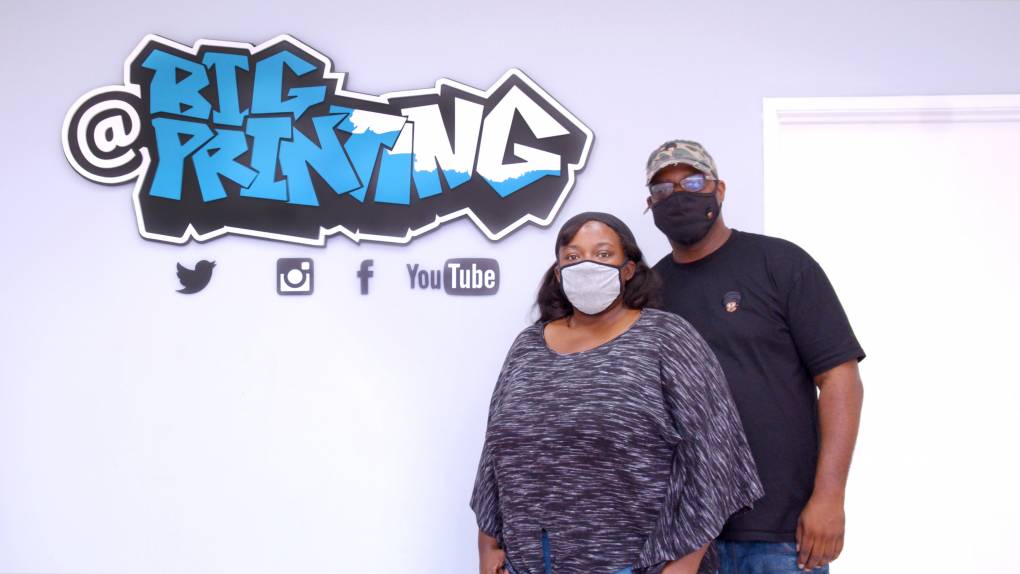
"caption": "Kesney and Dawaud Muhammad of Big Printing T-shirt Clothing",
"description": "Kesney and Dawaud Muhammad of Big Printing T-shirt Clothing",
"title": "Kesney and Dawaud Muhammad of Big Printing T-shirt Clothing",
"credit": " Lauren J. Richardson of LacedMedia",
"status": "inherit",
"isLoading": false,
"fetchFailed": false
}
},
"audioPlayerReducer": {
"postId": "stream_live",
"isPaused": true,
"isPlaying": false,
"pfsActive": false,
"pledgeModalIsOpen": true,
"playerDrawerIsOpen": false,
"liveAudioPlayStartedAt": 0,
"liveAudioPlayContext": ""
},
"authorsReducer": {
"byline_arts_13888707": {
"type": "authors",
"id": "byline_arts_13888707",
"meta": {
"override": true
},
"slug": "byline_arts_13888707",
"name": "Kervy Robles",
"isLoading": false
},
"byline_arts_13888332": {
"type": "authors",
"id": "byline_arts_13888332",
"meta": {
"override": true
},
"slug": "byline_arts_13888332",
"name": "Christianna Silva",
"isLoading": false
},
"nvoynovskaya": {
"type": "authors",
"id": "11387",
"meta": {
"index": "authors_1716337520",
"id": "11387",
"found": true
},
"name": "Nastia Voynovskaya",
"firstName": "Nastia",
"lastName": "Voynovskaya",
"slug": "nvoynovskaya",
"email": "nvoynovskaya@kqed.org",
"display_author_email": false,
"staff_mastheads": [
"arts"
],
"title": "Editor and reporter",
"bio": "Nastia Voynovskaya is a reporter and editor at KQED Arts & Culture. She's been covering the arts in the Bay Area for over a decade, with a focus on music, queer culture, labor issues and grassroots organizing. She has edited KQED story series such as Trans Bay: A History of San Francisco's Gender-Diverse Community, and co-created KQED's Bay Area hip-hop history project, That's My Word. Nastia's work has been recognized by the Society of Professional Journalists and San Francisco Press Club. She holds a BA in comparative literature from UC Berkeley.",
"avatar": "https://secure.gravatar.com/avatar/5025ee460e5a85d69ca20ea6c6f2f80d7e17795c828f61ea3aecfcd924e9042e?s=600&d=blank&r=g",
"twitter": null,
"bluesky": null,
"facebook": null,
"instagram": "https://www.instagram.com/nananastia/",
"linkedin": null,
"sites": [
{
"site": "arts",
"roles": [
"administrator"
]
},
{
"site": "news",
"roles": [
"editor"
]
},
{
"site": "pop",
"roles": [
"administrator"
]
},
{
"site": "bayareabites",
"roles": [
"editor"
]
},
{
"site": "podcasts",
"roles": [
"editor"
]
},
{
"site": "hiphop",
"roles": [
"editor"
]
}
],
"headData": {
"title": "Nastia Voynovskaya | KQED",
"description": "Editor and reporter",
"ogImgSrc": "https://secure.gravatar.com/avatar/5025ee460e5a85d69ca20ea6c6f2f80d7e17795c828f61ea3aecfcd924e9042e?s=600&d=blank&r=g",
"twImgSrc": "https://secure.gravatar.com/avatar/5025ee460e5a85d69ca20ea6c6f2f80d7e17795c828f61ea3aecfcd924e9042e?s=600&d=blank&r=g"
},
"isLoading": false,
"link": "/author/nvoynovskaya"
},
"ogpenn": {
"type": "authors",
"id": "11491",
"meta": {
"index": "authors_1716337520",
"id": "11491",
"found": true
},
"name": "Pendarvis Harshaw",
"firstName": "Pendarvis",
"lastName": "Harshaw",
"slug": "ogpenn",
"email": "ogpenn@gmail.com",
"display_author_email": false,
"staff_mastheads": [
"arts"
],
"title": "Community Engagement Reporter",
"bio": "Pendarvis Harshaw is an educator, host and writer with KQED Arts.",
"avatar": "https://secure.gravatar.com/avatar/972b77ee8e3f346ae2b00622661187fbfabd059b5693bbdc1475ea7a722fd4cd?s=600&d=blank&r=g",
"twitter": null,
"bluesky": null,
"facebook": null,
"instagram": "ogpenn",
"linkedin": null,
"sites": [
{
"site": "arts",
"roles": [
"administrator"
]
},
{
"site": "news",
"roles": [
"editor"
]
},
{
"site": "bayareabites",
"roles": [
"author"
]
},
{
"site": "hiphop",
"roles": [
"editor"
]
}
],
"headData": {
"title": "Pendarvis Harshaw | KQED",
"description": "Community Engagement Reporter",
"ogImgSrc": "https://secure.gravatar.com/avatar/972b77ee8e3f346ae2b00622661187fbfabd059b5693bbdc1475ea7a722fd4cd?s=600&d=blank&r=g",
"twImgSrc": "https://secure.gravatar.com/avatar/972b77ee8e3f346ae2b00622661187fbfabd059b5693bbdc1475ea7a722fd4cd?s=600&d=blank&r=g"
},
"isLoading": false,
"link": "/author/ogpenn"
},
"sgetachew": {
"type": "authors",
"id": "11734",
"meta": {
"index": "authors_1716337520",
"id": "11734",
"found": true
},
"name": "Samuel Getachew",
"firstName": "Samuel",
"lastName": "Getachew",
"slug": "sgetachew",
"email": "sgetachew@kqed.org",
"display_author_email": false,
"staff_mastheads": [],
"title": "KQED Contributor",
"bio": "\u003cspan style=\"font-weight: 400;\">Samuel Getachew is an 18-year-old poet and writer from Oakland, California. He is the 2019 Oakland Youth Poet Laureate, a 2020 Finalist for National Youth Poet Laureate, and a 4-time YoungArts Winner. His writing has been published in Teen Vogue, the New York Times, the Washington Post, and more. He will attend Yale University in the fall of 2021.\u003c/span>",
"avatar": "https://secure.gravatar.com/avatar/ebad3dcf2295975cfe77698fa670a089?s=600&d=blank&r=g",
"twitter": null,
"facebook": null,
"instagram": null,
"linkedin": null,
"sites": [
{
"site": "arts",
"roles": [
"subscriber"
]
}
],
"headData": {
"title": "Samuel Getachew | KQED",
"description": "KQED Contributor",
"ogImgSrc": "https://secure.gravatar.com/avatar/ebad3dcf2295975cfe77698fa670a089?s=600&d=blank&r=g",
"twImgSrc": "https://secure.gravatar.com/avatar/ebad3dcf2295975cfe77698fa670a089?s=600&d=blank&r=g"
},
"isLoading": false,
"link": "/author/sgetachew"
}
},
"pagesReducer": {
"arts_tag_oakland": {
"type": "terms",
"id": "arts_1143",
"meta": {
"index": "terms_1716263798",
"site": "arts",
"id": "1143",
"score": 6.883923
},
"featImg": null,
"name": "Oakland",
"description": null,
"taxonomy": "tag",
"headData": {
"twImgId": null,
"twTitle": null,
"ogTitle": null,
"ogImgId": null,
"twDescription": null,
"description": null,
"title": "Oakland Archives | KQED Arts",
"ogDescription": null
},
"ttid": 692,
"slug": "oakland",
"isLoading": false,
"title": "Oakland",
"pageMeta": {
"site": "arts",
"WpPageTemplate": "page-topic-editorial",
"currentPage": 44
},
"blocks": [
{
"blockName": "kqed/post-list",
"attrs": {
"layout": "cardArticle2",
"query": "posts/arts?tag=oakland",
"seeMore": false,
"paginated": true,
"page": 44
}
},
{
"blockName": "kqed/ad"
}
]
}
},
"pfsSessionReducer": {},
"postsReducer": {
"stream_live": {
"type": "live",
"id": "stream_live",
"audioUrl": "https://streams.kqed.org/kqedradio",
"title": "Live Stream",
"excerpt": "Live Stream information currently unavailable.",
"link": "/radio",
"featImg": "",
"label": {
"name": "KQED Live",
"link": "/"
}
},
"stream_kqedNewscast": {
"type": "posts",
"id": "stream_kqedNewscast",
"audioUrl": "https://www.kqed.org/.stream/anon/radio/RDnews/newscast.mp3?_=1",
"title": "KQED Newscast",
"featImg": "",
"label": {
"name": "88.5 FM",
"link": "/"
}
},
"arts_13889129": {
"type": "posts",
"id": "arts_13889129",
"meta": {
"index": "posts_1716263798",
"site": "arts",
"id": "13889129",
"score": null,
"sort": [
1605217965000
]
},
"guestAuthors": [],
"slug": "the-passing-of-oaklands-measure-qq-and-the-future-of-our-democracy",
"title": "The Passing of Oakland's Measure QQ and the Future of Our Democracy",
"publishDate": 1605217965,
"format": "standard",
"headTitle": "The Passing of Oakland’s Measure QQ and the Future of Our Democracy | KQED",
"labelTerm": {},
"content": "\u003cp>\u003cspan style=\"font-size: 4.6875em;float: left;line-height: 0.733em;padding: 0.05em 0.1em 0 0;font-family: times, serif, georgia\">I\u003c/span>n 1971, the national voting age in the United States changed from 21 to 18.\u003c/p>\n\u003cp>\u003cimg loading=\"lazy\" decoding=\"async\" class=\"alignright size-thumbnail wp-image-13833985\" src=\"https://ww2.kqed.org/app/uploads/sites/2/2018/05/OGPenn.Cap_-160x184.jpg\" alt=\"\" width=\"160\" height=\"184\" srcset=\"https://cdn.kqed.org/wp-content/uploads/sites/2/2018/05/OGPenn.Cap_-160x184.jpg 160w, https://cdn.kqed.org/wp-content/uploads/sites/2/2018/05/OGPenn.Cap_.jpg 180w\" sizes=\"(max-width: 160px) 100vw, 160px\">\u003c/p>\n\u003cp>\u003cspan style=\"font-weight: 400\">“I believe the time has come to lower the voting age in the United States, and thereby to bring American youth into the mainstream of our political process,” said \u003c/span>\u003ca href=\"http://www.tedkennedy.org/ownwords/event/voting_age/\" target=\"_blank\" rel=\"noopener noreferrer\">\u003cspan style=\"font-weight: 400\">Senator Ted Kennedy\u003c/span>\u003c/a>\u003cspan style=\"font-weight: 400\"> on March 9, 1970, while testifying before the Senate Subcommittee on Constitutional Amendments. \u003c/span>\u003c/p>\n\u003cp>\u003cspan style=\"font-weight: 400\">“To me,” Kennedy continued, “this is the most important single principle we can pursue as a nation.” \u003c/span>\u003c/p>\n\u003cp>\u003cspan style=\"font-weight: 400\">A year later, the\u003c/span> \u003ca href=\"https://www.nhpr.org/post/ask-civics-101-why-our-voting-age-18#stream/0\" target=\"_blank\" rel=\"noopener noreferrer\">\u003cspan style=\"font-weight: 400\">26th Amendment\u003c/span>\u003c/a>\u003cspan style=\"font-weight: 400\"> was ratified and 18-year-olds got their right to vote. \u003c/span>\u003c/p>\n\u003cp>[ad fullwidth]\u003c/p>\n\u003cp>\u003cspan style=\"font-weight: 400\">The saying “old enough to fight, old enough to vote”—referencing an amendment to the \u003ca href=\"https://www.defense.gov/Explore/Features/story/Article/2140942/first-peacetime-draft-enacted-just-before-world-war-ii/\" target=\"_blank\" rel=\"noopener noreferrer\">Selective Training and Service Act\u003c/a> that would allow for “abled bodied men” ages 18-45 to be drafted to the US military—served as a convincing argument for why young folks should be able to vote. But in Senator Kennedy’s speech from five decades ago, there’s also mention of the impact of technology on young folks’ learning process. \u003c/span>\u003c/p>\n\u003cp>“The contrast is clear in the case of education,” said Senator Kennedy. “Because of the enormous impact of modern communications, especially television, our youth are extremely well informed on all the crucial issues of our time, foreign and domestic, national and local, urban and rural.”\u003c/p>\n\u003cp>\u003cspan style=\"font-weight: 400\">And that was way before Google.\u003c/span>\u003c/p>\n\u003cfigure id=\"attachment_13889141\" class=\"wp-caption alignnone\" style=\"max-width: 800px\">\u003cimg loading=\"lazy\" decoding=\"async\" class=\"size-medium wp-image-13889141\" src=\"https://ww2.kqed.org/app/uploads/sites/2/2020/11/IMG_0315-800x634.jpg\" alt=\"Oakland Tech Students standing on Broadway in North Oakland holding protest signs in effort to get cuts to the administration and more student support.\" width=\"800\" height=\"634\" srcset=\"https://cdn.kqed.org/wp-content/uploads/sites/2/2020/11/IMG_0315-800x634.jpg 800w, https://cdn.kqed.org/wp-content/uploads/sites/2/2020/11/IMG_0315-160x127.jpg 160w, https://cdn.kqed.org/wp-content/uploads/sites/2/2020/11/IMG_0315-768x609.jpg 768w, https://cdn.kqed.org/wp-content/uploads/sites/2/2020/11/IMG_0315.jpg 920w\" sizes=\"(max-width: 800px) 100vw, 800px\">\u003cfigcaption class=\"wp-caption-text\">Oakland Tech Students standing on Broadway in North Oakland holding protest signs in effort to get cuts to the administration and more student support. \u003ccite>(Lukas Brekke-Miesner)\u003c/cite>\u003c/figcaption>\u003c/figure>\n\u003cp>\u003cspan style=\"font-size: 4.6875em;float: left;line-height: 0.733em;padding: 0.05em 0.1em 0 0;font-family: times, serif, georgia\">S\u003c/span>o last week, when Oakland voters \u003ca href=\"https://www.kqed.org/elections/results\" target=\"_blank\" rel=\"noopener noreferrer\">passed Measure QQ\u003c/a>, giving the city’s 16- and 17-year-old Oaklanders the right to vote in elections of future school board members and directors, they introduced a new wave of young people to the political process, acknowledged the concept of technology-based evolution and nudged this country (ever so slightly) toward a more equitable society.\u003c/p>\n\u003cp>\u003cspan style=\"font-weight: 400\">I’m being extra. But honestly: the passing of this legislation has the potential to be a big deal. \u003c/span>\u003c/p>\n\u003cp>\u003cspan style=\"font-weight: 400\">Lukas Brekke-Miesner, Executive Director of Oakland Kids First, has a more sobering perspective on the process of developing this legislation, as well as its passing and future implementation. \u003c/span>\u003c/p>\n\u003cp>\u003cspan style=\"font-weight: 400\">Brekke-Miesner, who I’ve known since our Oakland little league baseball days, tells me that the push for Measure QQ began in the wake of the 2019 teacher strike, after students and organizers marched the picket lines alongside teachers. But after contract negotiations, the board agreed to pay \u003ca href=\"https://abcnews.go.com/US/oakland-teachers-strike-ends-11-percent-raise-halt/story?id=61428593\" target=\"_blank\" rel=\"noopener noreferrer\">the teachers\u003c/a>, but left the students’ requests unfulfilled. \u003c/span>\u003c/p>\n\u003cp>\u003cspan style=\"font-weight: 400\">“There was a huge movement of young people,” says\u003c/span>\u003cspan style=\"font-weight: 400\"> Brekke-Miesner, recalling that the\u003c/span>\u003cspan style=\"font-weight: 400\"> strike was settled on a Sunday, and the school board met the following Monday; hundreds of young people marched to the board meeting. He says the students were still fighting for a number of things—funding for restorative justice programs, foster care case managers, and Asian-Pacific Islander student support, to name a few. But the testimony from the young people didn’t change anything. \u003c/span>\u003c/p>\n\u003cfigure id=\"attachment_13889142\" class=\"wp-caption alignnone\" style=\"max-width: 800px\">\u003cimg loading=\"lazy\" decoding=\"async\" class=\"size-medium wp-image-13889142\" src=\"https://ww2.kqed.org/app/uploads/sites/2/2020/11/student-advocates-800x508.jpeg\" alt=\"Elected student advocates meeting with Council Member Rebecca Kaplan\" width=\"800\" height=\"508\" srcset=\"https://cdn.kqed.org/wp-content/uploads/sites/2/2020/11/student-advocates-800x508.jpeg 800w, https://cdn.kqed.org/wp-content/uploads/sites/2/2020/11/student-advocates-1020x648.jpeg 1020w, https://cdn.kqed.org/wp-content/uploads/sites/2/2020/11/student-advocates-160x102.jpeg 160w, https://cdn.kqed.org/wp-content/uploads/sites/2/2020/11/student-advocates-768x488.jpeg 768w, https://cdn.kqed.org/wp-content/uploads/sites/2/2020/11/student-advocates-1536x976.jpeg 1536w, https://cdn.kqed.org/wp-content/uploads/sites/2/2020/11/student-advocates-2048x1301.jpeg 2048w, https://cdn.kqed.org/wp-content/uploads/sites/2/2020/11/student-advocates-1920x1220.jpeg 1920w\" sizes=\"(max-width: 800px) 100vw, 800px\">\u003cfigcaption class=\"wp-caption-text\">Elected student advocates meeting with Oakland councilmember Rebecca Kaplan. \u003ccite>(Lukas Brekke-Miesner)\u003c/cite>\u003c/figcaption>\u003c/figure>\n\u003cp>\u003cspan style=\"font-weight: 400\">A few months later, Brekke-Miesner explains, during a retreat with youth advocates from\u003c/span>\u003cspan style=\"font-weight: 400\">\u003ca href=\"https://www.ousd.org/Page/15546\" target=\"_blank\" rel=\"noopener noreferrer\"> All City Council,\u003c/a> \u003ca href=\"https://www.oaklandkidsfirst.org/\" target=\"_blank\" rel=\"noopener noreferrer\">Oakland Kids First\u003c/a>, \u003ca href=\"http://www.youthtogether.net/\" target=\"_blank\" rel=\"noopener noreferrer\">Youth Together\u003c/a>, \u003c/span>\u003ca href=\"https://caljustice.org/\" target=\"_blank\" rel=\"noopener noreferrer\">Californians For Justice\u003c/a>, \u003cspan style=\"font-weight: 400\">\u003ca href=\"https://www.aypal.org/\" target=\"_blank\" rel=\"noopener noreferrer\">AYPAL\u003c/a>, \u003ca href=\"http://www.baypeace.org/\" target=\"_blank\" rel=\"noopener noreferrer\">Bay-Peace\u003c/a> and other organizations, the seeds of Measure QQ were planted. \u003c/span>\u003cspan style=\"font-weight: 400\"> \u003c/span>\u003c/p>\n\u003cp>\u003cspan style=\"font-weight: 400\">The campaign gained steam, even got the support of Oakland \u003ca href=\"https://www.instagram.com/p/CGI1dnYhnxp/?utm_source=ig_web_button_share_sheet\" target=\"_blank\" rel=\"noopener noreferrer\">vocalist Goapele\u003c/a>. In May of 2020, after the legislation was written by \u003ca href=\"https://www.kqed.org/mindshift/56909/learning-by-voting-students-want-the-right-to-make-a-difference-in-real-life\" target=\"_blank\" rel=\"noopener noreferrer\">councilmember Rebecca Kaplan\u003c/a>, the rest of Oakland’s City Council \u003c/span>\u003ca href=\"https://oakland.legistar.com/LegislationDetail.aspx?ID=4346090&GUID=ED19EE12-1CB8-4490-9405-57E730B5AD8B&Options=&Search=\" target=\"_blank\" rel=\"noopener noreferrer\">\u003cspan style=\"font-weight: 400\">voted unanimously\u003c/span>\u003c/a>\u003cspan style=\"font-weight: 400\"> to put the measure on the ballot.\u003c/span>\u003c/p>\n\u003cp>\u003cspan style=\"font-weight: 400\">“I was at the first meeting where it was just an idea,” says Jessica Ramos, a senior at Skyline High School and member of the All City Council. “After those meetings, I was like, ‘This is going to happen. This is an actual idea that came from students.’”\u003c/span>\u003c/p>\n\u003cfigure id=\"attachment_13889143\" class=\"wp-caption alignright\" style=\"max-width: 298px\">\u003cimg loading=\"lazy\" decoding=\"async\" class=\"wp-image-13889143\" src=\"https://ww2.kqed.org/app/uploads/sites/2/2020/11/IMG_0511-800x1002.jpeg\" alt=\"Jessica Ramos stands on stage and speaks to an audience in June of 2020\" width=\"298\" height=\"373\" srcset=\"https://cdn.kqed.org/wp-content/uploads/sites/2/2020/11/IMG_0511-800x1002.jpeg 800w, https://cdn.kqed.org/wp-content/uploads/sites/2/2020/11/IMG_0511-1020x1277.jpeg 1020w, https://cdn.kqed.org/wp-content/uploads/sites/2/2020/11/IMG_0511-160x200.jpeg 160w, https://cdn.kqed.org/wp-content/uploads/sites/2/2020/11/IMG_0511-768x962.jpeg 768w, https://cdn.kqed.org/wp-content/uploads/sites/2/2020/11/IMG_0511.jpeg 1102w\" sizes=\"(max-width: 298px) 100vw, 298px\">\u003cfigcaption class=\"wp-caption-text\">Jessica Ramos stands on stage and speaks to an audience in June of 2020 \u003ccite>(The Feeby)\u003c/cite>\u003c/figcaption>\u003c/figure>\n\u003cp>\u003cspan style=\"font-weight: 400\">Ramos, whose father is a Republican and mother is a Democrat, says the benefit of learning and actualizing the political process in the school environment can lead to an unbiased understanding of candidates. Her fellow students are dedicated, she says, even after gentrification has pushed them out of Oakland. (Many of her friends travel “30 to 50 miles” to get to school, she estimates.) And after being involved in All City Council since her freshman year, Ramos adds, “If we start at a younger age, we’re going to continue it.” \u003c/span>\u003c/p>\n\u003cp>\u003cspan style=\"font-weight: 400\">“The main thing I did was phone banking and outreach,” says Oakland Tech senior and Oakland Kids First representative Jessica Chen, who joined the campaign after it was on the ballot. She says she \u003c/span>\u003cspan style=\"font-weight: 400\">encountered a few hostile conversations, but most people were supportive of her efforts. \u003c/span>\u003c/p>\n\u003cp>Chen says young people having the right to vote is important, even if it’s just for school board members. “Before we had the vote, (parents) were voting for us. And now that we have the vote, we can use our power and make the best decisions to benefit our own education,” says Chen. “We are the students learning, not the parents.”\u003c/p>\n\u003cp>\u003cspan style=\"font-weight: 400\">Brekke-Miesner says he also ran into a few folks who opposed the idea of Measure QQ; one in particular claimed voting is \u003c/span>\u003cspan style=\"font-weight: 400\">“sacrosanct.” To which Brekke-Miesner points out the country’s history of \u003c/span>\u003cspan style=\"font-weight: 400\">mass voter suppression, and the current volume of uninformed adults. “Pen, [did] you know, in our generation there are people on Facebook like, ‘Hey, do you have a voter’s guide?’” he asks me.\u003c/span>\u003c/p>\n\u003cp>I confirm that I do. But still, there’s the question about young folks being “impressionable” or having their votes manipulated by adults, especially their parents.\u003c/p>\n\u003cp>\u003cspan style=\"font-weight: 400\">“This notion that young people are just going to be told what to do by adults is funny,” says Brekke-Miesner. “Most parents of teenagers would laugh at the thought that that their kids will just do what they say.” \u003c/span>\u003c/p>\n\u003cfigure id=\"attachment_13889194\" class=\"wp-caption alignnone\" style=\"max-width: 800px\">\u003cimg loading=\"lazy\" decoding=\"async\" class=\"size-medium wp-image-13889194\" src=\"https://ww2.kqed.org/app/uploads/sites/2/2020/11/Screen-Shot-2020-11-12-at-12.44.17-PM-800x720.png\" alt=\"Student advocates and Lukas Brekke-Miesner (pictured in the ESO hat) meet with Council Member Sheng Thao in Oakland \" width=\"800\" height=\"720\" srcset=\"https://cdn.kqed.org/wp-content/uploads/sites/2/2020/11/Screen-Shot-2020-11-12-at-12.44.17-PM-800x720.png 800w, https://cdn.kqed.org/wp-content/uploads/sites/2/2020/11/Screen-Shot-2020-11-12-at-12.44.17-PM-1020x918.png 1020w, https://cdn.kqed.org/wp-content/uploads/sites/2/2020/11/Screen-Shot-2020-11-12-at-12.44.17-PM-160x144.png 160w, https://cdn.kqed.org/wp-content/uploads/sites/2/2020/11/Screen-Shot-2020-11-12-at-12.44.17-PM-768x691.png 768w, https://cdn.kqed.org/wp-content/uploads/sites/2/2020/11/Screen-Shot-2020-11-12-at-12.44.17-PM.png 1098w\" sizes=\"(max-width: 800px) 100vw, 800px\">\u003cfigcaption class=\"wp-caption-text\">Student advocates and Lukas Brekke-Miesner (pictured in the ESO hat) meet with councilmember Sheng Thao in Oakland. \u003ccite>(Lukas Brekke-Miesner)\u003c/cite>\u003c/figcaption>\u003c/figure>\n\u003cp>\u003cspan style=\"font-size: 4.6875em;float: left;line-height: 0.733em;padding: 0.05em 0.1em 0 0;font-family: times, serif, georgia\">B\u003c/span>ack in the 70s, when 18-year-olds in the United States got the right to vote in the presidential election, the resulting voter turnout was relatively high. Each election thereafter, the numbers waned a bit further. That changed during President Obama’s first successful run for the presidency in 2008, \u003ca href=\"https://www.census.gov/library/visualizations/time-series/demo/voting-historical-time-series.html\" target=\"_blank\" rel=\"noopener noreferrer\">according to census data\u003c/a>.\u003c/p>\n\u003cp>Twenty years later, the narrow margin of victory in this year’s presidential election was considerably swayed by young voters, especially young voters of color. According to \u003ca href=\"https://www.theguardian.com/us-news/2020/nov/09/youth-turnout-us-election-biden-victory-young-voters\" target=\"_blank\" rel=\"noopener noreferrer\">The Guardian\u003c/a>, “86% of Black youth, 82% of Asian youth and 73% of Latino youth” supported President-elect Joe Biden.\u003c/p>\n\u003cp>The importance of the youth isn’t just shown through their vote, but the intention behind their vote. A poll from the \u003ca href=\"https://circle.tufts.edu/latest-research/election-week-2020\" target=\"_blank\" rel=\"noopener noreferrer\">Tufts University Center For Information & Research On Civic Learning And Engagement (CIRCLE)\u003c/a> shows that an overwhelming amount of young folks who are voting cast their ballots with intentions of putting an end to racist behaviors and police violence—largely influenced by the events of this past summer.\u003c/p>\n\u003cp>They’re informed.\u003c/p>\n\u003cp>On the national level, there are people on both sides of the aisle who support the idea of lowering the voting age to 16–and that’s for all elections, not just the school board.\u003c/p>\n\u003cp>Last year, the first proposal submitted by \u003ca href=\"https://www.boston.com/news/politics/2019/03/06/ayanna-pressley-voting-age-16\" target=\"_blank\" rel=\"noopener noreferrer\">Rep. Ayanna Pressley\u003c/a> was an amendment to lower the national voting age from 18 to 16. It failed, but it garnered the support of House Speaker Nancy Pelosi. “I think it’s really important to capture kids when they’re in high school, when they’re interested in all of this, when they’re learning about government, to be able to vote,” Pelosi said in March 2019.\u003c/p>\n\u003cp>Representative Michael Burgess, a Republican from Texas, asked, “Would policymakers pay more attention to the problems that are being dealt to this segment of the demographic if policymakers were actually answerable to them? I think it is worth having the discussion.”\u003c/p>\n\u003cp>Some people aren’t ready for that discussion.\u003c/p>\n\u003cp>This year, \u003ca href=\"https://www.kqed.org/news/11845042/17-year-olds-will-not-be-able-to-vote-in-primaries-as-prop-18-goes-down\" target=\"_blank\" rel=\"noopener noreferrer\">California’s Proposition 18\u003c/a>, which would’ve allowed 17-year-olds the right to vote in a primary election as long as they’d be 18 by the time of the general election, failed.\u003c/p>\n\u003cp>San Francisco’s Proposition G, a proposal to lower the voting age for citywide races, also failed—\u003ca href=\"https://www.kqed.org/elections/results/sanfrancisco\" target=\"_blank\" rel=\"noopener noreferrer\">reportedly by a margin of 6,659 votes\u003c/a>. (Keep in mind, San Francisco just witnessed one of its highest voter percentages ever of 85.96%, just below \u003ca href=\"https://socketsite.com/archives/2020/11/turnout-in-san-francisco-sets-a-record-will-miss-another.html\" target=\"_blank\" rel=\"noopener noreferrer\">the 1944 record\u003c/a> of 86.82%. And in the next election, the people who are 16- and 17-year-olds now will be able to vote.)\u003c/p>\n\u003cp>In 2016, Berkeley voters passed \u003ca href=\"https://ballotpedia.org/Berkeley,_California,_School_Director_Election_Youth_Voting,_Measure_Y1_(November_2016)\" target=\"_blank\" rel=\"noopener noreferrer\">Measure Y1\u003c/a>, which gave people ages 16 and 17 the right to vote for School Director. But it’s important to note that the measure contained a clause that reads, “… no City funds could be used for any expenses related to the ordinance.” So it has yet to be implemented.\u003c/p>\n\u003cp>\u003cspan style=\"font-weight: 400\">“Basically, it was an interesting guidepost,” Brekke-Miesner says of Berkeley’s legislation. He says it made him realize that “we’ve got to make sure that not only can we pass this, but that we can implement this.”\u003c/span>\u003c/p>\n\u003cp>\u003cspan style=\"font-weight: 400\">Jessica Chen says she’s in the process of filling out college applications, and aims to stay in-state. She plans on studying sociology and keeping up with the implementation of Measure QQ. \u003c/span>\u003c/p>\n\u003cp>\u003cspan style=\"font-weight: 400\">Jessica Ramos let out an exhausted “Whew chile” as she told me she just submitted her Stanford application. She says she’s still weighing her options, including the possibility of going to the East Coast and eventually moving back, but overall she plans on remaining invested in local issues. \u003c/span>\u003c/p>\n\u003cp>[ad floatright]\u003c/p>\n\u003cp>The 2020 elections brought some noteworthy changes, from the Oval Office on down to local council members. But quietly, Generation Z made a push, both locally and nationally. The next election cycle isn’t that far away, and they’re in prime position to push things a little further.\u003c/p>\n\n",
"blocks": [],
"excerpt": "Oakland's embrace of Generation Z at the ballot box may have ripples nationwide.",
"status": "publish",
"parent": 0,
"modified": 1726761250,
"stats": {
"hasAudio": false,
"hasVideo": false,
"hasChartOrMap": false,
"iframeSrcs": [],
"hasGoogleForm": false,
"hasGallery": false,
"hasHearkenModule": false,
"hasPolis": false,
"paragraphCount": 39,
"wordCount": 1788
},
"headData": {
"title": "The Passing of Oakland's Measure QQ and the Future of Our Democracy | KQED",
"description": "Oakland's embrace of Generation Z at the ballot box may have ripples nationwide.",
"ogTitle": "",
"ogDescription": "",
"ogImgId": "",
"twTitle": "",
"twDescription": "",
"twImgId": "",
"schema": {
"@context": "https://schema.org",
"@type": "Article",
"headline": "The Passing of Oakland's Measure QQ and the Future of Our Democracy",
"datePublished": "2020-11-12T13:52:45-08:00",
"dateModified": "2024-09-19T08:54:10-07:00",
"image": "https://cdn.kqed.org/wp-content/uploads/2020/02/KQED-OG-Image@1x.png"
}
},
"source": "Commentary",
"sticky": false,
"templateType": "standard",
"featuredImageType": "standard",
"path": "/arts/13889129/the-passing-of-oaklands-measure-qq-and-the-future-of-our-democracy",
"audioTrackLength": null,
"parsedContent": [
{
"type": "contentString",
"content": "\u003cdiv class=\"post-body\">\u003cp>\u003cp>\u003cspan style=\"font-size: 4.6875em;float: left;line-height: 0.733em;padding: 0.05em 0.1em 0 0;font-family: times, serif, georgia\">I\u003c/span>n 1971, the national voting age in the United States changed from 21 to 18.\u003c/p>\n\u003cp>\u003cimg loading=\"lazy\" decoding=\"async\" class=\"alignright size-thumbnail wp-image-13833985\" src=\"https://ww2.kqed.org/app/uploads/sites/2/2018/05/OGPenn.Cap_-160x184.jpg\" alt=\"\" width=\"160\" height=\"184\" srcset=\"https://cdn.kqed.org/wp-content/uploads/sites/2/2018/05/OGPenn.Cap_-160x184.jpg 160w, https://cdn.kqed.org/wp-content/uploads/sites/2/2018/05/OGPenn.Cap_.jpg 180w\" sizes=\"(max-width: 160px) 100vw, 160px\">\u003c/p>\n\u003cp>\u003cspan style=\"font-weight: 400\">“I believe the time has come to lower the voting age in the United States, and thereby to bring American youth into the mainstream of our political process,” said \u003c/span>\u003ca href=\"http://www.tedkennedy.org/ownwords/event/voting_age/\" target=\"_blank\" rel=\"noopener noreferrer\">\u003cspan style=\"font-weight: 400\">Senator Ted Kennedy\u003c/span>\u003c/a>\u003cspan style=\"font-weight: 400\"> on March 9, 1970, while testifying before the Senate Subcommittee on Constitutional Amendments. \u003c/span>\u003c/p>\n\u003cp>\u003cspan style=\"font-weight: 400\">“To me,” Kennedy continued, “this is the most important single principle we can pursue as a nation.” \u003c/span>\u003c/p>\n\u003cp>\u003cspan style=\"font-weight: 400\">A year later, the\u003c/span> \u003ca href=\"https://www.nhpr.org/post/ask-civics-101-why-our-voting-age-18#stream/0\" target=\"_blank\" rel=\"noopener noreferrer\">\u003cspan style=\"font-weight: 400\">26th Amendment\u003c/span>\u003c/a>\u003cspan style=\"font-weight: 400\"> was ratified and 18-year-olds got their right to vote. \u003c/span>\u003c/p>\n\u003cp>\u003c/p>\u003c/div>",
"attributes": {
"named": {},
"numeric": []
}
},
{
"type": "component",
"content": "",
"name": "ad",
"attributes": {
"named": {
"label": "fullwidth"
},
"numeric": [
"fullwidth"
]
}
},
{
"type": "contentString",
"content": "\u003cdiv class=\"post-body\">\u003cp>\u003c/p>\n\u003cp>\u003cspan style=\"font-weight: 400\">The saying “old enough to fight, old enough to vote”—referencing an amendment to the \u003ca href=\"https://www.defense.gov/Explore/Features/story/Article/2140942/first-peacetime-draft-enacted-just-before-world-war-ii/\" target=\"_blank\" rel=\"noopener noreferrer\">Selective Training and Service Act\u003c/a> that would allow for “abled bodied men” ages 18-45 to be drafted to the US military—served as a convincing argument for why young folks should be able to vote. But in Senator Kennedy’s speech from five decades ago, there’s also mention of the impact of technology on young folks’ learning process. \u003c/span>\u003c/p>\n\u003cp>“The contrast is clear in the case of education,” said Senator Kennedy. “Because of the enormous impact of modern communications, especially television, our youth are extremely well informed on all the crucial issues of our time, foreign and domestic, national and local, urban and rural.”\u003c/p>\n\u003cp>\u003cspan style=\"font-weight: 400\">And that was way before Google.\u003c/span>\u003c/p>\n\u003cfigure id=\"attachment_13889141\" class=\"wp-caption alignnone\" style=\"max-width: 800px\">\u003cimg loading=\"lazy\" decoding=\"async\" class=\"size-medium wp-image-13889141\" src=\"https://ww2.kqed.org/app/uploads/sites/2/2020/11/IMG_0315-800x634.jpg\" alt=\"Oakland Tech Students standing on Broadway in North Oakland holding protest signs in effort to get cuts to the administration and more student support.\" width=\"800\" height=\"634\" srcset=\"https://cdn.kqed.org/wp-content/uploads/sites/2/2020/11/IMG_0315-800x634.jpg 800w, https://cdn.kqed.org/wp-content/uploads/sites/2/2020/11/IMG_0315-160x127.jpg 160w, https://cdn.kqed.org/wp-content/uploads/sites/2/2020/11/IMG_0315-768x609.jpg 768w, https://cdn.kqed.org/wp-content/uploads/sites/2/2020/11/IMG_0315.jpg 920w\" sizes=\"(max-width: 800px) 100vw, 800px\">\u003cfigcaption class=\"wp-caption-text\">Oakland Tech Students standing on Broadway in North Oakland holding protest signs in effort to get cuts to the administration and more student support. \u003ccite>(Lukas Brekke-Miesner)\u003c/cite>\u003c/figcaption>\u003c/figure>\n\u003cp>\u003cspan style=\"font-size: 4.6875em;float: left;line-height: 0.733em;padding: 0.05em 0.1em 0 0;font-family: times, serif, georgia\">S\u003c/span>o last week, when Oakland voters \u003ca href=\"https://www.kqed.org/elections/results\" target=\"_blank\" rel=\"noopener noreferrer\">passed Measure QQ\u003c/a>, giving the city’s 16- and 17-year-old Oaklanders the right to vote in elections of future school board members and directors, they introduced a new wave of young people to the political process, acknowledged the concept of technology-based evolution and nudged this country (ever so slightly) toward a more equitable society.\u003c/p>\n\u003cp>\u003cspan style=\"font-weight: 400\">I’m being extra. But honestly: the passing of this legislation has the potential to be a big deal. \u003c/span>\u003c/p>\n\u003cp>\u003cspan style=\"font-weight: 400\">Lukas Brekke-Miesner, Executive Director of Oakland Kids First, has a more sobering perspective on the process of developing this legislation, as well as its passing and future implementation. \u003c/span>\u003c/p>\n\u003cp>\u003cspan style=\"font-weight: 400\">Brekke-Miesner, who I’ve known since our Oakland little league baseball days, tells me that the push for Measure QQ began in the wake of the 2019 teacher strike, after students and organizers marched the picket lines alongside teachers. But after contract negotiations, the board agreed to pay \u003ca href=\"https://abcnews.go.com/US/oakland-teachers-strike-ends-11-percent-raise-halt/story?id=61428593\" target=\"_blank\" rel=\"noopener noreferrer\">the teachers\u003c/a>, but left the students’ requests unfulfilled. \u003c/span>\u003c/p>\n\u003cp>\u003cspan style=\"font-weight: 400\">“There was a huge movement of young people,” says\u003c/span>\u003cspan style=\"font-weight: 400\"> Brekke-Miesner, recalling that the\u003c/span>\u003cspan style=\"font-weight: 400\"> strike was settled on a Sunday, and the school board met the following Monday; hundreds of young people marched to the board meeting. He says the students were still fighting for a number of things—funding for restorative justice programs, foster care case managers, and Asian-Pacific Islander student support, to name a few. But the testimony from the young people didn’t change anything. \u003c/span>\u003c/p>\n\u003cfigure id=\"attachment_13889142\" class=\"wp-caption alignnone\" style=\"max-width: 800px\">\u003cimg loading=\"lazy\" decoding=\"async\" class=\"size-medium wp-image-13889142\" src=\"https://ww2.kqed.org/app/uploads/sites/2/2020/11/student-advocates-800x508.jpeg\" alt=\"Elected student advocates meeting with Council Member Rebecca Kaplan\" width=\"800\" height=\"508\" srcset=\"https://cdn.kqed.org/wp-content/uploads/sites/2/2020/11/student-advocates-800x508.jpeg 800w, https://cdn.kqed.org/wp-content/uploads/sites/2/2020/11/student-advocates-1020x648.jpeg 1020w, https://cdn.kqed.org/wp-content/uploads/sites/2/2020/11/student-advocates-160x102.jpeg 160w, https://cdn.kqed.org/wp-content/uploads/sites/2/2020/11/student-advocates-768x488.jpeg 768w, https://cdn.kqed.org/wp-content/uploads/sites/2/2020/11/student-advocates-1536x976.jpeg 1536w, https://cdn.kqed.org/wp-content/uploads/sites/2/2020/11/student-advocates-2048x1301.jpeg 2048w, https://cdn.kqed.org/wp-content/uploads/sites/2/2020/11/student-advocates-1920x1220.jpeg 1920w\" sizes=\"(max-width: 800px) 100vw, 800px\">\u003cfigcaption class=\"wp-caption-text\">Elected student advocates meeting with Oakland councilmember Rebecca Kaplan. \u003ccite>(Lukas Brekke-Miesner)\u003c/cite>\u003c/figcaption>\u003c/figure>\n\u003cp>\u003cspan style=\"font-weight: 400\">A few months later, Brekke-Miesner explains, during a retreat with youth advocates from\u003c/span>\u003cspan style=\"font-weight: 400\">\u003ca href=\"https://www.ousd.org/Page/15546\" target=\"_blank\" rel=\"noopener noreferrer\"> All City Council,\u003c/a> \u003ca href=\"https://www.oaklandkidsfirst.org/\" target=\"_blank\" rel=\"noopener noreferrer\">Oakland Kids First\u003c/a>, \u003ca href=\"http://www.youthtogether.net/\" target=\"_blank\" rel=\"noopener noreferrer\">Youth Together\u003c/a>, \u003c/span>\u003ca href=\"https://caljustice.org/\" target=\"_blank\" rel=\"noopener noreferrer\">Californians For Justice\u003c/a>, \u003cspan style=\"font-weight: 400\">\u003ca href=\"https://www.aypal.org/\" target=\"_blank\" rel=\"noopener noreferrer\">AYPAL\u003c/a>, \u003ca href=\"http://www.baypeace.org/\" target=\"_blank\" rel=\"noopener noreferrer\">Bay-Peace\u003c/a> and other organizations, the seeds of Measure QQ were planted. \u003c/span>\u003cspan style=\"font-weight: 400\"> \u003c/span>\u003c/p>\n\u003cp>\u003cspan style=\"font-weight: 400\">The campaign gained steam, even got the support of Oakland \u003ca href=\"https://www.instagram.com/p/CGI1dnYhnxp/?utm_source=ig_web_button_share_sheet\" target=\"_blank\" rel=\"noopener noreferrer\">vocalist Goapele\u003c/a>. In May of 2020, after the legislation was written by \u003ca href=\"https://www.kqed.org/mindshift/56909/learning-by-voting-students-want-the-right-to-make-a-difference-in-real-life\" target=\"_blank\" rel=\"noopener noreferrer\">councilmember Rebecca Kaplan\u003c/a>, the rest of Oakland’s City Council \u003c/span>\u003ca href=\"https://oakland.legistar.com/LegislationDetail.aspx?ID=4346090&GUID=ED19EE12-1CB8-4490-9405-57E730B5AD8B&Options=&Search=\" target=\"_blank\" rel=\"noopener noreferrer\">\u003cspan style=\"font-weight: 400\">voted unanimously\u003c/span>\u003c/a>\u003cspan style=\"font-weight: 400\"> to put the measure on the ballot.\u003c/span>\u003c/p>\n\u003cp>\u003cspan style=\"font-weight: 400\">“I was at the first meeting where it was just an idea,” says Jessica Ramos, a senior at Skyline High School and member of the All City Council. “After those meetings, I was like, ‘This is going to happen. This is an actual idea that came from students.’”\u003c/span>\u003c/p>\n\u003cfigure id=\"attachment_13889143\" class=\"wp-caption alignright\" style=\"max-width: 298px\">\u003cimg loading=\"lazy\" decoding=\"async\" class=\"wp-image-13889143\" src=\"https://ww2.kqed.org/app/uploads/sites/2/2020/11/IMG_0511-800x1002.jpeg\" alt=\"Jessica Ramos stands on stage and speaks to an audience in June of 2020\" width=\"298\" height=\"373\" srcset=\"https://cdn.kqed.org/wp-content/uploads/sites/2/2020/11/IMG_0511-800x1002.jpeg 800w, https://cdn.kqed.org/wp-content/uploads/sites/2/2020/11/IMG_0511-1020x1277.jpeg 1020w, https://cdn.kqed.org/wp-content/uploads/sites/2/2020/11/IMG_0511-160x200.jpeg 160w, https://cdn.kqed.org/wp-content/uploads/sites/2/2020/11/IMG_0511-768x962.jpeg 768w, https://cdn.kqed.org/wp-content/uploads/sites/2/2020/11/IMG_0511.jpeg 1102w\" sizes=\"(max-width: 298px) 100vw, 298px\">\u003cfigcaption class=\"wp-caption-text\">Jessica Ramos stands on stage and speaks to an audience in June of 2020 \u003ccite>(The Feeby)\u003c/cite>\u003c/figcaption>\u003c/figure>\n\u003cp>\u003cspan style=\"font-weight: 400\">Ramos, whose father is a Republican and mother is a Democrat, says the benefit of learning and actualizing the political process in the school environment can lead to an unbiased understanding of candidates. Her fellow students are dedicated, she says, even after gentrification has pushed them out of Oakland. (Many of her friends travel “30 to 50 miles” to get to school, she estimates.) And after being involved in All City Council since her freshman year, Ramos adds, “If we start at a younger age, we’re going to continue it.” \u003c/span>\u003c/p>\n\u003cp>\u003cspan style=\"font-weight: 400\">“The main thing I did was phone banking and outreach,” says Oakland Tech senior and Oakland Kids First representative Jessica Chen, who joined the campaign after it was on the ballot. She says she \u003c/span>\u003cspan style=\"font-weight: 400\">encountered a few hostile conversations, but most people were supportive of her efforts. \u003c/span>\u003c/p>\n\u003cp>Chen says young people having the right to vote is important, even if it’s just for school board members. “Before we had the vote, (parents) were voting for us. And now that we have the vote, we can use our power and make the best decisions to benefit our own education,” says Chen. “We are the students learning, not the parents.”\u003c/p>\n\u003cp>\u003cspan style=\"font-weight: 400\">Brekke-Miesner says he also ran into a few folks who opposed the idea of Measure QQ; one in particular claimed voting is \u003c/span>\u003cspan style=\"font-weight: 400\">“sacrosanct.” To which Brekke-Miesner points out the country’s history of \u003c/span>\u003cspan style=\"font-weight: 400\">mass voter suppression, and the current volume of uninformed adults. “Pen, [did] you know, in our generation there are people on Facebook like, ‘Hey, do you have a voter’s guide?’” he asks me.\u003c/span>\u003c/p>\n\u003cp>I confirm that I do. But still, there’s the question about young folks being “impressionable” or having their votes manipulated by adults, especially their parents.\u003c/p>\n\u003cp>\u003cspan style=\"font-weight: 400\">“This notion that young people are just going to be told what to do by adults is funny,” says Brekke-Miesner. “Most parents of teenagers would laugh at the thought that that their kids will just do what they say.” \u003c/span>\u003c/p>\n\u003cfigure id=\"attachment_13889194\" class=\"wp-caption alignnone\" style=\"max-width: 800px\">\u003cimg loading=\"lazy\" decoding=\"async\" class=\"size-medium wp-image-13889194\" src=\"https://ww2.kqed.org/app/uploads/sites/2/2020/11/Screen-Shot-2020-11-12-at-12.44.17-PM-800x720.png\" alt=\"Student advocates and Lukas Brekke-Miesner (pictured in the ESO hat) meet with Council Member Sheng Thao in Oakland \" width=\"800\" height=\"720\" srcset=\"https://cdn.kqed.org/wp-content/uploads/sites/2/2020/11/Screen-Shot-2020-11-12-at-12.44.17-PM-800x720.png 800w, https://cdn.kqed.org/wp-content/uploads/sites/2/2020/11/Screen-Shot-2020-11-12-at-12.44.17-PM-1020x918.png 1020w, https://cdn.kqed.org/wp-content/uploads/sites/2/2020/11/Screen-Shot-2020-11-12-at-12.44.17-PM-160x144.png 160w, https://cdn.kqed.org/wp-content/uploads/sites/2/2020/11/Screen-Shot-2020-11-12-at-12.44.17-PM-768x691.png 768w, https://cdn.kqed.org/wp-content/uploads/sites/2/2020/11/Screen-Shot-2020-11-12-at-12.44.17-PM.png 1098w\" sizes=\"(max-width: 800px) 100vw, 800px\">\u003cfigcaption class=\"wp-caption-text\">Student advocates and Lukas Brekke-Miesner (pictured in the ESO hat) meet with councilmember Sheng Thao in Oakland. \u003ccite>(Lukas Brekke-Miesner)\u003c/cite>\u003c/figcaption>\u003c/figure>\n\u003cp>\u003cspan style=\"font-size: 4.6875em;float: left;line-height: 0.733em;padding: 0.05em 0.1em 0 0;font-family: times, serif, georgia\">B\u003c/span>ack in the 70s, when 18-year-olds in the United States got the right to vote in the presidential election, the resulting voter turnout was relatively high. Each election thereafter, the numbers waned a bit further. That changed during President Obama’s first successful run for the presidency in 2008, \u003ca href=\"https://www.census.gov/library/visualizations/time-series/demo/voting-historical-time-series.html\" target=\"_blank\" rel=\"noopener noreferrer\">according to census data\u003c/a>.\u003c/p>\n\u003cp>Twenty years later, the narrow margin of victory in this year’s presidential election was considerably swayed by young voters, especially young voters of color. According to \u003ca href=\"https://www.theguardian.com/us-news/2020/nov/09/youth-turnout-us-election-biden-victory-young-voters\" target=\"_blank\" rel=\"noopener noreferrer\">The Guardian\u003c/a>, “86% of Black youth, 82% of Asian youth and 73% of Latino youth” supported President-elect Joe Biden.\u003c/p>\n\u003cp>The importance of the youth isn’t just shown through their vote, but the intention behind their vote. A poll from the \u003ca href=\"https://circle.tufts.edu/latest-research/election-week-2020\" target=\"_blank\" rel=\"noopener noreferrer\">Tufts University Center For Information & Research On Civic Learning And Engagement (CIRCLE)\u003c/a> shows that an overwhelming amount of young folks who are voting cast their ballots with intentions of putting an end to racist behaviors and police violence—largely influenced by the events of this past summer.\u003c/p>\n\u003cp>They’re informed.\u003c/p>\n\u003cp>On the national level, there are people on both sides of the aisle who support the idea of lowering the voting age to 16–and that’s for all elections, not just the school board.\u003c/p>\n\u003cp>Last year, the first proposal submitted by \u003ca href=\"https://www.boston.com/news/politics/2019/03/06/ayanna-pressley-voting-age-16\" target=\"_blank\" rel=\"noopener noreferrer\">Rep. Ayanna Pressley\u003c/a> was an amendment to lower the national voting age from 18 to 16. It failed, but it garnered the support of House Speaker Nancy Pelosi. “I think it’s really important to capture kids when they’re in high school, when they’re interested in all of this, when they’re learning about government, to be able to vote,” Pelosi said in March 2019.\u003c/p>\n\u003cp>Representative Michael Burgess, a Republican from Texas, asked, “Would policymakers pay more attention to the problems that are being dealt to this segment of the demographic if policymakers were actually answerable to them? I think it is worth having the discussion.”\u003c/p>\n\u003cp>Some people aren’t ready for that discussion.\u003c/p>\n\u003cp>This year, \u003ca href=\"https://www.kqed.org/news/11845042/17-year-olds-will-not-be-able-to-vote-in-primaries-as-prop-18-goes-down\" target=\"_blank\" rel=\"noopener noreferrer\">California’s Proposition 18\u003c/a>, which would’ve allowed 17-year-olds the right to vote in a primary election as long as they’d be 18 by the time of the general election, failed.\u003c/p>\n\u003cp>San Francisco’s Proposition G, a proposal to lower the voting age for citywide races, also failed—\u003ca href=\"https://www.kqed.org/elections/results/sanfrancisco\" target=\"_blank\" rel=\"noopener noreferrer\">reportedly by a margin of 6,659 votes\u003c/a>. (Keep in mind, San Francisco just witnessed one of its highest voter percentages ever of 85.96%, just below \u003ca href=\"https://socketsite.com/archives/2020/11/turnout-in-san-francisco-sets-a-record-will-miss-another.html\" target=\"_blank\" rel=\"noopener noreferrer\">the 1944 record\u003c/a> of 86.82%. And in the next election, the people who are 16- and 17-year-olds now will be able to vote.)\u003c/p>\n\u003cp>In 2016, Berkeley voters passed \u003ca href=\"https://ballotpedia.org/Berkeley,_California,_School_Director_Election_Youth_Voting,_Measure_Y1_(November_2016)\" target=\"_blank\" rel=\"noopener noreferrer\">Measure Y1\u003c/a>, which gave people ages 16 and 17 the right to vote for School Director. But it’s important to note that the measure contained a clause that reads, “… no City funds could be used for any expenses related to the ordinance.” So it has yet to be implemented.\u003c/p>\n\u003cp>\u003cspan style=\"font-weight: 400\">“Basically, it was an interesting guidepost,” Brekke-Miesner says of Berkeley’s legislation. He says it made him realize that “we’ve got to make sure that not only can we pass this, but that we can implement this.”\u003c/span>\u003c/p>\n\u003cp>\u003cspan style=\"font-weight: 400\">Jessica Chen says she’s in the process of filling out college applications, and aims to stay in-state. She plans on studying sociology and keeping up with the implementation of Measure QQ. \u003c/span>\u003c/p>\n\u003cp>\u003cspan style=\"font-weight: 400\">Jessica Ramos let out an exhausted “Whew chile” as she told me she just submitted her Stanford application. She says she’s still weighing her options, including the possibility of going to the East Coast and eventually moving back, but overall she plans on remaining invested in local issues. \u003c/span>\u003c/p>\n\u003cp>\u003c/p>\u003c/div>",
"attributes": {
"named": {},
"numeric": []
}
},
{
"type": "component",
"content": "",
"name": "ad",
"attributes": {
"named": {
"label": "floatright"
},
"numeric": [
"floatright"
]
}
},
{
"type": "contentString",
"content": "\u003cdiv class=\"post-body\">\u003cp>\u003c/p>\n\u003cp>The 2020 elections brought some noteworthy changes, from the Oval Office on down to local council members. But quietly, Generation Z made a push, both locally and nationally. The next election cycle isn’t that far away, and they’re in prime position to push things a little further.\u003c/p>\n\n\u003c/div>\u003c/p>",
"attributes": {
"named": {},
"numeric": []
}
}
],
"link": "/arts/13889129/the-passing-of-oaklands-measure-qq-and-the-future-of-our-democracy",
"authors": [
"11491"
],
"categories": [
"arts_1",
"arts_2303"
],
"tags": [
"arts_11374",
"arts_2767",
"arts_10342",
"arts_10112",
"arts_12735",
"arts_1143",
"arts_5826"
],
"featImg": "arts_13889140",
"label": "source_arts_13889129"
},
"arts_13888707": {
"type": "posts",
"id": "arts_13888707",
"meta": {
"index": "posts_1716263798",
"site": "arts",
"id": "13888707",
"score": null,
"sort": [
1604271054000
]
},
"guestAuthors": [],
"slug": "inmigracion-y-futbol-el-camino-de-cervantes-en-un-pais-tan-suyo-como-extranjero",
"title": "Inmigración y fútbol: el camino de Cervantes en un país tan suyo como extranjero",
"publishDate": 1604271054,
"format": "standard",
"headTitle": "Inmigración y fútbol: el camino de Cervantes en un país tan suyo como extranjero | KQED",
"labelTerm": {
"site": "arts"
},
"content": "\u003cp>Para entender mejor la vida, a veces hace falta una lección. No una bofetada o un jalón de orejas, sino un episodio en el cual basta con observar. Fue en el verano de 2005, en la ciudad californiana de Oakland. El señor Cervantes despertó a su hijo Julio, de 12 años, con un par de instrucciones a las dos de la mañana. Julio debía cambiarse y acompañar a su padre. En el auto, somnoliento, se abrochó el cinturón de seguridad sin idea de lo que le esperaba: conducir horas y descargar cajas con frutas, conducir horas y descargar cajas con verduras, así sucesivamente. Hacia el final del día laboral, Julio descubrió a qué se dedicaba su padre y lo admiró. Eran tantos los sacrificios que su familia emprendía para que él cumpliera sus metas en un país tan suyo como extranjero.\u003c/p>\n\u003ch3>Cerca del balón, lejos de las pandillas\u003c/h3>\n\u003cp>Julio Cervantes no recuerda cómo llegó a Estados Unidos. Jamás olvidará, sin embargo, la reacción de sus compañeros al enterarse de su estatus migratorio. “Las miradas en sus rostros me daban la sensación de que se preguntaban a sí mismos ‘¿por qué es indocumentado?’”, cuenta Julio sentado en uno de los dos muebles de la sala decorada con fotografías suyas vistiendo distintas camisetas deportivas.\u003c/p>\n\u003cp>Al igual que Julio, aproximadamente \u003ca href=\"https://www.oaklandca.gov/topics/oakland-demographics-for-businesses\" target=\"_blank\" rel=\"noopener noreferrer\">112,000\u003c/a> residentes de Oakland nacieron en el extranjero. Cuando al fin conoció a otros jóvenes provenientes de hogares inmigrantes, Julio sintió realmente que su lugar de nacimiento no era un problema. Pero más allá de compartir historias migratorias semejantes entre ellos, fue a través del fútbol que surgió una sensación de pertenencia. Una comunidad.\u003c/p>\n\u003cp>No había necesidad de hablar el idioma materno o la lengua adoptada, solamente había que pegarle al balón. A temprana edad, ese deporte ya empezaría a definir el futuro de Julio. A poco tiempo de terminar su ciclo escolar en Urban Promise Academy, Julio le pidió a su madre, Juanita Flores, que lo inscribiera en Fremont High School.\u003c/p>\n\u003cp>“Todos mis amigos iban a Fremont para jugar fútbol. Había más latinos en Fremont, era muy diverso pero también muy problemático. Todos los días fui testigo de al menos una pelea, un tiroteo, una persecución policial”, cuenta Julio mientras revisa fotografías de su segundo cumpleaños en Guadalajara, México.\u003c/p>\n\u003cfigure id=\"attachment_13888718\" class=\"wp-caption aligncenter\" style=\"max-width: 800px\">\u003cimg loading=\"lazy\" decoding=\"async\" class=\"wp-image-13888718\" src=\"https://ww2.kqed.org/app/uploads/sites/2/2020/11/julio2.jpg\" alt=\"Poco después de cumplir los dos años de edad en su ciudad natal Guadalajara, Julio Cervantes y su madre Juanita Flores emigraron a Estados Unidos en busca de reunirse con su padre con quien comparte el mismo nombre. Julio lleva más de 25 años viviendo en Oakland, lugar que hoy reconoce como su hogar.\" width=\"800\" height=\"1067\" srcset=\"https://cdn.kqed.org/wp-content/uploads/sites/2/2020/11/julio2.jpg 384w, https://cdn.kqed.org/wp-content/uploads/sites/2/2020/11/julio2-160x213.jpg 160w\" sizes=\"(max-width: 800px) 100vw, 800px\">\u003cfigcaption class=\"wp-caption-text\">Poco después de cumplir los dos años de edad en su ciudad natal Guadalajara, Julio Cervantes y su madre Juanita Flores emigraron a Estados Unidos en busca de reunirse con su padre con quien comparte el mismo nombre. Julio lleva más de 25 años viviendo en Oakland, lugar que hoy reconoce como su hogar. \u003ccite>(Familia Cervantes)\u003c/cite>\u003c/figcaption>\u003c/figure>\n\u003cp>En 2007, cuando Julio ingresó a la preparatoria, más del 50 por ciento de los estudiantes en Fremont High School eran de origen latino. De los 265 estudiantes que acompañaron a Julio desde el primer año en la preparatoria, solo 141 de ellos se graduaron en 2011, según datos recopilados por la institución.\u003c/p>\n\u003cp>“Yo paré muchas peleas. Detuvimos a estudiantes con armas y drogas. La mayoría de nuestros estudiantes eran Norteños y Julio lo vivió de cerca. A veces, teníamos que cerrar toda la escuela por estas situaciones”, cuenta Emiliano Sánchez, vía telefónica, sobre los años como subdirector de Fremont High School, mismos en los que conoció a Julio, a quien describió como un adolescente tímido de una sonrisa amable.\u003c/p>\n\u003cp>Fremont High School está situada sobre la calle 47 y Foothill Boulevard, domicilio y zona de operación de una pandilla conocida como Los Norteños. La disputa de territorios y negocios turbios entre Los Norteños y otras pandillas latinas, tales como Los Sureños y los Border Brothers, generaron, por varios años, altas cifras de violencia en Oakland.\u003c/p>\n\u003cp>“Un día estaba con unos amigos en el carro y tenía puesta una gorra con la parte de adelante de color rojo. Nos paró la policía y de repente teníamos helicópteros y varias patrullas. Cualquier persona o joven que se vestía como un pandillero sería detenido”, cuenta Julio hoy de cabello rapado en ambos lados, un flequillo que roza su ceja derecha, barba corta bien cuidada y dos aretes negros, uno en cada oreja.\u003c/p>\n\u003cp>[pullquote size='large' align='right']Vivir en Oakland era entonces vivir a la defensiva: de ser fichado erróneamente por la policía, alejarse de las pandillas y ser detenido por la falta de documentos.[/pullquote]\u003c/p>\n\u003cp>En vista de que, en ciertas ocasiones, la policía identificaba a pandilleros según la apariencia, Julio tiró la gorra de la visera roja, color usualmente asociado con los Norteños, días después de aquel incidente. A las semanas, se vio forzado también a cortarse el cabello largo y cambiar su forma de vestir. Vivir en Oakland era entonces vivir a la defensiva: de ser fichado erróneamente por la policía, alejarse de las pandillas y ser detenido por la falta de documentos. Por nada del mundo Julio quería que estereotipos en torno a su comunidad arruinaran sus metas dentro de la cancha y en el salón de clases.\u003c/p>\n\u003cp>“El fútbol me llevaba por otros lugares, lejos de las pandillas. Muchas de las personas que conocí en la preparatoria están en la cárcel”, cuenta Julio quien guarda silencio segundos después, pensando en dónde estarán esos amigos olvidados.\u003c/p>\n\u003ch3>El “Sueño de tu Vida”\u003c/h3>\n\u003cp>Julio se graduó de Fremont High School en 2011, mismo año que participó en el popular torneo de talentos, “Sueño de tu Vida”, organizado por \u003ca href=\"https://alianzadefutbol.com/aboutus\" target=\"_blank\" rel=\"noopener noreferrer\">Alianza de Fútbol Hispano\u003c/a>, líder dedicado al apoyo y desarrollo del fútbol amateur en Estados Unidos.\u003c/p>\n\u003cp>Al evento llegaron, además de Julio, otros 399 jóvenes con la esperanza de formar parte de un exclusivo grupo de 18 jugadores que serían invitados a un partido de exhibición contra los San Jose Earthquakes, escuadra de la Major League Soccer (MLS). No obstante, una primera oferta para Julio llegó desde México.\u003c/p>\n\u003cp>“Este hombre vino a ver otros muchachos, pero se interesó en mi hijo. Quería que lo dejáramos ir. Le dije al agente que para nosotros es muy difícil porque Julio no tenía papeles. El agente movía la cabeza y decía ‘¡híjole!’”, cuenta Julio César Cervantes, padre, sentado en una silla de madera en la cocina de la casa, compitiendo con su propia memoria para recordar el nombre del agente.\u003c/p>\n\u003cp>El nombre del cazatalentos es José Luis Ortega, un ex futbolista mexicano con una trayectoria de 17 años. Ortega, presente en el “Sueño de tu Vida”, propuso a Julio una pasantía en el club Santos Lagunas de Torreón, Coahuila. En una entrevista telefónica, Ortega confiesa que son pocos los jóvenes quienes logran ser invitados a prestigiosos equipos mexicanos.\u003c/p>\n\u003cp>Si Julio aceptaba la pasantía, implicaba volver a México, tierra que dejó a los dos años de edad. De no prosperar, porque el éxito no es garantizado, corría el riesgo de no poder regresar a Estados Unidos al ser indocumentado. El impedimento no era su falta de talento, sino su condición migratoria.\u003c/p>\n\u003cfigure id=\"attachment_13888716\" class=\"wp-caption alignnone\" style=\"max-width: 800px\">\u003cimg loading=\"lazy\" decoding=\"async\" class=\"wp-image-13888716\" src=\"https://ww2.kqed.org/app/uploads/sites/2/2020/11/julio3.jpg\" alt=\"En el 2011, luego de descartar la posibilidad de volver a México a jugar fútbol por su condición migratoria, Julio participó en el torneo el “Sueño de tu Vida” donde, a la posterior, sería invitado a entrenar con los San José Earthquakes de la MLS. \" width=\"800\" height=\"777\" srcset=\"https://cdn.kqed.org/wp-content/uploads/sites/2/2020/11/julio3.jpg 512w, https://cdn.kqed.org/wp-content/uploads/sites/2/2020/11/julio3-160x155.jpg 160w\" sizes=\"(max-width: 800px) 100vw, 800px\">\u003cfigcaption class=\"wp-caption-text\">En el 2011, luego de descartar la posibilidad de volver a México a jugar fútbol por su condición migratoria, Julio participó en el torneo el “Sueño de tu Vida” donde, a la posterior, sería invitado a entrenar con los San José Earthquakes de la MLS. \u003ccite>(Juanita Flores)\u003c/cite>\u003c/figcaption>\u003c/figure>\n\u003cp>Descartada la oferta del Santos, Julio fue seleccionado para entrenar con los San Jose Earthquakes a la expectativa de que firmase un contrato profesional, lo cual no sucedió. Julio se preguntaba entonces si ser indocumentado afectaba sus posibilidades de ser futbolista profesional. La respuesta la sabría pronto.\u003c/p>\n\u003cp>La Universidad del Pacífico, en la ciudad de Stockton, buscaba instaurar un programa de fútbol masculino y para dicha tarea reclutó a Julio, aún con años elegibles de competitividad universitaria. En la división I de fútbol universitario, es decir, el más alto nivel colegial en Estados Unidos, Julio demostró su capacidad en encuentros memorables, impresionando a más de uno en su último año.\u003c/p>\n\u003cp>“Debido a sus dotes físicos, al hecho de que marcó goles y que en video se mostraba en gran estado atlético, varios equipos profesionales estaban interesados y buscaban iniciar conversaciones sobre él,” cuenta Ryan Jorden, entonces entrenador de la Universidad del Pacífico, hoy jefe del comando técnico del equipo masculino de fútbol de la Universidad de California, Los Ángeles, vía telefónica.\u003c/p>\n\u003cp>Uno de los requisitos para formar parte del Superdraft, evento en el cual se eligen a futbolistas universitarios para integrarse a clubes profesionales, es que cada participante reciba el interés oficial de al menos un equipo. Julio cumplía con el requerimiento, por lo que envió un formulario a la MLS como posible prospecto en el Superdraft 2016 durante su último año en la Universidad del Pacífico.\u003c/p>\n\u003cp>Cuatro años antes, el entonces presidente Barack Obama creó el programa de Acción Diferida para los Llegados en la Infancia (DACA, por sus siglas en inglés), que hoy protege a más de 640,000 jóvenes indocumentados de la deportación y los autoriza a trabajar legalmente en Estados Unidos. Julio es beneficiario, es un soñador, un ‘dreamer’, como se les conoce.\u003c/p>\n\u003cp>Según Paul Michael Ochoa, portavoz de la MLS, todo beneficiario de DACA con la posibilidad de jugar en la liga profesional tomaría un cupo internacional en la nómina de un club, usualmente reservado para futbolistas de gran jerarquía y salarios exorbitantes procedentes de importantes clubes europeos.\u003c/p>\n\u003cp>¿Prefiría un equipo profesional apostar por un muchacho universitario o por un futbolista experimentado? Las chances se reducen aún más frente a una estadística peculiar: la probabilidad de que un estudiante de preparatoria juegue en la división I de fútbol universitario en Estados Unidos es de \u003ca href=\"https://ncaaorg.s3.amazonaws.com/research/pro_beyond/2020RES_ProbabilityBeyondHSFiguresMethod.pdf\" target=\"_blank\" rel=\"noopener noreferrer\">1.3 por ciento\u003c/a>. ¿Y qué pasa si ese estudiante quiere ser futbolista profesional? ¿Y qué pasa si ese estudiante es indocumentado? La carta de interés para participar en el Superdraft de la MLS nunca llegó a casa de Julio.\u003c/p>\n\u003cp>“Mentalmente me destruyó. Fue un día que nunca me voy a olvidar”, responde Julio con una voz desalentada a la idea de ser considerado un foráneo en el país que él llama hogar.\u003c/p>\n\u003cfigure id=\"attachment_13888717\" class=\"wp-caption aligncenter\" style=\"max-width: 800px\">\u003cimg loading=\"lazy\" decoding=\"async\" class=\"wp-image-13888717\" src=\"https://ww2.kqed.org/app/uploads/sites/2/2020/11/julio4.jpg\" alt=\"De izquierda a derecha, Julio lleva puesto el sombrero charro. Más de 112,000 personas en Oakland nacieron en el extranjero al igual que Julio y sus amigos más cercanos. Desde muy joven, Julio participó en marchas a favor de políticas migratorias que lo protegerían de una deportación. A la fecha, Julio colabora en foros y paneles de inmigración con distintas organizaciones como SIREN en Oakland, contando su historia. \" width=\"800\" height=\"533\" srcset=\"https://cdn.kqed.org/wp-content/uploads/sites/2/2020/11/julio4.jpg 512w, https://cdn.kqed.org/wp-content/uploads/sites/2/2020/11/julio4-160x107.jpg 160w\" sizes=\"(max-width: 800px) 100vw, 800px\">\u003cfigcaption class=\"wp-caption-text\">De izquierda a derecha, Julio lleva puesto el sombrero charro. Desde muy joven, Julio participó en marchas a favor de políticas migratorias que lo protegerían de una deportación. A la fecha, Julio colabora en foros y paneles de inmigración con distintas organizaciones como SIREN en Oakland. \u003ccite>(Familia Cervantes)\u003c/cite>\u003c/figcaption>\u003c/figure>\n\u003ch3>Un ‘dreamer’ en Oakland\u003c/h3>\n\u003cp>Son casi las dos de la tarde y el sol arde en Oakland. Es octubre de 2020. Julio busca la sombra detrás de un camión de comida mexicana ubicado sobre la avenida Fruitvale y la calle San Leandro. Su burrito vegetariano está listo minutos después. Julio se sienta en un muro de mediana altura que da vista a los vagones del BART.\u003c/p>\n\u003cp>Termina de comer, se limpia las manos y se huele los dedos. Los vagones arrancan en dirección sur y cuando el ruido de los rieles culmina, Julio dice, “mis papás siempre me dijeron que vaya a la escuela y saque buenas notas. Me recordaban ‘¿no quieres ir a la escuela? Entonces te vas a levantar a las dos de la mañana’”.\u003c/p>\n\u003cp>Estudiar y jugar fútbol sí es posible. Por eso cuando su anhelo de ser atleta profesional no resultó, Julio colgó los botines para asumir el cargo de profesor de educación física, carrera que estudió en la universidad, en Urban Promise Academy, su antigua secundaria. Si bien su suerte en el fútbol fue impactada por el sistema migratorio, fue su talento el que mucho después lo compensaría.\u003c/p>\n\u003cp>“Una vez estaba con mis alumnos y ellos estaban muy emocionados porque su profesor se iba a convertir en un futbolista profesional. De repente, uno de los niños pregunta ‘¿entonces ganarás más dinero?’ Le tuve que decir la verdad. Le dije que no, que haría la mitad de lo que ganaba como profesor…nunca olvidaré su rostro, no podía creer lo que le estaba diciendo. A veces en la vida hay que hacer sacrificios y hacer lo que te hace feliz”, cuenta Julio sobre el día en el que Oakland Roots Football Club le ofreció integrarse a sus filas.\u003c/p>\n\u003cp>Julio vistió la camiseta \u003ca href=\"https://www.oaklandrootssc.com/squad\" target=\"_blank\" rel=\"noopener noreferrer\">número 27\u003c/a>, en reconocimiento al número de la calle donde creció en Oakland. La calle 27 con Foothill Boulevard es la intersección y la suma de su niñez, su identidad, los idiomas, las amistades y el deporte al que se aferró para hoy hacer realidad su sueño.\u003c/p>\n\u003cp>https://www.instagram.com/p/CGnQv73Bh9q/\u003c/p>\n\u003cp>Cuando los Roots juegan, el estadio de Laney College se tiñe de una fiesta multicultural conformada en su gran mayoría por la familia Cervantes y miembros de la comunidad inmigrante que cuentan la historia de Julio con orgullo. Una historia que, pese a obtener su tan ansiada recompensa, es desafiada, una y otra vez, por las políticas migratorias en Estados Unidos.\u003c/p>\n\u003cp>Gracias a repetidas decisiones por cortes federales, que incluyen una por parte del tribunal supremo este verano, la administración del Presidente Donald Trump no ha progresado en su intento de eliminar DACA, aunque el procedimiento para recibir esta protección de deportación es mucho más complejo ahora.\u003c/p>\n\u003cp>[pullquote size='large' align='right' citation='Julio Cervantes']‘Yo sé que DACA se puede terminar cualquier día, pero antes de DACA, yo no tenía nada … Si DACA se termina algún día, hay que buscar la manera de seguir luchando.’[/pullquote]\u003c/p>\n\u003cp>Aquellos que jamás hayan sido beneficiarios de DACA, no podrán ser parte de este programa. Aquellos que renueven sus permisos, como Julio, lo obtendrían tan solo por un año, y no 24 meses como se estableció en 2012.\u003c/p>\n\u003cp>“Yo sé que DACA se puede terminar cualquier día, pero antes de DACA, yo no tenía nada. Pasé mucho tiempo sin tener nada. Muchos años sin tener un guardaespaldas. Si DACA se termina algún día, hay que buscar la manera de seguir luchando”, cuenta Julio con una mirada convincente en su rostro, la misma que demuestra cuando habla de fútbol.\u003c/p>\n\u003cp>La reelección de Trump como presidente de Estados Unidos significaría la continuación de mayores complicaciones en torno a DACA y un posible nuevo esfuerzo en erradicarlo. Por su parte, el candidato presidencial demócrata Joe Biden prometió en el último debate con Trump, tal como lo hizo como vicepresidente bajo el mandato de Obama, que millones de indocumentados tendrían un camino a la ciudadanía, entre ellos los “dreamers.” Entre ellos, Julio Cervantes.\u003c/p>\n\u003cp>[ad fullwidth]\u003c/p>\n\u003cp>[ad floatright]\u003c/p>\n",
"blocks": [],
"excerpt": "Cuando más cerca estuvo Julio Cervantes de realizar su sueño de convertirse en un futbolista profesional, no fue su talento el cual determinó su suerte, sino su condición migratoria. ",
"status": "publish",
"parent": 0,
"modified": 1729111950,
"stats": {
"hasAudio": false,
"hasVideo": false,
"hasChartOrMap": false,
"iframeSrcs": [],
"hasGoogleForm": false,
"hasGallery": false,
"hasHearkenModule": false,
"hasPolis": false,
"paragraphCount": 38,
"wordCount": 2916
},
"headData": {
"title": "Inmigración y fútbol: el camino de Cervantes en un país tan suyo como extranjero | KQED",
"description": "Cuando más cerca estuvo Julio Cervantes de realizar su sueño de convertirse en un futbolista profesional, no fue su talento el cual determinó su suerte, sino su condición migratoria. ",
"ogTitle": "",
"ogDescription": "",
"ogImgId": "",
"twTitle": "",
"twDescription": "",
"twImgId": "",
"schema": {
"@context": "https://schema.org",
"@type": "Article",
"headline": "Inmigración y fútbol: el camino de Cervantes en un país tan suyo como extranjero",
"datePublished": "2020-11-01T14:50:54-08:00",
"dateModified": "2024-10-16T13:52:30-07:00",
"image": "https://cdn.kqed.org/wp-content/uploads/2020/02/KQED-OG-Image@1x.png"
}
},
"sticky": false,
"nprByline": "Kervy Robles",
"templateType": "standard",
"featuredImageType": "standard",
"path": "/arts/13888707/inmigracion-y-futbol-el-camino-de-cervantes-en-un-pais-tan-suyo-como-extranjero",
"audioTrackLength": null,
"parsedContent": [
{
"type": "contentString",
"content": "\u003cdiv class=\"post-body\">\u003cp>\u003cp>Para entender mejor la vida, a veces hace falta una lección. No una bofetada o un jalón de orejas, sino un episodio en el cual basta con observar. Fue en el verano de 2005, en la ciudad californiana de Oakland. El señor Cervantes despertó a su hijo Julio, de 12 años, con un par de instrucciones a las dos de la mañana. Julio debía cambiarse y acompañar a su padre. En el auto, somnoliento, se abrochó el cinturón de seguridad sin idea de lo que le esperaba: conducir horas y descargar cajas con frutas, conducir horas y descargar cajas con verduras, así sucesivamente. Hacia el final del día laboral, Julio descubrió a qué se dedicaba su padre y lo admiró. Eran tantos los sacrificios que su familia emprendía para que él cumpliera sus metas en un país tan suyo como extranjero.\u003c/p>\n\u003ch3>Cerca del balón, lejos de las pandillas\u003c/h3>\n\u003cp>Julio Cervantes no recuerda cómo llegó a Estados Unidos. Jamás olvidará, sin embargo, la reacción de sus compañeros al enterarse de su estatus migratorio. “Las miradas en sus rostros me daban la sensación de que se preguntaban a sí mismos ‘¿por qué es indocumentado?’”, cuenta Julio sentado en uno de los dos muebles de la sala decorada con fotografías suyas vistiendo distintas camisetas deportivas.\u003c/p>\n\u003cp>Al igual que Julio, aproximadamente \u003ca href=\"https://www.oaklandca.gov/topics/oakland-demographics-for-businesses\" target=\"_blank\" rel=\"noopener noreferrer\">112,000\u003c/a> residentes de Oakland nacieron en el extranjero. Cuando al fin conoció a otros jóvenes provenientes de hogares inmigrantes, Julio sintió realmente que su lugar de nacimiento no era un problema. Pero más allá de compartir historias migratorias semejantes entre ellos, fue a través del fútbol que surgió una sensación de pertenencia. Una comunidad.\u003c/p>\n\u003cp>No había necesidad de hablar el idioma materno o la lengua adoptada, solamente había que pegarle al balón. A temprana edad, ese deporte ya empezaría a definir el futuro de Julio. A poco tiempo de terminar su ciclo escolar en Urban Promise Academy, Julio le pidió a su madre, Juanita Flores, que lo inscribiera en Fremont High School.\u003c/p>\n\u003cp>“Todos mis amigos iban a Fremont para jugar fútbol. Había más latinos en Fremont, era muy diverso pero también muy problemático. Todos los días fui testigo de al menos una pelea, un tiroteo, una persecución policial”, cuenta Julio mientras revisa fotografías de su segundo cumpleaños en Guadalajara, México.\u003c/p>\n\u003cfigure id=\"attachment_13888718\" class=\"wp-caption aligncenter\" style=\"max-width: 800px\">\u003cimg loading=\"lazy\" decoding=\"async\" class=\"wp-image-13888718\" src=\"https://ww2.kqed.org/app/uploads/sites/2/2020/11/julio2.jpg\" alt=\"Poco después de cumplir los dos años de edad en su ciudad natal Guadalajara, Julio Cervantes y su madre Juanita Flores emigraron a Estados Unidos en busca de reunirse con su padre con quien comparte el mismo nombre. Julio lleva más de 25 años viviendo en Oakland, lugar que hoy reconoce como su hogar.\" width=\"800\" height=\"1067\" srcset=\"https://cdn.kqed.org/wp-content/uploads/sites/2/2020/11/julio2.jpg 384w, https://cdn.kqed.org/wp-content/uploads/sites/2/2020/11/julio2-160x213.jpg 160w\" sizes=\"(max-width: 800px) 100vw, 800px\">\u003cfigcaption class=\"wp-caption-text\">Poco después de cumplir los dos años de edad en su ciudad natal Guadalajara, Julio Cervantes y su madre Juanita Flores emigraron a Estados Unidos en busca de reunirse con su padre con quien comparte el mismo nombre. Julio lleva más de 25 años viviendo en Oakland, lugar que hoy reconoce como su hogar. \u003ccite>(Familia Cervantes)\u003c/cite>\u003c/figcaption>\u003c/figure>\n\u003cp>En 2007, cuando Julio ingresó a la preparatoria, más del 50 por ciento de los estudiantes en Fremont High School eran de origen latino. De los 265 estudiantes que acompañaron a Julio desde el primer año en la preparatoria, solo 141 de ellos se graduaron en 2011, según datos recopilados por la institución.\u003c/p>\n\u003cp>“Yo paré muchas peleas. Detuvimos a estudiantes con armas y drogas. La mayoría de nuestros estudiantes eran Norteños y Julio lo vivió de cerca. A veces, teníamos que cerrar toda la escuela por estas situaciones”, cuenta Emiliano Sánchez, vía telefónica, sobre los años como subdirector de Fremont High School, mismos en los que conoció a Julio, a quien describió como un adolescente tímido de una sonrisa amable.\u003c/p>\n\u003cp>Fremont High School está situada sobre la calle 47 y Foothill Boulevard, domicilio y zona de operación de una pandilla conocida como Los Norteños. La disputa de territorios y negocios turbios entre Los Norteños y otras pandillas latinas, tales como Los Sureños y los Border Brothers, generaron, por varios años, altas cifras de violencia en Oakland.\u003c/p>\n\u003cp>“Un día estaba con unos amigos en el carro y tenía puesta una gorra con la parte de adelante de color rojo. Nos paró la policía y de repente teníamos helicópteros y varias patrullas. Cualquier persona o joven que se vestía como un pandillero sería detenido”, cuenta Julio hoy de cabello rapado en ambos lados, un flequillo que roza su ceja derecha, barba corta bien cuidada y dos aretes negros, uno en cada oreja.\u003c/p>\n\u003cp>\u003c/p>\u003c/div>",
"attributes": {
"named": {},
"numeric": []
}
},
{
"type": "component",
"content": "Vivir en Oakland era entonces vivir a la defensiva: de ser fichado erróneamente por la policía, alejarse de las pandillas y ser detenido por la falta de documentos.",
"name": "pullquote",
"attributes": {
"named": {
"size": "large",
"align": "right",
"label": ""
},
"numeric": []
}
},
{
"type": "contentString",
"content": "\u003cdiv class=\"post-body\">\u003cp>\u003c/p>\n\u003cp>En vista de que, en ciertas ocasiones, la policía identificaba a pandilleros según la apariencia, Julio tiró la gorra de la visera roja, color usualmente asociado con los Norteños, días después de aquel incidente. A las semanas, se vio forzado también a cortarse el cabello largo y cambiar su forma de vestir. Vivir en Oakland era entonces vivir a la defensiva: de ser fichado erróneamente por la policía, alejarse de las pandillas y ser detenido por la falta de documentos. Por nada del mundo Julio quería que estereotipos en torno a su comunidad arruinaran sus metas dentro de la cancha y en el salón de clases.\u003c/p>\n\u003cp>“El fútbol me llevaba por otros lugares, lejos de las pandillas. Muchas de las personas que conocí en la preparatoria están en la cárcel”, cuenta Julio quien guarda silencio segundos después, pensando en dónde estarán esos amigos olvidados.\u003c/p>\n\u003ch3>El “Sueño de tu Vida”\u003c/h3>\n\u003cp>Julio se graduó de Fremont High School en 2011, mismo año que participó en el popular torneo de talentos, “Sueño de tu Vida”, organizado por \u003ca href=\"https://alianzadefutbol.com/aboutus\" target=\"_blank\" rel=\"noopener noreferrer\">Alianza de Fútbol Hispano\u003c/a>, líder dedicado al apoyo y desarrollo del fútbol amateur en Estados Unidos.\u003c/p>\n\u003cp>Al evento llegaron, además de Julio, otros 399 jóvenes con la esperanza de formar parte de un exclusivo grupo de 18 jugadores que serían invitados a un partido de exhibición contra los San Jose Earthquakes, escuadra de la Major League Soccer (MLS). No obstante, una primera oferta para Julio llegó desde México.\u003c/p>\n\u003cp>“Este hombre vino a ver otros muchachos, pero se interesó en mi hijo. Quería que lo dejáramos ir. Le dije al agente que para nosotros es muy difícil porque Julio no tenía papeles. El agente movía la cabeza y decía ‘¡híjole!’”, cuenta Julio César Cervantes, padre, sentado en una silla de madera en la cocina de la casa, compitiendo con su propia memoria para recordar el nombre del agente.\u003c/p>\n\u003cp>El nombre del cazatalentos es José Luis Ortega, un ex futbolista mexicano con una trayectoria de 17 años. Ortega, presente en el “Sueño de tu Vida”, propuso a Julio una pasantía en el club Santos Lagunas de Torreón, Coahuila. En una entrevista telefónica, Ortega confiesa que son pocos los jóvenes quienes logran ser invitados a prestigiosos equipos mexicanos.\u003c/p>\n\u003cp>Si Julio aceptaba la pasantía, implicaba volver a México, tierra que dejó a los dos años de edad. De no prosperar, porque el éxito no es garantizado, corría el riesgo de no poder regresar a Estados Unidos al ser indocumentado. El impedimento no era su falta de talento, sino su condición migratoria.\u003c/p>\n\u003cfigure id=\"attachment_13888716\" class=\"wp-caption alignnone\" style=\"max-width: 800px\">\u003cimg loading=\"lazy\" decoding=\"async\" class=\"wp-image-13888716\" src=\"https://ww2.kqed.org/app/uploads/sites/2/2020/11/julio3.jpg\" alt=\"En el 2011, luego de descartar la posibilidad de volver a México a jugar fútbol por su condición migratoria, Julio participó en el torneo el “Sueño de tu Vida” donde, a la posterior, sería invitado a entrenar con los San José Earthquakes de la MLS. \" width=\"800\" height=\"777\" srcset=\"https://cdn.kqed.org/wp-content/uploads/sites/2/2020/11/julio3.jpg 512w, https://cdn.kqed.org/wp-content/uploads/sites/2/2020/11/julio3-160x155.jpg 160w\" sizes=\"(max-width: 800px) 100vw, 800px\">\u003cfigcaption class=\"wp-caption-text\">En el 2011, luego de descartar la posibilidad de volver a México a jugar fútbol por su condición migratoria, Julio participó en el torneo el “Sueño de tu Vida” donde, a la posterior, sería invitado a entrenar con los San José Earthquakes de la MLS. \u003ccite>(Juanita Flores)\u003c/cite>\u003c/figcaption>\u003c/figure>\n\u003cp>Descartada la oferta del Santos, Julio fue seleccionado para entrenar con los San Jose Earthquakes a la expectativa de que firmase un contrato profesional, lo cual no sucedió. Julio se preguntaba entonces si ser indocumentado afectaba sus posibilidades de ser futbolista profesional. La respuesta la sabría pronto.\u003c/p>\n\u003cp>La Universidad del Pacífico, en la ciudad de Stockton, buscaba instaurar un programa de fútbol masculino y para dicha tarea reclutó a Julio, aún con años elegibles de competitividad universitaria. En la división I de fútbol universitario, es decir, el más alto nivel colegial en Estados Unidos, Julio demostró su capacidad en encuentros memorables, impresionando a más de uno en su último año.\u003c/p>\n\u003cp>“Debido a sus dotes físicos, al hecho de que marcó goles y que en video se mostraba en gran estado atlético, varios equipos profesionales estaban interesados y buscaban iniciar conversaciones sobre él,” cuenta Ryan Jorden, entonces entrenador de la Universidad del Pacífico, hoy jefe del comando técnico del equipo masculino de fútbol de la Universidad de California, Los Ángeles, vía telefónica.\u003c/p>\n\u003cp>Uno de los requisitos para formar parte del Superdraft, evento en el cual se eligen a futbolistas universitarios para integrarse a clubes profesionales, es que cada participante reciba el interés oficial de al menos un equipo. Julio cumplía con el requerimiento, por lo que envió un formulario a la MLS como posible prospecto en el Superdraft 2016 durante su último año en la Universidad del Pacífico.\u003c/p>\n\u003cp>Cuatro años antes, el entonces presidente Barack Obama creó el programa de Acción Diferida para los Llegados en la Infancia (DACA, por sus siglas en inglés), que hoy protege a más de 640,000 jóvenes indocumentados de la deportación y los autoriza a trabajar legalmente en Estados Unidos. Julio es beneficiario, es un soñador, un ‘dreamer’, como se les conoce.\u003c/p>\n\u003cp>Según Paul Michael Ochoa, portavoz de la MLS, todo beneficiario de DACA con la posibilidad de jugar en la liga profesional tomaría un cupo internacional en la nómina de un club, usualmente reservado para futbolistas de gran jerarquía y salarios exorbitantes procedentes de importantes clubes europeos.\u003c/p>\n\u003cp>¿Prefiría un equipo profesional apostar por un muchacho universitario o por un futbolista experimentado? Las chances se reducen aún más frente a una estadística peculiar: la probabilidad de que un estudiante de preparatoria juegue en la división I de fútbol universitario en Estados Unidos es de \u003ca href=\"https://ncaaorg.s3.amazonaws.com/research/pro_beyond/2020RES_ProbabilityBeyondHSFiguresMethod.pdf\" target=\"_blank\" rel=\"noopener noreferrer\">1.3 por ciento\u003c/a>. ¿Y qué pasa si ese estudiante quiere ser futbolista profesional? ¿Y qué pasa si ese estudiante es indocumentado? La carta de interés para participar en el Superdraft de la MLS nunca llegó a casa de Julio.\u003c/p>\n\u003cp>“Mentalmente me destruyó. Fue un día que nunca me voy a olvidar”, responde Julio con una voz desalentada a la idea de ser considerado un foráneo en el país que él llama hogar.\u003c/p>\n\u003cfigure id=\"attachment_13888717\" class=\"wp-caption aligncenter\" style=\"max-width: 800px\">\u003cimg loading=\"lazy\" decoding=\"async\" class=\"wp-image-13888717\" src=\"https://ww2.kqed.org/app/uploads/sites/2/2020/11/julio4.jpg\" alt=\"De izquierda a derecha, Julio lleva puesto el sombrero charro. Más de 112,000 personas en Oakland nacieron en el extranjero al igual que Julio y sus amigos más cercanos. Desde muy joven, Julio participó en marchas a favor de políticas migratorias que lo protegerían de una deportación. A la fecha, Julio colabora en foros y paneles de inmigración con distintas organizaciones como SIREN en Oakland, contando su historia. \" width=\"800\" height=\"533\" srcset=\"https://cdn.kqed.org/wp-content/uploads/sites/2/2020/11/julio4.jpg 512w, https://cdn.kqed.org/wp-content/uploads/sites/2/2020/11/julio4-160x107.jpg 160w\" sizes=\"(max-width: 800px) 100vw, 800px\">\u003cfigcaption class=\"wp-caption-text\">De izquierda a derecha, Julio lleva puesto el sombrero charro. Desde muy joven, Julio participó en marchas a favor de políticas migratorias que lo protegerían de una deportación. A la fecha, Julio colabora en foros y paneles de inmigración con distintas organizaciones como SIREN en Oakland. \u003ccite>(Familia Cervantes)\u003c/cite>\u003c/figcaption>\u003c/figure>\n\u003ch3>Un ‘dreamer’ en Oakland\u003c/h3>\n\u003cp>Son casi las dos de la tarde y el sol arde en Oakland. Es octubre de 2020. Julio busca la sombra detrás de un camión de comida mexicana ubicado sobre la avenida Fruitvale y la calle San Leandro. Su burrito vegetariano está listo minutos después. Julio se sienta en un muro de mediana altura que da vista a los vagones del BART.\u003c/p>\n\u003cp>Termina de comer, se limpia las manos y se huele los dedos. Los vagones arrancan en dirección sur y cuando el ruido de los rieles culmina, Julio dice, “mis papás siempre me dijeron que vaya a la escuela y saque buenas notas. Me recordaban ‘¿no quieres ir a la escuela? Entonces te vas a levantar a las dos de la mañana’”.\u003c/p>\n\u003cp>Estudiar y jugar fútbol sí es posible. Por eso cuando su anhelo de ser atleta profesional no resultó, Julio colgó los botines para asumir el cargo de profesor de educación física, carrera que estudió en la universidad, en Urban Promise Academy, su antigua secundaria. Si bien su suerte en el fútbol fue impactada por el sistema migratorio, fue su talento el que mucho después lo compensaría.\u003c/p>\n\u003cp>“Una vez estaba con mis alumnos y ellos estaban muy emocionados porque su profesor se iba a convertir en un futbolista profesional. De repente, uno de los niños pregunta ‘¿entonces ganarás más dinero?’ Le tuve que decir la verdad. Le dije que no, que haría la mitad de lo que ganaba como profesor…nunca olvidaré su rostro, no podía creer lo que le estaba diciendo. A veces en la vida hay que hacer sacrificios y hacer lo que te hace feliz”, cuenta Julio sobre el día en el que Oakland Roots Football Club le ofreció integrarse a sus filas.\u003c/p>\n\u003cp>Julio vistió la camiseta \u003ca href=\"https://www.oaklandrootssc.com/squad\" target=\"_blank\" rel=\"noopener noreferrer\">número 27\u003c/a>, en reconocimiento al número de la calle donde creció en Oakland. La calle 27 con Foothill Boulevard es la intersección y la suma de su niñez, su identidad, los idiomas, las amistades y el deporte al que se aferró para hoy hacer realidad su sueño.\u003c/p>\u003c/p>\u003c/div>",
"attributes": {
"named": {},
"numeric": []
}
},
{
"type": "component",
"content": "",
"name": "instagramLink",
"attributes": {
"named": {
"instagramUrl": "https://www.instagram.com/p/CGnQv73Bh9q/"
},
"numeric": []
}
},
{
"type": "contentString",
"content": "\u003cdiv class=\"post-body\">\u003cp>\u003cp>Cuando los Roots juegan, el estadio de Laney College se tiñe de una fiesta multicultural conformada en su gran mayoría por la familia Cervantes y miembros de la comunidad inmigrante que cuentan la historia de Julio con orgullo. Una historia que, pese a obtener su tan ansiada recompensa, es desafiada, una y otra vez, por las políticas migratorias en Estados Unidos.\u003c/p>\n\u003cp>Gracias a repetidas decisiones por cortes federales, que incluyen una por parte del tribunal supremo este verano, la administración del Presidente Donald Trump no ha progresado en su intento de eliminar DACA, aunque el procedimiento para recibir esta protección de deportación es mucho más complejo ahora.\u003c/p>\n\u003cp>\u003c/p>\u003c/div>",
"attributes": {
"named": {},
"numeric": []
}
},
{
"type": "component",
"content": "‘Yo sé que DACA se puede terminar cualquier día, pero antes de DACA, yo no tenía nada … Si DACA se termina algún día, hay que buscar la manera de seguir luchando.’",
"name": "pullquote",
"attributes": {
"named": {
"size": "large",
"align": "right",
"citation": "Julio Cervantes",
"label": ""
},
"numeric": []
}
},
{
"type": "contentString",
"content": "\u003cdiv class=\"post-body\">\u003cp>\u003c/p>\n\u003cp>Aquellos que jamás hayan sido beneficiarios de DACA, no podrán ser parte de este programa. Aquellos que renueven sus permisos, como Julio, lo obtendrían tan solo por un año, y no 24 meses como se estableció en 2012.\u003c/p>\n\u003cp>“Yo sé que DACA se puede terminar cualquier día, pero antes de DACA, yo no tenía nada. Pasé mucho tiempo sin tener nada. Muchos años sin tener un guardaespaldas. Si DACA se termina algún día, hay que buscar la manera de seguir luchando”, cuenta Julio con una mirada convincente en su rostro, la misma que demuestra cuando habla de fútbol.\u003c/p>\n\u003cp>La reelección de Trump como presidente de Estados Unidos significaría la continuación de mayores complicaciones en torno a DACA y un posible nuevo esfuerzo en erradicarlo. Por su parte, el candidato presidencial demócrata Joe Biden prometió en el último debate con Trump, tal como lo hizo como vicepresidente bajo el mandato de Obama, que millones de indocumentados tendrían un camino a la ciudadanía, entre ellos los “dreamers.” Entre ellos, Julio Cervantes.\u003c/p>\n\u003cp>\u003c/p>\u003c/div>",
"attributes": {
"named": {},
"numeric": []
}
},
{
"type": "component",
"content": "",
"name": "ad",
"attributes": {
"named": {
"label": "fullwidth"
},
"numeric": [
"fullwidth"
]
}
},
{
"type": "contentString",
"content": "\u003cdiv class=\"post-body\">\u003cp>\u003c/p>\n\u003cp>\u003c/p>\u003c/div>",
"attributes": {
"named": {},
"numeric": []
}
},
{
"type": "component",
"content": "",
"name": "ad",
"attributes": {
"named": {
"label": "floatright"
},
"numeric": [
"floatright"
]
}
},
{
"type": "contentString",
"content": "\u003cdiv class=\"post-body\">\u003cp>\u003c/p>\n\u003c/div>\u003c/p>",
"attributes": {
"named": {},
"numeric": []
}
}
],
"link": "/arts/13888707/inmigracion-y-futbol-el-camino-de-cervantes-en-un-pais-tan-suyo-como-extranjero",
"authors": [
"byline_arts_13888707"
],
"categories": [
"arts_22352",
"arts_235"
],
"tags": [
"arts_820",
"arts_11374",
"arts_2370",
"arts_1118",
"arts_1773",
"arts_11215",
"arts_12587",
"arts_746",
"arts_1143",
"arts_4506"
],
"featImg": "arts_13888715",
"label": "arts"
},
"arts_13888677": {
"type": "posts",
"id": "arts_13888677",
"meta": {
"index": "posts_1716263798",
"site": "arts",
"id": "13888677",
"score": null,
"sort": [
1604168108000
]
},
"guestAuthors": [],
"slug": "as-famous-rappers-get-used-as-pawns-meet-the-black-men-doing-the-real-work",
"title": "As Famous Rappers Get Used as Pawns, Meet the Black Men Doing the Real Work",
"publishDate": 1604168108,
"format": "standard",
"headTitle": "As Famous Rappers Get Used as Pawns, Meet the Black Men Doing the Real Work | KQED",
"labelTerm": {},
"content": "\u003cp>\u003cspan style=\"font-size: 4.6875em;float: left;line-height: 0.733em;padding: 0.05em 0.1em 0 0;font-family: times, serif, georgia\">M\u003c/span>an, there sure are a number of Black men in the political arena looking like clowns these days. And as much as I enjoy a good laugh, I don’t think it’s really the time to be entertained.\u003c/p>\n\u003cp>\u003cimg loading=\"lazy\" decoding=\"async\" class=\"alignright size-thumbnail wp-image-13833985\" src=\"https://ww2.kqed.org/app/uploads/sites/2/2018/05/OGPenn.Cap_-160x184.jpg\" alt=\"\" width=\"160\" height=\"184\" srcset=\"https://cdn.kqed.org/wp-content/uploads/sites/2/2018/05/OGPenn.Cap_-160x184.jpg 160w, https://cdn.kqed.org/wp-content/uploads/sites/2/2018/05/OGPenn.Cap_.jpg 180w\" sizes=\"(max-width: 160px) 100vw, 160px\">\u003c/p>\n\u003cp>There’s a pretty big election happening right now in the United States. There are also international conversations and actions pushing changes in the way we’re policed, and there’s an ongoing global pandemic that has killed over one million people worldwide.\u003c/p>\n\u003cp>So why are we listening to entertainers?\u003c/p>\n\u003cp>Why do we need a breakdown of the meetings between \u003ca href=\"https://www.politico.com/news/2020/10/15/ice-cube-trump-partnership-429713\" target=\"_blank\" rel=\"noopener noreferrer\">Ice Cube\u003c/a> and President Trump’s camps? Why do we care about \u003ca href=\"https://www.foxnews.com/entertainment/50-cent-fk-donald-trump-after-support-president\" target=\"_blank\" rel=\"noopener noreferrer\">50 Cent’s flip-flopping political views\u003c/a>? Did we really need \u003ca href=\"https://news.yahoo.com/diddy-starts-political-party-empower-194913724.html\" target=\"_blank\" rel=\"noopener noreferrer\">Diddy\u003c/a> to hop on the airwaves and announce he’s starting a new political party? Why is \u003ca href=\"https://www.nytimes.com/2020/10/30/arts/music/lil-wayne-trump.html\" target=\"_blank\" rel=\"noopener noreferrer\">Lil Wayne’s\u003c/a> support of Trump noteworthy? Why is \u003ca href=\"https://deadline.com/2020/09/jeezy-joe-biden-kanye-west-1234578676/\" target=\"_blank\" rel=\"noopener noreferrer\">Young Jeezy’s\u003c/a> support of Joe Biden a story? Why… \u003cem>is \u003c/em>\u003ca href=\"https://www.tmz.com/2020/10/03/kanye-west-california-ballot-vice-president-candidate/\" target=\"_blank\" rel=\"noopener noreferrer\">Kanye West\u003c/a>?\u003c/p>\n\u003cp>[ad fullwidth]\u003c/p>\n\u003cp>Hella questions. At the top of my list: when it comes to creating change in our community, in this election cycle and beyond, what is the role of Black men? ‘Cause judging from these popular stories I’m seeing… it’s questionable.\u003c/p>\n\u003cfigure id=\"attachment_13888699\" class=\"wp-caption aligncenter\" style=\"max-width: 499px\">\u003cimg loading=\"lazy\" decoding=\"async\" class=\"size-full wp-image-13888699\" src=\"https://ww2.kqed.org/app/uploads/sites/2/2020/10/123024745_134014161795446_9026917441314080281_n.jpg\" alt=\"\" width=\"499\" height=\"499\" srcset=\"https://cdn.kqed.org/wp-content/uploads/sites/2/2020/10/123024745_134014161795446_9026917441314080281_n.jpg 499w, https://cdn.kqed.org/wp-content/uploads/sites/2/2020/10/123024745_134014161795446_9026917441314080281_n-160x160.jpg 160w\" sizes=\"(max-width: 499px) 100vw, 499px\">\u003cfigcaption class=\"wp-caption-text\">Truth. \u003ccite>(Via \u003ca href=\"https://www.instagram.com/ksj.events/\">Kola Shobo\u003c/a>/IG)\u003c/cite>\u003c/figcaption>\u003c/figure>\n\u003cp>\u003cspan style=\"font-size: 4.6875em;float: left;line-height: 0.733em;padding: 0.05em 0.1em 0 0;font-family: times, serif, georgia\">L\u003c/span>ast week I turned to \u003ca href=\"https://twitter.com/OGpenn/status/1318220298383028225?s=20\" target=\"_blank\" rel=\"noopener noreferrer\">social media\u003c/a> in search of answers. I needed stories of Black men taking action to make this world a bit better, both through electoral politics and outside of the political structure. No, you don’t hear me: I \u003ci>needed\u003c/i> these stories.\u003c/p>\n\u003cp>So it was refreshing to learn about Maryland’s \u003ca href=\"https://twitter.com/nealcarter\" target=\"_blank\" rel=\"noopener noreferrer\">Neal Carter\u003c/a> and his Nu View Consulting organization, which focuses on getting African Americans living with disabilities politically engaged. Or \u003ca href=\"https://twitter.com/CameronWhitten\" target=\"_blank\" rel=\"noopener noreferrer\">Cameron Whitten\u003c/a>, a Black man in Portland, Oregon who’s politically active; I’ve been following Black Lives Matter protests up there since the summer and he’s the first African American man involved that I’ve heard of.\u003c/p>\n\u003cp>I needed to be introduced to the education work \u003ca href=\"https://twitter.com/michaelsorrell\" target=\"_blank\" rel=\"noopener noreferrer\">Michael Sorrell\u003c/a> is doing in Texas, the organizing work \u003ca href=\"https://twitter.com/LamontLilly\" target=\"_blank\" rel=\"noopener noreferrer\">Lamont Lilly\u003c/a> is doing out of Durham, NC, and the work of \u003ca href=\"https://twitter.com/codyrenard\" target=\"_blank\" rel=\"noopener noreferrer\">Cody Renard Richard,\u003c/a> who in \u003ca href=\"https://www.youtube.com/watch?v=H7KumWIxyTk&feature=emb_title\" target=\"_blank\" rel=\"noopener noreferrer\">this interview\u003c/a> from earlier this year explains how he’s fighting for equal rights in the world of Broadway theatre in New York.\u003c/p>\n\u003cp>https://youtu.be/3HtaCBegNWg\u003c/p>\n\u003cp>Locally, people suggested I check out the work of Tur-Ha Ak, whose work with \u003ca href=\"https://www.antipoliceterrorproject.org/\" target=\"_blank\" rel=\"noopener noreferrer\">the Anti Police-Terror Project\u003c/a> I’ve mentioned in my writing before. The Oakland group \u003ca href=\"https://www.youtube.com/watch?v=3HtaCBegNWg\" target=\"_blank\" rel=\"noopener noreferrer\">Black London\u003c/a> put out an admonition to vote and claim representation for the people in their video for “Power.” And I was asked to look at the work of \u003ca href=\"https://www.hellablackpod.com/pbo\" target=\"_blank\" rel=\"noopener noreferrer\">People’s Breakfast Oakland\u003c/a>, which I’ve also noted in past columns.\u003c/p>\n\u003cp>Partially inspired by People’s Breakfast Oakland, Sacramento’s \u003ca href=\"https://twitter.com/coach_jmcgowan\" target=\"_blank\" rel=\"noopener noreferrer\">Jordan McGowan\u003c/a> told me about co-founding the \u003ca href=\"https://twitter.com/sacneighbor916\" target=\"_blank\" rel=\"noopener noreferrer\">Sacramento Neighbor Project\u003c/a>, which focuses on community-based responses to police violence and using mutual aid to get resources to those in need. Without talking to McGowan, I might not have known about \u003ca href=\"https://news.yahoo.com/father-found-hanged-sacramento-park-120000333.html\" target=\"_blank\" rel=\"noopener noreferrer\">Willie Brown\u003c/a>, an African American man who has been on life support after being found hanging from a basketball hoop in a Sacramento park last week.\u003c/p>\n\u003cp>That might a bit more important than what \u003ca href=\"https://www.complex.com/music/2020/09/ti-interview-ring\" target=\"_blank\" rel=\"noopener noreferrer\">T.I\u003c/a>. has to say about politics.\u003c/p>\n\u003cp>But maybe it’s not \u003ci>sexy\u003c/i> enough? I’m not a media strategist or anything, but I’m starting to think big publications are more concerned with generating revenue from click-based advertising than actually informing the masses about critical issues during a time when so much is at stake.\u003c/p>\n\u003cp>Again, why are we listening to entertainers?\u003c/p>\n\u003cp>https://www.youtube.com/watch?v=1NZEHNSC2Q0\u003c/p>\n\u003cp>\u003cspan style=\"font-size: 4.6875em;float: left;line-height: 0.733em;padding: 0.05em 0.1em 0 0;font-family: times, serif, georgia\">O\u003c/span>K, here’s a story that might be more enticing: the former drug kingpin-turned-author, Oakland’s \u003ca href=\"https://www.instagram.com/p/CG2m3nTMjVZ/\" target=\"_blank\" rel=\"noopener noreferrer\">Darryl Reed\u003c/a>, who was granted clemency by President Obama, is voting for the first time and politically organizing in his community of East Oakland. Where’s the news on that?\u003c/p>\n\u003cp>Reed is supporting the organization \u003ca href=\"https://100blackmenba.org/\" target=\"_blank\" rel=\"noopener noreferrer\">100 Black Men of The Bay Area\u003c/a> to engage people in voter education, registration and voting. Neale Clunie, a representative for the organization, tells me they’re part of the “\u003ca href=\"https://100blackmenba.org/event/we-ride-we-vote/\" target=\"_blank\" rel=\"noopener noreferrer\">We Ride, We Vote\u003c/a>” biking and voting event on Sunday, Nov. 1, from 1-5 pm in San Francisco.\u003c/p>\n\u003cp>Clunie also tells me that his organization is teaming up with the \u003ca href=\"https://ncbw.org/\" target=\"_blank\" rel=\"noopener noreferrer\">National Coalition of 100 Black Women\u003c/a>. “Black women are the cornerstone of the Democratic party; they generally have a better turnout,” says Clunie. He’s right: according to \u003ca href=\"https://www.pewresearch.org/fact-tank/2020/08/18/men-and-women-in-the-u-s-continue-to-differ-in-voter-turnout-rate-party-identification/\" target=\"_blank\" rel=\"noopener noreferrer\">Pew Research\u003c/a>, eligible Black women voters have shown up more readily than Black men for decades. (To be fair, women vote in larger numbers than men in general.)\u003c/p>\n\u003cp>Much has been written about the power of Black women voters, and Pastor Michael McBride, of \u003ca href=\"https://thewayberkeley.com/\" target=\"_blank\" rel=\"noopener noreferrer\">The Way Christian Center in Berkeley,\u003c/a> says that doesn’t have to negatively impact Black men when it comes to voting or community organizing.\u003c/p>\n\u003cp>“Men don’t have to shrink or cower or disappear for women to be strong,” Pastor McBride tells me. “We just have to be willing and humble. Coordination with all of our community is happening at the same time.”\u003c/p>\n\u003cp>(McBride, who was on the move when we talked, mistakenly thought I said my name was “Twin” when I introduced myself as Pen. He explained that Twin is someone he’s working with in order to quell a festering beef after a recent shooting—evidence of Pastor McBride’s community involvement.)\u003c/p>\n\u003cp>McBride then said he’s on the verge of embarking on a “\u003ca href=\"https://www.instagram.com/p/CG_dCXUBmYo/\" target=\"_blank\" rel=\"noopener noreferrer\">Black bus tour\u003c/a>” through the United States’ southeast region. He and a team of folks aim to hit 14 cities—Orlando, Atlanta and Raleigh, to name a few—over a span of 10 days to assist people in getting to the polls.\u003c/p>\n\u003cp>McBride says the role of Black men right now is “to be what we’ve always been when we’ve been at our best.” Black men are freedom fighters, truth tellers and protectors of our community, he says. “We need to lead with a healthy sense of strength and humility to understand the complexity of the issues that have impacted all of the members of the community,” says McBride. “Leadership doesn’t always require to be out in front. It’s about discerning the moment. The plight of Black people requires a lot more coordination in order to beat white supremacy.”\u003c/p>\n\u003cfigure id=\"attachment_13888697\" class=\"wp-caption aligncenter\" style=\"max-width: 800px\">\u003cimg loading=\"lazy\" decoding=\"async\" class=\"size-medium wp-image-13888697\" src=\"https://ww2.kqed.org/app/uploads/sites/2/2020/10/image-asset-800x533.jpg\" alt=\"Pastor Michael McBride, center, leads a 2017 march in Berkeley to protest white supremacists.\" width=\"800\" height=\"533\" srcset=\"https://cdn.kqed.org/wp-content/uploads/sites/2/2020/10/image-asset-800x533.jpg 800w, https://cdn.kqed.org/wp-content/uploads/sites/2/2020/10/image-asset-1020x680.jpg 1020w, https://cdn.kqed.org/wp-content/uploads/sites/2/2020/10/image-asset-160x107.jpg 160w, https://cdn.kqed.org/wp-content/uploads/sites/2/2020/10/image-asset-768x512.jpg 768w, https://cdn.kqed.org/wp-content/uploads/sites/2/2020/10/image-asset.jpg 1500w\" sizes=\"(max-width: 800px) 100vw, 800px\">\u003cfigcaption class=\"wp-caption-text\">Pastor Michael McBride, center, leads a 2017 march in Berkeley to protest white supremacists. \u003ccite>(Courtesy Michael McBride)\u003c/cite>\u003c/figcaption>\u003c/figure>\n\u003cp>\u003cspan style=\"font-size: 4.6875em;float: left;line-height: 0.733em;padding: 0.05em 0.1em 0 0;font-family: times, serif, georgia\">A\u003c/span>long with the prevalence of Black male entertainers’ tone-deaf participation in politics, the popular stories of actual Black male politicians have been disheartening.\u003c/p>\n\u003cp>The story of Kentucky’s\u003ca href=\"https://thegrio.com/2020/10/21/something-fishy-about-daniel-cameron-breonna-taylor-case/\" target=\"_blank\" rel=\"noopener noreferrer\"> Attorney General Daniel Cameron \u003c/a>blocking the process of holding the cops who killed Breonna Taylor accountable is disgusting. The highly publicized extramarital affair of former Florida Governor Candidate \u003ca href=\"https://www.cnn.com/2020/09/14/politics/andrew-gillum-bisexual/index.html\" target=\"_blank\" rel=\"noopener noreferrer\">Andrew Gillium\u003c/a> makes me ask what the media’s aim is. And here in the Bay Area, I’ve been following the unearthing of details around front-running Vallejo mayoral candidate \u003ca href=\"https://openvallejo.org/2020/10/13/domestic-violence-bordering-on-torture-records-reveal-years-of-allegations-against-vallejo-councilmember/\" target=\"_blank\" rel=\"noopener noreferrer\">Hakeem Brown\u003c/a> and his history of domestic abuse.\u003c/p>\n\u003cp>So, again, I \u003ci>needed\u003c/i> these benevolent stories.\u003c/p>\n\u003cp>I’m not giving anyone a pass as a “good guy.” I’m not naive enough to think that in this society any man has clean hands—or any human, for that matter.\u003c/p>\n\u003cp>But there should be more appreciation for someone like Colin Kaepernick, who is using his popularity to back \u003ca href=\"https://level.medium.com/abolition-for-the-people-397ef29e3ca5\" target=\"_blank\" rel=\"noopener noreferrer\">Abolition For The People\u003c/a>, a publication rooted in challenging America’s prison-industrial complex. Or acclaimed poet \u003ca href=\"https://www.latimes.com/entertainment-arts/story/2020-10-05/45-lies-trump-poetry-project-rappers-broadway-daveed-diggs\" target=\"_blank\" rel=\"noopener noreferrer\">Marc Bamuthi Joseph\u003c/a>, who’s using his platform to let other lyricists express themselves about the lies our current president has told in a project he calls \u003ca href=\"https://www.instagram.com/45lies2020/\" target=\"_blank\" rel=\"noopener noreferrer\">45 Lies\u003c/a>.\u003c/p>\n\u003cp>Hell, even \u003ca href=\"https://youtu.be/Oq56pAdXqi8\" target=\"_blank\" rel=\"noopener noreferrer\">Mike Tyson\u003c/a>, who recently had a conversation with Lil Boosie about his derogatory comments on the LGBTQ community.\u003c/p>\n\u003cp>Black male celebrities can do so much by simply not playing into the media’s need to feed off of clickbait. I’m not saying don’t get involved in politics, this isn’t a “\u003ca href=\"https://www.youtube.com/watch?v=AlHuaOIvRLY\" target=\"_blank\" rel=\"noopener noreferrer\">shut up and dribble\u003c/a>” situation. (Or even a shut up and “riddle” situation, for the rappers in the room.)\u003c/p>\n\u003cp>But there’s another way.\u003c/p>\n\u003cp>Barbershop-style discussions with former President \u003ca href=\"https://www.yahoo.com/entertainment/barack-obama-stopping-lebron-james-175511212.html\">Barack Obama\u003c/a> are cool and all, but the best approach is using your platform to push the ideas of lesser-known people who, though not always “newsworthy,” have been steeped in the work.\u003c/p>\n\u003cp>https://youtu.be/LMJvApfx_Ik\u003c/p>\n\u003cp>\u003cspan style=\"font-size: 4.6875em;float: left;line-height: 0.733em;padding: 0.05em 0.1em 0 0;font-family: times, serif, georgia\">W\u003c/span>ith the reintroduction of the term “super predator” into the popular lexicon, this week’s research proved to be the reminder I needed, just a note that we’re much more than what popular media depicts.\u003c/p>\n\u003cp>And as a Black man, who is also a member of “the media,” it’s my job to do all that I can to make sure we push for more of what\u003ca href=\"https://www.latimes.com/opinion/story/2020-09-27/los-angeles-times-apology-racism\" target=\"_blank\" rel=\"noopener noreferrer\"> The Los Angeles Times\u003c/a> attempted to do a few weeks ago with its public apology for its decades worth of misrepresenting Black and brown urban communities.\u003c/p>\n\u003cp>Again, there is a lot going on in the world: I haven’t even mentioned global warming.\u003c/p>\n\u003cp>But this had to be written, if not then we’d risk falling back down a path that could lead to the type of storytelling that supported the incarceration of the \u003ca href=\"https://www.usatoday.com/story/news/politics/2019/06/19/what-trump-has-said-central-park-five/1501321001/\">Central Park Five\u003c/a> and the passing of the \u003ca href=\"https://www.vox.com/policy-and-politics/2019/6/20/18677998/joe-biden-1994-crime-bill-law-mass-incarceration\" target=\"_blank\" rel=\"noopener noreferrer\">1994 Crime Bill\u003c/a>—a bill that adversely impacted a generation of Black men.\u003c/p>\n\u003cp>Well, not the \u003cem>entire\u003c/em> generation. There were some entertainers who made so-called “gangsta rap” music and leveraged the concept of being a “super predator” for their own financial gain.\u003c/p>\n\u003cp>[ad floatright]\u003c/p>\n\u003cp>A few of them are now being postured as “political leaders.” Go figure.\u003c/p>\n\n",
"blocks": [],
"excerpt": "This election, I wanted to learn who's engaged in true service instead of political posturing. ",
"status": "publish",
"parent": 0,
"modified": 1726761279,
"stats": {
"hasAudio": false,
"hasVideo": true,
"hasChartOrMap": false,
"iframeSrcs": [],
"hasGoogleForm": false,
"hasGallery": false,
"hasHearkenModule": false,
"hasPolis": false,
"paragraphCount": 39,
"wordCount": 1721
},
"headData": {
"title": "As Famous Rappers Get Used as Pawns, Meet the Black Men Doing the Real Work | KQED",
"description": "This election, I wanted to learn who's engaged in true service instead of political posturing. ",
"ogTitle": "",
"ogDescription": "",
"ogImgId": "",
"twTitle": "",
"twDescription": "",
"twImgId": "",
"schema": {
"@context": "https://schema.org",
"@type": "Article",
"headline": "As Famous Rappers Get Used as Pawns, Meet the Black Men Doing the Real Work",
"datePublished": "2020-10-31T11:15:08-07:00",
"dateModified": "2024-09-19T08:54:39-07:00",
"image": "https://cdn.kqed.org/wp-content/uploads/2020/02/KQED-OG-Image@1x.png"
}
},
"source": "Commentary",
"sourceUrl": "https://www.kqed.org/artscommentary",
"sticky": false,
"templateType": "standard",
"featuredImageType": "standard",
"path": "/arts/13888677/as-famous-rappers-get-used-as-pawns-meet-the-black-men-doing-the-real-work",
"audioTrackLength": null,
"parsedContent": [
{
"type": "contentString",
"content": "\u003cdiv class=\"post-body\">\u003cp>\u003cp>\u003cspan style=\"font-size: 4.6875em;float: left;line-height: 0.733em;padding: 0.05em 0.1em 0 0;font-family: times, serif, georgia\">M\u003c/span>an, there sure are a number of Black men in the political arena looking like clowns these days. And as much as I enjoy a good laugh, I don’t think it’s really the time to be entertained.\u003c/p>\n\u003cp>\u003cimg loading=\"lazy\" decoding=\"async\" class=\"alignright size-thumbnail wp-image-13833985\" src=\"https://ww2.kqed.org/app/uploads/sites/2/2018/05/OGPenn.Cap_-160x184.jpg\" alt=\"\" width=\"160\" height=\"184\" srcset=\"https://cdn.kqed.org/wp-content/uploads/sites/2/2018/05/OGPenn.Cap_-160x184.jpg 160w, https://cdn.kqed.org/wp-content/uploads/sites/2/2018/05/OGPenn.Cap_.jpg 180w\" sizes=\"(max-width: 160px) 100vw, 160px\">\u003c/p>\n\u003cp>There’s a pretty big election happening right now in the United States. There are also international conversations and actions pushing changes in the way we’re policed, and there’s an ongoing global pandemic that has killed over one million people worldwide.\u003c/p>\n\u003cp>So why are we listening to entertainers?\u003c/p>\n\u003cp>Why do we need a breakdown of the meetings between \u003ca href=\"https://www.politico.com/news/2020/10/15/ice-cube-trump-partnership-429713\" target=\"_blank\" rel=\"noopener noreferrer\">Ice Cube\u003c/a> and President Trump’s camps? Why do we care about \u003ca href=\"https://www.foxnews.com/entertainment/50-cent-fk-donald-trump-after-support-president\" target=\"_blank\" rel=\"noopener noreferrer\">50 Cent’s flip-flopping political views\u003c/a>? Did we really need \u003ca href=\"https://news.yahoo.com/diddy-starts-political-party-empower-194913724.html\" target=\"_blank\" rel=\"noopener noreferrer\">Diddy\u003c/a> to hop on the airwaves and announce he’s starting a new political party? Why is \u003ca href=\"https://www.nytimes.com/2020/10/30/arts/music/lil-wayne-trump.html\" target=\"_blank\" rel=\"noopener noreferrer\">Lil Wayne’s\u003c/a> support of Trump noteworthy? Why is \u003ca href=\"https://deadline.com/2020/09/jeezy-joe-biden-kanye-west-1234578676/\" target=\"_blank\" rel=\"noopener noreferrer\">Young Jeezy’s\u003c/a> support of Joe Biden a story? Why… \u003cem>is \u003c/em>\u003ca href=\"https://www.tmz.com/2020/10/03/kanye-west-california-ballot-vice-president-candidate/\" target=\"_blank\" rel=\"noopener noreferrer\">Kanye West\u003c/a>?\u003c/p>\n\u003cp>\u003c/p>\u003c/div>",
"attributes": {
"named": {},
"numeric": []
}
},
{
"type": "component",
"content": "",
"name": "ad",
"attributes": {
"named": {
"label": "fullwidth"
},
"numeric": [
"fullwidth"
]
}
},
{
"type": "contentString",
"content": "\u003cdiv class=\"post-body\">\u003cp>\u003c/p>\n\u003cp>Hella questions. At the top of my list: when it comes to creating change in our community, in this election cycle and beyond, what is the role of Black men? ‘Cause judging from these popular stories I’m seeing… it’s questionable.\u003c/p>\n\u003cfigure id=\"attachment_13888699\" class=\"wp-caption aligncenter\" style=\"max-width: 499px\">\u003cimg loading=\"lazy\" decoding=\"async\" class=\"size-full wp-image-13888699\" src=\"https://ww2.kqed.org/app/uploads/sites/2/2020/10/123024745_134014161795446_9026917441314080281_n.jpg\" alt=\"\" width=\"499\" height=\"499\" srcset=\"https://cdn.kqed.org/wp-content/uploads/sites/2/2020/10/123024745_134014161795446_9026917441314080281_n.jpg 499w, https://cdn.kqed.org/wp-content/uploads/sites/2/2020/10/123024745_134014161795446_9026917441314080281_n-160x160.jpg 160w\" sizes=\"(max-width: 499px) 100vw, 499px\">\u003cfigcaption class=\"wp-caption-text\">Truth. \u003ccite>(Via \u003ca href=\"https://www.instagram.com/ksj.events/\">Kola Shobo\u003c/a>/IG)\u003c/cite>\u003c/figcaption>\u003c/figure>\n\u003cp>\u003cspan style=\"font-size: 4.6875em;float: left;line-height: 0.733em;padding: 0.05em 0.1em 0 0;font-family: times, serif, georgia\">L\u003c/span>ast week I turned to \u003ca href=\"https://twitter.com/OGpenn/status/1318220298383028225?s=20\" target=\"_blank\" rel=\"noopener noreferrer\">social media\u003c/a> in search of answers. I needed stories of Black men taking action to make this world a bit better, both through electoral politics and outside of the political structure. No, you don’t hear me: I \u003ci>needed\u003c/i> these stories.\u003c/p>\n\u003cp>So it was refreshing to learn about Maryland’s \u003ca href=\"https://twitter.com/nealcarter\" target=\"_blank\" rel=\"noopener noreferrer\">Neal Carter\u003c/a> and his Nu View Consulting organization, which focuses on getting African Americans living with disabilities politically engaged. Or \u003ca href=\"https://twitter.com/CameronWhitten\" target=\"_blank\" rel=\"noopener noreferrer\">Cameron Whitten\u003c/a>, a Black man in Portland, Oregon who’s politically active; I’ve been following Black Lives Matter protests up there since the summer and he’s the first African American man involved that I’ve heard of.\u003c/p>\n\u003cp>I needed to be introduced to the education work \u003ca href=\"https://twitter.com/michaelsorrell\" target=\"_blank\" rel=\"noopener noreferrer\">Michael Sorrell\u003c/a> is doing in Texas, the organizing work \u003ca href=\"https://twitter.com/LamontLilly\" target=\"_blank\" rel=\"noopener noreferrer\">Lamont Lilly\u003c/a> is doing out of Durham, NC, and the work of \u003ca href=\"https://twitter.com/codyrenard\" target=\"_blank\" rel=\"noopener noreferrer\">Cody Renard Richard,\u003c/a> who in \u003ca href=\"https://www.youtube.com/watch?v=H7KumWIxyTk&feature=emb_title\" target=\"_blank\" rel=\"noopener noreferrer\">this interview\u003c/a> from earlier this year explains how he’s fighting for equal rights in the world of Broadway theatre in New York.\u003c/p>\u003c/p>\u003cp>\u003cspan class='utils-parseShortcode-shortcodes-__youtubeShortcode__embedYoutube'>\n \u003cspan class='utils-parseShortcode-shortcodes-__youtubeShortcode__embedYoutubeInside'>\n \u003ciframe\n loading='lazy'\n class='utils-parseShortcode-shortcodes-__youtubeShortcode__youtubePlayer'\n type='text/html'\n src='//www.youtube.com/embed/3HtaCBegNWg'\n title='//www.youtube.com/embed/3HtaCBegNWg'\n allowfullscreen='true'\n style='border:0;'>\u003c/iframe>\n \u003c/span>\n \u003c/span>\u003c/p>\u003cp>\u003cp>Locally, people suggested I check out the work of Tur-Ha Ak, whose work with \u003ca href=\"https://www.antipoliceterrorproject.org/\" target=\"_blank\" rel=\"noopener noreferrer\">the Anti Police-Terror Project\u003c/a> I’ve mentioned in my writing before. The Oakland group \u003ca href=\"https://www.youtube.com/watch?v=3HtaCBegNWg\" target=\"_blank\" rel=\"noopener noreferrer\">Black London\u003c/a> put out an admonition to vote and claim representation for the people in their video for “Power.” And I was asked to look at the work of \u003ca href=\"https://www.hellablackpod.com/pbo\" target=\"_blank\" rel=\"noopener noreferrer\">People’s Breakfast Oakland\u003c/a>, which I’ve also noted in past columns.\u003c/p>\n\u003cp>Partially inspired by People’s Breakfast Oakland, Sacramento’s \u003ca href=\"https://twitter.com/coach_jmcgowan\" target=\"_blank\" rel=\"noopener noreferrer\">Jordan McGowan\u003c/a> told me about co-founding the \u003ca href=\"https://twitter.com/sacneighbor916\" target=\"_blank\" rel=\"noopener noreferrer\">Sacramento Neighbor Project\u003c/a>, which focuses on community-based responses to police violence and using mutual aid to get resources to those in need. Without talking to McGowan, I might not have known about \u003ca href=\"https://news.yahoo.com/father-found-hanged-sacramento-park-120000333.html\" target=\"_blank\" rel=\"noopener noreferrer\">Willie Brown\u003c/a>, an African American man who has been on life support after being found hanging from a basketball hoop in a Sacramento park last week.\u003c/p>\n\u003cp>That might a bit more important than what \u003ca href=\"https://www.complex.com/music/2020/09/ti-interview-ring\" target=\"_blank\" rel=\"noopener noreferrer\">T.I\u003c/a>. has to say about politics.\u003c/p>\n\u003cp>But maybe it’s not \u003ci>sexy\u003c/i> enough? I’m not a media strategist or anything, but I’m starting to think big publications are more concerned with generating revenue from click-based advertising than actually informing the masses about critical issues during a time when so much is at stake.\u003c/p>\n\u003cp>Again, why are we listening to entertainers?\u003c/p>\u003c/p>\u003cp>\u003cspan class='utils-parseShortcode-shortcodes-__youtubeShortcode__embedYoutube'>\n \u003cspan class='utils-parseShortcode-shortcodes-__youtubeShortcode__embedYoutubeInside'>\n \u003ciframe\n loading='lazy'\n class='utils-parseShortcode-shortcodes-__youtubeShortcode__youtubePlayer'\n type='text/html'\n src='//www.youtube.com/embed/1NZEHNSC2Q0'\n title='//www.youtube.com/embed/1NZEHNSC2Q0'\n allowfullscreen='true'\n style='border:0;'>\u003c/iframe>\n \u003c/span>\n \u003c/span>\u003c/p>\u003cp>\u003cp>\u003cspan style=\"font-size: 4.6875em;float: left;line-height: 0.733em;padding: 0.05em 0.1em 0 0;font-family: times, serif, georgia\">O\u003c/span>K, here’s a story that might be more enticing: the former drug kingpin-turned-author, Oakland’s \u003ca href=\"https://www.instagram.com/p/CG2m3nTMjVZ/\" target=\"_blank\" rel=\"noopener noreferrer\">Darryl Reed\u003c/a>, who was granted clemency by President Obama, is voting for the first time and politically organizing in his community of East Oakland. Where’s the news on that?\u003c/p>\n\u003cp>Reed is supporting the organization \u003ca href=\"https://100blackmenba.org/\" target=\"_blank\" rel=\"noopener noreferrer\">100 Black Men of The Bay Area\u003c/a> to engage people in voter education, registration and voting. Neale Clunie, a representative for the organization, tells me they’re part of the “\u003ca href=\"https://100blackmenba.org/event/we-ride-we-vote/\" target=\"_blank\" rel=\"noopener noreferrer\">We Ride, We Vote\u003c/a>” biking and voting event on Sunday, Nov. 1, from 1-5 pm in San Francisco.\u003c/p>\n\u003cp>Clunie also tells me that his organization is teaming up with the \u003ca href=\"https://ncbw.org/\" target=\"_blank\" rel=\"noopener noreferrer\">National Coalition of 100 Black Women\u003c/a>. “Black women are the cornerstone of the Democratic party; they generally have a better turnout,” says Clunie. He’s right: according to \u003ca href=\"https://www.pewresearch.org/fact-tank/2020/08/18/men-and-women-in-the-u-s-continue-to-differ-in-voter-turnout-rate-party-identification/\" target=\"_blank\" rel=\"noopener noreferrer\">Pew Research\u003c/a>, eligible Black women voters have shown up more readily than Black men for decades. (To be fair, women vote in larger numbers than men in general.)\u003c/p>\n\u003cp>Much has been written about the power of Black women voters, and Pastor Michael McBride, of \u003ca href=\"https://thewayberkeley.com/\" target=\"_blank\" rel=\"noopener noreferrer\">The Way Christian Center in Berkeley,\u003c/a> says that doesn’t have to negatively impact Black men when it comes to voting or community organizing.\u003c/p>\n\u003cp>“Men don’t have to shrink or cower or disappear for women to be strong,” Pastor McBride tells me. “We just have to be willing and humble. Coordination with all of our community is happening at the same time.”\u003c/p>\n\u003cp>(McBride, who was on the move when we talked, mistakenly thought I said my name was “Twin” when I introduced myself as Pen. He explained that Twin is someone he’s working with in order to quell a festering beef after a recent shooting—evidence of Pastor McBride’s community involvement.)\u003c/p>\n\u003cp>McBride then said he’s on the verge of embarking on a “\u003ca href=\"https://www.instagram.com/p/CG_dCXUBmYo/\" target=\"_blank\" rel=\"noopener noreferrer\">Black bus tour\u003c/a>” through the United States’ southeast region. He and a team of folks aim to hit 14 cities—Orlando, Atlanta and Raleigh, to name a few—over a span of 10 days to assist people in getting to the polls.\u003c/p>\n\u003cp>McBride says the role of Black men right now is “to be what we’ve always been when we’ve been at our best.” Black men are freedom fighters, truth tellers and protectors of our community, he says. “We need to lead with a healthy sense of strength and humility to understand the complexity of the issues that have impacted all of the members of the community,” says McBride. “Leadership doesn’t always require to be out in front. It’s about discerning the moment. The plight of Black people requires a lot more coordination in order to beat white supremacy.”\u003c/p>\n\u003cfigure id=\"attachment_13888697\" class=\"wp-caption aligncenter\" style=\"max-width: 800px\">\u003cimg loading=\"lazy\" decoding=\"async\" class=\"size-medium wp-image-13888697\" src=\"https://ww2.kqed.org/app/uploads/sites/2/2020/10/image-asset-800x533.jpg\" alt=\"Pastor Michael McBride, center, leads a 2017 march in Berkeley to protest white supremacists.\" width=\"800\" height=\"533\" srcset=\"https://cdn.kqed.org/wp-content/uploads/sites/2/2020/10/image-asset-800x533.jpg 800w, https://cdn.kqed.org/wp-content/uploads/sites/2/2020/10/image-asset-1020x680.jpg 1020w, https://cdn.kqed.org/wp-content/uploads/sites/2/2020/10/image-asset-160x107.jpg 160w, https://cdn.kqed.org/wp-content/uploads/sites/2/2020/10/image-asset-768x512.jpg 768w, https://cdn.kqed.org/wp-content/uploads/sites/2/2020/10/image-asset.jpg 1500w\" sizes=\"(max-width: 800px) 100vw, 800px\">\u003cfigcaption class=\"wp-caption-text\">Pastor Michael McBride, center, leads a 2017 march in Berkeley to protest white supremacists. \u003ccite>(Courtesy Michael McBride)\u003c/cite>\u003c/figcaption>\u003c/figure>\n\u003cp>\u003cspan style=\"font-size: 4.6875em;float: left;line-height: 0.733em;padding: 0.05em 0.1em 0 0;font-family: times, serif, georgia\">A\u003c/span>long with the prevalence of Black male entertainers’ tone-deaf participation in politics, the popular stories of actual Black male politicians have been disheartening.\u003c/p>\n\u003cp>The story of Kentucky’s\u003ca href=\"https://thegrio.com/2020/10/21/something-fishy-about-daniel-cameron-breonna-taylor-case/\" target=\"_blank\" rel=\"noopener noreferrer\"> Attorney General Daniel Cameron \u003c/a>blocking the process of holding the cops who killed Breonna Taylor accountable is disgusting. The highly publicized extramarital affair of former Florida Governor Candidate \u003ca href=\"https://www.cnn.com/2020/09/14/politics/andrew-gillum-bisexual/index.html\" target=\"_blank\" rel=\"noopener noreferrer\">Andrew Gillium\u003c/a> makes me ask what the media’s aim is. And here in the Bay Area, I’ve been following the unearthing of details around front-running Vallejo mayoral candidate \u003ca href=\"https://openvallejo.org/2020/10/13/domestic-violence-bordering-on-torture-records-reveal-years-of-allegations-against-vallejo-councilmember/\" target=\"_blank\" rel=\"noopener noreferrer\">Hakeem Brown\u003c/a> and his history of domestic abuse.\u003c/p>\n\u003cp>So, again, I \u003ci>needed\u003c/i> these benevolent stories.\u003c/p>\n\u003cp>I’m not giving anyone a pass as a “good guy.” I’m not naive enough to think that in this society any man has clean hands—or any human, for that matter.\u003c/p>\n\u003cp>But there should be more appreciation for someone like Colin Kaepernick, who is using his popularity to back \u003ca href=\"https://level.medium.com/abolition-for-the-people-397ef29e3ca5\" target=\"_blank\" rel=\"noopener noreferrer\">Abolition For The People\u003c/a>, a publication rooted in challenging America’s prison-industrial complex. Or acclaimed poet \u003ca href=\"https://www.latimes.com/entertainment-arts/story/2020-10-05/45-lies-trump-poetry-project-rappers-broadway-daveed-diggs\" target=\"_blank\" rel=\"noopener noreferrer\">Marc Bamuthi Joseph\u003c/a>, who’s using his platform to let other lyricists express themselves about the lies our current president has told in a project he calls \u003ca href=\"https://www.instagram.com/45lies2020/\" target=\"_blank\" rel=\"noopener noreferrer\">45 Lies\u003c/a>.\u003c/p>\n\u003cp>Hell, even \u003ca href=\"https://youtu.be/Oq56pAdXqi8\" target=\"_blank\" rel=\"noopener noreferrer\">Mike Tyson\u003c/a>, who recently had a conversation with Lil Boosie about his derogatory comments on the LGBTQ community.\u003c/p>\n\u003cp>Black male celebrities can do so much by simply not playing into the media’s need to feed off of clickbait. I’m not saying don’t get involved in politics, this isn’t a “\u003ca href=\"https://www.youtube.com/watch?v=AlHuaOIvRLY\" target=\"_blank\" rel=\"noopener noreferrer\">shut up and dribble\u003c/a>” situation. (Or even a shut up and “riddle” situation, for the rappers in the room.)\u003c/p>\n\u003cp>But there’s another way.\u003c/p>\n\u003cp>Barbershop-style discussions with former President \u003ca href=\"https://www.yahoo.com/entertainment/barack-obama-stopping-lebron-james-175511212.html\">Barack Obama\u003c/a> are cool and all, but the best approach is using your platform to push the ideas of lesser-known people who, though not always “newsworthy,” have been steeped in the work.\u003c/p>\u003c/p>\u003cp>\u003cspan class='utils-parseShortcode-shortcodes-__youtubeShortcode__embedYoutube'>\n \u003cspan class='utils-parseShortcode-shortcodes-__youtubeShortcode__embedYoutubeInside'>\n \u003ciframe\n loading='lazy'\n class='utils-parseShortcode-shortcodes-__youtubeShortcode__youtubePlayer'\n type='text/html'\n src='//www.youtube.com/embed/LMJvApfx_Ik'\n title='//www.youtube.com/embed/LMJvApfx_Ik'\n allowfullscreen='true'\n style='border:0;'>\u003c/iframe>\n \u003c/span>\n \u003c/span>\u003c/p>\u003cp>\u003cp>\u003cspan style=\"font-size: 4.6875em;float: left;line-height: 0.733em;padding: 0.05em 0.1em 0 0;font-family: times, serif, georgia\">W\u003c/span>ith the reintroduction of the term “super predator” into the popular lexicon, this week’s research proved to be the reminder I needed, just a note that we’re much more than what popular media depicts.\u003c/p>\n\u003cp>And as a Black man, who is also a member of “the media,” it’s my job to do all that I can to make sure we push for more of what\u003ca href=\"https://www.latimes.com/opinion/story/2020-09-27/los-angeles-times-apology-racism\" target=\"_blank\" rel=\"noopener noreferrer\"> The Los Angeles Times\u003c/a> attempted to do a few weeks ago with its public apology for its decades worth of misrepresenting Black and brown urban communities.\u003c/p>\n\u003cp>Again, there is a lot going on in the world: I haven’t even mentioned global warming.\u003c/p>\n\u003cp>But this had to be written, if not then we’d risk falling back down a path that could lead to the type of storytelling that supported the incarceration of the \u003ca href=\"https://www.usatoday.com/story/news/politics/2019/06/19/what-trump-has-said-central-park-five/1501321001/\">Central Park Five\u003c/a> and the passing of the \u003ca href=\"https://www.vox.com/policy-and-politics/2019/6/20/18677998/joe-biden-1994-crime-bill-law-mass-incarceration\" target=\"_blank\" rel=\"noopener noreferrer\">1994 Crime Bill\u003c/a>—a bill that adversely impacted a generation of Black men.\u003c/p>\n\u003cp>Well, not the \u003cem>entire\u003c/em> generation. There were some entertainers who made so-called “gangsta rap” music and leveraged the concept of being a “super predator” for their own financial gain.\u003c/p>\n\u003cp>\u003c/p>\u003c/div>",
"attributes": {
"named": {},
"numeric": []
}
},
{
"type": "component",
"content": "",
"name": "ad",
"attributes": {
"named": {
"label": "floatright"
},
"numeric": [
"floatright"
]
}
},
{
"type": "contentString",
"content": "\u003cdiv class=\"post-body\">\u003cp>\u003c/p>\n\u003cp>A few of them are now being postured as “political leaders.” Go figure.\u003c/p>\n\n\u003c/div>\u003c/p>",
"attributes": {
"named": {},
"numeric": []
}
}
],
"link": "/arts/13888677/as-famous-rappers-get-used-as-pawns-meet-the-black-men-doing-the-real-work",
"authors": [
"11491"
],
"categories": [
"arts_1",
"arts_2303",
"arts_69"
],
"tags": [
"arts_1331",
"arts_2767",
"arts_1753",
"arts_10342",
"arts_4949",
"arts_10278",
"arts_831",
"arts_7072",
"arts_2291",
"arts_1143"
],
"featImg": "arts_13888695",
"label": "source_arts_13888677"
},
"arts_13888517": {
"type": "posts",
"id": "arts_13888517",
"meta": {
"index": "posts_1716263798",
"site": "arts",
"id": "13888517",
"score": null,
"sort": [
1604016038000
]
},
"parent": 0,
"labelTerm": {
"site": "arts"
},
"blocks": [],
"publishDate": 1604016038,
"format": "standard",
"title": "An Oakland High School Senior Brings Science Experiments to the People",
"headTitle": "An Oakland High School Senior Brings Science Experiments to the People | KQED",
"content": "\u003cp>“We learned all about the science behind airplanes and catapults and stuff. They had all these different hands-on experiments and projects that we built, and team building activities,” Ahmed Muhammad describes. “I still remember that, and I still remember all those experiments… that was my introduction to science, and I just kept with it ever since.”\u003c/p>\n\u003cp>He’s talking about the Summer Engineering Experience for Kids (SEEK), a West Oakland summer program organized by the National Society of Black Engineers that he attended as a second grader. It sparked a life-long passion for science, and instilled in him the importance of early education: “It’s hard to like science when you grew up hating it.”\u003c/p>\n\u003cp>Now, Muhammad is a senior at Oakland Technical High School, a straight-A student and the point guard of Oakland Tech’s varsity basketball team. He’s also the founder of \u003ca href=\"https://www.kitscubed.com/\" target=\"_blank\" rel=\"noopener noreferrer\">Kits Cubed\u003c/a>, a nonprofit he started while under California’s shelter-in-place order earlier this year. It aims to provide science kits and experiments to elementary and middle school students.\u003c/p>\n\u003cp>The inspiration for Kits Cubed came when he was babysitting his younger niece and nephew, Ayla and Ahmeer, and decided to take a break from their usual activities. “I finally felt that they were old enough for us to do some science experiments,” Muhammad explains. “And they were like, ‘No, I hate science. I’m bad at it.’” Their reactions stunned him: “Ahmeer literally loves everything, but then when I brought up science to him, he didn’t like it, but he didn’t even know what it was.”\u003c/p>\n\u003cp>Determined to change their impressions, Muhammad designed some science experiments for them, and Kits Cubed was born. He created a website, put together his savings to produce the first few experiment sets and sold his earliest science kits to his neighbors. A few months later, he has established an office space for kit assembly, hired a team of fellow Oakland students and distributed a total of 1300 science kits in Oakland and beyond.\u003c/p>\n\u003cfigure id=\"attachment_13888602\" class=\"wp-caption aligncenter\" style=\"max-width: 800px\">\u003cimg loading=\"lazy\" decoding=\"async\" class=\"size-medium wp-image-13888602\" src=\"https://ww2.kqed.org/app/uploads/sites/2/2020/10/IMG_9608-2-800x600.jpg\" alt=\"\" width=\"800\" height=\"600\" srcset=\"https://cdn.kqed.org/wp-content/uploads/sites/2/2020/10/IMG_9608-2-800x600.jpg 800w, https://cdn.kqed.org/wp-content/uploads/sites/2/2020/10/IMG_9608-2-1020x765.jpg 1020w, https://cdn.kqed.org/wp-content/uploads/sites/2/2020/10/IMG_9608-2-160x120.jpg 160w, https://cdn.kqed.org/wp-content/uploads/sites/2/2020/10/IMG_9608-2-768x576.jpg 768w, https://cdn.kqed.org/wp-content/uploads/sites/2/2020/10/IMG_9608-2-1536x1152.jpg 1536w, https://cdn.kqed.org/wp-content/uploads/sites/2/2020/10/IMG_9608-2.jpg 1920w\" sizes=\"(max-width: 800px) 100vw, 800px\">\u003cfigcaption class=\"wp-caption-text\">Ahmed Muhammad delivers science kits to Alameda County EMS Corps’ teen program. \u003ccite>(Ahmed Muhammad)\u003c/cite>\u003c/figcaption>\u003c/figure>\n\u003cp>The kits are available for online purchase for $15, and each includes three experiments, hence the name Kits Cubed. One set features a lima bean plant maze, a kaleidoscope and a pop-rocket; another explores physics and chemistry with a catapult, potato battery and rock candy; and the newest set includes a telegraph, an electric motor and an electromagnet. Proceeds from online purchases and T-shirt sales, as well as donations, allow Kits Cubed to offer free kits to schools and students who can’t afford to pay.\u003c/p>\n\u003cp>[ad fullwidth]\u003c/p>\n\u003cp>Accessibility is particularly important to Muhammad. As Oakland Unified School District is projected to continue \u003ca href=\"https://www.kqed.org/news/11832221/online-school-has-started-in-oakland-but-will-students-show-up\" target=\"_blank\" rel=\"noopener noreferrer\">distance learning\u003c/a> for the remainder of this school year, he is cognizant of the inequities of online education.\u003c/p>\n\u003cp>“Because of circumstances completely out of their control, kids are going to be left behind,” Muhammad laments. “And so the advantaged become more advantaged, and the disadvantaged become even more disadvantaged.” He’s partnered with principals, teachers and parents to bring hundreds of kits to students in Oakland public schools, including Fruitvale’s Life Academy of Health and Bioscience, in the hopes that “Kits Cubed can be part of bridging that gap.” [aside postid='arts_13887272']\u003c/p>\n\u003cp>Rebecca Fulop is an 8th grade science teacher at Life Academy and a parent of a 6-year-old student at Crocker Highlands Elementary. She heard about Kits Cubed from a school newsletter late last spring. Over the summer, she and her daughter Callie used Kits Cubed’s original experiment set as part of a weekly Zoom science class with her kindergarten classmates, creating mini-lessons around each one. “Callie and the rest of the kids—and their families—loved the activities,” Fulop emphasizes. “Watching the lima beans grow quickly sparked lots of excitement and discussion around plant growth, the kaleidoscopes were surprisingly beautiful given the simplicity of the materials and the kids got really into testing different variables with the rockets… When we used the rocket activity, we watched some space launches together first, and when we did the lima bean activity we discussed what plants need in order to grow.”\u003c/p>\n\u003cfigure id=\"attachment_13888604\" class=\"wp-caption alignright\" style=\"max-width: 800px\">\u003cimg loading=\"lazy\" decoding=\"async\" class=\"size-full wp-image-13888604\" src=\"https://ww2.kqed.org/app/uploads/sites/2/2020/10/IMG_1650.jpg\" alt=\"\" width=\"800\" height=\"941\" srcset=\"https://cdn.kqed.org/wp-content/uploads/sites/2/2020/10/IMG_1650.jpg 800w, https://cdn.kqed.org/wp-content/uploads/sites/2/2020/10/IMG_1650-160x188.jpg 160w, https://cdn.kqed.org/wp-content/uploads/sites/2/2020/10/IMG_1650-768x903.jpg 768w\" sizes=\"(max-width: 800px) 100vw, 800px\">\u003cfigcaption class=\"wp-caption-text\">Ahmed Muhammad with a happy Kits Cubed customer. \u003ccite>(Ahmed Muhammad)\u003c/cite>\u003c/figcaption>\u003c/figure>\n\u003cp>This fall, Fulop ordered more kits for what she calls “Back Yard School,” a socially distanced pod of six Crocker Elementary families that she began teaching to support their online curriculum: “Again, a big hit.” Fulop also ordered 200 more Kits Cubed combo sets for Life Academy’s advisory classes, and plans to order more soon for her lessons on electricity and magnetism.\u003c/p>\n\u003cp>“I can’t say enough good things about working with Ahmed,” she says. “He is highly professional and efficient… our turnaround time on the 200 kits we recently ordered for Life Academy was incredibly tight.” [aside postid='arts_13887982']\u003c/p>\n\u003cp>“We’re working tirelessly just to make sure our students have consistent access to internet… there is nothing equitable about how we educate Black and Brown children in OUSD,” says Patrick Messac, another teacher at Life Academy. “Disembodied classrooms can really sap the joy from learning.” But after using KitsCubed for the first time, he “heard gasps of surprise and excitement” from his students.\u003c/p>\n\u003cp>“Simple things, like annotating a text, are difficult in a virtual world… it was important for me to do something real and hands-on with my students,” fellow Life Academy teacher Christi Grossman adds. “Ahmed was a joy to work with.”\u003c/p>\n\u003cp>The future is bright for both Muhammad and Kits Cubed. He plans to be the first in his immediate family to attend college, and is currently in the midst of application season. Most recently, Kits Cubed designed a new human anatomy kit, and piloted it with the Alameda County EMS Corps to teach underrepresented teens about the respiratory system on their way to entering the medical field.\u003c/p>\n\u003cp>[ad floatright]\u003c/p>\n\u003cp>This Halloween, Kits Cubed is holding a \u003ca href=\"https://www.instagram.com/p/CGqeqTzpEHK/\" target=\"_blank\" rel=\"noopener noreferrer\">socially distanced donation event\u003c/a> at Korematsu Discovery Academy, where they will donate science kits and onetab Learning Tablets to all 250 students. Eventually, Muhammad hopes to expand the services offered beyond STEM. “I definitely want to reach into the humanities side because, yes, scientists are important, but so are lawyers and politicians and writers,” he says. “Honestly, just trying to tap into kids’ potentials in as many ways as possible is our next big step.”\u003c/p>\n\n",
"stats": {
"hasVideo": false,
"hasChartOrMap": false,
"hasAudio": false,
"hasPolis": false,
"wordCount": 1142,
"hasGoogleForm": false,
"hasGallery": false,
"hasHearkenModule": false,
"iframeSrcs": [],
"paragraphCount": 17
},
"modified": 1705019916,
"excerpt": "During distance learning, Ahmed Muhammad's nonprofit, Kits Cubed, wants to make STEM education more accessible.",
"headData": {
"twImgId": "",
"twTitle": "",
"ogTitle": "",
"ogImgId": "",
"twDescription": "",
"description": "During distance learning, Ahmed Muhammad's nonprofit, Kits Cubed, wants to make STEM education more accessible.",
"title": "An Oakland High School Senior Brings Science Experiments to the People | KQED",
"ogDescription": "",
"schema": {
"@context": "https://schema.org",
"@type": "Article",
"headline": "An Oakland High School Senior Brings Science Experiments to the People",
"datePublished": "2020-10-29T17:00:38-07:00",
"dateModified": "2024-01-11T16:38:36-08:00",
"image": "https://cdn.kqed.org/wp-content/uploads/2020/02/KQED-OG-Image@1x.png"
}
},
"guestAuthors": [],
"slug": "an-oakland-high-school-senior-brings-science-experiments-to-the-people",
"status": "publish",
"templateType": "standard",
"featuredImageType": "standard",
"sticky": false,
"path": "/arts/13888517/an-oakland-high-school-senior-brings-science-experiments-to-the-people",
"audioTrackLength": null,
"parsedContent": [
{
"type": "contentString",
"content": "\u003cdiv class=\"post-body\">\u003cp>\u003cp>“We learned all about the science behind airplanes and catapults and stuff. They had all these different hands-on experiments and projects that we built, and team building activities,” Ahmed Muhammad describes. “I still remember that, and I still remember all those experiments… that was my introduction to science, and I just kept with it ever since.”\u003c/p>\n\u003cp>He’s talking about the Summer Engineering Experience for Kids (SEEK), a West Oakland summer program organized by the National Society of Black Engineers that he attended as a second grader. It sparked a life-long passion for science, and instilled in him the importance of early education: “It’s hard to like science when you grew up hating it.”\u003c/p>\n\u003cp>Now, Muhammad is a senior at Oakland Technical High School, a straight-A student and the point guard of Oakland Tech’s varsity basketball team. He’s also the founder of \u003ca href=\"https://www.kitscubed.com/\" target=\"_blank\" rel=\"noopener noreferrer\">Kits Cubed\u003c/a>, a nonprofit he started while under California’s shelter-in-place order earlier this year. It aims to provide science kits and experiments to elementary and middle school students.\u003c/p>\n\u003cp>The inspiration for Kits Cubed came when he was babysitting his younger niece and nephew, Ayla and Ahmeer, and decided to take a break from their usual activities. “I finally felt that they were old enough for us to do some science experiments,” Muhammad explains. “And they were like, ‘No, I hate science. I’m bad at it.’” Their reactions stunned him: “Ahmeer literally loves everything, but then when I brought up science to him, he didn’t like it, but he didn’t even know what it was.”\u003c/p>\n\u003cp>Determined to change their impressions, Muhammad designed some science experiments for them, and Kits Cubed was born. He created a website, put together his savings to produce the first few experiment sets and sold his earliest science kits to his neighbors. A few months later, he has established an office space for kit assembly, hired a team of fellow Oakland students and distributed a total of 1300 science kits in Oakland and beyond.\u003c/p>\n\u003cfigure id=\"attachment_13888602\" class=\"wp-caption aligncenter\" style=\"max-width: 800px\">\u003cimg loading=\"lazy\" decoding=\"async\" class=\"size-medium wp-image-13888602\" src=\"https://ww2.kqed.org/app/uploads/sites/2/2020/10/IMG_9608-2-800x600.jpg\" alt=\"\" width=\"800\" height=\"600\" srcset=\"https://cdn.kqed.org/wp-content/uploads/sites/2/2020/10/IMG_9608-2-800x600.jpg 800w, https://cdn.kqed.org/wp-content/uploads/sites/2/2020/10/IMG_9608-2-1020x765.jpg 1020w, https://cdn.kqed.org/wp-content/uploads/sites/2/2020/10/IMG_9608-2-160x120.jpg 160w, https://cdn.kqed.org/wp-content/uploads/sites/2/2020/10/IMG_9608-2-768x576.jpg 768w, https://cdn.kqed.org/wp-content/uploads/sites/2/2020/10/IMG_9608-2-1536x1152.jpg 1536w, https://cdn.kqed.org/wp-content/uploads/sites/2/2020/10/IMG_9608-2.jpg 1920w\" sizes=\"(max-width: 800px) 100vw, 800px\">\u003cfigcaption class=\"wp-caption-text\">Ahmed Muhammad delivers science kits to Alameda County EMS Corps’ teen program. \u003ccite>(Ahmed Muhammad)\u003c/cite>\u003c/figcaption>\u003c/figure>\n\u003cp>The kits are available for online purchase for $15, and each includes three experiments, hence the name Kits Cubed. One set features a lima bean plant maze, a kaleidoscope and a pop-rocket; another explores physics and chemistry with a catapult, potato battery and rock candy; and the newest set includes a telegraph, an electric motor and an electromagnet. Proceeds from online purchases and T-shirt sales, as well as donations, allow Kits Cubed to offer free kits to schools and students who can’t afford to pay.\u003c/p>\n\u003cp>\u003c/p>\u003c/div>",
"attributes": {
"named": {},
"numeric": []
}
},
{
"type": "component",
"content": "",
"name": "ad",
"attributes": {
"named": {
"label": "fullwidth"
},
"numeric": [
"fullwidth"
]
}
},
{
"type": "contentString",
"content": "\u003cdiv class=\"post-body\">\u003cp>\u003c/p>\n\u003cp>Accessibility is particularly important to Muhammad. As Oakland Unified School District is projected to continue \u003ca href=\"https://www.kqed.org/news/11832221/online-school-has-started-in-oakland-but-will-students-show-up\" target=\"_blank\" rel=\"noopener noreferrer\">distance learning\u003c/a> for the remainder of this school year, he is cognizant of the inequities of online education.\u003c/p>\n\u003cp>“Because of circumstances completely out of their control, kids are going to be left behind,” Muhammad laments. “And so the advantaged become more advantaged, and the disadvantaged become even more disadvantaged.” He’s partnered with principals, teachers and parents to bring hundreds of kits to students in Oakland public schools, including Fruitvale’s Life Academy of Health and Bioscience, in the hopes that “Kits Cubed can be part of bridging that gap.” \u003c/p>\u003c/div>",
"attributes": {
"named": {},
"numeric": []
}
},
{
"type": "component",
"content": "",
"name": "aside",
"attributes": {
"named": {
"postid": "arts_13887272",
"label": ""
},
"numeric": []
}
},
{
"type": "contentString",
"content": "\u003cdiv class=\"post-body\">\u003cp>\u003c/p>\n\u003cp>Rebecca Fulop is an 8th grade science teacher at Life Academy and a parent of a 6-year-old student at Crocker Highlands Elementary. She heard about Kits Cubed from a school newsletter late last spring. Over the summer, she and her daughter Callie used Kits Cubed’s original experiment set as part of a weekly Zoom science class with her kindergarten classmates, creating mini-lessons around each one. “Callie and the rest of the kids—and their families—loved the activities,” Fulop emphasizes. “Watching the lima beans grow quickly sparked lots of excitement and discussion around plant growth, the kaleidoscopes were surprisingly beautiful given the simplicity of the materials and the kids got really into testing different variables with the rockets… When we used the rocket activity, we watched some space launches together first, and when we did the lima bean activity we discussed what plants need in order to grow.”\u003c/p>\n\u003cfigure id=\"attachment_13888604\" class=\"wp-caption alignright\" style=\"max-width: 800px\">\u003cimg loading=\"lazy\" decoding=\"async\" class=\"size-full wp-image-13888604\" src=\"https://ww2.kqed.org/app/uploads/sites/2/2020/10/IMG_1650.jpg\" alt=\"\" width=\"800\" height=\"941\" srcset=\"https://cdn.kqed.org/wp-content/uploads/sites/2/2020/10/IMG_1650.jpg 800w, https://cdn.kqed.org/wp-content/uploads/sites/2/2020/10/IMG_1650-160x188.jpg 160w, https://cdn.kqed.org/wp-content/uploads/sites/2/2020/10/IMG_1650-768x903.jpg 768w\" sizes=\"(max-width: 800px) 100vw, 800px\">\u003cfigcaption class=\"wp-caption-text\">Ahmed Muhammad with a happy Kits Cubed customer. \u003ccite>(Ahmed Muhammad)\u003c/cite>\u003c/figcaption>\u003c/figure>\n\u003cp>This fall, Fulop ordered more kits for what she calls “Back Yard School,” a socially distanced pod of six Crocker Elementary families that she began teaching to support their online curriculum: “Again, a big hit.” Fulop also ordered 200 more Kits Cubed combo sets for Life Academy’s advisory classes, and plans to order more soon for her lessons on electricity and magnetism.\u003c/p>\n\u003cp>“I can’t say enough good things about working with Ahmed,” she says. “He is highly professional and efficient… our turnaround time on the 200 kits we recently ordered for Life Academy was incredibly tight.” \u003c/p>\u003c/div>",
"attributes": {
"named": {},
"numeric": []
}
},
{
"type": "component",
"content": "",
"name": "aside",
"attributes": {
"named": {
"postid": "arts_13887982",
"label": ""
},
"numeric": []
}
},
{
"type": "contentString",
"content": "\u003cdiv class=\"post-body\">\u003cp>\u003c/p>\n\u003cp>“We’re working tirelessly just to make sure our students have consistent access to internet… there is nothing equitable about how we educate Black and Brown children in OUSD,” says Patrick Messac, another teacher at Life Academy. “Disembodied classrooms can really sap the joy from learning.” But after using KitsCubed for the first time, he “heard gasps of surprise and excitement” from his students.\u003c/p>\n\u003cp>“Simple things, like annotating a text, are difficult in a virtual world… it was important for me to do something real and hands-on with my students,” fellow Life Academy teacher Christi Grossman adds. “Ahmed was a joy to work with.”\u003c/p>\n\u003cp>The future is bright for both Muhammad and Kits Cubed. He plans to be the first in his immediate family to attend college, and is currently in the midst of application season. Most recently, Kits Cubed designed a new human anatomy kit, and piloted it with the Alameda County EMS Corps to teach underrepresented teens about the respiratory system on their way to entering the medical field.\u003c/p>\n\u003cp>\u003c/p>\u003c/div>",
"attributes": {
"named": {},
"numeric": []
}
},
{
"type": "component",
"content": "",
"name": "ad",
"attributes": {
"named": {
"label": "floatright"
},
"numeric": [
"floatright"
]
}
},
{
"type": "contentString",
"content": "\u003cdiv class=\"post-body\">\u003cp>\u003c/p>\n\u003cp>This Halloween, Kits Cubed is holding a \u003ca href=\"https://www.instagram.com/p/CGqeqTzpEHK/\" target=\"_blank\" rel=\"noopener noreferrer\">socially distanced donation event\u003c/a> at Korematsu Discovery Academy, where they will donate science kits and onetab Learning Tablets to all 250 students. Eventually, Muhammad hopes to expand the services offered beyond STEM. “I definitely want to reach into the humanities side because, yes, scientists are important, but so are lawyers and politicians and writers,” he says. “Honestly, just trying to tap into kids’ potentials in as many ways as possible is our next big step.”\u003c/p>\n\n\u003c/div>\u003c/p>",
"attributes": {
"named": {},
"numeric": []
}
}
],
"link": "/arts/13888517/an-oakland-high-school-senior-brings-science-experiments-to-the-people",
"authors": [
"11734"
],
"categories": [
"arts_1"
],
"tags": [
"arts_4725",
"arts_10278",
"arts_1143",
"arts_973"
],
"featImg": "arts_13888600",
"label": "arts"
},
"arts_13888332": {
"type": "posts",
"id": "arts_13888332",
"meta": {
"index": "posts_1716263798",
"site": "arts",
"id": "13888332",
"score": null,
"sort": [
1603739287000
]
},
"parent": 0,
"labelTerm": {
"site": "arts",
"term": 137
},
"blocks": [],
"publishDate": 1603739287,
"format": "standard",
"title": "Yahya Abdul-Mateen II on Playing Bobby Seale in 'The Trial of the Chicago 7'",
"headTitle": "Yahya Abdul-Mateen II on Playing Bobby Seale in ‘The Trial of the Chicago 7’ | KQED",
"content": "\u003cp>The new film \u003cem>The Trial of the Chicago 7\u003c/em> may be focused on the antiwar protests of the 1960s, but it draws distinct parallels to the protests in the streets, complaints about police violence and divisive politics that the U.S. faces today.\u003c/p>\n\u003cp>The film—which was written and directed by Aaron Sorkin and is out now on Netflix—follows eight different men who protested the Vietnam War at the 1968 Democratic National Convention in Chicago. [aside postid='arts_13854692']\u003c/p>\n\u003cp>Police cracked down on the protests, leaving hundreds injured and arrested. Months after the convention, a new administration led by President Richard Nixon charged the eight men with crossing state lines with the intent to start a riot. Several of the defendants did not know each other.\u003c/p>\n\u003cp>The infamous, months-long trial became known as the trial of the Chicago 7, even though eight people were on trial initially. The eighth defendant was Bobby Seale, co-founder of the Black Panther Party. Seale was the only Black defendant, and the judge, Julius Hoffman, treated him with particular bias.\u003c/p>\n\u003cp>Hoffman, played in the film by Frank Langella, refused to delay Seale’s trial, despite his lawyer having just had gallbladder surgery so he couldn’t be present. Each time Seale tried to bring this up and ask for a fair trial, Hoffman would dismiss him, and even had him bound and gagged in the courtroom.\u003c/p>\n\u003cp>[ad fullwidth]\u003c/p>\n\u003cp>“I think it could also potentially be argued that Bobby Seale goaded the judge into silencing him in that violent way,” Yahya Abdul-Mateen II, who plays Seale in the film, told NPR’s \u003cem>All Things Considered\u003c/em>. “And that was a powerful move by Bobby Seale by outsmarting the judge, by outsmarting his oppressor, and he did it by speaking out in court, by being disruptive, by demanding justice, by demanding the rights that are afforded to him through the Constitution. And I think there’s a lesson to be learned about that, about one being educated about your own circumstances, being educated about the law, but then also the follow up is when you have the courage to stand up and speak through your conviction.”\u003c/p>\n\u003cp>Abdul-Mateen II told NPR’s Michel Martin about the connection between the film and the current fight for racial justice, and the weight of portraying such an important figure in U.S. history.\u003c/p>\n\u003cp>https://www.youtube.com/watch?v=FVb6EdKDBfU\u003c/p>\n\u003chr>\n\u003ch3>Interview Highlights\u003c/h3>\n\u003cp>\u003cstrong>On playing Bobby Seale\u003c/strong>\u003c/p>\n\u003cp>It began to take on more meaning for me once I went and I looked up interviews of Bobby Seale. I really learned or started to get an idea for the dignity that this man had and about how he was robbed of his dignity during that trial. And I wanted to do two things with this role: I wanted to represent for Oakland [where Abdul-Mateen II grew up and where the Black Panthers were founded] and I wanted to advocate for Bobby Seale and for his experience, the experience that he had in this trial. And I knew that if I could step into those shoes and if I could go through that humiliation, that brutalization as Bobby Seale would call it. And if I could go through that and portray a victory, as opposed to a defeat, then I felt like I would be doing a good job.\u003c/p>\n\u003cp>\u003cstrong>On filming the scene in which Seale is bound and gagged\u003c/strong>\u003c/p>\n\u003cp>I think the best piece of information that I got from researching him was a quote when he was in prison during this case and he says when you’re a revolutionary, they can’t break your spirit. And he also knew that whatever they threw at him would be the worst thing that they could imagine. So, he talks about having the type of psychology where you understand your oppressor to the degree that whatever they throw at you, you have to understand that they’re only doing the things that they’re afraid to have done to them, so that when you persevere through that, it makes them afraid, and they stand back in amazement at how you’re able to withstand something that they could never be able to put themselves through. [aside postid='arts_10991338']\u003c/p>\n\u003cp>So, I tried to really arm myself with the idea that as a Black man, as a representative of myself, my people, my manhood, my dignity, that I would protect those things at all costs. And I wouldn’t allow someone else to dehumanize me. They may inflict pain or harm upon my body, but they won’t be able to take my humanity.\u003c/p>\n\u003cp>\u003cstrong>On the importance of allyship\u003c/strong>\u003c/p>\n\u003cp>I think if you look at 1968 and you look at right now, even if you look at what’s going on over in Nigeria right now, it’s police overstepping their boundaries and it’s gross to the level that no one can ignore it. There’s a refrain in the film that says the “whole world is watching.” And I think that’s one of the things that is causing all of the allies to come out now. And I think allyship is very important. I think everybody has a role in the revolution, so to speak.\u003c/p>\n\u003cp>[ad floatright]\u003c/p>\n\u003cp>I think when it comes to allyship, it’s very, very important to understand that if you want a role in the movement, then that’s not going to always look the same. Just speaking of allyship and bringing it back to the film, Sacha [Baron-Cohen, who plays activist Abbie Hoffman] was one of my biggest allies on the movie. During the moments where I had to go into the back and reenact the bound and gagged scene. He didn’t have to, but he came in the back, just being there, being supportive, saying, “Hey, do you need anything? Is that too tight? Are you comfortable? You don’t have to do this if you don’t want to. If you don’t want to do another take, make sure that you speak up. If you’re not comfortable speaking up, I’ll do it for you.” That’s a certain type of allyship that’s equally important as being out there on the front lines saying Black Lives Matter.\u003c/p>\n\u003cdiv class=\"fullattribution\">\u003cem>Copyright 2020 NPR. To see more, visit \u003ca href=\"https://www.npr.org\" target=\"_blank\" rel=\"noopener noreferrer\">NPR\u003c/a>.\u003cimg decoding=\"async\" src=\"https://www.google-analytics.com/__utm.gif?utmac=UA-5828686-4&utmdt=Yahya+Abdul-Mateen+II+On+Playing+Bobby+Seale+In+%27The+Trial+Of+The+Chicago+7%27&utme=8(APIKey)9(MDAxOTAwOTE4MDEyMTkxMDAzNjczZDljZA004)\">\u003c/em>\u003c/div>\n\n",
"stats": {
"hasVideo": true,
"hasChartOrMap": false,
"hasAudio": false,
"hasPolis": false,
"wordCount": 1095,
"hasGoogleForm": false,
"hasGallery": false,
"hasHearkenModule": false,
"iframeSrcs": [],
"paragraphCount": 17
},
"modified": 1705019942,
"excerpt": "Emmy-award winning actor Abdul-Mateen II grew up in Oakland, where Seale co-founded the Black Panthers with Huey P. Newton.",
"headData": {
"twImgId": "",
"twTitle": "",
"ogTitle": "",
"ogImgId": "",
"twDescription": "",
"description": "Emmy-award winning actor Abdul-Mateen II grew up in Oakland, where Seale co-founded the Black Panthers with Huey P. Newton.",
"title": "Yahya Abdul-Mateen II on Playing Bobby Seale in 'The Trial of the Chicago 7' | KQED",
"ogDescription": "",
"schema": {
"@context": "https://schema.org",
"@type": "Article",
"headline": "Yahya Abdul-Mateen II on Playing Bobby Seale in 'The Trial of the Chicago 7'",
"datePublished": "2020-10-26T12:08:07-07:00",
"dateModified": "2024-01-11T16:39:02-08:00",
"image": "https://cdn.kqed.org/wp-content/uploads/2020/02/KQED-OG-Image@1x.png"
}
},
"guestAuthors": [],
"slug": "yahya-abdul-mateen-ii-on-playing-bobby-seale-in-the-trial-of-the-chicago-7",
"status": "publish",
"nprApiLink": "http://api.npr.org/query?id=927306419&apiKey=MDAxOTAwOTE4MDEyMTkxMDAzNjczZDljZA004",
"templateType": "standard",
"nprStoryDate": "Sat, 24 Oct 2020 17:19:00 -0400",
"nprLastModifiedDate": "Sat, 24 Oct 2020 20:05:35 -0400",
"featuredImageType": "standard",
"nprHtmlLink": "https://www.npr.org/2020/10/24/927306419/yahya-abdul-mateen-ii-on-playing-bobby-seale-in-the-trial-of-the-chicago-7?ft=nprml&f=927306419",
"nprAudio": "https://ondemand.npr.org/anon.npr-mp3/npr/atc/2020/10/20201024_atc_yahya_abdul-mateen_ii_on_playing_bobby_seale_in_the_trial_of_the_chicago_7.mp3?orgId=1&topicId=1045&d=626&p=2&story=927306419&ft=nprml&f=927306419",
"nprImageAgency": "AP",
"nprAudioM3u": "http://api.npr.org/m3u/1927487496-58656b.m3u?orgId=1&topicId=1045&d=626&p=2&story=927306419&ft=nprml&f=927306419",
"nprStoryId": "927306419",
"nprByline": "Christianna Silva",
"sticky": false,
"nprImageCredit": "Niko Tavernise",
"nprRetrievedStory": "1",
"nprPubDate": "Mon, 26 Oct 2020 00:44:00 -0400",
"path": "/arts/13888332/yahya-abdul-mateen-ii-on-playing-bobby-seale-in-the-trial-of-the-chicago-7",
"audioUrl": "https://ondemand.npr.org/anon.npr-mp3/npr/atc/2020/10/20201024_atc_yahya_abdul-mateen_ii_on_playing_bobby_seale_in_the_trial_of_the_chicago_7.mp3?orgId=1&topicId=1045&d=626&p=2&story=927306419&ft=nprml&f=927306419",
"audioTrackLength": null,
"parsedContent": [
{
"type": "contentString",
"content": "\u003cdiv class=\"post-body\">\u003cp>\u003cp>The new film \u003cem>The Trial of the Chicago 7\u003c/em> may be focused on the antiwar protests of the 1960s, but it draws distinct parallels to the protests in the streets, complaints about police violence and divisive politics that the U.S. faces today.\u003c/p>\n\u003cp>The film—which was written and directed by Aaron Sorkin and is out now on Netflix—follows eight different men who protested the Vietnam War at the 1968 Democratic National Convention in Chicago. \u003c/p>\u003c/div>",
"attributes": {
"named": {},
"numeric": []
}
},
{
"type": "component",
"content": "",
"name": "aside",
"attributes": {
"named": {
"postid": "arts_13854692",
"label": ""
},
"numeric": []
}
},
{
"type": "contentString",
"content": "\u003cdiv class=\"post-body\">\u003cp>\u003c/p>\n\u003cp>Police cracked down on the protests, leaving hundreds injured and arrested. Months after the convention, a new administration led by President Richard Nixon charged the eight men with crossing state lines with the intent to start a riot. Several of the defendants did not know each other.\u003c/p>\n\u003cp>The infamous, months-long trial became known as the trial of the Chicago 7, even though eight people were on trial initially. The eighth defendant was Bobby Seale, co-founder of the Black Panther Party. Seale was the only Black defendant, and the judge, Julius Hoffman, treated him with particular bias.\u003c/p>\n\u003cp>Hoffman, played in the film by Frank Langella, refused to delay Seale’s trial, despite his lawyer having just had gallbladder surgery so he couldn’t be present. Each time Seale tried to bring this up and ask for a fair trial, Hoffman would dismiss him, and even had him bound and gagged in the courtroom.\u003c/p>\n\u003cp>\u003c/p>\u003c/div>",
"attributes": {
"named": {},
"numeric": []
}
},
{
"type": "component",
"content": "",
"name": "ad",
"attributes": {
"named": {
"label": "fullwidth"
},
"numeric": [
"fullwidth"
]
}
},
{
"type": "contentString",
"content": "\u003cdiv class=\"post-body\">\u003cp>\u003c/p>\n\u003cp>“I think it could also potentially be argued that Bobby Seale goaded the judge into silencing him in that violent way,” Yahya Abdul-Mateen II, who plays Seale in the film, told NPR’s \u003cem>All Things Considered\u003c/em>. “And that was a powerful move by Bobby Seale by outsmarting the judge, by outsmarting his oppressor, and he did it by speaking out in court, by being disruptive, by demanding justice, by demanding the rights that are afforded to him through the Constitution. And I think there’s a lesson to be learned about that, about one being educated about your own circumstances, being educated about the law, but then also the follow up is when you have the courage to stand up and speak through your conviction.”\u003c/p>\n\u003cp>Abdul-Mateen II told NPR’s Michel Martin about the connection between the film and the current fight for racial justice, and the weight of portraying such an important figure in U.S. history.\u003c/p>\u003c/p>\u003cp>\u003cspan class='utils-parseShortcode-shortcodes-__youtubeShortcode__embedYoutube'>\n \u003cspan class='utils-parseShortcode-shortcodes-__youtubeShortcode__embedYoutubeInside'>\n \u003ciframe\n loading='lazy'\n class='utils-parseShortcode-shortcodes-__youtubeShortcode__youtubePlayer'\n type='text/html'\n src='//www.youtube.com/embed/FVb6EdKDBfU'\n title='//www.youtube.com/embed/FVb6EdKDBfU'\n allowfullscreen='true'\n style='border:0;'>\u003c/iframe>\n \u003c/span>\n \u003c/span>\u003c/p>\u003cp>\u003chr>\n\u003ch3>Interview Highlights\u003c/h3>\n\u003cp>\u003cstrong>On playing Bobby Seale\u003c/strong>\u003c/p>\n\u003cp>It began to take on more meaning for me once I went and I looked up interviews of Bobby Seale. I really learned or started to get an idea for the dignity that this man had and about how he was robbed of his dignity during that trial. And I wanted to do two things with this role: I wanted to represent for Oakland [where Abdul-Mateen II grew up and where the Black Panthers were founded] and I wanted to advocate for Bobby Seale and for his experience, the experience that he had in this trial. And I knew that if I could step into those shoes and if I could go through that humiliation, that brutalization as Bobby Seale would call it. And if I could go through that and portray a victory, as opposed to a defeat, then I felt like I would be doing a good job.\u003c/p>\n\u003cp>\u003cstrong>On filming the scene in which Seale is bound and gagged\u003c/strong>\u003c/p>\n\u003cp>I think the best piece of information that I got from researching him was a quote when he was in prison during this case and he says when you’re a revolutionary, they can’t break your spirit. And he also knew that whatever they threw at him would be the worst thing that they could imagine. So, he talks about having the type of psychology where you understand your oppressor to the degree that whatever they throw at you, you have to understand that they’re only doing the things that they’re afraid to have done to them, so that when you persevere through that, it makes them afraid, and they stand back in amazement at how you’re able to withstand something that they could never be able to put themselves through. \u003c/p>\u003c/div>",
"attributes": {
"named": {},
"numeric": []
}
},
{
"type": "component",
"content": "",
"name": "aside",
"attributes": {
"named": {
"postid": "arts_10991338",
"label": ""
},
"numeric": []
}
},
{
"type": "contentString",
"content": "\u003cdiv class=\"post-body\">\u003cp>\u003c/p>\n\u003cp>So, I tried to really arm myself with the idea that as a Black man, as a representative of myself, my people, my manhood, my dignity, that I would protect those things at all costs. And I wouldn’t allow someone else to dehumanize me. They may inflict pain or harm upon my body, but they won’t be able to take my humanity.\u003c/p>\n\u003cp>\u003cstrong>On the importance of allyship\u003c/strong>\u003c/p>\n\u003cp>I think if you look at 1968 and you look at right now, even if you look at what’s going on over in Nigeria right now, it’s police overstepping their boundaries and it’s gross to the level that no one can ignore it. There’s a refrain in the film that says the “whole world is watching.” And I think that’s one of the things that is causing all of the allies to come out now. And I think allyship is very important. I think everybody has a role in the revolution, so to speak.\u003c/p>\n\u003cp>\u003c/p>\u003c/div>",
"attributes": {
"named": {},
"numeric": []
}
},
{
"type": "component",
"content": "",
"name": "ad",
"attributes": {
"named": {
"label": "floatright"
},
"numeric": [
"floatright"
]
}
},
{
"type": "contentString",
"content": "\u003cdiv class=\"post-body\">\u003cp>\u003c/p>\n\u003cp>I think when it comes to allyship, it’s very, very important to understand that if you want a role in the movement, then that’s not going to always look the same. Just speaking of allyship and bringing it back to the film, Sacha [Baron-Cohen, who plays activist Abbie Hoffman] was one of my biggest allies on the movie. During the moments where I had to go into the back and reenact the bound and gagged scene. He didn’t have to, but he came in the back, just being there, being supportive, saying, “Hey, do you need anything? Is that too tight? Are you comfortable? You don’t have to do this if you don’t want to. If you don’t want to do another take, make sure that you speak up. If you’re not comfortable speaking up, I’ll do it for you.” That’s a certain type of allyship that’s equally important as being out there on the front lines saying Black Lives Matter.\u003c/p>\n\u003cdiv class=\"fullattribution\">\u003cem>Copyright 2020 NPR. To see more, visit \u003ca href=\"https://www.npr.org\" target=\"_blank\" rel=\"noopener noreferrer\">NPR\u003c/a>.\u003cimg decoding=\"async\" src=\"https://www.google-analytics.com/__utm.gif?utmac=UA-5828686-4&utmdt=Yahya+Abdul-Mateen+II+On+Playing+Bobby+Seale+In+%27The+Trial+Of+The+Chicago+7%27&utme=8(APIKey)9(MDAxOTAwOTE4MDEyMTkxMDAzNjczZDljZA004)\">\u003c/em>\u003c/div>\n\n\u003c/div>\u003c/p>",
"attributes": {
"named": {},
"numeric": []
}
}
],
"link": "/arts/13888332/yahya-abdul-mateen-ii-on-playing-bobby-seale-in-the-trial-of-the-chicago-7",
"authors": [
"byline_arts_13888332"
],
"categories": [
"arts_1",
"arts_74",
"arts_990"
],
"tags": [
"arts_3156",
"arts_1346",
"arts_12555",
"arts_549",
"arts_977",
"arts_3324",
"arts_1143"
],
"affiliates": [
"arts_137"
],
"featImg": "arts_13888333",
"label": "arts_137"
},
"arts_13888257": {
"type": "posts",
"id": "arts_13888257",
"meta": {
"index": "posts_1716263798",
"site": "arts",
"id": "13888257",
"score": null,
"sort": [
1603447230000
]
},
"guestAuthors": [],
"slug": "gold-beams",
"title": "Community Aunties: The Duo Behind the Gold Beams Arts Collective",
"publishDate": 1603447230,
"format": "standard",
"headTitle": "Community Aunties: The Duo Behind the Gold Beams Arts Collective | KQED",
"labelTerm": {},
"content": "\u003cp>Two years ago \u003ca href=\"https://www.instagram.com/beammeuptayleur/\" target=\"_blank\" rel=\"noopener noreferrer\">Tayleur Crenshaw\u003c/a> and \u003ca href=\"https://www.instagram.com/maud.alcorn/\" target=\"_blank\" rel=\"noopener noreferrer\">Maud Alcorn\u003c/a> started the arts collective, \u003ca href=\"https://www.instagram.com/gold.beams/\" target=\"_blank\" rel=\"noopener noreferrer\">Gold Beams\u003c/a>. It began as an open mic Crenshaw hosted in her living room — called Second Mondays — which eventually grew into a larger monthly event at Red Bay Coffee headquarters in East Oakland.\u003c/p>\n\u003cp>“It’s like emotional stories that they kind of leave at the altar at Second Mondays. And us as community aunties, we are there to rub the backs and to listen and be an ear. We’re just here for people’s emotional journeys,” says Crenshaw.\u003c/p>\n\u003cp>Since shelter-in-place orders came down this spring, Gold Beams has pivoted while staying productive.\u003c/p>\n\u003cp>They’re doing a filmed series of intimate performances highlighting Black artists, called \u003ca href=\"https://www.youtube.com/watch?v=4vFKWmJLLk0\" target=\"_blank\" rel=\"noopener noreferrer\">Fourth Mondays.\u003c/a>\u003c/p>\n\u003cfigure id=\"attachment_13888259\" class=\"wp-caption alignnone\" style=\"max-width: 750px\">\u003cimg loading=\"lazy\" decoding=\"async\" class=\"size-full wp-image-13888259\" src=\"https://ww2.kqed.org/app/uploads/sites/2/2020/10/1.jpg\" alt=\"Second Mondays at Red Bay Cafe (pre-COVID-19).\" width=\"750\" height=\"498\" srcset=\"https://cdn.kqed.org/wp-content/uploads/sites/2/2020/10/1.jpg 750w, https://cdn.kqed.org/wp-content/uploads/sites/2/2020/10/1-160x106.jpg 160w\" sizes=\"(max-width: 750px) 100vw, 750px\">\u003cfigcaption class=\"wp-caption-text\">Second Mondays at Red Bay Coffee (pre-COVID-19). \u003ccite>(Gold Beams)\u003c/cite>\u003c/figcaption>\u003c/figure>\n\u003cp>They’re also working in collaboration with \u003ca href=\"https://www.instagram.com/welcometothetablesf/\" target=\"_blank\" rel=\"noopener noreferrer\">Welcome To The Table\u003c/a> to produce a series of filmed conversations about relationships amongst Black artists in the Bay Area. It’s called, In Real Life: A Conversation Between Black Men and Women.\u003c/p>\n\u003cp>There’s another \u003ca href=\"https://www.eventbrite.com/e/making-the-space-the-role-of-black-men-in-the-safety-of-bipoc-women-tickets-125741866307\" target=\"_blank\" rel=\"noopener noreferrer\">discussion today at 6pm, \u003c/a>and it’ll be live-streamed.\u003c/p>\n\u003cp>And if that’s not enough, they’ve also mounted a photo exhibition, which largely features the work of \u003ca href=\"https://www.instagram.com/doreanraye/\" target=\"_blank\" rel=\"noopener noreferrer\">Dorean Raye\u003c/a>, myself and other photographers who’ve captured their events; the framed images are posted at Oakstop at 1721 Broadway in downtown Oakland. The exhibition is titled, \u003cem>Mondays Were Never the Same, \u003c/em>and is \u003ca href=\"https://calendly.com/gold-beams/20min?month=2020-11\" target=\"_blank\" rel=\"noopener noreferrer\">open for timed reservations\u003c/a>. But do it fast, it’s only scheduled to be up until November 6th.\u003c/p>\n\u003cp>Ok, now that get the gist of all the things Gold Beams is doing, it’s time to listen to the story behind the collective. This week on Rightnowish, Maud and Tayleur discuss how they became the community aunties of Gold Beams and grew their unique relationship.\u003c/p>\n\u003cp>\u003c!-- iframe plugin v.4.3 wordpress.org/plugins/iframe/ -->\u003cbr>\n\u003ciframe loading=\"lazy\" frameborder=\"0\" height=\"200\" scrolling=\"no\" src=\"https://playlist.megaphone.fm?e=KQINC1301808357\" width=\"100%\" class=\"iframe-class\">\u003c/iframe>\u003c/p>\n\u003cp>\u003cstrong>Below are lightly edited excerpts of my conversation with Tayleur Crenshaw and Maud Alcorn. \u003c/strong>\u003c/p>\n\u003cp>\u003cem>PEN:\u003cspan style=\"font-weight: 400\"> So look, I’ma just cut it to you straight. The reason that I have you all here today, because I’m excited about the work that you’re doing. And I want to jump into that. And in order to do that, I’ve got to ask the hard questions like Tayleur, what do you have Mauds name saved as in your phone? \u003c/span>\u003c/em>\u003c/p>\n\u003cp>TAYLEUR:\u003cspan style=\"font-weight: 400\"> I put a whole little blurb for everybody I meet. And when I first met Maud she had these dope pants. And I said, ‘your pants is cute!’ And she was like, ‘oh, they’re three dollar pants from Target.’ And so I was like, ‘oh, I can remember that.’ So I was like \u003cem>Maud with the $3 pants from Target\u003c/em>.\u003c/span>\u003c/p>\n\u003cp>PEN\u003cspan style=\"font-weight: 400\">: Maud, what do you have Tayleur’s name saved as?\u003c/span>\u003c/p>\n\u003cp>MAUD\u003cspan style=\"font-weight: 400\">: I actually have her under a really funny thing… It’s Tayleur Crenshaw…\u003c/span>\u003c/p>\n\u003cp>\u003cem>PEN and TAYLEUR laugh\u003c/em>\u003c/p>\n\u003cp>\u003cspan style=\"font-weight: 400\">MAUD: Listen. I don’t do cutesy stuff. I won’t be having that kind of time, Tayleur, to put in a paragraph for everybody’s name.\u003c/span>\u003c/p>\n\u003cp>MAUD\u003cspan style=\"font-weight: 400\">: I have a background in event planning. That’s what I do in my 9-5 life.\u003c/span>\u003c/p>\n\u003cp>TAYLEUR: \u003cspan style=\"font-weight: 400\">Personally, my background is in marketing. I’m a writer. I like to write. I’m spoken word, I talk a lot of shit, my spoken word is like battle rap… Just all the creative things.\u003c/span>\u003c/p>\n\u003cp>\u003cem>PEN:\u003cspan style=\"font-weight: 400\"> And you have been rocking for two years steady. For someone who’s never been there, what was the early iteration like?\u003c/span>\u003c/em>\u003c/p>\n\u003cp>MAUD: \u003cspan style=\"font-weight: 400\">So when Second Mondays first started, it was just Tayleur asking people to come to her house, for people to read what they’d written, whether it be plays or poetry. It was something she did back in DC when she went to Howard. That was her introduction to meeting people, like a way for her to kind of start building community out here. Every Second Monday, Tayleur would individually text every person to tell them come… Really just trying to make friends.\u003c/span>\u003c/p>\n\u003cp>TAYLEUR: \u003cspan style=\"font-weight: 400\">I was nervous. I must have picked up my phone and put it down seven times cuz I was scared to invite people over, like, would people come?\u003c/span>\u003c/p>\n\u003cp>MAUD: It just became this fun thing to do and people would tell their friends about it. And then it was like, ‘oh, you know, I’m not a writer, but, you know, I do a podcast. Can I show y’all a snippet?’ Or ‘I’m a producer, I have beats.’ And so it just kind of grew and grew and grew. The last one at Tayleur’s house, it had to be almost a hundred people. Climbing up the stairs, in the balcony, in the kitchen, they screaming from the hallway, trying to see who next. From there she was able to build a whole community.\u003c/p>\n\u003cp>\u003cem>PEN: \u003cspan style=\"font-weight: 400\">Tayleur taking that initiative to literally invite people into your house. \u003c/span>What was the next step?\u003c/em>\u003c/p>\n\u003cp>TAYLEUR: \u003cspan style=\"font-weight: 400\">The next step was y’all are going to get me kicked out. [laugh] We’ve got to find a new place. So actually, that same month, I quit my job and I spent my last two thousand dollars on the first Second Mondays at Red Bay Coffee. The first event that we had at Red Bay was the first event that Maud and I worked together.\u003c/span>\u003c/p>\n\u003cp>TAYLEUR: I was kind of nervous to ask Maud to be my partner, but I knew that if she was in a room, she’d be able to explain what Second Mondays was, and I’d trust it.\u003c/p>\n\u003cp>MAUD: I wanted to help because I just wanted to help. I loved Second Mondays. It was a place where I was able to meet so many people for the couple of months that I went. And I was like, yeah, I got you girl. Let’s do it.\u003c/p>\n\u003cp>TAYLEUR: We’re building the plane while we fly it. It’s funny because it’s literally the work that gets us back on the same page because we are so equally passionate about what we do and it continues to align us, and it continues to affirm our partnership.\u003c/p>\n\u003cp>\u003cem>PEN: \u003cspan style=\"font-weight: 400\">What jumps out at me initially is that Tayleur one: opened her doors and developed this following, developed this network. And two: Maud, you’re from Oakland. You have a background in event planning as you said. You’re a published author of poetry. And so, like, these puzzle pieces came together and you took it and ran with it. \u003c/span>\u003c/em>\u003c/p>\n\u003cp>TAYLEUR: Maud and I were able to cultivate this space of people being comfortable, right. So half the people are artists that come to Second Monday. They come for the free food and the free wine and the wine, you know what I mean. It’s the ultimate kickback session.\u003c/p>\n\u003cp>MAUD: Any kind of Black person you can think of been at Second Mondays.\u003c/p>\n\u003cp>TAYLEUR: We have Black tech, we have Black people struggling trying to figure out what they want to do with their career.\u003c/p>\n\u003cp>MAUD: They coming through on skateboards. They coming through in BMWs.\u003c/p>\n\u003cp>TAYLEUR: We have grandmothers. We have grand-babies. We have everything in between. We have people from Oakland. We have transplants.\u003c/p>\n\u003cp>MAUD: Some of them coming from Tanzania. They coming from Guam. You know, we have Black people coming from all over the county or all over the world.\u003c/p>\n\u003cp>TAYLEUR: People who are artists. People who are not artists. We got people looking for the yin and yang to their project. And quite often people come to our events alone. And leave with friends that they have for life. Which is all on purpose. We really make the space as comfortable as – like you’ve ever been to an event where everybody’s too cool for school? This is not that.\u003c/p>\n\u003cp>\u003cem>PEN: With all the work your doing, the multiple projects, what’s the ultimate goal of what you are doing?\u003c/em>\u003c/p>\n\u003cp>MAUD: Yeah, I think a big, big part of our long term vision is to have spaces that are owned by us, by Black folks. We want it to be ingrained. We want Gold Beams to be a household name… Learning how to be better leaders for our team. How to encourage our team. How to alley-oop them for every opportunity.\u003c/p>\n\u003cp>TAYLEUR: I want to push Black people making careers from their art. I want them to be in inspiring spaces with inspiring people living their best life and feeling encouraged and supported by that. I want our spaces to be legendary. Apollo status. Historic.\u003c/p>\n\u003cp>TAYLEUR: When you’re in this space, you don’t have to lead with your chest for anything. You don’t have to defend your Blackness. You are literally among family and friends having the time of your life. And that’s that’s going to be all over the world, Craig.\u003c/p>\n\u003cp>\u003cimg loading=\"lazy\" decoding=\"async\" class=\"aligncenter size-full wp-image-12127869\" src=\"https://ww2.kqed.org/app/uploads/sites/2/2016/09/Q.Logo_.Break_.jpg\" alt=\"\" width=\"800\" height=\"78\" srcset=\"https://cdn.kqed.org/wp-content/uploads/sites/2/2016/09/Q.Logo_.Break_.jpg 800w, https://cdn.kqed.org/wp-content/uploads/sites/2/2016/09/Q.Logo_.Break_-400x39.jpg 400w, https://cdn.kqed.org/wp-content/uploads/sites/2/2016/09/Q.Logo_.Break_-768x75.jpg 768w\" sizes=\"(max-width: 800px) 100vw, 800px\">\u003c/p>\n\u003cp>\u003cstrong>\u003cem>Rightnowish is an arts and culture podcast produced at KQED. Listen to it wherever you get your podcasts or click the play button at the top of this page and subscribe to the show on \u003ca href=\"https://www.npr.org/podcasts/721590300/rightnowish\">NPR One\u003c/a>, \u003ca href=\"https://open.spotify.com/show/7kEJuafTzTVan7B78ttz1I\">Spotify\u003c/a>, \u003ca href=\"https://podcasts.apple.com/us/podcast/rightnowish/id1482187648\">Apple Podcasts\u003c/a>, \u003ca href=\"https://tunein.com/podcasts/Arts--Culture-Podcasts/Rightnowish-p1258245/\">TuneIn\u003c/a>, \u003ca href=\"https://www.stitcher.com/podcast/kqed/rightnowish\">Stitcher\u003c/a> or wherever you get your podcasts. \u003c/em>\u003c/strong>\u003c/p>\n\u003cp>[ad fullwidth]\u003c/p>\n\u003cp>[ad floatright]\u003c/p>\n",
"blocks": [],
"excerpt": "Tayleur and Maud created a collective to shine light on Black artists in the Bay Area; and it's all about relationships.",
"status": "publish",
"parent": 0,
"modified": 1726761311,
"stats": {
"hasAudio": true,
"hasVideo": false,
"hasChartOrMap": false,
"iframeSrcs": [],
"hasGoogleForm": false,
"hasGallery": false,
"hasHearkenModule": false,
"hasPolis": false,
"paragraphCount": 43,
"wordCount": 1613
},
"headData": {
"title": "Community Aunties: The Duo Behind the Gold Beams Arts Collective | KQED",
"description": "Tayleur and Maud created a collective to shine light on Black artists in the Bay Area; and it's all about relationships.",
"ogTitle": "These Community Aunties Want Legendary Black Creative Spaces",
"ogDescription": "",
"ogImgId": "",
"twTitle": "These Community Aunties Want Legendary Black Creative Spaces",
"twDescription": "",
"twImgId": "",
"schema": {
"@context": "https://schema.org",
"@type": "Article",
"headline": "Community Aunties: The Duo Behind the Gold Beams Arts Collective",
"datePublished": "2020-10-23T03:00:30-07:00",
"dateModified": "2024-09-19T08:55:11-07:00",
"image": "https://cdn.kqed.org/wp-content/uploads/2020/02/KQED-OG-Image@1x.png"
}
},
"source": "Rightnowish",
"sourceUrl": "https://www.kqed.org/podcasts/rightnowish",
"audioUrl": "https://www.podtrac.com/pts/redirect.mp3/traffic.megaphone.fm/KQINC1301808357.mp3",
"sticky": false,
"path": "/arts/13888257/gold-beams",
"audioTrackLength": null,
"parsedContent": [
{
"type": "contentString",
"content": "\u003cdiv class=\"post-body\">\u003cp>\u003cp>Two years ago \u003ca href=\"https://www.instagram.com/beammeuptayleur/\" target=\"_blank\" rel=\"noopener noreferrer\">Tayleur Crenshaw\u003c/a> and \u003ca href=\"https://www.instagram.com/maud.alcorn/\" target=\"_blank\" rel=\"noopener noreferrer\">Maud Alcorn\u003c/a> started the arts collective, \u003ca href=\"https://www.instagram.com/gold.beams/\" target=\"_blank\" rel=\"noopener noreferrer\">Gold Beams\u003c/a>. It began as an open mic Crenshaw hosted in her living room — called Second Mondays — which eventually grew into a larger monthly event at Red Bay Coffee headquarters in East Oakland.\u003c/p>\n\u003cp>“It’s like emotional stories that they kind of leave at the altar at Second Mondays. And us as community aunties, we are there to rub the backs and to listen and be an ear. We’re just here for people’s emotional journeys,” says Crenshaw.\u003c/p>\n\u003cp>Since shelter-in-place orders came down this spring, Gold Beams has pivoted while staying productive.\u003c/p>\n\u003cp>They’re doing a filmed series of intimate performances highlighting Black artists, called \u003ca href=\"https://www.youtube.com/watch?v=4vFKWmJLLk0\" target=\"_blank\" rel=\"noopener noreferrer\">Fourth Mondays.\u003c/a>\u003c/p>\n\u003cfigure id=\"attachment_13888259\" class=\"wp-caption alignnone\" style=\"max-width: 750px\">\u003cimg loading=\"lazy\" decoding=\"async\" class=\"size-full wp-image-13888259\" src=\"https://ww2.kqed.org/app/uploads/sites/2/2020/10/1.jpg\" alt=\"Second Mondays at Red Bay Cafe (pre-COVID-19).\" width=\"750\" height=\"498\" srcset=\"https://cdn.kqed.org/wp-content/uploads/sites/2/2020/10/1.jpg 750w, https://cdn.kqed.org/wp-content/uploads/sites/2/2020/10/1-160x106.jpg 160w\" sizes=\"(max-width: 750px) 100vw, 750px\">\u003cfigcaption class=\"wp-caption-text\">Second Mondays at Red Bay Coffee (pre-COVID-19). \u003ccite>(Gold Beams)\u003c/cite>\u003c/figcaption>\u003c/figure>\n\u003cp>They’re also working in collaboration with \u003ca href=\"https://www.instagram.com/welcometothetablesf/\" target=\"_blank\" rel=\"noopener noreferrer\">Welcome To The Table\u003c/a> to produce a series of filmed conversations about relationships amongst Black artists in the Bay Area. It’s called, In Real Life: A Conversation Between Black Men and Women.\u003c/p>\n\u003cp>There’s another \u003ca href=\"https://www.eventbrite.com/e/making-the-space-the-role-of-black-men-in-the-safety-of-bipoc-women-tickets-125741866307\" target=\"_blank\" rel=\"noopener noreferrer\">discussion today at 6pm, \u003c/a>and it’ll be live-streamed.\u003c/p>\n\u003cp>And if that’s not enough, they’ve also mounted a photo exhibition, which largely features the work of \u003ca href=\"https://www.instagram.com/doreanraye/\" target=\"_blank\" rel=\"noopener noreferrer\">Dorean Raye\u003c/a>, myself and other photographers who’ve captured their events; the framed images are posted at Oakstop at 1721 Broadway in downtown Oakland. The exhibition is titled, \u003cem>Mondays Were Never the Same, \u003c/em>and is \u003ca href=\"https://calendly.com/gold-beams/20min?month=2020-11\" target=\"_blank\" rel=\"noopener noreferrer\">open for timed reservations\u003c/a>. But do it fast, it’s only scheduled to be up until November 6th.\u003c/p>\n\u003cp>Ok, now that get the gist of all the things Gold Beams is doing, it’s time to listen to the story behind the collective. This week on Rightnowish, Maud and Tayleur discuss how they became the community aunties of Gold Beams and grew their unique relationship.\u003c/p>\n\u003cp>\u003c!-- iframe plugin v.4.3 wordpress.org/plugins/iframe/ -->\u003cbr>\n\u003ciframe loading=\"lazy\" frameborder=\"0\" height=\"200\" scrolling=\"no\" src=\"https://playlist.megaphone.fm?e=KQINC1301808357\" width=\"100%\" class=\"iframe-class\">\u003c/iframe>\u003c/p>\n\u003cp>\u003cstrong>Below are lightly edited excerpts of my conversation with Tayleur Crenshaw and Maud Alcorn. \u003c/strong>\u003c/p>\n\u003cp>\u003cem>PEN:\u003cspan style=\"font-weight: 400\"> So look, I’ma just cut it to you straight. The reason that I have you all here today, because I’m excited about the work that you’re doing. And I want to jump into that. And in order to do that, I’ve got to ask the hard questions like Tayleur, what do you have Mauds name saved as in your phone? \u003c/span>\u003c/em>\u003c/p>\n\u003cp>TAYLEUR:\u003cspan style=\"font-weight: 400\"> I put a whole little blurb for everybody I meet. And when I first met Maud she had these dope pants. And I said, ‘your pants is cute!’ And she was like, ‘oh, they’re three dollar pants from Target.’ And so I was like, ‘oh, I can remember that.’ So I was like \u003cem>Maud with the $3 pants from Target\u003c/em>.\u003c/span>\u003c/p>\n\u003cp>PEN\u003cspan style=\"font-weight: 400\">: Maud, what do you have Tayleur’s name saved as?\u003c/span>\u003c/p>\n\u003cp>MAUD\u003cspan style=\"font-weight: 400\">: I actually have her under a really funny thing… It’s Tayleur Crenshaw…\u003c/span>\u003c/p>\n\u003cp>\u003cem>PEN and TAYLEUR laugh\u003c/em>\u003c/p>\n\u003cp>\u003cspan style=\"font-weight: 400\">MAUD: Listen. I don’t do cutesy stuff. I won’t be having that kind of time, Tayleur, to put in a paragraph for everybody’s name.\u003c/span>\u003c/p>\n\u003cp>MAUD\u003cspan style=\"font-weight: 400\">: I have a background in event planning. That’s what I do in my 9-5 life.\u003c/span>\u003c/p>\n\u003cp>TAYLEUR: \u003cspan style=\"font-weight: 400\">Personally, my background is in marketing. I’m a writer. I like to write. I’m spoken word, I talk a lot of shit, my spoken word is like battle rap… Just all the creative things.\u003c/span>\u003c/p>\n\u003cp>\u003cem>PEN:\u003cspan style=\"font-weight: 400\"> And you have been rocking for two years steady. For someone who’s never been there, what was the early iteration like?\u003c/span>\u003c/em>\u003c/p>\n\u003cp>MAUD: \u003cspan style=\"font-weight: 400\">So when Second Mondays first started, it was just Tayleur asking people to come to her house, for people to read what they’d written, whether it be plays or poetry. It was something she did back in DC when she went to Howard. That was her introduction to meeting people, like a way for her to kind of start building community out here. Every Second Monday, Tayleur would individually text every person to tell them come… Really just trying to make friends.\u003c/span>\u003c/p>\n\u003cp>TAYLEUR: \u003cspan style=\"font-weight: 400\">I was nervous. I must have picked up my phone and put it down seven times cuz I was scared to invite people over, like, would people come?\u003c/span>\u003c/p>\n\u003cp>MAUD: It just became this fun thing to do and people would tell their friends about it. And then it was like, ‘oh, you know, I’m not a writer, but, you know, I do a podcast. Can I show y’all a snippet?’ Or ‘I’m a producer, I have beats.’ And so it just kind of grew and grew and grew. The last one at Tayleur’s house, it had to be almost a hundred people. Climbing up the stairs, in the balcony, in the kitchen, they screaming from the hallway, trying to see who next. From there she was able to build a whole community.\u003c/p>\n\u003cp>\u003cem>PEN: \u003cspan style=\"font-weight: 400\">Tayleur taking that initiative to literally invite people into your house. \u003c/span>What was the next step?\u003c/em>\u003c/p>\n\u003cp>TAYLEUR: \u003cspan style=\"font-weight: 400\">The next step was y’all are going to get me kicked out. [laugh] We’ve got to find a new place. So actually, that same month, I quit my job and I spent my last two thousand dollars on the first Second Mondays at Red Bay Coffee. The first event that we had at Red Bay was the first event that Maud and I worked together.\u003c/span>\u003c/p>\n\u003cp>TAYLEUR: I was kind of nervous to ask Maud to be my partner, but I knew that if she was in a room, she’d be able to explain what Second Mondays was, and I’d trust it.\u003c/p>\n\u003cp>MAUD: I wanted to help because I just wanted to help. I loved Second Mondays. It was a place where I was able to meet so many people for the couple of months that I went. And I was like, yeah, I got you girl. Let’s do it.\u003c/p>\n\u003cp>TAYLEUR: We’re building the plane while we fly it. It’s funny because it’s literally the work that gets us back on the same page because we are so equally passionate about what we do and it continues to align us, and it continues to affirm our partnership.\u003c/p>\n\u003cp>\u003cem>PEN: \u003cspan style=\"font-weight: 400\">What jumps out at me initially is that Tayleur one: opened her doors and developed this following, developed this network. And two: Maud, you’re from Oakland. You have a background in event planning as you said. You’re a published author of poetry. And so, like, these puzzle pieces came together and you took it and ran with it. \u003c/span>\u003c/em>\u003c/p>\n\u003cp>TAYLEUR: Maud and I were able to cultivate this space of people being comfortable, right. So half the people are artists that come to Second Monday. They come for the free food and the free wine and the wine, you know what I mean. It’s the ultimate kickback session.\u003c/p>\n\u003cp>MAUD: Any kind of Black person you can think of been at Second Mondays.\u003c/p>\n\u003cp>TAYLEUR: We have Black tech, we have Black people struggling trying to figure out what they want to do with their career.\u003c/p>\n\u003cp>MAUD: They coming through on skateboards. They coming through in BMWs.\u003c/p>\n\u003cp>TAYLEUR: We have grandmothers. We have grand-babies. We have everything in between. We have people from Oakland. We have transplants.\u003c/p>\n\u003cp>MAUD: Some of them coming from Tanzania. They coming from Guam. You know, we have Black people coming from all over the county or all over the world.\u003c/p>\n\u003cp>TAYLEUR: People who are artists. People who are not artists. We got people looking for the yin and yang to their project. And quite often people come to our events alone. And leave with friends that they have for life. Which is all on purpose. We really make the space as comfortable as – like you’ve ever been to an event where everybody’s too cool for school? This is not that.\u003c/p>\n\u003cp>\u003cem>PEN: With all the work your doing, the multiple projects, what’s the ultimate goal of what you are doing?\u003c/em>\u003c/p>\n\u003cp>MAUD: Yeah, I think a big, big part of our long term vision is to have spaces that are owned by us, by Black folks. We want it to be ingrained. We want Gold Beams to be a household name… Learning how to be better leaders for our team. How to encourage our team. How to alley-oop them for every opportunity.\u003c/p>\n\u003cp>TAYLEUR: I want to push Black people making careers from their art. I want them to be in inspiring spaces with inspiring people living their best life and feeling encouraged and supported by that. I want our spaces to be legendary. Apollo status. Historic.\u003c/p>\n\u003cp>TAYLEUR: When you’re in this space, you don’t have to lead with your chest for anything. You don’t have to defend your Blackness. You are literally among family and friends having the time of your life. And that’s that’s going to be all over the world, Craig.\u003c/p>\n\u003cp>\u003cimg loading=\"lazy\" decoding=\"async\" class=\"aligncenter size-full wp-image-12127869\" src=\"https://ww2.kqed.org/app/uploads/sites/2/2016/09/Q.Logo_.Break_.jpg\" alt=\"\" width=\"800\" height=\"78\" srcset=\"https://cdn.kqed.org/wp-content/uploads/sites/2/2016/09/Q.Logo_.Break_.jpg 800w, https://cdn.kqed.org/wp-content/uploads/sites/2/2016/09/Q.Logo_.Break_-400x39.jpg 400w, https://cdn.kqed.org/wp-content/uploads/sites/2/2016/09/Q.Logo_.Break_-768x75.jpg 768w\" sizes=\"(max-width: 800px) 100vw, 800px\">\u003c/p>\n\u003cp>\u003cstrong>\u003cem>Rightnowish is an arts and culture podcast produced at KQED. Listen to it wherever you get your podcasts or click the play button at the top of this page and subscribe to the show on \u003ca href=\"https://www.npr.org/podcasts/721590300/rightnowish\">NPR One\u003c/a>, \u003ca href=\"https://open.spotify.com/show/7kEJuafTzTVan7B78ttz1I\">Spotify\u003c/a>, \u003ca href=\"https://podcasts.apple.com/us/podcast/rightnowish/id1482187648\">Apple Podcasts\u003c/a>, \u003ca href=\"https://tunein.com/podcasts/Arts--Culture-Podcasts/Rightnowish-p1258245/\">TuneIn\u003c/a>, \u003ca href=\"https://www.stitcher.com/podcast/kqed/rightnowish\">Stitcher\u003c/a> or wherever you get your podcasts. \u003c/em>\u003c/strong>\u003c/p>\n\u003cp>\u003c/p>\u003c/div>",
"attributes": {
"named": {},
"numeric": []
}
},
{
"type": "component",
"content": "",
"name": "ad",
"attributes": {
"named": {
"label": "fullwidth"
},
"numeric": [
"fullwidth"
]
}
},
{
"type": "contentString",
"content": "\u003cdiv class=\"post-body\">\u003cp>\u003c/p>\n\u003cp>\u003c/p>\u003c/div>",
"attributes": {
"named": {},
"numeric": []
}
},
{
"type": "component",
"content": "",
"name": "ad",
"attributes": {
"named": {
"label": "floatright"
},
"numeric": [
"floatright"
]
}
},
{
"type": "contentString",
"content": "\u003cdiv class=\"post-body\">\u003cp>\u003c/p>\n\u003c/div>\u003c/p>",
"attributes": {
"named": {},
"numeric": []
}
}
],
"link": "/arts/13888257/gold-beams",
"authors": [
"11491"
],
"programs": [
"arts_8720"
],
"categories": [
"arts_1",
"arts_21759"
],
"tags": [
"arts_1118",
"arts_1143",
"arts_6764"
],
"featImg": "arts_13888263",
"label": "source_arts_13888257"
},
"arts_13888217": {
"type": "posts",
"id": "arts_13888217",
"meta": {
"index": "posts_1716263798",
"site": "arts",
"id": "13888217",
"score": null,
"sort": [
1603309150000
]
},
"parent": 0,
"labelTerm": {
"site": "arts"
},
"blocks": [],
"publishDate": 1603309150,
"format": "standard",
"title": "Diverse Group of Artists Receive New Grant to Imagine a Racially Just Oakland",
"headTitle": "Diverse Group of Artists Receive New Grant to Imagine a Racially Just Oakland | KQED",
"content": "\u003cp>Just as policy shifts are important tools for fighting systemic racism, changing cultural narratives is also key. That’s where artists come in.\u003c/p>\n\u003cp>Twelve individual and collaborative cultural practitioners in Oakland were recently awarded a new grant from Oakland’s Cultural Affairs Division, the Akonadi Foundation and the East Bay Community Foundation called “\u003ca href=\"https://www.ebcf.org/a-just-city-cultural-fund-2020-awardees-and-panelists/\" target=\"_blank\" rel=\"noopener noreferrer\">Belonging in Oakland: A Just City Cultural Fund\u003c/a>.” Each awardee will receive $25,000 to fund a project that imagines what racial justice in the city could look like.\u003c/p>\n\u003cp>“The beloved artists and cultural practitioners represented through these projects are among the strongest weapons we have in the fight for a racially just city,” said Lateefah Simon, president of Akonadi Foundation, in a statement. “We need their extraordinary powers—to radically reimagine a future where everyone belongs in Oakland—more urgently than ever. It is our duty to support them.”\u003c/p>\n\u003cp>Among the winners is \u003ca href=\"https://www.reginasdoor.com/about\" target=\"_blank\" rel=\"noopener noreferrer\">Regina Evans\u003c/a>, the activist, boutique owner and theater artist whose \u003ca href=\"https://www.kqed.org/arts/13886833/the-abolitionist-fighting-sex-trafficking-with-words-and-altars\" target=\"_blank\" rel=\"noopener noreferrer\">vast body of work\u003c/a> is dedicated to fighting child sex trafficking and creating safe havens for survivors. She will lead a project called \u003cem>INFRASTRUCTURE\u003c/em>, sponsored by theater company \u003ca href=\"http://www.lowerbottomplayaz.com/\" target=\"_blank\" rel=\"noopener noreferrer\">Lower Bottom Playaz\u003c/a>, that examines the historical roots of trafficking on International Boulevard. The founder of Lower Bottom Playaz, Ayodele Nzinga, is also a grant recipient. Her theatrical collaboration with Cat Brooks, a playwright and activist in the \u003ca href=\"https://www.antipoliceterrorproject.org/\" target=\"_blank\" rel=\"noopener noreferrer\">Anti Police-Terror Project\u003c/a>, is called \u003cem>Janga’s House\u003c/em> and will tell Black stories from Oakland without the filter of a white gaze.\u003c/p>\n\u003cp>Corrina Gould, Deja Gould and the \u003ca href=\"https://sogoreate-landtrust.org/\" target=\"_blank\" rel=\"noopener noreferrer\">Sogorea Te Land Trust\u003c/a> will work together on \u003cem>Mak Tuupentak Tirinikma/Our Arbor Awakens\u003c/em>, a space that seeks to honor Ohlone culture and cultivate reciprocal relationships to the land through ceremony, regalia making and Chochenyo Ohlone language revitalization. Another winner, Ohlone poet and master weaver \u003ca href=\"https://www.actaonline.org/profile/linda-yamane/\" target=\"_blank\" rel=\"noopener noreferrer\">Linda Yamane\u003c/a>, will collaborate with architect \u003ca href=\"http://www.hooddesignstudio.com/\" target=\"_blank\" rel=\"noopener noreferrer\">Walter Hood\u003c/a> on “anti-monuments” that seek to honor Native Americans’ history, present and future.\u003c/p>\n\u003cp>[ad fullwidth]\u003c/p>\n\u003cp>\u003c/p>\n\u003cp>Other grantees include activist, dancer and artist \u003ca href=\"https://www.doheelee.com/\" target=\"_blank\" rel=\"noopener noreferrer\">Dohee Lee\u003c/a>; filmmaker Darren Colston; drummer \u003ca href=\"http://www.damedrummer.com/bio\" target=\"_blank\" rel=\"noopener noreferrer\">Dame Taylor\u003c/a>; soccer players and artists Dania Cabello and Arjuna Sayyed; Tongan choreographer \u003ca href=\"https://www.youtube.com/playlist?list=PLF3FBBBE23C942B76\" target=\"_blank\" rel=\"noopener noreferrer\">Spencer “SPULU” Pulu\u003c/a>; comic book artists \u003ca href=\"https://www.townforceone.com/\" target=\"_blank\" rel=\"noopener noreferrer\">Christina Chung, Wahab Algarmi and Jimmie Robinson\u003c/a>; dancers \u003ca href=\"http://nakadancetheater.com/\" target=\"_blank\" rel=\"noopener noreferrer\">NAKA Dance Theater\u003c/a> (José Navarrete, Debby Kajiyama) and \u003ca href=\"http://mujeresunidas.net/\" target=\"_blank\" rel=\"noopener noreferrer\">Mujeres Unidas y Activas\u003c/a>; and arts educator and youth mentor Leilani Salvador. Read more about each artist and their project \u003ca href=\"https://www.ebcf.org/a-just-city-cultural-fund-2020-awardees-and-panelists/\" target=\"_blank\" rel=\"noopener noreferrer\">here\u003c/a>.\u003c/p>\n\n",
"stats": {
"hasVideo": false,
"hasChartOrMap": false,
"hasAudio": false,
"hasPolis": false,
"wordCount": 406,
"hasGoogleForm": false,
"hasGallery": false,
"hasHearkenModule": false,
"iframeSrcs": [],
"paragraphCount": 8
},
"modified": 1705019953,
"excerpt": "Individuals and teams will receive $25,000 to create projects that honor cultural histories and imagine equitable futures. ",
"headData": {
"twImgId": "",
"twTitle": "",
"ogTitle": "",
"ogImgId": "",
"twDescription": "",
"description": "Individuals and teams will receive $25,000 to create projects that honor cultural histories and imagine equitable futures. ",
"title": "Diverse Group of Artists Receive New Grant to Imagine a Racially Just Oakland | KQED",
"ogDescription": "",
"schema": {
"@context": "https://schema.org",
"@type": "Article",
"headline": "Diverse Group of Artists Receive New Grant to Imagine a Racially Just Oakland",
"datePublished": "2020-10-21T12:39:10-07:00",
"dateModified": "2024-01-11T16:39:13-08:00",
"image": "https://cdn.kqed.org/wp-content/uploads/2020/02/KQED-OG-Image@1x.png"
}
},
"guestAuthors": [],
"slug": "diverse-group-of-artists-receive-new-grant-to-imagine-a-racially-just-oakland",
"status": "publish",
"templateType": "standard",
"featuredImageType": "standard",
"sticky": false,
"path": "/arts/13888217/diverse-group-of-artists-receive-new-grant-to-imagine-a-racially-just-oakland",
"audioTrackLength": null,
"parsedContent": [
{
"type": "contentString",
"content": "\u003cdiv class=\"post-body\">\u003cp>\u003cp>Just as policy shifts are important tools for fighting systemic racism, changing cultural narratives is also key. That’s where artists come in.\u003c/p>\n\u003cp>Twelve individual and collaborative cultural practitioners in Oakland were recently awarded a new grant from Oakland’s Cultural Affairs Division, the Akonadi Foundation and the East Bay Community Foundation called “\u003ca href=\"https://www.ebcf.org/a-just-city-cultural-fund-2020-awardees-and-panelists/\" target=\"_blank\" rel=\"noopener noreferrer\">Belonging in Oakland: A Just City Cultural Fund\u003c/a>.” Each awardee will receive $25,000 to fund a project that imagines what racial justice in the city could look like.\u003c/p>\n\u003cp>“The beloved artists and cultural practitioners represented through these projects are among the strongest weapons we have in the fight for a racially just city,” said Lateefah Simon, president of Akonadi Foundation, in a statement. “We need their extraordinary powers—to radically reimagine a future where everyone belongs in Oakland—more urgently than ever. It is our duty to support them.”\u003c/p>\n\u003cp>Among the winners is \u003ca href=\"https://www.reginasdoor.com/about\" target=\"_blank\" rel=\"noopener noreferrer\">Regina Evans\u003c/a>, the activist, boutique owner and theater artist whose \u003ca href=\"https://www.kqed.org/arts/13886833/the-abolitionist-fighting-sex-trafficking-with-words-and-altars\" target=\"_blank\" rel=\"noopener noreferrer\">vast body of work\u003c/a> is dedicated to fighting child sex trafficking and creating safe havens for survivors. She will lead a project called \u003cem>INFRASTRUCTURE\u003c/em>, sponsored by theater company \u003ca href=\"http://www.lowerbottomplayaz.com/\" target=\"_blank\" rel=\"noopener noreferrer\">Lower Bottom Playaz\u003c/a>, that examines the historical roots of trafficking on International Boulevard. The founder of Lower Bottom Playaz, Ayodele Nzinga, is also a grant recipient. Her theatrical collaboration with Cat Brooks, a playwright and activist in the \u003ca href=\"https://www.antipoliceterrorproject.org/\" target=\"_blank\" rel=\"noopener noreferrer\">Anti Police-Terror Project\u003c/a>, is called \u003cem>Janga’s House\u003c/em> and will tell Black stories from Oakland without the filter of a white gaze.\u003c/p>\n\u003cp>Corrina Gould, Deja Gould and the \u003ca href=\"https://sogoreate-landtrust.org/\" target=\"_blank\" rel=\"noopener noreferrer\">Sogorea Te Land Trust\u003c/a> will work together on \u003cem>Mak Tuupentak Tirinikma/Our Arbor Awakens\u003c/em>, a space that seeks to honor Ohlone culture and cultivate reciprocal relationships to the land through ceremony, regalia making and Chochenyo Ohlone language revitalization. Another winner, Ohlone poet and master weaver \u003ca href=\"https://www.actaonline.org/profile/linda-yamane/\" target=\"_blank\" rel=\"noopener noreferrer\">Linda Yamane\u003c/a>, will collaborate with architect \u003ca href=\"http://www.hooddesignstudio.com/\" target=\"_blank\" rel=\"noopener noreferrer\">Walter Hood\u003c/a> on “anti-monuments” that seek to honor Native Americans’ history, present and future.\u003c/p>\n\u003cp>\u003c/p>\u003c/div>",
"attributes": {
"named": {},
"numeric": []
}
},
{
"type": "component",
"content": "",
"name": "ad",
"attributes": {
"named": {
"label": "fullwidth"
},
"numeric": [
"fullwidth"
]
}
},
{
"type": "contentString",
"content": "\u003cdiv class=\"post-body\">\u003cp>\u003c/p>\n\u003cp>\u003c/p>\n\u003cp>Other grantees include activist, dancer and artist \u003ca href=\"https://www.doheelee.com/\" target=\"_blank\" rel=\"noopener noreferrer\">Dohee Lee\u003c/a>; filmmaker Darren Colston; drummer \u003ca href=\"http://www.damedrummer.com/bio\" target=\"_blank\" rel=\"noopener noreferrer\">Dame Taylor\u003c/a>; soccer players and artists Dania Cabello and Arjuna Sayyed; Tongan choreographer \u003ca href=\"https://www.youtube.com/playlist?list=PLF3FBBBE23C942B76\" target=\"_blank\" rel=\"noopener noreferrer\">Spencer “SPULU” Pulu\u003c/a>; comic book artists \u003ca href=\"https://www.townforceone.com/\" target=\"_blank\" rel=\"noopener noreferrer\">Christina Chung, Wahab Algarmi and Jimmie Robinson\u003c/a>; dancers \u003ca href=\"http://nakadancetheater.com/\" target=\"_blank\" rel=\"noopener noreferrer\">NAKA Dance Theater\u003c/a> (José Navarrete, Debby Kajiyama) and \u003ca href=\"http://mujeresunidas.net/\" target=\"_blank\" rel=\"noopener noreferrer\">Mujeres Unidas y Activas\u003c/a>; and arts educator and youth mentor Leilani Salvador. Read more about each artist and their project \u003ca href=\"https://www.ebcf.org/a-just-city-cultural-fund-2020-awardees-and-panelists/\" target=\"_blank\" rel=\"noopener noreferrer\">here\u003c/a>.\u003c/p>\n\n\u003c/div>\u003c/p>",
"attributes": {
"named": {},
"numeric": []
}
}
],
"link": "/arts/13888217/diverse-group-of-artists-receive-new-grant-to-imagine-a-racially-just-oakland",
"authors": [
"11387"
],
"categories": [
"arts_1",
"arts_235"
],
"tags": [
"arts_10278",
"arts_1143",
"arts_11204",
"arts_3652"
],
"featImg": "arts_13886847",
"label": "arts"
},
"arts_13887982": {
"type": "posts",
"id": "arts_13887982",
"meta": {
"index": "posts_1716263798",
"site": "arts",
"id": "13887982",
"score": null,
"sort": [
1602842437000
]
},
"parent": 0,
"labelTerm": {},
"blocks": [],
"publishDate": 1602842437,
"format": "standard",
"title": "Cat Brooks on Refunding the Community",
"headTitle": "Cat Brooks on Refunding the Community | KQED",
"content": "\u003cp>In January of this year, \u003ca href=\"https://twitter.com/CatsCommentary\" target=\"_blank\" rel=\"noopener noreferrer\">Cat Brooks\u003c/a> and the Anti Police-Terror Project launched a service where trained professionals are called to respond to mental health crises; it’s an alternative to people calling the police to handle the situation.\u003c/p>\n\u003cp>Mental Health First, or \u003ca href=\"https://www.antipoliceterrorproject.org/mh-first-oakland\" target=\"_blank\" rel=\"noopener noreferrer\">M.H. First\u003c/a>, initially launched in Sacramento, and began serving Oakland this summer.\u003c/p>\n\u003cp>Around the same time, Oakland’s City Council set aside $1.35 million to fund the \u003ca href=\"http://mhaac.org/need-help-now.html\" target=\"_blank\" rel=\"noopener noreferrer\">Mobile Assistance Community Responders of Oakland (MACRO\u003c/a>) program– which has a similar aim as M.H. First. But MACRO’s services leave a gap in coverage, as its hour of operation coincide with the traditional work week.\u003c/p>\n\u003cp>“I\u003cspan style=\"font-weight: 400\">f you’re fortunate enough to have your mental health breakdown between the hours of 9:00 to 5:00, Monday through Friday, you might get some help,” Brooks says facetiously. “Other than that, you know, it’s 9-1-1.”\u003c/span>\u003c/p>\n\u003cp>Without trained mental health professionals, police interactions can be deadly. \u003ca href=\"https://www.washingtonpost.com/opinions/2020/06/15/mental-illness-is-health-issue-not-police-issue/\" target=\"_blank\" rel=\"noopener noreferrer\">The Washington Post’s police shooting database\u003c/a> reports that nationally over the past year, around a quarter of those killed by police officers are people with mental health issues.\u003c/p>\n\u003cfigure id=\"attachment_13887987\" class=\"wp-caption alignnone\" style=\"max-width: 800px\">\u003cimg loading=\"lazy\" decoding=\"async\" class=\"size-medium wp-image-13887987\" src=\"https://ww2.kqed.org/app/uploads/sites/2/2020/10/1-1-800x533.jpg\" alt=\"Cat Brooks speaking to a group of people\" width=\"800\" height=\"533\" srcset=\"https://cdn.kqed.org/wp-content/uploads/sites/2/2020/10/1-1-800x533.jpg 800w, https://cdn.kqed.org/wp-content/uploads/sites/2/2020/10/1-1-1020x680.jpg 1020w, https://cdn.kqed.org/wp-content/uploads/sites/2/2020/10/1-1-160x107.jpg 160w, https://cdn.kqed.org/wp-content/uploads/sites/2/2020/10/1-1-768x512.jpg 768w, https://cdn.kqed.org/wp-content/uploads/sites/2/2020/10/1-1-1536x1024.jpg 1536w, https://cdn.kqed.org/wp-content/uploads/sites/2/2020/10/1-1-1920x1280.jpg 1920w, https://cdn.kqed.org/wp-content/uploads/sites/2/2020/10/1-1.jpg 1959w\" sizes=\"(max-width: 800px) 100vw, 800px\">\u003cfigcaption class=\"wp-caption-text\">Cat Brooks speaking to a group of people \u003ccite>(Stephen Flynn)\u003c/cite>\u003c/figcaption>\u003c/figure>\n\u003cp>Brooks says that M.H. First is just one part of the effort to refund the community and divest from overspending on police.\u003c/p>\n\u003cp>This week on Rightnowish, Brooks discusses M.H. First, the racism she encountered as a young person and she traces her organizing origins back to the killing of Oscar Grant– a case which was \u003ca href=\"https://www.kqed.org/news/11841062/alameda-da-reopens-investigation-into-oscar-grant-killing-nearly-12-years-later\" target=\"_blank\" rel=\"noopener noreferrer\">recently been reopened\u003c/a>.\u003c/p>\n\u003cp>\u003c!-- iframe plugin v.4.3 wordpress.org/plugins/iframe/ -->\u003cbr>\n\u003ciframe loading=\"lazy\" frameborder=\"0\" height=\"200\" scrolling=\"no\" src=\"https://playlist.megaphone.fm?e=KQINC1905524364\" width=\"100%\" class=\"iframe-class\">\u003c/iframe>\u003c/p>\n\u003cp>\u003cstrong>\u003cbr>\nBelow are lightly edited excerpts of my conversation with Cat Brooks.\u003c/strong>\u003c/p>\n\u003cp>\u003cem>PEN: I’ll just ask you blatantly: Why not go through established police departments?\u003c/em>\u003c/p>\n\u003cp>CAT: Well, nationally one in four people gunned down by law enforcement are in the middle of a mental health crisis. Police are not trained, nor do they actually want to do this work. Oakland Police Department will say ‘well, we’ve got crisis intervention training.’ In municipalities across the country, [this training] is usually eight to fifteen hours. To be a mental health professional requires thousands of hours before you can work with someone professionally.\u003c/p>\n\u003cp>The other reason is that police are trained to force compliance and to do that through violence and force if necessary. And so when law enforcement shows up, your job is to do what they say when they say it, how fast they say it and the way in which they say it. And just not doing any of those things can get somebody seriously injured or killed as we see, you know, daily… People in mental health crisis or who may not be sharing our reality often cannot respond to those commands, do not understand those commands, which law enforcement is trained to see as somebody resisting.\u003cbr>\n[aside postID='news_11840071' label=' ']\u003c/p>\n\u003cp>Because of the way that we’ve stigmatized and demonized mental health crisis, it usually results in incarceration. We talk about people being in mental health crisis. A lot of times what we’re having are mental health moments. And I say often, I don’t know how you’re Black or brown or in distress support in this country and you’re not having mental health moments. And what we’ve seen, particularly right now, you know, in the middle of this pandemic is people are having more and more of those moments. Because people are losing their jobs and they’re losing their housing or they’re sick or they’re afraid of getting sick or they’re losing loved ones to this virus or their essential worker. I mean, there’s all of the stressors that go along with this particular moment in time. And sometimes people just need to be heard. They just need to be listened to. They need someone to talk to them.\u003c/p>\n\u003cp>\u003cem>PEN: This is something you’ve written about recently in the \u003ca href=\"https://www.sfexaminer.com/opinion/we-cannot-allow-police-unions-to-define-public-safety/\">San Francisco Examiner\u003c/a>. You mentioned how local police unions in the Bay Area have co-opted some of the language that yourself and other organizers have been using in terms of community policing. For someone who’s not introduced to the work, why is that significant?\u003c/em>\u003c/p>\n\u003cp>CAT: Well, when you start to see your opponent not condemn your message, but co-opt it, then you know that you’re doing something right. You know that it’s resonating. You know that they’re clear that they have to shift strategy and that the public debate has been impacted in a particular way.\u003c/p>\n\u003cp>Around 2014 to 2016, when we saw the rise of the Black Lives Matter movement, what we saw was the rise of the Blue Lives Matter movement, right? And a lot of the messaging was about how dangerous it is to be a police officer. The demonization of protesters, things like that.\u003c/p>\n\u003cp>And I think it’s a testament to the organizing that has happened over the last few years that they weren’t able to do that this time. We’ve seen enough dead bodies. We’ve seen enough protests. We’ve done a good enough job in the media.\u003c/p>\n\u003cp>…We have been taught from very young ages. Myself included, that cops are the good guys. They get the kittens out of the tree. That’s who keeps us safe. And so there are folks who still believe that if we do enough trainings, if we do enough body cameras, if we do enough reform, if we shift use of force policies, that maybe things will get better. And when that messaging is coming out of law enforcement, they’re promising to do that. I think it’s easier for some people to put their faith in the system that they know, even though it doesn’t work.\u003c/p>\n\u003cp>And that’s what I think this moment is begging of us, is demanding of us, is that we completely reimagine what public safety looks like. That we’re committed to completely transforming the way in which we keep our communities safe. And it’s time that we do something radically and dramatically different when it comes to public safety in our communities.\u003c/p>\n\u003cp>\u003cem>PEN: It’s a larger conversation that has to do with redirecting funds toward different aspects of society that could lead to people not having to call the police. When you start to pull the threads away at defunding the police, what’s the first brick that you have to move in order to get there?\u003c/em>\u003c/p>\n\u003cp>CAT: Building what we call small, replicable models. It’s on us as organizers to show the people something different. That you can have a response to mental health like Mental Health First that doesn’t rely on law enforcement. And that keeps people safe and keeps families together.\u003c/p>\n\u003cp>You’ve got to build a movement. I think it’s important to understand, at least within the context of Oakland, that “Defund OPD” is not a new phrase. That campaign was started by the Anti Police-Terror Project five years ago. And we were laughed out of rooms. And so organizing is important, Pen. And impacting the public debate is important, Pen.\u003c/p>\n\u003cp>And I’ll cop to this: It might have been a bad comms move to call it defund police. Because I think people hear that [and freak out]. We should’ve led with “refund community.” We are talking about using data driven strategies, techniques, practices and policies to divest from things that we don’t need law enforcement to do. And to invest in things that actually keep us safe.\u003c/p>\n\u003cp>\u003cimg loading=\"lazy\" decoding=\"async\" class=\"aligncenter size-full wp-image-12127869\" src=\"https://ww2.kqed.org/app/uploads/sites/2/2016/09/Q.Logo_.Break_.jpg\" alt=\"\" width=\"800\" height=\"78\" srcset=\"https://cdn.kqed.org/wp-content/uploads/sites/2/2016/09/Q.Logo_.Break_.jpg 800w, https://cdn.kqed.org/wp-content/uploads/sites/2/2016/09/Q.Logo_.Break_-400x39.jpg 400w, https://cdn.kqed.org/wp-content/uploads/sites/2/2016/09/Q.Logo_.Break_-768x75.jpg 768w\" sizes=\"(max-width: 800px) 100vw, 800px\">\u003c/p>\n\u003cp>\u003cstrong>\u003cem>Rightnowish is an arts and culture podcast produced at KQED. Listen to it wherever you get your podcasts or click the play button at the top of this page and subscribe to the show on \u003ca href=\"https://www.npr.org/podcasts/721590300/rightnowish\">NPR One\u003c/a>, \u003ca href=\"https://open.spotify.com/show/7kEJuafTzTVan7B78ttz1I\">Spotify\u003c/a>, \u003ca href=\"https://podcasts.apple.com/us/podcast/rightnowish/id1482187648\">Apple Podcasts\u003c/a>, \u003ca href=\"https://tunein.com/podcasts/Arts--Culture-Podcasts/Rightnowish-p1258245/\">TuneIn\u003c/a>, \u003ca href=\"https://www.stitcher.com/podcast/kqed/rightnowish\">Stitcher\u003c/a> or wherever you get your podcasts. \u003c/em>\u003c/strong>\u003c/p>\n\u003cp>[ad fullwidth]\u003c/p>\n\u003cp>[ad floatright]\u003c/p>\n",
"stats": {
"hasVideo": false,
"hasChartOrMap": false,
"hasAudio": true,
"hasPolis": false,
"wordCount": 1376,
"hasGoogleForm": false,
"hasGallery": false,
"hasHearkenModule": false,
"iframeSrcs": [],
"paragraphCount": 27
},
"modified": 1705019979,
"excerpt": "Cat Brooks wants people dealing with mental health moments to get care, not cops.",
"headData": {
"twImgId": "",
"twTitle": "",
"ogTitle": "",
"ogImgId": "",
"twDescription": "",
"description": "Cat Brooks wants people dealing with mental health moments to get care, not cops.",
"title": "Cat Brooks on Refunding the Community | KQED",
"ogDescription": "",
"schema": {
"@context": "https://schema.org",
"@type": "Article",
"headline": "Cat Brooks on Refunding the Community",
"datePublished": "2020-10-16T03:00:37-07:00",
"dateModified": "2024-01-11T16:39:39-08:00",
"image": "https://cdn.kqed.org/wp-content/uploads/2020/02/KQED-OG-Image@1x.png"
}
},
"guestAuthors": [],
"slug": "cat-brooks-on-refunding-the-community",
"status": "publish",
"sourceUrl": "https://www.kqed.org/podcasts/rightnowish",
"audioUrl": "https://www.podtrac.com/pts/redirect.mp3/traffic.megaphone.fm/KQINC1905524364.mp3",
"sticky": false,
"source": "Rightnowish",
"path": "/arts/13887982/cat-brooks-on-refunding-the-community",
"audioTrackLength": null,
"parsedContent": [
{
"type": "contentString",
"content": "\u003cdiv class=\"post-body\">\u003cp>\u003cp>In January of this year, \u003ca href=\"https://twitter.com/CatsCommentary\" target=\"_blank\" rel=\"noopener noreferrer\">Cat Brooks\u003c/a> and the Anti Police-Terror Project launched a service where trained professionals are called to respond to mental health crises; it’s an alternative to people calling the police to handle the situation.\u003c/p>\n\u003cp>Mental Health First, or \u003ca href=\"https://www.antipoliceterrorproject.org/mh-first-oakland\" target=\"_blank\" rel=\"noopener noreferrer\">M.H. First\u003c/a>, initially launched in Sacramento, and began serving Oakland this summer.\u003c/p>\n\u003cp>Around the same time, Oakland’s City Council set aside $1.35 million to fund the \u003ca href=\"http://mhaac.org/need-help-now.html\" target=\"_blank\" rel=\"noopener noreferrer\">Mobile Assistance Community Responders of Oakland (MACRO\u003c/a>) program– which has a similar aim as M.H. First. But MACRO’s services leave a gap in coverage, as its hour of operation coincide with the traditional work week.\u003c/p>\n\u003cp>“I\u003cspan style=\"font-weight: 400\">f you’re fortunate enough to have your mental health breakdown between the hours of 9:00 to 5:00, Monday through Friday, you might get some help,” Brooks says facetiously. “Other than that, you know, it’s 9-1-1.”\u003c/span>\u003c/p>\n\u003cp>Without trained mental health professionals, police interactions can be deadly. \u003ca href=\"https://www.washingtonpost.com/opinions/2020/06/15/mental-illness-is-health-issue-not-police-issue/\" target=\"_blank\" rel=\"noopener noreferrer\">The Washington Post’s police shooting database\u003c/a> reports that nationally over the past year, around a quarter of those killed by police officers are people with mental health issues.\u003c/p>\n\u003cfigure id=\"attachment_13887987\" class=\"wp-caption alignnone\" style=\"max-width: 800px\">\u003cimg loading=\"lazy\" decoding=\"async\" class=\"size-medium wp-image-13887987\" src=\"https://ww2.kqed.org/app/uploads/sites/2/2020/10/1-1-800x533.jpg\" alt=\"Cat Brooks speaking to a group of people\" width=\"800\" height=\"533\" srcset=\"https://cdn.kqed.org/wp-content/uploads/sites/2/2020/10/1-1-800x533.jpg 800w, https://cdn.kqed.org/wp-content/uploads/sites/2/2020/10/1-1-1020x680.jpg 1020w, https://cdn.kqed.org/wp-content/uploads/sites/2/2020/10/1-1-160x107.jpg 160w, https://cdn.kqed.org/wp-content/uploads/sites/2/2020/10/1-1-768x512.jpg 768w, https://cdn.kqed.org/wp-content/uploads/sites/2/2020/10/1-1-1536x1024.jpg 1536w, https://cdn.kqed.org/wp-content/uploads/sites/2/2020/10/1-1-1920x1280.jpg 1920w, https://cdn.kqed.org/wp-content/uploads/sites/2/2020/10/1-1.jpg 1959w\" sizes=\"(max-width: 800px) 100vw, 800px\">\u003cfigcaption class=\"wp-caption-text\">Cat Brooks speaking to a group of people \u003ccite>(Stephen Flynn)\u003c/cite>\u003c/figcaption>\u003c/figure>\n\u003cp>Brooks says that M.H. First is just one part of the effort to refund the community and divest from overspending on police.\u003c/p>\n\u003cp>This week on Rightnowish, Brooks discusses M.H. First, the racism she encountered as a young person and she traces her organizing origins back to the killing of Oscar Grant– a case which was \u003ca href=\"https://www.kqed.org/news/11841062/alameda-da-reopens-investigation-into-oscar-grant-killing-nearly-12-years-later\" target=\"_blank\" rel=\"noopener noreferrer\">recently been reopened\u003c/a>.\u003c/p>\n\u003cp>\u003c!-- iframe plugin v.4.3 wordpress.org/plugins/iframe/ -->\u003cbr>\n\u003ciframe loading=\"lazy\" frameborder=\"0\" height=\"200\" scrolling=\"no\" src=\"https://playlist.megaphone.fm?e=KQINC1905524364\" width=\"100%\" class=\"iframe-class\">\u003c/iframe>\u003c/p>\n\u003cp>\u003cstrong>\u003cbr>\nBelow are lightly edited excerpts of my conversation with Cat Brooks.\u003c/strong>\u003c/p>\n\u003cp>\u003cem>PEN: I’ll just ask you blatantly: Why not go through established police departments?\u003c/em>\u003c/p>\n\u003cp>CAT: Well, nationally one in four people gunned down by law enforcement are in the middle of a mental health crisis. Police are not trained, nor do they actually want to do this work. Oakland Police Department will say ‘well, we’ve got crisis intervention training.’ In municipalities across the country, [this training] is usually eight to fifteen hours. To be a mental health professional requires thousands of hours before you can work with someone professionally.\u003c/p>\n\u003cp>The other reason is that police are trained to force compliance and to do that through violence and force if necessary. And so when law enforcement shows up, your job is to do what they say when they say it, how fast they say it and the way in which they say it. And just not doing any of those things can get somebody seriously injured or killed as we see, you know, daily… People in mental health crisis or who may not be sharing our reality often cannot respond to those commands, do not understand those commands, which law enforcement is trained to see as somebody resisting.\u003cbr>\n\u003c/p>\u003c/div>",
"attributes": {
"named": {},
"numeric": []
}
},
{
"type": "component",
"content": "",
"name": "aside",
"attributes": {
"named": {
"postid": "news_11840071",
"label": " "
},
"numeric": []
}
},
{
"type": "contentString",
"content": "\u003cdiv class=\"post-body\">\u003cp>\u003c/p>\n\u003cp>Because of the way that we’ve stigmatized and demonized mental health crisis, it usually results in incarceration. We talk about people being in mental health crisis. A lot of times what we’re having are mental health moments. And I say often, I don’t know how you’re Black or brown or in distress support in this country and you’re not having mental health moments. And what we’ve seen, particularly right now, you know, in the middle of this pandemic is people are having more and more of those moments. Because people are losing their jobs and they’re losing their housing or they’re sick or they’re afraid of getting sick or they’re losing loved ones to this virus or their essential worker. I mean, there’s all of the stressors that go along with this particular moment in time. And sometimes people just need to be heard. They just need to be listened to. They need someone to talk to them.\u003c/p>\n\u003cp>\u003cem>PEN: This is something you’ve written about recently in the \u003ca href=\"https://www.sfexaminer.com/opinion/we-cannot-allow-police-unions-to-define-public-safety/\">San Francisco Examiner\u003c/a>. You mentioned how local police unions in the Bay Area have co-opted some of the language that yourself and other organizers have been using in terms of community policing. For someone who’s not introduced to the work, why is that significant?\u003c/em>\u003c/p>\n\u003cp>CAT: Well, when you start to see your opponent not condemn your message, but co-opt it, then you know that you’re doing something right. You know that it’s resonating. You know that they’re clear that they have to shift strategy and that the public debate has been impacted in a particular way.\u003c/p>\n\u003cp>Around 2014 to 2016, when we saw the rise of the Black Lives Matter movement, what we saw was the rise of the Blue Lives Matter movement, right? And a lot of the messaging was about how dangerous it is to be a police officer. The demonization of protesters, things like that.\u003c/p>\n\u003cp>And I think it’s a testament to the organizing that has happened over the last few years that they weren’t able to do that this time. We’ve seen enough dead bodies. We’ve seen enough protests. We’ve done a good enough job in the media.\u003c/p>\n\u003cp>…We have been taught from very young ages. Myself included, that cops are the good guys. They get the kittens out of the tree. That’s who keeps us safe. And so there are folks who still believe that if we do enough trainings, if we do enough body cameras, if we do enough reform, if we shift use of force policies, that maybe things will get better. And when that messaging is coming out of law enforcement, they’re promising to do that. I think it’s easier for some people to put their faith in the system that they know, even though it doesn’t work.\u003c/p>\n\u003cp>And that’s what I think this moment is begging of us, is demanding of us, is that we completely reimagine what public safety looks like. That we’re committed to completely transforming the way in which we keep our communities safe. And it’s time that we do something radically and dramatically different when it comes to public safety in our communities.\u003c/p>\n\u003cp>\u003cem>PEN: It’s a larger conversation that has to do with redirecting funds toward different aspects of society that could lead to people not having to call the police. When you start to pull the threads away at defunding the police, what’s the first brick that you have to move in order to get there?\u003c/em>\u003c/p>\n\u003cp>CAT: Building what we call small, replicable models. It’s on us as organizers to show the people something different. That you can have a response to mental health like Mental Health First that doesn’t rely on law enforcement. And that keeps people safe and keeps families together.\u003c/p>\n\u003cp>You’ve got to build a movement. I think it’s important to understand, at least within the context of Oakland, that “Defund OPD” is not a new phrase. That campaign was started by the Anti Police-Terror Project five years ago. And we were laughed out of rooms. And so organizing is important, Pen. And impacting the public debate is important, Pen.\u003c/p>\n\u003cp>And I’ll cop to this: It might have been a bad comms move to call it defund police. Because I think people hear that [and freak out]. We should’ve led with “refund community.” We are talking about using data driven strategies, techniques, practices and policies to divest from things that we don’t need law enforcement to do. And to invest in things that actually keep us safe.\u003c/p>\n\u003cp>\u003cimg loading=\"lazy\" decoding=\"async\" class=\"aligncenter size-full wp-image-12127869\" src=\"https://ww2.kqed.org/app/uploads/sites/2/2016/09/Q.Logo_.Break_.jpg\" alt=\"\" width=\"800\" height=\"78\" srcset=\"https://cdn.kqed.org/wp-content/uploads/sites/2/2016/09/Q.Logo_.Break_.jpg 800w, https://cdn.kqed.org/wp-content/uploads/sites/2/2016/09/Q.Logo_.Break_-400x39.jpg 400w, https://cdn.kqed.org/wp-content/uploads/sites/2/2016/09/Q.Logo_.Break_-768x75.jpg 768w\" sizes=\"(max-width: 800px) 100vw, 800px\">\u003c/p>\n\u003cp>\u003cstrong>\u003cem>Rightnowish is an arts and culture podcast produced at KQED. Listen to it wherever you get your podcasts or click the play button at the top of this page and subscribe to the show on \u003ca href=\"https://www.npr.org/podcasts/721590300/rightnowish\">NPR One\u003c/a>, \u003ca href=\"https://open.spotify.com/show/7kEJuafTzTVan7B78ttz1I\">Spotify\u003c/a>, \u003ca href=\"https://podcasts.apple.com/us/podcast/rightnowish/id1482187648\">Apple Podcasts\u003c/a>, \u003ca href=\"https://tunein.com/podcasts/Arts--Culture-Podcasts/Rightnowish-p1258245/\">TuneIn\u003c/a>, \u003ca href=\"https://www.stitcher.com/podcast/kqed/rightnowish\">Stitcher\u003c/a> or wherever you get your podcasts. \u003c/em>\u003c/strong>\u003c/p>\n\u003cp>\u003c/p>\u003c/div>",
"attributes": {
"named": {},
"numeric": []
}
},
{
"type": "component",
"content": "",
"name": "ad",
"attributes": {
"named": {
"label": "fullwidth"
},
"numeric": [
"fullwidth"
]
}
},
{
"type": "contentString",
"content": "\u003cdiv class=\"post-body\">\u003cp>\u003c/p>\n\u003cp>\u003c/p>\u003c/div>",
"attributes": {
"named": {},
"numeric": []
}
},
{
"type": "component",
"content": "",
"name": "ad",
"attributes": {
"named": {
"label": "floatright"
},
"numeric": [
"floatright"
]
}
},
{
"type": "contentString",
"content": "\u003cdiv class=\"post-body\">\u003cp>\u003c/p>\n\u003c/div>\u003c/p>",
"attributes": {
"named": {},
"numeric": []
}
}
],
"link": "/arts/13887982/cat-brooks-on-refunding-the-community",
"authors": [
"11491"
],
"programs": [
"arts_8720"
],
"categories": [
"arts_1",
"arts_21759"
],
"tags": [
"arts_5945",
"arts_1118",
"arts_1143",
"arts_4730",
"arts_6764"
],
"featImg": "arts_13887984",
"label": "source_arts_13887982"
},
"arts_13887635": {
"type": "posts",
"id": "arts_13887635",
"meta": {
"index": "posts_1716263798",
"site": "arts",
"id": "13887635",
"score": null,
"sort": [
1602237654000
]
},
"guestAuthors": [],
"slug": "yanni-will-eat-you-up-and-make-you-love-yourself",
"title": "Yanni Will Eat You Up and Make You Love Yourself",
"publishDate": 1602237654,
"format": "standard",
"headTitle": "Yanni Will Eat You Up and Make You Love Yourself | KQED",
"labelTerm": {},
"content": "\u003cp>On 17th and Telegraph, on the backside of \u003ca href=\"https://yr.media/\" target=\"_blank\" rel=\"noopener noreferrer\">YR Media’s\u003c/a> Oakland headquarters, there’s a mural that stretches the length of the three story building. The colorful artwork was painted by \u003ca href=\"https://www.instagram.com/wolfe_.pack/\" target=\"_blank\" rel=\"noopener noreferrer\">Rachel Wolfe Goldsmith\u003c/a> and shows two people: one with their fist raised to the sky wearing a shirt that says “they/them”, and another person looking calmly at you, sort of inviting you in.\u003c/p>\n\u003cp>The models for the mural are artist and musician \u003ca href=\"https://www.instagram.com/stoneycreation/\" target=\"_blank\" rel=\"noopener noreferrer\">Stoney Creation\u003c/a>, and \u003ca href=\"https://www.instagram.com/yxnibrmp/\" target=\"_blank\" rel=\"noopener noreferrer\">Yanni Brump, \u003c/a>a non-binary model, event producer and public speaker.\u003c/p>\n\u003cfigure id=\"attachment_13887640\" class=\"wp-caption alignnone\" style=\"max-width: 800px\">\u003cimg loading=\"lazy\" decoding=\"async\" class=\"size-medium wp-image-13887640\" src=\"https://ww2.kqed.org/app/uploads/sites/2/2020/10/MuralYRMedia-800x774.png\" alt=\"Artwork by Rachel Wolfe Goldsmith on 17th and Telegraph\" width=\"800\" height=\"774\" srcset=\"https://cdn.kqed.org/wp-content/uploads/sites/2/2020/10/MuralYRMedia-800x774.png 800w, https://cdn.kqed.org/wp-content/uploads/sites/2/2020/10/MuralYRMedia-1020x986.png 1020w, https://cdn.kqed.org/wp-content/uploads/sites/2/2020/10/MuralYRMedia-160x155.png 160w, https://cdn.kqed.org/wp-content/uploads/sites/2/2020/10/MuralYRMedia-768x743.png 768w, https://cdn.kqed.org/wp-content/uploads/sites/2/2020/10/MuralYRMedia.png 1150w\" sizes=\"(max-width: 800px) 100vw, 800px\">\u003cfigcaption class=\"wp-caption-text\">Artwork by Rachel Wolfe Goldsmith on 17th and Telegraph \u003ccite>(Pendarvis Harshaw)\u003c/cite>\u003c/figcaption>\u003c/figure>\n\u003cp>I was familiar with both Goldsmith and Stoney Creation before, but I didn’t know Yanni until I posted a picture of the mural. A friend tagged Yanni in the post, and looking at their page, I got a glimpse into all the things they do.\u003c/p>\n\u003cp>I reached out to Yanni and learned how they went from shy, to living their life unapologetically. Now you can see them posing for Vogue, walking in New York Fashion Week, speaking at protests, using TikTok videos as a tool to teach self love and being the face of this HUGE MURAL in downtown Oakland.\u003c/p>\n\u003cfigure id=\"attachment_13887653\" class=\"wp-caption alignnone\" style=\"max-width: 750px\">\u003cimg loading=\"lazy\" decoding=\"async\" class=\"size-full wp-image-13887653\" src=\"https://ww2.kqed.org/app/uploads/sites/2/2020/10/unnamed.jpg\" alt=\"Yanni Brump\" width=\"750\" height=\"500\" srcset=\"https://cdn.kqed.org/wp-content/uploads/sites/2/2020/10/unnamed.jpg 750w, https://cdn.kqed.org/wp-content/uploads/sites/2/2020/10/unnamed-160x107.jpg 160w\" sizes=\"(max-width: 750px) 100vw, 750px\">\u003cfigcaption class=\"wp-caption-text\">Yanni Brump\u003c/figcaption>\u003c/figure>\n\u003cp>This week on Rightnowish, Yanni Brump gives us a crash course on finding the \u003cspan style=\"font-weight: 400\">courage within to trust in yourself.\u003c/span>\u003c/p>\n\u003cp>\u003c!-- iframe plugin v.4.3 wordpress.org/plugins/iframe/ -->\u003cbr>\n\u003ciframe loading=\"lazy\" frameborder=\"0\" height=\"200\" scrolling=\"no\" src=\"https://playlist.megaphone.fm?e=KQINC8000011339\" width=\"100%\" class=\"iframe-class\">\u003c/iframe>\u003c/p>\n\u003cp>\u003cstrong>Below are lightly edited excerpts of my conversation with Yanni Brump.\u003c/strong>\u003c/p>\n\u003cp>\u003cem>PEN: Bring us into your world, what are you known for?\u003c/em>\u003c/p>\n\u003cp>YANNI: When I start to say things about me, I usually like go back to childhood… I’m the oldest of seven kids. I was raised by my grandmother. I was a second parent in my household. I feel like I have a lot of umph. And whatever I say I’m gonna do, I do it. That has a lot to do with my upbringing and how I was raised by very strong, powerful Black women. They instilled that in me… Very big energy. I’m outspoken. And you’re going to notice me and I feel like it’s for good reason that I’m that way. I feel like my purpose is to shed light on as many people as I possibly can and to bring love and to show people there’s a way to just truly and authentically be yourself. Just being me is literally helping other people just be them…\u003c/p>\n\u003cp>I started producing a queer fashion show called Limitless, which was to bring more representation in the fashion industry for queer people, trans people, black people, indigenous people.\u003c/p>\n\u003cfigure id=\"attachment_13887652\" class=\"wp-caption alignright\" style=\"max-width: 800px\">\u003cimg loading=\"lazy\" decoding=\"async\" class=\"size-medium wp-image-13887652\" src=\"https://ww2.kqed.org/app/uploads/sites/2/2020/10/IMG_2405-800x1200.jpeg\" alt=\"Yanni Brump walking the runway.\" width=\"800\" height=\"1200\" srcset=\"https://cdn.kqed.org/wp-content/uploads/sites/2/2020/10/IMG_2405-800x1200.jpeg 800w, https://cdn.kqed.org/wp-content/uploads/sites/2/2020/10/IMG_2405-160x240.jpeg 160w, https://cdn.kqed.org/wp-content/uploads/sites/2/2020/10/IMG_2405-768x1152.jpeg 768w, https://cdn.kqed.org/wp-content/uploads/sites/2/2020/10/IMG_2405.jpeg 900w\" sizes=\"(max-width: 800px) 100vw, 800px\">\u003cfigcaption class=\"wp-caption-text\">Yanni Brump walking the runway.\u003c/figcaption>\u003c/figure>\n\u003cp>And I ran with that. I took it and I was like, this needs to be brought to so many other people… who need a place to feel like they’re them. Just a space to just exist and to be their whole self. So I started doing a day party, Drip Bay Area, which was for us to have a safe space, to come to a party, but also to just be together and feel safe in our space.\u003c/p>\n\u003cp>And then I’m working with Tik Tok. I just partnered with them to do a creative learning fund where I am basically doing videos, advice, tips on self care and self love.\u003c/p>\n\u003cp>\u003cem>PEN: I’m over here smiling because you just ooze with community passion. Like anybody who knows me knows that’s what I’m about. So, when you talk about self-love, what is your definition of it?\u003c/em>\u003c/p>\n\u003cp>YANNI: Wow, OK. [laugh] Self-love is you accepting all of you wholeheartedly, unapologetically. It’s the way you look at yourself. It’s the way you think about yourself. It’s how tender you are with you, when you’re maybe not meeting your expectations. It’s how you show up for you. I’m still working on it, but I’m working on it…\u003c/p>\n\u003cp>Expressing gratitude everyday, I would say, is like one of my top things, because the flow of abundance that comes from that is out of this world. I always feel like I’m living in a state of where I can give to other people, and every day is not going to be great. But being tender with yourself and being kind and speaking nice to yourself through it – it’s so much better on the other side. [laugh] It is.\u003c/p>\n\u003cp>\u003cem>PEN: Yeah. You are greener where you water your grass. But at one point, you were shy. How did you break out of being shy to being on TikTok and on the side of a building and then all the things that you mentioned?\u003c/em>\u003c/p>\n\u003cp>YANNI: When I was younger, I would be considered what they would say “overweight.” I was bullied. I didn’t love myself. I didn’t really know who I was. I was in denial for a really long time about my gender and my sexuality. And I had an ex-partner of mine who was doing runway, and I was super inspired by her. And she took me to a casting. I didn’t want to go at first. But at the time, I identified as a woman and they were asking for masculine women to be in the show. And so I went on a whim and they made me walk in front of all these people. And I was like scared. But I did it. I did it. I kept doing it. And it and it starts to give me a sense of confidence. To just be me on a runway in front of all these people. Didn’t matter who was looking at me, what they thought about me. I was just able to be whatever version of myself that I chose to be.\u003c/p>\n\u003cfigure id=\"attachment_13887654\" class=\"wp-caption alignright\" style=\"max-width: 750px\">\u003cimg loading=\"lazy\" decoding=\"async\" class=\"size-full wp-image-13887654\" src=\"https://ww2.kqed.org/app/uploads/sites/2/2020/10/5ADA3D5F-925C-4974-B2AE-12E749958E74.jpeg\" alt=\"Yanni Brump\" width=\"750\" height=\"755\" srcset=\"https://cdn.kqed.org/wp-content/uploads/sites/2/2020/10/5ADA3D5F-925C-4974-B2AE-12E749958E74.jpeg 750w, https://cdn.kqed.org/wp-content/uploads/sites/2/2020/10/5ADA3D5F-925C-4974-B2AE-12E749958E74-160x161.jpeg 160w\" sizes=\"(max-width: 750px) 100vw, 750px\">\u003cfigcaption class=\"wp-caption-text\">Yanni Brump\u003c/figcaption>\u003c/figure>\n\u003cp>Honestly, it felt like a portal or like me jumping into another version of myself. That was when I finally felt limitless in my life. I felt like I could do whatever I wanted to do. And I think it didn’t solely come down to me. I think that it had a lot to do with my ancestors who I feel chosen by. And I know that they saw something or enough in me to actually, like, live it out. And they rejoiced. And so much joy came in my heart and I’m actually here every day pushing to do it. And I know that that made them happy, too, because I could feel it like. And I and I know that I’m doing the right thing.\u003c/p>\n\u003cp>It feels great to be like, I’m in vogue! There is a black nonbinary person there existing and I’m unapologetic. There is a black non binary person there existing and I’m unapologetic. I have a fucking tattoo on my face. I have fucking tattoos all over my fucking body. I’m not going to sit here and conform to what you want for me. I’m gonna just fucking be me. Too many people died before me for me to stop. And to not be a part of the revolution. Like, no. I feel wonderful. So I just know that it’s possible because of. I’ve done it so far, which means that I could do all of it. And I’m going to keep doing it.\u003c/p>\n\u003cp>\u003cimg loading=\"lazy\" decoding=\"async\" class=\"aligncenter size-full wp-image-12127869\" src=\"https://ww2.kqed.org/app/uploads/sites/2/2016/09/Q.Logo_.Break_.jpg\" alt=\"\" width=\"800\" height=\"78\" srcset=\"https://cdn.kqed.org/wp-content/uploads/sites/2/2016/09/Q.Logo_.Break_.jpg 800w, https://cdn.kqed.org/wp-content/uploads/sites/2/2016/09/Q.Logo_.Break_-400x39.jpg 400w, https://cdn.kqed.org/wp-content/uploads/sites/2/2016/09/Q.Logo_.Break_-768x75.jpg 768w\" sizes=\"(max-width: 800px) 100vw, 800px\">\u003c/p>\n\u003cp>\u003cstrong>\u003cem>Rightnowish is an arts and culture podcast produced at KQED. Listen to it wherever you get your podcasts or click the play button at the top of this page and subscribe to the show on \u003ca href=\"https://www.npr.org/podcasts/721590300/rightnowish\">NPR One\u003c/a>, \u003ca href=\"https://open.spotify.com/show/7kEJuafTzTVan7B78ttz1I\">Spotify\u003c/a>, \u003ca href=\"https://podcasts.apple.com/us/podcast/rightnowish/id1482187648\">Apple Podcasts\u003c/a>, \u003ca href=\"https://tunein.com/podcasts/Arts--Culture-Podcasts/Rightnowish-p1258245/\">TuneIn\u003c/a>, \u003ca href=\"https://www.stitcher.com/podcast/kqed/rightnowish\">Stitcher\u003c/a> or wherever you get your podcasts. \u003c/em>\u003c/strong>\u003c/p>\n\u003cp>[ad fullwidth]\u003c/p>\n\u003cp>[ad floatright]\u003c/p>\n",
"blocks": [],
"excerpt": "Yanni Brump went from shy to center stage, and picked up many lessons on self-love along the way. ",
"status": "publish",
"parent": 0,
"modified": 1726761369,
"stats": {
"hasAudio": true,
"hasVideo": false,
"hasChartOrMap": false,
"iframeSrcs": [],
"hasGoogleForm": false,
"hasGallery": false,
"hasHearkenModule": false,
"hasPolis": false,
"paragraphCount": 23,
"wordCount": 1328
},
"headData": {
"title": "Yanni Will Eat You Up and Make You Love Yourself | KQED",
"description": "Yanni Brump went from shy to center stage, and picked up many lessons on self-love along the way. ",
"ogTitle": "",
"ogDescription": "",
"ogImgId": "",
"twTitle": "",
"twDescription": "",
"twImgId": "",
"schema": {
"@context": "https://schema.org",
"@type": "Article",
"headline": "Yanni Will Eat You Up and Make You Love Yourself",
"datePublished": "2020-10-09T03:00:54-07:00",
"dateModified": "2024-09-19T08:56:09-07:00",
"image": "https://cdn.kqed.org/wp-content/uploads/2020/02/KQED-OG-Image@1x.png"
}
},
"source": "Rightnowish",
"sourceUrl": "https://www.kqed.org/podcasts/rightnowish",
"audioUrl": "https://www.podtrac.com/pts/redirect.mp3/traffic.megaphone.fm/KQINC8000011339.mp3",
"sticky": false,
"path": "/arts/13887635/yanni-will-eat-you-up-and-make-you-love-yourself",
"audioTrackLength": null,
"parsedContent": [
{
"type": "contentString",
"content": "\u003cdiv class=\"post-body\">\u003cp>\u003cp>On 17th and Telegraph, on the backside of \u003ca href=\"https://yr.media/\" target=\"_blank\" rel=\"noopener noreferrer\">YR Media’s\u003c/a> Oakland headquarters, there’s a mural that stretches the length of the three story building. The colorful artwork was painted by \u003ca href=\"https://www.instagram.com/wolfe_.pack/\" target=\"_blank\" rel=\"noopener noreferrer\">Rachel Wolfe Goldsmith\u003c/a> and shows two people: one with their fist raised to the sky wearing a shirt that says “they/them”, and another person looking calmly at you, sort of inviting you in.\u003c/p>\n\u003cp>The models for the mural are artist and musician \u003ca href=\"https://www.instagram.com/stoneycreation/\" target=\"_blank\" rel=\"noopener noreferrer\">Stoney Creation\u003c/a>, and \u003ca href=\"https://www.instagram.com/yxnibrmp/\" target=\"_blank\" rel=\"noopener noreferrer\">Yanni Brump, \u003c/a>a non-binary model, event producer and public speaker.\u003c/p>\n\u003cfigure id=\"attachment_13887640\" class=\"wp-caption alignnone\" style=\"max-width: 800px\">\u003cimg loading=\"lazy\" decoding=\"async\" class=\"size-medium wp-image-13887640\" src=\"https://ww2.kqed.org/app/uploads/sites/2/2020/10/MuralYRMedia-800x774.png\" alt=\"Artwork by Rachel Wolfe Goldsmith on 17th and Telegraph\" width=\"800\" height=\"774\" srcset=\"https://cdn.kqed.org/wp-content/uploads/sites/2/2020/10/MuralYRMedia-800x774.png 800w, https://cdn.kqed.org/wp-content/uploads/sites/2/2020/10/MuralYRMedia-1020x986.png 1020w, https://cdn.kqed.org/wp-content/uploads/sites/2/2020/10/MuralYRMedia-160x155.png 160w, https://cdn.kqed.org/wp-content/uploads/sites/2/2020/10/MuralYRMedia-768x743.png 768w, https://cdn.kqed.org/wp-content/uploads/sites/2/2020/10/MuralYRMedia.png 1150w\" sizes=\"(max-width: 800px) 100vw, 800px\">\u003cfigcaption class=\"wp-caption-text\">Artwork by Rachel Wolfe Goldsmith on 17th and Telegraph \u003ccite>(Pendarvis Harshaw)\u003c/cite>\u003c/figcaption>\u003c/figure>\n\u003cp>I was familiar with both Goldsmith and Stoney Creation before, but I didn’t know Yanni until I posted a picture of the mural. A friend tagged Yanni in the post, and looking at their page, I got a glimpse into all the things they do.\u003c/p>\n\u003cp>I reached out to Yanni and learned how they went from shy, to living their life unapologetically. Now you can see them posing for Vogue, walking in New York Fashion Week, speaking at protests, using TikTok videos as a tool to teach self love and being the face of this HUGE MURAL in downtown Oakland.\u003c/p>\n\u003cfigure id=\"attachment_13887653\" class=\"wp-caption alignnone\" style=\"max-width: 750px\">\u003cimg loading=\"lazy\" decoding=\"async\" class=\"size-full wp-image-13887653\" src=\"https://ww2.kqed.org/app/uploads/sites/2/2020/10/unnamed.jpg\" alt=\"Yanni Brump\" width=\"750\" height=\"500\" srcset=\"https://cdn.kqed.org/wp-content/uploads/sites/2/2020/10/unnamed.jpg 750w, https://cdn.kqed.org/wp-content/uploads/sites/2/2020/10/unnamed-160x107.jpg 160w\" sizes=\"(max-width: 750px) 100vw, 750px\">\u003cfigcaption class=\"wp-caption-text\">Yanni Brump\u003c/figcaption>\u003c/figure>\n\u003cp>This week on Rightnowish, Yanni Brump gives us a crash course on finding the \u003cspan style=\"font-weight: 400\">courage within to trust in yourself.\u003c/span>\u003c/p>\n\u003cp>\u003c!-- iframe plugin v.4.3 wordpress.org/plugins/iframe/ -->\u003cbr>\n\u003ciframe loading=\"lazy\" frameborder=\"0\" height=\"200\" scrolling=\"no\" src=\"https://playlist.megaphone.fm?e=KQINC8000011339\" width=\"100%\" class=\"iframe-class\">\u003c/iframe>\u003c/p>\n\u003cp>\u003cstrong>Below are lightly edited excerpts of my conversation with Yanni Brump.\u003c/strong>\u003c/p>\n\u003cp>\u003cem>PEN: Bring us into your world, what are you known for?\u003c/em>\u003c/p>\n\u003cp>YANNI: When I start to say things about me, I usually like go back to childhood… I’m the oldest of seven kids. I was raised by my grandmother. I was a second parent in my household. I feel like I have a lot of umph. And whatever I say I’m gonna do, I do it. That has a lot to do with my upbringing and how I was raised by very strong, powerful Black women. They instilled that in me… Very big energy. I’m outspoken. And you’re going to notice me and I feel like it’s for good reason that I’m that way. I feel like my purpose is to shed light on as many people as I possibly can and to bring love and to show people there’s a way to just truly and authentically be yourself. Just being me is literally helping other people just be them…\u003c/p>\n\u003cp>I started producing a queer fashion show called Limitless, which was to bring more representation in the fashion industry for queer people, trans people, black people, indigenous people.\u003c/p>\n\u003cfigure id=\"attachment_13887652\" class=\"wp-caption alignright\" style=\"max-width: 800px\">\u003cimg loading=\"lazy\" decoding=\"async\" class=\"size-medium wp-image-13887652\" src=\"https://ww2.kqed.org/app/uploads/sites/2/2020/10/IMG_2405-800x1200.jpeg\" alt=\"Yanni Brump walking the runway.\" width=\"800\" height=\"1200\" srcset=\"https://cdn.kqed.org/wp-content/uploads/sites/2/2020/10/IMG_2405-800x1200.jpeg 800w, https://cdn.kqed.org/wp-content/uploads/sites/2/2020/10/IMG_2405-160x240.jpeg 160w, https://cdn.kqed.org/wp-content/uploads/sites/2/2020/10/IMG_2405-768x1152.jpeg 768w, https://cdn.kqed.org/wp-content/uploads/sites/2/2020/10/IMG_2405.jpeg 900w\" sizes=\"(max-width: 800px) 100vw, 800px\">\u003cfigcaption class=\"wp-caption-text\">Yanni Brump walking the runway.\u003c/figcaption>\u003c/figure>\n\u003cp>And I ran with that. I took it and I was like, this needs to be brought to so many other people… who need a place to feel like they’re them. Just a space to just exist and to be their whole self. So I started doing a day party, Drip Bay Area, which was for us to have a safe space, to come to a party, but also to just be together and feel safe in our space.\u003c/p>\n\u003cp>And then I’m working with Tik Tok. I just partnered with them to do a creative learning fund where I am basically doing videos, advice, tips on self care and self love.\u003c/p>\n\u003cp>\u003cem>PEN: I’m over here smiling because you just ooze with community passion. Like anybody who knows me knows that’s what I’m about. So, when you talk about self-love, what is your definition of it?\u003c/em>\u003c/p>\n\u003cp>YANNI: Wow, OK. [laugh] Self-love is you accepting all of you wholeheartedly, unapologetically. It’s the way you look at yourself. It’s the way you think about yourself. It’s how tender you are with you, when you’re maybe not meeting your expectations. It’s how you show up for you. I’m still working on it, but I’m working on it…\u003c/p>\n\u003cp>Expressing gratitude everyday, I would say, is like one of my top things, because the flow of abundance that comes from that is out of this world. I always feel like I’m living in a state of where I can give to other people, and every day is not going to be great. But being tender with yourself and being kind and speaking nice to yourself through it – it’s so much better on the other side. [laugh] It is.\u003c/p>\n\u003cp>\u003cem>PEN: Yeah. You are greener where you water your grass. But at one point, you were shy. How did you break out of being shy to being on TikTok and on the side of a building and then all the things that you mentioned?\u003c/em>\u003c/p>\n\u003cp>YANNI: When I was younger, I would be considered what they would say “overweight.” I was bullied. I didn’t love myself. I didn’t really know who I was. I was in denial for a really long time about my gender and my sexuality. And I had an ex-partner of mine who was doing runway, and I was super inspired by her. And she took me to a casting. I didn’t want to go at first. But at the time, I identified as a woman and they were asking for masculine women to be in the show. And so I went on a whim and they made me walk in front of all these people. And I was like scared. But I did it. I did it. I kept doing it. And it and it starts to give me a sense of confidence. To just be me on a runway in front of all these people. Didn’t matter who was looking at me, what they thought about me. I was just able to be whatever version of myself that I chose to be.\u003c/p>\n\u003cfigure id=\"attachment_13887654\" class=\"wp-caption alignright\" style=\"max-width: 750px\">\u003cimg loading=\"lazy\" decoding=\"async\" class=\"size-full wp-image-13887654\" src=\"https://ww2.kqed.org/app/uploads/sites/2/2020/10/5ADA3D5F-925C-4974-B2AE-12E749958E74.jpeg\" alt=\"Yanni Brump\" width=\"750\" height=\"755\" srcset=\"https://cdn.kqed.org/wp-content/uploads/sites/2/2020/10/5ADA3D5F-925C-4974-B2AE-12E749958E74.jpeg 750w, https://cdn.kqed.org/wp-content/uploads/sites/2/2020/10/5ADA3D5F-925C-4974-B2AE-12E749958E74-160x161.jpeg 160w\" sizes=\"(max-width: 750px) 100vw, 750px\">\u003cfigcaption class=\"wp-caption-text\">Yanni Brump\u003c/figcaption>\u003c/figure>\n\u003cp>Honestly, it felt like a portal or like me jumping into another version of myself. That was when I finally felt limitless in my life. I felt like I could do whatever I wanted to do. And I think it didn’t solely come down to me. I think that it had a lot to do with my ancestors who I feel chosen by. And I know that they saw something or enough in me to actually, like, live it out. And they rejoiced. And so much joy came in my heart and I’m actually here every day pushing to do it. And I know that that made them happy, too, because I could feel it like. And I and I know that I’m doing the right thing.\u003c/p>\n\u003cp>It feels great to be like, I’m in vogue! There is a black nonbinary person there existing and I’m unapologetic. There is a black non binary person there existing and I’m unapologetic. I have a fucking tattoo on my face. I have fucking tattoos all over my fucking body. I’m not going to sit here and conform to what you want for me. I’m gonna just fucking be me. Too many people died before me for me to stop. And to not be a part of the revolution. Like, no. I feel wonderful. So I just know that it’s possible because of. I’ve done it so far, which means that I could do all of it. And I’m going to keep doing it.\u003c/p>\n\u003cp>\u003cimg loading=\"lazy\" decoding=\"async\" class=\"aligncenter size-full wp-image-12127869\" src=\"https://ww2.kqed.org/app/uploads/sites/2/2016/09/Q.Logo_.Break_.jpg\" alt=\"\" width=\"800\" height=\"78\" srcset=\"https://cdn.kqed.org/wp-content/uploads/sites/2/2016/09/Q.Logo_.Break_.jpg 800w, https://cdn.kqed.org/wp-content/uploads/sites/2/2016/09/Q.Logo_.Break_-400x39.jpg 400w, https://cdn.kqed.org/wp-content/uploads/sites/2/2016/09/Q.Logo_.Break_-768x75.jpg 768w\" sizes=\"(max-width: 800px) 100vw, 800px\">\u003c/p>\n\u003cp>\u003cstrong>\u003cem>Rightnowish is an arts and culture podcast produced at KQED. Listen to it wherever you get your podcasts or click the play button at the top of this page and subscribe to the show on \u003ca href=\"https://www.npr.org/podcasts/721590300/rightnowish\">NPR One\u003c/a>, \u003ca href=\"https://open.spotify.com/show/7kEJuafTzTVan7B78ttz1I\">Spotify\u003c/a>, \u003ca href=\"https://podcasts.apple.com/us/podcast/rightnowish/id1482187648\">Apple Podcasts\u003c/a>, \u003ca href=\"https://tunein.com/podcasts/Arts--Culture-Podcasts/Rightnowish-p1258245/\">TuneIn\u003c/a>, \u003ca href=\"https://www.stitcher.com/podcast/kqed/rightnowish\">Stitcher\u003c/a> or wherever you get your podcasts. \u003c/em>\u003c/strong>\u003c/p>\n\u003cp>\u003c/p>\u003c/div>",
"attributes": {
"named": {},
"numeric": []
}
},
{
"type": "component",
"content": "",
"name": "ad",
"attributes": {
"named": {
"label": "fullwidth"
},
"numeric": [
"fullwidth"
]
}
},
{
"type": "contentString",
"content": "\u003cdiv class=\"post-body\">\u003cp>\u003c/p>\n\u003cp>\u003c/p>\u003c/div>",
"attributes": {
"named": {},
"numeric": []
}
},
{
"type": "component",
"content": "",
"name": "ad",
"attributes": {
"named": {
"label": "floatright"
},
"numeric": [
"floatright"
]
}
},
{
"type": "contentString",
"content": "\u003cdiv class=\"post-body\">\u003cp>\u003c/p>\n\u003c/div>\u003c/p>",
"attributes": {
"named": {},
"numeric": []
}
}
],
"link": "/arts/13887635/yanni-will-eat-you-up-and-make-you-love-yourself",
"authors": [
"11491"
],
"programs": [
"arts_8720"
],
"categories": [
"arts_1",
"arts_76",
"arts_21759"
],
"tags": [
"arts_1118",
"arts_3226",
"arts_1143",
"arts_6764",
"arts_6672",
"arts_702"
],
"featImg": "arts_13887639",
"label": "source_arts_13887635"
},
"arts_13855965": {
"type": "posts",
"id": "arts_13855965",
"meta": {
"index": "posts_1716263798",
"site": "arts",
"id": "13855965",
"score": null,
"sort": [
1601632845000
]
},
"parent": 0,
"labelTerm": {},
"blocks": [],
"publishDate": 1601632845,
"format": "audio",
"title": "The Townfolk Project, Documenting Oakland’s Community",
"headTitle": "The Townfolk Project, Documenting Oakland’s Community | KQED",
"content": "\u003cp>About two years ago photographer \u003ca href=\"http://www.rkwlcrtv.com/\">Scott La Rockwell\u003c/a> started taking photos of longtime Oakland residents and interviewing them about their roots in the Town.\u003c/p>\n\u003cp>He published the pieces online, calling it: \u003ca href=\"https://townfolkproject.org/\">The Townfolk Project. \u003c/a>Initially, he planned to take photos of 100 folks from a cross section of backgrounds and neighborhoods. But with COVID-19, things slowed down. He’s sitting on about 30 published interviews on his \u003ca href=\"https://www.instagram.com/townfolkproject/\" target=\"_blank\" rel=\"noopener noreferrer\">Instagram page\u003c/a>.\u003c/p>\n\u003cp>But this past summer, when store owners boarded up their buildings to discourage any vandalism that might come after peaceful protests, Scott’s project got an unexpected canvas: the windows of a building on 13th and Broadway.\u003c/p>\n\u003cp>Now, about a dozen of Scott’s photos of artists, activists and folks who’ve been putting on for the greater good of Oakland are mounted on one of the most prominent corners of the city.\u003c/p>\n\u003cp>\u003c!-- iframe plugin v.4.3 wordpress.org/plugins/iframe/ -->\u003cbr>\n\u003ciframe loading=\"lazy\" frameborder=\"0\" height=\"200\" scrolling=\"no\" src=\"https://playlist.megaphone.fm?e=KQINC3535806204\" width=\"100%\" class=\"iframe-class\">\u003c/iframe>\u003c/p>\n\u003cp>This week, we talk to Scott La Rockwell about the importance of showing the community to itself, especially at a time when people are so divided.\u003c/p>\n\u003cfigure id=\"attachment_13887341\" class=\"wp-caption alignnone\" style=\"max-width: 800px\">\u003cimg loading=\"lazy\" decoding=\"async\" class=\"size-medium wp-image-13887341\" src=\"https://ww2.kqed.org/app/uploads/sites/2/2020/10/Image-from-iOS-12-800x1067.jpg\" alt=\"Scott La Rockwell's photos mounted on 13th and Broadway in Oakland.\" width=\"800\" height=\"1067\" srcset=\"https://cdn.kqed.org/wp-content/uploads/sites/2/2020/10/Image-from-iOS-12-800x1067.jpg 800w, https://cdn.kqed.org/wp-content/uploads/sites/2/2020/10/Image-from-iOS-12-1020x1360.jpg 1020w, https://cdn.kqed.org/wp-content/uploads/sites/2/2020/10/Image-from-iOS-12-160x213.jpg 160w, https://cdn.kqed.org/wp-content/uploads/sites/2/2020/10/Image-from-iOS-12-768x1024.jpg 768w, https://cdn.kqed.org/wp-content/uploads/sites/2/2020/10/Image-from-iOS-12-1152x1536.jpg 1152w, https://cdn.kqed.org/wp-content/uploads/sites/2/2020/10/Image-from-iOS-12.jpg 1536w\" sizes=\"(max-width: 800px) 100vw, 800px\">\u003cfigcaption class=\"wp-caption-text\">Scott La Rockwell’s photos mounted on 13th and Broadway in Oakland. \u003ccite>(Scott La Rockwell)\u003c/cite>\u003c/figcaption>\u003c/figure>\n\u003cp>\u003cstrong>Below are lightly edited excerpts of conversations I’ve had with Scott La Rockwell. \u003c/strong>\u003c/p>\n\u003cp>\u003cem>Pen: \u003cspan style=\"font-weight: 400\">What is your mission as an artist, as a photographer?\u003c/span>\u003c/em>\u003c/p>\n\u003cp>Scott:\u003cspan style=\"font-weight: 400\"> Stories, I really enjoy getting photos of people that tell stories. And then I love finding myself in places, taking photographs where people are like, how the hell did you get that? Whether it’s a \u003ca href=\"https://www.instagram.com/p/B2rvxPThEsa/?utm_source=ig_web_copy_link\">photo of the Bay Bridge through the Bay Bridge\u003c/a> or a Hells Angels funeral. I just love finding stories in little niches in people’s lives to share with people.\u003c/span>\u003c/p>\n\u003cp>\u003cem>Pen: \u003cspan style=\"font-weight: 400\">What have you been doing over the past six months of shelter in place? \u003c/span>\u003c/em>\u003c/p>\n\u003cp>Scott: \u003cspan style=\"font-weight: 400\">A lot of downtime for sure. The market has slowed up a lot, especially because of all the social distancing. But I have been fortunate enough to do a good amount of work for two clients, \u003ca href=\"https://wck.org/\">World Central Kitchen\u003c/a>, which is a nonprofit run by chef José Andrés, helping to keep restaurants in Oakland open. It’s receiving funding from another large nonprofit started by Steph and Ayesha Curry called \u003ca href=\"https://eatlearnplay.org/eat-learn-play\">Eat. Learn. Play.\u003c/a> So I’ve been focusing a good amount of my time and energy into documenting those stories of restaurant owners, the people involved in the restaurants, and getting food out to the people in need.\u003c/span>\u003c/p>\n\u003cfigure id=\"attachment_13887340\" class=\"wp-caption alignnone\" style=\"max-width: 800px\">\u003cimg loading=\"lazy\" decoding=\"async\" class=\"size-full wp-image-13887340\" src=\"https://ww2.kqed.org/app/uploads/sites/2/2020/10/Image-from-iOS-1-1-800x600-1.jpg\" alt=\"Photographer Scott La Rockwell holding a camera and sitting on a stoop in Oakland.\" width=\"800\" height=\"600\" srcset=\"https://cdn.kqed.org/wp-content/uploads/sites/2/2020/10/Image-from-iOS-1-1-800x600-1.jpg 800w, https://cdn.kqed.org/wp-content/uploads/sites/2/2020/10/Image-from-iOS-1-1-800x600-1-160x120.jpg 160w, https://cdn.kqed.org/wp-content/uploads/sites/2/2020/10/Image-from-iOS-1-1-800x600-1-768x576.jpg 768w\" sizes=\"(max-width: 800px) 100vw, 800px\">\u003cfigcaption class=\"wp-caption-text\">Photographer Scott La Rockwell holding a camera and sitting on a stoop in Oakland. \u003ccite>(Pendarvis Harshaw)\u003c/cite>\u003c/figcaption>\u003c/figure>\n\u003cp>\u003cem>Pen:\u003cspan style=\"font-weight: 400\"> How does that feel to be supporting business at a time when they need it most?\u003c/span>\u003c/em>\u003c/p>\n\u003cp>Scott: \u003cspan style=\"font-weight: 400\">I think that’s the best kind of work that you can do, when you do work for other people. I don’t think as a business person you’re ever going to lose by supporting your community. I think the more that you give to your community and generate resources and opportunities for your community and become a solutions provider for your community, the better off you are, and the better off we all are… \u003c/span>\u003cspan style=\"font-weight: 400\"> \u003c/span>\u003cspan style=\"font-weight: 400\">And then working on next moves for The Townfolk Project… there’s some some good stuff going on in there as well. \u003c/span>\u003c/p>\n\u003cp>\u003cem>Pen: You haven’t been completely laying low, the Townfolk Project is on the side of a building on 13th and Broadway in the heart of downtown. How does that feel to have your photos live and direct in the heart of the town? \u003c/em>\u003c/p>\n\u003cp>Scott: It was a great, man– It was a great experience to see the photos that we’ve been taking and the work up in the actual community. I didn’t tell anybody that it was up… Because Oakland’s small. It’s a city, but it feels more like a village. Man, before I know it, people were just like, ‘oh, my photo is on 13th in downtown. My photo is on Broadway.’ So it was really cool to see that reaction from everybody in in a positive way. That felt really, really, really good to see the work out there and to see the people who have graced me with their time and energy and all that for the interviews to be representative of the community. Excited to see their photos.\u003c/p>\n\u003cfigure id=\"attachment_13887342\" class=\"wp-caption alignnone\" style=\"max-width: 800px\">\u003cimg loading=\"lazy\" decoding=\"async\" class=\"size-medium wp-image-13887342\" src=\"https://ww2.kqed.org/app/uploads/sites/2/2020/10/Screen-Shot-2020-10-01-at-6.42.33-PM-800x797.png\" alt=\"Poet and educator Jazz Hudson holds her young son, Selah.\" width=\"800\" height=\"797\" srcset=\"https://cdn.kqed.org/wp-content/uploads/sites/2/2020/10/Screen-Shot-2020-10-01-at-6.42.33-PM-800x797.png 800w, https://cdn.kqed.org/wp-content/uploads/sites/2/2020/10/Screen-Shot-2020-10-01-at-6.42.33-PM-1020x1017.png 1020w, https://cdn.kqed.org/wp-content/uploads/sites/2/2020/10/Screen-Shot-2020-10-01-at-6.42.33-PM-160x159.png 160w, https://cdn.kqed.org/wp-content/uploads/sites/2/2020/10/Screen-Shot-2020-10-01-at-6.42.33-PM-768x765.png 768w, https://cdn.kqed.org/wp-content/uploads/sites/2/2020/10/Screen-Shot-2020-10-01-at-6.42.33-PM.png 1194w\" sizes=\"(max-width: 800px) 100vw, 800px\">\u003cfigcaption class=\"wp-caption-text\">Poet and educator Jazz Hudson holds her young son, Selah. \u003ccite>(Scott La Rockwell)\u003c/cite>\u003c/figcaption>\u003c/figure>\n\u003cp>\u003cem>Pen: \u003cspan style=\"font-weight: 400\">It was really pleasurable to see Mr. Cherry go down there and take photos in front of himself. He got decades of experience in Oakland. He’s a historian. And so for him to be recognized in public. For me, it brought about a sense of familiarity. Man, downtown is changing so much with businesses shuttering and the streets being repaved and changed. It just looks different, it feels different. So for me to go down there, and I see Leon “Dnas”, you know, as my partner since I was fifteen years old.\u003c/span>\u003c/em>\u003c/p>\n\u003cp>Scott:\u003cspan style=\"font-weight: 400\"> … If you went to a certain area of Oakland it had more of a small town feel. And you’re gonna cross paths with certain individuals. So I hope that the photos are bringing some type of that type of feeling a connection. \u003c/span>\u003c/p>\n\u003cp>\u003cspan style=\"font-weight: 400\"> \u003c/span>\u003c/p>\n\u003cfigure id=\"attachment_13855986\" class=\"wp-caption aligncenter\" style=\"max-width: 800px\">\u003cimg loading=\"lazy\" decoding=\"async\" class=\"size-medium wp-image-13855986\" src=\"https://ww2.kqed.org/app/uploads/sites/2/2019/04/ScottLaRockwell-800x450.jpg\" alt=\"Scott La Rockwell and Pendarvis Harshaw (L–R).\" width=\"800\" height=\"450\" srcset=\"https://cdn.kqed.org/wp-content/uploads/sites/2/2019/04/ScottLaRockwell-800x450.jpg 800w, https://cdn.kqed.org/wp-content/uploads/sites/2/2019/04/ScottLaRockwell-160x90.jpg 160w, https://cdn.kqed.org/wp-content/uploads/sites/2/2019/04/ScottLaRockwell-768x432.jpg 768w, https://cdn.kqed.org/wp-content/uploads/sites/2/2019/04/ScottLaRockwell-1020x574.jpg 1020w, https://cdn.kqed.org/wp-content/uploads/sites/2/2019/04/ScottLaRockwell-1200x675.jpg 1200w, https://cdn.kqed.org/wp-content/uploads/sites/2/2019/04/ScottLaRockwell.jpg 1920w\" sizes=\"(max-width: 800px) 100vw, 800px\">\u003cfigcaption class=\"wp-caption-text\">Scott La Rockwell and Pendarvis Harshaw (L–R). \u003ccite>(Ashleyanne Krigbaum)\u003c/cite>\u003c/figcaption>\u003c/figure>\n\u003cdiv class=\"routes-Site-routes-Post-components-Post-components-PostMinisite-___PostMinisite__mpost_Date\">\n\u003cp>\u003cem>Part of this episode was first broadcast on Apr 26, 2019.\u003c/em>\u003c/p>\n\u003cp>\u003cimg loading=\"lazy\" decoding=\"async\" class=\"aligncenter size-full wp-image-12127869\" src=\"https://ww2.kqed.org/app/uploads/sites/2/2016/09/Q.Logo_.Break_.jpg\" alt=\"\" width=\"800\" height=\"78\" srcset=\"https://cdn.kqed.org/wp-content/uploads/sites/2/2016/09/Q.Logo_.Break_.jpg 800w, https://cdn.kqed.org/wp-content/uploads/sites/2/2016/09/Q.Logo_.Break_-400x39.jpg 400w, https://cdn.kqed.org/wp-content/uploads/sites/2/2016/09/Q.Logo_.Break_-768x75.jpg 768w\" sizes=\"(max-width: 800px) 100vw, 800px\">\u003c/p>\n\u003cp>\u003cstrong>\u003cem>Rightnowish is an arts and culture podcast produced at KQED. Listen to it wherever you get your podcasts or click the play button at the top of this page and subscribe to the show on \u003ca href=\"https://www.npr.org/podcasts/721590300/rightnowish\">NPR One\u003c/a>, \u003ca href=\"https://open.spotify.com/show/7kEJuafTzTVan7B78ttz1I\">Spotify\u003c/a>, \u003ca href=\"https://podcasts.apple.com/us/podcast/rightnowish/id1482187648\">Apple Podcasts\u003c/a>, \u003ca href=\"https://tunein.com/podcasts/Arts--Culture-Podcasts/Rightnowish-p1258245/\">TuneIn\u003c/a>, \u003ca href=\"https://www.stitcher.com/podcast/kqed/rightnowish\">Stitcher\u003c/a> or wherever you get your podcasts. \u003c/em>\u003c/strong>\u003c/p>\n\u003cp>[ad fullwidth]\u003c/p>\n\u003c/div>\n\u003cp>\u003c/p>\n",
"stats": {
"hasVideo": false,
"hasChartOrMap": false,
"hasAudio": true,
"hasPolis": false,
"wordCount": 975,
"hasGoogleForm": false,
"hasGallery": false,
"hasHearkenModule": false,
"iframeSrcs": [],
"paragraphCount": 22
},
"modified": 1705020048,
"excerpt": "The Townfolk Project aims to document longtime residents of Oakland—and what the city means to them. ",
"headData": {
"twImgId": "",
"twTitle": "",
"ogTitle": "",
"ogImgId": "",
"twDescription": "",
"description": "The Townfolk Project aims to document longtime residents of Oakland—and what the city means to them. ",
"title": "The Townfolk Project, Documenting Oakland’s Community | KQED",
"ogDescription": "",
"schema": {
"@context": "https://schema.org",
"@type": "Article",
"headline": "The Townfolk Project, Documenting Oakland’s Community",
"datePublished": "2020-10-02T03:00:45-07:00",
"dateModified": "2024-01-11T16:40:48-08:00",
"image": "https://cdn.kqed.org/wp-content/uploads/2020/02/KQED-OG-Image@1x.png"
}
},
"guestAuthors": [],
"slug": "rightnowish-scott-la-rockwell-and-his-portraits-of-town-folks",
"status": "publish",
"sourceUrl": "https://www.kqed.org/podcasts/rightnowish",
"audioUrl": "https://www.podtrac.com/pts/redirect.mp3/traffic.megaphone.fm/KQINC3535806204.mp3",
"sticky": false,
"audioTrackLength": 245,
"source": "Rightnowish",
"path": "/arts/13855965/rightnowish-scott-la-rockwell-and-his-portraits-of-town-folks",
"audioDuration": 637000,
"parsedContent": [
{
"type": "contentString",
"content": "\u003cdiv class=\"post-body\">\u003cp>\u003cp>About two years ago photographer \u003ca href=\"http://www.rkwlcrtv.com/\">Scott La Rockwell\u003c/a> started taking photos of longtime Oakland residents and interviewing them about their roots in the Town.\u003c/p>\n\u003cp>He published the pieces online, calling it: \u003ca href=\"https://townfolkproject.org/\">The Townfolk Project. \u003c/a>Initially, he planned to take photos of 100 folks from a cross section of backgrounds and neighborhoods. But with COVID-19, things slowed down. He’s sitting on about 30 published interviews on his \u003ca href=\"https://www.instagram.com/townfolkproject/\" target=\"_blank\" rel=\"noopener noreferrer\">Instagram page\u003c/a>.\u003c/p>\n\u003cp>But this past summer, when store owners boarded up their buildings to discourage any vandalism that might come after peaceful protests, Scott’s project got an unexpected canvas: the windows of a building on 13th and Broadway.\u003c/p>\n\u003cp>Now, about a dozen of Scott’s photos of artists, activists and folks who’ve been putting on for the greater good of Oakland are mounted on one of the most prominent corners of the city.\u003c/p>\n\u003cp>\u003c!-- iframe plugin v.4.3 wordpress.org/plugins/iframe/ -->\u003cbr>\n\u003ciframe loading=\"lazy\" frameborder=\"0\" height=\"200\" scrolling=\"no\" src=\"https://playlist.megaphone.fm?e=KQINC3535806204\" width=\"100%\" class=\"iframe-class\">\u003c/iframe>\u003c/p>\n\u003cp>This week, we talk to Scott La Rockwell about the importance of showing the community to itself, especially at a time when people are so divided.\u003c/p>\n\u003cfigure id=\"attachment_13887341\" class=\"wp-caption alignnone\" style=\"max-width: 800px\">\u003cimg loading=\"lazy\" decoding=\"async\" class=\"size-medium wp-image-13887341\" src=\"https://ww2.kqed.org/app/uploads/sites/2/2020/10/Image-from-iOS-12-800x1067.jpg\" alt=\"Scott La Rockwell's photos mounted on 13th and Broadway in Oakland.\" width=\"800\" height=\"1067\" srcset=\"https://cdn.kqed.org/wp-content/uploads/sites/2/2020/10/Image-from-iOS-12-800x1067.jpg 800w, https://cdn.kqed.org/wp-content/uploads/sites/2/2020/10/Image-from-iOS-12-1020x1360.jpg 1020w, https://cdn.kqed.org/wp-content/uploads/sites/2/2020/10/Image-from-iOS-12-160x213.jpg 160w, https://cdn.kqed.org/wp-content/uploads/sites/2/2020/10/Image-from-iOS-12-768x1024.jpg 768w, https://cdn.kqed.org/wp-content/uploads/sites/2/2020/10/Image-from-iOS-12-1152x1536.jpg 1152w, https://cdn.kqed.org/wp-content/uploads/sites/2/2020/10/Image-from-iOS-12.jpg 1536w\" sizes=\"(max-width: 800px) 100vw, 800px\">\u003cfigcaption class=\"wp-caption-text\">Scott La Rockwell’s photos mounted on 13th and Broadway in Oakland. \u003ccite>(Scott La Rockwell)\u003c/cite>\u003c/figcaption>\u003c/figure>\n\u003cp>\u003cstrong>Below are lightly edited excerpts of conversations I’ve had with Scott La Rockwell. \u003c/strong>\u003c/p>\n\u003cp>\u003cem>Pen: \u003cspan style=\"font-weight: 400\">What is your mission as an artist, as a photographer?\u003c/span>\u003c/em>\u003c/p>\n\u003cp>Scott:\u003cspan style=\"font-weight: 400\"> Stories, I really enjoy getting photos of people that tell stories. And then I love finding myself in places, taking photographs where people are like, how the hell did you get that? Whether it’s a \u003ca href=\"https://www.instagram.com/p/B2rvxPThEsa/?utm_source=ig_web_copy_link\">photo of the Bay Bridge through the Bay Bridge\u003c/a> or a Hells Angels funeral. I just love finding stories in little niches in people’s lives to share with people.\u003c/span>\u003c/p>\n\u003cp>\u003cem>Pen: \u003cspan style=\"font-weight: 400\">What have you been doing over the past six months of shelter in place? \u003c/span>\u003c/em>\u003c/p>\n\u003cp>Scott: \u003cspan style=\"font-weight: 400\">A lot of downtime for sure. The market has slowed up a lot, especially because of all the social distancing. But I have been fortunate enough to do a good amount of work for two clients, \u003ca href=\"https://wck.org/\">World Central Kitchen\u003c/a>, which is a nonprofit run by chef José Andrés, helping to keep restaurants in Oakland open. It’s receiving funding from another large nonprofit started by Steph and Ayesha Curry called \u003ca href=\"https://eatlearnplay.org/eat-learn-play\">Eat. Learn. Play.\u003c/a> So I’ve been focusing a good amount of my time and energy into documenting those stories of restaurant owners, the people involved in the restaurants, and getting food out to the people in need.\u003c/span>\u003c/p>\n\u003cfigure id=\"attachment_13887340\" class=\"wp-caption alignnone\" style=\"max-width: 800px\">\u003cimg loading=\"lazy\" decoding=\"async\" class=\"size-full wp-image-13887340\" src=\"https://ww2.kqed.org/app/uploads/sites/2/2020/10/Image-from-iOS-1-1-800x600-1.jpg\" alt=\"Photographer Scott La Rockwell holding a camera and sitting on a stoop in Oakland.\" width=\"800\" height=\"600\" srcset=\"https://cdn.kqed.org/wp-content/uploads/sites/2/2020/10/Image-from-iOS-1-1-800x600-1.jpg 800w, https://cdn.kqed.org/wp-content/uploads/sites/2/2020/10/Image-from-iOS-1-1-800x600-1-160x120.jpg 160w, https://cdn.kqed.org/wp-content/uploads/sites/2/2020/10/Image-from-iOS-1-1-800x600-1-768x576.jpg 768w\" sizes=\"(max-width: 800px) 100vw, 800px\">\u003cfigcaption class=\"wp-caption-text\">Photographer Scott La Rockwell holding a camera and sitting on a stoop in Oakland. \u003ccite>(Pendarvis Harshaw)\u003c/cite>\u003c/figcaption>\u003c/figure>\n\u003cp>\u003cem>Pen:\u003cspan style=\"font-weight: 400\"> How does that feel to be supporting business at a time when they need it most?\u003c/span>\u003c/em>\u003c/p>\n\u003cp>Scott: \u003cspan style=\"font-weight: 400\">I think that’s the best kind of work that you can do, when you do work for other people. I don’t think as a business person you’re ever going to lose by supporting your community. I think the more that you give to your community and generate resources and opportunities for your community and become a solutions provider for your community, the better off you are, and the better off we all are… \u003c/span>\u003cspan style=\"font-weight: 400\"> \u003c/span>\u003cspan style=\"font-weight: 400\">And then working on next moves for The Townfolk Project… there’s some some good stuff going on in there as well. \u003c/span>\u003c/p>\n\u003cp>\u003cem>Pen: You haven’t been completely laying low, the Townfolk Project is on the side of a building on 13th and Broadway in the heart of downtown. How does that feel to have your photos live and direct in the heart of the town? \u003c/em>\u003c/p>\n\u003cp>Scott: It was a great, man– It was a great experience to see the photos that we’ve been taking and the work up in the actual community. I didn’t tell anybody that it was up… Because Oakland’s small. It’s a city, but it feels more like a village. Man, before I know it, people were just like, ‘oh, my photo is on 13th in downtown. My photo is on Broadway.’ So it was really cool to see that reaction from everybody in in a positive way. That felt really, really, really good to see the work out there and to see the people who have graced me with their time and energy and all that for the interviews to be representative of the community. Excited to see their photos.\u003c/p>\n\u003cfigure id=\"attachment_13887342\" class=\"wp-caption alignnone\" style=\"max-width: 800px\">\u003cimg loading=\"lazy\" decoding=\"async\" class=\"size-medium wp-image-13887342\" src=\"https://ww2.kqed.org/app/uploads/sites/2/2020/10/Screen-Shot-2020-10-01-at-6.42.33-PM-800x797.png\" alt=\"Poet and educator Jazz Hudson holds her young son, Selah.\" width=\"800\" height=\"797\" srcset=\"https://cdn.kqed.org/wp-content/uploads/sites/2/2020/10/Screen-Shot-2020-10-01-at-6.42.33-PM-800x797.png 800w, https://cdn.kqed.org/wp-content/uploads/sites/2/2020/10/Screen-Shot-2020-10-01-at-6.42.33-PM-1020x1017.png 1020w, https://cdn.kqed.org/wp-content/uploads/sites/2/2020/10/Screen-Shot-2020-10-01-at-6.42.33-PM-160x159.png 160w, https://cdn.kqed.org/wp-content/uploads/sites/2/2020/10/Screen-Shot-2020-10-01-at-6.42.33-PM-768x765.png 768w, https://cdn.kqed.org/wp-content/uploads/sites/2/2020/10/Screen-Shot-2020-10-01-at-6.42.33-PM.png 1194w\" sizes=\"(max-width: 800px) 100vw, 800px\">\u003cfigcaption class=\"wp-caption-text\">Poet and educator Jazz Hudson holds her young son, Selah. \u003ccite>(Scott La Rockwell)\u003c/cite>\u003c/figcaption>\u003c/figure>\n\u003cp>\u003cem>Pen: \u003cspan style=\"font-weight: 400\">It was really pleasurable to see Mr. Cherry go down there and take photos in front of himself. He got decades of experience in Oakland. He’s a historian. And so for him to be recognized in public. For me, it brought about a sense of familiarity. Man, downtown is changing so much with businesses shuttering and the streets being repaved and changed. It just looks different, it feels different. So for me to go down there, and I see Leon “Dnas”, you know, as my partner since I was fifteen years old.\u003c/span>\u003c/em>\u003c/p>\n\u003cp>Scott:\u003cspan style=\"font-weight: 400\"> … If you went to a certain area of Oakland it had more of a small town feel. And you’re gonna cross paths with certain individuals. So I hope that the photos are bringing some type of that type of feeling a connection. \u003c/span>\u003c/p>\n\u003cp>\u003cspan style=\"font-weight: 400\"> \u003c/span>\u003c/p>\n\u003cfigure id=\"attachment_13855986\" class=\"wp-caption aligncenter\" style=\"max-width: 800px\">\u003cimg loading=\"lazy\" decoding=\"async\" class=\"size-medium wp-image-13855986\" src=\"https://ww2.kqed.org/app/uploads/sites/2/2019/04/ScottLaRockwell-800x450.jpg\" alt=\"Scott La Rockwell and Pendarvis Harshaw (L–R).\" width=\"800\" height=\"450\" srcset=\"https://cdn.kqed.org/wp-content/uploads/sites/2/2019/04/ScottLaRockwell-800x450.jpg 800w, https://cdn.kqed.org/wp-content/uploads/sites/2/2019/04/ScottLaRockwell-160x90.jpg 160w, https://cdn.kqed.org/wp-content/uploads/sites/2/2019/04/ScottLaRockwell-768x432.jpg 768w, https://cdn.kqed.org/wp-content/uploads/sites/2/2019/04/ScottLaRockwell-1020x574.jpg 1020w, https://cdn.kqed.org/wp-content/uploads/sites/2/2019/04/ScottLaRockwell-1200x675.jpg 1200w, https://cdn.kqed.org/wp-content/uploads/sites/2/2019/04/ScottLaRockwell.jpg 1920w\" sizes=\"(max-width: 800px) 100vw, 800px\">\u003cfigcaption class=\"wp-caption-text\">Scott La Rockwell and Pendarvis Harshaw (L–R). \u003ccite>(Ashleyanne Krigbaum)\u003c/cite>\u003c/figcaption>\u003c/figure>\n\u003cdiv class=\"routes-Site-routes-Post-components-Post-components-PostMinisite-___PostMinisite__mpost_Date\">\n\u003cp>\u003cem>Part of this episode was first broadcast on Apr 26, 2019.\u003c/em>\u003c/p>\n\u003cp>\u003cimg loading=\"lazy\" decoding=\"async\" class=\"aligncenter size-full wp-image-12127869\" src=\"https://ww2.kqed.org/app/uploads/sites/2/2016/09/Q.Logo_.Break_.jpg\" alt=\"\" width=\"800\" height=\"78\" srcset=\"https://cdn.kqed.org/wp-content/uploads/sites/2/2016/09/Q.Logo_.Break_.jpg 800w, https://cdn.kqed.org/wp-content/uploads/sites/2/2016/09/Q.Logo_.Break_-400x39.jpg 400w, https://cdn.kqed.org/wp-content/uploads/sites/2/2016/09/Q.Logo_.Break_-768x75.jpg 768w\" sizes=\"(max-width: 800px) 100vw, 800px\">\u003c/p>\n\u003cp>\u003cstrong>\u003cem>Rightnowish is an arts and culture podcast produced at KQED. Listen to it wherever you get your podcasts or click the play button at the top of this page and subscribe to the show on \u003ca href=\"https://www.npr.org/podcasts/721590300/rightnowish\">NPR One\u003c/a>, \u003ca href=\"https://open.spotify.com/show/7kEJuafTzTVan7B78ttz1I\">Spotify\u003c/a>, \u003ca href=\"https://podcasts.apple.com/us/podcast/rightnowish/id1482187648\">Apple Podcasts\u003c/a>, \u003ca href=\"https://tunein.com/podcasts/Arts--Culture-Podcasts/Rightnowish-p1258245/\">TuneIn\u003c/a>, \u003ca href=\"https://www.stitcher.com/podcast/kqed/rightnowish\">Stitcher\u003c/a> or wherever you get your podcasts. \u003c/em>\u003c/strong>\u003c/p>\n\u003cp>\u003c/p>\u003c/div>",
"attributes": {
"named": {},
"numeric": []
}
},
{
"type": "component",
"content": "",
"name": "ad",
"attributes": {
"named": {
"label": "fullwidth"
},
"numeric": [
"fullwidth"
]
}
},
{
"type": "contentString",
"content": "\u003cdiv class=\"post-body\">\u003cp>\u003c/p>\n\u003c/div>\n\u003cp>\u003c/p>\n\u003c/div>\u003c/p>",
"attributes": {
"named": {},
"numeric": []
}
}
],
"link": "/arts/13855965/rightnowish-scott-la-rockwell-and-his-portraits-of-town-folks",
"authors": [
"11491"
],
"programs": [
"arts_8720"
],
"categories": [
"arts_21759",
"arts_70"
],
"tags": [
"arts_1118",
"arts_1143",
"arts_822",
"arts_6764"
],
"featImg": "arts_13887336",
"label": "source_arts_13855965"
},
"arts_13886833": {
"type": "posts",
"id": "arts_13886833",
"meta": {
"index": "posts_1716263798",
"site": "arts",
"id": "13886833",
"score": null,
"sort": [
1601028023000
]
},
"guestAuthors": [],
"slug": "the-abolitionist-fighting-sex-trafficking-with-words-and-altars",
"title": "The Abolitionist Fighting Sex Trafficking with Words and Altars",
"publishDate": 1601028023,
"format": "aside",
"headTitle": "The Abolitionist Fighting Sex Trafficking with Words and Altars | KQED",
"labelTerm": {},
"content": "\u003cfigure id=\"attachment_13886841\" class=\"wp-caption alignnone\" style=\"max-width: 740px\">\u003cimg loading=\"lazy\" decoding=\"async\" class=\"size-full wp-image-13886841\" src=\"https://ww2.kqed.org/app/uploads/sites/2/2020/09/image0-1.jpg\" alt=\"Regina Evans posing for a photo on International Blvd. in Oakland.\" width=\"740\" height=\"960\" srcset=\"https://cdn.kqed.org/wp-content/uploads/sites/2/2020/09/image0-1.jpg 740w, https://cdn.kqed.org/wp-content/uploads/sites/2/2020/09/image0-1-160x208.jpg 160w\" sizes=\"(max-width: 740px) 100vw, 740px\">\u003cfigcaption class=\"wp-caption-text\">Regina Evans posing for a photo on International Blvd. in Oakland. \u003ccite>(Matthew Evearitt)\u003c/cite>\u003c/figcaption>\u003c/figure>\n\u003cp>\u003ca href=\"https://twitter.com/echojustice\" target=\"_blank\" rel=\"noopener noreferrer\">Regina Y. Evans\u003c/a> works with a team of folks to assemble altars on Oakland’s International Boulevard, a hub for adult sex workers as well as the sex trafficking of minors.\u003c/p>\n\u003cp>Regina says the goal of the work is to be present for the girls—or “Beloveds,” as she calls them.\u003c/p>\n\u003cp>The altars are decorated with art, flowers, letters and fabrics, and since the start of the pandemic, she’s been adding hand sanitizer, condoms and PPE. Regina says her team builds these altars as an offering, and that she doesn’t directly approach the Beloveds. Instead, she allows the altars to be an opening for interactions.\u003c/p>\n\u003cp>For Regina, spirituality, social commentary and artistry all weave together in her mission to abolish the sex trafficking of minors.\u003c/p>\n\u003cp>You can see this in all her work: She’s the founder of the vintage boutique, Regina’s Door, which also serves as a safe haven for at-risk youth and survivors of human trafficking. And in addition to designing costumes for stage shows, she writes and performs her own plays, which are informed by her work in the streets of Oakland.\u003c/p>\n\u003cdiv class=\"mceTemp\">\u003c/div>\n\u003cfigure id=\"attachment_13886860\" class=\"wp-caption alignnone\" style=\"max-width: 720px\">\u003cimg loading=\"lazy\" decoding=\"async\" class=\"size-full wp-image-13886860\" src=\"https://ww2.kqed.org/app/uploads/sites/2/2020/09/image0.jpg\" alt=\"Building altars for the Beloved.\" width=\"720\" height=\"960\" srcset=\"https://cdn.kqed.org/wp-content/uploads/sites/2/2020/09/image0.jpg 720w, https://cdn.kqed.org/wp-content/uploads/sites/2/2020/09/image0-160x213.jpg 160w\" sizes=\"(max-width: 720px) 100vw, 720px\">\u003cfigcaption class=\"wp-caption-text\">Building altars for the Beloved. \u003ccite>(Teresa Sutowski-Massimo)\u003c/cite>\u003c/figcaption>\u003c/figure>\n\u003cp>\u003c!-- iframe plugin v.4.3 wordpress.org/plugins/iframe/ -->\u003cbr>\n\u003ciframe loading=\"lazy\" frameborder=\"0\" height=\"200\" scrolling=\"no\" src=\"https://playlist.megaphone.fm?e=KQINC7908706129\" width=\"100%\" class=\"iframe-class\">\u003c/iframe>\u003c/p>\n\u003cp>\u003cstrong>Below are lightly edited excerpts of my conversation with Regina Evans.\u003c/strong>\u003c/p>\n\u003cp>\u003cem>PEN: After \u003ca href=\"https://www.mercurynews.com/2019/08/09/review-you-will-squirm-through-52-letters-in-oakland-and-thats-good/\">52 Letters\u003c/a>, one of your more recent plays… you mentioned that one of the attendees of the play said it was “A bit much.” What was your response to them?\u003c/em>\u003c/p>\n\u003cp>REGINA: It was a gentleman. When I got off stage and I went out to greet the audience, he said, “It’s almost too much.”\u003c/p>\n\u003cp>And my response to it was, well, you just got an hour of an idea of a young kid who’s being traffic 24/7. You just got a glimpse of it. So give thanks. Give thanks for her pain. Give thanks for her tears. That you get to be a witness just by sitting on the other side of a fourth wall.\u003c/p>\n\u003cp>It’s an interesting thing when you talk about trafficking because people often don’t get it. It’s almost like talking about past day slavery. People are like, yeah it was terrible, it was was really bad, but do we really think about it? Do you think about the day-to-day? Do you think about how your fingers felt picking the cotton? What about the cracks in the feet? We say that it’s bad, it’s inhumane, but we’re not thinking about the day today, the minute of what a child is having to endure. That’s what makes words and plays so powerful because you can bring that to the person. And so they can then feel it.\u003c/p>\n\u003cp>\u003cem>PEN: It’s all in the details, and that’s what you see eye to eye with the human experience, and I totally recognize that as a storyteller. There’s so much power in details. How do you go about observing and bringing in these details? Where do you pull that from?\u003c/em>\u003c/p>\n\u003cp>REGINA: You know, I use a lot of my own story, the feel of my own story, the feel of what it felt like when I was healing. I asked as a couple of other people if I could use bits of their story. And then spirit. So I mix it all together. It’s not something that I’m writing or talking about that I don’t know what that intensity or what the pain of it actually feels like.\u003c/p>\n\u003cp>Any survivors of an injustice holds a particular and intimate knowledge of that injustice. Just because we’ve been so close to it. We know how it moves. We know how it smells. We know the wink of the eye or how the eyes move. We know all of those little things. That’s why survivors are important for any social justice movement because we know the intimacies of it.\u003c/p>\n\u003cfigure id=\"attachment_13886862\" class=\"wp-caption alignnone\" style=\"max-width: 800px\">\u003cimg loading=\"lazy\" decoding=\"async\" class=\"size-medium wp-image-13886862\" src=\"https://ww2.kqed.org/app/uploads/sites/2/2020/09/IMG_9551-800x534.jpg\" alt='\"You Are LIGHT\" and \"I AM divinely CREATED\" written in chalk on the sidewalk. ' width=\"800\" height=\"534\" srcset=\"https://cdn.kqed.org/wp-content/uploads/sites/2/2020/09/IMG_9551-800x534.jpg 800w, https://cdn.kqed.org/wp-content/uploads/sites/2/2020/09/IMG_9551-160x107.jpg 160w, https://cdn.kqed.org/wp-content/uploads/sites/2/2020/09/IMG_9551-768x512.jpg 768w, https://cdn.kqed.org/wp-content/uploads/sites/2/2020/09/IMG_9551.jpg 1000w\" sizes=\"(max-width: 800px) 100vw, 800px\">\u003cfigcaption class=\"wp-caption-text\">“You Are LIGHT” and “I AM divinely CREATED” written in chalk on the sidewalk. \u003ccite>(Graig Brooks)\u003c/cite>\u003c/figcaption>\u003c/figure>\n\u003cp>\u003cem>PEN: Social justice as well as journalism: You want to get to the primary source. You want to get to the people who have experienced it. What does your abolition work look like right now in 2020?\u003c/em>\u003c/p>\n\u003cp>REGINA: My work is historical and now, at the same time, because this is not a revisit, this is a continuation. The black female womb has been commodified since we hit these shores. Where has it stopped? There’s a quote from Frederick Douglass and he says something like, ‘Slavery has called itself many names and it will again call itself by many names.’\u003c/p>\n\u003cp>And you and I and all of us had better wake up and listen, so that we can see how this snake is going to rear its head again. And so here we are calling it a different name.\u003c/p>\n\u003cp>\u003cem>PEN: I went to the taco spot, shout out to Taco Sinaloa on 22nd and East 14th. They were just about to close the taco spot, it’s like late night. And I was just amazed at the amount of people out there working. What’s going on on East 14th right now?\u003c/em>\u003c/p>\n\u003cp>REGINA: Woo! East 14th right now is lit. When the pandemic hit, like I thought I wouldn’t see as many beloveds out, and that was not the case. It’s just wild, not only the amount of young beloved, but the feel, the atmosphere. [sigh] And… you know, I never carry condoms with me… But the amount of young beloved who are like, do you have condoms? And I was, oh shoot. Yeah, I need to have condoms for them. \u003ca href=\"https://www.shademovement.org/founder\">Saraí Mazariegos from SHADE\u003c/a>, she started bringing condoms and stuff and now we put condoms on the altars.\u003c/p>\n\u003cp>\u003cem>PEN: Paint the picture for me. What do these altars look like?\u003c/em>\u003c/p>\n\u003cp>REGINA: You know, I put candy and stuff in there and make them really pretty. I always use a lot of fabric. I write them letters, and put them in there, and then I put up these signs that say, ‘You are beloved, you are beautiful. signed the queendom.’ I do that all up and down the track. I’ve been building altars on the track for a very, very long time. It was a thing that I could do without, you know, approaching the beloved. And as I was building them I’d be like, ‘I love you. I see you. You’re not forgotten. You’re not alone.’\u003c/p>\n\u003cfigure id=\"attachment_13886861\" class=\"wp-caption alignnone\" style=\"max-width: 800px\">\u003cimg loading=\"lazy\" decoding=\"async\" class=\"size-medium wp-image-13886861\" src=\"https://ww2.kqed.org/app/uploads/sites/2/2020/09/IMG_9539-800x534.jpg\" alt=\"A pandemic altar for the Beloved with water bottles, flowers, condoms, and PPE.\" width=\"800\" height=\"534\" srcset=\"https://cdn.kqed.org/wp-content/uploads/sites/2/2020/09/IMG_9539-800x534.jpg 800w, https://cdn.kqed.org/wp-content/uploads/sites/2/2020/09/IMG_9539-160x107.jpg 160w, https://cdn.kqed.org/wp-content/uploads/sites/2/2020/09/IMG_9539-768x512.jpg 768w, https://cdn.kqed.org/wp-content/uploads/sites/2/2020/09/IMG_9539.jpg 1000w\" sizes=\"(max-width: 800px) 100vw, 800px\">\u003cfigcaption class=\"wp-caption-text\">A pandemic altar for Regina’s Beloved with water bottles, flowers, condoms, and PPE. \u003ccite>(Graig Brooks)\u003c/cite>\u003c/figcaption>\u003c/figure>\n\u003cp>And then when the pandemic hit, I had a dream. and in the dream I saw the track. It was like a garden. And I woke up and I was like, oh, shoot, we’re gonna build a garden on the track. And I called in all my friends and people came in strong.\u003c/p>\n\u003cp>So what they look like are lots of plants. Leafy plants and we also use succulents. And we also embed the altars with PPE, masks, hand sanitizers. People leave food and water. The main purpose is just to leave beauty and love.\u003c/p>\n\u003cp>\u003cem>PEN: You speak of, you know, visions come into dreams. You talk about this is the work you’ve been called to do. You’re answering the call. What is the end goal?\u003c/em>\u003c/p>\n\u003cp>REGINA: So the end goal is no trafficking. [sigh] I asked this question at the end of my play. When I do 52 Letters, I say, what would you do if you knew a child was being trafficked? And I let people think about it. And then I say, What would you do if your child was being trafficked? We don’t see that these children are our children, so trying to make the connection that these are all of our children.\u003c/p>\n\u003cp>You know, I don’t understand how we don’t view them through the lens of our own heart. Or the eyes of our own souls. They deserve to be cradled. And they deserve to be held by us with all that we are.\u003c/p>\n\u003cp>\u003cimg loading=\"lazy\" decoding=\"async\" class=\"aligncenter size-full wp-image-12127869\" src=\"https://ww2.kqed.org/app/uploads/sites/2/2016/09/Q.Logo_.Break_.jpg\" alt=\"\" width=\"800\" height=\"78\" srcset=\"https://cdn.kqed.org/wp-content/uploads/sites/2/2016/09/Q.Logo_.Break_.jpg 800w, https://cdn.kqed.org/wp-content/uploads/sites/2/2016/09/Q.Logo_.Break_-400x39.jpg 400w, https://cdn.kqed.org/wp-content/uploads/sites/2/2016/09/Q.Logo_.Break_-768x75.jpg 768w\" sizes=\"(max-width: 800px) 100vw, 800px\">\u003c/p>\n\u003cp>\u003cstrong>\u003cem>Rightnowish is an arts and culture podcast produced at KQED. Listen to it wherever you get your podcasts or click the play button at the top of this page and subscribe to the show on \u003ca href=\"https://www.npr.org/podcasts/721590300/rightnowish\">NPR One\u003c/a>, \u003ca href=\"https://open.spotify.com/show/7kEJuafTzTVan7B78ttz1I\">Spotify\u003c/a>, \u003ca href=\"https://podcasts.apple.com/us/podcast/rightnowish/id1482187648\">Apple Podcasts\u003c/a>, \u003ca href=\"https://tunein.com/podcasts/Arts--Culture-Podcasts/Rightnowish-p1258245/\">TuneIn\u003c/a>, \u003ca href=\"https://www.stitcher.com/podcast/kqed/rightnowish\">Stitcher\u003c/a> or wherever you get your podcasts. \u003c/em>\u003c/strong>\u003c/p>\n\u003cp>[ad fullwidth]\u003c/p>\n\u003cp>[ad floatright]\u003c/p>\n",
"blocks": [],
"excerpt": "\"You're not forgotten. You're not alone.\"",
"status": "publish",
"parent": 0,
"modified": 1726761429,
"stats": {
"hasAudio": true,
"hasVideo": false,
"hasChartOrMap": false,
"iframeSrcs": [],
"hasGoogleForm": false,
"hasGallery": false,
"hasHearkenModule": false,
"hasPolis": false,
"paragraphCount": 30,
"wordCount": 1479
},
"headData": {
"title": "The Abolitionist Fighting Sex Trafficking with Words and Altars | KQED",
"description": ""You're not forgotten. You're not alone."",
"ogTitle": "",
"ogDescription": "",
"ogImgId": "",
"twTitle": "",
"twDescription": "",
"twImgId": "",
"schema": {
"@context": "https://schema.org",
"@type": "Article",
"headline": "The Abolitionist Fighting Sex Trafficking with Words and Altars",
"datePublished": "2020-09-25T03:00:23-07:00",
"dateModified": "2024-09-19T08:57:09-07:00",
"image": "https://cdn.kqed.org/wp-content/uploads/2020/02/KQED-OG-Image@1x.png"
}
},
"source": "Rightnowish",
"sourceUrl": "https://www.kqed.org/podcasts/rightnowish",
"audioUrl": "https://www.podtrac.com/pts/redirect.mp3/traffic.megaphone.fm/KQINC7908706129.mp3",
"sticky": false,
"templateType": "standard",
"featuredImageType": "standard",
"path": "/arts/13886833/the-abolitionist-fighting-sex-trafficking-with-words-and-altars",
"audioTrackLength": null,
"parsedContent": [
{
"type": "contentString",
"content": "\u003cdiv class=\"post-body\">\u003cp>\u003cfigure id=\"attachment_13886841\" class=\"wp-caption alignnone\" style=\"max-width: 740px\">\u003cimg loading=\"lazy\" decoding=\"async\" class=\"size-full wp-image-13886841\" src=\"https://ww2.kqed.org/app/uploads/sites/2/2020/09/image0-1.jpg\" alt=\"Regina Evans posing for a photo on International Blvd. in Oakland.\" width=\"740\" height=\"960\" srcset=\"https://cdn.kqed.org/wp-content/uploads/sites/2/2020/09/image0-1.jpg 740w, https://cdn.kqed.org/wp-content/uploads/sites/2/2020/09/image0-1-160x208.jpg 160w\" sizes=\"(max-width: 740px) 100vw, 740px\">\u003cfigcaption class=\"wp-caption-text\">Regina Evans posing for a photo on International Blvd. in Oakland. \u003ccite>(Matthew Evearitt)\u003c/cite>\u003c/figcaption>\u003c/figure>\n\u003cp>\u003ca href=\"https://twitter.com/echojustice\" target=\"_blank\" rel=\"noopener noreferrer\">Regina Y. Evans\u003c/a> works with a team of folks to assemble altars on Oakland’s International Boulevard, a hub for adult sex workers as well as the sex trafficking of minors.\u003c/p>\n\u003cp>Regina says the goal of the work is to be present for the girls—or “Beloveds,” as she calls them.\u003c/p>\n\u003cp>The altars are decorated with art, flowers, letters and fabrics, and since the start of the pandemic, she’s been adding hand sanitizer, condoms and PPE. Regina says her team builds these altars as an offering, and that she doesn’t directly approach the Beloveds. Instead, she allows the altars to be an opening for interactions.\u003c/p>\n\u003cp>For Regina, spirituality, social commentary and artistry all weave together in her mission to abolish the sex trafficking of minors.\u003c/p>\n\u003cp>You can see this in all her work: She’s the founder of the vintage boutique, Regina’s Door, which also serves as a safe haven for at-risk youth and survivors of human trafficking. And in addition to designing costumes for stage shows, she writes and performs her own plays, which are informed by her work in the streets of Oakland.\u003c/p>\n\u003cdiv class=\"mceTemp\">\u003c/div>\n\u003cfigure id=\"attachment_13886860\" class=\"wp-caption alignnone\" style=\"max-width: 720px\">\u003cimg loading=\"lazy\" decoding=\"async\" class=\"size-full wp-image-13886860\" src=\"https://ww2.kqed.org/app/uploads/sites/2/2020/09/image0.jpg\" alt=\"Building altars for the Beloved.\" width=\"720\" height=\"960\" srcset=\"https://cdn.kqed.org/wp-content/uploads/sites/2/2020/09/image0.jpg 720w, https://cdn.kqed.org/wp-content/uploads/sites/2/2020/09/image0-160x213.jpg 160w\" sizes=\"(max-width: 720px) 100vw, 720px\">\u003cfigcaption class=\"wp-caption-text\">Building altars for the Beloved. \u003ccite>(Teresa Sutowski-Massimo)\u003c/cite>\u003c/figcaption>\u003c/figure>\n\u003cp>\u003c!-- iframe plugin v.4.3 wordpress.org/plugins/iframe/ -->\u003cbr>\n\u003ciframe loading=\"lazy\" frameborder=\"0\" height=\"200\" scrolling=\"no\" src=\"https://playlist.megaphone.fm?e=KQINC7908706129\" width=\"100%\" class=\"iframe-class\">\u003c/iframe>\u003c/p>\n\u003cp>\u003cstrong>Below are lightly edited excerpts of my conversation with Regina Evans.\u003c/strong>\u003c/p>\n\u003cp>\u003cem>PEN: After \u003ca href=\"https://www.mercurynews.com/2019/08/09/review-you-will-squirm-through-52-letters-in-oakland-and-thats-good/\">52 Letters\u003c/a>, one of your more recent plays… you mentioned that one of the attendees of the play said it was “A bit much.” What was your response to them?\u003c/em>\u003c/p>\n\u003cp>REGINA: It was a gentleman. When I got off stage and I went out to greet the audience, he said, “It’s almost too much.”\u003c/p>\n\u003cp>And my response to it was, well, you just got an hour of an idea of a young kid who’s being traffic 24/7. You just got a glimpse of it. So give thanks. Give thanks for her pain. Give thanks for her tears. That you get to be a witness just by sitting on the other side of a fourth wall.\u003c/p>\n\u003cp>It’s an interesting thing when you talk about trafficking because people often don’t get it. It’s almost like talking about past day slavery. People are like, yeah it was terrible, it was was really bad, but do we really think about it? Do you think about the day-to-day? Do you think about how your fingers felt picking the cotton? What about the cracks in the feet? We say that it’s bad, it’s inhumane, but we’re not thinking about the day today, the minute of what a child is having to endure. That’s what makes words and plays so powerful because you can bring that to the person. And so they can then feel it.\u003c/p>\n\u003cp>\u003cem>PEN: It’s all in the details, and that’s what you see eye to eye with the human experience, and I totally recognize that as a storyteller. There’s so much power in details. How do you go about observing and bringing in these details? Where do you pull that from?\u003c/em>\u003c/p>\n\u003cp>REGINA: You know, I use a lot of my own story, the feel of my own story, the feel of what it felt like when I was healing. I asked as a couple of other people if I could use bits of their story. And then spirit. So I mix it all together. It’s not something that I’m writing or talking about that I don’t know what that intensity or what the pain of it actually feels like.\u003c/p>\n\u003cp>Any survivors of an injustice holds a particular and intimate knowledge of that injustice. Just because we’ve been so close to it. We know how it moves. We know how it smells. We know the wink of the eye or how the eyes move. We know all of those little things. That’s why survivors are important for any social justice movement because we know the intimacies of it.\u003c/p>\n\u003cfigure id=\"attachment_13886862\" class=\"wp-caption alignnone\" style=\"max-width: 800px\">\u003cimg loading=\"lazy\" decoding=\"async\" class=\"size-medium wp-image-13886862\" src=\"https://ww2.kqed.org/app/uploads/sites/2/2020/09/IMG_9551-800x534.jpg\" alt='\"You Are LIGHT\" and \"I AM divinely CREATED\" written in chalk on the sidewalk. ' width=\"800\" height=\"534\" srcset=\"https://cdn.kqed.org/wp-content/uploads/sites/2/2020/09/IMG_9551-800x534.jpg 800w, https://cdn.kqed.org/wp-content/uploads/sites/2/2020/09/IMG_9551-160x107.jpg 160w, https://cdn.kqed.org/wp-content/uploads/sites/2/2020/09/IMG_9551-768x512.jpg 768w, https://cdn.kqed.org/wp-content/uploads/sites/2/2020/09/IMG_9551.jpg 1000w\" sizes=\"(max-width: 800px) 100vw, 800px\">\u003cfigcaption class=\"wp-caption-text\">“You Are LIGHT” and “I AM divinely CREATED” written in chalk on the sidewalk. \u003ccite>(Graig Brooks)\u003c/cite>\u003c/figcaption>\u003c/figure>\n\u003cp>\u003cem>PEN: Social justice as well as journalism: You want to get to the primary source. You want to get to the people who have experienced it. What does your abolition work look like right now in 2020?\u003c/em>\u003c/p>\n\u003cp>REGINA: My work is historical and now, at the same time, because this is not a revisit, this is a continuation. The black female womb has been commodified since we hit these shores. Where has it stopped? There’s a quote from Frederick Douglass and he says something like, ‘Slavery has called itself many names and it will again call itself by many names.’\u003c/p>\n\u003cp>And you and I and all of us had better wake up and listen, so that we can see how this snake is going to rear its head again. And so here we are calling it a different name.\u003c/p>\n\u003cp>\u003cem>PEN: I went to the taco spot, shout out to Taco Sinaloa on 22nd and East 14th. They were just about to close the taco spot, it’s like late night. And I was just amazed at the amount of people out there working. What’s going on on East 14th right now?\u003c/em>\u003c/p>\n\u003cp>REGINA: Woo! East 14th right now is lit. When the pandemic hit, like I thought I wouldn’t see as many beloveds out, and that was not the case. It’s just wild, not only the amount of young beloved, but the feel, the atmosphere. [sigh] And… you know, I never carry condoms with me… But the amount of young beloved who are like, do you have condoms? And I was, oh shoot. Yeah, I need to have condoms for them. \u003ca href=\"https://www.shademovement.org/founder\">Saraí Mazariegos from SHADE\u003c/a>, she started bringing condoms and stuff and now we put condoms on the altars.\u003c/p>\n\u003cp>\u003cem>PEN: Paint the picture for me. What do these altars look like?\u003c/em>\u003c/p>\n\u003cp>REGINA: You know, I put candy and stuff in there and make them really pretty. I always use a lot of fabric. I write them letters, and put them in there, and then I put up these signs that say, ‘You are beloved, you are beautiful. signed the queendom.’ I do that all up and down the track. I’ve been building altars on the track for a very, very long time. It was a thing that I could do without, you know, approaching the beloved. And as I was building them I’d be like, ‘I love you. I see you. You’re not forgotten. You’re not alone.’\u003c/p>\n\u003cfigure id=\"attachment_13886861\" class=\"wp-caption alignnone\" style=\"max-width: 800px\">\u003cimg loading=\"lazy\" decoding=\"async\" class=\"size-medium wp-image-13886861\" src=\"https://ww2.kqed.org/app/uploads/sites/2/2020/09/IMG_9539-800x534.jpg\" alt=\"A pandemic altar for the Beloved with water bottles, flowers, condoms, and PPE.\" width=\"800\" height=\"534\" srcset=\"https://cdn.kqed.org/wp-content/uploads/sites/2/2020/09/IMG_9539-800x534.jpg 800w, https://cdn.kqed.org/wp-content/uploads/sites/2/2020/09/IMG_9539-160x107.jpg 160w, https://cdn.kqed.org/wp-content/uploads/sites/2/2020/09/IMG_9539-768x512.jpg 768w, https://cdn.kqed.org/wp-content/uploads/sites/2/2020/09/IMG_9539.jpg 1000w\" sizes=\"(max-width: 800px) 100vw, 800px\">\u003cfigcaption class=\"wp-caption-text\">A pandemic altar for Regina’s Beloved with water bottles, flowers, condoms, and PPE. \u003ccite>(Graig Brooks)\u003c/cite>\u003c/figcaption>\u003c/figure>\n\u003cp>And then when the pandemic hit, I had a dream. and in the dream I saw the track. It was like a garden. And I woke up and I was like, oh, shoot, we’re gonna build a garden on the track. And I called in all my friends and people came in strong.\u003c/p>\n\u003cp>So what they look like are lots of plants. Leafy plants and we also use succulents. And we also embed the altars with PPE, masks, hand sanitizers. People leave food and water. The main purpose is just to leave beauty and love.\u003c/p>\n\u003cp>\u003cem>PEN: You speak of, you know, visions come into dreams. You talk about this is the work you’ve been called to do. You’re answering the call. What is the end goal?\u003c/em>\u003c/p>\n\u003cp>REGINA: So the end goal is no trafficking. [sigh] I asked this question at the end of my play. When I do 52 Letters, I say, what would you do if you knew a child was being trafficked? And I let people think about it. And then I say, What would you do if your child was being trafficked? We don’t see that these children are our children, so trying to make the connection that these are all of our children.\u003c/p>\n\u003cp>You know, I don’t understand how we don’t view them through the lens of our own heart. Or the eyes of our own souls. They deserve to be cradled. And they deserve to be held by us with all that we are.\u003c/p>\n\u003cp>\u003cimg loading=\"lazy\" decoding=\"async\" class=\"aligncenter size-full wp-image-12127869\" src=\"https://ww2.kqed.org/app/uploads/sites/2/2016/09/Q.Logo_.Break_.jpg\" alt=\"\" width=\"800\" height=\"78\" srcset=\"https://cdn.kqed.org/wp-content/uploads/sites/2/2016/09/Q.Logo_.Break_.jpg 800w, https://cdn.kqed.org/wp-content/uploads/sites/2/2016/09/Q.Logo_.Break_-400x39.jpg 400w, https://cdn.kqed.org/wp-content/uploads/sites/2/2016/09/Q.Logo_.Break_-768x75.jpg 768w\" sizes=\"(max-width: 800px) 100vw, 800px\">\u003c/p>\n\u003cp>\u003cstrong>\u003cem>Rightnowish is an arts and culture podcast produced at KQED. Listen to it wherever you get your podcasts or click the play button at the top of this page and subscribe to the show on \u003ca href=\"https://www.npr.org/podcasts/721590300/rightnowish\">NPR One\u003c/a>, \u003ca href=\"https://open.spotify.com/show/7kEJuafTzTVan7B78ttz1I\">Spotify\u003c/a>, \u003ca href=\"https://podcasts.apple.com/us/podcast/rightnowish/id1482187648\">Apple Podcasts\u003c/a>, \u003ca href=\"https://tunein.com/podcasts/Arts--Culture-Podcasts/Rightnowish-p1258245/\">TuneIn\u003c/a>, \u003ca href=\"https://www.stitcher.com/podcast/kqed/rightnowish\">Stitcher\u003c/a> or wherever you get your podcasts. \u003c/em>\u003c/strong>\u003c/p>\n\u003cp>\u003c/p>\u003c/div>",
"attributes": {
"named": {},
"numeric": []
}
},
{
"type": "component",
"content": "",
"name": "ad",
"attributes": {
"named": {
"label": "fullwidth"
},
"numeric": [
"fullwidth"
]
}
},
{
"type": "contentString",
"content": "\u003cdiv class=\"post-body\">\u003cp>\u003c/p>\n\u003cp>\u003c/p>\u003c/div>",
"attributes": {
"named": {},
"numeric": []
}
},
{
"type": "component",
"content": "",
"name": "ad",
"attributes": {
"named": {
"label": "floatright"
},
"numeric": [
"floatright"
]
}
},
{
"type": "contentString",
"content": "\u003cdiv class=\"post-body\">\u003cp>\u003c/p>\n\u003c/div>\u003c/p>",
"attributes": {
"named": {},
"numeric": []
}
}
],
"link": "/arts/13886833/the-abolitionist-fighting-sex-trafficking-with-words-and-altars",
"authors": [
"11491"
],
"programs": [
"arts_8720"
],
"categories": [
"arts_1",
"arts_21759",
"arts_967"
],
"tags": [
"arts_1118",
"arts_1143",
"arts_6764"
],
"featImg": "arts_13886847",
"label": "source_arts_13886833"
},
"arts_13886388": {
"type": "posts",
"id": "arts_13886388",
"meta": {
"index": "posts_1716263798",
"site": "arts",
"id": "13886388",
"score": null,
"sort": [
1600906215000
]
},
"guestAuthors": [],
"slug": "how-one-black-owned-printing-company-doubled-its-footprint-overnight",
"title": "How One Black-Owned Printing Company Doubled its Footprint Overnight",
"publishDate": 1600906215,
"format": "standard",
"headTitle": "How One Black-Owned Printing Company Doubled its Footprint Overnight | KQED",
"labelTerm": {},
"content": "\u003cp>\u003cspan style=\"font-size: 4.6875em;float: left;line-height: 0.733em;padding: 0.05em 0.1em 0 0;font-family: times, serif, georgia\">A\u003c/span>ll it took was a worldwide pandemic, nationwide protests of racial injustice and one huge purchase order to change a Black-owned East Bay clothing business—possibly forever.\u003c/p>\n\u003cp>Y’all remember the summer of 2020, right? That’s when it started. Before the natural disaster that is this election season and prior to the manmade disaster that is California’s annual wildfire season.\u003c/p>\n\u003cp>\u003cimg loading=\"lazy\" decoding=\"async\" class=\"alignright size-thumbnail wp-image-13833985\" src=\"https://ww2.kqed.org/arts/wp-content/uploads/sites/2/2018/05/OGPenn.Cap_-160x184.jpg\" alt=\"\" width=\"160\" height=\"184\" srcset=\"https://cdn.kqed.org/wp-content/uploads/sites/2/2018/05/OGPenn.Cap_-160x184.jpg 160w, https://cdn.kqed.org/wp-content/uploads/sites/2/2018/05/OGPenn.Cap_.jpg 180w\" sizes=\"(max-width: 160px) 100vw, 160px\">\u003c/p>\n\u003cp>Back when people got fed up with police brutality, groups of artists \u003ca href=\"https://www.kqed.org/news/11824301/black-lives-matter-painted-tall-on-san-francisco-streets\" target=\"_blank\" rel=\"noopener noreferrer\">painted “Black Lives Matter”\u003c/a> on the streets of major American cities and high-ranking officials from the Democratic party \u003ca href=\"https://www.kqed.org/arts/13881731/a-front-row-seat-at-the-woke-theatre\" target=\"_blank\" rel=\"noopener noreferrer\">posed for photos in Kente Cloth\u003c/a>. You recall: that bygone period in time when companies and celebrities issued \u003ca href=\"https://twitter.com/calebsaysthings/status/1269443711621947394\" target=\"_blank\" rel=\"noopener noreferrer\">vague “statements of solidarity”\u003c/a> with the Black Lives Matter movement once they realized posturing themselves on the right side of history would do well for their bottom line.\u003c/p>\n\u003cp>In the midst of all of that, a certain multinational Fortune 500 company made a politically incorrect blunder. It was so public, and the backlash so strong, that the company figured the best way to save face was to not only order a huge shipment of Black Lives Matter-inspired shirts for their employees, but also hire a Black-owned printing company to make them.\u003c/p>\n\u003cp>Enter \u003ca href=\"http://www.bigprintingonline.com/bptc/shop/home\" target=\"_blank\" rel=\"noopener noreferrer\">Big Printing T-shirt Company\u003c/a>.\u003c/p>\n\u003cfigure id=\"attachment_13886659\" class=\"wp-caption alignnone\" style=\"max-width: 800px\">\u003cimg loading=\"lazy\" decoding=\"async\" class=\"size-medium wp-image-13886659\" src=\"https://ww2.kqed.org/app/uploads/sites/2/2020/09/BP_KQED_5-800x422.jpeg\" alt=\"Dawaud Muhammad in the Big Printing factory in San Leandro.\" width=\"800\" height=\"422\" srcset=\"https://cdn.kqed.org/wp-content/uploads/sites/2/2020/09/BP_KQED_5-800x422.jpeg 800w, https://cdn.kqed.org/wp-content/uploads/sites/2/2020/09/BP_KQED_5-1020x538.jpeg 1020w, https://cdn.kqed.org/wp-content/uploads/sites/2/2020/09/BP_KQED_5-160x84.jpeg 160w, https://cdn.kqed.org/wp-content/uploads/sites/2/2020/09/BP_KQED_5-768x405.jpeg 768w, https://cdn.kqed.org/wp-content/uploads/sites/2/2020/09/BP_KQED_5-1536x810.jpeg 1536w, https://cdn.kqed.org/wp-content/uploads/sites/2/2020/09/BP_KQED_5-2048x1080.jpeg 2048w, https://cdn.kqed.org/wp-content/uploads/sites/2/2020/09/BP_KQED_5-1920x1013.jpeg 1920w\" sizes=\"(max-width: 800px) 100vw, 800px\">\u003cfigcaption class=\"wp-caption-text\">Dawaud Muhammad in the Big Printing factory in San Leandro. \u003ccite>(Lauren J. Richardson of LacedMedia)\u003c/cite>\u003c/figcaption>\u003c/figure>\n\u003cp>\u003cspan style=\"font-size: 4.6875em;float: left;line-height: 0.733em;padding: 0.05em 0.1em 0 0;font-family: times, serif, georgia\">W\u003c/span>ith headquarters in San Leandro, Big Printing is the backbone to some of the most \u003ca href=\"https://www.instagram.com/bigprinting/\" target=\"_blank\" rel=\"noopener noreferrer\">prominent street brands\u003c/a> in the clothing game, all around the nation. Locally, they print \u003ca href=\"https://www.instagram.com/philthyrichfod/\" target=\"_blank\" rel=\"noopener noreferrer\">Philthy Rich’s FOD line\u003c/a>, \u003ca href=\"https://www.instagram.com/realbeedaweeda/\" target=\"_blank\" rel=\"noopener noreferrer\">Beeda Weeda’s Mackin’ & Mobbin’\u003c/a> and \u003ca href=\"https://www.instagram.com/fabbydavisjr1/\" target=\"_blank\" rel=\"noopener noreferrer\">Mistah Fab’s DOPE ERA\u003c/a>, as well as the rapper \u003ca href=\"https://www.instagram.com/cookie_money/\" target=\"_blank\" rel=\"noopener noreferrer\">Cookie Money\u003c/a>. Threads have been assembled in their factory and landed on the backs of Snoop Dogg, Andre Ward and Marshawn Lynch.\u003c/p>\n\u003cp>But success isn’t an overnight shipment. The company has been at it for over two decades. And their origin story is about as authentically 1990s East Oakland as one can get.\u003c/p>\n\u003cp>In 1994, a 19-year-old ambitious teenager named Dawaud Muhammad was “looking for a hustle that wasn’t involved in the street life” when \u003ca href=\"https://www.kqed.org/arts/13877570/a-tribute-to-soul-beat-tv-the-black-owned-network-of-east-oakland\" target=\"_blank\" rel=\"noopener noreferrer\">Soul Beat\u003c/a>‘s footage of the \u003ca href=\"https://www.kqed.org/news/11690787/when-oakland-was-a-chocolate-city-a-brief-history-of-festival-at-the-lake\" target=\"_blank\" rel=\"noopener noreferrer\">Festival at The Lake\u003c/a> caught his eye—specifically a guy selling T-shirts.\u003c/p>\n\u003cp>Long story short: he met the guy, got some shirts wholesale and started a small business. Dawaud chose an animated brown-skinned man with a stern face and small afro as his logo. I’d go on to see the image all throughout my childhood.\u003c/p>\n\u003cfigure id=\"attachment_13886730\" class=\"wp-caption alignnone\" style=\"max-width: 800px\">\u003cimg loading=\"lazy\" decoding=\"async\" class=\"size-medium wp-image-13886730\" src=\"https://ww2.kqed.org/app/uploads/sites/2/2020/09/Screen-Shot-2020-09-23-at-10.02.09-AM-800x791.png\" alt=\"V White and Mac Dre in Big Pimpin' turf clothes.\" width=\"800\" height=\"791\" srcset=\"https://cdn.kqed.org/wp-content/uploads/sites/2/2020/09/Screen-Shot-2020-09-23-at-10.02.09-AM-800x791.png 800w, https://cdn.kqed.org/wp-content/uploads/sites/2/2020/09/Screen-Shot-2020-09-23-at-10.02.09-AM-1020x1008.png 1020w, https://cdn.kqed.org/wp-content/uploads/sites/2/2020/09/Screen-Shot-2020-09-23-at-10.02.09-AM-160x158.png 160w, https://cdn.kqed.org/wp-content/uploads/sites/2/2020/09/Screen-Shot-2020-09-23-at-10.02.09-AM-768x759.png 768w, https://cdn.kqed.org/wp-content/uploads/sites/2/2020/09/Screen-Shot-2020-09-23-at-10.02.09-AM.png 1198w\" sizes=\"(max-width: 800px) 100vw, 800px\">\u003cfigcaption class=\"wp-caption-text\">V White and Mac Dre in Big Pimpin’ Turf Clothes. \u003ccite>(Big Printing Archives)\u003c/cite>\u003c/figcaption>\u003c/figure>\n\u003cp>Initially, the company was called Big Pimpin’ Turf Clothes. There’s photos of \u003ca href=\"https://www.instagram.com/p/Bk4SSxVjKr0/?utm_source=ig_web_copy_link\" target=\"_blank\" rel=\"noopener noreferrer\">V White (formerly known as V-Dal) of the Delinquents and the late Mac Dre\u003c/a>, as well as images of \u003ca href=\"https://www.instagram.com/p/CDRd4FXnMZA/\" target=\"_blank\" rel=\"noopener noreferrer\">Master P\u003c/a>, all sporting early renditions of the gear.\u003c/p>\n\u003cp>I recall versions of the shirts that were made for specifically for Oakland neighborhoods, like the Shady 80s or the Murda Dubbs (Murder Doves). (And it was deeper than just clothing: A childhood friend of mine, Marcell (RIP), once put hands on someone for wearing the shirt of a ‘hood he wasn’t really from. Made the kid take the shirt off in the middle of Dimond Park.)\u003c/p>\n\u003cp>Along the way, Big Pimpin’ blossomed. Dawaud started out selling the shirts out of his trunk. He moved on to cultural hubs like T’s Wauzi, a record store in the Eastmont Mall. And then he landed in places like the Solano Mall, Sacramento’s Arden Fair Mall and San Leandro’s Bayfair Mall.\u003c/p>\n\u003cp>[ad fullwidth]\u003c/p>\n\u003cp>That last location proved to be immensely important. Not just because of how popular that mall used to be back in the day, but because it was the place where Dawaud would meet Kesney, who’s now the chief financial officer of Big Printing—as well as Dawaud’s partner in marriage.\u003c/p>\n\u003cp>Kesney came from a different background than Dawaud, who grew up on 86th Avenue and Birch Street in East Oakland. She’s from the East Bay suburb of Benicia. A Howard University grad who was working in Silicon Valley, her financial management expertis. e would prove to be key.\u003c/p>\n\u003cp>With her savviness, Big Pimpin’ Turf Clothes rebranded itself as Big Printing. It also grew from a single press in Dawaud’s grandmother’s house to multiple presses.\u003c/p>\n\u003cp>Dawaud and Kesney were married at the turn of the millennium, got a loft across the street from McClymonds High School in West Oakland in 2002, and in 2004 acquired an automatic press. So in 2005, they relocated to 900 Doolittle Drive in San Leandro.\u003c/p>\n\u003cfigure id=\"attachment_13886729\" class=\"wp-caption alignnone\" style=\"max-width: 800px\">\u003cimg loading=\"lazy\" decoding=\"async\" class=\"size-medium wp-image-13886729\" src=\"https://ww2.kqed.org/app/uploads/sites/2/2020/09/IMG_1468-800x600.jpg\" alt=\"New threads fresh off the Big Printing press for the Detroit-based clothing company BossTooDeath\" width=\"800\" height=\"600\" srcset=\"https://cdn.kqed.org/wp-content/uploads/sites/2/2020/09/IMG_1468-800x600.jpg 800w, https://cdn.kqed.org/wp-content/uploads/sites/2/2020/09/IMG_1468-1020x765.jpg 1020w, https://cdn.kqed.org/wp-content/uploads/sites/2/2020/09/IMG_1468-160x120.jpg 160w, https://cdn.kqed.org/wp-content/uploads/sites/2/2020/09/IMG_1468-768x576.jpg 768w, https://cdn.kqed.org/wp-content/uploads/sites/2/2020/09/IMG_1468-1536x1152.jpg 1536w, https://cdn.kqed.org/wp-content/uploads/sites/2/2020/09/IMG_1468-2048x1536.jpg 2048w, https://cdn.kqed.org/wp-content/uploads/sites/2/2020/09/IMG_1468-1920x1440.jpg 1920w\" sizes=\"(max-width: 800px) 100vw, 800px\">\u003cfigcaption class=\"wp-caption-text\">New threads fresh off the Big Printing press for the Detroit-based clothing company BossTooDeath. \u003ccite>(Pendarvis Harshaw)\u003c/cite>\u003c/figcaption>\u003c/figure>\n\u003cp>Along with the acquisition of two embroidery machines, that move allowed the business to go from a 1,500-square-foot spot to a 2,500-square-foot location in the same area. Two years later they doubled in size to 5,000 square feet, still in San Leandro.\u003c/p>\n\u003cp>As the company grew, they honed the focus of their clientele: motorcycle clubs, churches and startup streetwear brands.\u003c/p>\n\u003cp>Social media, specifically Instagram and its paid ads, allowed the company to find customers from all around the country. “We found a lot more of ‘\u003cem>us\u003c/em>,'” says Dawaud, in reference to his community of African American entrepreneurs.\u003c/p>\n\u003cp>“We were happy and grateful to be a three-press shop with some embroidery,” says Kesney. “But as we began to work toward our niche market of developing brands, we began to see this need for our community.” Kesney says the business was a magnet for young African American folks who “had great vision, cool ideas and just needed a little bit of help to bring it to life.”\u003c/p>\n\u003cfigure id=\"attachment_13886731\" class=\"wp-caption alignnone\" style=\"max-width: 800px\">\u003cimg loading=\"lazy\" decoding=\"async\" class=\"size-medium wp-image-13886731\" src=\"https://ww2.kqed.org/app/uploads/sites/2/2020/09/BP_KQED_7-800x450.jpeg\" alt=\"Kesney Muhammad checking her phone in the Big Printing reception area \" width=\"800\" height=\"450\" srcset=\"https://cdn.kqed.org/wp-content/uploads/sites/2/2020/09/BP_KQED_7-800x450.jpeg 800w, https://cdn.kqed.org/wp-content/uploads/sites/2/2020/09/BP_KQED_7-1020x574.jpeg 1020w, https://cdn.kqed.org/wp-content/uploads/sites/2/2020/09/BP_KQED_7-160x90.jpeg 160w, https://cdn.kqed.org/wp-content/uploads/sites/2/2020/09/BP_KQED_7-768x432.jpeg 768w, https://cdn.kqed.org/wp-content/uploads/sites/2/2020/09/BP_KQED_7-1536x864.jpeg 1536w, https://cdn.kqed.org/wp-content/uploads/sites/2/2020/09/BP_KQED_7.jpeg 1920w\" sizes=\"(max-width: 800px) 100vw, 800px\">\u003cfigcaption class=\"wp-caption-text\">Kesney Muhammad checks her phone in the Big Printing reception area. \u003ccite>( Lauren J. Richardson of LacedMedia)\u003c/cite>\u003c/figcaption>\u003c/figure>\n\u003cp>\u003cspan style=\"font-size: 4.6875em;float: left;line-height: 0.733em;padding: 0.05em 0.1em 0 0;font-family: times, serif, georgia\">C\u003c/span>ontractually, Big Printing can’t reveal the name of the giant Fortune 500 company that placed the huge Black Lives Matter order. But years of doing business has led Kesney to understanding the importance of this purchase order, and how it is a step toward finding a remedy to the economic divide that exists in America.\u003c/p>\n\u003cp>Talking with her about it brought up issues I was familiar with, like the disparity in wealth between Black and white households, as well as the U.S. unemployment rate, which is always worse for African Americans than just about any other demographic. But until I talked to Kesney, I didn’t know that so few Black-owned businesses actually have employees.\u003c/p>\n\u003cp>Citing the U.S. Census 2012 Survey of Business Owners, \u003ca href=\"https://blackdemographics.com/economics/black-owned-businesses/\" target=\"_blank\" rel=\"noopener noreferrer\">BlackDemographics.com\u003c/a> reports that approximately 95% of African American businesses don’t have a staff, aside from the owner or partnership.\u003c/p>\n\u003cp>Couple that with the \u003ca href=\"https://www.nber.org/papers/w27309.pdf\" target=\"_blank\" rel=\"noopener noreferrer\">National Bureau of Economic Research’s\u003c/a> analysis that during the early stages of COVID-19, “African-American businesses were hit especially hard, experiencing a 41 percent drop,” and you start to see how important it is for small, Black-owned businesses to be integrated into larger businesses’ supply chain.\u003c/p>\n\u003cp>Big Printing took some early licks this year when business slowed down in China, but otherwise they weren’t phased by COVID-19. If anything, the pandemic brought business to their door. “The business started to skyrocket,” says Dawaud, noting that they got a few people thanking them for simply being open.\u003c/p>\n\u003cp>But nothing was like the big order they received at the start of the summer.\u003c/p>\n\u003cp>“I don’t know anybody who’s done 100,000 shirts,” says Dawaud, proudly reflecting on the order his company fulfilled.\u003c/p>\n\u003cp>“We have a business,” says Kesney, in a grounding tone. “We work for the money that we earn. We do a damn good job for every client we go out and print. Just the chance to bid on this type of order is great for us, and well-deserved.”\u003c/p>\n\u003cfigure id=\"attachment_13886732\" class=\"wp-caption alignnone\" style=\"max-width: 800px\">\u003cimg loading=\"lazy\" decoding=\"async\" class=\"size-medium wp-image-13886732\" src=\"https://ww2.kqed.org/app/uploads/sites/2/2020/09/IMG_1465-800x600.jpg\" alt=\"Hats being embroidered at the Big Printing HQ\" width=\"800\" height=\"600\" srcset=\"https://cdn.kqed.org/wp-content/uploads/sites/2/2020/09/IMG_1465-800x600.jpg 800w, https://cdn.kqed.org/wp-content/uploads/sites/2/2020/09/IMG_1465-1020x765.jpg 1020w, https://cdn.kqed.org/wp-content/uploads/sites/2/2020/09/IMG_1465-160x120.jpg 160w, https://cdn.kqed.org/wp-content/uploads/sites/2/2020/09/IMG_1465-768x576.jpg 768w, https://cdn.kqed.org/wp-content/uploads/sites/2/2020/09/IMG_1465-1536x1152.jpg 1536w, https://cdn.kqed.org/wp-content/uploads/sites/2/2020/09/IMG_1465-2048x1536.jpg 2048w, https://cdn.kqed.org/wp-content/uploads/sites/2/2020/09/IMG_1465-1920x1440.jpg 1920w\" sizes=\"(max-width: 800px) 100vw, 800px\">\u003cfigcaption class=\"wp-caption-text\">Hats being embroidered at the Big Printing HQ. \u003ccite>(Pendarvis Harshaw)\u003c/cite>\u003c/figcaption>\u003c/figure>\n\u003cp>After 25 years of steady growth, the giant order allowed Big Printing to increase their staff by nearly 20%, acquire new machinery and double their physical footprint, in just three weeks.\u003c/p>\n\u003cp>The beneficiaries of this investment will be the owners and employees, as well as the numerous members of the community the business serves, which is heavily African American.\u003c/p>\n\u003cp>Kesney and Dawaud understand that ripple effect. They also understand the waves of woes that Africans Americans face when it comes to inequalities, particularly economic inequality, in the United States.\u003c/p>\n\u003cp>To that, Dawaud says, “You can make a statement, or you can make a donation. But you really don’t have to go that far to make a difference. All you really have to do is go to your procurement department and ask them, ‘Are we doing any business with Black vendors?’ If not, then make a conscious effort to see about changing that.”\u003c/p>\n\u003cp>[ad floatright]\u003c/p>\n",
"blocks": [],
"excerpt": "Big Printing, in the East Bay for over 25 years, is using a large corporate purchase order to invest in the Black community.",
"status": "publish",
"parent": 0,
"modified": 1726761444,
"stats": {
"hasAudio": false,
"hasVideo": false,
"hasChartOrMap": false,
"iframeSrcs": [],
"hasGoogleForm": false,
"hasGallery": false,
"hasHearkenModule": false,
"hasPolis": false,
"paragraphCount": 35,
"wordCount": 1551
},
"headData": {
"title": "How One Black-Owned Printing Company Doubled its Footprint Overnight | KQED",
"description": "Big Printing, in the East Bay for over 25 years, is using a large corporate purchase order to invest in the Black community.",
"ogTitle": "",
"ogDescription": "",
"ogImgId": "",
"twTitle": "",
"twDescription": "",
"twImgId": "",
"schema": {
"@context": "https://schema.org",
"@type": "Article",
"headline": "How One Black-Owned Printing Company Doubled its Footprint Overnight",
"datePublished": "2020-09-23T17:10:15-07:00",
"dateModified": "2024-09-19T08:57:24-07:00",
"image": "https://cdn.kqed.org/wp-content/uploads/2020/02/KQED-OG-Image@1x.png"
}
},
"source": "Commentary",
"sourceUrl": "https://www.kqed.org/artscommentary",
"sticky": false,
"templateType": "standard",
"featuredImageType": "standard",
"excludeFromSiteSearch": "Include",
"articleAge": "0",
"path": "/arts/13886388/how-one-black-owned-printing-company-doubled-its-footprint-overnight",
"audioTrackLength": null,
"parsedContent": [
{
"type": "contentString",
"content": "\u003cdiv class=\"post-body\">\u003cp>\u003cp>\u003cspan style=\"font-size: 4.6875em;float: left;line-height: 0.733em;padding: 0.05em 0.1em 0 0;font-family: times, serif, georgia\">A\u003c/span>ll it took was a worldwide pandemic, nationwide protests of racial injustice and one huge purchase order to change a Black-owned East Bay clothing business—possibly forever.\u003c/p>\n\u003cp>Y’all remember the summer of 2020, right? That’s when it started. Before the natural disaster that is this election season and prior to the manmade disaster that is California’s annual wildfire season.\u003c/p>\n\u003cp>\u003cimg loading=\"lazy\" decoding=\"async\" class=\"alignright size-thumbnail wp-image-13833985\" src=\"https://ww2.kqed.org/arts/wp-content/uploads/sites/2/2018/05/OGPenn.Cap_-160x184.jpg\" alt=\"\" width=\"160\" height=\"184\" srcset=\"https://cdn.kqed.org/wp-content/uploads/sites/2/2018/05/OGPenn.Cap_-160x184.jpg 160w, https://cdn.kqed.org/wp-content/uploads/sites/2/2018/05/OGPenn.Cap_.jpg 180w\" sizes=\"(max-width: 160px) 100vw, 160px\">\u003c/p>\n\u003cp>Back when people got fed up with police brutality, groups of artists \u003ca href=\"https://www.kqed.org/news/11824301/black-lives-matter-painted-tall-on-san-francisco-streets\" target=\"_blank\" rel=\"noopener noreferrer\">painted “Black Lives Matter”\u003c/a> on the streets of major American cities and high-ranking officials from the Democratic party \u003ca href=\"https://www.kqed.org/arts/13881731/a-front-row-seat-at-the-woke-theatre\" target=\"_blank\" rel=\"noopener noreferrer\">posed for photos in Kente Cloth\u003c/a>. You recall: that bygone period in time when companies and celebrities issued \u003ca href=\"https://twitter.com/calebsaysthings/status/1269443711621947394\" target=\"_blank\" rel=\"noopener noreferrer\">vague “statements of solidarity”\u003c/a> with the Black Lives Matter movement once they realized posturing themselves on the right side of history would do well for their bottom line.\u003c/p>\n\u003cp>In the midst of all of that, a certain multinational Fortune 500 company made a politically incorrect blunder. It was so public, and the backlash so strong, that the company figured the best way to save face was to not only order a huge shipment of Black Lives Matter-inspired shirts for their employees, but also hire a Black-owned printing company to make them.\u003c/p>\n\u003cp>Enter \u003ca href=\"http://www.bigprintingonline.com/bptc/shop/home\" target=\"_blank\" rel=\"noopener noreferrer\">Big Printing T-shirt Company\u003c/a>.\u003c/p>\n\u003cfigure id=\"attachment_13886659\" class=\"wp-caption alignnone\" style=\"max-width: 800px\">\u003cimg loading=\"lazy\" decoding=\"async\" class=\"size-medium wp-image-13886659\" src=\"https://ww2.kqed.org/app/uploads/sites/2/2020/09/BP_KQED_5-800x422.jpeg\" alt=\"Dawaud Muhammad in the Big Printing factory in San Leandro.\" width=\"800\" height=\"422\" srcset=\"https://cdn.kqed.org/wp-content/uploads/sites/2/2020/09/BP_KQED_5-800x422.jpeg 800w, https://cdn.kqed.org/wp-content/uploads/sites/2/2020/09/BP_KQED_5-1020x538.jpeg 1020w, https://cdn.kqed.org/wp-content/uploads/sites/2/2020/09/BP_KQED_5-160x84.jpeg 160w, https://cdn.kqed.org/wp-content/uploads/sites/2/2020/09/BP_KQED_5-768x405.jpeg 768w, https://cdn.kqed.org/wp-content/uploads/sites/2/2020/09/BP_KQED_5-1536x810.jpeg 1536w, https://cdn.kqed.org/wp-content/uploads/sites/2/2020/09/BP_KQED_5-2048x1080.jpeg 2048w, https://cdn.kqed.org/wp-content/uploads/sites/2/2020/09/BP_KQED_5-1920x1013.jpeg 1920w\" sizes=\"(max-width: 800px) 100vw, 800px\">\u003cfigcaption class=\"wp-caption-text\">Dawaud Muhammad in the Big Printing factory in San Leandro. \u003ccite>(Lauren J. Richardson of LacedMedia)\u003c/cite>\u003c/figcaption>\u003c/figure>\n\u003cp>\u003cspan style=\"font-size: 4.6875em;float: left;line-height: 0.733em;padding: 0.05em 0.1em 0 0;font-family: times, serif, georgia\">W\u003c/span>ith headquarters in San Leandro, Big Printing is the backbone to some of the most \u003ca href=\"https://www.instagram.com/bigprinting/\" target=\"_blank\" rel=\"noopener noreferrer\">prominent street brands\u003c/a> in the clothing game, all around the nation. Locally, they print \u003ca href=\"https://www.instagram.com/philthyrichfod/\" target=\"_blank\" rel=\"noopener noreferrer\">Philthy Rich’s FOD line\u003c/a>, \u003ca href=\"https://www.instagram.com/realbeedaweeda/\" target=\"_blank\" rel=\"noopener noreferrer\">Beeda Weeda’s Mackin’ & Mobbin’\u003c/a> and \u003ca href=\"https://www.instagram.com/fabbydavisjr1/\" target=\"_blank\" rel=\"noopener noreferrer\">Mistah Fab’s DOPE ERA\u003c/a>, as well as the rapper \u003ca href=\"https://www.instagram.com/cookie_money/\" target=\"_blank\" rel=\"noopener noreferrer\">Cookie Money\u003c/a>. Threads have been assembled in their factory and landed on the backs of Snoop Dogg, Andre Ward and Marshawn Lynch.\u003c/p>\n\u003cp>But success isn’t an overnight shipment. The company has been at it for over two decades. And their origin story is about as authentically 1990s East Oakland as one can get.\u003c/p>\n\u003cp>In 1994, a 19-year-old ambitious teenager named Dawaud Muhammad was “looking for a hustle that wasn’t involved in the street life” when \u003ca href=\"https://www.kqed.org/arts/13877570/a-tribute-to-soul-beat-tv-the-black-owned-network-of-east-oakland\" target=\"_blank\" rel=\"noopener noreferrer\">Soul Beat\u003c/a>‘s footage of the \u003ca href=\"https://www.kqed.org/news/11690787/when-oakland-was-a-chocolate-city-a-brief-history-of-festival-at-the-lake\" target=\"_blank\" rel=\"noopener noreferrer\">Festival at The Lake\u003c/a> caught his eye—specifically a guy selling T-shirts.\u003c/p>\n\u003cp>Long story short: he met the guy, got some shirts wholesale and started a small business. Dawaud chose an animated brown-skinned man with a stern face and small afro as his logo. I’d go on to see the image all throughout my childhood.\u003c/p>\n\u003cfigure id=\"attachment_13886730\" class=\"wp-caption alignnone\" style=\"max-width: 800px\">\u003cimg loading=\"lazy\" decoding=\"async\" class=\"size-medium wp-image-13886730\" src=\"https://ww2.kqed.org/app/uploads/sites/2/2020/09/Screen-Shot-2020-09-23-at-10.02.09-AM-800x791.png\" alt=\"V White and Mac Dre in Big Pimpin' turf clothes.\" width=\"800\" height=\"791\" srcset=\"https://cdn.kqed.org/wp-content/uploads/sites/2/2020/09/Screen-Shot-2020-09-23-at-10.02.09-AM-800x791.png 800w, https://cdn.kqed.org/wp-content/uploads/sites/2/2020/09/Screen-Shot-2020-09-23-at-10.02.09-AM-1020x1008.png 1020w, https://cdn.kqed.org/wp-content/uploads/sites/2/2020/09/Screen-Shot-2020-09-23-at-10.02.09-AM-160x158.png 160w, https://cdn.kqed.org/wp-content/uploads/sites/2/2020/09/Screen-Shot-2020-09-23-at-10.02.09-AM-768x759.png 768w, https://cdn.kqed.org/wp-content/uploads/sites/2/2020/09/Screen-Shot-2020-09-23-at-10.02.09-AM.png 1198w\" sizes=\"(max-width: 800px) 100vw, 800px\">\u003cfigcaption class=\"wp-caption-text\">V White and Mac Dre in Big Pimpin’ Turf Clothes. \u003ccite>(Big Printing Archives)\u003c/cite>\u003c/figcaption>\u003c/figure>\n\u003cp>Initially, the company was called Big Pimpin’ Turf Clothes. There’s photos of \u003ca href=\"https://www.instagram.com/p/Bk4SSxVjKr0/?utm_source=ig_web_copy_link\" target=\"_blank\" rel=\"noopener noreferrer\">V White (formerly known as V-Dal) of the Delinquents and the late Mac Dre\u003c/a>, as well as images of \u003ca href=\"https://www.instagram.com/p/CDRd4FXnMZA/\" target=\"_blank\" rel=\"noopener noreferrer\">Master P\u003c/a>, all sporting early renditions of the gear.\u003c/p>\n\u003cp>I recall versions of the shirts that were made for specifically for Oakland neighborhoods, like the Shady 80s or the Murda Dubbs (Murder Doves). (And it was deeper than just clothing: A childhood friend of mine, Marcell (RIP), once put hands on someone for wearing the shirt of a ‘hood he wasn’t really from. Made the kid take the shirt off in the middle of Dimond Park.)\u003c/p>\n\u003cp>Along the way, Big Pimpin’ blossomed. Dawaud started out selling the shirts out of his trunk. He moved on to cultural hubs like T’s Wauzi, a record store in the Eastmont Mall. And then he landed in places like the Solano Mall, Sacramento’s Arden Fair Mall and San Leandro’s Bayfair Mall.\u003c/p>\n\u003cp>\u003c/p>\u003c/div>",
"attributes": {
"named": {},
"numeric": []
}
},
{
"type": "component",
"content": "",
"name": "ad",
"attributes": {
"named": {
"label": "fullwidth"
},
"numeric": [
"fullwidth"
]
}
},
{
"type": "contentString",
"content": "\u003cdiv class=\"post-body\">\u003cp>\u003c/p>\n\u003cp>That last location proved to be immensely important. Not just because of how popular that mall used to be back in the day, but because it was the place where Dawaud would meet Kesney, who’s now the chief financial officer of Big Printing—as well as Dawaud’s partner in marriage.\u003c/p>\n\u003cp>Kesney came from a different background than Dawaud, who grew up on 86th Avenue and Birch Street in East Oakland. She’s from the East Bay suburb of Benicia. A Howard University grad who was working in Silicon Valley, her financial management expertis. e would prove to be key.\u003c/p>\n\u003cp>With her savviness, Big Pimpin’ Turf Clothes rebranded itself as Big Printing. It also grew from a single press in Dawaud’s grandmother’s house to multiple presses.\u003c/p>\n\u003cp>Dawaud and Kesney were married at the turn of the millennium, got a loft across the street from McClymonds High School in West Oakland in 2002, and in 2004 acquired an automatic press. So in 2005, they relocated to 900 Doolittle Drive in San Leandro.\u003c/p>\n\u003cfigure id=\"attachment_13886729\" class=\"wp-caption alignnone\" style=\"max-width: 800px\">\u003cimg loading=\"lazy\" decoding=\"async\" class=\"size-medium wp-image-13886729\" src=\"https://ww2.kqed.org/app/uploads/sites/2/2020/09/IMG_1468-800x600.jpg\" alt=\"New threads fresh off the Big Printing press for the Detroit-based clothing company BossTooDeath\" width=\"800\" height=\"600\" srcset=\"https://cdn.kqed.org/wp-content/uploads/sites/2/2020/09/IMG_1468-800x600.jpg 800w, https://cdn.kqed.org/wp-content/uploads/sites/2/2020/09/IMG_1468-1020x765.jpg 1020w, https://cdn.kqed.org/wp-content/uploads/sites/2/2020/09/IMG_1468-160x120.jpg 160w, https://cdn.kqed.org/wp-content/uploads/sites/2/2020/09/IMG_1468-768x576.jpg 768w, https://cdn.kqed.org/wp-content/uploads/sites/2/2020/09/IMG_1468-1536x1152.jpg 1536w, https://cdn.kqed.org/wp-content/uploads/sites/2/2020/09/IMG_1468-2048x1536.jpg 2048w, https://cdn.kqed.org/wp-content/uploads/sites/2/2020/09/IMG_1468-1920x1440.jpg 1920w\" sizes=\"(max-width: 800px) 100vw, 800px\">\u003cfigcaption class=\"wp-caption-text\">New threads fresh off the Big Printing press for the Detroit-based clothing company BossTooDeath. \u003ccite>(Pendarvis Harshaw)\u003c/cite>\u003c/figcaption>\u003c/figure>\n\u003cp>Along with the acquisition of two embroidery machines, that move allowed the business to go from a 1,500-square-foot spot to a 2,500-square-foot location in the same area. Two years later they doubled in size to 5,000 square feet, still in San Leandro.\u003c/p>\n\u003cp>As the company grew, they honed the focus of their clientele: motorcycle clubs, churches and startup streetwear brands.\u003c/p>\n\u003cp>Social media, specifically Instagram and its paid ads, allowed the company to find customers from all around the country. “We found a lot more of ‘\u003cem>us\u003c/em>,'” says Dawaud, in reference to his community of African American entrepreneurs.\u003c/p>\n\u003cp>“We were happy and grateful to be a three-press shop with some embroidery,” says Kesney. “But as we began to work toward our niche market of developing brands, we began to see this need for our community.” Kesney says the business was a magnet for young African American folks who “had great vision, cool ideas and just needed a little bit of help to bring it to life.”\u003c/p>\n\u003cfigure id=\"attachment_13886731\" class=\"wp-caption alignnone\" style=\"max-width: 800px\">\u003cimg loading=\"lazy\" decoding=\"async\" class=\"size-medium wp-image-13886731\" src=\"https://ww2.kqed.org/app/uploads/sites/2/2020/09/BP_KQED_7-800x450.jpeg\" alt=\"Kesney Muhammad checking her phone in the Big Printing reception area \" width=\"800\" height=\"450\" srcset=\"https://cdn.kqed.org/wp-content/uploads/sites/2/2020/09/BP_KQED_7-800x450.jpeg 800w, https://cdn.kqed.org/wp-content/uploads/sites/2/2020/09/BP_KQED_7-1020x574.jpeg 1020w, https://cdn.kqed.org/wp-content/uploads/sites/2/2020/09/BP_KQED_7-160x90.jpeg 160w, https://cdn.kqed.org/wp-content/uploads/sites/2/2020/09/BP_KQED_7-768x432.jpeg 768w, https://cdn.kqed.org/wp-content/uploads/sites/2/2020/09/BP_KQED_7-1536x864.jpeg 1536w, https://cdn.kqed.org/wp-content/uploads/sites/2/2020/09/BP_KQED_7.jpeg 1920w\" sizes=\"(max-width: 800px) 100vw, 800px\">\u003cfigcaption class=\"wp-caption-text\">Kesney Muhammad checks her phone in the Big Printing reception area. \u003ccite>( Lauren J. Richardson of LacedMedia)\u003c/cite>\u003c/figcaption>\u003c/figure>\n\u003cp>\u003cspan style=\"font-size: 4.6875em;float: left;line-height: 0.733em;padding: 0.05em 0.1em 0 0;font-family: times, serif, georgia\">C\u003c/span>ontractually, Big Printing can’t reveal the name of the giant Fortune 500 company that placed the huge Black Lives Matter order. But years of doing business has led Kesney to understanding the importance of this purchase order, and how it is a step toward finding a remedy to the economic divide that exists in America.\u003c/p>\n\u003cp>Talking with her about it brought up issues I was familiar with, like the disparity in wealth between Black and white households, as well as the U.S. unemployment rate, which is always worse for African Americans than just about any other demographic. But until I talked to Kesney, I didn’t know that so few Black-owned businesses actually have employees.\u003c/p>\n\u003cp>Citing the U.S. Census 2012 Survey of Business Owners, \u003ca href=\"https://blackdemographics.com/economics/black-owned-businesses/\" target=\"_blank\" rel=\"noopener noreferrer\">BlackDemographics.com\u003c/a> reports that approximately 95% of African American businesses don’t have a staff, aside from the owner or partnership.\u003c/p>\n\u003cp>Couple that with the \u003ca href=\"https://www.nber.org/papers/w27309.pdf\" target=\"_blank\" rel=\"noopener noreferrer\">National Bureau of Economic Research’s\u003c/a> analysis that during the early stages of COVID-19, “African-American businesses were hit especially hard, experiencing a 41 percent drop,” and you start to see how important it is for small, Black-owned businesses to be integrated into larger businesses’ supply chain.\u003c/p>\n\u003cp>Big Printing took some early licks this year when business slowed down in China, but otherwise they weren’t phased by COVID-19. If anything, the pandemic brought business to their door. “The business started to skyrocket,” says Dawaud, noting that they got a few people thanking them for simply being open.\u003c/p>\n\u003cp>But nothing was like the big order they received at the start of the summer.\u003c/p>\n\u003cp>“I don’t know anybody who’s done 100,000 shirts,” says Dawaud, proudly reflecting on the order his company fulfilled.\u003c/p>\n\u003cp>“We have a business,” says Kesney, in a grounding tone. “We work for the money that we earn. We do a damn good job for every client we go out and print. Just the chance to bid on this type of order is great for us, and well-deserved.”\u003c/p>\n\u003cfigure id=\"attachment_13886732\" class=\"wp-caption alignnone\" style=\"max-width: 800px\">\u003cimg loading=\"lazy\" decoding=\"async\" class=\"size-medium wp-image-13886732\" src=\"https://ww2.kqed.org/app/uploads/sites/2/2020/09/IMG_1465-800x600.jpg\" alt=\"Hats being embroidered at the Big Printing HQ\" width=\"800\" height=\"600\" srcset=\"https://cdn.kqed.org/wp-content/uploads/sites/2/2020/09/IMG_1465-800x600.jpg 800w, https://cdn.kqed.org/wp-content/uploads/sites/2/2020/09/IMG_1465-1020x765.jpg 1020w, https://cdn.kqed.org/wp-content/uploads/sites/2/2020/09/IMG_1465-160x120.jpg 160w, https://cdn.kqed.org/wp-content/uploads/sites/2/2020/09/IMG_1465-768x576.jpg 768w, https://cdn.kqed.org/wp-content/uploads/sites/2/2020/09/IMG_1465-1536x1152.jpg 1536w, https://cdn.kqed.org/wp-content/uploads/sites/2/2020/09/IMG_1465-2048x1536.jpg 2048w, https://cdn.kqed.org/wp-content/uploads/sites/2/2020/09/IMG_1465-1920x1440.jpg 1920w\" sizes=\"(max-width: 800px) 100vw, 800px\">\u003cfigcaption class=\"wp-caption-text\">Hats being embroidered at the Big Printing HQ. \u003ccite>(Pendarvis Harshaw)\u003c/cite>\u003c/figcaption>\u003c/figure>\n\u003cp>After 25 years of steady growth, the giant order allowed Big Printing to increase their staff by nearly 20%, acquire new machinery and double their physical footprint, in just three weeks.\u003c/p>\n\u003cp>The beneficiaries of this investment will be the owners and employees, as well as the numerous members of the community the business serves, which is heavily African American.\u003c/p>\n\u003cp>Kesney and Dawaud understand that ripple effect. They also understand the waves of woes that Africans Americans face when it comes to inequalities, particularly economic inequality, in the United States.\u003c/p>\n\u003cp>To that, Dawaud says, “You can make a statement, or you can make a donation. But you really don’t have to go that far to make a difference. All you really have to do is go to your procurement department and ask them, ‘Are we doing any business with Black vendors?’ If not, then make a conscious effort to see about changing that.”\u003c/p>\n\u003cp>\u003c/p>\u003c/div>",
"attributes": {
"named": {},
"numeric": []
}
},
{
"type": "component",
"content": "",
"name": "ad",
"attributes": {
"named": {
"label": "floatright"
},
"numeric": [
"floatright"
]
}
},
{
"type": "contentString",
"content": "\u003cdiv class=\"post-body\">\u003cp>\u003c/p>\n\u003c/div>\u003c/p>",
"attributes": {
"named": {},
"numeric": []
}
}
],
"link": "/arts/13886388/how-one-black-owned-printing-company-doubled-its-footprint-overnight",
"authors": [
"11491"
],
"categories": [
"arts_1",
"arts_2303",
"arts_76"
],
"tags": [
"arts_888",
"arts_12241",
"arts_2767",
"arts_5569",
"arts_5016",
"arts_10278",
"arts_831",
"arts_1143",
"arts_1635"
],
"featImg": "arts_13886658",
"label": "source_arts_13886388"
}
},
"podcastsReducer": {
"isFetching": false,
"fetchFailed": false,
"hasFetched": false,
"podcasts": {}
},
"radioProgramsReducer": {
"isFetching": false,
"fetchFailed": false,
"hasFetched": false,
"radioPrograms": {}
},
"programsReducer": {
"all-things-considered": {
"id": "all-things-considered",
"title": "All Things Considered",
"info": "Every weekday, \u003cem>All Things Considered\u003c/em> hosts Robert Siegel, Audie Cornish, Ari Shapiro, and Kelly McEvers present the program's trademark mix of news, interviews, commentaries, reviews, and offbeat features. Michel Martin hosts on the weekends.",
"airtime": "MON-FRI 1pm-2pm, 4:30pm-6:30pm\u003cbr />SAT-SUN 5pm-6pm",
"imageSrc": "https://cdn.kqed.org/wp-content/uploads/2024/04/All-Things-Considered-Podcast-Tile-360x360-1.jpg",
"officialWebsiteLink": "https://www.npr.org/programs/all-things-considered/",
"meta": {
"site": "news",
"source": "npr"
},
"link": "/radio/program/all-things-considered"
},
"american-suburb-podcast": {
"id": "american-suburb-podcast",
"title": "American Suburb: The Podcast",
"tagline": "The flip side of gentrification, told through one town",
"info": "Gentrification is changing cities across America, forcing people from neighborhoods they have long called home. Call them the displaced. Now those priced out of the Bay Area are looking for a better life in an unlikely place. American Suburb follows this migration to one California town along the Delta, 45 miles from San Francisco. But is this once sleepy suburb ready for them?",
"imageSrc": "https://cdn.kqed.org/wp-content/uploads/2024/04/American-Suburb-Podcast-Tile-703x703-1.jpg",
"officialWebsiteLink": "/news/series/american-suburb-podcast",
"meta": {
"site": "news",
"source": "kqed",
"order": 19
},
"link": "/news/series/american-suburb-podcast/",
"subscribe": {
"npr": "https://rpb3r.app.goo.gl/RBrW",
"apple": "https://itunes.apple.com/WebObjects/MZStore.woa/wa/viewPodcast?mt=2&id=1287748328",
"tuneIn": "https://tunein.com/radio/American-Suburb-p1086805/",
"rss": "https://ww2.kqed.org/news/series/american-suburb-podcast/feed/podcast",
"google": "https://podcasts.google.com/feed/aHR0cHM6Ly9mZWVkcy5tZWdhcGhvbmUuZm0vS1FJTkMzMDExODgxNjA5"
}
},
"baycurious": {
"id": "baycurious",
"title": "Bay Curious",
"tagline": "Exploring the Bay Area, one question at a time",
"info": "KQED’s new podcast, Bay Curious, gets to the bottom of the mysteries — both profound and peculiar — that give the Bay Area its unique identity. And we’ll do it with your help! You ask the questions. You decide what Bay Curious investigates. And you join us on the journey to find the answers.",
"imageSrc": "https://cdn.kqed.org/wp-content/uploads/2024/04/Bay-Curious-Podcast-Tile-703x703-1.jpg",
"imageAlt": "KQED Bay Curious",
"officialWebsiteLink": "/news/series/baycurious",
"meta": {
"site": "news",
"source": "kqed",
"order": 3
},
"link": "/podcasts/baycurious",
"subscribe": {
"apple": "https://podcasts.apple.com/us/podcast/bay-curious/id1172473406",
"npr": "https://www.npr.org/podcasts/500557090/bay-curious",
"rss": "https://ww2.kqed.org/news/category/bay-curious-podcast/feed/podcast",
"amazon": "https://music.amazon.com/podcasts/9a90d476-aa04-455d-9a4c-0871ed6216d4/bay-curious",
"stitcher": "https://www.stitcher.com/podcast/kqed/bay-curious",
"spotify": "https://open.spotify.com/show/6O76IdmhixfijmhTZLIJ8k"
}
},
"bbc-world-service": {
"id": "bbc-world-service",
"title": "BBC World Service",
"info": "The day's top stories from BBC News compiled twice daily in the week, once at weekends.",
"airtime": "MON-FRI 9pm-10pm, TUE-FRI 1am-2am",
"imageSrc": "https://cdn.kqed.org/wp-content/uploads/2024/04/BBC-World-Service-Podcast-Tile-360x360-1.jpg",
"officialWebsiteLink": "https://www.bbc.co.uk/sounds/play/live:bbc_world_service",
"meta": {
"site": "news",
"source": "BBC World Service"
},
"link": "/radio/program/bbc-world-service",
"subscribe": {
"apple": "https://itunes.apple.com/us/podcast/global-news-podcast/id135067274?mt=2",
"tuneIn": "https://tunein.com/radio/BBC-World-Service-p455581/",
"rss": "https://podcasts.files.bbci.co.uk/p02nq0gn.rss"
}
},
"californiareport": {
"id": "californiareport",
"title": "The California Report",
"tagline": "California, day by day",
"info": "KQED’s statewide radio news program providing daily coverage of issues, trends and public policy decisions.",
"imageSrc": "https://cdn.kqed.org/wp-content/uploads/2024/04/The-California-Report-Podcast-Tile-703x703-1.jpg",
"imageAlt": "KQED The California Report",
"officialWebsiteLink": "/californiareport",
"meta": {
"site": "news",
"source": "kqed",
"order": 8
},
"link": "/californiareport",
"subscribe": {
"apple": "https://podcasts.apple.com/us/podcast/kqeds-the-california-report/id79681292",
"amazon": "https://music.amazon.com/podcasts/26099305-72af-4542-9dde-ac1807fe36d5/kqed-s-the-california-report",
"npr": "https://www.npr.org/podcasts/432285393/the-california-report",
"stitcher": "https://www.stitcher.com/podcast/kqedfm-kqeds-the-california-report-podcast-8838",
"rss": "https://ww2.kqed.org/news/tag/tcram/feed/podcast"
}
},
"californiareportmagazine": {
"id": "californiareportmagazine",
"title": "The California Report Magazine",
"tagline": "Your state, your stories",
"info": "Every week, The California Report Magazine takes you on a road trip for the ears: to visit the places and meet the people who make California unique. The in-depth storytelling podcast from the California Report.",
"airtime": "FRI 4:30pm-5pm, 6:30pm-7pm, 11pm-11:30pm",
"imageSrc": "https://cdn.kqed.org/wp-content/uploads/2024/04/The-California-Report-Magazine-Podcast-Tile-703x703-1.jpg",
"imageAlt": "KQED The California Report Magazine",
"officialWebsiteLink": "/californiareportmagazine",
"meta": {
"site": "news",
"source": "kqed",
"order": 10
},
"link": "/californiareportmagazine",
"subscribe": {
"apple": "https://podcasts.apple.com/us/podcast/the-california-report-magazine/id1314750545",
"google": "https://podcasts.google.com/feed/aHR0cHM6Ly9mZWVkcy5tZWdhcGhvbmUuZm0vS1FJTkM3NjkwNjk1OTAz",
"npr": "https://www.npr.org/podcasts/564733126/the-california-report-magazine",
"stitcher": "https://www.stitcher.com/podcast/kqed/the-california-report-magazine",
"rss": "https://ww2.kqed.org/news/tag/tcrmag/feed/podcast"
}
},
"city-arts": {
"id": "city-arts",
"title": "City Arts & Lectures",
"info": "A one-hour radio program to hear celebrated writers, artists and thinkers address contemporary ideas and values, often discussing the creative process. Please note: tapes or transcripts are not available",
"imageSrc": "https://ww2.kqed.org/radio/wp-content/uploads/sites/50/2018/05/cityartsandlecture-300x300.jpg",
"officialWebsiteLink": "https://www.cityarts.net/",
"airtime": "SUN 1pm-2pm, TUE 10pm, WED 1am",
"meta": {
"site": "news",
"source": "City Arts & Lectures"
},
"link": "https://www.cityarts.net",
"subscribe": {
"tuneIn": "https://tunein.com/radio/City-Arts-and-Lectures-p692/",
"rss": "https://www.cityarts.net/feed/"
}
},
"closealltabs": {
"id": "closealltabs",
"title": "Close All Tabs",
"tagline": "Your irreverent guide to the trends redefining our world",
"info": "Close All Tabs breaks down how digital culture shapes our world through thoughtful insights and irreverent humor.",
"imageSrc": "https://cdn.kqed.org/wp-content/uploads/2025/02/CAT_2_Tile-scaled.jpg",
"imageAlt": "KQED Close All Tabs",
"officialWebsiteLink": "/podcasts/closealltabs",
"meta": {
"site": "news",
"source": "kqed",
"order": 1
},
"link": "/podcasts/closealltabs",
"subscribe": {
"apple": "https://podcasts.apple.com/us/podcast/close-all-tabs/id214663465",
"rss": "https://feeds.megaphone.fm/KQINC6993880386",
"amazon": "https://music.amazon.com/podcasts/92d9d4ac-67a3-4eed-b10a-fb45d45b1ef2/close-all-tabs",
"spotify": "https://open.spotify.com/show/6LAJFHnGK1pYXYzv6SIol6?si=deb0cae19813417c"
}
},
"code-switch-life-kit": {
"id": "code-switch-life-kit",
"title": "Code Switch / Life Kit",
"info": "\u003cem>Code Switch\u003c/em>, which listeners will hear in the first part of the hour, has fearless and much-needed conversations about race. Hosted by journalists of color, the show tackles the subject of race head-on, exploring how it impacts every part of society — from politics and pop culture to history, sports and more.\u003cbr />\u003cbr />\u003cem>Life Kit\u003c/em>, which will be in the second part of the hour, guides you through spaces and feelings no one prepares you for — from finances to mental health, from workplace microaggressions to imposter syndrome, from relationships to parenting. The show features experts with real world experience and shares their knowledge. Because everyone needs a little help being human.\u003cbr />\u003cbr />\u003ca href=\"https://www.npr.org/podcasts/510312/codeswitch\">\u003cem>Code Switch\u003c/em> offical site and podcast\u003c/a>\u003cbr />\u003ca href=\"https://www.npr.org/lifekit\">\u003cem>Life Kit\u003c/em> offical site and podcast\u003c/a>\u003cbr />",
"airtime": "SUN 9pm-10pm",
"imageSrc": "https://cdn.kqed.org/wp-content/uploads/2024/04/Code-Switch-Life-Kit-Podcast-Tile-360x360-1.jpg",
"meta": {
"site": "radio",
"source": "npr"
},
"link": "/radio/program/code-switch-life-kit",
"subscribe": {
"apple": "https://podcasts.apple.com/podcast/1112190608?mt=2&at=11l79Y&ct=nprdirectory",
"google": "https://podcasts.google.com/feed/aHR0cHM6Ly93d3cubnByLm9yZy9yc3MvcG9kY2FzdC5waHA_aWQ9NTEwMzEy",
"spotify": "https://open.spotify.com/show/3bExJ9JQpkwNhoHvaIIuyV",
"rss": "https://feeds.npr.org/510312/podcast.xml"
}
},
"commonwealth-club": {
"id": "commonwealth-club",
"title": "Commonwealth Club of California Podcast",
"info": "The Commonwealth Club of California is the nation's oldest and largest public affairs forum. As a non-partisan forum, The Club brings to the public airwaves diverse viewpoints on important topics. The Club's weekly radio broadcast - the oldest in the U.S., dating back to 1924 - is carried across the nation on public radio stations and is now podcasting. Our website archive features audio of our recent programs, as well as selected speeches from our long and distinguished history. This podcast feed is usually updated twice a week and is always un-edited.",
"airtime": "THU 10pm, FRI 1am",
"imageSrc": "https://cdn.kqed.org/wp-content/uploads/2024/04/Commonwealth-Club-Podcast-Tile-360x360-1.jpg",
"officialWebsiteLink": "https://www.commonwealthclub.org/podcasts",
"meta": {
"site": "news",
"source": "Commonwealth Club of California"
},
"link": "/radio/program/commonwealth-club",
"subscribe": {
"apple": "https://itunes.apple.com/us/podcast/commonwealth-club-of-california-podcast/id976334034?mt=2",
"google": "https://podcasts.google.com/feed/aHR0cDovL3d3dy5jb21tb253ZWFsdGhjbHViLm9yZy9hdWRpby9wb2RjYXN0L3dlZWtseS54bWw",
"tuneIn": "https://tunein.com/radio/Commonwealth-Club-of-California-p1060/"
}
},
"forum": {
"id": "forum",
"title": "Forum",
"tagline": "The conversation starts here",
"info": "KQED’s live call-in program discussing local, state, national and international issues, as well as in-depth interviews.",
"airtime": "MON-FRI 9am-11am, 10pm-11pm",
"imageSrc": "https://cdn.kqed.org/wp-content/uploads/2024/04/Forum-Podcast-Tile-703x703-1.jpg",
"imageAlt": "KQED Forum with Mina Kim and Alexis Madrigal",
"officialWebsiteLink": "/forum",
"meta": {
"site": "news",
"source": "kqed",
"order": 9
},
"link": "/forum",
"subscribe": {
"apple": "https://podcasts.apple.com/us/podcast/kqeds-forum/id73329719",
"google": "https://podcasts.google.com/feed/aHR0cHM6Ly9mZWVkcy5tZWdhcGhvbmUuZm0vS1FJTkM5NTU3MzgxNjMz",
"npr": "https://www.npr.org/podcasts/432307980/forum",
"stitcher": "https://www.stitcher.com/podcast/kqedfm-kqeds-forum-podcast",
"rss": "https://feeds.megaphone.fm/KQINC9557381633"
}
},
"freakonomics-radio": {
"id": "freakonomics-radio",
"title": "Freakonomics Radio",
"info": "Freakonomics Radio is a one-hour award-winning podcast and public-radio project hosted by Stephen Dubner, with co-author Steve Levitt as a regular guest. It is produced in partnership with WNYC.",
"imageSrc": "https://ww2.kqed.org/news/wp-content/uploads/sites/10/2018/05/freakonomicsRadio.png",
"officialWebsiteLink": "http://freakonomics.com/",
"airtime": "SUN 1am-2am, SAT 3pm-4pm",
"meta": {
"site": "radio",
"source": "WNYC"
},
"link": "/radio/program/freakonomics-radio",
"subscribe": {
"npr": "https://rpb3r.app.goo.gl/4s8b",
"apple": "https://itunes.apple.com/us/podcast/freakonomics-radio/id354668519",
"tuneIn": "https://tunein.com/podcasts/WNYC-Podcasts/Freakonomics-Radio-p272293/",
"rss": "https://feeds.feedburner.com/freakonomicsradio"
}
},
"fresh-air": {
"id": "fresh-air",
"title": "Fresh Air",
"info": "Hosted by Terry Gross, \u003cem>Fresh Air from WHYY\u003c/em> is the Peabody Award-winning weekday magazine of contemporary arts and issues. One of public radio's most popular programs, Fresh Air features intimate conversations with today's biggest luminaries.",
"airtime": "MON-FRI 7pm-8pm",
"imageSrc": "https://cdn.kqed.org/wp-content/uploads/2024/04/Fresh-Air-Podcast-Tile-360x360-1.jpg",
"officialWebsiteLink": "https://www.npr.org/programs/fresh-air/",
"meta": {
"site": "radio",
"source": "npr"
},
"link": "/radio/program/fresh-air",
"subscribe": {
"npr": "https://rpb3r.app.goo.gl/4s8b",
"apple": "https://itunes.apple.com/WebObjects/MZStore.woa/wa/viewPodcast?s=143441&mt=2&id=214089682&at=11l79Y&ct=nprdirectory",
"tuneIn": "https://tunein.com/radio/Fresh-Air-p17/",
"rss": "https://feeds.npr.org/381444908/podcast.xml"
}
},
"here-and-now": {
"id": "here-and-now",
"title": "Here & Now",
"info": "A live production of NPR and WBUR Boston, in collaboration with stations across the country, Here & Now reflects the fluid world of news as it's happening in the middle of the day, with timely, in-depth news, interviews and conversation. Hosted by Robin Young, Jeremy Hobson and Tonya Mosley.",
"airtime": "MON-THU 11am-12pm",
"imageSrc": "https://cdn.kqed.org/wp-content/uploads/2024/04/Here-And-Now-Podcast-Tile-360x360-1.jpg",
"officialWebsiteLink": "http://www.wbur.org/hereandnow",
"meta": {
"site": "news",
"source": "npr"
},
"link": "/radio/program/here-and-now",
"subsdcribe": {
"apple": "https://itunes.apple.com/WebObjects/MZStore.woa/wa/viewPodcast?mt=2&id=426698661",
"tuneIn": "https://tunein.com/radio/Here--Now-p211/",
"rss": "https://feeds.npr.org/510051/podcast.xml"
}
},
"hidden-brain": {
"id": "hidden-brain",
"title": "Hidden Brain",
"info": "Shankar Vedantam uses science and storytelling to reveal the unconscious patterns that drive human behavior, shape our choices and direct our relationships.",
"imageSrc": "https://ww2.kqed.org/radio/wp-content/uploads/sites/50/2018/05/hiddenbrain.jpg",
"officialWebsiteLink": "https://www.npr.org/series/423302056/hidden-brain",
"airtime": "SUN 7pm-8pm",
"meta": {
"site": "news",
"source": "NPR"
},
"link": "/radio/program/hidden-brain",
"subscribe": {
"apple": "https://itunes.apple.com/us/podcast/hidden-brain/id1028908750?mt=2",
"tuneIn": "https://tunein.com/podcasts/Science-Podcasts/Hidden-Brain-p787503/",
"rss": "https://feeds.npr.org/510308/podcast.xml"
}
},
"how-i-built-this": {
"id": "how-i-built-this",
"title": "How I Built This with Guy Raz",
"info": "Guy Raz dives into the stories behind some of the world's best known companies. How I Built This weaves a narrative journey about innovators, entrepreneurs and idealists—and the movements they built.",
"imageSrc": "https://ww2.kqed.org/news/wp-content/uploads/sites/10/2018/05/howIBuiltThis.png",
"officialWebsiteLink": "https://www.npr.org/podcasts/510313/how-i-built-this",
"airtime": "SUN 7:30pm-8pm",
"meta": {
"site": "news",
"source": "npr"
},
"link": "/radio/program/how-i-built-this",
"subscribe": {
"npr": "https://rpb3r.app.goo.gl/3zxy",
"apple": "https://itunes.apple.com/us/podcast/how-i-built-this-with-guy-raz/id1150510297?mt=2",
"tuneIn": "https://tunein.com/podcasts/Arts--Culture-Podcasts/How-I-Built-This-p910896/",
"rss": "https://feeds.npr.org/510313/podcast.xml"
}
},
"hyphenacion": {
"id": "hyphenacion",
"title": "Hyphenación",
"tagline": "Where conversation and cultura meet",
"info": "What kind of no sabo word is Hyphenación? For us, it’s about living within a hyphenation. Like being a third-gen Mexican-American from the Texas border now living that Bay Area Chicano life. Like Xorje! Each week we bring together a couple of hyphenated Latinos to talk all about personal life choices: family, careers, relationships, belonging … everything is on the table. ",
"imageSrc": "https://cdn.kqed.org/wp-content/uploads/2025/03/Hyphenacion_FinalAssets_PodcastTile.png",
"imageAlt": "KQED Hyphenación",
"officialWebsiteLink": "/podcasts/hyphenacion",
"meta": {
"site": "news",
"source": "kqed",
"order": 15
},
"link": "/podcasts/hyphenacion",
"subscribe": {
"apple": "https://podcasts.apple.com/us/podcast/hyphenaci%C3%B3n/id1191591838",
"spotify": "https://open.spotify.com/show/2p3Fifq96nw9BPcmFdIq0o?si=39209f7b25774f38",
"youtube": "https://www.youtube.com/c/kqedarts",
"amazon": "https://music.amazon.com/podcasts/6c3dd23c-93fb-4aab-97ba-1725fa6315f1/hyphenaci%C3%B3n",
"rss": "https://feeds.megaphone.fm/KQINC2275451163"
}
},
"jerrybrown": {
"id": "jerrybrown",
"title": "The Political Mind of Jerry Brown",
"tagline": "Lessons from a lifetime in politics",
"info": "The Political Mind of Jerry Brown brings listeners the wisdom of the former Governor, Mayor, and presidential candidate. Scott Shafer interviewed Brown for more than 40 hours, covering the former governor's life and half-century in the political game – and Brown has some lessons he'd like to share. ",
"imageSrc": "https://cdn.kqed.org/wp-content/uploads/2024/04/The-Political-Mind-of-Jerry-Brown-Podcast-Tile-703x703-1.jpg",
"imageAlt": "KQED The Political Mind of Jerry Brown",
"officialWebsiteLink": "/podcasts/jerrybrown",
"meta": {
"site": "news",
"source": "kqed",
"order": 18
},
"link": "/podcasts/jerrybrown",
"subscribe": {
"npr": "https://www.npr.org/podcasts/790253322/the-political-mind-of-jerry-brown",
"apple": "https://itunes.apple.com/us/podcast/id1492194549",
"rss": "https://ww2.kqed.org/news/series/jerrybrown/feed/podcast/",
"tuneIn": "http://tun.in/pjGcK",
"stitcher": "https://www.stitcher.com/podcast/kqed/the-political-mind-of-jerry-brown",
"spotify": "https://open.spotify.com/show/54C1dmuyFyKMFttY6X2j6r?si=K8SgRCoISNK6ZbjpXrX5-w",
"amazon": "https://music.amazon.com/podcasts/44420f75-3b0e-4301-ab3b-16da6b09e543/the-political-mind-of-jerry-brown"
}
},
"latino-usa": {
"id": "latino-usa",
"title": "Latino USA",
"airtime": "MON 1am-2am, SUN 6pm-7pm",
"info": "Latino USA, the radio journal of news and culture, is the only national, English-language radio program produced from a Latino perspective.",
"imageSrc": "https://ww2.kqed.org/radio/wp-content/uploads/sites/50/2018/04/latinoUsa.jpg",
"officialWebsiteLink": "http://latinousa.org/",
"meta": {
"site": "news",
"source": "npr"
},
"link": "/radio/program/latino-usa",
"subscribe": {
"npr": "https://rpb3r.app.goo.gl/xtTd",
"apple": "https://itunes.apple.com/WebObjects/MZStore.woa/wa/viewPodcast?s=143441&mt=2&id=79681317&at=11l79Y&ct=nprdirectory",
"tuneIn": "https://tunein.com/radio/Latino-USA-p621/",
"rss": "https://feeds.npr.org/510016/podcast.xml"
}
},
"marketplace": {
"id": "marketplace",
"title": "Marketplace",
"info": "Our flagship program, helmed by Kai Ryssdal, examines what the day in money delivered, through stories, conversations, newsworthy numbers and more. Updated Monday through Friday at about 3:30 p.m. PT.",
"airtime": "MON-FRI 4pm-4:30pm, MON-WED 6:30pm-7pm",
"imageSrc": "https://cdn.kqed.org/wp-content/uploads/2024/04/Marketplace-Podcast-Tile-360x360-1.jpg",
"officialWebsiteLink": "https://www.marketplace.org/",
"meta": {
"site": "news",
"source": "American Public Media"
},
"link": "/radio/program/marketplace",
"subscribe": {
"apple": "https://itunes.apple.com/WebObjects/MZStore.woa/wa/viewPodcast?s=143441&mt=2&id=201853034&at=11l79Y&ct=nprdirectory",
"tuneIn": "https://tunein.com/radio/APM-Marketplace-p88/",
"rss": "https://feeds.publicradio.org/public_feeds/marketplace-pm/rss/rss"
}
},
"masters-of-scale": {
"id": "masters-of-scale",
"title": "Masters of Scale",
"info": "Masters of Scale is an original podcast in which LinkedIn co-founder and Greylock Partner Reid Hoffman sets out to describe and prove theories that explain how great entrepreneurs take their companies from zero to a gazillion in ingenious fashion.",
"airtime": "Every other Wednesday June 12 through October 16 at 8pm (repeats Thursdays at 2am)",
"imageSrc": "https://cdn.kqed.org/wp-content/uploads/2024/04/Masters-of-Scale-Podcast-Tile-360x360-1.jpg",
"officialWebsiteLink": "https://mastersofscale.com/",
"meta": {
"site": "radio",
"source": "WaitWhat"
},
"link": "/radio/program/masters-of-scale",
"subscribe": {
"apple": "http://mastersofscale.app.link/",
"rss": "https://rss.art19.com/masters-of-scale"
}
},
"mindshift": {
"id": "mindshift",
"title": "MindShift",
"tagline": "A podcast about the future of learning and how we raise our kids",
"info": "The MindShift podcast explores the innovations in education that are shaping how kids learn. Hosts Ki Sung and Katrina Schwartz introduce listeners to educators, researchers, parents and students who are developing effective ways to improve how kids learn. We cover topics like how fed-up administrators are developing surprising tactics to deal with classroom disruptions; how listening to podcasts are helping kids develop reading skills; the consequences of overparenting; and why interdisciplinary learning can engage students on all ends of the traditional achievement spectrum. This podcast is part of the MindShift education site, a division of KQED News. KQED is an NPR/PBS member station based in San Francisco. You can also visit the MindShift website for episodes and supplemental blog posts or tweet us \u003ca href=\"https://twitter.com/MindShiftKQED\">@MindShiftKQED\u003c/a> or visit us at \u003ca href=\"/mindshift\">MindShift.KQED.org\u003c/a>",
"imageSrc": "https://cdn.kqed.org/wp-content/uploads/2024/04/Mindshift-Podcast-Tile-703x703-1.jpg",
"imageAlt": "KQED MindShift: How We Will Learn",
"officialWebsiteLink": "/mindshift/",
"meta": {
"site": "news",
"source": "kqed",
"order": 12
},
"link": "/podcasts/mindshift",
"subscribe": {
"apple": "https://podcasts.apple.com/us/podcast/mindshift-podcast/id1078765985",
"google": "https://podcasts.google.com/feed/aHR0cHM6Ly9mZWVkcy5tZWdhcGhvbmUuZm0vS1FJTkM1NzY0NjAwNDI5",
"npr": "https://www.npr.org/podcasts/464615685/mind-shift-podcast",
"stitcher": "https://www.stitcher.com/podcast/kqed/stories-teachers-share",
"spotify": "https://open.spotify.com/show/0MxSpNYZKNprFLCl7eEtyx"
}
},
"morning-edition": {
"id": "morning-edition",
"title": "Morning Edition",
"info": "\u003cem>Morning Edition\u003c/em> takes listeners around the country and the world with multi-faceted stories and commentaries every weekday. Hosts Steve Inskeep, David Greene and Rachel Martin bring you the latest breaking news and features to prepare you for the day.",
"airtime": "MON-FRI 3am-9am",
"imageSrc": "https://cdn.kqed.org/wp-content/uploads/2024/04/Morning-Edition-Podcast-Tile-360x360-1.jpg",
"officialWebsiteLink": "https://www.npr.org/programs/morning-edition/",
"meta": {
"site": "news",
"source": "npr"
},
"link": "/radio/program/morning-edition"
},
"onourwatch": {
"id": "onourwatch",
"title": "On Our Watch",
"tagline": "Deeply-reported investigative journalism",
"info": "For decades, the process for how police police themselves has been inconsistent – if not opaque. In some states, like California, these proceedings were completely hidden. After a new police transparency law unsealed scores of internal affairs files, our reporters set out to examine these cases and the shadow world of police discipline. On Our Watch brings listeners into the rooms where officers are questioned and witnesses are interrogated to find out who this system is really protecting. Is it the officers, or the public they've sworn to serve?",
"imageSrc": "https://cdn.kqed.org/wp-content/uploads/2024/04/On-Our-Watch-Podcast-Tile-703x703-1.jpg",
"imageAlt": "On Our Watch from NPR and KQED",
"officialWebsiteLink": "/podcasts/onourwatch",
"meta": {
"site": "news",
"source": "kqed",
"order": 11
},
"link": "/podcasts/onourwatch",
"subscribe": {
"apple": "https://podcasts.apple.com/podcast/id1567098962",
"google": "https://podcasts.google.com/feed/aHR0cHM6Ly9mZWVkcy5ucHIub3JnLzUxMDM2MC9wb2RjYXN0LnhtbD9zYz1nb29nbGVwb2RjYXN0cw",
"npr": "https://rpb3r.app.goo.gl/onourwatch",
"spotify": "https://open.spotify.com/show/0OLWoyizopu6tY1XiuX70x",
"tuneIn": "https://tunein.com/radio/On-Our-Watch-p1436229/",
"stitcher": "https://www.stitcher.com/show/on-our-watch",
"rss": "https://feeds.npr.org/510360/podcast.xml"
}
},
"on-the-media": {
"id": "on-the-media",
"title": "On The Media",
"info": "Our weekly podcast explores how the media 'sausage' is made, casts an incisive eye on fluctuations in the marketplace of ideas, and examines threats to the freedom of information and expression in America and abroad. For one hour a week, the show tries to lift the veil from the process of \"making media,\" especially news media, because it's through that lens that we see the world and the world sees us",
"airtime": "SUN 2pm-3pm, MON 12am-1am",
"imageSrc": "https://ww2.kqed.org/radio/wp-content/uploads/sites/50/2018/04/onTheMedia.png",
"officialWebsiteLink": "https://www.wnycstudios.org/shows/otm",
"meta": {
"site": "news",
"source": "wnyc"
},
"link": "/radio/program/on-the-media",
"subscribe": {
"apple": "https://itunes.apple.com/us/podcast/on-the-media/id73330715?mt=2",
"tuneIn": "https://tunein.com/radio/On-the-Media-p69/",
"rss": "http://feeds.wnyc.org/onthemedia"
}
},
"pbs-newshour": {
"id": "pbs-newshour",
"title": "PBS NewsHour",
"info": "Analysis, background reports and updates from the PBS NewsHour putting today's news in context.",
"airtime": "MON-FRI 3pm-4pm",
"imageSrc": "https://cdn.kqed.org/wp-content/uploads/2024/04/PBS-News-Hour-Podcast-Tile-360x360-1.jpg",
"officialWebsiteLink": "https://www.pbs.org/newshour/",
"meta": {
"site": "news",
"source": "pbs"
},
"link": "/radio/program/pbs-newshour",
"subscribe": {
"apple": "https://itunes.apple.com/us/podcast/pbs-newshour-full-show/id394432287?mt=2",
"tuneIn": "https://tunein.com/radio/PBS-NewsHour---Full-Show-p425698/",
"rss": "https://www.pbs.org/newshour/feeds/rss/podcasts/show"
}
},
"perspectives": {
"id": "perspectives",
"title": "Perspectives",
"tagline": "KQED's series of daily listener commentaries since 1991",
"info": "KQED's series of daily listener commentaries since 1991.",
"imageSrc": "https://cdn.kqed.org/wp-content/uploads/2025/01/Perspectives_Tile_Final.jpg",
"imageAlt": "KQED Perspectives",
"officialWebsiteLink": "/perspectives/",
"meta": {
"site": "radio",
"source": "kqed",
"order": 14
},
"link": "/perspectives",
"subscribe": {
"apple": "https://podcasts.apple.com/us/podcast/id73801135",
"npr": "https://www.npr.org/podcasts/432309616/perspectives",
"rss": "https://ww2.kqed.org/perspectives/category/perspectives/feed/",
"google": "https://podcasts.google.com/feed/aHR0cHM6Ly93dzIua3FlZC5vcmcvcGVyc3BlY3RpdmVzL2NhdGVnb3J5L3BlcnNwZWN0aXZlcy9mZWVkLw"
}
},
"planet-money": {
"id": "planet-money",
"title": "Planet Money",
"info": "The economy explained. Imagine you could call up a friend and say, Meet me at the bar and tell me what's going on with the economy. Now imagine that's actually a fun evening.",
"airtime": "SUN 3pm-4pm",
"imageSrc": "https://ww2.kqed.org/radio/wp-content/uploads/sites/50/2018/04/planetmoney.jpg",
"officialWebsiteLink": "https://www.npr.org/sections/money/",
"meta": {
"site": "news",
"source": "npr"
},
"link": "/radio/program/planet-money",
"subscribe": {
"npr": "https://rpb3r.app.goo.gl/M4f5",
"apple": "https://itunes.apple.com/us/podcast/planet-money/id290783428?mt=2",
"tuneIn": "https://tunein.com/podcasts/Business--Economics-Podcasts/Planet-Money-p164680/",
"rss": "https://feeds.npr.org/510289/podcast.xml"
}
},
"politicalbreakdown": {
"id": "politicalbreakdown",
"title": "Political Breakdown",
"tagline": "Politics from a personal perspective",
"info": "Political Breakdown is a new series that explores the political intersection of California and the nation. Each week hosts Scott Shafer and Marisa Lagos are joined with a new special guest to unpack politics -- with personality — and offer an insider’s glimpse at how politics happens.",
"airtime": "THU 6:30pm-7pm",
"imageSrc": "https://cdn.kqed.org/wp-content/uploads/2024/04/Political-Breakdown-2024-Podcast-Tile-703x703-1.jpg",
"imageAlt": "KQED Political Breakdown",
"officialWebsiteLink": "/podcasts/politicalbreakdown",
"meta": {
"site": "radio",
"source": "kqed",
"order": 5
},
"link": "/podcasts/politicalbreakdown",
"subscribe": {
"apple": "https://podcasts.apple.com/us/podcast/political-breakdown/id1327641087",
"amazon": "https://music.amazon.com/podcasts/e0c2d153-ad36-4c8d-901d-f1da6a724824/political-breakdown",
"npr": "https://www.npr.org/podcasts/572155894/political-breakdown",
"stitcher": "https://www.stitcher.com/podcast/kqed/political-breakdown",
"spotify": "https://open.spotify.com/show/07RVyIjIdk2WDuVehvBMoN",
"rss": "https://ww2.kqed.org/news/tag/political-breakdown/feed/podcast"
}
},
"possible": {
"id": "possible",
"title": "Possible",
"info": "Possible is hosted by entrepreneur Reid Hoffman and writer Aria Finger. Together in Possible, Hoffman and Finger lead enlightening discussions about building a brighter collective future. The show features interviews with visionary guests like Trevor Noah, Sam Altman and Janette Sadik-Khan. Possible paints an optimistic portrait of the world we can create through science, policy, business, art and our shared humanity. It asks: What if everything goes right for once? How can we get there? Each episode also includes a short fiction story generated by advanced AI GPT-4, serving as a thought-provoking springboard to speculate how humanity could leverage technology for good.",
"airtime": "SUN 2pm",
"imageSrc": "https://cdn.kqed.org/wp-content/uploads/2024/04/Possible-Podcast-Tile-360x360-1.jpg",
"officialWebsiteLink": "https://www.possible.fm/",
"meta": {
"site": "news",
"source": "Possible"
},
"link": "/radio/program/possible",
"subscribe": {
"apple": "https://podcasts.apple.com/us/podcast/possible/id1677184070",
"spotify": "https://open.spotify.com/show/730YpdUSNlMyPQwNnyjp4k"
}
},
"pri-the-world": {
"id": "pri-the-world",
"title": "PRI's The World: Latest Edition",
"info": "Each weekday, host Marco Werman and his team of producers bring you the world's most interesting stories in an hour of radio that reminds us just how small our planet really is.",
"airtime": "MON-FRI 2pm-3pm",
"imageSrc": "https://cdn.kqed.org/wp-content/uploads/2024/04/The-World-Podcast-Tile-360x360-1.jpg",
"officialWebsiteLink": "https://www.pri.org/programs/the-world",
"meta": {
"site": "news",
"source": "PRI"
},
"link": "/radio/program/pri-the-world",
"subscribe": {
"apple": "https://itunes.apple.com/us/podcast/pris-the-world-latest-edition/id278196007?mt=2",
"tuneIn": "https://tunein.com/podcasts/News--Politics-Podcasts/PRIs-The-World-p24/",
"rss": "http://feeds.feedburner.com/pri/theworld"
}
},
"radiolab": {
"id": "radiolab",
"title": "Radiolab",
"info": "A two-time Peabody Award-winner, Radiolab is an investigation told through sounds and stories, and centered around one big idea. In the Radiolab world, information sounds like music and science and culture collide. Hosted by Jad Abumrad and Robert Krulwich, the show is designed for listeners who demand skepticism, but appreciate wonder. WNYC Studios is the producer of other leading podcasts including Freakonomics Radio, Death, Sex & Money, On the Media and many more.",
"airtime": "SUN 12am-1am, SAT 2pm-3pm",
"imageSrc": "https://ww2.kqed.org/radio/wp-content/uploads/sites/50/2018/04/radiolab1400.png",
"officialWebsiteLink": "https://www.wnycstudios.org/shows/radiolab/",
"meta": {
"site": "science",
"source": "WNYC"
},
"link": "/radio/program/radiolab",
"subscribe": {
"apple": "https://itunes.apple.com/us/podcast/radiolab/id152249110?mt=2",
"tuneIn": "https://tunein.com/radio/RadioLab-p68032/",
"rss": "https://feeds.wnyc.org/radiolab"
}
},
"reveal": {
"id": "reveal",
"title": "Reveal",
"info": "Created by The Center for Investigative Reporting and PRX, Reveal is public radios first one-hour weekly radio show and podcast dedicated to investigative reporting. Credible, fact based and without a partisan agenda, Reveal combines the power and artistry of driveway moment storytelling with data-rich reporting on critically important issues. The result is stories that inform and inspire, arming our listeners with information to right injustices, hold the powerful accountable and improve lives.Reveal is hosted by Al Letson and showcases the award-winning work of CIR and newsrooms large and small across the nation. In a radio and podcast market crowded with choices, Reveal focuses on important and often surprising stories that illuminate the world for our listeners.",
"airtime": "SAT 4pm-5pm",
"imageSrc": "https://ww2.kqed.org/radio/wp-content/uploads/sites/50/2018/04/reveal300px.png",
"officialWebsiteLink": "https://www.revealnews.org/episodes/",
"meta": {
"site": "news",
"source": "npr"
},
"link": "/radio/program/reveal",
"subscribe": {
"apple": "https://itunes.apple.com/us/podcast/reveal/id886009669",
"tuneIn": "https://tunein.com/radio/Reveal-p679597/",
"rss": "http://feeds.revealradio.org/revealpodcast"
}
},
"rightnowish": {
"id": "rightnowish",
"title": "Rightnowish",
"tagline": "Art is where you find it",
"info": "Rightnowish digs into life in the Bay Area right now… ish. Journalist Pendarvis Harshaw takes us to galleries painted on the sides of liquor stores in West Oakland. We'll dance in warehouses in the Bayview, make smoothies with kids in South Berkeley, and listen to classical music in a 1984 Cutlass Supreme in Richmond. Every week, Pen talks to movers and shakers about how the Bay Area shapes what they create, and how they shape the place we call home.",
"imageSrc": "https://cdn.kqed.org/wp-content/uploads/2024/04/Rightnowish-Podcast-Tile-500x500-1.jpg",
"imageAlt": "KQED Rightnowish with Pendarvis Harshaw",
"officialWebsiteLink": "/podcasts/rightnowish",
"meta": {
"site": "arts",
"source": "kqed",
"order": 16
},
"link": "/podcasts/rightnowish",
"subscribe": {
"npr": "https://www.npr.org/podcasts/721590300/rightnowish",
"rss": "https://ww2.kqed.org/arts/programs/rightnowish/feed/podcast",
"apple": "https://podcasts.apple.com/us/podcast/rightnowish/id1482187648",
"stitcher": "https://www.stitcher.com/podcast/kqed/rightnowish",
"google": "https://podcasts.google.com/feed/aHR0cHM6Ly9mZWVkcy5tZWdhcGhvbmUuZm0vS1FJTkMxMjU5MTY3NDc4",
"spotify": "https://open.spotify.com/show/7kEJuafTzTVan7B78ttz1I"
}
},
"science-friday": {
"id": "science-friday",
"title": "Science Friday",
"info": "Science Friday is a weekly science talk show, broadcast live over public radio stations nationwide. Each week, the show focuses on science topics that are in the news and tries to bring an educated, balanced discussion to bear on the scientific issues at hand. Panels of expert guests join host Ira Flatow, a veteran science journalist, to discuss science and to take questions from listeners during the call-in portion of the program.",
"airtime": "FRI 11am-1pm",
"imageSrc": "https://cdn.kqed.org/wp-content/uploads/2024/04/Science-Friday-Podcast-Tile-360x360-1.jpg",
"officialWebsiteLink": "https://www.wnycstudios.org/shows/science-friday",
"meta": {
"site": "news",
"source": "npr"
},
"link": "/radio/program/science-friday",
"subscribe": {
"apple": "https://itunes.apple.com/WebObjects/MZStore.woa/wa/viewPodcast?s=143441&mt=2&id=73329284&at=11l79Y&ct=nprdirectory",
"tuneIn": "https://tunein.com/radio/Science-Friday-p394/",
"rss": "http://feeds.wnyc.org/science-friday"
}
},
"snap-judgment": {
"id": "snap-judgment",
"title": "Snap Judgment",
"tagline": "Real stories with killer beats",
"info": "The Snap Judgment radio show and podcast mixes real stories with killer beats to produce cinematic, dramatic radio. Snap's musical brand of storytelling dares listeners to see the world through the eyes of another. This is storytelling... with a BEAT!! Snap first aired on public radio stations nationwide in July 2010. Today, Snap Judgment airs on over 450 public radio stations and is brought to the airwaves by KQED & PRX.",
"airtime": "SAT 1pm-2pm, 9pm-10pm",
"imageSrc": "https://cdn.kqed.org/wp-content/uploads/2024/05/Snap-Judgment-Podcast-Tile-703x703-1.jpg",
"imageAlt": "KQED Snap Judgment",
"officialWebsiteLink": "https://snapjudgment.org",
"meta": {
"site": "arts",
"source": "kqed",
"order": 4
},
"link": "https://snapjudgment.org",
"subscribe": {
"apple": "https://podcasts.apple.com/us/podcast/snap-judgment/id283657561",
"npr": "https://www.npr.org/podcasts/449018144/snap-judgment",
"stitcher": "https://www.pandora.com/podcast/snap-judgment/PC:241?source=stitcher-sunset",
"spotify": "https://open.spotify.com/show/3Cct7ZWmxHNAtLgBTqjC5v",
"rss": "https://snap.feed.snapjudgment.org/"
}
},
"soldout": {
"id": "soldout",
"title": "SOLD OUT: Rethinking Housing in America",
"tagline": "A new future for housing",
"info": "Sold Out: Rethinking Housing in America",
"imageSrc": "https://cdn.kqed.org/wp-content/uploads/2024/04/Sold-Out-Podcast-Tile-703x703-1.jpg",
"imageAlt": "KQED Sold Out: Rethinking Housing in America",
"officialWebsiteLink": "/podcasts/soldout",
"meta": {
"site": "news",
"source": "kqed",
"order": 13
},
"link": "/podcasts/soldout",
"subscribe": {
"npr": "https://www.npr.org/podcasts/911586047/s-o-l-d-o-u-t-a-new-future-for-housing",
"apple": "https://podcasts.apple.com/us/podcast/introducing-sold-out-rethinking-housing-in-america/id1531354937",
"rss": "https://feeds.megaphone.fm/soldout",
"spotify": "https://open.spotify.com/show/38dTBSk2ISFoPiyYNoKn1X",
"stitcher": "https://www.stitcher.com/podcast/kqed/sold-out-rethinking-housing-in-america",
"tunein": "https://tunein.com/radio/SOLD-OUT-Rethinking-Housing-in-America-p1365871/"
}
},
"spooked": {
"id": "spooked",
"title": "Spooked",
"tagline": "True-life supernatural stories",
"info": "",
"imageSrc": "https://cdn.kqed.org/wp-content/uploads/2024/10/Spooked-Podcast-Tile-703x703-1.jpg",
"imageAlt": "KQED Spooked",
"officialWebsiteLink": "https://spookedpodcast.org/",
"meta": {
"site": "news",
"source": "kqed",
"order": 7
},
"link": "https://spookedpodcast.org/",
"subscribe": {
"apple": "https://podcasts.apple.com/us/podcast/spooked/id1279361017",
"npr": "https://www.npr.org/podcasts/549547848/snap-judgment-presents-spooked",
"spotify": "https://open.spotify.com/show/76571Rfl3m7PLJQZKQIGCT",
"rss": "https://feeds.simplecast.com/TBotaapn"
}
},
"tech-nation": {
"id": "tech-nation",
"title": "Tech Nation Radio Podcast",
"info": "Tech Nation is a weekly public radio program, hosted by Dr. Moira Gunn. Founded in 1993, it has grown from a simple interview show to a multi-faceted production, featuring conversations with noted technology and science leaders, and a weekly science and technology-related commentary.",
"airtime": "FRI 10pm",
"imageSrc": "https://cdn.kqed.org/wp-content/uploads/2024/04/Tech-Nation-Radio-Podcast-Tile-360x360-1.jpg",
"officialWebsiteLink": "http://technation.podomatic.com/",
"meta": {
"site": "science",
"source": "Tech Nation Media"
},
"link": "/radio/program/tech-nation",
"subscribe": {
"rss": "https://technation.podomatic.com/rss2.xml"
}
},
"ted-radio-hour": {
"id": "ted-radio-hour",
"title": "TED Radio Hour",
"info": "The TED Radio Hour is a journey through fascinating ideas, astonishing inventions, fresh approaches to old problems, and new ways to think and create.",
"airtime": "SUN 3pm-4pm, SAT 10pm-11pm",
"imageSrc": "https://ww2.kqed.org/radio/wp-content/uploads/sites/50/2018/04/tedRadioHour.jpg",
"officialWebsiteLink": "https://www.npr.org/programs/ted-radio-hour/?showDate=2018-06-22",
"meta": {
"site": "news",
"source": "npr"
},
"link": "/radio/program/ted-radio-hour",
"subscribe": {
"npr": "https://rpb3r.app.goo.gl/8vsS",
"apple": "https://itunes.apple.com/WebObjects/MZStore.woa/wa/viewPodcast?s=143441&mt=2&id=523121474&at=11l79Y&ct=nprdirectory",
"tuneIn": "https://tunein.com/radio/TED-Radio-Hour-p418021/",
"rss": "https://feeds.npr.org/510298/podcast.xml"
}
},
"thebay": {
"id": "thebay",
"title": "The Bay",
"tagline": "Local news to keep you rooted",
"info": "Host Devin Katayama walks you through the biggest story of the day with reporters and newsmakers.",
"imageSrc": "https://cdn.kqed.org/wp-content/uploads/2024/04/The-Bay-Podcast-Tile-703x703-1.jpg",
"imageAlt": "KQED The Bay",
"officialWebsiteLink": "/podcasts/thebay",
"meta": {
"site": "radio",
"source": "kqed",
"order": 2
},
"link": "/podcasts/thebay",
"subscribe": {
"apple": "https://podcasts.apple.com/us/podcast/the-bay/id1350043452",
"amazon": "https://music.amazon.com/podcasts/d800ea4c-7a2c-42f2-b861-edaf78a5db0b/the-bay",
"npr": "https://www.npr.org/podcasts/586725995/the-bay",
"stitcher": "https://www.stitcher.com/podcast/kqed/the-bay",
"spotify": "https://open.spotify.com/show/4BIKBKIujizLHlIlBNaAqQ",
"rss": "https://feeds.megaphone.fm/KQINC8259786327"
}
},
"thelatest": {
"id": "thelatest",
"title": "The Latest",
"tagline": "Trusted local news in real time",
"info": "",
"imageSrc": "https://cdn.kqed.org/wp-content/uploads/2025/05/The-Latest-2025-Podcast-Tile-703x703-1.jpg",
"imageAlt": "KQED The Latest",
"officialWebsiteLink": "/thelatest",
"meta": {
"site": "news",
"source": "kqed",
"order": 6
},
"link": "/thelatest",
"subscribe": {
"apple": "https://podcasts.apple.com/us/podcast/the-latest-from-kqed/id1197721799",
"npr": "https://www.npr.org/podcasts/1257949365/the-latest-from-k-q-e-d",
"spotify": "https://open.spotify.com/show/5KIIXMgM9GTi5AepwOYvIZ?si=bd3053fec7244dba",
"rss": "https://feeds.megaphone.fm/KQINC9137121918"
}
},
"theleap": {
"id": "theleap",
"title": "The Leap",
"tagline": "What if you closed your eyes, and jumped?",
"info": "Stories about people making dramatic, risky changes, told by award-winning public radio reporter Judy Campbell.",
"imageSrc": "https://cdn.kqed.org/wp-content/uploads/2024/04/The-Leap-Podcast-Tile-703x703-1.jpg",
"imageAlt": "KQED The Leap",
"officialWebsiteLink": "/podcasts/theleap",
"meta": {
"site": "news",
"source": "kqed",
"order": 17
},
"link": "/podcasts/theleap",
"subscribe": {
"apple": "https://podcasts.apple.com/us/podcast/the-leap/id1046668171",
"npr": "https://www.npr.org/podcasts/447248267/the-leap",
"stitcher": "https://www.stitcher.com/podcast/kqed/the-leap",
"spotify": "https://open.spotify.com/show/3sSlVHHzU0ytLwuGs1SD1U",
"rss": "https://ww2.kqed.org/news/programs/the-leap/feed/podcast"
}
},
"the-moth-radio-hour": {
"id": "the-moth-radio-hour",
"title": "The Moth Radio Hour",
"info": "Since its launch in 1997, The Moth has presented thousands of true stories, told live and without notes, to standing-room-only crowds worldwide. Moth storytellers stand alone, under a spotlight, with only a microphone and a roomful of strangers. The storyteller and the audience embark on a high-wire act of shared experience which is both terrifying and exhilarating. Since 2008, The Moth podcast has featured many of our favorite stories told live on Moth stages around the country. For information on all of our programs and live events, visit themoth.org.",
"airtime": "SAT 8pm-9pm and SUN 11am-12pm",
"imageSrc": "https://ww2.kqed.org/radio/wp-content/uploads/sites/50/2018/04/theMoth.jpg",
"officialWebsiteLink": "https://themoth.org/",
"meta": {
"site": "arts",
"source": "prx"
},
"link": "/radio/program/the-moth-radio-hour",
"subscribe": {
"apple": "https://itunes.apple.com/us/podcast/the-moth-podcast/id275699983?mt=2",
"tuneIn": "https://tunein.com/radio/The-Moth-p273888/",
"rss": "http://feeds.themoth.org/themothpodcast"
}
},
"the-new-yorker-radio-hour": {
"id": "the-new-yorker-radio-hour",
"title": "The New Yorker Radio Hour",
"info": "The New Yorker Radio Hour is a weekly program presented by the magazine's editor, David Remnick, and produced by WNYC Studios and The New Yorker. Each episode features a diverse mix of interviews, profiles, storytelling, and an occasional burst of humor inspired by the magazine, and shaped by its writers, artists, and editors. This isn't a radio version of a magazine, but something all its own, reflecting the rich possibilities of audio storytelling and conversation. Theme music for the show was composed and performed by Merrill Garbus of tUnE-YArDs.",
"airtime": "SAT 10am-11am",
"imageSrc": "https://cdn.kqed.org/wp-content/uploads/2024/04/The-New-Yorker-Podcast-Tile-360x360-1.jpg",
"officialWebsiteLink": "https://www.wnycstudios.org/shows/tnyradiohour",
"meta": {
"site": "arts",
"source": "WNYC"
},
"link": "/radio/program/the-new-yorker-radio-hour",
"subscribe": {
"apple": "https://itunes.apple.com/us/podcast/id1050430296",
"tuneIn": "https://tunein.com/podcasts/WNYC-Podcasts/New-Yorker-Radio-Hour-p803804/",
"rss": "https://feeds.feedburner.com/newyorkerradiohour"
}
},
"the-sam-sanders-show": {
"id": "the-sam-sanders-show",
"title": "The Sam Sanders Show",
"info": "One of public radio's most dynamic voices, Sam Sanders helped launch The NPR Politics Podcast and hosted NPR's hit show It's Been A Minute. Now, the award-winning host returns with something brand new, The Sam Sanders Show. Every week, Sam Sanders and friends dig into the culture that shapes our lives: what's driving the biggest trends, how artists really think, and even the memes you can't stop scrolling past. Sam is beloved for his way of unpacking the world and bringing you up close to fresh currents and engaging conversations. The Sam Sanders Show is smart, funny and always a good time.",
"airtime": "FRI 12-1pm AND SAT 11am-12pm",
"imageSrc": "https://cdn.kqed.org/wp-content/uploads/2025/11/The-Sam-Sanders-Show-Podcast-Tile-400x400-1.jpg",
"officialWebsiteLink": "https://www.kcrw.com/shows/the-sam-sanders-show/latest",
"meta": {
"site": "arts",
"source": "KCRW"
},
"link": "https://www.kcrw.com/shows/the-sam-sanders-show/latest",
"subscribe": {
"rss": "https://feed.cdnstream1.com/zjb/feed/download/ac/28/59/ac28594c-e1d0-4231-8728-61865cdc80e8.xml"
}
},
"the-splendid-table": {
"id": "the-splendid-table",
"title": "The Splendid Table",
"info": "\u003cem>The Splendid Table\u003c/em> hosts our nation's conversations about cooking, sustainability and food culture.",
"imageSrc": "https://cdn.kqed.org/wp-content/uploads/2024/04/The-Splendid-Table-Podcast-Tile-360x360-1.jpg",
"officialWebsiteLink": "https://www.splendidtable.org/",
"airtime": "SUN 10-11 pm",
"meta": {
"site": "radio",
"source": "npr"
},
"link": "/radio/program/the-splendid-table"
},
"this-american-life": {
"id": "this-american-life",
"title": "This American Life",
"info": "This American Life is a weekly public radio show, heard by 2.2 million people on more than 500 stations. Another 2.5 million people download the weekly podcast. It is hosted by Ira Glass, produced in collaboration with Chicago Public Media, delivered to stations by PRX The Public Radio Exchange, and has won all of the major broadcasting awards.",
"airtime": "SAT 12pm-1pm, 7pm-8pm",
"imageSrc": "https://ww2.kqed.org/radio/wp-content/uploads/sites/50/2018/04/thisAmericanLife.png",
"officialWebsiteLink": "https://www.thisamericanlife.org/",
"meta": {
"site": "news",
"source": "wbez"
},
"link": "/radio/program/this-american-life",
"subscribe": {
"apple": "https://itunes.apple.com/WebObjects/MZStore.woa/wa/viewPodcast?s=143441&mt=2&id=201671138&at=11l79Y&ct=nprdirectory",
"rss": "https://www.thisamericanlife.org/podcast/rss.xml"
}
},
"tinydeskradio": {
"id": "tinydeskradio",
"title": "Tiny Desk Radio",
"info": "We're bringing the best of Tiny Desk to the airwaves, only on public radio.",
"airtime": "SUN 8pm and SAT 9pm",
"imageSrc": "https://cdn.kqed.org/wp-content/uploads/2025/04/300x300-For-Member-Station-Logo-Tiny-Desk-Radio-@2x.png",
"officialWebsiteLink": "https://www.npr.org/series/g-s1-52030/tiny-desk-radio",
"meta": {
"site": "news",
"source": "npr"
},
"link": "/radio/program/tinydeskradio",
"subscribe": {
"rss": "https://feeds.npr.org/g-s1-52030/rss.xml"
}
},
"wait-wait-dont-tell-me": {
"id": "wait-wait-dont-tell-me",
"title": "Wait Wait... Don't Tell Me!",
"info": "Peter Sagal and Bill Kurtis host the weekly NPR News quiz show alongside some of the best and brightest news and entertainment personalities.",
"airtime": "SUN 10am-11am, SAT 11am-12pm, SAT 6pm-7pm",
"imageSrc": "https://cdn.kqed.org/wp-content/uploads/2024/04/Wait-Wait-Podcast-Tile-300x300-1.jpg",
"officialWebsiteLink": "https://www.npr.org/programs/wait-wait-dont-tell-me/",
"meta": {
"site": "news",
"source": "npr"
},
"link": "/radio/program/wait-wait-dont-tell-me",
"subscribe": {
"npr": "https://rpb3r.app.goo.gl/Xogv",
"apple": "https://itunes.apple.com/WebObjects/MZStore.woa/wa/viewPodcast?s=143441&mt=2&id=121493804&at=11l79Y&ct=nprdirectory",
"tuneIn": "https://tunein.com/radio/Wait-Wait-Dont-Tell-Me-p46/",
"rss": "https://feeds.npr.org/344098539/podcast.xml"
}
},
"weekend-edition-saturday": {
"id": "weekend-edition-saturday",
"title": "Weekend Edition Saturday",
"info": "Weekend Edition Saturday wraps up the week's news and offers a mix of analysis and features on a wide range of topics, including arts, sports, entertainment, and human interest stories. The two-hour program is hosted by NPR's Peabody Award-winning Scott Simon.",
"airtime": "SAT 5am-10am",
"imageSrc": "https://cdn.kqed.org/wp-content/uploads/2024/04/Weekend-Edition-Podcast-Tile-360x360-1.jpg",
"officialWebsiteLink": "https://www.npr.org/programs/weekend-edition-saturday/",
"meta": {
"site": "news",
"source": "npr"
},
"link": "/radio/program/weekend-edition-saturday"
},
"weekend-edition-sunday": {
"id": "weekend-edition-sunday",
"title": "Weekend Edition Sunday",
"info": "Weekend Edition Sunday features interviews with newsmakers, artists, scientists, politicians, musicians, writers, theologians and historians. The program has covered news events from Nelson Mandela's 1990 release from a South African prison to the capture of Saddam Hussein.",
"airtime": "SUN 5am-10am",
"imageSrc": "https://cdn.kqed.org/wp-content/uploads/2024/04/Weekend-Edition-Podcast-Tile-360x360-1.jpg",
"officialWebsiteLink": "https://www.npr.org/programs/weekend-edition-sunday/",
"meta": {
"site": "news",
"source": "npr"
},
"link": "/radio/program/weekend-edition-sunday"
}
},
"racesReducer": {},
"racesGenElectionReducer": {},
"racesGenElection2026Reducer": {},
"radioSchedulesReducer": {},
"listsReducer": {
"posts/arts?tag=oakland": {
"isFetching": false,
"latestQuery": {
"from": 516,
"size": 12
},
"vitalsOnly": false,
"totalRequested": 12,
"isLoading": false,
"isLoadingMore": true,
"total": {
"value": 791,
"relation": "eq"
},
"items": [
"arts_13889129",
"arts_13888707",
"arts_13888677",
"arts_13888517",
"arts_13888332",
"arts_13888257",
"arts_13888217",
"arts_13887982",
"arts_13887635",
"arts_13855965",
"arts_13886833",
"arts_13886388"
],
"complete": true
}
},
"recallGuideReducer": {
"intros": {},
"policy": {},
"candidates": {}
},
"savedArticleReducer": {
"articles": [],
"status": {}
},
"newslettersReducer": {
"isFetching": false,
"fetchFailed": false,
"hasFetched": false,
"newsletters": {},
"isSubscribing": false,
"isUnsubscribing": false,
"subscribedNewsletters": {}
},
"termsReducer": {
"about": {
"name": "About",
"type": "terms",
"id": "about",
"slug": "about",
"link": "/about",
"taxonomy": "site"
},
"arts": {
"name": "Arts & Culture",
"grouping": [
"arts",
"pop",
"trulyca"
],
"description": "KQED Arts provides daily in-depth coverage of the Bay Area's music, art, film, performing arts, literature and arts news, as well as cultural commentary and criticism.",
"type": "terms",
"id": "arts",
"slug": "arts",
"link": "/arts",
"taxonomy": "site"
},
"artschool": {
"name": "Art School",
"parent": "arts",
"type": "terms",
"id": "artschool",
"slug": "artschool",
"link": "/artschool",
"taxonomy": "site"
},
"bayareabites": {
"name": "KQED food",
"grouping": [
"food",
"bayareabites",
"checkplease"
],
"parent": "food",
"type": "terms",
"id": "bayareabites",
"slug": "bayareabites",
"link": "/food",
"taxonomy": "site"
},
"bayareahiphop": {
"name": "Bay Area Hiphop",
"type": "terms",
"id": "bayareahiphop",
"slug": "bayareahiphop",
"link": "/bayareahiphop",
"taxonomy": "site"
},
"campaign21": {
"name": "Campaign 21",
"type": "terms",
"id": "campaign21",
"slug": "campaign21",
"link": "/campaign21",
"taxonomy": "site"
},
"careers": {
"name": "Careers",
"type": "terms",
"id": "careers",
"slug": "careers",
"link": "/careers",
"taxonomy": "site"
},
"checkplease": {
"name": "KQED food",
"grouping": [
"food",
"bayareabites",
"checkplease"
],
"parent": "food",
"type": "terms",
"id": "checkplease",
"slug": "checkplease",
"link": "/food",
"taxonomy": "site"
},
"education": {
"name": "Education",
"grouping": [
"education"
],
"type": "terms",
"id": "education",
"slug": "education",
"link": "/education",
"taxonomy": "site"
},
"elections": {
"name": "Elections",
"type": "terms",
"id": "elections",
"slug": "elections",
"link": "/elections",
"taxonomy": "site"
},
"events": {
"name": "Events",
"type": "terms",
"id": "events",
"slug": "events",
"link": "/events",
"taxonomy": "site"
},
"event": {
"name": "Event",
"alias": "events",
"type": "terms",
"id": "event",
"slug": "event",
"link": "/event",
"taxonomy": "site"
},
"filmschoolshorts": {
"name": "Film School Shorts",
"type": "terms",
"id": "filmschoolshorts",
"slug": "filmschoolshorts",
"link": "/filmschoolshorts",
"taxonomy": "site"
},
"food": {
"name": "KQED food",
"grouping": [
"food",
"bayareabites",
"checkplease"
],
"type": "terms",
"id": "food",
"slug": "food",
"link": "/food",
"taxonomy": "site"
},
"forum": {
"name": "Forum",
"relatedContentQuery": "posts/forum?",
"parent": "news",
"type": "terms",
"id": "forum",
"slug": "forum",
"link": "/forum",
"taxonomy": "site"
},
"futureofyou": {
"name": "Future of You",
"grouping": [
"science",
"futureofyou"
],
"parent": "science",
"type": "terms",
"id": "futureofyou",
"slug": "futureofyou",
"link": "/futureofyou",
"taxonomy": "site"
},
"jpepinheart": {
"name": "KQED food",
"relatedContentQuery": "posts/food,bayareabites,checkplease",
"parent": "food",
"type": "terms",
"id": "jpepinheart",
"slug": "jpepinheart",
"link": "/food",
"taxonomy": "site"
},
"liveblog": {
"name": "Live Blog",
"type": "terms",
"id": "liveblog",
"slug": "liveblog",
"link": "/liveblog",
"taxonomy": "site"
},
"livetv": {
"name": "Live TV",
"parent": "tv",
"type": "terms",
"id": "livetv",
"slug": "livetv",
"link": "/livetv",
"taxonomy": "site"
},
"lowdown": {
"name": "The Lowdown",
"relatedContentQuery": "posts/lowdown?",
"parent": "news",
"type": "terms",
"id": "lowdown",
"slug": "lowdown",
"link": "/lowdown",
"taxonomy": "site"
},
"mindshift": {
"name": "Mindshift",
"parent": "news",
"description": "MindShift explores the future of education by highlighting the innovative – and sometimes counterintuitive – ways educators and parents are helping all children succeed.",
"type": "terms",
"id": "mindshift",
"slug": "mindshift",
"link": "/mindshift",
"taxonomy": "site"
},
"news": {
"name": "News",
"grouping": [
"news",
"forum"
],
"type": "terms",
"id": "news",
"slug": "news",
"link": "/news",
"taxonomy": "site"
},
"newsletters": {
"name": "newsletters",
"type": "terms",
"id": "newsletters",
"slug": "newsletters",
"link": "/newsletters",
"taxonomy": "site"
},
"perspectives": {
"name": "Perspectives",
"parent": "radio",
"type": "terms",
"id": "perspectives",
"slug": "perspectives",
"link": "/perspectives",
"taxonomy": "site"
},
"podcasts": {
"name": "Podcasts",
"type": "terms",
"id": "podcasts",
"slug": "podcasts",
"link": "/podcasts",
"taxonomy": "site"
},
"pop": {
"name": "Pop",
"parent": "arts",
"type": "terms",
"id": "pop",
"slug": "pop",
"link": "/pop",
"taxonomy": "site"
},
"pressroom": {
"name": "Pressroom",
"type": "terms",
"id": "pressroom",
"slug": "pressroom",
"link": "/pressroom",
"taxonomy": "site"
},
"quest": {
"name": "Quest",
"parent": "science",
"type": "terms",
"id": "quest",
"slug": "quest",
"link": "/quest",
"taxonomy": "site"
},
"radio": {
"name": "Radio",
"grouping": [
"forum",
"perspectives"
],
"description": "Listen to KQED Public Radio – home of Forum and The California Report – on 88.5 FM in San Francisco, 89.3 FM in Sacramento, 88.3 FM in Santa Rosa and 88.1 FM in Martinez.",
"type": "terms",
"id": "radio",
"slug": "radio",
"link": "/radio",
"taxonomy": "site"
},
"root": {
"name": "KQED",
"image": "https://ww2.kqed.org/app/uploads/2020/02/KQED-OG-Image@1x.png",
"imageWidth": 1200,
"imageHeight": 630,
"headData": {
"title": "KQED | News, Radio, Podcasts, TV | Public Media for Northern California",
"description": "KQED provides public radio, television, and independent reporting on issues that matter to the Bay Area. We’re the NPR and PBS member station for Northern California."
},
"type": "terms",
"id": "root",
"slug": "root",
"link": "/root",
"taxonomy": "site"
},
"science": {
"name": "Science",
"grouping": [
"science",
"futureofyou"
],
"description": "KQED Science brings you award-winning science and environment coverage from the Bay Area and beyond.",
"type": "terms",
"id": "science",
"slug": "science",
"link": "/science",
"taxonomy": "site"
},
"stateofhealth": {
"name": "State of Health",
"parent": "science",
"type": "terms",
"id": "stateofhealth",
"slug": "stateofhealth",
"link": "/stateofhealth",
"taxonomy": "site"
},
"support": {
"name": "Support",
"type": "terms",
"id": "support",
"slug": "support",
"link": "/support",
"taxonomy": "site"
},
"thedolist": {
"name": "The Do List",
"parent": "arts",
"type": "terms",
"id": "thedolist",
"slug": "thedolist",
"link": "/thedolist",
"taxonomy": "site"
},
"trulyca": {
"name": "Truly CA",
"grouping": [
"arts",
"pop",
"trulyca"
],
"parent": "arts",
"type": "terms",
"id": "trulyca",
"slug": "trulyca",
"link": "/trulyca",
"taxonomy": "site"
},
"tv": {
"name": "TV",
"type": "terms",
"id": "tv",
"slug": "tv",
"link": "/tv",
"taxonomy": "site"
},
"voterguide": {
"name": "Voter Guide",
"parent": "elections",
"alias": "elections",
"type": "terms",
"id": "voterguide",
"slug": "voterguide",
"link": "/voterguide",
"taxonomy": "site"
},
"guiaelectoral": {
"name": "Guia Electoral",
"parent": "elections",
"alias": "elections",
"type": "terms",
"id": "guiaelectoral",
"slug": "guiaelectoral",
"link": "/guiaelectoral",
"taxonomy": "site"
},
"arts_tag_oakland": {
"isLoading": true
},
"arts_1143": {
"type": "terms",
"id": "arts_1143",
"meta": {
"index": "terms_1716263798",
"site": "arts",
"id": "1143",
"found": true
},
"relationships": {},
"featImg": null,
"name": "Oakland",
"description": null,
"taxonomy": "tag",
"headData": {
"twImgId": null,
"twTitle": null,
"ogTitle": null,
"ogImgId": null,
"twDescription": null,
"description": null,
"title": "Oakland Archives | KQED Arts",
"ogDescription": null
},
"ttid": 692,
"slug": "oakland",
"isLoading": false,
"link": "/arts/tag/oakland"
},
"source_arts_13889129": {
"type": "terms",
"id": "source_arts_13889129",
"meta": {
"override": true
},
"name": "Commentary",
"isLoading": false
},
"source_arts_13888677": {
"type": "terms",
"id": "source_arts_13888677",
"meta": {
"override": true
},
"name": "Commentary",
"link": "https://www.kqed.org/artscommentary",
"isLoading": false
},
"source_arts_13888257": {
"type": "terms",
"id": "source_arts_13888257",
"meta": {
"override": true
},
"name": "Rightnowish",
"link": "https://www.kqed.org/podcasts/rightnowish",
"isLoading": false
},
"source_arts_13887982": {
"type": "terms",
"id": "source_arts_13887982",
"meta": {
"override": true
},
"name": "Rightnowish",
"link": "https://www.kqed.org/podcasts/rightnowish",
"isLoading": false
},
"source_arts_13887635": {
"type": "terms",
"id": "source_arts_13887635",
"meta": {
"override": true
},
"name": "Rightnowish",
"link": "https://www.kqed.org/podcasts/rightnowish",
"isLoading": false
},
"source_arts_13855965": {
"type": "terms",
"id": "source_arts_13855965",
"meta": {
"override": true
},
"name": "Rightnowish",
"link": "https://www.kqed.org/podcasts/rightnowish",
"isLoading": false
},
"source_arts_13886833": {
"type": "terms",
"id": "source_arts_13886833",
"meta": {
"override": true
},
"name": "Rightnowish",
"link": "https://www.kqed.org/podcasts/rightnowish",
"isLoading": false
},
"source_arts_13886388": {
"type": "terms",
"id": "source_arts_13886388",
"meta": {
"override": true
},
"name": "Commentary",
"link": "https://www.kqed.org/artscommentary",
"isLoading": false
},
"arts_1": {
"type": "terms",
"id": "arts_1",
"meta": {
"index": "terms_1716263798",
"site": "arts",
"id": "1",
"found": true
},
"relationships": {},
"featImg": null,
"name": "Arts",
"description": null,
"taxonomy": "category",
"headData": {
"twImgId": null,
"twTitle": null,
"ogTitle": null,
"ogImgId": null,
"twDescription": null,
"description": null,
"title": "Arts Archives | KQED Arts",
"ogDescription": null
},
"ttid": 1,
"slug": "arts",
"isLoading": false,
"link": "/arts/category/arts"
},
"arts_2303": {
"type": "terms",
"id": "arts_2303",
"meta": {
"index": "terms_1716263798",
"site": "arts",
"id": "2303",
"found": true
},
"relationships": {},
"featImg": null,
"name": "Commentary",
"description": null,
"taxonomy": "category",
"headData": {
"twImgId": null,
"twTitle": null,
"ogTitle": null,
"ogImgId": null,
"twDescription": null,
"description": null,
"title": "Commentary Archives | KQED Arts",
"ogDescription": null
},
"ttid": 2315,
"slug": "commentary",
"isLoading": false,
"link": "/arts/category/commentary"
},
"arts_11374": {
"type": "terms",
"id": "arts_11374",
"meta": {
"index": "terms_1716263798",
"site": "arts",
"id": "11374",
"found": true
},
"relationships": {},
"featImg": null,
"name": "arts-featured",
"description": null,
"taxonomy": "tag",
"headData": {
"twImgId": null,
"twTitle": null,
"ogTitle": null,
"ogImgId": null,
"twDescription": null,
"description": null,
"title": "arts-featured Archives | KQED Arts",
"ogDescription": null
},
"ttid": 11386,
"slug": "arts-featured",
"isLoading": false,
"link": "/arts/tag/arts-featured"
},
"arts_2767": {
"type": "terms",
"id": "arts_2767",
"meta": {
"index": "terms_1716263798",
"site": "arts",
"id": "2767",
"found": true
},
"relationships": {},
"featImg": null,
"name": "commentary",
"description": null,
"taxonomy": "tag",
"headData": {
"twImgId": null,
"twTitle": null,
"ogTitle": null,
"ogImgId": null,
"twDescription": null,
"description": null,
"title": "commentary Archives | KQED Arts",
"ogDescription": null
},
"ttid": 2779,
"slug": "commentary",
"isLoading": false,
"link": "/arts/tag/commentary"
},
"arts_10342": {
"type": "terms",
"id": "arts_10342",
"meta": {
"index": "terms_1716263798",
"site": "arts",
"id": "10342",
"found": true
},
"relationships": {},
"featImg": null,
"name": "editorspick",
"description": null,
"taxonomy": "tag",
"headData": {
"twImgId": null,
"twTitle": null,
"ogTitle": null,
"ogImgId": null,
"twDescription": null,
"description": null,
"title": "editorspick Archives | KQED Arts",
"ogDescription": null
},
"ttid": 10354,
"slug": "editorspick",
"isLoading": false,
"link": "/arts/tag/editorspick"
},
"arts_10112": {
"type": "terms",
"id": "arts_10112",
"meta": {
"index": "terms_1716263798",
"site": "arts",
"id": "10112",
"found": true
},
"relationships": {},
"featImg": null,
"name": "election 2020",
"description": null,
"taxonomy": "tag",
"headData": {
"twImgId": null,
"twTitle": null,
"ogTitle": null,
"ogImgId": null,
"twDescription": null,
"description": null,
"title": "election 2020 Archives | KQED Arts",
"ogDescription": null
},
"ttid": 10124,
"slug": "election-2020",
"isLoading": false,
"link": "/arts/tag/election-2020"
},
"arts_12735": {
"type": "terms",
"id": "arts_12735",
"meta": {
"index": "terms_1716263798",
"site": "arts",
"id": "12735",
"found": true
},
"relationships": {},
"featImg": null,
"name": "Gen Z",
"description": null,
"taxonomy": "tag",
"headData": {
"twImgId": null,
"twTitle": null,
"ogTitle": null,
"ogImgId": null,
"twDescription": null,
"description": null,
"title": "Gen Z Archives | KQED Arts",
"ogDescription": null
},
"ttid": 12747,
"slug": "gen-z",
"isLoading": false,
"link": "/arts/tag/gen-z"
},
"arts_5826": {
"type": "terms",
"id": "arts_5826",
"meta": {
"index": "terms_1716263798",
"site": "arts",
"id": "5826",
"found": true
},
"relationships": {},
"featImg": null,
"name": "politics",
"description": null,
"taxonomy": "tag",
"headData": {
"twImgId": null,
"twTitle": null,
"ogTitle": null,
"ogImgId": null,
"twDescription": null,
"description": null,
"title": "politics Archives | KQED Arts",
"ogDescription": null
},
"ttid": 5838,
"slug": "politics",
"isLoading": false,
"link": "/arts/tag/politics"
},
"arts_22352": {
"type": "terms",
"id": "arts_22352",
"meta": {
"index": "terms_1716263798",
"site": "arts",
"id": "22352",
"found": true
},
"relationships": {},
"name": "Immigration",
"slug": "immigration",
"taxonomy": "category",
"description": null,
"featImg": null,
"headData": {
"title": "Immigration | KQED Arts",
"description": null,
"ogTitle": null,
"ogDescription": null,
"ogImgId": null,
"twTitle": null,
"twDescription": null,
"twImgId": null
},
"ttid": 22364,
"isLoading": false,
"link": "/arts/category/immigration"
},
"arts_235": {
"type": "terms",
"id": "arts_235",
"meta": {
"index": "terms_1716263798",
"site": "arts",
"id": "235",
"found": true
},
"relationships": {},
"featImg": null,
"name": "News",
"description": null,
"taxonomy": "category",
"headData": {
"twImgId": null,
"twTitle": null,
"ogTitle": null,
"ogImgId": null,
"twDescription": null,
"description": null,
"title": "News Archives | KQED Arts",
"ogDescription": null
},
"ttid": 236,
"slug": "news",
"isLoading": false,
"link": "/arts/category/news"
},
"arts_820": {
"type": "terms",
"id": "arts_820",
"meta": {
"index": "terms_1716263798",
"site": "arts",
"id": "820",
"found": true
},
"relationships": {},
"featImg": null,
"name": "art",
"description": null,
"taxonomy": "tag",
"headData": {
"twImgId": null,
"twTitle": null,
"ogTitle": null,
"ogImgId": null,
"twDescription": null,
"description": null,
"title": "art Archives | KQED Arts",
"ogDescription": null
},
"ttid": 838,
"slug": "art",
"isLoading": false,
"link": "/arts/tag/art"
},
"arts_2370": {
"type": "terms",
"id": "arts_2370",
"meta": {
"index": "terms_1716263798",
"site": "arts",
"id": "2370",
"found": true
},
"relationships": {},
"featImg": null,
"name": "daca",
"description": null,
"taxonomy": "tag",
"headData": {
"twImgId": null,
"twTitle": null,
"ogTitle": null,
"ogImgId": null,
"twDescription": null,
"description": null,
"title": "daca Archives | KQED Arts",
"ogDescription": null
},
"ttid": 2382,
"slug": "daca",
"isLoading": false,
"link": "/arts/tag/daca"
},
"arts_1118": {
"type": "terms",
"id": "arts_1118",
"meta": {
"index": "terms_1716263798",
"site": "arts",
"id": "1118",
"found": true
},
"relationships": {},
"featImg": null,
"name": "featured",
"description": null,
"taxonomy": "tag",
"headData": {
"twImgId": null,
"twTitle": null,
"ogTitle": null,
"ogImgId": null,
"twDescription": null,
"description": null,
"title": "featured Archives | KQED Arts",
"ogDescription": null
},
"ttid": 1135,
"slug": "featured",
"isLoading": false,
"link": "/arts/tag/featured"
},
"arts_1773": {
"type": "terms",
"id": "arts_1773",
"meta": {
"index": "terms_1716263798",
"site": "arts",
"id": "1773",
"found": true
},
"relationships": {},
"featImg": null,
"name": "immigration",
"description": null,
"taxonomy": "tag",
"headData": {
"twImgId": null,
"twTitle": null,
"ogTitle": null,
"ogImgId": null,
"twDescription": null,
"description": null,
"title": "immigration Archives | KQED Arts",
"ogDescription": null
},
"ttid": 1785,
"slug": "immigration",
"isLoading": false,
"link": "/arts/tag/immigration"
},
"arts_11215": {
"type": "terms",
"id": "arts_11215",
"meta": {
"index": "terms_1716263798",
"site": "arts",
"id": "11215",
"found": true
},
"relationships": {},
"featImg": null,
"name": "kqed en español",
"description": null,
"taxonomy": "tag",
"headData": {
"twImgId": null,
"twTitle": null,
"ogTitle": null,
"ogImgId": null,
"twDescription": null,
"description": null,
"title": "kqed en español Archives | KQED Arts",
"ogDescription": null
},
"ttid": 11227,
"slug": "kqed-en-espanol",
"isLoading": false,
"link": "/arts/tag/kqed-en-espanol"
},
"arts_12587": {
"type": "terms",
"id": "arts_12587",
"meta": {
"index": "terms_1716263798",
"site": "arts",
"id": "12587",
"found": true
},
"relationships": {},
"featImg": null,
"name": "kqedenespanol",
"description": null,
"taxonomy": "tag",
"headData": {
"twImgId": null,
"twTitle": null,
"ogTitle": null,
"ogImgId": null,
"twDescription": null,
"description": null,
"title": "kqedenespanol Archives | KQED Arts",
"ogDescription": null
},
"ttid": 12599,
"slug": "kqedenespanol",
"isLoading": false,
"link": "/arts/tag/kqedenespanol"
},
"arts_746": {
"type": "terms",
"id": "arts_746",
"meta": {
"index": "terms_1716263798",
"site": "arts",
"id": "746",
"found": true
},
"relationships": {},
"featImg": null,
"name": "news",
"description": null,
"taxonomy": "tag",
"headData": {
"twImgId": null,
"twTitle": null,
"ogTitle": null,
"ogImgId": null,
"twDescription": null,
"description": null,
"title": "news Archives | KQED Arts",
"ogDescription": null
},
"ttid": 764,
"slug": "news-2",
"isLoading": false,
"link": "/arts/tag/news-2"
},
"arts_4506": {
"type": "terms",
"id": "arts_4506",
"meta": {
"index": "terms_1716263798",
"site": "arts",
"id": "4506",
"found": true
},
"relationships": {},
"featImg": null,
"name": "Sports",
"description": null,
"taxonomy": "tag",
"headData": {
"twImgId": null,
"twTitle": null,
"ogTitle": null,
"ogImgId": null,
"twDescription": null,
"description": null,
"title": "Sports Archives | KQED Arts",
"ogDescription": null
},
"ttid": 4518,
"slug": "sports",
"isLoading": false,
"link": "/arts/tag/sports"
},
"arts_69": {
"type": "terms",
"id": "arts_69",
"meta": {
"index": "terms_1716263798",
"site": "arts",
"id": "69",
"found": true
},
"relationships": {},
"featImg": null,
"name": "Music",
"description": null,
"taxonomy": "category",
"headData": {
"twImgId": null,
"twTitle": null,
"ogTitle": null,
"ogImgId": null,
"twDescription": null,
"description": null,
"title": "Music Archives | KQED Arts",
"ogDescription": null
},
"ttid": 70,
"slug": "music",
"isLoading": false,
"link": "/arts/category/music"
},
"arts_1331": {
"type": "terms",
"id": "arts_1331",
"meta": {
"index": "terms_1716263798",
"site": "arts",
"id": "1331",
"found": true
},
"relationships": {},
"featImg": null,
"name": "bay area",
"description": null,
"taxonomy": "tag",
"headData": {
"twImgId": null,
"twTitle": null,
"ogTitle": null,
"ogImgId": null,
"twDescription": null,
"description": null,
"title": "bay area Archives | KQED Arts",
"ogDescription": null
},
"ttid": 1343,
"slug": "bay-area",
"isLoading": false,
"link": "/arts/tag/bay-area"
},
"arts_1753": {
"type": "terms",
"id": "arts_1753",
"meta": {
"index": "terms_1716263798",
"site": "arts",
"id": "1753",
"found": true
},
"relationships": {},
"featImg": null,
"name": "Donald Trump",
"description": null,
"taxonomy": "tag",
"headData": {
"twImgId": null,
"twTitle": null,
"ogTitle": null,
"ogImgId": null,
"twDescription": null,
"description": null,
"title": "Donald Trump Archives | KQED Arts",
"ogDescription": null
},
"ttid": 1765,
"slug": "donald-trump",
"isLoading": false,
"link": "/arts/tag/donald-trump"
},
"arts_4949": {
"type": "terms",
"id": "arts_4949",
"meta": {
"index": "terms_1716263798",
"site": "arts",
"id": "4949",
"found": true
},
"relationships": {},
"featImg": null,
"name": "election",
"description": null,
"taxonomy": "tag",
"headData": {
"twImgId": null,
"twTitle": null,
"ogTitle": null,
"ogImgId": null,
"twDescription": null,
"description": null,
"title": "election Archives | KQED Arts",
"ogDescription": null
},
"ttid": 4961,
"slug": "election",
"isLoading": false,
"link": "/arts/tag/election"
},
"arts_10278": {
"type": "terms",
"id": "arts_10278",
"meta": {
"index": "terms_1716263798",
"site": "arts",
"id": "10278",
"found": true
},
"relationships": {},
"featImg": null,
"name": "featured-arts",
"description": null,
"taxonomy": "tag",
"headData": {
"twImgId": null,
"twTitle": null,
"ogTitle": null,
"ogImgId": null,
"twDescription": null,
"description": null,
"title": "featured-arts Archives | KQED Arts",
"ogDescription": null
},
"ttid": 10290,
"slug": "featured-arts",
"isLoading": false,
"link": "/arts/tag/featured-arts"
},
"arts_831": {
"type": "terms",
"id": "arts_831",
"meta": {
"index": "terms_1716263798",
"site": "arts",
"id": "831",
"found": true
},
"relationships": {},
"featImg": null,
"name": "Hip Hop",
"description": null,
"taxonomy": "tag",
"headData": {
"twImgId": null,
"twTitle": null,
"socialTitle": "Fresh Off the Streets: Get Amped by the Bay's Hottest Hip-Hop Stories",
"ogTitle": null,
"ogImgId": null,
"twDescription": null,
"description": "Discover rising stars, hidden gems, and live events that'll keep your head nodding. Find your next favorite local hip hop artist right here.",
"metaRobotsNoIndex": "index",
"title": "Fresh Off the Streets: Get Amped by the Bay's Hottest Hip-Hop Stories",
"ogDescription": null
},
"ttid": 849,
"slug": "hip-hop",
"isLoading": false,
"link": "/arts/tag/hip-hop"
},
"arts_7072": {
"type": "terms",
"id": "arts_7072",
"meta": {
"index": "terms_1716263798",
"site": "arts",
"id": "7072",
"found": true
},
"relationships": {},
"featImg": null,
"name": "joe biden",
"description": null,
"taxonomy": "tag",
"headData": {
"twImgId": null,
"twTitle": null,
"ogTitle": null,
"ogImgId": null,
"twDescription": null,
"description": null,
"title": "joe biden Archives | KQED Arts",
"ogDescription": null
},
"ttid": 7084,
"slug": "joe-biden",
"isLoading": false,
"link": "/arts/tag/joe-biden"
},
"arts_2291": {
"type": "terms",
"id": "arts_2291",
"meta": {
"index": "terms_1716263798",
"site": "arts",
"id": "2291",
"found": true
},
"relationships": {},
"featImg": null,
"name": "kanye west",
"description": null,
"taxonomy": "tag",
"headData": {
"twImgId": null,
"twTitle": null,
"ogTitle": null,
"ogImgId": null,
"twDescription": null,
"description": null,
"title": "kanye west Archives | KQED Arts",
"ogDescription": null
},
"ttid": 2303,
"slug": "kanye-west",
"isLoading": false,
"link": "/arts/tag/kanye-west"
},
"arts_4725": {
"type": "terms",
"id": "arts_4725",
"meta": {
"index": "terms_1716263798",
"site": "arts",
"id": "4725",
"found": true
},
"relationships": {},
"featImg": null,
"name": "education",
"description": null,
"taxonomy": "tag",
"headData": {
"twImgId": null,
"twTitle": null,
"ogTitle": null,
"ogImgId": null,
"twDescription": null,
"description": null,
"title": "education Archives | KQED Arts",
"ogDescription": null
},
"ttid": 4737,
"slug": "education",
"isLoading": false,
"link": "/arts/tag/education"
},
"arts_973": {
"type": "terms",
"id": "arts_973",
"meta": {
"index": "terms_1716263798",
"site": "arts",
"id": "973",
"found": true
},
"relationships": {},
"featImg": null,
"name": "science",
"description": null,
"taxonomy": "tag",
"headData": {
"twImgId": null,
"twTitle": null,
"ogTitle": null,
"ogImgId": null,
"twDescription": null,
"description": null,
"title": "science Archives | KQED Arts",
"ogDescription": null
},
"ttid": 991,
"slug": "science",
"isLoading": false,
"link": "/arts/tag/science"
},
"arts_74": {
"type": "terms",
"id": "arts_74",
"meta": {
"index": "terms_1716263798",
"site": "arts",
"id": "74",
"found": true
},
"relationships": {},
"featImg": null,
"name": "Movies",
"description": null,
"taxonomy": "category",
"headData": {
"twImgId": null,
"twTitle": null,
"ogTitle": null,
"ogImgId": null,
"twDescription": null,
"description": null,
"title": "Movies Archives | KQED Arts",
"ogDescription": null
},
"ttid": 75,
"slug": "movies",
"isLoading": false,
"link": "/arts/category/movies"
},
"arts_990": {
"type": "terms",
"id": "arts_990",
"meta": {
"index": "terms_1716263798",
"site": "arts",
"id": "990",
"found": true
},
"relationships": {},
"featImg": null,
"name": "TV",
"description": null,
"taxonomy": "category",
"headData": {
"twImgId": null,
"twTitle": null,
"ogTitle": null,
"ogImgId": null,
"twDescription": null,
"description": null,
"title": "TV Archives | KQED Arts",
"ogDescription": null
},
"ttid": 1008,
"slug": "tv",
"isLoading": false,
"link": "/arts/category/tv"
},
"arts_3156": {
"type": "terms",
"id": "arts_3156",
"meta": {
"index": "terms_1716263798",
"site": "arts",
"id": "3156",
"found": true
},
"relationships": {},
"featImg": null,
"name": "Black Lives Matter",
"description": null,
"taxonomy": "tag",
"headData": {
"twImgId": null,
"twTitle": null,
"ogTitle": null,
"ogImgId": null,
"twDescription": null,
"description": null,
"title": "Black Lives Matter Archives | KQED Arts",
"ogDescription": null
},
"ttid": 3168,
"slug": "black-lives-matter",
"isLoading": false,
"link": "/arts/tag/black-lives-matter"
},
"arts_1346": {
"type": "terms",
"id": "arts_1346",
"meta": {
"index": "terms_1716263798",
"site": "arts",
"id": "1346",
"found": true
},
"relationships": {},
"featImg": null,
"name": "Black Panthers",
"description": null,
"taxonomy": "tag",
"headData": {
"twImgId": null,
"twTitle": null,
"ogTitle": null,
"ogImgId": null,
"twDescription": null,
"description": null,
"title": "Black Panthers Archives | KQED Arts",
"ogDescription": null
},
"ttid": 1358,
"slug": "black-panthers",
"isLoading": false,
"link": "/arts/tag/black-panthers"
},
"arts_12555": {
"type": "terms",
"id": "arts_12555",
"meta": {
"index": "terms_1716263798",
"site": "arts",
"id": "12555",
"found": true
},
"relationships": {},
"featImg": null,
"name": "Bobby Seale",
"description": null,
"taxonomy": "tag",
"headData": {
"twImgId": null,
"twTitle": null,
"ogTitle": null,
"ogImgId": null,
"twDescription": null,
"description": null,
"title": "Bobby Seale Archives | KQED Arts",
"ogDescription": null
},
"ttid": 12567,
"slug": "bobby-seale",
"isLoading": false,
"link": "/arts/tag/bobby-seale"
},
"arts_549": {
"type": "terms",
"id": "arts_549",
"meta": {
"index": "terms_1716263798",
"site": "arts",
"id": "549",
"found": true
},
"relationships": {},
"featImg": null,
"name": "comedy",
"description": null,
"taxonomy": "tag",
"headData": {
"twImgId": null,
"twTitle": null,
"ogTitle": null,
"ogImgId": null,
"twDescription": null,
"description": null,
"title": "comedy Archives | KQED Arts",
"ogDescription": null
},
"ttid": 550,
"slug": "comedy",
"isLoading": false,
"link": "/arts/tag/comedy"
},
"arts_977": {
"type": "terms",
"id": "arts_977",
"meta": {
"index": "terms_1716263798",
"site": "arts",
"id": "977",
"found": true
},
"relationships": {},
"name": "Film",
"slug": "film",
"taxonomy": "tag",
"description": null,
"featImg": null,
"headData": {
"title": "Film Archives | KQED Arts",
"description": null,
"ogTitle": null,
"ogDescription": null,
"ogImgId": null,
"twTitle": null,
"twDescription": null,
"twImgId": null
},
"ttid": 995,
"isLoading": false,
"link": "/arts/tag/film"
},
"arts_3324": {
"type": "terms",
"id": "arts_3324",
"meta": {
"index": "terms_1716263798",
"site": "arts",
"id": "3324",
"found": true
},
"relationships": {},
"featImg": null,
"name": "Netflix",
"description": null,
"taxonomy": "tag",
"headData": {
"twImgId": null,
"twTitle": null,
"ogTitle": null,
"ogImgId": null,
"twDescription": null,
"description": null,
"title": "Netflix Archives | KQED Arts",
"ogDescription": null
},
"ttid": 3336,
"slug": "netflix",
"isLoading": false,
"link": "/arts/tag/netflix"
},
"arts_137": {
"type": "terms",
"id": "arts_137",
"meta": {
"index": "terms_1716263798",
"site": "arts",
"id": "137",
"found": true
},
"relationships": {},
"featImg": "https://ww2.kqed.org/app/uploads/sites/2/2014/04/logo-npr-lg1.png",
"name": "NPR",
"description": null,
"taxonomy": "affiliate",
"headData": {
"twImgId": null,
"twTitle": null,
"ogTitle": null,
"ogImgId": null,
"twDescription": null,
"description": null,
"title": "NPR Archives | KQED Arts",
"ogDescription": null
},
"ttid": 138,
"slug": "npr",
"isLoading": false,
"link": "/arts/affiliate/npr"
},
"arts_8720": {
"type": "terms",
"id": "arts_8720",
"meta": {
"index": "terms_1716263798",
"site": "arts",
"id": "8720",
"found": true
},
"relationships": {},
"featImg": null,
"name": "Rightnowish",
"description": null,
"taxonomy": "program",
"headData": {
"twImgId": null,
"twTitle": null,
"ogTitle": null,
"ogImgId": null,
"twDescription": null,
"description": null,
"title": "Rightnowish Archives | KQED Arts",
"ogDescription": null
},
"ttid": 8732,
"slug": "rightnowish",
"isLoading": false,
"link": "/arts/program/rightnowish"
},
"arts_21759": {
"type": "terms",
"id": "arts_21759",
"meta": {
"index": "terms_1716263798",
"site": "arts",
"id": "21759",
"found": true
},
"relationships": {},
"featImg": null,
"name": "Podcast",
"description": null,
"taxonomy": "category",
"headData": {
"twImgId": null,
"twTitle": null,
"ogTitle": null,
"ogImgId": null,
"twDescription": null,
"description": null,
"title": "Podcast Archives | KQED Arts",
"ogDescription": null
},
"ttid": 21771,
"slug": "podcast",
"isLoading": false,
"link": "/arts/category/podcast"
},
"arts_6764": {
"type": "terms",
"id": "arts_6764",
"meta": {
"index": "terms_1716263798",
"site": "arts",
"id": "6764",
"found": true
},
"relationships": {},
"featImg": "https://ww2.kqed.org/app/uploads/sites/2/2019/02/Rightnowish-Link-for-Social.jpg",
"name": "Rightnowish",
"description": "Art is where you find it. Each week, follow lifelong Oaklander, Pendarvis Harshaw, on a brief but memorable trip through the Bay Area’s creative hubs. ",
"taxonomy": "tag",
"headData": {
"twImgId": null,
"twTitle": null,
"ogTitle": null,
"ogImgId": null,
"twDescription": null,
"description": "Art is where you find it. Each week, follow lifelong Oaklander, Pendarvis Harshaw, on a brief but memorable trip through the Bay Area’s creative hubs.",
"title": "Rightnowish Archives | KQED Arts",
"ogDescription": null
},
"ttid": 6776,
"slug": "rightnowish",
"isLoading": false,
"link": "/arts/tag/rightnowish"
},
"arts_11204": {
"type": "terms",
"id": "arts_11204",
"meta": {
"index": "terms_1716263798",
"site": "arts",
"id": "11204",
"found": true
},
"relationships": {},
"featImg": null,
"name": "racial justice",
"description": null,
"taxonomy": "tag",
"headData": {
"twImgId": null,
"twTitle": null,
"ogTitle": null,
"ogImgId": null,
"twDescription": null,
"description": null,
"title": "racial justice Archives | KQED Arts",
"ogDescription": null
},
"ttid": 11216,
"slug": "racial-justice",
"isLoading": false,
"link": "/arts/tag/racial-justice"
},
"arts_3652": {
"type": "terms",
"id": "arts_3652",
"meta": {
"index": "terms_1716263798",
"site": "arts",
"id": "3652",
"found": true
},
"relationships": {},
"featImg": null,
"name": "racism",
"description": null,
"taxonomy": "tag",
"headData": {
"twImgId": null,
"twTitle": null,
"ogTitle": null,
"ogImgId": null,
"twDescription": null,
"description": null,
"title": "racism Archives | KQED Arts",
"ogDescription": null
},
"ttid": 3664,
"slug": "racism",
"isLoading": false,
"link": "/arts/tag/racism"
},
"arts_5945": {
"type": "terms",
"id": "arts_5945",
"meta": {
"index": "terms_1716263798",
"site": "arts",
"id": "5945",
"found": true
},
"relationships": {},
"featImg": null,
"name": "cat brooks",
"description": null,
"taxonomy": "tag",
"headData": {
"twImgId": null,
"twTitle": null,
"ogTitle": null,
"ogImgId": null,
"twDescription": null,
"description": null,
"title": "cat brooks Archives | KQED Arts",
"ogDescription": null
},
"ttid": 5957,
"slug": "cat-brooks",
"isLoading": false,
"link": "/arts/tag/cat-brooks"
},
"arts_4730": {
"type": "terms",
"id": "arts_4730",
"meta": {
"index": "terms_1716263798",
"site": "arts",
"id": "4730",
"found": true
},
"relationships": {},
"featImg": null,
"name": "police",
"description": null,
"taxonomy": "tag",
"headData": {
"twImgId": null,
"twTitle": null,
"ogTitle": null,
"ogImgId": null,
"twDescription": null,
"description": null,
"title": "police Archives | KQED Arts",
"ogDescription": null
},
"ttid": 4742,
"slug": "police",
"isLoading": false,
"link": "/arts/tag/police"
},
"arts_76": {
"type": "terms",
"id": "arts_76",
"meta": {
"index": "terms_1716263798",
"site": "arts",
"id": "76",
"found": true
},
"relationships": {},
"featImg": null,
"name": "Fashion/Design",
"description": null,
"taxonomy": "category",
"headData": {
"twImgId": null,
"twTitle": null,
"ogTitle": null,
"ogImgId": null,
"twDescription": null,
"description": null,
"title": "Fashion/Design Archives | KQED Arts",
"ogDescription": null
},
"ttid": 77,
"slug": "design",
"isLoading": false,
"link": "/arts/category/design"
},
"arts_3226": {
"type": "terms",
"id": "arts_3226",
"meta": {
"index": "terms_1716263798",
"site": "arts",
"id": "3226",
"found": true
},
"relationships": {},
"name": "LGBTQ+",
"slug": "lgbtq",
"taxonomy": "tag",
"description": null,
"featImg": null,
"headData": {
"title": "LGBTQ+ | KQED Arts",
"description": null,
"ogTitle": null,
"ogDescription": null,
"ogImgId": null,
"twTitle": null,
"twDescription": null,
"twImgId": null
},
"ttid": 3238,
"isLoading": false,
"link": "/arts/tag/lgbtq"
},
"arts_6672": {
"type": "terms",
"id": "arts_6672",
"meta": {
"index": "terms_1716263798",
"site": "arts",
"id": "6672",
"found": true
},
"relationships": {},
"featImg": null,
"name": "self-love",
"description": null,
"taxonomy": "tag",
"headData": {
"twImgId": null,
"twTitle": null,
"ogTitle": null,
"ogImgId": null,
"twDescription": null,
"description": null,
"title": "self-love Archives | KQED Arts",
"ogDescription": null
},
"ttid": 6684,
"slug": "self-love",
"isLoading": false,
"link": "/arts/tag/self-love"
},
"arts_702": {
"type": "terms",
"id": "arts_702",
"meta": {
"index": "terms_1716263798",
"site": "arts",
"id": "702",
"found": true
},
"relationships": {},
"featImg": null,
"name": "transgender",
"description": null,
"taxonomy": "tag",
"headData": {
"twImgId": null,
"twTitle": null,
"ogTitle": null,
"ogImgId": null,
"twDescription": null,
"description": null,
"title": "transgender Archives | KQED Arts",
"ogDescription": null
},
"ttid": 713,
"slug": "transgender",
"isLoading": false,
"link": "/arts/tag/transgender"
},
"arts_70": {
"type": "terms",
"id": "arts_70",
"meta": {
"index": "terms_1716263798",
"site": "arts",
"id": "70",
"found": true
},
"relationships": {},
"featImg": null,
"name": "Visual Arts",
"description": null,
"taxonomy": "category",
"headData": {
"twImgId": null,
"twTitle": null,
"ogTitle": null,
"ogImgId": null,
"twDescription": null,
"description": null,
"title": "Visual Arts Archives | KQED Arts",
"ogDescription": null
},
"ttid": 71,
"slug": "visualarts",
"isLoading": false,
"link": "/arts/category/visualarts"
},
"arts_822": {
"type": "terms",
"id": "arts_822",
"meta": {
"index": "terms_1716263798",
"site": "arts",
"id": "822",
"found": true
},
"relationships": {},
"featImg": null,
"name": "photography",
"description": null,
"taxonomy": "tag",
"headData": {
"twImgId": null,
"twTitle": null,
"ogTitle": null,
"ogImgId": null,
"twDescription": null,
"description": null,
"title": "photography Archives | KQED Arts",
"ogDescription": null
},
"ttid": 840,
"slug": "photography",
"isLoading": false,
"link": "/arts/tag/photography"
},
"arts_967": {
"type": "terms",
"id": "arts_967",
"meta": {
"index": "terms_1716263798",
"site": "arts",
"id": "967",
"found": true
},
"relationships": {},
"featImg": null,
"name": "Theater",
"description": null,
"taxonomy": "category",
"headData": {
"twImgId": null,
"twTitle": null,
"ogTitle": null,
"ogImgId": null,
"twDescription": null,
"description": null,
"title": "Theater Archives | KQED Arts",
"ogDescription": null
},
"ttid": 985,
"slug": "theater",
"isLoading": false,
"link": "/arts/category/theater"
},
"arts_888": {
"type": "terms",
"id": "arts_888",
"meta": {
"index": "terms_1716263798",
"site": "arts",
"id": "888",
"found": true
},
"relationships": {},
"featImg": null,
"name": "African American",
"description": null,
"taxonomy": "tag",
"headData": {
"twImgId": null,
"twTitle": null,
"ogTitle": null,
"ogImgId": null,
"twDescription": null,
"description": null,
"title": "African American Archives | KQED Arts",
"ogDescription": null
},
"ttid": 906,
"slug": "african-american",
"isLoading": false,
"link": "/arts/tag/african-american"
},
"arts_12241": {
"type": "terms",
"id": "arts_12241",
"meta": {
"index": "terms_1716263798",
"site": "arts",
"id": "12241",
"found": true
},
"relationships": {},
"featImg": null,
"name": "Clothing",
"description": null,
"taxonomy": "tag",
"headData": {
"twImgId": null,
"twTitle": null,
"ogTitle": null,
"ogImgId": null,
"twDescription": null,
"description": null,
"title": "Clothing Archives | KQED Arts",
"ogDescription": null
},
"ttid": 12253,
"slug": "clothing",
"isLoading": false,
"link": "/arts/tag/clothing"
},
"arts_5569": {
"type": "terms",
"id": "arts_5569",
"meta": {
"index": "terms_1716263798",
"site": "arts",
"id": "5569",
"found": true
},
"relationships": {},
"featImg": null,
"name": "east bay",
"description": null,
"taxonomy": "tag",
"headData": {
"twImgId": null,
"twTitle": null,
"ogTitle": null,
"ogImgId": null,
"twDescription": null,
"description": null,
"title": "east bay Archives | KQED Arts",
"ogDescription": null
},
"ttid": 5581,
"slug": "east-bay",
"isLoading": false,
"link": "/arts/tag/east-bay"
},
"arts_5016": {
"type": "terms",
"id": "arts_5016",
"meta": {
"index": "terms_1716263798",
"site": "arts",
"id": "5016",
"found": true
},
"relationships": {},
"featImg": null,
"name": "east oakland",
"description": null,
"taxonomy": "tag",
"headData": {
"twImgId": null,
"twTitle": null,
"ogTitle": null,
"ogImgId": null,
"twDescription": null,
"description": null,
"title": "east oakland Archives | KQED Arts",
"ogDescription": null
},
"ttid": 5028,
"slug": "east-oakland",
"isLoading": false,
"link": "/arts/tag/east-oakland"
},
"arts_1635": {
"type": "terms",
"id": "arts_1635",
"meta": {
"index": "terms_1716263798",
"site": "arts",
"id": "1635",
"found": true
},
"relationships": {},
"featImg": null,
"name": "San Leandro",
"description": null,
"taxonomy": "tag",
"headData": {
"twImgId": null,
"twTitle": null,
"ogTitle": null,
"ogImgId": null,
"twDescription": null,
"description": null,
"title": "San Leandro Archives | KQED Arts",
"ogDescription": null
},
"ttid": 1647,
"slug": "san-leandro",
"isLoading": false,
"link": "/arts/tag/san-leandro"
}
},
"userPermissionsReducer": {
"wpLoggedIn": false
},
"eventsReducer": {},
"fssReducer": {},
"tvDailyScheduleReducer": {},
"tvWeeklyScheduleReducer": {},
"tvPrimetimeScheduleReducer": {},
"tvMonthlyScheduleReducer": {},
"userAccountReducer": {
"user": {
"email": null,
"emailStatus": "EMAIL_UNVALIDATED",
"loggedStatus": "LOGGED_OUT",
"loggingChecked": false,
"articles": [],
"firstName": null,
"lastName": null,
"phoneNumber": null,
"fetchingMembership": false,
"membershipError": false,
"memberships": [
{
"id": null,
"startDate": null,
"firstName": null,
"lastName": null,
"familyNumber": null,
"memberNumber": null,
"memberSince": null,
"expirationDate": null,
"pfsEligible": false,
"isSustaining": false,
"membershipLevel": "Prospect",
"membershipStatus": "Non Member",
"lastGiftDate": null,
"renewalDate": null,
"lastDonationAmount": null
}
]
},
"authModal": {
"isOpen": false,
"view": "LANDING_VIEW"
},
"error": null
},
"youthMediaReducer": {},
"checkPleaseReducer": {
"filterData": {
"region": {
"key": "Restaurant Region",
"filters": [
"Any Region"
]
},
"cuisine": {
"key": "Restaurant Cuisine",
"filters": [
"Any Cuisine"
]
}
},
"restaurantDataById": {},
"restaurantIdsSorted": [],
"error": null
},
"userAgentReducer": {
"userAgent": "Mozilla/5.0 AppleWebKit/537.36 (KHTML, like Gecko; compatible; ClaudeBot/1.0; +claudebot@anthropic.com)",
"isBot": true
}
}