window.__IS_SSR__=true
window.__INITIAL_STATE__={
"attachmentsReducer": {
"audio_0": {
"type": "attachments",
"id": "audio_0",
"imgSizes": {
"kqedFullSize": {
"file": "https://ww2.kqed.org/news/wp-content/themes/KQED-unified/img/audio_bgs/background0.jpg"
}
}
},
"audio_1": {
"type": "attachments",
"id": "audio_1",
"imgSizes": {
"kqedFullSize": {
"file": "https://ww2.kqed.org/news/wp-content/themes/KQED-unified/img/audio_bgs/background1.jpg"
}
}
},
"audio_2": {
"type": "attachments",
"id": "audio_2",
"imgSizes": {
"kqedFullSize": {
"file": "https://ww2.kqed.org/news/wp-content/themes/KQED-unified/img/audio_bgs/background2.jpg"
}
}
},
"audio_3": {
"type": "attachments",
"id": "audio_3",
"imgSizes": {
"kqedFullSize": {
"file": "https://ww2.kqed.org/news/wp-content/themes/KQED-unified/img/audio_bgs/background3.jpg"
}
}
},
"audio_4": {
"type": "attachments",
"id": "audio_4",
"imgSizes": {
"kqedFullSize": {
"file": "https://ww2.kqed.org/news/wp-content/themes/KQED-unified/img/audio_bgs/background4.jpg"
}
}
},
"placeholder": {
"type": "attachments",
"id": "placeholder",
"imgSizes": {
"thumbnail": {
"file": "https://cdn.kqed.org/wp-content/uploads/2024/12/KQED-Default-Image-816638274-2000x1333-1-160x107.jpg",
"width": 160,
"height": 107,
"mimeType": "image/jpeg"
},
"medium": {
"file": "https://cdn.kqed.org/wp-content/uploads/2024/12/KQED-Default-Image-816638274-2000x1333-1-800x533.jpg",
"width": 800,
"height": 533,
"mimeType": "image/jpeg"
},
"medium_large": {
"file": "https://cdn.kqed.org/wp-content/uploads/2024/12/KQED-Default-Image-816638274-2000x1333-1-768x512.jpg",
"width": 768,
"height": 512,
"mimeType": "image/jpeg"
},
"large": {
"file": "https://cdn.kqed.org/wp-content/uploads/2024/12/KQED-Default-Image-816638274-2000x1333-1-1020x680.jpg",
"width": 1020,
"height": 680,
"mimeType": "image/jpeg"
},
"1536x1536": {
"file": "https://cdn.kqed.org/wp-content/uploads/2024/12/KQED-Default-Image-816638274-2000x1333-1-1536x1024.jpg",
"width": 1536,
"height": 1024,
"mimeType": "image/jpeg"
},
"fd-lrg": {
"file": "https://cdn.kqed.org/wp-content/uploads/2024/12/KQED-Default-Image-816638274-2000x1333-1-1536x1024.jpg",
"width": 1536,
"height": 1024,
"mimeType": "image/jpeg"
},
"fd-med": {
"file": "https://cdn.kqed.org/wp-content/uploads/2024/12/KQED-Default-Image-816638274-2000x1333-1-1020x680.jpg",
"width": 1020,
"height": 680,
"mimeType": "image/jpeg"
},
"fd-sm": {
"file": "https://cdn.kqed.org/wp-content/uploads/2024/12/KQED-Default-Image-816638274-2000x1333-1-800x533.jpg",
"width": 800,
"height": 533,
"mimeType": "image/jpeg"
},
"post-thumbnail": {
"file": "https://cdn.kqed.org/wp-content/uploads/2024/12/KQED-Default-Image-816638274-2000x1333-1-672x372.jpg",
"width": 672,
"height": 372,
"mimeType": "image/jpeg"
},
"twentyfourteen-full-width": {
"file": "https://cdn.kqed.org/wp-content/uploads/2024/12/KQED-Default-Image-816638274-2000x1333-1-1038x576.jpg",
"width": 1038,
"height": 576,
"mimeType": "image/jpeg"
},
"xxsmall": {
"file": "https://cdn.kqed.org/wp-content/uploads/2024/12/KQED-Default-Image-816638274-2000x1333-1-160x107.jpg",
"width": 160,
"height": 107,
"mimeType": "image/jpeg"
},
"xsmall": {
"file": "https://cdn.kqed.org/wp-content/uploads/2024/12/KQED-Default-Image-816638274-2000x1333-1-672x372.jpg",
"width": 672,
"height": 372,
"mimeType": "image/jpeg"
},
"small": {
"file": "https://cdn.kqed.org/wp-content/uploads/2024/12/KQED-Default-Image-816638274-2000x1333-1-672x372.jpg",
"width": 672,
"height": 372,
"mimeType": "image/jpeg"
},
"xlarge": {
"file": "https://cdn.kqed.org/wp-content/uploads/2024/12/KQED-Default-Image-816638274-2000x1333-1-1020x680.jpg",
"width": 1020,
"height": 680,
"mimeType": "image/jpeg"
},
"full-width": {
"file": "https://cdn.kqed.org/wp-content/uploads/2024/12/KQED-Default-Image-816638274-2000x1333-1-1920x1280.jpg",
"width": 1920,
"height": 1280,
"mimeType": "image/jpeg"
},
"guest-author-32": {
"file": "https://cdn.kqed.org/wp-content/uploads/2025/01/KQED-Default-Image-816638274-1333x1333-1-160x160.jpg",
"width": 32,
"height": 32,
"mimeType": "image/jpeg"
},
"guest-author-50": {
"file": "https://cdn.kqed.org/wp-content/uploads/2025/01/KQED-Default-Image-816638274-1333x1333-1-160x160.jpg",
"width": 50,
"height": 50,
"mimeType": "image/jpeg"
},
"guest-author-64": {
"file": "https://cdn.kqed.org/wp-content/uploads/2025/01/KQED-Default-Image-816638274-1333x1333-1-160x160.jpg",
"width": 64,
"height": 64,
"mimeType": "image/jpeg"
},
"guest-author-96": {
"file": "https://cdn.kqed.org/wp-content/uploads/2025/01/KQED-Default-Image-816638274-1333x1333-1-160x160.jpg",
"width": 96,
"height": 96,
"mimeType": "image/jpeg"
},
"guest-author-128": {
"file": "https://cdn.kqed.org/wp-content/uploads/2025/01/KQED-Default-Image-816638274-1333x1333-1-160x160.jpg",
"width": 128,
"height": 128,
"mimeType": "image/jpeg"
},
"detail": {
"file": "https://cdn.kqed.org/wp-content/uploads/2025/01/KQED-Default-Image-816638274-1333x1333-1-160x160.jpg",
"width": 160,
"height": 160,
"mimeType": "image/jpeg"
},
"kqedFullSize": {
"file": "https://cdn.kqed.org/wp-content/uploads/2024/12/KQED-Default-Image-816638274-2000x1333-1.jpg",
"width": 2000,
"height": 1333
}
}
},
"arts_13886750": {
"type": "attachments",
"id": "arts_13886750",
"meta": {
"index": "attachments_1716263798",
"site": "arts",
"id": "13886750",
"found": true
},
"parent": 13886749,
"imgSizes": {
"twentyfourteen-full-width": {
"file": "https://ww2.kqed.org/app/uploads/sites/2/2020/09/doug-carn-cover-art-copy-58b6e4b50bff4d57afe0a0bdd5dcde37c25e7857-987x576.jpg",
"width": 987,
"mimeType": "image/jpeg",
"height": 576
},
"thumbnail": {
"file": "https://ww2.kqed.org/app/uploads/sites/2/2020/09/doug-carn-cover-art-copy-58b6e4b50bff4d57afe0a0bdd5dcde37c25e7857-160x120.jpg",
"width": 160,
"mimeType": "image/jpeg",
"height": 120
},
"post-thumbnail": {
"file": "https://ww2.kqed.org/app/uploads/sites/2/2020/09/doug-carn-cover-art-copy-58b6e4b50bff4d57afe0a0bdd5dcde37c25e7857-672x372.jpg",
"width": 672,
"mimeType": "image/jpeg",
"height": 372
},
"kqedFullSize": {
"file": "https://ww2.kqed.org/app/uploads/sites/2/2020/09/doug-carn-cover-art-copy-58b6e4b50bff4d57afe0a0bdd5dcde37c25e7857.jpg",
"width": 987,
"height": 740
},
"medium": {
"file": "https://ww2.kqed.org/app/uploads/sites/2/2020/09/doug-carn-cover-art-copy-58b6e4b50bff4d57afe0a0bdd5dcde37c25e7857-800x600.jpg",
"width": 800,
"mimeType": "image/jpeg",
"height": 600
},
"medium_large": {
"file": "https://ww2.kqed.org/app/uploads/sites/2/2020/09/doug-carn-cover-art-copy-58b6e4b50bff4d57afe0a0bdd5dcde37c25e7857-768x576.jpg",
"width": 768,
"mimeType": "image/jpeg",
"height": 576
}
},
"publishDate": 1600887705,
"modified": 1600888965,
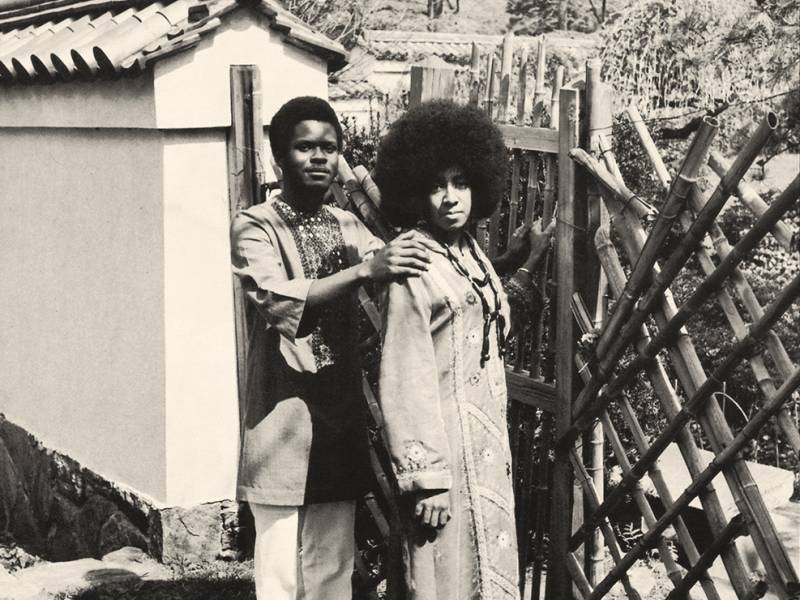
"caption": "Doug Carn, left, with his wife, Jean Carn, in a detail from the cover of their album 'Spirit of the New Land,' released on Black Jazz Records in 1972.",
"description": "Doug Carn, left, with his wife, Jean Carn, in a detail from the cover of their album 'Spirit of the New Land,' released on Black Jazz Records in 1972.",
"title": "Doug Carn, left, with his wife, Jean Carn, in a detail from the cover of their album 'Spirit of the New Land,' released on Black Jazz Records in 1972.",
"credit": "Courtesy of Real Gone Music",
"status": "inherit",
"isLoading": false,
"fetchFailed": false
},
"arts_13886304": {
"type": "attachments",
"id": "arts_13886304",
"meta": {
"index": "attachments_1716263798",
"site": "arts",
"id": "13886304",
"found": true
},
"parent": 13886288,
"imgSizes": {
"twentyfourteen-full-width": {
"file": "https://ww2.kqed.org/app/uploads/sites/2/2020/09/srjl-1038x576.jpg",
"width": 1038,
"mimeType": "image/jpeg",
"height": 576
},
"thumbnail": {
"file": "https://ww2.kqed.org/app/uploads/sites/2/2020/09/srjl-160x90.jpg",
"width": 160,
"mimeType": "image/jpeg",
"height": 90
},
"post-thumbnail": {
"file": "https://ww2.kqed.org/app/uploads/sites/2/2020/09/srjl-672x372.jpg",
"width": 672,
"mimeType": "image/jpeg",
"height": 372
},
"kqedFullSize": {
"file": "https://ww2.kqed.org/app/uploads/sites/2/2020/09/srjl.jpg",
"width": 1920,
"height": 1080
},
"large": {
"file": "https://ww2.kqed.org/app/uploads/sites/2/2020/09/srjl-1020x574.jpg",
"width": 1020,
"mimeType": "image/jpeg",
"height": 574
},
"1536x1536": {
"file": "https://ww2.kqed.org/app/uploads/sites/2/2020/09/srjl-1536x864.jpg",
"width": 1536,
"mimeType": "image/jpeg",
"height": 864
},
"medium": {
"file": "https://ww2.kqed.org/app/uploads/sites/2/2020/09/srjl-800x450.jpg",
"width": 800,
"mimeType": "image/jpeg",
"height": 450
},
"medium_large": {
"file": "https://ww2.kqed.org/app/uploads/sites/2/2020/09/srjl-768x432.jpg",
"width": 768,
"mimeType": "image/jpeg",
"height": 432
}
},
"publishDate": 1600126203,
"modified": 1600126237,
"caption": "Salami Rose Joe Louis.",
"description": "Salami Rose Joe Louis.",
"title": "srjl",
"credit": "Nastia Voynovskaya",
"status": "inherit",
"isLoading": false,
"fetchFailed": false
},
"arts_13885599": {
"type": "attachments",
"id": "arts_13885599",
"meta": {
"index": "attachments_1716263798",
"site": "arts",
"id": "13885599",
"found": true
},
"parent": 13885595,
"imgSizes": {
"twentyfourteen-full-width": {
"file": "https://ww2.kqed.org/app/uploads/sites/2/2020/09/Shelby.Felix_-1038x576.jpg",
"width": 1038,
"mimeType": "image/jpeg",
"height": 576
},
"thumbnail": {
"file": "https://ww2.kqed.org/app/uploads/sites/2/2020/09/Shelby.Felix_-160x90.jpg",
"width": 160,
"mimeType": "image/jpeg",
"height": 90
},
"post-thumbnail": {
"file": "https://ww2.kqed.org/app/uploads/sites/2/2020/09/Shelby.Felix_-672x372.jpg",
"width": 672,
"mimeType": "image/jpeg",
"height": 372
},
"kqedFullSize": {
"file": "https://ww2.kqed.org/app/uploads/sites/2/2020/09/Shelby.Felix_.jpg",
"width": 1422,
"height": 800
},
"large": {
"file": "https://ww2.kqed.org/app/uploads/sites/2/2020/09/Shelby.Felix_-1020x574.jpg",
"width": 1020,
"mimeType": "image/jpeg",
"height": 574
},
"medium": {
"file": "https://ww2.kqed.org/app/uploads/sites/2/2020/09/Shelby.Felix_-800x450.jpg",
"width": 800,
"mimeType": "image/jpeg",
"height": 450
},
"medium_large": {
"file": "https://ww2.kqed.org/app/uploads/sites/2/2020/09/Shelby.Felix_-768x432.jpg",
"width": 768,
"mimeType": "image/jpeg",
"height": 432
}
},
"publishDate": 1598988844,
"modified": 1598988965,
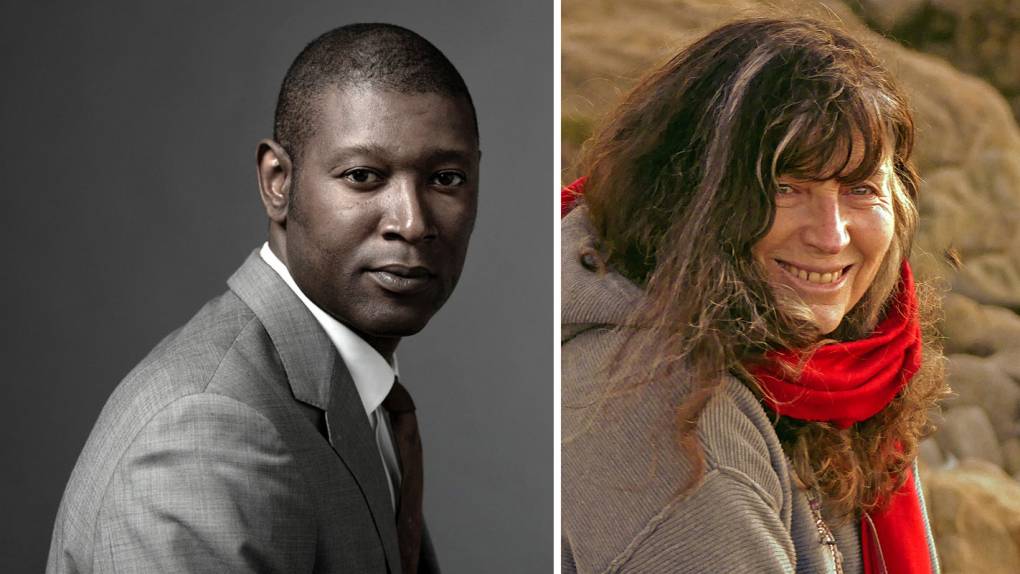
"caption": "Marcus Shelby (L) will replace Jessica Felix (R) as the artistic director of the long-running Healdsburg Jazz Festival.",
"description": "Marcus Shelby (L) will replace Jessica Felix (R) as the artistic director of the long-running Healdsburg Jazz Festival.",
"title": "Shelby.Felix",
"credit": "Shelby photo by Peter Varshavsky; Felix photo by Mel Felix",
"status": "inherit",
"isLoading": false,
"fetchFailed": false
},
"arts_13885086": {
"type": "attachments",
"id": "arts_13885086",
"meta": {
"index": "attachments_1716263798",
"site": "arts",
"id": "13885086",
"found": true
},
"parent": 13885079,
"imgSizes": {
"twentyfourteen-full-width": {
"file": "https://ww2.kqed.org/app/uploads/sites/2/2020/08/Roscoe-Mitchell-by-Ken-Weiss-1038x576.jpg",
"width": 1038,
"mimeType": "image/jpeg",
"height": 576
},
"thumbnail": {
"file": "https://ww2.kqed.org/app/uploads/sites/2/2020/08/Roscoe-Mitchell-by-Ken-Weiss-160x107.jpg",
"width": 160,
"mimeType": "image/jpeg",
"height": 107
},
"post-thumbnail": {
"file": "https://ww2.kqed.org/app/uploads/sites/2/2020/08/Roscoe-Mitchell-by-Ken-Weiss-672x372.jpg",
"width": 672,
"mimeType": "image/jpeg",
"height": 372
},
"kqedFullSize": {
"file": "https://ww2.kqed.org/app/uploads/sites/2/2020/08/Roscoe-Mitchell-by-Ken-Weiss.jpg",
"width": 1920,
"height": 1285
},
"large": {
"file": "https://ww2.kqed.org/app/uploads/sites/2/2020/08/Roscoe-Mitchell-by-Ken-Weiss-1020x683.jpg",
"width": 1020,
"mimeType": "image/jpeg",
"height": 683
},
"1536x1536": {
"file": "https://ww2.kqed.org/app/uploads/sites/2/2020/08/Roscoe-Mitchell-by-Ken-Weiss-1536x1028.jpg",
"width": 1536,
"mimeType": "image/jpeg",
"height": 1028
},
"medium": {
"file": "https://ww2.kqed.org/app/uploads/sites/2/2020/08/Roscoe-Mitchell-by-Ken-Weiss-800x535.jpg",
"width": 800,
"mimeType": "image/jpeg",
"height": 535
},
"medium_large": {
"file": "https://ww2.kqed.org/app/uploads/sites/2/2020/08/Roscoe-Mitchell-by-Ken-Weiss-768x514.jpg",
"width": 768,
"mimeType": "image/jpeg",
"height": 514
}
},
"publishDate": 1597956382,
"modified": 1597956411,
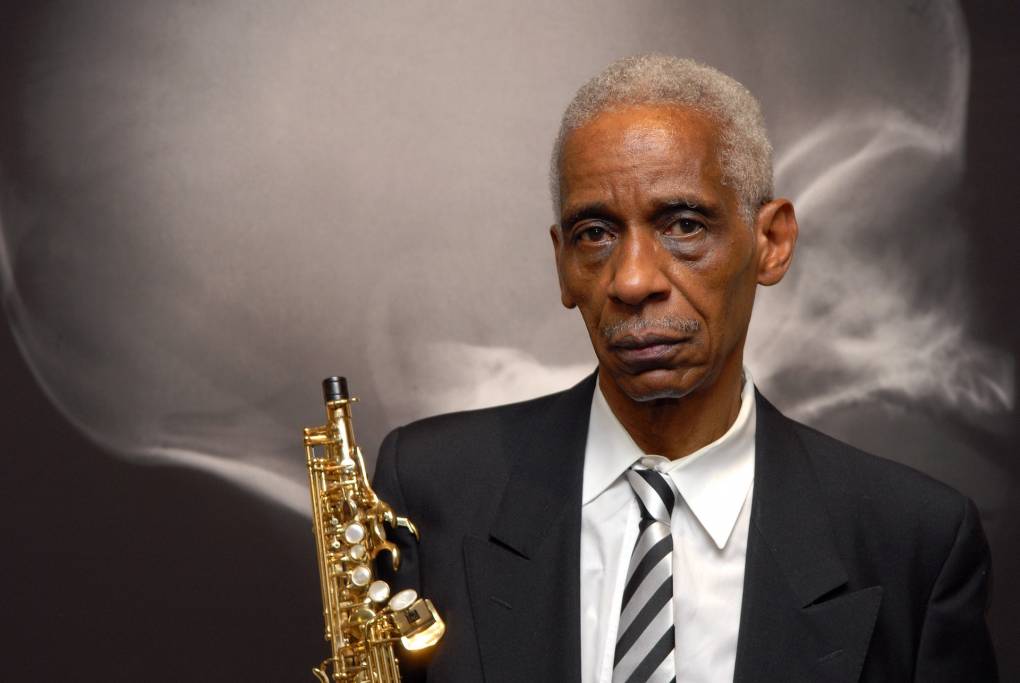
"caption": "2020 NEA Jazz Master Roscoe Mitchell.",
"description": "2020 NEA Jazz Master Roscoe Mitchell.",
"title": "Roscoe Mitchell by Ken Weiss",
"credit": "Ken Weiss",
"status": "inherit",
"isLoading": false,
"fetchFailed": false
},
"arts_13884715": {
"type": "attachments",
"id": "arts_13884715",
"meta": {
"index": "attachments_1716263798",
"site": "arts",
"id": "13884715",
"found": true
},
"parent": 13884245,
"imgSizes": {
"twentyfourteen-full-width": {
"file": "https://ww2.kqed.org/app/uploads/sites/2/2020/08/electronic-lover-podcast-art-1920x1080-1-1038x576.jpg",
"width": 1038,
"mimeType": "image/jpeg",
"height": 576
},
"thumbnail": {
"file": "https://ww2.kqed.org/app/uploads/sites/2/2020/08/electronic-lover-podcast-art-1920x1080-1-160x90.jpg",
"width": 160,
"mimeType": "image/jpeg",
"height": 90
},
"post-thumbnail": {
"file": "https://ww2.kqed.org/app/uploads/sites/2/2020/08/electronic-lover-podcast-art-1920x1080-1-672x372.jpg",
"width": 672,
"mimeType": "image/jpeg",
"height": 372
},
"kqedFullSize": {
"file": "https://ww2.kqed.org/app/uploads/sites/2/2020/08/electronic-lover-podcast-art-1920x1080-1.jpg",
"width": 1920,
"height": 1080
},
"large": {
"file": "https://ww2.kqed.org/app/uploads/sites/2/2020/08/electronic-lover-podcast-art-1920x1080-1-1020x574.jpg",
"width": 1020,
"mimeType": "image/jpeg",
"height": 574
},
"1536x1536": {
"file": "https://ww2.kqed.org/app/uploads/sites/2/2020/08/electronic-lover-podcast-art-1920x1080-1-1536x864.jpg",
"width": 1536,
"mimeType": "image/jpeg",
"height": 864
},
"medium": {
"file": "https://ww2.kqed.org/app/uploads/sites/2/2020/08/electronic-lover-podcast-art-1920x1080-1-800x450.jpg",
"width": 800,
"mimeType": "image/jpeg",
"height": 450
},
"medium_large": {
"file": "https://ww2.kqed.org/app/uploads/sites/2/2020/08/electronic-lover-podcast-art-1920x1080-1-768x432.jpg",
"width": 768,
"mimeType": "image/jpeg",
"height": 432
}
},
"publishDate": 1597259121,
"modified": 1597259210,
"caption": "An opera released as a podcast, 'The Electronic Lover' dives into the online drama of early adopters of the internet in the '80s, revealing truths about our very online world.",
"description": "An opera released as a podcast, 'The Electronic Lover' dives into the online drama of early adopters of the internet in the '80s, revealing truths about our very online world.",
"title": "electronic-lover-podcast-art-1920x1080",
"credit": "Den Nelson",
"status": "inherit",
"isLoading": false,
"fetchFailed": false
},
"arts_13879466": {
"type": "attachments",
"id": "arts_13879466",
"meta": {
"index": "attachments_1716263798",
"site": "arts",
"id": "13879466",
"found": true
},
"parent": 13879465,
"imgSizes": {
"twentyfourteen-full-width": {
"file": "https://ww2.kqed.org/app/uploads/sites/2/2020/04/ijd-vf-artist-mosaic_custom-26e6c7e3825878b07306ea856a029d8f037b6d9e-1038x576.jpg",
"width": 1038,
"mimeType": "image/jpeg",
"height": 576
},
"thumbnail": {
"file": "https://ww2.kqed.org/app/uploads/sites/2/2020/04/ijd-vf-artist-mosaic_custom-26e6c7e3825878b07306ea856a029d8f037b6d9e-160x96.jpg",
"width": 160,
"mimeType": "image/jpeg",
"height": 96
},
"post-thumbnail": {
"file": "https://ww2.kqed.org/app/uploads/sites/2/2020/04/ijd-vf-artist-mosaic_custom-26e6c7e3825878b07306ea856a029d8f037b6d9e-672x372.jpg",
"width": 672,
"mimeType": "image/jpeg",
"height": 372
},
"kqedFullSize": {
"file": "https://ww2.kqed.org/app/uploads/sites/2/2020/04/ijd-vf-artist-mosaic_custom-26e6c7e3825878b07306ea856a029d8f037b6d9e-e1588185881542.jpg",
"width": 1920,
"height": 1152
},
"large": {
"file": "https://ww2.kqed.org/app/uploads/sites/2/2020/04/ijd-vf-artist-mosaic_custom-26e6c7e3825878b07306ea856a029d8f037b6d9e-1020x612.jpg",
"width": 1020,
"mimeType": "image/jpeg",
"height": 612
},
"full-width": {
"file": "https://ww2.kqed.org/app/uploads/sites/2/2020/04/ijd-vf-artist-mosaic_custom-26e6c7e3825878b07306ea856a029d8f037b6d9e-1920x1152.jpg",
"width": 1920,
"mimeType": "image/jpeg",
"height": 1152
},
"medium": {
"file": "https://ww2.kqed.org/app/uploads/sites/2/2020/04/ijd-vf-artist-mosaic_custom-26e6c7e3825878b07306ea856a029d8f037b6d9e-800x480.jpg",
"width": 800,
"mimeType": "image/jpeg",
"height": 480
},
"medium_large": {
"file": "https://ww2.kqed.org/app/uploads/sites/2/2020/04/ijd-vf-artist-mosaic_custom-26e6c7e3825878b07306ea856a029d8f037b6d9e-768x461.jpg",
"width": 768,
"mimeType": "image/jpeg",
"height": 461
}
},
"publishDate": 1588184885,
"modified": 1588185922,
"caption": "International Jazz Day is the culmination of Jazz Appreciation Month, which draws public attention to jazz and its extraordinary heritage throughout April.",
"description": "International Jazz Day is the culmination of Jazz Appreciation Month, which draws public attention to jazz and its extraordinary heritage throughout April.",
"title": "International Jazz Day is the culmination of Jazz Appreciation Month, which draws public attention to jazz and its extraordinary heritage throughout April.",
"credit": "Courtesy of International Jazz Day",
"status": "inherit",
"isLoading": false,
"fetchFailed": false
},
"arts_13852477": {
"type": "attachments",
"id": "arts_13852477",
"meta": {
"index": "attachments_1716263798",
"site": "arts",
"id": "13852477",
"found": true
},
"parent": 13852456,
"imgSizes": {
"twentyfourteen-full-width": {
"file": "https://ww2.kqed.org/app/uploads/sites/2/2019/03/0-3-1038x576.jpg",
"width": 1038,
"mimeType": "image/jpeg",
"height": 576
},
"thumbnail": {
"file": "https://ww2.kqed.org/app/uploads/sites/2/2019/03/0-3-160x107.jpg",
"width": 160,
"mimeType": "image/jpeg",
"height": 107
},
"post-thumbnail": {
"file": "https://ww2.kqed.org/app/uploads/sites/2/2019/03/0-3-672x372.jpg",
"width": 672,
"mimeType": "image/jpeg",
"height": 372
},
"kqedFullSize": {
"file": "https://ww2.kqed.org/app/uploads/sites/2/2019/03/0-3.jpg",
"width": 1616,
"height": 1080
},
"large": {
"file": "https://ww2.kqed.org/app/uploads/sites/2/2019/03/0-3-1020x682.jpg",
"width": 1020,
"mimeType": "image/jpeg",
"height": 682
},
"complete_open_graph": {
"file": "https://ww2.kqed.org/app/uploads/sites/2/2019/03/0-3-1200x802.jpg",
"width": 1200,
"mimeType": "image/jpeg",
"height": 802
},
"guest-author-50": {
"file": "https://ww2.kqed.org/app/uploads/sites/2/2019/03/0-3-50x50.jpg",
"width": 50,
"mimeType": "image/jpeg",
"height": 50
},
"guest-author-96": {
"file": "https://ww2.kqed.org/app/uploads/sites/2/2019/03/0-3-96x96.jpg",
"width": 96,
"mimeType": "image/jpeg",
"height": 96
},
"medium": {
"file": "https://ww2.kqed.org/app/uploads/sites/2/2019/03/0-3-800x535.jpg",
"width": 800,
"mimeType": "image/jpeg",
"height": 535
},
"guest-author-64": {
"file": "https://ww2.kqed.org/app/uploads/sites/2/2019/03/0-3-64x64.jpg",
"width": 64,
"mimeType": "image/jpeg",
"height": 64
},
"guest-author-32": {
"file": "https://ww2.kqed.org/app/uploads/sites/2/2019/03/0-3-32x32.jpg",
"width": 32,
"mimeType": "image/jpeg",
"height": 32
},
"medium_large": {
"file": "https://ww2.kqed.org/app/uploads/sites/2/2019/03/0-3-768x513.jpg",
"width": 768,
"mimeType": "image/jpeg",
"height": 513
},
"guest-author-128": {
"file": "https://ww2.kqed.org/app/uploads/sites/2/2019/03/0-3-128x128.jpg",
"width": 128,
"mimeType": "image/jpeg",
"height": 128
}
},
"publishDate": 1551992987,
"modified": 1551993056,
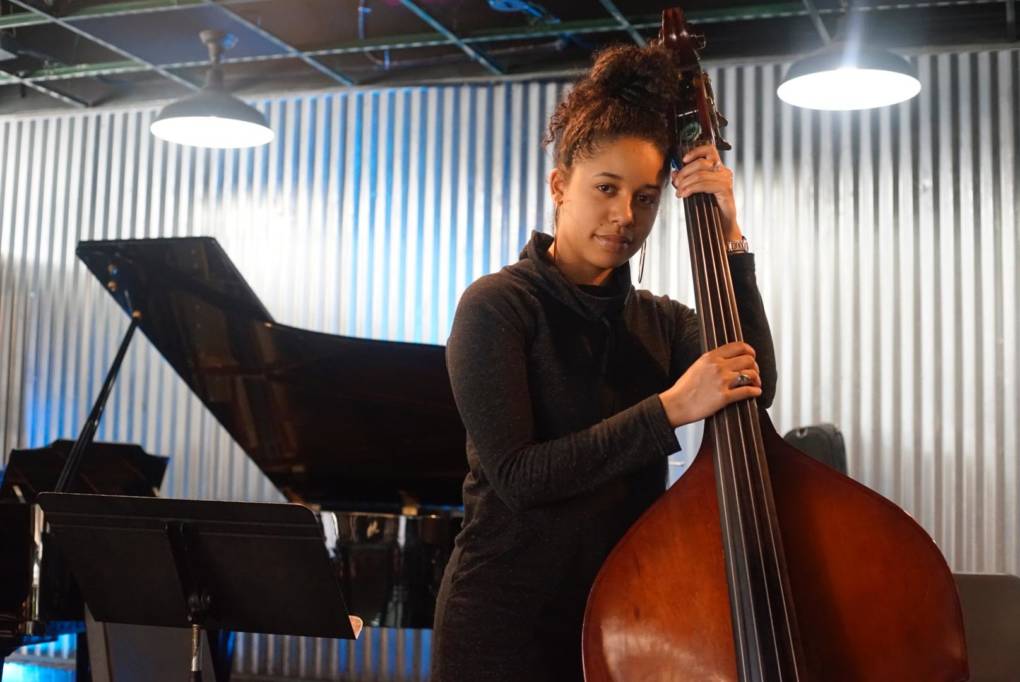
"caption": "Aneesa Strings and an upright bass bond at Oaktown Jazz Workshops",
"description": "Aneesa Strings and an upright bass bond at Oaktown Jazz Workshops",
"title": "Aneesa Strings and an upright bass bond at Oaktown Jazz Workshops",
"credit": "Pendarvis Harshaw/ KQED",
"status": "inherit",
"isLoading": false,
"fetchFailed": false
},
"arts_13876265": {
"type": "attachments",
"id": "arts_13876265",
"meta": {
"index": "attachments_1716263798",
"site": "arts",
"id": "13876265",
"found": true
},
"parent": 13876143,
"imgSizes": {
"twentyfourteen-full-width": {
"file": "https://ww2.kqed.org/app/uploads/sites/2/2020/03/IMG_4760-1038x576.jpg",
"width": 1038,
"mimeType": "image/jpeg",
"height": 576
},
"thumbnail": {
"file": "https://ww2.kqed.org/app/uploads/sites/2/2020/03/IMG_4760-160x107.jpg",
"width": 160,
"mimeType": "image/jpeg",
"height": 107
},
"post-thumbnail": {
"file": "https://ww2.kqed.org/app/uploads/sites/2/2020/03/IMG_4760-672x372.jpg",
"width": 672,
"mimeType": "image/jpeg",
"height": 372
},
"kqedFullSize": {
"file": "https://ww2.kqed.org/app/uploads/sites/2/2020/03/IMG_4760.jpg",
"width": 1920,
"height": 1280
},
"large": {
"file": "https://ww2.kqed.org/app/uploads/sites/2/2020/03/IMG_4760-1020x680.jpg",
"width": 1020,
"mimeType": "image/jpeg",
"height": 680
},
"full-width": {
"file": "https://ww2.kqed.org/app/uploads/sites/2/2020/03/IMG_4760-1920x1280.jpg",
"width": 1920,
"mimeType": "image/jpeg",
"height": 1280
},
"medium": {
"file": "https://ww2.kqed.org/app/uploads/sites/2/2020/03/IMG_4760-800x533.jpg",
"width": 800,
"mimeType": "image/jpeg",
"height": 533
},
"medium_large": {
"file": "https://ww2.kqed.org/app/uploads/sites/2/2020/03/IMG_4760-768x512.jpg",
"width": 768,
"mimeType": "image/jpeg",
"height": 512
}
},
"publishDate": 1583797160,
"modified": 1583797513,
"caption": "Faye Carol has been an active live performer since the 1960s, and her career has survived several turbulent historical eras. ",
"description": "Faye Carol has been an active live performer since the 1960s.",
"title": "IMG_4760",
"credit": "Nastia Voynovskaya",
"status": "inherit",
"isLoading": false,
"fetchFailed": false
},
"arts_13876113": {
"type": "attachments",
"id": "arts_13876113",
"meta": {
"index": "attachments_1716263798",
"site": "arts",
"id": "13876113",
"found": true
},
"parent": 13876109,
"imgSizes": {
"thumbnail": {
"file": "https://ww2.kqed.org/app/uploads/sites/2/2020/03/TynerThumb-160x90.jpg",
"width": 160,
"mimeType": "image/jpeg",
"height": 90
},
"post-thumbnail": {
"file": "https://ww2.kqed.org/app/uploads/sites/2/2020/03/TynerThumb-672x372.jpg",
"width": 672,
"mimeType": "image/jpeg",
"height": 372
},
"kqedFullSize": {
"file": "https://ww2.kqed.org/app/uploads/sites/2/2020/03/TynerThumb.jpg",
"width": 800,
"height": 450
},
"medium": {
"file": "https://ww2.kqed.org/app/uploads/sites/2/2020/03/TynerThumb-800x450.jpg",
"width": 800,
"mimeType": "image/jpeg",
"height": 450
},
"medium_large": {
"file": "https://ww2.kqed.org/app/uploads/sites/2/2020/03/TynerThumb-768x432.jpg",
"width": 768,
"mimeType": "image/jpeg",
"height": 432
}
},
"publishDate": 1583533107,
"modified": 1583533107,
"caption": null,
"description": null,
"title": "TynerThumb",
"credit": null,
"status": "inherit",
"isLoading": false,
"fetchFailed": false
},
"arts_13875258": {
"type": "attachments",
"id": "arts_13875258",
"meta": {
"index": "attachments_1716263798",
"site": "arts",
"id": "13875258",
"found": true
},
"parent": 13875256,
"imgSizes": {
"twentyfourteen-full-width": {
"file": "https://ww2.kqed.org/app/uploads/sites/2/2020/02/Tammy-Hall-by-Irene-Young-1024x576.jpg",
"width": 1024,
"mimeType": "image/jpeg",
"height": 576
},
"thumbnail": {
"file": "https://ww2.kqed.org/app/uploads/sites/2/2020/02/Tammy-Hall-by-Irene-Young-160x160.jpg",
"width": 160,
"mimeType": "image/jpeg",
"height": 160
},
"post-thumbnail": {
"file": "https://ww2.kqed.org/app/uploads/sites/2/2020/02/Tammy-Hall-by-Irene-Young-672x372.jpg",
"width": 672,
"mimeType": "image/jpeg",
"height": 372
},
"kqedFullSize": {
"file": "https://ww2.kqed.org/app/uploads/sites/2/2020/02/Tammy-Hall-by-Irene-Young.jpg",
"width": 1024,
"height": 1024
},
"large": {
"file": "https://ww2.kqed.org/app/uploads/sites/2/2020/02/Tammy-Hall-by-Irene-Young-1020x1020.jpg",
"width": 1020,
"mimeType": "image/jpeg",
"height": 1020
},
"medium": {
"file": "https://ww2.kqed.org/app/uploads/sites/2/2020/02/Tammy-Hall-by-Irene-Young-800x800.jpg",
"width": 800,
"mimeType": "image/jpeg",
"height": 800
},
"medium_large": {
"file": "https://ww2.kqed.org/app/uploads/sites/2/2020/02/Tammy-Hall-by-Irene-Young-768x768.jpg",
"width": 768,
"mimeType": "image/jpeg",
"height": 768
}
},
"publishDate": 1582233213,
"modified": 1582664081,
"caption": "Pianist Tammy Hall isn't looking for exposure, but she performs Saturday with her trio at Bird & Beckett as part of a inaugural fundraiser for the Independent Musicians Alliance. ",
"description": "Pianist Tammy Hall isn't looking for exposure, but she performs Saturday with her trio at Bird & Beckett as part of a inaugural fundraiser for the Independent Musicians Alliance. ",
"title": "Tammy Hall by Irene Young",
"credit": "Irene Young",
"status": "inherit",
"isLoading": false,
"fetchFailed": false
},
"arts_13875268": {
"type": "attachments",
"id": "arts_13875268",
"meta": {
"index": "attachments_1716263798",
"site": "arts",
"id": "13875268",
"found": true
},
"parent": 13875176,
"imgSizes": {
"twentyfourteen-full-width": {
"file": "https://ww2.kqed.org/app/uploads/sites/2/2020/02/combo-chimbita-1038x576.jpg",
"width": 1038,
"mimeType": "image/jpeg",
"height": 576
},
"thumbnail": {
"file": "https://ww2.kqed.org/app/uploads/sites/2/2020/02/combo-chimbita-160x107.jpg",
"width": 160,
"mimeType": "image/jpeg",
"height": 107
},
"post-thumbnail": {
"file": "https://ww2.kqed.org/app/uploads/sites/2/2020/02/combo-chimbita-672x372.jpg",
"width": 672,
"mimeType": "image/jpeg",
"height": 372
},
"kqedFullSize": {
"file": "https://ww2.kqed.org/app/uploads/sites/2/2020/02/combo-chimbita.jpg",
"width": 1200,
"height": 800
},
"large": {
"file": "https://ww2.kqed.org/app/uploads/sites/2/2020/02/combo-chimbita-1020x680.jpg",
"width": 1020,
"mimeType": "image/jpeg",
"height": 680
},
"medium": {
"file": "https://ww2.kqed.org/app/uploads/sites/2/2020/02/combo-chimbita-800x533.jpg",
"width": 800,
"mimeType": "image/jpeg",
"height": 533
},
"medium_large": {
"file": "https://ww2.kqed.org/app/uploads/sites/2/2020/02/combo-chimbita-768x512.jpg",
"width": 768,
"mimeType": "image/jpeg",
"height": 512
}
},
"publishDate": 1582237324,
"modified": 1582237385,
"caption": "Combo Chimbita perform at Noise Pop Music & Arts Festival on Feb. 26 and Feb. 28, 2020.",
"description": "Combo Chimbita perform at Noise Pop Music & Arts Festival on Feb. 26 and Feb. 28, 2020.",
"title": "combo chimbita",
"credit": "Combo Chimbita",
"status": "inherit",
"isLoading": false,
"fetchFailed": false
},
"arts_13875000": {
"type": "attachments",
"id": "arts_13875000",
"meta": {
"index": "attachments_1716263798",
"site": "arts",
"id": "13875000",
"found": true
},
"parent": 13874999,
"imgSizes": {
"thumbnail": {
"file": "https://ww2.kqed.org/app/uploads/sites/2/2020/02/Mulatu-160x90.jpg",
"width": 160,
"mimeType": "image/jpeg",
"height": 90
},
"post-thumbnail": {
"file": "https://ww2.kqed.org/app/uploads/sites/2/2020/02/Mulatu-672x372.jpg",
"width": 672,
"mimeType": "image/jpeg",
"height": 372
},
"kqedFullSize": {
"file": "https://ww2.kqed.org/app/uploads/sites/2/2020/02/Mulatu.jpg",
"width": 770,
"height": 433
},
"medium_large": {
"file": "https://ww2.kqed.org/app/uploads/sites/2/2020/02/Mulatu-768x432.jpg",
"width": 768,
"mimeType": "image/jpeg",
"height": 432
}
},
"publishDate": 1581712900,
"modified": 1581712913,
"caption": "Mulatu Astatke.",
"description": "Mulatu Astatke.",
"title": "Mulatu",
"credit": null,
"status": "inherit",
"isLoading": false,
"fetchFailed": false
}
},
"audioPlayerReducer": {
"postId": "stream_live",
"isPaused": true,
"isPlaying": false,
"pfsActive": false,
"pledgeModalIsOpen": true,
"playerDrawerIsOpen": false,
"liveAudioPlayStartedAt": 0,
"liveAudioPlayContext": ""
},
"authorsReducer": {
"byline_arts_13886749": {
"type": "authors",
"id": "byline_arts_13886749",
"meta": {
"override": true
},
"slug": "byline_arts_13886749",
"name": "Martin Johnson",
"isLoading": false
},
"byline_arts_13879465": {
"type": "authors",
"id": "byline_arts_13879465",
"meta": {
"override": true
},
"slug": "byline_arts_13879465",
"name": "Trevor Smith",
"isLoading": false
},
"byline_arts_13876109": {
"type": "authors",
"id": "byline_arts_13876109",
"meta": {
"override": true
},
"slug": "byline_arts_13876109",
"name": "Nate Chinen",
"isLoading": false
},
"agilbert": {
"type": "authors",
"id": "86",
"meta": {
"index": "authors_1716337520",
"id": "86",
"found": true
},
"name": "Andrew Gilbert",
"firstName": "Andrew",
"lastName": "Gilbert",
"slug": "agilbert",
"email": "jazzscribe@aol.com",
"display_author_email": false,
"staff_mastheads": [],
"title": "KQED Contributor",
"bio": "A Los Angeles native based in the Berkeley area since 1996, Andrew Gilbert covers jazz, international music and dance for KQED's \u003ci>California Report, \u003c/i>the\u003ci> Mercury News\u003c/i>, \u003ci>San Francisco Chronicle\u003c/i>, \u003ci>Berkeleyside.com\u003c/i>, and other publications. He is available for weddings and bar and bat mitzvahs. #jazzscribe",
"avatar": "https://secure.gravatar.com/avatar/d7bcafdbefdd39e9a68f88724ca616eb4e7a5a6bff9cdfb62de652a1e1751471?s=600&d=blank&r=g",
"twitter": null,
"bluesky": null,
"facebook": null,
"instagram": null,
"linkedin": null,
"sites": [
{
"site": "arts",
"roles": [
"Contributor",
"author"
]
},
{
"site": "news",
"roles": [
"author"
]
}
],
"headData": {
"title": "Andrew Gilbert | KQED",
"description": "KQED Contributor",
"ogImgSrc": "https://secure.gravatar.com/avatar/d7bcafdbefdd39e9a68f88724ca616eb4e7a5a6bff9cdfb62de652a1e1751471?s=600&d=blank&r=g",
"twImgSrc": "https://secure.gravatar.com/avatar/d7bcafdbefdd39e9a68f88724ca616eb4e7a5a6bff9cdfb62de652a1e1751471?s=600&d=blank&r=g"
},
"isLoading": false,
"link": "/author/agilbert"
},
"gmeline": {
"type": "authors",
"id": "185",
"meta": {
"index": "authors_1716337520",
"id": "185",
"found": true
},
"name": "Gabe Meline",
"firstName": "Gabe",
"lastName": "Meline",
"slug": "gmeline",
"email": "gmeline@kqed.org",
"display_author_email": true,
"staff_mastheads": [
"arts"
],
"title": "Senior Editor, KQED Arts & Culture",
"bio": "Gabe Meline entered journalism at age 15 making photocopied zines, and has since earned awards from the Edward R. Murrow Awards, the Society for Professional Journalists, the Online Journalism Awards, the Association of Alternative Newsweeklies and the California Newspaper Publishers Association. Prior to KQED, he was the editor of the \u003cem>North Bay Bohemian\u003c/em> and a touring musician. He lives with his wife and daughter in his hometown of Santa Rosa, CA.",
"avatar": "https://secure.gravatar.com/avatar/5bebe57be0d8bc2dd318934feb47299e2d2d10cba28d09d8d7afb389a2ce2bdd?s=600&d=blank&r=g",
"twitter": null,
"bluesky": null,
"facebook": null,
"instagram": null,
"linkedin": null,
"sites": [
{
"site": "",
"roles": [
"editor"
]
},
{
"site": "arts",
"roles": [
"administrator"
]
},
{
"site": "artschool",
"roles": [
"editor"
]
},
{
"site": "news",
"roles": [
"author"
]
},
{
"site": "pop",
"roles": [
"editor"
]
},
{
"site": "bayareabites",
"roles": [
"editor"
]
},
{
"site": "food",
"roles": [
"editor"
]
},
{
"site": "forum",
"roles": [
"administrator"
]
},
{
"site": "liveblog",
"roles": [
"editor"
]
},
{
"site": "hiphop",
"roles": [
"editor"
]
}
],
"headData": {
"title": "Gabe Meline | KQED",
"description": "Senior Editor, KQED Arts & Culture",
"ogImgSrc": "https://secure.gravatar.com/avatar/5bebe57be0d8bc2dd318934feb47299e2d2d10cba28d09d8d7afb389a2ce2bdd?s=600&d=blank&r=g",
"twImgSrc": "https://secure.gravatar.com/avatar/5bebe57be0d8bc2dd318934feb47299e2d2d10cba28d09d8d7afb389a2ce2bdd?s=600&d=blank&r=g"
},
"isLoading": false,
"link": "/author/gmeline"
},
"nvoynovskaya": {
"type": "authors",
"id": "11387",
"meta": {
"index": "authors_1716337520",
"id": "11387",
"found": true
},
"name": "Nastia Voynovskaya",
"firstName": "Nastia",
"lastName": "Voynovskaya",
"slug": "nvoynovskaya",
"email": "nvoynovskaya@kqed.org",
"display_author_email": false,
"staff_mastheads": [
"arts"
],
"title": "Editor and reporter",
"bio": "Nastia Voynovskaya is a reporter, editor and host at KQED Arts & Culture. She's been covering the arts in the Bay Area for over a decade, with a focus on music, queer culture, labor issues and grassroots organizing. She has edited KQED story series such as Trans Bay: A History of San Francisco's Gender-Diverse Community, and co-created KQED's Bay Area hip-hop history project, That's My Word. Nastia's work has been recognized by the Society of Professional Journalists and San Francisco Press Club. She regularly appears on podcasts and radio programs, including NPR's All Songs Considered, and hosts live events where music, culture and conversation meet.",
"avatar": "https://secure.gravatar.com/avatar/5025ee460e5a85d69ca20ea6c6f2f80d7e17795c828f61ea3aecfcd924e9042e?s=600&d=blank&r=g",
"twitter": null,
"bluesky": null,
"facebook": null,
"instagram": "https://www.instagram.com/nananastia/",
"linkedin": null,
"sites": [
{
"site": "",
"roles": [
"editor"
]
},
{
"site": "arts",
"roles": [
"administrator"
]
},
{
"site": "news",
"roles": [
"editor"
]
},
{
"site": "pop",
"roles": [
"administrator"
]
},
{
"site": "bayareabites",
"roles": [
"editor"
]
},
{
"site": "podcasts",
"roles": [
"editor"
]
},
{
"site": "hiphop",
"roles": [
"editor"
]
}
],
"headData": {
"title": "Nastia Voynovskaya | KQED",
"description": "Editor and reporter",
"ogImgSrc": "https://secure.gravatar.com/avatar/5025ee460e5a85d69ca20ea6c6f2f80d7e17795c828f61ea3aecfcd924e9042e?s=600&d=blank&r=g",
"twImgSrc": "https://secure.gravatar.com/avatar/5025ee460e5a85d69ca20ea6c6f2f80d7e17795c828f61ea3aecfcd924e9042e?s=600&d=blank&r=g"
},
"isLoading": false,
"link": "/author/nvoynovskaya"
},
"ogpenn": {
"type": "authors",
"id": "11491",
"meta": {
"index": "authors_1716337520",
"id": "11491",
"found": true
},
"name": "Pendarvis Harshaw",
"firstName": "Pendarvis",
"lastName": "Harshaw",
"slug": "ogpenn",
"email": "ogpenn@gmail.com",
"display_author_email": false,
"staff_mastheads": [
"arts"
],
"title": "Community Engagement Reporter",
"bio": "Pendarvis Harshaw is an educator, host and writer with KQED Arts.",
"avatar": "https://secure.gravatar.com/avatar/972b77ee8e3f346ae2b00622661187fbfabd059b5693bbdc1475ea7a722fd4cd?s=600&d=blank&r=g",
"twitter": null,
"bluesky": null,
"facebook": null,
"instagram": "ogpenn",
"linkedin": null,
"sites": [
{
"site": "arts",
"roles": [
"administrator"
]
},
{
"site": "news",
"roles": [
"editor"
]
},
{
"site": "bayareabites",
"roles": [
"author"
]
},
{
"site": "hiphop",
"roles": [
"editor"
]
}
],
"headData": {
"title": "Pendarvis Harshaw | KQED",
"description": "Community Engagement Reporter",
"ogImgSrc": "https://secure.gravatar.com/avatar/972b77ee8e3f346ae2b00622661187fbfabd059b5693bbdc1475ea7a722fd4cd?s=600&d=blank&r=g",
"twImgSrc": "https://secure.gravatar.com/avatar/972b77ee8e3f346ae2b00622661187fbfabd059b5693bbdc1475ea7a722fd4cd?s=600&d=blank&r=g"
},
"isLoading": false,
"link": "/author/ogpenn"
}
},
"pagesReducer": {
"arts_tag_jazz": {
"type": "terms",
"id": "arts_1420",
"meta": {
"index": "terms_1716263798",
"site": "arts",
"id": "1420",
"score": 9.104777
},
"featImg": null,
"name": "jazz",
"description": null,
"taxonomy": "tag",
"headData": {
"twImgId": null,
"twTitle": null,
"ogTitle": null,
"ogImgId": null,
"twDescription": null,
"description": null,
"title": "jazz Archives | KQED Arts",
"ogDescription": null
},
"ttid": 1432,
"slug": "jazz",
"isLoading": false,
"title": "jazz",
"pageMeta": {
"site": "arts",
"WpPageTemplate": "page-topic-editorial",
"currentPage": 13
},
"blocks": [
{
"blockName": "kqed/post-list",
"attrs": {
"layout": "cardArticle2",
"query": "posts/arts?tag=jazz",
"seeMore": false,
"paginated": true,
"page": 13
}
},
{
"blockName": "kqed/ad"
}
]
}
},
"pfsSessionReducer": {},
"postsReducer": {
"stream_live": {
"type": "live",
"id": "stream_live",
"audioUrl": "https://streams.kqed.org/kqedradio",
"title": "Live Stream",
"excerpt": "Live Stream information currently unavailable.",
"link": "/radio",
"featImg": "",
"label": {
"name": "KQED Live",
"link": "/"
}
},
"stream_kqedNewscast": {
"type": "posts",
"id": "stream_kqedNewscast",
"audioUrl": "https://www.kqed.org/.stream/anon/radio/RDnews/newscast.mp3?_=1",
"title": "KQED Newscast",
"featImg": "",
"label": {
"name": "88.5 FM",
"link": "/"
}
},
"arts_13886749": {
"type": "posts",
"id": "arts_13886749",
"meta": {
"index": "posts_1716263798",
"site": "arts",
"id": "13886749",
"score": null,
"sort": [
1600889289000
]
},
"parent": 0,
"labelTerm": {
"site": "arts",
"term": 137
},
"blocks": [],
"publishDate": 1600889289,
"format": "standard",
"title": "Rediscovering the Social and Spiritual Legacy of Oakland's Black Jazz Records",
"headTitle": "Rediscovering the Social and Spiritual Legacy of Oakland’s Black Jazz Records | KQED",
"content": "\u003cp>The dawn of the ’70s were heady times for keyboardist Doug Carn and drummer Michael Carvin. Both men had recently relocated to Los Angeles from points south; Carn came from Florida, Carvin from Houston. Carn was getting gigs with well-known bands like Nat Adderly and Earth, Wind And Fire, while Carvin was getting work in television bands as a sideman. Most central to the pair, though, was the demo the two had recorded along with Carn’s wife, vocalist Jean Carn, that they thought marked the future of jazz. Inspired by three legendary African-Americans—Dr. Martin Luther King, John Coltrane and Muhammad Ali—Carn had written lyrics for music composed by Coltrane, McCoy Tyner and Wayne Shorter, which were then sung by Jean, who imbued the songs with an energetic vibrance. “I felt we were creating a new set of standards,” Doug Carn tells NPR Music.\u003c/p>\n\u003cp>Carn took the demo to some of the prominent jazz labels of the time, like Blue Note, Impulse! and Columbia, but, to his honest surprise, found no takers. Even in retrospect, it is a head-scratcher; the music’s spiritual overtones both echoed Coltrane, just a few years removed from his death and already a towering figure, and the work of one of Coltrane’s proteges, Pharoah Sanders, who notched a hit in 1969 with the song “The Creator Has a Master Plan,” from his 1969 recording \u003cem>Karma—\u003c/em>a cornerstone of the spiritual jazz that Carn was creating. Plus, the sound of Carn’s ensemble had a pan-African feel in the rhythms, which echoed a trend in several jazz styles.\u003c/p>\n\u003cp>https://www.youtube.com/watch?time_continue=2&v=QZ6lB7FKxi8\u003c/p>\n\u003cp>Still without a home for their recordings, Carn and Carvin then heard of a new label, Black Jazz Records, which was being run in Oakland by Gene Russell, a pianist who had scored a minor hit with the piano trio album \u003cem>Up And Away\u003c/em>, which featured covers of contemporary pop tunes. Russell was planning to make his new label focus on artistic self-determination, rather than conformity to the marketplace.\u003c/p>\n\u003cfigure id=\"attachment_13886751\" class=\"wp-caption alignright\" style=\"max-width: 200px\">\u003cimg loading=\"lazy\" decoding=\"async\" class=\"size-full wp-image-13886751\" src=\"https://ww2.kqed.org/app/uploads/sites/2/2020/09/gene-russell-cover-art_sq-acc8a702634847bfd8f3da52fc75dd50c3c0efb0.jpe\" alt=\"The cover photograph for Gene Russell's album 'New Direction,' the first release on Black Jazz.\" width=\"200\" height=\"200\" srcset=\"https://cdn.kqed.org/wp-content/uploads/sites/2/2020/09/gene-russell-cover-art_sq-acc8a702634847bfd8f3da52fc75dd50c3c0efb0.jpe 200w, https://cdn.kqed.org/wp-content/uploads/sites/2/2020/09/gene-russell-cover-art_sq-acc8a702634847bfd8f3da52fc75dd50c3c0efb0-160x160.jpe 160w\" sizes=\"(max-width: 200px) 100vw, 200px\">\u003cfigcaption class=\"wp-caption-text\">The cover photograph for Gene Russell’s album ‘New Direction,’ the first release on Black Jazz. \u003ccite>(Courtesy of Real Gone Music)\u003c/cite>\u003c/figcaption>\u003c/figure>\n\u003cp>The cover art told the story of his transition: Russell’s Decca recording had featured its title in a bright, psychedelic color scheme, overlaid on a photo of Russell in the engine of an airplane, holding balloons. It’s presentation was whimsical; almost a rebuttal of the tumult in the streets. The first release on Black Jazz, his own album, aptly titled \u003cem>New Direction,\u003c/em> featured a black-and-white photo with a black frame and white typeface. The logo featured a soul-brother handshake, and the photo of Russell was of him in a black hat and blue jeans, assertively looking at the camera, clearly an independent urban spirit. In style it was an endorsement of post Civil Rights life for African Americans; there was less need to please the dominant society.\u003c/p>\n\u003cp>[ad fullwidth]\u003c/p>\n\u003cp>Carn and Carvin were all-too-right about their hunch. Russell heard the demo and, rather than send them into the studio to record fuller versions of the music, simply released it as \u003cem>Infant Eyes\u003c/em>, one of the first recordings on his new imprint.\u003c/p>\n\u003cp>https://www.youtube.com/watch?v=38OXtiRZ2ig\u003c/p>\n\u003cp>Jazz has always been a celebration of Black self-determination, but the jazz recording industry often failed to reflect that priority. Russell and his co-founder, Dick Schory, were among several artists and businessmen eager to challenge the paradigm. They weren’t alone—the late ’60s and early ’70s witnessed a flowering of independent spirit in the jazz community. Collectives sprung up around the country—the Association of the Advancement of Creative Musicians in Chicago (AACM), the Black Artists Group in St. Louis, the Union of God’s Musicians and Artists Ascension in Los Angeles all among them—to present and nurture the creation of a new music.\u003c/p>\n\u003cp>Artist-run labels followed in the same spirit. Sun Ra had created El Saturn Records to release his own work. Betty Carter created Bet-Car for hers. Trumpeter Charles Tolliver and pianist Stanley Cowell formed Strata East as a home for their work and that of their peers. DJ and impresario Jimmy Gray and saxophonist James Branch launched Black Fire Records to document the burgeoning African-American music scene in Washington, D.C. All of these labels captured a moment when Black people—musicians and fans alike—were resisting the definitions that had been imposed on them by white society and creating different sounds of blackness. Black Jazz Records was one of the biggest and most ambitious among them.\u003c/p>\n\u003cfigure id=\"attachment_13886752\" class=\"wp-caption alignright\" style=\"max-width: 200px\">\u003cimg loading=\"lazy\" decoding=\"async\" class=\"size-full wp-image-13886752\" src=\"https://ww2.kqed.org/app/uploads/sites/2/2020/09/black-jazz-logo_sq-22dcf70d1f3b9c3f43526605a528c841b0b0a744.jpg\" alt=\"The Black Jazz logo featured a soul-brother handshake.\" width=\"200\" height=\"200\" srcset=\"https://cdn.kqed.org/wp-content/uploads/sites/2/2020/09/black-jazz-logo_sq-22dcf70d1f3b9c3f43526605a528c841b0b0a744.jpg 200w, https://cdn.kqed.org/wp-content/uploads/sites/2/2020/09/black-jazz-logo_sq-22dcf70d1f3b9c3f43526605a528c841b0b0a744-160x160.jpg 160w\" sizes=\"(max-width: 200px) 100vw, 200px\">\u003cfigcaption class=\"wp-caption-text\">The Black Jazz logo. \u003ccite>(Courtesy of Real Gone Music)\u003c/cite>\u003c/figcaption>\u003c/figure>\n\u003cp>Black Jazz was founded in Oakland, also home to the Black Panther Party, an enduring icon of the African-American struggle for self-determination. Russell and Schory ran it from that city until 1975, after having released 20 albums, and in the ensuing 45 years the music has gone in and out of print, admired by jazz-influenced hip-hop artists and DJs and crate diggers everywhere. In late summer, Real Gone Music, an imprint dedicated to reviving lost catalogues of albums, \u003ca href=\"https://urldefense.com/v3/__https://shop.realgonemusic.com/collections/vinyl/black-jazz__;!!Iwwt!B9lSnzFCndHopsQyvms2e3BM_TUqcAIvNfn5QwrPPrNGfz07b8dhSp4UljbqGw%24\" target=\"_blank\" rel=\"noopener noreferrer\">launched an eighteen-month program\u003c/a> which will put the entirety of the Black Jazz Records portfolio back in print. The breadth of the work is exceptional; even from an era where musical boundaries blurred, the Black Records sound is unusually diverse. There is classic piano-trio music from Russell, innovative larger-group work by bands like The Awakening and stunning vocal albums by newcomers like Kellee Patterson. Aaron Cohen, author of \u003ca href=\"https://press.uchicago.edu/ucp/books/book/chicago/M/bo18705279.html\" target=\"_blank\" rel=\"noopener noreferrer\">\u003cem>Move On Up: Chicago Soul Music and Black Cultural Power\u003c/em>\u003c/a>, wrote of the era: “… it seems like there was a conscious effort to find artists who engaged with the manifold and diverse expressions of African-American music at the time, whether it was more popular leaning or more experimental. Indeed, Black Jazz showed that those impulses need not be mutually exclusive.”\u003c/p>\n\u003cp>The range of recordings in the first batch of Black Jazz Records reissues show this clearly. Carn’s \u003cem>Spirit of the New Land\u003c/em> has the distinctive style hallmarks of the Black Jazz catalog (\u003cem>Infant Eyes\u003c/em> will release in spring 2021). An illustrious ensemble that included Tolliver on flugelhorn, Alphonse Mouzon (who later gained renown with Larry Coryell and Weather Report) on drums and Earl McIntyre, whose credits range from Stevie Wonder to Cecil Taylor, on tuba, all playing Carn originals as well as Miles Davis’s “Blue in Green” and Lee Morgan’s “Search for the New Land,” each with lyrics added by the keyboardist. He said it reflected that it was “a crucial time on Black struggle in America.”\u003c/p>\n\u003cp>https://www.youtube.com/watch?v=Q1iYOsc0dv4&list=PLwZ1XNI9r5B6IDrYVEwz85GQoMLMJu097\u003c/p>\n\u003cp>The other recordings in the first set of reissues are a dynamic session led by pianist Walter Bishop, with trumpeter Woody Shaw, saxophonist Harold Vick and bassist Reggie Johnson, and a superb recording by the Chicago-based group The Awakening, a band which featured several musicians associated with the AACM there. That latter album begins and ends with recitations of poetry, and in-between features exceptional hard bop-inspired virtuosity. In late September, the label will release \u003cem>Maiden Voyage\u003c/em>, the debut recording from Kellee Patterson, who was the first Black woman to compete in the Miss America Pageant.\u003c/p>\n\u003cp>By 1975, Russell was looking to branch out beyond jazz. He closed Black Jazz Records and launched a new imprint, Aquarican, but managed to release only one album through it (\u003cem>Chyenne’s Coming\u003c/em> by Chyenne Flower, a jazz-rock group somewhat reminiscent of Tower of Power) before his death in 1981. Although Russell’s artists continued to thrive—most notably Jean Carn who, as Jean Carne, had a stellar career as an R&B singer—the music of Russell’s Black Jazz Records label has remained obscure, principally known only to aficionados like the DJ and producer Gilles Peterson.Gordon Anderson of Real Gone Music, a nine-year-old company that specializes in reviving vintage catalogs, took an interest in remedying that obscurity. He says that he was motivated in part by the prices Black Jazz Records were fetching from collectors, “here’s a label with only 20 records that [were all] very sought after.”\u003c/p>\n\u003cp>https://www.youtube.com/watch?v=QjysP0PTthY\u003c/p>\n\u003cp>But, as the release dates for the first Black Jazz reissues approached, ownership disputes broke out, with several parties claiming rights to the music and Russell’s heirs wanting their share, too. As of this writing, there is no legal clarity around the matter; all of the parties are searching for documents to substantiate their contentions. Meanwhile, many of the musicians involved acknowledge that, while Russell presented the label as his, there was doubt that he had funded it himself.\u003c/p>\n\u003cp>The pending reissues triggered another strong reaction overseas, where concerts were held in advance of the 50th anniversary of the label. Last autumn, there were sold-out shows in Paris and Berlin (a London booking was postponed due to the pandemic). “It was amazing,” said Carvin. “Almost 50 years after the release of these records, places were sold out, standing-room-only-type crowds, to hear the music we were making back then.” He was also pleased to see that the crowds weren’t older people indulging nostalgia, but younger folks discovering the style, too.\u003c/p>\n\u003cp>In some ways, it’s not surprising. The Afro-Diasporic sound of Black Jazz can be found in numerous artists on today’s scene: Kamasi Washington, Nubya Garcia, Shabaka Hutchings and many more echo both the musical diversity and spiritual aspects of the Black Jazz aesthetic. Cohen agrees with the resonance, noting that artists like Angel Bat Dawid likely heard the music of\u003cem> The Awakening\u003c/em>, and that the underlying philosophy from that era has spread far and wide.\u003c/p>\n\u003cp>[ad floatright]\u003c/p>\n\u003cp>“The jazz, R&B and spoken word hybrids from decades ago have clear connections to jazz, R&B and hip hop/spoken word today. The times that Black Jazz records have been sampled have also been a part of its legacy (I counted at least a dozen on whosampled.com),” Cohen writes in an email. Also, he notes the self-reliance aspect being crucial to music in the diminished state of the recording industry today, and he concluded, “issues of social consciousness that undoubtedly fueled the rise of such companies as Black Jazz have reverberated today through the Black Lives Matter movement.”\u003c/p>\n\u003cdiv class=\"fullattribution\">\u003cem>Copyright 2020 NPR. To see more, visit \u003ca href=\"https://www.npr.org\" target=\"_blank\" rel=\"noopener noreferrer\">NPR\u003c/a>.\u003cimg decoding=\"async\" src=\"https://www.google-analytics.com/__utm.gif?utmac=UA-5828686-4&utmdt=Rediscovering+The+Enormous+Social+And+Spiritual+Legacy+Of+Black+Jazz+Records&utme=8(APIKey)9(MDAxOTAwOTE4MDEyMTkxMDAzNjczZDljZA004)\">\u003c/em>\u003c/div>\n\n",
"stats": {
"hasVideo": true,
"hasChartOrMap": false,
"hasAudio": false,
"hasPolis": false,
"wordCount": 1821,
"hasGoogleForm": false,
"hasGallery": false,
"hasHearkenModule": false,
"iframeSrcs": [],
"paragraphCount": 17
},
"modified": 1705020092,
"excerpt": "As jazz experienced an awakening in the '60s and '70s, a record label from Oakland was at the forefront of capturing it.",
"headData": {
"twImgId": "",
"twTitle": "",
"ogTitle": "",
"ogImgId": "",
"twDescription": "",
"description": "As jazz experienced an awakening in the '60s and '70s, a record label from Oakland was at the forefront of capturing it.",
"title": "Rediscovering the Social and Spiritual Legacy of Oakland's Black Jazz Records | KQED",
"ogDescription": "",
"schema": {
"@context": "https://schema.org",
"@type": "Article",
"headline": "Rediscovering the Social and Spiritual Legacy of Oakland's Black Jazz Records",
"datePublished": "2020-09-23T12:28:09-07:00",
"dateModified": "2024-01-11T16:41:32-08:00",
"image": "https://cdn.kqed.org/wp-content/uploads/2020/02/KQED-OG-Image@1x.png"
}
},
"guestAuthors": [],
"slug": "rediscovering-the-social-and-spiritual-legacy-of-oaklands-black-jazz-records",
"status": "publish",
"nprApiLink": "http://api.npr.org/query?id=915323876&apiKey=MDAxOTAwOTE4MDEyMTkxMDAzNjczZDljZA004",
"templateType": "standard",
"nprByline": "Martin Johnson",
"nprStoryDate": "Tue, 22 Sep 2020 07:01:21 -0400",
"nprLastModifiedDate": "Wed, 23 Sep 2020 11:19:55 -0400",
"featuredImageType": "standard",
"sticky": false,
"nprHtmlLink": "https://www.npr.org/2020/09/22/915323876/rediscovering-the-enormous-social-and-spiritual-legacy-of-black-jazz-records?ft=nprml&f=915323876",
"nprImageAgency": "Courtesy of Real Gone Music",
"nprStoryId": "915323876",
"nprRetrievedStory": "1",
"nprPubDate": "Wed, 23 Sep 2020 11:19:00 -0400",
"path": "/arts/13886749/rediscovering-the-social-and-spiritual-legacy-of-oaklands-black-jazz-records",
"audioTrackLength": null,
"parsedContent": [
{
"type": "contentString",
"content": "\u003cdiv class=\"post-body\">\u003cp>\u003cp>The dawn of the ’70s were heady times for keyboardist Doug Carn and drummer Michael Carvin. Both men had recently relocated to Los Angeles from points south; Carn came from Florida, Carvin from Houston. Carn was getting gigs with well-known bands like Nat Adderly and Earth, Wind And Fire, while Carvin was getting work in television bands as a sideman. Most central to the pair, though, was the demo the two had recorded along with Carn’s wife, vocalist Jean Carn, that they thought marked the future of jazz. Inspired by three legendary African-Americans—Dr. Martin Luther King, John Coltrane and Muhammad Ali—Carn had written lyrics for music composed by Coltrane, McCoy Tyner and Wayne Shorter, which were then sung by Jean, who imbued the songs with an energetic vibrance. “I felt we were creating a new set of standards,” Doug Carn tells NPR Music.\u003c/p>\n\u003cp>Carn took the demo to some of the prominent jazz labels of the time, like Blue Note, Impulse! and Columbia, but, to his honest surprise, found no takers. Even in retrospect, it is a head-scratcher; the music’s spiritual overtones both echoed Coltrane, just a few years removed from his death and already a towering figure, and the work of one of Coltrane’s proteges, Pharoah Sanders, who notched a hit in 1969 with the song “The Creator Has a Master Plan,” from his 1969 recording \u003cem>Karma—\u003c/em>a cornerstone of the spiritual jazz that Carn was creating. Plus, the sound of Carn’s ensemble had a pan-African feel in the rhythms, which echoed a trend in several jazz styles.\u003c/p>\u003c/p>\u003cp>\u003cspan class='utils-parseShortcode-shortcodes-__youtubeShortcode__embedYoutube'>\n \u003cspan class='utils-parseShortcode-shortcodes-__youtubeShortcode__embedYoutubeInside'>\n \u003ciframe\n loading='lazy'\n class='utils-parseShortcode-shortcodes-__youtubeShortcode__youtubePlayer'\n type='text/html'\n src='//www.youtube.com/embed/QZ6lB7FKxi8'\n title='//www.youtube.com/embed/QZ6lB7FKxi8'\n allowfullscreen='true'\n style='border:0;'>\u003c/iframe>\n \u003c/span>\n \u003c/span>\u003c/p>\u003cp>\u003cp>Still without a home for their recordings, Carn and Carvin then heard of a new label, Black Jazz Records, which was being run in Oakland by Gene Russell, a pianist who had scored a minor hit with the piano trio album \u003cem>Up And Away\u003c/em>, which featured covers of contemporary pop tunes. Russell was planning to make his new label focus on artistic self-determination, rather than conformity to the marketplace.\u003c/p>\n\u003cfigure id=\"attachment_13886751\" class=\"wp-caption alignright\" style=\"max-width: 200px\">\u003cimg loading=\"lazy\" decoding=\"async\" class=\"size-full wp-image-13886751\" src=\"https://ww2.kqed.org/app/uploads/sites/2/2020/09/gene-russell-cover-art_sq-acc8a702634847bfd8f3da52fc75dd50c3c0efb0.jpe\" alt=\"The cover photograph for Gene Russell's album 'New Direction,' the first release on Black Jazz.\" width=\"200\" height=\"200\" srcset=\"https://cdn.kqed.org/wp-content/uploads/sites/2/2020/09/gene-russell-cover-art_sq-acc8a702634847bfd8f3da52fc75dd50c3c0efb0.jpe 200w, https://cdn.kqed.org/wp-content/uploads/sites/2/2020/09/gene-russell-cover-art_sq-acc8a702634847bfd8f3da52fc75dd50c3c0efb0-160x160.jpe 160w\" sizes=\"(max-width: 200px) 100vw, 200px\">\u003cfigcaption class=\"wp-caption-text\">The cover photograph for Gene Russell’s album ‘New Direction,’ the first release on Black Jazz. \u003ccite>(Courtesy of Real Gone Music)\u003c/cite>\u003c/figcaption>\u003c/figure>\n\u003cp>The cover art told the story of his transition: Russell’s Decca recording had featured its title in a bright, psychedelic color scheme, overlaid on a photo of Russell in the engine of an airplane, holding balloons. It’s presentation was whimsical; almost a rebuttal of the tumult in the streets. The first release on Black Jazz, his own album, aptly titled \u003cem>New Direction,\u003c/em> featured a black-and-white photo with a black frame and white typeface. The logo featured a soul-brother handshake, and the photo of Russell was of him in a black hat and blue jeans, assertively looking at the camera, clearly an independent urban spirit. In style it was an endorsement of post Civil Rights life for African Americans; there was less need to please the dominant society.\u003c/p>\n\u003cp>\u003c/p>\u003c/div>",
"attributes": {
"named": {},
"numeric": []
}
},
{
"type": "component",
"content": "",
"name": "ad",
"attributes": {
"named": {
"label": "fullwidth"
},
"numeric": [
"fullwidth"
]
}
},
{
"type": "contentString",
"content": "\u003cdiv class=\"post-body\">\u003cp>\u003c/p>\n\u003cp>Carn and Carvin were all-too-right about their hunch. Russell heard the demo and, rather than send them into the studio to record fuller versions of the music, simply released it as \u003cem>Infant Eyes\u003c/em>, one of the first recordings on his new imprint.\u003c/p>\u003c/p>\u003cp>\u003cspan class='utils-parseShortcode-shortcodes-__youtubeShortcode__embedYoutube'>\n \u003cspan class='utils-parseShortcode-shortcodes-__youtubeShortcode__embedYoutubeInside'>\n \u003ciframe\n loading='lazy'\n class='utils-parseShortcode-shortcodes-__youtubeShortcode__youtubePlayer'\n type='text/html'\n src='//www.youtube.com/embed/38OXtiRZ2ig'\n title='//www.youtube.com/embed/38OXtiRZ2ig'\n allowfullscreen='true'\n style='border:0;'>\u003c/iframe>\n \u003c/span>\n \u003c/span>\u003c/p>\u003cp>\u003cp>Jazz has always been a celebration of Black self-determination, but the jazz recording industry often failed to reflect that priority. Russell and his co-founder, Dick Schory, were among several artists and businessmen eager to challenge the paradigm. They weren’t alone—the late ’60s and early ’70s witnessed a flowering of independent spirit in the jazz community. Collectives sprung up around the country—the Association of the Advancement of Creative Musicians in Chicago (AACM), the Black Artists Group in St. Louis, the Union of God’s Musicians and Artists Ascension in Los Angeles all among them—to present and nurture the creation of a new music.\u003c/p>\n\u003cp>Artist-run labels followed in the same spirit. Sun Ra had created El Saturn Records to release his own work. Betty Carter created Bet-Car for hers. Trumpeter Charles Tolliver and pianist Stanley Cowell formed Strata East as a home for their work and that of their peers. DJ and impresario Jimmy Gray and saxophonist James Branch launched Black Fire Records to document the burgeoning African-American music scene in Washington, D.C. All of these labels captured a moment when Black people—musicians and fans alike—were resisting the definitions that had been imposed on them by white society and creating different sounds of blackness. Black Jazz Records was one of the biggest and most ambitious among them.\u003c/p>\n\u003cfigure id=\"attachment_13886752\" class=\"wp-caption alignright\" style=\"max-width: 200px\">\u003cimg loading=\"lazy\" decoding=\"async\" class=\"size-full wp-image-13886752\" src=\"https://ww2.kqed.org/app/uploads/sites/2/2020/09/black-jazz-logo_sq-22dcf70d1f3b9c3f43526605a528c841b0b0a744.jpg\" alt=\"The Black Jazz logo featured a soul-brother handshake.\" width=\"200\" height=\"200\" srcset=\"https://cdn.kqed.org/wp-content/uploads/sites/2/2020/09/black-jazz-logo_sq-22dcf70d1f3b9c3f43526605a528c841b0b0a744.jpg 200w, https://cdn.kqed.org/wp-content/uploads/sites/2/2020/09/black-jazz-logo_sq-22dcf70d1f3b9c3f43526605a528c841b0b0a744-160x160.jpg 160w\" sizes=\"(max-width: 200px) 100vw, 200px\">\u003cfigcaption class=\"wp-caption-text\">The Black Jazz logo. \u003ccite>(Courtesy of Real Gone Music)\u003c/cite>\u003c/figcaption>\u003c/figure>\n\u003cp>Black Jazz was founded in Oakland, also home to the Black Panther Party, an enduring icon of the African-American struggle for self-determination. Russell and Schory ran it from that city until 1975, after having released 20 albums, and in the ensuing 45 years the music has gone in and out of print, admired by jazz-influenced hip-hop artists and DJs and crate diggers everywhere. In late summer, Real Gone Music, an imprint dedicated to reviving lost catalogues of albums, \u003ca href=\"https://urldefense.com/v3/__https://shop.realgonemusic.com/collections/vinyl/black-jazz__;!!Iwwt!B9lSnzFCndHopsQyvms2e3BM_TUqcAIvNfn5QwrPPrNGfz07b8dhSp4UljbqGw%24\" target=\"_blank\" rel=\"noopener noreferrer\">launched an eighteen-month program\u003c/a> which will put the entirety of the Black Jazz Records portfolio back in print. The breadth of the work is exceptional; even from an era where musical boundaries blurred, the Black Records sound is unusually diverse. There is classic piano-trio music from Russell, innovative larger-group work by bands like The Awakening and stunning vocal albums by newcomers like Kellee Patterson. Aaron Cohen, author of \u003ca href=\"https://press.uchicago.edu/ucp/books/book/chicago/M/bo18705279.html\" target=\"_blank\" rel=\"noopener noreferrer\">\u003cem>Move On Up: Chicago Soul Music and Black Cultural Power\u003c/em>\u003c/a>, wrote of the era: “… it seems like there was a conscious effort to find artists who engaged with the manifold and diverse expressions of African-American music at the time, whether it was more popular leaning or more experimental. Indeed, Black Jazz showed that those impulses need not be mutually exclusive.”\u003c/p>\n\u003cp>The range of recordings in the first batch of Black Jazz Records reissues show this clearly. Carn’s \u003cem>Spirit of the New Land\u003c/em> has the distinctive style hallmarks of the Black Jazz catalog (\u003cem>Infant Eyes\u003c/em> will release in spring 2021). An illustrious ensemble that included Tolliver on flugelhorn, Alphonse Mouzon (who later gained renown with Larry Coryell and Weather Report) on drums and Earl McIntyre, whose credits range from Stevie Wonder to Cecil Taylor, on tuba, all playing Carn originals as well as Miles Davis’s “Blue in Green” and Lee Morgan’s “Search for the New Land,” each with lyrics added by the keyboardist. He said it reflected that it was “a crucial time on Black struggle in America.”\u003c/p>\u003c/p>\u003cp>\u003cspan class='utils-parseShortcode-shortcodes-__youtubeShortcode__embedYoutube'>\n \u003cspan class='utils-parseShortcode-shortcodes-__youtubeShortcode__embedYoutubeInside'>\n \u003ciframe\n loading='lazy'\n class='utils-parseShortcode-shortcodes-__youtubeShortcode__youtubePlayer'\n type='text/html'\n src='//www.youtube.com/embed/Q1iYOsc0dv4'\n title='//www.youtube.com/embed/Q1iYOsc0dv4'\n allowfullscreen='true'\n style='border:0;'>\u003c/iframe>\n \u003c/span>\n \u003c/span>\u003c/p>\u003cp>\u003cp>The other recordings in the first set of reissues are a dynamic session led by pianist Walter Bishop, with trumpeter Woody Shaw, saxophonist Harold Vick and bassist Reggie Johnson, and a superb recording by the Chicago-based group The Awakening, a band which featured several musicians associated with the AACM there. That latter album begins and ends with recitations of poetry, and in-between features exceptional hard bop-inspired virtuosity. In late September, the label will release \u003cem>Maiden Voyage\u003c/em>, the debut recording from Kellee Patterson, who was the first Black woman to compete in the Miss America Pageant.\u003c/p>\n\u003cp>By 1975, Russell was looking to branch out beyond jazz. He closed Black Jazz Records and launched a new imprint, Aquarican, but managed to release only one album through it (\u003cem>Chyenne’s Coming\u003c/em> by Chyenne Flower, a jazz-rock group somewhat reminiscent of Tower of Power) before his death in 1981. Although Russell’s artists continued to thrive—most notably Jean Carn who, as Jean Carne, had a stellar career as an R&B singer—the music of Russell’s Black Jazz Records label has remained obscure, principally known only to aficionados like the DJ and producer Gilles Peterson.Gordon Anderson of Real Gone Music, a nine-year-old company that specializes in reviving vintage catalogs, took an interest in remedying that obscurity. He says that he was motivated in part by the prices Black Jazz Records were fetching from collectors, “here’s a label with only 20 records that [were all] very sought after.”\u003c/p>\u003c/p>\u003cp>\u003cspan class='utils-parseShortcode-shortcodes-__youtubeShortcode__embedYoutube'>\n \u003cspan class='utils-parseShortcode-shortcodes-__youtubeShortcode__embedYoutubeInside'>\n \u003ciframe\n loading='lazy'\n class='utils-parseShortcode-shortcodes-__youtubeShortcode__youtubePlayer'\n type='text/html'\n src='//www.youtube.com/embed/QjysP0PTthY'\n title='//www.youtube.com/embed/QjysP0PTthY'\n allowfullscreen='true'\n style='border:0;'>\u003c/iframe>\n \u003c/span>\n \u003c/span>\u003c/p>\u003cp>\u003cp>But, as the release dates for the first Black Jazz reissues approached, ownership disputes broke out, with several parties claiming rights to the music and Russell’s heirs wanting their share, too. As of this writing, there is no legal clarity around the matter; all of the parties are searching for documents to substantiate their contentions. Meanwhile, many of the musicians involved acknowledge that, while Russell presented the label as his, there was doubt that he had funded it himself.\u003c/p>\n\u003cp>The pending reissues triggered another strong reaction overseas, where concerts were held in advance of the 50th anniversary of the label. Last autumn, there were sold-out shows in Paris and Berlin (a London booking was postponed due to the pandemic). “It was amazing,” said Carvin. “Almost 50 years after the release of these records, places were sold out, standing-room-only-type crowds, to hear the music we were making back then.” He was also pleased to see that the crowds weren’t older people indulging nostalgia, but younger folks discovering the style, too.\u003c/p>\n\u003cp>In some ways, it’s not surprising. The Afro-Diasporic sound of Black Jazz can be found in numerous artists on today’s scene: Kamasi Washington, Nubya Garcia, Shabaka Hutchings and many more echo both the musical diversity and spiritual aspects of the Black Jazz aesthetic. Cohen agrees with the resonance, noting that artists like Angel Bat Dawid likely heard the music of\u003cem> The Awakening\u003c/em>, and that the underlying philosophy from that era has spread far and wide.\u003c/p>\n\u003cp>\u003c/p>\u003c/div>",
"attributes": {
"named": {},
"numeric": []
}
},
{
"type": "component",
"content": "",
"name": "ad",
"attributes": {
"named": {
"label": "floatright"
},
"numeric": [
"floatright"
]
}
},
{
"type": "contentString",
"content": "\u003cdiv class=\"post-body\">\u003cp>\u003c/p>\n\u003cp>“The jazz, R&B and spoken word hybrids from decades ago have clear connections to jazz, R&B and hip hop/spoken word today. The times that Black Jazz records have been sampled have also been a part of its legacy (I counted at least a dozen on whosampled.com),” Cohen writes in an email. Also, he notes the self-reliance aspect being crucial to music in the diminished state of the recording industry today, and he concluded, “issues of social consciousness that undoubtedly fueled the rise of such companies as Black Jazz have reverberated today through the Black Lives Matter movement.”\u003c/p>\n\u003cdiv class=\"fullattribution\">\u003cem>Copyright 2020 NPR. To see more, visit \u003ca href=\"https://www.npr.org\" target=\"_blank\" rel=\"noopener noreferrer\">NPR\u003c/a>.\u003cimg decoding=\"async\" src=\"https://www.google-analytics.com/__utm.gif?utmac=UA-5828686-4&utmdt=Rediscovering+The+Enormous+Social+And+Spiritual+Legacy+Of+Black+Jazz+Records&utme=8(APIKey)9(MDAxOTAwOTE4MDEyMTkxMDAzNjczZDljZA004)\">\u003c/em>\u003c/div>\n\n\u003c/div>\u003c/p>",
"attributes": {
"named": {},
"numeric": []
}
}
],
"link": "/arts/13886749/rediscovering-the-social-and-spiritual-legacy-of-oaklands-black-jazz-records",
"authors": [
"byline_arts_13886749"
],
"categories": [
"arts_1",
"arts_7862",
"arts_69",
"arts_75"
],
"tags": [
"arts_1420",
"arts_1143"
],
"affiliates": [
"arts_137"
],
"featImg": "arts_13886750",
"label": "arts_137"
},
"arts_13886288": {
"type": "posts",
"id": "arts_13886288",
"meta": {
"index": "posts_1716263798",
"site": "arts",
"id": "13886288",
"score": null,
"sort": [
1600128321000
]
},
"parent": 0,
"labelTerm": {
"site": "arts",
"term": 140
},
"blocks": [],
"publishDate": 1600128321,
"format": "standard",
"title": "Musicians Reimagine Scores to Experimental Films at SF’s New Drive-In",
"headTitle": "Musicians Reimagine Scores to Experimental Films at SF’s New Drive-In | KQED",
"content": "\u003cp>Long before CGI was invented, Marcel Duchamp made his 1926 experimental film, \u003cem>Anémic Cinéma\u003c/em>, by creating abstract shapes out of cardboard and spinning them on a turnable for hypnotizing effect. (This was nearly a decade after he signed his name on a urinal and called it a sculpture, inventing the readymade and redefining what art could be.)\u003c/p>\n\u003cp>\u003cem>Anémic Cinéma\u003c/em> and many other strange, surreal cinematic feats from the first half of the 20th century will be playing on Oct. 1 at San Francisco’s new drive-in movie theater, \u003ca href=\"https://fortmason.org/event/flix/\" target=\"_blank\" rel=\"noopener noreferrer\">Fort Mason Flix\u003c/a>. The program, co-presented by Intersection for the Arts and curated by Izzy Parlamis, is called \u003ca href=\"https://www.eventbrite.com/e/loud-cinema-tickets-118073951367\" target=\"_blank\" rel=\"noopener noreferrer\">Loud Cinema\u003c/a> and features films by Duchamp and other experimentalists such as Slavko Vorkapich and Mary Ellen Bute.\u003c/p>\n\u003cp>To bring these films into the modern day, some talented, up-and-coming songwriters and improvisors recorded new soundtracks. The list of artists includes classically trained pop auteur \u003ca href=\"https://kadhjabonet.bandcamp.com/\" target=\"_blank\" rel=\"noopener noreferrer\">Kadhja Bonet\u003c/a>, jazz improvisors \u003ca href=\"https://www.kqed.org/arts/13864118/sci-fi-album-climate-anxiety-salami-rose-joe-louis-brainfeeder\" target=\"_blank\" rel=\"noopener noreferrer\">Salami Rose Joe Louis\u003c/a> and \u003ca href=\"https://cheflee.bandcamp.com/album/snowflake-clone-vol-2-instrumentals\" target=\"_blank\" rel=\"noopener noreferrer\">Cheflee\u003c/a> and Latin soul band \u003ca href=\"https://almasfronterizas.bandcamp.com/\" target=\"_blank\" rel=\"noopener noreferrer\">Almas Fronterizas\u003c/a>.\u003c/p>\n\u003cp>Off the Grid will serve food, and 50% of ticket proceeds go to \u003ca href=\"https://www.astraeafoundation.org/stories/transgender-gender-variant-and-intersex-justice-project/\" target=\"_blank\" rel=\"noopener noreferrer\">Transgender, Gender-Variant and Intersex Justice Project\u003c/a>, which advocates for trans and gender-nonconforming people in jails and prisons. \u003ca href=\"https://www.eventbrite.com/e/loud-cinema-tickets-118073951367\" target=\"_blank\" rel=\"noopener noreferrer\">Details here\u003c/a>.\u003c/p>\n\u003cp>[ad fullwidth]\u003c/p>\u003cp>\u003c/p>\n",
"stats": {
"hasVideo": false,
"hasChartOrMap": false,
"hasAudio": false,
"hasPolis": false,
"wordCount": 215,
"hasGoogleForm": false,
"hasGallery": false,
"hasHearkenModule": false,
"iframeSrcs": [],
"paragraphCount": 6
},
"modified": 1705020140,
"excerpt": "Salami Rose Joe Louis, Kadhja Bonet and others imagined new soundtracks for experimental films from the first half of the 20th century. ",
"headData": {
"twImgId": "",
"twTitle": "",
"ogTitle": "",
"ogImgId": "",
"twDescription": "",
"description": "Salami Rose Joe Louis, Kadhja Bonet and others imagined new soundtracks for experimental films from the first half of the 20th century. ",
"title": "Musicians Reimagine Scores to Experimental Films at SF’s New Drive-In | KQED",
"ogDescription": "",
"schema": {
"@context": "https://schema.org",
"@type": "Article",
"headline": "Musicians Reimagine Scores to Experimental Films at SF’s New Drive-In",
"datePublished": "2020-09-14T17:05:21-07:00",
"dateModified": "2024-01-11T16:42:20-08:00",
"image": "https://cdn.kqed.org/wp-content/uploads/2020/02/KQED-OG-Image@1x.png"
}
},
"guestAuthors": [],
"slug": "musicians-reimagine-scores-to-experimental-films-at-sfs-new-drive-in",
"status": "publish",
"templateType": "standard",
"featuredImageType": "standard",
"sticky": false,
"path": "/arts/13886288/musicians-reimagine-scores-to-experimental-films-at-sfs-new-drive-in",
"audioTrackLength": null,
"parsedContent": [
{
"type": "contentString",
"content": "\u003cdiv class=\"post-body\">\u003cp>\u003cp>Long before CGI was invented, Marcel Duchamp made his 1926 experimental film, \u003cem>Anémic Cinéma\u003c/em>, by creating abstract shapes out of cardboard and spinning them on a turnable for hypnotizing effect. (This was nearly a decade after he signed his name on a urinal and called it a sculpture, inventing the readymade and redefining what art could be.)\u003c/p>\n\u003cp>\u003cem>Anémic Cinéma\u003c/em> and many other strange, surreal cinematic feats from the first half of the 20th century will be playing on Oct. 1 at San Francisco’s new drive-in movie theater, \u003ca href=\"https://fortmason.org/event/flix/\" target=\"_blank\" rel=\"noopener noreferrer\">Fort Mason Flix\u003c/a>. The program, co-presented by Intersection for the Arts and curated by Izzy Parlamis, is called \u003ca href=\"https://www.eventbrite.com/e/loud-cinema-tickets-118073951367\" target=\"_blank\" rel=\"noopener noreferrer\">Loud Cinema\u003c/a> and features films by Duchamp and other experimentalists such as Slavko Vorkapich and Mary Ellen Bute.\u003c/p>\n\u003cp>To bring these films into the modern day, some talented, up-and-coming songwriters and improvisors recorded new soundtracks. The list of artists includes classically trained pop auteur \u003ca href=\"https://kadhjabonet.bandcamp.com/\" target=\"_blank\" rel=\"noopener noreferrer\">Kadhja Bonet\u003c/a>, jazz improvisors \u003ca href=\"https://www.kqed.org/arts/13864118/sci-fi-album-climate-anxiety-salami-rose-joe-louis-brainfeeder\" target=\"_blank\" rel=\"noopener noreferrer\">Salami Rose Joe Louis\u003c/a> and \u003ca href=\"https://cheflee.bandcamp.com/album/snowflake-clone-vol-2-instrumentals\" target=\"_blank\" rel=\"noopener noreferrer\">Cheflee\u003c/a> and Latin soul band \u003ca href=\"https://almasfronterizas.bandcamp.com/\" target=\"_blank\" rel=\"noopener noreferrer\">Almas Fronterizas\u003c/a>.\u003c/p>\n\u003cp>Off the Grid will serve food, and 50% of ticket proceeds go to \u003ca href=\"https://www.astraeafoundation.org/stories/transgender-gender-variant-and-intersex-justice-project/\" target=\"_blank\" rel=\"noopener noreferrer\">Transgender, Gender-Variant and Intersex Justice Project\u003c/a>, which advocates for trans and gender-nonconforming people in jails and prisons. \u003ca href=\"https://www.eventbrite.com/e/loud-cinema-tickets-118073951367\" target=\"_blank\" rel=\"noopener noreferrer\">Details here\u003c/a>.\u003c/p>\n\u003cp>\u003c/p>\u003c/div>",
"attributes": {
"named": {},
"numeric": []
}
},
{
"type": "component",
"content": "",
"name": "ad",
"attributes": {
"named": {
"label": "fullwidth"
},
"numeric": [
"fullwidth"
]
}
},
{
"type": "contentString",
"content": "\u003cdiv class=\"post-body\">\u003cp>\u003c/p>\u003cp>\u003c/p>\n\u003c/div>\u003c/p>",
"attributes": {
"named": {},
"numeric": []
}
}
],
"link": "/arts/13886288/musicians-reimagine-scores-to-experimental-films-at-sfs-new-drive-in",
"authors": [
"11387"
],
"programs": [
"arts_140"
],
"categories": [
"arts_1",
"arts_74",
"arts_69"
],
"tags": [
"arts_5053",
"arts_10278",
"arts_977",
"arts_1420",
"arts_585"
],
"featImg": "arts_13886304",
"label": "arts_140"
},
"arts_13885595": {
"type": "posts",
"id": "arts_13885595",
"meta": {
"index": "posts_1716263798",
"site": "arts",
"id": "13885595",
"score": null,
"sort": [
1598990835000
]
},
"parent": 0,
"labelTerm": {
"site": "arts"
},
"blocks": [],
"publishDate": 1598990835,
"format": "standard",
"title": "Marcus Shelby Named New Artistic Director of Healdsburg Jazz Festival, Replacing Jessica Felix",
"headTitle": "Marcus Shelby Named New Artistic Director of Healdsburg Jazz Festival, Replacing Jessica Felix | KQED",
"content": "\u003cp>Marcus Shelby, the composer, bandleader and bassist whose projects often intersect with politics and social issues, has been named the new artistic director of the Healdsburg Jazz Festival.\u003c/p>\n\u003cp>Shelby replaces festival founder Jessica Felix, who announced her retirement in early August after 22 years.\u003c/p>\n\u003cp>“Jessica did an incredible job building the Healdsburg Jazz Festival with first-class talent, including national and local artists,” Shelby said in a statement. “She never dumbed down the programming to get more people to come. I’m looking forward to expanding her extraordinary legacy and also develop a fresh vision that reflects my interests and strengths.”\u003c/p>\n\u003cp>https://youtu.be/CwOZkMm3uGc\u003c/p>\n\u003cp>Indeed, Felix was such a passionate supporter of jazz that, 10 years ago, when the board of directors \u003ca href=\"http://citysound.bohemian.com/2010/07/29/healdsburg-jazz-festival-postponed-jessica-felix-ousted/\" target=\"_blank\" rel=\"noopener noreferrer\">removed her\u003c/a> in an effort to steer the festival toward more commercial programming, the outcry from musicians and fans was so great that she was soon \u003ca href=\"http://citysound.bohemian.com/tag/jessica-felix/\" target=\"_blank\" rel=\"noopener noreferrer\">reinstated\u003c/a>.\u003c/p>\n\u003cp>But now, the lifelong jazz fan who got her start hosting living room concerts in her East Bay home said, “it’s time to be in the audience.”\u003c/p>\n\u003cp>A woefully incomplete list of the artists who have performed at the festival includes Pharoah Sanders, Charlie Haden, Bobby Hutcherson, Jackie McLean, Ravi Coltrane, Kenny Burrell, Esperanza Spalding, McCoy Tyner, Jack DeJohnette, Geri Allen, Randy Weston and Billy Hart. It also served as a launch pad for Julian Lage, the famed jazz guitarist who was just a local 12-year-old when he first performed at the festival with Charles Lloyd.\u003c/p>\n\u003cfigure id=\"attachment_13885600\" class=\"wp-caption aligncenter\" style=\"max-width: 800px\">\u003cimg loading=\"lazy\" decoding=\"async\" class=\"size-medium wp-image-13885600\" src=\"https://ww2.kqed.org/app/uploads/sites/2/2020/09/Jessica-with-Billy-Higgins-1999-800x628.jpg\" alt=\"Jessica Felix with drummer Billy Higgins during the 1999 Healdsburg Jazz Festival.\" width=\"800\" height=\"628\" srcset=\"https://cdn.kqed.org/wp-content/uploads/sites/2/2020/09/Jessica-with-Billy-Higgins-1999-800x628.jpg 800w, https://cdn.kqed.org/wp-content/uploads/sites/2/2020/09/Jessica-with-Billy-Higgins-1999-1020x800.jpg 1020w, https://cdn.kqed.org/wp-content/uploads/sites/2/2020/09/Jessica-with-Billy-Higgins-1999-160x126.jpg 160w, https://cdn.kqed.org/wp-content/uploads/sites/2/2020/09/Jessica-with-Billy-Higgins-1999-768x602.jpg 768w, https://cdn.kqed.org/wp-content/uploads/sites/2/2020/09/Jessica-with-Billy-Higgins-1999-1536x1205.jpg 1536w, https://cdn.kqed.org/wp-content/uploads/sites/2/2020/09/Jessica-with-Billy-Higgins-1999.jpg 1920w\" sizes=\"(max-width: 800px) 100vw, 800px\">\u003cfigcaption class=\"wp-caption-text\">Jessica Felix with drummer Billy Higgins during the 1999 Healdsburg Jazz Festival. \u003ccite>(Courtesy Healdsburg Jazz Festival)\u003c/cite>\u003c/figcaption>\u003c/figure>\n\u003cp>It’s hard to imagine a better successor for the festival than Shelby, who has worked with Felix for the past decade, frequently performing at the festival and developing special programming for local schools and choirs as part of its education and community outreach programs.\u003c/p>\n\u003cp>“He’s done a lot up here already and everybody loves him,” Felix said.\u003c/p>\n\u003cp>Shelby is also a composer-in-residence with the Yerba Buena Gardens Festival, a longtime collaborator and one-time artist-in-residence at SFJAZZ, and a teacher at the San Francisco Community Music Center. He was appointed to the San Francisco Arts Commission in 2014, where he still serves.\u003c/p>\n\u003cp>[ad fullwidth]\u003c/p>\n\u003cp>As a composer and bassist, Shelby’s recent musical projects have covered such social issues as the school-to-prison pipeline, and historical figures such as Harriet Tubman and Martin Luther King, Jr. In 2018, he \u003ca href=\"https://www.kqed.org/arts/13856830/sfjazz-resident-artistic-director-marcus-shelby-explores-blues-black-feminism-and-baseball\" target=\"_blank\" rel=\"noopener noreferrer\">premiered\u003c/a> \u003cem>Black Ball: The Negro Leagues and the Blues\u003c/em> in San Francisco.\u003c/p>\n\u003cp>Shelby knows he has big shoes to fill.\u003c/p>\n\u003cp>“I realize you can’t book everybody,” he said. “I’m really committed to making the most diverse festival possible, with the highest degree of talent. That’s always going to be my goal.”\u003c/p>\n\u003cp>\u003c/p>\n",
"stats": {
"hasVideo": false,
"hasChartOrMap": false,
"hasAudio": false,
"hasPolis": false,
"wordCount": 485,
"hasGoogleForm": false,
"hasGallery": false,
"hasHearkenModule": false,
"iframeSrcs": [],
"paragraphCount": 14
},
"modified": 1705020197,
"excerpt": "The bassist, composer and bandleader is committed to bringing ‘the highest degree of talent,’ he says.",
"headData": {
"twImgId": "",
"twTitle": "",
"ogTitle": "",
"ogImgId": "",
"twDescription": "",
"description": "The bassist, composer and bandleader is committed to bringing ‘the highest degree of talent,’ he says.",
"title": "Marcus Shelby Named New Artistic Director of Healdsburg Jazz Festival, Replacing Jessica Felix | KQED",
"ogDescription": "",
"schema": {
"@context": "https://schema.org",
"@type": "Article",
"headline": "Marcus Shelby Named New Artistic Director of Healdsburg Jazz Festival, Replacing Jessica Felix",
"datePublished": "2020-09-01T13:07:15-07:00",
"dateModified": "2024-01-11T16:43:17-08:00",
"image": "https://cdn.kqed.org/wp-content/uploads/2020/02/KQED-OG-Image@1x.png"
}
},
"guestAuthors": [],
"slug": "marcus-shelby-named-new-artistic-director-of-healdsburg-jazz-festival-replacing-jessica-felix",
"status": "publish",
"templateType": "standard",
"featuredImageType": "standard",
"sticky": false,
"path": "/arts/13885595/marcus-shelby-named-new-artistic-director-of-healdsburg-jazz-festival-replacing-jessica-felix",
"audioTrackLength": null,
"parsedContent": [
{
"type": "contentString",
"content": "\u003cdiv class=\"post-body\">\u003cp>\u003cp>Marcus Shelby, the composer, bandleader and bassist whose projects often intersect with politics and social issues, has been named the new artistic director of the Healdsburg Jazz Festival.\u003c/p>\n\u003cp>Shelby replaces festival founder Jessica Felix, who announced her retirement in early August after 22 years.\u003c/p>\n\u003cp>“Jessica did an incredible job building the Healdsburg Jazz Festival with first-class talent, including national and local artists,” Shelby said in a statement. “She never dumbed down the programming to get more people to come. I’m looking forward to expanding her extraordinary legacy and also develop a fresh vision that reflects my interests and strengths.”\u003c/p>\u003c/p>\u003cp>\u003cspan class='utils-parseShortcode-shortcodes-__youtubeShortcode__embedYoutube'>\n \u003cspan class='utils-parseShortcode-shortcodes-__youtubeShortcode__embedYoutubeInside'>\n \u003ciframe\n loading='lazy'\n class='utils-parseShortcode-shortcodes-__youtubeShortcode__youtubePlayer'\n type='text/html'\n src='//www.youtube.com/embed/CwOZkMm3uGc'\n title='//www.youtube.com/embed/CwOZkMm3uGc'\n allowfullscreen='true'\n style='border:0;'>\u003c/iframe>\n \u003c/span>\n \u003c/span>\u003c/p>\u003cp>\u003cp>Indeed, Felix was such a passionate supporter of jazz that, 10 years ago, when the board of directors \u003ca href=\"http://citysound.bohemian.com/2010/07/29/healdsburg-jazz-festival-postponed-jessica-felix-ousted/\" target=\"_blank\" rel=\"noopener noreferrer\">removed her\u003c/a> in an effort to steer the festival toward more commercial programming, the outcry from musicians and fans was so great that she was soon \u003ca href=\"http://citysound.bohemian.com/tag/jessica-felix/\" target=\"_blank\" rel=\"noopener noreferrer\">reinstated\u003c/a>.\u003c/p>\n\u003cp>But now, the lifelong jazz fan who got her start hosting living room concerts in her East Bay home said, “it’s time to be in the audience.”\u003c/p>\n\u003cp>A woefully incomplete list of the artists who have performed at the festival includes Pharoah Sanders, Charlie Haden, Bobby Hutcherson, Jackie McLean, Ravi Coltrane, Kenny Burrell, Esperanza Spalding, McCoy Tyner, Jack DeJohnette, Geri Allen, Randy Weston and Billy Hart. It also served as a launch pad for Julian Lage, the famed jazz guitarist who was just a local 12-year-old when he first performed at the festival with Charles Lloyd.\u003c/p>\n\u003cfigure id=\"attachment_13885600\" class=\"wp-caption aligncenter\" style=\"max-width: 800px\">\u003cimg loading=\"lazy\" decoding=\"async\" class=\"size-medium wp-image-13885600\" src=\"https://ww2.kqed.org/app/uploads/sites/2/2020/09/Jessica-with-Billy-Higgins-1999-800x628.jpg\" alt=\"Jessica Felix with drummer Billy Higgins during the 1999 Healdsburg Jazz Festival.\" width=\"800\" height=\"628\" srcset=\"https://cdn.kqed.org/wp-content/uploads/sites/2/2020/09/Jessica-with-Billy-Higgins-1999-800x628.jpg 800w, https://cdn.kqed.org/wp-content/uploads/sites/2/2020/09/Jessica-with-Billy-Higgins-1999-1020x800.jpg 1020w, https://cdn.kqed.org/wp-content/uploads/sites/2/2020/09/Jessica-with-Billy-Higgins-1999-160x126.jpg 160w, https://cdn.kqed.org/wp-content/uploads/sites/2/2020/09/Jessica-with-Billy-Higgins-1999-768x602.jpg 768w, https://cdn.kqed.org/wp-content/uploads/sites/2/2020/09/Jessica-with-Billy-Higgins-1999-1536x1205.jpg 1536w, https://cdn.kqed.org/wp-content/uploads/sites/2/2020/09/Jessica-with-Billy-Higgins-1999.jpg 1920w\" sizes=\"(max-width: 800px) 100vw, 800px\">\u003cfigcaption class=\"wp-caption-text\">Jessica Felix with drummer Billy Higgins during the 1999 Healdsburg Jazz Festival. \u003ccite>(Courtesy Healdsburg Jazz Festival)\u003c/cite>\u003c/figcaption>\u003c/figure>\n\u003cp>It’s hard to imagine a better successor for the festival than Shelby, who has worked with Felix for the past decade, frequently performing at the festival and developing special programming for local schools and choirs as part of its education and community outreach programs.\u003c/p>\n\u003cp>“He’s done a lot up here already and everybody loves him,” Felix said.\u003c/p>\n\u003cp>Shelby is also a composer-in-residence with the Yerba Buena Gardens Festival, a longtime collaborator and one-time artist-in-residence at SFJAZZ, and a teacher at the San Francisco Community Music Center. He was appointed to the San Francisco Arts Commission in 2014, where he still serves.\u003c/p>\n\u003cp>\u003c/p>\u003c/div>",
"attributes": {
"named": {},
"numeric": []
}
},
{
"type": "component",
"content": "",
"name": "ad",
"attributes": {
"named": {
"label": "fullwidth"
},
"numeric": [
"fullwidth"
]
}
},
{
"type": "contentString",
"content": "\u003cdiv class=\"post-body\">\u003cp>\u003c/p>\n\u003cp>As a composer and bassist, Shelby’s recent musical projects have covered such social issues as the school-to-prison pipeline, and historical figures such as Harriet Tubman and Martin Luther King, Jr. In 2018, he \u003ca href=\"https://www.kqed.org/arts/13856830/sfjazz-resident-artistic-director-marcus-shelby-explores-blues-black-feminism-and-baseball\" target=\"_blank\" rel=\"noopener noreferrer\">premiered\u003c/a> \u003cem>Black Ball: The Negro Leagues and the Blues\u003c/em> in San Francisco.\u003c/p>\n\u003cp>Shelby knows he has big shoes to fill.\u003c/p>\n\u003cp>“I realize you can’t book everybody,” he said. “I’m really committed to making the most diverse festival possible, with the highest degree of talent. That’s always going to be my goal.”\u003c/p>\n\u003cp>\u003c/p>\n\u003c/div>\u003c/p>",
"attributes": {
"named": {},
"numeric": []
}
}
],
"link": "/arts/13885595/marcus-shelby-named-new-artistic-director-of-healdsburg-jazz-festival-replacing-jessica-felix",
"authors": [
"185"
],
"categories": [
"arts_1",
"arts_69",
"arts_235"
],
"tags": [
"arts_10278",
"arts_6786",
"arts_1420",
"arts_3584",
"arts_3217"
],
"featImg": "arts_13885599",
"label": "arts"
},
"arts_13885079": {
"type": "posts",
"id": "arts_13885079",
"meta": {
"index": "posts_1716263798",
"site": "arts",
"id": "13885079",
"score": null,
"sort": [
1597958834000
]
},
"parent": 0,
"labelTerm": {
"site": "arts",
"term": 140
},
"blocks": [],
"publishDate": 1597958834,
"format": "standard",
"title": "Watch: NEA Jazz Masters Virtual Concert with Roscoe Mitchell, Bobby McFerrin",
"headTitle": "Watch: NEA Jazz Masters Virtual Concert with Roscoe Mitchell, Bobby McFerrin | KQED",
"content": "\u003cp>When the National Endowment for the Arts announced its 2020 Jazz Masters Fellowship honorees last year, the Bay Area’s music community geared up to honor them at SFJAZZ with a concert and ceremony. Because of the pandemic, that celebration now taking place online.\u003c/p>\n\u003cp>Two of the four recipients of the prestigious honor and $25,000 grant made a deep impact on the Bay Area’s jazz scene. Saxophonist Roscoe Mitchell was a key figure in Chicago’s avant-garde jazz circles in the ’60s with the Art Ensemble of Chicago, and taught at Mills College’s until he retired in 2018. Bobby McFerrin, best known for the pop hit “Don’t Worry, Be Happy,” is a 10-time Grammy-winning jazz vocalist who started his career in San Francisco. The other 2020 honorees are bassist Reggie Workman, best known for his work with John Coltrane and Thelonious Monk, and Dorthaan Kirk from Newark Public Radio.\u003c/p>\n\u003cp>Tonight at 5pm PDT, the celebration of the 2020 NEA Jazz Masters will stream on YouTube as a one-time-only concert hosted by the NEA and SFJAZZ. In addition to the honorees, acclaimed jazz musicians Christian McBride, Lisa Fischer, Ambrose Akinmusire, James Carter, Gerald Clayton, Vincent Davis, Oliver Lake, Taylor McFerrin and others will perform. 2017 NEA Jazz Master Dee Dee Bridgewater will host the event, which was coordinated by music director, drummer and composer Terri Lyne Carrington. A Q&A with SFJAZZ founder and executive artistic director Randall Kline will follow.\u003c/p>\n\u003cp>Watch the concert below or \u003ca href=\"https://youtu.be/IOKZjZFtcN4\" target=\"_blank\" rel=\"noopener noreferrer\">on the NEA’s YouTube channel\u003c/a>.\u003c/p>\n\u003cp>\u003c!-- iframe plugin v.4.3 wordpress.org/plugins/iframe/ -->\u003cbr>\n\u003ciframe loading=\"lazy\" allow=\"accelerometer; autoplay; encrypted-media; gyroscope; picture-in-picture\" allowfullscreen src=\"https://www.youtube.com/embed/IOKZjZFtcN4\" width=\"560\" height=\"315\" frameborder=\"0\" scrolling=\"yes\" class=\"iframe-class\">\u003c/iframe>\u003c/p>\n\u003cp>[ad fullwidth]\u003c/p>\u003cp>\u003c/p>\n",
"stats": {
"hasVideo": true,
"hasChartOrMap": false,
"hasAudio": false,
"hasPolis": false,
"wordCount": 272,
"hasGoogleForm": false,
"hasGallery": false,
"hasHearkenModule": false,
"iframeSrcs": [],
"paragraphCount": 7
},
"modified": 1705020250,
"excerpt": "The concert streams tonight at 5pm.",
"headData": {
"twImgId": "",
"twTitle": "",
"ogTitle": "",
"ogImgId": "",
"twDescription": "",
"description": "The concert streams tonight at 5pm.",
"title": "Watch: NEA Jazz Masters Virtual Concert with Roscoe Mitchell, Bobby McFerrin | KQED",
"ogDescription": "",
"schema": {
"@context": "https://schema.org",
"@type": "Article",
"headline": "Watch: NEA Jazz Masters Virtual Concert with Roscoe Mitchell, Bobby McFerrin",
"datePublished": "2020-08-20T14:27:14-07:00",
"dateModified": "2024-01-11T16:44:10-08:00",
"image": "https://cdn.kqed.org/wp-content/uploads/2020/02/KQED-OG-Image@1x.png"
}
},
"guestAuthors": [],
"slug": "watch-nea-jazz-masters-virtual-concert-with-roscoe-mitchell-bobby-mcferrin",
"status": "publish",
"templateType": "standard",
"featuredImageType": "standard",
"sticky": false,
"path": "/arts/13885079/watch-nea-jazz-masters-virtual-concert-with-roscoe-mitchell-bobby-mcferrin",
"audioTrackLength": null,
"parsedContent": [
{
"type": "contentString",
"content": "\u003cdiv class=\"post-body\">\u003cp>\u003cp>When the National Endowment for the Arts announced its 2020 Jazz Masters Fellowship honorees last year, the Bay Area’s music community geared up to honor them at SFJAZZ with a concert and ceremony. Because of the pandemic, that celebration now taking place online.\u003c/p>\n\u003cp>Two of the four recipients of the prestigious honor and $25,000 grant made a deep impact on the Bay Area’s jazz scene. Saxophonist Roscoe Mitchell was a key figure in Chicago’s avant-garde jazz circles in the ’60s with the Art Ensemble of Chicago, and taught at Mills College’s until he retired in 2018. Bobby McFerrin, best known for the pop hit “Don’t Worry, Be Happy,” is a 10-time Grammy-winning jazz vocalist who started his career in San Francisco. The other 2020 honorees are bassist Reggie Workman, best known for his work with John Coltrane and Thelonious Monk, and Dorthaan Kirk from Newark Public Radio.\u003c/p>\n\u003cp>Tonight at 5pm PDT, the celebration of the 2020 NEA Jazz Masters will stream on YouTube as a one-time-only concert hosted by the NEA and SFJAZZ. In addition to the honorees, acclaimed jazz musicians Christian McBride, Lisa Fischer, Ambrose Akinmusire, James Carter, Gerald Clayton, Vincent Davis, Oliver Lake, Taylor McFerrin and others will perform. 2017 NEA Jazz Master Dee Dee Bridgewater will host the event, which was coordinated by music director, drummer and composer Terri Lyne Carrington. A Q&A with SFJAZZ founder and executive artistic director Randall Kline will follow.\u003c/p>\n\u003cp>Watch the concert below or \u003ca href=\"https://youtu.be/IOKZjZFtcN4\" target=\"_blank\" rel=\"noopener noreferrer\">on the NEA’s YouTube channel\u003c/a>.\u003c/p>\n\u003cp>\u003c!-- iframe plugin v.4.3 wordpress.org/plugins/iframe/ -->\u003cbr>\n\u003ciframe loading=\"lazy\" allow=\"accelerometer; autoplay; encrypted-media; gyroscope; picture-in-picture\" allowfullscreen src=\"https://www.youtube.com/embed/IOKZjZFtcN4\" width=\"560\" height=\"315\" frameborder=\"0\" scrolling=\"yes\" class=\"iframe-class\">\u003c/iframe>\u003c/p>\n\u003cp>\u003c/p>\u003c/div>",
"attributes": {
"named": {},
"numeric": []
}
},
{
"type": "component",
"content": "",
"name": "ad",
"attributes": {
"named": {
"label": "fullwidth"
},
"numeric": [
"fullwidth"
]
}
},
{
"type": "contentString",
"content": "\u003cdiv class=\"post-body\">\u003cp>\u003c/p>\u003cp>\u003c/p>\n\u003c/div>\u003c/p>",
"attributes": {
"named": {},
"numeric": []
}
}
],
"link": "/arts/13885079/watch-nea-jazz-masters-virtual-concert-with-roscoe-mitchell-bobby-mcferrin",
"authors": [
"11387"
],
"programs": [
"arts_140"
],
"categories": [
"arts_1",
"arts_69"
],
"tags": [
"arts_10278",
"arts_1420",
"arts_2269",
"arts_2297",
"arts_585"
],
"featImg": "arts_13885086",
"label": "arts_140"
},
"arts_13884245": {
"type": "posts",
"id": "arts_13884245",
"meta": {
"index": "posts_1716263798",
"site": "arts",
"id": "13884245",
"score": null,
"sort": [
1597270041000
]
},
"parent": 0,
"labelTerm": {
"site": "arts",
"term": 140
},
"blocks": [],
"publishDate": 1597270041,
"format": "standard",
"title": "A Podcast-Opera About Early Chatrooms is a Funhouse Mirror for Our Very Online Lives",
"headTitle": "A Podcast-Opera About Early Chatrooms is a Funhouse Mirror for Our Very Online Lives | KQED",
"content": "\u003cp>[dropcap]E[/dropcap]ver since the pandemic flattened our physical world into a mostly digital plane, the theater of human life has unfolded on Zoom, TikTok and Instagram. Meet-ups and breakups, weddings and divorces, childbirths and funerals all take place now in the 2D space of our screens.\u003c/p>\n\u003cp>Given the—\u003cem>sigh\u003c/em>—current moment, the internet provides a fitting setting for one of the timeliest art projects to come out this year: \u003ca href=\"https://theelectroniclover.com/\" target=\"_blank\" rel=\"noopener noreferrer\">\u003cem>The Electronic Lover\u003c/em>\u003c/a>, an opera released in the form of a podcast that’s set at the dawn of the internet, where the intrigue plays out in an early ’80s chatroom. Though librettist \u003ca href=\"https://bethlisick.wordpress.com/\" target=\"_blank\" rel=\"noopener noreferrer\">Beth Lisick\u003c/a> and composer \u003ca href=\"https://www.lisamezzacappa.com/\" target=\"_blank\" rel=\"noopener noreferrer\">Lisa Mezzacappa\u003c/a> began working on \u003cem>The Electronic Lover\u003c/em> three years ago, the podcast arrives just in time for the COVID era, when seeing live opera isn’t an option and performing artists struggle to adapt. The pilot episode comes out Aug. 14, with a \u003ca href=\"https://tickets.vendini.com/ticket-software.html?t=tix&e=89a091347cc93e7ec36bb7ec26feffc2&vqitq=fc7aa6fa-7145-4fc9-ab59-c2aefa809b3f&vqitp=6759d6b9-9598-4c1e-8949-cf97b09d674b&vqitts=1597078596&vqitc=vendini&vqite=itl&vqitrt=Safetynet&vqith=e096ca8905f9015e78652f30d7e57238\" target=\"_blank\" rel=\"noopener noreferrer\">virtual launch party\u003c/a> including the cast and creators hosted that evening by the Center for new Music.\u003c/p>\n\u003cp>While there are podcasts \u003cem>about \u003c/em>opera, as well as fiction podcasts devoted to narrative storytelling, \u003cem>The Electronic Lover \u003c/em>is the first time (at least according to my research and the creators’ knowledge) that an opera has been presented in serialized episodes for streaming on Apple, Stitcher and other podcasting platforms. It’s also both creators’ first official foray into the genre, though one could say that their past endeavors prepared them for the task. Lisick, co-founder of the popular San Francisco live storytelling event Porchlight, is known for funny, gonzo-style writing about artist life. Mezzacappa is best-known as a jazz bass improviser and composer whose ambitious collaborations have pulled from literature. [aside postid='arts_13877358']\u003c/p>\n\u003cp>Together, the two artists decided to use opera to explore a time when the internet—a tool that so many of us now use to discover our identities, craft personas and find communities—allowed strangers to anonymously spill their guts to one another through green letters on a black screen. The early ’80s was a naive era when chatrooms encouraged emotional intimacy, decades before the United States president would use Twitter to decree foreign policy. Before white supremacists coordinated terroristic acts on message boards. And before being a woman on the internet meant being subjected to unsolicited dick pics and misogynistic trolling.\u003c/p>\n\u003cp class=\"p1\">\u003cspan class=\"s1\">“As soon as you hear ‘internet chatroom,’ before, it was like, ‘How cool, you’re going to be talking to people across the country,’” says Lisick. “Now you hear it and it’s like, ‘There’s going to be trouble.’ It mostly conjures negative ideas. In the beginning, it was this amazing thing. You could talk about anything.”\u003c/span>\u003c/p>\n\u003cfigure id=\"attachment_13884718\" class=\"wp-caption aligncenter\" style=\"max-width: 800px\">\u003cimg loading=\"lazy\" decoding=\"async\" class=\"size-medium wp-image-13884718\" src=\"https://ww2.kqed.org/app/uploads/sites/2/2020/08/LisaMezzacappa-Photo-by-Tim-Rowe-2019-800x533.jpg\" alt=\"\" width=\"800\" height=\"533\" srcset=\"https://cdn.kqed.org/wp-content/uploads/sites/2/2020/08/LisaMezzacappa-Photo-by-Tim-Rowe-2019-800x533.jpg 800w, https://cdn.kqed.org/wp-content/uploads/sites/2/2020/08/LisaMezzacappa-Photo-by-Tim-Rowe-2019-1020x680.jpg 1020w, https://cdn.kqed.org/wp-content/uploads/sites/2/2020/08/LisaMezzacappa-Photo-by-Tim-Rowe-2019-160x107.jpg 160w, https://cdn.kqed.org/wp-content/uploads/sites/2/2020/08/LisaMezzacappa-Photo-by-Tim-Rowe-2019-768x512.jpg 768w, https://cdn.kqed.org/wp-content/uploads/sites/2/2020/08/LisaMezzacappa-Photo-by-Tim-Rowe-2019-1536x1024.jpg 1536w, https://cdn.kqed.org/wp-content/uploads/sites/2/2020/08/LisaMezzacappa-Photo-by-Tim-Rowe-2019.jpg 1920w\" sizes=\"(max-width: 800px) 100vw, 800px\">\u003cfigcaption class=\"wp-caption-text\">Composer Lisa Mezzacappa. \u003ccite>(Tim Rowe)\u003c/cite>\u003c/figcaption>\u003c/figure>\n\u003cp>[dropcap]T[/dropcap]he first episode of \u003cem>The Electronic Lover\u003c/em> opens with sung thought fragments from strangers who’ve used their dial-up modems to connect to cyberspace, looking to express themselves in ways they couldn’t in their physical realities. A woman gripes about a bike injury; another confesses about the public spaces where she’s had sex. Each line in the chat is sung by a different performer, accompanied by a sparse instrumental soundtrack of drums, electronic bass and synthesizer. Mezzacappa recorded them one at a time, with proper social distancing, to make the process as pandemic-safe as possible. Oddly—and fittingly—many of the singers recorded their lines with an accompaniment of AI-generated vocals since they couldn’t all be in the room together. But the result, stitched together in software, still feels as natural as a pre-COVID ensemble.\u003c/p>\n\u003cp>[ad fullwidth]\u003c/p>\n\u003cp class=\"p1\">\u003cspan class=\"s1\">“In a way it almost models how weird this world we’re conjuring from the early ’80s is,” says Mezzacappa. “Everybody is trying to make connections and being so vulnerable with these people they can’t see and haven’t met. It’s the same with these singers, they’re singing with computer-generated voices as the mockup of the band and other singers.”\u003c/span>\u003c/p>\n\u003cp class=\"p1\">\u003cspan class=\"s1\">She adds, “My hope is that the constraints of this new environment actually lead to interesting, new creative ideas about how to work together. You can fight it as this lame version of the thing you wanted to do, or you can start to think, ‘What can I do now that would be totally different and something I haven’t thought of?’” [aside postid='arts_13883979']\u003c/span>\u003c/p>\n\u003cp>Internet connectivity wasn’t commonplace in American households until 2001, so those who had access to chatrooms in the early ’80s were typically academics, tech professionals and hobbyists who could afford computers. In those days, to exchange selfies, one would have to print out a photo and send it by snail mail, so internet friendships were personal and intentional. Lisick learned a lot about this as a young nightlife columnist for \u003ca href=\"http://sfgate.com\" target=\"_blank\" rel=\"noopener noreferrer\">SFGate\u003c/a> in the ’90s. Her boss, John Coate, had worked at the WELL, an early online community, and he helped turn SFGate into one of the world’s first successful news sites.\u003c/p>\n\u003cfigure id=\"attachment_13884719\" class=\"wp-caption alignright\" style=\"max-width: 800px\">\u003cimg loading=\"lazy\" decoding=\"async\" class=\"size-full wp-image-13884719\" src=\"https://ww2.kqed.org/app/uploads/sites/2/2020/08/BethLisick-photoby-AmySullivan.jpg\" alt=\"\" width=\"800\" height=\"1199\" srcset=\"https://cdn.kqed.org/wp-content/uploads/sites/2/2020/08/BethLisick-photoby-AmySullivan.jpg 800w, https://cdn.kqed.org/wp-content/uploads/sites/2/2020/08/BethLisick-photoby-AmySullivan-160x240.jpg 160w, https://cdn.kqed.org/wp-content/uploads/sites/2/2020/08/BethLisick-photoby-AmySullivan-768x1151.jpg 768w\" sizes=\"(max-width: 800px) 100vw, 800px\">\u003cfigcaption class=\"wp-caption-text\">Librettist Beth Lisick. \u003ccite>(Amy Sullivan)\u003c/cite>\u003c/figcaption>\u003c/figure>\n\u003cp>In episode one of \u003cem>The Electronic Lover\u003c/em>, we meet Margot Halperin, a midwife who leaves an off-the-grid commune for a new job where her expertise in emotional labor comes in handy for moderating a chatroom. Voicing the idealistic aspirations of the internet’s early adopters, Margot (voiced by Michelle Amador) sings: “You can connect people all over the world, he said / A free exchange of ideas, he said / Soon everyone will have one in their homes, he said / It will be the great equalizer, he said.”\u003c/p>\n\u003cp>But quickly, the women on the chat encounter mansplaining and misogynistic assumptions. Then, a user named Joan offers an idea that has been resonant from the days of Virginia Woolf to today’s online “safe spaces”: what the women need is a chatroom of one’s own.\u003c/p>\n\u003cp class=\"p1\">\u003cspan class=\"s1\">“It was interesting when there was a caretaker keeping things cool,” says Lisick. “And now, there’s nobody doing that. I mean, look at our president. There’s no one that’s out there trying to maintain a level of safety for anybody.”\u003c/span>\u003c/p>\n\u003cp>[dropcap]I[/dropcap]n our interview, Lisick and Mezzacappa decline to give too much detail about what comes next, as the following episodes still have yet to be recorded and are due out in 2021. But those dying to learn more about the action can read the 1985 \u003ca href=\"https://lindsyvangelder.com/sites/default/files/Plinkers.org%20-%20Electronic%20Lover.htm_.pdf\" target=\"_blank\" rel=\"noopener noreferrer\">\u003cem>Ms. Magazine\u003c/em> article\u003c/a> that served as the opera’s inspiration. It deals with a classic case of online catfishing.\u003c/p>\n\u003cp class=\"p1\">\u003cspan class=\"s1\">“A lot of the things that happen will resonate with women’s and girls’ experiences on the internet,” Mezzacappa hints.\u003c/span>\u003c/p>\n\u003cp>The concept of someone pretending to be someone else online has provided pop culture with endless fascination. It’s the basis of an MTV reality show and more recent controversies, like the identity reveal of influencer \u003ca href=\"https://www.papermag.com/emoblackthot-twitter-response-2640994247.html?rebelltitem=2#rebelltitem2\" target=\"_blank\" rel=\"noopener noreferrer\">@EmoBlackThot\u003c/a>, who attracted a massive following, mostly of Black women, by posing as one. The intrigue of an internet impostor is great fodder for a high-drama art form like opera, and the subject matter makes the podcast accessible even to those whose ears need adjusting to a sung storyline, with only a few spoken lines here and there from the narrator.\u003c/p>\n\u003cp>The ways catfishers infiltrate the emotions of their unwitting victims—typically people who feel alienated in their IRL worlds and are seeking connection through a screen—makes \u003cem>The Electronic Lover\u003c/em> relatable and gripping.\u003c/p>\n\u003cp>[ad floatright]\u003c/p>\n\u003cp class=\"p1\">\u003cspan class=\"s1\">“It’s funny and sexy and weird,” says Mezzacappa. “Everything about the story is operatic.”\u003c/span>\u003c/p>\n\n",
"stats": {
"hasVideo": false,
"hasChartOrMap": false,
"hasAudio": false,
"hasPolis": false,
"wordCount": 1327,
"hasGoogleForm": false,
"hasGallery": false,
"hasHearkenModule": false,
"iframeSrcs": [],
"paragraphCount": 13
},
"modified": 1705020292,
"excerpt": "As the theater of modern life unfolds online, the drama of ‘The Electronic Lover’ is timelier than ever.",
"headData": {
"twImgId": "",
"twTitle": "",
"ogTitle": "",
"ogImgId": "",
"twDescription": "",
"description": "As the theater of modern life unfolds online, the drama of ‘The Electronic Lover’ is timelier than ever.",
"title": "A Podcast-Opera About Early Chatrooms is a Funhouse Mirror for Our Very Online Lives | KQED",
"ogDescription": "",
"schema": {
"@context": "https://schema.org",
"@type": "Article",
"headline": "A Podcast-Opera About Early Chatrooms is a Funhouse Mirror for Our Very Online Lives",
"datePublished": "2020-08-12T15:07:21-07:00",
"dateModified": "2024-01-11T16:44:52-08:00",
"image": "https://cdn.kqed.org/wp-content/uploads/2020/02/KQED-OG-Image@1x.png"
}
},
"guestAuthors": [],
"slug": "a-podcast-opera-about-early-chatrooms-is-a-funhouse-mirror-for-our-very-online-lives",
"status": "publish",
"templateType": "standard",
"featuredImageType": "standard",
"sticky": false,
"path": "/arts/13884245/a-podcast-opera-about-early-chatrooms-is-a-funhouse-mirror-for-our-very-online-lives",
"audioTrackLength": null,
"parsedContent": [
{
"type": "contentString",
"content": "\u003cdiv class=\"post-body\">\u003cp>\u003cp>\u003c/p>\u003cp>\u003cspan class=\"utils-parseShortcode-shortcodes-__dropcapShortcode__dropcap\">E\u003c/span>\u003c/p>\u003cp>ver since the pandemic flattened our physical world into a mostly digital plane, the theater of human life has unfolded on Zoom, TikTok and Instagram. Meet-ups and breakups, weddings and divorces, childbirths and funerals all take place now in the 2D space of our screens.\u003c/p>\n\u003cp>Given the—\u003cem>sigh\u003c/em>—current moment, the internet provides a fitting setting for one of the timeliest art projects to come out this year: \u003ca href=\"https://theelectroniclover.com/\" target=\"_blank\" rel=\"noopener noreferrer\">\u003cem>The Electronic Lover\u003c/em>\u003c/a>, an opera released in the form of a podcast that’s set at the dawn of the internet, where the intrigue plays out in an early ’80s chatroom. Though librettist \u003ca href=\"https://bethlisick.wordpress.com/\" target=\"_blank\" rel=\"noopener noreferrer\">Beth Lisick\u003c/a> and composer \u003ca href=\"https://www.lisamezzacappa.com/\" target=\"_blank\" rel=\"noopener noreferrer\">Lisa Mezzacappa\u003c/a> began working on \u003cem>The Electronic Lover\u003c/em> three years ago, the podcast arrives just in time for the COVID era, when seeing live opera isn’t an option and performing artists struggle to adapt. The pilot episode comes out Aug. 14, with a \u003ca href=\"https://tickets.vendini.com/ticket-software.html?t=tix&e=89a091347cc93e7ec36bb7ec26feffc2&vqitq=fc7aa6fa-7145-4fc9-ab59-c2aefa809b3f&vqitp=6759d6b9-9598-4c1e-8949-cf97b09d674b&vqitts=1597078596&vqitc=vendini&vqite=itl&vqitrt=Safetynet&vqith=e096ca8905f9015e78652f30d7e57238\" target=\"_blank\" rel=\"noopener noreferrer\">virtual launch party\u003c/a> including the cast and creators hosted that evening by the Center for new Music.\u003c/p>\n\u003cp>While there are podcasts \u003cem>about \u003c/em>opera, as well as fiction podcasts devoted to narrative storytelling, \u003cem>The Electronic Lover \u003c/em>is the first time (at least according to my research and the creators’ knowledge) that an opera has been presented in serialized episodes for streaming on Apple, Stitcher and other podcasting platforms. It’s also both creators’ first official foray into the genre, though one could say that their past endeavors prepared them for the task. Lisick, co-founder of the popular San Francisco live storytelling event Porchlight, is known for funny, gonzo-style writing about artist life. Mezzacappa is best-known as a jazz bass improviser and composer whose ambitious collaborations have pulled from literature. \u003c/p>\u003c/div>",
"attributes": {
"named": {},
"numeric": []
}
},
{
"type": "component",
"content": "",
"name": "aside",
"attributes": {
"named": {
"postid": "arts_13877358",
"label": ""
},
"numeric": []
}
},
{
"type": "contentString",
"content": "\u003cdiv class=\"post-body\">\u003cp>\u003c/p>\n\u003cp>Together, the two artists decided to use opera to explore a time when the internet—a tool that so many of us now use to discover our identities, craft personas and find communities—allowed strangers to anonymously spill their guts to one another through green letters on a black screen. The early ’80s was a naive era when chatrooms encouraged emotional intimacy, decades before the United States president would use Twitter to decree foreign policy. Before white supremacists coordinated terroristic acts on message boards. And before being a woman on the internet meant being subjected to unsolicited dick pics and misogynistic trolling.\u003c/p>\n\u003cp class=\"p1\">\u003cspan class=\"s1\">“As soon as you hear ‘internet chatroom,’ before, it was like, ‘How cool, you’re going to be talking to people across the country,’” says Lisick. “Now you hear it and it’s like, ‘There’s going to be trouble.’ It mostly conjures negative ideas. In the beginning, it was this amazing thing. You could talk about anything.”\u003c/span>\u003c/p>\n\u003cfigure id=\"attachment_13884718\" class=\"wp-caption aligncenter\" style=\"max-width: 800px\">\u003cimg loading=\"lazy\" decoding=\"async\" class=\"size-medium wp-image-13884718\" src=\"https://ww2.kqed.org/app/uploads/sites/2/2020/08/LisaMezzacappa-Photo-by-Tim-Rowe-2019-800x533.jpg\" alt=\"\" width=\"800\" height=\"533\" srcset=\"https://cdn.kqed.org/wp-content/uploads/sites/2/2020/08/LisaMezzacappa-Photo-by-Tim-Rowe-2019-800x533.jpg 800w, https://cdn.kqed.org/wp-content/uploads/sites/2/2020/08/LisaMezzacappa-Photo-by-Tim-Rowe-2019-1020x680.jpg 1020w, https://cdn.kqed.org/wp-content/uploads/sites/2/2020/08/LisaMezzacappa-Photo-by-Tim-Rowe-2019-160x107.jpg 160w, https://cdn.kqed.org/wp-content/uploads/sites/2/2020/08/LisaMezzacappa-Photo-by-Tim-Rowe-2019-768x512.jpg 768w, https://cdn.kqed.org/wp-content/uploads/sites/2/2020/08/LisaMezzacappa-Photo-by-Tim-Rowe-2019-1536x1024.jpg 1536w, https://cdn.kqed.org/wp-content/uploads/sites/2/2020/08/LisaMezzacappa-Photo-by-Tim-Rowe-2019.jpg 1920w\" sizes=\"(max-width: 800px) 100vw, 800px\">\u003cfigcaption class=\"wp-caption-text\">Composer Lisa Mezzacappa. \u003ccite>(Tim Rowe)\u003c/cite>\u003c/figcaption>\u003c/figure>\n\u003cp>\u003c/p>\u003cp>\u003cspan class=\"utils-parseShortcode-shortcodes-__dropcapShortcode__dropcap\">T\u003c/span>\u003c/p>\u003cp>he first episode of \u003cem>The Electronic Lover\u003c/em> opens with sung thought fragments from strangers who’ve used their dial-up modems to connect to cyberspace, looking to express themselves in ways they couldn’t in their physical realities. A woman gripes about a bike injury; another confesses about the public spaces where she’s had sex. Each line in the chat is sung by a different performer, accompanied by a sparse instrumental soundtrack of drums, electronic bass and synthesizer. Mezzacappa recorded them one at a time, with proper social distancing, to make the process as pandemic-safe as possible. Oddly—and fittingly—many of the singers recorded their lines with an accompaniment of AI-generated vocals since they couldn’t all be in the room together. But the result, stitched together in software, still feels as natural as a pre-COVID ensemble.\u003c/p>\n\u003cp>\u003c/p>\u003c/div>",
"attributes": {
"named": {},
"numeric": []
}
},
{
"type": "component",
"content": "",
"name": "ad",
"attributes": {
"named": {
"label": "fullwidth"
},
"numeric": [
"fullwidth"
]
}
},
{
"type": "contentString",
"content": "\u003cdiv class=\"post-body\">\u003cp>\u003c/p>\n\u003cp class=\"p1\">\u003cspan class=\"s1\">“In a way it almost models how weird this world we’re conjuring from the early ’80s is,” says Mezzacappa. “Everybody is trying to make connections and being so vulnerable with these people they can’t see and haven’t met. It’s the same with these singers, they’re singing with computer-generated voices as the mockup of the band and other singers.”\u003c/span>\u003c/p>\n\u003cp class=\"p1\">\u003cspan class=\"s1\">She adds, “My hope is that the constraints of this new environment actually lead to interesting, new creative ideas about how to work together. You can fight it as this lame version of the thing you wanted to do, or you can start to think, ‘What can I do now that would be totally different and something I haven’t thought of?’” \u003c/p>\u003c/div>",
"attributes": {
"named": {},
"numeric": []
}
},
{
"type": "component",
"content": "",
"name": "aside",
"attributes": {
"named": {
"postid": "arts_13883979",
"label": ""
},
"numeric": []
}
},
{
"type": "contentString",
"content": "\u003cdiv class=\"post-body\">\u003cp>\u003c/span>\u003c/p>\n\u003cp>Internet connectivity wasn’t commonplace in American households until 2001, so those who had access to chatrooms in the early ’80s were typically academics, tech professionals and hobbyists who could afford computers. In those days, to exchange selfies, one would have to print out a photo and send it by snail mail, so internet friendships were personal and intentional. Lisick learned a lot about this as a young nightlife columnist for \u003ca href=\"http://sfgate.com\" target=\"_blank\" rel=\"noopener noreferrer\">SFGate\u003c/a> in the ’90s. Her boss, John Coate, had worked at the WELL, an early online community, and he helped turn SFGate into one of the world’s first successful news sites.\u003c/p>\n\u003cfigure id=\"attachment_13884719\" class=\"wp-caption alignright\" style=\"max-width: 800px\">\u003cimg loading=\"lazy\" decoding=\"async\" class=\"size-full wp-image-13884719\" src=\"https://ww2.kqed.org/app/uploads/sites/2/2020/08/BethLisick-photoby-AmySullivan.jpg\" alt=\"\" width=\"800\" height=\"1199\" srcset=\"https://cdn.kqed.org/wp-content/uploads/sites/2/2020/08/BethLisick-photoby-AmySullivan.jpg 800w, https://cdn.kqed.org/wp-content/uploads/sites/2/2020/08/BethLisick-photoby-AmySullivan-160x240.jpg 160w, https://cdn.kqed.org/wp-content/uploads/sites/2/2020/08/BethLisick-photoby-AmySullivan-768x1151.jpg 768w\" sizes=\"(max-width: 800px) 100vw, 800px\">\u003cfigcaption class=\"wp-caption-text\">Librettist Beth Lisick. \u003ccite>(Amy Sullivan)\u003c/cite>\u003c/figcaption>\u003c/figure>\n\u003cp>In episode one of \u003cem>The Electronic Lover\u003c/em>, we meet Margot Halperin, a midwife who leaves an off-the-grid commune for a new job where her expertise in emotional labor comes in handy for moderating a chatroom. Voicing the idealistic aspirations of the internet’s early adopters, Margot (voiced by Michelle Amador) sings: “You can connect people all over the world, he said / A free exchange of ideas, he said / Soon everyone will have one in their homes, he said / It will be the great equalizer, he said.”\u003c/p>\n\u003cp>But quickly, the women on the chat encounter mansplaining and misogynistic assumptions. Then, a user named Joan offers an idea that has been resonant from the days of Virginia Woolf to today’s online “safe spaces”: what the women need is a chatroom of one’s own.\u003c/p>\n\u003cp class=\"p1\">\u003cspan class=\"s1\">“It was interesting when there was a caretaker keeping things cool,” says Lisick. “And now, there’s nobody doing that. I mean, look at our president. There’s no one that’s out there trying to maintain a level of safety for anybody.”\u003c/span>\u003c/p>\n\u003cp>\u003c/p>\u003cp>\u003cspan class=\"utils-parseShortcode-shortcodes-__dropcapShortcode__dropcap\">I\u003c/span>\u003c/p>\u003cp>n our interview, Lisick and Mezzacappa decline to give too much detail about what comes next, as the following episodes still have yet to be recorded and are due out in 2021. But those dying to learn more about the action can read the 1985 \u003ca href=\"https://lindsyvangelder.com/sites/default/files/Plinkers.org%20-%20Electronic%20Lover.htm_.pdf\" target=\"_blank\" rel=\"noopener noreferrer\">\u003cem>Ms. Magazine\u003c/em> article\u003c/a> that served as the opera’s inspiration. It deals with a classic case of online catfishing.\u003c/p>\n\u003cp class=\"p1\">\u003cspan class=\"s1\">“A lot of the things that happen will resonate with women’s and girls’ experiences on the internet,” Mezzacappa hints.\u003c/span>\u003c/p>\n\u003cp>The concept of someone pretending to be someone else online has provided pop culture with endless fascination. It’s the basis of an MTV reality show and more recent controversies, like the identity reveal of influencer \u003ca href=\"https://www.papermag.com/emoblackthot-twitter-response-2640994247.html?rebelltitem=2#rebelltitem2\" target=\"_blank\" rel=\"noopener noreferrer\">@EmoBlackThot\u003c/a>, who attracted a massive following, mostly of Black women, by posing as one. The intrigue of an internet impostor is great fodder for a high-drama art form like opera, and the subject matter makes the podcast accessible even to those whose ears need adjusting to a sung storyline, with only a few spoken lines here and there from the narrator.\u003c/p>\n\u003cp>The ways catfishers infiltrate the emotions of their unwitting victims—typically people who feel alienated in their IRL worlds and are seeking connection through a screen—makes \u003cem>The Electronic Lover\u003c/em> relatable and gripping.\u003c/p>\n\u003cp>\u003c/p>\u003c/div>",
"attributes": {
"named": {},
"numeric": []
}
},
{
"type": "component",
"content": "",
"name": "ad",
"attributes": {
"named": {
"label": "floatright"
},
"numeric": [
"floatright"
]
}
},
{
"type": "contentString",
"content": "\u003cdiv class=\"post-body\">\u003cp>\u003c/p>\n\u003cp class=\"p1\">\u003cspan class=\"s1\">“It’s funny and sexy and weird,” says Mezzacappa. “Everything about the story is operatic.”\u003c/span>\u003c/p>\n\n\u003c/div>\u003c/p>",
"attributes": {
"named": {},
"numeric": []
}
}
],
"link": "/arts/13884245/a-podcast-opera-about-early-chatrooms-is-a-funhouse-mirror-for-our-very-online-lives",
"authors": [
"11387"
],
"programs": [
"arts_140"
],
"categories": [
"arts_1"
],
"tags": [
"arts_10126",
"arts_10127",
"arts_10278",
"arts_1420",
"arts_763",
"arts_585"
],
"featImg": "arts_13884715",
"label": "arts_140"
},
"arts_13879465": {
"type": "posts",
"id": "arts_13879465",
"meta": {
"index": "posts_1716263798",
"site": "arts",
"id": "13879465",
"score": null,
"sort": [
1588186021000
]
},
"parent": 0,
"labelTerm": {
"site": "arts",
"term": 140
},
"blocks": [],
"publishDate": 1588186021,
"format": "standard",
"title": "Stream These Virtual Events to Celebrate International Jazz Day on April 30",
"headTitle": "Stream These Virtual Events to Celebrate International Jazz Day on April 30 | KQED",
"content": "\u003cp>While the world has gone relatively quiet amid the coronavirus pandemic, International Jazz Day plans on bringing some joyful sounds from across the globe together in celebration of the music. Jazz Day, which falls on April 30 of each year, was initially established in 2011 by musician and UNESCO Goodwill Ambassador \u003ca href=\"https://www.npr.org/artists/15294441/herbie-hancock\" target=\"_blank\" rel=\"noopener noreferrer\">Herbie Hancock\u003c/a> to bring together communities worldwide to celebrate the humanity of the universal art form through workshops, discussions and an all-star \u003ca href=\"https://jazzday.com/2020/04/virtual-ijd-announce/\" target=\"_blank\" rel=\"noopener noreferrer\">global concert\u003c/a>.\u003c/p>\n\u003cp>Cape Town, South Africa, was supposed to host this year’s celebrations, but the events were canceled in late March due to the pandemic. Instead, the day’s activities will remain truly international by taking place online and hosted by Hancock.\u003c/p>\n\u003ch3>Featured Events:\u003c/h3>\n\u003cul>\n\u003cli>\u003cstrong>International Jazz Day Panel with Nate Chinen\u003c/strong>\u003cbr>\nTime: 1:30 p.m. ET\u003c/li>\n\u003cli>\u003cstrong>International Jazz Day Global Concert \u003c/strong>\u003cbr>\nTime: 3 p.m. ET\u003c/li>\n\u003c/ul>\n\u003chr>\n\u003cp>https://www.youtube.com/watch?v=C54ape_UfwY\u003c/p>\n\u003cp>The marquee Global Concert, which begins at 12:00 p.m. PT on \u003ca href=\"https://jazzday.com/\" target=\"_blank\" rel=\"noopener noreferrer\">jazzday.com\u003c/a>, will feature streamed performances from bassist \u003ca href=\"https://www.npr.org/artists/15439719/marcus-miller\" target=\"_blank\" rel=\"noopener noreferrer\">Marcus Miller\u003c/a> (U.S.), pianist \u003ca href=\"https://www.npr.org/artists/17022256/lang-lang\" target=\"_blank\" rel=\"noopener noreferrer\">Lang Lang\u003c/a> (China), saxophonist Igor Butman (Russia), vocalist Youn Sun Nah (South Korea), and bassist Alune Wade (Senegal), among other worldwide leaders in the genre.\u003c/p>\n\u003cp>In the spirit of Jazz Day’s mission of inclusion, a free series of educational master classes and children’s activities in six languages conducted by renowned musicians will be streamed in the hours leading up to the concert. The pre-concert program will also include a panel discussion on the importance of art and the international community during the public health crisis, hosted by NPR Music and WBGO’s Nate Chinen and featuring performer Marcus Miller and South African vocalist Sibongile Khumalo.\u003c/p>\n\u003cp>[ad fullwidth]\u003c/p>\n\u003cp>Despite the need to celebrate Jazz Day in isolation this year, Herbie Hancock remains optimistic in the message and impact of the festivities.\u003c/p>\n\u003cp>“Now more than ever before,” he says, “let’s band together and spread the ethics of Jazz Day’s global movement around the planet and use this as a golden opportunity for humankind to reconnect.”\u003c/p>\n\u003cp>\u003c/p>\n\u003cp>More information can be found on \u003ca href=\"https://jazzday.com/\" target=\"_blank\" rel=\"noopener noreferrer\">jazzday.com\u003c/a>.\u003c/p>\n\u003cdiv class=\"fullattribution\">\u003cem>Copyright 2020 NPR. To see more, visit \u003ca href=\"https://www.npr.org\" target=\"_blank\" rel=\"noopener noreferrer\">NPR\u003c/a>.\u003cimg decoding=\"async\" src=\"https://www.google-analytics.com/__utm.gif?utmac=UA-5828686-4&utmdt=Stream+These+Virtual+Events+To+Celebrate+International+Jazz+Day+On+April+30&utme=8(APIKey)9(MDAxOTAwOTE4MDEyMTkxMDAzNjczZDljZA004)\">\u003c/em>\u003c/div>\n\n",
"stats": {
"hasVideo": true,
"hasChartOrMap": false,
"hasAudio": false,
"hasPolis": false,
"wordCount": 370,
"hasGoogleForm": false,
"hasGallery": false,
"hasHearkenModule": false,
"iframeSrcs": [],
"paragraphCount": 9
},
"modified": 1705020834,
"excerpt": "On April 30, the global jazz community will celebrate with a concert featuring Lang Lang, Marcus Miller and more.",
"headData": {
"twImgId": "",
"twTitle": "",
"ogTitle": "",
"ogImgId": "",
"twDescription": "",
"description": "On April 30, the global jazz community will celebrate with a concert featuring Lang Lang, Marcus Miller and more.",
"title": "Stream These Virtual Events to Celebrate International Jazz Day on April 30 | KQED",
"ogDescription": "",
"schema": {
"@context": "https://schema.org",
"@type": "Article",
"headline": "Stream These Virtual Events to Celebrate International Jazz Day on April 30",
"datePublished": "2020-04-29T11:47:01-07:00",
"dateModified": "2024-01-11T16:53:54-08:00",
"image": "https://cdn.kqed.org/wp-content/uploads/2020/02/KQED-OG-Image@1x.png"
}
},
"guestAuthors": [],
"slug": "stream-these-virtual-events-to-celebrate-international-jazz-day-on-april-30",
"status": "publish",
"nprApiLink": "http://api.npr.org/query?id=847799651&apiKey=MDAxOTAwOTE4MDEyMTkxMDAzNjczZDljZA004",
"templateType": "standard",
"nprByline": "Trevor Smith",
"nprStoryDate": "Wed, 29 Apr 2020 12:00:56 -0400",
"nprLastModifiedDate": "Wed, 29 Apr 2020 12:00:56 -0400",
"featuredImageType": "standard",
"sticky": false,
"nprHtmlLink": "https://www.npr.org/2020/04/29/847799651/stream-these-virtual-events-to-celebrate-international-jazz-day-on-april-30?ft=nprml&f=847799651",
"nprImageAgency": "Courtesy of International Jazz Day",
"nprStoryId": "847799651",
"nprRetrievedStory": "1",
"nprPubDate": "Wed, 29 Apr 2020 12:00:00 -0400",
"path": "/arts/13879465/stream-these-virtual-events-to-celebrate-international-jazz-day-on-april-30",
"audioTrackLength": null,
"parsedContent": [
{
"type": "contentString",
"content": "\u003cdiv class=\"post-body\">\u003cp>\u003cp>While the world has gone relatively quiet amid the coronavirus pandemic, International Jazz Day plans on bringing some joyful sounds from across the globe together in celebration of the music. Jazz Day, which falls on April 30 of each year, was initially established in 2011 by musician and UNESCO Goodwill Ambassador \u003ca href=\"https://www.npr.org/artists/15294441/herbie-hancock\" target=\"_blank\" rel=\"noopener noreferrer\">Herbie Hancock\u003c/a> to bring together communities worldwide to celebrate the humanity of the universal art form through workshops, discussions and an all-star \u003ca href=\"https://jazzday.com/2020/04/virtual-ijd-announce/\" target=\"_blank\" rel=\"noopener noreferrer\">global concert\u003c/a>.\u003c/p>\n\u003cp>Cape Town, South Africa, was supposed to host this year’s celebrations, but the events were canceled in late March due to the pandemic. Instead, the day’s activities will remain truly international by taking place online and hosted by Hancock.\u003c/p>\n\u003ch3>Featured Events:\u003c/h3>\n\u003cul>\n\u003cli>\u003cstrong>International Jazz Day Panel with Nate Chinen\u003c/strong>\u003cbr>\nTime: 1:30 p.m. ET\u003c/li>\n\u003cli>\u003cstrong>International Jazz Day Global Concert \u003c/strong>\u003cbr>\nTime: 3 p.m. ET\u003c/li>\n\u003c/ul>\n\u003chr>\u003c/p>\u003cp>\u003cspan class='utils-parseShortcode-shortcodes-__youtubeShortcode__embedYoutube'>\n \u003cspan class='utils-parseShortcode-shortcodes-__youtubeShortcode__embedYoutubeInside'>\n \u003ciframe\n loading='lazy'\n class='utils-parseShortcode-shortcodes-__youtubeShortcode__youtubePlayer'\n type='text/html'\n src='//www.youtube.com/embed/C54ape_UfwY'\n title='//www.youtube.com/embed/C54ape_UfwY'\n allowfullscreen='true'\n style='border:0;'>\u003c/iframe>\n \u003c/span>\n \u003c/span>\u003c/p>\u003cp>\u003cp>The marquee Global Concert, which begins at 12:00 p.m. PT on \u003ca href=\"https://jazzday.com/\" target=\"_blank\" rel=\"noopener noreferrer\">jazzday.com\u003c/a>, will feature streamed performances from bassist \u003ca href=\"https://www.npr.org/artists/15439719/marcus-miller\" target=\"_blank\" rel=\"noopener noreferrer\">Marcus Miller\u003c/a> (U.S.), pianist \u003ca href=\"https://www.npr.org/artists/17022256/lang-lang\" target=\"_blank\" rel=\"noopener noreferrer\">Lang Lang\u003c/a> (China), saxophonist Igor Butman (Russia), vocalist Youn Sun Nah (South Korea), and bassist Alune Wade (Senegal), among other worldwide leaders in the genre.\u003c/p>\n\u003cp>In the spirit of Jazz Day’s mission of inclusion, a free series of educational master classes and children’s activities in six languages conducted by renowned musicians will be streamed in the hours leading up to the concert. The pre-concert program will also include a panel discussion on the importance of art and the international community during the public health crisis, hosted by NPR Music and WBGO’s Nate Chinen and featuring performer Marcus Miller and South African vocalist Sibongile Khumalo.\u003c/p>\n\u003cp>\u003c/p>\u003c/div>",
"attributes": {
"named": {},
"numeric": []
}
},
{
"type": "component",
"content": "",
"name": "ad",
"attributes": {
"named": {
"label": "fullwidth"
},
"numeric": [
"fullwidth"
]
}
},
{
"type": "contentString",
"content": "\u003cdiv class=\"post-body\">\u003cp>\u003c/p>\n\u003cp>Despite the need to celebrate Jazz Day in isolation this year, Herbie Hancock remains optimistic in the message and impact of the festivities.\u003c/p>\n\u003cp>“Now more than ever before,” he says, “let’s band together and spread the ethics of Jazz Day’s global movement around the planet and use this as a golden opportunity for humankind to reconnect.”\u003c/p>\n\u003cp>\u003c/p>\n\u003cp>More information can be found on \u003ca href=\"https://jazzday.com/\" target=\"_blank\" rel=\"noopener noreferrer\">jazzday.com\u003c/a>.\u003c/p>\n\u003cdiv class=\"fullattribution\">\u003cem>Copyright 2020 NPR. To see more, visit \u003ca href=\"https://www.npr.org\" target=\"_blank\" rel=\"noopener noreferrer\">NPR\u003c/a>.\u003cimg decoding=\"async\" src=\"https://www.google-analytics.com/__utm.gif?utmac=UA-5828686-4&utmdt=Stream+These+Virtual+Events+To+Celebrate+International+Jazz+Day+On+April+30&utme=8(APIKey)9(MDAxOTAwOTE4MDEyMTkxMDAzNjczZDljZA004)\">\u003c/em>\u003c/div>\n\n\u003c/div>\u003c/p>",
"attributes": {
"named": {},
"numeric": []
}
}
],
"link": "/arts/13879465/stream-these-virtual-events-to-celebrate-international-jazz-day-on-april-30",
"authors": [
"byline_arts_13879465"
],
"programs": [
"arts_140"
],
"categories": [
"arts_1",
"arts_69"
],
"tags": [
"arts_1420",
"arts_585"
],
"affiliates": [
"arts_137"
],
"featImg": "arts_13879466",
"label": "arts_140"
},
"arts_13852456": {
"type": "posts",
"id": "arts_13852456",
"meta": {
"index": "posts_1716263798",
"site": "arts",
"id": "13852456",
"score": null,
"sort": [
1585908036000
]
},
"parent": 0,
"labelTerm": {},
"blocks": [],
"publishDate": 1585908036,
"format": "audio",
"title": "From East Oakland, Music for the Soul",
"headTitle": "From East Oakland, Music for the Soul | KQED",
"content": "\u003cp>Aneesa Strings has traveled the world playing the upright bass, but her story starts right here in Oakland.\u003c/p>\n\u003cp>Strings grew up playing in Oakland public schools and at a local nonprofit, Oaktown Jazz Workshops. She just released a single, called “\u003ca href=\"https://itunes.apple.com/us/album/lovealution-single/1454300709\">Lovealution\u003c/a>,” from her forthcoming second studio album. She says the song explores the validity of nature—the only thing, she likes to say, that’s not a scam.\u003c/p>\n\u003cp>Music is clearly Strings’ second nature, as she’s mastered the art of the upright bass, the piano and vocals. She’s performed as a background musician for L.A. rapper Ill Camille during \u003ca href=\"https://www.youtube.com/watch?v=OXPfeg09IOE\" target=\"_blank\" rel=\"noopener noreferrer\">an NPR Tiny Desk Concert last year\u003c/a>, and also played a major role in Duckwrth’s European tour in 2018. In 2109, Strings went on tour with jazz singer \u003ca href=\"http://www.josejamesmusic.com/#/tour\">José James.\u003c/a>\u003c/p>\n\u003cp>And Strings is scheduled to be in the SF Jazz collective this fall through spring 2021.\u003c/p>\n\u003cp>In between all of these movements, Strings was in Oakland for a stint, and I caught up with her to discuss her love for music and how she walks the tightrope between R&B and jazz. Click the link above to hear her story.\u003c/p>\n\u003cp>\u003cem>A shorter version of this episode was first broadcast on March 8, 2019\u003c/em>\u003c/p>\n\u003cp>\u003cimg loading=\"lazy\" decoding=\"async\" class=\"aligncenter size-full wp-image-12127869\" src=\"https://ww2.kqed.org/app/uploads/sites/2/2016/09/Q.Logo_.Break_.jpg\" alt=\"\" width=\"800\" height=\"78\" srcset=\"https://cdn.kqed.org/wp-content/uploads/sites/2/2016/09/Q.Logo_.Break_.jpg 800w, https://cdn.kqed.org/wp-content/uploads/sites/2/2016/09/Q.Logo_.Break_-400x39.jpg 400w, https://cdn.kqed.org/wp-content/uploads/sites/2/2016/09/Q.Logo_.Break_-768x75.jpg 768w\" sizes=\"(max-width: 800px) 100vw, 800px\">\u003c/p>\n\u003cp>\u003cstrong>\u003cem>Rightnowish is an arts and culture podcast produced at KQED. Listen to it wherever you get your podcasts or click the play button at the top of this page and subscribe to the show on \u003ca href=\"https://www.npr.org/podcasts/721590300/rightnowish\">NPR One\u003c/a>, \u003ca href=\"https://open.spotify.com/show/7kEJuafTzTVan7B78ttz1I\">Spotify\u003c/a>, \u003ca href=\"https://podcasts.apple.com/us/podcast/rightnowish/id1482187648\">Apple Podcasts\u003c/a>, \u003ca href=\"https://www.stitcher.com/podcast/kqed/rightnowish\">Stitcher\u003c/a> or wherever you get your podcasts. \u003c/em>\u003c/strong>\u003c/p>\n\u003cp>[ad fullwidth]\u003c/p>\n\u003cp>\u003c/p>\n",
"stats": {
"hasVideo": false,
"hasChartOrMap": false,
"hasAudio": false,
"hasPolis": false,
"wordCount": 267,
"hasGoogleForm": false,
"hasGallery": false,
"hasHearkenModule": false,
"iframeSrcs": [],
"paragraphCount": 10
},
"modified": 1705020955,
"excerpt": "She's been all over the world—but back home in Oakland, Pendarvis Harshaw catches up with the R&B and jazz musician.",
"headData": {
"twImgId": "",
"twTitle": "",
"ogTitle": "",
"ogImgId": "",
"twDescription": "",
"description": "She's been all over the world—but back home in Oakland, Pendarvis Harshaw catches up with the R&B and jazz musician.",
"title": "From East Oakland, Music for the Soul | KQED",
"ogDescription": "",
"schema": {
"@context": "https://schema.org",
"@type": "Article",
"headline": "From East Oakland, Music for the Soul",
"datePublished": "2020-04-03T03:00:36-07:00",
"dateModified": "2024-01-11T16:55:55-08:00",
"image": "https://cdn.kqed.org/wp-content/uploads/2020/02/KQED-OG-Image@1x.png"
}
},
"guestAuthors": [],
"slug": "rightnowish-bassist-aneesa-strings-love-for-music-started-in-oakland-schools",
"status": "publish",
"sourceUrl": "https://www.kqed.org/podcasts/rightnowish",
"templateType": "standard",
"audioUrl": "https://od1.kqed.org/anon.kqed/radio/rightnowish/2020/04/RightnowishEp24AneesaStrings.mp3",
"featuredImageType": "standard",
"sticky": false,
"audioTrackLength": 239,
"source": "Rightnowish",
"path": "/arts/13852456/rightnowish-bassist-aneesa-strings-love-for-music-started-in-oakland-schools",
"audioDuration": 698000,
"parsedContent": [
{
"type": "contentString",
"content": "\u003cdiv class=\"post-body\">\u003cp>\u003cp>Aneesa Strings has traveled the world playing the upright bass, but her story starts right here in Oakland.\u003c/p>\n\u003cp>Strings grew up playing in Oakland public schools and at a local nonprofit, Oaktown Jazz Workshops. She just released a single, called “\u003ca href=\"https://itunes.apple.com/us/album/lovealution-single/1454300709\">Lovealution\u003c/a>,” from her forthcoming second studio album. She says the song explores the validity of nature—the only thing, she likes to say, that’s not a scam.\u003c/p>\n\u003cp>Music is clearly Strings’ second nature, as she’s mastered the art of the upright bass, the piano and vocals. She’s performed as a background musician for L.A. rapper Ill Camille during \u003ca href=\"https://www.youtube.com/watch?v=OXPfeg09IOE\" target=\"_blank\" rel=\"noopener noreferrer\">an NPR Tiny Desk Concert last year\u003c/a>, and also played a major role in Duckwrth’s European tour in 2018. In 2109, Strings went on tour with jazz singer \u003ca href=\"http://www.josejamesmusic.com/#/tour\">José James.\u003c/a>\u003c/p>\n\u003cp>And Strings is scheduled to be in the SF Jazz collective this fall through spring 2021.\u003c/p>\n\u003cp>In between all of these movements, Strings was in Oakland for a stint, and I caught up with her to discuss her love for music and how she walks the tightrope between R&B and jazz. Click the link above to hear her story.\u003c/p>\n\u003cp>\u003cem>A shorter version of this episode was first broadcast on March 8, 2019\u003c/em>\u003c/p>\n\u003cp>\u003cimg loading=\"lazy\" decoding=\"async\" class=\"aligncenter size-full wp-image-12127869\" src=\"https://ww2.kqed.org/app/uploads/sites/2/2016/09/Q.Logo_.Break_.jpg\" alt=\"\" width=\"800\" height=\"78\" srcset=\"https://cdn.kqed.org/wp-content/uploads/sites/2/2016/09/Q.Logo_.Break_.jpg 800w, https://cdn.kqed.org/wp-content/uploads/sites/2/2016/09/Q.Logo_.Break_-400x39.jpg 400w, https://cdn.kqed.org/wp-content/uploads/sites/2/2016/09/Q.Logo_.Break_-768x75.jpg 768w\" sizes=\"(max-width: 800px) 100vw, 800px\">\u003c/p>\n\u003cp>\u003cstrong>\u003cem>Rightnowish is an arts and culture podcast produced at KQED. Listen to it wherever you get your podcasts or click the play button at the top of this page and subscribe to the show on \u003ca href=\"https://www.npr.org/podcasts/721590300/rightnowish\">NPR One\u003c/a>, \u003ca href=\"https://open.spotify.com/show/7kEJuafTzTVan7B78ttz1I\">Spotify\u003c/a>, \u003ca href=\"https://podcasts.apple.com/us/podcast/rightnowish/id1482187648\">Apple Podcasts\u003c/a>, \u003ca href=\"https://www.stitcher.com/podcast/kqed/rightnowish\">Stitcher\u003c/a> or wherever you get your podcasts. \u003c/em>\u003c/strong>\u003c/p>\n\u003cp>\u003c/p>\u003c/div>",
"attributes": {
"named": {},
"numeric": []
}
},
{
"type": "component",
"content": "",
"name": "ad",
"attributes": {
"named": {
"label": "fullwidth"
},
"numeric": [
"fullwidth"
]
}
},
{
"type": "contentString",
"content": "\u003cdiv class=\"post-body\">\u003cp>\u003c/p>\n\u003cp>\u003c/p>\n\u003c/div>\u003c/p>",
"attributes": {
"named": {},
"numeric": []
}
}
],
"link": "/arts/13852456/rightnowish-bassist-aneesa-strings-love-for-music-started-in-oakland-schools",
"authors": [
"11491"
],
"programs": [
"arts_8720"
],
"categories": [
"arts_69",
"arts_21759"
],
"tags": [
"arts_1118",
"arts_1420",
"arts_596",
"arts_1143",
"arts_2356",
"arts_6764"
],
"featImg": "arts_13852477",
"label": "source_arts_13852456"
},
"arts_13876143": {
"type": "posts",
"id": "arts_13876143",
"meta": {
"index": "posts_1716263798",
"site": "arts",
"id": "13876143",
"score": null,
"sort": [
1583798646000
]
},
"parent": 0,
"labelTerm": {
"site": "arts"
},
"blocks": [],
"publishDate": 1583798646,
"format": "standard",
"title": "The Dynamic Miss Faye Carol is the East Bay's Hardest-Working Live Musician",
"headTitle": "The Dynamic Miss Faye Carol is the East Bay’s Hardest-Working Live Musician | KQED",
"content": "\u003cp>Active since the 1960s, the \u003ca href=\"https://www.fayecarol.com/\" target=\"_blank\" rel=\"noopener noreferrer\">Dynamic Miss Faye Carol\u003c/a> is arguably the hardest-working live musician in the East Bay.\u003c/p>\n\u003cp>On a recent afternoon, we meet at \u003ca href=\"http://geoffreyslive.com/\" target=\"_blank\" rel=\"noopener noreferrer\">Geoffrey’s Inner Circle\u003c/a> in Oakland, where she’s hosting weekly concerts throughout March that draw links between her jazz repertoire and blues, Latin jazz and even hip-hop, with collaborators such as percussionist Pete Escovedo, veteran bluesman Bobby Rush and rapper Mistah F.A.B. Dubbed \u003ca href=\"https://www.fayecarol.com/bio--photo\" target=\"_blank\" rel=\"noopener noreferrer\">Faye Carol & the Folks\u003c/a>, the program is just part of Carol’s 24/7, 365-day-a-year grind of rehearsing, promoting, performing and teaching—a grind she’s maintained for the last six decades.\u003c/p>\n\u003cp>“I do my own everything,” Carol tells me in her honeyed, resounding voice, and that includes her manicures. When we meet for our interview, she takes a seat on a regal, velvet chair in Geoffrey’s emerald-green hall, and pulls out a bottle of light pink nail polish to touch up an impressively lengthy fingernail on her ornately bejeweled hand.\u003c/p>\n\u003cp>In connecting jazz with the blues and hip-hop, Carol seeks to show the common black roots of American popular music. Her husband, the late scholar Jim Gamble, who was also her manager and musical director, taught a class at UC Berkeley called the Black History of Music. Early on in her career, Carol audited the course on a weekly basis, and it opened her eyes to the ways the African diaspora’s creative innovations have shaped virtually all popular genres.\u003c/p>\n\u003cp>\u003cspan style=\"font-weight: 400\">“I think of it as black music coming from that source, and then there are many flavors—just like if you cookin’,” she says. “Do you want to put some oregano in something, or do you wanna put some cayenne? It’s different flavors, different expressions coming from different parts of the country, different creative beings. They create differently, they hear differently. We are not a monolith.”\u003c/span>\u003c/p>\n\u003ch2>The Aftermath of the Harlem of the West\u003c/h2>\n\u003cp>If there’s one word to describe Faye Carol, it’s resilient. As a young girl, she moved to the East Bay town of Pittsburg from the segregated South. As a young adult in the 1960s, she was making a name for herself as a soul singer in West Oakland’s clubs, and even toured with Marvin Gaye.\u003c/p>\n\u003cp>[ad fullwidth]\u003c/p>\n\u003cp>“The music in the hood was so rich,” she says of West Oakland’s musical legacy. After World War II, the neighborhood, along with San Francisco’s historically black Fillmore district, was referred to as the Harlem of the West. That era came to a close after hundreds of black-owned homes and businesses were destroyed to make room for the post office, BART and the interstate freeway system. By the mid 1960s, the bustle of 7th Street’s nightlife district dwindled. [aside postid='arts_13809453']\u003c/p>\n\u003cp>This turbulent history deeply impacted Carol. So her choice to present Faye Carol & the Folks at Geoffrey’s, one of the last standing black-owned clubs in Oakland, was an intentional one. As she explains it, world-class jazz musicians\u003cspan style=\"font-weight: 400\"> “come to Yoshi’s or they come to SFJAZZ—which is fine, nothing wrong with that, I want them to continue to go to those places. But let’s add this place also. We don’t want to leave it out because it’s a viable, beautiful, wonderful, should-be-treasured place.”\u003c/span>\u003c/p>\n\u003cp>\u003cspan style=\"font-weight: 400\">“Over time, you see [the music has] been dissipated out of the hood,” she laments, “to the point where we don’t have our own music in our own neighborhoods anymore.”\u003c/span>\u003c/p>\n\u003ch2>Reinvention in the Age of the AIDS Crisis\u003c/h2>\n\u003cp>In the 1970s, after the majority of West Oakland’s black clubs shut down, Carol’s love for the music continued to buoy her. She persisted and found a new niche: singing cabaret for the burgeoning gay community in the Castro, who, like her, were big fans of musical theater and show tunes. In the Castro, she gossiped on her breaks with trailblazing disco star Sylvester (of “\u003ca href=\"https://www.youtube.com/watch?v=VyAHULpMXKQ\" target=\"_blank\" rel=\"noopener noreferrer\">You Make Me Feel (Mighty Real\u003c/a>” fame), and established herself in a new scene. [aside postid=\"arts_13854644\"]\u003c/p>\n\u003cp>“I loved that so much, these was my babies,” she says. “They lived hard, they played hard, they worked hard and they enjoyed the finer things in life.”\u003c/p>\n\u003cp>But Carol’s new audience was hit by tragedy yet again—this time by the AIDS epidemic. “That’s still devastating to me,” she says. “It wiped—I’m telling you, girlfriend—it wiped \u003cem>everybody\u003c/em> out. All the people who owned the clubs, all the bartenders, all the waitresses, the people who came to the clubs. Everybody was just falling, falling, falling.” [aside postid='arts_13859408']\u003c/p>\n\u003cp>Yet, once again, Carol continued to persevere and adapt. In the ’80s, she performed with avant-garde saxophonist Pharoah Sanders and soul legend Ray Charles. In 1990, the City of Oakland chose her to sing for Nelson Mandela during a visit following his release from a 27-year sentence as a political prisoner. That decade, Carol deepened her collaboration with her daughter, pianist Kito Gamble (who joins the Faye Carol & the Folks bill on March 29), and the mother and daughter released an album together in 1996.\u003c/p>\n\u003cfigure id=\"attachment_13876264\" class=\"wp-caption aligncenter\" style=\"max-width: 800px\">\u003cimg loading=\"lazy\" decoding=\"async\" class=\"size-medium wp-image-13876264\" src=\"https://ww2.kqed.org/app/uploads/sites/2/2020/03/IMG_4781-800x450.jpg\" alt=\"The Dynamic Miss Faye Carol and pianist Joe Warner.\" width=\"800\" height=\"450\" srcset=\"https://cdn.kqed.org/wp-content/uploads/sites/2/2020/03/IMG_4781-800x450.jpg 800w, https://cdn.kqed.org/wp-content/uploads/sites/2/2020/03/IMG_4781-160x90.jpg 160w, https://cdn.kqed.org/wp-content/uploads/sites/2/2020/03/IMG_4781-768x432.jpg 768w, https://cdn.kqed.org/wp-content/uploads/sites/2/2020/03/IMG_4781-1020x574.jpg 1020w, https://cdn.kqed.org/wp-content/uploads/sites/2/2020/03/IMG_4781.jpg 1920w\" sizes=\"(max-width: 800px) 100vw, 800px\">\u003cfigcaption class=\"wp-caption-text\">The Dynamic Miss Faye Carol and pianist Joe Warner. \u003ccite>(Nastia Voynovskaya)\u003c/cite>\u003c/figcaption>\u003c/figure>\n\u003ch2>Passing Musical Traditions to the Next Generation\u003c/h2>\n\u003cp>These days, Carol performs regularly around the East Bay at concert halls and private parties alike with a variety of ensembles. She also teaches singing in private lessons and at her \u003ca href=\"https://www.fayecarol.com/copy-of-school-of-the-getdown\" target=\"_blank\" rel=\"noopener noreferrer\">School of the Getdown\u003c/a>. In all of her projects, a constant is her pianist of nearly a decade, Joe Warner. Warner, a 27-year-old originally from the East Bay town of Martinez, first saw Carol perform when he was only 13 years old after his music teacher, saxophonist Howard Wiley (another Faye Carol protégé), brought him to Yoshi’s.\u003c/p>\n\u003cp>For Carol, the collaboration with Warner was unexpected given their ages and cultural differences. “I thought, how the hell am I gonna be with some white guy from Martinez?” she jokes, giving Warner a sly look. “But you know, with some people you just gel, and that’s the way we do.”\u003c/p>\n\u003cp>“She’s the holder of a lot of traditions that are no longer here or not as prevalent as they used to be,” says Warner with reverence. “It’s really unique and remarkable for an artist to be able to do all the different things she can—she can really sing gospel, she can really sing the blues, she’s really a jazz singer, she can scat. She knows about R&B and hip-hop and can adapt herself to that. And to put it all into really unique sound—you don’t really see anybody do that.”\u003c/p>\n\u003cp>Indeed, it’s that adaptability and embrace of younger generations that’s given Carol’s career its longevity—a longevity that sometimes even surprises the singer herself.\u003c/p>\n\u003cp>Her secret?\u003c/p>\n\u003cp>“Well, I’m pretty stubborn. I think it’s my right to do this—when you’re born you have certain inalienable rights,” she says. “When you’re not doing anything to harm anybody or to harm yourself, then you should have the right to do it. And I just fight to do it. That’s about what it is in a nutshell.”\u003c/p>\n\u003cp>\u003cimg loading=\"lazy\" decoding=\"async\" class=\"aligncenter size-medium wp-image-12127869\" src=\"https://ww2.kqed.org/app/uploads/sites/2/2016/09/Q.Logo_.Break_-800x78.jpg\" alt=\"\" width=\"800\" height=\"78\" srcset=\"https://cdn.kqed.org/wp-content/uploads/sites/2/2016/09/Q.Logo_.Break_.jpg 800w, https://cdn.kqed.org/wp-content/uploads/sites/2/2016/09/Q.Logo_.Break_-400x39.jpg 400w, https://cdn.kqed.org/wp-content/uploads/sites/2/2016/09/Q.Logo_.Break_-768x75.jpg 768w\" sizes=\"(max-width: 800px) 100vw, 800px\">\u003c/p>\n\u003cp>[ad floatright]\u003c/p>\n\u003cp>\u003cem>Faye Carol & the Folks takes place at Geoffrey’s Inner Circle on Sundays through March 29. The March 15 concert features Pete Escovedo, John Santos, Carolyn Brandy, and Jesus Diaz. On March 22, she performs with Mistah F.A.B., and on March 29, she performs with Bobby Rush and Kito Kamili. \u003ca href=\"https://www.fayecarol.com/bio--photo\" target=\"_blank\" rel=\"noopener noreferrer\">Details here\u003c/a>. \u003c/em>\u003c/p>\n\n",
"stats": {
"hasVideo": false,
"hasChartOrMap": false,
"hasAudio": false,
"hasPolis": false,
"wordCount": 1369,
"hasGoogleForm": false,
"hasGallery": false,
"hasHearkenModule": false,
"iframeSrcs": [],
"paragraphCount": 23
},
"modified": 1705021134,
"excerpt": "The singer reflects on a career that's survived six decades of turbulent history, and her multi-genre residency at Geoffrey's Inner Circle. ",
"headData": {
"twImgId": "",
"twTitle": "",
"ogTitle": "",
"ogImgId": "",
"twDescription": "",
"description": "The singer reflects on a career that's survived six decades of turbulent history, and her multi-genre residency at Geoffrey's Inner Circle. ",
"title": "The Dynamic Miss Faye Carol is the East Bay's Hardest-Working Live Musician | KQED",
"ogDescription": "",
"schema": {
"@context": "https://schema.org",
"@type": "Article",
"headline": "The Dynamic Miss Faye Carol is the East Bay's Hardest-Working Live Musician",
"datePublished": "2020-03-09T17:04:06-07:00",
"dateModified": "2024-01-11T16:58:54-08:00",
"image": "https://cdn.kqed.org/wp-content/uploads/2020/02/KQED-OG-Image@1x.png"
}
},
"guestAuthors": [],
"slug": "the-dynamic-miss-faye-carol-is-the-east-bays-hardest-working-live-musician",
"status": "publish",
"templateType": "standard",
"featuredImageType": "standard",
"sticky": false,
"path": "/arts/13876143/the-dynamic-miss-faye-carol-is-the-east-bays-hardest-working-live-musician",
"audioTrackLength": null,
"parsedContent": [
{
"type": "contentString",
"content": "\u003cdiv class=\"post-body\">\u003cp>\u003cp>Active since the 1960s, the \u003ca href=\"https://www.fayecarol.com/\" target=\"_blank\" rel=\"noopener noreferrer\">Dynamic Miss Faye Carol\u003c/a> is arguably the hardest-working live musician in the East Bay.\u003c/p>\n\u003cp>On a recent afternoon, we meet at \u003ca href=\"http://geoffreyslive.com/\" target=\"_blank\" rel=\"noopener noreferrer\">Geoffrey’s Inner Circle\u003c/a> in Oakland, where she’s hosting weekly concerts throughout March that draw links between her jazz repertoire and blues, Latin jazz and even hip-hop, with collaborators such as percussionist Pete Escovedo, veteran bluesman Bobby Rush and rapper Mistah F.A.B. Dubbed \u003ca href=\"https://www.fayecarol.com/bio--photo\" target=\"_blank\" rel=\"noopener noreferrer\">Faye Carol & the Folks\u003c/a>, the program is just part of Carol’s 24/7, 365-day-a-year grind of rehearsing, promoting, performing and teaching—a grind she’s maintained for the last six decades.\u003c/p>\n\u003cp>“I do my own everything,” Carol tells me in her honeyed, resounding voice, and that includes her manicures. When we meet for our interview, she takes a seat on a regal, velvet chair in Geoffrey’s emerald-green hall, and pulls out a bottle of light pink nail polish to touch up an impressively lengthy fingernail on her ornately bejeweled hand.\u003c/p>\n\u003cp>In connecting jazz with the blues and hip-hop, Carol seeks to show the common black roots of American popular music. Her husband, the late scholar Jim Gamble, who was also her manager and musical director, taught a class at UC Berkeley called the Black History of Music. Early on in her career, Carol audited the course on a weekly basis, and it opened her eyes to the ways the African diaspora’s creative innovations have shaped virtually all popular genres.\u003c/p>\n\u003cp>\u003cspan style=\"font-weight: 400\">“I think of it as black music coming from that source, and then there are many flavors—just like if you cookin’,” she says. “Do you want to put some oregano in something, or do you wanna put some cayenne? It’s different flavors, different expressions coming from different parts of the country, different creative beings. They create differently, they hear differently. We are not a monolith.”\u003c/span>\u003c/p>\n\u003ch2>The Aftermath of the Harlem of the West\u003c/h2>\n\u003cp>If there’s one word to describe Faye Carol, it’s resilient. As a young girl, she moved to the East Bay town of Pittsburg from the segregated South. As a young adult in the 1960s, she was making a name for herself as a soul singer in West Oakland’s clubs, and even toured with Marvin Gaye.\u003c/p>\n\u003cp>\u003c/p>\u003c/div>",
"attributes": {
"named": {},
"numeric": []
}
},
{
"type": "component",
"content": "",
"name": "ad",
"attributes": {
"named": {
"label": "fullwidth"
},
"numeric": [
"fullwidth"
]
}
},
{
"type": "contentString",
"content": "\u003cdiv class=\"post-body\">\u003cp>\u003c/p>\n\u003cp>“The music in the hood was so rich,” she says of West Oakland’s musical legacy. After World War II, the neighborhood, along with San Francisco’s historically black Fillmore district, was referred to as the Harlem of the West. That era came to a close after hundreds of black-owned homes and businesses were destroyed to make room for the post office, BART and the interstate freeway system. By the mid 1960s, the bustle of 7th Street’s nightlife district dwindled. \u003c/p>\u003c/div>",
"attributes": {
"named": {},
"numeric": []
}
},
{
"type": "component",
"content": "",
"name": "aside",
"attributes": {
"named": {
"postid": "arts_13809453",
"label": ""
},
"numeric": []
}
},
{
"type": "contentString",
"content": "\u003cdiv class=\"post-body\">\u003cp>\u003c/p>\n\u003cp>This turbulent history deeply impacted Carol. So her choice to present Faye Carol & the Folks at Geoffrey’s, one of the last standing black-owned clubs in Oakland, was an intentional one. As she explains it, world-class jazz musicians\u003cspan style=\"font-weight: 400\"> “come to Yoshi’s or they come to SFJAZZ—which is fine, nothing wrong with that, I want them to continue to go to those places. But let’s add this place also. We don’t want to leave it out because it’s a viable, beautiful, wonderful, should-be-treasured place.”\u003c/span>\u003c/p>\n\u003cp>\u003cspan style=\"font-weight: 400\">“Over time, you see [the music has] been dissipated out of the hood,” she laments, “to the point where we don’t have our own music in our own neighborhoods anymore.”\u003c/span>\u003c/p>\n\u003ch2>Reinvention in the Age of the AIDS Crisis\u003c/h2>\n\u003cp>In the 1970s, after the majority of West Oakland’s black clubs shut down, Carol’s love for the music continued to buoy her. She persisted and found a new niche: singing cabaret for the burgeoning gay community in the Castro, who, like her, were big fans of musical theater and show tunes. In the Castro, she gossiped on her breaks with trailblazing disco star Sylvester (of “\u003ca href=\"https://www.youtube.com/watch?v=VyAHULpMXKQ\" target=\"_blank\" rel=\"noopener noreferrer\">You Make Me Feel (Mighty Real\u003c/a>” fame), and established herself in a new scene. \u003c/p>\u003c/div>",
"attributes": {
"named": {},
"numeric": []
}
},
{
"type": "component",
"content": "",
"name": "aside",
"attributes": {
"named": {
"postid": "arts_13854644",
"label": ""
},
"numeric": []
}
},
{
"type": "contentString",
"content": "\u003cdiv class=\"post-body\">\u003cp>\u003c/p>\n\u003cp>“I loved that so much, these was my babies,” she says. “They lived hard, they played hard, they worked hard and they enjoyed the finer things in life.”\u003c/p>\n\u003cp>But Carol’s new audience was hit by tragedy yet again—this time by the AIDS epidemic. “That’s still devastating to me,” she says. “It wiped—I’m telling you, girlfriend—it wiped \u003cem>everybody\u003c/em> out. All the people who owned the clubs, all the bartenders, all the waitresses, the people who came to the clubs. Everybody was just falling, falling, falling.” \u003c/p>\u003c/div>",
"attributes": {
"named": {},
"numeric": []
}
},
{
"type": "component",
"content": "",
"name": "aside",
"attributes": {
"named": {
"postid": "arts_13859408",
"label": ""
},
"numeric": []
}
},
{
"type": "contentString",
"content": "\u003cdiv class=\"post-body\">\u003cp>\u003c/p>\n\u003cp>Yet, once again, Carol continued to persevere and adapt. In the ’80s, she performed with avant-garde saxophonist Pharoah Sanders and soul legend Ray Charles. In 1990, the City of Oakland chose her to sing for Nelson Mandela during a visit following his release from a 27-year sentence as a political prisoner. That decade, Carol deepened her collaboration with her daughter, pianist Kito Gamble (who joins the Faye Carol & the Folks bill on March 29), and the mother and daughter released an album together in 1996.\u003c/p>\n\u003cfigure id=\"attachment_13876264\" class=\"wp-caption aligncenter\" style=\"max-width: 800px\">\u003cimg loading=\"lazy\" decoding=\"async\" class=\"size-medium wp-image-13876264\" src=\"https://ww2.kqed.org/app/uploads/sites/2/2020/03/IMG_4781-800x450.jpg\" alt=\"The Dynamic Miss Faye Carol and pianist Joe Warner.\" width=\"800\" height=\"450\" srcset=\"https://cdn.kqed.org/wp-content/uploads/sites/2/2020/03/IMG_4781-800x450.jpg 800w, https://cdn.kqed.org/wp-content/uploads/sites/2/2020/03/IMG_4781-160x90.jpg 160w, https://cdn.kqed.org/wp-content/uploads/sites/2/2020/03/IMG_4781-768x432.jpg 768w, https://cdn.kqed.org/wp-content/uploads/sites/2/2020/03/IMG_4781-1020x574.jpg 1020w, https://cdn.kqed.org/wp-content/uploads/sites/2/2020/03/IMG_4781.jpg 1920w\" sizes=\"(max-width: 800px) 100vw, 800px\">\u003cfigcaption class=\"wp-caption-text\">The Dynamic Miss Faye Carol and pianist Joe Warner. \u003ccite>(Nastia Voynovskaya)\u003c/cite>\u003c/figcaption>\u003c/figure>\n\u003ch2>Passing Musical Traditions to the Next Generation\u003c/h2>\n\u003cp>These days, Carol performs regularly around the East Bay at concert halls and private parties alike with a variety of ensembles. She also teaches singing in private lessons and at her \u003ca href=\"https://www.fayecarol.com/copy-of-school-of-the-getdown\" target=\"_blank\" rel=\"noopener noreferrer\">School of the Getdown\u003c/a>. In all of her projects, a constant is her pianist of nearly a decade, Joe Warner. Warner, a 27-year-old originally from the East Bay town of Martinez, first saw Carol perform when he was only 13 years old after his music teacher, saxophonist Howard Wiley (another Faye Carol protégé), brought him to Yoshi’s.\u003c/p>\n\u003cp>For Carol, the collaboration with Warner was unexpected given their ages and cultural differences. “I thought, how the hell am I gonna be with some white guy from Martinez?” she jokes, giving Warner a sly look. “But you know, with some people you just gel, and that’s the way we do.”\u003c/p>\n\u003cp>“She’s the holder of a lot of traditions that are no longer here or not as prevalent as they used to be,” says Warner with reverence. “It’s really unique and remarkable for an artist to be able to do all the different things she can—she can really sing gospel, she can really sing the blues, she’s really a jazz singer, she can scat. She knows about R&B and hip-hop and can adapt herself to that. And to put it all into really unique sound—you don’t really see anybody do that.”\u003c/p>\n\u003cp>Indeed, it’s that adaptability and embrace of younger generations that’s given Carol’s career its longevity—a longevity that sometimes even surprises the singer herself.\u003c/p>\n\u003cp>Her secret?\u003c/p>\n\u003cp>“Well, I’m pretty stubborn. I think it’s my right to do this—when you’re born you have certain inalienable rights,” she says. “When you’re not doing anything to harm anybody or to harm yourself, then you should have the right to do it. And I just fight to do it. That’s about what it is in a nutshell.”\u003c/p>\n\u003cp>\u003cimg loading=\"lazy\" decoding=\"async\" class=\"aligncenter size-medium wp-image-12127869\" src=\"https://ww2.kqed.org/app/uploads/sites/2/2016/09/Q.Logo_.Break_-800x78.jpg\" alt=\"\" width=\"800\" height=\"78\" srcset=\"https://cdn.kqed.org/wp-content/uploads/sites/2/2016/09/Q.Logo_.Break_.jpg 800w, https://cdn.kqed.org/wp-content/uploads/sites/2/2016/09/Q.Logo_.Break_-400x39.jpg 400w, https://cdn.kqed.org/wp-content/uploads/sites/2/2016/09/Q.Logo_.Break_-768x75.jpg 768w\" sizes=\"(max-width: 800px) 100vw, 800px\">\u003c/p>\n\u003cp>\u003c/p>\u003c/div>",
"attributes": {
"named": {},
"numeric": []
}
},
{
"type": "component",
"content": "",
"name": "ad",
"attributes": {
"named": {
"label": "floatright"
},
"numeric": [
"floatright"
]
}
},
{
"type": "contentString",
"content": "\u003cdiv class=\"post-body\">\u003cp>\u003c/p>\n\u003cp>\u003cem>Faye Carol & the Folks takes place at Geoffrey’s Inner Circle on Sundays through March 29. The March 15 concert features Pete Escovedo, John Santos, Carolyn Brandy, and Jesus Diaz. On March 22, she performs with Mistah F.A.B., and on March 29, she performs with Bobby Rush and Kito Kamili. \u003ca href=\"https://www.fayecarol.com/bio--photo\" target=\"_blank\" rel=\"noopener noreferrer\">Details here\u003c/a>. \u003c/em>\u003c/p>\n\n\u003c/div>\u003c/p>",
"attributes": {
"named": {},
"numeric": []
}
}
],
"link": "/arts/13876143/the-dynamic-miss-faye-carol-is-the-east-bays-hardest-working-live-musician",
"authors": [
"11387"
],
"categories": [
"arts_69",
"arts_235"
],
"tags": [
"arts_638",
"arts_1118",
"arts_1420"
],
"featImg": "arts_13876265",
"label": "arts"
},
"arts_13876109": {
"type": "posts",
"id": "arts_13876109",
"meta": {
"index": "posts_1716263798",
"site": "arts",
"id": "13876109",
"score": null,
"sort": [
1583533303000
]
},
"parent": 0,
"labelTerm": {
"site": "arts"
},
"blocks": [],
"publishDate": 1583533303,
"format": "aside",
"title": "McCoy Tyner, Groundbreaking Pianist Of 20th Century Jazz, Dies At 81",
"headTitle": "McCoy Tyner, Groundbreaking Pianist Of 20th Century Jazz, Dies At 81 | KQED",
"content": "\u003cfigure id=\"attachment_13876110\" class=\"wp-caption aligncenter\" style=\"max-width: 800px\">\u003cimg loading=\"lazy\" decoding=\"async\" src=\"https://ww2.kqed.org/app/uploads/sites/2/2020/03/gettyimages-74299476_sq-bf39695229cbd30225c0180578fa883fd9767eab-800x800.jpg\" alt=\"Jazz great McCoy Tyner, seen here in a 1970 photo, died Friday at the age of 81.\" width=\"800\" height=\"800\" class=\"size-medium wp-image-13876110\" srcset=\"https://cdn.kqed.org/wp-content/uploads/sites/2/2020/03/gettyimages-74299476_sq-bf39695229cbd30225c0180578fa883fd9767eab-800x800.jpg 800w, https://cdn.kqed.org/wp-content/uploads/sites/2/2020/03/gettyimages-74299476_sq-bf39695229cbd30225c0180578fa883fd9767eab-160x160.jpg 160w, https://cdn.kqed.org/wp-content/uploads/sites/2/2020/03/gettyimages-74299476_sq-bf39695229cbd30225c0180578fa883fd9767eab-768x768.jpg 768w, https://cdn.kqed.org/wp-content/uploads/sites/2/2020/03/gettyimages-74299476_sq-bf39695229cbd30225c0180578fa883fd9767eab-1020x1020.jpg 1020w, https://cdn.kqed.org/wp-content/uploads/sites/2/2020/03/gettyimages-74299476_sq-bf39695229cbd30225c0180578fa883fd9767eab-1920x1920.jpg 1920w\" sizes=\"(max-width: 800px) 100vw, 800px\">\u003cfigcaption class=\"wp-caption-text\">Jazz great McCoy Tyner, seen here in a 1970 photo, died Friday at the age of 81. \u003ccite>(Michael Ochs Archives/Getty Images)\u003c/cite>\u003c/figcaption>\u003c/figure>\n\u003cp>McCoy Tyner, a pianist whose deep resonance, hammering attack and sublime harmonic invention made him a game-changing catalyst in jazz and beyond, died Friday, March 6, at his home in New Jersey. His death was confirmed by his manager. No cause of death was given. He was 81. \u003c/p>\n\u003cp>Tyner was the last surviving member of the John Coltrane Quartet, among the most momentous groups in jazz history. Few musicians have ever exerted as much influence as a sideman. His crucial role in the group’s articulation of modal harmony, from the early 1960s on, will always stand as a defining achievement: The ringing intervals in his left hand, often perfect fourths or fifths, became the cornerstone of a style that endures today. \u003c/p>\n\u003cp>But Tyner was always a more multidimensional musician than the sum of his mannerisms would seem to suggest. And he had a long, consequential post-Coltrane career as a composer and bandleader. Among his dozens of albums are a handful regarded as classics, like \u003cem>Reaching Fourth, The Real McCoy \u003c/em>and \u003cem>Atlantis\u003c/em>. A number of his compositions, including “Passion Dance” and “Peresina,” have entered the common repertory.\u003c/p>\n\u003cp>https://www.youtube.com/watch?v=yaPVbKglRu8\u003c/p>\n\u003cp>Alfred McCoy Tyner was born Dec. 11, 1938 in Philadelphia, the oldest child of Jarvis Tyner and the former Beatrice Stevenson. The oldest of three siblings, he began taking piano lessons at 13. Within a few years he was playing professionally in and around Philadelphia, as part of a modern jazz scene that was one of the most vibrant in the country. \u003c/p>\n\u003cp>[ad fullwidth]\u003c/p>\n\u003cp>In 1959, Tyner joined trumpeter Art Farmer and saxophonist Benny Golson in a group they called The Jazztet; he appeared on its first album, released the following year. That same year, 1960, Tyner played on Coltrane’s album \u003cem>My Favorite Things\u003c/em>; his tolling, meditative chords on the title track, a popular song borrowed from the hit Broadway musical \u003cem>The Sound of Music\u003c/em>, were a key part of its allure. \u003c/p>\n\u003cp>The classic John Coltrane Quartet — with Tyner, Jimmy Garrison on bass and Elvin Jones on drums — formally coalesced in 1962. For the next several years it created at a prodigious pace, recording landmark albums like \u003cem>Crescent \u003c/em>and \u003cem>A Love Supreme\u003c/em>, and setting a fearsome bar for intensity on the bandstand. Recordings like \u003cem>Live at Birdland \u003c/em>have been prized by generations of musicians and fans; in 2005 another live document, \u003cem>Live at the Half Note: One Down, One Up\u003c/em>, left another major impression, 40 years after its recording date. \u003c/p>\n\u003cp>Tyner stayed with Coltrane until soon after that recording, as the music grew more cacophonous, rhythmically abstract and untethered from root tonality. His piano chair was passed on to Alice Coltrane, who quickly made it her own.\u003c/p>\n\u003cp>“I was so immersed in the music when I was with John,” Tyner told me in 1997. “The influence was so great, and the roles we all played in that group were so powerful; you couldn’t divorce yourself from it just because you weren’t physically there. For a while there, all the horn players that were with me wanted to sound like John. So I deliberately started using alto sax instead of tenor, and other instruments, because I wanted to kind of try something different.”\u003c/p>\n\u003cp>https://youtu.be/EnQJsrUYb8Q\u003c/p>\n\u003cp>But the intrepid tone and earnest spiritualism in Coltrane’s music carried over into Tyner’s — especially during a feverish stretch in the 1970s, on a series of searching, Afrocentric albums like \u003cem>Extensions\u003c/em> and \u003cem>Sahara\u003c/em>. The critic Gary Giddins, \u003ca href=\"https://www.villagevoice.com/2019/12/11/jazz-wars-in-the-70s/?fbclid=IwAR0Cvhl1bgEvWjkbaawmIdSxsud5jjztvLIwsjUqvyO3Z69NXBUHTbLDr4M\">reflecting on the 1970s\u003c/a> in \u003cem>The Village Voice, \u003c/em>once pegged Tyner “the most influential pianist of the decade,” an assessment that could credibly be extended outside that frame.\u003c/p>\n\u003cp>Tyner was a 2002 NEA Jazz Master, and a five-time Grammy winner — most recently in 2004 for his album \u003cem>Illuminations\u003c/em>, featuring a band with trumpeter Terence Blanchard, alto saxophonist Gary Bartz, bassist Christian McBride and drummer Lewis Nash. He worked extensively in a trio format; one longtime working band had Avery Sharpe on bass and Aaron Scott on drums.\u003c/p>\n\u003cp>The legacy of Tyner’s pianism can be heard far and wide, in the music of everyone from salsa legend Eddie Palmieri to \u003cem>Late Show \u003c/em>bandleader Jon Batiste. His innovations in harmony, with their intimations of transcendence, form a standard proudly upheld by contemporary pianists like Nduduzo Makhathini, whose forthcoming Blue Note debut bears the influence unmistakably.\u003c/p>\n\u003cp>“I feel very honored, actually,” Tyner told me about the legions of pianists who have emulated his style. “I really do, because I think that if I could make a statement that makes a difference, and the influence could be preserved through the generations to come, that means that my stay here on earth has a meaning.”\u003c/p>\n\u003ch3>Stream Our In Memoriam Playlist\u003c/h3>\n\u003cp>\u003c/p>\n\u003cp>\u003ciframe loading=\"lazy\" src=\"https://open.spotify.com/embed/playlist/5xzNO6v9SpMT4XD0zUQcYA\" width=\"100%\" height=\"380\" frameborder=\"0\" allowtransparency=\"true\" allow=\"encrypted-media\">\u003c/iframe>\u003c/p>\n\u003cdiv class=\"fullattribution\">Copyright 2020 NPR. To see more, visit \u003ca href=\"https://www.npr.org\" rel=\"noopener noreferrer\" target=\"_blank\">NPR\u003c/a>.\u003cimg decoding=\"async\" src=\"https://www.google-analytics.com/__utm.gif?utmac=UA-5828686-4&utmdt=McCoy+Tyner%2C+Groundbreaking+Pianist+Of+20th+Century+Jazz%2C+Dies+At+81&utme=8(APIKey)9(MDAxOTAwOTE4MDEyMTkxMDAzNjczZDljZA004)\">\u003c/div>\n\n",
"stats": {
"hasVideo": true,
"hasChartOrMap": false,
"hasAudio": false,
"hasPolis": false,
"wordCount": 846,
"hasGoogleForm": false,
"hasGallery": false,
"hasHearkenModule": false,
"iframeSrcs": [],
"paragraphCount": 15
},
"modified": 1705021146,
"excerpt": "An innovative member of the John Coltrane quartet, Tyner had a long, influential career leading bands of his own.",
"headData": {
"twImgId": "",
"twTitle": "",
"ogTitle": "",
"ogImgId": "",
"twDescription": "",
"description": "An innovative member of the John Coltrane quartet, Tyner had a long, influential career leading bands of his own.",
"title": "McCoy Tyner, Groundbreaking Pianist Of 20th Century Jazz, Dies At 81 | KQED",
"ogDescription": "",
"schema": {
"@context": "https://schema.org",
"@type": "Article",
"headline": "McCoy Tyner, Groundbreaking Pianist Of 20th Century Jazz, Dies At 81",
"datePublished": "2020-03-06T14:21:43-08:00",
"dateModified": "2024-01-11T16:59:06-08:00",
"image": "https://cdn.kqed.org/wp-content/uploads/2020/02/KQED-OG-Image@1x.png"
}
},
"guestAuthors": [],
"slug": "mccoy-tyner-groundbreaking-pianist-of-20th-century-jazz-dies-at-81",
"status": "publish",
"nprApiLink": "http://api.npr.org/query?id=812940062&apiKey=MDAxOTAwOTE4MDEyMTkxMDAzNjczZDljZA004",
"templateType": "standard",
"nprStoryDate": "Fri, 06 Mar 2020 16:54:26 -0500",
"nprLastModifiedDate": "Fri, 06 Mar 2020 17:05:31 -0500",
"featuredImageType": "standard",
"nprHtmlLink": "https://www.npr.org/2020/03/06/812940062/mccoy-tyner-groundbreaking-pianist-of-20th-century-jazz-dies-at-81?ft=nprml&f=812940062",
"nprImageAgency": "Getty Images",
"nprStoryId": "812940062",
"nprByline": "Nate Chinen",
"sticky": false,
"nprImageCredit": "Michael Ochs Archives",
"nprRetrievedStory": "1",
"nprPubDate": "Fri, 06 Mar 2020 17:05:00 -0500",
"path": "/arts/13876109/mccoy-tyner-groundbreaking-pianist-of-20th-century-jazz-dies-at-81",
"audioTrackLength": null,
"parsedContent": [
{
"type": "contentString",
"content": "\u003cdiv class=\"post-body\">\u003cp>\u003cfigure id=\"attachment_13876110\" class=\"wp-caption aligncenter\" style=\"max-width: 800px\">\u003cimg loading=\"lazy\" decoding=\"async\" src=\"https://ww2.kqed.org/app/uploads/sites/2/2020/03/gettyimages-74299476_sq-bf39695229cbd30225c0180578fa883fd9767eab-800x800.jpg\" alt=\"Jazz great McCoy Tyner, seen here in a 1970 photo, died Friday at the age of 81.\" width=\"800\" height=\"800\" class=\"size-medium wp-image-13876110\" srcset=\"https://cdn.kqed.org/wp-content/uploads/sites/2/2020/03/gettyimages-74299476_sq-bf39695229cbd30225c0180578fa883fd9767eab-800x800.jpg 800w, https://cdn.kqed.org/wp-content/uploads/sites/2/2020/03/gettyimages-74299476_sq-bf39695229cbd30225c0180578fa883fd9767eab-160x160.jpg 160w, https://cdn.kqed.org/wp-content/uploads/sites/2/2020/03/gettyimages-74299476_sq-bf39695229cbd30225c0180578fa883fd9767eab-768x768.jpg 768w, https://cdn.kqed.org/wp-content/uploads/sites/2/2020/03/gettyimages-74299476_sq-bf39695229cbd30225c0180578fa883fd9767eab-1020x1020.jpg 1020w, https://cdn.kqed.org/wp-content/uploads/sites/2/2020/03/gettyimages-74299476_sq-bf39695229cbd30225c0180578fa883fd9767eab-1920x1920.jpg 1920w\" sizes=\"(max-width: 800px) 100vw, 800px\">\u003cfigcaption class=\"wp-caption-text\">Jazz great McCoy Tyner, seen here in a 1970 photo, died Friday at the age of 81. \u003ccite>(Michael Ochs Archives/Getty Images)\u003c/cite>\u003c/figcaption>\u003c/figure>\n\u003cp>McCoy Tyner, a pianist whose deep resonance, hammering attack and sublime harmonic invention made him a game-changing catalyst in jazz and beyond, died Friday, March 6, at his home in New Jersey. His death was confirmed by his manager. No cause of death was given. He was 81. \u003c/p>\n\u003cp>Tyner was the last surviving member of the John Coltrane Quartet, among the most momentous groups in jazz history. Few musicians have ever exerted as much influence as a sideman. His crucial role in the group’s articulation of modal harmony, from the early 1960s on, will always stand as a defining achievement: The ringing intervals in his left hand, often perfect fourths or fifths, became the cornerstone of a style that endures today. \u003c/p>\n\u003cp>But Tyner was always a more multidimensional musician than the sum of his mannerisms would seem to suggest. And he had a long, consequential post-Coltrane career as a composer and bandleader. Among his dozens of albums are a handful regarded as classics, like \u003cem>Reaching Fourth, The Real McCoy \u003c/em>and \u003cem>Atlantis\u003c/em>. A number of his compositions, including “Passion Dance” and “Peresina,” have entered the common repertory.\u003c/p>\u003c/p>\u003cp>\u003cspan class='utils-parseShortcode-shortcodes-__youtubeShortcode__embedYoutube'>\n \u003cspan class='utils-parseShortcode-shortcodes-__youtubeShortcode__embedYoutubeInside'>\n \u003ciframe\n loading='lazy'\n class='utils-parseShortcode-shortcodes-__youtubeShortcode__youtubePlayer'\n type='text/html'\n src='//www.youtube.com/embed/yaPVbKglRu8'\n title='//www.youtube.com/embed/yaPVbKglRu8'\n allowfullscreen='true'\n style='border:0;'>\u003c/iframe>\n \u003c/span>\n \u003c/span>\u003c/p>\u003cp>\u003cp>Alfred McCoy Tyner was born Dec. 11, 1938 in Philadelphia, the oldest child of Jarvis Tyner and the former Beatrice Stevenson. The oldest of three siblings, he began taking piano lessons at 13. Within a few years he was playing professionally in and around Philadelphia, as part of a modern jazz scene that was one of the most vibrant in the country. \u003c/p>\n\u003cp>\u003c/p>\u003c/div>",
"attributes": {
"named": {},
"numeric": []
}
},
{
"type": "component",
"content": "",
"name": "ad",
"attributes": {
"named": {
"label": "fullwidth"
},
"numeric": [
"fullwidth"
]
}
},
{
"type": "contentString",
"content": "\u003cdiv class=\"post-body\">\u003cp>\u003c/p>\n\u003cp>In 1959, Tyner joined trumpeter Art Farmer and saxophonist Benny Golson in a group they called The Jazztet; he appeared on its first album, released the following year. That same year, 1960, Tyner played on Coltrane’s album \u003cem>My Favorite Things\u003c/em>; his tolling, meditative chords on the title track, a popular song borrowed from the hit Broadway musical \u003cem>The Sound of Music\u003c/em>, were a key part of its allure. \u003c/p>\n\u003cp>The classic John Coltrane Quartet — with Tyner, Jimmy Garrison on bass and Elvin Jones on drums — formally coalesced in 1962. For the next several years it created at a prodigious pace, recording landmark albums like \u003cem>Crescent \u003c/em>and \u003cem>A Love Supreme\u003c/em>, and setting a fearsome bar for intensity on the bandstand. Recordings like \u003cem>Live at Birdland \u003c/em>have been prized by generations of musicians and fans; in 2005 another live document, \u003cem>Live at the Half Note: One Down, One Up\u003c/em>, left another major impression, 40 years after its recording date. \u003c/p>\n\u003cp>Tyner stayed with Coltrane until soon after that recording, as the music grew more cacophonous, rhythmically abstract and untethered from root tonality. His piano chair was passed on to Alice Coltrane, who quickly made it her own.\u003c/p>\n\u003cp>“I was so immersed in the music when I was with John,” Tyner told me in 1997. “The influence was so great, and the roles we all played in that group were so powerful; you couldn’t divorce yourself from it just because you weren’t physically there. For a while there, all the horn players that were with me wanted to sound like John. So I deliberately started using alto sax instead of tenor, and other instruments, because I wanted to kind of try something different.”\u003c/p>\u003c/p>\u003cp>\u003cspan class='utils-parseShortcode-shortcodes-__youtubeShortcode__embedYoutube'>\n \u003cspan class='utils-parseShortcode-shortcodes-__youtubeShortcode__embedYoutubeInside'>\n \u003ciframe\n loading='lazy'\n class='utils-parseShortcode-shortcodes-__youtubeShortcode__youtubePlayer'\n type='text/html'\n src='//www.youtube.com/embed/EnQJsrUYb8Q'\n title='//www.youtube.com/embed/EnQJsrUYb8Q'\n allowfullscreen='true'\n style='border:0;'>\u003c/iframe>\n \u003c/span>\n \u003c/span>\u003c/p>\u003cp>\u003cp>But the intrepid tone and earnest spiritualism in Coltrane’s music carried over into Tyner’s — especially during a feverish stretch in the 1970s, on a series of searching, Afrocentric albums like \u003cem>Extensions\u003c/em> and \u003cem>Sahara\u003c/em>. The critic Gary Giddins, \u003ca href=\"https://www.villagevoice.com/2019/12/11/jazz-wars-in-the-70s/?fbclid=IwAR0Cvhl1bgEvWjkbaawmIdSxsud5jjztvLIwsjUqvyO3Z69NXBUHTbLDr4M\">reflecting on the 1970s\u003c/a> in \u003cem>The Village Voice, \u003c/em>once pegged Tyner “the most influential pianist of the decade,” an assessment that could credibly be extended outside that frame.\u003c/p>\n\u003cp>Tyner was a 2002 NEA Jazz Master, and a five-time Grammy winner — most recently in 2004 for his album \u003cem>Illuminations\u003c/em>, featuring a band with trumpeter Terence Blanchard, alto saxophonist Gary Bartz, bassist Christian McBride and drummer Lewis Nash. He worked extensively in a trio format; one longtime working band had Avery Sharpe on bass and Aaron Scott on drums.\u003c/p>\n\u003cp>The legacy of Tyner’s pianism can be heard far and wide, in the music of everyone from salsa legend Eddie Palmieri to \u003cem>Late Show \u003c/em>bandleader Jon Batiste. His innovations in harmony, with their intimations of transcendence, form a standard proudly upheld by contemporary pianists like Nduduzo Makhathini, whose forthcoming Blue Note debut bears the influence unmistakably.\u003c/p>\n\u003cp>“I feel very honored, actually,” Tyner told me about the legions of pianists who have emulated his style. “I really do, because I think that if I could make a statement that makes a difference, and the influence could be preserved through the generations to come, that means that my stay here on earth has a meaning.”\u003c/p>\n\u003ch3>Stream Our In Memoriam Playlist\u003c/h3>\n\u003cp>\u003c/p>\n\u003cp>\u003ciframe loading=\"lazy\" src=\"https://open.spotify.com/embed/playlist/5xzNO6v9SpMT4XD0zUQcYA\" width=\"100%\" height=\"380\" frameborder=\"0\" allowtransparency=\"true\" allow=\"encrypted-media\">\u003c/iframe>\u003c/p>\n\u003cdiv class=\"fullattribution\">Copyright 2020 NPR. To see more, visit \u003ca href=\"https://www.npr.org\" rel=\"noopener noreferrer\" target=\"_blank\">NPR\u003c/a>.\u003cimg decoding=\"async\" src=\"https://www.google-analytics.com/__utm.gif?utmac=UA-5828686-4&utmdt=McCoy+Tyner%2C+Groundbreaking+Pianist+Of+20th+Century+Jazz%2C+Dies+At+81&utme=8(APIKey)9(MDAxOTAwOTE4MDEyMTkxMDAzNjczZDljZA004)\">\u003c/div>\n\n\u003c/div>\u003c/p>",
"attributes": {
"named": {},
"numeric": []
}
}
],
"link": "/arts/13876109/mccoy-tyner-groundbreaking-pianist-of-20th-century-jazz-dies-at-81",
"authors": [
"byline_arts_13876109"
],
"categories": [
"arts_69",
"arts_1564"
],
"tags": [
"arts_1420",
"arts_2269",
"arts_1091"
],
"featImg": "arts_13876113",
"label": "arts"
},
"arts_13875256": {
"type": "posts",
"id": "arts_13875256",
"meta": {
"index": "posts_1716263798",
"site": "arts",
"id": "13875256",
"score": null,
"sort": [
1582678858000
]
},
"guestAuthors": [],
"slug": "a-solution-for-musicians-suffering-from-exposure-labor-organizing",
"title": "A Solution for Musicians Suffering from 'Exposure'? Labor Organizing",
"publishDate": 1582678858,
"format": "standard",
"headTitle": "A Solution for Musicians Suffering from ‘Exposure’? Labor Organizing | KQED",
"labelTerm": {
"site": "arts"
},
"content": "\u003cp>For Bay Area musicians, these are the worst of times. An environment already darkened by sky-high rents, closing venues and long-stagnant wages has been further\u003ca href=\"https://www.kqed.org/arts/13871229/audio-gig-economy-regulations-leave-artists-futures-unclear\"> roiled by AB5\u003c/a>, the new California law that radically upends the employment status of independent musicians. The law’s author, San Diego Assemblywoman Lorena Gonzalez, has said she’s working on an amendment that will carve out exceptions for some artists. But as of now, \u003ca href=\"https://www.kqed.org/ourturbulentdecade/2019-the-gig-economy-defined-how-artists-do-business-heres-whats-likely-to-change\" target=\"_blank\" rel=\"noopener noreferrer\">confusion reigns\u003c/a> as to whether, say, a vocalist hiring a rhythm section for a one-off gig takes on the responsibilities and paperwork of an employer.\u003c/p>\n\u003cp>Veteran trumpeter Mario Guarneri, a cautious optimist, sees a potential silver lining amidst this perfect storm. The founder and director of \u003ca href=\"https://jazzintheneighborhood.org\" target=\"_blank\" rel=\"noopener noreferrer\">Jazz In the Neighborhood\u003c/a>, an organization that advocates for \u003ca href=\"https://jazzintheneighborhood.org/guaranteed-fair-wage-fund/\" target=\"_blank\" rel=\"noopener noreferrer\">fair musician wages\u003c/a> while producing and sponsoring concert series around the region, Guarneri is seeking to marshal the power of collective action. [aside postid='arts_13857471']\u003c/p>\n\u003cp>“The fallout from AB5 is really a case of unintended consequences,” he says. “They should have contacted us. We’ll lose work, but some good things might come out of it. Musicians are all talking about this situation. After seven years of doing Jazz In the Neighborhood, we’ve cut checks for more than 500 musicians. We’re well placed to gather musicians together into some kind of organization. Until that happens, nothing is going to change.”\u003c/p>\n\u003cp>Dubbed the Independent Musicians Alliance (IMA), the new solidarity organization holds an initial \u003ca href=\"https://birdbeckett.com/saturday-february-29th-1pmall-day-celebration-fundraiserfor-an-independent-musicians-alliance-hosted-by-bird-beckett-and-jazz-in-the-neighborhoodtammy-lynne-hall-trio-at-1pmtbd-quartet/\" target=\"_blank\" rel=\"noopener noreferrer\">fundraiser and celebration\u003c/a> from 1pm–10:30pm on Saturday, Feb. 29, at \u003ca href=\"https://birdbeckett.com\" target=\"_blank\" rel=\"noopener noreferrer\">Bird & Beckett Books and Records\u003c/a> in San Francisco’s Glen Park neighborhood. The impressive program features performances by pianist Tammy Hall’s trio with bassist Ruth Davies and drummer Daria Johnson, Guarneri’s tbd Quartet with trumpeter Erik Jekabson, bassist John Wiitala and drummer Akira Tana, and Grammy Award-winning violinist Mads Tolling’s trio with bassist Dan Feiszli and guitarist Dave MacNab.\u003c/p>\n\u003cp>Unlike a union, which provides members with a myriad of protections, Guarneri envisions the IMA as a vehicle for building solidarity in a scene where most musicians scramble to make a living as independent contractors. Conceived to force gig-economy behemoths like Uber and Lyft into turning independent drivers into employees, AB5 upends the freelance status of a vast swath of the workforce, particularly in the arts.\u003c/p>\n\u003cp>[ad fullwidth]\u003c/p>\n\u003cp>Earlier this month, Jazz in the Neighborhood and Bird & Beckett hosted a packed town hall meeting on AB5 at Oakland’s Flight Deck with panelists including Julie Baker, executive director of Californians for the Arts, and Sacramento employment attorney Bryan Hawkins. Dismay over AB5 was widespread.\u003c/p>\n\u003cp>In response to questions from KQED Arts about the possibility of amending the law, Assemblywoman Gonzalez said, “My office has continued to meet with music industry stakeholders and remains committed to finding a consensus in this industry this year in order to bring clarity to musicians throughout California. We anticipate language within the next month.”\u003c/p>\n\u003cp>https://www.youtube.com/watch?v=UvI0V1eZFM4\u003c/p>\n\u003ch2>Expanding Organizing Efforts\u003c/h2>\n\u003cp>In the meantime, the musicians of IMA sense an opportunity to start shifting the playing field.\u003c/p>\n\u003cp>It’s hard to overstate the dire situation for musicians. Many of the restaurant, bar and nightclub gigs that fill a professional player’s schedule pay the same as they did four decades ago. It’s telling that veteran artists who perform regularly in the region’s most prestigious venues are still approached by people seeking their services for free or nominal fees. It’s a bitter, longstanding joke among musicians that these requests are often couched as being in their interest, “for the exposure.” Creating an organization to support musicians seeking reasonable remuneration is one path forward. [aside postid='arts_13852882']\u003c/p>\n\u003cp>“I want to be optimistic about where we can go, but we really need to support each other,” says Tammy Hall, one of the Bay Area’s most sought-after accompanists. “We have to stop devaluing what we do. I received a text yesterday evening for a gig that offered $50. My minimum is $250. Sometimes that’s negotiable, but our wages haven’t increased in at least three decades. They’ve gotten lower in some cases. Exposure only goes so far before you start suffering from it.”\u003c/p>\n\u003cp>Readers might wonder about the role of the American Federation of Musicians (AFM), the musicians’ union with nationwide chapters, including in San Francisco. The relationship between jazz artists and their locals was fraught for many decades, with stories about union agents showing up at non-union gigs to fine members for playing unsanctioned engagements.\u003c/p>\n\u003cp>Kale Cumings, president of the Bay Area’s \u003ca href=\"https://afm6.org/\">Musicians Union Local 6\u003c/a>, insists that’s ancient history. “Hard-nosed attempts to control things are not our focus or where we’re headed,” he says. [aside postid='arts_13865238']\u003c/p>\n\u003cp>The AFM offers a lot to members who are working jobs under union contract, for example with the San Francisco Symphony, BroadwaySF (which includes the \u003cem>Hamilton\u003c/em> pit band) and the Green Street Mortuary Band. But with so few venues or organizations that present jazz under union contract, Local 6 has never played much of a role in the lives of the vast majority of players on the jazz scene. That said, Cumings wholeheartedly supports the idea of the Independent Musicians Alliance or any other effort that brings musicians together.\u003c/p>\n\u003cp>“I’m a little bit of a student of history and the only thing that I’ve seen work is collective activity,” he says. “Jazz musicians, particularly in the Bay Area, have won the race to the bottom. It’s a tragedy that needs to be addressed and turned around.”\u003c/p>\n\u003ch2>Breaking the ‘Starving Artist’ Mindset\u003c/h2>\n\u003cp>A bright spot in this bleak landscape is the music itself, a creative torrent constantly fed by young musicians coming out of institutions like the California Jazz Conservatory, the San Francisco Conservatory of Music’s Roots, Jazz and American Music program, Mills College, Cal State East Bay, Sonoma State University and Los Medanos College, among many other jazz programs.\u003c/p>\n\u003cp>Yet here’s the rub: in the short term, young musicians seeking to establish themselves have every incentive to accept lowball fees as they prioritize the gaining of experience and name recognition. In a climate of scarcity, divergent generational interests make collective action difficult. [aside postid='arts_13863963']\u003c/p>\n\u003cp>“I think building a coalition is hard because it’s a starving-artist city and we get used to that mentality,” says percussionist Ami Molinelli. She started her career in Los Angeles circa 2005, teaching in programs run by the Music Center and Los Angeles Philharmonic, just as many Los Angeles County arts organizations began to make contractors part-time employees.\u003c/p>\n\u003cp>“As a young artist in L.A. at the time, those two agencies did a really good job with providing benefits,” Molinelli continues. “When I was pregnant I used disability. But entertainment in L.A. is like tech up here. When I moved back here [to the Bay Area] in 2010 I was really surprised at how much less teaching artists got paid.”\u003c/p>\n\u003cp>One thing that the Independent Musicians Alliance can quickly accomplish is facilitating transparency. Sharing information about what gigs pay can empower musicians in negotiations. Guarneri, who joined the musicians’ union as a young teenager in the 1950s and continues to pay his membership dues, sees the alliance as a vehicle for pushing wages up and perhaps even providing access to health insurance.\u003c/p>\n\u003cp>[ad floatright]\u003c/p>\n\u003cp>“Maybe there’s a collaboration with the union down the road,” he says. “We’re not going to charge people to join. We’re asking for donations and gathering information about what we can do to make things better. Maybe we can forge some consensus about not playing a gig for anything less than a certain amount. You have to be able to say no. I have no idea where it will go, but this is a chance to have a collective voice.”\u003c/p>\n\n",
"blocks": [],
"excerpt": "The Independent Musicians' Alliance seeks to harness jazz musicians' collective bargaining power and end a race to the bottom. ",
"status": "publish",
"parent": 0,
"modified": 1726700374,
"stats": {
"hasAudio": false,
"hasVideo": true,
"hasChartOrMap": false,
"iframeSrcs": [],
"hasGoogleForm": false,
"hasGallery": false,
"hasHearkenModule": false,
"hasPolis": false,
"paragraphCount": 22,
"wordCount": 1381
},
"headData": {
"title": "A Solution for Musicians Suffering from 'Exposure'? Labor Organizing | KQED",
"description": "The Independent Musicians' Alliance seeks to harness jazz musicians' collective bargaining power and end a race to the bottom. ",
"ogTitle": "",
"ogDescription": "",
"ogImgId": "",
"twTitle": "",
"twDescription": "",
"twImgId": "",
"schema": {
"@context": "https://schema.org",
"@type": "Article",
"headline": "A Solution for Musicians Suffering from 'Exposure'? Labor Organizing",
"datePublished": "2020-02-25T17:00:58-08:00",
"dateModified": "2024-09-18T15:59:34-07:00",
"image": "https://cdn.kqed.org/wp-content/uploads/2020/02/KQED-OG-Image@1x.png"
}
},
"sticky": false,
"templateType": "standard",
"featuredImageType": "standard",
"path": "/arts/13875256/a-solution-for-musicians-suffering-from-exposure-labor-organizing",
"audioTrackLength": null,
"parsedContent": [
{
"type": "contentString",
"content": "\u003cdiv class=\"post-body\">\u003cp>\u003cp>For Bay Area musicians, these are the worst of times. An environment already darkened by sky-high rents, closing venues and long-stagnant wages has been further\u003ca href=\"https://www.kqed.org/arts/13871229/audio-gig-economy-regulations-leave-artists-futures-unclear\"> roiled by AB5\u003c/a>, the new California law that radically upends the employment status of independent musicians. The law’s author, San Diego Assemblywoman Lorena Gonzalez, has said she’s working on an amendment that will carve out exceptions for some artists. But as of now, \u003ca href=\"https://www.kqed.org/ourturbulentdecade/2019-the-gig-economy-defined-how-artists-do-business-heres-whats-likely-to-change\" target=\"_blank\" rel=\"noopener noreferrer\">confusion reigns\u003c/a> as to whether, say, a vocalist hiring a rhythm section for a one-off gig takes on the responsibilities and paperwork of an employer.\u003c/p>\n\u003cp>Veteran trumpeter Mario Guarneri, a cautious optimist, sees a potential silver lining amidst this perfect storm. The founder and director of \u003ca href=\"https://jazzintheneighborhood.org\" target=\"_blank\" rel=\"noopener noreferrer\">Jazz In the Neighborhood\u003c/a>, an organization that advocates for \u003ca href=\"https://jazzintheneighborhood.org/guaranteed-fair-wage-fund/\" target=\"_blank\" rel=\"noopener noreferrer\">fair musician wages\u003c/a> while producing and sponsoring concert series around the region, Guarneri is seeking to marshal the power of collective action. \u003c/p>\u003c/div>",
"attributes": {
"named": {},
"numeric": []
}
},
{
"type": "component",
"content": "",
"name": "aside",
"attributes": {
"named": {
"postid": "arts_13857471",
"label": ""
},
"numeric": []
}
},
{
"type": "contentString",
"content": "\u003cdiv class=\"post-body\">\u003cp>\u003c/p>\n\u003cp>“The fallout from AB5 is really a case of unintended consequences,” he says. “They should have contacted us. We’ll lose work, but some good things might come out of it. Musicians are all talking about this situation. After seven years of doing Jazz In the Neighborhood, we’ve cut checks for more than 500 musicians. We’re well placed to gather musicians together into some kind of organization. Until that happens, nothing is going to change.”\u003c/p>\n\u003cp>Dubbed the Independent Musicians Alliance (IMA), the new solidarity organization holds an initial \u003ca href=\"https://birdbeckett.com/saturday-february-29th-1pmall-day-celebration-fundraiserfor-an-independent-musicians-alliance-hosted-by-bird-beckett-and-jazz-in-the-neighborhoodtammy-lynne-hall-trio-at-1pmtbd-quartet/\" target=\"_blank\" rel=\"noopener noreferrer\">fundraiser and celebration\u003c/a> from 1pm–10:30pm on Saturday, Feb. 29, at \u003ca href=\"https://birdbeckett.com\" target=\"_blank\" rel=\"noopener noreferrer\">Bird & Beckett Books and Records\u003c/a> in San Francisco’s Glen Park neighborhood. The impressive program features performances by pianist Tammy Hall’s trio with bassist Ruth Davies and drummer Daria Johnson, Guarneri’s tbd Quartet with trumpeter Erik Jekabson, bassist John Wiitala and drummer Akira Tana, and Grammy Award-winning violinist Mads Tolling’s trio with bassist Dan Feiszli and guitarist Dave MacNab.\u003c/p>\n\u003cp>Unlike a union, which provides members with a myriad of protections, Guarneri envisions the IMA as a vehicle for building solidarity in a scene where most musicians scramble to make a living as independent contractors. Conceived to force gig-economy behemoths like Uber and Lyft into turning independent drivers into employees, AB5 upends the freelance status of a vast swath of the workforce, particularly in the arts.\u003c/p>\n\u003cp>\u003c/p>\u003c/div>",
"attributes": {
"named": {},
"numeric": []
}
},
{
"type": "component",
"content": "",
"name": "ad",
"attributes": {
"named": {
"label": "fullwidth"
},
"numeric": [
"fullwidth"
]
}
},
{
"type": "contentString",
"content": "\u003cdiv class=\"post-body\">\u003cp>\u003c/p>\n\u003cp>Earlier this month, Jazz in the Neighborhood and Bird & Beckett hosted a packed town hall meeting on AB5 at Oakland’s Flight Deck with panelists including Julie Baker, executive director of Californians for the Arts, and Sacramento employment attorney Bryan Hawkins. Dismay over AB5 was widespread.\u003c/p>\n\u003cp>In response to questions from KQED Arts about the possibility of amending the law, Assemblywoman Gonzalez said, “My office has continued to meet with music industry stakeholders and remains committed to finding a consensus in this industry this year in order to bring clarity to musicians throughout California. We anticipate language within the next month.”\u003c/p>\u003c/p>\u003cp>\u003cspan class='utils-parseShortcode-shortcodes-__youtubeShortcode__embedYoutube'>\n \u003cspan class='utils-parseShortcode-shortcodes-__youtubeShortcode__embedYoutubeInside'>\n \u003ciframe\n loading='lazy'\n class='utils-parseShortcode-shortcodes-__youtubeShortcode__youtubePlayer'\n type='text/html'\n src='//www.youtube.com/embed/UvI0V1eZFM4'\n title='//www.youtube.com/embed/UvI0V1eZFM4'\n allowfullscreen='true'\n style='border:0;'>\u003c/iframe>\n \u003c/span>\n \u003c/span>\u003c/p>\u003cp>\u003ch2>Expanding Organizing Efforts\u003c/h2>\n\u003cp>In the meantime, the musicians of IMA sense an opportunity to start shifting the playing field.\u003c/p>\n\u003cp>It’s hard to overstate the dire situation for musicians. Many of the restaurant, bar and nightclub gigs that fill a professional player’s schedule pay the same as they did four decades ago. It’s telling that veteran artists who perform regularly in the region’s most prestigious venues are still approached by people seeking their services for free or nominal fees. It’s a bitter, longstanding joke among musicians that these requests are often couched as being in their interest, “for the exposure.” Creating an organization to support musicians seeking reasonable remuneration is one path forward. \u003c/p>\u003c/div>",
"attributes": {
"named": {},
"numeric": []
}
},
{
"type": "component",
"content": "",
"name": "aside",
"attributes": {
"named": {
"postid": "arts_13852882",
"label": ""
},
"numeric": []
}
},
{
"type": "contentString",
"content": "\u003cdiv class=\"post-body\">\u003cp>\u003c/p>\n\u003cp>“I want to be optimistic about where we can go, but we really need to support each other,” says Tammy Hall, one of the Bay Area’s most sought-after accompanists. “We have to stop devaluing what we do. I received a text yesterday evening for a gig that offered $50. My minimum is $250. Sometimes that’s negotiable, but our wages haven’t increased in at least three decades. They’ve gotten lower in some cases. Exposure only goes so far before you start suffering from it.”\u003c/p>\n\u003cp>Readers might wonder about the role of the American Federation of Musicians (AFM), the musicians’ union with nationwide chapters, including in San Francisco. The relationship between jazz artists and their locals was fraught for many decades, with stories about union agents showing up at non-union gigs to fine members for playing unsanctioned engagements.\u003c/p>\n\u003cp>Kale Cumings, president of the Bay Area’s \u003ca href=\"https://afm6.org/\">Musicians Union Local 6\u003c/a>, insists that’s ancient history. “Hard-nosed attempts to control things are not our focus or where we’re headed,” he says. \u003c/p>\u003c/div>",
"attributes": {
"named": {},
"numeric": []
}
},
{
"type": "component",
"content": "",
"name": "aside",
"attributes": {
"named": {
"postid": "arts_13865238",
"label": ""
},
"numeric": []
}
},
{
"type": "contentString",
"content": "\u003cdiv class=\"post-body\">\u003cp>\u003c/p>\n\u003cp>The AFM offers a lot to members who are working jobs under union contract, for example with the San Francisco Symphony, BroadwaySF (which includes the \u003cem>Hamilton\u003c/em> pit band) and the Green Street Mortuary Band. But with so few venues or organizations that present jazz under union contract, Local 6 has never played much of a role in the lives of the vast majority of players on the jazz scene. That said, Cumings wholeheartedly supports the idea of the Independent Musicians Alliance or any other effort that brings musicians together.\u003c/p>\n\u003cp>“I’m a little bit of a student of history and the only thing that I’ve seen work is collective activity,” he says. “Jazz musicians, particularly in the Bay Area, have won the race to the bottom. It’s a tragedy that needs to be addressed and turned around.”\u003c/p>\n\u003ch2>Breaking the ‘Starving Artist’ Mindset\u003c/h2>\n\u003cp>A bright spot in this bleak landscape is the music itself, a creative torrent constantly fed by young musicians coming out of institutions like the California Jazz Conservatory, the San Francisco Conservatory of Music’s Roots, Jazz and American Music program, Mills College, Cal State East Bay, Sonoma State University and Los Medanos College, among many other jazz programs.\u003c/p>\n\u003cp>Yet here’s the rub: in the short term, young musicians seeking to establish themselves have every incentive to accept lowball fees as they prioritize the gaining of experience and name recognition. In a climate of scarcity, divergent generational interests make collective action difficult. \u003c/p>\u003c/div>",
"attributes": {
"named": {},
"numeric": []
}
},
{
"type": "component",
"content": "",
"name": "aside",
"attributes": {
"named": {
"postid": "arts_13863963",
"label": ""
},
"numeric": []
}
},
{
"type": "contentString",
"content": "\u003cdiv class=\"post-body\">\u003cp>\u003c/p>\n\u003cp>“I think building a coalition is hard because it’s a starving-artist city and we get used to that mentality,” says percussionist Ami Molinelli. She started her career in Los Angeles circa 2005, teaching in programs run by the Music Center and Los Angeles Philharmonic, just as many Los Angeles County arts organizations began to make contractors part-time employees.\u003c/p>\n\u003cp>“As a young artist in L.A. at the time, those two agencies did a really good job with providing benefits,” Molinelli continues. “When I was pregnant I used disability. But entertainment in L.A. is like tech up here. When I moved back here [to the Bay Area] in 2010 I was really surprised at how much less teaching artists got paid.”\u003c/p>\n\u003cp>One thing that the Independent Musicians Alliance can quickly accomplish is facilitating transparency. Sharing information about what gigs pay can empower musicians in negotiations. Guarneri, who joined the musicians’ union as a young teenager in the 1950s and continues to pay his membership dues, sees the alliance as a vehicle for pushing wages up and perhaps even providing access to health insurance.\u003c/p>\n\u003cp>\u003c/p>\u003c/div>",
"attributes": {
"named": {},
"numeric": []
}
},
{
"type": "component",
"content": "",
"name": "ad",
"attributes": {
"named": {
"label": "floatright"
},
"numeric": [
"floatright"
]
}
},
{
"type": "contentString",
"content": "\u003cdiv class=\"post-body\">\u003cp>\u003c/p>\n\u003cp>“Maybe there’s a collaboration with the union down the road,” he says. “We’re not going to charge people to join. We’re asking for donations and gathering information about what we can do to make things better. Maybe we can forge some consensus about not playing a gig for anything less than a certain amount. You have to be able to say no. I have no idea where it will go, but this is a chance to have a collective voice.”\u003c/p>\n\n\u003c/div>\u003c/p>",
"attributes": {
"named": {},
"numeric": []
}
}
],
"link": "/arts/13875256/a-solution-for-musicians-suffering-from-exposure-labor-organizing",
"authors": [
"86"
],
"categories": [
"arts_1"
],
"tags": [
"arts_1420"
],
"featImg": "arts_13875258",
"label": "arts"
},
"arts_13875176": {
"type": "posts",
"id": "arts_13875176",
"meta": {
"index": "posts_1716263798",
"site": "arts",
"id": "13875176",
"score": null,
"sort": [
1582239811000
]
},
"parent": 0,
"labelTerm": {
"site": "arts",
"term": 140
},
"blocks": [],
"publishDate": 1582239811,
"format": "standard",
"title": "Five Concerts Not to Miss at Noise Pop 2020",
"headTitle": "Five Concerts Not to Miss at Noise Pop 2020 | KQED",
"content": "\u003cp>The club scene lights up in San Francisco every year for \u003ca href=\"https://noisepopfest.com/\" target=\"_blank\" rel=\"noopener noreferrer\">Noise Pop Music & Arts Festival\u003c/a>, a week of constant concerts, screenings and other events on both sides of the Bay and, now, in Sacramento and Santa Cruz. Founded as a $5 indie rock fest in 1993, the event has expanded to feature the best of independent artists working in wide variety of genres (including \u003ca href=\"https://twitter.com/noisepop/status/1220423464970047490\" target=\"_blank\" rel=\"noopener noreferrer\">over 70\u003c/a> Bay Area acts).\u003c/p>\n\u003cp>With multiple shows happening every night Feb. 24–March 1, music lovers have the option of venue-hopping to get a sampling of everything, or just picking out one, two or a handful of favorites to catch at their leisure. This year’s headliners include Benjamin Gibbard from Death Cab for Cutie (whose Feb. 28 August Hall show is already sold out), Oakland R&B mover-and-shaker Raphael Saadiq and U.K. techno producer Maya Jane Coles. Below are our recommendations of five concerts not to miss.\u003c/p>\n\u003cp>https://youtu.be/Zgjrt12QTVQ\u003c/p>\n\u003ch2>Sudan Archives\u003c/h2>\n\u003cp>\u003cem>Feb. 24, \u003ca href=\"http://events.noisepop.com/events/2020/2/24/sudan-archives-tickets\" target=\"_blank\" rel=\"noopener noreferrer\">Swedish American Hall\u003c/a> in San Francisco with Velvet Negroni and 8ulentina\u003c/em>\u003cbr>\n\u003cem>Feb. 25, \u003ca href=\"http://events.noisepop.com/events/2020/2/25/sudan-archives-ssc\" target=\"_blank\" rel=\"noopener noreferrer\">Starline Social Club\u003c/a> in Oakland with Velvet Negroni and Sandu Ndu\u003c/em>\u003c/p>\n\u003cp>Los Angeles singer-producer \u003ca href=\"https://sudanarchives.bandcamp.com/album/athena\" target=\"_blank\" rel=\"noopener noreferrer\">Sudan Archives\u003c/a>‘ energetic, R&B-inflected pop pairs airy vocals with dark, lurching synths and hip-winding grooves, but her secret weapon is her violin. Originally an avant-garde string player, she incorporates tense chord progressions and light plucking to give her beats dimension and drama. Some of her arrangements are inspired by her research into string instruments in places like Sudan and Ghana, but her sound is all her own on \u003cem>Athena\u003c/em>, her 2019 debut album on Stones Throw Records.\u003c/p>\n\u003cp>[ad fullwidth]\u003c/p>\n\u003cp>https://youtu.be/RVfIJ2jZFcM\u003c/p>\n\u003ch2>Combo Chimbita\u003c/h2>\n\u003cp>\u003cem>Feb. 26, \u003ca href=\"http://events.noisepop.com/events/2020/2/26/combo-chimbita-y-la-bamba-1571711368\" rel=\"noopener noreferrer\" target=\"_blank\">Harlows\u003c/a> in Sacramento with Y La Bamba and San Cha\u003c/em>\u003cbr>\n\u003cem>Feb. 27, \u003ca href=\"http://events.noisepop.com/events/2020/2/27/combo-chimbita-y-la-bamba-tickets\" rel=\"noopener noreferrer\" target=\"_blank\">The Catalyst\u003c/a> in Santa Cruz with Y La Bamba and San Cha\u003c/em>\u003cbr>\n\u003cem>Feb. 28, \u003ca href=\"http://events.noisepop.com/events/2020/2/28/combo-chimbita-y-la-bamba-1571426637\" rel=\"noopener noreferrer\" target=\"_blank\">Slim’s\u003c/a> in San Francisco with Y La Bamba\u003c/em>\u003c/p>\n\u003cp>New York’s \u003ca href=\"https://combochimbita.bandcamp.com/\" target=\"_blank\" rel=\"noopener noreferrer\">Combo Chimbita\u003c/a> play loud and heavy, with crashing drums and commanding guitar riffs that recall post-punk and shoegaze. Mixing in eerie cumbia melodies, the band’s powerful lead singer, Carolina Oliveros, belts Spanish-language lyrics that incorporate spiritual and folkloric themes from Colombia, from which the four band members’ families hail. The band performs with Portland’s Y La Bamba for two Noise Pop shows, and Y La Bamba’s lighter, more pop-oriented sound works within a similar framework of culling personal narratives from one’s ancestry and cultural history.\u003c/p>\n\u003cp>https://youtu.be/OcK5JLyPLM0\u003c/p>\n\u003ch2>Raphael Saadiq\u003c/h2>\n\u003cp>\u003cem>Feb. 28, \u003ca href=\"http://events.noisepop.com/events/2020/2/28/raphael-saadiq-oakland-tickets\" rel=\"noopener noreferrer\" target=\"_blank\">Fox Theater\u003c/a> in Oakland with Jamila Woods and DJ Duggz\u003c/em>\u003c/p>\n\u003cp>\u003ca href=\"https://www.kqed.org/arts/13810633/from-tony-toni-tone-to-insecure-rb-star-raphael-saadiq-is-timeless\" target=\"_blank\" rel=\"noopener noreferrer\">Raphael Saadiq\u003c/a> is an Oakland legend. His group Tony! Toni! Toné! was a Platinum-selling R&B sensation in the ’80s and ’90s, and Saadiq went on to become a powerful figure within the world of neo-soul, R&B and indie, producing for chart-toppers like Solange and D’Angelo, and presiding over the much-lauded soundtrack of the hit HBO series \u003cem>Insecure\u003c/em>. On his 2019 album, \u003cem>Jimmy Lee\u003c/em>, Saadiq strips his pop veneer and unwraps old wounds, delving into his family’s painful past with addiction. The pensive project takes its name from his brother who died of a heroin overdose, and other tracks on the project delve into the detrimental impacts of the war on drugs and mass incarceration.\u003c/p>\n\u003cp>https://youtu.be/6XDJ7exN12U\u003c/p>\n\u003ch2>Imperial Teen\u003c/h2>\n\u003cp>\u003cem>Feb. 29, \u003ca href=\"http://events.noisepop.com/events/2020/2/29/imperial-teen-torres-tickets\" rel=\"noopener noreferrer\" target=\"_blank\">The Chapel\u003c/a> in San Francisco with Torres and Seablite\u003c/em>\u003c/p>\n\u003cp>Imperial Teen came out of San Francisco’s mid-’90s alt-rock scene, and quickly made a name for themselves with their charming harmonies and lyrics about queer love and heartbreak. The indie pop band went on to tour with Hole and had a song featured in the iconic dark comedy \u003cem>Jawbreaker\u003c/em>. The band’s 2019 album \u003ca href=\"https://imperialteen.bandcamp.com/album/now-we-are-timeless\" target=\"_blank\" rel=\"noopener noreferrer\">\u003cem>Now We Are Timeless\u003c/em>\u003c/a> (an ironic title considering the cover art features a melting glacier) finds the quartet’s instrumentation as tight and sprightly as ever, with lyrical subject matter that includes questions about mortality, loneliness and painful goodbyes.\u003c/p>\n\u003cp>https://youtu.be/Kl7VlI3eUs4\u003c/p>\n\u003ch2>Salami Rose Joe Louis\u003c/h2>\n\u003cp>\u003cem>March 1, \u003ca href=\"http://events.noisepop.com/events/2020/3/1/salami-rose-joe-louis-tickets\" rel=\"noopener noreferrer\" target=\"_blank\">SFJAZZ Center: Joe Henderson Lab\u003c/a> in San Francisco\u003c/em>\u003c/p>\n\u003cp>\u003c/p>\n\u003cp>Fans of sci-fi luminaries like Octavia Butler will appreciate \u003ca href=\"https://www.kqed.org/arts/13864118/sci-fi-album-climate-anxiety-salami-rose-joe-louis-brainfeeder\" target=\"_blank\" rel=\"noopener noreferrer\">Salami Rose Joe Louis\u003c/a>‘ storytelling style of jazzy pop. The East Bay singer and multi-instrumentalist’s latest album strikes a chord with today’s ever-present climate and economic anxiety. Titled \u003ca href=\"https://salamirosejoelouismusic.bandcamp.com/album/zdenka-2080\" target=\"_blank\" rel=\"noopener noreferrer\">\u003cem>Zdenka 2080\u003c/em>\u003c/a>, it tells the tale of what happens on Earth once the wealthy and elite fly a megalopolis to another planet—ostensibly to escape global warming and pollution—and end up zapping the sun. In addition to this lyrical inventiveness, Salami Rose Joe Louis consistently wows with her nimble keyboard work and her band’s loose yet dexterous playing.\u003c/p>\n\n",
"stats": {
"hasVideo": false,
"hasChartOrMap": false,
"hasAudio": false,
"hasPolis": false,
"wordCount": 818,
"hasGoogleForm": false,
"hasGallery": false,
"hasHearkenModule": false,
"iframeSrcs": [],
"paragraphCount": 14
},
"modified": 1705021252,
"excerpt": "The multi-genre festival lights up the Bay Area's nightlife scene with dozens of shows Feb. 24–March 1.",
"headData": {
"twImgId": "",
"twTitle": "",
"ogTitle": "",
"ogImgId": "",
"twDescription": "",
"description": "The multi-genre festival lights up the Bay Area's nightlife scene with dozens of shows Feb. 24–March 1.",
"title": "Five Concerts Not to Miss at Noise Pop 2020 | KQED",
"ogDescription": "",
"schema": {
"@context": "https://schema.org",
"@type": "Article",
"headline": "Five Concerts Not to Miss at Noise Pop 2020",
"datePublished": "2020-02-20T15:03:31-08:00",
"dateModified": "2024-01-11T17:00:52-08:00",
"image": "https://cdn.kqed.org/wp-content/uploads/2020/02/KQED-OG-Image@1x.png"
}
},
"guestAuthors": [],
"slug": "five-concerts-not-to-miss-at-noise-pop-2020",
"status": "publish",
"templateType": "standard",
"venueName": "Various Venues",
"featuredImageType": "standard",
"sticky": false,
"startTime": 1582531200,
"endTime": 1583136000,
"startTimeString": "Feb. 24-March 1, 2020",
"path": "/arts/13875176/five-concerts-not-to-miss-at-noise-pop-2020",
"audioTrackLength": null,
"parsedContent": [
{
"type": "contentString",
"content": "\u003cdiv class=\"post-body\">\u003cp>\u003cp>The club scene lights up in San Francisco every year for \u003ca href=\"https://noisepopfest.com/\" target=\"_blank\" rel=\"noopener noreferrer\">Noise Pop Music & Arts Festival\u003c/a>, a week of constant concerts, screenings and other events on both sides of the Bay and, now, in Sacramento and Santa Cruz. Founded as a $5 indie rock fest in 1993, the event has expanded to feature the best of independent artists working in wide variety of genres (including \u003ca href=\"https://twitter.com/noisepop/status/1220423464970047490\" target=\"_blank\" rel=\"noopener noreferrer\">over 70\u003c/a> Bay Area acts).\u003c/p>\n\u003cp>With multiple shows happening every night Feb. 24–March 1, music lovers have the option of venue-hopping to get a sampling of everything, or just picking out one, two or a handful of favorites to catch at their leisure. This year’s headliners include Benjamin Gibbard from Death Cab for Cutie (whose Feb. 28 August Hall show is already sold out), Oakland R&B mover-and-shaker Raphael Saadiq and U.K. techno producer Maya Jane Coles. Below are our recommendations of five concerts not to miss.\u003c/p>\u003c/p>\u003cp>\u003cspan class='utils-parseShortcode-shortcodes-__youtubeShortcode__embedYoutube'>\n \u003cspan class='utils-parseShortcode-shortcodes-__youtubeShortcode__embedYoutubeInside'>\n \u003ciframe\n loading='lazy'\n class='utils-parseShortcode-shortcodes-__youtubeShortcode__youtubePlayer'\n type='text/html'\n src='//www.youtube.com/embed/Zgjrt12QTVQ'\n title='//www.youtube.com/embed/Zgjrt12QTVQ'\n allowfullscreen='true'\n style='border:0;'>\u003c/iframe>\n \u003c/span>\n \u003c/span>\u003c/p>\u003cp>\u003ch2>Sudan Archives\u003c/h2>\n\u003cp>\u003cem>Feb. 24, \u003ca href=\"http://events.noisepop.com/events/2020/2/24/sudan-archives-tickets\" target=\"_blank\" rel=\"noopener noreferrer\">Swedish American Hall\u003c/a> in San Francisco with Velvet Negroni and 8ulentina\u003c/em>\u003cbr>\n\u003cem>Feb. 25, \u003ca href=\"http://events.noisepop.com/events/2020/2/25/sudan-archives-ssc\" target=\"_blank\" rel=\"noopener noreferrer\">Starline Social Club\u003c/a> in Oakland with Velvet Negroni and Sandu Ndu\u003c/em>\u003c/p>\n\u003cp>Los Angeles singer-producer \u003ca href=\"https://sudanarchives.bandcamp.com/album/athena\" target=\"_blank\" rel=\"noopener noreferrer\">Sudan Archives\u003c/a>‘ energetic, R&B-inflected pop pairs airy vocals with dark, lurching synths and hip-winding grooves, but her secret weapon is her violin. Originally an avant-garde string player, she incorporates tense chord progressions and light plucking to give her beats dimension and drama. Some of her arrangements are inspired by her research into string instruments in places like Sudan and Ghana, but her sound is all her own on \u003cem>Athena\u003c/em>, her 2019 debut album on Stones Throw Records.\u003c/p>\n\u003cp>\u003c/p>\u003c/div>",
"attributes": {
"named": {},
"numeric": []
}
},
{
"type": "component",
"content": "",
"name": "ad",
"attributes": {
"named": {
"label": "fullwidth"
},
"numeric": [
"fullwidth"
]
}
},
{
"type": "contentString",
"content": "\u003cdiv class=\"post-body\">\u003cp>\u003c/p>\u003c/p>\u003cp>\u003cspan class='utils-parseShortcode-shortcodes-__youtubeShortcode__embedYoutube'>\n \u003cspan class='utils-parseShortcode-shortcodes-__youtubeShortcode__embedYoutubeInside'>\n \u003ciframe\n loading='lazy'\n class='utils-parseShortcode-shortcodes-__youtubeShortcode__youtubePlayer'\n type='text/html'\n src='//www.youtube.com/embed/RVfIJ2jZFcM'\n title='//www.youtube.com/embed/RVfIJ2jZFcM'\n allowfullscreen='true'\n style='border:0;'>\u003c/iframe>\n \u003c/span>\n \u003c/span>\u003c/p>\u003cp>\u003ch2>Combo Chimbita\u003c/h2>\n\u003cp>\u003cem>Feb. 26, \u003ca href=\"http://events.noisepop.com/events/2020/2/26/combo-chimbita-y-la-bamba-1571711368\" rel=\"noopener noreferrer\" target=\"_blank\">Harlows\u003c/a> in Sacramento with Y La Bamba and San Cha\u003c/em>\u003cbr>\n\u003cem>Feb. 27, \u003ca href=\"http://events.noisepop.com/events/2020/2/27/combo-chimbita-y-la-bamba-tickets\" rel=\"noopener noreferrer\" target=\"_blank\">The Catalyst\u003c/a> in Santa Cruz with Y La Bamba and San Cha\u003c/em>\u003cbr>\n\u003cem>Feb. 28, \u003ca href=\"http://events.noisepop.com/events/2020/2/28/combo-chimbita-y-la-bamba-1571426637\" rel=\"noopener noreferrer\" target=\"_blank\">Slim’s\u003c/a> in San Francisco with Y La Bamba\u003c/em>\u003c/p>\n\u003cp>New York’s \u003ca href=\"https://combochimbita.bandcamp.com/\" target=\"_blank\" rel=\"noopener noreferrer\">Combo Chimbita\u003c/a> play loud and heavy, with crashing drums and commanding guitar riffs that recall post-punk and shoegaze. Mixing in eerie cumbia melodies, the band’s powerful lead singer, Carolina Oliveros, belts Spanish-language lyrics that incorporate spiritual and folkloric themes from Colombia, from which the four band members’ families hail. The band performs with Portland’s Y La Bamba for two Noise Pop shows, and Y La Bamba’s lighter, more pop-oriented sound works within a similar framework of culling personal narratives from one’s ancestry and cultural history.\u003c/p>\u003c/p>\u003cp>\u003cspan class='utils-parseShortcode-shortcodes-__youtubeShortcode__embedYoutube'>\n \u003cspan class='utils-parseShortcode-shortcodes-__youtubeShortcode__embedYoutubeInside'>\n \u003ciframe\n loading='lazy'\n class='utils-parseShortcode-shortcodes-__youtubeShortcode__youtubePlayer'\n type='text/html'\n src='//www.youtube.com/embed/OcK5JLyPLM0'\n title='//www.youtube.com/embed/OcK5JLyPLM0'\n allowfullscreen='true'\n style='border:0;'>\u003c/iframe>\n \u003c/span>\n \u003c/span>\u003c/p>\u003cp>\u003ch2>Raphael Saadiq\u003c/h2>\n\u003cp>\u003cem>Feb. 28, \u003ca href=\"http://events.noisepop.com/events/2020/2/28/raphael-saadiq-oakland-tickets\" rel=\"noopener noreferrer\" target=\"_blank\">Fox Theater\u003c/a> in Oakland with Jamila Woods and DJ Duggz\u003c/em>\u003c/p>\n\u003cp>\u003ca href=\"https://www.kqed.org/arts/13810633/from-tony-toni-tone-to-insecure-rb-star-raphael-saadiq-is-timeless\" target=\"_blank\" rel=\"noopener noreferrer\">Raphael Saadiq\u003c/a> is an Oakland legend. His group Tony! Toni! Toné! was a Platinum-selling R&B sensation in the ’80s and ’90s, and Saadiq went on to become a powerful figure within the world of neo-soul, R&B and indie, producing for chart-toppers like Solange and D’Angelo, and presiding over the much-lauded soundtrack of the hit HBO series \u003cem>Insecure\u003c/em>. On his 2019 album, \u003cem>Jimmy Lee\u003c/em>, Saadiq strips his pop veneer and unwraps old wounds, delving into his family’s painful past with addiction. The pensive project takes its name from his brother who died of a heroin overdose, and other tracks on the project delve into the detrimental impacts of the war on drugs and mass incarceration.\u003c/p>\u003c/p>\u003cp>\u003cspan class='utils-parseShortcode-shortcodes-__youtubeShortcode__embedYoutube'>\n \u003cspan class='utils-parseShortcode-shortcodes-__youtubeShortcode__embedYoutubeInside'>\n \u003ciframe\n loading='lazy'\n class='utils-parseShortcode-shortcodes-__youtubeShortcode__youtubePlayer'\n type='text/html'\n src='//www.youtube.com/embed/6XDJ7exN12U'\n title='//www.youtube.com/embed/6XDJ7exN12U'\n allowfullscreen='true'\n style='border:0;'>\u003c/iframe>\n \u003c/span>\n \u003c/span>\u003c/p>\u003cp>\u003ch2>Imperial Teen\u003c/h2>\n\u003cp>\u003cem>Feb. 29, \u003ca href=\"http://events.noisepop.com/events/2020/2/29/imperial-teen-torres-tickets\" rel=\"noopener noreferrer\" target=\"_blank\">The Chapel\u003c/a> in San Francisco with Torres and Seablite\u003c/em>\u003c/p>\n\u003cp>Imperial Teen came out of San Francisco’s mid-’90s alt-rock scene, and quickly made a name for themselves with their charming harmonies and lyrics about queer love and heartbreak. The indie pop band went on to tour with Hole and had a song featured in the iconic dark comedy \u003cem>Jawbreaker\u003c/em>. The band’s 2019 album \u003ca href=\"https://imperialteen.bandcamp.com/album/now-we-are-timeless\" target=\"_blank\" rel=\"noopener noreferrer\">\u003cem>Now We Are Timeless\u003c/em>\u003c/a> (an ironic title considering the cover art features a melting glacier) finds the quartet’s instrumentation as tight and sprightly as ever, with lyrical subject matter that includes questions about mortality, loneliness and painful goodbyes.\u003c/p>\u003c/p>\u003cp>\u003cspan class='utils-parseShortcode-shortcodes-__youtubeShortcode__embedYoutube'>\n \u003cspan class='utils-parseShortcode-shortcodes-__youtubeShortcode__embedYoutubeInside'>\n \u003ciframe\n loading='lazy'\n class='utils-parseShortcode-shortcodes-__youtubeShortcode__youtubePlayer'\n type='text/html'\n src='//www.youtube.com/embed/Kl7VlI3eUs4'\n title='//www.youtube.com/embed/Kl7VlI3eUs4'\n allowfullscreen='true'\n style='border:0;'>\u003c/iframe>\n \u003c/span>\n \u003c/span>\u003c/p>\u003cp>\u003ch2>Salami Rose Joe Louis\u003c/h2>\n\u003cp>\u003cem>March 1, \u003ca href=\"http://events.noisepop.com/events/2020/3/1/salami-rose-joe-louis-tickets\" rel=\"noopener noreferrer\" target=\"_blank\">SFJAZZ Center: Joe Henderson Lab\u003c/a> in San Francisco\u003c/em>\u003c/p>\n\u003cp>\u003c/p>\n\u003cp>Fans of sci-fi luminaries like Octavia Butler will appreciate \u003ca href=\"https://www.kqed.org/arts/13864118/sci-fi-album-climate-anxiety-salami-rose-joe-louis-brainfeeder\" target=\"_blank\" rel=\"noopener noreferrer\">Salami Rose Joe Louis\u003c/a>‘ storytelling style of jazzy pop. The East Bay singer and multi-instrumentalist’s latest album strikes a chord with today’s ever-present climate and economic anxiety. Titled \u003ca href=\"https://salamirosejoelouismusic.bandcamp.com/album/zdenka-2080\" target=\"_blank\" rel=\"noopener noreferrer\">\u003cem>Zdenka 2080\u003c/em>\u003c/a>, it tells the tale of what happens on Earth once the wealthy and elite fly a megalopolis to another planet—ostensibly to escape global warming and pollution—and end up zapping the sun. In addition to this lyrical inventiveness, Salami Rose Joe Louis consistently wows with her nimble keyboard work and her band’s loose yet dexterous playing.\u003c/p>\n\n\u003c/div>\u003c/p>",
"attributes": {
"named": {},
"numeric": []
}
}
],
"link": "/arts/13875176/five-concerts-not-to-miss-at-noise-pop-2020",
"authors": [
"11387"
],
"programs": [
"arts_140"
],
"categories": [
"arts_69",
"arts_235"
],
"tags": [
"arts_1118",
"arts_21788",
"arts_1420",
"arts_1022"
],
"featImg": "arts_13875268",
"label": "arts_140"
},
"arts_13874999": {
"type": "posts",
"id": "arts_13874999",
"meta": {
"index": "posts_1716263798",
"site": "arts",
"id": "13874999",
"score": null,
"sort": [
1581712951000
]
},
"parent": 0,
"labelTerm": {
"site": "arts",
"term": 140
},
"blocks": [],
"publishDate": 1581712951,
"format": "standard",
"title": "A Master of Ethiopian Jazz",
"headTitle": "A Master of Ethiopian Jazz | KQED",
"content": "\u003cp>There is no sound on Earth quite like the music of Mulatu Astatke. Though Ethiopia is his home, every six years or so a new group of music listeners in the United States discovers his signature sound—based on a five-tone pentatonic scale, with all sorts of wonderful melodies and tonality swirling around. In 1972, Astatke toured extensively with Duke Ellington. And 15 years ago, the film director Jim Jarmusch used Astatke’s songs to great effect in the movie \u003cem>Broken Flowers\u003c/em>, prompting a revival of interest in his music. Luckily for us, at 76 years old, Astatke is still touring, conducting and playing behind the vibraphones. Mulatu Astatke brings his group to town for two nights, Feb. 28 and 29, at the UC Theatre in Berkeley. \u003ca href=\"https://www.theuctheatre.org/\" rel=\"noopener noreferrer\" target=\"_blank\">Details here\u003c/a>.\u003cem>—Gabe Meline\u003c/em>\u003c/p>\n\u003cp>[ad fullwidth]\u003c/p>\u003cp>\u003c/p>\n",
"stats": {
"hasVideo": false,
"hasChartOrMap": false,
"hasAudio": false,
"hasPolis": false,
"wordCount": 137,
"hasGoogleForm": false,
"hasGallery": false,
"hasHearkenModule": false,
"iframeSrcs": [],
"paragraphCount": 3
},
"modified": 1705021285,
"excerpt": "Mulatu Astatke, coming to Berkeley Feb. 28 and 29, creates a sound like no other on Earth.",
"headData": {
"twImgId": "",
"twTitle": "",
"ogTitle": "",
"ogImgId": "",
"twDescription": "",
"description": "Mulatu Astatke, coming to Berkeley Feb. 28 and 29, creates a sound like no other on Earth.",
"title": "A Master of Ethiopian Jazz | KQED",
"ogDescription": "",
"schema": {
"@context": "https://schema.org",
"@type": "Article",
"headline": "A Master of Ethiopian Jazz",
"datePublished": "2020-02-14T12:42:31-08:00",
"dateModified": "2024-01-11T17:01:25-08:00",
"image": "https://cdn.kqed.org/wp-content/uploads/2020/02/KQED-OG-Image@1x.png"
}
},
"guestAuthors": [],
"slug": "a-master-of-ethiopian-jazz",
"status": "publish",
"templateType": "event",
"venueName": "The UC Theatre",
"featuredImageType": "standard",
"sticky": false,
"startTime": 1582948800,
"endTime": 1583049600,
"startTimeString": "Feb. 28 and 29, 2020",
"venueAddress": "2036 University Ave., Berkeley",
"eventLink": "https://www.theuctheatre.org/",
"path": "/arts/13874999/a-master-of-ethiopian-jazz",
"audioTrackLength": null,
"parsedContent": [
{
"type": "contentString",
"content": "\u003cdiv class=\"post-body\">\u003cp>\u003cp>There is no sound on Earth quite like the music of Mulatu Astatke. Though Ethiopia is his home, every six years or so a new group of music listeners in the United States discovers his signature sound—based on a five-tone pentatonic scale, with all sorts of wonderful melodies and tonality swirling around. In 1972, Astatke toured extensively with Duke Ellington. And 15 years ago, the film director Jim Jarmusch used Astatke’s songs to great effect in the movie \u003cem>Broken Flowers\u003c/em>, prompting a revival of interest in his music. Luckily for us, at 76 years old, Astatke is still touring, conducting and playing behind the vibraphones. Mulatu Astatke brings his group to town for two nights, Feb. 28 and 29, at the UC Theatre in Berkeley. \u003ca href=\"https://www.theuctheatre.org/\" rel=\"noopener noreferrer\" target=\"_blank\">Details here\u003c/a>.\u003cem>—Gabe Meline\u003c/em>\u003c/p>\n\u003cp>\u003c/p>\u003c/div>",
"attributes": {
"named": {},
"numeric": []
}
},
{
"type": "component",
"content": "",
"name": "ad",
"attributes": {
"named": {
"label": "fullwidth"
},
"numeric": [
"fullwidth"
]
}
},
{
"type": "contentString",
"content": "\u003cdiv class=\"post-body\">\u003cp>\u003c/p>\u003cp>\u003c/p>\n\u003c/div>\u003c/p>",
"attributes": {
"named": {},
"numeric": []
}
}
],
"link": "/arts/13874999/a-master-of-ethiopian-jazz",
"authors": [
"185"
],
"programs": [
"arts_140"
],
"categories": [
"arts_69"
],
"tags": [
"arts_1270",
"arts_1420",
"arts_2093"
],
"featImg": "arts_13875000",
"label": "arts_140"
}
},
"podcastsReducer": {
"isFetching": false,
"fetchFailed": false,
"hasFetched": false,
"podcasts": {}
},
"radioProgramsReducer": {
"isFetching": false,
"fetchFailed": false,
"hasFetched": false,
"radioPrograms": {}
},
"radioSearchSegmentsReducer": {},
"programsReducer": {
"all-things-considered": {
"id": "all-things-considered",
"title": "All Things Considered",
"info": "Every weekday, \u003cem>All Things Considered\u003c/em> hosts Robert Siegel, Audie Cornish, Ari Shapiro, and Kelly McEvers present the program's trademark mix of news, interviews, commentaries, reviews, and offbeat features. Michel Martin hosts on the weekends.",
"airtime": "MON-FRI 1pm-2pm, 4:30pm-6:30pm\u003cbr />SAT-SUN 5pm-6pm",
"imageSrc": "https://cdn.kqed.org/wp-content/uploads/2024/04/All-Things-Considered-Podcast-Tile-360x360-1.jpg",
"officialWebsiteLink": "https://www.npr.org/programs/all-things-considered/",
"meta": {
"site": "news",
"source": "npr"
},
"link": "/radio/program/all-things-considered"
},
"american-suburb-podcast": {
"id": "american-suburb-podcast",
"title": "American Suburb: The Podcast",
"tagline": "The flip side of gentrification, told through one town",
"info": "Gentrification is changing cities across America, forcing people from neighborhoods they have long called home. Call them the displaced. Now those priced out of the Bay Area are looking for a better life in an unlikely place. American Suburb follows this migration to one California town along the Delta, 45 miles from San Francisco. But is this once sleepy suburb ready for them?",
"imageSrc": "https://cdn.kqed.org/wp-content/uploads/2024/04/American-Suburb-Podcast-Tile-703x703-1.jpg",
"officialWebsiteLink": "/news/series/american-suburb-podcast",
"meta": {
"site": "news",
"source": "kqed",
"order": 19
},
"link": "/news/series/american-suburb-podcast/",
"subscribe": {
"npr": "https://rpb3r.app.goo.gl/RBrW",
"apple": "https://itunes.apple.com/WebObjects/MZStore.woa/wa/viewPodcast?mt=2&id=1287748328",
"tuneIn": "https://tunein.com/radio/American-Suburb-p1086805/",
"rss": "https://ww2.kqed.org/news/series/american-suburb-podcast/feed/podcast",
"google": "https://podcasts.google.com/feed/aHR0cHM6Ly9mZWVkcy5tZWdhcGhvbmUuZm0vS1FJTkMzMDExODgxNjA5"
}
},
"baycurious": {
"id": "baycurious",
"title": "Bay Curious",
"tagline": "Exploring the Bay Area, one question at a time",
"info": "KQED’s new podcast, Bay Curious, gets to the bottom of the mysteries — both profound and peculiar — that give the Bay Area its unique identity. And we’ll do it with your help! You ask the questions. You decide what Bay Curious investigates. And you join us on the journey to find the answers.",
"imageSrc": "https://cdn.kqed.org/wp-content/uploads/2024/04/Bay-Curious-Podcast-Tile-703x703-1.jpg",
"imageAlt": "KQED Bay Curious",
"officialWebsiteLink": "/news/series/baycurious",
"meta": {
"site": "news",
"source": "kqed",
"order": 3
},
"link": "/podcasts/baycurious",
"subscribe": {
"apple": "https://podcasts.apple.com/us/podcast/bay-curious/id1172473406",
"npr": "https://www.npr.org/podcasts/500557090/bay-curious",
"rss": "https://ww2.kqed.org/news/category/bay-curious-podcast/feed/podcast",
"amazon": "https://music.amazon.com/podcasts/9a90d476-aa04-455d-9a4c-0871ed6216d4/bay-curious",
"stitcher": "https://www.stitcher.com/podcast/kqed/bay-curious",
"spotify": "https://open.spotify.com/show/6O76IdmhixfijmhTZLIJ8k"
}
},
"bbc-world-service": {
"id": "bbc-world-service",
"title": "BBC World Service",
"info": "The day's top stories from BBC News compiled twice daily in the week, once at weekends.",
"airtime": "MON-FRI 9pm-10pm, TUE-FRI 1am-2am",
"imageSrc": "https://cdn.kqed.org/wp-content/uploads/2024/04/BBC-World-Service-Podcast-Tile-360x360-1.jpg",
"officialWebsiteLink": "https://www.bbc.co.uk/sounds/play/live:bbc_world_service",
"meta": {
"site": "news",
"source": "BBC World Service"
},
"link": "/radio/program/bbc-world-service",
"subscribe": {
"apple": "https://itunes.apple.com/us/podcast/global-news-podcast/id135067274?mt=2",
"tuneIn": "https://tunein.com/radio/BBC-World-Service-p455581/",
"rss": "https://podcasts.files.bbci.co.uk/p02nq0gn.rss"
}
},
"californiareport": {
"id": "californiareport",
"title": "The California Report",
"tagline": "California, day by day",
"info": "KQED’s statewide radio news program providing daily coverage of issues, trends and public policy decisions.",
"imageSrc": "https://cdn.kqed.org/wp-content/uploads/2024/04/The-California-Report-Podcast-Tile-703x703-1.jpg",
"imageAlt": "KQED The California Report",
"officialWebsiteLink": "/californiareport",
"meta": {
"site": "news",
"source": "kqed",
"order": 8
},
"link": "/californiareport",
"subscribe": {
"apple": "https://podcasts.apple.com/us/podcast/kqeds-the-california-report/id79681292",
"amazon": "https://music.amazon.com/podcasts/26099305-72af-4542-9dde-ac1807fe36d5/kqed-s-the-california-report",
"npr": "https://www.npr.org/podcasts/432285393/the-california-report",
"stitcher": "https://www.stitcher.com/podcast/kqedfm-kqeds-the-california-report-podcast-8838",
"rss": "https://ww2.kqed.org/news/tag/tcram/feed/podcast"
}
},
"californiareportmagazine": {
"id": "californiareportmagazine",
"title": "The California Report Magazine",
"tagline": "Your state, your stories",
"info": "Every week, The California Report Magazine takes you on a road trip for the ears: to visit the places and meet the people who make California unique. The in-depth storytelling podcast from the California Report.",
"airtime": "FRI 4:30pm-5pm, 6:30pm-7pm, 11pm-11:30pm",
"imageSrc": "https://cdn.kqed.org/wp-content/uploads/2024/04/The-California-Report-Magazine-Podcast-Tile-703x703-1.jpg",
"imageAlt": "KQED The California Report Magazine",
"officialWebsiteLink": "/californiareportmagazine",
"meta": {
"site": "news",
"source": "kqed",
"order": 10
},
"link": "/californiareportmagazine",
"subscribe": {
"apple": "https://podcasts.apple.com/us/podcast/the-california-report-magazine/id1314750545",
"google": "https://podcasts.google.com/feed/aHR0cHM6Ly9mZWVkcy5tZWdhcGhvbmUuZm0vS1FJTkM3NjkwNjk1OTAz",
"npr": "https://www.npr.org/podcasts/564733126/the-california-report-magazine",
"stitcher": "https://www.stitcher.com/podcast/kqed/the-california-report-magazine",
"rss": "https://ww2.kqed.org/news/tag/tcrmag/feed/podcast"
}
},
"city-arts": {
"id": "city-arts",
"title": "City Arts & Lectures",
"info": "A one-hour radio program to hear celebrated writers, artists and thinkers address contemporary ideas and values, often discussing the creative process. Please note: tapes or transcripts are not available",
"imageSrc": "https://ww2.kqed.org/radio/wp-content/uploads/sites/50/2018/05/cityartsandlecture-300x300.jpg",
"officialWebsiteLink": "https://www.cityarts.net/",
"airtime": "SUN 1pm-2pm, TUE 10pm, WED 1am",
"meta": {
"site": "news",
"source": "City Arts & Lectures"
},
"link": "https://www.cityarts.net",
"subscribe": {
"tuneIn": "https://tunein.com/radio/City-Arts-and-Lectures-p692/",
"rss": "https://www.cityarts.net/feed/"
}
},
"closealltabs": {
"id": "closealltabs",
"title": "Close All Tabs",
"tagline": "Your irreverent guide to the trends redefining our world",
"info": "Close All Tabs breaks down how digital culture shapes our world through thoughtful insights and irreverent humor.",
"imageSrc": "https://cdn.kqed.org/wp-content/uploads/2025/02/CAT_2_Tile-scaled.jpg",
"imageAlt": "KQED Close All Tabs",
"officialWebsiteLink": "/podcasts/closealltabs",
"meta": {
"site": "news",
"source": "kqed",
"order": 1
},
"link": "/podcasts/closealltabs",
"subscribe": {
"apple": "https://podcasts.apple.com/us/podcast/close-all-tabs/id214663465",
"rss": "https://feeds.megaphone.fm/KQINC6993880386",
"amazon": "https://music.amazon.com/podcasts/92d9d4ac-67a3-4eed-b10a-fb45d45b1ef2/close-all-tabs",
"spotify": "https://open.spotify.com/show/6LAJFHnGK1pYXYzv6SIol6?si=deb0cae19813417c"
}
},
"code-switch-life-kit": {
"id": "code-switch-life-kit",
"title": "Code Switch / Life Kit",
"info": "\u003cem>Code Switch\u003c/em>, which listeners will hear in the first part of the hour, has fearless and much-needed conversations about race. Hosted by journalists of color, the show tackles the subject of race head-on, exploring how it impacts every part of society — from politics and pop culture to history, sports and more.\u003cbr />\u003cbr />\u003cem>Life Kit\u003c/em>, which will be in the second part of the hour, guides you through spaces and feelings no one prepares you for — from finances to mental health, from workplace microaggressions to imposter syndrome, from relationships to parenting. The show features experts with real world experience and shares their knowledge. Because everyone needs a little help being human.\u003cbr />\u003cbr />\u003ca href=\"https://www.npr.org/podcasts/510312/codeswitch\">\u003cem>Code Switch\u003c/em> offical site and podcast\u003c/a>\u003cbr />\u003ca href=\"https://www.npr.org/lifekit\">\u003cem>Life Kit\u003c/em> offical site and podcast\u003c/a>\u003cbr />",
"airtime": "SUN 9pm-10pm",
"imageSrc": "https://cdn.kqed.org/wp-content/uploads/2024/04/Code-Switch-Life-Kit-Podcast-Tile-360x360-1.jpg",
"meta": {
"site": "radio",
"source": "npr"
},
"link": "/radio/program/code-switch-life-kit",
"subscribe": {
"apple": "https://podcasts.apple.com/podcast/1112190608?mt=2&at=11l79Y&ct=nprdirectory",
"google": "https://podcasts.google.com/feed/aHR0cHM6Ly93d3cubnByLm9yZy9yc3MvcG9kY2FzdC5waHA_aWQ9NTEwMzEy",
"spotify": "https://open.spotify.com/show/3bExJ9JQpkwNhoHvaIIuyV",
"rss": "https://feeds.npr.org/510312/podcast.xml"
}
},
"commonwealth-club": {
"id": "commonwealth-club",
"title": "Commonwealth Club of California Podcast",
"info": "The Commonwealth Club of California is the nation's oldest and largest public affairs forum. As a non-partisan forum, The Club brings to the public airwaves diverse viewpoints on important topics. The Club's weekly radio broadcast - the oldest in the U.S., dating back to 1924 - is carried across the nation on public radio stations and is now podcasting. Our website archive features audio of our recent programs, as well as selected speeches from our long and distinguished history. This podcast feed is usually updated twice a week and is always un-edited.",
"airtime": "THU 10pm, FRI 1am",
"imageSrc": "https://cdn.kqed.org/wp-content/uploads/2024/04/Commonwealth-Club-Podcast-Tile-360x360-1.jpg",
"officialWebsiteLink": "https://www.commonwealthclub.org/podcasts",
"meta": {
"site": "news",
"source": "Commonwealth Club of California"
},
"link": "/radio/program/commonwealth-club",
"subscribe": {
"apple": "https://itunes.apple.com/us/podcast/commonwealth-club-of-california-podcast/id976334034?mt=2",
"google": "https://podcasts.google.com/feed/aHR0cDovL3d3dy5jb21tb253ZWFsdGhjbHViLm9yZy9hdWRpby9wb2RjYXN0L3dlZWtseS54bWw",
"tuneIn": "https://tunein.com/radio/Commonwealth-Club-of-California-p1060/"
}
},
"forum": {
"id": "forum",
"title": "Forum",
"tagline": "The conversation starts here",
"info": "KQED’s live call-in program discussing local, state, national and international issues, as well as in-depth interviews.",
"airtime": "MON-FRI 9am-11am, 10pm-11pm",
"imageSrc": "https://cdn.kqed.org/wp-content/uploads/2024/04/Forum-Podcast-Tile-703x703-1.jpg",
"imageAlt": "KQED Forum with Mina Kim and Alexis Madrigal",
"officialWebsiteLink": "/forum",
"meta": {
"site": "news",
"source": "kqed",
"order": 9
},
"link": "/forum",
"subscribe": {
"apple": "https://podcasts.apple.com/us/podcast/kqeds-forum/id73329719",
"google": "https://podcasts.google.com/feed/aHR0cHM6Ly9mZWVkcy5tZWdhcGhvbmUuZm0vS1FJTkM5NTU3MzgxNjMz",
"npr": "https://www.npr.org/podcasts/432307980/forum",
"stitcher": "https://www.stitcher.com/podcast/kqedfm-kqeds-forum-podcast",
"rss": "https://feeds.megaphone.fm/KQINC9557381633"
}
},
"freakonomics-radio": {
"id": "freakonomics-radio",
"title": "Freakonomics Radio",
"info": "Freakonomics Radio is a one-hour award-winning podcast and public-radio project hosted by Stephen Dubner, with co-author Steve Levitt as a regular guest. It is produced in partnership with WNYC.",
"imageSrc": "https://ww2.kqed.org/news/wp-content/uploads/sites/10/2018/05/freakonomicsRadio.png",
"officialWebsiteLink": "http://freakonomics.com/",
"airtime": "SUN 1am-2am, SAT 3pm-4pm",
"meta": {
"site": "radio",
"source": "WNYC"
},
"link": "/radio/program/freakonomics-radio",
"subscribe": {
"npr": "https://rpb3r.app.goo.gl/4s8b",
"apple": "https://itunes.apple.com/us/podcast/freakonomics-radio/id354668519",
"tuneIn": "https://tunein.com/podcasts/WNYC-Podcasts/Freakonomics-Radio-p272293/",
"rss": "https://feeds.feedburner.com/freakonomicsradio"
}
},
"fresh-air": {
"id": "fresh-air",
"title": "Fresh Air",
"info": "Hosted by Terry Gross, \u003cem>Fresh Air from WHYY\u003c/em> is the Peabody Award-winning weekday magazine of contemporary arts and issues. One of public radio's most popular programs, Fresh Air features intimate conversations with today's biggest luminaries.",
"airtime": "MON-FRI 7pm-8pm",
"imageSrc": "https://cdn.kqed.org/wp-content/uploads/2024/04/Fresh-Air-Podcast-Tile-360x360-1.jpg",
"officialWebsiteLink": "https://www.npr.org/programs/fresh-air/",
"meta": {
"site": "radio",
"source": "npr"
},
"link": "/radio/program/fresh-air",
"subscribe": {
"npr": "https://rpb3r.app.goo.gl/4s8b",
"apple": "https://itunes.apple.com/WebObjects/MZStore.woa/wa/viewPodcast?s=143441&mt=2&id=214089682&at=11l79Y&ct=nprdirectory",
"tuneIn": "https://tunein.com/radio/Fresh-Air-p17/",
"rss": "https://feeds.npr.org/381444908/podcast.xml"
}
},
"here-and-now": {
"id": "here-and-now",
"title": "Here & Now",
"info": "A live production of NPR and WBUR Boston, in collaboration with stations across the country, Here & Now reflects the fluid world of news as it's happening in the middle of the day, with timely, in-depth news, interviews and conversation. Hosted by Robin Young, Jeremy Hobson and Tonya Mosley.",
"airtime": "MON-THU 11am-12pm",
"imageSrc": "https://cdn.kqed.org/wp-content/uploads/2024/04/Here-And-Now-Podcast-Tile-360x360-1.jpg",
"officialWebsiteLink": "http://www.wbur.org/hereandnow",
"meta": {
"site": "news",
"source": "npr"
},
"link": "/radio/program/here-and-now",
"subsdcribe": {
"apple": "https://itunes.apple.com/WebObjects/MZStore.woa/wa/viewPodcast?mt=2&id=426698661",
"tuneIn": "https://tunein.com/radio/Here--Now-p211/",
"rss": "https://feeds.npr.org/510051/podcast.xml"
}
},
"hidden-brain": {
"id": "hidden-brain",
"title": "Hidden Brain",
"info": "Shankar Vedantam uses science and storytelling to reveal the unconscious patterns that drive human behavior, shape our choices and direct our relationships.",
"imageSrc": "https://ww2.kqed.org/radio/wp-content/uploads/sites/50/2018/05/hiddenbrain.jpg",
"officialWebsiteLink": "https://www.npr.org/series/423302056/hidden-brain",
"airtime": "SUN 7pm-8pm",
"meta": {
"site": "news",
"source": "NPR"
},
"link": "/radio/program/hidden-brain",
"subscribe": {
"apple": "https://itunes.apple.com/us/podcast/hidden-brain/id1028908750?mt=2",
"tuneIn": "https://tunein.com/podcasts/Science-Podcasts/Hidden-Brain-p787503/",
"rss": "https://feeds.npr.org/510308/podcast.xml"
}
},
"how-i-built-this": {
"id": "how-i-built-this",
"title": "How I Built This with Guy Raz",
"info": "Guy Raz dives into the stories behind some of the world's best known companies. How I Built This weaves a narrative journey about innovators, entrepreneurs and idealists—and the movements they built.",
"imageSrc": "https://ww2.kqed.org/news/wp-content/uploads/sites/10/2018/05/howIBuiltThis.png",
"officialWebsiteLink": "https://www.npr.org/podcasts/510313/how-i-built-this",
"airtime": "SUN 7:30pm-8pm",
"meta": {
"site": "news",
"source": "npr"
},
"link": "/radio/program/how-i-built-this",
"subscribe": {
"npr": "https://rpb3r.app.goo.gl/3zxy",
"apple": "https://itunes.apple.com/us/podcast/how-i-built-this-with-guy-raz/id1150510297?mt=2",
"tuneIn": "https://tunein.com/podcasts/Arts--Culture-Podcasts/How-I-Built-This-p910896/",
"rss": "https://feeds.npr.org/510313/podcast.xml"
}
},
"hyphenacion": {
"id": "hyphenacion",
"title": "Hyphenación",
"tagline": "Where conversation and cultura meet",
"info": "What kind of no sabo word is Hyphenación? For us, it’s about living within a hyphenation. Like being a third-gen Mexican-American from the Texas border now living that Bay Area Chicano life. Like Xorje! Each week we bring together a couple of hyphenated Latinos to talk all about personal life choices: family, careers, relationships, belonging … everything is on the table. ",
"imageSrc": "https://cdn.kqed.org/wp-content/uploads/2025/03/Hyphenacion_FinalAssets_PodcastTile.png",
"imageAlt": "KQED Hyphenación",
"officialWebsiteLink": "/podcasts/hyphenacion",
"meta": {
"site": "news",
"source": "kqed",
"order": 15
},
"link": "/podcasts/hyphenacion",
"subscribe": {
"apple": "https://podcasts.apple.com/us/podcast/hyphenaci%C3%B3n/id1191591838",
"spotify": "https://open.spotify.com/show/2p3Fifq96nw9BPcmFdIq0o?si=39209f7b25774f38",
"youtube": "https://www.youtube.com/c/kqedarts",
"amazon": "https://music.amazon.com/podcasts/6c3dd23c-93fb-4aab-97ba-1725fa6315f1/hyphenaci%C3%B3n",
"rss": "https://feeds.megaphone.fm/KQINC2275451163"
}
},
"jerrybrown": {
"id": "jerrybrown",
"title": "The Political Mind of Jerry Brown",
"tagline": "Lessons from a lifetime in politics",
"info": "The Political Mind of Jerry Brown brings listeners the wisdom of the former Governor, Mayor, and presidential candidate. Scott Shafer interviewed Brown for more than 40 hours, covering the former governor's life and half-century in the political game – and Brown has some lessons he'd like to share. ",
"imageSrc": "https://cdn.kqed.org/wp-content/uploads/2024/04/The-Political-Mind-of-Jerry-Brown-Podcast-Tile-703x703-1.jpg",
"imageAlt": "KQED The Political Mind of Jerry Brown",
"officialWebsiteLink": "/podcasts/jerrybrown",
"meta": {
"site": "news",
"source": "kqed",
"order": 18
},
"link": "/podcasts/jerrybrown",
"subscribe": {
"npr": "https://www.npr.org/podcasts/790253322/the-political-mind-of-jerry-brown",
"apple": "https://itunes.apple.com/us/podcast/id1492194549",
"rss": "https://ww2.kqed.org/news/series/jerrybrown/feed/podcast/",
"tuneIn": "http://tun.in/pjGcK",
"stitcher": "https://www.stitcher.com/podcast/kqed/the-political-mind-of-jerry-brown",
"spotify": "https://open.spotify.com/show/54C1dmuyFyKMFttY6X2j6r?si=K8SgRCoISNK6ZbjpXrX5-w",
"amazon": "https://music.amazon.com/podcasts/44420f75-3b0e-4301-ab3b-16da6b09e543/the-political-mind-of-jerry-brown"
}
},
"latino-usa": {
"id": "latino-usa",
"title": "Latino USA",
"airtime": "MON 1am-2am, SUN 6pm-7pm",
"info": "Latino USA, the radio journal of news and culture, is the only national, English-language radio program produced from a Latino perspective.",
"imageSrc": "https://ww2.kqed.org/radio/wp-content/uploads/sites/50/2018/04/latinoUsa.jpg",
"officialWebsiteLink": "http://latinousa.org/",
"meta": {
"site": "news",
"source": "npr"
},
"link": "/radio/program/latino-usa",
"subscribe": {
"npr": "https://rpb3r.app.goo.gl/xtTd",
"apple": "https://itunes.apple.com/WebObjects/MZStore.woa/wa/viewPodcast?s=143441&mt=2&id=79681317&at=11l79Y&ct=nprdirectory",
"tuneIn": "https://tunein.com/radio/Latino-USA-p621/",
"rss": "https://feeds.npr.org/510016/podcast.xml"
}
},
"marketplace": {
"id": "marketplace",
"title": "Marketplace",
"info": "Our flagship program, helmed by Kai Ryssdal, examines what the day in money delivered, through stories, conversations, newsworthy numbers and more. Updated Monday through Friday at about 3:30 p.m. PT.",
"airtime": "MON-FRI 4pm-4:30pm, MON-WED 6:30pm-7pm",
"imageSrc": "https://cdn.kqed.org/wp-content/uploads/2024/04/Marketplace-Podcast-Tile-360x360-1.jpg",
"officialWebsiteLink": "https://www.marketplace.org/",
"meta": {
"site": "news",
"source": "American Public Media"
},
"link": "/radio/program/marketplace",
"subscribe": {
"apple": "https://itunes.apple.com/WebObjects/MZStore.woa/wa/viewPodcast?s=143441&mt=2&id=201853034&at=11l79Y&ct=nprdirectory",
"tuneIn": "https://tunein.com/radio/APM-Marketplace-p88/",
"rss": "https://feeds.publicradio.org/public_feeds/marketplace-pm/rss/rss"
}
},
"masters-of-scale": {
"id": "masters-of-scale",
"title": "Masters of Scale",
"info": "Masters of Scale is an original podcast in which LinkedIn co-founder and Greylock Partner Reid Hoffman sets out to describe and prove theories that explain how great entrepreneurs take their companies from zero to a gazillion in ingenious fashion.",
"airtime": "Every other Wednesday June 12 through October 16 at 8pm (repeats Thursdays at 2am)",
"imageSrc": "https://cdn.kqed.org/wp-content/uploads/2024/04/Masters-of-Scale-Podcast-Tile-360x360-1.jpg",
"officialWebsiteLink": "https://mastersofscale.com/",
"meta": {
"site": "radio",
"source": "WaitWhat"
},
"link": "/radio/program/masters-of-scale",
"subscribe": {
"apple": "http://mastersofscale.app.link/",
"rss": "https://rss.art19.com/masters-of-scale"
}
},
"mindshift": {
"id": "mindshift",
"title": "MindShift",
"tagline": "A podcast about the future of learning and how we raise our kids",
"info": "The MindShift podcast explores the innovations in education that are shaping how kids learn. Hosts Ki Sung and Katrina Schwartz introduce listeners to educators, researchers, parents and students who are developing effective ways to improve how kids learn. We cover topics like how fed-up administrators are developing surprising tactics to deal with classroom disruptions; how listening to podcasts are helping kids develop reading skills; the consequences of overparenting; and why interdisciplinary learning can engage students on all ends of the traditional achievement spectrum. This podcast is part of the MindShift education site, a division of KQED News. KQED is an NPR/PBS member station based in San Francisco. You can also visit the MindShift website for episodes and supplemental blog posts or tweet us \u003ca href=\"https://twitter.com/MindShiftKQED\">@MindShiftKQED\u003c/a> or visit us at \u003ca href=\"/mindshift\">MindShift.KQED.org\u003c/a>",
"imageSrc": "https://cdn.kqed.org/wp-content/uploads/2024/04/Mindshift-Podcast-Tile-703x703-1.jpg",
"imageAlt": "KQED MindShift: How We Will Learn",
"officialWebsiteLink": "/mindshift/",
"meta": {
"site": "news",
"source": "kqed",
"order": 12
},
"link": "/podcasts/mindshift",
"subscribe": {
"apple": "https://podcasts.apple.com/us/podcast/mindshift-podcast/id1078765985",
"google": "https://podcasts.google.com/feed/aHR0cHM6Ly9mZWVkcy5tZWdhcGhvbmUuZm0vS1FJTkM1NzY0NjAwNDI5",
"npr": "https://www.npr.org/podcasts/464615685/mind-shift-podcast",
"stitcher": "https://www.stitcher.com/podcast/kqed/stories-teachers-share",
"spotify": "https://open.spotify.com/show/0MxSpNYZKNprFLCl7eEtyx"
}
},
"morning-edition": {
"id": "morning-edition",
"title": "Morning Edition",
"info": "\u003cem>Morning Edition\u003c/em> takes listeners around the country and the world with multi-faceted stories and commentaries every weekday. Hosts Steve Inskeep, David Greene and Rachel Martin bring you the latest breaking news and features to prepare you for the day.",
"airtime": "MON-FRI 3am-9am",
"imageSrc": "https://cdn.kqed.org/wp-content/uploads/2024/04/Morning-Edition-Podcast-Tile-360x360-1.jpg",
"officialWebsiteLink": "https://www.npr.org/programs/morning-edition/",
"meta": {
"site": "news",
"source": "npr"
},
"link": "/radio/program/morning-edition"
},
"onourwatch": {
"id": "onourwatch",
"title": "On Our Watch",
"tagline": "Deeply-reported investigative journalism",
"info": "For decades, the process for how police police themselves has been inconsistent – if not opaque. In some states, like California, these proceedings were completely hidden. After a new police transparency law unsealed scores of internal affairs files, our reporters set out to examine these cases and the shadow world of police discipline. On Our Watch brings listeners into the rooms where officers are questioned and witnesses are interrogated to find out who this system is really protecting. Is it the officers, or the public they've sworn to serve?",
"imageSrc": "https://cdn.kqed.org/wp-content/uploads/2024/04/On-Our-Watch-Podcast-Tile-703x703-1.jpg",
"imageAlt": "On Our Watch from NPR and KQED",
"officialWebsiteLink": "/podcasts/onourwatch",
"meta": {
"site": "news",
"source": "kqed",
"order": 11
},
"link": "/podcasts/onourwatch",
"subscribe": {
"apple": "https://podcasts.apple.com/podcast/id1567098962",
"google": "https://podcasts.google.com/feed/aHR0cHM6Ly9mZWVkcy5ucHIub3JnLzUxMDM2MC9wb2RjYXN0LnhtbD9zYz1nb29nbGVwb2RjYXN0cw",
"npr": "https://rpb3r.app.goo.gl/onourwatch",
"spotify": "https://open.spotify.com/show/0OLWoyizopu6tY1XiuX70x",
"tuneIn": "https://tunein.com/radio/On-Our-Watch-p1436229/",
"stitcher": "https://www.stitcher.com/show/on-our-watch",
"rss": "https://feeds.npr.org/510360/podcast.xml"
}
},
"on-the-media": {
"id": "on-the-media",
"title": "On The Media",
"info": "Our weekly podcast explores how the media 'sausage' is made, casts an incisive eye on fluctuations in the marketplace of ideas, and examines threats to the freedom of information and expression in America and abroad. For one hour a week, the show tries to lift the veil from the process of \"making media,\" especially news media, because it's through that lens that we see the world and the world sees us",
"airtime": "SUN 2pm-3pm, MON 12am-1am",
"imageSrc": "https://ww2.kqed.org/radio/wp-content/uploads/sites/50/2018/04/onTheMedia.png",
"officialWebsiteLink": "https://www.wnycstudios.org/shows/otm",
"meta": {
"site": "news",
"source": "wnyc"
},
"link": "/radio/program/on-the-media",
"subscribe": {
"apple": "https://itunes.apple.com/us/podcast/on-the-media/id73330715?mt=2",
"tuneIn": "https://tunein.com/radio/On-the-Media-p69/",
"rss": "http://feeds.wnyc.org/onthemedia"
}
},
"pbs-newshour": {
"id": "pbs-newshour",
"title": "PBS NewsHour",
"info": "Analysis, background reports and updates from the PBS NewsHour putting today's news in context.",
"airtime": "MON-FRI 3pm-4pm",
"imageSrc": "https://cdn.kqed.org/wp-content/uploads/2024/04/PBS-News-Hour-Podcast-Tile-360x360-1.jpg",
"officialWebsiteLink": "https://www.pbs.org/newshour/",
"meta": {
"site": "news",
"source": "pbs"
},
"link": "/radio/program/pbs-newshour",
"subscribe": {
"apple": "https://itunes.apple.com/us/podcast/pbs-newshour-full-show/id394432287?mt=2",
"tuneIn": "https://tunein.com/radio/PBS-NewsHour---Full-Show-p425698/",
"rss": "https://www.pbs.org/newshour/feeds/rss/podcasts/show"
}
},
"perspectives": {
"id": "perspectives",
"title": "Perspectives",
"tagline": "KQED's series of daily listener commentaries since 1991",
"info": "KQED's series of daily listener commentaries since 1991.",
"imageSrc": "https://cdn.kqed.org/wp-content/uploads/2025/01/Perspectives_Tile_Final.jpg",
"imageAlt": "KQED Perspectives",
"officialWebsiteLink": "/perspectives/",
"meta": {
"site": "radio",
"source": "kqed",
"order": 14
},
"link": "/perspectives",
"subscribe": {
"apple": "https://podcasts.apple.com/us/podcast/id73801135",
"npr": "https://www.npr.org/podcasts/432309616/perspectives",
"rss": "https://ww2.kqed.org/perspectives/category/perspectives/feed/",
"google": "https://podcasts.google.com/feed/aHR0cHM6Ly93dzIua3FlZC5vcmcvcGVyc3BlY3RpdmVzL2NhdGVnb3J5L3BlcnNwZWN0aXZlcy9mZWVkLw"
}
},
"planet-money": {
"id": "planet-money",
"title": "Planet Money",
"info": "The economy explained. Imagine you could call up a friend and say, Meet me at the bar and tell me what's going on with the economy. Now imagine that's actually a fun evening.",
"airtime": "SUN 3pm-4pm",
"imageSrc": "https://ww2.kqed.org/radio/wp-content/uploads/sites/50/2018/04/planetmoney.jpg",
"officialWebsiteLink": "https://www.npr.org/sections/money/",
"meta": {
"site": "news",
"source": "npr"
},
"link": "/radio/program/planet-money",
"subscribe": {
"npr": "https://rpb3r.app.goo.gl/M4f5",
"apple": "https://itunes.apple.com/us/podcast/planet-money/id290783428?mt=2",
"tuneIn": "https://tunein.com/podcasts/Business--Economics-Podcasts/Planet-Money-p164680/",
"rss": "https://feeds.npr.org/510289/podcast.xml"
}
},
"politicalbreakdown": {
"id": "politicalbreakdown",
"title": "Political Breakdown",
"tagline": "Politics from a personal perspective",
"info": "Political Breakdown is a new series that explores the political intersection of California and the nation. Each week hosts Scott Shafer and Marisa Lagos are joined with a new special guest to unpack politics -- with personality — and offer an insider’s glimpse at how politics happens.",
"airtime": "THU 6:30pm-7pm",
"imageSrc": "https://cdn.kqed.org/wp-content/uploads/2024/04/Political-Breakdown-2024-Podcast-Tile-703x703-1.jpg",
"imageAlt": "KQED Political Breakdown",
"officialWebsiteLink": "/podcasts/politicalbreakdown",
"meta": {
"site": "radio",
"source": "kqed",
"order": 5
},
"link": "/podcasts/politicalbreakdown",
"subscribe": {
"apple": "https://podcasts.apple.com/us/podcast/political-breakdown/id1327641087",
"amazon": "https://music.amazon.com/podcasts/e0c2d153-ad36-4c8d-901d-f1da6a724824/political-breakdown",
"npr": "https://www.npr.org/podcasts/572155894/political-breakdown",
"stitcher": "https://www.stitcher.com/podcast/kqed/political-breakdown",
"spotify": "https://open.spotify.com/show/07RVyIjIdk2WDuVehvBMoN",
"rss": "https://ww2.kqed.org/news/tag/political-breakdown/feed/podcast"
}
},
"possible": {
"id": "possible",
"title": "Possible",
"info": "Possible is hosted by entrepreneur Reid Hoffman and writer Aria Finger. Together in Possible, Hoffman and Finger lead enlightening discussions about building a brighter collective future. The show features interviews with visionary guests like Trevor Noah, Sam Altman and Janette Sadik-Khan. Possible paints an optimistic portrait of the world we can create through science, policy, business, art and our shared humanity. It asks: What if everything goes right for once? How can we get there? Each episode also includes a short fiction story generated by advanced AI GPT-4, serving as a thought-provoking springboard to speculate how humanity could leverage technology for good.",
"airtime": "SUN 2pm",
"imageSrc": "https://cdn.kqed.org/wp-content/uploads/2024/04/Possible-Podcast-Tile-360x360-1.jpg",
"officialWebsiteLink": "https://www.possible.fm/",
"meta": {
"site": "news",
"source": "Possible"
},
"link": "/radio/program/possible",
"subscribe": {
"apple": "https://podcasts.apple.com/us/podcast/possible/id1677184070",
"spotify": "https://open.spotify.com/show/730YpdUSNlMyPQwNnyjp4k"
}
},
"pri-the-world": {
"id": "pri-the-world",
"title": "PRI's The World: Latest Edition",
"info": "Each weekday, host Marco Werman and his team of producers bring you the world's most interesting stories in an hour of radio that reminds us just how small our planet really is.",
"airtime": "MON-FRI 2pm-3pm",
"imageSrc": "https://cdn.kqed.org/wp-content/uploads/2024/04/The-World-Podcast-Tile-360x360-1.jpg",
"officialWebsiteLink": "https://www.pri.org/programs/the-world",
"meta": {
"site": "news",
"source": "PRI"
},
"link": "/radio/program/pri-the-world",
"subscribe": {
"apple": "https://itunes.apple.com/us/podcast/pris-the-world-latest-edition/id278196007?mt=2",
"tuneIn": "https://tunein.com/podcasts/News--Politics-Podcasts/PRIs-The-World-p24/",
"rss": "http://feeds.feedburner.com/pri/theworld"
}
},
"radiolab": {
"id": "radiolab",
"title": "Radiolab",
"info": "A two-time Peabody Award-winner, Radiolab is an investigation told through sounds and stories, and centered around one big idea. In the Radiolab world, information sounds like music and science and culture collide. Hosted by Jad Abumrad and Robert Krulwich, the show is designed for listeners who demand skepticism, but appreciate wonder. WNYC Studios is the producer of other leading podcasts including Freakonomics Radio, Death, Sex & Money, On the Media and many more.",
"airtime": "SUN 12am-1am, SAT 2pm-3pm",
"imageSrc": "https://ww2.kqed.org/radio/wp-content/uploads/sites/50/2018/04/radiolab1400.png",
"officialWebsiteLink": "https://www.wnycstudios.org/shows/radiolab/",
"meta": {
"site": "science",
"source": "WNYC"
},
"link": "/radio/program/radiolab",
"subscribe": {
"apple": "https://itunes.apple.com/us/podcast/radiolab/id152249110?mt=2",
"tuneIn": "https://tunein.com/radio/RadioLab-p68032/",
"rss": "https://feeds.wnyc.org/radiolab"
}
},
"reveal": {
"id": "reveal",
"title": "Reveal",
"info": "Created by The Center for Investigative Reporting and PRX, Reveal is public radios first one-hour weekly radio show and podcast dedicated to investigative reporting. Credible, fact based and without a partisan agenda, Reveal combines the power and artistry of driveway moment storytelling with data-rich reporting on critically important issues. The result is stories that inform and inspire, arming our listeners with information to right injustices, hold the powerful accountable and improve lives.Reveal is hosted by Al Letson and showcases the award-winning work of CIR and newsrooms large and small across the nation. In a radio and podcast market crowded with choices, Reveal focuses on important and often surprising stories that illuminate the world for our listeners.",
"airtime": "SAT 4pm-5pm",
"imageSrc": "https://ww2.kqed.org/radio/wp-content/uploads/sites/50/2018/04/reveal300px.png",
"officialWebsiteLink": "https://www.revealnews.org/episodes/",
"meta": {
"site": "news",
"source": "npr"
},
"link": "/radio/program/reveal",
"subscribe": {
"apple": "https://itunes.apple.com/us/podcast/reveal/id886009669",
"tuneIn": "https://tunein.com/radio/Reveal-p679597/",
"rss": "http://feeds.revealradio.org/revealpodcast"
}
},
"rightnowish": {
"id": "rightnowish",
"title": "Rightnowish",
"tagline": "Art is where you find it",
"info": "Rightnowish digs into life in the Bay Area right now… ish. Journalist Pendarvis Harshaw takes us to galleries painted on the sides of liquor stores in West Oakland. We'll dance in warehouses in the Bayview, make smoothies with kids in South Berkeley, and listen to classical music in a 1984 Cutlass Supreme in Richmond. Every week, Pen talks to movers and shakers about how the Bay Area shapes what they create, and how they shape the place we call home.",
"imageSrc": "https://cdn.kqed.org/wp-content/uploads/2024/04/Rightnowish-Podcast-Tile-500x500-1.jpg",
"imageAlt": "KQED Rightnowish with Pendarvis Harshaw",
"officialWebsiteLink": "/podcasts/rightnowish",
"meta": {
"site": "arts",
"source": "kqed",
"order": 16
},
"link": "/podcasts/rightnowish",
"subscribe": {
"npr": "https://www.npr.org/podcasts/721590300/rightnowish",
"rss": "https://ww2.kqed.org/arts/programs/rightnowish/feed/podcast",
"apple": "https://podcasts.apple.com/us/podcast/rightnowish/id1482187648",
"stitcher": "https://www.stitcher.com/podcast/kqed/rightnowish",
"google": "https://podcasts.google.com/feed/aHR0cHM6Ly9mZWVkcy5tZWdhcGhvbmUuZm0vS1FJTkMxMjU5MTY3NDc4",
"spotify": "https://open.spotify.com/show/7kEJuafTzTVan7B78ttz1I"
}
},
"science-friday": {
"id": "science-friday",
"title": "Science Friday",
"info": "Science Friday is a weekly science talk show, broadcast live over public radio stations nationwide. Each week, the show focuses on science topics that are in the news and tries to bring an educated, balanced discussion to bear on the scientific issues at hand. Panels of expert guests join host Ira Flatow, a veteran science journalist, to discuss science and to take questions from listeners during the call-in portion of the program.",
"airtime": "FRI 11am-1pm",
"imageSrc": "https://cdn.kqed.org/wp-content/uploads/2024/04/Science-Friday-Podcast-Tile-360x360-1.jpg",
"officialWebsiteLink": "https://www.wnycstudios.org/shows/science-friday",
"meta": {
"site": "news",
"source": "npr"
},
"link": "/radio/program/science-friday",
"subscribe": {
"apple": "https://itunes.apple.com/WebObjects/MZStore.woa/wa/viewPodcast?s=143441&mt=2&id=73329284&at=11l79Y&ct=nprdirectory",
"tuneIn": "https://tunein.com/radio/Science-Friday-p394/",
"rss": "http://feeds.wnyc.org/science-friday"
}
},
"snap-judgment": {
"id": "snap-judgment",
"title": "Snap Judgment",
"tagline": "Real stories with killer beats",
"info": "The Snap Judgment radio show and podcast mixes real stories with killer beats to produce cinematic, dramatic radio. Snap's musical brand of storytelling dares listeners to see the world through the eyes of another. This is storytelling... with a BEAT!! Snap first aired on public radio stations nationwide in July 2010. Today, Snap Judgment airs on over 450 public radio stations and is brought to the airwaves by KQED & PRX.",
"airtime": "SAT 1pm-2pm, 9pm-10pm",
"imageSrc": "https://cdn.kqed.org/wp-content/uploads/2024/05/Snap-Judgment-Podcast-Tile-703x703-1.jpg",
"imageAlt": "KQED Snap Judgment",
"officialWebsiteLink": "https://snapjudgment.org",
"meta": {
"site": "arts",
"source": "kqed",
"order": 4
},
"link": "https://snapjudgment.org",
"subscribe": {
"apple": "https://podcasts.apple.com/us/podcast/snap-judgment/id283657561",
"npr": "https://www.npr.org/podcasts/449018144/snap-judgment",
"stitcher": "https://www.pandora.com/podcast/snap-judgment/PC:241?source=stitcher-sunset",
"spotify": "https://open.spotify.com/show/3Cct7ZWmxHNAtLgBTqjC5v",
"rss": "https://snap.feed.snapjudgment.org/"
}
},
"soldout": {
"id": "soldout",
"title": "SOLD OUT: Rethinking Housing in America",
"tagline": "A new future for housing",
"info": "Sold Out: Rethinking Housing in America",
"imageSrc": "https://cdn.kqed.org/wp-content/uploads/2024/04/Sold-Out-Podcast-Tile-703x703-1.jpg",
"imageAlt": "KQED Sold Out: Rethinking Housing in America",
"officialWebsiteLink": "/podcasts/soldout",
"meta": {
"site": "news",
"source": "kqed",
"order": 13
},
"link": "/podcasts/soldout",
"subscribe": {
"npr": "https://www.npr.org/podcasts/911586047/s-o-l-d-o-u-t-a-new-future-for-housing",
"apple": "https://podcasts.apple.com/us/podcast/introducing-sold-out-rethinking-housing-in-america/id1531354937",
"rss": "https://feeds.megaphone.fm/soldout",
"spotify": "https://open.spotify.com/show/38dTBSk2ISFoPiyYNoKn1X",
"stitcher": "https://www.stitcher.com/podcast/kqed/sold-out-rethinking-housing-in-america",
"tunein": "https://tunein.com/radio/SOLD-OUT-Rethinking-Housing-in-America-p1365871/"
}
},
"spooked": {
"id": "spooked",
"title": "Spooked",
"tagline": "True-life supernatural stories",
"info": "",
"imageSrc": "https://cdn.kqed.org/wp-content/uploads/2024/10/Spooked-Podcast-Tile-703x703-1.jpg",
"imageAlt": "KQED Spooked",
"officialWebsiteLink": "https://spookedpodcast.org/",
"meta": {
"site": "news",
"source": "kqed",
"order": 7
},
"link": "https://spookedpodcast.org/",
"subscribe": {
"apple": "https://podcasts.apple.com/us/podcast/spooked/id1279361017",
"npr": "https://www.npr.org/podcasts/549547848/snap-judgment-presents-spooked",
"spotify": "https://open.spotify.com/show/76571Rfl3m7PLJQZKQIGCT",
"rss": "https://feeds.simplecast.com/TBotaapn"
}
},
"tech-nation": {
"id": "tech-nation",
"title": "Tech Nation Radio Podcast",
"info": "Tech Nation is a weekly public radio program, hosted by Dr. Moira Gunn. Founded in 1993, it has grown from a simple interview show to a multi-faceted production, featuring conversations with noted technology and science leaders, and a weekly science and technology-related commentary.",
"airtime": "FRI 10pm",
"imageSrc": "https://cdn.kqed.org/wp-content/uploads/2024/04/Tech-Nation-Radio-Podcast-Tile-360x360-1.jpg",
"officialWebsiteLink": "http://technation.podomatic.com/",
"meta": {
"site": "science",
"source": "Tech Nation Media"
},
"link": "/radio/program/tech-nation",
"subscribe": {
"rss": "https://technation.podomatic.com/rss2.xml"
}
},
"ted-radio-hour": {
"id": "ted-radio-hour",
"title": "TED Radio Hour",
"info": "The TED Radio Hour is a journey through fascinating ideas, astonishing inventions, fresh approaches to old problems, and new ways to think and create.",
"airtime": "SUN 3pm-4pm, SAT 10pm-11pm",
"imageSrc": "https://ww2.kqed.org/radio/wp-content/uploads/sites/50/2018/04/tedRadioHour.jpg",
"officialWebsiteLink": "https://www.npr.org/programs/ted-radio-hour/?showDate=2018-06-22",
"meta": {
"site": "news",
"source": "npr"
},
"link": "/radio/program/ted-radio-hour",
"subscribe": {
"npr": "https://rpb3r.app.goo.gl/8vsS",
"apple": "https://itunes.apple.com/WebObjects/MZStore.woa/wa/viewPodcast?s=143441&mt=2&id=523121474&at=11l79Y&ct=nprdirectory",
"tuneIn": "https://tunein.com/radio/TED-Radio-Hour-p418021/",
"rss": "https://feeds.npr.org/510298/podcast.xml"
}
},
"thebay": {
"id": "thebay",
"title": "The Bay",
"tagline": "Local news to keep you rooted",
"info": "Host Devin Katayama walks you through the biggest story of the day with reporters and newsmakers.",
"imageSrc": "https://cdn.kqed.org/wp-content/uploads/2024/04/The-Bay-Podcast-Tile-703x703-1.jpg",
"imageAlt": "KQED The Bay",
"officialWebsiteLink": "/podcasts/thebay",
"meta": {
"site": "radio",
"source": "kqed",
"order": 2
},
"link": "/podcasts/thebay",
"subscribe": {
"apple": "https://podcasts.apple.com/us/podcast/the-bay/id1350043452",
"amazon": "https://music.amazon.com/podcasts/d800ea4c-7a2c-42f2-b861-edaf78a5db0b/the-bay",
"npr": "https://www.npr.org/podcasts/586725995/the-bay",
"stitcher": "https://www.stitcher.com/podcast/kqed/the-bay",
"spotify": "https://open.spotify.com/show/4BIKBKIujizLHlIlBNaAqQ",
"rss": "https://feeds.megaphone.fm/KQINC8259786327"
}
},
"thelatest": {
"id": "thelatest",
"title": "The Latest",
"tagline": "Trusted local news in real time",
"info": "",
"imageSrc": "https://cdn.kqed.org/wp-content/uploads/2025/05/The-Latest-2025-Podcast-Tile-703x703-1.jpg",
"imageAlt": "KQED The Latest",
"officialWebsiteLink": "/thelatest",
"meta": {
"site": "news",
"source": "kqed",
"order": 6
},
"link": "/thelatest",
"subscribe": {
"apple": "https://podcasts.apple.com/us/podcast/the-latest-from-kqed/id1197721799",
"npr": "https://www.npr.org/podcasts/1257949365/the-latest-from-k-q-e-d",
"spotify": "https://open.spotify.com/show/5KIIXMgM9GTi5AepwOYvIZ?si=bd3053fec7244dba",
"rss": "https://feeds.megaphone.fm/KQINC9137121918"
}
},
"theleap": {
"id": "theleap",
"title": "The Leap",
"tagline": "What if you closed your eyes, and jumped?",
"info": "Stories about people making dramatic, risky changes, told by award-winning public radio reporter Judy Campbell.",
"imageSrc": "https://cdn.kqed.org/wp-content/uploads/2024/04/The-Leap-Podcast-Tile-703x703-1.jpg",
"imageAlt": "KQED The Leap",
"officialWebsiteLink": "/podcasts/theleap",
"meta": {
"site": "news",
"source": "kqed",
"order": 17
},
"link": "/podcasts/theleap",
"subscribe": {
"apple": "https://podcasts.apple.com/us/podcast/the-leap/id1046668171",
"npr": "https://www.npr.org/podcasts/447248267/the-leap",
"stitcher": "https://www.stitcher.com/podcast/kqed/the-leap",
"spotify": "https://open.spotify.com/show/3sSlVHHzU0ytLwuGs1SD1U",
"rss": "https://ww2.kqed.org/news/programs/the-leap/feed/podcast"
}
},
"the-moth-radio-hour": {
"id": "the-moth-radio-hour",
"title": "The Moth Radio Hour",
"info": "Since its launch in 1997, The Moth has presented thousands of true stories, told live and without notes, to standing-room-only crowds worldwide. Moth storytellers stand alone, under a spotlight, with only a microphone and a roomful of strangers. The storyteller and the audience embark on a high-wire act of shared experience which is both terrifying and exhilarating. Since 2008, The Moth podcast has featured many of our favorite stories told live on Moth stages around the country. For information on all of our programs and live events, visit themoth.org.",
"airtime": "SAT 8pm-9pm and SUN 11am-12pm",
"imageSrc": "https://ww2.kqed.org/radio/wp-content/uploads/sites/50/2018/04/theMoth.jpg",
"officialWebsiteLink": "https://themoth.org/",
"meta": {
"site": "arts",
"source": "prx"
},
"link": "/radio/program/the-moth-radio-hour",
"subscribe": {
"apple": "https://itunes.apple.com/us/podcast/the-moth-podcast/id275699983?mt=2",
"tuneIn": "https://tunein.com/radio/The-Moth-p273888/",
"rss": "http://feeds.themoth.org/themothpodcast"
}
},
"the-new-yorker-radio-hour": {
"id": "the-new-yorker-radio-hour",
"title": "The New Yorker Radio Hour",
"info": "The New Yorker Radio Hour is a weekly program presented by the magazine's editor, David Remnick, and produced by WNYC Studios and The New Yorker. Each episode features a diverse mix of interviews, profiles, storytelling, and an occasional burst of humor inspired by the magazine, and shaped by its writers, artists, and editors. This isn't a radio version of a magazine, but something all its own, reflecting the rich possibilities of audio storytelling and conversation. Theme music for the show was composed and performed by Merrill Garbus of tUnE-YArDs.",
"airtime": "SAT 10am-11am",
"imageSrc": "https://cdn.kqed.org/wp-content/uploads/2024/04/The-New-Yorker-Podcast-Tile-360x360-1.jpg",
"officialWebsiteLink": "https://www.wnycstudios.org/shows/tnyradiohour",
"meta": {
"site": "arts",
"source": "WNYC"
},
"link": "/radio/program/the-new-yorker-radio-hour",
"subscribe": {
"apple": "https://itunes.apple.com/us/podcast/id1050430296",
"tuneIn": "https://tunein.com/podcasts/WNYC-Podcasts/New-Yorker-Radio-Hour-p803804/",
"rss": "https://feeds.feedburner.com/newyorkerradiohour"
}
},
"the-sam-sanders-show": {
"id": "the-sam-sanders-show",
"title": "The Sam Sanders Show",
"info": "One of public radio's most dynamic voices, Sam Sanders helped launch The NPR Politics Podcast and hosted NPR's hit show It's Been A Minute. Now, the award-winning host returns with something brand new, The Sam Sanders Show. Every week, Sam Sanders and friends dig into the culture that shapes our lives: what's driving the biggest trends, how artists really think, and even the memes you can't stop scrolling past. Sam is beloved for his way of unpacking the world and bringing you up close to fresh currents and engaging conversations. The Sam Sanders Show is smart, funny and always a good time.",
"airtime": "FRI 12-1pm AND SAT 11am-12pm",
"imageSrc": "https://cdn.kqed.org/wp-content/uploads/2025/11/The-Sam-Sanders-Show-Podcast-Tile-400x400-1.jpg",
"officialWebsiteLink": "https://www.kcrw.com/shows/the-sam-sanders-show/latest",
"meta": {
"site": "arts",
"source": "KCRW"
},
"link": "https://www.kcrw.com/shows/the-sam-sanders-show/latest",
"subscribe": {
"rss": "https://feed.cdnstream1.com/zjb/feed/download/ac/28/59/ac28594c-e1d0-4231-8728-61865cdc80e8.xml"
}
},
"the-splendid-table": {
"id": "the-splendid-table",
"title": "The Splendid Table",
"info": "\u003cem>The Splendid Table\u003c/em> hosts our nation's conversations about cooking, sustainability and food culture.",
"imageSrc": "https://cdn.kqed.org/wp-content/uploads/2024/04/The-Splendid-Table-Podcast-Tile-360x360-1.jpg",
"officialWebsiteLink": "https://www.splendidtable.org/",
"airtime": "SUN 10-11 pm",
"meta": {
"site": "radio",
"source": "npr"
},
"link": "/radio/program/the-splendid-table"
},
"this-american-life": {
"id": "this-american-life",
"title": "This American Life",
"info": "This American Life is a weekly public radio show, heard by 2.2 million people on more than 500 stations. Another 2.5 million people download the weekly podcast. It is hosted by Ira Glass, produced in collaboration with Chicago Public Media, delivered to stations by PRX The Public Radio Exchange, and has won all of the major broadcasting awards.",
"airtime": "SAT 12pm-1pm, 7pm-8pm",
"imageSrc": "https://ww2.kqed.org/radio/wp-content/uploads/sites/50/2018/04/thisAmericanLife.png",
"officialWebsiteLink": "https://www.thisamericanlife.org/",
"meta": {
"site": "news",
"source": "wbez"
},
"link": "/radio/program/this-american-life",
"subscribe": {
"apple": "https://itunes.apple.com/WebObjects/MZStore.woa/wa/viewPodcast?s=143441&mt=2&id=201671138&at=11l79Y&ct=nprdirectory",
"rss": "https://www.thisamericanlife.org/podcast/rss.xml"
}
},
"tinydeskradio": {
"id": "tinydeskradio",
"title": "Tiny Desk Radio",
"info": "We're bringing the best of Tiny Desk to the airwaves, only on public radio.",
"airtime": "SUN 8pm and SAT 9pm",
"imageSrc": "https://cdn.kqed.org/wp-content/uploads/2025/04/300x300-For-Member-Station-Logo-Tiny-Desk-Radio-@2x.png",
"officialWebsiteLink": "https://www.npr.org/series/g-s1-52030/tiny-desk-radio",
"meta": {
"site": "news",
"source": "npr"
},
"link": "/radio/program/tinydeskradio",
"subscribe": {
"rss": "https://feeds.npr.org/g-s1-52030/rss.xml"
}
},
"wait-wait-dont-tell-me": {
"id": "wait-wait-dont-tell-me",
"title": "Wait Wait... Don't Tell Me!",
"info": "Peter Sagal and Bill Kurtis host the weekly NPR News quiz show alongside some of the best and brightest news and entertainment personalities.",
"airtime": "SUN 10am-11am, SAT 11am-12pm, SAT 6pm-7pm",
"imageSrc": "https://cdn.kqed.org/wp-content/uploads/2024/04/Wait-Wait-Podcast-Tile-300x300-1.jpg",
"officialWebsiteLink": "https://www.npr.org/programs/wait-wait-dont-tell-me/",
"meta": {
"site": "news",
"source": "npr"
},
"link": "/radio/program/wait-wait-dont-tell-me",
"subscribe": {
"npr": "https://rpb3r.app.goo.gl/Xogv",
"apple": "https://itunes.apple.com/WebObjects/MZStore.woa/wa/viewPodcast?s=143441&mt=2&id=121493804&at=11l79Y&ct=nprdirectory",
"tuneIn": "https://tunein.com/radio/Wait-Wait-Dont-Tell-Me-p46/",
"rss": "https://feeds.npr.org/344098539/podcast.xml"
}
},
"weekend-edition-saturday": {
"id": "weekend-edition-saturday",
"title": "Weekend Edition Saturday",
"info": "Weekend Edition Saturday wraps up the week's news and offers a mix of analysis and features on a wide range of topics, including arts, sports, entertainment, and human interest stories. The two-hour program is hosted by NPR's Peabody Award-winning Scott Simon.",
"airtime": "SAT 5am-10am",
"imageSrc": "https://cdn.kqed.org/wp-content/uploads/2024/04/Weekend-Edition-Podcast-Tile-360x360-1.jpg",
"officialWebsiteLink": "https://www.npr.org/programs/weekend-edition-saturday/",
"meta": {
"site": "news",
"source": "npr"
},
"link": "/radio/program/weekend-edition-saturday"
},
"weekend-edition-sunday": {
"id": "weekend-edition-sunday",
"title": "Weekend Edition Sunday",
"info": "Weekend Edition Sunday features interviews with newsmakers, artists, scientists, politicians, musicians, writers, theologians and historians. The program has covered news events from Nelson Mandela's 1990 release from a South African prison to the capture of Saddam Hussein.",
"airtime": "SUN 5am-10am",
"imageSrc": "https://cdn.kqed.org/wp-content/uploads/2024/04/Weekend-Edition-Podcast-Tile-360x360-1.jpg",
"officialWebsiteLink": "https://www.npr.org/programs/weekend-edition-sunday/",
"meta": {
"site": "news",
"source": "npr"
},
"link": "/radio/program/weekend-edition-sunday"
}
},
"racesReducer": {},
"racesGenElectionReducer": {},
"racesGenElection2026Reducer": {},
"radioSchedulesReducer": {},
"listsReducer": {
"posts/arts?tag=jazz": {
"isFetching": false,
"latestQuery": {
"from": 144,
"size": 12
},
"vitalsOnly": false,
"totalRequested": 12,
"isLoading": false,
"isLoadingMore": true,
"total": {
"value": 236,
"relation": "eq"
},
"items": [
"arts_13886749",
"arts_13886288",
"arts_13885595",
"arts_13885079",
"arts_13884245",
"arts_13879465",
"arts_13852456",
"arts_13876143",
"arts_13876109",
"arts_13875256",
"arts_13875176",
"arts_13874999"
],
"complete": true
}
},
"recallGuideReducer": {
"intros": {},
"policy": {},
"candidates": {}
},
"savedArticleReducer": {
"articles": [],
"status": {}
},
"newslettersReducer": {
"isFetching": false,
"fetchFailed": false,
"hasFetched": false,
"newsletters": {},
"isSubscribing": false,
"isUnsubscribing": false,
"subscribedNewsletters": {}
},
"termsReducer": {
"about": {
"name": "About",
"type": "terms",
"id": "about",
"slug": "about",
"link": "/about",
"taxonomy": "site"
},
"arts": {
"name": "Arts & Culture",
"grouping": [
"arts",
"pop",
"trulyca"
],
"description": "KQED Arts provides daily in-depth coverage of the Bay Area's music, art, film, performing arts, literature and arts news, as well as cultural commentary and criticism.",
"type": "terms",
"id": "arts",
"slug": "arts",
"link": "/arts",
"taxonomy": "site"
},
"artschool": {
"name": "Art School",
"parent": "arts",
"type": "terms",
"id": "artschool",
"slug": "artschool",
"link": "/artschool",
"taxonomy": "site"
},
"bayareabites": {
"name": "KQED food",
"grouping": [
"food",
"bayareabites",
"checkplease"
],
"parent": "food",
"type": "terms",
"id": "bayareabites",
"slug": "bayareabites",
"link": "/food",
"taxonomy": "site"
},
"bayareahiphop": {
"name": "Bay Area Hiphop",
"type": "terms",
"id": "bayareahiphop",
"slug": "bayareahiphop",
"link": "/bayareahiphop",
"taxonomy": "site"
},
"campaign21": {
"name": "Campaign 21",
"type": "terms",
"id": "campaign21",
"slug": "campaign21",
"link": "/campaign21",
"taxonomy": "site"
},
"careers": {
"name": "Careers",
"type": "terms",
"id": "careers",
"slug": "careers",
"link": "/careers",
"taxonomy": "site"
},
"checkplease": {
"name": "KQED food",
"grouping": [
"food",
"bayareabites",
"checkplease"
],
"parent": "food",
"type": "terms",
"id": "checkplease",
"slug": "checkplease",
"link": "/food",
"taxonomy": "site"
},
"education": {
"name": "Education",
"grouping": [
"education"
],
"type": "terms",
"id": "education",
"slug": "education",
"link": "/education",
"taxonomy": "site"
},
"elections": {
"name": "Elections",
"type": "terms",
"id": "elections",
"slug": "elections",
"link": "/elections",
"taxonomy": "site"
},
"events": {
"name": "Events",
"type": "terms",
"id": "events",
"slug": "events",
"link": "/events",
"taxonomy": "site"
},
"event": {
"name": "Event",
"alias": "events",
"type": "terms",
"id": "event",
"slug": "event",
"link": "/event",
"taxonomy": "site"
},
"filmschoolshorts": {
"name": "Film School Shorts",
"type": "terms",
"id": "filmschoolshorts",
"slug": "filmschoolshorts",
"link": "/filmschoolshorts",
"taxonomy": "site"
},
"food": {
"name": "KQED food",
"grouping": [
"food",
"bayareabites",
"checkplease"
],
"type": "terms",
"id": "food",
"slug": "food",
"link": "/food",
"taxonomy": "site"
},
"forum": {
"name": "Forum",
"relatedContentQuery": "posts/forum?",
"parent": "news",
"type": "terms",
"id": "forum",
"slug": "forum",
"link": "/forum",
"taxonomy": "site"
},
"futureofyou": {
"name": "Future of You",
"grouping": [
"science",
"futureofyou"
],
"parent": "science",
"type": "terms",
"id": "futureofyou",
"slug": "futureofyou",
"link": "/futureofyou",
"taxonomy": "site"
},
"jpepinheart": {
"name": "KQED food",
"relatedContentQuery": "posts/food,bayareabites,checkplease",
"parent": "food",
"type": "terms",
"id": "jpepinheart",
"slug": "jpepinheart",
"link": "/food",
"taxonomy": "site"
},
"liveblog": {
"name": "Live Blog",
"type": "terms",
"id": "liveblog",
"slug": "liveblog",
"link": "/liveblog",
"taxonomy": "site"
},
"livetv": {
"name": "Live TV",
"parent": "tv",
"type": "terms",
"id": "livetv",
"slug": "livetv",
"link": "/livetv",
"taxonomy": "site"
},
"lowdown": {
"name": "The Lowdown",
"relatedContentQuery": "posts/lowdown?",
"parent": "news",
"type": "terms",
"id": "lowdown",
"slug": "lowdown",
"link": "/lowdown",
"taxonomy": "site"
},
"mindshift": {
"name": "Mindshift",
"parent": "news",
"description": "MindShift explores the future of education by highlighting the innovative – and sometimes counterintuitive – ways educators and parents are helping all children succeed.",
"type": "terms",
"id": "mindshift",
"slug": "mindshift",
"link": "/mindshift",
"taxonomy": "site"
},
"news": {
"name": "News",
"grouping": [
"news",
"forum"
],
"type": "terms",
"id": "news",
"slug": "news",
"link": "/news",
"taxonomy": "site"
},
"newsletters": {
"name": "newsletters",
"type": "terms",
"id": "newsletters",
"slug": "newsletters",
"link": "/newsletters",
"taxonomy": "site"
},
"perspectives": {
"name": "Perspectives",
"parent": "radio",
"type": "terms",
"id": "perspectives",
"slug": "perspectives",
"link": "/perspectives",
"taxonomy": "site"
},
"podcasts": {
"name": "Podcasts",
"type": "terms",
"id": "podcasts",
"slug": "podcasts",
"link": "/podcasts",
"taxonomy": "site"
},
"pop": {
"name": "Pop",
"parent": "arts",
"type": "terms",
"id": "pop",
"slug": "pop",
"link": "/pop",
"taxonomy": "site"
},
"pressroom": {
"name": "Pressroom",
"type": "terms",
"id": "pressroom",
"slug": "pressroom",
"link": "/pressroom",
"taxonomy": "site"
},
"quest": {
"name": "Quest",
"parent": "science",
"type": "terms",
"id": "quest",
"slug": "quest",
"link": "/quest",
"taxonomy": "site"
},
"radio": {
"name": "Radio",
"grouping": [
"forum",
"perspectives"
],
"description": "Listen to KQED Public Radio – home of Forum and The California Report – on 88.5 FM in San Francisco, 89.3 FM in Sacramento, 88.3 FM in Santa Rosa and 88.1 FM in Martinez.",
"type": "terms",
"id": "radio",
"slug": "radio",
"link": "/radio",
"taxonomy": "site"
},
"root": {
"name": "KQED",
"image": "https://ww2.kqed.org/app/uploads/2020/02/KQED-OG-Image@1x.png",
"imageWidth": 1200,
"imageHeight": 630,
"headData": {
"title": "KQED | News, Radio, Podcasts, TV | Public Media for Northern California",
"description": "KQED provides public radio, television, and independent reporting on issues that matter to the Bay Area. We’re the NPR and PBS member station for Northern California."
},
"type": "terms",
"id": "root",
"slug": "root",
"link": "/root",
"taxonomy": "site"
},
"science": {
"name": "Science",
"grouping": [
"science",
"futureofyou"
],
"description": "KQED Science brings you award-winning science and environment coverage from the Bay Area and beyond.",
"type": "terms",
"id": "science",
"slug": "science",
"link": "/science",
"taxonomy": "site"
},
"stateofhealth": {
"name": "State of Health",
"parent": "science",
"type": "terms",
"id": "stateofhealth",
"slug": "stateofhealth",
"link": "/stateofhealth",
"taxonomy": "site"
},
"support": {
"name": "Support",
"type": "terms",
"id": "support",
"slug": "support",
"link": "/support",
"taxonomy": "site"
},
"thedolist": {
"name": "The Do List",
"parent": "arts",
"type": "terms",
"id": "thedolist",
"slug": "thedolist",
"link": "/thedolist",
"taxonomy": "site"
},
"trulyca": {
"name": "Truly CA",
"grouping": [
"arts",
"pop",
"trulyca"
],
"parent": "arts",
"type": "terms",
"id": "trulyca",
"slug": "trulyca",
"link": "/trulyca",
"taxonomy": "site"
},
"tv": {
"name": "TV",
"type": "terms",
"id": "tv",
"slug": "tv",
"link": "/tv",
"taxonomy": "site"
},
"voterguide": {
"name": "Voter Guide",
"parent": "elections",
"alias": "elections",
"type": "terms",
"id": "voterguide",
"slug": "voterguide",
"link": "/voterguide",
"taxonomy": "site"
},
"guiaelectoral": {
"name": "Guia Electoral",
"parent": "elections",
"alias": "elections",
"type": "terms",
"id": "guiaelectoral",
"slug": "guiaelectoral",
"link": "/guiaelectoral",
"taxonomy": "site"
},
"arts_tag_jazz": {
"isLoading": true
},
"arts_1420": {
"type": "terms",
"id": "arts_1420",
"meta": {
"index": "terms_1716263798",
"site": "arts",
"id": "1420",
"found": true
},
"relationships": {},
"featImg": null,
"name": "jazz",
"description": null,
"taxonomy": "tag",
"headData": {
"twImgId": null,
"twTitle": null,
"ogTitle": null,
"ogImgId": null,
"twDescription": null,
"description": null,
"title": "jazz Archives | KQED Arts",
"ogDescription": null
},
"ttid": 1432,
"slug": "jazz",
"isLoading": false,
"link": "/arts/tag/jazz"
},
"source_arts_13852456": {
"type": "terms",
"id": "source_arts_13852456",
"meta": {
"override": true
},
"name": "Rightnowish",
"link": "https://www.kqed.org/podcasts/rightnowish",
"isLoading": false
},
"arts_1": {
"type": "terms",
"id": "arts_1",
"meta": {
"index": "terms_1716263798",
"site": "arts",
"id": "1",
"found": true
},
"relationships": {},
"featImg": null,
"name": "Arts",
"description": null,
"taxonomy": "category",
"headData": {
"twImgId": null,
"twTitle": null,
"ogTitle": null,
"ogImgId": null,
"twDescription": null,
"description": null,
"title": "Arts Archives | KQED Arts",
"ogDescription": null
},
"ttid": 1,
"slug": "arts",
"isLoading": false,
"link": "/arts/category/arts"
},
"arts_7862": {
"type": "terms",
"id": "arts_7862",
"meta": {
"index": "terms_1716263798",
"site": "arts",
"id": "7862",
"found": true
},
"relationships": {},
"featImg": null,
"name": "History",
"description": null,
"taxonomy": "category",
"headData": {
"twImgId": null,
"twTitle": null,
"ogTitle": null,
"ogImgId": null,
"twDescription": null,
"description": null,
"title": "History Archives | KQED Arts",
"ogDescription": null
},
"ttid": 7874,
"slug": "history",
"isLoading": false,
"link": "/arts/category/history"
},
"arts_69": {
"type": "terms",
"id": "arts_69",
"meta": {
"index": "terms_1716263798",
"site": "arts",
"id": "69",
"found": true
},
"relationships": {},
"featImg": null,
"name": "Music",
"description": null,
"taxonomy": "category",
"headData": {
"twImgId": null,
"twTitle": null,
"ogTitle": null,
"ogImgId": null,
"twDescription": null,
"description": null,
"title": "Music Archives | KQED Arts",
"ogDescription": null
},
"ttid": 70,
"slug": "music",
"isLoading": false,
"link": "/arts/category/music"
},
"arts_75": {
"type": "terms",
"id": "arts_75",
"meta": {
"index": "terms_1716263798",
"site": "arts",
"id": "75",
"found": true
},
"relationships": {},
"featImg": null,
"name": "Pop Culture",
"description": null,
"taxonomy": "category",
"headData": {
"twImgId": null,
"twTitle": null,
"ogTitle": null,
"ogImgId": null,
"twDescription": null,
"description": null,
"title": "Pop Culture Archives | KQED Arts",
"ogDescription": null
},
"ttid": 76,
"slug": "popculture",
"isLoading": false,
"link": "/arts/category/popculture"
},
"arts_1143": {
"type": "terms",
"id": "arts_1143",
"meta": {
"index": "terms_1716263798",
"site": "arts",
"id": "1143",
"found": true
},
"relationships": {},
"featImg": null,
"name": "Oakland",
"description": null,
"taxonomy": "tag",
"headData": {
"twImgId": null,
"twTitle": null,
"ogTitle": null,
"ogImgId": null,
"twDescription": null,
"description": null,
"title": "Oakland Archives | KQED Arts",
"ogDescription": null
},
"ttid": 692,
"slug": "oakland",
"isLoading": false,
"link": "/arts/tag/oakland"
},
"arts_137": {
"type": "terms",
"id": "arts_137",
"meta": {
"index": "terms_1716263798",
"site": "arts",
"id": "137",
"found": true
},
"relationships": {},
"featImg": "https://ww2.kqed.org/app/uploads/sites/2/2014/04/logo-npr-lg1.png",
"name": "NPR",
"description": null,
"taxonomy": "affiliate",
"headData": {
"twImgId": null,
"twTitle": null,
"ogTitle": null,
"ogImgId": null,
"twDescription": null,
"description": null,
"title": "NPR Archives | KQED Arts",
"ogDescription": null
},
"ttid": 138,
"slug": "npr",
"isLoading": false,
"link": "/arts/affiliate/npr"
},
"arts_140": {
"type": "terms",
"id": "arts_140",
"meta": {
"index": "terms_1716263798",
"site": "arts",
"id": "140",
"found": true
},
"relationships": {},
"name": "The Do List",
"slug": "the-do-list",
"taxonomy": "program",
"description": null,
"featImg": "https://cdn.kqed.org/wp-content/uploads/sites/2/2015/11/The-Do-LIst-logo-2014-horizontal-015.png",
"headData": {
"title": "The Do List Archives | KQED Arts",
"description": null,
"ogTitle": null,
"ogDescription": null,
"ogImgId": null,
"twTitle": null,
"twDescription": null,
"twImgId": null
},
"ttid": 141,
"isLoading": false,
"link": "/arts/program/the-do-list"
},
"arts_74": {
"type": "terms",
"id": "arts_74",
"meta": {
"index": "terms_1716263798",
"site": "arts",
"id": "74",
"found": true
},
"relationships": {},
"featImg": null,
"name": "Movies",
"description": null,
"taxonomy": "category",
"headData": {
"twImgId": null,
"twTitle": null,
"ogTitle": null,
"ogImgId": null,
"twDescription": null,
"description": null,
"title": "Movies Archives | KQED Arts",
"ogDescription": null
},
"ttid": 75,
"slug": "movies",
"isLoading": false,
"link": "/arts/category/movies"
},
"arts_5053": {
"type": "terms",
"id": "arts_5053",
"meta": {
"index": "terms_1716263798",
"site": "arts",
"id": "5053",
"found": true
},
"relationships": {},
"featImg": null,
"name": "experimental film",
"description": null,
"taxonomy": "tag",
"headData": {
"twImgId": null,
"twTitle": null,
"ogTitle": null,
"ogImgId": null,
"twDescription": null,
"description": null,
"title": "experimental film Archives | KQED Arts",
"ogDescription": null
},
"ttid": 5065,
"slug": "experimental-film",
"isLoading": false,
"link": "/arts/tag/experimental-film"
},
"arts_10278": {
"type": "terms",
"id": "arts_10278",
"meta": {
"index": "terms_1716263798",
"site": "arts",
"id": "10278",
"found": true
},
"relationships": {},
"featImg": null,
"name": "featured-arts",
"description": null,
"taxonomy": "tag",
"headData": {
"twImgId": null,
"twTitle": null,
"ogTitle": null,
"ogImgId": null,
"twDescription": null,
"description": null,
"title": "featured-arts Archives | KQED Arts",
"ogDescription": null
},
"ttid": 10290,
"slug": "featured-arts",
"isLoading": false,
"link": "/arts/tag/featured-arts"
},
"arts_977": {
"type": "terms",
"id": "arts_977",
"meta": {
"index": "terms_1716263798",
"site": "arts",
"id": "977",
"found": true
},
"relationships": {},
"name": "Film",
"slug": "film",
"taxonomy": "tag",
"description": null,
"featImg": null,
"headData": {
"title": "Film Archives | KQED Arts",
"description": null,
"ogTitle": null,
"ogDescription": null,
"ogImgId": null,
"twTitle": null,
"twDescription": null,
"twImgId": null
},
"ttid": 995,
"isLoading": false,
"link": "/arts/tag/film"
},
"arts_585": {
"type": "terms",
"id": "arts_585",
"meta": {
"index": "terms_1716263798",
"site": "arts",
"id": "585",
"found": true
},
"relationships": {},
"featImg": null,
"name": "thedolist",
"description": null,
"taxonomy": "tag",
"headData": {
"twImgId": null,
"twTitle": null,
"ogTitle": null,
"ogImgId": null,
"twDescription": null,
"description": null,
"title": "thedolist Archives | KQED Arts",
"ogDescription": null
},
"ttid": 590,
"slug": "thedolist",
"isLoading": false,
"link": "/arts/tag/thedolist"
},
"arts_235": {
"type": "terms",
"id": "arts_235",
"meta": {
"index": "terms_1716263798",
"site": "arts",
"id": "235",
"found": true
},
"relationships": {},
"featImg": null,
"name": "News",
"description": null,
"taxonomy": "category",
"headData": {
"twImgId": null,
"twTitle": null,
"ogTitle": null,
"ogImgId": null,
"twDescription": null,
"description": null,
"title": "News Archives | KQED Arts",
"ogDescription": null
},
"ttid": 236,
"slug": "news",
"isLoading": false,
"link": "/arts/category/news"
},
"arts_6786": {
"type": "terms",
"id": "arts_6786",
"meta": {
"index": "terms_1716263798",
"site": "arts",
"id": "6786",
"found": true
},
"relationships": {},
"featImg": null,
"name": "healdsburg",
"description": null,
"taxonomy": "tag",
"headData": {
"twImgId": null,
"twTitle": null,
"ogTitle": null,
"ogImgId": null,
"twDescription": null,
"description": null,
"title": "healdsburg Archives | KQED Arts",
"ogDescription": null
},
"ttid": 6798,
"slug": "healdsburg",
"isLoading": false,
"link": "/arts/tag/healdsburg"
},
"arts_3584": {
"type": "terms",
"id": "arts_3584",
"meta": {
"index": "terms_1716263798",
"site": "arts",
"id": "3584",
"found": true
},
"relationships": {},
"featImg": null,
"name": "Marcus Shelby",
"description": null,
"taxonomy": "tag",
"headData": {
"twImgId": null,
"twTitle": null,
"ogTitle": null,
"ogImgId": null,
"twDescription": null,
"description": null,
"title": "Marcus Shelby Archives | KQED Arts",
"ogDescription": null
},
"ttid": 3596,
"slug": "marcus-shelby",
"isLoading": false,
"link": "/arts/tag/marcus-shelby"
},
"arts_3217": {
"type": "terms",
"id": "arts_3217",
"meta": {
"index": "terms_1716263798",
"site": "arts",
"id": "3217",
"found": true
},
"relationships": {},
"featImg": null,
"name": "sonoma county",
"description": null,
"taxonomy": "tag",
"headData": {
"twImgId": null,
"twTitle": null,
"ogTitle": null,
"ogImgId": null,
"twDescription": null,
"description": null,
"title": "sonoma county Archives | KQED Arts",
"ogDescription": null
},
"ttid": 3229,
"slug": "sonoma-county",
"isLoading": false,
"link": "/arts/tag/sonoma-county"
},
"arts_2269": {
"type": "terms",
"id": "arts_2269",
"meta": {
"index": "terms_1716263798",
"site": "arts",
"id": "2269",
"found": true
},
"relationships": {},
"featImg": null,
"name": "john coltrane",
"description": null,
"taxonomy": "tag",
"headData": {
"twImgId": null,
"twTitle": null,
"ogTitle": null,
"ogImgId": null,
"twDescription": null,
"description": null,
"title": "john coltrane Archives | KQED Arts",
"ogDescription": null
},
"ttid": 2281,
"slug": "john-coltrane",
"isLoading": false,
"link": "/arts/tag/john-coltrane"
},
"arts_2297": {
"type": "terms",
"id": "arts_2297",
"meta": {
"index": "terms_1716263798",
"site": "arts",
"id": "2297",
"found": true
},
"relationships": {},
"featImg": null,
"name": "Roscoe Mitchell",
"description": null,
"taxonomy": "tag",
"headData": {
"twImgId": null,
"twTitle": null,
"ogTitle": null,
"ogImgId": null,
"twDescription": null,
"description": null,
"title": "Roscoe Mitchell Archives | KQED Arts",
"ogDescription": null
},
"ttid": 2309,
"slug": "roscoe-mitchell",
"isLoading": false,
"link": "/arts/tag/roscoe-mitchell"
},
"arts_10126": {
"type": "terms",
"id": "arts_10126",
"meta": {
"index": "terms_1716263798",
"site": "arts",
"id": "10126",
"found": true
},
"relationships": {},
"featImg": null,
"name": "coronavirus",
"description": null,
"taxonomy": "tag",
"headData": {
"twImgId": null,
"twTitle": null,
"ogTitle": null,
"ogImgId": null,
"twDescription": null,
"description": null,
"title": "coronavirus Archives | KQED Arts",
"ogDescription": null
},
"ttid": 10138,
"slug": "coronavirus",
"isLoading": false,
"link": "/arts/tag/coronavirus"
},
"arts_10127": {
"type": "terms",
"id": "arts_10127",
"meta": {
"index": "terms_1716263798",
"site": "arts",
"id": "10127",
"found": true
},
"relationships": {},
"featImg": null,
"name": "covid-19",
"description": null,
"taxonomy": "tag",
"headData": {
"twImgId": null,
"twTitle": null,
"ogTitle": null,
"ogImgId": null,
"twDescription": null,
"description": null,
"title": "covid-19 Archives | KQED Arts",
"ogDescription": null
},
"ttid": 10139,
"slug": "covid-19",
"isLoading": false,
"link": "/arts/tag/covid-19"
},
"arts_763": {
"type": "terms",
"id": "arts_763",
"meta": {
"index": "terms_1716263798",
"site": "arts",
"id": "763",
"found": true
},
"relationships": {},
"featImg": null,
"name": "Opera",
"description": null,
"taxonomy": "tag",
"headData": {
"twImgId": null,
"twTitle": null,
"ogTitle": null,
"ogImgId": null,
"twDescription": null,
"description": null,
"title": "Opera Archives | KQED Arts",
"ogDescription": null
},
"ttid": 781,
"slug": "opera",
"isLoading": false,
"link": "/arts/tag/opera"
},
"arts_8720": {
"type": "terms",
"id": "arts_8720",
"meta": {
"index": "terms_1716263798",
"site": "arts",
"id": "8720",
"found": true
},
"relationships": {},
"featImg": null,
"name": "Rightnowish",
"description": null,
"taxonomy": "program",
"headData": {
"twImgId": null,
"twTitle": null,
"ogTitle": null,
"ogImgId": null,
"twDescription": null,
"description": null,
"title": "Rightnowish Archives | KQED Arts",
"ogDescription": null
},
"ttid": 8732,
"slug": "rightnowish",
"isLoading": false,
"link": "/arts/program/rightnowish"
},
"arts_21759": {
"type": "terms",
"id": "arts_21759",
"meta": {
"index": "terms_1716263798",
"site": "arts",
"id": "21759",
"found": true
},
"relationships": {},
"featImg": null,
"name": "Podcast",
"description": null,
"taxonomy": "category",
"headData": {
"twImgId": null,
"twTitle": null,
"ogTitle": null,
"ogImgId": null,
"twDescription": null,
"description": null,
"title": "Podcast Archives | KQED Arts",
"ogDescription": null
},
"ttid": 21771,
"slug": "podcast",
"isLoading": false,
"link": "/arts/category/podcast"
},
"arts_1118": {
"type": "terms",
"id": "arts_1118",
"meta": {
"index": "terms_1716263798",
"site": "arts",
"id": "1118",
"found": true
},
"relationships": {},
"featImg": null,
"name": "featured",
"description": null,
"taxonomy": "tag",
"headData": {
"twImgId": null,
"twTitle": null,
"ogTitle": null,
"ogImgId": null,
"twDescription": null,
"description": null,
"title": "featured Archives | KQED Arts",
"ogDescription": null
},
"ttid": 1135,
"slug": "featured",
"isLoading": false,
"link": "/arts/tag/featured"
},
"arts_596": {
"type": "terms",
"id": "arts_596",
"meta": {
"index": "terms_1716263798",
"site": "arts",
"id": "596",
"found": true
},
"relationships": {},
"featImg": null,
"name": "ntv",
"description": null,
"taxonomy": "tag",
"headData": {
"twImgId": null,
"twTitle": null,
"ogTitle": null,
"ogImgId": null,
"twDescription": null,
"description": null,
"title": "ntv Archives | KQED Arts",
"ogDescription": null
},
"ttid": 602,
"slug": "ntv",
"isLoading": false,
"link": "/arts/tag/ntv"
},
"arts_2356": {
"type": "terms",
"id": "arts_2356",
"meta": {
"index": "terms_1716263798",
"site": "arts",
"id": "2356",
"found": true
},
"relationships": {},
"featImg": null,
"name": "ogpenn",
"description": null,
"taxonomy": "tag",
"headData": {
"twImgId": null,
"twTitle": null,
"ogTitle": null,
"ogImgId": null,
"twDescription": null,
"description": null,
"title": "ogpenn Archives | KQED Arts",
"ogDescription": null
},
"ttid": 2368,
"slug": "ogpenn",
"isLoading": false,
"link": "/arts/tag/ogpenn"
},
"arts_6764": {
"type": "terms",
"id": "arts_6764",
"meta": {
"index": "terms_1716263798",
"site": "arts",
"id": "6764",
"found": true
},
"relationships": {},
"featImg": "https://ww2.kqed.org/app/uploads/sites/2/2019/02/Rightnowish-Link-for-Social.jpg",
"name": "Rightnowish",
"description": "Art is where you find it. Each week, follow lifelong Oaklander, Pendarvis Harshaw, on a brief but memorable trip through the Bay Area’s creative hubs. ",
"taxonomy": "tag",
"headData": {
"twImgId": null,
"twTitle": null,
"ogTitle": null,
"ogImgId": null,
"twDescription": null,
"description": "Art is where you find it. Each week, follow lifelong Oaklander, Pendarvis Harshaw, on a brief but memorable trip through the Bay Area’s creative hubs.",
"title": "Rightnowish Archives | KQED Arts",
"ogDescription": null
},
"ttid": 6776,
"slug": "rightnowish",
"isLoading": false,
"link": "/arts/tag/rightnowish"
},
"arts_638": {
"type": "terms",
"id": "arts_638",
"meta": {
"index": "terms_1716263798",
"site": "arts",
"id": "638",
"found": true
},
"relationships": {},
"featImg": null,
"name": "blues",
"description": null,
"taxonomy": "tag",
"headData": {
"twImgId": null,
"twTitle": null,
"ogTitle": null,
"ogImgId": null,
"twDescription": null,
"description": null,
"title": "blues Archives | KQED Arts",
"ogDescription": null
},
"ttid": 647,
"slug": "blues",
"isLoading": false,
"link": "/arts/tag/blues"
},
"arts_1564": {
"type": "terms",
"id": "arts_1564",
"meta": {
"index": "terms_1716263798",
"site": "arts",
"id": "1564",
"found": true
},
"relationships": {},
"featImg": null,
"name": "Remembrance",
"description": null,
"taxonomy": "category",
"headData": {
"twImgId": null,
"twTitle": null,
"ogTitle": null,
"ogImgId": null,
"twDescription": null,
"description": null,
"title": "Remembrance Archives | KQED Arts",
"ogDescription": null
},
"ttid": 1576,
"slug": "remembrance",
"isLoading": false,
"link": "/arts/category/remembrance"
},
"arts_1091": {
"type": "terms",
"id": "arts_1091",
"meta": {
"index": "terms_1716263798",
"site": "arts",
"id": "1091",
"found": true
},
"relationships": {},
"featImg": null,
"name": "obit",
"description": null,
"taxonomy": "tag",
"headData": {
"twImgId": null,
"twTitle": null,
"ogTitle": null,
"ogImgId": null,
"twDescription": null,
"description": null,
"title": "obit Archives | KQED Arts",
"ogDescription": null
},
"ttid": 1108,
"slug": "obit",
"isLoading": false,
"link": "/arts/tag/obit"
},
"arts_21788": {
"type": "terms",
"id": "arts_21788",
"meta": {
"index": "terms_1716263798",
"site": "arts",
"id": "21788",
"found": true
},
"relationships": {},
"featImg": null,
"name": "indie rock",
"description": null,
"taxonomy": "tag",
"headData": {
"twImgId": null,
"twTitle": null,
"ogTitle": null,
"ogImgId": null,
"twDescription": null,
"description": null,
"title": "indie rock Archives | KQED Arts",
"ogDescription": null
},
"ttid": 21800,
"slug": "indie-rock",
"isLoading": false,
"link": "/arts/tag/indie-rock"
},
"arts_1022": {
"type": "terms",
"id": "arts_1022",
"meta": {
"index": "terms_1716263798",
"site": "arts",
"id": "1022",
"found": true
},
"relationships": {},
"featImg": null,
"name": "noise pop",
"description": null,
"taxonomy": "tag",
"headData": {
"twImgId": null,
"twTitle": null,
"ogTitle": null,
"ogImgId": null,
"twDescription": null,
"description": null,
"title": "noise pop Archives | KQED Arts",
"ogDescription": null
},
"ttid": 1039,
"slug": "noise-pop",
"isLoading": false,
"link": "/arts/tag/noise-pop"
},
"arts_1270": {
"type": "terms",
"id": "arts_1270",
"meta": {
"index": "terms_1716263798",
"site": "arts",
"id": "1270",
"found": true
},
"relationships": {},
"featImg": null,
"name": "Berkeley",
"description": null,
"taxonomy": "tag",
"headData": {
"twImgId": null,
"twTitle": null,
"ogTitle": null,
"ogImgId": null,
"twDescription": null,
"description": null,
"title": "Berkeley Archives | KQED Arts",
"ogDescription": null
},
"ttid": 1282,
"slug": "berkeley",
"isLoading": false,
"link": "/arts/tag/berkeley"
},
"arts_2093": {
"type": "terms",
"id": "arts_2093",
"meta": {
"index": "terms_1716263798",
"site": "arts",
"id": "2093",
"found": true
},
"relationships": {},
"featImg": null,
"name": "uc theatre",
"description": null,
"taxonomy": "tag",
"headData": {
"twImgId": null,
"twTitle": null,
"ogTitle": null,
"ogImgId": null,
"twDescription": null,
"description": null,
"title": "uc theatre Archives | KQED Arts",
"ogDescription": null
},
"ttid": 2105,
"slug": "uc-theatre",
"isLoading": false,
"link": "/arts/tag/uc-theatre"
}
},
"userPermissionsReducer": {
"wpLoggedIn": false
},
"eventsReducer": {},
"fssReducer": {},
"tvDailyScheduleReducer": {},
"tvWeeklyScheduleReducer": {},
"tvPrimetimeScheduleReducer": {},
"tvMonthlyScheduleReducer": {},
"userAccountReducer": {
"user": {
"email": null,
"emailStatus": "EMAIL_UNVALIDATED",
"loggedStatus": "LOGGED_OUT",
"loggingChecked": false,
"articles": [],
"firstName": null,
"lastName": null,
"phoneNumber": null,
"fetchingMembership": false,
"membershipError": false,
"memberships": [
{
"id": null,
"startDate": null,
"firstName": null,
"lastName": null,
"familyNumber": null,
"memberNumber": null,
"memberSince": null,
"expirationDate": null,
"pfsEligible": false,
"isSustaining": false,
"membershipLevel": "Prospect",
"membershipStatus": "Non Member",
"lastGiftDate": null,
"renewalDate": null,
"lastDonationAmount": null
}
]
},
"authModal": {
"isOpen": false,
"view": "LANDING_VIEW"
},
"error": null
},
"youthMediaReducer": {},
"checkPleaseReducer": {
"filterData": {
"region": {
"key": "Restaurant Region",
"filters": [
"Any Region"
]
},
"cuisine": {
"key": "Restaurant Cuisine",
"filters": [
"Any Cuisine"
]
}
},
"restaurantDataById": {},
"restaurantIdsSorted": [],
"error": null
},
"userAgentReducer": {
"userAgent": "Mozilla/5.0 AppleWebKit/537.36 (KHTML, like Gecko; compatible; ClaudeBot/1.0; +claudebot@anthropic.com)",
"isBot": true
},
"requestOutcomesReducer": {
"notFound": []
}
}