window.__IS_SSR__=true
window.__INITIAL_STATE__={
"attachmentsReducer": {
"audio_0": {
"type": "attachments",
"id": "audio_0",
"imgSizes": {
"kqedFullSize": {
"file": "https://ww2.kqed.org/news/wp-content/themes/KQED-unified/img/audio_bgs/background0.jpg"
}
}
},
"audio_1": {
"type": "attachments",
"id": "audio_1",
"imgSizes": {
"kqedFullSize": {
"file": "https://ww2.kqed.org/news/wp-content/themes/KQED-unified/img/audio_bgs/background1.jpg"
}
}
},
"audio_2": {
"type": "attachments",
"id": "audio_2",
"imgSizes": {
"kqedFullSize": {
"file": "https://ww2.kqed.org/news/wp-content/themes/KQED-unified/img/audio_bgs/background2.jpg"
}
}
},
"audio_3": {
"type": "attachments",
"id": "audio_3",
"imgSizes": {
"kqedFullSize": {
"file": "https://ww2.kqed.org/news/wp-content/themes/KQED-unified/img/audio_bgs/background3.jpg"
}
}
},
"audio_4": {
"type": "attachments",
"id": "audio_4",
"imgSizes": {
"kqedFullSize": {
"file": "https://ww2.kqed.org/news/wp-content/themes/KQED-unified/img/audio_bgs/background4.jpg"
}
}
},
"placeholder": {
"type": "attachments",
"id": "placeholder",
"imgSizes": {
"thumbnail": {
"file": "https://cdn.kqed.org/wp-content/uploads/2024/12/KQED-Default-Image-816638274-2000x1333-1-160x107.jpg",
"width": 160,
"height": 107,
"mimeType": "image/jpeg"
},
"medium": {
"file": "https://cdn.kqed.org/wp-content/uploads/2024/12/KQED-Default-Image-816638274-2000x1333-1-800x533.jpg",
"width": 800,
"height": 533,
"mimeType": "image/jpeg"
},
"medium_large": {
"file": "https://cdn.kqed.org/wp-content/uploads/2024/12/KQED-Default-Image-816638274-2000x1333-1-768x512.jpg",
"width": 768,
"height": 512,
"mimeType": "image/jpeg"
},
"large": {
"file": "https://cdn.kqed.org/wp-content/uploads/2024/12/KQED-Default-Image-816638274-2000x1333-1-1020x680.jpg",
"width": 1020,
"height": 680,
"mimeType": "image/jpeg"
},
"1536x1536": {
"file": "https://cdn.kqed.org/wp-content/uploads/2024/12/KQED-Default-Image-816638274-2000x1333-1-1536x1024.jpg",
"width": 1536,
"height": 1024,
"mimeType": "image/jpeg"
},
"fd-lrg": {
"file": "https://cdn.kqed.org/wp-content/uploads/2024/12/KQED-Default-Image-816638274-2000x1333-1-1536x1024.jpg",
"width": 1536,
"height": 1024,
"mimeType": "image/jpeg"
},
"fd-med": {
"file": "https://cdn.kqed.org/wp-content/uploads/2024/12/KQED-Default-Image-816638274-2000x1333-1-1020x680.jpg",
"width": 1020,
"height": 680,
"mimeType": "image/jpeg"
},
"fd-sm": {
"file": "https://cdn.kqed.org/wp-content/uploads/2024/12/KQED-Default-Image-816638274-2000x1333-1-800x533.jpg",
"width": 800,
"height": 533,
"mimeType": "image/jpeg"
},
"post-thumbnail": {
"file": "https://cdn.kqed.org/wp-content/uploads/2024/12/KQED-Default-Image-816638274-2000x1333-1-672x372.jpg",
"width": 672,
"height": 372,
"mimeType": "image/jpeg"
},
"twentyfourteen-full-width": {
"file": "https://cdn.kqed.org/wp-content/uploads/2024/12/KQED-Default-Image-816638274-2000x1333-1-1038x576.jpg",
"width": 1038,
"height": 576,
"mimeType": "image/jpeg"
},
"xxsmall": {
"file": "https://cdn.kqed.org/wp-content/uploads/2024/12/KQED-Default-Image-816638274-2000x1333-1-160x107.jpg",
"width": 160,
"height": 107,
"mimeType": "image/jpeg"
},
"xsmall": {
"file": "https://cdn.kqed.org/wp-content/uploads/2024/12/KQED-Default-Image-816638274-2000x1333-1-672x372.jpg",
"width": 672,
"height": 372,
"mimeType": "image/jpeg"
},
"small": {
"file": "https://cdn.kqed.org/wp-content/uploads/2024/12/KQED-Default-Image-816638274-2000x1333-1-672x372.jpg",
"width": 672,
"height": 372,
"mimeType": "image/jpeg"
},
"xlarge": {
"file": "https://cdn.kqed.org/wp-content/uploads/2024/12/KQED-Default-Image-816638274-2000x1333-1-1020x680.jpg",
"width": 1020,
"height": 680,
"mimeType": "image/jpeg"
},
"full-width": {
"file": "https://cdn.kqed.org/wp-content/uploads/2024/12/KQED-Default-Image-816638274-2000x1333-1-1920x1280.jpg",
"width": 1920,
"height": 1280,
"mimeType": "image/jpeg"
},
"guest-author-32": {
"file": "https://cdn.kqed.org/wp-content/uploads/2025/01/KQED-Default-Image-816638274-1333x1333-1-160x160.jpg",
"width": 32,
"height": 32,
"mimeType": "image/jpeg"
},
"guest-author-50": {
"file": "https://cdn.kqed.org/wp-content/uploads/2025/01/KQED-Default-Image-816638274-1333x1333-1-160x160.jpg",
"width": 50,
"height": 50,
"mimeType": "image/jpeg"
},
"guest-author-64": {
"file": "https://cdn.kqed.org/wp-content/uploads/2025/01/KQED-Default-Image-816638274-1333x1333-1-160x160.jpg",
"width": 64,
"height": 64,
"mimeType": "image/jpeg"
},
"guest-author-96": {
"file": "https://cdn.kqed.org/wp-content/uploads/2025/01/KQED-Default-Image-816638274-1333x1333-1-160x160.jpg",
"width": 96,
"height": 96,
"mimeType": "image/jpeg"
},
"guest-author-128": {
"file": "https://cdn.kqed.org/wp-content/uploads/2025/01/KQED-Default-Image-816638274-1333x1333-1-160x160.jpg",
"width": 128,
"height": 128,
"mimeType": "image/jpeg"
},
"detail": {
"file": "https://cdn.kqed.org/wp-content/uploads/2025/01/KQED-Default-Image-816638274-1333x1333-1-160x160.jpg",
"width": 160,
"height": 160,
"mimeType": "image/jpeg"
},
"kqedFullSize": {
"file": "https://cdn.kqed.org/wp-content/uploads/2024/12/KQED-Default-Image-816638274-2000x1333-1.jpg",
"width": 2000,
"height": 1333
}
}
},
"arts_13874865": {
"type": "attachments",
"id": "arts_13874865",
"meta": {
"index": "attachments_1716263798",
"site": "arts",
"id": "13874865",
"found": true
},
"parent": 13874864,
"imgSizes": {
"thumbnail": {
"file": "https://ww2.kqed.org/app/uploads/sites/2/2020/02/russian-center-sf-160x90.jpg",
"width": 160,
"mimeType": "image/jpeg",
"height": 90
},
"post-thumbnail": {
"file": "https://ww2.kqed.org/app/uploads/sites/2/2020/02/russian-center-sf-672x372.jpg",
"width": 672,
"mimeType": "image/jpeg",
"height": 372
},
"kqedFullSize": {
"file": "https://ww2.kqed.org/app/uploads/sites/2/2020/02/russian-center-sf.jpg",
"width": 960,
"height": 540
},
"medium": {
"file": "https://ww2.kqed.org/app/uploads/sites/2/2020/02/russian-center-sf-800x450.jpg",
"width": 800,
"mimeType": "image/jpeg",
"height": 450
},
"medium_large": {
"file": "https://ww2.kqed.org/app/uploads/sites/2/2020/02/russian-center-sf-768x432.jpg",
"width": 768,
"mimeType": "image/jpeg",
"height": 432
}
},
"publishDate": 1581546128,
"modified": 1581546191,
"caption": "The Russian Festival features a variety of folk music, dance performances and culinary offerings from San Francisco's Russian community.",
"description": "The Russian Festival features a variety of folk music, dance performances and culinary offerings from San Francisco's Russian community.",
"title": "russian center sf",
"credit": "Russian Center SF",
"status": "inherit",
"isLoading": false,
"fetchFailed": false
},
"arts_13874156": {
"type": "attachments",
"id": "arts_13874156",
"meta": {
"index": "attachments_1716263798",
"site": "arts",
"id": "13874156",
"found": true
},
"parent": 13874154,
"imgSizes": {
"thumbnail": {
"file": "https://ww2.kqed.org/app/uploads/sites/2/2020/01/Breaching4_COVER-160x90.jpg",
"width": 160,
"mimeType": "image/jpeg",
"height": 90
},
"post-thumbnail": {
"file": "https://ww2.kqed.org/app/uploads/sites/2/2020/01/Breaching4_COVER-672x372.jpg",
"width": 672,
"mimeType": "image/jpeg",
"height": 372
},
"kqedFullSize": {
"file": "https://ww2.kqed.org/app/uploads/sites/2/2020/01/Breaching4_COVER.jpg",
"width": 886,
"height": 498
},
"medium": {
"file": "https://ww2.kqed.org/app/uploads/sites/2/2020/01/Breaching4_COVER-800x450.jpg",
"width": 800,
"mimeType": "image/jpeg",
"height": 450
},
"medium_large": {
"file": "https://ww2.kqed.org/app/uploads/sites/2/2020/01/Breaching4_COVER-768x432.jpg",
"width": 768,
"mimeType": "image/jpeg",
"height": 432
}
},
"publishDate": 1580432295,
"modified": 1581104022,
"caption": "Morehshin Allahyari (standing) and Shirin Fahimi (seated) during a performance-lecture at Floating University and Projekt Bauhaus, Berlin, 2018. ",
"description": "Morehshin Allahyari (standing) and Shirin Fahimi (seated) during a performance-lecture at Floating University and Projekt Bauhaus, Berlin, 2018. ",
"title": "Breaching4_COVER",
"credit": "Photo by Tanja Katharina Lindner",
"status": "inherit",
"isLoading": false,
"fetchFailed": false
},
"arts_13873152": {
"type": "attachments",
"id": "arts_13873152",
"meta": {
"index": "attachments_1716263798",
"site": "arts",
"id": "13873152",
"found": true
},
"parent": 13872976,
"imgSizes": {
"twentyfourteen-full-width": {
"file": "https://ww2.kqed.org/app/uploads/sites/2/2020/01/IMG_4203-1038x576.jpg",
"width": 1038,
"mimeType": "image/jpeg",
"height": 576
},
"thumbnail": {
"file": "https://ww2.kqed.org/app/uploads/sites/2/2020/01/IMG_4203-160x107.jpg",
"width": 160,
"mimeType": "image/jpeg",
"height": 107
},
"post-thumbnail": {
"file": "https://ww2.kqed.org/app/uploads/sites/2/2020/01/IMG_4203-672x372.jpg",
"width": 672,
"mimeType": "image/jpeg",
"height": 372
},
"kqedFullSize": {
"file": "https://ww2.kqed.org/app/uploads/sites/2/2020/01/IMG_4203.jpg",
"width": 1920,
"height": 1280
},
"large": {
"file": "https://ww2.kqed.org/app/uploads/sites/2/2020/01/IMG_4203-1020x680.jpg",
"width": 1020,
"mimeType": "image/jpeg",
"height": 680
},
"complete_open_graph": {
"file": "https://ww2.kqed.org/app/uploads/sites/2/2020/01/IMG_4203-1200x800.jpg",
"width": 1200,
"mimeType": "image/jpeg",
"height": 800
},
"full-width": {
"file": "https://ww2.kqed.org/app/uploads/sites/2/2020/01/IMG_4203-1920x1280.jpg",
"width": 1920,
"mimeType": "image/jpeg",
"height": 1280
},
"medium": {
"file": "https://ww2.kqed.org/app/uploads/sites/2/2020/01/IMG_4203-800x533.jpg",
"width": 800,
"mimeType": "image/jpeg",
"height": 533
},
"medium_large": {
"file": "https://ww2.kqed.org/app/uploads/sites/2/2020/01/IMG_4203-768x512.jpg",
"width": 768,
"mimeType": "image/jpeg",
"height": 512
}
},
"publishDate": 1578949481,
"modified": 1578956913,
"caption": "Writer and activist Zarina Zabrisky (left) and antiquarian book specialist Julie Kulyamzina (right) are helping transform Globus Books into a more inclusive space that embraces the diversity of the Bay Area's Russian-speaking community.",
"description": "Writer and activist Zarina Zabrisky (left) and antiquarian book specialist Julie Kulyamzina (right) are helping transform Globus Books into a more inclusive space that embraces the diversity of the Bay Area's Russian-speaking community.",
"title": "IMG_4203",
"credit": "Nastia Voynovskaya",
"status": "inherit",
"isLoading": false,
"fetchFailed": false
},
"arts_13873141": {
"type": "attachments",
"id": "arts_13873141",
"meta": {
"index": "attachments_1716263798",
"site": "arts",
"id": "13873141",
"found": true
},
"parent": 13873137,
"imgSizes": {
"twentyfourteen-full-width": {
"file": "https://ww2.kqed.org/app/uploads/sites/2/2020/01/Noura_MayaNazzal_DenmoIbrahim_credit_KevinBerne-1038x576.jpg",
"width": 1038,
"mimeType": "image/jpeg",
"height": 576
},
"thumbnail": {
"file": "https://ww2.kqed.org/app/uploads/sites/2/2020/01/Noura_MayaNazzal_DenmoIbrahim_credit_KevinBerne-160x106.jpg",
"width": 160,
"mimeType": "image/jpeg",
"height": 106
},
"post-thumbnail": {
"file": "https://ww2.kqed.org/app/uploads/sites/2/2020/01/Noura_MayaNazzal_DenmoIbrahim_credit_KevinBerne-672x372.jpg",
"width": 672,
"mimeType": "image/jpeg",
"height": 372
},
"kqedFullSize": {
"file": "https://ww2.kqed.org/app/uploads/sites/2/2020/01/Noura_MayaNazzal_DenmoIbrahim_credit_KevinBerne.jpg",
"width": 2000,
"height": 1331
},
"large": {
"file": "https://ww2.kqed.org/app/uploads/sites/2/2020/01/Noura_MayaNazzal_DenmoIbrahim_credit_KevinBerne-1020x679.jpg",
"width": 1020,
"mimeType": "image/jpeg",
"height": 679
},
"complete_open_graph": {
"file": "https://ww2.kqed.org/app/uploads/sites/2/2020/01/Noura_MayaNazzal_DenmoIbrahim_credit_KevinBerne-1200x799.jpg",
"width": 1200,
"mimeType": "image/jpeg",
"height": 799
},
"full-width": {
"file": "https://ww2.kqed.org/app/uploads/sites/2/2020/01/Noura_MayaNazzal_DenmoIbrahim_credit_KevinBerne-1920x1278.jpg",
"width": 1920,
"mimeType": "image/jpeg",
"height": 1278
},
"medium": {
"file": "https://ww2.kqed.org/app/uploads/sites/2/2020/01/Noura_MayaNazzal_DenmoIbrahim_credit_KevinBerne-800x532.jpg",
"width": 800,
"mimeType": "image/jpeg",
"height": 532
},
"medium_large": {
"file": "https://ww2.kqed.org/app/uploads/sites/2/2020/01/Noura_MayaNazzal_DenmoIbrahim_credit_KevinBerne-768x511.jpg",
"width": 768,
"mimeType": "image/jpeg",
"height": 511
}
},
"publishDate": 1578947125,
"modified": 1578947230,
"caption": "Maya Nazzal and Denmo Ibrahim in Marin Theatre Company's production of Noura, by Heather Raffo.",
"description": "Maya Nazzal and Denmo Ibrahim in Marin Theatre Company's production of Noura, by Heather Raffo.",
"title": "Noura_MayaNazzal_DenmoIbrahim_credit_KevinBerne",
"credit": "Kevin Berne",
"status": "inherit",
"isLoading": false,
"fetchFailed": false
},
"arts_13873118": {
"type": "attachments",
"id": "arts_13873118",
"meta": {
"index": "attachments_1716263798",
"site": "arts",
"id": "13873118",
"found": true
},
"parent": 13873116,
"imgSizes": {
"twentyfourteen-full-width": {
"file": "https://ww2.kqed.org/app/uploads/sites/2/2020/01/MimisSuitcase-1038x576.jpg",
"width": 1038,
"mimeType": "image/jpeg",
"height": 576
},
"thumbnail": {
"file": "https://ww2.kqed.org/app/uploads/sites/2/2020/01/MimisSuitcase-160x90.jpg",
"width": 160,
"mimeType": "image/jpeg",
"height": 90
},
"post-thumbnail": {
"file": "https://ww2.kqed.org/app/uploads/sites/2/2020/01/MimisSuitcase-672x372.jpg",
"width": 672,
"mimeType": "image/jpeg",
"height": 372
},
"kqedFullSize": {
"file": "https://ww2.kqed.org/app/uploads/sites/2/2020/01/MimisSuitcase.jpg",
"width": 1920,
"height": 1080
},
"large": {
"file": "https://ww2.kqed.org/app/uploads/sites/2/2020/01/MimisSuitcase-1020x574.jpg",
"width": 1020,
"mimeType": "image/jpeg",
"height": 574
},
"complete_open_graph": {
"file": "https://ww2.kqed.org/app/uploads/sites/2/2020/01/MimisSuitcase-1200x675.jpg",
"width": 1200,
"mimeType": "image/jpeg",
"height": 675
},
"full-width": {
"file": "https://ww2.kqed.org/app/uploads/sites/2/2020/01/MimisSuitcase-1920x1080.jpg",
"width": 1920,
"mimeType": "image/jpeg",
"height": 1080
},
"medium": {
"file": "https://ww2.kqed.org/app/uploads/sites/2/2020/01/MimisSuitcase-800x450.jpg",
"width": 800,
"mimeType": "image/jpeg",
"height": 450
},
"medium_large": {
"file": "https://ww2.kqed.org/app/uploads/sites/2/2020/01/MimisSuitcase-768x432.jpg",
"width": 768,
"mimeType": "image/jpeg",
"height": 432
}
},
"publishDate": 1578864357,
"modified": 1578864382,
"caption": "Ana Bayat in 'Mimi's Suitcase.'",
"description": "Ana Bayat in 'Mimi's Suitcase.'",
"title": "MimisSuitcase",
"credit": null,
"status": "inherit",
"isLoading": false,
"fetchFailed": false
},
"arts_13868810": {
"type": "attachments",
"id": "arts_13868810",
"meta": {
"index": "attachments_1716263798",
"site": "arts",
"id": "13868810",
"found": true
},
"parent": 13868809,
"imgSizes": {
"twentyfourteen-full-width": {
"file": "https://ww2.kqed.org/app/uploads/sites/2/2019/10/gettyimages-1155797620_wide-3b98aa1c045516ff841137b18841e543340ab8bc-1038x576.jpg",
"width": 1038,
"mimeType": "image/jpeg",
"height": 576
},
"thumbnail": {
"file": "https://ww2.kqed.org/app/uploads/sites/2/2019/10/gettyimages-1155797620_wide-3b98aa1c045516ff841137b18841e543340ab8bc-160x90.jpg",
"width": 160,
"mimeType": "image/jpeg",
"height": 90
},
"post-thumbnail": {
"file": "https://ww2.kqed.org/app/uploads/sites/2/2019/10/gettyimages-1155797620_wide-3b98aa1c045516ff841137b18841e543340ab8bc-672x372.jpg",
"width": 672,
"mimeType": "image/jpeg",
"height": 372
},
"kqedFullSize": {
"file": "https://ww2.kqed.org/app/uploads/sites/2/2019/10/gettyimages-1155797620_wide-3b98aa1c045516ff841137b18841e543340ab8bc-e1571948142212.jpg",
"width": 1920,
"height": 1080
},
"large": {
"file": "https://ww2.kqed.org/app/uploads/sites/2/2019/10/gettyimages-1155797620_wide-3b98aa1c045516ff841137b18841e543340ab8bc-1020x574.jpg",
"width": 1020,
"mimeType": "image/jpeg",
"height": 574
},
"complete_open_graph": {
"file": "https://ww2.kqed.org/app/uploads/sites/2/2019/10/gettyimages-1155797620_wide-3b98aa1c045516ff841137b18841e543340ab8bc-1200x675.jpg",
"width": 1200,
"mimeType": "image/jpeg",
"height": 675
},
"full-width": {
"file": "https://ww2.kqed.org/app/uploads/sites/2/2019/10/gettyimages-1155797620_wide-3b98aa1c045516ff841137b18841e543340ab8bc-1920x1080.jpg",
"width": 1920,
"mimeType": "image/jpeg",
"height": 1080
},
"medium": {
"file": "https://ww2.kqed.org/app/uploads/sites/2/2019/10/gettyimages-1155797620_wide-3b98aa1c045516ff841137b18841e543340ab8bc-800x450.jpg",
"width": 800,
"mimeType": "image/jpeg",
"height": 450
},
"medium_large": {
"file": "https://ww2.kqed.org/app/uploads/sites/2/2019/10/gettyimages-1155797620_wide-3b98aa1c045516ff841137b18841e543340ab8bc-768x432.jpg",
"width": 768,
"mimeType": "image/jpeg",
"height": 432
}
},
"publishDate": 1571948032,
"modified": 1571948135,
"caption": "Protesters march to an Amazon store to raise awareness of Amazon facilitating ICE surveillance efforts.",
"description": "Protesters march to an Amazon store to raise awareness of Amazon facilitating ICE surveillance efforts.",
"title": "Protesters march to an Amazon store to raise awareness of Amazon facilitating ICE surveillance efforts.",
"credit": "Kevin Hagen/Getty Images",
"status": "inherit",
"isLoading": false,
"fetchFailed": false
},
"arts_13867321": {
"type": "attachments",
"id": "arts_13867321",
"meta": {
"index": "attachments_1716263798",
"site": "arts",
"id": "13867321",
"found": true
},
"parent": 13867320,
"imgSizes": {
"twentyfourteen-full-width": {
"file": "https://ww2.kqed.org/app/uploads/sites/2/2019/09/midnight_traveler_06_wide-5ab7c4f7361c84b0b2f088e2a9c6e44f4682fb49-1038x576.jpg",
"width": 1038,
"mimeType": "image/jpeg",
"height": 576
},
"thumbnail": {
"file": "https://ww2.kqed.org/app/uploads/sites/2/2019/09/midnight_traveler_06_wide-5ab7c4f7361c84b0b2f088e2a9c6e44f4682fb49-160x90.jpg",
"width": 160,
"mimeType": "image/jpeg",
"height": 90
},
"post-thumbnail": {
"file": "https://ww2.kqed.org/app/uploads/sites/2/2019/09/midnight_traveler_06_wide-5ab7c4f7361c84b0b2f088e2a9c6e44f4682fb49-672x372.jpg",
"width": 672,
"mimeType": "image/jpeg",
"height": 372
},
"kqedFullSize": {
"file": "https://ww2.kqed.org/app/uploads/sites/2/2019/09/midnight_traveler_06_wide-5ab7c4f7361c84b0b2f088e2a9c6e44f4682fb49.jpg",
"width": 1917,
"height": 1078
},
"large": {
"file": "https://ww2.kqed.org/app/uploads/sites/2/2019/09/midnight_traveler_06_wide-5ab7c4f7361c84b0b2f088e2a9c6e44f4682fb49-1020x574.jpg",
"width": 1020,
"mimeType": "image/jpeg",
"height": 574
},
"complete_open_graph": {
"file": "https://ww2.kqed.org/app/uploads/sites/2/2019/09/midnight_traveler_06_wide-5ab7c4f7361c84b0b2f088e2a9c6e44f4682fb49-1200x675.jpg",
"width": 1200,
"mimeType": "image/jpeg",
"height": 675
},
"medium": {
"file": "https://ww2.kqed.org/app/uploads/sites/2/2019/09/midnight_traveler_06_wide-5ab7c4f7361c84b0b2f088e2a9c6e44f4682fb49-800x450.jpg",
"width": 800,
"mimeType": "image/jpeg",
"height": 450
},
"medium_large": {
"file": "https://ww2.kqed.org/app/uploads/sites/2/2019/09/midnight_traveler_06_wide-5ab7c4f7361c84b0b2f088e2a9c6e44f4682fb49-768x432.jpg",
"width": 768,
"mimeType": "image/jpeg",
"height": 432
}
},
"publishDate": 1569866686,
"modified": 1569867150,
"caption": "Afghan filmmaker Hassan Fazili (bottom left) and his wife, filmmaker Fatima Hussaini (top left), with their daughters, Nargis (top right) and Zahra.",
"description": "Afghan filmmaker Hassan Fazili (bottom left) and his wife, filmmaker Fatima Hussaini (top left), with their daughters, Nargis (top right) and Zahra.",
"title": "Afghan filmmaker Hassan Fazili (bottom left) and his wife, filmmaker Fatima Hussaini (top left), with their daughters, Nargis (top right) and Zahra.",
"credit": "Courtesy of Oscilloscope",
"status": "inherit",
"isLoading": false,
"fetchFailed": false
},
"arts_13867076": {
"type": "attachments",
"id": "arts_13867076",
"meta": {
"index": "attachments_1716263798",
"site": "arts",
"id": "13867076",
"found": true
},
"parent": 13867062,
"imgSizes": {
"twentyfourteen-full-width": {
"file": "https://ww2.kqed.org/app/uploads/sites/2/2019/09/ArleeneValencia-1038x576.jpg",
"width": 1038,
"mimeType": "image/jpeg",
"height": 576
},
"thumbnail": {
"file": "https://ww2.kqed.org/app/uploads/sites/2/2019/09/ArleeneValencia-160x90.jpg",
"width": 160,
"mimeType": "image/jpeg",
"height": 90
},
"post-thumbnail": {
"file": "https://ww2.kqed.org/app/uploads/sites/2/2019/09/ArleeneValencia-672x372.jpg",
"width": 672,
"mimeType": "image/jpeg",
"height": 372
},
"kqedFullSize": {
"file": "https://ww2.kqed.org/app/uploads/sites/2/2019/09/ArleeneValencia.jpg",
"width": 1920,
"height": 1079
},
"large": {
"file": "https://ww2.kqed.org/app/uploads/sites/2/2019/09/ArleeneValencia-1020x573.jpg",
"width": 1020,
"mimeType": "image/jpeg",
"height": 573
},
"complete_open_graph": {
"file": "https://ww2.kqed.org/app/uploads/sites/2/2019/09/ArleeneValencia-1200x674.jpg",
"width": 1200,
"mimeType": "image/jpeg",
"height": 674
},
"full-width": {
"file": "https://ww2.kqed.org/app/uploads/sites/2/2019/09/ArleeneValencia-1920x1079.jpg",
"width": 1920,
"mimeType": "image/jpeg",
"height": 1079
},
"medium": {
"file": "https://ww2.kqed.org/app/uploads/sites/2/2019/09/ArleeneValencia-800x450.jpg",
"width": 800,
"mimeType": "image/jpeg",
"height": 450
},
"medium_large": {
"file": "https://ww2.kqed.org/app/uploads/sites/2/2019/09/ArleeneValencia-768x432.jpg",
"width": 768,
"mimeType": "image/jpeg",
"height": 432
}
},
"publishDate": 1569365838,
"modified": 1569365851,
"caption": null,
"description": null,
"title": "Arleene Correa Valencia",
"credit": null,
"status": "inherit",
"isLoading": false,
"fetchFailed": false
},
"arts_13866460": {
"type": "attachments",
"id": "arts_13866460",
"meta": {
"index": "attachments_1716263798",
"site": "arts",
"id": "13866460",
"found": true
},
"parent": 13866459,
"imgSizes": {
"twentyfourteen-full-width": {
"file": "https://ww2.kqed.org/app/uploads/sites/2/2019/09/maria-fernanda-papa1_wide-5719efd7dcfbb2501b5a948bec8e9f6484e0f080-1-1038x576.jpg",
"width": 1038,
"mimeType": "image/jpeg",
"height": 576
},
"thumbnail": {
"file": "https://ww2.kqed.org/app/uploads/sites/2/2019/09/maria-fernanda-papa1_wide-5719efd7dcfbb2501b5a948bec8e9f6484e0f080-1-160x90.jpg",
"width": 160,
"mimeType": "image/jpeg",
"height": 90
},
"post-thumbnail": {
"file": "https://ww2.kqed.org/app/uploads/sites/2/2019/09/maria-fernanda-papa1_wide-5719efd7dcfbb2501b5a948bec8e9f6484e0f080-1-672x372.jpg",
"width": 672,
"mimeType": "image/jpeg",
"height": 372
},
"kqedFullSize": {
"file": "https://ww2.kqed.org/app/uploads/sites/2/2019/09/maria-fernanda-papa1_wide-5719efd7dcfbb2501b5a948bec8e9f6484e0f080-1.jpg",
"width": 2048,
"height": 1152
},
"large": {
"file": "https://ww2.kqed.org/app/uploads/sites/2/2019/09/maria-fernanda-papa1_wide-5719efd7dcfbb2501b5a948bec8e9f6484e0f080-1-1020x574.jpg",
"width": 1020,
"mimeType": "image/jpeg",
"height": 574
},
"complete_open_graph": {
"file": "https://ww2.kqed.org/app/uploads/sites/2/2019/09/maria-fernanda-papa1_wide-5719efd7dcfbb2501b5a948bec8e9f6484e0f080-1-1200x675.jpg",
"width": 1200,
"mimeType": "image/jpeg",
"height": 675
},
"full-width": {
"file": "https://ww2.kqed.org/app/uploads/sites/2/2019/09/maria-fernanda-papa1_wide-5719efd7dcfbb2501b5a948bec8e9f6484e0f080-1-1920x1080.jpg",
"width": 1920,
"mimeType": "image/jpeg",
"height": 1080
},
"medium": {
"file": "https://ww2.kqed.org/app/uploads/sites/2/2019/09/maria-fernanda-papa1_wide-5719efd7dcfbb2501b5a948bec8e9f6484e0f080-1-800x450.jpg",
"width": 800,
"mimeType": "image/jpeg",
"height": 450
},
"medium_large": {
"file": "https://ww2.kqed.org/app/uploads/sites/2/2019/09/maria-fernanda-papa1_wide-5719efd7dcfbb2501b5a948bec8e9f6484e0f080-1-768x432.jpg",
"width": 768,
"mimeType": "image/jpeg",
"height": 432
}
},
"publishDate": 1568656130,
"modified": 1568656205,
"caption": "María Fernanda Papa, 16, wanted to continue the dance education she'd begun back home in Venezuela. She's now enrolled at a school run by Arts Ballet Theatre of Florida in North Miami Beach.",
"description": "María Fernanda Papa, 16, wanted to continue the dance education she'd begun back home in Venezuela. She's now enrolled at a school run by Arts Ballet Theatre of Florida in North Miami Beach.",
"title": "María Fernanda Papa, 16, wanted to continue the dance education she'd begun back home in Venezuela. She's now enrolled at a school run by Arts Ballet Theatre of Florida in North Miami Beach.",
"credit": "Patricia Laine Romero/Arts Ballet Theatre of Florida",
"status": "inherit",
"isLoading": false,
"fetchFailed": false
},
"arts_13866158": {
"type": "attachments",
"id": "arts_13866158",
"meta": {
"index": "attachments_1716263798",
"site": "arts",
"id": "13866158",
"found": true
},
"parent": 13866020,
"imgSizes": {
"twentyfourteen-full-width": {
"file": "https://ww2.kqed.org/app/uploads/sites/2/2019/09/TNP_S2_EP7-COLOR.00_13_54_00.Still368-1-1038x576.jpg",
"width": 1038,
"mimeType": "image/jpeg",
"height": 576
},
"thumbnail": {
"file": "https://ww2.kqed.org/app/uploads/sites/2/2019/09/TNP_S2_EP7-COLOR.00_13_54_00.Still368-1-160x90.jpg",
"width": 160,
"mimeType": "image/jpeg",
"height": 90
},
"post-thumbnail": {
"file": "https://ww2.kqed.org/app/uploads/sites/2/2019/09/TNP_S2_EP7-COLOR.00_13_54_00.Still368-1-672x372.jpg",
"width": 672,
"mimeType": "image/jpeg",
"height": 372
},
"kqedFullSize": {
"file": "https://ww2.kqed.org/app/uploads/sites/2/2019/09/TNP_S2_EP7-COLOR.00_13_54_00.Still368-1.jpg",
"width": 1448,
"height": 815
},
"large": {
"file": "https://ww2.kqed.org/app/uploads/sites/2/2019/09/TNP_S2_EP7-COLOR.00_13_54_00.Still368-1-1020x574.jpg",
"width": 1020,
"mimeType": "image/jpeg",
"height": 574
},
"complete_open_graph": {
"file": "https://ww2.kqed.org/app/uploads/sites/2/2019/09/TNP_S2_EP7-COLOR.00_13_54_00.Still368-1-1200x675.jpg",
"width": 1200,
"mimeType": "image/jpeg",
"height": 675
},
"medium": {
"file": "https://ww2.kqed.org/app/uploads/sites/2/2019/09/TNP_S2_EP7-COLOR.00_13_54_00.Still368-1-800x450.jpg",
"width": 800,
"mimeType": "image/jpeg",
"height": 450
},
"medium_large": {
"file": "https://ww2.kqed.org/app/uploads/sites/2/2019/09/TNP_S2_EP7-COLOR.00_13_54_00.Still368-1-768x432.jpg",
"width": 768,
"mimeType": "image/jpeg",
"height": 432
}
},
"publishDate": 1568149584,
"modified": 1568149873,
"caption": "Donte Clark, Reyna Amaya, Santiago Rosas and Eli Marienthal (left to right) star in the Oakland web series 'The North Pole.'",
"description": "Donte Clark, Reyna Amaya, Santiago Rosas and Eli Marienthal (left to right) star in the Oakland web series 'The North Pole.'",
"title": "TNP_S2_EP7-COLOR.00_13_54_00.Still368",
"credit": "The North Pole",
"status": "inherit",
"isLoading": false,
"fetchFailed": false
},
"arts_13865378": {
"type": "attachments",
"id": "arts_13865378",
"meta": {
"index": "attachments_1716263798",
"site": "arts",
"id": "13865378",
"found": true
},
"parent": 13865375,
"imgSizes": {
"twentyfourteen-full-width": {
"file": "https://ww2.kqed.org/app/uploads/sites/2/2019/08/Image-from-iOS-1038x576.jpg",
"width": 1038,
"mimeType": "image/jpeg",
"height": 576
},
"thumbnail": {
"file": "https://ww2.kqed.org/app/uploads/sites/2/2019/08/Image-from-iOS-160x107.jpg",
"width": 160,
"mimeType": "image/jpeg",
"height": 107
},
"post-thumbnail": {
"file": "https://ww2.kqed.org/app/uploads/sites/2/2019/08/Image-from-iOS-672x372.jpg",
"width": 672,
"mimeType": "image/jpeg",
"height": 372
},
"kqedFullSize": {
"file": "https://ww2.kqed.org/app/uploads/sites/2/2019/08/Image-from-iOS.jpg",
"width": 1616,
"height": 1080
},
"large": {
"file": "https://ww2.kqed.org/app/uploads/sites/2/2019/08/Image-from-iOS-1020x682.jpg",
"width": 1020,
"mimeType": "image/jpeg",
"height": 682
},
"complete_open_graph": {
"file": "https://ww2.kqed.org/app/uploads/sites/2/2019/08/Image-from-iOS-1200x802.jpg",
"width": 1200,
"mimeType": "image/jpeg",
"height": 802
},
"medium": {
"file": "https://ww2.kqed.org/app/uploads/sites/2/2019/08/Image-from-iOS-800x535.jpg",
"width": 800,
"mimeType": "image/jpeg",
"height": 535
},
"medium_large": {
"file": "https://ww2.kqed.org/app/uploads/sites/2/2019/08/Image-from-iOS-768x513.jpg",
"width": 768,
"mimeType": "image/jpeg",
"height": 513
}
},
"publishDate": 1567185849,
"modified": 1567185872,
"caption": "Maria Paz",
"description": "Maria Paz",
"title": "Maria Paz",
"credit": "Pendarvis Harshaw",
"status": "inherit",
"isLoading": false,
"fetchFailed": false
},
"arts_13862305": {
"type": "attachments",
"id": "arts_13862305",
"meta": {
"index": "attachments_1716263798",
"site": "arts",
"id": "13862305",
"found": true
},
"parent": 13862278,
"imgSizes": {
"twentyfourteen-full-width": {
"file": "https://ww2.kqed.org/app/uploads/sites/2/2019/07/DonTamaki.Rightnowish-1038x576.jpg",
"width": 1038,
"mimeType": "image/jpeg",
"height": 576
},
"thumbnail": {
"file": "https://ww2.kqed.org/app/uploads/sites/2/2019/07/DonTamaki.Rightnowish-160x100.jpg",
"width": 160,
"mimeType": "image/jpeg",
"height": 100
},
"post-thumbnail": {
"file": "https://ww2.kqed.org/app/uploads/sites/2/2019/07/DonTamaki.Rightnowish-672x372.jpg",
"width": 672,
"mimeType": "image/jpeg",
"height": 372
},
"kqedFullSize": {
"file": "https://ww2.kqed.org/app/uploads/sites/2/2019/07/DonTamaki.Rightnowish.jpg",
"width": 1100,
"height": 688
},
"large": {
"file": "https://ww2.kqed.org/app/uploads/sites/2/2019/07/DonTamaki.Rightnowish-1020x638.jpg",
"width": 1020,
"mimeType": "image/jpeg",
"height": 638
},
"medium": {
"file": "https://ww2.kqed.org/app/uploads/sites/2/2019/07/DonTamaki.Rightnowish-800x500.jpg",
"width": 800,
"mimeType": "image/jpeg",
"height": 500
},
"medium_large": {
"file": "https://ww2.kqed.org/app/uploads/sites/2/2019/07/DonTamaki.Rightnowish-768x480.jpg",
"width": 768,
"mimeType": "image/jpeg",
"height": 480
}
},
"publishDate": 1564169525,
"modified": 1564169541,
"caption": "Don Tamaki.",
"description": "Don Tamaki.",
"title": "DonTamaki.Rightnowish",
"credit": "Pendarvis Harshaw/KQED",
"status": "inherit",
"isLoading": false,
"fetchFailed": false
}
},
"audioPlayerReducer": {
"postId": "stream_live",
"isPaused": true,
"isPlaying": false,
"pfsActive": false,
"pledgeModalIsOpen": true,
"playerDrawerIsOpen": false,
"liveAudioPlayStartedAt": 0,
"liveAudioPlayContext": ""
},
"authorsReducer": {
"byline_arts_13868809": {
"type": "authors",
"id": "byline_arts_13868809",
"meta": {
"override": true
},
"slug": "byline_arts_13868809",
"name": "Andrew Flanagan",
"isLoading": false
},
"byline_arts_13867320": {
"type": "authors",
"id": "byline_arts_13867320",
"meta": {
"override": true
},
"slug": "byline_arts_13867320",
"name": "Michel Martin, Eliza Dennis, Emma Bowman",
"isLoading": false
},
"byline_arts_13867062": {
"type": "authors",
"id": "byline_arts_13867062",
"meta": {
"override": true
},
"slug": "byline_arts_13867062",
"name": "Armando Aparicio",
"isLoading": false
},
"byline_arts_13866459": {
"type": "authors",
"id": "byline_arts_13866459",
"meta": {
"override": true
},
"slug": "byline_arts_13866459",
"name": "Greg Allen",
"isLoading": false
},
"shotchkiss": {
"type": "authors",
"id": "61",
"meta": {
"index": "authors_1716337520",
"id": "61",
"found": true
},
"name": "Sarah Hotchkiss",
"firstName": "Sarah",
"lastName": "Hotchkiss",
"slug": "shotchkiss",
"email": "shotchkiss@kqed.org",
"display_author_email": true,
"staff_mastheads": [
"arts"
],
"title": "Senior Editor",
"bio": "Sarah Hotchkiss is a San Francisco \u003ca href=\"http://www.sarahhotchkiss.com\">artist\u003c/a> and arts writer. In 2019, she received the Dorothea & Leo Rabkin Foundation grant for visual art journalism and in 2020 she received a Society of Professional Journalists, Northern California award for excellence in arts and culture reporting.",
"avatar": "https://secure.gravatar.com/avatar/bc662df144b3d27fd8b1b6f1c2a420d34e91e53154d411bb7ad353cc8b6cea8d?s=600&d=blank&r=g",
"twitter": null,
"bluesky": null,
"facebook": null,
"instagram": null,
"linkedin": null,
"sites": [
{
"site": "",
"roles": [
"editor"
]
},
{
"site": "arts",
"roles": [
"Contributor",
"administrator"
]
},
{
"site": "artschool",
"roles": [
"administrator"
]
},
{
"site": "news",
"roles": [
"editor"
]
},
{
"site": "pop",
"roles": [
"administrator"
]
},
{
"site": "bayareabites",
"roles": [
"editor"
]
},
{
"site": "spark",
"roles": [
"editor"
]
},
{
"site": "checkplease",
"roles": [
"editor"
]
}
],
"headData": {
"title": "Sarah Hotchkiss | KQED",
"description": "Senior Editor",
"ogImgSrc": "https://secure.gravatar.com/avatar/bc662df144b3d27fd8b1b6f1c2a420d34e91e53154d411bb7ad353cc8b6cea8d?s=600&d=blank&r=g",
"twImgSrc": "https://secure.gravatar.com/avatar/bc662df144b3d27fd8b1b6f1c2a420d34e91e53154d411bb7ad353cc8b6cea8d?s=600&d=blank&r=g"
},
"isLoading": false,
"link": "/author/shotchkiss"
},
"gmeline": {
"type": "authors",
"id": "185",
"meta": {
"index": "authors_1716337520",
"id": "185",
"found": true
},
"name": "Gabe Meline",
"firstName": "Gabe",
"lastName": "Meline",
"slug": "gmeline",
"email": "gmeline@kqed.org",
"display_author_email": true,
"staff_mastheads": [
"arts"
],
"title": "Senior Editor, KQED Arts & Culture",
"bio": "Gabe Meline entered journalism at age 15 making photocopied zines, and has since earned awards from the Edward R. Murrow Awards, the Society for Professional Journalists, the Online Journalism Awards, the Association of Alternative Newsweeklies and the California Newspaper Publishers Association. Prior to KQED, he was the editor of the \u003cem>North Bay Bohemian\u003c/em> and a touring musician. He lives with his wife and daughter in his hometown of Santa Rosa, CA.",
"avatar": "https://secure.gravatar.com/avatar/5bebe57be0d8bc2dd318934feb47299e2d2d10cba28d09d8d7afb389a2ce2bdd?s=600&d=blank&r=g",
"twitter": null,
"bluesky": null,
"facebook": null,
"instagram": null,
"linkedin": null,
"sites": [
{
"site": "",
"roles": [
"editor"
]
},
{
"site": "arts",
"roles": [
"administrator"
]
},
{
"site": "artschool",
"roles": [
"editor"
]
},
{
"site": "news",
"roles": [
"author"
]
},
{
"site": "pop",
"roles": [
"editor"
]
},
{
"site": "bayareabites",
"roles": [
"editor"
]
},
{
"site": "food",
"roles": [
"editor"
]
},
{
"site": "forum",
"roles": [
"administrator"
]
},
{
"site": "liveblog",
"roles": [
"editor"
]
},
{
"site": "hiphop",
"roles": [
"editor"
]
}
],
"headData": {
"title": "Gabe Meline | KQED",
"description": "Senior Editor, KQED Arts & Culture",
"ogImgSrc": "https://secure.gravatar.com/avatar/5bebe57be0d8bc2dd318934feb47299e2d2d10cba28d09d8d7afb389a2ce2bdd?s=600&d=blank&r=g",
"twImgSrc": "https://secure.gravatar.com/avatar/5bebe57be0d8bc2dd318934feb47299e2d2d10cba28d09d8d7afb389a2ce2bdd?s=600&d=blank&r=g"
},
"isLoading": false,
"link": "/author/gmeline"
},
"nvoynovskaya": {
"type": "authors",
"id": "11387",
"meta": {
"index": "authors_1716337520",
"id": "11387",
"found": true
},
"name": "Nastia Voynovskaya",
"firstName": "Nastia",
"lastName": "Voynovskaya",
"slug": "nvoynovskaya",
"email": "nvoynovskaya@kqed.org",
"display_author_email": false,
"staff_mastheads": [
"arts"
],
"title": "Editor and reporter",
"bio": "Nastia Voynovskaya is a reporter, editor and host at KQED Arts & Culture. She's been covering the arts in the Bay Area for over a decade, with a focus on music, queer culture, labor issues and grassroots organizing. She has edited KQED story series such as Trans Bay: A History of San Francisco's Gender-Diverse Community, and co-created KQED's Bay Area hip-hop history project, That's My Word. Nastia's work has been recognized by the Society of Professional Journalists and San Francisco Press Club. She regularly appears on podcasts and radio programs, including NPR's All Songs Considered, and hosts live events where music, culture and conversation meet.",
"avatar": "https://secure.gravatar.com/avatar/5025ee460e5a85d69ca20ea6c6f2f80d7e17795c828f61ea3aecfcd924e9042e?s=600&d=blank&r=g",
"twitter": null,
"bluesky": null,
"facebook": null,
"instagram": "https://www.instagram.com/nananastia/",
"linkedin": null,
"sites": [
{
"site": "",
"roles": [
"editor"
]
},
{
"site": "arts",
"roles": [
"administrator"
]
},
{
"site": "news",
"roles": [
"editor"
]
},
{
"site": "pop",
"roles": [
"administrator"
]
},
{
"site": "bayareabites",
"roles": [
"editor"
]
},
{
"site": "podcasts",
"roles": [
"editor"
]
},
{
"site": "hiphop",
"roles": [
"editor"
]
}
],
"headData": {
"title": "Nastia Voynovskaya | KQED",
"description": "Editor and reporter",
"ogImgSrc": "https://secure.gravatar.com/avatar/5025ee460e5a85d69ca20ea6c6f2f80d7e17795c828f61ea3aecfcd924e9042e?s=600&d=blank&r=g",
"twImgSrc": "https://secure.gravatar.com/avatar/5025ee460e5a85d69ca20ea6c6f2f80d7e17795c828f61ea3aecfcd924e9042e?s=600&d=blank&r=g"
},
"isLoading": false,
"link": "/author/nvoynovskaya"
},
"ogpenn": {
"type": "authors",
"id": "11491",
"meta": {
"index": "authors_1716337520",
"id": "11491",
"found": true
},
"name": "Pendarvis Harshaw",
"firstName": "Pendarvis",
"lastName": "Harshaw",
"slug": "ogpenn",
"email": "ogpenn@gmail.com",
"display_author_email": false,
"staff_mastheads": [
"arts"
],
"title": "Community Engagement Reporter",
"bio": "Pendarvis Harshaw is an educator, host and writer with KQED Arts.",
"avatar": "https://secure.gravatar.com/avatar/972b77ee8e3f346ae2b00622661187fbfabd059b5693bbdc1475ea7a722fd4cd?s=600&d=blank&r=g",
"twitter": null,
"bluesky": null,
"facebook": null,
"instagram": "ogpenn",
"linkedin": null,
"sites": [
{
"site": "arts",
"roles": [
"administrator"
]
},
{
"site": "news",
"roles": [
"editor"
]
},
{
"site": "bayareabites",
"roles": [
"author"
]
},
{
"site": "hiphop",
"roles": [
"editor"
]
}
],
"headData": {
"title": "Pendarvis Harshaw | KQED",
"description": "Community Engagement Reporter",
"ogImgSrc": "https://secure.gravatar.com/avatar/972b77ee8e3f346ae2b00622661187fbfabd059b5693bbdc1475ea7a722fd4cd?s=600&d=blank&r=g",
"twImgSrc": "https://secure.gravatar.com/avatar/972b77ee8e3f346ae2b00622661187fbfabd059b5693bbdc1475ea7a722fd4cd?s=600&d=blank&r=g"
},
"isLoading": false,
"link": "/author/ogpenn"
},
"ngluckstern": {
"type": "authors",
"id": "11497",
"meta": {
"index": "authors_1716337520",
"id": "11497",
"found": true
},
"name": "Nicole Gluckstern",
"firstName": "Nicole",
"lastName": "Gluckstern",
"slug": "ngluckstern",
"email": "gluckstern.nicole@gmail.com",
"display_author_email": false,
"staff_mastheads": [],
"title": "KQED Contributor",
"bio": null,
"avatar": "https://secure.gravatar.com/avatar/2c3d593194017bfe811a998ad03140909de330b22abebf4889e1a564ce5b3495?s=600&d=blank&r=g",
"twitter": null,
"bluesky": null,
"facebook": null,
"instagram": null,
"linkedin": null,
"sites": [
{
"site": "arts",
"roles": [
"contributor"
]
}
],
"headData": {
"title": "Nicole Gluckstern | KQED",
"description": "KQED Contributor",
"ogImgSrc": "https://secure.gravatar.com/avatar/2c3d593194017bfe811a998ad03140909de330b22abebf4889e1a564ce5b3495?s=600&d=blank&r=g",
"twImgSrc": "https://secure.gravatar.com/avatar/2c3d593194017bfe811a998ad03140909de330b22abebf4889e1a564ce5b3495?s=600&d=blank&r=g"
},
"isLoading": false,
"link": "/author/ngluckstern"
}
},
"pagesReducer": {
"arts_tag_immigration": {
"type": "terms",
"id": "arts_1773",
"meta": {
"index": "terms_1716263798",
"site": "arts",
"id": "1773",
"score": 6.906845
},
"featImg": null,
"name": "immigration",
"description": null,
"taxonomy": "tag",
"headData": {
"twImgId": null,
"twTitle": null,
"ogTitle": null,
"ogImgId": null,
"twDescription": null,
"description": null,
"title": "immigration Archives | KQED Arts",
"ogDescription": null
},
"ttid": 1785,
"slug": "immigration",
"isLoading": false,
"title": "immigration",
"pageMeta": {
"site": "arts",
"WpPageTemplate": "page-topic-editorial",
"currentPage": 4
},
"blocks": [
{
"blockName": "kqed/post-list",
"attrs": {
"layout": "cardArticle2",
"query": "posts/arts?tag=immigration",
"seeMore": false,
"paginated": true,
"page": 4
}
},
{
"blockName": "kqed/ad"
}
]
}
},
"pfsSessionReducer": {},
"postsReducer": {
"stream_live": {
"type": "live",
"id": "stream_live",
"audioUrl": "https://streams.kqed.org/kqedradio",
"title": "Live Stream",
"excerpt": "Live Stream information currently unavailable.",
"link": "/radio",
"featImg": "",
"label": {
"name": "KQED Live",
"link": "/"
}
},
"stream_kqedNewscast": {
"type": "posts",
"id": "stream_kqedNewscast",
"audioUrl": "https://www.kqed.org/.stream/anon/radio/RDnews/newscast.mp3?_=1",
"title": "KQED Newscast",
"featImg": "",
"label": {
"name": "88.5 FM",
"link": "/"
}
},
"arts_13874864": {
"type": "posts",
"id": "arts_13874864",
"meta": {
"index": "posts_1716263798",
"site": "arts",
"id": "13874864",
"score": null,
"sort": [
1581628969000
]
},
"guestAuthors": [],
"slug": "a-russian-cultural-showcase-in-san-francisco",
"title": "A Russian Cultural Showcase in San Francisco",
"publishDate": 1581628969,
"format": "standard",
"headTitle": "A Russian Cultural Showcase in San Francisco | KQED",
"labelTerm": {
"term": 140,
"site": "arts"
},
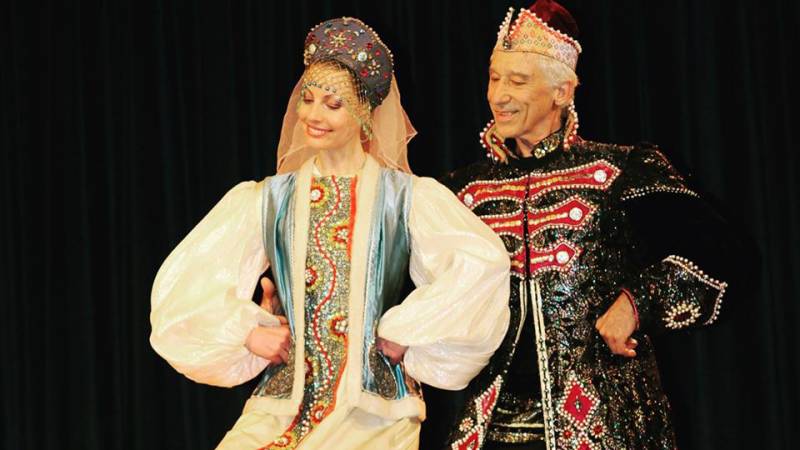
"content": "\u003cp>The Bay Area’s Russian-speaking community is small yet vibrant, with historic bakeries, \u003ca href=\"https://www.kqed.org/arts/13872976/san-franciscos-49-year-old-russian-bookstore-opens-a-progressive-new-chapter\" target=\"_blank\" rel=\"noopener noreferrer\">shops\u003c/a> and houses of worship serving a multi-generational, multi-ethnic group of immigrants from the former Soviet Union. Every year, one of its cultural hubs, the Russian Center of San Francisco, opens its doors to the broader public to showcase the ways Russian speakers in the Bay Area are keeping traditions alive.\u003c/p>\n\u003cp>\u003ca href=\"https://russiancentersf.com/events/russian-festival-2020/\" target=\"_blank\" rel=\"noopener noreferrer\">The Russian Festival\u003c/a>, taking place Feb. 21–23, offers three days of folk music, dance, crafts and plenty of bliny, pirozhki and vodka infusions (with flavors like horseradish and pickle) spread out through the building’s three floors. The opening night on Friday features an accordion performance by Dina Gutkina, Armenian music by the Yeraz Quartet, ballet performances and a dance party that goes late. The rest of the weekend showcases choral works, ballroom dancing, the San Francisco Balalaika Ensemble, face painting and games for kids and more.\u003c/p>\n\u003cp>In addition to food and performances, exploring the Russian Center is part of the fun at the festival. The building’s top floor contains a museum, where event-goers can peruse folk costumes (like impressively intricate kokoshnik tiaras), artifacts and art from pre-revolutionary Russia, World War II memorabilia and other mementos that multiple generations of immigrants have brought from the old country.\u003c/p>\n\u003cp>[ad fullwidth]\u003c/p>\u003cp>\u003c/p>\n",
"blocks": [],
"excerpt": "The three-day extravaganza offers a chance to get to know the traditions of San Francisco's Russian-speaking community.",
"status": "publish",
"parent": 0,
"modified": 1729111957,
"stats": {
"hasAudio": false,
"hasVideo": false,
"hasChartOrMap": false,
"iframeSrcs": [],
"hasGoogleForm": false,
"hasGallery": false,
"hasHearkenModule": false,
"hasPolis": false,
"paragraphCount": 5,
"wordCount": 224
},
"headData": {
"title": "A Russian Cultural Showcase in San Francisco | KQED",
"description": "The three-day extravaganza offers a chance to get to know the traditions of San Francisco's Russian-speaking community.",
"ogTitle": "",
"ogDescription": "",
"ogImgId": "",
"twTitle": "",
"twDescription": "",
"twImgId": "",
"schema": {
"@context": "https://schema.org",
"@type": "Article",
"headline": "A Russian Cultural Showcase in San Francisco",
"datePublished": "2020-02-13T13:22:49-08:00",
"dateModified": "2024-10-16T13:52:37-07:00",
"image": "https://cdn.kqed.org/wp-content/uploads/2020/02/KQED-OG-Image@1x.png"
}
},
"sticky": false,
"templateType": "event",
"featuredImageType": "standard",
"startTime": 1582272000,
"endTime": 1582444800,
"startTimeString": "Feb. 21–23, 2020",
"venueName": "Russian Center of San Francisco",
"venueAddress": "2460 Sutter Street",
"eventLink": "https://russiancentersf.com/events/russian-festival-2020/",
"path": "/arts/13874864/a-russian-cultural-showcase-in-san-francisco",
"audioTrackLength": null,
"parsedContent": [
{
"type": "contentString",
"content": "\u003cdiv class=\"post-body\">\u003cp>\u003cp>The Bay Area’s Russian-speaking community is small yet vibrant, with historic bakeries, \u003ca href=\"https://www.kqed.org/arts/13872976/san-franciscos-49-year-old-russian-bookstore-opens-a-progressive-new-chapter\" target=\"_blank\" rel=\"noopener noreferrer\">shops\u003c/a> and houses of worship serving a multi-generational, multi-ethnic group of immigrants from the former Soviet Union. Every year, one of its cultural hubs, the Russian Center of San Francisco, opens its doors to the broader public to showcase the ways Russian speakers in the Bay Area are keeping traditions alive.\u003c/p>\n\u003cp>\u003ca href=\"https://russiancentersf.com/events/russian-festival-2020/\" target=\"_blank\" rel=\"noopener noreferrer\">The Russian Festival\u003c/a>, taking place Feb. 21–23, offers three days of folk music, dance, crafts and plenty of bliny, pirozhki and vodka infusions (with flavors like horseradish and pickle) spread out through the building’s three floors. The opening night on Friday features an accordion performance by Dina Gutkina, Armenian music by the Yeraz Quartet, ballet performances and a dance party that goes late. The rest of the weekend showcases choral works, ballroom dancing, the San Francisco Balalaika Ensemble, face painting and games for kids and more.\u003c/p>\n\u003cp>In addition to food and performances, exploring the Russian Center is part of the fun at the festival. The building’s top floor contains a museum, where event-goers can peruse folk costumes (like impressively intricate kokoshnik tiaras), artifacts and art from pre-revolutionary Russia, World War II memorabilia and other mementos that multiple generations of immigrants have brought from the old country.\u003c/p>\n\u003cp>\u003c/p>\u003c/div>",
"attributes": {
"named": {},
"numeric": []
}
},
{
"type": "component",
"content": "",
"name": "ad",
"attributes": {
"named": {
"label": "fullwidth"
},
"numeric": [
"fullwidth"
]
}
},
{
"type": "contentString",
"content": "\u003cdiv class=\"post-body\">\u003cp>\u003c/p>\u003cp>\u003c/p>\n\u003c/div>\u003c/p>",
"attributes": {
"named": {},
"numeric": []
}
}
],
"link": "/arts/13874864/a-russian-cultural-showcase-in-san-francisco",
"authors": [
"11387"
],
"programs": [
"arts_140"
],
"categories": [
"arts_966",
"arts_22352",
"arts_69"
],
"tags": [
"arts_1118",
"arts_1773",
"arts_1694"
],
"featImg": "arts_13874865",
"label": "arts_140"
},
"arts_13874591": {
"type": "posts",
"id": "arts_13874591",
"meta": {
"index": "posts_1716263798",
"site": "arts",
"id": "13874591",
"score": null,
"sort": [
1581105084000
]
},
"guestAuthors": [],
"slug": "iranian-canadian-artist-denied-entry-to-us-for-san-francisco-performance",
"title": "Iranian-Canadian Artist Denied Entry to US for San Francisco Performance",
"publishDate": 1581105084,
"format": "standard",
"headTitle": "Iranian-Canadian Artist Denied Entry to US for San Francisco Performance | KQED",
"labelTerm": {
"site": "arts"
},
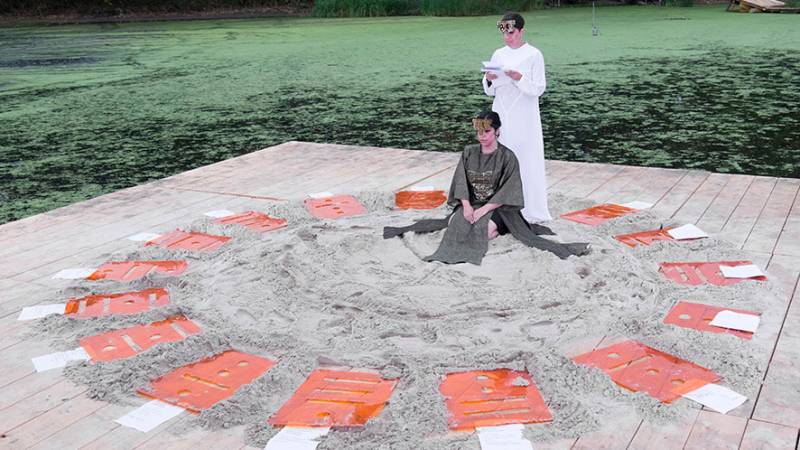
"content": "\u003cp>Iranian-Canadian artist \u003ca href=\"https://shirinfahimi.com/work\" rel=\"noopener noreferrer\" target=\"_blank\">Shirin Fahimi\u003c/a>, scheduled to perform on Friday at San Francisco’s CounterPulse, was denied entry to the United States on Tuesday. Her two-person performance with \u003ca href=\"http://www.morehshin.com/\" rel=\"noopener noreferrer\" target=\"_blank\">Morehshin Allahyari\u003c/a> will continue, says co-presenting arts nonprofit Southern Exposure, as “a resilient, unbending adaptation of the original piece.”\u003c/p>\n\u003cp>Fahimi was scheduled to take a direct flight from Toronto to San Francisco when she was stopped by Toronto-based U.S. border officials, questioned and not allowed to board her flight. Fahimi, who was born in Iran, is a Canadian citizen and carries a Canadian passport. Canadian citizens do not require visas to visit the U.S. and Fahimi has traveled here many times since 2018 without issue, a \u003ca href=\"https://soex.org/news/2020/02/06/important-update-breaching-towards-other-futures\" rel=\"noopener noreferrer\" target=\"_blank\">joint announcement\u003c/a> from Counterpulse and Southern Exposure explained. \u003c/p>\n\u003cp>Her performance with New York-based Allahyari, titled \u003ci>\u003ca href=\"https://counterpulse.org/event/breaching-towards-futures/\" rel=\"noopener noreferrer\" target=\"_blank\">Breaching Towards Other Futures\u003c/a>\u003c/i>, sources material from Middle Eastern mythology and is staged in conjunction with Southern Exposure’s ongoing exhibition \u003ci>\u003ca href=\"https://soex.org/projects-exhibitions/where-do-you-want-ghosts-reside\" rel=\"noopener noreferrer\" target=\"_blank\">Where do you want ghosts to reside?\u003c/a>\u003c/i> \u003c/p>\n\u003cp>Fahimi posted about the events on social media, writing, “Sharing this experience in case someone else has a similar situation.” She detailed the process of going through passport check and getting called into a security room filled with monitors showing her own image. During questioning by a U.S. official, Fahimi says she was asked if she is Muslim, why she immigrated to Canada, if she was happy with the Iranian government and why her husband’s family name is so long. \u003c/p>\n\u003cp>“Have you ever been asked what is your religion when crossing the border?” she wrote on Instagram. “Have you ever needed to explain your spiritual existence for your trip to the U.S.?”\u003c/p>\n\u003cp>[ad fullwidth]\u003c/p>\n\u003cp>Local arts organizations have noted a rise in both the \u003ca href=\"https://www.kqed.org/arts/13859794/trumps-extreme-vetting-hurts-the-arts-discourages-cultural-exchange-experts-say\" rel=\"noopener noreferrer\" target=\"_blank\">delay and denial of artist visas\u003c/a> in recent years, coinciding with President Trump’s policy of “extreme vetting,” but Fahimi’s situation is different—no paperwork is necessary for Canadian citizens to travel to the United States. Yet, \u003ca href=\"https://www.cnn.com/2020/01/30/politics/memo-border-officers-iran-soleimani/index.html\" rel=\"noopener noreferrer\" target=\"_blank\">an internal memo\u003c/a> recently obtained by CNN suggests that Customs and Border Protection (CBP) officers working in Canadian ports of entry were directed to detain and question travelers of Iranian descent in early January, following the death of Iranian Maj. Gen. Qassem Soleimani.[aside postID='arts_13874154,arts_13873186,arts_13859794' label='Related Coverage']\u003c/p>\n\u003cp>Brittney Rezaei, an immigrants’ rights attorney for the \u003ca href=\"https://www.cair.com/\" rel=\"noopener noreferrer\" target=\"_blank\">Council on American-Islamic Relations\u003c/a>, explains there is an exemption in President Trump’s travel ban that applies to dual citizens like Fahimi, but that CBP has a lot of discretion and authority to decide if a person can enter the country. “The policies of CBP and ICE are effecting more and more people,” she says, including students and artists.\u003c/p>\n\u003cp>“Once denied, it is generally harder for a person to come into the U.S. the next time,” Rezaei says. Experiences like Fahimi’s make people afraid to travel, she notes. “It makes them feel like there’s something wrong with who they are. It silences the sharing of information, especially the exchange of art and culture.” \u003c/p>\n\u003cp>“Part of what’s so hard is that we don’t know what happened,” says Margaret McCarthy, Southern Exposure’s executive director and co-director. “We don’t know what to do differently next time. We’re certainly not interested in becoming more conservative or timid in the artists we work with or that the curatorial council invites to participate.” \u003ci>Where do you want ghosts to reside?\u003c/i> and \u003ci>Breaching Towards Other Futures\u003c/i> were curated by artists Azin Seraj and Zulfikar Ali Bhutto.\u003c/p>\n\u003cp>In the announcement, Southern Exposure and CounterPulse took a firm stance on the U.S. government’s policies regarding Iran and its citizens. “What we do know is that the work that the current White House administration is doing to disrupt lives and dismantle communities is fundamentally unjust and borne of generations of structural bias and hatred,” the statement reads.\u003c/p>\n\u003cp>“This is a traumatic experience, I think, for Shirin to go through this kind of questioning and for both artists to face this kind of obstacle in creating their work,” says Valerie Imus, Southern Exposure’s artistic director and co-director. “But they’re both incredibly strong and thoughtful people and have forged ahead and have created a brand new variation on this piece that responds to this moment.”\u003c/p>\n\u003cp>Fahimi and Allahyari are working to create a new version of their performance, which will take place tonight at CounterPulse, as scheduled. Fahimi will Skype in live to participate. \u003c/p>\n\u003cp>\u003c/p>\n\u003cp>As Imus says, “They are doing the simple and radical act of continuing to make art at this moment.”\u003c/p>\n\n",
"blocks": [],
"excerpt": "Shirin Fahimi, who holds a Canadian passport, was detained and questioned at the Toronto airport by U.S. officials before being denied entry.",
"status": "publish",
"parent": 0,
"modified": 1729111959,
"stats": {
"hasAudio": false,
"hasVideo": false,
"hasChartOrMap": false,
"iframeSrcs": [],
"hasGoogleForm": false,
"hasGallery": false,
"hasHearkenModule": false,
"hasPolis": false,
"paragraphCount": 15,
"wordCount": 809
},
"headData": {
"title": "Iranian-Canadian Artist Denied Entry to US for San Francisco Performance | KQED",
"description": "Shirin Fahimi, who holds a Canadian passport, was detained and questioned at the Toronto airport by U.S. officials before being denied entry.",
"ogTitle": "",
"ogDescription": "",
"ogImgId": "",
"twTitle": "",
"twDescription": "",
"twImgId": "",
"schema": {
"@context": "https://schema.org",
"@type": "Article",
"headline": "Iranian-Canadian Artist Denied Entry to US for San Francisco Performance",
"datePublished": "2020-02-07T11:51:24-08:00",
"dateModified": "2024-10-16T13:52:39-07:00",
"image": "https://cdn.kqed.org/wp-content/uploads/2020/02/KQED-OG-Image@1x.png"
}
},
"sticky": false,
"templateType": "standard",
"featuredImageType": "standard",
"path": "/arts/13874591/iranian-canadian-artist-denied-entry-to-us-for-san-francisco-performance",
"audioTrackLength": null,
"parsedContent": [
{
"type": "contentString",
"content": "\u003cdiv class=\"post-body\">\u003cp>\u003cp>Iranian-Canadian artist \u003ca href=\"https://shirinfahimi.com/work\" rel=\"noopener noreferrer\" target=\"_blank\">Shirin Fahimi\u003c/a>, scheduled to perform on Friday at San Francisco’s CounterPulse, was denied entry to the United States on Tuesday. Her two-person performance with \u003ca href=\"http://www.morehshin.com/\" rel=\"noopener noreferrer\" target=\"_blank\">Morehshin Allahyari\u003c/a> will continue, says co-presenting arts nonprofit Southern Exposure, as “a resilient, unbending adaptation of the original piece.”\u003c/p>\n\u003cp>Fahimi was scheduled to take a direct flight from Toronto to San Francisco when she was stopped by Toronto-based U.S. border officials, questioned and not allowed to board her flight. Fahimi, who was born in Iran, is a Canadian citizen and carries a Canadian passport. Canadian citizens do not require visas to visit the U.S. and Fahimi has traveled here many times since 2018 without issue, a \u003ca href=\"https://soex.org/news/2020/02/06/important-update-breaching-towards-other-futures\" rel=\"noopener noreferrer\" target=\"_blank\">joint announcement\u003c/a> from Counterpulse and Southern Exposure explained. \u003c/p>\n\u003cp>Her performance with New York-based Allahyari, titled \u003ci>\u003ca href=\"https://counterpulse.org/event/breaching-towards-futures/\" rel=\"noopener noreferrer\" target=\"_blank\">Breaching Towards Other Futures\u003c/a>\u003c/i>, sources material from Middle Eastern mythology and is staged in conjunction with Southern Exposure’s ongoing exhibition \u003ci>\u003ca href=\"https://soex.org/projects-exhibitions/where-do-you-want-ghosts-reside\" rel=\"noopener noreferrer\" target=\"_blank\">Where do you want ghosts to reside?\u003c/a>\u003c/i> \u003c/p>\n\u003cp>Fahimi posted about the events on social media, writing, “Sharing this experience in case someone else has a similar situation.” She detailed the process of going through passport check and getting called into a security room filled with monitors showing her own image. During questioning by a U.S. official, Fahimi says she was asked if she is Muslim, why she immigrated to Canada, if she was happy with the Iranian government and why her husband’s family name is so long. \u003c/p>\n\u003cp>“Have you ever been asked what is your religion when crossing the border?” she wrote on Instagram. “Have you ever needed to explain your spiritual existence for your trip to the U.S.?”\u003c/p>\n\u003cp>\u003c/p>\u003c/div>",
"attributes": {
"named": {},
"numeric": []
}
},
{
"type": "component",
"content": "",
"name": "ad",
"attributes": {
"named": {
"label": "fullwidth"
},
"numeric": [
"fullwidth"
]
}
},
{
"type": "contentString",
"content": "\u003cdiv class=\"post-body\">\u003cp>\u003c/p>\n\u003cp>Local arts organizations have noted a rise in both the \u003ca href=\"https://www.kqed.org/arts/13859794/trumps-extreme-vetting-hurts-the-arts-discourages-cultural-exchange-experts-say\" rel=\"noopener noreferrer\" target=\"_blank\">delay and denial of artist visas\u003c/a> in recent years, coinciding with President Trump’s policy of “extreme vetting,” but Fahimi’s situation is different—no paperwork is necessary for Canadian citizens to travel to the United States. Yet, \u003ca href=\"https://www.cnn.com/2020/01/30/politics/memo-border-officers-iran-soleimani/index.html\" rel=\"noopener noreferrer\" target=\"_blank\">an internal memo\u003c/a> recently obtained by CNN suggests that Customs and Border Protection (CBP) officers working in Canadian ports of entry were directed to detain and question travelers of Iranian descent in early January, following the death of Iranian Maj. Gen. Qassem Soleimani.\u003c/p>\u003c/div>",
"attributes": {
"named": {},
"numeric": []
}
},
{
"type": "component",
"content": "",
"name": "aside",
"attributes": {
"named": {
"postid": "arts_13874154,arts_13873186,arts_13859794",
"label": "Related Coverage "
},
"numeric": []
}
},
{
"type": "contentString",
"content": "\u003cdiv class=\"post-body\">\u003cp>\u003c/p>\n\u003cp>Brittney Rezaei, an immigrants’ rights attorney for the \u003ca href=\"https://www.cair.com/\" rel=\"noopener noreferrer\" target=\"_blank\">Council on American-Islamic Relations\u003c/a>, explains there is an exemption in President Trump’s travel ban that applies to dual citizens like Fahimi, but that CBP has a lot of discretion and authority to decide if a person can enter the country. “The policies of CBP and ICE are effecting more and more people,” she says, including students and artists.\u003c/p>\n\u003cp>“Once denied, it is generally harder for a person to come into the U.S. the next time,” Rezaei says. Experiences like Fahimi’s make people afraid to travel, she notes. “It makes them feel like there’s something wrong with who they are. It silences the sharing of information, especially the exchange of art and culture.” \u003c/p>\n\u003cp>“Part of what’s so hard is that we don’t know what happened,” says Margaret McCarthy, Southern Exposure’s executive director and co-director. “We don’t know what to do differently next time. We’re certainly not interested in becoming more conservative or timid in the artists we work with or that the curatorial council invites to participate.” \u003ci>Where do you want ghosts to reside?\u003c/i> and \u003ci>Breaching Towards Other Futures\u003c/i> were curated by artists Azin Seraj and Zulfikar Ali Bhutto.\u003c/p>\n\u003cp>In the announcement, Southern Exposure and CounterPulse took a firm stance on the U.S. government’s policies regarding Iran and its citizens. “What we do know is that the work that the current White House administration is doing to disrupt lives and dismantle communities is fundamentally unjust and borne of generations of structural bias and hatred,” the statement reads.\u003c/p>\n\u003cp>“This is a traumatic experience, I think, for Shirin to go through this kind of questioning and for both artists to face this kind of obstacle in creating their work,” says Valerie Imus, Southern Exposure’s artistic director and co-director. “But they’re both incredibly strong and thoughtful people and have forged ahead and have created a brand new variation on this piece that responds to this moment.”\u003c/p>\n\u003cp>Fahimi and Allahyari are working to create a new version of their performance, which will take place tonight at CounterPulse, as scheduled. Fahimi will Skype in live to participate. \u003c/p>\n\u003cp>\u003c/p>\n\u003cp>As Imus says, “They are doing the simple and radical act of continuing to make art at this moment.”\u003c/p>\n\n\u003c/div>\u003c/p>",
"attributes": {
"named": {},
"numeric": []
}
}
],
"link": "/arts/13874591/iranian-canadian-artist-denied-entry-to-us-for-san-francisco-performance",
"authors": [
"61"
],
"categories": [
"arts_22352",
"arts_235"
],
"tags": [
"arts_1018",
"arts_1118",
"arts_3914",
"arts_1773",
"arts_5826",
"arts_2887"
],
"featImg": "arts_13874156",
"label": "arts"
},
"arts_13872976": {
"type": "posts",
"id": "arts_13872976",
"meta": {
"index": "posts_1716263798",
"site": "arts",
"id": "13872976",
"score": null,
"sort": [
1578963641000
]
},
"guestAuthors": [],
"slug": "san-franciscos-49-year-old-russian-bookstore-opens-a-progressive-new-chapter",
"title": "San Francisco's 49-Year-Old Russian Bookstore Opens a Progressive New Chapter",
"publishDate": 1578963641,
"format": "standard",
"headTitle": "San Francisco’s 49-Year-Old Russian Bookstore Opens a Progressive New Chapter | KQED",
"labelTerm": {
"site": "arts"
},
"content": "\u003cp>Like many Russian immigrants who came to the Bay Area in the 1990s, my childhood was full of weekly pilgrimages to San Francisco’s Richmond District. On Sundays, my family and I would get dressed up to attend Russian Orthodox church on Geary Street, buy olivier salad and pickled cabbage by the pound at \u003ca href=\"https://www.newworldmarketsf.com/\" target=\"_blank\" rel=\"noopener noreferrer\">New World Market\u003c/a> and take in the aromas of pirozhki and other baked goods at \u003ca href=\"http://cinderellabakery.com/\" target=\"_blank\" rel=\"noopener noreferrer\">Cinderella Bakery\u003c/a>.\u003c/p>\n\u003cp>With bellies full, we’d stroll down Balboa Street to \u003ca href=\"https://www.globusbooks.com/\" target=\"_blank\" rel=\"noopener noreferrer\">Globus Books\u003c/a>, the Russian bookstore that feels like a time capsule, with its Persian rugs, towering shelves of dusty tomes and a distinctive old-library scent. As a child, I delighted in Soviet-era picture books like \u003cem>Dyadya Fyodor\u003c/em>, about a precocious boy who runs away from home to live with a dog and cat. In my teen years, I explored intimidating stacks of classics by Dostoevsky and Bulgakov, and art books from the Hermitage Museum of my native Saint Petersburg. And in my early twenties, I tripped out on Victor Pelevin’s drug-addled, darkly funny Gen X novel \u003cem>Generation P \u003c/em>(the P standing for \u003cem>pizdetz\u003c/em>, or screwed).\u003c/p>\n\u003cp>Globus, opened in 1971, has remarkably stood the test of time, serving several generations of Russian immigrants, including those who came as Jewish refugees during the ’70s and ’80s, and the rest that followed after the collapse of the Soviet Union in 1991.\u003c/p>\n\u003cp>Yet as the Richmond District changes, and as the Russian community gets priced out along with other immigrant populations in San Francisco, the decidedly niche business has found itself in need of switching up its approach as it enters a new decade, hoping to preserve its older generation of customers while attracting younger readers and non-Russian speakers.\u003c/p>\n\u003cfigure id=\"attachment_13873164\" class=\"wp-caption aligncenter\" style=\"max-width: 800px\">\u003cimg loading=\"lazy\" decoding=\"async\" class=\"size-medium wp-image-13873164\" src=\"https://ww2.kqed.org/app/uploads/sites/2/2020/01/IMG_4241-800x533.jpg\" alt=\"Globus Books has been a cornerstone of the Bay Area's Russian community since 1971.\" width=\"800\" height=\"533\" srcset=\"https://cdn.kqed.org/wp-content/uploads/sites/2/2020/01/IMG_4241-800x533.jpg 800w, https://cdn.kqed.org/wp-content/uploads/sites/2/2020/01/IMG_4241-160x107.jpg 160w, https://cdn.kqed.org/wp-content/uploads/sites/2/2020/01/IMG_4241-768x512.jpg 768w, https://cdn.kqed.org/wp-content/uploads/sites/2/2020/01/IMG_4241-1020x680.jpg 1020w, https://cdn.kqed.org/wp-content/uploads/sites/2/2020/01/IMG_4241-1200x800.jpg 1200w, https://cdn.kqed.org/wp-content/uploads/sites/2/2020/01/IMG_4241.jpg 1920w\" sizes=\"(max-width: 800px) 100vw, 800px\">\u003cfigcaption class=\"wp-caption-text\">Globus Books has been a cornerstone of the Bay Area’s Russian community since 1971. \u003ccite>(Nastia Voynovskaya)\u003c/cite>\u003c/figcaption>\u003c/figure>\n\u003cp>For new owner Pavel Chepyzhov and managers Julie Kulyamzina and Zarina Zabrisky, that means embracing the diversity of the Bay Area’s Russian-speaking community, as well as people curious about Russian culture and literature.\u003c/p>\n\u003cp>[ad fullwidth]\u003c/p>\n\u003cp>\u003cspan style=\"font-weight: 400\">“On one side you have Russian speakers who came from China after the second world war, and they are very different from the Russian speakers who are immigrating right now to Silicon Valley,” Chepyzhov offers, adding that Georgian and Armenian cultures also occupy a prominent place within the Bay Area’s Russian-speaking world. “They have a lot of books in common and Globus could be the place where they all could meet.”\u003c/span>\u003c/p>\n\u003cp>Books about Russian feminism and LGBTQ+ people have also recently made their way onto Globus’ shelves. And the store now has a growing English-language section on Russia and the former Soviet Union. (On my last visit, I picked up Lydia B. Zaverukha and Nina Bogdan’s visually stunning \u003cem>Russian San Francisco\u003c/em>, full of historical photos dating back to 1840.) One of the goals, Chepyzhov says, is to spread awareness about the culture beyond what Americans hear in the news.\u003c/p>\n\u003cp>“Unfortunately the Russian politics, of course, doesn’t get the best media for obvious reasons,” he says. “But I think talking about books and about culture—this is what we want to promote, this is what is appreciated in the U.S.”\u003c/p>\n\u003cp>Zabrisky, a writer known for her work with progressive activist group the Arts Resistance, is in charge of new event programming for the space, including author talks, readings and screenings coming later in the year. The first new event series is story time for toddlers, happening every Wednesday at 10:30am starting Feb. 5. It fulfills a core part of Globus’ mission to help Russian-speaking parents pass on their language and culture to the next generation.\u003c/p>\n\u003cp>“We’re in love with this bookstore, with its history, its accomplishments and what it is for the Russian community here,” says Kulyamzina.\u003c/p>\n\u003cp>She and Chepyzhov, both from Moscow, are antiquarian book specialists who spent the last several years frequenting Globus during trips to book fairs on the West Coast. Globus founder Vladimir Azar originally ran a publishing house focused on Russian immigrant authors, earning the shop a cult following among Russian-speaking bibliophiles around the world.\u003c/p>\n\u003cp>https://www.instagram.com/p/B5gdLgCpxse/\u003c/p>\n\u003cp>Last year, Chepyzhov learned that former owner Veronica Ahrens-Pulawski, who presided over Globus’ shelves since the early ’80s, was looking to retire and sell the business.\u003c/p>\n\u003cp>“It took me maybe 10 minutes to draft a plan in my head of how we could work together on that and try to keep Globus alive, and try to keep this business going,” he says, adding that Ahrens-Pulawski—whose dynamic personality has long been a draw for Globus’ loyal customer base—still helps out twice a week.\u003c/p>\n\u003cp>The new Globus team’s progressive vision is a rarity for the Russian-speaking immigrant community in the United States, which leans conservative; older generations who escaped communist rule have an aversion to anything that sounds remotely socialist. If San Francisco’s Russian newspaper \u003cem>Kstati\u003c/em> (full of right-wing op-eds written in the key of “well actually”) is any indication, it’s likely that many of San Francisco’s Russian-speaking immigrants voted in the 2016 election along similar lines to those in New York’s Brighton Beach, the biggest \u003ca href=\"https://www.brickunderground.com/live/how-did-your-neighborhood-vote\" target=\"_blank\" rel=\"noopener noreferrer\">patch of red\u003c/a> in mostly blue Brooklyn.\u003c/p>\n\u003cp>Yet Chepyzhov says there’s more than enough room for diverse voices and perspectives at Globus. “It’s one of our goals to show the alternative side of things,” he says.\u003c/p>\n\u003cfigure id=\"attachment_13873175\" class=\"wp-caption aligncenter\" style=\"max-width: 800px\">\u003cimg loading=\"lazy\" decoding=\"async\" class=\"size-medium wp-image-13873175\" src=\"https://ww2.kqed.org/app/uploads/sites/2/2020/01/IMG_4204-800x450.jpg\" alt=\"\" width=\"800\" height=\"450\" srcset=\"https://cdn.kqed.org/wp-content/uploads/sites/2/2020/01/IMG_4204-800x450.jpg 800w, https://cdn.kqed.org/wp-content/uploads/sites/2/2020/01/IMG_4204-160x90.jpg 160w, https://cdn.kqed.org/wp-content/uploads/sites/2/2020/01/IMG_4204-768x432.jpg 768w, https://cdn.kqed.org/wp-content/uploads/sites/2/2020/01/IMG_4204-1020x574.jpg 1020w, https://cdn.kqed.org/wp-content/uploads/sites/2/2020/01/IMG_4204-1200x675.jpg 1200w, https://cdn.kqed.org/wp-content/uploads/sites/2/2020/01/IMG_4204.jpg 1920w\" sizes=\"(max-width: 800px) 100vw, 800px\">\u003cfigcaption class=\"wp-caption-text\">Globus managers Julie Kulyamzina (left) and Zarina Zabrisky (right). \u003ccite>(Nastia Voynovskaya)\u003c/cite>\u003c/figcaption>\u003c/figure>\n\u003cp>He points to portions of the Russian-speaking immigrant community that are rarely mentioned in the media—such as queer and trans asylum seekers escaping anti-gay laws. Reports of \u003ca href=\"https://time.com/5633588/anti-gay-purge-chechnya-victim/\" target=\"_blank\" rel=\"noopener noreferrer\">anti-gay purges\u003c/a> came out of Chechnya as recently as last year, prompting international protests in solidarity. And in the Russian Federation, a 2013 law banning “gay propaganda” diminished LGBTQ+ people’s civil rights protections while legitimizing already-rampant homophobia within the culture.\u003c/p>\n\u003cp>“We try to do our bit supporting LGBT causes here and in Russia,” says Chepyzhov. “We would like to represent these people as well.”\u003c/p>\n\u003cp>Chepyzhov still lives in Moscow and comes to San Francisco to run the store for months at a time throughout the year. While he was away the last few months, Zabrisky and Kulyamzina gave Globus’ shelves a makeover. Books by neo-fascist Russian political strategist Aleksandr Dugin, for instance, have gone into storage, while a biography of Barack Obama and a history of change-making women in Russian history are now prominently on display.\u003c/p>\n\u003cp>“We don’t want to be censors, but we don’t want to promote views that are harmful to society,” says Zabrisky.\u003c/p>\n\u003cp>[ad floatright]\u003c/p>\n\u003cp>“We don’t want to scare away the customers who’ve been coming in for decades, we still have books for them,” says Kulyamzina. “But we also want to attract a new generation.”\u003c/p>\n\n",
"blocks": [],
"excerpt": "Globus Books' new owners strive to shelve outdated ideas about the Russian-speaking immigrant community.",
"status": "publish",
"parent": 0,
"modified": 1729111961,
"stats": {
"hasAudio": false,
"hasVideo": false,
"hasChartOrMap": false,
"iframeSrcs": [],
"hasGoogleForm": false,
"hasGallery": false,
"hasHearkenModule": false,
"hasPolis": false,
"paragraphCount": 22,
"wordCount": 1215
},
"headData": {
"title": "San Francisco's 49-Year-Old Russian Bookstore Opens a Progressive New Chapter | KQED",
"description": "Globus Books' new owners strive to shelve outdated ideas about the Russian-speaking immigrant community.",
"ogTitle": "",
"ogDescription": "",
"ogImgId": "",
"twTitle": "",
"twDescription": "",
"twImgId": "",
"schema": {
"@context": "https://schema.org",
"@type": "Article",
"headline": "San Francisco's 49-Year-Old Russian Bookstore Opens a Progressive New Chapter",
"datePublished": "2020-01-13T17:00:41-08:00",
"dateModified": "2024-10-16T13:52:41-07:00",
"image": "https://cdn.kqed.org/wp-content/uploads/2020/02/KQED-OG-Image@1x.png"
}
},
"sticky": false,
"templateType": "standard",
"featuredImageType": "standard",
"path": "/arts/13872976/san-franciscos-49-year-old-russian-bookstore-opens-a-progressive-new-chapter",
"audioTrackLength": null,
"parsedContent": [
{
"type": "contentString",
"content": "\u003cdiv class=\"post-body\">\u003cp>\u003cp>Like many Russian immigrants who came to the Bay Area in the 1990s, my childhood was full of weekly pilgrimages to San Francisco’s Richmond District. On Sundays, my family and I would get dressed up to attend Russian Orthodox church on Geary Street, buy olivier salad and pickled cabbage by the pound at \u003ca href=\"https://www.newworldmarketsf.com/\" target=\"_blank\" rel=\"noopener noreferrer\">New World Market\u003c/a> and take in the aromas of pirozhki and other baked goods at \u003ca href=\"http://cinderellabakery.com/\" target=\"_blank\" rel=\"noopener noreferrer\">Cinderella Bakery\u003c/a>.\u003c/p>\n\u003cp>With bellies full, we’d stroll down Balboa Street to \u003ca href=\"https://www.globusbooks.com/\" target=\"_blank\" rel=\"noopener noreferrer\">Globus Books\u003c/a>, the Russian bookstore that feels like a time capsule, with its Persian rugs, towering shelves of dusty tomes and a distinctive old-library scent. As a child, I delighted in Soviet-era picture books like \u003cem>Dyadya Fyodor\u003c/em>, about a precocious boy who runs away from home to live with a dog and cat. In my teen years, I explored intimidating stacks of classics by Dostoevsky and Bulgakov, and art books from the Hermitage Museum of my native Saint Petersburg. And in my early twenties, I tripped out on Victor Pelevin’s drug-addled, darkly funny Gen X novel \u003cem>Generation P \u003c/em>(the P standing for \u003cem>pizdetz\u003c/em>, or screwed).\u003c/p>\n\u003cp>Globus, opened in 1971, has remarkably stood the test of time, serving several generations of Russian immigrants, including those who came as Jewish refugees during the ’70s and ’80s, and the rest that followed after the collapse of the Soviet Union in 1991.\u003c/p>\n\u003cp>Yet as the Richmond District changes, and as the Russian community gets priced out along with other immigrant populations in San Francisco, the decidedly niche business has found itself in need of switching up its approach as it enters a new decade, hoping to preserve its older generation of customers while attracting younger readers and non-Russian speakers.\u003c/p>\n\u003cfigure id=\"attachment_13873164\" class=\"wp-caption aligncenter\" style=\"max-width: 800px\">\u003cimg loading=\"lazy\" decoding=\"async\" class=\"size-medium wp-image-13873164\" src=\"https://ww2.kqed.org/app/uploads/sites/2/2020/01/IMG_4241-800x533.jpg\" alt=\"Globus Books has been a cornerstone of the Bay Area's Russian community since 1971.\" width=\"800\" height=\"533\" srcset=\"https://cdn.kqed.org/wp-content/uploads/sites/2/2020/01/IMG_4241-800x533.jpg 800w, https://cdn.kqed.org/wp-content/uploads/sites/2/2020/01/IMG_4241-160x107.jpg 160w, https://cdn.kqed.org/wp-content/uploads/sites/2/2020/01/IMG_4241-768x512.jpg 768w, https://cdn.kqed.org/wp-content/uploads/sites/2/2020/01/IMG_4241-1020x680.jpg 1020w, https://cdn.kqed.org/wp-content/uploads/sites/2/2020/01/IMG_4241-1200x800.jpg 1200w, https://cdn.kqed.org/wp-content/uploads/sites/2/2020/01/IMG_4241.jpg 1920w\" sizes=\"(max-width: 800px) 100vw, 800px\">\u003cfigcaption class=\"wp-caption-text\">Globus Books has been a cornerstone of the Bay Area’s Russian community since 1971. \u003ccite>(Nastia Voynovskaya)\u003c/cite>\u003c/figcaption>\u003c/figure>\n\u003cp>For new owner Pavel Chepyzhov and managers Julie Kulyamzina and Zarina Zabrisky, that means embracing the diversity of the Bay Area’s Russian-speaking community, as well as people curious about Russian culture and literature.\u003c/p>\n\u003cp>\u003c/p>\u003c/div>",
"attributes": {
"named": {},
"numeric": []
}
},
{
"type": "component",
"content": "",
"name": "ad",
"attributes": {
"named": {
"label": "fullwidth"
},
"numeric": [
"fullwidth"
]
}
},
{
"type": "contentString",
"content": "\u003cdiv class=\"post-body\">\u003cp>\u003c/p>\n\u003cp>\u003cspan style=\"font-weight: 400\">“On one side you have Russian speakers who came from China after the second world war, and they are very different from the Russian speakers who are immigrating right now to Silicon Valley,” Chepyzhov offers, adding that Georgian and Armenian cultures also occupy a prominent place within the Bay Area’s Russian-speaking world. “They have a lot of books in common and Globus could be the place where they all could meet.”\u003c/span>\u003c/p>\n\u003cp>Books about Russian feminism and LGBTQ+ people have also recently made their way onto Globus’ shelves. And the store now has a growing English-language section on Russia and the former Soviet Union. (On my last visit, I picked up Lydia B. Zaverukha and Nina Bogdan’s visually stunning \u003cem>Russian San Francisco\u003c/em>, full of historical photos dating back to 1840.) One of the goals, Chepyzhov says, is to spread awareness about the culture beyond what Americans hear in the news.\u003c/p>\n\u003cp>“Unfortunately the Russian politics, of course, doesn’t get the best media for obvious reasons,” he says. “But I think talking about books and about culture—this is what we want to promote, this is what is appreciated in the U.S.”\u003c/p>\n\u003cp>Zabrisky, a writer known for her work with progressive activist group the Arts Resistance, is in charge of new event programming for the space, including author talks, readings and screenings coming later in the year. The first new event series is story time for toddlers, happening every Wednesday at 10:30am starting Feb. 5. It fulfills a core part of Globus’ mission to help Russian-speaking parents pass on their language and culture to the next generation.\u003c/p>\n\u003cp>“We’re in love with this bookstore, with its history, its accomplishments and what it is for the Russian community here,” says Kulyamzina.\u003c/p>\n\u003cp>She and Chepyzhov, both from Moscow, are antiquarian book specialists who spent the last several years frequenting Globus during trips to book fairs on the West Coast. Globus founder Vladimir Azar originally ran a publishing house focused on Russian immigrant authors, earning the shop a cult following among Russian-speaking bibliophiles around the world.\u003c/p>\u003c/p>\u003c/div>",
"attributes": {
"named": {},
"numeric": []
}
},
{
"type": "component",
"content": "",
"name": "instagramLink",
"attributes": {
"named": {
"instagramUrl": "https://www.instagram.com/p/B5gdLgCpxse/"
},
"numeric": []
}
},
{
"type": "contentString",
"content": "\u003cdiv class=\"post-body\">\u003cp>\u003cp>Last year, Chepyzhov learned that former owner Veronica Ahrens-Pulawski, who presided over Globus’ shelves since the early ’80s, was looking to retire and sell the business.\u003c/p>\n\u003cp>“It took me maybe 10 minutes to draft a plan in my head of how we could work together on that and try to keep Globus alive, and try to keep this business going,” he says, adding that Ahrens-Pulawski—whose dynamic personality has long been a draw for Globus’ loyal customer base—still helps out twice a week.\u003c/p>\n\u003cp>The new Globus team’s progressive vision is a rarity for the Russian-speaking immigrant community in the United States, which leans conservative; older generations who escaped communist rule have an aversion to anything that sounds remotely socialist. If San Francisco’s Russian newspaper \u003cem>Kstati\u003c/em> (full of right-wing op-eds written in the key of “well actually”) is any indication, it’s likely that many of San Francisco’s Russian-speaking immigrants voted in the 2016 election along similar lines to those in New York’s Brighton Beach, the biggest \u003ca href=\"https://www.brickunderground.com/live/how-did-your-neighborhood-vote\" target=\"_blank\" rel=\"noopener noreferrer\">patch of red\u003c/a> in mostly blue Brooklyn.\u003c/p>\n\u003cp>Yet Chepyzhov says there’s more than enough room for diverse voices and perspectives at Globus. “It’s one of our goals to show the alternative side of things,” he says.\u003c/p>\n\u003cfigure id=\"attachment_13873175\" class=\"wp-caption aligncenter\" style=\"max-width: 800px\">\u003cimg loading=\"lazy\" decoding=\"async\" class=\"size-medium wp-image-13873175\" src=\"https://ww2.kqed.org/app/uploads/sites/2/2020/01/IMG_4204-800x450.jpg\" alt=\"\" width=\"800\" height=\"450\" srcset=\"https://cdn.kqed.org/wp-content/uploads/sites/2/2020/01/IMG_4204-800x450.jpg 800w, https://cdn.kqed.org/wp-content/uploads/sites/2/2020/01/IMG_4204-160x90.jpg 160w, https://cdn.kqed.org/wp-content/uploads/sites/2/2020/01/IMG_4204-768x432.jpg 768w, https://cdn.kqed.org/wp-content/uploads/sites/2/2020/01/IMG_4204-1020x574.jpg 1020w, https://cdn.kqed.org/wp-content/uploads/sites/2/2020/01/IMG_4204-1200x675.jpg 1200w, https://cdn.kqed.org/wp-content/uploads/sites/2/2020/01/IMG_4204.jpg 1920w\" sizes=\"(max-width: 800px) 100vw, 800px\">\u003cfigcaption class=\"wp-caption-text\">Globus managers Julie Kulyamzina (left) and Zarina Zabrisky (right). \u003ccite>(Nastia Voynovskaya)\u003c/cite>\u003c/figcaption>\u003c/figure>\n\u003cp>He points to portions of the Russian-speaking immigrant community that are rarely mentioned in the media—such as queer and trans asylum seekers escaping anti-gay laws. Reports of \u003ca href=\"https://time.com/5633588/anti-gay-purge-chechnya-victim/\" target=\"_blank\" rel=\"noopener noreferrer\">anti-gay purges\u003c/a> came out of Chechnya as recently as last year, prompting international protests in solidarity. And in the Russian Federation, a 2013 law banning “gay propaganda” diminished LGBTQ+ people’s civil rights protections while legitimizing already-rampant homophobia within the culture.\u003c/p>\n\u003cp>“We try to do our bit supporting LGBT causes here and in Russia,” says Chepyzhov. “We would like to represent these people as well.”\u003c/p>\n\u003cp>Chepyzhov still lives in Moscow and comes to San Francisco to run the store for months at a time throughout the year. While he was away the last few months, Zabrisky and Kulyamzina gave Globus’ shelves a makeover. Books by neo-fascist Russian political strategist Aleksandr Dugin, for instance, have gone into storage, while a biography of Barack Obama and a history of change-making women in Russian history are now prominently on display.\u003c/p>\n\u003cp>“We don’t want to be censors, but we don’t want to promote views that are harmful to society,” says Zabrisky.\u003c/p>\n\u003cp>\u003c/p>\u003c/div>",
"attributes": {
"named": {},
"numeric": []
}
},
{
"type": "component",
"content": "",
"name": "ad",
"attributes": {
"named": {
"label": "floatright"
},
"numeric": [
"floatright"
]
}
},
{
"type": "contentString",
"content": "\u003cdiv class=\"post-body\">\u003cp>\u003c/p>\n\u003cp>“We don’t want to scare away the customers who’ve been coming in for decades, we still have books for them,” says Kulyamzina. “But we also want to attract a new generation.”\u003c/p>\n\n\u003c/div>\u003c/p>",
"attributes": {
"named": {},
"numeric": []
}
}
],
"link": "/arts/13872976/san-franciscos-49-year-old-russian-bookstore-opens-a-progressive-new-chapter",
"authors": [
"11387"
],
"categories": [
"arts_73",
"arts_22352",
"arts_235"
],
"tags": [
"arts_928",
"arts_1118",
"arts_1773",
"arts_1146"
],
"featImg": "arts_13873152",
"label": "arts"
},
"arts_13873137": {
"type": "posts",
"id": "arts_13873137",
"meta": {
"index": "posts_1716263798",
"site": "arts",
"id": "13873137",
"score": null,
"sort": [
1578956432000
]
},
"guestAuthors": [],
"slug": "noura-and-mimis-suitcase-explore-the-iranian-and-iraqi-diasporas",
"title": "'Noura' and 'Mimi’s Suitcase' Explore the Iranian and Iraqi Diasporas",
"publishDate": 1578956432,
"format": "standard",
"headTitle": "‘Noura’ and ‘Mimi’s Suitcase’ Explore the Iranian and Iraqi Diasporas | KQED",
"labelTerm": {
"site": "arts"
},
"content": "\u003cp>Barely before this month’s New Year’s revelry had quieted, news of the extrajudicial killing of Iran’s Qasem Soleimani by U.S. airstrike dominated the news cycle, and the Middle East was thrust one more into unwelcome focus. And even though the immediate crisis of escalation and threat of war seems to have been brought under some control, there’s no doubt that the reverberations of that action will resonate for years to come: in Iran, Iraq, and worldwide.\u003c/p>\n\u003cp>It’s reverberations such as these that two plays opening this month in the Bay Area are already intricately familiar with. Both \u003cem>Noura\u003c/em>, by Heather Raffo, at Marin Theatre Company, and \u003cem>Mimi’s Suitcase\u003c/em>, by Ana Bayat, at NOH Space, deal explicitly with the long-term effects of immigration on ordinary citizens from the Middle East. Beyond describing reasons to leave, both \u003cem>Noura \u003c/em>and \u003cem>Mimi’s Suitcase\u003c/em> delve into what it means to survive the process of re-routing, and re-rooting, as immigrants, women, and artists.\u003c/p>\n\u003cfigure id=\"attachment_13873142\" class=\"wp-caption aligncenter\" style=\"max-width: 800px\">\u003cimg loading=\"lazy\" decoding=\"async\" class=\"size-medium wp-image-13873142\" src=\"https://ww2.kqed.org/app/uploads/sites/2/2020/01/Noura_cast_credit_KevinBerne-800x532.jpg\" alt=\"\" width=\"800\" height=\"532\" srcset=\"https://cdn.kqed.org/wp-content/uploads/sites/2/2020/01/Noura_cast_credit_KevinBerne-800x532.jpg 800w, https://cdn.kqed.org/wp-content/uploads/sites/2/2020/01/Noura_cast_credit_KevinBerne-160x106.jpg 160w, https://cdn.kqed.org/wp-content/uploads/sites/2/2020/01/Noura_cast_credit_KevinBerne-768x511.jpg 768w, https://cdn.kqed.org/wp-content/uploads/sites/2/2020/01/Noura_cast_credit_KevinBerne-1020x679.jpg 1020w, https://cdn.kqed.org/wp-content/uploads/sites/2/2020/01/Noura_cast_credit_KevinBerne-1200x799.jpg 1200w, https://cdn.kqed.org/wp-content/uploads/sites/2/2020/01/Noura_cast_credit_KevinBerne-1920x1278.jpg 1920w, https://cdn.kqed.org/wp-content/uploads/sites/2/2020/01/Noura_cast_credit_KevinBerne.jpg 2000w\" sizes=\"(max-width: 800px) 100vw, 800px\">\u003cfigcaption class=\"wp-caption-text\">The cast of Marin Theatre Company’s production of ‘Noura,’ by Heather Raffo. \u003ccite>(Kevin Berne)\u003c/cite>\u003c/figcaption>\u003c/figure>\n\u003cp>\u003cem>Noura\u003c/em>, which opened in previews on Jan. 9, explores the Iraqi-American experience through a quotidian, domestic lens. With a hat-tip to Ibsen’s \u003cem>A Doll’s House\u003c/em>, the play takes place over the Christmas holiday, revolving around an Iraqi refugee family who has just received American citizenship after eight years of waiting. Members of a displaced Christian minority, they’ve settled in New York (where playwright Heather Raffo also lives). As the play progresses, as do the complexities of their relationship to each other, to their selves, and to their adopted home.\u003c/p>\n\u003cp>Having performed the role of Noura in the play’s world premiere in 2018, Raffo’s understanding of the character extends beyond the lived experience of growing up with an Iraqi parent. By birthing the role as well as the play, she’s in a unique position of being able to explore Noura’s philosophical layers with a keen familiarity. Through the character, she’s been able to wrestle with her own struggles with the “rugged individualism…of Western American feminism,” and speak to a yearning to use female liberation as a platform for more than self-actualization. Her Noura, an architect, not only juggles the imperative to create with the demands of the domestic, but also the eternal inner conflict of reconciling with a turbulent, dangerous past.\u003c/p>\n\u003cfigure id=\"attachment_13873144\" class=\"wp-caption aligncenter\" style=\"max-width: 800px\">\u003cimg loading=\"lazy\" decoding=\"async\" class=\"size-medium wp-image-13873144\" src=\"https://ww2.kqed.org/app/uploads/sites/2/2020/01/Noura_DenmoIbrahim_ValentinoBertolucciHererra_credit_KevinBerne-800x533.jpg\" alt=\"\" width=\"800\" height=\"533\" srcset=\"https://cdn.kqed.org/wp-content/uploads/sites/2/2020/01/Noura_DenmoIbrahim_ValentinoBertolucciHererra_credit_KevinBerne-800x533.jpg 800w, https://cdn.kqed.org/wp-content/uploads/sites/2/2020/01/Noura_DenmoIbrahim_ValentinoBertolucciHererra_credit_KevinBerne-160x107.jpg 160w, https://cdn.kqed.org/wp-content/uploads/sites/2/2020/01/Noura_DenmoIbrahim_ValentinoBertolucciHererra_credit_KevinBerne-768x511.jpg 768w, https://cdn.kqed.org/wp-content/uploads/sites/2/2020/01/Noura_DenmoIbrahim_ValentinoBertolucciHererra_credit_KevinBerne.jpg 1000w\" sizes=\"(max-width: 800px) 100vw, 800px\">\u003cfigcaption class=\"wp-caption-text\">Denmo Ibrahim and Valentino Bertolucci Herrera in Marin Theatre Company’s production of ‘Noura,’ by Heather Raffo. \u003ccite>(Kevin Berne)\u003c/cite>\u003c/figcaption>\u003c/figure>\n\u003cp>“I really wanted to reframe the play (\u003cem>A Doll’s House\u003c/em>) in what does it mean to be actually \u003cem>very\u003c/em> attached?” she explains over the phone. “The question I’m facing in my life isn’t ‘I will just up and leave my family so I can live my life as a full human being’….I can’t do that…most of us wouldn’t want to do that. In this play they are \u003cem>all\u003c/em> Nora Helmer, all post-door slam, all living together, going these are the different ways they’ve chosen to move on, and now what?”\u003c/p>\n\u003cp>[ad fullwidth]\u003c/p>\n\u003cp>Not only is Ana Bayat’s solo show \u003cem>Mimi’s Suitcase\u003c/em> a bit of a travelogue, but it’s also well-traveled, having first launched at New York’s United Solo, and following up with appearances at festivals across Europe—including the 70th edition of the Edinburgh Fringe. In the play we first encounter the protagonist as a teenage girl living in Tehran. With shades of Marjane Satrapi’s \u003cem>Persepolis\u003c/em>, Bayat describes the tension and violence of a suppressive state, and its psychological effects on a young woman who’d previously lived in the much more permissive Barcelona.\u003c/p>\n\u003cfigure id=\"attachment_13873143\" class=\"wp-caption aligncenter\" style=\"max-width: 800px\">\u003cimg loading=\"lazy\" decoding=\"async\" class=\"size-medium wp-image-13873143\" src=\"https://ww2.kqed.org/app/uploads/sites/2/2020/01/MimisSuitcase-AnaBayat-PhotoCredit-Diaspora_Arts_Connection-800x530.jpg\" alt=\"\" width=\"800\" height=\"530\" srcset=\"https://cdn.kqed.org/wp-content/uploads/sites/2/2020/01/MimisSuitcase-AnaBayat-PhotoCredit-Diaspora_Arts_Connection-800x530.jpg 800w, https://cdn.kqed.org/wp-content/uploads/sites/2/2020/01/MimisSuitcase-AnaBayat-PhotoCredit-Diaspora_Arts_Connection-160x106.jpg 160w, https://cdn.kqed.org/wp-content/uploads/sites/2/2020/01/MimisSuitcase-AnaBayat-PhotoCredit-Diaspora_Arts_Connection-768x508.jpg 768w, https://cdn.kqed.org/wp-content/uploads/sites/2/2020/01/MimisSuitcase-AnaBayat-PhotoCredit-Diaspora_Arts_Connection.jpg 1000w\" sizes=\"(max-width: 800px) 100vw, 800px\">\u003cfigcaption class=\"wp-caption-text\">Ana Bayat in her solo show, ‘Mimi’s Suitcase.’ \u003ccite>(Diaspora Arts Connection)\u003c/cite>\u003c/figcaption>\u003c/figure>\n\u003cp>As a solo performer, Bayat plays over 25 characters in four languages, including family members, close friends, Republican guards, and immigration officers. Although the action focuses on the time period from 1984 to 2000, as Bayat ruefully notes, the topics of immigration and diaspora that she explores are “very much present in our everyday lives.”\u003c/p>\n\u003cp>With repercussions of 2017’s so-called “Muslim travel ban” still reverberating worldwide, the protagonist’s struggle to obtain a precious student visa feels as urgent as it must have in 2007, when Bayat first began working on the piece as part of W. Kamau Bell’s notable Solo Performance Workshop. And her lived experience as a child trapped within the borders of a repressive regime gives a singular view into a family that has run out of choices. Her protagonist’s decision to leave Iran emphasizes the divergence of choice between those who can obtain a visa and those who cannot. Or as Bayat elegantly puts it, “sometimes what you choose is not necessarily what you can have.”\u003c/p>\n\u003cp>“Political upheaval is not theoretical,” Torange Yeghiazarian of Golden Thread Productions, who is consulting on \u003cem>Noura\u003c/em>, points out. And the undercurrent of the very real dangers faced by their respective protagonists in their home countries gives \u003cem>Noura\u003c/em> and \u003cem>Mimi’s Suitcase\u003c/em> a vital kinship. But beyond the Middle Eastern diaspora stories illuminated by \u003cem>Noura\u003c/em> and \u003cem>Mimi’s Suitcase\u003c/em> are larger themes of immigration, family, and home, with broad, cross-cultural implications. In both works we find protagonists who love their families, value themselves, and mourn for their lost opportunities and former homelands, while laying claim to their future—all in the context of an immigration narrative.\u003c/p>\n\u003cp>“Ultimately I believe this is a universal story,” asserts Bayat about \u003cem>Mimi’s Suitcase\u003c/em>. “I’m hoping it humanizes immigrants so we don’t go about life othering. That we realize that at the end of the day…that we have so much in common.”\u003c/p>\n\u003cp>\u003cimg loading=\"lazy\" decoding=\"async\" class=\"aligncenter size-medium wp-image-12127869\" src=\"https://ww2.kqed.org/app/uploads/sites/2/2016/09/Q.Logo_.Break_-800x78.jpg\" alt=\"\" width=\"800\" height=\"78\" srcset=\"https://cdn.kqed.org/wp-content/uploads/sites/2/2016/09/Q.Logo_.Break_.jpg 800w, https://cdn.kqed.org/wp-content/uploads/sites/2/2016/09/Q.Logo_.Break_-400x39.jpg 400w, https://cdn.kqed.org/wp-content/uploads/sites/2/2016/09/Q.Logo_.Break_-768x75.jpg 768w\" sizes=\"(max-width: 800px) 100vw, 800px\">\u003c/p>\n\u003cp>\u003cem>‘Noura’ has been extended at Marin Theatre Company through Feb. 9. Details \u003ca href=\"http://www.marintheatre.org/productions/noura\">here.\u003c/a>\u003c/em>\u003c/p>\n\u003cp>\u003c/p>\n\u003cp>\u003cem>‘Mimi’s Suitcase’ plays at NOHspace, Jan. 23-25. Tickets and info \u003ca href=\"http://www.anabayat.com/mimissuitcase\">here.\u003c/a>\u003c/em>\u003c/p>\n\n",
"blocks": [],
"excerpt": "'Noura' and 'Mimi’s Suitcase' traverse themes of re-routing, and re-rooting, as immigrant women and artists.",
"status": "publish",
"parent": 0,
"modified": 1729111963,
"stats": {
"hasAudio": false,
"hasVideo": false,
"hasChartOrMap": false,
"iframeSrcs": [],
"hasGoogleForm": false,
"hasGallery": false,
"hasHearkenModule": false,
"hasPolis": false,
"paragraphCount": 15,
"wordCount": 1062
},
"headData": {
"title": "'Noura' and 'Mimi’s Suitcase' Explore the Iranian and Iraqi Diasporas | KQED",
"description": "'Noura' and 'Mimi’s Suitcase' traverse themes of re-routing, and re-rooting, as immigrant women and artists.",
"ogTitle": "",
"ogDescription": "",
"ogImgId": "",
"twTitle": "",
"twDescription": "",
"twImgId": "",
"schema": {
"@context": "https://schema.org",
"@type": "Article",
"headline": "'Noura' and 'Mimi’s Suitcase' Explore the Iranian and Iraqi Diasporas",
"datePublished": "2020-01-13T15:00:32-08:00",
"dateModified": "2024-10-16T13:52:43-07:00",
"image": "https://cdn.kqed.org/wp-content/uploads/2020/02/KQED-OG-Image@1x.png"
}
},
"sticky": false,
"templateType": "standard",
"featuredImageType": "standard",
"path": "/arts/13873137/noura-and-mimis-suitcase-explore-the-iranian-and-iraqi-diasporas",
"audioTrackLength": null,
"parsedContent": [
{
"type": "contentString",
"content": "\u003cdiv class=\"post-body\">\u003cp>\u003cp>Barely before this month’s New Year’s revelry had quieted, news of the extrajudicial killing of Iran’s Qasem Soleimani by U.S. airstrike dominated the news cycle, and the Middle East was thrust one more into unwelcome focus. And even though the immediate crisis of escalation and threat of war seems to have been brought under some control, there’s no doubt that the reverberations of that action will resonate for years to come: in Iran, Iraq, and worldwide.\u003c/p>\n\u003cp>It’s reverberations such as these that two plays opening this month in the Bay Area are already intricately familiar with. Both \u003cem>Noura\u003c/em>, by Heather Raffo, at Marin Theatre Company, and \u003cem>Mimi’s Suitcase\u003c/em>, by Ana Bayat, at NOH Space, deal explicitly with the long-term effects of immigration on ordinary citizens from the Middle East. Beyond describing reasons to leave, both \u003cem>Noura \u003c/em>and \u003cem>Mimi’s Suitcase\u003c/em> delve into what it means to survive the process of re-routing, and re-rooting, as immigrants, women, and artists.\u003c/p>\n\u003cfigure id=\"attachment_13873142\" class=\"wp-caption aligncenter\" style=\"max-width: 800px\">\u003cimg loading=\"lazy\" decoding=\"async\" class=\"size-medium wp-image-13873142\" src=\"https://ww2.kqed.org/app/uploads/sites/2/2020/01/Noura_cast_credit_KevinBerne-800x532.jpg\" alt=\"\" width=\"800\" height=\"532\" srcset=\"https://cdn.kqed.org/wp-content/uploads/sites/2/2020/01/Noura_cast_credit_KevinBerne-800x532.jpg 800w, https://cdn.kqed.org/wp-content/uploads/sites/2/2020/01/Noura_cast_credit_KevinBerne-160x106.jpg 160w, https://cdn.kqed.org/wp-content/uploads/sites/2/2020/01/Noura_cast_credit_KevinBerne-768x511.jpg 768w, https://cdn.kqed.org/wp-content/uploads/sites/2/2020/01/Noura_cast_credit_KevinBerne-1020x679.jpg 1020w, https://cdn.kqed.org/wp-content/uploads/sites/2/2020/01/Noura_cast_credit_KevinBerne-1200x799.jpg 1200w, https://cdn.kqed.org/wp-content/uploads/sites/2/2020/01/Noura_cast_credit_KevinBerne-1920x1278.jpg 1920w, https://cdn.kqed.org/wp-content/uploads/sites/2/2020/01/Noura_cast_credit_KevinBerne.jpg 2000w\" sizes=\"(max-width: 800px) 100vw, 800px\">\u003cfigcaption class=\"wp-caption-text\">The cast of Marin Theatre Company’s production of ‘Noura,’ by Heather Raffo. \u003ccite>(Kevin Berne)\u003c/cite>\u003c/figcaption>\u003c/figure>\n\u003cp>\u003cem>Noura\u003c/em>, which opened in previews on Jan. 9, explores the Iraqi-American experience through a quotidian, domestic lens. With a hat-tip to Ibsen’s \u003cem>A Doll’s House\u003c/em>, the play takes place over the Christmas holiday, revolving around an Iraqi refugee family who has just received American citizenship after eight years of waiting. Members of a displaced Christian minority, they’ve settled in New York (where playwright Heather Raffo also lives). As the play progresses, as do the complexities of their relationship to each other, to their selves, and to their adopted home.\u003c/p>\n\u003cp>Having performed the role of Noura in the play’s world premiere in 2018, Raffo’s understanding of the character extends beyond the lived experience of growing up with an Iraqi parent. By birthing the role as well as the play, she’s in a unique position of being able to explore Noura’s philosophical layers with a keen familiarity. Through the character, she’s been able to wrestle with her own struggles with the “rugged individualism…of Western American feminism,” and speak to a yearning to use female liberation as a platform for more than self-actualization. Her Noura, an architect, not only juggles the imperative to create with the demands of the domestic, but also the eternal inner conflict of reconciling with a turbulent, dangerous past.\u003c/p>\n\u003cfigure id=\"attachment_13873144\" class=\"wp-caption aligncenter\" style=\"max-width: 800px\">\u003cimg loading=\"lazy\" decoding=\"async\" class=\"size-medium wp-image-13873144\" src=\"https://ww2.kqed.org/app/uploads/sites/2/2020/01/Noura_DenmoIbrahim_ValentinoBertolucciHererra_credit_KevinBerne-800x533.jpg\" alt=\"\" width=\"800\" height=\"533\" srcset=\"https://cdn.kqed.org/wp-content/uploads/sites/2/2020/01/Noura_DenmoIbrahim_ValentinoBertolucciHererra_credit_KevinBerne-800x533.jpg 800w, https://cdn.kqed.org/wp-content/uploads/sites/2/2020/01/Noura_DenmoIbrahim_ValentinoBertolucciHererra_credit_KevinBerne-160x107.jpg 160w, https://cdn.kqed.org/wp-content/uploads/sites/2/2020/01/Noura_DenmoIbrahim_ValentinoBertolucciHererra_credit_KevinBerne-768x511.jpg 768w, https://cdn.kqed.org/wp-content/uploads/sites/2/2020/01/Noura_DenmoIbrahim_ValentinoBertolucciHererra_credit_KevinBerne.jpg 1000w\" sizes=\"(max-width: 800px) 100vw, 800px\">\u003cfigcaption class=\"wp-caption-text\">Denmo Ibrahim and Valentino Bertolucci Herrera in Marin Theatre Company’s production of ‘Noura,’ by Heather Raffo. \u003ccite>(Kevin Berne)\u003c/cite>\u003c/figcaption>\u003c/figure>\n\u003cp>“I really wanted to reframe the play (\u003cem>A Doll’s House\u003c/em>) in what does it mean to be actually \u003cem>very\u003c/em> attached?” she explains over the phone. “The question I’m facing in my life isn’t ‘I will just up and leave my family so I can live my life as a full human being’….I can’t do that…most of us wouldn’t want to do that. In this play they are \u003cem>all\u003c/em> Nora Helmer, all post-door slam, all living together, going these are the different ways they’ve chosen to move on, and now what?”\u003c/p>\n\u003cp>\u003c/p>\u003c/div>",
"attributes": {
"named": {},
"numeric": []
}
},
{
"type": "component",
"content": "",
"name": "ad",
"attributes": {
"named": {
"label": "fullwidth"
},
"numeric": [
"fullwidth"
]
}
},
{
"type": "contentString",
"content": "\u003cdiv class=\"post-body\">\u003cp>\u003c/p>\n\u003cp>Not only is Ana Bayat’s solo show \u003cem>Mimi’s Suitcase\u003c/em> a bit of a travelogue, but it’s also well-traveled, having first launched at New York’s United Solo, and following up with appearances at festivals across Europe—including the 70th edition of the Edinburgh Fringe. In the play we first encounter the protagonist as a teenage girl living in Tehran. With shades of Marjane Satrapi’s \u003cem>Persepolis\u003c/em>, Bayat describes the tension and violence of a suppressive state, and its psychological effects on a young woman who’d previously lived in the much more permissive Barcelona.\u003c/p>\n\u003cfigure id=\"attachment_13873143\" class=\"wp-caption aligncenter\" style=\"max-width: 800px\">\u003cimg loading=\"lazy\" decoding=\"async\" class=\"size-medium wp-image-13873143\" src=\"https://ww2.kqed.org/app/uploads/sites/2/2020/01/MimisSuitcase-AnaBayat-PhotoCredit-Diaspora_Arts_Connection-800x530.jpg\" alt=\"\" width=\"800\" height=\"530\" srcset=\"https://cdn.kqed.org/wp-content/uploads/sites/2/2020/01/MimisSuitcase-AnaBayat-PhotoCredit-Diaspora_Arts_Connection-800x530.jpg 800w, https://cdn.kqed.org/wp-content/uploads/sites/2/2020/01/MimisSuitcase-AnaBayat-PhotoCredit-Diaspora_Arts_Connection-160x106.jpg 160w, https://cdn.kqed.org/wp-content/uploads/sites/2/2020/01/MimisSuitcase-AnaBayat-PhotoCredit-Diaspora_Arts_Connection-768x508.jpg 768w, https://cdn.kqed.org/wp-content/uploads/sites/2/2020/01/MimisSuitcase-AnaBayat-PhotoCredit-Diaspora_Arts_Connection.jpg 1000w\" sizes=\"(max-width: 800px) 100vw, 800px\">\u003cfigcaption class=\"wp-caption-text\">Ana Bayat in her solo show, ‘Mimi’s Suitcase.’ \u003ccite>(Diaspora Arts Connection)\u003c/cite>\u003c/figcaption>\u003c/figure>\n\u003cp>As a solo performer, Bayat plays over 25 characters in four languages, including family members, close friends, Republican guards, and immigration officers. Although the action focuses on the time period from 1984 to 2000, as Bayat ruefully notes, the topics of immigration and diaspora that she explores are “very much present in our everyday lives.”\u003c/p>\n\u003cp>With repercussions of 2017’s so-called “Muslim travel ban” still reverberating worldwide, the protagonist’s struggle to obtain a precious student visa feels as urgent as it must have in 2007, when Bayat first began working on the piece as part of W. Kamau Bell’s notable Solo Performance Workshop. And her lived experience as a child trapped within the borders of a repressive regime gives a singular view into a family that has run out of choices. Her protagonist’s decision to leave Iran emphasizes the divergence of choice between those who can obtain a visa and those who cannot. Or as Bayat elegantly puts it, “sometimes what you choose is not necessarily what you can have.”\u003c/p>\n\u003cp>“Political upheaval is not theoretical,” Torange Yeghiazarian of Golden Thread Productions, who is consulting on \u003cem>Noura\u003c/em>, points out. And the undercurrent of the very real dangers faced by their respective protagonists in their home countries gives \u003cem>Noura\u003c/em> and \u003cem>Mimi’s Suitcase\u003c/em> a vital kinship. But beyond the Middle Eastern diaspora stories illuminated by \u003cem>Noura\u003c/em> and \u003cem>Mimi’s Suitcase\u003c/em> are larger themes of immigration, family, and home, with broad, cross-cultural implications. In both works we find protagonists who love their families, value themselves, and mourn for their lost opportunities and former homelands, while laying claim to their future—all in the context of an immigration narrative.\u003c/p>\n\u003cp>“Ultimately I believe this is a universal story,” asserts Bayat about \u003cem>Mimi’s Suitcase\u003c/em>. “I’m hoping it humanizes immigrants so we don’t go about life othering. That we realize that at the end of the day…that we have so much in common.”\u003c/p>\n\u003cp>\u003cimg loading=\"lazy\" decoding=\"async\" class=\"aligncenter size-medium wp-image-12127869\" src=\"https://ww2.kqed.org/app/uploads/sites/2/2016/09/Q.Logo_.Break_-800x78.jpg\" alt=\"\" width=\"800\" height=\"78\" srcset=\"https://cdn.kqed.org/wp-content/uploads/sites/2/2016/09/Q.Logo_.Break_.jpg 800w, https://cdn.kqed.org/wp-content/uploads/sites/2/2016/09/Q.Logo_.Break_-400x39.jpg 400w, https://cdn.kqed.org/wp-content/uploads/sites/2/2016/09/Q.Logo_.Break_-768x75.jpg 768w\" sizes=\"(max-width: 800px) 100vw, 800px\">\u003c/p>\n\u003cp>\u003cem>‘Noura’ has been extended at Marin Theatre Company through Feb. 9. Details \u003ca href=\"http://www.marintheatre.org/productions/noura\">here.\u003c/a>\u003c/em>\u003c/p>\n\u003cp>\u003c/p>\n\u003cp>\u003cem>‘Mimi’s Suitcase’ plays at NOHspace, Jan. 23-25. Tickets and info \u003ca href=\"http://www.anabayat.com/mimissuitcase\">here.\u003c/a>\u003c/em>\u003c/p>\n\n\u003c/div>\u003c/p>",
"attributes": {
"named": {},
"numeric": []
}
}
],
"link": "/arts/13873137/noura-and-mimis-suitcase-explore-the-iranian-and-iraqi-diasporas",
"authors": [
"11497"
],
"categories": [
"arts_22352",
"arts_967"
],
"tags": [
"arts_1773",
"arts_1494",
"arts_2331"
],
"featImg": "arts_13873141",
"label": "arts"
},
"arts_13873116": {
"type": "posts",
"id": "arts_13873116",
"meta": {
"index": "posts_1716263798",
"site": "arts",
"id": "13873116",
"score": null,
"sort": [
1578864676000
]
},
"guestAuthors": [],
"slug": "a-one-woman-play-of-iranian-identity-and-migration",
"title": "A One-Woman Play of Iranian Identity and Migration",
"publishDate": 1578864676,
"format": "standard",
"headTitle": "A One-Woman Play of Iranian Identity and Migration | KQED",
"labelTerm": {
"term": 140,
"site": "arts"
},
"content": "\u003cp>When Ana Bayat returned with her family to Tehran in the 1980s, after a childhood spent in Barcelona, she found herself in a country drastically different than the Iran she remembered from the early 1970s. In her one-woman show \u003cem>Mimi’s Suitcase\u003c/em>, Bayat tells the story of those teenage years in post-revolutionary Iran: a time of new cultural rules and the quiet resistance to them. Throughout, she weaves together themes of resilience and identity, playing 27 different characters and performing in English, Spanish, French and Farsi (with English subtitles). \u003c/p>\n\u003cp>\u003cem>Mimi’s Suitcase\u003c/em> was originally developed in a 2007 workshop hosted by W. Kamau Bell, and recently won “Pick of the Fringe” at the 2017 Edinburgh Fringe Festival. As tensions mount between the United States and Iran, and as the United States detains Iranian travelers at its borders, the play provides a window into Iranian history and migration. Bayat, now living in the Bay Area, performs \u003cem>Mimi’s Suitcase\u003c/em> for just four performances, on Jan. 23–25, at Theater of Yugen in San Francisco. \u003ca href=\"http://www.theatreofyugen.org/venue-calendar/2020/1/23/mimis-suitcase\" rel=\"noopener noreferrer\" target=\"_blank\">Details here\u003c/a>.\u003c/p>\n\u003cp>[ad fullwidth]\u003c/p>\u003cp>\u003c/p>\n",
"blocks": [],
"excerpt": "'Mimi's Suitcase' tells a multilingual story of Ana Bayat's teenage years in post-revolutionary Iran.",
"status": "publish",
"parent": 0,
"modified": 1729111964,
"stats": {
"hasAudio": false,
"hasVideo": false,
"hasChartOrMap": false,
"iframeSrcs": [],
"hasGoogleForm": false,
"hasGallery": false,
"hasHearkenModule": false,
"hasPolis": false,
"paragraphCount": 4,
"wordCount": 185
},
"headData": {
"title": "A One-Woman Play of Iranian Identity and Migration | KQED",
"description": "'Mimi's Suitcase' tells a multilingual story of Ana Bayat's teenage years in post-revolutionary Iran.",
"ogTitle": "",
"ogDescription": "",
"ogImgId": "",
"twTitle": "",
"twDescription": "",
"twImgId": "",
"schema": {
"@context": "https://schema.org",
"@type": "Article",
"headline": "A One-Woman Play of Iranian Identity and Migration",
"datePublished": "2020-01-12T13:31:16-08:00",
"dateModified": "2024-10-16T13:52:44-07:00",
"image": "https://cdn.kqed.org/wp-content/uploads/2020/02/KQED-OG-Image@1x.png"
}
},
"sticky": false,
"templateType": "standard",
"featuredImageType": "standard",
"startTime": 1579766400,
"endTime": 1580025600,
"startTimeString": "Jan. 23–25",
"venueName": "Theater of Yugen at NOH Space",
"venueAddress": "2840 Mariposa St., San Francisco",
"eventLink": "http://www.theatreofyugen.org/venue-calendar/2020/1/23/mimis-suitcase",
"path": "/arts/13873116/a-one-woman-play-of-iranian-identity-and-migration",
"audioTrackLength": null,
"parsedContent": [
{
"type": "contentString",
"content": "\u003cdiv class=\"post-body\">\u003cp>\u003cp>When Ana Bayat returned with her family to Tehran in the 1980s, after a childhood spent in Barcelona, she found herself in a country drastically different than the Iran she remembered from the early 1970s. In her one-woman show \u003cem>Mimi’s Suitcase\u003c/em>, Bayat tells the story of those teenage years in post-revolutionary Iran: a time of new cultural rules and the quiet resistance to them. Throughout, she weaves together themes of resilience and identity, playing 27 different characters and performing in English, Spanish, French and Farsi (with English subtitles). \u003c/p>\n\u003cp>\u003cem>Mimi’s Suitcase\u003c/em> was originally developed in a 2007 workshop hosted by W. Kamau Bell, and recently won “Pick of the Fringe” at the 2017 Edinburgh Fringe Festival. As tensions mount between the United States and Iran, and as the United States detains Iranian travelers at its borders, the play provides a window into Iranian history and migration. Bayat, now living in the Bay Area, performs \u003cem>Mimi’s Suitcase\u003c/em> for just four performances, on Jan. 23–25, at Theater of Yugen in San Francisco. \u003ca href=\"http://www.theatreofyugen.org/venue-calendar/2020/1/23/mimis-suitcase\" rel=\"noopener noreferrer\" target=\"_blank\">Details here\u003c/a>.\u003c/p>\n\u003cp>\u003c/p>\u003c/div>",
"attributes": {
"named": {},
"numeric": []
}
},
{
"type": "component",
"content": "",
"name": "ad",
"attributes": {
"named": {
"label": "fullwidth"
},
"numeric": [
"fullwidth"
]
}
},
{
"type": "contentString",
"content": "\u003cdiv class=\"post-body\">\u003cp>\u003c/p>\u003cp>\u003c/p>\n\u003c/div>\u003c/p>",
"attributes": {
"named": {},
"numeric": []
}
}
],
"link": "/arts/13873116/a-one-woman-play-of-iranian-identity-and-migration",
"authors": [
"185"
],
"programs": [
"arts_140"
],
"categories": [
"arts_22352",
"arts_967"
],
"tags": [
"arts_1773",
"arts_1494",
"arts_1072"
],
"featImg": "arts_13873118",
"label": "arts_140"
},
"arts_13868809": {
"type": "posts",
"id": "arts_13868809",
"meta": {
"index": "posts_1716263798",
"site": "arts",
"id": "13868809",
"score": null,
"sort": [
1571948460000
]
},
"guestAuthors": [],
"slug": "hundreds-of-musicians-pledge-to-cut-ties-with-amazon-in-no-music-for-ice-letter",
"title": "Hundreds Of Musicians Pledge To Cut Ties With Amazon In 'No Music For ICE' Letter",
"publishDate": 1571948460,
"format": "standard",
"headTitle": "Hundreds Of Musicians Pledge To Cut Ties With Amazon In ‘No Music For ICE’ Letter | KQED",
"labelTerm": {
"term": 137,
"site": "arts"
},
"content": "\u003cp>At the place where music, technology and politics converge, you’ll find… discord. A group of more than 380 musicians — including well-known indie artists like Ted Leo, Deerhoof, Damon & Naomi, Zola Jesus, Downtown Boys and Sheer Mag — pledged in an open letter on Thursday to cut all business ties with Amazon over the work of its gargantuan Amazon Web Services (AWS) subsidiary.\u003c/p>\n\u003cp>[aside postID='arts_13849625' label='Stories For You']\u003c/p>\n\u003cp>The letter, organized in part by the activist group \u003ca href=\"https://www.fightforthefuture.org/\">Fight For The Future\u003c/a> and the public introduction to \u003ca href=\"https://twitter.com/nomusicforice\">No Music For ICE\u003c/a>, was spurred by AWS’ plans for a music festival called Intersect. The letter demands that AWS cancel all contracts with independent business and government agencies, such as Immigration and Customs Enforcement and Customs and Border Patrol, over human rights abuses it alleges they have committed. It also demands Amazon end work on “projects that encourage racial profiling and discrimination,” such as facial recognition technology. (A form of this tech has been deployed broadly in China, where it’s reportedly used \u003ca href=\"https://www.nytimes.com/2019/04/14/technology/china-surveillance-artificial-intelligence-racial-profiling.html\">to target\u003c/a> members of the Uighur community and to arrest suspects \u003ca href=\"https://www.npr.org/sections/therecord/2018/05/23/613692526/thanks-to-ai-a-3rd-person-is-arrested-following-a-pop-superstars-concert\">outside of concerts\u003c/a>.) Amazon’s connection to ICE is through the database services it provides to Palantir, a data analytics company which has contracts with the agency. “We will not allow Amazon to exploit our creativity to promote its brand while it enables attacks on immigrants, communities of color, workers, and local economies. We call on all artists who believe in basic rights and human dignity to join us,” it\u003ca href=\"https://www.fightforthefuture.org/news/2019-10-24-no-music-for-ice-open-letter-from-musicians-to/\"> reads\u003c/a>.\u003c/p>\n\u003cp>[aside postID='arts_13852882' label='Apple Isn't Paying Artists Who Perform at Its Stores']\u003c/p>\n\u003cp>Today’s letter comes one week after Black Madonna, a highly regarded and internationally popular DJ, expressed surprise at Amazon’s involvement in a festival she had been booked to play. “If you were shocked I’d play for Amazon, well that makes two of us,” she\u003ca href=\"https://twitter.com/blackmadonnachi/status/1184959032978821120\"> wrote\u003c/a> on Twitter. Black Madonna claimed that the ownership of the festival, scheduled for Dec. 6 and 7 in Las Vegas, was not made clear at the time she signed the performance contract. After the DJ had burned “some bridges,” as she wrote, AWS agreed to release her from the contract.\u003c/p>\n\u003cp>[ad fullwidth]\u003c/p>\n\u003cp>Regardless, the festival’s\u003ca href=\"https://intersect.aws/lineup/#/artists/alphabetical\"> current lineup\u003c/a> is formidable, including mainstream acts like Foo Fighters, Spoon and Beck, lauded and laureled artists like Kacey Musgraves, Brandi Carlile and Thundercat, and younger talents Japanese Breakfast, Jpegmafia and Sudan Archives.\u003c/p>\n\u003cp>Amazon did not respond to a request for comment on the letter, or confirm whether or not any of the scheduled performers have canceled their contracts since its publication.\u003c/p>\n\u003cp>The letter is the latest public challenge to tech companies’ relationships with agencies such as ICE and CBP. Last year, 650 employees of business software company Salesforce petitioned Marc Benioff, its CEO, to cancel its contract with CBP. In August, more than 1,000 employees of Google\u003ca href=\"https://www.npr.org/2019/08/20/752670444/employees-demand-google-publicly-commit-to-not-work-with-ice\"> did the same\u003c/a>. This past July, Amazon Web Services itself was\u003ca href=\"https://www.washingtonpost.com/business/2019/07/12/no-tech-ice-protesters-demand-amazon-cut-ties-with-federal-immigration-enforcement/\"> protested\u003c/a>, outside of the Javits Center in New York where it was holding its AWS Summit, over the same issue.\u003c/p>\n\u003cp>[aside postID='arts_13859794' label='Trump's 'Extreme Vetting' Hurts the Arts, Discourages Cultural Exchange, Experts Say']\u003c/p>\n\u003cp>\u003c/p>\n\u003cp>Amazon Web Services bills itself as a “cloud platform” which provides the infrastructure — the highway part of the information superhighway — for things like the music that you hear when clicking play on Spotify, the show you’re watching on Netflix, or the airline tickets you’re thinking of purchasing on Expedia. (Spotify, for what it’s worth, is now in the midst of\u003ca href=\"https://www.cnbc.com/2018/03/20/spotify-will-spend-nearly-450-million-on-google-cloud-over-3-years.html\"> migrating\u003c/a> to Google’s cloud platform.) But the scale of AWS means it has essentially become a backbone — or, at least, a healthy number of the vertebrae — supporting the internet. That includes the databases of agencies like the Transportation Security Administration and CBP. In 2018, the research group Synergy\u003ca href=\"https://www.srgresearch.com/articles/cloud-revenues-continue-grow-50-top-four-providers-tighten-grip-market\"> classified\u003c/a> the company’s market share as being “in a league of its own.” As of the most recent financial quarter, AWS was\u003ca href=\"https://ir.aboutamazon.com/news-releases/news-release-details/amazoncom-announces-second-quarter-sales-20-634-billion\"> worth more\u003c/a> to Amazon than its retail segment, bringing in over $600 million in net income above Amazon.com in North America.\u003c/p>\n\u003cdiv class=\"fullattribution\">Copyright 2019 \u003ca href=\"https://www.npr.org\">NPR\u003c/a>.\u003c/div>\n\n",
"blocks": [],
"excerpt": "The letter, which has been signed by Deerhoof, Hurray For The Riff Raff, Damon & Naomi and more, comes in light of a music festival put on by Amazon Web Services.",
"status": "publish",
"parent": 0,
"modified": 1729111966,
"stats": {
"hasAudio": false,
"hasVideo": false,
"hasChartOrMap": false,
"iframeSrcs": [],
"hasGoogleForm": false,
"hasGallery": false,
"hasHearkenModule": false,
"hasPolis": false,
"paragraphCount": 12,
"wordCount": 722
},
"headData": {
"title": "Hundreds Of Musicians Pledge To Cut Ties With Amazon In 'No Music For ICE' Letter | KQED",
"description": "The letter, which has been signed by Deerhoof, Hurray For The Riff Raff, Damon & Naomi and more, comes in light of a music festival put on by Amazon Web Services.",
"ogTitle": "",
"ogDescription": "",
"ogImgId": "",
"twTitle": "",
"twDescription": "",
"twImgId": "",
"schema": {
"@context": "https://schema.org",
"@type": "Article",
"headline": "Hundreds Of Musicians Pledge To Cut Ties With Amazon In 'No Music For ICE' Letter",
"datePublished": "2019-10-24T13:21:00-07:00",
"dateModified": "2024-10-16T13:52:46-07:00",
"image": "https://cdn.kqed.org/wp-content/uploads/2020/02/KQED-OG-Image@1x.png"
}
},
"sticky": false,
"nprImageCredit": "Kevin Hagen",
"nprByline": "Andrew Flanagan",
"nprImageAgency": "Getty Images",
"nprStoryId": "773121764",
"nprApiLink": "http://api.npr.org/query?id=773121764&apiKey=MDAxOTAwOTE4MDEyMTkxMDAzNjczZDljZA004",
"nprHtmlLink": "https://www.npr.org/2019/10/24/773121764/hundreds-of-musicians-pledge-to-cut-ties-with-amazon-in-no-music-for-ice-letter?ft=nprml&f=773121764",
"nprRetrievedStory": "1",
"nprPubDate": "Thu, 24 Oct 2019 15:35:00 -0400",
"nprStoryDate": "Thu, 24 Oct 2019 15:35:37 -0400",
"nprLastModifiedDate": "Thu, 24 Oct 2019 15:36:40 -0400",
"path": "/arts/13868809/hundreds-of-musicians-pledge-to-cut-ties-with-amazon-in-no-music-for-ice-letter",
"audioTrackLength": null,
"parsedContent": [
{
"type": "contentString",
"content": "\u003cdiv class=\"post-body\">\u003cp>\u003cp>At the place where music, technology and politics converge, you’ll find… discord. A group of more than 380 musicians — including well-known indie artists like Ted Leo, Deerhoof, Damon & Naomi, Zola Jesus, Downtown Boys and Sheer Mag — pledged in an open letter on Thursday to cut all business ties with Amazon over the work of its gargantuan Amazon Web Services (AWS) subsidiary.\u003c/p>\n\u003cp>\u003c/p>\u003c/div>",
"attributes": {
"named": {},
"numeric": []
}
},
{
"type": "component",
"content": "",
"name": "aside",
"attributes": {
"named": {
"postid": "arts_13849625",
"label": "Stories For You "
},
"numeric": []
}
},
{
"type": "contentString",
"content": "\u003cdiv class=\"post-body\">\u003cp>\u003c/p>\n\u003cp>The letter, organized in part by the activist group \u003ca href=\"https://www.fightforthefuture.org/\">Fight For The Future\u003c/a> and the public introduction to \u003ca href=\"https://twitter.com/nomusicforice\">No Music For ICE\u003c/a>, was spurred by AWS’ plans for a music festival called Intersect. The letter demands that AWS cancel all contracts with independent business and government agencies, such as Immigration and Customs Enforcement and Customs and Border Patrol, over human rights abuses it alleges they have committed. It also demands Amazon end work on “projects that encourage racial profiling and discrimination,” such as facial recognition technology. (A form of this tech has been deployed broadly in China, where it’s reportedly used \u003ca href=\"https://www.nytimes.com/2019/04/14/technology/china-surveillance-artificial-intelligence-racial-profiling.html\">to target\u003c/a> members of the Uighur community and to arrest suspects \u003ca href=\"https://www.npr.org/sections/therecord/2018/05/23/613692526/thanks-to-ai-a-3rd-person-is-arrested-following-a-pop-superstars-concert\">outside of concerts\u003c/a>.) Amazon’s connection to ICE is through the database services it provides to Palantir, a data analytics company which has contracts with the agency. “We will not allow Amazon to exploit our creativity to promote its brand while it enables attacks on immigrants, communities of color, workers, and local economies. We call on all artists who believe in basic rights and human dignity to join us,” it\u003ca href=\"https://www.fightforthefuture.org/news/2019-10-24-no-music-for-ice-open-letter-from-musicians-to/\"> reads\u003c/a>.\u003c/p>\n\u003cp>\u003c/p>\u003c/div>",
"attributes": {
"named": {},
"numeric": []
}
},
{
"type": "component",
"content": "",
"name": "aside",
"attributes": {
"named": {
"postid": "arts_13852882",
"label": "label='Apple Isn't Paying Artists Who Perform at Its Stores'"
},
"numeric": [
"label='Apple",
"Isn't",
"Paying",
"Artists",
"Who",
"Perform",
"at",
"Its",
"Stores'"
]
}
},
{
"type": "contentString",
"content": "\u003cdiv class=\"post-body\">\u003cp>\u003c/p>\n\u003cp>Today’s letter comes one week after Black Madonna, a highly regarded and internationally popular DJ, expressed surprise at Amazon’s involvement in a festival she had been booked to play. “If you were shocked I’d play for Amazon, well that makes two of us,” she\u003ca href=\"https://twitter.com/blackmadonnachi/status/1184959032978821120\"> wrote\u003c/a> on Twitter. Black Madonna claimed that the ownership of the festival, scheduled for Dec. 6 and 7 in Las Vegas, was not made clear at the time she signed the performance contract. After the DJ had burned “some bridges,” as she wrote, AWS agreed to release her from the contract.\u003c/p>\n\u003cp>\u003c/p>\u003c/div>",
"attributes": {
"named": {},
"numeric": []
}
},
{
"type": "component",
"content": "",
"name": "ad",
"attributes": {
"named": {
"label": "fullwidth"
},
"numeric": [
"fullwidth"
]
}
},
{
"type": "contentString",
"content": "\u003cdiv class=\"post-body\">\u003cp>\u003c/p>\n\u003cp>Regardless, the festival’s\u003ca href=\"https://intersect.aws/lineup/#/artists/alphabetical\"> current lineup\u003c/a> is formidable, including mainstream acts like Foo Fighters, Spoon and Beck, lauded and laureled artists like Kacey Musgraves, Brandi Carlile and Thundercat, and younger talents Japanese Breakfast, Jpegmafia and Sudan Archives.\u003c/p>\n\u003cp>Amazon did not respond to a request for comment on the letter, or confirm whether or not any of the scheduled performers have canceled their contracts since its publication.\u003c/p>\n\u003cp>The letter is the latest public challenge to tech companies’ relationships with agencies such as ICE and CBP. Last year, 650 employees of business software company Salesforce petitioned Marc Benioff, its CEO, to cancel its contract with CBP. In August, more than 1,000 employees of Google\u003ca href=\"https://www.npr.org/2019/08/20/752670444/employees-demand-google-publicly-commit-to-not-work-with-ice\"> did the same\u003c/a>. This past July, Amazon Web Services itself was\u003ca href=\"https://www.washingtonpost.com/business/2019/07/12/no-tech-ice-protesters-demand-amazon-cut-ties-with-federal-immigration-enforcement/\"> protested\u003c/a>, outside of the Javits Center in New York where it was holding its AWS Summit, over the same issue.\u003c/p>\n\u003cp>\u003c/p>\u003c/div>",
"attributes": {
"named": {},
"numeric": []
}
},
{
"type": "component",
"content": "",
"name": "aside",
"attributes": {
"named": {
"postid": "arts_13859794",
"label": "label='Trump's 'Extreme Vetting' Hurts the Arts, Discourages Cultural Exchange, Experts Say'"
},
"numeric": [
"label='Trump's",
"'Extreme",
"Vetting'",
"Hurts",
"the",
"Arts,",
"Discourages",
"Cultural",
"Exchange,",
"Experts",
"Say'"
]
}
},
{
"type": "contentString",
"content": "\u003cdiv class=\"post-body\">\u003cp>\u003c/p>\n\u003cp>\u003c/p>\n\u003cp>Amazon Web Services bills itself as a “cloud platform” which provides the infrastructure — the highway part of the information superhighway — for things like the music that you hear when clicking play on Spotify, the show you’re watching on Netflix, or the airline tickets you’re thinking of purchasing on Expedia. (Spotify, for what it’s worth, is now in the midst of\u003ca href=\"https://www.cnbc.com/2018/03/20/spotify-will-spend-nearly-450-million-on-google-cloud-over-3-years.html\"> migrating\u003c/a> to Google’s cloud platform.) But the scale of AWS means it has essentially become a backbone — or, at least, a healthy number of the vertebrae — supporting the internet. That includes the databases of agencies like the Transportation Security Administration and CBP. In 2018, the research group Synergy\u003ca href=\"https://www.srgresearch.com/articles/cloud-revenues-continue-grow-50-top-four-providers-tighten-grip-market\"> classified\u003c/a> the company’s market share as being “in a league of its own.” As of the most recent financial quarter, AWS was\u003ca href=\"https://ir.aboutamazon.com/news-releases/news-release-details/amazoncom-announces-second-quarter-sales-20-634-billion\"> worth more\u003c/a> to Amazon than its retail segment, bringing in over $600 million in net income above Amazon.com in North America.\u003c/p>\n\u003cdiv class=\"fullattribution\">Copyright 2019 \u003ca href=\"https://www.npr.org\">NPR\u003c/a>.\u003c/div>\n\n\u003c/div>\u003c/p>",
"attributes": {
"named": {},
"numeric": []
}
}
],
"link": "/arts/13868809/hundreds-of-musicians-pledge-to-cut-ties-with-amazon-in-no-music-for-ice-letter",
"authors": [
"byline_arts_13868809"
],
"categories": [
"arts_1",
"arts_22352",
"arts_235",
"arts_75"
],
"tags": [
"arts_10589",
"arts_2210",
"arts_3914",
"arts_1773",
"arts_9034",
"arts_746",
"arts_596"
],
"affiliates": [
"arts_137"
],
"featImg": "arts_13868810",
"label": "arts_137"
},
"arts_13867320": {
"type": "posts",
"id": "arts_13867320",
"meta": {
"index": "posts_1716263798",
"site": "arts",
"id": "13867320",
"score": null,
"sort": [
1569867269000
]
},
"guestAuthors": [],
"slug": "a-refugee-family-takes-viewers-on-a-years-long-escape-in-midnight-traveler",
"title": "A Refugee Family Takes Viewers on a Years-Long Escape in 'Midnight Traveler'",
"publishDate": 1569867269,
"format": "standard",
"headTitle": "A Refugee Family Takes Viewers on a Years-Long Escape in ‘Midnight Traveler’ | KQED",
"labelTerm": {
"term": 137,
"site": "arts"
},
"content": "\u003cp>Since 2015, under the threat of the Taliban, Afghan filmmakers Hassan Fazili and Fatima Hussaini, along with their two young daughters, have been on the run for their lives.\u003c/p>\n\u003cp>The family fled Afghanistan after the extremist group had called for Fazili’s death over a film he’d made about one of its commanders.\u003c/p>\n\u003cp>Even as the refugee family navigates a still-incomplete journey—of death threats, discrimination and paralyzing immigration systems—Fazili and Hussaini turn their cameras on themselves and their daughters.\u003c/p>\n\u003cp>Hundreds of hours of footage that Fazili and his family all shot on their three cell phone cameras emerge as the new documentary, \u003cem>Midnight Traveler\u003c/em>.\u003c/p>\n\u003cp>Although the film has already started to roll out in theaters, their journey isn’t over. The family awaits a pending application to remain in Germany, where they’ve been living since April 2018.\u003c/p>\n\u003cp>[ad fullwidth]\u003c/p>\n\u003cp>Filming two years of the family’s three-year quest for safety and stability—from Afghanistan to Hungary—kept Fazili sane, he said in a video statement.\u003c/p>\n\u003cp>“I felt like a parasite, a lowly person. Sometimes I felt like giving up,” he said. “It was this film that gave me hope. It was this film that gave me the feeling of being alive. Shooting this film gave me the feeling that one day I’d succeed. One day, the problems will end. One day, we’ll arrive at last.”\u003c/p>\n\u003cp>Producer Emelie Mahdavian, who edited the massive catalog of video, met the family through a community of filmmakers in Tajikistan in 2015, where they were applying for protection in other countries.\u003c/p>\n\u003cp>https://www.youtube.com/watch?v=BTT-duEoRdc\u003c/p>\n\u003cp>In an interview with NPR’s \u003cem>All Things Considered, \u003c/em>Mahdavian said she arranged to have a contact to meet the family in each country they passed through, and bring a laptop and a hard drive to back up their most recent footage that the contact could then mail back to her in the U.S.\u003c/p>\n\u003cp>As a first-person account, Mahdavian said the film breaks from traditional journalistic coverage of Europe’s refugee crisis to tell a more humanistic story.\u003c/p>\n\u003cp>“Amidst this kind of tension and anxiety of the migrant experience, there’s also still the possibility for humor and joy, and a much more diverse and rich humanity to emerge, when we are in the hands of this family rather than in the hands of an outsider who’s coming and looking for a quick story,” she said.\u003c/p>\n\u003cp>Fazili said in a press statement that, behind the camera, he struggled to balance his roles as both a protective parent and an artist.\u003c/p>\n\u003cp>“With this film, the more problems my family has and the more pain and suffering my eyes see, the better the film becomes—and I do not know what my responsibility is at that moment: father or director?”\u003c/p>\n\u003cp>Mahdavian told NPR that “moments of high drama [were] punctuated by a lot of time of trying to keep normalcy for their family.”\u003c/p>\n\u003cp>“Fleeing for your life involves a lot of being stuck in [refugee] camps and waiting, and for people who are used to working hard, having normal lives, being asked to sit somewhere for 12 months with nothing to do in a small room in really cramped quarters.”\u003c/p>\n\u003cp>In the editing process, Mahdavian, a resident of largely conservative rural Idaho, said she considered how audiences that might not be sympathetic to migrants’ stories would receive the film.\u003c/p>\n\u003cp>“What I found—at least in speaking to my friends and neighbors—is that people are open to being honest on a journey with somebody they appreciate not being preached to first,” she said. “That’s part of why it was important to me to not frame their story in advance with politics but to allow their story to stand on its own.”\u003c/p>\n\u003cp>\u003c/p>\n\u003cp>“I think that’s what allows the film to open a conversation … we really are just trying to allow people to know what this journey is like.”\u003c/p>\n\u003cdiv class=\"fullattribution\">\u003cem>Copyright 2019 NPR. To see more, visit \u003ca href=\"https://www.npr.org\" target=\"_blank\" rel=\"noopener\">NPR\u003c/a>.\u003cimg decoding=\"async\" src=\"https://www.google-analytics.com/__utm.gif?utmac=UA-5828686-4&utmdt=A+Refugee+Family+Takes+Viewers+On+A+Years-Long+Escape+In+%27Midnight+Traveler%27&utme=8(APIKey)9(MDAxOTAwOTE4MDEyMTkxMDAzNjczZDljZA004)\">\u003c/em>\u003c/div>\n\n",
"blocks": [],
"excerpt": "An Afghan filmmaker and his family shot hundreds of hours of cell phone footage after fleeing the Taliban. Producer Emelie Mahdavian said it was important to let their first-person story stand alone.",
"status": "publish",
"parent": 0,
"modified": 1729111968,
"stats": {
"hasAudio": false,
"hasVideo": true,
"hasChartOrMap": false,
"iframeSrcs": [],
"hasGoogleForm": false,
"hasGallery": false,
"hasHearkenModule": false,
"hasPolis": false,
"paragraphCount": 20,
"wordCount": 710
},
"headData": {
"title": "A Refugee Family Takes Viewers on a Years-Long Escape in 'Midnight Traveler' | KQED",
"description": "An Afghan filmmaker and his family shot hundreds of hours of cell phone footage after fleeing the Taliban. Producer Emelie Mahdavian said it was important to let their first-person story stand alone.",
"ogTitle": "",
"ogDescription": "",
"ogImgId": "",
"twTitle": "",
"twDescription": "",
"twImgId": "",
"schema": {
"@context": "https://schema.org",
"@type": "Article",
"headline": "A Refugee Family Takes Viewers on a Years-Long Escape in 'Midnight Traveler'",
"datePublished": "2019-09-30T11:14:29-07:00",
"dateModified": "2024-10-16T13:52:48-07:00",
"image": "https://cdn.kqed.org/wp-content/uploads/2020/02/KQED-OG-Image@1x.png"
}
},
"sticky": false,
"nprByline": "Michel Martin, Eliza Dennis, Emma Bowman",
"nprImageAgency": "Courtesy of Oscilloscope",
"nprStoryId": "765040505",
"nprApiLink": "http://api.npr.org/query?id=765040505&apiKey=MDAxOTAwOTE4MDEyMTkxMDAzNjczZDljZA004",
"nprHtmlLink": "https://www.npr.org/2019/09/28/765040505/a-refugee-family-takes-viewers-on-a-years-long-escape-in-midnight-traveler?ft=nprml&f=765040505",
"nprRetrievedStory": "1",
"nprPubDate": "Sat, 28 Sep 2019 18:52:00 -0400",
"nprStoryDate": "Sat, 28 Sep 2019 18:06:00 -0400",
"nprLastModifiedDate": "Sat, 28 Sep 2019 18:24:12 -0400",
"nprAudio": "https://ondemand.npr.org/anon.npr-mp3/npr/atc/2019/09/20190928_atc_a_refugee_family_takes_viewers_on_a_years-long_escape_in_midnight_traveler.mp3?orgId=1&topicId=1137&d=621&p=2&story=765040505&ft=nprml&f=765040505",
"nprAudioM3u": "http://api.npr.org/m3u/1765412776-9dfc70.m3u?orgId=1&topicId=1137&d=621&p=2&story=765040505&ft=nprml&f=765040505",
"audioTrackLength": 621,
"templateType": "standard",
"featuredImageType": "standard",
"path": "/arts/13867320/a-refugee-family-takes-viewers-on-a-years-long-escape-in-midnight-traveler",
"audioUrl": "https://ondemand.npr.org/anon.npr-mp3/npr/atc/2019/09/20190928_atc_a_refugee_family_takes_viewers_on_a_years-long_escape_in_midnight_traveler.mp3?orgId=1&topicId=1137&d=621&p=2&story=765040505&ft=nprml&f=765040505",
"parsedContent": [
{
"type": "contentString",
"content": "\u003cdiv class=\"post-body\">\u003cp>\u003cp>Since 2015, under the threat of the Taliban, Afghan filmmakers Hassan Fazili and Fatima Hussaini, along with their two young daughters, have been on the run for their lives.\u003c/p>\n\u003cp>The family fled Afghanistan after the extremist group had called for Fazili’s death over a film he’d made about one of its commanders.\u003c/p>\n\u003cp>Even as the refugee family navigates a still-incomplete journey—of death threats, discrimination and paralyzing immigration systems—Fazili and Hussaini turn their cameras on themselves and their daughters.\u003c/p>\n\u003cp>Hundreds of hours of footage that Fazili and his family all shot on their three cell phone cameras emerge as the new documentary, \u003cem>Midnight Traveler\u003c/em>.\u003c/p>\n\u003cp>Although the film has already started to roll out in theaters, their journey isn’t over. The family awaits a pending application to remain in Germany, where they’ve been living since April 2018.\u003c/p>\n\u003cp>\u003c/p>\u003c/div>",
"attributes": {
"named": {},
"numeric": []
}
},
{
"type": "component",
"content": "",
"name": "ad",
"attributes": {
"named": {
"label": "fullwidth"
},
"numeric": [
"fullwidth"
]
}
},
{
"type": "contentString",
"content": "\u003cdiv class=\"post-body\">\u003cp>\u003c/p>\n\u003cp>Filming two years of the family’s three-year quest for safety and stability—from Afghanistan to Hungary—kept Fazili sane, he said in a video statement.\u003c/p>\n\u003cp>“I felt like a parasite, a lowly person. Sometimes I felt like giving up,” he said. “It was this film that gave me hope. It was this film that gave me the feeling of being alive. Shooting this film gave me the feeling that one day I’d succeed. One day, the problems will end. One day, we’ll arrive at last.”\u003c/p>\n\u003cp>Producer Emelie Mahdavian, who edited the massive catalog of video, met the family through a community of filmmakers in Tajikistan in 2015, where they were applying for protection in other countries.\u003c/p>\u003c/p>\u003cp>\u003cspan class='utils-parseShortcode-shortcodes-__youtubeShortcode__embedYoutube'>\n \u003cspan class='utils-parseShortcode-shortcodes-__youtubeShortcode__embedYoutubeInside'>\n \u003ciframe\n loading='lazy'\n class='utils-parseShortcode-shortcodes-__youtubeShortcode__youtubePlayer'\n type='text/html'\n src='//www.youtube.com/embed/BTT-duEoRdc'\n title='//www.youtube.com/embed/BTT-duEoRdc'\n allowfullscreen='true'\n style='border:0;'>\u003c/iframe>\n \u003c/span>\n \u003c/span>\u003c/p>\u003cp>\u003cp>In an interview with NPR’s \u003cem>All Things Considered, \u003c/em>Mahdavian said she arranged to have a contact to meet the family in each country they passed through, and bring a laptop and a hard drive to back up their most recent footage that the contact could then mail back to her in the U.S.\u003c/p>\n\u003cp>As a first-person account, Mahdavian said the film breaks from traditional journalistic coverage of Europe’s refugee crisis to tell a more humanistic story.\u003c/p>\n\u003cp>“Amidst this kind of tension and anxiety of the migrant experience, there’s also still the possibility for humor and joy, and a much more diverse and rich humanity to emerge, when we are in the hands of this family rather than in the hands of an outsider who’s coming and looking for a quick story,” she said.\u003c/p>\n\u003cp>Fazili said in a press statement that, behind the camera, he struggled to balance his roles as both a protective parent and an artist.\u003c/p>\n\u003cp>“With this film, the more problems my family has and the more pain and suffering my eyes see, the better the film becomes—and I do not know what my responsibility is at that moment: father or director?”\u003c/p>\n\u003cp>Mahdavian told NPR that “moments of high drama [were] punctuated by a lot of time of trying to keep normalcy for their family.”\u003c/p>\n\u003cp>“Fleeing for your life involves a lot of being stuck in [refugee] camps and waiting, and for people who are used to working hard, having normal lives, being asked to sit somewhere for 12 months with nothing to do in a small room in really cramped quarters.”\u003c/p>\n\u003cp>In the editing process, Mahdavian, a resident of largely conservative rural Idaho, said she considered how audiences that might not be sympathetic to migrants’ stories would receive the film.\u003c/p>\n\u003cp>“What I found—at least in speaking to my friends and neighbors—is that people are open to being honest on a journey with somebody they appreciate not being preached to first,” she said. “That’s part of why it was important to me to not frame their story in advance with politics but to allow their story to stand on its own.”\u003c/p>\n\u003cp>\u003c/p>\n\u003cp>“I think that’s what allows the film to open a conversation … we really are just trying to allow people to know what this journey is like.”\u003c/p>\n\u003cdiv class=\"fullattribution\">\u003cem>Copyright 2019 NPR. To see more, visit \u003ca href=\"https://www.npr.org\" target=\"_blank\" rel=\"noopener\">NPR\u003c/a>.\u003cimg decoding=\"async\" src=\"https://www.google-analytics.com/__utm.gif?utmac=UA-5828686-4&utmdt=A+Refugee+Family+Takes+Viewers+On+A+Years-Long+Escape+In+%27Midnight+Traveler%27&utme=8(APIKey)9(MDAxOTAwOTE4MDEyMTkxMDAzNjczZDljZA004)\">\u003c/em>\u003c/div>\n\n\u003c/div>\u003c/p>",
"attributes": {
"named": {},
"numeric": []
}
}
],
"link": "/arts/13867320/a-refugee-family-takes-viewers-on-a-years-long-escape-in-midnight-traveler",
"authors": [
"byline_arts_13867320"
],
"categories": [
"arts_22352",
"arts_74"
],
"tags": [
"arts_13672",
"arts_977",
"arts_1773"
],
"affiliates": [
"arts_137"
],
"featImg": "arts_13867321",
"label": "arts_137"
},
"arts_13867062": {
"type": "posts",
"id": "arts_13867062",
"meta": {
"index": "posts_1716263798",
"site": "arts",
"id": "13867062",
"score": null,
"sort": [
1569424217000
]
},
"guestAuthors": [],
"slug": "arleene-correa-valencia",
"title": "Arleene Correa Valencia Makes Immigrant Labor Visible in Portraits of Napa Workers",
"publishDate": 1569424217,
"format": "video",
"headTitle": "Arleene Correa Valencia Makes Immigrant Labor Visible in Portraits of Napa Workers | KQED",
"labelTerm": {
"site": "arts"
},
"content": "\u003cp>\u003cem>\u003ca href=\"https://ww2.kqed.org/app/uploads/sites/2/2019/09/REP1918_Arleene_Correa_Valencia_Spanish_Captions.pdf\">Download Spanish Transcript.\u003c/a>\u003c/em>\u003c/p>\n\u003cp>Mexican artist \u003ca href=\"https://www.correavalencia.com/\" target=\"_blank\" rel=\"noopener noreferrer\">Arleene Correa Valencia\u003c/a> thinks a lot about where she can go and where she can’t go, and about whose bodies are welcome in which spaces—especially in the realm of fine art. \u003cspan class=\"c-message__body\" dir=\"auto\">Growing up in Napa as an undocumented immigrant, she witnessed firsthand the wealth disparity of the wine-growing region; while members of her family worked in the fields picking grapes, limos passed by conveying people to wine tastings.\u003c/span>\u003c/p>\n\u003cp>“My life has always been this in-between,” she says. “I try to be very cautious of my place and what it means to be an artist who’s investigating these very specific issues.” Correa Valencia was born in Arteaga, Michoacán and came with her family to the United States when she was three years old.\u003c/p>\n\u003cfigure id=\"attachment_13867074\" class=\"wp-caption aligncenter\" style=\"max-width: 800px\">\u003cimg loading=\"lazy\" decoding=\"async\" class=\"size-medium wp-image-13867074\" src=\"https://ww2.kqed.org/arts/wp-content/uploads/sites/2/2019/09/ArleeneArt_3-1-800x533.jpg\" alt=\"'María Dolores' by Arleene Correa Valencia (courtesy of the artist)\" width=\"800\" height=\"533\" srcset=\"https://cdn.kqed.org/wp-content/uploads/sites/2/2019/09/ArleeneArt_3-1-800x533.jpg 800w, https://cdn.kqed.org/wp-content/uploads/sites/2/2019/09/ArleeneArt_3-1-160x107.jpg 160w, https://cdn.kqed.org/wp-content/uploads/sites/2/2019/09/ArleeneArt_3-1-768x512.jpg 768w, https://cdn.kqed.org/wp-content/uploads/sites/2/2019/09/ArleeneArt_3-1-1020x680.jpg 1020w, https://cdn.kqed.org/wp-content/uploads/sites/2/2019/09/ArleeneArt_3-1-1200x800.jpg 1200w, https://cdn.kqed.org/wp-content/uploads/sites/2/2019/09/ArleeneArt_3-1-1920x1280.jpg 1920w, https://cdn.kqed.org/wp-content/uploads/sites/2/2019/09/ArleeneArt_3-1.jpg 2048w\" sizes=\"(max-width: 800px) 100vw, 800px\">\u003cfigcaption class=\"wp-caption-text\">Arleene Correa Valencia, ‘María Dolores.’ (Courtesy of the artist)\u003c/figcaption>\u003c/figure>\n\u003cp>In a series of portraits of field workers, Correa Valencia establishes a relationship before she broaches the topic of painting her subjects. She explains how she wants to make their often invisible labor tangible to art audiences by physically inserting brown faces into white-walled spaces. These portraits, she says, reflect the resilience and extreme work ethic of her Latino community.\u003c/p>\n\u003cp>After fires swept through the region in 2017, ash and smoke in the air made any outdoor activity unsafe, and yet vineyard workers continued to pick grapes—they couldn’t afford to stop. Napa, Correa Valencia says, “is so rich and full of wealth, but also is home to some of the most cruel conditions for human beings.”\u003c/p>\n\u003cfigure id=\"attachment_13867072\" class=\"wp-caption aligncenter\" style=\"max-width: 800px\">\u003cimg loading=\"lazy\" decoding=\"async\" class=\"wp-image-13867072 size-medium\" src=\"https://ww2.kqed.org/arts/wp-content/uploads/sites/2/2019/09/Screen-Shot-2019-08-28-at-1.07.22-PM-800x636.png\" alt=\"'Para Mantener a Mis Hijos' by Arleene Correa Valencia (courtesy of the artist)\" width=\"800\" height=\"636\" srcset=\"https://cdn.kqed.org/wp-content/uploads/sites/2/2019/09/Screen-Shot-2019-08-28-at-1.07.22-PM-800x636.png 800w, https://cdn.kqed.org/wp-content/uploads/sites/2/2019/09/Screen-Shot-2019-08-28-at-1.07.22-PM-160x127.png 160w, https://cdn.kqed.org/wp-content/uploads/sites/2/2019/09/Screen-Shot-2019-08-28-at-1.07.22-PM-768x610.png 768w, https://cdn.kqed.org/wp-content/uploads/sites/2/2019/09/Screen-Shot-2019-08-28-at-1.07.22-PM-1020x811.png 1020w, https://cdn.kqed.org/wp-content/uploads/sites/2/2019/09/Screen-Shot-2019-08-28-at-1.07.22-PM-1200x954.png 1200w, https://cdn.kqed.org/wp-content/uploads/sites/2/2019/09/Screen-Shot-2019-08-28-at-1.07.22-PM-1920x1526.png 1920w, https://cdn.kqed.org/wp-content/uploads/sites/2/2019/09/Screen-Shot-2019-08-28-at-1.07.22-PM.png 2026w\" sizes=\"(max-width: 800px) 100vw, 800px\">\u003cfigcaption class=\"wp-caption-text\">Arleene Correa Valencia, ‘Para Mantener a Mis Hijos.’ (Courtesy of the artist)\u003c/figcaption>\u003c/figure>\n\u003cp>Her openness about her own undocumented status is part of her desire to make hidden truths apparent through her art. “There’s definitely a lot of shame that comes with being undocumented, especially when you’re younger,” she remembers. Correa Valencia qualified for DACA and in 2018 completed a BFA in painting from California College of the Arts, where she has continued graduate studies.\u003c/p>\n\u003cp>[ad fullwidth]\u003c/p>\n\u003cp>As she’s \u003ca href=\"https://www.npr.org/sections/thesalt/2018/09/01/642656221/after-the-wildfires-artist-captures-plight-of-napas-undocumented-workers\" target=\"_blank\" rel=\"noopener noreferrer\">gotten more attention for her practice\u003c/a>, her father has worried for her safety. “I was like, ‘Dad, a lot of people talking about this haven’t necessarily really lived it,” she says. “I have to try to show people what it’s like.’”\u003c/p>\n\u003cp>\u003c/p>\n\u003cp>The two of them are now collaborators; she consults her father on just about every piece of art she makes. They developed a technique that lets Correa Valencia paint on wooden pallets—cheaply made objects meant to support goods from place to place, easily discarded by the side of the road. For Correa Valencia, the metamorphosis from trash to artwork is a metaphor for her family’s own immigration story. “I believe that we transform ourselves,” she says, “from being considered nothing to being something.” —\u003cem>Text by Sarah Hotchkiss\u003c/em>\u003c/p>\n\n",
"blocks": [],
"excerpt": "Watch the artist, who grew up in wine country, bring the stories of farmworkers into gallery spaces.",
"status": "publish",
"parent": 0,
"modified": 1729111971,
"stats": {
"hasAudio": false,
"hasVideo": false,
"hasChartOrMap": false,
"iframeSrcs": [],
"hasGoogleForm": false,
"hasGallery": false,
"hasHearkenModule": false,
"hasPolis": false,
"paragraphCount": 10,
"wordCount": 513
},
"headData": {
"title": "Arleene Correa Valencia Makes Immigrant Labor Visible in Portraits of Napa Workers | KQED",
"description": "Watch the artist, who grew up in wine country, bring the stories of farmworkers into gallery spaces.",
"ogTitle": "",
"ogDescription": "",
"ogImgId": "",
"twTitle": "",
"twDescription": "",
"twImgId": "",
"schema": {
"@context": "https://schema.org",
"@type": "Article",
"headline": "Arleene Correa Valencia Makes Immigrant Labor Visible in Portraits of Napa Workers",
"datePublished": "2019-09-25T08:10:17-07:00",
"dateModified": "2024-10-16T13:52:51-07:00",
"image": "https://cdn.kqed.org/wp-content/uploads/2020/02/KQED-OG-Image@1x.png"
}
},
"videoEmbed": "https://www.youtube.com/watch?v=OAVdRvF0Nq4&feature=youtu.be",
"pbsMediaId": "3070983100",
"sticky": false,
"nprByline": "Armando Aparicio",
"templateType": "standard",
"featuredImageType": "standard",
"excludeFromSiteSearch": "Include",
"showOnAuthorArchivePages": "No",
"path": "/arts/13867062/arleene-correa-valencia",
"audioTrackLength": null,
"parsedContent": [
{
"type": "contentString",
"content": "\u003cdiv class=\"post-body\">\u003cp>\u003cp>\u003cem>\u003ca href=\"https://ww2.kqed.org/app/uploads/sites/2/2019/09/REP1918_Arleene_Correa_Valencia_Spanish_Captions.pdf\">Download Spanish Transcript.\u003c/a>\u003c/em>\u003c/p>\n\u003cp>Mexican artist \u003ca href=\"https://www.correavalencia.com/\" target=\"_blank\" rel=\"noopener noreferrer\">Arleene Correa Valencia\u003c/a> thinks a lot about where she can go and where she can’t go, and about whose bodies are welcome in which spaces—especially in the realm of fine art. \u003cspan class=\"c-message__body\" dir=\"auto\">Growing up in Napa as an undocumented immigrant, she witnessed firsthand the wealth disparity of the wine-growing region; while members of her family worked in the fields picking grapes, limos passed by conveying people to wine tastings.\u003c/span>\u003c/p>\n\u003cp>“My life has always been this in-between,” she says. “I try to be very cautious of my place and what it means to be an artist who’s investigating these very specific issues.” Correa Valencia was born in Arteaga, Michoacán and came with her family to the United States when she was three years old.\u003c/p>\n\u003cfigure id=\"attachment_13867074\" class=\"wp-caption aligncenter\" style=\"max-width: 800px\">\u003cimg loading=\"lazy\" decoding=\"async\" class=\"size-medium wp-image-13867074\" src=\"https://ww2.kqed.org/arts/wp-content/uploads/sites/2/2019/09/ArleeneArt_3-1-800x533.jpg\" alt=\"'María Dolores' by Arleene Correa Valencia (courtesy of the artist)\" width=\"800\" height=\"533\" srcset=\"https://cdn.kqed.org/wp-content/uploads/sites/2/2019/09/ArleeneArt_3-1-800x533.jpg 800w, https://cdn.kqed.org/wp-content/uploads/sites/2/2019/09/ArleeneArt_3-1-160x107.jpg 160w, https://cdn.kqed.org/wp-content/uploads/sites/2/2019/09/ArleeneArt_3-1-768x512.jpg 768w, https://cdn.kqed.org/wp-content/uploads/sites/2/2019/09/ArleeneArt_3-1-1020x680.jpg 1020w, https://cdn.kqed.org/wp-content/uploads/sites/2/2019/09/ArleeneArt_3-1-1200x800.jpg 1200w, https://cdn.kqed.org/wp-content/uploads/sites/2/2019/09/ArleeneArt_3-1-1920x1280.jpg 1920w, https://cdn.kqed.org/wp-content/uploads/sites/2/2019/09/ArleeneArt_3-1.jpg 2048w\" sizes=\"(max-width: 800px) 100vw, 800px\">\u003cfigcaption class=\"wp-caption-text\">Arleene Correa Valencia, ‘María Dolores.’ (Courtesy of the artist)\u003c/figcaption>\u003c/figure>\n\u003cp>In a series of portraits of field workers, Correa Valencia establishes a relationship before she broaches the topic of painting her subjects. She explains how she wants to make their often invisible labor tangible to art audiences by physically inserting brown faces into white-walled spaces. These portraits, she says, reflect the resilience and extreme work ethic of her Latino community.\u003c/p>\n\u003cp>After fires swept through the region in 2017, ash and smoke in the air made any outdoor activity unsafe, and yet vineyard workers continued to pick grapes—they couldn’t afford to stop. Napa, Correa Valencia says, “is so rich and full of wealth, but also is home to some of the most cruel conditions for human beings.”\u003c/p>\n\u003cfigure id=\"attachment_13867072\" class=\"wp-caption aligncenter\" style=\"max-width: 800px\">\u003cimg loading=\"lazy\" decoding=\"async\" class=\"wp-image-13867072 size-medium\" src=\"https://ww2.kqed.org/arts/wp-content/uploads/sites/2/2019/09/Screen-Shot-2019-08-28-at-1.07.22-PM-800x636.png\" alt=\"'Para Mantener a Mis Hijos' by Arleene Correa Valencia (courtesy of the artist)\" width=\"800\" height=\"636\" srcset=\"https://cdn.kqed.org/wp-content/uploads/sites/2/2019/09/Screen-Shot-2019-08-28-at-1.07.22-PM-800x636.png 800w, https://cdn.kqed.org/wp-content/uploads/sites/2/2019/09/Screen-Shot-2019-08-28-at-1.07.22-PM-160x127.png 160w, https://cdn.kqed.org/wp-content/uploads/sites/2/2019/09/Screen-Shot-2019-08-28-at-1.07.22-PM-768x610.png 768w, https://cdn.kqed.org/wp-content/uploads/sites/2/2019/09/Screen-Shot-2019-08-28-at-1.07.22-PM-1020x811.png 1020w, https://cdn.kqed.org/wp-content/uploads/sites/2/2019/09/Screen-Shot-2019-08-28-at-1.07.22-PM-1200x954.png 1200w, https://cdn.kqed.org/wp-content/uploads/sites/2/2019/09/Screen-Shot-2019-08-28-at-1.07.22-PM-1920x1526.png 1920w, https://cdn.kqed.org/wp-content/uploads/sites/2/2019/09/Screen-Shot-2019-08-28-at-1.07.22-PM.png 2026w\" sizes=\"(max-width: 800px) 100vw, 800px\">\u003cfigcaption class=\"wp-caption-text\">Arleene Correa Valencia, ‘Para Mantener a Mis Hijos.’ (Courtesy of the artist)\u003c/figcaption>\u003c/figure>\n\u003cp>Her openness about her own undocumented status is part of her desire to make hidden truths apparent through her art. “There’s definitely a lot of shame that comes with being undocumented, especially when you’re younger,” she remembers. Correa Valencia qualified for DACA and in 2018 completed a BFA in painting from California College of the Arts, where she has continued graduate studies.\u003c/p>\n\u003cp>\u003c/p>\u003c/div>",
"attributes": {
"named": {},
"numeric": []
}
},
{
"type": "component",
"content": "",
"name": "ad",
"attributes": {
"named": {
"label": "fullwidth"
},
"numeric": [
"fullwidth"
]
}
},
{
"type": "contentString",
"content": "\u003cdiv class=\"post-body\">\u003cp>\u003c/p>\n\u003cp>As she’s \u003ca href=\"https://www.npr.org/sections/thesalt/2018/09/01/642656221/after-the-wildfires-artist-captures-plight-of-napas-undocumented-workers\" target=\"_blank\" rel=\"noopener noreferrer\">gotten more attention for her practice\u003c/a>, her father has worried for her safety. “I was like, ‘Dad, a lot of people talking about this haven’t necessarily really lived it,” she says. “I have to try to show people what it’s like.’”\u003c/p>\n\u003cp>\u003c/p>\n\u003cp>The two of them are now collaborators; she consults her father on just about every piece of art she makes. They developed a technique that lets Correa Valencia paint on wooden pallets—cheaply made objects meant to support goods from place to place, easily discarded by the side of the road. For Correa Valencia, the metamorphosis from trash to artwork is a metaphor for her family’s own immigration story. “I believe that we transform ourselves,” she says, “from being considered nothing to being something.” —\u003cem>Text by Sarah Hotchkiss\u003c/em>\u003c/p>\n\n\u003c/div>\u003c/p>",
"attributes": {
"named": {},
"numeric": []
}
}
],
"link": "/arts/13867062/arleene-correa-valencia",
"authors": [
"byline_arts_13867062"
],
"categories": [
"arts_22352",
"arts_70"
],
"tags": [
"arts_2370",
"arts_1118",
"arts_1773",
"arts_5266",
"arts_7240",
"arts_8727",
"arts_596",
"arts_8723",
"arts_3126",
"arts_4204",
"arts_1007",
"arts_901",
"arts_2845"
],
"featImg": "arts_13867076",
"label": "arts"
},
"arts_13866459": {
"type": "posts",
"id": "arts_13866459",
"meta": {
"index": "posts_1716263798",
"site": "arts",
"id": "13866459",
"score": null,
"sort": [
1568667270000
]
},
"guestAuthors": [],
"slug": "the-next-stage-how-young-venezuelan-artists-continue-their-studies-in-the-u-s",
"title": "The Next Stage: How Young Venezuelan Artists Continue Their Studies In The U.S.",
"publishDate": 1568667270,
"format": "standard",
"headTitle": "The Next Stage: How Young Venezuelan Artists Continue Their Studies In The U.S. | KQED",
"labelTerm": {
"term": 137,
"site": "arts"
},
"content": "\u003cp>María Fernanda Papa was 4 years old when she and her family arrived in Miami. She’d begun dancing back home in Venezuela, and when she and her parents settled in the U.S., she asked if she could continue practicing ballet. Eventually, they found a spot for her in an “amazing school,” says María, now 16.\u003c/p>\n\u003cp>\u003ca href=\"https://www.classicalballetschool.com/\">That amazing school,\u003c/a> run by the Arts Ballet Theatre of Florida, is in a strip mall in North Miami Beach. Many of the dancers are Venezuelan. In recent years, more than 200,000 Venezuelans fleeing political and economic upheaval have settled in South Florida.\u003c/p>\n\u003cp>Many of the children are continuing artistic studies they began in their home country. \u003ca href=\"https://www.artsballettheatre.org/\">Arts Ballet Theatre\u003c/a> and its associated school is run by Ruby Romero-Issaev and her husband, ballet master \u003ca href=\"https://www.artsballettheatre.org/director-1\">Vladimir Issaev\u003c/a>. They came to Miami from Venezuela in 1997, a couple of years before Hugo Chávez came to power. Over the next two decades, under Chávez and his successor Nicolás Maduro, the country became more authoritarian and basic goods and services became harder to get. So, many other Venezuelans followed, including families with children.\u003c/p>\n\u003cp>[aside tag='if-cities-could-dance' label='WATCH: If Cities Could Dance']\u003c/p>\n\u003cp>“Although they knew they were going to struggle, they didn’t want the children’s lives to change,” Romero-Issaev says. “If they were doing tennis, they wanted to do tennis. If they were doing soccer, they wanted to do soccer. If they were doing ballet, they needed to do ballet.”\u003c/p>\n\u003cp>With help from Miami’s \u003ca href=\"https://www.thechildrenstrust.org/\">Children’s Trust,\u003c/a> a quasi-governmental agency, Arts Ballet Theatre and the school are able to provide scholarships to students from low-income families, including many newly arrived from Venezuela.\u003c/p>\n\u003cp>\u003ca href=\"https://www.artsballettheatre.org/lusian-hernandez\">Lusian Hernández,\u003c/a> 25, is a soloist who dances with Arts Ballet Theatre’s professional company. She came to Miami when she was 16, determined to continue her studies and launch a career. In Venezuela now, she says there are few opportunities for dancers.\u003c/p>\n\u003cp>“Many schools had to close,” Hernández explains. Students didn’t have the money to pay tuition, and without tuition, the schools couldn’t pay rent. “It’s very insecure,” she says. “So [dancers] have to leave the country and the schools start closing.”\u003c/p>\n\u003cp>There used to be three professional ballet companies in Caracas. Now there’s just one, Hernández says, and it’s small. She remembers point shoes were already expensive and hard to find a decade ago — her parents, who are still back at home in Venezuela — say it’s now all but impossible to get a pair.\u003c/p>\n\u003cp>Hernandez considers herself lucky to be in the U.S. where she can continue her studies with the hopes of one day becoming a professional dancer. With help from Arts Ballet Theatre, Hernández collects used point shoes from the company’s dancers which she sends to a dance school in her hometown.\u003c/p>\n\u003cp>Other arts programs in Miami are also working to help young Venezuelans adjust to life in a new country. On a recent afternoon, at a church in the Miami neighborhood of Coconut Grove, a dozen beginners on violins and cellos are playing scales and simple tunes. They’re part of \u003ca href=\"https://www.musicall.org/\">Musicall\u003c/a>, another arts program offering scholarships. About a quarter of the program’s 300 students are from Venezuela.\u003c/p>\n\u003cp>Venezuela is “a very musical country,” says opera singer and Musicall teacher Carlos Silva. He began his vocal studies at a school that was part of El Sistema — the renowned Venezuelan music education program founded more than 40 years ago. Its graduates include \u003ca href=\"https://www.npr.org/sections/deceptivecadence/2017/05/04/526897569/gustavo-dudamel-addresses-venezuelas-leaders-enough-is-enough\">conductor Gustavo Dudamel, \u003c/a>who now leads the Los Angeles Philharmonic.\u003c/p>\n\u003cp>But under the Chávez and Muduro regimes, music education programs suffered and many teachers left the country, Silva explains, and now “those who couldn’t travel outside of the country are stuck there and they are facing a lot of problems.”\u003c/p>\n\u003cp>[aside tag='immigration' label='Stories For You']\u003c/p>\n\u003cp>In today’s Venezuela, Silva says, there are more pressing needs than music education. People are starving, he says: “It’s difficult to find a place for music. There are priorities and the priority there is to find something to eat.” Silva wants to someday go back to Venezuela to teach, but he doesn’t know when that might become possible.\u003c/p>\n\u003cp>Ruby Romero-Issaev, with Arts Ballet Theatre, is ready to help rebuild Venezuela, too — but in the meantime, she has work to do here. “We were lucky at a certain point to be here, to have a visa, to be able to work, to be able to establish our lives here,” she says. “We think it’s our responsibility to try to help other Venezuelan families that are bringing the kids.”\u003c/p>\n\u003cp>Knowing what their families and friends are going through in Venezuela is hard for her students, Romero-Issaev says: “You see their sadness, but once they get into the studio, and the music starts to play … their minds, their hearts open and they feel they’re in another world.”\u003c/p>\n\u003cdiv class=\"fullattribution\">Copyright 2019 \u003ca href=\"https://www.npr.org\">NPR\u003c/a>.\u003c/div>\n\u003cp>[ad fullwidth]\u003c/p>\n\u003cp>\u003c/p>\n",
"blocks": [],
"excerpt": "More than 200,000 Venezuelans have fled to South Florida in recent years. Now, with the help of Miami arts programs, young dancers and musicians are getting scholarships to keep doing what they love.",
"status": "publish",
"parent": 0,
"modified": 1729111973,
"stats": {
"hasAudio": false,
"hasVideo": false,
"hasChartOrMap": false,
"iframeSrcs": [],
"hasGoogleForm": false,
"hasGallery": false,
"hasHearkenModule": false,
"hasPolis": false,
"paragraphCount": 19,
"wordCount": 905
},
"headData": {
"title": "The Next Stage: How Young Venezuelan Artists Continue Their Studies In The U.S. | KQED",
"description": "More than 200,000 Venezuelans have fled to South Florida in recent years. Now, with the help of Miami arts programs, young dancers and musicians are getting scholarships to keep doing what they love.",
"ogTitle": "",
"ogDescription": "",
"ogImgId": "",
"twTitle": "",
"twDescription": "",
"twImgId": "",
"schema": {
"@context": "https://schema.org",
"@type": "Article",
"headline": "The Next Stage: How Young Venezuelan Artists Continue Their Studies In The U.S.",
"datePublished": "2019-09-16T13:54:30-07:00",
"dateModified": "2024-10-16T13:52:53-07:00",
"image": "https://cdn.kqed.org/wp-content/uploads/2020/02/KQED-OG-Image@1x.png"
}
},
"sticky": false,
"nprImageCredit": "Patricia Laine Romero",
"nprByline": "Greg Allen",
"nprImageAgency": "Arts Ballet Theatre of Florida",
"nprStoryId": "757974088",
"nprApiLink": "http://api.npr.org/query?id=757974088&apiKey=MDAxOTAwOTE4MDEyMTkxMDAzNjczZDljZA004",
"nprHtmlLink": "https://www.npr.org/2019/09/14/757974088/the-next-stage-how-young-venezuelan-artists-continue-their-studies-in-the-u-s?ft=nprml&f=757974088",
"nprRetrievedStory": "1",
"nprPubDate": "Sat, 14 Sep 2019 07:59:00 -0400",
"nprStoryDate": "Sat, 14 Sep 2019 07:59:00 -0400",
"nprLastModifiedDate": "Sat, 14 Sep 2019 09:04:05 -0400",
"nprAudio": "https://ondemand.npr.org/anon.npr-mp3/npr/wesat/2019/09/20190914_wesat_the_next_stage_how_young_venezuelan_artists_continue_their_studies_in_the_us.mp3?orgId=1&topicId=1145&d=291&p=7&story=757974088&ft=nprml&f=757974088",
"nprAudioM3u": "http://api.npr.org/m3u/1760780896-bbd5d6.m3u?orgId=1&topicId=1145&d=291&p=7&story=757974088&ft=nprml&f=757974088",
"audioTrackLength": 292,
"templateType": "standard",
"featuredImageType": "standard",
"path": "/arts/13866459/the-next-stage-how-young-venezuelan-artists-continue-their-studies-in-the-u-s",
"audioUrl": "https://ondemand.npr.org/anon.npr-mp3/npr/wesat/2019/09/20190914_wesat_the_next_stage_how_young_venezuelan_artists_continue_their_studies_in_the_us.mp3?orgId=1&topicId=1145&d=291&p=7&story=757974088&ft=nprml&f=757974088",
"parsedContent": [
{
"type": "contentString",
"content": "\u003cdiv class=\"post-body\">\u003cp>\u003cp>María Fernanda Papa was 4 years old when she and her family arrived in Miami. She’d begun dancing back home in Venezuela, and when she and her parents settled in the U.S., she asked if she could continue practicing ballet. Eventually, they found a spot for her in an “amazing school,” says María, now 16.\u003c/p>\n\u003cp>\u003ca href=\"https://www.classicalballetschool.com/\">That amazing school,\u003c/a> run by the Arts Ballet Theatre of Florida, is in a strip mall in North Miami Beach. Many of the dancers are Venezuelan. In recent years, more than 200,000 Venezuelans fleeing political and economic upheaval have settled in South Florida.\u003c/p>\n\u003cp>Many of the children are continuing artistic studies they began in their home country. \u003ca href=\"https://www.artsballettheatre.org/\">Arts Ballet Theatre\u003c/a> and its associated school is run by Ruby Romero-Issaev and her husband, ballet master \u003ca href=\"https://www.artsballettheatre.org/director-1\">Vladimir Issaev\u003c/a>. They came to Miami from Venezuela in 1997, a couple of years before Hugo Chávez came to power. Over the next two decades, under Chávez and his successor Nicolás Maduro, the country became more authoritarian and basic goods and services became harder to get. So, many other Venezuelans followed, including families with children.\u003c/p>\n\u003cp>\u003c/p>\u003c/div>",
"attributes": {
"named": {},
"numeric": []
}
},
{
"type": "component",
"content": "",
"name": "aside",
"attributes": {
"named": {
"tag": "if-cities-could-dance",
"label": "WATCH: If Cities Could Dance "
},
"numeric": []
}
},
{
"type": "contentString",
"content": "\u003cdiv class=\"post-body\">\u003cp>\u003c/p>\n\u003cp>“Although they knew they were going to struggle, they didn’t want the children’s lives to change,” Romero-Issaev says. “If they were doing tennis, they wanted to do tennis. If they were doing soccer, they wanted to do soccer. If they were doing ballet, they needed to do ballet.”\u003c/p>\n\u003cp>With help from Miami’s \u003ca href=\"https://www.thechildrenstrust.org/\">Children’s Trust,\u003c/a> a quasi-governmental agency, Arts Ballet Theatre and the school are able to provide scholarships to students from low-income families, including many newly arrived from Venezuela.\u003c/p>\n\u003cp>\u003ca href=\"https://www.artsballettheatre.org/lusian-hernandez\">Lusian Hernández,\u003c/a> 25, is a soloist who dances with Arts Ballet Theatre’s professional company. She came to Miami when she was 16, determined to continue her studies and launch a career. In Venezuela now, she says there are few opportunities for dancers.\u003c/p>\n\u003cp>“Many schools had to close,” Hernández explains. Students didn’t have the money to pay tuition, and without tuition, the schools couldn’t pay rent. “It’s very insecure,” she says. “So [dancers] have to leave the country and the schools start closing.”\u003c/p>\n\u003cp>There used to be three professional ballet companies in Caracas. Now there’s just one, Hernández says, and it’s small. She remembers point shoes were already expensive and hard to find a decade ago — her parents, who are still back at home in Venezuela — say it’s now all but impossible to get a pair.\u003c/p>\n\u003cp>Hernandez considers herself lucky to be in the U.S. where she can continue her studies with the hopes of one day becoming a professional dancer. With help from Arts Ballet Theatre, Hernández collects used point shoes from the company’s dancers which she sends to a dance school in her hometown.\u003c/p>\n\u003cp>Other arts programs in Miami are also working to help young Venezuelans adjust to life in a new country. On a recent afternoon, at a church in the Miami neighborhood of Coconut Grove, a dozen beginners on violins and cellos are playing scales and simple tunes. They’re part of \u003ca href=\"https://www.musicall.org/\">Musicall\u003c/a>, another arts program offering scholarships. About a quarter of the program’s 300 students are from Venezuela.\u003c/p>\n\u003cp>Venezuela is “a very musical country,” says opera singer and Musicall teacher Carlos Silva. He began his vocal studies at a school that was part of El Sistema — the renowned Venezuelan music education program founded more than 40 years ago. Its graduates include \u003ca href=\"https://www.npr.org/sections/deceptivecadence/2017/05/04/526897569/gustavo-dudamel-addresses-venezuelas-leaders-enough-is-enough\">conductor Gustavo Dudamel, \u003c/a>who now leads the Los Angeles Philharmonic.\u003c/p>\n\u003cp>But under the Chávez and Muduro regimes, music education programs suffered and many teachers left the country, Silva explains, and now “those who couldn’t travel outside of the country are stuck there and they are facing a lot of problems.”\u003c/p>\n\u003cp>\u003c/p>\u003c/div>",
"attributes": {
"named": {},
"numeric": []
}
},
{
"type": "component",
"content": "",
"name": "aside",
"attributes": {
"named": {
"tag": "immigration",
"label": "Stories For You "
},
"numeric": []
}
},
{
"type": "contentString",
"content": "\u003cdiv class=\"post-body\">\u003cp>\u003c/p>\n\u003cp>In today’s Venezuela, Silva says, there are more pressing needs than music education. People are starving, he says: “It’s difficult to find a place for music. There are priorities and the priority there is to find something to eat.” Silva wants to someday go back to Venezuela to teach, but he doesn’t know when that might become possible.\u003c/p>\n\u003cp>Ruby Romero-Issaev, with Arts Ballet Theatre, is ready to help rebuild Venezuela, too — but in the meantime, she has work to do here. “We were lucky at a certain point to be here, to have a visa, to be able to work, to be able to establish our lives here,” she says. “We think it’s our responsibility to try to help other Venezuelan families that are bringing the kids.”\u003c/p>\n\u003cp>Knowing what their families and friends are going through in Venezuela is hard for her students, Romero-Issaev says: “You see their sadness, but once they get into the studio, and the music starts to play … their minds, their hearts open and they feel they’re in another world.”\u003c/p>\n\u003cdiv class=\"fullattribution\">Copyright 2019 \u003ca href=\"https://www.npr.org\">NPR\u003c/a>.\u003c/div>\n\u003cp>\u003c/p>\u003c/div>",
"attributes": {
"named": {},
"numeric": []
}
},
{
"type": "component",
"content": "",
"name": "ad",
"attributes": {
"named": {
"label": "fullwidth"
},
"numeric": [
"fullwidth"
]
}
},
{
"type": "contentString",
"content": "\u003cdiv class=\"post-body\">\u003cp>\u003c/p>\n\u003cp>\u003c/p>\n\u003c/div>\u003c/p>",
"attributes": {
"named": {},
"numeric": []
}
}
],
"link": "/arts/13866459/the-next-stage-how-young-venezuelan-artists-continue-their-studies-in-the-u-s",
"authors": [
"byline_arts_13866459"
],
"categories": [
"arts_966",
"arts_22352",
"arts_235"
],
"tags": [
"arts_3245",
"arts_879",
"arts_1773",
"arts_596"
],
"affiliates": [
"arts_137"
],
"featImg": "arts_13866460",
"label": "arts_137"
},
"arts_13866020": {
"type": "posts",
"id": "arts_13866020",
"meta": {
"index": "posts_1716263798",
"site": "arts",
"id": "13866020",
"score": null,
"sort": [
1568152277000
]
},
"guestAuthors": [],
"slug": "oakland-web-series-the-north-pole-goes-deep-on-immigration-in-new-season",
"title": "Oakland Web Series 'The North Pole' Goes Deep on Immigration in New Season",
"publishDate": 1568152277,
"format": "standard",
"headTitle": "Oakland Web Series ‘The North Pole’ Goes Deep on Immigration in New Season | KQED",
"labelTerm": {
"site": "arts"
},
"content": "\u003cp>In the new season of the Oakland web series \u003ca href=\"http://www.thenorthpoleshow.com/\" target=\"_blank\" rel=\"noopener\">\u003cem>The North Pole\u003c/em>\u003c/a>, one of the main characters, Benny (Santiago Rosas), comes out. That is, as an undocumented immigrant.\u003c/p>\n\u003cp>Though he’s known his best friends Nina (Reyna Amaya) and Marcus (Donte Clark) since elementary school, they hadn’t been aware that his family didn’t get their papers when they came to Oakland fleeing persecution during El Salvador’s civil war. Like many childhood immigrants, Benny had found himself under pressure to assimilate. He doesn’t tell anyone his status, in fact, until he faces deportation after getting arrested at an anti-eviction protest. [aside postid='arts_13808042']\u003c/p>\n\u003cp>\u003cem>The North Pole\u003c/em>, with Season Two \u003ca href=\"http://www.thenorthpoleshow.com/\" target=\"_blank\" rel=\"noopener\">now streaming online\u003c/a>, follows a group of friends navigating a rapidly changing Oakland, centering on how the endearing squad’s lives intersect with race, economics and gentrification. This season’s plot may appear to be a response to the current administration’s treatment of immigrants—including recent I.C.E. raids and attempts to gut the DREAM Act, which benefits childhood immigrants like Benny.\u003c/p>\n\u003cp>But director Yvan Iturriaga says that inspiration came from personal experience: namely, his days at Berkeley High School in the late ’90s, when one of his friends, also an immigrant from El Salvador, went through a similar predicament.\u003c/p>\n\u003cp>“He used to lie to us that he was Puerto Rican, but 20 years later he got arrested and he had to tell us that he’s undocumented,” Iturriaga says. “It’s a process for a lot of people, especially if you’ve been here since you were five years old.”\u003c/p>\n\u003cp>[ad fullwidth]\u003c/p>\n\u003cp>https://youtu.be/rkMsx4Zz-OQ\u003c/p>\n\u003cp>In \u003cem>The North Pole\u003c/em>‘s new season, Benny’s immigration lawyer (played by executive producer Rosario Dawson) tells him to raise his profile, and get his face out there by any means necessary. So the friends concoct a plan: for Benny to run for Alameda County sheriff against the incumbent who signed his deportation order. [aside postid='arts_13836455']\u003c/p>\n\u003cp>Although this plan isn’t logistically (or legally) feasible, the show’s clever, sometimes absurdist humor invites viewers to suspend disbelief (after all, \u003cem>Sorry to Bother You\u003c/em> director Boots Riley voices a giant polar bear who appears at pivotal moments). Throughout the season, Benny’s struggles interweave with the other friends’ storylines. Nina grapples with distractions, and her ego, as her social media following climbs; Marcus learns to take care of himself before he can help his community, as his asthma flares up during the 2018 Camp Fire. And Finn (Eli Marienthal) learns to put his principles where his mouth is by confronting his racist parents.\u003c/p>\n\u003cp>Impressively, Iturriaga and writers Josh Healy, Clark and Amaya cram all these narratives into seven episodes that total the length of a feature film. By default, \u003cem>The North Pole\u003c/em> is an unconventional show: one of its executive producers, the nonprofit Movement Generation, created it with the mission of using television to raise awareness about climate justice, gentrification and other social issues. While in season one, some of that messaging felt heavy-handed, \u003cem>The North Pole\u003c/em>‘s second season benefits from more sophisticated storytelling and a slightly bigger budget.\u003c/p>\n\u003cp>[pullquote size='large' citation='Yvan Iturriaga, director']“The American dream exists because they created a nightmare somewhere else.”[/pullquote]\u003c/p>\n\u003cp>Benny’s immigration story hit particularly close to home for star Santiago Rosas, who grew up in Arizona, the state that passed the most stringent anti-immigrant laws in U.S. history, including a now-defunct 2010 measure that \u003ca href=\"https://www.latimes.com/nation/la-na-arizona-law-20160915-snap-story.html\" target=\"_blank\" rel=\"noopener\">required police officers to check immigration papers during traffic stops\u003c/a>.\u003c/p>\n\u003cp>“I have that background. I’m able to connect, and understand, and relate to a lot of the struggle,” says Rosas, who is Mexican American.\u003c/p>\n\u003cp>Although the conversation about immigration in California tends to focus on Mexican immigrants, Rosas and Iturriaga say it’s significant that Benny is Salvadorian. Not only do Salvadorian immigrant stories rarely get screen time, but the U.S. military’s involvement in the country’s bloody civil war is an example of how foreign policy often creates the very conditions that force people to flee their homelands. The civil war in El Salvador lasted over 12 years, and left 75,000 confirmed dead and countless more missing. After \u003ca href=\"https://www.theatlantic.com/international/archive/2018/01/trump-and-el-salvador/550955/\" target=\"_blank\" rel=\"noopener\">U.S. intervention\u003c/a>, the country descended into years of instability that its 2001 earthquake only made worse.\u003c/p>\n\u003cfigure id=\"attachment_13866160\" class=\"wp-caption aligncenter\" style=\"max-width: 800px\">\u003cimg loading=\"lazy\" decoding=\"async\" class=\"size-medium wp-image-13866160\" src=\"https://ww2.kqed.org/arts/wp-content/uploads/sites/2/2019/09/TNP_S2_EP5-COLOR.00_02_03_14.Still228-1-800x450.jpg\" alt=\"Santiago Rosas as Benny in season two of 'The North Pole.'\" width=\"800\" height=\"450\" srcset=\"https://cdn.kqed.org/wp-content/uploads/sites/2/2019/09/TNP_S2_EP5-COLOR.00_02_03_14.Still228-1-800x450.jpg 800w, https://cdn.kqed.org/wp-content/uploads/sites/2/2019/09/TNP_S2_EP5-COLOR.00_02_03_14.Still228-1-160x90.jpg 160w, https://cdn.kqed.org/wp-content/uploads/sites/2/2019/09/TNP_S2_EP5-COLOR.00_02_03_14.Still228-1-768x432.jpg 768w, https://cdn.kqed.org/wp-content/uploads/sites/2/2019/09/TNP_S2_EP5-COLOR.00_02_03_14.Still228-1-1020x574.jpg 1020w, https://cdn.kqed.org/wp-content/uploads/sites/2/2019/09/TNP_S2_EP5-COLOR.00_02_03_14.Still228-1-1200x675.jpg 1200w, https://cdn.kqed.org/wp-content/uploads/sites/2/2019/09/TNP_S2_EP5-COLOR.00_02_03_14.Still228-1.jpg 1920w\" sizes=\"(max-width: 800px) 100vw, 800px\">\u003cfigcaption class=\"wp-caption-text\">Santiago Rosas as Benny in season two of ‘The North Pole.’ \u003ccite>(The North Pole)\u003c/cite>\u003c/figcaption>\u003c/figure>\n\u003cp>“The American dream exists because they created a nightmare somewhere else,” says Iturriaga, adding that inhumane treatment isn’t a symptom solely of the Trump administration.\u003c/p>\n\u003cp>“In the U.S., I think there tends to be historical amnesia. But Obama deported a ton of people,” says Iturriaga. “And since the early 1900s, what happens at the border has been very problematic. So I feel like it’s something we need to be talking about, and we need to address \u003cem>why\u003c/em> it’s happening.”\u003c/p>\n\u003cp>Rosas’ portrayal of Benny also illustrates the ways marginalized people get thrust into political battles while trying to live their day-to-day lives. In one particularly poignant scene, Benny faces off in a spontaneous debate against the incumbent sheriff, a slick talker who, like many Bay Area politicians, couches her pro-prison policies in progressive talking points. Benny gets tripped up in the debate, exemplifying one of his challenges throughout the season: learning how to advocate for himself and speak his truth.\u003c/p>\n\u003cp>\u003c/p>\n\u003cp>“At the heart of it, [\u003cem>The North Pole\u003c/em> is] art and a call to action,” says Rosas. “We want people to see that if you want to change the conditions of the violent immigration system, we have to change the narrative. We want the audience to be bold and apologetic.”\u003c/p>\n\n",
"blocks": [],
"excerpt": "The homegrown show returns with a bigger budget and Rosario Dawson as executive producer. ",
"status": "publish",
"parent": 0,
"modified": 1729111974,
"stats": {
"hasAudio": false,
"hasVideo": false,
"hasChartOrMap": false,
"iframeSrcs": [],
"hasGoogleForm": false,
"hasGallery": false,
"hasHearkenModule": false,
"hasPolis": false,
"paragraphCount": 18,
"wordCount": 1004
},
"headData": {
"title": "Oakland Web Series 'The North Pole' Goes Deep on Immigration in New Season | KQED",
"description": "The homegrown show returns with a bigger budget and Rosario Dawson as executive producer. ",
"ogTitle": "",
"ogDescription": "",
"ogImgId": "",
"twTitle": "",
"twDescription": "",
"twImgId": "",
"schema": {
"@context": "https://schema.org",
"@type": "Article",
"headline": "Oakland Web Series 'The North Pole' Goes Deep on Immigration in New Season",
"datePublished": "2019-09-10T14:51:17-07:00",
"dateModified": "2024-10-16T13:52:54-07:00",
"image": "https://cdn.kqed.org/wp-content/uploads/2020/02/KQED-OG-Image@1x.png"
}
},
"sticky": false,
"templateType": "standard",
"featuredImageType": "standard",
"path": "/arts/13866020/oakland-web-series-the-north-pole-goes-deep-on-immigration-in-new-season",
"audioTrackLength": null,
"parsedContent": [
{
"type": "contentString",
"content": "\u003cdiv class=\"post-body\">\u003cp>\u003cp>In the new season of the Oakland web series \u003ca href=\"http://www.thenorthpoleshow.com/\" target=\"_blank\" rel=\"noopener\">\u003cem>The North Pole\u003c/em>\u003c/a>, one of the main characters, Benny (Santiago Rosas), comes out. That is, as an undocumented immigrant.\u003c/p>\n\u003cp>Though he’s known his best friends Nina (Reyna Amaya) and Marcus (Donte Clark) since elementary school, they hadn’t been aware that his family didn’t get their papers when they came to Oakland fleeing persecution during El Salvador’s civil war. Like many childhood immigrants, Benny had found himself under pressure to assimilate. He doesn’t tell anyone his status, in fact, until he faces deportation after getting arrested at an anti-eviction protest. \u003c/p>\u003c/div>",
"attributes": {
"named": {},
"numeric": []
}
},
{
"type": "component",
"content": "",
"name": "aside",
"attributes": {
"named": {
"postid": "arts_13808042",
"label": ""
},
"numeric": []
}
},
{
"type": "contentString",
"content": "\u003cdiv class=\"post-body\">\u003cp>\u003c/p>\n\u003cp>\u003cem>The North Pole\u003c/em>, with Season Two \u003ca href=\"http://www.thenorthpoleshow.com/\" target=\"_blank\" rel=\"noopener\">now streaming online\u003c/a>, follows a group of friends navigating a rapidly changing Oakland, centering on how the endearing squad’s lives intersect with race, economics and gentrification. This season’s plot may appear to be a response to the current administration’s treatment of immigrants—including recent I.C.E. raids and attempts to gut the DREAM Act, which benefits childhood immigrants like Benny.\u003c/p>\n\u003cp>But director Yvan Iturriaga says that inspiration came from personal experience: namely, his days at Berkeley High School in the late ’90s, when one of his friends, also an immigrant from El Salvador, went through a similar predicament.\u003c/p>\n\u003cp>“He used to lie to us that he was Puerto Rican, but 20 years later he got arrested and he had to tell us that he’s undocumented,” Iturriaga says. “It’s a process for a lot of people, especially if you’ve been here since you were five years old.”\u003c/p>\n\u003cp>\u003c/p>\u003c/div>",
"attributes": {
"named": {},
"numeric": []
}
},
{
"type": "component",
"content": "",
"name": "ad",
"attributes": {
"named": {
"label": "fullwidth"
},
"numeric": [
"fullwidth"
]
}
},
{
"type": "contentString",
"content": "\u003cdiv class=\"post-body\">\u003cp>\u003c/p>\u003c/p>\u003cp>\u003cspan class='utils-parseShortcode-shortcodes-__youtubeShortcode__embedYoutube'>\n \u003cspan class='utils-parseShortcode-shortcodes-__youtubeShortcode__embedYoutubeInside'>\n \u003ciframe\n loading='lazy'\n class='utils-parseShortcode-shortcodes-__youtubeShortcode__youtubePlayer'\n type='text/html'\n src='//www.youtube.com/embed/rkMsx4Zz-OQ'\n title='//www.youtube.com/embed/rkMsx4Zz-OQ'\n allowfullscreen='true'\n style='border:0;'>\u003c/iframe>\n \u003c/span>\n \u003c/span>\u003c/p>\u003cp>\u003cp>In \u003cem>The North Pole\u003c/em>‘s new season, Benny’s immigration lawyer (played by executive producer Rosario Dawson) tells him to raise his profile, and get his face out there by any means necessary. So the friends concoct a plan: for Benny to run for Alameda County sheriff against the incumbent who signed his deportation order. \u003c/p>\u003c/div>",
"attributes": {
"named": {},
"numeric": []
}
},
{
"type": "component",
"content": "",
"name": "aside",
"attributes": {
"named": {
"postid": "arts_13836455",
"label": ""
},
"numeric": []
}
},
{
"type": "contentString",
"content": "\u003cdiv class=\"post-body\">\u003cp>\u003c/p>\n\u003cp>Although this plan isn’t logistically (or legally) feasible, the show’s clever, sometimes absurdist humor invites viewers to suspend disbelief (after all, \u003cem>Sorry to Bother You\u003c/em> director Boots Riley voices a giant polar bear who appears at pivotal moments). Throughout the season, Benny’s struggles interweave with the other friends’ storylines. Nina grapples with distractions, and her ego, as her social media following climbs; Marcus learns to take care of himself before he can help his community, as his asthma flares up during the 2018 Camp Fire. And Finn (Eli Marienthal) learns to put his principles where his mouth is by confronting his racist parents.\u003c/p>\n\u003cp>Impressively, Iturriaga and writers Josh Healy, Clark and Amaya cram all these narratives into seven episodes that total the length of a feature film. By default, \u003cem>The North Pole\u003c/em> is an unconventional show: one of its executive producers, the nonprofit Movement Generation, created it with the mission of using television to raise awareness about climate justice, gentrification and other social issues. While in season one, some of that messaging felt heavy-handed, \u003cem>The North Pole\u003c/em>‘s second season benefits from more sophisticated storytelling and a slightly bigger budget.\u003c/p>\n\u003cp>\u003c/p>\u003c/div>",
"attributes": {
"named": {},
"numeric": []
}
},
{
"type": "component",
"content": "“The American dream exists because they created a nightmare somewhere else.”",
"name": "pullquote",
"attributes": {
"named": {
"size": "large",
"citation": "Yvan Iturriaga, director",
"label": ""
},
"numeric": []
}
},
{
"type": "contentString",
"content": "\u003cdiv class=\"post-body\">\u003cp>\u003c/p>\n\u003cp>Benny’s immigration story hit particularly close to home for star Santiago Rosas, who grew up in Arizona, the state that passed the most stringent anti-immigrant laws in U.S. history, including a now-defunct 2010 measure that \u003ca href=\"https://www.latimes.com/nation/la-na-arizona-law-20160915-snap-story.html\" target=\"_blank\" rel=\"noopener\">required police officers to check immigration papers during traffic stops\u003c/a>.\u003c/p>\n\u003cp>“I have that background. I’m able to connect, and understand, and relate to a lot of the struggle,” says Rosas, who is Mexican American.\u003c/p>\n\u003cp>Although the conversation about immigration in California tends to focus on Mexican immigrants, Rosas and Iturriaga say it’s significant that Benny is Salvadorian. Not only do Salvadorian immigrant stories rarely get screen time, but the U.S. military’s involvement in the country’s bloody civil war is an example of how foreign policy often creates the very conditions that force people to flee their homelands. The civil war in El Salvador lasted over 12 years, and left 75,000 confirmed dead and countless more missing. After \u003ca href=\"https://www.theatlantic.com/international/archive/2018/01/trump-and-el-salvador/550955/\" target=\"_blank\" rel=\"noopener\">U.S. intervention\u003c/a>, the country descended into years of instability that its 2001 earthquake only made worse.\u003c/p>\n\u003cfigure id=\"attachment_13866160\" class=\"wp-caption aligncenter\" style=\"max-width: 800px\">\u003cimg loading=\"lazy\" decoding=\"async\" class=\"size-medium wp-image-13866160\" src=\"https://ww2.kqed.org/arts/wp-content/uploads/sites/2/2019/09/TNP_S2_EP5-COLOR.00_02_03_14.Still228-1-800x450.jpg\" alt=\"Santiago Rosas as Benny in season two of 'The North Pole.'\" width=\"800\" height=\"450\" srcset=\"https://cdn.kqed.org/wp-content/uploads/sites/2/2019/09/TNP_S2_EP5-COLOR.00_02_03_14.Still228-1-800x450.jpg 800w, https://cdn.kqed.org/wp-content/uploads/sites/2/2019/09/TNP_S2_EP5-COLOR.00_02_03_14.Still228-1-160x90.jpg 160w, https://cdn.kqed.org/wp-content/uploads/sites/2/2019/09/TNP_S2_EP5-COLOR.00_02_03_14.Still228-1-768x432.jpg 768w, https://cdn.kqed.org/wp-content/uploads/sites/2/2019/09/TNP_S2_EP5-COLOR.00_02_03_14.Still228-1-1020x574.jpg 1020w, https://cdn.kqed.org/wp-content/uploads/sites/2/2019/09/TNP_S2_EP5-COLOR.00_02_03_14.Still228-1-1200x675.jpg 1200w, https://cdn.kqed.org/wp-content/uploads/sites/2/2019/09/TNP_S2_EP5-COLOR.00_02_03_14.Still228-1.jpg 1920w\" sizes=\"(max-width: 800px) 100vw, 800px\">\u003cfigcaption class=\"wp-caption-text\">Santiago Rosas as Benny in season two of ‘The North Pole.’ \u003ccite>(The North Pole)\u003c/cite>\u003c/figcaption>\u003c/figure>\n\u003cp>“The American dream exists because they created a nightmare somewhere else,” says Iturriaga, adding that inhumane treatment isn’t a symptom solely of the Trump administration.\u003c/p>\n\u003cp>“In the U.S., I think there tends to be historical amnesia. But Obama deported a ton of people,” says Iturriaga. “And since the early 1900s, what happens at the border has been very problematic. So I feel like it’s something we need to be talking about, and we need to address \u003cem>why\u003c/em> it’s happening.”\u003c/p>\n\u003cp>Rosas’ portrayal of Benny also illustrates the ways marginalized people get thrust into political battles while trying to live their day-to-day lives. In one particularly poignant scene, Benny faces off in a spontaneous debate against the incumbent sheriff, a slick talker who, like many Bay Area politicians, couches her pro-prison policies in progressive talking points. Benny gets tripped up in the debate, exemplifying one of his challenges throughout the season: learning how to advocate for himself and speak his truth.\u003c/p>\n\u003cp>\u003c/p>\n\u003cp>“At the heart of it, [\u003cem>The North Pole\u003c/em> is] art and a call to action,” says Rosas. “We want people to see that if you want to change the conditions of the violent immigration system, we have to change the narrative. We want the audience to be bold and apologetic.”\u003c/p>\n\n\u003c/div>\u003c/p>",
"attributes": {
"named": {},
"numeric": []
}
}
],
"link": "/arts/13866020/oakland-web-series-the-north-pole-goes-deep-on-immigration-in-new-season",
"authors": [
"11387"
],
"categories": [
"arts_22352",
"arts_990"
],
"tags": [
"arts_1118",
"arts_1773"
],
"featImg": "arts_13866158",
"label": "arts"
},
"arts_13865375": {
"type": "posts",
"id": "arts_13865375",
"meta": {
"index": "posts_1716263798",
"site": "arts",
"id": "13865375",
"score": null,
"sort": [
1567192713000
]
},
"guestAuthors": [],
"slug": "righnowish-in-maria-pazs-pottery-layers-of-immigration-and-ancestry",
"title": "Rightnowish: In Maria Paz's Sculptures, Layers of Immigration and Ancestry",
"publishDate": 1567192713,
"format": "audio",
"headTitle": "Rightnowish: In Maria Paz’s Sculptures, Layers of Immigration and Ancestry | KQED",
"labelTerm": {
"term": 8720,
"site": "arts"
},
"content": "\u003cp>Inside of Maria Paz’s studio, there’s all sorts of artwork, partially used paint tubes, unopened bags of clay and handwritten notes on her wooden working table. But the first thing I noticed on my visit was a big display that reads “Vida Ancestral.” When I asked her about it, Paz replied that it’s a reminder to ensure her work pays homage to her ancestors.\u003c/p>\n\u003cp>That’s fitting, given the medium she’s chosen for her work: hand-coiled ceramic sculpture.\u003c/p>\n\u003cp>\u003ca href=\"https://www.instagram.com/kilns/\" target=\"_blank\" rel=\"noopener\">Paz\u003c/a> is an Oakland-based storyteller who uses ceramics as her canvas, on which she depicts themes of sexual harassment, the ongoing saga around immigration in the United States and more.\u003c/p>\n\u003cp>She takes modern-day subjects and uses an ancient art form to tell their story; handcrafting sculptures and then painting images and narratives on the outside of the objects. And through this, she not only sheds light on today’s problems and pays homage to her ancestors, but she also finds personal healing.\u003c/p>\n\u003cfigure id=\"attachment_13865387\" class=\"wp-caption alignnone\" style=\"max-width: 800px\">\u003cimg loading=\"lazy\" decoding=\"async\" class=\"size-medium wp-image-13865387\" src=\"https://ww2.kqed.org/arts/wp-content/uploads/sites/2/2019/08/image_from_ios-800x535.jpg\" alt=\"Maria Paz's work\" width=\"800\" height=\"535\" srcset=\"https://cdn.kqed.org/wp-content/uploads/sites/2/2019/08/image_from_ios-800x535.jpg 800w, https://cdn.kqed.org/wp-content/uploads/sites/2/2019/08/image_from_ios-160x107.jpg 160w, https://cdn.kqed.org/wp-content/uploads/sites/2/2019/08/image_from_ios-768x513.jpg 768w, https://cdn.kqed.org/wp-content/uploads/sites/2/2019/08/image_from_ios-1020x682.jpg 1020w, https://cdn.kqed.org/wp-content/uploads/sites/2/2019/08/image_from_ios-1200x802.jpg 1200w, https://cdn.kqed.org/wp-content/uploads/sites/2/2019/08/image_from_ios.jpg 1616w\" sizes=\"(max-width: 800px) 100vw, 800px\">\u003cfigcaption class=\"wp-caption-text\">Maria Paz’s work. \u003ccite>(Pendarvis Harshaw)\u003c/cite>\u003c/figcaption>\u003c/figure>\n\u003cp>Paz was born in Chile, and after moving to Southern California as a child, she hadn’t visited her native country until earlier this year. As an undocumented resident of the United States, it wasn’t wise for her to leave. Prior to the trip, she completed the necessary arrangements to get her proper paperwork, but there was an issue in delivering her paperwork, so she was forced to spend some extra time in South America before everything got worked out.\u003c/p>\n\u003cp>[ad fullwidth]\u003c/p>\n\u003cp>Back at home in Oakland, after experiencing firsthand the issues with immigration and documentation, Paz had yet another story tell—adding to the layers of work she puts into her hand-crafted sculptures.\u003c/p>\n\u003cp>In this week’s episode of Rightnowish, Paz speaks with me about her personal experience, the larger issues around immigration and honoring her ancestors. To hear all about it, click the link above.\u003c/p>\n\u003cp>\u003c/p>\n\u003cp>And to hear Paz in-person, on Tuesday, Sept. 3, she’ll show her work and give an artist talk at \u003ca href=\"http://www.thepaintingsalon.com/\" target=\"_blank\" rel=\"noopener\">The Painting Salon\u003c/a>, at the Royal Nonesuch Gallery in Oakland, from 6:30-9pm. \u003ca href=\"http://www.thepaintingsalon.com/\" target=\"_blank\" rel=\"noopener\">Details here\u003c/a>.\u003c/p>\n\n",
"blocks": [],
"excerpt": "Maria Paz takes modern subjects and uses an ancient art form to tell their story.",
"status": "publish",
"parent": 0,
"modified": 1729111976,
"stats": {
"hasAudio": false,
"hasVideo": false,
"hasChartOrMap": false,
"iframeSrcs": [],
"hasGoogleForm": false,
"hasGallery": false,
"hasHearkenModule": false,
"hasPolis": false,
"paragraphCount": 10,
"wordCount": 373
},
"headData": {
"title": "Rightnowish: In Maria Paz's Sculptures, Layers of Immigration and Ancestry | KQED",
"description": "Maria Paz takes modern subjects and uses an ancient art form to tell their story.",
"ogTitle": "",
"ogDescription": "",
"ogImgId": "",
"twTitle": "",
"twDescription": "",
"twImgId": "",
"schema": {
"@context": "https://schema.org",
"@type": "Article",
"headline": "Rightnowish: In Maria Paz's Sculptures, Layers of Immigration and Ancestry",
"datePublished": "2019-08-30T12:18:33-07:00",
"dateModified": "2024-10-16T13:52:56-07:00",
"image": "https://cdn.kqed.org/wp-content/uploads/2020/02/KQED-OG-Image@1x.png"
}
},
"audioUrl": "https://www.kqed.org/.stream/anon/radio/rightnowish/2019/08/RightnowishEp28MarPazWEBv2.mp3",
"sticky": false,
"audioTrackLength": 236,
"templateType": "standard",
"featuredImageType": "standard",
"path": "/arts/13865375/righnowish-in-maria-pazs-pottery-layers-of-immigration-and-ancestry",
"parsedContent": [
{
"type": "contentString",
"content": "\u003cdiv class=\"post-body\">\u003cp>\u003cp>Inside of Maria Paz’s studio, there’s all sorts of artwork, partially used paint tubes, unopened bags of clay and handwritten notes on her wooden working table. But the first thing I noticed on my visit was a big display that reads “Vida Ancestral.” When I asked her about it, Paz replied that it’s a reminder to ensure her work pays homage to her ancestors.\u003c/p>\n\u003cp>That’s fitting, given the medium she’s chosen for her work: hand-coiled ceramic sculpture.\u003c/p>\n\u003cp>\u003ca href=\"https://www.instagram.com/kilns/\" target=\"_blank\" rel=\"noopener\">Paz\u003c/a> is an Oakland-based storyteller who uses ceramics as her canvas, on which she depicts themes of sexual harassment, the ongoing saga around immigration in the United States and more.\u003c/p>\n\u003cp>She takes modern-day subjects and uses an ancient art form to tell their story; handcrafting sculptures and then painting images and narratives on the outside of the objects. And through this, she not only sheds light on today’s problems and pays homage to her ancestors, but she also finds personal healing.\u003c/p>\n\u003cfigure id=\"attachment_13865387\" class=\"wp-caption alignnone\" style=\"max-width: 800px\">\u003cimg loading=\"lazy\" decoding=\"async\" class=\"size-medium wp-image-13865387\" src=\"https://ww2.kqed.org/arts/wp-content/uploads/sites/2/2019/08/image_from_ios-800x535.jpg\" alt=\"Maria Paz's work\" width=\"800\" height=\"535\" srcset=\"https://cdn.kqed.org/wp-content/uploads/sites/2/2019/08/image_from_ios-800x535.jpg 800w, https://cdn.kqed.org/wp-content/uploads/sites/2/2019/08/image_from_ios-160x107.jpg 160w, https://cdn.kqed.org/wp-content/uploads/sites/2/2019/08/image_from_ios-768x513.jpg 768w, https://cdn.kqed.org/wp-content/uploads/sites/2/2019/08/image_from_ios-1020x682.jpg 1020w, https://cdn.kqed.org/wp-content/uploads/sites/2/2019/08/image_from_ios-1200x802.jpg 1200w, https://cdn.kqed.org/wp-content/uploads/sites/2/2019/08/image_from_ios.jpg 1616w\" sizes=\"(max-width: 800px) 100vw, 800px\">\u003cfigcaption class=\"wp-caption-text\">Maria Paz’s work. \u003ccite>(Pendarvis Harshaw)\u003c/cite>\u003c/figcaption>\u003c/figure>\n\u003cp>Paz was born in Chile, and after moving to Southern California as a child, she hadn’t visited her native country until earlier this year. As an undocumented resident of the United States, it wasn’t wise for her to leave. Prior to the trip, she completed the necessary arrangements to get her proper paperwork, but there was an issue in delivering her paperwork, so she was forced to spend some extra time in South America before everything got worked out.\u003c/p>\n\u003cp>\u003c/p>\u003c/div>",
"attributes": {
"named": {},
"numeric": []
}
},
{
"type": "component",
"content": "",
"name": "ad",
"attributes": {
"named": {
"label": "fullwidth"
},
"numeric": [
"fullwidth"
]
}
},
{
"type": "contentString",
"content": "\u003cdiv class=\"post-body\">\u003cp>\u003c/p>\n\u003cp>Back at home in Oakland, after experiencing firsthand the issues with immigration and documentation, Paz had yet another story tell—adding to the layers of work she puts into her hand-crafted sculptures.\u003c/p>\n\u003cp>In this week’s episode of Rightnowish, Paz speaks with me about her personal experience, the larger issues around immigration and honoring her ancestors. To hear all about it, click the link above.\u003c/p>\n\u003cp>\u003c/p>\n\u003cp>And to hear Paz in-person, on Tuesday, Sept. 3, she’ll show her work and give an artist talk at \u003ca href=\"http://www.thepaintingsalon.com/\" target=\"_blank\" rel=\"noopener\">The Painting Salon\u003c/a>, at the Royal Nonesuch Gallery in Oakland, from 6:30-9pm. \u003ca href=\"http://www.thepaintingsalon.com/\" target=\"_blank\" rel=\"noopener\">Details here\u003c/a>.\u003c/p>\n\n\u003c/div>\u003c/p>",
"attributes": {
"named": {},
"numeric": []
}
}
],
"link": "/arts/13865375/righnowish-in-maria-pazs-pottery-layers-of-immigration-and-ancestry",
"authors": [
"11491"
],
"programs": [
"arts_8720"
],
"categories": [
"arts_22352",
"arts_21759",
"arts_70"
],
"tags": [
"arts_1118",
"arts_1773",
"arts_1143",
"arts_6764"
],
"featImg": "arts_13865378",
"label": "arts_8720"
},
"arts_13862278": {
"type": "posts",
"id": "arts_13862278",
"meta": {
"index": "posts_1716263798",
"site": "arts",
"id": "13862278",
"score": null,
"sort": [
1564171215000
]
},
"guestAuthors": [],
"slug": "rightnowish-don-tamaki-on-japanese-internment-and-then-they-came-for-me",
"title": "Rightnowish: Don Tamaki on Japanese Internment and 'Then They Came For Me'",
"publishDate": 1564171215,
"format": "audio",
"headTitle": "Rightnowish: Don Tamaki on Japanese Internment and ‘Then They Came For Me’ | KQED",
"labelTerm": {
"term": 8720,
"site": "arts"
},
"content": "\u003cp>On a summer day in San Francisco clear enough to see beyond the Golden Gate Bridge from the Presidio, I walked into the building at 100 Montgomery Street for an exhibition of photos taken from a particularly ugly time period in America’s history—during Japanese internment.\u003c/p>\n\u003cp>The exhibition, \u003cem>Then They Came For Me\u003c/em>, not only shows images from the mass roundup and internment of Japanese Americans during World War II, but also acknowledges the connection to the current day as the United States keeps thousands of people immigrating to the U.S. in facilities best described as concentration camps.\u003c/p>\n\u003cp>One of the people who sees that connection quite clearly is civil rights lawyer Don Tamaki, who guided me around the exhibition. His family lived through internment in the early 40s; he told how his father’s degree from UC Berkeley was mailed to a horse stable at the Tanforan Racetrack in San Bruno, where the family had been forced to live.\u003c/p>\n\u003cfigure id=\"attachment_13862296\" class=\"wp-caption alignnone\" style=\"max-width: 800px\">\u003cimg loading=\"lazy\" decoding=\"async\" class=\"size-medium wp-image-13862296\" src=\"https://ww2.kqed.org/arts/wp-content/uploads/sites/2/2019/07/LRG__DSC5754-800x535.jpg\" alt='Don Tamaki at the \"And Then They Came for Me\" exhibition' width=\"800\" height=\"535\" srcset=\"https://cdn.kqed.org/wp-content/uploads/sites/2/2019/07/LRG__DSC5754-800x535.jpg 800w, https://cdn.kqed.org/wp-content/uploads/sites/2/2019/07/LRG__DSC5754-160x107.jpg 160w, https://cdn.kqed.org/wp-content/uploads/sites/2/2019/07/LRG__DSC5754-768x513.jpg 768w, https://cdn.kqed.org/wp-content/uploads/sites/2/2019/07/LRG__DSC5754-1020x682.jpg 1020w, https://cdn.kqed.org/wp-content/uploads/sites/2/2019/07/LRG__DSC5754-1200x802.jpg 1200w, https://cdn.kqed.org/wp-content/uploads/sites/2/2019/07/LRG__DSC5754.jpg 1616w\" sizes=\"(max-width: 800px) 100vw, 800px\">\u003cfigcaption class=\"wp-caption-text\">Don Tamaki at the ‘And Then They Came for Me’ exhibition. \u003ccite>(Pendarvis Harshaw)\u003c/cite>\u003c/figcaption>\u003c/figure>\n\u003cp>Years later, informed by his family’s experience, Tamaki used his education to bring light to the wrongdoings of the U.S. government. He was a part of the team to reopen the landmark Supreme Court case \u003cem>Korematsu v. the United States\u003c/em>, and to help Fred Korematsu win exoneration for refusing to be interred due to his race.\u003c/p>\n\u003cp>As Tamaki and I walked and talked among the exhibition’s photos—the majority taken by \u003ca href=\"https://www.kqed.org/arts/13156032/once-suppressed-dorothea-lange-photographs-capture-wartime-paranoia\" target=\"_blank\" rel=\"noopener\">Dorothea Lange\u003c/a>—he pointed out their mostly Northern Californian locales. Tamaki noted how the Japanese Americans in the photos wore their “Sunday best,” in attempt to look like the dignified Americans they were. And he made it clear that while the events happened 75 years ago, it is still chillingly relevant to this day.\u003c/p>\n\u003cp>[ad fullwidth]\u003c/p>\n\u003cp>To hear this story, click the audio link above.\u003c/p>\n\u003cp>\u003cimg loading=\"lazy\" decoding=\"async\" class=\"aligncenter size-medium wp-image-12127869\" src=\"https://ww2.kqed.org/arts/wp-content/uploads/sites/2/2016/09/Q.Logo_.Break_-800x78.jpg\" alt=\"\" width=\"800\" height=\"78\" srcset=\"https://cdn.kqed.org/wp-content/uploads/sites/2/2016/09/Q.Logo_.Break_.jpg 800w, https://cdn.kqed.org/wp-content/uploads/sites/2/2016/09/Q.Logo_.Break_-400x39.jpg 400w, https://cdn.kqed.org/wp-content/uploads/sites/2/2016/09/Q.Logo_.Break_-768x75.jpg 768w\" sizes=\"(max-width: 800px) 100vw, 800px\">\u003c/p>\n\u003cp>‘Then They Came For Me’ runs through Sept. 1, 2019. \u003ca href=\"https://thentheycame.org/\" target=\"_blank\" rel=\"noopener\">Details here\u003c/a>.\u003c/p>\n\u003cp>\u003c/p>\n\u003cp>[ad=fullwidth]\u003c/p>\n\n",
"blocks": [],
"excerpt": "The Bay Area leader discusses internment camps his family was forced to inhabit and their ominous similarities to today's border.",
"status": "publish",
"parent": 0,
"modified": 1729111978,
"stats": {
"hasAudio": false,
"hasVideo": false,
"hasChartOrMap": false,
"iframeSrcs": [],
"hasGoogleForm": false,
"hasGallery": false,
"hasHearkenModule": false,
"hasPolis": false,
"paragraphCount": 11,
"wordCount": 343
},
"headData": {
"title": "Rightnowish: Don Tamaki on Japanese Internment and 'Then They Came For Me' | KQED",
"description": "The Bay Area leader discusses internment camps his family was forced to inhabit and their ominous similarities to today's border.",
"ogTitle": "",
"ogDescription": "",
"ogImgId": "",
"twTitle": "",
"twDescription": "",
"twImgId": "",
"schema": {
"@context": "https://schema.org",
"@type": "Article",
"headline": "Rightnowish: Don Tamaki on Japanese Internment and 'Then They Came For Me'",
"datePublished": "2019-07-26T13:00:15-07:00",
"dateModified": "2024-10-16T13:52:58-07:00",
"image": "https://cdn.kqed.org/wp-content/uploads/2020/02/KQED-OG-Image@1x.png"
}
},
"audioUrl": "https://www.kqed.org/.stream/anon/radio/rightnowish/2019/07/RightnowishEp23ThenTheyCameForMeWeb.mp3",
"sticky": false,
"audioTrackLength": 266,
"templateType": "standard",
"featuredImageType": "standard",
"path": "/arts/13862278/rightnowish-don-tamaki-on-japanese-internment-and-then-they-came-for-me",
"parsedContent": [
{
"type": "contentString",
"content": "\u003cdiv class=\"post-body\">\u003cp>\u003cp>On a summer day in San Francisco clear enough to see beyond the Golden Gate Bridge from the Presidio, I walked into the building at 100 Montgomery Street for an exhibition of photos taken from a particularly ugly time period in America’s history—during Japanese internment.\u003c/p>\n\u003cp>The exhibition, \u003cem>Then They Came For Me\u003c/em>, not only shows images from the mass roundup and internment of Japanese Americans during World War II, but also acknowledges the connection to the current day as the United States keeps thousands of people immigrating to the U.S. in facilities best described as concentration camps.\u003c/p>\n\u003cp>One of the people who sees that connection quite clearly is civil rights lawyer Don Tamaki, who guided me around the exhibition. His family lived through internment in the early 40s; he told how his father’s degree from UC Berkeley was mailed to a horse stable at the Tanforan Racetrack in San Bruno, where the family had been forced to live.\u003c/p>\n\u003cfigure id=\"attachment_13862296\" class=\"wp-caption alignnone\" style=\"max-width: 800px\">\u003cimg loading=\"lazy\" decoding=\"async\" class=\"size-medium wp-image-13862296\" src=\"https://ww2.kqed.org/arts/wp-content/uploads/sites/2/2019/07/LRG__DSC5754-800x535.jpg\" alt='Don Tamaki at the \"And Then They Came for Me\" exhibition' width=\"800\" height=\"535\" srcset=\"https://cdn.kqed.org/wp-content/uploads/sites/2/2019/07/LRG__DSC5754-800x535.jpg 800w, https://cdn.kqed.org/wp-content/uploads/sites/2/2019/07/LRG__DSC5754-160x107.jpg 160w, https://cdn.kqed.org/wp-content/uploads/sites/2/2019/07/LRG__DSC5754-768x513.jpg 768w, https://cdn.kqed.org/wp-content/uploads/sites/2/2019/07/LRG__DSC5754-1020x682.jpg 1020w, https://cdn.kqed.org/wp-content/uploads/sites/2/2019/07/LRG__DSC5754-1200x802.jpg 1200w, https://cdn.kqed.org/wp-content/uploads/sites/2/2019/07/LRG__DSC5754.jpg 1616w\" sizes=\"(max-width: 800px) 100vw, 800px\">\u003cfigcaption class=\"wp-caption-text\">Don Tamaki at the ‘And Then They Came for Me’ exhibition. \u003ccite>(Pendarvis Harshaw)\u003c/cite>\u003c/figcaption>\u003c/figure>\n\u003cp>Years later, informed by his family’s experience, Tamaki used his education to bring light to the wrongdoings of the U.S. government. He was a part of the team to reopen the landmark Supreme Court case \u003cem>Korematsu v. the United States\u003c/em>, and to help Fred Korematsu win exoneration for refusing to be interred due to his race.\u003c/p>\n\u003cp>As Tamaki and I walked and talked among the exhibition’s photos—the majority taken by \u003ca href=\"https://www.kqed.org/arts/13156032/once-suppressed-dorothea-lange-photographs-capture-wartime-paranoia\" target=\"_blank\" rel=\"noopener\">Dorothea Lange\u003c/a>—he pointed out their mostly Northern Californian locales. Tamaki noted how the Japanese Americans in the photos wore their “Sunday best,” in attempt to look like the dignified Americans they were. And he made it clear that while the events happened 75 years ago, it is still chillingly relevant to this day.\u003c/p>\n\u003cp>\u003c/p>\u003c/div>",
"attributes": {
"named": {},
"numeric": []
}
},
{
"type": "component",
"content": "",
"name": "ad",
"attributes": {
"named": {
"label": "fullwidth"
},
"numeric": [
"fullwidth"
]
}
},
{
"type": "contentString",
"content": "\u003cdiv class=\"post-body\">\u003cp>\u003c/p>\n\u003cp>To hear this story, click the audio link above.\u003c/p>\n\u003cp>\u003cimg loading=\"lazy\" decoding=\"async\" class=\"aligncenter size-medium wp-image-12127869\" src=\"https://ww2.kqed.org/arts/wp-content/uploads/sites/2/2016/09/Q.Logo_.Break_-800x78.jpg\" alt=\"\" width=\"800\" height=\"78\" srcset=\"https://cdn.kqed.org/wp-content/uploads/sites/2/2016/09/Q.Logo_.Break_.jpg 800w, https://cdn.kqed.org/wp-content/uploads/sites/2/2016/09/Q.Logo_.Break_-400x39.jpg 400w, https://cdn.kqed.org/wp-content/uploads/sites/2/2016/09/Q.Logo_.Break_-768x75.jpg 768w\" sizes=\"(max-width: 800px) 100vw, 800px\">\u003c/p>\n\u003cp>‘Then They Came For Me’ runs through Sept. 1, 2019. \u003ca href=\"https://thentheycame.org/\" target=\"_blank\" rel=\"noopener\">Details here\u003c/a>.\u003c/p>\n\u003cp>\u003c/p>\n\u003cp>\u003c/p>\u003c/div>",
"attributes": {
"named": {},
"numeric": []
}
},
{
"type": "component",
"content": "",
"name": "ad",
"attributes": {
"named": {
"label": "=fullwidth"
},
"numeric": [
"=fullwidth"
]
}
},
{
"type": "contentString",
"content": "\u003cdiv class=\"post-body\">\u003cp>\u003c/p>\n\n\u003c/div>\u003c/p>",
"attributes": {
"named": {},
"numeric": []
}
}
],
"link": "/arts/13862278/rightnowish-don-tamaki-on-japanese-internment-and-then-they-came-for-me",
"authors": [
"11491"
],
"programs": [
"arts_8720"
],
"categories": [
"arts_22352",
"arts_21759",
"arts_70"
],
"tags": [
"arts_4754",
"arts_1118",
"arts_1773",
"arts_4922",
"arts_6764",
"arts_1146"
],
"featImg": "arts_13862305",
"label": "arts_8720"
}
},
"podcastsReducer": {
"isFetching": false,
"fetchFailed": false,
"hasFetched": false,
"podcasts": {}
},
"radioProgramsReducer": {
"isFetching": false,
"fetchFailed": false,
"hasFetched": false,
"radioPrograms": {}
},
"radioSearchSegmentsReducer": {},
"programsReducer": {
"all-things-considered": {
"id": "all-things-considered",
"title": "All Things Considered",
"info": "Every weekday, \u003cem>All Things Considered\u003c/em> hosts Robert Siegel, Audie Cornish, Ari Shapiro, and Kelly McEvers present the program's trademark mix of news, interviews, commentaries, reviews, and offbeat features. Michel Martin hosts on the weekends.",
"airtime": "MON-FRI 1pm-2pm, 4:30pm-6:30pm\u003cbr />SAT-SUN 5pm-6pm",
"imageSrc": "https://cdn.kqed.org/wp-content/uploads/2024/04/All-Things-Considered-Podcast-Tile-360x360-1.jpg",
"officialWebsiteLink": "https://www.npr.org/programs/all-things-considered/",
"meta": {
"site": "news",
"source": "npr"
},
"link": "/radio/program/all-things-considered"
},
"american-suburb-podcast": {
"id": "american-suburb-podcast",
"title": "American Suburb: The Podcast",
"tagline": "The flip side of gentrification, told through one town",
"info": "Gentrification is changing cities across America, forcing people from neighborhoods they have long called home. Call them the displaced. Now those priced out of the Bay Area are looking for a better life in an unlikely place. American Suburb follows this migration to one California town along the Delta, 45 miles from San Francisco. But is this once sleepy suburb ready for them?",
"imageSrc": "https://cdn.kqed.org/wp-content/uploads/2024/04/American-Suburb-Podcast-Tile-703x703-1.jpg",
"officialWebsiteLink": "/news/series/american-suburb-podcast",
"meta": {
"site": "news",
"source": "kqed",
"order": 19
},
"link": "/news/series/american-suburb-podcast/",
"subscribe": {
"npr": "https://rpb3r.app.goo.gl/RBrW",
"apple": "https://itunes.apple.com/WebObjects/MZStore.woa/wa/viewPodcast?mt=2&id=1287748328",
"tuneIn": "https://tunein.com/radio/American-Suburb-p1086805/",
"rss": "https://ww2.kqed.org/news/series/american-suburb-podcast/feed/podcast",
"google": "https://podcasts.google.com/feed/aHR0cHM6Ly9mZWVkcy5tZWdhcGhvbmUuZm0vS1FJTkMzMDExODgxNjA5"
}
},
"baycurious": {
"id": "baycurious",
"title": "Bay Curious",
"tagline": "Exploring the Bay Area, one question at a time",
"info": "KQED’s new podcast, Bay Curious, gets to the bottom of the mysteries — both profound and peculiar — that give the Bay Area its unique identity. And we’ll do it with your help! You ask the questions. You decide what Bay Curious investigates. And you join us on the journey to find the answers.",
"imageSrc": "https://cdn.kqed.org/wp-content/uploads/2024/04/Bay-Curious-Podcast-Tile-703x703-1.jpg",
"imageAlt": "KQED Bay Curious",
"officialWebsiteLink": "/news/series/baycurious",
"meta": {
"site": "news",
"source": "kqed",
"order": 3
},
"link": "/podcasts/baycurious",
"subscribe": {
"apple": "https://podcasts.apple.com/us/podcast/bay-curious/id1172473406",
"npr": "https://www.npr.org/podcasts/500557090/bay-curious",
"rss": "https://ww2.kqed.org/news/category/bay-curious-podcast/feed/podcast",
"amazon": "https://music.amazon.com/podcasts/9a90d476-aa04-455d-9a4c-0871ed6216d4/bay-curious",
"stitcher": "https://www.stitcher.com/podcast/kqed/bay-curious",
"spotify": "https://open.spotify.com/show/6O76IdmhixfijmhTZLIJ8k"
}
},
"bbc-world-service": {
"id": "bbc-world-service",
"title": "BBC World Service",
"info": "The day's top stories from BBC News compiled twice daily in the week, once at weekends.",
"airtime": "MON-FRI 9pm-10pm, TUE-FRI 1am-2am",
"imageSrc": "https://cdn.kqed.org/wp-content/uploads/2024/04/BBC-World-Service-Podcast-Tile-360x360-1.jpg",
"officialWebsiteLink": "https://www.bbc.co.uk/sounds/play/live:bbc_world_service",
"meta": {
"site": "news",
"source": "BBC World Service"
},
"link": "/radio/program/bbc-world-service",
"subscribe": {
"apple": "https://itunes.apple.com/us/podcast/global-news-podcast/id135067274?mt=2",
"tuneIn": "https://tunein.com/radio/BBC-World-Service-p455581/",
"rss": "https://podcasts.files.bbci.co.uk/p02nq0gn.rss"
}
},
"californiareport": {
"id": "californiareport",
"title": "The California Report",
"tagline": "California, day by day",
"info": "KQED’s statewide radio news program providing daily coverage of issues, trends and public policy decisions.",
"imageSrc": "https://cdn.kqed.org/wp-content/uploads/2024/04/The-California-Report-Podcast-Tile-703x703-1.jpg",
"imageAlt": "KQED The California Report",
"officialWebsiteLink": "/californiareport",
"meta": {
"site": "news",
"source": "kqed",
"order": 8
},
"link": "/californiareport",
"subscribe": {
"apple": "https://podcasts.apple.com/us/podcast/kqeds-the-california-report/id79681292",
"amazon": "https://music.amazon.com/podcasts/26099305-72af-4542-9dde-ac1807fe36d5/kqed-s-the-california-report",
"npr": "https://www.npr.org/podcasts/432285393/the-california-report",
"stitcher": "https://www.stitcher.com/podcast/kqedfm-kqeds-the-california-report-podcast-8838",
"rss": "https://ww2.kqed.org/news/tag/tcram/feed/podcast"
}
},
"californiareportmagazine": {
"id": "californiareportmagazine",
"title": "The California Report Magazine",
"tagline": "Your state, your stories",
"info": "Every week, The California Report Magazine takes you on a road trip for the ears: to visit the places and meet the people who make California unique. The in-depth storytelling podcast from the California Report.",
"airtime": "FRI 4:30pm-5pm, 6:30pm-7pm, 11pm-11:30pm",
"imageSrc": "https://cdn.kqed.org/wp-content/uploads/2024/04/The-California-Report-Magazine-Podcast-Tile-703x703-1.jpg",
"imageAlt": "KQED The California Report Magazine",
"officialWebsiteLink": "/californiareportmagazine",
"meta": {
"site": "news",
"source": "kqed",
"order": 10
},
"link": "/californiareportmagazine",
"subscribe": {
"apple": "https://podcasts.apple.com/us/podcast/the-california-report-magazine/id1314750545",
"google": "https://podcasts.google.com/feed/aHR0cHM6Ly9mZWVkcy5tZWdhcGhvbmUuZm0vS1FJTkM3NjkwNjk1OTAz",
"npr": "https://www.npr.org/podcasts/564733126/the-california-report-magazine",
"stitcher": "https://www.stitcher.com/podcast/kqed/the-california-report-magazine",
"rss": "https://ww2.kqed.org/news/tag/tcrmag/feed/podcast"
}
},
"city-arts": {
"id": "city-arts",
"title": "City Arts & Lectures",
"info": "A one-hour radio program to hear celebrated writers, artists and thinkers address contemporary ideas and values, often discussing the creative process. Please note: tapes or transcripts are not available",
"imageSrc": "https://ww2.kqed.org/radio/wp-content/uploads/sites/50/2018/05/cityartsandlecture-300x300.jpg",
"officialWebsiteLink": "https://www.cityarts.net/",
"airtime": "SUN 1pm-2pm, TUE 10pm, WED 1am",
"meta": {
"site": "news",
"source": "City Arts & Lectures"
},
"link": "https://www.cityarts.net",
"subscribe": {
"tuneIn": "https://tunein.com/radio/City-Arts-and-Lectures-p692/",
"rss": "https://www.cityarts.net/feed/"
}
},
"closealltabs": {
"id": "closealltabs",
"title": "Close All Tabs",
"tagline": "Your irreverent guide to the trends redefining our world",
"info": "Close All Tabs breaks down how digital culture shapes our world through thoughtful insights and irreverent humor.",
"imageSrc": "https://cdn.kqed.org/wp-content/uploads/2025/02/CAT_2_Tile-scaled.jpg",
"imageAlt": "KQED Close All Tabs",
"officialWebsiteLink": "/podcasts/closealltabs",
"meta": {
"site": "news",
"source": "kqed",
"order": 1
},
"link": "/podcasts/closealltabs",
"subscribe": {
"apple": "https://podcasts.apple.com/us/podcast/close-all-tabs/id214663465",
"rss": "https://feeds.megaphone.fm/KQINC6993880386",
"amazon": "https://music.amazon.com/podcasts/92d9d4ac-67a3-4eed-b10a-fb45d45b1ef2/close-all-tabs",
"spotify": "https://open.spotify.com/show/6LAJFHnGK1pYXYzv6SIol6?si=deb0cae19813417c"
}
},
"code-switch-life-kit": {
"id": "code-switch-life-kit",
"title": "Code Switch / Life Kit",
"info": "\u003cem>Code Switch\u003c/em>, which listeners will hear in the first part of the hour, has fearless and much-needed conversations about race. Hosted by journalists of color, the show tackles the subject of race head-on, exploring how it impacts every part of society — from politics and pop culture to history, sports and more.\u003cbr />\u003cbr />\u003cem>Life Kit\u003c/em>, which will be in the second part of the hour, guides you through spaces and feelings no one prepares you for — from finances to mental health, from workplace microaggressions to imposter syndrome, from relationships to parenting. The show features experts with real world experience and shares their knowledge. Because everyone needs a little help being human.\u003cbr />\u003cbr />\u003ca href=\"https://www.npr.org/podcasts/510312/codeswitch\">\u003cem>Code Switch\u003c/em> offical site and podcast\u003c/a>\u003cbr />\u003ca href=\"https://www.npr.org/lifekit\">\u003cem>Life Kit\u003c/em> offical site and podcast\u003c/a>\u003cbr />",
"airtime": "SUN 9pm-10pm",
"imageSrc": "https://cdn.kqed.org/wp-content/uploads/2024/04/Code-Switch-Life-Kit-Podcast-Tile-360x360-1.jpg",
"meta": {
"site": "radio",
"source": "npr"
},
"link": "/radio/program/code-switch-life-kit",
"subscribe": {
"apple": "https://podcasts.apple.com/podcast/1112190608?mt=2&at=11l79Y&ct=nprdirectory",
"google": "https://podcasts.google.com/feed/aHR0cHM6Ly93d3cubnByLm9yZy9yc3MvcG9kY2FzdC5waHA_aWQ9NTEwMzEy",
"spotify": "https://open.spotify.com/show/3bExJ9JQpkwNhoHvaIIuyV",
"rss": "https://feeds.npr.org/510312/podcast.xml"
}
},
"commonwealth-club": {
"id": "commonwealth-club",
"title": "Commonwealth Club of California Podcast",
"info": "The Commonwealth Club of California is the nation's oldest and largest public affairs forum. As a non-partisan forum, The Club brings to the public airwaves diverse viewpoints on important topics. The Club's weekly radio broadcast - the oldest in the U.S., dating back to 1924 - is carried across the nation on public radio stations and is now podcasting. Our website archive features audio of our recent programs, as well as selected speeches from our long and distinguished history. This podcast feed is usually updated twice a week and is always un-edited.",
"airtime": "THU 10pm, FRI 1am",
"imageSrc": "https://cdn.kqed.org/wp-content/uploads/2024/04/Commonwealth-Club-Podcast-Tile-360x360-1.jpg",
"officialWebsiteLink": "https://www.commonwealthclub.org/podcasts",
"meta": {
"site": "news",
"source": "Commonwealth Club of California"
},
"link": "/radio/program/commonwealth-club",
"subscribe": {
"apple": "https://itunes.apple.com/us/podcast/commonwealth-club-of-california-podcast/id976334034?mt=2",
"google": "https://podcasts.google.com/feed/aHR0cDovL3d3dy5jb21tb253ZWFsdGhjbHViLm9yZy9hdWRpby9wb2RjYXN0L3dlZWtseS54bWw",
"tuneIn": "https://tunein.com/radio/Commonwealth-Club-of-California-p1060/"
}
},
"forum": {
"id": "forum",
"title": "Forum",
"tagline": "The conversation starts here",
"info": "KQED’s live call-in program discussing local, state, national and international issues, as well as in-depth interviews.",
"airtime": "MON-FRI 9am-11am, 10pm-11pm",
"imageSrc": "https://cdn.kqed.org/wp-content/uploads/2024/04/Forum-Podcast-Tile-703x703-1.jpg",
"imageAlt": "KQED Forum with Mina Kim and Alexis Madrigal",
"officialWebsiteLink": "/forum",
"meta": {
"site": "news",
"source": "kqed",
"order": 9
},
"link": "/forum",
"subscribe": {
"apple": "https://podcasts.apple.com/us/podcast/kqeds-forum/id73329719",
"google": "https://podcasts.google.com/feed/aHR0cHM6Ly9mZWVkcy5tZWdhcGhvbmUuZm0vS1FJTkM5NTU3MzgxNjMz",
"npr": "https://www.npr.org/podcasts/432307980/forum",
"stitcher": "https://www.stitcher.com/podcast/kqedfm-kqeds-forum-podcast",
"rss": "https://feeds.megaphone.fm/KQINC9557381633"
}
},
"freakonomics-radio": {
"id": "freakonomics-radio",
"title": "Freakonomics Radio",
"info": "Freakonomics Radio is a one-hour award-winning podcast and public-radio project hosted by Stephen Dubner, with co-author Steve Levitt as a regular guest. It is produced in partnership with WNYC.",
"imageSrc": "https://ww2.kqed.org/news/wp-content/uploads/sites/10/2018/05/freakonomicsRadio.png",
"officialWebsiteLink": "http://freakonomics.com/",
"airtime": "SUN 1am-2am, SAT 3pm-4pm",
"meta": {
"site": "radio",
"source": "WNYC"
},
"link": "/radio/program/freakonomics-radio",
"subscribe": {
"npr": "https://rpb3r.app.goo.gl/4s8b",
"apple": "https://itunes.apple.com/us/podcast/freakonomics-radio/id354668519",
"tuneIn": "https://tunein.com/podcasts/WNYC-Podcasts/Freakonomics-Radio-p272293/",
"rss": "https://feeds.feedburner.com/freakonomicsradio"
}
},
"fresh-air": {
"id": "fresh-air",
"title": "Fresh Air",
"info": "Hosted by Terry Gross, \u003cem>Fresh Air from WHYY\u003c/em> is the Peabody Award-winning weekday magazine of contemporary arts and issues. One of public radio's most popular programs, Fresh Air features intimate conversations with today's biggest luminaries.",
"airtime": "MON-FRI 7pm-8pm",
"imageSrc": "https://cdn.kqed.org/wp-content/uploads/2024/04/Fresh-Air-Podcast-Tile-360x360-1.jpg",
"officialWebsiteLink": "https://www.npr.org/programs/fresh-air/",
"meta": {
"site": "radio",
"source": "npr"
},
"link": "/radio/program/fresh-air",
"subscribe": {
"npr": "https://rpb3r.app.goo.gl/4s8b",
"apple": "https://itunes.apple.com/WebObjects/MZStore.woa/wa/viewPodcast?s=143441&mt=2&id=214089682&at=11l79Y&ct=nprdirectory",
"tuneIn": "https://tunein.com/radio/Fresh-Air-p17/",
"rss": "https://feeds.npr.org/381444908/podcast.xml"
}
},
"here-and-now": {
"id": "here-and-now",
"title": "Here & Now",
"info": "A live production of NPR and WBUR Boston, in collaboration with stations across the country, Here & Now reflects the fluid world of news as it's happening in the middle of the day, with timely, in-depth news, interviews and conversation. Hosted by Robin Young, Jeremy Hobson and Tonya Mosley.",
"airtime": "MON-THU 11am-12pm",
"imageSrc": "https://cdn.kqed.org/wp-content/uploads/2024/04/Here-And-Now-Podcast-Tile-360x360-1.jpg",
"officialWebsiteLink": "http://www.wbur.org/hereandnow",
"meta": {
"site": "news",
"source": "npr"
},
"link": "/radio/program/here-and-now",
"subsdcribe": {
"apple": "https://itunes.apple.com/WebObjects/MZStore.woa/wa/viewPodcast?mt=2&id=426698661",
"tuneIn": "https://tunein.com/radio/Here--Now-p211/",
"rss": "https://feeds.npr.org/510051/podcast.xml"
}
},
"hidden-brain": {
"id": "hidden-brain",
"title": "Hidden Brain",
"info": "Shankar Vedantam uses science and storytelling to reveal the unconscious patterns that drive human behavior, shape our choices and direct our relationships.",
"imageSrc": "https://ww2.kqed.org/radio/wp-content/uploads/sites/50/2018/05/hiddenbrain.jpg",
"officialWebsiteLink": "https://www.npr.org/series/423302056/hidden-brain",
"airtime": "SUN 7pm-8pm",
"meta": {
"site": "news",
"source": "NPR"
},
"link": "/radio/program/hidden-brain",
"subscribe": {
"apple": "https://itunes.apple.com/us/podcast/hidden-brain/id1028908750?mt=2",
"tuneIn": "https://tunein.com/podcasts/Science-Podcasts/Hidden-Brain-p787503/",
"rss": "https://feeds.npr.org/510308/podcast.xml"
}
},
"how-i-built-this": {
"id": "how-i-built-this",
"title": "How I Built This with Guy Raz",
"info": "Guy Raz dives into the stories behind some of the world's best known companies. How I Built This weaves a narrative journey about innovators, entrepreneurs and idealists—and the movements they built.",
"imageSrc": "https://ww2.kqed.org/news/wp-content/uploads/sites/10/2018/05/howIBuiltThis.png",
"officialWebsiteLink": "https://www.npr.org/podcasts/510313/how-i-built-this",
"airtime": "SUN 7:30pm-8pm",
"meta": {
"site": "news",
"source": "npr"
},
"link": "/radio/program/how-i-built-this",
"subscribe": {
"npr": "https://rpb3r.app.goo.gl/3zxy",
"apple": "https://itunes.apple.com/us/podcast/how-i-built-this-with-guy-raz/id1150510297?mt=2",
"tuneIn": "https://tunein.com/podcasts/Arts--Culture-Podcasts/How-I-Built-This-p910896/",
"rss": "https://feeds.npr.org/510313/podcast.xml"
}
},
"hyphenacion": {
"id": "hyphenacion",
"title": "Hyphenación",
"tagline": "Where conversation and cultura meet",
"info": "What kind of no sabo word is Hyphenación? For us, it’s about living within a hyphenation. Like being a third-gen Mexican-American from the Texas border now living that Bay Area Chicano life. Like Xorje! Each week we bring together a couple of hyphenated Latinos to talk all about personal life choices: family, careers, relationships, belonging … everything is on the table. ",
"imageSrc": "https://cdn.kqed.org/wp-content/uploads/2025/03/Hyphenacion_FinalAssets_PodcastTile.png",
"imageAlt": "KQED Hyphenación",
"officialWebsiteLink": "/podcasts/hyphenacion",
"meta": {
"site": "news",
"source": "kqed",
"order": 15
},
"link": "/podcasts/hyphenacion",
"subscribe": {
"apple": "https://podcasts.apple.com/us/podcast/hyphenaci%C3%B3n/id1191591838",
"spotify": "https://open.spotify.com/show/2p3Fifq96nw9BPcmFdIq0o?si=39209f7b25774f38",
"youtube": "https://www.youtube.com/c/kqedarts",
"amazon": "https://music.amazon.com/podcasts/6c3dd23c-93fb-4aab-97ba-1725fa6315f1/hyphenaci%C3%B3n",
"rss": "https://feeds.megaphone.fm/KQINC2275451163"
}
},
"jerrybrown": {
"id": "jerrybrown",
"title": "The Political Mind of Jerry Brown",
"tagline": "Lessons from a lifetime in politics",
"info": "The Political Mind of Jerry Brown brings listeners the wisdom of the former Governor, Mayor, and presidential candidate. Scott Shafer interviewed Brown for more than 40 hours, covering the former governor's life and half-century in the political game – and Brown has some lessons he'd like to share. ",
"imageSrc": "https://cdn.kqed.org/wp-content/uploads/2024/04/The-Political-Mind-of-Jerry-Brown-Podcast-Tile-703x703-1.jpg",
"imageAlt": "KQED The Political Mind of Jerry Brown",
"officialWebsiteLink": "/podcasts/jerrybrown",
"meta": {
"site": "news",
"source": "kqed",
"order": 18
},
"link": "/podcasts/jerrybrown",
"subscribe": {
"npr": "https://www.npr.org/podcasts/790253322/the-political-mind-of-jerry-brown",
"apple": "https://itunes.apple.com/us/podcast/id1492194549",
"rss": "https://ww2.kqed.org/news/series/jerrybrown/feed/podcast/",
"tuneIn": "http://tun.in/pjGcK",
"stitcher": "https://www.stitcher.com/podcast/kqed/the-political-mind-of-jerry-brown",
"spotify": "https://open.spotify.com/show/54C1dmuyFyKMFttY6X2j6r?si=K8SgRCoISNK6ZbjpXrX5-w",
"amazon": "https://music.amazon.com/podcasts/44420f75-3b0e-4301-ab3b-16da6b09e543/the-political-mind-of-jerry-brown"
}
},
"latino-usa": {
"id": "latino-usa",
"title": "Latino USA",
"airtime": "MON 1am-2am, SUN 6pm-7pm",
"info": "Latino USA, the radio journal of news and culture, is the only national, English-language radio program produced from a Latino perspective.",
"imageSrc": "https://ww2.kqed.org/radio/wp-content/uploads/sites/50/2018/04/latinoUsa.jpg",
"officialWebsiteLink": "http://latinousa.org/",
"meta": {
"site": "news",
"source": "npr"
},
"link": "/radio/program/latino-usa",
"subscribe": {
"npr": "https://rpb3r.app.goo.gl/xtTd",
"apple": "https://itunes.apple.com/WebObjects/MZStore.woa/wa/viewPodcast?s=143441&mt=2&id=79681317&at=11l79Y&ct=nprdirectory",
"tuneIn": "https://tunein.com/radio/Latino-USA-p621/",
"rss": "https://feeds.npr.org/510016/podcast.xml"
}
},
"marketplace": {
"id": "marketplace",
"title": "Marketplace",
"info": "Our flagship program, helmed by Kai Ryssdal, examines what the day in money delivered, through stories, conversations, newsworthy numbers and more. Updated Monday through Friday at about 3:30 p.m. PT.",
"airtime": "MON-FRI 4pm-4:30pm, MON-WED 6:30pm-7pm",
"imageSrc": "https://cdn.kqed.org/wp-content/uploads/2024/04/Marketplace-Podcast-Tile-360x360-1.jpg",
"officialWebsiteLink": "https://www.marketplace.org/",
"meta": {
"site": "news",
"source": "American Public Media"
},
"link": "/radio/program/marketplace",
"subscribe": {
"apple": "https://itunes.apple.com/WebObjects/MZStore.woa/wa/viewPodcast?s=143441&mt=2&id=201853034&at=11l79Y&ct=nprdirectory",
"tuneIn": "https://tunein.com/radio/APM-Marketplace-p88/",
"rss": "https://feeds.publicradio.org/public_feeds/marketplace-pm/rss/rss"
}
},
"masters-of-scale": {
"id": "masters-of-scale",
"title": "Masters of Scale",
"info": "Masters of Scale is an original podcast in which LinkedIn co-founder and Greylock Partner Reid Hoffman sets out to describe and prove theories that explain how great entrepreneurs take their companies from zero to a gazillion in ingenious fashion.",
"airtime": "Every other Wednesday June 12 through October 16 at 8pm (repeats Thursdays at 2am)",
"imageSrc": "https://cdn.kqed.org/wp-content/uploads/2024/04/Masters-of-Scale-Podcast-Tile-360x360-1.jpg",
"officialWebsiteLink": "https://mastersofscale.com/",
"meta": {
"site": "radio",
"source": "WaitWhat"
},
"link": "/radio/program/masters-of-scale",
"subscribe": {
"apple": "http://mastersofscale.app.link/",
"rss": "https://rss.art19.com/masters-of-scale"
}
},
"mindshift": {
"id": "mindshift",
"title": "MindShift",
"tagline": "A podcast about the future of learning and how we raise our kids",
"info": "The MindShift podcast explores the innovations in education that are shaping how kids learn. Hosts Ki Sung and Katrina Schwartz introduce listeners to educators, researchers, parents and students who are developing effective ways to improve how kids learn. We cover topics like how fed-up administrators are developing surprising tactics to deal with classroom disruptions; how listening to podcasts are helping kids develop reading skills; the consequences of overparenting; and why interdisciplinary learning can engage students on all ends of the traditional achievement spectrum. This podcast is part of the MindShift education site, a division of KQED News. KQED is an NPR/PBS member station based in San Francisco. You can also visit the MindShift website for episodes and supplemental blog posts or tweet us \u003ca href=\"https://twitter.com/MindShiftKQED\">@MindShiftKQED\u003c/a> or visit us at \u003ca href=\"/mindshift\">MindShift.KQED.org\u003c/a>",
"imageSrc": "https://cdn.kqed.org/wp-content/uploads/2024/04/Mindshift-Podcast-Tile-703x703-1.jpg",
"imageAlt": "KQED MindShift: How We Will Learn",
"officialWebsiteLink": "/mindshift/",
"meta": {
"site": "news",
"source": "kqed",
"order": 12
},
"link": "/podcasts/mindshift",
"subscribe": {
"apple": "https://podcasts.apple.com/us/podcast/mindshift-podcast/id1078765985",
"google": "https://podcasts.google.com/feed/aHR0cHM6Ly9mZWVkcy5tZWdhcGhvbmUuZm0vS1FJTkM1NzY0NjAwNDI5",
"npr": "https://www.npr.org/podcasts/464615685/mind-shift-podcast",
"stitcher": "https://www.stitcher.com/podcast/kqed/stories-teachers-share",
"spotify": "https://open.spotify.com/show/0MxSpNYZKNprFLCl7eEtyx"
}
},
"morning-edition": {
"id": "morning-edition",
"title": "Morning Edition",
"info": "\u003cem>Morning Edition\u003c/em> takes listeners around the country and the world with multi-faceted stories and commentaries every weekday. Hosts Steve Inskeep, David Greene and Rachel Martin bring you the latest breaking news and features to prepare you for the day.",
"airtime": "MON-FRI 3am-9am",
"imageSrc": "https://cdn.kqed.org/wp-content/uploads/2024/04/Morning-Edition-Podcast-Tile-360x360-1.jpg",
"officialWebsiteLink": "https://www.npr.org/programs/morning-edition/",
"meta": {
"site": "news",
"source": "npr"
},
"link": "/radio/program/morning-edition"
},
"onourwatch": {
"id": "onourwatch",
"title": "On Our Watch",
"tagline": "Deeply-reported investigative journalism",
"info": "For decades, the process for how police police themselves has been inconsistent – if not opaque. In some states, like California, these proceedings were completely hidden. After a new police transparency law unsealed scores of internal affairs files, our reporters set out to examine these cases and the shadow world of police discipline. On Our Watch brings listeners into the rooms where officers are questioned and witnesses are interrogated to find out who this system is really protecting. Is it the officers, or the public they've sworn to serve?",
"imageSrc": "https://cdn.kqed.org/wp-content/uploads/2024/04/On-Our-Watch-Podcast-Tile-703x703-1.jpg",
"imageAlt": "On Our Watch from NPR and KQED",
"officialWebsiteLink": "/podcasts/onourwatch",
"meta": {
"site": "news",
"source": "kqed",
"order": 11
},
"link": "/podcasts/onourwatch",
"subscribe": {
"apple": "https://podcasts.apple.com/podcast/id1567098962",
"google": "https://podcasts.google.com/feed/aHR0cHM6Ly9mZWVkcy5ucHIub3JnLzUxMDM2MC9wb2RjYXN0LnhtbD9zYz1nb29nbGVwb2RjYXN0cw",
"npr": "https://rpb3r.app.goo.gl/onourwatch",
"spotify": "https://open.spotify.com/show/0OLWoyizopu6tY1XiuX70x",
"tuneIn": "https://tunein.com/radio/On-Our-Watch-p1436229/",
"stitcher": "https://www.stitcher.com/show/on-our-watch",
"rss": "https://feeds.npr.org/510360/podcast.xml"
}
},
"on-the-media": {
"id": "on-the-media",
"title": "On The Media",
"info": "Our weekly podcast explores how the media 'sausage' is made, casts an incisive eye on fluctuations in the marketplace of ideas, and examines threats to the freedom of information and expression in America and abroad. For one hour a week, the show tries to lift the veil from the process of \"making media,\" especially news media, because it's through that lens that we see the world and the world sees us",
"airtime": "SUN 2pm-3pm, MON 12am-1am",
"imageSrc": "https://ww2.kqed.org/radio/wp-content/uploads/sites/50/2018/04/onTheMedia.png",
"officialWebsiteLink": "https://www.wnycstudios.org/shows/otm",
"meta": {
"site": "news",
"source": "wnyc"
},
"link": "/radio/program/on-the-media",
"subscribe": {
"apple": "https://itunes.apple.com/us/podcast/on-the-media/id73330715?mt=2",
"tuneIn": "https://tunein.com/radio/On-the-Media-p69/",
"rss": "http://feeds.wnyc.org/onthemedia"
}
},
"pbs-newshour": {
"id": "pbs-newshour",
"title": "PBS NewsHour",
"info": "Analysis, background reports and updates from the PBS NewsHour putting today's news in context.",
"airtime": "MON-FRI 3pm-4pm",
"imageSrc": "https://cdn.kqed.org/wp-content/uploads/2024/04/PBS-News-Hour-Podcast-Tile-360x360-1.jpg",
"officialWebsiteLink": "https://www.pbs.org/newshour/",
"meta": {
"site": "news",
"source": "pbs"
},
"link": "/radio/program/pbs-newshour",
"subscribe": {
"apple": "https://itunes.apple.com/us/podcast/pbs-newshour-full-show/id394432287?mt=2",
"tuneIn": "https://tunein.com/radio/PBS-NewsHour---Full-Show-p425698/",
"rss": "https://www.pbs.org/newshour/feeds/rss/podcasts/show"
}
},
"perspectives": {
"id": "perspectives",
"title": "Perspectives",
"tagline": "KQED's series of daily listener commentaries since 1991",
"info": "KQED's series of daily listener commentaries since 1991.",
"imageSrc": "https://cdn.kqed.org/wp-content/uploads/2025/01/Perspectives_Tile_Final.jpg",
"imageAlt": "KQED Perspectives",
"officialWebsiteLink": "/perspectives/",
"meta": {
"site": "radio",
"source": "kqed",
"order": 14
},
"link": "/perspectives",
"subscribe": {
"apple": "https://podcasts.apple.com/us/podcast/id73801135",
"npr": "https://www.npr.org/podcasts/432309616/perspectives",
"rss": "https://ww2.kqed.org/perspectives/category/perspectives/feed/",
"google": "https://podcasts.google.com/feed/aHR0cHM6Ly93dzIua3FlZC5vcmcvcGVyc3BlY3RpdmVzL2NhdGVnb3J5L3BlcnNwZWN0aXZlcy9mZWVkLw"
}
},
"planet-money": {
"id": "planet-money",
"title": "Planet Money",
"info": "The economy explained. Imagine you could call up a friend and say, Meet me at the bar and tell me what's going on with the economy. Now imagine that's actually a fun evening.",
"airtime": "SUN 3pm-4pm",
"imageSrc": "https://ww2.kqed.org/radio/wp-content/uploads/sites/50/2018/04/planetmoney.jpg",
"officialWebsiteLink": "https://www.npr.org/sections/money/",
"meta": {
"site": "news",
"source": "npr"
},
"link": "/radio/program/planet-money",
"subscribe": {
"npr": "https://rpb3r.app.goo.gl/M4f5",
"apple": "https://itunes.apple.com/us/podcast/planet-money/id290783428?mt=2",
"tuneIn": "https://tunein.com/podcasts/Business--Economics-Podcasts/Planet-Money-p164680/",
"rss": "https://feeds.npr.org/510289/podcast.xml"
}
},
"politicalbreakdown": {
"id": "politicalbreakdown",
"title": "Political Breakdown",
"tagline": "Politics from a personal perspective",
"info": "Political Breakdown is a new series that explores the political intersection of California and the nation. Each week hosts Scott Shafer and Marisa Lagos are joined with a new special guest to unpack politics -- with personality — and offer an insider’s glimpse at how politics happens.",
"airtime": "THU 6:30pm-7pm",
"imageSrc": "https://cdn.kqed.org/wp-content/uploads/2024/04/Political-Breakdown-2024-Podcast-Tile-703x703-1.jpg",
"imageAlt": "KQED Political Breakdown",
"officialWebsiteLink": "/podcasts/politicalbreakdown",
"meta": {
"site": "radio",
"source": "kqed",
"order": 5
},
"link": "/podcasts/politicalbreakdown",
"subscribe": {
"apple": "https://podcasts.apple.com/us/podcast/political-breakdown/id1327641087",
"amazon": "https://music.amazon.com/podcasts/e0c2d153-ad36-4c8d-901d-f1da6a724824/political-breakdown",
"npr": "https://www.npr.org/podcasts/572155894/political-breakdown",
"stitcher": "https://www.stitcher.com/podcast/kqed/political-breakdown",
"spotify": "https://open.spotify.com/show/07RVyIjIdk2WDuVehvBMoN",
"rss": "https://ww2.kqed.org/news/tag/political-breakdown/feed/podcast"
}
},
"possible": {
"id": "possible",
"title": "Possible",
"info": "Possible is hosted by entrepreneur Reid Hoffman and writer Aria Finger. Together in Possible, Hoffman and Finger lead enlightening discussions about building a brighter collective future. The show features interviews with visionary guests like Trevor Noah, Sam Altman and Janette Sadik-Khan. Possible paints an optimistic portrait of the world we can create through science, policy, business, art and our shared humanity. It asks: What if everything goes right for once? How can we get there? Each episode also includes a short fiction story generated by advanced AI GPT-4, serving as a thought-provoking springboard to speculate how humanity could leverage technology for good.",
"airtime": "SUN 2pm",
"imageSrc": "https://cdn.kqed.org/wp-content/uploads/2024/04/Possible-Podcast-Tile-360x360-1.jpg",
"officialWebsiteLink": "https://www.possible.fm/",
"meta": {
"site": "news",
"source": "Possible"
},
"link": "/radio/program/possible",
"subscribe": {
"apple": "https://podcasts.apple.com/us/podcast/possible/id1677184070",
"spotify": "https://open.spotify.com/show/730YpdUSNlMyPQwNnyjp4k"
}
},
"pri-the-world": {
"id": "pri-the-world",
"title": "PRI's The World: Latest Edition",
"info": "Each weekday, host Marco Werman and his team of producers bring you the world's most interesting stories in an hour of radio that reminds us just how small our planet really is.",
"airtime": "MON-FRI 2pm-3pm",
"imageSrc": "https://cdn.kqed.org/wp-content/uploads/2024/04/The-World-Podcast-Tile-360x360-1.jpg",
"officialWebsiteLink": "https://www.pri.org/programs/the-world",
"meta": {
"site": "news",
"source": "PRI"
},
"link": "/radio/program/pri-the-world",
"subscribe": {
"apple": "https://itunes.apple.com/us/podcast/pris-the-world-latest-edition/id278196007?mt=2",
"tuneIn": "https://tunein.com/podcasts/News--Politics-Podcasts/PRIs-The-World-p24/",
"rss": "http://feeds.feedburner.com/pri/theworld"
}
},
"radiolab": {
"id": "radiolab",
"title": "Radiolab",
"info": "A two-time Peabody Award-winner, Radiolab is an investigation told through sounds and stories, and centered around one big idea. In the Radiolab world, information sounds like music and science and culture collide. Hosted by Jad Abumrad and Robert Krulwich, the show is designed for listeners who demand skepticism, but appreciate wonder. WNYC Studios is the producer of other leading podcasts including Freakonomics Radio, Death, Sex & Money, On the Media and many more.",
"airtime": "SUN 12am-1am, SAT 2pm-3pm",
"imageSrc": "https://ww2.kqed.org/radio/wp-content/uploads/sites/50/2018/04/radiolab1400.png",
"officialWebsiteLink": "https://www.wnycstudios.org/shows/radiolab/",
"meta": {
"site": "science",
"source": "WNYC"
},
"link": "/radio/program/radiolab",
"subscribe": {
"apple": "https://itunes.apple.com/us/podcast/radiolab/id152249110?mt=2",
"tuneIn": "https://tunein.com/radio/RadioLab-p68032/",
"rss": "https://feeds.wnyc.org/radiolab"
}
},
"reveal": {
"id": "reveal",
"title": "Reveal",
"info": "Created by The Center for Investigative Reporting and PRX, Reveal is public radios first one-hour weekly radio show and podcast dedicated to investigative reporting. Credible, fact based and without a partisan agenda, Reveal combines the power and artistry of driveway moment storytelling with data-rich reporting on critically important issues. The result is stories that inform and inspire, arming our listeners with information to right injustices, hold the powerful accountable and improve lives.Reveal is hosted by Al Letson and showcases the award-winning work of CIR and newsrooms large and small across the nation. In a radio and podcast market crowded with choices, Reveal focuses on important and often surprising stories that illuminate the world for our listeners.",
"airtime": "SAT 4pm-5pm",
"imageSrc": "https://ww2.kqed.org/radio/wp-content/uploads/sites/50/2018/04/reveal300px.png",
"officialWebsiteLink": "https://www.revealnews.org/episodes/",
"meta": {
"site": "news",
"source": "npr"
},
"link": "/radio/program/reveal",
"subscribe": {
"apple": "https://itunes.apple.com/us/podcast/reveal/id886009669",
"tuneIn": "https://tunein.com/radio/Reveal-p679597/",
"rss": "http://feeds.revealradio.org/revealpodcast"
}
},
"rightnowish": {
"id": "rightnowish",
"title": "Rightnowish",
"tagline": "Art is where you find it",
"info": "Rightnowish digs into life in the Bay Area right now… ish. Journalist Pendarvis Harshaw takes us to galleries painted on the sides of liquor stores in West Oakland. We'll dance in warehouses in the Bayview, make smoothies with kids in South Berkeley, and listen to classical music in a 1984 Cutlass Supreme in Richmond. Every week, Pen talks to movers and shakers about how the Bay Area shapes what they create, and how they shape the place we call home.",
"imageSrc": "https://cdn.kqed.org/wp-content/uploads/2024/04/Rightnowish-Podcast-Tile-500x500-1.jpg",
"imageAlt": "KQED Rightnowish with Pendarvis Harshaw",
"officialWebsiteLink": "/podcasts/rightnowish",
"meta": {
"site": "arts",
"source": "kqed",
"order": 16
},
"link": "/podcasts/rightnowish",
"subscribe": {
"npr": "https://www.npr.org/podcasts/721590300/rightnowish",
"rss": "https://ww2.kqed.org/arts/programs/rightnowish/feed/podcast",
"apple": "https://podcasts.apple.com/us/podcast/rightnowish/id1482187648",
"stitcher": "https://www.stitcher.com/podcast/kqed/rightnowish",
"google": "https://podcasts.google.com/feed/aHR0cHM6Ly9mZWVkcy5tZWdhcGhvbmUuZm0vS1FJTkMxMjU5MTY3NDc4",
"spotify": "https://open.spotify.com/show/7kEJuafTzTVan7B78ttz1I"
}
},
"science-friday": {
"id": "science-friday",
"title": "Science Friday",
"info": "Science Friday is a weekly science talk show, broadcast live over public radio stations nationwide. Each week, the show focuses on science topics that are in the news and tries to bring an educated, balanced discussion to bear on the scientific issues at hand. Panels of expert guests join host Ira Flatow, a veteran science journalist, to discuss science and to take questions from listeners during the call-in portion of the program.",
"airtime": "FRI 11am-1pm",
"imageSrc": "https://cdn.kqed.org/wp-content/uploads/2024/04/Science-Friday-Podcast-Tile-360x360-1.jpg",
"officialWebsiteLink": "https://www.wnycstudios.org/shows/science-friday",
"meta": {
"site": "news",
"source": "npr"
},
"link": "/radio/program/science-friday",
"subscribe": {
"apple": "https://itunes.apple.com/WebObjects/MZStore.woa/wa/viewPodcast?s=143441&mt=2&id=73329284&at=11l79Y&ct=nprdirectory",
"tuneIn": "https://tunein.com/radio/Science-Friday-p394/",
"rss": "http://feeds.wnyc.org/science-friday"
}
},
"snap-judgment": {
"id": "snap-judgment",
"title": "Snap Judgment",
"tagline": "Real stories with killer beats",
"info": "The Snap Judgment radio show and podcast mixes real stories with killer beats to produce cinematic, dramatic radio. Snap's musical brand of storytelling dares listeners to see the world through the eyes of another. This is storytelling... with a BEAT!! Snap first aired on public radio stations nationwide in July 2010. Today, Snap Judgment airs on over 450 public radio stations and is brought to the airwaves by KQED & PRX.",
"airtime": "SAT 1pm-2pm, 9pm-10pm",
"imageSrc": "https://cdn.kqed.org/wp-content/uploads/2024/05/Snap-Judgment-Podcast-Tile-703x703-1.jpg",
"imageAlt": "KQED Snap Judgment",
"officialWebsiteLink": "https://snapjudgment.org",
"meta": {
"site": "arts",
"source": "kqed",
"order": 4
},
"link": "https://snapjudgment.org",
"subscribe": {
"apple": "https://podcasts.apple.com/us/podcast/snap-judgment/id283657561",
"npr": "https://www.npr.org/podcasts/449018144/snap-judgment",
"stitcher": "https://www.pandora.com/podcast/snap-judgment/PC:241?source=stitcher-sunset",
"spotify": "https://open.spotify.com/show/3Cct7ZWmxHNAtLgBTqjC5v",
"rss": "https://snap.feed.snapjudgment.org/"
}
},
"soldout": {
"id": "soldout",
"title": "SOLD OUT: Rethinking Housing in America",
"tagline": "A new future for housing",
"info": "Sold Out: Rethinking Housing in America",
"imageSrc": "https://cdn.kqed.org/wp-content/uploads/2024/04/Sold-Out-Podcast-Tile-703x703-1.jpg",
"imageAlt": "KQED Sold Out: Rethinking Housing in America",
"officialWebsiteLink": "/podcasts/soldout",
"meta": {
"site": "news",
"source": "kqed",
"order": 13
},
"link": "/podcasts/soldout",
"subscribe": {
"npr": "https://www.npr.org/podcasts/911586047/s-o-l-d-o-u-t-a-new-future-for-housing",
"apple": "https://podcasts.apple.com/us/podcast/introducing-sold-out-rethinking-housing-in-america/id1531354937",
"rss": "https://feeds.megaphone.fm/soldout",
"spotify": "https://open.spotify.com/show/38dTBSk2ISFoPiyYNoKn1X",
"stitcher": "https://www.stitcher.com/podcast/kqed/sold-out-rethinking-housing-in-america",
"tunein": "https://tunein.com/radio/SOLD-OUT-Rethinking-Housing-in-America-p1365871/"
}
},
"spooked": {
"id": "spooked",
"title": "Spooked",
"tagline": "True-life supernatural stories",
"info": "",
"imageSrc": "https://cdn.kqed.org/wp-content/uploads/2024/10/Spooked-Podcast-Tile-703x703-1.jpg",
"imageAlt": "KQED Spooked",
"officialWebsiteLink": "https://spookedpodcast.org/",
"meta": {
"site": "news",
"source": "kqed",
"order": 7
},
"link": "https://spookedpodcast.org/",
"subscribe": {
"apple": "https://podcasts.apple.com/us/podcast/spooked/id1279361017",
"npr": "https://www.npr.org/podcasts/549547848/snap-judgment-presents-spooked",
"spotify": "https://open.spotify.com/show/76571Rfl3m7PLJQZKQIGCT",
"rss": "https://feeds.simplecast.com/TBotaapn"
}
},
"tech-nation": {
"id": "tech-nation",
"title": "Tech Nation Radio Podcast",
"info": "Tech Nation is a weekly public radio program, hosted by Dr. Moira Gunn. Founded in 1993, it has grown from a simple interview show to a multi-faceted production, featuring conversations with noted technology and science leaders, and a weekly science and technology-related commentary.",
"airtime": "FRI 10pm",
"imageSrc": "https://cdn.kqed.org/wp-content/uploads/2024/04/Tech-Nation-Radio-Podcast-Tile-360x360-1.jpg",
"officialWebsiteLink": "http://technation.podomatic.com/",
"meta": {
"site": "science",
"source": "Tech Nation Media"
},
"link": "/radio/program/tech-nation",
"subscribe": {
"rss": "https://technation.podomatic.com/rss2.xml"
}
},
"ted-radio-hour": {
"id": "ted-radio-hour",
"title": "TED Radio Hour",
"info": "The TED Radio Hour is a journey through fascinating ideas, astonishing inventions, fresh approaches to old problems, and new ways to think and create.",
"airtime": "SUN 3pm-4pm, SAT 10pm-11pm",
"imageSrc": "https://ww2.kqed.org/radio/wp-content/uploads/sites/50/2018/04/tedRadioHour.jpg",
"officialWebsiteLink": "https://www.npr.org/programs/ted-radio-hour/?showDate=2018-06-22",
"meta": {
"site": "news",
"source": "npr"
},
"link": "/radio/program/ted-radio-hour",
"subscribe": {
"npr": "https://rpb3r.app.goo.gl/8vsS",
"apple": "https://itunes.apple.com/WebObjects/MZStore.woa/wa/viewPodcast?s=143441&mt=2&id=523121474&at=11l79Y&ct=nprdirectory",
"tuneIn": "https://tunein.com/radio/TED-Radio-Hour-p418021/",
"rss": "https://feeds.npr.org/510298/podcast.xml"
}
},
"thebay": {
"id": "thebay",
"title": "The Bay",
"tagline": "Local news to keep you rooted",
"info": "Host Devin Katayama walks you through the biggest story of the day with reporters and newsmakers.",
"imageSrc": "https://cdn.kqed.org/wp-content/uploads/2024/04/The-Bay-Podcast-Tile-703x703-1.jpg",
"imageAlt": "KQED The Bay",
"officialWebsiteLink": "/podcasts/thebay",
"meta": {
"site": "radio",
"source": "kqed",
"order": 2
},
"link": "/podcasts/thebay",
"subscribe": {
"apple": "https://podcasts.apple.com/us/podcast/the-bay/id1350043452",
"amazon": "https://music.amazon.com/podcasts/d800ea4c-7a2c-42f2-b861-edaf78a5db0b/the-bay",
"npr": "https://www.npr.org/podcasts/586725995/the-bay",
"stitcher": "https://www.stitcher.com/podcast/kqed/the-bay",
"spotify": "https://open.spotify.com/show/4BIKBKIujizLHlIlBNaAqQ",
"rss": "https://feeds.megaphone.fm/KQINC8259786327"
}
},
"thelatest": {
"id": "thelatest",
"title": "The Latest",
"tagline": "Trusted local news in real time",
"info": "",
"imageSrc": "https://cdn.kqed.org/wp-content/uploads/2025/05/The-Latest-2025-Podcast-Tile-703x703-1.jpg",
"imageAlt": "KQED The Latest",
"officialWebsiteLink": "/thelatest",
"meta": {
"site": "news",
"source": "kqed",
"order": 6
},
"link": "/thelatest",
"subscribe": {
"apple": "https://podcasts.apple.com/us/podcast/the-latest-from-kqed/id1197721799",
"npr": "https://www.npr.org/podcasts/1257949365/the-latest-from-k-q-e-d",
"spotify": "https://open.spotify.com/show/5KIIXMgM9GTi5AepwOYvIZ?si=bd3053fec7244dba",
"rss": "https://feeds.megaphone.fm/KQINC9137121918"
}
},
"theleap": {
"id": "theleap",
"title": "The Leap",
"tagline": "What if you closed your eyes, and jumped?",
"info": "Stories about people making dramatic, risky changes, told by award-winning public radio reporter Judy Campbell.",
"imageSrc": "https://cdn.kqed.org/wp-content/uploads/2024/04/The-Leap-Podcast-Tile-703x703-1.jpg",
"imageAlt": "KQED The Leap",
"officialWebsiteLink": "/podcasts/theleap",
"meta": {
"site": "news",
"source": "kqed",
"order": 17
},
"link": "/podcasts/theleap",
"subscribe": {
"apple": "https://podcasts.apple.com/us/podcast/the-leap/id1046668171",
"npr": "https://www.npr.org/podcasts/447248267/the-leap",
"stitcher": "https://www.stitcher.com/podcast/kqed/the-leap",
"spotify": "https://open.spotify.com/show/3sSlVHHzU0ytLwuGs1SD1U",
"rss": "https://ww2.kqed.org/news/programs/the-leap/feed/podcast"
}
},
"the-moth-radio-hour": {
"id": "the-moth-radio-hour",
"title": "The Moth Radio Hour",
"info": "Since its launch in 1997, The Moth has presented thousands of true stories, told live and without notes, to standing-room-only crowds worldwide. Moth storytellers stand alone, under a spotlight, with only a microphone and a roomful of strangers. The storyteller and the audience embark on a high-wire act of shared experience which is both terrifying and exhilarating. Since 2008, The Moth podcast has featured many of our favorite stories told live on Moth stages around the country. For information on all of our programs and live events, visit themoth.org.",
"airtime": "SAT 8pm-9pm and SUN 11am-12pm",
"imageSrc": "https://ww2.kqed.org/radio/wp-content/uploads/sites/50/2018/04/theMoth.jpg",
"officialWebsiteLink": "https://themoth.org/",
"meta": {
"site": "arts",
"source": "prx"
},
"link": "/radio/program/the-moth-radio-hour",
"subscribe": {
"apple": "https://itunes.apple.com/us/podcast/the-moth-podcast/id275699983?mt=2",
"tuneIn": "https://tunein.com/radio/The-Moth-p273888/",
"rss": "http://feeds.themoth.org/themothpodcast"
}
},
"the-new-yorker-radio-hour": {
"id": "the-new-yorker-radio-hour",
"title": "The New Yorker Radio Hour",
"info": "The New Yorker Radio Hour is a weekly program presented by the magazine's editor, David Remnick, and produced by WNYC Studios and The New Yorker. Each episode features a diverse mix of interviews, profiles, storytelling, and an occasional burst of humor inspired by the magazine, and shaped by its writers, artists, and editors. This isn't a radio version of a magazine, but something all its own, reflecting the rich possibilities of audio storytelling and conversation. Theme music for the show was composed and performed by Merrill Garbus of tUnE-YArDs.",
"airtime": "SAT 10am-11am",
"imageSrc": "https://cdn.kqed.org/wp-content/uploads/2024/04/The-New-Yorker-Podcast-Tile-360x360-1.jpg",
"officialWebsiteLink": "https://www.wnycstudios.org/shows/tnyradiohour",
"meta": {
"site": "arts",
"source": "WNYC"
},
"link": "/radio/program/the-new-yorker-radio-hour",
"subscribe": {
"apple": "https://itunes.apple.com/us/podcast/id1050430296",
"tuneIn": "https://tunein.com/podcasts/WNYC-Podcasts/New-Yorker-Radio-Hour-p803804/",
"rss": "https://feeds.feedburner.com/newyorkerradiohour"
}
},
"the-sam-sanders-show": {
"id": "the-sam-sanders-show",
"title": "The Sam Sanders Show",
"info": "One of public radio's most dynamic voices, Sam Sanders helped launch The NPR Politics Podcast and hosted NPR's hit show It's Been A Minute. Now, the award-winning host returns with something brand new, The Sam Sanders Show. Every week, Sam Sanders and friends dig into the culture that shapes our lives: what's driving the biggest trends, how artists really think, and even the memes you can't stop scrolling past. Sam is beloved for his way of unpacking the world and bringing you up close to fresh currents and engaging conversations. The Sam Sanders Show is smart, funny and always a good time.",
"airtime": "FRI 12-1pm AND SAT 11am-12pm",
"imageSrc": "https://cdn.kqed.org/wp-content/uploads/2025/11/The-Sam-Sanders-Show-Podcast-Tile-400x400-1.jpg",
"officialWebsiteLink": "https://www.kcrw.com/shows/the-sam-sanders-show/latest",
"meta": {
"site": "arts",
"source": "KCRW"
},
"link": "https://www.kcrw.com/shows/the-sam-sanders-show/latest",
"subscribe": {
"rss": "https://feed.cdnstream1.com/zjb/feed/download/ac/28/59/ac28594c-e1d0-4231-8728-61865cdc80e8.xml"
}
},
"the-splendid-table": {
"id": "the-splendid-table",
"title": "The Splendid Table",
"info": "\u003cem>The Splendid Table\u003c/em> hosts our nation's conversations about cooking, sustainability and food culture.",
"imageSrc": "https://cdn.kqed.org/wp-content/uploads/2024/04/The-Splendid-Table-Podcast-Tile-360x360-1.jpg",
"officialWebsiteLink": "https://www.splendidtable.org/",
"airtime": "SUN 10-11 pm",
"meta": {
"site": "radio",
"source": "npr"
},
"link": "/radio/program/the-splendid-table"
},
"this-american-life": {
"id": "this-american-life",
"title": "This American Life",
"info": "This American Life is a weekly public radio show, heard by 2.2 million people on more than 500 stations. Another 2.5 million people download the weekly podcast. It is hosted by Ira Glass, produced in collaboration with Chicago Public Media, delivered to stations by PRX The Public Radio Exchange, and has won all of the major broadcasting awards.",
"airtime": "SAT 12pm-1pm, 7pm-8pm",
"imageSrc": "https://ww2.kqed.org/radio/wp-content/uploads/sites/50/2018/04/thisAmericanLife.png",
"officialWebsiteLink": "https://www.thisamericanlife.org/",
"meta": {
"site": "news",
"source": "wbez"
},
"link": "/radio/program/this-american-life",
"subscribe": {
"apple": "https://itunes.apple.com/WebObjects/MZStore.woa/wa/viewPodcast?s=143441&mt=2&id=201671138&at=11l79Y&ct=nprdirectory",
"rss": "https://www.thisamericanlife.org/podcast/rss.xml"
}
},
"tinydeskradio": {
"id": "tinydeskradio",
"title": "Tiny Desk Radio",
"info": "We're bringing the best of Tiny Desk to the airwaves, only on public radio.",
"airtime": "SUN 8pm and SAT 9pm",
"imageSrc": "https://cdn.kqed.org/wp-content/uploads/2025/04/300x300-For-Member-Station-Logo-Tiny-Desk-Radio-@2x.png",
"officialWebsiteLink": "https://www.npr.org/series/g-s1-52030/tiny-desk-radio",
"meta": {
"site": "news",
"source": "npr"
},
"link": "/radio/program/tinydeskradio",
"subscribe": {
"rss": "https://feeds.npr.org/g-s1-52030/rss.xml"
}
},
"wait-wait-dont-tell-me": {
"id": "wait-wait-dont-tell-me",
"title": "Wait Wait... Don't Tell Me!",
"info": "Peter Sagal and Bill Kurtis host the weekly NPR News quiz show alongside some of the best and brightest news and entertainment personalities.",
"airtime": "SUN 10am-11am, SAT 11am-12pm, SAT 6pm-7pm",
"imageSrc": "https://cdn.kqed.org/wp-content/uploads/2024/04/Wait-Wait-Podcast-Tile-300x300-1.jpg",
"officialWebsiteLink": "https://www.npr.org/programs/wait-wait-dont-tell-me/",
"meta": {
"site": "news",
"source": "npr"
},
"link": "/radio/program/wait-wait-dont-tell-me",
"subscribe": {
"npr": "https://rpb3r.app.goo.gl/Xogv",
"apple": "https://itunes.apple.com/WebObjects/MZStore.woa/wa/viewPodcast?s=143441&mt=2&id=121493804&at=11l79Y&ct=nprdirectory",
"tuneIn": "https://tunein.com/radio/Wait-Wait-Dont-Tell-Me-p46/",
"rss": "https://feeds.npr.org/344098539/podcast.xml"
}
},
"weekend-edition-saturday": {
"id": "weekend-edition-saturday",
"title": "Weekend Edition Saturday",
"info": "Weekend Edition Saturday wraps up the week's news and offers a mix of analysis and features on a wide range of topics, including arts, sports, entertainment, and human interest stories. The two-hour program is hosted by NPR's Peabody Award-winning Scott Simon.",
"airtime": "SAT 5am-10am",
"imageSrc": "https://cdn.kqed.org/wp-content/uploads/2024/04/Weekend-Edition-Podcast-Tile-360x360-1.jpg",
"officialWebsiteLink": "https://www.npr.org/programs/weekend-edition-saturday/",
"meta": {
"site": "news",
"source": "npr"
},
"link": "/radio/program/weekend-edition-saturday"
},
"weekend-edition-sunday": {
"id": "weekend-edition-sunday",
"title": "Weekend Edition Sunday",
"info": "Weekend Edition Sunday features interviews with newsmakers, artists, scientists, politicians, musicians, writers, theologians and historians. The program has covered news events from Nelson Mandela's 1990 release from a South African prison to the capture of Saddam Hussein.",
"airtime": "SUN 5am-10am",
"imageSrc": "https://cdn.kqed.org/wp-content/uploads/2024/04/Weekend-Edition-Podcast-Tile-360x360-1.jpg",
"officialWebsiteLink": "https://www.npr.org/programs/weekend-edition-sunday/",
"meta": {
"site": "news",
"source": "npr"
},
"link": "/radio/program/weekend-edition-sunday"
}
},
"racesReducer": {},
"racesGenElectionReducer": {},
"racesGenElection2026Reducer": {},
"radioSchedulesReducer": {},
"listsReducer": {
"posts/arts?tag=immigration": {
"isFetching": false,
"latestQuery": {
"from": 36,
"size": 12
},
"vitalsOnly": false,
"totalRequested": 12,
"isLoading": false,
"isLoadingMore": true,
"total": {
"value": 85,
"relation": "eq"
},
"items": [
"arts_13874864",
"arts_13874591",
"arts_13872976",
"arts_13873137",
"arts_13873116",
"arts_13868809",
"arts_13867320",
"arts_13867062",
"arts_13866459",
"arts_13866020",
"arts_13865375",
"arts_13862278"
],
"complete": true
}
},
"recallGuideReducer": {
"intros": {},
"policy": {},
"candidates": {}
},
"savedArticleReducer": {
"articles": [],
"status": {}
},
"newslettersReducer": {
"isFetching": false,
"fetchFailed": false,
"hasFetched": false,
"newsletters": {},
"isSubscribing": false,
"isUnsubscribing": false,
"subscribedNewsletters": {}
},
"termsReducer": {
"about": {
"name": "About",
"type": "terms",
"id": "about",
"slug": "about",
"link": "/about",
"taxonomy": "site"
},
"arts": {
"name": "Arts & Culture",
"grouping": [
"arts",
"pop",
"trulyca"
],
"description": "KQED Arts provides daily in-depth coverage of the Bay Area's music, art, film, performing arts, literature and arts news, as well as cultural commentary and criticism.",
"type": "terms",
"id": "arts",
"slug": "arts",
"link": "/arts",
"taxonomy": "site"
},
"artschool": {
"name": "Art School",
"parent": "arts",
"type": "terms",
"id": "artschool",
"slug": "artschool",
"link": "/artschool",
"taxonomy": "site"
},
"bayareabites": {
"name": "KQED food",
"grouping": [
"food",
"bayareabites",
"checkplease"
],
"parent": "food",
"type": "terms",
"id": "bayareabites",
"slug": "bayareabites",
"link": "/food",
"taxonomy": "site"
},
"bayareahiphop": {
"name": "Bay Area Hiphop",
"type": "terms",
"id": "bayareahiphop",
"slug": "bayareahiphop",
"link": "/bayareahiphop",
"taxonomy": "site"
},
"campaign21": {
"name": "Campaign 21",
"type": "terms",
"id": "campaign21",
"slug": "campaign21",
"link": "/campaign21",
"taxonomy": "site"
},
"careers": {
"name": "Careers",
"type": "terms",
"id": "careers",
"slug": "careers",
"link": "/careers",
"taxonomy": "site"
},
"checkplease": {
"name": "KQED food",
"grouping": [
"food",
"bayareabites",
"checkplease"
],
"parent": "food",
"type": "terms",
"id": "checkplease",
"slug": "checkplease",
"link": "/food",
"taxonomy": "site"
},
"education": {
"name": "Education",
"grouping": [
"education"
],
"type": "terms",
"id": "education",
"slug": "education",
"link": "/education",
"taxonomy": "site"
},
"elections": {
"name": "Elections",
"type": "terms",
"id": "elections",
"slug": "elections",
"link": "/elections",
"taxonomy": "site"
},
"events": {
"name": "Events",
"type": "terms",
"id": "events",
"slug": "events",
"link": "/events",
"taxonomy": "site"
},
"event": {
"name": "Event",
"alias": "events",
"type": "terms",
"id": "event",
"slug": "event",
"link": "/event",
"taxonomy": "site"
},
"filmschoolshorts": {
"name": "Film School Shorts",
"type": "terms",
"id": "filmschoolshorts",
"slug": "filmschoolshorts",
"link": "/filmschoolshorts",
"taxonomy": "site"
},
"food": {
"name": "KQED food",
"grouping": [
"food",
"bayareabites",
"checkplease"
],
"type": "terms",
"id": "food",
"slug": "food",
"link": "/food",
"taxonomy": "site"
},
"forum": {
"name": "Forum",
"relatedContentQuery": "posts/forum?",
"parent": "news",
"type": "terms",
"id": "forum",
"slug": "forum",
"link": "/forum",
"taxonomy": "site"
},
"futureofyou": {
"name": "Future of You",
"grouping": [
"science",
"futureofyou"
],
"parent": "science",
"type": "terms",
"id": "futureofyou",
"slug": "futureofyou",
"link": "/futureofyou",
"taxonomy": "site"
},
"jpepinheart": {
"name": "KQED food",
"relatedContentQuery": "posts/food,bayareabites,checkplease",
"parent": "food",
"type": "terms",
"id": "jpepinheart",
"slug": "jpepinheart",
"link": "/food",
"taxonomy": "site"
},
"liveblog": {
"name": "Live Blog",
"type": "terms",
"id": "liveblog",
"slug": "liveblog",
"link": "/liveblog",
"taxonomy": "site"
},
"livetv": {
"name": "Live TV",
"parent": "tv",
"type": "terms",
"id": "livetv",
"slug": "livetv",
"link": "/livetv",
"taxonomy": "site"
},
"lowdown": {
"name": "The Lowdown",
"relatedContentQuery": "posts/lowdown?",
"parent": "news",
"type": "terms",
"id": "lowdown",
"slug": "lowdown",
"link": "/lowdown",
"taxonomy": "site"
},
"mindshift": {
"name": "Mindshift",
"parent": "news",
"description": "MindShift explores the future of education by highlighting the innovative – and sometimes counterintuitive – ways educators and parents are helping all children succeed.",
"type": "terms",
"id": "mindshift",
"slug": "mindshift",
"link": "/mindshift",
"taxonomy": "site"
},
"news": {
"name": "News",
"grouping": [
"news",
"forum"
],
"type": "terms",
"id": "news",
"slug": "news",
"link": "/news",
"taxonomy": "site"
},
"newsletters": {
"name": "newsletters",
"type": "terms",
"id": "newsletters",
"slug": "newsletters",
"link": "/newsletters",
"taxonomy": "site"
},
"perspectives": {
"name": "Perspectives",
"parent": "radio",
"type": "terms",
"id": "perspectives",
"slug": "perspectives",
"link": "/perspectives",
"taxonomy": "site"
},
"podcasts": {
"name": "Podcasts",
"type": "terms",
"id": "podcasts",
"slug": "podcasts",
"link": "/podcasts",
"taxonomy": "site"
},
"pop": {
"name": "Pop",
"parent": "arts",
"type": "terms",
"id": "pop",
"slug": "pop",
"link": "/pop",
"taxonomy": "site"
},
"pressroom": {
"name": "Pressroom",
"type": "terms",
"id": "pressroom",
"slug": "pressroom",
"link": "/pressroom",
"taxonomy": "site"
},
"quest": {
"name": "Quest",
"parent": "science",
"type": "terms",
"id": "quest",
"slug": "quest",
"link": "/quest",
"taxonomy": "site"
},
"radio": {
"name": "Radio",
"grouping": [
"forum",
"perspectives"
],
"description": "Listen to KQED Public Radio – home of Forum and The California Report – on 88.5 FM in San Francisco, 89.3 FM in Sacramento, 88.3 FM in Santa Rosa and 88.1 FM in Martinez.",
"type": "terms",
"id": "radio",
"slug": "radio",
"link": "/radio",
"taxonomy": "site"
},
"root": {
"name": "KQED",
"image": "https://ww2.kqed.org/app/uploads/2020/02/KQED-OG-Image@1x.png",
"imageWidth": 1200,
"imageHeight": 630,
"headData": {
"title": "KQED | News, Radio, Podcasts, TV | Public Media for Northern California",
"description": "KQED provides public radio, television, and independent reporting on issues that matter to the Bay Area. We’re the NPR and PBS member station for Northern California."
},
"type": "terms",
"id": "root",
"slug": "root",
"link": "/root",
"taxonomy": "site"
},
"science": {
"name": "Science",
"grouping": [
"science",
"futureofyou"
],
"description": "KQED Science brings you award-winning science and environment coverage from the Bay Area and beyond.",
"type": "terms",
"id": "science",
"slug": "science",
"link": "/science",
"taxonomy": "site"
},
"stateofhealth": {
"name": "State of Health",
"parent": "science",
"type": "terms",
"id": "stateofhealth",
"slug": "stateofhealth",
"link": "/stateofhealth",
"taxonomy": "site"
},
"support": {
"name": "Support",
"type": "terms",
"id": "support",
"slug": "support",
"link": "/support",
"taxonomy": "site"
},
"thedolist": {
"name": "The Do List",
"parent": "arts",
"type": "terms",
"id": "thedolist",
"slug": "thedolist",
"link": "/thedolist",
"taxonomy": "site"
},
"trulyca": {
"name": "Truly CA",
"grouping": [
"arts",
"pop",
"trulyca"
],
"parent": "arts",
"type": "terms",
"id": "trulyca",
"slug": "trulyca",
"link": "/trulyca",
"taxonomy": "site"
},
"tv": {
"name": "TV",
"type": "terms",
"id": "tv",
"slug": "tv",
"link": "/tv",
"taxonomy": "site"
},
"voterguide": {
"name": "Voter Guide",
"parent": "elections",
"alias": "elections",
"type": "terms",
"id": "voterguide",
"slug": "voterguide",
"link": "/voterguide",
"taxonomy": "site"
},
"guiaelectoral": {
"name": "Guia Electoral",
"parent": "elections",
"alias": "elections",
"type": "terms",
"id": "guiaelectoral",
"slug": "guiaelectoral",
"link": "/guiaelectoral",
"taxonomy": "site"
},
"arts_tag_immigration": {
"isLoading": true
},
"arts_1773": {
"type": "terms",
"id": "arts_1773",
"meta": {
"index": "terms_1716263798",
"site": "arts",
"id": "1773",
"found": true
},
"relationships": {},
"featImg": null,
"name": "immigration",
"description": null,
"taxonomy": "tag",
"headData": {
"twImgId": null,
"twTitle": null,
"ogTitle": null,
"ogImgId": null,
"twDescription": null,
"description": null,
"title": "immigration Archives | KQED Arts",
"ogDescription": null
},
"ttid": 1785,
"slug": "immigration",
"isLoading": false,
"link": "/arts/tag/immigration"
},
"arts_140": {
"type": "terms",
"id": "arts_140",
"meta": {
"index": "terms_1716263798",
"site": "arts",
"id": "140",
"found": true
},
"relationships": {},
"name": "The Do List",
"slug": "the-do-list",
"taxonomy": "program",
"description": null,
"featImg": "https://cdn.kqed.org/wp-content/uploads/sites/2/2015/11/The-Do-LIst-logo-2014-horizontal-015.png",
"headData": {
"title": "The Do List Archives | KQED Arts",
"description": null,
"ogTitle": null,
"ogDescription": null,
"ogImgId": null,
"twTitle": null,
"twDescription": null,
"twImgId": null
},
"ttid": 141,
"isLoading": false,
"link": "/arts/program/the-do-list"
},
"arts_966": {
"type": "terms",
"id": "arts_966",
"meta": {
"index": "terms_1716263798",
"site": "arts",
"id": "966",
"found": true
},
"relationships": {},
"featImg": null,
"name": "Dance",
"description": null,
"taxonomy": "category",
"headData": {
"twImgId": null,
"twTitle": null,
"ogTitle": null,
"ogImgId": null,
"twDescription": null,
"description": null,
"title": "Dance Archives | KQED Arts",
"ogDescription": null
},
"ttid": 984,
"slug": "dance",
"isLoading": false,
"link": "/arts/category/dance"
},
"arts_22352": {
"type": "terms",
"id": "arts_22352",
"meta": {
"index": "terms_1716263798",
"site": "arts",
"id": "22352",
"found": true
},
"relationships": {},
"name": "Immigration",
"slug": "immigration",
"taxonomy": "category",
"description": null,
"featImg": null,
"headData": {
"title": "Immigration | KQED Arts",
"description": null,
"ogTitle": null,
"ogDescription": null,
"ogImgId": null,
"twTitle": null,
"twDescription": null,
"twImgId": null
},
"ttid": 22364,
"isLoading": false,
"link": "/arts/category/immigration"
},
"arts_69": {
"type": "terms",
"id": "arts_69",
"meta": {
"index": "terms_1716263798",
"site": "arts",
"id": "69",
"found": true
},
"relationships": {},
"featImg": null,
"name": "Music",
"description": null,
"taxonomy": "category",
"headData": {
"twImgId": null,
"twTitle": null,
"ogTitle": null,
"ogImgId": null,
"twDescription": null,
"description": null,
"title": "Music Archives | KQED Arts",
"ogDescription": null
},
"ttid": 70,
"slug": "music",
"isLoading": false,
"link": "/arts/category/music"
},
"arts_1118": {
"type": "terms",
"id": "arts_1118",
"meta": {
"index": "terms_1716263798",
"site": "arts",
"id": "1118",
"found": true
},
"relationships": {},
"featImg": null,
"name": "featured",
"description": null,
"taxonomy": "tag",
"headData": {
"twImgId": null,
"twTitle": null,
"ogTitle": null,
"ogImgId": null,
"twDescription": null,
"description": null,
"title": "featured Archives | KQED Arts",
"ogDescription": null
},
"ttid": 1135,
"slug": "featured",
"isLoading": false,
"link": "/arts/tag/featured"
},
"arts_1694": {
"type": "terms",
"id": "arts_1694",
"meta": {
"index": "terms_1716263798",
"site": "arts",
"id": "1694",
"found": true
},
"relationships": {},
"featImg": null,
"name": "music festivals",
"description": null,
"taxonomy": "tag",
"headData": {
"twImgId": null,
"twTitle": null,
"ogTitle": null,
"ogImgId": null,
"twDescription": null,
"description": null,
"title": "music festivals Archives | KQED Arts",
"ogDescription": null
},
"ttid": 1706,
"slug": "music-festivals",
"isLoading": false,
"link": "/arts/tag/music-festivals"
},
"arts_235": {
"type": "terms",
"id": "arts_235",
"meta": {
"index": "terms_1716263798",
"site": "arts",
"id": "235",
"found": true
},
"relationships": {},
"featImg": null,
"name": "News",
"description": null,
"taxonomy": "category",
"headData": {
"twImgId": null,
"twTitle": null,
"ogTitle": null,
"ogImgId": null,
"twDescription": null,
"description": null,
"title": "News Archives | KQED Arts",
"ogDescription": null
},
"ttid": 236,
"slug": "news",
"isLoading": false,
"link": "/arts/category/news"
},
"arts_1018": {
"type": "terms",
"id": "arts_1018",
"meta": {
"index": "terms_1716263798",
"site": "arts",
"id": "1018",
"found": true
},
"relationships": {},
"featImg": null,
"name": "Counterpulse",
"description": null,
"taxonomy": "tag",
"headData": {
"twImgId": null,
"twTitle": null,
"ogTitle": null,
"ogImgId": null,
"twDescription": null,
"description": null,
"title": "Counterpulse Archives | KQED Arts",
"ogDescription": null
},
"ttid": 1035,
"slug": "counterpulse",
"isLoading": false,
"link": "/arts/tag/counterpulse"
},
"arts_3914": {
"type": "terms",
"id": "arts_3914",
"meta": {
"index": "terms_1716263798",
"site": "arts",
"id": "3914",
"found": true
},
"relationships": {},
"featImg": null,
"name": "ICE",
"description": null,
"taxonomy": "tag",
"headData": {
"twImgId": null,
"twTitle": null,
"ogTitle": null,
"ogImgId": null,
"twDescription": null,
"description": null,
"title": "ICE Archives | KQED Arts",
"ogDescription": null
},
"ttid": 3926,
"slug": "ice",
"isLoading": false,
"link": "/arts/tag/ice"
},
"arts_5826": {
"type": "terms",
"id": "arts_5826",
"meta": {
"index": "terms_1716263798",
"site": "arts",
"id": "5826",
"found": true
},
"relationships": {},
"featImg": null,
"name": "politics",
"description": null,
"taxonomy": "tag",
"headData": {
"twImgId": null,
"twTitle": null,
"ogTitle": null,
"ogImgId": null,
"twDescription": null,
"description": null,
"title": "politics Archives | KQED Arts",
"ogDescription": null
},
"ttid": 5838,
"slug": "politics",
"isLoading": false,
"link": "/arts/tag/politics"
},
"arts_2887": {
"type": "terms",
"id": "arts_2887",
"meta": {
"index": "terms_1716263798",
"site": "arts",
"id": "2887",
"found": true
},
"relationships": {},
"featImg": null,
"name": "southern exposure",
"description": null,
"taxonomy": "tag",
"headData": {
"twImgId": null,
"twTitle": null,
"ogTitle": null,
"ogImgId": null,
"twDescription": null,
"description": null,
"title": "southern exposure Archives | KQED Arts",
"ogDescription": null
},
"ttid": 2899,
"slug": "southern-exposure",
"isLoading": false,
"link": "/arts/tag/southern-exposure"
},
"arts_73": {
"type": "terms",
"id": "arts_73",
"meta": {
"index": "terms_1716263798",
"site": "arts",
"id": "73",
"found": true
},
"relationships": {},
"featImg": null,
"name": "Books",
"description": null,
"taxonomy": "category",
"headData": {
"twImgId": null,
"twTitle": null,
"ogTitle": null,
"ogImgId": null,
"twDescription": null,
"description": null,
"title": "Books Archives | KQED Arts",
"ogDescription": null
},
"ttid": 74,
"slug": "literature",
"isLoading": false,
"link": "/arts/category/literature"
},
"arts_928": {
"type": "terms",
"id": "arts_928",
"meta": {
"index": "terms_1716263798",
"site": "arts",
"id": "928",
"found": true
},
"relationships": {},
"featImg": null,
"name": "books",
"description": null,
"taxonomy": "tag",
"headData": {
"twImgId": null,
"twTitle": null,
"ogTitle": null,
"ogImgId": null,
"twDescription": null,
"description": null,
"title": "books Archives | KQED Arts",
"ogDescription": null
},
"ttid": 946,
"slug": "books",
"isLoading": false,
"link": "/arts/tag/books"
},
"arts_1146": {
"type": "terms",
"id": "arts_1146",
"meta": {
"index": "terms_1716263798",
"site": "arts",
"id": "1146",
"found": true
},
"relationships": {},
"featImg": null,
"name": "San Francisco",
"description": null,
"taxonomy": "tag",
"headData": {
"twImgId": null,
"twTitle": null,
"ogTitle": null,
"ogImgId": null,
"twDescription": null,
"description": null,
"title": "San Francisco Archives | KQED Arts",
"ogDescription": null
},
"ttid": 701,
"slug": "san-francisco",
"isLoading": false,
"link": "/arts/tag/san-francisco"
},
"arts_967": {
"type": "terms",
"id": "arts_967",
"meta": {
"index": "terms_1716263798",
"site": "arts",
"id": "967",
"found": true
},
"relationships": {},
"featImg": null,
"name": "Theater",
"description": null,
"taxonomy": "category",
"headData": {
"twImgId": null,
"twTitle": null,
"ogTitle": null,
"ogImgId": null,
"twDescription": null,
"description": null,
"title": "Theater Archives | KQED Arts",
"ogDescription": null
},
"ttid": 985,
"slug": "theater",
"isLoading": false,
"link": "/arts/category/theater"
},
"arts_1494": {
"type": "terms",
"id": "arts_1494",
"meta": {
"index": "terms_1716263798",
"site": "arts",
"id": "1494",
"found": true
},
"relationships": {},
"featImg": null,
"name": "Iran",
"description": null,
"taxonomy": "tag",
"headData": {
"twImgId": null,
"twTitle": null,
"ogTitle": null,
"ogImgId": null,
"twDescription": null,
"description": null,
"title": "Iran Archives | KQED Arts",
"ogDescription": null
},
"ttid": 1506,
"slug": "iran",
"isLoading": false,
"link": "/arts/tag/iran"
},
"arts_2331": {
"type": "terms",
"id": "arts_2331",
"meta": {
"index": "terms_1716263798",
"site": "arts",
"id": "2331",
"found": true
},
"relationships": {},
"featImg": null,
"name": "Marin Theatre Company",
"description": null,
"taxonomy": "tag",
"headData": {
"twImgId": null,
"twTitle": null,
"ogTitle": null,
"ogImgId": null,
"twDescription": null,
"description": null,
"title": "Marin Theatre Company Archives | KQED Arts",
"ogDescription": null
},
"ttid": 2343,
"slug": "marin-theatre-company",
"isLoading": false,
"link": "/arts/tag/marin-theatre-company"
},
"arts_1072": {
"type": "terms",
"id": "arts_1072",
"meta": {
"index": "terms_1716263798",
"site": "arts",
"id": "1072",
"found": true
},
"relationships": {},
"featImg": null,
"name": "theater",
"description": null,
"taxonomy": "tag",
"headData": {
"twImgId": null,
"twTitle": null,
"ogTitle": null,
"ogImgId": null,
"twDescription": null,
"description": null,
"title": "theater Archives | KQED Arts",
"ogDescription": null
},
"ttid": 1089,
"slug": "theater",
"isLoading": false,
"link": "/arts/tag/theater"
},
"arts_1": {
"type": "terms",
"id": "arts_1",
"meta": {
"index": "terms_1716263798",
"site": "arts",
"id": "1",
"found": true
},
"relationships": {},
"featImg": null,
"name": "Arts",
"description": null,
"taxonomy": "category",
"headData": {
"twImgId": null,
"twTitle": null,
"ogTitle": null,
"ogImgId": null,
"twDescription": null,
"description": null,
"title": "Arts Archives | KQED Arts",
"ogDescription": null
},
"ttid": 1,
"slug": "arts",
"isLoading": false,
"link": "/arts/category/arts"
},
"arts_75": {
"type": "terms",
"id": "arts_75",
"meta": {
"index": "terms_1716263798",
"site": "arts",
"id": "75",
"found": true
},
"relationships": {},
"featImg": null,
"name": "Pop Culture",
"description": null,
"taxonomy": "category",
"headData": {
"twImgId": null,
"twTitle": null,
"ogTitle": null,
"ogImgId": null,
"twDescription": null,
"description": null,
"title": "Pop Culture Archives | KQED Arts",
"ogDescription": null
},
"ttid": 76,
"slug": "popculture",
"isLoading": false,
"link": "/arts/category/popculture"
},
"arts_10589": {
"type": "terms",
"id": "arts_10589",
"meta": {
"index": "terms_1716263798",
"site": "arts",
"id": "10589",
"found": true
},
"relationships": {},
"featImg": null,
"name": "&Music",
"description": null,
"taxonomy": "tag",
"headData": {
"twImgId": null,
"twTitle": null,
"ogTitle": null,
"ogImgId": null,
"twDescription": null,
"description": null,
"title": "&Music Archives | KQED Arts",
"ogDescription": null
},
"ttid": 10601,
"slug": "music",
"isLoading": false,
"link": "/arts/tag/music"
},
"arts_2210": {
"type": "terms",
"id": "arts_2210",
"meta": {
"index": "terms_1716263798",
"site": "arts",
"id": "2210",
"found": true
},
"relationships": {},
"featImg": null,
"name": "Amazon",
"description": null,
"taxonomy": "tag",
"headData": {
"twImgId": null,
"twTitle": null,
"ogTitle": null,
"ogImgId": null,
"twDescription": null,
"description": null,
"title": "Amazon Archives | KQED Arts",
"ogDescription": null
},
"ttid": 2222,
"slug": "amazon",
"isLoading": false,
"link": "/arts/tag/amazon"
},
"arts_9034": {
"type": "terms",
"id": "arts_9034",
"meta": {
"index": "terms_1716263798",
"site": "arts",
"id": "9034",
"found": true
},
"relationships": {},
"featImg": null,
"name": "jeff bezos",
"description": null,
"taxonomy": "tag",
"headData": {
"twImgId": null,
"twTitle": null,
"ogTitle": null,
"ogImgId": null,
"twDescription": null,
"description": null,
"title": "jeff bezos Archives | KQED Arts",
"ogDescription": null
},
"ttid": 9046,
"slug": "jeff-bezos",
"isLoading": false,
"link": "/arts/tag/jeff-bezos"
},
"arts_746": {
"type": "terms",
"id": "arts_746",
"meta": {
"index": "terms_1716263798",
"site": "arts",
"id": "746",
"found": true
},
"relationships": {},
"featImg": null,
"name": "news",
"description": null,
"taxonomy": "tag",
"headData": {
"twImgId": null,
"twTitle": null,
"ogTitle": null,
"ogImgId": null,
"twDescription": null,
"description": null,
"title": "news Archives | KQED Arts",
"ogDescription": null
},
"ttid": 764,
"slug": "news-2",
"isLoading": false,
"link": "/arts/tag/news-2"
},
"arts_596": {
"type": "terms",
"id": "arts_596",
"meta": {
"index": "terms_1716263798",
"site": "arts",
"id": "596",
"found": true
},
"relationships": {},
"featImg": null,
"name": "ntv",
"description": null,
"taxonomy": "tag",
"headData": {
"twImgId": null,
"twTitle": null,
"ogTitle": null,
"ogImgId": null,
"twDescription": null,
"description": null,
"title": "ntv Archives | KQED Arts",
"ogDescription": null
},
"ttid": 602,
"slug": "ntv",
"isLoading": false,
"link": "/arts/tag/ntv"
},
"arts_137": {
"type": "terms",
"id": "arts_137",
"meta": {
"index": "terms_1716263798",
"site": "arts",
"id": "137",
"found": true
},
"relationships": {},
"featImg": "https://ww2.kqed.org/app/uploads/sites/2/2014/04/logo-npr-lg1.png",
"name": "NPR",
"description": null,
"taxonomy": "affiliate",
"headData": {
"twImgId": null,
"twTitle": null,
"ogTitle": null,
"ogImgId": null,
"twDescription": null,
"description": null,
"title": "NPR Archives | KQED Arts",
"ogDescription": null
},
"ttid": 138,
"slug": "npr",
"isLoading": false,
"link": "/arts/affiliate/npr"
},
"arts_74": {
"type": "terms",
"id": "arts_74",
"meta": {
"index": "terms_1716263798",
"site": "arts",
"id": "74",
"found": true
},
"relationships": {},
"featImg": null,
"name": "Movies",
"description": null,
"taxonomy": "category",
"headData": {
"twImgId": null,
"twTitle": null,
"ogTitle": null,
"ogImgId": null,
"twDescription": null,
"description": null,
"title": "Movies Archives | KQED Arts",
"ogDescription": null
},
"ttid": 75,
"slug": "movies",
"isLoading": false,
"link": "/arts/category/movies"
},
"arts_13672": {
"type": "terms",
"id": "arts_13672",
"meta": {
"index": "terms_1716263798",
"site": "arts",
"id": "13672",
"found": true
},
"relationships": {},
"name": "Documentaries",
"slug": "documentaries",
"taxonomy": "tag",
"description": null,
"featImg": null,
"headData": {
"title": "Documentaries | KQED Arts",
"description": null,
"ogTitle": null,
"ogDescription": null,
"ogImgId": null,
"twTitle": null,
"twDescription": null,
"twImgId": null
},
"ttid": 13684,
"isLoading": false,
"link": "/arts/tag/documentaries"
},
"arts_977": {
"type": "terms",
"id": "arts_977",
"meta": {
"index": "terms_1716263798",
"site": "arts",
"id": "977",
"found": true
},
"relationships": {},
"name": "Film",
"slug": "film",
"taxonomy": "tag",
"description": null,
"featImg": null,
"headData": {
"title": "Film Archives | KQED Arts",
"description": null,
"ogTitle": null,
"ogDescription": null,
"ogImgId": null,
"twTitle": null,
"twDescription": null,
"twImgId": null
},
"ttid": 995,
"isLoading": false,
"link": "/arts/tag/film"
},
"arts_70": {
"type": "terms",
"id": "arts_70",
"meta": {
"index": "terms_1716263798",
"site": "arts",
"id": "70",
"found": true
},
"relationships": {},
"featImg": null,
"name": "Visual Arts",
"description": null,
"taxonomy": "category",
"headData": {
"twImgId": null,
"twTitle": null,
"ogTitle": null,
"ogImgId": null,
"twDescription": null,
"description": null,
"title": "Visual Arts Archives | KQED Arts",
"ogDescription": null
},
"ttid": 71,
"slug": "visualarts",
"isLoading": false,
"link": "/arts/category/visualarts"
},
"arts_2370": {
"type": "terms",
"id": "arts_2370",
"meta": {
"index": "terms_1716263798",
"site": "arts",
"id": "2370",
"found": true
},
"relationships": {},
"featImg": null,
"name": "daca",
"description": null,
"taxonomy": "tag",
"headData": {
"twImgId": null,
"twTitle": null,
"ogTitle": null,
"ogImgId": null,
"twDescription": null,
"description": null,
"title": "daca Archives | KQED Arts",
"ogDescription": null
},
"ttid": 2382,
"slug": "daca",
"isLoading": false,
"link": "/arts/tag/daca"
},
"arts_5266": {
"type": "terms",
"id": "arts_5266",
"meta": {
"index": "terms_1716263798",
"site": "arts",
"id": "5266",
"found": true
},
"relationships": {},
"featImg": null,
"name": "KQED Arts",
"description": null,
"taxonomy": "tag",
"headData": {
"twImgId": null,
"twTitle": null,
"ogTitle": null,
"ogImgId": null,
"twDescription": null,
"description": null,
"title": "KQED Arts Archives | KQED Arts",
"ogDescription": null
},
"ttid": 5278,
"slug": "kqed-arts",
"isLoading": false,
"link": "/arts/tag/kqed-arts"
},
"arts_7240": {
"type": "terms",
"id": "arts_7240",
"meta": {
"index": "terms_1716263798",
"site": "arts",
"id": "7240",
"found": true
},
"relationships": {},
"featImg": null,
"name": "migrant farmers",
"description": null,
"taxonomy": "tag",
"headData": {
"twImgId": null,
"twTitle": null,
"ogTitle": null,
"ogImgId": null,
"twDescription": null,
"description": null,
"title": "migrant farmers Archives | KQED Arts",
"ogDescription": null
},
"ttid": 7252,
"slug": "migrant-farmers",
"isLoading": false,
"link": "/arts/tag/migrant-farmers"
},
"arts_8727": {
"type": "terms",
"id": "arts_8727",
"meta": {
"index": "terms_1716263798",
"site": "arts",
"id": "8727",
"found": true
},
"relationships": {},
"featImg": null,
"name": "Napa Valley",
"description": null,
"taxonomy": "tag",
"headData": {
"twImgId": null,
"twTitle": null,
"ogTitle": null,
"ogImgId": null,
"twDescription": null,
"description": null,
"title": "Napa Valley Archives | KQED Arts",
"ogDescription": null
},
"ttid": 8739,
"slug": "napa-valley",
"isLoading": false,
"link": "/arts/tag/napa-valley"
},
"arts_8723": {
"type": "terms",
"id": "arts_8723",
"meta": {
"index": "terms_1716263798",
"site": "arts",
"id": "8723",
"found": true
},
"relationships": {},
"featImg": null,
"name": "oil painting",
"description": null,
"taxonomy": "tag",
"headData": {
"twImgId": null,
"twTitle": null,
"ogTitle": null,
"ogImgId": null,
"twDescription": null,
"description": null,
"title": "oil painting Archives | KQED Arts",
"ogDescription": null
},
"ttid": 8735,
"slug": "oil-painting",
"isLoading": false,
"link": "/arts/tag/oil-painting"
},
"arts_3126": {
"type": "terms",
"id": "arts_3126",
"meta": {
"index": "terms_1716263798",
"site": "arts",
"id": "3126",
"found": true
},
"relationships": {},
"featImg": null,
"name": "represent",
"description": null,
"taxonomy": "tag",
"headData": {
"twImgId": null,
"twTitle": null,
"ogTitle": null,
"ogImgId": null,
"twDescription": null,
"description": null,
"title": "represent Archives | KQED Arts",
"ogDescription": null
},
"ttid": 3138,
"slug": "represent",
"isLoading": false,
"link": "/arts/tag/represent"
},
"arts_4204": {
"type": "terms",
"id": "arts_4204",
"meta": {
"index": "terms_1716263798",
"site": "arts",
"id": "4204",
"found": true
},
"relationships": {},
"featImg": null,
"name": "top video",
"description": null,
"taxonomy": "tag",
"headData": {
"twImgId": null,
"twTitle": null,
"ogTitle": null,
"ogImgId": null,
"twDescription": null,
"description": null,
"title": "top video Archives | KQED Arts",
"ogDescription": null
},
"ttid": 4216,
"slug": "top-video",
"isLoading": false,
"link": "/arts/tag/top-video"
},
"arts_1007": {
"type": "terms",
"id": "arts_1007",
"meta": {
"index": "terms_1716263798",
"site": "arts",
"id": "1007",
"found": true
},
"relationships": {},
"featImg": null,
"name": "video",
"description": null,
"taxonomy": "tag",
"headData": {
"twImgId": null,
"twTitle": null,
"ogTitle": null,
"ogImgId": null,
"twDescription": null,
"description": null,
"title": "video Archives | KQED Arts",
"ogDescription": null
},
"ttid": 1024,
"slug": "video",
"isLoading": false,
"link": "/arts/tag/video"
},
"arts_901": {
"type": "terms",
"id": "arts_901",
"meta": {
"index": "terms_1716263798",
"site": "arts",
"id": "901",
"found": true
},
"relationships": {},
"featImg": null,
"name": "visual art",
"description": null,
"taxonomy": "tag",
"headData": {
"twImgId": null,
"twTitle": null,
"ogTitle": null,
"ogImgId": null,
"twDescription": null,
"description": null,
"title": "visual art Archives | KQED Arts",
"ogDescription": null
},
"ttid": 919,
"slug": "visual-art",
"isLoading": false,
"link": "/arts/tag/visual-art"
},
"arts_2845": {
"type": "terms",
"id": "arts_2845",
"meta": {
"index": "terms_1716263798",
"site": "arts",
"id": "2845",
"found": true
},
"relationships": {},
"featImg": null,
"name": "wine country",
"description": null,
"taxonomy": "tag",
"headData": {
"twImgId": null,
"twTitle": null,
"ogTitle": null,
"ogImgId": null,
"twDescription": null,
"description": null,
"title": "wine country Archives | KQED Arts",
"ogDescription": null
},
"ttid": 2857,
"slug": "wine-country",
"isLoading": false,
"link": "/arts/tag/wine-country"
},
"arts_3245": {
"type": "terms",
"id": "arts_3245",
"meta": {
"index": "terms_1716263798",
"site": "arts",
"id": "3245",
"found": true
},
"relationships": {},
"featImg": null,
"name": "ballet",
"description": null,
"taxonomy": "tag",
"headData": {
"twImgId": null,
"twTitle": null,
"ogTitle": null,
"ogImgId": null,
"twDescription": null,
"description": null,
"title": "ballet Archives | KQED Arts",
"ogDescription": null
},
"ttid": 3257,
"slug": "ballet",
"isLoading": false,
"link": "/arts/tag/ballet"
},
"arts_879": {
"type": "terms",
"id": "arts_879",
"meta": {
"index": "terms_1716263798",
"site": "arts",
"id": "879",
"found": true
},
"relationships": {},
"featImg": null,
"name": "dance",
"description": "Covering dance events in the Bay Area and more.",
"taxonomy": "tag",
"headData": {
"twImgId": null,
"twTitle": null,
"ogTitle": null,
"ogImgId": null,
"twDescription": null,
"description": "Covering dance events in the Bay Area and more.",
"title": "dance Archives | KQED Arts",
"ogDescription": null
},
"ttid": 897,
"slug": "dance",
"isLoading": false,
"link": "/arts/tag/dance"
},
"arts_990": {
"type": "terms",
"id": "arts_990",
"meta": {
"index": "terms_1716263798",
"site": "arts",
"id": "990",
"found": true
},
"relationships": {},
"featImg": null,
"name": "TV",
"description": null,
"taxonomy": "category",
"headData": {
"twImgId": null,
"twTitle": null,
"ogTitle": null,
"ogImgId": null,
"twDescription": null,
"description": null,
"title": "TV Archives | KQED Arts",
"ogDescription": null
},
"ttid": 1008,
"slug": "tv",
"isLoading": false,
"link": "/arts/category/tv"
},
"arts_8720": {
"type": "terms",
"id": "arts_8720",
"meta": {
"index": "terms_1716263798",
"site": "arts",
"id": "8720",
"found": true
},
"relationships": {},
"featImg": null,
"name": "Rightnowish",
"description": null,
"taxonomy": "program",
"headData": {
"twImgId": null,
"twTitle": null,
"ogTitle": null,
"ogImgId": null,
"twDescription": null,
"description": null,
"title": "Rightnowish Archives | KQED Arts",
"ogDescription": null
},
"ttid": 8732,
"slug": "rightnowish",
"isLoading": false,
"link": "/arts/program/rightnowish"
},
"arts_21759": {
"type": "terms",
"id": "arts_21759",
"meta": {
"index": "terms_1716263798",
"site": "arts",
"id": "21759",
"found": true
},
"relationships": {},
"featImg": null,
"name": "Podcast",
"description": null,
"taxonomy": "category",
"headData": {
"twImgId": null,
"twTitle": null,
"ogTitle": null,
"ogImgId": null,
"twDescription": null,
"description": null,
"title": "Podcast Archives | KQED Arts",
"ogDescription": null
},
"ttid": 21771,
"slug": "podcast",
"isLoading": false,
"link": "/arts/category/podcast"
},
"arts_1143": {
"type": "terms",
"id": "arts_1143",
"meta": {
"index": "terms_1716263798",
"site": "arts",
"id": "1143",
"found": true
},
"relationships": {},
"featImg": null,
"name": "Oakland",
"description": null,
"taxonomy": "tag",
"headData": {
"twImgId": null,
"twTitle": null,
"ogTitle": null,
"ogImgId": null,
"twDescription": null,
"description": null,
"title": "Oakland Archives | KQED Arts",
"ogDescription": null
},
"ttid": 692,
"slug": "oakland",
"isLoading": false,
"link": "/arts/tag/oakland"
},
"arts_6764": {
"type": "terms",
"id": "arts_6764",
"meta": {
"index": "terms_1716263798",
"site": "arts",
"id": "6764",
"found": true
},
"relationships": {},
"featImg": "https://ww2.kqed.org/app/uploads/sites/2/2019/02/Rightnowish-Link-for-Social.jpg",
"name": "Rightnowish",
"description": "Art is where you find it. Each week, follow lifelong Oaklander, Pendarvis Harshaw, on a brief but memorable trip through the Bay Area’s creative hubs. ",
"taxonomy": "tag",
"headData": {
"twImgId": null,
"twTitle": null,
"ogTitle": null,
"ogImgId": null,
"twDescription": null,
"description": "Art is where you find it. Each week, follow lifelong Oaklander, Pendarvis Harshaw, on a brief but memorable trip through the Bay Area’s creative hubs.",
"title": "Rightnowish Archives | KQED Arts",
"ogDescription": null
},
"ttid": 6776,
"slug": "rightnowish",
"isLoading": false,
"link": "/arts/tag/rightnowish"
},
"arts_4754": {
"type": "terms",
"id": "arts_4754",
"meta": {
"index": "terms_1716263798",
"site": "arts",
"id": "4754",
"found": true
},
"relationships": {},
"featImg": null,
"name": "Dorothea Lange",
"description": null,
"taxonomy": "tag",
"headData": {
"twImgId": null,
"twTitle": null,
"ogTitle": null,
"ogImgId": null,
"twDescription": null,
"description": null,
"title": "Dorothea Lange Archives | KQED Arts",
"ogDescription": null
},
"ttid": 4766,
"slug": "dorothea-lange",
"isLoading": false,
"link": "/arts/tag/dorothea-lange"
},
"arts_4922": {
"type": "terms",
"id": "arts_4922",
"meta": {
"index": "terms_1716263798",
"site": "arts",
"id": "4922",
"found": true
},
"relationships": {},
"featImg": null,
"name": "japanese internment",
"description": null,
"taxonomy": "tag",
"headData": {
"twImgId": null,
"twTitle": null,
"ogTitle": null,
"ogImgId": null,
"twDescription": null,
"description": null,
"title": "japanese internment Archives | KQED Arts",
"ogDescription": null
},
"ttid": 4934,
"slug": "japanese-internment",
"isLoading": false,
"link": "/arts/tag/japanese-internment"
}
},
"userPermissionsReducer": {
"wpLoggedIn": false
},
"eventsReducer": {},
"fssReducer": {},
"tvDailyScheduleReducer": {},
"tvWeeklyScheduleReducer": {},
"tvPrimetimeScheduleReducer": {},
"tvMonthlyScheduleReducer": {},
"userAccountReducer": {
"user": {
"email": null,
"emailStatus": "EMAIL_UNVALIDATED",
"loggedStatus": "LOGGED_OUT",
"loggingChecked": false,
"articles": [],
"firstName": null,
"lastName": null,
"phoneNumber": null,
"fetchingMembership": false,
"membershipError": false,
"memberships": [
{
"id": null,
"startDate": null,
"firstName": null,
"lastName": null,
"familyNumber": null,
"memberNumber": null,
"memberSince": null,
"expirationDate": null,
"pfsEligible": false,
"isSustaining": false,
"membershipLevel": "Prospect",
"membershipStatus": "Non Member",
"lastGiftDate": null,
"renewalDate": null,
"lastDonationAmount": null
}
]
},
"authModal": {
"isOpen": false,
"view": "LANDING_VIEW"
},
"error": null
},
"youthMediaReducer": {},
"checkPleaseReducer": {
"filterData": {
"region": {
"key": "Restaurant Region",
"filters": [
"Any Region"
]
},
"cuisine": {
"key": "Restaurant Cuisine",
"filters": [
"Any Cuisine"
]
}
},
"restaurantDataById": {},
"restaurantIdsSorted": [],
"error": null
},
"userAgentReducer": {
"userAgent": "Mozilla/5.0 AppleWebKit/537.36 (KHTML, like Gecko; compatible; ClaudeBot/1.0; +claudebot@anthropic.com)",
"isBot": true
},
"requestOutcomesReducer": {
"notFound": []
}
}