window.__IS_SSR__=true
window.__INITIAL_STATE__={
"attachmentsReducer": {
"audio_0": {
"type": "attachments",
"id": "audio_0",
"imgSizes": {
"kqedFullSize": {
"file": "https://ww2.kqed.org/news/wp-content/themes/KQED-unified/img/audio_bgs/background0.jpg"
}
}
},
"audio_1": {
"type": "attachments",
"id": "audio_1",
"imgSizes": {
"kqedFullSize": {
"file": "https://ww2.kqed.org/news/wp-content/themes/KQED-unified/img/audio_bgs/background1.jpg"
}
}
},
"audio_2": {
"type": "attachments",
"id": "audio_2",
"imgSizes": {
"kqedFullSize": {
"file": "https://ww2.kqed.org/news/wp-content/themes/KQED-unified/img/audio_bgs/background2.jpg"
}
}
},
"audio_3": {
"type": "attachments",
"id": "audio_3",
"imgSizes": {
"kqedFullSize": {
"file": "https://ww2.kqed.org/news/wp-content/themes/KQED-unified/img/audio_bgs/background3.jpg"
}
}
},
"audio_4": {
"type": "attachments",
"id": "audio_4",
"imgSizes": {
"kqedFullSize": {
"file": "https://ww2.kqed.org/news/wp-content/themes/KQED-unified/img/audio_bgs/background4.jpg"
}
}
},
"placeholder": {
"type": "attachments",
"id": "placeholder",
"imgSizes": {
"thumbnail": {
"file": "https://cdn.kqed.org/wp-content/uploads/2024/12/KQED-Default-Image-816638274-2000x1333-1-160x107.jpg",
"width": 160,
"height": 107,
"mimeType": "image/jpeg"
},
"medium": {
"file": "https://cdn.kqed.org/wp-content/uploads/2024/12/KQED-Default-Image-816638274-2000x1333-1-800x533.jpg",
"width": 800,
"height": 533,
"mimeType": "image/jpeg"
},
"medium_large": {
"file": "https://cdn.kqed.org/wp-content/uploads/2024/12/KQED-Default-Image-816638274-2000x1333-1-768x512.jpg",
"width": 768,
"height": 512,
"mimeType": "image/jpeg"
},
"large": {
"file": "https://cdn.kqed.org/wp-content/uploads/2024/12/KQED-Default-Image-816638274-2000x1333-1-1020x680.jpg",
"width": 1020,
"height": 680,
"mimeType": "image/jpeg"
},
"1536x1536": {
"file": "https://cdn.kqed.org/wp-content/uploads/2024/12/KQED-Default-Image-816638274-2000x1333-1-1536x1024.jpg",
"width": 1536,
"height": 1024,
"mimeType": "image/jpeg"
},
"fd-lrg": {
"file": "https://cdn.kqed.org/wp-content/uploads/2024/12/KQED-Default-Image-816638274-2000x1333-1-1536x1024.jpg",
"width": 1536,
"height": 1024,
"mimeType": "image/jpeg"
},
"fd-med": {
"file": "https://cdn.kqed.org/wp-content/uploads/2024/12/KQED-Default-Image-816638274-2000x1333-1-1020x680.jpg",
"width": 1020,
"height": 680,
"mimeType": "image/jpeg"
},
"fd-sm": {
"file": "https://cdn.kqed.org/wp-content/uploads/2024/12/KQED-Default-Image-816638274-2000x1333-1-800x533.jpg",
"width": 800,
"height": 533,
"mimeType": "image/jpeg"
},
"post-thumbnail": {
"file": "https://cdn.kqed.org/wp-content/uploads/2024/12/KQED-Default-Image-816638274-2000x1333-1-672x372.jpg",
"width": 672,
"height": 372,
"mimeType": "image/jpeg"
},
"twentyfourteen-full-width": {
"file": "https://cdn.kqed.org/wp-content/uploads/2024/12/KQED-Default-Image-816638274-2000x1333-1-1038x576.jpg",
"width": 1038,
"height": 576,
"mimeType": "image/jpeg"
},
"xxsmall": {
"file": "https://cdn.kqed.org/wp-content/uploads/2024/12/KQED-Default-Image-816638274-2000x1333-1-160x107.jpg",
"width": 160,
"height": 107,
"mimeType": "image/jpeg"
},
"xsmall": {
"file": "https://cdn.kqed.org/wp-content/uploads/2024/12/KQED-Default-Image-816638274-2000x1333-1-672x372.jpg",
"width": 672,
"height": 372,
"mimeType": "image/jpeg"
},
"small": {
"file": "https://cdn.kqed.org/wp-content/uploads/2024/12/KQED-Default-Image-816638274-2000x1333-1-672x372.jpg",
"width": 672,
"height": 372,
"mimeType": "image/jpeg"
},
"xlarge": {
"file": "https://cdn.kqed.org/wp-content/uploads/2024/12/KQED-Default-Image-816638274-2000x1333-1-1020x680.jpg",
"width": 1020,
"height": 680,
"mimeType": "image/jpeg"
},
"full-width": {
"file": "https://cdn.kqed.org/wp-content/uploads/2024/12/KQED-Default-Image-816638274-2000x1333-1-1920x1280.jpg",
"width": 1920,
"height": 1280,
"mimeType": "image/jpeg"
},
"guest-author-32": {
"file": "https://cdn.kqed.org/wp-content/uploads/2025/01/KQED-Default-Image-816638274-1333x1333-1-160x160.jpg",
"width": 32,
"height": 32,
"mimeType": "image/jpeg"
},
"guest-author-50": {
"file": "https://cdn.kqed.org/wp-content/uploads/2025/01/KQED-Default-Image-816638274-1333x1333-1-160x160.jpg",
"width": 50,
"height": 50,
"mimeType": "image/jpeg"
},
"guest-author-64": {
"file": "https://cdn.kqed.org/wp-content/uploads/2025/01/KQED-Default-Image-816638274-1333x1333-1-160x160.jpg",
"width": 64,
"height": 64,
"mimeType": "image/jpeg"
},
"guest-author-96": {
"file": "https://cdn.kqed.org/wp-content/uploads/2025/01/KQED-Default-Image-816638274-1333x1333-1-160x160.jpg",
"width": 96,
"height": 96,
"mimeType": "image/jpeg"
},
"guest-author-128": {
"file": "https://cdn.kqed.org/wp-content/uploads/2025/01/KQED-Default-Image-816638274-1333x1333-1-160x160.jpg",
"width": 128,
"height": 128,
"mimeType": "image/jpeg"
},
"detail": {
"file": "https://cdn.kqed.org/wp-content/uploads/2025/01/KQED-Default-Image-816638274-1333x1333-1-160x160.jpg",
"width": 160,
"height": 160,
"mimeType": "image/jpeg"
},
"kqedFullSize": {
"file": "https://cdn.kqed.org/wp-content/uploads/2024/12/KQED-Default-Image-816638274-2000x1333-1.jpg",
"width": 2000,
"height": 1333
}
}
},
"arts_13810783": {
"type": "attachments",
"id": "arts_13810783",
"meta": {
"index": "attachments_1716263798",
"site": "arts",
"id": "13810783",
"found": true
},
"parent": 13810513,
"imgSizes": {
"small": {
"file": "https://ww2.kqed.org/app/uploads/sites/2/2017/10/vn-unknownCROP-520x293.jpg",
"width": 520,
"mimeType": "image/jpeg",
"height": 293
},
"twentyfourteen-full-width": {
"file": "https://ww2.kqed.org/app/uploads/sites/2/2017/10/vn-unknownCROP-1038x576.jpg",
"width": 1038,
"mimeType": "image/jpeg",
"height": 576
},
"thumbnail": {
"file": "https://ww2.kqed.org/app/uploads/sites/2/2017/10/vn-unknownCROP-160x90.jpg",
"width": 160,
"mimeType": "image/jpeg",
"height": 90
},
"fd-sm": {
"file": "https://ww2.kqed.org/app/uploads/sites/2/2017/10/vn-unknownCROP-960x540.jpg",
"width": 960,
"mimeType": "image/jpeg",
"height": 540
},
"post-thumbnail": {
"file": "https://ww2.kqed.org/app/uploads/sites/2/2017/10/vn-unknownCROP-672x372.jpg",
"width": 672,
"mimeType": "image/jpeg",
"height": 372
},
"xsmall": {
"file": "https://ww2.kqed.org/app/uploads/sites/2/2017/10/vn-unknownCROP-375x211.jpg",
"width": 375,
"mimeType": "image/jpeg",
"height": 211
},
"kqedFullSize": {
"file": "https://ww2.kqed.org/app/uploads/sites/2/2017/10/vn-unknownCROP.jpg",
"width": 1920,
"height": 1080
},
"large": {
"file": "https://ww2.kqed.org/app/uploads/sites/2/2017/10/vn-unknownCROP-1020x574.jpg",
"width": 1020,
"mimeType": "image/jpeg",
"height": 574
},
"xlarge": {
"file": "https://ww2.kqed.org/app/uploads/sites/2/2017/10/vn-unknownCROP-1180x664.jpg",
"width": 1180,
"mimeType": "image/jpeg",
"height": 664
},
"guest-author-50": {
"file": "https://ww2.kqed.org/app/uploads/sites/2/2017/10/vn-unknownCROP-50x50.jpg",
"width": 50,
"mimeType": "image/jpeg",
"height": 50
},
"guest-author-96": {
"file": "https://ww2.kqed.org/app/uploads/sites/2/2017/10/vn-unknownCROP-96x96.jpg",
"width": 96,
"mimeType": "image/jpeg",
"height": 96
},
"medium": {
"file": "https://ww2.kqed.org/app/uploads/sites/2/2017/10/vn-unknownCROP-800x450.jpg",
"width": 800,
"mimeType": "image/jpeg",
"height": 450
},
"guest-author-64": {
"file": "https://ww2.kqed.org/app/uploads/sites/2/2017/10/vn-unknownCROP-64x64.jpg",
"width": 64,
"mimeType": "image/jpeg",
"height": 64
},
"guest-author-32": {
"file": "https://ww2.kqed.org/app/uploads/sites/2/2017/10/vn-unknownCROP-32x32.jpg",
"width": 32,
"mimeType": "image/jpeg",
"height": 32
},
"fd-lrg": {
"file": "https://ww2.kqed.org/app/uploads/sites/2/2017/10/vn-unknownCROP-1920x1080.jpg",
"width": 1920,
"mimeType": "image/jpeg",
"height": 1080
},
"fd-med": {
"file": "https://ww2.kqed.org/app/uploads/sites/2/2017/10/vn-unknownCROP-1180x664.jpg",
"width": 1180,
"mimeType": "image/jpeg",
"height": 664
},
"full-width": {
"file": "https://ww2.kqed.org/app/uploads/sites/2/2017/10/vn-unknownCROP-1920x1080.jpg",
"width": 1920,
"mimeType": "image/jpeg",
"height": 1080
},
"detail": {
"file": "https://ww2.kqed.org/app/uploads/sites/2/2017/10/vn-unknownCROP-150x150.jpg",
"width": 150,
"mimeType": "image/jpeg",
"height": 150
},
"medium_large": {
"file": "https://ww2.kqed.org/app/uploads/sites/2/2017/10/vn-unknownCROP-768x432.jpg",
"width": 768,
"mimeType": "image/jpeg",
"height": 432
},
"guest-author-128": {
"file": "https://ww2.kqed.org/app/uploads/sites/2/2017/10/vn-unknownCROP-128x128.jpg",
"width": 128,
"mimeType": "image/jpeg",
"height": 128
},
"xxsmall": {
"file": "https://ww2.kqed.org/app/uploads/sites/2/2017/10/vn-unknownCROP-240x135.jpg",
"width": 240,
"mimeType": "image/jpeg",
"height": 135
}
},
"publishDate": 1507334669,
"modified": 1507334899,
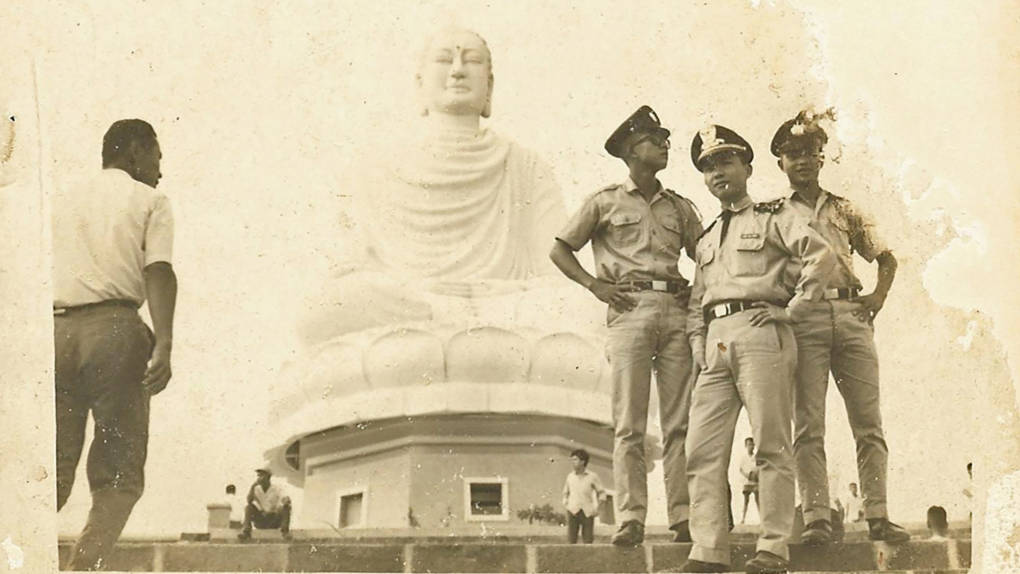
"caption": "No one in my family seems to know who the people are in this photo or why this pic was taken",
"description": "No one in my family seems to know who the people are in this photo or why this pic was taken",
"title": "vn-unknownCROP",
"credit": "Courtesy of Beth Nguyen",
"status": "inherit",
"isLoading": false,
"fetchFailed": false
},
"arts_13810990": {
"type": "attachments",
"id": "arts_13810990",
"meta": {
"index": "attachments_1716263798",
"site": "arts",
"id": "13810990",
"found": true
},
"parent": 13810981,
"imgSizes": {
"small": {
"file": "https://ww2.kqed.org/app/uploads/sites/2/2017/10/Fire2-e1509400044288-520x293.jpg",
"width": 520,
"mimeType": "image/jpeg",
"height": 293
},
"twentyfourteen-full-width": {
"file": "https://ww2.kqed.org/app/uploads/sites/2/2017/10/Fire2-e1509400044288-1038x576.jpg",
"width": 1038,
"mimeType": "image/jpeg",
"height": 576
},
"thumbnail": {
"file": "https://ww2.kqed.org/app/uploads/sites/2/2017/10/Fire2-e1509400044288-160x90.jpg",
"width": 160,
"mimeType": "image/jpeg",
"height": 90
},
"fd-sm": {
"file": "https://ww2.kqed.org/app/uploads/sites/2/2017/10/Fire2-e1509400044288-960x540.jpg",
"width": 960,
"mimeType": "image/jpeg",
"height": 540
},
"post-thumbnail": {
"file": "https://ww2.kqed.org/app/uploads/sites/2/2017/10/Fire2-e1509400044288-672x372.jpg",
"width": 672,
"mimeType": "image/jpeg",
"height": 372
},
"xsmall": {
"file": "https://ww2.kqed.org/app/uploads/sites/2/2017/10/Fire2-e1509400044288-375x211.jpg",
"width": 375,
"mimeType": "image/jpeg",
"height": 211
},
"kqedFullSize": {
"file": "https://ww2.kqed.org/app/uploads/sites/2/2017/10/Fire2-e1509400044288.jpg",
"width": 1920,
"height": 1080
},
"large": {
"file": "https://ww2.kqed.org/app/uploads/sites/2/2017/10/Fire2-e1509400044288-1020x574.jpg",
"width": 1020,
"mimeType": "image/jpeg",
"height": 574
},
"xlarge": {
"file": "https://ww2.kqed.org/app/uploads/sites/2/2017/10/Fire2-e1509400044288-1180x664.jpg",
"width": 1180,
"mimeType": "image/jpeg",
"height": 664
},
"guest-author-50": {
"file": "https://ww2.kqed.org/app/uploads/sites/2/2017/10/Fire2-e1509400044288-50x50.jpg",
"width": 50,
"mimeType": "image/jpeg",
"height": 50
},
"guest-author-96": {
"file": "https://ww2.kqed.org/app/uploads/sites/2/2017/10/Fire2-e1509400044288-96x96.jpg",
"width": 96,
"mimeType": "image/jpeg",
"height": 96
},
"medium": {
"file": "https://ww2.kqed.org/app/uploads/sites/2/2017/10/Fire2-e1509400044288-800x450.jpg",
"width": 800,
"mimeType": "image/jpeg",
"height": 450
},
"guest-author-64": {
"file": "https://ww2.kqed.org/app/uploads/sites/2/2017/10/Fire2-e1509400044288-64x64.jpg",
"width": 64,
"mimeType": "image/jpeg",
"height": 64
},
"guest-author-32": {
"file": "https://ww2.kqed.org/app/uploads/sites/2/2017/10/Fire2-e1509400044288-32x32.jpg",
"width": 32,
"mimeType": "image/jpeg",
"height": 32
},
"fd-lrg": {
"file": "https://ww2.kqed.org/app/uploads/sites/2/2017/10/Fire2-e1509400044288-1920x1080.jpg",
"width": 1920,
"mimeType": "image/jpeg",
"height": 1080
},
"fd-med": {
"file": "https://ww2.kqed.org/app/uploads/sites/2/2017/10/Fire2-e1509400044288-1180x664.jpg",
"width": 1180,
"mimeType": "image/jpeg",
"height": 664
},
"full-width": {
"file": "https://ww2.kqed.org/app/uploads/sites/2/2017/10/Fire2-e1509400044288-1920x1080.jpg",
"width": 1920,
"mimeType": "image/jpeg",
"height": 1080
},
"detail": {
"file": "https://ww2.kqed.org/app/uploads/sites/2/2017/10/Fire2-e1509400044288-150x150.jpg",
"width": 150,
"mimeType": "image/jpeg",
"height": 150
},
"medium_large": {
"file": "https://ww2.kqed.org/app/uploads/sites/2/2017/10/Fire2-e1509400044288-768x432.jpg",
"width": 768,
"mimeType": "image/jpeg",
"height": 432
},
"guest-author-128": {
"file": "https://ww2.kqed.org/app/uploads/sites/2/2017/10/Fire2-e1509400044288-128x128.jpg",
"width": 128,
"mimeType": "image/jpeg",
"height": 128
},
"xxsmall": {
"file": "https://ww2.kqed.org/app/uploads/sites/2/2017/10/Fire2-e1509400044288-240x135.jpg",
"width": 240,
"mimeType": "image/jpeg",
"height": 135
}
},
"publishDate": 1507583901,
"modified": 1507583944,
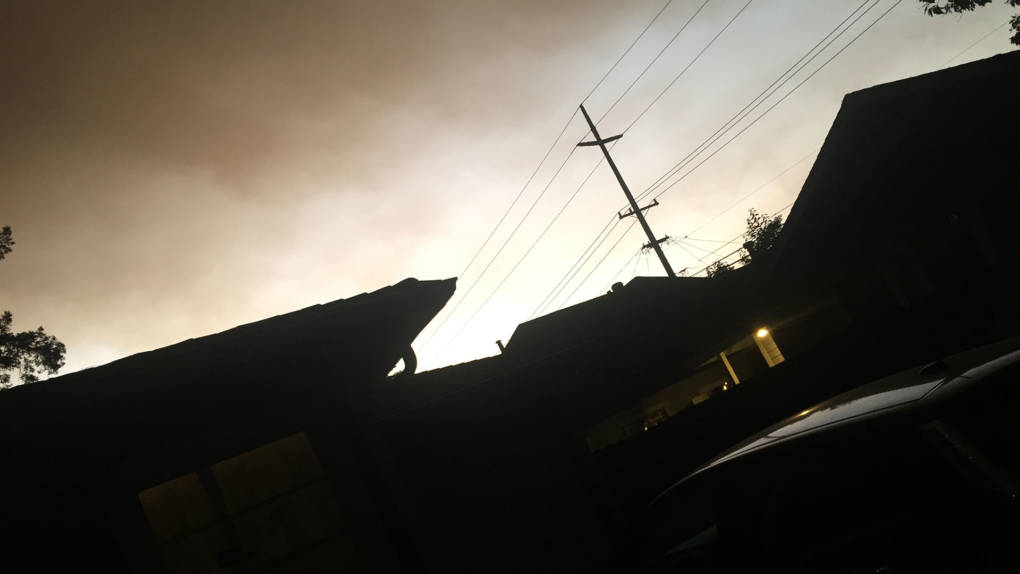
"caption": "A photo from 30 seconds before we evacuated.",
"description": "A photo from 30 seconds before we evacuated.",
"title": "Fire2",
"credit": "Gabe Meline/KQED",
"status": "inherit",
"isLoading": false,
"fetchFailed": false
},
"arts_13810460": {
"type": "attachments",
"id": "arts_13810460",
"meta": {
"index": "attachments_1716263798",
"site": "arts",
"id": "13810460",
"found": true
},
"parent": 13810342,
"imgSizes": {
"small": {
"file": "https://ww2.kqed.org/app/uploads/sites/2/2017/10/HSB.MAIN_-520x325.jpg",
"width": 520,
"mimeType": "image/jpeg",
"height": 325
},
"twentyfourteen-full-width": {
"file": "https://ww2.kqed.org/app/uploads/sites/2/2017/10/HSB.MAIN_-1000x576.jpg",
"width": 1000,
"mimeType": "image/jpeg",
"height": 576
},
"thumbnail": {
"file": "https://ww2.kqed.org/app/uploads/sites/2/2017/10/HSB.MAIN_-160x100.jpg",
"width": 160,
"mimeType": "image/jpeg",
"height": 100
},
"fd-sm": {
"file": "https://ww2.kqed.org/app/uploads/sites/2/2017/10/HSB.MAIN_-960x600.jpg",
"width": 960,
"mimeType": "image/jpeg",
"height": 600
},
"post-thumbnail": {
"file": "https://ww2.kqed.org/app/uploads/sites/2/2017/10/HSB.MAIN_-672x372.jpg",
"width": 672,
"mimeType": "image/jpeg",
"height": 372
},
"xsmall": {
"file": "https://ww2.kqed.org/app/uploads/sites/2/2017/10/HSB.MAIN_-375x234.jpg",
"width": 375,
"mimeType": "image/jpeg",
"height": 234
},
"kqedFullSize": {
"file": "https://ww2.kqed.org/app/uploads/sites/2/2017/10/HSB.MAIN_.jpg",
"width": 1000,
"height": 625
},
"guest-author-50": {
"file": "https://ww2.kqed.org/app/uploads/sites/2/2017/10/HSB.MAIN_-50x50.jpg",
"width": 50,
"mimeType": "image/jpeg",
"height": 50
},
"guest-author-96": {
"file": "https://ww2.kqed.org/app/uploads/sites/2/2017/10/HSB.MAIN_-96x96.jpg",
"width": 96,
"mimeType": "image/jpeg",
"height": 96
},
"medium": {
"file": "https://ww2.kqed.org/app/uploads/sites/2/2017/10/HSB.MAIN_-800x500.jpg",
"width": 800,
"mimeType": "image/jpeg",
"height": 500
},
"guest-author-64": {
"file": "https://ww2.kqed.org/app/uploads/sites/2/2017/10/HSB.MAIN_-64x64.jpg",
"width": 64,
"mimeType": "image/jpeg",
"height": 64
},
"guest-author-32": {
"file": "https://ww2.kqed.org/app/uploads/sites/2/2017/10/HSB.MAIN_-32x32.jpg",
"width": 32,
"mimeType": "image/jpeg",
"height": 32
},
"detail": {
"file": "https://ww2.kqed.org/app/uploads/sites/2/2017/10/HSB.MAIN_-150x150.jpg",
"width": 150,
"mimeType": "image/jpeg",
"height": 150
},
"medium_large": {
"file": "https://ww2.kqed.org/app/uploads/sites/2/2017/10/HSB.MAIN_-768x480.jpg",
"width": 768,
"mimeType": "image/jpeg",
"height": 480
},
"guest-author-128": {
"file": "https://ww2.kqed.org/app/uploads/sites/2/2017/10/HSB.MAIN_-128x128.jpg",
"width": 128,
"mimeType": "image/jpeg",
"height": 128
},
"xxsmall": {
"file": "https://ww2.kqed.org/app/uploads/sites/2/2017/10/HSB.MAIN_-240x150.jpg",
"width": 240,
"mimeType": "image/jpeg",
"height": 150
}
},
"publishDate": 1507145907,
"modified": 1507145952,
"caption": "The Devil Makes Three at the 13th annual Hardly Strictly Bluegrass Festival in Golden Gate Park.",
"description": "The Devil Makes Three at the 13th annual Hardly Strictly Bluegrass Festival in Golden Gate Park.",
"title": "HSB.MAIN",
"credit": "Anthony Pidgeon/via Hardly Strictly",
"status": "inherit",
"isLoading": false,
"fetchFailed": false
},
"arts_13810313": {
"type": "attachments",
"id": "arts_13810313",
"meta": {
"index": "attachments_1716263798",
"site": "arts",
"id": "13810313",
"found": true
},
"parent": 13810304,
"imgSizes": {
"small": {
"file": "https://ww2.kqed.org/app/uploads/sites/2/2017/10/rc.MAIN_-520x293.jpg",
"width": 520,
"mimeType": "image/jpeg",
"height": 293
},
"twentyfourteen-full-width": {
"file": "https://ww2.kqed.org/app/uploads/sites/2/2017/10/rc.MAIN_-1038x576.jpg",
"width": 1038,
"mimeType": "image/jpeg",
"height": 576
},
"thumbnail": {
"file": "https://ww2.kqed.org/app/uploads/sites/2/2017/10/rc.MAIN_-160x90.jpg",
"width": 160,
"mimeType": "image/jpeg",
"height": 90
},
"fd-sm": {
"file": "https://ww2.kqed.org/app/uploads/sites/2/2017/10/rc.MAIN_-960x540.jpg",
"width": 960,
"mimeType": "image/jpeg",
"height": 540
},
"post-thumbnail": {
"file": "https://ww2.kqed.org/app/uploads/sites/2/2017/10/rc.MAIN_-672x372.jpg",
"width": 672,
"mimeType": "image/jpeg",
"height": 372
},
"xsmall": {
"file": "https://ww2.kqed.org/app/uploads/sites/2/2017/10/rc.MAIN_-375x211.jpg",
"width": 375,
"mimeType": "image/jpeg",
"height": 211
},
"kqedFullSize": {
"file": "https://ww2.kqed.org/app/uploads/sites/2/2017/10/rc.MAIN_.jpg",
"width": 1920,
"height": 1080
},
"large": {
"file": "https://ww2.kqed.org/app/uploads/sites/2/2017/10/rc.MAIN_-1020x574.jpg",
"width": 1020,
"mimeType": "image/jpeg",
"height": 574
},
"xlarge": {
"file": "https://ww2.kqed.org/app/uploads/sites/2/2017/10/rc.MAIN_-1180x664.jpg",
"width": 1180,
"mimeType": "image/jpeg",
"height": 664
},
"guest-author-50": {
"file": "https://ww2.kqed.org/app/uploads/sites/2/2017/10/rc.MAIN_-50x50.jpg",
"width": 50,
"mimeType": "image/jpeg",
"height": 50
},
"guest-author-96": {
"file": "https://ww2.kqed.org/app/uploads/sites/2/2017/10/rc.MAIN_-96x96.jpg",
"width": 96,
"mimeType": "image/jpeg",
"height": 96
},
"medium": {
"file": "https://ww2.kqed.org/app/uploads/sites/2/2017/10/rc.MAIN_-800x450.jpg",
"width": 800,
"mimeType": "image/jpeg",
"height": 450
},
"guest-author-64": {
"file": "https://ww2.kqed.org/app/uploads/sites/2/2017/10/rc.MAIN_-64x64.jpg",
"width": 64,
"mimeType": "image/jpeg",
"height": 64
},
"guest-author-32": {
"file": "https://ww2.kqed.org/app/uploads/sites/2/2017/10/rc.MAIN_-32x32.jpg",
"width": 32,
"mimeType": "image/jpeg",
"height": 32
},
"fd-lrg": {
"file": "https://ww2.kqed.org/app/uploads/sites/2/2017/10/rc.MAIN_-1920x1080.jpg",
"width": 1920,
"mimeType": "image/jpeg",
"height": 1080
},
"fd-med": {
"file": "https://ww2.kqed.org/app/uploads/sites/2/2017/10/rc.MAIN_-1180x664.jpg",
"width": 1180,
"mimeType": "image/jpeg",
"height": 664
},
"full-width": {
"file": "https://ww2.kqed.org/app/uploads/sites/2/2017/10/rc.MAIN_-1920x1080.jpg",
"width": 1920,
"mimeType": "image/jpeg",
"height": 1080
},
"detail": {
"file": "https://ww2.kqed.org/app/uploads/sites/2/2017/10/rc.MAIN_-150x150.jpg",
"width": 150,
"mimeType": "image/jpeg",
"height": 150
},
"medium_large": {
"file": "https://ww2.kqed.org/app/uploads/sites/2/2017/10/rc.MAIN_-768x432.jpg",
"width": 768,
"mimeType": "image/jpeg",
"height": 432
},
"guest-author-128": {
"file": "https://ww2.kqed.org/app/uploads/sites/2/2017/10/rc.MAIN_-128x128.jpg",
"width": 128,
"mimeType": "image/jpeg",
"height": 128
},
"xxsmall": {
"file": "https://ww2.kqed.org/app/uploads/sites/2/2017/10/rc.MAIN_-240x135.jpg",
"width": 240,
"mimeType": "image/jpeg",
"height": 135
}
},
"publishDate": 1507068618,
"modified": 1507068676,
"caption": "Attendees at a conversation in East Oakland about rape culture and abusive relationships.",
"description": null,
"title": "rc.MAIN",
"credit": "Pendarvis Harshaw",
"status": "inherit",
"isLoading": false,
"fetchFailed": false
},
"arts_13810027": {
"type": "attachments",
"id": "arts_13810027",
"meta": {
"index": "attachments_1716263798",
"site": "arts",
"id": "13810027",
"found": true
},
"parent": 13810000,
"imgSizes": {
"small": {
"file": "https://ww2.kqed.org/app/uploads/sites/2/2017/09/HughMAIN-520x293.jpg",
"width": 520,
"mimeType": "image/jpeg",
"height": 293
},
"twentyfourteen-full-width": {
"file": "https://ww2.kqed.org/app/uploads/sites/2/2017/09/HughMAIN-1038x576.jpg",
"width": 1038,
"mimeType": "image/jpeg",
"height": 576
},
"thumbnail": {
"file": "https://ww2.kqed.org/app/uploads/sites/2/2017/09/HughMAIN-160x90.jpg",
"width": 160,
"mimeType": "image/jpeg",
"height": 90
},
"fd-sm": {
"file": "https://ww2.kqed.org/app/uploads/sites/2/2017/09/HughMAIN-960x540.jpg",
"width": 960,
"mimeType": "image/jpeg",
"height": 540
},
"post-thumbnail": {
"file": "https://ww2.kqed.org/app/uploads/sites/2/2017/09/HughMAIN-672x372.jpg",
"width": 672,
"mimeType": "image/jpeg",
"height": 372
},
"xsmall": {
"file": "https://ww2.kqed.org/app/uploads/sites/2/2017/09/HughMAIN-375x211.jpg",
"width": 375,
"mimeType": "image/jpeg",
"height": 211
},
"kqedFullSize": {
"file": "https://ww2.kqed.org/app/uploads/sites/2/2017/09/HughMAIN.jpg",
"width": 1920,
"height": 1080
},
"large": {
"file": "https://ww2.kqed.org/app/uploads/sites/2/2017/09/HughMAIN-1020x574.jpg",
"width": 1020,
"mimeType": "image/jpeg",
"height": 574
},
"xlarge": {
"file": "https://ww2.kqed.org/app/uploads/sites/2/2017/09/HughMAIN-1180x664.jpg",
"width": 1180,
"mimeType": "image/jpeg",
"height": 664
},
"guest-author-50": {
"file": "https://ww2.kqed.org/app/uploads/sites/2/2017/09/HughMAIN-50x50.jpg",
"width": 50,
"mimeType": "image/jpeg",
"height": 50
},
"guest-author-96": {
"file": "https://ww2.kqed.org/app/uploads/sites/2/2017/09/HughMAIN-96x96.jpg",
"width": 96,
"mimeType": "image/jpeg",
"height": 96
},
"medium": {
"file": "https://ww2.kqed.org/app/uploads/sites/2/2017/09/HughMAIN-800x450.jpg",
"width": 800,
"mimeType": "image/jpeg",
"height": 450
},
"guest-author-64": {
"file": "https://ww2.kqed.org/app/uploads/sites/2/2017/09/HughMAIN-64x64.jpg",
"width": 64,
"mimeType": "image/jpeg",
"height": 64
},
"guest-author-32": {
"file": "https://ww2.kqed.org/app/uploads/sites/2/2017/09/HughMAIN-32x32.jpg",
"width": 32,
"mimeType": "image/jpeg",
"height": 32
},
"fd-lrg": {
"file": "https://ww2.kqed.org/app/uploads/sites/2/2017/09/HughMAIN-1920x1080.jpg",
"width": 1920,
"mimeType": "image/jpeg",
"height": 1080
},
"fd-med": {
"file": "https://ww2.kqed.org/app/uploads/sites/2/2017/09/HughMAIN-1180x664.jpg",
"width": 1180,
"mimeType": "image/jpeg",
"height": 664
},
"full-width": {
"file": "https://ww2.kqed.org/app/uploads/sites/2/2017/09/HughMAIN-1920x1080.jpg",
"width": 1920,
"mimeType": "image/jpeg",
"height": 1080
},
"detail": {
"file": "https://ww2.kqed.org/app/uploads/sites/2/2017/09/HughMAIN-150x150.jpg",
"width": 150,
"mimeType": "image/jpeg",
"height": 150
},
"medium_large": {
"file": "https://ww2.kqed.org/app/uploads/sites/2/2017/09/HughMAIN-768x432.jpg",
"width": 768,
"mimeType": "image/jpeg",
"height": 432
},
"guest-author-128": {
"file": "https://ww2.kqed.org/app/uploads/sites/2/2017/09/HughMAIN-128x128.jpg",
"width": 128,
"mimeType": "image/jpeg",
"height": 128
},
"xxsmall": {
"file": "https://ww2.kqed.org/app/uploads/sites/2/2017/09/HughMAIN-240x135.jpg",
"width": 240,
"mimeType": "image/jpeg",
"height": 135
}
},
"publishDate": 1506709376,
"modified": 1506709422,
"caption": "Hugh Hefner attends Playboy's 2013 Playmate Of The Year luncheon honoring Raquel Pomplun at The Playboy Mansion on May 9, 2013.",
"description": "Hugh Hefner attends Playboy's 2013 Playmate Of The Year luncheon honoring Raquel Pomplun at The Playboy Mansion on May 9, 2013.",
"title": "HughMAIN",
"credit": "Charley Gallay/Getty Images",
"status": "inherit",
"isLoading": false,
"fetchFailed": false
},
"arts_13809767": {
"type": "attachments",
"id": "arts_13809767",
"meta": {
"index": "attachments_1716263798",
"site": "arts",
"id": "13809767",
"found": true
},
"parent": 13809753,
"imgSizes": {
"small": {
"file": "https://ww2.kqed.org/app/uploads/sites/2/2017/09/Waxidols-image1-520x345.jpg",
"width": 520,
"mimeType": "image/jpeg",
"height": 345
},
"twentyfourteen-full-width": {
"file": "https://ww2.kqed.org/app/uploads/sites/2/2017/09/Waxidols-image1-1038x576.jpg",
"width": 1038,
"mimeType": "image/jpeg",
"height": 576
},
"thumbnail": {
"file": "https://ww2.kqed.org/app/uploads/sites/2/2017/09/Waxidols-image1-160x106.jpg",
"width": 160,
"mimeType": "image/jpeg",
"height": 106
},
"fd-sm": {
"file": "https://ww2.kqed.org/app/uploads/sites/2/2017/09/Waxidols-image1-960x636.jpg",
"width": 960,
"mimeType": "image/jpeg",
"height": 636
},
"post-thumbnail": {
"file": "https://ww2.kqed.org/app/uploads/sites/2/2017/09/Waxidols-image1-672x372.jpg",
"width": 672,
"mimeType": "image/jpeg",
"height": 372
},
"xsmall": {
"file": "https://ww2.kqed.org/app/uploads/sites/2/2017/09/Waxidols-image1-375x248.jpg",
"width": 375,
"mimeType": "image/jpeg",
"height": 248
},
"kqedFullSize": {
"file": "https://ww2.kqed.org/app/uploads/sites/2/2017/09/Waxidols-image1.jpg",
"width": 1280,
"height": 848
},
"large": {
"file": "https://ww2.kqed.org/app/uploads/sites/2/2017/09/Waxidols-image1-1020x676.jpg",
"width": 1020,
"mimeType": "image/jpeg",
"height": 676
},
"xlarge": {
"file": "https://ww2.kqed.org/app/uploads/sites/2/2017/09/Waxidols-image1-1180x782.jpg",
"width": 1180,
"mimeType": "image/jpeg",
"height": 782
},
"guest-author-50": {
"file": "https://ww2.kqed.org/app/uploads/sites/2/2017/09/Waxidols-image1-50x50.jpg",
"width": 50,
"mimeType": "image/jpeg",
"height": 50
},
"guest-author-96": {
"file": "https://ww2.kqed.org/app/uploads/sites/2/2017/09/Waxidols-image1-96x96.jpg",
"width": 96,
"mimeType": "image/jpeg",
"height": 96
},
"medium": {
"file": "https://ww2.kqed.org/app/uploads/sites/2/2017/09/Waxidols-image1-800x530.jpg",
"width": 800,
"mimeType": "image/jpeg",
"height": 530
},
"guest-author-64": {
"file": "https://ww2.kqed.org/app/uploads/sites/2/2017/09/Waxidols-image1-64x64.jpg",
"width": 64,
"mimeType": "image/jpeg",
"height": 64
},
"guest-author-32": {
"file": "https://ww2.kqed.org/app/uploads/sites/2/2017/09/Waxidols-image1-32x32.jpg",
"width": 32,
"mimeType": "image/jpeg",
"height": 32
},
"fd-med": {
"file": "https://ww2.kqed.org/app/uploads/sites/2/2017/09/Waxidols-image1-1180x782.jpg",
"width": 1180,
"mimeType": "image/jpeg",
"height": 782
},
"detail": {
"file": "https://ww2.kqed.org/app/uploads/sites/2/2017/09/Waxidols-image1-150x150.jpg",
"width": 150,
"mimeType": "image/jpeg",
"height": 150
},
"medium_large": {
"file": "https://ww2.kqed.org/app/uploads/sites/2/2017/09/Waxidols-image1-768x509.jpg",
"width": 768,
"mimeType": "image/jpeg",
"height": 509
},
"guest-author-128": {
"file": "https://ww2.kqed.org/app/uploads/sites/2/2017/09/Waxidols-image1-128x128.jpg",
"width": 128,
"mimeType": "image/jpeg",
"height": 128
},
"xxsmall": {
"file": "https://ww2.kqed.org/app/uploads/sites/2/2017/09/Waxidols-image1-240x159.jpg",
"width": 240,
"mimeType": "image/jpeg",
"height": 159
}
},
"publishDate": 1506497500,
"modified": 1506497916,
"caption": "Wax Idols.",
"description": "Wax Idols.",
"title": "Waxidols---image1",
"credit": null,
"status": "inherit",
"isLoading": false,
"fetchFailed": false
},
"arts_13809576": {
"type": "attachments",
"id": "arts_13809576",
"meta": {
"index": "attachments_1716263798",
"site": "arts",
"id": "13809576",
"found": true
},
"parent": 13809574,
"imgSizes": {
"small": {
"file": "https://ww2.kqed.org/app/uploads/sites/2/2017/09/Kaep.Mural1_-520x309.jpg",
"width": 520,
"mimeType": "image/jpeg",
"height": 309
},
"twentyfourteen-full-width": {
"file": "https://ww2.kqed.org/app/uploads/sites/2/2017/09/Kaep.Mural1_-1038x576.jpg",
"width": 1038,
"mimeType": "image/jpeg",
"height": 576
},
"thumbnail": {
"file": "https://ww2.kqed.org/app/uploads/sites/2/2017/09/Kaep.Mural1_-160x95.jpg",
"width": 160,
"mimeType": "image/jpeg",
"height": 95
},
"fd-sm": {
"file": "https://ww2.kqed.org/app/uploads/sites/2/2017/09/Kaep.Mural1_-960x570.jpg",
"width": 960,
"mimeType": "image/jpeg",
"height": 570
},
"post-thumbnail": {
"file": "https://ww2.kqed.org/app/uploads/sites/2/2017/09/Kaep.Mural1_-672x372.jpg",
"width": 672,
"mimeType": "image/jpeg",
"height": 372
},
"xsmall": {
"file": "https://ww2.kqed.org/app/uploads/sites/2/2017/09/Kaep.Mural1_-375x223.jpg",
"width": 375,
"mimeType": "image/jpeg",
"height": 223
},
"kqedFullSize": {
"file": "https://ww2.kqed.org/app/uploads/sites/2/2017/09/Kaep.Mural1_.jpg",
"width": 1920,
"height": 1140
},
"large": {
"file": "https://ww2.kqed.org/app/uploads/sites/2/2017/09/Kaep.Mural1_-1020x606.jpg",
"width": 1020,
"mimeType": "image/jpeg",
"height": 606
},
"xlarge": {
"file": "https://ww2.kqed.org/app/uploads/sites/2/2017/09/Kaep.Mural1_-1180x701.jpg",
"width": 1180,
"mimeType": "image/jpeg",
"height": 701
},
"guest-author-50": {
"file": "https://ww2.kqed.org/app/uploads/sites/2/2017/09/Kaep.Mural1_-50x50.jpg",
"width": 50,
"mimeType": "image/jpeg",
"height": 50
},
"guest-author-96": {
"file": "https://ww2.kqed.org/app/uploads/sites/2/2017/09/Kaep.Mural1_-96x96.jpg",
"width": 96,
"mimeType": "image/jpeg",
"height": 96
},
"medium": {
"file": "https://ww2.kqed.org/app/uploads/sites/2/2017/09/Kaep.Mural1_-800x475.jpg",
"width": 800,
"mimeType": "image/jpeg",
"height": 475
},
"guest-author-64": {
"file": "https://ww2.kqed.org/app/uploads/sites/2/2017/09/Kaep.Mural1_-64x64.jpg",
"width": 64,
"mimeType": "image/jpeg",
"height": 64
},
"guest-author-32": {
"file": "https://ww2.kqed.org/app/uploads/sites/2/2017/09/Kaep.Mural1_-32x32.jpg",
"width": 32,
"mimeType": "image/jpeg",
"height": 32
},
"fd-lrg": {
"file": "https://ww2.kqed.org/app/uploads/sites/2/2017/09/Kaep.Mural1_-1920x1140.jpg",
"width": 1920,
"mimeType": "image/jpeg",
"height": 1140
},
"fd-med": {
"file": "https://ww2.kqed.org/app/uploads/sites/2/2017/09/Kaep.Mural1_-1180x701.jpg",
"width": 1180,
"mimeType": "image/jpeg",
"height": 701
},
"full-width": {
"file": "https://ww2.kqed.org/app/uploads/sites/2/2017/09/Kaep.Mural1_-1920x1140.jpg",
"width": 1920,
"mimeType": "image/jpeg",
"height": 1140
},
"detail": {
"file": "https://ww2.kqed.org/app/uploads/sites/2/2017/09/Kaep.Mural1_-150x150.jpg",
"width": 150,
"mimeType": "image/jpeg",
"height": 150
},
"medium_large": {
"file": "https://ww2.kqed.org/app/uploads/sites/2/2017/09/Kaep.Mural1_-768x456.jpg",
"width": 768,
"mimeType": "image/jpeg",
"height": 456
},
"guest-author-128": {
"file": "https://ww2.kqed.org/app/uploads/sites/2/2017/09/Kaep.Mural1_-128x128.jpg",
"width": 128,
"mimeType": "image/jpeg",
"height": 128
},
"xxsmall": {
"file": "https://ww2.kqed.org/app/uploads/sites/2/2017/09/Kaep.Mural1_-240x143.jpg",
"width": 240,
"mimeType": "image/jpeg",
"height": 143
}
},
"publishDate": 1506405188,
"modified": 1506405246,
"caption": "A mural of Colin Kaepernick on Telegraph Ave. in Oakland, circa 2016.",
"description": null,
"title": "Kaep.Mural1",
"credit": "Pendarvis Harshaw",
"status": "inherit",
"isLoading": false,
"fetchFailed": false
},
"arts_13809176": {
"type": "attachments",
"id": "arts_13809176",
"meta": {
"index": "attachments_1716263798",
"site": "arts",
"id": "13809176",
"found": true
},
"parent": 13809159,
"imgSizes": {
"small": {
"file": "https://ww2.kqed.org/app/uploads/sites/2/2017/09/LJG.CaseyCurry-520x293.jpg",
"width": 520,
"mimeType": "image/jpeg",
"height": 293
},
"twentyfourteen-full-width": {
"file": "https://ww2.kqed.org/app/uploads/sites/2/2017/09/LJG.CaseyCurry-1038x576.jpg",
"width": 1038,
"mimeType": "image/jpeg",
"height": 576
},
"thumbnail": {
"file": "https://ww2.kqed.org/app/uploads/sites/2/2017/09/LJG.CaseyCurry-160x90.jpg",
"width": 160,
"mimeType": "image/jpeg",
"height": 90
},
"fd-sm": {
"file": "https://ww2.kqed.org/app/uploads/sites/2/2017/09/LJG.CaseyCurry-960x540.jpg",
"width": 960,
"mimeType": "image/jpeg",
"height": 540
},
"post-thumbnail": {
"file": "https://ww2.kqed.org/app/uploads/sites/2/2017/09/LJG.CaseyCurry-672x372.jpg",
"width": 672,
"mimeType": "image/jpeg",
"height": 372
},
"xsmall": {
"file": "https://ww2.kqed.org/app/uploads/sites/2/2017/09/LJG.CaseyCurry-375x211.jpg",
"width": 375,
"mimeType": "image/jpeg",
"height": 211
},
"kqedFullSize": {
"file": "https://ww2.kqed.org/app/uploads/sites/2/2017/09/LJG.CaseyCurry.jpg",
"width": 1920,
"height": 1080
},
"large": {
"file": "https://ww2.kqed.org/app/uploads/sites/2/2017/09/LJG.CaseyCurry-1020x574.jpg",
"width": 1020,
"mimeType": "image/jpeg",
"height": 574
},
"xlarge": {
"file": "https://ww2.kqed.org/app/uploads/sites/2/2017/09/LJG.CaseyCurry-1180x664.jpg",
"width": 1180,
"mimeType": "image/jpeg",
"height": 664
},
"guest-author-50": {
"file": "https://ww2.kqed.org/app/uploads/sites/2/2017/09/LJG.CaseyCurry-50x50.jpg",
"width": 50,
"mimeType": "image/jpeg",
"height": 50
},
"guest-author-96": {
"file": "https://ww2.kqed.org/app/uploads/sites/2/2017/09/LJG.CaseyCurry-96x96.jpg",
"width": 96,
"mimeType": "image/jpeg",
"height": 96
},
"medium": {
"file": "https://ww2.kqed.org/app/uploads/sites/2/2017/09/LJG.CaseyCurry-800x450.jpg",
"width": 800,
"mimeType": "image/jpeg",
"height": 450
},
"guest-author-64": {
"file": "https://ww2.kqed.org/app/uploads/sites/2/2017/09/LJG.CaseyCurry-64x64.jpg",
"width": 64,
"mimeType": "image/jpeg",
"height": 64
},
"guest-author-32": {
"file": "https://ww2.kqed.org/app/uploads/sites/2/2017/09/LJG.CaseyCurry-32x32.jpg",
"width": 32,
"mimeType": "image/jpeg",
"height": 32
},
"fd-lrg": {
"file": "https://ww2.kqed.org/app/uploads/sites/2/2017/09/LJG.CaseyCurry-1920x1080.jpg",
"width": 1920,
"mimeType": "image/jpeg",
"height": 1080
},
"fd-med": {
"file": "https://ww2.kqed.org/app/uploads/sites/2/2017/09/LJG.CaseyCurry-1180x664.jpg",
"width": 1180,
"mimeType": "image/jpeg",
"height": 664
},
"full-width": {
"file": "https://ww2.kqed.org/app/uploads/sites/2/2017/09/LJG.CaseyCurry-1920x1080.jpg",
"width": 1920,
"mimeType": "image/jpeg",
"height": 1080
},
"detail": {
"file": "https://ww2.kqed.org/app/uploads/sites/2/2017/09/LJG.CaseyCurry-150x150.jpg",
"width": 150,
"mimeType": "image/jpeg",
"height": 150
},
"medium_large": {
"file": "https://ww2.kqed.org/app/uploads/sites/2/2017/09/LJG.CaseyCurry-768x432.jpg",
"width": 768,
"mimeType": "image/jpeg",
"height": 432
},
"guest-author-128": {
"file": "https://ww2.kqed.org/app/uploads/sites/2/2017/09/LJG.CaseyCurry-128x128.jpg",
"width": 128,
"mimeType": "image/jpeg",
"height": 128
},
"xxsmall": {
"file": "https://ww2.kqed.org/app/uploads/sites/2/2017/09/LJG.CaseyCurry-240x135.jpg",
"width": 240,
"mimeType": "image/jpeg",
"height": 135
}
},
"publishDate": 1505979644,
"modified": 1506045533,
"caption": "Laura Jane Grace, whose recent memoir, 'Tranny,' is a personal story of her band Against Me! and coming out as trans in 2012.",
"description": "Laura Jane Grace, whose recent memoir, 'Tranny,' is a personal story of her band Against Me! and coming out as trans in 2012.",
"title": "LJG.CaseyCurry",
"credit": "Casey Curry",
"status": "inherit",
"isLoading": false,
"fetchFailed": false
},
"arts_13808999": {
"type": "attachments",
"id": "arts_13808999",
"meta": {
"index": "attachments_1716263798",
"site": "arts",
"id": "13808999",
"found": true
},
"parent": 13808936,
"imgSizes": {
"small": {
"file": "https://ww2.kqed.org/app/uploads/sites/2/2017/09/Alcatraz.MAIN_-520x293.jpg",
"width": 520,
"mimeType": "image/jpeg",
"height": 293
},
"twentyfourteen-full-width": {
"file": "https://ww2.kqed.org/app/uploads/sites/2/2017/09/Alcatraz.MAIN_-1038x576.jpg",
"width": 1038,
"mimeType": "image/jpeg",
"height": 576
},
"thumbnail": {
"file": "https://ww2.kqed.org/app/uploads/sites/2/2017/09/Alcatraz.MAIN_-160x90.jpg",
"width": 160,
"mimeType": "image/jpeg",
"height": 90
},
"fd-sm": {
"file": "https://ww2.kqed.org/app/uploads/sites/2/2017/09/Alcatraz.MAIN_-960x540.jpg",
"width": 960,
"mimeType": "image/jpeg",
"height": 540
},
"post-thumbnail": {
"file": "https://ww2.kqed.org/app/uploads/sites/2/2017/09/Alcatraz.MAIN_-672x372.jpg",
"width": 672,
"mimeType": "image/jpeg",
"height": 372
},
"xsmall": {
"file": "https://ww2.kqed.org/app/uploads/sites/2/2017/09/Alcatraz.MAIN_-375x211.jpg",
"width": 375,
"mimeType": "image/jpeg",
"height": 211
},
"kqedFullSize": {
"file": "https://ww2.kqed.org/app/uploads/sites/2/2017/09/Alcatraz.MAIN_.jpg",
"width": 1920,
"height": 1080
},
"large": {
"file": "https://ww2.kqed.org/app/uploads/sites/2/2017/09/Alcatraz.MAIN_-1020x574.jpg",
"width": 1020,
"mimeType": "image/jpeg",
"height": 574
},
"xlarge": {
"file": "https://ww2.kqed.org/app/uploads/sites/2/2017/09/Alcatraz.MAIN_-1180x664.jpg",
"width": 1180,
"mimeType": "image/jpeg",
"height": 664
},
"guest-author-50": {
"file": "https://ww2.kqed.org/app/uploads/sites/2/2017/09/Alcatraz.MAIN_-50x50.jpg",
"width": 50,
"mimeType": "image/jpeg",
"height": 50
},
"guest-author-96": {
"file": "https://ww2.kqed.org/app/uploads/sites/2/2017/09/Alcatraz.MAIN_-96x96.jpg",
"width": 96,
"mimeType": "image/jpeg",
"height": 96
},
"medium": {
"file": "https://ww2.kqed.org/app/uploads/sites/2/2017/09/Alcatraz.MAIN_-800x450.jpg",
"width": 800,
"mimeType": "image/jpeg",
"height": 450
},
"guest-author-64": {
"file": "https://ww2.kqed.org/app/uploads/sites/2/2017/09/Alcatraz.MAIN_-64x64.jpg",
"width": 64,
"mimeType": "image/jpeg",
"height": 64
},
"guest-author-32": {
"file": "https://ww2.kqed.org/app/uploads/sites/2/2017/09/Alcatraz.MAIN_-32x32.jpg",
"width": 32,
"mimeType": "image/jpeg",
"height": 32
},
"fd-lrg": {
"file": "https://ww2.kqed.org/app/uploads/sites/2/2017/09/Alcatraz.MAIN_-1920x1080.jpg",
"width": 1920,
"mimeType": "image/jpeg",
"height": 1080
},
"fd-med": {
"file": "https://ww2.kqed.org/app/uploads/sites/2/2017/09/Alcatraz.MAIN_-1180x664.jpg",
"width": 1180,
"mimeType": "image/jpeg",
"height": 664
},
"full-width": {
"file": "https://ww2.kqed.org/app/uploads/sites/2/2017/09/Alcatraz.MAIN_-1920x1080.jpg",
"width": 1920,
"mimeType": "image/jpeg",
"height": 1080
},
"detail": {
"file": "https://ww2.kqed.org/app/uploads/sites/2/2017/09/Alcatraz.MAIN_-150x150.jpg",
"width": 150,
"mimeType": "image/jpeg",
"height": 150
},
"medium_large": {
"file": "https://ww2.kqed.org/app/uploads/sites/2/2017/09/Alcatraz.MAIN_-768x432.jpg",
"width": 768,
"mimeType": "image/jpeg",
"height": 432
},
"guest-author-128": {
"file": "https://ww2.kqed.org/app/uploads/sites/2/2017/09/Alcatraz.MAIN_-128x128.jpg",
"width": 128,
"mimeType": "image/jpeg",
"height": 128
},
"xxsmall": {
"file": "https://ww2.kqed.org/app/uploads/sites/2/2017/09/Alcatraz.MAIN_-240x135.jpg",
"width": 240,
"mimeType": "image/jpeg",
"height": 135
}
},
"publishDate": 1505856245,
"modified": 1505856358,
"caption": "Watani Stiner visits Alcatraz State Prison in August. While incarcerated at San Quentin, Stiner took part in Brothers in Pens, a writing and art program.",
"description": "Watani Stiner visits Alcatraz State Prison in August. While incarcerated at San Quentin, Stiner took part in Brothers in Pens, a writing and art program.",
"title": "Alcatraz.MAIN",
"credit": "Pendarvis Harshaw",
"status": "inherit",
"isLoading": false,
"fetchFailed": false
},
"arts_13808469": {
"type": "attachments",
"id": "arts_13808469",
"meta": {
"index": "attachments_1716263798",
"site": "arts",
"id": "13808469",
"found": true
},
"parent": 13808467,
"imgSizes": {
"small": {
"file": "https://ww2.kqed.org/app/uploads/sites/2/2017/09/LittleRichard-520x325.jpg",
"width": 520,
"mimeType": "image/jpeg",
"height": 325
},
"twentyfourteen-full-width": {
"file": "https://ww2.kqed.org/app/uploads/sites/2/2017/09/LittleRichard-1038x576.jpg",
"width": 1038,
"mimeType": "image/jpeg",
"height": 576
},
"thumbnail": {
"file": "https://ww2.kqed.org/app/uploads/sites/2/2017/09/LittleRichard-160x100.jpg",
"width": 160,
"mimeType": "image/jpeg",
"height": 100
},
"fd-sm": {
"file": "https://ww2.kqed.org/app/uploads/sites/2/2017/09/LittleRichard-960x600.jpg",
"width": 960,
"mimeType": "image/jpeg",
"height": 600
},
"post-thumbnail": {
"file": "https://ww2.kqed.org/app/uploads/sites/2/2017/09/LittleRichard-672x372.jpg",
"width": 672,
"mimeType": "image/jpeg",
"height": 372
},
"xsmall": {
"file": "https://ww2.kqed.org/app/uploads/sites/2/2017/09/LittleRichard-375x234.jpg",
"width": 375,
"mimeType": "image/jpeg",
"height": 234
},
"kqedFullSize": {
"file": "https://ww2.kqed.org/app/uploads/sites/2/2017/09/LittleRichard.jpg",
"width": 1200,
"height": 750
},
"large": {
"file": "https://ww2.kqed.org/app/uploads/sites/2/2017/09/LittleRichard-1020x638.jpg",
"width": 1020,
"mimeType": "image/jpeg",
"height": 638
},
"xlarge": {
"file": "https://ww2.kqed.org/app/uploads/sites/2/2017/09/LittleRichard-1180x738.jpg",
"width": 1180,
"mimeType": "image/jpeg",
"height": 738
},
"guest-author-50": {
"file": "https://ww2.kqed.org/app/uploads/sites/2/2017/09/LittleRichard-50x50.jpg",
"width": 50,
"mimeType": "image/jpeg",
"height": 50
},
"guest-author-96": {
"file": "https://ww2.kqed.org/app/uploads/sites/2/2017/09/LittleRichard-96x96.jpg",
"width": 96,
"mimeType": "image/jpeg",
"height": 96
},
"medium": {
"file": "https://ww2.kqed.org/app/uploads/sites/2/2017/09/LittleRichard-800x500.jpg",
"width": 800,
"mimeType": "image/jpeg",
"height": 500
},
"guest-author-64": {
"file": "https://ww2.kqed.org/app/uploads/sites/2/2017/09/LittleRichard-64x64.jpg",
"width": 64,
"mimeType": "image/jpeg",
"height": 64
},
"guest-author-32": {
"file": "https://ww2.kqed.org/app/uploads/sites/2/2017/09/LittleRichard-32x32.jpg",
"width": 32,
"mimeType": "image/jpeg",
"height": 32
},
"fd-med": {
"file": "https://ww2.kqed.org/app/uploads/sites/2/2017/09/LittleRichard-1180x738.jpg",
"width": 1180,
"mimeType": "image/jpeg",
"height": 738
},
"detail": {
"file": "https://ww2.kqed.org/app/uploads/sites/2/2017/09/LittleRichard-150x150.jpg",
"width": 150,
"mimeType": "image/jpeg",
"height": 150
},
"medium_large": {
"file": "https://ww2.kqed.org/app/uploads/sites/2/2017/09/LittleRichard-768x480.jpg",
"width": 768,
"mimeType": "image/jpeg",
"height": 480
},
"guest-author-128": {
"file": "https://ww2.kqed.org/app/uploads/sites/2/2017/09/LittleRichard-128x128.jpg",
"width": 128,
"mimeType": "image/jpeg",
"height": 128
},
"xxsmall": {
"file": "https://ww2.kqed.org/app/uploads/sites/2/2017/09/LittleRichard-240x150.jpg",
"width": 240,
"mimeType": "image/jpeg",
"height": 150
}
},
"publishDate": 1505355438,
"modified": 1505355496,
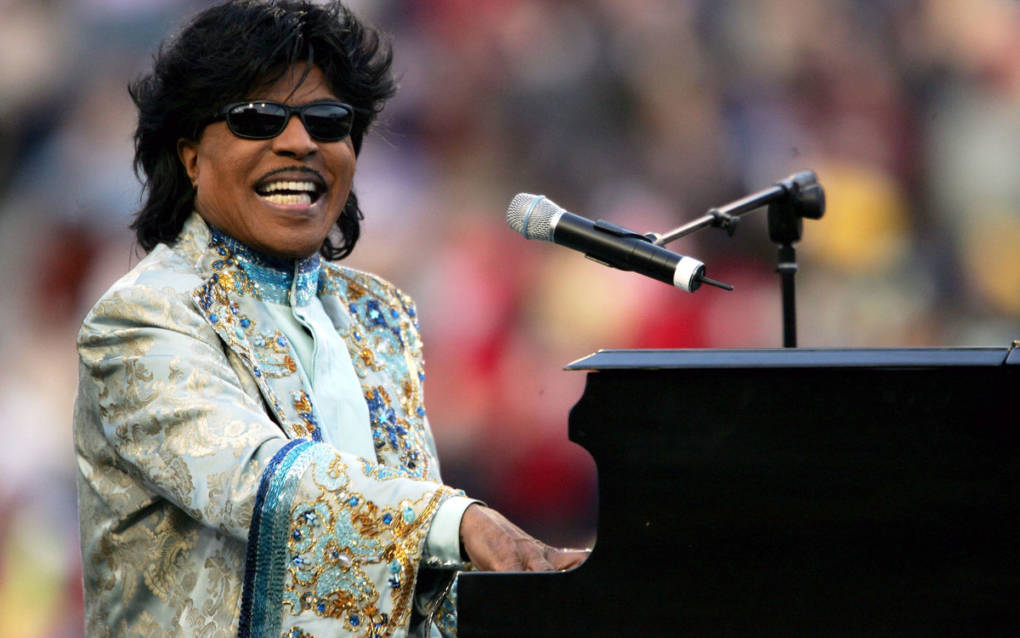
"caption": "Little Richard performs during a halftime show at the Liberty Bowl in Memphis, Tenn., on Dec. 31, 2004. (via NPR)",
"description": "Little Richard performs during a halftime show at the Liberty Bowl in Memphis, Tenn., on Dec. 31, 2004. (via NPR)",
"title": "LittleRichard",
"credit": "Andy Lyons / Getty Images",
"status": "inherit",
"isLoading": false,
"fetchFailed": false
},
"arts_13808212": {
"type": "attachments",
"id": "arts_13808212",
"meta": {
"index": "attachments_1716263798",
"site": "arts",
"id": "13808212",
"found": true
},
"parent": 13808185,
"imgSizes": {
"small": {
"file": "https://ww2.kqed.org/app/uploads/sites/2/2017/09/YourName-520x260.jpg",
"width": 520,
"mimeType": "image/jpeg",
"height": 260
},
"twentyfourteen-full-width": {
"file": "https://ww2.kqed.org/app/uploads/sites/2/2017/09/YourName-1038x576.jpg",
"width": 1038,
"mimeType": "image/jpeg",
"height": 576
},
"thumbnail": {
"file": "https://ww2.kqed.org/app/uploads/sites/2/2017/09/YourName-160x80.jpg",
"width": 160,
"mimeType": "image/jpeg",
"height": 80
},
"fd-sm": {
"file": "https://ww2.kqed.org/app/uploads/sites/2/2017/09/YourName-960x480.jpg",
"width": 960,
"mimeType": "image/jpeg",
"height": 480
},
"post-thumbnail": {
"file": "https://ww2.kqed.org/app/uploads/sites/2/2017/09/YourName-672x372.jpg",
"width": 672,
"mimeType": "image/jpeg",
"height": 372
},
"xsmall": {
"file": "https://ww2.kqed.org/app/uploads/sites/2/2017/09/YourName-375x188.jpg",
"width": 375,
"mimeType": "image/jpeg",
"height": 188
},
"kqedFullSize": {
"file": "https://ww2.kqed.org/app/uploads/sites/2/2017/09/YourName.jpg",
"width": 2000,
"height": 1000
},
"large": {
"file": "https://ww2.kqed.org/app/uploads/sites/2/2017/09/YourName-1020x510.jpg",
"width": 1020,
"mimeType": "image/jpeg",
"height": 510
},
"xlarge": {
"file": "https://ww2.kqed.org/app/uploads/sites/2/2017/09/YourName-1180x590.jpg",
"width": 1180,
"mimeType": "image/jpeg",
"height": 590
},
"guest-author-50": {
"file": "https://ww2.kqed.org/app/uploads/sites/2/2017/09/YourName-50x50.jpg",
"width": 50,
"mimeType": "image/jpeg",
"height": 50
},
"guest-author-96": {
"file": "https://ww2.kqed.org/app/uploads/sites/2/2017/09/YourName-96x96.jpg",
"width": 96,
"mimeType": "image/jpeg",
"height": 96
},
"medium": {
"file": "https://ww2.kqed.org/app/uploads/sites/2/2017/09/YourName-800x400.jpg",
"width": 800,
"mimeType": "image/jpeg",
"height": 400
},
"guest-author-64": {
"file": "https://ww2.kqed.org/app/uploads/sites/2/2017/09/YourName-64x64.jpg",
"width": 64,
"mimeType": "image/jpeg",
"height": 64
},
"guest-author-32": {
"file": "https://ww2.kqed.org/app/uploads/sites/2/2017/09/YourName-32x32.jpg",
"width": 32,
"mimeType": "image/jpeg",
"height": 32
},
"fd-lrg": {
"file": "https://ww2.kqed.org/app/uploads/sites/2/2017/09/YourName-1920x960.jpg",
"width": 1920,
"mimeType": "image/jpeg",
"height": 960
},
"fd-med": {
"file": "https://ww2.kqed.org/app/uploads/sites/2/2017/09/YourName-1180x590.jpg",
"width": 1180,
"mimeType": "image/jpeg",
"height": 590
},
"full-width": {
"file": "https://ww2.kqed.org/app/uploads/sites/2/2017/09/YourName-1920x960.jpg",
"width": 1920,
"mimeType": "image/jpeg",
"height": 960
},
"detail": {
"file": "https://ww2.kqed.org/app/uploads/sites/2/2017/09/YourName-150x150.jpg",
"width": 150,
"mimeType": "image/jpeg",
"height": 150
},
"medium_large": {
"file": "https://ww2.kqed.org/app/uploads/sites/2/2017/09/YourName-768x384.jpg",
"width": 768,
"mimeType": "image/jpeg",
"height": 384
},
"guest-author-128": {
"file": "https://ww2.kqed.org/app/uploads/sites/2/2017/09/YourName-128x128.jpg",
"width": 128,
"mimeType": "image/jpeg",
"height": 128
},
"xxsmall": {
"file": "https://ww2.kqed.org/app/uploads/sites/2/2017/09/YourName-240x120.jpg",
"width": 240,
"mimeType": "image/jpeg",
"height": 120
}
},
"publishDate": 1505204659,
"modified": 1505204761,
"caption": "A scene from the Japanese animated film 'Your Name' (2016, dir. Makoto Shinkai).",
"description": "A scene from the Japanese animated film 'Your Name' (2016, dir. Makoto Shinkai).",
"title": "YourName",
"credit": "Funimation Films",
"status": "inherit",
"isLoading": false,
"fetchFailed": false
},
"arts_13808111": {
"type": "attachments",
"id": "arts_13808111",
"meta": {
"index": "attachments_1716263798",
"site": "arts",
"id": "13808111",
"found": true
},
"parent": 13808042,
"imgSizes": {
"small": {
"file": "https://ww2.kqed.org/app/uploads/sites/2/2017/09/NorthPOle.MAIN_.DOnteReyna-520x293.jpg",
"width": 520,
"mimeType": "image/jpeg",
"height": 293
},
"twentyfourteen-full-width": {
"file": "https://ww2.kqed.org/app/uploads/sites/2/2017/09/NorthPOle.MAIN_.DOnteReyna-1038x576.jpg",
"width": 1038,
"mimeType": "image/jpeg",
"height": 576
},
"thumbnail": {
"file": "https://ww2.kqed.org/app/uploads/sites/2/2017/09/NorthPOle.MAIN_.DOnteReyna-160x90.jpg",
"width": 160,
"mimeType": "image/jpeg",
"height": 90
},
"fd-sm": {
"file": "https://ww2.kqed.org/app/uploads/sites/2/2017/09/NorthPOle.MAIN_.DOnteReyna-960x540.jpg",
"width": 960,
"mimeType": "image/jpeg",
"height": 540
},
"post-thumbnail": {
"file": "https://ww2.kqed.org/app/uploads/sites/2/2017/09/NorthPOle.MAIN_.DOnteReyna-672x372.jpg",
"width": 672,
"mimeType": "image/jpeg",
"height": 372
},
"xsmall": {
"file": "https://ww2.kqed.org/app/uploads/sites/2/2017/09/NorthPOle.MAIN_.DOnteReyna-375x211.jpg",
"width": 375,
"mimeType": "image/jpeg",
"height": 211
},
"kqedFullSize": {
"file": "https://ww2.kqed.org/app/uploads/sites/2/2017/09/NorthPOle.MAIN_.DOnteReyna.jpg",
"width": 1280,
"height": 720
},
"large": {
"file": "https://ww2.kqed.org/app/uploads/sites/2/2017/09/NorthPOle.MAIN_.DOnteReyna-1020x574.jpg",
"width": 1020,
"mimeType": "image/jpeg",
"height": 574
},
"xlarge": {
"file": "https://ww2.kqed.org/app/uploads/sites/2/2017/09/NorthPOle.MAIN_.DOnteReyna-1180x664.jpg",
"width": 1180,
"mimeType": "image/jpeg",
"height": 664
},
"guest-author-50": {
"file": "https://ww2.kqed.org/app/uploads/sites/2/2017/09/NorthPOle.MAIN_.DOnteReyna-50x50.jpg",
"width": 50,
"mimeType": "image/jpeg",
"height": 50
},
"guest-author-96": {
"file": "https://ww2.kqed.org/app/uploads/sites/2/2017/09/NorthPOle.MAIN_.DOnteReyna-96x96.jpg",
"width": 96,
"mimeType": "image/jpeg",
"height": 96
},
"medium": {
"file": "https://ww2.kqed.org/app/uploads/sites/2/2017/09/NorthPOle.MAIN_.DOnteReyna-800x450.jpg",
"width": 800,
"mimeType": "image/jpeg",
"height": 450
},
"guest-author-64": {
"file": "https://ww2.kqed.org/app/uploads/sites/2/2017/09/NorthPOle.MAIN_.DOnteReyna-64x64.jpg",
"width": 64,
"mimeType": "image/jpeg",
"height": 64
},
"guest-author-32": {
"file": "https://ww2.kqed.org/app/uploads/sites/2/2017/09/NorthPOle.MAIN_.DOnteReyna-32x32.jpg",
"width": 32,
"mimeType": "image/jpeg",
"height": 32
},
"fd-med": {
"file": "https://ww2.kqed.org/app/uploads/sites/2/2017/09/NorthPOle.MAIN_.DOnteReyna-1180x664.jpg",
"width": 1180,
"mimeType": "image/jpeg",
"height": 664
},
"detail": {
"file": "https://ww2.kqed.org/app/uploads/sites/2/2017/09/NorthPOle.MAIN_.DOnteReyna-150x150.jpg",
"width": 150,
"mimeType": "image/jpeg",
"height": 150
},
"medium_large": {
"file": "https://ww2.kqed.org/app/uploads/sites/2/2017/09/NorthPOle.MAIN_.DOnteReyna-768x432.jpg",
"width": 768,
"mimeType": "image/jpeg",
"height": 432
},
"guest-author-128": {
"file": "https://ww2.kqed.org/app/uploads/sites/2/2017/09/NorthPOle.MAIN_.DOnteReyna-128x128.jpg",
"width": 128,
"mimeType": "image/jpeg",
"height": 128
},
"xxsmall": {
"file": "https://ww2.kqed.org/app/uploads/sites/2/2017/09/NorthPOle.MAIN_.DOnteReyna-240x135.jpg",
"width": 240,
"mimeType": "image/jpeg",
"height": 135
}
},
"publishDate": 1505155648,
"modified": 1505155734,
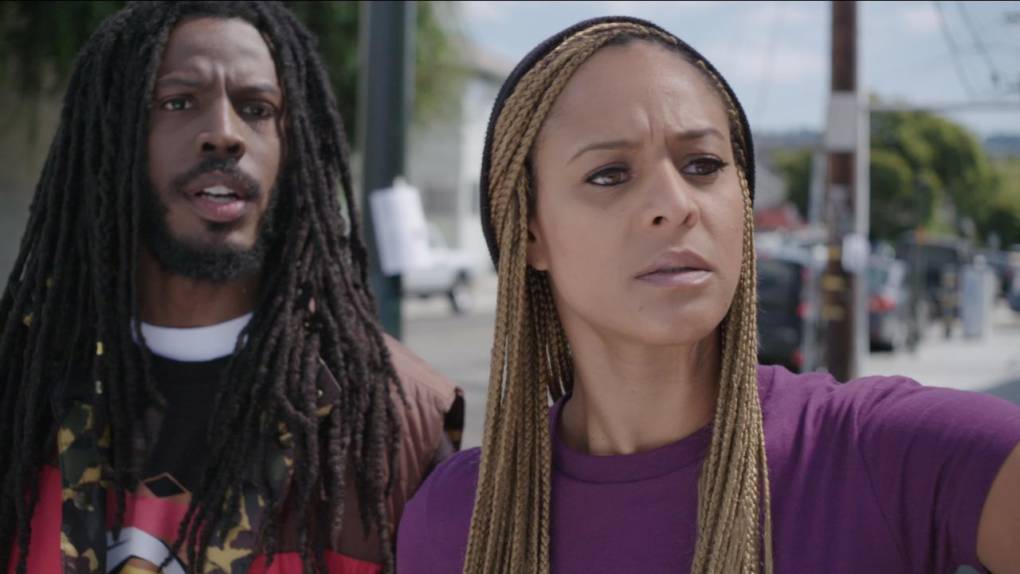
"caption": "Donte Clark and Reyna Amaya star as Marcus and Nina, two North Oakland residents battling gentrification, in 'The North Pole.'",
"description": "Donte Clark and Reyna Amaya star as Marcus and Nina, two North Oakland residents battling gentrification, in 'The North Pole.'",
"title": "NorthPOle.MAIN.DOnteReyna",
"credit": "Danny Telles/Courtesy Movement Generation",
"status": "inherit",
"isLoading": false,
"fetchFailed": false
}
},
"audioPlayerReducer": {
"postId": "stream_live",
"isPaused": true,
"isPlaying": false,
"pfsActive": false,
"pledgeModalIsOpen": true,
"playerDrawerIsOpen": false,
"liveAudioPlayStartedAt": 0,
"liveAudioPlayContext": ""
},
"authorsReducer": {
"byline_arts_13810513": {
"type": "authors",
"id": "byline_arts_13810513",
"meta": {
"override": true
},
"slug": "byline_arts_13810513",
"name": "Beth Nguyen",
"isLoading": false
},
"gmeline": {
"type": "authors",
"id": "185",
"meta": {
"index": "authors_1716337520",
"id": "185",
"found": true
},
"name": "Gabe Meline",
"firstName": "Gabe",
"lastName": "Meline",
"slug": "gmeline",
"email": "gmeline@kqed.org",
"display_author_email": true,
"staff_mastheads": [
"arts"
],
"title": "Senior Editor, KQED Arts & Culture",
"bio": "Gabe Meline entered journalism at age 15 making photocopied zines, and has since earned awards from the Edward R. Murrow Awards, the Society for Professional Journalists, the Online Journalism Awards, the Association of Alternative Newsweeklies and the California Newspaper Publishers Association. Prior to KQED, he was the editor of the \u003cem>North Bay Bohemian\u003c/em> and a touring musician. He lives with his wife and daughter in his hometown of Santa Rosa, CA.",
"avatar": "https://secure.gravatar.com/avatar/5bebe57be0d8bc2dd318934feb47299e2d2d10cba28d09d8d7afb389a2ce2bdd?s=600&d=blank&r=g",
"twitter": null,
"bluesky": null,
"facebook": null,
"instagram": null,
"linkedin": null,
"sites": [
{
"site": "",
"roles": [
"editor"
]
},
{
"site": "arts",
"roles": [
"administrator"
]
},
{
"site": "artschool",
"roles": [
"editor"
]
},
{
"site": "news",
"roles": [
"author"
]
},
{
"site": "pop",
"roles": [
"editor"
]
},
{
"site": "bayareabites",
"roles": [
"editor"
]
},
{
"site": "food",
"roles": [
"editor"
]
},
{
"site": "forum",
"roles": [
"administrator"
]
},
{
"site": "liveblog",
"roles": [
"editor"
]
},
{
"site": "hiphop",
"roles": [
"editor"
]
}
],
"headData": {
"title": "Gabe Meline | KQED",
"description": "Senior Editor, KQED Arts & Culture",
"ogImgSrc": "https://secure.gravatar.com/avatar/5bebe57be0d8bc2dd318934feb47299e2d2d10cba28d09d8d7afb389a2ce2bdd?s=600&d=blank&r=g",
"twImgSrc": "https://secure.gravatar.com/avatar/5bebe57be0d8bc2dd318934feb47299e2d2d10cba28d09d8d7afb389a2ce2bdd?s=600&d=blank&r=g"
},
"isLoading": false,
"link": "/author/gmeline"
},
"esilvers": {
"type": "authors",
"id": "7237",
"meta": {
"index": "authors_1716337520",
"id": "7237",
"found": true
},
"name": "Emma Silvers",
"firstName": "Emma",
"lastName": "Silvers",
"slug": "esilvers",
"email": "esilvers@kqed.org",
"display_author_email": false,
"staff_mastheads": [],
"title": "KQED Contributor",
"bio": "Emma Silvers is an editor at KQED Arts and a former digital producer at KQED News. Born and raised in the Bay Area, she has previously been an arts and entertainment editor at the \u003cem>San Francisco Chronicle\u003c/em>, \u003cem>SF Weekly\u003c/em> and the \u003cem>San Francisco Bay Guardian.\u003c/em> \u003ca href=\"https://www.emmasilvers.com\">Her work\u003c/a> has also appeared in \u003cem>Rolling Stone\u003c/em>, Pitchfork and \u003cem>Mother Jones\u003c/em>. In 2017 she was the recipient of the Society of Professional Journalists-Northern California's award for arts and culture reporting. In 1993 she \u003ca href=\"https://www.kqed.org/pop/16759/wait-what-my-coworker-was-a-voice-over-hyperventilator-for-jurassic-park\">hyperventilated in \u003cem>Jurassic Park\u003c/em>\u003c/a>.",
"avatar": "https://secure.gravatar.com/avatar/247beada39b88ea5759db1f51dba05cf?s=600&d=blank&r=g",
"twitter": "emmaruthless",
"facebook": null,
"instagram": null,
"linkedin": null,
"sites": [
{
"site": "arts",
"roles": [
"editor"
]
},
{
"site": "news",
"roles": [
"editor"
]
},
{
"site": "pop",
"roles": [
"contributor"
]
},
{
"site": "bayareabites",
"roles": [
"editor"
]
},
{
"site": "food",
"roles": [
"contributor"
]
},
{
"site": "liveblog",
"roles": [
"editor"
]
}
],
"headData": {
"title": "Emma Silvers | KQED",
"description": "KQED Contributor",
"ogImgSrc": "https://secure.gravatar.com/avatar/247beada39b88ea5759db1f51dba05cf?s=600&d=blank&r=g",
"twImgSrc": "https://secure.gravatar.com/avatar/247beada39b88ea5759db1f51dba05cf?s=600&d=blank&r=g"
},
"isLoading": false,
"link": "/author/esilvers"
},
"ogpenn": {
"type": "authors",
"id": "11491",
"meta": {
"index": "authors_1716337520",
"id": "11491",
"found": true
},
"name": "Pendarvis Harshaw",
"firstName": "Pendarvis",
"lastName": "Harshaw",
"slug": "ogpenn",
"email": "ogpenn@gmail.com",
"display_author_email": false,
"staff_mastheads": [
"arts"
],
"title": "Community Engagement Reporter",
"bio": "Pendarvis Harshaw is an educator, host and writer with KQED Arts.",
"avatar": "https://secure.gravatar.com/avatar/972b77ee8e3f346ae2b00622661187fbfabd059b5693bbdc1475ea7a722fd4cd?s=600&d=blank&r=g",
"twitter": null,
"bluesky": null,
"facebook": null,
"instagram": "ogpenn",
"linkedin": null,
"sites": [
{
"site": "arts",
"roles": [
"administrator"
]
},
{
"site": "news",
"roles": [
"editor"
]
},
{
"site": "bayareabites",
"roles": [
"author"
]
},
{
"site": "hiphop",
"roles": [
"editor"
]
}
],
"headData": {
"title": "Pendarvis Harshaw | KQED",
"description": "Community Engagement Reporter",
"ogImgSrc": "https://secure.gravatar.com/avatar/972b77ee8e3f346ae2b00622661187fbfabd059b5693bbdc1475ea7a722fd4cd?s=600&d=blank&r=g",
"twImgSrc": "https://secure.gravatar.com/avatar/972b77ee8e3f346ae2b00622661187fbfabd059b5693bbdc1475ea7a722fd4cd?s=600&d=blank&r=g"
},
"isLoading": false,
"link": "/author/ogpenn"
}
},
"pagesReducer": {
"arts_tag_commentary": {
"type": "terms",
"id": "arts_2767",
"meta": {
"index": "terms_1716263798",
"site": "arts",
"id": "2767",
"score": 8.794542
},
"featImg": null,
"name": "commentary",
"description": null,
"taxonomy": "tag",
"headData": {
"twImgId": null,
"twTitle": null,
"ogTitle": null,
"ogImgId": null,
"twDescription": null,
"description": null,
"title": "commentary Archives | KQED Arts",
"ogDescription": null
},
"ttid": 2779,
"slug": "commentary",
"isLoading": false,
"title": "commentary",
"pageMeta": {
"site": "arts",
"WpPageTemplate": "page-topic-editorial",
"currentPage": 31
},
"blocks": [
{
"blockName": "kqed/post-list",
"attrs": {
"layout": "cardArticle2",
"query": "posts/arts?tag=commentary",
"seeMore": false,
"paginated": true,
"page": 31
}
},
{
"blockName": "kqed/ad"
}
]
}
},
"pfsSessionReducer": {},
"postsReducer": {
"stream_live": {
"type": "live",
"id": "stream_live",
"audioUrl": "https://streams.kqed.org/kqedradio",
"title": "Live Stream",
"excerpt": "Live Stream information currently unavailable.",
"link": "/radio",
"featImg": "",
"label": {
"name": "KQED Live",
"link": "/"
}
},
"stream_kqedNewscast": {
"type": "posts",
"id": "stream_kqedNewscast",
"audioUrl": "https://www.kqed.org/.stream/anon/radio/RDnews/newscast.mp3?_=1",
"title": "KQED Newscast",
"featImg": "",
"label": {
"name": "88.5 FM",
"link": "/"
}
},
"arts_13810513": {
"type": "posts",
"id": "arts_13810513",
"meta": {
"index": "posts_1716263798",
"site": "arts",
"id": "13810513",
"score": null,
"sort": [
1507647652000
]
},
"guestAuthors": [],
"slug": "definitive-for-americans-a-refugees-review-of-the-vietnam-war",
"title": "Definitive For Americans: A Refugee's Review of 'The Vietnam War'",
"publishDate": 1507647652,
"format": "image",
"headTitle": "Definitive For Americans: A Refugee’s Review of ‘The Vietnam War’ | KQED",
"labelTerm": {
"site": "arts"
},
"content": "\u003cp>I am a Vietnamese American, a refugee, and I grew up learning about the Vietnam War the same way most people do here: through movies like \u003cem>Platoon\u003c/em> and \u003cem>Born on the Fourth of July\u003c/em> and \u003cem>Forrest Gump\u003c/em>, and during the brief amount of time spent on the war in history classes. Everything I learned focused on American lives lost and on how the war divided America. No one dwelled on Vietnamese lives lost. People talked about Vietnam as an object, a strategy, a source of tragic upheaval. There was no idea of it without war.\u003c/p>\n\u003cp>My family had been refugees twice. The first time was in 1954, when they left Hanoi for Saigon. Then my father and his three brothers became soldiers in the South Vietnamese Army. They weren’t high-ranking officials who might have been promised evacuation (promises, we now know, that would have been hollow). Yet on April 29, 1975, the night before the end of Saigon, they found a way out — a boat on the river that would take them to a naval ship in the South China Seas.\u003c/p>\n\u003cp>We became refugees. I was 8 months old; my sister was 2 years old. We would grow up in the American Midwest, with another language and culture.\u003c/p>\n\u003cp>Imagine realizing you have to leave your country. Not just your house and home but your entire country. Imagine leaving in the night, in a city gripped with panic and chaos. You don’t know where you will go or if you will even survive. But you know that it is safer to try than it is to stay. So you leave everything you’ve known. You take what you can and you go.\u003c/p>\n\u003cfigure id=\"attachment_13811061\" class=\"wp-caption alignright\" style=\"max-width: 800px\">\u003cimg loading=\"lazy\" decoding=\"async\" class=\"size-medium wp-image-13811061\" src=\"https://ww2.kqed.org/arts/wp-content/uploads/sites/2/2017/10/grandmother-children-800x1076.jpg\" alt=\"Nguyen's grandmother with her children, not too long after they moved from the north to the south in 1954\" width=\"800\" height=\"1076\" srcset=\"https://cdn.kqed.org/wp-content/uploads/sites/2/2017/10/grandmother-children-800x1076.jpg 800w, https://cdn.kqed.org/wp-content/uploads/sites/2/2017/10/grandmother-children-160x215.jpg 160w, https://cdn.kqed.org/wp-content/uploads/sites/2/2017/10/grandmother-children-768x1033.jpg 768w, https://cdn.kqed.org/wp-content/uploads/sites/2/2017/10/grandmother-children-1020x1372.jpg 1020w, https://cdn.kqed.org/wp-content/uploads/sites/2/2017/10/grandmother-children-1180x1587.jpg 1180w, https://cdn.kqed.org/wp-content/uploads/sites/2/2017/10/grandmother-children-960x1291.jpg 960w, https://cdn.kqed.org/wp-content/uploads/sites/2/2017/10/grandmother-children-240x323.jpg 240w, https://cdn.kqed.org/wp-content/uploads/sites/2/2017/10/grandmother-children-375x504.jpg 375w, https://cdn.kqed.org/wp-content/uploads/sites/2/2017/10/grandmother-children-520x699.jpg 520w, https://cdn.kqed.org/wp-content/uploads/sites/2/2017/10/grandmother-children.jpg 1200w\" sizes=\"(max-width: 800px) 100vw, 800px\">\u003cfigcaption class=\"wp-caption-text\">Nguyen’s grandmother with her children, not too long after they moved from the north to the south in 1954 \u003ccite>(Courtesy of Beth Nguyen)\u003c/cite>\u003c/figcaption>\u003c/figure>\n\u003cp>I told myself I had to watch \u003cem>The Vietnam War\u003c/em> by Ken Burns and Lynn Novick because it would surely be hailed as “definitive” (which it has been by several reviewers) and because I needed to understand what much of America would think and see as “definitive.” I didn’t want to watch. I didn’t want to face what I knew would come: 18 hours that focused mainly on (white) American pain and relegated Vietnamese people, as ever, to being secondary in their own story.\u003c/p>\n\u003cp>[ad fullwidth]\u003c/p>\n\u003cp>Most people in the United States who, like me, have ideas of Vietnam informed by Hollywood, are used to seeing Vietnamese people depicted and referred to as gooks, violent guerillas, and whores. This is so expected that I fear it’s what people actually believe.\u003c/p>\n\u003cp>\u003cem>The Vietnam War\u003c/em> doesn’t quite dispel this notion, but Burns and Novick do bring in commentary from both North Vietnamese and South Vietnamese people. This inclusion of Vietnamese voices has been lauded, but maybe that’s because prior texts on the war are so lacking in Vietnamese voices that any inclusion is seen as a profound advancement. Still, the film heavily favors white American voices. And while it doesn’t avoid violence, it does try to avoid discussing inherent racism on the part of the Americans and, except for a section on My Lai, issues of sexual assault, rape, and the treatment of women. It mentions, in one sentence, the thousands of half-American children who were left in Vietnam after U.S. troops left.\u003c/p>\n\u003cp>I keep saying to people that the documentary should be subtitled “The American Experience” (or more accurately, “The Mostly White American Experience”). But perhaps that would be redundant. I do not think that the filmmakers intended offense, in the way that most good liberals never intend offense. It’s more that their perspective is so trenchant, so supported, that they seem to have had no need to reconsider it.\u003c/p>\n\u003cp>So I watched the first episode as it premiered. Within the first ten minutes, the filmmakers opt for a strange reverse-sequence of events. We see the famous image of the naked, napalmed Vietnamese girl, running backward instead of forward. We see helicopters coming up from the water instead of being pushed into it. I suppose these reversed moments could be seen as a literal notion of rewind, a way to start at the beginning. But the visual result is awkward and even accidentally mocking. The rest of the episode is worse. At first, it seems that the filmmakers will provide a history of Vietnam, possibly covering the complicated history of colonization. Yet the filmmakers interject this history with flash-forwards to images of combat in 1960s, when the U.S. is very much involved in Vietnam. The message is clear: the Americans think of the war as their experience; the history of Vietnam on its own doesn’t matter. To me, it feels like the same erasure or diminishment of the Vietnamese experience that we have always seen.\u003c/p>\n\u003cfigure id=\"attachment_13811060\" class=\"wp-caption alignright\" style=\"max-width: 800px\">\u003cimg loading=\"lazy\" decoding=\"async\" class=\"size-medium wp-image-13811060\" src=\"https://ww2.kqed.org/arts/wp-content/uploads/sites/2/2017/10/Uncle-statueofliberty-800x1161.jpg\" alt=\"Nguyen's uncle in the United States\" width=\"800\" height=\"1161\" srcset=\"https://cdn.kqed.org/wp-content/uploads/sites/2/2017/10/Uncle-statueofliberty-800x1161.jpg 800w, https://cdn.kqed.org/wp-content/uploads/sites/2/2017/10/Uncle-statueofliberty-160x232.jpg 160w, https://cdn.kqed.org/wp-content/uploads/sites/2/2017/10/Uncle-statueofliberty-768x1115.jpg 768w, https://cdn.kqed.org/wp-content/uploads/sites/2/2017/10/Uncle-statueofliberty-1020x1481.jpg 1020w, https://cdn.kqed.org/wp-content/uploads/sites/2/2017/10/Uncle-statueofliberty-960x1394.jpg 960w, https://cdn.kqed.org/wp-content/uploads/sites/2/2017/10/Uncle-statueofliberty-240x348.jpg 240w, https://cdn.kqed.org/wp-content/uploads/sites/2/2017/10/Uncle-statueofliberty-375x544.jpg 375w, https://cdn.kqed.org/wp-content/uploads/sites/2/2017/10/Uncle-statueofliberty-520x755.jpg 520w, https://cdn.kqed.org/wp-content/uploads/sites/2/2017/10/Uncle-statueofliberty.jpg 1100w\" sizes=\"(max-width: 800px) 100vw, 800px\">\u003cfigcaption class=\"wp-caption-text\">Nguyen’s uncle in the United States \u003ccite>(Courtesy of Beth Nguyen)\u003c/cite>\u003c/figcaption>\u003c/figure>\n\u003cp>Still, I had resolved to watch this entire series. I tried to focus on the footage and photos, which are extraordinary and prove once again how heroic and necessary journalists are. I tried to focus, too, on what I could learn. I found myself wanting to hear so much more from Bao Ninh, author of \u003cem>The Sorrow of War\u003c/em>, who provides beautiful and moving commentary throughout the series. I wanted to hear more from African American soldiers and non-white soldiers, who had to endure racism no matter their rank and no matter where they went. I wished for a more explicit discussion of how much U.S. involvement hinged on the fear of Communism spreading and its toxic masculinity, and how the Americans could not bear the thought of losing or surrendering, so they kept going even when they knew they shouldn’t. I tried to focus on all the now-iconic music that emerged from the Vietnam war era. (Much of it now seems cliché but that’s not the music’s fault.) I was glad to take a break from the violent images to consider presidential power, protest power, and Nixon’s idea of the “silent majority.”\u003c/p>\n\u003cp>Though no Vietnamese person in this 18-hour documentary gets a profile on a scale equal to any white American who is profiled, I tried to get as much as I could from their limited time on screen. What it was like to be North Vietnamese during the war? What it was like to be South Vietnamese during the war? I kept hoping to see more commentary from those who fought, especially on the South Vietnamese side, but that hope was not fulfilled.\u003c/p>\n\u003cp>It is painful to hear Lyndon Johnson saying, “There ain’t no daylight in Vietnam.” To hear Kissinger say to Nixon that soon Vietnam will be a backwater. To hear Maj. Charles Beckwith quoted as saying, “You can shoot the little brown men outside the wire. You may not shoot the little brown men inside the wire. They are mine.” It is difficult to hear a U.S. veteran say about those left dead after a battle: “I wouldn’t let the Vietnamese touch the Americans.”\u003c/p>\n\u003cp>This is not painful because it is new information but because the words, spoken out loud, confirm what I’ve always known — what I’ve always read in the faces of so many white Americans. As a Vietnamese refugee says in the documentary about the humiliation of loss: “I carry that humiliation with me to the United States, when I get in line to sign up for jobs. I remind them of the war in Vietnam, which the Americans hate.”\u003c/p>\n\u003cp>The Americans were not in Vietnam, fighting a war, for the love of Vietnamese people — the American soldiers were fighting because they’d been told to. In episode three, a screen image of a once-top secret plan of action document shows that 70 percent of U.S. aims were “to avoid a humiliating U.S. defeat (to our reputation).” To the Americans, the South Vietnamese will always be seen as incompetent and corrupt, while the Americans were supposed to be the providers and the saviors. And when that failed, they didn’t know what to do. Failure and retreat go against all the exceptionalism we are taught in American schools.\u003c/p>\n\u003cfigure id=\"attachment_13811058\" class=\"wp-caption alignright\" style=\"max-width: 800px\">\u003cimg loading=\"lazy\" decoding=\"async\" class=\"size-medium wp-image-13811058\" src=\"https://ww2.kqed.org/arts/wp-content/uploads/sites/2/2017/10/Dad-motorcycle-800x1138.jpg\" alt=\"Nguyen's dad with a motorcycle in Vietnam\" width=\"800\" height=\"1138\" srcset=\"https://cdn.kqed.org/wp-content/uploads/sites/2/2017/10/Dad-motorcycle-800x1138.jpg 800w, https://cdn.kqed.org/wp-content/uploads/sites/2/2017/10/Dad-motorcycle-160x228.jpg 160w, https://cdn.kqed.org/wp-content/uploads/sites/2/2017/10/Dad-motorcycle-768x1092.jpg 768w, https://cdn.kqed.org/wp-content/uploads/sites/2/2017/10/Dad-motorcycle-240x341.jpg 240w, https://cdn.kqed.org/wp-content/uploads/sites/2/2017/10/Dad-motorcycle-375x533.jpg 375w, https://cdn.kqed.org/wp-content/uploads/sites/2/2017/10/Dad-motorcycle-520x740.jpg 520w, https://cdn.kqed.org/wp-content/uploads/sites/2/2017/10/Dad-motorcycle.jpg 900w\" sizes=\"(max-width: 800px) 100vw, 800px\">\u003cfigcaption class=\"wp-caption-text\">Nguyen: “My dad and the motorcycle he would end up using to get us to the Saigon river where we would find passage toward refugee life” \u003ccite>(Courtesy of Beth Nguyen)\u003c/cite>\u003c/figcaption>\u003c/figure>\n\u003cp>The last episode of the series spends fewer than 15 minutes on the refugee crisis and what life was in like in Vietnam after 1975. Any sense of reconciliation or “healing” — that old phrase “healing wounds” is invoked more than once — is for the Americans. You can do aerial shots of a country that is green again, the scorch of napalm replaced by new growth. You can do pans of a city in the midst of bustle. It can look like the present, the future — it can look like reconciliation. Plenty of time is given to the Vietnam Veterans Memorial in Washington DC and the experience of U.S. soldiers who visit it. More time is given to the stories of soldiers who returned to Vietnam, twenty years after the end of the war, to see former battlegrounds and to shake hands and smile with former enemies. It is beyond jarring, beyond disconcerting, to see this after so many hours of violence.\u003c/p>\n\u003cp>And so the Americans can get a little more healing. As for the Vietnamese… Well, it’s unclear. Their lives and experiences aren’t given as much space for viewers to find out. Vietnam may exist on its own now but the Americans still view it through their own lens: as a place for closure or tourism or commerce. The country, as ever, matters only in terms of what it can do for the Americans.\u003c/p>\n\u003cp>In \u003cem>The Vietnam War\u003c/em>, white American men get the first and last words in the film, and most of the profiles and words in between. In the United States, I grew up understanding that no Vietnamese life is worth the same as an American life; that over two million Vietnamese dead is always overshadowed by 58,000 U.S. soldiers dead. I grew up respecting U.S. veterans but seeing no respect given to Vietnamese veterans.\u003c/p>\n\u003cp>For years, even still, people have asked me what “side” my family was on. The question always baffles me. Isn’t it obvious that if we’re in the United States as refugees, having lost a war and a country — isn’t it obvious what “side” we were on? Somehow, many Americans still don’t know the history of what in Vietnam is called The American War. Burns and Novick had a chance to change that in a more substantial, equitable way, one that did not fall back on the same old assumption that the American perspective must be dominant.\u003c/p>\n\u003cp>My father, a veteran — a South Vietnamese who found a way for his family to leave Saigon, who has been here for decades now and has grown his family and his community, does not want to watch this documentary. I can’t blame him. The film tells us to feel sorry for the Vietnamese, but it demands that we feel for the Americans.\u003c/p>\n\u003cp>My father and my uncles and every Vietnamese refugee in America live with the shame that Americans feel about the war in Vietnam. We are seen as reminders of that shame, and we are asked to bear it with no word in return except gratitude. I remind them of the war in Vietnam, which the Americans hate. I have felt this my whole life.\u003c/p>\n\u003cp>\u003cimg loading=\"lazy\" decoding=\"async\" class=\"aligncenter size-medium wp-image-12127869\" src=\"https://ww2.kqed.org/arts/wp-content/uploads/sites/2/2016/09/Q.Logo_.Break_-800x78.jpg\" alt=\"\" width=\"800\" height=\"78\" srcset=\"https://cdn.kqed.org/wp-content/uploads/sites/2/2016/09/Q.Logo_.Break_.jpg 800w, https://cdn.kqed.org/wp-content/uploads/sites/2/2016/09/Q.Logo_.Break_-400x39.jpg 400w, https://cdn.kqed.org/wp-content/uploads/sites/2/2016/09/Q.Logo_.Break_-768x75.jpg 768w\" sizes=\"(max-width: 800px) 100vw, 800px\">\u003c/p>\n\u003cp>\u003cem>\u003cbr>\n\u003ca href=\"http://www.bichminhnguyen.com/about-me/\" target=\"_blank\" rel=\"noopener noreferrer\">Beth Nguyen \u003c/a>is the author of three books, including ‘Stealing Buddha’s Dinner.’ She teaches in and directs the MFA in Writing Program at the University of San Francisco.\u003c/em>\u003c/p>\n\u003cp>[ad floatright]\u003c/p>\n\u003cp>\u003cem>To see more stories and photographs from KQED’s series about the impact of the Vietnam War on the Bay Area and other communities in California, visit \u003ca href=\"https://ww2.kqed.org/arts/programs/vietnamwar/\" target=\"_blank\" rel=\"noopener noreferrer\">kqed.org/vietnamwar\u003c/a>. \u003c/em>\u003c/p>\n\n",
"blocks": [],
"excerpt": "The documentary is called 'The Vietnam War', but for refugee Beth Nguyen, the series doesn't focus enough on her country of bitrth.",
"status": "publish",
"parent": 0,
"modified": 1726782031,
"stats": {
"hasAudio": false,
"hasVideo": false,
"hasChartOrMap": false,
"iframeSrcs": [],
"hasGoogleForm": false,
"hasGallery": false,
"hasHearkenModule": false,
"hasPolis": false,
"paragraphCount": 25,
"wordCount": 2094
},
"headData": {
"title": "Definitive For Americans: A Refugee's Review of 'The Vietnam War' | KQED",
"description": "The documentary is called 'The Vietnam War', but for refugee Beth Nguyen, the series doesn't focus enough on her country of bitrth.",
"ogTitle": "",
"ogDescription": "",
"ogImgId": "",
"twTitle": "",
"twDescription": "",
"twImgId": "",
"schema": {
"@context": "https://schema.org",
"@type": "Article",
"headline": "Definitive For Americans: A Refugee's Review of 'The Vietnam War'",
"datePublished": "2017-10-10T08:00:52-07:00",
"dateModified": "2024-09-19T14:40:31-07:00",
"image": "https://cdn.kqed.org/wp-content/uploads/2020/02/KQED-OG-Image@1x.png"
}
},
"sticky": false,
"nprByline": "Beth Nguyen",
"excludeFromSiteSearch": "Include",
"showOnAuthorArchivePages": "No",
"articleAge": "0",
"path": "/arts/13810513/definitive-for-americans-a-refugees-review-of-the-vietnam-war",
"audioTrackLength": null,
"parsedContent": [
{
"type": "contentString",
"content": "\u003cdiv class=\"post-body\">\u003cp>\u003cp>I am a Vietnamese American, a refugee, and I grew up learning about the Vietnam War the same way most people do here: through movies like \u003cem>Platoon\u003c/em> and \u003cem>Born on the Fourth of July\u003c/em> and \u003cem>Forrest Gump\u003c/em>, and during the brief amount of time spent on the war in history classes. Everything I learned focused on American lives lost and on how the war divided America. No one dwelled on Vietnamese lives lost. People talked about Vietnam as an object, a strategy, a source of tragic upheaval. There was no idea of it without war.\u003c/p>\n\u003cp>My family had been refugees twice. The first time was in 1954, when they left Hanoi for Saigon. Then my father and his three brothers became soldiers in the South Vietnamese Army. They weren’t high-ranking officials who might have been promised evacuation (promises, we now know, that would have been hollow). Yet on April 29, 1975, the night before the end of Saigon, they found a way out — a boat on the river that would take them to a naval ship in the South China Seas.\u003c/p>\n\u003cp>We became refugees. I was 8 months old; my sister was 2 years old. We would grow up in the American Midwest, with another language and culture.\u003c/p>\n\u003cp>Imagine realizing you have to leave your country. Not just your house and home but your entire country. Imagine leaving in the night, in a city gripped with panic and chaos. You don’t know where you will go or if you will even survive. But you know that it is safer to try than it is to stay. So you leave everything you’ve known. You take what you can and you go.\u003c/p>\n\u003cfigure id=\"attachment_13811061\" class=\"wp-caption alignright\" style=\"max-width: 800px\">\u003cimg loading=\"lazy\" decoding=\"async\" class=\"size-medium wp-image-13811061\" src=\"https://ww2.kqed.org/arts/wp-content/uploads/sites/2/2017/10/grandmother-children-800x1076.jpg\" alt=\"Nguyen's grandmother with her children, not too long after they moved from the north to the south in 1954\" width=\"800\" height=\"1076\" srcset=\"https://cdn.kqed.org/wp-content/uploads/sites/2/2017/10/grandmother-children-800x1076.jpg 800w, https://cdn.kqed.org/wp-content/uploads/sites/2/2017/10/grandmother-children-160x215.jpg 160w, https://cdn.kqed.org/wp-content/uploads/sites/2/2017/10/grandmother-children-768x1033.jpg 768w, https://cdn.kqed.org/wp-content/uploads/sites/2/2017/10/grandmother-children-1020x1372.jpg 1020w, https://cdn.kqed.org/wp-content/uploads/sites/2/2017/10/grandmother-children-1180x1587.jpg 1180w, https://cdn.kqed.org/wp-content/uploads/sites/2/2017/10/grandmother-children-960x1291.jpg 960w, https://cdn.kqed.org/wp-content/uploads/sites/2/2017/10/grandmother-children-240x323.jpg 240w, https://cdn.kqed.org/wp-content/uploads/sites/2/2017/10/grandmother-children-375x504.jpg 375w, https://cdn.kqed.org/wp-content/uploads/sites/2/2017/10/grandmother-children-520x699.jpg 520w, https://cdn.kqed.org/wp-content/uploads/sites/2/2017/10/grandmother-children.jpg 1200w\" sizes=\"(max-width: 800px) 100vw, 800px\">\u003cfigcaption class=\"wp-caption-text\">Nguyen’s grandmother with her children, not too long after they moved from the north to the south in 1954 \u003ccite>(Courtesy of Beth Nguyen)\u003c/cite>\u003c/figcaption>\u003c/figure>\n\u003cp>I told myself I had to watch \u003cem>The Vietnam War\u003c/em> by Ken Burns and Lynn Novick because it would surely be hailed as “definitive” (which it has been by several reviewers) and because I needed to understand what much of America would think and see as “definitive.” I didn’t want to watch. I didn’t want to face what I knew would come: 18 hours that focused mainly on (white) American pain and relegated Vietnamese people, as ever, to being secondary in their own story.\u003c/p>\n\u003cp>\u003c/p>\u003c/div>",
"attributes": {
"named": {},
"numeric": []
}
},
{
"type": "component",
"content": "",
"name": "ad",
"attributes": {
"named": {
"label": "fullwidth"
},
"numeric": [
"fullwidth"
]
}
},
{
"type": "contentString",
"content": "\u003cdiv class=\"post-body\">\u003cp>\u003c/p>\n\u003cp>Most people in the United States who, like me, have ideas of Vietnam informed by Hollywood, are used to seeing Vietnamese people depicted and referred to as gooks, violent guerillas, and whores. This is so expected that I fear it’s what people actually believe.\u003c/p>\n\u003cp>\u003cem>The Vietnam War\u003c/em> doesn’t quite dispel this notion, but Burns and Novick do bring in commentary from both North Vietnamese and South Vietnamese people. This inclusion of Vietnamese voices has been lauded, but maybe that’s because prior texts on the war are so lacking in Vietnamese voices that any inclusion is seen as a profound advancement. Still, the film heavily favors white American voices. And while it doesn’t avoid violence, it does try to avoid discussing inherent racism on the part of the Americans and, except for a section on My Lai, issues of sexual assault, rape, and the treatment of women. It mentions, in one sentence, the thousands of half-American children who were left in Vietnam after U.S. troops left.\u003c/p>\n\u003cp>I keep saying to people that the documentary should be subtitled “The American Experience” (or more accurately, “The Mostly White American Experience”). But perhaps that would be redundant. I do not think that the filmmakers intended offense, in the way that most good liberals never intend offense. It’s more that their perspective is so trenchant, so supported, that they seem to have had no need to reconsider it.\u003c/p>\n\u003cp>So I watched the first episode as it premiered. Within the first ten minutes, the filmmakers opt for a strange reverse-sequence of events. We see the famous image of the naked, napalmed Vietnamese girl, running backward instead of forward. We see helicopters coming up from the water instead of being pushed into it. I suppose these reversed moments could be seen as a literal notion of rewind, a way to start at the beginning. But the visual result is awkward and even accidentally mocking. The rest of the episode is worse. At first, it seems that the filmmakers will provide a history of Vietnam, possibly covering the complicated history of colonization. Yet the filmmakers interject this history with flash-forwards to images of combat in 1960s, when the U.S. is very much involved in Vietnam. The message is clear: the Americans think of the war as their experience; the history of Vietnam on its own doesn’t matter. To me, it feels like the same erasure or diminishment of the Vietnamese experience that we have always seen.\u003c/p>\n\u003cfigure id=\"attachment_13811060\" class=\"wp-caption alignright\" style=\"max-width: 800px\">\u003cimg loading=\"lazy\" decoding=\"async\" class=\"size-medium wp-image-13811060\" src=\"https://ww2.kqed.org/arts/wp-content/uploads/sites/2/2017/10/Uncle-statueofliberty-800x1161.jpg\" alt=\"Nguyen's uncle in the United States\" width=\"800\" height=\"1161\" srcset=\"https://cdn.kqed.org/wp-content/uploads/sites/2/2017/10/Uncle-statueofliberty-800x1161.jpg 800w, https://cdn.kqed.org/wp-content/uploads/sites/2/2017/10/Uncle-statueofliberty-160x232.jpg 160w, https://cdn.kqed.org/wp-content/uploads/sites/2/2017/10/Uncle-statueofliberty-768x1115.jpg 768w, https://cdn.kqed.org/wp-content/uploads/sites/2/2017/10/Uncle-statueofliberty-1020x1481.jpg 1020w, https://cdn.kqed.org/wp-content/uploads/sites/2/2017/10/Uncle-statueofliberty-960x1394.jpg 960w, https://cdn.kqed.org/wp-content/uploads/sites/2/2017/10/Uncle-statueofliberty-240x348.jpg 240w, https://cdn.kqed.org/wp-content/uploads/sites/2/2017/10/Uncle-statueofliberty-375x544.jpg 375w, https://cdn.kqed.org/wp-content/uploads/sites/2/2017/10/Uncle-statueofliberty-520x755.jpg 520w, https://cdn.kqed.org/wp-content/uploads/sites/2/2017/10/Uncle-statueofliberty.jpg 1100w\" sizes=\"(max-width: 800px) 100vw, 800px\">\u003cfigcaption class=\"wp-caption-text\">Nguyen’s uncle in the United States \u003ccite>(Courtesy of Beth Nguyen)\u003c/cite>\u003c/figcaption>\u003c/figure>\n\u003cp>Still, I had resolved to watch this entire series. I tried to focus on the footage and photos, which are extraordinary and prove once again how heroic and necessary journalists are. I tried to focus, too, on what I could learn. I found myself wanting to hear so much more from Bao Ninh, author of \u003cem>The Sorrow of War\u003c/em>, who provides beautiful and moving commentary throughout the series. I wanted to hear more from African American soldiers and non-white soldiers, who had to endure racism no matter their rank and no matter where they went. I wished for a more explicit discussion of how much U.S. involvement hinged on the fear of Communism spreading and its toxic masculinity, and how the Americans could not bear the thought of losing or surrendering, so they kept going even when they knew they shouldn’t. I tried to focus on all the now-iconic music that emerged from the Vietnam war era. (Much of it now seems cliché but that’s not the music’s fault.) I was glad to take a break from the violent images to consider presidential power, protest power, and Nixon’s idea of the “silent majority.”\u003c/p>\n\u003cp>Though no Vietnamese person in this 18-hour documentary gets a profile on a scale equal to any white American who is profiled, I tried to get as much as I could from their limited time on screen. What it was like to be North Vietnamese during the war? What it was like to be South Vietnamese during the war? I kept hoping to see more commentary from those who fought, especially on the South Vietnamese side, but that hope was not fulfilled.\u003c/p>\n\u003cp>It is painful to hear Lyndon Johnson saying, “There ain’t no daylight in Vietnam.” To hear Kissinger say to Nixon that soon Vietnam will be a backwater. To hear Maj. Charles Beckwith quoted as saying, “You can shoot the little brown men outside the wire. You may not shoot the little brown men inside the wire. They are mine.” It is difficult to hear a U.S. veteran say about those left dead after a battle: “I wouldn’t let the Vietnamese touch the Americans.”\u003c/p>\n\u003cp>This is not painful because it is new information but because the words, spoken out loud, confirm what I’ve always known — what I’ve always read in the faces of so many white Americans. As a Vietnamese refugee says in the documentary about the humiliation of loss: “I carry that humiliation with me to the United States, when I get in line to sign up for jobs. I remind them of the war in Vietnam, which the Americans hate.”\u003c/p>\n\u003cp>The Americans were not in Vietnam, fighting a war, for the love of Vietnamese people — the American soldiers were fighting because they’d been told to. In episode three, a screen image of a once-top secret plan of action document shows that 70 percent of U.S. aims were “to avoid a humiliating U.S. defeat (to our reputation).” To the Americans, the South Vietnamese will always be seen as incompetent and corrupt, while the Americans were supposed to be the providers and the saviors. And when that failed, they didn’t know what to do. Failure and retreat go against all the exceptionalism we are taught in American schools.\u003c/p>\n\u003cfigure id=\"attachment_13811058\" class=\"wp-caption alignright\" style=\"max-width: 800px\">\u003cimg loading=\"lazy\" decoding=\"async\" class=\"size-medium wp-image-13811058\" src=\"https://ww2.kqed.org/arts/wp-content/uploads/sites/2/2017/10/Dad-motorcycle-800x1138.jpg\" alt=\"Nguyen's dad with a motorcycle in Vietnam\" width=\"800\" height=\"1138\" srcset=\"https://cdn.kqed.org/wp-content/uploads/sites/2/2017/10/Dad-motorcycle-800x1138.jpg 800w, https://cdn.kqed.org/wp-content/uploads/sites/2/2017/10/Dad-motorcycle-160x228.jpg 160w, https://cdn.kqed.org/wp-content/uploads/sites/2/2017/10/Dad-motorcycle-768x1092.jpg 768w, https://cdn.kqed.org/wp-content/uploads/sites/2/2017/10/Dad-motorcycle-240x341.jpg 240w, https://cdn.kqed.org/wp-content/uploads/sites/2/2017/10/Dad-motorcycle-375x533.jpg 375w, https://cdn.kqed.org/wp-content/uploads/sites/2/2017/10/Dad-motorcycle-520x740.jpg 520w, https://cdn.kqed.org/wp-content/uploads/sites/2/2017/10/Dad-motorcycle.jpg 900w\" sizes=\"(max-width: 800px) 100vw, 800px\">\u003cfigcaption class=\"wp-caption-text\">Nguyen: “My dad and the motorcycle he would end up using to get us to the Saigon river where we would find passage toward refugee life” \u003ccite>(Courtesy of Beth Nguyen)\u003c/cite>\u003c/figcaption>\u003c/figure>\n\u003cp>The last episode of the series spends fewer than 15 minutes on the refugee crisis and what life was in like in Vietnam after 1975. Any sense of reconciliation or “healing” — that old phrase “healing wounds” is invoked more than once — is for the Americans. You can do aerial shots of a country that is green again, the scorch of napalm replaced by new growth. You can do pans of a city in the midst of bustle. It can look like the present, the future — it can look like reconciliation. Plenty of time is given to the Vietnam Veterans Memorial in Washington DC and the experience of U.S. soldiers who visit it. More time is given to the stories of soldiers who returned to Vietnam, twenty years after the end of the war, to see former battlegrounds and to shake hands and smile with former enemies. It is beyond jarring, beyond disconcerting, to see this after so many hours of violence.\u003c/p>\n\u003cp>And so the Americans can get a little more healing. As for the Vietnamese… Well, it’s unclear. Their lives and experiences aren’t given as much space for viewers to find out. Vietnam may exist on its own now but the Americans still view it through their own lens: as a place for closure or tourism or commerce. The country, as ever, matters only in terms of what it can do for the Americans.\u003c/p>\n\u003cp>In \u003cem>The Vietnam War\u003c/em>, white American men get the first and last words in the film, and most of the profiles and words in between. In the United States, I grew up understanding that no Vietnamese life is worth the same as an American life; that over two million Vietnamese dead is always overshadowed by 58,000 U.S. soldiers dead. I grew up respecting U.S. veterans but seeing no respect given to Vietnamese veterans.\u003c/p>\n\u003cp>For years, even still, people have asked me what “side” my family was on. The question always baffles me. Isn’t it obvious that if we’re in the United States as refugees, having lost a war and a country — isn’t it obvious what “side” we were on? Somehow, many Americans still don’t know the history of what in Vietnam is called The American War. Burns and Novick had a chance to change that in a more substantial, equitable way, one that did not fall back on the same old assumption that the American perspective must be dominant.\u003c/p>\n\u003cp>My father, a veteran — a South Vietnamese who found a way for his family to leave Saigon, who has been here for decades now and has grown his family and his community, does not want to watch this documentary. I can’t blame him. The film tells us to feel sorry for the Vietnamese, but it demands that we feel for the Americans.\u003c/p>\n\u003cp>My father and my uncles and every Vietnamese refugee in America live with the shame that Americans feel about the war in Vietnam. We are seen as reminders of that shame, and we are asked to bear it with no word in return except gratitude. I remind them of the war in Vietnam, which the Americans hate. I have felt this my whole life.\u003c/p>\n\u003cp>\u003cimg loading=\"lazy\" decoding=\"async\" class=\"aligncenter size-medium wp-image-12127869\" src=\"https://ww2.kqed.org/arts/wp-content/uploads/sites/2/2016/09/Q.Logo_.Break_-800x78.jpg\" alt=\"\" width=\"800\" height=\"78\" srcset=\"https://cdn.kqed.org/wp-content/uploads/sites/2/2016/09/Q.Logo_.Break_.jpg 800w, https://cdn.kqed.org/wp-content/uploads/sites/2/2016/09/Q.Logo_.Break_-400x39.jpg 400w, https://cdn.kqed.org/wp-content/uploads/sites/2/2016/09/Q.Logo_.Break_-768x75.jpg 768w\" sizes=\"(max-width: 800px) 100vw, 800px\">\u003c/p>\n\u003cp>\u003cem>\u003cbr>\n\u003ca href=\"http://www.bichminhnguyen.com/about-me/\" target=\"_blank\" rel=\"noopener noreferrer\">Beth Nguyen \u003c/a>is the author of three books, including ‘Stealing Buddha’s Dinner.’ She teaches in and directs the MFA in Writing Program at the University of San Francisco.\u003c/em>\u003c/p>\n\u003cp>\u003c/p>\u003c/div>",
"attributes": {
"named": {},
"numeric": []
}
},
{
"type": "component",
"content": "",
"name": "ad",
"attributes": {
"named": {
"label": "floatright"
},
"numeric": [
"floatright"
]
}
},
{
"type": "contentString",
"content": "\u003cdiv class=\"post-body\">\u003cp>\u003c/p>\n\u003cp>\u003cem>To see more stories and photographs from KQED’s series about the impact of the Vietnam War on the Bay Area and other communities in California, visit \u003ca href=\"https://ww2.kqed.org/arts/programs/vietnamwar/\" target=\"_blank\" rel=\"noopener noreferrer\">kqed.org/vietnamwar\u003c/a>. \u003c/em>\u003c/p>\n\n\u003c/div>\u003c/p>",
"attributes": {
"named": {},
"numeric": []
}
}
],
"link": "/arts/13810513/definitive-for-americans-a-refugees-review-of-the-vietnam-war",
"authors": [
"byline_arts_13810513"
],
"categories": [
"arts_2303",
"arts_74",
"arts_235"
],
"tags": [
"arts_2767",
"arts_1118",
"arts_596",
"arts_2473"
],
"featImg": "arts_13810783",
"label": "arts"
},
"arts_13810981": {
"type": "posts",
"id": "arts_13810981",
"meta": {
"index": "posts_1716263798",
"site": "arts",
"id": "13810981",
"score": null,
"sort": [
1507586330000
]
},
"guestAuthors": [],
"slug": "my-city-is-on-fire-santa-rosa",
"title": "My City Is On Fire",
"publishDate": 1507586330,
"format": "image",
"headTitle": "My City Is On Fire | KQED",
"labelTerm": {
"term": 2934,
"site": "arts"
},
"content": "\u003cp>I saw it last night at midnight — the glow from the ridgeline. \u003cem>So that’s what the smell of smoke is from\u003c/em>, I thought. And then I turned on the radio.\u003c/p>\n\u003cp>Now, 12 hours later, my city is on fire. Santa Rosa, home to so many strong, wonderful people, my home where I was born and raised. The \u003ca href=\"https://twitter.com/alvinjornada/status/917442860483461120\" target=\"_blank\" rel=\"noopener noreferrer\">Luther Burbank Center\u003c/a>, where I went to kindergarten, my senior prom, countless concerts. \u003ca href=\"https://twitter.com/suzyesp/status/917500594570485760\" target=\"_blank\" rel=\"noopener noreferrer\">Cardinal Newman High School\u003c/a>, which I grew up next to, where I learned to skate. \u003ca href=\"https://twitter.com/davidrdowns/status/917508340745363456\" target=\"_blank\" rel=\"noopener noreferrer\">Coffey Park\u003c/a>, where my friends and I decided to start our first band. \u003ca href=\"https://twitter.com/mark_tarello/status/917401232632877056\" target=\"_blank\" rel=\"noopener noreferrer\">Kmart\u003c/a>, where my mom bought all my school clothes every year.\u003c/p>\n\u003cp>And hardest of all to fathom, \u003ca href=\"https://twitter.com/sonomaflyer/status/917515854144606208\" target=\"_blank\" rel=\"noopener noreferrer\">Wikiup\u003c/a>, where my dad’s house — a house he built himself, where he’s lived for almost 30 years — is in serious danger, with flames spreading rapidly all over the area.\u003c/p>\n\u003cp>\u003cimg loading=\"lazy\" decoding=\"async\" class=\"aligncenter size-medium wp-image-13810995\" src=\"https://ww2.kqed.org/arts/wp-content/uploads/sites/2/2017/10/Driving-800x600.jpg\" alt=\"\" width=\"800\" height=\"600\" srcset=\"https://cdn.kqed.org/wp-content/uploads/sites/2/2017/10/Driving-800x600.jpg 800w, https://cdn.kqed.org/wp-content/uploads/sites/2/2017/10/Driving-160x120.jpg 160w, https://cdn.kqed.org/wp-content/uploads/sites/2/2017/10/Driving-768x576.jpg 768w, https://cdn.kqed.org/wp-content/uploads/sites/2/2017/10/Driving-1020x765.jpg 1020w, https://cdn.kqed.org/wp-content/uploads/sites/2/2017/10/Driving.jpg 1920w, https://cdn.kqed.org/wp-content/uploads/sites/2/2017/10/Driving-1180x885.jpg 1180w, https://cdn.kqed.org/wp-content/uploads/sites/2/2017/10/Driving-960x720.jpg 960w, https://cdn.kqed.org/wp-content/uploads/sites/2/2017/10/Driving-240x180.jpg 240w, https://cdn.kqed.org/wp-content/uploads/sites/2/2017/10/Driving-375x281.jpg 375w, https://cdn.kqed.org/wp-content/uploads/sites/2/2017/10/Driving-520x390.jpg 520w\" sizes=\"(max-width: 800px) 100vw, 800px\">\u003c/p>\n\u003cp>My dad is not alone. When we finally evacuated a few hours ago, my wife and daughter and I, we hastily threw things into the car. All those things run through your head: Grab photos. Letters. Clothes. The cat. Water. A 72-hour emergency kit. What else? A gas can. \u003cem>Will we really need to put gas in the car? Why didn’t I turn off the gas main at the house? What else did I forget?\u003c/em>\u003c/p>\n\u003cp>[ad fullwidth]\u003c/p>\n\u003cp>These thoughts come at a manic pace when you’re driving out of town with thousands of others, all wondering if they did the right thing, all worrying about their loved ones and homes.\u003c/p>\n\u003cp>\u003cimg loading=\"lazy\" decoding=\"async\" class=\"aligncenter size-full wp-image-12904247\" src=\"https://ww2.kqed.org/arts/wp-content/uploads/sites/2/2017/03/Q.Logo_.Break_-400x39.jpg\" alt=\"\" width=\"400\" height=\"39\" srcset=\"https://cdn.kqed.org/wp-content/uploads/sites/2/2017/03/Q.Logo_.Break_-400x39.jpg 400w, https://cdn.kqed.org/wp-content/uploads/sites/2/2017/03/Q.Logo_.Break_-400x39-160x16.jpg 160w, https://cdn.kqed.org/wp-content/uploads/sites/2/2017/03/Q.Logo_.Break_-400x39-240x23.jpg 240w, https://cdn.kqed.org/wp-content/uploads/sites/2/2017/03/Q.Logo_.Break_-400x39-375x37.jpg 375w\" sizes=\"(max-width: 400px) 100vw, 400px\">\u003c/p>\n\u003cp>A fire on this scale is completely unexpected. Santa Rosa doesn’t get natural disasters like this often. Before today, the most devastating one of the last 100 years came in 1969, when \u003ca href=\"http://www.pressdemocrat.com/news/2629497-181/lebaron-santa-rosas-69-earthquakes?artslide=0\" target=\"_blank\" rel=\"noopener noreferrer\">a pair of violent earthquakes\u003c/a> struck the city. Hit hardest was the downtown area, and the city has never been the same: ugly ’70s concrete brutalist architecture rose up from the rubble, and the downtown core was bisected by a giant imposing shopping mall, giving everybody something to constantly complain about ever since. You’re not a true Santa Rosan if you don’t.\u003c/p>\n\u003cp>This is different — far more destructive, far more unimaginable. Nobody will grouse about this one for style points. Hopefully nobody will politicize the \u003ca href=\"https://twitter.com/kentphotos/status/917389349754347520\" target=\"_blank\" rel=\"noopener noreferrer\">leveling of Fountaingrove\u003c/a>, the sprawling hillside neighborhood that’s home to the city’s wealthiest business owners, developers, lawyers, politicians and doctors, because just down the hill, Journey’s End Mobile Home park is reportedly gone too. Coffey Park is still burning. Hopefully nobody will use this as a springboard for whatever niche issue they push. There is no cachet of cool in celebrating any of this.\u003c/p>\n\u003cp>\u003cimg loading=\"lazy\" decoding=\"async\" class=\"aligncenter size-medium wp-image-13810997\" src=\"https://ww2.kqed.org/arts/wp-content/uploads/sites/2/2017/10/Fire1-800x500.jpg\" alt=\"\" width=\"800\" height=\"500\" srcset=\"https://cdn.kqed.org/wp-content/uploads/sites/2/2017/10/Fire1-800x500.jpg 800w, https://cdn.kqed.org/wp-content/uploads/sites/2/2017/10/Fire1-160x100.jpg 160w, https://cdn.kqed.org/wp-content/uploads/sites/2/2017/10/Fire1-768x480.jpg 768w, https://cdn.kqed.org/wp-content/uploads/sites/2/2017/10/Fire1-1020x638.jpg 1020w, https://cdn.kqed.org/wp-content/uploads/sites/2/2017/10/Fire1.jpg 1920w, https://cdn.kqed.org/wp-content/uploads/sites/2/2017/10/Fire1-1180x738.jpg 1180w, https://cdn.kqed.org/wp-content/uploads/sites/2/2017/10/Fire1-960x600.jpg 960w, https://cdn.kqed.org/wp-content/uploads/sites/2/2017/10/Fire1-240x150.jpg 240w, https://cdn.kqed.org/wp-content/uploads/sites/2/2017/10/Fire1-375x234.jpg 375w, https://cdn.kqed.org/wp-content/uploads/sites/2/2017/10/Fire1-520x325.jpg 520w\" sizes=\"(max-width: 800px) 100vw, 800px\">\u003c/p>\n\u003cp>Because today? Santa Rosa has taken a beating and as I write this, I’m not sure when we’ll be able to fully get back up. Whether you once climbed the hill with friends up to the \u003ca href=\"https://twitter.com/kentphotos/status/917391621838168064\" target=\"_blank\" rel=\"noopener noreferrer\">Fountaingrove Round Barn\u003c/a> to explore the inside at night, or you took a first date to \u003ca href=\"http://www.pressdemocrat.com/news/7507522-181/fire-destroys-fountaingrove-inn-willis?gallery=7508401&artslide=11\" target=\"_blank\" rel=\"noopener noreferrer\">Willi’s Wine Bar\u003c/a>, or you parked afterward at the city’s inspiration point make-out spot \u003ca href=\"http://www.pressdemocrat.com/news/7507522-181/fire-destroys-fountaingrove-inn-willis?gallery=7508401&artslide=12\" target=\"_blank\" rel=\"noopener noreferrer\">Altruria Drive\u003c/a> on a Saturday night, you know how this hurts. Even the things you love to hate, like \u003ca href=\"http://www.kzst.com/\" target=\"_blank\" rel=\"noopener noreferrer\">KZST\u003c/a>, the middle-of-the-road radio station which plays incessantly in every dentist’s office in town — when you hear even \u003cem>they\u003c/em> had to evacuate their studio, you can’t help but pause at the disrupt of it all. Santa Rosa without KZST means that something is seriously wrong.\u003c/p>\n\u003cp>\u003cimg loading=\"lazy\" decoding=\"async\" class=\"aligncenter size-full wp-image-12904247\" src=\"https://ww2.kqed.org/arts/wp-content/uploads/sites/2/2017/03/Q.Logo_.Break_-400x39.jpg\" alt=\"\" width=\"400\" height=\"39\" srcset=\"https://cdn.kqed.org/wp-content/uploads/sites/2/2017/03/Q.Logo_.Break_-400x39.jpg 400w, https://cdn.kqed.org/wp-content/uploads/sites/2/2017/03/Q.Logo_.Break_-400x39-160x16.jpg 160w, https://cdn.kqed.org/wp-content/uploads/sites/2/2017/03/Q.Logo_.Break_-400x39-240x23.jpg 240w, https://cdn.kqed.org/wp-content/uploads/sites/2/2017/03/Q.Logo_.Break_-400x39-375x37.jpg 375w\" sizes=\"(max-width: 400px) 100vw, 400px\">\u003c/p>\n\u003cp>And today, I just have to say: this is how we do this. Gathering around \u003ca href=\"http://v6.player.abacast.net/961\" target=\"_blank\" rel=\"noopener noreferrer\">KSRO\u003c/a> for live updates from the great team there, following \u003ca href=\"https://twitter.com/kentphotos\" target=\"_blank\" rel=\"noopener noreferrer\">Kent Porter\u003c/a> for his stellar photos, listening to \u003ca href=\"https://ww2.kqed.org/forum/2017/10/09/napa-and-sonoma-fire-update/\" target=\"_blank\" rel=\"noopener noreferrer\">KQED \u003cem>Forum\u003c/em>\u003c/a> for the multitude of callers from all over the region, and of course, turning to social media to provide support, information, help with lost pets, offers of places to stay, and more. Giving out water and food. Opening up our homes. I have seen so many displays of togetherness from total strangers this morning that I’ve lost count. You hear this same exact thing about every community in the wake of every tragedy. But in Santa Rosa it really is true.\u003c/p>\n\u003cp>\u003cimg loading=\"lazy\" decoding=\"async\" class=\"aligncenter size-medium wp-image-13810998\" src=\"https://ww2.kqed.org/arts/wp-content/uploads/sites/2/2017/10/Sun-800x550.jpg\" alt=\"\" width=\"800\" height=\"550\" srcset=\"https://cdn.kqed.org/wp-content/uploads/sites/2/2017/10/Sun-800x550.jpg 800w, https://cdn.kqed.org/wp-content/uploads/sites/2/2017/10/Sun-160x110.jpg 160w, https://cdn.kqed.org/wp-content/uploads/sites/2/2017/10/Sun-768x528.jpg 768w, https://cdn.kqed.org/wp-content/uploads/sites/2/2017/10/Sun-1020x701.jpg 1020w, https://cdn.kqed.org/wp-content/uploads/sites/2/2017/10/Sun.jpg 1920w, https://cdn.kqed.org/wp-content/uploads/sites/2/2017/10/Sun-1180x811.jpg 1180w, https://cdn.kqed.org/wp-content/uploads/sites/2/2017/10/Sun-960x660.jpg 960w, https://cdn.kqed.org/wp-content/uploads/sites/2/2017/10/Sun-240x165.jpg 240w, https://cdn.kqed.org/wp-content/uploads/sites/2/2017/10/Sun-375x258.jpg 375w, https://cdn.kqed.org/wp-content/uploads/sites/2/2017/10/Sun-520x358.jpg 520w\" sizes=\"(max-width: 800px) 100vw, 800px\">\u003c/p>\n\u003cp>In the time since I started writing this, amazingly, my dad’s house looks to be safe for now, as does mine. Safari West says \u003ca href=\"https://twitter.com/oakzoo/status/917452559534530561\" target=\"_blank\" rel=\"noopener noreferrer\">all their animals are OK\u003c/a>. The Luther Burbank Center’s main theater may \u003ca href=\"https://twitter.com/gmeline/status/917462331096932352\" target=\"_blank\" rel=\"noopener noreferrer\">actually be safe\u003c/a> after all.\u003c/p>\n\u003cp>But so many others have lost everything. Entire neighborhoods destroyed. Other cities like \u003ca href=\"https://twitter.com/BillSwindell/status/917451252325163009\" target=\"_blank\" rel=\"noopener noreferrer\">Kenwood\u003c/a>, \u003ca href=\"https://twitter.com/chelsconnors11/status/917366732250947585\" target=\"_blank\" rel=\"noopener noreferrer\">Glen Ellen\u003c/a>, \u003ca href=\"https://twitter.com/sourdoughgal/status/917427350823829504\" target=\"_blank\" rel=\"noopener noreferrer\">Sonoma\u003c/a> and others are hurting like we are. Now’s the time we do the work we do best — helping each other, listening to each other, and rebuilding.\u003c/p>\n\u003cp>A \u003ca href=\"http://www.parks.sonoma.net/burbstory.html\" target=\"_blank\" rel=\"noopener noreferrer\">famous resident of ours\u003c/a> once wrote that this is the chosen spot of all the Earth as far as nature is concerned. Let’s make sure that as we get through this, it’s the chosen spot for human nature too.\u003c/p>\n\u003cp>\u003cimg loading=\"lazy\" decoding=\"async\" class=\"aligncenter size-medium wp-image-12127869\" src=\"https://ww2.kqed.org/arts/wp-content/uploads/sites/2/2016/09/Q.Logo_.Break_-800x78.jpg\" alt=\"\" width=\"800\" height=\"78\" srcset=\"https://cdn.kqed.org/wp-content/uploads/sites/2/2016/09/Q.Logo_.Break_.jpg 800w, https://cdn.kqed.org/wp-content/uploads/sites/2/2016/09/Q.Logo_.Break_-400x39.jpg 400w, https://cdn.kqed.org/wp-content/uploads/sites/2/2016/09/Q.Logo_.Break_-768x75.jpg 768w\" sizes=\"(max-width: 800px) 100vw, 800px\">\u003c/p>\n\u003cp>\u003c/p>\n\u003cp>[audio src=\"https://www.kqed.org/.stream/anon/radio/RDnews/2017/10/MelineSantaRosa.mp3\" title=\"Gabe Meline two-way\" program=\"The California Report\" image=\"https://ww2.kqed.org/arts/wp-content/uploads/sites/2/2017/10/Fire1-800x500.jpg\"]\u003c/p>\n\n",
"blocks": [],
"excerpt": "With today's fires, Santa Rosa has taken a beating, and I'm not sure when we'll be able to fully get back up.",
"status": "publish",
"parent": 0,
"modified": 1722555402,
"stats": {
"hasAudio": true,
"hasVideo": false,
"hasChartOrMap": false,
"iframeSrcs": [],
"hasGoogleForm": false,
"hasGallery": false,
"hasHearkenModule": false,
"hasPolis": false,
"paragraphCount": 20,
"wordCount": 902
},
"headData": {
"title": "My City Is On Fire | KQED",
"description": "With today's fires, Santa Rosa has taken a beating, and I'm not sure when we'll be able to fully get back up.",
"ogTitle": "",
"ogDescription": "",
"ogImgId": "",
"twTitle": "",
"twDescription": "",
"twImgId": "",
"schema": {
"@context": "https://schema.org",
"@type": "Article",
"headline": "My City Is On Fire",
"datePublished": "2017-10-09T14:58:50-07:00",
"dateModified": "2024-08-01T16:36:42-07:00",
"image": "https://cdn.kqed.org/wp-content/uploads/2020/02/KQED-OG-Image@1x.png"
}
},
"sticky": false,
"WpOldSlug": "my-city-is-on-fire",
"excludeFromSiteSearch": "Include",
"articleAge": "0",
"path": "/arts/13810981/my-city-is-on-fire-santa-rosa",
"audioUrl": "https://www.kqed.org/.stream/anon/radio/RDnews/2017/10/MelineSantaRosa.mp3",
"audioDuration": null,
"audioTrackLength": null,
"parsedContent": [
{
"type": "contentString",
"content": "\u003cdiv class=\"post-body\">\u003cp>\u003cp>I saw it last night at midnight — the glow from the ridgeline. \u003cem>So that’s what the smell of smoke is from\u003c/em>, I thought. And then I turned on the radio.\u003c/p>\n\u003cp>Now, 12 hours later, my city is on fire. Santa Rosa, home to so many strong, wonderful people, my home where I was born and raised. The \u003ca href=\"https://twitter.com/alvinjornada/status/917442860483461120\" target=\"_blank\" rel=\"noopener noreferrer\">Luther Burbank Center\u003c/a>, where I went to kindergarten, my senior prom, countless concerts. \u003ca href=\"https://twitter.com/suzyesp/status/917500594570485760\" target=\"_blank\" rel=\"noopener noreferrer\">Cardinal Newman High School\u003c/a>, which I grew up next to, where I learned to skate. \u003ca href=\"https://twitter.com/davidrdowns/status/917508340745363456\" target=\"_blank\" rel=\"noopener noreferrer\">Coffey Park\u003c/a>, where my friends and I decided to start our first band. \u003ca href=\"https://twitter.com/mark_tarello/status/917401232632877056\" target=\"_blank\" rel=\"noopener noreferrer\">Kmart\u003c/a>, where my mom bought all my school clothes every year.\u003c/p>\n\u003cp>And hardest of all to fathom, \u003ca href=\"https://twitter.com/sonomaflyer/status/917515854144606208\" target=\"_blank\" rel=\"noopener noreferrer\">Wikiup\u003c/a>, where my dad’s house — a house he built himself, where he’s lived for almost 30 years — is in serious danger, with flames spreading rapidly all over the area.\u003c/p>\n\u003cp>\u003cimg loading=\"lazy\" decoding=\"async\" class=\"aligncenter size-medium wp-image-13810995\" src=\"https://ww2.kqed.org/arts/wp-content/uploads/sites/2/2017/10/Driving-800x600.jpg\" alt=\"\" width=\"800\" height=\"600\" srcset=\"https://cdn.kqed.org/wp-content/uploads/sites/2/2017/10/Driving-800x600.jpg 800w, https://cdn.kqed.org/wp-content/uploads/sites/2/2017/10/Driving-160x120.jpg 160w, https://cdn.kqed.org/wp-content/uploads/sites/2/2017/10/Driving-768x576.jpg 768w, https://cdn.kqed.org/wp-content/uploads/sites/2/2017/10/Driving-1020x765.jpg 1020w, https://cdn.kqed.org/wp-content/uploads/sites/2/2017/10/Driving.jpg 1920w, https://cdn.kqed.org/wp-content/uploads/sites/2/2017/10/Driving-1180x885.jpg 1180w, https://cdn.kqed.org/wp-content/uploads/sites/2/2017/10/Driving-960x720.jpg 960w, https://cdn.kqed.org/wp-content/uploads/sites/2/2017/10/Driving-240x180.jpg 240w, https://cdn.kqed.org/wp-content/uploads/sites/2/2017/10/Driving-375x281.jpg 375w, https://cdn.kqed.org/wp-content/uploads/sites/2/2017/10/Driving-520x390.jpg 520w\" sizes=\"(max-width: 800px) 100vw, 800px\">\u003c/p>\n\u003cp>My dad is not alone. When we finally evacuated a few hours ago, my wife and daughter and I, we hastily threw things into the car. All those things run through your head: Grab photos. Letters. Clothes. The cat. Water. A 72-hour emergency kit. What else? A gas can. \u003cem>Will we really need to put gas in the car? Why didn’t I turn off the gas main at the house? What else did I forget?\u003c/em>\u003c/p>\n\u003cp>\u003c/p>\u003c/div>",
"attributes": {
"named": {},
"numeric": []
}
},
{
"type": "component",
"content": "",
"name": "ad",
"attributes": {
"named": {
"label": "fullwidth"
},
"numeric": [
"fullwidth"
]
}
},
{
"type": "contentString",
"content": "\u003cdiv class=\"post-body\">\u003cp>\u003c/p>\n\u003cp>These thoughts come at a manic pace when you’re driving out of town with thousands of others, all wondering if they did the right thing, all worrying about their loved ones and homes.\u003c/p>\n\u003cp>\u003cimg loading=\"lazy\" decoding=\"async\" class=\"aligncenter size-full wp-image-12904247\" src=\"https://ww2.kqed.org/arts/wp-content/uploads/sites/2/2017/03/Q.Logo_.Break_-400x39.jpg\" alt=\"\" width=\"400\" height=\"39\" srcset=\"https://cdn.kqed.org/wp-content/uploads/sites/2/2017/03/Q.Logo_.Break_-400x39.jpg 400w, https://cdn.kqed.org/wp-content/uploads/sites/2/2017/03/Q.Logo_.Break_-400x39-160x16.jpg 160w, https://cdn.kqed.org/wp-content/uploads/sites/2/2017/03/Q.Logo_.Break_-400x39-240x23.jpg 240w, https://cdn.kqed.org/wp-content/uploads/sites/2/2017/03/Q.Logo_.Break_-400x39-375x37.jpg 375w\" sizes=\"(max-width: 400px) 100vw, 400px\">\u003c/p>\n\u003cp>A fire on this scale is completely unexpected. Santa Rosa doesn’t get natural disasters like this often. Before today, the most devastating one of the last 100 years came in 1969, when \u003ca href=\"http://www.pressdemocrat.com/news/2629497-181/lebaron-santa-rosas-69-earthquakes?artslide=0\" target=\"_blank\" rel=\"noopener noreferrer\">a pair of violent earthquakes\u003c/a> struck the city. Hit hardest was the downtown area, and the city has never been the same: ugly ’70s concrete brutalist architecture rose up from the rubble, and the downtown core was bisected by a giant imposing shopping mall, giving everybody something to constantly complain about ever since. You’re not a true Santa Rosan if you don’t.\u003c/p>\n\u003cp>This is different — far more destructive, far more unimaginable. Nobody will grouse about this one for style points. Hopefully nobody will politicize the \u003ca href=\"https://twitter.com/kentphotos/status/917389349754347520\" target=\"_blank\" rel=\"noopener noreferrer\">leveling of Fountaingrove\u003c/a>, the sprawling hillside neighborhood that’s home to the city’s wealthiest business owners, developers, lawyers, politicians and doctors, because just down the hill, Journey’s End Mobile Home park is reportedly gone too. Coffey Park is still burning. Hopefully nobody will use this as a springboard for whatever niche issue they push. There is no cachet of cool in celebrating any of this.\u003c/p>\n\u003cp>\u003cimg loading=\"lazy\" decoding=\"async\" class=\"aligncenter size-medium wp-image-13810997\" src=\"https://ww2.kqed.org/arts/wp-content/uploads/sites/2/2017/10/Fire1-800x500.jpg\" alt=\"\" width=\"800\" height=\"500\" srcset=\"https://cdn.kqed.org/wp-content/uploads/sites/2/2017/10/Fire1-800x500.jpg 800w, https://cdn.kqed.org/wp-content/uploads/sites/2/2017/10/Fire1-160x100.jpg 160w, https://cdn.kqed.org/wp-content/uploads/sites/2/2017/10/Fire1-768x480.jpg 768w, https://cdn.kqed.org/wp-content/uploads/sites/2/2017/10/Fire1-1020x638.jpg 1020w, https://cdn.kqed.org/wp-content/uploads/sites/2/2017/10/Fire1.jpg 1920w, https://cdn.kqed.org/wp-content/uploads/sites/2/2017/10/Fire1-1180x738.jpg 1180w, https://cdn.kqed.org/wp-content/uploads/sites/2/2017/10/Fire1-960x600.jpg 960w, https://cdn.kqed.org/wp-content/uploads/sites/2/2017/10/Fire1-240x150.jpg 240w, https://cdn.kqed.org/wp-content/uploads/sites/2/2017/10/Fire1-375x234.jpg 375w, https://cdn.kqed.org/wp-content/uploads/sites/2/2017/10/Fire1-520x325.jpg 520w\" sizes=\"(max-width: 800px) 100vw, 800px\">\u003c/p>\n\u003cp>Because today? Santa Rosa has taken a beating and as I write this, I’m not sure when we’ll be able to fully get back up. Whether you once climbed the hill with friends up to the \u003ca href=\"https://twitter.com/kentphotos/status/917391621838168064\" target=\"_blank\" rel=\"noopener noreferrer\">Fountaingrove Round Barn\u003c/a> to explore the inside at night, or you took a first date to \u003ca href=\"http://www.pressdemocrat.com/news/7507522-181/fire-destroys-fountaingrove-inn-willis?gallery=7508401&artslide=11\" target=\"_blank\" rel=\"noopener noreferrer\">Willi’s Wine Bar\u003c/a>, or you parked afterward at the city’s inspiration point make-out spot \u003ca href=\"http://www.pressdemocrat.com/news/7507522-181/fire-destroys-fountaingrove-inn-willis?gallery=7508401&artslide=12\" target=\"_blank\" rel=\"noopener noreferrer\">Altruria Drive\u003c/a> on a Saturday night, you know how this hurts. Even the things you love to hate, like \u003ca href=\"http://www.kzst.com/\" target=\"_blank\" rel=\"noopener noreferrer\">KZST\u003c/a>, the middle-of-the-road radio station which plays incessantly in every dentist’s office in town — when you hear even \u003cem>they\u003c/em> had to evacuate their studio, you can’t help but pause at the disrupt of it all. Santa Rosa without KZST means that something is seriously wrong.\u003c/p>\n\u003cp>\u003cimg loading=\"lazy\" decoding=\"async\" class=\"aligncenter size-full wp-image-12904247\" src=\"https://ww2.kqed.org/arts/wp-content/uploads/sites/2/2017/03/Q.Logo_.Break_-400x39.jpg\" alt=\"\" width=\"400\" height=\"39\" srcset=\"https://cdn.kqed.org/wp-content/uploads/sites/2/2017/03/Q.Logo_.Break_-400x39.jpg 400w, https://cdn.kqed.org/wp-content/uploads/sites/2/2017/03/Q.Logo_.Break_-400x39-160x16.jpg 160w, https://cdn.kqed.org/wp-content/uploads/sites/2/2017/03/Q.Logo_.Break_-400x39-240x23.jpg 240w, https://cdn.kqed.org/wp-content/uploads/sites/2/2017/03/Q.Logo_.Break_-400x39-375x37.jpg 375w\" sizes=\"(max-width: 400px) 100vw, 400px\">\u003c/p>\n\u003cp>And today, I just have to say: this is how we do this. Gathering around \u003ca href=\"http://v6.player.abacast.net/961\" target=\"_blank\" rel=\"noopener noreferrer\">KSRO\u003c/a> for live updates from the great team there, following \u003ca href=\"https://twitter.com/kentphotos\" target=\"_blank\" rel=\"noopener noreferrer\">Kent Porter\u003c/a> for his stellar photos, listening to \u003ca href=\"https://ww2.kqed.org/forum/2017/10/09/napa-and-sonoma-fire-update/\" target=\"_blank\" rel=\"noopener noreferrer\">KQED \u003cem>Forum\u003c/em>\u003c/a> for the multitude of callers from all over the region, and of course, turning to social media to provide support, information, help with lost pets, offers of places to stay, and more. Giving out water and food. Opening up our homes. I have seen so many displays of togetherness from total strangers this morning that I’ve lost count. You hear this same exact thing about every community in the wake of every tragedy. But in Santa Rosa it really is true.\u003c/p>\n\u003cp>\u003cimg loading=\"lazy\" decoding=\"async\" class=\"aligncenter size-medium wp-image-13810998\" src=\"https://ww2.kqed.org/arts/wp-content/uploads/sites/2/2017/10/Sun-800x550.jpg\" alt=\"\" width=\"800\" height=\"550\" srcset=\"https://cdn.kqed.org/wp-content/uploads/sites/2/2017/10/Sun-800x550.jpg 800w, https://cdn.kqed.org/wp-content/uploads/sites/2/2017/10/Sun-160x110.jpg 160w, https://cdn.kqed.org/wp-content/uploads/sites/2/2017/10/Sun-768x528.jpg 768w, https://cdn.kqed.org/wp-content/uploads/sites/2/2017/10/Sun-1020x701.jpg 1020w, https://cdn.kqed.org/wp-content/uploads/sites/2/2017/10/Sun.jpg 1920w, https://cdn.kqed.org/wp-content/uploads/sites/2/2017/10/Sun-1180x811.jpg 1180w, https://cdn.kqed.org/wp-content/uploads/sites/2/2017/10/Sun-960x660.jpg 960w, https://cdn.kqed.org/wp-content/uploads/sites/2/2017/10/Sun-240x165.jpg 240w, https://cdn.kqed.org/wp-content/uploads/sites/2/2017/10/Sun-375x258.jpg 375w, https://cdn.kqed.org/wp-content/uploads/sites/2/2017/10/Sun-520x358.jpg 520w\" sizes=\"(max-width: 800px) 100vw, 800px\">\u003c/p>\n\u003cp>In the time since I started writing this, amazingly, my dad’s house looks to be safe for now, as does mine. Safari West says \u003ca href=\"https://twitter.com/oakzoo/status/917452559534530561\" target=\"_blank\" rel=\"noopener noreferrer\">all their animals are OK\u003c/a>. The Luther Burbank Center’s main theater may \u003ca href=\"https://twitter.com/gmeline/status/917462331096932352\" target=\"_blank\" rel=\"noopener noreferrer\">actually be safe\u003c/a> after all.\u003c/p>\n\u003cp>But so many others have lost everything. Entire neighborhoods destroyed. Other cities like \u003ca href=\"https://twitter.com/BillSwindell/status/917451252325163009\" target=\"_blank\" rel=\"noopener noreferrer\">Kenwood\u003c/a>, \u003ca href=\"https://twitter.com/chelsconnors11/status/917366732250947585\" target=\"_blank\" rel=\"noopener noreferrer\">Glen Ellen\u003c/a>, \u003ca href=\"https://twitter.com/sourdoughgal/status/917427350823829504\" target=\"_blank\" rel=\"noopener noreferrer\">Sonoma\u003c/a> and others are hurting like we are. Now’s the time we do the work we do best — helping each other, listening to each other, and rebuilding.\u003c/p>\n\u003cp>A \u003ca href=\"http://www.parks.sonoma.net/burbstory.html\" target=\"_blank\" rel=\"noopener noreferrer\">famous resident of ours\u003c/a> once wrote that this is the chosen spot of all the Earth as far as nature is concerned. Let’s make sure that as we get through this, it’s the chosen spot for human nature too.\u003c/p>\n\u003cp>\u003cimg loading=\"lazy\" decoding=\"async\" class=\"aligncenter size-medium wp-image-12127869\" src=\"https://ww2.kqed.org/arts/wp-content/uploads/sites/2/2016/09/Q.Logo_.Break_-800x78.jpg\" alt=\"\" width=\"800\" height=\"78\" srcset=\"https://cdn.kqed.org/wp-content/uploads/sites/2/2016/09/Q.Logo_.Break_.jpg 800w, https://cdn.kqed.org/wp-content/uploads/sites/2/2016/09/Q.Logo_.Break_-400x39.jpg 400w, https://cdn.kqed.org/wp-content/uploads/sites/2/2016/09/Q.Logo_.Break_-768x75.jpg 768w\" sizes=\"(max-width: 800px) 100vw, 800px\">\u003c/p>\n\u003cp>\u003c/p>\n\u003cp>\u003c/p>\u003c/div>",
"attributes": {
"named": {},
"numeric": []
}
},
{
"type": "component",
"content": "",
"name": "audio",
"attributes": {
"named": {
"src": "https://www.kqed.org/.stream/anon/radio/RDnews/2017/10/MelineSantaRosa.mp3",
"title": "Gabe Meline two-way",
"program": "The California Report",
"image": "https://ww2.kqed.org/arts/wp-content/uploads/sites/2/2017/10/Fire1-800x500.jpg",
"label": ""
},
"numeric": []
}
},
{
"type": "contentString",
"content": "\u003cdiv class=\"post-body\">\u003cp>\u003c/p>\n\n\u003c/div>\u003c/p>",
"attributes": {
"named": {},
"numeric": []
}
}
],
"link": "/arts/13810981/my-city-is-on-fire-santa-rosa",
"authors": [
"185"
],
"series": [
"arts_2934"
],
"categories": [
"arts_2303",
"arts_235"
],
"tags": [
"arts_2767",
"arts_1118",
"arts_596",
"arts_2721",
"arts_2726"
],
"featImg": "arts_13810990",
"label": "arts_2934"
},
"arts_13810342": {
"type": "posts",
"id": "arts_13810342",
"meta": {
"index": "posts_1716263798",
"site": "arts",
"id": "13810342",
"score": null,
"sort": [
1507147976000
]
},
"parent": 0,
"labelTerm": {
"site": "arts"
},
"blocks": [],
"publishDate": 1507147976,
"format": "standard",
"title": "Where Have All the Warren Hellmans Gone?",
"headTitle": "Where Have All the Warren Hellmans Gone? | KQED",
"content": "\u003cp>\u003cspan style=\"font-size: 4.6875em;float: left;line-height: 0.733em;padding: 0.05em 0.1em 0 0;font-family: times, serif, georgia\">A\u003c/span>llow me a proclamation: Of all the months, October sees San Francisco at her most San Franciscan. When the rest of the country is transitioning into sweater weather, ODing on pumpkin spice lattes, and pretending to enjoy the nip in the air, San Francisco is (literally) just getting warmed up.\u003c/p>\n\u003cp>\u003cimg loading=\"lazy\" decoding=\"async\" class=\"alignright size-thumbnail wp-image-13807423\" src=\"https://ww2.kqed.org/arts/wp-content/uploads/sites/2/2017/09/EmmaSilvers.Headshot-160x160.jpg\" alt=\"\" width=\"160\" height=\"160\" srcset=\"https://cdn.kqed.org/wp-content/uploads/sites/2/2017/09/EmmaSilvers.Headshot-160x160.jpg 160w, https://cdn.kqed.org/wp-content/uploads/sites/2/2017/09/EmmaSilvers.Headshot-240x240.jpg 240w, https://cdn.kqed.org/wp-content/uploads/sites/2/2017/09/EmmaSilvers.Headshot-32x32.jpg 32w, https://cdn.kqed.org/wp-content/uploads/sites/2/2017/09/EmmaSilvers.Headshot-50x50.jpg 50w, https://cdn.kqed.org/wp-content/uploads/sites/2/2017/09/EmmaSilvers.Headshot-64x64.jpg 64w, https://cdn.kqed.org/wp-content/uploads/sites/2/2017/09/EmmaSilvers.Headshot-96x96.jpg 96w, https://cdn.kqed.org/wp-content/uploads/sites/2/2017/09/EmmaSilvers.Headshot-128x128.jpg 128w, https://cdn.kqed.org/wp-content/uploads/sites/2/2017/09/EmmaSilvers.Headshot-150x150.jpg 150w, https://cdn.kqed.org/wp-content/uploads/sites/2/2017/09/EmmaSilvers.Headshot.jpg 299w\" sizes=\"(max-width: 160px) 100vw, 160px\">\u003c/p>\n\u003cp>There’s Halloween, of course, which — despite the absence of our \u003ca href=\"https://en.wikipedia.org/wiki/Halloween_in_the_Castro\" target=\"_blank\" rel=\"noopener noreferrer\">beloved Castro street party\u003c/a>, RIP — San Francisco still does better than any other city in the world. There’s \u003ca href=\"http://www.litquake.org/2017-litquake-festival\" target=\"_blank\" rel=\"noopener noreferrer\">Litquake\u003c/a>, which marries alcohol and literature with a gusto that would have made Kerouac proud. There’s Fleet Week, if you’re into \u003cdel datetime=\"2017-10-04T00:10:40+00:00\">our government spending over a million dollars on a gaudy and wholly unnecessary display of military porn\u003c/del> shiny airplanes.\u003c/p>\n\u003cp>And then there’s the Queen Mother of them all, the October fest that sets the tone for the rest of the season — and the best event, in my humble opinion, of the whole damn year. We might not have traditional season markers in San Francisco; the leaves don’t change color much here. Instead, we have \u003ca href=\"http://www.hardlystrictlybluegrass.com/2017/\" target=\"_blank\" rel=\"noopener noreferrer\">Hardly Strictly Bluegrass\u003c/a>.\u003c/p>\n\u003cp>This year’s fest, which takes place Oct. 6–8, comes less than a week after a mass shooting at a music festival. This is a revolting fear for attendees to have to carry, and the fact that the SFPD has \u003ca href=\"http://www.sfgate.com/entertainment/article/Security-to-increase-at-Hardly-Strictly-Fleet-12247415.php\" target=\"_blank\" rel=\"noopener noreferrer\">planned to ramp up its presence\u003c/a> at Hardly Strictly might seem, to some, like proof that it’s warranted. But I’d also humbly offer this: if there’s any festival built strong enough to squash that fear, it’s Hardly Strictly Bluegrass.\u003c/p>\n\u003cfigure id=\"attachment_12256138\" class=\"wp-caption aligncenter\" style=\"max-width: 800px\">\u003cimg loading=\"lazy\" decoding=\"async\" class=\"size-medium wp-image-12256138\" src=\"https://ww2.kqed.org/arts/wp-content/uploads/sites/2/2016/10/HSBG-e1477441585216-800x488.jpg\" alt=\"\" width=\"800\" height=\"488\" srcset=\"https://cdn.kqed.org/wp-content/uploads/sites/2/2016/10/HSBG-e1477441585216-800x488.jpg 800w, https://cdn.kqed.org/wp-content/uploads/sites/2/2016/10/HSBG-e1477441585216-160x98.jpg 160w, https://cdn.kqed.org/wp-content/uploads/sites/2/2016/10/HSBG-e1477441585216-768x468.jpg 768w, https://cdn.kqed.org/wp-content/uploads/sites/2/2016/10/HSBG-e1477441585216-240x146.jpg 240w, https://cdn.kqed.org/wp-content/uploads/sites/2/2016/10/HSBG-e1477441585216-375x229.jpg 375w, https://cdn.kqed.org/wp-content/uploads/sites/2/2016/10/HSBG-e1477441585216-520x317.jpg 520w, https://cdn.kqed.org/wp-content/uploads/sites/2/2016/10/HSBG-e1477441585216.jpg 909w\" sizes=\"(max-width: 800px) 100vw, 800px\">\u003cfigcaption class=\"wp-caption-text\">The crowd at Hardly Strictly Bluegrass 2012. \u003ccite>(Wikia / Lizray1016)\u003c/cite>\u003c/figcaption>\u003c/figure>\n\u003cp>\u003cspan style=\"font-size: 4.6875em;float: left;line-height: 0.733em;padding: 0.05em 0.1em 0 0;font-family: times, serif, georgia\">H\u003c/span>ardly Strictly has always been good to me. In 2010, the weekend I moved home from New York, one moment I was hungover on an airplane and the next I was stumbling through shrubbery just in time to catch Patti Smith — for free. In 2013, the weekend my household adopted two tiny brother kittens, I went straight from Billy Bragg singing “There Is Power In a Union” to a pair of spazzy, adorable furballs scampering around my apartment. In 2014, the Giants played the longest postseason game in Major League Baseball history, and I had the joy of listening to innings 13 through 15 on KNBR via my friend’s iPhone on full blast as we biked home in the darkness on a weirdly warm night. By the time we got to the Mission, we found ourselves in a cluster of other people on bikes, in formation around us, all listening intently. (Bonus: \u003ca href=\"http://m.mlb.com/news/article/97621636/giants-nats-battle-in-longest-playoff-game-in-history/\" target=\"_blank\" rel=\"noopener noreferrer\">the Giants won in the 18th\u003c/a>.)\u003c/p>\n\u003caside class=\"pullquote alignright\">While Google hiring bands to play for their employees technically counts as ‘supporting artists,’ it’s also vastly different from throwing the entire city a free, culturally enriching party.\u003c/aside>\n\u003cp>Everyone has their own versions of stories like this. And every year, as thousands of people pack picnics and layers (always layers) for Hardly Strictly, I find myself thinking on the semisweet irony of it all: that one of San Francisco’s most staunch capitalists — a billionaire investment banker before he got into venture capital, and one who supported Arnold Schwarzenegger for governor, at that — is the person who gifted the city with something so sweet, anti-capitalist, and lasting. It’s one of the only music events that remotely resembles the free-love-laced vision the Summer of Love participants had in mind when they flocked here 50 years ago.\u003c/p>\n\u003cp>[ad fullwidth]\u003c/p>\n\u003cp>The festival’s origin story is, of course, a legend at this point: how in 2001, after a lifetime of casually loving bluegrass and banjo, a then-67-year-old Hellman decided to throw a free, one-day bluegrass concert in the park; Alison Krauss and Emmylou Harris served as the housewarming committee for the meadow that now bears Hellman’s name.\u003c/p>\n\u003cp>Lately, though, I find myself looking toward the future as much as the past. San Francisco has more moneyed young people in it than at any other time in history. If tech is the new finance, there is potential here. I think about how nearly every band I know has played a well-paying corporate gig at Apple or Google or Salesforce or Twitter, as part of those companies’ Lunchtime Concert Series or their Friday Beer Bash or their regular Tuesday Tequila-and-Table-Tennis Disruption, Innovation and Brainstorming Sesh. And it strikes me that while \u003ca href=\"https://www.facebook.com/artistinresidence/\" target=\"_blank\" rel=\"noopener noreferrer\">this sort of patronage\u003c/a> technically counts as the tech world supporting artists financially, it’s also vastly different from throwing the entire city a free, family-friendly, and undeniably culturally enriching party.\u003c/p>\n\u003cp>All of which is to say: Whither the next Warren Hellman?\u003c/p>\n\u003cfigure id=\"attachment_10888731\" class=\"wp-caption aligncenter\" style=\"max-width: 800px\">\u003cimg loading=\"lazy\" decoding=\"async\" class=\"size-medium wp-image-10888731\" src=\"https://ww2.kqed.org/arts/wp-content/uploads/sites/2/2015/08/OL.Hellman-e1475101618146-800x450.jpg\" alt=\"A sign honoring Hardly Strictly Bluegrass founder Warren Hellman at Outside Lands, Aug. 9, 2015. (Photo: Gabe Meline/KQED)\" width=\"800\" height=\"450\" srcset=\"https://cdn.kqed.org/wp-content/uploads/sites/2/2015/08/OL.Hellman-e1475101618146-800x450.jpg 800w, https://cdn.kqed.org/wp-content/uploads/sites/2/2015/08/OL.Hellman-e1475101618146-400x225.jpg 400w, https://cdn.kqed.org/wp-content/uploads/sites/2/2015/08/OL.Hellman-e1475101618146-1180x664.jpg 1180w, https://cdn.kqed.org/wp-content/uploads/sites/2/2015/08/OL.Hellman-e1475101618146.jpg 1920w, https://cdn.kqed.org/wp-content/uploads/sites/2/2015/08/OL.Hellman-e1475101618146-960x540.jpg 960w, https://cdn.kqed.org/wp-content/uploads/sites/2/2015/08/OL.Hellman-e1475101618146-768x432.jpg 768w\" sizes=\"(max-width: 800px) 100vw, 800px\">\u003cfigcaption class=\"wp-caption-text\">A sign honoring Hardly Strictly Bluegrass founder Warren Hellman at Outside Lands, Aug. 9, 2015. \u003ccite>(Photo: Gabe Meline/KQED)\u003c/cite>\u003c/figcaption>\u003c/figure>\n\u003cp>\u003cspan style=\"font-size: 4.6875em;float: left;line-height: 0.733em;padding: 0.05em 0.1em 0 0;font-family: times, serif, georgia\">I\u003c/span>t’s standard practice now for tech titans to offset their accumulation of wealth with philanthropy (hi, Zuckerberg San Francisco General Hospital and Trauma Center). This is a good thing, and far be it from me to pass judgment on which cause a person deems worthy of their millions. But while we plebes are told that the tech world’s persistent “disruption” is good for all of us, it’s my impression that concrete support for accessible art in this city — that is, music and theater and performance that’s open to all and asks nothing in return — remains elusive, or convoluted at best.\u003c/p>\n\u003cfigure id=\"attachment_13810473\" class=\"wp-caption alignright\" style=\"max-width: 360px\">\u003cimg loading=\"lazy\" decoding=\"async\" class=\"size-full wp-image-13810473\" src=\"https://ww2.kqed.org/arts/wp-content/uploads/sites/2/2017/10/Warren_Hellman_by_Ron_Baker.jpg\" alt='Warren Hellman left finance — \"the nastiest, most competitive business that you could imagine,\" in his words — to start the Hardly Strictly Bluegrass festival.' width=\"360\" height=\"480\" srcset=\"https://cdn.kqed.org/wp-content/uploads/sites/2/2017/10/Warren_Hellman_by_Ron_Baker.jpg 360w, https://cdn.kqed.org/wp-content/uploads/sites/2/2017/10/Warren_Hellman_by_Ron_Baker-160x213.jpg 160w, https://cdn.kqed.org/wp-content/uploads/sites/2/2017/10/Warren_Hellman_by_Ron_Baker-240x320.jpg 240w\" sizes=\"(max-width: 360px) 100vw, 360px\">\u003cfigcaption class=\"wp-caption-text\">Warren Hellman left finance — “the nastiest, most competitive business that you could imagine,” in his words — to start the Hardly Strictly Bluegrass festival. \u003ccite>(Ron Baker)\u003c/cite>\u003c/figcaption>\u003c/figure>\n\u003cp>Take Airbnb, whose rapid growth and accompanying role in evictions have earned the ire of affordable housing advocates. As \u003ca href=\"https://ww2.kqed.org/arts/2017/04/28/sofar-sounds-house-shows-airbnb-middleman/\" target=\"_blank\" rel=\"noopener noreferrer\">reported here earlier this year\u003c/a>, since launching its new “experiences” platform, the company has \u003ca href=\"https://www.airbnb.com/s/San-Francisco--CA--United-States/experiences?refinements%5B%5D=experiences&experience_categories%5B%5D=11&s_tag=ml-wkues&allow_override%5B%5D=\" target=\"_blank\" rel=\"noopener noreferrer\">partnered with live music promoters\u003c/a> to sell “secret concerts” in studios and living rooms, many of which were pre-existing and functioning just fine without a corporate giant as ticketing agent. Would-be attendees — already a self-selecting group, i.e., tech-savvy people who use Airbnb — pay $30 for a live music experience whose main selling point is exclusivity. Is that Airbnb supporting the arts? Or the local arts scene lending cultural capital to Airbnb? Who else is benefiting, exactly, and how?\u003c/p>\n\u003cp>Many people would tell you that Hellman wasn’t Gandhi, of course: like most extremely wealthy people in America, he spent most of his life benefiting from tax loopholes that allowed him to pay a staggeringly low percentage of his earnings back toward basic services in the city where he lived — then subsidized something large he could write off come tax time. (\u003ca href=\"http://sfist.com/2016/09/12/hardly_strictly_bluegrass_isnt_lega.php#comment-2890309577\" target=\"_blank\" rel=\"noopener noreferrer\">This buzzkill comment on an SFist post from last year sums it up nicely\u003c/a>.)\u003c/p>\n\u003cp>But from where I’m sitting — which is, if you were curious, usually on a blanket about halfway back from either the Rooster stage or the Towers of Gold — the end result remains the same. You show me a tech billionaire who wants to fund my ability to see Mavis Staples, Social Distortion, Lucinda Williams and Chris Isaak in a nudie suit doing “Wicked Game” while the sun sets and the scent of weed mingles with the eucalyptus trees and couples dance and babies get hoisted on shoulders with nary a corporate logo in sight, and I’ll show you someone worth naming a meadow after.\u003c/p>\n\u003cp>Until then, this city has some pretty big shoes to fill.\u003c/p>\n\u003cp>\u003cimg loading=\"lazy\" decoding=\"async\" class=\"aligncenter size-medium wp-image-12127869\" src=\"https://ww2.kqed.org/arts/wp-content/uploads/sites/2/2016/09/Q.Logo_.Break_-800x78.jpg\" alt=\"\" width=\"800\" height=\"78\" srcset=\"https://cdn.kqed.org/wp-content/uploads/sites/2/2016/09/Q.Logo_.Break_.jpg 800w, https://cdn.kqed.org/wp-content/uploads/sites/2/2016/09/Q.Logo_.Break_-400x39.jpg 400w, https://cdn.kqed.org/wp-content/uploads/sites/2/2016/09/Q.Logo_.Break_-768x75.jpg 768w\" sizes=\"(max-width: 800px) 100vw, 800px\">\u003c/p>\n\u003cp>[ad floatright]\u003c/p>\n\u003cp>\u003cem>Emma Silvers lives in San Francisco. Find her on Twitter \u003ca href=\"https://twitter.com/emmaruthless\" target=\"_blank\" rel=\"noopener noreferrer\">here\u003c/a>.\u003c/em>\u003c/p>\n\n",
"stats": {
"hasVideo": false,
"hasChartOrMap": false,
"hasAudio": false,
"hasPolis": false,
"wordCount": 1303,
"hasGoogleForm": false,
"hasGallery": false,
"hasHearkenModule": false,
"iframeSrcs": [],
"paragraphCount": 19
},
"modified": 1705029411,
"excerpt": "Hardly Strictly Bluegrass is egalitarian, anti-consumerist, and accessible to all — three virtues that the new San Francisco has lost sight of.",
"headData": {
"twImgId": "",
"twTitle": "",
"ogTitle": "",
"ogImgId": "",
"twDescription": "",
"description": "Hardly Strictly Bluegrass is egalitarian, anti-consumerist, and accessible to all — three virtues that the new San Francisco has lost sight of.",
"title": "Where Have All the Warren Hellmans Gone? | KQED",
"ogDescription": "",
"schema": {
"@context": "https://schema.org",
"@type": "Article",
"headline": "Where Have All the Warren Hellmans Gone?",
"datePublished": "2017-10-04T13:12:56-07:00",
"dateModified": "2024-01-11T19:16:51-08:00",
"image": "https://cdn.kqed.org/wp-content/uploads/2020/02/KQED-OG-Image@1x.png"
}
},
"guestAuthors": [],
"slug": "where-have-all-the-warren-hellmans-gone",
"status": "publish",
"excludeFromSiteSearch": "Include",
"sticky": false,
"articleAge": "0",
"path": "/arts/13810342/where-have-all-the-warren-hellmans-gone",
"audioTrackLength": null,
"parsedContent": [
{
"type": "contentString",
"content": "\u003cdiv class=\"post-body\">\u003cp>\u003cp>\u003cspan style=\"font-size: 4.6875em;float: left;line-height: 0.733em;padding: 0.05em 0.1em 0 0;font-family: times, serif, georgia\">A\u003c/span>llow me a proclamation: Of all the months, October sees San Francisco at her most San Franciscan. When the rest of the country is transitioning into sweater weather, ODing on pumpkin spice lattes, and pretending to enjoy the nip in the air, San Francisco is (literally) just getting warmed up.\u003c/p>\n\u003cp>\u003cimg loading=\"lazy\" decoding=\"async\" class=\"alignright size-thumbnail wp-image-13807423\" src=\"https://ww2.kqed.org/arts/wp-content/uploads/sites/2/2017/09/EmmaSilvers.Headshot-160x160.jpg\" alt=\"\" width=\"160\" height=\"160\" srcset=\"https://cdn.kqed.org/wp-content/uploads/sites/2/2017/09/EmmaSilvers.Headshot-160x160.jpg 160w, https://cdn.kqed.org/wp-content/uploads/sites/2/2017/09/EmmaSilvers.Headshot-240x240.jpg 240w, https://cdn.kqed.org/wp-content/uploads/sites/2/2017/09/EmmaSilvers.Headshot-32x32.jpg 32w, https://cdn.kqed.org/wp-content/uploads/sites/2/2017/09/EmmaSilvers.Headshot-50x50.jpg 50w, https://cdn.kqed.org/wp-content/uploads/sites/2/2017/09/EmmaSilvers.Headshot-64x64.jpg 64w, https://cdn.kqed.org/wp-content/uploads/sites/2/2017/09/EmmaSilvers.Headshot-96x96.jpg 96w, https://cdn.kqed.org/wp-content/uploads/sites/2/2017/09/EmmaSilvers.Headshot-128x128.jpg 128w, https://cdn.kqed.org/wp-content/uploads/sites/2/2017/09/EmmaSilvers.Headshot-150x150.jpg 150w, https://cdn.kqed.org/wp-content/uploads/sites/2/2017/09/EmmaSilvers.Headshot.jpg 299w\" sizes=\"(max-width: 160px) 100vw, 160px\">\u003c/p>\n\u003cp>There’s Halloween, of course, which — despite the absence of our \u003ca href=\"https://en.wikipedia.org/wiki/Halloween_in_the_Castro\" target=\"_blank\" rel=\"noopener noreferrer\">beloved Castro street party\u003c/a>, RIP — San Francisco still does better than any other city in the world. There’s \u003ca href=\"http://www.litquake.org/2017-litquake-festival\" target=\"_blank\" rel=\"noopener noreferrer\">Litquake\u003c/a>, which marries alcohol and literature with a gusto that would have made Kerouac proud. There’s Fleet Week, if you’re into \u003cdel datetime=\"2017-10-04T00:10:40+00:00\">our government spending over a million dollars on a gaudy and wholly unnecessary display of military porn\u003c/del> shiny airplanes.\u003c/p>\n\u003cp>And then there’s the Queen Mother of them all, the October fest that sets the tone for the rest of the season — and the best event, in my humble opinion, of the whole damn year. We might not have traditional season markers in San Francisco; the leaves don’t change color much here. Instead, we have \u003ca href=\"http://www.hardlystrictlybluegrass.com/2017/\" target=\"_blank\" rel=\"noopener noreferrer\">Hardly Strictly Bluegrass\u003c/a>.\u003c/p>\n\u003cp>This year’s fest, which takes place Oct. 6–8, comes less than a week after a mass shooting at a music festival. This is a revolting fear for attendees to have to carry, and the fact that the SFPD has \u003ca href=\"http://www.sfgate.com/entertainment/article/Security-to-increase-at-Hardly-Strictly-Fleet-12247415.php\" target=\"_blank\" rel=\"noopener noreferrer\">planned to ramp up its presence\u003c/a> at Hardly Strictly might seem, to some, like proof that it’s warranted. But I’d also humbly offer this: if there’s any festival built strong enough to squash that fear, it’s Hardly Strictly Bluegrass.\u003c/p>\n\u003cfigure id=\"attachment_12256138\" class=\"wp-caption aligncenter\" style=\"max-width: 800px\">\u003cimg loading=\"lazy\" decoding=\"async\" class=\"size-medium wp-image-12256138\" src=\"https://ww2.kqed.org/arts/wp-content/uploads/sites/2/2016/10/HSBG-e1477441585216-800x488.jpg\" alt=\"\" width=\"800\" height=\"488\" srcset=\"https://cdn.kqed.org/wp-content/uploads/sites/2/2016/10/HSBG-e1477441585216-800x488.jpg 800w, https://cdn.kqed.org/wp-content/uploads/sites/2/2016/10/HSBG-e1477441585216-160x98.jpg 160w, https://cdn.kqed.org/wp-content/uploads/sites/2/2016/10/HSBG-e1477441585216-768x468.jpg 768w, https://cdn.kqed.org/wp-content/uploads/sites/2/2016/10/HSBG-e1477441585216-240x146.jpg 240w, https://cdn.kqed.org/wp-content/uploads/sites/2/2016/10/HSBG-e1477441585216-375x229.jpg 375w, https://cdn.kqed.org/wp-content/uploads/sites/2/2016/10/HSBG-e1477441585216-520x317.jpg 520w, https://cdn.kqed.org/wp-content/uploads/sites/2/2016/10/HSBG-e1477441585216.jpg 909w\" sizes=\"(max-width: 800px) 100vw, 800px\">\u003cfigcaption class=\"wp-caption-text\">The crowd at Hardly Strictly Bluegrass 2012. \u003ccite>(Wikia / Lizray1016)\u003c/cite>\u003c/figcaption>\u003c/figure>\n\u003cp>\u003cspan style=\"font-size: 4.6875em;float: left;line-height: 0.733em;padding: 0.05em 0.1em 0 0;font-family: times, serif, georgia\">H\u003c/span>ardly Strictly has always been good to me. In 2010, the weekend I moved home from New York, one moment I was hungover on an airplane and the next I was stumbling through shrubbery just in time to catch Patti Smith — for free. In 2013, the weekend my household adopted two tiny brother kittens, I went straight from Billy Bragg singing “There Is Power In a Union” to a pair of spazzy, adorable furballs scampering around my apartment. In 2014, the Giants played the longest postseason game in Major League Baseball history, and I had the joy of listening to innings 13 through 15 on KNBR via my friend’s iPhone on full blast as we biked home in the darkness on a weirdly warm night. By the time we got to the Mission, we found ourselves in a cluster of other people on bikes, in formation around us, all listening intently. (Bonus: \u003ca href=\"http://m.mlb.com/news/article/97621636/giants-nats-battle-in-longest-playoff-game-in-history/\" target=\"_blank\" rel=\"noopener noreferrer\">the Giants won in the 18th\u003c/a>.)\u003c/p>\n\u003caside class=\"pullquote alignright\">While Google hiring bands to play for their employees technically counts as ‘supporting artists,’ it’s also vastly different from throwing the entire city a free, culturally enriching party.\u003c/aside>\n\u003cp>Everyone has their own versions of stories like this. And every year, as thousands of people pack picnics and layers (always layers) for Hardly Strictly, I find myself thinking on the semisweet irony of it all: that one of San Francisco’s most staunch capitalists — a billionaire investment banker before he got into venture capital, and one who supported Arnold Schwarzenegger for governor, at that — is the person who gifted the city with something so sweet, anti-capitalist, and lasting. It’s one of the only music events that remotely resembles the free-love-laced vision the Summer of Love participants had in mind when they flocked here 50 years ago.\u003c/p>\n\u003cp>\u003c/p>\u003c/div>",
"attributes": {
"named": {},
"numeric": []
}
},
{
"type": "component",
"content": "",
"name": "ad",
"attributes": {
"named": {
"label": "fullwidth"
},
"numeric": [
"fullwidth"
]
}
},
{
"type": "contentString",
"content": "\u003cdiv class=\"post-body\">\u003cp>\u003c/p>\n\u003cp>The festival’s origin story is, of course, a legend at this point: how in 2001, after a lifetime of casually loving bluegrass and banjo, a then-67-year-old Hellman decided to throw a free, one-day bluegrass concert in the park; Alison Krauss and Emmylou Harris served as the housewarming committee for the meadow that now bears Hellman’s name.\u003c/p>\n\u003cp>Lately, though, I find myself looking toward the future as much as the past. San Francisco has more moneyed young people in it than at any other time in history. If tech is the new finance, there is potential here. I think about how nearly every band I know has played a well-paying corporate gig at Apple or Google or Salesforce or Twitter, as part of those companies’ Lunchtime Concert Series or their Friday Beer Bash or their regular Tuesday Tequila-and-Table-Tennis Disruption, Innovation and Brainstorming Sesh. And it strikes me that while \u003ca href=\"https://www.facebook.com/artistinresidence/\" target=\"_blank\" rel=\"noopener noreferrer\">this sort of patronage\u003c/a> technically counts as the tech world supporting artists financially, it’s also vastly different from throwing the entire city a free, family-friendly, and undeniably culturally enriching party.\u003c/p>\n\u003cp>All of which is to say: Whither the next Warren Hellman?\u003c/p>\n\u003cfigure id=\"attachment_10888731\" class=\"wp-caption aligncenter\" style=\"max-width: 800px\">\u003cimg loading=\"lazy\" decoding=\"async\" class=\"size-medium wp-image-10888731\" src=\"https://ww2.kqed.org/arts/wp-content/uploads/sites/2/2015/08/OL.Hellman-e1475101618146-800x450.jpg\" alt=\"A sign honoring Hardly Strictly Bluegrass founder Warren Hellman at Outside Lands, Aug. 9, 2015. (Photo: Gabe Meline/KQED)\" width=\"800\" height=\"450\" srcset=\"https://cdn.kqed.org/wp-content/uploads/sites/2/2015/08/OL.Hellman-e1475101618146-800x450.jpg 800w, https://cdn.kqed.org/wp-content/uploads/sites/2/2015/08/OL.Hellman-e1475101618146-400x225.jpg 400w, https://cdn.kqed.org/wp-content/uploads/sites/2/2015/08/OL.Hellman-e1475101618146-1180x664.jpg 1180w, https://cdn.kqed.org/wp-content/uploads/sites/2/2015/08/OL.Hellman-e1475101618146.jpg 1920w, https://cdn.kqed.org/wp-content/uploads/sites/2/2015/08/OL.Hellman-e1475101618146-960x540.jpg 960w, https://cdn.kqed.org/wp-content/uploads/sites/2/2015/08/OL.Hellman-e1475101618146-768x432.jpg 768w\" sizes=\"(max-width: 800px) 100vw, 800px\">\u003cfigcaption class=\"wp-caption-text\">A sign honoring Hardly Strictly Bluegrass founder Warren Hellman at Outside Lands, Aug. 9, 2015. \u003ccite>(Photo: Gabe Meline/KQED)\u003c/cite>\u003c/figcaption>\u003c/figure>\n\u003cp>\u003cspan style=\"font-size: 4.6875em;float: left;line-height: 0.733em;padding: 0.05em 0.1em 0 0;font-family: times, serif, georgia\">I\u003c/span>t’s standard practice now for tech titans to offset their accumulation of wealth with philanthropy (hi, Zuckerberg San Francisco General Hospital and Trauma Center). This is a good thing, and far be it from me to pass judgment on which cause a person deems worthy of their millions. But while we plebes are told that the tech world’s persistent “disruption” is good for all of us, it’s my impression that concrete support for accessible art in this city — that is, music and theater and performance that’s open to all and asks nothing in return — remains elusive, or convoluted at best.\u003c/p>\n\u003cfigure id=\"attachment_13810473\" class=\"wp-caption alignright\" style=\"max-width: 360px\">\u003cimg loading=\"lazy\" decoding=\"async\" class=\"size-full wp-image-13810473\" src=\"https://ww2.kqed.org/arts/wp-content/uploads/sites/2/2017/10/Warren_Hellman_by_Ron_Baker.jpg\" alt='Warren Hellman left finance — \"the nastiest, most competitive business that you could imagine,\" in his words — to start the Hardly Strictly Bluegrass festival.' width=\"360\" height=\"480\" srcset=\"https://cdn.kqed.org/wp-content/uploads/sites/2/2017/10/Warren_Hellman_by_Ron_Baker.jpg 360w, https://cdn.kqed.org/wp-content/uploads/sites/2/2017/10/Warren_Hellman_by_Ron_Baker-160x213.jpg 160w, https://cdn.kqed.org/wp-content/uploads/sites/2/2017/10/Warren_Hellman_by_Ron_Baker-240x320.jpg 240w\" sizes=\"(max-width: 360px) 100vw, 360px\">\u003cfigcaption class=\"wp-caption-text\">Warren Hellman left finance — “the nastiest, most competitive business that you could imagine,” in his words — to start the Hardly Strictly Bluegrass festival. \u003ccite>(Ron Baker)\u003c/cite>\u003c/figcaption>\u003c/figure>\n\u003cp>Take Airbnb, whose rapid growth and accompanying role in evictions have earned the ire of affordable housing advocates. As \u003ca href=\"https://ww2.kqed.org/arts/2017/04/28/sofar-sounds-house-shows-airbnb-middleman/\" target=\"_blank\" rel=\"noopener noreferrer\">reported here earlier this year\u003c/a>, since launching its new “experiences” platform, the company has \u003ca href=\"https://www.airbnb.com/s/San-Francisco--CA--United-States/experiences?refinements%5B%5D=experiences&experience_categories%5B%5D=11&s_tag=ml-wkues&allow_override%5B%5D=\" target=\"_blank\" rel=\"noopener noreferrer\">partnered with live music promoters\u003c/a> to sell “secret concerts” in studios and living rooms, many of which were pre-existing and functioning just fine without a corporate giant as ticketing agent. Would-be attendees — already a self-selecting group, i.e., tech-savvy people who use Airbnb — pay $30 for a live music experience whose main selling point is exclusivity. Is that Airbnb supporting the arts? Or the local arts scene lending cultural capital to Airbnb? Who else is benefiting, exactly, and how?\u003c/p>\n\u003cp>Many people would tell you that Hellman wasn’t Gandhi, of course: like most extremely wealthy people in America, he spent most of his life benefiting from tax loopholes that allowed him to pay a staggeringly low percentage of his earnings back toward basic services in the city where he lived — then subsidized something large he could write off come tax time. (\u003ca href=\"http://sfist.com/2016/09/12/hardly_strictly_bluegrass_isnt_lega.php#comment-2890309577\" target=\"_blank\" rel=\"noopener noreferrer\">This buzzkill comment on an SFist post from last year sums it up nicely\u003c/a>.)\u003c/p>\n\u003cp>But from where I’m sitting — which is, if you were curious, usually on a blanket about halfway back from either the Rooster stage or the Towers of Gold — the end result remains the same. You show me a tech billionaire who wants to fund my ability to see Mavis Staples, Social Distortion, Lucinda Williams and Chris Isaak in a nudie suit doing “Wicked Game” while the sun sets and the scent of weed mingles with the eucalyptus trees and couples dance and babies get hoisted on shoulders with nary a corporate logo in sight, and I’ll show you someone worth naming a meadow after.\u003c/p>\n\u003cp>Until then, this city has some pretty big shoes to fill.\u003c/p>\n\u003cp>\u003cimg loading=\"lazy\" decoding=\"async\" class=\"aligncenter size-medium wp-image-12127869\" src=\"https://ww2.kqed.org/arts/wp-content/uploads/sites/2/2016/09/Q.Logo_.Break_-800x78.jpg\" alt=\"\" width=\"800\" height=\"78\" srcset=\"https://cdn.kqed.org/wp-content/uploads/sites/2/2016/09/Q.Logo_.Break_.jpg 800w, https://cdn.kqed.org/wp-content/uploads/sites/2/2016/09/Q.Logo_.Break_-400x39.jpg 400w, https://cdn.kqed.org/wp-content/uploads/sites/2/2016/09/Q.Logo_.Break_-768x75.jpg 768w\" sizes=\"(max-width: 800px) 100vw, 800px\">\u003c/p>\n\u003cp>\u003c/p>\u003c/div>",
"attributes": {
"named": {},
"numeric": []
}
},
{
"type": "component",
"content": "",
"name": "ad",
"attributes": {
"named": {
"label": "floatright"
},
"numeric": [
"floatright"
]
}
},
{
"type": "contentString",
"content": "\u003cdiv class=\"post-body\">\u003cp>\u003c/p>\n\u003cp>\u003cem>Emma Silvers lives in San Francisco. Find her on Twitter \u003ca href=\"https://twitter.com/emmaruthless\" target=\"_blank\" rel=\"noopener noreferrer\">here\u003c/a>.\u003c/em>\u003c/p>\n\n\u003c/div>\u003c/p>",
"attributes": {
"named": {},
"numeric": []
}
}
],
"link": "/arts/13810342/where-have-all-the-warren-hellmans-gone",
"authors": [
"7237"
],
"categories": [
"arts_2303"
],
"tags": [
"arts_2767",
"arts_1118",
"arts_1694",
"arts_596",
"arts_1935"
],
"featImg": "arts_13810460",
"label": "arts"
},
"arts_13810304": {
"type": "posts",
"id": "arts_13810304",
"meta": {
"index": "posts_1716263798",
"site": "arts",
"id": "13810304",
"score": null,
"sort": [
1507073459000
]
},
"parent": 0,
"labelTerm": {
"site": "arts"
},
"blocks": [],
"publishDate": 1507073459,
"format": "image",
"title": "A Discussion With Oakland Artists About Rape Culture",
"headTitle": "A Discussion With Oakland Artists About Rape Culture | KQED",
"content": "\u003cp>\u003cspan style=\"font-size: 4.6875em;float: left;line-height: 0.733em;padding: 0.05em 0.1em 0 0;font-family: times, serif, georgia\">I\u003c/span>n an art studio in East Oakland two weeks ago, midway though a heavy group conversation about the elements of rape culture, the seductive bassline of the strip-club anthem “\u003ca href=\"https://www.youtube.com/watch?v=OrSadmwmmAs\" target=\"_blank\" rel=\"noopener noreferrer\">Rake It Up\u003c/a>” suddenly came blasting through the window.\u003c/p>\n\u003cp>\u003cimg loading=\"lazy\" decoding=\"async\" class=\"alignright size-thumbnail wp-image-13833985\" src=\"https://ww2.kqed.org/arts/wp-content/uploads/sites/2/2018/05/OGPenn.Cap_-160x184.jpg\" alt=\"\" width=\"160\" height=\"184\" srcset=\"https://cdn.kqed.org/wp-content/uploads/sites/2/2018/05/OGPenn.Cap_-160x184.jpg 160w, https://cdn.kqed.org/wp-content/uploads/sites/2/2018/05/OGPenn.Cap_.jpg 180w\" sizes=\"(max-width: 160px) 100vw, 160px\">\u003c/p>\n\u003cp>The majority of attendees — around 40 people — laughed at the irony. And then got back to the discussion, called to order by a talented photographer named \u003ca href=\"http://www.shotbychose.com/\" target=\"_blank\" rel=\"noopener noreferrer\">Deario “Chose” Austin\u003c/a>, a skilled vocalist named Vivian Allen, a seasoned emcee named \u003ca href=\"https://soundcloud.com/AjGod\" target=\"_blank\" rel=\"noopener noreferrer\">Ajman Thrower\u003c/a> and a hardworking music producer named Mark Weiner (a.k.a. \u003ca href=\"https://mrmarstoday.bandcamp.com/\" target=\"_blank\" rel=\"noopener noreferrer\">Mars Today\u003c/a>).\u003c/p>\n\u003cp>As the talk about navigating unhealthy relationships evolved from a venting session to a solution-based conversation, I took down every note I could. Quotes. Thoughts. Experiences. Suggestions. I left the discussion with two things in mind:\u003c/p>\n\u003cp>1. I have a lot to learn.\u003cbr>\n2. These discussions should continue.\u003c/p>\n\u003cfigure id=\"attachment_13810315\" class=\"wp-caption aligncenter\" style=\"max-width: 800px\">\u003cimg loading=\"lazy\" decoding=\"async\" class=\"size-medium wp-image-13810315\" src=\"https://ww2.kqed.org/arts/wp-content/uploads/sites/2/2017/10/rc3-800x500.jpg\" alt=\"Attendees at a conversation in East Oakland about rape culture and abusive relationships.\" width=\"800\" height=\"500\" srcset=\"https://cdn.kqed.org/wp-content/uploads/sites/2/2017/10/rc3-800x500.jpg 800w, https://cdn.kqed.org/wp-content/uploads/sites/2/2017/10/rc3-160x100.jpg 160w, https://cdn.kqed.org/wp-content/uploads/sites/2/2017/10/rc3-768x480.jpg 768w, https://cdn.kqed.org/wp-content/uploads/sites/2/2017/10/rc3-1020x638.jpg 1020w, https://cdn.kqed.org/wp-content/uploads/sites/2/2017/10/rc3.jpg 1920w, https://cdn.kqed.org/wp-content/uploads/sites/2/2017/10/rc3-1180x738.jpg 1180w, https://cdn.kqed.org/wp-content/uploads/sites/2/2017/10/rc3-960x600.jpg 960w, https://cdn.kqed.org/wp-content/uploads/sites/2/2017/10/rc3-240x150.jpg 240w, https://cdn.kqed.org/wp-content/uploads/sites/2/2017/10/rc3-375x234.jpg 375w, https://cdn.kqed.org/wp-content/uploads/sites/2/2017/10/rc3-520x325.jpg 520w\" sizes=\"(max-width: 800px) 100vw, 800px\">\u003cfigcaption class=\"wp-caption-text\">Attendees at a conversation in East Oakland about rape culture and abusive relationships. \u003ccite>(Pendarvis Harshaw)\u003c/cite>\u003c/figcaption>\u003c/figure>\n\u003cp>\u003cspan style=\"font-size: 4.6875em;float: left;line-height: 0.733em;padding: 0.05em 0.1em 0 0;font-family: times, serif, georgia\">T\u003c/span>he discussion of “rape culture” isn’t new in Oakland. We’re talking about a place that spawns the majority of sex trafficking crimes in the state — recently encompassing the Oakland Police Department in a high-profile scandal. Where elected officials and nonprofit groups have campaigns combating sex trafficking. Where there are billboards (!) fighting the issue. I mean, the word “bitch” is branded in our lexicon by \u003ca href=\"https://www.youtube.com/results?search_query=too+short+bitch\" target=\"_blank\" rel=\"noopener noreferrer\">one of our most popular musical icons\u003c/a> (who, incidentally, made the song “Freaky Tales,” which “Rake It Up” samples). You think I haven’t been to meeting or two about the misogynistic culture that exists in Oakland?\u003c/p>\n\u003caside class=\"pullquote alignright\">“I grew up not wanting to listen to R&B music because I thought that it’d make me gay.” \u003c/aside>\n\u003cp>But while discussing the elements of rape culture isn’t new around these parts, those conversations aren’t often held by artists. Schools, religious groups, and/or elected officials usually orchestrate these events. For a handful of artists to leverage their social clout, and invite fans of their work to discuss something that doesn’t necessarily coincide with their brand, was moving.\u003c/p>\n\u003cp>[ad fullwidth]\u003c/p>\n\u003cp>The majority of people in the room, too, were artists in some way or form. Some of the more thought-provoking statements I heard that evening:\u003c/p>\n\u003cp>“I grew up not wanting to listen to R&B music because I thought that it’d make me gay.”\u003c/p>\n\u003cp>“It doesn’t matter that she’s a stripper, just got off the pole and just clocked out — if she says no, don’t touch her.”\u003c/p>\n\u003cp>“Rape doesn’t wear a face, it’s not just one situation, it’s not just someone hiding in the bushes… it happens inside of families, schools and where people are supposed to be safe.”\u003c/p>\n\u003cp>“We’ve got to respect a man who stands up for women; go dumb for the right shit!”\u003c/p>\n\u003cp>“Art can help you move past the difficultly in explicitly stating something.”\u003c/p>\n\u003cp>“Men being raped is real.”\u003c/p>\n\u003cp>“Consent protects the man too, because nowadays women will say you’ve raped them when you haven’t.”\u003c/p>\n\u003cp>“A lot of men have maternal energy, hide it, and then lash out on women.”\u003c/p>\n\u003cp>“We need a culture of accountability — it starts with us first.”\u003c/p>\n\u003cfigure id=\"attachment_13810357\" class=\"wp-caption aligncenter\" style=\"max-width: 800px\">\u003cimg loading=\"lazy\" decoding=\"async\" class=\"size-medium wp-image-13810357\" src=\"https://ww2.kqed.org/arts/wp-content/uploads/sites/2/2017/10/rc4-800x322.jpg\" alt=\"Attendees at a conversation in East Oakland about rape culture and abusive relationships.\" width=\"800\" height=\"322\" srcset=\"https://cdn.kqed.org/wp-content/uploads/sites/2/2017/10/rc4-800x322.jpg 800w, https://cdn.kqed.org/wp-content/uploads/sites/2/2017/10/rc4-160x64.jpg 160w, https://cdn.kqed.org/wp-content/uploads/sites/2/2017/10/rc4-768x309.jpg 768w, https://cdn.kqed.org/wp-content/uploads/sites/2/2017/10/rc4-1020x411.jpg 1020w, https://cdn.kqed.org/wp-content/uploads/sites/2/2017/10/rc4-960x387.jpg 960w, https://cdn.kqed.org/wp-content/uploads/sites/2/2017/10/rc4-240x97.jpg 240w, https://cdn.kqed.org/wp-content/uploads/sites/2/2017/10/rc4-375x151.jpg 375w, https://cdn.kqed.org/wp-content/uploads/sites/2/2017/10/rc4-520x209.jpg 520w, https://cdn.kqed.org/wp-content/uploads/sites/2/2017/10/rc4.jpg 1100w\" sizes=\"(max-width: 800px) 100vw, 800px\">\u003cfigcaption class=\"wp-caption-text\">Attendees at a conversation in East Oakland about rape culture and abusive relationships. \u003ccite>(Pendarvis Harshaw)\u003c/cite>\u003c/figcaption>\u003c/figure>\n\u003cp>\u003cspan style=\"font-size: 4.6875em;float: left;line-height: 0.733em;padding: 0.05em 0.1em 0 0;font-family: times, serif, georgia\">“A\u003c/span>rtists neglect the fact that it’s our responsibility to express our options on these kind of things,” Vivian told me during a phone call the following day. “We’re obligated to speak on these things.”\u003c/p>\n\u003cp>After talking to Vivian, I called Chose to debrief, asking him if he believes these discussions will change anything. “It’s comparable to how African-Americans handle police brutality; with time it can change, as long as we’re doing something about it,” Chose told me. “As long as the conversation is going on, and we’re holding people accountable.”\u003c/p>\n\u003cp>But it’s not a simple conquest. There are issues we face beyond holding your homeboys accountable. There are early seeds of it planted in us from the time we learn to socialize. Growing up in Oakland, I learned the game where you grabbed a girl’s butt and ran — even before I learned how to spell rape, let alone knew what it was.\u003c/p>\n\u003cp>It takes a dominant culture to conquer a dominant culture. I’d argue that the majority of people in that room — black and brown young people from Oakland, the South, Mexico, India and Fiji — know about someone’s culture intentionally destroying their own. There are entire industries built around rape culture. This country was founded on rape culture. How do we change that? Art? Organizing? Forming a new dominant culture to overthrow the old?\u003c/p>\n\u003cp>I don’t know if it’s possible, but one thing is sure: until we openly confront it, we can’t do anything about it. And this conversation was a baby step in the right direction. Hopefully there’ll be more to come, because Oakland needs it; the world needs it.\u003c/p>\n\u003cp>\u003cimg loading=\"lazy\" decoding=\"async\" class=\"aligncenter size-full wp-image-12127869\" src=\"https://ww2.kqed.org/arts/wp-content/uploads/sites/2/2016/09/Q.Logo_.Break_.jpg\" alt=\"\" width=\"800\" height=\"78\" srcset=\"https://cdn.kqed.org/wp-content/uploads/sites/2/2016/09/Q.Logo_.Break_.jpg 800w, https://cdn.kqed.org/wp-content/uploads/sites/2/2016/09/Q.Logo_.Break_-400x39.jpg 400w, https://cdn.kqed.org/wp-content/uploads/sites/2/2016/09/Q.Logo_.Break_-768x75.jpg 768w\" sizes=\"(max-width: 800px) 100vw, 800px\">\u003c/p>\n\u003cp>\u003c/p>\n\u003cp>\u003cem>Pendarvis Harshaw is the author of ‘\u003ca href=\"http://www.latimes.com/local/abcarian/la-me-abcarian-og-harshaw-20170409-story.html\" target=\"_blank\" rel=\"noopener noreferrer\">OG Told Me\u003c/a>,’ a memoir about growing up in Oakland. Find him on Twitter \u003ca href=\"https://twitter.com/ogpenn\" target=\"_blank\" rel=\"noopener noreferrer\">here\u003c/a>.\u003c/em>\u003c/p>\n\n",
"stats": {
"hasVideo": false,
"hasChartOrMap": false,
"hasAudio": false,
"hasPolis": false,
"wordCount": 936,
"hasGoogleForm": false,
"hasGallery": false,
"hasHearkenModule": false,
"iframeSrcs": [],
"paragraphCount": 26
},
"modified": 1705029421,
"excerpt": "We often expect politicians or activists to enact social change — but the strongest power can come from collective, everyday people.",
"headData": {
"twImgId": "",
"twTitle": "",
"ogTitle": "",
"ogImgId": "",
"twDescription": "",
"description": "We often expect politicians or activists to enact social change — but the strongest power can come from collective, everyday people.",
"title": "A Discussion With Oakland Artists About Rape Culture | KQED",
"ogDescription": "",
"schema": {
"@context": "https://schema.org",
"@type": "Article",
"headline": "A Discussion With Oakland Artists About Rape Culture",
"datePublished": "2017-10-03T16:30:59-07:00",
"dateModified": "2024-01-11T19:17:01-08:00",
"image": "https://cdn.kqed.org/wp-content/uploads/2020/02/KQED-OG-Image@1x.png"
}
},
"guestAuthors": [],
"slug": "a-discussion-with-oakland-artists-about-rape-culture",
"status": "publish",
"excludeFromSiteSearch": "Include",
"sticky": false,
"articleAge": "0",
"path": "/arts/13810304/a-discussion-with-oakland-artists-about-rape-culture",
"audioTrackLength": null,
"parsedContent": [
{
"type": "contentString",
"content": "\u003cdiv class=\"post-body\">\u003cp>\u003cp>\u003cspan style=\"font-size: 4.6875em;float: left;line-height: 0.733em;padding: 0.05em 0.1em 0 0;font-family: times, serif, georgia\">I\u003c/span>n an art studio in East Oakland two weeks ago, midway though a heavy group conversation about the elements of rape culture, the seductive bassline of the strip-club anthem “\u003ca href=\"https://www.youtube.com/watch?v=OrSadmwmmAs\" target=\"_blank\" rel=\"noopener noreferrer\">Rake It Up\u003c/a>” suddenly came blasting through the window.\u003c/p>\n\u003cp>\u003cimg loading=\"lazy\" decoding=\"async\" class=\"alignright size-thumbnail wp-image-13833985\" src=\"https://ww2.kqed.org/arts/wp-content/uploads/sites/2/2018/05/OGPenn.Cap_-160x184.jpg\" alt=\"\" width=\"160\" height=\"184\" srcset=\"https://cdn.kqed.org/wp-content/uploads/sites/2/2018/05/OGPenn.Cap_-160x184.jpg 160w, https://cdn.kqed.org/wp-content/uploads/sites/2/2018/05/OGPenn.Cap_.jpg 180w\" sizes=\"(max-width: 160px) 100vw, 160px\">\u003c/p>\n\u003cp>The majority of attendees — around 40 people — laughed at the irony. And then got back to the discussion, called to order by a talented photographer named \u003ca href=\"http://www.shotbychose.com/\" target=\"_blank\" rel=\"noopener noreferrer\">Deario “Chose” Austin\u003c/a>, a skilled vocalist named Vivian Allen, a seasoned emcee named \u003ca href=\"https://soundcloud.com/AjGod\" target=\"_blank\" rel=\"noopener noreferrer\">Ajman Thrower\u003c/a> and a hardworking music producer named Mark Weiner (a.k.a. \u003ca href=\"https://mrmarstoday.bandcamp.com/\" target=\"_blank\" rel=\"noopener noreferrer\">Mars Today\u003c/a>).\u003c/p>\n\u003cp>As the talk about navigating unhealthy relationships evolved from a venting session to a solution-based conversation, I took down every note I could. Quotes. Thoughts. Experiences. Suggestions. I left the discussion with two things in mind:\u003c/p>\n\u003cp>1. I have a lot to learn.\u003cbr>\n2. These discussions should continue.\u003c/p>\n\u003cfigure id=\"attachment_13810315\" class=\"wp-caption aligncenter\" style=\"max-width: 800px\">\u003cimg loading=\"lazy\" decoding=\"async\" class=\"size-medium wp-image-13810315\" src=\"https://ww2.kqed.org/arts/wp-content/uploads/sites/2/2017/10/rc3-800x500.jpg\" alt=\"Attendees at a conversation in East Oakland about rape culture and abusive relationships.\" width=\"800\" height=\"500\" srcset=\"https://cdn.kqed.org/wp-content/uploads/sites/2/2017/10/rc3-800x500.jpg 800w, https://cdn.kqed.org/wp-content/uploads/sites/2/2017/10/rc3-160x100.jpg 160w, https://cdn.kqed.org/wp-content/uploads/sites/2/2017/10/rc3-768x480.jpg 768w, https://cdn.kqed.org/wp-content/uploads/sites/2/2017/10/rc3-1020x638.jpg 1020w, https://cdn.kqed.org/wp-content/uploads/sites/2/2017/10/rc3.jpg 1920w, https://cdn.kqed.org/wp-content/uploads/sites/2/2017/10/rc3-1180x738.jpg 1180w, https://cdn.kqed.org/wp-content/uploads/sites/2/2017/10/rc3-960x600.jpg 960w, https://cdn.kqed.org/wp-content/uploads/sites/2/2017/10/rc3-240x150.jpg 240w, https://cdn.kqed.org/wp-content/uploads/sites/2/2017/10/rc3-375x234.jpg 375w, https://cdn.kqed.org/wp-content/uploads/sites/2/2017/10/rc3-520x325.jpg 520w\" sizes=\"(max-width: 800px) 100vw, 800px\">\u003cfigcaption class=\"wp-caption-text\">Attendees at a conversation in East Oakland about rape culture and abusive relationships. \u003ccite>(Pendarvis Harshaw)\u003c/cite>\u003c/figcaption>\u003c/figure>\n\u003cp>\u003cspan style=\"font-size: 4.6875em;float: left;line-height: 0.733em;padding: 0.05em 0.1em 0 0;font-family: times, serif, georgia\">T\u003c/span>he discussion of “rape culture” isn’t new in Oakland. We’re talking about a place that spawns the majority of sex trafficking crimes in the state — recently encompassing the Oakland Police Department in a high-profile scandal. Where elected officials and nonprofit groups have campaigns combating sex trafficking. Where there are billboards (!) fighting the issue. I mean, the word “bitch” is branded in our lexicon by \u003ca href=\"https://www.youtube.com/results?search_query=too+short+bitch\" target=\"_blank\" rel=\"noopener noreferrer\">one of our most popular musical icons\u003c/a> (who, incidentally, made the song “Freaky Tales,” which “Rake It Up” samples). You think I haven’t been to meeting or two about the misogynistic culture that exists in Oakland?\u003c/p>\n\u003caside class=\"pullquote alignright\">“I grew up not wanting to listen to R&B music because I thought that it’d make me gay.” \u003c/aside>\n\u003cp>But while discussing the elements of rape culture isn’t new around these parts, those conversations aren’t often held by artists. Schools, religious groups, and/or elected officials usually orchestrate these events. For a handful of artists to leverage their social clout, and invite fans of their work to discuss something that doesn’t necessarily coincide with their brand, was moving.\u003c/p>\n\u003cp>\u003c/p>\u003c/div>",
"attributes": {
"named": {},
"numeric": []
}
},
{
"type": "component",
"content": "",
"name": "ad",
"attributes": {
"named": {
"label": "fullwidth"
},
"numeric": [
"fullwidth"
]
}
},
{
"type": "contentString",
"content": "\u003cdiv class=\"post-body\">\u003cp>\u003c/p>\n\u003cp>The majority of people in the room, too, were artists in some way or form. Some of the more thought-provoking statements I heard that evening:\u003c/p>\n\u003cp>“I grew up not wanting to listen to R&B music because I thought that it’d make me gay.”\u003c/p>\n\u003cp>“It doesn’t matter that she’s a stripper, just got off the pole and just clocked out — if she says no, don’t touch her.”\u003c/p>\n\u003cp>“Rape doesn’t wear a face, it’s not just one situation, it’s not just someone hiding in the bushes… it happens inside of families, schools and where people are supposed to be safe.”\u003c/p>\n\u003cp>“We’ve got to respect a man who stands up for women; go dumb for the right shit!”\u003c/p>\n\u003cp>“Art can help you move past the difficultly in explicitly stating something.”\u003c/p>\n\u003cp>“Men being raped is real.”\u003c/p>\n\u003cp>“Consent protects the man too, because nowadays women will say you’ve raped them when you haven’t.”\u003c/p>\n\u003cp>“A lot of men have maternal energy, hide it, and then lash out on women.”\u003c/p>\n\u003cp>“We need a culture of accountability — it starts with us first.”\u003c/p>\n\u003cfigure id=\"attachment_13810357\" class=\"wp-caption aligncenter\" style=\"max-width: 800px\">\u003cimg loading=\"lazy\" decoding=\"async\" class=\"size-medium wp-image-13810357\" src=\"https://ww2.kqed.org/arts/wp-content/uploads/sites/2/2017/10/rc4-800x322.jpg\" alt=\"Attendees at a conversation in East Oakland about rape culture and abusive relationships.\" width=\"800\" height=\"322\" srcset=\"https://cdn.kqed.org/wp-content/uploads/sites/2/2017/10/rc4-800x322.jpg 800w, https://cdn.kqed.org/wp-content/uploads/sites/2/2017/10/rc4-160x64.jpg 160w, https://cdn.kqed.org/wp-content/uploads/sites/2/2017/10/rc4-768x309.jpg 768w, https://cdn.kqed.org/wp-content/uploads/sites/2/2017/10/rc4-1020x411.jpg 1020w, https://cdn.kqed.org/wp-content/uploads/sites/2/2017/10/rc4-960x387.jpg 960w, https://cdn.kqed.org/wp-content/uploads/sites/2/2017/10/rc4-240x97.jpg 240w, https://cdn.kqed.org/wp-content/uploads/sites/2/2017/10/rc4-375x151.jpg 375w, https://cdn.kqed.org/wp-content/uploads/sites/2/2017/10/rc4-520x209.jpg 520w, https://cdn.kqed.org/wp-content/uploads/sites/2/2017/10/rc4.jpg 1100w\" sizes=\"(max-width: 800px) 100vw, 800px\">\u003cfigcaption class=\"wp-caption-text\">Attendees at a conversation in East Oakland about rape culture and abusive relationships. \u003ccite>(Pendarvis Harshaw)\u003c/cite>\u003c/figcaption>\u003c/figure>\n\u003cp>\u003cspan style=\"font-size: 4.6875em;float: left;line-height: 0.733em;padding: 0.05em 0.1em 0 0;font-family: times, serif, georgia\">“A\u003c/span>rtists neglect the fact that it’s our responsibility to express our options on these kind of things,” Vivian told me during a phone call the following day. “We’re obligated to speak on these things.”\u003c/p>\n\u003cp>After talking to Vivian, I called Chose to debrief, asking him if he believes these discussions will change anything. “It’s comparable to how African-Americans handle police brutality; with time it can change, as long as we’re doing something about it,” Chose told me. “As long as the conversation is going on, and we’re holding people accountable.”\u003c/p>\n\u003cp>But it’s not a simple conquest. There are issues we face beyond holding your homeboys accountable. There are early seeds of it planted in us from the time we learn to socialize. Growing up in Oakland, I learned the game where you grabbed a girl’s butt and ran — even before I learned how to spell rape, let alone knew what it was.\u003c/p>\n\u003cp>It takes a dominant culture to conquer a dominant culture. I’d argue that the majority of people in that room — black and brown young people from Oakland, the South, Mexico, India and Fiji — know about someone’s culture intentionally destroying their own. There are entire industries built around rape culture. This country was founded on rape culture. How do we change that? Art? Organizing? Forming a new dominant culture to overthrow the old?\u003c/p>\n\u003cp>I don’t know if it’s possible, but one thing is sure: until we openly confront it, we can’t do anything about it. And this conversation was a baby step in the right direction. Hopefully there’ll be more to come, because Oakland needs it; the world needs it.\u003c/p>\n\u003cp>\u003cimg loading=\"lazy\" decoding=\"async\" class=\"aligncenter size-full wp-image-12127869\" src=\"https://ww2.kqed.org/arts/wp-content/uploads/sites/2/2016/09/Q.Logo_.Break_.jpg\" alt=\"\" width=\"800\" height=\"78\" srcset=\"https://cdn.kqed.org/wp-content/uploads/sites/2/2016/09/Q.Logo_.Break_.jpg 800w, https://cdn.kqed.org/wp-content/uploads/sites/2/2016/09/Q.Logo_.Break_-400x39.jpg 400w, https://cdn.kqed.org/wp-content/uploads/sites/2/2016/09/Q.Logo_.Break_-768x75.jpg 768w\" sizes=\"(max-width: 800px) 100vw, 800px\">\u003c/p>\n\u003cp>\u003c/p>\n\u003cp>\u003cem>Pendarvis Harshaw is the author of ‘\u003ca href=\"http://www.latimes.com/local/abcarian/la-me-abcarian-og-harshaw-20170409-story.html\" target=\"_blank\" rel=\"noopener noreferrer\">OG Told Me\u003c/a>,’ a memoir about growing up in Oakland. Find him on Twitter \u003ca href=\"https://twitter.com/ogpenn\" target=\"_blank\" rel=\"noopener noreferrer\">here\u003c/a>.\u003c/em>\u003c/p>\n\n\u003c/div>\u003c/p>",
"attributes": {
"named": {},
"numeric": []
}
}
],
"link": "/arts/13810304/a-discussion-with-oakland-artists-about-rape-culture",
"authors": [
"11491"
],
"categories": [
"arts_2303"
],
"tags": [
"arts_2767",
"arts_1118",
"arts_596",
"arts_1143",
"arts_2462"
],
"featImg": "arts_13810313",
"label": "arts"
},
"arts_13810000": {
"type": "posts",
"id": "arts_13810000",
"meta": {
"index": "posts_1716263798",
"site": "arts",
"id": "13810000",
"score": null,
"sort": [
1506709806000
]
},
"parent": 0,
"labelTerm": {
"site": "arts"
},
"blocks": [],
"publishDate": 1506709806,
"format": "image",
"title": "Last of the Famous International Playboys",
"headTitle": "Last of the Famous International Playboys | KQED",
"content": "\u003cp>\u003cspan style=\"font-size: 4.6875em;float: left;line-height: 0.733em;padding: 0.05em 0.1em 0 0;font-family: times, serif, georgia\">“W\u003c/span>hat Sort of Man Reads Playboy?”\u003c/p>\n\u003cp>The question graces \u003ca href=\"https://www.visualnews.com/2016/03/20/sort-man-reads-playboy-vintage-campaign-asked-potential-advertisers/\" target=\"_blank\" rel=\"noopener noreferrer\">the magazine’s 1960s advertisements\u003c/a>, with a young bachelor standing astride a younger blonde, by the hi-fi stereo, cradling a martini. Below are the answers that even in its early years readers had come to associate with the brand: sophisticated, intelligent, advanced yet classic, irresistible to women. The man who has it all.\u003c/p>\n\u003cp>\u003cimg loading=\"lazy\" decoding=\"async\" class=\"alignright size-thumbnail wp-image-13808206\" src=\"https://ww2.kqed.org/arts/wp-content/uploads/sites/2/2017/09/GabeMeline.BW_-160x159.jpg\" alt=\"\" width=\"160\" height=\"159\" srcset=\"https://cdn.kqed.org/wp-content/uploads/sites/2/2017/09/GabeMeline.BW_-160x159.jpg 160w, https://cdn.kqed.org/wp-content/uploads/sites/2/2017/09/GabeMeline.BW_-240x239.jpg 240w, https://cdn.kqed.org/wp-content/uploads/sites/2/2017/09/GabeMeline.BW_-32x32.jpg 32w, https://cdn.kqed.org/wp-content/uploads/sites/2/2017/09/GabeMeline.BW_-50x50.jpg 50w, https://cdn.kqed.org/wp-content/uploads/sites/2/2017/09/GabeMeline.BW_-64x64.jpg 64w, https://cdn.kqed.org/wp-content/uploads/sites/2/2017/09/GabeMeline.BW_-96x96.jpg 96w, https://cdn.kqed.org/wp-content/uploads/sites/2/2017/09/GabeMeline.BW_-128x128.jpg 128w, https://cdn.kqed.org/wp-content/uploads/sites/2/2017/09/GabeMeline.BW_-150x150.jpg 150w, https://cdn.kqed.org/wp-content/uploads/sites/2/2017/09/GabeMeline.BW_.jpg 300w\" sizes=\"(max-width: 160px) 100vw, 160px\">\u003c/p>\n\u003cp>That’s the version of Hefner’s enterprise in obituaries this week after the \u003cem>Playboy\u003c/em> founder and publisher was found dead at 91 in his trademark mansion. How accurate that portrait was of \u003cem>Playboy\u003c/em>’s readership, though, is up for debate.\u003c/p>\n\u003cp>I submit to you Exhibit A: the only guy I knew who actually subscribed to \u003cem>Playboy\u003c/em>, who also took pleasure in buying large gaudy faux-crystal dragons from the Franklin Mint catalog. After his job bagging groceries, he sat on the stained carpet of his living room and played first-person shooter video games while drinking Chambord. He eventually acquired a Russian girlfriend who made Borscht every night and who batted her eyelashes at his inanities in hopes she’d marry him for citizenship. He took pride in “living the American Dream,” as he said, by lying to his roommates about the total rent for the house for which he held the lease, and charging them the entire amount, leaving him rent-free.\u003c/p>\n\u003cp>[ad fullwidth]\u003c/p>\n\u003cp>Cheap, fake luxury. Vicarious violence as entertainment. Fancy liquers. Screwing people over for financial gain. Finding a subservient woman. A mediocre white guy with delusions of grandeur. Sounds about right: That sort of man reads \u003cem>Playboy\u003c/em>.\u003c/p>\n\u003cp>\u003cimg loading=\"lazy\" decoding=\"async\" class=\"aligncenter size-full wp-image-13810021\" src=\"https://ww2.kqed.org/arts/wp-content/uploads/sites/2/2017/09/PlayboyAd.jpg\" alt=\"\" width=\"541\" height=\"770\" srcset=\"https://cdn.kqed.org/wp-content/uploads/sites/2/2017/09/PlayboyAd.jpg 541w, https://cdn.kqed.org/wp-content/uploads/sites/2/2017/09/PlayboyAd-160x228.jpg 160w, https://cdn.kqed.org/wp-content/uploads/sites/2/2017/09/PlayboyAd-240x342.jpg 240w, https://cdn.kqed.org/wp-content/uploads/sites/2/2017/09/PlayboyAd-375x534.jpg 375w, https://cdn.kqed.org/wp-content/uploads/sites/2/2017/09/PlayboyAd-520x740.jpg 520w\" sizes=\"(max-width: 541px) 100vw, 541px\">\u003c/p>\n\u003cp>\u003cspan style=\"font-size: 4.6875em;float: left;line-height: 0.733em;padding: 0.05em 0.1em 0 0;font-family: times, serif, georgia\">T\u003c/span>his is embarrassing, but whatever: a month before I started dating my wife, I found a cheesy 1970s book called \u003cem>\u003ca href=\"https://www.goodreads.com/book/show/119516.How_to_Pick_Up_Girls\" target=\"_blank\" rel=\"noopener noreferrer\">How To Pick Up Girls!\u003c/a>\u003c/em> at a thrift store for 50¢. I bought it as a joke, but we all know how those joke purchases are; there’s a little bit of truth in them. I was single, living alone, drinking too much gin, watching old movies and eating steak alone every night with my cat in my downtown apartment. I was lonely, craving companionship beyond the kind I could find when last call sounded at the Round Robin.\u003c/p>\n\u003cp>Long story short, the book was sexist as hell but at least put a valuable idea in my brain: that maybe I should stop moping around the apartment and get out and talk to people. It reminded me that I had a job, and a place, that I was relatively sane with no skeletons in my closet. Most importantly, it assured me that women get lonely too. That all the dumb insecurities I felt, they also felt. There was an odd equality to it.\u003c/p>\n\u003caside class=\"pullquote alignright\">A tacit justification of female ownership has always been at the heart of Playboy’s lifestyle brand.\u003c/aside>\n\u003cp>Coincidentally, a few weeks later I found myself walking along the beach with a beautiful girl I’m still in love with 18 years later. We sometimes point to the book on our shelf, and laugh about it. Of course it was trash, but it got the job done.\u003c/p>\n\u003cp>All of this is to say that I understand schlubs sometimes need encouragement. But \u003cem>Playboy\u003c/em>’s go-get-’em seduction for generations of American men took an opposite tack. It said to them, \u003cem>You are king. You are smart, wealthy, and fascinating\u003c/em>. It said virtually nothing three-dimensional about the women; they nearly always liked reading and cooking, and could not resist a man like you, who reads \u003cem>Playboy\u003c/em>.\u003c/p>\n\u003cp>\u003cem>Playboy\u003c/em>’s bill of sale to the average john was so prevalent that the very word still evokes this mindset. It is corrosive and, if you ask me, utterly boring. People say that compared to \u003cem>Penthouse\u003c/em> and \u003cem>Hustler\u003c/em>, \u003cem>Playboy\u003c/em>’s version of pornography was vanilla and uninventive. I say the entire enterprise was uninventive. In America – in 1953, or in 2017, pick a year – there’s nothing more banal than selling a man a dream that he’s better than a woman and can do with her what he pleases.\u003c/p>\n\u003cp>\u003cimg loading=\"lazy\" decoding=\"async\" class=\"aligncenter size-full wp-image-13810022\" src=\"https://ww2.kqed.org/arts/wp-content/uploads/sites/2/2017/09/PlayboyAd2.jpg\" alt=\"\" width=\"541\" height=\"722\" srcset=\"https://cdn.kqed.org/wp-content/uploads/sites/2/2017/09/PlayboyAd2.jpg 541w, https://cdn.kqed.org/wp-content/uploads/sites/2/2017/09/PlayboyAd2-160x214.jpg 160w, https://cdn.kqed.org/wp-content/uploads/sites/2/2017/09/PlayboyAd2-240x320.jpg 240w, https://cdn.kqed.org/wp-content/uploads/sites/2/2017/09/PlayboyAd2-375x500.jpg 375w, https://cdn.kqed.org/wp-content/uploads/sites/2/2017/09/PlayboyAd2-520x694.jpg 520w\" sizes=\"(max-width: 541px) 100vw, 541px\">\u003c/p>\n\u003cp>\u003cspan style=\"font-size: 4.6875em;float: left;line-height: 0.733em;padding: 0.05em 0.1em 0 0;font-family: times, serif, georgia\">T\u003c/span>he thing is, it really did have some great articles. (My first thought when I heard the news was of Frank Sinatra’s 1963 interview in the magazine, a \u003ca href=\"http://reprints.longform.org/playboy-interview-frank-sinatra\" target=\"_blank\" rel=\"noopener noreferrer\">brave and thorough takedown of organized Christianity\u003c/a> coupled with a one-two punch to the era’s genteel racism and its adherents.) You already know the big names from the magazine’s bylines: Norman Mailer, Ray Bradbury, Haruki Murakami, Kurt Vonnegut. Others. Mostly men.\u003c/p>\n\u003cp>But the women and how they were treated will be the magazine’s legacy. There are hundreds of stories; two instances stick out. Amidst the internet porn boom of the mid-aughts, when any and all fetish became accessible by a click, the reality show \u003cem>Girls Next Door\u003c/em> briefly brought the fading \u003cem>Playboy\u003c/em> brand back to mainstream relevance. My wife watched it – just as eagerly, I remember, as she read aloud passages from co-star and former Playboy bunny Holly Madison’s memoir, \u003cem>Down the Rabbit Hole\u003c/em>, about the \u003ca href=\"https://www.buzzfeed.com/kateaurthur/holly-madison-burns-it-down?utm_term=.wy0BzBr3d#.kgY3r3pLg\" target=\"_blank\" rel=\"noopener noreferrer\">slavery-like conditions kept by Hefner for his “girlfriends”\u003c/a> who were made to perform as a group very detailed, particular sex acts upon his wrinkled, aged body twice a week.\u003c/p>\n\u003cfigure id=\"attachment_13810023\" class=\"wp-caption alignright\" style=\"max-width: 160px\">\u003cimg loading=\"lazy\" decoding=\"async\" class=\"size-thumbnail wp-image-13810023\" src=\"https://ww2.kqed.org/arts/wp-content/uploads/sites/2/2017/09/Holly-Madison-Down-The-Rabbit-Hole-Cover-467-160x242.jpg\" alt=\"Holly Madison, 'Down the Rabbit Hole.'\" width=\"160\" height=\"242\" srcset=\"https://cdn.kqed.org/wp-content/uploads/sites/2/2017/09/Holly-Madison-Down-The-Rabbit-Hole-Cover-467-160x242.jpg 160w, https://cdn.kqed.org/wp-content/uploads/sites/2/2017/09/Holly-Madison-Down-The-Rabbit-Hole-Cover-467-240x363.jpg 240w, https://cdn.kqed.org/wp-content/uploads/sites/2/2017/09/Holly-Madison-Down-The-Rabbit-Hole-Cover-467-375x566.jpg 375w, https://cdn.kqed.org/wp-content/uploads/sites/2/2017/09/Holly-Madison-Down-The-Rabbit-Hole-Cover-467.jpg 480w\" sizes=\"(max-width: 160px) 100vw, 160px\">\u003cfigcaption class=\"wp-caption-text\">Holly Madison, ‘Down the Rabbit Hole.’\u003c/figcaption>\u003c/figure>\n\u003cp>More gut-wrenching still is the case of \u003ca href=\"http://reprints.longform.org/death-of-a-playmate\" target=\"_blank\" rel=\"noopener noreferrer\">Dorothy Stratten\u003c/a>, the playmate embraced as a new star by Hefner who moved to L.A. and left her husband, Paul Snider, for a new life at the mansion. Snider was a mediocre white guy who’d been sold a dream that he was better than women and could do with them as he pleased, and when she spurned him, he \u003ca href=\"http://reprints.longform.org/death-of-a-playmate\" target=\"_blank\" rel=\"noopener noreferrer\">shot her in the face with a 12-gauge shotgun\u003c/a>.\u003c/p>\n\u003cp>I have no issue with pornography generally; of course it is trash, but gets the job done. But a tacit justification of female ownership has always been at the heart of \u003cem>Playboy\u003c/em>’s broader lifestyle brand. That message is no clearer than in Hefner’s purchase of the mausoleum plot next to Marilyn Monroe’s (whose nude photos Hefner published \u003ca href=\"http://laist.com/2017/09/28/hugh_hefner_marilyn_monroe.php#photo-4\" target=\"_blank\" rel=\"noopener noreferrer\">without her approval, or compensation\u003c/a>), to lay beside her for all eternity — the ultimate “Are you alone, mind if I sit here?” violation of a woman unable to consent. If it were legal, it’s a safe bet Hefner would’ve bought space inside Marilyn Monroe’s casket and asked to be positioned on top of her.\u003c/p>\n\u003cp>What sort of man reads \u003cem>Playboy\u003c/em>? A man that, even in death, can’t help but insert himself into a woman’s business; a man who’s been told his whole life that he can.\u003c/p>\n\u003cp>[ad floatright]\u003c/p>\n\u003cp>\u003cimg loading=\"lazy\" decoding=\"async\" class=\"aligncenter size-full wp-image-12127869\" src=\"https://ww2.kqed.org/arts/wp-content/uploads/sites/2/2016/09/Q.Logo_.Break_.jpg\" alt=\"\" width=\"800\" height=\"78\" srcset=\"https://cdn.kqed.org/wp-content/uploads/sites/2/2016/09/Q.Logo_.Break_.jpg 800w, https://cdn.kqed.org/wp-content/uploads/sites/2/2016/09/Q.Logo_.Break_-400x39.jpg 400w, https://cdn.kqed.org/wp-content/uploads/sites/2/2016/09/Q.Logo_.Break_-768x75.jpg 768w\" sizes=\"(max-width: 800px) 100vw, 800px\">\u003c/p>\n\n",
"stats": {
"hasVideo": false,
"hasChartOrMap": false,
"hasAudio": false,
"hasPolis": false,
"wordCount": 1148,
"hasGoogleForm": false,
"hasGallery": false,
"hasHearkenModule": false,
"iframeSrcs": [],
"paragraphCount": 21
},
"modified": 1705029438,
"excerpt": "Hugh Hefner's 'Playboy,' an ultimately boring enterprise, empowered the mediocre man.\r\n",
"headData": {
"twImgId": "",
"twTitle": "",
"ogTitle": "",
"ogImgId": "",
"twDescription": "",
"description": "Hugh Hefner's 'Playboy,' an ultimately boring enterprise, empowered the mediocre man.\r\n",
"title": "Last of the Famous International Playboys | KQED",
"ogDescription": "",
"schema": {
"@context": "https://schema.org",
"@type": "Article",
"headline": "Last of the Famous International Playboys",
"datePublished": "2017-09-29T11:30:06-07:00",
"dateModified": "2024-01-11T19:17:18-08:00",
"image": "https://cdn.kqed.org/wp-content/uploads/2020/02/KQED-OG-Image@1x.png"
}
},
"guestAuthors": [],
"slug": "last-of-the-famous-international-playboys-hugh-hefner",
"status": "publish",
"excludeFromSiteSearch": "Include",
"sticky": false,
"articleAge": "0",
"path": "/arts/13810000/last-of-the-famous-international-playboys-hugh-hefner",
"audioTrackLength": null,
"parsedContent": [
{
"type": "contentString",
"content": "\u003cdiv class=\"post-body\">\u003cp>\u003cp>\u003cspan style=\"font-size: 4.6875em;float: left;line-height: 0.733em;padding: 0.05em 0.1em 0 0;font-family: times, serif, georgia\">“W\u003c/span>hat Sort of Man Reads Playboy?”\u003c/p>\n\u003cp>The question graces \u003ca href=\"https://www.visualnews.com/2016/03/20/sort-man-reads-playboy-vintage-campaign-asked-potential-advertisers/\" target=\"_blank\" rel=\"noopener noreferrer\">the magazine’s 1960s advertisements\u003c/a>, with a young bachelor standing astride a younger blonde, by the hi-fi stereo, cradling a martini. Below are the answers that even in its early years readers had come to associate with the brand: sophisticated, intelligent, advanced yet classic, irresistible to women. The man who has it all.\u003c/p>\n\u003cp>\u003cimg loading=\"lazy\" decoding=\"async\" class=\"alignright size-thumbnail wp-image-13808206\" src=\"https://ww2.kqed.org/arts/wp-content/uploads/sites/2/2017/09/GabeMeline.BW_-160x159.jpg\" alt=\"\" width=\"160\" height=\"159\" srcset=\"https://cdn.kqed.org/wp-content/uploads/sites/2/2017/09/GabeMeline.BW_-160x159.jpg 160w, https://cdn.kqed.org/wp-content/uploads/sites/2/2017/09/GabeMeline.BW_-240x239.jpg 240w, https://cdn.kqed.org/wp-content/uploads/sites/2/2017/09/GabeMeline.BW_-32x32.jpg 32w, https://cdn.kqed.org/wp-content/uploads/sites/2/2017/09/GabeMeline.BW_-50x50.jpg 50w, https://cdn.kqed.org/wp-content/uploads/sites/2/2017/09/GabeMeline.BW_-64x64.jpg 64w, https://cdn.kqed.org/wp-content/uploads/sites/2/2017/09/GabeMeline.BW_-96x96.jpg 96w, https://cdn.kqed.org/wp-content/uploads/sites/2/2017/09/GabeMeline.BW_-128x128.jpg 128w, https://cdn.kqed.org/wp-content/uploads/sites/2/2017/09/GabeMeline.BW_-150x150.jpg 150w, https://cdn.kqed.org/wp-content/uploads/sites/2/2017/09/GabeMeline.BW_.jpg 300w\" sizes=\"(max-width: 160px) 100vw, 160px\">\u003c/p>\n\u003cp>That’s the version of Hefner’s enterprise in obituaries this week after the \u003cem>Playboy\u003c/em> founder and publisher was found dead at 91 in his trademark mansion. How accurate that portrait was of \u003cem>Playboy\u003c/em>’s readership, though, is up for debate.\u003c/p>\n\u003cp>I submit to you Exhibit A: the only guy I knew who actually subscribed to \u003cem>Playboy\u003c/em>, who also took pleasure in buying large gaudy faux-crystal dragons from the Franklin Mint catalog. After his job bagging groceries, he sat on the stained carpet of his living room and played first-person shooter video games while drinking Chambord. He eventually acquired a Russian girlfriend who made Borscht every night and who batted her eyelashes at his inanities in hopes she’d marry him for citizenship. He took pride in “living the American Dream,” as he said, by lying to his roommates about the total rent for the house for which he held the lease, and charging them the entire amount, leaving him rent-free.\u003c/p>\n\u003cp>\u003c/p>\u003c/div>",
"attributes": {
"named": {},
"numeric": []
}
},
{
"type": "component",
"content": "",
"name": "ad",
"attributes": {
"named": {
"label": "fullwidth"
},
"numeric": [
"fullwidth"
]
}
},
{
"type": "contentString",
"content": "\u003cdiv class=\"post-body\">\u003cp>\u003c/p>\n\u003cp>Cheap, fake luxury. Vicarious violence as entertainment. Fancy liquers. Screwing people over for financial gain. Finding a subservient woman. A mediocre white guy with delusions of grandeur. Sounds about right: That sort of man reads \u003cem>Playboy\u003c/em>.\u003c/p>\n\u003cp>\u003cimg loading=\"lazy\" decoding=\"async\" class=\"aligncenter size-full wp-image-13810021\" src=\"https://ww2.kqed.org/arts/wp-content/uploads/sites/2/2017/09/PlayboyAd.jpg\" alt=\"\" width=\"541\" height=\"770\" srcset=\"https://cdn.kqed.org/wp-content/uploads/sites/2/2017/09/PlayboyAd.jpg 541w, https://cdn.kqed.org/wp-content/uploads/sites/2/2017/09/PlayboyAd-160x228.jpg 160w, https://cdn.kqed.org/wp-content/uploads/sites/2/2017/09/PlayboyAd-240x342.jpg 240w, https://cdn.kqed.org/wp-content/uploads/sites/2/2017/09/PlayboyAd-375x534.jpg 375w, https://cdn.kqed.org/wp-content/uploads/sites/2/2017/09/PlayboyAd-520x740.jpg 520w\" sizes=\"(max-width: 541px) 100vw, 541px\">\u003c/p>\n\u003cp>\u003cspan style=\"font-size: 4.6875em;float: left;line-height: 0.733em;padding: 0.05em 0.1em 0 0;font-family: times, serif, georgia\">T\u003c/span>his is embarrassing, but whatever: a month before I started dating my wife, I found a cheesy 1970s book called \u003cem>\u003ca href=\"https://www.goodreads.com/book/show/119516.How_to_Pick_Up_Girls\" target=\"_blank\" rel=\"noopener noreferrer\">How To Pick Up Girls!\u003c/a>\u003c/em> at a thrift store for 50¢. I bought it as a joke, but we all know how those joke purchases are; there’s a little bit of truth in them. I was single, living alone, drinking too much gin, watching old movies and eating steak alone every night with my cat in my downtown apartment. I was lonely, craving companionship beyond the kind I could find when last call sounded at the Round Robin.\u003c/p>\n\u003cp>Long story short, the book was sexist as hell but at least put a valuable idea in my brain: that maybe I should stop moping around the apartment and get out and talk to people. It reminded me that I had a job, and a place, that I was relatively sane with no skeletons in my closet. Most importantly, it assured me that women get lonely too. That all the dumb insecurities I felt, they also felt. There was an odd equality to it.\u003c/p>\n\u003caside class=\"pullquote alignright\">A tacit justification of female ownership has always been at the heart of Playboy’s lifestyle brand.\u003c/aside>\n\u003cp>Coincidentally, a few weeks later I found myself walking along the beach with a beautiful girl I’m still in love with 18 years later. We sometimes point to the book on our shelf, and laugh about it. Of course it was trash, but it got the job done.\u003c/p>\n\u003cp>All of this is to say that I understand schlubs sometimes need encouragement. But \u003cem>Playboy\u003c/em>’s go-get-’em seduction for generations of American men took an opposite tack. It said to them, \u003cem>You are king. You are smart, wealthy, and fascinating\u003c/em>. It said virtually nothing three-dimensional about the women; they nearly always liked reading and cooking, and could not resist a man like you, who reads \u003cem>Playboy\u003c/em>.\u003c/p>\n\u003cp>\u003cem>Playboy\u003c/em>’s bill of sale to the average john was so prevalent that the very word still evokes this mindset. It is corrosive and, if you ask me, utterly boring. People say that compared to \u003cem>Penthouse\u003c/em> and \u003cem>Hustler\u003c/em>, \u003cem>Playboy\u003c/em>’s version of pornography was vanilla and uninventive. I say the entire enterprise was uninventive. In America – in 1953, or in 2017, pick a year – there’s nothing more banal than selling a man a dream that he’s better than a woman and can do with her what he pleases.\u003c/p>\n\u003cp>\u003cimg loading=\"lazy\" decoding=\"async\" class=\"aligncenter size-full wp-image-13810022\" src=\"https://ww2.kqed.org/arts/wp-content/uploads/sites/2/2017/09/PlayboyAd2.jpg\" alt=\"\" width=\"541\" height=\"722\" srcset=\"https://cdn.kqed.org/wp-content/uploads/sites/2/2017/09/PlayboyAd2.jpg 541w, https://cdn.kqed.org/wp-content/uploads/sites/2/2017/09/PlayboyAd2-160x214.jpg 160w, https://cdn.kqed.org/wp-content/uploads/sites/2/2017/09/PlayboyAd2-240x320.jpg 240w, https://cdn.kqed.org/wp-content/uploads/sites/2/2017/09/PlayboyAd2-375x500.jpg 375w, https://cdn.kqed.org/wp-content/uploads/sites/2/2017/09/PlayboyAd2-520x694.jpg 520w\" sizes=\"(max-width: 541px) 100vw, 541px\">\u003c/p>\n\u003cp>\u003cspan style=\"font-size: 4.6875em;float: left;line-height: 0.733em;padding: 0.05em 0.1em 0 0;font-family: times, serif, georgia\">T\u003c/span>he thing is, it really did have some great articles. (My first thought when I heard the news was of Frank Sinatra’s 1963 interview in the magazine, a \u003ca href=\"http://reprints.longform.org/playboy-interview-frank-sinatra\" target=\"_blank\" rel=\"noopener noreferrer\">brave and thorough takedown of organized Christianity\u003c/a> coupled with a one-two punch to the era’s genteel racism and its adherents.) You already know the big names from the magazine’s bylines: Norman Mailer, Ray Bradbury, Haruki Murakami, Kurt Vonnegut. Others. Mostly men.\u003c/p>\n\u003cp>But the women and how they were treated will be the magazine’s legacy. There are hundreds of stories; two instances stick out. Amidst the internet porn boom of the mid-aughts, when any and all fetish became accessible by a click, the reality show \u003cem>Girls Next Door\u003c/em> briefly brought the fading \u003cem>Playboy\u003c/em> brand back to mainstream relevance. My wife watched it – just as eagerly, I remember, as she read aloud passages from co-star and former Playboy bunny Holly Madison’s memoir, \u003cem>Down the Rabbit Hole\u003c/em>, about the \u003ca href=\"https://www.buzzfeed.com/kateaurthur/holly-madison-burns-it-down?utm_term=.wy0BzBr3d#.kgY3r3pLg\" target=\"_blank\" rel=\"noopener noreferrer\">slavery-like conditions kept by Hefner for his “girlfriends”\u003c/a> who were made to perform as a group very detailed, particular sex acts upon his wrinkled, aged body twice a week.\u003c/p>\n\u003cfigure id=\"attachment_13810023\" class=\"wp-caption alignright\" style=\"max-width: 160px\">\u003cimg loading=\"lazy\" decoding=\"async\" class=\"size-thumbnail wp-image-13810023\" src=\"https://ww2.kqed.org/arts/wp-content/uploads/sites/2/2017/09/Holly-Madison-Down-The-Rabbit-Hole-Cover-467-160x242.jpg\" alt=\"Holly Madison, 'Down the Rabbit Hole.'\" width=\"160\" height=\"242\" srcset=\"https://cdn.kqed.org/wp-content/uploads/sites/2/2017/09/Holly-Madison-Down-The-Rabbit-Hole-Cover-467-160x242.jpg 160w, https://cdn.kqed.org/wp-content/uploads/sites/2/2017/09/Holly-Madison-Down-The-Rabbit-Hole-Cover-467-240x363.jpg 240w, https://cdn.kqed.org/wp-content/uploads/sites/2/2017/09/Holly-Madison-Down-The-Rabbit-Hole-Cover-467-375x566.jpg 375w, https://cdn.kqed.org/wp-content/uploads/sites/2/2017/09/Holly-Madison-Down-The-Rabbit-Hole-Cover-467.jpg 480w\" sizes=\"(max-width: 160px) 100vw, 160px\">\u003cfigcaption class=\"wp-caption-text\">Holly Madison, ‘Down the Rabbit Hole.’\u003c/figcaption>\u003c/figure>\n\u003cp>More gut-wrenching still is the case of \u003ca href=\"http://reprints.longform.org/death-of-a-playmate\" target=\"_blank\" rel=\"noopener noreferrer\">Dorothy Stratten\u003c/a>, the playmate embraced as a new star by Hefner who moved to L.A. and left her husband, Paul Snider, for a new life at the mansion. Snider was a mediocre white guy who’d been sold a dream that he was better than women and could do with them as he pleased, and when she spurned him, he \u003ca href=\"http://reprints.longform.org/death-of-a-playmate\" target=\"_blank\" rel=\"noopener noreferrer\">shot her in the face with a 12-gauge shotgun\u003c/a>.\u003c/p>\n\u003cp>I have no issue with pornography generally; of course it is trash, but gets the job done. But a tacit justification of female ownership has always been at the heart of \u003cem>Playboy\u003c/em>’s broader lifestyle brand. That message is no clearer than in Hefner’s purchase of the mausoleum plot next to Marilyn Monroe’s (whose nude photos Hefner published \u003ca href=\"http://laist.com/2017/09/28/hugh_hefner_marilyn_monroe.php#photo-4\" target=\"_blank\" rel=\"noopener noreferrer\">without her approval, or compensation\u003c/a>), to lay beside her for all eternity — the ultimate “Are you alone, mind if I sit here?” violation of a woman unable to consent. If it were legal, it’s a safe bet Hefner would’ve bought space inside Marilyn Monroe’s casket and asked to be positioned on top of her.\u003c/p>\n\u003cp>What sort of man reads \u003cem>Playboy\u003c/em>? A man that, even in death, can’t help but insert himself into a woman’s business; a man who’s been told his whole life that he can.\u003c/p>\n\u003cp>\u003c/p>\u003c/div>",
"attributes": {
"named": {},
"numeric": []
}
},
{
"type": "component",
"content": "",
"name": "ad",
"attributes": {
"named": {
"label": "floatright"
},
"numeric": [
"floatright"
]
}
},
{
"type": "contentString",
"content": "\u003cdiv class=\"post-body\">\u003cp>\u003c/p>\n\u003cp>\u003cimg loading=\"lazy\" decoding=\"async\" class=\"aligncenter size-full wp-image-12127869\" src=\"https://ww2.kqed.org/arts/wp-content/uploads/sites/2/2016/09/Q.Logo_.Break_.jpg\" alt=\"\" width=\"800\" height=\"78\" srcset=\"https://cdn.kqed.org/wp-content/uploads/sites/2/2016/09/Q.Logo_.Break_.jpg 800w, https://cdn.kqed.org/wp-content/uploads/sites/2/2016/09/Q.Logo_.Break_-400x39.jpg 400w, https://cdn.kqed.org/wp-content/uploads/sites/2/2016/09/Q.Logo_.Break_-768x75.jpg 768w\" sizes=\"(max-width: 800px) 100vw, 800px\">\u003c/p>\n\n\u003c/div>\u003c/p>",
"attributes": {
"named": {},
"numeric": []
}
}
],
"link": "/arts/13810000/last-of-the-famous-international-playboys-hugh-hefner",
"authors": [
"185"
],
"categories": [
"arts_2303"
],
"tags": [
"arts_2767",
"arts_1118",
"arts_596"
],
"featImg": "arts_13810027",
"label": "arts"
},
"arts_13809753": {
"type": "posts",
"id": "arts_13809753",
"meta": {
"index": "posts_1716263798",
"site": "arts",
"id": "13809753",
"score": null,
"sort": [
1506549612000
]
},
"parent": 0,
"labelTerm": {
"site": "arts"
},
"blocks": [],
"publishDate": 1506549612,
"format": "image",
"title": "Now That’s What I Call Nazi-Fightin’ Music (Vol. 500)",
"headTitle": "Now That’s What I Call Nazi-Fightin’ Music (Vol. 500) | KQED",
"content": "\u003cp>\u003cspan style=\"font-size: 4.6875em;float: left;line-height: 0.733em;padding: 0.05em 0.1em 0 0;font-family: times, serif, georgia\">O\u003c/span>n Aug. 12, as images of the white supremacist rally in Charlottesville, Virginia began to circulate — and \u003ca href=\"https://ww2.kqed.org/arts/2017/08/14/on-outside-lands-chartlottesville-and-conspicuous-silence/\" target=\"_blank\" rel=\"noopener noreferrer\">as it sunk in\u003c/a> over the next hours, days, weeks that what we were dealing with were large groups of Nazis, actual Nazis, in 2017, in the United States of America — a now-all-too-familiar social media rollout followed. In addition to news stories, photos and outraged status updates, many people in my feeds began to post music.\u003c/p>\n\u003cp>\u003cimg loading=\"lazy\" decoding=\"async\" class=\"alignright size-thumbnail wp-image-13807423\" src=\"https://ww2.kqed.org/arts/wp-content/uploads/sites/2/2017/09/EmmaSilvers.Headshot-160x160.jpg\" alt=\"\" width=\"160\" height=\"160\" srcset=\"https://cdn.kqed.org/wp-content/uploads/sites/2/2017/09/EmmaSilvers.Headshot-160x160.jpg 160w, https://cdn.kqed.org/wp-content/uploads/sites/2/2017/09/EmmaSilvers.Headshot-240x240.jpg 240w, https://cdn.kqed.org/wp-content/uploads/sites/2/2017/09/EmmaSilvers.Headshot-32x32.jpg 32w, https://cdn.kqed.org/wp-content/uploads/sites/2/2017/09/EmmaSilvers.Headshot-50x50.jpg 50w, https://cdn.kqed.org/wp-content/uploads/sites/2/2017/09/EmmaSilvers.Headshot-64x64.jpg 64w, https://cdn.kqed.org/wp-content/uploads/sites/2/2017/09/EmmaSilvers.Headshot-96x96.jpg 96w, https://cdn.kqed.org/wp-content/uploads/sites/2/2017/09/EmmaSilvers.Headshot-128x128.jpg 128w, https://cdn.kqed.org/wp-content/uploads/sites/2/2017/09/EmmaSilvers.Headshot-150x150.jpg 150w, https://cdn.kqed.org/wp-content/uploads/sites/2/2017/09/EmmaSilvers.Headshot.jpg 299w\" sizes=\"(max-width: 160px) 100vw, 160px\">\u003c/p>\n\u003cp>The 1981 Dead Kennedys song “\u003ca href=\"https://www.youtube.com/watch?v=-MkRuV0aCcI\" target=\"_blank\" rel=\"noopener noreferrer\">Nazi Punks F-ck Off\u003c/a>” was a common, obvious choice; I was far from alone in thinking its simplicity and direct anger was exactly the kind of counter-anthem such a simplistically terrifying and upsetting event deserved. Recorded in one take, the song originally addressed the growing number of skinheads showing up at Dead Kennedys shows; frontman Jello Biafra \u003ca href=\"http://articles.latimes.com/2012/aug/09/entertainment/la-et-ms-jello-biafra-nazi-punks-hate-speech-20120809\" target=\"_blank\" rel=\"noopener noreferrer\">said at the time\u003c/a> that it felt necessary to distance the band from the Nazi-sympathizing element that had crept into punk rock.\u003c/p>\n\u003cp>Was the track successful? That all depends on what you want from a political song. Nazis, you may have noticed, never really f-cked off.\u003c/p>\n\u003cfigure id=\"attachment_13809766\" class=\"wp-caption aligncenter\" style=\"max-width: 753px\">\u003cimg loading=\"lazy\" decoding=\"async\" class=\"size-full wp-image-13809766\" src=\"https://ww2.kqed.org/arts/wp-content/uploads/sites/2/2017/09/Mayasongbird.jpg\" alt=\"Maya Songbird.\" width=\"753\" height=\"725\" srcset=\"https://cdn.kqed.org/wp-content/uploads/sites/2/2017/09/Mayasongbird.jpg 753w, https://cdn.kqed.org/wp-content/uploads/sites/2/2017/09/Mayasongbird-160x154.jpg 160w, https://cdn.kqed.org/wp-content/uploads/sites/2/2017/09/Mayasongbird-240x231.jpg 240w, https://cdn.kqed.org/wp-content/uploads/sites/2/2017/09/Mayasongbird-375x361.jpg 375w, https://cdn.kqed.org/wp-content/uploads/sites/2/2017/09/Mayasongbird-520x501.jpg 520w, https://cdn.kqed.org/wp-content/uploads/sites/2/2017/09/Mayasongbird-32x32.jpg 32w\" sizes=\"(max-width: 753px) 100vw, 753px\">\u003cfigcaption class=\"wp-caption-text\">Maya Songbird.\u003c/figcaption>\u003c/figure>\n\u003cp>\u003cspan style=\"font-size: 4.6875em;float: left;line-height: 0.733em;padding: 0.05em 0.1em 0 0;font-family: times, serif, georgia\">W\u003c/span>hich brings us to \u003cem>\u003ca href=\"https://evaluatewhatyoutolerate.bandcamp.com/\" target=\"_blank\" rel=\"noopener noreferrer\">Evaluate What You Tolerate\u003c/a>\u003c/em>, a forthcoming, two-volume compilation of songs by modern-day Bay Area punk bands taking a stand against racism and white supremacy. Created by a group of local activists and musicians, the comp is due Oct. 1 on two limited-edition cassette tapes as well as digitally \u003ca href=\"https://evaluatewhatyoutolerate.bandcamp.com/\" target=\"_blank\" rel=\"noopener noreferrer\">via Bandcamp\u003c/a>, and accompanied by a zine of the same name. All proceeds from sales are earmarked for the Anti Police-Terror Project, an Oakland nonprofit dedicated to ending “state-sanctioned murder and violence perpetuated against black, brown and poor people”; among other services, the group provides support and legal resources to families affected by police violence.\u003c/p>\n\u003caside class=\"pullquote alignright\">Who knows which 13-year-old may be listening? Who knows what note, what lyric, might spark a political awakening?\u003c/aside>\n\u003cp>“It was a few days before the Bay Area counter-demonstrations against the white supremacist rallies, and I was laying in my bed just super depressed about how Trump has galvanized white supremacists, how 800,000 Dreamers were at risk of being deported, how my friends and family are being targeted and attacked,” recalls Vanessa T., an organizer who wished to go by her first name because of her immigration status. “And I was thinking, ‘Okay, what can I do outside of taking to the streets? How do I keep showing my friends who are targeted every day that I love and support them?’”\u003c/p>\n\u003cp>[ad fullwidth]\u003c/p>\n\u003cp>Bands who agreed to the compilation included Wax Idols, Mall Walk, Maya Songbird, Los Huaycos, Silent Era, SBSM, and more. Hether Fortune, Wax Idols’ singer, says her band decided to cover “Born Without a Mind” by the Reno hardcore band 7 Seconds because its lyrics include a nod to the everyday kind of racism that might not make the news.\u003c/p>\n\u003cblockquote>\u003cp>Maybe you’re not out and open with your f-cked up views,\u003cbr>\nand you don’t use the ‘n-word’, that is something you refuse,\u003cbr>\nintolerance that’s quiet, makes it just as bad it seems,\u003cbr>\nit’s one way or another, you can’t have it in between\u003c/p>\u003c/blockquote>\n\u003cp>“It’s really easy to be like ‘f-ck Nazis.’ There’s sensationalism there, and come on, nobody likes Nazis. But I think it’s important to not just talk about a form of genocide that arose in Europe 70 years ago — there are more subtle forms of racism that are very harmful, and we also need to talk about what is born and bred of this country,” says Fortune, noting that while Wax Idols is “fairly white-passing” as a band, her bandmates are of Filipino and Peruvian descent; racism affects the band on a “personal, lived level.”\u003c/p>\n\u003cp>To Maya Songbird, whose “People Hold On” is a song of strength and defiance, “The power levels have gotten worse over the years,” she tells me. “I fear for my son’s first experience with the cops. When he was younger they were all his \u003ca href=\"http://californiapal.org/\" target=\"_blank\" rel=\"noopener noreferrer\">PAL\u003c/a> and wanted him to join the program and gave him a sticker and some crayons also some candy. I threw it away because I know those same cops giving my son sugar, and trying to sugarcoat the police and what they do, will be the same police slamming my innocent son into the concrete based on the color of his skin.”\u003c/p>\n\u003cp>Fortune herself was raised in a Lebanese family in the Midwest, where, she says, “I saw white supremacy firsthand. I grew up around people who were very racist. We’re in such a bubble here [in the Bay Area]… I think a lot of people in coastal areas have no idea what the rest of the country can be like.”\u003c/p>\n\u003cfigure id=\"attachment_13809764\" class=\"wp-caption alignright\" style=\"max-width: 600px\">\u003cimg loading=\"lazy\" decoding=\"async\" class=\"size-full wp-image-13809764\" src=\"https://ww2.kqed.org/arts/wp-content/uploads/sites/2/2017/09/CompArtMain.jpg\" alt=\"Artwork from 'Evaluate What You Tolerate' Vol. 1.\" width=\"600\" height=\"741\" srcset=\"https://cdn.kqed.org/wp-content/uploads/sites/2/2017/09/CompArtMain.jpg 600w, https://cdn.kqed.org/wp-content/uploads/sites/2/2017/09/CompArtMain-160x198.jpg 160w, https://cdn.kqed.org/wp-content/uploads/sites/2/2017/09/CompArtMain-240x296.jpg 240w, https://cdn.kqed.org/wp-content/uploads/sites/2/2017/09/CompArtMain-375x463.jpg 375w, https://cdn.kqed.org/wp-content/uploads/sites/2/2017/09/CompArtMain-520x642.jpg 520w\" sizes=\"(max-width: 600px) 100vw, 600px\">\u003cfigcaption class=\"wp-caption-text\">Artwork from ‘Evaluate What You Tolerate’ Vol. 1.\u003c/figcaption>\u003c/figure>\n\u003cp>\u003cspan style=\"font-size: 4.6875em;float: left;line-height: 0.733em;padding: 0.05em 0.1em 0 0;font-family: times, serif, georgia\">S\u003c/span>o, yeah, about that bubble: I’m a product of it. I was aware of skinheads in the punk scene — or, more often, lame shock-punk dudes who thought it was cool to adopt skinhead aesthetics and Nazi imagery. But overt white supremacists? In the Bay? You might as well have told me Cruella DeVille was real, and drove the train at Tilden Park. In the recent documentary \u003cem>\u003ca href=\"https://ww2.kqed.org/arts/2017/05/16/the-definitive-documentary-on-east-bay-punk-is-coming-pit-warning/\" target=\"_blank\" rel=\"noopener noreferrer\">Turn It Around: The Story of East Bay Punk\u003c/a>\u003c/em>, a scene in which a group of Gilman volunteers and regulars wield baseball bats and fight off a truck full of skinheads is sweet and triumphant, to be sure. But even that feels a little too tidy in light of recent events. \u003cem>And they never came back again.\u003c/em> Except…\u003c/p>\n\u003cp>Talking with Vanessa, I wonder what impact, if any, she thinks the compilation might have. The group’s message, after all, is most likely to reach people who already share their views. \u003cem>Are you trying to change anyone’s mind?\u003c/em> I ask. \u003cem>Or is it enough to be a source of comfort, a kind of rally cry for like-minded people when they’re feeling angry and helpless and hopeless, as so many of us are?\u003c/em>\u003c/p>\n\u003cp>“I can’t speak on behalf of the punk community, but I don’t want to ‘change the hearts and minds’ of white supremacists,” she tells me. “I don’t want to engage them, I don’t want to talk to them. They don’t believe my friends and family have a right to exist. They want people to die.”\u003c/p>\n\u003cp>Strengthening the alliance between the local punk scene and activist groups, particularly those led by black and brown people, is one obvious benefit, adds Vanessa. It’s a show of solidarity: anti-racist work doesn’t end, after all, when the headlines move on to something else.\u003c/p>\n\u003cp>And then there’s the rally-cry component — which, yes, might seem tired for adults who have lived through multiple protest movements and their accompanying soundtracks. But I find myself remembering that the power of a song should not, perhaps, be underestimated. Who knows which 13-year-old may be listening? Who knows what note, what lyric, might spark a political awakening? Which might mean everything to someone, even decades later?\u003c/p>\n\u003cp>“I’ve been listening to a lot of Nina Simone,” offers Hether. “That’s been helpful with my rage blackouts.”\u003c/p>\n\u003cp>Sure, “It’s easy to get jaded [about music’s potential],” says Vanessa. “But do you remember your first political song? For me, the first time I heard Rage Against the Machine it was ‘Oh, I’m not alone.’ I grew up in a very conservative family, and literally, music led me on a path to activism.”\u003c/p>\n\u003cp>And then she echoes the sentiments of so many others: “If it weren’t for punk, I don’t know who I’d be.”\u003c/p>\n\u003cp>\u003cimg loading=\"lazy\" decoding=\"async\" class=\"aligncenter size-medium wp-image-12127869\" src=\"https://ww2.kqed.org/arts/wp-content/uploads/sites/2/2016/09/Q.Logo_.Break_-800x78.jpg\" alt=\"\" width=\"800\" height=\"78\" srcset=\"https://cdn.kqed.org/wp-content/uploads/sites/2/2016/09/Q.Logo_.Break_.jpg 800w, https://cdn.kqed.org/wp-content/uploads/sites/2/2016/09/Q.Logo_.Break_-400x39.jpg 400w, https://cdn.kqed.org/wp-content/uploads/sites/2/2016/09/Q.Logo_.Break_-768x75.jpg 768w\" sizes=\"(max-width: 800px) 100vw, 800px\">\u003c/p>\n\u003cp>[ad floatright]\u003c/p>\n\u003cp>\u003cem>Emma Silvers lives in San Francisco. Find her on Twitter \u003ca href=\"https://twitter.com/emmaruthless\" target=\"_blank\" rel=\"noopener noreferrer\">here\u003c/a>.\u003c/em>\u003c/p>\n\n",
"stats": {
"hasVideo": false,
"hasChartOrMap": false,
"hasAudio": false,
"hasPolis": false,
"wordCount": 1394,
"hasGoogleForm": false,
"hasGallery": false,
"hasHearkenModule": false,
"iframeSrcs": [],
"paragraphCount": 23
},
"modified": 1705029459,
"excerpt": "A new anti-racist punk compilation raises an age-old question about political songs.",
"headData": {
"twImgId": "",
"twTitle": "",
"ogTitle": "",
"ogImgId": "",
"twDescription": "",
"description": "A new anti-racist punk compilation raises an age-old question about political songs.",
"title": "Now That’s What I Call Nazi-Fightin’ Music (Vol. 500) | KQED",
"ogDescription": "",
"schema": {
"@context": "https://schema.org",
"@type": "Article",
"headline": "Now That’s What I Call Nazi-Fightin’ Music (Vol. 500)",
"datePublished": "2017-09-27T15:00:12-07:00",
"dateModified": "2024-01-11T19:17:39-08:00",
"image": "https://cdn.kqed.org/wp-content/uploads/2020/02/KQED-OG-Image@1x.png"
}
},
"guestAuthors": [],
"slug": "anti-racist-nazi-songs-bay-area-protest-compilation",
"status": "publish",
"excludeFromSiteSearch": "Include",
"sticky": false,
"articleAge": "0",
"path": "/arts/13809753/anti-racist-nazi-songs-bay-area-protest-compilation",
"audioTrackLength": null,
"parsedContent": [
{
"type": "contentString",
"content": "\u003cdiv class=\"post-body\">\u003cp>\u003cp>\u003cspan style=\"font-size: 4.6875em;float: left;line-height: 0.733em;padding: 0.05em 0.1em 0 0;font-family: times, serif, georgia\">O\u003c/span>n Aug. 12, as images of the white supremacist rally in Charlottesville, Virginia began to circulate — and \u003ca href=\"https://ww2.kqed.org/arts/2017/08/14/on-outside-lands-chartlottesville-and-conspicuous-silence/\" target=\"_blank\" rel=\"noopener noreferrer\">as it sunk in\u003c/a> over the next hours, days, weeks that what we were dealing with were large groups of Nazis, actual Nazis, in 2017, in the United States of America — a now-all-too-familiar social media rollout followed. In addition to news stories, photos and outraged status updates, many people in my feeds began to post music.\u003c/p>\n\u003cp>\u003cimg loading=\"lazy\" decoding=\"async\" class=\"alignright size-thumbnail wp-image-13807423\" src=\"https://ww2.kqed.org/arts/wp-content/uploads/sites/2/2017/09/EmmaSilvers.Headshot-160x160.jpg\" alt=\"\" width=\"160\" height=\"160\" srcset=\"https://cdn.kqed.org/wp-content/uploads/sites/2/2017/09/EmmaSilvers.Headshot-160x160.jpg 160w, https://cdn.kqed.org/wp-content/uploads/sites/2/2017/09/EmmaSilvers.Headshot-240x240.jpg 240w, https://cdn.kqed.org/wp-content/uploads/sites/2/2017/09/EmmaSilvers.Headshot-32x32.jpg 32w, https://cdn.kqed.org/wp-content/uploads/sites/2/2017/09/EmmaSilvers.Headshot-50x50.jpg 50w, https://cdn.kqed.org/wp-content/uploads/sites/2/2017/09/EmmaSilvers.Headshot-64x64.jpg 64w, https://cdn.kqed.org/wp-content/uploads/sites/2/2017/09/EmmaSilvers.Headshot-96x96.jpg 96w, https://cdn.kqed.org/wp-content/uploads/sites/2/2017/09/EmmaSilvers.Headshot-128x128.jpg 128w, https://cdn.kqed.org/wp-content/uploads/sites/2/2017/09/EmmaSilvers.Headshot-150x150.jpg 150w, https://cdn.kqed.org/wp-content/uploads/sites/2/2017/09/EmmaSilvers.Headshot.jpg 299w\" sizes=\"(max-width: 160px) 100vw, 160px\">\u003c/p>\n\u003cp>The 1981 Dead Kennedys song “\u003ca href=\"https://www.youtube.com/watch?v=-MkRuV0aCcI\" target=\"_blank\" rel=\"noopener noreferrer\">Nazi Punks F-ck Off\u003c/a>” was a common, obvious choice; I was far from alone in thinking its simplicity and direct anger was exactly the kind of counter-anthem such a simplistically terrifying and upsetting event deserved. Recorded in one take, the song originally addressed the growing number of skinheads showing up at Dead Kennedys shows; frontman Jello Biafra \u003ca href=\"http://articles.latimes.com/2012/aug/09/entertainment/la-et-ms-jello-biafra-nazi-punks-hate-speech-20120809\" target=\"_blank\" rel=\"noopener noreferrer\">said at the time\u003c/a> that it felt necessary to distance the band from the Nazi-sympathizing element that had crept into punk rock.\u003c/p>\n\u003cp>Was the track successful? That all depends on what you want from a political song. Nazis, you may have noticed, never really f-cked off.\u003c/p>\n\u003cfigure id=\"attachment_13809766\" class=\"wp-caption aligncenter\" style=\"max-width: 753px\">\u003cimg loading=\"lazy\" decoding=\"async\" class=\"size-full wp-image-13809766\" src=\"https://ww2.kqed.org/arts/wp-content/uploads/sites/2/2017/09/Mayasongbird.jpg\" alt=\"Maya Songbird.\" width=\"753\" height=\"725\" srcset=\"https://cdn.kqed.org/wp-content/uploads/sites/2/2017/09/Mayasongbird.jpg 753w, https://cdn.kqed.org/wp-content/uploads/sites/2/2017/09/Mayasongbird-160x154.jpg 160w, https://cdn.kqed.org/wp-content/uploads/sites/2/2017/09/Mayasongbird-240x231.jpg 240w, https://cdn.kqed.org/wp-content/uploads/sites/2/2017/09/Mayasongbird-375x361.jpg 375w, https://cdn.kqed.org/wp-content/uploads/sites/2/2017/09/Mayasongbird-520x501.jpg 520w, https://cdn.kqed.org/wp-content/uploads/sites/2/2017/09/Mayasongbird-32x32.jpg 32w\" sizes=\"(max-width: 753px) 100vw, 753px\">\u003cfigcaption class=\"wp-caption-text\">Maya Songbird.\u003c/figcaption>\u003c/figure>\n\u003cp>\u003cspan style=\"font-size: 4.6875em;float: left;line-height: 0.733em;padding: 0.05em 0.1em 0 0;font-family: times, serif, georgia\">W\u003c/span>hich brings us to \u003cem>\u003ca href=\"https://evaluatewhatyoutolerate.bandcamp.com/\" target=\"_blank\" rel=\"noopener noreferrer\">Evaluate What You Tolerate\u003c/a>\u003c/em>, a forthcoming, two-volume compilation of songs by modern-day Bay Area punk bands taking a stand against racism and white supremacy. Created by a group of local activists and musicians, the comp is due Oct. 1 on two limited-edition cassette tapes as well as digitally \u003ca href=\"https://evaluatewhatyoutolerate.bandcamp.com/\" target=\"_blank\" rel=\"noopener noreferrer\">via Bandcamp\u003c/a>, and accompanied by a zine of the same name. All proceeds from sales are earmarked for the Anti Police-Terror Project, an Oakland nonprofit dedicated to ending “state-sanctioned murder and violence perpetuated against black, brown and poor people”; among other services, the group provides support and legal resources to families affected by police violence.\u003c/p>\n\u003caside class=\"pullquote alignright\">Who knows which 13-year-old may be listening? Who knows what note, what lyric, might spark a political awakening?\u003c/aside>\n\u003cp>“It was a few days before the Bay Area counter-demonstrations against the white supremacist rallies, and I was laying in my bed just super depressed about how Trump has galvanized white supremacists, how 800,000 Dreamers were at risk of being deported, how my friends and family are being targeted and attacked,” recalls Vanessa T., an organizer who wished to go by her first name because of her immigration status. “And I was thinking, ‘Okay, what can I do outside of taking to the streets? How do I keep showing my friends who are targeted every day that I love and support them?’”\u003c/p>\n\u003cp>\u003c/p>\u003c/div>",
"attributes": {
"named": {},
"numeric": []
}
},
{
"type": "component",
"content": "",
"name": "ad",
"attributes": {
"named": {
"label": "fullwidth"
},
"numeric": [
"fullwidth"
]
}
},
{
"type": "contentString",
"content": "\u003cdiv class=\"post-body\">\u003cp>\u003c/p>\n\u003cp>Bands who agreed to the compilation included Wax Idols, Mall Walk, Maya Songbird, Los Huaycos, Silent Era, SBSM, and more. Hether Fortune, Wax Idols’ singer, says her band decided to cover “Born Without a Mind” by the Reno hardcore band 7 Seconds because its lyrics include a nod to the everyday kind of racism that might not make the news.\u003c/p>\n\u003cblockquote>\u003cp>Maybe you’re not out and open with your f-cked up views,\u003cbr>\nand you don’t use the ‘n-word’, that is something you refuse,\u003cbr>\nintolerance that’s quiet, makes it just as bad it seems,\u003cbr>\nit’s one way or another, you can’t have it in between\u003c/p>\u003c/blockquote>\n\u003cp>“It’s really easy to be like ‘f-ck Nazis.’ There’s sensationalism there, and come on, nobody likes Nazis. But I think it’s important to not just talk about a form of genocide that arose in Europe 70 years ago — there are more subtle forms of racism that are very harmful, and we also need to talk about what is born and bred of this country,” says Fortune, noting that while Wax Idols is “fairly white-passing” as a band, her bandmates are of Filipino and Peruvian descent; racism affects the band on a “personal, lived level.”\u003c/p>\n\u003cp>To Maya Songbird, whose “People Hold On” is a song of strength and defiance, “The power levels have gotten worse over the years,” she tells me. “I fear for my son’s first experience with the cops. When he was younger they were all his \u003ca href=\"http://californiapal.org/\" target=\"_blank\" rel=\"noopener noreferrer\">PAL\u003c/a> and wanted him to join the program and gave him a sticker and some crayons also some candy. I threw it away because I know those same cops giving my son sugar, and trying to sugarcoat the police and what they do, will be the same police slamming my innocent son into the concrete based on the color of his skin.”\u003c/p>\n\u003cp>Fortune herself was raised in a Lebanese family in the Midwest, where, she says, “I saw white supremacy firsthand. I grew up around people who were very racist. We’re in such a bubble here [in the Bay Area]… I think a lot of people in coastal areas have no idea what the rest of the country can be like.”\u003c/p>\n\u003cfigure id=\"attachment_13809764\" class=\"wp-caption alignright\" style=\"max-width: 600px\">\u003cimg loading=\"lazy\" decoding=\"async\" class=\"size-full wp-image-13809764\" src=\"https://ww2.kqed.org/arts/wp-content/uploads/sites/2/2017/09/CompArtMain.jpg\" alt=\"Artwork from 'Evaluate What You Tolerate' Vol. 1.\" width=\"600\" height=\"741\" srcset=\"https://cdn.kqed.org/wp-content/uploads/sites/2/2017/09/CompArtMain.jpg 600w, https://cdn.kqed.org/wp-content/uploads/sites/2/2017/09/CompArtMain-160x198.jpg 160w, https://cdn.kqed.org/wp-content/uploads/sites/2/2017/09/CompArtMain-240x296.jpg 240w, https://cdn.kqed.org/wp-content/uploads/sites/2/2017/09/CompArtMain-375x463.jpg 375w, https://cdn.kqed.org/wp-content/uploads/sites/2/2017/09/CompArtMain-520x642.jpg 520w\" sizes=\"(max-width: 600px) 100vw, 600px\">\u003cfigcaption class=\"wp-caption-text\">Artwork from ‘Evaluate What You Tolerate’ Vol. 1.\u003c/figcaption>\u003c/figure>\n\u003cp>\u003cspan style=\"font-size: 4.6875em;float: left;line-height: 0.733em;padding: 0.05em 0.1em 0 0;font-family: times, serif, georgia\">S\u003c/span>o, yeah, about that bubble: I’m a product of it. I was aware of skinheads in the punk scene — or, more often, lame shock-punk dudes who thought it was cool to adopt skinhead aesthetics and Nazi imagery. But overt white supremacists? In the Bay? You might as well have told me Cruella DeVille was real, and drove the train at Tilden Park. In the recent documentary \u003cem>\u003ca href=\"https://ww2.kqed.org/arts/2017/05/16/the-definitive-documentary-on-east-bay-punk-is-coming-pit-warning/\" target=\"_blank\" rel=\"noopener noreferrer\">Turn It Around: The Story of East Bay Punk\u003c/a>\u003c/em>, a scene in which a group of Gilman volunteers and regulars wield baseball bats and fight off a truck full of skinheads is sweet and triumphant, to be sure. But even that feels a little too tidy in light of recent events. \u003cem>And they never came back again.\u003c/em> Except…\u003c/p>\n\u003cp>Talking with Vanessa, I wonder what impact, if any, she thinks the compilation might have. The group’s message, after all, is most likely to reach people who already share their views. \u003cem>Are you trying to change anyone’s mind?\u003c/em> I ask. \u003cem>Or is it enough to be a source of comfort, a kind of rally cry for like-minded people when they’re feeling angry and helpless and hopeless, as so many of us are?\u003c/em>\u003c/p>\n\u003cp>“I can’t speak on behalf of the punk community, but I don’t want to ‘change the hearts and minds’ of white supremacists,” she tells me. “I don’t want to engage them, I don’t want to talk to them. They don’t believe my friends and family have a right to exist. They want people to die.”\u003c/p>\n\u003cp>Strengthening the alliance between the local punk scene and activist groups, particularly those led by black and brown people, is one obvious benefit, adds Vanessa. It’s a show of solidarity: anti-racist work doesn’t end, after all, when the headlines move on to something else.\u003c/p>\n\u003cp>And then there’s the rally-cry component — which, yes, might seem tired for adults who have lived through multiple protest movements and their accompanying soundtracks. But I find myself remembering that the power of a song should not, perhaps, be underestimated. Who knows which 13-year-old may be listening? Who knows what note, what lyric, might spark a political awakening? Which might mean everything to someone, even decades later?\u003c/p>\n\u003cp>“I’ve been listening to a lot of Nina Simone,” offers Hether. “That’s been helpful with my rage blackouts.”\u003c/p>\n\u003cp>Sure, “It’s easy to get jaded [about music’s potential],” says Vanessa. “But do you remember your first political song? For me, the first time I heard Rage Against the Machine it was ‘Oh, I’m not alone.’ I grew up in a very conservative family, and literally, music led me on a path to activism.”\u003c/p>\n\u003cp>And then she echoes the sentiments of so many others: “If it weren’t for punk, I don’t know who I’d be.”\u003c/p>\n\u003cp>\u003cimg loading=\"lazy\" decoding=\"async\" class=\"aligncenter size-medium wp-image-12127869\" src=\"https://ww2.kqed.org/arts/wp-content/uploads/sites/2/2016/09/Q.Logo_.Break_-800x78.jpg\" alt=\"\" width=\"800\" height=\"78\" srcset=\"https://cdn.kqed.org/wp-content/uploads/sites/2/2016/09/Q.Logo_.Break_.jpg 800w, https://cdn.kqed.org/wp-content/uploads/sites/2/2016/09/Q.Logo_.Break_-400x39.jpg 400w, https://cdn.kqed.org/wp-content/uploads/sites/2/2016/09/Q.Logo_.Break_-768x75.jpg 768w\" sizes=\"(max-width: 800px) 100vw, 800px\">\u003c/p>\n\u003cp>\u003c/p>\u003c/div>",
"attributes": {
"named": {},
"numeric": []
}
},
{
"type": "component",
"content": "",
"name": "ad",
"attributes": {
"named": {
"label": "floatright"
},
"numeric": [
"floatright"
]
}
},
{
"type": "contentString",
"content": "\u003cdiv class=\"post-body\">\u003cp>\u003c/p>\n\u003cp>\u003cem>Emma Silvers lives in San Francisco. Find her on Twitter \u003ca href=\"https://twitter.com/emmaruthless\" target=\"_blank\" rel=\"noopener noreferrer\">here\u003c/a>.\u003c/em>\u003c/p>\n\n\u003c/div>\u003c/p>",
"attributes": {
"named": {},
"numeric": []
}
}
],
"link": "/arts/13809753/anti-racist-nazi-songs-bay-area-protest-compilation",
"authors": [
"7237"
],
"categories": [
"arts_2303"
],
"tags": [
"arts_2767",
"arts_1118",
"arts_596",
"arts_913"
],
"featImg": "arts_13809767",
"label": "arts"
},
"arts_13809574": {
"type": "posts",
"id": "arts_13809574",
"meta": {
"index": "posts_1716263798",
"site": "arts",
"id": "13809574",
"score": null,
"sort": [
1506455107000
]
},
"parent": 0,
"labelTerm": {
"site": "arts"
},
"blocks": [],
"publishDate": 1506455107,
"format": "image",
"title": "America — and Colin Kaepernick — Need a New Contract",
"headTitle": "America — and Colin Kaepernick — Need a New Contract | KQED",
"content": "\u003cp>\u003cspan style=\"font-size: 4.6875em;float: left;line-height: 0.733em;padding: 0.05em 0.1em 0 0;font-family: times, serif, georgia\">E\u003c/span>xactly one year ago I took a photo of a mural of Colin Kaepernick. The mural, located on Telegraph Avenue in Oakland but now painted over, was inscribed with the words “We Got Your Back.” I posted the photo as I walked home from work, and it quickly became one of my most popular, \u003ca href=\"https://twitter.com/OGpenn/status/779138884269592577\" target=\"_blank\" rel=\"noopener noreferrer\">retweeted over 2,400 times\u003c/a>.\u003c/p>\n\u003cp>\u003cimg loading=\"lazy\" decoding=\"async\" class=\"alignright size-thumbnail wp-image-13833985\" src=\"https://ww2.kqed.org/arts/wp-content/uploads/sites/2/2018/05/OGPenn.Cap_-160x184.jpg\" alt=\"\" width=\"160\" height=\"184\" srcset=\"https://cdn.kqed.org/wp-content/uploads/sites/2/2018/05/OGPenn.Cap_-160x184.jpg 160w, https://cdn.kqed.org/wp-content/uploads/sites/2/2018/05/OGPenn.Cap_.jpg 180w\" sizes=\"(max-width: 160px) 100vw, 160px\">\u003c/p>\n\u003cp>I wonder how the mural would’ve been received if the words “We Got Your Back” weren’t a part of it; instead, just Kaepernick. I mean, even a year ago, we all knew what he stood for — or rather, knelt for. His name has become synonymous with a silent protest, one that’s both ruffled feathers and inspired people.\u003c/p>\n\u003cp>And now, after this past weekend, the protest has grown to involve Steph, Stevie, LeBron, dozens of other athletes and even \u003ca href=\"https://www.cbssports.com/nfl/news/look-national-anthem-singers-at-two-different-nfl-games-took-a-knee-on-sunday/\" target=\"_blank\" rel=\"noopener noreferrer\">those who sing the national anthem\u003c/a>. It has spread far beyond the Bay Area, and is currently dominating the national conversation.\u003c/p>\n\u003cp>But with all that conversation, Kaepernick’s original goal — to protest police brutality and the unfair treatment of people of color — is lost among the chatter. Pundits, team owners and politicians have talked and talked and talked, and what has it gotten us? \u003ca href=\"https://twitter.com/GillianA/status/912497054454370305\" target=\"_blank\" rel=\"noopener noreferrer\">Hollow signs of solidarity from Hollywood\u003c/a> that miss the point, or the NFL, in \u003ca href=\"https://www.youtube.com/watch?v=Nkg64g45yeg\" target=\"_blank\" rel=\"noopener noreferrer\">a new commercial\u003c/a>, promoting a vague sense of “unity.” (This week’s \u003cem>Sports Illustrated\u003c/em> is dedicated to the protest, with 10 athletes, coaches, and owners featured on the cover. \u003ca href=\"https://twitter.com/SInow/status/912617770734338048/photo/1\" target=\"_blank\" rel=\"noopener noreferrer\">Kaepernick isn’t one of them\u003c/a>.)\u003c/p>\n\u003cp>[ad fullwidth]\u003c/p>\n\u003cp>But it makes me think that Kaepernick’s on to something: What if we didn’t use the oppressor’s language to protest the oppression?\u003c/p>\n\u003cfigure id=\"attachment_13809507\" class=\"wp-caption aligncenter\" style=\"max-width: 800px\">\u003cimg loading=\"lazy\" decoding=\"async\" class=\"size-medium wp-image-13809507\" src=\"https://ww2.kqed.org/arts/wp-content/uploads/sites/2/2017/09/Stevie-Wonder-kneeling-800x450.jpg\" alt=\"Stevie Wonder and his son Kwame Morris onstage during the 2017 Global Citizen Festival: For Freedom. For Justice. For All. in Central Park on September 23, 2017 in New York City.\" width=\"800\" height=\"450\" srcset=\"https://cdn.kqed.org/wp-content/uploads/sites/2/2017/09/Stevie-Wonder-kneeling-800x450.jpg 800w, https://cdn.kqed.org/wp-content/uploads/sites/2/2017/09/Stevie-Wonder-kneeling-160x90.jpg 160w, https://cdn.kqed.org/wp-content/uploads/sites/2/2017/09/Stevie-Wonder-kneeling-768x432.jpg 768w, https://cdn.kqed.org/wp-content/uploads/sites/2/2017/09/Stevie-Wonder-kneeling-1020x574.jpg 1020w, https://cdn.kqed.org/wp-content/uploads/sites/2/2017/09/Stevie-Wonder-kneeling.jpg 1920w, https://cdn.kqed.org/wp-content/uploads/sites/2/2017/09/Stevie-Wonder-kneeling-1180x664.jpg 1180w, https://cdn.kqed.org/wp-content/uploads/sites/2/2017/09/Stevie-Wonder-kneeling-960x540.jpg 960w, https://cdn.kqed.org/wp-content/uploads/sites/2/2017/09/Stevie-Wonder-kneeling-240x135.jpg 240w, https://cdn.kqed.org/wp-content/uploads/sites/2/2017/09/Stevie-Wonder-kneeling-375x211.jpg 375w, https://cdn.kqed.org/wp-content/uploads/sites/2/2017/09/Stevie-Wonder-kneeling-520x293.jpg 520w\" sizes=\"(max-width: 800px) 100vw, 800px\">\u003cfigcaption class=\"wp-caption-text\">Stevie Wonder and his son Kwame Morris onstage during the 2017 Global Citizen Festival: For Freedom. For Justice. For All. in Central Park on September 23, 2017 in New York City. \u003ccite>(Angela Weiss/AFP/Getty Images)\u003c/cite>\u003c/figcaption>\u003c/figure>\n\u003cp>\u003cspan style=\"font-size: 4.6875em;float: left;line-height: 0.733em;padding: 0.05em 0.1em 0 0;font-family: times, serif, georgia\">P\u003c/span>eople of color have been fighting white supremacy for years. Organizing. Protesting. Boycotting. “Fighting the power!” John Carlos and Tommie Smith did it with a raised fist during the 1968 Olympics. A silent shot fired. Their protest, and Kaepernick’s alike, make me think: to conquer white supremacy, you can’t use the English language.\u003c/p>\n\u003cp>That’s the language the “American Contract” was written in, signed by John Hancock and friends. White men who believed they were supreme. White men who were elected, chosen, ordained to govern the masses — that’s who made rules for this land. They spoke a language that the uneducated weren’t privy to, a language that women didn’t have access to, a language that enslaved Africans, who could be killed for reading and writing. English.\u003c/p>\n\u003caside class=\"pullquote alignright\">What if we didn’t use the oppressor’s language to protest the oppression?\u003c/aside>\n\u003cp>There have been amendments, alterations, and changes to both the contract and the language, but the signed document remains. And if we’re going to do away with white supremacy, and create a world where people have equal access to the pursuit of happiness, we’re going to need a new contract. We’re going to need new signatures on that contract. We’re going to need that contract to be a byproduct of a new way of thinking. And it’s going to have to be written in a new language.\u003c/p>\n\u003cp>The new “American contract” is going to have to be radical — something the world has never seen. I can’t even fathom what full equality would look like. For the disabled and bisexual, for Muslim and Mexican, for educated and incarcerated, for every ethnicity.\u003c/p>\n\u003cp>No stereotypes. No racism. No judgment. No supreme beings. No hierarchy. Just people.\u003c/p>\n\u003cp>“Equality”? Maybe that’s not the word for it. Maybe the English language doesn’t have a word to express the contract I’m striving for. Maybe we have to create it, this new language that isn’t rooted in white supremacy.\u003c/p>\n\u003cfigure id=\"attachment_13809581\" class=\"wp-caption aligncenter\" style=\"max-width: 800px\">\u003cimg loading=\"lazy\" decoding=\"async\" class=\"size-medium wp-image-13809581\" src=\"https://ww2.kqed.org/arts/wp-content/uploads/sites/2/2017/09/Knee.NFL_-800x475.jpg\" alt=\"Justin Houston of the Kansas City Chiefs takes a knee during the National Anthem before a game against the Los Angeles Chargers, Sept. 24, 2017 in Carson, California. \" width=\"800\" height=\"475\" srcset=\"https://cdn.kqed.org/wp-content/uploads/sites/2/2017/09/Knee.NFL_-800x475.jpg 800w, https://cdn.kqed.org/wp-content/uploads/sites/2/2017/09/Knee.NFL_-160x95.jpg 160w, https://cdn.kqed.org/wp-content/uploads/sites/2/2017/09/Knee.NFL_-768x456.jpg 768w, https://cdn.kqed.org/wp-content/uploads/sites/2/2017/09/Knee.NFL_-1020x606.jpg 1020w, https://cdn.kqed.org/wp-content/uploads/sites/2/2017/09/Knee.NFL_.jpg 1920w, https://cdn.kqed.org/wp-content/uploads/sites/2/2017/09/Knee.NFL_-1180x701.jpg 1180w, https://cdn.kqed.org/wp-content/uploads/sites/2/2017/09/Knee.NFL_-960x570.jpg 960w, https://cdn.kqed.org/wp-content/uploads/sites/2/2017/09/Knee.NFL_-240x143.jpg 240w, https://cdn.kqed.org/wp-content/uploads/sites/2/2017/09/Knee.NFL_-375x223.jpg 375w, https://cdn.kqed.org/wp-content/uploads/sites/2/2017/09/Knee.NFL_-520x309.jpg 520w\" sizes=\"(max-width: 800px) 100vw, 800px\">\u003cfigcaption class=\"wp-caption-text\">Justin Houston of the Kansas City Chiefs takes a knee during the National Anthem before a game against the Los Angeles Chargers, Sept. 24, 2017 in Carson, California. \u003ccite>(Sean M. Haffey/Getty Images)\u003c/cite>\u003c/figcaption>\u003c/figure>\n\u003cp>\u003cspan style=\"font-size: 4.6875em;float: left;line-height: 0.733em;padding: 0.05em 0.1em 0 0;font-family: times, serif, georgia\">“T\u003c/span>he basic social contract is that citizens agree to follow the law, pay their taxes, and devote their love and loyalty to their country, and in exchange, the nation commits to preserve and protect and serve their interests, safeguard their freedom, and return to them in kind their first allegiance and loyalty.”\u003c/p>\n\u003cp>That’s along the lines of the kind of contract I’d want. It’d be wonderful to see it apply to all Americans, regardless of skin color, religion, sexual preference, disability, or any other defining factor. And if the above quote were to come out of the mouth of \u003ca href=\"https://www.brainyquote.com/quotes/quotes/j/jeffsessio754009.html\" target=\"_blank\" rel=\"noopener noreferrer\">someone other than Jeff Sessions\u003c/a> – who was once denied a federal judgeship by the Senate Judiciary Committee for literally being too racist, and who garnered the ire of none other than Corretta Scott King, the author, activist, civil rights leader, and wife of Martin Luther King, Jr. — that would make it a bit more convincing as well.\u003c/p>\n\u003cp>In the meantime, while the 240-year battle continues to prove that all men and women are equal, as the American contract states, we’re also waiting for Colin Kaepernick to get a new NFL contract. Because he shouldn’t be penalized for using his voice — or rather, protesting in silence.\u003c/p>\n\u003cp>I’m not fully clear on how to do this. But I am clear on one thing: if we’re going to create an equal society by fighting and eventually ending white supremacy — the thing that has been ingrained in America since before the formation of the union — we’re going to have to acknowledge its existence, not just in policing, politics, art and sports, but in something as mundane as language.\u003c/p>\n\u003cp>We’re going to have to change the way we talk about it. And we’re going to have to renegotiate this contract.\u003c/p>\n\u003cp>\u003cimg loading=\"lazy\" decoding=\"async\" class=\"aligncenter size-medium wp-image-12127869\" src=\"https://ww2.kqed.org/arts/wp-content/uploads/sites/2/2016/09/Q.Logo_.Break_-800x78.jpg\" alt=\"\" width=\"800\" height=\"78\" srcset=\"https://cdn.kqed.org/wp-content/uploads/sites/2/2016/09/Q.Logo_.Break_.jpg 800w, https://cdn.kqed.org/wp-content/uploads/sites/2/2016/09/Q.Logo_.Break_-400x39.jpg 400w, https://cdn.kqed.org/wp-content/uploads/sites/2/2016/09/Q.Logo_.Break_-768x75.jpg 768w\" sizes=\"(max-width: 800px) 100vw, 800px\">\u003c/p>\n\u003cp>[ad floatright]\u003c/p>\n\u003cp>\u003cem>Pendarvis Harshaw is the author of ‘\u003ca href=\"http://www.latimes.com/local/abcarian/la-me-abcarian-og-harshaw-20170409-story.html\" target=\"_blank\" rel=\"noopener noreferrer\">OG Told Me\u003c/a>,’ a memoir about growing up in Oakland, and a weekly columnist for KQED Arts. Find him on Twitter \u003ca href=\"https://twitter.com/ogpenn\" target=\"_blank\" rel=\"noopener noreferrer\">here\u003c/a>.\u003c/em>\u003c/p>\n\n",
"stats": {
"hasVideo": false,
"hasChartOrMap": false,
"hasAudio": false,
"hasPolis": false,
"wordCount": 1085,
"hasGoogleForm": false,
"hasGallery": false,
"hasHearkenModule": false,
"iframeSrcs": [],
"paragraphCount": 21
},
"modified": 1705029468,
"excerpt": "The national conversation on white supremacy is missing one thing from Kaepernick's silent protest: its use of a new language.",
"headData": {
"twImgId": "",
"twTitle": "",
"ogTitle": "",
"ogImgId": "",
"twDescription": "",
"description": "The national conversation on white supremacy is missing one thing from Kaepernick's silent protest: its use of a new language.",
"title": "America — and Colin Kaepernick — Need a New Contract | KQED",
"ogDescription": "",
"schema": {
"@context": "https://schema.org",
"@type": "Article",
"headline": "America — and Colin Kaepernick — Need a New Contract",
"datePublished": "2017-09-26T12:45:07-07:00",
"dateModified": "2024-01-11T19:17:48-08:00",
"image": "https://cdn.kqed.org/wp-content/uploads/2020/02/KQED-OG-Image@1x.png"
}
},
"guestAuthors": [],
"slug": "america-and-colin-kaepernick-needs-a-new-contract",
"status": "publish",
"excludeFromSiteSearch": "Include",
"sticky": false,
"articleAge": "0",
"path": "/arts/13809574/america-and-colin-kaepernick-needs-a-new-contract",
"audioTrackLength": null,
"parsedContent": [
{
"type": "contentString",
"content": "\u003cdiv class=\"post-body\">\u003cp>\u003cp>\u003cspan style=\"font-size: 4.6875em;float: left;line-height: 0.733em;padding: 0.05em 0.1em 0 0;font-family: times, serif, georgia\">E\u003c/span>xactly one year ago I took a photo of a mural of Colin Kaepernick. The mural, located on Telegraph Avenue in Oakland but now painted over, was inscribed with the words “We Got Your Back.” I posted the photo as I walked home from work, and it quickly became one of my most popular, \u003ca href=\"https://twitter.com/OGpenn/status/779138884269592577\" target=\"_blank\" rel=\"noopener noreferrer\">retweeted over 2,400 times\u003c/a>.\u003c/p>\n\u003cp>\u003cimg loading=\"lazy\" decoding=\"async\" class=\"alignright size-thumbnail wp-image-13833985\" src=\"https://ww2.kqed.org/arts/wp-content/uploads/sites/2/2018/05/OGPenn.Cap_-160x184.jpg\" alt=\"\" width=\"160\" height=\"184\" srcset=\"https://cdn.kqed.org/wp-content/uploads/sites/2/2018/05/OGPenn.Cap_-160x184.jpg 160w, https://cdn.kqed.org/wp-content/uploads/sites/2/2018/05/OGPenn.Cap_.jpg 180w\" sizes=\"(max-width: 160px) 100vw, 160px\">\u003c/p>\n\u003cp>I wonder how the mural would’ve been received if the words “We Got Your Back” weren’t a part of it; instead, just Kaepernick. I mean, even a year ago, we all knew what he stood for — or rather, knelt for. His name has become synonymous with a silent protest, one that’s both ruffled feathers and inspired people.\u003c/p>\n\u003cp>And now, after this past weekend, the protest has grown to involve Steph, Stevie, LeBron, dozens of other athletes and even \u003ca href=\"https://www.cbssports.com/nfl/news/look-national-anthem-singers-at-two-different-nfl-games-took-a-knee-on-sunday/\" target=\"_blank\" rel=\"noopener noreferrer\">those who sing the national anthem\u003c/a>. It has spread far beyond the Bay Area, and is currently dominating the national conversation.\u003c/p>\n\u003cp>But with all that conversation, Kaepernick’s original goal — to protest police brutality and the unfair treatment of people of color — is lost among the chatter. Pundits, team owners and politicians have talked and talked and talked, and what has it gotten us? \u003ca href=\"https://twitter.com/GillianA/status/912497054454370305\" target=\"_blank\" rel=\"noopener noreferrer\">Hollow signs of solidarity from Hollywood\u003c/a> that miss the point, or the NFL, in \u003ca href=\"https://www.youtube.com/watch?v=Nkg64g45yeg\" target=\"_blank\" rel=\"noopener noreferrer\">a new commercial\u003c/a>, promoting a vague sense of “unity.” (This week’s \u003cem>Sports Illustrated\u003c/em> is dedicated to the protest, with 10 athletes, coaches, and owners featured on the cover. \u003ca href=\"https://twitter.com/SInow/status/912617770734338048/photo/1\" target=\"_blank\" rel=\"noopener noreferrer\">Kaepernick isn’t one of them\u003c/a>.)\u003c/p>\n\u003cp>\u003c/p>\u003c/div>",
"attributes": {
"named": {},
"numeric": []
}
},
{
"type": "component",
"content": "",
"name": "ad",
"attributes": {
"named": {
"label": "fullwidth"
},
"numeric": [
"fullwidth"
]
}
},
{
"type": "contentString",
"content": "\u003cdiv class=\"post-body\">\u003cp>\u003c/p>\n\u003cp>But it makes me think that Kaepernick’s on to something: What if we didn’t use the oppressor’s language to protest the oppression?\u003c/p>\n\u003cfigure id=\"attachment_13809507\" class=\"wp-caption aligncenter\" style=\"max-width: 800px\">\u003cimg loading=\"lazy\" decoding=\"async\" class=\"size-medium wp-image-13809507\" src=\"https://ww2.kqed.org/arts/wp-content/uploads/sites/2/2017/09/Stevie-Wonder-kneeling-800x450.jpg\" alt=\"Stevie Wonder and his son Kwame Morris onstage during the 2017 Global Citizen Festival: For Freedom. For Justice. For All. in Central Park on September 23, 2017 in New York City.\" width=\"800\" height=\"450\" srcset=\"https://cdn.kqed.org/wp-content/uploads/sites/2/2017/09/Stevie-Wonder-kneeling-800x450.jpg 800w, https://cdn.kqed.org/wp-content/uploads/sites/2/2017/09/Stevie-Wonder-kneeling-160x90.jpg 160w, https://cdn.kqed.org/wp-content/uploads/sites/2/2017/09/Stevie-Wonder-kneeling-768x432.jpg 768w, https://cdn.kqed.org/wp-content/uploads/sites/2/2017/09/Stevie-Wonder-kneeling-1020x574.jpg 1020w, https://cdn.kqed.org/wp-content/uploads/sites/2/2017/09/Stevie-Wonder-kneeling.jpg 1920w, https://cdn.kqed.org/wp-content/uploads/sites/2/2017/09/Stevie-Wonder-kneeling-1180x664.jpg 1180w, https://cdn.kqed.org/wp-content/uploads/sites/2/2017/09/Stevie-Wonder-kneeling-960x540.jpg 960w, https://cdn.kqed.org/wp-content/uploads/sites/2/2017/09/Stevie-Wonder-kneeling-240x135.jpg 240w, https://cdn.kqed.org/wp-content/uploads/sites/2/2017/09/Stevie-Wonder-kneeling-375x211.jpg 375w, https://cdn.kqed.org/wp-content/uploads/sites/2/2017/09/Stevie-Wonder-kneeling-520x293.jpg 520w\" sizes=\"(max-width: 800px) 100vw, 800px\">\u003cfigcaption class=\"wp-caption-text\">Stevie Wonder and his son Kwame Morris onstage during the 2017 Global Citizen Festival: For Freedom. For Justice. For All. in Central Park on September 23, 2017 in New York City. \u003ccite>(Angela Weiss/AFP/Getty Images)\u003c/cite>\u003c/figcaption>\u003c/figure>\n\u003cp>\u003cspan style=\"font-size: 4.6875em;float: left;line-height: 0.733em;padding: 0.05em 0.1em 0 0;font-family: times, serif, georgia\">P\u003c/span>eople of color have been fighting white supremacy for years. Organizing. Protesting. Boycotting. “Fighting the power!” John Carlos and Tommie Smith did it with a raised fist during the 1968 Olympics. A silent shot fired. Their protest, and Kaepernick’s alike, make me think: to conquer white supremacy, you can’t use the English language.\u003c/p>\n\u003cp>That’s the language the “American Contract” was written in, signed by John Hancock and friends. White men who believed they were supreme. White men who were elected, chosen, ordained to govern the masses — that’s who made rules for this land. They spoke a language that the uneducated weren’t privy to, a language that women didn’t have access to, a language that enslaved Africans, who could be killed for reading and writing. English.\u003c/p>\n\u003caside class=\"pullquote alignright\">What if we didn’t use the oppressor’s language to protest the oppression?\u003c/aside>\n\u003cp>There have been amendments, alterations, and changes to both the contract and the language, but the signed document remains. And if we’re going to do away with white supremacy, and create a world where people have equal access to the pursuit of happiness, we’re going to need a new contract. We’re going to need new signatures on that contract. We’re going to need that contract to be a byproduct of a new way of thinking. And it’s going to have to be written in a new language.\u003c/p>\n\u003cp>The new “American contract” is going to have to be radical — something the world has never seen. I can’t even fathom what full equality would look like. For the disabled and bisexual, for Muslim and Mexican, for educated and incarcerated, for every ethnicity.\u003c/p>\n\u003cp>No stereotypes. No racism. No judgment. No supreme beings. No hierarchy. Just people.\u003c/p>\n\u003cp>“Equality”? Maybe that’s not the word for it. Maybe the English language doesn’t have a word to express the contract I’m striving for. Maybe we have to create it, this new language that isn’t rooted in white supremacy.\u003c/p>\n\u003cfigure id=\"attachment_13809581\" class=\"wp-caption aligncenter\" style=\"max-width: 800px\">\u003cimg loading=\"lazy\" decoding=\"async\" class=\"size-medium wp-image-13809581\" src=\"https://ww2.kqed.org/arts/wp-content/uploads/sites/2/2017/09/Knee.NFL_-800x475.jpg\" alt=\"Justin Houston of the Kansas City Chiefs takes a knee during the National Anthem before a game against the Los Angeles Chargers, Sept. 24, 2017 in Carson, California. \" width=\"800\" height=\"475\" srcset=\"https://cdn.kqed.org/wp-content/uploads/sites/2/2017/09/Knee.NFL_-800x475.jpg 800w, https://cdn.kqed.org/wp-content/uploads/sites/2/2017/09/Knee.NFL_-160x95.jpg 160w, https://cdn.kqed.org/wp-content/uploads/sites/2/2017/09/Knee.NFL_-768x456.jpg 768w, https://cdn.kqed.org/wp-content/uploads/sites/2/2017/09/Knee.NFL_-1020x606.jpg 1020w, https://cdn.kqed.org/wp-content/uploads/sites/2/2017/09/Knee.NFL_.jpg 1920w, https://cdn.kqed.org/wp-content/uploads/sites/2/2017/09/Knee.NFL_-1180x701.jpg 1180w, https://cdn.kqed.org/wp-content/uploads/sites/2/2017/09/Knee.NFL_-960x570.jpg 960w, https://cdn.kqed.org/wp-content/uploads/sites/2/2017/09/Knee.NFL_-240x143.jpg 240w, https://cdn.kqed.org/wp-content/uploads/sites/2/2017/09/Knee.NFL_-375x223.jpg 375w, https://cdn.kqed.org/wp-content/uploads/sites/2/2017/09/Knee.NFL_-520x309.jpg 520w\" sizes=\"(max-width: 800px) 100vw, 800px\">\u003cfigcaption class=\"wp-caption-text\">Justin Houston of the Kansas City Chiefs takes a knee during the National Anthem before a game against the Los Angeles Chargers, Sept. 24, 2017 in Carson, California. \u003ccite>(Sean M. Haffey/Getty Images)\u003c/cite>\u003c/figcaption>\u003c/figure>\n\u003cp>\u003cspan style=\"font-size: 4.6875em;float: left;line-height: 0.733em;padding: 0.05em 0.1em 0 0;font-family: times, serif, georgia\">“T\u003c/span>he basic social contract is that citizens agree to follow the law, pay their taxes, and devote their love and loyalty to their country, and in exchange, the nation commits to preserve and protect and serve their interests, safeguard their freedom, and return to them in kind their first allegiance and loyalty.”\u003c/p>\n\u003cp>That’s along the lines of the kind of contract I’d want. It’d be wonderful to see it apply to all Americans, regardless of skin color, religion, sexual preference, disability, or any other defining factor. And if the above quote were to come out of the mouth of \u003ca href=\"https://www.brainyquote.com/quotes/quotes/j/jeffsessio754009.html\" target=\"_blank\" rel=\"noopener noreferrer\">someone other than Jeff Sessions\u003c/a> – who was once denied a federal judgeship by the Senate Judiciary Committee for literally being too racist, and who garnered the ire of none other than Corretta Scott King, the author, activist, civil rights leader, and wife of Martin Luther King, Jr. — that would make it a bit more convincing as well.\u003c/p>\n\u003cp>In the meantime, while the 240-year battle continues to prove that all men and women are equal, as the American contract states, we’re also waiting for Colin Kaepernick to get a new NFL contract. Because he shouldn’t be penalized for using his voice — or rather, protesting in silence.\u003c/p>\n\u003cp>I’m not fully clear on how to do this. But I am clear on one thing: if we’re going to create an equal society by fighting and eventually ending white supremacy — the thing that has been ingrained in America since before the formation of the union — we’re going to have to acknowledge its existence, not just in policing, politics, art and sports, but in something as mundane as language.\u003c/p>\n\u003cp>We’re going to have to change the way we talk about it. And we’re going to have to renegotiate this contract.\u003c/p>\n\u003cp>\u003cimg loading=\"lazy\" decoding=\"async\" class=\"aligncenter size-medium wp-image-12127869\" src=\"https://ww2.kqed.org/arts/wp-content/uploads/sites/2/2016/09/Q.Logo_.Break_-800x78.jpg\" alt=\"\" width=\"800\" height=\"78\" srcset=\"https://cdn.kqed.org/wp-content/uploads/sites/2/2016/09/Q.Logo_.Break_.jpg 800w, https://cdn.kqed.org/wp-content/uploads/sites/2/2016/09/Q.Logo_.Break_-400x39.jpg 400w, https://cdn.kqed.org/wp-content/uploads/sites/2/2016/09/Q.Logo_.Break_-768x75.jpg 768w\" sizes=\"(max-width: 800px) 100vw, 800px\">\u003c/p>\n\u003cp>\u003c/p>\u003c/div>",
"attributes": {
"named": {},
"numeric": []
}
},
{
"type": "component",
"content": "",
"name": "ad",
"attributes": {
"named": {
"label": "floatright"
},
"numeric": [
"floatright"
]
}
},
{
"type": "contentString",
"content": "\u003cdiv class=\"post-body\">\u003cp>\u003c/p>\n\u003cp>\u003cem>Pendarvis Harshaw is the author of ‘\u003ca href=\"http://www.latimes.com/local/abcarian/la-me-abcarian-og-harshaw-20170409-story.html\" target=\"_blank\" rel=\"noopener noreferrer\">OG Told Me\u003c/a>,’ a memoir about growing up in Oakland, and a weekly columnist for KQED Arts. Find him on Twitter \u003ca href=\"https://twitter.com/ogpenn\" target=\"_blank\" rel=\"noopener noreferrer\">here\u003c/a>.\u003c/em>\u003c/p>\n\n\u003c/div>\u003c/p>",
"attributes": {
"named": {},
"numeric": []
}
}
],
"link": "/arts/13809574/america-and-colin-kaepernick-needs-a-new-contract",
"authors": [
"11491"
],
"categories": [
"arts_2303"
],
"tags": [
"arts_2558",
"arts_2767",
"arts_1118",
"arts_2565",
"arts_596",
"arts_1143",
"arts_924"
],
"featImg": "arts_13809576",
"label": "arts"
},
"arts_13809159": {
"type": "posts",
"id": "arts_13809159",
"meta": {
"index": "posts_1716263798",
"site": "arts",
"id": "13809159",
"score": null,
"sort": [
1506020401000
]
},
"parent": 0,
"labelTerm": {
"site": "arts"
},
"blocks": [],
"publishDate": 1506020401,
"format": "image",
"title": "Black Me Out",
"headTitle": "Black Me Out | KQED",
"content": "\u003cp>\u003cspan style=\"font-size: 4.6875em;float: left;line-height: 0.733em;padding: 0.05em 0.1em 0 0;font-family: times, serif, georgia\">A\u003c/span>ll of us occasionally grow obsessed with songs, playing them on repeat, singing them at the top of our lungs in the car — and for me, for the past few weeks, that song has been “\u003ca href=\"https://www.youtube.com/watch?v=Ep7493LueOw\" target=\"_blank\" rel=\"noopener noreferrer\">Black Me Out\u003c/a>” by the band Against Me!, from Florida.\u003c/p>\n\u003cp>\u003cimg loading=\"lazy\" decoding=\"async\" class=\"alignright size-thumbnail wp-image-13808206\" src=\"https://ww2.kqed.org/arts/wp-content/uploads/sites/2/2017/09/GabeMeline.BW_-160x159.jpg\" alt=\"\" width=\"160\" height=\"159\" srcset=\"https://cdn.kqed.org/wp-content/uploads/sites/2/2017/09/GabeMeline.BW_-160x159.jpg 160w, https://cdn.kqed.org/wp-content/uploads/sites/2/2017/09/GabeMeline.BW_-240x239.jpg 240w, https://cdn.kqed.org/wp-content/uploads/sites/2/2017/09/GabeMeline.BW_-32x32.jpg 32w, https://cdn.kqed.org/wp-content/uploads/sites/2/2017/09/GabeMeline.BW_-50x50.jpg 50w, https://cdn.kqed.org/wp-content/uploads/sites/2/2017/09/GabeMeline.BW_-64x64.jpg 64w, https://cdn.kqed.org/wp-content/uploads/sites/2/2017/09/GabeMeline.BW_-96x96.jpg 96w, https://cdn.kqed.org/wp-content/uploads/sites/2/2017/09/GabeMeline.BW_-128x128.jpg 128w, https://cdn.kqed.org/wp-content/uploads/sites/2/2017/09/GabeMeline.BW_-150x150.jpg 150w, https://cdn.kqed.org/wp-content/uploads/sites/2/2017/09/GabeMeline.BW_.jpg 300w\" sizes=\"(max-width: 160px) 100vw, 160px\">\u003c/p>\n\u003cp>If, like me, you fall for vicious kiss-off songs, then “Black Me Out” has it all: bold declarations, gratuitous swearing, allegorical promises of dismemberment, soaring harmonies, joyful anger, angry joy, a blazing guitar riff and a general feeling that the only way to make things better is to destroy relationships, expectations, equilibriums and bones, and to walk away laughing while the whole thing burns.\u003c/p>\n\u003cp>This is no great revelation: I have been \u003ca href=\"https://ww2.kqed.org/arts/2017/09/12/resist-psychic-death/\" target=\"_blank\" rel=\"noopener noreferrer\">a little agitated\u003c/a> of late. Haven’t we all? Haven’t we all wanted, in one way or another, to scream that we refuse to be tormented anymore?\u003c/p>\n\u003cp>The funny thing is that “Black Me Out,” released three and a half years ago, didn’t enter my life until this month. And I’ve been listening to and going to see Against Me! on and off \u003ca href=\"https://www.bohemian.com/northbay/back-in-black/Content?oid=2171360\" target=\"_blank\" rel=\"noopener noreferrer\">for 15 years\u003c/a>, since 2002. So what stopped me from hearing it? Why didn’t I bother to even listen to the album which “Black Me Out” so perfectly punctuated, and which has worked as such a salve during this year from hell?\u003c/p>\n\u003cfigure id=\"attachment_13809177\" class=\"wp-caption aligncenter\" style=\"max-width: 800px\">\u003cimg loading=\"lazy\" decoding=\"async\" class=\"size-medium wp-image-13809177\" src=\"https://ww2.kqed.org/arts/wp-content/uploads/sites/2/2017/09/AM_CaseyCurry_1-800x547.jpg\" alt=\"Against Me, with Laura Jane Grace, second from left.\" width=\"800\" height=\"547\" srcset=\"https://cdn.kqed.org/wp-content/uploads/sites/2/2017/09/AM_CaseyCurry_1-800x547.jpg 800w, https://cdn.kqed.org/wp-content/uploads/sites/2/2017/09/AM_CaseyCurry_1-160x109.jpg 160w, https://cdn.kqed.org/wp-content/uploads/sites/2/2017/09/AM_CaseyCurry_1-768x525.jpg 768w, https://cdn.kqed.org/wp-content/uploads/sites/2/2017/09/AM_CaseyCurry_1-1020x697.jpg 1020w, https://cdn.kqed.org/wp-content/uploads/sites/2/2017/09/AM_CaseyCurry_1.jpg 1920w, https://cdn.kqed.org/wp-content/uploads/sites/2/2017/09/AM_CaseyCurry_1-1180x806.jpg 1180w, https://cdn.kqed.org/wp-content/uploads/sites/2/2017/09/AM_CaseyCurry_1-960x656.jpg 960w, https://cdn.kqed.org/wp-content/uploads/sites/2/2017/09/AM_CaseyCurry_1-240x164.jpg 240w, https://cdn.kqed.org/wp-content/uploads/sites/2/2017/09/AM_CaseyCurry_1-375x256.jpg 375w, https://cdn.kqed.org/wp-content/uploads/sites/2/2017/09/AM_CaseyCurry_1-520x355.jpg 520w\" sizes=\"(max-width: 800px) 100vw, 800px\">\u003cfigcaption class=\"wp-caption-text\">Against Me!, with Laura Jane Grace, second from left. \u003ccite>(Casey Curry)\u003c/cite>\u003c/figcaption>\u003c/figure>\n\u003cp>\u003cspan style=\"font-size: 4.6875em;float: left;line-height: 0.733em;padding: 0.05em 0.1em 0 0;font-family: times, serif, georgia\">T\u003c/span>he first time I saw Against Me!, in 2004, the set ended in spectacular fashion. Mid-song, the bassist climbed atop the bass drum and then straddled his legs to sit on the shoulders of the singer. While both of them pounded on their guitars, the crowd stormed the stage, and the bassist clung for dear life to the rafters of 924 Gilman in Berkeley, defensively maneuvering against a frenzy of teenagers dancing and screaming along below to the song’s final chorus around the singer’s rigid, strong frame.\u003c/p>\n\u003cp>[ad fullwidth]\u003c/p>\n\u003cp>Eight years later, I read in \u003cem>Rolling Stone\u003c/em> that the singer, known up to then as Tom Gabel, had come out as Laura Jane Grace. For as long as memory served, it had felt like a woman was inside, the singer explained: there was simply no other way to live honestly than to live as female. It was a courageous act, and I felt overwhelmingly proud for this musician I’d followed long enough to feel connected to.\u003c/p>\n\u003cp>Against Me!’s new album arrived soon after, bearing the somewhat cumbersome title \u003cem>Transgender Dysphoria Blues\u003c/em>. The song titles — “True Trans Soul Rebel,” “Transgender Dysphoria Blues” — indicated that the songs reflected Grace’s new life, and probably weren’t written for someone like me. The album cover showed a \u003ca href=\"https://images.genius.com/78fa8d205027c3be03ea841df183785a.1000x1000x1.jpg\" target=\"_blank\" rel=\"noopener noreferrer\">fleshy naked human breast quartered and chopped\u003c/a>, like supermarket meat. I was alienated by the in-your-faceness of it all. I passed.\u003c/p>\n\u003caside class=\"pullquote alignright\">Art can be a hard sell right now. American culture is contracting. We’re in defense mode, crawling back into our safety zones.\u003c/aside>\n\u003cp>Then, just last month, I read \u003cem>\u003ca href=\"https://www.goodreads.com/book/show/29467305-tranny\" target=\"_blank\" rel=\"noopener noreferrer\">Tranny\u003c/a>\u003c/em> — Grace’s personal memoir of growing up; secretly trying on clothes from mom’s closet to feel complete; staying in a metaphorical closet throughout founding a band, touring constantly, and getting \u003ca href=\"https://www.youtube.com/watch?v=yQ9f-yjVa8Q\" target=\"_blank\" rel=\"noopener noreferrer\">famous enough to play Wembley Stadium\u003c/a> before imploding; and finally, telling her truth to \u003cem>Rolling Stone\u003c/em> and recording a new album.\u003c/p>\n\u003cp>And I finally listened to \u003cem>Transgender Dysphoria Blues\u003c/em>, surprised to find that its themes were in fact universal, its music was urgent and uplifting, and it was better than any album Against Me! had made in a decade.\u003c/p>\n\u003cp>But I had to ask myself: Why the hell did I presume it wouldn’t be? Why did I tell myself it’d be self-centered and navel-gazing? This album from a band I’d loved, and met, and regularly driven two hours to see — why did I not even bother to buy, or even click “play” on YouTube, to hear the songs from a kindred soul who I’d told myself I was proud of?\u003c/p>\n\u003cfigure id=\"attachment_13809178\" class=\"wp-caption alignright\" style=\"max-width: 640px\">\u003cimg loading=\"lazy\" decoding=\"async\" class=\"size-large wp-image-13809178\" src=\"https://ww2.kqed.org/arts/wp-content/uploads/sites/2/2017/09/LJG_Solo_CaseyCurry1-1020x1342.jpg\" alt=\"Laura Jane Grace.\" width=\"640\" height=\"842\" srcset=\"https://cdn.kqed.org/wp-content/uploads/sites/2/2017/09/LJG_Solo_CaseyCurry1-1020x1342.jpg 1020w, https://cdn.kqed.org/wp-content/uploads/sites/2/2017/09/LJG_Solo_CaseyCurry1-160x211.jpg 160w, https://cdn.kqed.org/wp-content/uploads/sites/2/2017/09/LJG_Solo_CaseyCurry1-800x1053.jpg 800w, https://cdn.kqed.org/wp-content/uploads/sites/2/2017/09/LJG_Solo_CaseyCurry1-768x1011.jpg 768w, https://cdn.kqed.org/wp-content/uploads/sites/2/2017/09/LJG_Solo_CaseyCurry1-1180x1553.jpg 1180w, https://cdn.kqed.org/wp-content/uploads/sites/2/2017/09/LJG_Solo_CaseyCurry1-960x1263.jpg 960w, https://cdn.kqed.org/wp-content/uploads/sites/2/2017/09/LJG_Solo_CaseyCurry1-240x316.jpg 240w, https://cdn.kqed.org/wp-content/uploads/sites/2/2017/09/LJG_Solo_CaseyCurry1-375x493.jpg 375w, https://cdn.kqed.org/wp-content/uploads/sites/2/2017/09/LJG_Solo_CaseyCurry1-520x684.jpg 520w, https://cdn.kqed.org/wp-content/uploads/sites/2/2017/09/LJG_Solo_CaseyCurry1.jpg 1459w\" sizes=\"(max-width: 640px) 100vw, 640px\">\u003cfigcaption class=\"wp-caption-text\">Laura Jane Grace. \u003ccite>(Casey Curry)\u003c/cite>\u003c/figcaption>\u003c/figure>\n\u003cp>\u003cspan style=\"font-size: 4.6875em;float: left;line-height: 0.733em;padding: 0.05em 0.1em 0 0;font-family: times, serif, georgia\">P\u003c/span>rejudice doesn’t always take overt forms. Sometimes it’s as minor as not giving an album a chance. Yes, there were other factors at play (Against Me! had \u003ca href=\"https://www.bohemian.com/northbay/back-in-black/Content?oid=2171360\" target=\"_blank\" rel=\"noopener noreferrer\">previously put out a questionable album as part of a misguided major-label deal\u003c/a>, and they’d lost half their original members). But if I’m honest, I pre-judged this album because of its direct reflections of Grace being trans.\u003c/p>\n\u003cp>And here’s the thing: it was \u003cem>my loss\u003c/em>.\u003c/p>\n\u003cp>We talk a lot about bubbles these days. How it’s wrong to stay in them, how we need to reach out and understand those different from us. It can feel like a big, never-ending homework assignment, a weighty obligation. But how about thinking about it in a new way: \u003cem>There’s some truly awesome shit outside your bubble\u003c/em>.\u003c/p>\n\u003cp>Were it not for people very different from me conveying their experience through art of some form, I’d have gone through life without the complete and total joy of knowing Roxane Gay, or \u003ca href=\"https://www.bohemian.com/northbay/border-radio/Content?oid=2280750\" target=\"_blank\" rel=\"noopener noreferrer\">Los Tigres del Norte\u003c/a>, or Wesley Willis, or \u003cem>Like Water for Chocolate\u003c/em>, or \u003ca href=\"https://www.goodreads.com/book/show/22855283-the-cruising-diaries\" target=\"_blank\" rel=\"noopener noreferrer\">Brontez Purnell\u003c/a>, or Amália Rodrigues, or \u003cem>\u003ca href=\"http://blog.boom-studios.com/2015/12/jonesy-1/\" target=\"_blank\" rel=\"noopener noreferrer\">Jonesy\u003c/a>\u003c/em>, or Spitboy, or \u003ca href=\"https://ww2.kqed.org/arts/2017/08/01/talking-with-omb-peezy-the-bay-areas-missing-link-to-southern-rap/\" target=\"_blank\" rel=\"noopener noreferrer\">OMB Peezy\u003c/a>, or \u003cem>Children Who Chase Lost Voices\u003c/em>, or DJ Qbert, or \u003ca href=\"https://hammer.ucla.edu/exhibitions/2000/hammer-projects-margaret-kilgallen/\" target=\"_blank\" rel=\"noopener noreferrer\">Margaret Kilgallen\u003c/a>, or Merzbow, or \u003ca href=\"https://microcosmpublishing.com/catalog/zines/3124/\" target=\"_blank\" rel=\"noopener noreferrer\">Erika Lyle\u003c/a>, or hundreds of others. These are people whose work elevates me, inspires me, gives me a rush of excitement and happiness.\u003c/p>\n\u003cp>Art can be a hard sell right now. American culture is contracting. We’re in defense mode, crawling back into our safety zones, embracing “self-care.” Being among like-minded souls. Empathy for differences is low. Why bother?\u003c/p>\n\u003cp>But as Laura Jane Grace reminded me this month, looking through someone else’s eyes means we’ll find more beauty and hope in the world. \u003cem>That\u003c/em>’s self-care, which art in all its forms makes accessible. When you’re prejudiced against someone or something, even as innocuous as an album, or exhibit, or film, you’re only playing yourself.\u003c/p>\n\u003cfigure id=\"attachment_13809182\" class=\"wp-caption aligncenter\" style=\"max-width: 800px\">\u003cimg loading=\"lazy\" decoding=\"async\" class=\"size-medium wp-image-13809182\" src=\"https://ww2.kqed.org/arts/wp-content/uploads/sites/2/2017/09/AgainstMeRegency-800x800.jpg\" alt=\"Against Me! at the Regency Ballroom in San Francisco, Sept. 13, 2017.\" width=\"800\" height=\"800\" srcset=\"https://cdn.kqed.org/wp-content/uploads/sites/2/2017/09/AgainstMeRegency-800x800.jpg 800w, https://cdn.kqed.org/wp-content/uploads/sites/2/2017/09/AgainstMeRegency-160x160.jpg 160w, https://cdn.kqed.org/wp-content/uploads/sites/2/2017/09/AgainstMeRegency-768x768.jpg 768w, https://cdn.kqed.org/wp-content/uploads/sites/2/2017/09/AgainstMeRegency-1020x1020.jpg 1020w, https://cdn.kqed.org/wp-content/uploads/sites/2/2017/09/AgainstMeRegency-960x960.jpg 960w, https://cdn.kqed.org/wp-content/uploads/sites/2/2017/09/AgainstMeRegency-240x240.jpg 240w, https://cdn.kqed.org/wp-content/uploads/sites/2/2017/09/AgainstMeRegency-375x375.jpg 375w, https://cdn.kqed.org/wp-content/uploads/sites/2/2017/09/AgainstMeRegency-520x520.jpg 520w, https://cdn.kqed.org/wp-content/uploads/sites/2/2017/09/AgainstMeRegency-32x32.jpg 32w, https://cdn.kqed.org/wp-content/uploads/sites/2/2017/09/AgainstMeRegency-50x50.jpg 50w, https://cdn.kqed.org/wp-content/uploads/sites/2/2017/09/AgainstMeRegency-64x64.jpg 64w, https://cdn.kqed.org/wp-content/uploads/sites/2/2017/09/AgainstMeRegency-96x96.jpg 96w, https://cdn.kqed.org/wp-content/uploads/sites/2/2017/09/AgainstMeRegency-128x128.jpg 128w, https://cdn.kqed.org/wp-content/uploads/sites/2/2017/09/AgainstMeRegency-150x150.jpg 150w, https://cdn.kqed.org/wp-content/uploads/sites/2/2017/09/AgainstMeRegency.jpg 1080w\" sizes=\"(max-width: 800px) 100vw, 800px\">\u003cfigcaption class=\"wp-caption-text\">Against Me! at the Regency Ballroom in San Francisco, Sept. 13, 2017. \u003ccite>(Gabe Meline)\u003c/cite>\u003c/figcaption>\u003c/figure>\n\u003cp>\u003cspan style=\"font-size: 4.6875em;float: left;line-height: 0.733em;padding: 0.05em 0.1em 0 0;font-family: times, serif, georgia\">N\u003c/span>aturally, I was compelled to go see Against Me! last week when they played in San Francisco. “Does everyone feel good about themselves?” Grace asked the crowd at the Regency Ballroom, partway through the set. “This song is about self-acceptance. Something I know very well.”\u003c/p>\n\u003cp>Grace’s face lit up, a huge smile on her face, as she sang “\u003ca href=\"https://www.youtube.com/watch?v=TFgFGgjNQ4E\" target=\"_blank\" rel=\"noopener noreferrer\">Transgender Dysphoria Blues\u003c/a>”: “You’ve got no cunt in your strut / You’ve got no hips to shake,” as if finally shouting all her insecurities was the greatest release she’d ever known. “And you know it’s obvious / But we can’t choose how we’re made.”\u003c/p>\n\u003cp>Out in the crowd — black-clad punks, trans couples, straight coworkers, queer colleagues, broke college kids, undocumented friends, single moms, the whole cross-section of us — sang along like it was the last song on Earth.\u003c/p>\n\u003cp>\u003cimg loading=\"lazy\" decoding=\"async\" class=\"aligncenter size-medium wp-image-12127869\" src=\"https://ww2.kqed.org/arts/wp-content/uploads/sites/2/2016/09/Q.Logo_.Break_-800x78.jpg\" alt=\"\" width=\"800\" height=\"78\" srcset=\"https://cdn.kqed.org/wp-content/uploads/sites/2/2016/09/Q.Logo_.Break_.jpg 800w, https://cdn.kqed.org/wp-content/uploads/sites/2/2016/09/Q.Logo_.Break_-400x39.jpg 400w, https://cdn.kqed.org/wp-content/uploads/sites/2/2016/09/Q.Logo_.Break_-768x75.jpg 768w\" sizes=\"(max-width: 800px) 100vw, 800px\">\u003c/p>\n\u003cp>[ad floatright]\u003c/p>\n\u003cp>\u003cem>Gabe Meline is KQED Arts’ Online Editor.\u003c/em>\u003c/p>\n\n",
"stats": {
"hasVideo": false,
"hasChartOrMap": false,
"hasAudio": false,
"hasPolis": false,
"wordCount": 1259,
"hasGoogleForm": false,
"hasGallery": false,
"hasHearkenModule": false,
"iframeSrcs": [],
"paragraphCount": 24
},
"modified": 1705029491,
"excerpt": "Prejudice doesn't always take overt forms, as I discovered recently after reading Laura Jane Grace's memoir, 'Tranny.'",
"headData": {
"twImgId": "",
"twTitle": "",
"ogTitle": "",
"ogImgId": "",
"twDescription": "",
"description": "Prejudice doesn't always take overt forms, as I discovered recently after reading Laura Jane Grace's memoir, 'Tranny.'",
"title": "Black Me Out | KQED",
"ogDescription": "",
"schema": {
"@context": "https://schema.org",
"@type": "Article",
"headline": "Black Me Out",
"datePublished": "2017-09-21T12:00:01-07:00",
"dateModified": "2024-01-11T19:18:11-08:00",
"image": "https://cdn.kqed.org/wp-content/uploads/2020/02/KQED-OG-Image@1x.png"
}
},
"guestAuthors": [],
"slug": "black-me-out-against-me-laura-jane-grace",
"status": "publish",
"excludeFromSiteSearch": "Include",
"sticky": false,
"articleAge": "0",
"path": "/arts/13809159/black-me-out-against-me-laura-jane-grace",
"audioTrackLength": null,
"parsedContent": [
{
"type": "contentString",
"content": "\u003cdiv class=\"post-body\">\u003cp>\u003cp>\u003cspan style=\"font-size: 4.6875em;float: left;line-height: 0.733em;padding: 0.05em 0.1em 0 0;font-family: times, serif, georgia\">A\u003c/span>ll of us occasionally grow obsessed with songs, playing them on repeat, singing them at the top of our lungs in the car — and for me, for the past few weeks, that song has been “\u003ca href=\"https://www.youtube.com/watch?v=Ep7493LueOw\" target=\"_blank\" rel=\"noopener noreferrer\">Black Me Out\u003c/a>” by the band Against Me!, from Florida.\u003c/p>\n\u003cp>\u003cimg loading=\"lazy\" decoding=\"async\" class=\"alignright size-thumbnail wp-image-13808206\" src=\"https://ww2.kqed.org/arts/wp-content/uploads/sites/2/2017/09/GabeMeline.BW_-160x159.jpg\" alt=\"\" width=\"160\" height=\"159\" srcset=\"https://cdn.kqed.org/wp-content/uploads/sites/2/2017/09/GabeMeline.BW_-160x159.jpg 160w, https://cdn.kqed.org/wp-content/uploads/sites/2/2017/09/GabeMeline.BW_-240x239.jpg 240w, https://cdn.kqed.org/wp-content/uploads/sites/2/2017/09/GabeMeline.BW_-32x32.jpg 32w, https://cdn.kqed.org/wp-content/uploads/sites/2/2017/09/GabeMeline.BW_-50x50.jpg 50w, https://cdn.kqed.org/wp-content/uploads/sites/2/2017/09/GabeMeline.BW_-64x64.jpg 64w, https://cdn.kqed.org/wp-content/uploads/sites/2/2017/09/GabeMeline.BW_-96x96.jpg 96w, https://cdn.kqed.org/wp-content/uploads/sites/2/2017/09/GabeMeline.BW_-128x128.jpg 128w, https://cdn.kqed.org/wp-content/uploads/sites/2/2017/09/GabeMeline.BW_-150x150.jpg 150w, https://cdn.kqed.org/wp-content/uploads/sites/2/2017/09/GabeMeline.BW_.jpg 300w\" sizes=\"(max-width: 160px) 100vw, 160px\">\u003c/p>\n\u003cp>If, like me, you fall for vicious kiss-off songs, then “Black Me Out” has it all: bold declarations, gratuitous swearing, allegorical promises of dismemberment, soaring harmonies, joyful anger, angry joy, a blazing guitar riff and a general feeling that the only way to make things better is to destroy relationships, expectations, equilibriums and bones, and to walk away laughing while the whole thing burns.\u003c/p>\n\u003cp>This is no great revelation: I have been \u003ca href=\"https://ww2.kqed.org/arts/2017/09/12/resist-psychic-death/\" target=\"_blank\" rel=\"noopener noreferrer\">a little agitated\u003c/a> of late. Haven’t we all? Haven’t we all wanted, in one way or another, to scream that we refuse to be tormented anymore?\u003c/p>\n\u003cp>The funny thing is that “Black Me Out,” released three and a half years ago, didn’t enter my life until this month. And I’ve been listening to and going to see Against Me! on and off \u003ca href=\"https://www.bohemian.com/northbay/back-in-black/Content?oid=2171360\" target=\"_blank\" rel=\"noopener noreferrer\">for 15 years\u003c/a>, since 2002. So what stopped me from hearing it? Why didn’t I bother to even listen to the album which “Black Me Out” so perfectly punctuated, and which has worked as such a salve during this year from hell?\u003c/p>\n\u003cfigure id=\"attachment_13809177\" class=\"wp-caption aligncenter\" style=\"max-width: 800px\">\u003cimg loading=\"lazy\" decoding=\"async\" class=\"size-medium wp-image-13809177\" src=\"https://ww2.kqed.org/arts/wp-content/uploads/sites/2/2017/09/AM_CaseyCurry_1-800x547.jpg\" alt=\"Against Me, with Laura Jane Grace, second from left.\" width=\"800\" height=\"547\" srcset=\"https://cdn.kqed.org/wp-content/uploads/sites/2/2017/09/AM_CaseyCurry_1-800x547.jpg 800w, https://cdn.kqed.org/wp-content/uploads/sites/2/2017/09/AM_CaseyCurry_1-160x109.jpg 160w, https://cdn.kqed.org/wp-content/uploads/sites/2/2017/09/AM_CaseyCurry_1-768x525.jpg 768w, https://cdn.kqed.org/wp-content/uploads/sites/2/2017/09/AM_CaseyCurry_1-1020x697.jpg 1020w, https://cdn.kqed.org/wp-content/uploads/sites/2/2017/09/AM_CaseyCurry_1.jpg 1920w, https://cdn.kqed.org/wp-content/uploads/sites/2/2017/09/AM_CaseyCurry_1-1180x806.jpg 1180w, https://cdn.kqed.org/wp-content/uploads/sites/2/2017/09/AM_CaseyCurry_1-960x656.jpg 960w, https://cdn.kqed.org/wp-content/uploads/sites/2/2017/09/AM_CaseyCurry_1-240x164.jpg 240w, https://cdn.kqed.org/wp-content/uploads/sites/2/2017/09/AM_CaseyCurry_1-375x256.jpg 375w, https://cdn.kqed.org/wp-content/uploads/sites/2/2017/09/AM_CaseyCurry_1-520x355.jpg 520w\" sizes=\"(max-width: 800px) 100vw, 800px\">\u003cfigcaption class=\"wp-caption-text\">Against Me!, with Laura Jane Grace, second from left. \u003ccite>(Casey Curry)\u003c/cite>\u003c/figcaption>\u003c/figure>\n\u003cp>\u003cspan style=\"font-size: 4.6875em;float: left;line-height: 0.733em;padding: 0.05em 0.1em 0 0;font-family: times, serif, georgia\">T\u003c/span>he first time I saw Against Me!, in 2004, the set ended in spectacular fashion. Mid-song, the bassist climbed atop the bass drum and then straddled his legs to sit on the shoulders of the singer. While both of them pounded on their guitars, the crowd stormed the stage, and the bassist clung for dear life to the rafters of 924 Gilman in Berkeley, defensively maneuvering against a frenzy of teenagers dancing and screaming along below to the song’s final chorus around the singer’s rigid, strong frame.\u003c/p>\n\u003cp>\u003c/p>\u003c/div>",
"attributes": {
"named": {},
"numeric": []
}
},
{
"type": "component",
"content": "",
"name": "ad",
"attributes": {
"named": {
"label": "fullwidth"
},
"numeric": [
"fullwidth"
]
}
},
{
"type": "contentString",
"content": "\u003cdiv class=\"post-body\">\u003cp>\u003c/p>\n\u003cp>Eight years later, I read in \u003cem>Rolling Stone\u003c/em> that the singer, known up to then as Tom Gabel, had come out as Laura Jane Grace. For as long as memory served, it had felt like a woman was inside, the singer explained: there was simply no other way to live honestly than to live as female. It was a courageous act, and I felt overwhelmingly proud for this musician I’d followed long enough to feel connected to.\u003c/p>\n\u003cp>Against Me!’s new album arrived soon after, bearing the somewhat cumbersome title \u003cem>Transgender Dysphoria Blues\u003c/em>. The song titles — “True Trans Soul Rebel,” “Transgender Dysphoria Blues” — indicated that the songs reflected Grace’s new life, and probably weren’t written for someone like me. The album cover showed a \u003ca href=\"https://images.genius.com/78fa8d205027c3be03ea841df183785a.1000x1000x1.jpg\" target=\"_blank\" rel=\"noopener noreferrer\">fleshy naked human breast quartered and chopped\u003c/a>, like supermarket meat. I was alienated by the in-your-faceness of it all. I passed.\u003c/p>\n\u003caside class=\"pullquote alignright\">Art can be a hard sell right now. American culture is contracting. We’re in defense mode, crawling back into our safety zones.\u003c/aside>\n\u003cp>Then, just last month, I read \u003cem>\u003ca href=\"https://www.goodreads.com/book/show/29467305-tranny\" target=\"_blank\" rel=\"noopener noreferrer\">Tranny\u003c/a>\u003c/em> — Grace’s personal memoir of growing up; secretly trying on clothes from mom’s closet to feel complete; staying in a metaphorical closet throughout founding a band, touring constantly, and getting \u003ca href=\"https://www.youtube.com/watch?v=yQ9f-yjVa8Q\" target=\"_blank\" rel=\"noopener noreferrer\">famous enough to play Wembley Stadium\u003c/a> before imploding; and finally, telling her truth to \u003cem>Rolling Stone\u003c/em> and recording a new album.\u003c/p>\n\u003cp>And I finally listened to \u003cem>Transgender Dysphoria Blues\u003c/em>, surprised to find that its themes were in fact universal, its music was urgent and uplifting, and it was better than any album Against Me! had made in a decade.\u003c/p>\n\u003cp>But I had to ask myself: Why the hell did I presume it wouldn’t be? Why did I tell myself it’d be self-centered and navel-gazing? This album from a band I’d loved, and met, and regularly driven two hours to see — why did I not even bother to buy, or even click “play” on YouTube, to hear the songs from a kindred soul who I’d told myself I was proud of?\u003c/p>\n\u003cfigure id=\"attachment_13809178\" class=\"wp-caption alignright\" style=\"max-width: 640px\">\u003cimg loading=\"lazy\" decoding=\"async\" class=\"size-large wp-image-13809178\" src=\"https://ww2.kqed.org/arts/wp-content/uploads/sites/2/2017/09/LJG_Solo_CaseyCurry1-1020x1342.jpg\" alt=\"Laura Jane Grace.\" width=\"640\" height=\"842\" srcset=\"https://cdn.kqed.org/wp-content/uploads/sites/2/2017/09/LJG_Solo_CaseyCurry1-1020x1342.jpg 1020w, https://cdn.kqed.org/wp-content/uploads/sites/2/2017/09/LJG_Solo_CaseyCurry1-160x211.jpg 160w, https://cdn.kqed.org/wp-content/uploads/sites/2/2017/09/LJG_Solo_CaseyCurry1-800x1053.jpg 800w, https://cdn.kqed.org/wp-content/uploads/sites/2/2017/09/LJG_Solo_CaseyCurry1-768x1011.jpg 768w, https://cdn.kqed.org/wp-content/uploads/sites/2/2017/09/LJG_Solo_CaseyCurry1-1180x1553.jpg 1180w, https://cdn.kqed.org/wp-content/uploads/sites/2/2017/09/LJG_Solo_CaseyCurry1-960x1263.jpg 960w, https://cdn.kqed.org/wp-content/uploads/sites/2/2017/09/LJG_Solo_CaseyCurry1-240x316.jpg 240w, https://cdn.kqed.org/wp-content/uploads/sites/2/2017/09/LJG_Solo_CaseyCurry1-375x493.jpg 375w, https://cdn.kqed.org/wp-content/uploads/sites/2/2017/09/LJG_Solo_CaseyCurry1-520x684.jpg 520w, https://cdn.kqed.org/wp-content/uploads/sites/2/2017/09/LJG_Solo_CaseyCurry1.jpg 1459w\" sizes=\"(max-width: 640px) 100vw, 640px\">\u003cfigcaption class=\"wp-caption-text\">Laura Jane Grace. \u003ccite>(Casey Curry)\u003c/cite>\u003c/figcaption>\u003c/figure>\n\u003cp>\u003cspan style=\"font-size: 4.6875em;float: left;line-height: 0.733em;padding: 0.05em 0.1em 0 0;font-family: times, serif, georgia\">P\u003c/span>rejudice doesn’t always take overt forms. Sometimes it’s as minor as not giving an album a chance. Yes, there were other factors at play (Against Me! had \u003ca href=\"https://www.bohemian.com/northbay/back-in-black/Content?oid=2171360\" target=\"_blank\" rel=\"noopener noreferrer\">previously put out a questionable album as part of a misguided major-label deal\u003c/a>, and they’d lost half their original members). But if I’m honest, I pre-judged this album because of its direct reflections of Grace being trans.\u003c/p>\n\u003cp>And here’s the thing: it was \u003cem>my loss\u003c/em>.\u003c/p>\n\u003cp>We talk a lot about bubbles these days. How it’s wrong to stay in them, how we need to reach out and understand those different from us. It can feel like a big, never-ending homework assignment, a weighty obligation. But how about thinking about it in a new way: \u003cem>There’s some truly awesome shit outside your bubble\u003c/em>.\u003c/p>\n\u003cp>Were it not for people very different from me conveying their experience through art of some form, I’d have gone through life without the complete and total joy of knowing Roxane Gay, or \u003ca href=\"https://www.bohemian.com/northbay/border-radio/Content?oid=2280750\" target=\"_blank\" rel=\"noopener noreferrer\">Los Tigres del Norte\u003c/a>, or Wesley Willis, or \u003cem>Like Water for Chocolate\u003c/em>, or \u003ca href=\"https://www.goodreads.com/book/show/22855283-the-cruising-diaries\" target=\"_blank\" rel=\"noopener noreferrer\">Brontez Purnell\u003c/a>, or Amália Rodrigues, or \u003cem>\u003ca href=\"http://blog.boom-studios.com/2015/12/jonesy-1/\" target=\"_blank\" rel=\"noopener noreferrer\">Jonesy\u003c/a>\u003c/em>, or Spitboy, or \u003ca href=\"https://ww2.kqed.org/arts/2017/08/01/talking-with-omb-peezy-the-bay-areas-missing-link-to-southern-rap/\" target=\"_blank\" rel=\"noopener noreferrer\">OMB Peezy\u003c/a>, or \u003cem>Children Who Chase Lost Voices\u003c/em>, or DJ Qbert, or \u003ca href=\"https://hammer.ucla.edu/exhibitions/2000/hammer-projects-margaret-kilgallen/\" target=\"_blank\" rel=\"noopener noreferrer\">Margaret Kilgallen\u003c/a>, or Merzbow, or \u003ca href=\"https://microcosmpublishing.com/catalog/zines/3124/\" target=\"_blank\" rel=\"noopener noreferrer\">Erika Lyle\u003c/a>, or hundreds of others. These are people whose work elevates me, inspires me, gives me a rush of excitement and happiness.\u003c/p>\n\u003cp>Art can be a hard sell right now. American culture is contracting. We’re in defense mode, crawling back into our safety zones, embracing “self-care.” Being among like-minded souls. Empathy for differences is low. Why bother?\u003c/p>\n\u003cp>But as Laura Jane Grace reminded me this month, looking through someone else’s eyes means we’ll find more beauty and hope in the world. \u003cem>That\u003c/em>’s self-care, which art in all its forms makes accessible. When you’re prejudiced against someone or something, even as innocuous as an album, or exhibit, or film, you’re only playing yourself.\u003c/p>\n\u003cfigure id=\"attachment_13809182\" class=\"wp-caption aligncenter\" style=\"max-width: 800px\">\u003cimg loading=\"lazy\" decoding=\"async\" class=\"size-medium wp-image-13809182\" src=\"https://ww2.kqed.org/arts/wp-content/uploads/sites/2/2017/09/AgainstMeRegency-800x800.jpg\" alt=\"Against Me! at the Regency Ballroom in San Francisco, Sept. 13, 2017.\" width=\"800\" height=\"800\" srcset=\"https://cdn.kqed.org/wp-content/uploads/sites/2/2017/09/AgainstMeRegency-800x800.jpg 800w, https://cdn.kqed.org/wp-content/uploads/sites/2/2017/09/AgainstMeRegency-160x160.jpg 160w, https://cdn.kqed.org/wp-content/uploads/sites/2/2017/09/AgainstMeRegency-768x768.jpg 768w, https://cdn.kqed.org/wp-content/uploads/sites/2/2017/09/AgainstMeRegency-1020x1020.jpg 1020w, https://cdn.kqed.org/wp-content/uploads/sites/2/2017/09/AgainstMeRegency-960x960.jpg 960w, https://cdn.kqed.org/wp-content/uploads/sites/2/2017/09/AgainstMeRegency-240x240.jpg 240w, https://cdn.kqed.org/wp-content/uploads/sites/2/2017/09/AgainstMeRegency-375x375.jpg 375w, https://cdn.kqed.org/wp-content/uploads/sites/2/2017/09/AgainstMeRegency-520x520.jpg 520w, https://cdn.kqed.org/wp-content/uploads/sites/2/2017/09/AgainstMeRegency-32x32.jpg 32w, https://cdn.kqed.org/wp-content/uploads/sites/2/2017/09/AgainstMeRegency-50x50.jpg 50w, https://cdn.kqed.org/wp-content/uploads/sites/2/2017/09/AgainstMeRegency-64x64.jpg 64w, https://cdn.kqed.org/wp-content/uploads/sites/2/2017/09/AgainstMeRegency-96x96.jpg 96w, https://cdn.kqed.org/wp-content/uploads/sites/2/2017/09/AgainstMeRegency-128x128.jpg 128w, https://cdn.kqed.org/wp-content/uploads/sites/2/2017/09/AgainstMeRegency-150x150.jpg 150w, https://cdn.kqed.org/wp-content/uploads/sites/2/2017/09/AgainstMeRegency.jpg 1080w\" sizes=\"(max-width: 800px) 100vw, 800px\">\u003cfigcaption class=\"wp-caption-text\">Against Me! at the Regency Ballroom in San Francisco, Sept. 13, 2017. \u003ccite>(Gabe Meline)\u003c/cite>\u003c/figcaption>\u003c/figure>\n\u003cp>\u003cspan style=\"font-size: 4.6875em;float: left;line-height: 0.733em;padding: 0.05em 0.1em 0 0;font-family: times, serif, georgia\">N\u003c/span>aturally, I was compelled to go see Against Me! last week when they played in San Francisco. “Does everyone feel good about themselves?” Grace asked the crowd at the Regency Ballroom, partway through the set. “This song is about self-acceptance. Something I know very well.”\u003c/p>\n\u003cp>Grace’s face lit up, a huge smile on her face, as she sang “\u003ca href=\"https://www.youtube.com/watch?v=TFgFGgjNQ4E\" target=\"_blank\" rel=\"noopener noreferrer\">Transgender Dysphoria Blues\u003c/a>”: “You’ve got no cunt in your strut / You’ve got no hips to shake,” as if finally shouting all her insecurities was the greatest release she’d ever known. “And you know it’s obvious / But we can’t choose how we’re made.”\u003c/p>\n\u003cp>Out in the crowd — black-clad punks, trans couples, straight coworkers, queer colleagues, broke college kids, undocumented friends, single moms, the whole cross-section of us — sang along like it was the last song on Earth.\u003c/p>\n\u003cp>\u003cimg loading=\"lazy\" decoding=\"async\" class=\"aligncenter size-medium wp-image-12127869\" src=\"https://ww2.kqed.org/arts/wp-content/uploads/sites/2/2016/09/Q.Logo_.Break_-800x78.jpg\" alt=\"\" width=\"800\" height=\"78\" srcset=\"https://cdn.kqed.org/wp-content/uploads/sites/2/2016/09/Q.Logo_.Break_.jpg 800w, https://cdn.kqed.org/wp-content/uploads/sites/2/2016/09/Q.Logo_.Break_-400x39.jpg 400w, https://cdn.kqed.org/wp-content/uploads/sites/2/2016/09/Q.Logo_.Break_-768x75.jpg 768w\" sizes=\"(max-width: 800px) 100vw, 800px\">\u003c/p>\n\u003cp>\u003c/p>\u003c/div>",
"attributes": {
"named": {},
"numeric": []
}
},
{
"type": "component",
"content": "",
"name": "ad",
"attributes": {
"named": {
"label": "floatright"
},
"numeric": [
"floatright"
]
}
},
{
"type": "contentString",
"content": "\u003cdiv class=\"post-body\">\u003cp>\u003c/p>\n\u003cp>\u003cem>Gabe Meline is KQED Arts’ Online Editor.\u003c/em>\u003c/p>\n\n\u003c/div>\u003c/p>",
"attributes": {
"named": {},
"numeric": []
}
}
],
"link": "/arts/13809159/black-me-out-against-me-laura-jane-grace",
"authors": [
"185"
],
"categories": [
"arts_2303"
],
"tags": [
"arts_2767",
"arts_1118",
"arts_596"
],
"featImg": "arts_13809176",
"label": "arts"
},
"arts_13808936": {
"type": "posts",
"id": "arts_13808936",
"meta": {
"index": "posts_1716263798",
"site": "arts",
"id": "13808936",
"score": null,
"sort": [
1505859962000
]
},
"parent": 0,
"labelTerm": {
"site": "arts"
},
"blocks": [],
"publishDate": 1505859962,
"format": "image",
"title": "A Father and Son, Together on Alcatraz — For the First Time",
"headTitle": "A Father and Son, Together on Alcatraz — For the First Time | KQED",
"content": "\u003cp>\u003cspan style=\"font-size: 4.6875em;float: left;line-height: 0.733em;padding: 0.05em 0.1em 0 0;font-family: times, serif, georgia\">T\u003c/span>his past August, as I sat in Alcatraz State Prison, I listened to Larry Stiner’s voice reverberating off the art-covered walls as he described in verse his experience growing up with an incarcerated father.\u003c/p>\n\u003cp>\u003cimg loading=\"lazy\" decoding=\"async\" class=\"alignright size-thumbnail wp-image-13833985\" src=\"https://ww2.kqed.org/arts/wp-content/uploads/sites/2/2018/05/OGPenn.Cap_-160x184.jpg\" alt=\"\" width=\"160\" height=\"184\" srcset=\"https://cdn.kqed.org/wp-content/uploads/sites/2/2018/05/OGPenn.Cap_-160x184.jpg 160w, https://cdn.kqed.org/wp-content/uploads/sites/2/2018/05/OGPenn.Cap_.jpg 180w\" sizes=\"(max-width: 160px) 100vw, 160px\">\u003c/p>\n\u003cp>The afternoon marked a rare occurrence. The walls of 165-year-old facility are usually barren, aside from their diverse shades of beige paint. And Larry Stiner doesn’t perform poetry often. But on this occasion the walls were covered in art — framed photos, paintings and drawings – while Larry Stiner spoke his truth to a room of around 70 guests.\u003c/p>\n\u003cp>Larry was joined on stage by his father Watani Stiner, as well as Troy Williams and Troy’s daughter, Tory. Watani and Troy, both formerly incarcerated at San Quentin, were a part of an arts-in-corrections program there called \u003ca href=\"https://brothersinpen.wordpress.com/\" target=\"_blank\" rel=\"noopener noreferrer\">Brothers In Pen\u003c/a>. That organization, sponsored by the William James Association and supported by the National Park Service, put together this family- and art-oriented gathering at Alcatraz.\u003c/p>\n\u003cp>Between each of Larry’s poems, Watani shared a portion of his own life’s story. The duo were still mastering their timing, as it was the first time they performed together. But the message was clear: incarceration impacts more than just the individual, it influences the entire family.\u003c/p>\n\u003cp>[ad fullwidth]\u003c/p>\n\u003cp>“When I was young, and he was in prison for the first time, that’s what led me to write,” said the younger Stiner, who recalled receiving letters from his father, noting how they pushed him to express himself through prose. “I wanted to emulate him.”\u003c/p>\n\u003cfigure id=\"attachment_13809006\" class=\"wp-caption aligncenter\" style=\"max-width: 800px\">\u003cimg loading=\"lazy\" decoding=\"async\" class=\"size-medium wp-image-13809006\" src=\"https://ww2.kqed.org/arts/wp-content/uploads/sites/2/2017/09/Alcatraz.TwoDads-800x535.jpg\" alt=\"Troy Williams (L) and Watani Stiner (R) with family at Alcatraz State Prison.\" width=\"800\" height=\"535\" srcset=\"https://cdn.kqed.org/wp-content/uploads/sites/2/2017/09/Alcatraz.TwoDads-800x535.jpg 800w, https://cdn.kqed.org/wp-content/uploads/sites/2/2017/09/Alcatraz.TwoDads-160x107.jpg 160w, https://cdn.kqed.org/wp-content/uploads/sites/2/2017/09/Alcatraz.TwoDads-768x513.jpg 768w, https://cdn.kqed.org/wp-content/uploads/sites/2/2017/09/Alcatraz.TwoDads-1020x682.jpg 1020w, https://cdn.kqed.org/wp-content/uploads/sites/2/2017/09/Alcatraz.TwoDads-1180x789.jpg 1180w, https://cdn.kqed.org/wp-content/uploads/sites/2/2017/09/Alcatraz.TwoDads-960x642.jpg 960w, https://cdn.kqed.org/wp-content/uploads/sites/2/2017/09/Alcatraz.TwoDads-240x160.jpg 240w, https://cdn.kqed.org/wp-content/uploads/sites/2/2017/09/Alcatraz.TwoDads-375x251.jpg 375w, https://cdn.kqed.org/wp-content/uploads/sites/2/2017/09/Alcatraz.TwoDads-520x348.jpg 520w, https://cdn.kqed.org/wp-content/uploads/sites/2/2017/09/Alcatraz.TwoDads.jpg 1616w\" sizes=\"(max-width: 800px) 100vw, 800px\">\u003cfigcaption class=\"wp-caption-text\">Troy Williams (L) and Watani Stiner (R) with family at Alcatraz State Prison. \u003ccite>(Pendarvis Harshaw)\u003c/cite>\u003c/figcaption>\u003c/figure>\n\u003cp>\u003cspan style=\"font-size: 4.6875em;float: left;line-height: 0.733em;padding: 0.05em 0.1em 0 0;font-family: times, serif, georgia\">W\u003c/span>hile Larry’s poetry recitation evinced his commitment to the craft, Watani’s testimony proved that he’s been fine-tuning the telling of his life’s story. He told me that he’s currently in the process of writing an autobiographical book—but I think it should be a movie.\u003c/p>\n\u003cp>Watani and his twin brother were incarcerated for charges related to the killings of two Black Panther leaders, after which they both escaped San Quentin and fled to South America. Watani turned himself in 20 years later; his brother didn’t. Watani served another 20 years, and was released from San Quentin just about three years ago.\u003c/p>\n\u003cp>There are plenty more details, including the birth of Watani’s other children, a run-in with Jim Jones, and surviving this thing called COINTELPRO. His life is the material screenplays are made of, preferably one in which a young Watani is portrayed by Chadwick Boseman, and Morgan Freeman as the elder. And Watani should write it, because he \u003cem>knows\u003c/em> how to write.\u003c/p>\n\u003caside class=\"pullquote alignright\">‘The biggest thing,’ Watani says, ‘is not throwing things away.’\u003c/aside>\n\u003cp>Aside from working with Brothers In Pen and sending letters to his family, Watani honed his craft at the \u003cem>San Quentin News\u003c/em>, where he wrote a consistent column called “From An OGs Perspective.” (Around that time I was working on a blog called OG Told Me, so you see the natural overlap.)\u003c/p>\n\u003cp>I’ve followed Watani’s story since meeting him while he was incarcerated in 2013. And since his release, I’ve stayed in contact with him — often discussing community, politics and family. And, of course, writing.\u003c/p>\n\u003cp>“I continued my writing when I got out, it helped me to get my ideas together,” Watani tells me during a recent phone conversation. “Inside is where the transformation took place,” he says, adding that it was “a way of connecting with my children. The questions they’ve asked me, I’ve already explored it in prison.”\u003c/p>\n\u003cp>When I ask him about the lessons he learned from this writing program, Watani, who favors writing on paper over computers, tells me, “the biggest thing is not throwing things away. But coming back to them and getting a different understanding or conclusion.”\u003c/p>\n\u003cfigure id=\"attachment_13809003\" class=\"wp-caption aligncenter\" style=\"max-width: 800px\">\u003cimg loading=\"lazy\" decoding=\"async\" class=\"size-medium wp-image-13809003\" src=\"https://ww2.kqed.org/arts/wp-content/uploads/sites/2/2017/09/Alcatraz.Audience-800x535.jpg\" alt=\"The audience at Alcatraz listens to Watani Stiner's story.\" width=\"800\" height=\"535\" srcset=\"https://cdn.kqed.org/wp-content/uploads/sites/2/2017/09/Alcatraz.Audience-800x535.jpg 800w, https://cdn.kqed.org/wp-content/uploads/sites/2/2017/09/Alcatraz.Audience-160x107.jpg 160w, https://cdn.kqed.org/wp-content/uploads/sites/2/2017/09/Alcatraz.Audience-768x513.jpg 768w, https://cdn.kqed.org/wp-content/uploads/sites/2/2017/09/Alcatraz.Audience-1020x682.jpg 1020w, https://cdn.kqed.org/wp-content/uploads/sites/2/2017/09/Alcatraz.Audience-1180x789.jpg 1180w, https://cdn.kqed.org/wp-content/uploads/sites/2/2017/09/Alcatraz.Audience-960x642.jpg 960w, https://cdn.kqed.org/wp-content/uploads/sites/2/2017/09/Alcatraz.Audience-240x160.jpg 240w, https://cdn.kqed.org/wp-content/uploads/sites/2/2017/09/Alcatraz.Audience-375x251.jpg 375w, https://cdn.kqed.org/wp-content/uploads/sites/2/2017/09/Alcatraz.Audience-520x348.jpg 520w, https://cdn.kqed.org/wp-content/uploads/sites/2/2017/09/Alcatraz.Audience.jpg 1616w\" sizes=\"(max-width: 800px) 100vw, 800px\">\u003cfigcaption class=\"wp-caption-text\">The audience at Alcatraz listens to Watani Stiner’s story. \u003ccite>(Pendarvis Harshaw)\u003c/cite>\u003c/figcaption>\u003c/figure>\n\u003cp>\u003cspan style=\"font-size: 4.6875em;float: left;line-height: 0.733em;padding: 0.05em 0.1em 0 0;font-family: times, serif, georgia\">B\u003c/span>rothers In Pen writing instructor Zoe Mullery describes the experience as “more like a writing group than a class. People share their work, have dialogue and pushback.” Zoe has been doing this work since 1999; Watani is her student with the second-longest tenure. She says she’s seen firsthand the healing powers of writing: “You end up getting close to people,” she says, “you get to know their stories and see their growth.”\u003c/p>\n\u003cp>The qualitative impact of arts on the healing process is evident, but it’s proven to be difficult to quantify.\u003c/p>\n\u003cp>The \u003ca href=\"http://williamjamesassociation.org/research/\" target=\"_blank\" rel=\"noopener noreferrer\">latest available study\u003c/a> on the impact of the arts in California Prisons was conducted five years ago, in 2012 by Dr. Lawrence Brewster of the University of San Francisco. That study, published in 2014, served as a follow-up to his original study on the subject conducted in the 1980s.\u003c/p>\n\u003cp>Laurie Brooks, Executive Director of the Williams James Association, is currently researching the same impact. “We’ve been focusing on six theories on behavioral change,” Brooks tells me during a phone call, listing off Cognitive Behavioral, Social Learning, Resilience, Social Capital, Performance, and Desistance.\u003c/p>\n\u003caside class=\"pullquote alignright\">I’ve visited these institutions, seen how their bland concrete walls and steel cages are designed to keep humans from dreaming.\u003c/aside>\n\u003cp>Brooks is working with the Center for Evidence Based Corrections out of UC Irvine as well as Dr. Brewster, and has held focus groups to interview participants in the class. She hopes to have the study wrapped by the end of the year, when she plans to present it to power holders in the California Prison System “so they can look at the inmates a different way,” she says. “So they have an opportunity for change.”\u003c/p>\n\u003cp>I’ve never been incarcerated, but have had far too many friends and family members thrown into this country’s bastardized prison system, including my own father. I’ve visited these institutions, seen how their bland concrete walls and steel cages have been designed to keep humans from dreaming. I’ve communicated with loved ones, often through letters or phone calls on illegally acquired burner cell phones, and they often speak of their dreams. What they want to do, how they want to drop an album, write poetry, produce films, and in the end, create a better reality for themselves and their families.\u003c/p>\n\u003cp>As I listened to Larry and Watni Stiner last month, as well as Troy and his daughter Latanya — all of them speaking about how incarceration hurts those inside as well as outside of those bland walls — I clearly heard human beings aspiring to create a better future, despite horrendous things done in the past. What better way to do that than through art?\u003c/p>\n\u003cp>\u003cimg loading=\"lazy\" decoding=\"async\" class=\"aligncenter size-medium wp-image-12127869\" src=\"https://ww2.kqed.org/arts/wp-content/uploads/sites/2/2016/09/Q.Logo_.Break_-800x78.jpg\" alt=\"\" width=\"800\" height=\"78\" srcset=\"https://cdn.kqed.org/wp-content/uploads/sites/2/2016/09/Q.Logo_.Break_.jpg 800w, https://cdn.kqed.org/wp-content/uploads/sites/2/2016/09/Q.Logo_.Break_-400x39.jpg 400w, https://cdn.kqed.org/wp-content/uploads/sites/2/2016/09/Q.Logo_.Break_-768x75.jpg 768w\" sizes=\"(max-width: 800px) 100vw, 800px\">\u003c/p>\n\u003cp>[ad floatright]\u003c/p>\n\u003cp>\u003cem>Pendarvis Harshaw is the author of ‘\u003ca href=\"http://www.latimes.com/local/abcarian/la-me-abcarian-og-harshaw-20170409-story.html\" target=\"_blank\" rel=\"noopener noreferrer\">OG Told Me\u003c/a>,’ a memoir about growing up in Oakland, and a weekly columnist for KQED Arts. Find him on Twitter \u003ca href=\"https://twitter.com/ogpenn\" target=\"_blank\" rel=\"noopener noreferrer\">here\u003c/a>.\u003c/em>\u003c/p>\n\n",
"stats": {
"hasVideo": false,
"hasChartOrMap": false,
"hasAudio": false,
"hasPolis": false,
"wordCount": 1204,
"hasGoogleForm": false,
"hasGallery": false,
"hasHearkenModule": false,
"iframeSrcs": [],
"paragraphCount": 24
},
"modified": 1705029508,
"excerpt": "Watani and Larry Stiner didn't always write letters to each other. That changed with a prison writing program — and it opened up whole new worlds.",
"headData": {
"twImgId": "",
"twTitle": "",
"ogTitle": "",
"ogImgId": "",
"twDescription": "",
"description": "Watani and Larry Stiner didn't always write letters to each other. That changed with a prison writing program — and it opened up whole new worlds.",
"title": "A Father and Son, Together on Alcatraz — For the First Time | KQED",
"ogDescription": "",
"schema": {
"@context": "https://schema.org",
"@type": "Article",
"headline": "A Father and Son, Together on Alcatraz — For the First Time",
"datePublished": "2017-09-19T15:26:02-07:00",
"dateModified": "2024-01-11T19:18:28-08:00",
"image": "https://cdn.kqed.org/wp-content/uploads/2020/02/KQED-OG-Image@1x.png"
}
},
"guestAuthors": [],
"slug": "a-father-and-son-together-on-alcatraz-for-the-first-time",
"status": "publish",
"excludeFromSiteSearch": "Include",
"sticky": false,
"articleAge": "0",
"path": "/arts/13808936/a-father-and-son-together-on-alcatraz-for-the-first-time",
"audioTrackLength": null,
"parsedContent": [
{
"type": "contentString",
"content": "\u003cdiv class=\"post-body\">\u003cp>\u003cp>\u003cspan style=\"font-size: 4.6875em;float: left;line-height: 0.733em;padding: 0.05em 0.1em 0 0;font-family: times, serif, georgia\">T\u003c/span>his past August, as I sat in Alcatraz State Prison, I listened to Larry Stiner’s voice reverberating off the art-covered walls as he described in verse his experience growing up with an incarcerated father.\u003c/p>\n\u003cp>\u003cimg loading=\"lazy\" decoding=\"async\" class=\"alignright size-thumbnail wp-image-13833985\" src=\"https://ww2.kqed.org/arts/wp-content/uploads/sites/2/2018/05/OGPenn.Cap_-160x184.jpg\" alt=\"\" width=\"160\" height=\"184\" srcset=\"https://cdn.kqed.org/wp-content/uploads/sites/2/2018/05/OGPenn.Cap_-160x184.jpg 160w, https://cdn.kqed.org/wp-content/uploads/sites/2/2018/05/OGPenn.Cap_.jpg 180w\" sizes=\"(max-width: 160px) 100vw, 160px\">\u003c/p>\n\u003cp>The afternoon marked a rare occurrence. The walls of 165-year-old facility are usually barren, aside from their diverse shades of beige paint. And Larry Stiner doesn’t perform poetry often. But on this occasion the walls were covered in art — framed photos, paintings and drawings – while Larry Stiner spoke his truth to a room of around 70 guests.\u003c/p>\n\u003cp>Larry was joined on stage by his father Watani Stiner, as well as Troy Williams and Troy’s daughter, Tory. Watani and Troy, both formerly incarcerated at San Quentin, were a part of an arts-in-corrections program there called \u003ca href=\"https://brothersinpen.wordpress.com/\" target=\"_blank\" rel=\"noopener noreferrer\">Brothers In Pen\u003c/a>. That organization, sponsored by the William James Association and supported by the National Park Service, put together this family- and art-oriented gathering at Alcatraz.\u003c/p>\n\u003cp>Between each of Larry’s poems, Watani shared a portion of his own life’s story. The duo were still mastering their timing, as it was the first time they performed together. But the message was clear: incarceration impacts more than just the individual, it influences the entire family.\u003c/p>\n\u003cp>\u003c/p>\u003c/div>",
"attributes": {
"named": {},
"numeric": []
}
},
{
"type": "component",
"content": "",
"name": "ad",
"attributes": {
"named": {
"label": "fullwidth"
},
"numeric": [
"fullwidth"
]
}
},
{
"type": "contentString",
"content": "\u003cdiv class=\"post-body\">\u003cp>\u003c/p>\n\u003cp>“When I was young, and he was in prison for the first time, that’s what led me to write,” said the younger Stiner, who recalled receiving letters from his father, noting how they pushed him to express himself through prose. “I wanted to emulate him.”\u003c/p>\n\u003cfigure id=\"attachment_13809006\" class=\"wp-caption aligncenter\" style=\"max-width: 800px\">\u003cimg loading=\"lazy\" decoding=\"async\" class=\"size-medium wp-image-13809006\" src=\"https://ww2.kqed.org/arts/wp-content/uploads/sites/2/2017/09/Alcatraz.TwoDads-800x535.jpg\" alt=\"Troy Williams (L) and Watani Stiner (R) with family at Alcatraz State Prison.\" width=\"800\" height=\"535\" srcset=\"https://cdn.kqed.org/wp-content/uploads/sites/2/2017/09/Alcatraz.TwoDads-800x535.jpg 800w, https://cdn.kqed.org/wp-content/uploads/sites/2/2017/09/Alcatraz.TwoDads-160x107.jpg 160w, https://cdn.kqed.org/wp-content/uploads/sites/2/2017/09/Alcatraz.TwoDads-768x513.jpg 768w, https://cdn.kqed.org/wp-content/uploads/sites/2/2017/09/Alcatraz.TwoDads-1020x682.jpg 1020w, https://cdn.kqed.org/wp-content/uploads/sites/2/2017/09/Alcatraz.TwoDads-1180x789.jpg 1180w, https://cdn.kqed.org/wp-content/uploads/sites/2/2017/09/Alcatraz.TwoDads-960x642.jpg 960w, https://cdn.kqed.org/wp-content/uploads/sites/2/2017/09/Alcatraz.TwoDads-240x160.jpg 240w, https://cdn.kqed.org/wp-content/uploads/sites/2/2017/09/Alcatraz.TwoDads-375x251.jpg 375w, https://cdn.kqed.org/wp-content/uploads/sites/2/2017/09/Alcatraz.TwoDads-520x348.jpg 520w, https://cdn.kqed.org/wp-content/uploads/sites/2/2017/09/Alcatraz.TwoDads.jpg 1616w\" sizes=\"(max-width: 800px) 100vw, 800px\">\u003cfigcaption class=\"wp-caption-text\">Troy Williams (L) and Watani Stiner (R) with family at Alcatraz State Prison. \u003ccite>(Pendarvis Harshaw)\u003c/cite>\u003c/figcaption>\u003c/figure>\n\u003cp>\u003cspan style=\"font-size: 4.6875em;float: left;line-height: 0.733em;padding: 0.05em 0.1em 0 0;font-family: times, serif, georgia\">W\u003c/span>hile Larry’s poetry recitation evinced his commitment to the craft, Watani’s testimony proved that he’s been fine-tuning the telling of his life’s story. He told me that he’s currently in the process of writing an autobiographical book—but I think it should be a movie.\u003c/p>\n\u003cp>Watani and his twin brother were incarcerated for charges related to the killings of two Black Panther leaders, after which they both escaped San Quentin and fled to South America. Watani turned himself in 20 years later; his brother didn’t. Watani served another 20 years, and was released from San Quentin just about three years ago.\u003c/p>\n\u003cp>There are plenty more details, including the birth of Watani’s other children, a run-in with Jim Jones, and surviving this thing called COINTELPRO. His life is the material screenplays are made of, preferably one in which a young Watani is portrayed by Chadwick Boseman, and Morgan Freeman as the elder. And Watani should write it, because he \u003cem>knows\u003c/em> how to write.\u003c/p>\n\u003caside class=\"pullquote alignright\">‘The biggest thing,’ Watani says, ‘is not throwing things away.’\u003c/aside>\n\u003cp>Aside from working with Brothers In Pen and sending letters to his family, Watani honed his craft at the \u003cem>San Quentin News\u003c/em>, where he wrote a consistent column called “From An OGs Perspective.” (Around that time I was working on a blog called OG Told Me, so you see the natural overlap.)\u003c/p>\n\u003cp>I’ve followed Watani’s story since meeting him while he was incarcerated in 2013. And since his release, I’ve stayed in contact with him — often discussing community, politics and family. And, of course, writing.\u003c/p>\n\u003cp>“I continued my writing when I got out, it helped me to get my ideas together,” Watani tells me during a recent phone conversation. “Inside is where the transformation took place,” he says, adding that it was “a way of connecting with my children. The questions they’ve asked me, I’ve already explored it in prison.”\u003c/p>\n\u003cp>When I ask him about the lessons he learned from this writing program, Watani, who favors writing on paper over computers, tells me, “the biggest thing is not throwing things away. But coming back to them and getting a different understanding or conclusion.”\u003c/p>\n\u003cfigure id=\"attachment_13809003\" class=\"wp-caption aligncenter\" style=\"max-width: 800px\">\u003cimg loading=\"lazy\" decoding=\"async\" class=\"size-medium wp-image-13809003\" src=\"https://ww2.kqed.org/arts/wp-content/uploads/sites/2/2017/09/Alcatraz.Audience-800x535.jpg\" alt=\"The audience at Alcatraz listens to Watani Stiner's story.\" width=\"800\" height=\"535\" srcset=\"https://cdn.kqed.org/wp-content/uploads/sites/2/2017/09/Alcatraz.Audience-800x535.jpg 800w, https://cdn.kqed.org/wp-content/uploads/sites/2/2017/09/Alcatraz.Audience-160x107.jpg 160w, https://cdn.kqed.org/wp-content/uploads/sites/2/2017/09/Alcatraz.Audience-768x513.jpg 768w, https://cdn.kqed.org/wp-content/uploads/sites/2/2017/09/Alcatraz.Audience-1020x682.jpg 1020w, https://cdn.kqed.org/wp-content/uploads/sites/2/2017/09/Alcatraz.Audience-1180x789.jpg 1180w, https://cdn.kqed.org/wp-content/uploads/sites/2/2017/09/Alcatraz.Audience-960x642.jpg 960w, https://cdn.kqed.org/wp-content/uploads/sites/2/2017/09/Alcatraz.Audience-240x160.jpg 240w, https://cdn.kqed.org/wp-content/uploads/sites/2/2017/09/Alcatraz.Audience-375x251.jpg 375w, https://cdn.kqed.org/wp-content/uploads/sites/2/2017/09/Alcatraz.Audience-520x348.jpg 520w, https://cdn.kqed.org/wp-content/uploads/sites/2/2017/09/Alcatraz.Audience.jpg 1616w\" sizes=\"(max-width: 800px) 100vw, 800px\">\u003cfigcaption class=\"wp-caption-text\">The audience at Alcatraz listens to Watani Stiner’s story. \u003ccite>(Pendarvis Harshaw)\u003c/cite>\u003c/figcaption>\u003c/figure>\n\u003cp>\u003cspan style=\"font-size: 4.6875em;float: left;line-height: 0.733em;padding: 0.05em 0.1em 0 0;font-family: times, serif, georgia\">B\u003c/span>rothers In Pen writing instructor Zoe Mullery describes the experience as “more like a writing group than a class. People share their work, have dialogue and pushback.” Zoe has been doing this work since 1999; Watani is her student with the second-longest tenure. She says she’s seen firsthand the healing powers of writing: “You end up getting close to people,” she says, “you get to know their stories and see their growth.”\u003c/p>\n\u003cp>The qualitative impact of arts on the healing process is evident, but it’s proven to be difficult to quantify.\u003c/p>\n\u003cp>The \u003ca href=\"http://williamjamesassociation.org/research/\" target=\"_blank\" rel=\"noopener noreferrer\">latest available study\u003c/a> on the impact of the arts in California Prisons was conducted five years ago, in 2012 by Dr. Lawrence Brewster of the University of San Francisco. That study, published in 2014, served as a follow-up to his original study on the subject conducted in the 1980s.\u003c/p>\n\u003cp>Laurie Brooks, Executive Director of the Williams James Association, is currently researching the same impact. “We’ve been focusing on six theories on behavioral change,” Brooks tells me during a phone call, listing off Cognitive Behavioral, Social Learning, Resilience, Social Capital, Performance, and Desistance.\u003c/p>\n\u003caside class=\"pullquote alignright\">I’ve visited these institutions, seen how their bland concrete walls and steel cages are designed to keep humans from dreaming.\u003c/aside>\n\u003cp>Brooks is working with the Center for Evidence Based Corrections out of UC Irvine as well as Dr. Brewster, and has held focus groups to interview participants in the class. She hopes to have the study wrapped by the end of the year, when she plans to present it to power holders in the California Prison System “so they can look at the inmates a different way,” she says. “So they have an opportunity for change.”\u003c/p>\n\u003cp>I’ve never been incarcerated, but have had far too many friends and family members thrown into this country’s bastardized prison system, including my own father. I’ve visited these institutions, seen how their bland concrete walls and steel cages have been designed to keep humans from dreaming. I’ve communicated with loved ones, often through letters or phone calls on illegally acquired burner cell phones, and they often speak of their dreams. What they want to do, how they want to drop an album, write poetry, produce films, and in the end, create a better reality for themselves and their families.\u003c/p>\n\u003cp>As I listened to Larry and Watni Stiner last month, as well as Troy and his daughter Latanya — all of them speaking about how incarceration hurts those inside as well as outside of those bland walls — I clearly heard human beings aspiring to create a better future, despite horrendous things done in the past. What better way to do that than through art?\u003c/p>\n\u003cp>\u003cimg loading=\"lazy\" decoding=\"async\" class=\"aligncenter size-medium wp-image-12127869\" src=\"https://ww2.kqed.org/arts/wp-content/uploads/sites/2/2016/09/Q.Logo_.Break_-800x78.jpg\" alt=\"\" width=\"800\" height=\"78\" srcset=\"https://cdn.kqed.org/wp-content/uploads/sites/2/2016/09/Q.Logo_.Break_.jpg 800w, https://cdn.kqed.org/wp-content/uploads/sites/2/2016/09/Q.Logo_.Break_-400x39.jpg 400w, https://cdn.kqed.org/wp-content/uploads/sites/2/2016/09/Q.Logo_.Break_-768x75.jpg 768w\" sizes=\"(max-width: 800px) 100vw, 800px\">\u003c/p>\n\u003cp>\u003c/p>\u003c/div>",
"attributes": {
"named": {},
"numeric": []
}
},
{
"type": "component",
"content": "",
"name": "ad",
"attributes": {
"named": {
"label": "floatright"
},
"numeric": [
"floatright"
]
}
},
{
"type": "contentString",
"content": "\u003cdiv class=\"post-body\">\u003cp>\u003c/p>\n\u003cp>\u003cem>Pendarvis Harshaw is the author of ‘\u003ca href=\"http://www.latimes.com/local/abcarian/la-me-abcarian-og-harshaw-20170409-story.html\" target=\"_blank\" rel=\"noopener noreferrer\">OG Told Me\u003c/a>,’ a memoir about growing up in Oakland, and a weekly columnist for KQED Arts. Find him on Twitter \u003ca href=\"https://twitter.com/ogpenn\" target=\"_blank\" rel=\"noopener noreferrer\">here\u003c/a>.\u003c/em>\u003c/p>\n\n\u003c/div>\u003c/p>",
"attributes": {
"named": {},
"numeric": []
}
}
],
"link": "/arts/13808936/a-father-and-son-together-on-alcatraz-for-the-first-time",
"authors": [
"11491"
],
"categories": [
"arts_2303"
],
"tags": [
"arts_2767",
"arts_1118",
"arts_596",
"arts_1526",
"arts_1985"
],
"featImg": "arts_13808999",
"label": "arts"
},
"arts_13808467": {
"type": "posts",
"id": "arts_13808467",
"meta": {
"index": "posts_1716263798",
"site": "arts",
"id": "13808467",
"score": null,
"sort": [
1505401203000
]
},
"parent": 0,
"labelTerm": {
"site": "arts"
},
"blocks": [],
"publishDate": 1505401203,
"format": "standard",
"title": "Race, Sex and Repression on the Airwaves",
"headTitle": "Race, Sex and Repression on the Airwaves | KQED",
"content": "\u003cp>In 2003, home for the summer after my first year at college, I worked at a day camp run by the City of Albany. I’m aware that today’s Bay Area kids attend astrophysics day camp and pole-vaulting day camp and second-wave feminist day camp, but in Albany in 2003 we had what was called the Friendship Club. We went bowling at Albany Bowl. We took field trips to Scandia to play Skee-Ball, and to the Jelly Belly factory, and sometimes just over to Codornices Park in Berkeley to go down the big cement slide on pieces of cardboard. We had Cheez-Its and Capri Suns. It was simple and pure and great.\u003c/p>\n\u003cp>One of my regular tasks on these field trips was to drive the City of Albany van. I’d make sure everybody’s seatbelt was fastened, put the key in the ignition, and turn up the volume on the only radio station we were allowed to listen to: Radio Disney, a family-friendly station aimed at the under-14 set. What this meant, in practical terms, is that I spent the summer of 2003 inadvertently learning the lyrics to “clean” versions of every pop and R&B single that had charted over the previous decade. Usually the girl campers wanted to ride with me, so often I had a van full of girls ages 6 through 12 belting out absolutely ludicrous, neutered mutilations of pop songs whose entire original point was to be overtly sexual.\u003c/p>\n\u003cp>https://www.youtube.com/watch?v=LKEu8jIQ0Pw\u003c/p>\n\u003cp>I had these Disney Radio edits on the brain this week as I read Ann Powers’ excellent book, \u003ca href=\"http://www.npr.org/2017/08/17/542468737/in-good-booty-our-hot-and-heavy-love-affair-with-pop-music\" target=\"_blank\" rel=\"noopener noreferrer\">\u003cem>Good Booty: Love and Sex, Black and White, Body and Soul In American Music\u003c/em>\u003c/a>. It’s an impressively thorough look at how American popular music, sex, and race have intertwined over the past two centuries — or, rather, how our history of complicated and repressive attitudes toward sex and the painful history of racism in this country have been and continue to be audible in pretty much every pop song on the radio.\u003c/p>\n\u003cp>It’s an ambitious topic, one that would feel unwieldy in the hands of a less skilled writer, but it helps that Powers a) is one of our greatest living cultural critics, and b) doesn’t promise an exhaustive record. What she does offer is an impressively cohesive narrative, considering the book’s breadth: the reader is carried from New Orleans to New York to Memphis to Chicago to Detroit to San Francisco, from the early 1800s through the present, following the ways music and dance have always, in Powers’ estimation, served as the place in which Americans are most honest about the power of sexuality.\u003c/p>\n\u003cfigure id=\"attachment_13808472\" class=\"wp-caption alignright\" style=\"max-width: 513px\">\u003cimg loading=\"lazy\" decoding=\"async\" class=\"size-full wp-image-13808472\" src=\"https://ww2.kqed.org/arts/wp-content/uploads/sites/2/2017/09/AnnPowers.1.jpg\" alt=\"Ann Powers.\" width=\"513\" height=\"766\" srcset=\"https://cdn.kqed.org/wp-content/uploads/sites/2/2017/09/AnnPowers.1.jpg 513w, https://cdn.kqed.org/wp-content/uploads/sites/2/2017/09/AnnPowers.1-160x239.jpg 160w, https://cdn.kqed.org/wp-content/uploads/sites/2/2017/09/AnnPowers.1-240x358.jpg 240w, https://cdn.kqed.org/wp-content/uploads/sites/2/2017/09/AnnPowers.1-375x560.jpg 375w\" sizes=\"(max-width: 513px) 100vw, 513px\">\u003cfigcaption class=\"wp-caption-text\">Ann Powers. \u003ccite>(Lucent Vignette Photography/HarperCollins)\u003c/cite>\u003c/figcaption>\u003c/figure>\n\u003cp>There’s the shimmy; there’s twerking; there’s unspoken eroticism in gospel. Musicians and performers themselves aren’t discussed as human beings so much as they are conduits, time capsules, tangible artifacts of The Way We Lived and how we thought about sex, gender, race, religion and politics at a given time. There’s Little Richard, Elvis, and Prince; the holy counterculture trinity of Jim, Jimi, and Janis. Beyoncé’s “Formation” gets its rightful due as a landmark work of complicated art about black Southern womanhood; it’s no coincidence that Powers kicks off the book with a chapter presenting New Orleans as the historical soul of popular music.\u003c/p>\n\u003cp>[ad fullwidth]\u003c/p>\n\u003cp>But Miley Cyrus’ twerking phase and her bodysuit-clad VMA sexual rebellion, it might be noted, appear just as academically, cast as the logical result of centuries of thoroughly American — which is to say thoroughly mixed — messages about sex and race.\u003c/p>\n\u003cp>“Historically, music has become this vessel for hidden realities and for expressions of pride and dignity for the most wrongly oppressed in our culture and society,” Powers recently \u003ca href=\"http://www.rollingstone.com/culture/lists/good-booty-10-things-we-learned-about-sex-and-music-w498892\" target=\"_blank\" rel=\"noopener noreferrer\">told \u003cem>Rolling Stone\u003c/em>\u003c/a>. “That’s how, tragically, we treat eroticism as well. We marginalize it, we try to repress it, we pretend it doesn’t exist and we treat it like an evil force. Music has been the place where people who had been treated in that same way can speak.”\u003c/p>\n\u003cp>Despite the book’s chronological breadth, the section of \u003cem>Good Booty\u003c/em> I found myself returning to concerned recent history, an event I lived through but was too young to understand: the AIDS crisis. In painful stories, Powers describes how, following a period of sexual liberation, and of disco and community built inside gay clubs, the music birthed during and after the AIDS epidemic’s peak naturally reflected a substantial shift, casting sex as something to be feared. I’ve always known, of course, that AIDS irrevocably leveled scenes and families and subcultures, and that many — especially here in San Francisco — really never bounced back.\u003c/p>\n\u003cfigure id=\"attachment_13808475\" class=\"wp-caption aligncenter\" style=\"max-width: 800px\">\u003cimg loading=\"lazy\" decoding=\"async\" class=\"size-medium wp-image-13808475\" src=\"https://ww2.kqed.org/arts/wp-content/uploads/sites/2/2017/09/GettyImages-493496724-800x533.jpg\" alt=\"Beyonce and Nicki Minaj perform onstage at the Barclays Center in Brooklyn, 2015. \" width=\"800\" height=\"533\" srcset=\"https://cdn.kqed.org/wp-content/uploads/sites/2/2017/09/GettyImages-493496724-800x533.jpg 800w, https://cdn.kqed.org/wp-content/uploads/sites/2/2017/09/GettyImages-493496724-160x107.jpg 160w, https://cdn.kqed.org/wp-content/uploads/sites/2/2017/09/GettyImages-493496724-768x511.jpg 768w, https://cdn.kqed.org/wp-content/uploads/sites/2/2017/09/GettyImages-493496724-1020x679.jpg 1020w, https://cdn.kqed.org/wp-content/uploads/sites/2/2017/09/GettyImages-493496724-1920x1278.jpg 1920w, https://cdn.kqed.org/wp-content/uploads/sites/2/2017/09/GettyImages-493496724-1180x785.jpg 1180w, https://cdn.kqed.org/wp-content/uploads/sites/2/2017/09/GettyImages-493496724-960x639.jpg 960w, https://cdn.kqed.org/wp-content/uploads/sites/2/2017/09/GettyImages-493496724-240x160.jpg 240w, https://cdn.kqed.org/wp-content/uploads/sites/2/2017/09/GettyImages-493496724-375x250.jpg 375w, https://cdn.kqed.org/wp-content/uploads/sites/2/2017/09/GettyImages-493496724-520x346.jpg 520w\" sizes=\"(max-width: 800px) 100vw, 800px\">\u003cfigcaption class=\"wp-caption-text\">Beyonce and Nicki Minaj perform onstage at the Barclays Center in Brooklyn, 2015. \u003ccite>(Jamie McCarthy/Getty Images for TIDAL)\u003c/cite>\u003c/figcaption>\u003c/figure>\n\u003cp>What I hadn’t understood was just how clearly the pop culture I grew up on in the ’90s and early 2000s was still shaped by these aftershocks. Between the AIDS crisis and Reagan-era conservatism, it’s no surprise that the generation who came up during the grunge era understood sex from a young age to be dangerous: \u003ca href=\"http://uproxx.com/music/ann-powers-good-booty-book-sex-american-music/\" target=\"_blank\" rel=\"noopener noreferrer\">something that could kill you\u003c/a>. There was Nine Inch Nails’ “Closer,” which ties sex to drug addiction, self-loathing and suicidal depression. TLC’s “Waterfalls,” in part a cautionary tale about promiscuity leading to HIV leading to death. Nirvana’s “Rape Me” (subsequently repackaged as “Waif Me” for sale at Walmart).\u003c/p>\n\u003cp>And what of the generation just after that? I finished Powers’ book thinking about teen pop idols, whose sexuality is their main marketing point, and who are arguably all about fear as well: the Madonna-whore complex set to music. The lyrics to “Genie in a Bottle” — young girl trapped inside container, desperate to be sexual but only as a gift to the right suitor — are practically an \u003cem>ode\u003c/em> to sexual repression, the terror our culture feels toward the prospect of young women in charge of their own sexuality.\u003c/p>\n\u003cp>After the summer of 2003, I never saw most of those Friendship Club campers again. The young girls I used to drive around are all in their early 20s now, no doubt shaped more strongly by Nicki Minaj (whose use of sexuality Powers rightfully notes might warrant its own book) than I ever will be. I’m left with sensory memories: smelly markers, a kid’s empty juice box in my purse, some sunburns.\u003c/p>\n\u003cp>And, of course, the lyrics to those oxymoronic clean versions of pop songs wedged stupidly into my brain — along with the sound of a chorus of young girls’ voices, all eagerly singing along, not giving a damn about the mangled lyrics. Gleefully oblivious to innuendo. And unaware they were in even remote proximity to something they were supposed to fear.\u003c/p>\n\u003cp>\u003cimg loading=\"lazy\" decoding=\"async\" class=\"aligncenter size-medium wp-image-12127869\" src=\"https://ww2.kqed.org/arts/wp-content/uploads/sites/2/2016/09/Q.Logo_.Break_-800x78.jpg\" alt=\"\" width=\"800\" height=\"78\" srcset=\"https://cdn.kqed.org/wp-content/uploads/sites/2/2016/09/Q.Logo_.Break_.jpg 800w, https://cdn.kqed.org/wp-content/uploads/sites/2/2016/09/Q.Logo_.Break_-400x39.jpg 400w, https://cdn.kqed.org/wp-content/uploads/sites/2/2016/09/Q.Logo_.Break_-768x75.jpg 768w\" sizes=\"(max-width: 800px) 100vw, 800px\">\u003c/p>\n\u003cp>[ad floatright]\u003c/p>\n\u003cp>\u003cem>Emma Silvers lives in San Francisco. Find her on Twitter \u003ca href=\"https://twitter.com/emmaruthless\" target=\"_blank\" rel=\"noopener noreferrer\">here\u003c/a>.\u003c/em>\u003c/p>\n\n",
"stats": {
"hasVideo": true,
"hasChartOrMap": false,
"hasAudio": false,
"hasPolis": false,
"wordCount": 1225,
"hasGoogleForm": false,
"hasGallery": false,
"hasHearkenModule": false,
"iframeSrcs": [],
"paragraphCount": 16
},
"modified": 1705029540,
"excerpt": "As shown by Ann Powers' new book on sexual honesty in popular music, we still have a long way to go in getting over our taboos.",
"headData": {
"twImgId": "",
"twTitle": "",
"ogTitle": "",
"ogImgId": "",
"twDescription": "",
"description": "As shown by Ann Powers' new book on sexual honesty in popular music, we still have a long way to go in getting over our taboos.",
"title": "Race, Sex and Repression on the Airwaves | KQED",
"ogDescription": "",
"schema": {
"@context": "https://schema.org",
"@type": "Article",
"headline": "Race, Sex and Repression on the Airwaves",
"datePublished": "2017-09-14T08:00:03-07:00",
"dateModified": "2024-01-11T19:19:00-08:00",
"image": "https://cdn.kqed.org/wp-content/uploads/2020/02/KQED-OG-Image@1x.png"
}
},
"guestAuthors": [],
"slug": "race-sex-and-repression-on-the-airwaves",
"status": "publish",
"excludeFromSiteSearch": "Include",
"sticky": false,
"articleAge": "0",
"path": "/arts/13808467/race-sex-and-repression-on-the-airwaves",
"audioTrackLength": null,
"parsedContent": [
{
"type": "contentString",
"content": "\u003cdiv class=\"post-body\">\u003cp>\u003cp>In 2003, home for the summer after my first year at college, I worked at a day camp run by the City of Albany. I’m aware that today’s Bay Area kids attend astrophysics day camp and pole-vaulting day camp and second-wave feminist day camp, but in Albany in 2003 we had what was called the Friendship Club. We went bowling at Albany Bowl. We took field trips to Scandia to play Skee-Ball, and to the Jelly Belly factory, and sometimes just over to Codornices Park in Berkeley to go down the big cement slide on pieces of cardboard. We had Cheez-Its and Capri Suns. It was simple and pure and great.\u003c/p>\n\u003cp>One of my regular tasks on these field trips was to drive the City of Albany van. I’d make sure everybody’s seatbelt was fastened, put the key in the ignition, and turn up the volume on the only radio station we were allowed to listen to: Radio Disney, a family-friendly station aimed at the under-14 set. What this meant, in practical terms, is that I spent the summer of 2003 inadvertently learning the lyrics to “clean” versions of every pop and R&B single that had charted over the previous decade. Usually the girl campers wanted to ride with me, so often I had a van full of girls ages 6 through 12 belting out absolutely ludicrous, neutered mutilations of pop songs whose entire original point was to be overtly sexual.\u003c/p>\u003c/p>\u003cp>\u003cspan class='utils-parseShortcode-shortcodes-__youtubeShortcode__embedYoutube'>\n \u003cspan class='utils-parseShortcode-shortcodes-__youtubeShortcode__embedYoutubeInside'>\n \u003ciframe\n loading='lazy'\n class='utils-parseShortcode-shortcodes-__youtubeShortcode__youtubePlayer'\n type='text/html'\n src='//www.youtube.com/embed/LKEu8jIQ0Pw'\n title='//www.youtube.com/embed/LKEu8jIQ0Pw'\n allowfullscreen='true'\n style='border:0;'>\u003c/iframe>\n \u003c/span>\n \u003c/span>\u003c/p>\u003cp>\u003cp>I had these Disney Radio edits on the brain this week as I read Ann Powers’ excellent book, \u003ca href=\"http://www.npr.org/2017/08/17/542468737/in-good-booty-our-hot-and-heavy-love-affair-with-pop-music\" target=\"_blank\" rel=\"noopener noreferrer\">\u003cem>Good Booty: Love and Sex, Black and White, Body and Soul In American Music\u003c/em>\u003c/a>. It’s an impressively thorough look at how American popular music, sex, and race have intertwined over the past two centuries — or, rather, how our history of complicated and repressive attitudes toward sex and the painful history of racism in this country have been and continue to be audible in pretty much every pop song on the radio.\u003c/p>\n\u003cp>It’s an ambitious topic, one that would feel unwieldy in the hands of a less skilled writer, but it helps that Powers a) is one of our greatest living cultural critics, and b) doesn’t promise an exhaustive record. What she does offer is an impressively cohesive narrative, considering the book’s breadth: the reader is carried from New Orleans to New York to Memphis to Chicago to Detroit to San Francisco, from the early 1800s through the present, following the ways music and dance have always, in Powers’ estimation, served as the place in which Americans are most honest about the power of sexuality.\u003c/p>\n\u003cfigure id=\"attachment_13808472\" class=\"wp-caption alignright\" style=\"max-width: 513px\">\u003cimg loading=\"lazy\" decoding=\"async\" class=\"size-full wp-image-13808472\" src=\"https://ww2.kqed.org/arts/wp-content/uploads/sites/2/2017/09/AnnPowers.1.jpg\" alt=\"Ann Powers.\" width=\"513\" height=\"766\" srcset=\"https://cdn.kqed.org/wp-content/uploads/sites/2/2017/09/AnnPowers.1.jpg 513w, https://cdn.kqed.org/wp-content/uploads/sites/2/2017/09/AnnPowers.1-160x239.jpg 160w, https://cdn.kqed.org/wp-content/uploads/sites/2/2017/09/AnnPowers.1-240x358.jpg 240w, https://cdn.kqed.org/wp-content/uploads/sites/2/2017/09/AnnPowers.1-375x560.jpg 375w\" sizes=\"(max-width: 513px) 100vw, 513px\">\u003cfigcaption class=\"wp-caption-text\">Ann Powers. \u003ccite>(Lucent Vignette Photography/HarperCollins)\u003c/cite>\u003c/figcaption>\u003c/figure>\n\u003cp>There’s the shimmy; there’s twerking; there’s unspoken eroticism in gospel. Musicians and performers themselves aren’t discussed as human beings so much as they are conduits, time capsules, tangible artifacts of The Way We Lived and how we thought about sex, gender, race, religion and politics at a given time. There’s Little Richard, Elvis, and Prince; the holy counterculture trinity of Jim, Jimi, and Janis. Beyoncé’s “Formation” gets its rightful due as a landmark work of complicated art about black Southern womanhood; it’s no coincidence that Powers kicks off the book with a chapter presenting New Orleans as the historical soul of popular music.\u003c/p>\n\u003cp>\u003c/p>\u003c/div>",
"attributes": {
"named": {},
"numeric": []
}
},
{
"type": "component",
"content": "",
"name": "ad",
"attributes": {
"named": {
"label": "fullwidth"
},
"numeric": [
"fullwidth"
]
}
},
{
"type": "contentString",
"content": "\u003cdiv class=\"post-body\">\u003cp>\u003c/p>\n\u003cp>But Miley Cyrus’ twerking phase and her bodysuit-clad VMA sexual rebellion, it might be noted, appear just as academically, cast as the logical result of centuries of thoroughly American — which is to say thoroughly mixed — messages about sex and race.\u003c/p>\n\u003cp>“Historically, music has become this vessel for hidden realities and for expressions of pride and dignity for the most wrongly oppressed in our culture and society,” Powers recently \u003ca href=\"http://www.rollingstone.com/culture/lists/good-booty-10-things-we-learned-about-sex-and-music-w498892\" target=\"_blank\" rel=\"noopener noreferrer\">told \u003cem>Rolling Stone\u003c/em>\u003c/a>. “That’s how, tragically, we treat eroticism as well. We marginalize it, we try to repress it, we pretend it doesn’t exist and we treat it like an evil force. Music has been the place where people who had been treated in that same way can speak.”\u003c/p>\n\u003cp>Despite the book’s chronological breadth, the section of \u003cem>Good Booty\u003c/em> I found myself returning to concerned recent history, an event I lived through but was too young to understand: the AIDS crisis. In painful stories, Powers describes how, following a period of sexual liberation, and of disco and community built inside gay clubs, the music birthed during and after the AIDS epidemic’s peak naturally reflected a substantial shift, casting sex as something to be feared. I’ve always known, of course, that AIDS irrevocably leveled scenes and families and subcultures, and that many — especially here in San Francisco — really never bounced back.\u003c/p>\n\u003cfigure id=\"attachment_13808475\" class=\"wp-caption aligncenter\" style=\"max-width: 800px\">\u003cimg loading=\"lazy\" decoding=\"async\" class=\"size-medium wp-image-13808475\" src=\"https://ww2.kqed.org/arts/wp-content/uploads/sites/2/2017/09/GettyImages-493496724-800x533.jpg\" alt=\"Beyonce and Nicki Minaj perform onstage at the Barclays Center in Brooklyn, 2015. \" width=\"800\" height=\"533\" srcset=\"https://cdn.kqed.org/wp-content/uploads/sites/2/2017/09/GettyImages-493496724-800x533.jpg 800w, https://cdn.kqed.org/wp-content/uploads/sites/2/2017/09/GettyImages-493496724-160x107.jpg 160w, https://cdn.kqed.org/wp-content/uploads/sites/2/2017/09/GettyImages-493496724-768x511.jpg 768w, https://cdn.kqed.org/wp-content/uploads/sites/2/2017/09/GettyImages-493496724-1020x679.jpg 1020w, https://cdn.kqed.org/wp-content/uploads/sites/2/2017/09/GettyImages-493496724-1920x1278.jpg 1920w, https://cdn.kqed.org/wp-content/uploads/sites/2/2017/09/GettyImages-493496724-1180x785.jpg 1180w, https://cdn.kqed.org/wp-content/uploads/sites/2/2017/09/GettyImages-493496724-960x639.jpg 960w, https://cdn.kqed.org/wp-content/uploads/sites/2/2017/09/GettyImages-493496724-240x160.jpg 240w, https://cdn.kqed.org/wp-content/uploads/sites/2/2017/09/GettyImages-493496724-375x250.jpg 375w, https://cdn.kqed.org/wp-content/uploads/sites/2/2017/09/GettyImages-493496724-520x346.jpg 520w\" sizes=\"(max-width: 800px) 100vw, 800px\">\u003cfigcaption class=\"wp-caption-text\">Beyonce and Nicki Minaj perform onstage at the Barclays Center in Brooklyn, 2015. \u003ccite>(Jamie McCarthy/Getty Images for TIDAL)\u003c/cite>\u003c/figcaption>\u003c/figure>\n\u003cp>What I hadn’t understood was just how clearly the pop culture I grew up on in the ’90s and early 2000s was still shaped by these aftershocks. Between the AIDS crisis and Reagan-era conservatism, it’s no surprise that the generation who came up during the grunge era understood sex from a young age to be dangerous: \u003ca href=\"http://uproxx.com/music/ann-powers-good-booty-book-sex-american-music/\" target=\"_blank\" rel=\"noopener noreferrer\">something that could kill you\u003c/a>. There was Nine Inch Nails’ “Closer,” which ties sex to drug addiction, self-loathing and suicidal depression. TLC’s “Waterfalls,” in part a cautionary tale about promiscuity leading to HIV leading to death. Nirvana’s “Rape Me” (subsequently repackaged as “Waif Me” for sale at Walmart).\u003c/p>\n\u003cp>And what of the generation just after that? I finished Powers’ book thinking about teen pop idols, whose sexuality is their main marketing point, and who are arguably all about fear as well: the Madonna-whore complex set to music. The lyrics to “Genie in a Bottle” — young girl trapped inside container, desperate to be sexual but only as a gift to the right suitor — are practically an \u003cem>ode\u003c/em> to sexual repression, the terror our culture feels toward the prospect of young women in charge of their own sexuality.\u003c/p>\n\u003cp>After the summer of 2003, I never saw most of those Friendship Club campers again. The young girls I used to drive around are all in their early 20s now, no doubt shaped more strongly by Nicki Minaj (whose use of sexuality Powers rightfully notes might warrant its own book) than I ever will be. I’m left with sensory memories: smelly markers, a kid’s empty juice box in my purse, some sunburns.\u003c/p>\n\u003cp>And, of course, the lyrics to those oxymoronic clean versions of pop songs wedged stupidly into my brain — along with the sound of a chorus of young girls’ voices, all eagerly singing along, not giving a damn about the mangled lyrics. Gleefully oblivious to innuendo. And unaware they were in even remote proximity to something they were supposed to fear.\u003c/p>\n\u003cp>\u003cimg loading=\"lazy\" decoding=\"async\" class=\"aligncenter size-medium wp-image-12127869\" src=\"https://ww2.kqed.org/arts/wp-content/uploads/sites/2/2016/09/Q.Logo_.Break_-800x78.jpg\" alt=\"\" width=\"800\" height=\"78\" srcset=\"https://cdn.kqed.org/wp-content/uploads/sites/2/2016/09/Q.Logo_.Break_.jpg 800w, https://cdn.kqed.org/wp-content/uploads/sites/2/2016/09/Q.Logo_.Break_-400x39.jpg 400w, https://cdn.kqed.org/wp-content/uploads/sites/2/2016/09/Q.Logo_.Break_-768x75.jpg 768w\" sizes=\"(max-width: 800px) 100vw, 800px\">\u003c/p>\n\u003cp>\u003c/p>\u003c/div>",
"attributes": {
"named": {},
"numeric": []
}
},
{
"type": "component",
"content": "",
"name": "ad",
"attributes": {
"named": {
"label": "floatright"
},
"numeric": [
"floatright"
]
}
},
{
"type": "contentString",
"content": "\u003cdiv class=\"post-body\">\u003cp>\u003c/p>\n\u003cp>\u003cem>Emma Silvers lives in San Francisco. Find her on Twitter \u003ca href=\"https://twitter.com/emmaruthless\" target=\"_blank\" rel=\"noopener noreferrer\">here\u003c/a>.\u003c/em>\u003c/p>\n\n\u003c/div>\u003c/p>",
"attributes": {
"named": {},
"numeric": []
}
}
],
"link": "/arts/13808467/race-sex-and-repression-on-the-airwaves",
"authors": [
"7237"
],
"categories": [
"arts_2303"
],
"tags": [
"arts_2449",
"arts_2767",
"arts_1118",
"arts_596"
],
"featImg": "arts_13808469",
"label": "arts"
},
"arts_13808185": {
"type": "posts",
"id": "arts_13808185",
"meta": {
"index": "posts_1716263798",
"site": "arts",
"id": "13808185",
"score": null,
"sort": [
1505242855000
]
},
"parent": 0,
"labelTerm": {
"site": "arts"
},
"blocks": [],
"publishDate": 1505242855,
"format": "standard",
"title": "Resist Psychic Death",
"headTitle": "Resist Psychic Death | KQED",
"content": "\u003cp>\u003cspan style=\"font-size: 4.6875em;float: left;line-height: 0.733em;padding: 0.05em 0.1em 0 0;font-family: times, serif, georgia\">I\u003c/span> know what it’s like. You’ve surrendered to this floating, punishing reality that is living in the United States of America in the year 2017. You hate the news but are glued to each new mind-boggling report, hate your phone but spend every spare minute looking at it, hate half of your Facebook friends but still oscillate your thumb wildly in the endless scroll-down that is your social life now.\u003c/p>\n\u003cp>\u003cimg loading=\"lazy\" decoding=\"async\" class=\"alignright size-thumbnail wp-image-13808206\" src=\"https://ww2.kqed.org/arts/wp-content/uploads/sites/2/2017/09/GabeMeline.BW_-160x159.jpg\" alt=\"\" width=\"160\" height=\"159\" srcset=\"https://cdn.kqed.org/wp-content/uploads/sites/2/2017/09/GabeMeline.BW_-160x159.jpg 160w, https://cdn.kqed.org/wp-content/uploads/sites/2/2017/09/GabeMeline.BW_-240x239.jpg 240w, https://cdn.kqed.org/wp-content/uploads/sites/2/2017/09/GabeMeline.BW_-32x32.jpg 32w, https://cdn.kqed.org/wp-content/uploads/sites/2/2017/09/GabeMeline.BW_-50x50.jpg 50w, https://cdn.kqed.org/wp-content/uploads/sites/2/2017/09/GabeMeline.BW_-64x64.jpg 64w, https://cdn.kqed.org/wp-content/uploads/sites/2/2017/09/GabeMeline.BW_-96x96.jpg 96w, https://cdn.kqed.org/wp-content/uploads/sites/2/2017/09/GabeMeline.BW_-128x128.jpg 128w, https://cdn.kqed.org/wp-content/uploads/sites/2/2017/09/GabeMeline.BW_-150x150.jpg 150w, https://cdn.kqed.org/wp-content/uploads/sites/2/2017/09/GabeMeline.BW_.jpg 300w\" sizes=\"(max-width: 160px) 100vw, 160px\">\u003c/p>\n\u003cp>You are reading this with 13 other tabs open. You are blindsided by “On This Day” memories forced in your face as a form of emotional terrorism, reminding you when life was more serene. You used to get more exercise. You want to unplug but cannot, afraid you’ll miss something important to… what? To be angry about? To go protest? To make a knee-jerk post for, adding to the booming outrage cycle?\u003c/p>\n\u003cp>You go to bed every night thinking “It can’t get any worse,” and then you wake up screaming.\u003c/p>\n\u003cp>I know what it’s like because I, too, am at least a half-conscious human being in this country, invested with care in the state of things and simultaneously pummeled by it on a near-constant basis. You, me, all of us — we’re completely stumped at what the hell to do. Pay attention, or log off? Be engaged, or take care of ourselves? Find purpose, or find comfort?\u003c/p>\n\u003cp>[ad fullwidth]\u003c/p>\n\u003cp>This is the fundamental question that we are faced with, hundreds of times a day in a blink-of-an-eye fight-or-flight way online, and once or twice a day in a giant, existential, who-am-I-even-and-how-am-I-gonna-get-by-in-this-world way. And between the two is the ostensibly normal way: in face-to-face human interaction, which is quickly seeming like more and more of a not-normal thing.\u003c/p>\n\u003cp>The answer to the question, I’ve found, is to stop bombarding yourself with the question.\u003c/p>\n\u003cfigure id=\"attachment_13808208\" class=\"wp-caption aligncenter\" style=\"max-width: 1129px\">\u003cimg loading=\"lazy\" decoding=\"async\" class=\"size-full wp-image-13808208\" src=\"https://ww2.kqed.org/arts/wp-content/uploads/sites/2/2017/09/BikiniKill.SR_.jpg\" alt=\"Bikini Kill performs in a backyard in Santa Rosa, fronted by Kathleen Hanna (second from left), circa 1993.\" width=\"1129\" height=\"439\" srcset=\"https://cdn.kqed.org/wp-content/uploads/sites/2/2017/09/BikiniKill.SR_.jpg 1129w, https://cdn.kqed.org/wp-content/uploads/sites/2/2017/09/BikiniKill.SR_-160x62.jpg 160w, https://cdn.kqed.org/wp-content/uploads/sites/2/2017/09/BikiniKill.SR_-800x311.jpg 800w, https://cdn.kqed.org/wp-content/uploads/sites/2/2017/09/BikiniKill.SR_-768x299.jpg 768w, https://cdn.kqed.org/wp-content/uploads/sites/2/2017/09/BikiniKill.SR_-1020x397.jpg 1020w, https://cdn.kqed.org/wp-content/uploads/sites/2/2017/09/BikiniKill.SR_-960x373.jpg 960w, https://cdn.kqed.org/wp-content/uploads/sites/2/2017/09/BikiniKill.SR_-240x93.jpg 240w, https://cdn.kqed.org/wp-content/uploads/sites/2/2017/09/BikiniKill.SR_-375x146.jpg 375w, https://cdn.kqed.org/wp-content/uploads/sites/2/2017/09/BikiniKill.SR_-520x202.jpg 520w\" sizes=\"(max-width: 1129px) 100vw, 1129px\">\u003cfigcaption class=\"wp-caption-text\">Bikini Kill performs in a backyard in Santa Rosa, fronted by Kathleen Hanna (second from left), circa 1993. \u003ccite>(Photos: Gabe Meline)\u003c/cite>\u003c/figcaption>\u003c/figure>\n\u003cp>\u003cspan style=\"font-size: 4.6875em;float: left;line-height: 0.733em;padding: 0.05em 0.1em 0 0;font-family: times, serif, georgia\">D\u003c/span>uring her days fronting the great band Bikini Kill, Kathleen Hanna coined a phrase that’s been rolling around in my head lately. It pops up like a giant helpful billboard on life’s highway whenever I find myself crippled by how I should move through this stupefying new world. It tells me: Resist Psychic Death.\u003c/p>\n\u003cp>\u003ca href=\"https://www.youtube.com/watch?v=6NnJkJWhooE\" target=\"_blank\" rel=\"noopener noreferrer\">Resist psychic death\u003c/a>. It’s as easy as that. Don’t allow the insanity to consume you to the point that you second-guess your every thought. Resist psychic death. Take action and fire off postcards and phone calls when you need to, and rest and laugh and rejuvenate when your mind and body tells you to. Resist psychic death. Don’t be hamstrung by a false dichotomy of taking care of yourself versus taking care of the world. Do both. All of the above. Follow your heart. Resist psychic death.\u003c/p>\n\u003caside class=\"pullquote alignright\">Should art directly address the state of the world? Or should it offer an escape from it?\u003c/aside>\n\u003cp>I am not alone these days in having a crisis of faith about my work. Suddenly, covering the arts doesn’t seem so important anymore. My friends who work as legal analysts, or waitresses, or genetic research scientists, or record store clerks, the whole spectrum — they all feel it too.\u003c/p>\n\u003cp>The past eight months have sneered at basic human decency, and robbed us of common sense. But we don’t always acknowledge the subtle, cruel way it’s sapped us of that most important thing of all: our purpose.\u003c/p>\n\u003cp>Kathleen Hanna said another smart thing that I’ve kept in mind lately. “Being told you are a worthless piece of shit and not believing it,” she \u003ca href=\"http://denyfilmisdead.blogspot.com/2005/10/self-portrait-3-for-this-self-portrait.html\" target=\"_blank\" rel=\"noopener noreferrer\">once wrote\u003c/a>, “is a form of resistance.”\u003c/p>\n\u003cfigure id=\"attachment_13804939\" class=\"wp-caption aligncenter\" style=\"max-width: 800px\">\u003cimg loading=\"lazy\" decoding=\"async\" class=\"size-medium wp-image-13804939\" src=\"https://ww2.kqed.org/arts/wp-content/uploads/sites/2/2017/08/cf3-800x275.jpg\" alt='\"Selfie stations\" at Color Factory in San Francisco.' width=\"800\" height=\"275\" srcset=\"https://cdn.kqed.org/wp-content/uploads/sites/2/2017/08/cf3-800x275.jpg 800w, https://cdn.kqed.org/wp-content/uploads/sites/2/2017/08/cf3-160x55.jpg 160w, https://cdn.kqed.org/wp-content/uploads/sites/2/2017/08/cf3-768x264.jpg 768w, https://cdn.kqed.org/wp-content/uploads/sites/2/2017/08/cf3-960x330.jpg 960w, https://cdn.kqed.org/wp-content/uploads/sites/2/2017/08/cf3-240x82.jpg 240w, https://cdn.kqed.org/wp-content/uploads/sites/2/2017/08/cf3-375x129.jpg 375w, https://cdn.kqed.org/wp-content/uploads/sites/2/2017/08/cf3-520x179.jpg 520w, https://cdn.kqed.org/wp-content/uploads/sites/2/2017/08/cf3.jpg 978w\" sizes=\"(max-width: 800px) 100vw, 800px\">\u003cfigcaption class=\"wp-caption-text\">“Selfie stations” at Color Factory in San Francisco. \u003ccite>(via Instagram)\u003c/cite>\u003c/figcaption>\u003c/figure>\n\u003cp>\u003cspan style=\"font-size: 4.6875em;float: left;line-height: 0.733em;padding: 0.05em 0.1em 0 0;font-family: times, serif, georgia\">T\u003c/span>here’s now an ongoing discussion about the role of art in this new America, splintered into various debates, all variations on the same question. Should art directly address the state of the world? Or should it offer an escape from it?\u003c/p>\n\u003cp>Will music become \u003ca href=\"http://www.mtv.com/news/2953786/trump-music-silver-lining-myth/\" target=\"_blank\" rel=\"noopener noreferrer\">more reactive and angry\u003c/a>? Is political art reductive by nature? Is it OK to go see a matinee of this dumb comedy while Houston is underwater? Have you read the latest \u003cem>New Yorker\u003c/em> feature? Did you see \u003ca href=\"http://www.vulture.com/2017/08/read-kara-walkers-artists-statement-about-being-fed-up.html\" target=\"_blank\" rel=\"noopener noreferrer\">Kara Walker’s artist statement\u003c/a>? Should bands at music festivals \u003ca href=\"https://ww2.kqed.org/arts/2017/08/14/on-outside-lands-chartlottesville-and-conspicuous-silence/\" target=\"_blank\" rel=\"noopener noreferrer\">comment on current events, or shut up and play\u003c/a>?\u003c/p>\n\u003caside class=\"pullquote alignright\">Art is where we find our way, whatever it may be. Art is where we lift our head up, ready to fight, and where we deflate in tears — whatever’s needed at the moment.\u003c/aside>\n\u003cp>To resist psychic death is to choose all of the above. Read \u003ca href=\"https://www.theatlantic.com/magazine/archive/2017/10/the-first-white-president-ta-nehisi-coates/537909/\" target=\"_blank\" rel=\"noopener noreferrer\">Ta-Nehisi Coates’ probing essay\u003c/a> about Donald Trump and white supremacy, and then unwind with a \u003ca href=\"https://ww2.kqed.org/pop/2017/09/01/what-got-us-through-this-week-inaugural-edition/\" target=\"_blank\" rel=\"noopener noreferrer\">1,000-page fantasy paperback\u003c/a>. Digest the ugliness that is \u003ca href=\"https://www.theatlantic.com/politics/archive/2017/08/trump-defends-white-nationalist-protesters-some-very-fine-people-on-both-sides/537012/\" target=\"_blank\" rel=\"noopener noreferrer\">a tone-deaf response to Charlotesville\u003c/a>, then take in the utter beauty that is \u003ca href=\"https://www.rottentomatoes.com/m/your_name_2017/\" target=\"_blank\" rel=\"noopener noreferrer\">Makoto Shinkai’s animated film \u003cem>Your Name\u003c/em>\u003c/a>. Cogitate upon a \u003ca href=\"https://ww2.kqed.org/arts/2017/08/31/at-last-a-space-for-the-philippines-at-the-asian-art-museum/\" target=\"_blank\" rel=\"noopener noreferrer\">historical collection of Filipino art\u003c/a>, and take selfies \u003ca href=\"https://ww2.kqed.org/arts/2017/08/10/no-filter-necessary-in-sfs-instagram-ready-color-factory/\" target=\"_blank\" rel=\"noopener noreferrer\">at the silly Color Factory\u003c/a>. Watch \u003cem>\u003ca href=\"https://ww2.kqed.org/arts/2017/08/03/high-stakes-al-gore-inconvenient-sequel-make-documentary-drama/\" target=\"_blank\" rel=\"noopener noreferrer\">An Inconvenient Sequel\u003c/a>\u003c/em> and then \u003ca href=\"http://www.npr.org/sections/monkeysee/2017/07/26/539470293/pop-culture-happy-hour-girls-trip\" target=\"_blank\" rel=\"noopener noreferrer\">go with friends to see \u003cem>Girls Trip\u003c/em>\u003c/a>.\u003c/p>\n\u003cp>Art is where we find our way, whatever it may be. Art is where we lift our head up, ready to fight, and where we deflate in tears — whatever’s needed at the moment. Art is where we can lose ourselves \u003cem>and\u003c/em> find ourselves. Art is what can make us feel warm memories of the past, and, believe it or not, hope for the future.\u003c/p>\n\u003cp>I know what it’s like to need that hope, because just like you, I have pondered with a level of seriousness not felt since the Cold War the very real and terrifying possibility that we may not collectively make it through this year alive.\u003c/p>\n\u003cp>But: you are alive now, and you can think, and feel. While you can, resist psychic death. And, by all means, \u003ca href=\"https://www.youtube.com/watch?v=JsXcocZXGsA\" target=\"_blank\" rel=\"noopener noreferrer\">get off the internet\u003c/a>.\u003c/p>\n\u003cp>\u003c/p>\n\u003cp>\u003cimg loading=\"lazy\" decoding=\"async\" class=\"aligncenter size-medium wp-image-12127869\" src=\"https://ww2.kqed.org/arts/wp-content/uploads/sites/2/2016/09/Q.Logo_.Break_-800x78.jpg\" alt=\"\" width=\"800\" height=\"78\" srcset=\"https://cdn.kqed.org/wp-content/uploads/sites/2/2016/09/Q.Logo_.Break_.jpg 800w, https://cdn.kqed.org/wp-content/uploads/sites/2/2016/09/Q.Logo_.Break_-400x39.jpg 400w, https://cdn.kqed.org/wp-content/uploads/sites/2/2016/09/Q.Logo_.Break_-768x75.jpg 768w\" sizes=\"(max-width: 800px) 100vw, 800px\">\u003c/p>\n\n",
"stats": {
"hasVideo": false,
"hasChartOrMap": false,
"hasAudio": false,
"hasPolis": false,
"wordCount": 1048,
"hasGoogleForm": false,
"hasGallery": false,
"hasHearkenModule": false,
"iframeSrcs": [],
"paragraphCount": 21
},
"modified": 1705029566,
"excerpt": "Steal yourself away from the false dichotomy of taking care of yourself versus taking care of the world. ",
"headData": {
"twImgId": "",
"twTitle": "",
"ogTitle": "",
"ogImgId": "",
"twDescription": "",
"description": "Steal yourself away from the false dichotomy of taking care of yourself versus taking care of the world. ",
"title": "Resist Psychic Death | KQED",
"ogDescription": "",
"schema": {
"@context": "https://schema.org",
"@type": "Article",
"headline": "Resist Psychic Death",
"datePublished": "2017-09-12T12:00:55-07:00",
"dateModified": "2024-01-11T19:19:26-08:00",
"image": "https://cdn.kqed.org/wp-content/uploads/2020/02/KQED-OG-Image@1x.png"
}
},
"guestAuthors": [],
"slug": "resist-psychic-death",
"status": "publish",
"templateType": "standard",
"excludeFromSiteSearch": "Include",
"featuredImageType": "standard",
"sticky": false,
"articleAge": "0",
"path": "/arts/13808185/resist-psychic-death",
"audioTrackLength": null,
"parsedContent": [
{
"type": "contentString",
"content": "\u003cdiv class=\"post-body\">\u003cp>\u003cp>\u003cspan style=\"font-size: 4.6875em;float: left;line-height: 0.733em;padding: 0.05em 0.1em 0 0;font-family: times, serif, georgia\">I\u003c/span> know what it’s like. You’ve surrendered to this floating, punishing reality that is living in the United States of America in the year 2017. You hate the news but are glued to each new mind-boggling report, hate your phone but spend every spare minute looking at it, hate half of your Facebook friends but still oscillate your thumb wildly in the endless scroll-down that is your social life now.\u003c/p>\n\u003cp>\u003cimg loading=\"lazy\" decoding=\"async\" class=\"alignright size-thumbnail wp-image-13808206\" src=\"https://ww2.kqed.org/arts/wp-content/uploads/sites/2/2017/09/GabeMeline.BW_-160x159.jpg\" alt=\"\" width=\"160\" height=\"159\" srcset=\"https://cdn.kqed.org/wp-content/uploads/sites/2/2017/09/GabeMeline.BW_-160x159.jpg 160w, https://cdn.kqed.org/wp-content/uploads/sites/2/2017/09/GabeMeline.BW_-240x239.jpg 240w, https://cdn.kqed.org/wp-content/uploads/sites/2/2017/09/GabeMeline.BW_-32x32.jpg 32w, https://cdn.kqed.org/wp-content/uploads/sites/2/2017/09/GabeMeline.BW_-50x50.jpg 50w, https://cdn.kqed.org/wp-content/uploads/sites/2/2017/09/GabeMeline.BW_-64x64.jpg 64w, https://cdn.kqed.org/wp-content/uploads/sites/2/2017/09/GabeMeline.BW_-96x96.jpg 96w, https://cdn.kqed.org/wp-content/uploads/sites/2/2017/09/GabeMeline.BW_-128x128.jpg 128w, https://cdn.kqed.org/wp-content/uploads/sites/2/2017/09/GabeMeline.BW_-150x150.jpg 150w, https://cdn.kqed.org/wp-content/uploads/sites/2/2017/09/GabeMeline.BW_.jpg 300w\" sizes=\"(max-width: 160px) 100vw, 160px\">\u003c/p>\n\u003cp>You are reading this with 13 other tabs open. You are blindsided by “On This Day” memories forced in your face as a form of emotional terrorism, reminding you when life was more serene. You used to get more exercise. You want to unplug but cannot, afraid you’ll miss something important to… what? To be angry about? To go protest? To make a knee-jerk post for, adding to the booming outrage cycle?\u003c/p>\n\u003cp>You go to bed every night thinking “It can’t get any worse,” and then you wake up screaming.\u003c/p>\n\u003cp>I know what it’s like because I, too, am at least a half-conscious human being in this country, invested with care in the state of things and simultaneously pummeled by it on a near-constant basis. You, me, all of us — we’re completely stumped at what the hell to do. Pay attention, or log off? Be engaged, or take care of ourselves? Find purpose, or find comfort?\u003c/p>\n\u003cp>\u003c/p>\u003c/div>",
"attributes": {
"named": {},
"numeric": []
}
},
{
"type": "component",
"content": "",
"name": "ad",
"attributes": {
"named": {
"label": "fullwidth"
},
"numeric": [
"fullwidth"
]
}
},
{
"type": "contentString",
"content": "\u003cdiv class=\"post-body\">\u003cp>\u003c/p>\n\u003cp>This is the fundamental question that we are faced with, hundreds of times a day in a blink-of-an-eye fight-or-flight way online, and once or twice a day in a giant, existential, who-am-I-even-and-how-am-I-gonna-get-by-in-this-world way. And between the two is the ostensibly normal way: in face-to-face human interaction, which is quickly seeming like more and more of a not-normal thing.\u003c/p>\n\u003cp>The answer to the question, I’ve found, is to stop bombarding yourself with the question.\u003c/p>\n\u003cfigure id=\"attachment_13808208\" class=\"wp-caption aligncenter\" style=\"max-width: 1129px\">\u003cimg loading=\"lazy\" decoding=\"async\" class=\"size-full wp-image-13808208\" src=\"https://ww2.kqed.org/arts/wp-content/uploads/sites/2/2017/09/BikiniKill.SR_.jpg\" alt=\"Bikini Kill performs in a backyard in Santa Rosa, fronted by Kathleen Hanna (second from left), circa 1993.\" width=\"1129\" height=\"439\" srcset=\"https://cdn.kqed.org/wp-content/uploads/sites/2/2017/09/BikiniKill.SR_.jpg 1129w, https://cdn.kqed.org/wp-content/uploads/sites/2/2017/09/BikiniKill.SR_-160x62.jpg 160w, https://cdn.kqed.org/wp-content/uploads/sites/2/2017/09/BikiniKill.SR_-800x311.jpg 800w, https://cdn.kqed.org/wp-content/uploads/sites/2/2017/09/BikiniKill.SR_-768x299.jpg 768w, https://cdn.kqed.org/wp-content/uploads/sites/2/2017/09/BikiniKill.SR_-1020x397.jpg 1020w, https://cdn.kqed.org/wp-content/uploads/sites/2/2017/09/BikiniKill.SR_-960x373.jpg 960w, https://cdn.kqed.org/wp-content/uploads/sites/2/2017/09/BikiniKill.SR_-240x93.jpg 240w, https://cdn.kqed.org/wp-content/uploads/sites/2/2017/09/BikiniKill.SR_-375x146.jpg 375w, https://cdn.kqed.org/wp-content/uploads/sites/2/2017/09/BikiniKill.SR_-520x202.jpg 520w\" sizes=\"(max-width: 1129px) 100vw, 1129px\">\u003cfigcaption class=\"wp-caption-text\">Bikini Kill performs in a backyard in Santa Rosa, fronted by Kathleen Hanna (second from left), circa 1993. \u003ccite>(Photos: Gabe Meline)\u003c/cite>\u003c/figcaption>\u003c/figure>\n\u003cp>\u003cspan style=\"font-size: 4.6875em;float: left;line-height: 0.733em;padding: 0.05em 0.1em 0 0;font-family: times, serif, georgia\">D\u003c/span>uring her days fronting the great band Bikini Kill, Kathleen Hanna coined a phrase that’s been rolling around in my head lately. It pops up like a giant helpful billboard on life’s highway whenever I find myself crippled by how I should move through this stupefying new world. It tells me: Resist Psychic Death.\u003c/p>\n\u003cp>\u003ca href=\"https://www.youtube.com/watch?v=6NnJkJWhooE\" target=\"_blank\" rel=\"noopener noreferrer\">Resist psychic death\u003c/a>. It’s as easy as that. Don’t allow the insanity to consume you to the point that you second-guess your every thought. Resist psychic death. Take action and fire off postcards and phone calls when you need to, and rest and laugh and rejuvenate when your mind and body tells you to. Resist psychic death. Don’t be hamstrung by a false dichotomy of taking care of yourself versus taking care of the world. Do both. All of the above. Follow your heart. Resist psychic death.\u003c/p>\n\u003caside class=\"pullquote alignright\">Should art directly address the state of the world? Or should it offer an escape from it?\u003c/aside>\n\u003cp>I am not alone these days in having a crisis of faith about my work. Suddenly, covering the arts doesn’t seem so important anymore. My friends who work as legal analysts, or waitresses, or genetic research scientists, or record store clerks, the whole spectrum — they all feel it too.\u003c/p>\n\u003cp>The past eight months have sneered at basic human decency, and robbed us of common sense. But we don’t always acknowledge the subtle, cruel way it’s sapped us of that most important thing of all: our purpose.\u003c/p>\n\u003cp>Kathleen Hanna said another smart thing that I’ve kept in mind lately. “Being told you are a worthless piece of shit and not believing it,” she \u003ca href=\"http://denyfilmisdead.blogspot.com/2005/10/self-portrait-3-for-this-self-portrait.html\" target=\"_blank\" rel=\"noopener noreferrer\">once wrote\u003c/a>, “is a form of resistance.”\u003c/p>\n\u003cfigure id=\"attachment_13804939\" class=\"wp-caption aligncenter\" style=\"max-width: 800px\">\u003cimg loading=\"lazy\" decoding=\"async\" class=\"size-medium wp-image-13804939\" src=\"https://ww2.kqed.org/arts/wp-content/uploads/sites/2/2017/08/cf3-800x275.jpg\" alt='\"Selfie stations\" at Color Factory in San Francisco.' width=\"800\" height=\"275\" srcset=\"https://cdn.kqed.org/wp-content/uploads/sites/2/2017/08/cf3-800x275.jpg 800w, https://cdn.kqed.org/wp-content/uploads/sites/2/2017/08/cf3-160x55.jpg 160w, https://cdn.kqed.org/wp-content/uploads/sites/2/2017/08/cf3-768x264.jpg 768w, https://cdn.kqed.org/wp-content/uploads/sites/2/2017/08/cf3-960x330.jpg 960w, https://cdn.kqed.org/wp-content/uploads/sites/2/2017/08/cf3-240x82.jpg 240w, https://cdn.kqed.org/wp-content/uploads/sites/2/2017/08/cf3-375x129.jpg 375w, https://cdn.kqed.org/wp-content/uploads/sites/2/2017/08/cf3-520x179.jpg 520w, https://cdn.kqed.org/wp-content/uploads/sites/2/2017/08/cf3.jpg 978w\" sizes=\"(max-width: 800px) 100vw, 800px\">\u003cfigcaption class=\"wp-caption-text\">“Selfie stations” at Color Factory in San Francisco. \u003ccite>(via Instagram)\u003c/cite>\u003c/figcaption>\u003c/figure>\n\u003cp>\u003cspan style=\"font-size: 4.6875em;float: left;line-height: 0.733em;padding: 0.05em 0.1em 0 0;font-family: times, serif, georgia\">T\u003c/span>here’s now an ongoing discussion about the role of art in this new America, splintered into various debates, all variations on the same question. Should art directly address the state of the world? Or should it offer an escape from it?\u003c/p>\n\u003cp>Will music become \u003ca href=\"http://www.mtv.com/news/2953786/trump-music-silver-lining-myth/\" target=\"_blank\" rel=\"noopener noreferrer\">more reactive and angry\u003c/a>? Is political art reductive by nature? Is it OK to go see a matinee of this dumb comedy while Houston is underwater? Have you read the latest \u003cem>New Yorker\u003c/em> feature? Did you see \u003ca href=\"http://www.vulture.com/2017/08/read-kara-walkers-artists-statement-about-being-fed-up.html\" target=\"_blank\" rel=\"noopener noreferrer\">Kara Walker’s artist statement\u003c/a>? Should bands at music festivals \u003ca href=\"https://ww2.kqed.org/arts/2017/08/14/on-outside-lands-chartlottesville-and-conspicuous-silence/\" target=\"_blank\" rel=\"noopener noreferrer\">comment on current events, or shut up and play\u003c/a>?\u003c/p>\n\u003caside class=\"pullquote alignright\">Art is where we find our way, whatever it may be. Art is where we lift our head up, ready to fight, and where we deflate in tears — whatever’s needed at the moment.\u003c/aside>\n\u003cp>To resist psychic death is to choose all of the above. Read \u003ca href=\"https://www.theatlantic.com/magazine/archive/2017/10/the-first-white-president-ta-nehisi-coates/537909/\" target=\"_blank\" rel=\"noopener noreferrer\">Ta-Nehisi Coates’ probing essay\u003c/a> about Donald Trump and white supremacy, and then unwind with a \u003ca href=\"https://ww2.kqed.org/pop/2017/09/01/what-got-us-through-this-week-inaugural-edition/\" target=\"_blank\" rel=\"noopener noreferrer\">1,000-page fantasy paperback\u003c/a>. Digest the ugliness that is \u003ca href=\"https://www.theatlantic.com/politics/archive/2017/08/trump-defends-white-nationalist-protesters-some-very-fine-people-on-both-sides/537012/\" target=\"_blank\" rel=\"noopener noreferrer\">a tone-deaf response to Charlotesville\u003c/a>, then take in the utter beauty that is \u003ca href=\"https://www.rottentomatoes.com/m/your_name_2017/\" target=\"_blank\" rel=\"noopener noreferrer\">Makoto Shinkai’s animated film \u003cem>Your Name\u003c/em>\u003c/a>. Cogitate upon a \u003ca href=\"https://ww2.kqed.org/arts/2017/08/31/at-last-a-space-for-the-philippines-at-the-asian-art-museum/\" target=\"_blank\" rel=\"noopener noreferrer\">historical collection of Filipino art\u003c/a>, and take selfies \u003ca href=\"https://ww2.kqed.org/arts/2017/08/10/no-filter-necessary-in-sfs-instagram-ready-color-factory/\" target=\"_blank\" rel=\"noopener noreferrer\">at the silly Color Factory\u003c/a>. Watch \u003cem>\u003ca href=\"https://ww2.kqed.org/arts/2017/08/03/high-stakes-al-gore-inconvenient-sequel-make-documentary-drama/\" target=\"_blank\" rel=\"noopener noreferrer\">An Inconvenient Sequel\u003c/a>\u003c/em> and then \u003ca href=\"http://www.npr.org/sections/monkeysee/2017/07/26/539470293/pop-culture-happy-hour-girls-trip\" target=\"_blank\" rel=\"noopener noreferrer\">go with friends to see \u003cem>Girls Trip\u003c/em>\u003c/a>.\u003c/p>\n\u003cp>Art is where we find our way, whatever it may be. Art is where we lift our head up, ready to fight, and where we deflate in tears — whatever’s needed at the moment. Art is where we can lose ourselves \u003cem>and\u003c/em> find ourselves. Art is what can make us feel warm memories of the past, and, believe it or not, hope for the future.\u003c/p>\n\u003cp>I know what it’s like to need that hope, because just like you, I have pondered with a level of seriousness not felt since the Cold War the very real and terrifying possibility that we may not collectively make it through this year alive.\u003c/p>\n\u003cp>But: you are alive now, and you can think, and feel. While you can, resist psychic death. And, by all means, \u003ca href=\"https://www.youtube.com/watch?v=JsXcocZXGsA\" target=\"_blank\" rel=\"noopener noreferrer\">get off the internet\u003c/a>.\u003c/p>\n\u003cp>\u003c/p>\n\u003cp>\u003cimg loading=\"lazy\" decoding=\"async\" class=\"aligncenter size-medium wp-image-12127869\" src=\"https://ww2.kqed.org/arts/wp-content/uploads/sites/2/2016/09/Q.Logo_.Break_-800x78.jpg\" alt=\"\" width=\"800\" height=\"78\" srcset=\"https://cdn.kqed.org/wp-content/uploads/sites/2/2016/09/Q.Logo_.Break_.jpg 800w, https://cdn.kqed.org/wp-content/uploads/sites/2/2016/09/Q.Logo_.Break_-400x39.jpg 400w, https://cdn.kqed.org/wp-content/uploads/sites/2/2016/09/Q.Logo_.Break_-768x75.jpg 768w\" sizes=\"(max-width: 800px) 100vw, 800px\">\u003c/p>\n\n\u003c/div>\u003c/p>",
"attributes": {
"named": {},
"numeric": []
}
}
],
"link": "/arts/13808185/resist-psychic-death",
"authors": [
"185"
],
"categories": [
"arts_2303"
],
"tags": [
"arts_2767",
"arts_1118",
"arts_1962",
"arts_596",
"arts_2391"
],
"featImg": "arts_13808212",
"label": "arts"
},
"arts_13808042": {
"type": "posts",
"id": "arts_13808042",
"meta": {
"index": "posts_1716263798",
"site": "arts",
"id": "13808042",
"score": null,
"sort": [
1505156415000
]
},
"parent": 0,
"labelTerm": {
"site": "arts"
},
"blocks": [],
"publishDate": 1505156415,
"format": "standard",
"title": "'The North Pole': I Feel You",
"headTitle": "‘The North Pole’: I Feel You | KQED",
"content": "\u003cp>As the wave of people exited the Grand Lake Theater on Thursday night, I found myself shoulder to shoulder with former Black Panther Leader and current educator Ericka Huggins. Huggins, easily five inches taller than me, leaned in to hear me as I asked what she thought about the premiere we’d just seen of the satirical web series, \u003cem>The North Pole\u003c/em>.\u003c/p>\n\u003cp>Without hesitation, she responded, “I didn’t think about it, I \u003cem>felt\u003c/em> it.”\u003c/p>\n\u003cp>\u003cimg loading=\"lazy\" decoding=\"async\" class=\"alignright size-thumbnail wp-image-13833985\" src=\"https://ww2.kqed.org/arts/wp-content/uploads/sites/2/2018/05/OGPenn.Cap_-160x184.jpg\" alt=\"\" width=\"160\" height=\"184\" srcset=\"https://cdn.kqed.org/wp-content/uploads/sites/2/2018/05/OGPenn.Cap_-160x184.jpg 160w, https://cdn.kqed.org/wp-content/uploads/sites/2/2018/05/OGPenn.Cap_.jpg 180w\" sizes=\"(max-width: 160px) 100vw, 160px\">\u003c/p>\n\u003cp>Ericka, I feel you.\u003c/p>\n\u003cp>From the moment I walked into the lobby, all the feelings were felt. I felt childhood memories of watching \u003cem>Jurassic Park\u003c/em> in that same theatre when I was 9 and running out mid-movie, scared of the huge dinosaurs. I felt the beauty of the present moment, surrounded by former co-workers, longtime friends, and people I don’t really know — but we’re “Facebook friends.” I saw people that owe me $5, as well as people that I owe my career to. I felt at home.\u003c/p>\n\u003cp>[ad fullwidth]\u003c/p>\n\u003cp>Nothing carries feelings like music, and \u003cem>The North Pole\u003c/em>’s soundtrack is no exception. I was dancing in my seat when Mistah Fab’s hyphy-era classic “\u003ca href=\"https://www.youtube.com/watch?v=vJbNS9T5WWY\" target=\"_blank\" rel=\"noopener noreferrer\">N.E.W. Oakland\u003c/a>” played, and I was nodding in approval when the storyline graciously intertwined Netta Brielle’s profound quote at the start of her song “\u003ca href=\"https://www.youtube.com/watch?v=kvTo6qouPao\" target=\"_blank\" rel=\"noopener noreferrer\">3xKrazy\u003c/a>”: “Nah, but I’m \u003cem>from\u003c/em> here, from here.”\u003c/p>\n\u003cfigure id=\"attachment_13808115\" class=\"wp-caption aligncenter\" style=\"max-width: 800px\">\u003cimg loading=\"lazy\" decoding=\"async\" class=\"size-medium wp-image-13808115\" src=\"https://ww2.kqed.org/arts/wp-content/uploads/sites/2/2017/09/NorthPole.Kamau_.Fab_-800x449.jpg\" alt=\"W. Kamau Bell and Mistah Fab in 'The North Pole.'\" width=\"800\" height=\"449\" srcset=\"https://cdn.kqed.org/wp-content/uploads/sites/2/2017/09/NorthPole.Kamau_.Fab_-800x449.jpg 800w, https://cdn.kqed.org/wp-content/uploads/sites/2/2017/09/NorthPole.Kamau_.Fab_-160x90.jpg 160w, https://cdn.kqed.org/wp-content/uploads/sites/2/2017/09/NorthPole.Kamau_.Fab_-768x431.jpg 768w, https://cdn.kqed.org/wp-content/uploads/sites/2/2017/09/NorthPole.Kamau_.Fab_-1020x573.jpg 1020w, https://cdn.kqed.org/wp-content/uploads/sites/2/2017/09/NorthPole.Kamau_.Fab_-1180x663.jpg 1180w, https://cdn.kqed.org/wp-content/uploads/sites/2/2017/09/NorthPole.Kamau_.Fab_-960x539.jpg 960w, https://cdn.kqed.org/wp-content/uploads/sites/2/2017/09/NorthPole.Kamau_.Fab_-240x135.jpg 240w, https://cdn.kqed.org/wp-content/uploads/sites/2/2017/09/NorthPole.Kamau_.Fab_-375x211.jpg 375w, https://cdn.kqed.org/wp-content/uploads/sites/2/2017/09/NorthPole.Kamau_.Fab_-520x292.jpg 520w, https://cdn.kqed.org/wp-content/uploads/sites/2/2017/09/NorthPole.Kamau_.Fab_.jpg 1280w\" sizes=\"(max-width: 800px) 100vw, 800px\">\u003cfigcaption class=\"wp-caption-text\">W. Kamau Bell and Mistah Fab in ‘The North Pole.’ \u003ccite>(Danny Telles/Courtesy Movement Generation)\u003c/cite>\u003c/figcaption>\u003c/figure>\n\u003cp>That’s part of why this web series works. It’s a valid comedic portrayal of what I know to be Oakland culture, weaved into a dramatic narrative that explores issues beyond the Bay Area.\u003c/p>\n\u003cp>It also serves as an important lesson for Hollywood — that it’s not enough to feature the culture of a people. Give light to the culture keepers; show the actual people! In \u003cem>The North Pole\u003c/em>, there are cameos by Ericka Huggins, Mistah Fab, W. Kamau Bell and many others. I was excited to see well-known poet and longtime friend Jazz Hudson’s appearance as a character who represents the “rare native,” shown donning a headwrap and big glasses, and comically analyzed by another character as “living off the land and Mac Dre mixtapes.”\u003c/p>\n\u003cp>In a later scene, my mentor and respected community elder Arnold Perkins was shown at the family reunion, drinking dark liquor and cracking jokes about masturbation. It made me feel a tad bit uneasy that a guy I know as a former Student Non-Violent Coordinating Committee member, who grew to be the head of the Alameda County Health Department, would be depicted as a dirty joke teller — but it felt good to see him the mix.\u003c/p>\n\u003cfigure id=\"attachment_13808045\" class=\"wp-caption aligncenter\" style=\"max-width: 800px\">\u003cimg loading=\"lazy\" decoding=\"async\" class=\"size-medium wp-image-13808045\" src=\"https://ww2.kqed.org/arts/wp-content/uploads/sites/2/2017/09/NorthPole.Reyna_.Stoop_-800x450.jpg\" alt=\"Nina (Reyna Amaya) gives a speech to her neighbors in 'The North Pole.'\" width=\"800\" height=\"450\" srcset=\"https://cdn.kqed.org/wp-content/uploads/sites/2/2017/09/NorthPole.Reyna_.Stoop_-800x450.jpg 800w, https://cdn.kqed.org/wp-content/uploads/sites/2/2017/09/NorthPole.Reyna_.Stoop_-160x90.jpg 160w, https://cdn.kqed.org/wp-content/uploads/sites/2/2017/09/NorthPole.Reyna_.Stoop_-768x432.jpg 768w, https://cdn.kqed.org/wp-content/uploads/sites/2/2017/09/NorthPole.Reyna_.Stoop_-1020x574.jpg 1020w, https://cdn.kqed.org/wp-content/uploads/sites/2/2017/09/NorthPole.Reyna_.Stoop_-960x540.jpg 960w, https://cdn.kqed.org/wp-content/uploads/sites/2/2017/09/NorthPole.Reyna_.Stoop_-240x135.jpg 240w, https://cdn.kqed.org/wp-content/uploads/sites/2/2017/09/NorthPole.Reyna_.Stoop_-375x211.jpg 375w, https://cdn.kqed.org/wp-content/uploads/sites/2/2017/09/NorthPole.Reyna_.Stoop_-520x292.jpg 520w, https://cdn.kqed.org/wp-content/uploads/sites/2/2017/09/NorthPole.Reyna_.Stoop_.jpg 1067w\" sizes=\"(max-width: 800px) 100vw, 800px\">\u003cfigcaption class=\"wp-caption-text\">Nina (Reyna Amaya) gives a speech to her neighbors in ‘The North Pole.’ \u003ccite>(Courtesy Movement Generation)\u003c/cite>\u003c/figcaption>\u003c/figure>\n\u003cp>Once I was hooked by the music and cameos, the show’s storyline and writing sold me. The names of each episode are that of a nature show, as if you’re getting a glimpse into a certain habitat. The narrative arc connects gentrification and global warming, and a host of other issues (sexism, racism), which might seem like a stretch at first. Actually, if you’ve ever seen Spike Lee’s \u003cem>Red Hook Summer\u003c/em>, I think this is what he was trying to do: connect all the issues of the time, all at the same time.\u003c/p>\n\u003cp>But unlike Spike, producer Josh Healey and director Yvan Iturriaga get it to work. Though there are some overly dramatic interactions, and a couple of awkward moments or jokes that don’t really land, the overall message gets out.\u003c/p>\n\u003cp>That message is an important one: global warming and gentrification are byproducts of the same mindset. “Infinite expansion in a finite world,” as one character puts it, has led to the displacement of black folks from inner cities and polar bears from the North Pole alike. And because of that mindset, you now have a diaspora of African Americans who’ve been pushed out of their “urban habitats” and spread across suburban areas like Antioch and Stockton; you also have changes in Arctic migration patterns resulting in the phenomenon of polar bears mating with grizzly bears.\u003c/p>\n\u003cp>It’s a heavy lift, a big concept, a lot to show, and a lot of feelings to deal with.\u003c/p>\n\u003cfigure id=\"attachment_13808051\" class=\"wp-caption aligncenter\" style=\"max-width: 800px\">\u003cimg loading=\"lazy\" decoding=\"async\" class=\"size-medium wp-image-13808051\" src=\"https://ww2.kqed.org/arts/wp-content/uploads/sites/2/2017/09/ErickaJosh-800x534.jpg\" alt=\"Ericka Huggins and producer Josh Healy at the premiere for 'The North Pole' at the Grand Lake Theater in Oakland, Sept. 7, 2017.\" width=\"800\" height=\"534\" srcset=\"https://cdn.kqed.org/wp-content/uploads/sites/2/2017/09/ErickaJosh-800x534.jpg 800w, https://cdn.kqed.org/wp-content/uploads/sites/2/2017/09/ErickaJosh-160x107.jpg 160w, https://cdn.kqed.org/wp-content/uploads/sites/2/2017/09/ErickaJosh-768x513.jpg 768w, https://cdn.kqed.org/wp-content/uploads/sites/2/2017/09/ErickaJosh-1020x681.jpg 1020w, https://cdn.kqed.org/wp-content/uploads/sites/2/2017/09/ErickaJosh-1920x1282.jpg 1920w, https://cdn.kqed.org/wp-content/uploads/sites/2/2017/09/ErickaJosh-1180x788.jpg 1180w, https://cdn.kqed.org/wp-content/uploads/sites/2/2017/09/ErickaJosh-960x641.jpg 960w, https://cdn.kqed.org/wp-content/uploads/sites/2/2017/09/ErickaJosh-240x160.jpg 240w, https://cdn.kqed.org/wp-content/uploads/sites/2/2017/09/ErickaJosh-375x250.jpg 375w, https://cdn.kqed.org/wp-content/uploads/sites/2/2017/09/ErickaJosh-520x347.jpg 520w, https://cdn.kqed.org/wp-content/uploads/sites/2/2017/09/ErickaJosh.jpg 2048w\" sizes=\"(max-width: 800px) 100vw, 800px\">\u003cfigcaption class=\"wp-caption-text\">Ericka Huggins and producer Josh Healy at the premiere for ‘The North Pole’ at the Grand Lake Theater in Oakland, Sept. 7, 2017. \u003ccite>(Brooke Anderson)\u003c/cite>\u003c/figcaption>\u003c/figure>\n\u003cp>I feel like people are going to question why a \u003ca href=\"http://joshhealey.org/bio/\" target=\"_blank\" rel=\"noopener noreferrer\">white guy who was raised in Washington, D.C.\u003c/a> can produce something about the Town. I feel like people are going to question why they didn’t see anything about homicides or robberies, and only a shot or two of a homeless person. I feel like people are going to question if polar bears are really mating with grizzly bears. (I looked it up, and it’s true: \u003ca href=\"https://www.theguardian.com/environment/2016/may/18/pizzly-grolar-bear-grizzly-polar-hybrid-climate-change\" target=\"_blank\" rel=\"noopener noreferrer\">the Pizzly Bear is a real thing\u003c/a>.)\u003c/p>\n\u003cp>But that’s what art is supposed to do. It’s supposed to provoke thought. It’s supposed to show societal issues and spawn conversation that will ultimately guide us toward solutions. It’s supposed to make us feel.\u003c/p>\n\u003cp>And prior to Ericka Huggins telling me that she felt the show, I felt it too. I just didn’t know how to put it into words… until now.\u003c/p>\n\u003cp>\u003cimg loading=\"lazy\" decoding=\"async\" class=\"aligncenter size-medium wp-image-12127869\" src=\"https://ww2.kqed.org/arts/wp-content/uploads/sites/2/2016/09/Q.Logo_.Break_-800x78.jpg\" alt=\"\" width=\"800\" height=\"78\" srcset=\"https://cdn.kqed.org/wp-content/uploads/sites/2/2016/09/Q.Logo_.Break_.jpg 800w, https://cdn.kqed.org/wp-content/uploads/sites/2/2016/09/Q.Logo_.Break_-400x39.jpg 400w, https://cdn.kqed.org/wp-content/uploads/sites/2/2016/09/Q.Logo_.Break_-768x75.jpg 768w\" sizes=\"(max-width: 800px) 100vw, 800px\">\u003c/p>\n\u003cp>\u003cem>Pendarvis Harshaw is the author of ‘\u003ca href=\"http://www.latimes.com/local/abcarian/la-me-abcarian-og-harshaw-20170409-story.html\" target=\"_blank\" rel=\"noopener noreferrer\">OG Told Me\u003c/a>,’ a memoir about growing up in Oakland, and a weekly columnist for KQED Arts. Find him on Twitter \u003ca href=\"https://twitter.com/ogpenn\" target=\"_blank\" rel=\"noopener noreferrer\">here\u003c/a>.\u003c/em>\u003c/p>\n\u003cp>\u003c/p>\n\u003cp>\u003cem>‘The North Pole’ premieres online Tuesday, Sept. 12, with all seven episodes available to watch in their entirety. \u003ca href=\"http://www.thenorthpoleshow.com/\" target=\"_blank\" rel=\"noopener noreferrer\">See the show and learn more about it here\u003c/a>.\u003c/em>\u003c/p>\n\n",
"stats": {
"hasVideo": false,
"hasChartOrMap": false,
"hasAudio": false,
"hasPolis": false,
"wordCount": 1011,
"hasGoogleForm": false,
"hasGallery": false,
"hasHearkenModule": false,
"iframeSrcs": [],
"paragraphCount": 21
},
"modified": 1705029574,
"excerpt": "The web series 'The North Pole,' a valid portrayal of what I know to be Oakland culture, does what art is supposed to do: make us feel as well as think.",
"headData": {
"twImgId": "",
"twTitle": "",
"ogTitle": "",
"ogImgId": "",
"twDescription": "",
"description": "The web series 'The North Pole,' a valid portrayal of what I know to be Oakland culture, does what art is supposed to do: make us feel as well as think.",
"title": "'The North Pole': I Feel You | KQED",
"ogDescription": "",
"schema": {
"@context": "https://schema.org",
"@type": "Article",
"headline": "'The North Pole': I Feel You",
"datePublished": "2017-09-11T12:00:15-07:00",
"dateModified": "2024-01-11T19:19:34-08:00",
"image": "https://cdn.kqed.org/wp-content/uploads/2020/02/KQED-OG-Image@1x.png"
}
},
"guestAuthors": [],
"slug": "the-north-pole-i-feel-you",
"status": "publish",
"excludeFromSiteSearch": "Include",
"sticky": false,
"articleAge": "0",
"path": "/arts/13808042/the-north-pole-i-feel-you",
"audioTrackLength": null,
"parsedContent": [
{
"type": "contentString",
"content": "\u003cdiv class=\"post-body\">\u003cp>\u003cp>As the wave of people exited the Grand Lake Theater on Thursday night, I found myself shoulder to shoulder with former Black Panther Leader and current educator Ericka Huggins. Huggins, easily five inches taller than me, leaned in to hear me as I asked what she thought about the premiere we’d just seen of the satirical web series, \u003cem>The North Pole\u003c/em>.\u003c/p>\n\u003cp>Without hesitation, she responded, “I didn’t think about it, I \u003cem>felt\u003c/em> it.”\u003c/p>\n\u003cp>\u003cimg loading=\"lazy\" decoding=\"async\" class=\"alignright size-thumbnail wp-image-13833985\" src=\"https://ww2.kqed.org/arts/wp-content/uploads/sites/2/2018/05/OGPenn.Cap_-160x184.jpg\" alt=\"\" width=\"160\" height=\"184\" srcset=\"https://cdn.kqed.org/wp-content/uploads/sites/2/2018/05/OGPenn.Cap_-160x184.jpg 160w, https://cdn.kqed.org/wp-content/uploads/sites/2/2018/05/OGPenn.Cap_.jpg 180w\" sizes=\"(max-width: 160px) 100vw, 160px\">\u003c/p>\n\u003cp>Ericka, I feel you.\u003c/p>\n\u003cp>From the moment I walked into the lobby, all the feelings were felt. I felt childhood memories of watching \u003cem>Jurassic Park\u003c/em> in that same theatre when I was 9 and running out mid-movie, scared of the huge dinosaurs. I felt the beauty of the present moment, surrounded by former co-workers, longtime friends, and people I don’t really know — but we’re “Facebook friends.” I saw people that owe me $5, as well as people that I owe my career to. I felt at home.\u003c/p>\n\u003cp>\u003c/p>\u003c/div>",
"attributes": {
"named": {},
"numeric": []
}
},
{
"type": "component",
"content": "",
"name": "ad",
"attributes": {
"named": {
"label": "fullwidth"
},
"numeric": [
"fullwidth"
]
}
},
{
"type": "contentString",
"content": "\u003cdiv class=\"post-body\">\u003cp>\u003c/p>\n\u003cp>Nothing carries feelings like music, and \u003cem>The North Pole\u003c/em>’s soundtrack is no exception. I was dancing in my seat when Mistah Fab’s hyphy-era classic “\u003ca href=\"https://www.youtube.com/watch?v=vJbNS9T5WWY\" target=\"_blank\" rel=\"noopener noreferrer\">N.E.W. Oakland\u003c/a>” played, and I was nodding in approval when the storyline graciously intertwined Netta Brielle’s profound quote at the start of her song “\u003ca href=\"https://www.youtube.com/watch?v=kvTo6qouPao\" target=\"_blank\" rel=\"noopener noreferrer\">3xKrazy\u003c/a>”: “Nah, but I’m \u003cem>from\u003c/em> here, from here.”\u003c/p>\n\u003cfigure id=\"attachment_13808115\" class=\"wp-caption aligncenter\" style=\"max-width: 800px\">\u003cimg loading=\"lazy\" decoding=\"async\" class=\"size-medium wp-image-13808115\" src=\"https://ww2.kqed.org/arts/wp-content/uploads/sites/2/2017/09/NorthPole.Kamau_.Fab_-800x449.jpg\" alt=\"W. Kamau Bell and Mistah Fab in 'The North Pole.'\" width=\"800\" height=\"449\" srcset=\"https://cdn.kqed.org/wp-content/uploads/sites/2/2017/09/NorthPole.Kamau_.Fab_-800x449.jpg 800w, https://cdn.kqed.org/wp-content/uploads/sites/2/2017/09/NorthPole.Kamau_.Fab_-160x90.jpg 160w, https://cdn.kqed.org/wp-content/uploads/sites/2/2017/09/NorthPole.Kamau_.Fab_-768x431.jpg 768w, https://cdn.kqed.org/wp-content/uploads/sites/2/2017/09/NorthPole.Kamau_.Fab_-1020x573.jpg 1020w, https://cdn.kqed.org/wp-content/uploads/sites/2/2017/09/NorthPole.Kamau_.Fab_-1180x663.jpg 1180w, https://cdn.kqed.org/wp-content/uploads/sites/2/2017/09/NorthPole.Kamau_.Fab_-960x539.jpg 960w, https://cdn.kqed.org/wp-content/uploads/sites/2/2017/09/NorthPole.Kamau_.Fab_-240x135.jpg 240w, https://cdn.kqed.org/wp-content/uploads/sites/2/2017/09/NorthPole.Kamau_.Fab_-375x211.jpg 375w, https://cdn.kqed.org/wp-content/uploads/sites/2/2017/09/NorthPole.Kamau_.Fab_-520x292.jpg 520w, https://cdn.kqed.org/wp-content/uploads/sites/2/2017/09/NorthPole.Kamau_.Fab_.jpg 1280w\" sizes=\"(max-width: 800px) 100vw, 800px\">\u003cfigcaption class=\"wp-caption-text\">W. Kamau Bell and Mistah Fab in ‘The North Pole.’ \u003ccite>(Danny Telles/Courtesy Movement Generation)\u003c/cite>\u003c/figcaption>\u003c/figure>\n\u003cp>That’s part of why this web series works. It’s a valid comedic portrayal of what I know to be Oakland culture, weaved into a dramatic narrative that explores issues beyond the Bay Area.\u003c/p>\n\u003cp>It also serves as an important lesson for Hollywood — that it’s not enough to feature the culture of a people. Give light to the culture keepers; show the actual people! In \u003cem>The North Pole\u003c/em>, there are cameos by Ericka Huggins, Mistah Fab, W. Kamau Bell and many others. I was excited to see well-known poet and longtime friend Jazz Hudson’s appearance as a character who represents the “rare native,” shown donning a headwrap and big glasses, and comically analyzed by another character as “living off the land and Mac Dre mixtapes.”\u003c/p>\n\u003cp>In a later scene, my mentor and respected community elder Arnold Perkins was shown at the family reunion, drinking dark liquor and cracking jokes about masturbation. It made me feel a tad bit uneasy that a guy I know as a former Student Non-Violent Coordinating Committee member, who grew to be the head of the Alameda County Health Department, would be depicted as a dirty joke teller — but it felt good to see him the mix.\u003c/p>\n\u003cfigure id=\"attachment_13808045\" class=\"wp-caption aligncenter\" style=\"max-width: 800px\">\u003cimg loading=\"lazy\" decoding=\"async\" class=\"size-medium wp-image-13808045\" src=\"https://ww2.kqed.org/arts/wp-content/uploads/sites/2/2017/09/NorthPole.Reyna_.Stoop_-800x450.jpg\" alt=\"Nina (Reyna Amaya) gives a speech to her neighbors in 'The North Pole.'\" width=\"800\" height=\"450\" srcset=\"https://cdn.kqed.org/wp-content/uploads/sites/2/2017/09/NorthPole.Reyna_.Stoop_-800x450.jpg 800w, https://cdn.kqed.org/wp-content/uploads/sites/2/2017/09/NorthPole.Reyna_.Stoop_-160x90.jpg 160w, https://cdn.kqed.org/wp-content/uploads/sites/2/2017/09/NorthPole.Reyna_.Stoop_-768x432.jpg 768w, https://cdn.kqed.org/wp-content/uploads/sites/2/2017/09/NorthPole.Reyna_.Stoop_-1020x574.jpg 1020w, https://cdn.kqed.org/wp-content/uploads/sites/2/2017/09/NorthPole.Reyna_.Stoop_-960x540.jpg 960w, https://cdn.kqed.org/wp-content/uploads/sites/2/2017/09/NorthPole.Reyna_.Stoop_-240x135.jpg 240w, https://cdn.kqed.org/wp-content/uploads/sites/2/2017/09/NorthPole.Reyna_.Stoop_-375x211.jpg 375w, https://cdn.kqed.org/wp-content/uploads/sites/2/2017/09/NorthPole.Reyna_.Stoop_-520x292.jpg 520w, https://cdn.kqed.org/wp-content/uploads/sites/2/2017/09/NorthPole.Reyna_.Stoop_.jpg 1067w\" sizes=\"(max-width: 800px) 100vw, 800px\">\u003cfigcaption class=\"wp-caption-text\">Nina (Reyna Amaya) gives a speech to her neighbors in ‘The North Pole.’ \u003ccite>(Courtesy Movement Generation)\u003c/cite>\u003c/figcaption>\u003c/figure>\n\u003cp>Once I was hooked by the music and cameos, the show’s storyline and writing sold me. The names of each episode are that of a nature show, as if you’re getting a glimpse into a certain habitat. The narrative arc connects gentrification and global warming, and a host of other issues (sexism, racism), which might seem like a stretch at first. Actually, if you’ve ever seen Spike Lee’s \u003cem>Red Hook Summer\u003c/em>, I think this is what he was trying to do: connect all the issues of the time, all at the same time.\u003c/p>\n\u003cp>But unlike Spike, producer Josh Healey and director Yvan Iturriaga get it to work. Though there are some overly dramatic interactions, and a couple of awkward moments or jokes that don’t really land, the overall message gets out.\u003c/p>\n\u003cp>That message is an important one: global warming and gentrification are byproducts of the same mindset. “Infinite expansion in a finite world,” as one character puts it, has led to the displacement of black folks from inner cities and polar bears from the North Pole alike. And because of that mindset, you now have a diaspora of African Americans who’ve been pushed out of their “urban habitats” and spread across suburban areas like Antioch and Stockton; you also have changes in Arctic migration patterns resulting in the phenomenon of polar bears mating with grizzly bears.\u003c/p>\n\u003cp>It’s a heavy lift, a big concept, a lot to show, and a lot of feelings to deal with.\u003c/p>\n\u003cfigure id=\"attachment_13808051\" class=\"wp-caption aligncenter\" style=\"max-width: 800px\">\u003cimg loading=\"lazy\" decoding=\"async\" class=\"size-medium wp-image-13808051\" src=\"https://ww2.kqed.org/arts/wp-content/uploads/sites/2/2017/09/ErickaJosh-800x534.jpg\" alt=\"Ericka Huggins and producer Josh Healy at the premiere for 'The North Pole' at the Grand Lake Theater in Oakland, Sept. 7, 2017.\" width=\"800\" height=\"534\" srcset=\"https://cdn.kqed.org/wp-content/uploads/sites/2/2017/09/ErickaJosh-800x534.jpg 800w, https://cdn.kqed.org/wp-content/uploads/sites/2/2017/09/ErickaJosh-160x107.jpg 160w, https://cdn.kqed.org/wp-content/uploads/sites/2/2017/09/ErickaJosh-768x513.jpg 768w, https://cdn.kqed.org/wp-content/uploads/sites/2/2017/09/ErickaJosh-1020x681.jpg 1020w, https://cdn.kqed.org/wp-content/uploads/sites/2/2017/09/ErickaJosh-1920x1282.jpg 1920w, https://cdn.kqed.org/wp-content/uploads/sites/2/2017/09/ErickaJosh-1180x788.jpg 1180w, https://cdn.kqed.org/wp-content/uploads/sites/2/2017/09/ErickaJosh-960x641.jpg 960w, https://cdn.kqed.org/wp-content/uploads/sites/2/2017/09/ErickaJosh-240x160.jpg 240w, https://cdn.kqed.org/wp-content/uploads/sites/2/2017/09/ErickaJosh-375x250.jpg 375w, https://cdn.kqed.org/wp-content/uploads/sites/2/2017/09/ErickaJosh-520x347.jpg 520w, https://cdn.kqed.org/wp-content/uploads/sites/2/2017/09/ErickaJosh.jpg 2048w\" sizes=\"(max-width: 800px) 100vw, 800px\">\u003cfigcaption class=\"wp-caption-text\">Ericka Huggins and producer Josh Healy at the premiere for ‘The North Pole’ at the Grand Lake Theater in Oakland, Sept. 7, 2017. \u003ccite>(Brooke Anderson)\u003c/cite>\u003c/figcaption>\u003c/figure>\n\u003cp>I feel like people are going to question why a \u003ca href=\"http://joshhealey.org/bio/\" target=\"_blank\" rel=\"noopener noreferrer\">white guy who was raised in Washington, D.C.\u003c/a> can produce something about the Town. I feel like people are going to question why they didn’t see anything about homicides or robberies, and only a shot or two of a homeless person. I feel like people are going to question if polar bears are really mating with grizzly bears. (I looked it up, and it’s true: \u003ca href=\"https://www.theguardian.com/environment/2016/may/18/pizzly-grolar-bear-grizzly-polar-hybrid-climate-change\" target=\"_blank\" rel=\"noopener noreferrer\">the Pizzly Bear is a real thing\u003c/a>.)\u003c/p>\n\u003cp>But that’s what art is supposed to do. It’s supposed to provoke thought. It’s supposed to show societal issues and spawn conversation that will ultimately guide us toward solutions. It’s supposed to make us feel.\u003c/p>\n\u003cp>And prior to Ericka Huggins telling me that she felt the show, I felt it too. I just didn’t know how to put it into words… until now.\u003c/p>\n\u003cp>\u003cimg loading=\"lazy\" decoding=\"async\" class=\"aligncenter size-medium wp-image-12127869\" src=\"https://ww2.kqed.org/arts/wp-content/uploads/sites/2/2016/09/Q.Logo_.Break_-800x78.jpg\" alt=\"\" width=\"800\" height=\"78\" srcset=\"https://cdn.kqed.org/wp-content/uploads/sites/2/2016/09/Q.Logo_.Break_.jpg 800w, https://cdn.kqed.org/wp-content/uploads/sites/2/2016/09/Q.Logo_.Break_-400x39.jpg 400w, https://cdn.kqed.org/wp-content/uploads/sites/2/2016/09/Q.Logo_.Break_-768x75.jpg 768w\" sizes=\"(max-width: 800px) 100vw, 800px\">\u003c/p>\n\u003cp>\u003cem>Pendarvis Harshaw is the author of ‘\u003ca href=\"http://www.latimes.com/local/abcarian/la-me-abcarian-og-harshaw-20170409-story.html\" target=\"_blank\" rel=\"noopener noreferrer\">OG Told Me\u003c/a>,’ a memoir about growing up in Oakland, and a weekly columnist for KQED Arts. Find him on Twitter \u003ca href=\"https://twitter.com/ogpenn\" target=\"_blank\" rel=\"noopener noreferrer\">here\u003c/a>.\u003c/em>\u003c/p>\n\u003cp>\u003c/p>\n\u003cp>\u003cem>‘The North Pole’ premieres online Tuesday, Sept. 12, with all seven episodes available to watch in their entirety. \u003ca href=\"http://www.thenorthpoleshow.com/\" target=\"_blank\" rel=\"noopener noreferrer\">See the show and learn more about it here\u003c/a>.\u003c/em>\u003c/p>\n\n\u003c/div>\u003c/p>",
"attributes": {
"named": {},
"numeric": []
}
}
],
"link": "/arts/13808042/the-north-pole-i-feel-you",
"authors": [
"11491"
],
"categories": [
"arts_2303"
],
"tags": [
"arts_2767",
"arts_1118",
"arts_1332",
"arts_2376",
"arts_596",
"arts_1143",
"arts_5422"
],
"featImg": "arts_13808111",
"label": "arts"
}
},
"podcastsReducer": {
"isFetching": false,
"fetchFailed": false,
"hasFetched": false,
"podcasts": {}
},
"radioProgramsReducer": {
"isFetching": false,
"fetchFailed": false,
"hasFetched": false,
"radioPrograms": {}
},
"radioSearchSegmentsReducer": {},
"programsReducer": {
"all-things-considered": {
"id": "all-things-considered",
"title": "All Things Considered",
"info": "Every weekday, \u003cem>All Things Considered\u003c/em> hosts Robert Siegel, Audie Cornish, Ari Shapiro, and Kelly McEvers present the program's trademark mix of news, interviews, commentaries, reviews, and offbeat features. Michel Martin hosts on the weekends.",
"airtime": "MON-FRI 1pm-2pm, 4:30pm-6:30pm\u003cbr />SAT-SUN 5pm-6pm",
"imageSrc": "https://cdn.kqed.org/wp-content/uploads/2024/04/All-Things-Considered-Podcast-Tile-360x360-1.jpg",
"officialWebsiteLink": "https://www.npr.org/programs/all-things-considered/",
"meta": {
"site": "news",
"source": "npr"
},
"link": "/radio/program/all-things-considered"
},
"american-suburb-podcast": {
"id": "american-suburb-podcast",
"title": "American Suburb: The Podcast",
"tagline": "The flip side of gentrification, told through one town",
"info": "Gentrification is changing cities across America, forcing people from neighborhoods they have long called home. Call them the displaced. Now those priced out of the Bay Area are looking for a better life in an unlikely place. American Suburb follows this migration to one California town along the Delta, 45 miles from San Francisco. But is this once sleepy suburb ready for them?",
"imageSrc": "https://cdn.kqed.org/wp-content/uploads/2024/04/American-Suburb-Podcast-Tile-703x703-1.jpg",
"officialWebsiteLink": "/news/series/american-suburb-podcast",
"meta": {
"site": "news",
"source": "kqed",
"order": 19
},
"link": "/news/series/american-suburb-podcast/",
"subscribe": {
"npr": "https://rpb3r.app.goo.gl/RBrW",
"apple": "https://itunes.apple.com/WebObjects/MZStore.woa/wa/viewPodcast?mt=2&id=1287748328",
"tuneIn": "https://tunein.com/radio/American-Suburb-p1086805/",
"rss": "https://ww2.kqed.org/news/series/american-suburb-podcast/feed/podcast",
"google": "https://podcasts.google.com/feed/aHR0cHM6Ly9mZWVkcy5tZWdhcGhvbmUuZm0vS1FJTkMzMDExODgxNjA5"
}
},
"baycurious": {
"id": "baycurious",
"title": "Bay Curious",
"tagline": "Exploring the Bay Area, one question at a time",
"info": "KQED’s new podcast, Bay Curious, gets to the bottom of the mysteries — both profound and peculiar — that give the Bay Area its unique identity. And we’ll do it with your help! You ask the questions. You decide what Bay Curious investigates. And you join us on the journey to find the answers.",
"imageSrc": "https://cdn.kqed.org/wp-content/uploads/2024/04/Bay-Curious-Podcast-Tile-703x703-1.jpg",
"imageAlt": "KQED Bay Curious",
"officialWebsiteLink": "/news/series/baycurious",
"meta": {
"site": "news",
"source": "kqed",
"order": 3
},
"link": "/podcasts/baycurious",
"subscribe": {
"apple": "https://podcasts.apple.com/us/podcast/bay-curious/id1172473406",
"npr": "https://www.npr.org/podcasts/500557090/bay-curious",
"rss": "https://ww2.kqed.org/news/category/bay-curious-podcast/feed/podcast",
"amazon": "https://music.amazon.com/podcasts/9a90d476-aa04-455d-9a4c-0871ed6216d4/bay-curious",
"stitcher": "https://www.stitcher.com/podcast/kqed/bay-curious",
"spotify": "https://open.spotify.com/show/6O76IdmhixfijmhTZLIJ8k"
}
},
"bbc-world-service": {
"id": "bbc-world-service",
"title": "BBC World Service",
"info": "The day's top stories from BBC News compiled twice daily in the week, once at weekends.",
"airtime": "MON-FRI 9pm-10pm, TUE-FRI 1am-2am",
"imageSrc": "https://cdn.kqed.org/wp-content/uploads/2024/04/BBC-World-Service-Podcast-Tile-360x360-1.jpg",
"officialWebsiteLink": "https://www.bbc.co.uk/sounds/play/live:bbc_world_service",
"meta": {
"site": "news",
"source": "BBC World Service"
},
"link": "/radio/program/bbc-world-service",
"subscribe": {
"apple": "https://itunes.apple.com/us/podcast/global-news-podcast/id135067274?mt=2",
"tuneIn": "https://tunein.com/radio/BBC-World-Service-p455581/",
"rss": "https://podcasts.files.bbci.co.uk/p02nq0gn.rss"
}
},
"californiareport": {
"id": "californiareport",
"title": "The California Report",
"tagline": "California, day by day",
"info": "KQED’s statewide radio news program providing daily coverage of issues, trends and public policy decisions.",
"imageSrc": "https://cdn.kqed.org/wp-content/uploads/2024/04/The-California-Report-Podcast-Tile-703x703-1.jpg",
"imageAlt": "KQED The California Report",
"officialWebsiteLink": "/californiareport",
"meta": {
"site": "news",
"source": "kqed",
"order": 8
},
"link": "/californiareport",
"subscribe": {
"apple": "https://podcasts.apple.com/us/podcast/kqeds-the-california-report/id79681292",
"amazon": "https://music.amazon.com/podcasts/26099305-72af-4542-9dde-ac1807fe36d5/kqed-s-the-california-report",
"npr": "https://www.npr.org/podcasts/432285393/the-california-report",
"stitcher": "https://www.stitcher.com/podcast/kqedfm-kqeds-the-california-report-podcast-8838",
"rss": "https://ww2.kqed.org/news/tag/tcram/feed/podcast"
}
},
"californiareportmagazine": {
"id": "californiareportmagazine",
"title": "The California Report Magazine",
"tagline": "Your state, your stories",
"info": "Every week, The California Report Magazine takes you on a road trip for the ears: to visit the places and meet the people who make California unique. The in-depth storytelling podcast from the California Report.",
"airtime": "FRI 4:30pm-5pm, 6:30pm-7pm, 11pm-11:30pm",
"imageSrc": "https://cdn.kqed.org/wp-content/uploads/2024/04/The-California-Report-Magazine-Podcast-Tile-703x703-1.jpg",
"imageAlt": "KQED The California Report Magazine",
"officialWebsiteLink": "/californiareportmagazine",
"meta": {
"site": "news",
"source": "kqed",
"order": 10
},
"link": "/californiareportmagazine",
"subscribe": {
"apple": "https://podcasts.apple.com/us/podcast/the-california-report-magazine/id1314750545",
"google": "https://podcasts.google.com/feed/aHR0cHM6Ly9mZWVkcy5tZWdhcGhvbmUuZm0vS1FJTkM3NjkwNjk1OTAz",
"npr": "https://www.npr.org/podcasts/564733126/the-california-report-magazine",
"stitcher": "https://www.stitcher.com/podcast/kqed/the-california-report-magazine",
"rss": "https://ww2.kqed.org/news/tag/tcrmag/feed/podcast"
}
},
"city-arts": {
"id": "city-arts",
"title": "City Arts & Lectures",
"info": "A one-hour radio program to hear celebrated writers, artists and thinkers address contemporary ideas and values, often discussing the creative process. Please note: tapes or transcripts are not available",
"imageSrc": "https://ww2.kqed.org/radio/wp-content/uploads/sites/50/2018/05/cityartsandlecture-300x300.jpg",
"officialWebsiteLink": "https://www.cityarts.net/",
"airtime": "SUN 1pm-2pm, TUE 10pm, WED 1am",
"meta": {
"site": "news",
"source": "City Arts & Lectures"
},
"link": "https://www.cityarts.net",
"subscribe": {
"tuneIn": "https://tunein.com/radio/City-Arts-and-Lectures-p692/",
"rss": "https://www.cityarts.net/feed/"
}
},
"closealltabs": {
"id": "closealltabs",
"title": "Close All Tabs",
"tagline": "Your irreverent guide to the trends redefining our world",
"info": "Close All Tabs breaks down how digital culture shapes our world through thoughtful insights and irreverent humor.",
"imageSrc": "https://cdn.kqed.org/wp-content/uploads/2025/02/CAT_2_Tile-scaled.jpg",
"imageAlt": "KQED Close All Tabs",
"officialWebsiteLink": "/podcasts/closealltabs",
"meta": {
"site": "news",
"source": "kqed",
"order": 1
},
"link": "/podcasts/closealltabs",
"subscribe": {
"apple": "https://podcasts.apple.com/us/podcast/close-all-tabs/id214663465",
"rss": "https://feeds.megaphone.fm/KQINC6993880386",
"amazon": "https://music.amazon.com/podcasts/92d9d4ac-67a3-4eed-b10a-fb45d45b1ef2/close-all-tabs",
"spotify": "https://open.spotify.com/show/6LAJFHnGK1pYXYzv6SIol6?si=deb0cae19813417c"
}
},
"code-switch-life-kit": {
"id": "code-switch-life-kit",
"title": "Code Switch / Life Kit",
"info": "\u003cem>Code Switch\u003c/em>, which listeners will hear in the first part of the hour, has fearless and much-needed conversations about race. Hosted by journalists of color, the show tackles the subject of race head-on, exploring how it impacts every part of society — from politics and pop culture to history, sports and more.\u003cbr />\u003cbr />\u003cem>Life Kit\u003c/em>, which will be in the second part of the hour, guides you through spaces and feelings no one prepares you for — from finances to mental health, from workplace microaggressions to imposter syndrome, from relationships to parenting. The show features experts with real world experience and shares their knowledge. Because everyone needs a little help being human.\u003cbr />\u003cbr />\u003ca href=\"https://www.npr.org/podcasts/510312/codeswitch\">\u003cem>Code Switch\u003c/em> offical site and podcast\u003c/a>\u003cbr />\u003ca href=\"https://www.npr.org/lifekit\">\u003cem>Life Kit\u003c/em> offical site and podcast\u003c/a>\u003cbr />",
"airtime": "SUN 9pm-10pm",
"imageSrc": "https://cdn.kqed.org/wp-content/uploads/2024/04/Code-Switch-Life-Kit-Podcast-Tile-360x360-1.jpg",
"meta": {
"site": "radio",
"source": "npr"
},
"link": "/radio/program/code-switch-life-kit",
"subscribe": {
"apple": "https://podcasts.apple.com/podcast/1112190608?mt=2&at=11l79Y&ct=nprdirectory",
"google": "https://podcasts.google.com/feed/aHR0cHM6Ly93d3cubnByLm9yZy9yc3MvcG9kY2FzdC5waHA_aWQ9NTEwMzEy",
"spotify": "https://open.spotify.com/show/3bExJ9JQpkwNhoHvaIIuyV",
"rss": "https://feeds.npr.org/510312/podcast.xml"
}
},
"commonwealth-club": {
"id": "commonwealth-club",
"title": "Commonwealth Club of California Podcast",
"info": "The Commonwealth Club of California is the nation's oldest and largest public affairs forum. As a non-partisan forum, The Club brings to the public airwaves diverse viewpoints on important topics. The Club's weekly radio broadcast - the oldest in the U.S., dating back to 1924 - is carried across the nation on public radio stations and is now podcasting. Our website archive features audio of our recent programs, as well as selected speeches from our long and distinguished history. This podcast feed is usually updated twice a week and is always un-edited.",
"airtime": "THU 10pm, FRI 1am",
"imageSrc": "https://cdn.kqed.org/wp-content/uploads/2024/04/Commonwealth-Club-Podcast-Tile-360x360-1.jpg",
"officialWebsiteLink": "https://www.commonwealthclub.org/podcasts",
"meta": {
"site": "news",
"source": "Commonwealth Club of California"
},
"link": "/radio/program/commonwealth-club",
"subscribe": {
"apple": "https://itunes.apple.com/us/podcast/commonwealth-club-of-california-podcast/id976334034?mt=2",
"google": "https://podcasts.google.com/feed/aHR0cDovL3d3dy5jb21tb253ZWFsdGhjbHViLm9yZy9hdWRpby9wb2RjYXN0L3dlZWtseS54bWw",
"tuneIn": "https://tunein.com/radio/Commonwealth-Club-of-California-p1060/"
}
},
"forum": {
"id": "forum",
"title": "Forum",
"tagline": "The conversation starts here",
"info": "KQED’s live call-in program discussing local, state, national and international issues, as well as in-depth interviews.",
"airtime": "MON-FRI 9am-11am, 10pm-11pm",
"imageSrc": "https://cdn.kqed.org/wp-content/uploads/2024/04/Forum-Podcast-Tile-703x703-1.jpg",
"imageAlt": "KQED Forum with Mina Kim and Alexis Madrigal",
"officialWebsiteLink": "/forum",
"meta": {
"site": "news",
"source": "kqed",
"order": 9
},
"link": "/forum",
"subscribe": {
"apple": "https://podcasts.apple.com/us/podcast/kqeds-forum/id73329719",
"google": "https://podcasts.google.com/feed/aHR0cHM6Ly9mZWVkcy5tZWdhcGhvbmUuZm0vS1FJTkM5NTU3MzgxNjMz",
"npr": "https://www.npr.org/podcasts/432307980/forum",
"stitcher": "https://www.stitcher.com/podcast/kqedfm-kqeds-forum-podcast",
"rss": "https://feeds.megaphone.fm/KQINC9557381633"
}
},
"freakonomics-radio": {
"id": "freakonomics-radio",
"title": "Freakonomics Radio",
"info": "Freakonomics Radio is a one-hour award-winning podcast and public-radio project hosted by Stephen Dubner, with co-author Steve Levitt as a regular guest. It is produced in partnership with WNYC.",
"imageSrc": "https://ww2.kqed.org/news/wp-content/uploads/sites/10/2018/05/freakonomicsRadio.png",
"officialWebsiteLink": "http://freakonomics.com/",
"airtime": "SUN 1am-2am, SAT 3pm-4pm",
"meta": {
"site": "radio",
"source": "WNYC"
},
"link": "/radio/program/freakonomics-radio",
"subscribe": {
"npr": "https://rpb3r.app.goo.gl/4s8b",
"apple": "https://itunes.apple.com/us/podcast/freakonomics-radio/id354668519",
"tuneIn": "https://tunein.com/podcasts/WNYC-Podcasts/Freakonomics-Radio-p272293/",
"rss": "https://feeds.feedburner.com/freakonomicsradio"
}
},
"fresh-air": {
"id": "fresh-air",
"title": "Fresh Air",
"info": "Hosted by Terry Gross, \u003cem>Fresh Air from WHYY\u003c/em> is the Peabody Award-winning weekday magazine of contemporary arts and issues. One of public radio's most popular programs, Fresh Air features intimate conversations with today's biggest luminaries.",
"airtime": "MON-FRI 7pm-8pm",
"imageSrc": "https://cdn.kqed.org/wp-content/uploads/2024/04/Fresh-Air-Podcast-Tile-360x360-1.jpg",
"officialWebsiteLink": "https://www.npr.org/programs/fresh-air/",
"meta": {
"site": "radio",
"source": "npr"
},
"link": "/radio/program/fresh-air",
"subscribe": {
"npr": "https://rpb3r.app.goo.gl/4s8b",
"apple": "https://itunes.apple.com/WebObjects/MZStore.woa/wa/viewPodcast?s=143441&mt=2&id=214089682&at=11l79Y&ct=nprdirectory",
"tuneIn": "https://tunein.com/radio/Fresh-Air-p17/",
"rss": "https://feeds.npr.org/381444908/podcast.xml"
}
},
"here-and-now": {
"id": "here-and-now",
"title": "Here & Now",
"info": "A live production of NPR and WBUR Boston, in collaboration with stations across the country, Here & Now reflects the fluid world of news as it's happening in the middle of the day, with timely, in-depth news, interviews and conversation. Hosted by Robin Young, Jeremy Hobson and Tonya Mosley.",
"airtime": "MON-THU 11am-12pm",
"imageSrc": "https://cdn.kqed.org/wp-content/uploads/2024/04/Here-And-Now-Podcast-Tile-360x360-1.jpg",
"officialWebsiteLink": "http://www.wbur.org/hereandnow",
"meta": {
"site": "news",
"source": "npr"
},
"link": "/radio/program/here-and-now",
"subsdcribe": {
"apple": "https://itunes.apple.com/WebObjects/MZStore.woa/wa/viewPodcast?mt=2&id=426698661",
"tuneIn": "https://tunein.com/radio/Here--Now-p211/",
"rss": "https://feeds.npr.org/510051/podcast.xml"
}
},
"hidden-brain": {
"id": "hidden-brain",
"title": "Hidden Brain",
"info": "Shankar Vedantam uses science and storytelling to reveal the unconscious patterns that drive human behavior, shape our choices and direct our relationships.",
"imageSrc": "https://ww2.kqed.org/radio/wp-content/uploads/sites/50/2018/05/hiddenbrain.jpg",
"officialWebsiteLink": "https://www.npr.org/series/423302056/hidden-brain",
"airtime": "SUN 7pm-8pm",
"meta": {
"site": "news",
"source": "NPR"
},
"link": "/radio/program/hidden-brain",
"subscribe": {
"apple": "https://itunes.apple.com/us/podcast/hidden-brain/id1028908750?mt=2",
"tuneIn": "https://tunein.com/podcasts/Science-Podcasts/Hidden-Brain-p787503/",
"rss": "https://feeds.npr.org/510308/podcast.xml"
}
},
"how-i-built-this": {
"id": "how-i-built-this",
"title": "How I Built This with Guy Raz",
"info": "Guy Raz dives into the stories behind some of the world's best known companies. How I Built This weaves a narrative journey about innovators, entrepreneurs and idealists—and the movements they built.",
"imageSrc": "https://ww2.kqed.org/news/wp-content/uploads/sites/10/2018/05/howIBuiltThis.png",
"officialWebsiteLink": "https://www.npr.org/podcasts/510313/how-i-built-this",
"airtime": "SUN 7:30pm-8pm",
"meta": {
"site": "news",
"source": "npr"
},
"link": "/radio/program/how-i-built-this",
"subscribe": {
"npr": "https://rpb3r.app.goo.gl/3zxy",
"apple": "https://itunes.apple.com/us/podcast/how-i-built-this-with-guy-raz/id1150510297?mt=2",
"tuneIn": "https://tunein.com/podcasts/Arts--Culture-Podcasts/How-I-Built-This-p910896/",
"rss": "https://feeds.npr.org/510313/podcast.xml"
}
},
"hyphenacion": {
"id": "hyphenacion",
"title": "Hyphenación",
"tagline": "Where conversation and cultura meet",
"info": "What kind of no sabo word is Hyphenación? For us, it’s about living within a hyphenation. Like being a third-gen Mexican-American from the Texas border now living that Bay Area Chicano life. Like Xorje! Each week we bring together a couple of hyphenated Latinos to talk all about personal life choices: family, careers, relationships, belonging … everything is on the table. ",
"imageSrc": "https://cdn.kqed.org/wp-content/uploads/2025/03/Hyphenacion_FinalAssets_PodcastTile.png",
"imageAlt": "KQED Hyphenación",
"officialWebsiteLink": "/podcasts/hyphenacion",
"meta": {
"site": "news",
"source": "kqed",
"order": 15
},
"link": "/podcasts/hyphenacion",
"subscribe": {
"apple": "https://podcasts.apple.com/us/podcast/hyphenaci%C3%B3n/id1191591838",
"spotify": "https://open.spotify.com/show/2p3Fifq96nw9BPcmFdIq0o?si=39209f7b25774f38",
"youtube": "https://www.youtube.com/c/kqedarts",
"amazon": "https://music.amazon.com/podcasts/6c3dd23c-93fb-4aab-97ba-1725fa6315f1/hyphenaci%C3%B3n",
"rss": "https://feeds.megaphone.fm/KQINC2275451163"
}
},
"jerrybrown": {
"id": "jerrybrown",
"title": "The Political Mind of Jerry Brown",
"tagline": "Lessons from a lifetime in politics",
"info": "The Political Mind of Jerry Brown brings listeners the wisdom of the former Governor, Mayor, and presidential candidate. Scott Shafer interviewed Brown for more than 40 hours, covering the former governor's life and half-century in the political game – and Brown has some lessons he'd like to share. ",
"imageSrc": "https://cdn.kqed.org/wp-content/uploads/2024/04/The-Political-Mind-of-Jerry-Brown-Podcast-Tile-703x703-1.jpg",
"imageAlt": "KQED The Political Mind of Jerry Brown",
"officialWebsiteLink": "/podcasts/jerrybrown",
"meta": {
"site": "news",
"source": "kqed",
"order": 18
},
"link": "/podcasts/jerrybrown",
"subscribe": {
"npr": "https://www.npr.org/podcasts/790253322/the-political-mind-of-jerry-brown",
"apple": "https://itunes.apple.com/us/podcast/id1492194549",
"rss": "https://ww2.kqed.org/news/series/jerrybrown/feed/podcast/",
"tuneIn": "http://tun.in/pjGcK",
"stitcher": "https://www.stitcher.com/podcast/kqed/the-political-mind-of-jerry-brown",
"spotify": "https://open.spotify.com/show/54C1dmuyFyKMFttY6X2j6r?si=K8SgRCoISNK6ZbjpXrX5-w",
"amazon": "https://music.amazon.com/podcasts/44420f75-3b0e-4301-ab3b-16da6b09e543/the-political-mind-of-jerry-brown"
}
},
"latino-usa": {
"id": "latino-usa",
"title": "Latino USA",
"airtime": "MON 1am-2am, SUN 6pm-7pm",
"info": "Latino USA, the radio journal of news and culture, is the only national, English-language radio program produced from a Latino perspective.",
"imageSrc": "https://ww2.kqed.org/radio/wp-content/uploads/sites/50/2018/04/latinoUsa.jpg",
"officialWebsiteLink": "http://latinousa.org/",
"meta": {
"site": "news",
"source": "npr"
},
"link": "/radio/program/latino-usa",
"subscribe": {
"npr": "https://rpb3r.app.goo.gl/xtTd",
"apple": "https://itunes.apple.com/WebObjects/MZStore.woa/wa/viewPodcast?s=143441&mt=2&id=79681317&at=11l79Y&ct=nprdirectory",
"tuneIn": "https://tunein.com/radio/Latino-USA-p621/",
"rss": "https://feeds.npr.org/510016/podcast.xml"
}
},
"marketplace": {
"id": "marketplace",
"title": "Marketplace",
"info": "Our flagship program, helmed by Kai Ryssdal, examines what the day in money delivered, through stories, conversations, newsworthy numbers and more. Updated Monday through Friday at about 3:30 p.m. PT.",
"airtime": "MON-FRI 4pm-4:30pm, MON-WED 6:30pm-7pm",
"imageSrc": "https://cdn.kqed.org/wp-content/uploads/2024/04/Marketplace-Podcast-Tile-360x360-1.jpg",
"officialWebsiteLink": "https://www.marketplace.org/",
"meta": {
"site": "news",
"source": "American Public Media"
},
"link": "/radio/program/marketplace",
"subscribe": {
"apple": "https://itunes.apple.com/WebObjects/MZStore.woa/wa/viewPodcast?s=143441&mt=2&id=201853034&at=11l79Y&ct=nprdirectory",
"tuneIn": "https://tunein.com/radio/APM-Marketplace-p88/",
"rss": "https://feeds.publicradio.org/public_feeds/marketplace-pm/rss/rss"
}
},
"masters-of-scale": {
"id": "masters-of-scale",
"title": "Masters of Scale",
"info": "Masters of Scale is an original podcast in which LinkedIn co-founder and Greylock Partner Reid Hoffman sets out to describe and prove theories that explain how great entrepreneurs take their companies from zero to a gazillion in ingenious fashion.",
"airtime": "Every other Wednesday June 12 through October 16 at 8pm (repeats Thursdays at 2am)",
"imageSrc": "https://cdn.kqed.org/wp-content/uploads/2024/04/Masters-of-Scale-Podcast-Tile-360x360-1.jpg",
"officialWebsiteLink": "https://mastersofscale.com/",
"meta": {
"site": "radio",
"source": "WaitWhat"
},
"link": "/radio/program/masters-of-scale",
"subscribe": {
"apple": "http://mastersofscale.app.link/",
"rss": "https://rss.art19.com/masters-of-scale"
}
},
"mindshift": {
"id": "mindshift",
"title": "MindShift",
"tagline": "A podcast about the future of learning and how we raise our kids",
"info": "The MindShift podcast explores the innovations in education that are shaping how kids learn. Hosts Ki Sung and Katrina Schwartz introduce listeners to educators, researchers, parents and students who are developing effective ways to improve how kids learn. We cover topics like how fed-up administrators are developing surprising tactics to deal with classroom disruptions; how listening to podcasts are helping kids develop reading skills; the consequences of overparenting; and why interdisciplinary learning can engage students on all ends of the traditional achievement spectrum. This podcast is part of the MindShift education site, a division of KQED News. KQED is an NPR/PBS member station based in San Francisco. You can also visit the MindShift website for episodes and supplemental blog posts or tweet us \u003ca href=\"https://twitter.com/MindShiftKQED\">@MindShiftKQED\u003c/a> or visit us at \u003ca href=\"/mindshift\">MindShift.KQED.org\u003c/a>",
"imageSrc": "https://cdn.kqed.org/wp-content/uploads/2024/04/Mindshift-Podcast-Tile-703x703-1.jpg",
"imageAlt": "KQED MindShift: How We Will Learn",
"officialWebsiteLink": "/mindshift/",
"meta": {
"site": "news",
"source": "kqed",
"order": 12
},
"link": "/podcasts/mindshift",
"subscribe": {
"apple": "https://podcasts.apple.com/us/podcast/mindshift-podcast/id1078765985",
"google": "https://podcasts.google.com/feed/aHR0cHM6Ly9mZWVkcy5tZWdhcGhvbmUuZm0vS1FJTkM1NzY0NjAwNDI5",
"npr": "https://www.npr.org/podcasts/464615685/mind-shift-podcast",
"stitcher": "https://www.stitcher.com/podcast/kqed/stories-teachers-share",
"spotify": "https://open.spotify.com/show/0MxSpNYZKNprFLCl7eEtyx"
}
},
"morning-edition": {
"id": "morning-edition",
"title": "Morning Edition",
"info": "\u003cem>Morning Edition\u003c/em> takes listeners around the country and the world with multi-faceted stories and commentaries every weekday. Hosts Steve Inskeep, David Greene and Rachel Martin bring you the latest breaking news and features to prepare you for the day.",
"airtime": "MON-FRI 3am-9am",
"imageSrc": "https://cdn.kqed.org/wp-content/uploads/2024/04/Morning-Edition-Podcast-Tile-360x360-1.jpg",
"officialWebsiteLink": "https://www.npr.org/programs/morning-edition/",
"meta": {
"site": "news",
"source": "npr"
},
"link": "/radio/program/morning-edition"
},
"onourwatch": {
"id": "onourwatch",
"title": "On Our Watch",
"tagline": "Deeply-reported investigative journalism",
"info": "For decades, the process for how police police themselves has been inconsistent – if not opaque. In some states, like California, these proceedings were completely hidden. After a new police transparency law unsealed scores of internal affairs files, our reporters set out to examine these cases and the shadow world of police discipline. On Our Watch brings listeners into the rooms where officers are questioned and witnesses are interrogated to find out who this system is really protecting. Is it the officers, or the public they've sworn to serve?",
"imageSrc": "https://cdn.kqed.org/wp-content/uploads/2024/04/On-Our-Watch-Podcast-Tile-703x703-1.jpg",
"imageAlt": "On Our Watch from NPR and KQED",
"officialWebsiteLink": "/podcasts/onourwatch",
"meta": {
"site": "news",
"source": "kqed",
"order": 11
},
"link": "/podcasts/onourwatch",
"subscribe": {
"apple": "https://podcasts.apple.com/podcast/id1567098962",
"google": "https://podcasts.google.com/feed/aHR0cHM6Ly9mZWVkcy5ucHIub3JnLzUxMDM2MC9wb2RjYXN0LnhtbD9zYz1nb29nbGVwb2RjYXN0cw",
"npr": "https://rpb3r.app.goo.gl/onourwatch",
"spotify": "https://open.spotify.com/show/0OLWoyizopu6tY1XiuX70x",
"tuneIn": "https://tunein.com/radio/On-Our-Watch-p1436229/",
"stitcher": "https://www.stitcher.com/show/on-our-watch",
"rss": "https://feeds.npr.org/510360/podcast.xml"
}
},
"on-the-media": {
"id": "on-the-media",
"title": "On The Media",
"info": "Our weekly podcast explores how the media 'sausage' is made, casts an incisive eye on fluctuations in the marketplace of ideas, and examines threats to the freedom of information and expression in America and abroad. For one hour a week, the show tries to lift the veil from the process of \"making media,\" especially news media, because it's through that lens that we see the world and the world sees us",
"airtime": "SUN 2pm-3pm, MON 12am-1am",
"imageSrc": "https://ww2.kqed.org/radio/wp-content/uploads/sites/50/2018/04/onTheMedia.png",
"officialWebsiteLink": "https://www.wnycstudios.org/shows/otm",
"meta": {
"site": "news",
"source": "wnyc"
},
"link": "/radio/program/on-the-media",
"subscribe": {
"apple": "https://itunes.apple.com/us/podcast/on-the-media/id73330715?mt=2",
"tuneIn": "https://tunein.com/radio/On-the-Media-p69/",
"rss": "http://feeds.wnyc.org/onthemedia"
}
},
"pbs-newshour": {
"id": "pbs-newshour",
"title": "PBS NewsHour",
"info": "Analysis, background reports and updates from the PBS NewsHour putting today's news in context.",
"airtime": "MON-FRI 3pm-4pm",
"imageSrc": "https://cdn.kqed.org/wp-content/uploads/2024/04/PBS-News-Hour-Podcast-Tile-360x360-1.jpg",
"officialWebsiteLink": "https://www.pbs.org/newshour/",
"meta": {
"site": "news",
"source": "pbs"
},
"link": "/radio/program/pbs-newshour",
"subscribe": {
"apple": "https://itunes.apple.com/us/podcast/pbs-newshour-full-show/id394432287?mt=2",
"tuneIn": "https://tunein.com/radio/PBS-NewsHour---Full-Show-p425698/",
"rss": "https://www.pbs.org/newshour/feeds/rss/podcasts/show"
}
},
"perspectives": {
"id": "perspectives",
"title": "Perspectives",
"tagline": "KQED's series of daily listener commentaries since 1991",
"info": "KQED's series of daily listener commentaries since 1991.",
"imageSrc": "https://cdn.kqed.org/wp-content/uploads/2025/01/Perspectives_Tile_Final.jpg",
"imageAlt": "KQED Perspectives",
"officialWebsiteLink": "/perspectives/",
"meta": {
"site": "radio",
"source": "kqed",
"order": 14
},
"link": "/perspectives",
"subscribe": {
"apple": "https://podcasts.apple.com/us/podcast/id73801135",
"npr": "https://www.npr.org/podcasts/432309616/perspectives",
"rss": "https://ww2.kqed.org/perspectives/category/perspectives/feed/",
"google": "https://podcasts.google.com/feed/aHR0cHM6Ly93dzIua3FlZC5vcmcvcGVyc3BlY3RpdmVzL2NhdGVnb3J5L3BlcnNwZWN0aXZlcy9mZWVkLw"
}
},
"planet-money": {
"id": "planet-money",
"title": "Planet Money",
"info": "The economy explained. Imagine you could call up a friend and say, Meet me at the bar and tell me what's going on with the economy. Now imagine that's actually a fun evening.",
"airtime": "SUN 3pm-4pm",
"imageSrc": "https://ww2.kqed.org/radio/wp-content/uploads/sites/50/2018/04/planetmoney.jpg",
"officialWebsiteLink": "https://www.npr.org/sections/money/",
"meta": {
"site": "news",
"source": "npr"
},
"link": "/radio/program/planet-money",
"subscribe": {
"npr": "https://rpb3r.app.goo.gl/M4f5",
"apple": "https://itunes.apple.com/us/podcast/planet-money/id290783428?mt=2",
"tuneIn": "https://tunein.com/podcasts/Business--Economics-Podcasts/Planet-Money-p164680/",
"rss": "https://feeds.npr.org/510289/podcast.xml"
}
},
"politicalbreakdown": {
"id": "politicalbreakdown",
"title": "Political Breakdown",
"tagline": "Politics from a personal perspective",
"info": "Political Breakdown is a new series that explores the political intersection of California and the nation. Each week hosts Scott Shafer and Marisa Lagos are joined with a new special guest to unpack politics -- with personality — and offer an insider’s glimpse at how politics happens.",
"airtime": "THU 6:30pm-7pm",
"imageSrc": "https://cdn.kqed.org/wp-content/uploads/2024/04/Political-Breakdown-2024-Podcast-Tile-703x703-1.jpg",
"imageAlt": "KQED Political Breakdown",
"officialWebsiteLink": "/podcasts/politicalbreakdown",
"meta": {
"site": "radio",
"source": "kqed",
"order": 5
},
"link": "/podcasts/politicalbreakdown",
"subscribe": {
"apple": "https://podcasts.apple.com/us/podcast/political-breakdown/id1327641087",
"amazon": "https://music.amazon.com/podcasts/e0c2d153-ad36-4c8d-901d-f1da6a724824/political-breakdown",
"npr": "https://www.npr.org/podcasts/572155894/political-breakdown",
"stitcher": "https://www.stitcher.com/podcast/kqed/political-breakdown",
"spotify": "https://open.spotify.com/show/07RVyIjIdk2WDuVehvBMoN",
"rss": "https://ww2.kqed.org/news/tag/political-breakdown/feed/podcast"
}
},
"possible": {
"id": "possible",
"title": "Possible",
"info": "Possible is hosted by entrepreneur Reid Hoffman and writer Aria Finger. Together in Possible, Hoffman and Finger lead enlightening discussions about building a brighter collective future. The show features interviews with visionary guests like Trevor Noah, Sam Altman and Janette Sadik-Khan. Possible paints an optimistic portrait of the world we can create through science, policy, business, art and our shared humanity. It asks: What if everything goes right for once? How can we get there? Each episode also includes a short fiction story generated by advanced AI GPT-4, serving as a thought-provoking springboard to speculate how humanity could leverage technology for good.",
"airtime": "SUN 2pm",
"imageSrc": "https://cdn.kqed.org/wp-content/uploads/2024/04/Possible-Podcast-Tile-360x360-1.jpg",
"officialWebsiteLink": "https://www.possible.fm/",
"meta": {
"site": "news",
"source": "Possible"
},
"link": "/radio/program/possible",
"subscribe": {
"apple": "https://podcasts.apple.com/us/podcast/possible/id1677184070",
"spotify": "https://open.spotify.com/show/730YpdUSNlMyPQwNnyjp4k"
}
},
"pri-the-world": {
"id": "pri-the-world",
"title": "PRI's The World: Latest Edition",
"info": "Each weekday, host Marco Werman and his team of producers bring you the world's most interesting stories in an hour of radio that reminds us just how small our planet really is.",
"airtime": "MON-FRI 2pm-3pm",
"imageSrc": "https://cdn.kqed.org/wp-content/uploads/2024/04/The-World-Podcast-Tile-360x360-1.jpg",
"officialWebsiteLink": "https://www.pri.org/programs/the-world",
"meta": {
"site": "news",
"source": "PRI"
},
"link": "/radio/program/pri-the-world",
"subscribe": {
"apple": "https://itunes.apple.com/us/podcast/pris-the-world-latest-edition/id278196007?mt=2",
"tuneIn": "https://tunein.com/podcasts/News--Politics-Podcasts/PRIs-The-World-p24/",
"rss": "http://feeds.feedburner.com/pri/theworld"
}
},
"radiolab": {
"id": "radiolab",
"title": "Radiolab",
"info": "A two-time Peabody Award-winner, Radiolab is an investigation told through sounds and stories, and centered around one big idea. In the Radiolab world, information sounds like music and science and culture collide. Hosted by Jad Abumrad and Robert Krulwich, the show is designed for listeners who demand skepticism, but appreciate wonder. WNYC Studios is the producer of other leading podcasts including Freakonomics Radio, Death, Sex & Money, On the Media and many more.",
"airtime": "SUN 12am-1am, SAT 2pm-3pm",
"imageSrc": "https://ww2.kqed.org/radio/wp-content/uploads/sites/50/2018/04/radiolab1400.png",
"officialWebsiteLink": "https://www.wnycstudios.org/shows/radiolab/",
"meta": {
"site": "science",
"source": "WNYC"
},
"link": "/radio/program/radiolab",
"subscribe": {
"apple": "https://itunes.apple.com/us/podcast/radiolab/id152249110?mt=2",
"tuneIn": "https://tunein.com/radio/RadioLab-p68032/",
"rss": "https://feeds.wnyc.org/radiolab"
}
},
"reveal": {
"id": "reveal",
"title": "Reveal",
"info": "Created by The Center for Investigative Reporting and PRX, Reveal is public radios first one-hour weekly radio show and podcast dedicated to investigative reporting. Credible, fact based and without a partisan agenda, Reveal combines the power and artistry of driveway moment storytelling with data-rich reporting on critically important issues. The result is stories that inform and inspire, arming our listeners with information to right injustices, hold the powerful accountable and improve lives.Reveal is hosted by Al Letson and showcases the award-winning work of CIR and newsrooms large and small across the nation. In a radio and podcast market crowded with choices, Reveal focuses on important and often surprising stories that illuminate the world for our listeners.",
"airtime": "SAT 4pm-5pm",
"imageSrc": "https://ww2.kqed.org/radio/wp-content/uploads/sites/50/2018/04/reveal300px.png",
"officialWebsiteLink": "https://www.revealnews.org/episodes/",
"meta": {
"site": "news",
"source": "npr"
},
"link": "/radio/program/reveal",
"subscribe": {
"apple": "https://itunes.apple.com/us/podcast/reveal/id886009669",
"tuneIn": "https://tunein.com/radio/Reveal-p679597/",
"rss": "http://feeds.revealradio.org/revealpodcast"
}
},
"rightnowish": {
"id": "rightnowish",
"title": "Rightnowish",
"tagline": "Art is where you find it",
"info": "Rightnowish digs into life in the Bay Area right now… ish. Journalist Pendarvis Harshaw takes us to galleries painted on the sides of liquor stores in West Oakland. We'll dance in warehouses in the Bayview, make smoothies with kids in South Berkeley, and listen to classical music in a 1984 Cutlass Supreme in Richmond. Every week, Pen talks to movers and shakers about how the Bay Area shapes what they create, and how they shape the place we call home.",
"imageSrc": "https://cdn.kqed.org/wp-content/uploads/2024/04/Rightnowish-Podcast-Tile-500x500-1.jpg",
"imageAlt": "KQED Rightnowish with Pendarvis Harshaw",
"officialWebsiteLink": "/podcasts/rightnowish",
"meta": {
"site": "arts",
"source": "kqed",
"order": 16
},
"link": "/podcasts/rightnowish",
"subscribe": {
"npr": "https://www.npr.org/podcasts/721590300/rightnowish",
"rss": "https://ww2.kqed.org/arts/programs/rightnowish/feed/podcast",
"apple": "https://podcasts.apple.com/us/podcast/rightnowish/id1482187648",
"stitcher": "https://www.stitcher.com/podcast/kqed/rightnowish",
"google": "https://podcasts.google.com/feed/aHR0cHM6Ly9mZWVkcy5tZWdhcGhvbmUuZm0vS1FJTkMxMjU5MTY3NDc4",
"spotify": "https://open.spotify.com/show/7kEJuafTzTVan7B78ttz1I"
}
},
"science-friday": {
"id": "science-friday",
"title": "Science Friday",
"info": "Science Friday is a weekly science talk show, broadcast live over public radio stations nationwide. Each week, the show focuses on science topics that are in the news and tries to bring an educated, balanced discussion to bear on the scientific issues at hand. Panels of expert guests join host Ira Flatow, a veteran science journalist, to discuss science and to take questions from listeners during the call-in portion of the program.",
"airtime": "FRI 11am-1pm",
"imageSrc": "https://cdn.kqed.org/wp-content/uploads/2024/04/Science-Friday-Podcast-Tile-360x360-1.jpg",
"officialWebsiteLink": "https://www.wnycstudios.org/shows/science-friday",
"meta": {
"site": "news",
"source": "npr"
},
"link": "/radio/program/science-friday",
"subscribe": {
"apple": "https://itunes.apple.com/WebObjects/MZStore.woa/wa/viewPodcast?s=143441&mt=2&id=73329284&at=11l79Y&ct=nprdirectory",
"tuneIn": "https://tunein.com/radio/Science-Friday-p394/",
"rss": "http://feeds.wnyc.org/science-friday"
}
},
"snap-judgment": {
"id": "snap-judgment",
"title": "Snap Judgment",
"tagline": "Real stories with killer beats",
"info": "The Snap Judgment radio show and podcast mixes real stories with killer beats to produce cinematic, dramatic radio. Snap's musical brand of storytelling dares listeners to see the world through the eyes of another. This is storytelling... with a BEAT!! Snap first aired on public radio stations nationwide in July 2010. Today, Snap Judgment airs on over 450 public radio stations and is brought to the airwaves by KQED & PRX.",
"airtime": "SAT 1pm-2pm, 9pm-10pm",
"imageSrc": "https://cdn.kqed.org/wp-content/uploads/2024/05/Snap-Judgment-Podcast-Tile-703x703-1.jpg",
"imageAlt": "KQED Snap Judgment",
"officialWebsiteLink": "https://snapjudgment.org",
"meta": {
"site": "arts",
"source": "kqed",
"order": 4
},
"link": "https://snapjudgment.org",
"subscribe": {
"apple": "https://podcasts.apple.com/us/podcast/snap-judgment/id283657561",
"npr": "https://www.npr.org/podcasts/449018144/snap-judgment",
"stitcher": "https://www.pandora.com/podcast/snap-judgment/PC:241?source=stitcher-sunset",
"spotify": "https://open.spotify.com/show/3Cct7ZWmxHNAtLgBTqjC5v",
"rss": "https://snap.feed.snapjudgment.org/"
}
},
"soldout": {
"id": "soldout",
"title": "SOLD OUT: Rethinking Housing in America",
"tagline": "A new future for housing",
"info": "Sold Out: Rethinking Housing in America",
"imageSrc": "https://cdn.kqed.org/wp-content/uploads/2024/04/Sold-Out-Podcast-Tile-703x703-1.jpg",
"imageAlt": "KQED Sold Out: Rethinking Housing in America",
"officialWebsiteLink": "/podcasts/soldout",
"meta": {
"site": "news",
"source": "kqed",
"order": 13
},
"link": "/podcasts/soldout",
"subscribe": {
"npr": "https://www.npr.org/podcasts/911586047/s-o-l-d-o-u-t-a-new-future-for-housing",
"apple": "https://podcasts.apple.com/us/podcast/introducing-sold-out-rethinking-housing-in-america/id1531354937",
"rss": "https://feeds.megaphone.fm/soldout",
"spotify": "https://open.spotify.com/show/38dTBSk2ISFoPiyYNoKn1X",
"stitcher": "https://www.stitcher.com/podcast/kqed/sold-out-rethinking-housing-in-america",
"tunein": "https://tunein.com/radio/SOLD-OUT-Rethinking-Housing-in-America-p1365871/"
}
},
"spooked": {
"id": "spooked",
"title": "Spooked",
"tagline": "True-life supernatural stories",
"info": "",
"imageSrc": "https://cdn.kqed.org/wp-content/uploads/2024/10/Spooked-Podcast-Tile-703x703-1.jpg",
"imageAlt": "KQED Spooked",
"officialWebsiteLink": "https://spookedpodcast.org/",
"meta": {
"site": "news",
"source": "kqed",
"order": 7
},
"link": "https://spookedpodcast.org/",
"subscribe": {
"apple": "https://podcasts.apple.com/us/podcast/spooked/id1279361017",
"npr": "https://www.npr.org/podcasts/549547848/snap-judgment-presents-spooked",
"spotify": "https://open.spotify.com/show/76571Rfl3m7PLJQZKQIGCT",
"rss": "https://feeds.simplecast.com/TBotaapn"
}
},
"tech-nation": {
"id": "tech-nation",
"title": "Tech Nation Radio Podcast",
"info": "Tech Nation is a weekly public radio program, hosted by Dr. Moira Gunn. Founded in 1993, it has grown from a simple interview show to a multi-faceted production, featuring conversations with noted technology and science leaders, and a weekly science and technology-related commentary.",
"airtime": "FRI 10pm",
"imageSrc": "https://cdn.kqed.org/wp-content/uploads/2024/04/Tech-Nation-Radio-Podcast-Tile-360x360-1.jpg",
"officialWebsiteLink": "http://technation.podomatic.com/",
"meta": {
"site": "science",
"source": "Tech Nation Media"
},
"link": "/radio/program/tech-nation",
"subscribe": {
"rss": "https://technation.podomatic.com/rss2.xml"
}
},
"ted-radio-hour": {
"id": "ted-radio-hour",
"title": "TED Radio Hour",
"info": "The TED Radio Hour is a journey through fascinating ideas, astonishing inventions, fresh approaches to old problems, and new ways to think and create.",
"airtime": "SUN 3pm-4pm, SAT 10pm-11pm",
"imageSrc": "https://ww2.kqed.org/radio/wp-content/uploads/sites/50/2018/04/tedRadioHour.jpg",
"officialWebsiteLink": "https://www.npr.org/programs/ted-radio-hour/?showDate=2018-06-22",
"meta": {
"site": "news",
"source": "npr"
},
"link": "/radio/program/ted-radio-hour",
"subscribe": {
"npr": "https://rpb3r.app.goo.gl/8vsS",
"apple": "https://itunes.apple.com/WebObjects/MZStore.woa/wa/viewPodcast?s=143441&mt=2&id=523121474&at=11l79Y&ct=nprdirectory",
"tuneIn": "https://tunein.com/radio/TED-Radio-Hour-p418021/",
"rss": "https://feeds.npr.org/510298/podcast.xml"
}
},
"thebay": {
"id": "thebay",
"title": "The Bay",
"tagline": "Local news to keep you rooted",
"info": "Host Devin Katayama walks you through the biggest story of the day with reporters and newsmakers.",
"imageSrc": "https://cdn.kqed.org/wp-content/uploads/2024/04/The-Bay-Podcast-Tile-703x703-1.jpg",
"imageAlt": "KQED The Bay",
"officialWebsiteLink": "/podcasts/thebay",
"meta": {
"site": "radio",
"source": "kqed",
"order": 2
},
"link": "/podcasts/thebay",
"subscribe": {
"apple": "https://podcasts.apple.com/us/podcast/the-bay/id1350043452",
"amazon": "https://music.amazon.com/podcasts/d800ea4c-7a2c-42f2-b861-edaf78a5db0b/the-bay",
"npr": "https://www.npr.org/podcasts/586725995/the-bay",
"stitcher": "https://www.stitcher.com/podcast/kqed/the-bay",
"spotify": "https://open.spotify.com/show/4BIKBKIujizLHlIlBNaAqQ",
"rss": "https://feeds.megaphone.fm/KQINC8259786327"
}
},
"thelatest": {
"id": "thelatest",
"title": "The Latest",
"tagline": "Trusted local news in real time",
"info": "",
"imageSrc": "https://cdn.kqed.org/wp-content/uploads/2025/05/The-Latest-2025-Podcast-Tile-703x703-1.jpg",
"imageAlt": "KQED The Latest",
"officialWebsiteLink": "/thelatest",
"meta": {
"site": "news",
"source": "kqed",
"order": 6
},
"link": "/thelatest",
"subscribe": {
"apple": "https://podcasts.apple.com/us/podcast/the-latest-from-kqed/id1197721799",
"npr": "https://www.npr.org/podcasts/1257949365/the-latest-from-k-q-e-d",
"spotify": "https://open.spotify.com/show/5KIIXMgM9GTi5AepwOYvIZ?si=bd3053fec7244dba",
"rss": "https://feeds.megaphone.fm/KQINC9137121918"
}
},
"theleap": {
"id": "theleap",
"title": "The Leap",
"tagline": "What if you closed your eyes, and jumped?",
"info": "Stories about people making dramatic, risky changes, told by award-winning public radio reporter Judy Campbell.",
"imageSrc": "https://cdn.kqed.org/wp-content/uploads/2024/04/The-Leap-Podcast-Tile-703x703-1.jpg",
"imageAlt": "KQED The Leap",
"officialWebsiteLink": "/podcasts/theleap",
"meta": {
"site": "news",
"source": "kqed",
"order": 17
},
"link": "/podcasts/theleap",
"subscribe": {
"apple": "https://podcasts.apple.com/us/podcast/the-leap/id1046668171",
"npr": "https://www.npr.org/podcasts/447248267/the-leap",
"stitcher": "https://www.stitcher.com/podcast/kqed/the-leap",
"spotify": "https://open.spotify.com/show/3sSlVHHzU0ytLwuGs1SD1U",
"rss": "https://ww2.kqed.org/news/programs/the-leap/feed/podcast"
}
},
"the-moth-radio-hour": {
"id": "the-moth-radio-hour",
"title": "The Moth Radio Hour",
"info": "Since its launch in 1997, The Moth has presented thousands of true stories, told live and without notes, to standing-room-only crowds worldwide. Moth storytellers stand alone, under a spotlight, with only a microphone and a roomful of strangers. The storyteller and the audience embark on a high-wire act of shared experience which is both terrifying and exhilarating. Since 2008, The Moth podcast has featured many of our favorite stories told live on Moth stages around the country. For information on all of our programs and live events, visit themoth.org.",
"airtime": "SAT 8pm-9pm and SUN 11am-12pm",
"imageSrc": "https://ww2.kqed.org/radio/wp-content/uploads/sites/50/2018/04/theMoth.jpg",
"officialWebsiteLink": "https://themoth.org/",
"meta": {
"site": "arts",
"source": "prx"
},
"link": "/radio/program/the-moth-radio-hour",
"subscribe": {
"apple": "https://itunes.apple.com/us/podcast/the-moth-podcast/id275699983?mt=2",
"tuneIn": "https://tunein.com/radio/The-Moth-p273888/",
"rss": "http://feeds.themoth.org/themothpodcast"
}
},
"the-new-yorker-radio-hour": {
"id": "the-new-yorker-radio-hour",
"title": "The New Yorker Radio Hour",
"info": "The New Yorker Radio Hour is a weekly program presented by the magazine's editor, David Remnick, and produced by WNYC Studios and The New Yorker. Each episode features a diverse mix of interviews, profiles, storytelling, and an occasional burst of humor inspired by the magazine, and shaped by its writers, artists, and editors. This isn't a radio version of a magazine, but something all its own, reflecting the rich possibilities of audio storytelling and conversation. Theme music for the show was composed and performed by Merrill Garbus of tUnE-YArDs.",
"airtime": "SAT 10am-11am",
"imageSrc": "https://cdn.kqed.org/wp-content/uploads/2024/04/The-New-Yorker-Podcast-Tile-360x360-1.jpg",
"officialWebsiteLink": "https://www.wnycstudios.org/shows/tnyradiohour",
"meta": {
"site": "arts",
"source": "WNYC"
},
"link": "/radio/program/the-new-yorker-radio-hour",
"subscribe": {
"apple": "https://itunes.apple.com/us/podcast/id1050430296",
"tuneIn": "https://tunein.com/podcasts/WNYC-Podcasts/New-Yorker-Radio-Hour-p803804/",
"rss": "https://feeds.feedburner.com/newyorkerradiohour"
}
},
"the-sam-sanders-show": {
"id": "the-sam-sanders-show",
"title": "The Sam Sanders Show",
"info": "One of public radio's most dynamic voices, Sam Sanders helped launch The NPR Politics Podcast and hosted NPR's hit show It's Been A Minute. Now, the award-winning host returns with something brand new, The Sam Sanders Show. Every week, Sam Sanders and friends dig into the culture that shapes our lives: what's driving the biggest trends, how artists really think, and even the memes you can't stop scrolling past. Sam is beloved for his way of unpacking the world and bringing you up close to fresh currents and engaging conversations. The Sam Sanders Show is smart, funny and always a good time.",
"airtime": "FRI 12-1pm AND SAT 11am-12pm",
"imageSrc": "https://cdn.kqed.org/wp-content/uploads/2025/11/The-Sam-Sanders-Show-Podcast-Tile-400x400-1.jpg",
"officialWebsiteLink": "https://www.kcrw.com/shows/the-sam-sanders-show/latest",
"meta": {
"site": "arts",
"source": "KCRW"
},
"link": "https://www.kcrw.com/shows/the-sam-sanders-show/latest",
"subscribe": {
"rss": "https://feed.cdnstream1.com/zjb/feed/download/ac/28/59/ac28594c-e1d0-4231-8728-61865cdc80e8.xml"
}
},
"the-splendid-table": {
"id": "the-splendid-table",
"title": "The Splendid Table",
"info": "\u003cem>The Splendid Table\u003c/em> hosts our nation's conversations about cooking, sustainability and food culture.",
"imageSrc": "https://cdn.kqed.org/wp-content/uploads/2024/04/The-Splendid-Table-Podcast-Tile-360x360-1.jpg",
"officialWebsiteLink": "https://www.splendidtable.org/",
"airtime": "SUN 10-11 pm",
"meta": {
"site": "radio",
"source": "npr"
},
"link": "/radio/program/the-splendid-table"
},
"this-american-life": {
"id": "this-american-life",
"title": "This American Life",
"info": "This American Life is a weekly public radio show, heard by 2.2 million people on more than 500 stations. Another 2.5 million people download the weekly podcast. It is hosted by Ira Glass, produced in collaboration with Chicago Public Media, delivered to stations by PRX The Public Radio Exchange, and has won all of the major broadcasting awards.",
"airtime": "SAT 12pm-1pm, 7pm-8pm",
"imageSrc": "https://ww2.kqed.org/radio/wp-content/uploads/sites/50/2018/04/thisAmericanLife.png",
"officialWebsiteLink": "https://www.thisamericanlife.org/",
"meta": {
"site": "news",
"source": "wbez"
},
"link": "/radio/program/this-american-life",
"subscribe": {
"apple": "https://itunes.apple.com/WebObjects/MZStore.woa/wa/viewPodcast?s=143441&mt=2&id=201671138&at=11l79Y&ct=nprdirectory",
"rss": "https://www.thisamericanlife.org/podcast/rss.xml"
}
},
"tinydeskradio": {
"id": "tinydeskradio",
"title": "Tiny Desk Radio",
"info": "We're bringing the best of Tiny Desk to the airwaves, only on public radio.",
"airtime": "SUN 8pm and SAT 9pm",
"imageSrc": "https://cdn.kqed.org/wp-content/uploads/2025/04/300x300-For-Member-Station-Logo-Tiny-Desk-Radio-@2x.png",
"officialWebsiteLink": "https://www.npr.org/series/g-s1-52030/tiny-desk-radio",
"meta": {
"site": "news",
"source": "npr"
},
"link": "/radio/program/tinydeskradio",
"subscribe": {
"rss": "https://feeds.npr.org/g-s1-52030/rss.xml"
}
},
"wait-wait-dont-tell-me": {
"id": "wait-wait-dont-tell-me",
"title": "Wait Wait... Don't Tell Me!",
"info": "Peter Sagal and Bill Kurtis host the weekly NPR News quiz show alongside some of the best and brightest news and entertainment personalities.",
"airtime": "SUN 10am-11am, SAT 11am-12pm, SAT 6pm-7pm",
"imageSrc": "https://cdn.kqed.org/wp-content/uploads/2024/04/Wait-Wait-Podcast-Tile-300x300-1.jpg",
"officialWebsiteLink": "https://www.npr.org/programs/wait-wait-dont-tell-me/",
"meta": {
"site": "news",
"source": "npr"
},
"link": "/radio/program/wait-wait-dont-tell-me",
"subscribe": {
"npr": "https://rpb3r.app.goo.gl/Xogv",
"apple": "https://itunes.apple.com/WebObjects/MZStore.woa/wa/viewPodcast?s=143441&mt=2&id=121493804&at=11l79Y&ct=nprdirectory",
"tuneIn": "https://tunein.com/radio/Wait-Wait-Dont-Tell-Me-p46/",
"rss": "https://feeds.npr.org/344098539/podcast.xml"
}
},
"weekend-edition-saturday": {
"id": "weekend-edition-saturday",
"title": "Weekend Edition Saturday",
"info": "Weekend Edition Saturday wraps up the week's news and offers a mix of analysis and features on a wide range of topics, including arts, sports, entertainment, and human interest stories. The two-hour program is hosted by NPR's Peabody Award-winning Scott Simon.",
"airtime": "SAT 5am-10am",
"imageSrc": "https://cdn.kqed.org/wp-content/uploads/2024/04/Weekend-Edition-Podcast-Tile-360x360-1.jpg",
"officialWebsiteLink": "https://www.npr.org/programs/weekend-edition-saturday/",
"meta": {
"site": "news",
"source": "npr"
},
"link": "/radio/program/weekend-edition-saturday"
},
"weekend-edition-sunday": {
"id": "weekend-edition-sunday",
"title": "Weekend Edition Sunday",
"info": "Weekend Edition Sunday features interviews with newsmakers, artists, scientists, politicians, musicians, writers, theologians and historians. The program has covered news events from Nelson Mandela's 1990 release from a South African prison to the capture of Saddam Hussein.",
"airtime": "SUN 5am-10am",
"imageSrc": "https://cdn.kqed.org/wp-content/uploads/2024/04/Weekend-Edition-Podcast-Tile-360x360-1.jpg",
"officialWebsiteLink": "https://www.npr.org/programs/weekend-edition-sunday/",
"meta": {
"site": "news",
"source": "npr"
},
"link": "/radio/program/weekend-edition-sunday"
}
},
"racesReducer": {},
"racesGenElectionReducer": {},
"racesGenElection2026Reducer": {},
"radioSchedulesReducer": {},
"listsReducer": {
"posts/arts?tag=commentary": {
"isFetching": false,
"latestQuery": {
"from": 360,
"size": 12
},
"vitalsOnly": false,
"totalRequested": 12,
"isLoading": false,
"isLoadingMore": true,
"total": {
"value": 376,
"relation": "eq"
},
"items": [
"arts_13810513",
"arts_13810981",
"arts_13810342",
"arts_13810304",
"arts_13810000",
"arts_13809753",
"arts_13809574",
"arts_13809159",
"arts_13808936",
"arts_13808467",
"arts_13808185",
"arts_13808042"
],
"complete": true
}
},
"recallGuideReducer": {
"intros": {},
"policy": {},
"candidates": {}
},
"savedArticleReducer": {
"articles": [],
"status": {}
},
"newslettersReducer": {
"isFetching": false,
"fetchFailed": false,
"hasFetched": false,
"newsletters": {},
"isSubscribing": false,
"isUnsubscribing": false,
"subscribedNewsletters": {}
},
"termsReducer": {
"about": {
"name": "About",
"type": "terms",
"id": "about",
"slug": "about",
"link": "/about",
"taxonomy": "site"
},
"arts": {
"name": "Arts & Culture",
"grouping": [
"arts",
"pop",
"trulyca"
],
"description": "KQED Arts provides daily in-depth coverage of the Bay Area's music, art, film, performing arts, literature and arts news, as well as cultural commentary and criticism.",
"type": "terms",
"id": "arts",
"slug": "arts",
"link": "/arts",
"taxonomy": "site"
},
"artschool": {
"name": "Art School",
"parent": "arts",
"type": "terms",
"id": "artschool",
"slug": "artschool",
"link": "/artschool",
"taxonomy": "site"
},
"bayareabites": {
"name": "KQED food",
"grouping": [
"food",
"bayareabites",
"checkplease"
],
"parent": "food",
"type": "terms",
"id": "bayareabites",
"slug": "bayareabites",
"link": "/food",
"taxonomy": "site"
},
"bayareahiphop": {
"name": "Bay Area Hiphop",
"type": "terms",
"id": "bayareahiphop",
"slug": "bayareahiphop",
"link": "/bayareahiphop",
"taxonomy": "site"
},
"campaign21": {
"name": "Campaign 21",
"type": "terms",
"id": "campaign21",
"slug": "campaign21",
"link": "/campaign21",
"taxonomy": "site"
},
"careers": {
"name": "Careers",
"type": "terms",
"id": "careers",
"slug": "careers",
"link": "/careers",
"taxonomy": "site"
},
"checkplease": {
"name": "KQED food",
"grouping": [
"food",
"bayareabites",
"checkplease"
],
"parent": "food",
"type": "terms",
"id": "checkplease",
"slug": "checkplease",
"link": "/food",
"taxonomy": "site"
},
"education": {
"name": "Education",
"grouping": [
"education"
],
"type": "terms",
"id": "education",
"slug": "education",
"link": "/education",
"taxonomy": "site"
},
"elections": {
"name": "Elections",
"type": "terms",
"id": "elections",
"slug": "elections",
"link": "/elections",
"taxonomy": "site"
},
"events": {
"name": "Events",
"type": "terms",
"id": "events",
"slug": "events",
"link": "/events",
"taxonomy": "site"
},
"event": {
"name": "Event",
"alias": "events",
"type": "terms",
"id": "event",
"slug": "event",
"link": "/event",
"taxonomy": "site"
},
"filmschoolshorts": {
"name": "Film School Shorts",
"type": "terms",
"id": "filmschoolshorts",
"slug": "filmschoolshorts",
"link": "/filmschoolshorts",
"taxonomy": "site"
},
"food": {
"name": "KQED food",
"grouping": [
"food",
"bayareabites",
"checkplease"
],
"type": "terms",
"id": "food",
"slug": "food",
"link": "/food",
"taxonomy": "site"
},
"forum": {
"name": "Forum",
"relatedContentQuery": "posts/forum?",
"parent": "news",
"type": "terms",
"id": "forum",
"slug": "forum",
"link": "/forum",
"taxonomy": "site"
},
"futureofyou": {
"name": "Future of You",
"grouping": [
"science",
"futureofyou"
],
"parent": "science",
"type": "terms",
"id": "futureofyou",
"slug": "futureofyou",
"link": "/futureofyou",
"taxonomy": "site"
},
"jpepinheart": {
"name": "KQED food",
"relatedContentQuery": "posts/food,bayareabites,checkplease",
"parent": "food",
"type": "terms",
"id": "jpepinheart",
"slug": "jpepinheart",
"link": "/food",
"taxonomy": "site"
},
"liveblog": {
"name": "Live Blog",
"type": "terms",
"id": "liveblog",
"slug": "liveblog",
"link": "/liveblog",
"taxonomy": "site"
},
"livetv": {
"name": "Live TV",
"parent": "tv",
"type": "terms",
"id": "livetv",
"slug": "livetv",
"link": "/livetv",
"taxonomy": "site"
},
"lowdown": {
"name": "The Lowdown",
"relatedContentQuery": "posts/lowdown?",
"parent": "news",
"type": "terms",
"id": "lowdown",
"slug": "lowdown",
"link": "/lowdown",
"taxonomy": "site"
},
"mindshift": {
"name": "Mindshift",
"parent": "news",
"description": "MindShift explores the future of education by highlighting the innovative – and sometimes counterintuitive – ways educators and parents are helping all children succeed.",
"type": "terms",
"id": "mindshift",
"slug": "mindshift",
"link": "/mindshift",
"taxonomy": "site"
},
"news": {
"name": "News",
"grouping": [
"news",
"forum"
],
"type": "terms",
"id": "news",
"slug": "news",
"link": "/news",
"taxonomy": "site"
},
"newsletters": {
"name": "newsletters",
"type": "terms",
"id": "newsletters",
"slug": "newsletters",
"link": "/newsletters",
"taxonomy": "site"
},
"perspectives": {
"name": "Perspectives",
"parent": "radio",
"type": "terms",
"id": "perspectives",
"slug": "perspectives",
"link": "/perspectives",
"taxonomy": "site"
},
"podcasts": {
"name": "Podcasts",
"type": "terms",
"id": "podcasts",
"slug": "podcasts",
"link": "/podcasts",
"taxonomy": "site"
},
"pop": {
"name": "Pop",
"parent": "arts",
"type": "terms",
"id": "pop",
"slug": "pop",
"link": "/pop",
"taxonomy": "site"
},
"pressroom": {
"name": "Pressroom",
"type": "terms",
"id": "pressroom",
"slug": "pressroom",
"link": "/pressroom",
"taxonomy": "site"
},
"quest": {
"name": "Quest",
"parent": "science",
"type": "terms",
"id": "quest",
"slug": "quest",
"link": "/quest",
"taxonomy": "site"
},
"radio": {
"name": "Radio",
"grouping": [
"forum",
"perspectives"
],
"description": "Listen to KQED Public Radio – home of Forum and The California Report – on 88.5 FM in San Francisco, 89.3 FM in Sacramento, 88.3 FM in Santa Rosa and 88.1 FM in Martinez.",
"type": "terms",
"id": "radio",
"slug": "radio",
"link": "/radio",
"taxonomy": "site"
},
"root": {
"name": "KQED",
"image": "https://ww2.kqed.org/app/uploads/2020/02/KQED-OG-Image@1x.png",
"imageWidth": 1200,
"imageHeight": 630,
"headData": {
"title": "KQED | News, Radio, Podcasts, TV | Public Media for Northern California",
"description": "KQED provides public radio, television, and independent reporting on issues that matter to the Bay Area. We’re the NPR and PBS member station for Northern California."
},
"type": "terms",
"id": "root",
"slug": "root",
"link": "/root",
"taxonomy": "site"
},
"science": {
"name": "Science",
"grouping": [
"science",
"futureofyou"
],
"description": "KQED Science brings you award-winning science and environment coverage from the Bay Area and beyond.",
"type": "terms",
"id": "science",
"slug": "science",
"link": "/science",
"taxonomy": "site"
},
"stateofhealth": {
"name": "State of Health",
"parent": "science",
"type": "terms",
"id": "stateofhealth",
"slug": "stateofhealth",
"link": "/stateofhealth",
"taxonomy": "site"
},
"support": {
"name": "Support",
"type": "terms",
"id": "support",
"slug": "support",
"link": "/support",
"taxonomy": "site"
},
"thedolist": {
"name": "The Do List",
"parent": "arts",
"type": "terms",
"id": "thedolist",
"slug": "thedolist",
"link": "/thedolist",
"taxonomy": "site"
},
"trulyca": {
"name": "Truly CA",
"grouping": [
"arts",
"pop",
"trulyca"
],
"parent": "arts",
"type": "terms",
"id": "trulyca",
"slug": "trulyca",
"link": "/trulyca",
"taxonomy": "site"
},
"tv": {
"name": "TV",
"type": "terms",
"id": "tv",
"slug": "tv",
"link": "/tv",
"taxonomy": "site"
},
"voterguide": {
"name": "Voter Guide",
"parent": "elections",
"alias": "elections",
"type": "terms",
"id": "voterguide",
"slug": "voterguide",
"link": "/voterguide",
"taxonomy": "site"
},
"guiaelectoral": {
"name": "Guia Electoral",
"parent": "elections",
"alias": "elections",
"type": "terms",
"id": "guiaelectoral",
"slug": "guiaelectoral",
"link": "/guiaelectoral",
"taxonomy": "site"
},
"arts_tag_commentary": {
"isLoading": true
},
"arts_2767": {
"type": "terms",
"id": "arts_2767",
"meta": {
"index": "terms_1716263798",
"site": "arts",
"id": "2767",
"found": true
},
"relationships": {},
"featImg": null,
"name": "commentary",
"description": null,
"taxonomy": "tag",
"headData": {
"twImgId": null,
"twTitle": null,
"ogTitle": null,
"ogImgId": null,
"twDescription": null,
"description": null,
"title": "commentary Archives | KQED Arts",
"ogDescription": null
},
"ttid": 2779,
"slug": "commentary",
"isLoading": false,
"link": "/arts/tag/commentary"
},
"arts_2303": {
"type": "terms",
"id": "arts_2303",
"meta": {
"index": "terms_1716263798",
"site": "arts",
"id": "2303",
"found": true
},
"relationships": {},
"featImg": null,
"name": "Commentary",
"description": null,
"taxonomy": "category",
"headData": {
"twImgId": null,
"twTitle": null,
"ogTitle": null,
"ogImgId": null,
"twDescription": null,
"description": null,
"title": "Commentary Archives | KQED Arts",
"ogDescription": null
},
"ttid": 2315,
"slug": "commentary",
"isLoading": false,
"link": "/arts/category/commentary"
},
"arts_74": {
"type": "terms",
"id": "arts_74",
"meta": {
"index": "terms_1716263798",
"site": "arts",
"id": "74",
"found": true
},
"relationships": {},
"featImg": null,
"name": "Movies",
"description": null,
"taxonomy": "category",
"headData": {
"twImgId": null,
"twTitle": null,
"ogTitle": null,
"ogImgId": null,
"twDescription": null,
"description": null,
"title": "Movies Archives | KQED Arts",
"ogDescription": null
},
"ttid": 75,
"slug": "movies",
"isLoading": false,
"link": "/arts/category/movies"
},
"arts_235": {
"type": "terms",
"id": "arts_235",
"meta": {
"index": "terms_1716263798",
"site": "arts",
"id": "235",
"found": true
},
"relationships": {},
"featImg": null,
"name": "News",
"description": null,
"taxonomy": "category",
"headData": {
"twImgId": null,
"twTitle": null,
"ogTitle": null,
"ogImgId": null,
"twDescription": null,
"description": null,
"title": "News Archives | KQED Arts",
"ogDescription": null
},
"ttid": 236,
"slug": "news",
"isLoading": false,
"link": "/arts/category/news"
},
"arts_1118": {
"type": "terms",
"id": "arts_1118",
"meta": {
"index": "terms_1716263798",
"site": "arts",
"id": "1118",
"found": true
},
"relationships": {},
"featImg": null,
"name": "featured",
"description": null,
"taxonomy": "tag",
"headData": {
"twImgId": null,
"twTitle": null,
"ogTitle": null,
"ogImgId": null,
"twDescription": null,
"description": null,
"title": "featured Archives | KQED Arts",
"ogDescription": null
},
"ttid": 1135,
"slug": "featured",
"isLoading": false,
"link": "/arts/tag/featured"
},
"arts_596": {
"type": "terms",
"id": "arts_596",
"meta": {
"index": "terms_1716263798",
"site": "arts",
"id": "596",
"found": true
},
"relationships": {},
"featImg": null,
"name": "ntv",
"description": null,
"taxonomy": "tag",
"headData": {
"twImgId": null,
"twTitle": null,
"ogTitle": null,
"ogImgId": null,
"twDescription": null,
"description": null,
"title": "ntv Archives | KQED Arts",
"ogDescription": null
},
"ttid": 602,
"slug": "ntv",
"isLoading": false,
"link": "/arts/tag/ntv"
},
"arts_2473": {
"type": "terms",
"id": "arts_2473",
"meta": {
"index": "terms_1716263798",
"site": "arts",
"id": "2473",
"found": true
},
"relationships": {},
"featImg": null,
"name": "Vietnam",
"description": null,
"taxonomy": "tag",
"headData": {
"twImgId": null,
"twTitle": null,
"ogTitle": null,
"ogImgId": null,
"twDescription": null,
"description": null,
"title": "Vietnam Archives | KQED Arts",
"ogDescription": null
},
"ttid": 2485,
"slug": "vietnam",
"isLoading": false,
"link": "/arts/tag/vietnam"
},
"arts_2934": {
"type": "terms",
"id": "arts_2934",
"meta": {
"index": "terms_1716263798",
"site": "arts",
"id": "2934",
"found": true
},
"relationships": {},
"featImg": "https://ww2.kqed.org/app/uploads/sites/2/2017/11/Ashes2-800x200px-2.jpg",
"name": "Up From the Ashes: North Bay Fires",
"description": "The North Bay fires of October 2017 ravaged Sonoma, Napa and Mendocino Counties, leaving entire neighborhoods destroyed and the community reeling with loss and uncertainty. KQED Arts tells the stories of the many artists, chefs and other creatives who are, or aren't, rebounding from the damage after their loss — and of those lending their talents to the resilience effort for healing and recovery.",
"taxonomy": "series",
"headData": {
"twImgId": null,
"twTitle": null,
"ogTitle": null,
"ogImgId": null,
"twDescription": null,
"description": "Discover stories of rebirth and community support in the aftermath of the North Bay fires. Experience resilience and unity through KQED's captivating narratives.",
"title": "Up From the Ashes: North Bay Fires Archives| KQED",
"ogDescription": null
},
"ttid": 2946,
"slug": "up-from-the-ashes",
"isLoading": false,
"link": "/arts/series/up-from-the-ashes"
},
"arts_2721": {
"type": "terms",
"id": "arts_2721",
"meta": {
"index": "terms_1716263798",
"site": "arts",
"id": "2721",
"found": true
},
"relationships": {},
"featImg": null,
"name": "Santa Rosa",
"description": null,
"taxonomy": "tag",
"headData": {
"twImgId": null,
"twTitle": null,
"ogTitle": null,
"ogImgId": null,
"twDescription": null,
"description": null,
"title": "Santa Rosa Archives | KQED Arts",
"ogDescription": null
},
"ttid": 2733,
"slug": "santa-rosa",
"isLoading": false,
"link": "/arts/tag/santa-rosa"
},
"arts_2726": {
"type": "terms",
"id": "arts_2726",
"meta": {
"index": "terms_1716263798",
"site": "arts",
"id": "2726",
"found": true
},
"relationships": {},
"featImg": null,
"name": "Tubbs Fire",
"description": null,
"taxonomy": "tag",
"headData": {
"twImgId": null,
"twTitle": null,
"ogTitle": null,
"ogImgId": null,
"twDescription": null,
"description": null,
"title": "Tubbs Fire Archives | KQED Arts",
"ogDescription": null
},
"ttid": 2738,
"slug": "tubbs-fire",
"isLoading": false,
"link": "/arts/tag/tubbs-fire"
},
"arts_1694": {
"type": "terms",
"id": "arts_1694",
"meta": {
"index": "terms_1716263798",
"site": "arts",
"id": "1694",
"found": true
},
"relationships": {},
"featImg": null,
"name": "music festivals",
"description": null,
"taxonomy": "tag",
"headData": {
"twImgId": null,
"twTitle": null,
"ogTitle": null,
"ogImgId": null,
"twDescription": null,
"description": null,
"title": "music festivals Archives | KQED Arts",
"ogDescription": null
},
"ttid": 1706,
"slug": "music-festivals",
"isLoading": false,
"link": "/arts/tag/music-festivals"
},
"arts_1935": {
"type": "terms",
"id": "arts_1935",
"meta": {
"index": "terms_1716263798",
"site": "arts",
"id": "1935",
"found": true
},
"relationships": {},
"featImg": null,
"name": "tech",
"description": null,
"taxonomy": "tag",
"headData": {
"twImgId": null,
"twTitle": null,
"ogTitle": null,
"ogImgId": null,
"twDescription": null,
"description": null,
"title": "tech Archives | KQED Arts",
"ogDescription": null
},
"ttid": 1947,
"slug": "tech",
"isLoading": false,
"link": "/arts/tag/tech"
},
"arts_1143": {
"type": "terms",
"id": "arts_1143",
"meta": {
"index": "terms_1716263798",
"site": "arts",
"id": "1143",
"found": true
},
"relationships": {},
"featImg": null,
"name": "Oakland",
"description": null,
"taxonomy": "tag",
"headData": {
"twImgId": null,
"twTitle": null,
"ogTitle": null,
"ogImgId": null,
"twDescription": null,
"description": null,
"title": "Oakland Archives | KQED Arts",
"ogDescription": null
},
"ttid": 692,
"slug": "oakland",
"isLoading": false,
"link": "/arts/tag/oakland"
},
"arts_2462": {
"type": "terms",
"id": "arts_2462",
"meta": {
"index": "terms_1716263798",
"site": "arts",
"id": "2462",
"found": true
},
"relationships": {},
"featImg": null,
"name": "sexual assault",
"description": null,
"taxonomy": "tag",
"headData": {
"twImgId": null,
"twTitle": null,
"ogTitle": null,
"ogImgId": null,
"twDescription": null,
"description": null,
"title": "sexual assault Archives | KQED Arts",
"ogDescription": null
},
"ttid": 2474,
"slug": "sexual-assault",
"isLoading": false,
"link": "/arts/tag/sexual-assault"
},
"arts_913": {
"type": "terms",
"id": "arts_913",
"meta": {
"index": "terms_1716263798",
"site": "arts",
"id": "913",
"found": true
},
"relationships": {},
"featImg": null,
"name": "punk",
"description": null,
"taxonomy": "tag",
"headData": {
"twImgId": null,
"twTitle": null,
"ogTitle": null,
"ogImgId": null,
"twDescription": null,
"description": null,
"title": "punk Archives | KQED Arts",
"ogDescription": null
},
"ttid": 931,
"slug": "punk",
"isLoading": false,
"link": "/arts/tag/punk"
},
"arts_2558": {
"type": "terms",
"id": "arts_2558",
"meta": {
"index": "terms_1716263798",
"site": "arts",
"id": "2558",
"found": true
},
"relationships": {},
"featImg": null,
"name": "colin kaepernick",
"description": null,
"taxonomy": "tag",
"headData": {
"twImgId": null,
"twTitle": null,
"ogTitle": null,
"ogImgId": null,
"twDescription": null,
"description": null,
"title": "colin kaepernick Archives | KQED Arts",
"ogDescription": null
},
"ttid": 2570,
"slug": "colin-kaepernick",
"isLoading": false,
"link": "/arts/tag/colin-kaepernick"
},
"arts_2565": {
"type": "terms",
"id": "arts_2565",
"meta": {
"index": "terms_1716263798",
"site": "arts",
"id": "2565",
"found": true
},
"relationships": {},
"featImg": null,
"name": "nfl",
"description": null,
"taxonomy": "tag",
"headData": {
"twImgId": null,
"twTitle": null,
"ogTitle": null,
"ogImgId": null,
"twDescription": null,
"description": null,
"title": "nfl Archives | KQED Arts",
"ogDescription": null
},
"ttid": 2577,
"slug": "nfl",
"isLoading": false,
"link": "/arts/tag/nfl"
},
"arts_924": {
"type": "terms",
"id": "arts_924",
"meta": {
"index": "terms_1716263798",
"site": "arts",
"id": "924",
"found": true
},
"relationships": {},
"featImg": null,
"name": "R&B",
"description": null,
"taxonomy": "tag",
"headData": {
"twImgId": null,
"twTitle": null,
"ogTitle": null,
"ogImgId": null,
"twDescription": null,
"description": null,
"title": "R&B Archives | KQED Arts",
"ogDescription": null
},
"ttid": 942,
"slug": "rb",
"isLoading": false,
"link": "/arts/tag/rb"
},
"arts_1526": {
"type": "terms",
"id": "arts_1526",
"meta": {
"index": "terms_1716263798",
"site": "arts",
"id": "1526",
"found": true
},
"relationships": {},
"featImg": null,
"name": "prison",
"description": null,
"taxonomy": "tag",
"headData": {
"twImgId": null,
"twTitle": null,
"ogTitle": null,
"ogImgId": null,
"twDescription": null,
"description": null,
"title": "prison Archives | KQED Arts",
"ogDescription": null
},
"ttid": 1538,
"slug": "prison",
"isLoading": false,
"link": "/arts/tag/prison"
},
"arts_1985": {
"type": "terms",
"id": "arts_1985",
"meta": {
"index": "terms_1716263798",
"site": "arts",
"id": "1985",
"found": true
},
"relationships": {},
"featImg": null,
"name": "San Quentin",
"description": null,
"taxonomy": "tag",
"headData": {
"twImgId": null,
"twTitle": null,
"ogTitle": null,
"ogImgId": null,
"twDescription": null,
"description": null,
"title": "San Quentin Archives | KQED Arts",
"ogDescription": null
},
"ttid": 1997,
"slug": "san-quentin",
"isLoading": false,
"link": "/arts/tag/san-quentin"
},
"arts_2449": {
"type": "terms",
"id": "arts_2449",
"meta": {
"index": "terms_1716263798",
"site": "arts",
"id": "2449",
"found": true
},
"relationships": {},
"featImg": null,
"name": "AIDS",
"description": null,
"taxonomy": "tag",
"headData": {
"twImgId": null,
"twTitle": null,
"ogTitle": null,
"ogImgId": null,
"twDescription": null,
"description": null,
"title": "AIDS Archives | KQED Arts",
"ogDescription": null
},
"ttid": 2461,
"slug": "aids",
"isLoading": false,
"link": "/arts/tag/aids"
},
"arts_1962": {
"type": "terms",
"id": "arts_1962",
"meta": {
"index": "terms_1716263798",
"site": "arts",
"id": "1962",
"found": true
},
"relationships": {},
"featImg": null,
"name": "feminism",
"description": null,
"taxonomy": "tag",
"headData": {
"twImgId": null,
"twTitle": null,
"ogTitle": null,
"ogImgId": null,
"twDescription": null,
"description": null,
"title": "feminism Archives | KQED Arts",
"ogDescription": null
},
"ttid": 1974,
"slug": "feminism",
"isLoading": false,
"link": "/arts/tag/feminism"
},
"arts_2391": {
"type": "terms",
"id": "arts_2391",
"meta": {
"index": "terms_1716263798",
"site": "arts",
"id": "2391",
"found": true
},
"relationships": {},
"featImg": null,
"name": "the internet",
"description": null,
"taxonomy": "tag",
"headData": {
"twImgId": null,
"twTitle": null,
"ogTitle": null,
"ogImgId": null,
"twDescription": null,
"description": null,
"title": "the internet Archives | KQED Arts",
"ogDescription": null
},
"ttid": 2403,
"slug": "the-internet",
"isLoading": false,
"link": "/arts/tag/the-internet"
},
"arts_1332": {
"type": "terms",
"id": "arts_1332",
"meta": {
"index": "terms_1716263798",
"site": "arts",
"id": "1332",
"found": true
},
"relationships": {},
"featImg": null,
"name": "gentrification",
"description": null,
"taxonomy": "tag",
"headData": {
"twImgId": null,
"twTitle": null,
"ogTitle": null,
"ogImgId": null,
"twDescription": null,
"description": null,
"title": "gentrification Archives | KQED Arts",
"ogDescription": null
},
"ttid": 1344,
"slug": "gentrification",
"isLoading": false,
"link": "/arts/tag/gentrification"
},
"arts_2376": {
"type": "terms",
"id": "arts_2376",
"meta": {
"index": "terms_1716263798",
"site": "arts",
"id": "2376",
"found": true
},
"relationships": {},
"featImg": null,
"name": "josh healy",
"description": null,
"taxonomy": "tag",
"headData": {
"twImgId": null,
"twTitle": null,
"ogTitle": null,
"ogImgId": null,
"twDescription": null,
"description": null,
"title": "josh healy Archives | KQED Arts",
"ogDescription": null
},
"ttid": 2388,
"slug": "josh-healy",
"isLoading": false,
"link": "/arts/tag/josh-healy"
},
"arts_5422": {
"type": "terms",
"id": "arts_5422",
"meta": {
"index": "terms_1716263798",
"site": "arts",
"id": "5422",
"found": true
},
"relationships": {},
"featImg": null,
"name": "television",
"description": null,
"taxonomy": "tag",
"headData": {
"twImgId": null,
"twTitle": null,
"ogTitle": null,
"ogImgId": null,
"twDescription": null,
"description": null,
"title": "television Archives | KQED Arts",
"ogDescription": null
},
"ttid": 5434,
"slug": "television",
"isLoading": false,
"link": "/arts/tag/television"
}
},
"userPermissionsReducer": {
"wpLoggedIn": false
},
"eventsReducer": {},
"fssReducer": {},
"tvDailyScheduleReducer": {},
"tvWeeklyScheduleReducer": {},
"tvPrimetimeScheduleReducer": {},
"tvMonthlyScheduleReducer": {},
"userAccountReducer": {
"user": {
"email": null,
"emailStatus": "EMAIL_UNVALIDATED",
"loggedStatus": "LOGGED_OUT",
"loggingChecked": false,
"articles": [],
"firstName": null,
"lastName": null,
"phoneNumber": null,
"fetchingMembership": false,
"membershipError": false,
"memberships": [
{
"id": null,
"startDate": null,
"firstName": null,
"lastName": null,
"familyNumber": null,
"memberNumber": null,
"memberSince": null,
"expirationDate": null,
"pfsEligible": false,
"isSustaining": false,
"membershipLevel": "Prospect",
"membershipStatus": "Non Member",
"lastGiftDate": null,
"renewalDate": null,
"lastDonationAmount": null
}
]
},
"authModal": {
"isOpen": false,
"view": "LANDING_VIEW"
},
"error": null
},
"youthMediaReducer": {},
"checkPleaseReducer": {
"filterData": {
"region": {
"key": "Restaurant Region",
"filters": [
"Any Region"
]
},
"cuisine": {
"key": "Restaurant Cuisine",
"filters": [
"Any Cuisine"
]
}
},
"restaurantDataById": {},
"restaurantIdsSorted": [],
"error": null
},
"userAgentReducer": {
"userAgent": "Mozilla/5.0 AppleWebKit/537.36 (KHTML, like Gecko; compatible; ClaudeBot/1.0; +claudebot@anthropic.com)",
"isBot": true
},
"requestOutcomesReducer": {
"notFound": []
}
}