window.__IS_SSR__=true
window.__INITIAL_STATE__={
"attachmentsReducer": {
"audio_0": {
"type": "attachments",
"id": "audio_0",
"imgSizes": {
"kqedFullSize": {
"file": "https://ww2.kqed.org/news/wp-content/themes/KQED-unified/img/audio_bgs/background0.jpg"
}
}
},
"audio_1": {
"type": "attachments",
"id": "audio_1",
"imgSizes": {
"kqedFullSize": {
"file": "https://ww2.kqed.org/news/wp-content/themes/KQED-unified/img/audio_bgs/background1.jpg"
}
}
},
"audio_2": {
"type": "attachments",
"id": "audio_2",
"imgSizes": {
"kqedFullSize": {
"file": "https://ww2.kqed.org/news/wp-content/themes/KQED-unified/img/audio_bgs/background2.jpg"
}
}
},
"audio_3": {
"type": "attachments",
"id": "audio_3",
"imgSizes": {
"kqedFullSize": {
"file": "https://ww2.kqed.org/news/wp-content/themes/KQED-unified/img/audio_bgs/background3.jpg"
}
}
},
"audio_4": {
"type": "attachments",
"id": "audio_4",
"imgSizes": {
"kqedFullSize": {
"file": "https://ww2.kqed.org/news/wp-content/themes/KQED-unified/img/audio_bgs/background4.jpg"
}
}
},
"placeholder": {
"type": "attachments",
"id": "placeholder",
"imgSizes": {
"thumbnail": {
"file": "https://cdn.kqed.org/wp-content/uploads/2024/12/KQED-Default-Image-816638274-2000x1333-1-160x107.jpg",
"width": 160,
"height": 107,
"mimeType": "image/jpeg"
},
"medium": {
"file": "https://cdn.kqed.org/wp-content/uploads/2024/12/KQED-Default-Image-816638274-2000x1333-1-800x533.jpg",
"width": 800,
"height": 533,
"mimeType": "image/jpeg"
},
"medium_large": {
"file": "https://cdn.kqed.org/wp-content/uploads/2024/12/KQED-Default-Image-816638274-2000x1333-1-768x512.jpg",
"width": 768,
"height": 512,
"mimeType": "image/jpeg"
},
"large": {
"file": "https://cdn.kqed.org/wp-content/uploads/2024/12/KQED-Default-Image-816638274-2000x1333-1-1020x680.jpg",
"width": 1020,
"height": 680,
"mimeType": "image/jpeg"
},
"1536x1536": {
"file": "https://cdn.kqed.org/wp-content/uploads/2024/12/KQED-Default-Image-816638274-2000x1333-1-1536x1024.jpg",
"width": 1536,
"height": 1024,
"mimeType": "image/jpeg"
},
"fd-lrg": {
"file": "https://cdn.kqed.org/wp-content/uploads/2024/12/KQED-Default-Image-816638274-2000x1333-1-1536x1024.jpg",
"width": 1536,
"height": 1024,
"mimeType": "image/jpeg"
},
"fd-med": {
"file": "https://cdn.kqed.org/wp-content/uploads/2024/12/KQED-Default-Image-816638274-2000x1333-1-1020x680.jpg",
"width": 1020,
"height": 680,
"mimeType": "image/jpeg"
},
"fd-sm": {
"file": "https://cdn.kqed.org/wp-content/uploads/2024/12/KQED-Default-Image-816638274-2000x1333-1-800x533.jpg",
"width": 800,
"height": 533,
"mimeType": "image/jpeg"
},
"post-thumbnail": {
"file": "https://cdn.kqed.org/wp-content/uploads/2024/12/KQED-Default-Image-816638274-2000x1333-1-672x372.jpg",
"width": 672,
"height": 372,
"mimeType": "image/jpeg"
},
"twentyfourteen-full-width": {
"file": "https://cdn.kqed.org/wp-content/uploads/2024/12/KQED-Default-Image-816638274-2000x1333-1-1038x576.jpg",
"width": 1038,
"height": 576,
"mimeType": "image/jpeg"
},
"xxsmall": {
"file": "https://cdn.kqed.org/wp-content/uploads/2024/12/KQED-Default-Image-816638274-2000x1333-1-160x107.jpg",
"width": 160,
"height": 107,
"mimeType": "image/jpeg"
},
"xsmall": {
"file": "https://cdn.kqed.org/wp-content/uploads/2024/12/KQED-Default-Image-816638274-2000x1333-1-672x372.jpg",
"width": 672,
"height": 372,
"mimeType": "image/jpeg"
},
"small": {
"file": "https://cdn.kqed.org/wp-content/uploads/2024/12/KQED-Default-Image-816638274-2000x1333-1-672x372.jpg",
"width": 672,
"height": 372,
"mimeType": "image/jpeg"
},
"xlarge": {
"file": "https://cdn.kqed.org/wp-content/uploads/2024/12/KQED-Default-Image-816638274-2000x1333-1-1020x680.jpg",
"width": 1020,
"height": 680,
"mimeType": "image/jpeg"
},
"full-width": {
"file": "https://cdn.kqed.org/wp-content/uploads/2024/12/KQED-Default-Image-816638274-2000x1333-1-1920x1280.jpg",
"width": 1920,
"height": 1280,
"mimeType": "image/jpeg"
},
"guest-author-32": {
"file": "https://cdn.kqed.org/wp-content/uploads/2025/01/KQED-Default-Image-816638274-1333x1333-1-160x160.jpg",
"width": 32,
"height": 32,
"mimeType": "image/jpeg"
},
"guest-author-50": {
"file": "https://cdn.kqed.org/wp-content/uploads/2025/01/KQED-Default-Image-816638274-1333x1333-1-160x160.jpg",
"width": 50,
"height": 50,
"mimeType": "image/jpeg"
},
"guest-author-64": {
"file": "https://cdn.kqed.org/wp-content/uploads/2025/01/KQED-Default-Image-816638274-1333x1333-1-160x160.jpg",
"width": 64,
"height": 64,
"mimeType": "image/jpeg"
},
"guest-author-96": {
"file": "https://cdn.kqed.org/wp-content/uploads/2025/01/KQED-Default-Image-816638274-1333x1333-1-160x160.jpg",
"width": 96,
"height": 96,
"mimeType": "image/jpeg"
},
"guest-author-128": {
"file": "https://cdn.kqed.org/wp-content/uploads/2025/01/KQED-Default-Image-816638274-1333x1333-1-160x160.jpg",
"width": 128,
"height": 128,
"mimeType": "image/jpeg"
},
"detail": {
"file": "https://cdn.kqed.org/wp-content/uploads/2025/01/KQED-Default-Image-816638274-1333x1333-1-160x160.jpg",
"width": 160,
"height": 160,
"mimeType": "image/jpeg"
},
"kqedFullSize": {
"file": "https://cdn.kqed.org/wp-content/uploads/2024/12/KQED-Default-Image-816638274-2000x1333-1.jpg",
"width": 2000,
"height": 1333
}
}
},
"arts_13818274": {
"type": "attachments",
"id": "arts_13818274",
"meta": {
"index": "attachments_1716263798",
"site": "arts",
"id": "13818274",
"found": true
},
"parent": 13818199,
"imgSizes": {
"small": {
"file": "https://ww2.kqed.org/app/uploads/sites/2/2017/12/WhoWon9MAIN-520x293.jpg",
"width": 520,
"mimeType": "image/jpeg",
"height": 293
},
"twentyfourteen-full-width": {
"file": "https://ww2.kqed.org/app/uploads/sites/2/2017/12/WhoWon9MAIN-1038x576.jpg",
"width": 1038,
"mimeType": "image/jpeg",
"height": 576
},
"thumbnail": {
"file": "https://ww2.kqed.org/app/uploads/sites/2/2017/12/WhoWon9MAIN-160x90.jpg",
"width": 160,
"mimeType": "image/jpeg",
"height": 90
},
"fd-sm": {
"file": "https://ww2.kqed.org/app/uploads/sites/2/2017/12/WhoWon9MAIN-960x540.jpg",
"width": 960,
"mimeType": "image/jpeg",
"height": 540
},
"post-thumbnail": {
"file": "https://ww2.kqed.org/app/uploads/sites/2/2017/12/WhoWon9MAIN-672x372.jpg",
"width": 672,
"mimeType": "image/jpeg",
"height": 372
},
"xsmall": {
"file": "https://ww2.kqed.org/app/uploads/sites/2/2017/12/WhoWon9MAIN-375x211.jpg",
"width": 375,
"mimeType": "image/jpeg",
"height": 211
},
"kqedFullSize": {
"file": "https://ww2.kqed.org/app/uploads/sites/2/2017/12/WhoWon9MAIN.jpg",
"width": 1920,
"height": 1080
},
"large": {
"file": "https://ww2.kqed.org/app/uploads/sites/2/2017/12/WhoWon9MAIN-1020x574.jpg",
"width": 1020,
"mimeType": "image/jpeg",
"height": 574
},
"xlarge": {
"file": "https://ww2.kqed.org/app/uploads/sites/2/2017/12/WhoWon9MAIN-1180x664.jpg",
"width": 1180,
"mimeType": "image/jpeg",
"height": 664
},
"guest-author-50": {
"file": "https://ww2.kqed.org/app/uploads/sites/2/2017/12/WhoWon9MAIN-50x50.jpg",
"width": 50,
"mimeType": "image/jpeg",
"height": 50
},
"guest-author-96": {
"file": "https://ww2.kqed.org/app/uploads/sites/2/2017/12/WhoWon9MAIN-96x96.jpg",
"width": 96,
"mimeType": "image/jpeg",
"height": 96
},
"medium": {
"file": "https://ww2.kqed.org/app/uploads/sites/2/2017/12/WhoWon9MAIN-800x450.jpg",
"width": 800,
"mimeType": "image/jpeg",
"height": 450
},
"guest-author-64": {
"file": "https://ww2.kqed.org/app/uploads/sites/2/2017/12/WhoWon9MAIN-64x64.jpg",
"width": 64,
"mimeType": "image/jpeg",
"height": 64
},
"guest-author-32": {
"file": "https://ww2.kqed.org/app/uploads/sites/2/2017/12/WhoWon9MAIN-32x32.jpg",
"width": 32,
"mimeType": "image/jpeg",
"height": 32
},
"fd-lrg": {
"file": "https://ww2.kqed.org/app/uploads/sites/2/2017/12/WhoWon9MAIN-1920x1080.jpg",
"width": 1920,
"mimeType": "image/jpeg",
"height": 1080
},
"fd-med": {
"file": "https://ww2.kqed.org/app/uploads/sites/2/2017/12/WhoWon9MAIN-1180x664.jpg",
"width": 1180,
"mimeType": "image/jpeg",
"height": 664
},
"full-width": {
"file": "https://ww2.kqed.org/app/uploads/sites/2/2017/12/WhoWon9MAIN-1920x1080.jpg",
"width": 1920,
"mimeType": "image/jpeg",
"height": 1080
},
"detail": {
"file": "https://ww2.kqed.org/app/uploads/sites/2/2017/12/WhoWon9MAIN-150x150.jpg",
"width": 150,
"mimeType": "image/jpeg",
"height": 150
},
"medium_large": {
"file": "https://ww2.kqed.org/app/uploads/sites/2/2017/12/WhoWon9MAIN-768x432.jpg",
"width": 768,
"mimeType": "image/jpeg",
"height": 432
},
"guest-author-128": {
"file": "https://ww2.kqed.org/app/uploads/sites/2/2017/12/WhoWon9MAIN-128x128.jpg",
"width": 128,
"mimeType": "image/jpeg",
"height": 128
},
"xxsmall": {
"file": "https://ww2.kqed.org/app/uploads/sites/2/2017/12/WhoWon9MAIN-240x135.jpg",
"width": 240,
"mimeType": "image/jpeg",
"height": 135
}
},
"publishDate": 1514571794,
"modified": 1514571794,
"caption": null,
"description": null,
"title": "WhoWon9MAIN",
"credit": null,
"status": "inherit",
"isLoading": false,
"fetchFailed": false
},
"arts_13816593": {
"type": "attachments",
"id": "arts_13816593",
"meta": {
"index": "attachments_1716263798",
"site": "arts",
"id": "13816593",
"found": true
},
"parent": 13816585,
"imgSizes": {
"small": {
"file": "https://ww2.kqed.org/app/uploads/sites/2/2017/12/KevinWeston.Mirror.MAIN_-520x325.jpg",
"width": 520,
"mimeType": "image/jpeg",
"height": 325
},
"twentyfourteen-full-width": {
"file": "https://ww2.kqed.org/app/uploads/sites/2/2017/12/KevinWeston.Mirror.MAIN_-1038x576.jpg",
"width": 1038,
"mimeType": "image/jpeg",
"height": 576
},
"thumbnail": {
"file": "https://ww2.kqed.org/app/uploads/sites/2/2017/12/KevinWeston.Mirror.MAIN_-160x100.jpg",
"width": 160,
"mimeType": "image/jpeg",
"height": 100
},
"fd-sm": {
"file": "https://ww2.kqed.org/app/uploads/sites/2/2017/12/KevinWeston.Mirror.MAIN_-960x600.jpg",
"width": 960,
"mimeType": "image/jpeg",
"height": 600
},
"post-thumbnail": {
"file": "https://ww2.kqed.org/app/uploads/sites/2/2017/12/KevinWeston.Mirror.MAIN_-672x372.jpg",
"width": 672,
"mimeType": "image/jpeg",
"height": 372
},
"xsmall": {
"file": "https://ww2.kqed.org/app/uploads/sites/2/2017/12/KevinWeston.Mirror.MAIN_-375x234.jpg",
"width": 375,
"mimeType": "image/jpeg",
"height": 234
},
"kqedFullSize": {
"file": "https://ww2.kqed.org/app/uploads/sites/2/2017/12/KevinWeston.Mirror.MAIN_.jpg",
"width": 1920,
"height": 1200
},
"large": {
"file": "https://ww2.kqed.org/app/uploads/sites/2/2017/12/KevinWeston.Mirror.MAIN_-1020x638.jpg",
"width": 1020,
"mimeType": "image/jpeg",
"height": 638
},
"xlarge": {
"file": "https://ww2.kqed.org/app/uploads/sites/2/2017/12/KevinWeston.Mirror.MAIN_-1180x738.jpg",
"width": 1180,
"mimeType": "image/jpeg",
"height": 738
},
"guest-author-50": {
"file": "https://ww2.kqed.org/app/uploads/sites/2/2017/12/KevinWeston.Mirror.MAIN_-50x50.jpg",
"width": 50,
"mimeType": "image/jpeg",
"height": 50
},
"guest-author-96": {
"file": "https://ww2.kqed.org/app/uploads/sites/2/2017/12/KevinWeston.Mirror.MAIN_-96x96.jpg",
"width": 96,
"mimeType": "image/jpeg",
"height": 96
},
"medium": {
"file": "https://ww2.kqed.org/app/uploads/sites/2/2017/12/KevinWeston.Mirror.MAIN_-800x500.jpg",
"width": 800,
"mimeType": "image/jpeg",
"height": 500
},
"guest-author-64": {
"file": "https://ww2.kqed.org/app/uploads/sites/2/2017/12/KevinWeston.Mirror.MAIN_-64x64.jpg",
"width": 64,
"mimeType": "image/jpeg",
"height": 64
},
"guest-author-32": {
"file": "https://ww2.kqed.org/app/uploads/sites/2/2017/12/KevinWeston.Mirror.MAIN_-32x32.jpg",
"width": 32,
"mimeType": "image/jpeg",
"height": 32
},
"fd-lrg": {
"file": "https://ww2.kqed.org/app/uploads/sites/2/2017/12/KevinWeston.Mirror.MAIN_-1920x1200.jpg",
"width": 1920,
"mimeType": "image/jpeg",
"height": 1200
},
"fd-med": {
"file": "https://ww2.kqed.org/app/uploads/sites/2/2017/12/KevinWeston.Mirror.MAIN_-1180x738.jpg",
"width": 1180,
"mimeType": "image/jpeg",
"height": 738
},
"full-width": {
"file": "https://ww2.kqed.org/app/uploads/sites/2/2017/12/KevinWeston.Mirror.MAIN_-1920x1200.jpg",
"width": 1920,
"mimeType": "image/jpeg",
"height": 1200
},
"detail": {
"file": "https://ww2.kqed.org/app/uploads/sites/2/2017/12/KevinWeston.Mirror.MAIN_-150x150.jpg",
"width": 150,
"mimeType": "image/jpeg",
"height": 150
},
"medium_large": {
"file": "https://ww2.kqed.org/app/uploads/sites/2/2017/12/KevinWeston.Mirror.MAIN_-768x480.jpg",
"width": 768,
"mimeType": "image/jpeg",
"height": 480
},
"guest-author-128": {
"file": "https://ww2.kqed.org/app/uploads/sites/2/2017/12/KevinWeston.Mirror.MAIN_-128x128.jpg",
"width": 128,
"mimeType": "image/jpeg",
"height": 128
},
"xxsmall": {
"file": "https://ww2.kqed.org/app/uploads/sites/2/2017/12/KevinWeston.Mirror.MAIN_-240x150.jpg",
"width": 240,
"mimeType": "image/jpeg",
"height": 150
}
},
"publishDate": 1512425978,
"modified": 1512426590,
"caption": "Kevin Weston backstage (with KCSM's Greg Bridges, in hat) at the Black Media Appreciation Night at Yoshi's in Oakland.",
"description": "Kevin Weston backstage (with KCSM's Greg Bridges, in hat) at the Black Media Appreciation Night at Yoshi's in Oakland.",
"title": "KevinWeston.Mirror.MAIN",
"credit": "Pendarvis Harshaw",
"status": "inherit",
"isLoading": false,
"fetchFailed": false
},
"arts_13816347": {
"type": "attachments",
"id": "arts_13816347",
"meta": {
"index": "attachments_1716263798",
"site": "arts",
"id": "13816347",
"found": true
},
"parent": 13816316,
"imgSizes": {
"small": {
"file": "https://ww2.kqed.org/app/uploads/sites/2/2017/11/TheTown.Warriors.Jersey-520x325.jpg",
"width": 520,
"mimeType": "image/jpeg",
"height": 325
},
"twentyfourteen-full-width": {
"file": "https://ww2.kqed.org/app/uploads/sites/2/2017/11/TheTown.Warriors.Jersey-1038x576.jpg",
"width": 1038,
"mimeType": "image/jpeg",
"height": 576
},
"thumbnail": {
"file": "https://ww2.kqed.org/app/uploads/sites/2/2017/11/TheTown.Warriors.Jersey-160x100.jpg",
"width": 160,
"mimeType": "image/jpeg",
"height": 100
},
"fd-sm": {
"file": "https://ww2.kqed.org/app/uploads/sites/2/2017/11/TheTown.Warriors.Jersey-960x600.jpg",
"width": 960,
"mimeType": "image/jpeg",
"height": 600
},
"post-thumbnail": {
"file": "https://ww2.kqed.org/app/uploads/sites/2/2017/11/TheTown.Warriors.Jersey-672x372.jpg",
"width": 672,
"mimeType": "image/jpeg",
"height": 372
},
"xsmall": {
"file": "https://ww2.kqed.org/app/uploads/sites/2/2017/11/TheTown.Warriors.Jersey-375x234.jpg",
"width": 375,
"mimeType": "image/jpeg",
"height": 234
},
"kqedFullSize": {
"file": "https://ww2.kqed.org/app/uploads/sites/2/2017/11/TheTown.Warriors.Jersey.jpg",
"width": 1920,
"height": 1200
},
"large": {
"file": "https://ww2.kqed.org/app/uploads/sites/2/2017/11/TheTown.Warriors.Jersey-1020x638.jpg",
"width": 1020,
"mimeType": "image/jpeg",
"height": 638
},
"xlarge": {
"file": "https://ww2.kqed.org/app/uploads/sites/2/2017/11/TheTown.Warriors.Jersey-1180x738.jpg",
"width": 1180,
"mimeType": "image/jpeg",
"height": 738
},
"guest-author-50": {
"file": "https://ww2.kqed.org/app/uploads/sites/2/2017/11/TheTown.Warriors.Jersey-50x50.jpg",
"width": 50,
"mimeType": "image/jpeg",
"height": 50
},
"guest-author-96": {
"file": "https://ww2.kqed.org/app/uploads/sites/2/2017/11/TheTown.Warriors.Jersey-96x96.jpg",
"width": 96,
"mimeType": "image/jpeg",
"height": 96
},
"medium": {
"file": "https://ww2.kqed.org/app/uploads/sites/2/2017/11/TheTown.Warriors.Jersey-800x500.jpg",
"width": 800,
"mimeType": "image/jpeg",
"height": 500
},
"guest-author-64": {
"file": "https://ww2.kqed.org/app/uploads/sites/2/2017/11/TheTown.Warriors.Jersey-64x64.jpg",
"width": 64,
"mimeType": "image/jpeg",
"height": 64
},
"guest-author-32": {
"file": "https://ww2.kqed.org/app/uploads/sites/2/2017/11/TheTown.Warriors.Jersey-32x32.jpg",
"width": 32,
"mimeType": "image/jpeg",
"height": 32
},
"fd-lrg": {
"file": "https://ww2.kqed.org/app/uploads/sites/2/2017/11/TheTown.Warriors.Jersey-1920x1200.jpg",
"width": 1920,
"mimeType": "image/jpeg",
"height": 1200
},
"fd-med": {
"file": "https://ww2.kqed.org/app/uploads/sites/2/2017/11/TheTown.Warriors.Jersey-1180x738.jpg",
"width": 1180,
"mimeType": "image/jpeg",
"height": 738
},
"full-width": {
"file": "https://ww2.kqed.org/app/uploads/sites/2/2017/11/TheTown.Warriors.Jersey-1920x1200.jpg",
"width": 1920,
"mimeType": "image/jpeg",
"height": 1200
},
"detail": {
"file": "https://ww2.kqed.org/app/uploads/sites/2/2017/11/TheTown.Warriors.Jersey-150x150.jpg",
"width": 150,
"mimeType": "image/jpeg",
"height": 150
},
"medium_large": {
"file": "https://ww2.kqed.org/app/uploads/sites/2/2017/11/TheTown.Warriors.Jersey-768x480.jpg",
"width": 768,
"mimeType": "image/jpeg",
"height": 480
},
"guest-author-128": {
"file": "https://ww2.kqed.org/app/uploads/sites/2/2017/11/TheTown.Warriors.Jersey-128x128.jpg",
"width": 128,
"mimeType": "image/jpeg",
"height": 128
},
"xxsmall": {
"file": "https://ww2.kqed.org/app/uploads/sites/2/2017/11/TheTown.Warriors.Jersey-240x150.jpg",
"width": 240,
"mimeType": "image/jpeg",
"height": 150
}
},
"publishDate": 1512085683,
"modified": 1512085781,
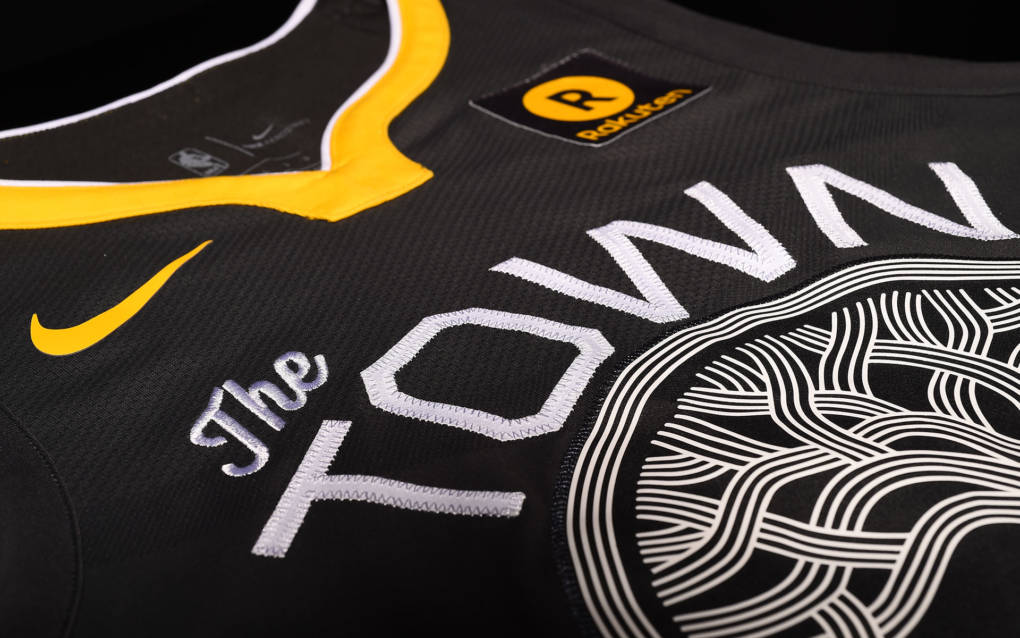
"caption": "The Warriors' new 'Town' jerseys: a parting gift before the breakup, and an unoriginal one at that.",
"description": "The Warriors' new 'Town' jerseys: a parting gift before the breakup, and an unoriginal one at that.",
"title": "TheTown.Warriors.Jersey",
"credit": "NBA",
"status": "inherit",
"isLoading": false,
"fetchFailed": false
},
"arts_13814652": {
"type": "attachments",
"id": "arts_13814652",
"meta": {
"index": "attachments_1716263798",
"site": "arts",
"id": "13814652",
"found": true
},
"parent": 0,
"imgSizes": {
"small": {
"file": "https://ww2.kqed.org/app/uploads/sites/2/2017/11/GunControlled.MAIN_-520x293.jpg",
"width": 520,
"mimeType": "image/jpeg",
"height": 293
},
"twentyfourteen-full-width": {
"file": "https://ww2.kqed.org/app/uploads/sites/2/2017/11/GunControlled.MAIN_-1038x576.jpg",
"width": 1038,
"mimeType": "image/jpeg",
"height": 576
},
"thumbnail": {
"file": "https://ww2.kqed.org/app/uploads/sites/2/2017/11/GunControlled.MAIN_-160x90.jpg",
"width": 160,
"mimeType": "image/jpeg",
"height": 90
},
"fd-sm": {
"file": "https://ww2.kqed.org/app/uploads/sites/2/2017/11/GunControlled.MAIN_-960x540.jpg",
"width": 960,
"mimeType": "image/jpeg",
"height": 540
},
"post-thumbnail": {
"file": "https://ww2.kqed.org/app/uploads/sites/2/2017/11/GunControlled.MAIN_-672x372.jpg",
"width": 672,
"mimeType": "image/jpeg",
"height": 372
},
"xsmall": {
"file": "https://ww2.kqed.org/app/uploads/sites/2/2017/11/GunControlled.MAIN_-375x211.jpg",
"width": 375,
"mimeType": "image/jpeg",
"height": 211
},
"kqedFullSize": {
"file": "https://ww2.kqed.org/app/uploads/sites/2/2017/11/GunControlled.MAIN_.jpg",
"width": 1920,
"height": 1080
},
"large": {
"file": "https://ww2.kqed.org/app/uploads/sites/2/2017/11/GunControlled.MAIN_-1020x574.jpg",
"width": 1020,
"mimeType": "image/jpeg",
"height": 574
},
"xlarge": {
"file": "https://ww2.kqed.org/app/uploads/sites/2/2017/11/GunControlled.MAIN_-1180x664.jpg",
"width": 1180,
"mimeType": "image/jpeg",
"height": 664
},
"guest-author-50": {
"file": "https://ww2.kqed.org/app/uploads/sites/2/2017/11/GunControlled.MAIN_-50x50.jpg",
"width": 50,
"mimeType": "image/jpeg",
"height": 50
},
"guest-author-96": {
"file": "https://ww2.kqed.org/app/uploads/sites/2/2017/11/GunControlled.MAIN_-96x96.jpg",
"width": 96,
"mimeType": "image/jpeg",
"height": 96
},
"medium": {
"file": "https://ww2.kqed.org/app/uploads/sites/2/2017/11/GunControlled.MAIN_-800x450.jpg",
"width": 800,
"mimeType": "image/jpeg",
"height": 450
},
"guest-author-64": {
"file": "https://ww2.kqed.org/app/uploads/sites/2/2017/11/GunControlled.MAIN_-64x64.jpg",
"width": 64,
"mimeType": "image/jpeg",
"height": 64
},
"guest-author-32": {
"file": "https://ww2.kqed.org/app/uploads/sites/2/2017/11/GunControlled.MAIN_-32x32.jpg",
"width": 32,
"mimeType": "image/jpeg",
"height": 32
},
"fd-lrg": {
"file": "https://ww2.kqed.org/app/uploads/sites/2/2017/11/GunControlled.MAIN_-1920x1080.jpg",
"width": 1920,
"mimeType": "image/jpeg",
"height": 1080
},
"fd-med": {
"file": "https://ww2.kqed.org/app/uploads/sites/2/2017/11/GunControlled.MAIN_-1180x664.jpg",
"width": 1180,
"mimeType": "image/jpeg",
"height": 664
},
"full-width": {
"file": "https://ww2.kqed.org/app/uploads/sites/2/2017/11/GunControlled.MAIN_-1920x1080.jpg",
"width": 1920,
"mimeType": "image/jpeg",
"height": 1080
},
"detail": {
"file": "https://ww2.kqed.org/app/uploads/sites/2/2017/11/GunControlled.MAIN_-150x150.jpg",
"width": 150,
"mimeType": "image/jpeg",
"height": 150
},
"medium_large": {
"file": "https://ww2.kqed.org/app/uploads/sites/2/2017/11/GunControlled.MAIN_-768x432.jpg",
"width": 768,
"mimeType": "image/jpeg",
"height": 432
},
"guest-author-128": {
"file": "https://ww2.kqed.org/app/uploads/sites/2/2017/11/GunControlled.MAIN_-128x128.jpg",
"width": 128,
"mimeType": "image/jpeg",
"height": 128
},
"xxsmall": {
"file": "https://ww2.kqed.org/app/uploads/sites/2/2017/11/GunControlled.MAIN_-240x135.jpg",
"width": 240,
"mimeType": "image/jpeg",
"height": 135
}
},
"publishDate": 1510381925,
"modified": 1510382165,
"caption": "Twenty-six crosses stand in a field on the edge of town to honor the 26 victims killed at the First Baptist Church of Sutherland Springs on Nov. 6, 2017 in Sutherland Springs, Texas. ",
"description": "Twenty-six crosses stand in a field on the edge of town to honor the 26 victims killed at the First Baptist Church of Sutherland Springs on Nov. 6, 2017 in Sutherland Springs, Texas. ",
"title": "GunControlled.MAIN",
"credit": "Scott Olson/Getty Images",
"status": "inherit",
"isLoading": false,
"fetchFailed": false
},
"arts_13814255": {
"type": "attachments",
"id": "arts_13814255",
"meta": {
"index": "attachments_1716263798",
"site": "arts",
"id": "13814255",
"found": true
},
"parent": 0,
"imgSizes": {
"small": {
"file": "https://ww2.kqed.org/app/uploads/sites/2/2017/11/Fire.Dad_-520x293.jpg",
"width": 520,
"mimeType": "image/jpeg",
"height": 293
},
"twentyfourteen-full-width": {
"file": "https://ww2.kqed.org/app/uploads/sites/2/2017/11/Fire.Dad_-1038x576.jpg",
"width": 1038,
"mimeType": "image/jpeg",
"height": 576
},
"thumbnail": {
"file": "https://ww2.kqed.org/app/uploads/sites/2/2017/11/Fire.Dad_-160x90.jpg",
"width": 160,
"mimeType": "image/jpeg",
"height": 90
},
"fd-sm": {
"file": "https://ww2.kqed.org/app/uploads/sites/2/2017/11/Fire.Dad_-960x540.jpg",
"width": 960,
"mimeType": "image/jpeg",
"height": 540
},
"post-thumbnail": {
"file": "https://ww2.kqed.org/app/uploads/sites/2/2017/11/Fire.Dad_-672x372.jpg",
"width": 672,
"mimeType": "image/jpeg",
"height": 372
},
"xsmall": {
"file": "https://ww2.kqed.org/app/uploads/sites/2/2017/11/Fire.Dad_-375x211.jpg",
"width": 375,
"mimeType": "image/jpeg",
"height": 211
},
"kqedFullSize": {
"file": "https://ww2.kqed.org/app/uploads/sites/2/2017/11/Fire.Dad_.jpg",
"width": 1920,
"height": 1080
},
"large": {
"file": "https://ww2.kqed.org/app/uploads/sites/2/2017/11/Fire.Dad_-1020x574.jpg",
"width": 1020,
"mimeType": "image/jpeg",
"height": 574
},
"xlarge": {
"file": "https://ww2.kqed.org/app/uploads/sites/2/2017/11/Fire.Dad_-1180x664.jpg",
"width": 1180,
"mimeType": "image/jpeg",
"height": 664
},
"guest-author-50": {
"file": "https://ww2.kqed.org/app/uploads/sites/2/2017/11/Fire.Dad_-50x50.jpg",
"width": 50,
"mimeType": "image/jpeg",
"height": 50
},
"guest-author-96": {
"file": "https://ww2.kqed.org/app/uploads/sites/2/2017/11/Fire.Dad_-96x96.jpg",
"width": 96,
"mimeType": "image/jpeg",
"height": 96
},
"medium": {
"file": "https://ww2.kqed.org/app/uploads/sites/2/2017/11/Fire.Dad_-800x450.jpg",
"width": 800,
"mimeType": "image/jpeg",
"height": 450
},
"guest-author-64": {
"file": "https://ww2.kqed.org/app/uploads/sites/2/2017/11/Fire.Dad_-64x64.jpg",
"width": 64,
"mimeType": "image/jpeg",
"height": 64
},
"guest-author-32": {
"file": "https://ww2.kqed.org/app/uploads/sites/2/2017/11/Fire.Dad_-32x32.jpg",
"width": 32,
"mimeType": "image/jpeg",
"height": 32
},
"fd-lrg": {
"file": "https://ww2.kqed.org/app/uploads/sites/2/2017/11/Fire.Dad_-1920x1080.jpg",
"width": 1920,
"mimeType": "image/jpeg",
"height": 1080
},
"fd-med": {
"file": "https://ww2.kqed.org/app/uploads/sites/2/2017/11/Fire.Dad_-1180x664.jpg",
"width": 1180,
"mimeType": "image/jpeg",
"height": 664
},
"full-width": {
"file": "https://ww2.kqed.org/app/uploads/sites/2/2017/11/Fire.Dad_-1920x1080.jpg",
"width": 1920,
"mimeType": "image/jpeg",
"height": 1080
},
"detail": {
"file": "https://ww2.kqed.org/app/uploads/sites/2/2017/11/Fire.Dad_-150x150.jpg",
"width": 150,
"mimeType": "image/jpeg",
"height": 150
},
"medium_large": {
"file": "https://ww2.kqed.org/app/uploads/sites/2/2017/11/Fire.Dad_-768x432.jpg",
"width": 768,
"mimeType": "image/jpeg",
"height": 432
},
"guest-author-128": {
"file": "https://ww2.kqed.org/app/uploads/sites/2/2017/11/Fire.Dad_-128x128.jpg",
"width": 128,
"mimeType": "image/jpeg",
"height": 128
},
"xxsmall": {
"file": "https://ww2.kqed.org/app/uploads/sites/2/2017/11/Fire.Dad_-240x135.jpg",
"width": 240,
"mimeType": "image/jpeg",
"height": 135
}
},
"publishDate": 1510224820,
"modified": 1510225197,
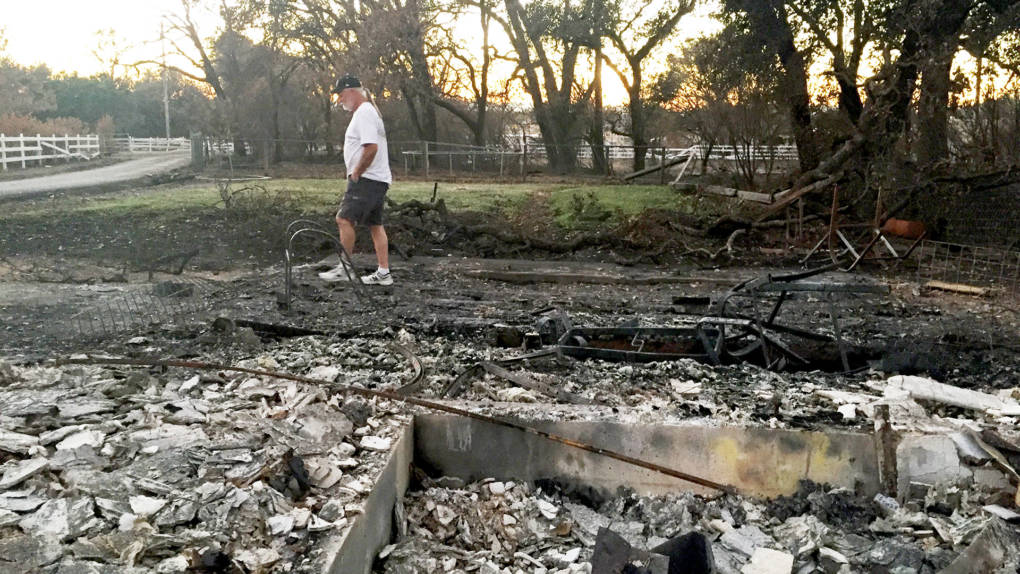
"caption": "The author's dad walks among the ruins at his childhood home in Larkfield.",
"description": "The author's dad walks among the ruins at his childhood home in Larkfield.",
"title": "Fire.Dad",
"credit": "Gabe Meline/KQED",
"status": "inherit",
"isLoading": false,
"fetchFailed": false
},
"arts_13812869": {
"type": "attachments",
"id": "arts_13812869",
"meta": {
"index": "attachments_1716263798",
"site": "arts",
"id": "13812869",
"found": true
},
"parent": 13812867,
"imgSizes": {
"small": {
"file": "https://ww2.kqed.org/app/uploads/sites/2/2017/10/WHitney.MAIN_-520x293.jpg",
"width": 520,
"mimeType": "image/jpeg",
"height": 293
},
"twentyfourteen-full-width": {
"file": "https://ww2.kqed.org/app/uploads/sites/2/2017/10/WHitney.MAIN_-1038x576.jpg",
"width": 1038,
"mimeType": "image/jpeg",
"height": 576
},
"thumbnail": {
"file": "https://ww2.kqed.org/app/uploads/sites/2/2017/10/WHitney.MAIN_-160x90.jpg",
"width": 160,
"mimeType": "image/jpeg",
"height": 90
},
"fd-sm": {
"file": "https://ww2.kqed.org/app/uploads/sites/2/2017/10/WHitney.MAIN_-960x540.jpg",
"width": 960,
"mimeType": "image/jpeg",
"height": 540
},
"post-thumbnail": {
"file": "https://ww2.kqed.org/app/uploads/sites/2/2017/10/WHitney.MAIN_-672x372.jpg",
"width": 672,
"mimeType": "image/jpeg",
"height": 372
},
"xsmall": {
"file": "https://ww2.kqed.org/app/uploads/sites/2/2017/10/WHitney.MAIN_-375x211.jpg",
"width": 375,
"mimeType": "image/jpeg",
"height": 211
},
"kqedFullSize": {
"file": "https://ww2.kqed.org/app/uploads/sites/2/2017/10/WHitney.MAIN_.jpg",
"width": 1920,
"height": 1080
},
"large": {
"file": "https://ww2.kqed.org/app/uploads/sites/2/2017/10/WHitney.MAIN_-1020x574.jpg",
"width": 1020,
"mimeType": "image/jpeg",
"height": 574
},
"xlarge": {
"file": "https://ww2.kqed.org/app/uploads/sites/2/2017/10/WHitney.MAIN_-1180x664.jpg",
"width": 1180,
"mimeType": "image/jpeg",
"height": 664
},
"guest-author-50": {
"file": "https://ww2.kqed.org/app/uploads/sites/2/2017/10/WHitney.MAIN_-50x50.jpg",
"width": 50,
"mimeType": "image/jpeg",
"height": 50
},
"guest-author-96": {
"file": "https://ww2.kqed.org/app/uploads/sites/2/2017/10/WHitney.MAIN_-96x96.jpg",
"width": 96,
"mimeType": "image/jpeg",
"height": 96
},
"medium": {
"file": "https://ww2.kqed.org/app/uploads/sites/2/2017/10/WHitney.MAIN_-800x450.jpg",
"width": 800,
"mimeType": "image/jpeg",
"height": 450
},
"guest-author-64": {
"file": "https://ww2.kqed.org/app/uploads/sites/2/2017/10/WHitney.MAIN_-64x64.jpg",
"width": 64,
"mimeType": "image/jpeg",
"height": 64
},
"guest-author-32": {
"file": "https://ww2.kqed.org/app/uploads/sites/2/2017/10/WHitney.MAIN_-32x32.jpg",
"width": 32,
"mimeType": "image/jpeg",
"height": 32
},
"fd-lrg": {
"file": "https://ww2.kqed.org/app/uploads/sites/2/2017/10/WHitney.MAIN_-1920x1080.jpg",
"width": 1920,
"mimeType": "image/jpeg",
"height": 1080
},
"fd-med": {
"file": "https://ww2.kqed.org/app/uploads/sites/2/2017/10/WHitney.MAIN_-1180x664.jpg",
"width": 1180,
"mimeType": "image/jpeg",
"height": 664
},
"full-width": {
"file": "https://ww2.kqed.org/app/uploads/sites/2/2017/10/WHitney.MAIN_-1920x1080.jpg",
"width": 1920,
"mimeType": "image/jpeg",
"height": 1080
},
"detail": {
"file": "https://ww2.kqed.org/app/uploads/sites/2/2017/10/WHitney.MAIN_-150x150.jpg",
"width": 150,
"mimeType": "image/jpeg",
"height": 150
},
"medium_large": {
"file": "https://ww2.kqed.org/app/uploads/sites/2/2017/10/WHitney.MAIN_-768x432.jpg",
"width": 768,
"mimeType": "image/jpeg",
"height": 432
},
"guest-author-128": {
"file": "https://ww2.kqed.org/app/uploads/sites/2/2017/10/WHitney.MAIN_-128x128.jpg",
"width": 128,
"mimeType": "image/jpeg",
"height": 128
},
"xxsmall": {
"file": "https://ww2.kqed.org/app/uploads/sites/2/2017/10/WHitney.MAIN_-240x135.jpg",
"width": 240,
"mimeType": "image/jpeg",
"height": 135
}
},
"publishDate": 1509084720,
"modified": 1509084802,
"caption": "Whitney Houston onstage at the 2009 American Music Awards at the Nokia Theatre on November 22, 2009 in Los Angeles. ",
"description": "Whitney Houston onstage at the 2009 American Music Awards at the Nokia Theatre on November 22, 2009 in Los Angeles. ",
"title": "WHitney.MAIN",
"credit": "Kevork Djansezian/Getty Images",
"status": "inherit",
"isLoading": false,
"fetchFailed": false
},
"arts_13812830": {
"type": "attachments",
"id": "arts_13812830",
"meta": {
"index": "attachments_1716263798",
"site": "arts",
"id": "13812830",
"found": true
},
"parent": 13812829,
"imgSizes": {
"small": {
"file": "https://ww2.kqed.org/app/uploads/sites/2/2017/10/unnamed-2-520x293.jpg",
"width": 520,
"mimeType": "image/jpeg",
"height": 293
},
"twentyfourteen-full-width": {
"file": "https://ww2.kqed.org/app/uploads/sites/2/2017/10/unnamed-2-1038x576.jpg",
"width": 1038,
"mimeType": "image/jpeg",
"height": 576
},
"thumbnail": {
"file": "https://ww2.kqed.org/app/uploads/sites/2/2017/10/unnamed-2-160x90.jpg",
"width": 160,
"mimeType": "image/jpeg",
"height": 90
},
"fd-sm": {
"file": "https://ww2.kqed.org/app/uploads/sites/2/2017/10/unnamed-2-960x540.jpg",
"width": 960,
"mimeType": "image/jpeg",
"height": 540
},
"post-thumbnail": {
"file": "https://ww2.kqed.org/app/uploads/sites/2/2017/10/unnamed-2-672x372.jpg",
"width": 672,
"mimeType": "image/jpeg",
"height": 372
},
"xsmall": {
"file": "https://ww2.kqed.org/app/uploads/sites/2/2017/10/unnamed-2-375x211.jpg",
"width": 375,
"mimeType": "image/jpeg",
"height": 211
},
"kqedFullSize": {
"file": "https://ww2.kqed.org/app/uploads/sites/2/2017/10/unnamed-2.jpg",
"width": 1920,
"height": 1080
},
"large": {
"file": "https://ww2.kqed.org/app/uploads/sites/2/2017/10/unnamed-2-1020x574.jpg",
"width": 1020,
"mimeType": "image/jpeg",
"height": 574
},
"xlarge": {
"file": "https://ww2.kqed.org/app/uploads/sites/2/2017/10/unnamed-2-1180x664.jpg",
"width": 1180,
"mimeType": "image/jpeg",
"height": 664
},
"guest-author-50": {
"file": "https://ww2.kqed.org/app/uploads/sites/2/2017/10/unnamed-2-50x50.jpg",
"width": 50,
"mimeType": "image/jpeg",
"height": 50
},
"guest-author-96": {
"file": "https://ww2.kqed.org/app/uploads/sites/2/2017/10/unnamed-2-96x96.jpg",
"width": 96,
"mimeType": "image/jpeg",
"height": 96
},
"medium": {
"file": "https://ww2.kqed.org/app/uploads/sites/2/2017/10/unnamed-2-800x450.jpg",
"width": 800,
"mimeType": "image/jpeg",
"height": 450
},
"guest-author-64": {
"file": "https://ww2.kqed.org/app/uploads/sites/2/2017/10/unnamed-2-64x64.jpg",
"width": 64,
"mimeType": "image/jpeg",
"height": 64
},
"guest-author-32": {
"file": "https://ww2.kqed.org/app/uploads/sites/2/2017/10/unnamed-2-32x32.jpg",
"width": 32,
"mimeType": "image/jpeg",
"height": 32
},
"fd-lrg": {
"file": "https://ww2.kqed.org/app/uploads/sites/2/2017/10/unnamed-2-1920x1080.jpg",
"width": 1920,
"mimeType": "image/jpeg",
"height": 1080
},
"fd-med": {
"file": "https://ww2.kqed.org/app/uploads/sites/2/2017/10/unnamed-2-1180x664.jpg",
"width": 1180,
"mimeType": "image/jpeg",
"height": 664
},
"full-width": {
"file": "https://ww2.kqed.org/app/uploads/sites/2/2017/10/unnamed-2-1920x1080.jpg",
"width": 1920,
"mimeType": "image/jpeg",
"height": 1080
},
"detail": {
"file": "https://ww2.kqed.org/app/uploads/sites/2/2017/10/unnamed-2-150x150.jpg",
"width": 150,
"mimeType": "image/jpeg",
"height": 150
},
"medium_large": {
"file": "https://ww2.kqed.org/app/uploads/sites/2/2017/10/unnamed-2-768x432.jpg",
"width": 768,
"mimeType": "image/jpeg",
"height": 432
},
"guest-author-128": {
"file": "https://ww2.kqed.org/app/uploads/sites/2/2017/10/unnamed-2-128x128.jpg",
"width": 128,
"mimeType": "image/jpeg",
"height": 128
},
"xxsmall": {
"file": "https://ww2.kqed.org/app/uploads/sites/2/2017/10/unnamed-2-240x135.jpg",
"width": 240,
"mimeType": "image/jpeg",
"height": 135
}
},
"publishDate": 1509053253,
"modified": 1509053311,
"caption": "A fisherman casts his line in Lake Merritt. ",
"description": "A fisherman casts his line in Lake Merritt. ",
"title": "unnamed-(2)",
"credit": "Pendarvis Harshaw",
"status": "inherit",
"isLoading": false,
"fetchFailed": false
},
"arts_13812803": {
"type": "attachments",
"id": "arts_13812803",
"meta": {
"index": "attachments_1716263798",
"site": "arts",
"id": "13812803",
"found": true
},
"parent": 13812802,
"imgSizes": {
"small": {
"file": "https://ww2.kqed.org/app/uploads/sites/2/2017/10/DSC_0295-520x293.jpg",
"width": 520,
"mimeType": "image/jpeg",
"height": 293
},
"twentyfourteen-full-width": {
"file": "https://ww2.kqed.org/app/uploads/sites/2/2017/10/DSC_0295-1038x576.jpg",
"width": 1038,
"mimeType": "image/jpeg",
"height": 576
},
"thumbnail": {
"file": "https://ww2.kqed.org/app/uploads/sites/2/2017/10/DSC_0295-160x90.jpg",
"width": 160,
"mimeType": "image/jpeg",
"height": 90
},
"fd-sm": {
"file": "https://ww2.kqed.org/app/uploads/sites/2/2017/10/DSC_0295-960x540.jpg",
"width": 960,
"mimeType": "image/jpeg",
"height": 540
},
"post-thumbnail": {
"file": "https://ww2.kqed.org/app/uploads/sites/2/2017/10/DSC_0295-672x372.jpg",
"width": 672,
"mimeType": "image/jpeg",
"height": 372
},
"xsmall": {
"file": "https://ww2.kqed.org/app/uploads/sites/2/2017/10/DSC_0295-375x211.jpg",
"width": 375,
"mimeType": "image/jpeg",
"height": 211
},
"kqedFullSize": {
"file": "https://ww2.kqed.org/app/uploads/sites/2/2017/10/DSC_0295.jpg",
"width": 1920,
"height": 1080
},
"large": {
"file": "https://ww2.kqed.org/app/uploads/sites/2/2017/10/DSC_0295-1020x574.jpg",
"width": 1020,
"mimeType": "image/jpeg",
"height": 574
},
"xlarge": {
"file": "https://ww2.kqed.org/app/uploads/sites/2/2017/10/DSC_0295-1180x664.jpg",
"width": 1180,
"mimeType": "image/jpeg",
"height": 664
},
"guest-author-50": {
"file": "https://ww2.kqed.org/app/uploads/sites/2/2017/10/DSC_0295-50x50.jpg",
"width": 50,
"mimeType": "image/jpeg",
"height": 50
},
"guest-author-96": {
"file": "https://ww2.kqed.org/app/uploads/sites/2/2017/10/DSC_0295-96x96.jpg",
"width": 96,
"mimeType": "image/jpeg",
"height": 96
},
"medium": {
"file": "https://ww2.kqed.org/app/uploads/sites/2/2017/10/DSC_0295-800x450.jpg",
"width": 800,
"mimeType": "image/jpeg",
"height": 450
},
"guest-author-64": {
"file": "https://ww2.kqed.org/app/uploads/sites/2/2017/10/DSC_0295-64x64.jpg",
"width": 64,
"mimeType": "image/jpeg",
"height": 64
},
"guest-author-32": {
"file": "https://ww2.kqed.org/app/uploads/sites/2/2017/10/DSC_0295-32x32.jpg",
"width": 32,
"mimeType": "image/jpeg",
"height": 32
},
"fd-lrg": {
"file": "https://ww2.kqed.org/app/uploads/sites/2/2017/10/DSC_0295-1920x1080.jpg",
"width": 1920,
"mimeType": "image/jpeg",
"height": 1080
},
"fd-med": {
"file": "https://ww2.kqed.org/app/uploads/sites/2/2017/10/DSC_0295-1180x664.jpg",
"width": 1180,
"mimeType": "image/jpeg",
"height": 664
},
"full-width": {
"file": "https://ww2.kqed.org/app/uploads/sites/2/2017/10/DSC_0295-1920x1080.jpg",
"width": 1920,
"mimeType": "image/jpeg",
"height": 1080
},
"detail": {
"file": "https://ww2.kqed.org/app/uploads/sites/2/2017/10/DSC_0295-150x150.jpg",
"width": 150,
"mimeType": "image/jpeg",
"height": 150
},
"medium_large": {
"file": "https://ww2.kqed.org/app/uploads/sites/2/2017/10/DSC_0295-768x432.jpg",
"width": 768,
"mimeType": "image/jpeg",
"height": 432
},
"guest-author-128": {
"file": "https://ww2.kqed.org/app/uploads/sites/2/2017/10/DSC_0295-128x128.jpg",
"width": 128,
"mimeType": "image/jpeg",
"height": 128
},
"xxsmall": {
"file": "https://ww2.kqed.org/app/uploads/sites/2/2017/10/DSC_0295-240x135.jpg",
"width": 240,
"mimeType": "image/jpeg",
"height": 135
}
},
"publishDate": 1509044280,
"modified": 1509044576,
"caption": "Lil B, a rapper who preaches peace and love, was banned from Facebook for hate speech earlier this month. ",
"description": "Lil B, a rapper who preaches peace and love, was banned from Facebook for hate speech earlier this month. ",
"title": "DSC_0295",
"credit": "Nastia Voynvoskaya",
"status": "inherit",
"isLoading": false,
"fetchFailed": false
},
"arts_13812056": {
"type": "attachments",
"id": "arts_13812056",
"meta": {
"index": "attachments_1716263798",
"site": "arts",
"id": "13812056",
"found": true
},
"parent": 13811951,
"imgSizes": {
"small": {
"file": "https://ww2.kqed.org/app/uploads/sites/2/2017/10/Pen.IG_.1-520x325.jpg",
"width": 520,
"mimeType": "image/jpeg",
"height": 325
},
"twentyfourteen-full-width": {
"file": "https://ww2.kqed.org/app/uploads/sites/2/2017/10/Pen.IG_.1-1038x576.jpg",
"width": 1038,
"mimeType": "image/jpeg",
"height": 576
},
"thumbnail": {
"file": "https://ww2.kqed.org/app/uploads/sites/2/2017/10/Pen.IG_.1-160x100.jpg",
"width": 160,
"mimeType": "image/jpeg",
"height": 100
},
"fd-sm": {
"file": "https://ww2.kqed.org/app/uploads/sites/2/2017/10/Pen.IG_.1-960x600.jpg",
"width": 960,
"mimeType": "image/jpeg",
"height": 600
},
"post-thumbnail": {
"file": "https://ww2.kqed.org/app/uploads/sites/2/2017/10/Pen.IG_.1-672x372.jpg",
"width": 672,
"mimeType": "image/jpeg",
"height": 372
},
"xsmall": {
"file": "https://ww2.kqed.org/app/uploads/sites/2/2017/10/Pen.IG_.1-375x234.jpg",
"width": 375,
"mimeType": "image/jpeg",
"height": 234
},
"kqedFullSize": {
"file": "https://ww2.kqed.org/app/uploads/sites/2/2017/10/Pen.IG_.1.jpg",
"width": 1920,
"height": 1200
},
"large": {
"file": "https://ww2.kqed.org/app/uploads/sites/2/2017/10/Pen.IG_.1-1020x638.jpg",
"width": 1020,
"mimeType": "image/jpeg",
"height": 638
},
"xlarge": {
"file": "https://ww2.kqed.org/app/uploads/sites/2/2017/10/Pen.IG_.1-1180x738.jpg",
"width": 1180,
"mimeType": "image/jpeg",
"height": 738
},
"guest-author-50": {
"file": "https://ww2.kqed.org/app/uploads/sites/2/2017/10/Pen.IG_.1-50x50.jpg",
"width": 50,
"mimeType": "image/jpeg",
"height": 50
},
"guest-author-96": {
"file": "https://ww2.kqed.org/app/uploads/sites/2/2017/10/Pen.IG_.1-96x96.jpg",
"width": 96,
"mimeType": "image/jpeg",
"height": 96
},
"medium": {
"file": "https://ww2.kqed.org/app/uploads/sites/2/2017/10/Pen.IG_.1-800x500.jpg",
"width": 800,
"mimeType": "image/jpeg",
"height": 500
},
"guest-author-64": {
"file": "https://ww2.kqed.org/app/uploads/sites/2/2017/10/Pen.IG_.1-64x64.jpg",
"width": 64,
"mimeType": "image/jpeg",
"height": 64
},
"guest-author-32": {
"file": "https://ww2.kqed.org/app/uploads/sites/2/2017/10/Pen.IG_.1-32x32.jpg",
"width": 32,
"mimeType": "image/jpeg",
"height": 32
},
"fd-lrg": {
"file": "https://ww2.kqed.org/app/uploads/sites/2/2017/10/Pen.IG_.1-1920x1200.jpg",
"width": 1920,
"mimeType": "image/jpeg",
"height": 1200
},
"fd-med": {
"file": "https://ww2.kqed.org/app/uploads/sites/2/2017/10/Pen.IG_.1-1180x738.jpg",
"width": 1180,
"mimeType": "image/jpeg",
"height": 738
},
"full-width": {
"file": "https://ww2.kqed.org/app/uploads/sites/2/2017/10/Pen.IG_.1-1920x1200.jpg",
"width": 1920,
"mimeType": "image/jpeg",
"height": 1200
},
"detail": {
"file": "https://ww2.kqed.org/app/uploads/sites/2/2017/10/Pen.IG_.1-150x150.jpg",
"width": 150,
"mimeType": "image/jpeg",
"height": 150
},
"medium_large": {
"file": "https://ww2.kqed.org/app/uploads/sites/2/2017/10/Pen.IG_.1-768x480.jpg",
"width": 768,
"mimeType": "image/jpeg",
"height": 480
},
"guest-author-128": {
"file": "https://ww2.kqed.org/app/uploads/sites/2/2017/10/Pen.IG_.1-128x128.jpg",
"width": 128,
"mimeType": "image/jpeg",
"height": 128
},
"xxsmall": {
"file": "https://ww2.kqed.org/app/uploads/sites/2/2017/10/Pen.IG_.1-240x150.jpg",
"width": 240,
"mimeType": "image/jpeg",
"height": 150
}
},
"publishDate": 1508389559,
"modified": 1508389629,
"caption": "'First impressions r important. Stay groomed up and clean it goes a long way': A photo from @rastadave52 on Instagram.",
"description": "'First impressions r important. Stay groomed up and clean it goes a long way': A photo from @rastadave52 on Instagram.",
"title": "Pen.IG.1",
"credit": "Bruce Marley/Instagram",
"status": "inherit",
"isLoading": false,
"fetchFailed": false
},
"arts_13812012": {
"type": "attachments",
"id": "arts_13812012",
"meta": {
"index": "attachments_1716263798",
"site": "arts",
"id": "13812012",
"found": true
},
"parent": 13812008,
"imgSizes": {
"small": {
"file": "https://ww2.kqed.org/app/uploads/sites/2/2017/10/The-Green-Sisters-are-at-the-YBCA-100-Summit-Oct.-28-e1508368606112-520x293.jpg",
"width": 520,
"mimeType": "image/jpeg",
"height": 293
},
"twentyfourteen-full-width": {
"file": "https://ww2.kqed.org/app/uploads/sites/2/2017/10/The-Green-Sisters-are-at-the-YBCA-100-Summit-Oct.-28-e1508368606112-1038x576.jpg",
"width": 1038,
"mimeType": "image/jpeg",
"height": 576
},
"thumbnail": {
"file": "https://ww2.kqed.org/app/uploads/sites/2/2017/10/The-Green-Sisters-are-at-the-YBCA-100-Summit-Oct.-28-e1508368606112-160x90.jpg",
"width": 160,
"mimeType": "image/jpeg",
"height": 90
},
"fd-sm": {
"file": "https://ww2.kqed.org/app/uploads/sites/2/2017/10/The-Green-Sisters-are-at-the-YBCA-100-Summit-Oct.-28-e1508368606112-960x542.jpg",
"width": 960,
"mimeType": "image/jpeg",
"height": 542
},
"post-thumbnail": {
"file": "https://ww2.kqed.org/app/uploads/sites/2/2017/10/The-Green-Sisters-are-at-the-YBCA-100-Summit-Oct.-28-e1508368606112-672x372.jpg",
"width": 672,
"mimeType": "image/jpeg",
"height": 372
},
"xsmall": {
"file": "https://ww2.kqed.org/app/uploads/sites/2/2017/10/The-Green-Sisters-are-at-the-YBCA-100-Summit-Oct.-28-e1508368606112-375x212.jpg",
"width": 375,
"mimeType": "image/jpeg",
"height": 212
},
"kqedFullSize": {
"file": "https://ww2.kqed.org/app/uploads/sites/2/2017/10/The-Green-Sisters-are-at-the-YBCA-100-Summit-Oct.-28-e1508368606112.jpg",
"width": 1317,
"height": 743
},
"large": {
"file": "https://ww2.kqed.org/app/uploads/sites/2/2017/10/The-Green-Sisters-are-at-the-YBCA-100-Summit-Oct.-28-e1508368606112-1020x575.jpg",
"width": 1020,
"mimeType": "image/jpeg",
"height": 575
},
"xlarge": {
"file": "https://ww2.kqed.org/app/uploads/sites/2/2017/10/The-Green-Sisters-are-at-the-YBCA-100-Summit-Oct.-28-e1508368606112-1180x666.jpg",
"width": 1180,
"mimeType": "image/jpeg",
"height": 666
},
"guest-author-50": {
"file": "https://ww2.kqed.org/app/uploads/sites/2/2017/10/The-Green-Sisters-are-at-the-YBCA-100-Summit-Oct.-28-e1508368606112-50x50.jpg",
"width": 50,
"mimeType": "image/jpeg",
"height": 50
},
"guest-author-96": {
"file": "https://ww2.kqed.org/app/uploads/sites/2/2017/10/The-Green-Sisters-are-at-the-YBCA-100-Summit-Oct.-28-e1508368606112-96x96.jpg",
"width": 96,
"mimeType": "image/jpeg",
"height": 96
},
"medium": {
"file": "https://ww2.kqed.org/app/uploads/sites/2/2017/10/The-Green-Sisters-are-at-the-YBCA-100-Summit-Oct.-28-e1508368606112-800x451.jpg",
"width": 800,
"mimeType": "image/jpeg",
"height": 451
},
"guest-author-64": {
"file": "https://ww2.kqed.org/app/uploads/sites/2/2017/10/The-Green-Sisters-are-at-the-YBCA-100-Summit-Oct.-28-e1508368606112-64x64.jpg",
"width": 64,
"mimeType": "image/jpeg",
"height": 64
},
"guest-author-32": {
"file": "https://ww2.kqed.org/app/uploads/sites/2/2017/10/The-Green-Sisters-are-at-the-YBCA-100-Summit-Oct.-28-e1508368606112-32x32.jpg",
"width": 32,
"mimeType": "image/jpeg",
"height": 32
},
"fd-med": {
"file": "https://ww2.kqed.org/app/uploads/sites/2/2017/10/The-Green-Sisters-are-at-the-YBCA-100-Summit-Oct.-28-e1508368606112-1180x666.jpg",
"width": 1180,
"mimeType": "image/jpeg",
"height": 666
},
"detail": {
"file": "https://ww2.kqed.org/app/uploads/sites/2/2017/10/The-Green-Sisters-are-at-the-YBCA-100-Summit-Oct.-28-e1508368606112-150x150.jpg",
"width": 150,
"mimeType": "image/jpeg",
"height": 150
},
"medium_large": {
"file": "https://ww2.kqed.org/app/uploads/sites/2/2017/10/The-Green-Sisters-are-at-the-YBCA-100-Summit-Oct.-28-e1508368606112-768x433.jpg",
"width": 768,
"mimeType": "image/jpeg",
"height": 433
},
"guest-author-128": {
"file": "https://ww2.kqed.org/app/uploads/sites/2/2017/10/The-Green-Sisters-are-at-the-YBCA-100-Summit-Oct.-28-e1508368606112-128x128.jpg",
"width": 128,
"mimeType": "image/jpeg",
"height": 128
},
"xxsmall": {
"file": "https://ww2.kqed.org/app/uploads/sites/2/2017/10/The-Green-Sisters-are-at-the-YBCA-100-Summit-Oct.-28-e1508368606112-240x135.jpg",
"width": 240,
"mimeType": "image/jpeg",
"height": 135
}
},
"publishDate": 1508368537,
"modified": 1508368574,
"caption": "The Green Sisters are at the YBCA 100 Summit Oct. 28",
"description": "The Green Sisters are at the YBCA 100 Summit Oct. 28",
"title": "The Green Sisters are at the YBCA 100 Summit Oct. 28",
"credit": "Photo: AlunBe ",
"status": "inherit",
"isLoading": false,
"fetchFailed": false
},
"arts_13811496": {
"type": "attachments",
"id": "arts_13811496",
"meta": {
"index": "attachments_1716263798",
"site": "arts",
"id": "13811496",
"found": true
},
"parent": 13811475,
"imgSizes": {
"small": {
"file": "https://ww2.kqed.org/app/uploads/sites/2/2017/10/PlayingCOVER-520x293.jpg",
"width": 520,
"mimeType": "image/jpeg",
"height": 293
},
"twentyfourteen-full-width": {
"file": "https://ww2.kqed.org/app/uploads/sites/2/2017/10/PlayingCOVER-1038x576.jpg",
"width": 1038,
"mimeType": "image/jpeg",
"height": 576
},
"thumbnail": {
"file": "https://ww2.kqed.org/app/uploads/sites/2/2017/10/PlayingCOVER-160x90.jpg",
"width": 160,
"mimeType": "image/jpeg",
"height": 90
},
"fd-sm": {
"file": "https://ww2.kqed.org/app/uploads/sites/2/2017/10/PlayingCOVER-960x540.jpg",
"width": 960,
"mimeType": "image/jpeg",
"height": 540
},
"post-thumbnail": {
"file": "https://ww2.kqed.org/app/uploads/sites/2/2017/10/PlayingCOVER-672x372.jpg",
"width": 672,
"mimeType": "image/jpeg",
"height": 372
},
"xsmall": {
"file": "https://ww2.kqed.org/app/uploads/sites/2/2017/10/PlayingCOVER-375x211.jpg",
"width": 375,
"mimeType": "image/jpeg",
"height": 211
},
"kqedFullSize": {
"file": "https://ww2.kqed.org/app/uploads/sites/2/2017/10/PlayingCOVER.jpg",
"width": 1920,
"height": 1080
},
"large": {
"file": "https://ww2.kqed.org/app/uploads/sites/2/2017/10/PlayingCOVER-1020x574.jpg",
"width": 1020,
"mimeType": "image/jpeg",
"height": 574
},
"xlarge": {
"file": "https://ww2.kqed.org/app/uploads/sites/2/2017/10/PlayingCOVER-1180x664.jpg",
"width": 1180,
"mimeType": "image/jpeg",
"height": 664
},
"guest-author-50": {
"file": "https://ww2.kqed.org/app/uploads/sites/2/2017/10/PlayingCOVER-50x50.jpg",
"width": 50,
"mimeType": "image/jpeg",
"height": 50
},
"guest-author-96": {
"file": "https://ww2.kqed.org/app/uploads/sites/2/2017/10/PlayingCOVER-96x96.jpg",
"width": 96,
"mimeType": "image/jpeg",
"height": 96
},
"medium": {
"file": "https://ww2.kqed.org/app/uploads/sites/2/2017/10/PlayingCOVER-800x450.jpg",
"width": 800,
"mimeType": "image/jpeg",
"height": 450
},
"guest-author-64": {
"file": "https://ww2.kqed.org/app/uploads/sites/2/2017/10/PlayingCOVER-64x64.jpg",
"width": 64,
"mimeType": "image/jpeg",
"height": 64
},
"guest-author-32": {
"file": "https://ww2.kqed.org/app/uploads/sites/2/2017/10/PlayingCOVER-32x32.jpg",
"width": 32,
"mimeType": "image/jpeg",
"height": 32
},
"fd-lrg": {
"file": "https://ww2.kqed.org/app/uploads/sites/2/2017/10/PlayingCOVER-1920x1080.jpg",
"width": 1920,
"mimeType": "image/jpeg",
"height": 1080
},
"fd-med": {
"file": "https://ww2.kqed.org/app/uploads/sites/2/2017/10/PlayingCOVER-1180x664.jpg",
"width": 1180,
"mimeType": "image/jpeg",
"height": 664
},
"full-width": {
"file": "https://ww2.kqed.org/app/uploads/sites/2/2017/10/PlayingCOVER-1920x1080.jpg",
"width": 1920,
"mimeType": "image/jpeg",
"height": 1080
},
"detail": {
"file": "https://ww2.kqed.org/app/uploads/sites/2/2017/10/PlayingCOVER-150x150.jpg",
"width": 150,
"mimeType": "image/jpeg",
"height": 150
},
"medium_large": {
"file": "https://ww2.kqed.org/app/uploads/sites/2/2017/10/PlayingCOVER-768x432.jpg",
"width": 768,
"mimeType": "image/jpeg",
"height": 432
},
"guest-author-128": {
"file": "https://ww2.kqed.org/app/uploads/sites/2/2017/10/PlayingCOVER-128x128.jpg",
"width": 128,
"mimeType": "image/jpeg",
"height": 128
},
"xxsmall": {
"file": "https://ww2.kqed.org/app/uploads/sites/2/2017/10/PlayingCOVER-240x135.jpg",
"width": 240,
"mimeType": "image/jpeg",
"height": 135
}
},
"publishDate": 1507846627,
"modified": 1507848510,
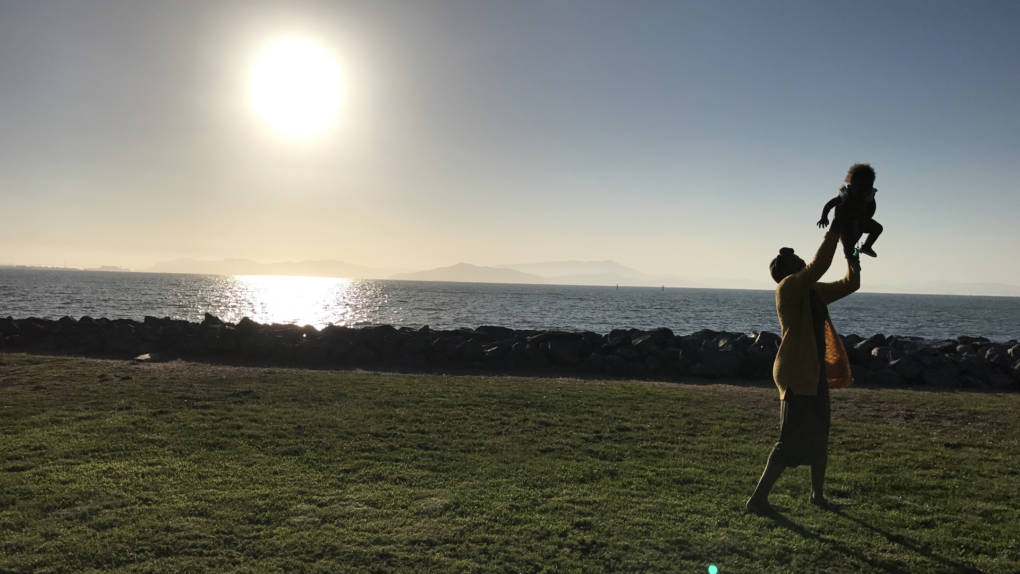
"caption": "Shared playtime: the author's daughter and her mother near the water.",
"description": "Shared playtime: the author's daughter and her mother near the water.",
"title": "PlayingCOVER",
"credit": "Pendarvis Harshaw",
"status": "inherit",
"isLoading": false,
"fetchFailed": false
},
"arts_13811460": {
"type": "attachments",
"id": "arts_13811460",
"meta": {
"index": "attachments_1716263798",
"site": "arts",
"id": "13811460",
"found": true
},
"parent": 13811402,
"imgSizes": {
"small": {
"file": "https://ww2.kqed.org/app/uploads/sites/2/2017/10/GabeMelineDust2-520x367.jpg",
"width": 520,
"mimeType": "image/jpeg",
"height": 367
},
"twentyfourteen-full-width": {
"file": "https://ww2.kqed.org/app/uploads/sites/2/2017/10/GabeMelineDust2-1038x576.jpg",
"width": 1038,
"mimeType": "image/jpeg",
"height": 576
},
"thumbnail": {
"file": "https://ww2.kqed.org/app/uploads/sites/2/2017/10/GabeMelineDust2-160x113.jpg",
"width": 160,
"mimeType": "image/jpeg",
"height": 113
},
"fd-sm": {
"file": "https://ww2.kqed.org/app/uploads/sites/2/2017/10/GabeMelineDust2-960x678.jpg",
"width": 960,
"mimeType": "image/jpeg",
"height": 678
},
"post-thumbnail": {
"file": "https://ww2.kqed.org/app/uploads/sites/2/2017/10/GabeMelineDust2-672x372.jpg",
"width": 672,
"mimeType": "image/jpeg",
"height": 372
},
"xsmall": {
"file": "https://ww2.kqed.org/app/uploads/sites/2/2017/10/GabeMelineDust2-375x265.jpg",
"width": 375,
"mimeType": "image/jpeg",
"height": 265
},
"kqedFullSize": {
"file": "https://ww2.kqed.org/app/uploads/sites/2/2017/10/GabeMelineDust2.jpg",
"width": 1200,
"height": 847
},
"large": {
"file": "https://ww2.kqed.org/app/uploads/sites/2/2017/10/GabeMelineDust2-1020x720.jpg",
"width": 1020,
"mimeType": "image/jpeg",
"height": 720
},
"xlarge": {
"file": "https://ww2.kqed.org/app/uploads/sites/2/2017/10/GabeMelineDust2-1180x833.jpg",
"width": 1180,
"mimeType": "image/jpeg",
"height": 833
},
"guest-author-50": {
"file": "https://ww2.kqed.org/app/uploads/sites/2/2017/10/GabeMelineDust2-50x50.jpg",
"width": 50,
"mimeType": "image/jpeg",
"height": 50
},
"guest-author-96": {
"file": "https://ww2.kqed.org/app/uploads/sites/2/2017/10/GabeMelineDust2-96x96.jpg",
"width": 96,
"mimeType": "image/jpeg",
"height": 96
},
"medium": {
"file": "https://ww2.kqed.org/app/uploads/sites/2/2017/10/GabeMelineDust2-800x565.jpg",
"width": 800,
"mimeType": "image/jpeg",
"height": 565
},
"guest-author-64": {
"file": "https://ww2.kqed.org/app/uploads/sites/2/2017/10/GabeMelineDust2-64x64.jpg",
"width": 64,
"mimeType": "image/jpeg",
"height": 64
},
"guest-author-32": {
"file": "https://ww2.kqed.org/app/uploads/sites/2/2017/10/GabeMelineDust2-32x32.jpg",
"width": 32,
"mimeType": "image/jpeg",
"height": 32
},
"fd-med": {
"file": "https://ww2.kqed.org/app/uploads/sites/2/2017/10/GabeMelineDust2-1180x833.jpg",
"width": 1180,
"mimeType": "image/jpeg",
"height": 833
},
"detail": {
"file": "https://ww2.kqed.org/app/uploads/sites/2/2017/10/GabeMelineDust2-150x150.jpg",
"width": 150,
"mimeType": "image/jpeg",
"height": 150
},
"medium_large": {
"file": "https://ww2.kqed.org/app/uploads/sites/2/2017/10/GabeMelineDust2-768x542.jpg",
"width": 768,
"mimeType": "image/jpeg",
"height": 542
},
"guest-author-128": {
"file": "https://ww2.kqed.org/app/uploads/sites/2/2017/10/GabeMelineDust2-128x128.jpg",
"width": 128,
"mimeType": "image/jpeg",
"height": 128
},
"xxsmall": {
"file": "https://ww2.kqed.org/app/uploads/sites/2/2017/10/GabeMelineDust2-240x169.jpg",
"width": 240,
"mimeType": "image/jpeg",
"height": 169
}
},
"publishDate": 1507825368,
"modified": 1507825412,
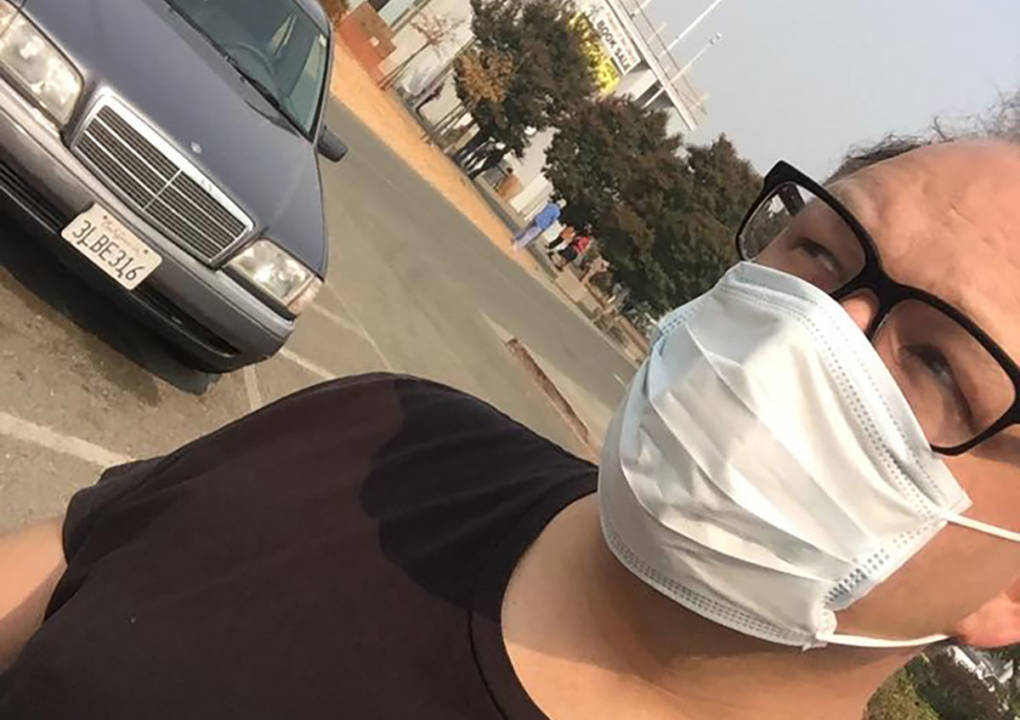
"caption": "Gabe Meline in a dust mask walks through the haze of smoke after evacuation. Bay Area air quality this week has been the worst on record. (Gabe Meline/KQED Arts)",
"description": null,
"title": "GabeMelineDust2",
"credit": null,
"status": "inherit",
"isLoading": false,
"fetchFailed": false
}
},
"audioPlayerReducer": {
"postId": "stream_live",
"isPaused": true,
"isPlaying": false,
"pfsActive": false,
"pledgeModalIsOpen": true,
"playerDrawerIsOpen": false,
"liveAudioPlayStartedAt": 0,
"liveAudioPlayContext": ""
},
"authorsReducer": {
"cmusiker": {
"type": "authors",
"id": "32",
"meta": {
"index": "authors_1716337520",
"id": "32",
"found": true
},
"name": "Cy Musiker",
"firstName": "Cy",
"lastName": "Musiker",
"slug": "cmusiker",
"email": "cmusiker@kqed.org",
"display_author_email": false,
"staff_mastheads": [],
"title": "KQED Contributor",
"bio": "Cy Musiker is a former co-host of The Do List and a former reporter covering the arts for KQED News and The California Report. He loves live performance, especially great theater, jazz, roots music, anything by Mahler. Cy has an MJ from UC Berkeley's School of Journalism, and got his BA from Hampshire College. His work has been recognized by the Society for Professional Journalists with their Sigma Delta Chi Award for Public Service in Journalism. When he can, Cy likes to swim in Tomales Bay, run with his dog in the East Bay Hills, and hike the Sierra.",
"avatar": "https://secure.gravatar.com/avatar/05eaba5c5696ce8f062e4ea2df428a43?s=600&d=blank&r=g",
"twitter": null,
"facebook": null,
"instagram": null,
"linkedin": null,
"sites": [
{
"site": "arts",
"roles": [
"Contributor",
"subscriber"
]
},
{
"site": "news",
"roles": [
"author"
]
},
{
"site": "bayareabites",
"roles": [
"contributor"
]
}
],
"headData": {
"title": "Cy Musiker | KQED",
"description": "KQED Contributor",
"ogImgSrc": "https://secure.gravatar.com/avatar/05eaba5c5696ce8f062e4ea2df428a43?s=600&d=blank&r=g",
"twImgSrc": "https://secure.gravatar.com/avatar/05eaba5c5696ce8f062e4ea2df428a43?s=600&d=blank&r=g"
},
"isLoading": false,
"link": "/author/cmusiker"
},
"kqedarts": {
"type": "authors",
"id": "92",
"meta": {
"index": "authors_1716337520",
"id": "92",
"found": true
},
"name": "KQED Arts",
"firstName": "KQED",
"lastName": "Arts",
"slug": "kqedarts",
"email": "arts@kqed.org",
"display_author_email": false,
"staff_mastheads": [],
"title": "KQED Staff",
"bio": null,
"avatar": "https://secure.gravatar.com/avatar/321c9ebfeb7736f9e55366a6d3399ab0?s=600&d=blank&r=g",
"twitter": null,
"facebook": null,
"instagram": "https://www.instagram.com/kqed_arts/",
"linkedin": null,
"sites": [
{
"site": "arts",
"roles": [
"contributor"
]
},
{
"site": "pop",
"roles": [
"contributor"
]
},
{
"site": "science",
"roles": [
"author"
]
},
{
"site": "food",
"roles": [
"contributor"
]
}
],
"headData": {
"title": "KQED Arts | KQED",
"description": "KQED Staff",
"ogImgSrc": "https://secure.gravatar.com/avatar/321c9ebfeb7736f9e55366a6d3399ab0?s=600&d=blank&r=g",
"twImgSrc": "https://secure.gravatar.com/avatar/321c9ebfeb7736f9e55366a6d3399ab0?s=600&d=blank&r=g"
},
"isLoading": false,
"link": "/author/kqedarts"
},
"gmeline": {
"type": "authors",
"id": "185",
"meta": {
"index": "authors_1716337520",
"id": "185",
"found": true
},
"name": "Gabe Meline",
"firstName": "Gabe",
"lastName": "Meline",
"slug": "gmeline",
"email": "gmeline@kqed.org",
"display_author_email": true,
"staff_mastheads": [
"arts"
],
"title": "Senior Editor, KQED Arts & Culture",
"bio": "Gabe Meline entered journalism at age 15 making photocopied zines, and has since earned awards from the Edward R. Murrow Awards, the Society for Professional Journalists, the Online Journalism Awards, the Association of Alternative Newsweeklies and the California Newspaper Publishers Association. Prior to KQED, he was the editor of the \u003cem>North Bay Bohemian\u003c/em> and a touring musician. He lives with his wife and daughter in his hometown of Santa Rosa, CA.",
"avatar": "https://secure.gravatar.com/avatar/5bebe57be0d8bc2dd318934feb47299e2d2d10cba28d09d8d7afb389a2ce2bdd?s=600&d=blank&r=g",
"twitter": null,
"bluesky": null,
"facebook": null,
"instagram": null,
"linkedin": null,
"sites": [
{
"site": "",
"roles": [
"editor"
]
},
{
"site": "arts",
"roles": [
"administrator"
]
},
{
"site": "artschool",
"roles": [
"editor"
]
},
{
"site": "news",
"roles": [
"author"
]
},
{
"site": "pop",
"roles": [
"editor"
]
},
{
"site": "bayareabites",
"roles": [
"editor"
]
},
{
"site": "food",
"roles": [
"editor"
]
},
{
"site": "forum",
"roles": [
"administrator"
]
},
{
"site": "liveblog",
"roles": [
"editor"
]
},
{
"site": "hiphop",
"roles": [
"editor"
]
}
],
"headData": {
"title": "Gabe Meline | KQED",
"description": "Senior Editor, KQED Arts & Culture",
"ogImgSrc": "https://secure.gravatar.com/avatar/5bebe57be0d8bc2dd318934feb47299e2d2d10cba28d09d8d7afb389a2ce2bdd?s=600&d=blank&r=g",
"twImgSrc": "https://secure.gravatar.com/avatar/5bebe57be0d8bc2dd318934feb47299e2d2d10cba28d09d8d7afb389a2ce2bdd?s=600&d=blank&r=g"
},
"isLoading": false,
"link": "/author/gmeline"
},
"esilvers": {
"type": "authors",
"id": "7237",
"meta": {
"index": "authors_1716337520",
"id": "7237",
"found": true
},
"name": "Emma Silvers",
"firstName": "Emma",
"lastName": "Silvers",
"slug": "esilvers",
"email": "esilvers@kqed.org",
"display_author_email": false,
"staff_mastheads": [],
"title": "KQED Contributor",
"bio": "Emma Silvers is an editor at KQED Arts and a former digital producer at KQED News. Born and raised in the Bay Area, she has previously been an arts and entertainment editor at the \u003cem>San Francisco Chronicle\u003c/em>, \u003cem>SF Weekly\u003c/em> and the \u003cem>San Francisco Bay Guardian.\u003c/em> \u003ca href=\"https://www.emmasilvers.com\">Her work\u003c/a> has also appeared in \u003cem>Rolling Stone\u003c/em>, Pitchfork and \u003cem>Mother Jones\u003c/em>. In 2017 she was the recipient of the Society of Professional Journalists-Northern California's award for arts and culture reporting. In 1993 she \u003ca href=\"https://www.kqed.org/pop/16759/wait-what-my-coworker-was-a-voice-over-hyperventilator-for-jurassic-park\">hyperventilated in \u003cem>Jurassic Park\u003c/em>\u003c/a>.",
"avatar": "https://secure.gravatar.com/avatar/247beada39b88ea5759db1f51dba05cf?s=600&d=blank&r=g",
"twitter": "emmaruthless",
"facebook": null,
"instagram": null,
"linkedin": null,
"sites": [
{
"site": "arts",
"roles": [
"editor"
]
},
{
"site": "news",
"roles": [
"editor"
]
},
{
"site": "pop",
"roles": [
"contributor"
]
},
{
"site": "bayareabites",
"roles": [
"editor"
]
},
{
"site": "food",
"roles": [
"contributor"
]
},
{
"site": "liveblog",
"roles": [
"editor"
]
}
],
"headData": {
"title": "Emma Silvers | KQED",
"description": "KQED Contributor",
"ogImgSrc": "https://secure.gravatar.com/avatar/247beada39b88ea5759db1f51dba05cf?s=600&d=blank&r=g",
"twImgSrc": "https://secure.gravatar.com/avatar/247beada39b88ea5759db1f51dba05cf?s=600&d=blank&r=g"
},
"isLoading": false,
"link": "/author/esilvers"
},
"nvoynovskaya": {
"type": "authors",
"id": "11387",
"meta": {
"index": "authors_1716337520",
"id": "11387",
"found": true
},
"name": "Nastia Voynovskaya",
"firstName": "Nastia",
"lastName": "Voynovskaya",
"slug": "nvoynovskaya",
"email": "nvoynovskaya@kqed.org",
"display_author_email": false,
"staff_mastheads": [
"arts"
],
"title": "Editor and reporter",
"bio": "Nastia Voynovskaya is a reporter, editor and host at KQED Arts & Culture. She's been covering the arts in the Bay Area for over a decade, with a focus on music, queer culture, labor issues and grassroots organizing. She has edited KQED story series such as Trans Bay: A History of San Francisco's Gender-Diverse Community, and co-created KQED's Bay Area hip-hop history project, That's My Word. Nastia's work has been recognized by the Society of Professional Journalists and San Francisco Press Club. She regularly appears on podcasts and radio programs, including NPR's All Songs Considered, and hosts live events where music, culture and conversation meet.",
"avatar": "https://secure.gravatar.com/avatar/5025ee460e5a85d69ca20ea6c6f2f80d7e17795c828f61ea3aecfcd924e9042e?s=600&d=blank&r=g",
"twitter": null,
"bluesky": null,
"facebook": null,
"instagram": "https://www.instagram.com/nananastia/",
"linkedin": null,
"sites": [
{
"site": "",
"roles": [
"editor"
]
},
{
"site": "arts",
"roles": [
"administrator"
]
},
{
"site": "news",
"roles": [
"editor"
]
},
{
"site": "pop",
"roles": [
"administrator"
]
},
{
"site": "bayareabites",
"roles": [
"editor"
]
},
{
"site": "podcasts",
"roles": [
"editor"
]
},
{
"site": "hiphop",
"roles": [
"editor"
]
}
],
"headData": {
"title": "Nastia Voynovskaya | KQED",
"description": "Editor and reporter",
"ogImgSrc": "https://secure.gravatar.com/avatar/5025ee460e5a85d69ca20ea6c6f2f80d7e17795c828f61ea3aecfcd924e9042e?s=600&d=blank&r=g",
"twImgSrc": "https://secure.gravatar.com/avatar/5025ee460e5a85d69ca20ea6c6f2f80d7e17795c828f61ea3aecfcd924e9042e?s=600&d=blank&r=g"
},
"isLoading": false,
"link": "/author/nvoynovskaya"
},
"ogpenn": {
"type": "authors",
"id": "11491",
"meta": {
"index": "authors_1716337520",
"id": "11491",
"found": true
},
"name": "Pendarvis Harshaw",
"firstName": "Pendarvis",
"lastName": "Harshaw",
"slug": "ogpenn",
"email": "ogpenn@gmail.com",
"display_author_email": false,
"staff_mastheads": [
"arts"
],
"title": "Community Engagement Reporter",
"bio": "Pendarvis Harshaw is an educator, host and writer with KQED Arts.",
"avatar": "https://secure.gravatar.com/avatar/972b77ee8e3f346ae2b00622661187fbfabd059b5693bbdc1475ea7a722fd4cd?s=600&d=blank&r=g",
"twitter": null,
"bluesky": null,
"facebook": null,
"instagram": "ogpenn",
"linkedin": null,
"sites": [
{
"site": "arts",
"roles": [
"administrator"
]
},
{
"site": "news",
"roles": [
"editor"
]
},
{
"site": "bayareabites",
"roles": [
"author"
]
},
{
"site": "hiphop",
"roles": [
"editor"
]
}
],
"headData": {
"title": "Pendarvis Harshaw | KQED",
"description": "Community Engagement Reporter",
"ogImgSrc": "https://secure.gravatar.com/avatar/972b77ee8e3f346ae2b00622661187fbfabd059b5693bbdc1475ea7a722fd4cd?s=600&d=blank&r=g",
"twImgSrc": "https://secure.gravatar.com/avatar/972b77ee8e3f346ae2b00622661187fbfabd059b5693bbdc1475ea7a722fd4cd?s=600&d=blank&r=g"
},
"isLoading": false,
"link": "/author/ogpenn"
}
},
"pagesReducer": {
"arts_tag_commentary": {
"type": "terms",
"id": "arts_2767",
"meta": {
"index": "terms_1716263798",
"site": "arts",
"id": "2767",
"score": 8.794542
},
"featImg": null,
"name": "commentary",
"description": null,
"taxonomy": "tag",
"headData": {
"twImgId": null,
"twTitle": null,
"ogTitle": null,
"ogImgId": null,
"twDescription": null,
"description": null,
"title": "commentary Archives | KQED Arts",
"ogDescription": null
},
"ttid": 2779,
"slug": "commentary",
"isLoading": false,
"title": "commentary",
"pageMeta": {
"site": "arts",
"WpPageTemplate": "page-topic-editorial",
"currentPage": 30
},
"blocks": [
{
"blockName": "kqed/post-list",
"attrs": {
"layout": "cardArticle2",
"query": "posts/arts?tag=commentary",
"seeMore": false,
"paginated": true,
"page": 30
}
},
{
"blockName": "kqed/ad"
}
]
}
},
"pfsSessionReducer": {},
"postsReducer": {
"stream_live": {
"type": "live",
"id": "stream_live",
"audioUrl": "https://streams.kqed.org/kqedradio",
"title": "Live Stream",
"excerpt": "Live Stream information currently unavailable.",
"link": "/radio",
"featImg": "",
"label": {
"name": "KQED Live",
"link": "/"
}
},
"stream_kqedNewscast": {
"type": "posts",
"id": "stream_kqedNewscast",
"audioUrl": "https://www.kqed.org/.stream/anon/radio/RDnews/newscast.mp3?_=1",
"title": "KQED Newscast",
"featImg": "",
"label": {
"name": "88.5 FM",
"link": "/"
}
},
"arts_13818199": {
"type": "posts",
"id": "arts_13818199",
"meta": {
"index": "posts_1716263798",
"site": "arts",
"id": "13818199",
"score": null,
"sort": [
1514583718000
]
},
"guestAuthors": [],
"slug": "who-won-2017",
"title": "Who Won 2017?",
"publishDate": 1514583718,
"format": "image",
"headTitle": "Who Won 2017? | KQED",
"labelTerm": {
"site": "arts"
},
"content": "\u003cp>I’ve been arguing with myself for the better half of the past two weeks, trying to figure out who actually won 2017. It’s not a matter of who made the most money, or who was the most popular. It’s not even a question of — as the kids say — who was living their best life.\u003c/p>\n\u003cp>\u003cimg loading=\"lazy\" decoding=\"async\" class=\"alignright size-thumbnail wp-image-13833985\" src=\"https://ww2.kqed.org/arts/wp-content/uploads/sites/2/2018/05/OGPenn.Cap_-160x184.jpg\" alt=\"\" width=\"160\" height=\"184\" srcset=\"https://cdn.kqed.org/wp-content/uploads/sites/2/2018/05/OGPenn.Cap_-160x184.jpg 160w, https://cdn.kqed.org/wp-content/uploads/sites/2/2018/05/OGPenn.Cap_.jpg 180w\" sizes=\"(max-width: 160px) 100vw, 160px\">\u003c/p>\n\u003cp>No, I want to know who had the greatest impact on public discourse this year. When we look back, five or ten years from now, what will we say 2017 was the year of?\u003c/p>\n\u003cp>In order to get the bottom of this question, I chose to use the good ol’ American method of comparative competition. I laid out all of the names (not just people, but places and things as well), and pit them against one and other in an NCAA March Madness-style bracket.\u003c/p>\n\u003cp>But before we get to the bracket, it’s important to note that not every “winner” of 2017 could fit — I only had 64 slots. So, while \u003ca href=\"https://www.theatlantic.com/politics/archive/2017/02/frederick-douglass-trump/515292/\" target=\"_blank\" rel=\"noopener noreferrer\">Frederick Douglass had a much better year\u003c/a> than some of us who are actually living, his name isn’t on the list.\u003c/p>\n\u003cp>[ad fullwidth]\u003c/p>\n\u003cp>Okay, here’s the bracket:\u003c/p>\n\u003cp>\u003cimg loading=\"lazy\" decoding=\"async\" class=\"aligncenter size-medium wp-image-13818276\" src=\"https://ww2.kqed.org/arts/wp-content/uploads/sites/2/2017/12/BracketWeb1-800x1339.jpg\" alt=\"\" width=\"800\" height=\"1339\" srcset=\"https://cdn.kqed.org/wp-content/uploads/sites/2/2017/12/BracketWeb1.jpg 800w, https://cdn.kqed.org/wp-content/uploads/sites/2/2017/12/BracketWeb1-160x268.jpg 160w, https://cdn.kqed.org/wp-content/uploads/sites/2/2017/12/BracketWeb1-768x1285.jpg 768w, https://cdn.kqed.org/wp-content/uploads/sites/2/2017/12/BracketWeb1-240x402.jpg 240w, https://cdn.kqed.org/wp-content/uploads/sites/2/2017/12/BracketWeb1-375x628.jpg 375w, https://cdn.kqed.org/wp-content/uploads/sites/2/2017/12/BracketWeb1-520x870.jpg 520w\" sizes=\"(max-width: 800px) 100vw, 800px\">\u003c/p>\n\u003cp>The 16th seed in every division is someone who slid in: the underdog, the person/place/thing that finessed their way to victory this year. Whether it be through media antics or unhealthy relationships, the 16th seeds brought home a W. And if you ask me, a win is a win — even if they played dirty.\u003c/p>\n\u003cp>Immigration is included as a concept that impacted the news, not just in the United States but abroad. In terms of the States, this is about DACA, ICE and travel bans. Immigration as a concept won a lot of public discourse this year, for better and for worse.\u003c/p>\n\u003ch2>Round One\u003c/h2>\n\u003cp>\u003cimg loading=\"lazy\" decoding=\"async\" class=\"aligncenter size-full wp-image-13818281\" src=\"https://ww2.kqed.org/arts/wp-content/uploads/sites/2/2017/12/Div1.jpg\" alt=\"\" width=\"600\" height=\"600\" srcset=\"https://cdn.kqed.org/wp-content/uploads/sites/2/2017/12/Div1.jpg 600w, https://cdn.kqed.org/wp-content/uploads/sites/2/2017/12/Div1-160x160.jpg 160w, https://cdn.kqed.org/wp-content/uploads/sites/2/2017/12/Div1-240x240.jpg 240w, https://cdn.kqed.org/wp-content/uploads/sites/2/2017/12/Div1-375x375.jpg 375w, https://cdn.kqed.org/wp-content/uploads/sites/2/2017/12/Div1-520x520.jpg 520w, https://cdn.kqed.org/wp-content/uploads/sites/2/2017/12/Div1-32x32.jpg 32w, https://cdn.kqed.org/wp-content/uploads/sites/2/2017/12/Div1-50x50.jpg 50w, https://cdn.kqed.org/wp-content/uploads/sites/2/2017/12/Div1-64x64.jpg 64w, https://cdn.kqed.org/wp-content/uploads/sites/2/2017/12/Div1-96x96.jpg 96w, https://cdn.kqed.org/wp-content/uploads/sites/2/2017/12/Div1-128x128.jpg 128w, https://cdn.kqed.org/wp-content/uploads/sites/2/2017/12/Div1-150x150.jpg 150w\" sizes=\"(max-width: 600px) 100vw, 600px\">\u003c/p>\n\u003cp>\u003cstrong>Natural disasters over Bhad Bhabie (the “Cash Me Outside” girl):\u003c/strong> While 14-year-old Bhad Bhabie \u003ca href=\"https://www.maxim.com/news/danielle-bregoli-pays-moms-mortgage-2017-12\" target=\"_blank\" rel=\"noopener noreferrer\">had a ball on social media\u003c/a> this year, even landing a multi-million dollar deal with Atlantic Records, she doesn’t hold a candle to the centripetal force that overtook the Atlantic Ocean this year — let alone the California wildfires and the earthquakes that hit our neighbor to the south.\u003c/p>\n\u003cp>\u003cstrong>Tiffany Haddish over Lin-Manuel Miranda:\u003c/strong> Lin-Manuel Miranda has been on a roll since the success of \u003cem>Hamilton\u003c/em> last year. I’ve seen him on everything from \u003cem>Sesame Street\u003c/em> to \u003cem>Saturday Night Live\u003c/em>. But the underdog, Tiffany Haddish, hit the silver screen and made a splash in \u003cem>Girls Trip\u003c/em>; she killed interviews on late-night TV and early-morning radio, and she was also on \u003cem>SNL\u003c/em> — making history as the first African American female comedian to ever host the show. She won!\u003c/p>\n\u003cp>\u003cstrong>Maxine Waters over Marshawn Lynch:\u003c/strong> Despite the Raiders’ mediocre season, the Oakland African king known as “Beastmode” has had an incredible year. Besides playing for his hometown team, his clothing line is thriving and he has a reality show on Facebook video — and it’s actually entertaining. But his year doesn’t compare to Maxine Waters’. She won 2017 with three simple words that carried more weight than even Marshawn’s most profoundly brief speeches: “\u003ca href=\"https://www.youtube.com/watch?v=0EvuBakBj3I\" target=\"_blank\" rel=\"noopener noreferrer\">Reclaiming my time\u003c/a>.”\u003c/p>\n\u003cfigure id=\"attachment_13818301\" class=\"wp-caption alignright\" style=\"max-width: 534px\">\u003cimg loading=\"lazy\" decoding=\"async\" class=\"size-full wp-image-13818301\" src=\"https://ww2.kqed.org/arts/wp-content/uploads/sites/2/2017/12/B.Jayz_.jpg\" alt=\"Jay-Z speaks onstage during Time and Punishment: A Town Hall Discussion with Jay-Z and Harvey Weinstein on Spike TV at MTV Studios on March 8, 2017 in New York City. \" width=\"534\" height=\"800\" srcset=\"https://cdn.kqed.org/wp-content/uploads/sites/2/2017/12/B.Jayz_.jpg 534w, https://cdn.kqed.org/wp-content/uploads/sites/2/2017/12/B.Jayz_-160x240.jpg 160w, https://cdn.kqed.org/wp-content/uploads/sites/2/2017/12/B.Jayz_-240x360.jpg 240w, https://cdn.kqed.org/wp-content/uploads/sites/2/2017/12/B.Jayz_-375x562.jpg 375w, https://cdn.kqed.org/wp-content/uploads/sites/2/2017/12/B.Jayz_-520x779.jpg 520w\" sizes=\"(max-width: 534px) 100vw, 534px\">\u003cfigcaption class=\"wp-caption-text\">Jay-Z speaks onstage during Time and Punishment: A Town Hall Discussion with Jay-Z and Harvey Weinstein on Spike TV at MTV Studios on March 8, 2017 in New York City. \u003ccite>(Dave Kotinsky/Getty Images for Spike)\u003c/cite>\u003c/figcaption>\u003c/figure>\n\u003cp>\u003cstrong>Jay-Z over Aziz Ansari:\u003c/strong> Aziz had a great year with the successful second season of his show \u003cem>Master of None\u003c/em>. But Hov is second to none when it comes to the art of rap. Although Jay took some Ls on social media, overall he had an amazing year, welcoming his newborn twins and enjoying the success of his latest album.\u003c/p>\n\u003cp>\u003cstrong>The Cast of \u003cem>Moonlight\u003c/em> over Remy Ma:\u003c/strong> I’m all for formerly incarcerated people getting out and getting to work, and Remy did just that: She put in work. That “\u003ca href=\"https://www.youtube.com/watch?v=q1MsZWVg7nY\" target=\"_blank\" rel=\"noopener noreferrer\">ShEther\u003c/a>” track, a Nicki Minaj diss, turned heads. But the cast of the movie \u003cem>Moonlight\u003c/em> unintentionally dropped a diss track when they accepted the Oscar for Best Picture over \u003cem>La La Land\u003c/em>, and it was much more memorable.\u003c/p>\n\u003cp>\u003cstrong>Kim Jong-un over Tyler The Creator:\u003c/strong> I really just want to see these two guys compete — like, in real life. I don’t care if it’s a Hacky race, arm wrestling match or a game of NBA Jam on Sega. It’d just be entertaining. But for the sake of this bracket, Kim wins over Tyler off the strength of beefing with 45 and launching multiple missiles as a “test.”\u003c/p>\n\u003cp>\u003cstrong>Chance The Rapper over Kamala Harris:\u003c/strong> This is a tough one. Kamala is a force to be reckoned with, undoubtedly. Even though this is her first go-round as senator, she’s spearheaded some great work, from demanding that Al Franken step down to championing bail reform. But Chance the Rapper is a rapper, and he’s fighting a very similar legislative fight. Mr. Rapper pushed for education reform in his native Chicago, won three Grammys this year, recently tried on the role of a weatherman \u003cem>and\u003c/em> dropped a Christmas album.\u003c/p>\n\u003cp>\u003cstrong>45 over Chadwick Boseman:\u003c/strong> Actor Chadwick Boseman (a.k.a. Thurgood Marshall, a.k.a. Jackie Robinson, a.k.a. the Black Panther) has had a great year. But unfortunately, Mr. 45 was inaugurated as the President of the United States in January, and, somehow, he remains. He stirred the pot more times than Boseman this year.\u003c/p>\n\u003cp>\u003cimg loading=\"lazy\" decoding=\"async\" class=\"aligncenter size-medium wp-image-13818282\" src=\"https://ww2.kqed.org/arts/wp-content/uploads/sites/2/2017/12/Div2.jpg\" alt=\"\" width=\"600\" height=\"600\" srcset=\"https://cdn.kqed.org/wp-content/uploads/sites/2/2017/12/Div2.jpg 600w, https://cdn.kqed.org/wp-content/uploads/sites/2/2017/12/Div2-160x160.jpg 160w, https://cdn.kqed.org/wp-content/uploads/sites/2/2017/12/Div2-240x240.jpg 240w, https://cdn.kqed.org/wp-content/uploads/sites/2/2017/12/Div2-375x375.jpg 375w, https://cdn.kqed.org/wp-content/uploads/sites/2/2017/12/Div2-520x520.jpg 520w, https://cdn.kqed.org/wp-content/uploads/sites/2/2017/12/Div2-32x32.jpg 32w, https://cdn.kqed.org/wp-content/uploads/sites/2/2017/12/Div2-50x50.jpg 50w, https://cdn.kqed.org/wp-content/uploads/sites/2/2017/12/Div2-64x64.jpg 64w, https://cdn.kqed.org/wp-content/uploads/sites/2/2017/12/Div2-96x96.jpg 96w, https://cdn.kqed.org/wp-content/uploads/sites/2/2017/12/Div2-128x128.jpg 128w, https://cdn.kqed.org/wp-content/uploads/sites/2/2017/12/Div2-150x150.jpg 150w\" sizes=\"(max-width: 600px) 100vw, 600px\">\u003c/p>\n\u003cp>\u003cstrong>Domestic Terrorism over Joe Budden:\u003c/strong> Joe made his way back into the limelight via Complex’s \u003cem>Everyday Struggle\u003c/em> series, and his ongoing beef with Lil Yachty and Migos put him squarely in the middle of the old- vs. new-school hip-hop debate. But domestic terrorism, in the form of mass shootings, has claimed more lives than we can accept as a nation. Headline after headline, seemingly every week, there was another shooting.\u003c/p>\n\u003cp>\u003cstrong>Daniel Caesar over Kate McKinnon:\u003c/strong> While Kate brought light and laughter into our lives on many nights of wondering what the hell the people in Washington are doing, it was Daniel Caesar who provided the soundtrack to marriage proposals, weddings and young love. His words, while not nearly as funny as Kate’s, made us tear up all the same.\u003c/p>\n\u003cfigure id=\"attachment_13818299\" class=\"wp-caption alignright\" style=\"max-width: 800px\">\u003cimg loading=\"lazy\" decoding=\"async\" class=\"size-full wp-image-13818299\" src=\"https://ww2.kqed.org/arts/wp-content/uploads/sites/2/2017/12/B.Astros.jpg\" alt=\"Alex Bregman #2 and Jose Altuve #27 of the Houston Astros celebrate after defeating the Los Angeles Dodgers 5-1 in game seven to win the 2017 World Series at Dodger Stadium on November 1, 2017 in Los Angeles, California. \" width=\"800\" height=\"534\" srcset=\"https://cdn.kqed.org/wp-content/uploads/sites/2/2017/12/B.Astros.jpg 800w, https://cdn.kqed.org/wp-content/uploads/sites/2/2017/12/B.Astros-160x107.jpg 160w, https://cdn.kqed.org/wp-content/uploads/sites/2/2017/12/B.Astros-768x513.jpg 768w, https://cdn.kqed.org/wp-content/uploads/sites/2/2017/12/B.Astros-240x160.jpg 240w, https://cdn.kqed.org/wp-content/uploads/sites/2/2017/12/B.Astros-375x250.jpg 375w, https://cdn.kqed.org/wp-content/uploads/sites/2/2017/12/B.Astros-520x347.jpg 520w\" sizes=\"(max-width: 800px) 100vw, 800px\">\u003cfigcaption class=\"wp-caption-text\">Alex Bregman #2 and Jose Altuve #27 of the Houston Astros celebrate after defeating the Los Angeles Dodgers 5-1 in game seven to win the 2017 World Series at Dodger Stadium on November 1, 2017 in Los Angeles, California. \u003ccite>(Harry How/Getty Images)\u003c/cite>\u003c/figcaption>\u003c/figure>\n\u003cp>\u003cstrong>The Houston Astros over Tracee Ellis Ross:\u003c/strong> Okay, Tracee is the bomb. Like, old-school, ’90s-slang the bomb. She’s a great media personality, an extremely accomplished actress and she’s freaking beautiful! Her accomplishments with \u003cem>Black-ish\u003c/em> should be acknowledged. But, I think even she’d agree how incredible it was that the Houston Astros brought the MLB World Series trophy to H-Town for the first time, especially after that massive hurricane. It was the work of heroes.\u003c/p>\n\u003cp>\u003cstrong>Colin Kaepernick over Dave Chappelle:\u003c/strong> Dave came out of retirement, dropped two stand-up specials on Netflix with more to come, made an appearance on Def Comedy Jam and rocked some local Bay Area shows. Meanwhile, Colin hasn’t played a single snap in the 2017-2018 NFL season, but he’s had the most influence on football at large and America’s ongoing conversation about civil rights. Hence, the \u003cem>GQ\u003c/em> Citizen of the Year nod.\u003c/p>\n\u003cp>\u003cstrong>Kevin Durant over Daveed Diggs:\u003c/strong> Daveed has been on a roll since the stage play \u003cem>Hamilton\u003c/em>. I’ve spotted him in TV shows and sitting courtside in Los Angeles. But Kevin Durant won his first NBA championship. And as a Bay Area native and Warriors fan, I know Daveed appreciates that.\u003c/p>\n\u003cp>\u003cstrong>Cardi B over Asahd Khaled:\u003c/strong> Look man, I don’t think there’s a kid who’s had a better first year of living. Asahd can brag for the rest of his life that his baby photo, an image of him draped in gold chains, is on the cover of a top-selling album. DJ Khaled and Nicole Tuck, you’re doing just fine. But Cardi B kicked in the door of the pop culture world, and we saw nothing but the red bottoms of her bloody shoes. She dropped a summer anthem and hasn’t turned back since. This was her year.\u003c/p>\n\u003cp>\u003cstrong>Issa Rae over SZA:\u003c/strong> In another close matchup, these two both put it down for the culture. SZA had an amazing run: She dropped a great album while being one of the flyest human beings on the internet. But Issa Rae’s success with the second season of her show, \u003cem>Insecure\u003c/em>, deserves praise. Plus, Issa’s comment about how she’s “\u003ca href=\"https://www.youtube.com/watch?v=WafoKj6MzcU\" target=\"_blank\" rel=\"noopener noreferrer\">rooting for everybody black\u003c/a>” on the Emmys red carpet stole the show. She wins.\u003c/p>\n\u003cp>\u003cstrong>Public Protests over Miss Texas, Margana Wood:\u003c/strong> Margana’s comment about 45 and white supremacy were amazing usage of her platform, but nothing compares to the people power exhibited in the form of protests this year. From protests at the San Francisco Airport challenging Trump’s travel ban to protests in Virginia against white supremacy, this year has seen an amazing amount of people coming together to demonstrate their beliefs.\u003c/p>\n\u003cp>\u003cimg loading=\"lazy\" decoding=\"async\" class=\"aligncenter size-medium wp-image-13818283\" src=\"https://ww2.kqed.org/arts/wp-content/uploads/sites/2/2017/12/Div3.jpg\" alt=\"\" width=\"595\" height=\"595\" srcset=\"https://cdn.kqed.org/wp-content/uploads/sites/2/2017/12/Div3.jpg 595w, https://cdn.kqed.org/wp-content/uploads/sites/2/2017/12/Div3-160x160.jpg 160w, https://cdn.kqed.org/wp-content/uploads/sites/2/2017/12/Div3-240x240.jpg 240w, https://cdn.kqed.org/wp-content/uploads/sites/2/2017/12/Div3-375x375.jpg 375w, https://cdn.kqed.org/wp-content/uploads/sites/2/2017/12/Div3-520x520.jpg 520w, https://cdn.kqed.org/wp-content/uploads/sites/2/2017/12/Div3-32x32.jpg 32w, https://cdn.kqed.org/wp-content/uploads/sites/2/2017/12/Div3-50x50.jpg 50w, https://cdn.kqed.org/wp-content/uploads/sites/2/2017/12/Div3-64x64.jpg 64w, https://cdn.kqed.org/wp-content/uploads/sites/2/2017/12/Div3-96x96.jpg 96w, https://cdn.kqed.org/wp-content/uploads/sites/2/2017/12/Div3-128x128.jpg 128w, https://cdn.kqed.org/wp-content/uploads/sites/2/2017/12/Div3-150x150.jpg 150w\" sizes=\"(max-width: 595px) 100vw, 595px\">\u003c/p>\n\u003cp>\u003cstrong>Healthcare over Chris Brown:\u003c/strong> While Mr. Brown won back some fans by releasing a documentary and 40-track album, his art paled in comparison to the healthcare debate, a tug-of-war between legislators that will have lasting impact for generations. When we look back at 2017, we’ll have no choice but to acknowledge it.\u003c/p>\n\u003cp>\u003cstrong>\u003cem>Star Wars\u003c/em> over Ed Sheeran:\u003c/strong> Sorry Ed, you had a hit song, great album and a good run. But this is \u003cem>Star Wars\u003c/em> we’re talking about.\u003c/p>\n\u003cp>\u003cstrong>Jordan Peele over Logic:\u003c/strong> Logic dropped a much-needed track about suicide awareness, but \u003cem>Get Out\u003c/em> brought a clever, necessary take on racial issues that have been plaguing America from the start. On top of that, Jordan took a step outside of his normal comedy writing and created a thriller. It’s not a comedy, no matter what the people who give awards say.\u003c/p>\n\u003cfigure id=\"attachment_13818304\" class=\"wp-caption alignright\" style=\"max-width: 800px\">\u003cimg loading=\"lazy\" decoding=\"async\" class=\"size-full wp-image-13818304\" src=\"https://ww2.kqed.org/arts/wp-content/uploads/sites/2/2017/12/B.Migos_.jpg\" alt=\"Rappers Quavo, Takeoff and Offset of Migos attend the BET Hip Hop Awards 2017 at The Fillmore Miami Beach at the Jackie Gleason Theater on October 6, 2017 in Miami Beach, Florida.\" width=\"800\" height=\"534\" srcset=\"https://cdn.kqed.org/wp-content/uploads/sites/2/2017/12/B.Migos_.jpg 800w, https://cdn.kqed.org/wp-content/uploads/sites/2/2017/12/B.Migos_-160x107.jpg 160w, https://cdn.kqed.org/wp-content/uploads/sites/2/2017/12/B.Migos_-768x513.jpg 768w, https://cdn.kqed.org/wp-content/uploads/sites/2/2017/12/B.Migos_-240x160.jpg 240w, https://cdn.kqed.org/wp-content/uploads/sites/2/2017/12/B.Migos_-375x250.jpg 375w, https://cdn.kqed.org/wp-content/uploads/sites/2/2017/12/B.Migos_-520x347.jpg 520w\" sizes=\"(max-width: 800px) 100vw, 800px\">\u003cfigcaption class=\"wp-caption-text\">Rappers Quavo, Takeoff and Offset of Migos attend the BET Hip Hop Awards 2017 at The Fillmore Miami Beach at the Jackie Gleason Theater on October 6, 2017 in Miami Beach, Florida. \u003ccite>(Paras Griffin/Getty Images for BET)\u003c/cite>\u003c/figcaption>\u003c/figure>\n\u003cp>\u003cstrong>Migos over Doug Jones:\u003c/strong> While Doug Jones’ December win in the Alabama Senate race made headlines, the rap group Migos had pop culture in a headlock. Hit songs, appearances at award shows and countless memes — the W goes to the trio from Atlanta, not the politician from Alabama.\u003c/p>\n\u003cp>\u003cstrong>Bitcoin over Kofi Siriboe:\u003c/strong> Kofi, a handsome gentleman who stole the attention of my girlfriend and my momma, had a great year. His appearances in \u003cem>Queen Sugar\u003c/em> and \u003cem>Girls Trip\u003c/em> thrust him into the spotlight. But know what looks better than Kofi? A Bitcoin. The crypto-currency made headlines in the past couple months as its value rose astronomically, then crashed again. Winner goes to the intangible coins.\u003c/p>\n\u003cp>\u003cstrong>Beyoncé over LecRae:\u003c/strong> Uh… They’re both from Houston. And, um… they both make music. But the comparisons stop there. Queen B by a landslide.\u003c/p>\n\u003cp>\u003cstrong>\u003cem>The Washington Post\u003c/em> over the cast from \u003cem>Stranger Things\u003c/em>:\u003c/strong> While 11 and her cast of lovable dweebs stole our hearts and pushed our imaginations to the limit, the staff at the \u003cem>Washington Post\u003c/em> brought reality to our doorsteps. I’m a fan of a good science fiction series, especially one that takes you to another dimension, but “Democracy Dies in Darkness” is an undeniably cold tagline. And true to form, \u003cem>WaPo’s\u003c/em> coverage of domestic politics, international war and much more kept me informed in the dark days of 2017. It’s like they’ve kept a finger on the pulse of “the upside down.”\u003c/p>\n\u003cp>\u003cstrong>Immigration over Rapsody:\u003c/strong> Rapsody dropped a top-tier rap album this year, but the issue of immigration is bigger than hip-hop. Sorry Rapsody — immigration wins this one.\u003c/p>\n\u003cp>\u003cimg loading=\"lazy\" decoding=\"async\" class=\"aligncenter size-medium wp-image-13818284\" src=\"https://ww2.kqed.org/arts/wp-content/uploads/sites/2/2017/12/Div4.jpg\" alt=\"\" width=\"602\" height=\"602\" srcset=\"https://cdn.kqed.org/wp-content/uploads/sites/2/2017/12/Div4.jpg 602w, https://cdn.kqed.org/wp-content/uploads/sites/2/2017/12/Div4-160x160.jpg 160w, https://cdn.kqed.org/wp-content/uploads/sites/2/2017/12/Div4-240x240.jpg 240w, https://cdn.kqed.org/wp-content/uploads/sites/2/2017/12/Div4-375x375.jpg 375w, https://cdn.kqed.org/wp-content/uploads/sites/2/2017/12/Div4-520x520.jpg 520w, https://cdn.kqed.org/wp-content/uploads/sites/2/2017/12/Div4-32x32.jpg 32w, https://cdn.kqed.org/wp-content/uploads/sites/2/2017/12/Div4-50x50.jpg 50w, https://cdn.kqed.org/wp-content/uploads/sites/2/2017/12/Div4-64x64.jpg 64w, https://cdn.kqed.org/wp-content/uploads/sites/2/2017/12/Div4-96x96.jpg 96w, https://cdn.kqed.org/wp-content/uploads/sites/2/2017/12/Div4-128x128.jpg 128w, https://cdn.kqed.org/wp-content/uploads/sites/2/2017/12/Div4-150x150.jpg 150w\" sizes=\"(max-width: 602px) 100vw, 602px\">\u003c/p>\n\u003cp>\u003cstrong>#MeToo over Blac Chyna:\u003c/strong> In short, Blac Chyna got over on her former romantic partner and secured the bag. Congrats. But the #MeToo movement was the biggest clap-back to all the men in positions of power who’ve been getting over on women for years. The #MeToo movement by a landslide.\u003c/p>\n\u003cp>\u003cstrong>Solange over Gucci Mane:\u003c/strong> This is a close one. It might even go into overtime. Solange slayed 2017. Her 2016 album \u003cem>A Seat At the Table\u003c/em> carried right over into a successful 2017 tour, TV appearances and magazine covers. Plus her hair is amazing — and no, you can’t touch it. But Gucci also built on the momentum of an amazing 2016, by getting married and dropping a book. Big life goals accomplished this year for Mr. Mane, a formerly incarcerated man. In the end, though, it’s Solange at the buzzer.\u003c/p>\n\u003cfigure id=\"attachment_13818306\" class=\"wp-caption alignright\" style=\"max-width: 534px\">\u003cimg loading=\"lazy\" decoding=\"async\" class=\"size-full wp-image-13818306\" src=\"https://ww2.kqed.org/arts/wp-content/uploads/sites/2/2017/12/B.Serena.jpg\" alt=\"Serena Williams of the US celebrates with the championship trophy during the awards ceremony after her victory against Venus Williams of the US in the women's singles final on day 13 of the Australian Open tennis tournament in Melbourne on January 28, 2017. \" width=\"534\" height=\"800\" srcset=\"https://cdn.kqed.org/wp-content/uploads/sites/2/2017/12/B.Serena.jpg 534w, https://cdn.kqed.org/wp-content/uploads/sites/2/2017/12/B.Serena-160x240.jpg 160w, https://cdn.kqed.org/wp-content/uploads/sites/2/2017/12/B.Serena-240x360.jpg 240w, https://cdn.kqed.org/wp-content/uploads/sites/2/2017/12/B.Serena-375x562.jpg 375w, https://cdn.kqed.org/wp-content/uploads/sites/2/2017/12/B.Serena-520x779.jpg 520w\" sizes=\"(max-width: 534px) 100vw, 534px\">\u003cfigcaption class=\"wp-caption-text\">Serena Williams of the US celebrates with the championship trophy during the awards ceremony after her victory against Venus Williams of the US in the women’s singles final on day 13 of the Australian Open tennis tournament in Melbourne on January 28, 2017. \u003ccite>(WILLIAM WEST/AFP/Getty Images)\u003c/cite>\u003c/figcaption>\u003c/figure>\n\u003cp>\u003cstrong>Serena Williams over Blake Shelton:\u003c/strong> Okay, Blake was awarded Sexiest Man Alive by \u003cem>People Magazine\u003c/em>, and we’re still wondering if every other man on the planet is dead. Serena won 2017. The Australian Open, a building named after her at Nike’s HQ, \u003cem>and\u003c/em> a newborn child? Winner.\u003c/p>\n\u003cp>\u003cstrong>Taylor Swift over Tom Brady:\u003c/strong> This is a close one. You’ve got to give it to Tom — what he did in the Super Bowl was amazing. And then he came back to the 2017-2018 NFL season at age 40 and played better than almost every other quarterback. But I’m tired of Tom winning. So Taylor, with her No. 1 album, \u003cem>Saturday Night Live\u003c/em> appearance and new beau, gets the W.\u003c/p>\n\u003cp>\u003cstrong>LeBron over Miguel:\u003c/strong> This is another close one. Miguel dropped \u003ca href=\"https://en.wikipedia.org/wiki/War_%26_Leisure\" target=\"_blank\" rel=\"noopener noreferrer\">one of the best R&B albums of the year\u003c/a>. And LeBron did actually \u003cem>lose\u003c/em> the NBA finals in June. But \u003ca href=\"https://twitter.com/kingjames/status/911610455877021697?lang=en\" target=\"_blank\" rel=\"noopener noreferrer\">calling Trump a bum\u003c/a> on Twitter was pretty memorable. LeBron wins.\u003c/p>\n\u003cp>\u003cstrong>Rihanna over LaVar Ball:\u003c/strong> LaVar talks a lot. He’s gotten some play because of it, from ESPN mentions to a 45 Twitter diss. He’s had a great year. But come on, we’re talking about Rihanna, who took over the fashion and makeup worlds with Fenty this year. Case closed.\u003c/p>\n\u003cp>\u003cstrong>Kendrick Lamar over The Rock:\u003c/strong> I’m still not sure about this one. The Rock had a great year: movies, magazines and the news that he and his partner are expecting a second child. But the Good Kid from M.A.A.D. City, a.k.a. King Kunta, a.k.a. K.Dot dropped an album and all the other rappers took notes. And then he reversed the track listing and dropped the same album again later in the year, and now \u003cem>that’s\u003c/em> selling. Winner: Kung Fu Kenny.\u003c/p>\n\u003cp>\u003cstrong>Tax Reform over Michael Che:\u003c/strong> Michael got a Netflix special — plus he’s had a memorable run on \u003cem>Saturday Night Live\u003c/em>, so much so that he was promoted to co-head writer. But the authors of the 2017 tax reform bill stole the show — along with a lot of other things.\u003c/p>\n\u003ch2>Round Two\u003c/h2>\n\u003cp>\u003cimg loading=\"lazy\" decoding=\"async\" class=\"aligncenter size-full wp-image-13818285\" src=\"https://ww2.kqed.org/arts/wp-content/uploads/sites/2/2017/12/2Div1.jpg\" alt=\"\" width=\"432\" height=\"593\" srcset=\"https://cdn.kqed.org/wp-content/uploads/sites/2/2017/12/2Div1.jpg 432w, https://cdn.kqed.org/wp-content/uploads/sites/2/2017/12/2Div1-160x220.jpg 160w, https://cdn.kqed.org/wp-content/uploads/sites/2/2017/12/2Div1-240x329.jpg 240w, https://cdn.kqed.org/wp-content/uploads/sites/2/2017/12/2Div1-375x515.jpg 375w\" sizes=\"(max-width: 432px) 100vw, 432px\">\u003c/p>\n\u003cp>\u003cstrong>Natural Disasters over Tiffany Haddish:\u003c/strong> Tiffany’s natural gift for comedic storytelling is no match for Mother Nature’s anger at the man-made issue of global warming.\u003c/p>\n\u003cfigure id=\"attachment_13818303\" class=\"wp-caption alignright\" style=\"max-width: 534px\">\u003cimg loading=\"lazy\" decoding=\"async\" class=\"size-full wp-image-13818303\" src=\"https://ww2.kqed.org/arts/wp-content/uploads/sites/2/2017/12/B.Maxine.jpg\" alt=\"House Financial Services Committee ranking member Rep. Maxine Waters (D-CA) moderates a panel discussion about the Trump Administration's proposed cuts to the Community Development Block Grant and HOME Investment Partnerships programs at the U.S. Capitol May 24, 2017 in Washington, DC. \" width=\"534\" height=\"800\" srcset=\"https://cdn.kqed.org/wp-content/uploads/sites/2/2017/12/B.Maxine.jpg 534w, https://cdn.kqed.org/wp-content/uploads/sites/2/2017/12/B.Maxine-160x240.jpg 160w, https://cdn.kqed.org/wp-content/uploads/sites/2/2017/12/B.Maxine-240x360.jpg 240w, https://cdn.kqed.org/wp-content/uploads/sites/2/2017/12/B.Maxine-375x562.jpg 375w, https://cdn.kqed.org/wp-content/uploads/sites/2/2017/12/B.Maxine-520x779.jpg 520w\" sizes=\"(max-width: 534px) 100vw, 534px\">\u003cfigcaption class=\"wp-caption-text\">House Financial Services Committee ranking member Rep. Maxine Waters (D-CA) moderates a panel discussion about the Trump Administration’s proposed cuts to the Community Development Block Grant and HOME Investment Partnerships programs at the U.S. Capitol May 24, 2017 in Washington, DC. \u003ccite>(Chip Somodevilla/Getty Images)\u003c/cite>\u003c/figcaption>\u003c/figure>\n\u003cp>\u003cstrong>Maxine Waters over Jay-Z:\u003c/strong> Look, Jay-Z cheated on Beyoncé, put together some clever words over dope beats and dropped an album about it. He made a lot of money, too. Big whoop. Maxine Waters has put in work! She’s served in Congress since 1991, and this year she might’ve reached her pop culture apex. Beyond the work that she does for African Americans, women and the LGBTQ community, she dropped three words that were hotter than Hov’s whole album. “Reclaiming my time” is such a profound sentiment. \u003cem>That’s\u003c/em> how you speak truth to power. It’s perfect for the short attention span of the internet age. I even briefly considered getting it tattooed. No Jay-Z lyrics from \u003cem>4:44\u003c/em> spoke to me in the same way.\u003c/p>\n\u003cp>\u003cstrong>Kim Jong-un over the cast of \u003cem>Moonlight\u003c/em>:\u003c/strong> Sorry Hollywood, drama about the guy over in North Korea with his finger on nuclear arms garnered more attention this year.\u003c/p>\n\u003cp>\u003cstrong>45 over Chance the Rapper:\u003c/strong> Sorry Chance, all of your efforts are respectable and you’re doing your part. But 45 has a lock on this one. Maybe one day we’ll have Mr. Rapper run for president, but until then, the current person in the oval office wins this one.\u003c/p>\n\u003cp>\u003cimg loading=\"lazy\" decoding=\"async\" class=\"aligncenter size-full wp-image-13818286\" src=\"https://ww2.kqed.org/arts/wp-content/uploads/sites/2/2017/12/2Div2.jpg\" alt=\"\" width=\"425\" height=\"596\" srcset=\"https://cdn.kqed.org/wp-content/uploads/sites/2/2017/12/2Div2.jpg 425w, https://cdn.kqed.org/wp-content/uploads/sites/2/2017/12/2Div2-160x224.jpg 160w, https://cdn.kqed.org/wp-content/uploads/sites/2/2017/12/2Div2-240x337.jpg 240w, https://cdn.kqed.org/wp-content/uploads/sites/2/2017/12/2Div2-375x526.jpg 375w\" sizes=\"(max-width: 425px) 100vw, 425px\">\u003c/p>\n\u003cp>\u003cstrong>Domestic Terrorism over Daniel Caesar:\u003c/strong> Sorry Daniel, unfortunately love doesn’t win this battle. Domestic Terrorism is too widespread, allowing fear to flourish in the hearts of many, and causing a love exodus.\u003c/p>\n\u003cfigure id=\"attachment_13818302\" class=\"wp-caption alignright\" style=\"max-width: 400px\">\u003cimg loading=\"lazy\" decoding=\"async\" class=\"size-full wp-image-13818302\" src=\"https://ww2.kqed.org/arts/wp-content/uploads/sites/2/2017/12/B.Kaep_.jpg\" alt=\"Colin Kaepernick receives the SI Muhammad Ali Legacy Award during Sports Illustrated's 2017 Sportsperson of the Year Show on December 5, 2017 at Barclays Center in New York City.\" width=\"400\" height=\"600\" srcset=\"https://cdn.kqed.org/wp-content/uploads/sites/2/2017/12/B.Kaep_-160x241.jpg 160w, https://cdn.kqed.org/wp-content/uploads/sites/2/2017/12/B.Kaep_-240x361.jpg 240w, https://cdn.kqed.org/wp-content/uploads/sites/2/2017/12/B.Kaep_-375x564.jpg 375w\" sizes=\"(max-width: 400px) 100vw, 400px\">\u003cfigcaption class=\"wp-caption-text\">Colin Kaepernick receives the SI Muhammad Ali Legacy Award during Sports Illustrated’s 2017 Sportsperson of the Year Show on December 5, 2017 at Barclays Center in New York City. \u003ccite>(Michael Loccisano/Getty Images for Sports Illustrated)\u003c/cite>\u003c/figcaption>\u003c/figure>\n\u003cp>\u003cstrong>Colin over the Houston Astros:\u003c/strong> While the accomplishments of the Astros on the baseball field were amazing, Colin won football without even putting on a jersey — evidence that this isn’t just a game.\u003c/p>\n\u003cp>\u003cstrong>Cardi B over Kevin Durant:\u003c/strong> Kevin dropped the ball with his \u003ca href=\"http://bleacherreport.com/articles/2733874-everything-you-need-to-know-about-kevin-durants-twitter-fail\" target=\"_blank\" rel=\"noopener noreferrer\">social media flub\u003c/a> over the summer while Cardi B broke chart records and flourished online.\u003c/p>\n\u003cp>\u003cstrong>Public Protests over Issa Rae:\u003c/strong> Issa held it down for the culture, but the mass amounts of protests were evidence that there’s a mass culture of people coming together to hold down their beliefs.\u003c/p>\n\u003cp>\u003cimg loading=\"lazy\" decoding=\"async\" class=\"aligncenter size-full wp-image-13818287\" src=\"https://ww2.kqed.org/arts/wp-content/uploads/sites/2/2017/12/2Div3.jpg\" alt=\"\" width=\"425\" height=\"599\" srcset=\"https://cdn.kqed.org/wp-content/uploads/sites/2/2017/12/2Div3.jpg 425w, https://cdn.kqed.org/wp-content/uploads/sites/2/2017/12/2Div3-160x226.jpg 160w, https://cdn.kqed.org/wp-content/uploads/sites/2/2017/12/2Div3-240x338.jpg 240w, https://cdn.kqed.org/wp-content/uploads/sites/2/2017/12/2Div3-375x529.jpg 375w\" sizes=\"(max-width: 425px) 100vw, 425px\">\u003c/p>\n\u003cp>\u003cstrong>Healthcare over \u003cem>Star Wars\u003c/em>:\u003c/strong> Because healthcare is real and impacts us all, and I’ve never seen \u003cem>Star Wars\u003c/em> before. Like, not a single movie. But I went to the doctor last week.\u003c/p>\n\u003cp>\u003cstrong>Migos over Jordan Peele:\u003c/strong> This one is debatable. Both have done it for the culture. But man, Migos have been \u003cem>everywhere\u003c/em>! I give it to them.\u003c/p>\n\u003cfigure id=\"attachment_13818300\" class=\"wp-caption alignright\" style=\"max-width: 617px\">\u003cimg loading=\"lazy\" decoding=\"async\" class=\"size-full wp-image-13818300\" src=\"https://ww2.kqed.org/arts/wp-content/uploads/sites/2/2017/12/B.Beyonce.jpg\" alt=\"Beyoncé's photo announcing her pregnancy with twins became the most-liked Instagram photo of all time.\" width=\"617\" height=\"700\" srcset=\"https://cdn.kqed.org/wp-content/uploads/sites/2/2017/12/B.Beyonce.jpg 617w, https://cdn.kqed.org/wp-content/uploads/sites/2/2017/12/B.Beyonce-160x182.jpg 160w, https://cdn.kqed.org/wp-content/uploads/sites/2/2017/12/B.Beyonce-240x272.jpg 240w, https://cdn.kqed.org/wp-content/uploads/sites/2/2017/12/B.Beyonce-375x425.jpg 375w, https://cdn.kqed.org/wp-content/uploads/sites/2/2017/12/B.Beyonce-520x590.jpg 520w\" sizes=\"(max-width: 617px) 100vw, 617px\">\u003cfigcaption class=\"wp-caption-text\">Beyoncé’s photo announcing her pregnancy with twins became the most-liked Instagram photo of all time. \u003ccite>(@beyonce/Instagram)\u003c/cite>\u003c/figcaption>\u003c/figure>\n\u003cp>\u003cstrong>Beyoncé over Bitcoin:\u003c/strong> Bitcoin has grown since it came into existence in 2009, and this year it blew the ceiling off the financial world. But Beyoncé has been glowing since birth, and this year, she used her music to do philanthropy work, graced the cover of numerous magazines and gave birth to twins. Her husband and little sister both had great years, but Beyoncé is the highest paid woman in music. If she allowed her face to be on a form of currency, Bitcoin would be gone.\u003c/p>\n\u003cp>\u003cstrong>Immigration over \u003cem>The Washington Post\u003c/em>:\u003c/strong> As much as I appreciate a quality publication, the issue of immigration in American predates and might outlast this periodical. And this year in particular, the issue of immigration was one of the things that kept the newspaper going.\u003c/p>\n\u003cp>\u003cimg loading=\"lazy\" decoding=\"async\" class=\"aligncenter size-full wp-image-13818288\" src=\"https://ww2.kqed.org/arts/wp-content/uploads/sites/2/2017/12/2Div4.jpg\" alt=\"\" width=\"423\" height=\"607\" srcset=\"https://cdn.kqed.org/wp-content/uploads/sites/2/2017/12/2Div4.jpg 423w, https://cdn.kqed.org/wp-content/uploads/sites/2/2017/12/2Div4-160x230.jpg 160w, https://cdn.kqed.org/wp-content/uploads/sites/2/2017/12/2Div4-240x344.jpg 240w, https://cdn.kqed.org/wp-content/uploads/sites/2/2017/12/2Div4-375x538.jpg 375w\" sizes=\"(max-width: 423px) 100vw, 423px\">\u003c/p>\n\u003cp>\u003cstrong>#MeToo over Solange:\u003c/strong> Witnessing how her music empowers women, I don’t think Solange would disagree.\u003c/p>\n\u003cp>\u003cstrong>Serena Williams over Taylor Swift:\u003c/strong> Taylor had a good year, no lie. Record sales, awards and even reports of a new love. And the whole “\u003ca href=\"http://nymag.com/selectall/2017/12/name-a-badder-bitch-than-taylor-swift-memes-take-twitter.html\" target=\"_blank\" rel=\"noopener noreferrer\">name a bitch badder than Taylor Swift\u003c/a>” thing brought about a wealth of lessons about powerful women in society, so I guess we should thank her. But let’s be real, Serena won the Australian open in January and set the record for most Grand Slams, she was on the cover of \u003cem>Sports Illustrated’s\u003c/em> swimsuit edition, and Nike recently named a building after her. Oh, and she gave birth to her first child. Serena is a *queen* badder than Taylor Swift.\u003c/p>\n\u003cfigure id=\"attachment_13818305\" class=\"wp-caption alignright\" style=\"max-width: 600px\">\u003cimg loading=\"lazy\" decoding=\"async\" class=\"size-full wp-image-13818305\" src=\"https://ww2.kqed.org/arts/wp-content/uploads/sites/2/2017/12/B.Rihanna.jpg\" alt=\"Singer Rihanna attends the 'Fenty Beauty' photocall at Callao cinema on September 23, 2017 in Madrid, Spain. \" width=\"600\" height=\"677\" srcset=\"https://cdn.kqed.org/wp-content/uploads/sites/2/2017/12/B.Rihanna.jpg 600w, https://cdn.kqed.org/wp-content/uploads/sites/2/2017/12/B.Rihanna-160x181.jpg 160w, https://cdn.kqed.org/wp-content/uploads/sites/2/2017/12/B.Rihanna-240x271.jpg 240w, https://cdn.kqed.org/wp-content/uploads/sites/2/2017/12/B.Rihanna-375x423.jpg 375w, https://cdn.kqed.org/wp-content/uploads/sites/2/2017/12/B.Rihanna-520x587.jpg 520w\" sizes=\"(max-width: 600px) 100vw, 600px\">\u003cfigcaption class=\"wp-caption-text\">Singer Rihanna attends the ‘Fenty Beauty’ photocall at Callao cinema on September 23, 2017 in Madrid, Spain. \u003ccite>(Eduardo Parra/Getty Images)\u003c/cite>\u003c/figcaption>\u003c/figure>\n\u003cp>\u003cstrong>Rihanna over LeBron:\u003c/strong> Look man, LeBron won at birth. I know he grew up in a rough childhood and worked hard to get where he is, but the man was blessed with physical attributes that make mere mortals look weak in comparison. This year, he also lost the NBA championship to Kevin Durant & Co. Meanwhile, Rihanna, who sat courtside for a few of those NBA Finals games, put her stamp on this year, from fashion to music. Her beauty line Fenty was all over social media as fans flocked to support her latest venture. She became outspoken on political issues, using social media to voice her opinions. And, as if that weren’t enough, Bad Girl Riri got a \u003ca href=\"https://www.instagram.com/p/BXgaVpsDzfL/?hl=en&taken-by=badgalriri\" target=\"_blank\" rel=\"noopener noreferrer\">noticeably healthier physique\u003c/a> this past year, setting Instagram aflame with conversation.\u003c/p>\n\u003cp>\u003cstrong>Tax Reform over Kendrick Lamar:\u003c/strong> Sorry Kendrick, your music is good and all, but this Tax Reform bill was pretty big news.\u003c/p>\n\u003ch2>Round Three\u003c/h2>\n\u003cp>\u003cimg loading=\"lazy\" decoding=\"async\" class=\"aligncenter size-full wp-image-13818289\" src=\"https://ww2.kqed.org/arts/wp-content/uploads/sites/2/2017/12/3Div1.jpg\" alt=\"\" width=\"554\" height=\"586\" srcset=\"https://cdn.kqed.org/wp-content/uploads/sites/2/2017/12/3Div1.jpg 554w, https://cdn.kqed.org/wp-content/uploads/sites/2/2017/12/3Div1-160x169.jpg 160w, https://cdn.kqed.org/wp-content/uploads/sites/2/2017/12/3Div1-240x254.jpg 240w, https://cdn.kqed.org/wp-content/uploads/sites/2/2017/12/3Div1-375x397.jpg 375w, https://cdn.kqed.org/wp-content/uploads/sites/2/2017/12/3Div1-520x550.jpg 520w\" sizes=\"(max-width: 554px) 100vw, 554px\">\u003c/p>\n\u003cp>\u003cstrong>Natural Disasters over Maxine Waters:\u003c/strong> Maxine had a good run, and will continue to do incredible work. But natural disasters won this in a blowout.\u003c/p>\n\u003cp>\u003cstrong>45 over Kim Jong-un:\u003c/strong> First off, \u003cem>I really don’t want to see this battle actually happen\u003c/em>. And I’m not trying to fuel the flames by suggesting that 45 had a better year than Kim Jong-un, but without the 45th President of the United States of America saying Kim Jong-un’s name (or other things that he’s called him), I don’t know how much limelight the President of North Korea would’ve received. Even if you don’t like 45, you have to acknowledge that he accomplished one thing this year: He didn’t get fired. Not yet! So, kudos to him for that. Now, let’s hope these two can move toward a resolution and keep us from total global thermonuclear destruction.\u003c/p>\n\u003cp>\u003cimg loading=\"lazy\" decoding=\"async\" class=\"aligncenter size-full wp-image-13818290\" src=\"https://ww2.kqed.org/arts/wp-content/uploads/sites/2/2017/12/3Div2.jpg\" alt=\"\" width=\"559\" height=\"599\" srcset=\"https://cdn.kqed.org/wp-content/uploads/sites/2/2017/12/3Div2.jpg 559w, https://cdn.kqed.org/wp-content/uploads/sites/2/2017/12/3Div2-160x171.jpg 160w, https://cdn.kqed.org/wp-content/uploads/sites/2/2017/12/3Div2-240x257.jpg 240w, https://cdn.kqed.org/wp-content/uploads/sites/2/2017/12/3Div2-375x402.jpg 375w, https://cdn.kqed.org/wp-content/uploads/sites/2/2017/12/3Div2-520x557.jpg 520w\" sizes=\"(max-width: 559px) 100vw, 559px\">\u003c/p>\n\u003cp>\u003cstrong>Domestic Terrorism over Colin Kaepernick:\u003c/strong> Colin can work with youth, make social media comments and kneel all he wants, but people are still dying by way of random mass shootings — and I think Colin would agree. He’d even have a rational point if he were to lump police shootings into the definition of domestic terrorism.\u003c/p>\n\u003cp>\u003cstrong>Public Protests over Cardi B:\u003c/strong> Sorry Cardi, pop culture and fashion are cool, but there’s nothing like seeing democracy at work. I’m a fan of seeing people come together for parties, but an even bigger fan for people coming together to rally for a collective cause.\u003c/p>\n\u003cfigure id=\"attachment_13818315\" class=\"wp-caption aligncenter\" style=\"max-width: 800px\">\u003cimg loading=\"lazy\" decoding=\"async\" class=\"size-full wp-image-13818315\" src=\"https://ww2.kqed.org/arts/wp-content/uploads/sites/2/2017/12/CardiB.jpg\" alt=\"Cardi B performs at E11EVEN on November 22, 2017 in Miami, Florida. \" width=\"800\" height=\"559\" srcset=\"https://cdn.kqed.org/wp-content/uploads/sites/2/2017/12/CardiB.jpg 800w, https://cdn.kqed.org/wp-content/uploads/sites/2/2017/12/CardiB-160x112.jpg 160w, https://cdn.kqed.org/wp-content/uploads/sites/2/2017/12/CardiB-768x537.jpg 768w, https://cdn.kqed.org/wp-content/uploads/sites/2/2017/12/CardiB-240x168.jpg 240w, https://cdn.kqed.org/wp-content/uploads/sites/2/2017/12/CardiB-375x262.jpg 375w, https://cdn.kqed.org/wp-content/uploads/sites/2/2017/12/CardiB-520x363.jpg 520w\" sizes=\"(max-width: 800px) 100vw, 800px\">\u003cfigcaption class=\"wp-caption-text\">Cardi B performs at E11EVEN on November 22, 2017 in Miami, Florida. \u003ccite>(Gustavo Caballero/Getty Images for E11EVEN)\u003c/cite>\u003c/figcaption>\u003c/figure>\n\u003cp>\u003cimg loading=\"lazy\" decoding=\"async\" class=\"aligncenter size-full wp-image-13818291\" src=\"https://ww2.kqed.org/arts/wp-content/uploads/sites/2/2017/12/3Div3.jpg\" alt=\"\" width=\"555\" height=\"589\" srcset=\"https://cdn.kqed.org/wp-content/uploads/sites/2/2017/12/3Div3.jpg 555w, https://cdn.kqed.org/wp-content/uploads/sites/2/2017/12/3Div3-160x170.jpg 160w, https://cdn.kqed.org/wp-content/uploads/sites/2/2017/12/3Div3-240x255.jpg 240w, https://cdn.kqed.org/wp-content/uploads/sites/2/2017/12/3Div3-375x398.jpg 375w, https://cdn.kqed.org/wp-content/uploads/sites/2/2017/12/3Div3-520x552.jpg 520w\" sizes=\"(max-width: 555px) 100vw, 555px\">\u003c/p>\n\u003cp>\u003cstrong>Healthcare over Migos:\u003c/strong> Migos, it was fun while it lasted, but the healthcare debate is real. Sorry guys — you lose this one by a lot.\u003c/p>\n\u003cp>\u003cstrong>Immigration over Beyoncé:\u003c/strong> Believe it or not, there \u003cem>is\u003c/em> something more important than Beyoncé. Immigration isn’t just an American issue, it’s a global issue. And while Beyoncé’s music is known around the world, the issue of immigration was front and center all over the world this year.\u003c/p>\n\u003cp>\u003cimg loading=\"lazy\" decoding=\"async\" class=\"aligncenter size-full wp-image-13818292\" src=\"https://ww2.kqed.org/arts/wp-content/uploads/sites/2/2017/12/3Div4.jpg\" alt=\"\" width=\"546\" height=\"590\" srcset=\"https://cdn.kqed.org/wp-content/uploads/sites/2/2017/12/3Div4.jpg 546w, https://cdn.kqed.org/wp-content/uploads/sites/2/2017/12/3Div4-160x173.jpg 160w, https://cdn.kqed.org/wp-content/uploads/sites/2/2017/12/3Div4-240x259.jpg 240w, https://cdn.kqed.org/wp-content/uploads/sites/2/2017/12/3Div4-375x405.jpg 375w, https://cdn.kqed.org/wp-content/uploads/sites/2/2017/12/3Div4-520x562.jpg 520w\" sizes=\"(max-width: 546px) 100vw, 546px\">\u003c/p>\n\u003cp>\u003cstrong>#MeToo over Serena:\u003c/strong> Serena had a great year, but as an accomplished athlete who doesn’t get nearly as much recognition as her male counterparts, I’m sure she would agree that the #MeToo movement’s progress this year is extremely important.\u003c/p>\n\u003cp>\u003cstrong>Tax Reform over Rihanna:\u003c/strong> Sorry Bad Gal, I love all that you’ve got going on, but this tax reform bill is one for the ages.\u003c/p>\n\u003ch2>Round Four\u003c/h2>\n\u003cp>\u003cimg loading=\"lazy\" decoding=\"async\" class=\"aligncenter size-medium wp-image-13818294\" src=\"https://ww2.kqed.org/arts/wp-content/uploads/sites/2/2017/12/4Div-800x1051.jpg\" alt=\"\" width=\"800\" height=\"1051\" srcset=\"https://cdn.kqed.org/wp-content/uploads/sites/2/2017/12/4Div.jpg 800w, https://cdn.kqed.org/wp-content/uploads/sites/2/2017/12/4Div-160x210.jpg 160w, https://cdn.kqed.org/wp-content/uploads/sites/2/2017/12/4Div-768x1009.jpg 768w, https://cdn.kqed.org/wp-content/uploads/sites/2/2017/12/4Div-240x315.jpg 240w, https://cdn.kqed.org/wp-content/uploads/sites/2/2017/12/4Div-375x493.jpg 375w, https://cdn.kqed.org/wp-content/uploads/sites/2/2017/12/4Div-520x683.jpg 520w\" sizes=\"(max-width: 800px) 100vw, 800px\">\u003c/p>\n\u003cp>\u003cstrong>Natural Disasters over 45:\u003c/strong> The lights are still off in Puerto Rico. 45 is a loser.\u003c/p>\n\u003cp>\u003cstrong>Public Protests over Domestic Terrorism:\u003c/strong> This is a close one. It’s my hope that people will look back at this year and say “wow” at both things, but they’ll note that the protests had a larger impact than mass shootings — hopefully.\u003c/p>\n\u003cfigure id=\"attachment_13818307\" class=\"wp-caption aligncenter\" style=\"max-width: 800px\">\u003cimg loading=\"lazy\" decoding=\"async\" class=\"size-full wp-image-13818307\" src=\"https://ww2.kqed.org/arts/wp-content/uploads/sites/2/2017/12/CoffeyPark.jpg\" alt=\"Fire damage is seen from the air in the Coffey Park neighborhood October 11, 2017, in Santa Rosa, California.\" width=\"800\" height=\"534\" srcset=\"https://cdn.kqed.org/wp-content/uploads/sites/2/2017/12/CoffeyPark.jpg 800w, https://cdn.kqed.org/wp-content/uploads/sites/2/2017/12/CoffeyPark-160x107.jpg 160w, https://cdn.kqed.org/wp-content/uploads/sites/2/2017/12/CoffeyPark-768x513.jpg 768w, https://cdn.kqed.org/wp-content/uploads/sites/2/2017/12/CoffeyPark-240x160.jpg 240w, https://cdn.kqed.org/wp-content/uploads/sites/2/2017/12/CoffeyPark-375x250.jpg 375w, https://cdn.kqed.org/wp-content/uploads/sites/2/2017/12/CoffeyPark-520x347.jpg 520w\" sizes=\"(max-width: 800px) 100vw, 800px\">\u003cfigcaption class=\"wp-caption-text\">Fire damage is seen from the air in the Coffey Park neighborhood October 11, 2017, in Santa Rosa, California. \u003ccite>(ELIJAH NOUVELAGE/AFP/Getty Images)\u003c/cite>\u003c/figcaption>\u003c/figure>\n\u003cp>\u003cstrong>Immigration over Healthcare:\u003c/strong> In an upset, the underdog becomes the winner.\u003cbr>\n\u003cstrong>\u003cbr>\n#MeToo over Tax Reform:\u003c/strong> While the tax reform bill impacts a large amount of people, the #MeToo movement brought about more headlines unique to this year. What’s really new about corrupt politicians pushing policies to pad their pockets?\u003c/p>\n\u003ch2>Round Five\u003c/h2>\n\u003cp>\u003cimg loading=\"lazy\" decoding=\"async\" class=\"aligncenter size-full wp-image-13818295\" src=\"https://ww2.kqed.org/arts/wp-content/uploads/sites/2/2017/12/5Div.jpg\" alt=\"\" width=\"626\" height=\"980\" srcset=\"https://cdn.kqed.org/wp-content/uploads/sites/2/2017/12/5Div.jpg 626w, https://cdn.kqed.org/wp-content/uploads/sites/2/2017/12/5Div-160x250.jpg 160w, https://cdn.kqed.org/wp-content/uploads/sites/2/2017/12/5Div-240x376.jpg 240w, https://cdn.kqed.org/wp-content/uploads/sites/2/2017/12/5Div-375x587.jpg 375w, https://cdn.kqed.org/wp-content/uploads/sites/2/2017/12/5Div-520x814.jpg 520w\" sizes=\"(max-width: 626px) 100vw, 626px\">\u003c/p>\n\u003cp>\u003cstrong>Natural Disasters over Public Protests:\u003c/strong> Humans can organize all they want, but mother nature wins every time. Especially this year.\u003c/p>\n\u003cfigure id=\"attachment_13818308\" class=\"wp-caption aligncenter\" style=\"max-width: 800px\">\u003cimg loading=\"lazy\" decoding=\"async\" class=\"size-full wp-image-13818308\" src=\"https://ww2.kqed.org/arts/wp-content/uploads/sites/2/2017/12/RoseTarana.jpg\" alt=\"US actress Rose McGowan and Founder of #MeToo Campaign Tarana Burke, embrace on stage at the Women's March / Women's Convention in Detroit, Michigan, on October 27, 2017. \" width=\"800\" height=\"523\" srcset=\"https://cdn.kqed.org/wp-content/uploads/sites/2/2017/12/RoseTarana.jpg 800w, https://cdn.kqed.org/wp-content/uploads/sites/2/2017/12/RoseTarana-160x105.jpg 160w, https://cdn.kqed.org/wp-content/uploads/sites/2/2017/12/RoseTarana-768x502.jpg 768w, https://cdn.kqed.org/wp-content/uploads/sites/2/2017/12/RoseTarana-240x157.jpg 240w, https://cdn.kqed.org/wp-content/uploads/sites/2/2017/12/RoseTarana-375x245.jpg 375w, https://cdn.kqed.org/wp-content/uploads/sites/2/2017/12/RoseTarana-520x340.jpg 520w\" sizes=\"(max-width: 800px) 100vw, 800px\">\u003cfigcaption class=\"wp-caption-text\">US actress Rose McGowan and Founder of #MeToo Campaign Tarana Burke, embrace on stage at the Women’s March / Women’s Convention in Detroit, Michigan, on October 27, 2017. \u003ccite>(RENA LAVERTY/AFP/Getty Images)\u003c/cite>\u003c/figcaption>\u003c/figure>\n\u003cp>\u003cstrong>#MeToo over Immigration:\u003c/strong> This is a close one. But I believe the community of undocumented blue-collar workers would concur that something needs to be done about toxic masculinity, unwanted sexual advances and rape. #MeToo wins.\u003c/p>\n\u003ch2>And the Winner Is…\u003c/h2>\n\u003cp>\u003cimg loading=\"lazy\" decoding=\"async\" class=\"aligncenter size-medium wp-image-13818297\" src=\"https://ww2.kqed.org/arts/wp-content/uploads/sites/2/2017/12/BracketFINALweb-800x649.jpg\" alt=\"\" width=\"800\" height=\"649\" srcset=\"https://cdn.kqed.org/wp-content/uploads/sites/2/2017/12/BracketFINALweb.jpg 800w, https://cdn.kqed.org/wp-content/uploads/sites/2/2017/12/BracketFINALweb-160x130.jpg 160w, https://cdn.kqed.org/wp-content/uploads/sites/2/2017/12/BracketFINALweb-768x623.jpg 768w, https://cdn.kqed.org/wp-content/uploads/sites/2/2017/12/BracketFINALweb-240x195.jpg 240w, https://cdn.kqed.org/wp-content/uploads/sites/2/2017/12/BracketFINALweb-375x304.jpg 375w, https://cdn.kqed.org/wp-content/uploads/sites/2/2017/12/BracketFINALweb-520x422.jpg 520w\" sizes=\"(max-width: 800px) 100vw, 800px\">\u003c/p>\n\u003cp>In a close one, natural disasters win over the #MeToo movement. It’s close because both issues are very similar: they’re both \u003cem>man\u003c/em>-made, they stem from issues that were ignored for years, they both became truly evident this year, and neither are going away anytime soon. But the thing that makes 2017 the year of natural disasters and not the year of the #MeToo campaign is the fact that this year was a terrifying anomaly for climate, crops, and calamities — and though the chatter about sexual harassment and assault was a little louder this year, the risks of it for women in and out of the workplace didn’t change… they’ve always been there.\u003c/p>\n\u003cfigure id=\"attachment_13818311\" class=\"wp-caption aligncenter\" style=\"max-width: 800px\">\u003cimg loading=\"lazy\" decoding=\"async\" class=\"size-full wp-image-13818311\" src=\"https://ww2.kqed.org/arts/wp-content/uploads/sites/2/2017/12/Harvey.jpg\" alt=\"A man returns from the grocery store through high water along a street in Orange as Texas slowly moves toward recovery from the devastation of Hurricane Harvey on September 6, 2017 in Orange, Texas. \" width=\"800\" height=\"534\" srcset=\"https://cdn.kqed.org/wp-content/uploads/sites/2/2017/12/Harvey.jpg 800w, https://cdn.kqed.org/wp-content/uploads/sites/2/2017/12/Harvey-160x107.jpg 160w, https://cdn.kqed.org/wp-content/uploads/sites/2/2017/12/Harvey-768x513.jpg 768w, https://cdn.kqed.org/wp-content/uploads/sites/2/2017/12/Harvey-240x160.jpg 240w, https://cdn.kqed.org/wp-content/uploads/sites/2/2017/12/Harvey-375x250.jpg 375w, https://cdn.kqed.org/wp-content/uploads/sites/2/2017/12/Harvey-520x347.jpg 520w\" sizes=\"(max-width: 800px) 100vw, 800px\">\u003cfigcaption class=\"wp-caption-text\">A man returns from the grocery store through high water along a street in Orange as Texas slowly moves toward recovery from the devastation of Hurricane Harvey on September 6, 2017 in Orange, Texas. \u003ccite>(Spencer Platt/Getty Images)\u003c/cite>\u003c/figcaption>\u003c/figure>\n\u003cp>So five or ten years from now, we’ll look back at this year and say that Daniel Caesar made a soundtrack for love. Beyoncé and Serena brought life into the world. Maxine Waters and Chance the Rapper both fought for righteousness in politics. LaVar Ball, Cardi B and Ed Sheeran all made their mark.\u003c/p>\n\u003cp>But natural disasters won by a longshot — and, unfortunately, will probably continue.\u003c/p>\n\u003cp>\u003cimg loading=\"lazy\" decoding=\"async\" class=\"aligncenter size-medium wp-image-12127869\" src=\"https://ww2.kqed.org/arts/wp-content/uploads/sites/2/2016/09/Q.Logo_.Break_-800x78.jpg\" alt=\"\" width=\"800\" height=\"78\" srcset=\"https://cdn.kqed.org/wp-content/uploads/sites/2/2016/09/Q.Logo_.Break_.jpg 800w, https://cdn.kqed.org/wp-content/uploads/sites/2/2016/09/Q.Logo_.Break_-400x39.jpg 400w, https://cdn.kqed.org/wp-content/uploads/sites/2/2016/09/Q.Logo_.Break_-768x75.jpg 768w\" sizes=\"(max-width: 800px) 100vw, 800px\">\u003c/p>\n\u003cp>[ad floatright]\u003c/p>\n\u003cp>\u003cem>Pendarvis Harshaw is the author of ‘\u003ca href=\"http://www.latimes.com/local/abcarian/la-me-abcarian-og-harshaw-20170409-story.html\" target=\"_blank\" rel=\"noopener noreferrer\">OG Told Me\u003c/a>,’ a memoir about growing up in Oakland. Find him on Twitter \u003ca href=\"https://twitter.com/ogpenn\" target=\"_blank\" rel=\"noopener noreferrer\">here\u003c/a>.\u003c/em>\u003c/p>\n\n",
"blocks": [],
"excerpt": "A huge March Madness-style face-off with 64 contenders — celebrities, athletes, politicians, global issues — for the year's biggest impact. ",
"status": "publish",
"parent": 0,
"modified": 1726703092,
"stats": {
"hasAudio": false,
"hasVideo": false,
"hasChartOrMap": false,
"iframeSrcs": [],
"hasGoogleForm": false,
"hasGallery": false,
"hasHearkenModule": false,
"hasPolis": false,
"paragraphCount": 92,
"wordCount": 4597
},
"headData": {
"title": "Who Won 2017? | KQED",
"description": "A huge March Madness-style face-off with 64 contenders — celebrities, athletes, politicians, global issues — for the year's biggest impact. ",
"ogTitle": "",
"ogDescription": "",
"ogImgId": "",
"twTitle": "",
"twDescription": "",
"twImgId": "",
"schema": {
"@context": "https://schema.org",
"@type": "Article",
"headline": "Who Won 2017?",
"datePublished": "2017-12-29T13:41:58-08:00",
"dateModified": "2024-09-18T16:44:52-07:00",
"image": "https://cdn.kqed.org/wp-content/uploads/2020/02/KQED-OG-Image@1x.png"
}
},
"sticky": false,
"excludeFromSiteSearch": "Include",
"articleAge": "0",
"path": "/arts/13818199/who-won-2017",
"audioTrackLength": null,
"parsedContent": [
{
"type": "contentString",
"content": "\u003cdiv class=\"post-body\">\u003cp>\u003cp>I’ve been arguing with myself for the better half of the past two weeks, trying to figure out who actually won 2017. It’s not a matter of who made the most money, or who was the most popular. It’s not even a question of — as the kids say — who was living their best life.\u003c/p>\n\u003cp>\u003cimg loading=\"lazy\" decoding=\"async\" class=\"alignright size-thumbnail wp-image-13833985\" src=\"https://ww2.kqed.org/arts/wp-content/uploads/sites/2/2018/05/OGPenn.Cap_-160x184.jpg\" alt=\"\" width=\"160\" height=\"184\" srcset=\"https://cdn.kqed.org/wp-content/uploads/sites/2/2018/05/OGPenn.Cap_-160x184.jpg 160w, https://cdn.kqed.org/wp-content/uploads/sites/2/2018/05/OGPenn.Cap_.jpg 180w\" sizes=\"(max-width: 160px) 100vw, 160px\">\u003c/p>\n\u003cp>No, I want to know who had the greatest impact on public discourse this year. When we look back, five or ten years from now, what will we say 2017 was the year of?\u003c/p>\n\u003cp>In order to get the bottom of this question, I chose to use the good ol’ American method of comparative competition. I laid out all of the names (not just people, but places and things as well), and pit them against one and other in an NCAA March Madness-style bracket.\u003c/p>\n\u003cp>But before we get to the bracket, it’s important to note that not every “winner” of 2017 could fit — I only had 64 slots. So, while \u003ca href=\"https://www.theatlantic.com/politics/archive/2017/02/frederick-douglass-trump/515292/\" target=\"_blank\" rel=\"noopener noreferrer\">Frederick Douglass had a much better year\u003c/a> than some of us who are actually living, his name isn’t on the list.\u003c/p>\n\u003cp>\u003c/p>\u003c/div>",
"attributes": {
"named": {},
"numeric": []
}
},
{
"type": "component",
"content": "",
"name": "ad",
"attributes": {
"named": {
"label": "fullwidth"
},
"numeric": [
"fullwidth"
]
}
},
{
"type": "contentString",
"content": "\u003cdiv class=\"post-body\">\u003cp>\u003c/p>\n\u003cp>Okay, here’s the bracket:\u003c/p>\n\u003cp>\u003cimg loading=\"lazy\" decoding=\"async\" class=\"aligncenter size-medium wp-image-13818276\" src=\"https://ww2.kqed.org/arts/wp-content/uploads/sites/2/2017/12/BracketWeb1-800x1339.jpg\" alt=\"\" width=\"800\" height=\"1339\" srcset=\"https://cdn.kqed.org/wp-content/uploads/sites/2/2017/12/BracketWeb1.jpg 800w, https://cdn.kqed.org/wp-content/uploads/sites/2/2017/12/BracketWeb1-160x268.jpg 160w, https://cdn.kqed.org/wp-content/uploads/sites/2/2017/12/BracketWeb1-768x1285.jpg 768w, https://cdn.kqed.org/wp-content/uploads/sites/2/2017/12/BracketWeb1-240x402.jpg 240w, https://cdn.kqed.org/wp-content/uploads/sites/2/2017/12/BracketWeb1-375x628.jpg 375w, https://cdn.kqed.org/wp-content/uploads/sites/2/2017/12/BracketWeb1-520x870.jpg 520w\" sizes=\"(max-width: 800px) 100vw, 800px\">\u003c/p>\n\u003cp>The 16th seed in every division is someone who slid in: the underdog, the person/place/thing that finessed their way to victory this year. Whether it be through media antics or unhealthy relationships, the 16th seeds brought home a W. And if you ask me, a win is a win — even if they played dirty.\u003c/p>\n\u003cp>Immigration is included as a concept that impacted the news, not just in the United States but abroad. In terms of the States, this is about DACA, ICE and travel bans. Immigration as a concept won a lot of public discourse this year, for better and for worse.\u003c/p>\n\u003ch2>Round One\u003c/h2>\n\u003cp>\u003cimg loading=\"lazy\" decoding=\"async\" class=\"aligncenter size-full wp-image-13818281\" src=\"https://ww2.kqed.org/arts/wp-content/uploads/sites/2/2017/12/Div1.jpg\" alt=\"\" width=\"600\" height=\"600\" srcset=\"https://cdn.kqed.org/wp-content/uploads/sites/2/2017/12/Div1.jpg 600w, https://cdn.kqed.org/wp-content/uploads/sites/2/2017/12/Div1-160x160.jpg 160w, https://cdn.kqed.org/wp-content/uploads/sites/2/2017/12/Div1-240x240.jpg 240w, https://cdn.kqed.org/wp-content/uploads/sites/2/2017/12/Div1-375x375.jpg 375w, https://cdn.kqed.org/wp-content/uploads/sites/2/2017/12/Div1-520x520.jpg 520w, https://cdn.kqed.org/wp-content/uploads/sites/2/2017/12/Div1-32x32.jpg 32w, https://cdn.kqed.org/wp-content/uploads/sites/2/2017/12/Div1-50x50.jpg 50w, https://cdn.kqed.org/wp-content/uploads/sites/2/2017/12/Div1-64x64.jpg 64w, https://cdn.kqed.org/wp-content/uploads/sites/2/2017/12/Div1-96x96.jpg 96w, https://cdn.kqed.org/wp-content/uploads/sites/2/2017/12/Div1-128x128.jpg 128w, https://cdn.kqed.org/wp-content/uploads/sites/2/2017/12/Div1-150x150.jpg 150w\" sizes=\"(max-width: 600px) 100vw, 600px\">\u003c/p>\n\u003cp>\u003cstrong>Natural disasters over Bhad Bhabie (the “Cash Me Outside” girl):\u003c/strong> While 14-year-old Bhad Bhabie \u003ca href=\"https://www.maxim.com/news/danielle-bregoli-pays-moms-mortgage-2017-12\" target=\"_blank\" rel=\"noopener noreferrer\">had a ball on social media\u003c/a> this year, even landing a multi-million dollar deal with Atlantic Records, she doesn’t hold a candle to the centripetal force that overtook the Atlantic Ocean this year — let alone the California wildfires and the earthquakes that hit our neighbor to the south.\u003c/p>\n\u003cp>\u003cstrong>Tiffany Haddish over Lin-Manuel Miranda:\u003c/strong> Lin-Manuel Miranda has been on a roll since the success of \u003cem>Hamilton\u003c/em> last year. I’ve seen him on everything from \u003cem>Sesame Street\u003c/em> to \u003cem>Saturday Night Live\u003c/em>. But the underdog, Tiffany Haddish, hit the silver screen and made a splash in \u003cem>Girls Trip\u003c/em>; she killed interviews on late-night TV and early-morning radio, and she was also on \u003cem>SNL\u003c/em> — making history as the first African American female comedian to ever host the show. She won!\u003c/p>\n\u003cp>\u003cstrong>Maxine Waters over Marshawn Lynch:\u003c/strong> Despite the Raiders’ mediocre season, the Oakland African king known as “Beastmode” has had an incredible year. Besides playing for his hometown team, his clothing line is thriving and he has a reality show on Facebook video — and it’s actually entertaining. But his year doesn’t compare to Maxine Waters’. She won 2017 with three simple words that carried more weight than even Marshawn’s most profoundly brief speeches: “\u003ca href=\"https://www.youtube.com/watch?v=0EvuBakBj3I\" target=\"_blank\" rel=\"noopener noreferrer\">Reclaiming my time\u003c/a>.”\u003c/p>\n\u003cfigure id=\"attachment_13818301\" class=\"wp-caption alignright\" style=\"max-width: 534px\">\u003cimg loading=\"lazy\" decoding=\"async\" class=\"size-full wp-image-13818301\" src=\"https://ww2.kqed.org/arts/wp-content/uploads/sites/2/2017/12/B.Jayz_.jpg\" alt=\"Jay-Z speaks onstage during Time and Punishment: A Town Hall Discussion with Jay-Z and Harvey Weinstein on Spike TV at MTV Studios on March 8, 2017 in New York City. \" width=\"534\" height=\"800\" srcset=\"https://cdn.kqed.org/wp-content/uploads/sites/2/2017/12/B.Jayz_.jpg 534w, https://cdn.kqed.org/wp-content/uploads/sites/2/2017/12/B.Jayz_-160x240.jpg 160w, https://cdn.kqed.org/wp-content/uploads/sites/2/2017/12/B.Jayz_-240x360.jpg 240w, https://cdn.kqed.org/wp-content/uploads/sites/2/2017/12/B.Jayz_-375x562.jpg 375w, https://cdn.kqed.org/wp-content/uploads/sites/2/2017/12/B.Jayz_-520x779.jpg 520w\" sizes=\"(max-width: 534px) 100vw, 534px\">\u003cfigcaption class=\"wp-caption-text\">Jay-Z speaks onstage during Time and Punishment: A Town Hall Discussion with Jay-Z and Harvey Weinstein on Spike TV at MTV Studios on March 8, 2017 in New York City. \u003ccite>(Dave Kotinsky/Getty Images for Spike)\u003c/cite>\u003c/figcaption>\u003c/figure>\n\u003cp>\u003cstrong>Jay-Z over Aziz Ansari:\u003c/strong> Aziz had a great year with the successful second season of his show \u003cem>Master of None\u003c/em>. But Hov is second to none when it comes to the art of rap. Although Jay took some Ls on social media, overall he had an amazing year, welcoming his newborn twins and enjoying the success of his latest album.\u003c/p>\n\u003cp>\u003cstrong>The Cast of \u003cem>Moonlight\u003c/em> over Remy Ma:\u003c/strong> I’m all for formerly incarcerated people getting out and getting to work, and Remy did just that: She put in work. That “\u003ca href=\"https://www.youtube.com/watch?v=q1MsZWVg7nY\" target=\"_blank\" rel=\"noopener noreferrer\">ShEther\u003c/a>” track, a Nicki Minaj diss, turned heads. But the cast of the movie \u003cem>Moonlight\u003c/em> unintentionally dropped a diss track when they accepted the Oscar for Best Picture over \u003cem>La La Land\u003c/em>, and it was much more memorable.\u003c/p>\n\u003cp>\u003cstrong>Kim Jong-un over Tyler The Creator:\u003c/strong> I really just want to see these two guys compete — like, in real life. I don’t care if it’s a Hacky race, arm wrestling match or a game of NBA Jam on Sega. It’d just be entertaining. But for the sake of this bracket, Kim wins over Tyler off the strength of beefing with 45 and launching multiple missiles as a “test.”\u003c/p>\n\u003cp>\u003cstrong>Chance The Rapper over Kamala Harris:\u003c/strong> This is a tough one. Kamala is a force to be reckoned with, undoubtedly. Even though this is her first go-round as senator, she’s spearheaded some great work, from demanding that Al Franken step down to championing bail reform. But Chance the Rapper is a rapper, and he’s fighting a very similar legislative fight. Mr. Rapper pushed for education reform in his native Chicago, won three Grammys this year, recently tried on the role of a weatherman \u003cem>and\u003c/em> dropped a Christmas album.\u003c/p>\n\u003cp>\u003cstrong>45 over Chadwick Boseman:\u003c/strong> Actor Chadwick Boseman (a.k.a. Thurgood Marshall, a.k.a. Jackie Robinson, a.k.a. the Black Panther) has had a great year. But unfortunately, Mr. 45 was inaugurated as the President of the United States in January, and, somehow, he remains. He stirred the pot more times than Boseman this year.\u003c/p>\n\u003cp>\u003cimg loading=\"lazy\" decoding=\"async\" class=\"aligncenter size-medium wp-image-13818282\" src=\"https://ww2.kqed.org/arts/wp-content/uploads/sites/2/2017/12/Div2.jpg\" alt=\"\" width=\"600\" height=\"600\" srcset=\"https://cdn.kqed.org/wp-content/uploads/sites/2/2017/12/Div2.jpg 600w, https://cdn.kqed.org/wp-content/uploads/sites/2/2017/12/Div2-160x160.jpg 160w, https://cdn.kqed.org/wp-content/uploads/sites/2/2017/12/Div2-240x240.jpg 240w, https://cdn.kqed.org/wp-content/uploads/sites/2/2017/12/Div2-375x375.jpg 375w, https://cdn.kqed.org/wp-content/uploads/sites/2/2017/12/Div2-520x520.jpg 520w, https://cdn.kqed.org/wp-content/uploads/sites/2/2017/12/Div2-32x32.jpg 32w, https://cdn.kqed.org/wp-content/uploads/sites/2/2017/12/Div2-50x50.jpg 50w, https://cdn.kqed.org/wp-content/uploads/sites/2/2017/12/Div2-64x64.jpg 64w, https://cdn.kqed.org/wp-content/uploads/sites/2/2017/12/Div2-96x96.jpg 96w, https://cdn.kqed.org/wp-content/uploads/sites/2/2017/12/Div2-128x128.jpg 128w, https://cdn.kqed.org/wp-content/uploads/sites/2/2017/12/Div2-150x150.jpg 150w\" sizes=\"(max-width: 600px) 100vw, 600px\">\u003c/p>\n\u003cp>\u003cstrong>Domestic Terrorism over Joe Budden:\u003c/strong> Joe made his way back into the limelight via Complex’s \u003cem>Everyday Struggle\u003c/em> series, and his ongoing beef with Lil Yachty and Migos put him squarely in the middle of the old- vs. new-school hip-hop debate. But domestic terrorism, in the form of mass shootings, has claimed more lives than we can accept as a nation. Headline after headline, seemingly every week, there was another shooting.\u003c/p>\n\u003cp>\u003cstrong>Daniel Caesar over Kate McKinnon:\u003c/strong> While Kate brought light and laughter into our lives on many nights of wondering what the hell the people in Washington are doing, it was Daniel Caesar who provided the soundtrack to marriage proposals, weddings and young love. His words, while not nearly as funny as Kate’s, made us tear up all the same.\u003c/p>\n\u003cfigure id=\"attachment_13818299\" class=\"wp-caption alignright\" style=\"max-width: 800px\">\u003cimg loading=\"lazy\" decoding=\"async\" class=\"size-full wp-image-13818299\" src=\"https://ww2.kqed.org/arts/wp-content/uploads/sites/2/2017/12/B.Astros.jpg\" alt=\"Alex Bregman #2 and Jose Altuve #27 of the Houston Astros celebrate after defeating the Los Angeles Dodgers 5-1 in game seven to win the 2017 World Series at Dodger Stadium on November 1, 2017 in Los Angeles, California. \" width=\"800\" height=\"534\" srcset=\"https://cdn.kqed.org/wp-content/uploads/sites/2/2017/12/B.Astros.jpg 800w, https://cdn.kqed.org/wp-content/uploads/sites/2/2017/12/B.Astros-160x107.jpg 160w, https://cdn.kqed.org/wp-content/uploads/sites/2/2017/12/B.Astros-768x513.jpg 768w, https://cdn.kqed.org/wp-content/uploads/sites/2/2017/12/B.Astros-240x160.jpg 240w, https://cdn.kqed.org/wp-content/uploads/sites/2/2017/12/B.Astros-375x250.jpg 375w, https://cdn.kqed.org/wp-content/uploads/sites/2/2017/12/B.Astros-520x347.jpg 520w\" sizes=\"(max-width: 800px) 100vw, 800px\">\u003cfigcaption class=\"wp-caption-text\">Alex Bregman #2 and Jose Altuve #27 of the Houston Astros celebrate after defeating the Los Angeles Dodgers 5-1 in game seven to win the 2017 World Series at Dodger Stadium on November 1, 2017 in Los Angeles, California. \u003ccite>(Harry How/Getty Images)\u003c/cite>\u003c/figcaption>\u003c/figure>\n\u003cp>\u003cstrong>The Houston Astros over Tracee Ellis Ross:\u003c/strong> Okay, Tracee is the bomb. Like, old-school, ’90s-slang the bomb. She’s a great media personality, an extremely accomplished actress and she’s freaking beautiful! Her accomplishments with \u003cem>Black-ish\u003c/em> should be acknowledged. But, I think even she’d agree how incredible it was that the Houston Astros brought the MLB World Series trophy to H-Town for the first time, especially after that massive hurricane. It was the work of heroes.\u003c/p>\n\u003cp>\u003cstrong>Colin Kaepernick over Dave Chappelle:\u003c/strong> Dave came out of retirement, dropped two stand-up specials on Netflix with more to come, made an appearance on Def Comedy Jam and rocked some local Bay Area shows. Meanwhile, Colin hasn’t played a single snap in the 2017-2018 NFL season, but he’s had the most influence on football at large and America’s ongoing conversation about civil rights. Hence, the \u003cem>GQ\u003c/em> Citizen of the Year nod.\u003c/p>\n\u003cp>\u003cstrong>Kevin Durant over Daveed Diggs:\u003c/strong> Daveed has been on a roll since the stage play \u003cem>Hamilton\u003c/em>. I’ve spotted him in TV shows and sitting courtside in Los Angeles. But Kevin Durant won his first NBA championship. And as a Bay Area native and Warriors fan, I know Daveed appreciates that.\u003c/p>\n\u003cp>\u003cstrong>Cardi B over Asahd Khaled:\u003c/strong> Look man, I don’t think there’s a kid who’s had a better first year of living. Asahd can brag for the rest of his life that his baby photo, an image of him draped in gold chains, is on the cover of a top-selling album. DJ Khaled and Nicole Tuck, you’re doing just fine. But Cardi B kicked in the door of the pop culture world, and we saw nothing but the red bottoms of her bloody shoes. She dropped a summer anthem and hasn’t turned back since. This was her year.\u003c/p>\n\u003cp>\u003cstrong>Issa Rae over SZA:\u003c/strong> In another close matchup, these two both put it down for the culture. SZA had an amazing run: She dropped a great album while being one of the flyest human beings on the internet. But Issa Rae’s success with the second season of her show, \u003cem>Insecure\u003c/em>, deserves praise. Plus, Issa’s comment about how she’s “\u003ca href=\"https://www.youtube.com/watch?v=WafoKj6MzcU\" target=\"_blank\" rel=\"noopener noreferrer\">rooting for everybody black\u003c/a>” on the Emmys red carpet stole the show. She wins.\u003c/p>\n\u003cp>\u003cstrong>Public Protests over Miss Texas, Margana Wood:\u003c/strong> Margana’s comment about 45 and white supremacy were amazing usage of her platform, but nothing compares to the people power exhibited in the form of protests this year. From protests at the San Francisco Airport challenging Trump’s travel ban to protests in Virginia against white supremacy, this year has seen an amazing amount of people coming together to demonstrate their beliefs.\u003c/p>\n\u003cp>\u003cimg loading=\"lazy\" decoding=\"async\" class=\"aligncenter size-medium wp-image-13818283\" src=\"https://ww2.kqed.org/arts/wp-content/uploads/sites/2/2017/12/Div3.jpg\" alt=\"\" width=\"595\" height=\"595\" srcset=\"https://cdn.kqed.org/wp-content/uploads/sites/2/2017/12/Div3.jpg 595w, https://cdn.kqed.org/wp-content/uploads/sites/2/2017/12/Div3-160x160.jpg 160w, https://cdn.kqed.org/wp-content/uploads/sites/2/2017/12/Div3-240x240.jpg 240w, https://cdn.kqed.org/wp-content/uploads/sites/2/2017/12/Div3-375x375.jpg 375w, https://cdn.kqed.org/wp-content/uploads/sites/2/2017/12/Div3-520x520.jpg 520w, https://cdn.kqed.org/wp-content/uploads/sites/2/2017/12/Div3-32x32.jpg 32w, https://cdn.kqed.org/wp-content/uploads/sites/2/2017/12/Div3-50x50.jpg 50w, https://cdn.kqed.org/wp-content/uploads/sites/2/2017/12/Div3-64x64.jpg 64w, https://cdn.kqed.org/wp-content/uploads/sites/2/2017/12/Div3-96x96.jpg 96w, https://cdn.kqed.org/wp-content/uploads/sites/2/2017/12/Div3-128x128.jpg 128w, https://cdn.kqed.org/wp-content/uploads/sites/2/2017/12/Div3-150x150.jpg 150w\" sizes=\"(max-width: 595px) 100vw, 595px\">\u003c/p>\n\u003cp>\u003cstrong>Healthcare over Chris Brown:\u003c/strong> While Mr. Brown won back some fans by releasing a documentary and 40-track album, his art paled in comparison to the healthcare debate, a tug-of-war between legislators that will have lasting impact for generations. When we look back at 2017, we’ll have no choice but to acknowledge it.\u003c/p>\n\u003cp>\u003cstrong>\u003cem>Star Wars\u003c/em> over Ed Sheeran:\u003c/strong> Sorry Ed, you had a hit song, great album and a good run. But this is \u003cem>Star Wars\u003c/em> we’re talking about.\u003c/p>\n\u003cp>\u003cstrong>Jordan Peele over Logic:\u003c/strong> Logic dropped a much-needed track about suicide awareness, but \u003cem>Get Out\u003c/em> brought a clever, necessary take on racial issues that have been plaguing America from the start. On top of that, Jordan took a step outside of his normal comedy writing and created a thriller. It’s not a comedy, no matter what the people who give awards say.\u003c/p>\n\u003cfigure id=\"attachment_13818304\" class=\"wp-caption alignright\" style=\"max-width: 800px\">\u003cimg loading=\"lazy\" decoding=\"async\" class=\"size-full wp-image-13818304\" src=\"https://ww2.kqed.org/arts/wp-content/uploads/sites/2/2017/12/B.Migos_.jpg\" alt=\"Rappers Quavo, Takeoff and Offset of Migos attend the BET Hip Hop Awards 2017 at The Fillmore Miami Beach at the Jackie Gleason Theater on October 6, 2017 in Miami Beach, Florida.\" width=\"800\" height=\"534\" srcset=\"https://cdn.kqed.org/wp-content/uploads/sites/2/2017/12/B.Migos_.jpg 800w, https://cdn.kqed.org/wp-content/uploads/sites/2/2017/12/B.Migos_-160x107.jpg 160w, https://cdn.kqed.org/wp-content/uploads/sites/2/2017/12/B.Migos_-768x513.jpg 768w, https://cdn.kqed.org/wp-content/uploads/sites/2/2017/12/B.Migos_-240x160.jpg 240w, https://cdn.kqed.org/wp-content/uploads/sites/2/2017/12/B.Migos_-375x250.jpg 375w, https://cdn.kqed.org/wp-content/uploads/sites/2/2017/12/B.Migos_-520x347.jpg 520w\" sizes=\"(max-width: 800px) 100vw, 800px\">\u003cfigcaption class=\"wp-caption-text\">Rappers Quavo, Takeoff and Offset of Migos attend the BET Hip Hop Awards 2017 at The Fillmore Miami Beach at the Jackie Gleason Theater on October 6, 2017 in Miami Beach, Florida. \u003ccite>(Paras Griffin/Getty Images for BET)\u003c/cite>\u003c/figcaption>\u003c/figure>\n\u003cp>\u003cstrong>Migos over Doug Jones:\u003c/strong> While Doug Jones’ December win in the Alabama Senate race made headlines, the rap group Migos had pop culture in a headlock. Hit songs, appearances at award shows and countless memes — the W goes to the trio from Atlanta, not the politician from Alabama.\u003c/p>\n\u003cp>\u003cstrong>Bitcoin over Kofi Siriboe:\u003c/strong> Kofi, a handsome gentleman who stole the attention of my girlfriend and my momma, had a great year. His appearances in \u003cem>Queen Sugar\u003c/em> and \u003cem>Girls Trip\u003c/em> thrust him into the spotlight. But know what looks better than Kofi? A Bitcoin. The crypto-currency made headlines in the past couple months as its value rose astronomically, then crashed again. Winner goes to the intangible coins.\u003c/p>\n\u003cp>\u003cstrong>Beyoncé over LecRae:\u003c/strong> Uh… They’re both from Houston. And, um… they both make music. But the comparisons stop there. Queen B by a landslide.\u003c/p>\n\u003cp>\u003cstrong>\u003cem>The Washington Post\u003c/em> over the cast from \u003cem>Stranger Things\u003c/em>:\u003c/strong> While 11 and her cast of lovable dweebs stole our hearts and pushed our imaginations to the limit, the staff at the \u003cem>Washington Post\u003c/em> brought reality to our doorsteps. I’m a fan of a good science fiction series, especially one that takes you to another dimension, but “Democracy Dies in Darkness” is an undeniably cold tagline. And true to form, \u003cem>WaPo’s\u003c/em> coverage of domestic politics, international war and much more kept me informed in the dark days of 2017. It’s like they’ve kept a finger on the pulse of “the upside down.”\u003c/p>\n\u003cp>\u003cstrong>Immigration over Rapsody:\u003c/strong> Rapsody dropped a top-tier rap album this year, but the issue of immigration is bigger than hip-hop. Sorry Rapsody — immigration wins this one.\u003c/p>\n\u003cp>\u003cimg loading=\"lazy\" decoding=\"async\" class=\"aligncenter size-medium wp-image-13818284\" src=\"https://ww2.kqed.org/arts/wp-content/uploads/sites/2/2017/12/Div4.jpg\" alt=\"\" width=\"602\" height=\"602\" srcset=\"https://cdn.kqed.org/wp-content/uploads/sites/2/2017/12/Div4.jpg 602w, https://cdn.kqed.org/wp-content/uploads/sites/2/2017/12/Div4-160x160.jpg 160w, https://cdn.kqed.org/wp-content/uploads/sites/2/2017/12/Div4-240x240.jpg 240w, https://cdn.kqed.org/wp-content/uploads/sites/2/2017/12/Div4-375x375.jpg 375w, https://cdn.kqed.org/wp-content/uploads/sites/2/2017/12/Div4-520x520.jpg 520w, https://cdn.kqed.org/wp-content/uploads/sites/2/2017/12/Div4-32x32.jpg 32w, https://cdn.kqed.org/wp-content/uploads/sites/2/2017/12/Div4-50x50.jpg 50w, https://cdn.kqed.org/wp-content/uploads/sites/2/2017/12/Div4-64x64.jpg 64w, https://cdn.kqed.org/wp-content/uploads/sites/2/2017/12/Div4-96x96.jpg 96w, https://cdn.kqed.org/wp-content/uploads/sites/2/2017/12/Div4-128x128.jpg 128w, https://cdn.kqed.org/wp-content/uploads/sites/2/2017/12/Div4-150x150.jpg 150w\" sizes=\"(max-width: 602px) 100vw, 602px\">\u003c/p>\n\u003cp>\u003cstrong>#MeToo over Blac Chyna:\u003c/strong> In short, Blac Chyna got over on her former romantic partner and secured the bag. Congrats. But the #MeToo movement was the biggest clap-back to all the men in positions of power who’ve been getting over on women for years. The #MeToo movement by a landslide.\u003c/p>\n\u003cp>\u003cstrong>Solange over Gucci Mane:\u003c/strong> This is a close one. It might even go into overtime. Solange slayed 2017. Her 2016 album \u003cem>A Seat At the Table\u003c/em> carried right over into a successful 2017 tour, TV appearances and magazine covers. Plus her hair is amazing — and no, you can’t touch it. But Gucci also built on the momentum of an amazing 2016, by getting married and dropping a book. Big life goals accomplished this year for Mr. Mane, a formerly incarcerated man. In the end, though, it’s Solange at the buzzer.\u003c/p>\n\u003cfigure id=\"attachment_13818306\" class=\"wp-caption alignright\" style=\"max-width: 534px\">\u003cimg loading=\"lazy\" decoding=\"async\" class=\"size-full wp-image-13818306\" src=\"https://ww2.kqed.org/arts/wp-content/uploads/sites/2/2017/12/B.Serena.jpg\" alt=\"Serena Williams of the US celebrates with the championship trophy during the awards ceremony after her victory against Venus Williams of the US in the women's singles final on day 13 of the Australian Open tennis tournament in Melbourne on January 28, 2017. \" width=\"534\" height=\"800\" srcset=\"https://cdn.kqed.org/wp-content/uploads/sites/2/2017/12/B.Serena.jpg 534w, https://cdn.kqed.org/wp-content/uploads/sites/2/2017/12/B.Serena-160x240.jpg 160w, https://cdn.kqed.org/wp-content/uploads/sites/2/2017/12/B.Serena-240x360.jpg 240w, https://cdn.kqed.org/wp-content/uploads/sites/2/2017/12/B.Serena-375x562.jpg 375w, https://cdn.kqed.org/wp-content/uploads/sites/2/2017/12/B.Serena-520x779.jpg 520w\" sizes=\"(max-width: 534px) 100vw, 534px\">\u003cfigcaption class=\"wp-caption-text\">Serena Williams of the US celebrates with the championship trophy during the awards ceremony after her victory against Venus Williams of the US in the women’s singles final on day 13 of the Australian Open tennis tournament in Melbourne on January 28, 2017. \u003ccite>(WILLIAM WEST/AFP/Getty Images)\u003c/cite>\u003c/figcaption>\u003c/figure>\n\u003cp>\u003cstrong>Serena Williams over Blake Shelton:\u003c/strong> Okay, Blake was awarded Sexiest Man Alive by \u003cem>People Magazine\u003c/em>, and we’re still wondering if every other man on the planet is dead. Serena won 2017. The Australian Open, a building named after her at Nike’s HQ, \u003cem>and\u003c/em> a newborn child? Winner.\u003c/p>\n\u003cp>\u003cstrong>Taylor Swift over Tom Brady:\u003c/strong> This is a close one. You’ve got to give it to Tom — what he did in the Super Bowl was amazing. And then he came back to the 2017-2018 NFL season at age 40 and played better than almost every other quarterback. But I’m tired of Tom winning. So Taylor, with her No. 1 album, \u003cem>Saturday Night Live\u003c/em> appearance and new beau, gets the W.\u003c/p>\n\u003cp>\u003cstrong>LeBron over Miguel:\u003c/strong> This is another close one. Miguel dropped \u003ca href=\"https://en.wikipedia.org/wiki/War_%26_Leisure\" target=\"_blank\" rel=\"noopener noreferrer\">one of the best R&B albums of the year\u003c/a>. And LeBron did actually \u003cem>lose\u003c/em> the NBA finals in June. But \u003ca href=\"https://twitter.com/kingjames/status/911610455877021697?lang=en\" target=\"_blank\" rel=\"noopener noreferrer\">calling Trump a bum\u003c/a> on Twitter was pretty memorable. LeBron wins.\u003c/p>\n\u003cp>\u003cstrong>Rihanna over LaVar Ball:\u003c/strong> LaVar talks a lot. He’s gotten some play because of it, from ESPN mentions to a 45 Twitter diss. He’s had a great year. But come on, we’re talking about Rihanna, who took over the fashion and makeup worlds with Fenty this year. Case closed.\u003c/p>\n\u003cp>\u003cstrong>Kendrick Lamar over The Rock:\u003c/strong> I’m still not sure about this one. The Rock had a great year: movies, magazines and the news that he and his partner are expecting a second child. But the Good Kid from M.A.A.D. City, a.k.a. King Kunta, a.k.a. K.Dot dropped an album and all the other rappers took notes. And then he reversed the track listing and dropped the same album again later in the year, and now \u003cem>that’s\u003c/em> selling. Winner: Kung Fu Kenny.\u003c/p>\n\u003cp>\u003cstrong>Tax Reform over Michael Che:\u003c/strong> Michael got a Netflix special — plus he’s had a memorable run on \u003cem>Saturday Night Live\u003c/em>, so much so that he was promoted to co-head writer. But the authors of the 2017 tax reform bill stole the show — along with a lot of other things.\u003c/p>\n\u003ch2>Round Two\u003c/h2>\n\u003cp>\u003cimg loading=\"lazy\" decoding=\"async\" class=\"aligncenter size-full wp-image-13818285\" src=\"https://ww2.kqed.org/arts/wp-content/uploads/sites/2/2017/12/2Div1.jpg\" alt=\"\" width=\"432\" height=\"593\" srcset=\"https://cdn.kqed.org/wp-content/uploads/sites/2/2017/12/2Div1.jpg 432w, https://cdn.kqed.org/wp-content/uploads/sites/2/2017/12/2Div1-160x220.jpg 160w, https://cdn.kqed.org/wp-content/uploads/sites/2/2017/12/2Div1-240x329.jpg 240w, https://cdn.kqed.org/wp-content/uploads/sites/2/2017/12/2Div1-375x515.jpg 375w\" sizes=\"(max-width: 432px) 100vw, 432px\">\u003c/p>\n\u003cp>\u003cstrong>Natural Disasters over Tiffany Haddish:\u003c/strong> Tiffany’s natural gift for comedic storytelling is no match for Mother Nature’s anger at the man-made issue of global warming.\u003c/p>\n\u003cfigure id=\"attachment_13818303\" class=\"wp-caption alignright\" style=\"max-width: 534px\">\u003cimg loading=\"lazy\" decoding=\"async\" class=\"size-full wp-image-13818303\" src=\"https://ww2.kqed.org/arts/wp-content/uploads/sites/2/2017/12/B.Maxine.jpg\" alt=\"House Financial Services Committee ranking member Rep. Maxine Waters (D-CA) moderates a panel discussion about the Trump Administration's proposed cuts to the Community Development Block Grant and HOME Investment Partnerships programs at the U.S. Capitol May 24, 2017 in Washington, DC. \" width=\"534\" height=\"800\" srcset=\"https://cdn.kqed.org/wp-content/uploads/sites/2/2017/12/B.Maxine.jpg 534w, https://cdn.kqed.org/wp-content/uploads/sites/2/2017/12/B.Maxine-160x240.jpg 160w, https://cdn.kqed.org/wp-content/uploads/sites/2/2017/12/B.Maxine-240x360.jpg 240w, https://cdn.kqed.org/wp-content/uploads/sites/2/2017/12/B.Maxine-375x562.jpg 375w, https://cdn.kqed.org/wp-content/uploads/sites/2/2017/12/B.Maxine-520x779.jpg 520w\" sizes=\"(max-width: 534px) 100vw, 534px\">\u003cfigcaption class=\"wp-caption-text\">House Financial Services Committee ranking member Rep. Maxine Waters (D-CA) moderates a panel discussion about the Trump Administration’s proposed cuts to the Community Development Block Grant and HOME Investment Partnerships programs at the U.S. Capitol May 24, 2017 in Washington, DC. \u003ccite>(Chip Somodevilla/Getty Images)\u003c/cite>\u003c/figcaption>\u003c/figure>\n\u003cp>\u003cstrong>Maxine Waters over Jay-Z:\u003c/strong> Look, Jay-Z cheated on Beyoncé, put together some clever words over dope beats and dropped an album about it. He made a lot of money, too. Big whoop. Maxine Waters has put in work! She’s served in Congress since 1991, and this year she might’ve reached her pop culture apex. Beyond the work that she does for African Americans, women and the LGBTQ community, she dropped three words that were hotter than Hov’s whole album. “Reclaiming my time” is such a profound sentiment. \u003cem>That’s\u003c/em> how you speak truth to power. It’s perfect for the short attention span of the internet age. I even briefly considered getting it tattooed. No Jay-Z lyrics from \u003cem>4:44\u003c/em> spoke to me in the same way.\u003c/p>\n\u003cp>\u003cstrong>Kim Jong-un over the cast of \u003cem>Moonlight\u003c/em>:\u003c/strong> Sorry Hollywood, drama about the guy over in North Korea with his finger on nuclear arms garnered more attention this year.\u003c/p>\n\u003cp>\u003cstrong>45 over Chance the Rapper:\u003c/strong> Sorry Chance, all of your efforts are respectable and you’re doing your part. But 45 has a lock on this one. Maybe one day we’ll have Mr. Rapper run for president, but until then, the current person in the oval office wins this one.\u003c/p>\n\u003cp>\u003cimg loading=\"lazy\" decoding=\"async\" class=\"aligncenter size-full wp-image-13818286\" src=\"https://ww2.kqed.org/arts/wp-content/uploads/sites/2/2017/12/2Div2.jpg\" alt=\"\" width=\"425\" height=\"596\" srcset=\"https://cdn.kqed.org/wp-content/uploads/sites/2/2017/12/2Div2.jpg 425w, https://cdn.kqed.org/wp-content/uploads/sites/2/2017/12/2Div2-160x224.jpg 160w, https://cdn.kqed.org/wp-content/uploads/sites/2/2017/12/2Div2-240x337.jpg 240w, https://cdn.kqed.org/wp-content/uploads/sites/2/2017/12/2Div2-375x526.jpg 375w\" sizes=\"(max-width: 425px) 100vw, 425px\">\u003c/p>\n\u003cp>\u003cstrong>Domestic Terrorism over Daniel Caesar:\u003c/strong> Sorry Daniel, unfortunately love doesn’t win this battle. Domestic Terrorism is too widespread, allowing fear to flourish in the hearts of many, and causing a love exodus.\u003c/p>\n\u003cfigure id=\"attachment_13818302\" class=\"wp-caption alignright\" style=\"max-width: 400px\">\u003cimg loading=\"lazy\" decoding=\"async\" class=\"size-full wp-image-13818302\" src=\"https://ww2.kqed.org/arts/wp-content/uploads/sites/2/2017/12/B.Kaep_.jpg\" alt=\"Colin Kaepernick receives the SI Muhammad Ali Legacy Award during Sports Illustrated's 2017 Sportsperson of the Year Show on December 5, 2017 at Barclays Center in New York City.\" width=\"400\" height=\"600\" srcset=\"https://cdn.kqed.org/wp-content/uploads/sites/2/2017/12/B.Kaep_-160x241.jpg 160w, https://cdn.kqed.org/wp-content/uploads/sites/2/2017/12/B.Kaep_-240x361.jpg 240w, https://cdn.kqed.org/wp-content/uploads/sites/2/2017/12/B.Kaep_-375x564.jpg 375w\" sizes=\"(max-width: 400px) 100vw, 400px\">\u003cfigcaption class=\"wp-caption-text\">Colin Kaepernick receives the SI Muhammad Ali Legacy Award during Sports Illustrated’s 2017 Sportsperson of the Year Show on December 5, 2017 at Barclays Center in New York City. \u003ccite>(Michael Loccisano/Getty Images for Sports Illustrated)\u003c/cite>\u003c/figcaption>\u003c/figure>\n\u003cp>\u003cstrong>Colin over the Houston Astros:\u003c/strong> While the accomplishments of the Astros on the baseball field were amazing, Colin won football without even putting on a jersey — evidence that this isn’t just a game.\u003c/p>\n\u003cp>\u003cstrong>Cardi B over Kevin Durant:\u003c/strong> Kevin dropped the ball with his \u003ca href=\"http://bleacherreport.com/articles/2733874-everything-you-need-to-know-about-kevin-durants-twitter-fail\" target=\"_blank\" rel=\"noopener noreferrer\">social media flub\u003c/a> over the summer while Cardi B broke chart records and flourished online.\u003c/p>\n\u003cp>\u003cstrong>Public Protests over Issa Rae:\u003c/strong> Issa held it down for the culture, but the mass amounts of protests were evidence that there’s a mass culture of people coming together to hold down their beliefs.\u003c/p>\n\u003cp>\u003cimg loading=\"lazy\" decoding=\"async\" class=\"aligncenter size-full wp-image-13818287\" src=\"https://ww2.kqed.org/arts/wp-content/uploads/sites/2/2017/12/2Div3.jpg\" alt=\"\" width=\"425\" height=\"599\" srcset=\"https://cdn.kqed.org/wp-content/uploads/sites/2/2017/12/2Div3.jpg 425w, https://cdn.kqed.org/wp-content/uploads/sites/2/2017/12/2Div3-160x226.jpg 160w, https://cdn.kqed.org/wp-content/uploads/sites/2/2017/12/2Div3-240x338.jpg 240w, https://cdn.kqed.org/wp-content/uploads/sites/2/2017/12/2Div3-375x529.jpg 375w\" sizes=\"(max-width: 425px) 100vw, 425px\">\u003c/p>\n\u003cp>\u003cstrong>Healthcare over \u003cem>Star Wars\u003c/em>:\u003c/strong> Because healthcare is real and impacts us all, and I’ve never seen \u003cem>Star Wars\u003c/em> before. Like, not a single movie. But I went to the doctor last week.\u003c/p>\n\u003cp>\u003cstrong>Migos over Jordan Peele:\u003c/strong> This one is debatable. Both have done it for the culture. But man, Migos have been \u003cem>everywhere\u003c/em>! I give it to them.\u003c/p>\n\u003cfigure id=\"attachment_13818300\" class=\"wp-caption alignright\" style=\"max-width: 617px\">\u003cimg loading=\"lazy\" decoding=\"async\" class=\"size-full wp-image-13818300\" src=\"https://ww2.kqed.org/arts/wp-content/uploads/sites/2/2017/12/B.Beyonce.jpg\" alt=\"Beyoncé's photo announcing her pregnancy with twins became the most-liked Instagram photo of all time.\" width=\"617\" height=\"700\" srcset=\"https://cdn.kqed.org/wp-content/uploads/sites/2/2017/12/B.Beyonce.jpg 617w, https://cdn.kqed.org/wp-content/uploads/sites/2/2017/12/B.Beyonce-160x182.jpg 160w, https://cdn.kqed.org/wp-content/uploads/sites/2/2017/12/B.Beyonce-240x272.jpg 240w, https://cdn.kqed.org/wp-content/uploads/sites/2/2017/12/B.Beyonce-375x425.jpg 375w, https://cdn.kqed.org/wp-content/uploads/sites/2/2017/12/B.Beyonce-520x590.jpg 520w\" sizes=\"(max-width: 617px) 100vw, 617px\">\u003cfigcaption class=\"wp-caption-text\">Beyoncé’s photo announcing her pregnancy with twins became the most-liked Instagram photo of all time. \u003ccite>(@beyonce/Instagram)\u003c/cite>\u003c/figcaption>\u003c/figure>\n\u003cp>\u003cstrong>Beyoncé over Bitcoin:\u003c/strong> Bitcoin has grown since it came into existence in 2009, and this year it blew the ceiling off the financial world. But Beyoncé has been glowing since birth, and this year, she used her music to do philanthropy work, graced the cover of numerous magazines and gave birth to twins. Her husband and little sister both had great years, but Beyoncé is the highest paid woman in music. If she allowed her face to be on a form of currency, Bitcoin would be gone.\u003c/p>\n\u003cp>\u003cstrong>Immigration over \u003cem>The Washington Post\u003c/em>:\u003c/strong> As much as I appreciate a quality publication, the issue of immigration in American predates and might outlast this periodical. And this year in particular, the issue of immigration was one of the things that kept the newspaper going.\u003c/p>\n\u003cp>\u003cimg loading=\"lazy\" decoding=\"async\" class=\"aligncenter size-full wp-image-13818288\" src=\"https://ww2.kqed.org/arts/wp-content/uploads/sites/2/2017/12/2Div4.jpg\" alt=\"\" width=\"423\" height=\"607\" srcset=\"https://cdn.kqed.org/wp-content/uploads/sites/2/2017/12/2Div4.jpg 423w, https://cdn.kqed.org/wp-content/uploads/sites/2/2017/12/2Div4-160x230.jpg 160w, https://cdn.kqed.org/wp-content/uploads/sites/2/2017/12/2Div4-240x344.jpg 240w, https://cdn.kqed.org/wp-content/uploads/sites/2/2017/12/2Div4-375x538.jpg 375w\" sizes=\"(max-width: 423px) 100vw, 423px\">\u003c/p>\n\u003cp>\u003cstrong>#MeToo over Solange:\u003c/strong> Witnessing how her music empowers women, I don’t think Solange would disagree.\u003c/p>\n\u003cp>\u003cstrong>Serena Williams over Taylor Swift:\u003c/strong> Taylor had a good year, no lie. Record sales, awards and even reports of a new love. And the whole “\u003ca href=\"http://nymag.com/selectall/2017/12/name-a-badder-bitch-than-taylor-swift-memes-take-twitter.html\" target=\"_blank\" rel=\"noopener noreferrer\">name a bitch badder than Taylor Swift\u003c/a>” thing brought about a wealth of lessons about powerful women in society, so I guess we should thank her. But let’s be real, Serena won the Australian open in January and set the record for most Grand Slams, she was on the cover of \u003cem>Sports Illustrated’s\u003c/em> swimsuit edition, and Nike recently named a building after her. Oh, and she gave birth to her first child. Serena is a *queen* badder than Taylor Swift.\u003c/p>\n\u003cfigure id=\"attachment_13818305\" class=\"wp-caption alignright\" style=\"max-width: 600px\">\u003cimg loading=\"lazy\" decoding=\"async\" class=\"size-full wp-image-13818305\" src=\"https://ww2.kqed.org/arts/wp-content/uploads/sites/2/2017/12/B.Rihanna.jpg\" alt=\"Singer Rihanna attends the 'Fenty Beauty' photocall at Callao cinema on September 23, 2017 in Madrid, Spain. \" width=\"600\" height=\"677\" srcset=\"https://cdn.kqed.org/wp-content/uploads/sites/2/2017/12/B.Rihanna.jpg 600w, https://cdn.kqed.org/wp-content/uploads/sites/2/2017/12/B.Rihanna-160x181.jpg 160w, https://cdn.kqed.org/wp-content/uploads/sites/2/2017/12/B.Rihanna-240x271.jpg 240w, https://cdn.kqed.org/wp-content/uploads/sites/2/2017/12/B.Rihanna-375x423.jpg 375w, https://cdn.kqed.org/wp-content/uploads/sites/2/2017/12/B.Rihanna-520x587.jpg 520w\" sizes=\"(max-width: 600px) 100vw, 600px\">\u003cfigcaption class=\"wp-caption-text\">Singer Rihanna attends the ‘Fenty Beauty’ photocall at Callao cinema on September 23, 2017 in Madrid, Spain. \u003ccite>(Eduardo Parra/Getty Images)\u003c/cite>\u003c/figcaption>\u003c/figure>\n\u003cp>\u003cstrong>Rihanna over LeBron:\u003c/strong> Look man, LeBron won at birth. I know he grew up in a rough childhood and worked hard to get where he is, but the man was blessed with physical attributes that make mere mortals look weak in comparison. This year, he also lost the NBA championship to Kevin Durant & Co. Meanwhile, Rihanna, who sat courtside for a few of those NBA Finals games, put her stamp on this year, from fashion to music. Her beauty line Fenty was all over social media as fans flocked to support her latest venture. She became outspoken on political issues, using social media to voice her opinions. And, as if that weren’t enough, Bad Girl Riri got a \u003ca href=\"https://www.instagram.com/p/BXgaVpsDzfL/?hl=en&taken-by=badgalriri\" target=\"_blank\" rel=\"noopener noreferrer\">noticeably healthier physique\u003c/a> this past year, setting Instagram aflame with conversation.\u003c/p>\n\u003cp>\u003cstrong>Tax Reform over Kendrick Lamar:\u003c/strong> Sorry Kendrick, your music is good and all, but this Tax Reform bill was pretty big news.\u003c/p>\n\u003ch2>Round Three\u003c/h2>\n\u003cp>\u003cimg loading=\"lazy\" decoding=\"async\" class=\"aligncenter size-full wp-image-13818289\" src=\"https://ww2.kqed.org/arts/wp-content/uploads/sites/2/2017/12/3Div1.jpg\" alt=\"\" width=\"554\" height=\"586\" srcset=\"https://cdn.kqed.org/wp-content/uploads/sites/2/2017/12/3Div1.jpg 554w, https://cdn.kqed.org/wp-content/uploads/sites/2/2017/12/3Div1-160x169.jpg 160w, https://cdn.kqed.org/wp-content/uploads/sites/2/2017/12/3Div1-240x254.jpg 240w, https://cdn.kqed.org/wp-content/uploads/sites/2/2017/12/3Div1-375x397.jpg 375w, https://cdn.kqed.org/wp-content/uploads/sites/2/2017/12/3Div1-520x550.jpg 520w\" sizes=\"(max-width: 554px) 100vw, 554px\">\u003c/p>\n\u003cp>\u003cstrong>Natural Disasters over Maxine Waters:\u003c/strong> Maxine had a good run, and will continue to do incredible work. But natural disasters won this in a blowout.\u003c/p>\n\u003cp>\u003cstrong>45 over Kim Jong-un:\u003c/strong> First off, \u003cem>I really don’t want to see this battle actually happen\u003c/em>. And I’m not trying to fuel the flames by suggesting that 45 had a better year than Kim Jong-un, but without the 45th President of the United States of America saying Kim Jong-un’s name (or other things that he’s called him), I don’t know how much limelight the President of North Korea would’ve received. Even if you don’t like 45, you have to acknowledge that he accomplished one thing this year: He didn’t get fired. Not yet! So, kudos to him for that. Now, let’s hope these two can move toward a resolution and keep us from total global thermonuclear destruction.\u003c/p>\n\u003cp>\u003cimg loading=\"lazy\" decoding=\"async\" class=\"aligncenter size-full wp-image-13818290\" src=\"https://ww2.kqed.org/arts/wp-content/uploads/sites/2/2017/12/3Div2.jpg\" alt=\"\" width=\"559\" height=\"599\" srcset=\"https://cdn.kqed.org/wp-content/uploads/sites/2/2017/12/3Div2.jpg 559w, https://cdn.kqed.org/wp-content/uploads/sites/2/2017/12/3Div2-160x171.jpg 160w, https://cdn.kqed.org/wp-content/uploads/sites/2/2017/12/3Div2-240x257.jpg 240w, https://cdn.kqed.org/wp-content/uploads/sites/2/2017/12/3Div2-375x402.jpg 375w, https://cdn.kqed.org/wp-content/uploads/sites/2/2017/12/3Div2-520x557.jpg 520w\" sizes=\"(max-width: 559px) 100vw, 559px\">\u003c/p>\n\u003cp>\u003cstrong>Domestic Terrorism over Colin Kaepernick:\u003c/strong> Colin can work with youth, make social media comments and kneel all he wants, but people are still dying by way of random mass shootings — and I think Colin would agree. He’d even have a rational point if he were to lump police shootings into the definition of domestic terrorism.\u003c/p>\n\u003cp>\u003cstrong>Public Protests over Cardi B:\u003c/strong> Sorry Cardi, pop culture and fashion are cool, but there’s nothing like seeing democracy at work. I’m a fan of seeing people come together for parties, but an even bigger fan for people coming together to rally for a collective cause.\u003c/p>\n\u003cfigure id=\"attachment_13818315\" class=\"wp-caption aligncenter\" style=\"max-width: 800px\">\u003cimg loading=\"lazy\" decoding=\"async\" class=\"size-full wp-image-13818315\" src=\"https://ww2.kqed.org/arts/wp-content/uploads/sites/2/2017/12/CardiB.jpg\" alt=\"Cardi B performs at E11EVEN on November 22, 2017 in Miami, Florida. \" width=\"800\" height=\"559\" srcset=\"https://cdn.kqed.org/wp-content/uploads/sites/2/2017/12/CardiB.jpg 800w, https://cdn.kqed.org/wp-content/uploads/sites/2/2017/12/CardiB-160x112.jpg 160w, https://cdn.kqed.org/wp-content/uploads/sites/2/2017/12/CardiB-768x537.jpg 768w, https://cdn.kqed.org/wp-content/uploads/sites/2/2017/12/CardiB-240x168.jpg 240w, https://cdn.kqed.org/wp-content/uploads/sites/2/2017/12/CardiB-375x262.jpg 375w, https://cdn.kqed.org/wp-content/uploads/sites/2/2017/12/CardiB-520x363.jpg 520w\" sizes=\"(max-width: 800px) 100vw, 800px\">\u003cfigcaption class=\"wp-caption-text\">Cardi B performs at E11EVEN on November 22, 2017 in Miami, Florida. \u003ccite>(Gustavo Caballero/Getty Images for E11EVEN)\u003c/cite>\u003c/figcaption>\u003c/figure>\n\u003cp>\u003cimg loading=\"lazy\" decoding=\"async\" class=\"aligncenter size-full wp-image-13818291\" src=\"https://ww2.kqed.org/arts/wp-content/uploads/sites/2/2017/12/3Div3.jpg\" alt=\"\" width=\"555\" height=\"589\" srcset=\"https://cdn.kqed.org/wp-content/uploads/sites/2/2017/12/3Div3.jpg 555w, https://cdn.kqed.org/wp-content/uploads/sites/2/2017/12/3Div3-160x170.jpg 160w, https://cdn.kqed.org/wp-content/uploads/sites/2/2017/12/3Div3-240x255.jpg 240w, https://cdn.kqed.org/wp-content/uploads/sites/2/2017/12/3Div3-375x398.jpg 375w, https://cdn.kqed.org/wp-content/uploads/sites/2/2017/12/3Div3-520x552.jpg 520w\" sizes=\"(max-width: 555px) 100vw, 555px\">\u003c/p>\n\u003cp>\u003cstrong>Healthcare over Migos:\u003c/strong> Migos, it was fun while it lasted, but the healthcare debate is real. Sorry guys — you lose this one by a lot.\u003c/p>\n\u003cp>\u003cstrong>Immigration over Beyoncé:\u003c/strong> Believe it or not, there \u003cem>is\u003c/em> something more important than Beyoncé. Immigration isn’t just an American issue, it’s a global issue. And while Beyoncé’s music is known around the world, the issue of immigration was front and center all over the world this year.\u003c/p>\n\u003cp>\u003cimg loading=\"lazy\" decoding=\"async\" class=\"aligncenter size-full wp-image-13818292\" src=\"https://ww2.kqed.org/arts/wp-content/uploads/sites/2/2017/12/3Div4.jpg\" alt=\"\" width=\"546\" height=\"590\" srcset=\"https://cdn.kqed.org/wp-content/uploads/sites/2/2017/12/3Div4.jpg 546w, https://cdn.kqed.org/wp-content/uploads/sites/2/2017/12/3Div4-160x173.jpg 160w, https://cdn.kqed.org/wp-content/uploads/sites/2/2017/12/3Div4-240x259.jpg 240w, https://cdn.kqed.org/wp-content/uploads/sites/2/2017/12/3Div4-375x405.jpg 375w, https://cdn.kqed.org/wp-content/uploads/sites/2/2017/12/3Div4-520x562.jpg 520w\" sizes=\"(max-width: 546px) 100vw, 546px\">\u003c/p>\n\u003cp>\u003cstrong>#MeToo over Serena:\u003c/strong> Serena had a great year, but as an accomplished athlete who doesn’t get nearly as much recognition as her male counterparts, I’m sure she would agree that the #MeToo movement’s progress this year is extremely important.\u003c/p>\n\u003cp>\u003cstrong>Tax Reform over Rihanna:\u003c/strong> Sorry Bad Gal, I love all that you’ve got going on, but this tax reform bill is one for the ages.\u003c/p>\n\u003ch2>Round Four\u003c/h2>\n\u003cp>\u003cimg loading=\"lazy\" decoding=\"async\" class=\"aligncenter size-medium wp-image-13818294\" src=\"https://ww2.kqed.org/arts/wp-content/uploads/sites/2/2017/12/4Div-800x1051.jpg\" alt=\"\" width=\"800\" height=\"1051\" srcset=\"https://cdn.kqed.org/wp-content/uploads/sites/2/2017/12/4Div.jpg 800w, https://cdn.kqed.org/wp-content/uploads/sites/2/2017/12/4Div-160x210.jpg 160w, https://cdn.kqed.org/wp-content/uploads/sites/2/2017/12/4Div-768x1009.jpg 768w, https://cdn.kqed.org/wp-content/uploads/sites/2/2017/12/4Div-240x315.jpg 240w, https://cdn.kqed.org/wp-content/uploads/sites/2/2017/12/4Div-375x493.jpg 375w, https://cdn.kqed.org/wp-content/uploads/sites/2/2017/12/4Div-520x683.jpg 520w\" sizes=\"(max-width: 800px) 100vw, 800px\">\u003c/p>\n\u003cp>\u003cstrong>Natural Disasters over 45:\u003c/strong> The lights are still off in Puerto Rico. 45 is a loser.\u003c/p>\n\u003cp>\u003cstrong>Public Protests over Domestic Terrorism:\u003c/strong> This is a close one. It’s my hope that people will look back at this year and say “wow” at both things, but they’ll note that the protests had a larger impact than mass shootings — hopefully.\u003c/p>\n\u003cfigure id=\"attachment_13818307\" class=\"wp-caption aligncenter\" style=\"max-width: 800px\">\u003cimg loading=\"lazy\" decoding=\"async\" class=\"size-full wp-image-13818307\" src=\"https://ww2.kqed.org/arts/wp-content/uploads/sites/2/2017/12/CoffeyPark.jpg\" alt=\"Fire damage is seen from the air in the Coffey Park neighborhood October 11, 2017, in Santa Rosa, California.\" width=\"800\" height=\"534\" srcset=\"https://cdn.kqed.org/wp-content/uploads/sites/2/2017/12/CoffeyPark.jpg 800w, https://cdn.kqed.org/wp-content/uploads/sites/2/2017/12/CoffeyPark-160x107.jpg 160w, https://cdn.kqed.org/wp-content/uploads/sites/2/2017/12/CoffeyPark-768x513.jpg 768w, https://cdn.kqed.org/wp-content/uploads/sites/2/2017/12/CoffeyPark-240x160.jpg 240w, https://cdn.kqed.org/wp-content/uploads/sites/2/2017/12/CoffeyPark-375x250.jpg 375w, https://cdn.kqed.org/wp-content/uploads/sites/2/2017/12/CoffeyPark-520x347.jpg 520w\" sizes=\"(max-width: 800px) 100vw, 800px\">\u003cfigcaption class=\"wp-caption-text\">Fire damage is seen from the air in the Coffey Park neighborhood October 11, 2017, in Santa Rosa, California. \u003ccite>(ELIJAH NOUVELAGE/AFP/Getty Images)\u003c/cite>\u003c/figcaption>\u003c/figure>\n\u003cp>\u003cstrong>Immigration over Healthcare:\u003c/strong> In an upset, the underdog becomes the winner.\u003cbr>\n\u003cstrong>\u003cbr>\n#MeToo over Tax Reform:\u003c/strong> While the tax reform bill impacts a large amount of people, the #MeToo movement brought about more headlines unique to this year. What’s really new about corrupt politicians pushing policies to pad their pockets?\u003c/p>\n\u003ch2>Round Five\u003c/h2>\n\u003cp>\u003cimg loading=\"lazy\" decoding=\"async\" class=\"aligncenter size-full wp-image-13818295\" src=\"https://ww2.kqed.org/arts/wp-content/uploads/sites/2/2017/12/5Div.jpg\" alt=\"\" width=\"626\" height=\"980\" srcset=\"https://cdn.kqed.org/wp-content/uploads/sites/2/2017/12/5Div.jpg 626w, https://cdn.kqed.org/wp-content/uploads/sites/2/2017/12/5Div-160x250.jpg 160w, https://cdn.kqed.org/wp-content/uploads/sites/2/2017/12/5Div-240x376.jpg 240w, https://cdn.kqed.org/wp-content/uploads/sites/2/2017/12/5Div-375x587.jpg 375w, https://cdn.kqed.org/wp-content/uploads/sites/2/2017/12/5Div-520x814.jpg 520w\" sizes=\"(max-width: 626px) 100vw, 626px\">\u003c/p>\n\u003cp>\u003cstrong>Natural Disasters over Public Protests:\u003c/strong> Humans can organize all they want, but mother nature wins every time. Especially this year.\u003c/p>\n\u003cfigure id=\"attachment_13818308\" class=\"wp-caption aligncenter\" style=\"max-width: 800px\">\u003cimg loading=\"lazy\" decoding=\"async\" class=\"size-full wp-image-13818308\" src=\"https://ww2.kqed.org/arts/wp-content/uploads/sites/2/2017/12/RoseTarana.jpg\" alt=\"US actress Rose McGowan and Founder of #MeToo Campaign Tarana Burke, embrace on stage at the Women's March / Women's Convention in Detroit, Michigan, on October 27, 2017. \" width=\"800\" height=\"523\" srcset=\"https://cdn.kqed.org/wp-content/uploads/sites/2/2017/12/RoseTarana.jpg 800w, https://cdn.kqed.org/wp-content/uploads/sites/2/2017/12/RoseTarana-160x105.jpg 160w, https://cdn.kqed.org/wp-content/uploads/sites/2/2017/12/RoseTarana-768x502.jpg 768w, https://cdn.kqed.org/wp-content/uploads/sites/2/2017/12/RoseTarana-240x157.jpg 240w, https://cdn.kqed.org/wp-content/uploads/sites/2/2017/12/RoseTarana-375x245.jpg 375w, https://cdn.kqed.org/wp-content/uploads/sites/2/2017/12/RoseTarana-520x340.jpg 520w\" sizes=\"(max-width: 800px) 100vw, 800px\">\u003cfigcaption class=\"wp-caption-text\">US actress Rose McGowan and Founder of #MeToo Campaign Tarana Burke, embrace on stage at the Women’s March / Women’s Convention in Detroit, Michigan, on October 27, 2017. \u003ccite>(RENA LAVERTY/AFP/Getty Images)\u003c/cite>\u003c/figcaption>\u003c/figure>\n\u003cp>\u003cstrong>#MeToo over Immigration:\u003c/strong> This is a close one. But I believe the community of undocumented blue-collar workers would concur that something needs to be done about toxic masculinity, unwanted sexual advances and rape. #MeToo wins.\u003c/p>\n\u003ch2>And the Winner Is…\u003c/h2>\n\u003cp>\u003cimg loading=\"lazy\" decoding=\"async\" class=\"aligncenter size-medium wp-image-13818297\" src=\"https://ww2.kqed.org/arts/wp-content/uploads/sites/2/2017/12/BracketFINALweb-800x649.jpg\" alt=\"\" width=\"800\" height=\"649\" srcset=\"https://cdn.kqed.org/wp-content/uploads/sites/2/2017/12/BracketFINALweb.jpg 800w, https://cdn.kqed.org/wp-content/uploads/sites/2/2017/12/BracketFINALweb-160x130.jpg 160w, https://cdn.kqed.org/wp-content/uploads/sites/2/2017/12/BracketFINALweb-768x623.jpg 768w, https://cdn.kqed.org/wp-content/uploads/sites/2/2017/12/BracketFINALweb-240x195.jpg 240w, https://cdn.kqed.org/wp-content/uploads/sites/2/2017/12/BracketFINALweb-375x304.jpg 375w, https://cdn.kqed.org/wp-content/uploads/sites/2/2017/12/BracketFINALweb-520x422.jpg 520w\" sizes=\"(max-width: 800px) 100vw, 800px\">\u003c/p>\n\u003cp>In a close one, natural disasters win over the #MeToo movement. It’s close because both issues are very similar: they’re both \u003cem>man\u003c/em>-made, they stem from issues that were ignored for years, they both became truly evident this year, and neither are going away anytime soon. But the thing that makes 2017 the year of natural disasters and not the year of the #MeToo campaign is the fact that this year was a terrifying anomaly for climate, crops, and calamities — and though the chatter about sexual harassment and assault was a little louder this year, the risks of it for women in and out of the workplace didn’t change… they’ve always been there.\u003c/p>\n\u003cfigure id=\"attachment_13818311\" class=\"wp-caption aligncenter\" style=\"max-width: 800px\">\u003cimg loading=\"lazy\" decoding=\"async\" class=\"size-full wp-image-13818311\" src=\"https://ww2.kqed.org/arts/wp-content/uploads/sites/2/2017/12/Harvey.jpg\" alt=\"A man returns from the grocery store through high water along a street in Orange as Texas slowly moves toward recovery from the devastation of Hurricane Harvey on September 6, 2017 in Orange, Texas. \" width=\"800\" height=\"534\" srcset=\"https://cdn.kqed.org/wp-content/uploads/sites/2/2017/12/Harvey.jpg 800w, https://cdn.kqed.org/wp-content/uploads/sites/2/2017/12/Harvey-160x107.jpg 160w, https://cdn.kqed.org/wp-content/uploads/sites/2/2017/12/Harvey-768x513.jpg 768w, https://cdn.kqed.org/wp-content/uploads/sites/2/2017/12/Harvey-240x160.jpg 240w, https://cdn.kqed.org/wp-content/uploads/sites/2/2017/12/Harvey-375x250.jpg 375w, https://cdn.kqed.org/wp-content/uploads/sites/2/2017/12/Harvey-520x347.jpg 520w\" sizes=\"(max-width: 800px) 100vw, 800px\">\u003cfigcaption class=\"wp-caption-text\">A man returns from the grocery store through high water along a street in Orange as Texas slowly moves toward recovery from the devastation of Hurricane Harvey on September 6, 2017 in Orange, Texas. \u003ccite>(Spencer Platt/Getty Images)\u003c/cite>\u003c/figcaption>\u003c/figure>\n\u003cp>So five or ten years from now, we’ll look back at this year and say that Daniel Caesar made a soundtrack for love. Beyoncé and Serena brought life into the world. Maxine Waters and Chance the Rapper both fought for righteousness in politics. LaVar Ball, Cardi B and Ed Sheeran all made their mark.\u003c/p>\n\u003cp>But natural disasters won by a longshot — and, unfortunately, will probably continue.\u003c/p>\n\u003cp>\u003cimg loading=\"lazy\" decoding=\"async\" class=\"aligncenter size-medium wp-image-12127869\" src=\"https://ww2.kqed.org/arts/wp-content/uploads/sites/2/2016/09/Q.Logo_.Break_-800x78.jpg\" alt=\"\" width=\"800\" height=\"78\" srcset=\"https://cdn.kqed.org/wp-content/uploads/sites/2/2016/09/Q.Logo_.Break_.jpg 800w, https://cdn.kqed.org/wp-content/uploads/sites/2/2016/09/Q.Logo_.Break_-400x39.jpg 400w, https://cdn.kqed.org/wp-content/uploads/sites/2/2016/09/Q.Logo_.Break_-768x75.jpg 768w\" sizes=\"(max-width: 800px) 100vw, 800px\">\u003c/p>\n\u003cp>\u003c/p>\u003c/div>",
"attributes": {
"named": {},
"numeric": []
}
},
{
"type": "component",
"content": "",
"name": "ad",
"attributes": {
"named": {
"label": "floatright"
},
"numeric": [
"floatright"
]
}
},
{
"type": "contentString",
"content": "\u003cdiv class=\"post-body\">\u003cp>\u003c/p>\n\u003cp>\u003cem>Pendarvis Harshaw is the author of ‘\u003ca href=\"http://www.latimes.com/local/abcarian/la-me-abcarian-og-harshaw-20170409-story.html\" target=\"_blank\" rel=\"noopener noreferrer\">OG Told Me\u003c/a>,’ a memoir about growing up in Oakland. Find him on Twitter \u003ca href=\"https://twitter.com/ogpenn\" target=\"_blank\" rel=\"noopener noreferrer\">here\u003c/a>.\u003c/em>\u003c/p>\n\n\u003c/div>\u003c/p>",
"attributes": {
"named": {},
"numeric": []
}
}
],
"link": "/arts/13818199/who-won-2017",
"authors": [
"11491"
],
"categories": [
"arts_2303"
],
"tags": [
"arts_2767",
"arts_1118",
"arts_596",
"arts_2356",
"arts_3392"
],
"featImg": "arts_13818274",
"label": "arts"
},
"arts_13816585": {
"type": "posts",
"id": "arts_13816585",
"meta": {
"index": "posts_1716263798",
"site": "arts",
"id": "13816585",
"score": null,
"sort": [
1512428434000
]
},
"parent": 0,
"labelTerm": {
"site": "arts"
},
"blocks": [],
"publishDate": 1512428434,
"format": "image",
"title": "Let Bygones Be Bylines: How New America Media Shaped Us",
"headTitle": "Let Bygones Be Bylines: How New America Media Shaped Us | KQED",
"content": "\u003cp>\u003cspan style=\"font-size: 4.6875em;float: left;line-height: 0.733em;padding: 0.05em 0.1em 0 0;font-family: times, serif, georgia\">I\u003c/span>t’s been a rough month for media outlets. Well, really a bad era in the traditional media industry. But this past month brought particularly rough news, with the \u003ca href=\"https://ww2.kqed.org/news/2017/11/03/billionaire-owner-shuts-down-dnainfo-gothamist-sites-a-week-after-workers-unionize/\" target=\"_blank\" rel=\"noopener noreferrer\">shuttering of SFst\u003c/a>, LAist, DCist and the rest of the Gothamist/DNAInfo sites. Sports giant ESPN announced that \u003ca href=\"https://www.nytimes.com/2017/11/29/sports/espn-layoffs.html\" target=\"_blank\" rel=\"noopener noreferrer\">150 people will lose their jobs\u003c/a> as the company shifts resources from traditional roles like studio production and digital content. There was also the \u003ca href=\"http://www.latimes.com/business/la-fi-la-weekly-20171201-story.html\" target=\"_blank\" rel=\"noopener noreferrer\">conservative takeover of the \u003cem>LA Weekly\u003c/em>\u003c/a>, whose new owners just fired the entire newsroom except for one staff writer, the future of the paper uncertain.\u003c/p>\n\u003cp>\u003cimg loading=\"lazy\" decoding=\"async\" class=\"alignright size-thumbnail wp-image-13833985\" src=\"https://ww2.kqed.org/arts/wp-content/uploads/sites/2/2018/05/OGPenn.Cap_-160x184.jpg\" alt=\"\" width=\"160\" height=\"184\" srcset=\"https://cdn.kqed.org/wp-content/uploads/sites/2/2018/05/OGPenn.Cap_-160x184.jpg 160w, https://cdn.kqed.org/wp-content/uploads/sites/2/2018/05/OGPenn.Cap_.jpg 180w\" sizes=\"(max-width: 160px) 100vw, 160px\">\u003c/p>\n\u003cp>And then, last week, San Francisco-based New America Media \u003ca href=\"https://ww2.kqed.org/forum/2017/11/27/san-franciscos-pacific-news-service-and-new-america-media-close-after-nearly-half-a-century/\" target=\"_blank\" rel=\"noopener noreferrer\">closed its doors for the final time\u003c/a>, citing unsustainable growth and not enough funds.\u003c/p>\n\u003cp>Beyond losing another media outlet, the world has lost a platform that supported the stories and lives of people who don’t traditionally have the luxury of becoming writers. Low-income folks, people of color, and women who aspired to be published all got their foot in the door at New America Media. Young people who didn’t come from privileged backgrounds — and thus couldn’t make the sacrifices required for most journalism internships — were granted the opportunity to share their perspective with the world.\u003c/p>\n\u003cp>I was fortunate to be one of the many.\u003c/p>\n\u003cfigure id=\"attachment_13816591\" class=\"wp-caption alignright\" style=\"max-width: 640px\">\u003cimg loading=\"lazy\" decoding=\"async\" class=\"size-large wp-image-13816591\" src=\"https://ww2.kqed.org/arts/wp-content/uploads/sites/2/2017/12/KevinWeston.Epps_-1020x1532.jpg\" alt=\"Filmmaker Kevin Epps, left, with 'YO!' editor-in-chief Kevin Weston.\" width=\"640\" height=\"961\" srcset=\"https://cdn.kqed.org/wp-content/uploads/sites/2/2017/12/KevinWeston.Epps_-1020x1532.jpg 1020w, https://cdn.kqed.org/wp-content/uploads/sites/2/2017/12/KevinWeston.Epps_-160x240.jpg 160w, https://cdn.kqed.org/wp-content/uploads/sites/2/2017/12/KevinWeston.Epps_-800x1202.jpg 800w, https://cdn.kqed.org/wp-content/uploads/sites/2/2017/12/KevinWeston.Epps_-768x1154.jpg 768w, https://cdn.kqed.org/wp-content/uploads/sites/2/2017/12/KevinWeston.Epps_-1180x1773.jpg 1180w, https://cdn.kqed.org/wp-content/uploads/sites/2/2017/12/KevinWeston.Epps_-960x1442.jpg 960w, https://cdn.kqed.org/wp-content/uploads/sites/2/2017/12/KevinWeston.Epps_-240x361.jpg 240w, https://cdn.kqed.org/wp-content/uploads/sites/2/2017/12/KevinWeston.Epps_-375x563.jpg 375w, https://cdn.kqed.org/wp-content/uploads/sites/2/2017/12/KevinWeston.Epps_-520x781.jpg 520w, https://cdn.kqed.org/wp-content/uploads/sites/2/2017/12/KevinWeston.Epps_.jpg 1278w\" sizes=\"(max-width: 640px) 100vw, 640px\">\u003cfigcaption class=\"wp-caption-text\">Filmmaker Kevin Epps, left, with ‘YO!’ editor-in-chief Kevin Weston. \u003ccite>(Pendarvis Harshaw)\u003c/cite>\u003c/figcaption>\u003c/figure>\n\u003cp>\u003cspan style=\"font-size: 4.6875em;float: left;line-height: 0.733em;padding: 0.05em 0.1em 0 0;font-family: times, serif, georgia\">W\u003c/span>hen I first walked into the New America Media office, I was a broke teenager, just looking for a job. I had some experience producing media, via a similar organization in the East Bay, \u003ca href=\"https://youthradio.org/\" target=\"_blank\" rel=\"noopener noreferrer\">Youth Radio\u003c/a>. But working at New America Media’s print publication \u003cem>YO!\u003c/em> — which stood for \u003cem>Youth Outlook\u003c/em> — helped me develop my career path.\u003c/p>\n\u003cp>[ad fullwidth]\u003c/p>\n\u003cp>I jumped BART gates to get to \u003cem>YO!\u003c/em>, borrowed their cameras, got some loose change from my editor for BART fare — used it on food — jumped the BART gates back to Oakland and started filming. Days later, I took that footage back to the \u003cem>YO!\u003c/em> desk in the New America Media office, locked myself away in a room and edited until I started seeing stars from staring at the computer screen.\u003c/p>\n\u003cp>But when my video was published, I got paid.\u003c/p>\n\u003cp>Ok, well, it took a while for me to get paid. My best friend Jesus El, NBA acro-dunker, dancer and subject of my first documentary (which I produced in the New America Media office), also wrote for \u003cem>YO!\u003c/em>. We used to joke that asking about our paycheck was like Milton from the movie \u003cem>Office Space\u003c/em> asking about his stapler.\u003c/p>\n\u003cp>And even that was a lesson in itself: this freelancing shit isn’t easy.\u003c/p>\n\u003cp>But maybe the biggest thing I got was encouragement at an important age. That editor who gave me spare change for BART? That was the late Kevin Weston, \u003cem>YO!\u003c/em>’s former editor-in-chief.\u003c/p>\n\u003caside class=\"pullquote alignright\">That’s what mattered the most. Not just making money, but seeing that the stories of our lives held value.\u003c/aside>\n\u003cp>Weston’s professional title didn’t properly illustrate his body of work. He wasn’t just someone who critiqued your writing and made sure you got paid when your piece got published. He was a gatekeeper to the journalism industry. There’s a whole diaspora of people he worked with who went from young wannabe reporters to \u003cem>Rolling Stone\u003c/em> writers, videographers for top-tier music videos and scholars who hold Masters degrees in journalism.\u003c/p>\n\u003cp>Even if it took longer than expected, Weston made sure we were properly commissioned for our work, and as teenagers, that’s what mattered the most. Not just making money, but seeing that the stories of our lives held value.\u003c/p>\n\u003cfigure id=\"attachment_13816600\" class=\"wp-caption alignright\" style=\"max-width: 326px\">\u003cimg loading=\"lazy\" decoding=\"async\" class=\"size-full wp-image-13816600\" src=\"https://ww2.kqed.org/arts/wp-content/uploads/sites/2/2017/12/SandyClose.jpg\" alt=\"Sandy Close, head of New America Media.\" width=\"326\" height=\"279\" srcset=\"https://cdn.kqed.org/wp-content/uploads/sites/2/2017/12/SandyClose.jpg 326w, https://cdn.kqed.org/wp-content/uploads/sites/2/2017/12/SandyClose-160x137.jpg 160w, https://cdn.kqed.org/wp-content/uploads/sites/2/2017/12/SandyClose-240x205.jpg 240w\" sizes=\"(max-width: 326px) 100vw, 326px\">\u003cfigcaption class=\"wp-caption-text\">Sandy Close, head of New America Media. \u003ccite>((via New America Media))\u003c/cite>\u003c/figcaption>\u003c/figure>\n\u003cp>\u003cspan style=\"font-size: 4.6875em;float: left;line-height: 0.733em;padding: 0.05em 0.1em 0 0;font-family: times, serif, georgia\">S\u003c/span>andy Close, head of New America Media and founder of \u003cem>YO!\u003c/em>, was in her office packing boxes with 45 years’ worth of files when I called her last week. I asked her if she knew how important \u003cem>Youth Outlook\u003c/em> was in forming the career paths of young journalists. Her response spoke volumes.\u003c/p>\n\u003cp>“\u003cem>YO!\u003c/em> wasn’t created because we wanted to turn people into journalists,” Close told me. “We wanted to learn what \u003cem>they\u003c/em> could share with \u003cem>us\u003c/em> about their lives.”\u003c/p>\n\u003cp>Close added that having young people speak on forums, be present in the newsroom and ultimately produce content was “like getting a look at the other side of the moon.”\u003c/p>\n\u003cp>Having started the program to dispel the national narrative at the time that inner-city kids were “super predators,” she soon found that they were super geniuses. She also realized that it wasn’t just inner-city kids looking for an outlet, but kids in the suburbs, skinheads, kids wrestling with their own sexuality and more.\u003c/p>\n\u003cp>When that platform was coupled with a coach like Kevin Weston, the production took off.\u003c/p>\n\u003cp>“What Kevin brought was a kind of artistry, informed by hip-hop,” said Close. “And he had the wonderful ability to work with the kids we brought in. He was a really gifted editor with them.”\u003c/p>\n\u003cp>And I was fortunate to be one of them.\u003c/p>\n\u003cfigure id=\"attachment_13816594\" class=\"wp-caption aligncenter\" style=\"max-width: 800px\">\u003cimg loading=\"lazy\" decoding=\"async\" class=\"size-full wp-image-13816594\" src=\"https://ww2.kqed.org/arts/wp-content/uploads/sites/2/2017/12/KevinWeston.Stage_.jpg\" alt=\"Kevin Weston on stage, accepting an award for his work with young people at Black Media Appreciation Night at Yoshi's in Oakland.\" width=\"800\" height=\"735\" srcset=\"https://cdn.kqed.org/wp-content/uploads/sites/2/2017/12/KevinWeston.Stage_.jpg 800w, https://cdn.kqed.org/wp-content/uploads/sites/2/2017/12/KevinWeston.Stage_-160x147.jpg 160w, https://cdn.kqed.org/wp-content/uploads/sites/2/2017/12/KevinWeston.Stage_-768x706.jpg 768w, https://cdn.kqed.org/wp-content/uploads/sites/2/2017/12/KevinWeston.Stage_-240x221.jpg 240w, https://cdn.kqed.org/wp-content/uploads/sites/2/2017/12/KevinWeston.Stage_-375x345.jpg 375w, https://cdn.kqed.org/wp-content/uploads/sites/2/2017/12/KevinWeston.Stage_-520x478.jpg 520w\" sizes=\"(max-width: 800px) 100vw, 800px\">\u003cfigcaption class=\"wp-caption-text\">Kevin Weston on stage, accepting an award for his work with young people at Black Media Appreciation Night at Yoshi’s in Oakland. \u003ccite>(Pendarvis Harshaw)\u003c/cite>\u003c/figcaption>\u003c/figure>\n\u003cp>In April of this year, Weston’s widow, SF BART board member and president of the Akonadi Foundation Lateefah Simon wrote an open-letter Facebook post, addressed to her late husband. A portion of the letter reads as follows:\u003c/p>\n\u003cp>“Your loved ones are producing art and voice worthy of low bows from the departed. Pendarvis Harshaw was in the \u003cem>LA Times\u003c/em> today. You would have blown him up and bought that man a crab dinner.”\u003c/p>\n\u003cp>While I’ve never been one to turn down a crab dinner, I’d pass on every piece of shellfish offered from here on out if I could just show Kevin Weston that clip from the \u003cem>Los Angeles Times\u003c/em>, or any of the other things I’ve accomplished since \u003ca href=\"http://newamericamedia.org/2014/06/kevin-weston.php\" target=\"_blank\" rel=\"noopener noreferrer\">his passing\u003c/a> in 2014.\u003c/p>\n\u003cp>Just last month, when news of New America Media’s shutdown broke, Simon penned another Facebook message, “Tears flowing for many reasons today. Reading the news about the closure of New American Media/PNS is sobering. So in awe of the NAM alumni, the many minds who put their souls into stories.”\u003c/p>\n\u003cp>So here’s to those New America Media alums who put their soul into this thing called journalism. Whatever the future of journalism is in this day and age, with the closure of New America Media, it just lost a very necessary pipeline for underrepresented voices.\u003c/p>\n\u003cp>\u003cimg loading=\"lazy\" decoding=\"async\" class=\"aligncenter size-medium wp-image-12127869\" src=\"https://ww2.kqed.org/arts/wp-content/uploads/sites/2/2016/09/Q.Logo_.Break_-800x78.jpg\" alt=\"\" width=\"800\" height=\"78\" srcset=\"https://cdn.kqed.org/wp-content/uploads/sites/2/2016/09/Q.Logo_.Break_.jpg 800w, https://cdn.kqed.org/wp-content/uploads/sites/2/2016/09/Q.Logo_.Break_-400x39.jpg 400w, https://cdn.kqed.org/wp-content/uploads/sites/2/2016/09/Q.Logo_.Break_-768x75.jpg 768w\" sizes=\"(max-width: 800px) 100vw, 800px\">\u003c/p>\n\u003cp>[ad floatright]\u003c/p>\n\u003cp>\u003cem>Pendarvis Harshaw is the author of ‘\u003ca href=\"http://www.latimes.com/local/abcarian/la-me-abcarian-og-harshaw-20170409-story.html\" target=\"_blank\" rel=\"noopener noreferrer\">OG Told Me\u003c/a>,’ a memoir about growing up in Oakland. Find him on Twitter \u003ca href=\"https://twitter.com/ogpenn\" target=\"_blank\" rel=\"noopener noreferrer\">here\u003c/a>.\u003c/em>\u003c/p>\n\n",
"stats": {
"hasVideo": false,
"hasChartOrMap": false,
"hasAudio": false,
"hasPolis": false,
"wordCount": 1168,
"hasGoogleForm": false,
"hasGallery": false,
"hasHearkenModule": false,
"iframeSrcs": [],
"paragraphCount": 29
},
"modified": 1705028979,
"excerpt": "New America Media, which closed last month, gave a key voice to broke, passionate young journalists — myself included.",
"headData": {
"twImgId": "",
"twTitle": "",
"ogTitle": "",
"ogImgId": "",
"twDescription": "",
"description": "New America Media, which closed last month, gave a key voice to broke, passionate young journalists — myself included.",
"title": "Let Bygones Be Bylines: How New America Media Shaped Us | KQED",
"ogDescription": "",
"schema": {
"@context": "https://schema.org",
"@type": "Article",
"headline": "Let Bygones Be Bylines: How New America Media Shaped Us",
"datePublished": "2017-12-04T15:00:34-08:00",
"dateModified": "2024-01-11T19:09:39-08:00",
"image": "https://cdn.kqed.org/wp-content/uploads/2020/02/KQED-OG-Image@1x.png"
}
},
"guestAuthors": [],
"slug": "let-bygones-be-bylines-how-new-america-media-shaped-us",
"status": "publish",
"excludeFromSiteSearch": "Include",
"sticky": false,
"articleAge": "0",
"path": "/arts/13816585/let-bygones-be-bylines-how-new-america-media-shaped-us",
"audioTrackLength": null,
"parsedContent": [
{
"type": "contentString",
"content": "\u003cdiv class=\"post-body\">\u003cp>\u003cp>\u003cspan style=\"font-size: 4.6875em;float: left;line-height: 0.733em;padding: 0.05em 0.1em 0 0;font-family: times, serif, georgia\">I\u003c/span>t’s been a rough month for media outlets. Well, really a bad era in the traditional media industry. But this past month brought particularly rough news, with the \u003ca href=\"https://ww2.kqed.org/news/2017/11/03/billionaire-owner-shuts-down-dnainfo-gothamist-sites-a-week-after-workers-unionize/\" target=\"_blank\" rel=\"noopener noreferrer\">shuttering of SFst\u003c/a>, LAist, DCist and the rest of the Gothamist/DNAInfo sites. Sports giant ESPN announced that \u003ca href=\"https://www.nytimes.com/2017/11/29/sports/espn-layoffs.html\" target=\"_blank\" rel=\"noopener noreferrer\">150 people will lose their jobs\u003c/a> as the company shifts resources from traditional roles like studio production and digital content. There was also the \u003ca href=\"http://www.latimes.com/business/la-fi-la-weekly-20171201-story.html\" target=\"_blank\" rel=\"noopener noreferrer\">conservative takeover of the \u003cem>LA Weekly\u003c/em>\u003c/a>, whose new owners just fired the entire newsroom except for one staff writer, the future of the paper uncertain.\u003c/p>\n\u003cp>\u003cimg loading=\"lazy\" decoding=\"async\" class=\"alignright size-thumbnail wp-image-13833985\" src=\"https://ww2.kqed.org/arts/wp-content/uploads/sites/2/2018/05/OGPenn.Cap_-160x184.jpg\" alt=\"\" width=\"160\" height=\"184\" srcset=\"https://cdn.kqed.org/wp-content/uploads/sites/2/2018/05/OGPenn.Cap_-160x184.jpg 160w, https://cdn.kqed.org/wp-content/uploads/sites/2/2018/05/OGPenn.Cap_.jpg 180w\" sizes=\"(max-width: 160px) 100vw, 160px\">\u003c/p>\n\u003cp>And then, last week, San Francisco-based New America Media \u003ca href=\"https://ww2.kqed.org/forum/2017/11/27/san-franciscos-pacific-news-service-and-new-america-media-close-after-nearly-half-a-century/\" target=\"_blank\" rel=\"noopener noreferrer\">closed its doors for the final time\u003c/a>, citing unsustainable growth and not enough funds.\u003c/p>\n\u003cp>Beyond losing another media outlet, the world has lost a platform that supported the stories and lives of people who don’t traditionally have the luxury of becoming writers. Low-income folks, people of color, and women who aspired to be published all got their foot in the door at New America Media. Young people who didn’t come from privileged backgrounds — and thus couldn’t make the sacrifices required for most journalism internships — were granted the opportunity to share their perspective with the world.\u003c/p>\n\u003cp>I was fortunate to be one of the many.\u003c/p>\n\u003cfigure id=\"attachment_13816591\" class=\"wp-caption alignright\" style=\"max-width: 640px\">\u003cimg loading=\"lazy\" decoding=\"async\" class=\"size-large wp-image-13816591\" src=\"https://ww2.kqed.org/arts/wp-content/uploads/sites/2/2017/12/KevinWeston.Epps_-1020x1532.jpg\" alt=\"Filmmaker Kevin Epps, left, with 'YO!' editor-in-chief Kevin Weston.\" width=\"640\" height=\"961\" srcset=\"https://cdn.kqed.org/wp-content/uploads/sites/2/2017/12/KevinWeston.Epps_-1020x1532.jpg 1020w, https://cdn.kqed.org/wp-content/uploads/sites/2/2017/12/KevinWeston.Epps_-160x240.jpg 160w, https://cdn.kqed.org/wp-content/uploads/sites/2/2017/12/KevinWeston.Epps_-800x1202.jpg 800w, https://cdn.kqed.org/wp-content/uploads/sites/2/2017/12/KevinWeston.Epps_-768x1154.jpg 768w, https://cdn.kqed.org/wp-content/uploads/sites/2/2017/12/KevinWeston.Epps_-1180x1773.jpg 1180w, https://cdn.kqed.org/wp-content/uploads/sites/2/2017/12/KevinWeston.Epps_-960x1442.jpg 960w, https://cdn.kqed.org/wp-content/uploads/sites/2/2017/12/KevinWeston.Epps_-240x361.jpg 240w, https://cdn.kqed.org/wp-content/uploads/sites/2/2017/12/KevinWeston.Epps_-375x563.jpg 375w, https://cdn.kqed.org/wp-content/uploads/sites/2/2017/12/KevinWeston.Epps_-520x781.jpg 520w, https://cdn.kqed.org/wp-content/uploads/sites/2/2017/12/KevinWeston.Epps_.jpg 1278w\" sizes=\"(max-width: 640px) 100vw, 640px\">\u003cfigcaption class=\"wp-caption-text\">Filmmaker Kevin Epps, left, with ‘YO!’ editor-in-chief Kevin Weston. \u003ccite>(Pendarvis Harshaw)\u003c/cite>\u003c/figcaption>\u003c/figure>\n\u003cp>\u003cspan style=\"font-size: 4.6875em;float: left;line-height: 0.733em;padding: 0.05em 0.1em 0 0;font-family: times, serif, georgia\">W\u003c/span>hen I first walked into the New America Media office, I was a broke teenager, just looking for a job. I had some experience producing media, via a similar organization in the East Bay, \u003ca href=\"https://youthradio.org/\" target=\"_blank\" rel=\"noopener noreferrer\">Youth Radio\u003c/a>. But working at New America Media’s print publication \u003cem>YO!\u003c/em> — which stood for \u003cem>Youth Outlook\u003c/em> — helped me develop my career path.\u003c/p>\n\u003cp>\u003c/p>\u003c/div>",
"attributes": {
"named": {},
"numeric": []
}
},
{
"type": "component",
"content": "",
"name": "ad",
"attributes": {
"named": {
"label": "fullwidth"
},
"numeric": [
"fullwidth"
]
}
},
{
"type": "contentString",
"content": "\u003cdiv class=\"post-body\">\u003cp>\u003c/p>\n\u003cp>I jumped BART gates to get to \u003cem>YO!\u003c/em>, borrowed their cameras, got some loose change from my editor for BART fare — used it on food — jumped the BART gates back to Oakland and started filming. Days later, I took that footage back to the \u003cem>YO!\u003c/em> desk in the New America Media office, locked myself away in a room and edited until I started seeing stars from staring at the computer screen.\u003c/p>\n\u003cp>But when my video was published, I got paid.\u003c/p>\n\u003cp>Ok, well, it took a while for me to get paid. My best friend Jesus El, NBA acro-dunker, dancer and subject of my first documentary (which I produced in the New America Media office), also wrote for \u003cem>YO!\u003c/em>. We used to joke that asking about our paycheck was like Milton from the movie \u003cem>Office Space\u003c/em> asking about his stapler.\u003c/p>\n\u003cp>And even that was a lesson in itself: this freelancing shit isn’t easy.\u003c/p>\n\u003cp>But maybe the biggest thing I got was encouragement at an important age. That editor who gave me spare change for BART? That was the late Kevin Weston, \u003cem>YO!\u003c/em>’s former editor-in-chief.\u003c/p>\n\u003caside class=\"pullquote alignright\">That’s what mattered the most. Not just making money, but seeing that the stories of our lives held value.\u003c/aside>\n\u003cp>Weston’s professional title didn’t properly illustrate his body of work. He wasn’t just someone who critiqued your writing and made sure you got paid when your piece got published. He was a gatekeeper to the journalism industry. There’s a whole diaspora of people he worked with who went from young wannabe reporters to \u003cem>Rolling Stone\u003c/em> writers, videographers for top-tier music videos and scholars who hold Masters degrees in journalism.\u003c/p>\n\u003cp>Even if it took longer than expected, Weston made sure we were properly commissioned for our work, and as teenagers, that’s what mattered the most. Not just making money, but seeing that the stories of our lives held value.\u003c/p>\n\u003cfigure id=\"attachment_13816600\" class=\"wp-caption alignright\" style=\"max-width: 326px\">\u003cimg loading=\"lazy\" decoding=\"async\" class=\"size-full wp-image-13816600\" src=\"https://ww2.kqed.org/arts/wp-content/uploads/sites/2/2017/12/SandyClose.jpg\" alt=\"Sandy Close, head of New America Media.\" width=\"326\" height=\"279\" srcset=\"https://cdn.kqed.org/wp-content/uploads/sites/2/2017/12/SandyClose.jpg 326w, https://cdn.kqed.org/wp-content/uploads/sites/2/2017/12/SandyClose-160x137.jpg 160w, https://cdn.kqed.org/wp-content/uploads/sites/2/2017/12/SandyClose-240x205.jpg 240w\" sizes=\"(max-width: 326px) 100vw, 326px\">\u003cfigcaption class=\"wp-caption-text\">Sandy Close, head of New America Media. \u003ccite>((via New America Media))\u003c/cite>\u003c/figcaption>\u003c/figure>\n\u003cp>\u003cspan style=\"font-size: 4.6875em;float: left;line-height: 0.733em;padding: 0.05em 0.1em 0 0;font-family: times, serif, georgia\">S\u003c/span>andy Close, head of New America Media and founder of \u003cem>YO!\u003c/em>, was in her office packing boxes with 45 years’ worth of files when I called her last week. I asked her if she knew how important \u003cem>Youth Outlook\u003c/em> was in forming the career paths of young journalists. Her response spoke volumes.\u003c/p>\n\u003cp>“\u003cem>YO!\u003c/em> wasn’t created because we wanted to turn people into journalists,” Close told me. “We wanted to learn what \u003cem>they\u003c/em> could share with \u003cem>us\u003c/em> about their lives.”\u003c/p>\n\u003cp>Close added that having young people speak on forums, be present in the newsroom and ultimately produce content was “like getting a look at the other side of the moon.”\u003c/p>\n\u003cp>Having started the program to dispel the national narrative at the time that inner-city kids were “super predators,” she soon found that they were super geniuses. She also realized that it wasn’t just inner-city kids looking for an outlet, but kids in the suburbs, skinheads, kids wrestling with their own sexuality and more.\u003c/p>\n\u003cp>When that platform was coupled with a coach like Kevin Weston, the production took off.\u003c/p>\n\u003cp>“What Kevin brought was a kind of artistry, informed by hip-hop,” said Close. “And he had the wonderful ability to work with the kids we brought in. He was a really gifted editor with them.”\u003c/p>\n\u003cp>And I was fortunate to be one of them.\u003c/p>\n\u003cfigure id=\"attachment_13816594\" class=\"wp-caption aligncenter\" style=\"max-width: 800px\">\u003cimg loading=\"lazy\" decoding=\"async\" class=\"size-full wp-image-13816594\" src=\"https://ww2.kqed.org/arts/wp-content/uploads/sites/2/2017/12/KevinWeston.Stage_.jpg\" alt=\"Kevin Weston on stage, accepting an award for his work with young people at Black Media Appreciation Night at Yoshi's in Oakland.\" width=\"800\" height=\"735\" srcset=\"https://cdn.kqed.org/wp-content/uploads/sites/2/2017/12/KevinWeston.Stage_.jpg 800w, https://cdn.kqed.org/wp-content/uploads/sites/2/2017/12/KevinWeston.Stage_-160x147.jpg 160w, https://cdn.kqed.org/wp-content/uploads/sites/2/2017/12/KevinWeston.Stage_-768x706.jpg 768w, https://cdn.kqed.org/wp-content/uploads/sites/2/2017/12/KevinWeston.Stage_-240x221.jpg 240w, https://cdn.kqed.org/wp-content/uploads/sites/2/2017/12/KevinWeston.Stage_-375x345.jpg 375w, https://cdn.kqed.org/wp-content/uploads/sites/2/2017/12/KevinWeston.Stage_-520x478.jpg 520w\" sizes=\"(max-width: 800px) 100vw, 800px\">\u003cfigcaption class=\"wp-caption-text\">Kevin Weston on stage, accepting an award for his work with young people at Black Media Appreciation Night at Yoshi’s in Oakland. \u003ccite>(Pendarvis Harshaw)\u003c/cite>\u003c/figcaption>\u003c/figure>\n\u003cp>In April of this year, Weston’s widow, SF BART board member and president of the Akonadi Foundation Lateefah Simon wrote an open-letter Facebook post, addressed to her late husband. A portion of the letter reads as follows:\u003c/p>\n\u003cp>“Your loved ones are producing art and voice worthy of low bows from the departed. Pendarvis Harshaw was in the \u003cem>LA Times\u003c/em> today. You would have blown him up and bought that man a crab dinner.”\u003c/p>\n\u003cp>While I’ve never been one to turn down a crab dinner, I’d pass on every piece of shellfish offered from here on out if I could just show Kevin Weston that clip from the \u003cem>Los Angeles Times\u003c/em>, or any of the other things I’ve accomplished since \u003ca href=\"http://newamericamedia.org/2014/06/kevin-weston.php\" target=\"_blank\" rel=\"noopener noreferrer\">his passing\u003c/a> in 2014.\u003c/p>\n\u003cp>Just last month, when news of New America Media’s shutdown broke, Simon penned another Facebook message, “Tears flowing for many reasons today. Reading the news about the closure of New American Media/PNS is sobering. So in awe of the NAM alumni, the many minds who put their souls into stories.”\u003c/p>\n\u003cp>So here’s to those New America Media alums who put their soul into this thing called journalism. Whatever the future of journalism is in this day and age, with the closure of New America Media, it just lost a very necessary pipeline for underrepresented voices.\u003c/p>\n\u003cp>\u003cimg loading=\"lazy\" decoding=\"async\" class=\"aligncenter size-medium wp-image-12127869\" src=\"https://ww2.kqed.org/arts/wp-content/uploads/sites/2/2016/09/Q.Logo_.Break_-800x78.jpg\" alt=\"\" width=\"800\" height=\"78\" srcset=\"https://cdn.kqed.org/wp-content/uploads/sites/2/2016/09/Q.Logo_.Break_.jpg 800w, https://cdn.kqed.org/wp-content/uploads/sites/2/2016/09/Q.Logo_.Break_-400x39.jpg 400w, https://cdn.kqed.org/wp-content/uploads/sites/2/2016/09/Q.Logo_.Break_-768x75.jpg 768w\" sizes=\"(max-width: 800px) 100vw, 800px\">\u003c/p>\n\u003cp>\u003c/p>\u003c/div>",
"attributes": {
"named": {},
"numeric": []
}
},
{
"type": "component",
"content": "",
"name": "ad",
"attributes": {
"named": {
"label": "floatright"
},
"numeric": [
"floatright"
]
}
},
{
"type": "contentString",
"content": "\u003cdiv class=\"post-body\">\u003cp>\u003c/p>\n\u003cp>\u003cem>Pendarvis Harshaw is the author of ‘\u003ca href=\"http://www.latimes.com/local/abcarian/la-me-abcarian-og-harshaw-20170409-story.html\" target=\"_blank\" rel=\"noopener noreferrer\">OG Told Me\u003c/a>,’ a memoir about growing up in Oakland. Find him on Twitter \u003ca href=\"https://twitter.com/ogpenn\" target=\"_blank\" rel=\"noopener noreferrer\">here\u003c/a>.\u003c/em>\u003c/p>\n\n\u003c/div>\u003c/p>",
"attributes": {
"named": {},
"numeric": []
}
}
],
"link": "/arts/13816585/let-bygones-be-bylines-how-new-america-media-shaped-us",
"authors": [
"11491"
],
"categories": [
"arts_2303"
],
"tags": [
"arts_2767",
"arts_1118",
"arts_596"
],
"featImg": "arts_13816593",
"label": "arts"
},
"arts_13816316": {
"type": "posts",
"id": "arts_13816316",
"meta": {
"index": "posts_1716263798",
"site": "arts",
"id": "13816316",
"score": null,
"sort": [
1512088275000
]
},
"parent": 0,
"labelTerm": {
"site": "arts"
},
"blocks": [],
"publishDate": 1512088275,
"format": "standard",
"title": "The Warriors' 'Town' Logo: Too Little, Too Late for Oakland",
"headTitle": "The Warriors’ ‘Town’ Logo: Too Little, Too Late for Oakland | KQED",
"content": "\u003cp>This past Saturday, the Golden State Warriors debuted their “The Town” logo, a nod to Oakland adorned on their jerseys and plastered at center court.\u003c/p>\n\u003cp>\u003cimg loading=\"lazy\" decoding=\"async\" class=\"alignright size-thumbnail wp-image-13833985\" src=\"https://ww2.kqed.org/arts/wp-content/uploads/sites/2/2018/05/OGPenn.Cap_-160x184.jpg\" alt=\"\" width=\"160\" height=\"184\" srcset=\"https://cdn.kqed.org/wp-content/uploads/sites/2/2018/05/OGPenn.Cap_-160x184.jpg 160w, https://cdn.kqed.org/wp-content/uploads/sites/2/2018/05/OGPenn.Cap_.jpg 180w\" sizes=\"(max-width: 160px) 100vw, 160px\">\u003c/p>\n\u003cp>And though they won the game against the New Orleans Pelicans, they lost my support of the logo as a fashion statement. Between DeMarcus Cousins and Draymond Green battling for boards, a timeout was called. The telecast cut away to a Warriors promotion for a short-sleeved hooded-sweatshirt with the Town logo on it. A \u003cem>short-sleeved hoodie\u003c/em>.\u003c/p>\n\u003cp>That’s when they lost me.\u003c/p>\n\u003cp>\u003cimg loading=\"lazy\" decoding=\"async\" class=\"aligncenter size-medium wp-image-13816354\" src=\"https://ww2.kqed.org/arts/wp-content/uploads/sites/2/2017/11/ShortSleeveHoodie-800x800.jpg\" alt=\"\" width=\"800\" height=\"800\" srcset=\"https://cdn.kqed.org/wp-content/uploads/sites/2/2017/11/ShortSleeveHoodie-800x800.jpg 800w, https://cdn.kqed.org/wp-content/uploads/sites/2/2017/11/ShortSleeveHoodie-160x160.jpg 160w, https://cdn.kqed.org/wp-content/uploads/sites/2/2017/11/ShortSleeveHoodie-768x768.jpg 768w, https://cdn.kqed.org/wp-content/uploads/sites/2/2017/11/ShortSleeveHoodie-1020x1020.jpg 1020w, https://cdn.kqed.org/wp-content/uploads/sites/2/2017/11/ShortSleeveHoodie-1180x1180.jpg 1180w, https://cdn.kqed.org/wp-content/uploads/sites/2/2017/11/ShortSleeveHoodie-960x960.jpg 960w, https://cdn.kqed.org/wp-content/uploads/sites/2/2017/11/ShortSleeveHoodie-240x240.jpg 240w, https://cdn.kqed.org/wp-content/uploads/sites/2/2017/11/ShortSleeveHoodie-375x375.jpg 375w, https://cdn.kqed.org/wp-content/uploads/sites/2/2017/11/ShortSleeveHoodie-520x520.jpg 520w, https://cdn.kqed.org/wp-content/uploads/sites/2/2017/11/ShortSleeveHoodie-32x32.jpg 32w, https://cdn.kqed.org/wp-content/uploads/sites/2/2017/11/ShortSleeveHoodie-50x50.jpg 50w, https://cdn.kqed.org/wp-content/uploads/sites/2/2017/11/ShortSleeveHoodie-64x64.jpg 64w, https://cdn.kqed.org/wp-content/uploads/sites/2/2017/11/ShortSleeveHoodie-96x96.jpg 96w, https://cdn.kqed.org/wp-content/uploads/sites/2/2017/11/ShortSleeveHoodie-128x128.jpg 128w, https://cdn.kqed.org/wp-content/uploads/sites/2/2017/11/ShortSleeveHoodie-150x150.jpg 150w, https://cdn.kqed.org/wp-content/uploads/sites/2/2017/11/ShortSleeveHoodie.jpg 1400w\" sizes=\"(max-width: 800px) 100vw, 800px\">\u003c/p>\n\u003cp>[ad fullwidth]\u003c/p>\n\u003cp>I had been on the fence about the logo since its announcement earlier this year. I mean, on one side, it’s what we had been asking for: for the Warriors to publicly recognize the turf on which they play. For them to tell the world that their gym is on 73rd Avenue in the heart of East Oakland. For them to claim their identity, not as the Golden State Warriors, but as the Oakland Warriors. For them to honor the city where they’ve recently renovated a handful of courts, complete with the new alternative logo. For them to represent The Town.\u003c/p>\n\u003cp>But on the other hand, the jerseys just look like recreation league gear. It doesn’t take too much imagination to use the same symbol that the City of Oakland uses for its various governmental departments. Since Nike designed the jersey, you’d think it would have a little more flavor. Go figure.\u003c/p>\n\u003cfigure id=\"attachment_13816412\" class=\"wp-caption aligncenter\" style=\"max-width: 800px\">\u003cimg loading=\"lazy\" decoding=\"async\" class=\"size-medium wp-image-13816412\" src=\"https://ww2.kqed.org/arts/wp-content/uploads/sites/2/2017/11/TownLogo.Warriors-800x533.jpg\" alt=\"The Warriors' 'Town' logo at center court.\" width=\"800\" height=\"533\" srcset=\"https://cdn.kqed.org/wp-content/uploads/sites/2/2017/11/TownLogo.Warriors.jpg 800w, https://cdn.kqed.org/wp-content/uploads/sites/2/2017/11/TownLogo.Warriors-160x107.jpg 160w, https://cdn.kqed.org/wp-content/uploads/sites/2/2017/11/TownLogo.Warriors-768x512.jpg 768w, https://cdn.kqed.org/wp-content/uploads/sites/2/2017/11/TownLogo.Warriors-240x160.jpg 240w, https://cdn.kqed.org/wp-content/uploads/sites/2/2017/11/TownLogo.Warriors-375x250.jpg 375w, https://cdn.kqed.org/wp-content/uploads/sites/2/2017/11/TownLogo.Warriors-520x346.jpg 520w\" sizes=\"(max-width: 800px) 100vw, 800px\">\u003cfigcaption class=\"wp-caption-text\">The Warriors’ ‘Town’ logo at center court. \u003ccite>(Golden State Warriors)\u003c/cite>\u003c/figcaption>\u003c/figure>\n\u003cp>\u003cspan style=\"font-size: 4.6875em;float: left;line-height: 0.733em;padding: 0.05em 0.1em 0 0;font-family: times, serif, georgia\">T\u003c/span>he other reason I’m torn — and this is a big one — is that the logo is a parting gift. It’s a last-ditch effort on the Warriors’ part to retain the East Bay fan base before the organization departs to The City in two years.\u003c/p>\n\u003cp>Loving the Warriors these last few years has been like being in a relationship with a long-time significant other who finally gets their act together after years of falling short. They get you a couple pieces of nice jewelry to make up for it, and then they tell you they’re leaving you for your neighbor. But before they leave, they give you one last piece of clothing to remember them by: a damned \u003cem>short-sleeved hoodie\u003c/em> that has both of ya’ll names on it.\u003c/p>\n\u003caside class=\"pullquote alignright\">Who even wears short-sleeved hoodies?\u003c/aside>\n\u003cp>But you know what? Even if the hoodies don’t sell, those jerseys will. People love representing the Warriors and the Town, separately. With those two combined, man, people will line up for those jerseys like they do for \u003ca href=\"https://ww2.kqed.org/bayareabites/tag/bakesale-betty/\" target=\"_blank\" rel=\"noopener noreferrer\">Bakesale Betty\u003c/a>’s sandwiches.\u003c/p>\n\u003cp>But if you’re \u003cem>really\u003c/em> interested in representing the Town, buy from a local clothing designer.\u003c/p>\n\u003cp>\u003cspan style=\"font-size: 4.6875em;float: left;line-height: 0.733em;padding: 0.05em 0.1em 0 0;font-family: times, serif, georgia\">I\u003c/span>f you want something that says Warriors and Oakland, check out \u003ca href=\"https://www.etsy.com/shop/tresmercedes\" target=\"_blank\" rel=\"noopener noreferrer\">TresMercedes\u003c/a>’ hat collection, or \u003ca href=\"http://orundide.bigcartel.com/product/oakland-warriors-huey-tee-in-gold-on-black\" target=\"_blank\" rel=\"noopener noreferrer\">Eesuu Orundide\u003c/a>’s Huey Newton-inspired Oakland Warriors shirts.\u003c/p>\n\u003cfigure id=\"attachment_13816356\" class=\"wp-caption aligncenter\" style=\"max-width: 800px\">\u003cimg loading=\"lazy\" decoding=\"async\" class=\"size-medium wp-image-13816356\" src=\"https://ww2.kqed.org/arts/wp-content/uploads/sites/2/2017/11/WarriorsHuey-800x786.jpg\" alt=\"Eesuu Orundide’s Huey Newton-inspired Oakland Warriors shirts.\" width=\"800\" height=\"786\" srcset=\"https://cdn.kqed.org/wp-content/uploads/sites/2/2017/11/WarriorsHuey-800x786.jpg 800w, https://cdn.kqed.org/wp-content/uploads/sites/2/2017/11/WarriorsHuey-160x157.jpg 160w, https://cdn.kqed.org/wp-content/uploads/sites/2/2017/11/WarriorsHuey-768x755.jpg 768w, https://cdn.kqed.org/wp-content/uploads/sites/2/2017/11/WarriorsHuey-960x944.jpg 960w, https://cdn.kqed.org/wp-content/uploads/sites/2/2017/11/WarriorsHuey-240x236.jpg 240w, https://cdn.kqed.org/wp-content/uploads/sites/2/2017/11/WarriorsHuey-375x369.jpg 375w, https://cdn.kqed.org/wp-content/uploads/sites/2/2017/11/WarriorsHuey-520x511.jpg 520w, https://cdn.kqed.org/wp-content/uploads/sites/2/2017/11/WarriorsHuey-32x32.jpg 32w, https://cdn.kqed.org/wp-content/uploads/sites/2/2017/11/WarriorsHuey-50x50.jpg 50w, https://cdn.kqed.org/wp-content/uploads/sites/2/2017/11/WarriorsHuey-64x64.jpg 64w, https://cdn.kqed.org/wp-content/uploads/sites/2/2017/11/WarriorsHuey.jpg 1000w\" sizes=\"(max-width: 800px) 100vw, 800px\">\u003cfigcaption class=\"wp-caption-text\">Eesuu Orundide’s Huey Newton-inspired Oakland Warriors shirt.\u003c/figcaption>\u003c/figure>\n\u003cp>You might be familiar with \u003ca href=\"https://www.beastmodeonline.com/pages/locations\" target=\"_blank\" rel=\"noopener noreferrer\">BeastMode\u003c/a> and \u003ca href=\"https://www.oaklandish.com/\" target=\"_blank\" rel=\"noopener noreferrer\">Oaklandish\u003c/a> in downtown Oakland, cool. After you stop by those stores, go to \u003ca href=\"http://www.townbizoakland.com/\" target=\"_blank\" rel=\"noopener noreferrer\">Town Biz Oakland\u003c/a> on 15th street or the \u003ca href=\"https://dope-era.com/\" target=\"_blank\" rel=\"noopener noreferrer\">DOPE ERA\u003c/a> store on 45th and Market, and look at their gear.\u003c/p>\n\u003cp>Want something fly that reps the Town but doesn’t scream OAKLAND? Check out \u003ca href=\"https://musahill.com/\" target=\"_blank\" rel=\"noopener noreferrer\">Musahill\u003c/a>, \u003ca href=\"http://rarekidz.bigcartel.com/\" target=\"_blank\" rel=\"noopener noreferrer\">Rare Kidz Collection\u003c/a>, or \u003ca href=\"https://www.runtheworldclothing.com/\" target=\"_blank\" rel=\"noopener noreferrer\">Run The World Clothing\u003c/a>.\u003c/p>\n\u003cp>Want something that represents the Town’s culture? Check out the Hyphy Taco Truck shirt or AC Transit Bus shirt by \u003ca href=\"http://therealoakland.bigcartel.com/product/hyphen-taco\" target=\"_blank\" rel=\"noopener noreferrer\">The Real Oakland\u003c/a> clothing line.\u003c/p>\n\u003cfigure id=\"attachment_13816355\" class=\"wp-caption alignright\" style=\"max-width: 640px\">\u003cimg loading=\"lazy\" decoding=\"async\" class=\"size-large wp-image-13816355\" src=\"https://ww2.kqed.org/arts/wp-content/uploads/sites/2/2017/11/MakeTheTown-1020x1360.jpg\" alt=\"I Am The Town's 'Make Oakland The Town Again' hat.\" width=\"640\" height=\"853\" srcset=\"https://cdn.kqed.org/wp-content/uploads/sites/2/2017/11/MakeTheTown-1020x1360.jpg 1020w, https://cdn.kqed.org/wp-content/uploads/sites/2/2017/11/MakeTheTown-160x213.jpg 160w, https://cdn.kqed.org/wp-content/uploads/sites/2/2017/11/MakeTheTown-800x1067.jpg 800w, https://cdn.kqed.org/wp-content/uploads/sites/2/2017/11/MakeTheTown-768x1024.jpg 768w, https://cdn.kqed.org/wp-content/uploads/sites/2/2017/11/MakeTheTown-1920x2560.jpg 1920w, https://cdn.kqed.org/wp-content/uploads/sites/2/2017/11/MakeTheTown-1180x1573.jpg 1180w, https://cdn.kqed.org/wp-content/uploads/sites/2/2017/11/MakeTheTown-960x1280.jpg 960w, https://cdn.kqed.org/wp-content/uploads/sites/2/2017/11/MakeTheTown-240x320.jpg 240w, https://cdn.kqed.org/wp-content/uploads/sites/2/2017/11/MakeTheTown-375x500.jpg 375w, https://cdn.kqed.org/wp-content/uploads/sites/2/2017/11/MakeTheTown-520x693.jpg 520w\" sizes=\"(max-width: 640px) 100vw, 640px\">\u003cfigcaption class=\"wp-caption-text\">I Am The Town’s ‘Make Oakland The Town Again’ hat.\u003c/figcaption>\u003c/figure>\n\u003cp>And for those folks who like to make political statements while making fashion statements, \u003ca href=\"https://www.instagram.com/iamthetown_/\" target=\"_blank\" rel=\"noopener noreferrer\">I Am The Town\u003c/a> has the “Make Oakland The Town Again” line of hats; a jab at gentrification and Mr. 45, all in one piece of headwear.\u003c/p>\n\u003cp>And for those of you who like hoodies, you can buy a (long-sleeved!) hooded sweatshirt from \u003ca href=\"https://www.oaklandsown1852.com/\" target=\"_blank\" rel=\"noopener noreferrer\">Oakland’s Own\u003c/a> or \u003ca href=\"http://www.beastoakland.com/\" target=\"_blank\" rel=\"noopener noreferrer\">Beast Oakland\u003c/a>. It’s cold out here, and a short-sleeved hoodie isn’t doing anything for anybody; especially at $60 a pop!\u003c/p>\n\u003cp>This year, the Warriors did something they should’ve done the year they moved to Oakland by incorporating us into the team’s identity. And a lot of people are happy. But if your mission is to represent the Town, do so in gear made by people that are based here, and plan on staying here.\u003c/p>\n\u003cp>Support the \u003cem>real\u003c/em> warriors of the Town.\u003c/p>\n\u003cp>\u003cimg loading=\"lazy\" decoding=\"async\" class=\"aligncenter size-medium wp-image-12127869\" src=\"https://ww2.kqed.org/arts/wp-content/uploads/sites/2/2016/09/Q.Logo_.Break_-800x78.jpg\" alt=\"\" width=\"800\" height=\"78\" srcset=\"https://cdn.kqed.org/wp-content/uploads/sites/2/2016/09/Q.Logo_.Break_.jpg 800w, https://cdn.kqed.org/wp-content/uploads/sites/2/2016/09/Q.Logo_.Break_-400x39.jpg 400w, https://cdn.kqed.org/wp-content/uploads/sites/2/2016/09/Q.Logo_.Break_-768x75.jpg 768w\" sizes=\"(max-width: 800px) 100vw, 800px\">\u003c/p>\n\u003cp>\u003c/p>\n\u003cp>\u003cem>Pendarvis Harshaw is the author of ‘\u003ca href=\"http://www.latimes.com/local/abcarian/la-me-abcarian-og-harshaw-20170409-story.html\" target=\"_blank\" rel=\"noopener noreferrer\">OG Told Me\u003c/a>,’ a memoir about growing up in Oakland. Find him on Twitter \u003ca href=\"https://twitter.com/ogpenn\" target=\"_blank\" rel=\"noopener noreferrer\">here\u003c/a>.\u003c/em>\u003c/p>\n\n",
"stats": {
"hasVideo": false,
"hasChartOrMap": false,
"hasAudio": false,
"hasPolis": false,
"wordCount": 796,
"hasGoogleForm": false,
"hasGallery": false,
"hasHearkenModule": false,
"iframeSrcs": [],
"paragraphCount": 23
},
"modified": 1705029002,
"excerpt": "With the unveiling of the team's long-overdue Oakland logo, it's time to study up on true from-the-soil Oakland fashions.",
"headData": {
"twImgId": "",
"twTitle": "",
"ogTitle": "",
"ogImgId": "",
"twDescription": "",
"description": "With the unveiling of the team's long-overdue Oakland logo, it's time to study up on true from-the-soil Oakland fashions.",
"title": "The Warriors' 'Town' Logo: Too Little, Too Late for Oakland | KQED",
"ogDescription": "",
"schema": {
"@context": "https://schema.org",
"@type": "Article",
"headline": "The Warriors' 'Town' Logo: Too Little, Too Late for Oakland",
"datePublished": "2017-11-30T16:31:15-08:00",
"dateModified": "2024-01-11T19:10:02-08:00",
"image": "https://cdn.kqed.org/wp-content/uploads/2020/02/KQED-OG-Image@1x.png"
}
},
"guestAuthors": [],
"slug": "the-warriors-town-logo-too-little-too-late-for-oakland",
"status": "publish",
"excludeFromSiteSearch": "Include",
"sticky": false,
"articleAge": "0",
"path": "/arts/13816316/the-warriors-town-logo-too-little-too-late-for-oakland",
"audioTrackLength": null,
"parsedContent": [
{
"type": "contentString",
"content": "\u003cdiv class=\"post-body\">\u003cp>\u003cp>This past Saturday, the Golden State Warriors debuted their “The Town” logo, a nod to Oakland adorned on their jerseys and plastered at center court.\u003c/p>\n\u003cp>\u003cimg loading=\"lazy\" decoding=\"async\" class=\"alignright size-thumbnail wp-image-13833985\" src=\"https://ww2.kqed.org/arts/wp-content/uploads/sites/2/2018/05/OGPenn.Cap_-160x184.jpg\" alt=\"\" width=\"160\" height=\"184\" srcset=\"https://cdn.kqed.org/wp-content/uploads/sites/2/2018/05/OGPenn.Cap_-160x184.jpg 160w, https://cdn.kqed.org/wp-content/uploads/sites/2/2018/05/OGPenn.Cap_.jpg 180w\" sizes=\"(max-width: 160px) 100vw, 160px\">\u003c/p>\n\u003cp>And though they won the game against the New Orleans Pelicans, they lost my support of the logo as a fashion statement. Between DeMarcus Cousins and Draymond Green battling for boards, a timeout was called. The telecast cut away to a Warriors promotion for a short-sleeved hooded-sweatshirt with the Town logo on it. A \u003cem>short-sleeved hoodie\u003c/em>.\u003c/p>\n\u003cp>That’s when they lost me.\u003c/p>\n\u003cp>\u003cimg loading=\"lazy\" decoding=\"async\" class=\"aligncenter size-medium wp-image-13816354\" src=\"https://ww2.kqed.org/arts/wp-content/uploads/sites/2/2017/11/ShortSleeveHoodie-800x800.jpg\" alt=\"\" width=\"800\" height=\"800\" srcset=\"https://cdn.kqed.org/wp-content/uploads/sites/2/2017/11/ShortSleeveHoodie-800x800.jpg 800w, https://cdn.kqed.org/wp-content/uploads/sites/2/2017/11/ShortSleeveHoodie-160x160.jpg 160w, https://cdn.kqed.org/wp-content/uploads/sites/2/2017/11/ShortSleeveHoodie-768x768.jpg 768w, https://cdn.kqed.org/wp-content/uploads/sites/2/2017/11/ShortSleeveHoodie-1020x1020.jpg 1020w, https://cdn.kqed.org/wp-content/uploads/sites/2/2017/11/ShortSleeveHoodie-1180x1180.jpg 1180w, https://cdn.kqed.org/wp-content/uploads/sites/2/2017/11/ShortSleeveHoodie-960x960.jpg 960w, https://cdn.kqed.org/wp-content/uploads/sites/2/2017/11/ShortSleeveHoodie-240x240.jpg 240w, https://cdn.kqed.org/wp-content/uploads/sites/2/2017/11/ShortSleeveHoodie-375x375.jpg 375w, https://cdn.kqed.org/wp-content/uploads/sites/2/2017/11/ShortSleeveHoodie-520x520.jpg 520w, https://cdn.kqed.org/wp-content/uploads/sites/2/2017/11/ShortSleeveHoodie-32x32.jpg 32w, https://cdn.kqed.org/wp-content/uploads/sites/2/2017/11/ShortSleeveHoodie-50x50.jpg 50w, https://cdn.kqed.org/wp-content/uploads/sites/2/2017/11/ShortSleeveHoodie-64x64.jpg 64w, https://cdn.kqed.org/wp-content/uploads/sites/2/2017/11/ShortSleeveHoodie-96x96.jpg 96w, https://cdn.kqed.org/wp-content/uploads/sites/2/2017/11/ShortSleeveHoodie-128x128.jpg 128w, https://cdn.kqed.org/wp-content/uploads/sites/2/2017/11/ShortSleeveHoodie-150x150.jpg 150w, https://cdn.kqed.org/wp-content/uploads/sites/2/2017/11/ShortSleeveHoodie.jpg 1400w\" sizes=\"(max-width: 800px) 100vw, 800px\">\u003c/p>\n\u003cp>\u003c/p>\u003c/div>",
"attributes": {
"named": {},
"numeric": []
}
},
{
"type": "component",
"content": "",
"name": "ad",
"attributes": {
"named": {
"label": "fullwidth"
},
"numeric": [
"fullwidth"
]
}
},
{
"type": "contentString",
"content": "\u003cdiv class=\"post-body\">\u003cp>\u003c/p>\n\u003cp>I had been on the fence about the logo since its announcement earlier this year. I mean, on one side, it’s what we had been asking for: for the Warriors to publicly recognize the turf on which they play. For them to tell the world that their gym is on 73rd Avenue in the heart of East Oakland. For them to claim their identity, not as the Golden State Warriors, but as the Oakland Warriors. For them to honor the city where they’ve recently renovated a handful of courts, complete with the new alternative logo. For them to represent The Town.\u003c/p>\n\u003cp>But on the other hand, the jerseys just look like recreation league gear. It doesn’t take too much imagination to use the same symbol that the City of Oakland uses for its various governmental departments. Since Nike designed the jersey, you’d think it would have a little more flavor. Go figure.\u003c/p>\n\u003cfigure id=\"attachment_13816412\" class=\"wp-caption aligncenter\" style=\"max-width: 800px\">\u003cimg loading=\"lazy\" decoding=\"async\" class=\"size-medium wp-image-13816412\" src=\"https://ww2.kqed.org/arts/wp-content/uploads/sites/2/2017/11/TownLogo.Warriors-800x533.jpg\" alt=\"The Warriors' 'Town' logo at center court.\" width=\"800\" height=\"533\" srcset=\"https://cdn.kqed.org/wp-content/uploads/sites/2/2017/11/TownLogo.Warriors.jpg 800w, https://cdn.kqed.org/wp-content/uploads/sites/2/2017/11/TownLogo.Warriors-160x107.jpg 160w, https://cdn.kqed.org/wp-content/uploads/sites/2/2017/11/TownLogo.Warriors-768x512.jpg 768w, https://cdn.kqed.org/wp-content/uploads/sites/2/2017/11/TownLogo.Warriors-240x160.jpg 240w, https://cdn.kqed.org/wp-content/uploads/sites/2/2017/11/TownLogo.Warriors-375x250.jpg 375w, https://cdn.kqed.org/wp-content/uploads/sites/2/2017/11/TownLogo.Warriors-520x346.jpg 520w\" sizes=\"(max-width: 800px) 100vw, 800px\">\u003cfigcaption class=\"wp-caption-text\">The Warriors’ ‘Town’ logo at center court. \u003ccite>(Golden State Warriors)\u003c/cite>\u003c/figcaption>\u003c/figure>\n\u003cp>\u003cspan style=\"font-size: 4.6875em;float: left;line-height: 0.733em;padding: 0.05em 0.1em 0 0;font-family: times, serif, georgia\">T\u003c/span>he other reason I’m torn — and this is a big one — is that the logo is a parting gift. It’s a last-ditch effort on the Warriors’ part to retain the East Bay fan base before the organization departs to The City in two years.\u003c/p>\n\u003cp>Loving the Warriors these last few years has been like being in a relationship with a long-time significant other who finally gets their act together after years of falling short. They get you a couple pieces of nice jewelry to make up for it, and then they tell you they’re leaving you for your neighbor. But before they leave, they give you one last piece of clothing to remember them by: a damned \u003cem>short-sleeved hoodie\u003c/em> that has both of ya’ll names on it.\u003c/p>\n\u003caside class=\"pullquote alignright\">Who even wears short-sleeved hoodies?\u003c/aside>\n\u003cp>But you know what? Even if the hoodies don’t sell, those jerseys will. People love representing the Warriors and the Town, separately. With those two combined, man, people will line up for those jerseys like they do for \u003ca href=\"https://ww2.kqed.org/bayareabites/tag/bakesale-betty/\" target=\"_blank\" rel=\"noopener noreferrer\">Bakesale Betty\u003c/a>’s sandwiches.\u003c/p>\n\u003cp>But if you’re \u003cem>really\u003c/em> interested in representing the Town, buy from a local clothing designer.\u003c/p>\n\u003cp>\u003cspan style=\"font-size: 4.6875em;float: left;line-height: 0.733em;padding: 0.05em 0.1em 0 0;font-family: times, serif, georgia\">I\u003c/span>f you want something that says Warriors and Oakland, check out \u003ca href=\"https://www.etsy.com/shop/tresmercedes\" target=\"_blank\" rel=\"noopener noreferrer\">TresMercedes\u003c/a>’ hat collection, or \u003ca href=\"http://orundide.bigcartel.com/product/oakland-warriors-huey-tee-in-gold-on-black\" target=\"_blank\" rel=\"noopener noreferrer\">Eesuu Orundide\u003c/a>’s Huey Newton-inspired Oakland Warriors shirts.\u003c/p>\n\u003cfigure id=\"attachment_13816356\" class=\"wp-caption aligncenter\" style=\"max-width: 800px\">\u003cimg loading=\"lazy\" decoding=\"async\" class=\"size-medium wp-image-13816356\" src=\"https://ww2.kqed.org/arts/wp-content/uploads/sites/2/2017/11/WarriorsHuey-800x786.jpg\" alt=\"Eesuu Orundide’s Huey Newton-inspired Oakland Warriors shirts.\" width=\"800\" height=\"786\" srcset=\"https://cdn.kqed.org/wp-content/uploads/sites/2/2017/11/WarriorsHuey-800x786.jpg 800w, https://cdn.kqed.org/wp-content/uploads/sites/2/2017/11/WarriorsHuey-160x157.jpg 160w, https://cdn.kqed.org/wp-content/uploads/sites/2/2017/11/WarriorsHuey-768x755.jpg 768w, https://cdn.kqed.org/wp-content/uploads/sites/2/2017/11/WarriorsHuey-960x944.jpg 960w, https://cdn.kqed.org/wp-content/uploads/sites/2/2017/11/WarriorsHuey-240x236.jpg 240w, https://cdn.kqed.org/wp-content/uploads/sites/2/2017/11/WarriorsHuey-375x369.jpg 375w, https://cdn.kqed.org/wp-content/uploads/sites/2/2017/11/WarriorsHuey-520x511.jpg 520w, https://cdn.kqed.org/wp-content/uploads/sites/2/2017/11/WarriorsHuey-32x32.jpg 32w, https://cdn.kqed.org/wp-content/uploads/sites/2/2017/11/WarriorsHuey-50x50.jpg 50w, https://cdn.kqed.org/wp-content/uploads/sites/2/2017/11/WarriorsHuey-64x64.jpg 64w, https://cdn.kqed.org/wp-content/uploads/sites/2/2017/11/WarriorsHuey.jpg 1000w\" sizes=\"(max-width: 800px) 100vw, 800px\">\u003cfigcaption class=\"wp-caption-text\">Eesuu Orundide’s Huey Newton-inspired Oakland Warriors shirt.\u003c/figcaption>\u003c/figure>\n\u003cp>You might be familiar with \u003ca href=\"https://www.beastmodeonline.com/pages/locations\" target=\"_blank\" rel=\"noopener noreferrer\">BeastMode\u003c/a> and \u003ca href=\"https://www.oaklandish.com/\" target=\"_blank\" rel=\"noopener noreferrer\">Oaklandish\u003c/a> in downtown Oakland, cool. After you stop by those stores, go to \u003ca href=\"http://www.townbizoakland.com/\" target=\"_blank\" rel=\"noopener noreferrer\">Town Biz Oakland\u003c/a> on 15th street or the \u003ca href=\"https://dope-era.com/\" target=\"_blank\" rel=\"noopener noreferrer\">DOPE ERA\u003c/a> store on 45th and Market, and look at their gear.\u003c/p>\n\u003cp>Want something fly that reps the Town but doesn’t scream OAKLAND? Check out \u003ca href=\"https://musahill.com/\" target=\"_blank\" rel=\"noopener noreferrer\">Musahill\u003c/a>, \u003ca href=\"http://rarekidz.bigcartel.com/\" target=\"_blank\" rel=\"noopener noreferrer\">Rare Kidz Collection\u003c/a>, or \u003ca href=\"https://www.runtheworldclothing.com/\" target=\"_blank\" rel=\"noopener noreferrer\">Run The World Clothing\u003c/a>.\u003c/p>\n\u003cp>Want something that represents the Town’s culture? Check out the Hyphy Taco Truck shirt or AC Transit Bus shirt by \u003ca href=\"http://therealoakland.bigcartel.com/product/hyphen-taco\" target=\"_blank\" rel=\"noopener noreferrer\">The Real Oakland\u003c/a> clothing line.\u003c/p>\n\u003cfigure id=\"attachment_13816355\" class=\"wp-caption alignright\" style=\"max-width: 640px\">\u003cimg loading=\"lazy\" decoding=\"async\" class=\"size-large wp-image-13816355\" src=\"https://ww2.kqed.org/arts/wp-content/uploads/sites/2/2017/11/MakeTheTown-1020x1360.jpg\" alt=\"I Am The Town's 'Make Oakland The Town Again' hat.\" width=\"640\" height=\"853\" srcset=\"https://cdn.kqed.org/wp-content/uploads/sites/2/2017/11/MakeTheTown-1020x1360.jpg 1020w, https://cdn.kqed.org/wp-content/uploads/sites/2/2017/11/MakeTheTown-160x213.jpg 160w, https://cdn.kqed.org/wp-content/uploads/sites/2/2017/11/MakeTheTown-800x1067.jpg 800w, https://cdn.kqed.org/wp-content/uploads/sites/2/2017/11/MakeTheTown-768x1024.jpg 768w, https://cdn.kqed.org/wp-content/uploads/sites/2/2017/11/MakeTheTown-1920x2560.jpg 1920w, https://cdn.kqed.org/wp-content/uploads/sites/2/2017/11/MakeTheTown-1180x1573.jpg 1180w, https://cdn.kqed.org/wp-content/uploads/sites/2/2017/11/MakeTheTown-960x1280.jpg 960w, https://cdn.kqed.org/wp-content/uploads/sites/2/2017/11/MakeTheTown-240x320.jpg 240w, https://cdn.kqed.org/wp-content/uploads/sites/2/2017/11/MakeTheTown-375x500.jpg 375w, https://cdn.kqed.org/wp-content/uploads/sites/2/2017/11/MakeTheTown-520x693.jpg 520w\" sizes=\"(max-width: 640px) 100vw, 640px\">\u003cfigcaption class=\"wp-caption-text\">I Am The Town’s ‘Make Oakland The Town Again’ hat.\u003c/figcaption>\u003c/figure>\n\u003cp>And for those folks who like to make political statements while making fashion statements, \u003ca href=\"https://www.instagram.com/iamthetown_/\" target=\"_blank\" rel=\"noopener noreferrer\">I Am The Town\u003c/a> has the “Make Oakland The Town Again” line of hats; a jab at gentrification and Mr. 45, all in one piece of headwear.\u003c/p>\n\u003cp>And for those of you who like hoodies, you can buy a (long-sleeved!) hooded sweatshirt from \u003ca href=\"https://www.oaklandsown1852.com/\" target=\"_blank\" rel=\"noopener noreferrer\">Oakland’s Own\u003c/a> or \u003ca href=\"http://www.beastoakland.com/\" target=\"_blank\" rel=\"noopener noreferrer\">Beast Oakland\u003c/a>. It’s cold out here, and a short-sleeved hoodie isn’t doing anything for anybody; especially at $60 a pop!\u003c/p>\n\u003cp>This year, the Warriors did something they should’ve done the year they moved to Oakland by incorporating us into the team’s identity. And a lot of people are happy. But if your mission is to represent the Town, do so in gear made by people that are based here, and plan on staying here.\u003c/p>\n\u003cp>Support the \u003cem>real\u003c/em> warriors of the Town.\u003c/p>\n\u003cp>\u003cimg loading=\"lazy\" decoding=\"async\" class=\"aligncenter size-medium wp-image-12127869\" src=\"https://ww2.kqed.org/arts/wp-content/uploads/sites/2/2016/09/Q.Logo_.Break_-800x78.jpg\" alt=\"\" width=\"800\" height=\"78\" srcset=\"https://cdn.kqed.org/wp-content/uploads/sites/2/2016/09/Q.Logo_.Break_.jpg 800w, https://cdn.kqed.org/wp-content/uploads/sites/2/2016/09/Q.Logo_.Break_-400x39.jpg 400w, https://cdn.kqed.org/wp-content/uploads/sites/2/2016/09/Q.Logo_.Break_-768x75.jpg 768w\" sizes=\"(max-width: 800px) 100vw, 800px\">\u003c/p>\n\u003cp>\u003c/p>\n\u003cp>\u003cem>Pendarvis Harshaw is the author of ‘\u003ca href=\"http://www.latimes.com/local/abcarian/la-me-abcarian-og-harshaw-20170409-story.html\" target=\"_blank\" rel=\"noopener noreferrer\">OG Told Me\u003c/a>,’ a memoir about growing up in Oakland. Find him on Twitter \u003ca href=\"https://twitter.com/ogpenn\" target=\"_blank\" rel=\"noopener noreferrer\">here\u003c/a>.\u003c/em>\u003c/p>\n\n\u003c/div>\u003c/p>",
"attributes": {
"named": {},
"numeric": []
}
}
],
"link": "/arts/13816316/the-warriors-town-logo-too-little-too-late-for-oakland",
"authors": [
"11491"
],
"categories": [
"arts_2303"
],
"tags": [
"arts_2767",
"arts_1118",
"arts_596",
"arts_1143",
"arts_3298"
],
"featImg": "arts_13816347",
"label": "arts"
},
"arts_13814649": {
"type": "posts",
"id": "arts_13814649",
"meta": {
"index": "posts_1716263798",
"site": "arts",
"id": "13814649",
"score": null,
"sort": [
1510408809000
]
},
"parent": 0,
"labelTerm": {
"site": "arts"
},
"blocks": [],
"publishDate": 1510408809,
"format": "image",
"title": "Gun Controlled",
"headTitle": "Gun Controlled | KQED",
"content": "\u003cp>\u003cspan style=\"font-size: 4.6875em;float: left;line-height: 0.733em;padding: 0.05em 0.1em 0 0;font-family: times, serif, georgia\">I\u003c/span> held my hand over my mouth as I read about last Sunday’s mass shooting in Texas that claimed the lives of 26 people, shaking my head at yet another example of how guns control this country. I wondered what would happen if you asked any random person in America, ‘How have guns controlled your life?’ I bet they’d all have a personal story to tell.\u003c/p>\n\u003cp>\u003cimg loading=\"lazy\" decoding=\"async\" class=\"alignright size-thumbnail wp-image-13833985\" src=\"https://ww2.kqed.org/arts/wp-content/uploads/sites/2/2018/05/OGPenn.Cap_-160x184.jpg\" alt=\"\" width=\"160\" height=\"184\" srcset=\"https://cdn.kqed.org/wp-content/uploads/sites/2/2018/05/OGPenn.Cap_-160x184.jpg 160w, https://cdn.kqed.org/wp-content/uploads/sites/2/2018/05/OGPenn.Cap_.jpg 180w\" sizes=\"(max-width: 160px) 100vw, 160px\">\u003c/p>\n\u003cp>This week, I put my theory to the test. Over the course of five days, I posed that exact question — ‘How have guns controlled your life?’ — to a high school counselor, two science journalists, three employees of a tech startup, and a dozen young folks at a youth center in East Oakland.\u003c/p>\n\u003cp>Initially, I’d set out to talk to every single person I interacted with for the entire week. But bringing up the topic of guns to someone you’re casually conversing with — a teller at a bank, or a post office clerk — only causes alarm and suspicion. It isn’t what you do. Not in America. Not now.\u003c/p>\n\u003cp>All I wanted to know is just how many people in this country are living a life that’s controlled by guns. How many folks have been physically wounded, or are dealing with the loss of loved ones, or live everyday with the fear of what might happen?\u003c/p>\n\u003cp>[ad fullwidth]\u003c/p>\n\u003cp>How many are survivors of this everyday war we fight in America?\u003c/p>\n\u003cfigure id=\"attachment_13814651\" class=\"wp-caption aligncenter\" style=\"max-width: 800px\">\u003cimg loading=\"lazy\" decoding=\"async\" class=\"size-medium wp-image-13814651\" src=\"https://ww2.kqed.org/arts/wp-content/uploads/sites/2/2017/11/GunControlled.Antoinette-800x533.jpg\" alt=\"Antionette Johnson holds a photo of her son Terrell Reams, 23, who was shot and killed in Oakland in 2013.\" width=\"800\" height=\"533\" srcset=\"https://cdn.kqed.org/wp-content/uploads/sites/2/2017/11/GunControlled.Antoinette-800x533.jpg 800w, https://cdn.kqed.org/wp-content/uploads/sites/2/2017/11/GunControlled.Antoinette-160x107.jpg 160w, https://cdn.kqed.org/wp-content/uploads/sites/2/2017/11/GunControlled.Antoinette-768x511.jpg 768w, https://cdn.kqed.org/wp-content/uploads/sites/2/2017/11/GunControlled.Antoinette-1020x679.jpg 1020w, https://cdn.kqed.org/wp-content/uploads/sites/2/2017/11/GunControlled.Antoinette.jpg 1920w, https://cdn.kqed.org/wp-content/uploads/sites/2/2017/11/GunControlled.Antoinette-1180x785.jpg 1180w, https://cdn.kqed.org/wp-content/uploads/sites/2/2017/11/GunControlled.Antoinette-960x639.jpg 960w, https://cdn.kqed.org/wp-content/uploads/sites/2/2017/11/GunControlled.Antoinette-240x160.jpg 240w, https://cdn.kqed.org/wp-content/uploads/sites/2/2017/11/GunControlled.Antoinette-375x250.jpg 375w, https://cdn.kqed.org/wp-content/uploads/sites/2/2017/11/GunControlled.Antoinette-520x346.jpg 520w\" sizes=\"(max-width: 800px) 100vw, 800px\">\u003cfigcaption class=\"wp-caption-text\">Antionette Johnson holds a photo of her son Terrell Reams, 23, who was shot and killed in Oakland in 2013. \u003ccite>(Rod Lamkey/Getty Images)\u003c/cite>\u003c/figcaption>\u003c/figure>\n\u003cp>\u003cspan style=\"font-size: 4.6875em;float: left;line-height: 0.733em;padding: 0.05em 0.1em 0 0;font-family: times, serif, georgia\">T\u003c/span>he young people told me that guns control their lives daily. Two of them had stories of losing siblings to gun violence. One mentioned the perception of power that comes with owning a gun, and observed that it isn’t just the victim who is controlled by guns, but also the shooter. Another said that there are places they can’t go because of the potential for gun violence; fear of guns, they explained, is almost as controlling as guns themselves.\u003c/p>\n\u003caside class=\"pullquote alignright\">Out of the nearly 20 people I spoke with, every single one had a story of how guns had controlled their lives.\u003c/aside>\n\u003cp>At the tech startup, one person told me that he’s more aware of people when they get onto a BART train; while he’s mindful to not profile others, he’s become overly sensitive to what could potentially happen. He also told me that after the 2012 shooting in a movie theater in Colorado that claimed the lives of 12 people, he can no longer sit anywhere in a theater that’s not near an exit.\u003c/p>\n\u003cp>One of the journalists told me how, earlier that same day, she’d had to console her young child who awoke bawling because of a nightmare that there was a shooter at her school.\u003c/p>\n\u003cp>I asked the high school counselor how guns have controlled her life, figuring I’d get an answer about her students, who are commonly referred to as “at-risk youth.” But her answer went beyond her daily work — she told me that a close family member was shot and killed in a temple in the Bay Area over a decade ago.\u003c/p>\n\u003cp>That’s a lot of pain and hurt caused by guns, and it’s not even complete. Out of the nearly 20 people I spoke with, every single one had a story of how guns had controlled their lives, in one way or another.\u003c/p>\n\u003cfigure id=\"attachment_13814653\" class=\"wp-caption aligncenter\" style=\"max-width: 800px\">\u003cimg loading=\"lazy\" decoding=\"async\" class=\"size-medium wp-image-13814653\" src=\"https://ww2.kqed.org/arts/wp-content/uploads/sites/2/2017/11/GunControlled.Barricade-800x534.jpg\" alt=\"People scramble for shelter at the Route 91 Harvest country music festival in Las Vegas after a gunman opened fire, leaving 59 people dead and more than 500 injured, on Oct. 1, 2017.\" width=\"800\" height=\"534\" srcset=\"https://cdn.kqed.org/wp-content/uploads/sites/2/2017/11/GunControlled.Barricade-800x534.jpg 800w, https://cdn.kqed.org/wp-content/uploads/sites/2/2017/11/GunControlled.Barricade-160x107.jpg 160w, https://cdn.kqed.org/wp-content/uploads/sites/2/2017/11/GunControlled.Barricade-768x512.jpg 768w, https://cdn.kqed.org/wp-content/uploads/sites/2/2017/11/GunControlled.Barricade-1020x681.jpg 1020w, https://cdn.kqed.org/wp-content/uploads/sites/2/2017/11/GunControlled.Barricade.jpg 1920w, https://cdn.kqed.org/wp-content/uploads/sites/2/2017/11/GunControlled.Barricade-1180x787.jpg 1180w, https://cdn.kqed.org/wp-content/uploads/sites/2/2017/11/GunControlled.Barricade-960x641.jpg 960w, https://cdn.kqed.org/wp-content/uploads/sites/2/2017/11/GunControlled.Barricade-240x160.jpg 240w, https://cdn.kqed.org/wp-content/uploads/sites/2/2017/11/GunControlled.Barricade-375x250.jpg 375w, https://cdn.kqed.org/wp-content/uploads/sites/2/2017/11/GunControlled.Barricade-520x347.jpg 520w\" sizes=\"(max-width: 800px) 100vw, 800px\">\u003cfigcaption class=\"wp-caption-text\">People scramble for shelter at the Route 91 Harvest country music festival in Las Vegas after a gunman opened fire, leaving 59 people dead and more than 500 injured, on Oct. 1, 2017. \u003ccite>(David Becker/Getty Images)\u003c/cite>\u003c/figcaption>\u003c/figure>\n\u003cp>\u003cspan style=\"font-size: 4.6875em;float: left;line-height: 0.733em;padding: 0.05em 0.1em 0 0;font-family: times, serif, georgia\">T\u003c/span>oday, Veterans Day, America celebrates its members of the armed forces who’ve been involved in military combat. It’s a day to read about those who lost their lives in America’s deadliest war, the Civil War. A day to understand what it was like for those who fought in the bloodiest war the world has ever seen, World War II. A day to think about those involved in America’s longest war, the war in Afghanistan.\u003c/p>\n\u003cp>And while this is a much-deserved national holiday for those uniformed service women and men, I wonder when we might have a day to recognize the civilian soldiers who have been killed, are wounded, or are living with PTSD from everyday gun combat in America. Those who face warfare but don’t don uniforms with the flag on the shoulder; the educators, writers, entrepreneurs, and young people who lead everyday lives controlled by guns.\u003c/p>\n\u003cp>In a country where an average of 93 shooting deaths happen every day, imagine if we had just one day when we could strive for no shootings in America, anywhere.\u003c/p>\n\u003cp>Imagine one day when we could openly talk about gun violence, so that people like the ones I talked to this week could see that they’re not alone.\u003c/p>\n\u003cp>Imagine a federal holiday to honor those who’ve lost their lives while attending church in Texas or South Carolina, while dancing in Miami, while singing along at a concert in Las Vegas, or walking to class in Colorado or Connecticut.\u003c/p>\n\u003cp>And on that same day, we’d honor the young brothers and sisters we’ve lost in East Oakland as well.\u003c/p>\n\u003cp>Just one day to collectively pay our respects to those killed by guns, and recognize that we are all veterans of this same combat. One day to help change our collective mentality. And then, the next day, we could get to work creating legislation so that we don’t have to continue living in a gun-controlled society.\u003c/p>\n\u003cp>It’s hard to imagine that. Especially in America, especially now.\u003c/p>\n\u003cp>\u003cimg loading=\"lazy\" decoding=\"async\" class=\"aligncenter size-medium wp-image-12127869\" src=\"https://ww2.kqed.org/arts/wp-content/uploads/sites/2/2016/09/Q.Logo_.Break_-800x78.jpg\" alt=\"\" width=\"800\" height=\"78\" srcset=\"https://cdn.kqed.org/wp-content/uploads/sites/2/2016/09/Q.Logo_.Break_.jpg 800w, https://cdn.kqed.org/wp-content/uploads/sites/2/2016/09/Q.Logo_.Break_-400x39.jpg 400w, https://cdn.kqed.org/wp-content/uploads/sites/2/2016/09/Q.Logo_.Break_-768x75.jpg 768w\" sizes=\"(max-width: 800px) 100vw, 800px\">\u003c/p>\n\u003cp>\u003c/p>\n\u003cp>\u003cem>Pendarvis Harshaw is the author of ‘\u003ca href=\"http://www.latimes.com/local/abcarian/la-me-abcarian-og-harshaw-20170409-story.html\" target=\"_blank\" rel=\"noopener noreferrer\">OG Told Me\u003c/a>,’ a memoir about Oakland. Find him on Twitter \u003ca href=\"https://twitter.com/ogpenn\" target=\"_blank\" rel=\"noopener noreferrer\">here\u003c/a>.\u003c/em>\u003c/p>\n\n",
"stats": {
"hasVideo": false,
"hasChartOrMap": false,
"hasAudio": false,
"hasPolis": false,
"wordCount": 1021,
"hasGoogleForm": false,
"hasGallery": false,
"hasHearkenModule": false,
"iframeSrcs": [],
"paragraphCount": 23
},
"modified": 1705029133,
"excerpt": "This week, I asked nearly 20 people how guns had controlled their life. Every single one had a story to tell.",
"headData": {
"twImgId": "",
"twTitle": "",
"ogTitle": "",
"ogImgId": "",
"twDescription": "",
"description": "This week, I asked nearly 20 people how guns had controlled their life. Every single one had a story to tell.",
"title": "Gun Controlled | KQED",
"ogDescription": "",
"schema": {
"@context": "https://schema.org",
"@type": "Article",
"headline": "Gun Controlled",
"datePublished": "2017-11-11T06:00:09-08:00",
"dateModified": "2024-01-11T19:12:13-08:00",
"image": "https://cdn.kqed.org/wp-content/uploads/2020/02/KQED-OG-Image@1x.png"
}
},
"guestAuthors": [],
"slug": "gun-controlled",
"status": "publish",
"excludeFromSiteSearch": "Include",
"sticky": false,
"articleAge": "0",
"path": "/arts/13814649/gun-controlled",
"audioTrackLength": null,
"parsedContent": [
{
"type": "contentString",
"content": "\u003cdiv class=\"post-body\">\u003cp>\u003cp>\u003cspan style=\"font-size: 4.6875em;float: left;line-height: 0.733em;padding: 0.05em 0.1em 0 0;font-family: times, serif, georgia\">I\u003c/span> held my hand over my mouth as I read about last Sunday’s mass shooting in Texas that claimed the lives of 26 people, shaking my head at yet another example of how guns control this country. I wondered what would happen if you asked any random person in America, ‘How have guns controlled your life?’ I bet they’d all have a personal story to tell.\u003c/p>\n\u003cp>\u003cimg loading=\"lazy\" decoding=\"async\" class=\"alignright size-thumbnail wp-image-13833985\" src=\"https://ww2.kqed.org/arts/wp-content/uploads/sites/2/2018/05/OGPenn.Cap_-160x184.jpg\" alt=\"\" width=\"160\" height=\"184\" srcset=\"https://cdn.kqed.org/wp-content/uploads/sites/2/2018/05/OGPenn.Cap_-160x184.jpg 160w, https://cdn.kqed.org/wp-content/uploads/sites/2/2018/05/OGPenn.Cap_.jpg 180w\" sizes=\"(max-width: 160px) 100vw, 160px\">\u003c/p>\n\u003cp>This week, I put my theory to the test. Over the course of five days, I posed that exact question — ‘How have guns controlled your life?’ — to a high school counselor, two science journalists, three employees of a tech startup, and a dozen young folks at a youth center in East Oakland.\u003c/p>\n\u003cp>Initially, I’d set out to talk to every single person I interacted with for the entire week. But bringing up the topic of guns to someone you’re casually conversing with — a teller at a bank, or a post office clerk — only causes alarm and suspicion. It isn’t what you do. Not in America. Not now.\u003c/p>\n\u003cp>All I wanted to know is just how many people in this country are living a life that’s controlled by guns. How many folks have been physically wounded, or are dealing with the loss of loved ones, or live everyday with the fear of what might happen?\u003c/p>\n\u003cp>\u003c/p>\u003c/div>",
"attributes": {
"named": {},
"numeric": []
}
},
{
"type": "component",
"content": "",
"name": "ad",
"attributes": {
"named": {
"label": "fullwidth"
},
"numeric": [
"fullwidth"
]
}
},
{
"type": "contentString",
"content": "\u003cdiv class=\"post-body\">\u003cp>\u003c/p>\n\u003cp>How many are survivors of this everyday war we fight in America?\u003c/p>\n\u003cfigure id=\"attachment_13814651\" class=\"wp-caption aligncenter\" style=\"max-width: 800px\">\u003cimg loading=\"lazy\" decoding=\"async\" class=\"size-medium wp-image-13814651\" src=\"https://ww2.kqed.org/arts/wp-content/uploads/sites/2/2017/11/GunControlled.Antoinette-800x533.jpg\" alt=\"Antionette Johnson holds a photo of her son Terrell Reams, 23, who was shot and killed in Oakland in 2013.\" width=\"800\" height=\"533\" srcset=\"https://cdn.kqed.org/wp-content/uploads/sites/2/2017/11/GunControlled.Antoinette-800x533.jpg 800w, https://cdn.kqed.org/wp-content/uploads/sites/2/2017/11/GunControlled.Antoinette-160x107.jpg 160w, https://cdn.kqed.org/wp-content/uploads/sites/2/2017/11/GunControlled.Antoinette-768x511.jpg 768w, https://cdn.kqed.org/wp-content/uploads/sites/2/2017/11/GunControlled.Antoinette-1020x679.jpg 1020w, https://cdn.kqed.org/wp-content/uploads/sites/2/2017/11/GunControlled.Antoinette.jpg 1920w, https://cdn.kqed.org/wp-content/uploads/sites/2/2017/11/GunControlled.Antoinette-1180x785.jpg 1180w, https://cdn.kqed.org/wp-content/uploads/sites/2/2017/11/GunControlled.Antoinette-960x639.jpg 960w, https://cdn.kqed.org/wp-content/uploads/sites/2/2017/11/GunControlled.Antoinette-240x160.jpg 240w, https://cdn.kqed.org/wp-content/uploads/sites/2/2017/11/GunControlled.Antoinette-375x250.jpg 375w, https://cdn.kqed.org/wp-content/uploads/sites/2/2017/11/GunControlled.Antoinette-520x346.jpg 520w\" sizes=\"(max-width: 800px) 100vw, 800px\">\u003cfigcaption class=\"wp-caption-text\">Antionette Johnson holds a photo of her son Terrell Reams, 23, who was shot and killed in Oakland in 2013. \u003ccite>(Rod Lamkey/Getty Images)\u003c/cite>\u003c/figcaption>\u003c/figure>\n\u003cp>\u003cspan style=\"font-size: 4.6875em;float: left;line-height: 0.733em;padding: 0.05em 0.1em 0 0;font-family: times, serif, georgia\">T\u003c/span>he young people told me that guns control their lives daily. Two of them had stories of losing siblings to gun violence. One mentioned the perception of power that comes with owning a gun, and observed that it isn’t just the victim who is controlled by guns, but also the shooter. Another said that there are places they can’t go because of the potential for gun violence; fear of guns, they explained, is almost as controlling as guns themselves.\u003c/p>\n\u003caside class=\"pullquote alignright\">Out of the nearly 20 people I spoke with, every single one had a story of how guns had controlled their lives.\u003c/aside>\n\u003cp>At the tech startup, one person told me that he’s more aware of people when they get onto a BART train; while he’s mindful to not profile others, he’s become overly sensitive to what could potentially happen. He also told me that after the 2012 shooting in a movie theater in Colorado that claimed the lives of 12 people, he can no longer sit anywhere in a theater that’s not near an exit.\u003c/p>\n\u003cp>One of the journalists told me how, earlier that same day, she’d had to console her young child who awoke bawling because of a nightmare that there was a shooter at her school.\u003c/p>\n\u003cp>I asked the high school counselor how guns have controlled her life, figuring I’d get an answer about her students, who are commonly referred to as “at-risk youth.” But her answer went beyond her daily work — she told me that a close family member was shot and killed in a temple in the Bay Area over a decade ago.\u003c/p>\n\u003cp>That’s a lot of pain and hurt caused by guns, and it’s not even complete. Out of the nearly 20 people I spoke with, every single one had a story of how guns had controlled their lives, in one way or another.\u003c/p>\n\u003cfigure id=\"attachment_13814653\" class=\"wp-caption aligncenter\" style=\"max-width: 800px\">\u003cimg loading=\"lazy\" decoding=\"async\" class=\"size-medium wp-image-13814653\" src=\"https://ww2.kqed.org/arts/wp-content/uploads/sites/2/2017/11/GunControlled.Barricade-800x534.jpg\" alt=\"People scramble for shelter at the Route 91 Harvest country music festival in Las Vegas after a gunman opened fire, leaving 59 people dead and more than 500 injured, on Oct. 1, 2017.\" width=\"800\" height=\"534\" srcset=\"https://cdn.kqed.org/wp-content/uploads/sites/2/2017/11/GunControlled.Barricade-800x534.jpg 800w, https://cdn.kqed.org/wp-content/uploads/sites/2/2017/11/GunControlled.Barricade-160x107.jpg 160w, https://cdn.kqed.org/wp-content/uploads/sites/2/2017/11/GunControlled.Barricade-768x512.jpg 768w, https://cdn.kqed.org/wp-content/uploads/sites/2/2017/11/GunControlled.Barricade-1020x681.jpg 1020w, https://cdn.kqed.org/wp-content/uploads/sites/2/2017/11/GunControlled.Barricade.jpg 1920w, https://cdn.kqed.org/wp-content/uploads/sites/2/2017/11/GunControlled.Barricade-1180x787.jpg 1180w, https://cdn.kqed.org/wp-content/uploads/sites/2/2017/11/GunControlled.Barricade-960x641.jpg 960w, https://cdn.kqed.org/wp-content/uploads/sites/2/2017/11/GunControlled.Barricade-240x160.jpg 240w, https://cdn.kqed.org/wp-content/uploads/sites/2/2017/11/GunControlled.Barricade-375x250.jpg 375w, https://cdn.kqed.org/wp-content/uploads/sites/2/2017/11/GunControlled.Barricade-520x347.jpg 520w\" sizes=\"(max-width: 800px) 100vw, 800px\">\u003cfigcaption class=\"wp-caption-text\">People scramble for shelter at the Route 91 Harvest country music festival in Las Vegas after a gunman opened fire, leaving 59 people dead and more than 500 injured, on Oct. 1, 2017. \u003ccite>(David Becker/Getty Images)\u003c/cite>\u003c/figcaption>\u003c/figure>\n\u003cp>\u003cspan style=\"font-size: 4.6875em;float: left;line-height: 0.733em;padding: 0.05em 0.1em 0 0;font-family: times, serif, georgia\">T\u003c/span>oday, Veterans Day, America celebrates its members of the armed forces who’ve been involved in military combat. It’s a day to read about those who lost their lives in America’s deadliest war, the Civil War. A day to understand what it was like for those who fought in the bloodiest war the world has ever seen, World War II. A day to think about those involved in America’s longest war, the war in Afghanistan.\u003c/p>\n\u003cp>And while this is a much-deserved national holiday for those uniformed service women and men, I wonder when we might have a day to recognize the civilian soldiers who have been killed, are wounded, or are living with PTSD from everyday gun combat in America. Those who face warfare but don’t don uniforms with the flag on the shoulder; the educators, writers, entrepreneurs, and young people who lead everyday lives controlled by guns.\u003c/p>\n\u003cp>In a country where an average of 93 shooting deaths happen every day, imagine if we had just one day when we could strive for no shootings in America, anywhere.\u003c/p>\n\u003cp>Imagine one day when we could openly talk about gun violence, so that people like the ones I talked to this week could see that they’re not alone.\u003c/p>\n\u003cp>Imagine a federal holiday to honor those who’ve lost their lives while attending church in Texas or South Carolina, while dancing in Miami, while singing along at a concert in Las Vegas, or walking to class in Colorado or Connecticut.\u003c/p>\n\u003cp>And on that same day, we’d honor the young brothers and sisters we’ve lost in East Oakland as well.\u003c/p>\n\u003cp>Just one day to collectively pay our respects to those killed by guns, and recognize that we are all veterans of this same combat. One day to help change our collective mentality. And then, the next day, we could get to work creating legislation so that we don’t have to continue living in a gun-controlled society.\u003c/p>\n\u003cp>It’s hard to imagine that. Especially in America, especially now.\u003c/p>\n\u003cp>\u003cimg loading=\"lazy\" decoding=\"async\" class=\"aligncenter size-medium wp-image-12127869\" src=\"https://ww2.kqed.org/arts/wp-content/uploads/sites/2/2016/09/Q.Logo_.Break_-800x78.jpg\" alt=\"\" width=\"800\" height=\"78\" srcset=\"https://cdn.kqed.org/wp-content/uploads/sites/2/2016/09/Q.Logo_.Break_.jpg 800w, https://cdn.kqed.org/wp-content/uploads/sites/2/2016/09/Q.Logo_.Break_-400x39.jpg 400w, https://cdn.kqed.org/wp-content/uploads/sites/2/2016/09/Q.Logo_.Break_-768x75.jpg 768w\" sizes=\"(max-width: 800px) 100vw, 800px\">\u003c/p>\n\u003cp>\u003c/p>\n\u003cp>\u003cem>Pendarvis Harshaw is the author of ‘\u003ca href=\"http://www.latimes.com/local/abcarian/la-me-abcarian-og-harshaw-20170409-story.html\" target=\"_blank\" rel=\"noopener noreferrer\">OG Told Me\u003c/a>,’ a memoir about Oakland. Find him on Twitter \u003ca href=\"https://twitter.com/ogpenn\" target=\"_blank\" rel=\"noopener noreferrer\">here\u003c/a>.\u003c/em>\u003c/p>\n\n\u003c/div>\u003c/p>",
"attributes": {
"named": {},
"numeric": []
}
}
],
"link": "/arts/13814649/gun-controlled",
"authors": [
"11491"
],
"categories": [
"arts_2303"
],
"tags": [
"arts_2767",
"arts_1118",
"arts_3080",
"arts_3081",
"arts_596",
"arts_1143"
],
"featImg": "arts_13814652",
"label": "arts"
},
"arts_13814248": {
"type": "posts",
"id": "arts_13814248",
"meta": {
"index": "posts_1716263798",
"site": "arts",
"id": "13814248",
"score": null,
"sort": [
1510273677000
]
},
"guestAuthors": [],
"slug": "one-month-later",
"title": "One Month Later",
"publishDate": 1510273677,
"format": "image",
"headTitle": "One Month Later | KQED",
"labelTerm": {
"term": 2934,
"site": "arts"
},
"content": "\u003cp>\u003cspan style=\"font-size: 4.6875em;float: left;line-height: 0.733em;padding: 0.05em 0.1em 0 0;font-family: times, serif, georgia\">W\u003c/span>hen I got out of the car at my childhood home, I couldn’t look at first. I glanced up at the hills, then stared at the road. They’d repaved it since I lived here. I don’t know why I noticed.\u003c/p>\n\u003cp>My dad joined me. We looked, and he said one word, in the eerie stillness.\u003c/p>\n\u003cp>“Wow.”\u003c/p>\n\u003cp>This house, on Angela Drive near the rural Santa Rosa neighborhood of Larkfield, was where I’d lived until I was 14. As my dad and I walked toward what little was left of it, every marker of growing up — my first bike, our wooden treehouse, my bedroom where I played Atari and listened to KREO — all of it came back to me in the burned-out ruins of our former home.\u003c/p>\n\u003cfigure id=\"attachment_13814259\" class=\"wp-caption aligncenter\" style=\"max-width: 800px\">\u003cimg loading=\"lazy\" decoding=\"async\" class=\"size-medium wp-image-13814259\" src=\"https://ww2.kqed.org/arts/wp-content/uploads/sites/2/2017/11/Fire.HouseGone-800x542.jpg\" alt=\"The ruins of the author's childhood home in Larkfield.\" width=\"800\" height=\"542\" srcset=\"https://cdn.kqed.org/wp-content/uploads/sites/2/2017/11/Fire.HouseGone-800x542.jpg 800w, https://cdn.kqed.org/wp-content/uploads/sites/2/2017/11/Fire.HouseGone-160x108.jpg 160w, https://cdn.kqed.org/wp-content/uploads/sites/2/2017/11/Fire.HouseGone-768x520.jpg 768w, https://cdn.kqed.org/wp-content/uploads/sites/2/2017/11/Fire.HouseGone-1020x691.jpg 1020w, https://cdn.kqed.org/wp-content/uploads/sites/2/2017/11/Fire.HouseGone.jpg 1920w, https://cdn.kqed.org/wp-content/uploads/sites/2/2017/11/Fire.HouseGone-1180x800.jpg 1180w, https://cdn.kqed.org/wp-content/uploads/sites/2/2017/11/Fire.HouseGone-960x651.jpg 960w, https://cdn.kqed.org/wp-content/uploads/sites/2/2017/11/Fire.HouseGone-240x163.jpg 240w, https://cdn.kqed.org/wp-content/uploads/sites/2/2017/11/Fire.HouseGone-375x254.jpg 375w, https://cdn.kqed.org/wp-content/uploads/sites/2/2017/11/Fire.HouseGone-520x352.jpg 520w\" sizes=\"(max-width: 800px) 100vw, 800px\">\u003cfigcaption class=\"wp-caption-text\">The ruins of the author’s childhood home in Larkfield. \u003ccite>(Gabe Meline/KQED)\u003c/cite>\u003c/figcaption>\u003c/figure>\n\u003cp>From the scarred front yard where we used to play catch on warm summer nights, my dad pointed out various building materials in the ash. A piece of mauve tile here. A cabinet hinge there. Floor joists, bathroom fixtures. The random ingredients of a home that survive, oddly recognizable now, certainly to my dad. When I was growing up, he’d built this entire house by himself, room by room, remodeling it from a former chicken coop into a home for our family.\u003c/p>\n\u003cp>[ad fullwidth]\u003c/p>\n\u003cp>As I trudged in foot-deep remains, retracing the floor plan I still have memorized, I was suddenly overwhelmed by how small it all felt.\u003c/p>\n\u003cp>We’d had Christmases here, birthdays. We’d laughed and loved and cried and played in this house, my mom and dad and two sisters.\u003c/p>\n\u003cp>\u003cem>All of that life couldn’t possibly have fit inside this 900-square-ft. grey rectangle on the ground\u003c/em>, I thought to myself. \u003cem>It just couldn’t\u003c/em>.\u003c/p>\n\u003cfigure id=\"attachment_13811415\" class=\"wp-caption aligncenter\" style=\"max-width: 800px\">\u003cimg loading=\"lazy\" decoding=\"async\" class=\"size-medium wp-image-13811415\" src=\"https://ww2.kqed.org/arts/wp-content/uploads/sites/2/2017/10/Image-uploaded-from-iOS-3-800x1067.jpg\" alt=\"A fallen freeway sign on Hwy. 101 in Santa Rosa.\" width=\"800\" height=\"1067\" srcset=\"https://cdn.kqed.org/wp-content/uploads/sites/2/2017/10/Image-uploaded-from-iOS-3-800x1067.jpg 800w, https://cdn.kqed.org/wp-content/uploads/sites/2/2017/10/Image-uploaded-from-iOS-3-160x213.jpg 160w, https://cdn.kqed.org/wp-content/uploads/sites/2/2017/10/Image-uploaded-from-iOS-3-768x1024.jpg 768w, https://cdn.kqed.org/wp-content/uploads/sites/2/2017/10/Image-uploaded-from-iOS-3-1020x1360.jpg 1020w, https://cdn.kqed.org/wp-content/uploads/sites/2/2017/10/Image-uploaded-from-iOS-3-1180x1573.jpg 1180w, https://cdn.kqed.org/wp-content/uploads/sites/2/2017/10/Image-uploaded-from-iOS-3-960x1280.jpg 960w, https://cdn.kqed.org/wp-content/uploads/sites/2/2017/10/Image-uploaded-from-iOS-3-240x320.jpg 240w, https://cdn.kqed.org/wp-content/uploads/sites/2/2017/10/Image-uploaded-from-iOS-3-375x500.jpg 375w, https://cdn.kqed.org/wp-content/uploads/sites/2/2017/10/Image-uploaded-from-iOS-3-520x693.jpg 520w, https://cdn.kqed.org/wp-content/uploads/sites/2/2017/10/Image-uploaded-from-iOS-3.jpg 1536w\" sizes=\"(max-width: 800px) 100vw, 800px\">\u003cfigcaption class=\"wp-caption-text\">A fallen freeway sign on Hwy. 101 in Santa Rosa. \u003ccite>(Liz Seward)\u003c/cite>\u003c/figcaption>\u003c/figure>\n\u003cp>\u003cspan style=\"font-size: 4.6875em;float: left;line-height: 0.733em;padding: 0.05em 0.1em 0 0;font-family: times, serif, georgia\">A\u003c/span>s I write this, it’s 10:50pm, exactly one month after the fires began. Rain falls outside, almost as a cruel joke, the thing we needed most on Oct. 9. And although Santa Rosa has “turned the corner,” as the analysts and news anchors reporting on the fires’ containment have all told us, it doesn’t always feel that way.\u003c/p>\n\u003cp>If turning the corner means calls and texts not coming as frequently, donations slowing to a trickle, volunteers dwindling, out-of-town support waning, then sure, we’ve turned the corner.\u003c/p>\n\u003caside class=\"pullquote alignright\">The national media has left town, leaving everyone back at square one, with burned-down houses and GoFundMe accounts.\u003c/aside>\n\u003cp>Anyone who’s lost a loved one knows this feeling. That lonesome period after the funeral, usually a month or so later. People stop asking you how you’re doing, friends stop bringing you food. You feel like the world is silently telling you that you should be doing fine. But you aren’t.\u003c/p>\n\u003cp>That’s where Santa Rosa is now. The national media has left town, leaving everyone back at square one, with burned-down houses and GoFundMe accounts. The unity we once felt so #strongly has given way to uncertainty and occasional infighting.\u003c/p>\n\u003cp>We’ve also seen goodwill and charity co-opted or twisted. ‘Santa Rosa Strong’ T-Shirts sold by \u003ca href=\"https://www.facebook.com/groups/586292148428439/permalink/616124328778554/\" target=\"_blank\" rel=\"noopener noreferrer\">companies that don’t donate profits to fire relief\u003c/a> like they’d promised. The housing market, already untenable with \u003ca href=\"http://www.pressdemocrat.com/news/5347744-181/sonoma-county-supervisors-make-housing\" target=\"_blank\" rel=\"noopener noreferrer\">skyrocketing rents and a 1-percent vacancy rate\u003c/a> before the fire, now seeing \u003ca href=\"http://www.pressdemocrat.com/business/7559748-181/rents-rise-after-sonoma-county\" target=\"_blank\" rel=\"noopener noreferrer\">rents jump 36 percent\u003c/a> across Sonoma County. \u003ca href=\"https://www.bohemian.com/northbay/to-witt/Content?oid=4383340\" target=\"_blank\" rel=\"noopener noreferrer\">Lobbyists and developers\u003c/a> jockeying for rebuilding contracts.\u003c/p>\n\u003cp>This is all sadly common. I’ve seen it play out in other cities, from the \u003ca href=\"https://www.bohemian.com/BohoBlog/archives/2011/02/16/the-1986-guerneville-flood-photo-project\" target=\"_blank\" rel=\"noopener noreferrer\">Guerneville floods\u003c/a> of my youth to Oakland’s \u003ca href=\"https://ww2.kqed.org/arts/programs/oakland-warehouse-memorial/\" target=\"_blank\" rel=\"noopener noreferrer\">Ghost Ship fire\u003c/a> just last year. We’re in an uncomfortable period of transition.\u003c/p>\n\u003cfigure id=\"attachment_13813990\" class=\"wp-caption aligncenter\" style=\"max-width: 800px\">\u003cimg loading=\"lazy\" decoding=\"async\" class=\"size-medium wp-image-13813990\" src=\"https://ww2.kqed.org/arts/wp-content/uploads/sites/2/2017/11/Laura-Sudduth-finds-a-pair-of-dimond-earings-she-recived-in-the-eight-grade-amost-the-remains-of-her-childhood-home-in-Coffee-park-800x533.jpg\" alt=\"Laura Sudduth finds a pair of dimond earings she recived in the eight grade amost the remains of her childhood home in Coffey Park\" width=\"800\" height=\"533\" srcset=\"https://cdn.kqed.org/wp-content/uploads/sites/2/2017/11/Laura-Sudduth-finds-a-pair-of-dimond-earings-she-recived-in-the-eight-grade-amost-the-remains-of-her-childhood-home-in-Coffee-park-800x533.jpg 800w, https://cdn.kqed.org/wp-content/uploads/sites/2/2017/11/Laura-Sudduth-finds-a-pair-of-dimond-earings-she-recived-in-the-eight-grade-amost-the-remains-of-her-childhood-home-in-Coffee-park-160x107.jpg 160w, https://cdn.kqed.org/wp-content/uploads/sites/2/2017/11/Laura-Sudduth-finds-a-pair-of-dimond-earings-she-recived-in-the-eight-grade-amost-the-remains-of-her-childhood-home-in-Coffee-park-768x512.jpg 768w, https://cdn.kqed.org/wp-content/uploads/sites/2/2017/11/Laura-Sudduth-finds-a-pair-of-dimond-earings-she-recived-in-the-eight-grade-amost-the-remains-of-her-childhood-home-in-Coffee-park-1020x680.jpg 1020w, https://cdn.kqed.org/wp-content/uploads/sites/2/2017/11/Laura-Sudduth-finds-a-pair-of-dimond-earings-she-recived-in-the-eight-grade-amost-the-remains-of-her-childhood-home-in-Coffee-park.jpg 1920w, https://cdn.kqed.org/wp-content/uploads/sites/2/2017/11/Laura-Sudduth-finds-a-pair-of-dimond-earings-she-recived-in-the-eight-grade-amost-the-remains-of-her-childhood-home-in-Coffee-park-1180x787.jpg 1180w, https://cdn.kqed.org/wp-content/uploads/sites/2/2017/11/Laura-Sudduth-finds-a-pair-of-dimond-earings-she-recived-in-the-eight-grade-amost-the-remains-of-her-childhood-home-in-Coffee-park-960x640.jpg 960w, https://cdn.kqed.org/wp-content/uploads/sites/2/2017/11/Laura-Sudduth-finds-a-pair-of-dimond-earings-she-recived-in-the-eight-grade-amost-the-remains-of-her-childhood-home-in-Coffee-park-240x160.jpg 240w, https://cdn.kqed.org/wp-content/uploads/sites/2/2017/11/Laura-Sudduth-finds-a-pair-of-dimond-earings-she-recived-in-the-eight-grade-amost-the-remains-of-her-childhood-home-in-Coffee-park-375x250.jpg 375w, https://cdn.kqed.org/wp-content/uploads/sites/2/2017/11/Laura-Sudduth-finds-a-pair-of-dimond-earings-she-recived-in-the-eight-grade-amost-the-remains-of-her-childhood-home-in-Coffee-park-520x347.jpg 520w\" sizes=\"(max-width: 800px) 100vw, 800px\">\u003cfigcaption class=\"wp-caption-text\">Laura Sudduth finds a pair of diamond earrings she received in the eighth grade among the remains of her childhood home in Coffey Park. \u003ccite>(Estefany Gonzales)\u003c/cite>\u003c/figcaption>\u003c/figure>\n\u003cp>But here’s what else I know: that we’re tough enough and smart enough to get through this phase. As the editor overseeing \u003ca href=\"https://ww2.kqed.org/arts/series/up-from-the-ashes/\" target=\"_blank\" rel=\"noopener noreferrer\">all the fire stories we’ve covered\u003c/a> here at KQED Arts, I’ve seen how artists are often the first to make sense of a senseless disaster. People like \u003ca href=\"https://ww2.kqed.org/arts/2017/11/07/watch-a-santa-rosa-cartoonists-a-fire-story-come-to-life/\" target=\"_blank\" rel=\"noopener noreferrer\">Brian Fies\u003c/a>, who translated his experience of losing his house and all its belongings into comics form, who provided understanding and catharsis for those still hurting.\u003c/p>\n\u003cp>I see people who have lost everything with an intense determination for their own recovery — and the will to further upend their lives helping others.\u003c/p>\n\u003cp>There’s the story of \u003ca href=\"https://ww2.kqed.org/bayareabites/2017/11/08/after-heroic-efforts-by-restaurateurs-north-bay-restaurants-are-still-here-and-need-your-support/\" target=\"_blank\" rel=\"noopener noreferrer\">Mark and Terri Stark\u003c/a>, who lost Willi’s Wine Bar but kept their other restaurants open to feed evacuees. There’s \u003ca href=\"https://ww2.kqed.org/arts/2017/10/30/no-house-few-belongings-an-artist-resolves-to-help-kids-heal/\" target=\"_blank\" rel=\"noopener noreferrer\">Clementine Lee\u003c/a>, who arranged for her team of face-painters to keep evacuated children happy even after her own house burned down. There’s the \u003ca href=\"https://ww2.kqed.org/arts/2017/11/08/amidst-its-own-loss-a-santa-rosa-violin-shop-assists-fire-victims/\" target=\"_blank\" rel=\"noopener noreferrer\">Loveland Violin Shop\u003c/a> loaning instruments to students whose violins burned in the fire, even as the owners’ longtime home is completely gone.\u003c/p>\n\u003cp>The musical community stepping up to donate to radio host \u003ca href=\"https://ww2.kqed.org/arts/2017/11/04/a-musical-healing-on-the-airwaves/\" target=\"_blank\" rel=\"noopener noreferrer\">Robin Pressman\u003c/a> and musician and engineer \u003ca href=\"https://ww2.kqed.org/arts/2017/11/07/allen-sudduth-santa-rosa/\" target=\"_blank\" rel=\"noopener noreferrer\">Allen Sudduth\u003c/a>, who both lost their homes and tools of their trade. Artists like \u003ca href=\"https://ww2.kqed.org/arts/2017/11/01/after-the-fire-a-simple-rose-speaks-a-thousand-words/\" target=\"_blank\" rel=\"noopener noreferrer\">Mikayla Butchart\u003c/a> and galleries like \u003ca href=\"https://ww2.kqed.org/arts/2017/10/25/how-to-help-fire-survivors-through-art/\" target=\"_blank\" rel=\"noopener noreferrer\">Agent Ink\u003c/a> donating their talents and time to help raise thousands of dollars for fire relief.\u003c/p>\n\u003cp>These stories go on and on and on. We may still be a small town in many ways. But we have a big reserve of ingenuity and smarts when it comes to helping each other out.\u003c/p>\n\u003cfigure id=\"attachment_13814258\" class=\"wp-caption aligncenter\" style=\"max-width: 800px\">\u003cimg loading=\"lazy\" decoding=\"async\" class=\"size-medium wp-image-13814258\" src=\"https://ww2.kqed.org/arts/wp-content/uploads/sites/2/2017/11/Fire.Flower-800x533.jpg\" alt=\"A small flower among the charred remains in Larkfield.\" width=\"800\" height=\"533\" srcset=\"https://cdn.kqed.org/wp-content/uploads/sites/2/2017/11/Fire.Flower-800x533.jpg 800w, https://cdn.kqed.org/wp-content/uploads/sites/2/2017/11/Fire.Flower-160x107.jpg 160w, https://cdn.kqed.org/wp-content/uploads/sites/2/2017/11/Fire.Flower-768x512.jpg 768w, https://cdn.kqed.org/wp-content/uploads/sites/2/2017/11/Fire.Flower-1020x680.jpg 1020w, https://cdn.kqed.org/wp-content/uploads/sites/2/2017/11/Fire.Flower.jpg 1920w, https://cdn.kqed.org/wp-content/uploads/sites/2/2017/11/Fire.Flower-1180x787.jpg 1180w, https://cdn.kqed.org/wp-content/uploads/sites/2/2017/11/Fire.Flower-960x640.jpg 960w, https://cdn.kqed.org/wp-content/uploads/sites/2/2017/11/Fire.Flower-240x160.jpg 240w, https://cdn.kqed.org/wp-content/uploads/sites/2/2017/11/Fire.Flower-375x250.jpg 375w, https://cdn.kqed.org/wp-content/uploads/sites/2/2017/11/Fire.Flower-520x347.jpg 520w\" sizes=\"(max-width: 800px) 100vw, 800px\">\u003cfigcaption class=\"wp-caption-text\">A small flower among the charred remains in Larkfield. \u003ccite>(Gabe Meline/KQED)\u003c/cite>\u003c/figcaption>\u003c/figure>\n\u003cp>\u003cspan style=\"font-size: 4.6875em;float: left;line-height: 0.733em;padding: 0.05em 0.1em 0 0;font-family: times, serif, georgia\">A\u003c/span>fter I left my former house on Angela Drive, I drove the roads of my old bus route. The school where I learned to skateboard. The restaurant where I celebrated getting engaged. The old La Mancha Apartments, where I’d fallen hard on my bike; I still have the scar. Past my friend Brandon’s house, and Jake’s house, and Eric’s house. All ruins.\u003c/p>\n\u003cp>Bear with me here: The homes in Mark West Estates, where Sarah and Stacy and Mark all lived—gone. The east wing of the Luther Burbank Center, where I had my first kiss on the playground in kindergarten—gone. Cricklewood, where I’d bring friends for prime rib on their birthday—gone. Up the hill, Rancho Wikiup, where I officiated my little sister’s wedding—gone. Houses on Brighton Drive and Chelsea Drive and Dorchester Drive and Lambert Drive—gone, gone, gone.\u003c/p>\n\u003cp>I enumerate all this for a reason. This was just a one-mile stretch in Larkfield. Take the above memories and connections and multiply them by every region affected, and every resident, and you begin to understand the scale of destruction. Between Santa Rosa, Napa, Kenwood, Glen Ellen, Sonoma, Redwood Valley and more, the fires consumed \u003cem>281 square miles\u003c/em>. That’s equivalent to one thousand Disneylands. Over 5,000 homes burned completely to the ground.\u003c/p>\n\u003cp>One month later, we still have a lot of people wondering what they’re going to do.\u003c/p>\n\u003cfigure id=\"attachment_13814260\" class=\"wp-caption aligncenter\" style=\"max-width: 800px\">\u003cimg loading=\"lazy\" decoding=\"async\" class=\"size-medium wp-image-13814260\" src=\"https://ww2.kqed.org/arts/wp-content/uploads/sites/2/2017/11/Fire.Quarry-800x1067.jpg\" alt=\"Hiking near the charred border of Quarryhill Botanical Garden in Glen Ellen.\" width=\"800\" height=\"1067\" srcset=\"https://cdn.kqed.org/wp-content/uploads/sites/2/2017/11/Fire.Quarry-800x1067.jpg 800w, https://cdn.kqed.org/wp-content/uploads/sites/2/2017/11/Fire.Quarry-160x213.jpg 160w, https://cdn.kqed.org/wp-content/uploads/sites/2/2017/11/Fire.Quarry-768x1024.jpg 768w, https://cdn.kqed.org/wp-content/uploads/sites/2/2017/11/Fire.Quarry-1020x1360.jpg 1020w, https://cdn.kqed.org/wp-content/uploads/sites/2/2017/11/Fire.Quarry-1180x1573.jpg 1180w, https://cdn.kqed.org/wp-content/uploads/sites/2/2017/11/Fire.Quarry-960x1280.jpg 960w, https://cdn.kqed.org/wp-content/uploads/sites/2/2017/11/Fire.Quarry-240x320.jpg 240w, https://cdn.kqed.org/wp-content/uploads/sites/2/2017/11/Fire.Quarry-375x500.jpg 375w, https://cdn.kqed.org/wp-content/uploads/sites/2/2017/11/Fire.Quarry-520x693.jpg 520w, https://cdn.kqed.org/wp-content/uploads/sites/2/2017/11/Fire.Quarry.jpg 1440w\" sizes=\"(max-width: 800px) 100vw, 800px\">\u003cfigcaption class=\"wp-caption-text\">Hiking near the charred border of Quarryhill Botanical Garden in Glen Ellen. \u003ccite>(Gabe Meline)\u003c/cite>\u003c/figcaption>\u003c/figure>\n\u003cp>\u003cspan style=\"font-size: 4.6875em;float: left;line-height: 0.733em;padding: 0.05em 0.1em 0 0;font-family: times, serif, georgia\">I\u003c/span> can’t say what’s going to happen to my hometown. I know that wealthy people will be able to stay, while low-income residents, including teachers and servers and artists, have already had to move elsewhere. I know that Fountaingrove, the upper-class hilltop neighborhood where as a teenager I worked with my dad building houses, is awash in \u003ca href=\"http://www.pressdemocrat.com/news/7572376-181/fire-scorched-fountaingrove-in-santa-rosa?artslide=0\" target=\"_blank\" rel=\"noopener noreferrer\">renewed controversy\u003c/a> over ridgetop ordinances and fire-zone warnings. I don’t know what’s going to happen with the site of the historic Fountaingrove Round Barn.\u003c/p>\n\u003cp>Neither do I know what will become of the former home of our family friends \u003ca href=\"http://www.sfgate.com/bayarea/article/Art-and-Suiko-Grant-A-decades-long-love-story-12278287.php\" target=\"_blank\" rel=\"noopener noreferrer\">Art and Suiko Grant\u003c/a>, who sold me my first car, and who died in their house the night of the fires. I can’t say if another house will be built where my childhood home once stood—or, for that matter, the home of our neighbors \u003ca href=\"http://www.sfgate.com/bayarea/article/Le-Roy-and-Donna-Halbur-died-trying-to-flee-Tubbs-12274766.php\" target=\"_blank\" rel=\"noopener noreferrer\">Leroy and Donna Halbur\u003c/a>, two houses down, who also didn’t make it out of the fire in time.\u003c/p>\n\u003cp>[contextly_sidebar id=”hHIaa1SZ0D20tCq5PMko3cfoUm9ApRWc”]\u003c/p>\n\u003cp>But I know that we can do it, if only because we’ve been here before. Through the 1906 earthquake, the 1964 Hanly Fire, the 1969 earthquakes, the 1986 flood, there is a history of rising from our losses here with grit and spirit. Sometimes we’ve made mistakes in rebuilding from natural disasters, and \u003ca href=\"https://ww2.kqed.org/arts/2017/10/25/up-from-the-ashes-a-panel-discussion/\" target=\"_blank\" rel=\"noopener noreferrer\">we can learn from those\u003c/a>. But mostly, we can be inspired by the ways people took care of each other then, and how we continue to take care of each other now.\u003c/p>\n\u003cp>I also know that we’ll be telling stories about this month for the next 50 years. And I know that we’ll be sculpting — architecturally and demographically — the city to come. Santa Rosa and the entire affected region will now be, in our memories, two Santa Rosas: “before the fire” and “after the fire.”\u003c/p>\n\u003cp>How different will they look from one another? From here on out, that’s up to us.\u003c/p>\n\u003cp>[ad floatright]\u003c/p>\n\u003cp>\u003cimg loading=\"lazy\" decoding=\"async\" class=\"aligncenter size-medium wp-image-12127869\" src=\"https://ww2.kqed.org/arts/wp-content/uploads/sites/2/2016/09/Q.Logo_.Break_-800x78.jpg\" alt=\"\" width=\"800\" height=\"78\" srcset=\"https://cdn.kqed.org/wp-content/uploads/sites/2/2016/09/Q.Logo_.Break_.jpg 800w, https://cdn.kqed.org/wp-content/uploads/sites/2/2016/09/Q.Logo_.Break_-400x39.jpg 400w, https://cdn.kqed.org/wp-content/uploads/sites/2/2016/09/Q.Logo_.Break_-768x75.jpg 768w\" sizes=\"(max-width: 800px) 100vw, 800px\">\u003c/p>\n\n",
"blocks": [],
"excerpt": "After the fires, with out-of-town support slowing, it's up to us to help each other move forward.",
"status": "publish",
"parent": 0,
"modified": 1722555345,
"stats": {
"hasAudio": false,
"hasVideo": false,
"hasChartOrMap": false,
"iframeSrcs": [],
"hasGoogleForm": false,
"hasGallery": false,
"hasHearkenModule": false,
"hasPolis": false,
"paragraphCount": 32,
"wordCount": 1589
},
"headData": {
"title": "One Month Later | KQED",
"description": "After the fires, with out-of-town support slowing, it's up to us to help each other move forward.",
"ogTitle": "",
"ogDescription": "",
"ogImgId": "",
"twTitle": "",
"twDescription": "",
"twImgId": "",
"schema": {
"@context": "https://schema.org",
"@type": "Article",
"headline": "One Month Later",
"datePublished": "2017-11-09T16:27:57-08:00",
"dateModified": "2024-08-01T16:35:45-07:00",
"image": "https://cdn.kqed.org/wp-content/uploads/2020/02/KQED-OG-Image@1x.png"
}
},
"sticky": false,
"templateType": "standard",
"featuredImageType": "standard",
"excludeFromSiteSearch": "Include",
"articleAge": "0",
"path": "/arts/13814248/one-month-later",
"audioTrackLength": null,
"parsedContent": [
{
"type": "contentString",
"content": "\u003cdiv class=\"post-body\">\u003cp>\u003cp>\u003cspan style=\"font-size: 4.6875em;float: left;line-height: 0.733em;padding: 0.05em 0.1em 0 0;font-family: times, serif, georgia\">W\u003c/span>hen I got out of the car at my childhood home, I couldn’t look at first. I glanced up at the hills, then stared at the road. They’d repaved it since I lived here. I don’t know why I noticed.\u003c/p>\n\u003cp>My dad joined me. We looked, and he said one word, in the eerie stillness.\u003c/p>\n\u003cp>“Wow.”\u003c/p>\n\u003cp>This house, on Angela Drive near the rural Santa Rosa neighborhood of Larkfield, was where I’d lived until I was 14. As my dad and I walked toward what little was left of it, every marker of growing up — my first bike, our wooden treehouse, my bedroom where I played Atari and listened to KREO — all of it came back to me in the burned-out ruins of our former home.\u003c/p>\n\u003cfigure id=\"attachment_13814259\" class=\"wp-caption aligncenter\" style=\"max-width: 800px\">\u003cimg loading=\"lazy\" decoding=\"async\" class=\"size-medium wp-image-13814259\" src=\"https://ww2.kqed.org/arts/wp-content/uploads/sites/2/2017/11/Fire.HouseGone-800x542.jpg\" alt=\"The ruins of the author's childhood home in Larkfield.\" width=\"800\" height=\"542\" srcset=\"https://cdn.kqed.org/wp-content/uploads/sites/2/2017/11/Fire.HouseGone-800x542.jpg 800w, https://cdn.kqed.org/wp-content/uploads/sites/2/2017/11/Fire.HouseGone-160x108.jpg 160w, https://cdn.kqed.org/wp-content/uploads/sites/2/2017/11/Fire.HouseGone-768x520.jpg 768w, https://cdn.kqed.org/wp-content/uploads/sites/2/2017/11/Fire.HouseGone-1020x691.jpg 1020w, https://cdn.kqed.org/wp-content/uploads/sites/2/2017/11/Fire.HouseGone.jpg 1920w, https://cdn.kqed.org/wp-content/uploads/sites/2/2017/11/Fire.HouseGone-1180x800.jpg 1180w, https://cdn.kqed.org/wp-content/uploads/sites/2/2017/11/Fire.HouseGone-960x651.jpg 960w, https://cdn.kqed.org/wp-content/uploads/sites/2/2017/11/Fire.HouseGone-240x163.jpg 240w, https://cdn.kqed.org/wp-content/uploads/sites/2/2017/11/Fire.HouseGone-375x254.jpg 375w, https://cdn.kqed.org/wp-content/uploads/sites/2/2017/11/Fire.HouseGone-520x352.jpg 520w\" sizes=\"(max-width: 800px) 100vw, 800px\">\u003cfigcaption class=\"wp-caption-text\">The ruins of the author’s childhood home in Larkfield. \u003ccite>(Gabe Meline/KQED)\u003c/cite>\u003c/figcaption>\u003c/figure>\n\u003cp>From the scarred front yard where we used to play catch on warm summer nights, my dad pointed out various building materials in the ash. A piece of mauve tile here. A cabinet hinge there. Floor joists, bathroom fixtures. The random ingredients of a home that survive, oddly recognizable now, certainly to my dad. When I was growing up, he’d built this entire house by himself, room by room, remodeling it from a former chicken coop into a home for our family.\u003c/p>\n\u003cp>\u003c/p>\u003c/div>",
"attributes": {
"named": {},
"numeric": []
}
},
{
"type": "component",
"content": "",
"name": "ad",
"attributes": {
"named": {
"label": "fullwidth"
},
"numeric": [
"fullwidth"
]
}
},
{
"type": "contentString",
"content": "\u003cdiv class=\"post-body\">\u003cp>\u003c/p>\n\u003cp>As I trudged in foot-deep remains, retracing the floor plan I still have memorized, I was suddenly overwhelmed by how small it all felt.\u003c/p>\n\u003cp>We’d had Christmases here, birthdays. We’d laughed and loved and cried and played in this house, my mom and dad and two sisters.\u003c/p>\n\u003cp>\u003cem>All of that life couldn’t possibly have fit inside this 900-square-ft. grey rectangle on the ground\u003c/em>, I thought to myself. \u003cem>It just couldn’t\u003c/em>.\u003c/p>\n\u003cfigure id=\"attachment_13811415\" class=\"wp-caption aligncenter\" style=\"max-width: 800px\">\u003cimg loading=\"lazy\" decoding=\"async\" class=\"size-medium wp-image-13811415\" src=\"https://ww2.kqed.org/arts/wp-content/uploads/sites/2/2017/10/Image-uploaded-from-iOS-3-800x1067.jpg\" alt=\"A fallen freeway sign on Hwy. 101 in Santa Rosa.\" width=\"800\" height=\"1067\" srcset=\"https://cdn.kqed.org/wp-content/uploads/sites/2/2017/10/Image-uploaded-from-iOS-3-800x1067.jpg 800w, https://cdn.kqed.org/wp-content/uploads/sites/2/2017/10/Image-uploaded-from-iOS-3-160x213.jpg 160w, https://cdn.kqed.org/wp-content/uploads/sites/2/2017/10/Image-uploaded-from-iOS-3-768x1024.jpg 768w, https://cdn.kqed.org/wp-content/uploads/sites/2/2017/10/Image-uploaded-from-iOS-3-1020x1360.jpg 1020w, https://cdn.kqed.org/wp-content/uploads/sites/2/2017/10/Image-uploaded-from-iOS-3-1180x1573.jpg 1180w, https://cdn.kqed.org/wp-content/uploads/sites/2/2017/10/Image-uploaded-from-iOS-3-960x1280.jpg 960w, https://cdn.kqed.org/wp-content/uploads/sites/2/2017/10/Image-uploaded-from-iOS-3-240x320.jpg 240w, https://cdn.kqed.org/wp-content/uploads/sites/2/2017/10/Image-uploaded-from-iOS-3-375x500.jpg 375w, https://cdn.kqed.org/wp-content/uploads/sites/2/2017/10/Image-uploaded-from-iOS-3-520x693.jpg 520w, https://cdn.kqed.org/wp-content/uploads/sites/2/2017/10/Image-uploaded-from-iOS-3.jpg 1536w\" sizes=\"(max-width: 800px) 100vw, 800px\">\u003cfigcaption class=\"wp-caption-text\">A fallen freeway sign on Hwy. 101 in Santa Rosa. \u003ccite>(Liz Seward)\u003c/cite>\u003c/figcaption>\u003c/figure>\n\u003cp>\u003cspan style=\"font-size: 4.6875em;float: left;line-height: 0.733em;padding: 0.05em 0.1em 0 0;font-family: times, serif, georgia\">A\u003c/span>s I write this, it’s 10:50pm, exactly one month after the fires began. Rain falls outside, almost as a cruel joke, the thing we needed most on Oct. 9. And although Santa Rosa has “turned the corner,” as the analysts and news anchors reporting on the fires’ containment have all told us, it doesn’t always feel that way.\u003c/p>\n\u003cp>If turning the corner means calls and texts not coming as frequently, donations slowing to a trickle, volunteers dwindling, out-of-town support waning, then sure, we’ve turned the corner.\u003c/p>\n\u003caside class=\"pullquote alignright\">The national media has left town, leaving everyone back at square one, with burned-down houses and GoFundMe accounts.\u003c/aside>\n\u003cp>Anyone who’s lost a loved one knows this feeling. That lonesome period after the funeral, usually a month or so later. People stop asking you how you’re doing, friends stop bringing you food. You feel like the world is silently telling you that you should be doing fine. But you aren’t.\u003c/p>\n\u003cp>That’s where Santa Rosa is now. The national media has left town, leaving everyone back at square one, with burned-down houses and GoFundMe accounts. The unity we once felt so #strongly has given way to uncertainty and occasional infighting.\u003c/p>\n\u003cp>We’ve also seen goodwill and charity co-opted or twisted. ‘Santa Rosa Strong’ T-Shirts sold by \u003ca href=\"https://www.facebook.com/groups/586292148428439/permalink/616124328778554/\" target=\"_blank\" rel=\"noopener noreferrer\">companies that don’t donate profits to fire relief\u003c/a> like they’d promised. The housing market, already untenable with \u003ca href=\"http://www.pressdemocrat.com/news/5347744-181/sonoma-county-supervisors-make-housing\" target=\"_blank\" rel=\"noopener noreferrer\">skyrocketing rents and a 1-percent vacancy rate\u003c/a> before the fire, now seeing \u003ca href=\"http://www.pressdemocrat.com/business/7559748-181/rents-rise-after-sonoma-county\" target=\"_blank\" rel=\"noopener noreferrer\">rents jump 36 percent\u003c/a> across Sonoma County. \u003ca href=\"https://www.bohemian.com/northbay/to-witt/Content?oid=4383340\" target=\"_blank\" rel=\"noopener noreferrer\">Lobbyists and developers\u003c/a> jockeying for rebuilding contracts.\u003c/p>\n\u003cp>This is all sadly common. I’ve seen it play out in other cities, from the \u003ca href=\"https://www.bohemian.com/BohoBlog/archives/2011/02/16/the-1986-guerneville-flood-photo-project\" target=\"_blank\" rel=\"noopener noreferrer\">Guerneville floods\u003c/a> of my youth to Oakland’s \u003ca href=\"https://ww2.kqed.org/arts/programs/oakland-warehouse-memorial/\" target=\"_blank\" rel=\"noopener noreferrer\">Ghost Ship fire\u003c/a> just last year. We’re in an uncomfortable period of transition.\u003c/p>\n\u003cfigure id=\"attachment_13813990\" class=\"wp-caption aligncenter\" style=\"max-width: 800px\">\u003cimg loading=\"lazy\" decoding=\"async\" class=\"size-medium wp-image-13813990\" src=\"https://ww2.kqed.org/arts/wp-content/uploads/sites/2/2017/11/Laura-Sudduth-finds-a-pair-of-dimond-earings-she-recived-in-the-eight-grade-amost-the-remains-of-her-childhood-home-in-Coffee-park-800x533.jpg\" alt=\"Laura Sudduth finds a pair of dimond earings she recived in the eight grade amost the remains of her childhood home in Coffey Park\" width=\"800\" height=\"533\" srcset=\"https://cdn.kqed.org/wp-content/uploads/sites/2/2017/11/Laura-Sudduth-finds-a-pair-of-dimond-earings-she-recived-in-the-eight-grade-amost-the-remains-of-her-childhood-home-in-Coffee-park-800x533.jpg 800w, https://cdn.kqed.org/wp-content/uploads/sites/2/2017/11/Laura-Sudduth-finds-a-pair-of-dimond-earings-she-recived-in-the-eight-grade-amost-the-remains-of-her-childhood-home-in-Coffee-park-160x107.jpg 160w, https://cdn.kqed.org/wp-content/uploads/sites/2/2017/11/Laura-Sudduth-finds-a-pair-of-dimond-earings-she-recived-in-the-eight-grade-amost-the-remains-of-her-childhood-home-in-Coffee-park-768x512.jpg 768w, https://cdn.kqed.org/wp-content/uploads/sites/2/2017/11/Laura-Sudduth-finds-a-pair-of-dimond-earings-she-recived-in-the-eight-grade-amost-the-remains-of-her-childhood-home-in-Coffee-park-1020x680.jpg 1020w, https://cdn.kqed.org/wp-content/uploads/sites/2/2017/11/Laura-Sudduth-finds-a-pair-of-dimond-earings-she-recived-in-the-eight-grade-amost-the-remains-of-her-childhood-home-in-Coffee-park.jpg 1920w, https://cdn.kqed.org/wp-content/uploads/sites/2/2017/11/Laura-Sudduth-finds-a-pair-of-dimond-earings-she-recived-in-the-eight-grade-amost-the-remains-of-her-childhood-home-in-Coffee-park-1180x787.jpg 1180w, https://cdn.kqed.org/wp-content/uploads/sites/2/2017/11/Laura-Sudduth-finds-a-pair-of-dimond-earings-she-recived-in-the-eight-grade-amost-the-remains-of-her-childhood-home-in-Coffee-park-960x640.jpg 960w, https://cdn.kqed.org/wp-content/uploads/sites/2/2017/11/Laura-Sudduth-finds-a-pair-of-dimond-earings-she-recived-in-the-eight-grade-amost-the-remains-of-her-childhood-home-in-Coffee-park-240x160.jpg 240w, https://cdn.kqed.org/wp-content/uploads/sites/2/2017/11/Laura-Sudduth-finds-a-pair-of-dimond-earings-she-recived-in-the-eight-grade-amost-the-remains-of-her-childhood-home-in-Coffee-park-375x250.jpg 375w, https://cdn.kqed.org/wp-content/uploads/sites/2/2017/11/Laura-Sudduth-finds-a-pair-of-dimond-earings-she-recived-in-the-eight-grade-amost-the-remains-of-her-childhood-home-in-Coffee-park-520x347.jpg 520w\" sizes=\"(max-width: 800px) 100vw, 800px\">\u003cfigcaption class=\"wp-caption-text\">Laura Sudduth finds a pair of diamond earrings she received in the eighth grade among the remains of her childhood home in Coffey Park. \u003ccite>(Estefany Gonzales)\u003c/cite>\u003c/figcaption>\u003c/figure>\n\u003cp>But here’s what else I know: that we’re tough enough and smart enough to get through this phase. As the editor overseeing \u003ca href=\"https://ww2.kqed.org/arts/series/up-from-the-ashes/\" target=\"_blank\" rel=\"noopener noreferrer\">all the fire stories we’ve covered\u003c/a> here at KQED Arts, I’ve seen how artists are often the first to make sense of a senseless disaster. People like \u003ca href=\"https://ww2.kqed.org/arts/2017/11/07/watch-a-santa-rosa-cartoonists-a-fire-story-come-to-life/\" target=\"_blank\" rel=\"noopener noreferrer\">Brian Fies\u003c/a>, who translated his experience of losing his house and all its belongings into comics form, who provided understanding and catharsis for those still hurting.\u003c/p>\n\u003cp>I see people who have lost everything with an intense determination for their own recovery — and the will to further upend their lives helping others.\u003c/p>\n\u003cp>There’s the story of \u003ca href=\"https://ww2.kqed.org/bayareabites/2017/11/08/after-heroic-efforts-by-restaurateurs-north-bay-restaurants-are-still-here-and-need-your-support/\" target=\"_blank\" rel=\"noopener noreferrer\">Mark and Terri Stark\u003c/a>, who lost Willi’s Wine Bar but kept their other restaurants open to feed evacuees. There’s \u003ca href=\"https://ww2.kqed.org/arts/2017/10/30/no-house-few-belongings-an-artist-resolves-to-help-kids-heal/\" target=\"_blank\" rel=\"noopener noreferrer\">Clementine Lee\u003c/a>, who arranged for her team of face-painters to keep evacuated children happy even after her own house burned down. There’s the \u003ca href=\"https://ww2.kqed.org/arts/2017/11/08/amidst-its-own-loss-a-santa-rosa-violin-shop-assists-fire-victims/\" target=\"_blank\" rel=\"noopener noreferrer\">Loveland Violin Shop\u003c/a> loaning instruments to students whose violins burned in the fire, even as the owners’ longtime home is completely gone.\u003c/p>\n\u003cp>The musical community stepping up to donate to radio host \u003ca href=\"https://ww2.kqed.org/arts/2017/11/04/a-musical-healing-on-the-airwaves/\" target=\"_blank\" rel=\"noopener noreferrer\">Robin Pressman\u003c/a> and musician and engineer \u003ca href=\"https://ww2.kqed.org/arts/2017/11/07/allen-sudduth-santa-rosa/\" target=\"_blank\" rel=\"noopener noreferrer\">Allen Sudduth\u003c/a>, who both lost their homes and tools of their trade. Artists like \u003ca href=\"https://ww2.kqed.org/arts/2017/11/01/after-the-fire-a-simple-rose-speaks-a-thousand-words/\" target=\"_blank\" rel=\"noopener noreferrer\">Mikayla Butchart\u003c/a> and galleries like \u003ca href=\"https://ww2.kqed.org/arts/2017/10/25/how-to-help-fire-survivors-through-art/\" target=\"_blank\" rel=\"noopener noreferrer\">Agent Ink\u003c/a> donating their talents and time to help raise thousands of dollars for fire relief.\u003c/p>\n\u003cp>These stories go on and on and on. We may still be a small town in many ways. But we have a big reserve of ingenuity and smarts when it comes to helping each other out.\u003c/p>\n\u003cfigure id=\"attachment_13814258\" class=\"wp-caption aligncenter\" style=\"max-width: 800px\">\u003cimg loading=\"lazy\" decoding=\"async\" class=\"size-medium wp-image-13814258\" src=\"https://ww2.kqed.org/arts/wp-content/uploads/sites/2/2017/11/Fire.Flower-800x533.jpg\" alt=\"A small flower among the charred remains in Larkfield.\" width=\"800\" height=\"533\" srcset=\"https://cdn.kqed.org/wp-content/uploads/sites/2/2017/11/Fire.Flower-800x533.jpg 800w, https://cdn.kqed.org/wp-content/uploads/sites/2/2017/11/Fire.Flower-160x107.jpg 160w, https://cdn.kqed.org/wp-content/uploads/sites/2/2017/11/Fire.Flower-768x512.jpg 768w, https://cdn.kqed.org/wp-content/uploads/sites/2/2017/11/Fire.Flower-1020x680.jpg 1020w, https://cdn.kqed.org/wp-content/uploads/sites/2/2017/11/Fire.Flower.jpg 1920w, https://cdn.kqed.org/wp-content/uploads/sites/2/2017/11/Fire.Flower-1180x787.jpg 1180w, https://cdn.kqed.org/wp-content/uploads/sites/2/2017/11/Fire.Flower-960x640.jpg 960w, https://cdn.kqed.org/wp-content/uploads/sites/2/2017/11/Fire.Flower-240x160.jpg 240w, https://cdn.kqed.org/wp-content/uploads/sites/2/2017/11/Fire.Flower-375x250.jpg 375w, https://cdn.kqed.org/wp-content/uploads/sites/2/2017/11/Fire.Flower-520x347.jpg 520w\" sizes=\"(max-width: 800px) 100vw, 800px\">\u003cfigcaption class=\"wp-caption-text\">A small flower among the charred remains in Larkfield. \u003ccite>(Gabe Meline/KQED)\u003c/cite>\u003c/figcaption>\u003c/figure>\n\u003cp>\u003cspan style=\"font-size: 4.6875em;float: left;line-height: 0.733em;padding: 0.05em 0.1em 0 0;font-family: times, serif, georgia\">A\u003c/span>fter I left my former house on Angela Drive, I drove the roads of my old bus route. The school where I learned to skateboard. The restaurant where I celebrated getting engaged. The old La Mancha Apartments, where I’d fallen hard on my bike; I still have the scar. Past my friend Brandon’s house, and Jake’s house, and Eric’s house. All ruins.\u003c/p>\n\u003cp>Bear with me here: The homes in Mark West Estates, where Sarah and Stacy and Mark all lived—gone. The east wing of the Luther Burbank Center, where I had my first kiss on the playground in kindergarten—gone. Cricklewood, where I’d bring friends for prime rib on their birthday—gone. Up the hill, Rancho Wikiup, where I officiated my little sister’s wedding—gone. Houses on Brighton Drive and Chelsea Drive and Dorchester Drive and Lambert Drive—gone, gone, gone.\u003c/p>\n\u003cp>I enumerate all this for a reason. This was just a one-mile stretch in Larkfield. Take the above memories and connections and multiply them by every region affected, and every resident, and you begin to understand the scale of destruction. Between Santa Rosa, Napa, Kenwood, Glen Ellen, Sonoma, Redwood Valley and more, the fires consumed \u003cem>281 square miles\u003c/em>. That’s equivalent to one thousand Disneylands. Over 5,000 homes burned completely to the ground.\u003c/p>\n\u003cp>One month later, we still have a lot of people wondering what they’re going to do.\u003c/p>\n\u003cfigure id=\"attachment_13814260\" class=\"wp-caption aligncenter\" style=\"max-width: 800px\">\u003cimg loading=\"lazy\" decoding=\"async\" class=\"size-medium wp-image-13814260\" src=\"https://ww2.kqed.org/arts/wp-content/uploads/sites/2/2017/11/Fire.Quarry-800x1067.jpg\" alt=\"Hiking near the charred border of Quarryhill Botanical Garden in Glen Ellen.\" width=\"800\" height=\"1067\" srcset=\"https://cdn.kqed.org/wp-content/uploads/sites/2/2017/11/Fire.Quarry-800x1067.jpg 800w, https://cdn.kqed.org/wp-content/uploads/sites/2/2017/11/Fire.Quarry-160x213.jpg 160w, https://cdn.kqed.org/wp-content/uploads/sites/2/2017/11/Fire.Quarry-768x1024.jpg 768w, https://cdn.kqed.org/wp-content/uploads/sites/2/2017/11/Fire.Quarry-1020x1360.jpg 1020w, https://cdn.kqed.org/wp-content/uploads/sites/2/2017/11/Fire.Quarry-1180x1573.jpg 1180w, https://cdn.kqed.org/wp-content/uploads/sites/2/2017/11/Fire.Quarry-960x1280.jpg 960w, https://cdn.kqed.org/wp-content/uploads/sites/2/2017/11/Fire.Quarry-240x320.jpg 240w, https://cdn.kqed.org/wp-content/uploads/sites/2/2017/11/Fire.Quarry-375x500.jpg 375w, https://cdn.kqed.org/wp-content/uploads/sites/2/2017/11/Fire.Quarry-520x693.jpg 520w, https://cdn.kqed.org/wp-content/uploads/sites/2/2017/11/Fire.Quarry.jpg 1440w\" sizes=\"(max-width: 800px) 100vw, 800px\">\u003cfigcaption class=\"wp-caption-text\">Hiking near the charred border of Quarryhill Botanical Garden in Glen Ellen. \u003ccite>(Gabe Meline)\u003c/cite>\u003c/figcaption>\u003c/figure>\n\u003cp>\u003cspan style=\"font-size: 4.6875em;float: left;line-height: 0.733em;padding: 0.05em 0.1em 0 0;font-family: times, serif, georgia\">I\u003c/span> can’t say what’s going to happen to my hometown. I know that wealthy people will be able to stay, while low-income residents, including teachers and servers and artists, have already had to move elsewhere. I know that Fountaingrove, the upper-class hilltop neighborhood where as a teenager I worked with my dad building houses, is awash in \u003ca href=\"http://www.pressdemocrat.com/news/7572376-181/fire-scorched-fountaingrove-in-santa-rosa?artslide=0\" target=\"_blank\" rel=\"noopener noreferrer\">renewed controversy\u003c/a> over ridgetop ordinances and fire-zone warnings. I don’t know what’s going to happen with the site of the historic Fountaingrove Round Barn.\u003c/p>\n\u003cp>Neither do I know what will become of the former home of our family friends \u003ca href=\"http://www.sfgate.com/bayarea/article/Art-and-Suiko-Grant-A-decades-long-love-story-12278287.php\" target=\"_blank\" rel=\"noopener noreferrer\">Art and Suiko Grant\u003c/a>, who sold me my first car, and who died in their house the night of the fires. I can’t say if another house will be built where my childhood home once stood—or, for that matter, the home of our neighbors \u003ca href=\"http://www.sfgate.com/bayarea/article/Le-Roy-and-Donna-Halbur-died-trying-to-flee-Tubbs-12274766.php\" target=\"_blank\" rel=\"noopener noreferrer\">Leroy and Donna Halbur\u003c/a>, two houses down, who also didn’t make it out of the fire in time.\u003c/p>\n\u003cp>\u003c/p>\u003cp>\u003c/p>\u003cp>\u003c/p>\n\u003cp>But I know that we can do it, if only because we’ve been here before. Through the 1906 earthquake, the 1964 Hanly Fire, the 1969 earthquakes, the 1986 flood, there is a history of rising from our losses here with grit and spirit. Sometimes we’ve made mistakes in rebuilding from natural disasters, and \u003ca href=\"https://ww2.kqed.org/arts/2017/10/25/up-from-the-ashes-a-panel-discussion/\" target=\"_blank\" rel=\"noopener noreferrer\">we can learn from those\u003c/a>. But mostly, we can be inspired by the ways people took care of each other then, and how we continue to take care of each other now.\u003c/p>\n\u003cp>I also know that we’ll be telling stories about this month for the next 50 years. And I know that we’ll be sculpting — architecturally and demographically — the city to come. Santa Rosa and the entire affected region will now be, in our memories, two Santa Rosas: “before the fire” and “after the fire.”\u003c/p>\n\u003cp>How different will they look from one another? From here on out, that’s up to us.\u003c/p>\n\u003cp>\u003c/p>\u003c/div>",
"attributes": {
"named": {},
"numeric": []
}
},
{
"type": "component",
"content": "",
"name": "ad",
"attributes": {
"named": {
"label": "floatright"
},
"numeric": [
"floatright"
]
}
},
{
"type": "contentString",
"content": "\u003cdiv class=\"post-body\">\u003cp>\u003c/p>\n\u003cp>\u003cimg loading=\"lazy\" decoding=\"async\" class=\"aligncenter size-medium wp-image-12127869\" src=\"https://ww2.kqed.org/arts/wp-content/uploads/sites/2/2016/09/Q.Logo_.Break_-800x78.jpg\" alt=\"\" width=\"800\" height=\"78\" srcset=\"https://cdn.kqed.org/wp-content/uploads/sites/2/2016/09/Q.Logo_.Break_.jpg 800w, https://cdn.kqed.org/wp-content/uploads/sites/2/2016/09/Q.Logo_.Break_-400x39.jpg 400w, https://cdn.kqed.org/wp-content/uploads/sites/2/2016/09/Q.Logo_.Break_-768x75.jpg 768w\" sizes=\"(max-width: 800px) 100vw, 800px\">\u003c/p>\n\n\u003c/div>\u003c/p>",
"attributes": {
"named": {},
"numeric": []
}
}
],
"link": "/arts/13814248/one-month-later",
"authors": [
"185"
],
"series": [
"arts_2934"
],
"categories": [
"arts_2303",
"arts_235"
],
"tags": [
"arts_2767",
"arts_1118",
"arts_596",
"arts_2721",
"arts_2726"
],
"featImg": "arts_13814255",
"label": "arts_2934"
},
"arts_13812867": {
"type": "posts",
"id": "arts_13812867",
"meta": {
"index": "posts_1716263798",
"site": "arts",
"id": "13812867",
"score": null,
"sort": [
1509116436000
]
},
"parent": 0,
"labelTerm": {
"site": "arts"
},
"blocks": [],
"publishDate": 1509116436,
"format": "image",
"title": "How We Keep Killing Talented Women, Over and Over",
"headTitle": "How We Keep Killing Talented Women, Over and Over | KQED",
"content": "\u003cp>America loves to watch a woman fall apart.\u003c/p>\n\u003cp>The prettier she is, the more magnetic her presence, the less attainable her talents, the better. The swan dive from good graces is longer, then, and that much more satisfying. On some subconscious level, I’d wager, it’s what we think she deserves; the scales of justice balancing themselves; due punishment for those who would dare to have it all.\u003c/p>\n\u003cp>\u003cimg loading=\"lazy\" decoding=\"async\" class=\"alignright size-thumbnail wp-image-13807423\" src=\"https://ww2.kqed.org/arts/wp-content/uploads/sites/2/2017/09/EmmaSilvers.Headshot-160x160.jpg\" alt=\"\" width=\"160\" height=\"160\" srcset=\"https://cdn.kqed.org/wp-content/uploads/sites/2/2017/09/EmmaSilvers.Headshot-160x160.jpg 160w, https://cdn.kqed.org/wp-content/uploads/sites/2/2017/09/EmmaSilvers.Headshot-240x240.jpg 240w, https://cdn.kqed.org/wp-content/uploads/sites/2/2017/09/EmmaSilvers.Headshot-32x32.jpg 32w, https://cdn.kqed.org/wp-content/uploads/sites/2/2017/09/EmmaSilvers.Headshot-50x50.jpg 50w, https://cdn.kqed.org/wp-content/uploads/sites/2/2017/09/EmmaSilvers.Headshot-64x64.jpg 64w, https://cdn.kqed.org/wp-content/uploads/sites/2/2017/09/EmmaSilvers.Headshot-96x96.jpg 96w, https://cdn.kqed.org/wp-content/uploads/sites/2/2017/09/EmmaSilvers.Headshot-128x128.jpg 128w, https://cdn.kqed.org/wp-content/uploads/sites/2/2017/09/EmmaSilvers.Headshot-150x150.jpg 150w, https://cdn.kqed.org/wp-content/uploads/sites/2/2017/09/EmmaSilvers.Headshot.jpg 299w\" sizes=\"(max-width: 160px) 100vw, 160px\">\u003c/p>\n\u003cp>This was the sick logic that lingered in my stomach last week as the credits rolled on \u003cem>Whitney: Can I Be Me\u003c/em>, the new documentary chronicling the rise and fall of a woman considered by some to be the best singer of all time. A literally breathtaking talent. That smile. That \u003cem>voice\u003c/em>. Houston died alone, in a bathtub, at 48. I turned down the volume, took off my headphones, and sat with the feeling: sadness, frustration, guilt.\u003c/p>\n\u003cp>Around me, on a darkened airplane, people were sleeping, or watching separate, small, silently flashing screens: \u003cem>Friends\u003c/em> or \u003cem>When Harry Met Sally\u003c/em> or \u003cem>Baby Driver\u003c/em>. We were crossing the Atlantic Ocean, headed home to the U.S. after two weeks in Europe, two weeks I’d spent trying to enjoy simple things like ancient architecture and wine at lunch, without being suctioned into the vortex of Twitter and cable news and Trump’s latest horrors and oh god, the entirety of the monstrous Harvey Weinstein mountain tumbling down.\u003c/p>\n\u003cfigure id=\"attachment_13812872\" class=\"wp-caption aligncenter\" style=\"max-width: 710px\">\u003cimg loading=\"lazy\" decoding=\"async\" class=\"size-full wp-image-13812872\" src=\"https://ww2.kqed.org/arts/wp-content/uploads/sites/2/2017/10/whitney-can-i-be-me.jpg\" alt=\"'Whitney: Can I Be Me' was released this year.\" width=\"710\" height=\"375\" srcset=\"https://cdn.kqed.org/wp-content/uploads/sites/2/2017/10/whitney-can-i-be-me.jpg 710w, https://cdn.kqed.org/wp-content/uploads/sites/2/2017/10/whitney-can-i-be-me-160x85.jpg 160w, https://cdn.kqed.org/wp-content/uploads/sites/2/2017/10/whitney-can-i-be-me-240x127.jpg 240w, https://cdn.kqed.org/wp-content/uploads/sites/2/2017/10/whitney-can-i-be-me-375x198.jpg 375w, https://cdn.kqed.org/wp-content/uploads/sites/2/2017/10/whitney-can-i-be-me-520x275.jpg 520w\" sizes=\"(max-width: 710px) 100vw, 710px\">\u003cfigcaption class=\"wp-caption-text\">‘Whitney: Can I Be Me’ was released in August 2017. \u003ccite>(Showtime)\u003c/cite>\u003c/figcaption>\u003c/figure>\n\u003cp>My success rate was dismal, of course, especially on that last one. Something unavoidable was shifting —\u003cem> is\u003c/em> shifting — and it’s for the better; I know that. Women are talking. Women are screaming. Women are flying blimps overhead bearing 12-foot-high banners that read \u003cem>This can’t just be how it is anymore. We’re f-cking DONE\u003c/em>.\u003c/p>\n\u003cp>[ad fullwidth]\u003c/p>\n\u003cp>\u003cem>Whitney\u003c/em> provided a short detour for my rage on that flight, a side street, if you will, on my already considerable map of anger. Because as long as our culture views female bodies and voices as commodities — which is of course not just an ingrained belief but the basis of entire industries: massive, tentacular economic systems — we are going to keep killing talented women. The least we could do is stop acting surprised.\u003c/p>\n\u003cp> \u003c/p>\n\u003cp>\u003cspan style=\"font-size: 4.6875em;float: left;line-height: 0.733em;padding: 0.05em 0.1em 0 0;font-family: times, serif, georgia\">T\u003c/span>here’s a formula to how we chew up and spit out young female entertainers by now, and you know it as well as I do: we track the rise of a new It Girl who’s somewhere between the ages of 12 and 19. There are drooling \u003cem>GQ\u003c/em> profiles, best-dressed lists at awards shows. A few years later, she “goes bad” — addiction, mental illness, abusive relationships, nonsensical tweets — and \u003ca href=\"http://www.contactmusic.com/britney-spears/news/britney-spears-2007-breakdown-a-timeline-of-the-darker-years-and-her-eventual-climb-back-to-stability_3823491\" target=\"_blank\" rel=\"noopener noreferrer\">we make a spectacle of it\u003c/a>, barely containing our collective glee. Bored at the office, we make chit-chat with coworkers, mocking each social media post, every failed rehab attempt; \u003ca href=\"http://www.complex.com/pop-culture/amanda-bynes-breakdown\" target=\"_blank\" rel=\"noopener noreferrer\">she becomes a punchline\u003c/a>.\u003c/p>\n\u003cp>And then, when said It Girl dies, we get a sorrowful documentary with a sneaky, snaking narrative underneath about the inevitability of it all. Her death was tragic, we are told, but also fated somehow. Romantic, even.\u003c/p>\n\u003cp>\u003cem>Amy\u003c/em>, the 2015 documentary about another startlingly talented woman done in by the demons of fame and addiction, skillfully and rightfully implicated you and I — the viewers — in this entire arc. \u003ca href=\"https://ww2.kqed.org/arts/2015/07/22/why-cant-we-leave-amy-winehouse-alone/\" target=\"_blank\" rel=\"noopener noreferrer\">We rubbernecked\u003c/a>, we were reminded, at every trainwreck of a tabloid story. Her hit single was about refusing to get help, and it was sexy as hell — even as photos screamed \u003cem>This is a person killing herself\u003c/em>. Her father was a piece of work, to be sure, as were her romantic partners. But we were \u003cem>all\u003c/em> complicit.\u003c/p>\n\u003cfigure id=\"attachment_13812870\" class=\"wp-caption aligncenter\" style=\"max-width: 800px\">\u003cimg loading=\"lazy\" decoding=\"async\" class=\"size-medium wp-image-13812870\" src=\"https://ww2.kqed.org/arts/wp-content/uploads/sites/2/2017/10/Whitney.WannaDance-800x529.jpg\" alt=\"Whitney Houston in the video for 'I Wanna Dance With Somebody.'\" width=\"800\" height=\"529\" srcset=\"https://cdn.kqed.org/wp-content/uploads/sites/2/2017/10/Whitney.WannaDance.jpg 800w, https://cdn.kqed.org/wp-content/uploads/sites/2/2017/10/Whitney.WannaDance-160x106.jpg 160w, https://cdn.kqed.org/wp-content/uploads/sites/2/2017/10/Whitney.WannaDance-768x508.jpg 768w, https://cdn.kqed.org/wp-content/uploads/sites/2/2017/10/Whitney.WannaDance-240x159.jpg 240w, https://cdn.kqed.org/wp-content/uploads/sites/2/2017/10/Whitney.WannaDance-375x248.jpg 375w, https://cdn.kqed.org/wp-content/uploads/sites/2/2017/10/Whitney.WannaDance-520x344.jpg 520w\" sizes=\"(max-width: 800px) 100vw, 800px\">\u003cfigcaption class=\"wp-caption-text\">Whitney Houston in the video for ‘I Wanna Dance With Somebody.’ \u003ccite>(Arista Records)\u003c/cite>\u003c/figcaption>\u003c/figure>\n\u003cp>\u003cem>Whitney\u003c/em> didn’t drive this narrative home quite as forcefully as I might have liked, but in its place was a whole other one, full of ugly truths about racism and homophobia and the very narrow boxes we allow women to occupy. Whitney Houston was under every bit as much pressure as any starlet ever has been — \u003cem>and\u003c/em> she was black. It might be tough to imagine in 2017, when Beyoncé’s domination borders on theocracy, but it wasn’t so long ago that R&B did not drive pop culture; black women in particular were almost entirely absent from the mainstream charts.\u003c/p>\n\u003caside class=\"pullquote alignright\">Houston had to be not just a perfect singer, not just a perfect-looking woman, but a perfect representative for all black women: an ambassador to the white pop world.\u003c/aside>\n\u003cp>Whitney was selected specifically to change that. Fresh out of high school, already a \u003cem>Seventeen\u003c/em> cover girl and a backup singer for Chaka Khan, she landed in the hands of Clive Davis, who molded her career with the explicit intention of creating the perfect crossover artist. To accomplish this, Houston had to be not just a perfect singer, not just a perfect-looking woman, but a perfect representative for \u003cem>all\u003c/em> black women: an ambassador to the white pop world. Her image — crafted at the direction of a white man 30 years her senior — was calculated, coy, and inoffensive. And then there was the real Whitney shining through: sweet, eager to please, a little rough around the edges, with charm for miles and a voice unlike anything the world had heard before or since.\u003c/p>\n\u003cp>To say it worked is an understatement. She was the first black woman to receive real rotation on MTV. Her self-titled 1985 debut was, at the time, the best-selling debut album by a solo artist ever. Her foray into acting yielded a blockbuster movie and perhaps the single best song to ever appear on a motion picture soundtrack (and certainly the best key change). She’s received \u003ca href=\"https://en.wikipedia.org/wiki/List_of_awards_and_nominations_received_by_Whitney_Houston\" target=\"_blank\" rel=\"noopener noreferrer\">so many awards\u003c/a> I’d need a whole other column just to list them.\u003c/p>\n\u003cp>https://www.youtube.com/watch?v=3JWTaaS7LdU\u003c/p>\n\u003cp>She also paid the costs. At the 1989 Soul Train Awards, when her name was read as a nominee, she got booed. \u003cem>Loudly\u003c/em>. The Soul Train Awards are about black music, and the show had a largely black audience. The daughter of a gospel singer, raised in a tight-knit black community, she was now perceived as having sold out: her music was “too white.” Those close to her said it broke her heart. It is maybe no coincidence that this is also the night she met Bobby Brown.\u003c/p>\n\u003cp> \u003c/p>\n\u003cp>\u003cspan style=\"font-size: 4.6875em;float: left;line-height: 0.733em;padding: 0.05em 0.1em 0 0;font-family: times, serif, georgia\">T\u003c/span>he saddest moment in the film arrives, however, when Houston’s best friend from high school and likely sometime-girlfriend, Robyn Crawford, is forcibly removed from the singer’s circle. She had always clashed with Brown (who was cheating left and right by this point, and enabling if not pushing Houston’s drug use). But more importantly, bisexuality rumors did not fit into the story Houston’s people were selling. Crawford didn’t participate in the documentary, but it’s clear that as Houston began her dive toward rock bottom with drugs and alcohol, this friend was one of the last people left who truly wanted the best for the singer. Gone. And that’s about when the media began to cover Whitney Houston like this.\u003c/p>\n\u003cp>\u003cimg loading=\"lazy\" decoding=\"async\" class=\"aligncenter size-full wp-image-13812868\" src=\"https://ww2.kqed.org/arts/wp-content/uploads/sites/2/2017/10/whitney.Examiner.jpg\" alt=\"\" width=\"560\" height=\"325\" srcset=\"https://cdn.kqed.org/wp-content/uploads/sites/2/2017/10/whitney.Examiner.jpg 560w, https://cdn.kqed.org/wp-content/uploads/sites/2/2017/10/whitney.Examiner-160x93.jpg 160w, https://cdn.kqed.org/wp-content/uploads/sites/2/2017/10/whitney.Examiner-240x139.jpg 240w, https://cdn.kqed.org/wp-content/uploads/sites/2/2017/10/whitney.Examiner-375x218.jpg 375w, https://cdn.kqed.org/wp-content/uploads/sites/2/2017/10/whitney.Examiner-520x302.jpg 520w\" sizes=\"(max-width: 560px) 100vw, 560px\">\u003c/p>\n\u003cp>America loves to watch a woman fall apart.\u003c/p>\n\u003cp>Of course, that’s not even getting into the \u003ca href=\"https://www.researchgate.net/profile/Ellen_Tuchman/publication/43227854_Women_and_Addiction_The_Importance_of_Gender_Issues_in_Substance_Abuse_Research/links/00b7d53287b97279c2000000/Women-and-Addiction-The-Importance-of-Gender-Issues-in-Substance-Abuse-Research.pdf\" target=\"_blank\" rel=\"noopener noreferrer\">social stigmas women face with regard to addiction\u003c/a>; how often they hide it compared to men and why; how very rarely we as a culture forgive them. Bobby Brown has been arrested for driving under the influence and attended rehab about a half-dozen times since Whitney died in 2012. Their daughter died under circumstances similar to her mother in 2015. Brown remarried, and by all accounts he’s doing fine. At the very least: the tabloids don’t care \u003cem>what\u003c/em> he’s doing.\u003c/p>\n\u003cp>\u003cem>I’m sick of romantic eulogies for people done in by industry abuse\u003c/em> is another sentence that kept popping up in my brain this past week, as former It Girl Lindsay Lohan said some not-so-eloquently phrased things about the alleged assault she suffered at the hands of her former fiancé, and \u003ca href=\"https://www.wmagazine.com/story/lindsay-lohan-ex-fiance-abuse-instagram\" target=\"_blank\" rel=\"noopener noreferrer\">how few women in America seemed to care\u003c/a>. Lohan is problematic AF, as the kids say, but this statement — no matter how awkwardly issued — had the ring of grotesque truth. I have laughed at LiLo messes; my personal favorite involves the 2007 arrest in which a police officer found cocaine in her pants pocket, and Lohan’s response was “These aren’t my pants.” You gotta hand it to her, right? Funny stuff.\u003c/p>\n\u003cfigure id=\"attachment_13812873\" class=\"wp-caption aligncenter\" style=\"max-width: 800px\">\u003cimg loading=\"lazy\" decoding=\"async\" class=\"size-medium wp-image-13812873\" src=\"https://ww2.kqed.org/arts/wp-content/uploads/sites/2/2017/10/Whitney.Memorial-800x533.jpg\" alt=\"A view of Whitney Houston on the video screen onstage during the 2012 BET Awards on July 1, 2012 in Los Angeles. \" width=\"800\" height=\"533\" srcset=\"https://cdn.kqed.org/wp-content/uploads/sites/2/2017/10/Whitney.Memorial-800x533.jpg 800w, https://cdn.kqed.org/wp-content/uploads/sites/2/2017/10/Whitney.Memorial-160x107.jpg 160w, https://cdn.kqed.org/wp-content/uploads/sites/2/2017/10/Whitney.Memorial-768x512.jpg 768w, https://cdn.kqed.org/wp-content/uploads/sites/2/2017/10/Whitney.Memorial-1020x680.jpg 1020w, https://cdn.kqed.org/wp-content/uploads/sites/2/2017/10/Whitney.Memorial.jpg 1920w, https://cdn.kqed.org/wp-content/uploads/sites/2/2017/10/Whitney.Memorial-1180x787.jpg 1180w, https://cdn.kqed.org/wp-content/uploads/sites/2/2017/10/Whitney.Memorial-960x640.jpg 960w, https://cdn.kqed.org/wp-content/uploads/sites/2/2017/10/Whitney.Memorial-240x160.jpg 240w, https://cdn.kqed.org/wp-content/uploads/sites/2/2017/10/Whitney.Memorial-375x250.jpg 375w, https://cdn.kqed.org/wp-content/uploads/sites/2/2017/10/Whitney.Memorial-520x347.jpg 520w\" sizes=\"(max-width: 800px) 100vw, 800px\">\u003cfigcaption class=\"wp-caption-text\">A view of Whitney Houston on the video screen onstage during the 2012 BET Awards on July 1, 2012 in Los Angeles. \u003ccite>(Christopher Polk/Getty Images For BET)\u003c/cite>\u003c/figcaption>\u003c/figure>\n\u003cp>But I also bet you one million dollars that when Lohan dies, there will be sad documentaries, morose op-eds chronicling her rise and fall. This was inevitable, their narratives will say, throwing up their hands: we certainly couldn’t have stopped it. \u003cem>Nope, America’s expectations for young women didn’t slowly but surely kill this human being\u003c/em>. I will gobble up said documentaries and articles. I will do this the way I have read everything I possibly can about Brittany Murphy. I will do it and I will feel like shit about it.\u003c/p>\n\u003cp>I walked out of SFO that day to the smell of burning homes, burning livelihoods, 60 miles north. Half the state of California was on fire and it was horrible and sickening and sickeningly appropriate, also, for the state of the world. In between photos of fire and devastation, my Facebook feed was all women describing their sexual assaults in varying degrees of stomach-churning detail. It’s been hard to watch, hard to read.\u003c/p>\n\u003cp>But somewhere under the nausea, for me, there’s also a kernel of hope. It has to do with that old cliché but reliable line about the cleansing power of sunlight on truth, I think. Who knows, but at the moment I’m hopeful I won’t be hearing these same stories in 2037.\u003c/p>\n\u003cp>In 2017, we have no choice but to hear them. Headed into the city, I inhaled the smoky air and thought, \u003cem>Welcome home, this is America at the moment, and headphones won’t help you\u003c/em>. There’s no turning down the volume right now, no changing the channel, and that’s a good thing. But it also makes sense that, in so many ways right now, it’s simply very difficult to breathe.\u003c/p>\n\u003cp>\u003cimg loading=\"lazy\" decoding=\"async\" class=\"aligncenter size-medium wp-image-12127869\" src=\"https://ww2.kqed.org/arts/wp-content/uploads/sites/2/2016/09/Q.Logo_.Break_-800x78.jpg\" alt=\"\" width=\"800\" height=\"78\" srcset=\"https://cdn.kqed.org/wp-content/uploads/sites/2/2016/09/Q.Logo_.Break_.jpg 800w, https://cdn.kqed.org/wp-content/uploads/sites/2/2016/09/Q.Logo_.Break_-400x39.jpg 400w, https://cdn.kqed.org/wp-content/uploads/sites/2/2016/09/Q.Logo_.Break_-768x75.jpg 768w\" sizes=\"(max-width: 800px) 100vw, 800px\">\u003c/p>\n\u003cp>[ad floatright]\u003c/p>\n\u003cp>\u003cem>Emma Silvers lives in San Francisco. Find her on Twitter \u003ca href=\"https://twitter.com/emmaruthless\" target=\"_blank\" rel=\"noopener noreferrer\">here\u003c/a>.\u003c/em>\u003c/p>\n\n",
"stats": {
"hasVideo": true,
"hasChartOrMap": false,
"hasAudio": false,
"hasPolis": false,
"wordCount": 1828,
"hasGoogleForm": false,
"hasGallery": false,
"hasHearkenModule": false,
"iframeSrcs": [],
"paragraphCount": 27
},
"modified": 1705029232,
"excerpt": "In the new documentary 'Whitney: Can I Be Me,' an all-too-familiar formula emerges for how American culture treats young female entertainers.",
"headData": {
"twImgId": "",
"twTitle": "",
"ogTitle": "",
"ogImgId": "",
"twDescription": "",
"description": "In the new documentary 'Whitney: Can I Be Me,' an all-too-familiar formula emerges for how American culture treats young female entertainers.",
"title": "How We Keep Killing Talented Women, Over and Over | KQED",
"ogDescription": "",
"schema": {
"@context": "https://schema.org",
"@type": "Article",
"headline": "How We Keep Killing Talented Women, Over and Over",
"datePublished": "2017-10-27T08:00:36-07:00",
"dateModified": "2024-01-11T19:13:52-08:00",
"image": "https://cdn.kqed.org/wp-content/uploads/2020/02/KQED-OG-Image@1x.png"
}
},
"guestAuthors": [],
"slug": "how-we-keep-killing-talented-women-over-and-over",
"status": "publish",
"excludeFromSiteSearch": "Include",
"sticky": false,
"articleAge": "0",
"path": "/arts/13812867/how-we-keep-killing-talented-women-over-and-over",
"audioTrackLength": null,
"parsedContent": [
{
"type": "contentString",
"content": "\u003cdiv class=\"post-body\">\u003cp>\u003cp>America loves to watch a woman fall apart.\u003c/p>\n\u003cp>The prettier she is, the more magnetic her presence, the less attainable her talents, the better. The swan dive from good graces is longer, then, and that much more satisfying. On some subconscious level, I’d wager, it’s what we think she deserves; the scales of justice balancing themselves; due punishment for those who would dare to have it all.\u003c/p>\n\u003cp>\u003cimg loading=\"lazy\" decoding=\"async\" class=\"alignright size-thumbnail wp-image-13807423\" src=\"https://ww2.kqed.org/arts/wp-content/uploads/sites/2/2017/09/EmmaSilvers.Headshot-160x160.jpg\" alt=\"\" width=\"160\" height=\"160\" srcset=\"https://cdn.kqed.org/wp-content/uploads/sites/2/2017/09/EmmaSilvers.Headshot-160x160.jpg 160w, https://cdn.kqed.org/wp-content/uploads/sites/2/2017/09/EmmaSilvers.Headshot-240x240.jpg 240w, https://cdn.kqed.org/wp-content/uploads/sites/2/2017/09/EmmaSilvers.Headshot-32x32.jpg 32w, https://cdn.kqed.org/wp-content/uploads/sites/2/2017/09/EmmaSilvers.Headshot-50x50.jpg 50w, https://cdn.kqed.org/wp-content/uploads/sites/2/2017/09/EmmaSilvers.Headshot-64x64.jpg 64w, https://cdn.kqed.org/wp-content/uploads/sites/2/2017/09/EmmaSilvers.Headshot-96x96.jpg 96w, https://cdn.kqed.org/wp-content/uploads/sites/2/2017/09/EmmaSilvers.Headshot-128x128.jpg 128w, https://cdn.kqed.org/wp-content/uploads/sites/2/2017/09/EmmaSilvers.Headshot-150x150.jpg 150w, https://cdn.kqed.org/wp-content/uploads/sites/2/2017/09/EmmaSilvers.Headshot.jpg 299w\" sizes=\"(max-width: 160px) 100vw, 160px\">\u003c/p>\n\u003cp>This was the sick logic that lingered in my stomach last week as the credits rolled on \u003cem>Whitney: Can I Be Me\u003c/em>, the new documentary chronicling the rise and fall of a woman considered by some to be the best singer of all time. A literally breathtaking talent. That smile. That \u003cem>voice\u003c/em>. Houston died alone, in a bathtub, at 48. I turned down the volume, took off my headphones, and sat with the feeling: sadness, frustration, guilt.\u003c/p>\n\u003cp>Around me, on a darkened airplane, people were sleeping, or watching separate, small, silently flashing screens: \u003cem>Friends\u003c/em> or \u003cem>When Harry Met Sally\u003c/em> or \u003cem>Baby Driver\u003c/em>. We were crossing the Atlantic Ocean, headed home to the U.S. after two weeks in Europe, two weeks I’d spent trying to enjoy simple things like ancient architecture and wine at lunch, without being suctioned into the vortex of Twitter and cable news and Trump’s latest horrors and oh god, the entirety of the monstrous Harvey Weinstein mountain tumbling down.\u003c/p>\n\u003cfigure id=\"attachment_13812872\" class=\"wp-caption aligncenter\" style=\"max-width: 710px\">\u003cimg loading=\"lazy\" decoding=\"async\" class=\"size-full wp-image-13812872\" src=\"https://ww2.kqed.org/arts/wp-content/uploads/sites/2/2017/10/whitney-can-i-be-me.jpg\" alt=\"'Whitney: Can I Be Me' was released this year.\" width=\"710\" height=\"375\" srcset=\"https://cdn.kqed.org/wp-content/uploads/sites/2/2017/10/whitney-can-i-be-me.jpg 710w, https://cdn.kqed.org/wp-content/uploads/sites/2/2017/10/whitney-can-i-be-me-160x85.jpg 160w, https://cdn.kqed.org/wp-content/uploads/sites/2/2017/10/whitney-can-i-be-me-240x127.jpg 240w, https://cdn.kqed.org/wp-content/uploads/sites/2/2017/10/whitney-can-i-be-me-375x198.jpg 375w, https://cdn.kqed.org/wp-content/uploads/sites/2/2017/10/whitney-can-i-be-me-520x275.jpg 520w\" sizes=\"(max-width: 710px) 100vw, 710px\">\u003cfigcaption class=\"wp-caption-text\">‘Whitney: Can I Be Me’ was released in August 2017. \u003ccite>(Showtime)\u003c/cite>\u003c/figcaption>\u003c/figure>\n\u003cp>My success rate was dismal, of course, especially on that last one. Something unavoidable was shifting —\u003cem> is\u003c/em> shifting — and it’s for the better; I know that. Women are talking. Women are screaming. Women are flying blimps overhead bearing 12-foot-high banners that read \u003cem>This can’t just be how it is anymore. We’re f-cking DONE\u003c/em>.\u003c/p>\n\u003cp>\u003c/p>\u003c/div>",
"attributes": {
"named": {},
"numeric": []
}
},
{
"type": "component",
"content": "",
"name": "ad",
"attributes": {
"named": {
"label": "fullwidth"
},
"numeric": [
"fullwidth"
]
}
},
{
"type": "contentString",
"content": "\u003cdiv class=\"post-body\">\u003cp>\u003c/p>\n\u003cp>\u003cem>Whitney\u003c/em> provided a short detour for my rage on that flight, a side street, if you will, on my already considerable map of anger. Because as long as our culture views female bodies and voices as commodities — which is of course not just an ingrained belief but the basis of entire industries: massive, tentacular economic systems — we are going to keep killing talented women. The least we could do is stop acting surprised.\u003c/p>\n\u003cp> \u003c/p>\n\u003cp>\u003cspan style=\"font-size: 4.6875em;float: left;line-height: 0.733em;padding: 0.05em 0.1em 0 0;font-family: times, serif, georgia\">T\u003c/span>here’s a formula to how we chew up and spit out young female entertainers by now, and you know it as well as I do: we track the rise of a new It Girl who’s somewhere between the ages of 12 and 19. There are drooling \u003cem>GQ\u003c/em> profiles, best-dressed lists at awards shows. A few years later, she “goes bad” — addiction, mental illness, abusive relationships, nonsensical tweets — and \u003ca href=\"http://www.contactmusic.com/britney-spears/news/britney-spears-2007-breakdown-a-timeline-of-the-darker-years-and-her-eventual-climb-back-to-stability_3823491\" target=\"_blank\" rel=\"noopener noreferrer\">we make a spectacle of it\u003c/a>, barely containing our collective glee. Bored at the office, we make chit-chat with coworkers, mocking each social media post, every failed rehab attempt; \u003ca href=\"http://www.complex.com/pop-culture/amanda-bynes-breakdown\" target=\"_blank\" rel=\"noopener noreferrer\">she becomes a punchline\u003c/a>.\u003c/p>\n\u003cp>And then, when said It Girl dies, we get a sorrowful documentary with a sneaky, snaking narrative underneath about the inevitability of it all. Her death was tragic, we are told, but also fated somehow. Romantic, even.\u003c/p>\n\u003cp>\u003cem>Amy\u003c/em>, the 2015 documentary about another startlingly talented woman done in by the demons of fame and addiction, skillfully and rightfully implicated you and I — the viewers — in this entire arc. \u003ca href=\"https://ww2.kqed.org/arts/2015/07/22/why-cant-we-leave-amy-winehouse-alone/\" target=\"_blank\" rel=\"noopener noreferrer\">We rubbernecked\u003c/a>, we were reminded, at every trainwreck of a tabloid story. Her hit single was about refusing to get help, and it was sexy as hell — even as photos screamed \u003cem>This is a person killing herself\u003c/em>. Her father was a piece of work, to be sure, as were her romantic partners. But we were \u003cem>all\u003c/em> complicit.\u003c/p>\n\u003cfigure id=\"attachment_13812870\" class=\"wp-caption aligncenter\" style=\"max-width: 800px\">\u003cimg loading=\"lazy\" decoding=\"async\" class=\"size-medium wp-image-13812870\" src=\"https://ww2.kqed.org/arts/wp-content/uploads/sites/2/2017/10/Whitney.WannaDance-800x529.jpg\" alt=\"Whitney Houston in the video for 'I Wanna Dance With Somebody.'\" width=\"800\" height=\"529\" srcset=\"https://cdn.kqed.org/wp-content/uploads/sites/2/2017/10/Whitney.WannaDance.jpg 800w, https://cdn.kqed.org/wp-content/uploads/sites/2/2017/10/Whitney.WannaDance-160x106.jpg 160w, https://cdn.kqed.org/wp-content/uploads/sites/2/2017/10/Whitney.WannaDance-768x508.jpg 768w, https://cdn.kqed.org/wp-content/uploads/sites/2/2017/10/Whitney.WannaDance-240x159.jpg 240w, https://cdn.kqed.org/wp-content/uploads/sites/2/2017/10/Whitney.WannaDance-375x248.jpg 375w, https://cdn.kqed.org/wp-content/uploads/sites/2/2017/10/Whitney.WannaDance-520x344.jpg 520w\" sizes=\"(max-width: 800px) 100vw, 800px\">\u003cfigcaption class=\"wp-caption-text\">Whitney Houston in the video for ‘I Wanna Dance With Somebody.’ \u003ccite>(Arista Records)\u003c/cite>\u003c/figcaption>\u003c/figure>\n\u003cp>\u003cem>Whitney\u003c/em> didn’t drive this narrative home quite as forcefully as I might have liked, but in its place was a whole other one, full of ugly truths about racism and homophobia and the very narrow boxes we allow women to occupy. Whitney Houston was under every bit as much pressure as any starlet ever has been — \u003cem>and\u003c/em> she was black. It might be tough to imagine in 2017, when Beyoncé’s domination borders on theocracy, but it wasn’t so long ago that R&B did not drive pop culture; black women in particular were almost entirely absent from the mainstream charts.\u003c/p>\n\u003caside class=\"pullquote alignright\">Houston had to be not just a perfect singer, not just a perfect-looking woman, but a perfect representative for all black women: an ambassador to the white pop world.\u003c/aside>\n\u003cp>Whitney was selected specifically to change that. Fresh out of high school, already a \u003cem>Seventeen\u003c/em> cover girl and a backup singer for Chaka Khan, she landed in the hands of Clive Davis, who molded her career with the explicit intention of creating the perfect crossover artist. To accomplish this, Houston had to be not just a perfect singer, not just a perfect-looking woman, but a perfect representative for \u003cem>all\u003c/em> black women: an ambassador to the white pop world. Her image — crafted at the direction of a white man 30 years her senior — was calculated, coy, and inoffensive. And then there was the real Whitney shining through: sweet, eager to please, a little rough around the edges, with charm for miles and a voice unlike anything the world had heard before or since.\u003c/p>\n\u003cp>To say it worked is an understatement. She was the first black woman to receive real rotation on MTV. Her self-titled 1985 debut was, at the time, the best-selling debut album by a solo artist ever. Her foray into acting yielded a blockbuster movie and perhaps the single best song to ever appear on a motion picture soundtrack (and certainly the best key change). She’s received \u003ca href=\"https://en.wikipedia.org/wiki/List_of_awards_and_nominations_received_by_Whitney_Houston\" target=\"_blank\" rel=\"noopener noreferrer\">so many awards\u003c/a> I’d need a whole other column just to list them.\u003c/p>\u003c/p>\u003cp>\u003cspan class='utils-parseShortcode-shortcodes-__youtubeShortcode__embedYoutube'>\n \u003cspan class='utils-parseShortcode-shortcodes-__youtubeShortcode__embedYoutubeInside'>\n \u003ciframe\n loading='lazy'\n class='utils-parseShortcode-shortcodes-__youtubeShortcode__youtubePlayer'\n type='text/html'\n src='//www.youtube.com/embed/3JWTaaS7LdU'\n title='//www.youtube.com/embed/3JWTaaS7LdU'\n allowfullscreen='true'\n style='border:0;'>\u003c/iframe>\n \u003c/span>\n \u003c/span>\u003c/p>\u003cp>\u003cp>She also paid the costs. At the 1989 Soul Train Awards, when her name was read as a nominee, she got booed. \u003cem>Loudly\u003c/em>. The Soul Train Awards are about black music, and the show had a largely black audience. The daughter of a gospel singer, raised in a tight-knit black community, she was now perceived as having sold out: her music was “too white.” Those close to her said it broke her heart. It is maybe no coincidence that this is also the night she met Bobby Brown.\u003c/p>\n\u003cp> \u003c/p>\n\u003cp>\u003cspan style=\"font-size: 4.6875em;float: left;line-height: 0.733em;padding: 0.05em 0.1em 0 0;font-family: times, serif, georgia\">T\u003c/span>he saddest moment in the film arrives, however, when Houston’s best friend from high school and likely sometime-girlfriend, Robyn Crawford, is forcibly removed from the singer’s circle. She had always clashed with Brown (who was cheating left and right by this point, and enabling if not pushing Houston’s drug use). But more importantly, bisexuality rumors did not fit into the story Houston’s people were selling. Crawford didn’t participate in the documentary, but it’s clear that as Houston began her dive toward rock bottom with drugs and alcohol, this friend was one of the last people left who truly wanted the best for the singer. Gone. And that’s about when the media began to cover Whitney Houston like this.\u003c/p>\n\u003cp>\u003cimg loading=\"lazy\" decoding=\"async\" class=\"aligncenter size-full wp-image-13812868\" src=\"https://ww2.kqed.org/arts/wp-content/uploads/sites/2/2017/10/whitney.Examiner.jpg\" alt=\"\" width=\"560\" height=\"325\" srcset=\"https://cdn.kqed.org/wp-content/uploads/sites/2/2017/10/whitney.Examiner.jpg 560w, https://cdn.kqed.org/wp-content/uploads/sites/2/2017/10/whitney.Examiner-160x93.jpg 160w, https://cdn.kqed.org/wp-content/uploads/sites/2/2017/10/whitney.Examiner-240x139.jpg 240w, https://cdn.kqed.org/wp-content/uploads/sites/2/2017/10/whitney.Examiner-375x218.jpg 375w, https://cdn.kqed.org/wp-content/uploads/sites/2/2017/10/whitney.Examiner-520x302.jpg 520w\" sizes=\"(max-width: 560px) 100vw, 560px\">\u003c/p>\n\u003cp>America loves to watch a woman fall apart.\u003c/p>\n\u003cp>Of course, that’s not even getting into the \u003ca href=\"https://www.researchgate.net/profile/Ellen_Tuchman/publication/43227854_Women_and_Addiction_The_Importance_of_Gender_Issues_in_Substance_Abuse_Research/links/00b7d53287b97279c2000000/Women-and-Addiction-The-Importance-of-Gender-Issues-in-Substance-Abuse-Research.pdf\" target=\"_blank\" rel=\"noopener noreferrer\">social stigmas women face with regard to addiction\u003c/a>; how often they hide it compared to men and why; how very rarely we as a culture forgive them. Bobby Brown has been arrested for driving under the influence and attended rehab about a half-dozen times since Whitney died in 2012. Their daughter died under circumstances similar to her mother in 2015. Brown remarried, and by all accounts he’s doing fine. At the very least: the tabloids don’t care \u003cem>what\u003c/em> he’s doing.\u003c/p>\n\u003cp>\u003cem>I’m sick of romantic eulogies for people done in by industry abuse\u003c/em> is another sentence that kept popping up in my brain this past week, as former It Girl Lindsay Lohan said some not-so-eloquently phrased things about the alleged assault she suffered at the hands of her former fiancé, and \u003ca href=\"https://www.wmagazine.com/story/lindsay-lohan-ex-fiance-abuse-instagram\" target=\"_blank\" rel=\"noopener noreferrer\">how few women in America seemed to care\u003c/a>. Lohan is problematic AF, as the kids say, but this statement — no matter how awkwardly issued — had the ring of grotesque truth. I have laughed at LiLo messes; my personal favorite involves the 2007 arrest in which a police officer found cocaine in her pants pocket, and Lohan’s response was “These aren’t my pants.” You gotta hand it to her, right? Funny stuff.\u003c/p>\n\u003cfigure id=\"attachment_13812873\" class=\"wp-caption aligncenter\" style=\"max-width: 800px\">\u003cimg loading=\"lazy\" decoding=\"async\" class=\"size-medium wp-image-13812873\" src=\"https://ww2.kqed.org/arts/wp-content/uploads/sites/2/2017/10/Whitney.Memorial-800x533.jpg\" alt=\"A view of Whitney Houston on the video screen onstage during the 2012 BET Awards on July 1, 2012 in Los Angeles. \" width=\"800\" height=\"533\" srcset=\"https://cdn.kqed.org/wp-content/uploads/sites/2/2017/10/Whitney.Memorial-800x533.jpg 800w, https://cdn.kqed.org/wp-content/uploads/sites/2/2017/10/Whitney.Memorial-160x107.jpg 160w, https://cdn.kqed.org/wp-content/uploads/sites/2/2017/10/Whitney.Memorial-768x512.jpg 768w, https://cdn.kqed.org/wp-content/uploads/sites/2/2017/10/Whitney.Memorial-1020x680.jpg 1020w, https://cdn.kqed.org/wp-content/uploads/sites/2/2017/10/Whitney.Memorial.jpg 1920w, https://cdn.kqed.org/wp-content/uploads/sites/2/2017/10/Whitney.Memorial-1180x787.jpg 1180w, https://cdn.kqed.org/wp-content/uploads/sites/2/2017/10/Whitney.Memorial-960x640.jpg 960w, https://cdn.kqed.org/wp-content/uploads/sites/2/2017/10/Whitney.Memorial-240x160.jpg 240w, https://cdn.kqed.org/wp-content/uploads/sites/2/2017/10/Whitney.Memorial-375x250.jpg 375w, https://cdn.kqed.org/wp-content/uploads/sites/2/2017/10/Whitney.Memorial-520x347.jpg 520w\" sizes=\"(max-width: 800px) 100vw, 800px\">\u003cfigcaption class=\"wp-caption-text\">A view of Whitney Houston on the video screen onstage during the 2012 BET Awards on July 1, 2012 in Los Angeles. \u003ccite>(Christopher Polk/Getty Images For BET)\u003c/cite>\u003c/figcaption>\u003c/figure>\n\u003cp>But I also bet you one million dollars that when Lohan dies, there will be sad documentaries, morose op-eds chronicling her rise and fall. This was inevitable, their narratives will say, throwing up their hands: we certainly couldn’t have stopped it. \u003cem>Nope, America’s expectations for young women didn’t slowly but surely kill this human being\u003c/em>. I will gobble up said documentaries and articles. I will do this the way I have read everything I possibly can about Brittany Murphy. I will do it and I will feel like shit about it.\u003c/p>\n\u003cp>I walked out of SFO that day to the smell of burning homes, burning livelihoods, 60 miles north. Half the state of California was on fire and it was horrible and sickening and sickeningly appropriate, also, for the state of the world. In between photos of fire and devastation, my Facebook feed was all women describing their sexual assaults in varying degrees of stomach-churning detail. It’s been hard to watch, hard to read.\u003c/p>\n\u003cp>But somewhere under the nausea, for me, there’s also a kernel of hope. It has to do with that old cliché but reliable line about the cleansing power of sunlight on truth, I think. Who knows, but at the moment I’m hopeful I won’t be hearing these same stories in 2037.\u003c/p>\n\u003cp>In 2017, we have no choice but to hear them. Headed into the city, I inhaled the smoky air and thought, \u003cem>Welcome home, this is America at the moment, and headphones won’t help you\u003c/em>. There’s no turning down the volume right now, no changing the channel, and that’s a good thing. But it also makes sense that, in so many ways right now, it’s simply very difficult to breathe.\u003c/p>\n\u003cp>\u003cimg loading=\"lazy\" decoding=\"async\" class=\"aligncenter size-medium wp-image-12127869\" src=\"https://ww2.kqed.org/arts/wp-content/uploads/sites/2/2016/09/Q.Logo_.Break_-800x78.jpg\" alt=\"\" width=\"800\" height=\"78\" srcset=\"https://cdn.kqed.org/wp-content/uploads/sites/2/2016/09/Q.Logo_.Break_.jpg 800w, https://cdn.kqed.org/wp-content/uploads/sites/2/2016/09/Q.Logo_.Break_-400x39.jpg 400w, https://cdn.kqed.org/wp-content/uploads/sites/2/2016/09/Q.Logo_.Break_-768x75.jpg 768w\" sizes=\"(max-width: 800px) 100vw, 800px\">\u003c/p>\n\u003cp>\u003c/p>\u003c/div>",
"attributes": {
"named": {},
"numeric": []
}
},
{
"type": "component",
"content": "",
"name": "ad",
"attributes": {
"named": {
"label": "floatright"
},
"numeric": [
"floatright"
]
}
},
{
"type": "contentString",
"content": "\u003cdiv class=\"post-body\">\u003cp>\u003c/p>\n\u003cp>\u003cem>Emma Silvers lives in San Francisco. Find her on Twitter \u003ca href=\"https://twitter.com/emmaruthless\" target=\"_blank\" rel=\"noopener noreferrer\">here\u003c/a>.\u003c/em>\u003c/p>\n\n\u003c/div>\u003c/p>",
"attributes": {
"named": {},
"numeric": []
}
}
],
"link": "/arts/13812867/how-we-keep-killing-talented-women-over-and-over",
"authors": [
"7237"
],
"categories": [
"arts_2303"
],
"tags": [
"arts_11323",
"arts_2767",
"arts_1118",
"arts_2777",
"arts_9598",
"arts_596"
],
"featImg": "arts_13812869",
"label": "arts"
},
"arts_13812829": {
"type": "posts",
"id": "arts_13812829",
"meta": {
"index": "posts_1716263798",
"site": "arts",
"id": "13812829",
"score": null,
"sort": [
1509064918000
]
},
"parent": 0,
"labelTerm": {
"site": "arts"
},
"blocks": [],
"publishDate": 1509064918,
"format": "image",
"title": "What Could You Catch Fishing in Lake Merritt?",
"headTitle": "What Could You Catch Fishing in Lake Merritt? | KQED",
"content": "\u003cp>“There’s someone fishing in Lake Merritt.”\u003c/p>\n\u003cp>I broke my stride and pumped the brakes on the baby stroller I was pushing. There’s someone fishing in Lake Merritt — I said it aloud, but the only person within earshot was my daughter, and she’s only a year old, so she didn’t understand. Someone. Is fishing. In Lake Merritt. I didn’t understand it either.\u003c/p>\n\u003cp>\u003cimg loading=\"lazy\" decoding=\"async\" class=\"alignright size-thumbnail wp-image-13833985\" src=\"https://ww2.kqed.org/arts/wp-content/uploads/sites/2/2018/05/OGPenn.Cap_-160x184.jpg\" alt=\"\" width=\"160\" height=\"184\" srcset=\"https://cdn.kqed.org/wp-content/uploads/sites/2/2018/05/OGPenn.Cap_-160x184.jpg 160w, https://cdn.kqed.org/wp-content/uploads/sites/2/2018/05/OGPenn.Cap_.jpg 180w\" sizes=\"(max-width: 160px) 100vw, 160px\">\u003c/p>\n\u003cp>I momentarily postponed the conclusion of my clockwise lap, just long enough to take a photo of the sherbet-colored fall evening sky, the ideal backdrop for the image of someone not just fishing in Lake Merritt, but standing in it too.\u003c/p>\n\u003cp>What was he doing? Fly-fishing? \u003cem>Does he know that’s Lake Merritt\u003c/em>?\u003c/p>\n\u003cp>[ad fullwidth]\u003c/p>\n\u003cp>The questions cascaded as I continued to the car. More than anything, I wondered: What was he going to catch?\u003c/p>\n\u003cp>Moments later, I posted the photo and \u003ca href=\"https://twitter.com/OGpenn/status/922636615305986048\" target=\"_blank\" rel=\"noopener noreferrer\">posed the question\u003c/a> to the social media world.\u003c/p>\n\u003cp>https://twitter.com/OGpenn/status/922636615305986048\u003c/p>\n\u003cp>Answers ranged from “Cassette single of \u003ca href=\"https://www.youtube.com/watch?v=jqQwzgixHAM\" target=\"_blank\" rel=\"noopener noreferrer\">MC Hammer’s ‘Addams Groove’\u003c/a>” to “A Sharkeisha.” A couple people suggested he might be attempting to reel in a Ford Bike, as a handful of the bicycles were \u003ca href=\"https://twitter.com/BE_DIZZLE/status/922502743817719808\" target=\"_blank\" rel=\"noopener noreferrer\">thrown into the water\u003c/a> earlier that same day. Another guy added a photo of himself and a friend cruising the lake on an inflatable couch, suggesting that the fisherman might be hoping to catch a sofa.\u003c/p>\n\u003cp>In the midst of the jokes, some serious replies emerged. The actual medical terminology for diseases related to consuming contaminated water was added to the discussion: \u003cem>Shigellosis Giardia Amoebiasis\u003c/em>.\u003c/p>\n\u003cp>I was sent a link to info about lakeside sightings of \u003ca href=\"https://www.reddit.com/r/oakland/comments/2e28y1/bioluminescence_in_lake_merritt/\" target=\"_blank\" rel=\"noopener noreferrer\">bioluminescent organisms\u003c/a>, and another about the rare \u003ca href=\"https://baynature.org/biodiversity/enigmatica/\" target=\"_blank\" rel=\"noopener noreferrer\">Transorchestia Enigmatica\u003c/a>, a small beach hopper that hasn’t been spotted anywhere in the world outside of Lake Merritt.\u003c/p>\n\u003cfigure id=\"attachment_13812863\" class=\"wp-caption aligncenter\" style=\"max-width: 760px\">\u003cimg loading=\"lazy\" decoding=\"async\" class=\"size-full wp-image-13812863\" src=\"https://ww2.kqed.org/arts/wp-content/uploads/sites/2/2017/10/seahares.lakemerritt.jpg\" alt=\"A sea hare in Lake Merritt.\" width=\"760\" height=\"570\" srcset=\"https://cdn.kqed.org/wp-content/uploads/sites/2/2017/10/seahares.lakemerritt.jpg 760w, https://cdn.kqed.org/wp-content/uploads/sites/2/2017/10/seahares.lakemerritt-160x120.jpg 160w, https://cdn.kqed.org/wp-content/uploads/sites/2/2017/10/seahares.lakemerritt-240x180.jpg 240w, https://cdn.kqed.org/wp-content/uploads/sites/2/2017/10/seahares.lakemerritt-375x281.jpg 375w, https://cdn.kqed.org/wp-content/uploads/sites/2/2017/10/seahares.lakemerritt-520x390.jpg 520w\" sizes=\"(max-width: 760px) 100vw, 760px\">\u003cfigcaption class=\"wp-caption-text\">A sea hare in Lake Merritt. \u003ccite>(via Jef Poskanzer / Twitter)\u003c/cite>\u003c/figcaption>\u003c/figure>\n\u003cp>I was even sent a photo of a \u003ca href=\"https://twitter.com/jef_poskanzer/status/922657889679917056\" target=\"_blank\" rel=\"noopener noreferrer\">Sea Hare\u003c/a>. And when I saw it, I almost lost my lunch. Evidently, the obscure looking thingamabob \u003cem>isn’t\u003c/em> an alien species sent to attack us — the large member of the sea slug family can often be found in the lake’s water.\u003c/p>\n\u003cp>Other fish can be found there too: stripers, bat rays and gobies frequent the Lake Merritt’s southern channel. The channel has recently undergone construction and experienced improvements of the waterway, thanks to funding from Oakland’s Measure DD. Aside from the controlled tidal gates, there’s a direct connection to the San Francisco Bay, making Lake Merritt technically a tidal lagoon instead of a lake. And because of the enhancement efforts, it’s open to a lot more life.\u003c/p>\n\u003cfigure id=\"attachment_13812861\" class=\"wp-caption aligncenter\" style=\"max-width: 800px\">\u003cimg loading=\"lazy\" decoding=\"async\" class=\"size-medium wp-image-13812861\" src=\"https://ww2.kqed.org/arts/wp-content/uploads/sites/2/2017/10/Couch.LakeMerritt-800x419.jpg\" alt=\"An inflatable couch in Lake Merritt. \" width=\"800\" height=\"419\" srcset=\"https://cdn.kqed.org/wp-content/uploads/sites/2/2017/10/Couch.LakeMerritt-800x419.jpg 800w, https://cdn.kqed.org/wp-content/uploads/sites/2/2017/10/Couch.LakeMerritt-160x84.jpg 160w, https://cdn.kqed.org/wp-content/uploads/sites/2/2017/10/Couch.LakeMerritt-768x402.jpg 768w, https://cdn.kqed.org/wp-content/uploads/sites/2/2017/10/Couch.LakeMerritt-1020x534.jpg 1020w, https://cdn.kqed.org/wp-content/uploads/sites/2/2017/10/Couch.LakeMerritt-1180x618.jpg 1180w, https://cdn.kqed.org/wp-content/uploads/sites/2/2017/10/Couch.LakeMerritt-960x502.jpg 960w, https://cdn.kqed.org/wp-content/uploads/sites/2/2017/10/Couch.LakeMerritt-240x126.jpg 240w, https://cdn.kqed.org/wp-content/uploads/sites/2/2017/10/Couch.LakeMerritt-375x196.jpg 375w, https://cdn.kqed.org/wp-content/uploads/sites/2/2017/10/Couch.LakeMerritt-520x272.jpg 520w, https://cdn.kqed.org/wp-content/uploads/sites/2/2017/10/Couch.LakeMerritt.jpg 1200w\" sizes=\"(max-width: 800px) 100vw, 800px\">\u003cfigcaption class=\"wp-caption-text\">An inflatable couch in Lake Merritt. \u003ccite>(via Philip Banks / Twitter)\u003c/cite>\u003c/figcaption>\u003c/figure>\n\u003cp>Jude Cormier, who often fishes at the lake, told me, “I’d been waiting my whole lifetime to throw my line out there.” The 43 year-old Oakland native acknowledged the history of the lake’s rancidness, saying the lake had never been this clean in his life. “Now that they’ve cleaned up the ecological structure of the lake, they’ve got all kinds of fish running through there.”\u003c/p>\n\u003cp>James Robinson, Executive Director of the Lake Merritt Institute, agreed that the lake is cleaner that it’s ever been. He added that the new channel structures have allowed more creatures to come through: “We even had a sighting of a harbor seal recently.” But he subsequently noted that the lake also receives water through over 60 unfiltered urban storm drains, which can pose health threats. Plus, he said the fish swimming in from the bay have another issue: “You have to deal with mercury, which can appear in the larger fish that people tend to eat.”\u003c/p>\n\u003cp>So fishing in Lake Merritt isn’t too different than fishing off the coast of Alameda, off the Berkeley pier, or at Point Richmond.\u003c/p>\n\u003cp>That’s hard to accept. Maybe it’s the fact that years ago, the lake was dredged because of fecal matter buildup. Or, maybe it’s the fact that \u003ca href=\"https://pbs.twimg.com/media/DNA2YIAVoAAFzFL.jpg\" target=\"_blank\" rel=\"noopener noreferrer\">there was a car in the lake\u003c/a> just yesterday!\u003c/p>\n\u003cfigure id=\"attachment_13812860\" class=\"wp-caption aligncenter\" style=\"max-width: 725px\">\u003cimg loading=\"lazy\" decoding=\"async\" class=\"size-full wp-image-13812860\" src=\"https://ww2.kqed.org/arts/wp-content/uploads/sites/2/2017/10/Car.Lake_.Merritt.jpg\" alt=\"A car in Lake Merritt.\" width=\"725\" height=\"578\" srcset=\"https://cdn.kqed.org/wp-content/uploads/sites/2/2017/10/Car.Lake_.Merritt.jpg 725w, https://cdn.kqed.org/wp-content/uploads/sites/2/2017/10/Car.Lake_.Merritt-160x128.jpg 160w, https://cdn.kqed.org/wp-content/uploads/sites/2/2017/10/Car.Lake_.Merritt-240x191.jpg 240w, https://cdn.kqed.org/wp-content/uploads/sites/2/2017/10/Car.Lake_.Merritt-375x299.jpg 375w, https://cdn.kqed.org/wp-content/uploads/sites/2/2017/10/Car.Lake_.Merritt-520x415.jpg 520w\" sizes=\"(max-width: 725px) 100vw, 725px\">\u003cfigcaption class=\"wp-caption-text\">A car in Lake Merritt. \u003ccite>(via Instagram)\u003c/cite>\u003c/figcaption>\u003c/figure>\n\u003cp>Lake Merritt is beautiful. It’s a great place to hang out with friends. I take pride in the fact that it was the first wildlife refuge established in the nation. I even applaud the fact there are more and more thriving organisms due to healthier waterways. And if you can land the big catch, more power to you.\u003c/p>\n\u003cp>But if I’m jogging the lake, and I see you holding a fishing pole and inviting me to your fish fry, I’m still going to run right by.\u003c/p>\n\u003cp>\u003cimg loading=\"lazy\" decoding=\"async\" class=\"aligncenter size-medium wp-image-12127869\" src=\"https://ww2.kqed.org/arts/wp-content/uploads/sites/2/2016/09/Q.Logo_.Break_-800x78.jpg\" alt=\"\" width=\"800\" height=\"78\" srcset=\"https://cdn.kqed.org/wp-content/uploads/sites/2/2016/09/Q.Logo_.Break_.jpg 800w, https://cdn.kqed.org/wp-content/uploads/sites/2/2016/09/Q.Logo_.Break_-400x39.jpg 400w, https://cdn.kqed.org/wp-content/uploads/sites/2/2016/09/Q.Logo_.Break_-768x75.jpg 768w\" sizes=\"(max-width: 800px) 100vw, 800px\">\u003c/p>\n\u003cp>\u003c/p>\n\u003cp>\u003cem>Pendarvis Harshaw is the author of ‘\u003ca href=\"http://www.latimes.com/local/abcarian/la-me-abcarian-og-harshaw-20170409-story.html\" target=\"_blank\" rel=\"noopener noreferrer\">OG Told Me\u003c/a>,’ a memoir about growing up in Oakland. Find him on Twitter \u003ca href=\"https://twitter.com/ogpenn\" target=\"_blank\" rel=\"noopener noreferrer\">here\u003c/a>.\u003c/em>\u003c/p>\n\n",
"stats": {
"hasVideo": false,
"hasChartOrMap": false,
"hasAudio": false,
"hasPolis": false,
"wordCount": 844,
"hasGoogleForm": false,
"hasGallery": false,
"hasHearkenModule": false,
"iframeSrcs": [],
"paragraphCount": 22
},
"modified": 1705029235,
"excerpt": "The answers, both real and imagined, are fascinating — and tell of a lake that's getting cleaner.",
"headData": {
"twImgId": "",
"twTitle": "",
"ogTitle": "",
"ogImgId": "",
"twDescription": "",
"description": "The answers, both real and imagined, are fascinating — and tell of a lake that's getting cleaner.",
"title": "What Could You Catch Fishing in Lake Merritt? | KQED",
"ogDescription": "",
"schema": {
"@context": "https://schema.org",
"@type": "Article",
"headline": "What Could You Catch Fishing in Lake Merritt?",
"datePublished": "2017-10-26T17:41:58-07:00",
"dateModified": "2024-01-11T19:13:55-08:00",
"image": "https://cdn.kqed.org/wp-content/uploads/2020/02/KQED-OG-Image@1x.png"
}
},
"guestAuthors": [],
"slug": "what-could-you-catch-fishing-in-lake-merritt",
"status": "publish",
"excludeFromSiteSearch": "Include",
"sticky": false,
"articleAge": "0",
"path": "/arts/13812829/what-could-you-catch-fishing-in-lake-merritt",
"audioTrackLength": null,
"parsedContent": [
{
"type": "contentString",
"content": "\u003cdiv class=\"post-body\">\u003cp>\u003cp>“There’s someone fishing in Lake Merritt.”\u003c/p>\n\u003cp>I broke my stride and pumped the brakes on the baby stroller I was pushing. There’s someone fishing in Lake Merritt — I said it aloud, but the only person within earshot was my daughter, and she’s only a year old, so she didn’t understand. Someone. Is fishing. In Lake Merritt. I didn’t understand it either.\u003c/p>\n\u003cp>\u003cimg loading=\"lazy\" decoding=\"async\" class=\"alignright size-thumbnail wp-image-13833985\" src=\"https://ww2.kqed.org/arts/wp-content/uploads/sites/2/2018/05/OGPenn.Cap_-160x184.jpg\" alt=\"\" width=\"160\" height=\"184\" srcset=\"https://cdn.kqed.org/wp-content/uploads/sites/2/2018/05/OGPenn.Cap_-160x184.jpg 160w, https://cdn.kqed.org/wp-content/uploads/sites/2/2018/05/OGPenn.Cap_.jpg 180w\" sizes=\"(max-width: 160px) 100vw, 160px\">\u003c/p>\n\u003cp>I momentarily postponed the conclusion of my clockwise lap, just long enough to take a photo of the sherbet-colored fall evening sky, the ideal backdrop for the image of someone not just fishing in Lake Merritt, but standing in it too.\u003c/p>\n\u003cp>What was he doing? Fly-fishing? \u003cem>Does he know that’s Lake Merritt\u003c/em>?\u003c/p>\n\u003cp>\u003c/p>\u003c/div>",
"attributes": {
"named": {},
"numeric": []
}
},
{
"type": "component",
"content": "",
"name": "ad",
"attributes": {
"named": {
"label": "fullwidth"
},
"numeric": [
"fullwidth"
]
}
},
{
"type": "contentString",
"content": "\u003cdiv class=\"post-body\">\u003cp>\u003c/p>\n\u003cp>The questions cascaded as I continued to the car. More than anything, I wondered: What was he going to catch?\u003c/p>\n\u003cp>Moments later, I posted the photo and \u003ca href=\"https://twitter.com/OGpenn/status/922636615305986048\" target=\"_blank\" rel=\"noopener noreferrer\">posed the question\u003c/a> to the social media world.\u003c/p>\u003c/p>\u003c/div>",
"attributes": {
"named": {},
"numeric": []
}
},
{
"type": "component",
"content": "",
"name": "singleTwitterStatus",
"attributes": {
"named": {
"id": "922636615305986048"
},
"numeric": []
}
},
{
"type": "contentString",
"content": "\u003cdiv class=\"post-body\">\u003cp>\n\u003cp>Answers ranged from “Cassette single of \u003ca href=\"https://www.youtube.com/watch?v=jqQwzgixHAM\" target=\"_blank\" rel=\"noopener noreferrer\">MC Hammer’s ‘Addams Groove’\u003c/a>” to “A Sharkeisha.” A couple people suggested he might be attempting to reel in a Ford Bike, as a handful of the bicycles were \u003ca href=\"https://twitter.com/BE_DIZZLE/status/922502743817719808\" target=\"_blank\" rel=\"noopener noreferrer\">thrown into the water\u003c/a> earlier that same day. Another guy added a photo of himself and a friend cruising the lake on an inflatable couch, suggesting that the fisherman might be hoping to catch a sofa.\u003c/p>\n\u003cp>In the midst of the jokes, some serious replies emerged. The actual medical terminology for diseases related to consuming contaminated water was added to the discussion: \u003cem>Shigellosis Giardia Amoebiasis\u003c/em>.\u003c/p>\n\u003cp>I was sent a link to info about lakeside sightings of \u003ca href=\"https://www.reddit.com/r/oakland/comments/2e28y1/bioluminescence_in_lake_merritt/\" target=\"_blank\" rel=\"noopener noreferrer\">bioluminescent organisms\u003c/a>, and another about the rare \u003ca href=\"https://baynature.org/biodiversity/enigmatica/\" target=\"_blank\" rel=\"noopener noreferrer\">Transorchestia Enigmatica\u003c/a>, a small beach hopper that hasn’t been spotted anywhere in the world outside of Lake Merritt.\u003c/p>\n\u003cfigure id=\"attachment_13812863\" class=\"wp-caption aligncenter\" style=\"max-width: 760px\">\u003cimg loading=\"lazy\" decoding=\"async\" class=\"size-full wp-image-13812863\" src=\"https://ww2.kqed.org/arts/wp-content/uploads/sites/2/2017/10/seahares.lakemerritt.jpg\" alt=\"A sea hare in Lake Merritt.\" width=\"760\" height=\"570\" srcset=\"https://cdn.kqed.org/wp-content/uploads/sites/2/2017/10/seahares.lakemerritt.jpg 760w, https://cdn.kqed.org/wp-content/uploads/sites/2/2017/10/seahares.lakemerritt-160x120.jpg 160w, https://cdn.kqed.org/wp-content/uploads/sites/2/2017/10/seahares.lakemerritt-240x180.jpg 240w, https://cdn.kqed.org/wp-content/uploads/sites/2/2017/10/seahares.lakemerritt-375x281.jpg 375w, https://cdn.kqed.org/wp-content/uploads/sites/2/2017/10/seahares.lakemerritt-520x390.jpg 520w\" sizes=\"(max-width: 760px) 100vw, 760px\">\u003cfigcaption class=\"wp-caption-text\">A sea hare in Lake Merritt. \u003ccite>(via Jef Poskanzer / Twitter)\u003c/cite>\u003c/figcaption>\u003c/figure>\n\u003cp>I was even sent a photo of a \u003ca href=\"https://twitter.com/jef_poskanzer/status/922657889679917056\" target=\"_blank\" rel=\"noopener noreferrer\">Sea Hare\u003c/a>. And when I saw it, I almost lost my lunch. Evidently, the obscure looking thingamabob \u003cem>isn’t\u003c/em> an alien species sent to attack us — the large member of the sea slug family can often be found in the lake’s water.\u003c/p>\n\u003cp>Other fish can be found there too: stripers, bat rays and gobies frequent the Lake Merritt’s southern channel. The channel has recently undergone construction and experienced improvements of the waterway, thanks to funding from Oakland’s Measure DD. Aside from the controlled tidal gates, there’s a direct connection to the San Francisco Bay, making Lake Merritt technically a tidal lagoon instead of a lake. And because of the enhancement efforts, it’s open to a lot more life.\u003c/p>\n\u003cfigure id=\"attachment_13812861\" class=\"wp-caption aligncenter\" style=\"max-width: 800px\">\u003cimg loading=\"lazy\" decoding=\"async\" class=\"size-medium wp-image-13812861\" src=\"https://ww2.kqed.org/arts/wp-content/uploads/sites/2/2017/10/Couch.LakeMerritt-800x419.jpg\" alt=\"An inflatable couch in Lake Merritt. \" width=\"800\" height=\"419\" srcset=\"https://cdn.kqed.org/wp-content/uploads/sites/2/2017/10/Couch.LakeMerritt-800x419.jpg 800w, https://cdn.kqed.org/wp-content/uploads/sites/2/2017/10/Couch.LakeMerritt-160x84.jpg 160w, https://cdn.kqed.org/wp-content/uploads/sites/2/2017/10/Couch.LakeMerritt-768x402.jpg 768w, https://cdn.kqed.org/wp-content/uploads/sites/2/2017/10/Couch.LakeMerritt-1020x534.jpg 1020w, https://cdn.kqed.org/wp-content/uploads/sites/2/2017/10/Couch.LakeMerritt-1180x618.jpg 1180w, https://cdn.kqed.org/wp-content/uploads/sites/2/2017/10/Couch.LakeMerritt-960x502.jpg 960w, https://cdn.kqed.org/wp-content/uploads/sites/2/2017/10/Couch.LakeMerritt-240x126.jpg 240w, https://cdn.kqed.org/wp-content/uploads/sites/2/2017/10/Couch.LakeMerritt-375x196.jpg 375w, https://cdn.kqed.org/wp-content/uploads/sites/2/2017/10/Couch.LakeMerritt-520x272.jpg 520w, https://cdn.kqed.org/wp-content/uploads/sites/2/2017/10/Couch.LakeMerritt.jpg 1200w\" sizes=\"(max-width: 800px) 100vw, 800px\">\u003cfigcaption class=\"wp-caption-text\">An inflatable couch in Lake Merritt. \u003ccite>(via Philip Banks / Twitter)\u003c/cite>\u003c/figcaption>\u003c/figure>\n\u003cp>Jude Cormier, who often fishes at the lake, told me, “I’d been waiting my whole lifetime to throw my line out there.” The 43 year-old Oakland native acknowledged the history of the lake’s rancidness, saying the lake had never been this clean in his life. “Now that they’ve cleaned up the ecological structure of the lake, they’ve got all kinds of fish running through there.”\u003c/p>\n\u003cp>James Robinson, Executive Director of the Lake Merritt Institute, agreed that the lake is cleaner that it’s ever been. He added that the new channel structures have allowed more creatures to come through: “We even had a sighting of a harbor seal recently.” But he subsequently noted that the lake also receives water through over 60 unfiltered urban storm drains, which can pose health threats. Plus, he said the fish swimming in from the bay have another issue: “You have to deal with mercury, which can appear in the larger fish that people tend to eat.”\u003c/p>\n\u003cp>So fishing in Lake Merritt isn’t too different than fishing off the coast of Alameda, off the Berkeley pier, or at Point Richmond.\u003c/p>\n\u003cp>That’s hard to accept. Maybe it’s the fact that years ago, the lake was dredged because of fecal matter buildup. Or, maybe it’s the fact that \u003ca href=\"https://pbs.twimg.com/media/DNA2YIAVoAAFzFL.jpg\" target=\"_blank\" rel=\"noopener noreferrer\">there was a car in the lake\u003c/a> just yesterday!\u003c/p>\n\u003cfigure id=\"attachment_13812860\" class=\"wp-caption aligncenter\" style=\"max-width: 725px\">\u003cimg loading=\"lazy\" decoding=\"async\" class=\"size-full wp-image-13812860\" src=\"https://ww2.kqed.org/arts/wp-content/uploads/sites/2/2017/10/Car.Lake_.Merritt.jpg\" alt=\"A car in Lake Merritt.\" width=\"725\" height=\"578\" srcset=\"https://cdn.kqed.org/wp-content/uploads/sites/2/2017/10/Car.Lake_.Merritt.jpg 725w, https://cdn.kqed.org/wp-content/uploads/sites/2/2017/10/Car.Lake_.Merritt-160x128.jpg 160w, https://cdn.kqed.org/wp-content/uploads/sites/2/2017/10/Car.Lake_.Merritt-240x191.jpg 240w, https://cdn.kqed.org/wp-content/uploads/sites/2/2017/10/Car.Lake_.Merritt-375x299.jpg 375w, https://cdn.kqed.org/wp-content/uploads/sites/2/2017/10/Car.Lake_.Merritt-520x415.jpg 520w\" sizes=\"(max-width: 725px) 100vw, 725px\">\u003cfigcaption class=\"wp-caption-text\">A car in Lake Merritt. \u003ccite>(via Instagram)\u003c/cite>\u003c/figcaption>\u003c/figure>\n\u003cp>Lake Merritt is beautiful. It’s a great place to hang out with friends. I take pride in the fact that it was the first wildlife refuge established in the nation. I even applaud the fact there are more and more thriving organisms due to healthier waterways. And if you can land the big catch, more power to you.\u003c/p>\n\u003cp>But if I’m jogging the lake, and I see you holding a fishing pole and inviting me to your fish fry, I’m still going to run right by.\u003c/p>\n\u003cp>\u003cimg loading=\"lazy\" decoding=\"async\" class=\"aligncenter size-medium wp-image-12127869\" src=\"https://ww2.kqed.org/arts/wp-content/uploads/sites/2/2016/09/Q.Logo_.Break_-800x78.jpg\" alt=\"\" width=\"800\" height=\"78\" srcset=\"https://cdn.kqed.org/wp-content/uploads/sites/2/2016/09/Q.Logo_.Break_.jpg 800w, https://cdn.kqed.org/wp-content/uploads/sites/2/2016/09/Q.Logo_.Break_-400x39.jpg 400w, https://cdn.kqed.org/wp-content/uploads/sites/2/2016/09/Q.Logo_.Break_-768x75.jpg 768w\" sizes=\"(max-width: 800px) 100vw, 800px\">\u003c/p>\n\u003cp>\u003c/p>\n\u003cp>\u003cem>Pendarvis Harshaw is the author of ‘\u003ca href=\"http://www.latimes.com/local/abcarian/la-me-abcarian-og-harshaw-20170409-story.html\" target=\"_blank\" rel=\"noopener noreferrer\">OG Told Me\u003c/a>,’ a memoir about growing up in Oakland. Find him on Twitter \u003ca href=\"https://twitter.com/ogpenn\" target=\"_blank\" rel=\"noopener noreferrer\">here\u003c/a>.\u003c/em>\u003c/p>\n\n\u003c/div>\u003c/p>",
"attributes": {
"named": {},
"numeric": []
}
}
],
"link": "/arts/13812829/what-could-you-catch-fishing-in-lake-merritt",
"authors": [
"11491"
],
"categories": [
"arts_2303"
],
"tags": [
"arts_2767",
"arts_1118",
"arts_1785",
"arts_596",
"arts_1143",
"arts_6765",
"arts_4506"
],
"featImg": "arts_13812830",
"label": "arts"
},
"arts_13812802": {
"type": "posts",
"id": "arts_13812802",
"meta": {
"index": "posts_1716263798",
"site": "arts",
"id": "13812802",
"score": null,
"sort": [
1509057253000
]
},
"parent": 0,
"labelTerm": {
"site": "arts"
},
"blocks": [],
"publishDate": 1509057253,
"format": "image",
"title": "Why Lil B's Facebook Ban Is Bigger Than Just Lil B",
"headTitle": "Why Lil B’s Facebook Ban Is Bigger Than Just Lil B | KQED",
"content": "\u003cp>Why is Lil B \u003ca href=\"https://motherboard.vice.com/en_us/article/zm3dew/facebook-confirms-it-has-banned-rapper-lil-b-for-hate-speech\" target=\"_blank\" rel=\"noopener noreferrer\">banned from Facebook\u003c/a> for calling out white supremacy when dozens of \u003cem>actual\u003c/em> white supremacists roam free on the platform?\u003c/p>\n\u003cp>That’s the question many have asked in the weeks since the East Bay rapper was temporarily booted from his own Facebook page — and the answer reveals what the current free-speech debate gets wrong.\u003c/p>\n\u003cp>Free speech is the right to say what we want without fear of government censorship, but the term is becoming polarized with the recent rise of white supremacists and neo-Nazis on the far right. In response to liberal outrage against these hate groups, many people and institutions — like the \u003ca href=\"https://www.aclu.org/blog/free-speech/how-could-you-represent-someone-milo-yiannopoulos?redirect=blog/speak-freely/how-could-you-represent-someone-milo-yiannopoulos\" target=\"_blank\" rel=\"noopener noreferrer\">ACLU\u003c/a> — have become concerned with defending extreme right-wing speech to preserve the sanctity of free speech for all.\u003c/p>\n\u003cp>But what separates free speech from hate speech is the intent to incite violence: In September, for example, Milo Yiannopolous posted photos and identifying information of two UC Berkeley students who vocally opposed his campus appearance, exposing them to \u003ca href=\"http://www.dailycal.org/2017/09/21/uc-berkeley-students-harassed-after-milo-yiannopoulos-publicly-identifies-them/\" target=\"_blank\" rel=\"noopener noreferrer\">death threats from his supporters\u003c/a>.\u003c/p>\n\u003cp>That’s disconcerting enough. But as Joseph Bernstein revealed in his Buzzfeed report, “\u003ca href=\"https://www.buzzfeed.com/josephbernstein/heres-how-breitbart-and-milo-smuggled-white-nationalism?utm_term=.ymY5Jq0YB#.xprqLdKBZ\" target=\"_blank\" rel=\"noopener noreferrer\">Here’s How Breitbart and Milo Smuggled Nazi and White Nationalist Ideas Into The Mainstream\u003c/a>,” even while Yiannopoulos may not explicitly call for violence against minorities himself, he sources his ideology directly from white supremacists and neo-Nazis who advocate for ethnic cleansing. It follows, then, that violence seems to trail Yiannopoulos wherever he goes: For the past month since his Sept. 24 appearance in Berkeley, for instance, his supporters have \u003ca href=\"https://www.publishersweekly.com/pw/by-topic/industry-news/bookselling/article/75137-revolution-books-confronted-by-conservative-activists.html\" target=\"_blank\" rel=\"noopener noreferrer\">led a harassment campaign\u003c/a> against Berkeley’s Revolution Books, at one point elbowing a bookstore supporter in the face and breaking his glasses.\u003c/p>\n\u003cp>[ad fullwidth]\u003c/p>\n\u003cp>It’s ironic that while well-meaning liberals and moderates rally around protecting neo-Nazis’ free speech, people like Lil B who are most vulnerable to real-life ramifications of hate speech are censored on social media platforms for speaking out.\u003c/p>\n\u003cblockquote class=\"twitter-tweet\">\n\u003cp dir=\"ltr\" lang=\"en\">Do the white nationalist or the kkk or Neo nazis really hate me? I don’t belive it and I love them ! I’m serious I love all humans – Lil B\u003c/p>\n\u003cp>— Lil B THE BASEDGOD (@LILBTHEBASEDGOD) \u003ca href=\"https://twitter.com/LILBTHEBASEDGOD/status/915662818065752066?ref_src=twsrc%5Etfw\">October 4, 2017\u003c/a>\u003c/p>\u003c/blockquote>\n\u003cp>Facebook operates from the “\u003ca href=\"https://motherboard.vice.com/en_us/article/59dvxb/rapper-lil-b-sent-us-the-posts-facebook-calls-hate-speech-ban\" target=\"_blank\" rel=\"noopener noreferrer\">race neutral\u003c/a>” point of view that all speech is created equal, so arguments against white supremacy — especially ones that use generalizations about whiteness or white people — get swept into the same category as racists’ posts that target marginalized groups. Lil B sent \u003ca href=\"https://motherboard.vice.com/en_us/article/59dvxb/rapper-lil-b-sent-us-the-posts-facebook-calls-hate-speech-ban\" target=\"_blank\" rel=\"noopener noreferrer\">Motherboard\u003c/a> a photo of the Facebook posts that got him banned for 30 days: “White people are the only ones who really love they guns U can tell they are violent people! I don’t live in fear I don’t have a gun,” he wrote in the wake of the Las Vegas shooting.\u003c/p>\n\u003cp>“WHITE PEOPLE SO SCARED THEY THE REASON GUNS ARE A PROBLEM,” reads his other post. “IF WHITE PEOPLE PUT DOWN THE GUNZ WE ALL BE SAFE BUT NOPE! THEY VILENT [sic].”\u003c/p>\n\u003cfigure id=\"attachment_13812805\" class=\"wp-caption alignright\" style=\"max-width: 800px\">\u003cimg loading=\"lazy\" decoding=\"async\" class=\"size-medium wp-image-13812805\" src=\"https://ww2.kqed.org/arts/wp-content/uploads/sites/2/2017/10/1507752742421-vyYqURi1-800x1066.jpeg\" alt=\"Lil B sent Motherboard photos of the posts that got him banned from Facebook. \" width=\"800\" height=\"1066\" srcset=\"https://cdn.kqed.org/wp-content/uploads/sites/2/2017/10/1507752742421-vyYqURi1-800x1066.jpeg 800w, https://cdn.kqed.org/wp-content/uploads/sites/2/2017/10/1507752742421-vyYqURi1-160x213.jpeg 160w, https://cdn.kqed.org/wp-content/uploads/sites/2/2017/10/1507752742421-vyYqURi1-768x1024.jpeg 768w, https://cdn.kqed.org/wp-content/uploads/sites/2/2017/10/1507752742421-vyYqURi1-1020x1360.jpeg 1020w, https://cdn.kqed.org/wp-content/uploads/sites/2/2017/10/1507752742421-vyYqURi1-960x1280.jpeg 960w, https://cdn.kqed.org/wp-content/uploads/sites/2/2017/10/1507752742421-vyYqURi1-240x320.jpeg 240w, https://cdn.kqed.org/wp-content/uploads/sites/2/2017/10/1507752742421-vyYqURi1-375x500.jpeg 375w, https://cdn.kqed.org/wp-content/uploads/sites/2/2017/10/1507752742421-vyYqURi1-520x693.jpeg 520w, https://cdn.kqed.org/wp-content/uploads/sites/2/2017/10/1507752742421-vyYqURi1.jpeg 1024w\" sizes=\"(max-width: 800px) 100vw, 800px\">\u003cfigcaption class=\"wp-caption-text\">Lil B sent Motherboard photos of the posts that got him banned from Facebook. \u003ccite>(Lil B/Motherboard )\u003c/cite>\u003c/figcaption>\u003c/figure>\n\u003cp>Anyone who’s followed Lil B on either Facebook or Twitter knows that he has an eccentric way of expressing himself online, but that he gears his posts towards promoting understanding across race, class, and gender lines. He often writes as if he’s thinking through controversial issues aloud in real time, and up until the Facebook ban, he had been posting prolifically about systemic racism and racial divisions in the current political climate. Someone who’s followed him for more than a few months would be able to tell that his posts about white people and guns were hyperbolic — and a legitimate reaction to the Las Vegas shooting and the oft-ignored issue of white terrorism in America. But Facebook’s content monitors clearly missed the nuance of his message and banned him based on two posts without considering their context.\u003c/p>\n\u003cp>The ban for hate speech is particularly ironic given that Lil B is most famous using his social media platforms to preach positivity. As I’ve observed through following him on social media for nearly ten years, he mostly uses his platforms to advocate for human rights, \u003ca href=\"https://ww2.kqed.org/arts/2014/12/17/thank-you-based-god-10-reasons-why-you-should-see-lil-b-this-weekend/\" target=\"_blank\" rel=\"noopener noreferrer\">animal rights, and the environment\u003c/a> and promote peace. For instance, after A Boogie wit da Hoodie and his crew jumped Lil B at the \u003ca href=\"https://www.thefader.com/2017/10/23/lil-b-a-boogie-squashed-beef-after-rolling-loud\" target=\"_blank\" rel=\"noopener noreferrer\">Rolling Loud\u003c/a> festival last weekend, Lil B took to social media to preach a message of forgiveness instead of retaliating. Nothing about his social media presence — including those posts that got him banned — could be construed as inciting violence, which is the true definition of hate speech.\u003c/p>\n\u003cp>According to a \u003ca href=\"https://www.propublica.org/article/facebook-hate-speech-censorship-internal-documents-algorithms\" target=\"_blank\" rel=\"noopener noreferrer\">ProPublica report\u003c/a> detailing Facebook’s hate speech policy, hate speech is defined on the platform as an attack against a “protected category” of people, which includes race, gender, and religious affiliation. But the policy — which has been widely criticized as convoluted and inconsistently enforced — doesn’t protect “subsets” of people. One training document showed that according to Facebook’s content moderators, making posts about “white men” is out, but “black doctors” or “female employees” don’t get the same protections.\u003c/p>\n\u003cp>In practice, this policy plays out counterintuitively: White supremacists have found ways to veil their hate speech — justifying posts of anti-black racism with crime statistics, for instance — to evade Facebook’s content monitors. Black Lives Matter activist \u003ca href=\"https://medium.com/@thedididelgado/mark-zuckerberg-hates-black-people-ae65426e3d2a\" target=\"_blank\" rel=\"noopener noreferrer\">Didi Delgado\u003c/a> was banned from Facebook for a week for writing “White people are racist,” while \u003ca href=\"https://www.facebook.com/search/str/clay+higgins+kill+them+all/keywords_blended_featured_posts?esd=eyJlc2lkIjoiUzpfSTU4MTQzNjU0MTk1OTM2MjpWSzo5OTc4NzgwMTAzMTUyMTEiLCJwc2lkIjp7IjU4MTQzNjU0MTk1OTM2Mjo5OTc4NzgwMTAzMTUyMTEiOiJVenBmU1RVNE1UUXpOalUwTVRrMU9UTTJNanBXU3pvNU9UYzROemd3TVRBek1UVXlNVEU9In0sImNyY3QiOiJ0ZXh0IiwiY3NpZCI6IjNiMTk0M2ZiYTE5MGYwMzMxZjRjYjlkMjE0OGMzOGI1In0%3D\" target=\"_blank\" rel=\"noopener noreferrer\">Congressman Clay Higgins\u003c/a>, a Republican from Louisiana, received no repercussions from the company for advocating for the deaths of radicalized Muslims, posting “Hunt them, identify them, and kill them. Kill them all.”\u003c/p>\n\u003cp>“I report neo-Nazis all the time,” says Olga Tomchin, an Oakland activist and human rights lawyer who recently \u003ca href=\"https://medium.com/@olgatomchin/open-letter-from-a-jewish-refugee-resignation-from-the-aclu-of-northern-california-board-of-a2a4cfdfa614\" target=\"_blank\" rel=\"noopener noreferrer\">resigned\u003c/a> from Northern California’s ACLU board following the organization’s decision to represent \u003ca href=\"https://www.cnbc.com/2017/08/17/aclu-condemned-for-defending-charlottesville-white-nationalist-protest.html\" target=\"_blank\" rel=\"noopener noreferrer\">a white supremacist from the Charlottesville protest\u003c/a> in a lawsuit. “They still get to keep their pages. There’s a page on Facebook called ‘Jewish Ritual Murder’ and that page gets to stay on.”\u003c/p>\n\u003cp>\u003ca href=\"https://twitter.com/anthoknees\" target=\"_blank\" rel=\"noopener noreferrer\">Anthony Williams\u003c/a>, a Bay Area activist with a large Twitter presence, quit Facebook last December because he received repeated penalties for violating community guidelines for posts critiquing white supremacy and racism. He believes that Facebook disproportionately censors black activists. “It’s not like they’re banning Lil B \u003cem>and\u003c/em> banning Richard Spencer,” he says. “You’re letting all these people say, ‘Let’s do ethnic cleansing.’ But if someone critiques it in self-defense, they’re banned.”\u003c/p>\n\u003cp>“I don’t think the first amendment has ever applied to black people,” says Berkeley activist \u003ca href=\"https://twitter.com/BlakeDontCrack\" target=\"_blank\" rel=\"noopener noreferrer\">Blake Simons\u003c/a>, a prominent Twitter user who is currently banned from the platform for a \u003ca href=\"https://twitter.com/HellaBlackPod/status/923578481849507840\" target=\"_blank\" rel=\"noopener noreferrer\">tweet\u003c/a> that critically discussed a racialized trope.\u003c/p>\n\u003cp>If anything, Facebook’s disproportionate enforcement of its policies echoes the discrepancies in free speech protection we see in real life. Case in point: over the past several years, police across the country have responded forcefully \u003ca href=\"https://www.huffingtonpost.com/entry/st-louis-police-protestors-clash-jason-stockley-acquittal_us_59bd0ceae4b086432b076f18\" target=\"_blank\" rel=\"noopener noreferrer\">against Black Lives Matter protests\u003c/a> but sat back and watched as white supremacists assaulted counter-protesters in Berkeley in April and at the more recent September demonstration. Similarly, \u003ca href=\"https://www.nytimes.com/2017/08/25/us/charlottesville-protest-police.html\" target=\"_blank\" rel=\"noopener noreferrer\">police watched\u003c/a> as white supremacists marched at the Charlottesville protest where Heather Heyer was murdered.\u003c/p>\n\u003cp>“There’s no such thing as free speech in the first place,” says writer and activist \u003ca href=\"https://twitter.com/ztsamudzi\" target=\"_blank\" rel=\"noopener noreferrer\">Zoé Szamudzi\u003c/a>. “Look how the state sides with fascists in these protests, giving them protection, but violently arrests counter-protesters.”\u003c/p>\n\u003cp>Ironically, Berkeley Mayor Jesse Arreguin advocated for labeling Antifa, a leaderless coalition of anti-fascists, \u003ca href=\"http://www.berkeleyside.com/2017/08/31/heels-rally-berkeley-mayor-jesse-arreguin-condemns-violent-extremism/\" target=\"_blank\" rel=\"noopener noreferrer\">a street gang\u003c/a>, but didn’t advocate the same label for highly organized white supremacist groups like Identity Evropa, whose uniformed leader \u003ca href=\"https://ww2.kqed.org/news/2017/08/14/californian-who-helped-organize-charlottesville-protests-used-berkeley-as-a-test-run/\" target=\"_blank\" rel=\"noopener noreferrer\">Nathan Damigo\u003c/a> assaulted a woman on video at the April Berkeley protest.\u003c/p>\n\u003cp>Meanwhile, Lil B, a black artist famous for his pacifist message, is currently banned from the platform for “hate speech” — demonstrating how lopsided the free speech debate has become.\u003c/p>\n\u003cp>\u003cimg loading=\"lazy\" decoding=\"async\" class=\"alignright size-medium wp-image-12127869\" src=\"https://ww2.kqed.org/arts/wp-content/uploads/sites/2/2016/09/Q.Logo_.Break_-800x78.jpg\" alt=\"\" width=\"800\" height=\"78\" srcset=\"https://cdn.kqed.org/wp-content/uploads/sites/2/2016/09/Q.Logo_.Break_.jpg 800w, https://cdn.kqed.org/wp-content/uploads/sites/2/2016/09/Q.Logo_.Break_-400x39.jpg 400w, https://cdn.kqed.org/wp-content/uploads/sites/2/2016/09/Q.Logo_.Break_-768x75.jpg 768w\" sizes=\"(max-width: 800px) 100vw, 800px\">\u003c/p>\n\u003cp>[ad floatright]\u003c/p>\n\u003cp>\u003cimg loading=\"lazy\" decoding=\"async\" class=\"size-medium wp-image-13812803\" src=\"https://ww2.kqed.org/arts/wp-content/uploads/sites/2/2017/10/DSC_0295-800x450.jpg\" alt=\"Lil B, a rapper who preaches peace and love, was banned from Facebook for hate speech earlier this month.\" width=\"0\" height=\"0\" srcset=\"https://cdn.kqed.org/wp-content/uploads/sites/2/2017/10/DSC_0295-800x450.jpg 800w, https://cdn.kqed.org/wp-content/uploads/sites/2/2017/10/DSC_0295-160x90.jpg 160w, https://cdn.kqed.org/wp-content/uploads/sites/2/2017/10/DSC_0295-768x432.jpg 768w, https://cdn.kqed.org/wp-content/uploads/sites/2/2017/10/DSC_0295-1020x574.jpg 1020w, https://cdn.kqed.org/wp-content/uploads/sites/2/2017/10/DSC_0295.jpg 1920w, https://cdn.kqed.org/wp-content/uploads/sites/2/2017/10/DSC_0295-1180x664.jpg 1180w, https://cdn.kqed.org/wp-content/uploads/sites/2/2017/10/DSC_0295-960x540.jpg 960w, https://cdn.kqed.org/wp-content/uploads/sites/2/2017/10/DSC_0295-240x135.jpg 240w, https://cdn.kqed.org/wp-content/uploads/sites/2/2017/10/DSC_0295-375x211.jpg 375w, https://cdn.kqed.org/wp-content/uploads/sites/2/2017/10/DSC_0295-520x293.jpg 520w\" sizes=\"(max-width: 800px) 100vw, 800px\">\u003c/p>\n\n",
"stats": {
"hasVideo": false,
"hasChartOrMap": false,
"hasAudio": false,
"hasPolis": false,
"wordCount": 1408,
"hasGoogleForm": false,
"hasGallery": false,
"hasHearkenModule": false,
"iframeSrcs": [],
"paragraphCount": 24
},
"modified": 1705029236,
"excerpt": "Our free speech debate coddles white supremacists while leaving their targets vulnerable. ",
"headData": {
"twImgId": "",
"twTitle": "",
"ogTitle": "",
"ogImgId": "",
"twDescription": "",
"description": "Our free speech debate coddles white supremacists while leaving their targets vulnerable. ",
"title": "Why Lil B's Facebook Ban Is Bigger Than Just Lil B | KQED",
"ogDescription": "",
"schema": {
"@context": "https://schema.org",
"@type": "Article",
"headline": "Why Lil B's Facebook Ban Is Bigger Than Just Lil B",
"datePublished": "2017-10-26T15:34:13-07:00",
"dateModified": "2024-01-11T19:13:56-08:00",
"image": "https://cdn.kqed.org/wp-content/uploads/2020/02/KQED-OG-Image@1x.png"
}
},
"guestAuthors": [],
"slug": "why-lil-bs-facebook-ban-is-bigger-than-just-lil-b",
"status": "publish",
"excludeFromSiteSearch": "Include",
"sticky": false,
"articleAge": "0",
"path": "/arts/13812802/why-lil-bs-facebook-ban-is-bigger-than-just-lil-b",
"audioTrackLength": null,
"parsedContent": [
{
"type": "contentString",
"content": "\u003cdiv class=\"post-body\">\u003cp>\u003cp>Why is Lil B \u003ca href=\"https://motherboard.vice.com/en_us/article/zm3dew/facebook-confirms-it-has-banned-rapper-lil-b-for-hate-speech\" target=\"_blank\" rel=\"noopener noreferrer\">banned from Facebook\u003c/a> for calling out white supremacy when dozens of \u003cem>actual\u003c/em> white supremacists roam free on the platform?\u003c/p>\n\u003cp>That’s the question many have asked in the weeks since the East Bay rapper was temporarily booted from his own Facebook page — and the answer reveals what the current free-speech debate gets wrong.\u003c/p>\n\u003cp>Free speech is the right to say what we want without fear of government censorship, but the term is becoming polarized with the recent rise of white supremacists and neo-Nazis on the far right. In response to liberal outrage against these hate groups, many people and institutions — like the \u003ca href=\"https://www.aclu.org/blog/free-speech/how-could-you-represent-someone-milo-yiannopoulos?redirect=blog/speak-freely/how-could-you-represent-someone-milo-yiannopoulos\" target=\"_blank\" rel=\"noopener noreferrer\">ACLU\u003c/a> — have become concerned with defending extreme right-wing speech to preserve the sanctity of free speech for all.\u003c/p>\n\u003cp>But what separates free speech from hate speech is the intent to incite violence: In September, for example, Milo Yiannopolous posted photos and identifying information of two UC Berkeley students who vocally opposed his campus appearance, exposing them to \u003ca href=\"http://www.dailycal.org/2017/09/21/uc-berkeley-students-harassed-after-milo-yiannopoulos-publicly-identifies-them/\" target=\"_blank\" rel=\"noopener noreferrer\">death threats from his supporters\u003c/a>.\u003c/p>\n\u003cp>That’s disconcerting enough. But as Joseph Bernstein revealed in his Buzzfeed report, “\u003ca href=\"https://www.buzzfeed.com/josephbernstein/heres-how-breitbart-and-milo-smuggled-white-nationalism?utm_term=.ymY5Jq0YB#.xprqLdKBZ\" target=\"_blank\" rel=\"noopener noreferrer\">Here’s How Breitbart and Milo Smuggled Nazi and White Nationalist Ideas Into The Mainstream\u003c/a>,” even while Yiannopoulos may not explicitly call for violence against minorities himself, he sources his ideology directly from white supremacists and neo-Nazis who advocate for ethnic cleansing. It follows, then, that violence seems to trail Yiannopoulos wherever he goes: For the past month since his Sept. 24 appearance in Berkeley, for instance, his supporters have \u003ca href=\"https://www.publishersweekly.com/pw/by-topic/industry-news/bookselling/article/75137-revolution-books-confronted-by-conservative-activists.html\" target=\"_blank\" rel=\"noopener noreferrer\">led a harassment campaign\u003c/a> against Berkeley’s Revolution Books, at one point elbowing a bookstore supporter in the face and breaking his glasses.\u003c/p>\n\u003cp>\u003c/p>\u003c/div>",
"attributes": {
"named": {},
"numeric": []
}
},
{
"type": "component",
"content": "",
"name": "ad",
"attributes": {
"named": {
"label": "fullwidth"
},
"numeric": [
"fullwidth"
]
}
},
{
"type": "contentString",
"content": "\u003cdiv class=\"post-body\">\u003cp>\u003c/p>\n\u003cp>It’s ironic that while well-meaning liberals and moderates rally around protecting neo-Nazis’ free speech, people like Lil B who are most vulnerable to real-life ramifications of hate speech are censored on social media platforms for speaking out.\u003c/p>\n\u003cblockquote class=\"twitter-tweet\">\n\u003cp dir=\"ltr\" lang=\"en\">Do the white nationalist or the kkk or Neo nazis really hate me? I don’t belive it and I love them ! I’m serious I love all humans – Lil B\u003c/p>\n\u003cp>— Lil B THE BASEDGOD (@LILBTHEBASEDGOD) \u003ca href=\"https://twitter.com/LILBTHEBASEDGOD/status/915662818065752066?ref_src=twsrc%5Etfw\">October 4, 2017\u003c/a>\u003c/p>\u003c/blockquote>\n\u003cp>Facebook operates from the “\u003ca href=\"https://motherboard.vice.com/en_us/article/59dvxb/rapper-lil-b-sent-us-the-posts-facebook-calls-hate-speech-ban\" target=\"_blank\" rel=\"noopener noreferrer\">race neutral\u003c/a>” point of view that all speech is created equal, so arguments against white supremacy — especially ones that use generalizations about whiteness or white people — get swept into the same category as racists’ posts that target marginalized groups. Lil B sent \u003ca href=\"https://motherboard.vice.com/en_us/article/59dvxb/rapper-lil-b-sent-us-the-posts-facebook-calls-hate-speech-ban\" target=\"_blank\" rel=\"noopener noreferrer\">Motherboard\u003c/a> a photo of the Facebook posts that got him banned for 30 days: “White people are the only ones who really love they guns U can tell they are violent people! I don’t live in fear I don’t have a gun,” he wrote in the wake of the Las Vegas shooting.\u003c/p>\n\u003cp>“WHITE PEOPLE SO SCARED THEY THE REASON GUNS ARE A PROBLEM,” reads his other post. “IF WHITE PEOPLE PUT DOWN THE GUNZ WE ALL BE SAFE BUT NOPE! THEY VILENT [sic].”\u003c/p>\n\u003cfigure id=\"attachment_13812805\" class=\"wp-caption alignright\" style=\"max-width: 800px\">\u003cimg loading=\"lazy\" decoding=\"async\" class=\"size-medium wp-image-13812805\" src=\"https://ww2.kqed.org/arts/wp-content/uploads/sites/2/2017/10/1507752742421-vyYqURi1-800x1066.jpeg\" alt=\"Lil B sent Motherboard photos of the posts that got him banned from Facebook. \" width=\"800\" height=\"1066\" srcset=\"https://cdn.kqed.org/wp-content/uploads/sites/2/2017/10/1507752742421-vyYqURi1-800x1066.jpeg 800w, https://cdn.kqed.org/wp-content/uploads/sites/2/2017/10/1507752742421-vyYqURi1-160x213.jpeg 160w, https://cdn.kqed.org/wp-content/uploads/sites/2/2017/10/1507752742421-vyYqURi1-768x1024.jpeg 768w, https://cdn.kqed.org/wp-content/uploads/sites/2/2017/10/1507752742421-vyYqURi1-1020x1360.jpeg 1020w, https://cdn.kqed.org/wp-content/uploads/sites/2/2017/10/1507752742421-vyYqURi1-960x1280.jpeg 960w, https://cdn.kqed.org/wp-content/uploads/sites/2/2017/10/1507752742421-vyYqURi1-240x320.jpeg 240w, https://cdn.kqed.org/wp-content/uploads/sites/2/2017/10/1507752742421-vyYqURi1-375x500.jpeg 375w, https://cdn.kqed.org/wp-content/uploads/sites/2/2017/10/1507752742421-vyYqURi1-520x693.jpeg 520w, https://cdn.kqed.org/wp-content/uploads/sites/2/2017/10/1507752742421-vyYqURi1.jpeg 1024w\" sizes=\"(max-width: 800px) 100vw, 800px\">\u003cfigcaption class=\"wp-caption-text\">Lil B sent Motherboard photos of the posts that got him banned from Facebook. \u003ccite>(Lil B/Motherboard )\u003c/cite>\u003c/figcaption>\u003c/figure>\n\u003cp>Anyone who’s followed Lil B on either Facebook or Twitter knows that he has an eccentric way of expressing himself online, but that he gears his posts towards promoting understanding across race, class, and gender lines. He often writes as if he’s thinking through controversial issues aloud in real time, and up until the Facebook ban, he had been posting prolifically about systemic racism and racial divisions in the current political climate. Someone who’s followed him for more than a few months would be able to tell that his posts about white people and guns were hyperbolic — and a legitimate reaction to the Las Vegas shooting and the oft-ignored issue of white terrorism in America. But Facebook’s content monitors clearly missed the nuance of his message and banned him based on two posts without considering their context.\u003c/p>\n\u003cp>The ban for hate speech is particularly ironic given that Lil B is most famous using his social media platforms to preach positivity. As I’ve observed through following him on social media for nearly ten years, he mostly uses his platforms to advocate for human rights, \u003ca href=\"https://ww2.kqed.org/arts/2014/12/17/thank-you-based-god-10-reasons-why-you-should-see-lil-b-this-weekend/\" target=\"_blank\" rel=\"noopener noreferrer\">animal rights, and the environment\u003c/a> and promote peace. For instance, after A Boogie wit da Hoodie and his crew jumped Lil B at the \u003ca href=\"https://www.thefader.com/2017/10/23/lil-b-a-boogie-squashed-beef-after-rolling-loud\" target=\"_blank\" rel=\"noopener noreferrer\">Rolling Loud\u003c/a> festival last weekend, Lil B took to social media to preach a message of forgiveness instead of retaliating. Nothing about his social media presence — including those posts that got him banned — could be construed as inciting violence, which is the true definition of hate speech.\u003c/p>\n\u003cp>According to a \u003ca href=\"https://www.propublica.org/article/facebook-hate-speech-censorship-internal-documents-algorithms\" target=\"_blank\" rel=\"noopener noreferrer\">ProPublica report\u003c/a> detailing Facebook’s hate speech policy, hate speech is defined on the platform as an attack against a “protected category” of people, which includes race, gender, and religious affiliation. But the policy — which has been widely criticized as convoluted and inconsistently enforced — doesn’t protect “subsets” of people. One training document showed that according to Facebook’s content moderators, making posts about “white men” is out, but “black doctors” or “female employees” don’t get the same protections.\u003c/p>\n\u003cp>In practice, this policy plays out counterintuitively: White supremacists have found ways to veil their hate speech — justifying posts of anti-black racism with crime statistics, for instance — to evade Facebook’s content monitors. Black Lives Matter activist \u003ca href=\"https://medium.com/@thedididelgado/mark-zuckerberg-hates-black-people-ae65426e3d2a\" target=\"_blank\" rel=\"noopener noreferrer\">Didi Delgado\u003c/a> was banned from Facebook for a week for writing “White people are racist,” while \u003ca href=\"https://www.facebook.com/search/str/clay+higgins+kill+them+all/keywords_blended_featured_posts?esd=eyJlc2lkIjoiUzpfSTU4MTQzNjU0MTk1OTM2MjpWSzo5OTc4NzgwMTAzMTUyMTEiLCJwc2lkIjp7IjU4MTQzNjU0MTk1OTM2Mjo5OTc4NzgwMTAzMTUyMTEiOiJVenBmU1RVNE1UUXpOalUwTVRrMU9UTTJNanBXU3pvNU9UYzROemd3TVRBek1UVXlNVEU9In0sImNyY3QiOiJ0ZXh0IiwiY3NpZCI6IjNiMTk0M2ZiYTE5MGYwMzMxZjRjYjlkMjE0OGMzOGI1In0%3D\" target=\"_blank\" rel=\"noopener noreferrer\">Congressman Clay Higgins\u003c/a>, a Republican from Louisiana, received no repercussions from the company for advocating for the deaths of radicalized Muslims, posting “Hunt them, identify them, and kill them. Kill them all.”\u003c/p>\n\u003cp>“I report neo-Nazis all the time,” says Olga Tomchin, an Oakland activist and human rights lawyer who recently \u003ca href=\"https://medium.com/@olgatomchin/open-letter-from-a-jewish-refugee-resignation-from-the-aclu-of-northern-california-board-of-a2a4cfdfa614\" target=\"_blank\" rel=\"noopener noreferrer\">resigned\u003c/a> from Northern California’s ACLU board following the organization’s decision to represent \u003ca href=\"https://www.cnbc.com/2017/08/17/aclu-condemned-for-defending-charlottesville-white-nationalist-protest.html\" target=\"_blank\" rel=\"noopener noreferrer\">a white supremacist from the Charlottesville protest\u003c/a> in a lawsuit. “They still get to keep their pages. There’s a page on Facebook called ‘Jewish Ritual Murder’ and that page gets to stay on.”\u003c/p>\n\u003cp>\u003ca href=\"https://twitter.com/anthoknees\" target=\"_blank\" rel=\"noopener noreferrer\">Anthony Williams\u003c/a>, a Bay Area activist with a large Twitter presence, quit Facebook last December because he received repeated penalties for violating community guidelines for posts critiquing white supremacy and racism. He believes that Facebook disproportionately censors black activists. “It’s not like they’re banning Lil B \u003cem>and\u003c/em> banning Richard Spencer,” he says. “You’re letting all these people say, ‘Let’s do ethnic cleansing.’ But if someone critiques it in self-defense, they’re banned.”\u003c/p>\n\u003cp>“I don’t think the first amendment has ever applied to black people,” says Berkeley activist \u003ca href=\"https://twitter.com/BlakeDontCrack\" target=\"_blank\" rel=\"noopener noreferrer\">Blake Simons\u003c/a>, a prominent Twitter user who is currently banned from the platform for a \u003ca href=\"https://twitter.com/HellaBlackPod/status/923578481849507840\" target=\"_blank\" rel=\"noopener noreferrer\">tweet\u003c/a> that critically discussed a racialized trope.\u003c/p>\n\u003cp>If anything, Facebook’s disproportionate enforcement of its policies echoes the discrepancies in free speech protection we see in real life. Case in point: over the past several years, police across the country have responded forcefully \u003ca href=\"https://www.huffingtonpost.com/entry/st-louis-police-protestors-clash-jason-stockley-acquittal_us_59bd0ceae4b086432b076f18\" target=\"_blank\" rel=\"noopener noreferrer\">against Black Lives Matter protests\u003c/a> but sat back and watched as white supremacists assaulted counter-protesters in Berkeley in April and at the more recent September demonstration. Similarly, \u003ca href=\"https://www.nytimes.com/2017/08/25/us/charlottesville-protest-police.html\" target=\"_blank\" rel=\"noopener noreferrer\">police watched\u003c/a> as white supremacists marched at the Charlottesville protest where Heather Heyer was murdered.\u003c/p>\n\u003cp>“There’s no such thing as free speech in the first place,” says writer and activist \u003ca href=\"https://twitter.com/ztsamudzi\" target=\"_blank\" rel=\"noopener noreferrer\">Zoé Szamudzi\u003c/a>. “Look how the state sides with fascists in these protests, giving them protection, but violently arrests counter-protesters.”\u003c/p>\n\u003cp>Ironically, Berkeley Mayor Jesse Arreguin advocated for labeling Antifa, a leaderless coalition of anti-fascists, \u003ca href=\"http://www.berkeleyside.com/2017/08/31/heels-rally-berkeley-mayor-jesse-arreguin-condemns-violent-extremism/\" target=\"_blank\" rel=\"noopener noreferrer\">a street gang\u003c/a>, but didn’t advocate the same label for highly organized white supremacist groups like Identity Evropa, whose uniformed leader \u003ca href=\"https://ww2.kqed.org/news/2017/08/14/californian-who-helped-organize-charlottesville-protests-used-berkeley-as-a-test-run/\" target=\"_blank\" rel=\"noopener noreferrer\">Nathan Damigo\u003c/a> assaulted a woman on video at the April Berkeley protest.\u003c/p>\n\u003cp>Meanwhile, Lil B, a black artist famous for his pacifist message, is currently banned from the platform for “hate speech” — demonstrating how lopsided the free speech debate has become.\u003c/p>\n\u003cp>\u003cimg loading=\"lazy\" decoding=\"async\" class=\"alignright size-medium wp-image-12127869\" src=\"https://ww2.kqed.org/arts/wp-content/uploads/sites/2/2016/09/Q.Logo_.Break_-800x78.jpg\" alt=\"\" width=\"800\" height=\"78\" srcset=\"https://cdn.kqed.org/wp-content/uploads/sites/2/2016/09/Q.Logo_.Break_.jpg 800w, https://cdn.kqed.org/wp-content/uploads/sites/2/2016/09/Q.Logo_.Break_-400x39.jpg 400w, https://cdn.kqed.org/wp-content/uploads/sites/2/2016/09/Q.Logo_.Break_-768x75.jpg 768w\" sizes=\"(max-width: 800px) 100vw, 800px\">\u003c/p>\n\u003cp>\u003c/p>\u003c/div>",
"attributes": {
"named": {},
"numeric": []
}
},
{
"type": "component",
"content": "",
"name": "ad",
"attributes": {
"named": {
"label": "floatright"
},
"numeric": [
"floatright"
]
}
},
{
"type": "contentString",
"content": "\u003cdiv class=\"post-body\">\u003cp>\u003c/p>\n\u003cp>\u003cimg loading=\"lazy\" decoding=\"async\" class=\"size-medium wp-image-13812803\" src=\"https://ww2.kqed.org/arts/wp-content/uploads/sites/2/2017/10/DSC_0295-800x450.jpg\" alt=\"Lil B, a rapper who preaches peace and love, was banned from Facebook for hate speech earlier this month.\" width=\"0\" height=\"0\" srcset=\"https://cdn.kqed.org/wp-content/uploads/sites/2/2017/10/DSC_0295-800x450.jpg 800w, https://cdn.kqed.org/wp-content/uploads/sites/2/2017/10/DSC_0295-160x90.jpg 160w, https://cdn.kqed.org/wp-content/uploads/sites/2/2017/10/DSC_0295-768x432.jpg 768w, https://cdn.kqed.org/wp-content/uploads/sites/2/2017/10/DSC_0295-1020x574.jpg 1020w, https://cdn.kqed.org/wp-content/uploads/sites/2/2017/10/DSC_0295.jpg 1920w, https://cdn.kqed.org/wp-content/uploads/sites/2/2017/10/DSC_0295-1180x664.jpg 1180w, https://cdn.kqed.org/wp-content/uploads/sites/2/2017/10/DSC_0295-960x540.jpg 960w, https://cdn.kqed.org/wp-content/uploads/sites/2/2017/10/DSC_0295-240x135.jpg 240w, https://cdn.kqed.org/wp-content/uploads/sites/2/2017/10/DSC_0295-375x211.jpg 375w, https://cdn.kqed.org/wp-content/uploads/sites/2/2017/10/DSC_0295-520x293.jpg 520w\" sizes=\"(max-width: 800px) 100vw, 800px\">\u003c/p>\n\n\u003c/div>\u003c/p>",
"attributes": {
"named": {},
"numeric": []
}
}
],
"link": "/arts/13812802/why-lil-bs-facebook-ban-is-bigger-than-just-lil-b",
"authors": [
"11387"
],
"categories": [
"arts_2303",
"arts_69",
"arts_235"
],
"tags": [
"arts_7573",
"arts_2767",
"arts_1934",
"arts_1118",
"arts_831",
"arts_596"
],
"featImg": "arts_13812803",
"label": "arts"
},
"arts_13811951": {
"type": "posts",
"id": "arts_13811951",
"meta": {
"index": "posts_1716263798",
"site": "arts",
"id": "13811951",
"score": null,
"sort": [
1508418040000
]
},
"parent": 0,
"labelTerm": {
"site": "arts"
},
"blocks": [],
"publishDate": 1508418040,
"format": "image",
"title": "The Unsung Street Photographers of Bay Area Instagram",
"headTitle": "The Unsung Street Photographers of Bay Area Instagram | KQED",
"content": "\u003cp>I mindlessly scroll past images — of former classmates, a famous person, a gym selfie, a sunset, a sponsored post, something my nephew posted that I wished he didn’t, a couple memes, an adorable baby smiling as if all is well with the world. I like a photo here. I scroll. I like another photo there. I scroll. I refresh and repeat.\u003c/p>\n\u003cp>\u003cimg loading=\"lazy\" decoding=\"async\" class=\"alignright size-thumbnail wp-image-13833985\" src=\"https://ww2.kqed.org/arts/wp-content/uploads/sites/2/2018/05/OGPenn.Cap_-160x184.jpg\" alt=\"\" width=\"160\" height=\"184\" srcset=\"https://cdn.kqed.org/wp-content/uploads/sites/2/2018/05/OGPenn.Cap_-160x184.jpg 160w, https://cdn.kqed.org/wp-content/uploads/sites/2/2018/05/OGPenn.Cap_.jpg 180w\" sizes=\"(max-width: 160px) 100vw, 160px\">\u003c/p>\n\u003cp>And then it dawns on me: Instagram, a photography-based social media application, isn’t made for photographers. Na, it’s for socialites. It’s a popularity pool, a high school hallway, an echo chamber where artistic images captured by talented photographers get overshadowed by selfies taken by a half-naked people in bathrooms, who caption their picture with words that would make Aristotle claim plagiarism.\u003c/p>\n\u003cp>Of the 100 most-followed Instagram accounts, there are entertainers, athletes, a couple brands, and a few media outlets. But there isn’t one single individual photographer in the top 100 Instagram accounts; further evidence that this is an image-driven popularity contest. Because of that, true photographers don’t get the exposure (no pun intended) they deserve.\u003c/p>\n\u003caside class=\"pullquote alignright\">Instagram isn’t made for photographers. It’s for socialites. It’s a popularity pool, a high school hallway.\u003c/aside>\n\u003cp>And then there’s \u003ca href=\"https://www.instagram.com/everydaybayarea/\" target=\"_blank\" rel=\"noopener noreferrer\">Everyday Bay Area\u003c/a>. It’s a part of Everyday Everywhere, a collection of Instagram accounts from all over the place — there’s #EverydayEgypt, #EverydayBronx and even #EverydayIncarceration.\u003c/p>\n\u003cp>[ad fullwidth]\u003c/p>\n\u003cp>The Everyday Bay Area account has connected with me all kinds of talented photographers, folks who publish photos on Instagram and beyond. People like \u003ca href=\"https://www.instagram.com/nweyland/\" target=\"_blank\" rel=\"noopener noreferrer\">@Nweyland\u003c/a>, who captures everything California: from the surfers to the mountains, and he doesn’t mind stopping in West Oakland in between. And then there’s \u003ca href=\"https://www.instagram.com/rastadave52/?hl=en\" target=\"_blank\" rel=\"noopener noreferrer\">@RastaDave52\u003c/a>, whose images of San Francisco’s hoods are far more attractive than the played-out shots of cable cars.\u003c/p>\n\u003cp>https://www.instagram.com/p/BZypkDajso7/?taken-by=rastadave52\u003c/p>\n\u003cp>One of the primary goals of the affiliated accounts is to simply document humans in their natural course of action — and do so as artistically as Instagram will allow. Given that lens on life (pun intended), I started paying more attention to other photographers who do an awesome job at simply documenting this thing we call existence — especially the photographers who don’t have a billion followers.\u003c/p>\n\u003cp>Recently, I even asked a few of them about their art.\u003c/p>\n\u003cp>I talked to \u003ca href=\"https://www.instagram.com/rian_dundon/\" target=\"_blank\" rel=\"noopener noreferrer\">@Rian_dundon\u003c/a>, who says, “I make photos for myself. It’s the best way I’ve found for compartmentalizing the disorder of existence — and a reminder that I’m in control of none of it.” In a similar stance, \u003ca href=\"https://www.instagram.com/chali_aesthetics/\" target=\"_blank\" rel=\"noopener noreferrer\">@Chali_aesthetics\u003c/a> says photography helps him combat depression and PTSD. During a therapy session he was asked what he appreciates, and “all I could come up with was flowers and sunsets,” he says. “So, the therapist told me to capture that.” Beyond nature, he captures his environment, from the hood in San Francisco’s Double Rock to North Oakland’s Ice City. I love it all.\u003c/p>\n\u003cp>https://www.instagram.com/p/BaMFMsJFDkt/?taken-by=chali_aesthetics\u003c/p>\n\u003cp>There’s another photographer who goes by the handle \u003ca href=\"https://www.instagram.com/amandasade/?hl=en\" target=\"_blank\" rel=\"noopener noreferrer\">@Amandasade\u003c/a>. I love how she practices her craft in the traditional sense, by regularly going on photo walks and documenting what’s happening at the golden hour — a window to what it’s like to be a human on any given day.\u003c/p>\n\u003cp>Amanda, who has never been “published,” tells me, “You know what’s crazy beautiful? I get most of my IG compliments in person! When I’m out on the town, I get affirmations from people who’ve seen my posts.”\u003c/p>\n\u003cp>https://www.instagram.com/p/BYG99XzA4Mp/?taken-by=amandasade\u003c/p>\n\u003cp>Another awesome portrait photographer who doesn’t have a large following, and has never been published in the traditional sense, is \u003ca href=\"https://www.instagram.com/dexwill87/\" target=\"_blank\" rel=\"noopener noreferrer\">@DexWill87\u003c/a>. He too uses Instagram as a catharsis, as well as a portfolio of his work. He’s split on whether or not Instagram is helping or hindering the photography industry, he tells me.\u003c/p>\n\u003cp>https://www.instagram.com/p/BJi8sYYD6DC/?taken-by=dexwill87\u003c/p>\n\u003cp>Former college classmate \u003ca href=\"https://www.instagram.com/forrestloew/\" target=\"_blank\" rel=\"noopener noreferrer\">@Forrestloew\u003c/a>, who isn’t Bay Area-based but has frequented the terrain, seems to believe that Instagram isn’t hurting the photography industry. “Almost all of my paid gigs come from IG,” he told me. He says he’s definitely not concerned with the amount of followers either: “I think it’s the Who, and even more important, the engagement. Are people actually feeling my posts or not? The right people following and engaging with my posts are going to end up on more of the right people’s feeds.”\u003c/p>\n\u003cp>That same thought about valuing \u003cem>who\u003c/em> follows you, and not being concerned with the amount of followers you have, is shared by a former coworker of mine who goes by \u003ca href=\"https://www.instagram.com/eugevon/\" target=\"_blank\" rel=\"noopener noreferrer\">@Eugevon\u003c/a>. He photographs everything from broad landscapes to microscopic shots of food, and I had no idea when we working together that he was such an intricate photographer; really glad I found his Instagram account.\u003c/p>\n\u003cp>https://www.instagram.com/p/BZ9mMuNAP95/?taken-by=eugevon\u003c/p>\n\u003cp>The last person I talked to about Instagram and photography was my mentee, \u003ca href=\"https://www.instagram.com/__mmbrvce/\" target=\"_blank\" rel=\"noopener noreferrer\">@__Mmbrvce\u003c/a>. He’s a model, designer and photographer who’s looking to pierce the industry. He tells me that the ultimate goal is “traveling all across the world, getting paid and meeting all kinds of amazing important, and beautiful people who appreciate the art.”\u003c/p>\n\u003cp>Just about every photographer I talked to shares his sentiment.\u003c/p>\n\u003cp>So while twerk videos and memes pile up likes by the thousands, skilled photographers are pounding the pavement everyday, chasing their dreams and uploading their visions to a social network that uses photos, but doesn’t value photographers. Artists like \u003ca href=\"https://www.instagram.com/_illuminollie/\" target=\"_blank\" rel=\"noopener noreferrer\">@_illuminollie\u003c/a>, who takes awesome shots of street art, and \u003ca href=\"https://www.instagram.com/salihahsaadiqphoto/\" target=\"_blank\" rel=\"noopener noreferrer\">@Salihahsaadiqphoto\u003c/a> who captures some of the most notable figures of the Bay Area’s arts community, and \u003ca href=\"https://www.instagram.com/christiehklok/\" target=\"_blank\" rel=\"noopener noreferrer\">@Christiehklok\u003c/a>, whose project on \u003ca href=\"https://ww2.kqed.org/arts/2017/10/02/firefighter-portraits-women-of-sffd-christie-hemm-klok/\" target=\"_blank\" rel=\"noopener noreferrer\">female firefighters in San Francisco\u003c/a> is nothing short of five flame emojis. And the list goes on.\u003c/p>\n\u003cp>https://www.instagram.com/p/BaHa8deHbZ0/?taken-by=christiehklok\u003c/p>\n\u003cp>I appreciate these artists as further proof that art isn’t popular. And, although Instagram is a social network, I can’t get over the fact that it’s photography-based. So why don’t photographers get more love?\u003c/p>\n\u003cp>Hopefully, in the midst of your mindless scrolling and liking, you’ll check out their pages and glimpse into a mirror of everyday life in the Bay Area.\u003c/p>\n\u003cp>[ad floatright]\u003c/p>\n\u003cp>\u003cimg loading=\"lazy\" decoding=\"async\" class=\"aligncenter size-medium wp-image-12127869\" src=\"https://ww2.kqed.org/arts/wp-content/uploads/sites/2/2016/09/Q.Logo_.Break_-800x78.jpg\" alt=\"\" width=\"800\" height=\"78\" srcset=\"https://cdn.kqed.org/wp-content/uploads/sites/2/2016/09/Q.Logo_.Break_.jpg 800w, https://cdn.kqed.org/wp-content/uploads/sites/2/2016/09/Q.Logo_.Break_-400x39.jpg 400w, https://cdn.kqed.org/wp-content/uploads/sites/2/2016/09/Q.Logo_.Break_-768x75.jpg 768w\" sizes=\"(max-width: 800px) 100vw, 800px\">\u003c/p>\n\n",
"stats": {
"hasVideo": false,
"hasChartOrMap": false,
"hasAudio": false,
"hasPolis": false,
"wordCount": 1138,
"hasGoogleForm": false,
"hasGallery": false,
"hasHearkenModule": false,
"iframeSrcs": [],
"paragraphCount": 22
},
"modified": 1705029295,
"excerpt": "Tired of celebrity posts and gym selfies? Meet the photographers in Oakland and San Francisco whose Instagram accounts are a window into everyday Bay Area life.",
"headData": {
"twImgId": "",
"twTitle": "",
"ogTitle": "",
"ogImgId": "",
"twDescription": "",
"description": "Tired of celebrity posts and gym selfies? Meet the photographers in Oakland and San Francisco whose Instagram accounts are a window into everyday Bay Area life.",
"title": "The Unsung Street Photographers of Bay Area Instagram | KQED",
"ogDescription": "",
"schema": {
"@context": "https://schema.org",
"@type": "Article",
"headline": "The Unsung Street Photographers of Bay Area Instagram",
"datePublished": "2017-10-19T06:00:40-07:00",
"dateModified": "2024-01-11T19:14:55-08:00",
"image": "https://cdn.kqed.org/wp-content/uploads/2020/02/KQED-OG-Image@1x.png"
}
},
"guestAuthors": [],
"slug": "the-unsung-street-photographers-of-bay-area-instagram",
"status": "publish",
"excludeFromSiteSearch": "Include",
"sticky": false,
"articleAge": "0",
"path": "/arts/13811951/the-unsung-street-photographers-of-bay-area-instagram",
"audioTrackLength": null,
"parsedContent": [
{
"type": "contentString",
"content": "\u003cdiv class=\"post-body\">\u003cp>\u003cp>I mindlessly scroll past images — of former classmates, a famous person, a gym selfie, a sunset, a sponsored post, something my nephew posted that I wished he didn’t, a couple memes, an adorable baby smiling as if all is well with the world. I like a photo here. I scroll. I like another photo there. I scroll. I refresh and repeat.\u003c/p>\n\u003cp>\u003cimg loading=\"lazy\" decoding=\"async\" class=\"alignright size-thumbnail wp-image-13833985\" src=\"https://ww2.kqed.org/arts/wp-content/uploads/sites/2/2018/05/OGPenn.Cap_-160x184.jpg\" alt=\"\" width=\"160\" height=\"184\" srcset=\"https://cdn.kqed.org/wp-content/uploads/sites/2/2018/05/OGPenn.Cap_-160x184.jpg 160w, https://cdn.kqed.org/wp-content/uploads/sites/2/2018/05/OGPenn.Cap_.jpg 180w\" sizes=\"(max-width: 160px) 100vw, 160px\">\u003c/p>\n\u003cp>And then it dawns on me: Instagram, a photography-based social media application, isn’t made for photographers. Na, it’s for socialites. It’s a popularity pool, a high school hallway, an echo chamber where artistic images captured by talented photographers get overshadowed by selfies taken by a half-naked people in bathrooms, who caption their picture with words that would make Aristotle claim plagiarism.\u003c/p>\n\u003cp>Of the 100 most-followed Instagram accounts, there are entertainers, athletes, a couple brands, and a few media outlets. But there isn’t one single individual photographer in the top 100 Instagram accounts; further evidence that this is an image-driven popularity contest. Because of that, true photographers don’t get the exposure (no pun intended) they deserve.\u003c/p>\n\u003caside class=\"pullquote alignright\">Instagram isn’t made for photographers. It’s for socialites. It’s a popularity pool, a high school hallway.\u003c/aside>\n\u003cp>And then there’s \u003ca href=\"https://www.instagram.com/everydaybayarea/\" target=\"_blank\" rel=\"noopener noreferrer\">Everyday Bay Area\u003c/a>. It’s a part of Everyday Everywhere, a collection of Instagram accounts from all over the place — there’s #EverydayEgypt, #EverydayBronx and even #EverydayIncarceration.\u003c/p>\n\u003cp>\u003c/p>\u003c/div>",
"attributes": {
"named": {},
"numeric": []
}
},
{
"type": "component",
"content": "",
"name": "ad",
"attributes": {
"named": {
"label": "fullwidth"
},
"numeric": [
"fullwidth"
]
}
},
{
"type": "contentString",
"content": "\u003cdiv class=\"post-body\">\u003cp>\u003c/p>\n\u003cp>The Everyday Bay Area account has connected with me all kinds of talented photographers, folks who publish photos on Instagram and beyond. People like \u003ca href=\"https://www.instagram.com/nweyland/\" target=\"_blank\" rel=\"noopener noreferrer\">@Nweyland\u003c/a>, who captures everything California: from the surfers to the mountains, and he doesn’t mind stopping in West Oakland in between. And then there’s \u003ca href=\"https://www.instagram.com/rastadave52/?hl=en\" target=\"_blank\" rel=\"noopener noreferrer\">@RastaDave52\u003c/a>, whose images of San Francisco’s hoods are far more attractive than the played-out shots of cable cars.\u003c/p>\u003c/p>\u003c/div>",
"attributes": {
"named": {},
"numeric": []
}
},
{
"type": "component",
"content": "",
"name": "instagramLink",
"attributes": {
"named": {
"instagramUrl": "https://www.instagram.com/p/BZypkDajso7/?taken-by=rastadave52"
},
"numeric": []
}
},
{
"type": "contentString",
"content": "\u003cdiv class=\"post-body\">\u003cp>\u003cp>One of the primary goals of the affiliated accounts is to simply document humans in their natural course of action — and do so as artistically as Instagram will allow. Given that lens on life (pun intended), I started paying more attention to other photographers who do an awesome job at simply documenting this thing we call existence — especially the photographers who don’t have a billion followers.\u003c/p>\n\u003cp>Recently, I even asked a few of them about their art.\u003c/p>\n\u003cp>I talked to \u003ca href=\"https://www.instagram.com/rian_dundon/\" target=\"_blank\" rel=\"noopener noreferrer\">@Rian_dundon\u003c/a>, who says, “I make photos for myself. It’s the best way I’ve found for compartmentalizing the disorder of existence — and a reminder that I’m in control of none of it.” In a similar stance, \u003ca href=\"https://www.instagram.com/chali_aesthetics/\" target=\"_blank\" rel=\"noopener noreferrer\">@Chali_aesthetics\u003c/a> says photography helps him combat depression and PTSD. During a therapy session he was asked what he appreciates, and “all I could come up with was flowers and sunsets,” he says. “So, the therapist told me to capture that.” Beyond nature, he captures his environment, from the hood in San Francisco’s Double Rock to North Oakland’s Ice City. I love it all.\u003c/p>\u003c/p>\u003c/div>",
"attributes": {
"named": {},
"numeric": []
}
},
{
"type": "component",
"content": "",
"name": "instagramLink",
"attributes": {
"named": {
"instagramUrl": "https://www.instagram.com/p/BaMFMsJFDkt/?taken-by=chali_aesthetics"
},
"numeric": []
}
},
{
"type": "contentString",
"content": "\u003cdiv class=\"post-body\">\u003cp>\u003cp>There’s another photographer who goes by the handle \u003ca href=\"https://www.instagram.com/amandasade/?hl=en\" target=\"_blank\" rel=\"noopener noreferrer\">@Amandasade\u003c/a>. I love how she practices her craft in the traditional sense, by regularly going on photo walks and documenting what’s happening at the golden hour — a window to what it’s like to be a human on any given day.\u003c/p>\n\u003cp>Amanda, who has never been “published,” tells me, “You know what’s crazy beautiful? I get most of my IG compliments in person! When I’m out on the town, I get affirmations from people who’ve seen my posts.”\u003c/p>\u003c/p>\u003c/div>",
"attributes": {
"named": {},
"numeric": []
}
},
{
"type": "component",
"content": "",
"name": "instagramLink",
"attributes": {
"named": {
"instagramUrl": "https://www.instagram.com/p/BYG99XzA4Mp/?taken-by=amandasade"
},
"numeric": []
}
},
{
"type": "contentString",
"content": "\u003cdiv class=\"post-body\">\u003cp>\u003cp>Another awesome portrait photographer who doesn’t have a large following, and has never been published in the traditional sense, is \u003ca href=\"https://www.instagram.com/dexwill87/\" target=\"_blank\" rel=\"noopener noreferrer\">@DexWill87\u003c/a>. He too uses Instagram as a catharsis, as well as a portfolio of his work. He’s split on whether or not Instagram is helping or hindering the photography industry, he tells me.\u003c/p>\u003c/p>\u003c/div>",
"attributes": {
"named": {},
"numeric": []
}
},
{
"type": "component",
"content": "",
"name": "instagramLink",
"attributes": {
"named": {
"instagramUrl": "https://www.instagram.com/p/BJi8sYYD6DC/?taken-by=dexwill87"
},
"numeric": []
}
},
{
"type": "contentString",
"content": "\u003cdiv class=\"post-body\">\u003cp>\u003cp>Former college classmate \u003ca href=\"https://www.instagram.com/forrestloew/\" target=\"_blank\" rel=\"noopener noreferrer\">@Forrestloew\u003c/a>, who isn’t Bay Area-based but has frequented the terrain, seems to believe that Instagram isn’t hurting the photography industry. “Almost all of my paid gigs come from IG,” he told me. He says he’s definitely not concerned with the amount of followers either: “I think it’s the Who, and even more important, the engagement. Are people actually feeling my posts or not? The right people following and engaging with my posts are going to end up on more of the right people’s feeds.”\u003c/p>\n\u003cp>That same thought about valuing \u003cem>who\u003c/em> follows you, and not being concerned with the amount of followers you have, is shared by a former coworker of mine who goes by \u003ca href=\"https://www.instagram.com/eugevon/\" target=\"_blank\" rel=\"noopener noreferrer\">@Eugevon\u003c/a>. He photographs everything from broad landscapes to microscopic shots of food, and I had no idea when we working together that he was such an intricate photographer; really glad I found his Instagram account.\u003c/p>\u003c/p>\u003c/div>",
"attributes": {
"named": {},
"numeric": []
}
},
{
"type": "component",
"content": "",
"name": "instagramLink",
"attributes": {
"named": {
"instagramUrl": "https://www.instagram.com/p/BZ9mMuNAP95/?taken-by=eugevon"
},
"numeric": []
}
},
{
"type": "contentString",
"content": "\u003cdiv class=\"post-body\">\u003cp>\u003cp>The last person I talked to about Instagram and photography was my mentee, \u003ca href=\"https://www.instagram.com/__mmbrvce/\" target=\"_blank\" rel=\"noopener noreferrer\">@__Mmbrvce\u003c/a>. He’s a model, designer and photographer who’s looking to pierce the industry. He tells me that the ultimate goal is “traveling all across the world, getting paid and meeting all kinds of amazing important, and beautiful people who appreciate the art.”\u003c/p>\n\u003cp>Just about every photographer I talked to shares his sentiment.\u003c/p>\n\u003cp>So while twerk videos and memes pile up likes by the thousands, skilled photographers are pounding the pavement everyday, chasing their dreams and uploading their visions to a social network that uses photos, but doesn’t value photographers. Artists like \u003ca href=\"https://www.instagram.com/_illuminollie/\" target=\"_blank\" rel=\"noopener noreferrer\">@_illuminollie\u003c/a>, who takes awesome shots of street art, and \u003ca href=\"https://www.instagram.com/salihahsaadiqphoto/\" target=\"_blank\" rel=\"noopener noreferrer\">@Salihahsaadiqphoto\u003c/a> who captures some of the most notable figures of the Bay Area’s arts community, and \u003ca href=\"https://www.instagram.com/christiehklok/\" target=\"_blank\" rel=\"noopener noreferrer\">@Christiehklok\u003c/a>, whose project on \u003ca href=\"https://ww2.kqed.org/arts/2017/10/02/firefighter-portraits-women-of-sffd-christie-hemm-klok/\" target=\"_blank\" rel=\"noopener noreferrer\">female firefighters in San Francisco\u003c/a> is nothing short of five flame emojis. And the list goes on.\u003c/p>\u003c/p>\u003c/div>",
"attributes": {
"named": {},
"numeric": []
}
},
{
"type": "component",
"content": "",
"name": "instagramLink",
"attributes": {
"named": {
"instagramUrl": "https://www.instagram.com/p/BaHa8deHbZ0/?taken-by=christiehklok"
},
"numeric": []
}
},
{
"type": "contentString",
"content": "\u003cdiv class=\"post-body\">\u003cp>\u003cp>I appreciate these artists as further proof that art isn’t popular. And, although Instagram is a social network, I can’t get over the fact that it’s photography-based. So why don’t photographers get more love?\u003c/p>\n\u003cp>Hopefully, in the midst of your mindless scrolling and liking, you’ll check out their pages and glimpse into a mirror of everyday life in the Bay Area.\u003c/p>\n\u003cp>\u003c/p>\u003c/div>",
"attributes": {
"named": {},
"numeric": []
}
},
{
"type": "component",
"content": "",
"name": "ad",
"attributes": {
"named": {
"label": "floatright"
},
"numeric": [
"floatright"
]
}
},
{
"type": "contentString",
"content": "\u003cdiv class=\"post-body\">\u003cp>\u003c/p>\n\u003cp>\u003cimg loading=\"lazy\" decoding=\"async\" class=\"aligncenter size-medium wp-image-12127869\" src=\"https://ww2.kqed.org/arts/wp-content/uploads/sites/2/2016/09/Q.Logo_.Break_-800x78.jpg\" alt=\"\" width=\"800\" height=\"78\" srcset=\"https://cdn.kqed.org/wp-content/uploads/sites/2/2016/09/Q.Logo_.Break_.jpg 800w, https://cdn.kqed.org/wp-content/uploads/sites/2/2016/09/Q.Logo_.Break_-400x39.jpg 400w, https://cdn.kqed.org/wp-content/uploads/sites/2/2016/09/Q.Logo_.Break_-768x75.jpg 768w\" sizes=\"(max-width: 800px) 100vw, 800px\">\u003c/p>\n\n\u003c/div>\u003c/p>",
"attributes": {
"named": {},
"numeric": []
}
}
],
"link": "/arts/13811951/the-unsung-street-photographers-of-bay-area-instagram",
"authors": [
"11491"
],
"categories": [
"arts_2303"
],
"tags": [
"arts_2767",
"arts_1118",
"arts_2098",
"arts_596",
"arts_1143",
"arts_822"
],
"featImg": "arts_13812056",
"label": "arts"
},
"arts_13812008": {
"type": "posts",
"id": "arts_13812008",
"meta": {
"index": "posts_1716263798",
"site": "arts",
"id": "13812008",
"score": null,
"sort": [
1508374385000
]
},
"guestAuthors": [],
"slug": "artists-and-activists-at-the-ybca-100-summit",
"title": "Artists and Activists at the YBCA 100 Summit",
"publishDate": 1508374385,
"format": "standard",
"headTitle": "Artists and Activists at the YBCA 100 Summit | KQED",
"labelTerm": {
"term": 140,
"site": "arts"
},
"content": "\u003cp>\u003cspan style=\"font-weight: 400\">Jill Soloway created the show \u003cem>Transparent\u003c/em> on Amazon, Abdi Soltani \u003c/span>\u003cspan style=\"font-weight: 400\">directs the ACLU of Northern California, Boots Riley is a filmmaker and lead singer for the Coup, Saul Williams is a rapper and poet. And here’s what they have in common: they’re speaking and performing at the Yerba Buena Center for the Arts 100 Summit. The Fillmore activists the Green sisters (pictured above) are also there. My guest co-host Ariana Proehl notes that o\u003c/span>ne of her former mentors, Lateefah Simon, now president of the Bay Area’s Akonadi Foundation, is at the summit, and is one of the most spirited, lyrical speakers she’s ever heard. I’m also singing the praises of pianist Samora Pinderhughes, born and raised in Berkeley, and comedian Zahra Noorbaksh a KQED Women to Watch and Do List co-host. She’s very funny. And if you go, don’t miss Lil Buck, a master of Jook dancer out of Memphis. He’s a poet with his feet. \u003ca href=\"https://www.ybca.org/whats-on/2017-ybca-100-summit\" target=\"_blank\" rel=\"noopener noreferrer\">Details here.\u003c/a>\u003c/p>\n\u003cp>https://www.youtube.com/watch?v=eXfVIPqcF9I\u003c/p>\n\u003cp>[ad fullwidth]\u003c/p>\u003cp>\u003c/p>\n",
"blocks": [],
"excerpt": "Activists and Artists gather at the YBCA 100 Summit to talk about culture, politics, truth, and equity.",
"status": "publish",
"parent": 0,
"modified": 1777324370,
"stats": {
"hasAudio": false,
"hasVideo": true,
"hasChartOrMap": false,
"iframeSrcs": [],
"hasGoogleForm": false,
"hasGallery": false,
"hasHearkenModule": false,
"hasPolis": false,
"paragraphCount": 3,
"wordCount": 185
},
"headData": {
"title": "Artists and Activists at the YBCA 100 Summit | KQED",
"description": "Activists and Artists gather at the YBCA 100 Summit to talk about culture, politics, truth, and equity.",
"ogTitle": "",
"ogDescription": "",
"ogImgId": "",
"twTitle": "",
"twDescription": "",
"twImgId": "",
"schema": {
"@context": "https://schema.org",
"@type": "Article",
"headline": "Artists and Activists at the YBCA 100 Summit",
"datePublished": "2017-10-18T17:53:05-07:00",
"dateModified": "2026-04-27T14:12:50-07:00",
"image": "https://cdn.kqed.org/wp-content/uploads/2020/02/KQED-OG-Image@1x.png"
}
},
"primaryCategory": {
"termId": 1,
"slug": "arts",
"name": "Arts"
},
"sticky": false,
"excludeFromSiteSearch": "Include",
"articleAge": "0",
"path": "/arts/13812008/artists-and-activists-at-the-ybca-100-summit",
"audioTrackLength": null,
"parsedContent": [
{
"type": "contentString",
"content": "\u003cdiv class=\"post-body\">\u003cp>\u003cp>\u003cspan style=\"font-weight: 400\">Jill Soloway created the show \u003cem>Transparent\u003c/em> on Amazon, Abdi Soltani \u003c/span>\u003cspan style=\"font-weight: 400\">directs the ACLU of Northern California, Boots Riley is a filmmaker and lead singer for the Coup, Saul Williams is a rapper and poet. And here’s what they have in common: they’re speaking and performing at the Yerba Buena Center for the Arts 100 Summit. The Fillmore activists the Green sisters (pictured above) are also there. My guest co-host Ariana Proehl notes that o\u003c/span>ne of her former mentors, Lateefah Simon, now president of the Bay Area’s Akonadi Foundation, is at the summit, and is one of the most spirited, lyrical speakers she’s ever heard. I’m also singing the praises of pianist Samora Pinderhughes, born and raised in Berkeley, and comedian Zahra Noorbaksh a KQED Women to Watch and Do List co-host. She’s very funny. And if you go, don’t miss Lil Buck, a master of Jook dancer out of Memphis. He’s a poet with his feet. \u003ca href=\"https://www.ybca.org/whats-on/2017-ybca-100-summit\" target=\"_blank\" rel=\"noopener noreferrer\">Details here.\u003c/a>\u003c/p>\u003c/p>\u003cp>\u003cspan class='utils-parseShortcode-shortcodes-__youtubeShortcode__embedYoutube'>\n \u003cspan class='utils-parseShortcode-shortcodes-__youtubeShortcode__embedYoutubeInside'>\n \u003ciframe\n loading='lazy'\n class='utils-parseShortcode-shortcodes-__youtubeShortcode__youtubePlayer'\n type='text/html'\n src='//www.youtube.com/embed/eXfVIPqcF9I'\n title='//www.youtube.com/embed/eXfVIPqcF9I'\n allowfullscreen='true'\n style='border:0;'>\u003c/iframe>\n \u003c/span>\n \u003c/span>\u003c/p>\u003cp>\u003cp>\u003c/p>\u003c/div>",
"attributes": {
"named": {},
"numeric": []
}
},
{
"type": "component",
"content": "",
"name": "ad",
"attributes": {
"named": {
"label": "fullwidth"
},
"numeric": [
"fullwidth"
]
}
},
{
"type": "contentString",
"content": "\u003cdiv class=\"post-body\">\u003cp>\u003c/p>\u003cp>\u003c/p>\n\u003c/div>\u003c/p>",
"attributes": {
"named": {},
"numeric": []
}
}
],
"link": "/arts/13812008/artists-and-activists-at-the-ybca-100-summit",
"authors": [
"32"
],
"programs": [
"arts_140"
],
"categories": [
"arts_1",
"arts_73",
"arts_968",
"arts_2303",
"arts_966",
"arts_69",
"arts_235",
"arts_75",
"arts_990"
],
"tags": [
"arts_2210",
"arts_2767",
"arts_879",
"arts_1118",
"arts_1006",
"arts_1420",
"arts_596",
"arts_5422",
"arts_626",
"arts_1040",
"arts_1955"
],
"featImg": "arts_13812012",
"label": "arts_140"
},
"arts_13811475": {
"type": "posts",
"id": "arts_13811475",
"meta": {
"index": "posts_1716263798",
"site": "arts",
"id": "13811475",
"score": null,
"sort": [
1507906810000
]
},
"parent": 0,
"labelTerm": {
"site": "arts"
},
"blocks": [],
"publishDate": 1507906810,
"format": "image",
"title": "Playing Outside",
"headTitle": "Playing Outside | KQED",
"content": "\u003cp>\u003cspan style=\"font-size: 4.6875em;float: left;line-height: 0.733em;padding: 0.05em 0.1em 0 0;font-family: times, serif, georgia\">T\u003c/span>en, fifteen, maybe twenty years from now, my daughter will wonder what her first birthday was like.\u003c/p>\n\u003cp>\u003cimg loading=\"lazy\" decoding=\"async\" class=\"alignright size-thumbnail wp-image-13833985\" src=\"https://ww2.kqed.org/arts/wp-content/uploads/sites/2/2018/05/OGPenn.Cap_-160x184.jpg\" alt=\"\" width=\"160\" height=\"184\" srcset=\"https://cdn.kqed.org/wp-content/uploads/sites/2/2018/05/OGPenn.Cap_-160x184.jpg 160w, https://cdn.kqed.org/wp-content/uploads/sites/2/2018/05/OGPenn.Cap_.jpg 180w\" sizes=\"(max-width: 160px) 100vw, 160px\">\u003c/p>\n\u003cp>That’s when I’ll point to the sky, and tell her that it was graphite colored for the entire week prior to celebrating her first full trip around the sun. I’ll recall that as she mastered the art of walking and ran circles around our apartment, I questioned if was safe for her to simply be outside.\u003c/p>\n\u003cp>I’ll let her see the headlines of how wicked wildfires killed numerous people, decimated thousands of buildings and engulfed swaths of land not too far from our home. I’ll tell her how gusty winds brought the residual effects to our doorstep.\u003c/p>\n\u003cp>I’ll let her know of other disasters that took place in the days prior to her first birthday. I’ll bring up news clips of how enormous earthquakes caused massive amounts of death and damage to our neighboring country to the south. And I’ll show her videos of the southeastern portion of her home country, and I’ll explain how the people there suffered from horrible hurricanes and flooding.\u003c/p>\n\u003cp>[ad fullwidth]\u003c/p>\n\u003cp>I’ll laugh out of reflective frustration, as I explain to her how these disasters took a backseat to the manmade bullshit of the day.\u003c/p>\n\u003cp>Unfortunately, I’ll have to discuss the 45th President of the United States.\u003c/p>\n\u003caside class=\"pullquote alignright\">I’ll show her the stats on how Black women made 67 cents for every dollar a white man made.\u003c/aside>\n\u003cp>I’ll have to explain his antics, this thing called Twitter, the significance of “alleged” ties to Russia, and how a debate over standing or kneeling for the national anthem was a bigger issue than the prospect of nuclear war.\u003c/p>\n\u003cp>I’ll bring up the story of a gunman in Las Vegas who chose to take the lives of 58 innocent people.\u003c/p>\n\u003cp>I’ll delve into this thing that’s been labeled “the opioid epidemic,” and how it received more attention and empathy than the crack epidemic of my childhood.\u003c/p>\n\u003cp>I’ll show her numerous headlines proving the issues of sexual assault and rape were at the forefront of the entertainment industry. That’ll naturally lead into a discussion about how difficult it was to simply be an African American woman in 2017. I’ll show her the stats on how Black women made 67 cents for every dollar a white man made.\u003c/p>\n\u003cp>I’ll tell her how a Black woman got suspended from her journalism job for making similar remarks to those a white rapper and a white Miss America pageant winner received praise for.\u003c/p>\n\u003cp>I’ll bring it home, and show her that the land where she was born was ground zero for the sex trafficking industry. And I’ll follow that with the tale of how the local police department played a role in it—and received a bogus slap on the wrist for their heinous participation.\u003c/p>\n\u003cp>All of this, and I’ll add my opinion about how the biggest enemy of the Black woman was arguably Black men.\u003c/p>\n\u003cfigure id=\"attachment_13811504\" class=\"wp-caption aligncenter\" style=\"max-width: 1200px\">\u003cimg loading=\"lazy\" decoding=\"async\" class=\"size-full wp-image-13811504\" src=\"https://ww2.kqed.org/arts/wp-content/uploads/sites/2/2017/10/Playing1200.jpg\" alt=\"Independent playtime: The author's daughter playing in water.\" width=\"1200\" height=\"900\" srcset=\"https://cdn.kqed.org/wp-content/uploads/sites/2/2017/10/Playing1200.jpg 1200w, https://cdn.kqed.org/wp-content/uploads/sites/2/2017/10/Playing1200-160x120.jpg 160w, https://cdn.kqed.org/wp-content/uploads/sites/2/2017/10/Playing1200-800x600.jpg 800w, https://cdn.kqed.org/wp-content/uploads/sites/2/2017/10/Playing1200-768x576.jpg 768w, https://cdn.kqed.org/wp-content/uploads/sites/2/2017/10/Playing1200-1020x765.jpg 1020w, https://cdn.kqed.org/wp-content/uploads/sites/2/2017/10/Playing1200-1180x885.jpg 1180w, https://cdn.kqed.org/wp-content/uploads/sites/2/2017/10/Playing1200-960x720.jpg 960w, https://cdn.kqed.org/wp-content/uploads/sites/2/2017/10/Playing1200-240x180.jpg 240w, https://cdn.kqed.org/wp-content/uploads/sites/2/2017/10/Playing1200-375x281.jpg 375w, https://cdn.kqed.org/wp-content/uploads/sites/2/2017/10/Playing1200-520x390.jpg 520w\" sizes=\"(max-width: 1200px) 100vw, 1200px\">\u003cfigcaption class=\"wp-caption-text\">Independent playtime: The author’s daughter playing in water. \u003ccite>(Pendarvis Harshaw)\u003c/cite>\u003c/figcaption>\u003c/figure>\n\u003cp>I’ll have to let her know that from the time of her conception, I was convinced that I wasn’t ready to have a child. I was her first opposition. God bless the grace of the gorgeous woman that is her mother, for she believed otherwise.\u003c/p>\n\u003caside class=\"pullquote alignright\">Oakland could be the model of equal economic, racial, gender and religious diversity it has the potential to be.\u003c/aside>\n\u003cp>I’ll explain to my daughter that beyond my own internal struggles, I cowered in the face of bringing another soul into this place where I’ve seen little significant change in my lifetime. A place where our people have been fighting for generations to obtain an equal shot at the freedom to pursue happiness, but little has changed. I’ll explain to her that America in 2017 had moved toward progress just as she did when she was learning to walk: two steps forward, one step back, with the ever-present threat of falling.\u003c/p>\n\u003cp>And then, she’ll ask, why didn’t I leave?\u003c/p>\n\u003cp>To that, I’ll tell her two things. First, there are significant problems in just about every part of this world. And secondly, I thought I could change something right here. I thought in ten, fifteen, maybe twenty years, there’d be significant change. I thought in the next few years Oakland could be the model of equal economic, racial, gender and religious diversity it has the potential to be. I thought California could not only decrease its overcrowded prisons, but also put an end to the practice of incarcerating youth. I thought America just might be able to see that people crossing an imaginary border aren’t “illegal,” just people looking for a better life. I thought that maybe, just maybe, one day a Black girl wouldn’t be afraid to walk by a group of Black men on the street—instead, she’d be happy to see fellow members of her community. Hell, she might even refer to them as her brothers — and they’d act accordingly.\u003c/p>\n\u003cp>Again, I’ll laugh out of reflective frustration, as I tell her that I knew the politics, the policing, the people and the pollution of this place were perilous in 2017. And even though I overcame a lot of my fears in that first year, and grew almost as much as she did, there were still things out of my control. Things like the smoke-laden layer of sky that threatened our respiratory systems and caused us to cancel her birthday party at the park. And then I’ll show her photos of us having a good time on her first birthday, even if it’s just spent running circles around the apartment we’re fortunate to call home; especially in the face of all that’s going on outside.\u003c/p>\n\u003cp>\u003cimg loading=\"lazy\" decoding=\"async\" class=\"aligncenter size-full wp-image-12127869\" src=\"https://ww2.kqed.org/arts/wp-content/uploads/sites/2/2016/09/Q.Logo_.Break_.jpg\" alt=\"\" width=\"800\" height=\"78\" srcset=\"https://cdn.kqed.org/wp-content/uploads/sites/2/2016/09/Q.Logo_.Break_.jpg 800w, https://cdn.kqed.org/wp-content/uploads/sites/2/2016/09/Q.Logo_.Break_-400x39.jpg 400w, https://cdn.kqed.org/wp-content/uploads/sites/2/2016/09/Q.Logo_.Break_-768x75.jpg 768w\" sizes=\"(max-width: 800px) 100vw, 800px\">\u003c/p>\n\u003cp>[ad floatright]\u003c/p>\n\u003cp>\u003cem>Pendarvis Harshaw is the author of ‘\u003ca href=\"http://www.latimes.com/local/abcarian/la-me-abcarian-og-harshaw-20170409-story.html\" target=\"_blank\" rel=\"noopener noreferrer\">OG Told Me\u003c/a>,’ a memoir about growing up in Oakland. Find him on Twitter \u003ca href=\"https://twitter.com/ogpenn\" target=\"_blank\" rel=\"noopener noreferrer\">here\u003c/a>.\u003c/em>\u003c/p>\n\n",
"stats": {
"hasVideo": false,
"hasChartOrMap": false,
"hasAudio": false,
"hasPolis": false,
"wordCount": 1069,
"hasGoogleForm": false,
"hasGallery": false,
"hasHearkenModule": false,
"iframeSrcs": [],
"paragraphCount": 23
},
"modified": 1705029340,
"excerpt": "Ten, fifteen, twenty years from now, how will we explain these perilous times to the next generation?",
"headData": {
"twImgId": "",
"twTitle": "",
"ogTitle": "",
"ogImgId": "",
"twDescription": "",
"description": "Ten, fifteen, twenty years from now, how will we explain these perilous times to the next generation?",
"title": "Playing Outside | KQED",
"ogDescription": "",
"schema": {
"@context": "https://schema.org",
"@type": "Article",
"headline": "Playing Outside",
"datePublished": "2017-10-13T08:00:10-07:00",
"dateModified": "2024-01-11T19:15:40-08:00",
"image": "https://cdn.kqed.org/wp-content/uploads/2020/02/KQED-OG-Image@1x.png"
}
},
"guestAuthors": [],
"slug": "playing-outside",
"status": "publish",
"excludeFromSiteSearch": "Include",
"sticky": false,
"articleAge": "0",
"path": "/arts/13811475/playing-outside",
"audioTrackLength": null,
"parsedContent": [
{
"type": "contentString",
"content": "\u003cdiv class=\"post-body\">\u003cp>\u003cp>\u003cspan style=\"font-size: 4.6875em;float: left;line-height: 0.733em;padding: 0.05em 0.1em 0 0;font-family: times, serif, georgia\">T\u003c/span>en, fifteen, maybe twenty years from now, my daughter will wonder what her first birthday was like.\u003c/p>\n\u003cp>\u003cimg loading=\"lazy\" decoding=\"async\" class=\"alignright size-thumbnail wp-image-13833985\" src=\"https://ww2.kqed.org/arts/wp-content/uploads/sites/2/2018/05/OGPenn.Cap_-160x184.jpg\" alt=\"\" width=\"160\" height=\"184\" srcset=\"https://cdn.kqed.org/wp-content/uploads/sites/2/2018/05/OGPenn.Cap_-160x184.jpg 160w, https://cdn.kqed.org/wp-content/uploads/sites/2/2018/05/OGPenn.Cap_.jpg 180w\" sizes=\"(max-width: 160px) 100vw, 160px\">\u003c/p>\n\u003cp>That’s when I’ll point to the sky, and tell her that it was graphite colored for the entire week prior to celebrating her first full trip around the sun. I’ll recall that as she mastered the art of walking and ran circles around our apartment, I questioned if was safe for her to simply be outside.\u003c/p>\n\u003cp>I’ll let her see the headlines of how wicked wildfires killed numerous people, decimated thousands of buildings and engulfed swaths of land not too far from our home. I’ll tell her how gusty winds brought the residual effects to our doorstep.\u003c/p>\n\u003cp>I’ll let her know of other disasters that took place in the days prior to her first birthday. I’ll bring up news clips of how enormous earthquakes caused massive amounts of death and damage to our neighboring country to the south. And I’ll show her videos of the southeastern portion of her home country, and I’ll explain how the people there suffered from horrible hurricanes and flooding.\u003c/p>\n\u003cp>\u003c/p>\u003c/div>",
"attributes": {
"named": {},
"numeric": []
}
},
{
"type": "component",
"content": "",
"name": "ad",
"attributes": {
"named": {
"label": "fullwidth"
},
"numeric": [
"fullwidth"
]
}
},
{
"type": "contentString",
"content": "\u003cdiv class=\"post-body\">\u003cp>\u003c/p>\n\u003cp>I’ll laugh out of reflective frustration, as I explain to her how these disasters took a backseat to the manmade bullshit of the day.\u003c/p>\n\u003cp>Unfortunately, I’ll have to discuss the 45th President of the United States.\u003c/p>\n\u003caside class=\"pullquote alignright\">I’ll show her the stats on how Black women made 67 cents for every dollar a white man made.\u003c/aside>\n\u003cp>I’ll have to explain his antics, this thing called Twitter, the significance of “alleged” ties to Russia, and how a debate over standing or kneeling for the national anthem was a bigger issue than the prospect of nuclear war.\u003c/p>\n\u003cp>I’ll bring up the story of a gunman in Las Vegas who chose to take the lives of 58 innocent people.\u003c/p>\n\u003cp>I’ll delve into this thing that’s been labeled “the opioid epidemic,” and how it received more attention and empathy than the crack epidemic of my childhood.\u003c/p>\n\u003cp>I’ll show her numerous headlines proving the issues of sexual assault and rape were at the forefront of the entertainment industry. That’ll naturally lead into a discussion about how difficult it was to simply be an African American woman in 2017. I’ll show her the stats on how Black women made 67 cents for every dollar a white man made.\u003c/p>\n\u003cp>I’ll tell her how a Black woman got suspended from her journalism job for making similar remarks to those a white rapper and a white Miss America pageant winner received praise for.\u003c/p>\n\u003cp>I’ll bring it home, and show her that the land where she was born was ground zero for the sex trafficking industry. And I’ll follow that with the tale of how the local police department played a role in it—and received a bogus slap on the wrist for their heinous participation.\u003c/p>\n\u003cp>All of this, and I’ll add my opinion about how the biggest enemy of the Black woman was arguably Black men.\u003c/p>\n\u003cfigure id=\"attachment_13811504\" class=\"wp-caption aligncenter\" style=\"max-width: 1200px\">\u003cimg loading=\"lazy\" decoding=\"async\" class=\"size-full wp-image-13811504\" src=\"https://ww2.kqed.org/arts/wp-content/uploads/sites/2/2017/10/Playing1200.jpg\" alt=\"Independent playtime: The author's daughter playing in water.\" width=\"1200\" height=\"900\" srcset=\"https://cdn.kqed.org/wp-content/uploads/sites/2/2017/10/Playing1200.jpg 1200w, https://cdn.kqed.org/wp-content/uploads/sites/2/2017/10/Playing1200-160x120.jpg 160w, https://cdn.kqed.org/wp-content/uploads/sites/2/2017/10/Playing1200-800x600.jpg 800w, https://cdn.kqed.org/wp-content/uploads/sites/2/2017/10/Playing1200-768x576.jpg 768w, https://cdn.kqed.org/wp-content/uploads/sites/2/2017/10/Playing1200-1020x765.jpg 1020w, https://cdn.kqed.org/wp-content/uploads/sites/2/2017/10/Playing1200-1180x885.jpg 1180w, https://cdn.kqed.org/wp-content/uploads/sites/2/2017/10/Playing1200-960x720.jpg 960w, https://cdn.kqed.org/wp-content/uploads/sites/2/2017/10/Playing1200-240x180.jpg 240w, https://cdn.kqed.org/wp-content/uploads/sites/2/2017/10/Playing1200-375x281.jpg 375w, https://cdn.kqed.org/wp-content/uploads/sites/2/2017/10/Playing1200-520x390.jpg 520w\" sizes=\"(max-width: 1200px) 100vw, 1200px\">\u003cfigcaption class=\"wp-caption-text\">Independent playtime: The author’s daughter playing in water. \u003ccite>(Pendarvis Harshaw)\u003c/cite>\u003c/figcaption>\u003c/figure>\n\u003cp>I’ll have to let her know that from the time of her conception, I was convinced that I wasn’t ready to have a child. I was her first opposition. God bless the grace of the gorgeous woman that is her mother, for she believed otherwise.\u003c/p>\n\u003caside class=\"pullquote alignright\">Oakland could be the model of equal economic, racial, gender and religious diversity it has the potential to be.\u003c/aside>\n\u003cp>I’ll explain to my daughter that beyond my own internal struggles, I cowered in the face of bringing another soul into this place where I’ve seen little significant change in my lifetime. A place where our people have been fighting for generations to obtain an equal shot at the freedom to pursue happiness, but little has changed. I’ll explain to her that America in 2017 had moved toward progress just as she did when she was learning to walk: two steps forward, one step back, with the ever-present threat of falling.\u003c/p>\n\u003cp>And then, she’ll ask, why didn’t I leave?\u003c/p>\n\u003cp>To that, I’ll tell her two things. First, there are significant problems in just about every part of this world. And secondly, I thought I could change something right here. I thought in ten, fifteen, maybe twenty years, there’d be significant change. I thought in the next few years Oakland could be the model of equal economic, racial, gender and religious diversity it has the potential to be. I thought California could not only decrease its overcrowded prisons, but also put an end to the practice of incarcerating youth. I thought America just might be able to see that people crossing an imaginary border aren’t “illegal,” just people looking for a better life. I thought that maybe, just maybe, one day a Black girl wouldn’t be afraid to walk by a group of Black men on the street—instead, she’d be happy to see fellow members of her community. Hell, she might even refer to them as her brothers — and they’d act accordingly.\u003c/p>\n\u003cp>Again, I’ll laugh out of reflective frustration, as I tell her that I knew the politics, the policing, the people and the pollution of this place were perilous in 2017. And even though I overcame a lot of my fears in that first year, and grew almost as much as she did, there were still things out of my control. Things like the smoke-laden layer of sky that threatened our respiratory systems and caused us to cancel her birthday party at the park. And then I’ll show her photos of us having a good time on her first birthday, even if it’s just spent running circles around the apartment we’re fortunate to call home; especially in the face of all that’s going on outside.\u003c/p>\n\u003cp>\u003cimg loading=\"lazy\" decoding=\"async\" class=\"aligncenter size-full wp-image-12127869\" src=\"https://ww2.kqed.org/arts/wp-content/uploads/sites/2/2016/09/Q.Logo_.Break_.jpg\" alt=\"\" width=\"800\" height=\"78\" srcset=\"https://cdn.kqed.org/wp-content/uploads/sites/2/2016/09/Q.Logo_.Break_.jpg 800w, https://cdn.kqed.org/wp-content/uploads/sites/2/2016/09/Q.Logo_.Break_-400x39.jpg 400w, https://cdn.kqed.org/wp-content/uploads/sites/2/2016/09/Q.Logo_.Break_-768x75.jpg 768w\" sizes=\"(max-width: 800px) 100vw, 800px\">\u003c/p>\n\u003cp>\u003c/p>\u003c/div>",
"attributes": {
"named": {},
"numeric": []
}
},
{
"type": "component",
"content": "",
"name": "ad",
"attributes": {
"named": {
"label": "floatright"
},
"numeric": [
"floatright"
]
}
},
{
"type": "contentString",
"content": "\u003cdiv class=\"post-body\">\u003cp>\u003c/p>\n\u003cp>\u003cem>Pendarvis Harshaw is the author of ‘\u003ca href=\"http://www.latimes.com/local/abcarian/la-me-abcarian-og-harshaw-20170409-story.html\" target=\"_blank\" rel=\"noopener noreferrer\">OG Told Me\u003c/a>,’ a memoir about growing up in Oakland. Find him on Twitter \u003ca href=\"https://twitter.com/ogpenn\" target=\"_blank\" rel=\"noopener noreferrer\">here\u003c/a>.\u003c/em>\u003c/p>\n\n\u003c/div>\u003c/p>",
"attributes": {
"named": {},
"numeric": []
}
}
],
"link": "/arts/13811475/playing-outside",
"authors": [
"11491"
],
"categories": [
"arts_2303"
],
"tags": [
"arts_2767",
"arts_1118",
"arts_2757",
"arts_596",
"arts_1143",
"arts_6285"
],
"featImg": "arts_13811496",
"label": "arts"
},
"arts_13811402": {
"type": "posts",
"id": "arts_13811402",
"meta": {
"index": "posts_1716263798",
"site": "arts",
"id": "13811402",
"score": null,
"sort": [
1507783343000
]
},
"guestAuthors": [],
"slug": "photo-diary-life-in-the-path-of-a-wildfire",
"title": "PHOTO DIARY: Life in the Path of a Wildfire",
"publishDate": 1507783343,
"format": "image",
"headTitle": "PHOTO DIARY: Life in the Path of a Wildfire | KQED",
"labelTerm": {
"site": "arts"
},
"content": "\u003cp>Early Monday morning, KQED Arts’ Gabe Meline awoke to a glimmer of fire over the ridgeline of his hometown in Santa Rosa. Within a few short hours, it was evident the fire had taken a turn toward the extreme.\u003c/p>\n\u003cblockquote>\u003cp>“This fire is unlike anything Santa Rosa has ever seen. We evacuated at 6 am to drive through thick smoke to a house in Petaluma, spent the day there with three other families.”\u003c/p>\u003c/blockquote>\n\u003cp>Take a look at a first-hand glimpse into the surreal situation unfolding here in Northern California.\u003c/p>\n\u003cfigure id=\"attachment_13811423\" class=\"wp-caption aligncenter\" style=\"max-width: 800px\">\u003cimg loading=\"lazy\" decoding=\"async\" class=\"wp-image-13811423 size-medium\" src=\"https://ww2.kqed.org/arts/wp-content/uploads/sites/2/2017/10/Image-uploaded-from-iOS-6-800x1067.jpg\" alt=\"\" width=\"800\" height=\"1067\" srcset=\"https://cdn.kqed.org/wp-content/uploads/sites/2/2017/10/Image-uploaded-from-iOS-6-800x1067.jpg 800w, https://cdn.kqed.org/wp-content/uploads/sites/2/2017/10/Image-uploaded-from-iOS-6-160x213.jpg 160w, https://cdn.kqed.org/wp-content/uploads/sites/2/2017/10/Image-uploaded-from-iOS-6-768x1024.jpg 768w, https://cdn.kqed.org/wp-content/uploads/sites/2/2017/10/Image-uploaded-from-iOS-6-1020x1360.jpg 1020w, https://cdn.kqed.org/wp-content/uploads/sites/2/2017/10/Image-uploaded-from-iOS-6-1920x2560.jpg 1920w, https://cdn.kqed.org/wp-content/uploads/sites/2/2017/10/Image-uploaded-from-iOS-6-1180x1573.jpg 1180w, https://cdn.kqed.org/wp-content/uploads/sites/2/2017/10/Image-uploaded-from-iOS-6-960x1280.jpg 960w, https://cdn.kqed.org/wp-content/uploads/sites/2/2017/10/Image-uploaded-from-iOS-6-240x320.jpg 240w, https://cdn.kqed.org/wp-content/uploads/sites/2/2017/10/Image-uploaded-from-iOS-6-375x500.jpg 375w, https://cdn.kqed.org/wp-content/uploads/sites/2/2017/10/Image-uploaded-from-iOS-6-520x693.jpg 520w\" sizes=\"(max-width: 800px) 100vw, 800px\">\u003cfigcaption class=\"wp-caption-text\">Monday at dawn, Gabe Meline’s family evacuated their Santa Rosa home. (Gabe Meline/KQED Arts)\u003c/figcaption>\u003c/figure>\n\u003cp>https://twitter.com/gmeline/status/917414990348394501\u003c/p>\n\u003cfigure id=\"attachment_13811415\" class=\"wp-caption aligncenter\" style=\"max-width: 800px\">\u003cimg loading=\"lazy\" decoding=\"async\" class=\"wp-image-13811415 size-medium\" src=\"https://ww2.kqed.org/arts/wp-content/uploads/sites/2/2017/10/Image-uploaded-from-iOS-3-800x1067.jpg\" alt=\"\" width=\"800\" height=\"1067\" srcset=\"https://cdn.kqed.org/wp-content/uploads/sites/2/2017/10/Image-uploaded-from-iOS-3-800x1067.jpg 800w, https://cdn.kqed.org/wp-content/uploads/sites/2/2017/10/Image-uploaded-from-iOS-3-160x213.jpg 160w, https://cdn.kqed.org/wp-content/uploads/sites/2/2017/10/Image-uploaded-from-iOS-3-768x1024.jpg 768w, https://cdn.kqed.org/wp-content/uploads/sites/2/2017/10/Image-uploaded-from-iOS-3-1020x1360.jpg 1020w, https://cdn.kqed.org/wp-content/uploads/sites/2/2017/10/Image-uploaded-from-iOS-3-1180x1573.jpg 1180w, https://cdn.kqed.org/wp-content/uploads/sites/2/2017/10/Image-uploaded-from-iOS-3-960x1280.jpg 960w, https://cdn.kqed.org/wp-content/uploads/sites/2/2017/10/Image-uploaded-from-iOS-3-240x320.jpg 240w, https://cdn.kqed.org/wp-content/uploads/sites/2/2017/10/Image-uploaded-from-iOS-3-375x500.jpg 375w, https://cdn.kqed.org/wp-content/uploads/sites/2/2017/10/Image-uploaded-from-iOS-3-520x693.jpg 520w, https://cdn.kqed.org/wp-content/uploads/sites/2/2017/10/Image-uploaded-from-iOS-3.jpg 1536w\" sizes=\"(max-width: 800px) 100vw, 800px\">\u003cfigcaption class=\"wp-caption-text\">A sign tipped over along Hwy. 101 offers a glimpse into the chaos. \u003ccite>(Liz Seward)\u003c/cite>\u003c/figcaption>\u003c/figure>\n\u003cp> \u003c/p>\n\u003cfigure id=\"attachment_13811417\" class=\"wp-caption aligncenter\" style=\"max-width: 800px\">\u003cimg loading=\"lazy\" decoding=\"async\" class=\"wp-image-13811417 size-medium\" src=\"https://ww2.kqed.org/arts/wp-content/uploads/sites/2/2017/10/22366437_10212836218597832_3656422554930344145_n-800x600.jpg\" alt=\"\" width=\"800\" height=\"600\" srcset=\"https://cdn.kqed.org/wp-content/uploads/sites/2/2017/10/22366437_10212836218597832_3656422554930344145_n-800x600.jpg 800w, https://cdn.kqed.org/wp-content/uploads/sites/2/2017/10/22366437_10212836218597832_3656422554930344145_n-160x120.jpg 160w, https://cdn.kqed.org/wp-content/uploads/sites/2/2017/10/22366437_10212836218597832_3656422554930344145_n-768x576.jpg 768w, https://cdn.kqed.org/wp-content/uploads/sites/2/2017/10/22366437_10212836218597832_3656422554930344145_n.jpg 960w, https://cdn.kqed.org/wp-content/uploads/sites/2/2017/10/22366437_10212836218597832_3656422554930344145_n-240x180.jpg 240w, https://cdn.kqed.org/wp-content/uploads/sites/2/2017/10/22366437_10212836218597832_3656422554930344145_n-375x281.jpg 375w, https://cdn.kqed.org/wp-content/uploads/sites/2/2017/10/22366437_10212836218597832_3656422554930344145_n-520x390.jpg 520w\" sizes=\"(max-width: 800px) 100vw, 800px\">\u003cfigcaption class=\"wp-caption-text\">Courthouse Square in Santa Rosa. (Gabe Meline/KQED Arts) \u003ccite>(Gabe Meline)\u003c/cite>\u003c/figcaption>\u003c/figure>\n\u003cfigure id=\"attachment_13811413\" class=\"wp-caption aligncenter\" style=\"max-width: 800px\">\u003cimg loading=\"lazy\" decoding=\"async\" class=\"size-medium wp-image-13811413\" src=\"https://ww2.kqed.org/arts/wp-content/uploads/sites/2/2017/10/22405690_10212836218917840_4069611786941770735_n-800x600.jpg\" alt=\"\" width=\"800\" height=\"600\" srcset=\"https://cdn.kqed.org/wp-content/uploads/sites/2/2017/10/22405690_10212836218917840_4069611786941770735_n-800x600.jpg 800w, https://cdn.kqed.org/wp-content/uploads/sites/2/2017/10/22405690_10212836218917840_4069611786941770735_n-160x120.jpg 160w, https://cdn.kqed.org/wp-content/uploads/sites/2/2017/10/22405690_10212836218917840_4069611786941770735_n-768x576.jpg 768w, https://cdn.kqed.org/wp-content/uploads/sites/2/2017/10/22405690_10212836218917840_4069611786941770735_n.jpg 960w, https://cdn.kqed.org/wp-content/uploads/sites/2/2017/10/22405690_10212836218917840_4069611786941770735_n-240x180.jpg 240w, https://cdn.kqed.org/wp-content/uploads/sites/2/2017/10/22405690_10212836218917840_4069611786941770735_n-375x281.jpg 375w, https://cdn.kqed.org/wp-content/uploads/sites/2/2017/10/22405690_10212836218917840_4069611786941770735_n-520x390.jpg 520w\" sizes=\"(max-width: 800px) 100vw, 800px\">\u003cfigcaption class=\"wp-caption-text\">Ash on a car near Courthouse Square in Santa Rosa.\u003c/figcaption>\u003c/figure>\n\u003cfigure id=\"attachment_13811434\" class=\"wp-caption aligncenter\" style=\"max-width: 800px\">\u003cimg loading=\"lazy\" decoding=\"async\" class=\"wp-image-13811434 size-medium\" src=\"https://ww2.kqed.org/arts/wp-content/uploads/sites/2/2017/10/22310281_10212836219477854_7821548998509117991_n-1-800x600.jpg\" alt=\"\" width=\"800\" height=\"600\" srcset=\"https://cdn.kqed.org/wp-content/uploads/sites/2/2017/10/22310281_10212836219477854_7821548998509117991_n-1-800x600.jpg 800w, https://cdn.kqed.org/wp-content/uploads/sites/2/2017/10/22310281_10212836219477854_7821548998509117991_n-1-160x120.jpg 160w, https://cdn.kqed.org/wp-content/uploads/sites/2/2017/10/22310281_10212836219477854_7821548998509117991_n-1-768x576.jpg 768w, https://cdn.kqed.org/wp-content/uploads/sites/2/2017/10/22310281_10212836219477854_7821548998509117991_n-1.jpg 960w, https://cdn.kqed.org/wp-content/uploads/sites/2/2017/10/22310281_10212836219477854_7821548998509117991_n-1-240x180.jpg 240w, https://cdn.kqed.org/wp-content/uploads/sites/2/2017/10/22310281_10212836219477854_7821548998509117991_n-1-375x281.jpg 375w, https://cdn.kqed.org/wp-content/uploads/sites/2/2017/10/22310281_10212836219477854_7821548998509117991_n-1-520x390.jpg 520w\" sizes=\"(max-width: 800px) 100vw, 800px\">\u003cfigcaption class=\"wp-caption-text\">The fairgrounds outside of Santa Rosa provided shelter for many evacuees. (Gabe Meline/KQED Arts)\u003c/figcaption>\u003c/figure>\n\u003cp>https://twitter.com/gmeline/status/917868109960118273\u003c/p>\n\u003cfigure id=\"attachment_13811438\" class=\"wp-caption aligncenter\" style=\"max-width: 800px\">\u003cimg loading=\"lazy\" decoding=\"async\" class=\"size-medium wp-image-13811438\" src=\"https://ww2.kqed.org/arts/wp-content/uploads/sites/2/2017/10/22406302_10212836222357926_72858294155616367_n-1-800x600.jpg\" alt=\"\" width=\"800\" height=\"600\" srcset=\"https://cdn.kqed.org/wp-content/uploads/sites/2/2017/10/22406302_10212836222357926_72858294155616367_n-1-800x600.jpg 800w, https://cdn.kqed.org/wp-content/uploads/sites/2/2017/10/22406302_10212836222357926_72858294155616367_n-1-160x120.jpg 160w, https://cdn.kqed.org/wp-content/uploads/sites/2/2017/10/22406302_10212836222357926_72858294155616367_n-1-768x576.jpg 768w, https://cdn.kqed.org/wp-content/uploads/sites/2/2017/10/22406302_10212836222357926_72858294155616367_n-1.jpg 960w, https://cdn.kqed.org/wp-content/uploads/sites/2/2017/10/22406302_10212836222357926_72858294155616367_n-1-240x180.jpg 240w, https://cdn.kqed.org/wp-content/uploads/sites/2/2017/10/22406302_10212836222357926_72858294155616367_n-1-375x281.jpg 375w, https://cdn.kqed.org/wp-content/uploads/sites/2/2017/10/22406302_10212836222357926_72858294155616367_n-1-520x390.jpg 520w\" sizes=\"(max-width: 800px) 100vw, 800px\">\u003cfigcaption class=\"wp-caption-text\">Water was quick to fly off the shelves during the first hours after thousands were evacuated from their homes. (Gabe Meline/KQED Arts)\u003c/figcaption>\u003c/figure>\n\u003cfigure id=\"attachment_13811411\" class=\"wp-caption aligncenter\" style=\"max-width: 800px\">\u003cimg loading=\"lazy\" decoding=\"async\" class=\"wp-image-13811411 size-medium\" src=\"https://ww2.kqed.org/arts/wp-content/uploads/sites/2/2017/10/22365175_10212836220397877_5327242324250560275_n-800x600.jpg\" alt=\"\" width=\"800\" height=\"600\" srcset=\"https://cdn.kqed.org/wp-content/uploads/sites/2/2017/10/22365175_10212836220397877_5327242324250560275_n-800x600.jpg 800w, https://cdn.kqed.org/wp-content/uploads/sites/2/2017/10/22365175_10212836220397877_5327242324250560275_n-160x120.jpg 160w, https://cdn.kqed.org/wp-content/uploads/sites/2/2017/10/22365175_10212836220397877_5327242324250560275_n-768x576.jpg 768w, https://cdn.kqed.org/wp-content/uploads/sites/2/2017/10/22365175_10212836220397877_5327242324250560275_n.jpg 960w, https://cdn.kqed.org/wp-content/uploads/sites/2/2017/10/22365175_10212836220397877_5327242324250560275_n-240x180.jpg 240w, https://cdn.kqed.org/wp-content/uploads/sites/2/2017/10/22365175_10212836220397877_5327242324250560275_n-375x281.jpg 375w, https://cdn.kqed.org/wp-content/uploads/sites/2/2017/10/22365175_10212836220397877_5327242324250560275_n-520x390.jpg 520w\" sizes=\"(max-width: 800px) 100vw, 800px\">\u003cfigcaption class=\"wp-caption-text\">Gathering supplies at the Rohnert Park Walmart after evacuation. (Gabe Meline/KQED Arts)\u003c/figcaption>\u003c/figure>\n\u003cfigure id=\"attachment_13811409\" class=\"wp-caption aligncenter\" style=\"max-width: 800px\">\u003cimg loading=\"lazy\" decoding=\"async\" class=\"size-medium wp-image-13811409\" src=\"https://ww2.kqed.org/arts/wp-content/uploads/sites/2/2017/10/22366548_10212836221877914_3915052602505672603_n-800x600.jpg\" alt=\"\" width=\"800\" height=\"600\" srcset=\"https://cdn.kqed.org/wp-content/uploads/sites/2/2017/10/22366548_10212836221877914_3915052602505672603_n-800x600.jpg 800w, https://cdn.kqed.org/wp-content/uploads/sites/2/2017/10/22366548_10212836221877914_3915052602505672603_n-160x120.jpg 160w, https://cdn.kqed.org/wp-content/uploads/sites/2/2017/10/22366548_10212836221877914_3915052602505672603_n-768x576.jpg 768w, https://cdn.kqed.org/wp-content/uploads/sites/2/2017/10/22366548_10212836221877914_3915052602505672603_n.jpg 960w, https://cdn.kqed.org/wp-content/uploads/sites/2/2017/10/22366548_10212836221877914_3915052602505672603_n-240x180.jpg 240w, https://cdn.kqed.org/wp-content/uploads/sites/2/2017/10/22366548_10212836221877914_3915052602505672603_n-375x281.jpg 375w, https://cdn.kqed.org/wp-content/uploads/sites/2/2017/10/22366548_10212836221877914_3915052602505672603_n-520x390.jpg 520w\" sizes=\"(max-width: 800px) 100vw, 800px\">\u003cfigcaption class=\"wp-caption-text\">The entrance to the fairgrounds evacuation center on day two of the fires. (Gabe Meline/KQED Arts)\u003c/figcaption>\u003c/figure>\n\u003cfigure id=\"attachment_13811410\" class=\"wp-caption aligncenter\" style=\"max-width: 800px\">\u003cimg loading=\"lazy\" decoding=\"async\" class=\"wp-image-13811410 size-medium\" src=\"https://ww2.kqed.org/arts/wp-content/uploads/sites/2/2017/10/22308806_10212836220997892_8457223481568206357_n-800x600.jpg\" alt=\"\" width=\"800\" height=\"600\" srcset=\"https://cdn.kqed.org/wp-content/uploads/sites/2/2017/10/22308806_10212836220997892_8457223481568206357_n-800x600.jpg 800w, https://cdn.kqed.org/wp-content/uploads/sites/2/2017/10/22308806_10212836220997892_8457223481568206357_n-160x120.jpg 160w, https://cdn.kqed.org/wp-content/uploads/sites/2/2017/10/22308806_10212836220997892_8457223481568206357_n-768x576.jpg 768w, https://cdn.kqed.org/wp-content/uploads/sites/2/2017/10/22308806_10212836220997892_8457223481568206357_n.jpg 960w, https://cdn.kqed.org/wp-content/uploads/sites/2/2017/10/22308806_10212836220997892_8457223481568206357_n-240x180.jpg 240w, https://cdn.kqed.org/wp-content/uploads/sites/2/2017/10/22308806_10212836220997892_8457223481568206357_n-375x281.jpg 375w, https://cdn.kqed.org/wp-content/uploads/sites/2/2017/10/22308806_10212836220997892_8457223481568206357_n-520x390.jpg 520w\" sizes=\"(max-width: 800px) 100vw, 800px\">\u003cfigcaption class=\"wp-caption-text\">Gabe’s family arrives at the fairgrounds evacuation center with emergency supplies. (Gabe Meline/KQED Arts)\u003c/figcaption>\u003c/figure>\n\u003cfigure id=\"attachment_13811444\" class=\"wp-caption aligncenter\" style=\"max-width: 800px\">\u003cimg loading=\"lazy\" decoding=\"async\" class=\"size-medium wp-image-13811444\" src=\"https://ww2.kqed.org/arts/wp-content/uploads/sites/2/2017/10/22310679_10212836221237898_1265188983967732795_n-800x600.jpg\" alt=\"\" width=\"800\" height=\"600\" srcset=\"https://cdn.kqed.org/wp-content/uploads/sites/2/2017/10/22310679_10212836221237898_1265188983967732795_n-800x600.jpg 800w, https://cdn.kqed.org/wp-content/uploads/sites/2/2017/10/22310679_10212836221237898_1265188983967732795_n-160x120.jpg 160w, https://cdn.kqed.org/wp-content/uploads/sites/2/2017/10/22310679_10212836221237898_1265188983967732795_n-768x576.jpg 768w, https://cdn.kqed.org/wp-content/uploads/sites/2/2017/10/22310679_10212836221237898_1265188983967732795_n.jpg 960w, https://cdn.kqed.org/wp-content/uploads/sites/2/2017/10/22310679_10212836221237898_1265188983967732795_n-240x180.jpg 240w, https://cdn.kqed.org/wp-content/uploads/sites/2/2017/10/22310679_10212836221237898_1265188983967732795_n-375x281.jpg 375w, https://cdn.kqed.org/wp-content/uploads/sites/2/2017/10/22310679_10212836221237898_1265188983967732795_n-520x390.jpg 520w\" sizes=\"(max-width: 800px) 100vw, 800px\">\u003cfigcaption class=\"wp-caption-text\">Producer Mike DeWald behind the board at KSRO 1350, which has been a lifeline of information to the region. (Gabe Meline/KQED Arts)\u003c/figcaption>\u003c/figure>\n\u003cfigure id=\"attachment_13811406\" class=\"wp-caption aligncenter\" style=\"max-width: 720px\">\u003cimg loading=\"lazy\" decoding=\"async\" class=\"size-full wp-image-13811406\" src=\"https://ww2.kqed.org/arts/wp-content/uploads/sites/2/2017/10/22310355_10212836223797962_3429434540228201377_n.jpg\" alt=\"\" width=\"720\" height=\"960\" srcset=\"https://cdn.kqed.org/wp-content/uploads/sites/2/2017/10/22310355_10212836223797962_3429434540228201377_n.jpg 720w, https://cdn.kqed.org/wp-content/uploads/sites/2/2017/10/22310355_10212836223797962_3429434540228201377_n-160x213.jpg 160w, https://cdn.kqed.org/wp-content/uploads/sites/2/2017/10/22310355_10212836223797962_3429434540228201377_n-240x320.jpg 240w, https://cdn.kqed.org/wp-content/uploads/sites/2/2017/10/22310355_10212836223797962_3429434540228201377_n-375x500.jpg 375w, https://cdn.kqed.org/wp-content/uploads/sites/2/2017/10/22310355_10212836223797962_3429434540228201377_n-520x693.jpg 520w\" sizes=\"(max-width: 720px) 100vw, 720px\">\u003cfigcaption class=\"wp-caption-text\">Gabe Meline in a dust mask at the Veterans Memorial Building evacuation center. Bay Area air quality this week has been the worst on record. (Gabe Meline/KQED Arts)\u003c/figcaption>\u003c/figure>\n\u003cfigure id=\"attachment_13811418\" class=\"wp-caption aligncenter\" style=\"max-width: 720px\">\u003cimg loading=\"lazy\" decoding=\"async\" class=\"wp-image-13811418 size-full\" src=\"https://ww2.kqed.org/arts/wp-content/uploads/sites/2/2017/10/Image-uploaded-from-iOS-5.jpg\" alt=\"\" width=\"720\" height=\"960\" srcset=\"https://cdn.kqed.org/wp-content/uploads/sites/2/2017/10/Image-uploaded-from-iOS-5.jpg 720w, https://cdn.kqed.org/wp-content/uploads/sites/2/2017/10/Image-uploaded-from-iOS-5-160x213.jpg 160w, https://cdn.kqed.org/wp-content/uploads/sites/2/2017/10/Image-uploaded-from-iOS-5-240x320.jpg 240w, https://cdn.kqed.org/wp-content/uploads/sites/2/2017/10/Image-uploaded-from-iOS-5-375x500.jpg 375w, https://cdn.kqed.org/wp-content/uploads/sites/2/2017/10/Image-uploaded-from-iOS-5-520x693.jpg 520w\" sizes=\"(max-width: 720px) 100vw, 720px\">\u003cfigcaption class=\"wp-caption-text\">Menu for free food posted at the Mystic Theatre in Petaluma. (Gabe Meline/KQED Arts)\u003c/figcaption>\u003c/figure>\n\u003cfigure id=\"attachment_13811405\" class=\"wp-caption aligncenter\" style=\"max-width: 800px\">\u003cimg loading=\"lazy\" decoding=\"async\" class=\"wp-image-13811405 size-medium\" src=\"https://ww2.kqed.org/arts/wp-content/uploads/sites/2/2017/10/22310342_10212836224117970_6577120916699815326_n-800x600.jpg\" alt=\"\" width=\"800\" height=\"600\" srcset=\"https://cdn.kqed.org/wp-content/uploads/sites/2/2017/10/22310342_10212836224117970_6577120916699815326_n-800x600.jpg 800w, https://cdn.kqed.org/wp-content/uploads/sites/2/2017/10/22310342_10212836224117970_6577120916699815326_n-160x120.jpg 160w, https://cdn.kqed.org/wp-content/uploads/sites/2/2017/10/22310342_10212836224117970_6577120916699815326_n-768x576.jpg 768w, https://cdn.kqed.org/wp-content/uploads/sites/2/2017/10/22310342_10212836224117970_6577120916699815326_n.jpg 960w, https://cdn.kqed.org/wp-content/uploads/sites/2/2017/10/22310342_10212836224117970_6577120916699815326_n-240x180.jpg 240w, https://cdn.kqed.org/wp-content/uploads/sites/2/2017/10/22310342_10212836224117970_6577120916699815326_n-375x281.jpg 375w, https://cdn.kqed.org/wp-content/uploads/sites/2/2017/10/22310342_10212836224117970_6577120916699815326_n-520x390.jpg 520w\" sizes=\"(max-width: 800px) 100vw, 800px\">\u003cfigcaption class=\"wp-caption-text\">“Cash Only” is a common sign since many credit card readers are down. (Gabe Meline/KQED Arts)\u003c/figcaption>\u003c/figure>\n\u003cp>https://twitter.com/gmeline/status/918295647018655744\u003c/p>\n\u003cblockquote class=\"twitter-tweet\" data-width=\"550\" data-dnt=\"true\">\n\u003cp lang=\"en\" dir=\"ltr\">Car in downtown \u003ca href=\"https://twitter.com/hashtag/SantaRosa?src=hash&ref_src=twsrc%5Etfw\">#SantaRosa\u003c/a> filled with photos, files, papers, boxes, and giant framed family photo. \u003c/p>\n\u003cp>Parked outside a bar. \u003ca href=\"https://t.co/6oPpG1ia7T\">pic.twitter.com/6oPpG1ia7T\u003c/a>\u003c/p>\n\u003cp>— Gabe Meline (@gmeline) \u003ca href=\"https://twitter.com/gmeline/status/918303355134283777?ref_src=twsrc%5Etfw\">October 12, 2017\u003c/a>\u003c/p>\u003c/blockquote>\n\u003cp>\u003cscript async src=\"https://platform.twitter.com/widgets.js\" charset=\"utf-8\">\u003c/script>\u003c/p>\n\u003cp>[ad fullwidth]\u003c/p>\n\u003cp>https://twitter.com/gmeline/status/918299928643846144\u003c/p>\n\u003cfigure id=\"attachment_13811447\" class=\"wp-caption aligncenter\" style=\"max-width: 800px\">\u003cimg loading=\"lazy\" decoding=\"async\" class=\"size-medium wp-image-13811447\" src=\"https://ww2.kqed.org/arts/wp-content/uploads/sites/2/2017/10/Image-uploaded-from-iOS-7-800x1067.jpg\" alt=\"\" width=\"800\" height=\"1067\" srcset=\"https://cdn.kqed.org/wp-content/uploads/sites/2/2017/10/Image-uploaded-from-iOS-7-800x1067.jpg 800w, https://cdn.kqed.org/wp-content/uploads/sites/2/2017/10/Image-uploaded-from-iOS-7-160x213.jpg 160w, https://cdn.kqed.org/wp-content/uploads/sites/2/2017/10/Image-uploaded-from-iOS-7-768x1024.jpg 768w, https://cdn.kqed.org/wp-content/uploads/sites/2/2017/10/Image-uploaded-from-iOS-7-1020x1360.jpg 1020w, https://cdn.kqed.org/wp-content/uploads/sites/2/2017/10/Image-uploaded-from-iOS-7-1180x1573.jpg 1180w, https://cdn.kqed.org/wp-content/uploads/sites/2/2017/10/Image-uploaded-from-iOS-7-960x1280.jpg 960w, https://cdn.kqed.org/wp-content/uploads/sites/2/2017/10/Image-uploaded-from-iOS-7-240x320.jpg 240w, https://cdn.kqed.org/wp-content/uploads/sites/2/2017/10/Image-uploaded-from-iOS-7-375x500.jpg 375w, https://cdn.kqed.org/wp-content/uploads/sites/2/2017/10/Image-uploaded-from-iOS-7-520x693.jpg 520w, https://cdn.kqed.org/wp-content/uploads/sites/2/2017/10/Image-uploaded-from-iOS-7.jpg 1536w\" sizes=\"(max-width: 800px) 100vw, 800px\">\u003cfigcaption class=\"wp-caption-text\">Sunrise over Stony Point Road on Oct. 9, the morning after the fires struck. (Gabe Meline/KQED Arts)\u003c/figcaption>\u003c/figure>\n\u003cp>\u003c/p>\n\u003cp>\u003cem>KQED’s Gabe Meline, Carly Severn and Lina Blanco contributed to the post.\u003c/em>\u003c/p>\n\n",
"blocks": [],
"excerpt": null,
"status": "publish",
"parent": 0,
"modified": 1726792557,
"stats": {
"hasAudio": false,
"hasVideo": false,
"hasChartOrMap": false,
"iframeSrcs": [],
"hasGoogleForm": false,
"hasGallery": false,
"hasHearkenModule": false,
"hasPolis": false,
"paragraphCount": 9,
"wordCount": 407
},
"headData": {
"title": "PHOTO DIARY: Life in the Path of a Wildfire | KQED",
"description": "Early Monday morning, KQED Arts' Gabe Meline awoke to a glimmer of fire over the ridgeline of his hometown in Santa Rosa. Within a few short hours, it was evident the fire had taken a turn toward the extreme. "This fire is unlike anything Santa Rosa has ever seen. We evacuated at 6 am to drive through thick smoke to a house in Petaluma, spent the day there with three other families." Take a look at a first-hand glimpse into the surreal situation unfolding here in Northern California. https://twitter.com/gmeline/status/917414990348394501 https://twitter.com/gmeline/status/917868109960118273 https://twitter.com/gmeline/status/918295647018655744 https://twitter.com/gmeline/status/918299928643846144 KQED’s Gabe Meline, Carly Severn and Lina Blanco",
"ogTitle": "",
"ogDescription": "",
"ogImgId": "",
"twTitle": "",
"twDescription": "",
"twImgId": "",
"schema": {
"@context": "https://schema.org",
"@type": "Article",
"headline": "PHOTO DIARY: Life in the Path of a Wildfire",
"datePublished": "2017-10-11T21:42:23-07:00",
"dateModified": "2024-09-19T17:35:57-07:00",
"image": "https://cdn.kqed.org/wp-content/uploads/2020/02/KQED-OG-Image@1x.png"
}
},
"sticky": false,
"path": "/arts/13811402/photo-diary-life-in-the-path-of-a-wildfire",
"audioTrackLength": null,
"parsedContent": [
{
"type": "contentString",
"content": "\u003cdiv class=\"post-body\">\u003cp>\u003cp>Early Monday morning, KQED Arts’ Gabe Meline awoke to a glimmer of fire over the ridgeline of his hometown in Santa Rosa. Within a few short hours, it was evident the fire had taken a turn toward the extreme.\u003c/p>\n\u003cblockquote>\u003cp>“This fire is unlike anything Santa Rosa has ever seen. We evacuated at 6 am to drive through thick smoke to a house in Petaluma, spent the day there with three other families.”\u003c/p>\u003c/blockquote>\n\u003cp>Take a look at a first-hand glimpse into the surreal situation unfolding here in Northern California.\u003c/p>\n\u003cfigure id=\"attachment_13811423\" class=\"wp-caption aligncenter\" style=\"max-width: 800px\">\u003cimg loading=\"lazy\" decoding=\"async\" class=\"wp-image-13811423 size-medium\" src=\"https://ww2.kqed.org/arts/wp-content/uploads/sites/2/2017/10/Image-uploaded-from-iOS-6-800x1067.jpg\" alt=\"\" width=\"800\" height=\"1067\" srcset=\"https://cdn.kqed.org/wp-content/uploads/sites/2/2017/10/Image-uploaded-from-iOS-6-800x1067.jpg 800w, https://cdn.kqed.org/wp-content/uploads/sites/2/2017/10/Image-uploaded-from-iOS-6-160x213.jpg 160w, https://cdn.kqed.org/wp-content/uploads/sites/2/2017/10/Image-uploaded-from-iOS-6-768x1024.jpg 768w, https://cdn.kqed.org/wp-content/uploads/sites/2/2017/10/Image-uploaded-from-iOS-6-1020x1360.jpg 1020w, https://cdn.kqed.org/wp-content/uploads/sites/2/2017/10/Image-uploaded-from-iOS-6-1920x2560.jpg 1920w, https://cdn.kqed.org/wp-content/uploads/sites/2/2017/10/Image-uploaded-from-iOS-6-1180x1573.jpg 1180w, https://cdn.kqed.org/wp-content/uploads/sites/2/2017/10/Image-uploaded-from-iOS-6-960x1280.jpg 960w, https://cdn.kqed.org/wp-content/uploads/sites/2/2017/10/Image-uploaded-from-iOS-6-240x320.jpg 240w, https://cdn.kqed.org/wp-content/uploads/sites/2/2017/10/Image-uploaded-from-iOS-6-375x500.jpg 375w, https://cdn.kqed.org/wp-content/uploads/sites/2/2017/10/Image-uploaded-from-iOS-6-520x693.jpg 520w\" sizes=\"(max-width: 800px) 100vw, 800px\">\u003cfigcaption class=\"wp-caption-text\">Monday at dawn, Gabe Meline’s family evacuated their Santa Rosa home. (Gabe Meline/KQED Arts)\u003c/figcaption>\u003c/figure>\u003c/p>\u003c/div>",
"attributes": {
"named": {},
"numeric": []
}
},
{
"type": "component",
"content": "",
"name": "singleTwitterStatus",
"attributes": {
"named": {
"id": "917414990348394501"
},
"numeric": []
}
},
{
"type": "contentString",
"content": "\u003cdiv class=\"post-body\">\u003cp>\n\u003cfigure id=\"attachment_13811415\" class=\"wp-caption aligncenter\" style=\"max-width: 800px\">\u003cimg loading=\"lazy\" decoding=\"async\" class=\"wp-image-13811415 size-medium\" src=\"https://ww2.kqed.org/arts/wp-content/uploads/sites/2/2017/10/Image-uploaded-from-iOS-3-800x1067.jpg\" alt=\"\" width=\"800\" height=\"1067\" srcset=\"https://cdn.kqed.org/wp-content/uploads/sites/2/2017/10/Image-uploaded-from-iOS-3-800x1067.jpg 800w, https://cdn.kqed.org/wp-content/uploads/sites/2/2017/10/Image-uploaded-from-iOS-3-160x213.jpg 160w, https://cdn.kqed.org/wp-content/uploads/sites/2/2017/10/Image-uploaded-from-iOS-3-768x1024.jpg 768w, https://cdn.kqed.org/wp-content/uploads/sites/2/2017/10/Image-uploaded-from-iOS-3-1020x1360.jpg 1020w, https://cdn.kqed.org/wp-content/uploads/sites/2/2017/10/Image-uploaded-from-iOS-3-1180x1573.jpg 1180w, https://cdn.kqed.org/wp-content/uploads/sites/2/2017/10/Image-uploaded-from-iOS-3-960x1280.jpg 960w, https://cdn.kqed.org/wp-content/uploads/sites/2/2017/10/Image-uploaded-from-iOS-3-240x320.jpg 240w, https://cdn.kqed.org/wp-content/uploads/sites/2/2017/10/Image-uploaded-from-iOS-3-375x500.jpg 375w, https://cdn.kqed.org/wp-content/uploads/sites/2/2017/10/Image-uploaded-from-iOS-3-520x693.jpg 520w, https://cdn.kqed.org/wp-content/uploads/sites/2/2017/10/Image-uploaded-from-iOS-3.jpg 1536w\" sizes=\"(max-width: 800px) 100vw, 800px\">\u003cfigcaption class=\"wp-caption-text\">A sign tipped over along Hwy. 101 offers a glimpse into the chaos. \u003ccite>(Liz Seward)\u003c/cite>\u003c/figcaption>\u003c/figure>\n\u003cp> \u003c/p>\n\u003cfigure id=\"attachment_13811417\" class=\"wp-caption aligncenter\" style=\"max-width: 800px\">\u003cimg loading=\"lazy\" decoding=\"async\" class=\"wp-image-13811417 size-medium\" src=\"https://ww2.kqed.org/arts/wp-content/uploads/sites/2/2017/10/22366437_10212836218597832_3656422554930344145_n-800x600.jpg\" alt=\"\" width=\"800\" height=\"600\" srcset=\"https://cdn.kqed.org/wp-content/uploads/sites/2/2017/10/22366437_10212836218597832_3656422554930344145_n-800x600.jpg 800w, https://cdn.kqed.org/wp-content/uploads/sites/2/2017/10/22366437_10212836218597832_3656422554930344145_n-160x120.jpg 160w, https://cdn.kqed.org/wp-content/uploads/sites/2/2017/10/22366437_10212836218597832_3656422554930344145_n-768x576.jpg 768w, https://cdn.kqed.org/wp-content/uploads/sites/2/2017/10/22366437_10212836218597832_3656422554930344145_n.jpg 960w, https://cdn.kqed.org/wp-content/uploads/sites/2/2017/10/22366437_10212836218597832_3656422554930344145_n-240x180.jpg 240w, https://cdn.kqed.org/wp-content/uploads/sites/2/2017/10/22366437_10212836218597832_3656422554930344145_n-375x281.jpg 375w, https://cdn.kqed.org/wp-content/uploads/sites/2/2017/10/22366437_10212836218597832_3656422554930344145_n-520x390.jpg 520w\" sizes=\"(max-width: 800px) 100vw, 800px\">\u003cfigcaption class=\"wp-caption-text\">Courthouse Square in Santa Rosa. (Gabe Meline/KQED Arts) \u003ccite>(Gabe Meline)\u003c/cite>\u003c/figcaption>\u003c/figure>\n\u003cfigure id=\"attachment_13811413\" class=\"wp-caption aligncenter\" style=\"max-width: 800px\">\u003cimg loading=\"lazy\" decoding=\"async\" class=\"size-medium wp-image-13811413\" src=\"https://ww2.kqed.org/arts/wp-content/uploads/sites/2/2017/10/22405690_10212836218917840_4069611786941770735_n-800x600.jpg\" alt=\"\" width=\"800\" height=\"600\" srcset=\"https://cdn.kqed.org/wp-content/uploads/sites/2/2017/10/22405690_10212836218917840_4069611786941770735_n-800x600.jpg 800w, https://cdn.kqed.org/wp-content/uploads/sites/2/2017/10/22405690_10212836218917840_4069611786941770735_n-160x120.jpg 160w, https://cdn.kqed.org/wp-content/uploads/sites/2/2017/10/22405690_10212836218917840_4069611786941770735_n-768x576.jpg 768w, https://cdn.kqed.org/wp-content/uploads/sites/2/2017/10/22405690_10212836218917840_4069611786941770735_n.jpg 960w, https://cdn.kqed.org/wp-content/uploads/sites/2/2017/10/22405690_10212836218917840_4069611786941770735_n-240x180.jpg 240w, https://cdn.kqed.org/wp-content/uploads/sites/2/2017/10/22405690_10212836218917840_4069611786941770735_n-375x281.jpg 375w, https://cdn.kqed.org/wp-content/uploads/sites/2/2017/10/22405690_10212836218917840_4069611786941770735_n-520x390.jpg 520w\" sizes=\"(max-width: 800px) 100vw, 800px\">\u003cfigcaption class=\"wp-caption-text\">Ash on a car near Courthouse Square in Santa Rosa.\u003c/figcaption>\u003c/figure>\n\u003cfigure id=\"attachment_13811434\" class=\"wp-caption aligncenter\" style=\"max-width: 800px\">\u003cimg loading=\"lazy\" decoding=\"async\" class=\"wp-image-13811434 size-medium\" src=\"https://ww2.kqed.org/arts/wp-content/uploads/sites/2/2017/10/22310281_10212836219477854_7821548998509117991_n-1-800x600.jpg\" alt=\"\" width=\"800\" height=\"600\" srcset=\"https://cdn.kqed.org/wp-content/uploads/sites/2/2017/10/22310281_10212836219477854_7821548998509117991_n-1-800x600.jpg 800w, https://cdn.kqed.org/wp-content/uploads/sites/2/2017/10/22310281_10212836219477854_7821548998509117991_n-1-160x120.jpg 160w, https://cdn.kqed.org/wp-content/uploads/sites/2/2017/10/22310281_10212836219477854_7821548998509117991_n-1-768x576.jpg 768w, https://cdn.kqed.org/wp-content/uploads/sites/2/2017/10/22310281_10212836219477854_7821548998509117991_n-1.jpg 960w, https://cdn.kqed.org/wp-content/uploads/sites/2/2017/10/22310281_10212836219477854_7821548998509117991_n-1-240x180.jpg 240w, https://cdn.kqed.org/wp-content/uploads/sites/2/2017/10/22310281_10212836219477854_7821548998509117991_n-1-375x281.jpg 375w, https://cdn.kqed.org/wp-content/uploads/sites/2/2017/10/22310281_10212836219477854_7821548998509117991_n-1-520x390.jpg 520w\" sizes=\"(max-width: 800px) 100vw, 800px\">\u003cfigcaption class=\"wp-caption-text\">The fairgrounds outside of Santa Rosa provided shelter for many evacuees. (Gabe Meline/KQED Arts)\u003c/figcaption>\u003c/figure>\u003c/p>\u003c/div>",
"attributes": {
"named": {},
"numeric": []
}
},
{
"type": "component",
"content": "",
"name": "singleTwitterStatus",
"attributes": {
"named": {
"id": "917868109960118273"
},
"numeric": []
}
},
{
"type": "contentString",
"content": "\u003cdiv class=\"post-body\">\u003cp>\n\u003cfigure id=\"attachment_13811438\" class=\"wp-caption aligncenter\" style=\"max-width: 800px\">\u003cimg loading=\"lazy\" decoding=\"async\" class=\"size-medium wp-image-13811438\" src=\"https://ww2.kqed.org/arts/wp-content/uploads/sites/2/2017/10/22406302_10212836222357926_72858294155616367_n-1-800x600.jpg\" alt=\"\" width=\"800\" height=\"600\" srcset=\"https://cdn.kqed.org/wp-content/uploads/sites/2/2017/10/22406302_10212836222357926_72858294155616367_n-1-800x600.jpg 800w, https://cdn.kqed.org/wp-content/uploads/sites/2/2017/10/22406302_10212836222357926_72858294155616367_n-1-160x120.jpg 160w, https://cdn.kqed.org/wp-content/uploads/sites/2/2017/10/22406302_10212836222357926_72858294155616367_n-1-768x576.jpg 768w, https://cdn.kqed.org/wp-content/uploads/sites/2/2017/10/22406302_10212836222357926_72858294155616367_n-1.jpg 960w, https://cdn.kqed.org/wp-content/uploads/sites/2/2017/10/22406302_10212836222357926_72858294155616367_n-1-240x180.jpg 240w, https://cdn.kqed.org/wp-content/uploads/sites/2/2017/10/22406302_10212836222357926_72858294155616367_n-1-375x281.jpg 375w, https://cdn.kqed.org/wp-content/uploads/sites/2/2017/10/22406302_10212836222357926_72858294155616367_n-1-520x390.jpg 520w\" sizes=\"(max-width: 800px) 100vw, 800px\">\u003cfigcaption class=\"wp-caption-text\">Water was quick to fly off the shelves during the first hours after thousands were evacuated from their homes. (Gabe Meline/KQED Arts)\u003c/figcaption>\u003c/figure>\n\u003cfigure id=\"attachment_13811411\" class=\"wp-caption aligncenter\" style=\"max-width: 800px\">\u003cimg loading=\"lazy\" decoding=\"async\" class=\"wp-image-13811411 size-medium\" src=\"https://ww2.kqed.org/arts/wp-content/uploads/sites/2/2017/10/22365175_10212836220397877_5327242324250560275_n-800x600.jpg\" alt=\"\" width=\"800\" height=\"600\" srcset=\"https://cdn.kqed.org/wp-content/uploads/sites/2/2017/10/22365175_10212836220397877_5327242324250560275_n-800x600.jpg 800w, https://cdn.kqed.org/wp-content/uploads/sites/2/2017/10/22365175_10212836220397877_5327242324250560275_n-160x120.jpg 160w, https://cdn.kqed.org/wp-content/uploads/sites/2/2017/10/22365175_10212836220397877_5327242324250560275_n-768x576.jpg 768w, https://cdn.kqed.org/wp-content/uploads/sites/2/2017/10/22365175_10212836220397877_5327242324250560275_n.jpg 960w, https://cdn.kqed.org/wp-content/uploads/sites/2/2017/10/22365175_10212836220397877_5327242324250560275_n-240x180.jpg 240w, https://cdn.kqed.org/wp-content/uploads/sites/2/2017/10/22365175_10212836220397877_5327242324250560275_n-375x281.jpg 375w, https://cdn.kqed.org/wp-content/uploads/sites/2/2017/10/22365175_10212836220397877_5327242324250560275_n-520x390.jpg 520w\" sizes=\"(max-width: 800px) 100vw, 800px\">\u003cfigcaption class=\"wp-caption-text\">Gathering supplies at the Rohnert Park Walmart after evacuation. (Gabe Meline/KQED Arts)\u003c/figcaption>\u003c/figure>\n\u003cfigure id=\"attachment_13811409\" class=\"wp-caption aligncenter\" style=\"max-width: 800px\">\u003cimg loading=\"lazy\" decoding=\"async\" class=\"size-medium wp-image-13811409\" src=\"https://ww2.kqed.org/arts/wp-content/uploads/sites/2/2017/10/22366548_10212836221877914_3915052602505672603_n-800x600.jpg\" alt=\"\" width=\"800\" height=\"600\" srcset=\"https://cdn.kqed.org/wp-content/uploads/sites/2/2017/10/22366548_10212836221877914_3915052602505672603_n-800x600.jpg 800w, https://cdn.kqed.org/wp-content/uploads/sites/2/2017/10/22366548_10212836221877914_3915052602505672603_n-160x120.jpg 160w, https://cdn.kqed.org/wp-content/uploads/sites/2/2017/10/22366548_10212836221877914_3915052602505672603_n-768x576.jpg 768w, https://cdn.kqed.org/wp-content/uploads/sites/2/2017/10/22366548_10212836221877914_3915052602505672603_n.jpg 960w, https://cdn.kqed.org/wp-content/uploads/sites/2/2017/10/22366548_10212836221877914_3915052602505672603_n-240x180.jpg 240w, https://cdn.kqed.org/wp-content/uploads/sites/2/2017/10/22366548_10212836221877914_3915052602505672603_n-375x281.jpg 375w, https://cdn.kqed.org/wp-content/uploads/sites/2/2017/10/22366548_10212836221877914_3915052602505672603_n-520x390.jpg 520w\" sizes=\"(max-width: 800px) 100vw, 800px\">\u003cfigcaption class=\"wp-caption-text\">The entrance to the fairgrounds evacuation center on day two of the fires. (Gabe Meline/KQED Arts)\u003c/figcaption>\u003c/figure>\n\u003cfigure id=\"attachment_13811410\" class=\"wp-caption aligncenter\" style=\"max-width: 800px\">\u003cimg loading=\"lazy\" decoding=\"async\" class=\"wp-image-13811410 size-medium\" src=\"https://ww2.kqed.org/arts/wp-content/uploads/sites/2/2017/10/22308806_10212836220997892_8457223481568206357_n-800x600.jpg\" alt=\"\" width=\"800\" height=\"600\" srcset=\"https://cdn.kqed.org/wp-content/uploads/sites/2/2017/10/22308806_10212836220997892_8457223481568206357_n-800x600.jpg 800w, https://cdn.kqed.org/wp-content/uploads/sites/2/2017/10/22308806_10212836220997892_8457223481568206357_n-160x120.jpg 160w, https://cdn.kqed.org/wp-content/uploads/sites/2/2017/10/22308806_10212836220997892_8457223481568206357_n-768x576.jpg 768w, https://cdn.kqed.org/wp-content/uploads/sites/2/2017/10/22308806_10212836220997892_8457223481568206357_n.jpg 960w, https://cdn.kqed.org/wp-content/uploads/sites/2/2017/10/22308806_10212836220997892_8457223481568206357_n-240x180.jpg 240w, https://cdn.kqed.org/wp-content/uploads/sites/2/2017/10/22308806_10212836220997892_8457223481568206357_n-375x281.jpg 375w, https://cdn.kqed.org/wp-content/uploads/sites/2/2017/10/22308806_10212836220997892_8457223481568206357_n-520x390.jpg 520w\" sizes=\"(max-width: 800px) 100vw, 800px\">\u003cfigcaption class=\"wp-caption-text\">Gabe’s family arrives at the fairgrounds evacuation center with emergency supplies. (Gabe Meline/KQED Arts)\u003c/figcaption>\u003c/figure>\n\u003cfigure id=\"attachment_13811444\" class=\"wp-caption aligncenter\" style=\"max-width: 800px\">\u003cimg loading=\"lazy\" decoding=\"async\" class=\"size-medium wp-image-13811444\" src=\"https://ww2.kqed.org/arts/wp-content/uploads/sites/2/2017/10/22310679_10212836221237898_1265188983967732795_n-800x600.jpg\" alt=\"\" width=\"800\" height=\"600\" srcset=\"https://cdn.kqed.org/wp-content/uploads/sites/2/2017/10/22310679_10212836221237898_1265188983967732795_n-800x600.jpg 800w, https://cdn.kqed.org/wp-content/uploads/sites/2/2017/10/22310679_10212836221237898_1265188983967732795_n-160x120.jpg 160w, https://cdn.kqed.org/wp-content/uploads/sites/2/2017/10/22310679_10212836221237898_1265188983967732795_n-768x576.jpg 768w, https://cdn.kqed.org/wp-content/uploads/sites/2/2017/10/22310679_10212836221237898_1265188983967732795_n.jpg 960w, https://cdn.kqed.org/wp-content/uploads/sites/2/2017/10/22310679_10212836221237898_1265188983967732795_n-240x180.jpg 240w, https://cdn.kqed.org/wp-content/uploads/sites/2/2017/10/22310679_10212836221237898_1265188983967732795_n-375x281.jpg 375w, https://cdn.kqed.org/wp-content/uploads/sites/2/2017/10/22310679_10212836221237898_1265188983967732795_n-520x390.jpg 520w\" sizes=\"(max-width: 800px) 100vw, 800px\">\u003cfigcaption class=\"wp-caption-text\">Producer Mike DeWald behind the board at KSRO 1350, which has been a lifeline of information to the region. (Gabe Meline/KQED Arts)\u003c/figcaption>\u003c/figure>\n\u003cfigure id=\"attachment_13811406\" class=\"wp-caption aligncenter\" style=\"max-width: 720px\">\u003cimg loading=\"lazy\" decoding=\"async\" class=\"size-full wp-image-13811406\" src=\"https://ww2.kqed.org/arts/wp-content/uploads/sites/2/2017/10/22310355_10212836223797962_3429434540228201377_n.jpg\" alt=\"\" width=\"720\" height=\"960\" srcset=\"https://cdn.kqed.org/wp-content/uploads/sites/2/2017/10/22310355_10212836223797962_3429434540228201377_n.jpg 720w, https://cdn.kqed.org/wp-content/uploads/sites/2/2017/10/22310355_10212836223797962_3429434540228201377_n-160x213.jpg 160w, https://cdn.kqed.org/wp-content/uploads/sites/2/2017/10/22310355_10212836223797962_3429434540228201377_n-240x320.jpg 240w, https://cdn.kqed.org/wp-content/uploads/sites/2/2017/10/22310355_10212836223797962_3429434540228201377_n-375x500.jpg 375w, https://cdn.kqed.org/wp-content/uploads/sites/2/2017/10/22310355_10212836223797962_3429434540228201377_n-520x693.jpg 520w\" sizes=\"(max-width: 720px) 100vw, 720px\">\u003cfigcaption class=\"wp-caption-text\">Gabe Meline in a dust mask at the Veterans Memorial Building evacuation center. Bay Area air quality this week has been the worst on record. (Gabe Meline/KQED Arts)\u003c/figcaption>\u003c/figure>\n\u003cfigure id=\"attachment_13811418\" class=\"wp-caption aligncenter\" style=\"max-width: 720px\">\u003cimg loading=\"lazy\" decoding=\"async\" class=\"wp-image-13811418 size-full\" src=\"https://ww2.kqed.org/arts/wp-content/uploads/sites/2/2017/10/Image-uploaded-from-iOS-5.jpg\" alt=\"\" width=\"720\" height=\"960\" srcset=\"https://cdn.kqed.org/wp-content/uploads/sites/2/2017/10/Image-uploaded-from-iOS-5.jpg 720w, https://cdn.kqed.org/wp-content/uploads/sites/2/2017/10/Image-uploaded-from-iOS-5-160x213.jpg 160w, https://cdn.kqed.org/wp-content/uploads/sites/2/2017/10/Image-uploaded-from-iOS-5-240x320.jpg 240w, https://cdn.kqed.org/wp-content/uploads/sites/2/2017/10/Image-uploaded-from-iOS-5-375x500.jpg 375w, https://cdn.kqed.org/wp-content/uploads/sites/2/2017/10/Image-uploaded-from-iOS-5-520x693.jpg 520w\" sizes=\"(max-width: 720px) 100vw, 720px\">\u003cfigcaption class=\"wp-caption-text\">Menu for free food posted at the Mystic Theatre in Petaluma. (Gabe Meline/KQED Arts)\u003c/figcaption>\u003c/figure>\n\u003cfigure id=\"attachment_13811405\" class=\"wp-caption aligncenter\" style=\"max-width: 800px\">\u003cimg loading=\"lazy\" decoding=\"async\" class=\"wp-image-13811405 size-medium\" src=\"https://ww2.kqed.org/arts/wp-content/uploads/sites/2/2017/10/22310342_10212836224117970_6577120916699815326_n-800x600.jpg\" alt=\"\" width=\"800\" height=\"600\" srcset=\"https://cdn.kqed.org/wp-content/uploads/sites/2/2017/10/22310342_10212836224117970_6577120916699815326_n-800x600.jpg 800w, https://cdn.kqed.org/wp-content/uploads/sites/2/2017/10/22310342_10212836224117970_6577120916699815326_n-160x120.jpg 160w, https://cdn.kqed.org/wp-content/uploads/sites/2/2017/10/22310342_10212836224117970_6577120916699815326_n-768x576.jpg 768w, https://cdn.kqed.org/wp-content/uploads/sites/2/2017/10/22310342_10212836224117970_6577120916699815326_n.jpg 960w, https://cdn.kqed.org/wp-content/uploads/sites/2/2017/10/22310342_10212836224117970_6577120916699815326_n-240x180.jpg 240w, https://cdn.kqed.org/wp-content/uploads/sites/2/2017/10/22310342_10212836224117970_6577120916699815326_n-375x281.jpg 375w, https://cdn.kqed.org/wp-content/uploads/sites/2/2017/10/22310342_10212836224117970_6577120916699815326_n-520x390.jpg 520w\" sizes=\"(max-width: 800px) 100vw, 800px\">\u003cfigcaption class=\"wp-caption-text\">“Cash Only” is a common sign since many credit card readers are down. (Gabe Meline/KQED Arts)\u003c/figcaption>\u003c/figure>\u003c/p>\u003c/div>",
"attributes": {
"named": {},
"numeric": []
}
},
{
"type": "component",
"content": "",
"name": "singleTwitterStatus",
"attributes": {
"named": {
"id": "918295647018655744"
},
"numeric": []
}
},
{
"type": "contentString",
"content": "\u003cdiv class=\"post-body\">\u003cp>\n\u003cblockquote class=\"twitter-tweet\" data-width=\"550\" data-dnt=\"true\">\n\u003cp lang=\"en\" dir=\"ltr\">Car in downtown \u003ca href=\"https://twitter.com/hashtag/SantaRosa?src=hash&ref_src=twsrc%5Etfw\">#SantaRosa\u003c/a> filled with photos, files, papers, boxes, and giant framed family photo. \u003c/p>\n\u003cp>Parked outside a bar. \u003ca href=\"https://t.co/6oPpG1ia7T\">pic.twitter.com/6oPpG1ia7T\u003c/a>\u003c/p>\n\u003cp>— Gabe Meline (@gmeline) \u003ca href=\"https://twitter.com/gmeline/status/918303355134283777?ref_src=twsrc%5Etfw\">October 12, 2017\u003c/a>\u003c/p>\u003c/blockquote>\n\u003cp>\u003cscript async src=\"https://platform.twitter.com/widgets.js\" charset=\"utf-8\">\u003c/script>\u003c/p>\n\u003cp>\u003c/p>\u003c/div>",
"attributes": {
"named": {},
"numeric": []
}
},
{
"type": "component",
"content": "",
"name": "ad",
"attributes": {
"named": {
"label": "fullwidth"
},
"numeric": [
"fullwidth"
]
}
},
{
"type": "contentString",
"content": "\u003cdiv class=\"post-body\">\u003cp>\u003c/p>\u003c/p>\u003c/div>",
"attributes": {
"named": {},
"numeric": []
}
},
{
"type": "component",
"content": "",
"name": "singleTwitterStatus",
"attributes": {
"named": {
"id": "918299928643846144"
},
"numeric": []
}
},
{
"type": "contentString",
"content": "\u003cdiv class=\"post-body\">\u003cp>\n\u003cfigure id=\"attachment_13811447\" class=\"wp-caption aligncenter\" style=\"max-width: 800px\">\u003cimg loading=\"lazy\" decoding=\"async\" class=\"size-medium wp-image-13811447\" src=\"https://ww2.kqed.org/arts/wp-content/uploads/sites/2/2017/10/Image-uploaded-from-iOS-7-800x1067.jpg\" alt=\"\" width=\"800\" height=\"1067\" srcset=\"https://cdn.kqed.org/wp-content/uploads/sites/2/2017/10/Image-uploaded-from-iOS-7-800x1067.jpg 800w, https://cdn.kqed.org/wp-content/uploads/sites/2/2017/10/Image-uploaded-from-iOS-7-160x213.jpg 160w, https://cdn.kqed.org/wp-content/uploads/sites/2/2017/10/Image-uploaded-from-iOS-7-768x1024.jpg 768w, https://cdn.kqed.org/wp-content/uploads/sites/2/2017/10/Image-uploaded-from-iOS-7-1020x1360.jpg 1020w, https://cdn.kqed.org/wp-content/uploads/sites/2/2017/10/Image-uploaded-from-iOS-7-1180x1573.jpg 1180w, https://cdn.kqed.org/wp-content/uploads/sites/2/2017/10/Image-uploaded-from-iOS-7-960x1280.jpg 960w, https://cdn.kqed.org/wp-content/uploads/sites/2/2017/10/Image-uploaded-from-iOS-7-240x320.jpg 240w, https://cdn.kqed.org/wp-content/uploads/sites/2/2017/10/Image-uploaded-from-iOS-7-375x500.jpg 375w, https://cdn.kqed.org/wp-content/uploads/sites/2/2017/10/Image-uploaded-from-iOS-7-520x693.jpg 520w, https://cdn.kqed.org/wp-content/uploads/sites/2/2017/10/Image-uploaded-from-iOS-7.jpg 1536w\" sizes=\"(max-width: 800px) 100vw, 800px\">\u003cfigcaption class=\"wp-caption-text\">Sunrise over Stony Point Road on Oct. 9, the morning after the fires struck. (Gabe Meline/KQED Arts)\u003c/figcaption>\u003c/figure>\n\u003cp>\u003c/p>\n\u003cp>\u003cem>KQED’s Gabe Meline, Carly Severn and Lina Blanco contributed to the post.\u003c/em>\u003c/p>\n\n\u003c/div>\u003c/p>",
"attributes": {
"named": {},
"numeric": []
}
}
],
"link": "/arts/13811402/photo-diary-life-in-the-path-of-a-wildfire",
"authors": [
"92"
],
"categories": [
"arts_1",
"arts_2303",
"arts_235"
],
"tags": [
"arts_820",
"arts_2767",
"arts_746",
"arts_2721",
"arts_2726"
],
"featImg": "arts_13811460",
"label": "arts"
}
},
"podcastsReducer": {
"isFetching": false,
"fetchFailed": false,
"hasFetched": false,
"podcasts": {}
},
"radioProgramsReducer": {
"isFetching": false,
"fetchFailed": false,
"hasFetched": false,
"radioPrograms": {}
},
"radioSearchSegmentsReducer": {},
"programsReducer": {
"all-things-considered": {
"id": "all-things-considered",
"title": "All Things Considered",
"info": "Every weekday, \u003cem>All Things Considered\u003c/em> hosts Robert Siegel, Audie Cornish, Ari Shapiro, and Kelly McEvers present the program's trademark mix of news, interviews, commentaries, reviews, and offbeat features. Michel Martin hosts on the weekends.",
"airtime": "MON-FRI 1pm-2pm, 4:30pm-6:30pm\u003cbr />SAT-SUN 5pm-6pm",
"imageSrc": "https://cdn.kqed.org/wp-content/uploads/2024/04/All-Things-Considered-Podcast-Tile-360x360-1.jpg",
"officialWebsiteLink": "https://www.npr.org/programs/all-things-considered/",
"meta": {
"site": "news",
"source": "npr"
},
"link": "/radio/program/all-things-considered"
},
"american-suburb-podcast": {
"id": "american-suburb-podcast",
"title": "American Suburb: The Podcast",
"tagline": "The flip side of gentrification, told through one town",
"info": "Gentrification is changing cities across America, forcing people from neighborhoods they have long called home. Call them the displaced. Now those priced out of the Bay Area are looking for a better life in an unlikely place. American Suburb follows this migration to one California town along the Delta, 45 miles from San Francisco. But is this once sleepy suburb ready for them?",
"imageSrc": "https://cdn.kqed.org/wp-content/uploads/2024/04/American-Suburb-Podcast-Tile-703x703-1.jpg",
"officialWebsiteLink": "/news/series/american-suburb-podcast",
"meta": {
"site": "news",
"source": "kqed",
"order": 19
},
"link": "/news/series/american-suburb-podcast/",
"subscribe": {
"npr": "https://rpb3r.app.goo.gl/RBrW",
"apple": "https://itunes.apple.com/WebObjects/MZStore.woa/wa/viewPodcast?mt=2&id=1287748328",
"tuneIn": "https://tunein.com/radio/American-Suburb-p1086805/",
"rss": "https://ww2.kqed.org/news/series/american-suburb-podcast/feed/podcast",
"google": "https://podcasts.google.com/feed/aHR0cHM6Ly9mZWVkcy5tZWdhcGhvbmUuZm0vS1FJTkMzMDExODgxNjA5"
}
},
"baycurious": {
"id": "baycurious",
"title": "Bay Curious",
"tagline": "Exploring the Bay Area, one question at a time",
"info": "KQED’s new podcast, Bay Curious, gets to the bottom of the mysteries — both profound and peculiar — that give the Bay Area its unique identity. And we’ll do it with your help! You ask the questions. You decide what Bay Curious investigates. And you join us on the journey to find the answers.",
"imageSrc": "https://cdn.kqed.org/wp-content/uploads/2024/04/Bay-Curious-Podcast-Tile-703x703-1.jpg",
"imageAlt": "KQED Bay Curious",
"officialWebsiteLink": "/news/series/baycurious",
"meta": {
"site": "news",
"source": "kqed",
"order": 3
},
"link": "/podcasts/baycurious",
"subscribe": {
"apple": "https://podcasts.apple.com/us/podcast/bay-curious/id1172473406",
"npr": "https://www.npr.org/podcasts/500557090/bay-curious",
"rss": "https://ww2.kqed.org/news/category/bay-curious-podcast/feed/podcast",
"amazon": "https://music.amazon.com/podcasts/9a90d476-aa04-455d-9a4c-0871ed6216d4/bay-curious",
"stitcher": "https://www.stitcher.com/podcast/kqed/bay-curious",
"spotify": "https://open.spotify.com/show/6O76IdmhixfijmhTZLIJ8k"
}
},
"bbc-world-service": {
"id": "bbc-world-service",
"title": "BBC World Service",
"info": "The day's top stories from BBC News compiled twice daily in the week, once at weekends.",
"airtime": "MON-FRI 9pm-10pm, TUE-FRI 1am-2am",
"imageSrc": "https://cdn.kqed.org/wp-content/uploads/2024/04/BBC-World-Service-Podcast-Tile-360x360-1.jpg",
"officialWebsiteLink": "https://www.bbc.co.uk/sounds/play/live:bbc_world_service",
"meta": {
"site": "news",
"source": "BBC World Service"
},
"link": "/radio/program/bbc-world-service",
"subscribe": {
"apple": "https://itunes.apple.com/us/podcast/global-news-podcast/id135067274?mt=2",
"tuneIn": "https://tunein.com/radio/BBC-World-Service-p455581/",
"rss": "https://podcasts.files.bbci.co.uk/p02nq0gn.rss"
}
},
"californiareport": {
"id": "californiareport",
"title": "The California Report",
"tagline": "California, day by day",
"info": "KQED’s statewide radio news program providing daily coverage of issues, trends and public policy decisions.",
"imageSrc": "https://cdn.kqed.org/wp-content/uploads/2024/04/The-California-Report-Podcast-Tile-703x703-1.jpg",
"imageAlt": "KQED The California Report",
"officialWebsiteLink": "/californiareport",
"meta": {
"site": "news",
"source": "kqed",
"order": 8
},
"link": "/californiareport",
"subscribe": {
"apple": "https://podcasts.apple.com/us/podcast/kqeds-the-california-report/id79681292",
"amazon": "https://music.amazon.com/podcasts/26099305-72af-4542-9dde-ac1807fe36d5/kqed-s-the-california-report",
"npr": "https://www.npr.org/podcasts/432285393/the-california-report",
"stitcher": "https://www.stitcher.com/podcast/kqedfm-kqeds-the-california-report-podcast-8838",
"rss": "https://ww2.kqed.org/news/tag/tcram/feed/podcast"
}
},
"californiareportmagazine": {
"id": "californiareportmagazine",
"title": "The California Report Magazine",
"tagline": "Your state, your stories",
"info": "Every week, The California Report Magazine takes you on a road trip for the ears: to visit the places and meet the people who make California unique. The in-depth storytelling podcast from the California Report.",
"airtime": "FRI 4:30pm-5pm, 6:30pm-7pm, 11pm-11:30pm",
"imageSrc": "https://cdn.kqed.org/wp-content/uploads/2024/04/The-California-Report-Magazine-Podcast-Tile-703x703-1.jpg",
"imageAlt": "KQED The California Report Magazine",
"officialWebsiteLink": "/californiareportmagazine",
"meta": {
"site": "news",
"source": "kqed",
"order": 10
},
"link": "/californiareportmagazine",
"subscribe": {
"apple": "https://podcasts.apple.com/us/podcast/the-california-report-magazine/id1314750545",
"google": "https://podcasts.google.com/feed/aHR0cHM6Ly9mZWVkcy5tZWdhcGhvbmUuZm0vS1FJTkM3NjkwNjk1OTAz",
"npr": "https://www.npr.org/podcasts/564733126/the-california-report-magazine",
"stitcher": "https://www.stitcher.com/podcast/kqed/the-california-report-magazine",
"rss": "https://ww2.kqed.org/news/tag/tcrmag/feed/podcast"
}
},
"city-arts": {
"id": "city-arts",
"title": "City Arts & Lectures",
"info": "A one-hour radio program to hear celebrated writers, artists and thinkers address contemporary ideas and values, often discussing the creative process. Please note: tapes or transcripts are not available",
"imageSrc": "https://ww2.kqed.org/radio/wp-content/uploads/sites/50/2018/05/cityartsandlecture-300x300.jpg",
"officialWebsiteLink": "https://www.cityarts.net/",
"airtime": "SUN 1pm-2pm, TUE 10pm, WED 1am",
"meta": {
"site": "news",
"source": "City Arts & Lectures"
},
"link": "https://www.cityarts.net",
"subscribe": {
"tuneIn": "https://tunein.com/radio/City-Arts-and-Lectures-p692/",
"rss": "https://www.cityarts.net/feed/"
}
},
"closealltabs": {
"id": "closealltabs",
"title": "Close All Tabs",
"tagline": "Your irreverent guide to the trends redefining our world",
"info": "Close All Tabs breaks down how digital culture shapes our world through thoughtful insights and irreverent humor.",
"imageSrc": "https://cdn.kqed.org/wp-content/uploads/2025/02/CAT_2_Tile-scaled.jpg",
"imageAlt": "KQED Close All Tabs",
"officialWebsiteLink": "/podcasts/closealltabs",
"meta": {
"site": "news",
"source": "kqed",
"order": 1
},
"link": "/podcasts/closealltabs",
"subscribe": {
"apple": "https://podcasts.apple.com/us/podcast/close-all-tabs/id214663465",
"rss": "https://feeds.megaphone.fm/KQINC6993880386",
"amazon": "https://music.amazon.com/podcasts/92d9d4ac-67a3-4eed-b10a-fb45d45b1ef2/close-all-tabs",
"spotify": "https://open.spotify.com/show/6LAJFHnGK1pYXYzv6SIol6?si=deb0cae19813417c"
}
},
"code-switch-life-kit": {
"id": "code-switch-life-kit",
"title": "Code Switch / Life Kit",
"info": "\u003cem>Code Switch\u003c/em>, which listeners will hear in the first part of the hour, has fearless and much-needed conversations about race. Hosted by journalists of color, the show tackles the subject of race head-on, exploring how it impacts every part of society — from politics and pop culture to history, sports and more.\u003cbr />\u003cbr />\u003cem>Life Kit\u003c/em>, which will be in the second part of the hour, guides you through spaces and feelings no one prepares you for — from finances to mental health, from workplace microaggressions to imposter syndrome, from relationships to parenting. The show features experts with real world experience and shares their knowledge. Because everyone needs a little help being human.\u003cbr />\u003cbr />\u003ca href=\"https://www.npr.org/podcasts/510312/codeswitch\">\u003cem>Code Switch\u003c/em> offical site and podcast\u003c/a>\u003cbr />\u003ca href=\"https://www.npr.org/lifekit\">\u003cem>Life Kit\u003c/em> offical site and podcast\u003c/a>\u003cbr />",
"airtime": "SUN 9pm-10pm",
"imageSrc": "https://cdn.kqed.org/wp-content/uploads/2024/04/Code-Switch-Life-Kit-Podcast-Tile-360x360-1.jpg",
"meta": {
"site": "radio",
"source": "npr"
},
"link": "/radio/program/code-switch-life-kit",
"subscribe": {
"apple": "https://podcasts.apple.com/podcast/1112190608?mt=2&at=11l79Y&ct=nprdirectory",
"google": "https://podcasts.google.com/feed/aHR0cHM6Ly93d3cubnByLm9yZy9yc3MvcG9kY2FzdC5waHA_aWQ9NTEwMzEy",
"spotify": "https://open.spotify.com/show/3bExJ9JQpkwNhoHvaIIuyV",
"rss": "https://feeds.npr.org/510312/podcast.xml"
}
},
"commonwealth-club": {
"id": "commonwealth-club",
"title": "Commonwealth Club of California Podcast",
"info": "The Commonwealth Club of California is the nation's oldest and largest public affairs forum. As a non-partisan forum, The Club brings to the public airwaves diverse viewpoints on important topics. The Club's weekly radio broadcast - the oldest in the U.S., dating back to 1924 - is carried across the nation on public radio stations and is now podcasting. Our website archive features audio of our recent programs, as well as selected speeches from our long and distinguished history. This podcast feed is usually updated twice a week and is always un-edited.",
"airtime": "THU 10pm, FRI 1am",
"imageSrc": "https://cdn.kqed.org/wp-content/uploads/2024/04/Commonwealth-Club-Podcast-Tile-360x360-1.jpg",
"officialWebsiteLink": "https://www.commonwealthclub.org/podcasts",
"meta": {
"site": "news",
"source": "Commonwealth Club of California"
},
"link": "/radio/program/commonwealth-club",
"subscribe": {
"apple": "https://itunes.apple.com/us/podcast/commonwealth-club-of-california-podcast/id976334034?mt=2",
"google": "https://podcasts.google.com/feed/aHR0cDovL3d3dy5jb21tb253ZWFsdGhjbHViLm9yZy9hdWRpby9wb2RjYXN0L3dlZWtseS54bWw",
"tuneIn": "https://tunein.com/radio/Commonwealth-Club-of-California-p1060/"
}
},
"forum": {
"id": "forum",
"title": "Forum",
"tagline": "The conversation starts here",
"info": "KQED’s live call-in program discussing local, state, national and international issues, as well as in-depth interviews.",
"airtime": "MON-FRI 9am-11am, 10pm-11pm",
"imageSrc": "https://cdn.kqed.org/wp-content/uploads/2024/04/Forum-Podcast-Tile-703x703-1.jpg",
"imageAlt": "KQED Forum with Mina Kim and Alexis Madrigal",
"officialWebsiteLink": "/forum",
"meta": {
"site": "news",
"source": "kqed",
"order": 9
},
"link": "/forum",
"subscribe": {
"apple": "https://podcasts.apple.com/us/podcast/kqeds-forum/id73329719",
"google": "https://podcasts.google.com/feed/aHR0cHM6Ly9mZWVkcy5tZWdhcGhvbmUuZm0vS1FJTkM5NTU3MzgxNjMz",
"npr": "https://www.npr.org/podcasts/432307980/forum",
"stitcher": "https://www.stitcher.com/podcast/kqedfm-kqeds-forum-podcast",
"rss": "https://feeds.megaphone.fm/KQINC9557381633"
}
},
"freakonomics-radio": {
"id": "freakonomics-radio",
"title": "Freakonomics Radio",
"info": "Freakonomics Radio is a one-hour award-winning podcast and public-radio project hosted by Stephen Dubner, with co-author Steve Levitt as a regular guest. It is produced in partnership with WNYC.",
"imageSrc": "https://ww2.kqed.org/news/wp-content/uploads/sites/10/2018/05/freakonomicsRadio.png",
"officialWebsiteLink": "http://freakonomics.com/",
"airtime": "SUN 1am-2am, SAT 3pm-4pm",
"meta": {
"site": "radio",
"source": "WNYC"
},
"link": "/radio/program/freakonomics-radio",
"subscribe": {
"npr": "https://rpb3r.app.goo.gl/4s8b",
"apple": "https://itunes.apple.com/us/podcast/freakonomics-radio/id354668519",
"tuneIn": "https://tunein.com/podcasts/WNYC-Podcasts/Freakonomics-Radio-p272293/",
"rss": "https://feeds.feedburner.com/freakonomicsradio"
}
},
"fresh-air": {
"id": "fresh-air",
"title": "Fresh Air",
"info": "Hosted by Terry Gross, \u003cem>Fresh Air from WHYY\u003c/em> is the Peabody Award-winning weekday magazine of contemporary arts and issues. One of public radio's most popular programs, Fresh Air features intimate conversations with today's biggest luminaries.",
"airtime": "MON-FRI 7pm-8pm",
"imageSrc": "https://cdn.kqed.org/wp-content/uploads/2024/04/Fresh-Air-Podcast-Tile-360x360-1.jpg",
"officialWebsiteLink": "https://www.npr.org/programs/fresh-air/",
"meta": {
"site": "radio",
"source": "npr"
},
"link": "/radio/program/fresh-air",
"subscribe": {
"npr": "https://rpb3r.app.goo.gl/4s8b",
"apple": "https://itunes.apple.com/WebObjects/MZStore.woa/wa/viewPodcast?s=143441&mt=2&id=214089682&at=11l79Y&ct=nprdirectory",
"tuneIn": "https://tunein.com/radio/Fresh-Air-p17/",
"rss": "https://feeds.npr.org/381444908/podcast.xml"
}
},
"here-and-now": {
"id": "here-and-now",
"title": "Here & Now",
"info": "A live production of NPR and WBUR Boston, in collaboration with stations across the country, Here & Now reflects the fluid world of news as it's happening in the middle of the day, with timely, in-depth news, interviews and conversation. Hosted by Robin Young, Jeremy Hobson and Tonya Mosley.",
"airtime": "MON-THU 11am-12pm",
"imageSrc": "https://cdn.kqed.org/wp-content/uploads/2024/04/Here-And-Now-Podcast-Tile-360x360-1.jpg",
"officialWebsiteLink": "http://www.wbur.org/hereandnow",
"meta": {
"site": "news",
"source": "npr"
},
"link": "/radio/program/here-and-now",
"subsdcribe": {
"apple": "https://itunes.apple.com/WebObjects/MZStore.woa/wa/viewPodcast?mt=2&id=426698661",
"tuneIn": "https://tunein.com/radio/Here--Now-p211/",
"rss": "https://feeds.npr.org/510051/podcast.xml"
}
},
"hidden-brain": {
"id": "hidden-brain",
"title": "Hidden Brain",
"info": "Shankar Vedantam uses science and storytelling to reveal the unconscious patterns that drive human behavior, shape our choices and direct our relationships.",
"imageSrc": "https://ww2.kqed.org/radio/wp-content/uploads/sites/50/2018/05/hiddenbrain.jpg",
"officialWebsiteLink": "https://www.npr.org/series/423302056/hidden-brain",
"airtime": "SUN 7pm-8pm",
"meta": {
"site": "news",
"source": "NPR"
},
"link": "/radio/program/hidden-brain",
"subscribe": {
"apple": "https://itunes.apple.com/us/podcast/hidden-brain/id1028908750?mt=2",
"tuneIn": "https://tunein.com/podcasts/Science-Podcasts/Hidden-Brain-p787503/",
"rss": "https://feeds.npr.org/510308/podcast.xml"
}
},
"how-i-built-this": {
"id": "how-i-built-this",
"title": "How I Built This with Guy Raz",
"info": "Guy Raz dives into the stories behind some of the world's best known companies. How I Built This weaves a narrative journey about innovators, entrepreneurs and idealists—and the movements they built.",
"imageSrc": "https://ww2.kqed.org/news/wp-content/uploads/sites/10/2018/05/howIBuiltThis.png",
"officialWebsiteLink": "https://www.npr.org/podcasts/510313/how-i-built-this",
"airtime": "SUN 7:30pm-8pm",
"meta": {
"site": "news",
"source": "npr"
},
"link": "/radio/program/how-i-built-this",
"subscribe": {
"npr": "https://rpb3r.app.goo.gl/3zxy",
"apple": "https://itunes.apple.com/us/podcast/how-i-built-this-with-guy-raz/id1150510297?mt=2",
"tuneIn": "https://tunein.com/podcasts/Arts--Culture-Podcasts/How-I-Built-This-p910896/",
"rss": "https://feeds.npr.org/510313/podcast.xml"
}
},
"hyphenacion": {
"id": "hyphenacion",
"title": "Hyphenación",
"tagline": "Where conversation and cultura meet",
"info": "What kind of no sabo word is Hyphenación? For us, it’s about living within a hyphenation. Like being a third-gen Mexican-American from the Texas border now living that Bay Area Chicano life. Like Xorje! Each week we bring together a couple of hyphenated Latinos to talk all about personal life choices: family, careers, relationships, belonging … everything is on the table. ",
"imageSrc": "https://cdn.kqed.org/wp-content/uploads/2025/03/Hyphenacion_FinalAssets_PodcastTile.png",
"imageAlt": "KQED Hyphenación",
"officialWebsiteLink": "/podcasts/hyphenacion",
"meta": {
"site": "news",
"source": "kqed",
"order": 15
},
"link": "/podcasts/hyphenacion",
"subscribe": {
"apple": "https://podcasts.apple.com/us/podcast/hyphenaci%C3%B3n/id1191591838",
"spotify": "https://open.spotify.com/show/2p3Fifq96nw9BPcmFdIq0o?si=39209f7b25774f38",
"youtube": "https://www.youtube.com/c/kqedarts",
"amazon": "https://music.amazon.com/podcasts/6c3dd23c-93fb-4aab-97ba-1725fa6315f1/hyphenaci%C3%B3n",
"rss": "https://feeds.megaphone.fm/KQINC2275451163"
}
},
"jerrybrown": {
"id": "jerrybrown",
"title": "The Political Mind of Jerry Brown",
"tagline": "Lessons from a lifetime in politics",
"info": "The Political Mind of Jerry Brown brings listeners the wisdom of the former Governor, Mayor, and presidential candidate. Scott Shafer interviewed Brown for more than 40 hours, covering the former governor's life and half-century in the political game – and Brown has some lessons he'd like to share. ",
"imageSrc": "https://cdn.kqed.org/wp-content/uploads/2024/04/The-Political-Mind-of-Jerry-Brown-Podcast-Tile-703x703-1.jpg",
"imageAlt": "KQED The Political Mind of Jerry Brown",
"officialWebsiteLink": "/podcasts/jerrybrown",
"meta": {
"site": "news",
"source": "kqed",
"order": 18
},
"link": "/podcasts/jerrybrown",
"subscribe": {
"npr": "https://www.npr.org/podcasts/790253322/the-political-mind-of-jerry-brown",
"apple": "https://itunes.apple.com/us/podcast/id1492194549",
"rss": "https://ww2.kqed.org/news/series/jerrybrown/feed/podcast/",
"tuneIn": "http://tun.in/pjGcK",
"stitcher": "https://www.stitcher.com/podcast/kqed/the-political-mind-of-jerry-brown",
"spotify": "https://open.spotify.com/show/54C1dmuyFyKMFttY6X2j6r?si=K8SgRCoISNK6ZbjpXrX5-w",
"amazon": "https://music.amazon.com/podcasts/44420f75-3b0e-4301-ab3b-16da6b09e543/the-political-mind-of-jerry-brown"
}
},
"latino-usa": {
"id": "latino-usa",
"title": "Latino USA",
"airtime": "MON 1am-2am, SUN 6pm-7pm",
"info": "Latino USA, the radio journal of news and culture, is the only national, English-language radio program produced from a Latino perspective.",
"imageSrc": "https://ww2.kqed.org/radio/wp-content/uploads/sites/50/2018/04/latinoUsa.jpg",
"officialWebsiteLink": "http://latinousa.org/",
"meta": {
"site": "news",
"source": "npr"
},
"link": "/radio/program/latino-usa",
"subscribe": {
"npr": "https://rpb3r.app.goo.gl/xtTd",
"apple": "https://itunes.apple.com/WebObjects/MZStore.woa/wa/viewPodcast?s=143441&mt=2&id=79681317&at=11l79Y&ct=nprdirectory",
"tuneIn": "https://tunein.com/radio/Latino-USA-p621/",
"rss": "https://feeds.npr.org/510016/podcast.xml"
}
},
"marketplace": {
"id": "marketplace",
"title": "Marketplace",
"info": "Our flagship program, helmed by Kai Ryssdal, examines what the day in money delivered, through stories, conversations, newsworthy numbers and more. Updated Monday through Friday at about 3:30 p.m. PT.",
"airtime": "MON-FRI 4pm-4:30pm, MON-WED 6:30pm-7pm",
"imageSrc": "https://cdn.kqed.org/wp-content/uploads/2024/04/Marketplace-Podcast-Tile-360x360-1.jpg",
"officialWebsiteLink": "https://www.marketplace.org/",
"meta": {
"site": "news",
"source": "American Public Media"
},
"link": "/radio/program/marketplace",
"subscribe": {
"apple": "https://itunes.apple.com/WebObjects/MZStore.woa/wa/viewPodcast?s=143441&mt=2&id=201853034&at=11l79Y&ct=nprdirectory",
"tuneIn": "https://tunein.com/radio/APM-Marketplace-p88/",
"rss": "https://feeds.publicradio.org/public_feeds/marketplace-pm/rss/rss"
}
},
"masters-of-scale": {
"id": "masters-of-scale",
"title": "Masters of Scale",
"info": "Masters of Scale is an original podcast in which LinkedIn co-founder and Greylock Partner Reid Hoffman sets out to describe and prove theories that explain how great entrepreneurs take their companies from zero to a gazillion in ingenious fashion.",
"airtime": "Every other Wednesday June 12 through October 16 at 8pm (repeats Thursdays at 2am)",
"imageSrc": "https://cdn.kqed.org/wp-content/uploads/2024/04/Masters-of-Scale-Podcast-Tile-360x360-1.jpg",
"officialWebsiteLink": "https://mastersofscale.com/",
"meta": {
"site": "radio",
"source": "WaitWhat"
},
"link": "/radio/program/masters-of-scale",
"subscribe": {
"apple": "http://mastersofscale.app.link/",
"rss": "https://rss.art19.com/masters-of-scale"
}
},
"mindshift": {
"id": "mindshift",
"title": "MindShift",
"tagline": "A podcast about the future of learning and how we raise our kids",
"info": "The MindShift podcast explores the innovations in education that are shaping how kids learn. Hosts Ki Sung and Katrina Schwartz introduce listeners to educators, researchers, parents and students who are developing effective ways to improve how kids learn. We cover topics like how fed-up administrators are developing surprising tactics to deal with classroom disruptions; how listening to podcasts are helping kids develop reading skills; the consequences of overparenting; and why interdisciplinary learning can engage students on all ends of the traditional achievement spectrum. This podcast is part of the MindShift education site, a division of KQED News. KQED is an NPR/PBS member station based in San Francisco. You can also visit the MindShift website for episodes and supplemental blog posts or tweet us \u003ca href=\"https://twitter.com/MindShiftKQED\">@MindShiftKQED\u003c/a> or visit us at \u003ca href=\"/mindshift\">MindShift.KQED.org\u003c/a>",
"imageSrc": "https://cdn.kqed.org/wp-content/uploads/2024/04/Mindshift-Podcast-Tile-703x703-1.jpg",
"imageAlt": "KQED MindShift: How We Will Learn",
"officialWebsiteLink": "/mindshift/",
"meta": {
"site": "news",
"source": "kqed",
"order": 12
},
"link": "/podcasts/mindshift",
"subscribe": {
"apple": "https://podcasts.apple.com/us/podcast/mindshift-podcast/id1078765985",
"google": "https://podcasts.google.com/feed/aHR0cHM6Ly9mZWVkcy5tZWdhcGhvbmUuZm0vS1FJTkM1NzY0NjAwNDI5",
"npr": "https://www.npr.org/podcasts/464615685/mind-shift-podcast",
"stitcher": "https://www.stitcher.com/podcast/kqed/stories-teachers-share",
"spotify": "https://open.spotify.com/show/0MxSpNYZKNprFLCl7eEtyx"
}
},
"morning-edition": {
"id": "morning-edition",
"title": "Morning Edition",
"info": "\u003cem>Morning Edition\u003c/em> takes listeners around the country and the world with multi-faceted stories and commentaries every weekday. Hosts Steve Inskeep, David Greene and Rachel Martin bring you the latest breaking news and features to prepare you for the day.",
"airtime": "MON-FRI 3am-9am",
"imageSrc": "https://cdn.kqed.org/wp-content/uploads/2024/04/Morning-Edition-Podcast-Tile-360x360-1.jpg",
"officialWebsiteLink": "https://www.npr.org/programs/morning-edition/",
"meta": {
"site": "news",
"source": "npr"
},
"link": "/radio/program/morning-edition"
},
"onourwatch": {
"id": "onourwatch",
"title": "On Our Watch",
"tagline": "Deeply-reported investigative journalism",
"info": "For decades, the process for how police police themselves has been inconsistent – if not opaque. In some states, like California, these proceedings were completely hidden. After a new police transparency law unsealed scores of internal affairs files, our reporters set out to examine these cases and the shadow world of police discipline. On Our Watch brings listeners into the rooms where officers are questioned and witnesses are interrogated to find out who this system is really protecting. Is it the officers, or the public they've sworn to serve?",
"imageSrc": "https://cdn.kqed.org/wp-content/uploads/2024/04/On-Our-Watch-Podcast-Tile-703x703-1.jpg",
"imageAlt": "On Our Watch from NPR and KQED",
"officialWebsiteLink": "/podcasts/onourwatch",
"meta": {
"site": "news",
"source": "kqed",
"order": 11
},
"link": "/podcasts/onourwatch",
"subscribe": {
"apple": "https://podcasts.apple.com/podcast/id1567098962",
"google": "https://podcasts.google.com/feed/aHR0cHM6Ly9mZWVkcy5ucHIub3JnLzUxMDM2MC9wb2RjYXN0LnhtbD9zYz1nb29nbGVwb2RjYXN0cw",
"npr": "https://rpb3r.app.goo.gl/onourwatch",
"spotify": "https://open.spotify.com/show/0OLWoyizopu6tY1XiuX70x",
"tuneIn": "https://tunein.com/radio/On-Our-Watch-p1436229/",
"stitcher": "https://www.stitcher.com/show/on-our-watch",
"rss": "https://feeds.npr.org/510360/podcast.xml"
}
},
"on-the-media": {
"id": "on-the-media",
"title": "On The Media",
"info": "Our weekly podcast explores how the media 'sausage' is made, casts an incisive eye on fluctuations in the marketplace of ideas, and examines threats to the freedom of information and expression in America and abroad. For one hour a week, the show tries to lift the veil from the process of \"making media,\" especially news media, because it's through that lens that we see the world and the world sees us",
"airtime": "SUN 2pm-3pm, MON 12am-1am",
"imageSrc": "https://ww2.kqed.org/radio/wp-content/uploads/sites/50/2018/04/onTheMedia.png",
"officialWebsiteLink": "https://www.wnycstudios.org/shows/otm",
"meta": {
"site": "news",
"source": "wnyc"
},
"link": "/radio/program/on-the-media",
"subscribe": {
"apple": "https://itunes.apple.com/us/podcast/on-the-media/id73330715?mt=2",
"tuneIn": "https://tunein.com/radio/On-the-Media-p69/",
"rss": "http://feeds.wnyc.org/onthemedia"
}
},
"pbs-newshour": {
"id": "pbs-newshour",
"title": "PBS NewsHour",
"info": "Analysis, background reports and updates from the PBS NewsHour putting today's news in context.",
"airtime": "MON-FRI 3pm-4pm",
"imageSrc": "https://cdn.kqed.org/wp-content/uploads/2024/04/PBS-News-Hour-Podcast-Tile-360x360-1.jpg",
"officialWebsiteLink": "https://www.pbs.org/newshour/",
"meta": {
"site": "news",
"source": "pbs"
},
"link": "/radio/program/pbs-newshour",
"subscribe": {
"apple": "https://itunes.apple.com/us/podcast/pbs-newshour-full-show/id394432287?mt=2",
"tuneIn": "https://tunein.com/radio/PBS-NewsHour---Full-Show-p425698/",
"rss": "https://www.pbs.org/newshour/feeds/rss/podcasts/show"
}
},
"perspectives": {
"id": "perspectives",
"title": "Perspectives",
"tagline": "KQED's series of daily listener commentaries since 1991",
"info": "KQED's series of daily listener commentaries since 1991.",
"imageSrc": "https://cdn.kqed.org/wp-content/uploads/2025/01/Perspectives_Tile_Final.jpg",
"imageAlt": "KQED Perspectives",
"officialWebsiteLink": "/perspectives/",
"meta": {
"site": "radio",
"source": "kqed",
"order": 14
},
"link": "/perspectives",
"subscribe": {
"apple": "https://podcasts.apple.com/us/podcast/id73801135",
"npr": "https://www.npr.org/podcasts/432309616/perspectives",
"rss": "https://ww2.kqed.org/perspectives/category/perspectives/feed/",
"google": "https://podcasts.google.com/feed/aHR0cHM6Ly93dzIua3FlZC5vcmcvcGVyc3BlY3RpdmVzL2NhdGVnb3J5L3BlcnNwZWN0aXZlcy9mZWVkLw"
}
},
"planet-money": {
"id": "planet-money",
"title": "Planet Money",
"info": "The economy explained. Imagine you could call up a friend and say, Meet me at the bar and tell me what's going on with the economy. Now imagine that's actually a fun evening.",
"airtime": "SUN 3pm-4pm",
"imageSrc": "https://ww2.kqed.org/radio/wp-content/uploads/sites/50/2018/04/planetmoney.jpg",
"officialWebsiteLink": "https://www.npr.org/sections/money/",
"meta": {
"site": "news",
"source": "npr"
},
"link": "/radio/program/planet-money",
"subscribe": {
"npr": "https://rpb3r.app.goo.gl/M4f5",
"apple": "https://itunes.apple.com/us/podcast/planet-money/id290783428?mt=2",
"tuneIn": "https://tunein.com/podcasts/Business--Economics-Podcasts/Planet-Money-p164680/",
"rss": "https://feeds.npr.org/510289/podcast.xml"
}
},
"politicalbreakdown": {
"id": "politicalbreakdown",
"title": "Political Breakdown",
"tagline": "Politics from a personal perspective",
"info": "Political Breakdown is a new series that explores the political intersection of California and the nation. Each week hosts Scott Shafer and Marisa Lagos are joined with a new special guest to unpack politics -- with personality — and offer an insider’s glimpse at how politics happens.",
"airtime": "THU 6:30pm-7pm",
"imageSrc": "https://cdn.kqed.org/wp-content/uploads/2024/04/Political-Breakdown-2024-Podcast-Tile-703x703-1.jpg",
"imageAlt": "KQED Political Breakdown",
"officialWebsiteLink": "/podcasts/politicalbreakdown",
"meta": {
"site": "radio",
"source": "kqed",
"order": 5
},
"link": "/podcasts/politicalbreakdown",
"subscribe": {
"apple": "https://podcasts.apple.com/us/podcast/political-breakdown/id1327641087",
"amazon": "https://music.amazon.com/podcasts/e0c2d153-ad36-4c8d-901d-f1da6a724824/political-breakdown",
"npr": "https://www.npr.org/podcasts/572155894/political-breakdown",
"stitcher": "https://www.stitcher.com/podcast/kqed/political-breakdown",
"spotify": "https://open.spotify.com/show/07RVyIjIdk2WDuVehvBMoN",
"rss": "https://ww2.kqed.org/news/tag/political-breakdown/feed/podcast"
}
},
"possible": {
"id": "possible",
"title": "Possible",
"info": "Possible is hosted by entrepreneur Reid Hoffman and writer Aria Finger. Together in Possible, Hoffman and Finger lead enlightening discussions about building a brighter collective future. The show features interviews with visionary guests like Trevor Noah, Sam Altman and Janette Sadik-Khan. Possible paints an optimistic portrait of the world we can create through science, policy, business, art and our shared humanity. It asks: What if everything goes right for once? How can we get there? Each episode also includes a short fiction story generated by advanced AI GPT-4, serving as a thought-provoking springboard to speculate how humanity could leverage technology for good.",
"airtime": "SUN 2pm",
"imageSrc": "https://cdn.kqed.org/wp-content/uploads/2024/04/Possible-Podcast-Tile-360x360-1.jpg",
"officialWebsiteLink": "https://www.possible.fm/",
"meta": {
"site": "news",
"source": "Possible"
},
"link": "/radio/program/possible",
"subscribe": {
"apple": "https://podcasts.apple.com/us/podcast/possible/id1677184070",
"spotify": "https://open.spotify.com/show/730YpdUSNlMyPQwNnyjp4k"
}
},
"pri-the-world": {
"id": "pri-the-world",
"title": "PRI's The World: Latest Edition",
"info": "Each weekday, host Marco Werman and his team of producers bring you the world's most interesting stories in an hour of radio that reminds us just how small our planet really is.",
"airtime": "MON-FRI 2pm-3pm",
"imageSrc": "https://cdn.kqed.org/wp-content/uploads/2024/04/The-World-Podcast-Tile-360x360-1.jpg",
"officialWebsiteLink": "https://www.pri.org/programs/the-world",
"meta": {
"site": "news",
"source": "PRI"
},
"link": "/radio/program/pri-the-world",
"subscribe": {
"apple": "https://itunes.apple.com/us/podcast/pris-the-world-latest-edition/id278196007?mt=2",
"tuneIn": "https://tunein.com/podcasts/News--Politics-Podcasts/PRIs-The-World-p24/",
"rss": "http://feeds.feedburner.com/pri/theworld"
}
},
"radiolab": {
"id": "radiolab",
"title": "Radiolab",
"info": "A two-time Peabody Award-winner, Radiolab is an investigation told through sounds and stories, and centered around one big idea. In the Radiolab world, information sounds like music and science and culture collide. Hosted by Jad Abumrad and Robert Krulwich, the show is designed for listeners who demand skepticism, but appreciate wonder. WNYC Studios is the producer of other leading podcasts including Freakonomics Radio, Death, Sex & Money, On the Media and many more.",
"airtime": "SUN 12am-1am, SAT 2pm-3pm",
"imageSrc": "https://ww2.kqed.org/radio/wp-content/uploads/sites/50/2018/04/radiolab1400.png",
"officialWebsiteLink": "https://www.wnycstudios.org/shows/radiolab/",
"meta": {
"site": "science",
"source": "WNYC"
},
"link": "/radio/program/radiolab",
"subscribe": {
"apple": "https://itunes.apple.com/us/podcast/radiolab/id152249110?mt=2",
"tuneIn": "https://tunein.com/radio/RadioLab-p68032/",
"rss": "https://feeds.wnyc.org/radiolab"
}
},
"reveal": {
"id": "reveal",
"title": "Reveal",
"info": "Created by The Center for Investigative Reporting and PRX, Reveal is public radios first one-hour weekly radio show and podcast dedicated to investigative reporting. Credible, fact based and without a partisan agenda, Reveal combines the power and artistry of driveway moment storytelling with data-rich reporting on critically important issues. The result is stories that inform and inspire, arming our listeners with information to right injustices, hold the powerful accountable and improve lives.Reveal is hosted by Al Letson and showcases the award-winning work of CIR and newsrooms large and small across the nation. In a radio and podcast market crowded with choices, Reveal focuses on important and often surprising stories that illuminate the world for our listeners.",
"airtime": "SAT 4pm-5pm",
"imageSrc": "https://ww2.kqed.org/radio/wp-content/uploads/sites/50/2018/04/reveal300px.png",
"officialWebsiteLink": "https://www.revealnews.org/episodes/",
"meta": {
"site": "news",
"source": "npr"
},
"link": "/radio/program/reveal",
"subscribe": {
"apple": "https://itunes.apple.com/us/podcast/reveal/id886009669",
"tuneIn": "https://tunein.com/radio/Reveal-p679597/",
"rss": "http://feeds.revealradio.org/revealpodcast"
}
},
"rightnowish": {
"id": "rightnowish",
"title": "Rightnowish",
"tagline": "Art is where you find it",
"info": "Rightnowish digs into life in the Bay Area right now… ish. Journalist Pendarvis Harshaw takes us to galleries painted on the sides of liquor stores in West Oakland. We'll dance in warehouses in the Bayview, make smoothies with kids in South Berkeley, and listen to classical music in a 1984 Cutlass Supreme in Richmond. Every week, Pen talks to movers and shakers about how the Bay Area shapes what they create, and how they shape the place we call home.",
"imageSrc": "https://cdn.kqed.org/wp-content/uploads/2024/04/Rightnowish-Podcast-Tile-500x500-1.jpg",
"imageAlt": "KQED Rightnowish with Pendarvis Harshaw",
"officialWebsiteLink": "/podcasts/rightnowish",
"meta": {
"site": "arts",
"source": "kqed",
"order": 16
},
"link": "/podcasts/rightnowish",
"subscribe": {
"npr": "https://www.npr.org/podcasts/721590300/rightnowish",
"rss": "https://ww2.kqed.org/arts/programs/rightnowish/feed/podcast",
"apple": "https://podcasts.apple.com/us/podcast/rightnowish/id1482187648",
"stitcher": "https://www.stitcher.com/podcast/kqed/rightnowish",
"google": "https://podcasts.google.com/feed/aHR0cHM6Ly9mZWVkcy5tZWdhcGhvbmUuZm0vS1FJTkMxMjU5MTY3NDc4",
"spotify": "https://open.spotify.com/show/7kEJuafTzTVan7B78ttz1I"
}
},
"science-friday": {
"id": "science-friday",
"title": "Science Friday",
"info": "Science Friday is a weekly science talk show, broadcast live over public radio stations nationwide. Each week, the show focuses on science topics that are in the news and tries to bring an educated, balanced discussion to bear on the scientific issues at hand. Panels of expert guests join host Ira Flatow, a veteran science journalist, to discuss science and to take questions from listeners during the call-in portion of the program.",
"airtime": "FRI 11am-1pm",
"imageSrc": "https://cdn.kqed.org/wp-content/uploads/2024/04/Science-Friday-Podcast-Tile-360x360-1.jpg",
"officialWebsiteLink": "https://www.wnycstudios.org/shows/science-friday",
"meta": {
"site": "news",
"source": "npr"
},
"link": "/radio/program/science-friday",
"subscribe": {
"apple": "https://itunes.apple.com/WebObjects/MZStore.woa/wa/viewPodcast?s=143441&mt=2&id=73329284&at=11l79Y&ct=nprdirectory",
"tuneIn": "https://tunein.com/radio/Science-Friday-p394/",
"rss": "http://feeds.wnyc.org/science-friday"
}
},
"snap-judgment": {
"id": "snap-judgment",
"title": "Snap Judgment",
"tagline": "Real stories with killer beats",
"info": "The Snap Judgment radio show and podcast mixes real stories with killer beats to produce cinematic, dramatic radio. Snap's musical brand of storytelling dares listeners to see the world through the eyes of another. This is storytelling... with a BEAT!! Snap first aired on public radio stations nationwide in July 2010. Today, Snap Judgment airs on over 450 public radio stations and is brought to the airwaves by KQED & PRX.",
"airtime": "SAT 1pm-2pm, 9pm-10pm",
"imageSrc": "https://cdn.kqed.org/wp-content/uploads/2024/05/Snap-Judgment-Podcast-Tile-703x703-1.jpg",
"imageAlt": "KQED Snap Judgment",
"officialWebsiteLink": "https://snapjudgment.org",
"meta": {
"site": "arts",
"source": "kqed",
"order": 4
},
"link": "https://snapjudgment.org",
"subscribe": {
"apple": "https://podcasts.apple.com/us/podcast/snap-judgment/id283657561",
"npr": "https://www.npr.org/podcasts/449018144/snap-judgment",
"stitcher": "https://www.pandora.com/podcast/snap-judgment/PC:241?source=stitcher-sunset",
"spotify": "https://open.spotify.com/show/3Cct7ZWmxHNAtLgBTqjC5v",
"rss": "https://snap.feed.snapjudgment.org/"
}
},
"soldout": {
"id": "soldout",
"title": "SOLD OUT: Rethinking Housing in America",
"tagline": "A new future for housing",
"info": "Sold Out: Rethinking Housing in America",
"imageSrc": "https://cdn.kqed.org/wp-content/uploads/2024/04/Sold-Out-Podcast-Tile-703x703-1.jpg",
"imageAlt": "KQED Sold Out: Rethinking Housing in America",
"officialWebsiteLink": "/podcasts/soldout",
"meta": {
"site": "news",
"source": "kqed",
"order": 13
},
"link": "/podcasts/soldout",
"subscribe": {
"npr": "https://www.npr.org/podcasts/911586047/s-o-l-d-o-u-t-a-new-future-for-housing",
"apple": "https://podcasts.apple.com/us/podcast/introducing-sold-out-rethinking-housing-in-america/id1531354937",
"rss": "https://feeds.megaphone.fm/soldout",
"spotify": "https://open.spotify.com/show/38dTBSk2ISFoPiyYNoKn1X",
"stitcher": "https://www.stitcher.com/podcast/kqed/sold-out-rethinking-housing-in-america",
"tunein": "https://tunein.com/radio/SOLD-OUT-Rethinking-Housing-in-America-p1365871/"
}
},
"spooked": {
"id": "spooked",
"title": "Spooked",
"tagline": "True-life supernatural stories",
"info": "",
"imageSrc": "https://cdn.kqed.org/wp-content/uploads/2024/10/Spooked-Podcast-Tile-703x703-1.jpg",
"imageAlt": "KQED Spooked",
"officialWebsiteLink": "https://spookedpodcast.org/",
"meta": {
"site": "news",
"source": "kqed",
"order": 7
},
"link": "https://spookedpodcast.org/",
"subscribe": {
"apple": "https://podcasts.apple.com/us/podcast/spooked/id1279361017",
"npr": "https://www.npr.org/podcasts/549547848/snap-judgment-presents-spooked",
"spotify": "https://open.spotify.com/show/76571Rfl3m7PLJQZKQIGCT",
"rss": "https://feeds.simplecast.com/TBotaapn"
}
},
"tech-nation": {
"id": "tech-nation",
"title": "Tech Nation Radio Podcast",
"info": "Tech Nation is a weekly public radio program, hosted by Dr. Moira Gunn. Founded in 1993, it has grown from a simple interview show to a multi-faceted production, featuring conversations with noted technology and science leaders, and a weekly science and technology-related commentary.",
"airtime": "FRI 10pm",
"imageSrc": "https://cdn.kqed.org/wp-content/uploads/2024/04/Tech-Nation-Radio-Podcast-Tile-360x360-1.jpg",
"officialWebsiteLink": "http://technation.podomatic.com/",
"meta": {
"site": "science",
"source": "Tech Nation Media"
},
"link": "/radio/program/tech-nation",
"subscribe": {
"rss": "https://technation.podomatic.com/rss2.xml"
}
},
"ted-radio-hour": {
"id": "ted-radio-hour",
"title": "TED Radio Hour",
"info": "The TED Radio Hour is a journey through fascinating ideas, astonishing inventions, fresh approaches to old problems, and new ways to think and create.",
"airtime": "SUN 3pm-4pm, SAT 10pm-11pm",
"imageSrc": "https://ww2.kqed.org/radio/wp-content/uploads/sites/50/2018/04/tedRadioHour.jpg",
"officialWebsiteLink": "https://www.npr.org/programs/ted-radio-hour/?showDate=2018-06-22",
"meta": {
"site": "news",
"source": "npr"
},
"link": "/radio/program/ted-radio-hour",
"subscribe": {
"npr": "https://rpb3r.app.goo.gl/8vsS",
"apple": "https://itunes.apple.com/WebObjects/MZStore.woa/wa/viewPodcast?s=143441&mt=2&id=523121474&at=11l79Y&ct=nprdirectory",
"tuneIn": "https://tunein.com/radio/TED-Radio-Hour-p418021/",
"rss": "https://feeds.npr.org/510298/podcast.xml"
}
},
"thebay": {
"id": "thebay",
"title": "The Bay",
"tagline": "Local news to keep you rooted",
"info": "Host Devin Katayama walks you through the biggest story of the day with reporters and newsmakers.",
"imageSrc": "https://cdn.kqed.org/wp-content/uploads/2024/04/The-Bay-Podcast-Tile-703x703-1.jpg",
"imageAlt": "KQED The Bay",
"officialWebsiteLink": "/podcasts/thebay",
"meta": {
"site": "radio",
"source": "kqed",
"order": 2
},
"link": "/podcasts/thebay",
"subscribe": {
"apple": "https://podcasts.apple.com/us/podcast/the-bay/id1350043452",
"amazon": "https://music.amazon.com/podcasts/d800ea4c-7a2c-42f2-b861-edaf78a5db0b/the-bay",
"npr": "https://www.npr.org/podcasts/586725995/the-bay",
"stitcher": "https://www.stitcher.com/podcast/kqed/the-bay",
"spotify": "https://open.spotify.com/show/4BIKBKIujizLHlIlBNaAqQ",
"rss": "https://feeds.megaphone.fm/KQINC8259786327"
}
},
"thelatest": {
"id": "thelatest",
"title": "The Latest",
"tagline": "Trusted local news in real time",
"info": "",
"imageSrc": "https://cdn.kqed.org/wp-content/uploads/2025/05/The-Latest-2025-Podcast-Tile-703x703-1.jpg",
"imageAlt": "KQED The Latest",
"officialWebsiteLink": "/thelatest",
"meta": {
"site": "news",
"source": "kqed",
"order": 6
},
"link": "/thelatest",
"subscribe": {
"apple": "https://podcasts.apple.com/us/podcast/the-latest-from-kqed/id1197721799",
"npr": "https://www.npr.org/podcasts/1257949365/the-latest-from-k-q-e-d",
"spotify": "https://open.spotify.com/show/5KIIXMgM9GTi5AepwOYvIZ?si=bd3053fec7244dba",
"rss": "https://feeds.megaphone.fm/KQINC9137121918"
}
},
"theleap": {
"id": "theleap",
"title": "The Leap",
"tagline": "What if you closed your eyes, and jumped?",
"info": "Stories about people making dramatic, risky changes, told by award-winning public radio reporter Judy Campbell.",
"imageSrc": "https://cdn.kqed.org/wp-content/uploads/2024/04/The-Leap-Podcast-Tile-703x703-1.jpg",
"imageAlt": "KQED The Leap",
"officialWebsiteLink": "/podcasts/theleap",
"meta": {
"site": "news",
"source": "kqed",
"order": 17
},
"link": "/podcasts/theleap",
"subscribe": {
"apple": "https://podcasts.apple.com/us/podcast/the-leap/id1046668171",
"npr": "https://www.npr.org/podcasts/447248267/the-leap",
"stitcher": "https://www.stitcher.com/podcast/kqed/the-leap",
"spotify": "https://open.spotify.com/show/3sSlVHHzU0ytLwuGs1SD1U",
"rss": "https://ww2.kqed.org/news/programs/the-leap/feed/podcast"
}
},
"the-moth-radio-hour": {
"id": "the-moth-radio-hour",
"title": "The Moth Radio Hour",
"info": "Since its launch in 1997, The Moth has presented thousands of true stories, told live and without notes, to standing-room-only crowds worldwide. Moth storytellers stand alone, under a spotlight, with only a microphone and a roomful of strangers. The storyteller and the audience embark on a high-wire act of shared experience which is both terrifying and exhilarating. Since 2008, The Moth podcast has featured many of our favorite stories told live on Moth stages around the country. For information on all of our programs and live events, visit themoth.org.",
"airtime": "SAT 8pm-9pm and SUN 11am-12pm",
"imageSrc": "https://ww2.kqed.org/radio/wp-content/uploads/sites/50/2018/04/theMoth.jpg",
"officialWebsiteLink": "https://themoth.org/",
"meta": {
"site": "arts",
"source": "prx"
},
"link": "/radio/program/the-moth-radio-hour",
"subscribe": {
"apple": "https://itunes.apple.com/us/podcast/the-moth-podcast/id275699983?mt=2",
"tuneIn": "https://tunein.com/radio/The-Moth-p273888/",
"rss": "http://feeds.themoth.org/themothpodcast"
}
},
"the-new-yorker-radio-hour": {
"id": "the-new-yorker-radio-hour",
"title": "The New Yorker Radio Hour",
"info": "The New Yorker Radio Hour is a weekly program presented by the magazine's editor, David Remnick, and produced by WNYC Studios and The New Yorker. Each episode features a diverse mix of interviews, profiles, storytelling, and an occasional burst of humor inspired by the magazine, and shaped by its writers, artists, and editors. This isn't a radio version of a magazine, but something all its own, reflecting the rich possibilities of audio storytelling and conversation. Theme music for the show was composed and performed by Merrill Garbus of tUnE-YArDs.",
"airtime": "SAT 10am-11am",
"imageSrc": "https://cdn.kqed.org/wp-content/uploads/2024/04/The-New-Yorker-Podcast-Tile-360x360-1.jpg",
"officialWebsiteLink": "https://www.wnycstudios.org/shows/tnyradiohour",
"meta": {
"site": "arts",
"source": "WNYC"
},
"link": "/radio/program/the-new-yorker-radio-hour",
"subscribe": {
"apple": "https://itunes.apple.com/us/podcast/id1050430296",
"tuneIn": "https://tunein.com/podcasts/WNYC-Podcasts/New-Yorker-Radio-Hour-p803804/",
"rss": "https://feeds.feedburner.com/newyorkerradiohour"
}
},
"the-sam-sanders-show": {
"id": "the-sam-sanders-show",
"title": "The Sam Sanders Show",
"info": "One of public radio's most dynamic voices, Sam Sanders helped launch The NPR Politics Podcast and hosted NPR's hit show It's Been A Minute. Now, the award-winning host returns with something brand new, The Sam Sanders Show. Every week, Sam Sanders and friends dig into the culture that shapes our lives: what's driving the biggest trends, how artists really think, and even the memes you can't stop scrolling past. Sam is beloved for his way of unpacking the world and bringing you up close to fresh currents and engaging conversations. The Sam Sanders Show is smart, funny and always a good time.",
"airtime": "FRI 12-1pm AND SAT 11am-12pm",
"imageSrc": "https://cdn.kqed.org/wp-content/uploads/2025/11/The-Sam-Sanders-Show-Podcast-Tile-400x400-1.jpg",
"officialWebsiteLink": "https://www.kcrw.com/shows/the-sam-sanders-show/latest",
"meta": {
"site": "arts",
"source": "KCRW"
},
"link": "https://www.kcrw.com/shows/the-sam-sanders-show/latest",
"subscribe": {
"rss": "https://feed.cdnstream1.com/zjb/feed/download/ac/28/59/ac28594c-e1d0-4231-8728-61865cdc80e8.xml"
}
},
"the-splendid-table": {
"id": "the-splendid-table",
"title": "The Splendid Table",
"info": "\u003cem>The Splendid Table\u003c/em> hosts our nation's conversations about cooking, sustainability and food culture.",
"imageSrc": "https://cdn.kqed.org/wp-content/uploads/2024/04/The-Splendid-Table-Podcast-Tile-360x360-1.jpg",
"officialWebsiteLink": "https://www.splendidtable.org/",
"airtime": "SUN 10-11 pm",
"meta": {
"site": "radio",
"source": "npr"
},
"link": "/radio/program/the-splendid-table"
},
"this-american-life": {
"id": "this-american-life",
"title": "This American Life",
"info": "This American Life is a weekly public radio show, heard by 2.2 million people on more than 500 stations. Another 2.5 million people download the weekly podcast. It is hosted by Ira Glass, produced in collaboration with Chicago Public Media, delivered to stations by PRX The Public Radio Exchange, and has won all of the major broadcasting awards.",
"airtime": "SAT 12pm-1pm, 7pm-8pm",
"imageSrc": "https://ww2.kqed.org/radio/wp-content/uploads/sites/50/2018/04/thisAmericanLife.png",
"officialWebsiteLink": "https://www.thisamericanlife.org/",
"meta": {
"site": "news",
"source": "wbez"
},
"link": "/radio/program/this-american-life",
"subscribe": {
"apple": "https://itunes.apple.com/WebObjects/MZStore.woa/wa/viewPodcast?s=143441&mt=2&id=201671138&at=11l79Y&ct=nprdirectory",
"rss": "https://www.thisamericanlife.org/podcast/rss.xml"
}
},
"tinydeskradio": {
"id": "tinydeskradio",
"title": "Tiny Desk Radio",
"info": "We're bringing the best of Tiny Desk to the airwaves, only on public radio.",
"airtime": "SUN 8pm and SAT 9pm",
"imageSrc": "https://cdn.kqed.org/wp-content/uploads/2025/04/300x300-For-Member-Station-Logo-Tiny-Desk-Radio-@2x.png",
"officialWebsiteLink": "https://www.npr.org/series/g-s1-52030/tiny-desk-radio",
"meta": {
"site": "news",
"source": "npr"
},
"link": "/radio/program/tinydeskradio",
"subscribe": {
"rss": "https://feeds.npr.org/g-s1-52030/rss.xml"
}
},
"wait-wait-dont-tell-me": {
"id": "wait-wait-dont-tell-me",
"title": "Wait Wait... Don't Tell Me!",
"info": "Peter Sagal and Bill Kurtis host the weekly NPR News quiz show alongside some of the best and brightest news and entertainment personalities.",
"airtime": "SUN 10am-11am, SAT 11am-12pm, SAT 6pm-7pm",
"imageSrc": "https://cdn.kqed.org/wp-content/uploads/2024/04/Wait-Wait-Podcast-Tile-300x300-1.jpg",
"officialWebsiteLink": "https://www.npr.org/programs/wait-wait-dont-tell-me/",
"meta": {
"site": "news",
"source": "npr"
},
"link": "/radio/program/wait-wait-dont-tell-me",
"subscribe": {
"npr": "https://rpb3r.app.goo.gl/Xogv",
"apple": "https://itunes.apple.com/WebObjects/MZStore.woa/wa/viewPodcast?s=143441&mt=2&id=121493804&at=11l79Y&ct=nprdirectory",
"tuneIn": "https://tunein.com/radio/Wait-Wait-Dont-Tell-Me-p46/",
"rss": "https://feeds.npr.org/344098539/podcast.xml"
}
},
"weekend-edition-saturday": {
"id": "weekend-edition-saturday",
"title": "Weekend Edition Saturday",
"info": "Weekend Edition Saturday wraps up the week's news and offers a mix of analysis and features on a wide range of topics, including arts, sports, entertainment, and human interest stories. The two-hour program is hosted by NPR's Peabody Award-winning Scott Simon.",
"airtime": "SAT 5am-10am",
"imageSrc": "https://cdn.kqed.org/wp-content/uploads/2024/04/Weekend-Edition-Podcast-Tile-360x360-1.jpg",
"officialWebsiteLink": "https://www.npr.org/programs/weekend-edition-saturday/",
"meta": {
"site": "news",
"source": "npr"
},
"link": "/radio/program/weekend-edition-saturday"
},
"weekend-edition-sunday": {
"id": "weekend-edition-sunday",
"title": "Weekend Edition Sunday",
"info": "Weekend Edition Sunday features interviews with newsmakers, artists, scientists, politicians, musicians, writers, theologians and historians. The program has covered news events from Nelson Mandela's 1990 release from a South African prison to the capture of Saddam Hussein.",
"airtime": "SUN 5am-10am",
"imageSrc": "https://cdn.kqed.org/wp-content/uploads/2024/04/Weekend-Edition-Podcast-Tile-360x360-1.jpg",
"officialWebsiteLink": "https://www.npr.org/programs/weekend-edition-sunday/",
"meta": {
"site": "news",
"source": "npr"
},
"link": "/radio/program/weekend-edition-sunday"
}
},
"racesReducer": {},
"racesGenElectionReducer": {},
"racesGenElection2026Reducer": {},
"radioSchedulesReducer": {},
"listsReducer": {
"posts/arts?tag=commentary": {
"isFetching": false,
"latestQuery": {
"from": 348,
"size": 12
},
"vitalsOnly": false,
"totalRequested": 12,
"isLoading": false,
"isLoadingMore": true,
"total": {
"value": 376,
"relation": "eq"
},
"items": [
"arts_13818199",
"arts_13816585",
"arts_13816316",
"arts_13814649",
"arts_13814248",
"arts_13812867",
"arts_13812829",
"arts_13812802",
"arts_13811951",
"arts_13812008",
"arts_13811475",
"arts_13811402"
],
"complete": true
}
},
"recallGuideReducer": {
"intros": {},
"policy": {},
"candidates": {}
},
"savedArticleReducer": {
"articles": [],
"status": {}
},
"newslettersReducer": {
"isFetching": false,
"fetchFailed": false,
"hasFetched": false,
"newsletters": {},
"isSubscribing": false,
"isUnsubscribing": false,
"subscribedNewsletters": {}
},
"termsReducer": {
"about": {
"name": "About",
"type": "terms",
"id": "about",
"slug": "about",
"link": "/about",
"taxonomy": "site"
},
"arts": {
"name": "Arts & Culture",
"grouping": [
"arts",
"pop",
"trulyca"
],
"description": "KQED Arts provides daily in-depth coverage of the Bay Area's music, art, film, performing arts, literature and arts news, as well as cultural commentary and criticism.",
"type": "terms",
"id": "arts",
"slug": "arts",
"link": "/arts",
"taxonomy": "site"
},
"artschool": {
"name": "Art School",
"parent": "arts",
"type": "terms",
"id": "artschool",
"slug": "artschool",
"link": "/artschool",
"taxonomy": "site"
},
"bayareabites": {
"name": "KQED food",
"grouping": [
"food",
"bayareabites",
"checkplease"
],
"parent": "food",
"type": "terms",
"id": "bayareabites",
"slug": "bayareabites",
"link": "/food",
"taxonomy": "site"
},
"bayareahiphop": {
"name": "Bay Area Hiphop",
"type": "terms",
"id": "bayareahiphop",
"slug": "bayareahiphop",
"link": "/bayareahiphop",
"taxonomy": "site"
},
"campaign21": {
"name": "Campaign 21",
"type": "terms",
"id": "campaign21",
"slug": "campaign21",
"link": "/campaign21",
"taxonomy": "site"
},
"careers": {
"name": "Careers",
"type": "terms",
"id": "careers",
"slug": "careers",
"link": "/careers",
"taxonomy": "site"
},
"checkplease": {
"name": "KQED food",
"grouping": [
"food",
"bayareabites",
"checkplease"
],
"parent": "food",
"type": "terms",
"id": "checkplease",
"slug": "checkplease",
"link": "/food",
"taxonomy": "site"
},
"education": {
"name": "Education",
"grouping": [
"education"
],
"type": "terms",
"id": "education",
"slug": "education",
"link": "/education",
"taxonomy": "site"
},
"elections": {
"name": "Elections",
"type": "terms",
"id": "elections",
"slug": "elections",
"link": "/elections",
"taxonomy": "site"
},
"events": {
"name": "Events",
"type": "terms",
"id": "events",
"slug": "events",
"link": "/events",
"taxonomy": "site"
},
"event": {
"name": "Event",
"alias": "events",
"type": "terms",
"id": "event",
"slug": "event",
"link": "/event",
"taxonomy": "site"
},
"filmschoolshorts": {
"name": "Film School Shorts",
"type": "terms",
"id": "filmschoolshorts",
"slug": "filmschoolshorts",
"link": "/filmschoolshorts",
"taxonomy": "site"
},
"food": {
"name": "KQED food",
"grouping": [
"food",
"bayareabites",
"checkplease"
],
"type": "terms",
"id": "food",
"slug": "food",
"link": "/food",
"taxonomy": "site"
},
"forum": {
"name": "Forum",
"relatedContentQuery": "posts/forum?",
"parent": "news",
"type": "terms",
"id": "forum",
"slug": "forum",
"link": "/forum",
"taxonomy": "site"
},
"futureofyou": {
"name": "Future of You",
"grouping": [
"science",
"futureofyou"
],
"parent": "science",
"type": "terms",
"id": "futureofyou",
"slug": "futureofyou",
"link": "/futureofyou",
"taxonomy": "site"
},
"jpepinheart": {
"name": "KQED food",
"relatedContentQuery": "posts/food,bayareabites,checkplease",
"parent": "food",
"type": "terms",
"id": "jpepinheart",
"slug": "jpepinheart",
"link": "/food",
"taxonomy": "site"
},
"liveblog": {
"name": "Live Blog",
"type": "terms",
"id": "liveblog",
"slug": "liveblog",
"link": "/liveblog",
"taxonomy": "site"
},
"livetv": {
"name": "Live TV",
"parent": "tv",
"type": "terms",
"id": "livetv",
"slug": "livetv",
"link": "/livetv",
"taxonomy": "site"
},
"lowdown": {
"name": "The Lowdown",
"relatedContentQuery": "posts/lowdown?",
"parent": "news",
"type": "terms",
"id": "lowdown",
"slug": "lowdown",
"link": "/lowdown",
"taxonomy": "site"
},
"mindshift": {
"name": "Mindshift",
"parent": "news",
"description": "MindShift explores the future of education by highlighting the innovative – and sometimes counterintuitive – ways educators and parents are helping all children succeed.",
"type": "terms",
"id": "mindshift",
"slug": "mindshift",
"link": "/mindshift",
"taxonomy": "site"
},
"news": {
"name": "News",
"grouping": [
"news",
"forum"
],
"type": "terms",
"id": "news",
"slug": "news",
"link": "/news",
"taxonomy": "site"
},
"newsletters": {
"name": "newsletters",
"type": "terms",
"id": "newsletters",
"slug": "newsletters",
"link": "/newsletters",
"taxonomy": "site"
},
"perspectives": {
"name": "Perspectives",
"parent": "radio",
"type": "terms",
"id": "perspectives",
"slug": "perspectives",
"link": "/perspectives",
"taxonomy": "site"
},
"podcasts": {
"name": "Podcasts",
"type": "terms",
"id": "podcasts",
"slug": "podcasts",
"link": "/podcasts",
"taxonomy": "site"
},
"pop": {
"name": "Pop",
"parent": "arts",
"type": "terms",
"id": "pop",
"slug": "pop",
"link": "/pop",
"taxonomy": "site"
},
"pressroom": {
"name": "Pressroom",
"type": "terms",
"id": "pressroom",
"slug": "pressroom",
"link": "/pressroom",
"taxonomy": "site"
},
"quest": {
"name": "Quest",
"parent": "science",
"type": "terms",
"id": "quest",
"slug": "quest",
"link": "/quest",
"taxonomy": "site"
},
"radio": {
"name": "Radio",
"grouping": [
"forum",
"perspectives"
],
"description": "Listen to KQED Public Radio – home of Forum and The California Report – on 88.5 FM in San Francisco, 89.3 FM in Sacramento, 88.3 FM in Santa Rosa and 88.1 FM in Martinez.",
"type": "terms",
"id": "radio",
"slug": "radio",
"link": "/radio",
"taxonomy": "site"
},
"root": {
"name": "KQED",
"image": "https://ww2.kqed.org/app/uploads/2020/02/KQED-OG-Image@1x.png",
"imageWidth": 1200,
"imageHeight": 630,
"headData": {
"title": "KQED | News, Radio, Podcasts, TV | Public Media for Northern California",
"description": "KQED provides public radio, television, and independent reporting on issues that matter to the Bay Area. We’re the NPR and PBS member station for Northern California."
},
"type": "terms",
"id": "root",
"slug": "root",
"link": "/root",
"taxonomy": "site"
},
"science": {
"name": "Science",
"grouping": [
"science",
"futureofyou"
],
"description": "KQED Science brings you award-winning science and environment coverage from the Bay Area and beyond.",
"type": "terms",
"id": "science",
"slug": "science",
"link": "/science",
"taxonomy": "site"
},
"stateofhealth": {
"name": "State of Health",
"parent": "science",
"type": "terms",
"id": "stateofhealth",
"slug": "stateofhealth",
"link": "/stateofhealth",
"taxonomy": "site"
},
"support": {
"name": "Support",
"type": "terms",
"id": "support",
"slug": "support",
"link": "/support",
"taxonomy": "site"
},
"thedolist": {
"name": "The Do List",
"parent": "arts",
"type": "terms",
"id": "thedolist",
"slug": "thedolist",
"link": "/thedolist",
"taxonomy": "site"
},
"trulyca": {
"name": "Truly CA",
"grouping": [
"arts",
"pop",
"trulyca"
],
"parent": "arts",
"type": "terms",
"id": "trulyca",
"slug": "trulyca",
"link": "/trulyca",
"taxonomy": "site"
},
"tv": {
"name": "TV",
"type": "terms",
"id": "tv",
"slug": "tv",
"link": "/tv",
"taxonomy": "site"
},
"voterguide": {
"name": "Voter Guide",
"parent": "elections",
"alias": "elections",
"type": "terms",
"id": "voterguide",
"slug": "voterguide",
"link": "/voterguide",
"taxonomy": "site"
},
"guiaelectoral": {
"name": "Guia Electoral",
"parent": "elections",
"alias": "elections",
"type": "terms",
"id": "guiaelectoral",
"slug": "guiaelectoral",
"link": "/guiaelectoral",
"taxonomy": "site"
},
"arts_tag_commentary": {
"isLoading": true
},
"arts_2767": {
"type": "terms",
"id": "arts_2767",
"meta": {
"index": "terms_1716263798",
"site": "arts",
"id": "2767",
"found": true
},
"relationships": {},
"featImg": null,
"name": "commentary",
"description": null,
"taxonomy": "tag",
"headData": {
"twImgId": null,
"twTitle": null,
"ogTitle": null,
"ogImgId": null,
"twDescription": null,
"description": null,
"title": "commentary Archives | KQED Arts",
"ogDescription": null
},
"ttid": 2779,
"slug": "commentary",
"isLoading": false,
"link": "/arts/tag/commentary"
},
"arts_2303": {
"type": "terms",
"id": "arts_2303",
"meta": {
"index": "terms_1716263798",
"site": "arts",
"id": "2303",
"found": true
},
"relationships": {},
"featImg": null,
"name": "Commentary",
"description": null,
"taxonomy": "category",
"headData": {
"twImgId": null,
"twTitle": null,
"ogTitle": null,
"ogImgId": null,
"twDescription": null,
"description": null,
"title": "Commentary Archives | KQED Arts",
"ogDescription": null
},
"ttid": 2315,
"slug": "commentary",
"isLoading": false,
"link": "/arts/category/commentary"
},
"arts_1118": {
"type": "terms",
"id": "arts_1118",
"meta": {
"index": "terms_1716263798",
"site": "arts",
"id": "1118",
"found": true
},
"relationships": {},
"featImg": null,
"name": "featured",
"description": null,
"taxonomy": "tag",
"headData": {
"twImgId": null,
"twTitle": null,
"ogTitle": null,
"ogImgId": null,
"twDescription": null,
"description": null,
"title": "featured Archives | KQED Arts",
"ogDescription": null
},
"ttid": 1135,
"slug": "featured",
"isLoading": false,
"link": "/arts/tag/featured"
},
"arts_596": {
"type": "terms",
"id": "arts_596",
"meta": {
"index": "terms_1716263798",
"site": "arts",
"id": "596",
"found": true
},
"relationships": {},
"featImg": null,
"name": "ntv",
"description": null,
"taxonomy": "tag",
"headData": {
"twImgId": null,
"twTitle": null,
"ogTitle": null,
"ogImgId": null,
"twDescription": null,
"description": null,
"title": "ntv Archives | KQED Arts",
"ogDescription": null
},
"ttid": 602,
"slug": "ntv",
"isLoading": false,
"link": "/arts/tag/ntv"
},
"arts_2356": {
"type": "terms",
"id": "arts_2356",
"meta": {
"index": "terms_1716263798",
"site": "arts",
"id": "2356",
"found": true
},
"relationships": {},
"featImg": null,
"name": "ogpenn",
"description": null,
"taxonomy": "tag",
"headData": {
"twImgId": null,
"twTitle": null,
"ogTitle": null,
"ogImgId": null,
"twDescription": null,
"description": null,
"title": "ogpenn Archives | KQED Arts",
"ogDescription": null
},
"ttid": 2368,
"slug": "ogpenn",
"isLoading": false,
"link": "/arts/tag/ogpenn"
},
"arts_3392": {
"type": "terms",
"id": "arts_3392",
"meta": {
"index": "terms_1716263798",
"site": "arts",
"id": "3392",
"found": true
},
"relationships": {},
"featImg": null,
"name": "year in review 2017",
"description": null,
"taxonomy": "tag",
"headData": {
"twImgId": null,
"twTitle": null,
"ogTitle": null,
"ogImgId": null,
"twDescription": null,
"description": null,
"title": "year in review 2017 Archives | KQED Arts",
"ogDescription": null
},
"ttid": 3404,
"slug": "year-in-review-2017",
"isLoading": false,
"link": "/arts/tag/year-in-review-2017"
},
"arts_1143": {
"type": "terms",
"id": "arts_1143",
"meta": {
"index": "terms_1716263798",
"site": "arts",
"id": "1143",
"found": true
},
"relationships": {},
"featImg": null,
"name": "Oakland",
"description": null,
"taxonomy": "tag",
"headData": {
"twImgId": null,
"twTitle": null,
"ogTitle": null,
"ogImgId": null,
"twDescription": null,
"description": null,
"title": "Oakland Archives | KQED Arts",
"ogDescription": null
},
"ttid": 692,
"slug": "oakland",
"isLoading": false,
"link": "/arts/tag/oakland"
},
"arts_3298": {
"type": "terms",
"id": "arts_3298",
"meta": {
"index": "terms_1716263798",
"site": "arts",
"id": "3298",
"found": true
},
"relationships": {},
"featImg": null,
"name": "warriors",
"description": null,
"taxonomy": "tag",
"headData": {
"twImgId": null,
"twTitle": null,
"ogTitle": null,
"ogImgId": null,
"twDescription": null,
"description": null,
"title": "warriors Archives | KQED Arts",
"ogDescription": null
},
"ttid": 3310,
"slug": "warriors",
"isLoading": false,
"link": "/arts/tag/warriors"
},
"arts_3080": {
"type": "terms",
"id": "arts_3080",
"meta": {
"index": "terms_1716263798",
"site": "arts",
"id": "3080",
"found": true
},
"relationships": {},
"featImg": null,
"name": "gun control",
"description": null,
"taxonomy": "tag",
"headData": {
"twImgId": null,
"twTitle": null,
"ogTitle": null,
"ogImgId": null,
"twDescription": null,
"description": null,
"title": "gun control Archives | KQED Arts",
"ogDescription": null
},
"ttid": 3092,
"slug": "gun-control",
"isLoading": false,
"link": "/arts/tag/gun-control"
},
"arts_3081": {
"type": "terms",
"id": "arts_3081",
"meta": {
"index": "terms_1716263798",
"site": "arts",
"id": "3081",
"found": true
},
"relationships": {},
"featImg": null,
"name": "gun violence",
"description": null,
"taxonomy": "tag",
"headData": {
"twImgId": null,
"twTitle": null,
"ogTitle": null,
"ogImgId": null,
"twDescription": null,
"description": null,
"title": "gun violence Archives | KQED Arts",
"ogDescription": null
},
"ttid": 3093,
"slug": "gun-violence",
"isLoading": false,
"link": "/arts/tag/gun-violence"
},
"arts_2934": {
"type": "terms",
"id": "arts_2934",
"meta": {
"index": "terms_1716263798",
"site": "arts",
"id": "2934",
"found": true
},
"relationships": {},
"featImg": "https://ww2.kqed.org/app/uploads/sites/2/2017/11/Ashes2-800x200px-2.jpg",
"name": "Up From the Ashes: North Bay Fires",
"description": "The North Bay fires of October 2017 ravaged Sonoma, Napa and Mendocino Counties, leaving entire neighborhoods destroyed and the community reeling with loss and uncertainty. KQED Arts tells the stories of the many artists, chefs and other creatives who are, or aren't, rebounding from the damage after their loss — and of those lending their talents to the resilience effort for healing and recovery.",
"taxonomy": "series",
"headData": {
"twImgId": null,
"twTitle": null,
"ogTitle": null,
"ogImgId": null,
"twDescription": null,
"description": "Discover stories of rebirth and community support in the aftermath of the North Bay fires. Experience resilience and unity through KQED's captivating narratives.",
"title": "Up From the Ashes: North Bay Fires Archives| KQED",
"ogDescription": null
},
"ttid": 2946,
"slug": "up-from-the-ashes",
"isLoading": false,
"link": "/arts/series/up-from-the-ashes"
},
"arts_235": {
"type": "terms",
"id": "arts_235",
"meta": {
"index": "terms_1716263798",
"site": "arts",
"id": "235",
"found": true
},
"relationships": {},
"featImg": null,
"name": "News",
"description": null,
"taxonomy": "category",
"headData": {
"twImgId": null,
"twTitle": null,
"ogTitle": null,
"ogImgId": null,
"twDescription": null,
"description": null,
"title": "News Archives | KQED Arts",
"ogDescription": null
},
"ttid": 236,
"slug": "news",
"isLoading": false,
"link": "/arts/category/news"
},
"arts_2721": {
"type": "terms",
"id": "arts_2721",
"meta": {
"index": "terms_1716263798",
"site": "arts",
"id": "2721",
"found": true
},
"relationships": {},
"featImg": null,
"name": "Santa Rosa",
"description": null,
"taxonomy": "tag",
"headData": {
"twImgId": null,
"twTitle": null,
"ogTitle": null,
"ogImgId": null,
"twDescription": null,
"description": null,
"title": "Santa Rosa Archives | KQED Arts",
"ogDescription": null
},
"ttid": 2733,
"slug": "santa-rosa",
"isLoading": false,
"link": "/arts/tag/santa-rosa"
},
"arts_2726": {
"type": "terms",
"id": "arts_2726",
"meta": {
"index": "terms_1716263798",
"site": "arts",
"id": "2726",
"found": true
},
"relationships": {},
"featImg": null,
"name": "Tubbs Fire",
"description": null,
"taxonomy": "tag",
"headData": {
"twImgId": null,
"twTitle": null,
"ogTitle": null,
"ogImgId": null,
"twDescription": null,
"description": null,
"title": "Tubbs Fire Archives | KQED Arts",
"ogDescription": null
},
"ttid": 2738,
"slug": "tubbs-fire",
"isLoading": false,
"link": "/arts/tag/tubbs-fire"
},
"arts_11323": {
"type": "terms",
"id": "arts_11323",
"meta": {
"index": "terms_1716263798",
"site": "arts",
"id": "11323",
"found": true
},
"relationships": {},
"featImg": null,
"name": "celebrities",
"description": null,
"taxonomy": "tag",
"headData": {
"twImgId": null,
"twTitle": null,
"ogTitle": null,
"ogImgId": null,
"twDescription": null,
"description": null,
"title": "celebrities Archives | KQED Arts",
"ogDescription": null
},
"ttid": 11335,
"slug": "celebrities",
"isLoading": false,
"link": "/arts/tag/celebrities"
},
"arts_2777": {
"type": "terms",
"id": "arts_2777",
"meta": {
"index": "terms_1716263798",
"site": "arts",
"id": "2777",
"found": true
},
"relationships": {},
"featImg": null,
"name": "Harvey Weinstein",
"description": null,
"taxonomy": "tag",
"headData": {
"twImgId": null,
"twTitle": null,
"ogTitle": null,
"ogImgId": null,
"twDescription": null,
"description": null,
"title": "Harvey Weinstein Archives | KQED Arts",
"ogDescription": null
},
"ttid": 2789,
"slug": "harvey-weinstein",
"isLoading": false,
"link": "/arts/tag/harvey-weinstein"
},
"arts_9598": {
"type": "terms",
"id": "arts_9598",
"meta": {
"index": "terms_1716263798",
"site": "arts",
"id": "9598",
"found": true
},
"relationships": {},
"featImg": null,
"name": "health",
"description": null,
"taxonomy": "tag",
"headData": {
"twImgId": null,
"twTitle": null,
"ogTitle": null,
"ogImgId": null,
"twDescription": null,
"description": null,
"title": "health Archives | KQED Arts",
"ogDescription": null
},
"ttid": 9610,
"slug": "health",
"isLoading": false,
"link": "/arts/tag/health"
},
"arts_1785": {
"type": "terms",
"id": "arts_1785",
"meta": {
"index": "terms_1716263798",
"site": "arts",
"id": "1785",
"found": true
},
"relationships": {},
"featImg": null,
"name": "lake merritt",
"description": null,
"taxonomy": "tag",
"headData": {
"twImgId": null,
"twTitle": null,
"ogTitle": null,
"ogImgId": null,
"twDescription": null,
"description": null,
"title": "lake merritt Archives | KQED Arts",
"ogDescription": null
},
"ttid": 1797,
"slug": "lake-merritt",
"isLoading": false,
"link": "/arts/tag/lake-merritt"
},
"arts_6765": {
"type": "terms",
"id": "arts_6765",
"meta": {
"index": "terms_1716263798",
"site": "arts",
"id": "6765",
"found": true
},
"relationships": {},
"featImg": null,
"name": "PHtopstories",
"description": null,
"taxonomy": "tag",
"headData": {
"twImgId": null,
"twTitle": null,
"ogTitle": null,
"ogImgId": null,
"twDescription": null,
"description": null,
"title": "PHtopstories Archives | KQED Arts",
"ogDescription": null
},
"ttid": 6777,
"slug": "phtopstories",
"isLoading": false,
"link": "/arts/tag/phtopstories"
},
"arts_4506": {
"type": "terms",
"id": "arts_4506",
"meta": {
"index": "terms_1716263798",
"site": "arts",
"id": "4506",
"found": true
},
"relationships": {},
"featImg": null,
"name": "Sports",
"description": null,
"taxonomy": "tag",
"headData": {
"twImgId": null,
"twTitle": null,
"ogTitle": null,
"ogImgId": null,
"twDescription": null,
"description": null,
"title": "Sports Archives | KQED Arts",
"ogDescription": null
},
"ttid": 4518,
"slug": "sports",
"isLoading": false,
"link": "/arts/tag/sports"
},
"arts_69": {
"type": "terms",
"id": "arts_69",
"meta": {
"index": "terms_1716263798",
"site": "arts",
"id": "69",
"found": true
},
"relationships": {},
"featImg": null,
"name": "Music",
"description": null,
"taxonomy": "category",
"headData": {
"twImgId": null,
"twTitle": null,
"ogTitle": null,
"ogImgId": null,
"twDescription": null,
"description": null,
"title": "Music Archives | KQED Arts",
"ogDescription": null
},
"ttid": 70,
"slug": "music",
"isLoading": false,
"link": "/arts/category/music"
},
"arts_7573": {
"type": "terms",
"id": "arts_7573",
"meta": {
"index": "terms_1716263798",
"site": "arts",
"id": "7573",
"found": true
},
"relationships": {},
"featImg": null,
"name": "censorship",
"description": null,
"taxonomy": "tag",
"headData": {
"twImgId": null,
"twTitle": null,
"ogTitle": null,
"ogImgId": null,
"twDescription": null,
"description": null,
"title": "censorship Archives | KQED Arts",
"ogDescription": null
},
"ttid": 7585,
"slug": "censorship",
"isLoading": false,
"link": "/arts/tag/censorship"
},
"arts_1934": {
"type": "terms",
"id": "arts_1934",
"meta": {
"index": "terms_1716263798",
"site": "arts",
"id": "1934",
"found": true
},
"relationships": {},
"featImg": null,
"name": "facebook",
"description": null,
"taxonomy": "tag",
"headData": {
"twImgId": null,
"twTitle": null,
"ogTitle": null,
"ogImgId": null,
"twDescription": null,
"description": null,
"title": "facebook Archives | KQED Arts",
"ogDescription": null
},
"ttid": 1946,
"slug": "facebook",
"isLoading": false,
"link": "/arts/tag/facebook"
},
"arts_831": {
"type": "terms",
"id": "arts_831",
"meta": {
"index": "terms_1716263798",
"site": "arts",
"id": "831",
"found": true
},
"relationships": {},
"featImg": null,
"name": "Hip Hop",
"description": null,
"taxonomy": "tag",
"headData": {
"twImgId": null,
"twTitle": null,
"socialTitle": "Fresh Off the Streets: Get Amped by the Bay's Hottest Hip-Hop Stories",
"ogTitle": null,
"ogImgId": null,
"twDescription": null,
"description": "Discover rising stars, hidden gems, and live events that'll keep your head nodding. Find your next favorite local hip hop artist right here.",
"metaRobotsNoIndex": "index",
"title": "Fresh Off the Streets: Get Amped by the Bay's Hottest Hip-Hop Stories",
"ogDescription": null
},
"ttid": 849,
"slug": "hip-hop",
"isLoading": false,
"link": "/arts/tag/hip-hop"
},
"arts_2098": {
"type": "terms",
"id": "arts_2098",
"meta": {
"index": "terms_1716263798",
"site": "arts",
"id": "2098",
"found": true
},
"relationships": {},
"featImg": null,
"name": "instagram",
"description": null,
"taxonomy": "tag",
"headData": {
"twImgId": null,
"twTitle": null,
"ogTitle": null,
"ogImgId": null,
"twDescription": null,
"description": null,
"title": "instagram Archives | KQED Arts",
"ogDescription": null
},
"ttid": 2110,
"slug": "instagram",
"isLoading": false,
"link": "/arts/tag/instagram"
},
"arts_822": {
"type": "terms",
"id": "arts_822",
"meta": {
"index": "terms_1716263798",
"site": "arts",
"id": "822",
"found": true
},
"relationships": {},
"featImg": null,
"name": "photography",
"description": null,
"taxonomy": "tag",
"headData": {
"twImgId": null,
"twTitle": null,
"ogTitle": null,
"ogImgId": null,
"twDescription": null,
"description": null,
"title": "photography Archives | KQED Arts",
"ogDescription": null
},
"ttid": 840,
"slug": "photography",
"isLoading": false,
"link": "/arts/tag/photography"
},
"arts_140": {
"type": "terms",
"id": "arts_140",
"meta": {
"index": "terms_1716263798",
"site": "arts",
"id": "140",
"found": true
},
"relationships": {},
"name": "The Do List",
"slug": "the-do-list",
"taxonomy": "program",
"description": null,
"featImg": "https://cdn.kqed.org/wp-content/uploads/sites/2/2015/11/The-Do-LIst-logo-2014-horizontal-015.png",
"headData": {
"title": "The Do List Archives | KQED Arts",
"description": null,
"ogTitle": null,
"ogDescription": null,
"ogImgId": null,
"twTitle": null,
"twDescription": null,
"twImgId": null
},
"ttid": 141,
"isLoading": false,
"link": "/arts/program/the-do-list"
},
"arts_1": {
"type": "terms",
"id": "arts_1",
"meta": {
"index": "terms_1716263798",
"site": "arts",
"id": "1",
"found": true
},
"relationships": {},
"featImg": null,
"name": "Arts",
"description": null,
"taxonomy": "category",
"headData": {
"twImgId": null,
"twTitle": null,
"ogTitle": null,
"ogImgId": null,
"twDescription": null,
"description": null,
"title": "Arts Archives | KQED Arts",
"ogDescription": null
},
"ttid": 1,
"slug": "arts",
"isLoading": false,
"link": "/arts/category/arts"
},
"arts_73": {
"type": "terms",
"id": "arts_73",
"meta": {
"index": "terms_1716263798",
"site": "arts",
"id": "73",
"found": true
},
"relationships": {},
"featImg": null,
"name": "Books",
"description": null,
"taxonomy": "category",
"headData": {
"twImgId": null,
"twTitle": null,
"ogTitle": null,
"ogImgId": null,
"twDescription": null,
"description": null,
"title": "Books Archives | KQED Arts",
"ogDescription": null
},
"ttid": 74,
"slug": "literature",
"isLoading": false,
"link": "/arts/category/literature"
},
"arts_968": {
"type": "terms",
"id": "arts_968",
"meta": {
"index": "terms_1716263798",
"site": "arts",
"id": "968",
"found": true
},
"relationships": {},
"featImg": null,
"name": "Comedy",
"description": null,
"taxonomy": "category",
"headData": {
"twImgId": null,
"twTitle": null,
"ogTitle": null,
"ogImgId": null,
"twDescription": null,
"description": null,
"title": "Comedy Archives | KQED Arts",
"ogDescription": null
},
"ttid": 986,
"slug": "comedy",
"isLoading": false,
"link": "/arts/category/comedy"
},
"arts_966": {
"type": "terms",
"id": "arts_966",
"meta": {
"index": "terms_1716263798",
"site": "arts",
"id": "966",
"found": true
},
"relationships": {},
"featImg": null,
"name": "Dance",
"description": null,
"taxonomy": "category",
"headData": {
"twImgId": null,
"twTitle": null,
"ogTitle": null,
"ogImgId": null,
"twDescription": null,
"description": null,
"title": "Dance Archives | KQED Arts",
"ogDescription": null
},
"ttid": 984,
"slug": "dance",
"isLoading": false,
"link": "/arts/category/dance"
},
"arts_75": {
"type": "terms",
"id": "arts_75",
"meta": {
"index": "terms_1716263798",
"site": "arts",
"id": "75",
"found": true
},
"relationships": {},
"featImg": null,
"name": "Pop Culture",
"description": null,
"taxonomy": "category",
"headData": {
"twImgId": null,
"twTitle": null,
"ogTitle": null,
"ogImgId": null,
"twDescription": null,
"description": null,
"title": "Pop Culture Archives | KQED Arts",
"ogDescription": null
},
"ttid": 76,
"slug": "popculture",
"isLoading": false,
"link": "/arts/category/popculture"
},
"arts_990": {
"type": "terms",
"id": "arts_990",
"meta": {
"index": "terms_1716263798",
"site": "arts",
"id": "990",
"found": true
},
"relationships": {},
"featImg": null,
"name": "TV",
"description": null,
"taxonomy": "category",
"headData": {
"twImgId": null,
"twTitle": null,
"ogTitle": null,
"ogImgId": null,
"twDescription": null,
"description": null,
"title": "TV Archives | KQED Arts",
"ogDescription": null
},
"ttid": 1008,
"slug": "tv",
"isLoading": false,
"link": "/arts/category/tv"
},
"arts_2210": {
"type": "terms",
"id": "arts_2210",
"meta": {
"index": "terms_1716263798",
"site": "arts",
"id": "2210",
"found": true
},
"relationships": {},
"featImg": null,
"name": "Amazon",
"description": null,
"taxonomy": "tag",
"headData": {
"twImgId": null,
"twTitle": null,
"ogTitle": null,
"ogImgId": null,
"twDescription": null,
"description": null,
"title": "Amazon Archives | KQED Arts",
"ogDescription": null
},
"ttid": 2222,
"slug": "amazon",
"isLoading": false,
"link": "/arts/tag/amazon"
},
"arts_879": {
"type": "terms",
"id": "arts_879",
"meta": {
"index": "terms_1716263798",
"site": "arts",
"id": "879",
"found": true
},
"relationships": {},
"featImg": null,
"name": "dance",
"description": "Covering dance events in the Bay Area and more.",
"taxonomy": "tag",
"headData": {
"twImgId": null,
"twTitle": null,
"ogTitle": null,
"ogImgId": null,
"twDescription": null,
"description": "Covering dance events in the Bay Area and more.",
"title": "dance Archives | KQED Arts",
"ogDescription": null
},
"ttid": 897,
"slug": "dance",
"isLoading": false,
"link": "/arts/tag/dance"
},
"arts_1006": {
"type": "terms",
"id": "arts_1006",
"meta": {
"index": "terms_1716263798",
"site": "arts",
"id": "1006",
"found": true
},
"relationships": {},
"featImg": null,
"name": "guide",
"description": null,
"taxonomy": "tag",
"headData": {
"twImgId": null,
"twTitle": null,
"ogTitle": null,
"ogImgId": null,
"twDescription": null,
"description": null,
"title": "guide Archives | KQED Arts",
"ogDescription": null
},
"ttid": 1023,
"slug": "guide",
"isLoading": false,
"link": "/arts/tag/guide"
},
"arts_1420": {
"type": "terms",
"id": "arts_1420",
"meta": {
"index": "terms_1716263798",
"site": "arts",
"id": "1420",
"found": true
},
"relationships": {},
"featImg": null,
"name": "jazz",
"description": null,
"taxonomy": "tag",
"headData": {
"twImgId": null,
"twTitle": null,
"ogTitle": null,
"ogImgId": null,
"twDescription": null,
"description": null,
"title": "jazz Archives | KQED Arts",
"ogDescription": null
},
"ttid": 1432,
"slug": "jazz",
"isLoading": false,
"link": "/arts/tag/jazz"
},
"arts_5422": {
"type": "terms",
"id": "arts_5422",
"meta": {
"index": "terms_1716263798",
"site": "arts",
"id": "5422",
"found": true
},
"relationships": {},
"featImg": null,
"name": "television",
"description": null,
"taxonomy": "tag",
"headData": {
"twImgId": null,
"twTitle": null,
"ogTitle": null,
"ogImgId": null,
"twDescription": null,
"description": null,
"title": "television Archives | KQED Arts",
"ogDescription": null
},
"ttid": 5434,
"slug": "television",
"isLoading": false,
"link": "/arts/tag/television"
},
"arts_626": {
"type": "terms",
"id": "arts_626",
"meta": {
"index": "terms_1716263798",
"site": "arts",
"id": "626",
"found": true
},
"relationships": {},
"featImg": null,
"name": "the-do-list-featured",
"description": null,
"taxonomy": "tag",
"headData": {
"twImgId": null,
"twTitle": null,
"ogTitle": null,
"ogImgId": null,
"twDescription": null,
"description": null,
"title": "the-do-list-featured Archives | KQED Arts",
"ogDescription": null
},
"ttid": 634,
"slug": "the-do-list-featured",
"isLoading": false,
"link": "/arts/tag/the-do-list-featured"
},
"arts_1040": {
"type": "terms",
"id": "arts_1040",
"meta": {
"index": "terms_1716263798",
"site": "arts",
"id": "1040",
"found": true
},
"relationships": {},
"featImg": null,
"name": "YBCA",
"description": null,
"taxonomy": "tag",
"headData": {
"twImgId": null,
"twTitle": null,
"ogTitle": null,
"ogImgId": null,
"twDescription": null,
"description": null,
"title": "YBCA Archives | KQED Arts",
"ogDescription": null
},
"ttid": 1057,
"slug": "ybca",
"isLoading": false,
"link": "/arts/tag/ybca"
},
"arts_1955": {
"type": "terms",
"id": "arts_1955",
"meta": {
"index": "terms_1716263798",
"site": "arts",
"id": "1955",
"found": true
},
"relationships": {},
"featImg": null,
"name": "Yerba Buena Center for the Arts",
"description": null,
"taxonomy": "tag",
"headData": {
"twImgId": null,
"twTitle": null,
"ogTitle": null,
"ogImgId": null,
"twDescription": null,
"description": null,
"title": "Yerba Buena Center for the Arts Archives | KQED Arts",
"ogDescription": null
},
"ttid": 1967,
"slug": "yerba-buena-center-for-the-arts",
"isLoading": false,
"link": "/arts/tag/yerba-buena-center-for-the-arts"
},
"arts_2757": {
"type": "terms",
"id": "arts_2757",
"meta": {
"index": "terms_1716263798",
"site": "arts",
"id": "2757",
"found": true
},
"relationships": {},
"featImg": null,
"name": "North Bay Fires",
"description": null,
"taxonomy": "tag",
"headData": {
"twImgId": null,
"twTitle": null,
"ogTitle": null,
"ogImgId": null,
"twDescription": null,
"description": null,
"title": "North Bay Fires Archives | KQED Arts",
"ogDescription": null
},
"ttid": 2769,
"slug": "north-bay-fires",
"isLoading": false,
"link": "/arts/tag/north-bay-fires"
},
"arts_6285": {
"type": "terms",
"id": "arts_6285",
"meta": {
"index": "terms_1716263798",
"site": "arts",
"id": "6285",
"found": true
},
"relationships": {},
"featImg": null,
"name": "Parenthood",
"description": null,
"taxonomy": "tag",
"headData": {
"twImgId": null,
"twTitle": null,
"ogTitle": null,
"ogImgId": null,
"twDescription": null,
"description": null,
"title": "Parenthood Archives | KQED Arts",
"ogDescription": null
},
"ttid": 6297,
"slug": "parenthood",
"isLoading": false,
"link": "/arts/tag/parenthood"
},
"arts_820": {
"type": "terms",
"id": "arts_820",
"meta": {
"index": "terms_1716263798",
"site": "arts",
"id": "820",
"found": true
},
"relationships": {},
"featImg": null,
"name": "art",
"description": null,
"taxonomy": "tag",
"headData": {
"twImgId": null,
"twTitle": null,
"ogTitle": null,
"ogImgId": null,
"twDescription": null,
"description": null,
"title": "art Archives | KQED Arts",
"ogDescription": null
},
"ttid": 838,
"slug": "art",
"isLoading": false,
"link": "/arts/tag/art"
},
"arts_746": {
"type": "terms",
"id": "arts_746",
"meta": {
"index": "terms_1716263798",
"site": "arts",
"id": "746",
"found": true
},
"relationships": {},
"featImg": null,
"name": "news",
"description": null,
"taxonomy": "tag",
"headData": {
"twImgId": null,
"twTitle": null,
"ogTitle": null,
"ogImgId": null,
"twDescription": null,
"description": null,
"title": "news Archives | KQED Arts",
"ogDescription": null
},
"ttid": 764,
"slug": "news-2",
"isLoading": false,
"link": "/arts/tag/news-2"
}
},
"userPermissionsReducer": {
"wpLoggedIn": false
},
"eventsReducer": {},
"fssReducer": {},
"tvDailyScheduleReducer": {},
"tvWeeklyScheduleReducer": {},
"tvPrimetimeScheduleReducer": {},
"tvMonthlyScheduleReducer": {},
"userAccountReducer": {
"user": {
"email": null,
"emailStatus": "EMAIL_UNVALIDATED",
"loggedStatus": "LOGGED_OUT",
"loggingChecked": false,
"articles": [],
"firstName": null,
"lastName": null,
"phoneNumber": null,
"fetchingMembership": false,
"membershipError": false,
"memberships": [
{
"id": null,
"startDate": null,
"firstName": null,
"lastName": null,
"familyNumber": null,
"memberNumber": null,
"memberSince": null,
"expirationDate": null,
"pfsEligible": false,
"isSustaining": false,
"membershipLevel": "Prospect",
"membershipStatus": "Non Member",
"lastGiftDate": null,
"renewalDate": null,
"lastDonationAmount": null
}
]
},
"authModal": {
"isOpen": false,
"view": "LANDING_VIEW"
},
"error": null
},
"youthMediaReducer": {},
"checkPleaseReducer": {
"filterData": {
"region": {
"key": "Restaurant Region",
"filters": [
"Any Region"
]
},
"cuisine": {
"key": "Restaurant Cuisine",
"filters": [
"Any Cuisine"
]
}
},
"restaurantDataById": {},
"restaurantIdsSorted": [],
"error": null
},
"userAgentReducer": {
"userAgent": "Mozilla/5.0 AppleWebKit/537.36 (KHTML, like Gecko; compatible; ClaudeBot/1.0; +claudebot@anthropic.com)",
"isBot": true
},
"requestOutcomesReducer": {
"notFound": []
}
}