window.__IS_SSR__=true
window.__INITIAL_STATE__={
"attachmentsReducer": {
"audio_0": {
"type": "attachments",
"id": "audio_0",
"imgSizes": {
"kqedFullSize": {
"file": "https://ww2.kqed.org/news/wp-content/themes/KQED-unified/img/audio_bgs/background0.jpg"
}
}
},
"audio_1": {
"type": "attachments",
"id": "audio_1",
"imgSizes": {
"kqedFullSize": {
"file": "https://ww2.kqed.org/news/wp-content/themes/KQED-unified/img/audio_bgs/background1.jpg"
}
}
},
"audio_2": {
"type": "attachments",
"id": "audio_2",
"imgSizes": {
"kqedFullSize": {
"file": "https://ww2.kqed.org/news/wp-content/themes/KQED-unified/img/audio_bgs/background2.jpg"
}
}
},
"audio_3": {
"type": "attachments",
"id": "audio_3",
"imgSizes": {
"kqedFullSize": {
"file": "https://ww2.kqed.org/news/wp-content/themes/KQED-unified/img/audio_bgs/background3.jpg"
}
}
},
"audio_4": {
"type": "attachments",
"id": "audio_4",
"imgSizes": {
"kqedFullSize": {
"file": "https://ww2.kqed.org/news/wp-content/themes/KQED-unified/img/audio_bgs/background4.jpg"
}
}
},
"placeholder": {
"type": "attachments",
"id": "placeholder",
"imgSizes": {
"thumbnail": {
"file": "https://cdn.kqed.org/wp-content/uploads/2024/12/KQED-Default-Image-816638274-2000x1333-1-160x107.jpg",
"width": 160,
"height": 107,
"mimeType": "image/jpeg"
},
"medium": {
"file": "https://cdn.kqed.org/wp-content/uploads/2024/12/KQED-Default-Image-816638274-2000x1333-1-800x533.jpg",
"width": 800,
"height": 533,
"mimeType": "image/jpeg"
},
"medium_large": {
"file": "https://cdn.kqed.org/wp-content/uploads/2024/12/KQED-Default-Image-816638274-2000x1333-1-768x512.jpg",
"width": 768,
"height": 512,
"mimeType": "image/jpeg"
},
"large": {
"file": "https://cdn.kqed.org/wp-content/uploads/2024/12/KQED-Default-Image-816638274-2000x1333-1-1020x680.jpg",
"width": 1020,
"height": 680,
"mimeType": "image/jpeg"
},
"1536x1536": {
"file": "https://cdn.kqed.org/wp-content/uploads/2024/12/KQED-Default-Image-816638274-2000x1333-1-1536x1024.jpg",
"width": 1536,
"height": 1024,
"mimeType": "image/jpeg"
},
"fd-lrg": {
"file": "https://cdn.kqed.org/wp-content/uploads/2024/12/KQED-Default-Image-816638274-2000x1333-1-1536x1024.jpg",
"width": 1536,
"height": 1024,
"mimeType": "image/jpeg"
},
"fd-med": {
"file": "https://cdn.kqed.org/wp-content/uploads/2024/12/KQED-Default-Image-816638274-2000x1333-1-1020x680.jpg",
"width": 1020,
"height": 680,
"mimeType": "image/jpeg"
},
"fd-sm": {
"file": "https://cdn.kqed.org/wp-content/uploads/2024/12/KQED-Default-Image-816638274-2000x1333-1-800x533.jpg",
"width": 800,
"height": 533,
"mimeType": "image/jpeg"
},
"post-thumbnail": {
"file": "https://cdn.kqed.org/wp-content/uploads/2024/12/KQED-Default-Image-816638274-2000x1333-1-672x372.jpg",
"width": 672,
"height": 372,
"mimeType": "image/jpeg"
},
"twentyfourteen-full-width": {
"file": "https://cdn.kqed.org/wp-content/uploads/2024/12/KQED-Default-Image-816638274-2000x1333-1-1038x576.jpg",
"width": 1038,
"height": 576,
"mimeType": "image/jpeg"
},
"xxsmall": {
"file": "https://cdn.kqed.org/wp-content/uploads/2024/12/KQED-Default-Image-816638274-2000x1333-1-160x107.jpg",
"width": 160,
"height": 107,
"mimeType": "image/jpeg"
},
"xsmall": {
"file": "https://cdn.kqed.org/wp-content/uploads/2024/12/KQED-Default-Image-816638274-2000x1333-1-672x372.jpg",
"width": 672,
"height": 372,
"mimeType": "image/jpeg"
},
"small": {
"file": "https://cdn.kqed.org/wp-content/uploads/2024/12/KQED-Default-Image-816638274-2000x1333-1-672x372.jpg",
"width": 672,
"height": 372,
"mimeType": "image/jpeg"
},
"xlarge": {
"file": "https://cdn.kqed.org/wp-content/uploads/2024/12/KQED-Default-Image-816638274-2000x1333-1-1020x680.jpg",
"width": 1020,
"height": 680,
"mimeType": "image/jpeg"
},
"full-width": {
"file": "https://cdn.kqed.org/wp-content/uploads/2024/12/KQED-Default-Image-816638274-2000x1333-1-1920x1280.jpg",
"width": 1920,
"height": 1280,
"mimeType": "image/jpeg"
},
"guest-author-32": {
"file": "https://cdn.kqed.org/wp-content/uploads/2025/01/KQED-Default-Image-816638274-1333x1333-1-160x160.jpg",
"width": 32,
"height": 32,
"mimeType": "image/jpeg"
},
"guest-author-50": {
"file": "https://cdn.kqed.org/wp-content/uploads/2025/01/KQED-Default-Image-816638274-1333x1333-1-160x160.jpg",
"width": 50,
"height": 50,
"mimeType": "image/jpeg"
},
"guest-author-64": {
"file": "https://cdn.kqed.org/wp-content/uploads/2025/01/KQED-Default-Image-816638274-1333x1333-1-160x160.jpg",
"width": 64,
"height": 64,
"mimeType": "image/jpeg"
},
"guest-author-96": {
"file": "https://cdn.kqed.org/wp-content/uploads/2025/01/KQED-Default-Image-816638274-1333x1333-1-160x160.jpg",
"width": 96,
"height": 96,
"mimeType": "image/jpeg"
},
"guest-author-128": {
"file": "https://cdn.kqed.org/wp-content/uploads/2025/01/KQED-Default-Image-816638274-1333x1333-1-160x160.jpg",
"width": 128,
"height": 128,
"mimeType": "image/jpeg"
},
"detail": {
"file": "https://cdn.kqed.org/wp-content/uploads/2025/01/KQED-Default-Image-816638274-1333x1333-1-160x160.jpg",
"width": 160,
"height": 160,
"mimeType": "image/jpeg"
},
"kqedFullSize": {
"file": "https://cdn.kqed.org/wp-content/uploads/2024/12/KQED-Default-Image-816638274-2000x1333-1.jpg",
"width": 2000,
"height": 1333
}
}
},
"arts_13828842": {
"type": "attachments",
"id": "arts_13828842",
"meta": {
"index": "attachments_1716263798",
"site": "arts",
"id": "13828842",
"found": true
},
"parent": 13828811,
"imgSizes": {
"small": {
"file": "https://ww2.kqed.org/app/uploads/sites/2/2018/04/DSCF8635-1-520x293.jpg",
"width": 520,
"mimeType": "image/jpeg",
"height": 293
},
"twentyfourteen-full-width": {
"file": "https://ww2.kqed.org/app/uploads/sites/2/2018/04/DSCF8635-1-1038x576.jpg",
"width": 1038,
"mimeType": "image/jpeg",
"height": 576
},
"thumbnail": {
"file": "https://ww2.kqed.org/app/uploads/sites/2/2018/04/DSCF8635-1-160x90.jpg",
"width": 160,
"mimeType": "image/jpeg",
"height": 90
},
"fd-sm": {
"file": "https://ww2.kqed.org/app/uploads/sites/2/2018/04/DSCF8635-1-960x540.jpg",
"width": 960,
"mimeType": "image/jpeg",
"height": 540
},
"post-thumbnail": {
"file": "https://ww2.kqed.org/app/uploads/sites/2/2018/04/DSCF8635-1-672x372.jpg",
"width": 672,
"mimeType": "image/jpeg",
"height": 372
},
"xsmall": {
"file": "https://ww2.kqed.org/app/uploads/sites/2/2018/04/DSCF8635-1-375x211.jpg",
"width": 375,
"mimeType": "image/jpeg",
"height": 211
},
"kqedFullSize": {
"file": "https://ww2.kqed.org/app/uploads/sites/2/2018/04/DSCF8635-1.jpg",
"width": 1920,
"height": 1080
},
"large": {
"file": "https://ww2.kqed.org/app/uploads/sites/2/2018/04/DSCF8635-1-1020x574.jpg",
"width": 1020,
"mimeType": "image/jpeg",
"height": 574
},
"xlarge": {
"file": "https://ww2.kqed.org/app/uploads/sites/2/2018/04/DSCF8635-1-1180x664.jpg",
"width": 1180,
"mimeType": "image/jpeg",
"height": 664
},
"guest-author-50": {
"file": "https://ww2.kqed.org/app/uploads/sites/2/2018/04/DSCF8635-1-50x50.jpg",
"width": 50,
"mimeType": "image/jpeg",
"height": 50
},
"guest-author-96": {
"file": "https://ww2.kqed.org/app/uploads/sites/2/2018/04/DSCF8635-1-96x96.jpg",
"width": 96,
"mimeType": "image/jpeg",
"height": 96
},
"medium": {
"file": "https://ww2.kqed.org/app/uploads/sites/2/2018/04/DSCF8635-1-800x450.jpg",
"width": 800,
"mimeType": "image/jpeg",
"height": 450
},
"guest-author-64": {
"file": "https://ww2.kqed.org/app/uploads/sites/2/2018/04/DSCF8635-1-64x64.jpg",
"width": 64,
"mimeType": "image/jpeg",
"height": 64
},
"guest-author-32": {
"file": "https://ww2.kqed.org/app/uploads/sites/2/2018/04/DSCF8635-1-32x32.jpg",
"width": 32,
"mimeType": "image/jpeg",
"height": 32
},
"fd-lrg": {
"file": "https://ww2.kqed.org/app/uploads/sites/2/2018/04/DSCF8635-1-1920x1080.jpg",
"width": 1920,
"mimeType": "image/jpeg",
"height": 1080
},
"fd-med": {
"file": "https://ww2.kqed.org/app/uploads/sites/2/2018/04/DSCF8635-1-1180x664.jpg",
"width": 1180,
"mimeType": "image/jpeg",
"height": 664
},
"full-width": {
"file": "https://ww2.kqed.org/app/uploads/sites/2/2018/04/DSCF8635-1-1920x1080.jpg",
"width": 1920,
"mimeType": "image/jpeg",
"height": 1080
},
"detail": {
"file": "https://ww2.kqed.org/app/uploads/sites/2/2018/04/DSCF8635-1-150x150.jpg",
"width": 150,
"mimeType": "image/jpeg",
"height": 150
},
"medium_large": {
"file": "https://ww2.kqed.org/app/uploads/sites/2/2018/04/DSCF8635-1-768x432.jpg",
"width": 768,
"mimeType": "image/jpeg",
"height": 432
},
"guest-author-128": {
"file": "https://ww2.kqed.org/app/uploads/sites/2/2018/04/DSCF8635-1-128x128.jpg",
"width": 128,
"mimeType": "image/jpeg",
"height": 128
},
"xxsmall": {
"file": "https://ww2.kqed.org/app/uploads/sites/2/2018/04/DSCF8635-1-240x135.jpg",
"width": 240,
"mimeType": "image/jpeg",
"height": 135
}
},
"publishDate": 1522970861,
"modified": 1522973230,
"caption": "Keta Price, Candice Elder and Nick Houston (left to right) spearhead grassroots efforts to help the homeless through the East Oakland Collective. ",
"description": "Keeta Price, Candice Elder and Nick Houston (left to right) spearhead grassroots efforts to help the homeless through the East Oakland Collective. ",
"title": "DSCF8635",
"credit": "Charles Lee/@picturemesirius",
"status": "inherit",
"isLoading": false,
"fetchFailed": false
},
"arts_13828065": {
"type": "attachments",
"id": "arts_13828065",
"meta": {
"index": "attachments_1716263798",
"site": "arts",
"id": "13828065",
"found": true
},
"parent": 13828024,
"imgSizes": {
"small": {
"file": "https://ww2.kqed.org/app/uploads/sites/2/2018/03/Screen-Shot-2018-03-26-at-4.40.56-PM-520x293.png",
"width": 520,
"mimeType": "image/png",
"height": 293
},
"twentyfourteen-full-width": {
"file": "https://ww2.kqed.org/app/uploads/sites/2/2018/03/Screen-Shot-2018-03-26-at-4.40.56-PM-1038x576.png",
"width": 1038,
"mimeType": "image/png",
"height": 576
},
"thumbnail": {
"file": "https://ww2.kqed.org/app/uploads/sites/2/2018/03/Screen-Shot-2018-03-26-at-4.40.56-PM-160x90.png",
"width": 160,
"mimeType": "image/png",
"height": 90
},
"fd-sm": {
"file": "https://ww2.kqed.org/app/uploads/sites/2/2018/03/Screen-Shot-2018-03-26-at-4.40.56-PM-960x540.png",
"width": 960,
"mimeType": "image/png",
"height": 540
},
"post-thumbnail": {
"file": "https://ww2.kqed.org/app/uploads/sites/2/2018/03/Screen-Shot-2018-03-26-at-4.40.56-PM-672x372.png",
"width": 672,
"mimeType": "image/png",
"height": 372
},
"xsmall": {
"file": "https://ww2.kqed.org/app/uploads/sites/2/2018/03/Screen-Shot-2018-03-26-at-4.40.56-PM-375x211.png",
"width": 375,
"mimeType": "image/png",
"height": 211
},
"kqedFullSize": {
"file": "https://ww2.kqed.org/app/uploads/sites/2/2018/03/Screen-Shot-2018-03-26-at-4.40.56-PM.png",
"width": 1920,
"height": 1080
},
"large": {
"file": "https://ww2.kqed.org/app/uploads/sites/2/2018/03/Screen-Shot-2018-03-26-at-4.40.56-PM-1020x574.png",
"width": 1020,
"mimeType": "image/png",
"height": 574
},
"xlarge": {
"file": "https://ww2.kqed.org/app/uploads/sites/2/2018/03/Screen-Shot-2018-03-26-at-4.40.56-PM-1180x664.png",
"width": 1180,
"mimeType": "image/png",
"height": 664
},
"guest-author-50": {
"file": "https://ww2.kqed.org/app/uploads/sites/2/2018/03/Screen-Shot-2018-03-26-at-4.40.56-PM-50x50.png",
"width": 50,
"mimeType": "image/png",
"height": 50
},
"guest-author-96": {
"file": "https://ww2.kqed.org/app/uploads/sites/2/2018/03/Screen-Shot-2018-03-26-at-4.40.56-PM-96x96.png",
"width": 96,
"mimeType": "image/png",
"height": 96
},
"medium": {
"file": "https://ww2.kqed.org/app/uploads/sites/2/2018/03/Screen-Shot-2018-03-26-at-4.40.56-PM-800x450.png",
"width": 800,
"mimeType": "image/png",
"height": 450
},
"guest-author-64": {
"file": "https://ww2.kqed.org/app/uploads/sites/2/2018/03/Screen-Shot-2018-03-26-at-4.40.56-PM-64x64.png",
"width": 64,
"mimeType": "image/png",
"height": 64
},
"guest-author-32": {
"file": "https://ww2.kqed.org/app/uploads/sites/2/2018/03/Screen-Shot-2018-03-26-at-4.40.56-PM-32x32.png",
"width": 32,
"mimeType": "image/png",
"height": 32
},
"fd-lrg": {
"file": "https://ww2.kqed.org/app/uploads/sites/2/2018/03/Screen-Shot-2018-03-26-at-4.40.56-PM-1920x1080.png",
"width": 1920,
"mimeType": "image/png",
"height": 1080
},
"fd-med": {
"file": "https://ww2.kqed.org/app/uploads/sites/2/2018/03/Screen-Shot-2018-03-26-at-4.40.56-PM-1180x664.png",
"width": 1180,
"mimeType": "image/png",
"height": 664
},
"full-width": {
"file": "https://ww2.kqed.org/app/uploads/sites/2/2018/03/Screen-Shot-2018-03-26-at-4.40.56-PM-1920x1080.png",
"width": 1920,
"mimeType": "image/png",
"height": 1080
},
"detail": {
"file": "https://ww2.kqed.org/app/uploads/sites/2/2018/03/Screen-Shot-2018-03-26-at-4.40.56-PM-150x150.png",
"width": 150,
"mimeType": "image/png",
"height": 150
},
"medium_large": {
"file": "https://ww2.kqed.org/app/uploads/sites/2/2018/03/Screen-Shot-2018-03-26-at-4.40.56-PM-768x432.png",
"width": 768,
"mimeType": "image/png",
"height": 432
},
"guest-author-128": {
"file": "https://ww2.kqed.org/app/uploads/sites/2/2018/03/Screen-Shot-2018-03-26-at-4.40.56-PM-128x128.png",
"width": 128,
"mimeType": "image/png",
"height": 128
},
"xxsmall": {
"file": "https://ww2.kqed.org/app/uploads/sites/2/2018/03/Screen-Shot-2018-03-26-at-4.40.56-PM-240x135.png",
"width": 240,
"mimeType": "image/png",
"height": 135
}
},
"publishDate": 1522107765,
"modified": 1522107854,
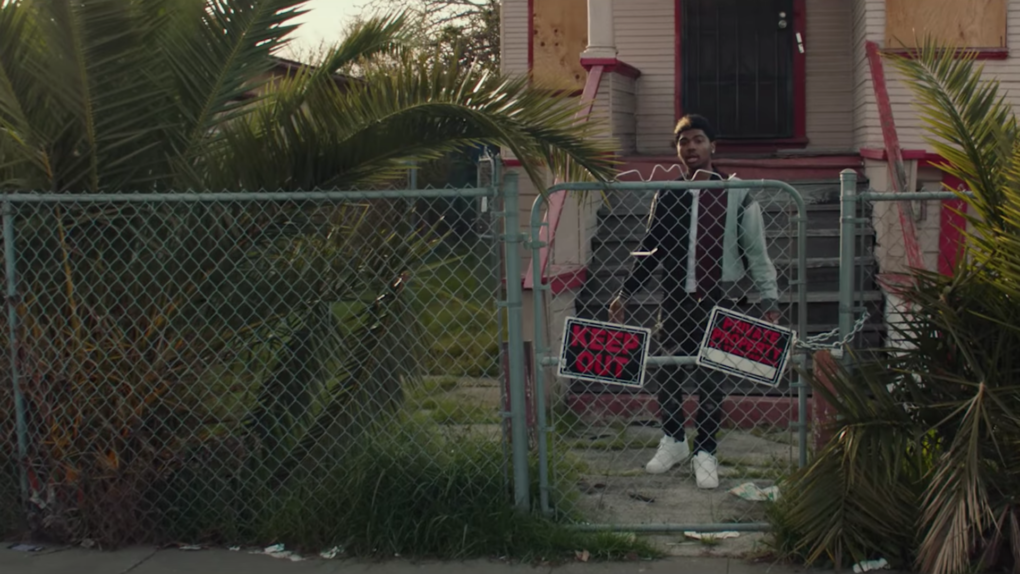
"caption": "Yhung T.O. announced his Interscope debut with the video for \"Misunderstood.\"",
"description": null,
"title": "Screen Shot 2018-03-26 at 4.40.56 PM",
"credit": "YouTube",
"status": "inherit",
"isLoading": false,
"fetchFailed": false
},
"arts_13828040": {
"type": "attachments",
"id": "arts_13828040",
"meta": {
"index": "attachments_1716263798",
"site": "arts",
"id": "13828040",
"found": true
},
"parent": 13828036,
"imgSizes": {
"small": {
"file": "https://ww2.kqed.org/app/uploads/sites/2/2018/03/Prezi.MAIN_-520x293.jpg",
"width": 520,
"mimeType": "image/jpeg",
"height": 293
},
"twentyfourteen-full-width": {
"file": "https://ww2.kqed.org/app/uploads/sites/2/2018/03/Prezi.MAIN_-1038x576.jpg",
"width": 1038,
"mimeType": "image/jpeg",
"height": 576
},
"thumbnail": {
"file": "https://ww2.kqed.org/app/uploads/sites/2/2018/03/Prezi.MAIN_-160x90.jpg",
"width": 160,
"mimeType": "image/jpeg",
"height": 90
},
"fd-sm": {
"file": "https://ww2.kqed.org/app/uploads/sites/2/2018/03/Prezi.MAIN_-960x540.jpg",
"width": 960,
"mimeType": "image/jpeg",
"height": 540
},
"post-thumbnail": {
"file": "https://ww2.kqed.org/app/uploads/sites/2/2018/03/Prezi.MAIN_-672x372.jpg",
"width": 672,
"mimeType": "image/jpeg",
"height": 372
},
"xsmall": {
"file": "https://ww2.kqed.org/app/uploads/sites/2/2018/03/Prezi.MAIN_-375x211.jpg",
"width": 375,
"mimeType": "image/jpeg",
"height": 211
},
"kqedFullSize": {
"file": "https://ww2.kqed.org/app/uploads/sites/2/2018/03/Prezi.MAIN_.jpg",
"width": 1920,
"height": 1080
},
"large": {
"file": "https://ww2.kqed.org/app/uploads/sites/2/2018/03/Prezi.MAIN_-1020x574.jpg",
"width": 1020,
"mimeType": "image/jpeg",
"height": 574
},
"xlarge": {
"file": "https://ww2.kqed.org/app/uploads/sites/2/2018/03/Prezi.MAIN_-1180x664.jpg",
"width": 1180,
"mimeType": "image/jpeg",
"height": 664
},
"guest-author-50": {
"file": "https://ww2.kqed.org/app/uploads/sites/2/2018/03/Prezi.MAIN_-50x50.jpg",
"width": 50,
"mimeType": "image/jpeg",
"height": 50
},
"guest-author-96": {
"file": "https://ww2.kqed.org/app/uploads/sites/2/2018/03/Prezi.MAIN_-96x96.jpg",
"width": 96,
"mimeType": "image/jpeg",
"height": 96
},
"medium": {
"file": "https://ww2.kqed.org/app/uploads/sites/2/2018/03/Prezi.MAIN_-800x450.jpg",
"width": 800,
"mimeType": "image/jpeg",
"height": 450
},
"guest-author-64": {
"file": "https://ww2.kqed.org/app/uploads/sites/2/2018/03/Prezi.MAIN_-64x64.jpg",
"width": 64,
"mimeType": "image/jpeg",
"height": 64
},
"guest-author-32": {
"file": "https://ww2.kqed.org/app/uploads/sites/2/2018/03/Prezi.MAIN_-32x32.jpg",
"width": 32,
"mimeType": "image/jpeg",
"height": 32
},
"fd-lrg": {
"file": "https://ww2.kqed.org/app/uploads/sites/2/2018/03/Prezi.MAIN_-1920x1080.jpg",
"width": 1920,
"mimeType": "image/jpeg",
"height": 1080
},
"fd-med": {
"file": "https://ww2.kqed.org/app/uploads/sites/2/2018/03/Prezi.MAIN_-1180x664.jpg",
"width": 1180,
"mimeType": "image/jpeg",
"height": 664
},
"full-width": {
"file": "https://ww2.kqed.org/app/uploads/sites/2/2018/03/Prezi.MAIN_-1920x1080.jpg",
"width": 1920,
"mimeType": "image/jpeg",
"height": 1080
},
"detail": {
"file": "https://ww2.kqed.org/app/uploads/sites/2/2018/03/Prezi.MAIN_-150x150.jpg",
"width": 150,
"mimeType": "image/jpeg",
"height": 150
},
"medium_large": {
"file": "https://ww2.kqed.org/app/uploads/sites/2/2018/03/Prezi.MAIN_-768x432.jpg",
"width": 768,
"mimeType": "image/jpeg",
"height": 432
},
"guest-author-128": {
"file": "https://ww2.kqed.org/app/uploads/sites/2/2018/03/Prezi.MAIN_-128x128.jpg",
"width": 128,
"mimeType": "image/jpeg",
"height": 128
},
"xxsmall": {
"file": "https://ww2.kqed.org/app/uploads/sites/2/2018/03/Prezi.MAIN_-240x135.jpg",
"width": 240,
"mimeType": "image/jpeg",
"height": 135
}
},
"publishDate": 1522102119,
"modified": 1522102367,
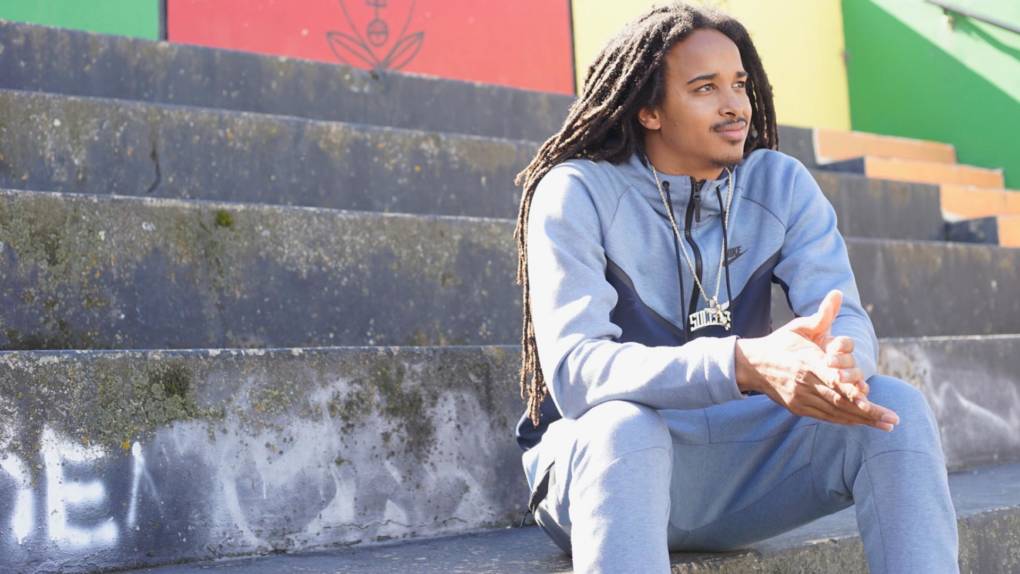
"caption": "Hailing from Hunters Point, Prezi (pictured here on the 'RBL Posse steps') is a 26-year-old with a hit song pledging to \"Do Better.\"",
"description": "Hailing from Hunters Point, Prezi (pictured here on the 'RBL Posse steps') is a 26-year-old with a hit song pledging to \"Do Better.\"",
"title": "Prezi.MAIN",
"credit": "Pendarvis Harshaw",
"status": "inherit",
"isLoading": false,
"fetchFailed": false
},
"arts_13827398": {
"type": "attachments",
"id": "arts_13827398",
"meta": {
"index": "attachments_1716263798",
"site": "arts",
"id": "13827398",
"found": true
},
"parent": 13827352,
"imgSizes": {
"small": {
"file": "https://ww2.kqed.org/app/uploads/sites/2/2018/03/LilGoo.MAIN_.2-520x325.jpg",
"width": 520,
"mimeType": "image/jpeg",
"height": 325
},
"twentyfourteen-full-width": {
"file": "https://ww2.kqed.org/app/uploads/sites/2/2018/03/LilGoo.MAIN_.2-1038x576.jpg",
"width": 1038,
"mimeType": "image/jpeg",
"height": 576
},
"thumbnail": {
"file": "https://ww2.kqed.org/app/uploads/sites/2/2018/03/LilGoo.MAIN_.2-160x100.jpg",
"width": 160,
"mimeType": "image/jpeg",
"height": 100
},
"fd-sm": {
"file": "https://ww2.kqed.org/app/uploads/sites/2/2018/03/LilGoo.MAIN_.2-960x600.jpg",
"width": 960,
"mimeType": "image/jpeg",
"height": 600
},
"post-thumbnail": {
"file": "https://ww2.kqed.org/app/uploads/sites/2/2018/03/LilGoo.MAIN_.2-672x372.jpg",
"width": 672,
"mimeType": "image/jpeg",
"height": 372
},
"xsmall": {
"file": "https://ww2.kqed.org/app/uploads/sites/2/2018/03/LilGoo.MAIN_.2-375x234.jpg",
"width": 375,
"mimeType": "image/jpeg",
"height": 234
},
"kqedFullSize": {
"file": "https://ww2.kqed.org/app/uploads/sites/2/2018/03/LilGoo.MAIN_.2.jpg",
"width": 1920,
"height": 1200
},
"large": {
"file": "https://ww2.kqed.org/app/uploads/sites/2/2018/03/LilGoo.MAIN_.2-1020x638.jpg",
"width": 1020,
"mimeType": "image/jpeg",
"height": 638
},
"xlarge": {
"file": "https://ww2.kqed.org/app/uploads/sites/2/2018/03/LilGoo.MAIN_.2-1180x738.jpg",
"width": 1180,
"mimeType": "image/jpeg",
"height": 738
},
"guest-author-50": {
"file": "https://ww2.kqed.org/app/uploads/sites/2/2018/03/LilGoo.MAIN_.2-50x50.jpg",
"width": 50,
"mimeType": "image/jpeg",
"height": 50
},
"guest-author-96": {
"file": "https://ww2.kqed.org/app/uploads/sites/2/2018/03/LilGoo.MAIN_.2-96x96.jpg",
"width": 96,
"mimeType": "image/jpeg",
"height": 96
},
"medium": {
"file": "https://ww2.kqed.org/app/uploads/sites/2/2018/03/LilGoo.MAIN_.2-800x500.jpg",
"width": 800,
"mimeType": "image/jpeg",
"height": 500
},
"guest-author-64": {
"file": "https://ww2.kqed.org/app/uploads/sites/2/2018/03/LilGoo.MAIN_.2-64x64.jpg",
"width": 64,
"mimeType": "image/jpeg",
"height": 64
},
"guest-author-32": {
"file": "https://ww2.kqed.org/app/uploads/sites/2/2018/03/LilGoo.MAIN_.2-32x32.jpg",
"width": 32,
"mimeType": "image/jpeg",
"height": 32
},
"fd-lrg": {
"file": "https://ww2.kqed.org/app/uploads/sites/2/2018/03/LilGoo.MAIN_.2-1920x1200.jpg",
"width": 1920,
"mimeType": "image/jpeg",
"height": 1200
},
"fd-med": {
"file": "https://ww2.kqed.org/app/uploads/sites/2/2018/03/LilGoo.MAIN_.2-1180x738.jpg",
"width": 1180,
"mimeType": "image/jpeg",
"height": 738
},
"full-width": {
"file": "https://ww2.kqed.org/app/uploads/sites/2/2018/03/LilGoo.MAIN_.2-1920x1200.jpg",
"width": 1920,
"mimeType": "image/jpeg",
"height": 1200
},
"detail": {
"file": "https://ww2.kqed.org/app/uploads/sites/2/2018/03/LilGoo.MAIN_.2-150x150.jpg",
"width": 150,
"mimeType": "image/jpeg",
"height": 150
},
"medium_large": {
"file": "https://ww2.kqed.org/app/uploads/sites/2/2018/03/LilGoo.MAIN_.2-768x480.jpg",
"width": 768,
"mimeType": "image/jpeg",
"height": 480
},
"guest-author-128": {
"file": "https://ww2.kqed.org/app/uploads/sites/2/2018/03/LilGoo.MAIN_.2-128x128.jpg",
"width": 128,
"mimeType": "image/jpeg",
"height": 128
},
"xxsmall": {
"file": "https://ww2.kqed.org/app/uploads/sites/2/2018/03/LilGoo.MAIN_.2-240x150.jpg",
"width": 240,
"mimeType": "image/jpeg",
"height": 150
}
},
"publishDate": 1521158164,
"modified": 1521158187,
"caption": "Lil Goo and Vari4Hun at Dope Era in Oakland, holding copies of their album honoring Devonte Thomas.",
"description": "Lil Goo and Vari4Hun at Dope Era in Oakland, holding copies of their album honoring Devonte Thomas.",
"title": "LilGoo.MAIN.2",
"credit": "Pendarvis Harshaw",
"status": "inherit",
"isLoading": false,
"fetchFailed": false
},
"arts_13825651": {
"type": "attachments",
"id": "arts_13825651",
"meta": {
"index": "attachments_1716263798",
"site": "arts",
"id": "13825651",
"found": true
},
"parent": 13825847,
"imgSizes": {
"small": {
"file": "https://ww2.kqed.org/app/uploads/sites/2/2018/02/0-520x347.jpg",
"width": 520,
"mimeType": "image/jpeg",
"height": 347
},
"twentyfourteen-full-width": {
"file": "https://ww2.kqed.org/app/uploads/sites/2/2018/02/0-1038x576.jpg",
"width": 1038,
"mimeType": "image/jpeg",
"height": 576
},
"thumbnail": {
"file": "https://ww2.kqed.org/app/uploads/sites/2/2018/02/0-160x107.jpg",
"width": 160,
"mimeType": "image/jpeg",
"height": 107
},
"fd-sm": {
"file": "https://ww2.kqed.org/app/uploads/sites/2/2018/02/0-960x640.jpg",
"width": 960,
"mimeType": "image/jpeg",
"height": 640
},
"post-thumbnail": {
"file": "https://ww2.kqed.org/app/uploads/sites/2/2018/02/0-672x372.jpg",
"width": 672,
"mimeType": "image/jpeg",
"height": 372
},
"xsmall": {
"file": "https://ww2.kqed.org/app/uploads/sites/2/2018/02/0-375x250.jpg",
"width": 375,
"mimeType": "image/jpeg",
"height": 250
},
"kqedFullSize": {
"file": "https://ww2.kqed.org/app/uploads/sites/2/2018/02/0.jpg",
"width": 1920,
"height": 1280
},
"large": {
"file": "https://ww2.kqed.org/app/uploads/sites/2/2018/02/0-1020x680.jpg",
"width": 1020,
"mimeType": "image/jpeg",
"height": 680
},
"xlarge": {
"file": "https://ww2.kqed.org/app/uploads/sites/2/2018/02/0-1180x787.jpg",
"width": 1180,
"mimeType": "image/jpeg",
"height": 787
},
"guest-author-50": {
"file": "https://ww2.kqed.org/app/uploads/sites/2/2018/02/0-50x50.jpg",
"width": 50,
"mimeType": "image/jpeg",
"height": 50
},
"guest-author-96": {
"file": "https://ww2.kqed.org/app/uploads/sites/2/2018/02/0-96x96.jpg",
"width": 96,
"mimeType": "image/jpeg",
"height": 96
},
"medium": {
"file": "https://ww2.kqed.org/app/uploads/sites/2/2018/02/0-800x533.jpg",
"width": 800,
"mimeType": "image/jpeg",
"height": 533
},
"guest-author-64": {
"file": "https://ww2.kqed.org/app/uploads/sites/2/2018/02/0-64x64.jpg",
"width": 64,
"mimeType": "image/jpeg",
"height": 64
},
"guest-author-32": {
"file": "https://ww2.kqed.org/app/uploads/sites/2/2018/02/0-32x32.jpg",
"width": 32,
"mimeType": "image/jpeg",
"height": 32
},
"fd-lrg": {
"file": "https://ww2.kqed.org/app/uploads/sites/2/2018/02/0-1920x1280.jpg",
"width": 1920,
"mimeType": "image/jpeg",
"height": 1280
},
"fd-med": {
"file": "https://ww2.kqed.org/app/uploads/sites/2/2018/02/0-1180x787.jpg",
"width": 1180,
"mimeType": "image/jpeg",
"height": 787
},
"full-width": {
"file": "https://ww2.kqed.org/app/uploads/sites/2/2018/02/0-1920x1280.jpg",
"width": 1920,
"mimeType": "image/jpeg",
"height": 1280
},
"detail": {
"file": "https://ww2.kqed.org/app/uploads/sites/2/2018/02/0-150x150.jpg",
"width": 150,
"mimeType": "image/jpeg",
"height": 150
},
"medium_large": {
"file": "https://ww2.kqed.org/app/uploads/sites/2/2018/02/0-768x512.jpg",
"width": 768,
"mimeType": "image/jpeg",
"height": 512
},
"guest-author-128": {
"file": "https://ww2.kqed.org/app/uploads/sites/2/2018/02/0-128x128.jpg",
"width": 128,
"mimeType": "image/jpeg",
"height": 128
},
"xxsmall": {
"file": "https://ww2.kqed.org/app/uploads/sites/2/2018/02/0-240x160.jpg",
"width": 240,
"mimeType": "image/jpeg",
"height": 160
}
},
"publishDate": 1519685219,
"modified": 1519808315,
"caption": "Kumi Rauf, founder of “I Love Being Black,” taking a photo of the wristbands on the arms of young folks at Allen Temple Baptist Church in East Oakland. ",
"description": "Kumi Rauf, founder of “I Love Being Black,” taking a photo of the wristbands on the arms of young folks at Allen Temple Baptist Church in East Oakland. ",
"title": "0",
"credit": "Pendarvis Harshaw",
"status": "inherit",
"isLoading": false,
"fetchFailed": false
},
"arts_13825104": {
"type": "attachments",
"id": "arts_13825104",
"meta": {
"index": "attachments_1716263798",
"site": "arts",
"id": "13825104",
"found": true
},
"parent": 13825063,
"imgSizes": {
"small": {
"file": "https://ww2.kqed.org/app/uploads/sites/2/2018/02/DAM.events.dancer-520x293.jpg",
"width": 520,
"mimeType": "image/jpeg",
"height": 293
},
"thumbnail": {
"file": "https://ww2.kqed.org/app/uploads/sites/2/2018/02/DAM.events.dancer-160x90.jpg",
"width": 160,
"mimeType": "image/jpeg",
"height": 90
},
"fd-sm": {
"file": "https://ww2.kqed.org/app/uploads/sites/2/2018/02/DAM.events.dancer-960x540.jpg",
"width": 960,
"mimeType": "image/jpeg",
"height": 540
},
"post-thumbnail": {
"file": "https://ww2.kqed.org/app/uploads/sites/2/2018/02/DAM.events.dancer-672x372.jpg",
"width": 672,
"mimeType": "image/jpeg",
"height": 372
},
"xsmall": {
"file": "https://ww2.kqed.org/app/uploads/sites/2/2018/02/DAM.events.dancer-375x211.jpg",
"width": 375,
"mimeType": "image/jpeg",
"height": 211
},
"kqedFullSize": {
"file": "https://ww2.kqed.org/app/uploads/sites/2/2018/02/DAM.events.dancer.jpg",
"width": 960,
"height": 540
},
"guest-author-50": {
"file": "https://ww2.kqed.org/app/uploads/sites/2/2018/02/DAM.events.dancer-50x50.jpg",
"width": 50,
"mimeType": "image/jpeg",
"height": 50
},
"guest-author-96": {
"file": "https://ww2.kqed.org/app/uploads/sites/2/2018/02/DAM.events.dancer-96x96.jpg",
"width": 96,
"mimeType": "image/jpeg",
"height": 96
},
"medium": {
"file": "https://ww2.kqed.org/app/uploads/sites/2/2018/02/DAM.events.dancer-800x450.jpg",
"width": 800,
"mimeType": "image/jpeg",
"height": 450
},
"guest-author-64": {
"file": "https://ww2.kqed.org/app/uploads/sites/2/2018/02/DAM.events.dancer-64x64.jpg",
"width": 64,
"mimeType": "image/jpeg",
"height": 64
},
"guest-author-32": {
"file": "https://ww2.kqed.org/app/uploads/sites/2/2018/02/DAM.events.dancer-32x32.jpg",
"width": 32,
"mimeType": "image/jpeg",
"height": 32
},
"detail": {
"file": "https://ww2.kqed.org/app/uploads/sites/2/2018/02/DAM.events.dancer-150x150.jpg",
"width": 150,
"mimeType": "image/jpeg",
"height": 150
},
"medium_large": {
"file": "https://ww2.kqed.org/app/uploads/sites/2/2018/02/DAM.events.dancer-768x432.jpg",
"width": 768,
"mimeType": "image/jpeg",
"height": 432
},
"guest-author-128": {
"file": "https://ww2.kqed.org/app/uploads/sites/2/2018/02/DAM.events.dancer-128x128.jpg",
"width": 128,
"mimeType": "image/jpeg",
"height": 128
},
"xxsmall": {
"file": "https://ww2.kqed.org/app/uploads/sites/2/2018/02/DAM.events.dancer-240x135.jpg",
"width": 240,
"mimeType": "image/jpeg",
"height": 135
}
},
"publishDate": 1519180892,
"modified": 1519252234,
"caption": "A performer at DAM Events, which brings together artists, dancers and musicians regularly in the Bay Area.",
"description": "A performer at DAM Events, which brings together artists, dancers and musicians regularly in the Bay Area.",
"title": "DAM.events.dancer",
"credit": "Courtesy DAM Events",
"status": "inherit",
"isLoading": false,
"fetchFailed": false
},
"arts_13824606": {
"type": "attachments",
"id": "arts_13824606",
"meta": {
"index": "attachments_1716263798",
"site": "arts",
"id": "13824606",
"found": true
},
"parent": 13824571,
"imgSizes": {
"small": {
"file": "https://ww2.kqed.org/app/uploads/sites/2/2018/02/SideshowPurple-520x293.jpg",
"width": 520,
"mimeType": "image/jpeg",
"height": 293
},
"twentyfourteen-full-width": {
"file": "https://ww2.kqed.org/app/uploads/sites/2/2018/02/SideshowPurple-1038x576.jpg",
"width": 1038,
"mimeType": "image/jpeg",
"height": 576
},
"thumbnail": {
"file": "https://ww2.kqed.org/app/uploads/sites/2/2018/02/SideshowPurple-160x90.jpg",
"width": 160,
"mimeType": "image/jpeg",
"height": 90
},
"fd-sm": {
"file": "https://ww2.kqed.org/app/uploads/sites/2/2018/02/SideshowPurple-960x540.jpg",
"width": 960,
"mimeType": "image/jpeg",
"height": 540
},
"post-thumbnail": {
"file": "https://ww2.kqed.org/app/uploads/sites/2/2018/02/SideshowPurple-672x372.jpg",
"width": 672,
"mimeType": "image/jpeg",
"height": 372
},
"xsmall": {
"file": "https://ww2.kqed.org/app/uploads/sites/2/2018/02/SideshowPurple-375x211.jpg",
"width": 375,
"mimeType": "image/jpeg",
"height": 211
},
"kqedFullSize": {
"file": "https://ww2.kqed.org/app/uploads/sites/2/2018/02/SideshowPurple.jpg",
"width": 1920,
"height": 1080
},
"large": {
"file": "https://ww2.kqed.org/app/uploads/sites/2/2018/02/SideshowPurple-1020x574.jpg",
"width": 1020,
"mimeType": "image/jpeg",
"height": 574
},
"xlarge": {
"file": "https://ww2.kqed.org/app/uploads/sites/2/2018/02/SideshowPurple-1180x664.jpg",
"width": 1180,
"mimeType": "image/jpeg",
"height": 664
},
"guest-author-50": {
"file": "https://ww2.kqed.org/app/uploads/sites/2/2018/02/SideshowPurple-50x50.jpg",
"width": 50,
"mimeType": "image/jpeg",
"height": 50
},
"guest-author-96": {
"file": "https://ww2.kqed.org/app/uploads/sites/2/2018/02/SideshowPurple-96x96.jpg",
"width": 96,
"mimeType": "image/jpeg",
"height": 96
},
"medium": {
"file": "https://ww2.kqed.org/app/uploads/sites/2/2018/02/SideshowPurple-800x450.jpg",
"width": 800,
"mimeType": "image/jpeg",
"height": 450
},
"guest-author-64": {
"file": "https://ww2.kqed.org/app/uploads/sites/2/2018/02/SideshowPurple-64x64.jpg",
"width": 64,
"mimeType": "image/jpeg",
"height": 64
},
"guest-author-32": {
"file": "https://ww2.kqed.org/app/uploads/sites/2/2018/02/SideshowPurple-32x32.jpg",
"width": 32,
"mimeType": "image/jpeg",
"height": 32
},
"fd-lrg": {
"file": "https://ww2.kqed.org/app/uploads/sites/2/2018/02/SideshowPurple-1920x1080.jpg",
"width": 1920,
"mimeType": "image/jpeg",
"height": 1080
},
"fd-med": {
"file": "https://ww2.kqed.org/app/uploads/sites/2/2018/02/SideshowPurple-1180x664.jpg",
"width": 1180,
"mimeType": "image/jpeg",
"height": 664
},
"full-width": {
"file": "https://ww2.kqed.org/app/uploads/sites/2/2018/02/SideshowPurple-1920x1080.jpg",
"width": 1920,
"mimeType": "image/jpeg",
"height": 1080
},
"detail": {
"file": "https://ww2.kqed.org/app/uploads/sites/2/2018/02/SideshowPurple-150x150.jpg",
"width": 150,
"mimeType": "image/jpeg",
"height": 150
},
"medium_large": {
"file": "https://ww2.kqed.org/app/uploads/sites/2/2018/02/SideshowPurple-768x432.jpg",
"width": 768,
"mimeType": "image/jpeg",
"height": 432
},
"guest-author-128": {
"file": "https://ww2.kqed.org/app/uploads/sites/2/2018/02/SideshowPurple-128x128.jpg",
"width": 128,
"mimeType": "image/jpeg",
"height": 128
},
"xxsmall": {
"file": "https://ww2.kqed.org/app/uploads/sites/2/2018/02/SideshowPurple-240x135.jpg",
"width": 240,
"mimeType": "image/jpeg",
"height": 135
}
},
"publishDate": 1518649993,
"modified": 1518650147,
"caption": "With a recent spate of problems stemming from sideshows in Oakland, why aren't we revisiting the idea of legalizing and sanctioning them?",
"description": "With a recent spate of problems stemming from sideshows in Oakland, why aren't we revisiting the idea of legalizing and sanctioning them?",
"title": "DV1917678",
"credit": "Photo by THOMAS KIENZLE/AFP/Getty Images / Image by Sarah Hotchkiss",
"status": "inherit",
"isLoading": false,
"fetchFailed": false
},
"arts_13823746": {
"type": "attachments",
"id": "arts_13823746",
"meta": {
"index": "attachments_1716263798",
"site": "arts",
"id": "13823746",
"found": true
},
"parent": 13823736,
"imgSizes": {
"small": {
"file": "https://ww2.kqed.org/app/uploads/sites/2/2018/02/Nijla.MAIN_.REV_-520x293.jpg",
"width": 520,
"mimeType": "image/jpeg",
"height": 293
},
"twentyfourteen-full-width": {
"file": "https://ww2.kqed.org/app/uploads/sites/2/2018/02/Nijla.MAIN_.REV_-1038x576.jpg",
"width": 1038,
"mimeType": "image/jpeg",
"height": 576
},
"thumbnail": {
"file": "https://ww2.kqed.org/app/uploads/sites/2/2018/02/Nijla.MAIN_.REV_-160x90.jpg",
"width": 160,
"mimeType": "image/jpeg",
"height": 90
},
"fd-sm": {
"file": "https://ww2.kqed.org/app/uploads/sites/2/2018/02/Nijla.MAIN_.REV_-960x540.jpg",
"width": 960,
"mimeType": "image/jpeg",
"height": 540
},
"post-thumbnail": {
"file": "https://ww2.kqed.org/app/uploads/sites/2/2018/02/Nijla.MAIN_.REV_-672x372.jpg",
"width": 672,
"mimeType": "image/jpeg",
"height": 372
},
"xsmall": {
"file": "https://ww2.kqed.org/app/uploads/sites/2/2018/02/Nijla.MAIN_.REV_-375x211.jpg",
"width": 375,
"mimeType": "image/jpeg",
"height": 211
},
"kqedFullSize": {
"file": "https://ww2.kqed.org/app/uploads/sites/2/2018/02/Nijla.MAIN_.REV_.jpg",
"width": 1920,
"height": 1080
},
"large": {
"file": "https://ww2.kqed.org/app/uploads/sites/2/2018/02/Nijla.MAIN_.REV_-1020x574.jpg",
"width": 1020,
"mimeType": "image/jpeg",
"height": 574
},
"xlarge": {
"file": "https://ww2.kqed.org/app/uploads/sites/2/2018/02/Nijla.MAIN_.REV_-1180x664.jpg",
"width": 1180,
"mimeType": "image/jpeg",
"height": 664
},
"guest-author-50": {
"file": "https://ww2.kqed.org/app/uploads/sites/2/2018/02/Nijla.MAIN_.REV_-50x50.jpg",
"width": 50,
"mimeType": "image/jpeg",
"height": 50
},
"guest-author-96": {
"file": "https://ww2.kqed.org/app/uploads/sites/2/2018/02/Nijla.MAIN_.REV_-96x96.jpg",
"width": 96,
"mimeType": "image/jpeg",
"height": 96
},
"medium": {
"file": "https://ww2.kqed.org/app/uploads/sites/2/2018/02/Nijla.MAIN_.REV_-800x450.jpg",
"width": 800,
"mimeType": "image/jpeg",
"height": 450
},
"guest-author-64": {
"file": "https://ww2.kqed.org/app/uploads/sites/2/2018/02/Nijla.MAIN_.REV_-64x64.jpg",
"width": 64,
"mimeType": "image/jpeg",
"height": 64
},
"guest-author-32": {
"file": "https://ww2.kqed.org/app/uploads/sites/2/2018/02/Nijla.MAIN_.REV_-32x32.jpg",
"width": 32,
"mimeType": "image/jpeg",
"height": 32
},
"fd-lrg": {
"file": "https://ww2.kqed.org/app/uploads/sites/2/2018/02/Nijla.MAIN_.REV_-1920x1080.jpg",
"width": 1920,
"mimeType": "image/jpeg",
"height": 1080
},
"fd-med": {
"file": "https://ww2.kqed.org/app/uploads/sites/2/2018/02/Nijla.MAIN_.REV_-1180x664.jpg",
"width": 1180,
"mimeType": "image/jpeg",
"height": 664
},
"full-width": {
"file": "https://ww2.kqed.org/app/uploads/sites/2/2018/02/Nijla.MAIN_.REV_-1920x1080.jpg",
"width": 1920,
"mimeType": "image/jpeg",
"height": 1080
},
"detail": {
"file": "https://ww2.kqed.org/app/uploads/sites/2/2018/02/Nijla.MAIN_.REV_-150x150.jpg",
"width": 150,
"mimeType": "image/jpeg",
"height": 150
},
"medium_large": {
"file": "https://ww2.kqed.org/app/uploads/sites/2/2018/02/Nijla.MAIN_.REV_-768x432.jpg",
"width": 768,
"mimeType": "image/jpeg",
"height": 432
},
"guest-author-128": {
"file": "https://ww2.kqed.org/app/uploads/sites/2/2018/02/Nijla.MAIN_.REV_-128x128.jpg",
"width": 128,
"mimeType": "image/jpeg",
"height": 128
},
"xxsmall": {
"file": "https://ww2.kqed.org/app/uploads/sites/2/2018/02/Nijla.MAIN_.REV_-240x135.jpg",
"width": 240,
"mimeType": "image/jpeg",
"height": 135
}
},
"publishDate": 1517872636,
"modified": 1517877819,
"caption": "Nijla Mu'min, writer and director of 'Jinn.'",
"description": "Nijla Mu'min, writer and director of 'Jinn.'",
"title": "Nijla.MAIN.REV",
"credit": "Pendarvis Harshaw",
"status": "inherit",
"isLoading": false,
"fetchFailed": false
},
"arts_13823209": {
"type": "attachments",
"id": "arts_13823209",
"meta": {
"index": "attachments_1716263798",
"site": "arts",
"id": "13823209",
"found": true
},
"parent": 13823151,
"imgSizes": {
"small": {
"file": "https://ww2.kqed.org/app/uploads/sites/2/2018/01/Tiffany.Emily_.MAIN_-520x293.jpg",
"width": 520,
"mimeType": "image/jpeg",
"height": 293
},
"twentyfourteen-full-width": {
"file": "https://ww2.kqed.org/app/uploads/sites/2/2018/01/Tiffany.Emily_.MAIN_-1038x576.jpg",
"width": 1038,
"mimeType": "image/jpeg",
"height": 576
},
"thumbnail": {
"file": "https://ww2.kqed.org/app/uploads/sites/2/2018/01/Tiffany.Emily_.MAIN_-160x90.jpg",
"width": 160,
"mimeType": "image/jpeg",
"height": 90
},
"fd-sm": {
"file": "https://ww2.kqed.org/app/uploads/sites/2/2018/01/Tiffany.Emily_.MAIN_-960x540.jpg",
"width": 960,
"mimeType": "image/jpeg",
"height": 540
},
"post-thumbnail": {
"file": "https://ww2.kqed.org/app/uploads/sites/2/2018/01/Tiffany.Emily_.MAIN_-672x372.jpg",
"width": 672,
"mimeType": "image/jpeg",
"height": 372
},
"xsmall": {
"file": "https://ww2.kqed.org/app/uploads/sites/2/2018/01/Tiffany.Emily_.MAIN_-375x211.jpg",
"width": 375,
"mimeType": "image/jpeg",
"height": 211
},
"kqedFullSize": {
"file": "https://ww2.kqed.org/app/uploads/sites/2/2018/01/Tiffany.Emily_.MAIN_.jpg",
"width": 1920,
"height": 1080
},
"large": {
"file": "https://ww2.kqed.org/app/uploads/sites/2/2018/01/Tiffany.Emily_.MAIN_-1020x574.jpg",
"width": 1020,
"mimeType": "image/jpeg",
"height": 574
},
"xlarge": {
"file": "https://ww2.kqed.org/app/uploads/sites/2/2018/01/Tiffany.Emily_.MAIN_-1180x664.jpg",
"width": 1180,
"mimeType": "image/jpeg",
"height": 664
},
"guest-author-50": {
"file": "https://ww2.kqed.org/app/uploads/sites/2/2018/01/Tiffany.Emily_.MAIN_-50x50.jpg",
"width": 50,
"mimeType": "image/jpeg",
"height": 50
},
"guest-author-96": {
"file": "https://ww2.kqed.org/app/uploads/sites/2/2018/01/Tiffany.Emily_.MAIN_-96x96.jpg",
"width": 96,
"mimeType": "image/jpeg",
"height": 96
},
"medium": {
"file": "https://ww2.kqed.org/app/uploads/sites/2/2018/01/Tiffany.Emily_.MAIN_-800x450.jpg",
"width": 800,
"mimeType": "image/jpeg",
"height": 450
},
"guest-author-64": {
"file": "https://ww2.kqed.org/app/uploads/sites/2/2018/01/Tiffany.Emily_.MAIN_-64x64.jpg",
"width": 64,
"mimeType": "image/jpeg",
"height": 64
},
"guest-author-32": {
"file": "https://ww2.kqed.org/app/uploads/sites/2/2018/01/Tiffany.Emily_.MAIN_-32x32.jpg",
"width": 32,
"mimeType": "image/jpeg",
"height": 32
},
"fd-lrg": {
"file": "https://ww2.kqed.org/app/uploads/sites/2/2018/01/Tiffany.Emily_.MAIN_-1920x1080.jpg",
"width": 1920,
"mimeType": "image/jpeg",
"height": 1080
},
"fd-med": {
"file": "https://ww2.kqed.org/app/uploads/sites/2/2018/01/Tiffany.Emily_.MAIN_-1180x664.jpg",
"width": 1180,
"mimeType": "image/jpeg",
"height": 664
},
"full-width": {
"file": "https://ww2.kqed.org/app/uploads/sites/2/2018/01/Tiffany.Emily_.MAIN_-1920x1080.jpg",
"width": 1920,
"mimeType": "image/jpeg",
"height": 1080
},
"detail": {
"file": "https://ww2.kqed.org/app/uploads/sites/2/2018/01/Tiffany.Emily_.MAIN_-150x150.jpg",
"width": 150,
"mimeType": "image/jpeg",
"height": 150
},
"medium_large": {
"file": "https://ww2.kqed.org/app/uploads/sites/2/2018/01/Tiffany.Emily_.MAIN_-768x432.jpg",
"width": 768,
"mimeType": "image/jpeg",
"height": 432
},
"guest-author-128": {
"file": "https://ww2.kqed.org/app/uploads/sites/2/2018/01/Tiffany.Emily_.MAIN_-128x128.jpg",
"width": 128,
"mimeType": "image/jpeg",
"height": 128
},
"xxsmall": {
"file": "https://ww2.kqed.org/app/uploads/sites/2/2018/01/Tiffany.Emily_.MAIN_-240x135.jpg",
"width": 240,
"mimeType": "image/jpeg",
"height": 135
}
},
"publishDate": 1517364366,
"modified": 1517364450,
"caption": "Tiffany McClendon, right, with daughter Emily in the documentary 'Tender Souls.'",
"description": "Tiffany McClendon, right, with daughter Emily in the documentary 'Tender Souls.'",
"title": "Tiffany.Emily.MAIN",
"credit": "Brenton Gieser",
"status": "inherit",
"isLoading": false,
"fetchFailed": false
},
"arts_13823085": {
"type": "attachments",
"id": "arts_13823085",
"meta": {
"index": "attachments_1716263798",
"site": "arts",
"id": "13823085",
"found": true
},
"parent": 13823084,
"imgSizes": {
"small": {
"file": "https://ww2.kqed.org/app/uploads/sites/2/2018/01/gettyimages-911565474-f4c91e1ee0f28065c53381f9e74327ddf014c514-520x390.jpg",
"width": 520,
"mimeType": "image/jpeg",
"height": 390
},
"twentyfourteen-full-width": {
"file": "https://ww2.kqed.org/app/uploads/sites/2/2018/01/gettyimages-911565474-f4c91e1ee0f28065c53381f9e74327ddf014c514-1038x576.jpg",
"width": 1038,
"mimeType": "image/jpeg",
"height": 576
},
"thumbnail": {
"file": "https://ww2.kqed.org/app/uploads/sites/2/2018/01/gettyimages-911565474-f4c91e1ee0f28065c53381f9e74327ddf014c514-160x120.jpg",
"width": 160,
"mimeType": "image/jpeg",
"height": 120
},
"fd-sm": {
"file": "https://ww2.kqed.org/app/uploads/sites/2/2018/01/gettyimages-911565474-f4c91e1ee0f28065c53381f9e74327ddf014c514-960x720.jpg",
"width": 960,
"mimeType": "image/jpeg",
"height": 720
},
"post-thumbnail": {
"file": "https://ww2.kqed.org/app/uploads/sites/2/2018/01/gettyimages-911565474-f4c91e1ee0f28065c53381f9e74327ddf014c514-672x372.jpg",
"width": 672,
"mimeType": "image/jpeg",
"height": 372
},
"xsmall": {
"file": "https://ww2.kqed.org/app/uploads/sites/2/2018/01/gettyimages-911565474-f4c91e1ee0f28065c53381f9e74327ddf014c514-375x281.jpg",
"width": 375,
"mimeType": "image/jpeg",
"height": 281
},
"kqedFullSize": {
"file": "https://ww2.kqed.org/app/uploads/sites/2/2018/01/gettyimages-911565474-f4c91e1ee0f28065c53381f9e74327ddf014c514.jpg",
"width": 2048,
"height": 1536
},
"large": {
"file": "https://ww2.kqed.org/app/uploads/sites/2/2018/01/gettyimages-911565474-f4c91e1ee0f28065c53381f9e74327ddf014c514-1020x765.jpg",
"width": 1020,
"mimeType": "image/jpeg",
"height": 765
},
"xlarge": {
"file": "https://ww2.kqed.org/app/uploads/sites/2/2018/01/gettyimages-911565474-f4c91e1ee0f28065c53381f9e74327ddf014c514-1180x885.jpg",
"width": 1180,
"mimeType": "image/jpeg",
"height": 885
},
"guest-author-50": {
"file": "https://ww2.kqed.org/app/uploads/sites/2/2018/01/gettyimages-911565474-f4c91e1ee0f28065c53381f9e74327ddf014c514-50x50.jpg",
"width": 50,
"mimeType": "image/jpeg",
"height": 50
},
"guest-author-96": {
"file": "https://ww2.kqed.org/app/uploads/sites/2/2018/01/gettyimages-911565474-f4c91e1ee0f28065c53381f9e74327ddf014c514-96x96.jpg",
"width": 96,
"mimeType": "image/jpeg",
"height": 96
},
"medium": {
"file": "https://ww2.kqed.org/app/uploads/sites/2/2018/01/gettyimages-911565474-f4c91e1ee0f28065c53381f9e74327ddf014c514-800x600.jpg",
"width": 800,
"mimeType": "image/jpeg",
"height": 600
},
"guest-author-64": {
"file": "https://ww2.kqed.org/app/uploads/sites/2/2018/01/gettyimages-911565474-f4c91e1ee0f28065c53381f9e74327ddf014c514-64x64.jpg",
"width": 64,
"mimeType": "image/jpeg",
"height": 64
},
"guest-author-32": {
"file": "https://ww2.kqed.org/app/uploads/sites/2/2018/01/gettyimages-911565474-f4c91e1ee0f28065c53381f9e74327ddf014c514-32x32.jpg",
"width": 32,
"mimeType": "image/jpeg",
"height": 32
},
"fd-lrg": {
"file": "https://ww2.kqed.org/app/uploads/sites/2/2018/01/gettyimages-911565474-f4c91e1ee0f28065c53381f9e74327ddf014c514-1920x1440.jpg",
"width": 1920,
"mimeType": "image/jpeg",
"height": 1440
},
"fd-med": {
"file": "https://ww2.kqed.org/app/uploads/sites/2/2018/01/gettyimages-911565474-f4c91e1ee0f28065c53381f9e74327ddf014c514-1180x885.jpg",
"width": 1180,
"mimeType": "image/jpeg",
"height": 885
},
"full-width": {
"file": "https://ww2.kqed.org/app/uploads/sites/2/2018/01/gettyimages-911565474-f4c91e1ee0f28065c53381f9e74327ddf014c514-1920x1440.jpg",
"width": 1920,
"mimeType": "image/jpeg",
"height": 1440
},
"detail": {
"file": "https://ww2.kqed.org/app/uploads/sites/2/2018/01/gettyimages-911565474-f4c91e1ee0f28065c53381f9e74327ddf014c514-150x150.jpg",
"width": 150,
"mimeType": "image/jpeg",
"height": 150
},
"medium_large": {
"file": "https://ww2.kqed.org/app/uploads/sites/2/2018/01/gettyimages-911565474-f4c91e1ee0f28065c53381f9e74327ddf014c514-768x576.jpg",
"width": 768,
"mimeType": "image/jpeg",
"height": 576
},
"guest-author-128": {
"file": "https://ww2.kqed.org/app/uploads/sites/2/2018/01/gettyimages-911565474-f4c91e1ee0f28065c53381f9e74327ddf014c514-128x128.jpg",
"width": 128,
"mimeType": "image/jpeg",
"height": 128
},
"xxsmall": {
"file": "https://ww2.kqed.org/app/uploads/sites/2/2018/01/gettyimages-911565474-f4c91e1ee0f28065c53381f9e74327ddf014c514-240x180.jpg",
"width": 240,
"mimeType": "image/jpeg",
"height": 180
}
},
"publishDate": 1517267839,
"modified": 1517267839,
"caption": null,
"description": "Jay-Z (center), who was nominated for eight Grammys but won no awards Sunday, with his wife, Beyoncé (left) and daughter, Blue Ivy Carter, during the ceremony on Sunda",
"title": "Jay-Z (center), who was nominated for eight Grammys but won no awards Sunday, with his wife, Beyoncé (left) and daughter, Blue Ivy Carter, during the ceremony on Sunday.",
"credit": null,
"status": "inherit",
"isLoading": false,
"fetchFailed": false
},
"arts_13819292": {
"type": "attachments",
"id": "arts_13819292",
"meta": {
"index": "attachments_1716263798",
"site": "arts",
"id": "13819292",
"found": true
},
"parent": 13819279,
"imgSizes": {
"small": {
"file": "https://ww2.kqed.org/app/uploads/sites/2/2018/01/KevinAllen-520x293.jpg",
"width": 520,
"mimeType": "image/jpeg",
"height": 293
},
"twentyfourteen-full-width": {
"file": "https://ww2.kqed.org/app/uploads/sites/2/2018/01/KevinAllen-1038x576.jpg",
"width": 1038,
"mimeType": "image/jpeg",
"height": 576
},
"thumbnail": {
"file": "https://ww2.kqed.org/app/uploads/sites/2/2018/01/KevinAllen-160x90.jpg",
"width": 160,
"mimeType": "image/jpeg",
"height": 90
},
"fd-sm": {
"file": "https://ww2.kqed.org/app/uploads/sites/2/2018/01/KevinAllen-960x540.jpg",
"width": 960,
"mimeType": "image/jpeg",
"height": 540
},
"post-thumbnail": {
"file": "https://ww2.kqed.org/app/uploads/sites/2/2018/01/KevinAllen-672x372.jpg",
"width": 672,
"mimeType": "image/jpeg",
"height": 372
},
"xsmall": {
"file": "https://ww2.kqed.org/app/uploads/sites/2/2018/01/KevinAllen-375x211.jpg",
"width": 375,
"mimeType": "image/jpeg",
"height": 211
},
"kqedFullSize": {
"file": "https://ww2.kqed.org/app/uploads/sites/2/2018/01/KevinAllen.jpg",
"width": 1920,
"height": 1080
},
"large": {
"file": "https://ww2.kqed.org/app/uploads/sites/2/2018/01/KevinAllen-1020x574.jpg",
"width": 1020,
"mimeType": "image/jpeg",
"height": 574
},
"xlarge": {
"file": "https://ww2.kqed.org/app/uploads/sites/2/2018/01/KevinAllen-1180x664.jpg",
"width": 1180,
"mimeType": "image/jpeg",
"height": 664
},
"guest-author-50": {
"file": "https://ww2.kqed.org/app/uploads/sites/2/2018/01/KevinAllen-50x50.jpg",
"width": 50,
"mimeType": "image/jpeg",
"height": 50
},
"guest-author-96": {
"file": "https://ww2.kqed.org/app/uploads/sites/2/2018/01/KevinAllen-96x96.jpg",
"width": 96,
"mimeType": "image/jpeg",
"height": 96
},
"medium": {
"file": "https://ww2.kqed.org/app/uploads/sites/2/2018/01/KevinAllen-800x450.jpg",
"width": 800,
"mimeType": "image/jpeg",
"height": 450
},
"guest-author-64": {
"file": "https://ww2.kqed.org/app/uploads/sites/2/2018/01/KevinAllen-64x64.jpg",
"width": 64,
"mimeType": "image/jpeg",
"height": 64
},
"guest-author-32": {
"file": "https://ww2.kqed.org/app/uploads/sites/2/2018/01/KevinAllen-32x32.jpg",
"width": 32,
"mimeType": "image/jpeg",
"height": 32
},
"fd-lrg": {
"file": "https://ww2.kqed.org/app/uploads/sites/2/2018/01/KevinAllen-1920x1080.jpg",
"width": 1920,
"mimeType": "image/jpeg",
"height": 1080
},
"fd-med": {
"file": "https://ww2.kqed.org/app/uploads/sites/2/2018/01/KevinAllen-1180x664.jpg",
"width": 1180,
"mimeType": "image/jpeg",
"height": 664
},
"full-width": {
"file": "https://ww2.kqed.org/app/uploads/sites/2/2018/01/KevinAllen-1920x1080.jpg",
"width": 1920,
"mimeType": "image/jpeg",
"height": 1080
},
"detail": {
"file": "https://ww2.kqed.org/app/uploads/sites/2/2018/01/KevinAllen-150x150.jpg",
"width": 150,
"mimeType": "image/jpeg",
"height": 150
},
"medium_large": {
"file": "https://ww2.kqed.org/app/uploads/sites/2/2018/01/KevinAllen-768x432.jpg",
"width": 768,
"mimeType": "image/jpeg",
"height": 432
},
"guest-author-128": {
"file": "https://ww2.kqed.org/app/uploads/sites/2/2018/01/KevinAllen-128x128.jpg",
"width": 128,
"mimeType": "image/jpeg",
"height": 128
},
"xxsmall": {
"file": "https://ww2.kqed.org/app/uploads/sites/2/2018/01/KevinAllen-240x135.jpg",
"width": 240,
"mimeType": "image/jpeg",
"height": 135
}
},
"publishDate": 1516152144,
"modified": 1516152239,
"caption": "Kevin Allen performs Jan. 11, 2018, in Oakland.",
"description": null,
"title": "KevinAllen",
"credit": "Janae Nikole",
"status": "inherit",
"isLoading": false,
"fetchFailed": false
},
"arts_13819577": {
"type": "attachments",
"id": "arts_13819577",
"meta": {
"index": "attachments_1716263798",
"site": "arts",
"id": "13819577",
"found": true
},
"parent": 13819312,
"imgSizes": {
"small": {
"file": "https://ww2.kqed.org/app/uploads/sites/2/2018/01/GoogleArts_780_Head-520x293.jpg",
"width": 520,
"mimeType": "image/jpeg",
"height": 293
},
"thumbnail": {
"file": "https://ww2.kqed.org/app/uploads/sites/2/2018/01/GoogleArts_780_Head-160x90.jpg",
"width": 160,
"mimeType": "image/jpeg",
"height": 90
},
"fd-sm": {
"file": "https://ww2.kqed.org/app/uploads/sites/2/2018/01/GoogleArts_780_Head-960x541.jpg",
"width": 960,
"mimeType": "image/jpeg",
"height": 541
},
"post-thumbnail": {
"file": "https://ww2.kqed.org/app/uploads/sites/2/2018/01/GoogleArts_780_Head-672x372.jpg",
"width": 672,
"mimeType": "image/jpeg",
"height": 372
},
"xsmall": {
"file": "https://ww2.kqed.org/app/uploads/sites/2/2018/01/GoogleArts_780_Head-375x211.jpg",
"width": 375,
"mimeType": "image/jpeg",
"height": 211
},
"kqedFullSize": {
"file": "https://ww2.kqed.org/app/uploads/sites/2/2018/01/GoogleArts_780_Head.jpg",
"width": 975,
"height": 549
},
"guest-author-50": {
"file": "https://ww2.kqed.org/app/uploads/sites/2/2018/01/GoogleArts_780_Head-50x50.jpg",
"width": 50,
"mimeType": "image/jpeg",
"height": 50
},
"guest-author-96": {
"file": "https://ww2.kqed.org/app/uploads/sites/2/2018/01/GoogleArts_780_Head-96x96.jpg",
"width": 96,
"mimeType": "image/jpeg",
"height": 96
},
"medium": {
"file": "https://ww2.kqed.org/app/uploads/sites/2/2018/01/GoogleArts_780_Head-800x450.jpg",
"width": 800,
"mimeType": "image/jpeg",
"height": 450
},
"guest-author-64": {
"file": "https://ww2.kqed.org/app/uploads/sites/2/2018/01/GoogleArts_780_Head-64x64.jpg",
"width": 64,
"mimeType": "image/jpeg",
"height": 64
},
"guest-author-32": {
"file": "https://ww2.kqed.org/app/uploads/sites/2/2018/01/GoogleArts_780_Head-32x32.jpg",
"width": 32,
"mimeType": "image/jpeg",
"height": 32
},
"detail": {
"file": "https://ww2.kqed.org/app/uploads/sites/2/2018/01/GoogleArts_780_Head-150x150.jpg",
"width": 150,
"mimeType": "image/jpeg",
"height": 150
},
"medium_large": {
"file": "https://ww2.kqed.org/app/uploads/sites/2/2018/01/GoogleArts_780_Head-768x432.jpg",
"width": 768,
"mimeType": "image/jpeg",
"height": 432
},
"guest-author-128": {
"file": "https://ww2.kqed.org/app/uploads/sites/2/2018/01/GoogleArts_780_Head-128x128.jpg",
"width": 128,
"mimeType": "image/jpeg",
"height": 128
},
"xxsmall": {
"file": "https://ww2.kqed.org/app/uploads/sites/2/2018/01/GoogleArts_780_Head-240x135.jpg",
"width": 240,
"mimeType": "image/jpeg",
"height": 135
}
},
"publishDate": 1516388585,
"modified": 1516388603,
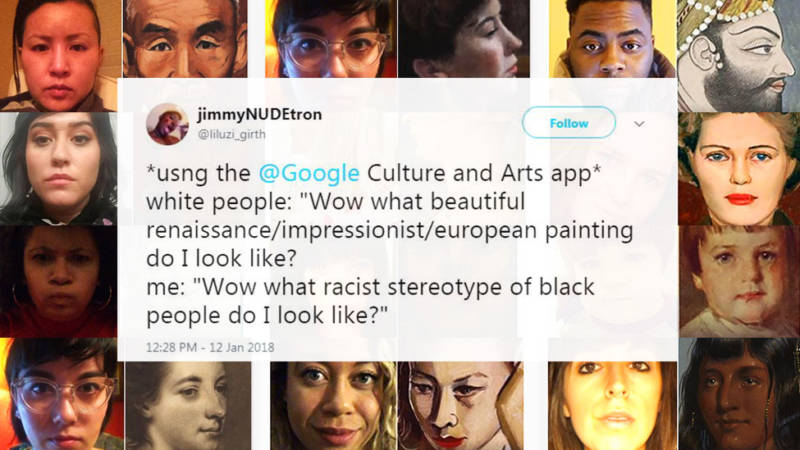
"caption": "(Collage by Lina Blanco-Ogden)",
"description": null,
"title": "GoogleArts_780_Head",
"credit": null,
"status": "inherit",
"isLoading": false,
"fetchFailed": false
}
},
"audioPlayerReducer": {
"postId": "stream_live",
"isPaused": true,
"isPlaying": false,
"pfsActive": false,
"pledgeModalIsOpen": true,
"playerDrawerIsOpen": false,
"liveAudioPlayStartedAt": 0,
"liveAudioPlayContext": ""
},
"authorsReducer": {
"byline_arts_13823084": {
"type": "authors",
"id": "byline_arts_13823084",
"meta": {
"override": true
},
"slug": "byline_arts_13823084",
"name": "Rodney Carmichael",
"isLoading": false
},
"lblanco": {
"type": "authors",
"id": "11357",
"meta": {
"index": "authors_1716337520",
"id": "11357",
"found": true
},
"name": "Lina Blanco",
"firstName": "Lina",
"lastName": "Blanco",
"slug": "lblanco",
"email": "lblanco@kqed.org",
"display_author_email": false,
"staff_mastheads": [],
"title": null,
"bio": "Lina was a Senior Engagement Platforms Manager for KQED News, producing engagement strategies on social media at \u003ca href=\"https://twitter.com/KQEDnews\">@KQEDNews, \u003c/a>via \u003ca href=\"https://www.kqed.org/about/newsletters/\">KQED's daily newsletter\u003c/a> as well as texting campaigns with KQED readers and listeners. She also co-produces for KQED's bilingual news hub \u003ca href=\"https://www.instagram.com/kqedenespanol/\">KQED en Español\u003c/a>.\r\n\r\nLina previously worked for \u003ca href=\"https://kqed.org/arts\">KQED Arts\u003c/a> — supporting audience engagement efforts on the weekly \u003ca href=\"https://www.kqed.org/podcasts/rightnowish\">\u003cem>Rightnowish\u003c/em> \u003c/a>podcast, Webby-winning video series \u003ca href=\"https://www.kqed.org/if-cities-could-dance\">\u003cem>If Cities Could Dance\u003c/em>\u003c/a>, and daily Arts & Culture reporting. She won a \u003ca href=\"https://www.kqed.org/pressroom/10884/murrow\">National 2019 Edward R. Murrow Award for Excellence in Social Media\u003c/a> for KQED's series \u003cem>The Hustle\u003c/em>.\r\n\r\nBefore KQED, Lina worked as a graphic designer and digital storytelling facilitator at the \u003ca href=\"https://www.nativehealth.org/\">Native American Health Center\u003c/a>.\r\n\r\nShe's mom to a senior Chihuahua (plus one black cat) and lives in West Sonoma County on a small farmstead.",
"avatar": "https://secure.gravatar.com/avatar/77ec326d67223c38a436b87bcfd2a2e8?s=600&d=mm&r=g",
"twitter": "LinaBlanco",
"facebook": null,
"instagram": null,
"linkedin": null,
"sites": [
{
"site": "arts",
"roles": [
"subscriber"
]
},
{
"site": "news",
"roles": [
"subscriber"
]
},
{
"site": "pop",
"roles": [
"administrator"
]
},
{
"site": "about",
"roles": [
"administrator"
]
},
{
"site": "bayareabites",
"roles": [
"editor"
]
},
{
"site": "science",
"roles": [
"editor"
]
},
{
"site": "checkplease",
"roles": [
"editor"
]
},
{
"site": "food",
"roles": []
},
{
"site": "perspectives",
"roles": [
"editor"
]
}
],
"headData": {
"title": "Lina Blanco | KQED",
"description": null,
"ogImgSrc": "https://secure.gravatar.com/avatar/77ec326d67223c38a436b87bcfd2a2e8?s=600&d=mm&r=g",
"twImgSrc": "https://secure.gravatar.com/avatar/77ec326d67223c38a436b87bcfd2a2e8?s=600&d=mm&r=g"
},
"isLoading": false,
"link": "/author/lblanco"
},
"nvoynovskaya": {
"type": "authors",
"id": "11387",
"meta": {
"index": "authors_1716337520",
"id": "11387",
"found": true
},
"name": "Nastia Voynovskaya",
"firstName": "Nastia",
"lastName": "Voynovskaya",
"slug": "nvoynovskaya",
"email": "nvoynovskaya@kqed.org",
"display_author_email": false,
"staff_mastheads": [
"arts"
],
"title": "Editor and reporter",
"bio": "Nastia Voynovskaya is a reporter, editor and host at KQED Arts & Culture. She's been covering the arts in the Bay Area for over a decade, with a focus on music, queer culture, labor issues and grassroots organizing. She has edited KQED story series such as Trans Bay: A History of San Francisco's Gender-Diverse Community, and co-created KQED's Bay Area hip-hop history project, That's My Word. Nastia's work has been recognized by the Society of Professional Journalists and San Francisco Press Club. She regularly appears on podcasts and radio programs, including NPR's All Songs Considered, and hosts live events where music, culture and conversation meet.",
"avatar": "https://secure.gravatar.com/avatar/5025ee460e5a85d69ca20ea6c6f2f80d7e17795c828f61ea3aecfcd924e9042e?s=600&d=blank&r=g",
"twitter": null,
"bluesky": null,
"facebook": null,
"instagram": "https://www.instagram.com/nananastia/",
"linkedin": null,
"sites": [
{
"site": "",
"roles": [
"editor"
]
},
{
"site": "arts",
"roles": [
"administrator"
]
},
{
"site": "news",
"roles": [
"editor"
]
},
{
"site": "pop",
"roles": [
"administrator"
]
},
{
"site": "bayareabites",
"roles": [
"editor"
]
},
{
"site": "podcasts",
"roles": [
"editor"
]
},
{
"site": "hiphop",
"roles": [
"editor"
]
}
],
"headData": {
"title": "Nastia Voynovskaya | KQED",
"description": "Editor and reporter",
"ogImgSrc": "https://secure.gravatar.com/avatar/5025ee460e5a85d69ca20ea6c6f2f80d7e17795c828f61ea3aecfcd924e9042e?s=600&d=blank&r=g",
"twImgSrc": "https://secure.gravatar.com/avatar/5025ee460e5a85d69ca20ea6c6f2f80d7e17795c828f61ea3aecfcd924e9042e?s=600&d=blank&r=g"
},
"isLoading": false,
"link": "/author/nvoynovskaya"
},
"ogpenn": {
"type": "authors",
"id": "11491",
"meta": {
"index": "authors_1716337520",
"id": "11491",
"found": true
},
"name": "Pendarvis Harshaw",
"firstName": "Pendarvis",
"lastName": "Harshaw",
"slug": "ogpenn",
"email": "ogpenn@gmail.com",
"display_author_email": false,
"staff_mastheads": [
"arts"
],
"title": "Community Engagement Reporter",
"bio": "Pendarvis Harshaw is an educator, host and writer with KQED Arts.",
"avatar": "https://secure.gravatar.com/avatar/972b77ee8e3f346ae2b00622661187fbfabd059b5693bbdc1475ea7a722fd4cd?s=600&d=blank&r=g",
"twitter": null,
"bluesky": null,
"facebook": null,
"instagram": "ogpenn",
"linkedin": null,
"sites": [
{
"site": "arts",
"roles": [
"administrator"
]
},
{
"site": "news",
"roles": [
"editor"
]
},
{
"site": "bayareabites",
"roles": [
"author"
]
},
{
"site": "hiphop",
"roles": [
"editor"
]
}
],
"headData": {
"title": "Pendarvis Harshaw | KQED",
"description": "Community Engagement Reporter",
"ogImgSrc": "https://secure.gravatar.com/avatar/972b77ee8e3f346ae2b00622661187fbfabd059b5693bbdc1475ea7a722fd4cd?s=600&d=blank&r=g",
"twImgSrc": "https://secure.gravatar.com/avatar/972b77ee8e3f346ae2b00622661187fbfabd059b5693bbdc1475ea7a722fd4cd?s=600&d=blank&r=g"
},
"isLoading": false,
"link": "/author/ogpenn"
}
},
"pagesReducer": {
"arts_tag_commentary": {
"type": "terms",
"id": "arts_2767",
"meta": {
"index": "terms_1716263798",
"site": "arts",
"id": "2767",
"score": 8.794542
},
"featImg": null,
"name": "commentary",
"description": null,
"taxonomy": "tag",
"headData": {
"twImgId": null,
"twTitle": null,
"ogTitle": null,
"ogImgId": null,
"twDescription": null,
"description": null,
"title": "commentary Archives | KQED Arts",
"ogDescription": null
},
"ttid": 2779,
"slug": "commentary",
"isLoading": false,
"title": "commentary",
"pageMeta": {
"site": "arts",
"WpPageTemplate": "page-topic-editorial",
"currentPage": 29
},
"blocks": [
{
"blockName": "kqed/post-list",
"attrs": {
"layout": "cardArticle2",
"query": "posts/arts?tag=commentary",
"seeMore": false,
"paginated": true,
"page": 29
}
},
{
"blockName": "kqed/ad"
}
]
}
},
"pfsSessionReducer": {},
"postsReducer": {
"stream_live": {
"type": "live",
"id": "stream_live",
"audioUrl": "https://streams.kqed.org/kqedradio",
"title": "Live Stream",
"excerpt": "Live Stream information currently unavailable.",
"link": "/radio",
"featImg": "",
"label": {
"name": "KQED Live",
"link": "/"
}
},
"stream_kqedNewscast": {
"type": "posts",
"id": "stream_kqedNewscast",
"audioUrl": "https://www.kqed.org/.stream/anon/radio/RDnews/newscast.mp3?_=1",
"title": "KQED Newscast",
"featImg": "",
"label": {
"name": "88.5 FM",
"link": "/"
}
},
"arts_13828811": {
"type": "posts",
"id": "arts_13828811",
"meta": {
"index": "posts_1716263798",
"site": "arts",
"id": "13828811",
"score": null,
"sort": [
1522972832000
]
},
"parent": 0,
"labelTerm": {
"site": "arts"
},
"blocks": [],
"publishDate": 1522972832,
"format": "image",
"title": "In the Field with The East Oakland Collective, a Grassroots Group Aiding the Homeless",
"headTitle": "In the Field with The East Oakland Collective, a Grassroots Group Aiding the Homeless | KQED",
"content": "\u003cp>\u003cspan style=\"font-size: 4.6875em;float: left;line-height: 0.733em;padding: 0.05em 0.1em 0 0;font-family: times, serif, georgia\">A\u003c/span>s a kid, I vividly remember asking myself, how does someone end up homeless? How could you collect change all day and not have enough for a place to stay? How could there be so many empty buildings downtown, with the lights on at night, while there are people sleeping outside?\u003c/p>\n\u003cp>\u003cimg loading=\"lazy\" decoding=\"async\" class=\"alignright size-thumbnail wp-image-13833985\" src=\"https://ww2.kqed.org/arts/wp-content/uploads/sites/2/2018/05/OGPenn.Cap_-160x184.jpg\" alt=\"\" width=\"160\" height=\"184\" srcset=\"https://cdn.kqed.org/wp-content/uploads/sites/2/2018/05/OGPenn.Cap_-160x184.jpg 160w, https://cdn.kqed.org/wp-content/uploads/sites/2/2018/05/OGPenn.Cap_.jpg 180w\" sizes=\"(max-width: 160px) 100vw, 160px\">\u003c/p>\n\u003cp>I never brought those questions to the people sleeping at the bus stop, surviving under the freeway or living in temporary shelters on the sidewalk. But I should’ve asked. That’s how to get the real story about how someone becomes homeless, and how we can help them.\u003c/p>\n\u003cp>Last month, I sat at a 20-foot-long brown lunch table in the multipurpose room of Oakland SOL Middle School in East Oakland as Mitzi Lewis, a formerly unsheltered woman, engaged in a dialogue with over 40 students.\u003c/p>\n\u003cp>After an eager trio of students asked the first questions, the rest of the inquisitive 6\u003csup>th\u003c/sup> graders rapidly followed suit. It was like watching a pack of post-game reporters.\u003c/p>\n\u003cp>[ad fullwidth]\u003c/p>\n\u003cp>“Do unsheltered students go to school?” and “What can the Oakland SOL math class do to help the unsheltered?” the kids asked.\u003c/p>\n\u003cp>Lewis used her lived experience to provide answers.\u003c/p>\n\u003cfigure id=\"attachment_13828844\" class=\"wp-caption aligncenter\" style=\"max-width: 800px\">\u003cimg loading=\"lazy\" decoding=\"async\" class=\"size-medium wp-image-13828844\" src=\"https://ww2.kqed.org/arts/wp-content/uploads/sites/2/2018/04/Image-uploaded-from-iOS-3-800x600.jpg\" alt=\"Mitzi Lewis, a formerly homeless Oakland resident, talks about her life experiences with students from Sol Middle School in East Oakland.\" width=\"800\" height=\"600\" srcset=\"https://cdn.kqed.org/wp-content/uploads/sites/2/2018/04/Image-uploaded-from-iOS-3-800x600.jpg 800w, https://cdn.kqed.org/wp-content/uploads/sites/2/2018/04/Image-uploaded-from-iOS-3-160x120.jpg 160w, https://cdn.kqed.org/wp-content/uploads/sites/2/2018/04/Image-uploaded-from-iOS-3-768x576.jpg 768w, https://cdn.kqed.org/wp-content/uploads/sites/2/2018/04/Image-uploaded-from-iOS-3-1020x765.jpg 1020w, https://cdn.kqed.org/wp-content/uploads/sites/2/2018/04/Image-uploaded-from-iOS-3.jpg 1920w, https://cdn.kqed.org/wp-content/uploads/sites/2/2018/04/Image-uploaded-from-iOS-3-1180x885.jpg 1180w, https://cdn.kqed.org/wp-content/uploads/sites/2/2018/04/Image-uploaded-from-iOS-3-960x720.jpg 960w, https://cdn.kqed.org/wp-content/uploads/sites/2/2018/04/Image-uploaded-from-iOS-3-240x180.jpg 240w, https://cdn.kqed.org/wp-content/uploads/sites/2/2018/04/Image-uploaded-from-iOS-3-375x281.jpg 375w, https://cdn.kqed.org/wp-content/uploads/sites/2/2018/04/Image-uploaded-from-iOS-3-520x390.jpg 520w\" sizes=\"(max-width: 800px) 100vw, 800px\">\u003cfigcaption class=\"wp-caption-text\">Mitzi Lewis, a formerly homeless Oakland resident, talks about her life experiences with students from Oakland SOL Middle School in East Oakland. \u003ccite>(Pendarvis Harshaw )\u003c/cite>\u003c/figcaption>\u003c/figure>\n\u003cp>“I’ve never stayed at a shelter,” said Lewis. “Some are safe, some aren’t. Especially for women.”\u003c/p>\n\u003cp>She told them about dialing 2-1-1 on these ancient things called pay phones to get information on food and health services. She mentioned the double standard of churches, “where they tell you to ‘come as you are’ but judge you when you walk in the door.”\u003c/p>\n\u003cp>She told them about the compromise people face when they send their kid to school while homeless; fearing that if a staff member finds out, they’ll report the family and have child taken away.\u003c/p>\n\u003cp>She mentioned the unexpected death of one of her daughters and the depression that came thereafter. That depression led to lack of motivation, and subsequent unpaid bills, which ultimately led to homelessness.\u003c/p>\n\u003cp>\u003cspan style=\"font-size: 4.6875em;float: left;line-height: 0.733em;padding: 0.05em 0.1em 0 0;font-family: times, serif, georgia\">L\u003c/span>ewis spoke at Oakland SOL Middle School with Nick Houston, who serves as the Community Engagement Officer for The East Oakland Collective, an organization that works on a multi-tiered approach for community betterment, through civic engagement, economic empowerment and initiatives on homelessness.\u003c/p>\n\u003cp>The collective has only been around for just over two years, but during that short time, it has become a conduit for local residents to voice their concerns and take action. There’s the \u003ca href=\"https://www.facebook.com/eoakcollective/\" target=\"_blank\" rel=\"noopener noreferrer\">Facebook\u003c/a> page, which is updated multiple times per day. There are community forums, where politicians listen to their constituents. And then there are the food giveaways, the most recent of which brought out over 300 people to make lunches and toiletry bags at 7am on the Oakland SOL campus. The next one, on Apr. 15 , is expecting even more volunteers. (You can \u003ca href=\"http://bit.ly/feedthehood5\" target=\"_blank\" rel=\"noopener noreferrer\">sign up here\u003c/a>).\u003c/p>\n\u003cp>The collective even worked with Lewis to get her off the street and back on her feet by running a successful GoFundMe campaign. Lewis got the keys to her new house just days prior to speaking to the students.\u003c/p>\n\u003cfigure id=\"attachment_13828845\" class=\"wp-caption aligncenter\" style=\"max-width: 800px\">\u003cimg loading=\"lazy\" decoding=\"async\" class=\"size-medium wp-image-13828845\" src=\"https://ww2.kqed.org/arts/wp-content/uploads/sites/2/2018/04/Image-uploaded-from-iOS-2-800x600.jpg\" alt=\"Nick Houston of East Oakland Collective checks on the homeless encampments in East Oakland once a week to assess residents' needs.\" width=\"800\" height=\"600\" srcset=\"https://cdn.kqed.org/wp-content/uploads/sites/2/2018/04/Image-uploaded-from-iOS-2-800x600.jpg 800w, https://cdn.kqed.org/wp-content/uploads/sites/2/2018/04/Image-uploaded-from-iOS-2-160x120.jpg 160w, https://cdn.kqed.org/wp-content/uploads/sites/2/2018/04/Image-uploaded-from-iOS-2-768x576.jpg 768w, https://cdn.kqed.org/wp-content/uploads/sites/2/2018/04/Image-uploaded-from-iOS-2-1020x765.jpg 1020w, https://cdn.kqed.org/wp-content/uploads/sites/2/2018/04/Image-uploaded-from-iOS-2.jpg 1920w, https://cdn.kqed.org/wp-content/uploads/sites/2/2018/04/Image-uploaded-from-iOS-2-1180x885.jpg 1180w, https://cdn.kqed.org/wp-content/uploads/sites/2/2018/04/Image-uploaded-from-iOS-2-960x720.jpg 960w, https://cdn.kqed.org/wp-content/uploads/sites/2/2018/04/Image-uploaded-from-iOS-2-240x180.jpg 240w, https://cdn.kqed.org/wp-content/uploads/sites/2/2018/04/Image-uploaded-from-iOS-2-375x281.jpg 375w, https://cdn.kqed.org/wp-content/uploads/sites/2/2018/04/Image-uploaded-from-iOS-2-520x390.jpg 520w\" sizes=\"(max-width: 800px) 100vw, 800px\">\u003cfigcaption class=\"wp-caption-text\">Nick Houston of The East Oakland Collective checks on the homeless encampments in East Oakland once a week to assess residents’ needs. \u003ccite>(Pendarvis Harshaw )\u003c/cite>\u003c/figcaption>\u003c/figure>\n\u003cp>\u003cspan style=\"font-size: 4.6875em;float: left;line-height: 0.733em;padding: 0.05em 0.1em 0 0;font-family: times, serif, georgia\">L\u003c/span>ess than an hour after Lewis’ talk with the preteens concluded, Houston and I were on the streets of East Oakland. He allowed me to come along during a check-in on a nearby encampment. This is something he does a couple of times per week, sometimes during his off day from his full-time job or after work.\u003c/p>\n\u003cp>“I’ve been checking in the Deep East Oakland encampments; they’re the most overlooked encampments in Oakland,” said Houston. “But I’ve touched every encampment in Oakland.”\u003c/p>\n\u003cp>He told me about the work he does as we walked through the rain-soaked grounds. The fraught landscape looked almost like another country.\u003c/p>\n\u003cp>We came to a plot of land bordered by train tracks ran to our right and busy San Leandro Street to our left. Houses made of plywood and camping tents stood adjacent to a mound of old bike parts. There was a noticeable spot where a fire had recently occurred, one of the many encampment fires as of late.\u003c/p>\n\u003cp>“The misnomer is that the homeless population are drunks or on drugs. Most of these folks work or have income,” Houston told me as a BART train ran overhead. “They just can’t afford $2,200 for a one bedroom, or $6,000 to move in! I can’t even afford that.”\u003c/p>\n\u003cp>He followed up by telling me another reason he does the work, “For one, people don’t look at them like they’re human. And for two: shit, this could be us!”\u003c/p>\n\u003cfigure id=\"attachment_13828846\" class=\"wp-caption aligncenter\" style=\"max-width: 800px\">\u003cimg loading=\"lazy\" decoding=\"async\" class=\"size-medium wp-image-13828846\" src=\"https://ww2.kqed.org/arts/wp-content/uploads/sites/2/2018/04/Image-uploaded-from-iOS-1-800x600.jpg\" alt=\"A temporary shelter near a creek at a homeless encampment in East Oakland.\" width=\"800\" height=\"600\" srcset=\"https://cdn.kqed.org/wp-content/uploads/sites/2/2018/04/Image-uploaded-from-iOS-1-800x600.jpg 800w, https://cdn.kqed.org/wp-content/uploads/sites/2/2018/04/Image-uploaded-from-iOS-1-160x120.jpg 160w, https://cdn.kqed.org/wp-content/uploads/sites/2/2018/04/Image-uploaded-from-iOS-1-768x576.jpg 768w, https://cdn.kqed.org/wp-content/uploads/sites/2/2018/04/Image-uploaded-from-iOS-1-1020x765.jpg 1020w, https://cdn.kqed.org/wp-content/uploads/sites/2/2018/04/Image-uploaded-from-iOS-1.jpg 1920w, https://cdn.kqed.org/wp-content/uploads/sites/2/2018/04/Image-uploaded-from-iOS-1-1180x885.jpg 1180w, https://cdn.kqed.org/wp-content/uploads/sites/2/2018/04/Image-uploaded-from-iOS-1-960x720.jpg 960w, https://cdn.kqed.org/wp-content/uploads/sites/2/2018/04/Image-uploaded-from-iOS-1-240x180.jpg 240w, https://cdn.kqed.org/wp-content/uploads/sites/2/2018/04/Image-uploaded-from-iOS-1-375x281.jpg 375w, https://cdn.kqed.org/wp-content/uploads/sites/2/2018/04/Image-uploaded-from-iOS-1-520x390.jpg 520w\" sizes=\"(max-width: 800px) 100vw, 800px\">\u003cfigcaption class=\"wp-caption-text\">A temporary shelter near a creek at a homeless encampment in East Oakland. \u003ccite>(Pendarvis Harshaw )\u003c/cite>\u003c/figcaption>\u003c/figure>\n\u003cp>\u003cspan style=\"font-size: 4.6875em;float: left;line-height: 0.733em;padding: 0.05em 0.1em 0 0;font-family: times, serif, georgia\">T\u003c/span>he problem of homelessness is multilayered and needs to be tackled on multiple levels. So while Houston is checking encampments, Marquita “Keta” Price, an Oakland native who serves as the collective’s Urban and Regional Planning Officer, is networking with other stakeholders. Price says that The East Oakland Collective has worked with Alameda County Flood Control & Water Conservation District, BART and the East Bay MUD, to name a few.\u003c/p>\n\u003cp>“The networking has been the greatest gain,” Price told me over the phone. “The networking has allowed us to gain insight on what these agencies are doing.”\u003c/p>\n\u003cp>Price, a college student who works with Oakland City Councilmember Abel Guillen says, “on my lunch break, I’m taking calls for EOC.”\u003c/p>\n\u003cp>She finished by telling me that The East Oakland Collective provided an opportunity for her to apply her vision for cooperative economics, and she credits Candice Elder for that.\u003c/p>\n\u003cp>Elder is the founder and director of the East Oakland Collective. She’s a former paralegal and President of the Museum of African Diaspora Vanguard Board. She left her job to do work full-time in the community she grew up in.\u003c/p>\n\u003caside class=\"pullquote alignright\">‘We want dedicated folks who want to make change in East Oakland.’ — Candice Elder, founder of The East Oakland Collective\u003c/aside>\n\u003cp>“Driving through the East, going down Hegenberger and commuting to S.F., I could see the lack of resources,” Elder told me. “Nothing has changed, as far as development, in years. All these places I remember fondly as a child, and they were thriving. This area is the last frontier. We have to do something, I have to do something.”\u003c/p>\n\u003cp>She simply started with a Facebook group. “If I’m feeling this way, I wonder how many other people of like mind are feeling this way?” She questioned.\u003c/p>\n\u003cp>And from that, a grassroots organization grew. It’s membership based, with an application process, but fees are waived. “We are more concerned about building community power than charging people,” says Elder.\u003c/p>\n\u003cp>“We want dedicated folks who want to make change in East Oakland.”\u003c/p>\n\u003cp>What better people than the youth? And what better way to inform their efforts to create change than to give them firsthand accounts of the issues at hand?\u003c/p>\n\u003cfigure id=\"attachment_13828860\" class=\"wp-caption aligncenter\" style=\"max-width: 800px\">\u003cimg loading=\"lazy\" decoding=\"async\" class=\"size-medium wp-image-13828860\" src=\"https://ww2.kqed.org/arts/wp-content/uploads/sites/2/2018/04/DSCF8602-800x533.jpg\" alt=\"East Oakland Collective started out as a Facebook group but quickly grew into a multi-tiered action network.\" width=\"800\" height=\"533\" srcset=\"https://cdn.kqed.org/wp-content/uploads/sites/2/2018/04/DSCF8602-800x533.jpg 800w, https://cdn.kqed.org/wp-content/uploads/sites/2/2018/04/DSCF8602-160x107.jpg 160w, https://cdn.kqed.org/wp-content/uploads/sites/2/2018/04/DSCF8602-768x512.jpg 768w, https://cdn.kqed.org/wp-content/uploads/sites/2/2018/04/DSCF8602-1020x680.jpg 1020w, https://cdn.kqed.org/wp-content/uploads/sites/2/2018/04/DSCF8602.jpg 1920w, https://cdn.kqed.org/wp-content/uploads/sites/2/2018/04/DSCF8602-1180x787.jpg 1180w, https://cdn.kqed.org/wp-content/uploads/sites/2/2018/04/DSCF8602-960x640.jpg 960w, https://cdn.kqed.org/wp-content/uploads/sites/2/2018/04/DSCF8602-240x160.jpg 240w, https://cdn.kqed.org/wp-content/uploads/sites/2/2018/04/DSCF8602-375x250.jpg 375w, https://cdn.kqed.org/wp-content/uploads/sites/2/2018/04/DSCF8602-520x347.jpg 520w\" sizes=\"(max-width: 800px) 100vw, 800px\">\u003cfigcaption class=\"wp-caption-text\">East Oakland Collective started out as a Facebook group but quickly grew into a multi-tiered action network. \u003ccite>(Charles Lee/@picturemesirius)\u003c/cite>\u003c/figcaption>\u003c/figure>\n\u003cp>\u003cspan style=\"font-size: 4.6875em;float: left;line-height: 0.733em;padding: 0.05em 0.1em 0 0;font-family: times, serif, georgia\">G\u003c/span>oing back to the conversation between Mitzi Lewis and the students, there was an exchange that I heard just before leaving the campus of Oakland SOL Middle School that still resonates with me.\u003c/p>\n\u003cp>“What do our unsheltered neighbors need?” One student asked toward the end of the discussion.\u003c/p>\n\u003cp>“Other than housing,” Nick Houston added.\u003c/p>\n\u003cp>“Peace of mind,” said Lewis. Adding that a simple “hello” goes a long way.\u003c/p>\n\u003cp>Lewis concluded by saying, “You go back to your parents and tell them, just because we look different and don’t have housing, don’t judge us by the way we look.”\u003c/p>\n\u003cp>Like most kids, I was taught to not talk to strangers, and to be aware of “crazy” people. And I don’t wholeheartedly disagree with that philosophy, as safety is a priority. But, if I would’ve had a platform to engage in dialogue with people from my community, I bet it would’ve erased some of the “stranger danger,” the fear or preconceived notions surrounding homelessness — and that might have opened up more channels to assist people.\u003c/p>\n\u003cp>\u003cimg loading=\"lazy\" decoding=\"async\" class=\"aligncenter size-medium wp-image-12127869\" src=\"https://ww2.kqed.org/arts/wp-content/uploads/sites/2/2016/09/Q.Logo_.Break_-800x78.jpg\" alt=\"\" width=\"800\" height=\"78\" srcset=\"https://cdn.kqed.org/wp-content/uploads/sites/2/2016/09/Q.Logo_.Break_.jpg 800w, https://cdn.kqed.org/wp-content/uploads/sites/2/2016/09/Q.Logo_.Break_-400x39.jpg 400w, https://cdn.kqed.org/wp-content/uploads/sites/2/2016/09/Q.Logo_.Break_-768x75.jpg 768w\" sizes=\"(max-width: 800px) 100vw, 800px\">\u003c/p>\n\u003cp>[ad floatright]\u003c/p>\n\u003cp>\u003cem>Pendarvis Harshaw is the author of ‘\u003ca href=\"http://www.latimes.com/local/abcarian/la-me-abcarian-og-harshaw-20170409-story.html\" target=\"_blank\" rel=\"noopener noreferrer\">OG Told Me\u003c/a>,’ a memoir about growing up in Oakland. Find him on Twitter \u003ca href=\"https://twitter.com/ogpenn\" target=\"_blank\" rel=\"noopener noreferrer\">here\u003c/a>.\u003c/em>\u003c/p>\n\n",
"stats": {
"hasVideo": false,
"hasChartOrMap": false,
"hasAudio": false,
"hasPolis": false,
"wordCount": 1511,
"hasGoogleForm": false,
"hasGallery": false,
"hasHearkenModule": false,
"iframeSrcs": [],
"paragraphCount": 40
},
"modified": 1705028118,
"excerpt": "East Oakland Collective, a group of passionate local residents, organize their community to aid those without shelter.",
"headData": {
"twImgId": "",
"twTitle": "",
"ogTitle": "",
"ogImgId": "",
"twDescription": "",
"description": "East Oakland Collective, a group of passionate local residents, organize their community to aid those without shelter.",
"title": "In the Field with The East Oakland Collective, a Grassroots Group Aiding the Homeless | KQED",
"ogDescription": "",
"schema": {
"@context": "https://schema.org",
"@type": "Article",
"headline": "In the Field with The East Oakland Collective, a Grassroots Group Aiding the Homeless",
"datePublished": "2018-04-05T17:00:32-07:00",
"dateModified": "2024-01-11T18:55:18-08:00",
"image": "https://cdn.kqed.org/wp-content/uploads/2020/02/KQED-OG-Image@1x.png"
}
},
"guestAuthors": [],
"slug": "in-the-field-with-east-oakland-collective-a-grassroots-group-aiding-the-homeless",
"status": "publish",
"excludeFromSiteSearch": "Include",
"sticky": false,
"articleAge": "0",
"path": "/arts/13828811/in-the-field-with-east-oakland-collective-a-grassroots-group-aiding-the-homeless",
"audioTrackLength": null,
"parsedContent": [
{
"type": "contentString",
"content": "\u003cdiv class=\"post-body\">\u003cp>\u003cp>\u003cspan style=\"font-size: 4.6875em;float: left;line-height: 0.733em;padding: 0.05em 0.1em 0 0;font-family: times, serif, georgia\">A\u003c/span>s a kid, I vividly remember asking myself, how does someone end up homeless? How could you collect change all day and not have enough for a place to stay? How could there be so many empty buildings downtown, with the lights on at night, while there are people sleeping outside?\u003c/p>\n\u003cp>\u003cimg loading=\"lazy\" decoding=\"async\" class=\"alignright size-thumbnail wp-image-13833985\" src=\"https://ww2.kqed.org/arts/wp-content/uploads/sites/2/2018/05/OGPenn.Cap_-160x184.jpg\" alt=\"\" width=\"160\" height=\"184\" srcset=\"https://cdn.kqed.org/wp-content/uploads/sites/2/2018/05/OGPenn.Cap_-160x184.jpg 160w, https://cdn.kqed.org/wp-content/uploads/sites/2/2018/05/OGPenn.Cap_.jpg 180w\" sizes=\"(max-width: 160px) 100vw, 160px\">\u003c/p>\n\u003cp>I never brought those questions to the people sleeping at the bus stop, surviving under the freeway or living in temporary shelters on the sidewalk. But I should’ve asked. That’s how to get the real story about how someone becomes homeless, and how we can help them.\u003c/p>\n\u003cp>Last month, I sat at a 20-foot-long brown lunch table in the multipurpose room of Oakland SOL Middle School in East Oakland as Mitzi Lewis, a formerly unsheltered woman, engaged in a dialogue with over 40 students.\u003c/p>\n\u003cp>After an eager trio of students asked the first questions, the rest of the inquisitive 6\u003csup>th\u003c/sup> graders rapidly followed suit. It was like watching a pack of post-game reporters.\u003c/p>\n\u003cp>\u003c/p>\u003c/div>",
"attributes": {
"named": {},
"numeric": []
}
},
{
"type": "component",
"content": "",
"name": "ad",
"attributes": {
"named": {
"label": "fullwidth"
},
"numeric": [
"fullwidth"
]
}
},
{
"type": "contentString",
"content": "\u003cdiv class=\"post-body\">\u003cp>\u003c/p>\n\u003cp>“Do unsheltered students go to school?” and “What can the Oakland SOL math class do to help the unsheltered?” the kids asked.\u003c/p>\n\u003cp>Lewis used her lived experience to provide answers.\u003c/p>\n\u003cfigure id=\"attachment_13828844\" class=\"wp-caption aligncenter\" style=\"max-width: 800px\">\u003cimg loading=\"lazy\" decoding=\"async\" class=\"size-medium wp-image-13828844\" src=\"https://ww2.kqed.org/arts/wp-content/uploads/sites/2/2018/04/Image-uploaded-from-iOS-3-800x600.jpg\" alt=\"Mitzi Lewis, a formerly homeless Oakland resident, talks about her life experiences with students from Sol Middle School in East Oakland.\" width=\"800\" height=\"600\" srcset=\"https://cdn.kqed.org/wp-content/uploads/sites/2/2018/04/Image-uploaded-from-iOS-3-800x600.jpg 800w, https://cdn.kqed.org/wp-content/uploads/sites/2/2018/04/Image-uploaded-from-iOS-3-160x120.jpg 160w, https://cdn.kqed.org/wp-content/uploads/sites/2/2018/04/Image-uploaded-from-iOS-3-768x576.jpg 768w, https://cdn.kqed.org/wp-content/uploads/sites/2/2018/04/Image-uploaded-from-iOS-3-1020x765.jpg 1020w, https://cdn.kqed.org/wp-content/uploads/sites/2/2018/04/Image-uploaded-from-iOS-3.jpg 1920w, https://cdn.kqed.org/wp-content/uploads/sites/2/2018/04/Image-uploaded-from-iOS-3-1180x885.jpg 1180w, https://cdn.kqed.org/wp-content/uploads/sites/2/2018/04/Image-uploaded-from-iOS-3-960x720.jpg 960w, https://cdn.kqed.org/wp-content/uploads/sites/2/2018/04/Image-uploaded-from-iOS-3-240x180.jpg 240w, https://cdn.kqed.org/wp-content/uploads/sites/2/2018/04/Image-uploaded-from-iOS-3-375x281.jpg 375w, https://cdn.kqed.org/wp-content/uploads/sites/2/2018/04/Image-uploaded-from-iOS-3-520x390.jpg 520w\" sizes=\"(max-width: 800px) 100vw, 800px\">\u003cfigcaption class=\"wp-caption-text\">Mitzi Lewis, a formerly homeless Oakland resident, talks about her life experiences with students from Oakland SOL Middle School in East Oakland. \u003ccite>(Pendarvis Harshaw )\u003c/cite>\u003c/figcaption>\u003c/figure>\n\u003cp>“I’ve never stayed at a shelter,” said Lewis. “Some are safe, some aren’t. Especially for women.”\u003c/p>\n\u003cp>She told them about dialing 2-1-1 on these ancient things called pay phones to get information on food and health services. She mentioned the double standard of churches, “where they tell you to ‘come as you are’ but judge you when you walk in the door.”\u003c/p>\n\u003cp>She told them about the compromise people face when they send their kid to school while homeless; fearing that if a staff member finds out, they’ll report the family and have child taken away.\u003c/p>\n\u003cp>She mentioned the unexpected death of one of her daughters and the depression that came thereafter. That depression led to lack of motivation, and subsequent unpaid bills, which ultimately led to homelessness.\u003c/p>\n\u003cp>\u003cspan style=\"font-size: 4.6875em;float: left;line-height: 0.733em;padding: 0.05em 0.1em 0 0;font-family: times, serif, georgia\">L\u003c/span>ewis spoke at Oakland SOL Middle School with Nick Houston, who serves as the Community Engagement Officer for The East Oakland Collective, an organization that works on a multi-tiered approach for community betterment, through civic engagement, economic empowerment and initiatives on homelessness.\u003c/p>\n\u003cp>The collective has only been around for just over two years, but during that short time, it has become a conduit for local residents to voice their concerns and take action. There’s the \u003ca href=\"https://www.facebook.com/eoakcollective/\" target=\"_blank\" rel=\"noopener noreferrer\">Facebook\u003c/a> page, which is updated multiple times per day. There are community forums, where politicians listen to their constituents. And then there are the food giveaways, the most recent of which brought out over 300 people to make lunches and toiletry bags at 7am on the Oakland SOL campus. The next one, on Apr. 15 , is expecting even more volunteers. (You can \u003ca href=\"http://bit.ly/feedthehood5\" target=\"_blank\" rel=\"noopener noreferrer\">sign up here\u003c/a>).\u003c/p>\n\u003cp>The collective even worked with Lewis to get her off the street and back on her feet by running a successful GoFundMe campaign. Lewis got the keys to her new house just days prior to speaking to the students.\u003c/p>\n\u003cfigure id=\"attachment_13828845\" class=\"wp-caption aligncenter\" style=\"max-width: 800px\">\u003cimg loading=\"lazy\" decoding=\"async\" class=\"size-medium wp-image-13828845\" src=\"https://ww2.kqed.org/arts/wp-content/uploads/sites/2/2018/04/Image-uploaded-from-iOS-2-800x600.jpg\" alt=\"Nick Houston of East Oakland Collective checks on the homeless encampments in East Oakland once a week to assess residents' needs.\" width=\"800\" height=\"600\" srcset=\"https://cdn.kqed.org/wp-content/uploads/sites/2/2018/04/Image-uploaded-from-iOS-2-800x600.jpg 800w, https://cdn.kqed.org/wp-content/uploads/sites/2/2018/04/Image-uploaded-from-iOS-2-160x120.jpg 160w, https://cdn.kqed.org/wp-content/uploads/sites/2/2018/04/Image-uploaded-from-iOS-2-768x576.jpg 768w, https://cdn.kqed.org/wp-content/uploads/sites/2/2018/04/Image-uploaded-from-iOS-2-1020x765.jpg 1020w, https://cdn.kqed.org/wp-content/uploads/sites/2/2018/04/Image-uploaded-from-iOS-2.jpg 1920w, https://cdn.kqed.org/wp-content/uploads/sites/2/2018/04/Image-uploaded-from-iOS-2-1180x885.jpg 1180w, https://cdn.kqed.org/wp-content/uploads/sites/2/2018/04/Image-uploaded-from-iOS-2-960x720.jpg 960w, https://cdn.kqed.org/wp-content/uploads/sites/2/2018/04/Image-uploaded-from-iOS-2-240x180.jpg 240w, https://cdn.kqed.org/wp-content/uploads/sites/2/2018/04/Image-uploaded-from-iOS-2-375x281.jpg 375w, https://cdn.kqed.org/wp-content/uploads/sites/2/2018/04/Image-uploaded-from-iOS-2-520x390.jpg 520w\" sizes=\"(max-width: 800px) 100vw, 800px\">\u003cfigcaption class=\"wp-caption-text\">Nick Houston of The East Oakland Collective checks on the homeless encampments in East Oakland once a week to assess residents’ needs. \u003ccite>(Pendarvis Harshaw )\u003c/cite>\u003c/figcaption>\u003c/figure>\n\u003cp>\u003cspan style=\"font-size: 4.6875em;float: left;line-height: 0.733em;padding: 0.05em 0.1em 0 0;font-family: times, serif, georgia\">L\u003c/span>ess than an hour after Lewis’ talk with the preteens concluded, Houston and I were on the streets of East Oakland. He allowed me to come along during a check-in on a nearby encampment. This is something he does a couple of times per week, sometimes during his off day from his full-time job or after work.\u003c/p>\n\u003cp>“I’ve been checking in the Deep East Oakland encampments; they’re the most overlooked encampments in Oakland,” said Houston. “But I’ve touched every encampment in Oakland.”\u003c/p>\n\u003cp>He told me about the work he does as we walked through the rain-soaked grounds. The fraught landscape looked almost like another country.\u003c/p>\n\u003cp>We came to a plot of land bordered by train tracks ran to our right and busy San Leandro Street to our left. Houses made of plywood and camping tents stood adjacent to a mound of old bike parts. There was a noticeable spot where a fire had recently occurred, one of the many encampment fires as of late.\u003c/p>\n\u003cp>“The misnomer is that the homeless population are drunks or on drugs. Most of these folks work or have income,” Houston told me as a BART train ran overhead. “They just can’t afford $2,200 for a one bedroom, or $6,000 to move in! I can’t even afford that.”\u003c/p>\n\u003cp>He followed up by telling me another reason he does the work, “For one, people don’t look at them like they’re human. And for two: shit, this could be us!”\u003c/p>\n\u003cfigure id=\"attachment_13828846\" class=\"wp-caption aligncenter\" style=\"max-width: 800px\">\u003cimg loading=\"lazy\" decoding=\"async\" class=\"size-medium wp-image-13828846\" src=\"https://ww2.kqed.org/arts/wp-content/uploads/sites/2/2018/04/Image-uploaded-from-iOS-1-800x600.jpg\" alt=\"A temporary shelter near a creek at a homeless encampment in East Oakland.\" width=\"800\" height=\"600\" srcset=\"https://cdn.kqed.org/wp-content/uploads/sites/2/2018/04/Image-uploaded-from-iOS-1-800x600.jpg 800w, https://cdn.kqed.org/wp-content/uploads/sites/2/2018/04/Image-uploaded-from-iOS-1-160x120.jpg 160w, https://cdn.kqed.org/wp-content/uploads/sites/2/2018/04/Image-uploaded-from-iOS-1-768x576.jpg 768w, https://cdn.kqed.org/wp-content/uploads/sites/2/2018/04/Image-uploaded-from-iOS-1-1020x765.jpg 1020w, https://cdn.kqed.org/wp-content/uploads/sites/2/2018/04/Image-uploaded-from-iOS-1.jpg 1920w, https://cdn.kqed.org/wp-content/uploads/sites/2/2018/04/Image-uploaded-from-iOS-1-1180x885.jpg 1180w, https://cdn.kqed.org/wp-content/uploads/sites/2/2018/04/Image-uploaded-from-iOS-1-960x720.jpg 960w, https://cdn.kqed.org/wp-content/uploads/sites/2/2018/04/Image-uploaded-from-iOS-1-240x180.jpg 240w, https://cdn.kqed.org/wp-content/uploads/sites/2/2018/04/Image-uploaded-from-iOS-1-375x281.jpg 375w, https://cdn.kqed.org/wp-content/uploads/sites/2/2018/04/Image-uploaded-from-iOS-1-520x390.jpg 520w\" sizes=\"(max-width: 800px) 100vw, 800px\">\u003cfigcaption class=\"wp-caption-text\">A temporary shelter near a creek at a homeless encampment in East Oakland. \u003ccite>(Pendarvis Harshaw )\u003c/cite>\u003c/figcaption>\u003c/figure>\n\u003cp>\u003cspan style=\"font-size: 4.6875em;float: left;line-height: 0.733em;padding: 0.05em 0.1em 0 0;font-family: times, serif, georgia\">T\u003c/span>he problem of homelessness is multilayered and needs to be tackled on multiple levels. So while Houston is checking encampments, Marquita “Keta” Price, an Oakland native who serves as the collective’s Urban and Regional Planning Officer, is networking with other stakeholders. Price says that The East Oakland Collective has worked with Alameda County Flood Control & Water Conservation District, BART and the East Bay MUD, to name a few.\u003c/p>\n\u003cp>“The networking has been the greatest gain,” Price told me over the phone. “The networking has allowed us to gain insight on what these agencies are doing.”\u003c/p>\n\u003cp>Price, a college student who works with Oakland City Councilmember Abel Guillen says, “on my lunch break, I’m taking calls for EOC.”\u003c/p>\n\u003cp>She finished by telling me that The East Oakland Collective provided an opportunity for her to apply her vision for cooperative economics, and she credits Candice Elder for that.\u003c/p>\n\u003cp>Elder is the founder and director of the East Oakland Collective. She’s a former paralegal and President of the Museum of African Diaspora Vanguard Board. She left her job to do work full-time in the community she grew up in.\u003c/p>\n\u003caside class=\"pullquote alignright\">‘We want dedicated folks who want to make change in East Oakland.’ — Candice Elder, founder of The East Oakland Collective\u003c/aside>\n\u003cp>“Driving through the East, going down Hegenberger and commuting to S.F., I could see the lack of resources,” Elder told me. “Nothing has changed, as far as development, in years. All these places I remember fondly as a child, and they were thriving. This area is the last frontier. We have to do something, I have to do something.”\u003c/p>\n\u003cp>She simply started with a Facebook group. “If I’m feeling this way, I wonder how many other people of like mind are feeling this way?” She questioned.\u003c/p>\n\u003cp>And from that, a grassroots organization grew. It’s membership based, with an application process, but fees are waived. “We are more concerned about building community power than charging people,” says Elder.\u003c/p>\n\u003cp>“We want dedicated folks who want to make change in East Oakland.”\u003c/p>\n\u003cp>What better people than the youth? And what better way to inform their efforts to create change than to give them firsthand accounts of the issues at hand?\u003c/p>\n\u003cfigure id=\"attachment_13828860\" class=\"wp-caption aligncenter\" style=\"max-width: 800px\">\u003cimg loading=\"lazy\" decoding=\"async\" class=\"size-medium wp-image-13828860\" src=\"https://ww2.kqed.org/arts/wp-content/uploads/sites/2/2018/04/DSCF8602-800x533.jpg\" alt=\"East Oakland Collective started out as a Facebook group but quickly grew into a multi-tiered action network.\" width=\"800\" height=\"533\" srcset=\"https://cdn.kqed.org/wp-content/uploads/sites/2/2018/04/DSCF8602-800x533.jpg 800w, https://cdn.kqed.org/wp-content/uploads/sites/2/2018/04/DSCF8602-160x107.jpg 160w, https://cdn.kqed.org/wp-content/uploads/sites/2/2018/04/DSCF8602-768x512.jpg 768w, https://cdn.kqed.org/wp-content/uploads/sites/2/2018/04/DSCF8602-1020x680.jpg 1020w, https://cdn.kqed.org/wp-content/uploads/sites/2/2018/04/DSCF8602.jpg 1920w, https://cdn.kqed.org/wp-content/uploads/sites/2/2018/04/DSCF8602-1180x787.jpg 1180w, https://cdn.kqed.org/wp-content/uploads/sites/2/2018/04/DSCF8602-960x640.jpg 960w, https://cdn.kqed.org/wp-content/uploads/sites/2/2018/04/DSCF8602-240x160.jpg 240w, https://cdn.kqed.org/wp-content/uploads/sites/2/2018/04/DSCF8602-375x250.jpg 375w, https://cdn.kqed.org/wp-content/uploads/sites/2/2018/04/DSCF8602-520x347.jpg 520w\" sizes=\"(max-width: 800px) 100vw, 800px\">\u003cfigcaption class=\"wp-caption-text\">East Oakland Collective started out as a Facebook group but quickly grew into a multi-tiered action network. \u003ccite>(Charles Lee/@picturemesirius)\u003c/cite>\u003c/figcaption>\u003c/figure>\n\u003cp>\u003cspan style=\"font-size: 4.6875em;float: left;line-height: 0.733em;padding: 0.05em 0.1em 0 0;font-family: times, serif, georgia\">G\u003c/span>oing back to the conversation between Mitzi Lewis and the students, there was an exchange that I heard just before leaving the campus of Oakland SOL Middle School that still resonates with me.\u003c/p>\n\u003cp>“What do our unsheltered neighbors need?” One student asked toward the end of the discussion.\u003c/p>\n\u003cp>“Other than housing,” Nick Houston added.\u003c/p>\n\u003cp>“Peace of mind,” said Lewis. Adding that a simple “hello” goes a long way.\u003c/p>\n\u003cp>Lewis concluded by saying, “You go back to your parents and tell them, just because we look different and don’t have housing, don’t judge us by the way we look.”\u003c/p>\n\u003cp>Like most kids, I was taught to not talk to strangers, and to be aware of “crazy” people. And I don’t wholeheartedly disagree with that philosophy, as safety is a priority. But, if I would’ve had a platform to engage in dialogue with people from my community, I bet it would’ve erased some of the “stranger danger,” the fear or preconceived notions surrounding homelessness — and that might have opened up more channels to assist people.\u003c/p>\n\u003cp>\u003cimg loading=\"lazy\" decoding=\"async\" class=\"aligncenter size-medium wp-image-12127869\" src=\"https://ww2.kqed.org/arts/wp-content/uploads/sites/2/2016/09/Q.Logo_.Break_-800x78.jpg\" alt=\"\" width=\"800\" height=\"78\" srcset=\"https://cdn.kqed.org/wp-content/uploads/sites/2/2016/09/Q.Logo_.Break_.jpg 800w, https://cdn.kqed.org/wp-content/uploads/sites/2/2016/09/Q.Logo_.Break_-400x39.jpg 400w, https://cdn.kqed.org/wp-content/uploads/sites/2/2016/09/Q.Logo_.Break_-768x75.jpg 768w\" sizes=\"(max-width: 800px) 100vw, 800px\">\u003c/p>\n\u003cp>\u003c/p>\u003c/div>",
"attributes": {
"named": {},
"numeric": []
}
},
{
"type": "component",
"content": "",
"name": "ad",
"attributes": {
"named": {
"label": "floatright"
},
"numeric": [
"floatright"
]
}
},
{
"type": "contentString",
"content": "\u003cdiv class=\"post-body\">\u003cp>\u003c/p>\n\u003cp>\u003cem>Pendarvis Harshaw is the author of ‘\u003ca href=\"http://www.latimes.com/local/abcarian/la-me-abcarian-og-harshaw-20170409-story.html\" target=\"_blank\" rel=\"noopener noreferrer\">OG Told Me\u003c/a>,’ a memoir about growing up in Oakland. Find him on Twitter \u003ca href=\"https://twitter.com/ogpenn\" target=\"_blank\" rel=\"noopener noreferrer\">here\u003c/a>.\u003c/em>\u003c/p>\n\n\u003c/div>\u003c/p>",
"attributes": {
"named": {},
"numeric": []
}
}
],
"link": "/arts/13828811/in-the-field-with-east-oakland-collective-a-grassroots-group-aiding-the-homeless",
"authors": [
"11491"
],
"categories": [
"arts_2303"
],
"tags": [
"arts_4459",
"arts_2767",
"arts_1118",
"arts_1355",
"arts_596",
"arts_1143",
"arts_5183"
],
"featImg": "arts_13828842",
"label": "arts"
},
"arts_13828024": {
"type": "posts",
"id": "arts_13828024",
"meta": {
"index": "posts_1716263798",
"site": "arts",
"id": "13828024",
"score": null,
"sort": [
1522177222000
]
},
"parent": 0,
"labelTerm": {
"site": "arts"
},
"blocks": [],
"publishDate": 1522177222,
"format": "image",
"title": "What Happens to SOB x RBE Now That Yhung T.O. Has An Interscope Deal?",
"headTitle": "What Happens to SOB x RBE Now That Yhung T.O. Has An Interscope Deal? | KQED",
"content": "\u003cp>When SOB x RBE’s Kendrick Lamar-assisted “Paramedic!” was featured on the \u003ca href=\"https://www.kqed.org/arts/13823286\" target=\"_blank\" rel=\"noopener noreferrer\">\u003cem>Black Panther\u003c/em> soundtrack\u003c/a>, it seemed certain that things were about to change for the promising Vallejo rap group — the most talked-about local act of the past year.\u003c/p>\n\u003cp>And change they did. Yhung T.O., the group’s master of melody, revealed on March 23 that he’d \u003ca href=\"https://www.billboard.com/articles/columns/hip-hop/8257710/yhung-to-signs-to-interscope-sob-x-rbe\" target=\"_blank\" rel=\"noopener noreferrer\">inked a deal with Interscope\u003c/a>. He also dropped his first single with the label, the downcast, autobiographical slapper “Misunderstood,” and promised a solo project of the same name coming later this year.\u003c/p>\n\u003cp>https://youtu.be/V-fRd32FNnI\u003c/p>\n\u003cp>That’s great news for Yhung T.O. — and the Bay Area as a whole. After all, more local artists with major-label deals means more eyes on the regional scene, and T.O. joins Kamaiyah, Saweetie, Kehlani, and G-Eazy as the latest local act to sign with a major.\u003c/p>\n\u003cp>But what does Yhung T.O.’s solo deal spell for the future of SOB x RBE, which earned its avid following on the strength of their explosive group energy?\u003c/p>\n\u003cp>[ad fullwidth]\u003c/p>\n\u003cp>Much like the other Odd Future members often featured on Tyler, the Creator’s solo work, we’ll likely hear from Daboii, Slimmy B, and Lul G on \u003cem>Misunderstood\u003c/em>. But if one examines the history of promising solo artists leaving the groups they started with — like E-40 signing with RCA while still a member of the Click — it becomes apparent that the first of the group to sign a deal often goes the way of Beyoncé, and the others of Kelly and Michelle.\u003c/p>\n\u003cp>https://www.youtube.com/watch?v=hQt2R9Rp24w\u003c/p>\n\u003cp>The question then becomes, is Yhung T.O. really a Beyoncé? Will he shine brighter on his own than with SOB x RBE? Interscope is betting its money that the answer is yes. But although T.O.’s 2017 solo mixtape, \u003cem>On My Momma\u003c/em>, gave us the catchy “Don’t Blame ‘Em,” his solo work hasn’t generated nearly as much organic hype as SOB x RBE’s most memorable tracks. On “Paramedic!,” “Lane Changin,” and “Anti,” T.O.’s silky voice provides a momentary, groovy respite from DaBoii, Slimmy B, and Lul G’s scathing bars, and that carefully-balanced chemistry is what makes the group so entertaining.\u003c/p>\n\u003cp>https://youtu.be/W2_A89qTgwM\u003c/p>\n\u003cp>The other question is whether Interscope will do Yhung T.O. justice in marketing him to a mainstream audience. The Bay Area has an idiosyncratic and hyper-local rap culture, and regional favorites haven’t always translated to mainstream audiences. Keak Da Sneak’s group 3XKrazy, for instance, didn’t take off nationally despite a deal with Virgin.\u003c/p>\n\u003cp>There’s also the question of whether a label like Interscope — which is home to dozens of Platinum-selling artists — will invest enough resources into an upstart like T.O. One recent case study gives enough reason to be skeptical. In a 2017 \u003ca href=\"https://www.gq.com/story/kamaiyah-interview\" target=\"_blank\" rel=\"noopener noreferrer\">\u003cem>GQ\u003c/em> interview\u003c/a>, Kamaiyah complained that Interscope fumbled the rollout of her debut album because of sample clearance issues, adding that she felt like her album wasn’t a priority for the label. Vocal about her frustration, she self-released her latest mixtape \u003cem>Before I Wake\u003c/em>. Her debut studio album is still pending.\u003c/p>\n\u003cp>It could be a boon for Yhung T.O., however, that his sound seems to be in the lineage of some of Interscope’s most successful rap signees — namely Dr. Dre’s Death Row Records, which Interscope acquired in the ’90s. Nate Dogg, the original crooner with gangster lyrics, was on Interscope when he and Warren G released the smash “\u003ca href=\"https://www.youtube.com/watch?v=1plPyJdXKIY\" target=\"_blank\" rel=\"noopener noreferrer\">Regulate\u003c/a>” — an early predecessor to SOB x RBE’s mix of streetwise raps and soulful melodies.\u003c/p>\n\u003cp>Only time will tell how Yhung T.O. and Interscope will handle the young artist’s new-found success, but one thing’s for certain: SOB x RBE won’t be the same.\u003c/p>\n\u003cp>\u003c/p>\n\u003cp>\u003cimg loading=\"lazy\" decoding=\"async\" class=\"aligncenter size-medium wp-image-12127869\" src=\"https://ww2.kqed.org/arts/wp-content/uploads/sites/2/2016/09/Q.Logo_.Break_-800x78.jpg\" alt=\"\" width=\"800\" height=\"78\" srcset=\"https://cdn.kqed.org/wp-content/uploads/sites/2/2016/09/Q.Logo_.Break_.jpg 800w, https://cdn.kqed.org/wp-content/uploads/sites/2/2016/09/Q.Logo_.Break_-400x39.jpg 400w, https://cdn.kqed.org/wp-content/uploads/sites/2/2016/09/Q.Logo_.Break_-768x75.jpg 768w\" sizes=\"(max-width: 800px) 100vw, 800px\">\u003c/p>\n\n",
"stats": {
"hasVideo": true,
"hasChartOrMap": false,
"hasAudio": false,
"hasPolis": false,
"wordCount": 699,
"hasGoogleForm": false,
"hasGallery": false,
"hasHearkenModule": false,
"iframeSrcs": [],
"paragraphCount": 13
},
"modified": 1705028187,
"excerpt": "Our music editor reads the tea leaves on Yhung T.O.'s major-label deal and what it could mean for his emerging Vallejo rap group.",
"headData": {
"twImgId": "",
"twTitle": "",
"ogTitle": "",
"ogImgId": "",
"twDescription": "",
"description": "Our music editor reads the tea leaves on Yhung T.O.'s major-label deal and what it could mean for his emerging Vallejo rap group.",
"title": "What Happens to SOB x RBE Now That Yhung T.O. Has An Interscope Deal? | KQED",
"ogDescription": "",
"schema": {
"@context": "https://schema.org",
"@type": "Article",
"headline": "What Happens to SOB x RBE Now That Yhung T.O. Has An Interscope Deal?",
"datePublished": "2018-03-27T12:00:22-07:00",
"dateModified": "2024-01-11T18:56:27-08:00",
"image": "https://cdn.kqed.org/wp-content/uploads/2020/02/KQED-OG-Image@1x.png"
}
},
"guestAuthors": [],
"slug": "what-happens-to-sob-x-rbe-now-that-yhung-t-o-has-an-interscope-deal",
"status": "publish",
"excludeFromSiteSearch": "Include",
"sticky": false,
"articleAge": "0",
"path": "/arts/13828024/what-happens-to-sob-x-rbe-now-that-yhung-t-o-has-an-interscope-deal",
"audioTrackLength": null,
"parsedContent": [
{
"type": "contentString",
"content": "\u003cdiv class=\"post-body\">\u003cp>\u003cp>When SOB x RBE’s Kendrick Lamar-assisted “Paramedic!” was featured on the \u003ca href=\"https://www.kqed.org/arts/13823286\" target=\"_blank\" rel=\"noopener noreferrer\">\u003cem>Black Panther\u003c/em> soundtrack\u003c/a>, it seemed certain that things were about to change for the promising Vallejo rap group — the most talked-about local act of the past year.\u003c/p>\n\u003cp>And change they did. Yhung T.O., the group’s master of melody, revealed on March 23 that he’d \u003ca href=\"https://www.billboard.com/articles/columns/hip-hop/8257710/yhung-to-signs-to-interscope-sob-x-rbe\" target=\"_blank\" rel=\"noopener noreferrer\">inked a deal with Interscope\u003c/a>. He also dropped his first single with the label, the downcast, autobiographical slapper “Misunderstood,” and promised a solo project of the same name coming later this year.\u003c/p>\u003c/p>\u003cp>\u003cspan class='utils-parseShortcode-shortcodes-__youtubeShortcode__embedYoutube'>\n \u003cspan class='utils-parseShortcode-shortcodes-__youtubeShortcode__embedYoutubeInside'>\n \u003ciframe\n loading='lazy'\n class='utils-parseShortcode-shortcodes-__youtubeShortcode__youtubePlayer'\n type='text/html'\n src='//www.youtube.com/embed/V-fRd32FNnI'\n title='//www.youtube.com/embed/V-fRd32FNnI'\n allowfullscreen='true'\n style='border:0;'>\u003c/iframe>\n \u003c/span>\n \u003c/span>\u003c/p>\u003cp>\u003cp>That’s great news for Yhung T.O. — and the Bay Area as a whole. After all, more local artists with major-label deals means more eyes on the regional scene, and T.O. joins Kamaiyah, Saweetie, Kehlani, and G-Eazy as the latest local act to sign with a major.\u003c/p>\n\u003cp>But what does Yhung T.O.’s solo deal spell for the future of SOB x RBE, which earned its avid following on the strength of their explosive group energy?\u003c/p>\n\u003cp>\u003c/p>\u003c/div>",
"attributes": {
"named": {},
"numeric": []
}
},
{
"type": "component",
"content": "",
"name": "ad",
"attributes": {
"named": {
"label": "fullwidth"
},
"numeric": [
"fullwidth"
]
}
},
{
"type": "contentString",
"content": "\u003cdiv class=\"post-body\">\u003cp>\u003c/p>\n\u003cp>Much like the other Odd Future members often featured on Tyler, the Creator’s solo work, we’ll likely hear from Daboii, Slimmy B, and Lul G on \u003cem>Misunderstood\u003c/em>. But if one examines the history of promising solo artists leaving the groups they started with — like E-40 signing with RCA while still a member of the Click — it becomes apparent that the first of the group to sign a deal often goes the way of Beyoncé, and the others of Kelly and Michelle.\u003c/p>\u003c/p>\u003cp>\u003cspan class='utils-parseShortcode-shortcodes-__youtubeShortcode__embedYoutube'>\n \u003cspan class='utils-parseShortcode-shortcodes-__youtubeShortcode__embedYoutubeInside'>\n \u003ciframe\n loading='lazy'\n class='utils-parseShortcode-shortcodes-__youtubeShortcode__youtubePlayer'\n type='text/html'\n src='//www.youtube.com/embed/hQt2R9Rp24w'\n title='//www.youtube.com/embed/hQt2R9Rp24w'\n allowfullscreen='true'\n style='border:0;'>\u003c/iframe>\n \u003c/span>\n \u003c/span>\u003c/p>\u003cp>\u003cp>The question then becomes, is Yhung T.O. really a Beyoncé? Will he shine brighter on his own than with SOB x RBE? Interscope is betting its money that the answer is yes. But although T.O.’s 2017 solo mixtape, \u003cem>On My Momma\u003c/em>, gave us the catchy “Don’t Blame ‘Em,” his solo work hasn’t generated nearly as much organic hype as SOB x RBE’s most memorable tracks. On “Paramedic!,” “Lane Changin,” and “Anti,” T.O.’s silky voice provides a momentary, groovy respite from DaBoii, Slimmy B, and Lul G’s scathing bars, and that carefully-balanced chemistry is what makes the group so entertaining.\u003c/p>\u003c/p>\u003cp>\u003cspan class='utils-parseShortcode-shortcodes-__youtubeShortcode__embedYoutube'>\n \u003cspan class='utils-parseShortcode-shortcodes-__youtubeShortcode__embedYoutubeInside'>\n \u003ciframe\n loading='lazy'\n class='utils-parseShortcode-shortcodes-__youtubeShortcode__youtubePlayer'\n type='text/html'\n src='//www.youtube.com/embed/W2_A89qTgwM'\n title='//www.youtube.com/embed/W2_A89qTgwM'\n allowfullscreen='true'\n style='border:0;'>\u003c/iframe>\n \u003c/span>\n \u003c/span>\u003c/p>\u003cp>\u003cp>The other question is whether Interscope will do Yhung T.O. justice in marketing him to a mainstream audience. The Bay Area has an idiosyncratic and hyper-local rap culture, and regional favorites haven’t always translated to mainstream audiences. Keak Da Sneak’s group 3XKrazy, for instance, didn’t take off nationally despite a deal with Virgin.\u003c/p>\n\u003cp>There’s also the question of whether a label like Interscope — which is home to dozens of Platinum-selling artists — will invest enough resources into an upstart like T.O. One recent case study gives enough reason to be skeptical. In a 2017 \u003ca href=\"https://www.gq.com/story/kamaiyah-interview\" target=\"_blank\" rel=\"noopener noreferrer\">\u003cem>GQ\u003c/em> interview\u003c/a>, Kamaiyah complained that Interscope fumbled the rollout of her debut album because of sample clearance issues, adding that she felt like her album wasn’t a priority for the label. Vocal about her frustration, she self-released her latest mixtape \u003cem>Before I Wake\u003c/em>. Her debut studio album is still pending.\u003c/p>\n\u003cp>It could be a boon for Yhung T.O., however, that his sound seems to be in the lineage of some of Interscope’s most successful rap signees — namely Dr. Dre’s Death Row Records, which Interscope acquired in the ’90s. Nate Dogg, the original crooner with gangster lyrics, was on Interscope when he and Warren G released the smash “\u003ca href=\"https://www.youtube.com/watch?v=1plPyJdXKIY\" target=\"_blank\" rel=\"noopener noreferrer\">Regulate\u003c/a>” — an early predecessor to SOB x RBE’s mix of streetwise raps and soulful melodies.\u003c/p>\n\u003cp>Only time will tell how Yhung T.O. and Interscope will handle the young artist’s new-found success, but one thing’s for certain: SOB x RBE won’t be the same.\u003c/p>\n\u003cp>\u003c/p>\n\u003cp>\u003cimg loading=\"lazy\" decoding=\"async\" class=\"aligncenter size-medium wp-image-12127869\" src=\"https://ww2.kqed.org/arts/wp-content/uploads/sites/2/2016/09/Q.Logo_.Break_-800x78.jpg\" alt=\"\" width=\"800\" height=\"78\" srcset=\"https://cdn.kqed.org/wp-content/uploads/sites/2/2016/09/Q.Logo_.Break_.jpg 800w, https://cdn.kqed.org/wp-content/uploads/sites/2/2016/09/Q.Logo_.Break_-400x39.jpg 400w, https://cdn.kqed.org/wp-content/uploads/sites/2/2016/09/Q.Logo_.Break_-768x75.jpg 768w\" sizes=\"(max-width: 800px) 100vw, 800px\">\u003c/p>\n\n\u003c/div>\u003c/p>",
"attributes": {
"named": {},
"numeric": []
}
}
],
"link": "/arts/13828024/what-happens-to-sob-x-rbe-now-that-yhung-t-o-has-an-interscope-deal",
"authors": [
"11387"
],
"categories": [
"arts_2303",
"arts_69"
],
"tags": [
"arts_2767",
"arts_1558",
"arts_2623",
"arts_3800"
],
"featImg": "arts_13828065",
"label": "arts"
},
"arts_13828036": {
"type": "posts",
"id": "arts_13828036",
"meta": {
"index": "posts_1716263798",
"site": "arts",
"id": "13828036",
"score": null,
"sort": [
1522103823000
]
},
"parent": 0,
"labelTerm": {
"site": "arts"
},
"blocks": [],
"publishDate": 1522103823,
"format": "image",
"title": "Talking With Prezi, the Rapper Pledging to 'Do Better' for Hunters Point",
"headTitle": "Talking With Prezi, the Rapper Pledging to ‘Do Better’ for Hunters Point | KQED",
"content": "\u003cp>\u003cspan style=\"font-size: 4.6875em;float: left;line-height: 0.733em;padding: 0.05em 0.1em 0 0;font-family: times, serif, georgia\">I\u003c/span>n 2016, Charles Gardner, also known as Prezi, was acquitted of all charges related to a fatal shooting at a San Francisco nightclub. A year later, Prezi released his first song, “\u003ca href=\"https://www.youtube.com/watch?v=OLGtumQ1GMk\" target=\"_blank\" rel=\"noopener noreferrer\">Do Better\u003c/a>,” with the hook “Family telling me to do better / I’ma do better / I’ma do better.” And with that proclamation, he spoke the next chapter of his life into existence: the song has over 17 million views on YouTube alone, and has climbed the radio charts, been remixed with some big names in the Northern California rap scene, and has led to Prezi going on tour.\u003c/p>\n\u003cp>\u003cimg loading=\"lazy\" decoding=\"async\" class=\"alignright size-thumbnail wp-image-13833985\" src=\"https://ww2.kqed.org/arts/wp-content/uploads/sites/2/2018/05/OGPenn.Cap_-160x184.jpg\" alt=\"\" width=\"160\" height=\"184\" srcset=\"https://cdn.kqed.org/wp-content/uploads/sites/2/2018/05/OGPenn.Cap_-160x184.jpg 160w, https://cdn.kqed.org/wp-content/uploads/sites/2/2018/05/OGPenn.Cap_.jpg 180w\" sizes=\"(max-width: 160px) 100vw, 160px\">\u003c/p>\n\u003cp>Now, he’s looking to make his next move: to put his hood on.\u003c/p>\n\u003cp>Prezi’s neighborhood is on the southeastern corner of San Francisco’s 7×7 square. It’s a part of town tourists don’t patronize. You won’t see a postcard with Hunters Point Housing projects on it. Fat chance you’ll find a poster, mug or other memorabilia showing the amazing view from Harbor Road looking eastward across the Bay toward Oakland, the glorious piece of land that I call home.\u003c/p>\n\u003cp>Prezi’s not asking for a postcard or mug for Hunters Point. Just the respect and recognition it deserves.\u003c/p>\n\u003cfigure id=\"attachment_13828044\" class=\"wp-caption aligncenter\" style=\"max-width: 800px\">\u003cimg loading=\"lazy\" decoding=\"async\" class=\"size-medium wp-image-13828044\" src=\"https://ww2.kqed.org/arts/wp-content/uploads/sites/2/2018/03/Prezi.Streetsigns-800x535.jpg\" alt=\"Prezi at the corner of Harbor and Northridge in Hunters Point, looking over the Bay. \" width=\"800\" height=\"535\" srcset=\"https://cdn.kqed.org/wp-content/uploads/sites/2/2018/03/Prezi.Streetsigns-800x535.jpg 800w, https://cdn.kqed.org/wp-content/uploads/sites/2/2018/03/Prezi.Streetsigns-160x107.jpg 160w, https://cdn.kqed.org/wp-content/uploads/sites/2/2018/03/Prezi.Streetsigns-768x513.jpg 768w, https://cdn.kqed.org/wp-content/uploads/sites/2/2018/03/Prezi.Streetsigns-1020x682.jpg 1020w, https://cdn.kqed.org/wp-content/uploads/sites/2/2018/03/Prezi.Streetsigns-960x641.jpg 960w, https://cdn.kqed.org/wp-content/uploads/sites/2/2018/03/Prezi.Streetsigns-240x160.jpg 240w, https://cdn.kqed.org/wp-content/uploads/sites/2/2018/03/Prezi.Streetsigns-375x251.jpg 375w, https://cdn.kqed.org/wp-content/uploads/sites/2/2018/03/Prezi.Streetsigns-520x347.jpg 520w, https://cdn.kqed.org/wp-content/uploads/sites/2/2018/03/Prezi.Streetsigns.jpg 1100w\" sizes=\"(max-width: 800px) 100vw, 800px\">\u003cfigcaption class=\"wp-caption-text\">Prezi at the corner of Harbor and Northridge in Hunters Point, looking over the Bay. \u003ccite>(Pendarvis Harshaw)\u003c/cite>\u003c/figcaption>\u003c/figure>\n\u003cp>\u003cspan style=\"font-size: 4.6875em;float: left;line-height: 0.733em;padding: 0.05em 0.1em 0 0;font-family: times, serif, georgia\">L\u003c/span>ast week I ventured over to Hunters Point, crossing the Bay Bridge, driving south on 101 and eventually parking my car on Harbor Road. When I got there, I just listened: construction trucks beeped as they worked to renovate the old barracks-turned-low-income housing; birds squawked while flying from the hillside to the ruins of the old Shipyard below; a passing pit bull breathed heavily as his owner gave me a silent head nod. In the distance, I could hear laughter from a group of guys standing about two football fields from my car.\u003c/p>\n\u003cp>[ad fullwidth]\u003c/p>\n\u003cp>Prezi, who’s about 6’4″ with ‘locs that drop to mid-torso, emerged and gave dap to every person in that circle before making his way down the block to where I was parked. We walked into a small playground area, and sat on some stairs that I’d later discover were featured on the cover of RBL Posse’s 1992 album, \u003cem>A Lesson To Be Learned\u003c/em>, which dropped a year after Prezi was born.\u003c/p>\n\u003caside class=\"pullquote alignright\">‘Some people don’t understand our music, or what we go through. We don’t chose the life we live. We don’t chose where we come from.’\u003c/aside>\n\u003cp>Before I could ask my first question, a lady by the name of Stacy, who introduced herself as the community chef, walked up and gave Prezi a hug. Before she left, she let us know that anytime we want a plate, all we have to do is say the word.\u003c/p>\n\u003cp>At 26, Prezi is already a bit of historian for this area, the roots of his family tree engrained in the concrete. His grandparents landed in this neighborhood when they moved to the Bay from Texas. Both his mom and pops were raised on Harbor Way. He has three kids of his own now. And though “Do Better” is getting airplay around the world, Prezi hasn’t moved.\u003c/p>\n\u003cp>He’s an exception to the mass exodus of African Americans from the City, where just over 5 perfect of the entire population (884,363 as of 2016) is black, down from just over 10 percent (out of a total of 723,959) in the early ’90s.\u003c/p>\n\u003cp>As the overall population grows, and the black population shrinks, he’s still here. Proudly. Still living in the projects—and still experiencing the feel of being a second-class citizen in a world-class city.\u003c/p>\n\u003cp>“I just got pulled over today,” said Prezi, with a 1,000-yard stare out toward the Bay. “The police was like, ‘Prezi!? How ya doin!? I been seeing the billboards [for “Do Better”] and everything, it’s nice to see.’”\u003c/p>\n\u003cfigure id=\"attachment_13828043\" class=\"wp-caption aligncenter\" style=\"max-width: 800px\">\u003cimg loading=\"lazy\" decoding=\"async\" class=\"size-medium wp-image-13828043\" src=\"https://ww2.kqed.org/arts/wp-content/uploads/sites/2/2018/03/Prezi.HPView-800x450.jpg\" alt=\"Looking out over the Bay near Harbor Road in Hunters Point.\" width=\"800\" height=\"450\" srcset=\"https://cdn.kqed.org/wp-content/uploads/sites/2/2018/03/Prezi.HPView-800x450.jpg 800w, https://cdn.kqed.org/wp-content/uploads/sites/2/2018/03/Prezi.HPView-160x90.jpg 160w, https://cdn.kqed.org/wp-content/uploads/sites/2/2018/03/Prezi.HPView-768x432.jpg 768w, https://cdn.kqed.org/wp-content/uploads/sites/2/2018/03/Prezi.HPView-1020x574.jpg 1020w, https://cdn.kqed.org/wp-content/uploads/sites/2/2018/03/Prezi.HPView-960x540.jpg 960w, https://cdn.kqed.org/wp-content/uploads/sites/2/2018/03/Prezi.HPView-240x135.jpg 240w, https://cdn.kqed.org/wp-content/uploads/sites/2/2018/03/Prezi.HPView-375x211.jpg 375w, https://cdn.kqed.org/wp-content/uploads/sites/2/2018/03/Prezi.HPView-520x293.jpg 520w, https://cdn.kqed.org/wp-content/uploads/sites/2/2018/03/Prezi.HPView.jpg 1100w\" sizes=\"(max-width: 800px) 100vw, 800px\">\u003cfigcaption class=\"wp-caption-text\">Looking out over the Bay near Harbor Road in Hunters Point. \u003ccite>(Pendarvis Harshaw)\u003c/cite>\u003c/figcaption>\u003c/figure>\n\u003cp>The rarity of the interaction is amplified, he said, when you consider recent headlines of police shootings in America, and San Francisco in particular. He also said that the officer didn’t give him a ticket.\u003c/p>\n\u003cp>“It blew me away, like, they’re paying attention,” Prezi said.\u003c/p>\n\u003cp>It makes sense. Prezi is telling the story of a community that is hard to reach, for some. And hard to get out of, for others. Geographically shunned to the far corner of a booming metropolitan city. Economically separated from the tech jobs in downtown. Environmentally degraded by years of injustice: it’s the former home to a Naval Shipyard, the onetime location of a Naval Radiological Defense Laboratory and the grounds on which a PG&E plant pumped toxins for over 50 years.\u003c/p>\n\u003cp>All of this resulted in the \u003ca href=\"https://cumulis.epa.gov/supercpad/cursites/csitinfo.cfm?id=0902722\" target=\"_blank\" rel=\"noopener noreferrer\">EPA declaring it a Superfund Site\u003c/a>, the only one of its kind in San Francisco. The health effects have been shown through a number of studies, including one that shows incredibly \u003ca href=\"https://www.sfgate.com/news/article/Disputed-S-F-Power-Plant-Expected-to-Get-1st-OK-2991805.php\" target=\"_blank\" rel=\"noopener noreferrer\">high rates of breast cancer\u003c/a> for African American women in the neighborhood.\u003c/p>\n\u003cp>When asked what it means to be speaking for his community, Prezi said, “When you’re in this kind of position, you don’t see how big things are, cause you’re on the inside looking out.”\u003c/p>\n\u003cfigure id=\"attachment_13828041\" class=\"wp-caption aligncenter\" style=\"max-width: 800px\">\u003cimg loading=\"lazy\" decoding=\"async\" class=\"size-medium wp-image-13828041\" src=\"https://ww2.kqed.org/arts/wp-content/uploads/sites/2/2018/03/Prezi.Group_-800x535.jpg\" alt=\"Prezi (center) with friends in Hunters Point.\" width=\"800\" height=\"535\" srcset=\"https://cdn.kqed.org/wp-content/uploads/sites/2/2018/03/Prezi.Group_-800x535.jpg 800w, https://cdn.kqed.org/wp-content/uploads/sites/2/2018/03/Prezi.Group_-160x107.jpg 160w, https://cdn.kqed.org/wp-content/uploads/sites/2/2018/03/Prezi.Group_-768x513.jpg 768w, https://cdn.kqed.org/wp-content/uploads/sites/2/2018/03/Prezi.Group_-1020x682.jpg 1020w, https://cdn.kqed.org/wp-content/uploads/sites/2/2018/03/Prezi.Group_-960x641.jpg 960w, https://cdn.kqed.org/wp-content/uploads/sites/2/2018/03/Prezi.Group_-240x160.jpg 240w, https://cdn.kqed.org/wp-content/uploads/sites/2/2018/03/Prezi.Group_-375x251.jpg 375w, https://cdn.kqed.org/wp-content/uploads/sites/2/2018/03/Prezi.Group_-520x347.jpg 520w, https://cdn.kqed.org/wp-content/uploads/sites/2/2018/03/Prezi.Group_.jpg 1100w\" sizes=\"(max-width: 800px) 100vw, 800px\">\u003cfigcaption class=\"wp-caption-text\">Prezi (center) with friends in Hunters Point. \u003ccite>(Pendarvis Harshaw)\u003c/cite>\u003c/figcaption>\u003c/figure>\n\u003cp>But one moment it started to click was after a show in Humboldt. That’s where Prezi met his favorite rapper, Mozzy. I balked. \u003cem>What\u003c/em>? Favorite rapper \u003cem>ever\u003c/em>?\u003c/p>\n\u003cp>“Yeah,” Prezi replied, “‘cause he speaks my life into existence. The trials, the not having this or that, the really coming from super nothing. He put me in a place that no other rapper ever put me in.”\u003c/p>\n\u003cp>He clarified a little: “Of course I love the Bigs and Pacs, they spoke dope music. But they weren’t putting me into ‘where I came from’. Mozzy was the first rapper that ever put me back in my childhood. Like, damn, \u003cem>I\u003c/em> could’ve said that… Some people don’t understand our music, or what we go through. We don’t chose the life we live. We don’t chose where we come from.”\u003c/p>\n\u003cfigure id=\"attachment_13828045\" class=\"wp-caption aligncenter\" style=\"max-width: 800px\">\u003cimg loading=\"lazy\" decoding=\"async\" class=\"size-medium wp-image-13828045\" src=\"https://ww2.kqed.org/arts/wp-content/uploads/sites/2/2018/03/Prezi.Chef_-800x535.jpg\" alt=\"Prezi in Hunters Point with Stacy, who calls herself the 'community chef.'\" width=\"800\" height=\"535\" srcset=\"https://cdn.kqed.org/wp-content/uploads/sites/2/2018/03/Prezi.Chef_-800x535.jpg 800w, https://cdn.kqed.org/wp-content/uploads/sites/2/2018/03/Prezi.Chef_-160x107.jpg 160w, https://cdn.kqed.org/wp-content/uploads/sites/2/2018/03/Prezi.Chef_-768x513.jpg 768w, https://cdn.kqed.org/wp-content/uploads/sites/2/2018/03/Prezi.Chef_-1020x682.jpg 1020w, https://cdn.kqed.org/wp-content/uploads/sites/2/2018/03/Prezi.Chef_-960x641.jpg 960w, https://cdn.kqed.org/wp-content/uploads/sites/2/2018/03/Prezi.Chef_-240x160.jpg 240w, https://cdn.kqed.org/wp-content/uploads/sites/2/2018/03/Prezi.Chef_-375x251.jpg 375w, https://cdn.kqed.org/wp-content/uploads/sites/2/2018/03/Prezi.Chef_-520x347.jpg 520w, https://cdn.kqed.org/wp-content/uploads/sites/2/2018/03/Prezi.Chef_.jpg 1100w\" sizes=\"(max-width: 800px) 100vw, 800px\">\u003cfigcaption class=\"wp-caption-text\">Prezi in Hunters Point with Stacy, who calls herself the ‘community chef.’ \u003ccite>(Pendarvis Harshaw)\u003c/cite>\u003c/figcaption>\u003c/figure>\n\u003cp>\u003cspan style=\"font-size: 4.6875em;float: left;line-height: 0.733em;padding: 0.05em 0.1em 0 0;font-family: times, serif, georgia\">T\u003c/span>o be an African American, an artist and from San Francisco is almost as rare as it gets. Prezi’s legend isn’t just a San Francisco story or another American tall tale; it’s a universal narrative of struggle and perseverance. In the midst of environmental, historical and current institutional hurdles, he simply wants to “do better”. And for that, I commend him.\u003c/p>\n\u003cp>I took a few photos of him, his community members, and his street sign. Quietly noting to myself that the sounds of the beeping construction trucks are evidence that change is afoot, and the brothers standing in a circle laughing won’t be there forever.\u003c/p>\n\u003cp>Before I got in the car to head back across the Bay, I finally asked. Why do they call you Prezi?\u003c/p>\n\u003cp>With a smile protruding out his hooded sweatshirt, he said, “I’m the president around here.”\u003c/p>\n\u003cp>\u003cimg loading=\"lazy\" decoding=\"async\" class=\"aligncenter size-medium wp-image-12127869\" src=\"https://ww2.kqed.org/arts/wp-content/uploads/sites/2/2016/09/Q.Logo_.Break_-800x78.jpg\" alt=\"\" width=\"800\" height=\"78\" srcset=\"https://cdn.kqed.org/wp-content/uploads/sites/2/2016/09/Q.Logo_.Break_.jpg 800w, https://cdn.kqed.org/wp-content/uploads/sites/2/2016/09/Q.Logo_.Break_-400x39.jpg 400w, https://cdn.kqed.org/wp-content/uploads/sites/2/2016/09/Q.Logo_.Break_-768x75.jpg 768w\" sizes=\"(max-width: 800px) 100vw, 800px\">\u003c/p>\n\u003cp>[ad floatright]\u003c/p>\n\u003cp>\u003cem>Pendarvis Harshaw is the author of ‘\u003ca href=\"http://www.latimes.com/local/abcarian/la-me-abcarian-og-harshaw-20170409-story.html\" target=\"_blank\" rel=\"noopener noreferrer\">OG Told Me\u003c/a>,’ a memoir about growing up in Oakland. Find him on Twitter \u003ca href=\"https://twitter.com/ogpenn\" target=\"_blank\" rel=\"noopener noreferrer\">here\u003c/a>.\u003c/em>\u003c/p>\n\n",
"stats": {
"hasVideo": false,
"hasChartOrMap": false,
"hasAudio": false,
"hasPolis": false,
"wordCount": 1311,
"hasGoogleForm": false,
"hasGallery": false,
"hasHearkenModule": false,
"iframeSrcs": [],
"paragraphCount": 28
},
"modified": 1705028193,
"excerpt": "With a hit song, the 26-year-old San Francisco rapper wants to deliver some respect back to his neighborhood.",
"headData": {
"twImgId": "",
"twTitle": "",
"ogTitle": "",
"ogImgId": "",
"twDescription": "",
"description": "With a hit song, the 26-year-old San Francisco rapper wants to deliver some respect back to his neighborhood.",
"title": "Talking With Prezi, the Rapper Pledging to 'Do Better' for Hunters Point | KQED",
"ogDescription": "",
"schema": {
"@context": "https://schema.org",
"@type": "Article",
"headline": "Talking With Prezi, the Rapper Pledging to 'Do Better' for Hunters Point",
"datePublished": "2018-03-26T15:37:03-07:00",
"dateModified": "2024-01-11T18:56:33-08:00",
"image": "https://cdn.kqed.org/wp-content/uploads/2020/02/KQED-OG-Image@1x.png"
}
},
"guestAuthors": [],
"slug": "talking-with-prezi-the-rapper-pledging-to-do-better-for-hunters-point",
"status": "publish",
"excludeFromSiteSearch": "Include",
"sticky": false,
"articleAge": "0",
"path": "/arts/13828036/talking-with-prezi-the-rapper-pledging-to-do-better-for-hunters-point",
"audioTrackLength": null,
"parsedContent": [
{
"type": "contentString",
"content": "\u003cdiv class=\"post-body\">\u003cp>\u003cp>\u003cspan style=\"font-size: 4.6875em;float: left;line-height: 0.733em;padding: 0.05em 0.1em 0 0;font-family: times, serif, georgia\">I\u003c/span>n 2016, Charles Gardner, also known as Prezi, was acquitted of all charges related to a fatal shooting at a San Francisco nightclub. A year later, Prezi released his first song, “\u003ca href=\"https://www.youtube.com/watch?v=OLGtumQ1GMk\" target=\"_blank\" rel=\"noopener noreferrer\">Do Better\u003c/a>,” with the hook “Family telling me to do better / I’ma do better / I’ma do better.” And with that proclamation, he spoke the next chapter of his life into existence: the song has over 17 million views on YouTube alone, and has climbed the radio charts, been remixed with some big names in the Northern California rap scene, and has led to Prezi going on tour.\u003c/p>\n\u003cp>\u003cimg loading=\"lazy\" decoding=\"async\" class=\"alignright size-thumbnail wp-image-13833985\" src=\"https://ww2.kqed.org/arts/wp-content/uploads/sites/2/2018/05/OGPenn.Cap_-160x184.jpg\" alt=\"\" width=\"160\" height=\"184\" srcset=\"https://cdn.kqed.org/wp-content/uploads/sites/2/2018/05/OGPenn.Cap_-160x184.jpg 160w, https://cdn.kqed.org/wp-content/uploads/sites/2/2018/05/OGPenn.Cap_.jpg 180w\" sizes=\"(max-width: 160px) 100vw, 160px\">\u003c/p>\n\u003cp>Now, he’s looking to make his next move: to put his hood on.\u003c/p>\n\u003cp>Prezi’s neighborhood is on the southeastern corner of San Francisco’s 7×7 square. It’s a part of town tourists don’t patronize. You won’t see a postcard with Hunters Point Housing projects on it. Fat chance you’ll find a poster, mug or other memorabilia showing the amazing view from Harbor Road looking eastward across the Bay toward Oakland, the glorious piece of land that I call home.\u003c/p>\n\u003cp>Prezi’s not asking for a postcard or mug for Hunters Point. Just the respect and recognition it deserves.\u003c/p>\n\u003cfigure id=\"attachment_13828044\" class=\"wp-caption aligncenter\" style=\"max-width: 800px\">\u003cimg loading=\"lazy\" decoding=\"async\" class=\"size-medium wp-image-13828044\" src=\"https://ww2.kqed.org/arts/wp-content/uploads/sites/2/2018/03/Prezi.Streetsigns-800x535.jpg\" alt=\"Prezi at the corner of Harbor and Northridge in Hunters Point, looking over the Bay. \" width=\"800\" height=\"535\" srcset=\"https://cdn.kqed.org/wp-content/uploads/sites/2/2018/03/Prezi.Streetsigns-800x535.jpg 800w, https://cdn.kqed.org/wp-content/uploads/sites/2/2018/03/Prezi.Streetsigns-160x107.jpg 160w, https://cdn.kqed.org/wp-content/uploads/sites/2/2018/03/Prezi.Streetsigns-768x513.jpg 768w, https://cdn.kqed.org/wp-content/uploads/sites/2/2018/03/Prezi.Streetsigns-1020x682.jpg 1020w, https://cdn.kqed.org/wp-content/uploads/sites/2/2018/03/Prezi.Streetsigns-960x641.jpg 960w, https://cdn.kqed.org/wp-content/uploads/sites/2/2018/03/Prezi.Streetsigns-240x160.jpg 240w, https://cdn.kqed.org/wp-content/uploads/sites/2/2018/03/Prezi.Streetsigns-375x251.jpg 375w, https://cdn.kqed.org/wp-content/uploads/sites/2/2018/03/Prezi.Streetsigns-520x347.jpg 520w, https://cdn.kqed.org/wp-content/uploads/sites/2/2018/03/Prezi.Streetsigns.jpg 1100w\" sizes=\"(max-width: 800px) 100vw, 800px\">\u003cfigcaption class=\"wp-caption-text\">Prezi at the corner of Harbor and Northridge in Hunters Point, looking over the Bay. \u003ccite>(Pendarvis Harshaw)\u003c/cite>\u003c/figcaption>\u003c/figure>\n\u003cp>\u003cspan style=\"font-size: 4.6875em;float: left;line-height: 0.733em;padding: 0.05em 0.1em 0 0;font-family: times, serif, georgia\">L\u003c/span>ast week I ventured over to Hunters Point, crossing the Bay Bridge, driving south on 101 and eventually parking my car on Harbor Road. When I got there, I just listened: construction trucks beeped as they worked to renovate the old barracks-turned-low-income housing; birds squawked while flying from the hillside to the ruins of the old Shipyard below; a passing pit bull breathed heavily as his owner gave me a silent head nod. In the distance, I could hear laughter from a group of guys standing about two football fields from my car.\u003c/p>\n\u003cp>\u003c/p>\u003c/div>",
"attributes": {
"named": {},
"numeric": []
}
},
{
"type": "component",
"content": "",
"name": "ad",
"attributes": {
"named": {
"label": "fullwidth"
},
"numeric": [
"fullwidth"
]
}
},
{
"type": "contentString",
"content": "\u003cdiv class=\"post-body\">\u003cp>\u003c/p>\n\u003cp>Prezi, who’s about 6’4″ with ‘locs that drop to mid-torso, emerged and gave dap to every person in that circle before making his way down the block to where I was parked. We walked into a small playground area, and sat on some stairs that I’d later discover were featured on the cover of RBL Posse’s 1992 album, \u003cem>A Lesson To Be Learned\u003c/em>, which dropped a year after Prezi was born.\u003c/p>\n\u003caside class=\"pullquote alignright\">‘Some people don’t understand our music, or what we go through. We don’t chose the life we live. We don’t chose where we come from.’\u003c/aside>\n\u003cp>Before I could ask my first question, a lady by the name of Stacy, who introduced herself as the community chef, walked up and gave Prezi a hug. Before she left, she let us know that anytime we want a plate, all we have to do is say the word.\u003c/p>\n\u003cp>At 26, Prezi is already a bit of historian for this area, the roots of his family tree engrained in the concrete. His grandparents landed in this neighborhood when they moved to the Bay from Texas. Both his mom and pops were raised on Harbor Way. He has three kids of his own now. And though “Do Better” is getting airplay around the world, Prezi hasn’t moved.\u003c/p>\n\u003cp>He’s an exception to the mass exodus of African Americans from the City, where just over 5 perfect of the entire population (884,363 as of 2016) is black, down from just over 10 percent (out of a total of 723,959) in the early ’90s.\u003c/p>\n\u003cp>As the overall population grows, and the black population shrinks, he’s still here. Proudly. Still living in the projects—and still experiencing the feel of being a second-class citizen in a world-class city.\u003c/p>\n\u003cp>“I just got pulled over today,” said Prezi, with a 1,000-yard stare out toward the Bay. “The police was like, ‘Prezi!? How ya doin!? I been seeing the billboards [for “Do Better”] and everything, it’s nice to see.’”\u003c/p>\n\u003cfigure id=\"attachment_13828043\" class=\"wp-caption aligncenter\" style=\"max-width: 800px\">\u003cimg loading=\"lazy\" decoding=\"async\" class=\"size-medium wp-image-13828043\" src=\"https://ww2.kqed.org/arts/wp-content/uploads/sites/2/2018/03/Prezi.HPView-800x450.jpg\" alt=\"Looking out over the Bay near Harbor Road in Hunters Point.\" width=\"800\" height=\"450\" srcset=\"https://cdn.kqed.org/wp-content/uploads/sites/2/2018/03/Prezi.HPView-800x450.jpg 800w, https://cdn.kqed.org/wp-content/uploads/sites/2/2018/03/Prezi.HPView-160x90.jpg 160w, https://cdn.kqed.org/wp-content/uploads/sites/2/2018/03/Prezi.HPView-768x432.jpg 768w, https://cdn.kqed.org/wp-content/uploads/sites/2/2018/03/Prezi.HPView-1020x574.jpg 1020w, https://cdn.kqed.org/wp-content/uploads/sites/2/2018/03/Prezi.HPView-960x540.jpg 960w, https://cdn.kqed.org/wp-content/uploads/sites/2/2018/03/Prezi.HPView-240x135.jpg 240w, https://cdn.kqed.org/wp-content/uploads/sites/2/2018/03/Prezi.HPView-375x211.jpg 375w, https://cdn.kqed.org/wp-content/uploads/sites/2/2018/03/Prezi.HPView-520x293.jpg 520w, https://cdn.kqed.org/wp-content/uploads/sites/2/2018/03/Prezi.HPView.jpg 1100w\" sizes=\"(max-width: 800px) 100vw, 800px\">\u003cfigcaption class=\"wp-caption-text\">Looking out over the Bay near Harbor Road in Hunters Point. \u003ccite>(Pendarvis Harshaw)\u003c/cite>\u003c/figcaption>\u003c/figure>\n\u003cp>The rarity of the interaction is amplified, he said, when you consider recent headlines of police shootings in America, and San Francisco in particular. He also said that the officer didn’t give him a ticket.\u003c/p>\n\u003cp>“It blew me away, like, they’re paying attention,” Prezi said.\u003c/p>\n\u003cp>It makes sense. Prezi is telling the story of a community that is hard to reach, for some. And hard to get out of, for others. Geographically shunned to the far corner of a booming metropolitan city. Economically separated from the tech jobs in downtown. Environmentally degraded by years of injustice: it’s the former home to a Naval Shipyard, the onetime location of a Naval Radiological Defense Laboratory and the grounds on which a PG&E plant pumped toxins for over 50 years.\u003c/p>\n\u003cp>All of this resulted in the \u003ca href=\"https://cumulis.epa.gov/supercpad/cursites/csitinfo.cfm?id=0902722\" target=\"_blank\" rel=\"noopener noreferrer\">EPA declaring it a Superfund Site\u003c/a>, the only one of its kind in San Francisco. The health effects have been shown through a number of studies, including one that shows incredibly \u003ca href=\"https://www.sfgate.com/news/article/Disputed-S-F-Power-Plant-Expected-to-Get-1st-OK-2991805.php\" target=\"_blank\" rel=\"noopener noreferrer\">high rates of breast cancer\u003c/a> for African American women in the neighborhood.\u003c/p>\n\u003cp>When asked what it means to be speaking for his community, Prezi said, “When you’re in this kind of position, you don’t see how big things are, cause you’re on the inside looking out.”\u003c/p>\n\u003cfigure id=\"attachment_13828041\" class=\"wp-caption aligncenter\" style=\"max-width: 800px\">\u003cimg loading=\"lazy\" decoding=\"async\" class=\"size-medium wp-image-13828041\" src=\"https://ww2.kqed.org/arts/wp-content/uploads/sites/2/2018/03/Prezi.Group_-800x535.jpg\" alt=\"Prezi (center) with friends in Hunters Point.\" width=\"800\" height=\"535\" srcset=\"https://cdn.kqed.org/wp-content/uploads/sites/2/2018/03/Prezi.Group_-800x535.jpg 800w, https://cdn.kqed.org/wp-content/uploads/sites/2/2018/03/Prezi.Group_-160x107.jpg 160w, https://cdn.kqed.org/wp-content/uploads/sites/2/2018/03/Prezi.Group_-768x513.jpg 768w, https://cdn.kqed.org/wp-content/uploads/sites/2/2018/03/Prezi.Group_-1020x682.jpg 1020w, https://cdn.kqed.org/wp-content/uploads/sites/2/2018/03/Prezi.Group_-960x641.jpg 960w, https://cdn.kqed.org/wp-content/uploads/sites/2/2018/03/Prezi.Group_-240x160.jpg 240w, https://cdn.kqed.org/wp-content/uploads/sites/2/2018/03/Prezi.Group_-375x251.jpg 375w, https://cdn.kqed.org/wp-content/uploads/sites/2/2018/03/Prezi.Group_-520x347.jpg 520w, https://cdn.kqed.org/wp-content/uploads/sites/2/2018/03/Prezi.Group_.jpg 1100w\" sizes=\"(max-width: 800px) 100vw, 800px\">\u003cfigcaption class=\"wp-caption-text\">Prezi (center) with friends in Hunters Point. \u003ccite>(Pendarvis Harshaw)\u003c/cite>\u003c/figcaption>\u003c/figure>\n\u003cp>But one moment it started to click was after a show in Humboldt. That’s where Prezi met his favorite rapper, Mozzy. I balked. \u003cem>What\u003c/em>? Favorite rapper \u003cem>ever\u003c/em>?\u003c/p>\n\u003cp>“Yeah,” Prezi replied, “‘cause he speaks my life into existence. The trials, the not having this or that, the really coming from super nothing. He put me in a place that no other rapper ever put me in.”\u003c/p>\n\u003cp>He clarified a little: “Of course I love the Bigs and Pacs, they spoke dope music. But they weren’t putting me into ‘where I came from’. Mozzy was the first rapper that ever put me back in my childhood. Like, damn, \u003cem>I\u003c/em> could’ve said that… Some people don’t understand our music, or what we go through. We don’t chose the life we live. We don’t chose where we come from.”\u003c/p>\n\u003cfigure id=\"attachment_13828045\" class=\"wp-caption aligncenter\" style=\"max-width: 800px\">\u003cimg loading=\"lazy\" decoding=\"async\" class=\"size-medium wp-image-13828045\" src=\"https://ww2.kqed.org/arts/wp-content/uploads/sites/2/2018/03/Prezi.Chef_-800x535.jpg\" alt=\"Prezi in Hunters Point with Stacy, who calls herself the 'community chef.'\" width=\"800\" height=\"535\" srcset=\"https://cdn.kqed.org/wp-content/uploads/sites/2/2018/03/Prezi.Chef_-800x535.jpg 800w, https://cdn.kqed.org/wp-content/uploads/sites/2/2018/03/Prezi.Chef_-160x107.jpg 160w, https://cdn.kqed.org/wp-content/uploads/sites/2/2018/03/Prezi.Chef_-768x513.jpg 768w, https://cdn.kqed.org/wp-content/uploads/sites/2/2018/03/Prezi.Chef_-1020x682.jpg 1020w, https://cdn.kqed.org/wp-content/uploads/sites/2/2018/03/Prezi.Chef_-960x641.jpg 960w, https://cdn.kqed.org/wp-content/uploads/sites/2/2018/03/Prezi.Chef_-240x160.jpg 240w, https://cdn.kqed.org/wp-content/uploads/sites/2/2018/03/Prezi.Chef_-375x251.jpg 375w, https://cdn.kqed.org/wp-content/uploads/sites/2/2018/03/Prezi.Chef_-520x347.jpg 520w, https://cdn.kqed.org/wp-content/uploads/sites/2/2018/03/Prezi.Chef_.jpg 1100w\" sizes=\"(max-width: 800px) 100vw, 800px\">\u003cfigcaption class=\"wp-caption-text\">Prezi in Hunters Point with Stacy, who calls herself the ‘community chef.’ \u003ccite>(Pendarvis Harshaw)\u003c/cite>\u003c/figcaption>\u003c/figure>\n\u003cp>\u003cspan style=\"font-size: 4.6875em;float: left;line-height: 0.733em;padding: 0.05em 0.1em 0 0;font-family: times, serif, georgia\">T\u003c/span>o be an African American, an artist and from San Francisco is almost as rare as it gets. Prezi’s legend isn’t just a San Francisco story or another American tall tale; it’s a universal narrative of struggle and perseverance. In the midst of environmental, historical and current institutional hurdles, he simply wants to “do better”. And for that, I commend him.\u003c/p>\n\u003cp>I took a few photos of him, his community members, and his street sign. Quietly noting to myself that the sounds of the beeping construction trucks are evidence that change is afoot, and the brothers standing in a circle laughing won’t be there forever.\u003c/p>\n\u003cp>Before I got in the car to head back across the Bay, I finally asked. Why do they call you Prezi?\u003c/p>\n\u003cp>With a smile protruding out his hooded sweatshirt, he said, “I’m the president around here.”\u003c/p>\n\u003cp>\u003cimg loading=\"lazy\" decoding=\"async\" class=\"aligncenter size-medium wp-image-12127869\" src=\"https://ww2.kqed.org/arts/wp-content/uploads/sites/2/2016/09/Q.Logo_.Break_-800x78.jpg\" alt=\"\" width=\"800\" height=\"78\" srcset=\"https://cdn.kqed.org/wp-content/uploads/sites/2/2016/09/Q.Logo_.Break_.jpg 800w, https://cdn.kqed.org/wp-content/uploads/sites/2/2016/09/Q.Logo_.Break_-400x39.jpg 400w, https://cdn.kqed.org/wp-content/uploads/sites/2/2016/09/Q.Logo_.Break_-768x75.jpg 768w\" sizes=\"(max-width: 800px) 100vw, 800px\">\u003c/p>\n\u003cp>\u003c/p>\u003c/div>",
"attributes": {
"named": {},
"numeric": []
}
},
{
"type": "component",
"content": "",
"name": "ad",
"attributes": {
"named": {
"label": "floatright"
},
"numeric": [
"floatright"
]
}
},
{
"type": "contentString",
"content": "\u003cdiv class=\"post-body\">\u003cp>\u003c/p>\n\u003cp>\u003cem>Pendarvis Harshaw is the author of ‘\u003ca href=\"http://www.latimes.com/local/abcarian/la-me-abcarian-og-harshaw-20170409-story.html\" target=\"_blank\" rel=\"noopener noreferrer\">OG Told Me\u003c/a>,’ a memoir about growing up in Oakland. Find him on Twitter \u003ca href=\"https://twitter.com/ogpenn\" target=\"_blank\" rel=\"noopener noreferrer\">here\u003c/a>.\u003c/em>\u003c/p>\n\n\u003c/div>\u003c/p>",
"attributes": {
"named": {},
"numeric": []
}
}
],
"link": "/arts/13828036/talking-with-prezi-the-rapper-pledging-to-do-better-for-hunters-point",
"authors": [
"11491"
],
"categories": [
"arts_2303"
],
"tags": [
"arts_2767",
"arts_1118",
"arts_831",
"arts_4017",
"arts_3798",
"arts_596",
"arts_4355"
],
"featImg": "arts_13828040",
"label": "arts"
},
"arts_13827352": {
"type": "posts",
"id": "arts_13827352",
"meta": {
"index": "posts_1716263798",
"site": "arts",
"id": "13827352",
"score": null,
"sort": [
1521158900000
]
},
"parent": 0,
"labelTerm": {
"site": "arts"
},
"blocks": [],
"publishDate": 1521158900,
"format": "image",
"title": "Telling the Human Stories Behind Oakland's Homicide Counts",
"headTitle": "Telling the Human Stories Behind Oakland’s Homicide Counts | KQED",
"content": "\u003cp>\u003cspan style=\"font-size: 4.6875em;float: left;line-height: 0.733em;padding: 0.05em 0.1em 0 0;font-family: times, serif, georgia\">Y\u003c/span>ou know what kills me? When there’s a homicide, and the news writes a one-paragraph story. The sentences about rewards for information leading to an arrest and how to contact law enforcement are longer than any details about the person who just lost their life. Come on, man.\u003c/p>\n\u003cp>\u003cimg loading=\"lazy\" decoding=\"async\" class=\"alignright size-thumbnail wp-image-13833985\" src=\"https://ww2.kqed.org/arts/wp-content/uploads/sites/2/2018/05/OGPenn.Cap_-160x184.jpg\" alt=\"\" width=\"160\" height=\"184\" srcset=\"https://cdn.kqed.org/wp-content/uploads/sites/2/2018/05/OGPenn.Cap_-160x184.jpg 160w, https://cdn.kqed.org/wp-content/uploads/sites/2/2018/05/OGPenn.Cap_.jpg 180w\" sizes=\"(max-width: 160px) 100vw, 160px\">\u003c/p>\n\u003cp>Well, here’s a solution: use this thing called journalism to actually tell peoples’ stories.\u003c/p>\n\u003cp>Last year I worked with the \u003ca href=\"http://www.snapjudgment.org/\" target=\"_blank\" rel=\"noopener noreferrer\">Snap Judgment\u003c/a> team on a feature called \u003cem>\u003ca href=\"http://oaklandstory.org/\" target=\"_blank\" rel=\"noopener noreferrer\">Counted: An Oakland Story\u003c/a>\u003c/em>, which documents the lives of the 77 people who were killed in Oakland in 2017. The final audio piece was published earlier this month.\u003c/p>\n\u003cp>It tells the story of the death of musician David Deporis, who was dragged by car as he fought to keep his laptop which held his music files. The story of Anibal Andres Ramirez, who was the youngest person killed last year. And the story of Jason Coleman, who was homeless at the time of his death — well, not completely homeless. He lived in a literal hole in the wall, on the side of a freeway.\u003c/p>\n\u003cp>[ad fullwidth]\u003c/p>\n\u003cp>There’s also mention of the story of Devonte Thomas, the first homicide of the calendar year.\u003c/p>\n\u003cp>Devonte was a former student of mine at Oakland Tech. He was also a new dad. Devonte loved cars, kicks, and cracking jokes. He was just another kid from Oakland. Another kid who met death way too early. Another kid who had a story the world should know.\u003c/p>\n\u003cfigure id=\"attachment_13827372\" class=\"wp-caption aligncenter\" style=\"max-width: 630px\">\u003cimg loading=\"lazy\" decoding=\"async\" class=\"size-full wp-image-13827372\" src=\"https://ww2.kqed.org/arts/wp-content/uploads/sites/2/2018/03/LilGoo.Believe.jpg\" alt=\"Lil Goo and Vari 4 Hun's 'Believe It or Not,' with Devonte Thomas on the cover.\" width=\"630\" height=\"630\" srcset=\"https://cdn.kqed.org/wp-content/uploads/sites/2/2018/03/LilGoo.Believe.jpg 630w, https://cdn.kqed.org/wp-content/uploads/sites/2/2018/03/LilGoo.Believe-160x160.jpg 160w, https://cdn.kqed.org/wp-content/uploads/sites/2/2018/03/LilGoo.Believe-240x240.jpg 240w, https://cdn.kqed.org/wp-content/uploads/sites/2/2018/03/LilGoo.Believe-375x375.jpg 375w, https://cdn.kqed.org/wp-content/uploads/sites/2/2018/03/LilGoo.Believe-520x520.jpg 520w, https://cdn.kqed.org/wp-content/uploads/sites/2/2018/03/LilGoo.Believe-32x32.jpg 32w, https://cdn.kqed.org/wp-content/uploads/sites/2/2018/03/LilGoo.Believe-50x50.jpg 50w, https://cdn.kqed.org/wp-content/uploads/sites/2/2018/03/LilGoo.Believe-64x64.jpg 64w, https://cdn.kqed.org/wp-content/uploads/sites/2/2018/03/LilGoo.Believe-96x96.jpg 96w, https://cdn.kqed.org/wp-content/uploads/sites/2/2018/03/LilGoo.Believe-128x128.jpg 128w, https://cdn.kqed.org/wp-content/uploads/sites/2/2018/03/LilGoo.Believe-150x150.jpg 150w\" sizes=\"(max-width: 630px) 100vw, 630px\">\u003cfigcaption class=\"wp-caption-text\">Lil Goo and Vari 4 Hun’s ‘Believe It or Not,’ with Devonte Thomas on the cover. \u003ccite>(Dope Era)\u003c/cite>\u003c/figcaption>\u003c/figure>\n\u003cp>\u003cspan style=\"font-size: 4.6875em;float: left;line-height: 0.733em;padding: 0.05em 0.1em 0 0;font-family: times, serif, georgia\">L\u003c/span>ate last year, I stepped inside the former location of Mistah F.A.B.’s Dope Era clothing store in North Oakland, and spoke to two rappers who go by Lil Goo and Vari 4 Hun. In the middle of all the colorful clothing and hats, the two were seated, holding a CD with the face of Devonte on the cover.\u003c/p>\n\u003cp>It was their first combined album; something they wanted to release after the death of Devonte (who they also refer to as Vonte or Tay), to honor him.\u003c/p>\n\u003cp>In Oakland, you’ll see a number of different ways people pay homage to loved ones who’ve lost their lives. Some people wear string necklaces that hold laminated pictures of the deceased. Some people wear shirts or hoodies. Some folks get tattoos. Others put obituaries in the dashboard. And some carry their fallen friends’ legacies on by way of making art — especially music.\u003c/p>\n\u003caside class=\"pullquote alignright\">Devonte may be gone, but his story remains. It’s bigger than a paragraph in the local newspaper. It’s more than just a number in the homicide count.\u003c/aside>\n\u003cp>Using art to deal with death is not only a cathartic outlet, it benefits the larger community as well. “I know a lot of people will see the tape and be like, ‘OK, this Vonte,’ they know he was a real dude, so they know it ain’t nothing but real on this tape,” Lil Goo told me.\u003c/p>\n\u003cp>He continued. “There were different ways we could’ve handled it, ya know?” To which Vari 4 Hun said, “Way different ways,” almost in ad-lib form.\u003c/p>\n\u003cp>“I feel like this was the best way,” Lil Goo said. “Throwing my boy on the front of our cover, on our tape, handle it like that. Handle it the right way. By getting the message out, ya know?”\u003c/p>\n\u003cp>Mistah F.A.B., internationally known MC and owner of Dope Era, agreed. Making art to benefit the larger community works, “‘cause homicides aren’t going anywhere, so it’s on the community to do something about it,” he told me.\u003c/p>\n\u003cp>Mistah F.A.B. expressly said how proud he was of the young men, using art to express themselves as opposed to alternatives. “To say man, ‘We’ve been BS’ing. We’ve been playing, let’s really put this music out.’ And, ‘Since us putting it out for us wasn’t enough, let’s put it out for Tay,’” F.A.B. told me, noting that the death of friends and family has always become a motivating factor in his pursuit of his dreams as an artist.\u003c/p>\n\u003cp>Once someone is memorialized through art, F.A.B. noted, there’s no limit to who it can reach. “His mother, his father, will be able to see their son on an album cover that represents something positive,” he said. “His son, when he gets older, he can be like, ‘Man, they kept it lit for my daddy.’”\u003c/p>\n\u003cfigure id=\"attachment_13827389\" class=\"wp-caption aligncenter\" style=\"max-width: 800px\">\u003cimg loading=\"lazy\" decoding=\"async\" class=\"size-medium wp-image-13827389\" src=\"https://ww2.kqed.org/arts/wp-content/uploads/sites/2/2018/03/counted-800x406.jpg\" alt=\"Listen to Snap Judgment's 'Counted: An Oakland Story' above.\" width=\"800\" height=\"406\" srcset=\"https://cdn.kqed.org/wp-content/uploads/sites/2/2018/03/counted-800x406.jpg 800w, https://cdn.kqed.org/wp-content/uploads/sites/2/2018/03/counted-160x81.jpg 160w, https://cdn.kqed.org/wp-content/uploads/sites/2/2018/03/counted-768x390.jpg 768w, https://cdn.kqed.org/wp-content/uploads/sites/2/2018/03/counted-1020x517.jpg 1020w, https://cdn.kqed.org/wp-content/uploads/sites/2/2018/03/counted-960x487.jpg 960w, https://cdn.kqed.org/wp-content/uploads/sites/2/2018/03/counted-240x122.jpg 240w, https://cdn.kqed.org/wp-content/uploads/sites/2/2018/03/counted-375x190.jpg 375w, https://cdn.kqed.org/wp-content/uploads/sites/2/2018/03/counted-520x264.jpg 520w, https://cdn.kqed.org/wp-content/uploads/sites/2/2018/03/counted.jpg 1100w\" sizes=\"(max-width: 800px) 100vw, 800px\">\u003cfigcaption class=\"wp-caption-text\">Listen to Snap Judgment’s ‘Counted: An Oakland Story’ above.\u003c/figcaption>\u003c/figure>\n\u003cp>\u003cspan style=\"font-size: 4.6875em;float: left;line-height: 0.733em;padding: 0.05em 0.1em 0 0;font-family: times, serif, georgia\">K\u003c/span>eeping it lit, or keeping someone’s legacy alive, is what matters. That’s what the community will appreciate, that’s what the family will benefit from and ultimately, one day, that’s what his son will cherish.\u003c/p>\n\u003cp>“That day, I saw (Devonte) on the ground, man…” said Lil Goo, reminiscing on his childhood friend. “The last time I seen him before that was like, he was opening presents for his son. And that was the last time. I still got all the videos, I look at the videos every day. Just seeing, like, that was the type of guy he was. Just seeing, and that was one of the last times I seen him, like breathing. And he was like, opening presents for his son on Christmas.”\u003c/p>\n\u003cp>Less than two weeks later, Devonte would be gone. But his story remains. It’s bigger than a paragraph in the local newspaper. It’s more than just a number in the homicide count.\u003c/p>\n\u003cp>It’s the story of a young man who lived in Oakland, and who died way too soon. But the people who loved him made sure to keep his story alive.\u003c/p>\n\u003cp>\u003cimg loading=\"lazy\" decoding=\"async\" class=\"aligncenter size-medium wp-image-12127869\" src=\"https://ww2.kqed.org/arts/wp-content/uploads/sites/2/2016/09/Q.Logo_.Break_-800x78.jpg\" alt=\"\" width=\"800\" height=\"78\" srcset=\"https://cdn.kqed.org/wp-content/uploads/sites/2/2016/09/Q.Logo_.Break_.jpg 800w, https://cdn.kqed.org/wp-content/uploads/sites/2/2016/09/Q.Logo_.Break_-400x39.jpg 400w, https://cdn.kqed.org/wp-content/uploads/sites/2/2016/09/Q.Logo_.Break_-768x75.jpg 768w\" sizes=\"(max-width: 800px) 100vw, 800px\">\u003c/p>\n\u003cp>\u003c/p>\n\u003cp>\u003cem>Pendarvis Harshaw is the author of ‘\u003ca href=\"http://www.latimes.com/local/abcarian/la-me-abcarian-og-harshaw-20170409-story.html\" target=\"_blank\" rel=\"noopener noreferrer\">OG Told Me\u003c/a>,’ a memoir about growing up in Oakland. Find him on Twitter \u003ca href=\"https://twitter.com/ogpenn\" target=\"_blank\" rel=\"noopener noreferrer\">here\u003c/a>.\u003c/em>\u003c/p>\n\n",
"stats": {
"hasVideo": false,
"hasChartOrMap": false,
"hasAudio": false,
"hasPolis": false,
"wordCount": 1055,
"hasGoogleForm": false,
"hasGallery": false,
"hasHearkenModule": false,
"iframeSrcs": [],
"paragraphCount": 24
},
"modified": 1705028252,
"excerpt": "There were 77 homicides last year in The Town. Devonte Thomas was one of them — and his friends are making sure he's not forgotten.",
"headData": {
"twImgId": "",
"twTitle": "",
"ogTitle": "",
"ogImgId": "",
"twDescription": "",
"description": "There were 77 homicides last year in The Town. Devonte Thomas was one of them — and his friends are making sure he's not forgotten.",
"title": "Telling the Human Stories Behind Oakland's Homicide Counts | KQED",
"ogDescription": "",
"schema": {
"@context": "https://schema.org",
"@type": "Article",
"headline": "Telling the Human Stories Behind Oakland's Homicide Counts",
"datePublished": "2018-03-15T17:08:20-07:00",
"dateModified": "2024-01-11T18:57:32-08:00",
"image": "https://cdn.kqed.org/wp-content/uploads/2020/02/KQED-OG-Image@1x.png"
}
},
"guestAuthors": [],
"slug": "telling-the-human-stories-behind-oaklands-homicide-counts",
"status": "publish",
"excludeFromSiteSearch": "Include",
"sticky": false,
"articleAge": "0",
"path": "/arts/13827352/telling-the-human-stories-behind-oaklands-homicide-counts",
"audioTrackLength": null,
"parsedContent": [
{
"type": "contentString",
"content": "\u003cdiv class=\"post-body\">\u003cp>\u003cp>\u003cspan style=\"font-size: 4.6875em;float: left;line-height: 0.733em;padding: 0.05em 0.1em 0 0;font-family: times, serif, georgia\">Y\u003c/span>ou know what kills me? When there’s a homicide, and the news writes a one-paragraph story. The sentences about rewards for information leading to an arrest and how to contact law enforcement are longer than any details about the person who just lost their life. Come on, man.\u003c/p>\n\u003cp>\u003cimg loading=\"lazy\" decoding=\"async\" class=\"alignright size-thumbnail wp-image-13833985\" src=\"https://ww2.kqed.org/arts/wp-content/uploads/sites/2/2018/05/OGPenn.Cap_-160x184.jpg\" alt=\"\" width=\"160\" height=\"184\" srcset=\"https://cdn.kqed.org/wp-content/uploads/sites/2/2018/05/OGPenn.Cap_-160x184.jpg 160w, https://cdn.kqed.org/wp-content/uploads/sites/2/2018/05/OGPenn.Cap_.jpg 180w\" sizes=\"(max-width: 160px) 100vw, 160px\">\u003c/p>\n\u003cp>Well, here’s a solution: use this thing called journalism to actually tell peoples’ stories.\u003c/p>\n\u003cp>Last year I worked with the \u003ca href=\"http://www.snapjudgment.org/\" target=\"_blank\" rel=\"noopener noreferrer\">Snap Judgment\u003c/a> team on a feature called \u003cem>\u003ca href=\"http://oaklandstory.org/\" target=\"_blank\" rel=\"noopener noreferrer\">Counted: An Oakland Story\u003c/a>\u003c/em>, which documents the lives of the 77 people who were killed in Oakland in 2017. The final audio piece was published earlier this month.\u003c/p>\n\u003cp>It tells the story of the death of musician David Deporis, who was dragged by car as he fought to keep his laptop which held his music files. The story of Anibal Andres Ramirez, who was the youngest person killed last year. And the story of Jason Coleman, who was homeless at the time of his death — well, not completely homeless. He lived in a literal hole in the wall, on the side of a freeway.\u003c/p>\n\u003cp>\u003c/p>\u003c/div>",
"attributes": {
"named": {},
"numeric": []
}
},
{
"type": "component",
"content": "",
"name": "ad",
"attributes": {
"named": {
"label": "fullwidth"
},
"numeric": [
"fullwidth"
]
}
},
{
"type": "contentString",
"content": "\u003cdiv class=\"post-body\">\u003cp>\u003c/p>\n\u003cp>There’s also mention of the story of Devonte Thomas, the first homicide of the calendar year.\u003c/p>\n\u003cp>Devonte was a former student of mine at Oakland Tech. He was also a new dad. Devonte loved cars, kicks, and cracking jokes. He was just another kid from Oakland. Another kid who met death way too early. Another kid who had a story the world should know.\u003c/p>\n\u003cfigure id=\"attachment_13827372\" class=\"wp-caption aligncenter\" style=\"max-width: 630px\">\u003cimg loading=\"lazy\" decoding=\"async\" class=\"size-full wp-image-13827372\" src=\"https://ww2.kqed.org/arts/wp-content/uploads/sites/2/2018/03/LilGoo.Believe.jpg\" alt=\"Lil Goo and Vari 4 Hun's 'Believe It or Not,' with Devonte Thomas on the cover.\" width=\"630\" height=\"630\" srcset=\"https://cdn.kqed.org/wp-content/uploads/sites/2/2018/03/LilGoo.Believe.jpg 630w, https://cdn.kqed.org/wp-content/uploads/sites/2/2018/03/LilGoo.Believe-160x160.jpg 160w, https://cdn.kqed.org/wp-content/uploads/sites/2/2018/03/LilGoo.Believe-240x240.jpg 240w, https://cdn.kqed.org/wp-content/uploads/sites/2/2018/03/LilGoo.Believe-375x375.jpg 375w, https://cdn.kqed.org/wp-content/uploads/sites/2/2018/03/LilGoo.Believe-520x520.jpg 520w, https://cdn.kqed.org/wp-content/uploads/sites/2/2018/03/LilGoo.Believe-32x32.jpg 32w, https://cdn.kqed.org/wp-content/uploads/sites/2/2018/03/LilGoo.Believe-50x50.jpg 50w, https://cdn.kqed.org/wp-content/uploads/sites/2/2018/03/LilGoo.Believe-64x64.jpg 64w, https://cdn.kqed.org/wp-content/uploads/sites/2/2018/03/LilGoo.Believe-96x96.jpg 96w, https://cdn.kqed.org/wp-content/uploads/sites/2/2018/03/LilGoo.Believe-128x128.jpg 128w, https://cdn.kqed.org/wp-content/uploads/sites/2/2018/03/LilGoo.Believe-150x150.jpg 150w\" sizes=\"(max-width: 630px) 100vw, 630px\">\u003cfigcaption class=\"wp-caption-text\">Lil Goo and Vari 4 Hun’s ‘Believe It or Not,’ with Devonte Thomas on the cover. \u003ccite>(Dope Era)\u003c/cite>\u003c/figcaption>\u003c/figure>\n\u003cp>\u003cspan style=\"font-size: 4.6875em;float: left;line-height: 0.733em;padding: 0.05em 0.1em 0 0;font-family: times, serif, georgia\">L\u003c/span>ate last year, I stepped inside the former location of Mistah F.A.B.’s Dope Era clothing store in North Oakland, and spoke to two rappers who go by Lil Goo and Vari 4 Hun. In the middle of all the colorful clothing and hats, the two were seated, holding a CD with the face of Devonte on the cover.\u003c/p>\n\u003cp>It was their first combined album; something they wanted to release after the death of Devonte (who they also refer to as Vonte or Tay), to honor him.\u003c/p>\n\u003cp>In Oakland, you’ll see a number of different ways people pay homage to loved ones who’ve lost their lives. Some people wear string necklaces that hold laminated pictures of the deceased. Some people wear shirts or hoodies. Some folks get tattoos. Others put obituaries in the dashboard. And some carry their fallen friends’ legacies on by way of making art — especially music.\u003c/p>\n\u003caside class=\"pullquote alignright\">Devonte may be gone, but his story remains. It’s bigger than a paragraph in the local newspaper. It’s more than just a number in the homicide count.\u003c/aside>\n\u003cp>Using art to deal with death is not only a cathartic outlet, it benefits the larger community as well. “I know a lot of people will see the tape and be like, ‘OK, this Vonte,’ they know he was a real dude, so they know it ain’t nothing but real on this tape,” Lil Goo told me.\u003c/p>\n\u003cp>He continued. “There were different ways we could’ve handled it, ya know?” To which Vari 4 Hun said, “Way different ways,” almost in ad-lib form.\u003c/p>\n\u003cp>“I feel like this was the best way,” Lil Goo said. “Throwing my boy on the front of our cover, on our tape, handle it like that. Handle it the right way. By getting the message out, ya know?”\u003c/p>\n\u003cp>Mistah F.A.B., internationally known MC and owner of Dope Era, agreed. Making art to benefit the larger community works, “‘cause homicides aren’t going anywhere, so it’s on the community to do something about it,” he told me.\u003c/p>\n\u003cp>Mistah F.A.B. expressly said how proud he was of the young men, using art to express themselves as opposed to alternatives. “To say man, ‘We’ve been BS’ing. We’ve been playing, let’s really put this music out.’ And, ‘Since us putting it out for us wasn’t enough, let’s put it out for Tay,’” F.A.B. told me, noting that the death of friends and family has always become a motivating factor in his pursuit of his dreams as an artist.\u003c/p>\n\u003cp>Once someone is memorialized through art, F.A.B. noted, there’s no limit to who it can reach. “His mother, his father, will be able to see their son on an album cover that represents something positive,” he said. “His son, when he gets older, he can be like, ‘Man, they kept it lit for my daddy.’”\u003c/p>\n\u003cfigure id=\"attachment_13827389\" class=\"wp-caption aligncenter\" style=\"max-width: 800px\">\u003cimg loading=\"lazy\" decoding=\"async\" class=\"size-medium wp-image-13827389\" src=\"https://ww2.kqed.org/arts/wp-content/uploads/sites/2/2018/03/counted-800x406.jpg\" alt=\"Listen to Snap Judgment's 'Counted: An Oakland Story' above.\" width=\"800\" height=\"406\" srcset=\"https://cdn.kqed.org/wp-content/uploads/sites/2/2018/03/counted-800x406.jpg 800w, https://cdn.kqed.org/wp-content/uploads/sites/2/2018/03/counted-160x81.jpg 160w, https://cdn.kqed.org/wp-content/uploads/sites/2/2018/03/counted-768x390.jpg 768w, https://cdn.kqed.org/wp-content/uploads/sites/2/2018/03/counted-1020x517.jpg 1020w, https://cdn.kqed.org/wp-content/uploads/sites/2/2018/03/counted-960x487.jpg 960w, https://cdn.kqed.org/wp-content/uploads/sites/2/2018/03/counted-240x122.jpg 240w, https://cdn.kqed.org/wp-content/uploads/sites/2/2018/03/counted-375x190.jpg 375w, https://cdn.kqed.org/wp-content/uploads/sites/2/2018/03/counted-520x264.jpg 520w, https://cdn.kqed.org/wp-content/uploads/sites/2/2018/03/counted.jpg 1100w\" sizes=\"(max-width: 800px) 100vw, 800px\">\u003cfigcaption class=\"wp-caption-text\">Listen to Snap Judgment’s ‘Counted: An Oakland Story’ above.\u003c/figcaption>\u003c/figure>\n\u003cp>\u003cspan style=\"font-size: 4.6875em;float: left;line-height: 0.733em;padding: 0.05em 0.1em 0 0;font-family: times, serif, georgia\">K\u003c/span>eeping it lit, or keeping someone’s legacy alive, is what matters. That’s what the community will appreciate, that’s what the family will benefit from and ultimately, one day, that’s what his son will cherish.\u003c/p>\n\u003cp>“That day, I saw (Devonte) on the ground, man…” said Lil Goo, reminiscing on his childhood friend. “The last time I seen him before that was like, he was opening presents for his son. And that was the last time. I still got all the videos, I look at the videos every day. Just seeing, like, that was the type of guy he was. Just seeing, and that was one of the last times I seen him, like breathing. And he was like, opening presents for his son on Christmas.”\u003c/p>\n\u003cp>Less than two weeks later, Devonte would be gone. But his story remains. It’s bigger than a paragraph in the local newspaper. It’s more than just a number in the homicide count.\u003c/p>\n\u003cp>It’s the story of a young man who lived in Oakland, and who died way too soon. But the people who loved him made sure to keep his story alive.\u003c/p>\n\u003cp>\u003cimg loading=\"lazy\" decoding=\"async\" class=\"aligncenter size-medium wp-image-12127869\" src=\"https://ww2.kqed.org/arts/wp-content/uploads/sites/2/2016/09/Q.Logo_.Break_-800x78.jpg\" alt=\"\" width=\"800\" height=\"78\" srcset=\"https://cdn.kqed.org/wp-content/uploads/sites/2/2016/09/Q.Logo_.Break_.jpg 800w, https://cdn.kqed.org/wp-content/uploads/sites/2/2016/09/Q.Logo_.Break_-400x39.jpg 400w, https://cdn.kqed.org/wp-content/uploads/sites/2/2016/09/Q.Logo_.Break_-768x75.jpg 768w\" sizes=\"(max-width: 800px) 100vw, 800px\">\u003c/p>\n\u003cp>\u003c/p>\n\u003cp>\u003cem>Pendarvis Harshaw is the author of ‘\u003ca href=\"http://www.latimes.com/local/abcarian/la-me-abcarian-og-harshaw-20170409-story.html\" target=\"_blank\" rel=\"noopener noreferrer\">OG Told Me\u003c/a>,’ a memoir about growing up in Oakland. Find him on Twitter \u003ca href=\"https://twitter.com/ogpenn\" target=\"_blank\" rel=\"noopener noreferrer\">here\u003c/a>.\u003c/em>\u003c/p>\n\n\u003c/div>\u003c/p>",
"attributes": {
"named": {},
"numeric": []
}
}
],
"link": "/arts/13827352/telling-the-human-stories-behind-oaklands-homicide-counts",
"authors": [
"11491"
],
"categories": [
"arts_2303"
],
"tags": [
"arts_2767",
"arts_1118",
"arts_596",
"arts_1143"
],
"featImg": "arts_13827398",
"label": "arts"
},
"arts_13825847": {
"type": "posts",
"id": "arts_13825847",
"meta": {
"index": "posts_1716263798",
"site": "arts",
"id": "13825847",
"score": null,
"sort": [
1519848041000
]
},
"parent": 0,
"labelTerm": {
"site": "arts"
},
"blocks": [],
"publishDate": 1519848041,
"format": "standard",
"title": "Preserving Our Own Personal Black History",
"headTitle": "Preserving Our Own Personal Black History | KQED",
"content": "\u003cp>\u003cspan style=\"font-size: 4.6875em;float: left;line-height: 0.733em;padding: 0.05em 0.1em 0 0;font-family: times, serif, georgia\">O\u003c/span>n this last day of Black History Month, my spirit is channeling the stories of Tubman, Parks, and King, as well as the tales of X, Garvey and Chisholm. And beyond that, heavy on my heart are the less popular tales: the grandparents who worked until their grand babies were in college, the mother who held down two jobs, just to come home and teach her children arithmetic, the formerly incarcerated brother who got out on appeal after applying information he received by reading a law book or two.\u003c/p>\n\u003cp>\u003cimg loading=\"lazy\" decoding=\"async\" class=\"alignright size-thumbnail wp-image-13833985\" src=\"https://ww2.kqed.org/arts/wp-content/uploads/sites/2/2018/05/OGPenn.Cap_-160x184.jpg\" alt=\"\" width=\"160\" height=\"184\" srcset=\"https://cdn.kqed.org/wp-content/uploads/sites/2/2018/05/OGPenn.Cap_-160x184.jpg 160w, https://cdn.kqed.org/wp-content/uploads/sites/2/2018/05/OGPenn.Cap_.jpg 180w\" sizes=\"(max-width: 160px) 100vw, 160px\">\u003c/p>\n\u003cp>The lesser-known bearers of black history. The ones whose stories don’t appear in books. Their tales aren’t mammoth legends known around the world, but their individual stories combine to paint a thorough narrative of a people; my people.\u003c/p>\n\u003cp>There are microcosms of black history walking the streets of America. I see them in Oakland every day. And I’ve been lucky enough to have a vast amount of these people open up to me, and let me into their story.\u003c/p>\n\u003cp>I’ve been a published journalist for over a dozen years, and during this time, I’ve had a front-row seat to protests, celebrations, weddings, funerals, and everyday life. A front-row seat that I am privileged and honored to have, allowing me to produce stories and give the world a small taste of what I’ve seen.\u003c/p>\n\u003cp>[ad fullwidth]\u003c/p>\n\u003cp>It’s world history. American history. Oakland history. Black history… His story. Her story. My story. \u003cem>Our\u003c/em> story.\u003c/p>\n\u003cfigure id=\"attachment_13825653\" class=\"wp-caption aligncenter\" style=\"max-width: 640px\">\u003cimg loading=\"lazy\" decoding=\"async\" class=\"size-large wp-image-13825653\" src=\"https://ww2.kqed.org/arts/wp-content/uploads/sites/2/2018/02/2-1020x680.jpg\" alt=\"Black Panther Party member Mama Charlotte O’Neal attends a Black Panther Party anniversary event at the West Oakland library.\" width=\"640\" height=\"427\" srcset=\"https://cdn.kqed.org/wp-content/uploads/sites/2/2018/02/2-1020x680.jpg 1020w, https://cdn.kqed.org/wp-content/uploads/sites/2/2018/02/2-160x107.jpg 160w, https://cdn.kqed.org/wp-content/uploads/sites/2/2018/02/2-800x533.jpg 800w, https://cdn.kqed.org/wp-content/uploads/sites/2/2018/02/2-768x512.jpg 768w, https://cdn.kqed.org/wp-content/uploads/sites/2/2018/02/2.jpg 1920w, https://cdn.kqed.org/wp-content/uploads/sites/2/2018/02/2-1180x787.jpg 1180w, https://cdn.kqed.org/wp-content/uploads/sites/2/2018/02/2-960x640.jpg 960w, https://cdn.kqed.org/wp-content/uploads/sites/2/2018/02/2-240x160.jpg 240w, https://cdn.kqed.org/wp-content/uploads/sites/2/2018/02/2-375x250.jpg 375w, https://cdn.kqed.org/wp-content/uploads/sites/2/2018/02/2-520x347.jpg 520w\" sizes=\"(max-width: 640px) 100vw, 640px\">\u003cfigcaption class=\"wp-caption-text\">Black Panther Party member Mama Charlotte O’Neal attends a Black Panther Party anniversary event at the West Oakland library. \u003ccite>(Pendarvis Harshaw)\u003c/cite>\u003c/figcaption>\u003c/figure>\n\u003cp>\u003cspan style=\"font-size: 4.6875em;float: left;line-height: 0.733em;padding: 0.05em 0.1em 0 0;font-family: times, serif, georgia\">A\u003c/span>s Black History Month concludes, I’m inspired by the late Sarah Tramble, who passed last February. Tramble, a longtime resident of West Oakland, lived to be 100 years old. And as she made her way through life’s journey, she created her own history books. I \u003ca href=\"https://www.youtube.com/watch?v=w_ng9nhoODI\" target=\"_blank\" rel=\"noopener noreferrer\">interviewed Tramble a few years ago\u003c/a>, and got to witness her magic for myself. (My favorite line of hers was when she said that no one on Earth was like her, except for Lady Gaga and Michael Jackson.)\u003c/p>\n\u003cp>What I love most about Tramble’s take on history is that she didn’t go out seeking to tell the entire saga of human existence. She simply told the story from where she was seated. And in that, she told the story of the great migration, urban renewal, women’s rights, what it means to be African American, and so much more.\u003c/p>\n\u003cp>[contextly_sidebar id=”17097xVvjFS4ajFyqVF7sBCzhIZUO8o6″]\u003c/p>\n\u003cp>Every last piece of personal history is part of the bigger story taught in schools, shown in films and etched in our memories. Every individual tale is a piece of the fabric that quilts together to create the coat that is the story of humankind. This is true for all people.\u003c/p>\n\u003cp>But since the first ship landed here, the tales of individual African Americans have been disregarded. Over time, we’ve learned to praise “the greatest” or “the first,” and overlook the rest. Jackie Robinson is a hero for what he accomplished, no doubt. But if you think Larry Doby wasn’t just as brave, you’re missing a major piece of the story. And then, if you’re from Oakland and you’ve never heard the tale of Jimmy Claxton, you’re not just missing a story — you’re missing a whole chapter.\u003c/p>\n\u003cfigure id=\"attachment_13825669\" class=\"wp-caption aligncenter\" style=\"max-width: 640px\">\u003cimg loading=\"lazy\" decoding=\"async\" class=\"size-large wp-image-13825669\" src=\"https://ww2.kqed.org/arts/wp-content/uploads/sites/2/2018/02/18-1020x679.jpg\" alt=\"Jesus El gets airborne at DeFremery (Lil' Bobby Hutton) Park in West Oakland.\" width=\"640\" height=\"426\" srcset=\"https://cdn.kqed.org/wp-content/uploads/sites/2/2018/02/18-1020x679.jpg 1020w, https://cdn.kqed.org/wp-content/uploads/sites/2/2018/02/18-160x107.jpg 160w, https://cdn.kqed.org/wp-content/uploads/sites/2/2018/02/18-800x533.jpg 800w, https://cdn.kqed.org/wp-content/uploads/sites/2/2018/02/18-768x511.jpg 768w, https://cdn.kqed.org/wp-content/uploads/sites/2/2018/02/18.jpg 1920w, https://cdn.kqed.org/wp-content/uploads/sites/2/2018/02/18-1180x785.jpg 1180w, https://cdn.kqed.org/wp-content/uploads/sites/2/2018/02/18-960x639.jpg 960w, https://cdn.kqed.org/wp-content/uploads/sites/2/2018/02/18-240x160.jpg 240w, https://cdn.kqed.org/wp-content/uploads/sites/2/2018/02/18-375x250.jpg 375w, https://cdn.kqed.org/wp-content/uploads/sites/2/2018/02/18-520x346.jpg 520w\" sizes=\"(max-width: 640px) 100vw, 640px\">\u003cfigcaption class=\"wp-caption-text\">Jesus El gets airborne at DeFremery (Lil’ Bobby Hutton) Park in West Oakland. \u003ccite>(Pendarvis Harshaw)\u003c/cite>\u003c/figcaption>\u003c/figure>\n\u003cp>\u003cspan style=\"font-size: 4.6875em;float: left;line-height: 0.733em;padding: 0.05em 0.1em 0 0;font-family: times, serif, georgia\">M\u003c/span>y point being, you can’t possibly know black history from just hearing about “the first” or “the greatest”; black history is a collection of tales combined to create a narrative that is ultimately intertwined with American history, and world history.\u003c/p>\n\u003cp>Every single black person’s story is a type of black history worth chronicling and preserving. So take photos. Record conversations with your grandmothers. Write about the people on your block. If we don’t do it, who will?\u003c/p>\n\u003cp>Inspired by Tramble, and the month in which we celebrate black history, it’s my honor to share with you 28 photos — one for each day of the month — taken from the seat I was given.\u003c/p>\n\u003cp>\u003cimg loading=\"lazy\" decoding=\"async\" class=\"aligncenter size-full wp-image-12904247\" src=\"https://ww2.kqed.org/arts/wp-content/uploads/sites/2/2017/03/Q.Logo_.Break_-400x39.jpg\" alt=\"\" width=\"400\" height=\"39\" srcset=\"https://cdn.kqed.org/wp-content/uploads/sites/2/2017/03/Q.Logo_.Break_-400x39.jpg 400w, https://cdn.kqed.org/wp-content/uploads/sites/2/2017/03/Q.Logo_.Break_-400x39-160x16.jpg 160w, https://cdn.kqed.org/wp-content/uploads/sites/2/2017/03/Q.Logo_.Break_-400x39-240x23.jpg 240w, https://cdn.kqed.org/wp-content/uploads/sites/2/2017/03/Q.Logo_.Break_-400x39-375x37.jpg 375w\" sizes=\"(max-width: 400px) 100vw, 400px\">\u003c/p>\n\u003cfigure id=\"attachment_13825661\" class=\"wp-caption aligncenter\" style=\"max-width: 800px\">\u003cimg loading=\"lazy\" decoding=\"async\" class=\"size-medium wp-image-13825661\" src=\"https://ww2.kqed.org/arts/wp-content/uploads/sites/2/2018/02/10-800x533.jpg\" alt=\"The boys next door.\" width=\"800\" height=\"533\" srcset=\"https://cdn.kqed.org/wp-content/uploads/sites/2/2018/02/10-800x533.jpg 800w, https://cdn.kqed.org/wp-content/uploads/sites/2/2018/02/10-160x107.jpg 160w, https://cdn.kqed.org/wp-content/uploads/sites/2/2018/02/10-768x512.jpg 768w, https://cdn.kqed.org/wp-content/uploads/sites/2/2018/02/10-1020x680.jpg 1020w, https://cdn.kqed.org/wp-content/uploads/sites/2/2018/02/10.jpg 1920w, https://cdn.kqed.org/wp-content/uploads/sites/2/2018/02/10-1180x787.jpg 1180w, https://cdn.kqed.org/wp-content/uploads/sites/2/2018/02/10-960x640.jpg 960w, https://cdn.kqed.org/wp-content/uploads/sites/2/2018/02/10-240x160.jpg 240w, https://cdn.kqed.org/wp-content/uploads/sites/2/2018/02/10-375x250.jpg 375w, https://cdn.kqed.org/wp-content/uploads/sites/2/2018/02/10-520x347.jpg 520w\" sizes=\"(max-width: 800px) 100vw, 800px\">\u003cfigcaption class=\"wp-caption-text\">The boys next door. \u003ccite>(Pendarvis Harshaw)\u003c/cite>\u003c/figcaption>\u003c/figure>\n\u003cfigure id=\"attachment_13825660\" class=\"wp-caption aligncenter\" style=\"max-width: 800px\">\u003cimg loading=\"lazy\" decoding=\"async\" class=\"size-medium wp-image-13825660\" src=\"https://ww2.kqed.org/arts/wp-content/uploads/sites/2/2018/02/9-800x533.jpg\" alt=\"Fatima and Dafina attend an opening at Betti Ono Art Gallery in downtown Oakland.\" width=\"800\" height=\"533\" srcset=\"https://cdn.kqed.org/wp-content/uploads/sites/2/2018/02/9-800x533.jpg 800w, https://cdn.kqed.org/wp-content/uploads/sites/2/2018/02/9-160x107.jpg 160w, https://cdn.kqed.org/wp-content/uploads/sites/2/2018/02/9-768x512.jpg 768w, https://cdn.kqed.org/wp-content/uploads/sites/2/2018/02/9-1020x680.jpg 1020w, https://cdn.kqed.org/wp-content/uploads/sites/2/2018/02/9.jpg 1920w, https://cdn.kqed.org/wp-content/uploads/sites/2/2018/02/9-1180x787.jpg 1180w, https://cdn.kqed.org/wp-content/uploads/sites/2/2018/02/9-960x640.jpg 960w, https://cdn.kqed.org/wp-content/uploads/sites/2/2018/02/9-240x160.jpg 240w, https://cdn.kqed.org/wp-content/uploads/sites/2/2018/02/9-375x250.jpg 375w, https://cdn.kqed.org/wp-content/uploads/sites/2/2018/02/9-520x347.jpg 520w\" sizes=\"(max-width: 800px) 100vw, 800px\">\u003cfigcaption class=\"wp-caption-text\">Fatima and Dafina attend an opening at Betti Ono Art Gallery in downtown Oakland. \u003ccite>(Pendarvis Harshaw)\u003c/cite>\u003c/figcaption>\u003c/figure>\n\u003cfigure id=\"attachment_13825652\" class=\"wp-caption aligncenter\" style=\"max-width: 800px\">\u003cimg loading=\"lazy\" decoding=\"async\" class=\"size-medium wp-image-13825652\" src=\"https://ww2.kqed.org/arts/wp-content/uploads/sites/2/2018/02/1-800x533.jpg\" alt=\"A young lady rides a horse, as a member of the Black Cowboys chaperones her, at a Juneteenth festival in East Oakland.\" width=\"800\" height=\"533\" srcset=\"https://cdn.kqed.org/wp-content/uploads/sites/2/2018/02/1-800x533.jpg 800w, https://cdn.kqed.org/wp-content/uploads/sites/2/2018/02/1-160x107.jpg 160w, https://cdn.kqed.org/wp-content/uploads/sites/2/2018/02/1-768x512.jpg 768w, https://cdn.kqed.org/wp-content/uploads/sites/2/2018/02/1-1020x680.jpg 1020w, https://cdn.kqed.org/wp-content/uploads/sites/2/2018/02/1.jpg 1920w, https://cdn.kqed.org/wp-content/uploads/sites/2/2018/02/1-1180x787.jpg 1180w, https://cdn.kqed.org/wp-content/uploads/sites/2/2018/02/1-960x640.jpg 960w, https://cdn.kqed.org/wp-content/uploads/sites/2/2018/02/1-240x160.jpg 240w, https://cdn.kqed.org/wp-content/uploads/sites/2/2018/02/1-375x250.jpg 375w, https://cdn.kqed.org/wp-content/uploads/sites/2/2018/02/1-520x347.jpg 520w\" sizes=\"(max-width: 800px) 100vw, 800px\">\u003cfigcaption class=\"wp-caption-text\">A young lady rides a horse, as a member of the Black Cowboys chaperones her, at a Juneteenth festival in East Oakland. \u003ccite>(Pendarvis Harshaw)\u003c/cite>\u003c/figcaption>\u003c/figure>\n\u003cfigure id=\"attachment_13825654\" class=\"wp-caption aligncenter\" style=\"max-width: 800px\">\u003cimg loading=\"lazy\" decoding=\"async\" class=\"size-medium wp-image-13825654\" src=\"https://ww2.kqed.org/arts/wp-content/uploads/sites/2/2018/02/3-800x533.jpg\" alt=\"Black Panther Party co-founder Bobby Seale and poet Chinaka Hodge share the stage at the Oakland Museum.\" width=\"800\" height=\"533\" srcset=\"https://cdn.kqed.org/wp-content/uploads/sites/2/2018/02/3-800x533.jpg 800w, https://cdn.kqed.org/wp-content/uploads/sites/2/2018/02/3-160x107.jpg 160w, https://cdn.kqed.org/wp-content/uploads/sites/2/2018/02/3-768x512.jpg 768w, https://cdn.kqed.org/wp-content/uploads/sites/2/2018/02/3-1020x680.jpg 1020w, https://cdn.kqed.org/wp-content/uploads/sites/2/2018/02/3.jpg 1920w, https://cdn.kqed.org/wp-content/uploads/sites/2/2018/02/3-1180x787.jpg 1180w, https://cdn.kqed.org/wp-content/uploads/sites/2/2018/02/3-960x640.jpg 960w, https://cdn.kqed.org/wp-content/uploads/sites/2/2018/02/3-240x160.jpg 240w, https://cdn.kqed.org/wp-content/uploads/sites/2/2018/02/3-375x250.jpg 375w, https://cdn.kqed.org/wp-content/uploads/sites/2/2018/02/3-520x347.jpg 520w\" sizes=\"(max-width: 800px) 100vw, 800px\">\u003cfigcaption class=\"wp-caption-text\">Black Panther Party co-founder Bobby Seale and poet Chinaka Hodge share the stage at the Oakland Museum. \u003ccite>(Pendarvis Harshaw)\u003c/cite>\u003c/figcaption>\u003c/figure>\n\u003cfigure id=\"attachment_13825673\" class=\"wp-caption aligncenter\" style=\"max-width: 800px\">\u003cimg loading=\"lazy\" decoding=\"async\" class=\"size-medium wp-image-13825673\" src=\"https://ww2.kqed.org/arts/wp-content/uploads/sites/2/2018/02/22-800x533.jpg\" alt=\"The Scraper Bike Boyz!\" width=\"800\" height=\"533\" srcset=\"https://cdn.kqed.org/wp-content/uploads/sites/2/2018/02/22-800x533.jpg 800w, https://cdn.kqed.org/wp-content/uploads/sites/2/2018/02/22-160x107.jpg 160w, https://cdn.kqed.org/wp-content/uploads/sites/2/2018/02/22-768x511.jpg 768w, https://cdn.kqed.org/wp-content/uploads/sites/2/2018/02/22-1020x679.jpg 1020w, https://cdn.kqed.org/wp-content/uploads/sites/2/2018/02/22.jpg 1920w, https://cdn.kqed.org/wp-content/uploads/sites/2/2018/02/22-1180x785.jpg 1180w, https://cdn.kqed.org/wp-content/uploads/sites/2/2018/02/22-960x639.jpg 960w, https://cdn.kqed.org/wp-content/uploads/sites/2/2018/02/22-240x160.jpg 240w, https://cdn.kqed.org/wp-content/uploads/sites/2/2018/02/22-375x250.jpg 375w, https://cdn.kqed.org/wp-content/uploads/sites/2/2018/02/22-520x346.jpg 520w\" sizes=\"(max-width: 800px) 100vw, 800px\">\u003cfigcaption class=\"wp-caption-text\">The Scraper Bike Boyz! \u003ccite>(Pendarvis Harshaw)\u003c/cite>\u003c/figcaption>\u003c/figure>\n\u003cfigure id=\"attachment_13825675\" class=\"wp-caption aligncenter\" style=\"max-width: 800px\">\u003cimg loading=\"lazy\" decoding=\"async\" class=\"size-medium wp-image-13825675\" src=\"https://ww2.kqed.org/arts/wp-content/uploads/sites/2/2018/02/24-800x533.jpg\" alt=\"Director Ryan Coogler speaking at the Grand Lake Theater with members of the cast and crew of 'Fruitvale Station' (Michael B. Jordan, Melonie Diaz, Octavia Spencer, Forest Whittaker and others) on the night of the premiere.\" width=\"800\" height=\"533\" srcset=\"https://cdn.kqed.org/wp-content/uploads/sites/2/2018/02/24-800x533.jpg 800w, https://cdn.kqed.org/wp-content/uploads/sites/2/2018/02/24-160x107.jpg 160w, https://cdn.kqed.org/wp-content/uploads/sites/2/2018/02/24-768x511.jpg 768w, https://cdn.kqed.org/wp-content/uploads/sites/2/2018/02/24-1020x679.jpg 1020w, https://cdn.kqed.org/wp-content/uploads/sites/2/2018/02/24.jpg 1920w, https://cdn.kqed.org/wp-content/uploads/sites/2/2018/02/24-1180x785.jpg 1180w, https://cdn.kqed.org/wp-content/uploads/sites/2/2018/02/24-960x639.jpg 960w, https://cdn.kqed.org/wp-content/uploads/sites/2/2018/02/24-240x160.jpg 240w, https://cdn.kqed.org/wp-content/uploads/sites/2/2018/02/24-375x250.jpg 375w, https://cdn.kqed.org/wp-content/uploads/sites/2/2018/02/24-520x346.jpg 520w\" sizes=\"(max-width: 800px) 100vw, 800px\">\u003cfigcaption class=\"wp-caption-text\">Director Ryan Coogler speaking at the Grand Lake Theater with members of the cast and crew of ‘Fruitvale Station’ (Michael B. Jordan, Melonie Diaz, Octavia Spencer, Forest Whittaker and others) on the night of the premiere. \u003ccite>(Pendarvis Harshaw)\u003c/cite>\u003c/figcaption>\u003c/figure>\n\u003cfigure id=\"attachment_13825655\" class=\"wp-caption aligncenter\" style=\"max-width: 800px\">\u003cimg loading=\"lazy\" decoding=\"async\" class=\"size-medium wp-image-13825655\" src=\"https://ww2.kqed.org/arts/wp-content/uploads/sites/2/2018/02/4-800x533.jpg\" alt=\"The Afro-Panamanian rap duo Los Rakas on top of the old train station in West Oakland.\" width=\"800\" height=\"533\" srcset=\"https://cdn.kqed.org/wp-content/uploads/sites/2/2018/02/4-800x533.jpg 800w, https://cdn.kqed.org/wp-content/uploads/sites/2/2018/02/4-160x107.jpg 160w, https://cdn.kqed.org/wp-content/uploads/sites/2/2018/02/4-768x512.jpg 768w, https://cdn.kqed.org/wp-content/uploads/sites/2/2018/02/4-1020x680.jpg 1020w, https://cdn.kqed.org/wp-content/uploads/sites/2/2018/02/4.jpg 1920w, https://cdn.kqed.org/wp-content/uploads/sites/2/2018/02/4-1180x787.jpg 1180w, https://cdn.kqed.org/wp-content/uploads/sites/2/2018/02/4-960x640.jpg 960w, https://cdn.kqed.org/wp-content/uploads/sites/2/2018/02/4-240x160.jpg 240w, https://cdn.kqed.org/wp-content/uploads/sites/2/2018/02/4-375x250.jpg 375w, https://cdn.kqed.org/wp-content/uploads/sites/2/2018/02/4-520x347.jpg 520w\" sizes=\"(max-width: 800px) 100vw, 800px\">\u003cfigcaption class=\"wp-caption-text\">The Afro-Panamanian rap duo Los Rakas on top of the old train station in West Oakland. \u003ccite>(Pendarvis Harshaw)\u003c/cite>\u003c/figcaption>\u003c/figure>\n\u003cfigure id=\"attachment_13825656\" class=\"wp-caption aligncenter\" style=\"max-width: 800px\">\u003cimg loading=\"lazy\" decoding=\"async\" class=\"size-medium wp-image-13825656\" src=\"https://ww2.kqed.org/arts/wp-content/uploads/sites/2/2018/02/5-800x532.jpg\" alt=\"Congresswoman Barbara Lee visits the East Oakland Youth Development Center in East Oakland.\" width=\"800\" height=\"532\" srcset=\"https://cdn.kqed.org/wp-content/uploads/sites/2/2018/02/5-800x532.jpg 800w, https://cdn.kqed.org/wp-content/uploads/sites/2/2018/02/5-160x106.jpg 160w, https://cdn.kqed.org/wp-content/uploads/sites/2/2018/02/5-768x510.jpg 768w, https://cdn.kqed.org/wp-content/uploads/sites/2/2018/02/5-1020x678.jpg 1020w, https://cdn.kqed.org/wp-content/uploads/sites/2/2018/02/5.jpg 1920w, https://cdn.kqed.org/wp-content/uploads/sites/2/2018/02/5-1180x784.jpg 1180w, https://cdn.kqed.org/wp-content/uploads/sites/2/2018/02/5-960x638.jpg 960w, https://cdn.kqed.org/wp-content/uploads/sites/2/2018/02/5-240x160.jpg 240w, https://cdn.kqed.org/wp-content/uploads/sites/2/2018/02/5-375x249.jpg 375w, https://cdn.kqed.org/wp-content/uploads/sites/2/2018/02/5-520x346.jpg 520w\" sizes=\"(max-width: 800px) 100vw, 800px\">\u003cfigcaption class=\"wp-caption-text\">Congresswoman Barbara Lee visits the East Oakland Youth Development Center in East Oakland. \u003ccite>(Pendarvis Harshaw)\u003c/cite>\u003c/figcaption>\u003c/figure>\n\u003cfigure id=\"attachment_13825677\" class=\"wp-caption aligncenter\" style=\"max-width: 800px\">\u003cimg loading=\"lazy\" decoding=\"async\" class=\"size-medium wp-image-13825677\" src=\"https://ww2.kqed.org/arts/wp-content/uploads/sites/2/2018/02/26-800x533.jpg\" alt=\"The late Elder Freeman, former Black Panther party member, sitting on his porch in West Oakland.\" width=\"800\" height=\"533\" srcset=\"https://cdn.kqed.org/wp-content/uploads/sites/2/2018/02/26-800x533.jpg 800w, https://cdn.kqed.org/wp-content/uploads/sites/2/2018/02/26-160x107.jpg 160w, https://cdn.kqed.org/wp-content/uploads/sites/2/2018/02/26-768x511.jpg 768w, https://cdn.kqed.org/wp-content/uploads/sites/2/2018/02/26-1020x679.jpg 1020w, https://cdn.kqed.org/wp-content/uploads/sites/2/2018/02/26.jpg 1920w, https://cdn.kqed.org/wp-content/uploads/sites/2/2018/02/26-1180x785.jpg 1180w, https://cdn.kqed.org/wp-content/uploads/sites/2/2018/02/26-960x639.jpg 960w, https://cdn.kqed.org/wp-content/uploads/sites/2/2018/02/26-240x160.jpg 240w, https://cdn.kqed.org/wp-content/uploads/sites/2/2018/02/26-375x250.jpg 375w, https://cdn.kqed.org/wp-content/uploads/sites/2/2018/02/26-520x346.jpg 520w\" sizes=\"(max-width: 800px) 100vw, 800px\">\u003cfigcaption class=\"wp-caption-text\">The late Elder Freeman, former Black Panther party member, sitting on his porch in West Oakland. \u003ccite>(Pendarvis Harshaw)\u003c/cite>\u003c/figcaption>\u003c/figure>\n\u003cfigure id=\"attachment_13825657\" class=\"wp-caption aligncenter\" style=\"max-width: 800px\">\u003cimg loading=\"lazy\" decoding=\"async\" class=\"size-medium wp-image-13825657\" src=\"https://ww2.kqed.org/arts/wp-content/uploads/sites/2/2018/02/6-800x533.jpg\" alt=\"A streetside memorial for 16 year-old Reggina Jefferies in downtown Oakland.\" width=\"800\" height=\"533\" srcset=\"https://cdn.kqed.org/wp-content/uploads/sites/2/2018/02/6-800x533.jpg 800w, https://cdn.kqed.org/wp-content/uploads/sites/2/2018/02/6-160x107.jpg 160w, https://cdn.kqed.org/wp-content/uploads/sites/2/2018/02/6-768x512.jpg 768w, https://cdn.kqed.org/wp-content/uploads/sites/2/2018/02/6-1020x680.jpg 1020w, https://cdn.kqed.org/wp-content/uploads/sites/2/2018/02/6.jpg 1920w, https://cdn.kqed.org/wp-content/uploads/sites/2/2018/02/6-1180x787.jpg 1180w, https://cdn.kqed.org/wp-content/uploads/sites/2/2018/02/6-960x640.jpg 960w, https://cdn.kqed.org/wp-content/uploads/sites/2/2018/02/6-240x160.jpg 240w, https://cdn.kqed.org/wp-content/uploads/sites/2/2018/02/6-375x250.jpg 375w, https://cdn.kqed.org/wp-content/uploads/sites/2/2018/02/6-520x347.jpg 520w\" sizes=\"(max-width: 800px) 100vw, 800px\">\u003cfigcaption class=\"wp-caption-text\">A streetside memorial for 16 year-old Reggina Jefferies in downtown Oakland. \u003ccite>(Pendarvis Harshaw)\u003c/cite>\u003c/figcaption>\u003c/figure>\n\u003cfigure id=\"attachment_13825676\" class=\"wp-caption aligncenter\" style=\"max-width: 800px\">\u003cimg loading=\"lazy\" decoding=\"async\" class=\"size-medium wp-image-13825676\" src=\"https://ww2.kqed.org/arts/wp-content/uploads/sites/2/2018/02/25-800x533.jpg\" alt=\"West Oakland’s own Beejus takes a dive in the DeFremery (Lil' Bobby Hutton) Park pool.\" width=\"800\" height=\"533\" srcset=\"https://cdn.kqed.org/wp-content/uploads/sites/2/2018/02/25-800x533.jpg 800w, https://cdn.kqed.org/wp-content/uploads/sites/2/2018/02/25-160x107.jpg 160w, https://cdn.kqed.org/wp-content/uploads/sites/2/2018/02/25-768x511.jpg 768w, https://cdn.kqed.org/wp-content/uploads/sites/2/2018/02/25-1020x679.jpg 1020w, https://cdn.kqed.org/wp-content/uploads/sites/2/2018/02/25.jpg 1920w, https://cdn.kqed.org/wp-content/uploads/sites/2/2018/02/25-1180x785.jpg 1180w, https://cdn.kqed.org/wp-content/uploads/sites/2/2018/02/25-960x639.jpg 960w, https://cdn.kqed.org/wp-content/uploads/sites/2/2018/02/25-240x160.jpg 240w, https://cdn.kqed.org/wp-content/uploads/sites/2/2018/02/25-375x250.jpg 375w, https://cdn.kqed.org/wp-content/uploads/sites/2/2018/02/25-520x346.jpg 520w\" sizes=\"(max-width: 800px) 100vw, 800px\">\u003cfigcaption class=\"wp-caption-text\">West Oakland’s own Beejus takes a dive in the DeFremery (Lil’ Bobby Hutton) Park pool. \u003ccite>(Pendarvis Harshaw)\u003c/cite>\u003c/figcaption>\u003c/figure>\n\u003cfigure id=\"attachment_13825658\" class=\"wp-caption aligncenter\" style=\"max-width: 800px\">\u003cimg loading=\"lazy\" decoding=\"async\" class=\"size-medium wp-image-13825658\" src=\"https://ww2.kqed.org/arts/wp-content/uploads/sites/2/2018/02/7-800x533.jpg\" alt=\"East Oakland native, rapper Richie Rich, poses for a photo outside of a store in North Oakland.\" width=\"800\" height=\"533\" srcset=\"https://cdn.kqed.org/wp-content/uploads/sites/2/2018/02/7-800x533.jpg 800w, https://cdn.kqed.org/wp-content/uploads/sites/2/2018/02/7-160x107.jpg 160w, https://cdn.kqed.org/wp-content/uploads/sites/2/2018/02/7-768x511.jpg 768w, https://cdn.kqed.org/wp-content/uploads/sites/2/2018/02/7-1020x679.jpg 1020w, https://cdn.kqed.org/wp-content/uploads/sites/2/2018/02/7.jpg 1920w, https://cdn.kqed.org/wp-content/uploads/sites/2/2018/02/7-1180x785.jpg 1180w, https://cdn.kqed.org/wp-content/uploads/sites/2/2018/02/7-960x639.jpg 960w, https://cdn.kqed.org/wp-content/uploads/sites/2/2018/02/7-240x160.jpg 240w, https://cdn.kqed.org/wp-content/uploads/sites/2/2018/02/7-375x250.jpg 375w, https://cdn.kqed.org/wp-content/uploads/sites/2/2018/02/7-520x346.jpg 520w\" sizes=\"(max-width: 800px) 100vw, 800px\">\u003cfigcaption class=\"wp-caption-text\">East Oakland native, rapper Richie Rich, poses for a photo outside of a store in North Oakland. \u003ccite>(Pendarvis Harshaw)\u003c/cite>\u003c/figcaption>\u003c/figure>\n\u003cfigure id=\"attachment_13825659\" class=\"wp-caption aligncenter\" style=\"max-width: 640px\">\u003cimg loading=\"lazy\" decoding=\"async\" class=\"size-large wp-image-13825659\" src=\"https://ww2.kqed.org/arts/wp-content/uploads/sites/2/2018/02/8-1020x1535.jpg\" alt=\"The Bey’s union.\" width=\"640\" height=\"963\" srcset=\"https://cdn.kqed.org/wp-content/uploads/sites/2/2018/02/8-1020x1535.jpg 1020w, https://cdn.kqed.org/wp-content/uploads/sites/2/2018/02/8-160x241.jpg 160w, https://cdn.kqed.org/wp-content/uploads/sites/2/2018/02/8-800x1204.jpg 800w, https://cdn.kqed.org/wp-content/uploads/sites/2/2018/02/8-768x1156.jpg 768w, https://cdn.kqed.org/wp-content/uploads/sites/2/2018/02/8-1180x1776.jpg 1180w, https://cdn.kqed.org/wp-content/uploads/sites/2/2018/02/8-960x1445.jpg 960w, https://cdn.kqed.org/wp-content/uploads/sites/2/2018/02/8-240x361.jpg 240w, https://cdn.kqed.org/wp-content/uploads/sites/2/2018/02/8-375x564.jpg 375w, https://cdn.kqed.org/wp-content/uploads/sites/2/2018/02/8-520x782.jpg 520w, https://cdn.kqed.org/wp-content/uploads/sites/2/2018/02/8.jpg 1276w\" sizes=\"(max-width: 640px) 100vw, 640px\">\u003cfigcaption class=\"wp-caption-text\">The Bey’s union. \u003ccite>(Pendarvis Harshaw)\u003c/cite>\u003c/figcaption>\u003c/figure>\n\u003cfigure id=\"attachment_13825662\" class=\"wp-caption aligncenter\" style=\"max-width: 800px\">\u003cimg loading=\"lazy\" decoding=\"async\" class=\"size-medium wp-image-13825662\" src=\"https://ww2.kqed.org/arts/wp-content/uploads/sites/2/2018/02/11-800x533.jpg\" alt=\"Rocky takes his human, Keith Gregory, on an evening walk around Lake Merritt.\" width=\"800\" height=\"533\" srcset=\"https://cdn.kqed.org/wp-content/uploads/sites/2/2018/02/11-800x533.jpg 800w, https://cdn.kqed.org/wp-content/uploads/sites/2/2018/02/11-160x107.jpg 160w, https://cdn.kqed.org/wp-content/uploads/sites/2/2018/02/11-768x512.jpg 768w, https://cdn.kqed.org/wp-content/uploads/sites/2/2018/02/11-1020x680.jpg 1020w, https://cdn.kqed.org/wp-content/uploads/sites/2/2018/02/11.jpg 1920w, https://cdn.kqed.org/wp-content/uploads/sites/2/2018/02/11-1180x787.jpg 1180w, https://cdn.kqed.org/wp-content/uploads/sites/2/2018/02/11-960x640.jpg 960w, https://cdn.kqed.org/wp-content/uploads/sites/2/2018/02/11-240x160.jpg 240w, https://cdn.kqed.org/wp-content/uploads/sites/2/2018/02/11-375x250.jpg 375w, https://cdn.kqed.org/wp-content/uploads/sites/2/2018/02/11-520x347.jpg 520w\" sizes=\"(max-width: 800px) 100vw, 800px\">\u003cfigcaption class=\"wp-caption-text\">Rocky takes his human, Keith Gregory, on an evening walk around Lake Merritt. \u003ccite>(Pendarvis Harshaw)\u003c/cite>\u003c/figcaption>\u003c/figure>\n\u003cfigure id=\"attachment_13825663\" class=\"wp-caption aligncenter\" style=\"max-width: 800px\">\u003cimg loading=\"lazy\" decoding=\"async\" class=\"size-medium wp-image-13825663\" src=\"https://ww2.kqed.org/arts/wp-content/uploads/sites/2/2018/02/12-800x533.jpg\" alt=\"Kev Choice, ever animated, performs at an event in West Oakland.\" width=\"800\" height=\"533\" srcset=\"https://cdn.kqed.org/wp-content/uploads/sites/2/2018/02/12-800x533.jpg 800w, https://cdn.kqed.org/wp-content/uploads/sites/2/2018/02/12-160x107.jpg 160w, https://cdn.kqed.org/wp-content/uploads/sites/2/2018/02/12-768x512.jpg 768w, https://cdn.kqed.org/wp-content/uploads/sites/2/2018/02/12-1020x680.jpg 1020w, https://cdn.kqed.org/wp-content/uploads/sites/2/2018/02/12.jpg 1920w, https://cdn.kqed.org/wp-content/uploads/sites/2/2018/02/12-1180x787.jpg 1180w, https://cdn.kqed.org/wp-content/uploads/sites/2/2018/02/12-960x640.jpg 960w, https://cdn.kqed.org/wp-content/uploads/sites/2/2018/02/12-240x160.jpg 240w, https://cdn.kqed.org/wp-content/uploads/sites/2/2018/02/12-375x250.jpg 375w, https://cdn.kqed.org/wp-content/uploads/sites/2/2018/02/12-520x347.jpg 520w\" sizes=\"(max-width: 800px) 100vw, 800px\">\u003cfigcaption class=\"wp-caption-text\">Kev Choice, ever animated, performs at an event in West Oakland. \u003ccite>(Pendarvis Harshaw)\u003c/cite>\u003c/figcaption>\u003c/figure>\n\u003cfigure id=\"attachment_13825664\" class=\"wp-caption aligncenter\" style=\"max-width: 800px\">\u003cimg loading=\"lazy\" decoding=\"async\" class=\"size-medium wp-image-13825664\" src=\"https://ww2.kqed.org/arts/wp-content/uploads/sites/2/2018/02/13-800x533.jpg\" alt=\"Ajhana DeRamous and her daughter Aziyah Williams by Lake Merritt.\" width=\"800\" height=\"533\" srcset=\"https://cdn.kqed.org/wp-content/uploads/sites/2/2018/02/13-800x533.jpg 800w, https://cdn.kqed.org/wp-content/uploads/sites/2/2018/02/13-160x107.jpg 160w, https://cdn.kqed.org/wp-content/uploads/sites/2/2018/02/13-768x512.jpg 768w, https://cdn.kqed.org/wp-content/uploads/sites/2/2018/02/13-1020x680.jpg 1020w, https://cdn.kqed.org/wp-content/uploads/sites/2/2018/02/13.jpg 1920w, https://cdn.kqed.org/wp-content/uploads/sites/2/2018/02/13-1180x787.jpg 1180w, https://cdn.kqed.org/wp-content/uploads/sites/2/2018/02/13-960x640.jpg 960w, https://cdn.kqed.org/wp-content/uploads/sites/2/2018/02/13-240x160.jpg 240w, https://cdn.kqed.org/wp-content/uploads/sites/2/2018/02/13-375x250.jpg 375w, https://cdn.kqed.org/wp-content/uploads/sites/2/2018/02/13-520x347.jpg 520w\" sizes=\"(max-width: 800px) 100vw, 800px\">\u003cfigcaption class=\"wp-caption-text\">Ajhana DeRamous and her daughter Aziyah Williams by Lake Merritt. \u003ccite>(Pendarvis Harshaw)\u003c/cite>\u003c/figcaption>\u003c/figure>\n\u003cfigure id=\"attachment_13825665\" class=\"wp-caption aligncenter\" style=\"max-width: 800px\">\u003cimg loading=\"lazy\" decoding=\"async\" class=\"size-medium wp-image-13825665\" src=\"https://ww2.kqed.org/arts/wp-content/uploads/sites/2/2018/02/14-800x533.jpg\" alt=\"Roger, a childhood friend, now homeless. We keep in touch. Situations have changed, but love hasn’t.\" width=\"800\" height=\"533\" srcset=\"https://cdn.kqed.org/wp-content/uploads/sites/2/2018/02/14-800x533.jpg 800w, https://cdn.kqed.org/wp-content/uploads/sites/2/2018/02/14-160x107.jpg 160w, https://cdn.kqed.org/wp-content/uploads/sites/2/2018/02/14-768x512.jpg 768w, https://cdn.kqed.org/wp-content/uploads/sites/2/2018/02/14-1020x680.jpg 1020w, https://cdn.kqed.org/wp-content/uploads/sites/2/2018/02/14.jpg 1920w, https://cdn.kqed.org/wp-content/uploads/sites/2/2018/02/14-1180x787.jpg 1180w, https://cdn.kqed.org/wp-content/uploads/sites/2/2018/02/14-960x640.jpg 960w, https://cdn.kqed.org/wp-content/uploads/sites/2/2018/02/14-240x160.jpg 240w, https://cdn.kqed.org/wp-content/uploads/sites/2/2018/02/14-375x250.jpg 375w, https://cdn.kqed.org/wp-content/uploads/sites/2/2018/02/14-520x347.jpg 520w\" sizes=\"(max-width: 800px) 100vw, 800px\">\u003cfigcaption class=\"wp-caption-text\">Roger, a childhood friend, now homeless. We keep in touch. Situations have changed, but love hasn’t. \u003ccite>(Pendarvis Harshaw)\u003c/cite>\u003c/figcaption>\u003c/figure>\n\u003cfigure id=\"attachment_13825666\" class=\"wp-caption aligncenter\" style=\"max-width: 800px\">\u003cimg loading=\"lazy\" decoding=\"async\" class=\"size-medium wp-image-13825666\" src=\"https://ww2.kqed.org/arts/wp-content/uploads/sites/2/2018/02/15-800x533.jpg\" alt=\"A Marcus Foster Education Institute graduation ceremony at Merritt College in the Oakland Hills.\" width=\"800\" height=\"533\" srcset=\"https://cdn.kqed.org/wp-content/uploads/sites/2/2018/02/15-800x533.jpg 800w, https://cdn.kqed.org/wp-content/uploads/sites/2/2018/02/15-160x107.jpg 160w, https://cdn.kqed.org/wp-content/uploads/sites/2/2018/02/15-768x512.jpg 768w, https://cdn.kqed.org/wp-content/uploads/sites/2/2018/02/15-1020x680.jpg 1020w, https://cdn.kqed.org/wp-content/uploads/sites/2/2018/02/15.jpg 1920w, https://cdn.kqed.org/wp-content/uploads/sites/2/2018/02/15-1180x787.jpg 1180w, https://cdn.kqed.org/wp-content/uploads/sites/2/2018/02/15-960x640.jpg 960w, https://cdn.kqed.org/wp-content/uploads/sites/2/2018/02/15-240x160.jpg 240w, https://cdn.kqed.org/wp-content/uploads/sites/2/2018/02/15-375x250.jpg 375w, https://cdn.kqed.org/wp-content/uploads/sites/2/2018/02/15-520x347.jpg 520w\" sizes=\"(max-width: 800px) 100vw, 800px\">\u003cfigcaption class=\"wp-caption-text\">A Marcus Foster Education Institute graduation ceremony at Merritt College in the Oakland Hills. \u003ccite>(Pendarvis Harshaw)\u003c/cite>\u003c/figcaption>\u003c/figure>\n\u003cfigure id=\"attachment_13825667\" class=\"wp-caption aligncenter\" style=\"max-width: 800px\">\u003cimg loading=\"lazy\" decoding=\"async\" class=\"size-medium wp-image-13825667\" src=\"https://ww2.kqed.org/arts/wp-content/uploads/sites/2/2018/02/16-800x533.jpg\" alt=\"Ant Petty getting active on the weights as his family watches in the background.\" width=\"800\" height=\"533\" srcset=\"https://cdn.kqed.org/wp-content/uploads/sites/2/2018/02/16-800x533.jpg 800w, https://cdn.kqed.org/wp-content/uploads/sites/2/2018/02/16-160x107.jpg 160w, https://cdn.kqed.org/wp-content/uploads/sites/2/2018/02/16-768x512.jpg 768w, https://cdn.kqed.org/wp-content/uploads/sites/2/2018/02/16-1020x680.jpg 1020w, https://cdn.kqed.org/wp-content/uploads/sites/2/2018/02/16.jpg 1920w, https://cdn.kqed.org/wp-content/uploads/sites/2/2018/02/16-1180x787.jpg 1180w, https://cdn.kqed.org/wp-content/uploads/sites/2/2018/02/16-960x640.jpg 960w, https://cdn.kqed.org/wp-content/uploads/sites/2/2018/02/16-240x160.jpg 240w, https://cdn.kqed.org/wp-content/uploads/sites/2/2018/02/16-375x250.jpg 375w, https://cdn.kqed.org/wp-content/uploads/sites/2/2018/02/16-520x347.jpg 520w\" sizes=\"(max-width: 800px) 100vw, 800px\">\u003cfigcaption class=\"wp-caption-text\">Ant Petty getting active on the weights as his family watches in the background. \u003ccite>(Pendarvis Harshaw)\u003c/cite>\u003c/figcaption>\u003c/figure>\n\u003cfigure id=\"attachment_13825668\" class=\"wp-caption aligncenter\" style=\"max-width: 800px\">\u003cimg loading=\"lazy\" decoding=\"async\" class=\"size-medium wp-image-13825668\" src=\"https://ww2.kqed.org/arts/wp-content/uploads/sites/2/2018/02/17-800x533.jpg\" alt=\"A joyous celebration at a McClymonds graduation.\" width=\"800\" height=\"533\" srcset=\"https://cdn.kqed.org/wp-content/uploads/sites/2/2018/02/17-800x533.jpg 800w, https://cdn.kqed.org/wp-content/uploads/sites/2/2018/02/17-160x107.jpg 160w, https://cdn.kqed.org/wp-content/uploads/sites/2/2018/02/17-768x511.jpg 768w, https://cdn.kqed.org/wp-content/uploads/sites/2/2018/02/17-1020x679.jpg 1020w, https://cdn.kqed.org/wp-content/uploads/sites/2/2018/02/17.jpg 1920w, https://cdn.kqed.org/wp-content/uploads/sites/2/2018/02/17-1180x785.jpg 1180w, https://cdn.kqed.org/wp-content/uploads/sites/2/2018/02/17-960x639.jpg 960w, https://cdn.kqed.org/wp-content/uploads/sites/2/2018/02/17-240x160.jpg 240w, https://cdn.kqed.org/wp-content/uploads/sites/2/2018/02/17-375x250.jpg 375w, https://cdn.kqed.org/wp-content/uploads/sites/2/2018/02/17-520x346.jpg 520w\" sizes=\"(max-width: 800px) 100vw, 800px\">\u003cfigcaption class=\"wp-caption-text\">A joyous celebration at a McClymonds graduation. \u003ccite>(Pendarvis Harshaw)\u003c/cite>\u003c/figcaption>\u003c/figure>\n\u003cfigure id=\"attachment_13825670\" class=\"wp-caption aligncenter\" style=\"max-width: 800px\">\u003cimg loading=\"lazy\" decoding=\"async\" class=\"size-medium wp-image-13825670\" src=\"https://ww2.kqed.org/arts/wp-content/uploads/sites/2/2018/02/19-800x533.jpg\" alt=\"Fremont High students get amped after school.\" width=\"800\" height=\"533\" srcset=\"https://cdn.kqed.org/wp-content/uploads/sites/2/2018/02/19-800x533.jpg 800w, https://cdn.kqed.org/wp-content/uploads/sites/2/2018/02/19-160x107.jpg 160w, https://cdn.kqed.org/wp-content/uploads/sites/2/2018/02/19-768x511.jpg 768w, https://cdn.kqed.org/wp-content/uploads/sites/2/2018/02/19-1020x679.jpg 1020w, https://cdn.kqed.org/wp-content/uploads/sites/2/2018/02/19.jpg 1920w, https://cdn.kqed.org/wp-content/uploads/sites/2/2018/02/19-1180x785.jpg 1180w, https://cdn.kqed.org/wp-content/uploads/sites/2/2018/02/19-960x639.jpg 960w, https://cdn.kqed.org/wp-content/uploads/sites/2/2018/02/19-240x160.jpg 240w, https://cdn.kqed.org/wp-content/uploads/sites/2/2018/02/19-375x250.jpg 375w, https://cdn.kqed.org/wp-content/uploads/sites/2/2018/02/19-520x346.jpg 520w\" sizes=\"(max-width: 800px) 100vw, 800px\">\u003cfigcaption class=\"wp-caption-text\">Fremont High students get amped after school. \u003ccite>(Pendarvis Harshaw)\u003c/cite>\u003c/figcaption>\u003c/figure>\n\u003cfigure id=\"attachment_13825671\" class=\"wp-caption aligncenter\" style=\"max-width: 800px\">\u003cimg loading=\"lazy\" decoding=\"async\" class=\"size-medium wp-image-13825671\" src=\"https://ww2.kqed.org/arts/wp-content/uploads/sites/2/2018/02/20-800x533.jpg\" alt=\"Arnold Perkins shoots the camera a cold look prior to being interviewed by Cheo Tyehimba Taylor.\" width=\"800\" height=\"533\" srcset=\"https://cdn.kqed.org/wp-content/uploads/sites/2/2018/02/20-800x533.jpg 800w, https://cdn.kqed.org/wp-content/uploads/sites/2/2018/02/20-160x107.jpg 160w, https://cdn.kqed.org/wp-content/uploads/sites/2/2018/02/20-768x511.jpg 768w, https://cdn.kqed.org/wp-content/uploads/sites/2/2018/02/20-1020x679.jpg 1020w, https://cdn.kqed.org/wp-content/uploads/sites/2/2018/02/20.jpg 1920w, https://cdn.kqed.org/wp-content/uploads/sites/2/2018/02/20-1180x785.jpg 1180w, https://cdn.kqed.org/wp-content/uploads/sites/2/2018/02/20-960x639.jpg 960w, https://cdn.kqed.org/wp-content/uploads/sites/2/2018/02/20-240x160.jpg 240w, https://cdn.kqed.org/wp-content/uploads/sites/2/2018/02/20-375x250.jpg 375w, https://cdn.kqed.org/wp-content/uploads/sites/2/2018/02/20-520x346.jpg 520w\" sizes=\"(max-width: 800px) 100vw, 800px\">\u003cfigcaption class=\"wp-caption-text\">Arnold Perkins shoots the camera a cold look prior to being interviewed by Cheo Tyehimba Taylor. \u003ccite>(Pendarvis Harshaw)\u003c/cite>\u003c/figcaption>\u003c/figure>\n\u003cfigure id=\"attachment_13825672\" class=\"wp-caption aligncenter\" style=\"max-width: 800px\">\u003cimg loading=\"lazy\" decoding=\"async\" class=\"size-medium wp-image-13825672\" src=\"https://ww2.kqed.org/arts/wp-content/uploads/sites/2/2018/02/21-800x533.jpg\" alt=\"Rapper Ian Kelly takes a long look at one of the longest standing murals in Oakland, the image of slain East Oakland rapper Plan Bee.\" width=\"800\" height=\"533\" srcset=\"https://cdn.kqed.org/wp-content/uploads/sites/2/2018/02/21-800x533.jpg 800w, https://cdn.kqed.org/wp-content/uploads/sites/2/2018/02/21-160x107.jpg 160w, https://cdn.kqed.org/wp-content/uploads/sites/2/2018/02/21-768x511.jpg 768w, https://cdn.kqed.org/wp-content/uploads/sites/2/2018/02/21-1020x679.jpg 1020w, https://cdn.kqed.org/wp-content/uploads/sites/2/2018/02/21.jpg 1920w, https://cdn.kqed.org/wp-content/uploads/sites/2/2018/02/21-1180x785.jpg 1180w, https://cdn.kqed.org/wp-content/uploads/sites/2/2018/02/21-960x639.jpg 960w, https://cdn.kqed.org/wp-content/uploads/sites/2/2018/02/21-240x160.jpg 240w, https://cdn.kqed.org/wp-content/uploads/sites/2/2018/02/21-375x250.jpg 375w, https://cdn.kqed.org/wp-content/uploads/sites/2/2018/02/21-520x346.jpg 520w\" sizes=\"(max-width: 800px) 100vw, 800px\">\u003cfigcaption class=\"wp-caption-text\">Rapper Ian Kelly takes a long look at one of the longest standing murals in Oakland, the image of slain East Oakland rapper Plan Bee. \u003ccite>(Pendarvis Harshaw)\u003c/cite>\u003c/figcaption>\u003c/figure>\n\u003cfigure id=\"attachment_13825674\" class=\"wp-caption aligncenter\" style=\"max-width: 800px\">\u003cimg loading=\"lazy\" decoding=\"async\" class=\"size-medium wp-image-13825674\" src=\"https://ww2.kqed.org/arts/wp-content/uploads/sites/2/2018/02/23-800x533.jpg\" alt=\"Loryan strikes a cool-kid pose in downtown Oakland.\" width=\"800\" height=\"533\" srcset=\"https://cdn.kqed.org/wp-content/uploads/sites/2/2018/02/23-800x533.jpg 800w, https://cdn.kqed.org/wp-content/uploads/sites/2/2018/02/23-160x107.jpg 160w, https://cdn.kqed.org/wp-content/uploads/sites/2/2018/02/23-768x512.jpg 768w, https://cdn.kqed.org/wp-content/uploads/sites/2/2018/02/23-1020x680.jpg 1020w, https://cdn.kqed.org/wp-content/uploads/sites/2/2018/02/23.jpg 1920w, https://cdn.kqed.org/wp-content/uploads/sites/2/2018/02/23-1180x787.jpg 1180w, https://cdn.kqed.org/wp-content/uploads/sites/2/2018/02/23-960x640.jpg 960w, https://cdn.kqed.org/wp-content/uploads/sites/2/2018/02/23-240x160.jpg 240w, https://cdn.kqed.org/wp-content/uploads/sites/2/2018/02/23-375x250.jpg 375w, https://cdn.kqed.org/wp-content/uploads/sites/2/2018/02/23-520x347.jpg 520w\" sizes=\"(max-width: 800px) 100vw, 800px\">\u003cfigcaption class=\"wp-caption-text\">Loryan strikes a cool-kid pose in downtown Oakland. \u003ccite>(Pendarvis Harshaw)\u003c/cite>\u003c/figcaption>\u003c/figure>\n\u003cfigure id=\"attachment_13825678\" class=\"wp-caption aligncenter\" style=\"max-width: 640px\">\u003cimg loading=\"lazy\" decoding=\"async\" class=\"size-large wp-image-13825678\" src=\"https://ww2.kqed.org/arts/wp-content/uploads/sites/2/2018/02/27-1020x1530.jpg\" alt=\"Dalila’s hand, on the day of her wedding. Photo taken just last week.\" width=\"640\" height=\"960\" srcset=\"https://cdn.kqed.org/wp-content/uploads/sites/2/2018/02/27-1020x1530.jpg 1020w, https://cdn.kqed.org/wp-content/uploads/sites/2/2018/02/27-160x240.jpg 160w, https://cdn.kqed.org/wp-content/uploads/sites/2/2018/02/27-800x1200.jpg 800w, https://cdn.kqed.org/wp-content/uploads/sites/2/2018/02/27-768x1152.jpg 768w, https://cdn.kqed.org/wp-content/uploads/sites/2/2018/02/27-1180x1770.jpg 1180w, https://cdn.kqed.org/wp-content/uploads/sites/2/2018/02/27-960x1440.jpg 960w, https://cdn.kqed.org/wp-content/uploads/sites/2/2018/02/27-240x360.jpg 240w, https://cdn.kqed.org/wp-content/uploads/sites/2/2018/02/27-375x563.jpg 375w, https://cdn.kqed.org/wp-content/uploads/sites/2/2018/02/27-520x780.jpg 520w, https://cdn.kqed.org/wp-content/uploads/sites/2/2018/02/27.jpg 1280w\" sizes=\"(max-width: 640px) 100vw, 640px\">\u003cfigcaption class=\"wp-caption-text\">Dalila’s hand, on the day of her wedding. Photo taken just last week. \u003ccite>(Pendarvis Harshaw)\u003c/cite>\u003c/figcaption>\u003c/figure>\n\u003cp>\u003cimg loading=\"lazy\" decoding=\"async\" class=\"aligncenter size-full wp-image-12127869\" src=\"https://ww2.kqed.org/arts/wp-content/uploads/sites/2/2016/09/Q.Logo_.Break_.jpg\" alt=\"\" width=\"800\" height=\"78\" srcset=\"https://cdn.kqed.org/wp-content/uploads/sites/2/2016/09/Q.Logo_.Break_.jpg 800w, https://cdn.kqed.org/wp-content/uploads/sites/2/2016/09/Q.Logo_.Break_-400x39.jpg 400w, https://cdn.kqed.org/wp-content/uploads/sites/2/2016/09/Q.Logo_.Break_-768x75.jpg 768w\" sizes=\"(max-width: 800px) 100vw, 800px\">\u003c/p>\n\u003cp>[ad floatright]\u003c/p>\n\u003cp>\u003cem>Pendarvis Harshaw is the author of ‘\u003ca href=\"http://www.latimes.com/local/abcarian/la-me-abcarian-og-harshaw-20170409-story.html\" target=\"_blank\" rel=\"noopener noreferrer\">OG Told Me\u003c/a>,’ a memoir about growing up in Oakland. Find him on Twitter \u003ca href=\"https://twitter.com/ogpenn\" target=\"_blank\" rel=\"noopener noreferrer\">here\u003c/a>.\u003c/em>\u003c/p>\n\n",
"stats": {
"hasVideo": false,
"hasChartOrMap": false,
"hasAudio": false,
"hasPolis": false,
"wordCount": 1170,
"hasGoogleForm": false,
"hasGallery": false,
"hasHearkenModule": false,
"iframeSrcs": [],
"paragraphCount": 19
},
"modified": 1705028392,
"excerpt": "On the last day of Black History Month, celebrate not just the \"firsts\" and \"greatests,\" but the lesser-known bearers of black history.",
"headData": {
"twImgId": "",
"twTitle": "",
"ogTitle": "",
"ogImgId": "",
"twDescription": "",
"description": "On the last day of Black History Month, celebrate not just the "firsts" and "greatests," but the lesser-known bearers of black history.",
"title": "Preserving Our Own Personal Black History | KQED",
"ogDescription": "",
"schema": {
"@context": "https://schema.org",
"@type": "Article",
"headline": "Preserving Our Own Personal Black History",
"datePublished": "2018-02-28T12:00:41-08:00",
"dateModified": "2024-01-11T18:59:52-08:00",
"image": "https://cdn.kqed.org/wp-content/uploads/2020/02/KQED-OG-Image@1x.png"
}
},
"guestAuthors": [],
"slug": "preserving-our-own-personal-black-history",
"status": "publish",
"excludeFromSiteSearch": "Include",
"sticky": false,
"articleAge": "0",
"path": "/arts/13825847/preserving-our-own-personal-black-history",
"audioTrackLength": null,
"parsedContent": [
{
"type": "contentString",
"content": "\u003cdiv class=\"post-body\">\u003cp>\u003cp>\u003cspan style=\"font-size: 4.6875em;float: left;line-height: 0.733em;padding: 0.05em 0.1em 0 0;font-family: times, serif, georgia\">O\u003c/span>n this last day of Black History Month, my spirit is channeling the stories of Tubman, Parks, and King, as well as the tales of X, Garvey and Chisholm. And beyond that, heavy on my heart are the less popular tales: the grandparents who worked until their grand babies were in college, the mother who held down two jobs, just to come home and teach her children arithmetic, the formerly incarcerated brother who got out on appeal after applying information he received by reading a law book or two.\u003c/p>\n\u003cp>\u003cimg loading=\"lazy\" decoding=\"async\" class=\"alignright size-thumbnail wp-image-13833985\" src=\"https://ww2.kqed.org/arts/wp-content/uploads/sites/2/2018/05/OGPenn.Cap_-160x184.jpg\" alt=\"\" width=\"160\" height=\"184\" srcset=\"https://cdn.kqed.org/wp-content/uploads/sites/2/2018/05/OGPenn.Cap_-160x184.jpg 160w, https://cdn.kqed.org/wp-content/uploads/sites/2/2018/05/OGPenn.Cap_.jpg 180w\" sizes=\"(max-width: 160px) 100vw, 160px\">\u003c/p>\n\u003cp>The lesser-known bearers of black history. The ones whose stories don’t appear in books. Their tales aren’t mammoth legends known around the world, but their individual stories combine to paint a thorough narrative of a people; my people.\u003c/p>\n\u003cp>There are microcosms of black history walking the streets of America. I see them in Oakland every day. And I’ve been lucky enough to have a vast amount of these people open up to me, and let me into their story.\u003c/p>\n\u003cp>I’ve been a published journalist for over a dozen years, and during this time, I’ve had a front-row seat to protests, celebrations, weddings, funerals, and everyday life. A front-row seat that I am privileged and honored to have, allowing me to produce stories and give the world a small taste of what I’ve seen.\u003c/p>\n\u003cp>\u003c/p>\u003c/div>",
"attributes": {
"named": {},
"numeric": []
}
},
{
"type": "component",
"content": "",
"name": "ad",
"attributes": {
"named": {
"label": "fullwidth"
},
"numeric": [
"fullwidth"
]
}
},
{
"type": "contentString",
"content": "\u003cdiv class=\"post-body\">\u003cp>\u003c/p>\n\u003cp>It’s world history. American history. Oakland history. Black history… His story. Her story. My story. \u003cem>Our\u003c/em> story.\u003c/p>\n\u003cfigure id=\"attachment_13825653\" class=\"wp-caption aligncenter\" style=\"max-width: 640px\">\u003cimg loading=\"lazy\" decoding=\"async\" class=\"size-large wp-image-13825653\" src=\"https://ww2.kqed.org/arts/wp-content/uploads/sites/2/2018/02/2-1020x680.jpg\" alt=\"Black Panther Party member Mama Charlotte O’Neal attends a Black Panther Party anniversary event at the West Oakland library.\" width=\"640\" height=\"427\" srcset=\"https://cdn.kqed.org/wp-content/uploads/sites/2/2018/02/2-1020x680.jpg 1020w, https://cdn.kqed.org/wp-content/uploads/sites/2/2018/02/2-160x107.jpg 160w, https://cdn.kqed.org/wp-content/uploads/sites/2/2018/02/2-800x533.jpg 800w, https://cdn.kqed.org/wp-content/uploads/sites/2/2018/02/2-768x512.jpg 768w, https://cdn.kqed.org/wp-content/uploads/sites/2/2018/02/2.jpg 1920w, https://cdn.kqed.org/wp-content/uploads/sites/2/2018/02/2-1180x787.jpg 1180w, https://cdn.kqed.org/wp-content/uploads/sites/2/2018/02/2-960x640.jpg 960w, https://cdn.kqed.org/wp-content/uploads/sites/2/2018/02/2-240x160.jpg 240w, https://cdn.kqed.org/wp-content/uploads/sites/2/2018/02/2-375x250.jpg 375w, https://cdn.kqed.org/wp-content/uploads/sites/2/2018/02/2-520x347.jpg 520w\" sizes=\"(max-width: 640px) 100vw, 640px\">\u003cfigcaption class=\"wp-caption-text\">Black Panther Party member Mama Charlotte O’Neal attends a Black Panther Party anniversary event at the West Oakland library. \u003ccite>(Pendarvis Harshaw)\u003c/cite>\u003c/figcaption>\u003c/figure>\n\u003cp>\u003cspan style=\"font-size: 4.6875em;float: left;line-height: 0.733em;padding: 0.05em 0.1em 0 0;font-family: times, serif, georgia\">A\u003c/span>s Black History Month concludes, I’m inspired by the late Sarah Tramble, who passed last February. Tramble, a longtime resident of West Oakland, lived to be 100 years old. And as she made her way through life’s journey, she created her own history books. I \u003ca href=\"https://www.youtube.com/watch?v=w_ng9nhoODI\" target=\"_blank\" rel=\"noopener noreferrer\">interviewed Tramble a few years ago\u003c/a>, and got to witness her magic for myself. (My favorite line of hers was when she said that no one on Earth was like her, except for Lady Gaga and Michael Jackson.)\u003c/p>\n\u003cp>What I love most about Tramble’s take on history is that she didn’t go out seeking to tell the entire saga of human existence. She simply told the story from where she was seated. And in that, she told the story of the great migration, urban renewal, women’s rights, what it means to be African American, and so much more.\u003c/p>\n\u003cp>\u003c/p>\u003cp>\u003c/p>\u003cp>\u003c/p>\n\u003cp>Every last piece of personal history is part of the bigger story taught in schools, shown in films and etched in our memories. Every individual tale is a piece of the fabric that quilts together to create the coat that is the story of humankind. This is true for all people.\u003c/p>\n\u003cp>But since the first ship landed here, the tales of individual African Americans have been disregarded. Over time, we’ve learned to praise “the greatest” or “the first,” and overlook the rest. Jackie Robinson is a hero for what he accomplished, no doubt. But if you think Larry Doby wasn’t just as brave, you’re missing a major piece of the story. And then, if you’re from Oakland and you’ve never heard the tale of Jimmy Claxton, you’re not just missing a story — you’re missing a whole chapter.\u003c/p>\n\u003cfigure id=\"attachment_13825669\" class=\"wp-caption aligncenter\" style=\"max-width: 640px\">\u003cimg loading=\"lazy\" decoding=\"async\" class=\"size-large wp-image-13825669\" src=\"https://ww2.kqed.org/arts/wp-content/uploads/sites/2/2018/02/18-1020x679.jpg\" alt=\"Jesus El gets airborne at DeFremery (Lil' Bobby Hutton) Park in West Oakland.\" width=\"640\" height=\"426\" srcset=\"https://cdn.kqed.org/wp-content/uploads/sites/2/2018/02/18-1020x679.jpg 1020w, https://cdn.kqed.org/wp-content/uploads/sites/2/2018/02/18-160x107.jpg 160w, https://cdn.kqed.org/wp-content/uploads/sites/2/2018/02/18-800x533.jpg 800w, https://cdn.kqed.org/wp-content/uploads/sites/2/2018/02/18-768x511.jpg 768w, https://cdn.kqed.org/wp-content/uploads/sites/2/2018/02/18.jpg 1920w, https://cdn.kqed.org/wp-content/uploads/sites/2/2018/02/18-1180x785.jpg 1180w, https://cdn.kqed.org/wp-content/uploads/sites/2/2018/02/18-960x639.jpg 960w, https://cdn.kqed.org/wp-content/uploads/sites/2/2018/02/18-240x160.jpg 240w, https://cdn.kqed.org/wp-content/uploads/sites/2/2018/02/18-375x250.jpg 375w, https://cdn.kqed.org/wp-content/uploads/sites/2/2018/02/18-520x346.jpg 520w\" sizes=\"(max-width: 640px) 100vw, 640px\">\u003cfigcaption class=\"wp-caption-text\">Jesus El gets airborne at DeFremery (Lil’ Bobby Hutton) Park in West Oakland. \u003ccite>(Pendarvis Harshaw)\u003c/cite>\u003c/figcaption>\u003c/figure>\n\u003cp>\u003cspan style=\"font-size: 4.6875em;float: left;line-height: 0.733em;padding: 0.05em 0.1em 0 0;font-family: times, serif, georgia\">M\u003c/span>y point being, you can’t possibly know black history from just hearing about “the first” or “the greatest”; black history is a collection of tales combined to create a narrative that is ultimately intertwined with American history, and world history.\u003c/p>\n\u003cp>Every single black person’s story is a type of black history worth chronicling and preserving. So take photos. Record conversations with your grandmothers. Write about the people on your block. If we don’t do it, who will?\u003c/p>\n\u003cp>Inspired by Tramble, and the month in which we celebrate black history, it’s my honor to share with you 28 photos — one for each day of the month — taken from the seat I was given.\u003c/p>\n\u003cp>\u003cimg loading=\"lazy\" decoding=\"async\" class=\"aligncenter size-full wp-image-12904247\" src=\"https://ww2.kqed.org/arts/wp-content/uploads/sites/2/2017/03/Q.Logo_.Break_-400x39.jpg\" alt=\"\" width=\"400\" height=\"39\" srcset=\"https://cdn.kqed.org/wp-content/uploads/sites/2/2017/03/Q.Logo_.Break_-400x39.jpg 400w, https://cdn.kqed.org/wp-content/uploads/sites/2/2017/03/Q.Logo_.Break_-400x39-160x16.jpg 160w, https://cdn.kqed.org/wp-content/uploads/sites/2/2017/03/Q.Logo_.Break_-400x39-240x23.jpg 240w, https://cdn.kqed.org/wp-content/uploads/sites/2/2017/03/Q.Logo_.Break_-400x39-375x37.jpg 375w\" sizes=\"(max-width: 400px) 100vw, 400px\">\u003c/p>\n\u003cfigure id=\"attachment_13825661\" class=\"wp-caption aligncenter\" style=\"max-width: 800px\">\u003cimg loading=\"lazy\" decoding=\"async\" class=\"size-medium wp-image-13825661\" src=\"https://ww2.kqed.org/arts/wp-content/uploads/sites/2/2018/02/10-800x533.jpg\" alt=\"The boys next door.\" width=\"800\" height=\"533\" srcset=\"https://cdn.kqed.org/wp-content/uploads/sites/2/2018/02/10-800x533.jpg 800w, https://cdn.kqed.org/wp-content/uploads/sites/2/2018/02/10-160x107.jpg 160w, https://cdn.kqed.org/wp-content/uploads/sites/2/2018/02/10-768x512.jpg 768w, https://cdn.kqed.org/wp-content/uploads/sites/2/2018/02/10-1020x680.jpg 1020w, https://cdn.kqed.org/wp-content/uploads/sites/2/2018/02/10.jpg 1920w, https://cdn.kqed.org/wp-content/uploads/sites/2/2018/02/10-1180x787.jpg 1180w, https://cdn.kqed.org/wp-content/uploads/sites/2/2018/02/10-960x640.jpg 960w, https://cdn.kqed.org/wp-content/uploads/sites/2/2018/02/10-240x160.jpg 240w, https://cdn.kqed.org/wp-content/uploads/sites/2/2018/02/10-375x250.jpg 375w, https://cdn.kqed.org/wp-content/uploads/sites/2/2018/02/10-520x347.jpg 520w\" sizes=\"(max-width: 800px) 100vw, 800px\">\u003cfigcaption class=\"wp-caption-text\">The boys next door. \u003ccite>(Pendarvis Harshaw)\u003c/cite>\u003c/figcaption>\u003c/figure>\n\u003cfigure id=\"attachment_13825660\" class=\"wp-caption aligncenter\" style=\"max-width: 800px\">\u003cimg loading=\"lazy\" decoding=\"async\" class=\"size-medium wp-image-13825660\" src=\"https://ww2.kqed.org/arts/wp-content/uploads/sites/2/2018/02/9-800x533.jpg\" alt=\"Fatima and Dafina attend an opening at Betti Ono Art Gallery in downtown Oakland.\" width=\"800\" height=\"533\" srcset=\"https://cdn.kqed.org/wp-content/uploads/sites/2/2018/02/9-800x533.jpg 800w, https://cdn.kqed.org/wp-content/uploads/sites/2/2018/02/9-160x107.jpg 160w, https://cdn.kqed.org/wp-content/uploads/sites/2/2018/02/9-768x512.jpg 768w, https://cdn.kqed.org/wp-content/uploads/sites/2/2018/02/9-1020x680.jpg 1020w, https://cdn.kqed.org/wp-content/uploads/sites/2/2018/02/9.jpg 1920w, https://cdn.kqed.org/wp-content/uploads/sites/2/2018/02/9-1180x787.jpg 1180w, https://cdn.kqed.org/wp-content/uploads/sites/2/2018/02/9-960x640.jpg 960w, https://cdn.kqed.org/wp-content/uploads/sites/2/2018/02/9-240x160.jpg 240w, https://cdn.kqed.org/wp-content/uploads/sites/2/2018/02/9-375x250.jpg 375w, https://cdn.kqed.org/wp-content/uploads/sites/2/2018/02/9-520x347.jpg 520w\" sizes=\"(max-width: 800px) 100vw, 800px\">\u003cfigcaption class=\"wp-caption-text\">Fatima and Dafina attend an opening at Betti Ono Art Gallery in downtown Oakland. \u003ccite>(Pendarvis Harshaw)\u003c/cite>\u003c/figcaption>\u003c/figure>\n\u003cfigure id=\"attachment_13825652\" class=\"wp-caption aligncenter\" style=\"max-width: 800px\">\u003cimg loading=\"lazy\" decoding=\"async\" class=\"size-medium wp-image-13825652\" src=\"https://ww2.kqed.org/arts/wp-content/uploads/sites/2/2018/02/1-800x533.jpg\" alt=\"A young lady rides a horse, as a member of the Black Cowboys chaperones her, at a Juneteenth festival in East Oakland.\" width=\"800\" height=\"533\" srcset=\"https://cdn.kqed.org/wp-content/uploads/sites/2/2018/02/1-800x533.jpg 800w, https://cdn.kqed.org/wp-content/uploads/sites/2/2018/02/1-160x107.jpg 160w, https://cdn.kqed.org/wp-content/uploads/sites/2/2018/02/1-768x512.jpg 768w, https://cdn.kqed.org/wp-content/uploads/sites/2/2018/02/1-1020x680.jpg 1020w, https://cdn.kqed.org/wp-content/uploads/sites/2/2018/02/1.jpg 1920w, https://cdn.kqed.org/wp-content/uploads/sites/2/2018/02/1-1180x787.jpg 1180w, https://cdn.kqed.org/wp-content/uploads/sites/2/2018/02/1-960x640.jpg 960w, https://cdn.kqed.org/wp-content/uploads/sites/2/2018/02/1-240x160.jpg 240w, https://cdn.kqed.org/wp-content/uploads/sites/2/2018/02/1-375x250.jpg 375w, https://cdn.kqed.org/wp-content/uploads/sites/2/2018/02/1-520x347.jpg 520w\" sizes=\"(max-width: 800px) 100vw, 800px\">\u003cfigcaption class=\"wp-caption-text\">A young lady rides a horse, as a member of the Black Cowboys chaperones her, at a Juneteenth festival in East Oakland. \u003ccite>(Pendarvis Harshaw)\u003c/cite>\u003c/figcaption>\u003c/figure>\n\u003cfigure id=\"attachment_13825654\" class=\"wp-caption aligncenter\" style=\"max-width: 800px\">\u003cimg loading=\"lazy\" decoding=\"async\" class=\"size-medium wp-image-13825654\" src=\"https://ww2.kqed.org/arts/wp-content/uploads/sites/2/2018/02/3-800x533.jpg\" alt=\"Black Panther Party co-founder Bobby Seale and poet Chinaka Hodge share the stage at the Oakland Museum.\" width=\"800\" height=\"533\" srcset=\"https://cdn.kqed.org/wp-content/uploads/sites/2/2018/02/3-800x533.jpg 800w, https://cdn.kqed.org/wp-content/uploads/sites/2/2018/02/3-160x107.jpg 160w, https://cdn.kqed.org/wp-content/uploads/sites/2/2018/02/3-768x512.jpg 768w, https://cdn.kqed.org/wp-content/uploads/sites/2/2018/02/3-1020x680.jpg 1020w, https://cdn.kqed.org/wp-content/uploads/sites/2/2018/02/3.jpg 1920w, https://cdn.kqed.org/wp-content/uploads/sites/2/2018/02/3-1180x787.jpg 1180w, https://cdn.kqed.org/wp-content/uploads/sites/2/2018/02/3-960x640.jpg 960w, https://cdn.kqed.org/wp-content/uploads/sites/2/2018/02/3-240x160.jpg 240w, https://cdn.kqed.org/wp-content/uploads/sites/2/2018/02/3-375x250.jpg 375w, https://cdn.kqed.org/wp-content/uploads/sites/2/2018/02/3-520x347.jpg 520w\" sizes=\"(max-width: 800px) 100vw, 800px\">\u003cfigcaption class=\"wp-caption-text\">Black Panther Party co-founder Bobby Seale and poet Chinaka Hodge share the stage at the Oakland Museum. \u003ccite>(Pendarvis Harshaw)\u003c/cite>\u003c/figcaption>\u003c/figure>\n\u003cfigure id=\"attachment_13825673\" class=\"wp-caption aligncenter\" style=\"max-width: 800px\">\u003cimg loading=\"lazy\" decoding=\"async\" class=\"size-medium wp-image-13825673\" src=\"https://ww2.kqed.org/arts/wp-content/uploads/sites/2/2018/02/22-800x533.jpg\" alt=\"The Scraper Bike Boyz!\" width=\"800\" height=\"533\" srcset=\"https://cdn.kqed.org/wp-content/uploads/sites/2/2018/02/22-800x533.jpg 800w, https://cdn.kqed.org/wp-content/uploads/sites/2/2018/02/22-160x107.jpg 160w, https://cdn.kqed.org/wp-content/uploads/sites/2/2018/02/22-768x511.jpg 768w, https://cdn.kqed.org/wp-content/uploads/sites/2/2018/02/22-1020x679.jpg 1020w, https://cdn.kqed.org/wp-content/uploads/sites/2/2018/02/22.jpg 1920w, https://cdn.kqed.org/wp-content/uploads/sites/2/2018/02/22-1180x785.jpg 1180w, https://cdn.kqed.org/wp-content/uploads/sites/2/2018/02/22-960x639.jpg 960w, https://cdn.kqed.org/wp-content/uploads/sites/2/2018/02/22-240x160.jpg 240w, https://cdn.kqed.org/wp-content/uploads/sites/2/2018/02/22-375x250.jpg 375w, https://cdn.kqed.org/wp-content/uploads/sites/2/2018/02/22-520x346.jpg 520w\" sizes=\"(max-width: 800px) 100vw, 800px\">\u003cfigcaption class=\"wp-caption-text\">The Scraper Bike Boyz! \u003ccite>(Pendarvis Harshaw)\u003c/cite>\u003c/figcaption>\u003c/figure>\n\u003cfigure id=\"attachment_13825675\" class=\"wp-caption aligncenter\" style=\"max-width: 800px\">\u003cimg loading=\"lazy\" decoding=\"async\" class=\"size-medium wp-image-13825675\" src=\"https://ww2.kqed.org/arts/wp-content/uploads/sites/2/2018/02/24-800x533.jpg\" alt=\"Director Ryan Coogler speaking at the Grand Lake Theater with members of the cast and crew of 'Fruitvale Station' (Michael B. Jordan, Melonie Diaz, Octavia Spencer, Forest Whittaker and others) on the night of the premiere.\" width=\"800\" height=\"533\" srcset=\"https://cdn.kqed.org/wp-content/uploads/sites/2/2018/02/24-800x533.jpg 800w, https://cdn.kqed.org/wp-content/uploads/sites/2/2018/02/24-160x107.jpg 160w, https://cdn.kqed.org/wp-content/uploads/sites/2/2018/02/24-768x511.jpg 768w, https://cdn.kqed.org/wp-content/uploads/sites/2/2018/02/24-1020x679.jpg 1020w, https://cdn.kqed.org/wp-content/uploads/sites/2/2018/02/24.jpg 1920w, https://cdn.kqed.org/wp-content/uploads/sites/2/2018/02/24-1180x785.jpg 1180w, https://cdn.kqed.org/wp-content/uploads/sites/2/2018/02/24-960x639.jpg 960w, https://cdn.kqed.org/wp-content/uploads/sites/2/2018/02/24-240x160.jpg 240w, https://cdn.kqed.org/wp-content/uploads/sites/2/2018/02/24-375x250.jpg 375w, https://cdn.kqed.org/wp-content/uploads/sites/2/2018/02/24-520x346.jpg 520w\" sizes=\"(max-width: 800px) 100vw, 800px\">\u003cfigcaption class=\"wp-caption-text\">Director Ryan Coogler speaking at the Grand Lake Theater with members of the cast and crew of ‘Fruitvale Station’ (Michael B. Jordan, Melonie Diaz, Octavia Spencer, Forest Whittaker and others) on the night of the premiere. \u003ccite>(Pendarvis Harshaw)\u003c/cite>\u003c/figcaption>\u003c/figure>\n\u003cfigure id=\"attachment_13825655\" class=\"wp-caption aligncenter\" style=\"max-width: 800px\">\u003cimg loading=\"lazy\" decoding=\"async\" class=\"size-medium wp-image-13825655\" src=\"https://ww2.kqed.org/arts/wp-content/uploads/sites/2/2018/02/4-800x533.jpg\" alt=\"The Afro-Panamanian rap duo Los Rakas on top of the old train station in West Oakland.\" width=\"800\" height=\"533\" srcset=\"https://cdn.kqed.org/wp-content/uploads/sites/2/2018/02/4-800x533.jpg 800w, https://cdn.kqed.org/wp-content/uploads/sites/2/2018/02/4-160x107.jpg 160w, https://cdn.kqed.org/wp-content/uploads/sites/2/2018/02/4-768x512.jpg 768w, https://cdn.kqed.org/wp-content/uploads/sites/2/2018/02/4-1020x680.jpg 1020w, https://cdn.kqed.org/wp-content/uploads/sites/2/2018/02/4.jpg 1920w, https://cdn.kqed.org/wp-content/uploads/sites/2/2018/02/4-1180x787.jpg 1180w, https://cdn.kqed.org/wp-content/uploads/sites/2/2018/02/4-960x640.jpg 960w, https://cdn.kqed.org/wp-content/uploads/sites/2/2018/02/4-240x160.jpg 240w, https://cdn.kqed.org/wp-content/uploads/sites/2/2018/02/4-375x250.jpg 375w, https://cdn.kqed.org/wp-content/uploads/sites/2/2018/02/4-520x347.jpg 520w\" sizes=\"(max-width: 800px) 100vw, 800px\">\u003cfigcaption class=\"wp-caption-text\">The Afro-Panamanian rap duo Los Rakas on top of the old train station in West Oakland. \u003ccite>(Pendarvis Harshaw)\u003c/cite>\u003c/figcaption>\u003c/figure>\n\u003cfigure id=\"attachment_13825656\" class=\"wp-caption aligncenter\" style=\"max-width: 800px\">\u003cimg loading=\"lazy\" decoding=\"async\" class=\"size-medium wp-image-13825656\" src=\"https://ww2.kqed.org/arts/wp-content/uploads/sites/2/2018/02/5-800x532.jpg\" alt=\"Congresswoman Barbara Lee visits the East Oakland Youth Development Center in East Oakland.\" width=\"800\" height=\"532\" srcset=\"https://cdn.kqed.org/wp-content/uploads/sites/2/2018/02/5-800x532.jpg 800w, https://cdn.kqed.org/wp-content/uploads/sites/2/2018/02/5-160x106.jpg 160w, https://cdn.kqed.org/wp-content/uploads/sites/2/2018/02/5-768x510.jpg 768w, https://cdn.kqed.org/wp-content/uploads/sites/2/2018/02/5-1020x678.jpg 1020w, https://cdn.kqed.org/wp-content/uploads/sites/2/2018/02/5.jpg 1920w, https://cdn.kqed.org/wp-content/uploads/sites/2/2018/02/5-1180x784.jpg 1180w, https://cdn.kqed.org/wp-content/uploads/sites/2/2018/02/5-960x638.jpg 960w, https://cdn.kqed.org/wp-content/uploads/sites/2/2018/02/5-240x160.jpg 240w, https://cdn.kqed.org/wp-content/uploads/sites/2/2018/02/5-375x249.jpg 375w, https://cdn.kqed.org/wp-content/uploads/sites/2/2018/02/5-520x346.jpg 520w\" sizes=\"(max-width: 800px) 100vw, 800px\">\u003cfigcaption class=\"wp-caption-text\">Congresswoman Barbara Lee visits the East Oakland Youth Development Center in East Oakland. \u003ccite>(Pendarvis Harshaw)\u003c/cite>\u003c/figcaption>\u003c/figure>\n\u003cfigure id=\"attachment_13825677\" class=\"wp-caption aligncenter\" style=\"max-width: 800px\">\u003cimg loading=\"lazy\" decoding=\"async\" class=\"size-medium wp-image-13825677\" src=\"https://ww2.kqed.org/arts/wp-content/uploads/sites/2/2018/02/26-800x533.jpg\" alt=\"The late Elder Freeman, former Black Panther party member, sitting on his porch in West Oakland.\" width=\"800\" height=\"533\" srcset=\"https://cdn.kqed.org/wp-content/uploads/sites/2/2018/02/26-800x533.jpg 800w, https://cdn.kqed.org/wp-content/uploads/sites/2/2018/02/26-160x107.jpg 160w, https://cdn.kqed.org/wp-content/uploads/sites/2/2018/02/26-768x511.jpg 768w, https://cdn.kqed.org/wp-content/uploads/sites/2/2018/02/26-1020x679.jpg 1020w, https://cdn.kqed.org/wp-content/uploads/sites/2/2018/02/26.jpg 1920w, https://cdn.kqed.org/wp-content/uploads/sites/2/2018/02/26-1180x785.jpg 1180w, https://cdn.kqed.org/wp-content/uploads/sites/2/2018/02/26-960x639.jpg 960w, https://cdn.kqed.org/wp-content/uploads/sites/2/2018/02/26-240x160.jpg 240w, https://cdn.kqed.org/wp-content/uploads/sites/2/2018/02/26-375x250.jpg 375w, https://cdn.kqed.org/wp-content/uploads/sites/2/2018/02/26-520x346.jpg 520w\" sizes=\"(max-width: 800px) 100vw, 800px\">\u003cfigcaption class=\"wp-caption-text\">The late Elder Freeman, former Black Panther party member, sitting on his porch in West Oakland. \u003ccite>(Pendarvis Harshaw)\u003c/cite>\u003c/figcaption>\u003c/figure>\n\u003cfigure id=\"attachment_13825657\" class=\"wp-caption aligncenter\" style=\"max-width: 800px\">\u003cimg loading=\"lazy\" decoding=\"async\" class=\"size-medium wp-image-13825657\" src=\"https://ww2.kqed.org/arts/wp-content/uploads/sites/2/2018/02/6-800x533.jpg\" alt=\"A streetside memorial for 16 year-old Reggina Jefferies in downtown Oakland.\" width=\"800\" height=\"533\" srcset=\"https://cdn.kqed.org/wp-content/uploads/sites/2/2018/02/6-800x533.jpg 800w, https://cdn.kqed.org/wp-content/uploads/sites/2/2018/02/6-160x107.jpg 160w, https://cdn.kqed.org/wp-content/uploads/sites/2/2018/02/6-768x512.jpg 768w, https://cdn.kqed.org/wp-content/uploads/sites/2/2018/02/6-1020x680.jpg 1020w, https://cdn.kqed.org/wp-content/uploads/sites/2/2018/02/6.jpg 1920w, https://cdn.kqed.org/wp-content/uploads/sites/2/2018/02/6-1180x787.jpg 1180w, https://cdn.kqed.org/wp-content/uploads/sites/2/2018/02/6-960x640.jpg 960w, https://cdn.kqed.org/wp-content/uploads/sites/2/2018/02/6-240x160.jpg 240w, https://cdn.kqed.org/wp-content/uploads/sites/2/2018/02/6-375x250.jpg 375w, https://cdn.kqed.org/wp-content/uploads/sites/2/2018/02/6-520x347.jpg 520w\" sizes=\"(max-width: 800px) 100vw, 800px\">\u003cfigcaption class=\"wp-caption-text\">A streetside memorial for 16 year-old Reggina Jefferies in downtown Oakland. \u003ccite>(Pendarvis Harshaw)\u003c/cite>\u003c/figcaption>\u003c/figure>\n\u003cfigure id=\"attachment_13825676\" class=\"wp-caption aligncenter\" style=\"max-width: 800px\">\u003cimg loading=\"lazy\" decoding=\"async\" class=\"size-medium wp-image-13825676\" src=\"https://ww2.kqed.org/arts/wp-content/uploads/sites/2/2018/02/25-800x533.jpg\" alt=\"West Oakland’s own Beejus takes a dive in the DeFremery (Lil' Bobby Hutton) Park pool.\" width=\"800\" height=\"533\" srcset=\"https://cdn.kqed.org/wp-content/uploads/sites/2/2018/02/25-800x533.jpg 800w, https://cdn.kqed.org/wp-content/uploads/sites/2/2018/02/25-160x107.jpg 160w, https://cdn.kqed.org/wp-content/uploads/sites/2/2018/02/25-768x511.jpg 768w, https://cdn.kqed.org/wp-content/uploads/sites/2/2018/02/25-1020x679.jpg 1020w, https://cdn.kqed.org/wp-content/uploads/sites/2/2018/02/25.jpg 1920w, https://cdn.kqed.org/wp-content/uploads/sites/2/2018/02/25-1180x785.jpg 1180w, https://cdn.kqed.org/wp-content/uploads/sites/2/2018/02/25-960x639.jpg 960w, https://cdn.kqed.org/wp-content/uploads/sites/2/2018/02/25-240x160.jpg 240w, https://cdn.kqed.org/wp-content/uploads/sites/2/2018/02/25-375x250.jpg 375w, https://cdn.kqed.org/wp-content/uploads/sites/2/2018/02/25-520x346.jpg 520w\" sizes=\"(max-width: 800px) 100vw, 800px\">\u003cfigcaption class=\"wp-caption-text\">West Oakland’s own Beejus takes a dive in the DeFremery (Lil’ Bobby Hutton) Park pool. \u003ccite>(Pendarvis Harshaw)\u003c/cite>\u003c/figcaption>\u003c/figure>\n\u003cfigure id=\"attachment_13825658\" class=\"wp-caption aligncenter\" style=\"max-width: 800px\">\u003cimg loading=\"lazy\" decoding=\"async\" class=\"size-medium wp-image-13825658\" src=\"https://ww2.kqed.org/arts/wp-content/uploads/sites/2/2018/02/7-800x533.jpg\" alt=\"East Oakland native, rapper Richie Rich, poses for a photo outside of a store in North Oakland.\" width=\"800\" height=\"533\" srcset=\"https://cdn.kqed.org/wp-content/uploads/sites/2/2018/02/7-800x533.jpg 800w, https://cdn.kqed.org/wp-content/uploads/sites/2/2018/02/7-160x107.jpg 160w, https://cdn.kqed.org/wp-content/uploads/sites/2/2018/02/7-768x511.jpg 768w, https://cdn.kqed.org/wp-content/uploads/sites/2/2018/02/7-1020x679.jpg 1020w, https://cdn.kqed.org/wp-content/uploads/sites/2/2018/02/7.jpg 1920w, https://cdn.kqed.org/wp-content/uploads/sites/2/2018/02/7-1180x785.jpg 1180w, https://cdn.kqed.org/wp-content/uploads/sites/2/2018/02/7-960x639.jpg 960w, https://cdn.kqed.org/wp-content/uploads/sites/2/2018/02/7-240x160.jpg 240w, https://cdn.kqed.org/wp-content/uploads/sites/2/2018/02/7-375x250.jpg 375w, https://cdn.kqed.org/wp-content/uploads/sites/2/2018/02/7-520x346.jpg 520w\" sizes=\"(max-width: 800px) 100vw, 800px\">\u003cfigcaption class=\"wp-caption-text\">East Oakland native, rapper Richie Rich, poses for a photo outside of a store in North Oakland. \u003ccite>(Pendarvis Harshaw)\u003c/cite>\u003c/figcaption>\u003c/figure>\n\u003cfigure id=\"attachment_13825659\" class=\"wp-caption aligncenter\" style=\"max-width: 640px\">\u003cimg loading=\"lazy\" decoding=\"async\" class=\"size-large wp-image-13825659\" src=\"https://ww2.kqed.org/arts/wp-content/uploads/sites/2/2018/02/8-1020x1535.jpg\" alt=\"The Bey’s union.\" width=\"640\" height=\"963\" srcset=\"https://cdn.kqed.org/wp-content/uploads/sites/2/2018/02/8-1020x1535.jpg 1020w, https://cdn.kqed.org/wp-content/uploads/sites/2/2018/02/8-160x241.jpg 160w, https://cdn.kqed.org/wp-content/uploads/sites/2/2018/02/8-800x1204.jpg 800w, https://cdn.kqed.org/wp-content/uploads/sites/2/2018/02/8-768x1156.jpg 768w, https://cdn.kqed.org/wp-content/uploads/sites/2/2018/02/8-1180x1776.jpg 1180w, https://cdn.kqed.org/wp-content/uploads/sites/2/2018/02/8-960x1445.jpg 960w, https://cdn.kqed.org/wp-content/uploads/sites/2/2018/02/8-240x361.jpg 240w, https://cdn.kqed.org/wp-content/uploads/sites/2/2018/02/8-375x564.jpg 375w, https://cdn.kqed.org/wp-content/uploads/sites/2/2018/02/8-520x782.jpg 520w, https://cdn.kqed.org/wp-content/uploads/sites/2/2018/02/8.jpg 1276w\" sizes=\"(max-width: 640px) 100vw, 640px\">\u003cfigcaption class=\"wp-caption-text\">The Bey’s union. \u003ccite>(Pendarvis Harshaw)\u003c/cite>\u003c/figcaption>\u003c/figure>\n\u003cfigure id=\"attachment_13825662\" class=\"wp-caption aligncenter\" style=\"max-width: 800px\">\u003cimg loading=\"lazy\" decoding=\"async\" class=\"size-medium wp-image-13825662\" src=\"https://ww2.kqed.org/arts/wp-content/uploads/sites/2/2018/02/11-800x533.jpg\" alt=\"Rocky takes his human, Keith Gregory, on an evening walk around Lake Merritt.\" width=\"800\" height=\"533\" srcset=\"https://cdn.kqed.org/wp-content/uploads/sites/2/2018/02/11-800x533.jpg 800w, https://cdn.kqed.org/wp-content/uploads/sites/2/2018/02/11-160x107.jpg 160w, https://cdn.kqed.org/wp-content/uploads/sites/2/2018/02/11-768x512.jpg 768w, https://cdn.kqed.org/wp-content/uploads/sites/2/2018/02/11-1020x680.jpg 1020w, https://cdn.kqed.org/wp-content/uploads/sites/2/2018/02/11.jpg 1920w, https://cdn.kqed.org/wp-content/uploads/sites/2/2018/02/11-1180x787.jpg 1180w, https://cdn.kqed.org/wp-content/uploads/sites/2/2018/02/11-960x640.jpg 960w, https://cdn.kqed.org/wp-content/uploads/sites/2/2018/02/11-240x160.jpg 240w, https://cdn.kqed.org/wp-content/uploads/sites/2/2018/02/11-375x250.jpg 375w, https://cdn.kqed.org/wp-content/uploads/sites/2/2018/02/11-520x347.jpg 520w\" sizes=\"(max-width: 800px) 100vw, 800px\">\u003cfigcaption class=\"wp-caption-text\">Rocky takes his human, Keith Gregory, on an evening walk around Lake Merritt. \u003ccite>(Pendarvis Harshaw)\u003c/cite>\u003c/figcaption>\u003c/figure>\n\u003cfigure id=\"attachment_13825663\" class=\"wp-caption aligncenter\" style=\"max-width: 800px\">\u003cimg loading=\"lazy\" decoding=\"async\" class=\"size-medium wp-image-13825663\" src=\"https://ww2.kqed.org/arts/wp-content/uploads/sites/2/2018/02/12-800x533.jpg\" alt=\"Kev Choice, ever animated, performs at an event in West Oakland.\" width=\"800\" height=\"533\" srcset=\"https://cdn.kqed.org/wp-content/uploads/sites/2/2018/02/12-800x533.jpg 800w, https://cdn.kqed.org/wp-content/uploads/sites/2/2018/02/12-160x107.jpg 160w, https://cdn.kqed.org/wp-content/uploads/sites/2/2018/02/12-768x512.jpg 768w, https://cdn.kqed.org/wp-content/uploads/sites/2/2018/02/12-1020x680.jpg 1020w, https://cdn.kqed.org/wp-content/uploads/sites/2/2018/02/12.jpg 1920w, https://cdn.kqed.org/wp-content/uploads/sites/2/2018/02/12-1180x787.jpg 1180w, https://cdn.kqed.org/wp-content/uploads/sites/2/2018/02/12-960x640.jpg 960w, https://cdn.kqed.org/wp-content/uploads/sites/2/2018/02/12-240x160.jpg 240w, https://cdn.kqed.org/wp-content/uploads/sites/2/2018/02/12-375x250.jpg 375w, https://cdn.kqed.org/wp-content/uploads/sites/2/2018/02/12-520x347.jpg 520w\" sizes=\"(max-width: 800px) 100vw, 800px\">\u003cfigcaption class=\"wp-caption-text\">Kev Choice, ever animated, performs at an event in West Oakland. \u003ccite>(Pendarvis Harshaw)\u003c/cite>\u003c/figcaption>\u003c/figure>\n\u003cfigure id=\"attachment_13825664\" class=\"wp-caption aligncenter\" style=\"max-width: 800px\">\u003cimg loading=\"lazy\" decoding=\"async\" class=\"size-medium wp-image-13825664\" src=\"https://ww2.kqed.org/arts/wp-content/uploads/sites/2/2018/02/13-800x533.jpg\" alt=\"Ajhana DeRamous and her daughter Aziyah Williams by Lake Merritt.\" width=\"800\" height=\"533\" srcset=\"https://cdn.kqed.org/wp-content/uploads/sites/2/2018/02/13-800x533.jpg 800w, https://cdn.kqed.org/wp-content/uploads/sites/2/2018/02/13-160x107.jpg 160w, https://cdn.kqed.org/wp-content/uploads/sites/2/2018/02/13-768x512.jpg 768w, https://cdn.kqed.org/wp-content/uploads/sites/2/2018/02/13-1020x680.jpg 1020w, https://cdn.kqed.org/wp-content/uploads/sites/2/2018/02/13.jpg 1920w, https://cdn.kqed.org/wp-content/uploads/sites/2/2018/02/13-1180x787.jpg 1180w, https://cdn.kqed.org/wp-content/uploads/sites/2/2018/02/13-960x640.jpg 960w, https://cdn.kqed.org/wp-content/uploads/sites/2/2018/02/13-240x160.jpg 240w, https://cdn.kqed.org/wp-content/uploads/sites/2/2018/02/13-375x250.jpg 375w, https://cdn.kqed.org/wp-content/uploads/sites/2/2018/02/13-520x347.jpg 520w\" sizes=\"(max-width: 800px) 100vw, 800px\">\u003cfigcaption class=\"wp-caption-text\">Ajhana DeRamous and her daughter Aziyah Williams by Lake Merritt. \u003ccite>(Pendarvis Harshaw)\u003c/cite>\u003c/figcaption>\u003c/figure>\n\u003cfigure id=\"attachment_13825665\" class=\"wp-caption aligncenter\" style=\"max-width: 800px\">\u003cimg loading=\"lazy\" decoding=\"async\" class=\"size-medium wp-image-13825665\" src=\"https://ww2.kqed.org/arts/wp-content/uploads/sites/2/2018/02/14-800x533.jpg\" alt=\"Roger, a childhood friend, now homeless. We keep in touch. Situations have changed, but love hasn’t.\" width=\"800\" height=\"533\" srcset=\"https://cdn.kqed.org/wp-content/uploads/sites/2/2018/02/14-800x533.jpg 800w, https://cdn.kqed.org/wp-content/uploads/sites/2/2018/02/14-160x107.jpg 160w, https://cdn.kqed.org/wp-content/uploads/sites/2/2018/02/14-768x512.jpg 768w, https://cdn.kqed.org/wp-content/uploads/sites/2/2018/02/14-1020x680.jpg 1020w, https://cdn.kqed.org/wp-content/uploads/sites/2/2018/02/14.jpg 1920w, https://cdn.kqed.org/wp-content/uploads/sites/2/2018/02/14-1180x787.jpg 1180w, https://cdn.kqed.org/wp-content/uploads/sites/2/2018/02/14-960x640.jpg 960w, https://cdn.kqed.org/wp-content/uploads/sites/2/2018/02/14-240x160.jpg 240w, https://cdn.kqed.org/wp-content/uploads/sites/2/2018/02/14-375x250.jpg 375w, https://cdn.kqed.org/wp-content/uploads/sites/2/2018/02/14-520x347.jpg 520w\" sizes=\"(max-width: 800px) 100vw, 800px\">\u003cfigcaption class=\"wp-caption-text\">Roger, a childhood friend, now homeless. We keep in touch. Situations have changed, but love hasn’t. \u003ccite>(Pendarvis Harshaw)\u003c/cite>\u003c/figcaption>\u003c/figure>\n\u003cfigure id=\"attachment_13825666\" class=\"wp-caption aligncenter\" style=\"max-width: 800px\">\u003cimg loading=\"lazy\" decoding=\"async\" class=\"size-medium wp-image-13825666\" src=\"https://ww2.kqed.org/arts/wp-content/uploads/sites/2/2018/02/15-800x533.jpg\" alt=\"A Marcus Foster Education Institute graduation ceremony at Merritt College in the Oakland Hills.\" width=\"800\" height=\"533\" srcset=\"https://cdn.kqed.org/wp-content/uploads/sites/2/2018/02/15-800x533.jpg 800w, https://cdn.kqed.org/wp-content/uploads/sites/2/2018/02/15-160x107.jpg 160w, https://cdn.kqed.org/wp-content/uploads/sites/2/2018/02/15-768x512.jpg 768w, https://cdn.kqed.org/wp-content/uploads/sites/2/2018/02/15-1020x680.jpg 1020w, https://cdn.kqed.org/wp-content/uploads/sites/2/2018/02/15.jpg 1920w, https://cdn.kqed.org/wp-content/uploads/sites/2/2018/02/15-1180x787.jpg 1180w, https://cdn.kqed.org/wp-content/uploads/sites/2/2018/02/15-960x640.jpg 960w, https://cdn.kqed.org/wp-content/uploads/sites/2/2018/02/15-240x160.jpg 240w, https://cdn.kqed.org/wp-content/uploads/sites/2/2018/02/15-375x250.jpg 375w, https://cdn.kqed.org/wp-content/uploads/sites/2/2018/02/15-520x347.jpg 520w\" sizes=\"(max-width: 800px) 100vw, 800px\">\u003cfigcaption class=\"wp-caption-text\">A Marcus Foster Education Institute graduation ceremony at Merritt College in the Oakland Hills. \u003ccite>(Pendarvis Harshaw)\u003c/cite>\u003c/figcaption>\u003c/figure>\n\u003cfigure id=\"attachment_13825667\" class=\"wp-caption aligncenter\" style=\"max-width: 800px\">\u003cimg loading=\"lazy\" decoding=\"async\" class=\"size-medium wp-image-13825667\" src=\"https://ww2.kqed.org/arts/wp-content/uploads/sites/2/2018/02/16-800x533.jpg\" alt=\"Ant Petty getting active on the weights as his family watches in the background.\" width=\"800\" height=\"533\" srcset=\"https://cdn.kqed.org/wp-content/uploads/sites/2/2018/02/16-800x533.jpg 800w, https://cdn.kqed.org/wp-content/uploads/sites/2/2018/02/16-160x107.jpg 160w, https://cdn.kqed.org/wp-content/uploads/sites/2/2018/02/16-768x512.jpg 768w, https://cdn.kqed.org/wp-content/uploads/sites/2/2018/02/16-1020x680.jpg 1020w, https://cdn.kqed.org/wp-content/uploads/sites/2/2018/02/16.jpg 1920w, https://cdn.kqed.org/wp-content/uploads/sites/2/2018/02/16-1180x787.jpg 1180w, https://cdn.kqed.org/wp-content/uploads/sites/2/2018/02/16-960x640.jpg 960w, https://cdn.kqed.org/wp-content/uploads/sites/2/2018/02/16-240x160.jpg 240w, https://cdn.kqed.org/wp-content/uploads/sites/2/2018/02/16-375x250.jpg 375w, https://cdn.kqed.org/wp-content/uploads/sites/2/2018/02/16-520x347.jpg 520w\" sizes=\"(max-width: 800px) 100vw, 800px\">\u003cfigcaption class=\"wp-caption-text\">Ant Petty getting active on the weights as his family watches in the background. \u003ccite>(Pendarvis Harshaw)\u003c/cite>\u003c/figcaption>\u003c/figure>\n\u003cfigure id=\"attachment_13825668\" class=\"wp-caption aligncenter\" style=\"max-width: 800px\">\u003cimg loading=\"lazy\" decoding=\"async\" class=\"size-medium wp-image-13825668\" src=\"https://ww2.kqed.org/arts/wp-content/uploads/sites/2/2018/02/17-800x533.jpg\" alt=\"A joyous celebration at a McClymonds graduation.\" width=\"800\" height=\"533\" srcset=\"https://cdn.kqed.org/wp-content/uploads/sites/2/2018/02/17-800x533.jpg 800w, https://cdn.kqed.org/wp-content/uploads/sites/2/2018/02/17-160x107.jpg 160w, https://cdn.kqed.org/wp-content/uploads/sites/2/2018/02/17-768x511.jpg 768w, https://cdn.kqed.org/wp-content/uploads/sites/2/2018/02/17-1020x679.jpg 1020w, https://cdn.kqed.org/wp-content/uploads/sites/2/2018/02/17.jpg 1920w, https://cdn.kqed.org/wp-content/uploads/sites/2/2018/02/17-1180x785.jpg 1180w, https://cdn.kqed.org/wp-content/uploads/sites/2/2018/02/17-960x639.jpg 960w, https://cdn.kqed.org/wp-content/uploads/sites/2/2018/02/17-240x160.jpg 240w, https://cdn.kqed.org/wp-content/uploads/sites/2/2018/02/17-375x250.jpg 375w, https://cdn.kqed.org/wp-content/uploads/sites/2/2018/02/17-520x346.jpg 520w\" sizes=\"(max-width: 800px) 100vw, 800px\">\u003cfigcaption class=\"wp-caption-text\">A joyous celebration at a McClymonds graduation. \u003ccite>(Pendarvis Harshaw)\u003c/cite>\u003c/figcaption>\u003c/figure>\n\u003cfigure id=\"attachment_13825670\" class=\"wp-caption aligncenter\" style=\"max-width: 800px\">\u003cimg loading=\"lazy\" decoding=\"async\" class=\"size-medium wp-image-13825670\" src=\"https://ww2.kqed.org/arts/wp-content/uploads/sites/2/2018/02/19-800x533.jpg\" alt=\"Fremont High students get amped after school.\" width=\"800\" height=\"533\" srcset=\"https://cdn.kqed.org/wp-content/uploads/sites/2/2018/02/19-800x533.jpg 800w, https://cdn.kqed.org/wp-content/uploads/sites/2/2018/02/19-160x107.jpg 160w, https://cdn.kqed.org/wp-content/uploads/sites/2/2018/02/19-768x511.jpg 768w, https://cdn.kqed.org/wp-content/uploads/sites/2/2018/02/19-1020x679.jpg 1020w, https://cdn.kqed.org/wp-content/uploads/sites/2/2018/02/19.jpg 1920w, https://cdn.kqed.org/wp-content/uploads/sites/2/2018/02/19-1180x785.jpg 1180w, https://cdn.kqed.org/wp-content/uploads/sites/2/2018/02/19-960x639.jpg 960w, https://cdn.kqed.org/wp-content/uploads/sites/2/2018/02/19-240x160.jpg 240w, https://cdn.kqed.org/wp-content/uploads/sites/2/2018/02/19-375x250.jpg 375w, https://cdn.kqed.org/wp-content/uploads/sites/2/2018/02/19-520x346.jpg 520w\" sizes=\"(max-width: 800px) 100vw, 800px\">\u003cfigcaption class=\"wp-caption-text\">Fremont High students get amped after school. \u003ccite>(Pendarvis Harshaw)\u003c/cite>\u003c/figcaption>\u003c/figure>\n\u003cfigure id=\"attachment_13825671\" class=\"wp-caption aligncenter\" style=\"max-width: 800px\">\u003cimg loading=\"lazy\" decoding=\"async\" class=\"size-medium wp-image-13825671\" src=\"https://ww2.kqed.org/arts/wp-content/uploads/sites/2/2018/02/20-800x533.jpg\" alt=\"Arnold Perkins shoots the camera a cold look prior to being interviewed by Cheo Tyehimba Taylor.\" width=\"800\" height=\"533\" srcset=\"https://cdn.kqed.org/wp-content/uploads/sites/2/2018/02/20-800x533.jpg 800w, https://cdn.kqed.org/wp-content/uploads/sites/2/2018/02/20-160x107.jpg 160w, https://cdn.kqed.org/wp-content/uploads/sites/2/2018/02/20-768x511.jpg 768w, https://cdn.kqed.org/wp-content/uploads/sites/2/2018/02/20-1020x679.jpg 1020w, https://cdn.kqed.org/wp-content/uploads/sites/2/2018/02/20.jpg 1920w, https://cdn.kqed.org/wp-content/uploads/sites/2/2018/02/20-1180x785.jpg 1180w, https://cdn.kqed.org/wp-content/uploads/sites/2/2018/02/20-960x639.jpg 960w, https://cdn.kqed.org/wp-content/uploads/sites/2/2018/02/20-240x160.jpg 240w, https://cdn.kqed.org/wp-content/uploads/sites/2/2018/02/20-375x250.jpg 375w, https://cdn.kqed.org/wp-content/uploads/sites/2/2018/02/20-520x346.jpg 520w\" sizes=\"(max-width: 800px) 100vw, 800px\">\u003cfigcaption class=\"wp-caption-text\">Arnold Perkins shoots the camera a cold look prior to being interviewed by Cheo Tyehimba Taylor. \u003ccite>(Pendarvis Harshaw)\u003c/cite>\u003c/figcaption>\u003c/figure>\n\u003cfigure id=\"attachment_13825672\" class=\"wp-caption aligncenter\" style=\"max-width: 800px\">\u003cimg loading=\"lazy\" decoding=\"async\" class=\"size-medium wp-image-13825672\" src=\"https://ww2.kqed.org/arts/wp-content/uploads/sites/2/2018/02/21-800x533.jpg\" alt=\"Rapper Ian Kelly takes a long look at one of the longest standing murals in Oakland, the image of slain East Oakland rapper Plan Bee.\" width=\"800\" height=\"533\" srcset=\"https://cdn.kqed.org/wp-content/uploads/sites/2/2018/02/21-800x533.jpg 800w, https://cdn.kqed.org/wp-content/uploads/sites/2/2018/02/21-160x107.jpg 160w, https://cdn.kqed.org/wp-content/uploads/sites/2/2018/02/21-768x511.jpg 768w, https://cdn.kqed.org/wp-content/uploads/sites/2/2018/02/21-1020x679.jpg 1020w, https://cdn.kqed.org/wp-content/uploads/sites/2/2018/02/21.jpg 1920w, https://cdn.kqed.org/wp-content/uploads/sites/2/2018/02/21-1180x785.jpg 1180w, https://cdn.kqed.org/wp-content/uploads/sites/2/2018/02/21-960x639.jpg 960w, https://cdn.kqed.org/wp-content/uploads/sites/2/2018/02/21-240x160.jpg 240w, https://cdn.kqed.org/wp-content/uploads/sites/2/2018/02/21-375x250.jpg 375w, https://cdn.kqed.org/wp-content/uploads/sites/2/2018/02/21-520x346.jpg 520w\" sizes=\"(max-width: 800px) 100vw, 800px\">\u003cfigcaption class=\"wp-caption-text\">Rapper Ian Kelly takes a long look at one of the longest standing murals in Oakland, the image of slain East Oakland rapper Plan Bee. \u003ccite>(Pendarvis Harshaw)\u003c/cite>\u003c/figcaption>\u003c/figure>\n\u003cfigure id=\"attachment_13825674\" class=\"wp-caption aligncenter\" style=\"max-width: 800px\">\u003cimg loading=\"lazy\" decoding=\"async\" class=\"size-medium wp-image-13825674\" src=\"https://ww2.kqed.org/arts/wp-content/uploads/sites/2/2018/02/23-800x533.jpg\" alt=\"Loryan strikes a cool-kid pose in downtown Oakland.\" width=\"800\" height=\"533\" srcset=\"https://cdn.kqed.org/wp-content/uploads/sites/2/2018/02/23-800x533.jpg 800w, https://cdn.kqed.org/wp-content/uploads/sites/2/2018/02/23-160x107.jpg 160w, https://cdn.kqed.org/wp-content/uploads/sites/2/2018/02/23-768x512.jpg 768w, https://cdn.kqed.org/wp-content/uploads/sites/2/2018/02/23-1020x680.jpg 1020w, https://cdn.kqed.org/wp-content/uploads/sites/2/2018/02/23.jpg 1920w, https://cdn.kqed.org/wp-content/uploads/sites/2/2018/02/23-1180x787.jpg 1180w, https://cdn.kqed.org/wp-content/uploads/sites/2/2018/02/23-960x640.jpg 960w, https://cdn.kqed.org/wp-content/uploads/sites/2/2018/02/23-240x160.jpg 240w, https://cdn.kqed.org/wp-content/uploads/sites/2/2018/02/23-375x250.jpg 375w, https://cdn.kqed.org/wp-content/uploads/sites/2/2018/02/23-520x347.jpg 520w\" sizes=\"(max-width: 800px) 100vw, 800px\">\u003cfigcaption class=\"wp-caption-text\">Loryan strikes a cool-kid pose in downtown Oakland. \u003ccite>(Pendarvis Harshaw)\u003c/cite>\u003c/figcaption>\u003c/figure>\n\u003cfigure id=\"attachment_13825678\" class=\"wp-caption aligncenter\" style=\"max-width: 640px\">\u003cimg loading=\"lazy\" decoding=\"async\" class=\"size-large wp-image-13825678\" src=\"https://ww2.kqed.org/arts/wp-content/uploads/sites/2/2018/02/27-1020x1530.jpg\" alt=\"Dalila’s hand, on the day of her wedding. Photo taken just last week.\" width=\"640\" height=\"960\" srcset=\"https://cdn.kqed.org/wp-content/uploads/sites/2/2018/02/27-1020x1530.jpg 1020w, https://cdn.kqed.org/wp-content/uploads/sites/2/2018/02/27-160x240.jpg 160w, https://cdn.kqed.org/wp-content/uploads/sites/2/2018/02/27-800x1200.jpg 800w, https://cdn.kqed.org/wp-content/uploads/sites/2/2018/02/27-768x1152.jpg 768w, https://cdn.kqed.org/wp-content/uploads/sites/2/2018/02/27-1180x1770.jpg 1180w, https://cdn.kqed.org/wp-content/uploads/sites/2/2018/02/27-960x1440.jpg 960w, https://cdn.kqed.org/wp-content/uploads/sites/2/2018/02/27-240x360.jpg 240w, https://cdn.kqed.org/wp-content/uploads/sites/2/2018/02/27-375x563.jpg 375w, https://cdn.kqed.org/wp-content/uploads/sites/2/2018/02/27-520x780.jpg 520w, https://cdn.kqed.org/wp-content/uploads/sites/2/2018/02/27.jpg 1280w\" sizes=\"(max-width: 640px) 100vw, 640px\">\u003cfigcaption class=\"wp-caption-text\">Dalila’s hand, on the day of her wedding. Photo taken just last week. \u003ccite>(Pendarvis Harshaw)\u003c/cite>\u003c/figcaption>\u003c/figure>\n\u003cp>\u003cimg loading=\"lazy\" decoding=\"async\" class=\"aligncenter size-full wp-image-12127869\" src=\"https://ww2.kqed.org/arts/wp-content/uploads/sites/2/2016/09/Q.Logo_.Break_.jpg\" alt=\"\" width=\"800\" height=\"78\" srcset=\"https://cdn.kqed.org/wp-content/uploads/sites/2/2016/09/Q.Logo_.Break_.jpg 800w, https://cdn.kqed.org/wp-content/uploads/sites/2/2016/09/Q.Logo_.Break_-400x39.jpg 400w, https://cdn.kqed.org/wp-content/uploads/sites/2/2016/09/Q.Logo_.Break_-768x75.jpg 768w\" sizes=\"(max-width: 800px) 100vw, 800px\">\u003c/p>\n\u003cp>\u003c/p>\u003c/div>",
"attributes": {
"named": {},
"numeric": []
}
},
{
"type": "component",
"content": "",
"name": "ad",
"attributes": {
"named": {
"label": "floatright"
},
"numeric": [
"floatright"
]
}
},
{
"type": "contentString",
"content": "\u003cdiv class=\"post-body\">\u003cp>\u003c/p>\n\u003cp>\u003cem>Pendarvis Harshaw is the author of ‘\u003ca href=\"http://www.latimes.com/local/abcarian/la-me-abcarian-og-harshaw-20170409-story.html\" target=\"_blank\" rel=\"noopener noreferrer\">OG Told Me\u003c/a>,’ a memoir about growing up in Oakland. Find him on Twitter \u003ca href=\"https://twitter.com/ogpenn\" target=\"_blank\" rel=\"noopener noreferrer\">here\u003c/a>.\u003c/em>\u003c/p>\n\n\u003c/div>\u003c/p>",
"attributes": {
"named": {},
"numeric": []
}
}
],
"link": "/arts/13825847/preserving-our-own-personal-black-history",
"authors": [
"11491"
],
"categories": [
"arts_2303"
],
"tags": [
"arts_4097",
"arts_4096",
"arts_2767",
"arts_1118",
"arts_596",
"arts_1143",
"arts_822"
],
"featImg": "arts_13825651",
"label": "arts"
},
"arts_13825063": {
"type": "posts",
"id": "arts_13825063",
"meta": {
"index": "posts_1716263798",
"site": "arts",
"id": "13825063",
"score": null,
"sort": [
1519254046000
]
},
"parent": 0,
"labelTerm": {
"site": "arts"
},
"blocks": [],
"publishDate": 1519254046,
"format": "standard",
"title": "Doin' the DAM Thing in the Bay Area",
"headTitle": "Doin’ the DAM Thing in the Bay Area | KQED",
"content": "\u003cp>\u003cspan style=\"font-size: 4.6875em;float: left;line-height: 0.733em;padding: 0.05em 0.1em 0 0;font-family: times, serif, georgia\">O\u003c/span>n a Thursday night this past December at the New Parish in Oakland, I saw a variety show unlike any I had seen.\u003c/p>\n\u003cp>\u003cimg loading=\"lazy\" decoding=\"async\" class=\"alignright size-thumbnail wp-image-13833985\" src=\"https://ww2.kqed.org/arts/wp-content/uploads/sites/2/2018/05/OGPenn.Cap_-160x184.jpg\" alt=\"\" width=\"160\" height=\"184\" srcset=\"https://cdn.kqed.org/wp-content/uploads/sites/2/2018/05/OGPenn.Cap_-160x184.jpg 160w, https://cdn.kqed.org/wp-content/uploads/sites/2/2018/05/OGPenn.Cap_.jpg 180w\" sizes=\"(max-width: 160px) 100vw, 160px\">\u003c/p>\n\u003cp>For lack of a better term, you could call it a talent show, but it was far from a high school assembly. Included was an amazing West African dance performance, followed by a lyrical exhibition by an MC from East Oakland. Somewhere in the mix, I saw a pole dancing performance that made me look at my own abs in utter shame.\u003c/p>\n\u003cp>Around the room, vendors sold paintings and clothing. By the front door, someone passed out free pre-rolled joints. Outside the building, in the atrium, another vendor sold hot plates. And upstairs, a tattoo artist had erected a table for anyone who wanted to leave with some permanent ink.\u003c/p>\n\u003cp>It was as if the Bay Area art community was reenacting Noah’s Ark: two of every kind of artist.\u003c/p>\n\u003cp>[ad fullwidth]\u003c/p>\n\u003cp>https://www.youtube.com/watch?v=wUxX0nL6R-k\u003c/p>\n\u003cp>\u003cspan style=\"font-size: 4.6875em;float: left;line-height: 0.733em;padding: 0.05em 0.1em 0 0;font-family: times, serif, georgia\">T\u003c/span>he collage of creatives represented the latest installment in the DAM Events series, a variety show that’s run for over seven years. Standing for Dance, Art and Music, and popping up every couple months in San Francisco and Oakland, it serves as a platform for artists to show their talents, build a following and most importantly: to network.\u003c/p>\n\u003cp>“There’s so much art going on!” Joseph Ramos, a tattoo artist who works at Sinful Art Studios in Albany, tells me. “If you want to see true art of all kinds, that’s where you want to be.”\u003c/p>\n\u003cp>DAM Events lead organizer Paymaneh “Bibi” Khalili tells me that “the events are a chance to showcase your talents. But the network, that’s what you’re getting involved in.”\u003c/p>\n\u003cfigure id=\"attachment_13825210\" class=\"wp-caption alignright\" style=\"max-width: 600px\">\u003cimg loading=\"lazy\" decoding=\"async\" class=\"size-medium wp-image-13825210\" src=\"https://ww2.kqed.org/arts/wp-content/uploads/sites/2/2018/02/Bibi-copy-1-800x800.jpg\" alt=\"Paymaneh “Bibi” Khalili.\" width=\"600\" height=\"600\" srcset=\"https://cdn.kqed.org/wp-content/uploads/sites/2/2018/02/Bibi-copy-1-800x800.jpg 800w, https://cdn.kqed.org/wp-content/uploads/sites/2/2018/02/Bibi-copy-1-160x160.jpg 160w, https://cdn.kqed.org/wp-content/uploads/sites/2/2018/02/Bibi-copy-1-768x768.jpg 768w, https://cdn.kqed.org/wp-content/uploads/sites/2/2018/02/Bibi-copy-1.jpg 960w, https://cdn.kqed.org/wp-content/uploads/sites/2/2018/02/Bibi-copy-1-240x240.jpg 240w, https://cdn.kqed.org/wp-content/uploads/sites/2/2018/02/Bibi-copy-1-375x375.jpg 375w, https://cdn.kqed.org/wp-content/uploads/sites/2/2018/02/Bibi-copy-1-520x520.jpg 520w, https://cdn.kqed.org/wp-content/uploads/sites/2/2018/02/Bibi-copy-1-32x32.jpg 32w, https://cdn.kqed.org/wp-content/uploads/sites/2/2018/02/Bibi-copy-1-50x50.jpg 50w, https://cdn.kqed.org/wp-content/uploads/sites/2/2018/02/Bibi-copy-1-64x64.jpg 64w, https://cdn.kqed.org/wp-content/uploads/sites/2/2018/02/Bibi-copy-1-96x96.jpg 96w, https://cdn.kqed.org/wp-content/uploads/sites/2/2018/02/Bibi-copy-1-128x128.jpg 128w, https://cdn.kqed.org/wp-content/uploads/sites/2/2018/02/Bibi-copy-1-150x150.jpg 150w\" sizes=\"(max-width: 600px) 100vw, 600px\">\u003cfigcaption class=\"wp-caption-text\">Paymaneh “Bibi” Khalili.\u003c/figcaption>\u003c/figure>\n\u003cp>That network at DAM, it turns out, is an extremely diverse and talented pool of people. “I’ve seen them work together, do cross-promotion, and support each other by giving references for other gigs,” Khalili says.\u003c/p>\n\u003cp>At the time of our conversation, Khalili is in traffic, coming from a day job in Los Altos, where she manages a physical therapy office, en route to San Francisco to check out venues for forthcoming events, and then headed to a hip-hop dance class in Oakland. She covers the Bay Area daily — so it’s no wonder the attendees, audience and performers at DAM Events are from all over the place.\u003c/p>\n\u003cp>“I didn’t have your average Persian upbringing,” Khalili tells me. Her parents have owned a Yogurt Shop in Menlo Park for 30 years, and felt that Khalili should follow in a similar path of small business ownership. She chose to prioritize the arts over traditional business, appreciative of the Bay Area’s cultural melting pot; her life, both personal and professional, exemplify it. “My friends are all these diverse people, and they have all these diverse friends,” she says.\u003c/p>\n\u003cp>She leverages these connections in order to create the arts bazaar that is DAM Events — which, with all the diversity and talent, would seem to be a flying success. But the problem they face is the same one many Californians face: the cost of space.\u003c/p>\n\u003caside class=\"pullquote alignright\">When South Asian performers share stages with burlesque dancers from New Orleans, and the DJ plays “Tell Me When To Go” between their sets, it’s something you’ll only find in the Bay Area.\u003c/aside>\n\u003cp>Venues aren’t cheap. And Khalili says it’s imperative that these events are hosted at venues such as New Parish, where other top names in the entertainment industry have performed, to ensure the artists aren’t overlooked in a different, lackluster setting.\u003c/p>\n\u003cp>And rightfully so. This display of art, culture and diversity should be on a pedestal; it’s what makes the Bay Area unique. When South Asian performers share stages with burlesque dancers from New Orleans, and the DJ plays “Tell Me When To Go” between their sets — and the crowd goes crazy for it all — it’s something you’ll only find in the Bay Area.\u003c/p>\n\u003cp>https://youtu.be/IK2aB434YOM?t=17s\u003c/p>\n\u003cp>\u003cspan style=\"font-size: 4.6875em;float: left;line-height: 0.733em;padding: 0.05em 0.1em 0 0;font-family: times, serif, georgia\">B\u003c/span>ut it’s gotten harder to keep the Bay Area culture of cross-cultural art connection thriving. Khalili says that a one time, Red Bull sponsored the series, but they don’t fund events like it any longer. She currently charges a fee to perform and/or vend, which artists and creatives can then recoup through ticket sales.\u003c/p>\n\u003cp>But she’s in the process of pivoting her business model. “What I want to focus on is connecting with more with school programs,” Khalili says, adding that the Academy of the Arts, FIDM and Oakland School of Arts are on her list; she’ll also try to find sponsorships from small or large companies.\u003c/p>\n\u003cp>At least for now, Khalili says, “it’s from artist for artist. Really ‘mom-and-pop’ kind of vibe… the artists have to be invested in this culture of support.”\u003c/p>\n\u003cp>I agree. It’s on the artists to support the artists, before anyone else. And that means supporting the arts in general, not just your own form of art.\u003c/p>\n\u003cp>But there’s also way too many artists willing to starve for their beliefs. During a follow-up call, I ask Ramos, the tattoo artist who worked the December event, if people actually get tattoos at these types of events. He says “not often,” and then adds, “It’s not really about the business, it’s about showcasing your artwork and being around people who do artwork.”\u003c/p>\n\u003cp>As altruistic as spending your Thursday nights unifying with other artists might seem, we live in the Bay Area. Groceries, gas and good housing aren’t cheap. There has to be a larger priority on artists getting paid for their work — and that starts with the audience.\u003c/p>\n\u003cp>As a certain clan of artists once proclaimed: “Cash rules everything around me / C.R.E.A.M. / Get the money.”\u003c/p>\n\u003cp>\u003cimg loading=\"lazy\" decoding=\"async\" class=\"aligncenter size-medium wp-image-12127869\" src=\"https://ww2.kqed.org/arts/wp-content/uploads/sites/2/2016/09/Q.Logo_.Break_-800x78.jpg\" alt=\"\" width=\"800\" height=\"78\" srcset=\"https://cdn.kqed.org/wp-content/uploads/sites/2/2016/09/Q.Logo_.Break_.jpg 800w, https://cdn.kqed.org/wp-content/uploads/sites/2/2016/09/Q.Logo_.Break_-400x39.jpg 400w, https://cdn.kqed.org/wp-content/uploads/sites/2/2016/09/Q.Logo_.Break_-768x75.jpg 768w\" sizes=\"(max-width: 800px) 100vw, 800px\">\u003c/p>\n\u003cp>\u003c/p>\n\u003cp>\u003cem>DAM Events returns with its latest installment this Thursday, Feb. 22, at the DNA Lounge in San Francisco. Details \u003ca href=\"https://www.thedamevent.com/\" target=\"_blank\" rel=\"noopener noreferrer\">here\u003c/a>.\u003c/em>\u003c/p>\n\n",
"stats": {
"hasVideo": true,
"hasChartOrMap": false,
"hasAudio": false,
"hasPolis": false,
"wordCount": 1073,
"hasGoogleForm": false,
"hasGallery": false,
"hasHearkenModule": false,
"iframeSrcs": [],
"paragraphCount": 25
},
"modified": 1705028443,
"excerpt": "A regular Bay Area series features incredible street-level talent: dancers, musicians, artists and more. How can we make sure they get paid enough to stay here?",
"headData": {
"twImgId": "",
"twTitle": "",
"ogTitle": "",
"ogImgId": "",
"twDescription": "",
"description": "A regular Bay Area series features incredible street-level talent: dancers, musicians, artists and more. How can we make sure they get paid enough to stay here?",
"title": "Doin' the DAM Thing in the Bay Area | KQED",
"ogDescription": "",
"schema": {
"@context": "https://schema.org",
"@type": "Article",
"headline": "Doin' the DAM Thing in the Bay Area",
"datePublished": "2018-02-21T15:00:46-08:00",
"dateModified": "2024-01-11T19:00:43-08:00",
"image": "https://cdn.kqed.org/wp-content/uploads/2020/02/KQED-OG-Image@1x.png"
}
},
"guestAuthors": [],
"slug": "doin-the-dam-thing",
"status": "publish",
"excludeFromSiteSearch": "Include",
"sticky": false,
"articleAge": "0",
"path": "/arts/13825063/doin-the-dam-thing",
"audioTrackLength": null,
"parsedContent": [
{
"type": "contentString",
"content": "\u003cdiv class=\"post-body\">\u003cp>\u003cp>\u003cspan style=\"font-size: 4.6875em;float: left;line-height: 0.733em;padding: 0.05em 0.1em 0 0;font-family: times, serif, georgia\">O\u003c/span>n a Thursday night this past December at the New Parish in Oakland, I saw a variety show unlike any I had seen.\u003c/p>\n\u003cp>\u003cimg loading=\"lazy\" decoding=\"async\" class=\"alignright size-thumbnail wp-image-13833985\" src=\"https://ww2.kqed.org/arts/wp-content/uploads/sites/2/2018/05/OGPenn.Cap_-160x184.jpg\" alt=\"\" width=\"160\" height=\"184\" srcset=\"https://cdn.kqed.org/wp-content/uploads/sites/2/2018/05/OGPenn.Cap_-160x184.jpg 160w, https://cdn.kqed.org/wp-content/uploads/sites/2/2018/05/OGPenn.Cap_.jpg 180w\" sizes=\"(max-width: 160px) 100vw, 160px\">\u003c/p>\n\u003cp>For lack of a better term, you could call it a talent show, but it was far from a high school assembly. Included was an amazing West African dance performance, followed by a lyrical exhibition by an MC from East Oakland. Somewhere in the mix, I saw a pole dancing performance that made me look at my own abs in utter shame.\u003c/p>\n\u003cp>Around the room, vendors sold paintings and clothing. By the front door, someone passed out free pre-rolled joints. Outside the building, in the atrium, another vendor sold hot plates. And upstairs, a tattoo artist had erected a table for anyone who wanted to leave with some permanent ink.\u003c/p>\n\u003cp>It was as if the Bay Area art community was reenacting Noah’s Ark: two of every kind of artist.\u003c/p>\n\u003cp>\u003c/p>\u003c/div>",
"attributes": {
"named": {},
"numeric": []
}
},
{
"type": "component",
"content": "",
"name": "ad",
"attributes": {
"named": {
"label": "fullwidth"
},
"numeric": [
"fullwidth"
]
}
},
{
"type": "contentString",
"content": "\u003cdiv class=\"post-body\">\u003cp>\u003c/p>\u003c/p>\u003cp>\u003cspan class='utils-parseShortcode-shortcodes-__youtubeShortcode__embedYoutube'>\n \u003cspan class='utils-parseShortcode-shortcodes-__youtubeShortcode__embedYoutubeInside'>\n \u003ciframe\n loading='lazy'\n class='utils-parseShortcode-shortcodes-__youtubeShortcode__youtubePlayer'\n type='text/html'\n src='//www.youtube.com/embed/wUxX0nL6R-k'\n title='//www.youtube.com/embed/wUxX0nL6R-k'\n allowfullscreen='true'\n style='border:0;'>\u003c/iframe>\n \u003c/span>\n \u003c/span>\u003c/p>\u003cp>\u003cp>\u003cspan style=\"font-size: 4.6875em;float: left;line-height: 0.733em;padding: 0.05em 0.1em 0 0;font-family: times, serif, georgia\">T\u003c/span>he collage of creatives represented the latest installment in the DAM Events series, a variety show that’s run for over seven years. Standing for Dance, Art and Music, and popping up every couple months in San Francisco and Oakland, it serves as a platform for artists to show their talents, build a following and most importantly: to network.\u003c/p>\n\u003cp>“There’s so much art going on!” Joseph Ramos, a tattoo artist who works at Sinful Art Studios in Albany, tells me. “If you want to see true art of all kinds, that’s where you want to be.”\u003c/p>\n\u003cp>DAM Events lead organizer Paymaneh “Bibi” Khalili tells me that “the events are a chance to showcase your talents. But the network, that’s what you’re getting involved in.”\u003c/p>\n\u003cfigure id=\"attachment_13825210\" class=\"wp-caption alignright\" style=\"max-width: 600px\">\u003cimg loading=\"lazy\" decoding=\"async\" class=\"size-medium wp-image-13825210\" src=\"https://ww2.kqed.org/arts/wp-content/uploads/sites/2/2018/02/Bibi-copy-1-800x800.jpg\" alt=\"Paymaneh “Bibi” Khalili.\" width=\"600\" height=\"600\" srcset=\"https://cdn.kqed.org/wp-content/uploads/sites/2/2018/02/Bibi-copy-1-800x800.jpg 800w, https://cdn.kqed.org/wp-content/uploads/sites/2/2018/02/Bibi-copy-1-160x160.jpg 160w, https://cdn.kqed.org/wp-content/uploads/sites/2/2018/02/Bibi-copy-1-768x768.jpg 768w, https://cdn.kqed.org/wp-content/uploads/sites/2/2018/02/Bibi-copy-1.jpg 960w, https://cdn.kqed.org/wp-content/uploads/sites/2/2018/02/Bibi-copy-1-240x240.jpg 240w, https://cdn.kqed.org/wp-content/uploads/sites/2/2018/02/Bibi-copy-1-375x375.jpg 375w, https://cdn.kqed.org/wp-content/uploads/sites/2/2018/02/Bibi-copy-1-520x520.jpg 520w, https://cdn.kqed.org/wp-content/uploads/sites/2/2018/02/Bibi-copy-1-32x32.jpg 32w, https://cdn.kqed.org/wp-content/uploads/sites/2/2018/02/Bibi-copy-1-50x50.jpg 50w, https://cdn.kqed.org/wp-content/uploads/sites/2/2018/02/Bibi-copy-1-64x64.jpg 64w, https://cdn.kqed.org/wp-content/uploads/sites/2/2018/02/Bibi-copy-1-96x96.jpg 96w, https://cdn.kqed.org/wp-content/uploads/sites/2/2018/02/Bibi-copy-1-128x128.jpg 128w, https://cdn.kqed.org/wp-content/uploads/sites/2/2018/02/Bibi-copy-1-150x150.jpg 150w\" sizes=\"(max-width: 600px) 100vw, 600px\">\u003cfigcaption class=\"wp-caption-text\">Paymaneh “Bibi” Khalili.\u003c/figcaption>\u003c/figure>\n\u003cp>That network at DAM, it turns out, is an extremely diverse and talented pool of people. “I’ve seen them work together, do cross-promotion, and support each other by giving references for other gigs,” Khalili says.\u003c/p>\n\u003cp>At the time of our conversation, Khalili is in traffic, coming from a day job in Los Altos, where she manages a physical therapy office, en route to San Francisco to check out venues for forthcoming events, and then headed to a hip-hop dance class in Oakland. She covers the Bay Area daily — so it’s no wonder the attendees, audience and performers at DAM Events are from all over the place.\u003c/p>\n\u003cp>“I didn’t have your average Persian upbringing,” Khalili tells me. Her parents have owned a Yogurt Shop in Menlo Park for 30 years, and felt that Khalili should follow in a similar path of small business ownership. She chose to prioritize the arts over traditional business, appreciative of the Bay Area’s cultural melting pot; her life, both personal and professional, exemplify it. “My friends are all these diverse people, and they have all these diverse friends,” she says.\u003c/p>\n\u003cp>She leverages these connections in order to create the arts bazaar that is DAM Events — which, with all the diversity and talent, would seem to be a flying success. But the problem they face is the same one many Californians face: the cost of space.\u003c/p>\n\u003caside class=\"pullquote alignright\">When South Asian performers share stages with burlesque dancers from New Orleans, and the DJ plays “Tell Me When To Go” between their sets, it’s something you’ll only find in the Bay Area.\u003c/aside>\n\u003cp>Venues aren’t cheap. And Khalili says it’s imperative that these events are hosted at venues such as New Parish, where other top names in the entertainment industry have performed, to ensure the artists aren’t overlooked in a different, lackluster setting.\u003c/p>\n\u003cp>And rightfully so. This display of art, culture and diversity should be on a pedestal; it’s what makes the Bay Area unique. When South Asian performers share stages with burlesque dancers from New Orleans, and the DJ plays “Tell Me When To Go” between their sets — and the crowd goes crazy for it all — it’s something you’ll only find in the Bay Area.\u003c/p>\u003c/p>\u003cp>\u003cspan class='utils-parseShortcode-shortcodes-__youtubeShortcode__embedYoutube'>\n \u003cspan class='utils-parseShortcode-shortcodes-__youtubeShortcode__embedYoutubeInside'>\n \u003ciframe\n loading='lazy'\n class='utils-parseShortcode-shortcodes-__youtubeShortcode__youtubePlayer'\n type='text/html'\n src='//www.youtube.com/embed/IK2aB434YOM'\n title='//www.youtube.com/embed/IK2aB434YOM'\n allowfullscreen='true'\n style='border:0;'>\u003c/iframe>\n \u003c/span>\n \u003c/span>\u003c/p>\u003cp>\u003cp>\u003cspan style=\"font-size: 4.6875em;float: left;line-height: 0.733em;padding: 0.05em 0.1em 0 0;font-family: times, serif, georgia\">B\u003c/span>ut it’s gotten harder to keep the Bay Area culture of cross-cultural art connection thriving. Khalili says that a one time, Red Bull sponsored the series, but they don’t fund events like it any longer. She currently charges a fee to perform and/or vend, which artists and creatives can then recoup through ticket sales.\u003c/p>\n\u003cp>But she’s in the process of pivoting her business model. “What I want to focus on is connecting with more with school programs,” Khalili says, adding that the Academy of the Arts, FIDM and Oakland School of Arts are on her list; she’ll also try to find sponsorships from small or large companies.\u003c/p>\n\u003cp>At least for now, Khalili says, “it’s from artist for artist. Really ‘mom-and-pop’ kind of vibe… the artists have to be invested in this culture of support.”\u003c/p>\n\u003cp>I agree. It’s on the artists to support the artists, before anyone else. And that means supporting the arts in general, not just your own form of art.\u003c/p>\n\u003cp>But there’s also way too many artists willing to starve for their beliefs. During a follow-up call, I ask Ramos, the tattoo artist who worked the December event, if people actually get tattoos at these types of events. He says “not often,” and then adds, “It’s not really about the business, it’s about showcasing your artwork and being around people who do artwork.”\u003c/p>\n\u003cp>As altruistic as spending your Thursday nights unifying with other artists might seem, we live in the Bay Area. Groceries, gas and good housing aren’t cheap. There has to be a larger priority on artists getting paid for their work — and that starts with the audience.\u003c/p>\n\u003cp>As a certain clan of artists once proclaimed: “Cash rules everything around me / C.R.E.A.M. / Get the money.”\u003c/p>\n\u003cp>\u003cimg loading=\"lazy\" decoding=\"async\" class=\"aligncenter size-medium wp-image-12127869\" src=\"https://ww2.kqed.org/arts/wp-content/uploads/sites/2/2016/09/Q.Logo_.Break_-800x78.jpg\" alt=\"\" width=\"800\" height=\"78\" srcset=\"https://cdn.kqed.org/wp-content/uploads/sites/2/2016/09/Q.Logo_.Break_.jpg 800w, https://cdn.kqed.org/wp-content/uploads/sites/2/2016/09/Q.Logo_.Break_-400x39.jpg 400w, https://cdn.kqed.org/wp-content/uploads/sites/2/2016/09/Q.Logo_.Break_-768x75.jpg 768w\" sizes=\"(max-width: 800px) 100vw, 800px\">\u003c/p>\n\u003cp>\u003c/p>\n\u003cp>\u003cem>DAM Events returns with its latest installment this Thursday, Feb. 22, at the DNA Lounge in San Francisco. Details \u003ca href=\"https://www.thedamevent.com/\" target=\"_blank\" rel=\"noopener noreferrer\">here\u003c/a>.\u003c/em>\u003c/p>\n\n\u003c/div>\u003c/p>",
"attributes": {
"named": {},
"numeric": []
}
}
],
"link": "/arts/13825063/doin-the-dam-thing",
"authors": [
"11491"
],
"categories": [
"arts_2303"
],
"tags": [
"arts_2767",
"arts_1118",
"arts_596",
"arts_1143",
"arts_163"
],
"featImg": "arts_13825104",
"label": "arts"
},
"arts_13824571": {
"type": "posts",
"id": "arts_13824571",
"meta": {
"index": "posts_1716263798",
"site": "arts",
"id": "13824571",
"score": null,
"sort": [
1518651494000
]
},
"parent": 0,
"labelTerm": {
"site": "arts"
},
"blocks": [],
"publishDate": 1518651494,
"format": "image",
"title": "Make Sideshows an Opportunity in Oakland, Not a Problem",
"headTitle": "Make Sideshows an Opportunity in Oakland, Not a Problem | KQED",
"content": "\u003cp>\u003cspan style=\"font-size: 4.6875em;float: left;line-height: 0.733em;padding: 0.05em 0.1em 0 0;font-family: times, serif, georgia\">I\u003c/span> know why no one has solved the “sideshow problem” yet: because sideshows aren’t a problem; they’re an opportunity.\u003c/p>\n\u003cp>\u003cimg loading=\"lazy\" decoding=\"async\" class=\"alignright size-thumbnail wp-image-13833985\" src=\"https://ww2.kqed.org/arts/wp-content/uploads/sites/2/2018/05/OGPenn.Cap_-160x184.jpg\" alt=\"\" width=\"160\" height=\"184\" srcset=\"https://cdn.kqed.org/wp-content/uploads/sites/2/2018/05/OGPenn.Cap_-160x184.jpg 160w, https://cdn.kqed.org/wp-content/uploads/sites/2/2018/05/OGPenn.Cap_.jpg 180w\" sizes=\"(max-width: 160px) 100vw, 160px\">\u003c/p>\n\u003cp>The illegal street show, where hundreds of people crowd intersections to watch drivers burn rubber off the tires of high-performance vehicles by swinging donuts and figure-eights, is a phenomenon native to the East Bay. Although we’ve had some rendition of joyriding, racing, or overall appreciation of car culture for decades here in Oakland—as well as the rest of California—it’s the sideshow that attracts people from all around the Bay Area, and sometimes beyond, to the streets of the Town on any given night.\u003c/p>\n\u003cp>And it’s the sideshow that has been in the news for years, even more so lately, after some major recent events.\u003c/p>\n\u003cfigure id=\"attachment_13824589\" class=\"wp-caption aligncenter\" style=\"max-width: 800px\">\u003cimg loading=\"lazy\" decoding=\"async\" class=\"size-medium wp-image-13824589\" src=\"https://ww2.kqed.org/arts/wp-content/uploads/sites/2/2018/02/Sideshow.Youtube-800x436.jpg\" alt=\"A daytime sideshow in Oakland.\" width=\"800\" height=\"436\" srcset=\"https://cdn.kqed.org/wp-content/uploads/sites/2/2018/02/Sideshow.Youtube-800x436.jpg 800w, https://cdn.kqed.org/wp-content/uploads/sites/2/2018/02/Sideshow.Youtube-160x87.jpg 160w, https://cdn.kqed.org/wp-content/uploads/sites/2/2018/02/Sideshow.Youtube-768x418.jpg 768w, https://cdn.kqed.org/wp-content/uploads/sites/2/2018/02/Sideshow.Youtube-1020x555.jpg 1020w, https://cdn.kqed.org/wp-content/uploads/sites/2/2018/02/Sideshow.Youtube-1180x642.jpg 1180w, https://cdn.kqed.org/wp-content/uploads/sites/2/2018/02/Sideshow.Youtube-960x523.jpg 960w, https://cdn.kqed.org/wp-content/uploads/sites/2/2018/02/Sideshow.Youtube-240x131.jpg 240w, https://cdn.kqed.org/wp-content/uploads/sites/2/2018/02/Sideshow.Youtube-375x204.jpg 375w, https://cdn.kqed.org/wp-content/uploads/sites/2/2018/02/Sideshow.Youtube-520x283.jpg 520w, https://cdn.kqed.org/wp-content/uploads/sites/2/2018/02/Sideshow.Youtube.jpg 1440w\" sizes=\"(max-width: 800px) 100vw, 800px\">\u003cfigcaption class=\"wp-caption-text\">A daytime sideshow in Oakland. \u003ccite>(via YouTube)\u003c/cite>\u003c/figcaption>\u003c/figure>\n\u003cp>\u003cspan style=\"font-size: 4.6875em;float: left;line-height: 0.733em;padding: 0.05em 0.1em 0 0;font-family: times, serif, georgia\">I\u003c/span>n early February, over 30 cars were reportedly towed from a sideshow in East Oakland. In late January, there was a sideshow in East Oakland, which led to a man getting clipped and flipped; a recording shows the man’s pants almost coming off. At that same sideshow, a police helicopter camera was blinded by a laser from a sideshow attendee. That same night a cop was run over by a sideshow participant in Richmond. Days later, a \u003ca href=\"http://sanfrancisco.cbslocal.com/2018/02/02/richmond-drones-license-plate-readers-sideshows/\" target=\"_blank\" rel=\"noopener noreferrer\">KPIX report\u003c/a> noted that Richmond PD was planning to use drones and license plate readers to combat sideshows from the air.\u003c/p>\n\u003caside class=\"pullquote alignright\">If the moonshine running business can lay the foundation for NASCAR, why couldn’t illegal sideshows be the foundation for an innovative legal organized car show in Oakland?\u003c/aside>\n\u003cp>To recap: helicopters, drones, license plate readers, tow trucks, and numerous hours of (overtime?) pay is going into combating this problem of sideshows.\u003c/p>\n\u003cp>[ad fullwidth]\u003c/p>\n\u003cp>While it’s undeniable that sideshows are a public safety issue (what more evidence do you need than the footage of the man almost losing his life and his pants at the same time?), I’d ask you to look at more footage, and maybe you’ll start to see the sideshows as the attendees do.\u003c/p>\n\u003cp>You’ll see that there’s an art to the way the cars swing. There’s a certain cadence to the dance of the thousand-pound vehicles. There’s a bit of the free-spirited fun of being a rebel, a unique, regional form of the larger culture of appreciating the power and majestic force of a car — and that’s no different than monster truck shows, low-rider competitions, or even the beloved sport of NASCAR.\u003c/p>\n\u003cp>On NASCAR’s website, there’s a \u003ca href=\"https://www.nascar.com/en_us/news-media/articles/2012/11/01/moonshine-mystique.html\" target=\"_blank\" rel=\"noopener noreferrer\">great story about the origins of the sport\u003c/a>. The end of the first full paragraph reads, “A bunch of dirt-poor good ol’ boys who lived anywhere from Virginia on down to Georgia had no other choice to survive than the illegal whiskey business. They souped up their cars to haul their bounty, and then ran from the law like their behinds were on fire.”\u003c/p>\n\u003cp>[contextly_sidebar id=”2F7nMZK2XKqFE8VsDTDCMgaxbXPtqg6t”]\u003c/p>\n\u003cp>Eventually these “good ol’ boys” organized, got the more talented drivers together, found places to race, and created a league. Years later, the same drivers who ran moonshine reportedly met up in annual reunions with the police who used to chase them.\u003c/p>\n\u003cp>If the moonshine running business can lay the foundation for NASCAR, why couldn’t illegal sideshows be the foundation for an innovative legal organized car show in Oakland?\u003c/p>\n\u003cfigure id=\"attachment_13824600\" class=\"wp-caption aligncenter\" style=\"max-width: 800px\">\u003cimg loading=\"lazy\" decoding=\"async\" class=\"size-medium wp-image-13824600\" src=\"https://ww2.kqed.org/arts/wp-content/uploads/sites/2/2018/02/RichieRich-800x450.jpg\" alt=\"Richie Rich. \" width=\"800\" height=\"450\" srcset=\"https://cdn.kqed.org/wp-content/uploads/sites/2/2018/02/RichieRich-800x450.jpg 800w, https://cdn.kqed.org/wp-content/uploads/sites/2/2018/02/RichieRich-160x90.jpg 160w, https://cdn.kqed.org/wp-content/uploads/sites/2/2018/02/RichieRich-768x432.jpg 768w, https://cdn.kqed.org/wp-content/uploads/sites/2/2018/02/RichieRich-1020x574.jpg 1020w, https://cdn.kqed.org/wp-content/uploads/sites/2/2018/02/RichieRich.jpg 1920w, https://cdn.kqed.org/wp-content/uploads/sites/2/2018/02/RichieRich-1180x664.jpg 1180w, https://cdn.kqed.org/wp-content/uploads/sites/2/2018/02/RichieRich-960x540.jpg 960w, https://cdn.kqed.org/wp-content/uploads/sites/2/2018/02/RichieRich-240x135.jpg 240w, https://cdn.kqed.org/wp-content/uploads/sites/2/2018/02/RichieRich-375x211.jpg 375w, https://cdn.kqed.org/wp-content/uploads/sites/2/2018/02/RichieRich-520x293.jpg 520w\" sizes=\"(max-width: 800px) 100vw, 800px\">\u003cfigcaption class=\"wp-caption-text\">Richie Rich: ‘For someone to fully enjoy the sideshow, there has to be an illegal side to it.’ \u003ccite>(Pendarvis Harshaw)\u003c/cite>\u003c/figcaption>\u003c/figure>\n\u003cp>\u003cspan style=\"font-size: 4.6875em;float: left;line-height: 0.733em;padding: 0.05em 0.1em 0 0;font-family: times, serif, georgia\">T\u003c/span>here are a number of truly skilled drivers at the sideshows in the Town. It’d be amazing to see their talents featured in one of the many movies or car commercials filmed here. It’d be even more amazing to see the city take an entrepreneurial dive into the possibility of creating a venue where these drivers can get paid for showing their talents.\u003c/p>\n\u003cp>Think about it: Drivers could get a launch on their careers. Mechanics could be employed. Attendees could have a new entertainment venue in East Oakland. Vendors could make money. And Oakland could maximize on a subculture that has been present here for years.\u003c/p>\n\u003cp>There has been conversation about legalizing sideshows in the past. A \u003ca href=\"https://bayarea.blogs.nytimes.com/2009/10/27/the-idea-of-decriminalizing-oakland-sideshows/\" target=\"_blank\" rel=\"noopener noreferrer\">\u003cem>New York Times\u003c/em> article from 2009\u003c/a> notes that former mayor Ron Dellums and councilmember Desley Brooks were both interested in the potential of finding a safe legal venue for sideshows. “At the time, there was no political will,” Brooks told me during a phone call last week. She said she was interested in taking the controllable aspects, “turning a car in circles, and a boy meeting girl while showing off his nice car,” and putting that into a safe venue, but when people at the city level heard the word “legal sideshow” they misinterpreted her intentions and \u003ca href=\"https://www.kqed.org/a/kqednews/R910221730\" target=\"_blank\" rel=\"noopener noreferrer\">wouldn’t support the idea\u003c/a>.\u003c/p>\n\u003cp>[contextly_sidebar id=”E5X3uxVA3mOIvd5wKqzvJLzcGQgd6KyU”]\u003c/p>\n\u003cp>Brooks is still pessimistic about police being able to quell the cat-and-mouse chase that often happens as a result of sideshows. “They think law enforcement is going to stop this, and it hasn’t happened yet,” said Brooks. “We’ve spent millions of dollars, literally millions of dollars on this!”\u003c/p>\n\u003cp>She then mentioned San Diego’s \u003ca href=\"https://www.sandiego.gov/stadium/event/tenants/racelegal\" target=\"_blank\" rel=\"noopener noreferrer\">Race Legal\u003c/a> initiative as an example of taking illegal car culture and putting it into a safe entertainment venue. She then followed by saying the sideshows as of late are a far reach from those of ’09 and before.\u003c/p>\n\u003cp>Richie Rich, a rapper who had a hit song in 1990 called “The Side Show,” also told me that the sideshow has changed since his era. “It used to be a party,” said Rich. “We used to come out clean, on trues and vogues, candy paint, and there’d be hella (women), and some people would swing they shit, and others would just roll through looking clean.” He acknowledges that today’s drivers do things he hadn’t seen before—like wide donuts that nearly clip the curb—but he’s also amazed at how violent the attendees of sideshows have become.\u003c/p>\n\u003cp>When asked about legalizing Sideshows, Rich says he’s not buying it, “It’d be a liability issue. For someone to fully enjoy the sideshow, there has to be an illegal side to it.” Rich continued to tell me, “You’ve got to be a little drunk to enjoy driving like that.” He ended by saying that he imagines legalizing sideshows would water down the entertainment value. “It’s like when they gave Bernie Mac a TV show. It was still funny, because it was Bernie Mac, but it wasn’t the cussing and stuff we were used to from Bernie.”\u003c/p>\n\u003cp>https://www.youtube.com/watch?v=aRNz0-GHpN8\u003c/p>\n\u003cp>\u003cspan style=\"font-size: 4.6875em;float: left;line-height: 0.733em;padding: 0.05em 0.1em 0 0;font-family: times, serif, georgia\">M\u003c/span>aybe Rich is right. Maybe legalizing sideshows in a permitted venue would dilute the entertainment value. Maybe the cost of the liability is a bigger bill than what law enforcement is currently investing. Maybe it wouldn’t work. There’s a lot of maybes.\u003c/p>\n\u003cp>But two things are for sure:\u003c/p>\n\u003cp>1. Something has to be done about sideshows in Oakland, and I believe that it would behoove the powers that be to see it as an opportunity and not a problem.\u003c/p>\n\u003cp>2. I did appreciate Bernie Mac’s explicit standup act more than his broadcast show, but I’d take a water-downed version over not having him at all.\u003c/p>\n\u003cp>\u003cimg loading=\"lazy\" decoding=\"async\" class=\"aligncenter size-full wp-image-12127869\" src=\"https://ww2.kqed.org/arts/wp-content/uploads/sites/2/2016/09/Q.Logo_.Break_.jpg\" alt=\"\" width=\"800\" height=\"78\" srcset=\"https://cdn.kqed.org/wp-content/uploads/sites/2/2016/09/Q.Logo_.Break_.jpg 800w, https://cdn.kqed.org/wp-content/uploads/sites/2/2016/09/Q.Logo_.Break_-400x39.jpg 400w, https://cdn.kqed.org/wp-content/uploads/sites/2/2016/09/Q.Logo_.Break_-768x75.jpg 768w\" sizes=\"(max-width: 800px) 100vw, 800px\">\u003c/p>\n\u003cp>[ad floatright]\u003c/p>\n\u003cp>\u003cem>Pendarvis Harshaw is the author of ‘\u003ca href=\"http://www.latimes.com/local/abcarian/la-me-abcarian-og-harshaw-20170409-story.html\" target=\"_blank\" rel=\"noopener noreferrer\">OG Told Me\u003c/a>,’ a memoir about growing up in Oakland, and a weekly columnist for KQED Arts. Find him on Twitter \u003ca href=\"https://twitter.com/ogpenn\" target=\"_blank\" rel=\"noopener noreferrer\">here\u003c/a>.\u003c/em>\u003c/p>\n\n",
"stats": {
"hasVideo": true,
"hasChartOrMap": false,
"hasAudio": false,
"hasPolis": false,
"wordCount": 1342,
"hasGoogleForm": false,
"hasGallery": false,
"hasHearkenModule": false,
"iframeSrcs": [],
"paragraphCount": 28
},
"modified": 1705028495,
"excerpt": "With recent crackdowns on MacArthur and International Boulevards, why don't we revisit the idea of legalizing sideshows in Oakland?",
"headData": {
"twImgId": "",
"twTitle": "",
"ogTitle": "",
"ogImgId": "",
"twDescription": "",
"description": "With recent crackdowns on MacArthur and International Boulevards, why don't we revisit the idea of legalizing sideshows in Oakland?",
"title": "Make Sideshows an Opportunity in Oakland, Not a Problem | KQED",
"ogDescription": "",
"schema": {
"@context": "https://schema.org",
"@type": "Article",
"headline": "Make Sideshows an Opportunity in Oakland, Not a Problem",
"datePublished": "2018-02-14T15:38:14-08:00",
"dateModified": "2024-01-11T19:01:35-08:00",
"image": "https://cdn.kqed.org/wp-content/uploads/2020/02/KQED-OG-Image@1x.png"
}
},
"guestAuthors": [],
"slug": "oakland-sideshows-legalize-macarthur",
"status": "publish",
"excludeFromSiteSearch": "Include",
"sticky": false,
"articleAge": "0",
"path": "/arts/13824571/oakland-sideshows-legalize-macarthur",
"audioTrackLength": null,
"parsedContent": [
{
"type": "contentString",
"content": "\u003cdiv class=\"post-body\">\u003cp>\u003cp>\u003cspan style=\"font-size: 4.6875em;float: left;line-height: 0.733em;padding: 0.05em 0.1em 0 0;font-family: times, serif, georgia\">I\u003c/span> know why no one has solved the “sideshow problem” yet: because sideshows aren’t a problem; they’re an opportunity.\u003c/p>\n\u003cp>\u003cimg loading=\"lazy\" decoding=\"async\" class=\"alignright size-thumbnail wp-image-13833985\" src=\"https://ww2.kqed.org/arts/wp-content/uploads/sites/2/2018/05/OGPenn.Cap_-160x184.jpg\" alt=\"\" width=\"160\" height=\"184\" srcset=\"https://cdn.kqed.org/wp-content/uploads/sites/2/2018/05/OGPenn.Cap_-160x184.jpg 160w, https://cdn.kqed.org/wp-content/uploads/sites/2/2018/05/OGPenn.Cap_.jpg 180w\" sizes=\"(max-width: 160px) 100vw, 160px\">\u003c/p>\n\u003cp>The illegal street show, where hundreds of people crowd intersections to watch drivers burn rubber off the tires of high-performance vehicles by swinging donuts and figure-eights, is a phenomenon native to the East Bay. Although we’ve had some rendition of joyriding, racing, or overall appreciation of car culture for decades here in Oakland—as well as the rest of California—it’s the sideshow that attracts people from all around the Bay Area, and sometimes beyond, to the streets of the Town on any given night.\u003c/p>\n\u003cp>And it’s the sideshow that has been in the news for years, even more so lately, after some major recent events.\u003c/p>\n\u003cfigure id=\"attachment_13824589\" class=\"wp-caption aligncenter\" style=\"max-width: 800px\">\u003cimg loading=\"lazy\" decoding=\"async\" class=\"size-medium wp-image-13824589\" src=\"https://ww2.kqed.org/arts/wp-content/uploads/sites/2/2018/02/Sideshow.Youtube-800x436.jpg\" alt=\"A daytime sideshow in Oakland.\" width=\"800\" height=\"436\" srcset=\"https://cdn.kqed.org/wp-content/uploads/sites/2/2018/02/Sideshow.Youtube-800x436.jpg 800w, https://cdn.kqed.org/wp-content/uploads/sites/2/2018/02/Sideshow.Youtube-160x87.jpg 160w, https://cdn.kqed.org/wp-content/uploads/sites/2/2018/02/Sideshow.Youtube-768x418.jpg 768w, https://cdn.kqed.org/wp-content/uploads/sites/2/2018/02/Sideshow.Youtube-1020x555.jpg 1020w, https://cdn.kqed.org/wp-content/uploads/sites/2/2018/02/Sideshow.Youtube-1180x642.jpg 1180w, https://cdn.kqed.org/wp-content/uploads/sites/2/2018/02/Sideshow.Youtube-960x523.jpg 960w, https://cdn.kqed.org/wp-content/uploads/sites/2/2018/02/Sideshow.Youtube-240x131.jpg 240w, https://cdn.kqed.org/wp-content/uploads/sites/2/2018/02/Sideshow.Youtube-375x204.jpg 375w, https://cdn.kqed.org/wp-content/uploads/sites/2/2018/02/Sideshow.Youtube-520x283.jpg 520w, https://cdn.kqed.org/wp-content/uploads/sites/2/2018/02/Sideshow.Youtube.jpg 1440w\" sizes=\"(max-width: 800px) 100vw, 800px\">\u003cfigcaption class=\"wp-caption-text\">A daytime sideshow in Oakland. \u003ccite>(via YouTube)\u003c/cite>\u003c/figcaption>\u003c/figure>\n\u003cp>\u003cspan style=\"font-size: 4.6875em;float: left;line-height: 0.733em;padding: 0.05em 0.1em 0 0;font-family: times, serif, georgia\">I\u003c/span>n early February, over 30 cars were reportedly towed from a sideshow in East Oakland. In late January, there was a sideshow in East Oakland, which led to a man getting clipped and flipped; a recording shows the man’s pants almost coming off. At that same sideshow, a police helicopter camera was blinded by a laser from a sideshow attendee. That same night a cop was run over by a sideshow participant in Richmond. Days later, a \u003ca href=\"http://sanfrancisco.cbslocal.com/2018/02/02/richmond-drones-license-plate-readers-sideshows/\" target=\"_blank\" rel=\"noopener noreferrer\">KPIX report\u003c/a> noted that Richmond PD was planning to use drones and license plate readers to combat sideshows from the air.\u003c/p>\n\u003caside class=\"pullquote alignright\">If the moonshine running business can lay the foundation for NASCAR, why couldn’t illegal sideshows be the foundation for an innovative legal organized car show in Oakland?\u003c/aside>\n\u003cp>To recap: helicopters, drones, license plate readers, tow trucks, and numerous hours of (overtime?) pay is going into combating this problem of sideshows.\u003c/p>\n\u003cp>\u003c/p>\u003c/div>",
"attributes": {
"named": {},
"numeric": []
}
},
{
"type": "component",
"content": "",
"name": "ad",
"attributes": {
"named": {
"label": "fullwidth"
},
"numeric": [
"fullwidth"
]
}
},
{
"type": "contentString",
"content": "\u003cdiv class=\"post-body\">\u003cp>\u003c/p>\n\u003cp>While it’s undeniable that sideshows are a public safety issue (what more evidence do you need than the footage of the man almost losing his life and his pants at the same time?), I’d ask you to look at more footage, and maybe you’ll start to see the sideshows as the attendees do.\u003c/p>\n\u003cp>You’ll see that there’s an art to the way the cars swing. There’s a certain cadence to the dance of the thousand-pound vehicles. There’s a bit of the free-spirited fun of being a rebel, a unique, regional form of the larger culture of appreciating the power and majestic force of a car — and that’s no different than monster truck shows, low-rider competitions, or even the beloved sport of NASCAR.\u003c/p>\n\u003cp>On NASCAR’s website, there’s a \u003ca href=\"https://www.nascar.com/en_us/news-media/articles/2012/11/01/moonshine-mystique.html\" target=\"_blank\" rel=\"noopener noreferrer\">great story about the origins of the sport\u003c/a>. The end of the first full paragraph reads, “A bunch of dirt-poor good ol’ boys who lived anywhere from Virginia on down to Georgia had no other choice to survive than the illegal whiskey business. They souped up their cars to haul their bounty, and then ran from the law like their behinds were on fire.”\u003c/p>\n\u003cp>\u003c/p>\u003cp>\u003c/p>\u003cp>\u003c/p>\n\u003cp>Eventually these “good ol’ boys” organized, got the more talented drivers together, found places to race, and created a league. Years later, the same drivers who ran moonshine reportedly met up in annual reunions with the police who used to chase them.\u003c/p>\n\u003cp>If the moonshine running business can lay the foundation for NASCAR, why couldn’t illegal sideshows be the foundation for an innovative legal organized car show in Oakland?\u003c/p>\n\u003cfigure id=\"attachment_13824600\" class=\"wp-caption aligncenter\" style=\"max-width: 800px\">\u003cimg loading=\"lazy\" decoding=\"async\" class=\"size-medium wp-image-13824600\" src=\"https://ww2.kqed.org/arts/wp-content/uploads/sites/2/2018/02/RichieRich-800x450.jpg\" alt=\"Richie Rich. \" width=\"800\" height=\"450\" srcset=\"https://cdn.kqed.org/wp-content/uploads/sites/2/2018/02/RichieRich-800x450.jpg 800w, https://cdn.kqed.org/wp-content/uploads/sites/2/2018/02/RichieRich-160x90.jpg 160w, https://cdn.kqed.org/wp-content/uploads/sites/2/2018/02/RichieRich-768x432.jpg 768w, https://cdn.kqed.org/wp-content/uploads/sites/2/2018/02/RichieRich-1020x574.jpg 1020w, https://cdn.kqed.org/wp-content/uploads/sites/2/2018/02/RichieRich.jpg 1920w, https://cdn.kqed.org/wp-content/uploads/sites/2/2018/02/RichieRich-1180x664.jpg 1180w, https://cdn.kqed.org/wp-content/uploads/sites/2/2018/02/RichieRich-960x540.jpg 960w, https://cdn.kqed.org/wp-content/uploads/sites/2/2018/02/RichieRich-240x135.jpg 240w, https://cdn.kqed.org/wp-content/uploads/sites/2/2018/02/RichieRich-375x211.jpg 375w, https://cdn.kqed.org/wp-content/uploads/sites/2/2018/02/RichieRich-520x293.jpg 520w\" sizes=\"(max-width: 800px) 100vw, 800px\">\u003cfigcaption class=\"wp-caption-text\">Richie Rich: ‘For someone to fully enjoy the sideshow, there has to be an illegal side to it.’ \u003ccite>(Pendarvis Harshaw)\u003c/cite>\u003c/figcaption>\u003c/figure>\n\u003cp>\u003cspan style=\"font-size: 4.6875em;float: left;line-height: 0.733em;padding: 0.05em 0.1em 0 0;font-family: times, serif, georgia\">T\u003c/span>here are a number of truly skilled drivers at the sideshows in the Town. It’d be amazing to see their talents featured in one of the many movies or car commercials filmed here. It’d be even more amazing to see the city take an entrepreneurial dive into the possibility of creating a venue where these drivers can get paid for showing their talents.\u003c/p>\n\u003cp>Think about it: Drivers could get a launch on their careers. Mechanics could be employed. Attendees could have a new entertainment venue in East Oakland. Vendors could make money. And Oakland could maximize on a subculture that has been present here for years.\u003c/p>\n\u003cp>There has been conversation about legalizing sideshows in the past. A \u003ca href=\"https://bayarea.blogs.nytimes.com/2009/10/27/the-idea-of-decriminalizing-oakland-sideshows/\" target=\"_blank\" rel=\"noopener noreferrer\">\u003cem>New York Times\u003c/em> article from 2009\u003c/a> notes that former mayor Ron Dellums and councilmember Desley Brooks were both interested in the potential of finding a safe legal venue for sideshows. “At the time, there was no political will,” Brooks told me during a phone call last week. She said she was interested in taking the controllable aspects, “turning a car in circles, and a boy meeting girl while showing off his nice car,” and putting that into a safe venue, but when people at the city level heard the word “legal sideshow” they misinterpreted her intentions and \u003ca href=\"https://www.kqed.org/a/kqednews/R910221730\" target=\"_blank\" rel=\"noopener noreferrer\">wouldn’t support the idea\u003c/a>.\u003c/p>\n\u003cp>\u003c/p>\u003cp>\u003c/p>\u003cp>\u003c/p>\n\u003cp>Brooks is still pessimistic about police being able to quell the cat-and-mouse chase that often happens as a result of sideshows. “They think law enforcement is going to stop this, and it hasn’t happened yet,” said Brooks. “We’ve spent millions of dollars, literally millions of dollars on this!”\u003c/p>\n\u003cp>She then mentioned San Diego’s \u003ca href=\"https://www.sandiego.gov/stadium/event/tenants/racelegal\" target=\"_blank\" rel=\"noopener noreferrer\">Race Legal\u003c/a> initiative as an example of taking illegal car culture and putting it into a safe entertainment venue. She then followed by saying the sideshows as of late are a far reach from those of ’09 and before.\u003c/p>\n\u003cp>Richie Rich, a rapper who had a hit song in 1990 called “The Side Show,” also told me that the sideshow has changed since his era. “It used to be a party,” said Rich. “We used to come out clean, on trues and vogues, candy paint, and there’d be hella (women), and some people would swing they shit, and others would just roll through looking clean.” He acknowledges that today’s drivers do things he hadn’t seen before—like wide donuts that nearly clip the curb—but he’s also amazed at how violent the attendees of sideshows have become.\u003c/p>\n\u003cp>When asked about legalizing Sideshows, Rich says he’s not buying it, “It’d be a liability issue. For someone to fully enjoy the sideshow, there has to be an illegal side to it.” Rich continued to tell me, “You’ve got to be a little drunk to enjoy driving like that.” He ended by saying that he imagines legalizing sideshows would water down the entertainment value. “It’s like when they gave Bernie Mac a TV show. It was still funny, because it was Bernie Mac, but it wasn’t the cussing and stuff we were used to from Bernie.”\u003c/p>\u003c/p>\u003cp>\u003cspan class='utils-parseShortcode-shortcodes-__youtubeShortcode__embedYoutube'>\n \u003cspan class='utils-parseShortcode-shortcodes-__youtubeShortcode__embedYoutubeInside'>\n \u003ciframe\n loading='lazy'\n class='utils-parseShortcode-shortcodes-__youtubeShortcode__youtubePlayer'\n type='text/html'\n src='//www.youtube.com/embed/aRNz0-GHpN8'\n title='//www.youtube.com/embed/aRNz0-GHpN8'\n allowfullscreen='true'\n style='border:0;'>\u003c/iframe>\n \u003c/span>\n \u003c/span>\u003c/p>\u003cp>\u003cp>\u003cspan style=\"font-size: 4.6875em;float: left;line-height: 0.733em;padding: 0.05em 0.1em 0 0;font-family: times, serif, georgia\">M\u003c/span>aybe Rich is right. Maybe legalizing sideshows in a permitted venue would dilute the entertainment value. Maybe the cost of the liability is a bigger bill than what law enforcement is currently investing. Maybe it wouldn’t work. There’s a lot of maybes.\u003c/p>\n\u003cp>But two things are for sure:\u003c/p>\n\u003cp>1. Something has to be done about sideshows in Oakland, and I believe that it would behoove the powers that be to see it as an opportunity and not a problem.\u003c/p>\n\u003cp>2. I did appreciate Bernie Mac’s explicit standup act more than his broadcast show, but I’d take a water-downed version over not having him at all.\u003c/p>\n\u003cp>\u003cimg loading=\"lazy\" decoding=\"async\" class=\"aligncenter size-full wp-image-12127869\" src=\"https://ww2.kqed.org/arts/wp-content/uploads/sites/2/2016/09/Q.Logo_.Break_.jpg\" alt=\"\" width=\"800\" height=\"78\" srcset=\"https://cdn.kqed.org/wp-content/uploads/sites/2/2016/09/Q.Logo_.Break_.jpg 800w, https://cdn.kqed.org/wp-content/uploads/sites/2/2016/09/Q.Logo_.Break_-400x39.jpg 400w, https://cdn.kqed.org/wp-content/uploads/sites/2/2016/09/Q.Logo_.Break_-768x75.jpg 768w\" sizes=\"(max-width: 800px) 100vw, 800px\">\u003c/p>\n\u003cp>\u003c/p>\u003c/div>",
"attributes": {
"named": {},
"numeric": []
}
},
{
"type": "component",
"content": "",
"name": "ad",
"attributes": {
"named": {
"label": "floatright"
},
"numeric": [
"floatright"
]
}
},
{
"type": "contentString",
"content": "\u003cdiv class=\"post-body\">\u003cp>\u003c/p>\n\u003cp>\u003cem>Pendarvis Harshaw is the author of ‘\u003ca href=\"http://www.latimes.com/local/abcarian/la-me-abcarian-og-harshaw-20170409-story.html\" target=\"_blank\" rel=\"noopener noreferrer\">OG Told Me\u003c/a>,’ a memoir about growing up in Oakland, and a weekly columnist for KQED Arts. Find him on Twitter \u003ca href=\"https://twitter.com/ogpenn\" target=\"_blank\" rel=\"noopener noreferrer\">here\u003c/a>.\u003c/em>\u003c/p>\n\n\u003c/div>\u003c/p>",
"attributes": {
"named": {},
"numeric": []
}
}
],
"link": "/arts/13824571/oakland-sideshows-legalize-macarthur",
"authors": [
"11491"
],
"categories": [
"arts_2303"
],
"tags": [
"arts_2767",
"arts_1118",
"arts_596",
"arts_1143",
"arts_3965"
],
"featImg": "arts_13824606",
"label": "arts"
},
"arts_13823736": {
"type": "posts",
"id": "arts_13823736",
"meta": {
"index": "posts_1716263798",
"site": "arts",
"id": "13823736",
"score": null,
"sort": [
1517878817000
]
},
"parent": 0,
"labelTerm": {
"site": "arts"
},
"blocks": [],
"publishDate": 1517878817,
"format": "image",
"title": "A Quintessential Bay Area Story in Nijla Mu'min's 'Jinn'",
"headTitle": "A Quintessential Bay Area Story in Nijla Mu’min’s ‘Jinn’ | KQED",
"content": "\u003cp>\u003cspan style=\"font-size: 4.6875em;float: left;line-height: 0.733em;padding: 0.05em 0.1em 0 0;font-family: times, serif, georgia\">E\u003c/span>arly last week, the \u003ca href=\"https://www.sxsw.com/film/2018/sxsw-film-festival-announces-2018-features-opening-night-film-quiet-place/?utm_source=socialmedia&utm_medium=twitter&utm_campaign=sxsw2018&utm_content=film_2018_features_lineup\" target=\"_blank\" rel=\"noopener noreferrer\">South by Southwest\u003c/a> festival in Austin announced the 132 feature films to be shown this year — including \u003cem>\u003ca href=\"https://www.jinnfilm.com/\" target=\"_blank\" rel=\"noopener noreferrer\">Jinn\u003c/a>\u003c/em>, which depicts the coming of age story of a Muslim, African American, foodie, social media-indulging woman who finds young love.\u003c/p>\n\u003cp>\u003cimg loading=\"lazy\" decoding=\"async\" class=\"alignright size-thumbnail wp-image-13833985\" src=\"https://ww2.kqed.org/arts/wp-content/uploads/sites/2/2018/05/OGPenn.Cap_-160x184.jpg\" alt=\"\" width=\"160\" height=\"184\" srcset=\"https://cdn.kqed.org/wp-content/uploads/sites/2/2018/05/OGPenn.Cap_-160x184.jpg 160w, https://cdn.kqed.org/wp-content/uploads/sites/2/2018/05/OGPenn.Cap_.jpg 180w\" sizes=\"(max-width: 160px) 100vw, 160px\">\u003c/p>\n\u003cp>The film’s writer and director, Nijla Mu’min, is the first to acknowledge that the movie was based on her complex upbringing right here in the Bay Area. Born in Berkeley, raised between Hayward and Oakland, Mu’min is the latest filmmaker to rise out of the Bay’s water and make a splash on the silver screen.\u003c/p>\n\u003cp>And while 2018 is looking to be a banner year for Oakland in film — Ryan Coogler’s \u003cem>Black Panther\u003c/em>, Boots Riley’s \u003cem>Sorry to Bother You\u003c/em>, and Carlos Lopez Estrada’s \u003cem>Blindspotting\u003c/em>, starring Daveed Diggs — \u003cem>Jinn\u003c/em> is unlike any of them, the product of Mu’min’s singular perspective. This past week I got a chance to pick her brain about premiering her first full-length feature film, and the path she blazed in order to get here.\u003c/p>\n\u003cfigure id=\"attachment_13823762\" class=\"wp-caption aligncenter\" style=\"max-width: 800px\">\u003cimg loading=\"lazy\" decoding=\"async\" class=\"size-medium wp-image-13823762\" src=\"https://ww2.kqed.org/arts/wp-content/uploads/sites/2/2018/02/Jinn.Still_-800x335.jpg\" alt=\"Zoe Renee plays Summer, a 'shape-shifting, pepperoni- loving, black teenage Instagram celebrity' who converts to Islam, in Nijla Mu'min's film 'Jinn.'\" width=\"800\" height=\"335\" srcset=\"https://cdn.kqed.org/wp-content/uploads/sites/2/2018/02/Jinn.Still_-800x335.jpg 800w, https://cdn.kqed.org/wp-content/uploads/sites/2/2018/02/Jinn.Still_-160x67.jpg 160w, https://cdn.kqed.org/wp-content/uploads/sites/2/2018/02/Jinn.Still_-768x322.jpg 768w, https://cdn.kqed.org/wp-content/uploads/sites/2/2018/02/Jinn.Still_-1020x427.jpg 1020w, https://cdn.kqed.org/wp-content/uploads/sites/2/2018/02/Jinn.Still_-960x402.jpg 960w, https://cdn.kqed.org/wp-content/uploads/sites/2/2018/02/Jinn.Still_-240x101.jpg 240w, https://cdn.kqed.org/wp-content/uploads/sites/2/2018/02/Jinn.Still_-375x157.jpg 375w, https://cdn.kqed.org/wp-content/uploads/sites/2/2018/02/Jinn.Still_-520x218.jpg 520w, https://cdn.kqed.org/wp-content/uploads/sites/2/2018/02/Jinn.Still_.jpg 1100w\" sizes=\"(max-width: 800px) 100vw, 800px\">\u003cfigcaption class=\"wp-caption-text\">Zoe Renee plays Summer, a ‘shape-shifting, pepperoni- loving, black teenage Instagram celebrity’ who converts to Islam, in Nijla Mu’min’s film ‘Jinn.’ \u003ccite>(Courtesy Sweet Potato Pie/Morgan's Mark)\u003c/cite>\u003c/figcaption>\u003c/figure>\n\u003cp>\u003cspan style=\"font-size: 4.6875em;float: left;line-height: 0.733em;padding: 0.05em 0.1em 0 0;font-family: times, serif, georgia\">P\u003c/span>rior to last week’s SXSW announcement, Mu’min had a taste of the spotlight when \u003cem>Filmmaker Magazine\u003c/em> listed her as \u003ca href=\"https://filmmakermagazine.com/people/nijla-mumin/#.Wnjz9CPyuiY\" target=\"_blank\" rel=\"noopener noreferrer\">one of the 25 new faces of independent film\u003c/a>. An earlier film of hers, \u003cem>\u003ca href=\"https://vimeo.com/65992824\" target=\"_blank\" rel=\"noopener noreferrer\">Deluge\u003c/a>\u003c/em>, received some attention and awards, but it was a later film, \u003cem>Dream\u003c/em>, that was shown at numerous film festivals and eventually \u003ca href=\"https://www.youtube.com/watch?v=-_ZGzJvse5c\" target=\"_blank\" rel=\"noopener noreferrer\">screened on Issa Rae’s film series, #ShortFilmSundays\u003c/a>. She’s also worked behind the scenes, as she once served as a production assistant for Ava DuVernay on the set of \u003cem>Middle of Nowhere\u003c/em> (DuVernay’s second feature film, before \u003cem>Selma\u003c/em>).\u003c/p>\n\u003caside class=\"pullquote alignright\">‘I just got out there and did it! … I just got out there, and made my film. And that’s the way the Bay Area raised me.’\u003c/aside>\n\u003cp>Before that, she was rubbing shoulders with big industry names far before they were big industry names. As a kid, she attended summer camp at Oakland’s Mosswood Park with a young Ryan Coogler. And Mu’min’s first film, which she made while studying mass communications at UC Berkeley, was shot near Oakland’s Children’s Hospital and starred a young Yahya Abdul-Mateen II, who viewers might recognize from \u003cem>The Get Down\u003c/em>.\u003c/p>\n\u003cp>[ad fullwidth]\u003c/p>\n\u003cp>“I just got out there and did it!” Mu’min says. The film was a passion project, shot guerilla style. Mu’min, who has since attended Howard University and CalArts’ film programs but had no formal filmmaking experience at the time, says, “That was my foundation. I just got out there, and made my film. And that’s the way the Bay Area raised me.”\u003c/p>\n\u003cp>At the time, she was a budding writer. She had experience in journalism as the editor of Cal’s Onyx Express, and she was a performing poet who was involved with Poetry for the People. But she can trace the seeds of her passion for storytelling back to her prepubescent years. While attending elementary school in Hayward, at just 8 years old, she vividly remembers going to the principal’s office and protesting the fact the school didn’t have any activities acknowledging Black History Month.\u003c/p>\n\u003cp>Mu’min’s parents separated when she was young, but both steeped her in the importance of her heritage. Her father, who was once a part of the Nation of Islam before converting to being a Sunni Muslim, made sure to immerse Mu’min in the religious community. Her mother, who was less into organized religion, made sure Mu’min was aware of what it meant to be a Black woman in America.\u003c/p>\n\u003cp>That experience, as an African American Muslim woman navigating society in search for her true identity, was the catalyst for \u003cem>Jinn\u003c/em>, which stars Zoe Renee as a teenager named Summer. “It’s kind of pulled from my story, especially as a teenager. I felt conflicted about my identity. It continued as I went to college,” says Mu’min. “There’s these competing sides of my identity, and I wanted to be ok with that…. I think people relate to flawed complex characters, people who live one way in one world, and another way in another world.”\u003c/p>\n\u003cfigure id=\"attachment_13823745\" class=\"wp-caption aligncenter\" style=\"max-width: 800px\">\u003cimg loading=\"lazy\" decoding=\"async\" class=\"size-medium wp-image-13823745\" src=\"https://ww2.kqed.org/arts/wp-content/uploads/sites/2/2018/02/Nijla.Inline-800x450.jpg\" alt=\"Nijla Mu'min, writer and director of 'Jinn.'\" width=\"800\" height=\"450\" srcset=\"https://cdn.kqed.org/wp-content/uploads/sites/2/2018/02/Nijla.Inline-800x450.jpg 800w, https://cdn.kqed.org/wp-content/uploads/sites/2/2018/02/Nijla.Inline-160x90.jpg 160w, https://cdn.kqed.org/wp-content/uploads/sites/2/2018/02/Nijla.Inline-768x432.jpg 768w, https://cdn.kqed.org/wp-content/uploads/sites/2/2018/02/Nijla.Inline-1020x574.jpg 1020w, https://cdn.kqed.org/wp-content/uploads/sites/2/2018/02/Nijla.Inline.jpg 1920w, https://cdn.kqed.org/wp-content/uploads/sites/2/2018/02/Nijla.Inline-1180x664.jpg 1180w, https://cdn.kqed.org/wp-content/uploads/sites/2/2018/02/Nijla.Inline-960x540.jpg 960w, https://cdn.kqed.org/wp-content/uploads/sites/2/2018/02/Nijla.Inline-240x135.jpg 240w, https://cdn.kqed.org/wp-content/uploads/sites/2/2018/02/Nijla.Inline-375x211.jpg 375w, https://cdn.kqed.org/wp-content/uploads/sites/2/2018/02/Nijla.Inline-520x293.jpg 520w\" sizes=\"(max-width: 800px) 100vw, 800px\">\u003cfigcaption class=\"wp-caption-text\">Nijla Mu’min, writer and director of ‘Jinn.’ \u003ccite>(Pendarvis Harshaw)\u003c/cite>\u003c/figcaption>\u003c/figure>\n\u003cp>\u003cspan style=\"font-size: 4.6875em;float: left;line-height: 0.733em;padding: 0.05em 0.1em 0 0;font-family: times, serif, georgia\">B\u003c/span>eyond the complexities of the on-screen story, there’s a number of behind the scenes complications Mu’min faced, given what some might call “identity politics of the film industry.” From being a woman seeking funding from organizations with men in positions of power, to simply finding a template for the unique kind of stories she wants to tell, Mu’min’s path to completing \u003cem>Jinn\u003c/em> hasn’t always been smooth. And there have been some surprises along the way.\u003c/p>\n\u003cp>Despite the negative narrative spewed from the Oval Office demeaning Muslims in America, she has benefited. “I think the current political climate helped us,” Mu’min says. She uses her art a means of subverting and offering a counter narrative to the damaging depictions of her religion, and that’s something her supporters have stood behind. “One of our funders was like ‘let’s do it — we have to do it now!’ It’s so important to have art responding to the current climate,” says Mu’min.\u003c/p>\n\u003cp>But she’s also met some resistance from unexpected communities — like her own. She says that isn’t always easy to write complex stories as a Black filmmaker. “People want you to tell positive Black stories,” says Mu’min. “But we have to tell real stories, about real people. And real people might do some positive things, but they might do some things that aren’t so good.”\u003c/p>\n\u003cp>Mu’min’s drive and artistic ability has already earned her some early successes, with her talent increasingly recognized. Given what she’s gleaned from her parents, community and film industry thus far, there will undoubtedly be more depictions of complex stories written by Mu’min to come.\u003c/p>\n\u003cp>\u003cimg loading=\"lazy\" decoding=\"async\" class=\"aligncenter size-full wp-image-12127869\" src=\"https://ww2.kqed.org/arts/wp-content/uploads/sites/2/2016/09/Q.Logo_.Break_.jpg\" alt=\"\" width=\"800\" height=\"78\" srcset=\"https://cdn.kqed.org/wp-content/uploads/sites/2/2016/09/Q.Logo_.Break_.jpg 800w, https://cdn.kqed.org/wp-content/uploads/sites/2/2016/09/Q.Logo_.Break_-400x39.jpg 400w, https://cdn.kqed.org/wp-content/uploads/sites/2/2016/09/Q.Logo_.Break_-768x75.jpg 768w\" sizes=\"(max-width: 800px) 100vw, 800px\">\u003c/p>\n\u003cp>[ad floatright]\u003c/p>\n\u003cp>\u003cem>Pendarvis Harshaw is the author of ‘\u003ca href=\"http://www.latimes.com/local/abcarian/la-me-abcarian-og-harshaw-20170409-story.html\" target=\"_blank\" rel=\"noopener noreferrer\">OG Told Me\u003c/a>,’ a memoir about growing up in Oakland, and a weekly columnist for KQED Arts. Find him on Twitter \u003ca href=\"https://twitter.com/ogpenn\" target=\"_blank\" rel=\"noopener noreferrer\">here\u003c/a>.\u003c/em>\u003c/p>\n\n",
"stats": {
"hasVideo": false,
"hasChartOrMap": false,
"hasAudio": false,
"hasPolis": false,
"wordCount": 1147,
"hasGoogleForm": false,
"hasGallery": false,
"hasHearkenModule": false,
"iframeSrcs": [],
"paragraphCount": 18
},
"modified": 1705028591,
"excerpt": "Meet the Bay Area-raised filmmaker recognized by both Issa Rae and Ava DuVernay.",
"headData": {
"twImgId": "",
"twTitle": "",
"ogTitle": "",
"ogImgId": "",
"twDescription": "",
"description": "Meet the Bay Area-raised filmmaker recognized by both Issa Rae and Ava DuVernay.",
"title": "A Quintessential Bay Area Story in Nijla Mu'min's 'Jinn' | KQED",
"ogDescription": "",
"schema": {
"@context": "https://schema.org",
"@type": "Article",
"headline": "A Quintessential Bay Area Story in Nijla Mu'min's 'Jinn'",
"datePublished": "2018-02-05T17:00:17-08:00",
"dateModified": "2024-01-11T19:03:11-08:00",
"image": "https://cdn.kqed.org/wp-content/uploads/2020/02/KQED-OG-Image@1x.png"
}
},
"guestAuthors": [],
"slug": "a-quintessential-bay-area-story-in-nijla-mumins-jinn",
"status": "publish",
"excludeFromSiteSearch": "Include",
"sticky": false,
"articleAge": "0",
"path": "/arts/13823736/a-quintessential-bay-area-story-in-nijla-mumins-jinn",
"audioTrackLength": null,
"parsedContent": [
{
"type": "contentString",
"content": "\u003cdiv class=\"post-body\">\u003cp>\u003cp>\u003cspan style=\"font-size: 4.6875em;float: left;line-height: 0.733em;padding: 0.05em 0.1em 0 0;font-family: times, serif, georgia\">E\u003c/span>arly last week, the \u003ca href=\"https://www.sxsw.com/film/2018/sxsw-film-festival-announces-2018-features-opening-night-film-quiet-place/?utm_source=socialmedia&utm_medium=twitter&utm_campaign=sxsw2018&utm_content=film_2018_features_lineup\" target=\"_blank\" rel=\"noopener noreferrer\">South by Southwest\u003c/a> festival in Austin announced the 132 feature films to be shown this year — including \u003cem>\u003ca href=\"https://www.jinnfilm.com/\" target=\"_blank\" rel=\"noopener noreferrer\">Jinn\u003c/a>\u003c/em>, which depicts the coming of age story of a Muslim, African American, foodie, social media-indulging woman who finds young love.\u003c/p>\n\u003cp>\u003cimg loading=\"lazy\" decoding=\"async\" class=\"alignright size-thumbnail wp-image-13833985\" src=\"https://ww2.kqed.org/arts/wp-content/uploads/sites/2/2018/05/OGPenn.Cap_-160x184.jpg\" alt=\"\" width=\"160\" height=\"184\" srcset=\"https://cdn.kqed.org/wp-content/uploads/sites/2/2018/05/OGPenn.Cap_-160x184.jpg 160w, https://cdn.kqed.org/wp-content/uploads/sites/2/2018/05/OGPenn.Cap_.jpg 180w\" sizes=\"(max-width: 160px) 100vw, 160px\">\u003c/p>\n\u003cp>The film’s writer and director, Nijla Mu’min, is the first to acknowledge that the movie was based on her complex upbringing right here in the Bay Area. Born in Berkeley, raised between Hayward and Oakland, Mu’min is the latest filmmaker to rise out of the Bay’s water and make a splash on the silver screen.\u003c/p>\n\u003cp>And while 2018 is looking to be a banner year for Oakland in film — Ryan Coogler’s \u003cem>Black Panther\u003c/em>, Boots Riley’s \u003cem>Sorry to Bother You\u003c/em>, and Carlos Lopez Estrada’s \u003cem>Blindspotting\u003c/em>, starring Daveed Diggs — \u003cem>Jinn\u003c/em> is unlike any of them, the product of Mu’min’s singular perspective. This past week I got a chance to pick her brain about premiering her first full-length feature film, and the path she blazed in order to get here.\u003c/p>\n\u003cfigure id=\"attachment_13823762\" class=\"wp-caption aligncenter\" style=\"max-width: 800px\">\u003cimg loading=\"lazy\" decoding=\"async\" class=\"size-medium wp-image-13823762\" src=\"https://ww2.kqed.org/arts/wp-content/uploads/sites/2/2018/02/Jinn.Still_-800x335.jpg\" alt=\"Zoe Renee plays Summer, a 'shape-shifting, pepperoni- loving, black teenage Instagram celebrity' who converts to Islam, in Nijla Mu'min's film 'Jinn.'\" width=\"800\" height=\"335\" srcset=\"https://cdn.kqed.org/wp-content/uploads/sites/2/2018/02/Jinn.Still_-800x335.jpg 800w, https://cdn.kqed.org/wp-content/uploads/sites/2/2018/02/Jinn.Still_-160x67.jpg 160w, https://cdn.kqed.org/wp-content/uploads/sites/2/2018/02/Jinn.Still_-768x322.jpg 768w, https://cdn.kqed.org/wp-content/uploads/sites/2/2018/02/Jinn.Still_-1020x427.jpg 1020w, https://cdn.kqed.org/wp-content/uploads/sites/2/2018/02/Jinn.Still_-960x402.jpg 960w, https://cdn.kqed.org/wp-content/uploads/sites/2/2018/02/Jinn.Still_-240x101.jpg 240w, https://cdn.kqed.org/wp-content/uploads/sites/2/2018/02/Jinn.Still_-375x157.jpg 375w, https://cdn.kqed.org/wp-content/uploads/sites/2/2018/02/Jinn.Still_-520x218.jpg 520w, https://cdn.kqed.org/wp-content/uploads/sites/2/2018/02/Jinn.Still_.jpg 1100w\" sizes=\"(max-width: 800px) 100vw, 800px\">\u003cfigcaption class=\"wp-caption-text\">Zoe Renee plays Summer, a ‘shape-shifting, pepperoni- loving, black teenage Instagram celebrity’ who converts to Islam, in Nijla Mu’min’s film ‘Jinn.’ \u003ccite>(Courtesy Sweet Potato Pie/Morgan's Mark)\u003c/cite>\u003c/figcaption>\u003c/figure>\n\u003cp>\u003cspan style=\"font-size: 4.6875em;float: left;line-height: 0.733em;padding: 0.05em 0.1em 0 0;font-family: times, serif, georgia\">P\u003c/span>rior to last week’s SXSW announcement, Mu’min had a taste of the spotlight when \u003cem>Filmmaker Magazine\u003c/em> listed her as \u003ca href=\"https://filmmakermagazine.com/people/nijla-mumin/#.Wnjz9CPyuiY\" target=\"_blank\" rel=\"noopener noreferrer\">one of the 25 new faces of independent film\u003c/a>. An earlier film of hers, \u003cem>\u003ca href=\"https://vimeo.com/65992824\" target=\"_blank\" rel=\"noopener noreferrer\">Deluge\u003c/a>\u003c/em>, received some attention and awards, but it was a later film, \u003cem>Dream\u003c/em>, that was shown at numerous film festivals and eventually \u003ca href=\"https://www.youtube.com/watch?v=-_ZGzJvse5c\" target=\"_blank\" rel=\"noopener noreferrer\">screened on Issa Rae’s film series, #ShortFilmSundays\u003c/a>. She’s also worked behind the scenes, as she once served as a production assistant for Ava DuVernay on the set of \u003cem>Middle of Nowhere\u003c/em> (DuVernay’s second feature film, before \u003cem>Selma\u003c/em>).\u003c/p>\n\u003caside class=\"pullquote alignright\">‘I just got out there and did it! … I just got out there, and made my film. And that’s the way the Bay Area raised me.’\u003c/aside>\n\u003cp>Before that, she was rubbing shoulders with big industry names far before they were big industry names. As a kid, she attended summer camp at Oakland’s Mosswood Park with a young Ryan Coogler. And Mu’min’s first film, which she made while studying mass communications at UC Berkeley, was shot near Oakland’s Children’s Hospital and starred a young Yahya Abdul-Mateen II, who viewers might recognize from \u003cem>The Get Down\u003c/em>.\u003c/p>\n\u003cp>\u003c/p>\u003c/div>",
"attributes": {
"named": {},
"numeric": []
}
},
{
"type": "component",
"content": "",
"name": "ad",
"attributes": {
"named": {
"label": "fullwidth"
},
"numeric": [
"fullwidth"
]
}
},
{
"type": "contentString",
"content": "\u003cdiv class=\"post-body\">\u003cp>\u003c/p>\n\u003cp>“I just got out there and did it!” Mu’min says. The film was a passion project, shot guerilla style. Mu’min, who has since attended Howard University and CalArts’ film programs but had no formal filmmaking experience at the time, says, “That was my foundation. I just got out there, and made my film. And that’s the way the Bay Area raised me.”\u003c/p>\n\u003cp>At the time, she was a budding writer. She had experience in journalism as the editor of Cal’s Onyx Express, and she was a performing poet who was involved with Poetry for the People. But she can trace the seeds of her passion for storytelling back to her prepubescent years. While attending elementary school in Hayward, at just 8 years old, she vividly remembers going to the principal’s office and protesting the fact the school didn’t have any activities acknowledging Black History Month.\u003c/p>\n\u003cp>Mu’min’s parents separated when she was young, but both steeped her in the importance of her heritage. Her father, who was once a part of the Nation of Islam before converting to being a Sunni Muslim, made sure to immerse Mu’min in the religious community. Her mother, who was less into organized religion, made sure Mu’min was aware of what it meant to be a Black woman in America.\u003c/p>\n\u003cp>That experience, as an African American Muslim woman navigating society in search for her true identity, was the catalyst for \u003cem>Jinn\u003c/em>, which stars Zoe Renee as a teenager named Summer. “It’s kind of pulled from my story, especially as a teenager. I felt conflicted about my identity. It continued as I went to college,” says Mu’min. “There’s these competing sides of my identity, and I wanted to be ok with that…. I think people relate to flawed complex characters, people who live one way in one world, and another way in another world.”\u003c/p>\n\u003cfigure id=\"attachment_13823745\" class=\"wp-caption aligncenter\" style=\"max-width: 800px\">\u003cimg loading=\"lazy\" decoding=\"async\" class=\"size-medium wp-image-13823745\" src=\"https://ww2.kqed.org/arts/wp-content/uploads/sites/2/2018/02/Nijla.Inline-800x450.jpg\" alt=\"Nijla Mu'min, writer and director of 'Jinn.'\" width=\"800\" height=\"450\" srcset=\"https://cdn.kqed.org/wp-content/uploads/sites/2/2018/02/Nijla.Inline-800x450.jpg 800w, https://cdn.kqed.org/wp-content/uploads/sites/2/2018/02/Nijla.Inline-160x90.jpg 160w, https://cdn.kqed.org/wp-content/uploads/sites/2/2018/02/Nijla.Inline-768x432.jpg 768w, https://cdn.kqed.org/wp-content/uploads/sites/2/2018/02/Nijla.Inline-1020x574.jpg 1020w, https://cdn.kqed.org/wp-content/uploads/sites/2/2018/02/Nijla.Inline.jpg 1920w, https://cdn.kqed.org/wp-content/uploads/sites/2/2018/02/Nijla.Inline-1180x664.jpg 1180w, https://cdn.kqed.org/wp-content/uploads/sites/2/2018/02/Nijla.Inline-960x540.jpg 960w, https://cdn.kqed.org/wp-content/uploads/sites/2/2018/02/Nijla.Inline-240x135.jpg 240w, https://cdn.kqed.org/wp-content/uploads/sites/2/2018/02/Nijla.Inline-375x211.jpg 375w, https://cdn.kqed.org/wp-content/uploads/sites/2/2018/02/Nijla.Inline-520x293.jpg 520w\" sizes=\"(max-width: 800px) 100vw, 800px\">\u003cfigcaption class=\"wp-caption-text\">Nijla Mu’min, writer and director of ‘Jinn.’ \u003ccite>(Pendarvis Harshaw)\u003c/cite>\u003c/figcaption>\u003c/figure>\n\u003cp>\u003cspan style=\"font-size: 4.6875em;float: left;line-height: 0.733em;padding: 0.05em 0.1em 0 0;font-family: times, serif, georgia\">B\u003c/span>eyond the complexities of the on-screen story, there’s a number of behind the scenes complications Mu’min faced, given what some might call “identity politics of the film industry.” From being a woman seeking funding from organizations with men in positions of power, to simply finding a template for the unique kind of stories she wants to tell, Mu’min’s path to completing \u003cem>Jinn\u003c/em> hasn’t always been smooth. And there have been some surprises along the way.\u003c/p>\n\u003cp>Despite the negative narrative spewed from the Oval Office demeaning Muslims in America, she has benefited. “I think the current political climate helped us,” Mu’min says. She uses her art a means of subverting and offering a counter narrative to the damaging depictions of her religion, and that’s something her supporters have stood behind. “One of our funders was like ‘let’s do it — we have to do it now!’ It’s so important to have art responding to the current climate,” says Mu’min.\u003c/p>\n\u003cp>But she’s also met some resistance from unexpected communities — like her own. She says that isn’t always easy to write complex stories as a Black filmmaker. “People want you to tell positive Black stories,” says Mu’min. “But we have to tell real stories, about real people. And real people might do some positive things, but they might do some things that aren’t so good.”\u003c/p>\n\u003cp>Mu’min’s drive and artistic ability has already earned her some early successes, with her talent increasingly recognized. Given what she’s gleaned from her parents, community and film industry thus far, there will undoubtedly be more depictions of complex stories written by Mu’min to come.\u003c/p>\n\u003cp>\u003cimg loading=\"lazy\" decoding=\"async\" class=\"aligncenter size-full wp-image-12127869\" src=\"https://ww2.kqed.org/arts/wp-content/uploads/sites/2/2016/09/Q.Logo_.Break_.jpg\" alt=\"\" width=\"800\" height=\"78\" srcset=\"https://cdn.kqed.org/wp-content/uploads/sites/2/2016/09/Q.Logo_.Break_.jpg 800w, https://cdn.kqed.org/wp-content/uploads/sites/2/2016/09/Q.Logo_.Break_-400x39.jpg 400w, https://cdn.kqed.org/wp-content/uploads/sites/2/2016/09/Q.Logo_.Break_-768x75.jpg 768w\" sizes=\"(max-width: 800px) 100vw, 800px\">\u003c/p>\n\u003cp>\u003c/p>\u003c/div>",
"attributes": {
"named": {},
"numeric": []
}
},
{
"type": "component",
"content": "",
"name": "ad",
"attributes": {
"named": {
"label": "floatright"
},
"numeric": [
"floatright"
]
}
},
{
"type": "contentString",
"content": "\u003cdiv class=\"post-body\">\u003cp>\u003c/p>\n\u003cp>\u003cem>Pendarvis Harshaw is the author of ‘\u003ca href=\"http://www.latimes.com/local/abcarian/la-me-abcarian-og-harshaw-20170409-story.html\" target=\"_blank\" rel=\"noopener noreferrer\">OG Told Me\u003c/a>,’ a memoir about growing up in Oakland, and a weekly columnist for KQED Arts. Find him on Twitter \u003ca href=\"https://twitter.com/ogpenn\" target=\"_blank\" rel=\"noopener noreferrer\">here\u003c/a>.\u003c/em>\u003c/p>\n\n\u003c/div>\u003c/p>",
"attributes": {
"named": {},
"numeric": []
}
}
],
"link": "/arts/13823736/a-quintessential-bay-area-story-in-nijla-mumins-jinn",
"authors": [
"11491"
],
"categories": [
"arts_2303"
],
"tags": [
"arts_3850",
"arts_2767",
"arts_1118",
"arts_3852",
"arts_3851",
"arts_596",
"arts_1143"
],
"featImg": "arts_13823746",
"label": "arts"
},
"arts_13823151": {
"type": "posts",
"id": "arts_13823151",
"meta": {
"index": "posts_1716263798",
"site": "arts",
"id": "13823151",
"score": null,
"sort": [
1517365293000
]
},
"parent": 0,
"labelTerm": {
"site": "arts"
},
"blocks": [],
"publishDate": 1517365293,
"format": "image",
"title": "The Rough Stories Behind the Tender Souls",
"headTitle": "The Rough Stories Behind the Tender Souls | KQED",
"content": "\u003cp>\u003cspan style=\"font-size: 4.6875em;float: left;line-height: 0.733em;padding: 0.05em 0.1em 0 0;font-family: times, serif, georgia\">T\u003c/span>here’s a scene in Brenton Gieser’s documentary film \u003cem>\u003ca href=\"https://vimeo.com/238410662\" target=\"_blank\" rel=\"noopener noreferrer\">Tender Souls\u003c/a>\u003c/em> in which a young girl named Emily walks down the street, with her mother at her side, as she celebrates her third birthday.\u003c/p>\n\u003cp>\u003cimg loading=\"lazy\" decoding=\"async\" class=\"alignright size-thumbnail wp-image-13833985\" src=\"https://ww2.kqed.org/arts/wp-content/uploads/sites/2/2018/05/OGPenn.Cap_-160x184.jpg\" alt=\"\" width=\"160\" height=\"184\" srcset=\"https://cdn.kqed.org/wp-content/uploads/sites/2/2018/05/OGPenn.Cap_-160x184.jpg 160w, https://cdn.kqed.org/wp-content/uploads/sites/2/2018/05/OGPenn.Cap_.jpg 180w\" sizes=\"(max-width: 160px) 100vw, 160px\">\u003c/p>\n\u003cp>The duo ventures through San Francisco’s notoriously rough Tenderloin neighborhood, holding colorful celebratory bags, toward a crowd of people posted on a corner. The crowd gives warning the little girl is coming. Not so they can cue up a sing-along to “Happy Birthday” (although one man does eventually sing to her), but to make sure that all the drugs are put away and the corner is a kid-friendly environment — if only for a moment.\u003c/p>\n\u003cp>This scene is symbolic of the film as a whole. It shows kindness in the middle of this “rough” community. It shows people taking time to understand and respect the presence of this little girl. And most importantly, it shows the significance of understanding someone’s life story, even if only for a few moments on their third birthday.\u003c/p>\n\u003cfigure id=\"attachment_13823206\" class=\"wp-caption aligncenter\" style=\"max-width: 1100px\">\u003cimg loading=\"lazy\" decoding=\"async\" class=\"size-full wp-image-13823206\" src=\"https://ww2.kqed.org/arts/wp-content/uploads/sites/2/2018/01/CoreyJackson.jpg\" alt=\"Corey Jackson in the documentary 'Tender Souls.'\" width=\"1100\" height=\"619\" srcset=\"https://cdn.kqed.org/wp-content/uploads/sites/2/2018/01/CoreyJackson.jpg 1100w, https://cdn.kqed.org/wp-content/uploads/sites/2/2018/01/CoreyJackson-160x90.jpg 160w, https://cdn.kqed.org/wp-content/uploads/sites/2/2018/01/CoreyJackson-800x450.jpg 800w, https://cdn.kqed.org/wp-content/uploads/sites/2/2018/01/CoreyJackson-768x432.jpg 768w, https://cdn.kqed.org/wp-content/uploads/sites/2/2018/01/CoreyJackson-1020x574.jpg 1020w, https://cdn.kqed.org/wp-content/uploads/sites/2/2018/01/CoreyJackson-960x540.jpg 960w, https://cdn.kqed.org/wp-content/uploads/sites/2/2018/01/CoreyJackson-240x135.jpg 240w, https://cdn.kqed.org/wp-content/uploads/sites/2/2018/01/CoreyJackson-375x211.jpg 375w, https://cdn.kqed.org/wp-content/uploads/sites/2/2018/01/CoreyJackson-520x293.jpg 520w\" sizes=\"(max-width: 1100px) 100vw, 1100px\">\u003cfigcaption class=\"wp-caption-text\">Corey Jackson in the documentary ‘Tender Souls.’ \u003ccite>(Brenton Gieser)\u003c/cite>\u003c/figcaption>\u003c/figure>\n\u003cp>\u003cspan style=\"font-size: 4.6875em;float: left;line-height: 0.733em;padding: 0.05em 0.1em 0 0;font-family: times, serif, georgia\">S\u003c/span>ociety has developed a number of ways to assist people living in “rough” neighborhoods, in the margins of society, in the shadows of Silicon Valley and on the streets of San Francisco. There are outreach and intake programs, mental health offices and drug addiction clinics, halfway houses and houses of the lord.\u003c/p>\n\u003cp>[ad fullwidth]\u003c/p>\n\u003cp>There are short-term remedies: In Oakland, there are people \u003ca href=\"http://sanfrancisco.cbslocal.com/2017/11/29/oakland-tuff-sheds-homeless/\" target=\"_blank\" rel=\"noopener noreferrer\">living in Tuff Sheds\u003c/a>. In San Jose, people are \u003ca href=\"https://ww2.kqed.org/news/2017/07/19/on-peninsula-and-in-south-bay-rvs-have-become-symbol-of-homelessness/\" target=\"_blank\" rel=\"noopener noreferrer\">living in RVs and trailers\u003c/a>. In San Diego, hundreds of people are \u003ca href=\"http://www.sandiegouniontribune.com/news/homelessness/sd-me-tent-opening-20171130-story.html\" target=\"_blank\" rel=\"noopener noreferrer\">living in one big-ass tent\u003c/a>.\u003c/p>\n\u003caside class=\"pullquote alignright\">It makes absolutely no sense why the disparity in wealth is so geographically close.\u003c/aside>\n\u003cp>There are legislators, both on a local and statewide level, who seem to care. But last week, during his State of the State speech, Governor Jerry Brown failed to mention rising homelessness in California, completely avoiding one of the biggest issues in the state. That same week, Leilani Farha, the United Nations’ special rapporteur on the right to housing, visited Oakland and San Francisco. She was \u003ca href=\"https://www.eastbayexpress.com/SevenDays/archives/2018/01/21/united-nations-expert-describes-oakland-and-californias-homeless-crisis-as-cruel\" target=\"_blank\" rel=\"noopener noreferrer\">appalled at the way people were living\u003c/a>.\u003c/p>\n\u003cp>To her credit, Farha didn’t just drive by and shake her head at the shantytown-like compounds of tents and other makeshift structures, cropping up with increasing regularity in the Bay Area. Instead, she spoke to the people living in them, and got an understanding of their stories.\u003c/p>\n\u003cp>And that’s what \u003cem>Tender Souls\u003c/em> does: seeks understanding in order to puts these stories in context.\u003c/p>\n\u003cfigure id=\"attachment_13823211\" class=\"wp-caption alignright\" style=\"max-width: 478px\">\u003cimg loading=\"lazy\" decoding=\"async\" class=\"size-full wp-image-13823211\" src=\"https://ww2.kqed.org/arts/wp-content/uploads/sites/2/2018/01/unnamed-1.jpg\" alt=\"Brenton Gieser, director of 'Tender Souls.'\" width=\"478\" height=\"623\" srcset=\"https://cdn.kqed.org/wp-content/uploads/sites/2/2018/01/unnamed-1.jpg 478w, https://cdn.kqed.org/wp-content/uploads/sites/2/2018/01/unnamed-1-160x209.jpg 160w, https://cdn.kqed.org/wp-content/uploads/sites/2/2018/01/unnamed-1-240x313.jpg 240w, https://cdn.kqed.org/wp-content/uploads/sites/2/2018/01/unnamed-1-375x489.jpg 375w\" sizes=\"(max-width: 478px) 100vw, 478px\">\u003cfigcaption class=\"wp-caption-text\">Brenton Gieser, director of ‘Tender Souls.’ \u003ccite>(Courtesy Brenton Gieser)\u003c/cite>\u003c/figcaption>\u003c/figure>\n\u003cp>Filmmaker and photographer Brenton Gieser uses the analogy of a funnel to describe the process of addressing the needs of those living in poor housing situations. “The movement toward change starts with stories,” Gieser says. He believes that understanding the background of someone’s life story is imperative to assisting them. “And then, you get more narrow, where the actual change happens.”\u003c/p>\n\u003cp>He knows that it’s not just a matter of hearing someone’s story and then, \u003cem>voilà!\u003c/em>, problem solved. “I think soulful change is a multifaceted thing,” says Gieser. “It can’t just be ‘hey, make a nice film’ and that’s it. ”\u003c/p>\n\u003cp>Gieser, 32, has been working as a documentarian in the Tenderloin for two and a half years. He’s also behind the \u003ca href=\"https://www.tendersoulsproject.com/about\" target=\"_blank\" rel=\"noopener noreferrer\">Tender Souls photo project\u003c/a> with collaborator Felix Uribe, and has represented the younger generation on a special committee at Glide Memorial Church.\u003c/p>\n\u003cp>With the help of \u003ca href=\"https://www.citychurchsf.org/City-Hope-Home\" target=\"_blank\" rel=\"noopener noreferrer\">City Hope\u003c/a> as executive producers, Gieser and his team made \u003cem>Tender Souls\u003c/em> on a shoestring budget, shot it just over a week, and although he’s had multiple screenings and has accumulated \u003ca href=\"https://vimeo.com/238410662\" target=\"_blank\" rel=\"noopener noreferrer\">over 35,000 views on Vimeo\u003c/a>, he has made no money off the film.\u003c/p>\n\u003cp>And yet through making “a nice film,” he has the chance to reach audiences who might have the resources to assist — you know, the people who just drive/bus/rideshare past the shantytown-like villages under freeway overpasses on their way to their well-paying jobs.\u003c/p>\n\u003cfigure id=\"attachment_13823208\" class=\"wp-caption aligncenter\" style=\"max-width: 1100px\">\u003cimg loading=\"lazy\" decoding=\"async\" class=\"size-full wp-image-13823208\" src=\"https://ww2.kqed.org/arts/wp-content/uploads/sites/2/2018/01/CurtisBradford.jpg\" alt=\"Curtis Bradford in the documentary 'Tender Souls,' about life on the margins in the Tenderloin.\" width=\"1100\" height=\"619\" srcset=\"https://cdn.kqed.org/wp-content/uploads/sites/2/2018/01/CurtisBradford.jpg 1100w, https://cdn.kqed.org/wp-content/uploads/sites/2/2018/01/CurtisBradford-160x90.jpg 160w, https://cdn.kqed.org/wp-content/uploads/sites/2/2018/01/CurtisBradford-800x450.jpg 800w, https://cdn.kqed.org/wp-content/uploads/sites/2/2018/01/CurtisBradford-768x432.jpg 768w, https://cdn.kqed.org/wp-content/uploads/sites/2/2018/01/CurtisBradford-1020x574.jpg 1020w, https://cdn.kqed.org/wp-content/uploads/sites/2/2018/01/CurtisBradford-960x540.jpg 960w, https://cdn.kqed.org/wp-content/uploads/sites/2/2018/01/CurtisBradford-240x135.jpg 240w, https://cdn.kqed.org/wp-content/uploads/sites/2/2018/01/CurtisBradford-375x211.jpg 375w, https://cdn.kqed.org/wp-content/uploads/sites/2/2018/01/CurtisBradford-520x293.jpg 520w\" sizes=\"(max-width: 1100px) 100vw, 1100px\">\u003cfigcaption class=\"wp-caption-text\">Curtis Bradford in the documentary ‘Tender Souls,’ about life on the margins in the Tenderloin. \u003ccite>(Brenton Gieser)\u003c/cite>\u003c/figcaption>\u003c/figure>\n\u003cp>\u003cspan style=\"font-size: 4.6875em;float: left;line-height: 0.733em;padding: 0.05em 0.1em 0 0;font-family: times, serif, georgia\">A\u003c/span> person could stand in the heart of the Tenderloin and throw a crack rock to the doorstep of some of the wealthiest businesses in the world. It makes absolutely no sense why the disparity in wealth is so geographically close. Gieser wants to change that. “With tech being the pervasive culture, we’re seeing the polarization of different cultures between the haves and have nots. It’s important to capture the attention of the people who \u003cem>aren’t\u003c/em> walking through the Tenderloin.”\u003c/p>\n\u003cp>Gieser is just one of the many individuals and organizations who do this work. In San Francisco, \u003ca href=\"https://www.glide.org/\" target=\"_blank\" rel=\"noopener noreferrer\">Glide Memorial\u003c/a> has been a cornerstone for eons. On my side of the Bay, in Oakland, the work of organizations such as \u003ca href=\"https://www.facebook.com/The-Village-in-Oakland-feedthepeople-731643677003021/?fref=mentions&pnref=story.unseen-section\" target=\"_blank\" rel=\"noopener noreferrer\">The Village\u003c/a> in Oakland, the \u003ca href=\"https://www.facebook.com/groups/eastoakcollective/\" target=\"_blank\" rel=\"noopener noreferrer\">East Oakland Collective\u003c/a> and the \u003ca href=\"https://shadowproof.com/2017/09/12/inspired-black-panthers-peoples-breakfast-oakland-helps-neglected-government/\" target=\"_blank\" rel=\"noopener noreferrer\">People’s Breakfast Oakland\u003c/a> is more than necessary. As Gieser said, it’s going to take a multifaceted effort. It’s going to take legislation and healthcare. It’s going to take organized religion and random individuals. And it’s going to take understanding and compassion.\u003c/p>\n\u003cfigure id=\"attachment_13823210\" class=\"wp-caption aligncenter\" style=\"max-width: 1100px\">\u003cimg loading=\"lazy\" decoding=\"async\" class=\"size-full wp-image-13823210\" src=\"https://ww2.kqed.org/arts/wp-content/uploads/sites/2/2018/01/Tiffeny.Emily_.Embed_.jpg\" alt=\"Tiffany McClendon and daughter Emily in the documentary 'Tender Souls.'\" width=\"1100\" height=\"619\" srcset=\"https://cdn.kqed.org/wp-content/uploads/sites/2/2018/01/Tiffeny.Emily_.Embed_.jpg 1100w, https://cdn.kqed.org/wp-content/uploads/sites/2/2018/01/Tiffeny.Emily_.Embed_-160x90.jpg 160w, https://cdn.kqed.org/wp-content/uploads/sites/2/2018/01/Tiffeny.Emily_.Embed_-800x450.jpg 800w, https://cdn.kqed.org/wp-content/uploads/sites/2/2018/01/Tiffeny.Emily_.Embed_-768x432.jpg 768w, https://cdn.kqed.org/wp-content/uploads/sites/2/2018/01/Tiffeny.Emily_.Embed_-1020x574.jpg 1020w, https://cdn.kqed.org/wp-content/uploads/sites/2/2018/01/Tiffeny.Emily_.Embed_-960x540.jpg 960w, https://cdn.kqed.org/wp-content/uploads/sites/2/2018/01/Tiffeny.Emily_.Embed_-240x135.jpg 240w, https://cdn.kqed.org/wp-content/uploads/sites/2/2018/01/Tiffeny.Emily_.Embed_-375x211.jpg 375w, https://cdn.kqed.org/wp-content/uploads/sites/2/2018/01/Tiffeny.Emily_.Embed_-520x293.jpg 520w\" sizes=\"(max-width: 1100px) 100vw, 1100px\">\u003cfigcaption class=\"wp-caption-text\">Tiffany McClendon and daughter Emily in the documentary ‘Tender Souls.’ \u003ccite>(Brenton Gieser)\u003c/cite>\u003c/figcaption>\u003c/figure>\n\u003cp>But before all that, at the wider end of the funnel, Gieser remains a firm believer that the power of empathy can alter the situation. To that end, he’ll continue to screen his film and work in the neighborhood.\u003c/p>\n\u003cp>“Stories have the power to not only educate,” he says, “but to open hearts, and to break hearts.”\u003c/p>\n\u003cp>\u003cimg loading=\"lazy\" decoding=\"async\" class=\"aligncenter size-medium wp-image-12127869\" src=\"https://ww2.kqed.org/arts/wp-content/uploads/sites/2/2016/09/Q.Logo_.Break_-800x78.jpg\" alt=\"\" width=\"800\" height=\"78\" srcset=\"https://cdn.kqed.org/wp-content/uploads/sites/2/2016/09/Q.Logo_.Break_.jpg 800w, https://cdn.kqed.org/wp-content/uploads/sites/2/2016/09/Q.Logo_.Break_-400x39.jpg 400w, https://cdn.kqed.org/wp-content/uploads/sites/2/2016/09/Q.Logo_.Break_-768x75.jpg 768w\" sizes=\"(max-width: 800px) 100vw, 800px\">\u003c/p>\n\u003cp>\u003c/p>\n\u003cp>\u003cem>Pendarvis Harshaw is the author of ‘\u003ca href=\"http://www.latimes.com/local/abcarian/la-me-abcarian-og-harshaw-20170409-story.html\" target=\"_blank\" rel=\"noopener noreferrer\">OG Told Me\u003c/a>,’ a memoir about growing up in Oakland. Find him on Twitter \u003ca href=\"https://twitter.com/ogpenn\" target=\"_blank\" rel=\"noopener noreferrer\">here\u003c/a>.\u003c/em>\u003c/p>\n\n",
"stats": {
"hasVideo": false,
"hasChartOrMap": false,
"hasAudio": false,
"hasPolis": false,
"wordCount": 1025,
"hasGoogleForm": false,
"hasGallery": false,
"hasHearkenModule": false,
"iframeSrcs": [],
"paragraphCount": 22
},
"modified": 1705028644,
"excerpt": "In Brenton Gieser's documentary of life in the Tenderloin, the human spirit persists against rising inequity in the Bay Area.",
"headData": {
"twImgId": "",
"twTitle": "",
"ogTitle": "",
"ogImgId": "",
"twDescription": "",
"description": "In Brenton Gieser's documentary of life in the Tenderloin, the human spirit persists against rising inequity in the Bay Area.",
"title": "The Rough Stories Behind the Tender Souls | KQED",
"ogDescription": "",
"schema": {
"@context": "https://schema.org",
"@type": "Article",
"headline": "The Rough Stories Behind the Tender Souls",
"datePublished": "2018-01-30T18:21:33-08:00",
"dateModified": "2024-01-11T19:04:04-08:00",
"image": "https://cdn.kqed.org/wp-content/uploads/2020/02/KQED-OG-Image@1x.png"
}
},
"guestAuthors": [],
"slug": "the-rough-stories-behind-the-tender-souls",
"status": "publish",
"excludeFromSiteSearch": "Include",
"sticky": false,
"articleAge": "0",
"path": "/arts/13823151/the-rough-stories-behind-the-tender-souls",
"audioTrackLength": null,
"parsedContent": [
{
"type": "contentString",
"content": "\u003cdiv class=\"post-body\">\u003cp>\u003cp>\u003cspan style=\"font-size: 4.6875em;float: left;line-height: 0.733em;padding: 0.05em 0.1em 0 0;font-family: times, serif, georgia\">T\u003c/span>here’s a scene in Brenton Gieser’s documentary film \u003cem>\u003ca href=\"https://vimeo.com/238410662\" target=\"_blank\" rel=\"noopener noreferrer\">Tender Souls\u003c/a>\u003c/em> in which a young girl named Emily walks down the street, with her mother at her side, as she celebrates her third birthday.\u003c/p>\n\u003cp>\u003cimg loading=\"lazy\" decoding=\"async\" class=\"alignright size-thumbnail wp-image-13833985\" src=\"https://ww2.kqed.org/arts/wp-content/uploads/sites/2/2018/05/OGPenn.Cap_-160x184.jpg\" alt=\"\" width=\"160\" height=\"184\" srcset=\"https://cdn.kqed.org/wp-content/uploads/sites/2/2018/05/OGPenn.Cap_-160x184.jpg 160w, https://cdn.kqed.org/wp-content/uploads/sites/2/2018/05/OGPenn.Cap_.jpg 180w\" sizes=\"(max-width: 160px) 100vw, 160px\">\u003c/p>\n\u003cp>The duo ventures through San Francisco’s notoriously rough Tenderloin neighborhood, holding colorful celebratory bags, toward a crowd of people posted on a corner. The crowd gives warning the little girl is coming. Not so they can cue up a sing-along to “Happy Birthday” (although one man does eventually sing to her), but to make sure that all the drugs are put away and the corner is a kid-friendly environment — if only for a moment.\u003c/p>\n\u003cp>This scene is symbolic of the film as a whole. It shows kindness in the middle of this “rough” community. It shows people taking time to understand and respect the presence of this little girl. And most importantly, it shows the significance of understanding someone’s life story, even if only for a few moments on their third birthday.\u003c/p>\n\u003cfigure id=\"attachment_13823206\" class=\"wp-caption aligncenter\" style=\"max-width: 1100px\">\u003cimg loading=\"lazy\" decoding=\"async\" class=\"size-full wp-image-13823206\" src=\"https://ww2.kqed.org/arts/wp-content/uploads/sites/2/2018/01/CoreyJackson.jpg\" alt=\"Corey Jackson in the documentary 'Tender Souls.'\" width=\"1100\" height=\"619\" srcset=\"https://cdn.kqed.org/wp-content/uploads/sites/2/2018/01/CoreyJackson.jpg 1100w, https://cdn.kqed.org/wp-content/uploads/sites/2/2018/01/CoreyJackson-160x90.jpg 160w, https://cdn.kqed.org/wp-content/uploads/sites/2/2018/01/CoreyJackson-800x450.jpg 800w, https://cdn.kqed.org/wp-content/uploads/sites/2/2018/01/CoreyJackson-768x432.jpg 768w, https://cdn.kqed.org/wp-content/uploads/sites/2/2018/01/CoreyJackson-1020x574.jpg 1020w, https://cdn.kqed.org/wp-content/uploads/sites/2/2018/01/CoreyJackson-960x540.jpg 960w, https://cdn.kqed.org/wp-content/uploads/sites/2/2018/01/CoreyJackson-240x135.jpg 240w, https://cdn.kqed.org/wp-content/uploads/sites/2/2018/01/CoreyJackson-375x211.jpg 375w, https://cdn.kqed.org/wp-content/uploads/sites/2/2018/01/CoreyJackson-520x293.jpg 520w\" sizes=\"(max-width: 1100px) 100vw, 1100px\">\u003cfigcaption class=\"wp-caption-text\">Corey Jackson in the documentary ‘Tender Souls.’ \u003ccite>(Brenton Gieser)\u003c/cite>\u003c/figcaption>\u003c/figure>\n\u003cp>\u003cspan style=\"font-size: 4.6875em;float: left;line-height: 0.733em;padding: 0.05em 0.1em 0 0;font-family: times, serif, georgia\">S\u003c/span>ociety has developed a number of ways to assist people living in “rough” neighborhoods, in the margins of society, in the shadows of Silicon Valley and on the streets of San Francisco. There are outreach and intake programs, mental health offices and drug addiction clinics, halfway houses and houses of the lord.\u003c/p>\n\u003cp>\u003c/p>\u003c/div>",
"attributes": {
"named": {},
"numeric": []
}
},
{
"type": "component",
"content": "",
"name": "ad",
"attributes": {
"named": {
"label": "fullwidth"
},
"numeric": [
"fullwidth"
]
}
},
{
"type": "contentString",
"content": "\u003cdiv class=\"post-body\">\u003cp>\u003c/p>\n\u003cp>There are short-term remedies: In Oakland, there are people \u003ca href=\"http://sanfrancisco.cbslocal.com/2017/11/29/oakland-tuff-sheds-homeless/\" target=\"_blank\" rel=\"noopener noreferrer\">living in Tuff Sheds\u003c/a>. In San Jose, people are \u003ca href=\"https://ww2.kqed.org/news/2017/07/19/on-peninsula-and-in-south-bay-rvs-have-become-symbol-of-homelessness/\" target=\"_blank\" rel=\"noopener noreferrer\">living in RVs and trailers\u003c/a>. In San Diego, hundreds of people are \u003ca href=\"http://www.sandiegouniontribune.com/news/homelessness/sd-me-tent-opening-20171130-story.html\" target=\"_blank\" rel=\"noopener noreferrer\">living in one big-ass tent\u003c/a>.\u003c/p>\n\u003caside class=\"pullquote alignright\">It makes absolutely no sense why the disparity in wealth is so geographically close.\u003c/aside>\n\u003cp>There are legislators, both on a local and statewide level, who seem to care. But last week, during his State of the State speech, Governor Jerry Brown failed to mention rising homelessness in California, completely avoiding one of the biggest issues in the state. That same week, Leilani Farha, the United Nations’ special rapporteur on the right to housing, visited Oakland and San Francisco. She was \u003ca href=\"https://www.eastbayexpress.com/SevenDays/archives/2018/01/21/united-nations-expert-describes-oakland-and-californias-homeless-crisis-as-cruel\" target=\"_blank\" rel=\"noopener noreferrer\">appalled at the way people were living\u003c/a>.\u003c/p>\n\u003cp>To her credit, Farha didn’t just drive by and shake her head at the shantytown-like compounds of tents and other makeshift structures, cropping up with increasing regularity in the Bay Area. Instead, she spoke to the people living in them, and got an understanding of their stories.\u003c/p>\n\u003cp>And that’s what \u003cem>Tender Souls\u003c/em> does: seeks understanding in order to puts these stories in context.\u003c/p>\n\u003cfigure id=\"attachment_13823211\" class=\"wp-caption alignright\" style=\"max-width: 478px\">\u003cimg loading=\"lazy\" decoding=\"async\" class=\"size-full wp-image-13823211\" src=\"https://ww2.kqed.org/arts/wp-content/uploads/sites/2/2018/01/unnamed-1.jpg\" alt=\"Brenton Gieser, director of 'Tender Souls.'\" width=\"478\" height=\"623\" srcset=\"https://cdn.kqed.org/wp-content/uploads/sites/2/2018/01/unnamed-1.jpg 478w, https://cdn.kqed.org/wp-content/uploads/sites/2/2018/01/unnamed-1-160x209.jpg 160w, https://cdn.kqed.org/wp-content/uploads/sites/2/2018/01/unnamed-1-240x313.jpg 240w, https://cdn.kqed.org/wp-content/uploads/sites/2/2018/01/unnamed-1-375x489.jpg 375w\" sizes=\"(max-width: 478px) 100vw, 478px\">\u003cfigcaption class=\"wp-caption-text\">Brenton Gieser, director of ‘Tender Souls.’ \u003ccite>(Courtesy Brenton Gieser)\u003c/cite>\u003c/figcaption>\u003c/figure>\n\u003cp>Filmmaker and photographer Brenton Gieser uses the analogy of a funnel to describe the process of addressing the needs of those living in poor housing situations. “The movement toward change starts with stories,” Gieser says. He believes that understanding the background of someone’s life story is imperative to assisting them. “And then, you get more narrow, where the actual change happens.”\u003c/p>\n\u003cp>He knows that it’s not just a matter of hearing someone’s story and then, \u003cem>voilà!\u003c/em>, problem solved. “I think soulful change is a multifaceted thing,” says Gieser. “It can’t just be ‘hey, make a nice film’ and that’s it. ”\u003c/p>\n\u003cp>Gieser, 32, has been working as a documentarian in the Tenderloin for two and a half years. He’s also behind the \u003ca href=\"https://www.tendersoulsproject.com/about\" target=\"_blank\" rel=\"noopener noreferrer\">Tender Souls photo project\u003c/a> with collaborator Felix Uribe, and has represented the younger generation on a special committee at Glide Memorial Church.\u003c/p>\n\u003cp>With the help of \u003ca href=\"https://www.citychurchsf.org/City-Hope-Home\" target=\"_blank\" rel=\"noopener noreferrer\">City Hope\u003c/a> as executive producers, Gieser and his team made \u003cem>Tender Souls\u003c/em> on a shoestring budget, shot it just over a week, and although he’s had multiple screenings and has accumulated \u003ca href=\"https://vimeo.com/238410662\" target=\"_blank\" rel=\"noopener noreferrer\">over 35,000 views on Vimeo\u003c/a>, he has made no money off the film.\u003c/p>\n\u003cp>And yet through making “a nice film,” he has the chance to reach audiences who might have the resources to assist — you know, the people who just drive/bus/rideshare past the shantytown-like villages under freeway overpasses on their way to their well-paying jobs.\u003c/p>\n\u003cfigure id=\"attachment_13823208\" class=\"wp-caption aligncenter\" style=\"max-width: 1100px\">\u003cimg loading=\"lazy\" decoding=\"async\" class=\"size-full wp-image-13823208\" src=\"https://ww2.kqed.org/arts/wp-content/uploads/sites/2/2018/01/CurtisBradford.jpg\" alt=\"Curtis Bradford in the documentary 'Tender Souls,' about life on the margins in the Tenderloin.\" width=\"1100\" height=\"619\" srcset=\"https://cdn.kqed.org/wp-content/uploads/sites/2/2018/01/CurtisBradford.jpg 1100w, https://cdn.kqed.org/wp-content/uploads/sites/2/2018/01/CurtisBradford-160x90.jpg 160w, https://cdn.kqed.org/wp-content/uploads/sites/2/2018/01/CurtisBradford-800x450.jpg 800w, https://cdn.kqed.org/wp-content/uploads/sites/2/2018/01/CurtisBradford-768x432.jpg 768w, https://cdn.kqed.org/wp-content/uploads/sites/2/2018/01/CurtisBradford-1020x574.jpg 1020w, https://cdn.kqed.org/wp-content/uploads/sites/2/2018/01/CurtisBradford-960x540.jpg 960w, https://cdn.kqed.org/wp-content/uploads/sites/2/2018/01/CurtisBradford-240x135.jpg 240w, https://cdn.kqed.org/wp-content/uploads/sites/2/2018/01/CurtisBradford-375x211.jpg 375w, https://cdn.kqed.org/wp-content/uploads/sites/2/2018/01/CurtisBradford-520x293.jpg 520w\" sizes=\"(max-width: 1100px) 100vw, 1100px\">\u003cfigcaption class=\"wp-caption-text\">Curtis Bradford in the documentary ‘Tender Souls,’ about life on the margins in the Tenderloin. \u003ccite>(Brenton Gieser)\u003c/cite>\u003c/figcaption>\u003c/figure>\n\u003cp>\u003cspan style=\"font-size: 4.6875em;float: left;line-height: 0.733em;padding: 0.05em 0.1em 0 0;font-family: times, serif, georgia\">A\u003c/span> person could stand in the heart of the Tenderloin and throw a crack rock to the doorstep of some of the wealthiest businesses in the world. It makes absolutely no sense why the disparity in wealth is so geographically close. Gieser wants to change that. “With tech being the pervasive culture, we’re seeing the polarization of different cultures between the haves and have nots. It’s important to capture the attention of the people who \u003cem>aren’t\u003c/em> walking through the Tenderloin.”\u003c/p>\n\u003cp>Gieser is just one of the many individuals and organizations who do this work. In San Francisco, \u003ca href=\"https://www.glide.org/\" target=\"_blank\" rel=\"noopener noreferrer\">Glide Memorial\u003c/a> has been a cornerstone for eons. On my side of the Bay, in Oakland, the work of organizations such as \u003ca href=\"https://www.facebook.com/The-Village-in-Oakland-feedthepeople-731643677003021/?fref=mentions&pnref=story.unseen-section\" target=\"_blank\" rel=\"noopener noreferrer\">The Village\u003c/a> in Oakland, the \u003ca href=\"https://www.facebook.com/groups/eastoakcollective/\" target=\"_blank\" rel=\"noopener noreferrer\">East Oakland Collective\u003c/a> and the \u003ca href=\"https://shadowproof.com/2017/09/12/inspired-black-panthers-peoples-breakfast-oakland-helps-neglected-government/\" target=\"_blank\" rel=\"noopener noreferrer\">People’s Breakfast Oakland\u003c/a> is more than necessary. As Gieser said, it’s going to take a multifaceted effort. It’s going to take legislation and healthcare. It’s going to take organized religion and random individuals. And it’s going to take understanding and compassion.\u003c/p>\n\u003cfigure id=\"attachment_13823210\" class=\"wp-caption aligncenter\" style=\"max-width: 1100px\">\u003cimg loading=\"lazy\" decoding=\"async\" class=\"size-full wp-image-13823210\" src=\"https://ww2.kqed.org/arts/wp-content/uploads/sites/2/2018/01/Tiffeny.Emily_.Embed_.jpg\" alt=\"Tiffany McClendon and daughter Emily in the documentary 'Tender Souls.'\" width=\"1100\" height=\"619\" srcset=\"https://cdn.kqed.org/wp-content/uploads/sites/2/2018/01/Tiffeny.Emily_.Embed_.jpg 1100w, https://cdn.kqed.org/wp-content/uploads/sites/2/2018/01/Tiffeny.Emily_.Embed_-160x90.jpg 160w, https://cdn.kqed.org/wp-content/uploads/sites/2/2018/01/Tiffeny.Emily_.Embed_-800x450.jpg 800w, https://cdn.kqed.org/wp-content/uploads/sites/2/2018/01/Tiffeny.Emily_.Embed_-768x432.jpg 768w, https://cdn.kqed.org/wp-content/uploads/sites/2/2018/01/Tiffeny.Emily_.Embed_-1020x574.jpg 1020w, https://cdn.kqed.org/wp-content/uploads/sites/2/2018/01/Tiffeny.Emily_.Embed_-960x540.jpg 960w, https://cdn.kqed.org/wp-content/uploads/sites/2/2018/01/Tiffeny.Emily_.Embed_-240x135.jpg 240w, https://cdn.kqed.org/wp-content/uploads/sites/2/2018/01/Tiffeny.Emily_.Embed_-375x211.jpg 375w, https://cdn.kqed.org/wp-content/uploads/sites/2/2018/01/Tiffeny.Emily_.Embed_-520x293.jpg 520w\" sizes=\"(max-width: 1100px) 100vw, 1100px\">\u003cfigcaption class=\"wp-caption-text\">Tiffany McClendon and daughter Emily in the documentary ‘Tender Souls.’ \u003ccite>(Brenton Gieser)\u003c/cite>\u003c/figcaption>\u003c/figure>\n\u003cp>But before all that, at the wider end of the funnel, Gieser remains a firm believer that the power of empathy can alter the situation. To that end, he’ll continue to screen his film and work in the neighborhood.\u003c/p>\n\u003cp>“Stories have the power to not only educate,” he says, “but to open hearts, and to break hearts.”\u003c/p>\n\u003cp>\u003cimg loading=\"lazy\" decoding=\"async\" class=\"aligncenter size-medium wp-image-12127869\" src=\"https://ww2.kqed.org/arts/wp-content/uploads/sites/2/2016/09/Q.Logo_.Break_-800x78.jpg\" alt=\"\" width=\"800\" height=\"78\" srcset=\"https://cdn.kqed.org/wp-content/uploads/sites/2/2016/09/Q.Logo_.Break_.jpg 800w, https://cdn.kqed.org/wp-content/uploads/sites/2/2016/09/Q.Logo_.Break_-400x39.jpg 400w, https://cdn.kqed.org/wp-content/uploads/sites/2/2016/09/Q.Logo_.Break_-768x75.jpg 768w\" sizes=\"(max-width: 800px) 100vw, 800px\">\u003c/p>\n\u003cp>\u003c/p>\n\u003cp>\u003cem>Pendarvis Harshaw is the author of ‘\u003ca href=\"http://www.latimes.com/local/abcarian/la-me-abcarian-og-harshaw-20170409-story.html\" target=\"_blank\" rel=\"noopener noreferrer\">OG Told Me\u003c/a>,’ a memoir about growing up in Oakland. Find him on Twitter \u003ca href=\"https://twitter.com/ogpenn\" target=\"_blank\" rel=\"noopener noreferrer\">here\u003c/a>.\u003c/em>\u003c/p>\n\n\u003c/div>\u003c/p>",
"attributes": {
"named": {},
"numeric": []
}
}
],
"link": "/arts/13823151/the-rough-stories-behind-the-tender-souls",
"authors": [
"11491"
],
"categories": [
"arts_2303"
],
"tags": [
"arts_2767",
"arts_13672",
"arts_1118",
"arts_1355",
"arts_596",
"arts_1020"
],
"featImg": "arts_13823209",
"label": "arts"
},
"arts_13823084": {
"type": "posts",
"id": "arts_13823084",
"meta": {
"index": "posts_1716263798",
"site": "arts",
"id": "13823084",
"score": null,
"sort": [
1517268523000
]
},
"guestAuthors": [],
"slug": "same-old-rap-the-grammys-race-toward-irrelevance",
"title": "Same Old Rap: The Grammys' Race Toward Irrelevance",
"publishDate": 1517268523,
"format": "image",
"headTitle": "Same Old Rap: The Grammys’ Race Toward Irrelevance | KQED",
"labelTerm": {
"term": 137,
"site": "arts"
},
"content": "\u003cp>It’s time to acknowledge that the Grammy Awards has a real race problem on its hands: It’s racing toward total irrelevance.\u003c/p>\n\u003cp>Well before the night reached its disappointing apex, viewers were already feeling let down. “[S]till mad as hell that I kept watching the Grammys after Best New Artist,” Nadeska Alexis, the moderator of Complex’s \u003cem>Everyday Struggle\u003c/em> hip-hop commentary show, tweeted during her morning-after commute today, echoing the sentiments of most hip-hop fans. She was referring to the loss by R&B darling SZA in the Best New Artist category, despite the breakout success of her debut album \u003cem>Ctrl\u003c/em> in 2017. The loss by Kendrick Lamar’s Top Dawg Entertainment labelmate foreshadowed the rest of the 60th Annual Grammy Awards.\u003c/p>\n\u003cp>[contextly_sidebar id=”7FctIg3iAu3HXUgtXuItolE9k4067uR6″]\u003c/p>\n\u003cp>This happened despite the Academy’s attempt to make up for its history of snubs where hip-hop, and black music in general, are concerned. The main event of November’s nominations was the record number of rap artists nominated outside the hip-hop categories. For those keeping score, it signaled that the Academy might finally be ready to acknowledge that the genre’s impact is much broader than the narrow confines to which it has historically been relegated. The recognition seemed to coincide with the rise of hip-hop/R&B — i.e. black music — as the \u003ca href=\"https://www.billboard.com/articles/columns/chart-beat/8085975/us-music-consumption-up-2017-rb-hip-hop-most-popular-genre\">most-consumed genre\u003c/a> in 2017.\u003c/p>\n\u003cp>Two of 2017’s most resonant albums, Kendrick Lamar’s \u003cem>DAMN.\u003c/em> and Jay-Z’s \u003cem>4:44\u003c/em>, competed against rapper Childish Gambino’s funk-inspired departure \u003cem>“Awaken, My Love!”\u003c/em> in a category rounded out by Lorde (\u003cem>Melodrama\u003c/em>) and ultimate upsetter Bruno Mars (\u003cem>24K Magic\u003c/em>), who also took home respective trophies for Song and Record of the Year (“That’s What I Like,” “24K Magic”).\u003c/p>\n\u003cp>[ad fullwidth]\u003c/p>\n\u003cp>Even with the deck stacked in hip-hop’s favor, the genre came up short yet again in the coveted Album of the Year category. But the real loss is for the Recording Academy, which continues to prove how out of step it has become. If the story of 2017 is hip-hop’s takeover, the Grammys, by failing to reflect rap’s urgency, have settled deeper into an age-old narrative.\u003c/p>\n\u003cp>Oddly enough, Jay made a record as close to Grammy bait as any, a veteran performer releasing his most mature album to date, wrapped in a vulnerable narrative that features everything from him apologizing for celebrity infidelity to his mother’s personal coming out on record. And Lamar released a record deemed consensus album of the year, a critical and commercial success, by toeing the line between heady conceptual arc and rare pop triumph.\u003c/p>\n\u003cp>The snub makes it explicit that the Grammys is not here for hip-hop. And that’s no surprise. As is often the case, there are plenty of other problems we could discuss regarding Sunday night’s Grammy Awards. The lack of women nominees, in a year when the industry’s complicit silence around sexism speaks louder than the resulting #metoo movement, is a travesty. And there’s no excusing how the Spanish-language “Despacito,” which tied for longest-running \u003cem>Billboard \u003c/em>100 No. 1, failed to pick up a single award.\u003c/p>\n\u003cp>These are the results of a flawed voting process that increasingly fails to reflect the will of the majority in pop or politics. The electorate, in this case, is an aging academy membership in dire need of hip replacement surgery. But there’s a bigger takeaway regarding the Academy’s record on hip-hop that’s easy to miss. Despite celebrated Album of the Year wins by Lauryn Hill (\u003cem>The Miseducation of Lauryn Hill\u003c/em>, 1999) and OutKast (\u003cem>Speakerboxxx/The Love Below\u003c/em>, 2004), a pure rap album has never won the Grammy’s most esteemed category. Without the R&B-heavy stylings Lauryn offered on \u003cem>Miseducation\u003c/em> or Andre 3000’s pop-inflected melodies, a la “Hey Ya,” on \u003cem>The Love Below\u003c/em>, neither of those projects would’ve been primed for the award. Not even Eminem, the genre’s great white hope and one of the best emcees of all time, has won in the coveted AOY category; nominated for \u003cem>The Marshall Mathers LP\u003c/em> in 2001, he lost to Steely Dan.\u003c/p>\n\u003cp>So, what does it mean? Are the Grammys woefully out of touch, or do these chronic missteps mirror a deeper reflection of America’s inbred racism?\u003c/p>\n\u003cp>[contextly_sidebar id=”m3uVq5Jn241snf2khW8w9JVA4MGP65SS”]\u003c/p>\n\u003cp>That, in no way, erases the impact of Bruno Mars’ album win. Being a man of color himself, he acknowledges R&B predecessors from Jimmy Jam & Terry Lewis to Teddy Riley among his greatest influences. But in 2018, he’s also a safe Grammy pick who echoes the sounds of the past with performances that recall an era of black music more palatable to the mainstream now that it’s two decades in the recycled past. His chops may be rooted within the realm of hip-hop, as \u003cem>The New York Times Magazine’s \u003c/em>Jody Rosen \u003ca href=\"https://twitter.com/jodyrosen/status/958013399937495042\">argued today\u003c/a>, but it’s the fact that his music is also pop-friendly, drawing from many genres, that makes him easy for Grammy voters to embrace.\u003c/p>\n\u003cp>Meanwhile, artists pushing the envelope in 2017 are forced to watch from the sidelines or fight like crabs over the rap categories. Hip-hop’s relationship with the award show began with a boycott back in 1989. Since then the debate has continued to rage on about whether such recognition matters. From frequent Grammy-winner Kanye West to the never-nominated Vince Staples, rap artists have pointed to the significance of rap being segregated from the general categories. While November’s list of nominees looked hopeful, it was only a reminder of the inherent bias that remains built into the system in the end.\u003c/p>\n\u003cp>An artist would be stupid at this point to believe in change. Jay-Z reportedly declined the Academy’s invitation to perform last night. A performance on the Grammy stage works wonders for most young artists, but at this point in Jay-Z’s career he’d only be putting on a spectacle for ratings. The most successful rap artist in the history of the genre might not require our sympathies, but just imagine what it must be like for Jay-Z to walk away empty-handed in the general award categories, just as his wife Beyoncé did one year ago. When Adele won Album of the Year over \u003cem>Lemonade\u003c/em>, even she admittedly struggled to accept the award.\u003c/p>\n\u003cp>[contextly_sidebar id=”21FhlAhmAEBYUxUYVzNVElaY5edakSjO”]\u003c/p>\n\u003cp>But I don’t know if the Academy deserves all the blame. Maybe the award show is a scapegoat for a greater ill. The Grammys’ continued ghettoization of hip-hop is a distillation of America’s longstanding record on race. It’s a woefully offbeat record that black artists continue to remix and subvert. But if the rough and real noise heard in voices that dare to challenge that record — like those voices employed by Lamar throughout \u003cem>DAMN. \u003c/em>or the ones Jay exorcises on such \u003cem>4:44\u003c/em> songs as “Story of O.J.” — continue to fall on deaf Academy ears, those voices will only grow louder. And the Grammy’s will mute its own self-importance.\u003c/p>\n\u003cp>[ad floatright]\u003c/p>\n\u003cp>In the end, a show of some sort will go on — whether onstage or off. Because “the only thing more frightening than watching a black man be honest in America,” as comedian Dave Chappelle interjected last night during Kendrick Lamar’s opening performance, is \u003cem>being \u003c/em>black in America.\u003c/p>\n\u003cdiv class=\"fullattribution\">Copyright 2018 NPR. To see more, visit http://www.npr.org/.\u003cimg decoding=\"async\" src=\"https://www.google-analytics.com/__utm.gif?utmac=UA-5828686-4&utmdt=Same+Old+Rap%3A+The+Grammys%27+Race+Toward+Irrelevance+&utme=8(APIKey)9(MDAxOTAwOTE4MDEyMTkxMDAzNjczZDljZA004)\">\u003c/div>\n\n",
"blocks": [],
"excerpt": "With hip-hop shut out of top categories in a year defined by the genre's most urgent voices, the Recording Academy mirrors America's racialized politics.",
"status": "publish",
"parent": 0,
"modified": 1726781895,
"stats": {
"hasAudio": false,
"hasVideo": false,
"hasChartOrMap": false,
"iframeSrcs": [],
"hasGoogleForm": false,
"hasGallery": false,
"hasHearkenModule": false,
"hasPolis": false,
"paragraphCount": 19,
"wordCount": 1336
},
"headData": {
"title": "Same Old Rap: The Grammys' Race Toward Irrelevance | KQED",
"description": "With hip-hop shut out of top categories in a year defined by the genre's most urgent voices, the Recording Academy mirrors America's racialized politics.",
"ogTitle": "",
"ogDescription": "",
"ogImgId": "",
"twTitle": "",
"twDescription": "",
"twImgId": "",
"schema": {
"@context": "https://schema.org",
"@type": "Article",
"headline": "Same Old Rap: The Grammys' Race Toward Irrelevance",
"datePublished": "2018-01-29T15:28:43-08:00",
"dateModified": "2024-09-19T14:38:15-07:00",
"image": "https://cdn.kqed.org/wp-content/uploads/2020/02/KQED-OG-Image@1x.png"
}
},
"sticky": false,
"nprImageCredit": "Christopher Polk",
"nprByline": "Rodney Carmichael",
"nprImageAgency": "Getty Images for NARAS",
"nprStoryId": "581529319",
"nprApiLink": "http://api.npr.org/query?id=581529319&apiKey=MDAxOTAwOTE4MDEyMTkxMDAzNjczZDljZA004",
"nprHtmlLink": "https://www.npr.org/sections/therecord/2018/01/29/581529319/same-old-rap-the-grammys-race-toward-irrelevance?ft=nprml&f=581529319",
"nprRetrievedStory": "1",
"nprPubDate": "Mon, 29 Jan 2018 16:14:00 -0500",
"nprStoryDate": "Mon, 29 Jan 2018 12:55:00 -0500",
"nprLastModifiedDate": "Mon, 29 Jan 2018 16:14:57 -0500",
"excludeFromSiteSearch": "Include",
"showOnAuthorArchivePages": "No",
"articleAge": "0",
"path": "/arts/13823084/same-old-rap-the-grammys-race-toward-irrelevance",
"audioTrackLength": null,
"parsedContent": [
{
"type": "contentString",
"content": "\u003cdiv class=\"post-body\">\u003cp>\u003cp>It’s time to acknowledge that the Grammy Awards has a real race problem on its hands: It’s racing toward total irrelevance.\u003c/p>\n\u003cp>Well before the night reached its disappointing apex, viewers were already feeling let down. “[S]till mad as hell that I kept watching the Grammys after Best New Artist,” Nadeska Alexis, the moderator of Complex’s \u003cem>Everyday Struggle\u003c/em> hip-hop commentary show, tweeted during her morning-after commute today, echoing the sentiments of most hip-hop fans. She was referring to the loss by R&B darling SZA in the Best New Artist category, despite the breakout success of her debut album \u003cem>Ctrl\u003c/em> in 2017. The loss by Kendrick Lamar’s Top Dawg Entertainment labelmate foreshadowed the rest of the 60th Annual Grammy Awards.\u003c/p>\n\u003cp>\u003c/p>\u003cp>\u003c/p>\u003cp>\u003c/p>\n\u003cp>This happened despite the Academy’s attempt to make up for its history of snubs where hip-hop, and black music in general, are concerned. The main event of November’s nominations was the record number of rap artists nominated outside the hip-hop categories. For those keeping score, it signaled that the Academy might finally be ready to acknowledge that the genre’s impact is much broader than the narrow confines to which it has historically been relegated. The recognition seemed to coincide with the rise of hip-hop/R&B — i.e. black music — as the \u003ca href=\"https://www.billboard.com/articles/columns/chart-beat/8085975/us-music-consumption-up-2017-rb-hip-hop-most-popular-genre\">most-consumed genre\u003c/a> in 2017.\u003c/p>\n\u003cp>Two of 2017’s most resonant albums, Kendrick Lamar’s \u003cem>DAMN.\u003c/em> and Jay-Z’s \u003cem>4:44\u003c/em>, competed against rapper Childish Gambino’s funk-inspired departure \u003cem>“Awaken, My Love!”\u003c/em> in a category rounded out by Lorde (\u003cem>Melodrama\u003c/em>) and ultimate upsetter Bruno Mars (\u003cem>24K Magic\u003c/em>), who also took home respective trophies for Song and Record of the Year (“That’s What I Like,” “24K Magic”).\u003c/p>\n\u003cp>\u003c/p>\u003c/div>",
"attributes": {
"named": {},
"numeric": []
}
},
{
"type": "component",
"content": "",
"name": "ad",
"attributes": {
"named": {
"label": "fullwidth"
},
"numeric": [
"fullwidth"
]
}
},
{
"type": "contentString",
"content": "\u003cdiv class=\"post-body\">\u003cp>\u003c/p>\n\u003cp>Even with the deck stacked in hip-hop’s favor, the genre came up short yet again in the coveted Album of the Year category. But the real loss is for the Recording Academy, which continues to prove how out of step it has become. If the story of 2017 is hip-hop’s takeover, the Grammys, by failing to reflect rap’s urgency, have settled deeper into an age-old narrative.\u003c/p>\n\u003cp>Oddly enough, Jay made a record as close to Grammy bait as any, a veteran performer releasing his most mature album to date, wrapped in a vulnerable narrative that features everything from him apologizing for celebrity infidelity to his mother’s personal coming out on record. And Lamar released a record deemed consensus album of the year, a critical and commercial success, by toeing the line between heady conceptual arc and rare pop triumph.\u003c/p>\n\u003cp>The snub makes it explicit that the Grammys is not here for hip-hop. And that’s no surprise. As is often the case, there are plenty of other problems we could discuss regarding Sunday night’s Grammy Awards. The lack of women nominees, in a year when the industry’s complicit silence around sexism speaks louder than the resulting #metoo movement, is a travesty. And there’s no excusing how the Spanish-language “Despacito,” which tied for longest-running \u003cem>Billboard \u003c/em>100 No. 1, failed to pick up a single award.\u003c/p>\n\u003cp>These are the results of a flawed voting process that increasingly fails to reflect the will of the majority in pop or politics. The electorate, in this case, is an aging academy membership in dire need of hip replacement surgery. But there’s a bigger takeaway regarding the Academy’s record on hip-hop that’s easy to miss. Despite celebrated Album of the Year wins by Lauryn Hill (\u003cem>The Miseducation of Lauryn Hill\u003c/em>, 1999) and OutKast (\u003cem>Speakerboxxx/The Love Below\u003c/em>, 2004), a pure rap album has never won the Grammy’s most esteemed category. Without the R&B-heavy stylings Lauryn offered on \u003cem>Miseducation\u003c/em> or Andre 3000’s pop-inflected melodies, a la “Hey Ya,” on \u003cem>The Love Below\u003c/em>, neither of those projects would’ve been primed for the award. Not even Eminem, the genre’s great white hope and one of the best emcees of all time, has won in the coveted AOY category; nominated for \u003cem>The Marshall Mathers LP\u003c/em> in 2001, he lost to Steely Dan.\u003c/p>\n\u003cp>So, what does it mean? Are the Grammys woefully out of touch, or do these chronic missteps mirror a deeper reflection of America’s inbred racism?\u003c/p>\n\u003cp>\u003c/p>\u003cp>\u003c/p>\u003cp>\u003c/p>\n\u003cp>That, in no way, erases the impact of Bruno Mars’ album win. Being a man of color himself, he acknowledges R&B predecessors from Jimmy Jam & Terry Lewis to Teddy Riley among his greatest influences. But in 2018, he’s also a safe Grammy pick who echoes the sounds of the past with performances that recall an era of black music more palatable to the mainstream now that it’s two decades in the recycled past. His chops may be rooted within the realm of hip-hop, as \u003cem>The New York Times Magazine’s \u003c/em>Jody Rosen \u003ca href=\"https://twitter.com/jodyrosen/status/958013399937495042\">argued today\u003c/a>, but it’s the fact that his music is also pop-friendly, drawing from many genres, that makes him easy for Grammy voters to embrace.\u003c/p>\n\u003cp>Meanwhile, artists pushing the envelope in 2017 are forced to watch from the sidelines or fight like crabs over the rap categories. Hip-hop’s relationship with the award show began with a boycott back in 1989. Since then the debate has continued to rage on about whether such recognition matters. From frequent Grammy-winner Kanye West to the never-nominated Vince Staples, rap artists have pointed to the significance of rap being segregated from the general categories. While November’s list of nominees looked hopeful, it was only a reminder of the inherent bias that remains built into the system in the end.\u003c/p>\n\u003cp>An artist would be stupid at this point to believe in change. Jay-Z reportedly declined the Academy’s invitation to perform last night. A performance on the Grammy stage works wonders for most young artists, but at this point in Jay-Z’s career he’d only be putting on a spectacle for ratings. The most successful rap artist in the history of the genre might not require our sympathies, but just imagine what it must be like for Jay-Z to walk away empty-handed in the general award categories, just as his wife Beyoncé did one year ago. When Adele won Album of the Year over \u003cem>Lemonade\u003c/em>, even she admittedly struggled to accept the award.\u003c/p>\n\u003cp>\u003c/p>\u003cp>\u003c/p>\u003cp>\u003c/p>\n\u003cp>But I don’t know if the Academy deserves all the blame. Maybe the award show is a scapegoat for a greater ill. The Grammys’ continued ghettoization of hip-hop is a distillation of America’s longstanding record on race. It’s a woefully offbeat record that black artists continue to remix and subvert. But if the rough and real noise heard in voices that dare to challenge that record — like those voices employed by Lamar throughout \u003cem>DAMN. \u003c/em>or the ones Jay exorcises on such \u003cem>4:44\u003c/em> songs as “Story of O.J.” — continue to fall on deaf Academy ears, those voices will only grow louder. And the Grammy’s will mute its own self-importance.\u003c/p>\n\u003cp>\u003c/p>\u003c/div>",
"attributes": {
"named": {},
"numeric": []
}
},
{
"type": "component",
"content": "",
"name": "ad",
"attributes": {
"named": {
"label": "floatright"
},
"numeric": [
"floatright"
]
}
},
{
"type": "contentString",
"content": "\u003cdiv class=\"post-body\">\u003cp>\u003c/p>\n\u003cp>In the end, a show of some sort will go on — whether onstage or off. Because “the only thing more frightening than watching a black man be honest in America,” as comedian Dave Chappelle interjected last night during Kendrick Lamar’s opening performance, is \u003cem>being \u003c/em>black in America.\u003c/p>\n\u003cdiv class=\"fullattribution\">Copyright 2018 NPR. To see more, visit http://www.npr.org/.\u003cimg decoding=\"async\" src=\"https://www.google-analytics.com/__utm.gif?utmac=UA-5828686-4&utmdt=Same+Old+Rap%3A+The+Grammys%27+Race+Toward+Irrelevance+&utme=8(APIKey)9(MDAxOTAwOTE4MDEyMTkxMDAzNjczZDljZA004)\">\u003c/div>\n\n\u003c/div>\u003c/p>",
"attributes": {
"named": {},
"numeric": []
}
}
],
"link": "/arts/13823084/same-old-rap-the-grammys-race-toward-irrelevance",
"authors": [
"byline_arts_13823084"
],
"categories": [
"arts_2303",
"arts_69",
"arts_235",
"arts_75"
],
"tags": [
"arts_2767",
"arts_1118",
"arts_1685",
"arts_3070",
"arts_1774",
"arts_925",
"arts_924"
],
"affiliates": [
"arts_137"
],
"featImg": "arts_13823085",
"label": "arts_137"
},
"arts_13819279": {
"type": "posts",
"id": "arts_13819279",
"meta": {
"index": "posts_1716263798",
"site": "arts",
"id": "13819279",
"score": null,
"sort": [
1516230023000
]
},
"parent": 0,
"labelTerm": {
"site": "arts"
},
"blocks": [],
"publishDate": 1516230023,
"format": "image",
"title": "Kevin Allen's Balancing Act",
"headTitle": "Kevin Allen’s Balancing Act | KQED",
"content": "\u003cp>\u003cspan style=\"font-size: 4.6875em;float: left;line-height: 0.733em;padding: 0.05em 0.1em 0 0;font-family: times, serif, georgia\">Y\u003c/span>ou ever have a friend who you know, but don’t know their name — only their nickname? Like, you only know their initials? Or maybe you call them an adjective and a color, “Big Red” or something like that?\u003c/p>\n\u003cp>\u003cimg loading=\"lazy\" decoding=\"async\" class=\"alignright size-thumbnail wp-image-13833985\" src=\"https://ww2.kqed.org/arts/wp-content/uploads/sites/2/2018/05/OGPenn.Cap_-160x184.jpg\" alt=\"\" width=\"160\" height=\"184\" srcset=\"https://cdn.kqed.org/wp-content/uploads/sites/2/2018/05/OGPenn.Cap_-160x184.jpg 160w, https://cdn.kqed.org/wp-content/uploads/sites/2/2018/05/OGPenn.Cap_.jpg 180w\" sizes=\"(max-width: 160px) 100vw, 160px\">\u003c/p>\n\u003cp>I don’t remember when I found out his real name. I don’t even remember where I first met him. But I can tell you this: probably the most underwhelming thing I ever learned was that Erk Tha Jerk’s real name is Kevin Allen.\u003c/p>\n\u003cp>As Erk tha Jerk, he saw the kind of success many hip-hop artists see: a hit song or two, national recognition, foreign cars, and headaches related to the ups and downs of the music industry over the course of 10 projects —\u003cbr>\nalbums, EPs and mixtapes. Most notably, he had a hit song, “Right Here,” which in 2009 spent three weeks on the Hot R&B/Hip-Hop 100 Billboard charts.\u003cbr>\nHe also produced the music for “\u003ca href=\"https://www.youtube.com/watch?v=JQRRnAhmB58\" target=\"_blank\" rel=\"noopener noreferrer\">TURF FEINZ RIP RichD Dancing in the Rain Oakland Street\u003c/a>,” a YouTube video of three young men dancing in the rain-covered streets of East Oakland, paying tribute to the life of fallen friend; it’s been played over 7 million times.\u003c/p>\n\u003cp>https://www.youtube.com/watch?v=JQRRnAhmB58\u003c/p>\n\u003cp>[ad fullwidth]\u003c/p>\n\u003cp>And then the perfect storm rolled in and rained on his early success: a conflict of egos with a gatekeeper at the Bay Area’s biggest hip-hop radio station, a number of management mistakes, and a concealed weapon citation that he caught on the way to a meeting about a record deal in Los Angeles. Plus his name wasn’t being taken seriously. All of it combined made him consider giving up.\u003c/p>\n\u003cp>And then he hit the reset button. Late last year he dropped “The Kevin Allen Project,” and subsequently released a flyer with an image of him, grey hairs poking out his beard, and info for a show he was scheduled to headline in January of 2018.\u003c/p>\n\u003cfigure id=\"attachment_13819294\" class=\"wp-caption aligncenter\" style=\"max-width: 800px\">\u003cimg loading=\"lazy\" decoding=\"async\" class=\"size-medium wp-image-13819294\" src=\"https://ww2.kqed.org/arts/wp-content/uploads/sites/2/2018/01/KevinAllen.SQ_-800x750.jpg\" alt=\"Kevin Allen.\" width=\"800\" height=\"750\" srcset=\"https://cdn.kqed.org/wp-content/uploads/sites/2/2018/01/KevinAllen.SQ_-800x750.jpg 800w, https://cdn.kqed.org/wp-content/uploads/sites/2/2018/01/KevinAllen.SQ_-160x150.jpg 160w, https://cdn.kqed.org/wp-content/uploads/sites/2/2018/01/KevinAllen.SQ_-768x720.jpg 768w, https://cdn.kqed.org/wp-content/uploads/sites/2/2018/01/KevinAllen.SQ_-1020x956.jpg 1020w, https://cdn.kqed.org/wp-content/uploads/sites/2/2018/01/KevinAllen.SQ_-960x900.jpg 960w, https://cdn.kqed.org/wp-content/uploads/sites/2/2018/01/KevinAllen.SQ_-240x225.jpg 240w, https://cdn.kqed.org/wp-content/uploads/sites/2/2018/01/KevinAllen.SQ_-375x351.jpg 375w, https://cdn.kqed.org/wp-content/uploads/sites/2/2018/01/KevinAllen.SQ_-520x487.jpg 520w, https://cdn.kqed.org/wp-content/uploads/sites/2/2018/01/KevinAllen.SQ_.jpg 1100w\" sizes=\"(max-width: 800px) 100vw, 800px\">\u003cfigcaption class=\"wp-caption-text\">Kevin Allen. \u003ccite>(Janae Nikole)\u003c/cite>\u003c/figcaption>\u003c/figure>\n\u003cp>\u003cspan style=\"font-size: 4.6875em;float: left;line-height: 0.733em;padding: 0.05em 0.1em 0 0;font-family: times, serif, georgia\">T\u003c/span>he morning of the show, just hours prior to his debut under his real name, Kevin Allen’s tattooed hand held a grande caramel mocha as he sat in the Starbucks in Emeryville rehashing the story of his first tat. “I got it from some gang member in a backyard in Hayward,” he said with a laugh. “He tattooed me while I was standing up.”\u003c/p>\n\u003cp>He’s since gotten the tattoo covered, but at the time it was high on his bicep, and read “Kevin.” It was a gift from his mom — well, not a gift exactly, but something she allowed him to do on his 15th birthday. When he was a kid, Allen’s mom was the disciplinarian. His late father was the laid-back one. Naturally, he gravitated toward his father.\u003c/p>\n\u003cp>In a lot of ways, his story is the story of so many in the Bay Area: he was a part of a generation that emerged as hyphy music became popular, and now the process of maturation has taken hold. As a father of three and stepfather to one, and expecting another child in March, Kevin has learned to appreciate the balance that his parents brought to him. And he constantly seeks similar stability in all aspects of life.\u003c/p>\n\u003caside class=\"pullquote alignright\">‘A successful name change is about the content and the intent behind it.’\u003c/aside>\n\u003cp>He’s currently a part-time high school educator, illustrator, photographer, DJ, chess player, and family man. That’s a lot of equilibrium to maintain. He’s from North Richmond, California, but has roots in Philadelphia. He has bad memories of traveling to Canada, where he was denied entry because of his criminal record. And has fond memories of attending a Mosque in the East African country of Djibouti with the late East Bay hip-hop artist The Jacka.\u003c/p>\n\u003cp>He recognizes how some of his lyrics can be perceived as misogynistic, and says he’s learning to be more compassionate for what women have gone through; all the while maintaining that he’s far from a “feminist.” He likes reading self-help books, but doesn’t like the term “self-help.”\u003c/p>\n\u003cp>When asked about the name change, he mentions Muhammad Ali and 2 Chainz as examples of triumphant title transformations. He says a successful name change is about “the content and the intent behind it.” There’s a long list of artists who’ve changed their names at some point in their careers. Both Biggie and Diddy made slight alterations; remixes, if you will. Tupac was once NY MC, and eventually grew to be Makaveli. Snoop went from Dogg to Lion and back again. Hell, OutKast’s name was once The Misfits, and Q-Tip was once MC Lovechild.\u003c/p>\n\u003cfigure id=\"attachment_13819364\" class=\"wp-caption aligncenter\" style=\"max-width: 800px\">\u003cimg loading=\"lazy\" decoding=\"async\" class=\"size-medium wp-image-13819364\" src=\"https://ww2.kqed.org/arts/wp-content/uploads/sites/2/2018/01/KevinAllenHeart-800x533.jpg\" alt=\"Kevin Allen.\" width=\"800\" height=\"533\" srcset=\"https://cdn.kqed.org/wp-content/uploads/sites/2/2018/01/KevinAllenHeart-800x533.jpg 800w, https://cdn.kqed.org/wp-content/uploads/sites/2/2018/01/KevinAllenHeart-160x107.jpg 160w, https://cdn.kqed.org/wp-content/uploads/sites/2/2018/01/KevinAllenHeart-768x512.jpg 768w, https://cdn.kqed.org/wp-content/uploads/sites/2/2018/01/KevinAllenHeart-1020x680.jpg 1020w, https://cdn.kqed.org/wp-content/uploads/sites/2/2018/01/KevinAllenHeart-960x640.jpg 960w, https://cdn.kqed.org/wp-content/uploads/sites/2/2018/01/KevinAllenHeart-240x160.jpg 240w, https://cdn.kqed.org/wp-content/uploads/sites/2/2018/01/KevinAllenHeart-375x250.jpg 375w, https://cdn.kqed.org/wp-content/uploads/sites/2/2018/01/KevinAllenHeart-520x347.jpg 520w, https://cdn.kqed.org/wp-content/uploads/sites/2/2018/01/KevinAllenHeart.jpg 1100w\" sizes=\"(max-width: 800px) 100vw, 800px\">\u003cfigcaption class=\"wp-caption-text\">Kevin Allen. \u003ccite>(Artist Photo)\u003c/cite>\u003c/figcaption>\u003c/figure>\n\u003cp>\u003cspan style=\"font-size: 4.6875em;float: left;line-height: 0.733em;padding: 0.05em 0.1em 0 0;font-family: times, serif, georgia\">T\u003c/span>here’s a belief that hip-hop is a young person’s sport. But there’s something defiantly unique about an artist who continues to develop, not just age. Who recognizes the power in their words, as well as their name. Who seeks balance, not just fame.\u003c/p>\n\u003cp>It makes sense if you look at Kevin’s tattoos. The one on the right side of his face reads “HD,” his father’s nickname. And the one on his calf is an image of Nino Brown, Wesley Snipes’ character in New Jack City. He has a tattoo of a Rolex on his right wrist, and on the clock it reads “late.” The tat on the top of his left hand is the image of a human heart; half shaded, half illuminated.\u003c/p>\n\u003cp>Equally balanced.\u003c/p>\n\u003cp>\u003cimg loading=\"lazy\" decoding=\"async\" class=\"aligncenter size-medium wp-image-12127869\" src=\"https://ww2.kqed.org/arts/wp-content/uploads/sites/2/2016/09/Q.Logo_.Break_-800x78.jpg\" alt=\"\" width=\"800\" height=\"78\" srcset=\"https://cdn.kqed.org/wp-content/uploads/sites/2/2016/09/Q.Logo_.Break_.jpg 800w, https://cdn.kqed.org/wp-content/uploads/sites/2/2016/09/Q.Logo_.Break_-400x39.jpg 400w, https://cdn.kqed.org/wp-content/uploads/sites/2/2016/09/Q.Logo_.Break_-768x75.jpg 768w\" sizes=\"(max-width: 800px) 100vw, 800px\">\u003c/p>\n\u003cp>\u003c/p>\n\u003cp>\u003cem>Pendarvis Harshaw is the author of ‘\u003ca href=\"http://www.latimes.com/local/abcarian/la-me-abcarian-og-harshaw-20170409-story.html\" target=\"_blank\" rel=\"noopener noreferrer\">OG Told Me\u003c/a>,’ a memoir about growing up in Oakland. Find him on Twitter \u003ca href=\"https://twitter.com/ogpenn\" target=\"_blank\" rel=\"noopener noreferrer\">here\u003c/a>.\u003c/em>\u003c/p>\n\n",
"stats": {
"hasVideo": true,
"hasChartOrMap": false,
"hasAudio": false,
"hasPolis": false,
"wordCount": 1004,
"hasGoogleForm": false,
"hasGallery": false,
"hasHearkenModule": false,
"iframeSrcs": [],
"paragraphCount": 19
},
"modified": 1705028756,
"excerpt": "You might know him as Erk tha Jerk, the mid-aughts rapper with charting hits, but the East Bay artist — like so many others — is settling into adulthood.",
"headData": {
"twImgId": "",
"twTitle": "",
"ogTitle": "",
"ogImgId": "",
"twDescription": "",
"description": "You might know him as Erk tha Jerk, the mid-aughts rapper with charting hits, but the East Bay artist — like so many others — is settling into adulthood.",
"title": "Kevin Allen's Balancing Act | KQED",
"ogDescription": "",
"schema": {
"@context": "https://schema.org",
"@type": "Article",
"headline": "Kevin Allen's Balancing Act",
"datePublished": "2018-01-17T15:00:23-08:00",
"dateModified": "2024-01-11T19:05:56-08:00",
"image": "https://cdn.kqed.org/wp-content/uploads/2020/02/KQED-OG-Image@1x.png"
}
},
"guestAuthors": [],
"slug": "kevin-allens-balancing-act",
"status": "publish",
"excludeFromSiteSearch": "Include",
"sticky": false,
"articleAge": "0",
"path": "/arts/13819279/kevin-allens-balancing-act",
"audioTrackLength": null,
"parsedContent": [
{
"type": "contentString",
"content": "\u003cdiv class=\"post-body\">\u003cp>\u003cp>\u003cspan style=\"font-size: 4.6875em;float: left;line-height: 0.733em;padding: 0.05em 0.1em 0 0;font-family: times, serif, georgia\">Y\u003c/span>ou ever have a friend who you know, but don’t know their name — only their nickname? Like, you only know their initials? Or maybe you call them an adjective and a color, “Big Red” or something like that?\u003c/p>\n\u003cp>\u003cimg loading=\"lazy\" decoding=\"async\" class=\"alignright size-thumbnail wp-image-13833985\" src=\"https://ww2.kqed.org/arts/wp-content/uploads/sites/2/2018/05/OGPenn.Cap_-160x184.jpg\" alt=\"\" width=\"160\" height=\"184\" srcset=\"https://cdn.kqed.org/wp-content/uploads/sites/2/2018/05/OGPenn.Cap_-160x184.jpg 160w, https://cdn.kqed.org/wp-content/uploads/sites/2/2018/05/OGPenn.Cap_.jpg 180w\" sizes=\"(max-width: 160px) 100vw, 160px\">\u003c/p>\n\u003cp>I don’t remember when I found out his real name. I don’t even remember where I first met him. But I can tell you this: probably the most underwhelming thing I ever learned was that Erk Tha Jerk’s real name is Kevin Allen.\u003c/p>\n\u003cp>As Erk tha Jerk, he saw the kind of success many hip-hop artists see: a hit song or two, national recognition, foreign cars, and headaches related to the ups and downs of the music industry over the course of 10 projects —\u003cbr>\nalbums, EPs and mixtapes. Most notably, he had a hit song, “Right Here,” which in 2009 spent three weeks on the Hot R&B/Hip-Hop 100 Billboard charts.\u003cbr>\nHe also produced the music for “\u003ca href=\"https://www.youtube.com/watch?v=JQRRnAhmB58\" target=\"_blank\" rel=\"noopener noreferrer\">TURF FEINZ RIP RichD Dancing in the Rain Oakland Street\u003c/a>,” a YouTube video of three young men dancing in the rain-covered streets of East Oakland, paying tribute to the life of fallen friend; it’s been played over 7 million times.\u003c/p>\u003c/p>\u003cp>\u003cspan class='utils-parseShortcode-shortcodes-__youtubeShortcode__embedYoutube'>\n \u003cspan class='utils-parseShortcode-shortcodes-__youtubeShortcode__embedYoutubeInside'>\n \u003ciframe\n loading='lazy'\n class='utils-parseShortcode-shortcodes-__youtubeShortcode__youtubePlayer'\n type='text/html'\n src='//www.youtube.com/embed/JQRRnAhmB58'\n title='//www.youtube.com/embed/JQRRnAhmB58'\n allowfullscreen='true'\n style='border:0;'>\u003c/iframe>\n \u003c/span>\n \u003c/span>\u003c/p>\u003cp>\u003cp>\u003c/p>\u003c/div>",
"attributes": {
"named": {},
"numeric": []
}
},
{
"type": "component",
"content": "",
"name": "ad",
"attributes": {
"named": {
"label": "fullwidth"
},
"numeric": [
"fullwidth"
]
}
},
{
"type": "contentString",
"content": "\u003cdiv class=\"post-body\">\u003cp>\u003c/p>\n\u003cp>And then the perfect storm rolled in and rained on his early success: a conflict of egos with a gatekeeper at the Bay Area’s biggest hip-hop radio station, a number of management mistakes, and a concealed weapon citation that he caught on the way to a meeting about a record deal in Los Angeles. Plus his name wasn’t being taken seriously. All of it combined made him consider giving up.\u003c/p>\n\u003cp>And then he hit the reset button. Late last year he dropped “The Kevin Allen Project,” and subsequently released a flyer with an image of him, grey hairs poking out his beard, and info for a show he was scheduled to headline in January of 2018.\u003c/p>\n\u003cfigure id=\"attachment_13819294\" class=\"wp-caption aligncenter\" style=\"max-width: 800px\">\u003cimg loading=\"lazy\" decoding=\"async\" class=\"size-medium wp-image-13819294\" src=\"https://ww2.kqed.org/arts/wp-content/uploads/sites/2/2018/01/KevinAllen.SQ_-800x750.jpg\" alt=\"Kevin Allen.\" width=\"800\" height=\"750\" srcset=\"https://cdn.kqed.org/wp-content/uploads/sites/2/2018/01/KevinAllen.SQ_-800x750.jpg 800w, https://cdn.kqed.org/wp-content/uploads/sites/2/2018/01/KevinAllen.SQ_-160x150.jpg 160w, https://cdn.kqed.org/wp-content/uploads/sites/2/2018/01/KevinAllen.SQ_-768x720.jpg 768w, https://cdn.kqed.org/wp-content/uploads/sites/2/2018/01/KevinAllen.SQ_-1020x956.jpg 1020w, https://cdn.kqed.org/wp-content/uploads/sites/2/2018/01/KevinAllen.SQ_-960x900.jpg 960w, https://cdn.kqed.org/wp-content/uploads/sites/2/2018/01/KevinAllen.SQ_-240x225.jpg 240w, https://cdn.kqed.org/wp-content/uploads/sites/2/2018/01/KevinAllen.SQ_-375x351.jpg 375w, https://cdn.kqed.org/wp-content/uploads/sites/2/2018/01/KevinAllen.SQ_-520x487.jpg 520w, https://cdn.kqed.org/wp-content/uploads/sites/2/2018/01/KevinAllen.SQ_.jpg 1100w\" sizes=\"(max-width: 800px) 100vw, 800px\">\u003cfigcaption class=\"wp-caption-text\">Kevin Allen. \u003ccite>(Janae Nikole)\u003c/cite>\u003c/figcaption>\u003c/figure>\n\u003cp>\u003cspan style=\"font-size: 4.6875em;float: left;line-height: 0.733em;padding: 0.05em 0.1em 0 0;font-family: times, serif, georgia\">T\u003c/span>he morning of the show, just hours prior to his debut under his real name, Kevin Allen’s tattooed hand held a grande caramel mocha as he sat in the Starbucks in Emeryville rehashing the story of his first tat. “I got it from some gang member in a backyard in Hayward,” he said with a laugh. “He tattooed me while I was standing up.”\u003c/p>\n\u003cp>He’s since gotten the tattoo covered, but at the time it was high on his bicep, and read “Kevin.” It was a gift from his mom — well, not a gift exactly, but something she allowed him to do on his 15th birthday. When he was a kid, Allen’s mom was the disciplinarian. His late father was the laid-back one. Naturally, he gravitated toward his father.\u003c/p>\n\u003cp>In a lot of ways, his story is the story of so many in the Bay Area: he was a part of a generation that emerged as hyphy music became popular, and now the process of maturation has taken hold. As a father of three and stepfather to one, and expecting another child in March, Kevin has learned to appreciate the balance that his parents brought to him. And he constantly seeks similar stability in all aspects of life.\u003c/p>\n\u003caside class=\"pullquote alignright\">‘A successful name change is about the content and the intent behind it.’\u003c/aside>\n\u003cp>He’s currently a part-time high school educator, illustrator, photographer, DJ, chess player, and family man. That’s a lot of equilibrium to maintain. He’s from North Richmond, California, but has roots in Philadelphia. He has bad memories of traveling to Canada, where he was denied entry because of his criminal record. And has fond memories of attending a Mosque in the East African country of Djibouti with the late East Bay hip-hop artist The Jacka.\u003c/p>\n\u003cp>He recognizes how some of his lyrics can be perceived as misogynistic, and says he’s learning to be more compassionate for what women have gone through; all the while maintaining that he’s far from a “feminist.” He likes reading self-help books, but doesn’t like the term “self-help.”\u003c/p>\n\u003cp>When asked about the name change, he mentions Muhammad Ali and 2 Chainz as examples of triumphant title transformations. He says a successful name change is about “the content and the intent behind it.” There’s a long list of artists who’ve changed their names at some point in their careers. Both Biggie and Diddy made slight alterations; remixes, if you will. Tupac was once NY MC, and eventually grew to be Makaveli. Snoop went from Dogg to Lion and back again. Hell, OutKast’s name was once The Misfits, and Q-Tip was once MC Lovechild.\u003c/p>\n\u003cfigure id=\"attachment_13819364\" class=\"wp-caption aligncenter\" style=\"max-width: 800px\">\u003cimg loading=\"lazy\" decoding=\"async\" class=\"size-medium wp-image-13819364\" src=\"https://ww2.kqed.org/arts/wp-content/uploads/sites/2/2018/01/KevinAllenHeart-800x533.jpg\" alt=\"Kevin Allen.\" width=\"800\" height=\"533\" srcset=\"https://cdn.kqed.org/wp-content/uploads/sites/2/2018/01/KevinAllenHeart-800x533.jpg 800w, https://cdn.kqed.org/wp-content/uploads/sites/2/2018/01/KevinAllenHeart-160x107.jpg 160w, https://cdn.kqed.org/wp-content/uploads/sites/2/2018/01/KevinAllenHeart-768x512.jpg 768w, https://cdn.kqed.org/wp-content/uploads/sites/2/2018/01/KevinAllenHeart-1020x680.jpg 1020w, https://cdn.kqed.org/wp-content/uploads/sites/2/2018/01/KevinAllenHeart-960x640.jpg 960w, https://cdn.kqed.org/wp-content/uploads/sites/2/2018/01/KevinAllenHeart-240x160.jpg 240w, https://cdn.kqed.org/wp-content/uploads/sites/2/2018/01/KevinAllenHeart-375x250.jpg 375w, https://cdn.kqed.org/wp-content/uploads/sites/2/2018/01/KevinAllenHeart-520x347.jpg 520w, https://cdn.kqed.org/wp-content/uploads/sites/2/2018/01/KevinAllenHeart.jpg 1100w\" sizes=\"(max-width: 800px) 100vw, 800px\">\u003cfigcaption class=\"wp-caption-text\">Kevin Allen. \u003ccite>(Artist Photo)\u003c/cite>\u003c/figcaption>\u003c/figure>\n\u003cp>\u003cspan style=\"font-size: 4.6875em;float: left;line-height: 0.733em;padding: 0.05em 0.1em 0 0;font-family: times, serif, georgia\">T\u003c/span>here’s a belief that hip-hop is a young person’s sport. But there’s something defiantly unique about an artist who continues to develop, not just age. Who recognizes the power in their words, as well as their name. Who seeks balance, not just fame.\u003c/p>\n\u003cp>It makes sense if you look at Kevin’s tattoos. The one on the right side of his face reads “HD,” his father’s nickname. And the one on his calf is an image of Nino Brown, Wesley Snipes’ character in New Jack City. He has a tattoo of a Rolex on his right wrist, and on the clock it reads “late.” The tat on the top of his left hand is the image of a human heart; half shaded, half illuminated.\u003c/p>\n\u003cp>Equally balanced.\u003c/p>\n\u003cp>\u003cimg loading=\"lazy\" decoding=\"async\" class=\"aligncenter size-medium wp-image-12127869\" src=\"https://ww2.kqed.org/arts/wp-content/uploads/sites/2/2016/09/Q.Logo_.Break_-800x78.jpg\" alt=\"\" width=\"800\" height=\"78\" srcset=\"https://cdn.kqed.org/wp-content/uploads/sites/2/2016/09/Q.Logo_.Break_.jpg 800w, https://cdn.kqed.org/wp-content/uploads/sites/2/2016/09/Q.Logo_.Break_-400x39.jpg 400w, https://cdn.kqed.org/wp-content/uploads/sites/2/2016/09/Q.Logo_.Break_-768x75.jpg 768w\" sizes=\"(max-width: 800px) 100vw, 800px\">\u003c/p>\n\u003cp>\u003c/p>\n\u003cp>\u003cem>Pendarvis Harshaw is the author of ‘\u003ca href=\"http://www.latimes.com/local/abcarian/la-me-abcarian-og-harshaw-20170409-story.html\" target=\"_blank\" rel=\"noopener noreferrer\">OG Told Me\u003c/a>,’ a memoir about growing up in Oakland. Find him on Twitter \u003ca href=\"https://twitter.com/ogpenn\" target=\"_blank\" rel=\"noopener noreferrer\">here\u003c/a>.\u003c/em>\u003c/p>\n\n\u003c/div>\u003c/p>",
"attributes": {
"named": {},
"numeric": []
}
}
],
"link": "/arts/13819279/kevin-allens-balancing-act",
"authors": [
"11491"
],
"categories": [
"arts_2303"
],
"tags": [
"arts_2767",
"arts_1118",
"arts_831",
"arts_596"
],
"featImg": "arts_13819292",
"label": "arts"
},
"arts_13819312": {
"type": "posts",
"id": "arts_13819312",
"meta": {
"index": "posts_1716263798",
"site": "arts",
"id": "13819312",
"score": null,
"sort": [
1516220042000
]
},
"guestAuthors": [],
"slug": "google-arts-and-culture-selfie-app-inherits-art-world-disparities",
"title": "Google Arts and Culture #Selfie App Inherits Art World Disparities",
"publishDate": 1516220042,
"format": "standard",
"headTitle": "Google Arts and Culture #Selfie App Inherits Art World Disparities | KQED",
"labelTerm": {
"site": "arts"
},
"content": "\u003cp>When an app asks you, “Is your portrait in a museum?” and you’re a person of color, it’s likely the answer is complicated.\u003c/p>\n\u003cp>\u003ca href=\"https://www.google.com/culturalinstitute/about/\" target=\"_blank\" rel=\"noopener noreferrer\">Google Arts and Culture\u003c/a> — Google Cultural Institute’s eager nod to art world institutions — released a wildly popular feature on their \u003ca href=\"https://t.co/DUuzxlMKCd\" target=\"_blank\" rel=\"noopener noreferrer\">app\u003c/a> this month that allows users to find their art doppelgänger.\u003c/p>\n\u003cp>Once you snap a selfie on the app, your “faceprint” is charted through a series of measurements (the distance between your eyes, the width of your nose, and fullness of your lips). Your image then goes through a matching process with over \u003ca href=\"https://www.inverse.com/article/40177-google-arts-and-culture-technology\" target=\"_blank\" rel=\"noopener noreferrer\">70,000 works of art\u003c/a> in Google’s database. The artwork candidates hail from powerhouses like the Louvre, J. Paul Getty Museum and Rijksmuseum on down to a handful of smaller art foundations and contemporary galleries.\u003c/p>\n\u003cp>If you’re looking for a complete list of artwork titles and origins, you’re out of luck. Intentional or not, Google has remained somewhat tight-lipped about the artwork they’ve cataloged.\u003c/p>\n\u003cp>Nevertheless, its source material is not exactly diverse. When I conducted a search of the 100 most recent posts tagged \u003ca href=\"https://www.instagram.com/explore/tags/googleartsandculture/\" target=\"_blank\" rel=\"noopener noreferrer\">#googleartsandculture\u003c/a> on Instagram, I found that 91 percent of the artwork was created by male artists, and 63 percent was created by European and American artists before the 20th century.\u003c/p>\n\u003cp>[ad fullwidth]\u003c/p>\n\u003cp>As NPR \u003ca href=\"https://www.npr.org/sections/thetwo-way/2018/01/15/578151195/google-app-goes-viral-making-an-art-out-of-matching-faces-to-paintings\" target=\"_blank\" rel=\"noopener noreferrer\">notes\u003c/a>, the app is particularly problematic for people of color, as a good percentage of the artwork it draws from is both Western and depicting white subjects.\u003c/p>\n\u003cp>https://twitter.com/nydiahartono/status/951558504573104128\u003c/p>\n\u003cp>Then again, the mainstream art world is no stranger to being called overwhelmingly \u003ca href=\"http://www.blouinartinfo.com/news/story/840695/diversify-or-die-why-the-art-world-needs-to-keep-up-with-our\" target=\"_blank\" rel=\"noopener noreferrer\">rich\u003c/a>, \u003ca href=\"https://news.artnet.com/art-world/new-york-galleries-study-979049\" target=\"_blank\" rel=\"noopener noreferrer\">white\u003c/a> and \u003ca href=\"https://ww2.kqed.org/arts/2017/11/30/sf-gallery-tally-gender-parity-bay-area-art-galleries\" target=\"_blank\" rel=\"noopener noreferrer\">male\u003c/a>.\u003c/p>\n\u003cp>https://twitter.com/ryankubo/status/953292632481918976\u003c/p>\n\u003cp>https://twitter.com/inuyashas_/status/952956037245612034\u003c/p>\n\u003cp>And what of the facial recognition software? Even if there’s nothing inherently biased in its faceprinting technology, the lack of representation in Google’s artwork database seems to either whitewash or lump one race into a loose set of facial characteristics.\u003c/p>\n\u003cp>https://www.instagram.com/p/BeCk1llhddZ/\u003c/p>\n\u003cp>https://twitter.com/liluzi_girth/status/951913732782854149\u003c/p>\n\u003cp>This isn’t the first time Google’s facial recognition software has failed people of color. In 2015, two Google Photos users discovered, to their horror, that their selfies were tagged in a new album titled ‘\u003ca href=\"https://www.forbes.com/sites/mzhang/2015/07/01/google-photos-tags-two-african-americans-as-gorillas-through-facial-recognition-software/\" target=\"_blank\" rel=\"noopener noreferrer\">Gorillas\u003c/a>.’\u003c/p>\n\u003cp>https://twitter.com/jackyalcine/status/615329515909156865\u003c/p>\n\u003cp>Beyond faulty AI, the pool of art that’s available to Google has a lot to say about how it sees its users and which art it values.\u003c/p>\n\u003cfigure id=\"attachment_13819317\" class=\"wp-caption aligncenter\" style=\"max-width: 500px\">\u003cimg loading=\"lazy\" decoding=\"async\" class=\"wp-image-13819317\" src=\"https://ww2.kqed.org/arts/wp-content/uploads/sites/2/2018/01/D_Berry-800x799.jpg\" alt=\"\" width=\"500\" height=\"499\" srcset=\"https://cdn.kqed.org/wp-content/uploads/sites/2/2018/01/D_Berry-800x799.jpg 800w, https://cdn.kqed.org/wp-content/uploads/sites/2/2018/01/D_Berry-160x160.jpg 160w, https://cdn.kqed.org/wp-content/uploads/sites/2/2018/01/D_Berry-768x767.jpg 768w, https://cdn.kqed.org/wp-content/uploads/sites/2/2018/01/D_Berry.jpg 960w, https://cdn.kqed.org/wp-content/uploads/sites/2/2018/01/D_Berry-240x240.jpg 240w, https://cdn.kqed.org/wp-content/uploads/sites/2/2018/01/D_Berry-375x375.jpg 375w, https://cdn.kqed.org/wp-content/uploads/sites/2/2018/01/D_Berry-520x519.jpg 520w, https://cdn.kqed.org/wp-content/uploads/sites/2/2018/01/D_Berry-32x32.jpg 32w, https://cdn.kqed.org/wp-content/uploads/sites/2/2018/01/D_Berry-50x50.jpg 50w, https://cdn.kqed.org/wp-content/uploads/sites/2/2018/01/D_Berry-64x64.jpg 64w, https://cdn.kqed.org/wp-content/uploads/sites/2/2018/01/D_Berry-96x96.jpg 96w, https://cdn.kqed.org/wp-content/uploads/sites/2/2018/01/D_Berry-128x128.jpg 128w, https://cdn.kqed.org/wp-content/uploads/sites/2/2018/01/D_Berry-150x150.jpg 150w\" sizes=\"(max-width: 500px) 100vw, 500px\">\u003cfigcaption class=\"wp-caption-text\">(Dorothy Berry / Facebook)\u003c/figcaption>\u003c/figure>\n\u003cblockquote>\u003cp>\u003cb>“I get the same 5 images of black women that look nothing like me and it is definitely based on nose width.”\u003c/b>\u003c/p>\u003c/blockquote>\n\u003cfigure id=\"attachment_13819316\" class=\"wp-caption aligncenter\" style=\"max-width: 500px\">\u003cimg loading=\"lazy\" decoding=\"async\" class=\"wp-image-13819316\" src=\"https://ww2.kqed.org/arts/wp-content/uploads/sites/2/2018/01/D_Berry_2-800x790.jpg\" alt=\"\" width=\"500\" height=\"494\" srcset=\"https://cdn.kqed.org/wp-content/uploads/sites/2/2018/01/D_Berry_2-800x790.jpg 800w, https://cdn.kqed.org/wp-content/uploads/sites/2/2018/01/D_Berry_2-160x158.jpg 160w, https://cdn.kqed.org/wp-content/uploads/sites/2/2018/01/D_Berry_2-768x758.jpg 768w, https://cdn.kqed.org/wp-content/uploads/sites/2/2018/01/D_Berry_2.jpg 960w, https://cdn.kqed.org/wp-content/uploads/sites/2/2018/01/D_Berry_2-240x237.jpg 240w, https://cdn.kqed.org/wp-content/uploads/sites/2/2018/01/D_Berry_2-375x370.jpg 375w, https://cdn.kqed.org/wp-content/uploads/sites/2/2018/01/D_Berry_2-520x514.jpg 520w, https://cdn.kqed.org/wp-content/uploads/sites/2/2018/01/D_Berry_2-32x32.jpg 32w, https://cdn.kqed.org/wp-content/uploads/sites/2/2018/01/D_Berry_2-50x50.jpg 50w, https://cdn.kqed.org/wp-content/uploads/sites/2/2018/01/D_Berry_2-64x64.jpg 64w, https://cdn.kqed.org/wp-content/uploads/sites/2/2018/01/D_Berry_2-96x96.jpg 96w\" sizes=\"(max-width: 500px) 100vw, 500px\">\u003cfigcaption class=\"wp-caption-text\">(Dorothy Berry / Facebook)\u003c/figcaption>\u003c/figure>\n\u003cblockquote>\u003cp>\u003cb>“I got this one when I was frustrated.” \u003c/b>\u003c/p>\u003c/blockquote>\n\u003cp>Many of the pieces that do depict people of color are filtered through both a European and male gaze. In the examples in the second row below, Alfred Jacob Miller’s 19th-century depictions of Native Americans existed to introduce the white art-consuming audience of the day to \u003ca href=\"http://www.alfredjacobmiller.com/explore/art-of-alfred-jacob-miller/\" target=\"_blank\" rel=\"noopener noreferrer\">Westward expansion\u003c/a> and colonial exploits. In 2018, when so many contemporary artists work hard to correct such representations, what does it mean for people of color to be re-categorized through a colonial lens?\u003c/p>\n\u003cp>https://twitter.com/LinaBlanco/status/952381900508680192\u003c/p>\n\u003cp>If Google Arts and Culture truly wants to match its users with artwork, they should make a concerted effort to include collections with more diverse source material; portraiture and artwork that transcends race, gender and medium. (If Google merely wants to collect faces for its database, well, it’s \u003ca href=\"https://www.washingtonpost.com/news/the-switch/wp/2018/01/16/google-app-that-matches-your-face-to-artwork-is-wildly-popular-its-also-raising-privacy-concerns/?utm_term=.9b3df887d46f\" target=\"_blank\" rel=\"noopener noreferrer\">doing a great job\u003c/a>.)\u003c/p>\n\u003cp>https://twitter.com/peterpcullen/status/952711641912799234\u003c/p>\n\u003cp>Thankfully, recent \u003ca href=\"https://www.theatlantic.com/education/archive/2016/02/rewriting-art-history/435426/\" target=\"_blank\" rel=\"noopener noreferrer\">art movements\u003c/a> are underway to radically uproot and shatter Eurocentric biases in art history. More and more, well-known \u003ca href=\"https://ww2.kqed.org/arts/2017/09/25/de-youngs-revelations-unveils-a-hidden-history-of-black-artistic-resistance/\" target=\"_blank\" rel=\"noopener noreferrer\">institutions\u003c/a> recognize art made by and for people of color as more than token — or, god-forbid, “exotic” — collections.\u003c/p>\n\u003cp>Let’s hope Google can keep up.\u003c/p>\n\u003cp>\u003cimg loading=\"lazy\" decoding=\"async\" class=\"aligncenter size-full wp-image-12127869\" src=\"https://ww2.kqed.org/arts/wp-content/uploads/sites/2/2016/09/Q.Logo_.Break_.jpg\" alt=\"\" width=\"800\" height=\"78\" srcset=\"https://cdn.kqed.org/wp-content/uploads/sites/2/2016/09/Q.Logo_.Break_.jpg 800w, https://cdn.kqed.org/wp-content/uploads/sites/2/2016/09/Q.Logo_.Break_-400x39.jpg 400w, https://cdn.kqed.org/wp-content/uploads/sites/2/2016/09/Q.Logo_.Break_-768x75.jpg 768w\" sizes=\"(max-width: 800px) 100vw, 800px\">\u003c/p>\n\u003cp>\u003c/p>\n\u003cp>\u003cem>Have you used \u003ca href=\"https://www.google.com/culturalinstitute/beta/camera/selfie\" target=\"_blank\" rel=\"noopener noreferrer\">Google Art and Culture\u003c/a> app’s new selfie feature? We’d like to hear your thoughts. Share your selfie with us on \u003ca href=\"https://www.instagram.com/kqed_arts\" target=\"_blank\" rel=\"noopener noreferrer\">Instagram\u003c/a>, \u003ca href=\"https://twitter.com/KQEDarts\" target=\"_blank\" rel=\"noopener noreferrer\">Twitter\u003c/a>, or \u003ca href=\"https://www.facebook.com/kqedarts/\" target=\"_blank\" rel=\"noopener noreferrer\">Facebook\u003c/a>.\u003c/em>\u003c/p>\n\n",
"blocks": [],
"excerpt": "It's all over your social media feeds, but not everyone finds themselves well represented in Google's version of art history.",
"status": "publish",
"parent": 0,
"modified": 1726781914,
"stats": {
"hasAudio": false,
"hasVideo": false,
"hasChartOrMap": false,
"iframeSrcs": [],
"hasGoogleForm": false,
"hasGallery": false,
"hasHearkenModule": false,
"hasPolis": false,
"paragraphCount": 20,
"wordCount": 710
},
"headData": {
"title": "Google Arts and Culture #Selfie App Inherits Art World Disparities | KQED",
"description": "It's all over your social media feeds, but not everyone finds themselves well represented in Google's version of art history.",
"ogTitle": "",
"ogDescription": "",
"ogImgId": "",
"twTitle": "",
"twDescription": "",
"twImgId": "",
"schema": {
"@context": "https://schema.org",
"@type": "Article",
"headline": "Google Arts and Culture #Selfie App Inherits Art World Disparities",
"datePublished": "2018-01-17T12:14:02-08:00",
"dateModified": "2024-09-19T14:38:34-07:00",
"image": "https://cdn.kqed.org/wp-content/uploads/2020/02/KQED-OG-Image@1x.png"
}
},
"sticky": false,
"excludeFromSiteSearch": "Include",
"articleAge": "0",
"path": "/arts/13819312/google-arts-and-culture-selfie-app-inherits-art-world-disparities",
"audioTrackLength": null,
"parsedContent": [
{
"type": "contentString",
"content": "\u003cdiv class=\"post-body\">\u003cp>\u003cp>When an app asks you, “Is your portrait in a museum?” and you’re a person of color, it’s likely the answer is complicated.\u003c/p>\n\u003cp>\u003ca href=\"https://www.google.com/culturalinstitute/about/\" target=\"_blank\" rel=\"noopener noreferrer\">Google Arts and Culture\u003c/a> — Google Cultural Institute’s eager nod to art world institutions — released a wildly popular feature on their \u003ca href=\"https://t.co/DUuzxlMKCd\" target=\"_blank\" rel=\"noopener noreferrer\">app\u003c/a> this month that allows users to find their art doppelgänger.\u003c/p>\n\u003cp>Once you snap a selfie on the app, your “faceprint” is charted through a series of measurements (the distance between your eyes, the width of your nose, and fullness of your lips). Your image then goes through a matching process with over \u003ca href=\"https://www.inverse.com/article/40177-google-arts-and-culture-technology\" target=\"_blank\" rel=\"noopener noreferrer\">70,000 works of art\u003c/a> in Google’s database. The artwork candidates hail from powerhouses like the Louvre, J. Paul Getty Museum and Rijksmuseum on down to a handful of smaller art foundations and contemporary galleries.\u003c/p>\n\u003cp>If you’re looking for a complete list of artwork titles and origins, you’re out of luck. Intentional or not, Google has remained somewhat tight-lipped about the artwork they’ve cataloged.\u003c/p>\n\u003cp>Nevertheless, its source material is not exactly diverse. When I conducted a search of the 100 most recent posts tagged \u003ca href=\"https://www.instagram.com/explore/tags/googleartsandculture/\" target=\"_blank\" rel=\"noopener noreferrer\">#googleartsandculture\u003c/a> on Instagram, I found that 91 percent of the artwork was created by male artists, and 63 percent was created by European and American artists before the 20th century.\u003c/p>\n\u003cp>\u003c/p>\u003c/div>",
"attributes": {
"named": {},
"numeric": []
}
},
{
"type": "component",
"content": "",
"name": "ad",
"attributes": {
"named": {
"label": "fullwidth"
},
"numeric": [
"fullwidth"
]
}
},
{
"type": "contentString",
"content": "\u003cdiv class=\"post-body\">\u003cp>\u003c/p>\n\u003cp>As NPR \u003ca href=\"https://www.npr.org/sections/thetwo-way/2018/01/15/578151195/google-app-goes-viral-making-an-art-out-of-matching-faces-to-paintings\" target=\"_blank\" rel=\"noopener noreferrer\">notes\u003c/a>, the app is particularly problematic for people of color, as a good percentage of the artwork it draws from is both Western and depicting white subjects.\u003c/p>\u003c/p>\u003c/div>",
"attributes": {
"named": {},
"numeric": []
}
},
{
"type": "component",
"content": "",
"name": "singleTwitterStatus",
"attributes": {
"named": {
"id": "951558504573104128"
},
"numeric": []
}
},
{
"type": "contentString",
"content": "\u003cdiv class=\"post-body\">\u003cp>\n\u003cp>Then again, the mainstream art world is no stranger to being called overwhelmingly \u003ca href=\"http://www.blouinartinfo.com/news/story/840695/diversify-or-die-why-the-art-world-needs-to-keep-up-with-our\" target=\"_blank\" rel=\"noopener noreferrer\">rich\u003c/a>, \u003ca href=\"https://news.artnet.com/art-world/new-york-galleries-study-979049\" target=\"_blank\" rel=\"noopener noreferrer\">white\u003c/a> and \u003ca href=\"https://ww2.kqed.org/arts/2017/11/30/sf-gallery-tally-gender-parity-bay-area-art-galleries\" target=\"_blank\" rel=\"noopener noreferrer\">male\u003c/a>.\u003c/p>\u003c/p>\u003c/div>",
"attributes": {
"named": {},
"numeric": []
}
},
{
"type": "component",
"content": "",
"name": "singleTwitterStatus",
"attributes": {
"named": {
"id": "953292632481918976"
},
"numeric": []
}
},
{
"type": "contentString",
"content": "\u003cdiv class=\"post-body\">\u003cp>\u003c/p>\u003c/div>",
"attributes": {
"named": {},
"numeric": []
}
},
{
"type": "component",
"content": "",
"name": "singleTwitterStatus",
"attributes": {
"named": {
"id": "952956037245612034"
},
"numeric": []
}
},
{
"type": "contentString",
"content": "\u003cdiv class=\"post-body\">\u003cp>\n\u003cp>And what of the facial recognition software? Even if there’s nothing inherently biased in its faceprinting technology, the lack of representation in Google’s artwork database seems to either whitewash or lump one race into a loose set of facial characteristics.\u003c/p>\u003c/p>\u003c/div>",
"attributes": {
"named": {},
"numeric": []
}
},
{
"type": "component",
"content": "",
"name": "instagramLink",
"attributes": {
"named": {
"instagramUrl": "https://www.instagram.com/p/BeCk1llhddZ/"
},
"numeric": []
}
},
{
"type": "contentString",
"content": "\u003cdiv class=\"post-body\">\u003cp>\u003c/p>\u003c/div>",
"attributes": {
"named": {},
"numeric": []
}
},
{
"type": "component",
"content": "",
"name": "singleTwitterStatus",
"attributes": {
"named": {
"id": "951913732782854149"
},
"numeric": []
}
},
{
"type": "contentString",
"content": "\u003cdiv class=\"post-body\">\u003cp>\n\u003cp>This isn’t the first time Google’s facial recognition software has failed people of color. In 2015, two Google Photos users discovered, to their horror, that their selfies were tagged in a new album titled ‘\u003ca href=\"https://www.forbes.com/sites/mzhang/2015/07/01/google-photos-tags-two-african-americans-as-gorillas-through-facial-recognition-software/\" target=\"_blank\" rel=\"noopener noreferrer\">Gorillas\u003c/a>.’\u003c/p>\u003c/p>\u003c/div>",
"attributes": {
"named": {},
"numeric": []
}
},
{
"type": "component",
"content": "",
"name": "singleTwitterStatus",
"attributes": {
"named": {
"id": "615329515909156865"
},
"numeric": []
}
},
{
"type": "contentString",
"content": "\u003cdiv class=\"post-body\">\u003cp>\n\u003cp>Beyond faulty AI, the pool of art that’s available to Google has a lot to say about how it sees its users and which art it values.\u003c/p>\n\u003cfigure id=\"attachment_13819317\" class=\"wp-caption aligncenter\" style=\"max-width: 500px\">\u003cimg loading=\"lazy\" decoding=\"async\" class=\"wp-image-13819317\" src=\"https://ww2.kqed.org/arts/wp-content/uploads/sites/2/2018/01/D_Berry-800x799.jpg\" alt=\"\" width=\"500\" height=\"499\" srcset=\"https://cdn.kqed.org/wp-content/uploads/sites/2/2018/01/D_Berry-800x799.jpg 800w, https://cdn.kqed.org/wp-content/uploads/sites/2/2018/01/D_Berry-160x160.jpg 160w, https://cdn.kqed.org/wp-content/uploads/sites/2/2018/01/D_Berry-768x767.jpg 768w, https://cdn.kqed.org/wp-content/uploads/sites/2/2018/01/D_Berry.jpg 960w, https://cdn.kqed.org/wp-content/uploads/sites/2/2018/01/D_Berry-240x240.jpg 240w, https://cdn.kqed.org/wp-content/uploads/sites/2/2018/01/D_Berry-375x375.jpg 375w, https://cdn.kqed.org/wp-content/uploads/sites/2/2018/01/D_Berry-520x519.jpg 520w, https://cdn.kqed.org/wp-content/uploads/sites/2/2018/01/D_Berry-32x32.jpg 32w, https://cdn.kqed.org/wp-content/uploads/sites/2/2018/01/D_Berry-50x50.jpg 50w, https://cdn.kqed.org/wp-content/uploads/sites/2/2018/01/D_Berry-64x64.jpg 64w, https://cdn.kqed.org/wp-content/uploads/sites/2/2018/01/D_Berry-96x96.jpg 96w, https://cdn.kqed.org/wp-content/uploads/sites/2/2018/01/D_Berry-128x128.jpg 128w, https://cdn.kqed.org/wp-content/uploads/sites/2/2018/01/D_Berry-150x150.jpg 150w\" sizes=\"(max-width: 500px) 100vw, 500px\">\u003cfigcaption class=\"wp-caption-text\">(Dorothy Berry / Facebook)\u003c/figcaption>\u003c/figure>\n\u003cblockquote>\u003cp>\u003cb>“I get the same 5 images of black women that look nothing like me and it is definitely based on nose width.”\u003c/b>\u003c/p>\u003c/blockquote>\n\u003cfigure id=\"attachment_13819316\" class=\"wp-caption aligncenter\" style=\"max-width: 500px\">\u003cimg loading=\"lazy\" decoding=\"async\" class=\"wp-image-13819316\" src=\"https://ww2.kqed.org/arts/wp-content/uploads/sites/2/2018/01/D_Berry_2-800x790.jpg\" alt=\"\" width=\"500\" height=\"494\" srcset=\"https://cdn.kqed.org/wp-content/uploads/sites/2/2018/01/D_Berry_2-800x790.jpg 800w, https://cdn.kqed.org/wp-content/uploads/sites/2/2018/01/D_Berry_2-160x158.jpg 160w, https://cdn.kqed.org/wp-content/uploads/sites/2/2018/01/D_Berry_2-768x758.jpg 768w, https://cdn.kqed.org/wp-content/uploads/sites/2/2018/01/D_Berry_2.jpg 960w, https://cdn.kqed.org/wp-content/uploads/sites/2/2018/01/D_Berry_2-240x237.jpg 240w, https://cdn.kqed.org/wp-content/uploads/sites/2/2018/01/D_Berry_2-375x370.jpg 375w, https://cdn.kqed.org/wp-content/uploads/sites/2/2018/01/D_Berry_2-520x514.jpg 520w, https://cdn.kqed.org/wp-content/uploads/sites/2/2018/01/D_Berry_2-32x32.jpg 32w, https://cdn.kqed.org/wp-content/uploads/sites/2/2018/01/D_Berry_2-50x50.jpg 50w, https://cdn.kqed.org/wp-content/uploads/sites/2/2018/01/D_Berry_2-64x64.jpg 64w, https://cdn.kqed.org/wp-content/uploads/sites/2/2018/01/D_Berry_2-96x96.jpg 96w\" sizes=\"(max-width: 500px) 100vw, 500px\">\u003cfigcaption class=\"wp-caption-text\">(Dorothy Berry / Facebook)\u003c/figcaption>\u003c/figure>\n\u003cblockquote>\u003cp>\u003cb>“I got this one when I was frustrated.” \u003c/b>\u003c/p>\u003c/blockquote>\n\u003cp>Many of the pieces that do depict people of color are filtered through both a European and male gaze. In the examples in the second row below, Alfred Jacob Miller’s 19th-century depictions of Native Americans existed to introduce the white art-consuming audience of the day to \u003ca href=\"http://www.alfredjacobmiller.com/explore/art-of-alfred-jacob-miller/\" target=\"_blank\" rel=\"noopener noreferrer\">Westward expansion\u003c/a> and colonial exploits. In 2018, when so many contemporary artists work hard to correct such representations, what does it mean for people of color to be re-categorized through a colonial lens?\u003c/p>\u003c/p>\u003c/div>",
"attributes": {
"named": {},
"numeric": []
}
},
{
"type": "component",
"content": "",
"name": "singleTwitterStatus",
"attributes": {
"named": {
"id": "952381900508680192"
},
"numeric": []
}
},
{
"type": "contentString",
"content": "\u003cdiv class=\"post-body\">\u003cp>\n\u003cp>If Google Arts and Culture truly wants to match its users with artwork, they should make a concerted effort to include collections with more diverse source material; portraiture and artwork that transcends race, gender and medium. (If Google merely wants to collect faces for its database, well, it’s \u003ca href=\"https://www.washingtonpost.com/news/the-switch/wp/2018/01/16/google-app-that-matches-your-face-to-artwork-is-wildly-popular-its-also-raising-privacy-concerns/?utm_term=.9b3df887d46f\" target=\"_blank\" rel=\"noopener noreferrer\">doing a great job\u003c/a>.)\u003c/p>\u003c/p>\u003c/div>",
"attributes": {
"named": {},
"numeric": []
}
},
{
"type": "component",
"content": "",
"name": "singleTwitterStatus",
"attributes": {
"named": {
"id": "952711641912799234"
},
"numeric": []
}
},
{
"type": "contentString",
"content": "\u003cdiv class=\"post-body\">\u003cp>\n\u003cp>Thankfully, recent \u003ca href=\"https://www.theatlantic.com/education/archive/2016/02/rewriting-art-history/435426/\" target=\"_blank\" rel=\"noopener noreferrer\">art movements\u003c/a> are underway to radically uproot and shatter Eurocentric biases in art history. More and more, well-known \u003ca href=\"https://ww2.kqed.org/arts/2017/09/25/de-youngs-revelations-unveils-a-hidden-history-of-black-artistic-resistance/\" target=\"_blank\" rel=\"noopener noreferrer\">institutions\u003c/a> recognize art made by and for people of color as more than token — or, god-forbid, “exotic” — collections.\u003c/p>\n\u003cp>Let’s hope Google can keep up.\u003c/p>\n\u003cp>\u003cimg loading=\"lazy\" decoding=\"async\" class=\"aligncenter size-full wp-image-12127869\" src=\"https://ww2.kqed.org/arts/wp-content/uploads/sites/2/2016/09/Q.Logo_.Break_.jpg\" alt=\"\" width=\"800\" height=\"78\" srcset=\"https://cdn.kqed.org/wp-content/uploads/sites/2/2016/09/Q.Logo_.Break_.jpg 800w, https://cdn.kqed.org/wp-content/uploads/sites/2/2016/09/Q.Logo_.Break_-400x39.jpg 400w, https://cdn.kqed.org/wp-content/uploads/sites/2/2016/09/Q.Logo_.Break_-768x75.jpg 768w\" sizes=\"(max-width: 800px) 100vw, 800px\">\u003c/p>\n\u003cp>\u003c/p>\n\u003cp>\u003cem>Have you used \u003ca href=\"https://www.google.com/culturalinstitute/beta/camera/selfie\" target=\"_blank\" rel=\"noopener noreferrer\">Google Art and Culture\u003c/a> app’s new selfie feature? We’d like to hear your thoughts. Share your selfie with us on \u003ca href=\"https://www.instagram.com/kqed_arts\" target=\"_blank\" rel=\"noopener noreferrer\">Instagram\u003c/a>, \u003ca href=\"https://twitter.com/KQEDarts\" target=\"_blank\" rel=\"noopener noreferrer\">Twitter\u003c/a>, or \u003ca href=\"https://www.facebook.com/kqedarts/\" target=\"_blank\" rel=\"noopener noreferrer\">Facebook\u003c/a>.\u003c/em>\u003c/p>\n\n\u003c/div>\u003c/p>",
"attributes": {
"named": {},
"numeric": []
}
}
],
"link": "/arts/13819312/google-arts-and-culture-selfie-app-inherits-art-world-disparities",
"authors": [
"11357"
],
"categories": [
"arts_2303",
"arts_75",
"arts_70"
],
"tags": [
"arts_3634",
"arts_2767",
"arts_1118",
"arts_3649",
"arts_3648",
"arts_596",
"arts_3650",
"arts_3652",
"arts_3656",
"arts_1935"
],
"featImg": "arts_13819577",
"label": "arts"
}
},
"podcastsReducer": {
"isFetching": false,
"fetchFailed": false,
"hasFetched": false,
"podcasts": {}
},
"radioProgramsReducer": {
"isFetching": false,
"fetchFailed": false,
"hasFetched": false,
"radioPrograms": {}
},
"radioSearchSegmentsReducer": {},
"programsReducer": {
"all-things-considered": {
"id": "all-things-considered",
"title": "All Things Considered",
"info": "Every weekday, \u003cem>All Things Considered\u003c/em> hosts Robert Siegel, Audie Cornish, Ari Shapiro, and Kelly McEvers present the program's trademark mix of news, interviews, commentaries, reviews, and offbeat features. Michel Martin hosts on the weekends.",
"airtime": "MON-FRI 1pm-2pm, 4:30pm-6:30pm\u003cbr />SAT-SUN 5pm-6pm",
"imageSrc": "https://cdn.kqed.org/wp-content/uploads/2024/04/All-Things-Considered-Podcast-Tile-360x360-1.jpg",
"officialWebsiteLink": "https://www.npr.org/programs/all-things-considered/",
"meta": {
"site": "news",
"source": "npr"
},
"link": "/radio/program/all-things-considered"
},
"american-suburb-podcast": {
"id": "american-suburb-podcast",
"title": "American Suburb: The Podcast",
"tagline": "The flip side of gentrification, told through one town",
"info": "Gentrification is changing cities across America, forcing people from neighborhoods they have long called home. Call them the displaced. Now those priced out of the Bay Area are looking for a better life in an unlikely place. American Suburb follows this migration to one California town along the Delta, 45 miles from San Francisco. But is this once sleepy suburb ready for them?",
"imageSrc": "https://cdn.kqed.org/wp-content/uploads/2024/04/American-Suburb-Podcast-Tile-703x703-1.jpg",
"officialWebsiteLink": "/news/series/american-suburb-podcast",
"meta": {
"site": "news",
"source": "kqed",
"order": 19
},
"link": "/news/series/american-suburb-podcast/",
"subscribe": {
"npr": "https://rpb3r.app.goo.gl/RBrW",
"apple": "https://itunes.apple.com/WebObjects/MZStore.woa/wa/viewPodcast?mt=2&id=1287748328",
"tuneIn": "https://tunein.com/radio/American-Suburb-p1086805/",
"rss": "https://ww2.kqed.org/news/series/american-suburb-podcast/feed/podcast",
"google": "https://podcasts.google.com/feed/aHR0cHM6Ly9mZWVkcy5tZWdhcGhvbmUuZm0vS1FJTkMzMDExODgxNjA5"
}
},
"baycurious": {
"id": "baycurious",
"title": "Bay Curious",
"tagline": "Exploring the Bay Area, one question at a time",
"info": "KQED’s new podcast, Bay Curious, gets to the bottom of the mysteries — both profound and peculiar — that give the Bay Area its unique identity. And we’ll do it with your help! You ask the questions. You decide what Bay Curious investigates. And you join us on the journey to find the answers.",
"imageSrc": "https://cdn.kqed.org/wp-content/uploads/2024/04/Bay-Curious-Podcast-Tile-703x703-1.jpg",
"imageAlt": "KQED Bay Curious",
"officialWebsiteLink": "/news/series/baycurious",
"meta": {
"site": "news",
"source": "kqed",
"order": 3
},
"link": "/podcasts/baycurious",
"subscribe": {
"apple": "https://podcasts.apple.com/us/podcast/bay-curious/id1172473406",
"npr": "https://www.npr.org/podcasts/500557090/bay-curious",
"rss": "https://ww2.kqed.org/news/category/bay-curious-podcast/feed/podcast",
"amazon": "https://music.amazon.com/podcasts/9a90d476-aa04-455d-9a4c-0871ed6216d4/bay-curious",
"stitcher": "https://www.stitcher.com/podcast/kqed/bay-curious",
"spotify": "https://open.spotify.com/show/6O76IdmhixfijmhTZLIJ8k"
}
},
"bbc-world-service": {
"id": "bbc-world-service",
"title": "BBC World Service",
"info": "The day's top stories from BBC News compiled twice daily in the week, once at weekends.",
"airtime": "MON-FRI 9pm-10pm, TUE-FRI 1am-2am",
"imageSrc": "https://cdn.kqed.org/wp-content/uploads/2024/04/BBC-World-Service-Podcast-Tile-360x360-1.jpg",
"officialWebsiteLink": "https://www.bbc.co.uk/sounds/play/live:bbc_world_service",
"meta": {
"site": "news",
"source": "BBC World Service"
},
"link": "/radio/program/bbc-world-service",
"subscribe": {
"apple": "https://itunes.apple.com/us/podcast/global-news-podcast/id135067274?mt=2",
"tuneIn": "https://tunein.com/radio/BBC-World-Service-p455581/",
"rss": "https://podcasts.files.bbci.co.uk/p02nq0gn.rss"
}
},
"californiareport": {
"id": "californiareport",
"title": "The California Report",
"tagline": "California, day by day",
"info": "KQED’s statewide radio news program providing daily coverage of issues, trends and public policy decisions.",
"imageSrc": "https://cdn.kqed.org/wp-content/uploads/2024/04/The-California-Report-Podcast-Tile-703x703-1.jpg",
"imageAlt": "KQED The California Report",
"officialWebsiteLink": "/californiareport",
"meta": {
"site": "news",
"source": "kqed",
"order": 8
},
"link": "/californiareport",
"subscribe": {
"apple": "https://podcasts.apple.com/us/podcast/kqeds-the-california-report/id79681292",
"amazon": "https://music.amazon.com/podcasts/26099305-72af-4542-9dde-ac1807fe36d5/kqed-s-the-california-report",
"npr": "https://www.npr.org/podcasts/432285393/the-california-report",
"stitcher": "https://www.stitcher.com/podcast/kqedfm-kqeds-the-california-report-podcast-8838",
"rss": "https://ww2.kqed.org/news/tag/tcram/feed/podcast"
}
},
"californiareportmagazine": {
"id": "californiareportmagazine",
"title": "The California Report Magazine",
"tagline": "Your state, your stories",
"info": "Every week, The California Report Magazine takes you on a road trip for the ears: to visit the places and meet the people who make California unique. The in-depth storytelling podcast from the California Report.",
"airtime": "FRI 4:30pm-5pm, 6:30pm-7pm, 11pm-11:30pm",
"imageSrc": "https://cdn.kqed.org/wp-content/uploads/2024/04/The-California-Report-Magazine-Podcast-Tile-703x703-1.jpg",
"imageAlt": "KQED The California Report Magazine",
"officialWebsiteLink": "/californiareportmagazine",
"meta": {
"site": "news",
"source": "kqed",
"order": 10
},
"link": "/californiareportmagazine",
"subscribe": {
"apple": "https://podcasts.apple.com/us/podcast/the-california-report-magazine/id1314750545",
"google": "https://podcasts.google.com/feed/aHR0cHM6Ly9mZWVkcy5tZWdhcGhvbmUuZm0vS1FJTkM3NjkwNjk1OTAz",
"npr": "https://www.npr.org/podcasts/564733126/the-california-report-magazine",
"stitcher": "https://www.stitcher.com/podcast/kqed/the-california-report-magazine",
"rss": "https://ww2.kqed.org/news/tag/tcrmag/feed/podcast"
}
},
"city-arts": {
"id": "city-arts",
"title": "City Arts & Lectures",
"info": "A one-hour radio program to hear celebrated writers, artists and thinkers address contemporary ideas and values, often discussing the creative process. Please note: tapes or transcripts are not available",
"imageSrc": "https://ww2.kqed.org/radio/wp-content/uploads/sites/50/2018/05/cityartsandlecture-300x300.jpg",
"officialWebsiteLink": "https://www.cityarts.net/",
"airtime": "SUN 1pm-2pm, TUE 10pm, WED 1am",
"meta": {
"site": "news",
"source": "City Arts & Lectures"
},
"link": "https://www.cityarts.net",
"subscribe": {
"tuneIn": "https://tunein.com/radio/City-Arts-and-Lectures-p692/",
"rss": "https://www.cityarts.net/feed/"
}
},
"closealltabs": {
"id": "closealltabs",
"title": "Close All Tabs",
"tagline": "Your irreverent guide to the trends redefining our world",
"info": "Close All Tabs breaks down how digital culture shapes our world through thoughtful insights and irreverent humor.",
"imageSrc": "https://cdn.kqed.org/wp-content/uploads/2025/02/CAT_2_Tile-scaled.jpg",
"imageAlt": "KQED Close All Tabs",
"officialWebsiteLink": "/podcasts/closealltabs",
"meta": {
"site": "news",
"source": "kqed",
"order": 1
},
"link": "/podcasts/closealltabs",
"subscribe": {
"apple": "https://podcasts.apple.com/us/podcast/close-all-tabs/id214663465",
"rss": "https://feeds.megaphone.fm/KQINC6993880386",
"amazon": "https://music.amazon.com/podcasts/92d9d4ac-67a3-4eed-b10a-fb45d45b1ef2/close-all-tabs",
"spotify": "https://open.spotify.com/show/6LAJFHnGK1pYXYzv6SIol6?si=deb0cae19813417c"
}
},
"code-switch-life-kit": {
"id": "code-switch-life-kit",
"title": "Code Switch / Life Kit",
"info": "\u003cem>Code Switch\u003c/em>, which listeners will hear in the first part of the hour, has fearless and much-needed conversations about race. Hosted by journalists of color, the show tackles the subject of race head-on, exploring how it impacts every part of society — from politics and pop culture to history, sports and more.\u003cbr />\u003cbr />\u003cem>Life Kit\u003c/em>, which will be in the second part of the hour, guides you through spaces and feelings no one prepares you for — from finances to mental health, from workplace microaggressions to imposter syndrome, from relationships to parenting. The show features experts with real world experience and shares their knowledge. Because everyone needs a little help being human.\u003cbr />\u003cbr />\u003ca href=\"https://www.npr.org/podcasts/510312/codeswitch\">\u003cem>Code Switch\u003c/em> offical site and podcast\u003c/a>\u003cbr />\u003ca href=\"https://www.npr.org/lifekit\">\u003cem>Life Kit\u003c/em> offical site and podcast\u003c/a>\u003cbr />",
"airtime": "SUN 9pm-10pm",
"imageSrc": "https://cdn.kqed.org/wp-content/uploads/2024/04/Code-Switch-Life-Kit-Podcast-Tile-360x360-1.jpg",
"meta": {
"site": "radio",
"source": "npr"
},
"link": "/radio/program/code-switch-life-kit",
"subscribe": {
"apple": "https://podcasts.apple.com/podcast/1112190608?mt=2&at=11l79Y&ct=nprdirectory",
"google": "https://podcasts.google.com/feed/aHR0cHM6Ly93d3cubnByLm9yZy9yc3MvcG9kY2FzdC5waHA_aWQ9NTEwMzEy",
"spotify": "https://open.spotify.com/show/3bExJ9JQpkwNhoHvaIIuyV",
"rss": "https://feeds.npr.org/510312/podcast.xml"
}
},
"commonwealth-club": {
"id": "commonwealth-club",
"title": "Commonwealth Club of California Podcast",
"info": "The Commonwealth Club of California is the nation's oldest and largest public affairs forum. As a non-partisan forum, The Club brings to the public airwaves diverse viewpoints on important topics. The Club's weekly radio broadcast - the oldest in the U.S., dating back to 1924 - is carried across the nation on public radio stations and is now podcasting. Our website archive features audio of our recent programs, as well as selected speeches from our long and distinguished history. This podcast feed is usually updated twice a week and is always un-edited.",
"airtime": "THU 10pm, FRI 1am",
"imageSrc": "https://cdn.kqed.org/wp-content/uploads/2024/04/Commonwealth-Club-Podcast-Tile-360x360-1.jpg",
"officialWebsiteLink": "https://www.commonwealthclub.org/podcasts",
"meta": {
"site": "news",
"source": "Commonwealth Club of California"
},
"link": "/radio/program/commonwealth-club",
"subscribe": {
"apple": "https://itunes.apple.com/us/podcast/commonwealth-club-of-california-podcast/id976334034?mt=2",
"google": "https://podcasts.google.com/feed/aHR0cDovL3d3dy5jb21tb253ZWFsdGhjbHViLm9yZy9hdWRpby9wb2RjYXN0L3dlZWtseS54bWw",
"tuneIn": "https://tunein.com/radio/Commonwealth-Club-of-California-p1060/"
}
},
"forum": {
"id": "forum",
"title": "Forum",
"tagline": "The conversation starts here",
"info": "KQED’s live call-in program discussing local, state, national and international issues, as well as in-depth interviews.",
"airtime": "MON-FRI 9am-11am, 10pm-11pm",
"imageSrc": "https://cdn.kqed.org/wp-content/uploads/2024/04/Forum-Podcast-Tile-703x703-1.jpg",
"imageAlt": "KQED Forum with Mina Kim and Alexis Madrigal",
"officialWebsiteLink": "/forum",
"meta": {
"site": "news",
"source": "kqed",
"order": 9
},
"link": "/forum",
"subscribe": {
"apple": "https://podcasts.apple.com/us/podcast/kqeds-forum/id73329719",
"google": "https://podcasts.google.com/feed/aHR0cHM6Ly9mZWVkcy5tZWdhcGhvbmUuZm0vS1FJTkM5NTU3MzgxNjMz",
"npr": "https://www.npr.org/podcasts/432307980/forum",
"stitcher": "https://www.stitcher.com/podcast/kqedfm-kqeds-forum-podcast",
"rss": "https://feeds.megaphone.fm/KQINC9557381633"
}
},
"freakonomics-radio": {
"id": "freakonomics-radio",
"title": "Freakonomics Radio",
"info": "Freakonomics Radio is a one-hour award-winning podcast and public-radio project hosted by Stephen Dubner, with co-author Steve Levitt as a regular guest. It is produced in partnership with WNYC.",
"imageSrc": "https://ww2.kqed.org/news/wp-content/uploads/sites/10/2018/05/freakonomicsRadio.png",
"officialWebsiteLink": "http://freakonomics.com/",
"airtime": "SUN 1am-2am, SAT 3pm-4pm",
"meta": {
"site": "radio",
"source": "WNYC"
},
"link": "/radio/program/freakonomics-radio",
"subscribe": {
"npr": "https://rpb3r.app.goo.gl/4s8b",
"apple": "https://itunes.apple.com/us/podcast/freakonomics-radio/id354668519",
"tuneIn": "https://tunein.com/podcasts/WNYC-Podcasts/Freakonomics-Radio-p272293/",
"rss": "https://feeds.feedburner.com/freakonomicsradio"
}
},
"fresh-air": {
"id": "fresh-air",
"title": "Fresh Air",
"info": "Hosted by Terry Gross, \u003cem>Fresh Air from WHYY\u003c/em> is the Peabody Award-winning weekday magazine of contemporary arts and issues. One of public radio's most popular programs, Fresh Air features intimate conversations with today's biggest luminaries.",
"airtime": "MON-FRI 7pm-8pm",
"imageSrc": "https://cdn.kqed.org/wp-content/uploads/2024/04/Fresh-Air-Podcast-Tile-360x360-1.jpg",
"officialWebsiteLink": "https://www.npr.org/programs/fresh-air/",
"meta": {
"site": "radio",
"source": "npr"
},
"link": "/radio/program/fresh-air",
"subscribe": {
"npr": "https://rpb3r.app.goo.gl/4s8b",
"apple": "https://itunes.apple.com/WebObjects/MZStore.woa/wa/viewPodcast?s=143441&mt=2&id=214089682&at=11l79Y&ct=nprdirectory",
"tuneIn": "https://tunein.com/radio/Fresh-Air-p17/",
"rss": "https://feeds.npr.org/381444908/podcast.xml"
}
},
"here-and-now": {
"id": "here-and-now",
"title": "Here & Now",
"info": "A live production of NPR and WBUR Boston, in collaboration with stations across the country, Here & Now reflects the fluid world of news as it's happening in the middle of the day, with timely, in-depth news, interviews and conversation. Hosted by Robin Young, Jeremy Hobson and Tonya Mosley.",
"airtime": "MON-THU 11am-12pm",
"imageSrc": "https://cdn.kqed.org/wp-content/uploads/2024/04/Here-And-Now-Podcast-Tile-360x360-1.jpg",
"officialWebsiteLink": "http://www.wbur.org/hereandnow",
"meta": {
"site": "news",
"source": "npr"
},
"link": "/radio/program/here-and-now",
"subsdcribe": {
"apple": "https://itunes.apple.com/WebObjects/MZStore.woa/wa/viewPodcast?mt=2&id=426698661",
"tuneIn": "https://tunein.com/radio/Here--Now-p211/",
"rss": "https://feeds.npr.org/510051/podcast.xml"
}
},
"hidden-brain": {
"id": "hidden-brain",
"title": "Hidden Brain",
"info": "Shankar Vedantam uses science and storytelling to reveal the unconscious patterns that drive human behavior, shape our choices and direct our relationships.",
"imageSrc": "https://ww2.kqed.org/radio/wp-content/uploads/sites/50/2018/05/hiddenbrain.jpg",
"officialWebsiteLink": "https://www.npr.org/series/423302056/hidden-brain",
"airtime": "SUN 7pm-8pm",
"meta": {
"site": "news",
"source": "NPR"
},
"link": "/radio/program/hidden-brain",
"subscribe": {
"apple": "https://itunes.apple.com/us/podcast/hidden-brain/id1028908750?mt=2",
"tuneIn": "https://tunein.com/podcasts/Science-Podcasts/Hidden-Brain-p787503/",
"rss": "https://feeds.npr.org/510308/podcast.xml"
}
},
"how-i-built-this": {
"id": "how-i-built-this",
"title": "How I Built This with Guy Raz",
"info": "Guy Raz dives into the stories behind some of the world's best known companies. How I Built This weaves a narrative journey about innovators, entrepreneurs and idealists—and the movements they built.",
"imageSrc": "https://ww2.kqed.org/news/wp-content/uploads/sites/10/2018/05/howIBuiltThis.png",
"officialWebsiteLink": "https://www.npr.org/podcasts/510313/how-i-built-this",
"airtime": "SUN 7:30pm-8pm",
"meta": {
"site": "news",
"source": "npr"
},
"link": "/radio/program/how-i-built-this",
"subscribe": {
"npr": "https://rpb3r.app.goo.gl/3zxy",
"apple": "https://itunes.apple.com/us/podcast/how-i-built-this-with-guy-raz/id1150510297?mt=2",
"tuneIn": "https://tunein.com/podcasts/Arts--Culture-Podcasts/How-I-Built-This-p910896/",
"rss": "https://feeds.npr.org/510313/podcast.xml"
}
},
"hyphenacion": {
"id": "hyphenacion",
"title": "Hyphenación",
"tagline": "Where conversation and cultura meet",
"info": "What kind of no sabo word is Hyphenación? For us, it’s about living within a hyphenation. Like being a third-gen Mexican-American from the Texas border now living that Bay Area Chicano life. Like Xorje! Each week we bring together a couple of hyphenated Latinos to talk all about personal life choices: family, careers, relationships, belonging … everything is on the table. ",
"imageSrc": "https://cdn.kqed.org/wp-content/uploads/2025/03/Hyphenacion_FinalAssets_PodcastTile.png",
"imageAlt": "KQED Hyphenación",
"officialWebsiteLink": "/podcasts/hyphenacion",
"meta": {
"site": "news",
"source": "kqed",
"order": 15
},
"link": "/podcasts/hyphenacion",
"subscribe": {
"apple": "https://podcasts.apple.com/us/podcast/hyphenaci%C3%B3n/id1191591838",
"spotify": "https://open.spotify.com/show/2p3Fifq96nw9BPcmFdIq0o?si=39209f7b25774f38",
"youtube": "https://www.youtube.com/c/kqedarts",
"amazon": "https://music.amazon.com/podcasts/6c3dd23c-93fb-4aab-97ba-1725fa6315f1/hyphenaci%C3%B3n",
"rss": "https://feeds.megaphone.fm/KQINC2275451163"
}
},
"jerrybrown": {
"id": "jerrybrown",
"title": "The Political Mind of Jerry Brown",
"tagline": "Lessons from a lifetime in politics",
"info": "The Political Mind of Jerry Brown brings listeners the wisdom of the former Governor, Mayor, and presidential candidate. Scott Shafer interviewed Brown for more than 40 hours, covering the former governor's life and half-century in the political game – and Brown has some lessons he'd like to share. ",
"imageSrc": "https://cdn.kqed.org/wp-content/uploads/2024/04/The-Political-Mind-of-Jerry-Brown-Podcast-Tile-703x703-1.jpg",
"imageAlt": "KQED The Political Mind of Jerry Brown",
"officialWebsiteLink": "/podcasts/jerrybrown",
"meta": {
"site": "news",
"source": "kqed",
"order": 18
},
"link": "/podcasts/jerrybrown",
"subscribe": {
"npr": "https://www.npr.org/podcasts/790253322/the-political-mind-of-jerry-brown",
"apple": "https://itunes.apple.com/us/podcast/id1492194549",
"rss": "https://ww2.kqed.org/news/series/jerrybrown/feed/podcast/",
"tuneIn": "http://tun.in/pjGcK",
"stitcher": "https://www.stitcher.com/podcast/kqed/the-political-mind-of-jerry-brown",
"spotify": "https://open.spotify.com/show/54C1dmuyFyKMFttY6X2j6r?si=K8SgRCoISNK6ZbjpXrX5-w",
"amazon": "https://music.amazon.com/podcasts/44420f75-3b0e-4301-ab3b-16da6b09e543/the-political-mind-of-jerry-brown"
}
},
"latino-usa": {
"id": "latino-usa",
"title": "Latino USA",
"airtime": "MON 1am-2am, SUN 6pm-7pm",
"info": "Latino USA, the radio journal of news and culture, is the only national, English-language radio program produced from a Latino perspective.",
"imageSrc": "https://ww2.kqed.org/radio/wp-content/uploads/sites/50/2018/04/latinoUsa.jpg",
"officialWebsiteLink": "http://latinousa.org/",
"meta": {
"site": "news",
"source": "npr"
},
"link": "/radio/program/latino-usa",
"subscribe": {
"npr": "https://rpb3r.app.goo.gl/xtTd",
"apple": "https://itunes.apple.com/WebObjects/MZStore.woa/wa/viewPodcast?s=143441&mt=2&id=79681317&at=11l79Y&ct=nprdirectory",
"tuneIn": "https://tunein.com/radio/Latino-USA-p621/",
"rss": "https://feeds.npr.org/510016/podcast.xml"
}
},
"marketplace": {
"id": "marketplace",
"title": "Marketplace",
"info": "Our flagship program, helmed by Kai Ryssdal, examines what the day in money delivered, through stories, conversations, newsworthy numbers and more. Updated Monday through Friday at about 3:30 p.m. PT.",
"airtime": "MON-FRI 4pm-4:30pm, MON-WED 6:30pm-7pm",
"imageSrc": "https://cdn.kqed.org/wp-content/uploads/2024/04/Marketplace-Podcast-Tile-360x360-1.jpg",
"officialWebsiteLink": "https://www.marketplace.org/",
"meta": {
"site": "news",
"source": "American Public Media"
},
"link": "/radio/program/marketplace",
"subscribe": {
"apple": "https://itunes.apple.com/WebObjects/MZStore.woa/wa/viewPodcast?s=143441&mt=2&id=201853034&at=11l79Y&ct=nprdirectory",
"tuneIn": "https://tunein.com/radio/APM-Marketplace-p88/",
"rss": "https://feeds.publicradio.org/public_feeds/marketplace-pm/rss/rss"
}
},
"masters-of-scale": {
"id": "masters-of-scale",
"title": "Masters of Scale",
"info": "Masters of Scale is an original podcast in which LinkedIn co-founder and Greylock Partner Reid Hoffman sets out to describe and prove theories that explain how great entrepreneurs take their companies from zero to a gazillion in ingenious fashion.",
"airtime": "Every other Wednesday June 12 through October 16 at 8pm (repeats Thursdays at 2am)",
"imageSrc": "https://cdn.kqed.org/wp-content/uploads/2024/04/Masters-of-Scale-Podcast-Tile-360x360-1.jpg",
"officialWebsiteLink": "https://mastersofscale.com/",
"meta": {
"site": "radio",
"source": "WaitWhat"
},
"link": "/radio/program/masters-of-scale",
"subscribe": {
"apple": "http://mastersofscale.app.link/",
"rss": "https://rss.art19.com/masters-of-scale"
}
},
"mindshift": {
"id": "mindshift",
"title": "MindShift",
"tagline": "A podcast about the future of learning and how we raise our kids",
"info": "The MindShift podcast explores the innovations in education that are shaping how kids learn. Hosts Ki Sung and Katrina Schwartz introduce listeners to educators, researchers, parents and students who are developing effective ways to improve how kids learn. We cover topics like how fed-up administrators are developing surprising tactics to deal with classroom disruptions; how listening to podcasts are helping kids develop reading skills; the consequences of overparenting; and why interdisciplinary learning can engage students on all ends of the traditional achievement spectrum. This podcast is part of the MindShift education site, a division of KQED News. KQED is an NPR/PBS member station based in San Francisco. You can also visit the MindShift website for episodes and supplemental blog posts or tweet us \u003ca href=\"https://twitter.com/MindShiftKQED\">@MindShiftKQED\u003c/a> or visit us at \u003ca href=\"/mindshift\">MindShift.KQED.org\u003c/a>",
"imageSrc": "https://cdn.kqed.org/wp-content/uploads/2024/04/Mindshift-Podcast-Tile-703x703-1.jpg",
"imageAlt": "KQED MindShift: How We Will Learn",
"officialWebsiteLink": "/mindshift/",
"meta": {
"site": "news",
"source": "kqed",
"order": 12
},
"link": "/podcasts/mindshift",
"subscribe": {
"apple": "https://podcasts.apple.com/us/podcast/mindshift-podcast/id1078765985",
"google": "https://podcasts.google.com/feed/aHR0cHM6Ly9mZWVkcy5tZWdhcGhvbmUuZm0vS1FJTkM1NzY0NjAwNDI5",
"npr": "https://www.npr.org/podcasts/464615685/mind-shift-podcast",
"stitcher": "https://www.stitcher.com/podcast/kqed/stories-teachers-share",
"spotify": "https://open.spotify.com/show/0MxSpNYZKNprFLCl7eEtyx"
}
},
"morning-edition": {
"id": "morning-edition",
"title": "Morning Edition",
"info": "\u003cem>Morning Edition\u003c/em> takes listeners around the country and the world with multi-faceted stories and commentaries every weekday. Hosts Steve Inskeep, David Greene and Rachel Martin bring you the latest breaking news and features to prepare you for the day.",
"airtime": "MON-FRI 3am-9am",
"imageSrc": "https://cdn.kqed.org/wp-content/uploads/2024/04/Morning-Edition-Podcast-Tile-360x360-1.jpg",
"officialWebsiteLink": "https://www.npr.org/programs/morning-edition/",
"meta": {
"site": "news",
"source": "npr"
},
"link": "/radio/program/morning-edition"
},
"onourwatch": {
"id": "onourwatch",
"title": "On Our Watch",
"tagline": "Deeply-reported investigative journalism",
"info": "For decades, the process for how police police themselves has been inconsistent – if not opaque. In some states, like California, these proceedings were completely hidden. After a new police transparency law unsealed scores of internal affairs files, our reporters set out to examine these cases and the shadow world of police discipline. On Our Watch brings listeners into the rooms where officers are questioned and witnesses are interrogated to find out who this system is really protecting. Is it the officers, or the public they've sworn to serve?",
"imageSrc": "https://cdn.kqed.org/wp-content/uploads/2024/04/On-Our-Watch-Podcast-Tile-703x703-1.jpg",
"imageAlt": "On Our Watch from NPR and KQED",
"officialWebsiteLink": "/podcasts/onourwatch",
"meta": {
"site": "news",
"source": "kqed",
"order": 11
},
"link": "/podcasts/onourwatch",
"subscribe": {
"apple": "https://podcasts.apple.com/podcast/id1567098962",
"google": "https://podcasts.google.com/feed/aHR0cHM6Ly9mZWVkcy5ucHIub3JnLzUxMDM2MC9wb2RjYXN0LnhtbD9zYz1nb29nbGVwb2RjYXN0cw",
"npr": "https://rpb3r.app.goo.gl/onourwatch",
"spotify": "https://open.spotify.com/show/0OLWoyizopu6tY1XiuX70x",
"tuneIn": "https://tunein.com/radio/On-Our-Watch-p1436229/",
"stitcher": "https://www.stitcher.com/show/on-our-watch",
"rss": "https://feeds.npr.org/510360/podcast.xml"
}
},
"on-the-media": {
"id": "on-the-media",
"title": "On The Media",
"info": "Our weekly podcast explores how the media 'sausage' is made, casts an incisive eye on fluctuations in the marketplace of ideas, and examines threats to the freedom of information and expression in America and abroad. For one hour a week, the show tries to lift the veil from the process of \"making media,\" especially news media, because it's through that lens that we see the world and the world sees us",
"airtime": "SUN 2pm-3pm, MON 12am-1am",
"imageSrc": "https://ww2.kqed.org/radio/wp-content/uploads/sites/50/2018/04/onTheMedia.png",
"officialWebsiteLink": "https://www.wnycstudios.org/shows/otm",
"meta": {
"site": "news",
"source": "wnyc"
},
"link": "/radio/program/on-the-media",
"subscribe": {
"apple": "https://itunes.apple.com/us/podcast/on-the-media/id73330715?mt=2",
"tuneIn": "https://tunein.com/radio/On-the-Media-p69/",
"rss": "http://feeds.wnyc.org/onthemedia"
}
},
"pbs-newshour": {
"id": "pbs-newshour",
"title": "PBS NewsHour",
"info": "Analysis, background reports and updates from the PBS NewsHour putting today's news in context.",
"airtime": "MON-FRI 3pm-4pm",
"imageSrc": "https://cdn.kqed.org/wp-content/uploads/2024/04/PBS-News-Hour-Podcast-Tile-360x360-1.jpg",
"officialWebsiteLink": "https://www.pbs.org/newshour/",
"meta": {
"site": "news",
"source": "pbs"
},
"link": "/radio/program/pbs-newshour",
"subscribe": {
"apple": "https://itunes.apple.com/us/podcast/pbs-newshour-full-show/id394432287?mt=2",
"tuneIn": "https://tunein.com/radio/PBS-NewsHour---Full-Show-p425698/",
"rss": "https://www.pbs.org/newshour/feeds/rss/podcasts/show"
}
},
"perspectives": {
"id": "perspectives",
"title": "Perspectives",
"tagline": "KQED's series of daily listener commentaries since 1991",
"info": "KQED's series of daily listener commentaries since 1991.",
"imageSrc": "https://cdn.kqed.org/wp-content/uploads/2025/01/Perspectives_Tile_Final.jpg",
"imageAlt": "KQED Perspectives",
"officialWebsiteLink": "/perspectives/",
"meta": {
"site": "radio",
"source": "kqed",
"order": 14
},
"link": "/perspectives",
"subscribe": {
"apple": "https://podcasts.apple.com/us/podcast/id73801135",
"npr": "https://www.npr.org/podcasts/432309616/perspectives",
"rss": "https://ww2.kqed.org/perspectives/category/perspectives/feed/",
"google": "https://podcasts.google.com/feed/aHR0cHM6Ly93dzIua3FlZC5vcmcvcGVyc3BlY3RpdmVzL2NhdGVnb3J5L3BlcnNwZWN0aXZlcy9mZWVkLw"
}
},
"planet-money": {
"id": "planet-money",
"title": "Planet Money",
"info": "The economy explained. Imagine you could call up a friend and say, Meet me at the bar and tell me what's going on with the economy. Now imagine that's actually a fun evening.",
"airtime": "SUN 3pm-4pm",
"imageSrc": "https://ww2.kqed.org/radio/wp-content/uploads/sites/50/2018/04/planetmoney.jpg",
"officialWebsiteLink": "https://www.npr.org/sections/money/",
"meta": {
"site": "news",
"source": "npr"
},
"link": "/radio/program/planet-money",
"subscribe": {
"npr": "https://rpb3r.app.goo.gl/M4f5",
"apple": "https://itunes.apple.com/us/podcast/planet-money/id290783428?mt=2",
"tuneIn": "https://tunein.com/podcasts/Business--Economics-Podcasts/Planet-Money-p164680/",
"rss": "https://feeds.npr.org/510289/podcast.xml"
}
},
"politicalbreakdown": {
"id": "politicalbreakdown",
"title": "Political Breakdown",
"tagline": "Politics from a personal perspective",
"info": "Political Breakdown is a new series that explores the political intersection of California and the nation. Each week hosts Scott Shafer and Marisa Lagos are joined with a new special guest to unpack politics -- with personality — and offer an insider’s glimpse at how politics happens.",
"airtime": "THU 6:30pm-7pm",
"imageSrc": "https://cdn.kqed.org/wp-content/uploads/2024/04/Political-Breakdown-2024-Podcast-Tile-703x703-1.jpg",
"imageAlt": "KQED Political Breakdown",
"officialWebsiteLink": "/podcasts/politicalbreakdown",
"meta": {
"site": "radio",
"source": "kqed",
"order": 5
},
"link": "/podcasts/politicalbreakdown",
"subscribe": {
"apple": "https://podcasts.apple.com/us/podcast/political-breakdown/id1327641087",
"amazon": "https://music.amazon.com/podcasts/e0c2d153-ad36-4c8d-901d-f1da6a724824/political-breakdown",
"npr": "https://www.npr.org/podcasts/572155894/political-breakdown",
"stitcher": "https://www.stitcher.com/podcast/kqed/political-breakdown",
"spotify": "https://open.spotify.com/show/07RVyIjIdk2WDuVehvBMoN",
"rss": "https://ww2.kqed.org/news/tag/political-breakdown/feed/podcast"
}
},
"possible": {
"id": "possible",
"title": "Possible",
"info": "Possible is hosted by entrepreneur Reid Hoffman and writer Aria Finger. Together in Possible, Hoffman and Finger lead enlightening discussions about building a brighter collective future. The show features interviews with visionary guests like Trevor Noah, Sam Altman and Janette Sadik-Khan. Possible paints an optimistic portrait of the world we can create through science, policy, business, art and our shared humanity. It asks: What if everything goes right for once? How can we get there? Each episode also includes a short fiction story generated by advanced AI GPT-4, serving as a thought-provoking springboard to speculate how humanity could leverage technology for good.",
"airtime": "SUN 2pm",
"imageSrc": "https://cdn.kqed.org/wp-content/uploads/2024/04/Possible-Podcast-Tile-360x360-1.jpg",
"officialWebsiteLink": "https://www.possible.fm/",
"meta": {
"site": "news",
"source": "Possible"
},
"link": "/radio/program/possible",
"subscribe": {
"apple": "https://podcasts.apple.com/us/podcast/possible/id1677184070",
"spotify": "https://open.spotify.com/show/730YpdUSNlMyPQwNnyjp4k"
}
},
"pri-the-world": {
"id": "pri-the-world",
"title": "PRI's The World: Latest Edition",
"info": "Each weekday, host Marco Werman and his team of producers bring you the world's most interesting stories in an hour of radio that reminds us just how small our planet really is.",
"airtime": "MON-FRI 2pm-3pm",
"imageSrc": "https://cdn.kqed.org/wp-content/uploads/2024/04/The-World-Podcast-Tile-360x360-1.jpg",
"officialWebsiteLink": "https://www.pri.org/programs/the-world",
"meta": {
"site": "news",
"source": "PRI"
},
"link": "/radio/program/pri-the-world",
"subscribe": {
"apple": "https://itunes.apple.com/us/podcast/pris-the-world-latest-edition/id278196007?mt=2",
"tuneIn": "https://tunein.com/podcasts/News--Politics-Podcasts/PRIs-The-World-p24/",
"rss": "http://feeds.feedburner.com/pri/theworld"
}
},
"radiolab": {
"id": "radiolab",
"title": "Radiolab",
"info": "A two-time Peabody Award-winner, Radiolab is an investigation told through sounds and stories, and centered around one big idea. In the Radiolab world, information sounds like music and science and culture collide. Hosted by Jad Abumrad and Robert Krulwich, the show is designed for listeners who demand skepticism, but appreciate wonder. WNYC Studios is the producer of other leading podcasts including Freakonomics Radio, Death, Sex & Money, On the Media and many more.",
"airtime": "SUN 12am-1am, SAT 2pm-3pm",
"imageSrc": "https://ww2.kqed.org/radio/wp-content/uploads/sites/50/2018/04/radiolab1400.png",
"officialWebsiteLink": "https://www.wnycstudios.org/shows/radiolab/",
"meta": {
"site": "science",
"source": "WNYC"
},
"link": "/radio/program/radiolab",
"subscribe": {
"apple": "https://itunes.apple.com/us/podcast/radiolab/id152249110?mt=2",
"tuneIn": "https://tunein.com/radio/RadioLab-p68032/",
"rss": "https://feeds.wnyc.org/radiolab"
}
},
"reveal": {
"id": "reveal",
"title": "Reveal",
"info": "Created by The Center for Investigative Reporting and PRX, Reveal is public radios first one-hour weekly radio show and podcast dedicated to investigative reporting. Credible, fact based and without a partisan agenda, Reveal combines the power and artistry of driveway moment storytelling with data-rich reporting on critically important issues. The result is stories that inform and inspire, arming our listeners with information to right injustices, hold the powerful accountable and improve lives.Reveal is hosted by Al Letson and showcases the award-winning work of CIR and newsrooms large and small across the nation. In a radio and podcast market crowded with choices, Reveal focuses on important and often surprising stories that illuminate the world for our listeners.",
"airtime": "SAT 4pm-5pm",
"imageSrc": "https://ww2.kqed.org/radio/wp-content/uploads/sites/50/2018/04/reveal300px.png",
"officialWebsiteLink": "https://www.revealnews.org/episodes/",
"meta": {
"site": "news",
"source": "npr"
},
"link": "/radio/program/reveal",
"subscribe": {
"apple": "https://itunes.apple.com/us/podcast/reveal/id886009669",
"tuneIn": "https://tunein.com/radio/Reveal-p679597/",
"rss": "http://feeds.revealradio.org/revealpodcast"
}
},
"rightnowish": {
"id": "rightnowish",
"title": "Rightnowish",
"tagline": "Art is where you find it",
"info": "Rightnowish digs into life in the Bay Area right now… ish. Journalist Pendarvis Harshaw takes us to galleries painted on the sides of liquor stores in West Oakland. We'll dance in warehouses in the Bayview, make smoothies with kids in South Berkeley, and listen to classical music in a 1984 Cutlass Supreme in Richmond. Every week, Pen talks to movers and shakers about how the Bay Area shapes what they create, and how they shape the place we call home.",
"imageSrc": "https://cdn.kqed.org/wp-content/uploads/2024/04/Rightnowish-Podcast-Tile-500x500-1.jpg",
"imageAlt": "KQED Rightnowish with Pendarvis Harshaw",
"officialWebsiteLink": "/podcasts/rightnowish",
"meta": {
"site": "arts",
"source": "kqed",
"order": 16
},
"link": "/podcasts/rightnowish",
"subscribe": {
"npr": "https://www.npr.org/podcasts/721590300/rightnowish",
"rss": "https://ww2.kqed.org/arts/programs/rightnowish/feed/podcast",
"apple": "https://podcasts.apple.com/us/podcast/rightnowish/id1482187648",
"stitcher": "https://www.stitcher.com/podcast/kqed/rightnowish",
"google": "https://podcasts.google.com/feed/aHR0cHM6Ly9mZWVkcy5tZWdhcGhvbmUuZm0vS1FJTkMxMjU5MTY3NDc4",
"spotify": "https://open.spotify.com/show/7kEJuafTzTVan7B78ttz1I"
}
},
"science-friday": {
"id": "science-friday",
"title": "Science Friday",
"info": "Science Friday is a weekly science talk show, broadcast live over public radio stations nationwide. Each week, the show focuses on science topics that are in the news and tries to bring an educated, balanced discussion to bear on the scientific issues at hand. Panels of expert guests join host Ira Flatow, a veteran science journalist, to discuss science and to take questions from listeners during the call-in portion of the program.",
"airtime": "FRI 11am-1pm",
"imageSrc": "https://cdn.kqed.org/wp-content/uploads/2024/04/Science-Friday-Podcast-Tile-360x360-1.jpg",
"officialWebsiteLink": "https://www.wnycstudios.org/shows/science-friday",
"meta": {
"site": "news",
"source": "npr"
},
"link": "/radio/program/science-friday",
"subscribe": {
"apple": "https://itunes.apple.com/WebObjects/MZStore.woa/wa/viewPodcast?s=143441&mt=2&id=73329284&at=11l79Y&ct=nprdirectory",
"tuneIn": "https://tunein.com/radio/Science-Friday-p394/",
"rss": "http://feeds.wnyc.org/science-friday"
}
},
"snap-judgment": {
"id": "snap-judgment",
"title": "Snap Judgment",
"tagline": "Real stories with killer beats",
"info": "The Snap Judgment radio show and podcast mixes real stories with killer beats to produce cinematic, dramatic radio. Snap's musical brand of storytelling dares listeners to see the world through the eyes of another. This is storytelling... with a BEAT!! Snap first aired on public radio stations nationwide in July 2010. Today, Snap Judgment airs on over 450 public radio stations and is brought to the airwaves by KQED & PRX.",
"airtime": "SAT 1pm-2pm, 9pm-10pm",
"imageSrc": "https://cdn.kqed.org/wp-content/uploads/2024/05/Snap-Judgment-Podcast-Tile-703x703-1.jpg",
"imageAlt": "KQED Snap Judgment",
"officialWebsiteLink": "https://snapjudgment.org",
"meta": {
"site": "arts",
"source": "kqed",
"order": 4
},
"link": "https://snapjudgment.org",
"subscribe": {
"apple": "https://podcasts.apple.com/us/podcast/snap-judgment/id283657561",
"npr": "https://www.npr.org/podcasts/449018144/snap-judgment",
"stitcher": "https://www.pandora.com/podcast/snap-judgment/PC:241?source=stitcher-sunset",
"spotify": "https://open.spotify.com/show/3Cct7ZWmxHNAtLgBTqjC5v",
"rss": "https://snap.feed.snapjudgment.org/"
}
},
"soldout": {
"id": "soldout",
"title": "SOLD OUT: Rethinking Housing in America",
"tagline": "A new future for housing",
"info": "Sold Out: Rethinking Housing in America",
"imageSrc": "https://cdn.kqed.org/wp-content/uploads/2024/04/Sold-Out-Podcast-Tile-703x703-1.jpg",
"imageAlt": "KQED Sold Out: Rethinking Housing in America",
"officialWebsiteLink": "/podcasts/soldout",
"meta": {
"site": "news",
"source": "kqed",
"order": 13
},
"link": "/podcasts/soldout",
"subscribe": {
"npr": "https://www.npr.org/podcasts/911586047/s-o-l-d-o-u-t-a-new-future-for-housing",
"apple": "https://podcasts.apple.com/us/podcast/introducing-sold-out-rethinking-housing-in-america/id1531354937",
"rss": "https://feeds.megaphone.fm/soldout",
"spotify": "https://open.spotify.com/show/38dTBSk2ISFoPiyYNoKn1X",
"stitcher": "https://www.stitcher.com/podcast/kqed/sold-out-rethinking-housing-in-america",
"tunein": "https://tunein.com/radio/SOLD-OUT-Rethinking-Housing-in-America-p1365871/"
}
},
"spooked": {
"id": "spooked",
"title": "Spooked",
"tagline": "True-life supernatural stories",
"info": "",
"imageSrc": "https://cdn.kqed.org/wp-content/uploads/2024/10/Spooked-Podcast-Tile-703x703-1.jpg",
"imageAlt": "KQED Spooked",
"officialWebsiteLink": "https://spookedpodcast.org/",
"meta": {
"site": "news",
"source": "kqed",
"order": 7
},
"link": "https://spookedpodcast.org/",
"subscribe": {
"apple": "https://podcasts.apple.com/us/podcast/spooked/id1279361017",
"npr": "https://www.npr.org/podcasts/549547848/snap-judgment-presents-spooked",
"spotify": "https://open.spotify.com/show/76571Rfl3m7PLJQZKQIGCT",
"rss": "https://feeds.simplecast.com/TBotaapn"
}
},
"tech-nation": {
"id": "tech-nation",
"title": "Tech Nation Radio Podcast",
"info": "Tech Nation is a weekly public radio program, hosted by Dr. Moira Gunn. Founded in 1993, it has grown from a simple interview show to a multi-faceted production, featuring conversations with noted technology and science leaders, and a weekly science and technology-related commentary.",
"airtime": "FRI 10pm",
"imageSrc": "https://cdn.kqed.org/wp-content/uploads/2024/04/Tech-Nation-Radio-Podcast-Tile-360x360-1.jpg",
"officialWebsiteLink": "http://technation.podomatic.com/",
"meta": {
"site": "science",
"source": "Tech Nation Media"
},
"link": "/radio/program/tech-nation",
"subscribe": {
"rss": "https://technation.podomatic.com/rss2.xml"
}
},
"ted-radio-hour": {
"id": "ted-radio-hour",
"title": "TED Radio Hour",
"info": "The TED Radio Hour is a journey through fascinating ideas, astonishing inventions, fresh approaches to old problems, and new ways to think and create.",
"airtime": "SUN 3pm-4pm, SAT 10pm-11pm",
"imageSrc": "https://ww2.kqed.org/radio/wp-content/uploads/sites/50/2018/04/tedRadioHour.jpg",
"officialWebsiteLink": "https://www.npr.org/programs/ted-radio-hour/?showDate=2018-06-22",
"meta": {
"site": "news",
"source": "npr"
},
"link": "/radio/program/ted-radio-hour",
"subscribe": {
"npr": "https://rpb3r.app.goo.gl/8vsS",
"apple": "https://itunes.apple.com/WebObjects/MZStore.woa/wa/viewPodcast?s=143441&mt=2&id=523121474&at=11l79Y&ct=nprdirectory",
"tuneIn": "https://tunein.com/radio/TED-Radio-Hour-p418021/",
"rss": "https://feeds.npr.org/510298/podcast.xml"
}
},
"thebay": {
"id": "thebay",
"title": "The Bay",
"tagline": "Local news to keep you rooted",
"info": "Host Devin Katayama walks you through the biggest story of the day with reporters and newsmakers.",
"imageSrc": "https://cdn.kqed.org/wp-content/uploads/2024/04/The-Bay-Podcast-Tile-703x703-1.jpg",
"imageAlt": "KQED The Bay",
"officialWebsiteLink": "/podcasts/thebay",
"meta": {
"site": "radio",
"source": "kqed",
"order": 2
},
"link": "/podcasts/thebay",
"subscribe": {
"apple": "https://podcasts.apple.com/us/podcast/the-bay/id1350043452",
"amazon": "https://music.amazon.com/podcasts/d800ea4c-7a2c-42f2-b861-edaf78a5db0b/the-bay",
"npr": "https://www.npr.org/podcasts/586725995/the-bay",
"stitcher": "https://www.stitcher.com/podcast/kqed/the-bay",
"spotify": "https://open.spotify.com/show/4BIKBKIujizLHlIlBNaAqQ",
"rss": "https://feeds.megaphone.fm/KQINC8259786327"
}
},
"thelatest": {
"id": "thelatest",
"title": "The Latest",
"tagline": "Trusted local news in real time",
"info": "",
"imageSrc": "https://cdn.kqed.org/wp-content/uploads/2025/05/The-Latest-2025-Podcast-Tile-703x703-1.jpg",
"imageAlt": "KQED The Latest",
"officialWebsiteLink": "/thelatest",
"meta": {
"site": "news",
"source": "kqed",
"order": 6
},
"link": "/thelatest",
"subscribe": {
"apple": "https://podcasts.apple.com/us/podcast/the-latest-from-kqed/id1197721799",
"npr": "https://www.npr.org/podcasts/1257949365/the-latest-from-k-q-e-d",
"spotify": "https://open.spotify.com/show/5KIIXMgM9GTi5AepwOYvIZ?si=bd3053fec7244dba",
"rss": "https://feeds.megaphone.fm/KQINC9137121918"
}
},
"theleap": {
"id": "theleap",
"title": "The Leap",
"tagline": "What if you closed your eyes, and jumped?",
"info": "Stories about people making dramatic, risky changes, told by award-winning public radio reporter Judy Campbell.",
"imageSrc": "https://cdn.kqed.org/wp-content/uploads/2024/04/The-Leap-Podcast-Tile-703x703-1.jpg",
"imageAlt": "KQED The Leap",
"officialWebsiteLink": "/podcasts/theleap",
"meta": {
"site": "news",
"source": "kqed",
"order": 17
},
"link": "/podcasts/theleap",
"subscribe": {
"apple": "https://podcasts.apple.com/us/podcast/the-leap/id1046668171",
"npr": "https://www.npr.org/podcasts/447248267/the-leap",
"stitcher": "https://www.stitcher.com/podcast/kqed/the-leap",
"spotify": "https://open.spotify.com/show/3sSlVHHzU0ytLwuGs1SD1U",
"rss": "https://ww2.kqed.org/news/programs/the-leap/feed/podcast"
}
},
"the-moth-radio-hour": {
"id": "the-moth-radio-hour",
"title": "The Moth Radio Hour",
"info": "Since its launch in 1997, The Moth has presented thousands of true stories, told live and without notes, to standing-room-only crowds worldwide. Moth storytellers stand alone, under a spotlight, with only a microphone and a roomful of strangers. The storyteller and the audience embark on a high-wire act of shared experience which is both terrifying and exhilarating. Since 2008, The Moth podcast has featured many of our favorite stories told live on Moth stages around the country. For information on all of our programs and live events, visit themoth.org.",
"airtime": "SAT 8pm-9pm and SUN 11am-12pm",
"imageSrc": "https://ww2.kqed.org/radio/wp-content/uploads/sites/50/2018/04/theMoth.jpg",
"officialWebsiteLink": "https://themoth.org/",
"meta": {
"site": "arts",
"source": "prx"
},
"link": "/radio/program/the-moth-radio-hour",
"subscribe": {
"apple": "https://itunes.apple.com/us/podcast/the-moth-podcast/id275699983?mt=2",
"tuneIn": "https://tunein.com/radio/The-Moth-p273888/",
"rss": "http://feeds.themoth.org/themothpodcast"
}
},
"the-new-yorker-radio-hour": {
"id": "the-new-yorker-radio-hour",
"title": "The New Yorker Radio Hour",
"info": "The New Yorker Radio Hour is a weekly program presented by the magazine's editor, David Remnick, and produced by WNYC Studios and The New Yorker. Each episode features a diverse mix of interviews, profiles, storytelling, and an occasional burst of humor inspired by the magazine, and shaped by its writers, artists, and editors. This isn't a radio version of a magazine, but something all its own, reflecting the rich possibilities of audio storytelling and conversation. Theme music for the show was composed and performed by Merrill Garbus of tUnE-YArDs.",
"airtime": "SAT 10am-11am",
"imageSrc": "https://cdn.kqed.org/wp-content/uploads/2024/04/The-New-Yorker-Podcast-Tile-360x360-1.jpg",
"officialWebsiteLink": "https://www.wnycstudios.org/shows/tnyradiohour",
"meta": {
"site": "arts",
"source": "WNYC"
},
"link": "/radio/program/the-new-yorker-radio-hour",
"subscribe": {
"apple": "https://itunes.apple.com/us/podcast/id1050430296",
"tuneIn": "https://tunein.com/podcasts/WNYC-Podcasts/New-Yorker-Radio-Hour-p803804/",
"rss": "https://feeds.feedburner.com/newyorkerradiohour"
}
},
"the-sam-sanders-show": {
"id": "the-sam-sanders-show",
"title": "The Sam Sanders Show",
"info": "One of public radio's most dynamic voices, Sam Sanders helped launch The NPR Politics Podcast and hosted NPR's hit show It's Been A Minute. Now, the award-winning host returns with something brand new, The Sam Sanders Show. Every week, Sam Sanders and friends dig into the culture that shapes our lives: what's driving the biggest trends, how artists really think, and even the memes you can't stop scrolling past. Sam is beloved for his way of unpacking the world and bringing you up close to fresh currents and engaging conversations. The Sam Sanders Show is smart, funny and always a good time.",
"airtime": "FRI 12-1pm AND SAT 11am-12pm",
"imageSrc": "https://cdn.kqed.org/wp-content/uploads/2025/11/The-Sam-Sanders-Show-Podcast-Tile-400x400-1.jpg",
"officialWebsiteLink": "https://www.kcrw.com/shows/the-sam-sanders-show/latest",
"meta": {
"site": "arts",
"source": "KCRW"
},
"link": "https://www.kcrw.com/shows/the-sam-sanders-show/latest",
"subscribe": {
"rss": "https://feed.cdnstream1.com/zjb/feed/download/ac/28/59/ac28594c-e1d0-4231-8728-61865cdc80e8.xml"
}
},
"the-splendid-table": {
"id": "the-splendid-table",
"title": "The Splendid Table",
"info": "\u003cem>The Splendid Table\u003c/em> hosts our nation's conversations about cooking, sustainability and food culture.",
"imageSrc": "https://cdn.kqed.org/wp-content/uploads/2024/04/The-Splendid-Table-Podcast-Tile-360x360-1.jpg",
"officialWebsiteLink": "https://www.splendidtable.org/",
"airtime": "SUN 10-11 pm",
"meta": {
"site": "radio",
"source": "npr"
},
"link": "/radio/program/the-splendid-table"
},
"this-american-life": {
"id": "this-american-life",
"title": "This American Life",
"info": "This American Life is a weekly public radio show, heard by 2.2 million people on more than 500 stations. Another 2.5 million people download the weekly podcast. It is hosted by Ira Glass, produced in collaboration with Chicago Public Media, delivered to stations by PRX The Public Radio Exchange, and has won all of the major broadcasting awards.",
"airtime": "SAT 12pm-1pm, 7pm-8pm",
"imageSrc": "https://ww2.kqed.org/radio/wp-content/uploads/sites/50/2018/04/thisAmericanLife.png",
"officialWebsiteLink": "https://www.thisamericanlife.org/",
"meta": {
"site": "news",
"source": "wbez"
},
"link": "/radio/program/this-american-life",
"subscribe": {
"apple": "https://itunes.apple.com/WebObjects/MZStore.woa/wa/viewPodcast?s=143441&mt=2&id=201671138&at=11l79Y&ct=nprdirectory",
"rss": "https://www.thisamericanlife.org/podcast/rss.xml"
}
},
"tinydeskradio": {
"id": "tinydeskradio",
"title": "Tiny Desk Radio",
"info": "We're bringing the best of Tiny Desk to the airwaves, only on public radio.",
"airtime": "SUN 8pm and SAT 9pm",
"imageSrc": "https://cdn.kqed.org/wp-content/uploads/2025/04/300x300-For-Member-Station-Logo-Tiny-Desk-Radio-@2x.png",
"officialWebsiteLink": "https://www.npr.org/series/g-s1-52030/tiny-desk-radio",
"meta": {
"site": "news",
"source": "npr"
},
"link": "/radio/program/tinydeskradio",
"subscribe": {
"rss": "https://feeds.npr.org/g-s1-52030/rss.xml"
}
},
"wait-wait-dont-tell-me": {
"id": "wait-wait-dont-tell-me",
"title": "Wait Wait... Don't Tell Me!",
"info": "Peter Sagal and Bill Kurtis host the weekly NPR News quiz show alongside some of the best and brightest news and entertainment personalities.",
"airtime": "SUN 10am-11am, SAT 11am-12pm, SAT 6pm-7pm",
"imageSrc": "https://cdn.kqed.org/wp-content/uploads/2024/04/Wait-Wait-Podcast-Tile-300x300-1.jpg",
"officialWebsiteLink": "https://www.npr.org/programs/wait-wait-dont-tell-me/",
"meta": {
"site": "news",
"source": "npr"
},
"link": "/radio/program/wait-wait-dont-tell-me",
"subscribe": {
"npr": "https://rpb3r.app.goo.gl/Xogv",
"apple": "https://itunes.apple.com/WebObjects/MZStore.woa/wa/viewPodcast?s=143441&mt=2&id=121493804&at=11l79Y&ct=nprdirectory",
"tuneIn": "https://tunein.com/radio/Wait-Wait-Dont-Tell-Me-p46/",
"rss": "https://feeds.npr.org/344098539/podcast.xml"
}
},
"weekend-edition-saturday": {
"id": "weekend-edition-saturday",
"title": "Weekend Edition Saturday",
"info": "Weekend Edition Saturday wraps up the week's news and offers a mix of analysis and features on a wide range of topics, including arts, sports, entertainment, and human interest stories. The two-hour program is hosted by NPR's Peabody Award-winning Scott Simon.",
"airtime": "SAT 5am-10am",
"imageSrc": "https://cdn.kqed.org/wp-content/uploads/2024/04/Weekend-Edition-Podcast-Tile-360x360-1.jpg",
"officialWebsiteLink": "https://www.npr.org/programs/weekend-edition-saturday/",
"meta": {
"site": "news",
"source": "npr"
},
"link": "/radio/program/weekend-edition-saturday"
},
"weekend-edition-sunday": {
"id": "weekend-edition-sunday",
"title": "Weekend Edition Sunday",
"info": "Weekend Edition Sunday features interviews with newsmakers, artists, scientists, politicians, musicians, writers, theologians and historians. The program has covered news events from Nelson Mandela's 1990 release from a South African prison to the capture of Saddam Hussein.",
"airtime": "SUN 5am-10am",
"imageSrc": "https://cdn.kqed.org/wp-content/uploads/2024/04/Weekend-Edition-Podcast-Tile-360x360-1.jpg",
"officialWebsiteLink": "https://www.npr.org/programs/weekend-edition-sunday/",
"meta": {
"site": "news",
"source": "npr"
},
"link": "/radio/program/weekend-edition-sunday"
}
},
"racesReducer": {},
"racesGenElectionReducer": {},
"racesGenElection2026Reducer": {},
"radioSchedulesReducer": {},
"listsReducer": {
"posts/arts?tag=commentary": {
"isFetching": false,
"latestQuery": {
"from": 336,
"size": 12
},
"vitalsOnly": false,
"totalRequested": 12,
"isLoading": false,
"isLoadingMore": true,
"total": {
"value": 376,
"relation": "eq"
},
"items": [
"arts_13828811",
"arts_13828024",
"arts_13828036",
"arts_13827352",
"arts_13825847",
"arts_13825063",
"arts_13824571",
"arts_13823736",
"arts_13823151",
"arts_13823084",
"arts_13819279",
"arts_13819312"
],
"complete": true
}
},
"recallGuideReducer": {
"intros": {},
"policy": {},
"candidates": {}
},
"savedArticleReducer": {
"articles": [],
"status": {}
},
"newslettersReducer": {
"isFetching": false,
"fetchFailed": false,
"hasFetched": false,
"newsletters": {},
"isSubscribing": false,
"isUnsubscribing": false,
"subscribedNewsletters": {}
},
"termsReducer": {
"about": {
"name": "About",
"type": "terms",
"id": "about",
"slug": "about",
"link": "/about",
"taxonomy": "site"
},
"arts": {
"name": "Arts & Culture",
"grouping": [
"arts",
"pop",
"trulyca"
],
"description": "KQED Arts provides daily in-depth coverage of the Bay Area's music, art, film, performing arts, literature and arts news, as well as cultural commentary and criticism.",
"type": "terms",
"id": "arts",
"slug": "arts",
"link": "/arts",
"taxonomy": "site"
},
"artschool": {
"name": "Art School",
"parent": "arts",
"type": "terms",
"id": "artschool",
"slug": "artschool",
"link": "/artschool",
"taxonomy": "site"
},
"bayareabites": {
"name": "KQED food",
"grouping": [
"food",
"bayareabites",
"checkplease"
],
"parent": "food",
"type": "terms",
"id": "bayareabites",
"slug": "bayareabites",
"link": "/food",
"taxonomy": "site"
},
"bayareahiphop": {
"name": "Bay Area Hiphop",
"type": "terms",
"id": "bayareahiphop",
"slug": "bayareahiphop",
"link": "/bayareahiphop",
"taxonomy": "site"
},
"campaign21": {
"name": "Campaign 21",
"type": "terms",
"id": "campaign21",
"slug": "campaign21",
"link": "/campaign21",
"taxonomy": "site"
},
"careers": {
"name": "Careers",
"type": "terms",
"id": "careers",
"slug": "careers",
"link": "/careers",
"taxonomy": "site"
},
"checkplease": {
"name": "KQED food",
"grouping": [
"food",
"bayareabites",
"checkplease"
],
"parent": "food",
"type": "terms",
"id": "checkplease",
"slug": "checkplease",
"link": "/food",
"taxonomy": "site"
},
"education": {
"name": "Education",
"grouping": [
"education"
],
"type": "terms",
"id": "education",
"slug": "education",
"link": "/education",
"taxonomy": "site"
},
"elections": {
"name": "Elections",
"type": "terms",
"id": "elections",
"slug": "elections",
"link": "/elections",
"taxonomy": "site"
},
"events": {
"name": "Events",
"type": "terms",
"id": "events",
"slug": "events",
"link": "/events",
"taxonomy": "site"
},
"event": {
"name": "Event",
"alias": "events",
"type": "terms",
"id": "event",
"slug": "event",
"link": "/event",
"taxonomy": "site"
},
"filmschoolshorts": {
"name": "Film School Shorts",
"type": "terms",
"id": "filmschoolshorts",
"slug": "filmschoolshorts",
"link": "/filmschoolshorts",
"taxonomy": "site"
},
"food": {
"name": "KQED food",
"grouping": [
"food",
"bayareabites",
"checkplease"
],
"type": "terms",
"id": "food",
"slug": "food",
"link": "/food",
"taxonomy": "site"
},
"forum": {
"name": "Forum",
"relatedContentQuery": "posts/forum?",
"parent": "news",
"type": "terms",
"id": "forum",
"slug": "forum",
"link": "/forum",
"taxonomy": "site"
},
"futureofyou": {
"name": "Future of You",
"grouping": [
"science",
"futureofyou"
],
"parent": "science",
"type": "terms",
"id": "futureofyou",
"slug": "futureofyou",
"link": "/futureofyou",
"taxonomy": "site"
},
"jpepinheart": {
"name": "KQED food",
"relatedContentQuery": "posts/food,bayareabites,checkplease",
"parent": "food",
"type": "terms",
"id": "jpepinheart",
"slug": "jpepinheart",
"link": "/food",
"taxonomy": "site"
},
"liveblog": {
"name": "Live Blog",
"type": "terms",
"id": "liveblog",
"slug": "liveblog",
"link": "/liveblog",
"taxonomy": "site"
},
"livetv": {
"name": "Live TV",
"parent": "tv",
"type": "terms",
"id": "livetv",
"slug": "livetv",
"link": "/livetv",
"taxonomy": "site"
},
"lowdown": {
"name": "The Lowdown",
"relatedContentQuery": "posts/lowdown?",
"parent": "news",
"type": "terms",
"id": "lowdown",
"slug": "lowdown",
"link": "/lowdown",
"taxonomy": "site"
},
"mindshift": {
"name": "Mindshift",
"parent": "news",
"description": "MindShift explores the future of education by highlighting the innovative – and sometimes counterintuitive – ways educators and parents are helping all children succeed.",
"type": "terms",
"id": "mindshift",
"slug": "mindshift",
"link": "/mindshift",
"taxonomy": "site"
},
"news": {
"name": "News",
"grouping": [
"news",
"forum"
],
"type": "terms",
"id": "news",
"slug": "news",
"link": "/news",
"taxonomy": "site"
},
"newsletters": {
"name": "newsletters",
"type": "terms",
"id": "newsletters",
"slug": "newsletters",
"link": "/newsletters",
"taxonomy": "site"
},
"perspectives": {
"name": "Perspectives",
"parent": "radio",
"type": "terms",
"id": "perspectives",
"slug": "perspectives",
"link": "/perspectives",
"taxonomy": "site"
},
"podcasts": {
"name": "Podcasts",
"type": "terms",
"id": "podcasts",
"slug": "podcasts",
"link": "/podcasts",
"taxonomy": "site"
},
"pop": {
"name": "Pop",
"parent": "arts",
"type": "terms",
"id": "pop",
"slug": "pop",
"link": "/pop",
"taxonomy": "site"
},
"pressroom": {
"name": "Pressroom",
"type": "terms",
"id": "pressroom",
"slug": "pressroom",
"link": "/pressroom",
"taxonomy": "site"
},
"quest": {
"name": "Quest",
"parent": "science",
"type": "terms",
"id": "quest",
"slug": "quest",
"link": "/quest",
"taxonomy": "site"
},
"radio": {
"name": "Radio",
"grouping": [
"forum",
"perspectives"
],
"description": "Listen to KQED Public Radio – home of Forum and The California Report – on 88.5 FM in San Francisco, 89.3 FM in Sacramento, 88.3 FM in Santa Rosa and 88.1 FM in Martinez.",
"type": "terms",
"id": "radio",
"slug": "radio",
"link": "/radio",
"taxonomy": "site"
},
"root": {
"name": "KQED",
"image": "https://ww2.kqed.org/app/uploads/2020/02/KQED-OG-Image@1x.png",
"imageWidth": 1200,
"imageHeight": 630,
"headData": {
"title": "KQED | News, Radio, Podcasts, TV | Public Media for Northern California",
"description": "KQED provides public radio, television, and independent reporting on issues that matter to the Bay Area. We’re the NPR and PBS member station for Northern California."
},
"type": "terms",
"id": "root",
"slug": "root",
"link": "/root",
"taxonomy": "site"
},
"science": {
"name": "Science",
"grouping": [
"science",
"futureofyou"
],
"description": "KQED Science brings you award-winning science and environment coverage from the Bay Area and beyond.",
"type": "terms",
"id": "science",
"slug": "science",
"link": "/science",
"taxonomy": "site"
},
"stateofhealth": {
"name": "State of Health",
"parent": "science",
"type": "terms",
"id": "stateofhealth",
"slug": "stateofhealth",
"link": "/stateofhealth",
"taxonomy": "site"
},
"support": {
"name": "Support",
"type": "terms",
"id": "support",
"slug": "support",
"link": "/support",
"taxonomy": "site"
},
"thedolist": {
"name": "The Do List",
"parent": "arts",
"type": "terms",
"id": "thedolist",
"slug": "thedolist",
"link": "/thedolist",
"taxonomy": "site"
},
"trulyca": {
"name": "Truly CA",
"grouping": [
"arts",
"pop",
"trulyca"
],
"parent": "arts",
"type": "terms",
"id": "trulyca",
"slug": "trulyca",
"link": "/trulyca",
"taxonomy": "site"
},
"tv": {
"name": "TV",
"type": "terms",
"id": "tv",
"slug": "tv",
"link": "/tv",
"taxonomy": "site"
},
"voterguide": {
"name": "Voter Guide",
"parent": "elections",
"alias": "elections",
"type": "terms",
"id": "voterguide",
"slug": "voterguide",
"link": "/voterguide",
"taxonomy": "site"
},
"guiaelectoral": {
"name": "Guia Electoral",
"parent": "elections",
"alias": "elections",
"type": "terms",
"id": "guiaelectoral",
"slug": "guiaelectoral",
"link": "/guiaelectoral",
"taxonomy": "site"
},
"arts_tag_commentary": {
"isLoading": true
},
"arts_2767": {
"type": "terms",
"id": "arts_2767",
"meta": {
"index": "terms_1716263798",
"site": "arts",
"id": "2767",
"found": true
},
"relationships": {},
"featImg": null,
"name": "commentary",
"description": null,
"taxonomy": "tag",
"headData": {
"twImgId": null,
"twTitle": null,
"ogTitle": null,
"ogImgId": null,
"twDescription": null,
"description": null,
"title": "commentary Archives | KQED Arts",
"ogDescription": null
},
"ttid": 2779,
"slug": "commentary",
"isLoading": false,
"link": "/arts/tag/commentary"
},
"arts_2303": {
"type": "terms",
"id": "arts_2303",
"meta": {
"index": "terms_1716263798",
"site": "arts",
"id": "2303",
"found": true
},
"relationships": {},
"featImg": null,
"name": "Commentary",
"description": null,
"taxonomy": "category",
"headData": {
"twImgId": null,
"twTitle": null,
"ogTitle": null,
"ogImgId": null,
"twDescription": null,
"description": null,
"title": "Commentary Archives | KQED Arts",
"ogDescription": null
},
"ttid": 2315,
"slug": "commentary",
"isLoading": false,
"link": "/arts/category/commentary"
},
"arts_4459": {
"type": "terms",
"id": "arts_4459",
"meta": {
"index": "terms_1716263798",
"site": "arts",
"id": "4459",
"found": true
},
"relationships": {},
"featImg": null,
"name": "activism",
"description": null,
"taxonomy": "tag",
"headData": {
"twImgId": null,
"twTitle": null,
"ogTitle": null,
"ogImgId": null,
"twDescription": null,
"description": null,
"title": "activism Archives | KQED Arts",
"ogDescription": null
},
"ttid": 4471,
"slug": "activism",
"isLoading": false,
"link": "/arts/tag/activism"
},
"arts_1118": {
"type": "terms",
"id": "arts_1118",
"meta": {
"index": "terms_1716263798",
"site": "arts",
"id": "1118",
"found": true
},
"relationships": {},
"featImg": null,
"name": "featured",
"description": null,
"taxonomy": "tag",
"headData": {
"twImgId": null,
"twTitle": null,
"ogTitle": null,
"ogImgId": null,
"twDescription": null,
"description": null,
"title": "featured Archives | KQED Arts",
"ogDescription": null
},
"ttid": 1135,
"slug": "featured",
"isLoading": false,
"link": "/arts/tag/featured"
},
"arts_1355": {
"type": "terms",
"id": "arts_1355",
"meta": {
"index": "terms_1716263798",
"site": "arts",
"id": "1355",
"found": true
},
"relationships": {},
"featImg": null,
"name": "homelessness",
"description": null,
"taxonomy": "tag",
"headData": {
"twImgId": null,
"twTitle": null,
"ogTitle": null,
"ogImgId": null,
"twDescription": null,
"description": null,
"title": "homelessness Archives | KQED Arts",
"ogDescription": null
},
"ttid": 1367,
"slug": "homelessness",
"isLoading": false,
"link": "/arts/tag/homelessness"
},
"arts_596": {
"type": "terms",
"id": "arts_596",
"meta": {
"index": "terms_1716263798",
"site": "arts",
"id": "596",
"found": true
},
"relationships": {},
"featImg": null,
"name": "ntv",
"description": null,
"taxonomy": "tag",
"headData": {
"twImgId": null,
"twTitle": null,
"ogTitle": null,
"ogImgId": null,
"twDescription": null,
"description": null,
"title": "ntv Archives | KQED Arts",
"ogDescription": null
},
"ttid": 602,
"slug": "ntv",
"isLoading": false,
"link": "/arts/tag/ntv"
},
"arts_1143": {
"type": "terms",
"id": "arts_1143",
"meta": {
"index": "terms_1716263798",
"site": "arts",
"id": "1143",
"found": true
},
"relationships": {},
"featImg": null,
"name": "Oakland",
"description": null,
"taxonomy": "tag",
"headData": {
"twImgId": null,
"twTitle": null,
"ogTitle": null,
"ogImgId": null,
"twDescription": null,
"description": null,
"title": "Oakland Archives | KQED Arts",
"ogDescription": null
},
"ttid": 692,
"slug": "oakland",
"isLoading": false,
"link": "/arts/tag/oakland"
},
"arts_5183": {
"type": "terms",
"id": "arts_5183",
"meta": {
"index": "terms_1716263798",
"site": "arts",
"id": "5183",
"found": true
},
"relationships": {},
"featImg": null,
"name": "SF Homeless Project",
"description": null,
"taxonomy": "tag",
"headData": {
"twImgId": null,
"twTitle": null,
"ogTitle": null,
"ogImgId": null,
"twDescription": null,
"description": null,
"title": "SF Homeless Project Archives | KQED Arts",
"ogDescription": null
},
"ttid": 5195,
"slug": "sf-homeless-project",
"isLoading": false,
"link": "/arts/tag/sf-homeless-project"
},
"arts_69": {
"type": "terms",
"id": "arts_69",
"meta": {
"index": "terms_1716263798",
"site": "arts",
"id": "69",
"found": true
},
"relationships": {},
"featImg": null,
"name": "Music",
"description": null,
"taxonomy": "category",
"headData": {
"twImgId": null,
"twTitle": null,
"ogTitle": null,
"ogImgId": null,
"twDescription": null,
"description": null,
"title": "Music Archives | KQED Arts",
"ogDescription": null
},
"ttid": 70,
"slug": "music",
"isLoading": false,
"link": "/arts/category/music"
},
"arts_1558": {
"type": "terms",
"id": "arts_1558",
"meta": {
"index": "terms_1716263798",
"site": "arts",
"id": "1558",
"found": true
},
"relationships": {},
"featImg": null,
"name": "kamaiyah",
"description": null,
"taxonomy": "tag",
"headData": {
"twImgId": null,
"twTitle": null,
"ogTitle": null,
"ogImgId": null,
"twDescription": null,
"description": null,
"title": "kamaiyah Archives | KQED Arts",
"ogDescription": null
},
"ttid": 1570,
"slug": "kamaiyah",
"isLoading": false,
"link": "/arts/tag/kamaiyah"
},
"arts_2623": {
"type": "terms",
"id": "arts_2623",
"meta": {
"index": "terms_1716263798",
"site": "arts",
"id": "2623",
"found": true
},
"relationships": {},
"featImg": null,
"name": "SOB x RBE",
"description": null,
"taxonomy": "tag",
"headData": {
"twImgId": null,
"twTitle": null,
"ogTitle": null,
"ogImgId": null,
"twDescription": null,
"description": null,
"title": "SOB x RBE Archives | KQED Arts",
"ogDescription": null
},
"ttid": 2635,
"slug": "sob-x-rbe",
"isLoading": false,
"link": "/arts/tag/sob-x-rbe"
},
"arts_3800": {
"type": "terms",
"id": "arts_3800",
"meta": {
"index": "terms_1716263798",
"site": "arts",
"id": "3800",
"found": true
},
"relationships": {},
"featImg": null,
"name": "vallejo",
"description": null,
"taxonomy": "tag",
"headData": {
"twImgId": null,
"twTitle": null,
"ogTitle": null,
"ogImgId": null,
"twDescription": null,
"description": null,
"title": "vallejo Archives | KQED Arts",
"ogDescription": null
},
"ttid": 3812,
"slug": "vallejo",
"isLoading": false,
"link": "/arts/tag/vallejo"
},
"arts_831": {
"type": "terms",
"id": "arts_831",
"meta": {
"index": "terms_1716263798",
"site": "arts",
"id": "831",
"found": true
},
"relationships": {},
"featImg": null,
"name": "Hip Hop",
"description": null,
"taxonomy": "tag",
"headData": {
"twImgId": null,
"twTitle": null,
"socialTitle": "Fresh Off the Streets: Get Amped by the Bay's Hottest Hip-Hop Stories",
"ogTitle": null,
"ogImgId": null,
"twDescription": null,
"description": "Discover rising stars, hidden gems, and live events that'll keep your head nodding. Find your next favorite local hip hop artist right here.",
"metaRobotsNoIndex": "index",
"title": "Fresh Off the Streets: Get Amped by the Bay's Hottest Hip-Hop Stories",
"ogDescription": null
},
"ttid": 849,
"slug": "hip-hop",
"isLoading": false,
"link": "/arts/tag/hip-hop"
},
"arts_4017": {
"type": "terms",
"id": "arts_4017",
"meta": {
"index": "terms_1716263798",
"site": "arts",
"id": "4017",
"found": true
},
"relationships": {},
"featImg": null,
"name": "hunters point",
"description": null,
"taxonomy": "tag",
"headData": {
"twImgId": null,
"twTitle": null,
"ogTitle": null,
"ogImgId": null,
"twDescription": null,
"description": null,
"title": "hunters point Archives | KQED Arts",
"ogDescription": null
},
"ttid": 4029,
"slug": "hunters-point",
"isLoading": false,
"link": "/arts/tag/hunters-point"
},
"arts_3798": {
"type": "terms",
"id": "arts_3798",
"meta": {
"index": "terms_1716263798",
"site": "arts",
"id": "3798",
"found": true
},
"relationships": {},
"featImg": null,
"name": "mozzy",
"description": null,
"taxonomy": "tag",
"headData": {
"twImgId": null,
"twTitle": null,
"ogTitle": null,
"ogImgId": null,
"twDescription": null,
"description": null,
"title": "mozzy Archives | KQED Arts",
"ogDescription": null
},
"ttid": 3810,
"slug": "mozzy",
"isLoading": false,
"link": "/arts/tag/mozzy"
},
"arts_4355": {
"type": "terms",
"id": "arts_4355",
"meta": {
"index": "terms_1716263798",
"site": "arts",
"id": "4355",
"found": true
},
"relationships": {},
"featImg": null,
"name": "rbl posse",
"description": null,
"taxonomy": "tag",
"headData": {
"twImgId": null,
"twTitle": null,
"ogTitle": null,
"ogImgId": null,
"twDescription": null,
"description": null,
"title": "rbl posse Archives | KQED Arts",
"ogDescription": null
},
"ttid": 4367,
"slug": "rbl-posse",
"isLoading": false,
"link": "/arts/tag/rbl-posse"
},
"arts_4097": {
"type": "terms",
"id": "arts_4097",
"meta": {
"index": "terms_1716263798",
"site": "arts",
"id": "4097",
"found": true
},
"relationships": {},
"featImg": null,
"name": "black history",
"description": null,
"taxonomy": "tag",
"headData": {
"twImgId": null,
"twTitle": null,
"ogTitle": null,
"ogImgId": null,
"twDescription": null,
"description": null,
"title": "black history Archives | KQED Arts",
"ogDescription": null
},
"ttid": 4109,
"slug": "black-history",
"isLoading": false,
"link": "/arts/tag/black-history"
},
"arts_4096": {
"type": "terms",
"id": "arts_4096",
"meta": {
"index": "terms_1716263798",
"site": "arts",
"id": "4096",
"found": true
},
"relationships": {},
"featImg": null,
"name": "black history month",
"description": null,
"taxonomy": "tag",
"headData": {
"twImgId": null,
"twTitle": null,
"ogTitle": null,
"ogImgId": null,
"twDescription": null,
"description": null,
"title": "black history month Archives | KQED Arts",
"ogDescription": null
},
"ttid": 4108,
"slug": "black-history-month",
"isLoading": false,
"link": "/arts/tag/black-history-month"
},
"arts_822": {
"type": "terms",
"id": "arts_822",
"meta": {
"index": "terms_1716263798",
"site": "arts",
"id": "822",
"found": true
},
"relationships": {},
"featImg": null,
"name": "photography",
"description": null,
"taxonomy": "tag",
"headData": {
"twImgId": null,
"twTitle": null,
"ogTitle": null,
"ogImgId": null,
"twDescription": null,
"description": null,
"title": "photography Archives | KQED Arts",
"ogDescription": null
},
"ttid": 840,
"slug": "photography",
"isLoading": false,
"link": "/arts/tag/photography"
},
"arts_163": {
"type": "terms",
"id": "arts_163",
"meta": {
"index": "terms_1716263798",
"site": "arts",
"id": "163",
"found": true
},
"relationships": {},
"featImg": null,
"name": "priced out",
"description": null,
"taxonomy": "tag",
"headData": {
"twImgId": null,
"twTitle": null,
"ogTitle": null,
"ogImgId": null,
"twDescription": null,
"description": null,
"title": "priced out Archives | KQED Arts",
"ogDescription": null
},
"ttid": 164,
"slug": "priced-out",
"isLoading": false,
"link": "/arts/tag/priced-out"
},
"arts_3965": {
"type": "terms",
"id": "arts_3965",
"meta": {
"index": "terms_1716263798",
"site": "arts",
"id": "3965",
"found": true
},
"relationships": {},
"featImg": null,
"name": "sideshows",
"description": null,
"taxonomy": "tag",
"headData": {
"twImgId": null,
"twTitle": null,
"ogTitle": null,
"ogImgId": null,
"twDescription": null,
"description": null,
"title": "sideshows Archives | KQED Arts",
"ogDescription": null
},
"ttid": 3977,
"slug": "sideshows",
"isLoading": false,
"link": "/arts/tag/sideshows"
},
"arts_3850": {
"type": "terms",
"id": "arts_3850",
"meta": {
"index": "terms_1716263798",
"site": "arts",
"id": "3850",
"found": true
},
"relationships": {},
"featImg": null,
"name": "ava duvernay",
"description": null,
"taxonomy": "tag",
"headData": {
"twImgId": null,
"twTitle": null,
"ogTitle": null,
"ogImgId": null,
"twDescription": null,
"description": null,
"title": "ava duvernay Archives | KQED Arts",
"ogDescription": null
},
"ttid": 3862,
"slug": "ava-duvernay",
"isLoading": false,
"link": "/arts/tag/ava-duvernay"
},
"arts_3852": {
"type": "terms",
"id": "arts_3852",
"meta": {
"index": "terms_1716263798",
"site": "arts",
"id": "3852",
"found": true
},
"relationships": {},
"featImg": null,
"name": "filmmaking",
"description": null,
"taxonomy": "tag",
"headData": {
"twImgId": null,
"twTitle": null,
"ogTitle": null,
"ogImgId": null,
"twDescription": null,
"description": null,
"title": "filmmaking Archives | KQED Arts",
"ogDescription": null
},
"ttid": 3864,
"slug": "filmmaking",
"isLoading": false,
"link": "/arts/tag/filmmaking"
},
"arts_3851": {
"type": "terms",
"id": "arts_3851",
"meta": {
"index": "terms_1716263798",
"site": "arts",
"id": "3851",
"found": true
},
"relationships": {},
"featImg": null,
"name": "Nijla Mu’min",
"description": null,
"taxonomy": "tag",
"headData": {
"twImgId": null,
"twTitle": null,
"ogTitle": null,
"ogImgId": null,
"twDescription": null,
"description": null,
"title": "Nijla Mu’min Archives | KQED Arts",
"ogDescription": null
},
"ttid": 3863,
"slug": "nijla-mumin",
"isLoading": false,
"link": "/arts/tag/nijla-mumin"
},
"arts_13672": {
"type": "terms",
"id": "arts_13672",
"meta": {
"index": "terms_1716263798",
"site": "arts",
"id": "13672",
"found": true
},
"relationships": {},
"name": "Documentaries",
"slug": "documentaries",
"taxonomy": "tag",
"description": null,
"featImg": null,
"headData": {
"title": "Documentaries | KQED Arts",
"description": null,
"ogTitle": null,
"ogDescription": null,
"ogImgId": null,
"twTitle": null,
"twDescription": null,
"twImgId": null
},
"ttid": 13684,
"isLoading": false,
"link": "/arts/tag/documentaries"
},
"arts_1020": {
"type": "terms",
"id": "arts_1020",
"meta": {
"index": "terms_1716263798",
"site": "arts",
"id": "1020",
"found": true
},
"relationships": {},
"featImg": null,
"name": "Tenderloin",
"description": null,
"taxonomy": "tag",
"headData": {
"twImgId": null,
"twTitle": null,
"ogTitle": null,
"ogImgId": null,
"twDescription": null,
"description": null,
"title": "Tenderloin Archives | KQED Arts",
"ogDescription": null
},
"ttid": 1037,
"slug": "tenderloin",
"isLoading": false,
"link": "/arts/tag/tenderloin"
},
"arts_235": {
"type": "terms",
"id": "arts_235",
"meta": {
"index": "terms_1716263798",
"site": "arts",
"id": "235",
"found": true
},
"relationships": {},
"featImg": null,
"name": "News",
"description": null,
"taxonomy": "category",
"headData": {
"twImgId": null,
"twTitle": null,
"ogTitle": null,
"ogImgId": null,
"twDescription": null,
"description": null,
"title": "News Archives | KQED Arts",
"ogDescription": null
},
"ttid": 236,
"slug": "news",
"isLoading": false,
"link": "/arts/category/news"
},
"arts_75": {
"type": "terms",
"id": "arts_75",
"meta": {
"index": "terms_1716263798",
"site": "arts",
"id": "75",
"found": true
},
"relationships": {},
"featImg": null,
"name": "Pop Culture",
"description": null,
"taxonomy": "category",
"headData": {
"twImgId": null,
"twTitle": null,
"ogTitle": null,
"ogImgId": null,
"twDescription": null,
"description": null,
"title": "Pop Culture Archives | KQED Arts",
"ogDescription": null
},
"ttid": 76,
"slug": "popculture",
"isLoading": false,
"link": "/arts/category/popculture"
},
"arts_1685": {
"type": "terms",
"id": "arts_1685",
"meta": {
"index": "terms_1716263798",
"site": "arts",
"id": "1685",
"found": true
},
"relationships": {},
"featImg": null,
"name": "grammys",
"description": null,
"taxonomy": "tag",
"headData": {
"twImgId": null,
"twTitle": null,
"ogTitle": null,
"ogImgId": null,
"twDescription": null,
"description": null,
"title": "grammys Archives | KQED Arts",
"ogDescription": null
},
"ttid": 1697,
"slug": "grammys",
"isLoading": false,
"link": "/arts/tag/grammys"
},
"arts_3070": {
"type": "terms",
"id": "arts_3070",
"meta": {
"index": "terms_1716263798",
"site": "arts",
"id": "3070",
"found": true
},
"relationships": {},
"featImg": null,
"name": "Jay Z",
"description": null,
"taxonomy": "tag",
"headData": {
"twImgId": null,
"twTitle": null,
"ogTitle": null,
"ogImgId": null,
"twDescription": null,
"description": null,
"title": "Jay Z Archives | KQED Arts",
"ogDescription": null
},
"ttid": 3082,
"slug": "jay-z",
"isLoading": false,
"link": "/arts/tag/jay-z"
},
"arts_1774": {
"type": "terms",
"id": "arts_1774",
"meta": {
"index": "terms_1716263798",
"site": "arts",
"id": "1774",
"found": true
},
"relationships": {},
"featImg": null,
"name": "kendrick lamar",
"description": null,
"taxonomy": "tag",
"headData": {
"twImgId": null,
"twTitle": null,
"ogTitle": null,
"ogImgId": null,
"twDescription": null,
"description": null,
"title": "kendrick lamar Archives | KQED Arts",
"ogDescription": null
},
"ttid": 1786,
"slug": "kendrick-lamar",
"isLoading": false,
"link": "/arts/tag/kendrick-lamar"
},
"arts_925": {
"type": "terms",
"id": "arts_925",
"meta": {
"index": "terms_1716263798",
"site": "arts",
"id": "925",
"found": true
},
"relationships": {},
"featImg": null,
"name": "pop",
"description": null,
"taxonomy": "tag",
"headData": {
"twImgId": null,
"twTitle": null,
"ogTitle": null,
"ogImgId": null,
"twDescription": null,
"description": null,
"title": "pop Archives | KQED Arts",
"ogDescription": null
},
"ttid": 943,
"slug": "pop",
"isLoading": false,
"link": "/arts/tag/pop"
},
"arts_924": {
"type": "terms",
"id": "arts_924",
"meta": {
"index": "terms_1716263798",
"site": "arts",
"id": "924",
"found": true
},
"relationships": {},
"featImg": null,
"name": "R&B",
"description": null,
"taxonomy": "tag",
"headData": {
"twImgId": null,
"twTitle": null,
"ogTitle": null,
"ogImgId": null,
"twDescription": null,
"description": null,
"title": "R&B Archives | KQED Arts",
"ogDescription": null
},
"ttid": 942,
"slug": "rb",
"isLoading": false,
"link": "/arts/tag/rb"
},
"arts_137": {
"type": "terms",
"id": "arts_137",
"meta": {
"index": "terms_1716263798",
"site": "arts",
"id": "137",
"found": true
},
"relationships": {},
"featImg": "https://ww2.kqed.org/app/uploads/sites/2/2014/04/logo-npr-lg1.png",
"name": "NPR",
"description": null,
"taxonomy": "affiliate",
"headData": {
"twImgId": null,
"twTitle": null,
"ogTitle": null,
"ogImgId": null,
"twDescription": null,
"description": null,
"title": "NPR Archives | KQED Arts",
"ogDescription": null
},
"ttid": 138,
"slug": "npr",
"isLoading": false,
"link": "/arts/affiliate/npr"
},
"arts_70": {
"type": "terms",
"id": "arts_70",
"meta": {
"index": "terms_1716263798",
"site": "arts",
"id": "70",
"found": true
},
"relationships": {},
"featImg": null,
"name": "Visual Arts",
"description": null,
"taxonomy": "category",
"headData": {
"twImgId": null,
"twTitle": null,
"ogTitle": null,
"ogImgId": null,
"twDescription": null,
"description": null,
"title": "Visual Arts Archives | KQED Arts",
"ogDescription": null
},
"ttid": 71,
"slug": "visualarts",
"isLoading": false,
"link": "/arts/category/visualarts"
},
"arts_3634": {
"type": "terms",
"id": "arts_3634",
"meta": {
"index": "terms_1716263798",
"site": "arts",
"id": "3634",
"found": true
},
"relationships": {},
"featImg": null,
"name": "artificial intelligence",
"description": null,
"taxonomy": "tag",
"headData": {
"twImgId": null,
"twTitle": null,
"ogTitle": null,
"ogImgId": null,
"twDescription": null,
"description": null,
"title": "artificial intelligence Archives | KQED Arts",
"ogDescription": null
},
"ttid": 3646,
"slug": "artificial-intelligence",
"isLoading": false,
"link": "/arts/tag/artificial-intelligence"
},
"arts_3649": {
"type": "terms",
"id": "arts_3649",
"meta": {
"index": "terms_1716263798",
"site": "arts",
"id": "3649",
"found": true
},
"relationships": {},
"featImg": null,
"name": "galleries",
"description": null,
"taxonomy": "tag",
"headData": {
"twImgId": null,
"twTitle": null,
"ogTitle": null,
"ogImgId": null,
"twDescription": null,
"description": null,
"title": "galleries Archives | KQED Arts",
"ogDescription": null
},
"ttid": 3661,
"slug": "galleries",
"isLoading": false,
"link": "/arts/tag/galleries"
},
"arts_3648": {
"type": "terms",
"id": "arts_3648",
"meta": {
"index": "terms_1716263798",
"site": "arts",
"id": "3648",
"found": true
},
"relationships": {},
"featImg": null,
"name": "museums",
"description": null,
"taxonomy": "tag",
"headData": {
"twImgId": null,
"twTitle": null,
"ogTitle": null,
"ogImgId": null,
"twDescription": null,
"description": null,
"title": "museums Archives | KQED Arts",
"ogDescription": null
},
"ttid": 3660,
"slug": "museums",
"isLoading": false,
"link": "/arts/tag/museums"
},
"arts_3650": {
"type": "terms",
"id": "arts_3650",
"meta": {
"index": "terms_1716263798",
"site": "arts",
"id": "3650",
"found": true
},
"relationships": {},
"featImg": null,
"name": "race",
"description": null,
"taxonomy": "tag",
"headData": {
"twImgId": null,
"twTitle": null,
"ogTitle": null,
"ogImgId": null,
"twDescription": null,
"description": null,
"title": "race Archives | KQED Arts",
"ogDescription": null
},
"ttid": 3662,
"slug": "race",
"isLoading": false,
"link": "/arts/tag/race"
},
"arts_3652": {
"type": "terms",
"id": "arts_3652",
"meta": {
"index": "terms_1716263798",
"site": "arts",
"id": "3652",
"found": true
},
"relationships": {},
"featImg": null,
"name": "racism",
"description": null,
"taxonomy": "tag",
"headData": {
"twImgId": null,
"twTitle": null,
"ogTitle": null,
"ogImgId": null,
"twDescription": null,
"description": null,
"title": "racism Archives | KQED Arts",
"ogDescription": null
},
"ttid": 3664,
"slug": "racism",
"isLoading": false,
"link": "/arts/tag/racism"
},
"arts_3656": {
"type": "terms",
"id": "arts_3656",
"meta": {
"index": "terms_1716263798",
"site": "arts",
"id": "3656",
"found": true
},
"relationships": {},
"featImg": null,
"name": "stereotypes",
"description": null,
"taxonomy": "tag",
"headData": {
"twImgId": null,
"twTitle": null,
"ogTitle": null,
"ogImgId": null,
"twDescription": null,
"description": null,
"title": "stereotypes Archives | KQED Arts",
"ogDescription": null
},
"ttid": 3668,
"slug": "stereotypes",
"isLoading": false,
"link": "/arts/tag/stereotypes"
},
"arts_1935": {
"type": "terms",
"id": "arts_1935",
"meta": {
"index": "terms_1716263798",
"site": "arts",
"id": "1935",
"found": true
},
"relationships": {},
"featImg": null,
"name": "tech",
"description": null,
"taxonomy": "tag",
"headData": {
"twImgId": null,
"twTitle": null,
"ogTitle": null,
"ogImgId": null,
"twDescription": null,
"description": null,
"title": "tech Archives | KQED Arts",
"ogDescription": null
},
"ttid": 1947,
"slug": "tech",
"isLoading": false,
"link": "/arts/tag/tech"
}
},
"userPermissionsReducer": {
"wpLoggedIn": false
},
"eventsReducer": {},
"fssReducer": {},
"tvDailyScheduleReducer": {},
"tvWeeklyScheduleReducer": {},
"tvPrimetimeScheduleReducer": {},
"tvMonthlyScheduleReducer": {},
"userAccountReducer": {
"user": {
"email": null,
"emailStatus": "EMAIL_UNVALIDATED",
"loggedStatus": "LOGGED_OUT",
"loggingChecked": false,
"articles": [],
"firstName": null,
"lastName": null,
"phoneNumber": null,
"fetchingMembership": false,
"membershipError": false,
"memberships": [
{
"id": null,
"startDate": null,
"firstName": null,
"lastName": null,
"familyNumber": null,
"memberNumber": null,
"memberSince": null,
"expirationDate": null,
"pfsEligible": false,
"isSustaining": false,
"membershipLevel": "Prospect",
"membershipStatus": "Non Member",
"lastGiftDate": null,
"renewalDate": null,
"lastDonationAmount": null
}
]
},
"authModal": {
"isOpen": false,
"view": "LANDING_VIEW"
},
"error": null
},
"youthMediaReducer": {},
"checkPleaseReducer": {
"filterData": {
"region": {
"key": "Restaurant Region",
"filters": [
"Any Region"
]
},
"cuisine": {
"key": "Restaurant Cuisine",
"filters": [
"Any Cuisine"
]
}
},
"restaurantDataById": {},
"restaurantIdsSorted": [],
"error": null
},
"userAgentReducer": {
"userAgent": "Mozilla/5.0 AppleWebKit/537.36 (KHTML, like Gecko; compatible; ClaudeBot/1.0; +claudebot@anthropic.com)",
"isBot": true
},
"requestOutcomesReducer": {
"notFound": []
}
}