window.__IS_SSR__=true
window.__INITIAL_STATE__={
"attachmentsReducer": {
"audio_0": {
"type": "attachments",
"id": "audio_0",
"imgSizes": {
"kqedFullSize": {
"file": "https://ww2.kqed.org/news/wp-content/themes/KQED-unified/img/audio_bgs/background0.jpg"
}
}
},
"audio_1": {
"type": "attachments",
"id": "audio_1",
"imgSizes": {
"kqedFullSize": {
"file": "https://ww2.kqed.org/news/wp-content/themes/KQED-unified/img/audio_bgs/background1.jpg"
}
}
},
"audio_2": {
"type": "attachments",
"id": "audio_2",
"imgSizes": {
"kqedFullSize": {
"file": "https://ww2.kqed.org/news/wp-content/themes/KQED-unified/img/audio_bgs/background2.jpg"
}
}
},
"audio_3": {
"type": "attachments",
"id": "audio_3",
"imgSizes": {
"kqedFullSize": {
"file": "https://ww2.kqed.org/news/wp-content/themes/KQED-unified/img/audio_bgs/background3.jpg"
}
}
},
"audio_4": {
"type": "attachments",
"id": "audio_4",
"imgSizes": {
"kqedFullSize": {
"file": "https://ww2.kqed.org/news/wp-content/themes/KQED-unified/img/audio_bgs/background4.jpg"
}
}
},
"placeholder": {
"type": "attachments",
"id": "placeholder",
"imgSizes": {
"thumbnail": {
"file": "https://cdn.kqed.org/wp-content/uploads/2024/12/KQED-Default-Image-816638274-2000x1333-1-160x107.jpg",
"width": 160,
"height": 107,
"mimeType": "image/jpeg"
},
"medium": {
"file": "https://cdn.kqed.org/wp-content/uploads/2024/12/KQED-Default-Image-816638274-2000x1333-1-800x533.jpg",
"width": 800,
"height": 533,
"mimeType": "image/jpeg"
},
"medium_large": {
"file": "https://cdn.kqed.org/wp-content/uploads/2024/12/KQED-Default-Image-816638274-2000x1333-1-768x512.jpg",
"width": 768,
"height": 512,
"mimeType": "image/jpeg"
},
"large": {
"file": "https://cdn.kqed.org/wp-content/uploads/2024/12/KQED-Default-Image-816638274-2000x1333-1-1020x680.jpg",
"width": 1020,
"height": 680,
"mimeType": "image/jpeg"
},
"1536x1536": {
"file": "https://cdn.kqed.org/wp-content/uploads/2024/12/KQED-Default-Image-816638274-2000x1333-1-1536x1024.jpg",
"width": 1536,
"height": 1024,
"mimeType": "image/jpeg"
},
"fd-lrg": {
"file": "https://cdn.kqed.org/wp-content/uploads/2024/12/KQED-Default-Image-816638274-2000x1333-1-1536x1024.jpg",
"width": 1536,
"height": 1024,
"mimeType": "image/jpeg"
},
"fd-med": {
"file": "https://cdn.kqed.org/wp-content/uploads/2024/12/KQED-Default-Image-816638274-2000x1333-1-1020x680.jpg",
"width": 1020,
"height": 680,
"mimeType": "image/jpeg"
},
"fd-sm": {
"file": "https://cdn.kqed.org/wp-content/uploads/2024/12/KQED-Default-Image-816638274-2000x1333-1-800x533.jpg",
"width": 800,
"height": 533,
"mimeType": "image/jpeg"
},
"post-thumbnail": {
"file": "https://cdn.kqed.org/wp-content/uploads/2024/12/KQED-Default-Image-816638274-2000x1333-1-672x372.jpg",
"width": 672,
"height": 372,
"mimeType": "image/jpeg"
},
"twentyfourteen-full-width": {
"file": "https://cdn.kqed.org/wp-content/uploads/2024/12/KQED-Default-Image-816638274-2000x1333-1-1038x576.jpg",
"width": 1038,
"height": 576,
"mimeType": "image/jpeg"
},
"xxsmall": {
"file": "https://cdn.kqed.org/wp-content/uploads/2024/12/KQED-Default-Image-816638274-2000x1333-1-160x107.jpg",
"width": 160,
"height": 107,
"mimeType": "image/jpeg"
},
"xsmall": {
"file": "https://cdn.kqed.org/wp-content/uploads/2024/12/KQED-Default-Image-816638274-2000x1333-1-672x372.jpg",
"width": 672,
"height": 372,
"mimeType": "image/jpeg"
},
"small": {
"file": "https://cdn.kqed.org/wp-content/uploads/2024/12/KQED-Default-Image-816638274-2000x1333-1-672x372.jpg",
"width": 672,
"height": 372,
"mimeType": "image/jpeg"
},
"xlarge": {
"file": "https://cdn.kqed.org/wp-content/uploads/2024/12/KQED-Default-Image-816638274-2000x1333-1-1020x680.jpg",
"width": 1020,
"height": 680,
"mimeType": "image/jpeg"
},
"full-width": {
"file": "https://cdn.kqed.org/wp-content/uploads/2024/12/KQED-Default-Image-816638274-2000x1333-1-1920x1280.jpg",
"width": 1920,
"height": 1280,
"mimeType": "image/jpeg"
},
"guest-author-32": {
"file": "https://cdn.kqed.org/wp-content/uploads/2025/01/KQED-Default-Image-816638274-1333x1333-1-160x160.jpg",
"width": 32,
"height": 32,
"mimeType": "image/jpeg"
},
"guest-author-50": {
"file": "https://cdn.kqed.org/wp-content/uploads/2025/01/KQED-Default-Image-816638274-1333x1333-1-160x160.jpg",
"width": 50,
"height": 50,
"mimeType": "image/jpeg"
},
"guest-author-64": {
"file": "https://cdn.kqed.org/wp-content/uploads/2025/01/KQED-Default-Image-816638274-1333x1333-1-160x160.jpg",
"width": 64,
"height": 64,
"mimeType": "image/jpeg"
},
"guest-author-96": {
"file": "https://cdn.kqed.org/wp-content/uploads/2025/01/KQED-Default-Image-816638274-1333x1333-1-160x160.jpg",
"width": 96,
"height": 96,
"mimeType": "image/jpeg"
},
"guest-author-128": {
"file": "https://cdn.kqed.org/wp-content/uploads/2025/01/KQED-Default-Image-816638274-1333x1333-1-160x160.jpg",
"width": 128,
"height": 128,
"mimeType": "image/jpeg"
},
"detail": {
"file": "https://cdn.kqed.org/wp-content/uploads/2025/01/KQED-Default-Image-816638274-1333x1333-1-160x160.jpg",
"width": 160,
"height": 160,
"mimeType": "image/jpeg"
},
"kqedFullSize": {
"file": "https://cdn.kqed.org/wp-content/uploads/2024/12/KQED-Default-Image-816638274-2000x1333-1.jpg",
"width": 2000,
"height": 1333
}
}
},
"arts_13955415": {
"type": "attachments",
"id": "arts_13955415",
"meta": {
"index": "attachments_1716263798",
"site": "arts",
"id": "13955415",
"found": true
},
"parent": 0,
"imgSizes": {
"thumbnail": {
"file": "https://cdn.kqed.org/wp-content/uploads/sites/2/2024/04/Booker.Ruiz_.16x9-160x90.jpg",
"width": 160,
"mimeType": "image/jpeg",
"height": 90
},
"post-thumbnail": {
"file": "https://cdn.kqed.org/wp-content/uploads/sites/2/2024/04/Booker.Ruiz_.16x9-672x372.jpg",
"width": 672,
"mimeType": "image/jpeg",
"height": 372
},
"kqedFullSize": {
"file": "https://cdn.kqed.org/wp-content/uploads/sites/2/2024/04/Booker.Ruiz_.16x9.jpg",
"width": 1024,
"height": 576
},
"large": {
"file": "https://cdn.kqed.org/wp-content/uploads/sites/2/2024/04/Booker.Ruiz_.16x9-1020x574.jpg",
"width": 1020,
"mimeType": "image/jpeg",
"height": 574
},
"medium": {
"file": "https://cdn.kqed.org/wp-content/uploads/sites/2/2024/04/Booker.Ruiz_.16x9-800x450.jpg",
"width": 800,
"mimeType": "image/jpeg",
"height": 450
},
"medium_large": {
"file": "https://cdn.kqed.org/wp-content/uploads/sites/2/2024/04/Booker.Ruiz_.16x9-768x432.jpg",
"width": 768,
"mimeType": "image/jpeg",
"height": 432
}
},
"publishDate": 1712187082,
"modified": 1712188608,
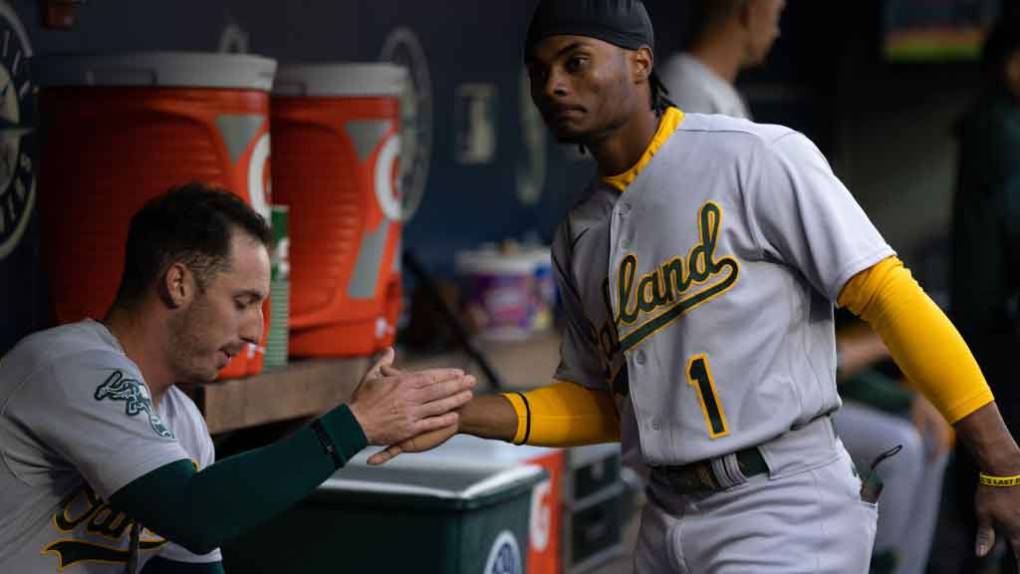
"caption": "Esteury Ruiz of the Oakland Athletics (at right) greets Brent Rooker in the dugout before a game against the Seattle Mariners at T-Mobile Park on May 22, 2023. ",
"description": null,
"title": "Booker.Ruiz.16x9",
"credit": "Stephen Brashear/Getty Images",
"status": "inherit",
"altTag": "Two baseball players slap hands in a dugout with orange Gatorade jugs in the background.",
"isLoading": false,
"fetchFailed": false
},
"arts_13952187": {
"type": "attachments",
"id": "arts_13952187",
"meta": {
"index": "attachments_1716263798",
"site": "arts",
"id": "13952187",
"found": true
},
"parent": 13952162,
"imgSizes": {
"twentyfourteen-full-width": {
"file": "https://cdn.kqed.org/wp-content/uploads/sites/2/2024/02/Oakland.MAIN_.skyline-1038x576.jpg",
"width": 1038,
"mimeType": "image/jpeg",
"height": 576
},
"thumbnail": {
"file": "https://cdn.kqed.org/wp-content/uploads/sites/2/2024/02/Oakland.MAIN_.skyline-160x90.jpg",
"width": 160,
"mimeType": "image/jpeg",
"height": 90
},
"post-thumbnail": {
"file": "https://cdn.kqed.org/wp-content/uploads/sites/2/2024/02/Oakland.MAIN_.skyline-672x372.jpg",
"width": 672,
"mimeType": "image/jpeg",
"height": 372
},
"kqedFullSize": {
"file": "https://cdn.kqed.org/wp-content/uploads/sites/2/2024/02/Oakland.MAIN_.skyline-scaled.jpg",
"width": 2560,
"height": 1440
},
"2048x2048": {
"file": "https://cdn.kqed.org/wp-content/uploads/sites/2/2024/02/Oakland.MAIN_.skyline-2048x1152.jpg",
"width": 2048,
"mimeType": "image/jpeg",
"height": 1152
},
"large": {
"file": "https://cdn.kqed.org/wp-content/uploads/sites/2/2024/02/Oakland.MAIN_.skyline-1020x574.jpg",
"width": 1020,
"mimeType": "image/jpeg",
"height": 574
},
"1536x1536": {
"file": "https://cdn.kqed.org/wp-content/uploads/sites/2/2024/02/Oakland.MAIN_.skyline-1536x864.jpg",
"width": 1536,
"mimeType": "image/jpeg",
"height": 864
},
"full-width": {
"file": "https://cdn.kqed.org/wp-content/uploads/sites/2/2024/02/Oakland.MAIN_.skyline-1920x1080.jpg",
"width": 1920,
"mimeType": "image/jpeg",
"height": 1080
},
"medium": {
"file": "https://cdn.kqed.org/wp-content/uploads/sites/2/2024/02/Oakland.MAIN_.skyline-800x450.jpg",
"width": 800,
"mimeType": "image/jpeg",
"height": 450
},
"medium_large": {
"file": "https://cdn.kqed.org/wp-content/uploads/sites/2/2024/02/Oakland.MAIN_.skyline-768x432.jpg",
"width": 768,
"mimeType": "image/jpeg",
"height": 432
}
},
"publishDate": 1707869231,
"modified": 1707869271,
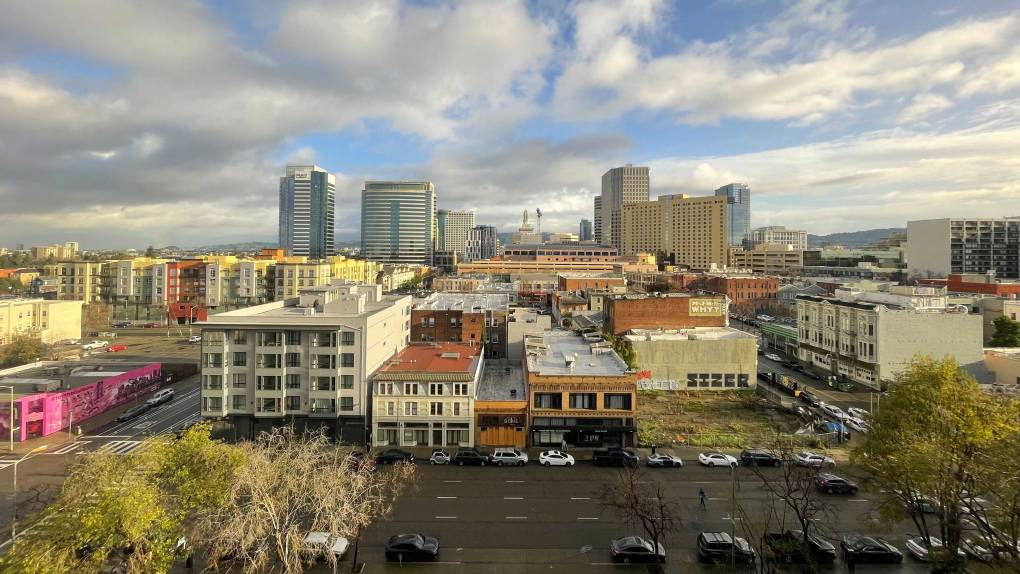
"caption": "Fixing 'everything going on in Oakland' will require more than being tough on crime, our columnist writes.",
"description": null,
"title": "Oakland.MAIN.skyline",
"credit": "Pendarvis Harshaw/KQED",
"status": "inherit",
"altTag": null,
"isLoading": false,
"fetchFailed": false
},
"arts_13938915": {
"type": "attachments",
"id": "arts_13938915",
"meta": {
"index": "attachments_1716263798",
"site": "arts",
"id": "13938915",
"found": true
},
"parent": 0,
"imgSizes": {
"twentyfourteen-full-width": {
"file": "https://cdn.kqed.org/wp-content/uploads/sites/2/2023/12/20231204-SFFILM-Festival-Awards-036-JY-KQED-1038x576.jpg",
"width": 1038,
"mimeType": "image/jpeg",
"height": 576
},
"thumbnail": {
"file": "https://cdn.kqed.org/wp-content/uploads/sites/2/2023/12/20231204-SFFILM-Festival-Awards-036-JY-KQED-160x107.jpg",
"width": 160,
"mimeType": "image/jpeg",
"height": 107
},
"post-thumbnail": {
"file": "https://cdn.kqed.org/wp-content/uploads/sites/2/2023/12/20231204-SFFILM-Festival-Awards-036-JY-KQED-672x372.jpg",
"width": 672,
"mimeType": "image/jpeg",
"height": 372
},
"kqedFullSize": {
"file": "https://cdn.kqed.org/wp-content/uploads/sites/2/2023/12/20231204-SFFILM-Festival-Awards-036-JY-KQED.jpg",
"width": 2000,
"height": 1333
},
"large": {
"file": "https://cdn.kqed.org/wp-content/uploads/sites/2/2023/12/20231204-SFFILM-Festival-Awards-036-JY-KQED-1020x680.jpg",
"width": 1020,
"mimeType": "image/jpeg",
"height": 680
},
"1536x1536": {
"file": "https://cdn.kqed.org/wp-content/uploads/sites/2/2023/12/20231204-SFFILM-Festival-Awards-036-JY-KQED-1536x1024.jpg",
"width": 1536,
"mimeType": "image/jpeg",
"height": 1024
},
"full-width": {
"file": "https://cdn.kqed.org/wp-content/uploads/sites/2/2023/12/20231204-SFFILM-Festival-Awards-036-JY-KQED-1920x1280.jpg",
"width": 1920,
"mimeType": "image/jpeg",
"height": 1280
},
"medium": {
"file": "https://cdn.kqed.org/wp-content/uploads/sites/2/2023/12/20231204-SFFILM-Festival-Awards-036-JY-KQED-800x533.jpg",
"width": 800,
"mimeType": "image/jpeg",
"height": 533
},
"medium_large": {
"file": "https://cdn.kqed.org/wp-content/uploads/sites/2/2023/12/20231204-SFFILM-Festival-Awards-036-JY-KQED-768x512.jpg",
"width": 768,
"mimeType": "image/jpeg",
"height": 512
}
},
"publishDate": 1701796340,
"modified": 1706045725,
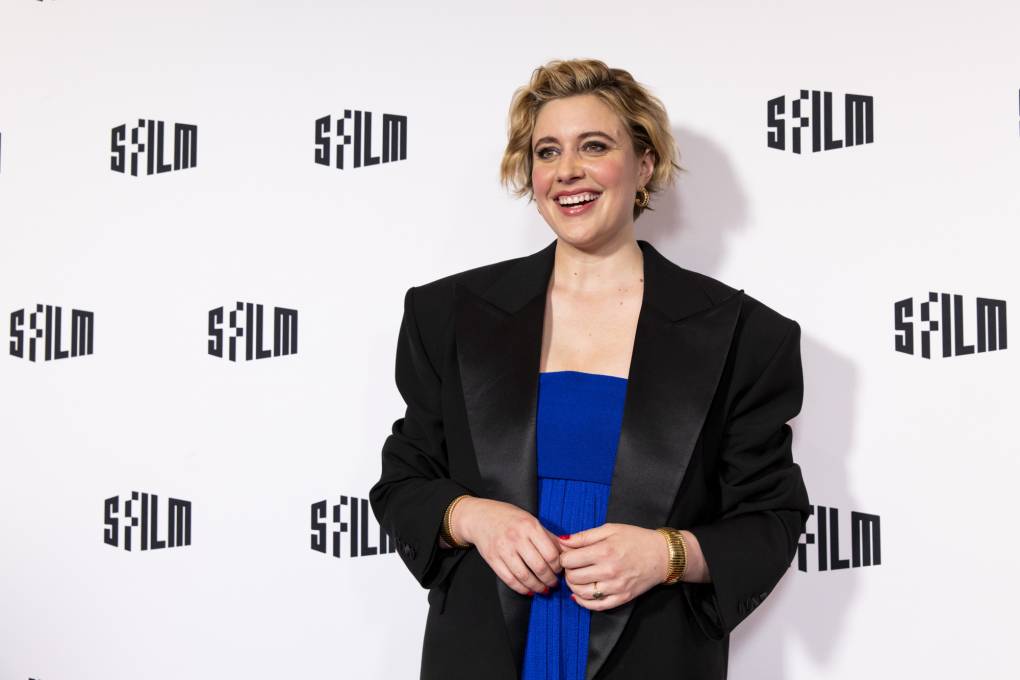
"caption": "Director and actress Greta Gerwig poses on the red carpet at the 2023 SFFILM Festival Awards at the Yerba Buena Center for the Arts in San Francisco on Monday, Dec. 4, 2023. Gerwig received the Irving M. Levin Award for Film Direction on Monday.",
"description": null,
"title": "SFFILM Festival Awards",
"credit": "Juliana Yamada/ KQED",
"status": "inherit",
"altTag": "A person in a blue dress in front of a backdrop with the words \"SFFILM\" written on it.",
"isLoading": false,
"fetchFailed": false
},
"arts_13950826": {
"type": "attachments",
"id": "arts_13950826",
"meta": {
"index": "attachments_1716263798",
"site": "arts",
"id": "13950826",
"found": true
},
"parent": 13950809,
"imgSizes": {
"twentyfourteen-full-width": {
"file": "https://cdn.kqed.org/wp-content/uploads/sites/2/2024/01/the-showman-cover-harper-collins-cropped-990x576.jpg",
"width": 990,
"mimeType": "image/jpeg",
"height": 576
},
"thumbnail": {
"file": "https://cdn.kqed.org/wp-content/uploads/sites/2/2024/01/the-showman-cover-harper-collins-cropped-160x107.jpg",
"width": 160,
"mimeType": "image/jpeg",
"height": 107
},
"post-thumbnail": {
"file": "https://cdn.kqed.org/wp-content/uploads/sites/2/2024/01/the-showman-cover-harper-collins-cropped-672x372.jpg",
"width": 672,
"mimeType": "image/jpeg",
"height": 372
},
"kqedFullSize": {
"file": "https://cdn.kqed.org/wp-content/uploads/sites/2/2024/01/the-showman-cover-harper-collins-cropped.jpg",
"width": 990,
"height": 660
},
"medium": {
"file": "https://cdn.kqed.org/wp-content/uploads/sites/2/2024/01/the-showman-cover-harper-collins-cropped-800x533.jpg",
"width": 800,
"mimeType": "image/jpeg",
"height": 533
},
"medium_large": {
"file": "https://cdn.kqed.org/wp-content/uploads/sites/2/2024/01/the-showman-cover-harper-collins-cropped-768x512.jpg",
"width": 768,
"mimeType": "image/jpeg",
"height": 512
}
},
"publishDate": 1706038759,
"modified": 1706038786,
"caption": "'The Showman' by Simon Shuster. ",
"description": null,
"title": "the showman cover harper collins-cropped",
"credit": "Harper Collins",
"status": "inherit",
"altTag": null,
"isLoading": false,
"fetchFailed": false
},
"arts_13950368": {
"type": "attachments",
"id": "arts_13950368",
"meta": {
"index": "attachments_1716263798",
"site": "arts",
"id": "13950368",
"found": true
},
"parent": 13950363,
"imgSizes": {
"twentyfourteen-full-width": {
"file": "https://cdn.kqed.org/wp-content/uploads/sites/2/2024/01/GettyImages-1504991138-1038x576.jpg",
"width": 1038,
"mimeType": "image/jpeg",
"height": 576
},
"thumbnail": {
"file": "https://cdn.kqed.org/wp-content/uploads/sites/2/2024/01/GettyImages-1504991138-160x107.jpg",
"width": 160,
"mimeType": "image/jpeg",
"height": 107
},
"post-thumbnail": {
"file": "https://cdn.kqed.org/wp-content/uploads/sites/2/2024/01/GettyImages-1504991138-672x372.jpg",
"width": 672,
"mimeType": "image/jpeg",
"height": 372
},
"kqedFullSize": {
"file": "https://cdn.kqed.org/wp-content/uploads/sites/2/2024/01/GettyImages-1504991138-scaled.jpg",
"width": 2560,
"height": 1708
},
"2048x2048": {
"file": "https://cdn.kqed.org/wp-content/uploads/sites/2/2024/01/GettyImages-1504991138-2048x1367.jpg",
"width": 2048,
"mimeType": "image/jpeg",
"height": 1367
},
"large": {
"file": "https://cdn.kqed.org/wp-content/uploads/sites/2/2024/01/GettyImages-1504991138-1020x681.jpg",
"width": 1020,
"mimeType": "image/jpeg",
"height": 681
},
"1536x1536": {
"file": "https://cdn.kqed.org/wp-content/uploads/sites/2/2024/01/GettyImages-1504991138-1536x1025.jpg",
"width": 1536,
"mimeType": "image/jpeg",
"height": 1025
},
"full-width": {
"file": "https://cdn.kqed.org/wp-content/uploads/sites/2/2024/01/GettyImages-1504991138-1920x1281.jpg",
"width": 1920,
"mimeType": "image/jpeg",
"height": 1281
},
"medium": {
"file": "https://cdn.kqed.org/wp-content/uploads/sites/2/2024/01/GettyImages-1504991138-800x534.jpg",
"width": 800,
"mimeType": "image/jpeg",
"height": 534
},
"medium_large": {
"file": "https://cdn.kqed.org/wp-content/uploads/sites/2/2024/01/GettyImages-1504991138-768x513.jpg",
"width": 768,
"mimeType": "image/jpeg",
"height": 513
}
},
"publishDate": 1705093896,
"modified": 1705094014,
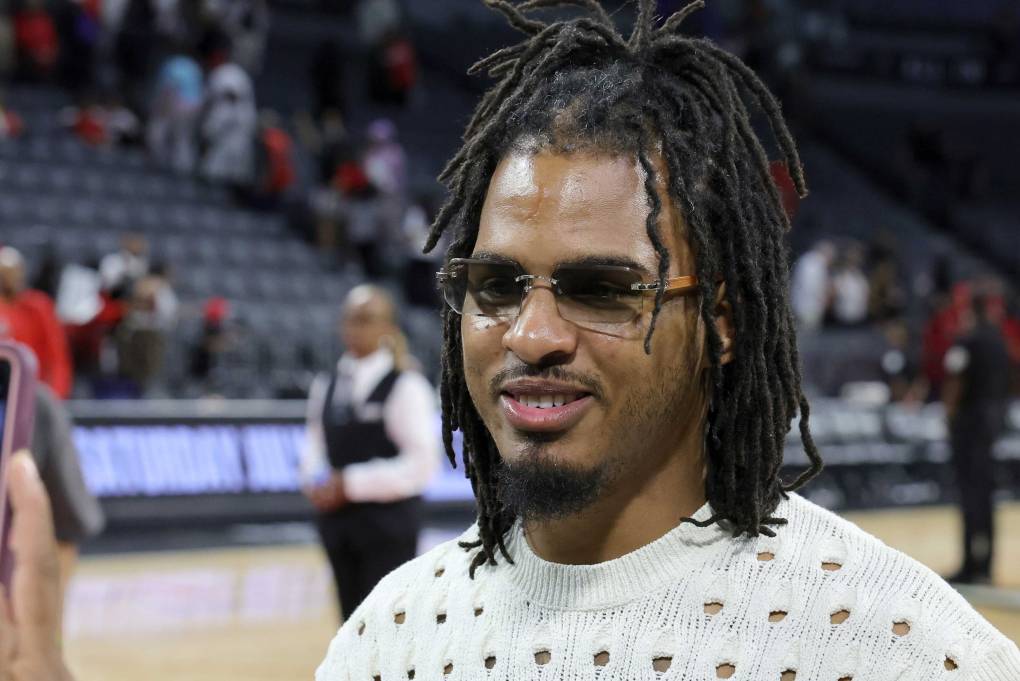
"caption": "TikTok food reviewer Keith Lee, pictured at a WNBA game in 2023, held a mirror up to the Bay Area's problems this week in a video posted to 15 million followers.",
"description": null,
"title": "GettyImages-1504991138",
"credit": "Ethan Miller/Getty Images",
"status": "inherit",
"altTag": null,
"isLoading": false,
"fetchFailed": false
},
"arts_13928257": {
"type": "attachments",
"id": "arts_13928257",
"meta": {
"index": "attachments_1716263798",
"site": "arts",
"id": "13928257",
"found": true
},
"parent": 13928256,
"imgSizes": {
"twentyfourteen-full-width": {
"file": "https://ww2.kqed.org/app/uploads/sites/2/2023/04/GettyImages-688062364-e1682446834800-1038x576.jpg",
"width": 1038,
"mimeType": "image/jpeg",
"height": 576
},
"thumbnail": {
"file": "https://ww2.kqed.org/app/uploads/sites/2/2023/04/GettyImages-688062364-e1682446834800-160x106.jpg",
"width": 160,
"mimeType": "image/jpeg",
"height": 106
},
"post-thumbnail": {
"file": "https://ww2.kqed.org/app/uploads/sites/2/2023/04/GettyImages-688062364-e1682446834800-672x372.jpg",
"width": 672,
"mimeType": "image/jpeg",
"height": 372
},
"kqedFullSize": {
"file": "https://ww2.kqed.org/app/uploads/sites/2/2023/04/GettyImages-688062364-e1682446834800.jpg",
"width": 1920,
"height": 1275
},
"2048x2048": {
"file": "https://ww2.kqed.org/app/uploads/sites/2/2023/04/GettyImages-688062364-2048x1360.jpg",
"width": 2048,
"mimeType": "image/jpeg",
"height": 1360
},
"large": {
"file": "https://ww2.kqed.org/app/uploads/sites/2/2023/04/GettyImages-688062364-e1682446834800-1020x677.jpg",
"width": 1020,
"mimeType": "image/jpeg",
"height": 677
},
"1536x1536": {
"file": "https://ww2.kqed.org/app/uploads/sites/2/2023/04/GettyImages-688062364-e1682446834800-1536x1020.jpg",
"width": 1536,
"mimeType": "image/jpeg",
"height": 1020
},
"full-width": {
"file": "https://ww2.kqed.org/app/uploads/sites/2/2023/04/GettyImages-688062364-1920x1275.jpg",
"width": 1920,
"mimeType": "image/jpeg",
"height": 1275
},
"medium": {
"file": "https://ww2.kqed.org/app/uploads/sites/2/2023/04/GettyImages-688062364-e1682446834800-800x531.jpg",
"width": 800,
"mimeType": "image/jpeg",
"height": 531
},
"medium_large": {
"file": "https://ww2.kqed.org/app/uploads/sites/2/2023/04/GettyImages-688062364-e1682446834800-768x510.jpg",
"width": 768,
"mimeType": "image/jpeg",
"height": 510
}
},
"publishDate": 1682446811,
"modified": 1694132317,
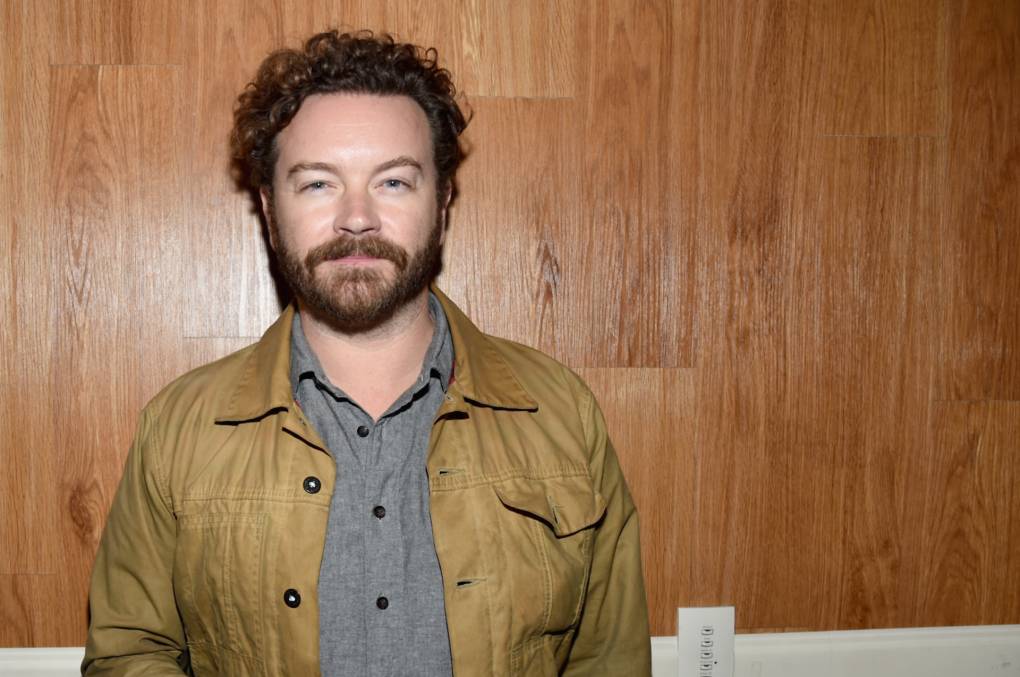
"caption": "Danny Masterson in 2017.",
"description": null,
"title": "Danny Masterson in 2017.",
"credit": "John Shearer/ Getty Images",
"status": "inherit",
"altTag": "A white man with curly brown hair and beard stands in front a wood-paneled wall. He is wearing a polo shirt and suede jacket.",
"isLoading": false,
"fetchFailed": false
},
"arts_13932247": {
"type": "attachments",
"id": "arts_13932247",
"meta": {
"index": "attachments_1716263798",
"site": "arts",
"id": "13932247",
"found": true
},
"parent": 13932204,
"imgSizes": {
"twentyfourteen-full-width": {
"file": "https://ww2.kqed.org/app/uploads/sites/2/2023/07/Oppenheimer.composite.rev_-1038x576.jpg",
"width": 1038,
"mimeType": "image/jpeg",
"height": 576
},
"thumbnail": {
"file": "https://ww2.kqed.org/app/uploads/sites/2/2023/07/Oppenheimer.composite.rev_-160x90.jpg",
"width": 160,
"mimeType": "image/jpeg",
"height": 90
},
"post-thumbnail": {
"file": "https://ww2.kqed.org/app/uploads/sites/2/2023/07/Oppenheimer.composite.rev_-672x372.jpg",
"width": 672,
"mimeType": "image/jpeg",
"height": 372
},
"kqedFullSize": {
"file": "https://ww2.kqed.org/app/uploads/sites/2/2023/07/Oppenheimer.composite.rev_.jpg",
"width": 1500,
"height": 844
},
"large": {
"file": "https://ww2.kqed.org/app/uploads/sites/2/2023/07/Oppenheimer.composite.rev_-1020x574.jpg",
"width": 1020,
"mimeType": "image/jpeg",
"height": 574
},
"medium": {
"file": "https://ww2.kqed.org/app/uploads/sites/2/2023/07/Oppenheimer.composite.rev_-800x450.jpg",
"width": 800,
"mimeType": "image/jpeg",
"height": 450
},
"medium_large": {
"file": "https://ww2.kqed.org/app/uploads/sites/2/2023/07/Oppenheimer.composite.rev_-768x432.jpg",
"width": 768,
"mimeType": "image/jpeg",
"height": 432
}
},
"publishDate": 1690572471,
"modified": 1690572639,
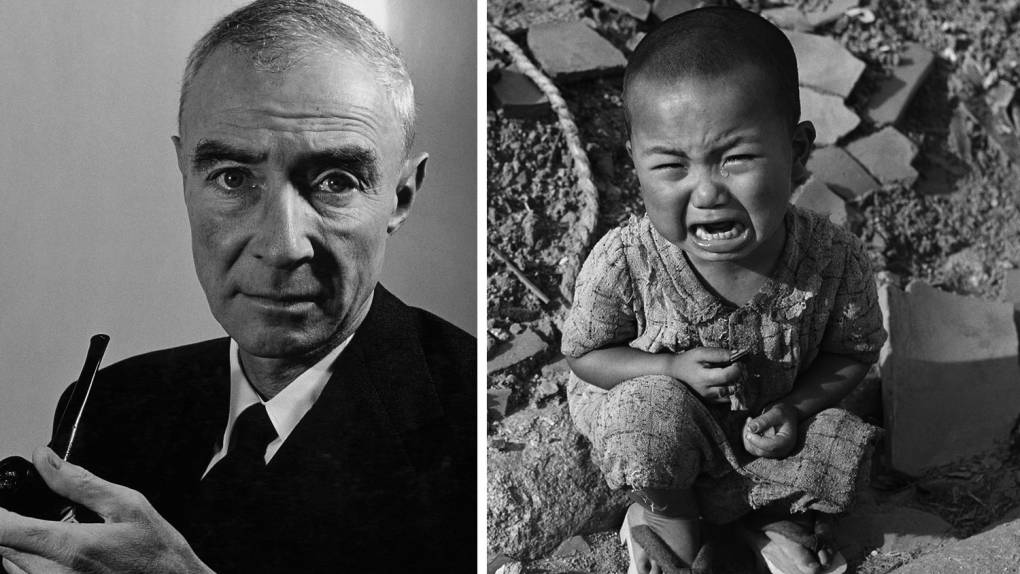
"caption": "In the film 'Oppemnheimer,' Robert Oppenheimer (left) wrestles with his development of the atomic bomb, while victims of his creation (right) go unseen on the screen.",
"description": null,
"title": "Oppenheimer.composite.rev",
"credit": "Getty Images",
"status": "inherit",
"altTag": null,
"isLoading": false,
"fetchFailed": false
},
"arts_13931693": {
"type": "attachments",
"id": "arts_13931693",
"meta": {
"index": "attachments_1716263798",
"site": "arts",
"id": "13931693",
"found": true
},
"parent": 13931533,
"imgSizes": {
"twentyfourteen-full-width": {
"file": "https://ww2.kqed.org/app/uploads/sites/2/2023/07/Cringe.FBI_.TSA_-1038x576.jpg",
"width": 1038,
"mimeType": "image/jpeg",
"height": 576
},
"thumbnail": {
"file": "https://ww2.kqed.org/app/uploads/sites/2/2023/07/Cringe.FBI_.TSA_-160x91.jpg",
"width": 160,
"mimeType": "image/jpeg",
"height": 91
},
"post-thumbnail": {
"file": "https://ww2.kqed.org/app/uploads/sites/2/2023/07/Cringe.FBI_.TSA_-672x372.jpg",
"width": 672,
"mimeType": "image/jpeg",
"height": 372
},
"kqedFullSize": {
"file": "https://ww2.kqed.org/app/uploads/sites/2/2023/07/Cringe.FBI_.TSA_.jpg",
"width": 2105,
"height": 1200
},
"2048x2048": {
"file": "https://ww2.kqed.org/app/uploads/sites/2/2023/07/Cringe.FBI_.TSA_-2048x1168.jpg",
"width": 2048,
"mimeType": "image/jpeg",
"height": 1168
},
"large": {
"file": "https://ww2.kqed.org/app/uploads/sites/2/2023/07/Cringe.FBI_.TSA_-1020x581.jpg",
"width": 1020,
"mimeType": "image/jpeg",
"height": 581
},
"1536x1536": {
"file": "https://ww2.kqed.org/app/uploads/sites/2/2023/07/Cringe.FBI_.TSA_-1536x876.jpg",
"width": 1536,
"mimeType": "image/jpeg",
"height": 876
},
"full-width": {
"file": "https://ww2.kqed.org/app/uploads/sites/2/2023/07/Cringe.FBI_.TSA_-1920x1095.jpg",
"width": 1920,
"mimeType": "image/jpeg",
"height": 1095
},
"medium": {
"file": "https://ww2.kqed.org/app/uploads/sites/2/2023/07/Cringe.FBI_.TSA_-800x456.jpg",
"width": 800,
"mimeType": "image/jpeg",
"height": 456
},
"medium_large": {
"file": "https://ww2.kqed.org/app/uploads/sites/2/2023/07/Cringe.FBI_.TSA_-768x438.jpg",
"width": 768,
"mimeType": "image/jpeg",
"height": 438
}
},
"publishDate": 1689372777,
"modified": 1689372813,
"caption": "No.",
"description": null,
"title": "Cringe.FBI.TSA",
"credit": "Images via FBI / TSA Instagram",
"status": "inherit",
"altTag": null,
"isLoading": false,
"fetchFailed": false
},
"arts_13931265": {
"type": "attachments",
"id": "arts_13931265",
"meta": {
"index": "attachments_1716263798",
"site": "arts",
"id": "13931265",
"found": true
},
"parent": 13931259,
"imgSizes": {
"twentyfourteen-full-width": {
"file": "https://ww2.kqed.org/app/uploads/sites/2/2023/07/GettyImages-1508061765-1024x576.jpg",
"width": 1024,
"mimeType": "image/jpeg",
"height": 576
},
"thumbnail": {
"file": "https://ww2.kqed.org/app/uploads/sites/2/2023/07/GettyImages-1508061765-160x94.jpg",
"width": 160,
"mimeType": "image/jpeg",
"height": 94
},
"post-thumbnail": {
"file": "https://ww2.kqed.org/app/uploads/sites/2/2023/07/GettyImages-1508061765-672x372.jpg",
"width": 672,
"mimeType": "image/jpeg",
"height": 372
},
"kqedFullSize": {
"file": "https://ww2.kqed.org/app/uploads/sites/2/2023/07/GettyImages-1508061765.jpg",
"width": 1024,
"height": 599
},
"large": {
"file": "https://ww2.kqed.org/app/uploads/sites/2/2023/07/GettyImages-1508061765-1020x597.jpg",
"width": 1020,
"mimeType": "image/jpeg",
"height": 597
},
"medium": {
"file": "https://ww2.kqed.org/app/uploads/sites/2/2023/07/GettyImages-1508061765-800x468.jpg",
"width": 800,
"mimeType": "image/jpeg",
"height": 468
},
"medium_large": {
"file": "https://ww2.kqed.org/app/uploads/sites/2/2023/07/GettyImages-1508061765-768x449.jpg",
"width": 768,
"mimeType": "image/jpeg",
"height": 449
}
},
"publishDate": 1688687403,
"modified": 1688687493,
"caption": "The Threads app's motto? \"Say More.\" Don't we already know where that's gotten us? ",
"description": null,
"title": "Meta Introduces Twitter Competitor Threads",
"credit": "Jaap Arriens/NurPhoto via Getty Images",
"status": "inherit",
"altTag": "A phone held up against a blue background with the Threads logo on it",
"isLoading": false,
"fetchFailed": false
},
"arts_13928893": {
"type": "attachments",
"id": "arts_13928893",
"meta": {
"index": "attachments_1716263798",
"site": "arts",
"id": "13928893",
"found": true
},
"parent": 13928870,
"imgSizes": {
"twentyfourteen-full-width": {
"file": "https://ww2.kqed.org/app/uploads/sites/2/2023/05/008_KQED_WalgreensBankoBrown_05092023-1038x576.jpg",
"width": 1038,
"mimeType": "image/jpeg",
"height": 576
},
"thumbnail": {
"file": "https://ww2.kqed.org/app/uploads/sites/2/2023/05/008_KQED_WalgreensBankoBrown_05092023-160x107.jpg",
"width": 160,
"mimeType": "image/jpeg",
"height": 107
},
"post-thumbnail": {
"file": "https://ww2.kqed.org/app/uploads/sites/2/2023/05/008_KQED_WalgreensBankoBrown_05092023-672x372.jpg",
"width": 672,
"mimeType": "image/jpeg",
"height": 372
},
"kqedFullSize": {
"file": "https://ww2.kqed.org/app/uploads/sites/2/2023/05/008_KQED_WalgreensBankoBrown_05092023.jpg",
"width": 1920,
"height": 1280
},
"large": {
"file": "https://ww2.kqed.org/app/uploads/sites/2/2023/05/008_KQED_WalgreensBankoBrown_05092023-1020x680.jpg",
"width": 1020,
"mimeType": "image/jpeg",
"height": 680
},
"1536x1536": {
"file": "https://ww2.kqed.org/app/uploads/sites/2/2023/05/008_KQED_WalgreensBankoBrown_05092023-1536x1024.jpg",
"width": 1536,
"mimeType": "image/jpeg",
"height": 1024
},
"medium": {
"file": "https://ww2.kqed.org/app/uploads/sites/2/2023/05/008_KQED_WalgreensBankoBrown_05092023-800x533.jpg",
"width": 800,
"mimeType": "image/jpeg",
"height": 533
},
"medium_large": {
"file": "https://ww2.kqed.org/app/uploads/sites/2/2023/05/008_KQED_WalgreensBankoBrown_05092023-768x512.jpg",
"width": 768,
"mimeType": "image/jpeg",
"height": 512
}
},
"publishDate": 1683657591,
"modified": 1683658115,
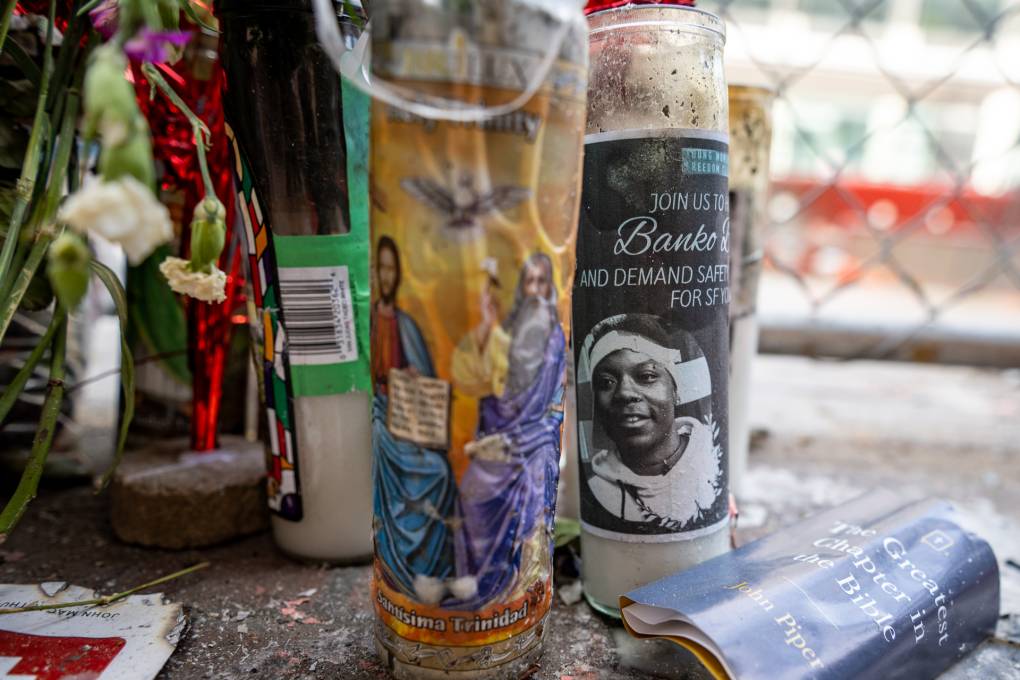
"caption": "A memorial for Banko Brown outside of Walgreens on Market Street in San Francisco, where he was shot and killed by a security guard on April 27.",
"description": null,
"title": "008_KQED_WalgreensBankoBrown_05092023",
"credit": "Beth LaBerge/KQED",
"status": "inherit",
"altTag": "Candles on the sidewalk feature a portrait of Banko Brown, a 24-year-old Black trans man.",
"isLoading": false,
"fetchFailed": false
},
"arts_13927884": {
"type": "attachments",
"id": "arts_13927884",
"meta": {
"index": "attachments_1716263798",
"site": "arts",
"id": "13927884",
"found": true
},
"parent": 13927874,
"imgSizes": {
"twentyfourteen-full-width": {
"file": "https://ww2.kqed.org/app/uploads/sites/2/2023/04/GettyImages-1244074861-1024x576.jpg",
"width": 1024,
"mimeType": "image/jpeg",
"height": 576
},
"thumbnail": {
"file": "https://ww2.kqed.org/app/uploads/sites/2/2023/04/GettyImages-1244074861-160x107.jpg",
"width": 160,
"mimeType": "image/jpeg",
"height": 107
},
"post-thumbnail": {
"file": "https://ww2.kqed.org/app/uploads/sites/2/2023/04/GettyImages-1244074861-672x372.jpg",
"width": 672,
"mimeType": "image/jpeg",
"height": 372
},
"kqedFullSize": {
"file": "https://ww2.kqed.org/app/uploads/sites/2/2023/04/GettyImages-1244074861.jpg",
"width": 1024,
"height": 683
},
"large": {
"file": "https://ww2.kqed.org/app/uploads/sites/2/2023/04/GettyImages-1244074861-1020x680.jpg",
"width": 1020,
"mimeType": "image/jpeg",
"height": 680
},
"medium": {
"file": "https://ww2.kqed.org/app/uploads/sites/2/2023/04/GettyImages-1244074861-800x534.jpg",
"width": 800,
"mimeType": "image/jpeg",
"height": 534
},
"medium_large": {
"file": "https://ww2.kqed.org/app/uploads/sites/2/2023/04/GettyImages-1244074861-768x512.jpg",
"width": 768,
"mimeType": "image/jpeg",
"height": 512
}
},
"publishDate": 1681763383,
"modified": 1681763514,
"caption": "E-40, pictured here at the Chase Center in 2022, was ejected from Game 1 of the NBA playoffs in Sacramento in Saturday night.",
"description": null,
"title": "NBA : Los Angeles Lakers vs Golden State Warriors pregame",
"credit": "Tayfun Coskun/Anadolu Agency via Getty Images",
"status": "inherit",
"altTag": null,
"isLoading": false,
"fetchFailed": false
},
"arts_13908547": {
"type": "attachments",
"id": "arts_13908547",
"meta": {
"index": "attachments_1716263798",
"site": "arts",
"id": "13908547",
"found": true
},
"parent": 13908472,
"imgSizes": {
"twentyfourteen-full-width": {
"file": "https://ww2.kqed.org/app/uploads/sites/2/2022/01/Screen-Shot-2022-01-25-at-2.28.49-PM-1038x576.png",
"width": 1038,
"mimeType": "image/png",
"height": 576
},
"thumbnail": {
"file": "https://ww2.kqed.org/app/uploads/sites/2/2022/01/Screen-Shot-2022-01-25-at-2.28.49-PM-160x92.png",
"width": 160,
"mimeType": "image/png",
"height": 92
},
"post-thumbnail": {
"file": "https://ww2.kqed.org/app/uploads/sites/2/2022/01/Screen-Shot-2022-01-25-at-2.28.49-PM-672x372.png",
"width": 672,
"mimeType": "image/png",
"height": 372
},
"kqedFullSize": {
"file": "https://ww2.kqed.org/app/uploads/sites/2/2022/01/Screen-Shot-2022-01-25-at-2.28.49-PM.png",
"width": 2124,
"height": 1222
},
"2048x2048": {
"file": "https://ww2.kqed.org/app/uploads/sites/2/2022/01/Screen-Shot-2022-01-25-at-2.28.49-PM-2048x1178.png",
"width": 2048,
"mimeType": "image/png",
"height": 1178
},
"large": {
"file": "https://ww2.kqed.org/app/uploads/sites/2/2022/01/Screen-Shot-2022-01-25-at-2.28.49-PM-1020x587.png",
"width": 1020,
"mimeType": "image/png",
"height": 587
},
"1536x1536": {
"file": "https://ww2.kqed.org/app/uploads/sites/2/2022/01/Screen-Shot-2022-01-25-at-2.28.49-PM-1536x884.png",
"width": 1536,
"mimeType": "image/png",
"height": 884
},
"full-width": {
"file": "https://ww2.kqed.org/app/uploads/sites/2/2022/01/Screen-Shot-2022-01-25-at-2.28.49-PM-1920x1105.png",
"width": 1920,
"mimeType": "image/png",
"height": 1105
},
"medium": {
"file": "https://ww2.kqed.org/app/uploads/sites/2/2022/01/Screen-Shot-2022-01-25-at-2.28.49-PM-800x460.png",
"width": 800,
"mimeType": "image/png",
"height": 460
},
"medium_large": {
"file": "https://ww2.kqed.org/app/uploads/sites/2/2022/01/Screen-Shot-2022-01-25-at-2.28.49-PM-768x442.png",
"width": 768,
"mimeType": "image/png",
"height": 442
}
},
"publishDate": 1643149781,
"modified": 1643149941,
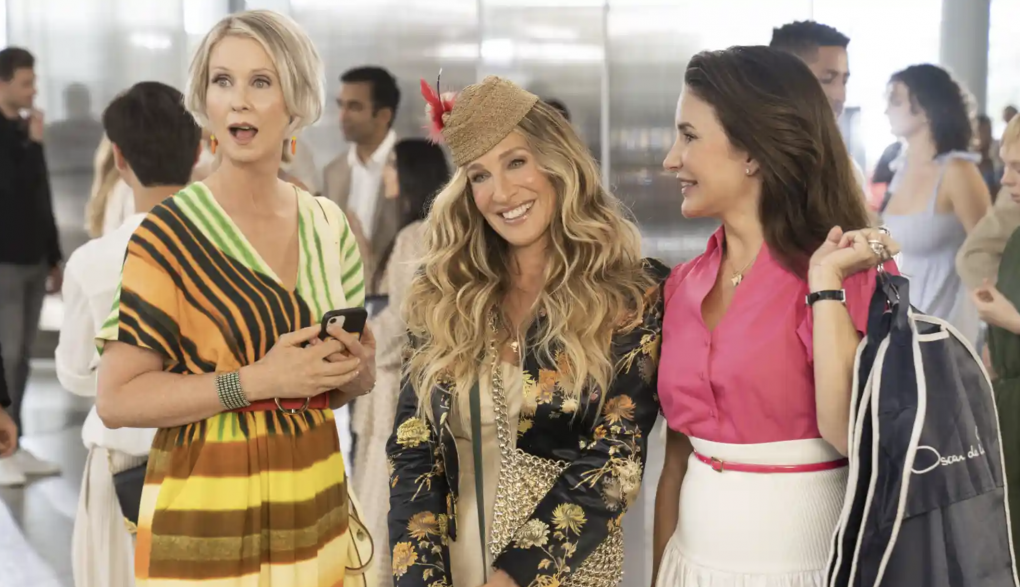
"caption": "Miranda (Cynthia Nixon), Carrie (Sarah Jessica Parker) and Charlotte (Kristin Davis) leave 'Sex and the City' (and Kim Cattrall's Samantha) behind, in 'And Just Like That...'",
"description": null,
"title": "Miranda (Cynthia Nixon), Carrie (Sarah Jessica Parker) and Charlotte (Kristin Davis) leave 'Sex and the City' (and Kim Cattrall's Samantha) behind, in 'And Just Like That...'",
"credit": "HBO",
"status": "inherit",
"altTag": "Three women in colorful, stylist outfits stand together in a line, one shocked, one smiling, one distracted.",
"isLoading": false,
"fetchFailed": false
}
},
"audioPlayerReducer": {
"postId": "stream_live",
"isPaused": true,
"isPlaying": false,
"pfsActive": false,
"pledgeModalIsOpen": true,
"playerDrawerIsOpen": false,
"liveAudioPlayStartedAt": 0,
"liveAudioPlayContext": ""
},
"authorsReducer": {
"byline_arts_13950809": {
"type": "authors",
"id": "byline_arts_13950809",
"meta": {
"override": true
},
"slug": "byline_arts_13950809",
"name": "Sasha Vasilyuk",
"isLoading": false
},
"shotchkiss": {
"type": "authors",
"id": "61",
"meta": {
"index": "authors_1716337520",
"id": "61",
"found": true
},
"name": "Sarah Hotchkiss",
"firstName": "Sarah",
"lastName": "Hotchkiss",
"slug": "shotchkiss",
"email": "shotchkiss@kqed.org",
"display_author_email": true,
"staff_mastheads": [
"arts"
],
"title": "Senior Editor",
"bio": "Sarah Hotchkiss is a San Francisco \u003ca href=\"http://www.sarahhotchkiss.com\">artist\u003c/a> and arts writer. In 2019, she received the Dorothea & Leo Rabkin Foundation grant for visual art journalism and in 2020 she received a Society of Professional Journalists, Northern California award for excellence in arts and culture reporting.",
"avatar": "https://secure.gravatar.com/avatar/bc662df144b3d27fd8b1b6f1c2a420d34e91e53154d411bb7ad353cc8b6cea8d?s=600&d=blank&r=g",
"twitter": null,
"bluesky": null,
"facebook": null,
"instagram": null,
"linkedin": null,
"sites": [
{
"site": "",
"roles": [
"editor"
]
},
{
"site": "arts",
"roles": [
"Contributor",
"administrator"
]
},
{
"site": "artschool",
"roles": [
"administrator"
]
},
{
"site": "news",
"roles": [
"editor"
]
},
{
"site": "pop",
"roles": [
"administrator"
]
},
{
"site": "bayareabites",
"roles": [
"editor"
]
},
{
"site": "spark",
"roles": [
"editor"
]
},
{
"site": "checkplease",
"roles": [
"editor"
]
}
],
"headData": {
"title": "Sarah Hotchkiss | KQED",
"description": "Senior Editor",
"ogImgSrc": "https://secure.gravatar.com/avatar/bc662df144b3d27fd8b1b6f1c2a420d34e91e53154d411bb7ad353cc8b6cea8d?s=600&d=blank&r=g",
"twImgSrc": "https://secure.gravatar.com/avatar/bc662df144b3d27fd8b1b6f1c2a420d34e91e53154d411bb7ad353cc8b6cea8d?s=600&d=blank&r=g"
},
"isLoading": false,
"link": "/author/shotchkiss"
},
"kqedarts": {
"type": "authors",
"id": "92",
"meta": {
"index": "authors_1716337520",
"id": "92",
"found": true
},
"name": "KQED Arts",
"firstName": "KQED",
"lastName": "Arts",
"slug": "kqedarts",
"email": "arts@kqed.org",
"display_author_email": false,
"staff_mastheads": [],
"title": "KQED Staff",
"bio": null,
"avatar": "https://secure.gravatar.com/avatar/321c9ebfeb7736f9e55366a6d3399ab0?s=600&d=blank&r=g",
"twitter": null,
"facebook": null,
"instagram": "https://www.instagram.com/kqed_arts/",
"linkedin": null,
"sites": [
{
"site": "arts",
"roles": [
"contributor"
]
},
{
"site": "pop",
"roles": [
"contributor"
]
},
{
"site": "science",
"roles": [
"author"
]
},
{
"site": "food",
"roles": [
"contributor"
]
}
],
"headData": {
"title": "KQED Arts | KQED",
"description": "KQED Staff",
"ogImgSrc": "https://secure.gravatar.com/avatar/321c9ebfeb7736f9e55366a6d3399ab0?s=600&d=blank&r=g",
"twImgSrc": "https://secure.gravatar.com/avatar/321c9ebfeb7736f9e55366a6d3399ab0?s=600&d=blank&r=g"
},
"isLoading": false,
"link": "/author/kqedarts"
},
"gmeline": {
"type": "authors",
"id": "185",
"meta": {
"index": "authors_1716337520",
"id": "185",
"found": true
},
"name": "Gabe Meline",
"firstName": "Gabe",
"lastName": "Meline",
"slug": "gmeline",
"email": "gmeline@kqed.org",
"display_author_email": true,
"staff_mastheads": [
"arts"
],
"title": "Senior Editor, KQED Arts & Culture",
"bio": "Gabe Meline entered journalism at age 15 making photocopied zines, and has since earned awards from the Edward R. Murrow Awards, the Society for Professional Journalists, the Online Journalism Awards, the Association of Alternative Newsweeklies and the California Newspaper Publishers Association. Prior to KQED, he was the editor of the \u003cem>North Bay Bohemian\u003c/em> and a touring musician. He lives with his wife and daughter in his hometown of Santa Rosa, CA.",
"avatar": "https://secure.gravatar.com/avatar/5bebe57be0d8bc2dd318934feb47299e2d2d10cba28d09d8d7afb389a2ce2bdd?s=600&d=blank&r=g",
"twitter": null,
"bluesky": null,
"facebook": null,
"instagram": null,
"linkedin": null,
"sites": [
{
"site": "",
"roles": [
"editor"
]
},
{
"site": "arts",
"roles": [
"administrator"
]
},
{
"site": "artschool",
"roles": [
"editor"
]
},
{
"site": "news",
"roles": [
"author"
]
},
{
"site": "pop",
"roles": [
"editor"
]
},
{
"site": "bayareabites",
"roles": [
"editor"
]
},
{
"site": "food",
"roles": [
"editor"
]
},
{
"site": "forum",
"roles": [
"administrator"
]
},
{
"site": "liveblog",
"roles": [
"editor"
]
},
{
"site": "hiphop",
"roles": [
"editor"
]
}
],
"headData": {
"title": "Gabe Meline | KQED",
"description": "Senior Editor, KQED Arts & Culture",
"ogImgSrc": "https://secure.gravatar.com/avatar/5bebe57be0d8bc2dd318934feb47299e2d2d10cba28d09d8d7afb389a2ce2bdd?s=600&d=blank&r=g",
"twImgSrc": "https://secure.gravatar.com/avatar/5bebe57be0d8bc2dd318934feb47299e2d2d10cba28d09d8d7afb389a2ce2bdd?s=600&d=blank&r=g"
},
"isLoading": false,
"link": "/author/gmeline"
},
"ralexandra": {
"type": "authors",
"id": "11242",
"meta": {
"index": "authors_1716337520",
"id": "11242",
"found": true
},
"name": "Rae Alexandra",
"firstName": "Rae",
"lastName": "Alexandra",
"slug": "ralexandra",
"email": "ralexandra@kqed.org",
"display_author_email": true,
"staff_mastheads": [],
"title": "Reporter/Producer",
"bio": "Rae Alexandra is a Reporter/Producer for KQED Arts & Culture, and the creator/author of the \u003ca href=\"https://www.kqed.org/arts/program/rebel-girls-from-bay-area-history\">Rebel Girls From Bay Area History\u003c/a> and \u003ca href=\"https://www.kqed.org/bizarrebayarea\">Bizarre Bay Area\u003c/a> series. Her debut book, \u003ca href=\"https://citylights.com/politics-current-events-history/unsung-heroines35-women-who-changed/\">Unsung Heroines: 35 Women Who Changed the Bay Area\u003c/a> was published by City Lights in March 2026. In 2023, Rae was awarded an SPJ Excellence in Journalism Award for Arts & Culture. Rae was born and raised in Wales and subsequently — even after two decades in Northern California — still uses phrases that regularly baffle her coworkers.",
"avatar": "https://secure.gravatar.com/avatar/edfee8176c80cc0a382b051190f5341997df378a934a5774dcb0977732dfd401?s=600&d=blank&r=g",
"twitter": null,
"bluesky": null,
"facebook": null,
"instagram": null,
"linkedin": null,
"sites": [
{
"site": "arts",
"roles": [
"subscriber"
]
},
{
"site": "news",
"roles": [
"subscriber"
]
},
{
"site": "pop",
"roles": [
"subscriber"
]
},
{
"site": "bayareabites",
"roles": [
"subscriber"
]
},
{
"site": "science",
"roles": [
"subscriber"
]
}
],
"headData": {
"title": "Rae Alexandra | KQED",
"description": "Reporter/Producer",
"ogImgSrc": "https://secure.gravatar.com/avatar/edfee8176c80cc0a382b051190f5341997df378a934a5774dcb0977732dfd401?s=600&d=blank&r=g",
"twImgSrc": "https://secure.gravatar.com/avatar/edfee8176c80cc0a382b051190f5341997df378a934a5774dcb0977732dfd401?s=600&d=blank&r=g"
},
"isLoading": false,
"link": "/author/ralexandra"
},
"nvoynovskaya": {
"type": "authors",
"id": "11387",
"meta": {
"index": "authors_1716337520",
"id": "11387",
"found": true
},
"name": "Nastia Voynovskaya",
"firstName": "Nastia",
"lastName": "Voynovskaya",
"slug": "nvoynovskaya",
"email": "nvoynovskaya@kqed.org",
"display_author_email": false,
"staff_mastheads": [
"arts"
],
"title": "Editor and reporter",
"bio": "Nastia Voynovskaya is a reporter, editor and host at KQED Arts & Culture. She's been covering the arts in the Bay Area for over a decade, with a focus on music, queer culture, labor issues and grassroots organizing. She has edited KQED story series such as Trans Bay: A History of San Francisco's Gender-Diverse Community, and co-created KQED's Bay Area hip-hop history project, That's My Word. Nastia's work has been recognized by the Society of Professional Journalists and San Francisco Press Club. She regularly appears on podcasts and radio programs, including NPR's All Songs Considered, and hosts live events where music, culture and conversation meet.",
"avatar": "https://secure.gravatar.com/avatar/5025ee460e5a85d69ca20ea6c6f2f80d7e17795c828f61ea3aecfcd924e9042e?s=600&d=blank&r=g",
"twitter": null,
"bluesky": null,
"facebook": null,
"instagram": "https://www.instagram.com/nananastia/",
"linkedin": null,
"sites": [
{
"site": "",
"roles": [
"editor"
]
},
{
"site": "arts",
"roles": [
"administrator"
]
},
{
"site": "news",
"roles": [
"editor"
]
},
{
"site": "pop",
"roles": [
"administrator"
]
},
{
"site": "bayareabites",
"roles": [
"editor"
]
},
{
"site": "podcasts",
"roles": [
"editor"
]
},
{
"site": "hiphop",
"roles": [
"editor"
]
}
],
"headData": {
"title": "Nastia Voynovskaya | KQED",
"description": "Editor and reporter",
"ogImgSrc": "https://secure.gravatar.com/avatar/5025ee460e5a85d69ca20ea6c6f2f80d7e17795c828f61ea3aecfcd924e9042e?s=600&d=blank&r=g",
"twImgSrc": "https://secure.gravatar.com/avatar/5025ee460e5a85d69ca20ea6c6f2f80d7e17795c828f61ea3aecfcd924e9042e?s=600&d=blank&r=g"
},
"isLoading": false,
"link": "/author/nvoynovskaya"
},
"ogpenn": {
"type": "authors",
"id": "11491",
"meta": {
"index": "authors_1716337520",
"id": "11491",
"found": true
},
"name": "Pendarvis Harshaw",
"firstName": "Pendarvis",
"lastName": "Harshaw",
"slug": "ogpenn",
"email": "ogpenn@gmail.com",
"display_author_email": false,
"staff_mastheads": [
"arts"
],
"title": "Community Engagement Reporter",
"bio": "Pendarvis Harshaw is an educator, host and writer with KQED Arts.",
"avatar": "https://secure.gravatar.com/avatar/972b77ee8e3f346ae2b00622661187fbfabd059b5693bbdc1475ea7a722fd4cd?s=600&d=blank&r=g",
"twitter": null,
"bluesky": null,
"facebook": null,
"instagram": "ogpenn",
"linkedin": null,
"sites": [
{
"site": "arts",
"roles": [
"administrator"
]
},
{
"site": "news",
"roles": [
"editor"
]
},
{
"site": "bayareabites",
"roles": [
"author"
]
},
{
"site": "hiphop",
"roles": [
"editor"
]
}
],
"headData": {
"title": "Pendarvis Harshaw | KQED",
"description": "Community Engagement Reporter",
"ogImgSrc": "https://secure.gravatar.com/avatar/972b77ee8e3f346ae2b00622661187fbfabd059b5693bbdc1475ea7a722fd4cd?s=600&d=blank&r=g",
"twImgSrc": "https://secure.gravatar.com/avatar/972b77ee8e3f346ae2b00622661187fbfabd059b5693bbdc1475ea7a722fd4cd?s=600&d=blank&r=g"
},
"isLoading": false,
"link": "/author/ogpenn"
},
"ltsai": {
"type": "authors",
"id": "11743",
"meta": {
"index": "authors_1716337520",
"id": "11743",
"found": true
},
"name": "Luke Tsai",
"firstName": "Luke",
"lastName": "Tsai",
"slug": "ltsai",
"email": "ltsai@kqed.org",
"display_author_email": true,
"staff_mastheads": [
"arts"
],
"title": "Food Editor",
"bio": "Luke Tsai is KQED's food editor and resident stinky tofu connoisseur. Prior to KQED, he was an editor at Eater SF, \u003cem>San Francisco \u003c/em>magazine, and the \u003cem>East Bay Express\u003c/em>, and his work has also appeared in TASTE, the \u003cem>San Francisco Chronicle\u003c/em>, and the \u003cem>Best Food Writing\u003c/em> anthology. When he isn't writing or editing, you'll find him eating most everything he can get his hands on.",
"avatar": "https://secure.gravatar.com/avatar/1e59b45bf191526e7339d6ba46e33a57b2030d25c27660ecc64ea3cb863e34f7?s=600&d=blank&r=g",
"twitter": "theluketsai",
"bluesky": null,
"facebook": null,
"instagram": null,
"linkedin": null,
"sites": [
{
"site": "",
"roles": [
"editor"
]
},
{
"site": "arts",
"roles": [
"administrator"
]
},
{
"site": "news",
"roles": [
"editor",
"contributor"
]
},
{
"site": "bayareabites",
"roles": [
"editor"
]
},
{
"site": "food",
"roles": [
"editor"
]
}
],
"headData": {
"title": "Luke Tsai | KQED",
"description": "Food Editor",
"ogImgSrc": "https://secure.gravatar.com/avatar/1e59b45bf191526e7339d6ba46e33a57b2030d25c27660ecc64ea3cb863e34f7?s=600&d=blank&r=g",
"twImgSrc": "https://secure.gravatar.com/avatar/1e59b45bf191526e7339d6ba46e33a57b2030d25c27660ecc64ea3cb863e34f7?s=600&d=blank&r=g"
},
"isLoading": false,
"link": "/author/ltsai"
},
"achazaro": {
"type": "authors",
"id": "11748",
"meta": {
"index": "authors_1716337520",
"id": "11748",
"found": true
},
"name": "Alan Chazaro",
"firstName": "Alan",
"lastName": "Chazaro",
"slug": "achazaro",
"email": "agchazaro@gmail.com",
"display_author_email": true,
"staff_mastheads": [],
"title": "Food Writer and Reporter",
"bio": "Alan Chazaro is the author of \u003cem>This Is Not a Frank Ocean Cover Album\u003c/em> (Black Lawrence Press, 2019), \u003cem>Piñata Theory\u003c/em> (Black Lawrence Press, 2020), and \u003cem>Notes from the Eastern Span of the Bay Bridge\u003c/em> (Ghost City Press, 2021). He is a graduate of June Jordan’s Poetry for the People program at UC Berkeley and a former Lawrence Ferlinghetti Fellow at the University of San Francisco. He writes about sports, food, art, music, education, and culture while repping the Bay on \u003ca href=\"https://twitter.com/alan_chazaro\">Twitter\u003c/a> and \u003ca href=\"https://www.instagram.com/alan_chazaro/?hl=en\">Instagram\u003c/a> at @alan_chazaro.",
"avatar": "https://secure.gravatar.com/avatar/ea8b6dd970fc5c29e7a188e7d5861df7?s=600&d=blank&r=g",
"twitter": "alan_chazaro",
"facebook": null,
"instagram": null,
"linkedin": null,
"sites": [
{
"site": "arts",
"roles": [
"contributor"
]
},
{
"site": "news",
"roles": [
"editor"
]
}
],
"headData": {
"title": "Alan Chazaro | KQED",
"description": "Food Writer and Reporter",
"ogImgSrc": "https://secure.gravatar.com/avatar/ea8b6dd970fc5c29e7a188e7d5861df7?s=600&d=blank&r=g",
"twImgSrc": "https://secure.gravatar.com/avatar/ea8b6dd970fc5c29e7a188e7d5861df7?s=600&d=blank&r=g"
},
"isLoading": false,
"link": "/author/achazaro"
},
"ksong": {
"type": "authors",
"id": "11813",
"meta": {
"index": "authors_1716337520",
"id": "11813",
"found": true
},
"name": "Kristie Song",
"firstName": "Kristie",
"lastName": "Song",
"slug": "ksong",
"email": "ksong@kqed.org",
"display_author_email": false,
"staff_mastheads": [],
"title": "Editorial Intern ",
"bio": "Kristie Song is an Arts & Culture Intern at KQED. She is currently a graduate student at UC Berkeley, where she studies audio and multimedia journalism. Previously, she covered the local community for Oakland North, produced episodes for The Science of Happiness, and served as news director for KUCI, UC Irvine’s radio station. Outside of reporting, she likes drawing comics, listening to angsty rock, and practicing the guitar.",
"avatar": "https://secure.gravatar.com/avatar/c1149e78c3c44f92d4945a8ab0711af6?s=600&d=blank&r=g",
"twitter": null,
"facebook": null,
"instagram": null,
"linkedin": null,
"sites": [
{
"site": "arts",
"roles": [
"editor"
]
}
],
"headData": {
"title": "Kristie Song | KQED",
"description": "Editorial Intern ",
"ogImgSrc": "https://secure.gravatar.com/avatar/c1149e78c3c44f92d4945a8ab0711af6?s=600&d=blank&r=g",
"twImgSrc": "https://secure.gravatar.com/avatar/c1149e78c3c44f92d4945a8ab0711af6?s=600&d=blank&r=g"
},
"isLoading": false,
"link": "/author/ksong"
},
"omayeda": {
"type": "authors",
"id": "11872",
"meta": {
"index": "authors_1716337520",
"id": "11872",
"found": true
},
"name": "Olivia Cruz Mayeda",
"firstName": "Olivia Cruz",
"lastName": "Mayeda",
"slug": "omayeda",
"email": "omayeda@kqed.org",
"display_author_email": false,
"staff_mastheads": [],
"title": "Reporter",
"bio": "Olivia Cruz Mayeda is a journalist covering style, culture and reparations in the Bay Area, a place that has been home to her family for over 100 years. Her writing has also appeared in the \u003cem>San Francisco Chronicle\u003c/em> and \u003cem>El Tecolote\u003c/em>.",
"avatar": "https://secure.gravatar.com/avatar/a8c0baa30219ce1071a9474f4c14141f?s=600&d=blank&r=g",
"twitter": null,
"facebook": null,
"instagram": null,
"linkedin": null,
"sites": [
{
"site": "arts",
"roles": [
"contributor"
]
}
],
"headData": {
"title": "Olivia Cruz Mayeda | KQED",
"description": "Reporter",
"ogImgSrc": "https://secure.gravatar.com/avatar/a8c0baa30219ce1071a9474f4c14141f?s=600&d=blank&r=g",
"twImgSrc": "https://secure.gravatar.com/avatar/a8c0baa30219ce1071a9474f4c14141f?s=600&d=blank&r=g"
},
"isLoading": false,
"link": "/author/omayeda"
}
},
"pagesReducer": {
"arts_tag_commentary": {
"type": "terms",
"id": "arts_2767",
"meta": {
"index": "terms_1716263798",
"site": "arts",
"id": "2767",
"score": 8.794542
},
"featImg": null,
"name": "commentary",
"description": null,
"taxonomy": "tag",
"headData": {
"twImgId": null,
"twTitle": null,
"ogTitle": null,
"ogImgId": null,
"twDescription": null,
"description": null,
"title": "commentary Archives | KQED Arts",
"ogDescription": null
},
"ttid": 2779,
"slug": "commentary",
"isLoading": false,
"title": "commentary",
"pageMeta": {
"site": "arts",
"WpPageTemplate": "page-topic-editorial",
"currentPage": 3
},
"blocks": [
{
"blockName": "kqed/post-list",
"attrs": {
"layout": "cardArticle2",
"query": "posts/arts?tag=commentary",
"seeMore": false,
"paginated": true,
"page": 3
}
},
{
"blockName": "kqed/ad"
}
]
}
},
"pfsSessionReducer": {},
"postsReducer": {
"stream_live": {
"type": "live",
"id": "stream_live",
"audioUrl": "https://streams.kqed.org/kqedradio",
"title": "Live Stream",
"excerpt": "Live Stream information currently unavailable.",
"link": "/radio",
"featImg": "",
"label": {
"name": "KQED Live",
"link": "/"
}
},
"stream_kqedNewscast": {
"type": "posts",
"id": "stream_kqedNewscast",
"audioUrl": "https://www.kqed.org/.stream/anon/radio/RDnews/newscast.mp3?_=1",
"title": "KQED Newscast",
"featImg": "",
"label": {
"name": "88.5 FM",
"link": "/"
}
},
"arts_13955419": {
"type": "posts",
"id": "arts_13955419",
"meta": {
"index": "posts_1716263798",
"site": "arts",
"id": "13955419",
"score": null,
"sort": [
1712189026000
]
},
"parent": 0,
"labelTerm": {},
"blocks": [],
"publishDate": 1712189026,
"format": "aside",
"title": "A Conspiracy Theory About the Oakland A’s Emerges — Here’s Why Fans Are Mad",
"headTitle": "A Conspiracy Theory About the Oakland A’s Emerges — Here’s Why Fans Are Mad | KQED",
"content": "\u003cfigure id=\"attachment_13955414\" class=\"wp-caption aligncenter\" style=\"max-width: 1024px\">\u003cimg loading=\"lazy\" decoding=\"async\" src=\"https://cdn.kqed.org/wp-content/uploads/sites/2/2024/04/Booker.Ruiz_.MAIN_.jpg\" alt=\"Two baseball players slap hands in a dugout with orange Gatorade jugs in the background.\" width=\"1024\" height=\"683\" class=\"size-full wp-image-13955414\" srcset=\"https://cdn.kqed.org/wp-content/uploads/sites/2/2024/04/Booker.Ruiz_.MAIN_.jpg 1024w, https://cdn.kqed.org/wp-content/uploads/sites/2/2024/04/Booker.Ruiz_.MAIN_-800x534.jpg 800w, https://cdn.kqed.org/wp-content/uploads/sites/2/2024/04/Booker.Ruiz_.MAIN_-1020x680.jpg 1020w, https://cdn.kqed.org/wp-content/uploads/sites/2/2024/04/Booker.Ruiz_.MAIN_-160x107.jpg 160w, https://cdn.kqed.org/wp-content/uploads/sites/2/2024/04/Booker.Ruiz_.MAIN_-768x512.jpg 768w\" sizes=\"(max-width: 1024px) 100vw, 1024px\">\u003cfigcaption class=\"wp-caption-text\">Esteury Ruiz of the Oakland Athletics (at right) greets Brent Rooker in the dugout before a game against the Seattle Mariners at T-Mobile Park on May 22, 2023. \u003ccite>(Stephen Brashear/Getty Images)\u003c/cite>\u003c/figcaption>\u003c/figure>\n\u003cp>Ask any lifelong Oakland A’s fan about the dubious things we’ve seen in recent years, and you’ll get a novella’s worth of some of the worst atrocities seen in modern sports.\u003c/p>\n\u003cp>There was the whole marsupial fiasco — when \u003ca href=\"https://bleacherreport.com/articles/10072517-possum-living-in-as-stadium-prevents-visiting-announcers-from-using-broadcast-booth\">possums overtook portions of the Coliseum\u003c/a> and, according to Bleacher Report, prevented visiting team’s announcers from using the broadcast booth.\u003c/p>\n\u003cp>There’s the time \u003ca href=\"https://www.mercurynews.com/2021/04/21/top-oakland-coliseum-fails-light-outage-just-the-latest-as-stadium-delay/\">the lights went out at the Coliseum during a game on Teacher’s Appreciation Night\u003c/a> — in which the start time was delayed and most teachers, ironically, didn’t get to watch the game. (I was a teacher at the time; we all left before the first inning because we had young people to teach early the next morning).\u003c/p>\n\u003cp>[aside postID='news_11981232']And let’s not forget the time that ESPN reported how the New York Yankees were “\u003ca href=\"https://www.espn.com/mlb/story/_/id/15647563/new-york-yankees-dugout-victimized-plumbing-issues-oakland-coliseum\">victimized by plumbing issues\u003c/a>” at the Coliseum, in which human feces, overflow and a mop were involved in the guest dugout. \u003c/p>\n\u003cp>You’d be forgiven to wonder: How could it possibly get worse for the Las Vegas-distracted team that is now looking into \u003ca href=\"https://www.cbssports.com/mlb/news/as-to-meet-with-sacramento-city-officials-about-temporary-home-before-planned-las-vegas-move-per-report/\">a temporary Sacramento relocation\u003c/a>? (\u003cstrong>Update\u003c/strong>: \u003ca href=\"https://www.instagram.com/p/C5WCz4XrW0I/?hl=en\">It’s official — they’re leaving Oakland after the 2024 season\u003c/a>.)\u003c/p>\n\u003cp>[ad fullwidth]\u003c/p>\n\u003cp>How about demoting two of the team’s statistically best performers for — wait for it — allegedly wearing fan-made gear? Yes, I’m talking about — wait for it again — \u003ca href=\"https://www.newsweek.com/sports/mlb/mlb-news-oakland-s-wristbandgate-conspiracy-more-theory-1886247\">#WristbandGate\u003c/a>.\u003c/p>\n\u003cp>[aside postID='arts_13952437']Esteury Ruiz — who as of this writing wields the team’s highest batting average, and led the A’s in stolen bases last year — was sent down to the Minor Leagues this week. And Brent Rooker — who, admittedly, has struggled to start of his 2024 campaign — has been benched.\u003c/p>\n\u003cp>In Ruiz’s case, the move seems especially confounding, since he’s a fan favorite and one of the franchise’s sole luminaries. But \u003ca href=\"https://twitter.com/LastDiveBar\">The Last Dive Bar\u003c/a> — a fan-owned online merch shop that was \u003ca href=\"https://www.kqed.org/arts/13952437/oakland-as-fans-fest-jack-london-square-2024\">involved in organizing this year’s Oakland Fan Appreciation Day\u003c/a> in Jack London Square — thinks they know why both players were penalized.\u003c/p>\n\u003cp>In a recent Tweet, The Last Dive Bar posted a photo of the players wearing their store’s popular wristbands, which are notoriously associated with a sweeping effort to convince current owner John Fisher to sell the team.\u003c/p>\n\u003cp>https://twitter.com/LastDiveBar/status/1774917579842486699\u003c/p>\n\u003cp>They’re not the only players to wear the wristbands and get let go — or demoted — by the team, either. Somewhat facetiously, The Last Dive Bar also posted photos of other former Athletics wearing the yellow wristband with the caption reading “Pache gone! Ruiz sent down! Rooker benched! Kap gone!… The truth is out there!!!!”.\u003c/p>\n\u003cp>If you think this sounds like a conspiracy theory (which \u003ca href=\"https://twitter.com/search?q=a%27s%20conspiracy%20theory&src=typed_query\">many fans and baseball writers nationwide are suggesting\u003c/a>), then I will kindly remind you that nothing in the warped upside-down netherworld of the John Fisher-owned Oakland Athletics makes sense, \u003cem>ever\u003c/em> (see: no lights in the stadium, territorial possums, human feces).\u003c/p>\n\u003cp>If you’re asking me — and I’ve seen everything imaginable at the Coliseum, including sexual acts and violent encounters — I think it’s a little more than a tongue-in-cheek theory. Simply put, there’s a reason why it’s believable: A’s management have neglected their duties for far too long and their egos are more fragile and untenable than ever.\u003c/p>\n\u003cp>[aside postID='arts_13921216']As a former season ticketholder who until recently attended A’s games religiously, I simply want the basic respect any loyal fan deserves. And yes, I want the basic condiments — I’m talking about having simple access to ketchup and barbecue sauce — inside my favorite team’s stadium. And I know I’m not alone.\u003c/p>\n\u003cp>\u003c/p>\n\u003cp>What the Oakland A’s have become under the soulless oversight of Fisher is hard to describe, unless you’ve sat in those rickety bleacher seats or in that mountainous concrete upper deck. But at this point, if you hear a wild-sounding conspiracy theory from A’s fans who’ve endured so much, at this point there’s probably a reason to believe them.\u003c/p>\n\n",
"stats": {
"hasVideo": false,
"hasChartOrMap": false,
"hasAudio": false,
"hasPolis": false,
"wordCount": 778,
"hasGoogleForm": false,
"hasGallery": false,
"hasHearkenModule": false,
"iframeSrcs": [],
"paragraphCount": 16
},
"modified": 1712248219,
"excerpt": "With the 2024 season underway, the Oakland A’s front office is once again in the crosshairs of fans and sports media. ",
"headData": {
"twImgId": "",
"twTitle": "",
"ogTitle": "",
"ogImgId": "",
"twDescription": "",
"description": "With the 2024 season underway, the Oakland A’s front office is once again in the crosshairs of fans and sports media. ",
"title": "A Conspiracy Theory About the Oakland A’s Emerges — Here’s Why Fans Are Mad | KQED",
"ogDescription": "",
"schema": {
"@context": "https://schema.org",
"@type": "Article",
"headline": "A Conspiracy Theory About the Oakland A’s Emerges — Here’s Why Fans Are Mad",
"datePublished": "2024-04-03T17:03:46-07:00",
"dateModified": "2024-04-04T09:30:19-07:00",
"image": "https://cdn.kqed.org/wp-content/uploads/2020/02/KQED-OG-Image@1x.png"
}
},
"guestAuthors": [],
"slug": "oakland-as-athletics-booker-ruiz-wristbandgate",
"status": "publish",
"sourceUrl": "https://www.kqed.org/artscommentary",
"templateType": "standard",
"excludeFromSiteSearch": "Include",
"featuredImageType": "standard",
"sticky": false,
"source": "Commentary",
"WpOldSlug": "a-conspiracy-theory-about-the-oakland-as-emerges-heres-why-fans-are-mad",
"articleAge": "0",
"path": "/arts/13955419/oakland-as-athletics-booker-ruiz-wristbandgate",
"audioTrackLength": null,
"parsedContent": [
{
"type": "contentString",
"content": "\u003cdiv class=\"post-body\">\u003cp>\u003cfigure id=\"attachment_13955414\" class=\"wp-caption aligncenter\" style=\"max-width: 1024px\">\u003cimg loading=\"lazy\" decoding=\"async\" src=\"https://cdn.kqed.org/wp-content/uploads/sites/2/2024/04/Booker.Ruiz_.MAIN_.jpg\" alt=\"Two baseball players slap hands in a dugout with orange Gatorade jugs in the background.\" width=\"1024\" height=\"683\" class=\"size-full wp-image-13955414\" srcset=\"https://cdn.kqed.org/wp-content/uploads/sites/2/2024/04/Booker.Ruiz_.MAIN_.jpg 1024w, https://cdn.kqed.org/wp-content/uploads/sites/2/2024/04/Booker.Ruiz_.MAIN_-800x534.jpg 800w, https://cdn.kqed.org/wp-content/uploads/sites/2/2024/04/Booker.Ruiz_.MAIN_-1020x680.jpg 1020w, https://cdn.kqed.org/wp-content/uploads/sites/2/2024/04/Booker.Ruiz_.MAIN_-160x107.jpg 160w, https://cdn.kqed.org/wp-content/uploads/sites/2/2024/04/Booker.Ruiz_.MAIN_-768x512.jpg 768w\" sizes=\"(max-width: 1024px) 100vw, 1024px\">\u003cfigcaption class=\"wp-caption-text\">Esteury Ruiz of the Oakland Athletics (at right) greets Brent Rooker in the dugout before a game against the Seattle Mariners at T-Mobile Park on May 22, 2023. \u003ccite>(Stephen Brashear/Getty Images)\u003c/cite>\u003c/figcaption>\u003c/figure>\n\u003cp>Ask any lifelong Oakland A’s fan about the dubious things we’ve seen in recent years, and you’ll get a novella’s worth of some of the worst atrocities seen in modern sports.\u003c/p>\n\u003cp>There was the whole marsupial fiasco — when \u003ca href=\"https://bleacherreport.com/articles/10072517-possum-living-in-as-stadium-prevents-visiting-announcers-from-using-broadcast-booth\">possums overtook portions of the Coliseum\u003c/a> and, according to Bleacher Report, prevented visiting team’s announcers from using the broadcast booth.\u003c/p>\n\u003cp>There’s the time \u003ca href=\"https://www.mercurynews.com/2021/04/21/top-oakland-coliseum-fails-light-outage-just-the-latest-as-stadium-delay/\">the lights went out at the Coliseum during a game on Teacher’s Appreciation Night\u003c/a> — in which the start time was delayed and most teachers, ironically, didn’t get to watch the game. (I was a teacher at the time; we all left before the first inning because we had young people to teach early the next morning).\u003c/p>\n\u003cp>\u003c/p>\u003c/div>",
"attributes": {
"named": {},
"numeric": []
}
},
{
"type": "component",
"content": "",
"name": "aside",
"attributes": {
"named": {
"postid": "news_11981232",
"label": ""
},
"numeric": []
}
},
{
"type": "contentString",
"content": "\u003cdiv class=\"post-body\">\u003cp>And let’s not forget the time that ESPN reported how the New York Yankees were “\u003ca href=\"https://www.espn.com/mlb/story/_/id/15647563/new-york-yankees-dugout-victimized-plumbing-issues-oakland-coliseum\">victimized by plumbing issues\u003c/a>” at the Coliseum, in which human feces, overflow and a mop were involved in the guest dugout. \u003c/p>\n\u003cp>You’d be forgiven to wonder: How could it possibly get worse for the Las Vegas-distracted team that is now looking into \u003ca href=\"https://www.cbssports.com/mlb/news/as-to-meet-with-sacramento-city-officials-about-temporary-home-before-planned-las-vegas-move-per-report/\">a temporary Sacramento relocation\u003c/a>? (\u003cstrong>Update\u003c/strong>: \u003ca href=\"https://www.instagram.com/p/C5WCz4XrW0I/?hl=en\">It’s official — they’re leaving Oakland after the 2024 season\u003c/a>.)\u003c/p>\n\u003cp>\u003c/p>\u003c/div>",
"attributes": {
"named": {},
"numeric": []
}
},
{
"type": "component",
"content": "",
"name": "ad",
"attributes": {
"named": {
"label": "fullwidth"
},
"numeric": [
"fullwidth"
]
}
},
{
"type": "contentString",
"content": "\u003cdiv class=\"post-body\">\u003cp>\u003c/p>\n\u003cp>How about demoting two of the team’s statistically best performers for — wait for it — allegedly wearing fan-made gear? Yes, I’m talking about — wait for it again — \u003ca href=\"https://www.newsweek.com/sports/mlb/mlb-news-oakland-s-wristbandgate-conspiracy-more-theory-1886247\">#WristbandGate\u003c/a>.\u003c/p>\n\u003cp>\u003c/p>\u003c/div>",
"attributes": {
"named": {},
"numeric": []
}
},
{
"type": "component",
"content": "",
"name": "aside",
"attributes": {
"named": {
"postid": "arts_13952437",
"label": ""
},
"numeric": []
}
},
{
"type": "contentString",
"content": "\u003cdiv class=\"post-body\">\u003cp>Esteury Ruiz — who as of this writing wields the team’s highest batting average, and led the A’s in stolen bases last year — was sent down to the Minor Leagues this week. And Brent Rooker — who, admittedly, has struggled to start of his 2024 campaign — has been benched.\u003c/p>\n\u003cp>In Ruiz’s case, the move seems especially confounding, since he’s a fan favorite and one of the franchise’s sole luminaries. But \u003ca href=\"https://twitter.com/LastDiveBar\">The Last Dive Bar\u003c/a> — a fan-owned online merch shop that was \u003ca href=\"https://www.kqed.org/arts/13952437/oakland-as-fans-fest-jack-london-square-2024\">involved in organizing this year’s Oakland Fan Appreciation Day\u003c/a> in Jack London Square — thinks they know why both players were penalized.\u003c/p>\n\u003cp>In a recent Tweet, The Last Dive Bar posted a photo of the players wearing their store’s popular wristbands, which are notoriously associated with a sweeping effort to convince current owner John Fisher to sell the team.\u003c/p>\u003c/p>\u003c/div>",
"attributes": {
"named": {},
"numeric": []
}
},
{
"type": "component",
"content": "",
"name": "singleTwitterStatus",
"attributes": {
"named": {
"id": "1774917579842486699"
},
"numeric": []
}
},
{
"type": "contentString",
"content": "\u003cdiv class=\"post-body\">\u003cp>\n\u003cp>They’re not the only players to wear the wristbands and get let go — or demoted — by the team, either. Somewhat facetiously, The Last Dive Bar also posted photos of other former Athletics wearing the yellow wristband with the caption reading “Pache gone! Ruiz sent down! Rooker benched! Kap gone!… The truth is out there!!!!”.\u003c/p>\n\u003cp>If you think this sounds like a conspiracy theory (which \u003ca href=\"https://twitter.com/search?q=a%27s%20conspiracy%20theory&src=typed_query\">many fans and baseball writers nationwide are suggesting\u003c/a>), then I will kindly remind you that nothing in the warped upside-down netherworld of the John Fisher-owned Oakland Athletics makes sense, \u003cem>ever\u003c/em> (see: no lights in the stadium, territorial possums, human feces).\u003c/p>\n\u003cp>If you’re asking me — and I’ve seen everything imaginable at the Coliseum, including sexual acts and violent encounters — I think it’s a little more than a tongue-in-cheek theory. Simply put, there’s a reason why it’s believable: A’s management have neglected their duties for far too long and their egos are more fragile and untenable than ever.\u003c/p>\n\u003cp>\u003c/p>\u003c/div>",
"attributes": {
"named": {},
"numeric": []
}
},
{
"type": "component",
"content": "",
"name": "aside",
"attributes": {
"named": {
"postid": "arts_13921216",
"label": ""
},
"numeric": []
}
},
{
"type": "contentString",
"content": "\u003cdiv class=\"post-body\">\u003cp>As a former season ticketholder who until recently attended A’s games religiously, I simply want the basic respect any loyal fan deserves. And yes, I want the basic condiments — I’m talking about having simple access to ketchup and barbecue sauce — inside my favorite team’s stadium. And I know I’m not alone.\u003c/p>\n\u003cp>\u003c/p>\n\u003cp>What the Oakland A’s have become under the soulless oversight of Fisher is hard to describe, unless you’ve sat in those rickety bleacher seats or in that mountainous concrete upper deck. But at this point, if you hear a wild-sounding conspiracy theory from A’s fans who’ve endured so much, at this point there’s probably a reason to believe them.\u003c/p>\n\n\u003c/div>\u003c/p>",
"attributes": {
"named": {},
"numeric": []
}
}
],
"link": "/arts/13955419/oakland-as-athletics-booker-ruiz-wristbandgate",
"authors": [
"11748"
],
"categories": [
"arts_1",
"arts_13238"
],
"tags": [
"arts_10092",
"arts_2767",
"arts_1143",
"arts_1551"
],
"featImg": "arts_13955415",
"label": "source_arts_13955419"
},
"arts_13952162": {
"type": "posts",
"id": "arts_13952162",
"meta": {
"index": "posts_1716263798",
"site": "arts",
"id": "13952162",
"score": null,
"sort": [
1707869510000
]
},
"parent": 0,
"labelTerm": {},
"blocks": [],
"publishDate": 1707869510,
"format": "standard",
"title": "Who Pays When Oakland Is on Trial?",
"headTitle": "Who Pays When Oakland Is on Trial? | KQED",
"content": "\u003cp>[dropcap]O[/dropcap]n the sixth floor of the Wiley W. Manuel Courthouse, hard-bottom dress shoes and high heels echo down the hall. As I sit on a bench next to floor-to-ceiling windows, I can see downtown Oakland and the hills beyond. Dark clouds gather in the distance — another storm is rolling in. \u003cimg loading=\"lazy\" decoding=\"async\" class=\"alignright size-thumbnail wp-image-13833985\" src=\"https://ww2.kqed.org/arts/wp-content/uploads/sites/2/2018/05/OGPenn.Cap_-160x184.jpg\" alt=\"\" width=\"160\" height=\"184\" srcset=\"https://cdn.kqed.org/wp-content/uploads/sites/2/2018/05/OGPenn.Cap_-160x184.jpg 160w, https://cdn.kqed.org/wp-content/uploads/sites/2/2018/05/OGPenn.Cap_.jpg 180w\" sizes=\"(max-width: 160px) 100vw, 160px\">\u003c/p>\n\u003cp>A tall, slender man in a suit identifies himself as a public defender. While shaking my hand, he tells me that the young man I’m here to support is facing a second-degree robbery charge for two or three incidents where he’s alleged to have used a BB gun to hold up pizza stores in Oakland. Aside from shaken emotions and money taken, no one was injured, and the public defender says he’s going to ask that he be released on his own recognizance.\u003c/p>\n\u003cp>Inside the courtroom, the public defender lays out the argument just as he did to me in the hallway. But it doesn’t go as planned.\u003c/p>\n\u003cp>As the prosecutor from the district attorney’s office responds, the judge nods repeatedly. Though the young man has no prior record, and could clearly use more guidance and less penalizing, the prosecutor pointedly reminds the courtroom of “everything going on in Oakland.”\u003c/p>\n\u003cp>The judge continues to nod throughout the prosecutor’s statement, which ends with his recommendation to keep the young man in jail and leave his bail at an astronomical $400,000. If the young person and his family were in a financial bind before, getting him released by paying 10% of the bail — $40,000 — is far from feasible.\u003c/p>\n\u003cp>[ad fullwidth]\u003c/p>\n\u003cp>They schedule a follow-up court date, and the meeting is adjourned. I walk out the courtroom and back into the hallway near the big windows, trying to make sense of it all. \u003cem>Did I just watch Oakland itself go on trial, with this young man taking the blame?\u003c/em>\u003c/p>\n\u003cfigure id=\"attachment_13952170\" class=\"wp-caption aligncenter\" style=\"max-width: 2000px\">\u003cimg loading=\"lazy\" decoding=\"async\" class=\"size-full wp-image-13952170\" src=\"https://cdn.kqed.org/wp-content/uploads/sites/2/2024/02/20230909-DAProtest-37-JY-KQED.jpg\" alt=\"A person in red glasses sits at a table in an indoor setting.\" width=\"2000\" height=\"1333\" srcset=\"https://cdn.kqed.org/wp-content/uploads/sites/2/2024/02/20230909-DAProtest-37-JY-KQED.jpg 2000w, https://cdn.kqed.org/wp-content/uploads/sites/2/2024/02/20230909-DAProtest-37-JY-KQED-800x533.jpg 800w, https://cdn.kqed.org/wp-content/uploads/sites/2/2024/02/20230909-DAProtest-37-JY-KQED-1020x680.jpg 1020w, https://cdn.kqed.org/wp-content/uploads/sites/2/2024/02/20230909-DAProtest-37-JY-KQED-160x107.jpg 160w, https://cdn.kqed.org/wp-content/uploads/sites/2/2024/02/20230909-DAProtest-37-JY-KQED-768x512.jpg 768w, https://cdn.kqed.org/wp-content/uploads/sites/2/2024/02/20230909-DAProtest-37-JY-KQED-1536x1024.jpg 1536w, https://cdn.kqed.org/wp-content/uploads/sites/2/2024/02/20230909-DAProtest-37-JY-KQED-1920x1280.jpg 1920w\" sizes=\"(max-width: 2000px) 100vw, 2000px\">\u003cfigcaption class=\"wp-caption-text\">Alameda County District Attorney Pamela Price speaks at a public safety town hall at Genesis Worship Center in Oakland, Calif., on Saturday, Sept. 9, 2023. \u003ccite>(Juliana Yamada/KQED)\u003c/cite>\u003c/figcaption>\u003c/figure>\n\u003cp>[dropcap]T[/dropcap]he prosecution used “everything going on in Oakland” as a way to connect one individual to the larger issues this city faces, pointing to a prevalent mindset in the community: on edge and weary of crime.\u003c/p>\n\u003cp>The Town is in the midst of another perfect storm, where the decades-old image of Oakland as a violent city is augmented by an uptick in non-violent crime. When this problem becomes politicized, elected officials return to the old “tough on crime” ideology. Inevitably, this results in a flood of folks serving time in state prisons, breathing more life into the beast known as mass incarceration. [aside postid='news_11975692']\u003c/p>\n\u003cp>Making it worse is that the concern isn’t completely unfounded. We’re in the United States, where every major city, especially since the pandemic, has issues with crime.\u003c/p>\n\u003cp>In Oakland, motor vehicle theft has been on an increase since 2020, according to city records. Last year, robberies and burglaries, along with car theft, all reportedly increased by double-digit percentages from the year prior.\u003c/p>\n\u003cp>The numbers show that after a dip in homicides through the 2010s, the pandemic-plagued year of 2020 brought Oakland its first year with more than 100 homicides in nearly a decade. The homicide count has been over 100 every year since. Oakland’s overall crime index, a calculation used to assess the volume of violent crimes in a specific place, has increased in four of the past five years. [aside postid='arts_13918908']\u003c/p>\n\u003cp>Beyond the numbers, viral videos of crimes in progress have fueled fear and panic. This fear seeps into our social interactions — at the bar, the barbershop or in neighborhood cafes, people all over are conversing about broken car windows and stolen catalytic converters, home break-ins and homicides.\u003c/p>\n\u003cp>To somebody with all this on their mind, having a BB gun pointed at them essentially constitutes an attempt on their life. That’s essentially what I heard the prosecutor saying. But when the prosecutor brings this into court, he’s leaving out the city, state and federal government’s complicity in creating this environment.\u003c/p>\n\u003cp>That young man on trial is another person trying to make ends meet in a region where the living wage is $10 more than the minimum wage. He’s one of the many people bouncing from couch to couch — functionally unhoused — in a state that’s host to half of this country’s unhoused population. Last year, his home county, Alameda County, declared a state of emergency due to the amount of people living without homes. And over the past five years, Oakland has seen an astronomical rise in homelessness, one that’s left a disproportionate amount of African American people, like him, without a home.\u003c/p>\n\u003cp>He isn’t to blame for the state of society — he’s a victim of it as well.\u003c/p>\n\u003cfigure id=\"attachment_13952165\" class=\"wp-caption aligncenter\" style=\"max-width: 1920px\">\u003cimg loading=\"lazy\" decoding=\"async\" class=\"size-full wp-image-13952165\" src=\"https://cdn.kqed.org/wp-content/uploads/sites/2/2024/02/013_KQED_WoodStreet_JessicaFountaine_09082022.jpg\" alt='RVs in an encampment with signs that read \"Where do we go?\" and \"Respect existence or expect resistance.\"' width=\"1920\" height=\"1280\" srcset=\"https://cdn.kqed.org/wp-content/uploads/sites/2/2024/02/013_KQED_WoodStreet_JessicaFountaine_09082022.jpg 1920w, https://cdn.kqed.org/wp-content/uploads/sites/2/2024/02/013_KQED_WoodStreet_JessicaFountaine_09082022-800x533.jpg 800w, https://cdn.kqed.org/wp-content/uploads/sites/2/2024/02/013_KQED_WoodStreet_JessicaFountaine_09082022-1020x680.jpg 1020w, https://cdn.kqed.org/wp-content/uploads/sites/2/2024/02/013_KQED_WoodStreet_JessicaFountaine_09082022-160x107.jpg 160w, https://cdn.kqed.org/wp-content/uploads/sites/2/2024/02/013_KQED_WoodStreet_JessicaFountaine_09082022-768x512.jpg 768w, https://cdn.kqed.org/wp-content/uploads/sites/2/2024/02/013_KQED_WoodStreet_JessicaFountaine_09082022-1536x1024.jpg 1536w\" sizes=\"(max-width: 1920px) 100vw, 1920px\">\u003cfigcaption class=\"wp-caption-text\">Signs cover two RVs at the Wood Street encampment in Oakland on Sept. 8, 2022, while CalTrans moved in to clear the area. \u003ccite>(Beth LaBerge/KQED)\u003c/cite>\u003c/figcaption>\u003c/figure>\n\u003cp>[dropcap]W[/dropcap]hen the state of the Town is mentioned, there’s no discussion about a public school system that had a 72% graduation rate during the 2020-2021 school year, the year this young man was supposed to graduate. And while that rate is an improvement from past years, only 40% of those graduates have A-G requirements, which are needed to qualify for the UC and CSU systems. In short, you can graduate without qualifying for the state’s higher education system, which in turn means you’ve got a longshot at entering fields like nursing, tech or any other industry that pays enough to stay afloat in one of the most expensive regions in this country.\u003c/p>\n\u003cp>Nonprofits and social programs such as Oakland’s Department of Violence Prevention and MACRO struggle for funding, while this city’s top investment — the Oakland Police Department — has been riddled with scandals and constant turnover in the position of chief. The organization has received billions of dollars while literally being under federal monitor since 2003, the same year that the young defendant in the courtroom was born.\u003c/p>\n\u003cp>According to a \u003ca href=\"https://data.oaklandca.gov/stories/s/Employment/f9u6-zi33/\">report from the the City of Oakland,\u003c/a> just over 10% of people aged 16–24 qualify as “disconnected youth,” which means they’re neither working nor in school. For African Americans, that number is just shy of 15%. The 20-year-old African American man at the center of this trial is one of those disconnected youth.\u003c/p>\n\u003cfigure id=\"attachment_13952167\" class=\"wp-caption aligncenter\" style=\"max-width: 2560px\">\u003cimg loading=\"lazy\" decoding=\"async\" class=\"size-full wp-image-13952167\" src=\"https://cdn.kqed.org/wp-content/uploads/sites/2/2024/02/IMG_7890-scaled-1.jpg\" alt='A woman stands outside a building with her fist up. A sign next to her says \"stop the war on public education.\"' width=\"2560\" height=\"1920\" srcset=\"https://cdn.kqed.org/wp-content/uploads/sites/2/2024/02/IMG_7890-scaled-1.jpg 2560w, https://cdn.kqed.org/wp-content/uploads/sites/2/2024/02/IMG_7890-scaled-1-800x600.jpg 800w, https://cdn.kqed.org/wp-content/uploads/sites/2/2024/02/IMG_7890-scaled-1-1020x765.jpg 1020w, https://cdn.kqed.org/wp-content/uploads/sites/2/2024/02/IMG_7890-scaled-1-160x120.jpg 160w, https://cdn.kqed.org/wp-content/uploads/sites/2/2024/02/IMG_7890-scaled-1-768x576.jpg 768w, https://cdn.kqed.org/wp-content/uploads/sites/2/2024/02/IMG_7890-scaled-1-1536x1152.jpg 1536w, https://cdn.kqed.org/wp-content/uploads/sites/2/2024/02/IMG_7890-scaled-1-2048x1536.jpg 2048w, https://cdn.kqed.org/wp-content/uploads/sites/2/2024/02/IMG_7890-scaled-1-1920x1440.jpg 1920w\" sizes=\"(max-width: 2560px) 100vw, 2560px\">\u003cfigcaption class=\"wp-caption-text\">A demonstrator protests Oakland school closures on May 26, 2022. \u003ccite>(Julia McEvoy/KQED)\u003c/cite>\u003c/figcaption>\u003c/figure>\n\u003cp>Given all these mitigating factors, is it still wrong to commit a crime? Yes. Should one individual have to pay not only for their alleged crime but for decades of civic neglect that have gotten us to this point? No.\u003c/p>\n\u003cp>After all, the narrative of “everything that’s going on in Oakland” works to fit any agenda you so wish.\u003c/p>\n\u003cp>[dropcap]Y[/dropcap]ou’ve seen the reports of chain restaurants like Denny’s and In-N-Out citing “everything that’s going on in Oakland” as the reason why they’re shuttering their storefronts. The media only adds to the fire by parroting business owners’ reasons for closing, whether or not it’s accurate. Supported by major outlets, news reporters tell story after story about crime without providing context or suggestions for change. Social media accounts upload video after video of negative depictions of the Town — again, without context.\u003c/p>\n\u003cp>When this media-backed narrative gets mixed in with politics and leaks into courtrooms, we end up right back in the early 1990s.\u003c/p>\n\u003cp>[aside postID='arts_13950363']The notion of the “superpredator,” as defined by the person who coined the term, \u003ca href=\"https://www.pbs.org/wgbh/frontline/article/they-were-sentenced-as-superpredators-who-were-they-really/\">John DiIulio\u003c/a>, is “a young juvenile criminal who is so impulsive, so remorseless, that he can kill, rape, maim, without giving it a second thought.” The term was employed by media outlets across the nation, pinned on people fighting court cases and tossed around by elected officials.\u003c/p>\n\u003cp>Around this time, politicians on both sides of the aisle discussed how to be tougher on crime. It resulted in the passing of numerous local and state bills, as well as the \u003ca href=\"https://www.congress.gov/bill/103rd-congress/house-bill/3355/text\">Violent Crime Control and Law Enforcement Act\u003c/a> of 1994, a federal crime bill that at the time was touted as the largest crime bill in the nation’s history. Significant portions of the bill were written by the former Senate Judiciary chairman from Delaware — you know him as President Joe Biden.\u003c/p>\n\u003cfigure id=\"attachment_13952174\" class=\"wp-caption aligncenter\" style=\"max-width: 1024px\">\u003cimg loading=\"lazy\" decoding=\"async\" class=\"size-full wp-image-13952174\" src=\"https://cdn.kqed.org/wp-content/uploads/sites/2/2024/02/GettyImages-1258830044.jpg\" alt=\"Two politicians greet each other warmly.\" width=\"1024\" height=\"683\" srcset=\"https://cdn.kqed.org/wp-content/uploads/sites/2/2024/02/GettyImages-1258830044.jpg 1024w, https://cdn.kqed.org/wp-content/uploads/sites/2/2024/02/GettyImages-1258830044-800x534.jpg 800w, https://cdn.kqed.org/wp-content/uploads/sites/2/2024/02/GettyImages-1258830044-1020x680.jpg 1020w, https://cdn.kqed.org/wp-content/uploads/sites/2/2024/02/GettyImages-1258830044-160x107.jpg 160w, https://cdn.kqed.org/wp-content/uploads/sites/2/2024/02/GettyImages-1258830044-768x512.jpg 768w\" sizes=\"(max-width: 1024px) 100vw, 1024px\">\u003cfigcaption class=\"wp-caption-text\">U.S. President Joe Biden is greeted by California Governor Gavin Newsom upon arrival at Moffett Federal airfield in Mountain View, California, on June 19, 2023. \u003ccite>(Andrew Caballero-Reynolds/AFP via Getty Images)\u003c/cite>\u003c/figcaption>\u003c/figure>\n\u003cp>This crime bill wasn’t about the prevalence of drugs, police brutality or the over-policing of addiction in working-class Black and Brown communities. Nor was it about the closure of numerous factories and the lack of job opportunities. Nope, it was just as simple as being “tough on crime.”\u003c/p>\n\u003cp>Unfortunately, the ’90s was far from the first time this narrative was used. In the late ’80s, an extremely wealthy real estate mogul by the name of Donald Trump spent \u003ca href=\"https://www.nytimes.com/1989/05/01/nyregion/angered-by-attack-trump-urges-return-of-the-death-penalty.html\">$85,000 to take out a full page advertisement\u003c/a> in four New York newspapers wishing death on the now-exonerated “Central Park 5.” [aside postid='forum_2010101904609']\u003c/p>\n\u003cp>This country has a history of attributing the ills of society to Black and Brown working class individuals put in compromising positions due to lack of education and sufficient finances. Whether or not they’ve ever committed a crime, they’re often charged for the crimes plaguing the larger society.\u003c/p>\n\u003cp>It’s an election year, one that leaves us once again to choose between Biden and Trump for the highest office in the land. Two politicians who see no issue with further investment in the penal system.\u003c/p>\n\u003cp>And in Alameda county, where District Attorney Pamela Price faces a recall effort for being too soft on crime, the pendulum is already swinging back toward more investment in law enforcement. Last week, California Governor Gavin Newsom announced the “Surge Operation,” which will deploy \u003ca href=\"https://oaklandside.org/2024/02/06/governor-newsom-deploys-chp-officers-alarming-crime-increase-oakland/\">120 CHP officers to Oakland\u003c/a> and the surrounding area — “a nearly 900% increase in CHP personnel” to target different forms of theft and violent crime. That was followed by an announcement that the operation will be supported by attorneys from the California National Guard and Deputy attorneys general from the California Department of Justice. “An arrest isn’t enough,” said Governor Newsom. “Justice demands that suspects are appropriately prosecuted.”\u003c/p>\n\u003cp>More cops, tough on crime stances and the “everything going on in Oakland” narrative are a recipe for mass incarceration. Mind you, this state was sued by the federal government for its overcrowded prisons two decades ago, and it wasn’t until the pandemic that the prison population dipped down to non-overcrowded levels. As of last week, California’s prisons were at 117% capacity, and a continued increase is expected.\u003c/p>\n\u003cfigure id=\"attachment_13881491\" class=\"wp-caption aligncenter\" style=\"max-width: 1920px\">\u003cimg loading=\"lazy\" decoding=\"async\" class=\"size-full wp-image-13881491\" src=\"https://cdn.kqed.org/wp-content/uploads/sites/2/2020/06/GettyImages-1218023784-1-e1591601310455.jpg\" alt=\"Protesters pose with Black Lives Matter signs on the Golden Gate Bridge during a demonstration against racism and police brutality in San Francisco, California, on June 6, 2020.\" width=\"1920\" height=\"1280\">\u003cfigcaption class=\"wp-caption-text\">Protesters pose with Black Lives Matter signs on the Golden Gate Bridge during a demonstration against racism and police brutality in San Francisco, California, on June 6, 2020. \u003ccite>(VIVIAN LIN/AFP via Getty Images)\u003c/cite>\u003c/figcaption>\u003c/figure>\n\u003cp>[dropcap]W[/dropcap]hat can be done? Crime is up. People are on edge. Neighbors are wary of delivery drivers and any other unidentified car on the street; the narrative of “everything that’s going on in Oakland” is on a lot of people’s minds.\u003c/p>\n\u003cp>But it’s exactly because of everything going on in Oakland that it’s a good time to be cautious. Decisions made today will dictate not only where individuals being sentenced will end up in 20 years, but what the state of the Town — and this country — will be in two decades and beyond. The “tough on crime” era resulted in a lot of lives wasted away in overcrowded prisons.\u003c/p>\n\u003cp>Leaving the courthouse, I walk through the hallway, sneaking one last look through the translucent wall of windows while I wait on the elevator. The wind is blowing. One of the people who walked past me earlier in hard bottom shoes is out on the street running toward their car. Looks like the storm is getting closer.\u003c/p>\n\u003cp>[ad floatright]\u003c/p>\n\u003cp>\u003cimg loading=\"lazy\" decoding=\"async\" class=\"aligncenter size-full wp-image-12127869\" src=\"https://cdn.kqed.org/wp-content/uploads/sites/2/2016/09/Q.Logo_.Break_.jpg\" alt=\"\" width=\"800\" height=\"78\" srcset=\"https://cdn.kqed.org/wp-content/uploads/sites/2/2016/09/Q.Logo_.Break_.jpg 800w, https://cdn.kqed.org/wp-content/uploads/sites/2/2016/09/Q.Logo_.Break_-400x39.jpg 400w, https://cdn.kqed.org/wp-content/uploads/sites/2/2016/09/Q.Logo_.Break_-768x75.jpg 768w\" sizes=\"(max-width: 800px) 100vw, 800px\">\u003c/p>\n\n",
"stats": {
"hasVideo": false,
"hasChartOrMap": false,
"hasAudio": false,
"hasPolis": false,
"wordCount": 2145,
"hasGoogleForm": false,
"hasGallery": false,
"hasHearkenModule": false,
"iframeSrcs": [],
"paragraphCount": 36
},
"modified": 1707918757,
"excerpt": "Fixing ‘everything going on in Oakland’ will require more than being tough on crime, writes Pendarvis Harshaw.",
"headData": {
"twImgId": "",
"twTitle": "",
"ogTitle": "",
"ogImgId": "",
"twDescription": "",
"description": "Fixing ‘everything going on in Oakland’ will require more than being tough on crime, writes Pendarvis Harshaw.",
"title": "Who Pays When Oakland Is on Trial? | KQED",
"ogDescription": "",
"schema": {
"@context": "https://schema.org",
"@type": "Article",
"headline": "Who Pays When Oakland Is on Trial?",
"datePublished": "2024-02-13T16:11:50-08:00",
"dateModified": "2024-02-14T05:52:37-08:00",
"image": "https://cdn.kqed.org/wp-content/uploads/2020/02/KQED-OG-Image@1x.png"
}
},
"guestAuthors": [],
"slug": "oakland-public-safety-crime-commentary",
"status": "publish",
"sourceUrl": "https://www.kqed.org/arts/category/commentary",
"templateType": "standard",
"excludeFromSiteSearch": "Include",
"featuredImageType": "standard",
"sticky": false,
"source": "Commentary ",
"articleAge": "0",
"path": "/arts/13952162/oakland-public-safety-crime-commentary",
"audioTrackLength": null,
"parsedContent": [
{
"type": "contentString",
"content": "\u003cdiv class=\"post-body\">\u003cp>\u003cp>\u003c/p>\u003cp>\u003cspan class=\"utils-parseShortcode-shortcodes-__dropcapShortcode__dropcap\">O\u003c/span>\u003c/p>\u003cp>n the sixth floor of the Wiley W. Manuel Courthouse, hard-bottom dress shoes and high heels echo down the hall. As I sit on a bench next to floor-to-ceiling windows, I can see downtown Oakland and the hills beyond. Dark clouds gather in the distance — another storm is rolling in. \u003cimg loading=\"lazy\" decoding=\"async\" class=\"alignright size-thumbnail wp-image-13833985\" src=\"https://ww2.kqed.org/arts/wp-content/uploads/sites/2/2018/05/OGPenn.Cap_-160x184.jpg\" alt=\"\" width=\"160\" height=\"184\" srcset=\"https://cdn.kqed.org/wp-content/uploads/sites/2/2018/05/OGPenn.Cap_-160x184.jpg 160w, https://cdn.kqed.org/wp-content/uploads/sites/2/2018/05/OGPenn.Cap_.jpg 180w\" sizes=\"(max-width: 160px) 100vw, 160px\">\u003c/p>\n\u003cp>A tall, slender man in a suit identifies himself as a public defender. While shaking my hand, he tells me that the young man I’m here to support is facing a second-degree robbery charge for two or three incidents where he’s alleged to have used a BB gun to hold up pizza stores in Oakland. Aside from shaken emotions and money taken, no one was injured, and the public defender says he’s going to ask that he be released on his own recognizance.\u003c/p>\n\u003cp>Inside the courtroom, the public defender lays out the argument just as he did to me in the hallway. But it doesn’t go as planned.\u003c/p>\n\u003cp>As the prosecutor from the district attorney’s office responds, the judge nods repeatedly. Though the young man has no prior record, and could clearly use more guidance and less penalizing, the prosecutor pointedly reminds the courtroom of “everything going on in Oakland.”\u003c/p>\n\u003cp>The judge continues to nod throughout the prosecutor’s statement, which ends with his recommendation to keep the young man in jail and leave his bail at an astronomical $400,000. If the young person and his family were in a financial bind before, getting him released by paying 10% of the bail — $40,000 — is far from feasible.\u003c/p>\n\u003cp>\u003c/p>\u003c/div>",
"attributes": {
"named": {},
"numeric": []
}
},
{
"type": "component",
"content": "",
"name": "ad",
"attributes": {
"named": {
"label": "fullwidth"
},
"numeric": [
"fullwidth"
]
}
},
{
"type": "contentString",
"content": "\u003cdiv class=\"post-body\">\u003cp>\u003c/p>\n\u003cp>They schedule a follow-up court date, and the meeting is adjourned. I walk out the courtroom and back into the hallway near the big windows, trying to make sense of it all. \u003cem>Did I just watch Oakland itself go on trial, with this young man taking the blame?\u003c/em>\u003c/p>\n\u003cfigure id=\"attachment_13952170\" class=\"wp-caption aligncenter\" style=\"max-width: 2000px\">\u003cimg loading=\"lazy\" decoding=\"async\" class=\"size-full wp-image-13952170\" src=\"https://cdn.kqed.org/wp-content/uploads/sites/2/2024/02/20230909-DAProtest-37-JY-KQED.jpg\" alt=\"A person in red glasses sits at a table in an indoor setting.\" width=\"2000\" height=\"1333\" srcset=\"https://cdn.kqed.org/wp-content/uploads/sites/2/2024/02/20230909-DAProtest-37-JY-KQED.jpg 2000w, https://cdn.kqed.org/wp-content/uploads/sites/2/2024/02/20230909-DAProtest-37-JY-KQED-800x533.jpg 800w, https://cdn.kqed.org/wp-content/uploads/sites/2/2024/02/20230909-DAProtest-37-JY-KQED-1020x680.jpg 1020w, https://cdn.kqed.org/wp-content/uploads/sites/2/2024/02/20230909-DAProtest-37-JY-KQED-160x107.jpg 160w, https://cdn.kqed.org/wp-content/uploads/sites/2/2024/02/20230909-DAProtest-37-JY-KQED-768x512.jpg 768w, https://cdn.kqed.org/wp-content/uploads/sites/2/2024/02/20230909-DAProtest-37-JY-KQED-1536x1024.jpg 1536w, https://cdn.kqed.org/wp-content/uploads/sites/2/2024/02/20230909-DAProtest-37-JY-KQED-1920x1280.jpg 1920w\" sizes=\"(max-width: 2000px) 100vw, 2000px\">\u003cfigcaption class=\"wp-caption-text\">Alameda County District Attorney Pamela Price speaks at a public safety town hall at Genesis Worship Center in Oakland, Calif., on Saturday, Sept. 9, 2023. \u003ccite>(Juliana Yamada/KQED)\u003c/cite>\u003c/figcaption>\u003c/figure>\n\u003cp>\u003c/p>\u003cp>\u003cspan class=\"utils-parseShortcode-shortcodes-__dropcapShortcode__dropcap\">T\u003c/span>\u003c/p>\u003cp>he prosecution used “everything going on in Oakland” as a way to connect one individual to the larger issues this city faces, pointing to a prevalent mindset in the community: on edge and weary of crime.\u003c/p>\n\u003cp>The Town is in the midst of another perfect storm, where the decades-old image of Oakland as a violent city is augmented by an uptick in non-violent crime. When this problem becomes politicized, elected officials return to the old “tough on crime” ideology. Inevitably, this results in a flood of folks serving time in state prisons, breathing more life into the beast known as mass incarceration. \u003c/p>\u003c/div>",
"attributes": {
"named": {},
"numeric": []
}
},
{
"type": "component",
"content": "",
"name": "aside",
"attributes": {
"named": {
"postid": "news_11975692",
"label": ""
},
"numeric": []
}
},
{
"type": "contentString",
"content": "\u003cdiv class=\"post-body\">\u003cp>\u003c/p>\n\u003cp>Making it worse is that the concern isn’t completely unfounded. We’re in the United States, where every major city, especially since the pandemic, has issues with crime.\u003c/p>\n\u003cp>In Oakland, motor vehicle theft has been on an increase since 2020, according to city records. Last year, robberies and burglaries, along with car theft, all reportedly increased by double-digit percentages from the year prior.\u003c/p>\n\u003cp>The numbers show that after a dip in homicides through the 2010s, the pandemic-plagued year of 2020 brought Oakland its first year with more than 100 homicides in nearly a decade. The homicide count has been over 100 every year since. Oakland’s overall crime index, a calculation used to assess the volume of violent crimes in a specific place, has increased in four of the past five years. \u003c/p>\u003c/div>",
"attributes": {
"named": {},
"numeric": []
}
},
{
"type": "component",
"content": "",
"name": "aside",
"attributes": {
"named": {
"postid": "arts_13918908",
"label": ""
},
"numeric": []
}
},
{
"type": "contentString",
"content": "\u003cdiv class=\"post-body\">\u003cp>\u003c/p>\n\u003cp>Beyond the numbers, viral videos of crimes in progress have fueled fear and panic. This fear seeps into our social interactions — at the bar, the barbershop or in neighborhood cafes, people all over are conversing about broken car windows and stolen catalytic converters, home break-ins and homicides.\u003c/p>\n\u003cp>To somebody with all this on their mind, having a BB gun pointed at them essentially constitutes an attempt on their life. That’s essentially what I heard the prosecutor saying. But when the prosecutor brings this into court, he’s leaving out the city, state and federal government’s complicity in creating this environment.\u003c/p>\n\u003cp>That young man on trial is another person trying to make ends meet in a region where the living wage is $10 more than the minimum wage. He’s one of the many people bouncing from couch to couch — functionally unhoused — in a state that’s host to half of this country’s unhoused population. Last year, his home county, Alameda County, declared a state of emergency due to the amount of people living without homes. And over the past five years, Oakland has seen an astronomical rise in homelessness, one that’s left a disproportionate amount of African American people, like him, without a home.\u003c/p>\n\u003cp>He isn’t to blame for the state of society — he’s a victim of it as well.\u003c/p>\n\u003cfigure id=\"attachment_13952165\" class=\"wp-caption aligncenter\" style=\"max-width: 1920px\">\u003cimg loading=\"lazy\" decoding=\"async\" class=\"size-full wp-image-13952165\" src=\"https://cdn.kqed.org/wp-content/uploads/sites/2/2024/02/013_KQED_WoodStreet_JessicaFountaine_09082022.jpg\" alt='RVs in an encampment with signs that read \"Where do we go?\" and \"Respect existence or expect resistance.\"' width=\"1920\" height=\"1280\" srcset=\"https://cdn.kqed.org/wp-content/uploads/sites/2/2024/02/013_KQED_WoodStreet_JessicaFountaine_09082022.jpg 1920w, https://cdn.kqed.org/wp-content/uploads/sites/2/2024/02/013_KQED_WoodStreet_JessicaFountaine_09082022-800x533.jpg 800w, https://cdn.kqed.org/wp-content/uploads/sites/2/2024/02/013_KQED_WoodStreet_JessicaFountaine_09082022-1020x680.jpg 1020w, https://cdn.kqed.org/wp-content/uploads/sites/2/2024/02/013_KQED_WoodStreet_JessicaFountaine_09082022-160x107.jpg 160w, https://cdn.kqed.org/wp-content/uploads/sites/2/2024/02/013_KQED_WoodStreet_JessicaFountaine_09082022-768x512.jpg 768w, https://cdn.kqed.org/wp-content/uploads/sites/2/2024/02/013_KQED_WoodStreet_JessicaFountaine_09082022-1536x1024.jpg 1536w\" sizes=\"(max-width: 1920px) 100vw, 1920px\">\u003cfigcaption class=\"wp-caption-text\">Signs cover two RVs at the Wood Street encampment in Oakland on Sept. 8, 2022, while CalTrans moved in to clear the area. \u003ccite>(Beth LaBerge/KQED)\u003c/cite>\u003c/figcaption>\u003c/figure>\n\u003cp>\u003c/p>\u003cp>\u003cspan class=\"utils-parseShortcode-shortcodes-__dropcapShortcode__dropcap\">W\u003c/span>\u003c/p>\u003cp>hen the state of the Town is mentioned, there’s no discussion about a public school system that had a 72% graduation rate during the 2020-2021 school year, the year this young man was supposed to graduate. And while that rate is an improvement from past years, only 40% of those graduates have A-G requirements, which are needed to qualify for the UC and CSU systems. In short, you can graduate without qualifying for the state’s higher education system, which in turn means you’ve got a longshot at entering fields like nursing, tech or any other industry that pays enough to stay afloat in one of the most expensive regions in this country.\u003c/p>\n\u003cp>Nonprofits and social programs such as Oakland’s Department of Violence Prevention and MACRO struggle for funding, while this city’s top investment — the Oakland Police Department — has been riddled with scandals and constant turnover in the position of chief. The organization has received billions of dollars while literally being under federal monitor since 2003, the same year that the young defendant in the courtroom was born.\u003c/p>\n\u003cp>According to a \u003ca href=\"https://data.oaklandca.gov/stories/s/Employment/f9u6-zi33/\">report from the the City of Oakland,\u003c/a> just over 10% of people aged 16–24 qualify as “disconnected youth,” which means they’re neither working nor in school. For African Americans, that number is just shy of 15%. The 20-year-old African American man at the center of this trial is one of those disconnected youth.\u003c/p>\n\u003cfigure id=\"attachment_13952167\" class=\"wp-caption aligncenter\" style=\"max-width: 2560px\">\u003cimg loading=\"lazy\" decoding=\"async\" class=\"size-full wp-image-13952167\" src=\"https://cdn.kqed.org/wp-content/uploads/sites/2/2024/02/IMG_7890-scaled-1.jpg\" alt='A woman stands outside a building with her fist up. A sign next to her says \"stop the war on public education.\"' width=\"2560\" height=\"1920\" srcset=\"https://cdn.kqed.org/wp-content/uploads/sites/2/2024/02/IMG_7890-scaled-1.jpg 2560w, https://cdn.kqed.org/wp-content/uploads/sites/2/2024/02/IMG_7890-scaled-1-800x600.jpg 800w, https://cdn.kqed.org/wp-content/uploads/sites/2/2024/02/IMG_7890-scaled-1-1020x765.jpg 1020w, https://cdn.kqed.org/wp-content/uploads/sites/2/2024/02/IMG_7890-scaled-1-160x120.jpg 160w, https://cdn.kqed.org/wp-content/uploads/sites/2/2024/02/IMG_7890-scaled-1-768x576.jpg 768w, https://cdn.kqed.org/wp-content/uploads/sites/2/2024/02/IMG_7890-scaled-1-1536x1152.jpg 1536w, https://cdn.kqed.org/wp-content/uploads/sites/2/2024/02/IMG_7890-scaled-1-2048x1536.jpg 2048w, https://cdn.kqed.org/wp-content/uploads/sites/2/2024/02/IMG_7890-scaled-1-1920x1440.jpg 1920w\" sizes=\"(max-width: 2560px) 100vw, 2560px\">\u003cfigcaption class=\"wp-caption-text\">A demonstrator protests Oakland school closures on May 26, 2022. \u003ccite>(Julia McEvoy/KQED)\u003c/cite>\u003c/figcaption>\u003c/figure>\n\u003cp>Given all these mitigating factors, is it still wrong to commit a crime? Yes. Should one individual have to pay not only for their alleged crime but for decades of civic neglect that have gotten us to this point? No.\u003c/p>\n\u003cp>After all, the narrative of “everything that’s going on in Oakland” works to fit any agenda you so wish.\u003c/p>\n\u003cp>\u003c/p>\u003cp>\u003cspan class=\"utils-parseShortcode-shortcodes-__dropcapShortcode__dropcap\">Y\u003c/span>\u003c/p>\u003cp>ou’ve seen the reports of chain restaurants like Denny’s and In-N-Out citing “everything that’s going on in Oakland” as the reason why they’re shuttering their storefronts. The media only adds to the fire by parroting business owners’ reasons for closing, whether or not it’s accurate. Supported by major outlets, news reporters tell story after story about crime without providing context or suggestions for change. Social media accounts upload video after video of negative depictions of the Town — again, without context.\u003c/p>\n\u003cp>When this media-backed narrative gets mixed in with politics and leaks into courtrooms, we end up right back in the early 1990s.\u003c/p>\n\u003cp>\u003c/p>\u003c/div>",
"attributes": {
"named": {},
"numeric": []
}
},
{
"type": "component",
"content": "",
"name": "aside",
"attributes": {
"named": {
"postid": "arts_13950363",
"label": ""
},
"numeric": []
}
},
{
"type": "contentString",
"content": "\u003cdiv class=\"post-body\">\u003cp>The notion of the “superpredator,” as defined by the person who coined the term, \u003ca href=\"https://www.pbs.org/wgbh/frontline/article/they-were-sentenced-as-superpredators-who-were-they-really/\">John DiIulio\u003c/a>, is “a young juvenile criminal who is so impulsive, so remorseless, that he can kill, rape, maim, without giving it a second thought.” The term was employed by media outlets across the nation, pinned on people fighting court cases and tossed around by elected officials.\u003c/p>\n\u003cp>Around this time, politicians on both sides of the aisle discussed how to be tougher on crime. It resulted in the passing of numerous local and state bills, as well as the \u003ca href=\"https://www.congress.gov/bill/103rd-congress/house-bill/3355/text\">Violent Crime Control and Law Enforcement Act\u003c/a> of 1994, a federal crime bill that at the time was touted as the largest crime bill in the nation’s history. Significant portions of the bill were written by the former Senate Judiciary chairman from Delaware — you know him as President Joe Biden.\u003c/p>\n\u003cfigure id=\"attachment_13952174\" class=\"wp-caption aligncenter\" style=\"max-width: 1024px\">\u003cimg loading=\"lazy\" decoding=\"async\" class=\"size-full wp-image-13952174\" src=\"https://cdn.kqed.org/wp-content/uploads/sites/2/2024/02/GettyImages-1258830044.jpg\" alt=\"Two politicians greet each other warmly.\" width=\"1024\" height=\"683\" srcset=\"https://cdn.kqed.org/wp-content/uploads/sites/2/2024/02/GettyImages-1258830044.jpg 1024w, https://cdn.kqed.org/wp-content/uploads/sites/2/2024/02/GettyImages-1258830044-800x534.jpg 800w, https://cdn.kqed.org/wp-content/uploads/sites/2/2024/02/GettyImages-1258830044-1020x680.jpg 1020w, https://cdn.kqed.org/wp-content/uploads/sites/2/2024/02/GettyImages-1258830044-160x107.jpg 160w, https://cdn.kqed.org/wp-content/uploads/sites/2/2024/02/GettyImages-1258830044-768x512.jpg 768w\" sizes=\"(max-width: 1024px) 100vw, 1024px\">\u003cfigcaption class=\"wp-caption-text\">U.S. President Joe Biden is greeted by California Governor Gavin Newsom upon arrival at Moffett Federal airfield in Mountain View, California, on June 19, 2023. \u003ccite>(Andrew Caballero-Reynolds/AFP via Getty Images)\u003c/cite>\u003c/figcaption>\u003c/figure>\n\u003cp>This crime bill wasn’t about the prevalence of drugs, police brutality or the over-policing of addiction in working-class Black and Brown communities. Nor was it about the closure of numerous factories and the lack of job opportunities. Nope, it was just as simple as being “tough on crime.”\u003c/p>\n\u003cp>Unfortunately, the ’90s was far from the first time this narrative was used. In the late ’80s, an extremely wealthy real estate mogul by the name of Donald Trump spent \u003ca href=\"https://www.nytimes.com/1989/05/01/nyregion/angered-by-attack-trump-urges-return-of-the-death-penalty.html\">$85,000 to take out a full page advertisement\u003c/a> in four New York newspapers wishing death on the now-exonerated “Central Park 5.” \u003c/p>\u003c/div>",
"attributes": {
"named": {},
"numeric": []
}
},
{
"type": "component",
"content": "",
"name": "aside",
"attributes": {
"named": {
"postid": "forum_2010101904609",
"label": ""
},
"numeric": []
}
},
{
"type": "contentString",
"content": "\u003cdiv class=\"post-body\">\u003cp>\u003c/p>\n\u003cp>This country has a history of attributing the ills of society to Black and Brown working class individuals put in compromising positions due to lack of education and sufficient finances. Whether or not they’ve ever committed a crime, they’re often charged for the crimes plaguing the larger society.\u003c/p>\n\u003cp>It’s an election year, one that leaves us once again to choose between Biden and Trump for the highest office in the land. Two politicians who see no issue with further investment in the penal system.\u003c/p>\n\u003cp>And in Alameda county, where District Attorney Pamela Price faces a recall effort for being too soft on crime, the pendulum is already swinging back toward more investment in law enforcement. Last week, California Governor Gavin Newsom announced the “Surge Operation,” which will deploy \u003ca href=\"https://oaklandside.org/2024/02/06/governor-newsom-deploys-chp-officers-alarming-crime-increase-oakland/\">120 CHP officers to Oakland\u003c/a> and the surrounding area — “a nearly 900% increase in CHP personnel” to target different forms of theft and violent crime. That was followed by an announcement that the operation will be supported by attorneys from the California National Guard and Deputy attorneys general from the California Department of Justice. “An arrest isn’t enough,” said Governor Newsom. “Justice demands that suspects are appropriately prosecuted.”\u003c/p>\n\u003cp>More cops, tough on crime stances and the “everything going on in Oakland” narrative are a recipe for mass incarceration. Mind you, this state was sued by the federal government for its overcrowded prisons two decades ago, and it wasn’t until the pandemic that the prison population dipped down to non-overcrowded levels. As of last week, California’s prisons were at 117% capacity, and a continued increase is expected.\u003c/p>\n\u003cfigure id=\"attachment_13881491\" class=\"wp-caption aligncenter\" style=\"max-width: 1920px\">\u003cimg loading=\"lazy\" decoding=\"async\" class=\"size-full wp-image-13881491\" src=\"https://cdn.kqed.org/wp-content/uploads/sites/2/2020/06/GettyImages-1218023784-1-e1591601310455.jpg\" alt=\"Protesters pose with Black Lives Matter signs on the Golden Gate Bridge during a demonstration against racism and police brutality in San Francisco, California, on June 6, 2020.\" width=\"1920\" height=\"1280\">\u003cfigcaption class=\"wp-caption-text\">Protesters pose with Black Lives Matter signs on the Golden Gate Bridge during a demonstration against racism and police brutality in San Francisco, California, on June 6, 2020. \u003ccite>(VIVIAN LIN/AFP via Getty Images)\u003c/cite>\u003c/figcaption>\u003c/figure>\n\u003cp>\u003c/p>\u003cp>\u003cspan class=\"utils-parseShortcode-shortcodes-__dropcapShortcode__dropcap\">W\u003c/span>\u003c/p>\u003cp>hat can be done? Crime is up. People are on edge. Neighbors are wary of delivery drivers and any other unidentified car on the street; the narrative of “everything that’s going on in Oakland” is on a lot of people’s minds.\u003c/p>\n\u003cp>But it’s exactly because of everything going on in Oakland that it’s a good time to be cautious. Decisions made today will dictate not only where individuals being sentenced will end up in 20 years, but what the state of the Town — and this country — will be in two decades and beyond. The “tough on crime” era resulted in a lot of lives wasted away in overcrowded prisons.\u003c/p>\n\u003cp>Leaving the courthouse, I walk through the hallway, sneaking one last look through the translucent wall of windows while I wait on the elevator. The wind is blowing. One of the people who walked past me earlier in hard bottom shoes is out on the street running toward their car. Looks like the storm is getting closer.\u003c/p>\n\u003cp>\u003c/p>\u003c/div>",
"attributes": {
"named": {},
"numeric": []
}
},
{
"type": "component",
"content": "",
"name": "ad",
"attributes": {
"named": {
"label": "floatright"
},
"numeric": [
"floatright"
]
}
},
{
"type": "contentString",
"content": "\u003cdiv class=\"post-body\">\u003cp>\u003c/p>\n\u003cp>\u003cimg loading=\"lazy\" decoding=\"async\" class=\"aligncenter size-full wp-image-12127869\" src=\"https://cdn.kqed.org/wp-content/uploads/sites/2/2016/09/Q.Logo_.Break_.jpg\" alt=\"\" width=\"800\" height=\"78\" srcset=\"https://cdn.kqed.org/wp-content/uploads/sites/2/2016/09/Q.Logo_.Break_.jpg 800w, https://cdn.kqed.org/wp-content/uploads/sites/2/2016/09/Q.Logo_.Break_-400x39.jpg 400w, https://cdn.kqed.org/wp-content/uploads/sites/2/2016/09/Q.Logo_.Break_-768x75.jpg 768w\" sizes=\"(max-width: 800px) 100vw, 800px\">\u003c/p>\n\n\u003c/div>\u003c/p>",
"attributes": {
"named": {},
"numeric": []
}
}
],
"link": "/arts/13952162/oakland-public-safety-crime-commentary",
"authors": [
"11491"
],
"categories": [
"arts_1",
"arts_2303"
],
"tags": [
"arts_2767",
"arts_21822",
"arts_10342",
"arts_10278",
"arts_1143"
],
"featImg": "arts_13952187",
"label": "source_arts_13952162"
},
"arts_13950821": {
"type": "posts",
"id": "arts_13950821",
"meta": {
"index": "posts_1716263798",
"site": "arts",
"id": "13950821",
"score": null,
"sort": [
1706052554000
]
},
"parent": 0,
"labelTerm": {},
"blocks": [],
"publishDate": 1706052554,
"format": "standard",
"title": "Greta Gerwig’s Oscars Snub Should Come as No Surprise",
"headTitle": "Greta Gerwig’s Oscars Snub Should Come as No Surprise | KQED",
"content": "\u003cp>This years’ \u003ca href=\"https://www.kqed.org/arts/13950768/2024-oscar-nominations\">Oscar nominations have arrived\u003c/a>, and the most controversial snub by far is the exclusion of Greta Gerwig from the Best Director category for \u003ca href=\"https://www.kqed.org/arts/13931753/allan-doll-michael-cera-greta-gerwig-barbie-movie-review\">\u003cem>Barbie\u003c/em>\u003c/a>.\u003c/p>\n\u003cp>Last year, Gerwig pulled off the rare feat of making a movie both critically lauded and enormously commercially successful. (\u003ca href=\"https://www.kqed.org/arts/13931981/greta-gerwig-box-office-record-female-directors\">\u003cem>Barbie\u003c/em> broke the opening-weekend record for North American movie theaters\u003c/a> in 2023 with $162 million in ticket sales.) It was a visual and creative triumph which took a doll critiqued by feminists for decades and turned her into a patriarchy-smashing icon. Additionally, \u003cem>Barbie\u003c/em> contributed significantly to \u003ca href=\"https://www.npr.org/2023/08/11/1193283472/barbie-taylor-swift-beyonce\">the return of the monoculture\u003c/a> in 2023; it \u003ca href=\"https://www.kqed.org/arts/13939092/bay-area-trends-of-2023\">impacted pop culture\u003c/a> in so many indelible ways, it bordered on the obnoxious.\u003c/p>\n\u003cp>Still, it wasn’t enough for the Academy.\u003c/p>\n\u003cp>[aside postid='arts_13950768']Not only was Gerwig passed over for Best Director, but Barbie herself, Margot Robbie, was left out of the Best Actress category. This despite Ryan Gosling and America Ferrera getting nods in the Best Supporting Actor and Actress categories. Movie lovers, including MSNBC’s Jennifer Palmieri, \u003ca href=\"https://www.hollywoodreporter.com/movies/movie-news/greta-gerwig-barbie-2024-oscar-snub-backlash-1235804650/\">quickly took to social media to bemoan the snubs\u003c/a>.\u003c/p>\n\u003cp>“Both Gerwig and Robbie ignored,” \u003ca href=\"https://twitter.com/jmpalmieri/status/1749814660956828007\">Palmieri posted on X\u003c/a>. “It’s still so easy for Hollywood to overlook and discount artistic contributions of women — EVEN WHEN ITS THE POINT OF THE YEAR’S BIGGEST MOVIE! My God. It was nominated for best picture. Didn’t direct itself, friends!”\u003c/p>\n\u003cp>[ad fullwidth]\u003c/p>\n\u003cp>https://twitter.com/jmpalmieri/status/1749814660956828007\u003c/p>\n\u003cp>Is this an irritating turn of events? Yes. Did the Academy miss all of the (not-even-subtly-conveyed) lessons of the film, about the quiet injustices doled out to women due to sexism? Probably. Should any of us really be surprised? Despite Gerwig previously receiving a Best Director nomination for \u003cem>Lady Bird\u003c/em>? Absolutely not.\u003c/p>\n\u003cp>The Academy has always been a law unto itself; it has historically favored white men doing white man things. When it comes to female directors getting their due, the most we can hope for is a little tokenism. Justine Triet is this year’s, for \u003cem>Anatomy of a Fall\u003c/em> — and, in the Academy Awards’ entire 95-year history, she’s only the eighth woman to be nominated in the directing category. Just three of those have ever actually taken home the trophy: Kathryn Bigelow for \u003cem>The Hurt Locker\u003c/em> in 2009, Chloé Zhao for \u003cem>Nomadland\u003c/em> in 2020 and Jane Campion for \u003cem>The Year of the Dog\u003c/em> in 2021.\u003c/p>\n\u003cp>[aside postid='pop_105648']Consider also the Academy’s maddening habit of doling out awards to established giants at the expense of younger talent. Do we really think Leonardo DiCaprio did better work in \u003cem>The Revenant\u003c/em> (the movie he finally won for) than in \u003cem>What’s Eating Gilbert Grape?\u003c/em> (the first movie he was nominated for)? Would you rather Martin Scorsese have an Oscar for \u003cem>Raging Bull\u003c/em> or \u003cem>The Departed\u003c/em>? Most would say the former, but the Academy made him wait 26 years. What we end up with are Oscars doled out because it’s time for a major figure to have one, rather than the actual work at hand or its cultural impact.\u003c/p>\n\u003cp>(Perhaps Greta Gerwig will finally get her statue 30 years from now for a movie that does moderate box office and gets film nerds talking. But there are no guarantees that even the highest echelons of female talent will get there in the end — \u003ca href=\"https://www.kqed.org/pop/105648/why-does-the-academy-keep-denying-glenn-close-an-oscar\">Glenn Close has never won an Oscar\u003c/a>, despite being nominated as an actress eight times in the past 40 years.)\u003c/p>\n\u003cp>The truth is, the Oscars have rarely — if ever — reflected the will of the people. (No, not even since they expanded the Best Picture category to 10 nominees in 2009.) For a while, it seemed, people were nearly done with the Academy Awards altogether. In 2016, the hashtag \u003ca href=\"https://www.kqed.org/arts/13895845/neither-oscarssowhite-nor-oscarssomale-what-a-difference-a-pandemic-makes\">#OscarsSoWhite\u003c/a> dominated social media after two years of every single nominee in lead and supporting acting categories being white. The fact that \u003cem>Beasts of No Nation\u003c/em>, \u003cem>Straight Outta Compton\u003c/em> and \u003cem>Creed\u003c/em> were shut out of almost every category that year caused further ire.\u003c/p>\n\u003cp>[aside postID='arts_13938908']During the many discussions around #OscarsSoWhite, Spike Lee, Will Smith and Michael Moore boycotted the Oscars. A recurring conversation emerged: Black women, in particular, were being ignored by the Academy. Only 11 Black women have ever won an Oscar, none for directing. Last year, \u003ca href=\"https://www.buzzfeednews.com/article/leylamohammed/angela-bassett-jamie-lee-curtis-oscars-snubbed\">after Angela Bassett’s loss to Jamie Lee Curtis\u003c/a>, the Academy scrambled to correct its snafu by giving Bassett an honorary award a few months later.\u003c/p>\n\u003cp>The problem is, and always has been, who makes up the Academy. Consider this: Between 1929 and 2015, on average, only 16 percent of nominees in all Oscar categories were women. Why? As late as 2022, \u003ca href=\"https://www.statista.com/statistics/321286/voters-academy-awards-gender/\">women only accounted for one third of Academy voters\u003c/a> — and the number that year was 10 percent higher than the prior year. So I ask again: Is it really all that surprising that Greta Gerwig didn’t get a Best Director nod for \u003cem>Barbie\u003c/em>?\u003c/p>\n\u003cp>\u003c/p>\n\u003cp>The Academy is a mess that often finds itself woefully out of touch. Despite a variety of token efforts in the past decade, the Academy will continue to slip until women and people of color are appropriately represented in its ranks. For now, \u003cem>Barbie\u003c/em> is at least nominated for Best Adapted Screenplay — a chance for Gerwig to get her Oscar. Just don’t be surprised if you find yourself throwing your cocktail at the TV on March 12. If history is to repeat itself, that award will probably go to a movie much less pink and much less female.\u003c/p>\n\n",
"stats": {
"hasVideo": false,
"hasChartOrMap": false,
"hasAudio": false,
"hasPolis": false,
"wordCount": 946,
"hasGoogleForm": false,
"hasGallery": false,
"hasHearkenModule": false,
"iframeSrcs": [],
"paragraphCount": 15
},
"modified": 1706054160,
"excerpt": "The Academy Awards has failed to acknowledge women, over and over. Why should this year be any different?",
"headData": {
"twImgId": "",
"twTitle": "Greta Gerwig’s Oscars Snub Should Come as a Surprise to No One",
"socialTitle": "Greta Gerwig and the Many Ways the Oscars Fails Female Talent %%page%% %%sep%% KQED",
"ogTitle": "Greta Gerwig’s Oscars Snub Should Come as a Surprise to No One",
"ogImgId": "",
"twDescription": "",
"description": "The Academy Awards has failed to acknowledge women, over and over. Why should this year be any different?",
"title": "Greta Gerwig and the Many Ways the Oscars Fails Female Talent | KQED",
"ogDescription": "",
"schema": {
"@context": "https://schema.org",
"@type": "Article",
"headline": "Greta Gerwig’s Oscars Snub Should Come as No Surprise",
"datePublished": "2024-01-23T15:29:14-08:00",
"dateModified": "2024-01-23T15:56:00-08:00",
"image": "https://cdn.kqed.org/wp-content/uploads/2020/02/KQED-OG-Image@1x.png"
}
},
"guestAuthors": [],
"slug": "greta-gerwig-oscars-snub",
"status": "publish",
"sourceUrl": "https://www.kqed.org/artscommentary",
"templateType": "standard",
"excludeFromSiteSearch": "Include",
"featuredImageType": "standard",
"sticky": false,
"source": "commentary",
"articleAge": "0",
"path": "/arts/13950821/greta-gerwig-oscars-snub",
"audioTrackLength": null,
"parsedContent": [
{
"type": "contentString",
"content": "\u003cdiv class=\"post-body\">\u003cp>\u003cp>This years’ \u003ca href=\"https://www.kqed.org/arts/13950768/2024-oscar-nominations\">Oscar nominations have arrived\u003c/a>, and the most controversial snub by far is the exclusion of Greta Gerwig from the Best Director category for \u003ca href=\"https://www.kqed.org/arts/13931753/allan-doll-michael-cera-greta-gerwig-barbie-movie-review\">\u003cem>Barbie\u003c/em>\u003c/a>.\u003c/p>\n\u003cp>Last year, Gerwig pulled off the rare feat of making a movie both critically lauded and enormously commercially successful. (\u003ca href=\"https://www.kqed.org/arts/13931981/greta-gerwig-box-office-record-female-directors\">\u003cem>Barbie\u003c/em> broke the opening-weekend record for North American movie theaters\u003c/a> in 2023 with $162 million in ticket sales.) It was a visual and creative triumph which took a doll critiqued by feminists for decades and turned her into a patriarchy-smashing icon. Additionally, \u003cem>Barbie\u003c/em> contributed significantly to \u003ca href=\"https://www.npr.org/2023/08/11/1193283472/barbie-taylor-swift-beyonce\">the return of the monoculture\u003c/a> in 2023; it \u003ca href=\"https://www.kqed.org/arts/13939092/bay-area-trends-of-2023\">impacted pop culture\u003c/a> in so many indelible ways, it bordered on the obnoxious.\u003c/p>\n\u003cp>Still, it wasn’t enough for the Academy.\u003c/p>\n\u003cp>\u003c/p>\u003c/div>",
"attributes": {
"named": {},
"numeric": []
}
},
{
"type": "component",
"content": "",
"name": "aside",
"attributes": {
"named": {
"postid": "arts_13950768",
"label": ""
},
"numeric": []
}
},
{
"type": "contentString",
"content": "\u003cdiv class=\"post-body\">\u003cp>Not only was Gerwig passed over for Best Director, but Barbie herself, Margot Robbie, was left out of the Best Actress category. This despite Ryan Gosling and America Ferrera getting nods in the Best Supporting Actor and Actress categories. Movie lovers, including MSNBC’s Jennifer Palmieri, \u003ca href=\"https://www.hollywoodreporter.com/movies/movie-news/greta-gerwig-barbie-2024-oscar-snub-backlash-1235804650/\">quickly took to social media to bemoan the snubs\u003c/a>.\u003c/p>\n\u003cp>“Both Gerwig and Robbie ignored,” \u003ca href=\"https://twitter.com/jmpalmieri/status/1749814660956828007\">Palmieri posted on X\u003c/a>. “It’s still so easy for Hollywood to overlook and discount artistic contributions of women — EVEN WHEN ITS THE POINT OF THE YEAR’S BIGGEST MOVIE! My God. It was nominated for best picture. Didn’t direct itself, friends!”\u003c/p>\n\u003cp>\u003c/p>\u003c/div>",
"attributes": {
"named": {},
"numeric": []
}
},
{
"type": "component",
"content": "",
"name": "ad",
"attributes": {
"named": {
"label": "fullwidth"
},
"numeric": [
"fullwidth"
]
}
},
{
"type": "contentString",
"content": "\u003cdiv class=\"post-body\">\u003cp>\u003c/p>\u003c/p>\u003c/div>",
"attributes": {
"named": {},
"numeric": []
}
},
{
"type": "component",
"content": "",
"name": "singleTwitterStatus",
"attributes": {
"named": {
"id": "1749814660956828007"
},
"numeric": []
}
},
{
"type": "contentString",
"content": "\u003cdiv class=\"post-body\">\u003cp>\n\u003cp>Is this an irritating turn of events? Yes. Did the Academy miss all of the (not-even-subtly-conveyed) lessons of the film, about the quiet injustices doled out to women due to sexism? Probably. Should any of us really be surprised? Despite Gerwig previously receiving a Best Director nomination for \u003cem>Lady Bird\u003c/em>? Absolutely not.\u003c/p>\n\u003cp>The Academy has always been a law unto itself; it has historically favored white men doing white man things. When it comes to female directors getting their due, the most we can hope for is a little tokenism. Justine Triet is this year’s, for \u003cem>Anatomy of a Fall\u003c/em> — and, in the Academy Awards’ entire 95-year history, she’s only the eighth woman to be nominated in the directing category. Just three of those have ever actually taken home the trophy: Kathryn Bigelow for \u003cem>The Hurt Locker\u003c/em> in 2009, Chloé Zhao for \u003cem>Nomadland\u003c/em> in 2020 and Jane Campion for \u003cem>The Year of the Dog\u003c/em> in 2021.\u003c/p>\n\u003cp>\u003c/p>\u003c/div>",
"attributes": {
"named": {},
"numeric": []
}
},
{
"type": "component",
"content": "",
"name": "aside",
"attributes": {
"named": {
"postid": "pop_105648",
"label": ""
},
"numeric": []
}
},
{
"type": "contentString",
"content": "\u003cdiv class=\"post-body\">\u003cp>Consider also the Academy’s maddening habit of doling out awards to established giants at the expense of younger talent. Do we really think Leonardo DiCaprio did better work in \u003cem>The Revenant\u003c/em> (the movie he finally won for) than in \u003cem>What’s Eating Gilbert Grape?\u003c/em> (the first movie he was nominated for)? Would you rather Martin Scorsese have an Oscar for \u003cem>Raging Bull\u003c/em> or \u003cem>The Departed\u003c/em>? Most would say the former, but the Academy made him wait 26 years. What we end up with are Oscars doled out because it’s time for a major figure to have one, rather than the actual work at hand or its cultural impact.\u003c/p>\n\u003cp>(Perhaps Greta Gerwig will finally get her statue 30 years from now for a movie that does moderate box office and gets film nerds talking. But there are no guarantees that even the highest echelons of female talent will get there in the end — \u003ca href=\"https://www.kqed.org/pop/105648/why-does-the-academy-keep-denying-glenn-close-an-oscar\">Glenn Close has never won an Oscar\u003c/a>, despite being nominated as an actress eight times in the past 40 years.)\u003c/p>\n\u003cp>The truth is, the Oscars have rarely — if ever — reflected the will of the people. (No, not even since they expanded the Best Picture category to 10 nominees in 2009.) For a while, it seemed, people were nearly done with the Academy Awards altogether. In 2016, the hashtag \u003ca href=\"https://www.kqed.org/arts/13895845/neither-oscarssowhite-nor-oscarssomale-what-a-difference-a-pandemic-makes\">#OscarsSoWhite\u003c/a> dominated social media after two years of every single nominee in lead and supporting acting categories being white. The fact that \u003cem>Beasts of No Nation\u003c/em>, \u003cem>Straight Outta Compton\u003c/em> and \u003cem>Creed\u003c/em> were shut out of almost every category that year caused further ire.\u003c/p>\n\u003cp>\u003c/p>\u003c/div>",
"attributes": {
"named": {},
"numeric": []
}
},
{
"type": "component",
"content": "",
"name": "aside",
"attributes": {
"named": {
"postid": "arts_13938908",
"label": ""
},
"numeric": []
}
},
{
"type": "contentString",
"content": "\u003cdiv class=\"post-body\">\u003cp>During the many discussions around #OscarsSoWhite, Spike Lee, Will Smith and Michael Moore boycotted the Oscars. A recurring conversation emerged: Black women, in particular, were being ignored by the Academy. Only 11 Black women have ever won an Oscar, none for directing. Last year, \u003ca href=\"https://www.buzzfeednews.com/article/leylamohammed/angela-bassett-jamie-lee-curtis-oscars-snubbed\">after Angela Bassett’s loss to Jamie Lee Curtis\u003c/a>, the Academy scrambled to correct its snafu by giving Bassett an honorary award a few months later.\u003c/p>\n\u003cp>The problem is, and always has been, who makes up the Academy. Consider this: Between 1929 and 2015, on average, only 16 percent of nominees in all Oscar categories were women. Why? As late as 2022, \u003ca href=\"https://www.statista.com/statistics/321286/voters-academy-awards-gender/\">women only accounted for one third of Academy voters\u003c/a> — and the number that year was 10 percent higher than the prior year. So I ask again: Is it really all that surprising that Greta Gerwig didn’t get a Best Director nod for \u003cem>Barbie\u003c/em>?\u003c/p>\n\u003cp>\u003c/p>\n\u003cp>The Academy is a mess that often finds itself woefully out of touch. Despite a variety of token efforts in the past decade, the Academy will continue to slip until women and people of color are appropriately represented in its ranks. For now, \u003cem>Barbie\u003c/em> is at least nominated for Best Adapted Screenplay — a chance for Gerwig to get her Oscar. Just don’t be surprised if you find yourself throwing your cocktail at the TV on March 12. If history is to repeat itself, that award will probably go to a movie much less pink and much less female.\u003c/p>\n\n\u003c/div>\u003c/p>",
"attributes": {
"named": {},
"numeric": []
}
}
],
"link": "/arts/13950821/greta-gerwig-oscars-snub",
"authors": [
"11242"
],
"categories": [
"arts_1",
"arts_2303",
"arts_74",
"arts_75"
],
"tags": [
"arts_3701",
"arts_9943",
"arts_21887",
"arts_2767",
"arts_10278",
"arts_21780",
"arts_2084",
"arts_3698",
"arts_7580"
],
"featImg": "arts_13938915",
"label": "source_arts_13950821"
},
"arts_13950809": {
"type": "posts",
"id": "arts_13950809",
"meta": {
"index": "posts_1716263798",
"site": "arts",
"id": "13950809",
"score": null,
"sort": [
1706039381000
]
},
"parent": 0,
"labelTerm": {},
"blocks": [],
"publishDate": 1706039381,
"format": "aside",
"title": "New Biography ‘The Showman’ Follows Zelensky Inside the War Room",
"headTitle": "New Biography ‘The Showman’ Follows Zelensky Inside the War Room | KQED",
"content": "\u003cfigure id=\"attachment_13950825\" class=\"wp-caption aligncenter\" style=\"max-width: 993px\">\u003cimg loading=\"lazy\" decoding=\"async\" class=\"size-full wp-image-13950825\" src=\"https://cdn.kqed.org/wp-content/uploads/sites/2/2024/01/the-showman-cover-harper-collins.jpg\" alt=\"The black-and-white cover of 'The Showman' features a portrait of Ukrainian President Volodymyr Zelensky looking at the camera. \" width=\"993\" height=\"1500\" srcset=\"https://cdn.kqed.org/wp-content/uploads/sites/2/2024/01/the-showman-cover-harper-collins.jpg 993w, https://cdn.kqed.org/wp-content/uploads/sites/2/2024/01/the-showman-cover-harper-collins-800x1208.jpg 800w, https://cdn.kqed.org/wp-content/uploads/sites/2/2024/01/the-showman-cover-harper-collins-160x242.jpg 160w, https://cdn.kqed.org/wp-content/uploads/sites/2/2024/01/the-showman-cover-harper-collins-768x1160.jpg 768w\" sizes=\"(max-width: 993px) 100vw, 993px\">\u003cfigcaption class=\"wp-caption-text\">‘The Showman’ by Simon Shuster. \u003ccite>(Harper Collins)\u003c/cite>\u003c/figcaption>\u003c/figure>\n\u003cp>When Moscow-born journalist Simon Shuster was growing up in San Francisco in the 1990s, he couldn’t have imagined that there would be a war between Russia and Ukraine, or that he would be the one accompanying the Ukrainian president on top-secret trips to the front.\u003c/p>\n\u003cp>Shuster, now a \u003ca href=\"https://time.com/author/simon-shuster/\">senior correspondent for \u003cem>Time\u003c/em>\u003c/a>, is the only foreign reporter to receive unprecedented access to Ukraine’s President Zelensky, his wife and his cabinet during the first year of Russia’s invasion, which he chronicles in his new book \u003ca href=\"https://www.harpercollins.com/products/the-showman-simon-shuster?variant=41083800682530\">\u003cem>The Showman: Inside the Invasion That Shook the World and Made a Leader of Volodymyr Zelensky\u003c/em>\u003c/a>. Shuster shows us the invasion from inside the war room to demonstrate both the effect the comedian-turned-politician has had on the war — and the effect the war has had on him. At the heart of this book is a question: What path best prepares us for the unimaginable?\u003c/p>\n\u003cfigure id=\"attachment_13950822\" class=\"wp-caption alignright\" style=\"max-width: 1925px\">\u003cimg loading=\"lazy\" decoding=\"async\" class=\"size-full wp-image-13950822\" src=\"https://cdn.kqed.org/wp-content/uploads/sites/2/2024/01/simon-shuster-scaled.jpg\" alt=\"\" width=\"1925\" height=\"2560\" srcset=\"https://cdn.kqed.org/wp-content/uploads/sites/2/2024/01/simon-shuster-scaled.jpg 1925w, https://cdn.kqed.org/wp-content/uploads/sites/2/2024/01/simon-shuster-800x1064.jpg 800w, https://cdn.kqed.org/wp-content/uploads/sites/2/2024/01/simon-shuster-1020x1356.jpg 1020w, https://cdn.kqed.org/wp-content/uploads/sites/2/2024/01/simon-shuster-160x213.jpg 160w, https://cdn.kqed.org/wp-content/uploads/sites/2/2024/01/simon-shuster-768x1021.jpg 768w, https://cdn.kqed.org/wp-content/uploads/sites/2/2024/01/simon-shuster-1155x1536.jpg 1155w, https://cdn.kqed.org/wp-content/uploads/sites/2/2024/01/simon-shuster-1540x2048.jpg 1540w, https://cdn.kqed.org/wp-content/uploads/sites/2/2024/01/simon-shuster-1920x2553.jpg 1920w\" sizes=\"(max-width: 1925px) 100vw, 1925px\">\u003cfigcaption class=\"wp-caption-text\">‘Time’ senior correspondent and author Simon Shuster. \u003ccite>(Debora Mittelstaedt)\u003c/cite>\u003c/figcaption>\u003c/figure>\n\u003cp>The author’s own path toward that war room wasn’t straightforward. Few immigrants from the former Soviet Union return to visit their homeland. Fewer still move there to build a career. Shuster said it was while he was dabbling in journalism at Stanford that he realized his ability to speak Russian and write in English was “a pretty cool competitive advantage that I should not squander.” He moved to Moscow to work as a reporter in 2006 and has remained a key figure in the coverage of the region ever since.\u003c/p>\n\u003cp>Still, when asked what it was about him that made Zelensky grant him unique access, he said he doesn’t fully know. “I think he saw my long-term commitment to covering the story. But also, the way he makes decisions is usually shooting from the hip. It’s quite intuitive.”\u003c/p>\n\u003cp>Zelensky’s decision-making style is evident from the start of the book. \u003cem>The Showman\u003c/em> opens with a striking scene at the president’s villa at 4:30 a.m. on the morning of Russia’s invasion, when Zelensky, already dressed in a suit, tells his wife, “It’s started.” We follow him as his driver takes him toward Kyiv’s center, while “in the other direction the traffic had started to thicken.” People are fleeing. Soon, Zelensky will get offers from foreign heads of state to help him flee as well. He will find them offensive. The opening scene sets the tone for the rest of the narrative, where the president’s confidence in his decisions (some brave, some irrational) forges a path for Ukraine that no one could have predicted.\u003c/p>\n\u003cp>[ad fullwidth]\u003c/p>\n\u003cp>We follow him down into the Soviet-era nuclear bunker where he will spend the first dramatic weeks of the invasion and deliver some of his most stirring speeches. His life there is far from glamorous: He and his team subsist on tinned meat and packaged sweets while sleeping on twin-size cots with no sunlight, fresh air or a way to see their families. The description is a riveting reminder of just how precarious and mind boggling those initial weeks of Europe’s first 21st-century war really were.\u003c/p>\n\u003cp>\u003cem>The Showman\u003c/em> isn’t a play by play of the first year of the full-scale war. Once the scene of the invasion is set, Shuster takes us back to Zelensky’s upbringing in a rough industrial town, through his growing popularity as a comedian and TV producer, and to his pivotal warzone tours at the start of the conflict in 2014 that sent him on his path toward politics. We also see a portrait of the president’s marriage as he and Olena Zelenska try to get comfortable with politics.\u003c/p>\n\u003cp>Zelensky emerges as a candid guy who isn’t politically savvy, but who is able to harness his skills as a showman to convince, inspire, fundraise and ultimately stage an unlikely resistance to annihilation.\u003c/p>\n\u003cp>But Shuster isn’t blind to his protagonist’s more problematic sides. [aside postid='arts_13950449']\u003c/p>\n\u003cp>One of the most revealing threads of \u003cem>The Showman\u003c/em> is Zelensky’s mistaken belief in his power of persuasion when it came to negotiating peace with Russia. While visiting the massacre site in Bucha in April 2022, Zelensky said of Putin, “I’m not sure he knows what is happening.” Shuster, just as the reader, finds this naivete astonishing. He writes, “He seemed to believe that if he could only take Putin on a tour of Bucha […], the war might stop.”\u003c/p>\n\u003cp>Shuster also worries whether Zelensky, who has stamped out competition and \u003ca href=\"https://thehill.com/homenews/3795160-zelensky-signs-controversial-law-expanding-government-power-to-regulate-media/\">instituted control of the media\u003c/a>, “will have the wisdom and restraint to part with the extraordinary powers granted to him under martial law, or whether he will, like so many leaders through history, find that power too addictive.”\u003c/p>\n\u003cp>While it is tricky to write a work of longform journalism against the backdrop of a relentless news cycle, \u003cem>The Showman\u003c/em> stands as a clear-eyed insider look into this conflict. As the war enters its third year, \u003cem>The Showman\u003c/em> serves as a reminder of what could happen if we turn away.\u003c/p>\n\u003cp>\u003cimg loading=\"lazy\" decoding=\"async\" class=\"aligncenter size-full wp-image-12127869\" src=\"https://cdn.kqed.org/wp-content/uploads/sites/2/2016/09/Q.Logo_.Break_.jpg\" alt=\"\" width=\"800\" height=\"78\" srcset=\"https://cdn.kqed.org/wp-content/uploads/sites/2/2016/09/Q.Logo_.Break_.jpg 800w, https://cdn.kqed.org/wp-content/uploads/sites/2/2016/09/Q.Logo_.Break_-400x39.jpg 400w, https://cdn.kqed.org/wp-content/uploads/sites/2/2016/09/Q.Logo_.Break_-768x75.jpg 768w\" sizes=\"(max-width: 800px) 100vw, 800px\">\u003c/p>\n\u003cp>\u003c/p>\n\u003cp>\u003cem>Simon Shuster discusses ‘The Showman’ at the \u003ca href=\"https://commonwealthclub.my.salesforce-sites.com/ticket#/events/a0S8Z00000HNsxLUAT\">Commonwealth Club in San Francisco on Jan. 29\u003c/a> and at \u003ca href=\"https://www.keplers.org/upcoming-events-internal/simon-shuster\">Kepler’s Books in Menlo Park on Jan. 30\u003c/a>.\u003c/em>\u003c/p>\n\n",
"stats": {
"hasVideo": false,
"hasChartOrMap": false,
"hasAudio": false,
"hasPolis": false,
"wordCount": 931,
"hasGoogleForm": false,
"hasGallery": false,
"hasHearkenModule": false,
"iframeSrcs": [],
"paragraphCount": 16
},
"modified": 1706039381,
"excerpt": "SF-raised journalist Simon Shuster traveled to the front and emerged with a complex portrait of the leader.",
"headData": {
"twImgId": "",
"twTitle": "",
"ogTitle": "",
"ogImgId": "",
"twDescription": "",
"description": "SF-raised journalist Simon Shuster traveled to the front and emerged with a complex portrait of the leader.",
"title": "New Biography ‘The Showman’ Follows Zelensky Inside the War Room | KQED",
"ogDescription": "",
"schema": {
"@context": "https://schema.org",
"@type": "Article",
"headline": "New Biography ‘The Showman’ Follows Zelensky Inside the War Room",
"datePublished": "2024-01-23T11:49:41-08:00",
"dateModified": "2024-01-23T11:49:41-08:00",
"image": "https://cdn.kqed.org/wp-content/uploads/2020/02/KQED-OG-Image@1x.png"
}
},
"guestAuthors": [],
"slug": "the-showman-simon-shuster-zelensky-biography-ukraine",
"status": "publish",
"sourceUrl": "https://www.kqed.org/arts/tag/commentary",
"templateType": "standard",
"nprByline": "Sasha Vasilyuk",
"excludeFromSiteSearch": "Include",
"featuredImageType": "standard",
"sticky": false,
"source": "Commentary ",
"showOnAuthorArchivePages": "No",
"articleAge": "0",
"path": "/arts/13950809/the-showman-simon-shuster-zelensky-biography-ukraine",
"audioTrackLength": null,
"parsedContent": [
{
"type": "contentString",
"content": "\u003cdiv class=\"post-body\">\u003cp>\u003cfigure id=\"attachment_13950825\" class=\"wp-caption aligncenter\" style=\"max-width: 993px\">\u003cimg loading=\"lazy\" decoding=\"async\" class=\"size-full wp-image-13950825\" src=\"https://cdn.kqed.org/wp-content/uploads/sites/2/2024/01/the-showman-cover-harper-collins.jpg\" alt=\"The black-and-white cover of 'The Showman' features a portrait of Ukrainian President Volodymyr Zelensky looking at the camera. \" width=\"993\" height=\"1500\" srcset=\"https://cdn.kqed.org/wp-content/uploads/sites/2/2024/01/the-showman-cover-harper-collins.jpg 993w, https://cdn.kqed.org/wp-content/uploads/sites/2/2024/01/the-showman-cover-harper-collins-800x1208.jpg 800w, https://cdn.kqed.org/wp-content/uploads/sites/2/2024/01/the-showman-cover-harper-collins-160x242.jpg 160w, https://cdn.kqed.org/wp-content/uploads/sites/2/2024/01/the-showman-cover-harper-collins-768x1160.jpg 768w\" sizes=\"(max-width: 993px) 100vw, 993px\">\u003cfigcaption class=\"wp-caption-text\">‘The Showman’ by Simon Shuster. \u003ccite>(Harper Collins)\u003c/cite>\u003c/figcaption>\u003c/figure>\n\u003cp>When Moscow-born journalist Simon Shuster was growing up in San Francisco in the 1990s, he couldn’t have imagined that there would be a war between Russia and Ukraine, or that he would be the one accompanying the Ukrainian president on top-secret trips to the front.\u003c/p>\n\u003cp>Shuster, now a \u003ca href=\"https://time.com/author/simon-shuster/\">senior correspondent for \u003cem>Time\u003c/em>\u003c/a>, is the only foreign reporter to receive unprecedented access to Ukraine’s President Zelensky, his wife and his cabinet during the first year of Russia’s invasion, which he chronicles in his new book \u003ca href=\"https://www.harpercollins.com/products/the-showman-simon-shuster?variant=41083800682530\">\u003cem>The Showman: Inside the Invasion That Shook the World and Made a Leader of Volodymyr Zelensky\u003c/em>\u003c/a>. Shuster shows us the invasion from inside the war room to demonstrate both the effect the comedian-turned-politician has had on the war — and the effect the war has had on him. At the heart of this book is a question: What path best prepares us for the unimaginable?\u003c/p>\n\u003cfigure id=\"attachment_13950822\" class=\"wp-caption alignright\" style=\"max-width: 1925px\">\u003cimg loading=\"lazy\" decoding=\"async\" class=\"size-full wp-image-13950822\" src=\"https://cdn.kqed.org/wp-content/uploads/sites/2/2024/01/simon-shuster-scaled.jpg\" alt=\"\" width=\"1925\" height=\"2560\" srcset=\"https://cdn.kqed.org/wp-content/uploads/sites/2/2024/01/simon-shuster-scaled.jpg 1925w, https://cdn.kqed.org/wp-content/uploads/sites/2/2024/01/simon-shuster-800x1064.jpg 800w, https://cdn.kqed.org/wp-content/uploads/sites/2/2024/01/simon-shuster-1020x1356.jpg 1020w, https://cdn.kqed.org/wp-content/uploads/sites/2/2024/01/simon-shuster-160x213.jpg 160w, https://cdn.kqed.org/wp-content/uploads/sites/2/2024/01/simon-shuster-768x1021.jpg 768w, https://cdn.kqed.org/wp-content/uploads/sites/2/2024/01/simon-shuster-1155x1536.jpg 1155w, https://cdn.kqed.org/wp-content/uploads/sites/2/2024/01/simon-shuster-1540x2048.jpg 1540w, https://cdn.kqed.org/wp-content/uploads/sites/2/2024/01/simon-shuster-1920x2553.jpg 1920w\" sizes=\"(max-width: 1925px) 100vw, 1925px\">\u003cfigcaption class=\"wp-caption-text\">‘Time’ senior correspondent and author Simon Shuster. \u003ccite>(Debora Mittelstaedt)\u003c/cite>\u003c/figcaption>\u003c/figure>\n\u003cp>The author’s own path toward that war room wasn’t straightforward. Few immigrants from the former Soviet Union return to visit their homeland. Fewer still move there to build a career. Shuster said it was while he was dabbling in journalism at Stanford that he realized his ability to speak Russian and write in English was “a pretty cool competitive advantage that I should not squander.” He moved to Moscow to work as a reporter in 2006 and has remained a key figure in the coverage of the region ever since.\u003c/p>\n\u003cp>Still, when asked what it was about him that made Zelensky grant him unique access, he said he doesn’t fully know. “I think he saw my long-term commitment to covering the story. But also, the way he makes decisions is usually shooting from the hip. It’s quite intuitive.”\u003c/p>\n\u003cp>Zelensky’s decision-making style is evident from the start of the book. \u003cem>The Showman\u003c/em> opens with a striking scene at the president’s villa at 4:30 a.m. on the morning of Russia’s invasion, when Zelensky, already dressed in a suit, tells his wife, “It’s started.” We follow him as his driver takes him toward Kyiv’s center, while “in the other direction the traffic had started to thicken.” People are fleeing. Soon, Zelensky will get offers from foreign heads of state to help him flee as well. He will find them offensive. The opening scene sets the tone for the rest of the narrative, where the president’s confidence in his decisions (some brave, some irrational) forges a path for Ukraine that no one could have predicted.\u003c/p>\n\u003cp>\u003c/p>\u003c/div>",
"attributes": {
"named": {},
"numeric": []
}
},
{
"type": "component",
"content": "",
"name": "ad",
"attributes": {
"named": {
"label": "fullwidth"
},
"numeric": [
"fullwidth"
]
}
},
{
"type": "contentString",
"content": "\u003cdiv class=\"post-body\">\u003cp>\u003c/p>\n\u003cp>We follow him down into the Soviet-era nuclear bunker where he will spend the first dramatic weeks of the invasion and deliver some of his most stirring speeches. His life there is far from glamorous: He and his team subsist on tinned meat and packaged sweets while sleeping on twin-size cots with no sunlight, fresh air or a way to see their families. The description is a riveting reminder of just how precarious and mind boggling those initial weeks of Europe’s first 21st-century war really were.\u003c/p>\n\u003cp>\u003cem>The Showman\u003c/em> isn’t a play by play of the first year of the full-scale war. Once the scene of the invasion is set, Shuster takes us back to Zelensky’s upbringing in a rough industrial town, through his growing popularity as a comedian and TV producer, and to his pivotal warzone tours at the start of the conflict in 2014 that sent him on his path toward politics. We also see a portrait of the president’s marriage as he and Olena Zelenska try to get comfortable with politics.\u003c/p>\n\u003cp>Zelensky emerges as a candid guy who isn’t politically savvy, but who is able to harness his skills as a showman to convince, inspire, fundraise and ultimately stage an unlikely resistance to annihilation.\u003c/p>\n\u003cp>But Shuster isn’t blind to his protagonist’s more problematic sides. \u003c/p>\u003c/div>",
"attributes": {
"named": {},
"numeric": []
}
},
{
"type": "component",
"content": "",
"name": "aside",
"attributes": {
"named": {
"postid": "arts_13950449",
"label": ""
},
"numeric": []
}
},
{
"type": "contentString",
"content": "\u003cdiv class=\"post-body\">\u003cp>\u003c/p>\n\u003cp>One of the most revealing threads of \u003cem>The Showman\u003c/em> is Zelensky’s mistaken belief in his power of persuasion when it came to negotiating peace with Russia. While visiting the massacre site in Bucha in April 2022, Zelensky said of Putin, “I’m not sure he knows what is happening.” Shuster, just as the reader, finds this naivete astonishing. He writes, “He seemed to believe that if he could only take Putin on a tour of Bucha […], the war might stop.”\u003c/p>\n\u003cp>Shuster also worries whether Zelensky, who has stamped out competition and \u003ca href=\"https://thehill.com/homenews/3795160-zelensky-signs-controversial-law-expanding-government-power-to-regulate-media/\">instituted control of the media\u003c/a>, “will have the wisdom and restraint to part with the extraordinary powers granted to him under martial law, or whether he will, like so many leaders through history, find that power too addictive.”\u003c/p>\n\u003cp>While it is tricky to write a work of longform journalism against the backdrop of a relentless news cycle, \u003cem>The Showman\u003c/em> stands as a clear-eyed insider look into this conflict. As the war enters its third year, \u003cem>The Showman\u003c/em> serves as a reminder of what could happen if we turn away.\u003c/p>\n\u003cp>\u003cimg loading=\"lazy\" decoding=\"async\" class=\"aligncenter size-full wp-image-12127869\" src=\"https://cdn.kqed.org/wp-content/uploads/sites/2/2016/09/Q.Logo_.Break_.jpg\" alt=\"\" width=\"800\" height=\"78\" srcset=\"https://cdn.kqed.org/wp-content/uploads/sites/2/2016/09/Q.Logo_.Break_.jpg 800w, https://cdn.kqed.org/wp-content/uploads/sites/2/2016/09/Q.Logo_.Break_-400x39.jpg 400w, https://cdn.kqed.org/wp-content/uploads/sites/2/2016/09/Q.Logo_.Break_-768x75.jpg 768w\" sizes=\"(max-width: 800px) 100vw, 800px\">\u003c/p>\n\u003cp>\u003c/p>\n\u003cp>\u003cem>Simon Shuster discusses ‘The Showman’ at the \u003ca href=\"https://commonwealthclub.my.salesforce-sites.com/ticket#/events/a0S8Z00000HNsxLUAT\">Commonwealth Club in San Francisco on Jan. 29\u003c/a> and at \u003ca href=\"https://www.keplers.org/upcoming-events-internal/simon-shuster\">Kepler’s Books in Menlo Park on Jan. 30\u003c/a>.\u003c/em>\u003c/p>\n\n\u003c/div>\u003c/p>",
"attributes": {
"named": {},
"numeric": []
}
}
],
"link": "/arts/13950809/the-showman-simon-shuster-zelensky-biography-ukraine",
"authors": [
"byline_arts_13950809"
],
"categories": [
"arts_1",
"arts_73",
"arts_2303"
],
"tags": [
"arts_928",
"arts_2767",
"arts_10278",
"arts_16761"
],
"featImg": "arts_13950826",
"label": "source_arts_13950809"
},
"arts_13950363": {
"type": "posts",
"id": "arts_13950363",
"meta": {
"index": "posts_1716263798",
"site": "arts",
"id": "13950363",
"score": null,
"sort": [
1705097563000
]
},
"guestAuthors": [],
"slug": "keith-lee-tiktok-oakland-sf-bay-area-struggles",
"title": "What Keith Lee’s Sudden Exit From the Bay Area Says About Our Struggles",
"publishDate": 1705097563,
"format": "standard",
"headTitle": "What Keith Lee’s Sudden Exit From the Bay Area Says About Our Struggles | KQED",
"labelTerm": {},
"content": "\u003cp>[dropcap]I[/dropcap] didn’t want to start the year like this. I’m not the type of person who likes to feed into negativity, and I want to be clear: I absolutely love the Bay, where I was born and raised since 1987. I have the old Bay Bridge tattooed on my right arm to remind me where I come from — a symbol of what we’ve long stood for as an interconnected region.\u003c/p>\n\u003cp>\u003cimg loading=\"lazy\" decoding=\"async\" class=\"alignright size-full wp-image-13927875\" src=\"https://cdn.kqed.org/wp-content/uploads/sites/2/2023/04/Alan.Chazaro.headshot.jpg\" alt=\"\" width=\"180\" height=\"207\" srcset=\"https://cdn.kqed.org/wp-content/uploads/sites/2/2023/04/Alan.Chazaro.headshot.jpg 180w, https://cdn.kqed.org/wp-content/uploads/sites/2/2023/04/Alan.Chazaro.headshot-160x184.jpg 160w\" sizes=\"(max-width: 180px) 100vw, 180px\">But at times, I hate it here, too. And after viral TikTok influencer \u003ca href=\"https://www.tiktok.com/@keith_lee125\">Keith Lee\u003c/a> suddenly cut his visit to the Bay Area short on Thursday, just twelve days into 2024, I can’t help but wonder: Are the Bay Area’s struggles actually worse than we’ve been telling ourselves?\u003c/p>\n\u003cp>Lee, a former MMA fighter from Detroit, has built up a national following for his blunt, plainspoken food review videos, which he films inside his car. With more than 15 million followers on TikTok, the young tastemaker can completely change a restaurant’s fortunes with a single positive mention — especially the largely unknown, mostly Black-owned mom-and-pop businesses that he reviews. He’s been dubbed “\u003ca href=\"https://www.sfchronicle.com/food/restaurants/article/keith-lee-bay-area-restaurants-18592120.php\">the internet’s most famous food critic\u003c/a>,” and there’s even a term to describe a restaurant he’s visited: It’s been “Keith Lee-d.”\u003c/p>\n\u003cp>So, when Lee announced that his first review tour of 2024 would be a trip to the Bay Area, local food lovers were positively giddy. But less than a week after he arrived, Lee unexpectedly cut his visit short, citing lackluster food, an allergic reaction and general shock and dismay at the living conditions he found in the Bay.\u003c/p>\n\u003cp>By all accounts, it’s unlike Lee. He’s generally seen as conscientious, with no history of mindlessly tarnishing small businesses, let alone diminishing an entire region.\u003c/p>\n\u003cp>[ad fullwidth]\u003c/p>\n\u003cp>But the Bay Area unsettled him. This is the first time Lee has ended a trip on short notice, explaining, in a \u003ca href=\"https://www.tiktok.com/@keith_lee125/video/7323079692276288798?lang=en\">farewell video\u003c/a>, that he “[doesn’t] believe the Bay is a place for tourists right now… the people of the Bay are just focused on \u003cem>surviving\u003c/em>.”\u003c/p>\n\u003cblockquote class=\"tiktok-embed\" style=\"max-width: 605px;min-width: 325px\" cite=\"https://www.tiktok.com/@keith_lee125/video/7323079692276288798\" data-video-id=\"7323079692276288798\">\n\u003csection>\u003ca title=\"@keith_lee125\" href=\"https://www.tiktok.com/@keith_lee125?refer=embed\" target=\"_blank\" rel=\"noopener\">@keith_lee125\u003c/a> Bay Area taste test 💕 would you try it ? 💕 \u003ca title=\"foodcritic\" href=\"https://www.tiktok.com/tag/foodcritic?refer=embed\" target=\"_blank\" rel=\"noopener\">#foodcritic\u003c/a> \u003ca title=\"♬ original sound - Keith Lee\" href=\"https://www.tiktok.com/music/original-sound-7323079767438871327?refer=embed\" target=\"_blank\" rel=\"noopener\">♬ original sound – Keith Lee\u003c/a>\u003c/section>\n\u003c/blockquote>\n\u003cp>[tiktok][dropcap]A[/dropcap]lthough I’m a food writer by title, I practically never watch food videos online, and I generally don’t care if Lee — or any other critic or influencer — thinks a greasy pouch of French fries should be scored a 7.2 or a 6.7. Ironically, I don’t really want to hear in detail about the food itself. Food either smacks, or it doesn’t. Rather, it’s the people, and the contexts — social, racial, economic, cultural — that feed my sense of wholeness, and which requires nuance and perspective to appreciate.\u003c/p>\n\u003cp>Perhaps there’s something to be said for why, despite the Bay Area’s sparkling reputation as a food destination, Lee seemed unable to find very much that was even half-decent to eat. But when he implied, for basically the first time in his career, that the Bay Area is too out of pocket, too distressed, too dysfunctional, too disarrayed, too unsafe, too \u003cem>everything\u003c/em> except whatever trendy food-take people wanted to hear, I felt him. His seeming dissatisfaction with the Bay Area wasn’t even mostly about the food. It was about our living conditions.\u003c/p>\n\u003cp>I was born in the Bay to immigrant parents, raised in the Bay with hella types of friends and have seen a lot of shit here. But you can’t tell me that right now, in 2024, the Bay Area isn’t more overpriced, overcrowded and unlivable than it has been at any other point in my lifetime — even the food is often outrageously expensive.\u003c/p>\n\u003cp>And that doesn’t exist in a vacuum. Check the housing prices. The other day, my dad genuinely asked me why I don’t consider buying a mobile home for my family because it’s “still affordable.” My wife and I have a son, and we both have master’s degrees. We’ve worked tremendously hard as first-generation college graduates. And we can’t afford much more than a room or two here. Many people here don’t have the time or money to chase after the most trending meal. They don’t even have regular access to meals. Period.\u003c/p>\n\u003cp>[aside postID='arts_13939383,arts_13907726,arts_13906384']How many more people living in tents do we have to pass by before we reach a collective tipping point? I know I’m not alone in feeling a sense of dystopia, even as a proud local. Neither is Lee in feeling that way as a curious outsider. And his comments are bringing that to light in a compassionate way.\u003c/p>\n\u003cp>Thursday night’s social media feeds provided ample evidence that Lee struck a nerve. I’ve never seen a piece of food content stir up more debate among Bay Area thought leaders, particularly in the local hip-hop community. Oakland lyricist Tajai from the mighty Souls of Mischief chimed in, agreeing with Lee: “This is not to be a doomsayer or be negative about the Bay, but I think we’ve gotten used to some shit, y’all, that is not normal.” In a \u003ca href=\"https://twitter.com/RapNoir/status/1745696413043093755\">brief video\u003c/a>, he references a major Latin American city that’s twice the size of the Bay Area — and how we have a “600% higher homeless rate” than a “developing nation.”\u003c/p>\n\u003cp>Popular San Francisco artist Stunnaman02 \u003ca href=\"https://twitter.com/stunnaman02/status/1745694988510679086\">got in on it as well\u003c/a>: “Keith Lee’s synopsis of The Bay was necessary. Humbling, environmentally The Bay is a shell of itself. Overpriced, not as crackin as it has been in the past, and economically Oakland is being stripped unfortunately.”\u003c/p>\n\u003cp>East Oakland rapper ALLBLACK said he was “\u003ca href=\"https://twitter.com/22NDWAYS/status/1745653462811935223\">embarrassed\u003c/a>.”\u003c/p>\n\u003cp>Of course, other people made jokes about it all. Some posted clips from movies like \u003cem>Next Friday\u003c/em> (“\u003ca href=\"https://twitter.com/Numbah1/status/1745688458960728386\">we live raw\u003c/a>”); others affirmed Lee’s synopsis but with extra spice (“I 100% agree. This mf [Bay Area] is \u003ca href=\"https://twitter.com/marismenu/status/1745699350146421210\">raggedy\u003c/a>!”); more than a few called out his poor choices (“respectfully \u003ca href=\"https://twitter.com/paocarisweat/status/1745731992350781515\">keith lee kinda be eating anywhere\u003c/a>”); and some just playfully owned the crappiness of it all (“\u003ca href=\"https://twitter.com/KhadijahTaine/status/1745692611636343262\">Bay Area can’t never keep anything\u003c/a>, the Raiders, The A’s, The Warriors, Keith Lee. Nothing.”).\u003c/p>\n\u003cp>And Dr. Ameer Hasan Loggins, a postdoctoral scholar at Stanford University, pointed out that “\u003ca href=\"https://twitter.com/LeftSentThis/status/1745710522077716604\">some of y’all are focused on the food, when Lee was focused on the effects of structural inequality\u003c/a>.”\u003c/p>\n\u003cp>https://twitter.com/RunJuly/status/1745692576274145790\u003c/p>\n\u003cp>These are all valid takes. And they all speak to a certain part of my Bay Area soul, upbringing and loyalty. There’s even a part of me that is like, \u003cem>man, who even is Keith Lee, and what does he know about us and our food scene?\u003c/em> And there’s been no shortage of Bay Area defenders hopping online to lightly condemn, or at minimum question, Lee’s take.\u003c/p>\n\u003cp>Rexx Life Raj’s manager, Ari Simon, \u003ca href=\"https://twitter.com/RexxLifeAri/status/1745691709479223314\">stuck his chest out for the Bay\u003c/a>: “I fw Keith Lee but I think him cutting early reflects more on him than us… Sounds like bro bought into doomloop narrative and psyched himself out / was doin anything with not a lot of help lol (that sf burger spot).” Ari concluded that the issue is with Lee’s \u003ca href=\"https://twitter.com/RexxLifeAri/status/1745694175482486874\">poor taste\u003c/a>, rather than the Bay Area’s shortcomings (“I’m either blaming lack of palette [sic] or lack of planning”).\u003c/p>\n\u003cp>There were plenty of comments along those lines — those who took up arms for our zip codes and were, to a degree, unwilling to hear Lee’s polite criticisms. But what many upset folks are missing is that Lee wasn’t necessarily saying the food here is trash. Instead, he’s fixated on something more important. He’s saying that the state of our day-to-day living — crime, safety, congestion, cost, tents, burned-out cars — is, in his eyes, precariously unwell, and bordering on social crisis.\u003c/p>\n\u003cp>But he also gave the Bay some deserved props, too. How could you not?\u003c/p>\n\u003cp>“The people from the Bay were absolutely amazing, and I’ll never forget the hospitality and the love that y’all showed me,” he said. Facts.\u003c/p>\n\u003cfigure id=\"attachment_13902366\" class=\"wp-caption alignnone\" style=\"max-width: 1560px\">\u003cimg loading=\"lazy\" decoding=\"async\" class=\"size-full wp-image-13902366\" src=\"https://cdn.kqed.org/wp-content/uploads/sites/2/2021/09/202001-Oakff-AliciaRodriguez-082-1.jpg\" alt=\"Women laugh and smile at a street fair in Oakland.\" width=\"1560\" height=\"1067\" srcset=\"https://cdn.kqed.org/wp-content/uploads/sites/2/2021/09/202001-Oakff-AliciaRodriguez-082-1.jpg 1560w, https://cdn.kqed.org/wp-content/uploads/sites/2/2021/09/202001-Oakff-AliciaRodriguez-082-1-800x547.jpg 800w, https://cdn.kqed.org/wp-content/uploads/sites/2/2021/09/202001-Oakff-AliciaRodriguez-082-1-1020x698.jpg 1020w, https://cdn.kqed.org/wp-content/uploads/sites/2/2021/09/202001-Oakff-AliciaRodriguez-082-1-160x109.jpg 160w, https://cdn.kqed.org/wp-content/uploads/sites/2/2021/09/202001-Oakff-AliciaRodriguez-082-1-768x525.jpg 768w, https://cdn.kqed.org/wp-content/uploads/sites/2/2021/09/202001-Oakff-AliciaRodriguez-082-1-1536x1051.jpg 1536w\" sizes=\"(max-width: 1560px) 100vw, 1560px\">\u003cfigcaption class=\"wp-caption-text\">Festival-goers attend First Friday in Oakland. \u003ccite>(Oakland First Fridays/\u003ca href=\"https://www.aliciarphoto.com/\" target=\"_blank\">Alicia Rodriguez\u003c/a>)\u003c/cite>\u003c/figcaption>\u003c/figure>\n\u003cp>[dropcap]T[/dropcap]he Bay is special. It is diverse, flavorful and full of sauce. We dance a little different. This is the home of where game recognizes game. But the Bay Area is also struggling, and that’s okay to admit.\u003c/p>\n\u003cp>I’m glad Keith Lee used his platform to bring attention to what really matters. It’s not just about what dish makes a good Instagram story. It’s not just about the succulence of those adobo wings at your favorite Filipino joint. It’s also about the conditions in which we are living — the amount of hours we’re working, the rent we’re paying, all while seeing our friends get pushed out, watching our parents and siblings sacrifice and make that longer commute just to stay on the edges of it all, having new neighbors move in and old ones get evicted, dodging a weaving car on the freeway, constantly generating side hustles, hoping that your window doesn’t get bipped even when there’s nothing in your car.\u003c/p>\n\u003cp>Lately, more than ever, I’ve been wondering: Is the Bay Area going to be okay? The gas and housing prices will come back down, right? People in need will receive care and support services, right? We can’t just keep running around and speeding through red lights while it’s all getting harder to sustain our families everyday, right? I guess we are all just either ignoring the madness, or participating in it.\u003c/p>\n\u003cp>[ad floatright]\u003c/p>\n\u003cp>At least for one food influencer, who’s extensively traveled the country and seen his fair share of both struggling and thriving areas, the Bay Area in its current state doesn’t seem to be living up to its full potential and has become unwelcoming to many outsiders. And right now, maybe we should stop biting into a burger for a moment — no matter how good we think it is — and chew on that instead.\u003c/p>\n\n",
"blocks": [],
"excerpt": "The viral food influencer didn’t enjoy his time in the Bay Area — and it mostly didn’t have to do with the food.",
"status": "publish",
"parent": 0,
"modified": 1726757350,
"stats": {
"hasAudio": false,
"hasVideo": false,
"hasChartOrMap": false,
"iframeSrcs": [],
"hasGoogleForm": false,
"hasGallery": false,
"hasHearkenModule": false,
"hasPolis": false,
"paragraphCount": 27,
"wordCount": 1827
},
"headData": {
"title": "What Keith Lee’s Sudden Exit From the Bay Area Says About Our Struggles | KQED",
"description": "The viral food influencer didn’t enjoy his time in the Bay Area — and it mostly didn’t have to do with the food.",
"ogTitle": "",
"ogDescription": "",
"ogImgId": "",
"twTitle": "",
"twDescription": "",
"twImgId": "",
"schema": {
"@context": "https://schema.org",
"@type": "Article",
"headline": "What Keith Lee’s Sudden Exit From the Bay Area Says About Our Struggles",
"datePublished": "2024-01-12T14:12:43-08:00",
"dateModified": "2024-09-19T07:49:10-07:00",
"image": "https://cdn.kqed.org/wp-content/uploads/2020/02/KQED-OG-Image@1x.png"
}
},
"source": "Commentary ",
"sourceUrl": "https://www.kqed.org/artscommentary",
"sticky": false,
"templateType": "standard",
"featuredImageType": "standard",
"excludeFromSiteSearch": "Include",
"articleAge": "0",
"path": "/arts/13950363/keith-lee-tiktok-oakland-sf-bay-area-struggles",
"audioTrackLength": null,
"parsedContent": [
{
"type": "contentString",
"content": "\u003cdiv class=\"post-body\">\u003cp>\u003cp>\u003c/p>\u003cp>\u003cspan class=\"utils-parseShortcode-shortcodes-__dropcapShortcode__dropcap\">I\u003c/span>\u003c/p>\u003cp> didn’t want to start the year like this. I’m not the type of person who likes to feed into negativity, and I want to be clear: I absolutely love the Bay, where I was born and raised since 1987. I have the old Bay Bridge tattooed on my right arm to remind me where I come from — a symbol of what we’ve long stood for as an interconnected region.\u003c/p>\n\u003cp>\u003cimg loading=\"lazy\" decoding=\"async\" class=\"alignright size-full wp-image-13927875\" src=\"https://cdn.kqed.org/wp-content/uploads/sites/2/2023/04/Alan.Chazaro.headshot.jpg\" alt=\"\" width=\"180\" height=\"207\" srcset=\"https://cdn.kqed.org/wp-content/uploads/sites/2/2023/04/Alan.Chazaro.headshot.jpg 180w, https://cdn.kqed.org/wp-content/uploads/sites/2/2023/04/Alan.Chazaro.headshot-160x184.jpg 160w\" sizes=\"(max-width: 180px) 100vw, 180px\">But at times, I hate it here, too. And after viral TikTok influencer \u003ca href=\"https://www.tiktok.com/@keith_lee125\">Keith Lee\u003c/a> suddenly cut his visit to the Bay Area short on Thursday, just twelve days into 2024, I can’t help but wonder: Are the Bay Area’s struggles actually worse than we’ve been telling ourselves?\u003c/p>\n\u003cp>Lee, a former MMA fighter from Detroit, has built up a national following for his blunt, plainspoken food review videos, which he films inside his car. With more than 15 million followers on TikTok, the young tastemaker can completely change a restaurant’s fortunes with a single positive mention — especially the largely unknown, mostly Black-owned mom-and-pop businesses that he reviews. He’s been dubbed “\u003ca href=\"https://www.sfchronicle.com/food/restaurants/article/keith-lee-bay-area-restaurants-18592120.php\">the internet’s most famous food critic\u003c/a>,” and there’s even a term to describe a restaurant he’s visited: It’s been “Keith Lee-d.”\u003c/p>\n\u003cp>So, when Lee announced that his first review tour of 2024 would be a trip to the Bay Area, local food lovers were positively giddy. But less than a week after he arrived, Lee unexpectedly cut his visit short, citing lackluster food, an allergic reaction and general shock and dismay at the living conditions he found in the Bay.\u003c/p>\n\u003cp>By all accounts, it’s unlike Lee. He’s generally seen as conscientious, with no history of mindlessly tarnishing small businesses, let alone diminishing an entire region.\u003c/p>\n\u003cp>\u003c/p>\u003c/div>",
"attributes": {
"named": {},
"numeric": []
}
},
{
"type": "component",
"content": "",
"name": "ad",
"attributes": {
"named": {
"label": "fullwidth"
},
"numeric": [
"fullwidth"
]
}
},
{
"type": "contentString",
"content": "\u003cdiv class=\"post-body\">\u003cp>\u003c/p>\n\u003cp>But the Bay Area unsettled him. This is the first time Lee has ended a trip on short notice, explaining, in a \u003ca href=\"https://www.tiktok.com/@keith_lee125/video/7323079692276288798?lang=en\">farewell video\u003c/a>, that he “[doesn’t] believe the Bay is a place for tourists right now… the people of the Bay are just focused on \u003cem>surviving\u003c/em>.”\u003c/p>\n\u003cblockquote class=\"tiktok-embed\" style=\"max-width: 605px;min-width: 325px\" cite=\"https://www.tiktok.com/@keith_lee125/video/7323079692276288798\" data-video-id=\"7323079692276288798\">\n\u003csection>\u003ca title=\"@keith_lee125\" href=\"https://www.tiktok.com/@keith_lee125?refer=embed\" target=\"_blank\" rel=\"noopener\">@keith_lee125\u003c/a> Bay Area taste test 💕 would you try it ? 💕 \u003ca title=\"foodcritic\" href=\"https://www.tiktok.com/tag/foodcritic?refer=embed\" target=\"_blank\" rel=\"noopener\">#foodcritic\u003c/a> \u003ca title=\"♬ original sound - Keith Lee\" href=\"https://www.tiktok.com/music/original-sound-7323079767438871327?refer=embed\" target=\"_blank\" rel=\"noopener\">♬ original sound – Keith Lee\u003c/a>\u003c/section>\n\u003c/blockquote>\n\u003cp>\u003c/p>\u003c/div>",
"attributes": {
"named": {},
"numeric": []
}
},
{
"type": "component",
"content": "",
"name": "tiktok",
"attributes": {
"named": {
"label": ""
},
"numeric": []
}
},
{
"type": "contentString",
"content": "\u003cdiv class=\"post-body\">\u003cp>\u003c/p>\u003cp>\u003cspan class=\"utils-parseShortcode-shortcodes-__dropcapShortcode__dropcap\">A\u003c/span>\u003c/p>\u003cp>lthough I’m a food writer by title, I practically never watch food videos online, and I generally don’t care if Lee — or any other critic or influencer — thinks a greasy pouch of French fries should be scored a 7.2 or a 6.7. Ironically, I don’t really want to hear in detail about the food itself. Food either smacks, or it doesn’t. Rather, it’s the people, and the contexts — social, racial, economic, cultural — that feed my sense of wholeness, and which requires nuance and perspective to appreciate.\u003c/p>\n\u003cp>Perhaps there’s something to be said for why, despite the Bay Area’s sparkling reputation as a food destination, Lee seemed unable to find very much that was even half-decent to eat. But when he implied, for basically the first time in his career, that the Bay Area is too out of pocket, too distressed, too dysfunctional, too disarrayed, too unsafe, too \u003cem>everything\u003c/em> except whatever trendy food-take people wanted to hear, I felt him. His seeming dissatisfaction with the Bay Area wasn’t even mostly about the food. It was about our living conditions.\u003c/p>\n\u003cp>I was born in the Bay to immigrant parents, raised in the Bay with hella types of friends and have seen a lot of shit here. But you can’t tell me that right now, in 2024, the Bay Area isn’t more overpriced, overcrowded and unlivable than it has been at any other point in my lifetime — even the food is often outrageously expensive.\u003c/p>\n\u003cp>And that doesn’t exist in a vacuum. Check the housing prices. The other day, my dad genuinely asked me why I don’t consider buying a mobile home for my family because it’s “still affordable.” My wife and I have a son, and we both have master’s degrees. We’ve worked tremendously hard as first-generation college graduates. And we can’t afford much more than a room or two here. Many people here don’t have the time or money to chase after the most trending meal. They don’t even have regular access to meals. Period.\u003c/p>\n\u003cp>\u003c/p>\u003c/div>",
"attributes": {
"named": {},
"numeric": []
}
},
{
"type": "component",
"content": "",
"name": "aside",
"attributes": {
"named": {
"postid": "arts_13939383,arts_13907726,arts_13906384",
"label": ""
},
"numeric": []
}
},
{
"type": "contentString",
"content": "\u003cdiv class=\"post-body\">\u003cp>How many more people living in tents do we have to pass by before we reach a collective tipping point? I know I’m not alone in feeling a sense of dystopia, even as a proud local. Neither is Lee in feeling that way as a curious outsider. And his comments are bringing that to light in a compassionate way.\u003c/p>\n\u003cp>Thursday night’s social media feeds provided ample evidence that Lee struck a nerve. I’ve never seen a piece of food content stir up more debate among Bay Area thought leaders, particularly in the local hip-hop community. Oakland lyricist Tajai from the mighty Souls of Mischief chimed in, agreeing with Lee: “This is not to be a doomsayer or be negative about the Bay, but I think we’ve gotten used to some shit, y’all, that is not normal.” In a \u003ca href=\"https://twitter.com/RapNoir/status/1745696413043093755\">brief video\u003c/a>, he references a major Latin American city that’s twice the size of the Bay Area — and how we have a “600% higher homeless rate” than a “developing nation.”\u003c/p>\n\u003cp>Popular San Francisco artist Stunnaman02 \u003ca href=\"https://twitter.com/stunnaman02/status/1745694988510679086\">got in on it as well\u003c/a>: “Keith Lee’s synopsis of The Bay was necessary. Humbling, environmentally The Bay is a shell of itself. Overpriced, not as crackin as it has been in the past, and economically Oakland is being stripped unfortunately.”\u003c/p>\n\u003cp>East Oakland rapper ALLBLACK said he was “\u003ca href=\"https://twitter.com/22NDWAYS/status/1745653462811935223\">embarrassed\u003c/a>.”\u003c/p>\n\u003cp>Of course, other people made jokes about it all. Some posted clips from movies like \u003cem>Next Friday\u003c/em> (“\u003ca href=\"https://twitter.com/Numbah1/status/1745688458960728386\">we live raw\u003c/a>”); others affirmed Lee’s synopsis but with extra spice (“I 100% agree. This mf [Bay Area] is \u003ca href=\"https://twitter.com/marismenu/status/1745699350146421210\">raggedy\u003c/a>!”); more than a few called out his poor choices (“respectfully \u003ca href=\"https://twitter.com/paocarisweat/status/1745731992350781515\">keith lee kinda be eating anywhere\u003c/a>”); and some just playfully owned the crappiness of it all (“\u003ca href=\"https://twitter.com/KhadijahTaine/status/1745692611636343262\">Bay Area can’t never keep anything\u003c/a>, the Raiders, The A’s, The Warriors, Keith Lee. Nothing.”).\u003c/p>\n\u003cp>And Dr. Ameer Hasan Loggins, a postdoctoral scholar at Stanford University, pointed out that “\u003ca href=\"https://twitter.com/LeftSentThis/status/1745710522077716604\">some of y’all are focused on the food, when Lee was focused on the effects of structural inequality\u003c/a>.”\u003c/p>\u003c/p>\u003c/div>",
"attributes": {
"named": {},
"numeric": []
}
},
{
"type": "component",
"content": "",
"name": "singleTwitterStatus",
"attributes": {
"named": {
"id": "1745692576274145790"
},
"numeric": []
}
},
{
"type": "contentString",
"content": "\u003cdiv class=\"post-body\">\u003cp>\n\u003cp>These are all valid takes. And they all speak to a certain part of my Bay Area soul, upbringing and loyalty. There’s even a part of me that is like, \u003cem>man, who even is Keith Lee, and what does he know about us and our food scene?\u003c/em> And there’s been no shortage of Bay Area defenders hopping online to lightly condemn, or at minimum question, Lee’s take.\u003c/p>\n\u003cp>Rexx Life Raj’s manager, Ari Simon, \u003ca href=\"https://twitter.com/RexxLifeAri/status/1745691709479223314\">stuck his chest out for the Bay\u003c/a>: “I fw Keith Lee but I think him cutting early reflects more on him than us… Sounds like bro bought into doomloop narrative and psyched himself out / was doin anything with not a lot of help lol (that sf burger spot).” Ari concluded that the issue is with Lee’s \u003ca href=\"https://twitter.com/RexxLifeAri/status/1745694175482486874\">poor taste\u003c/a>, rather than the Bay Area’s shortcomings (“I’m either blaming lack of palette [sic] or lack of planning”).\u003c/p>\n\u003cp>There were plenty of comments along those lines — those who took up arms for our zip codes and were, to a degree, unwilling to hear Lee’s polite criticisms. But what many upset folks are missing is that Lee wasn’t necessarily saying the food here is trash. Instead, he’s fixated on something more important. He’s saying that the state of our day-to-day living — crime, safety, congestion, cost, tents, burned-out cars — is, in his eyes, precariously unwell, and bordering on social crisis.\u003c/p>\n\u003cp>But he also gave the Bay some deserved props, too. How could you not?\u003c/p>\n\u003cp>“The people from the Bay were absolutely amazing, and I’ll never forget the hospitality and the love that y’all showed me,” he said. Facts.\u003c/p>\n\u003cfigure id=\"attachment_13902366\" class=\"wp-caption alignnone\" style=\"max-width: 1560px\">\u003cimg loading=\"lazy\" decoding=\"async\" class=\"size-full wp-image-13902366\" src=\"https://cdn.kqed.org/wp-content/uploads/sites/2/2021/09/202001-Oakff-AliciaRodriguez-082-1.jpg\" alt=\"Women laugh and smile at a street fair in Oakland.\" width=\"1560\" height=\"1067\" srcset=\"https://cdn.kqed.org/wp-content/uploads/sites/2/2021/09/202001-Oakff-AliciaRodriguez-082-1.jpg 1560w, https://cdn.kqed.org/wp-content/uploads/sites/2/2021/09/202001-Oakff-AliciaRodriguez-082-1-800x547.jpg 800w, https://cdn.kqed.org/wp-content/uploads/sites/2/2021/09/202001-Oakff-AliciaRodriguez-082-1-1020x698.jpg 1020w, https://cdn.kqed.org/wp-content/uploads/sites/2/2021/09/202001-Oakff-AliciaRodriguez-082-1-160x109.jpg 160w, https://cdn.kqed.org/wp-content/uploads/sites/2/2021/09/202001-Oakff-AliciaRodriguez-082-1-768x525.jpg 768w, https://cdn.kqed.org/wp-content/uploads/sites/2/2021/09/202001-Oakff-AliciaRodriguez-082-1-1536x1051.jpg 1536w\" sizes=\"(max-width: 1560px) 100vw, 1560px\">\u003cfigcaption class=\"wp-caption-text\">Festival-goers attend First Friday in Oakland. \u003ccite>(Oakland First Fridays/\u003ca href=\"https://www.aliciarphoto.com/\" target=\"_blank\">Alicia Rodriguez\u003c/a>)\u003c/cite>\u003c/figcaption>\u003c/figure>\n\u003cp>\u003c/p>\u003cp>\u003cspan class=\"utils-parseShortcode-shortcodes-__dropcapShortcode__dropcap\">T\u003c/span>\u003c/p>\u003cp>he Bay is special. It is diverse, flavorful and full of sauce. We dance a little different. This is the home of where game recognizes game. But the Bay Area is also struggling, and that’s okay to admit.\u003c/p>\n\u003cp>I’m glad Keith Lee used his platform to bring attention to what really matters. It’s not just about what dish makes a good Instagram story. It’s not just about the succulence of those adobo wings at your favorite Filipino joint. It’s also about the conditions in which we are living — the amount of hours we’re working, the rent we’re paying, all while seeing our friends get pushed out, watching our parents and siblings sacrifice and make that longer commute just to stay on the edges of it all, having new neighbors move in and old ones get evicted, dodging a weaving car on the freeway, constantly generating side hustles, hoping that your window doesn’t get bipped even when there’s nothing in your car.\u003c/p>\n\u003cp>Lately, more than ever, I’ve been wondering: Is the Bay Area going to be okay? The gas and housing prices will come back down, right? People in need will receive care and support services, right? We can’t just keep running around and speeding through red lights while it’s all getting harder to sustain our families everyday, right? I guess we are all just either ignoring the madness, or participating in it.\u003c/p>\n\u003cp>\u003c/p>\u003c/div>",
"attributes": {
"named": {},
"numeric": []
}
},
{
"type": "component",
"content": "",
"name": "ad",
"attributes": {
"named": {
"label": "floatright"
},
"numeric": [
"floatright"
]
}
},
{
"type": "contentString",
"content": "\u003cdiv class=\"post-body\">\u003cp>\u003c/p>\n\u003cp>At least for one food influencer, who’s extensively traveled the country and seen his fair share of both struggling and thriving areas, the Bay Area in its current state doesn’t seem to be living up to its full potential and has become unwelcoming to many outsiders. And right now, maybe we should stop biting into a burger for a moment — no matter how good we think it is — and chew on that instead.\u003c/p>\n\n\u003c/div>\u003c/p>",
"attributes": {
"named": {},
"numeric": []
}
}
],
"link": "/arts/13950363/keith-lee-tiktok-oakland-sf-bay-area-struggles",
"authors": [
"11748"
],
"categories": [
"arts_1",
"arts_12276"
],
"tags": [
"arts_16989",
"arts_14452",
"arts_2767",
"arts_10342",
"arts_10278",
"arts_1297",
"arts_8017"
],
"featImg": "arts_13950368",
"label": "source_arts_13950363"
},
"arts_13934462": {
"type": "posts",
"id": "arts_13934462",
"meta": {
"index": "posts_1716263798",
"site": "arts",
"id": "13934462",
"score": null,
"sort": [
1694138215000
]
},
"parent": 0,
"labelTerm": {},
"blocks": [],
"publishDate": 1694138215,
"format": "standard",
"title": "A Moment of Awe and Appreciation for the Women Who Fought Danny Masterson",
"headTitle": "A Moment of Awe and Appreciation for the Women Who Fought Danny Masterson | KQED",
"content": "\u003cp>Former \u003cem>That ’70s Show\u003c/em> actor Danny Masterson was sentenced to 30 years to life in prison on Thursday, following his conviction in May on \u003ca href=\"https://www.kqed.org/arts/13928256/danny-mastersons-rape-retrial-key-things-to-know\">charges that he had raped two women\u003c/a>. The decision represents rarely seen justice in the post-#MeToo era, following years in which his victims were belittled and pushed aside repeatedly. Masterson and his team, however, remain unrepentant.\u003c/p>\n\u003cp>“Though we have great respect for the jury, and for our system of justice,” Masterson lawyer Shawn Holley said after the verdict, “sometimes they get it wrong. And that’s what happened here.”\u003c/p>\n\u003cp>[aside postid='arts_13928256']Steadfast assertions about Masterson’s innocence have been par for the course for everyone in his camp ever since accusations by four women — including one ex-girlfriend — first came to public attention in 2017, at the height of the #MeToo movement. Each of those women accused Masterson of drugging and raping them at his home between 2001 and 2003. Masterson, his representatives and the Church of Scientology — of which Masterson has been a lifelong member — have been issuing aggressive denials ever since. The first came from attorney Tom Mesereau in 2017: “Mr. Masterson is innocent,” Mesereau said in a statement, “and we’re confident that he will be exonerated when all the evidence finally comes to light.”\u003c/p>\n\u003cp>In 2019, a statement from Masterson himself said: “This is beyond ridiculous. I’m not going to fight my ex-girlfriend in the media like she’s been baiting me to do for more than two years. I will beat her in court … And once her lawsuit is thrown out, I intend to sue her and the others who jumped on the bandwagon for the damage they caused me and my family.”\u003c/p>\n\u003cp>Masterson’s unrelenting approach was noted even by Judge Charlaine F. Olmedo directly before she handed down her sentence on Thursday. “I know that you’re sitting here steadfast in your claims of innocence,” Olmedo noted, “and thus no doubt feeling victimized by a justice system that has failed you. But Mr. Masterson, you are not the victim here … One way or another, you will have to come to terms with your prior actions and their consequences.”\u003c/p>\n\u003cp>[ad fullwidth]\u003c/p>\n\u003cp>Those consequences come now only because of the tenacity, determination and bravery of the women who survived Masterson’s assaults. Referred to during the trial as N. Trout, Jen B. and Christina B. — Masterson’s fourth accuser’s charges never made it to trial — those women have been fighting to be heard for upwards of two decades now. The fact that justice is finally theirs (mostly — the jury failed to reach a verdict when it came to one of the women) must be a gargantuan relief.\u003c/p>\n\u003cp>[aside postid='arts_13928974']In the earliest days after the alleged attacks, the women, all Scientology members, first had to get past the church’s code of silence and its commitment to handling criminal matters internally. Documents leaked to journalist Tony Ortega in 2017 suggested that when the women reported Masterson to fellow church members in the early 2000s, \u003ca href=\"https://tonyortega.org/2017/03/03/lapd-probing-scientology-and-danny-masterston-for-multiple-rapes-cover-up/\">they were pressured to not report him to outside authorities\u003c/a>.\u003c/p>\n\u003cp>Court documents later revealed that when Christina B. reported her rape to a Scientology “ethics officer,” she was told: “You can’t rape someone that you’re in a relationship with.”\u003c/p>\n\u003cp>In 2003, when Jen B. asked permission from the church to report Masterson to the police, Scientology officials suggested that the action might result in “disconnection” for her — the practice of shunning church members deemed to be a threat to Scientology. Despite the risk of losing her family, friends and way of life, Jen B. reported her rape to the police the following year — a feat that must have required unbelievable resolve.\u003c/p>\n\u003cp>After the accusations against Masterson did finally come to light more than a decade later, Scientology did its darnedest to discredit the women. So much so that in 2019, Masterson’s four accusers sued Masterson and the church for stalking, invading their privacy and attempting to obstruct justice. At the time, counsel for the Church of Scientology denied all charges and told \u003cem>People\u003c/em>: “This baseless lawsuit will go nowhere because the claims are ludicrous and a sham.”\u003c/p>\n\u003cp>Since then, Scientologists have been fighting to stall a resolution in the lawsuit. The church has argued repeatedly that any arbitration must be handled within Scientology and not in a Los Angeles Superior Court. When a ruling came down against that assertion last year, the church then tried to take the case all the way to \u003ca href=\"https://nypost.com/2022/10/03/supreme-court-denies-scientologys-bid-to-ban-danny-masterson-accusers-lawsuit/\">the Supreme Court\u003c/a>. (The court refused to hear the case.) The lawsuit remains frustratingly up in the air.\u003c/p>\n\u003cp>[aside postid='arts_13921719']Moving through the criminal trial phase has been just as arduous. Though originally charged with sexual misconduct in 2017, then with three counts of rape in June 2020, it took until May 2021 for Masterson’s preliminary hearing to begin. When it did, the actor started proceedings by \u003ca href=\"https://pagesix.com/2021/05/19/danny-masterson-posts-courthouse-selfie-before-rape-case-hearing/\">posting a smiling selfie taken outside the courthouse\u003c/a> to his Instagram account. Next to his wife Bijou Philips in her car, the caption read: “Had the most beautiful Uber driver drop me off at school today. #uberwife #bijouphillips.”\u003c/p>\n\u003cp>The image was a smug middle finger to each of his accusers just as they were about to share, on the stand, \u003ca href=\"https://people.com/tv/danny-masterson-allegedly-spit-on-victim-during-rape/\">harrowing and haunting accounts\u003c/a> of the respective nights they spent at his house. Their assaults, they say, included Masterson hitting, spitting on, insulting, restraining, choking them and making threats with a gun. After listening to their stories, the judge asserted that Masterson must face trial.\u003c/p>\n\u003cp>That trial didn’t start until October 2022, at which time the women had to tell their respective stories yet again — this time, with Masterson’s lawyer asserting throughout that their sexual encounters with the actor had been consensual. When that case resulted in a mistrial, it was hard to imagine how much more these women could take. Still each of them returned to court and told their stories yet again this year. If they hadn’t, Masterson would undoubtedly still be free and living his life, just as he did during the many years when fear and intimidation kept three of his accusers silent.\u003c/p>\n\u003cp>Make no mistake, Masterson’s survivors have had to scale impossibly high hurdles from the get-go. This has been a case that, for them, has dragged on and on, first behind closed doors, then within an institution they trusted but that ultimately failed them, then more recently in the public eye.\u003c/p>\n\u003cp>Before Masterson’s sentencing, one of the women emphasized: “I lost everything. I lost my religion. I lost my ability to contact anyone I’d known or loved my entire life. I didn’t exist outside the Scientology world. I had to start my life all over at 29.”\u003c/p>\n\u003cp>[aside postid='arts_13914526']Despite it all, once these women committed to see this case through, they never gave up. They never backed down. They kept telling their stories again and again and again. They kept going despite every miserable, soul-destroying thing that got thrown at them.\u003c/p>\n\u003cp>When it comes to cases involving sexual violence, the wheels of justice move at a pace that is excruciating to watch, let alone live through. The way these cases drag on only extends the length of time that accusers must tolerate barbs, insults and insinuations about their character. That isn’t just deeply frustrating for those involved, it acts as a major disincentive to other survivors considering coming forward.\u003c/p>\n\u003cp>[ad floatright]\u003c/p>\n\u003cp>What the women who prompted Danny Masterson’s trial just did wasn’t just an important reminder to survivors to keep going, it was profoundly satisfying for those of us who have long been frustrated by the lack of real, quantifiable justice that has resulted from the #MeToo movement. We all owe these women a debt of gratitude for the relief of seeing that sometimes justice is possible, no matter how many barriers are standing in the way.\u003c/p>\n\n",
"stats": {
"hasVideo": false,
"hasChartOrMap": false,
"hasAudio": false,
"hasPolis": false,
"wordCount": 1395,
"hasGoogleForm": false,
"hasGallery": false,
"hasHearkenModule": false,
"iframeSrcs": [],
"paragraphCount": 21
},
"modified": 1705005050,
"excerpt": "Masterson has been smug and unremorseful since first facing rape allegations in 2017. But his accusers refused to be cowed.",
"headData": {
"twImgId": "",
"twTitle": "A Moment of Awe and Appreciation for the Women Who Fought Danny Masterson",
"socialTitle": "Danny Masterson’s Survivors Deserve a Moment of Appreciation %%page%% %%sep%% KQED",
"ogTitle": "A Moment of Awe and Appreciation for the Women Who Fought Danny Masterson",
"ogImgId": "",
"twDescription": "",
"description": "Masterson has been smug and unremorseful since first facing rape allegations in 2017. But his accusers refused to be cowed.",
"title": "Danny Masterson’s Survivors Deserve a Moment of Appreciation | KQED",
"ogDescription": "",
"schema": {
"@context": "https://schema.org",
"@type": "Article",
"headline": "A Moment of Awe and Appreciation for the Women Who Fought Danny Masterson",
"datePublished": "2023-09-07T18:56:55-07:00",
"dateModified": "2024-01-11T12:30:50-08:00",
"image": "https://cdn.kqed.org/wp-content/uploads/2020/02/KQED-OG-Image@1x.png"
}
},
"guestAuthors": [],
"slug": "danny-masterson-rape-conviction-accusers-scientology-sentencing",
"status": "publish",
"sourceUrl": "https://www.kqed.org/artscommentary",
"templateType": "standard",
"excludeFromSiteSearch": "Include",
"featuredImageType": "standard",
"sticky": false,
"source": "Commentary",
"articleAge": "0",
"path": "/arts/13934462/danny-masterson-rape-conviction-accusers-scientology-sentencing",
"audioTrackLength": null,
"parsedContent": [
{
"type": "contentString",
"content": "\u003cdiv class=\"post-body\">\u003cp>\u003cp>Former \u003cem>That ’70s Show\u003c/em> actor Danny Masterson was sentenced to 30 years to life in prison on Thursday, following his conviction in May on \u003ca href=\"https://www.kqed.org/arts/13928256/danny-mastersons-rape-retrial-key-things-to-know\">charges that he had raped two women\u003c/a>. The decision represents rarely seen justice in the post-#MeToo era, following years in which his victims were belittled and pushed aside repeatedly. Masterson and his team, however, remain unrepentant.\u003c/p>\n\u003cp>“Though we have great respect for the jury, and for our system of justice,” Masterson lawyer Shawn Holley said after the verdict, “sometimes they get it wrong. And that’s what happened here.”\u003c/p>\n\u003cp>\u003c/p>\u003c/div>",
"attributes": {
"named": {},
"numeric": []
}
},
{
"type": "component",
"content": "",
"name": "aside",
"attributes": {
"named": {
"postid": "arts_13928256",
"label": ""
},
"numeric": []
}
},
{
"type": "contentString",
"content": "\u003cdiv class=\"post-body\">\u003cp>Steadfast assertions about Masterson’s innocence have been par for the course for everyone in his camp ever since accusations by four women — including one ex-girlfriend — first came to public attention in 2017, at the height of the #MeToo movement. Each of those women accused Masterson of drugging and raping them at his home between 2001 and 2003. Masterson, his representatives and the Church of Scientology — of which Masterson has been a lifelong member — have been issuing aggressive denials ever since. The first came from attorney Tom Mesereau in 2017: “Mr. Masterson is innocent,” Mesereau said in a statement, “and we’re confident that he will be exonerated when all the evidence finally comes to light.”\u003c/p>\n\u003cp>In 2019, a statement from Masterson himself said: “This is beyond ridiculous. I’m not going to fight my ex-girlfriend in the media like she’s been baiting me to do for more than two years. I will beat her in court … And once her lawsuit is thrown out, I intend to sue her and the others who jumped on the bandwagon for the damage they caused me and my family.”\u003c/p>\n\u003cp>Masterson’s unrelenting approach was noted even by Judge Charlaine F. Olmedo directly before she handed down her sentence on Thursday. “I know that you’re sitting here steadfast in your claims of innocence,” Olmedo noted, “and thus no doubt feeling victimized by a justice system that has failed you. But Mr. Masterson, you are not the victim here … One way or another, you will have to come to terms with your prior actions and their consequences.”\u003c/p>\n\u003cp>\u003c/p>\u003c/div>",
"attributes": {
"named": {},
"numeric": []
}
},
{
"type": "component",
"content": "",
"name": "ad",
"attributes": {
"named": {
"label": "fullwidth"
},
"numeric": [
"fullwidth"
]
}
},
{
"type": "contentString",
"content": "\u003cdiv class=\"post-body\">\u003cp>\u003c/p>\n\u003cp>Those consequences come now only because of the tenacity, determination and bravery of the women who survived Masterson’s assaults. Referred to during the trial as N. Trout, Jen B. and Christina B. — Masterson’s fourth accuser’s charges never made it to trial — those women have been fighting to be heard for upwards of two decades now. The fact that justice is finally theirs (mostly — the jury failed to reach a verdict when it came to one of the women) must be a gargantuan relief.\u003c/p>\n\u003cp>\u003c/p>\u003c/div>",
"attributes": {
"named": {},
"numeric": []
}
},
{
"type": "component",
"content": "",
"name": "aside",
"attributes": {
"named": {
"postid": "arts_13928974",
"label": ""
},
"numeric": []
}
},
{
"type": "contentString",
"content": "\u003cdiv class=\"post-body\">\u003cp>In the earliest days after the alleged attacks, the women, all Scientology members, first had to get past the church’s code of silence and its commitment to handling criminal matters internally. Documents leaked to journalist Tony Ortega in 2017 suggested that when the women reported Masterson to fellow church members in the early 2000s, \u003ca href=\"https://tonyortega.org/2017/03/03/lapd-probing-scientology-and-danny-masterston-for-multiple-rapes-cover-up/\">they were pressured to not report him to outside authorities\u003c/a>.\u003c/p>\n\u003cp>Court documents later revealed that when Christina B. reported her rape to a Scientology “ethics officer,” she was told: “You can’t rape someone that you’re in a relationship with.”\u003c/p>\n\u003cp>In 2003, when Jen B. asked permission from the church to report Masterson to the police, Scientology officials suggested that the action might result in “disconnection” for her — the practice of shunning church members deemed to be a threat to Scientology. Despite the risk of losing her family, friends and way of life, Jen B. reported her rape to the police the following year — a feat that must have required unbelievable resolve.\u003c/p>\n\u003cp>After the accusations against Masterson did finally come to light more than a decade later, Scientology did its darnedest to discredit the women. So much so that in 2019, Masterson’s four accusers sued Masterson and the church for stalking, invading their privacy and attempting to obstruct justice. At the time, counsel for the Church of Scientology denied all charges and told \u003cem>People\u003c/em>: “This baseless lawsuit will go nowhere because the claims are ludicrous and a sham.”\u003c/p>\n\u003cp>Since then, Scientologists have been fighting to stall a resolution in the lawsuit. The church has argued repeatedly that any arbitration must be handled within Scientology and not in a Los Angeles Superior Court. When a ruling came down against that assertion last year, the church then tried to take the case all the way to \u003ca href=\"https://nypost.com/2022/10/03/supreme-court-denies-scientologys-bid-to-ban-danny-masterson-accusers-lawsuit/\">the Supreme Court\u003c/a>. (The court refused to hear the case.) The lawsuit remains frustratingly up in the air.\u003c/p>\n\u003cp>\u003c/p>\u003c/div>",
"attributes": {
"named": {},
"numeric": []
}
},
{
"type": "component",
"content": "",
"name": "aside",
"attributes": {
"named": {
"postid": "arts_13921719",
"label": ""
},
"numeric": []
}
},
{
"type": "contentString",
"content": "\u003cdiv class=\"post-body\">\u003cp>Moving through the criminal trial phase has been just as arduous. Though originally charged with sexual misconduct in 2017, then with three counts of rape in June 2020, it took until May 2021 for Masterson’s preliminary hearing to begin. When it did, the actor started proceedings by \u003ca href=\"https://pagesix.com/2021/05/19/danny-masterson-posts-courthouse-selfie-before-rape-case-hearing/\">posting a smiling selfie taken outside the courthouse\u003c/a> to his Instagram account. Next to his wife Bijou Philips in her car, the caption read: “Had the most beautiful Uber driver drop me off at school today. #uberwife #bijouphillips.”\u003c/p>\n\u003cp>The image was a smug middle finger to each of his accusers just as they were about to share, on the stand, \u003ca href=\"https://people.com/tv/danny-masterson-allegedly-spit-on-victim-during-rape/\">harrowing and haunting accounts\u003c/a> of the respective nights they spent at his house. Their assaults, they say, included Masterson hitting, spitting on, insulting, restraining, choking them and making threats with a gun. After listening to their stories, the judge asserted that Masterson must face trial.\u003c/p>\n\u003cp>That trial didn’t start until October 2022, at which time the women had to tell their respective stories yet again — this time, with Masterson’s lawyer asserting throughout that their sexual encounters with the actor had been consensual. When that case resulted in a mistrial, it was hard to imagine how much more these women could take. Still each of them returned to court and told their stories yet again this year. If they hadn’t, Masterson would undoubtedly still be free and living his life, just as he did during the many years when fear and intimidation kept three of his accusers silent.\u003c/p>\n\u003cp>Make no mistake, Masterson’s survivors have had to scale impossibly high hurdles from the get-go. This has been a case that, for them, has dragged on and on, first behind closed doors, then within an institution they trusted but that ultimately failed them, then more recently in the public eye.\u003c/p>\n\u003cp>Before Masterson’s sentencing, one of the women emphasized: “I lost everything. I lost my religion. I lost my ability to contact anyone I’d known or loved my entire life. I didn’t exist outside the Scientology world. I had to start my life all over at 29.”\u003c/p>\n\u003cp>\u003c/p>\u003c/div>",
"attributes": {
"named": {},
"numeric": []
}
},
{
"type": "component",
"content": "",
"name": "aside",
"attributes": {
"named": {
"postid": "arts_13914526",
"label": ""
},
"numeric": []
}
},
{
"type": "contentString",
"content": "\u003cdiv class=\"post-body\">\u003cp>Despite it all, once these women committed to see this case through, they never gave up. They never backed down. They kept telling their stories again and again and again. They kept going despite every miserable, soul-destroying thing that got thrown at them.\u003c/p>\n\u003cp>When it comes to cases involving sexual violence, the wheels of justice move at a pace that is excruciating to watch, let alone live through. The way these cases drag on only extends the length of time that accusers must tolerate barbs, insults and insinuations about their character. That isn’t just deeply frustrating for those involved, it acts as a major disincentive to other survivors considering coming forward.\u003c/p>\n\u003cp>\u003c/p>\u003c/div>",
"attributes": {
"named": {},
"numeric": []
}
},
{
"type": "component",
"content": "",
"name": "ad",
"attributes": {
"named": {
"label": "floatright"
},
"numeric": [
"floatright"
]
}
},
{
"type": "contentString",
"content": "\u003cdiv class=\"post-body\">\u003cp>\u003c/p>\n\u003cp>What the women who prompted Danny Masterson’s trial just did wasn’t just an important reminder to survivors to keep going, it was profoundly satisfying for those of us who have long been frustrated by the lack of real, quantifiable justice that has resulted from the #MeToo movement. We all owe these women a debt of gratitude for the relief of seeing that sometimes justice is possible, no matter how many barriers are standing in the way.\u003c/p>\n\n\u003c/div>\u003c/p>",
"attributes": {
"named": {},
"numeric": []
}
}
],
"link": "/arts/13934462/danny-masterson-rape-conviction-accusers-scientology-sentencing",
"authors": [
"11242"
],
"categories": [
"arts_1",
"arts_2303",
"arts_75",
"arts_990"
],
"tags": [
"arts_2798",
"arts_14452",
"arts_2767",
"arts_10342",
"arts_10278",
"arts_2462"
],
"featImg": "arts_13928257",
"label": "source_arts_13934462"
},
"arts_13932204": {
"type": "posts",
"id": "arts_13932204",
"meta": {
"index": "posts_1716263798",
"site": "arts",
"id": "13932204",
"score": null,
"sort": [
1690573762000
]
},
"guestAuthors": [],
"slug": "oppenheimer-japanese-erasure",
"title": "Who 'Oppenheimer' Erases",
"publishDate": 1690573762,
"format": "standard",
"headTitle": "Who ‘Oppenheimer’ Erases | KQED",
"labelTerm": {},
"content": "\u003cp>After Li Lai watched an advance screening of \u003cem>Oppenheimer\u003c/em> in Seattle, she didn’t expect her take on the movie to go viral — or for it to receive so much backlash from “WWII bros,” as Lai calls them.\u003c/p>\n\u003cp>“People seem to love #Oppenheimer, but I’ll just say it,” \u003ca href=\"https://twitter.com/MediaversityRev/status/1681534717043277824\">wrote Lai\u003c/a>, the Bay Area-born Taiwanese American founder of a site called Mediaversity that grades films based on their diversity, before she went to bed that night. “I was uncomfy watching yet another movie about tortured white male genius when the victims of the atrocities glossed over by the script — Japanese people, interned Japanese Americans, and Native Americans — had no voice.”\u003c/p>\n\u003cp>“It isn’t about Japanese Americans or native Americans,” one Twitter user replied. “Anything more you wanna cry about?”\u003c/p>\n\u003cp>[aside postID='news_11906518']One only has to glance at the replies to Lai to see that people have complicated feelings about \u003cem>Oppenheimer\u003c/em>, and that some still justify the atomic bombing of Japan and its ongoing consequences for victims’ families.\u003c/p>\n\u003cp>As a Japanese and Filipina American who has lived with the generational trauma caused by the bomb, I felt conflicted about whether or not to even see \u003cem>Oppenheimer\u003c/em>. Of course, it turned out I wasn’t alone.\u003c/p>\n\u003ch2>‘Who was this movie intended for?’\u003c/h2>\n\u003cp>Miya Sommers is a fifth-generation Japanese American living in Oakland who doesn’t plan on seeing \u003cem>Oppenheimer\u003c/em>. Sommers’ grandfather lived in a town outside of Hiroshima when the atomic bomb hit, killing several of her family members.\u003c/p>\n\u003cp>[ad fullwidth]\u003c/p>\n\u003cp>“I’m feeling more and more resistant to wanting to pay money to sit through that, knowing that it’s going to be pretty traumatizing,” Sommers said. “I don’t care about [Oppenheimer’s sense of] guilt. Basically my whole family is dead because of him.”\u003c/p>\n\u003cfigure id=\"attachment_13931578\" class=\"wp-caption aligncenter\" style=\"max-width: 800px\">\u003ca href=\"https://ww2.kqed.org/app/uploads/sites/2/2023/07/Screen-Shot-2023-07-13-at-11.44.49-AM.png\">\u003cimg loading=\"lazy\" decoding=\"async\" class=\"size-medium wp-image-13931578\" src=\"https://ww2.kqed.org/app/uploads/sites/2/2023/07/Screen-Shot-2023-07-13-at-11.44.49-AM-800x498.png\" alt=\"A thin white man with sharp cheekbones stands alone outside, concern etched on his face. He is wearing a brown suit and hat.\" width=\"800\" height=\"498\" srcset=\"https://cdn.kqed.org/wp-content/uploads/sites/2/2023/07/Screen-Shot-2023-07-13-at-11.44.49-AM-800x498.png 800w, https://cdn.kqed.org/wp-content/uploads/sites/2/2023/07/Screen-Shot-2023-07-13-at-11.44.49-AM-1020x634.png 1020w, https://cdn.kqed.org/wp-content/uploads/sites/2/2023/07/Screen-Shot-2023-07-13-at-11.44.49-AM-160x100.png 160w, https://cdn.kqed.org/wp-content/uploads/sites/2/2023/07/Screen-Shot-2023-07-13-at-11.44.49-AM-768x478.png 768w, https://cdn.kqed.org/wp-content/uploads/sites/2/2023/07/Screen-Shot-2023-07-13-at-11.44.49-AM-1536x955.png 1536w, https://cdn.kqed.org/wp-content/uploads/sites/2/2023/07/Screen-Shot-2023-07-13-at-11.44.49-AM.png 1878w\" sizes=\"(max-width: 800px) 100vw, 800px\">\u003c/a>\u003cfigcaption class=\"wp-caption-text\">Cillian Murphy stars in ‘Oppenheimer.’ \u003ccite>(Syncopy/ Universal)\u003c/cite>\u003c/figcaption>\u003c/figure>\n\u003cp>In \u003cem>Oppenheimer\u003c/em>, the post-bomb carnage that Sommers’ grandfather once described to her in vivid detail — severed limbs, bodies stripped of skin — goes unseen by the viewer. In its place are the reactions of Robert Oppenheimer and other white Americans as he watches a slideshow of the aftermath, his stiff, haunted face illuminated by the white glow of a projector screen thousands of miles from the final resting places of over 100,000 Japanese people.\u003c/p>\n\u003cp>Granted, Oppenheimer’s own perspective is to be expected in an Oppenheimer biopic. But the total absence of Japanese people in the film raises questions for Lai.\u003c/p>\n\u003cp>“It was very chilling that you never get to see any Japanese or Japanese Americans in the movie,” Lai said. “Like, who was this movie intended for? Was the erasure of Japanese voices purposeful or was it just lazy?”\u003c/p>\n\u003cp>Karen Umemoto, a second-generation Japanese American and the director of Asian American Studies at the University of California Los Angeles, says that she can’t erase the graphic images of bomb victims she saw at the Hiroshima Peace Memorial Museum in Japan from her mind.\u003c/p>\n\u003cp>“But those images were what made me so resolute in my belief that the nuclear option is bad and should be destroyed,” she said.\u003c/p>\n\u003cfigure id=\"attachment_13932210\" class=\"wp-caption aligncenter\" style=\"max-width: 800px\">\u003ca href=\"https://ww2.kqed.org/app/uploads/sites/2/2023/07/GettyImages-1255649844.jpg\">\u003cimg loading=\"lazy\" decoding=\"async\" class=\"size-medium wp-image-13932210\" src=\"https://ww2.kqed.org/app/uploads/sites/2/2023/07/GettyImages-1255649844-800x534.jpg\" alt=\"The Atomic Bomb Dome at the Hiroshima Peace Memorial\" width=\"800\" height=\"534\" srcset=\"https://cdn.kqed.org/wp-content/uploads/sites/2/2023/07/GettyImages-1255649844-800x534.jpg 800w, https://cdn.kqed.org/wp-content/uploads/sites/2/2023/07/GettyImages-1255649844-1020x680.jpg 1020w, https://cdn.kqed.org/wp-content/uploads/sites/2/2023/07/GettyImages-1255649844-160x107.jpg 160w, https://cdn.kqed.org/wp-content/uploads/sites/2/2023/07/GettyImages-1255649844-768x512.jpg 768w, https://cdn.kqed.org/wp-content/uploads/sites/2/2023/07/GettyImages-1255649844.jpg 1024w\" sizes=\"(max-width: 800px) 100vw, 800px\">\u003c/a>\u003cfigcaption class=\"wp-caption-text\">The Atomic Bomb Dome is seen at the Hiroshima Peace Memorial ahead of the G7 Leaders’ Summit in Hiroshima on May 18, 2023. \u003ccite>(Ludovic Marin/AFP via Getty Images)\u003c/cite>\u003c/figcaption>\u003c/figure>\n\u003cp>Umemoto, a former community organizer for Bay Area Asians for Nuclear Disarmament, says that the vast majority of Americans don’t understand the full horrific gravity of nuclear warfare, which is what makes images of the atomic bombings so powerful.\u003c/p>\n\u003cp>“I would show depictions of the bombings that are raw and honest,” Umemoto said. “But that’s not what sells movie tickets.”\u003c/p>\n\u003cp>What makes a film like \u003cem>Oppenheimer\u003c/em> feel even weightier is absence of blockbuster Hollywood films that represent nonwhite perspectives on the war, says Umemoto.\u003c/p>\n\u003ch2>‘A powerful tool for white male perspectives’\u003c/h2>\n\u003cp>Directed by acclaimed filmmaker Christopher Nolan, the film has also received praise — even from critics of its exclusively white male viewpoint of Asian pain. For some, its technical and cinematic merits have made the debate about its narrow perspective even more fraught.\u003c/p>\n\u003cp>“I thought it was cool that the movie achieved this sense of uneasiness, which I think was purposeful,” Lai said. “I just don’t feel good about it for other reasons.”\u003c/p>\n\u003cp>[aside postID='news_11821133']Ponipate Rokolekutu, a professor of Race and Resistance Studies at San Francisco State University, said he wanted to scream out into the theater of mostly white moviegoers when he saw the film. As an Indigenous Fijian, Rokolekutu had hoped that Oppenheimer might shed light on the Manhattan project’s consequences for the Pacific Islands; \u003ca href=\"https://www.latimes.com/projects/marshall-islands-nuclear-testing-sea-level-rise/\">the U.S. dropped 67 nuclear test bombs\u003c/a> on and above the Marshall Islands between 1946 and 1958. He was also hoping for the perspectives of Japanese and Japanese American people, whose home nation was also brutally occupying islands in the Pacific during the war.\u003c/p>\n\u003cp>“I was struck by the dilemma that Oppenheimer had when he was fighting with the morality of the whole project,” Rokolekutu said. But what was more striking, he said, was everyone who was left out, who is consistently left out in blockbuster war movies.\u003c/p>\n\u003cp>“Hollywood is a powerful tool for white perspectives,” he said. “They don’t want other histories to be known.”\u003c/p>\n\u003cp>The film does bring nuance to Oppenheimer’s experience, from his emotional suffering over the atomic bomb to the anti-Communist witch hunt levied against him in 1954. Elsewhere in the film, though, Nolan hints at people of color as expediently as possible.[pullquote size='large' align='right' citation='Miya Sommers']Basically my whole family is dead because of him.[/pullquote]\u003c/p>\n\u003cp>When the Manhattan project breaks ground in Los Alamos, Oppenheimer makes a short quip about the “Indians” who live there, but the film doesn’t elaborate on that detail. \u003ca href=\"https://nuclearprinceton.princeton.edu/impacts-native-communities-hanford-site#:~:text=The%20Manhattan%20project%20had%20profound,uranium%20mining%20and%20Los%20Alamos\">The Native peoples who were displaced by the project\u003c/a> and whose resources were contaminated by uranium mining and nuclear testing are mentioned only one more time: after the bombing, when Oppenheimer, talking about the land, says, “give it back to the Indians.”\u003c/p>\n\u003cp>For Lai, watching the point of view that Hollywood deemed worthy of a $100 million budget, “I felt very invisible and lonely for another three hours dedicated to a white male genius.”\u003c/p>\n\u003cfigure id=\"attachment_13932208\" class=\"wp-caption aligncenter\" style=\"max-width: 800px\">\u003ca href=\"https://ww2.kqed.org/app/uploads/sites/2/2023/07/GettyImages-1555745048.jpg\">\u003cimg loading=\"lazy\" decoding=\"async\" class=\"size-medium wp-image-13932208\" src=\"https://ww2.kqed.org/app/uploads/sites/2/2023/07/GettyImages-1555745048-800x534.jpg\" alt=\"movie posters for 'barbie' and 'oppenheimer' next to each other\" width=\"800\" height=\"534\" srcset=\"https://cdn.kqed.org/wp-content/uploads/sites/2/2023/07/GettyImages-1555745048-800x534.jpg 800w, https://cdn.kqed.org/wp-content/uploads/sites/2/2023/07/GettyImages-1555745048-1020x680.jpg 1020w, https://cdn.kqed.org/wp-content/uploads/sites/2/2023/07/GettyImages-1555745048-160x107.jpg 160w, https://cdn.kqed.org/wp-content/uploads/sites/2/2023/07/GettyImages-1555745048-768x512.jpg 768w, https://cdn.kqed.org/wp-content/uploads/sites/2/2023/07/GettyImages-1555745048.jpg 1024w\" sizes=\"(max-width: 800px) 100vw, 800px\">\u003c/a>\u003cfigcaption class=\"wp-caption-text\">Movie posters for ‘Barbie’ and ‘Oppenheimer’ are pictured outside of the Cinemark Somerdale 16 and XD in Somerdale, New Jersey. \u003ccite>(Hannah Beier/Washington Post/Getty Images)\u003c/cite>\u003c/figcaption>\u003c/figure>\n\u003cp>In the end, I decided it was worth seeing \u003cem>Oppenheimer\u003c/em>, because I wanted to know how the film did and didn’t uphold Hollywood’s legacy. When my partner and I made our way to the auditorium through crowds of monochromatic Barbie-goers, we felt nervous about what we were about to put ourselves through as Japanese Americans. (The “Barbenheimer” media frenzy, including fan-made costumes and movie poster mashups of Barbie with a fiery mushroom cloud, only further obscures \u003cem>Oppenheimer\u003c/em>’s omissions.)\u003c/p>\n\u003cp>As Oppenheimer and friends triumphed onscreen — their successful test bomb bathing the theater in blinding orange light — we sobbed quietly.\u003c/p>\n\u003cp>[aside postID='news_11956611']“That scene made me think of how my grandfather climbed to the top of a hill near his house outside Hiroshima when he was 10 and watched the mushroom cloud get bigger,” my partner told me as we exited the theater.\u003c/p>\n\u003cp>By the film’s end, Oppenheimer is remorseful — not that he ever apologized for the atrocities in Japan — and completes his heavy-hearted hero’s journey with a profound understanding of how his invention will change the world. I was left thinking of the quote by Scottish comedian Frankie Boyle: “Not only will America go to your country and kill all your people … they’ll come back 20 years later and make a movie about how killing your people made their soldiers feel sad.”\u003c/p>\n\u003cp>\u003cem>Oppenheimer\u003c/em> does stay true to its scope, which is one man’s perspective. It’s also disappointingly faithful to a Hollywood canon that prioritizes white American experiences, leaving the pain, self-reflections and nuanced interiority of America’s victims unseen and unheard.\u003c/p>\n\u003cp>[ad floatright]\u003c/p>\n\u003cp>\u003cimg loading=\"lazy\" decoding=\"async\" class=\"aligncenter size-full wp-image-12127869\" src=\"https://ww2.kqed.org/app/uploads/sites/2/2016/09/Q.Logo_.Break_.jpg\" alt=\"\" width=\"800\" height=\"78\" srcset=\"https://cdn.kqed.org/wp-content/uploads/sites/2/2016/09/Q.Logo_.Break_.jpg 800w, https://cdn.kqed.org/wp-content/uploads/sites/2/2016/09/Q.Logo_.Break_-400x39.jpg 400w, https://cdn.kqed.org/wp-content/uploads/sites/2/2016/09/Q.Logo_.Break_-768x75.jpg 768w\" sizes=\"(max-width: 800px) 100vw, 800px\">\u003c/p>\n\n",
"blocks": [],
"excerpt": "The film's omission of Japanese bombing victims is an all too common failure in Hollywood.",
"status": "publish",
"parent": 0,
"modified": 1726758419,
"stats": {
"hasAudio": false,
"hasVideo": false,
"hasChartOrMap": false,
"iframeSrcs": [],
"hasGoogleForm": false,
"hasGallery": false,
"hasHearkenModule": false,
"hasPolis": false,
"paragraphCount": 31,
"wordCount": 1439
},
"headData": {
"title": "The Japanese Erasure of 'Oppenheimer' | KQED",
"description": "The film's omission of bombing victims is an all too common Hollywood failure.",
"ogTitle": "",
"ogDescription": "",
"ogImgId": "",
"twTitle": "",
"twDescription": "",
"twImgId": "",
"socialTitle": "The Japanese Erasure of 'Oppenheimer' %%page%% %%sep%% KQED",
"socialDescription": "The film's omission of bombing victims is an all too common Hollywood failure.",
"schema": {
"@context": "https://schema.org",
"@type": "Article",
"headline": "Who 'Oppenheimer' Erases",
"datePublished": "2023-07-28T12:49:22-07:00",
"dateModified": "2024-09-19T08:06:59-07:00",
"image": "https://cdn.kqed.org/wp-content/uploads/2020/02/KQED-OG-Image@1x.png"
}
},
"source": "commentary",
"sourceUrl": "https://www.kqed.org/artscommentary",
"sticky": false,
"templateType": "standard",
"featuredImageType": "standard",
"excludeFromSiteSearch": "Include",
"articleAge": "0",
"path": "/arts/13932204/oppenheimer-japanese-erasure",
"audioTrackLength": null,
"parsedContent": [
{
"type": "contentString",
"content": "\u003cdiv class=\"post-body\">\u003cp>\u003cp>After Li Lai watched an advance screening of \u003cem>Oppenheimer\u003c/em> in Seattle, she didn’t expect her take on the movie to go viral — or for it to receive so much backlash from “WWII bros,” as Lai calls them.\u003c/p>\n\u003cp>“People seem to love #Oppenheimer, but I’ll just say it,” \u003ca href=\"https://twitter.com/MediaversityRev/status/1681534717043277824\">wrote Lai\u003c/a>, the Bay Area-born Taiwanese American founder of a site called Mediaversity that grades films based on their diversity, before she went to bed that night. “I was uncomfy watching yet another movie about tortured white male genius when the victims of the atrocities glossed over by the script — Japanese people, interned Japanese Americans, and Native Americans — had no voice.”\u003c/p>\n\u003cp>“It isn’t about Japanese Americans or native Americans,” one Twitter user replied. “Anything more you wanna cry about?”\u003c/p>\n\u003cp>\u003c/p>\u003c/div>",
"attributes": {
"named": {},
"numeric": []
}
},
{
"type": "component",
"content": "",
"name": "aside",
"attributes": {
"named": {
"postid": "news_11906518",
"label": ""
},
"numeric": []
}
},
{
"type": "contentString",
"content": "\u003cdiv class=\"post-body\">\u003cp>One only has to glance at the replies to Lai to see that people have complicated feelings about \u003cem>Oppenheimer\u003c/em>, and that some still justify the atomic bombing of Japan and its ongoing consequences for victims’ families.\u003c/p>\n\u003cp>As a Japanese and Filipina American who has lived with the generational trauma caused by the bomb, I felt conflicted about whether or not to even see \u003cem>Oppenheimer\u003c/em>. Of course, it turned out I wasn’t alone.\u003c/p>\n\u003ch2>‘Who was this movie intended for?’\u003c/h2>\n\u003cp>Miya Sommers is a fifth-generation Japanese American living in Oakland who doesn’t plan on seeing \u003cem>Oppenheimer\u003c/em>. Sommers’ grandfather lived in a town outside of Hiroshima when the atomic bomb hit, killing several of her family members.\u003c/p>\n\u003cp>\u003c/p>\u003c/div>",
"attributes": {
"named": {},
"numeric": []
}
},
{
"type": "component",
"content": "",
"name": "ad",
"attributes": {
"named": {
"label": "fullwidth"
},
"numeric": [
"fullwidth"
]
}
},
{
"type": "contentString",
"content": "\u003cdiv class=\"post-body\">\u003cp>\u003c/p>\n\u003cp>“I’m feeling more and more resistant to wanting to pay money to sit through that, knowing that it’s going to be pretty traumatizing,” Sommers said. “I don’t care about [Oppenheimer’s sense of] guilt. Basically my whole family is dead because of him.”\u003c/p>\n\u003cfigure id=\"attachment_13931578\" class=\"wp-caption aligncenter\" style=\"max-width: 800px\">\u003ca href=\"https://ww2.kqed.org/app/uploads/sites/2/2023/07/Screen-Shot-2023-07-13-at-11.44.49-AM.png\">\u003cimg loading=\"lazy\" decoding=\"async\" class=\"size-medium wp-image-13931578\" src=\"https://ww2.kqed.org/app/uploads/sites/2/2023/07/Screen-Shot-2023-07-13-at-11.44.49-AM-800x498.png\" alt=\"A thin white man with sharp cheekbones stands alone outside, concern etched on his face. He is wearing a brown suit and hat.\" width=\"800\" height=\"498\" srcset=\"https://cdn.kqed.org/wp-content/uploads/sites/2/2023/07/Screen-Shot-2023-07-13-at-11.44.49-AM-800x498.png 800w, https://cdn.kqed.org/wp-content/uploads/sites/2/2023/07/Screen-Shot-2023-07-13-at-11.44.49-AM-1020x634.png 1020w, https://cdn.kqed.org/wp-content/uploads/sites/2/2023/07/Screen-Shot-2023-07-13-at-11.44.49-AM-160x100.png 160w, https://cdn.kqed.org/wp-content/uploads/sites/2/2023/07/Screen-Shot-2023-07-13-at-11.44.49-AM-768x478.png 768w, https://cdn.kqed.org/wp-content/uploads/sites/2/2023/07/Screen-Shot-2023-07-13-at-11.44.49-AM-1536x955.png 1536w, https://cdn.kqed.org/wp-content/uploads/sites/2/2023/07/Screen-Shot-2023-07-13-at-11.44.49-AM.png 1878w\" sizes=\"(max-width: 800px) 100vw, 800px\">\u003c/a>\u003cfigcaption class=\"wp-caption-text\">Cillian Murphy stars in ‘Oppenheimer.’ \u003ccite>(Syncopy/ Universal)\u003c/cite>\u003c/figcaption>\u003c/figure>\n\u003cp>In \u003cem>Oppenheimer\u003c/em>, the post-bomb carnage that Sommers’ grandfather once described to her in vivid detail — severed limbs, bodies stripped of skin — goes unseen by the viewer. In its place are the reactions of Robert Oppenheimer and other white Americans as he watches a slideshow of the aftermath, his stiff, haunted face illuminated by the white glow of a projector screen thousands of miles from the final resting places of over 100,000 Japanese people.\u003c/p>\n\u003cp>Granted, Oppenheimer’s own perspective is to be expected in an Oppenheimer biopic. But the total absence of Japanese people in the film raises questions for Lai.\u003c/p>\n\u003cp>“It was very chilling that you never get to see any Japanese or Japanese Americans in the movie,” Lai said. “Like, who was this movie intended for? Was the erasure of Japanese voices purposeful or was it just lazy?”\u003c/p>\n\u003cp>Karen Umemoto, a second-generation Japanese American and the director of Asian American Studies at the University of California Los Angeles, says that she can’t erase the graphic images of bomb victims she saw at the Hiroshima Peace Memorial Museum in Japan from her mind.\u003c/p>\n\u003cp>“But those images were what made me so resolute in my belief that the nuclear option is bad and should be destroyed,” she said.\u003c/p>\n\u003cfigure id=\"attachment_13932210\" class=\"wp-caption aligncenter\" style=\"max-width: 800px\">\u003ca href=\"https://ww2.kqed.org/app/uploads/sites/2/2023/07/GettyImages-1255649844.jpg\">\u003cimg loading=\"lazy\" decoding=\"async\" class=\"size-medium wp-image-13932210\" src=\"https://ww2.kqed.org/app/uploads/sites/2/2023/07/GettyImages-1255649844-800x534.jpg\" alt=\"The Atomic Bomb Dome at the Hiroshima Peace Memorial\" width=\"800\" height=\"534\" srcset=\"https://cdn.kqed.org/wp-content/uploads/sites/2/2023/07/GettyImages-1255649844-800x534.jpg 800w, https://cdn.kqed.org/wp-content/uploads/sites/2/2023/07/GettyImages-1255649844-1020x680.jpg 1020w, https://cdn.kqed.org/wp-content/uploads/sites/2/2023/07/GettyImages-1255649844-160x107.jpg 160w, https://cdn.kqed.org/wp-content/uploads/sites/2/2023/07/GettyImages-1255649844-768x512.jpg 768w, https://cdn.kqed.org/wp-content/uploads/sites/2/2023/07/GettyImages-1255649844.jpg 1024w\" sizes=\"(max-width: 800px) 100vw, 800px\">\u003c/a>\u003cfigcaption class=\"wp-caption-text\">The Atomic Bomb Dome is seen at the Hiroshima Peace Memorial ahead of the G7 Leaders’ Summit in Hiroshima on May 18, 2023. \u003ccite>(Ludovic Marin/AFP via Getty Images)\u003c/cite>\u003c/figcaption>\u003c/figure>\n\u003cp>Umemoto, a former community organizer for Bay Area Asians for Nuclear Disarmament, says that the vast majority of Americans don’t understand the full horrific gravity of nuclear warfare, which is what makes images of the atomic bombings so powerful.\u003c/p>\n\u003cp>“I would show depictions of the bombings that are raw and honest,” Umemoto said. “But that’s not what sells movie tickets.”\u003c/p>\n\u003cp>What makes a film like \u003cem>Oppenheimer\u003c/em> feel even weightier is absence of blockbuster Hollywood films that represent nonwhite perspectives on the war, says Umemoto.\u003c/p>\n\u003ch2>‘A powerful tool for white male perspectives’\u003c/h2>\n\u003cp>Directed by acclaimed filmmaker Christopher Nolan, the film has also received praise — even from critics of its exclusively white male viewpoint of Asian pain. For some, its technical and cinematic merits have made the debate about its narrow perspective even more fraught.\u003c/p>\n\u003cp>“I thought it was cool that the movie achieved this sense of uneasiness, which I think was purposeful,” Lai said. “I just don’t feel good about it for other reasons.”\u003c/p>\n\u003cp>\u003c/p>\u003c/div>",
"attributes": {
"named": {},
"numeric": []
}
},
{
"type": "component",
"content": "",
"name": "aside",
"attributes": {
"named": {
"postid": "news_11821133",
"label": ""
},
"numeric": []
}
},
{
"type": "contentString",
"content": "\u003cdiv class=\"post-body\">\u003cp>Ponipate Rokolekutu, a professor of Race and Resistance Studies at San Francisco State University, said he wanted to scream out into the theater of mostly white moviegoers when he saw the film. As an Indigenous Fijian, Rokolekutu had hoped that Oppenheimer might shed light on the Manhattan project’s consequences for the Pacific Islands; \u003ca href=\"https://www.latimes.com/projects/marshall-islands-nuclear-testing-sea-level-rise/\">the U.S. dropped 67 nuclear test bombs\u003c/a> on and above the Marshall Islands between 1946 and 1958. He was also hoping for the perspectives of Japanese and Japanese American people, whose home nation was also brutally occupying islands in the Pacific during the war.\u003c/p>\n\u003cp>“I was struck by the dilemma that Oppenheimer had when he was fighting with the morality of the whole project,” Rokolekutu said. But what was more striking, he said, was everyone who was left out, who is consistently left out in blockbuster war movies.\u003c/p>\n\u003cp>“Hollywood is a powerful tool for white perspectives,” he said. “They don’t want other histories to be known.”\u003c/p>\n\u003cp>The film does bring nuance to Oppenheimer’s experience, from his emotional suffering over the atomic bomb to the anti-Communist witch hunt levied against him in 1954. Elsewhere in the film, though, Nolan hints at people of color as expediently as possible.\u003c/p>\u003c/div>",
"attributes": {
"named": {},
"numeric": []
}
},
{
"type": "component",
"content": "Basically my whole family is dead because of him.",
"name": "pullquote",
"attributes": {
"named": {
"size": "large",
"align": "right",
"citation": "Miya Sommers",
"label": ""
},
"numeric": []
}
},
{
"type": "contentString",
"content": "\u003cdiv class=\"post-body\">\u003cp>\u003c/p>\n\u003cp>When the Manhattan project breaks ground in Los Alamos, Oppenheimer makes a short quip about the “Indians” who live there, but the film doesn’t elaborate on that detail. \u003ca href=\"https://nuclearprinceton.princeton.edu/impacts-native-communities-hanford-site#:~:text=The%20Manhattan%20project%20had%20profound,uranium%20mining%20and%20Los%20Alamos\">The Native peoples who were displaced by the project\u003c/a> and whose resources were contaminated by uranium mining and nuclear testing are mentioned only one more time: after the bombing, when Oppenheimer, talking about the land, says, “give it back to the Indians.”\u003c/p>\n\u003cp>For Lai, watching the point of view that Hollywood deemed worthy of a $100 million budget, “I felt very invisible and lonely for another three hours dedicated to a white male genius.”\u003c/p>\n\u003cfigure id=\"attachment_13932208\" class=\"wp-caption aligncenter\" style=\"max-width: 800px\">\u003ca href=\"https://ww2.kqed.org/app/uploads/sites/2/2023/07/GettyImages-1555745048.jpg\">\u003cimg loading=\"lazy\" decoding=\"async\" class=\"size-medium wp-image-13932208\" src=\"https://ww2.kqed.org/app/uploads/sites/2/2023/07/GettyImages-1555745048-800x534.jpg\" alt=\"movie posters for 'barbie' and 'oppenheimer' next to each other\" width=\"800\" height=\"534\" srcset=\"https://cdn.kqed.org/wp-content/uploads/sites/2/2023/07/GettyImages-1555745048-800x534.jpg 800w, https://cdn.kqed.org/wp-content/uploads/sites/2/2023/07/GettyImages-1555745048-1020x680.jpg 1020w, https://cdn.kqed.org/wp-content/uploads/sites/2/2023/07/GettyImages-1555745048-160x107.jpg 160w, https://cdn.kqed.org/wp-content/uploads/sites/2/2023/07/GettyImages-1555745048-768x512.jpg 768w, https://cdn.kqed.org/wp-content/uploads/sites/2/2023/07/GettyImages-1555745048.jpg 1024w\" sizes=\"(max-width: 800px) 100vw, 800px\">\u003c/a>\u003cfigcaption class=\"wp-caption-text\">Movie posters for ‘Barbie’ and ‘Oppenheimer’ are pictured outside of the Cinemark Somerdale 16 and XD in Somerdale, New Jersey. \u003ccite>(Hannah Beier/Washington Post/Getty Images)\u003c/cite>\u003c/figcaption>\u003c/figure>\n\u003cp>In the end, I decided it was worth seeing \u003cem>Oppenheimer\u003c/em>, because I wanted to know how the film did and didn’t uphold Hollywood’s legacy. When my partner and I made our way to the auditorium through crowds of monochromatic Barbie-goers, we felt nervous about what we were about to put ourselves through as Japanese Americans. (The “Barbenheimer” media frenzy, including fan-made costumes and movie poster mashups of Barbie with a fiery mushroom cloud, only further obscures \u003cem>Oppenheimer\u003c/em>’s omissions.)\u003c/p>\n\u003cp>As Oppenheimer and friends triumphed onscreen — their successful test bomb bathing the theater in blinding orange light — we sobbed quietly.\u003c/p>\n\u003cp>\u003c/p>\u003c/div>",
"attributes": {
"named": {},
"numeric": []
}
},
{
"type": "component",
"content": "",
"name": "aside",
"attributes": {
"named": {
"postid": "news_11956611",
"label": ""
},
"numeric": []
}
},
{
"type": "contentString",
"content": "\u003cdiv class=\"post-body\">\u003cp>“That scene made me think of how my grandfather climbed to the top of a hill near his house outside Hiroshima when he was 10 and watched the mushroom cloud get bigger,” my partner told me as we exited the theater.\u003c/p>\n\u003cp>By the film’s end, Oppenheimer is remorseful — not that he ever apologized for the atrocities in Japan — and completes his heavy-hearted hero’s journey with a profound understanding of how his invention will change the world. I was left thinking of the quote by Scottish comedian Frankie Boyle: “Not only will America go to your country and kill all your people … they’ll come back 20 years later and make a movie about how killing your people made their soldiers feel sad.”\u003c/p>\n\u003cp>\u003cem>Oppenheimer\u003c/em> does stay true to its scope, which is one man’s perspective. It’s also disappointingly faithful to a Hollywood canon that prioritizes white American experiences, leaving the pain, self-reflections and nuanced interiority of America’s victims unseen and unheard.\u003c/p>\n\u003cp>\u003c/p>\u003c/div>",
"attributes": {
"named": {},
"numeric": []
}
},
{
"type": "component",
"content": "",
"name": "ad",
"attributes": {
"named": {
"label": "floatright"
},
"numeric": [
"floatright"
]
}
},
{
"type": "contentString",
"content": "\u003cdiv class=\"post-body\">\u003cp>\u003c/p>\n\u003cp>\u003cimg loading=\"lazy\" decoding=\"async\" class=\"aligncenter size-full wp-image-12127869\" src=\"https://ww2.kqed.org/app/uploads/sites/2/2016/09/Q.Logo_.Break_.jpg\" alt=\"\" width=\"800\" height=\"78\" srcset=\"https://cdn.kqed.org/wp-content/uploads/sites/2/2016/09/Q.Logo_.Break_.jpg 800w, https://cdn.kqed.org/wp-content/uploads/sites/2/2016/09/Q.Logo_.Break_-400x39.jpg 400w, https://cdn.kqed.org/wp-content/uploads/sites/2/2016/09/Q.Logo_.Break_-768x75.jpg 768w\" sizes=\"(max-width: 800px) 100vw, 800px\">\u003c/p>\n\n\u003c/div>\u003c/p>",
"attributes": {
"named": {},
"numeric": []
}
}
],
"link": "/arts/13932204/oppenheimer-japanese-erasure",
"authors": [
"11872"
],
"categories": [
"arts_1",
"arts_2303",
"arts_74"
],
"tags": [
"arts_4672",
"arts_11977",
"arts_2767",
"arts_10342",
"arts_10278",
"arts_2640",
"arts_17106",
"arts_3465",
"arts_21156"
],
"featImg": "arts_13932247",
"label": "source_arts_13932204"
},
"arts_13931533": {
"type": "posts",
"id": "arts_13931533",
"meta": {
"index": "posts_1716263798",
"site": "arts",
"id": "13931533",
"score": null,
"sort": [
1689289540000
]
},
"parent": 0,
"labelTerm": {
"site": "arts"
},
"blocks": [],
"publishDate": 1689289540,
"format": "standard",
"title": "The FBI, IRS and Other Cringe-Makers Trying To Reach Gen Z on Social Media",
"headTitle": "The FBI, IRS and Other Cringe-Makers Trying To Reach Gen Z on Social Media | KQED",
"content": "\u003cp>You know that feeling you get every time a Fox News presenter uses the word “woke”? That full-body cringe? You probably also experience it every time your dad says “on fleek” or your aunt talks about getting a “glow up.” And I’m fairly certain everyone who watched the \u003ca href=\"https://www.kqed.org/arts/13925510/senators-are-calling-on-the-justice-department-to-look-into-ticketmasters-practices\">Ticketmaster Senate hearing\u003c/a> last January knows exactly what I’m talking about. (Thanks for all the forced Taylor Swift references, politicians!)\u003c/p>\n\u003cp>https://www.youtube.com/watch?v=Z347R_2R0HM\u003c/p>\n\u003cp>It’s become virtually impossible to avoid these kinds of pandering pop culture references and cringeworthy puns, even in what should be the dullest corners of the internet. There have lately been some major offenders! Let us now collectively point in their direction and judge them.\u003c/p>\n\u003ch2>The FBI Wants You to ‘Speak Now’\u003c/h2>\n\u003cp>Let’s take a moment to think this one through, because honestly, it boggles the mind on multiple levels.\u003c/p>\n\u003cp>Three days after Taylor Swift released her much-hyped \u003cem>Speak Now (Taylor’s Version) \u003c/em>album, someone at the actual Federal Bureau of Investigation noticed, had an incredibly misguided ‘ah-ha’ moment, then came up with … this.\u003c/p>\n\u003cp>[ad fullwidth]\u003c/p>\n\u003cp>https://twitter.com/FBIWFO/status/1678524780230656000\u003c/p>\n\u003cp>Because, sure, one of the best ways to get federal crime tips is to wink at a bunch of Taylor Swift fans on Twitter and expect them to immediately spill the many felony-related secrets they’ve been harboring.\u003c/p>\n\u003cp>Snitching: Apparently just one well-placed “Better Than Revenge” reference away!\u003c/p>\n\u003ch2>H&R Block Goes to ‘Taxchella’\u003c/h2>\n\u003cp>Remember that nerdy kid from math club who decided one summer they were going to be cool next year? So they showed up Sophomore year wearing a brand new, stiff-as-all-get-out leather jacket over their regular nerd clothes, and thought that would do the trick? This H&R Block tweet reminds me of that kid.\u003c/p>\n\u003cp>https://twitter.com/HRBlock/status/1646875959537147906\u003c/p>\n\u003cp>I think we can all agree that Portugal, the Tax Pro is a real low point here.\u003c/p>\n\u003ch2>Velveeta Gets in on the Stupid Coachella Thing\u003c/h2>\n\u003cp>Say what you want about H&R Block’s abomination, but at least it was timed to coincide with the first day of Coachella. Velveeta (you heard me) waited two full months to hit the internet with this — a fake festival lineup full of dairy puns that uses the word “drip” repeatedly and still expects us to want to eat cheese afterwards.\u003c/p>\n\u003cp>https://www.instagram.com/p/CuUsRBiSyiA/\u003c/p>\n\u003cp>Really, Velveeta social media person? You’re just gonna go ahead and leave Cheesy XCX sitting there right above Cheesy XX? For shame.\u003c/p>\n\u003ch2>The State of New Jersey Knows a Song\u003c/h2>\n\u003cp>The scene: An over-decorated corner of an office block in Trenton, NJ. Two social media employees smile at each other, fresh from Photoshopping the state of New Jersey onto a picture of Baby Yoda.\u003c/p>\n\u003cp>Susan: Man. We are killing it, bro.\u003cbr>\nDave: I know, dude. What’s next?\u003cbr>\nSusan: I mean… I’ve got this GIF of a pier at sunset?\u003cbr>\nDave: Should we Photoshop Baby Yoda onto it?\u003cbr>\nSusan: Hold my Snapple, friend, because I’ve got an even better idea.\u003cbr>\nDave: Is the idea just “Lizzo”?\u003cbr>\nSusan: Yes!\u003cbr>\nDave: Isn’t she from Detroit though?\u003cbr>\nSusan: Yeah, but… That’s close enough though, right?\u003cbr>\nDave: Totally, dude. Still a genius idea. Just make sure you do the text in lowercase like The Kids do it.\u003cbr>\nSusan: Done!\u003cbr>\nDave and Susan: *high five*\u003c/p>\n\u003cp>https://twitter.com/NJGov/status/1227975614742876160\u003c/p>\n\u003cp>“How Deep is the Ocean?” by Frank Sinatra — who actually \u003cem>is\u003c/em> from New Jersey — was right there, Susan. Right friggin’ there.\u003c/p>\n\u003ch2>The IRS Wants You to Think It Gets Nintendo\u003c/h2>\n\u003cp>Someone at the IRS thinks that if you need a six-month extension on filing your taxes, you’re probably a Super Mario Bros. fan. (Gamers, amiright?)\u003c/p>\n\u003cp>Check out these killer and not at all boxy graphics!\u003c/p>\n\u003cp>https://www.instagram.com/p/CqrEcdsLZUR/?img_index=1\u003c/p>\n\u003cp>“No fire will come your way”? Really, IRS? This is not as seamless as you think it was.\u003c/p>\n\u003ch2>New York City’s Conflicts of Interest Board Has a Full-Blown Meltdown\u003c/h2>\n\u003cp>Not gonna lie, I did have to look up what the New York Conflicts of Interest Board does exactly. If you also don’t know — and to put it as briefly as possible — it’s a government agency that “seeks to prevent ethics questions from becoming ethics problems for public servants.”\u003c/p>\n\u003cp>Less easy to understand is why on God’s green Earth these tweets happened:\u003c/p>\n\u003cp>https://twitter.com/NYCCOIB/status/1228399887588392960\u003c/p>\n\u003cp>What just happened? I mean… What. Just. Happened?\u003c/p>\n\u003ch2>United Tries to Do a ‘Barbie’ Something\u003c/h2>\n\u003cp>Thanks, United. This makes no sense. No sense at all.\u003c/p>\n\u003cp>https://www.instagram.com/p/Cqq271EuOrh/?hl=en\u003c/p>\n\u003cp>The laziness is brazen.\u003c/p>\n\u003ch2>The TSA Turns ‘Barbie’ Into a Slasher Movie\u003c/h2>\n\u003cp>What is it with air travel-related accounts and Greta Gerwig’s friggin’ \u003cem>Barbie\u003c/em> movie?\u003c/p>\n\u003cp>Not to be outdone by United, someone at the TSA took it upon themselves to transform an amusing, tongue-in-cheek \u003cem>Barbie\u003c/em> publicity image into a Cronenberg-ian nightmare that:\u003c/p>\n\u003col>\n\u003cli>Extracts any and all semblance of humor from the image\u003c/li>\n\u003cli>Severs Barbie’s legs from her torso (!)\u003c/li>\n\u003cli>Jams Barbie’s body full of knives (!!)\u003c/li>\n\u003cli>Punishes anyone foolish enough to keep looking at this with a list of godawful puns\u003c/li>\n\u003c/ol>\n\u003cp>https://www.instagram.com/p/CqtMDJtP1AX/?img_index=1\u003c/p>\n\u003cp>This feels like an HR violation.\u003c/p>\n\u003ch2>Parks and … what the heck?\u003c/h2>\n\u003cp>New York City’s Parks Department is prone to leaning into hip-hop culture, posting recent clips of rappers Sean Combs, Fat Joe and Jim Jones. One still has to wonder what its social media team was trying to say when it posted \u003ca href=\"https://www.instagram.com/p/CMQwnSXgY2U/?hl=en\">this clip from 1991’s \u003cem>New Jack City\u003c/em>\u003c/a>:\u003c/p>\n\u003cp>https://www.instagram.com/p/CMQwnSXgY2U/?hl=en\u003c/p>\n\u003cp>Perhaps “Come hang out at our New York City playgrounds where guns are plentiful, men are intimidating and women wear terrible hats?” Slow clap, Parks and Rec department. Slow clap.\u003c/p>\n\u003ch2>Product Safety Folks Do … Whatever This is\u003c/h2>\n\u003cp>If you are a dull entity insisting on making pop culture references in your social media posts, the least you can do is reference things that normal people understand.\u003c/p>\n\u003cp>Let us ponder the wonder contained in this U.S. Consumer Product Safety Commission post:\u003c/p>\n\u003cp>https://twitter.com/USCPSC/status/1230277447859474433\u003c/p>\n\u003cp>I tried hard to understand what the bejesus was going on here and, beyond the obvious laser cat meme, all I managed to figure out is “Should have sent a poet” is a quote from (*checks notes*) the 1997 Jodie Foster alien movie \u003cem>Contact.\u003c/em> (Way to keep it current, guys!) Who Franklin and Dr. Jackson are remains a mystery that not even Google can solve.\u003c/p>\n\u003cp>[ad floatright]\u003c/p>\n\u003cp>Good luck out there.\u003c/p>\n\n",
"stats": {
"hasVideo": true,
"hasChartOrMap": false,
"hasAudio": false,
"hasPolis": false,
"wordCount": 1192,
"hasGoogleForm": false,
"hasGallery": false,
"hasHearkenModule": false,
"iframeSrcs": [],
"paragraphCount": 32
},
"modified": 1705005275,
"excerpt": "The FBI and IRS are among the many formal institutions trying to be Down With The Kids on social media. The results are beyond cringe. ",
"headData": {
"twImgId": "",
"twTitle": "The FBI, the IRS and Other Cringe-Makers Trying To Reach Gen Z on Social Media",
"socialTitle": "The FBI Just Asked Taylor Swift Fans for Crime Tips %%page%% %%sep%% KQED",
"ogTitle": "The FBI, the IRS and Other Cringe-Makers Trying To Reach Gen Z on Social Media",
"ogImgId": "",
"twDescription": "",
"description": "The FBI and IRS are among the many formal institutions trying to be Down With The Kids on social media. The results are beyond cringe. ",
"title": "The FBI Just Asked Taylor Swift Fans for Crime Tips | KQED",
"ogDescription": "",
"schema": {
"@context": "https://schema.org",
"@type": "Article",
"headline": "The FBI, IRS and Other Cringe-Makers Trying To Reach Gen Z on Social Media",
"datePublished": "2023-07-13T16:05:40-07:00",
"dateModified": "2024-01-11T12:34:35-08:00",
"image": "https://cdn.kqed.org/wp-content/uploads/2020/02/KQED-OG-Image@1x.png"
}
},
"guestAuthors": [],
"slug": "taylor-swift-irs-fbi-woke-gen-z-how-do-you-do-fellow-kids",
"status": "publish",
"templateType": "standard",
"excludeFromSiteSearch": "Include",
"featuredImageType": "standard",
"sticky": false,
"WpOldSlug": "how-do-you-do-fellow-kids",
"articleAge": "0",
"path": "/arts/13931533/taylor-swift-irs-fbi-woke-gen-z-how-do-you-do-fellow-kids",
"audioTrackLength": null,
"parsedContent": [
{
"type": "contentString",
"content": "\u003cdiv class=\"post-body\">\u003cp>\u003cp>You know that feeling you get every time a Fox News presenter uses the word “woke”? That full-body cringe? You probably also experience it every time your dad says “on fleek” or your aunt talks about getting a “glow up.” And I’m fairly certain everyone who watched the \u003ca href=\"https://www.kqed.org/arts/13925510/senators-are-calling-on-the-justice-department-to-look-into-ticketmasters-practices\">Ticketmaster Senate hearing\u003c/a> last January knows exactly what I’m talking about. (Thanks for all the forced Taylor Swift references, politicians!)\u003c/p>\u003c/p>\u003cp>\u003cspan class='utils-parseShortcode-shortcodes-__youtubeShortcode__embedYoutube'>\n \u003cspan class='utils-parseShortcode-shortcodes-__youtubeShortcode__embedYoutubeInside'>\n \u003ciframe\n loading='lazy'\n class='utils-parseShortcode-shortcodes-__youtubeShortcode__youtubePlayer'\n type='text/html'\n src='//www.youtube.com/embed/Z347R_2R0HM'\n title='//www.youtube.com/embed/Z347R_2R0HM'\n allowfullscreen='true'\n style='border:0;'>\u003c/iframe>\n \u003c/span>\n \u003c/span>\u003c/p>\u003cp>\u003cp>It’s become virtually impossible to avoid these kinds of pandering pop culture references and cringeworthy puns, even in what should be the dullest corners of the internet. There have lately been some major offenders! Let us now collectively point in their direction and judge them.\u003c/p>\n\u003ch2>The FBI Wants You to ‘Speak Now’\u003c/h2>\n\u003cp>Let’s take a moment to think this one through, because honestly, it boggles the mind on multiple levels.\u003c/p>\n\u003cp>Three days after Taylor Swift released her much-hyped \u003cem>Speak Now (Taylor’s Version) \u003c/em>album, someone at the actual Federal Bureau of Investigation noticed, had an incredibly misguided ‘ah-ha’ moment, then came up with … this.\u003c/p>\n\u003cp>\u003c/p>\u003c/div>",
"attributes": {
"named": {},
"numeric": []
}
},
{
"type": "component",
"content": "",
"name": "ad",
"attributes": {
"named": {
"label": "fullwidth"
},
"numeric": [
"fullwidth"
]
}
},
{
"type": "contentString",
"content": "\u003cdiv class=\"post-body\">\u003cp>\u003c/p>\u003c/p>\u003c/div>",
"attributes": {
"named": {},
"numeric": []
}
},
{
"type": "component",
"content": "",
"name": "singleTwitterStatus",
"attributes": {
"named": {
"id": "1678524780230656000"
},
"numeric": []
}
},
{
"type": "contentString",
"content": "\u003cdiv class=\"post-body\">\u003cp>\n\u003cp>Because, sure, one of the best ways to get federal crime tips is to wink at a bunch of Taylor Swift fans on Twitter and expect them to immediately spill the many felony-related secrets they’ve been harboring.\u003c/p>\n\u003cp>Snitching: Apparently just one well-placed “Better Than Revenge” reference away!\u003c/p>\n\u003ch2>H&R Block Goes to ‘Taxchella’\u003c/h2>\n\u003cp>Remember that nerdy kid from math club who decided one summer they were going to be cool next year? So they showed up Sophomore year wearing a brand new, stiff-as-all-get-out leather jacket over their regular nerd clothes, and thought that would do the trick? This H&R Block tweet reminds me of that kid.\u003c/p>\u003c/p>\u003c/div>",
"attributes": {
"named": {},
"numeric": []
}
},
{
"type": "component",
"content": "",
"name": "singleTwitterStatus",
"attributes": {
"named": {
"id": "1646875959537147906"
},
"numeric": []
}
},
{
"type": "contentString",
"content": "\u003cdiv class=\"post-body\">\u003cp>\n\u003cp>I think we can all agree that Portugal, the Tax Pro is a real low point here.\u003c/p>\n\u003ch2>Velveeta Gets in on the Stupid Coachella Thing\u003c/h2>\n\u003cp>Say what you want about H&R Block’s abomination, but at least it was timed to coincide with the first day of Coachella. Velveeta (you heard me) waited two full months to hit the internet with this — a fake festival lineup full of dairy puns that uses the word “drip” repeatedly and still expects us to want to eat cheese afterwards.\u003c/p>\u003c/p>\u003c/div>",
"attributes": {
"named": {},
"numeric": []
}
},
{
"type": "component",
"content": "",
"name": "instagramLink",
"attributes": {
"named": {
"instagramUrl": "https://www.instagram.com/p/CuUsRBiSyiA/"
},
"numeric": []
}
},
{
"type": "contentString",
"content": "\u003cdiv class=\"post-body\">\u003cp>\u003cp>Really, Velveeta social media person? You’re just gonna go ahead and leave Cheesy XCX sitting there right above Cheesy XX? For shame.\u003c/p>\n\u003ch2>The State of New Jersey Knows a Song\u003c/h2>\n\u003cp>The scene: An over-decorated corner of an office block in Trenton, NJ. Two social media employees smile at each other, fresh from Photoshopping the state of New Jersey onto a picture of Baby Yoda.\u003c/p>\n\u003cp>Susan: Man. We are killing it, bro.\u003cbr>\nDave: I know, dude. What’s next?\u003cbr>\nSusan: I mean… I’ve got this GIF of a pier at sunset?\u003cbr>\nDave: Should we Photoshop Baby Yoda onto it?\u003cbr>\nSusan: Hold my Snapple, friend, because I’ve got an even better idea.\u003cbr>\nDave: Is the idea just “Lizzo”?\u003cbr>\nSusan: Yes!\u003cbr>\nDave: Isn’t she from Detroit though?\u003cbr>\nSusan: Yeah, but… That’s close enough though, right?\u003cbr>\nDave: Totally, dude. Still a genius idea. Just make sure you do the text in lowercase like The Kids do it.\u003cbr>\nSusan: Done!\u003cbr>\nDave and Susan: *high five*\u003c/p>\u003c/p>\u003c/div>",
"attributes": {
"named": {},
"numeric": []
}
},
{
"type": "component",
"content": "",
"name": "singleTwitterStatus",
"attributes": {
"named": {
"id": "1227975614742876160"
},
"numeric": []
}
},
{
"type": "contentString",
"content": "\u003cdiv class=\"post-body\">\u003cp>\n\u003cp>“How Deep is the Ocean?” by Frank Sinatra — who actually \u003cem>is\u003c/em> from New Jersey — was right there, Susan. Right friggin’ there.\u003c/p>\n\u003ch2>The IRS Wants You to Think It Gets Nintendo\u003c/h2>\n\u003cp>Someone at the IRS thinks that if you need a six-month extension on filing your taxes, you’re probably a Super Mario Bros. fan. (Gamers, amiright?)\u003c/p>\n\u003cp>Check out these killer and not at all boxy graphics!\u003c/p>\u003c/p>\u003c/div>",
"attributes": {
"named": {},
"numeric": []
}
},
{
"type": "component",
"content": "",
"name": "instagramLink",
"attributes": {
"named": {
"instagramUrl": "https://www.instagram.com/p/CqrEcdsLZUR/?img_index=1"
},
"numeric": []
}
},
{
"type": "contentString",
"content": "\u003cdiv class=\"post-body\">\u003cp>\u003cp>“No fire will come your way”? Really, IRS? This is not as seamless as you think it was.\u003c/p>\n\u003ch2>New York City’s Conflicts of Interest Board Has a Full-Blown Meltdown\u003c/h2>\n\u003cp>Not gonna lie, I did have to look up what the New York Conflicts of Interest Board does exactly. If you also don’t know — and to put it as briefly as possible — it’s a government agency that “seeks to prevent ethics questions from becoming ethics problems for public servants.”\u003c/p>\n\u003cp>Less easy to understand is why on God’s green Earth these tweets happened:\u003c/p>\u003c/p>\u003c/div>",
"attributes": {
"named": {},
"numeric": []
}
},
{
"type": "component",
"content": "",
"name": "singleTwitterStatus",
"attributes": {
"named": {
"id": "1228399887588392960"
},
"numeric": []
}
},
{
"type": "contentString",
"content": "\u003cdiv class=\"post-body\">\u003cp>\n\u003cp>What just happened? I mean… What. Just. Happened?\u003c/p>\n\u003ch2>United Tries to Do a ‘Barbie’ Something\u003c/h2>\n\u003cp>Thanks, United. This makes no sense. No sense at all.\u003c/p>\u003c/p>\u003c/div>",
"attributes": {
"named": {},
"numeric": []
}
},
{
"type": "component",
"content": "",
"name": "instagramLink",
"attributes": {
"named": {
"instagramUrl": "https://www.instagram.com/p/Cqq271EuOrh/?hl=en"
},
"numeric": []
}
},
{
"type": "contentString",
"content": "\u003cdiv class=\"post-body\">\u003cp>\u003cp>The laziness is brazen.\u003c/p>\n\u003ch2>The TSA Turns ‘Barbie’ Into a Slasher Movie\u003c/h2>\n\u003cp>What is it with air travel-related accounts and Greta Gerwig’s friggin’ \u003cem>Barbie\u003c/em> movie?\u003c/p>\n\u003cp>Not to be outdone by United, someone at the TSA took it upon themselves to transform an amusing, tongue-in-cheek \u003cem>Barbie\u003c/em> publicity image into a Cronenberg-ian nightmare that:\u003c/p>\n\u003col>\n\u003cli>Extracts any and all semblance of humor from the image\u003c/li>\n\u003cli>Severs Barbie’s legs from her torso (!)\u003c/li>\n\u003cli>Jams Barbie’s body full of knives (!!)\u003c/li>\n\u003cli>Punishes anyone foolish enough to keep looking at this with a list of godawful puns\u003c/li>\n\u003c/ol>\u003c/p>\u003c/div>",
"attributes": {
"named": {},
"numeric": []
}
},
{
"type": "component",
"content": "",
"name": "instagramLink",
"attributes": {
"named": {
"instagramUrl": "https://www.instagram.com/p/CqtMDJtP1AX/?img_index=1"
},
"numeric": []
}
},
{
"type": "contentString",
"content": "\u003cdiv class=\"post-body\">\u003cp>\u003cp>This feels like an HR violation.\u003c/p>\n\u003ch2>Parks and … what the heck?\u003c/h2>\n\u003cp>New York City’s Parks Department is prone to leaning into hip-hop culture, posting recent clips of rappers Sean Combs, Fat Joe and Jim Jones. One still has to wonder what its social media team was trying to say when it posted \u003ca href=\"https://www.instagram.com/p/CMQwnSXgY2U/?hl=en\">this clip from 1991’s \u003cem>New Jack City\u003c/em>\u003c/a>:\u003c/p>\u003c/p>\u003c/div>",
"attributes": {
"named": {},
"numeric": []
}
},
{
"type": "component",
"content": "",
"name": "instagramLink",
"attributes": {
"named": {
"instagramUrl": "https://www.instagram.com/p/CMQwnSXgY2U/?hl=en"
},
"numeric": []
}
},
{
"type": "contentString",
"content": "\u003cdiv class=\"post-body\">\u003cp>\u003cp>Perhaps “Come hang out at our New York City playgrounds where guns are plentiful, men are intimidating and women wear terrible hats?” Slow clap, Parks and Rec department. Slow clap.\u003c/p>\n\u003ch2>Product Safety Folks Do … Whatever This is\u003c/h2>\n\u003cp>If you are a dull entity insisting on making pop culture references in your social media posts, the least you can do is reference things that normal people understand.\u003c/p>\n\u003cp>Let us ponder the wonder contained in this U.S. Consumer Product Safety Commission post:\u003c/p>\u003c/p>\u003c/div>",
"attributes": {
"named": {},
"numeric": []
}
},
{
"type": "component",
"content": "",
"name": "singleTwitterStatus",
"attributes": {
"named": {
"id": "1230277447859474433"
},
"numeric": []
}
},
{
"type": "contentString",
"content": "\u003cdiv class=\"post-body\">\u003cp>\n\u003cp>I tried hard to understand what the bejesus was going on here and, beyond the obvious laser cat meme, all I managed to figure out is “Should have sent a poet” is a quote from (*checks notes*) the 1997 Jodie Foster alien movie \u003cem>Contact.\u003c/em> (Way to keep it current, guys!) Who Franklin and Dr. Jackson are remains a mystery that not even Google can solve.\u003c/p>\n\u003cp>\u003c/p>\u003c/div>",
"attributes": {
"named": {},
"numeric": []
}
},
{
"type": "component",
"content": "",
"name": "ad",
"attributes": {
"named": {
"label": "floatright"
},
"numeric": [
"floatright"
]
}
},
{
"type": "contentString",
"content": "\u003cdiv class=\"post-body\">\u003cp>\u003c/p>\n\u003cp>Good luck out there.\u003c/p>\n\n\u003c/div>\u003c/p>",
"attributes": {
"named": {},
"numeric": []
}
}
],
"link": "/arts/13931533/taylor-swift-irs-fbi-woke-gen-z-how-do-you-do-fellow-kids",
"authors": [
"11242"
],
"categories": [
"arts_1",
"arts_2303",
"arts_75"
],
"tags": [
"arts_14452",
"arts_2767",
"arts_2098",
"arts_11994",
"arts_2137",
"arts_2391",
"arts_1553"
],
"featImg": "arts_13931693",
"label": "arts"
},
"arts_13931259": {
"type": "posts",
"id": "arts_13931259",
"meta": {
"index": "posts_1716263798",
"site": "arts",
"id": "13931259",
"score": null,
"sort": [
1688688469000
]
},
"parent": 0,
"labelTerm": {},
"blocks": [],
"publishDate": 1688688469,
"format": "standard",
"title": "Threads: First Impressions of the Latest ‘Thanks, I Hate It’ Social Media App",
"headTitle": "Threads: First Impressions of the Latest ‘Thanks, I Hate It’ Social Media App | KQED",
"content": "\u003cp>Threads! It’s mostly terrible, yes? But you’re also on it? And you’ve checked it 17 times since it launched last night? \u003c/p>\n\u003cp>Yes, Mark Zuckerberg’s Twitter-competitor app Threads is here, and already it’s amassed millions of users thanks to its close integration with Instagram. It has also amassed complaints, speculation, and every once in a while, a quality post. \u003c/p>\n\u003cp>Here, on the first full day of Threads’ availability to the public, some of us from the KQED Arts team offer our first impressions. \u003c/p>\n\u003cp>\u003cimg loading=\"lazy\" decoding=\"async\" src=\"https://ww2.kqed.org/app/uploads/sites/2/2023/07/IMG_0091.jpg\" alt=\"\" width=\"750\" height=\"325\" class=\"aligncenter size-full wp-image-13931267\" srcset=\"https://cdn.kqed.org/wp-content/uploads/sites/2/2023/07/IMG_0091.jpg 750w, https://cdn.kqed.org/wp-content/uploads/sites/2/2023/07/IMG_0091-160x69.jpg 160w\" sizes=\"(max-width: 750px) 100vw, 750px\">\u003c/p>\n\u003ch2>Give us a followers-only, chronological feed, jeez\u003c/h2>\n\u003cp>A followers-only, chronological feed is the only thing anybody wants in a social media app, and this is what Threads denies its users. The only reason to join a new social media platform is to revel in its followers-only, chronological feed, because five years down the line, it’s inevitably ruined by shoving a bunch of stuff in your face that nobody wants. Threads has decided to jump straight to this five-years-later point of \u003ca href=\"https://www.wired.com/story/tiktok-platforms-cory-doctorow/\">enshittification\u003c/a>: my feed is full of Mr. Beast, Complex, Wendy’s, crypto bros, tech reporters and other garbage I did not sign up to see. I’d love to say that this would mean the death knell for Threads, but Meta is essentially too big to fail; in nearly every other instance of stealing from other social media platforms, they’ve gotten away with it. \u003c/p>\n\u003cp>[ad fullwidth]\u003c/p>\n\u003cp>This morning, head of Instagram Adam Mosseri acknowledged the lack of a followers-only feed, along with the absence of search, hashtags, and DMs, and promised “we’re on it.” But for those who want to run screaming and delete their account now, sorry: if you delete your Threads account, you’re also \u003ca href=\"https://twitter.com/emilyhughes/status/1676775597735923719\">forced to delete your Instagram account with it\u003c/a>. \u003c/p>\n\u003cp>As for the upsides? “At least it isn’t Twitter” isn’t much of a glowing review. But I no longer want to supply free content to Elon Musk on his constantly malfunctioning platform, and I’m not alone. Time will tell if Zuckerberg’s crew can come up with features more compelling for what they are than what they aren’t.\u003cem>—Gabe Meline\u003c/em>\u003c/p>\n\u003cp>\u003cimg loading=\"lazy\" decoding=\"async\" src=\"https://ww2.kqed.org/app/uploads/sites/2/2023/07/IMG_0096.jpg\" alt=\"\" width=\"375\" height=\"650\" class=\"aligncenter size-full wp-image-13931271\" srcset=\"https://cdn.kqed.org/wp-content/uploads/sites/2/2023/07/IMG_0096.jpg 750w, https://cdn.kqed.org/wp-content/uploads/sites/2/2023/07/IMG_0096-160x277.jpg 160w\" sizes=\"(max-width: 375px) 100vw, 375px\">\u003c/p>\n\u003ch2>The calm? Yeah, that won’t last\u003c/h2>\n\u003cp>12 p.m. July 6: How is Threads? I wouldn’t know, baby! Having worked in social media and social-adjacent journalism roles for over a decade, I’m \u003ca href=\"https://www.kqed.org/explainers\">finally in a job\u003c/a> that does not require me to be wildly invested and involved in “the latest in social media” on a 24/7 basis. So like any reasonable person who wrests a degree of control back over their life, I am now — for the next few hours, anyway — gleefully flexing that control by not activating my Threads account (and let’s be real, if you have an Instagram account that’s all this really is — a de facto activation of the Threads account every Instagram user basically already now has.)\u003c/p>\n\u003cp>This calm won’t last, of course. Judging from the air of “oh, of course” inevitability with which the launch announcement was met among Twitter users, Threads is probably going to become the next Twitter pretty fast. Not just because of that portability of your account and your follower count from Instagram (although do you want to see what your most visual pals are writing in text format?) but because of the fact we’ve all been waiting for New Twitter and, like Goldilocks with a screen time problem, we’ve not found any of the previous options on offer to be Just Right. We’re all tired, and if there’s finally a new option that looks good enough, we’ll probably accept it, with all its wrinkles and evolving features. So, if enough folks make that compromise (and I think they will, fueled by what’s been done to their beloved Twitter since Musk’s takeover), I’ll do it too — basically, so as not to be left in the cold on both the personal and professional fronts. But for now… just let me have a day without Threads?\u003c/p>\n\u003cp>5 p.m. July 6: I am probably now on Threads.—\u003cem>Carly Severn\u003c/em>\u003c/p>\n\u003cp>\u003cimg loading=\"lazy\" decoding=\"async\" src=\"https://ww2.kqed.org/app/uploads/sites/2/2023/07/IMG_0095.jpg\" alt=\"\" width=\"750\" height=\"348\" class=\"aligncenter size-full wp-image-13931270\" srcset=\"https://cdn.kqed.org/wp-content/uploads/sites/2/2023/07/IMG_0095.jpg 750w, https://cdn.kqed.org/wp-content/uploads/sites/2/2023/07/IMG_0095-160x74.jpg 160w\" sizes=\"(max-width: 750px) 100vw, 750px\">\u003c/p>\n\u003ch2>Bring back anonymity!\u003c/h2>\n\u003cp>I was shaped/burned by the flames of Tumblr in the mid-to-late 2010s, so the first thing I noticed about Threads is that you need to link it with your Instagram. This makes it slightly more annoying to have alternate, somewhat-anonymous accounts, since Instagram tends to be more personable or influencer-y than, say, the K-pop stan accounts of Twitter and TikTok.\u003c/p>\n\u003cp>Not to imply that there isn’t a wide fandom scene on Instagram, but I have a hard time seeing those subcultures flourishing in an isolating environment like Threads. (I don’t know if that’s a good or bad thing.) There’s not a ton of opportunities to personalize one’s profile, like adding a header.\u003c/p>\n\u003cp>It’s also very ugly.—\u003cem>Nisa Khan\u003c/em>\u003c/p>\n\u003cp>\u003cimg loading=\"lazy\" decoding=\"async\" src=\"https://ww2.kqed.org/app/uploads/sites/2/2023/07/IMG_0090.jpg\" alt=\"\" width=\"750\" height=\"269\" class=\"aligncenter size-full wp-image-13931266\" srcset=\"https://cdn.kqed.org/wp-content/uploads/sites/2/2023/07/IMG_0090.jpg 750w, https://cdn.kqed.org/wp-content/uploads/sites/2/2023/07/IMG_0090-160x57.jpg 160w\" sizes=\"(max-width: 750px) 100vw, 750px\">\u003c/p>\n\u003ch2>Call it what it is: two billionaires in a tiresome pissing contest\u003c/h2>\n\u003cp>Most of what I’ve seen on Threads so far is (fittingly) very meta and therefore very boring. Threads about Threads. Beyond that, what I dislike most about the Current State of Social Media is knowing who’s calling the shots: a couple of billionaires engaged in a pissing contest over a form of communication and expression that has come to mean very much to very many. These bros are the frickin’ worst.\u003c/p>\n\u003cp>Mark Zuckerberg, a 39-year-old American man worth $101.5 billion and who employs tens of thousands of people, shitposted on Twitter yesterday for the first time in 11 years. \u003c/p>\n\u003cp>https://twitter.com/finkd/status/1676747594460962817?s=20\u003c/p>\n\u003cp>Meanwhile Twitter — owned by Elon Musk, a person I try to know as little about as possible (and who happens to be worth an unfathomable $249.4 billion) — is now \u003ca href=\"https://www.semafor.com/article/07/06/2023/twitter-is-threatening-to-sue-meta-over-threads\">threatening to sue Meta\u003c/a> over Threads. (The Twitter lawyer’s letter accuses Meta of hiring former Twitter employees with trade secrets.) It’s like a straight-up schoolyard scene over here, folks.\u003c/p>\n\u003cp>https://twitter.com/elonmusk/status/1677042708756439041?s=20\u003c/p>\n\u003cp>Concurrently, Twitter itself is being sued by former employees for a host of reasons, including, most recently, allegedly \u003ca href=\"https://www.theverge.com/2023/7/5/23784760/twitter-lawsuit-arbitration-laid-off-employees-jams-musk\">refusing to pay for legal arbitration fees\u003c/a>. Any time a reporter asks Twitter for comment, they get a poop emoji in response. \u003c/p>\n\u003cp>\u003cem>I do not want to know any of this\u003c/em>. Better yet, I don’t want the products that help me learn new things, connect with colleagues, look at art and stay in touch to do such fundamentally bad things that we need to constantly cover both their mistakes and willful wrongdoings. I am even mad at my editor for asking me to think about the Current State of Social Media and write something about it. Insert a “throwing up arms in disgust” emoji here.—\u003cem>Sarah Hotchkiss\u003c/em>\u003c/p>\n\u003cp>\u003cimg loading=\"lazy\" decoding=\"async\" src=\"https://ww2.kqed.org/app/uploads/sites/2/2023/07/IMG_0093.jpg\" alt=\"\" width=\"750\" height=\"320\" class=\"aligncenter size-full wp-image-13931269\" srcset=\"https://cdn.kqed.org/wp-content/uploads/sites/2/2023/07/IMG_0093.jpg 750w, https://cdn.kqed.org/wp-content/uploads/sites/2/2023/07/IMG_0093-160x68.jpg 160w\" sizes=\"(max-width: 750px) 100vw, 750px\">\u003c/p>\n\u003ch2>I hated everything before and I will probably hate this too\u003c/h2>\n\u003cp>I have, in my entire life, only willingly joined two social media platforms. The first was Friendster (yes, I’m old, shut your mouth, etc.) and the second was MySpace. (Miss you, Tom!) I was dragged kicking and screaming from MySpace when it became apparent that no one else was using it anymore. Fifteen years on, I am still cursing the first person in my Top 8 to defect to Facebook and take everyone else with them. (I HAVEN’T FORGOTTEN, JOE.) \u003c/p>\n\u003cp>Twitter was thrust upon me by my editor when I started working for JustinTimberlake.com in 2009. “It’s essential that you’re on this platform,” she said, entirely unaware that because of my refusal to ever interact with the site, no one would see my posts anyway. Still, I dutifully typed out dull sentences of 140 characters or less and links (that still populated as boring-ass URLs instead of actual article previews) for as long as I remained in Mr. Timberlake’s employ. \u003c/p>\n\u003cp>It’s only in the last six years that I’ve actually found Twitter useful at all. Writing about pop culture for KQED meant checking the “Trending” topics every single morning. Now I question whether the section even works anymore. When it comes to using Twitter, Elon Musk’s toolbaggery is a major turnoff, for sure, but — real talk — if Twitter still worked, I would still use it. I really do miss it being useful.\u003c/p>\n\u003cp>Inside Threads, for the first 20 minutes, I felt like Janet in \u003cem>The Good Place\u003c/em> — just staring into bare white nothingness, waiting for someone to summon me from the abyss. When I did finally find the “thread” portion — the place with actual posts — I was immediately reminded that \u003ca href=\"https://www.pilotonline.com/2020/08/05/with-tiktok-mired-in-uncertainty-facebook-pounces-with-instagram-reels/\">social media biter\u003c/a> Mark Zuckerberg is involved in this by the fact that the layout is basically identical to Twitter. (Is that legal? It feels like that shouldn’t be legal…) The second thing that struck me is that the people I primarily follow on Instagram are artists and friends, not the journalists I follow on Twitter. I have no idea how to find my favorite writers and commentators on Threads and I am 98% sure that I don’t have the patience to figure it out.\u003c/p>\n\u003cp>[ad floatright]\u003c/p>\n\u003cp>So sure, I’m on Threads now. (Shrug emoji.) But like every other platform that isn’t Friendster or MySpace, I will probably only figure out how to use it about three years after the 38,763,893 other people who downloaded it before me. Probably see you there when I do. Because, really. Where else are we going to go?—\u003cem>Rae Alexandra\u003c/em>\u003c/p>\n\n",
"stats": {
"hasVideo": false,
"hasChartOrMap": false,
"hasAudio": false,
"hasPolis": false,
"wordCount": 1693,
"hasGoogleForm": false,
"hasGallery": false,
"hasHearkenModule": false,
"iframeSrcs": [],
"paragraphCount": 29
},
"modified": 1705005305,
"excerpt": "Zuckerberg’s new competitor to Elon Musk’s decaying Twitter has launched. What’s good and what’s unbearable?",
"headData": {
"twImgId": "",
"twTitle": "Threads: First Impressions of the Latest ‘Thanks, I Hate It’ Social Media App",
"socialTitle": "Threads: First Impressions of the Latest Social Media App %%page%% %%sep%% KQED",
"ogTitle": "Threads: First Impressions of the Latest ‘Thanks, I Hate It’ Social Media App",
"ogImgId": "",
"twDescription": "",
"description": "Zuckerberg’s new competitor to Elon Musk’s decaying Twitter has launched. What’s good and what’s unbearable?",
"title": "Threads: First Impressions of the Latest Social Media App | KQED",
"ogDescription": "",
"schema": {
"@context": "https://schema.org",
"@type": "Article",
"headline": "Threads: First Impressions of the Latest ‘Thanks, I Hate It’ Social Media App",
"datePublished": "2023-07-06T17:07:49-07:00",
"dateModified": "2024-01-11T12:35:05-08:00",
"image": "https://cdn.kqed.org/wp-content/uploads/2020/02/KQED-OG-Image@1x.png"
}
},
"guestAuthors": [],
"slug": "threads-meta-thanks-i-hate-it",
"status": "publish",
"sourceUrl": "https://www.kqed.org/artscommentary",
"templateType": "standard",
"excludeFromSiteSearch": "Include",
"featuredImageType": "standard",
"sticky": false,
"source": "Commentary",
"WpOldSlug": "threads-first-impressions-of-the-latest-thanks-i-hate-it-social-media-app",
"articleAge": "0",
"path": "/arts/13931259/threads-meta-thanks-i-hate-it",
"audioTrackLength": null,
"parsedContent": [
{
"type": "contentString",
"content": "\u003cdiv class=\"post-body\">\u003cp>\u003cp>Threads! It’s mostly terrible, yes? But you’re also on it? And you’ve checked it 17 times since it launched last night? \u003c/p>\n\u003cp>Yes, Mark Zuckerberg’s Twitter-competitor app Threads is here, and already it’s amassed millions of users thanks to its close integration with Instagram. It has also amassed complaints, speculation, and every once in a while, a quality post. \u003c/p>\n\u003cp>Here, on the first full day of Threads’ availability to the public, some of us from the KQED Arts team offer our first impressions. \u003c/p>\n\u003cp>\u003cimg loading=\"lazy\" decoding=\"async\" src=\"https://ww2.kqed.org/app/uploads/sites/2/2023/07/IMG_0091.jpg\" alt=\"\" width=\"750\" height=\"325\" class=\"aligncenter size-full wp-image-13931267\" srcset=\"https://cdn.kqed.org/wp-content/uploads/sites/2/2023/07/IMG_0091.jpg 750w, https://cdn.kqed.org/wp-content/uploads/sites/2/2023/07/IMG_0091-160x69.jpg 160w\" sizes=\"(max-width: 750px) 100vw, 750px\">\u003c/p>\n\u003ch2>Give us a followers-only, chronological feed, jeez\u003c/h2>\n\u003cp>A followers-only, chronological feed is the only thing anybody wants in a social media app, and this is what Threads denies its users. The only reason to join a new social media platform is to revel in its followers-only, chronological feed, because five years down the line, it’s inevitably ruined by shoving a bunch of stuff in your face that nobody wants. Threads has decided to jump straight to this five-years-later point of \u003ca href=\"https://www.wired.com/story/tiktok-platforms-cory-doctorow/\">enshittification\u003c/a>: my feed is full of Mr. Beast, Complex, Wendy’s, crypto bros, tech reporters and other garbage I did not sign up to see. I’d love to say that this would mean the death knell for Threads, but Meta is essentially too big to fail; in nearly every other instance of stealing from other social media platforms, they’ve gotten away with it. \u003c/p>\n\u003cp>\u003c/p>\u003c/div>",
"attributes": {
"named": {},
"numeric": []
}
},
{
"type": "component",
"content": "",
"name": "ad",
"attributes": {
"named": {
"label": "fullwidth"
},
"numeric": [
"fullwidth"
]
}
},
{
"type": "contentString",
"content": "\u003cdiv class=\"post-body\">\u003cp>\u003c/p>\n\u003cp>This morning, head of Instagram Adam Mosseri acknowledged the lack of a followers-only feed, along with the absence of search, hashtags, and DMs, and promised “we’re on it.” But for those who want to run screaming and delete their account now, sorry: if you delete your Threads account, you’re also \u003ca href=\"https://twitter.com/emilyhughes/status/1676775597735923719\">forced to delete your Instagram account with it\u003c/a>. \u003c/p>\n\u003cp>As for the upsides? “At least it isn’t Twitter” isn’t much of a glowing review. But I no longer want to supply free content to Elon Musk on his constantly malfunctioning platform, and I’m not alone. Time will tell if Zuckerberg’s crew can come up with features more compelling for what they are than what they aren’t.\u003cem>—Gabe Meline\u003c/em>\u003c/p>\n\u003cp>\u003cimg loading=\"lazy\" decoding=\"async\" src=\"https://ww2.kqed.org/app/uploads/sites/2/2023/07/IMG_0096.jpg\" alt=\"\" width=\"375\" height=\"650\" class=\"aligncenter size-full wp-image-13931271\" srcset=\"https://cdn.kqed.org/wp-content/uploads/sites/2/2023/07/IMG_0096.jpg 750w, https://cdn.kqed.org/wp-content/uploads/sites/2/2023/07/IMG_0096-160x277.jpg 160w\" sizes=\"(max-width: 375px) 100vw, 375px\">\u003c/p>\n\u003ch2>The calm? Yeah, that won’t last\u003c/h2>\n\u003cp>12 p.m. July 6: How is Threads? I wouldn’t know, baby! Having worked in social media and social-adjacent journalism roles for over a decade, I’m \u003ca href=\"https://www.kqed.org/explainers\">finally in a job\u003c/a> that does not require me to be wildly invested and involved in “the latest in social media” on a 24/7 basis. So like any reasonable person who wrests a degree of control back over their life, I am now — for the next few hours, anyway — gleefully flexing that control by not activating my Threads account (and let’s be real, if you have an Instagram account that’s all this really is — a de facto activation of the Threads account every Instagram user basically already now has.)\u003c/p>\n\u003cp>This calm won’t last, of course. Judging from the air of “oh, of course” inevitability with which the launch announcement was met among Twitter users, Threads is probably going to become the next Twitter pretty fast. Not just because of that portability of your account and your follower count from Instagram (although do you want to see what your most visual pals are writing in text format?) but because of the fact we’ve all been waiting for New Twitter and, like Goldilocks with a screen time problem, we’ve not found any of the previous options on offer to be Just Right. We’re all tired, and if there’s finally a new option that looks good enough, we’ll probably accept it, with all its wrinkles and evolving features. So, if enough folks make that compromise (and I think they will, fueled by what’s been done to their beloved Twitter since Musk’s takeover), I’ll do it too — basically, so as not to be left in the cold on both the personal and professional fronts. But for now… just let me have a day without Threads?\u003c/p>\n\u003cp>5 p.m. July 6: I am probably now on Threads.—\u003cem>Carly Severn\u003c/em>\u003c/p>\n\u003cp>\u003cimg loading=\"lazy\" decoding=\"async\" src=\"https://ww2.kqed.org/app/uploads/sites/2/2023/07/IMG_0095.jpg\" alt=\"\" width=\"750\" height=\"348\" class=\"aligncenter size-full wp-image-13931270\" srcset=\"https://cdn.kqed.org/wp-content/uploads/sites/2/2023/07/IMG_0095.jpg 750w, https://cdn.kqed.org/wp-content/uploads/sites/2/2023/07/IMG_0095-160x74.jpg 160w\" sizes=\"(max-width: 750px) 100vw, 750px\">\u003c/p>\n\u003ch2>Bring back anonymity!\u003c/h2>\n\u003cp>I was shaped/burned by the flames of Tumblr in the mid-to-late 2010s, so the first thing I noticed about Threads is that you need to link it with your Instagram. This makes it slightly more annoying to have alternate, somewhat-anonymous accounts, since Instagram tends to be more personable or influencer-y than, say, the K-pop stan accounts of Twitter and TikTok.\u003c/p>\n\u003cp>Not to imply that there isn’t a wide fandom scene on Instagram, but I have a hard time seeing those subcultures flourishing in an isolating environment like Threads. (I don’t know if that’s a good or bad thing.) There’s not a ton of opportunities to personalize one’s profile, like adding a header.\u003c/p>\n\u003cp>It’s also very ugly.—\u003cem>Nisa Khan\u003c/em>\u003c/p>\n\u003cp>\u003cimg loading=\"lazy\" decoding=\"async\" src=\"https://ww2.kqed.org/app/uploads/sites/2/2023/07/IMG_0090.jpg\" alt=\"\" width=\"750\" height=\"269\" class=\"aligncenter size-full wp-image-13931266\" srcset=\"https://cdn.kqed.org/wp-content/uploads/sites/2/2023/07/IMG_0090.jpg 750w, https://cdn.kqed.org/wp-content/uploads/sites/2/2023/07/IMG_0090-160x57.jpg 160w\" sizes=\"(max-width: 750px) 100vw, 750px\">\u003c/p>\n\u003ch2>Call it what it is: two billionaires in a tiresome pissing contest\u003c/h2>\n\u003cp>Most of what I’ve seen on Threads so far is (fittingly) very meta and therefore very boring. Threads about Threads. Beyond that, what I dislike most about the Current State of Social Media is knowing who’s calling the shots: a couple of billionaires engaged in a pissing contest over a form of communication and expression that has come to mean very much to very many. These bros are the frickin’ worst.\u003c/p>\n\u003cp>Mark Zuckerberg, a 39-year-old American man worth $101.5 billion and who employs tens of thousands of people, shitposted on Twitter yesterday for the first time in 11 years. \u003c/p>\u003c/p>\u003c/div>",
"attributes": {
"named": {},
"numeric": []
}
},
{
"type": "component",
"content": "",
"name": "singleTwitterStatus",
"attributes": {
"named": {
"id": "1676747594460962817"
},
"numeric": []
}
},
{
"type": "contentString",
"content": "\u003cdiv class=\"post-body\">\u003cp>\n\u003cp>Meanwhile Twitter — owned by Elon Musk, a person I try to know as little about as possible (and who happens to be worth an unfathomable $249.4 billion) — is now \u003ca href=\"https://www.semafor.com/article/07/06/2023/twitter-is-threatening-to-sue-meta-over-threads\">threatening to sue Meta\u003c/a> over Threads. (The Twitter lawyer’s letter accuses Meta of hiring former Twitter employees with trade secrets.) It’s like a straight-up schoolyard scene over here, folks.\u003c/p>\u003c/p>\u003c/div>",
"attributes": {
"named": {},
"numeric": []
}
},
{
"type": "component",
"content": "",
"name": "singleTwitterStatus",
"attributes": {
"named": {
"id": "1677042708756439041"
},
"numeric": []
}
},
{
"type": "contentString",
"content": "\u003cdiv class=\"post-body\">\u003cp>\n\u003cp>Concurrently, Twitter itself is being sued by former employees for a host of reasons, including, most recently, allegedly \u003ca href=\"https://www.theverge.com/2023/7/5/23784760/twitter-lawsuit-arbitration-laid-off-employees-jams-musk\">refusing to pay for legal arbitration fees\u003c/a>. Any time a reporter asks Twitter for comment, they get a poop emoji in response. \u003c/p>\n\u003cp>\u003cem>I do not want to know any of this\u003c/em>. Better yet, I don’t want the products that help me learn new things, connect with colleagues, look at art and stay in touch to do such fundamentally bad things that we need to constantly cover both their mistakes and willful wrongdoings. I am even mad at my editor for asking me to think about the Current State of Social Media and write something about it. Insert a “throwing up arms in disgust” emoji here.—\u003cem>Sarah Hotchkiss\u003c/em>\u003c/p>\n\u003cp>\u003cimg loading=\"lazy\" decoding=\"async\" src=\"https://ww2.kqed.org/app/uploads/sites/2/2023/07/IMG_0093.jpg\" alt=\"\" width=\"750\" height=\"320\" class=\"aligncenter size-full wp-image-13931269\" srcset=\"https://cdn.kqed.org/wp-content/uploads/sites/2/2023/07/IMG_0093.jpg 750w, https://cdn.kqed.org/wp-content/uploads/sites/2/2023/07/IMG_0093-160x68.jpg 160w\" sizes=\"(max-width: 750px) 100vw, 750px\">\u003c/p>\n\u003ch2>I hated everything before and I will probably hate this too\u003c/h2>\n\u003cp>I have, in my entire life, only willingly joined two social media platforms. The first was Friendster (yes, I’m old, shut your mouth, etc.) and the second was MySpace. (Miss you, Tom!) I was dragged kicking and screaming from MySpace when it became apparent that no one else was using it anymore. Fifteen years on, I am still cursing the first person in my Top 8 to defect to Facebook and take everyone else with them. (I HAVEN’T FORGOTTEN, JOE.) \u003c/p>\n\u003cp>Twitter was thrust upon me by my editor when I started working for JustinTimberlake.com in 2009. “It’s essential that you’re on this platform,” she said, entirely unaware that because of my refusal to ever interact with the site, no one would see my posts anyway. Still, I dutifully typed out dull sentences of 140 characters or less and links (that still populated as boring-ass URLs instead of actual article previews) for as long as I remained in Mr. Timberlake’s employ. \u003c/p>\n\u003cp>It’s only in the last six years that I’ve actually found Twitter useful at all. Writing about pop culture for KQED meant checking the “Trending” topics every single morning. Now I question whether the section even works anymore. When it comes to using Twitter, Elon Musk’s toolbaggery is a major turnoff, for sure, but — real talk — if Twitter still worked, I would still use it. I really do miss it being useful.\u003c/p>\n\u003cp>Inside Threads, for the first 20 minutes, I felt like Janet in \u003cem>The Good Place\u003c/em> — just staring into bare white nothingness, waiting for someone to summon me from the abyss. When I did finally find the “thread” portion — the place with actual posts — I was immediately reminded that \u003ca href=\"https://www.pilotonline.com/2020/08/05/with-tiktok-mired-in-uncertainty-facebook-pounces-with-instagram-reels/\">social media biter\u003c/a> Mark Zuckerberg is involved in this by the fact that the layout is basically identical to Twitter. (Is that legal? It feels like that shouldn’t be legal…) The second thing that struck me is that the people I primarily follow on Instagram are artists and friends, not the journalists I follow on Twitter. I have no idea how to find my favorite writers and commentators on Threads and I am 98% sure that I don’t have the patience to figure it out.\u003c/p>\n\u003cp>\u003c/p>\u003c/div>",
"attributes": {
"named": {},
"numeric": []
}
},
{
"type": "component",
"content": "",
"name": "ad",
"attributes": {
"named": {
"label": "floatright"
},
"numeric": [
"floatright"
]
}
},
{
"type": "contentString",
"content": "\u003cdiv class=\"post-body\">\u003cp>\u003c/p>\n\u003cp>So sure, I’m on Threads now. (Shrug emoji.) But like every other platform that isn’t Friendster or MySpace, I will probably only figure out how to use it about three years after the 38,763,893 other people who downloaded it before me. Probably see you there when I do. Because, really. Where else are we going to go?—\u003cem>Rae Alexandra\u003c/em>\u003c/p>\n\n\u003c/div>\u003c/p>",
"attributes": {
"named": {},
"numeric": []
}
}
],
"link": "/arts/13931259/threads-meta-thanks-i-hate-it",
"authors": [
"92"
],
"categories": [
"arts_1",
"arts_2303"
],
"tags": [
"arts_16989",
"arts_11374",
"arts_2767",
"arts_1934",
"arts_2098",
"arts_2137",
"arts_1935",
"arts_1553"
],
"featImg": "arts_13931265",
"label": "source_arts_13931259"
},
"arts_13928870": {
"type": "posts",
"id": "arts_13928870",
"meta": {
"index": "posts_1716263798",
"site": "arts",
"id": "13928870",
"score": null,
"sort": [
1683659798000
]
},
"parent": 0,
"labelTerm": {},
"blocks": [],
"publishDate": 1683659798,
"format": "standard",
"title": "Banko Brown’s Black Trans Life Mattered",
"headTitle": "Banko Brown’s Black Trans Life Mattered | KQED",
"content": "\u003cp>\u003cspan style=\"font-size: 4.6875em;float: left;line-height: 0.733em;padding: 0.05em 0.1em 0 0;font-family: times, serif, georgia\">S\u003c/span>an Francisco has long positioned itself as a progressive foil for the rest of the country, especially in the realm of LGBTQ+ rights. And while red states scramble to pass increasingly hateful anti-trans laws, California has become a \u003ca href=\"https://www.kqed.org/news/11929233/california-becomes-first-sanctuary-state-for-transgender-youth-seeking-medical-care\">sanctuary state for trans youth healthcare\u003c/a>.\u003c/p>\n\u003cp>LGBTQ+ culture and history is rich and deep here. We have San Francisco’s \u003ca href=\"https://www.kqed.org/arts/13901451/the-worlds-first-transgender-district-creates-a-support-system-in-san-francisco\">Transgender Cultural District\u003c/a>, the first of its kind in the world, tons of trans-inclusive nightlife spaces and a number of beloved, influential queer and trans folks in politics and the arts.\u003c/p>\n\u003cp>But undercutting all of that is a sheer disregard — and sometimes utter disdain — for this city’s poorest residents, a disproportionate number of whom are LGBTQ+. If San Francisco wants to live up to its progressive ideals, Banko Brown’s life must be treated like it actually mattered.\u003c/p>\n\u003cfigure id=\"attachment_13928880\" class=\"wp-caption aligncenter\" style=\"max-width: 800px\">\u003cimg loading=\"lazy\" decoding=\"async\" class=\"size-medium wp-image-13928880\" src=\"https://ww2.kqed.org/app/uploads/sites/2/2023/05/banko-800x450.jpg\" alt=\"\" width=\"800\" height=\"450\" srcset=\"https://cdn.kqed.org/wp-content/uploads/sites/2/2023/05/banko-800x450.jpg 800w, https://cdn.kqed.org/wp-content/uploads/sites/2/2023/05/banko-1020x574.jpg 1020w, https://cdn.kqed.org/wp-content/uploads/sites/2/2023/05/banko-160x90.jpg 160w, https://cdn.kqed.org/wp-content/uploads/sites/2/2023/05/banko-768x432.jpg 768w, https://cdn.kqed.org/wp-content/uploads/sites/2/2023/05/banko.jpg 1392w\" sizes=\"(max-width: 800px) 100vw, 800px\">\u003cfigcaption class=\"wp-caption-text\">Banko Brown. \u003ccite>(GoFundMe/Illustration by Gabe Meline)\u003c/cite>\u003c/figcaption>\u003c/figure>\n\u003cp>Brown was a 24-year-old trans man shot and killed by a downtown Walgreens security guard, Michael Earle-Wayne Anthony, on April 27 on Market Street. San Francisco police have told reporters that Brown was suspected of shoplifting, and that he was unarmed.\u003c/p>\n\u003cp>Anthony was arrested, jailed and released three days later, when District Attorney Brooke Jenkins declined to file charges, claiming that the security guard acted in self-defense. But given the fact that Brown had no weapons on him, and that a \u003ca href=\"https://missionlocal.org/2023/05/walgreens-banko-brown-michael-earl-wayne-anthony-video/\">witness told Mission Local\u003c/a> that Anthony followed Brown outside and shot him in the chest, Jenkins’ decision has come under public scrutiny. On Monday, after pressure grew stronger, the DA asked the San Francisco Police Department to reopen the investigation. [aside postid='news_11948964']\u003c/p>\n\u003cp>Brown’s family and supporters are urging Jenkins to release the video of the shooting. (On May 9, San Francisco’s Board of Supervisors unanimously \u003ca href=\"https://www.kqed.org/news/11948964/san-francisco-supervisors-raise-pressure-on-da-to-release-video-of-banko-brown-killing\">passed a resolution asking Jenkins to release evidence\u003c/a>.)\u003c/p>\n\u003cp>Brown’s death is a gross illustration of the cruelty permeating San Francisco, a supposedly inclusive beacon. Brown was said to be homeless or housing insecure for the past 10 years, since he was 14 years old. This is a sadly common predicament for LGBTQ+ youth, especially trans youth, whose homelessness rates hover at close to 40%, often because of family rejection, according to a \u003ca href=\"https://www.thetrevorproject.org/wp-content/uploads/2022/02/Trevor-Project-Homelessness-Report.pdf\">2021 national survey from the Trevor Project\u003c/a>. According to Mayor London Breed’s office, trans and gender-nonconforming people are \u003ca href=\"https://sf.gov/news/mayor-london-breed-announces-housing-subsidies-transgender-and-gender-nonconforming\">18 times more likely to experience homelessness\u003c/a> than the rest of the population.\u003c/p>\n\u003cfigure id=\"attachment_13928894\" class=\"wp-caption aligncenter\" style=\"max-width: 800px\">\u003cimg loading=\"lazy\" decoding=\"async\" class=\"size-medium wp-image-13928894\" src=\"https://ww2.kqed.org/app/uploads/sites/2/2023/05/009_KQED_WalgreensBankoBrown_05092023-800x533.jpg\" alt=\"\" width=\"800\" height=\"533\" srcset=\"https://cdn.kqed.org/wp-content/uploads/sites/2/2023/05/009_KQED_WalgreensBankoBrown_05092023-800x533.jpg 800w, https://cdn.kqed.org/wp-content/uploads/sites/2/2023/05/009_KQED_WalgreensBankoBrown_05092023-1020x680.jpg 1020w, https://cdn.kqed.org/wp-content/uploads/sites/2/2023/05/009_KQED_WalgreensBankoBrown_05092023-160x107.jpg 160w, https://cdn.kqed.org/wp-content/uploads/sites/2/2023/05/009_KQED_WalgreensBankoBrown_05092023-768x512.jpg 768w, https://cdn.kqed.org/wp-content/uploads/sites/2/2023/05/009_KQED_WalgreensBankoBrown_05092023-1536x1024.jpg 1536w, https://cdn.kqed.org/wp-content/uploads/sites/2/2023/05/009_KQED_WalgreensBankoBrown_05092023.jpg 1920w\" sizes=\"(max-width: 800px) 100vw, 800px\">\u003cfigcaption class=\"wp-caption-text\">People walk past a memorial for Banko Brown outside of a Walgreens in San Francisco on May 9, 2023, where he was shot to death by a store security guard on April 27. \u003ccite>(Beth LaBerge/KQED)\u003c/cite>\u003c/figcaption>\u003c/figure>\n\u003cp>Sleeping on the street, as Brown — himself an advocate for trans rights at the \u003ca href=\"https://youngwomenfree.org/?gad=1&gclid=CjwKCAjw3ueiBhBmEiwA4BhspFyWOPlBO4kg2BS_6QPxZkEfYbJWTv-dijgkNYWCb9kWJb6kZ0DrVhoCpZwQAvD_BwE\">Young Women’s Freedom Center\u003c/a> — was said to have done recently, puts individuals in grave danger of violence. And being in moment-to-moment survival mode makes it incredibly challenging to access the labyrinthian bureaucracy of social services, let alone earn enough income to rent a room in San Francisco or the greater Bay Area.\u003c/p>\n\u003cp>Despite enormous structural problems — primarily the astronomical gap between the average rent and minimum wage — that make it difficult for poor San Franciscans to hold on to their housing, there’s a pervasively condescending attitude towards homelessness among the public. Many otherwise thoughtful people view this visible suffering as an inconvenience to the housed, rather than a human rights violation we step over and shun everyday. [ad fullwidth]\u003c/p>\n\u003cp>As wealth inequality and homelessness rates continue to grow, it’s inevitable that more people will steal for survival. And as the privileged among us continue to fixate on property crime and ignore root causes, more corporations like Walgreens will employ armed security guards to protect their property. (On the topic of of stealing, Walgreens \u003ca href=\"https://www.theguardian.com/commentisfree/2021/dec/07/want-to-be-a-criminal-in-america-stealing-billions-is-your-best-bet-to-go-scot-free\">recently paid $4.5 million\u003c/a> in a wage settlement with 2,650 California employees.)\u003c/p>\n\u003cp>Coupled with the news that, in New York during the same week, a homeless cis Black man, Jordan Neely, was \u003ca href=\"https://www.nytimes.com/2023/05/04/opinion/jordan-neely-killed.html\">killed by a vigilante for making a disturbance on a train\u003c/a>, it’s easy to imagine a future with more Banko Browns.\u003c/p>\n\u003cfigure id=\"attachment_13928897\" class=\"wp-caption aligncenter\" style=\"max-width: 800px\">\u003cimg loading=\"lazy\" decoding=\"async\" class=\"size-medium wp-image-13928897\" src=\"https://ww2.kqed.org/app/uploads/sites/2/2023/05/001_KQED_WalgreensBankoBrown_05092023-800x533.jpg\" alt=\"\" width=\"800\" height=\"533\" srcset=\"https://cdn.kqed.org/wp-content/uploads/sites/2/2023/05/001_KQED_WalgreensBankoBrown_05092023-800x533.jpg 800w, https://cdn.kqed.org/wp-content/uploads/sites/2/2023/05/001_KQED_WalgreensBankoBrown_05092023-1020x680.jpg 1020w, https://cdn.kqed.org/wp-content/uploads/sites/2/2023/05/001_KQED_WalgreensBankoBrown_05092023-160x107.jpg 160w, https://cdn.kqed.org/wp-content/uploads/sites/2/2023/05/001_KQED_WalgreensBankoBrown_05092023-768x512.jpg 768w, https://cdn.kqed.org/wp-content/uploads/sites/2/2023/05/001_KQED_WalgreensBankoBrown_05092023-1536x1024.jpg 1536w, https://cdn.kqed.org/wp-content/uploads/sites/2/2023/05/001_KQED_WalgreensBankoBrown_05092023.jpg 1920w\" sizes=\"(max-width: 800px) 100vw, 800px\">\u003cfigcaption class=\"wp-caption-text\">A poster with a photo of Banko Brown says, ‘Gone But Never Forgotten’ on a fence outside of a Walgreens in San Francisco on May 9, 2023, where he was shot to death by a store security guard on April 27. \u003ccite>(Beth LaBerge/KQED)\u003c/cite>\u003c/figcaption>\u003c/figure>\n\u003cp>Although activist movements have made gains towards police accountability over the past decade, the role of private security in violent oppression has largely gone unaddressed. Brown’s death calls to mind the \u003ca href=\"https://www.kqed.org/arts/13920198/zumbi-zion-i-improper-restraint-at-hospital\">ongoing fight for justice for beloved Oakland hip-hop artist Zumbi\u003c/a>, who died after Alta Bates hospital staff and Allied Universal security guards piled on top of him while he was in treatment for a mental health crisis. His family’s lawyer compared his manner of death to that of George Floyd, and while the coroner ruled his death a homicide, former Alameda County District Attorney Nancy O’Malley initially declined to file charges. Like Jenkins, she \u003ca href=\"https://www.kqed.org/arts/13920004/zumbi-homicide-investigation-criminal-charges\">reopened the investigation\u003c/a>, which is still ongoing, after a massive public outcry.\u003c/p>\n\u003cp>These cases illustrate the difficulty of holding private security guards accountable for violence. Unlike police, their conduct is not public record, making it possible for the powerful, multinational corporations that employ them to make allegations disappear.\u003c/p>\n\u003cp>Many San Franciscans say they care about LGBTQ+ rights and racial justice, and Brown’s death shows that these issues run so much deeper than representation in entertainment and electoral politics. It means creating a city where all of us can live in dignity. Mayor Breed \u003ca href=\"https://sfmayor.org/article/mayor-london-breed-announces-plan-end-trans-homelessness-2027\">vowed to end trans homelessness by 2027\u003c/a>. Right now, we’re far from it.\u003c/p>\n\u003cp>As one of Banko Brown’s supporters said during public comment at the May 2 San Francisco Board of Supervisors meeting, “The shit that’s being put on is a front. San Francisco is a front.”\u003c/p>\n\u003cp>\u003cimg loading=\"lazy\" decoding=\"async\" class=\"aligncenter size-medium wp-image-12127869\" src=\"https://ww2.kqed.org/app/uploads/sites/2/2016/09/Q.Logo_.Break_-800x78.jpg\" alt=\"\" width=\"800\" height=\"78\" srcset=\"https://cdn.kqed.org/wp-content/uploads/sites/2/2016/09/Q.Logo_.Break_.jpg 800w, https://cdn.kqed.org/wp-content/uploads/sites/2/2016/09/Q.Logo_.Break_-400x39.jpg 400w, https://cdn.kqed.org/wp-content/uploads/sites/2/2016/09/Q.Logo_.Break_-768x75.jpg 768w\" sizes=\"(max-width: 800px) 100vw, 800px\">\u003c/p>\n\u003cp>\u003cem>Banko Brown’s family is \u003ca href=\"https://www.gofundme.com/f/in-memory-and-support-for-banko-brown\">seeking support on GoFundMe\u003c/a>. Follow the \u003ca href=\"https://www.instagram.com/young_women_free/\">Young Women’s Freedom Center\u003c/a> for calls to action. \u003c/em>\u003c/p>\n\u003cp>\u003cem>This story was updated to include the result of the Board of Supervisors’ May 9 vote. \u003c/em>\u003c/p>\n\u003cp>\u003c/p>\n",
"stats": {
"hasVideo": false,
"hasChartOrMap": false,
"hasAudio": false,
"hasPolis": false,
"wordCount": 1056,
"hasGoogleForm": false,
"hasGallery": false,
"hasHearkenModule": false,
"iframeSrcs": [],
"paragraphCount": 19
},
"modified": 1705005524,
"excerpt": "His death underscores San Francisco's extreme inequality — and the violence used to enforce it.",
"headData": {
"twImgId": "",
"twTitle": "",
"ogTitle": "",
"ogImgId": "",
"twDescription": "",
"description": "His death underscores San Francisco's extreme inequality — and the violence used to enforce it.",
"title": "Banko Brown’s Black Trans Life Mattered | KQED",
"ogDescription": "",
"schema": {
"@context": "https://schema.org",
"@type": "Article",
"headline": "Banko Brown’s Black Trans Life Mattered",
"datePublished": "2023-05-09T12:16:38-07:00",
"dateModified": "2024-01-11T12:38:44-08:00",
"image": "https://cdn.kqed.org/wp-content/uploads/2020/02/KQED-OG-Image@1x.png"
}
},
"guestAuthors": [],
"slug": "banko-browns-black-trans-life-mattered",
"status": "publish",
"sourceUrl": "https://www.kqed.org/artscommentary",
"templateType": "standard",
"excludeFromSiteSearch": "Include",
"featuredImageType": "standard",
"sticky": false,
"source": "Commentary",
"articleAge": "0",
"path": "/arts/13928870/banko-browns-black-trans-life-mattered",
"audioTrackLength": null,
"parsedContent": [
{
"type": "contentString",
"content": "\u003cdiv class=\"post-body\">\u003cp>\u003cp>\u003cspan style=\"font-size: 4.6875em;float: left;line-height: 0.733em;padding: 0.05em 0.1em 0 0;font-family: times, serif, georgia\">S\u003c/span>an Francisco has long positioned itself as a progressive foil for the rest of the country, especially in the realm of LGBTQ+ rights. And while red states scramble to pass increasingly hateful anti-trans laws, California has become a \u003ca href=\"https://www.kqed.org/news/11929233/california-becomes-first-sanctuary-state-for-transgender-youth-seeking-medical-care\">sanctuary state for trans youth healthcare\u003c/a>.\u003c/p>\n\u003cp>LGBTQ+ culture and history is rich and deep here. We have San Francisco’s \u003ca href=\"https://www.kqed.org/arts/13901451/the-worlds-first-transgender-district-creates-a-support-system-in-san-francisco\">Transgender Cultural District\u003c/a>, the first of its kind in the world, tons of trans-inclusive nightlife spaces and a number of beloved, influential queer and trans folks in politics and the arts.\u003c/p>\n\u003cp>But undercutting all of that is a sheer disregard — and sometimes utter disdain — for this city’s poorest residents, a disproportionate number of whom are LGBTQ+. If San Francisco wants to live up to its progressive ideals, Banko Brown’s life must be treated like it actually mattered.\u003c/p>\n\u003cfigure id=\"attachment_13928880\" class=\"wp-caption aligncenter\" style=\"max-width: 800px\">\u003cimg loading=\"lazy\" decoding=\"async\" class=\"size-medium wp-image-13928880\" src=\"https://ww2.kqed.org/app/uploads/sites/2/2023/05/banko-800x450.jpg\" alt=\"\" width=\"800\" height=\"450\" srcset=\"https://cdn.kqed.org/wp-content/uploads/sites/2/2023/05/banko-800x450.jpg 800w, https://cdn.kqed.org/wp-content/uploads/sites/2/2023/05/banko-1020x574.jpg 1020w, https://cdn.kqed.org/wp-content/uploads/sites/2/2023/05/banko-160x90.jpg 160w, https://cdn.kqed.org/wp-content/uploads/sites/2/2023/05/banko-768x432.jpg 768w, https://cdn.kqed.org/wp-content/uploads/sites/2/2023/05/banko.jpg 1392w\" sizes=\"(max-width: 800px) 100vw, 800px\">\u003cfigcaption class=\"wp-caption-text\">Banko Brown. \u003ccite>(GoFundMe/Illustration by Gabe Meline)\u003c/cite>\u003c/figcaption>\u003c/figure>\n\u003cp>Brown was a 24-year-old trans man shot and killed by a downtown Walgreens security guard, Michael Earle-Wayne Anthony, on April 27 on Market Street. San Francisco police have told reporters that Brown was suspected of shoplifting, and that he was unarmed.\u003c/p>\n\u003cp>Anthony was arrested, jailed and released three days later, when District Attorney Brooke Jenkins declined to file charges, claiming that the security guard acted in self-defense. But given the fact that Brown had no weapons on him, and that a \u003ca href=\"https://missionlocal.org/2023/05/walgreens-banko-brown-michael-earl-wayne-anthony-video/\">witness told Mission Local\u003c/a> that Anthony followed Brown outside and shot him in the chest, Jenkins’ decision has come under public scrutiny. On Monday, after pressure grew stronger, the DA asked the San Francisco Police Department to reopen the investigation. \u003c/p>\u003c/div>",
"attributes": {
"named": {},
"numeric": []
}
},
{
"type": "component",
"content": "",
"name": "aside",
"attributes": {
"named": {
"postid": "news_11948964",
"label": ""
},
"numeric": []
}
},
{
"type": "contentString",
"content": "\u003cdiv class=\"post-body\">\u003cp>\u003c/p>\n\u003cp>Brown’s family and supporters are urging Jenkins to release the video of the shooting. (On May 9, San Francisco’s Board of Supervisors unanimously \u003ca href=\"https://www.kqed.org/news/11948964/san-francisco-supervisors-raise-pressure-on-da-to-release-video-of-banko-brown-killing\">passed a resolution asking Jenkins to release evidence\u003c/a>.)\u003c/p>\n\u003cp>Brown’s death is a gross illustration of the cruelty permeating San Francisco, a supposedly inclusive beacon. Brown was said to be homeless or housing insecure for the past 10 years, since he was 14 years old. This is a sadly common predicament for LGBTQ+ youth, especially trans youth, whose homelessness rates hover at close to 40%, often because of family rejection, according to a \u003ca href=\"https://www.thetrevorproject.org/wp-content/uploads/2022/02/Trevor-Project-Homelessness-Report.pdf\">2021 national survey from the Trevor Project\u003c/a>. According to Mayor London Breed’s office, trans and gender-nonconforming people are \u003ca href=\"https://sf.gov/news/mayor-london-breed-announces-housing-subsidies-transgender-and-gender-nonconforming\">18 times more likely to experience homelessness\u003c/a> than the rest of the population.\u003c/p>\n\u003cfigure id=\"attachment_13928894\" class=\"wp-caption aligncenter\" style=\"max-width: 800px\">\u003cimg loading=\"lazy\" decoding=\"async\" class=\"size-medium wp-image-13928894\" src=\"https://ww2.kqed.org/app/uploads/sites/2/2023/05/009_KQED_WalgreensBankoBrown_05092023-800x533.jpg\" alt=\"\" width=\"800\" height=\"533\" srcset=\"https://cdn.kqed.org/wp-content/uploads/sites/2/2023/05/009_KQED_WalgreensBankoBrown_05092023-800x533.jpg 800w, https://cdn.kqed.org/wp-content/uploads/sites/2/2023/05/009_KQED_WalgreensBankoBrown_05092023-1020x680.jpg 1020w, https://cdn.kqed.org/wp-content/uploads/sites/2/2023/05/009_KQED_WalgreensBankoBrown_05092023-160x107.jpg 160w, https://cdn.kqed.org/wp-content/uploads/sites/2/2023/05/009_KQED_WalgreensBankoBrown_05092023-768x512.jpg 768w, https://cdn.kqed.org/wp-content/uploads/sites/2/2023/05/009_KQED_WalgreensBankoBrown_05092023-1536x1024.jpg 1536w, https://cdn.kqed.org/wp-content/uploads/sites/2/2023/05/009_KQED_WalgreensBankoBrown_05092023.jpg 1920w\" sizes=\"(max-width: 800px) 100vw, 800px\">\u003cfigcaption class=\"wp-caption-text\">People walk past a memorial for Banko Brown outside of a Walgreens in San Francisco on May 9, 2023, where he was shot to death by a store security guard on April 27. \u003ccite>(Beth LaBerge/KQED)\u003c/cite>\u003c/figcaption>\u003c/figure>\n\u003cp>Sleeping on the street, as Brown — himself an advocate for trans rights at the \u003ca href=\"https://youngwomenfree.org/?gad=1&gclid=CjwKCAjw3ueiBhBmEiwA4BhspFyWOPlBO4kg2BS_6QPxZkEfYbJWTv-dijgkNYWCb9kWJb6kZ0DrVhoCpZwQAvD_BwE\">Young Women’s Freedom Center\u003c/a> — was said to have done recently, puts individuals in grave danger of violence. And being in moment-to-moment survival mode makes it incredibly challenging to access the labyrinthian bureaucracy of social services, let alone earn enough income to rent a room in San Francisco or the greater Bay Area.\u003c/p>\n\u003cp>Despite enormous structural problems — primarily the astronomical gap between the average rent and minimum wage — that make it difficult for poor San Franciscans to hold on to their housing, there’s a pervasively condescending attitude towards homelessness among the public. Many otherwise thoughtful people view this visible suffering as an inconvenience to the housed, rather than a human rights violation we step over and shun everyday. \u003c/p>\u003c/div>",
"attributes": {
"named": {},
"numeric": []
}
},
{
"type": "component",
"content": "",
"name": "ad",
"attributes": {
"named": {
"label": "fullwidth"
},
"numeric": [
"fullwidth"
]
}
},
{
"type": "contentString",
"content": "\u003cdiv class=\"post-body\">\u003cp>\u003c/p>\n\u003cp>As wealth inequality and homelessness rates continue to grow, it’s inevitable that more people will steal for survival. And as the privileged among us continue to fixate on property crime and ignore root causes, more corporations like Walgreens will employ armed security guards to protect their property. (On the topic of of stealing, Walgreens \u003ca href=\"https://www.theguardian.com/commentisfree/2021/dec/07/want-to-be-a-criminal-in-america-stealing-billions-is-your-best-bet-to-go-scot-free\">recently paid $4.5 million\u003c/a> in a wage settlement with 2,650 California employees.)\u003c/p>\n\u003cp>Coupled with the news that, in New York during the same week, a homeless cis Black man, Jordan Neely, was \u003ca href=\"https://www.nytimes.com/2023/05/04/opinion/jordan-neely-killed.html\">killed by a vigilante for making a disturbance on a train\u003c/a>, it’s easy to imagine a future with more Banko Browns.\u003c/p>\n\u003cfigure id=\"attachment_13928897\" class=\"wp-caption aligncenter\" style=\"max-width: 800px\">\u003cimg loading=\"lazy\" decoding=\"async\" class=\"size-medium wp-image-13928897\" src=\"https://ww2.kqed.org/app/uploads/sites/2/2023/05/001_KQED_WalgreensBankoBrown_05092023-800x533.jpg\" alt=\"\" width=\"800\" height=\"533\" srcset=\"https://cdn.kqed.org/wp-content/uploads/sites/2/2023/05/001_KQED_WalgreensBankoBrown_05092023-800x533.jpg 800w, https://cdn.kqed.org/wp-content/uploads/sites/2/2023/05/001_KQED_WalgreensBankoBrown_05092023-1020x680.jpg 1020w, https://cdn.kqed.org/wp-content/uploads/sites/2/2023/05/001_KQED_WalgreensBankoBrown_05092023-160x107.jpg 160w, https://cdn.kqed.org/wp-content/uploads/sites/2/2023/05/001_KQED_WalgreensBankoBrown_05092023-768x512.jpg 768w, https://cdn.kqed.org/wp-content/uploads/sites/2/2023/05/001_KQED_WalgreensBankoBrown_05092023-1536x1024.jpg 1536w, https://cdn.kqed.org/wp-content/uploads/sites/2/2023/05/001_KQED_WalgreensBankoBrown_05092023.jpg 1920w\" sizes=\"(max-width: 800px) 100vw, 800px\">\u003cfigcaption class=\"wp-caption-text\">A poster with a photo of Banko Brown says, ‘Gone But Never Forgotten’ on a fence outside of a Walgreens in San Francisco on May 9, 2023, where he was shot to death by a store security guard on April 27. \u003ccite>(Beth LaBerge/KQED)\u003c/cite>\u003c/figcaption>\u003c/figure>\n\u003cp>Although activist movements have made gains towards police accountability over the past decade, the role of private security in violent oppression has largely gone unaddressed. Brown’s death calls to mind the \u003ca href=\"https://www.kqed.org/arts/13920198/zumbi-zion-i-improper-restraint-at-hospital\">ongoing fight for justice for beloved Oakland hip-hop artist Zumbi\u003c/a>, who died after Alta Bates hospital staff and Allied Universal security guards piled on top of him while he was in treatment for a mental health crisis. His family’s lawyer compared his manner of death to that of George Floyd, and while the coroner ruled his death a homicide, former Alameda County District Attorney Nancy O’Malley initially declined to file charges. Like Jenkins, she \u003ca href=\"https://www.kqed.org/arts/13920004/zumbi-homicide-investigation-criminal-charges\">reopened the investigation\u003c/a>, which is still ongoing, after a massive public outcry.\u003c/p>\n\u003cp>These cases illustrate the difficulty of holding private security guards accountable for violence. Unlike police, their conduct is not public record, making it possible for the powerful, multinational corporations that employ them to make allegations disappear.\u003c/p>\n\u003cp>Many San Franciscans say they care about LGBTQ+ rights and racial justice, and Brown’s death shows that these issues run so much deeper than representation in entertainment and electoral politics. It means creating a city where all of us can live in dignity. Mayor Breed \u003ca href=\"https://sfmayor.org/article/mayor-london-breed-announces-plan-end-trans-homelessness-2027\">vowed to end trans homelessness by 2027\u003c/a>. Right now, we’re far from it.\u003c/p>\n\u003cp>As one of Banko Brown’s supporters said during public comment at the May 2 San Francisco Board of Supervisors meeting, “The shit that’s being put on is a front. San Francisco is a front.”\u003c/p>\n\u003cp>\u003cimg loading=\"lazy\" decoding=\"async\" class=\"aligncenter size-medium wp-image-12127869\" src=\"https://ww2.kqed.org/app/uploads/sites/2/2016/09/Q.Logo_.Break_-800x78.jpg\" alt=\"\" width=\"800\" height=\"78\" srcset=\"https://cdn.kqed.org/wp-content/uploads/sites/2/2016/09/Q.Logo_.Break_.jpg 800w, https://cdn.kqed.org/wp-content/uploads/sites/2/2016/09/Q.Logo_.Break_-400x39.jpg 400w, https://cdn.kqed.org/wp-content/uploads/sites/2/2016/09/Q.Logo_.Break_-768x75.jpg 768w\" sizes=\"(max-width: 800px) 100vw, 800px\">\u003c/p>\n\u003cp>\u003cem>Banko Brown’s family is \u003ca href=\"https://www.gofundme.com/f/in-memory-and-support-for-banko-brown\">seeking support on GoFundMe\u003c/a>. Follow the \u003ca href=\"https://www.instagram.com/young_women_free/\">Young Women’s Freedom Center\u003c/a> for calls to action. \u003c/em>\u003c/p>\n\u003cp>\u003cem>This story was updated to include the result of the Board of Supervisors’ May 9 vote. \u003c/em>\u003c/p>\n\u003cp>\u003c/p>\n\u003c/div>\u003c/p>",
"attributes": {
"named": {},
"numeric": []
}
}
],
"link": "/arts/13928870/banko-browns-black-trans-life-mattered",
"authors": [
"11387"
],
"categories": [
"arts_1",
"arts_2303",
"arts_235"
],
"tags": [
"arts_14452",
"arts_2767",
"arts_10342",
"arts_10278",
"arts_1355",
"arts_3226",
"arts_4730"
],
"featImg": "arts_13928893",
"label": "source_arts_13928870"
},
"arts_13927874": {
"type": "posts",
"id": "arts_13927874",
"meta": {
"index": "posts_1716263798",
"site": "arts",
"id": "13927874",
"score": null,
"sort": [
1681764530000
]
},
"parent": 0,
"labelTerm": {},
"blocks": [],
"publishDate": 1681764530,
"format": "standard",
"title": "Yes, E-40's Ejection Was Racial Disparity In Action",
"headTitle": "Yes, E-40’s Ejection Was Racial Disparity In Action | KQED",
"content": "\u003cp>\u003cspan style=\"font-size: 4.6875em;float: left;line-height: 0.733em;padding: 0.05em 0.1em 0 0;font-family: times, serif, georgia\">R\u003c/span>ight from the start of Game 1 of a highly anticipated NBA game between my Golden State Warriors and the Sacramento Kings, I immediately noticed something was off. And it had nothing to do with basketball.\u003c/p>\n\u003cp>\u003cimg loading=\"lazy\" decoding=\"async\" class=\"alignright size-thumbnail wp-image-13833985\" src=\"https://ww2.kqed.org/app/uploads/sites/2/2023/04/Alan.Chazaro.headshot.jpg\" alt=\"\" width=\"160\" height=\"184\">As the son of Mexican immigrants and a lifelong hoop head, I’ve always felt at home among Bay Area sports fans. In particular, Warriors fans reflect California’s cultural pluralisms more than just about any other team in the nation — not only in race but in age, gender, and economic class. So when I flipped on the TV on Saturday evening and saw the monolithic crowd, my instincts churned. There were \u003cem>hella\u003c/em> white people at the game in Sacramento — a city \u003ca href=\"https://sacramento.newsreview.com/2021/11/19/new-figures-show-sacramento-maintains-its-coveted-most-diverse-city-title/\">recently celebrated for being the most diverse in the United States\u003c/a>.\u003c/p>\n\u003cp>Hours later, the internet blew up in response to \u003ca href=\"https://twitter.com/incarceratedbob/status/1647723610092568578\">footage of Vallejo-raised rapper Earl “E-40” Stevens being ejected from the game\u003c/a>, after what he alleged to be an incident of “\u003ca href=\"https://twitter.com/MarcJSpears/status/1647618790900006913\">racial bias\u003c/a>.” I was not as shocked as others may have been. Nor was I surprised when Sacramento fans posted comments like “\u003ca href=\"https://twitter.com/Moburner314/status/1647738823667859457\">he claimed racism lol\u003c/a>,” and “\u003ca href=\"https://twitter.com/mr_zachparker/status/1647695912557334530\">If he had kept his cool, he probably wouldn’t have gotten kicked out\u003c/a>.”\u003c/p>\n\u003cp>As of now, NBA sources are claiming E-40 was removed from the game due to “standing excessively.” A smattering of fans online have also chimed in, stating he should’ve stayed seated during the game. But that’s like kicking Stephen Curry out of a basketball gym for making an excessive amount of three-pointers. What else are you supposed to do at a high-octane sporting event? Sit down, stay seated and politely clap with a bourgeoisie delicacy?\u003c/p>\n\u003cp>The Sacramento Kings organization have also issued \u003ca href=\"https://thehill.com/homenews/3953777-rapper-e-40-ejected-from-warriors-kings-game-citing-racial-bias/\">an official statement\u003c/a>, promising to investigate the matter. But if E-40’s account is accurate, and he was unfairly targeted by a white woman in a crowd where he was clearly othered — whether by race, fanship, or other factors — then Sacramento had better get ready for an arena-sized apology.\u003c/p>\n\u003cp>[ad fullwidth]\u003c/p>\n\u003cp>https://twitter.com/linebackrschool/status/1647434178395541504\u003c/p>\n\u003cp>\u003cspan style=\"font-size: 4.6875em;float: left;line-height: 0.733em;padding: 0.05em 0.1em 0 0;font-family: times, serif, georgia\">I\u003c/span>’ve visited NBA arenas around the nation — from Denver and Oklahoma City to Boston and New Orleans — and I know what it feels like to be away from the comfort of a Bay Area crowd. I’ve sat in sections where not only was I wearing the wrong colors, but where no one around me was visibly Latino. No one ever attacked me directly, in part because I made sure not to attract too much attention. But it’s definitely unsettling to be the sole representative of a different group among a large audience, especially as a person of color.\u003c/p>\n\u003cp>If you’ve never been in that situation, then you probably don’t know how strangely hostile and tense it can feel, and how quickly civil decorum can dissolve into a mobbish clamor against your presence. For most white Americans, it’s simply an environment they’ve rarely experienced, and as a result, whenever a person of color brings it up, it usually gets dismissed as an exaggeration or irrelevant complaint.\u003c/p>\n\u003cp>[aside postID='arts_13907726']Even worse, if you’ve never been pulled over, physically searched, temporarily detained or threatened to be taken to jail — due to nothing more than your physical traits, the clothes you’re wearing or for looking out of place in a certain environment, something I have personally experienced — then you might not fully grasp the levels of anxiety and anger that ensue when a security guard or enforcement officer approaches. Now put that in the context of Saturday night’s game. Race can never be separated from an outcome in this situation, in this country, in a certain body.\u003c/p>\n\u003cp>The incident also exposed underlying economic and class disparities in California. When the “We Believe” Warriors made it to the playoffs in 2007, I made sure to drop everything and attend two games. Back then, the Bay Area was only beginning its exorbitant cost of living increases, so a first-generation teenager like me was able to hit up games in East Oakland with my single-parent dad and older brother.\u003c/p>\n\u003cp>Unfortunately, that’s no longer the case. Going to this year’s playoff games at the Golden 1 Center in downtown Sacramento means \u003ca href=\"https://www.basketballnews.com/stories/kingswarriors-breaks-record-for-most-expensive-firstround-tickets\">paying prices that’ve never been seen for a first-round playoff match in the league’s history\u003c/a>. The average cost is $688 per seat; in lower-level seats, where E-40 was sitting, fans typically pay thousands of dollars, effectively making them hyper-exclusionary.\u003c/p>\n\u003cp>Here’s where race, as always, is a factor. In 2022, \u003ca href=\"https://www.cityofsacramento.org/Economic-Development/Why-Sacramento/Demographics-and-Market-Information/Key-Demographics\">according to the City of Sacramento\u003c/a>, non-Latino white residents accounted for 29%, or less than one-third, of the city’s population. Yet in \u003ca href=\"https://statisticalatlas.com/place/California/Sacramento/Household-Income#figure/household-income-distribution-by-race\">data showing average household incomes by race\u003c/a>, most incomes higher than $100,000 per year are made by white residents.\u003c/p>\n\u003cp>\u003cimg loading=\"lazy\" decoding=\"async\" class=\"aligncenter size-medium wp-image-13927880\" src=\"https://ww2.kqed.org/app/uploads/sites/2/2023/04/Screen-Shot-2023-04-17-at-1.09.38-PM-800x784.png\" alt=\"\" width=\"600\" height=\"588\" srcset=\"https://cdn.kqed.org/wp-content/uploads/sites/2/2023/04/Screen-Shot-2023-04-17-at-1.09.38-PM-800x784.png 800w, https://cdn.kqed.org/wp-content/uploads/sites/2/2023/04/Screen-Shot-2023-04-17-at-1.09.38-PM-160x157.png 160w, https://cdn.kqed.org/wp-content/uploads/sites/2/2023/04/Screen-Shot-2023-04-17-at-1.09.38-PM-768x753.png 768w, https://cdn.kqed.org/wp-content/uploads/sites/2/2023/04/Screen-Shot-2023-04-17-at-1.09.38-PM.png 892w\" sizes=\"(max-width: 600px) 100vw, 600px\">\u003c/p>\n\u003cp>Translation: despite being in the minority, white Sacramento residents maintain a major economic advantage, and have a significantly higher chance of being able to afford a high-cost, high-demand event like Saturday night’s playoff game.\u003c/p>\n\u003cp>There’s a saying in basketball: “ball don’t lie.” Well, after I took one look at the playoff-adrenalized masses in Sacramento, I couldn’t help but think: “crowd demographics don’t lie.” Factually speaking, the arena lacked any visible segments of people of color. In this scenario, E-40, despite being a hugely successful Black entertainer and entrepreneur, was vastly outnumbered — and then thrown out.\u003c/p>\n\u003cp>https://twitter.com/MarcJSpears/status/1647618790900006913\u003c/p>\n\u003cp>\u003cspan style=\"font-size: 4.6875em;float: left;line-height: 0.733em;padding: 0.05em 0.1em 0 0;font-family: times, serif, georgia\">E\u003c/span>-40 has attended countless NBA games for both the Warriors and Kings throughout his years as a superfan, often sitting near the teams’ players — something his business empire’s success allows him to do at this stage in his career. He has regularly appeared on national television during such games, including the NBA Finals. But this is the first time he has been tossed out. It’s out of the ordinary, to be sure.\u003c/p>\n\u003cp>According to the \u003cem>Washington Post\u003c/em>, when he found out about E-40 being jettisoned out of the arena, \u003ca href=\"https://www.washingtonpost.com/sports/nba/2023/04/16/nba-playoffs-kings-e40-ejected-racial-bias/2c5a54b8-dc8c-11ed-a78e-9a7c2418b00c_story.html\">Warriors star Klay Thompson defended the rapper\u003c/a>, saying “In my time knowing him, he’s always been respectful. He’s always been considerate of those around him. Very weird to see, and I hope it’s resolved.” (E-40 has announced that he will not be attending Game 2.)\u003c/p>\n\u003cp>[ad alignright]\u003c/p>\n\u003cp>It worries me that fans in a city like Sacramento can deny access for others. If a mixed crowd can’t gather for a sporting event in California’s capital — a state that most Americans would point to as being inclusive — then what does that say about our country’s deceptive failings?\u003c/p>\n\u003cp>Beyond sports, it reminds me that, for centuries, privileges for certain Americans have historically been leveraged against other groups of Americans. And that those calls for removal often have real consequences for those who are targeted, and told where and how they can exist — whether that means being kicked out of a basketball arena, or something much worse.\u003c/p>\n\u003cp>[ad floatright]\u003c/p>\n\u003cp>For me, that’s something that will never sit comfortably.\u003c/p>\n\n",
"stats": {
"hasVideo": false,
"hasChartOrMap": false,
"hasAudio": false,
"hasPolis": false,
"wordCount": 1261,
"hasGoogleForm": false,
"hasGallery": false,
"hasHearkenModule": false,
"iframeSrcs": [],
"paragraphCount": 22
},
"modified": 1705005615,
"excerpt": "The viral NBA moment underscores cultural, racial and economic disparities that Californians of color often face in an increasingly expensive region.\r\n",
"headData": {
"twImgId": "",
"twTitle": "",
"ogTitle": "",
"ogImgId": "",
"twDescription": "",
"description": "The viral NBA moment underscores cultural, racial and economic disparities that Californians of color often face in an increasingly expensive region.\r\n",
"title": "Yes, E-40's Ejection Was Racial Disparity In Action | KQED",
"ogDescription": "",
"schema": {
"@context": "https://schema.org",
"@type": "Article",
"headline": "Yes, E-40's Ejection Was Racial Disparity In Action",
"datePublished": "2023-04-17T13:48:50-07:00",
"dateModified": "2024-01-11T12:40:15-08:00",
"image": "https://cdn.kqed.org/wp-content/uploads/2020/02/KQED-OG-Image@1x.png"
}
},
"guestAuthors": [],
"slug": "e40-ejection-nba-racial-disparities",
"status": "publish",
"sourceUrl": "https://www.kqed.org/artscommentary",
"templateType": "standard",
"excludeFromSiteSearch": "Include",
"featuredImageType": "standard",
"sticky": false,
"source": "Commentary",
"articleAge": "0",
"path": "/arts/13927874/e40-ejection-nba-racial-disparities",
"audioTrackLength": null,
"parsedContent": [
{
"type": "contentString",
"content": "\u003cdiv class=\"post-body\">\u003cp>\u003cp>\u003cspan style=\"font-size: 4.6875em;float: left;line-height: 0.733em;padding: 0.05em 0.1em 0 0;font-family: times, serif, georgia\">R\u003c/span>ight from the start of Game 1 of a highly anticipated NBA game between my Golden State Warriors and the Sacramento Kings, I immediately noticed something was off. And it had nothing to do with basketball.\u003c/p>\n\u003cp>\u003cimg loading=\"lazy\" decoding=\"async\" class=\"alignright size-thumbnail wp-image-13833985\" src=\"https://ww2.kqed.org/app/uploads/sites/2/2023/04/Alan.Chazaro.headshot.jpg\" alt=\"\" width=\"160\" height=\"184\">As the son of Mexican immigrants and a lifelong hoop head, I’ve always felt at home among Bay Area sports fans. In particular, Warriors fans reflect California’s cultural pluralisms more than just about any other team in the nation — not only in race but in age, gender, and economic class. So when I flipped on the TV on Saturday evening and saw the monolithic crowd, my instincts churned. There were \u003cem>hella\u003c/em> white people at the game in Sacramento — a city \u003ca href=\"https://sacramento.newsreview.com/2021/11/19/new-figures-show-sacramento-maintains-its-coveted-most-diverse-city-title/\">recently celebrated for being the most diverse in the United States\u003c/a>.\u003c/p>\n\u003cp>Hours later, the internet blew up in response to \u003ca href=\"https://twitter.com/incarceratedbob/status/1647723610092568578\">footage of Vallejo-raised rapper Earl “E-40” Stevens being ejected from the game\u003c/a>, after what he alleged to be an incident of “\u003ca href=\"https://twitter.com/MarcJSpears/status/1647618790900006913\">racial bias\u003c/a>.” I was not as shocked as others may have been. Nor was I surprised when Sacramento fans posted comments like “\u003ca href=\"https://twitter.com/Moburner314/status/1647738823667859457\">he claimed racism lol\u003c/a>,” and “\u003ca href=\"https://twitter.com/mr_zachparker/status/1647695912557334530\">If he had kept his cool, he probably wouldn’t have gotten kicked out\u003c/a>.”\u003c/p>\n\u003cp>As of now, NBA sources are claiming E-40 was removed from the game due to “standing excessively.” A smattering of fans online have also chimed in, stating he should’ve stayed seated during the game. But that’s like kicking Stephen Curry out of a basketball gym for making an excessive amount of three-pointers. What else are you supposed to do at a high-octane sporting event? Sit down, stay seated and politely clap with a bourgeoisie delicacy?\u003c/p>\n\u003cp>The Sacramento Kings organization have also issued \u003ca href=\"https://thehill.com/homenews/3953777-rapper-e-40-ejected-from-warriors-kings-game-citing-racial-bias/\">an official statement\u003c/a>, promising to investigate the matter. But if E-40’s account is accurate, and he was unfairly targeted by a white woman in a crowd where he was clearly othered — whether by race, fanship, or other factors — then Sacramento had better get ready for an arena-sized apology.\u003c/p>\n\u003cp>\u003c/p>\u003c/div>",
"attributes": {
"named": {},
"numeric": []
}
},
{
"type": "component",
"content": "",
"name": "ad",
"attributes": {
"named": {
"label": "fullwidth"
},
"numeric": [
"fullwidth"
]
}
},
{
"type": "contentString",
"content": "\u003cdiv class=\"post-body\">\u003cp>\u003c/p>\u003c/p>\u003c/div>",
"attributes": {
"named": {},
"numeric": []
}
},
{
"type": "component",
"content": "",
"name": "singleTwitterStatus",
"attributes": {
"named": {
"id": "1647434178395541504"
},
"numeric": []
}
},
{
"type": "contentString",
"content": "\u003cdiv class=\"post-body\">\u003cp>\n\u003cp>\u003cspan style=\"font-size: 4.6875em;float: left;line-height: 0.733em;padding: 0.05em 0.1em 0 0;font-family: times, serif, georgia\">I\u003c/span>’ve visited NBA arenas around the nation — from Denver and Oklahoma City to Boston and New Orleans — and I know what it feels like to be away from the comfort of a Bay Area crowd. I’ve sat in sections where not only was I wearing the wrong colors, but where no one around me was visibly Latino. No one ever attacked me directly, in part because I made sure not to attract too much attention. But it’s definitely unsettling to be the sole representative of a different group among a large audience, especially as a person of color.\u003c/p>\n\u003cp>If you’ve never been in that situation, then you probably don’t know how strangely hostile and tense it can feel, and how quickly civil decorum can dissolve into a mobbish clamor against your presence. For most white Americans, it’s simply an environment they’ve rarely experienced, and as a result, whenever a person of color brings it up, it usually gets dismissed as an exaggeration or irrelevant complaint.\u003c/p>\n\u003cp>\u003c/p>\u003c/div>",
"attributes": {
"named": {},
"numeric": []
}
},
{
"type": "component",
"content": "",
"name": "aside",
"attributes": {
"named": {
"postid": "arts_13907726",
"label": ""
},
"numeric": []
}
},
{
"type": "contentString",
"content": "\u003cdiv class=\"post-body\">\u003cp>Even worse, if you’ve never been pulled over, physically searched, temporarily detained or threatened to be taken to jail — due to nothing more than your physical traits, the clothes you’re wearing or for looking out of place in a certain environment, something I have personally experienced — then you might not fully grasp the levels of anxiety and anger that ensue when a security guard or enforcement officer approaches. Now put that in the context of Saturday night’s game. Race can never be separated from an outcome in this situation, in this country, in a certain body.\u003c/p>\n\u003cp>The incident also exposed underlying economic and class disparities in California. When the “We Believe” Warriors made it to the playoffs in 2007, I made sure to drop everything and attend two games. Back then, the Bay Area was only beginning its exorbitant cost of living increases, so a first-generation teenager like me was able to hit up games in East Oakland with my single-parent dad and older brother.\u003c/p>\n\u003cp>Unfortunately, that’s no longer the case. Going to this year’s playoff games at the Golden 1 Center in downtown Sacramento means \u003ca href=\"https://www.basketballnews.com/stories/kingswarriors-breaks-record-for-most-expensive-firstround-tickets\">paying prices that’ve never been seen for a first-round playoff match in the league’s history\u003c/a>. The average cost is $688 per seat; in lower-level seats, where E-40 was sitting, fans typically pay thousands of dollars, effectively making them hyper-exclusionary.\u003c/p>\n\u003cp>Here’s where race, as always, is a factor. In 2022, \u003ca href=\"https://www.cityofsacramento.org/Economic-Development/Why-Sacramento/Demographics-and-Market-Information/Key-Demographics\">according to the City of Sacramento\u003c/a>, non-Latino white residents accounted for 29%, or less than one-third, of the city’s population. Yet in \u003ca href=\"https://statisticalatlas.com/place/California/Sacramento/Household-Income#figure/household-income-distribution-by-race\">data showing average household incomes by race\u003c/a>, most incomes higher than $100,000 per year are made by white residents.\u003c/p>\n\u003cp>\u003cimg loading=\"lazy\" decoding=\"async\" class=\"aligncenter size-medium wp-image-13927880\" src=\"https://ww2.kqed.org/app/uploads/sites/2/2023/04/Screen-Shot-2023-04-17-at-1.09.38-PM-800x784.png\" alt=\"\" width=\"600\" height=\"588\" srcset=\"https://cdn.kqed.org/wp-content/uploads/sites/2/2023/04/Screen-Shot-2023-04-17-at-1.09.38-PM-800x784.png 800w, https://cdn.kqed.org/wp-content/uploads/sites/2/2023/04/Screen-Shot-2023-04-17-at-1.09.38-PM-160x157.png 160w, https://cdn.kqed.org/wp-content/uploads/sites/2/2023/04/Screen-Shot-2023-04-17-at-1.09.38-PM-768x753.png 768w, https://cdn.kqed.org/wp-content/uploads/sites/2/2023/04/Screen-Shot-2023-04-17-at-1.09.38-PM.png 892w\" sizes=\"(max-width: 600px) 100vw, 600px\">\u003c/p>\n\u003cp>Translation: despite being in the minority, white Sacramento residents maintain a major economic advantage, and have a significantly higher chance of being able to afford a high-cost, high-demand event like Saturday night’s playoff game.\u003c/p>\n\u003cp>There’s a saying in basketball: “ball don’t lie.” Well, after I took one look at the playoff-adrenalized masses in Sacramento, I couldn’t help but think: “crowd demographics don’t lie.” Factually speaking, the arena lacked any visible segments of people of color. In this scenario, E-40, despite being a hugely successful Black entertainer and entrepreneur, was vastly outnumbered — and then thrown out.\u003c/p>\u003c/p>\u003c/div>",
"attributes": {
"named": {},
"numeric": []
}
},
{
"type": "component",
"content": "",
"name": "singleTwitterStatus",
"attributes": {
"named": {
"id": "1647618790900006913"
},
"numeric": []
}
},
{
"type": "contentString",
"content": "\u003cdiv class=\"post-body\">\u003cp>\n\u003cp>\u003cspan style=\"font-size: 4.6875em;float: left;line-height: 0.733em;padding: 0.05em 0.1em 0 0;font-family: times, serif, georgia\">E\u003c/span>-40 has attended countless NBA games for both the Warriors and Kings throughout his years as a superfan, often sitting near the teams’ players — something his business empire’s success allows him to do at this stage in his career. He has regularly appeared on national television during such games, including the NBA Finals. But this is the first time he has been tossed out. It’s out of the ordinary, to be sure.\u003c/p>\n\u003cp>According to the \u003cem>Washington Post\u003c/em>, when he found out about E-40 being jettisoned out of the arena, \u003ca href=\"https://www.washingtonpost.com/sports/nba/2023/04/16/nba-playoffs-kings-e40-ejected-racial-bias/2c5a54b8-dc8c-11ed-a78e-9a7c2418b00c_story.html\">Warriors star Klay Thompson defended the rapper\u003c/a>, saying “In my time knowing him, he’s always been respectful. He’s always been considerate of those around him. Very weird to see, and I hope it’s resolved.” (E-40 has announced that he will not be attending Game 2.)\u003c/p>\n\u003cp>\u003c/p>\u003c/div>",
"attributes": {
"named": {},
"numeric": []
}
},
{
"type": "component",
"content": "",
"name": "ad",
"attributes": {
"named": {
"label": "alignright"
},
"numeric": [
"alignright"
]
}
},
{
"type": "contentString",
"content": "\u003cdiv class=\"post-body\">\u003cp>\u003c/p>\n\u003cp>It worries me that fans in a city like Sacramento can deny access for others. If a mixed crowd can’t gather for a sporting event in California’s capital — a state that most Americans would point to as being inclusive — then what does that say about our country’s deceptive failings?\u003c/p>\n\u003cp>Beyond sports, it reminds me that, for centuries, privileges for certain Americans have historically been leveraged against other groups of Americans. And that those calls for removal often have real consequences for those who are targeted, and told where and how they can exist — whether that means being kicked out of a basketball arena, or something much worse.\u003c/p>\n\u003cp>\u003c/p>\u003c/div>",
"attributes": {
"named": {},
"numeric": []
}
},
{
"type": "component",
"content": "",
"name": "ad",
"attributes": {
"named": {
"label": "floatright"
},
"numeric": [
"floatright"
]
}
},
{
"type": "contentString",
"content": "\u003cdiv class=\"post-body\">\u003cp>\u003c/p>\n\u003cp>For me, that’s something that will never sit comfortably.\u003c/p>\n\n\u003c/div>\u003c/p>",
"attributes": {
"named": {},
"numeric": []
}
}
],
"link": "/arts/13927874/e40-ejection-nba-racial-disparities",
"authors": [
"11748"
],
"categories": [
"arts_1",
"arts_2303",
"arts_13238"
],
"tags": [
"arts_14452",
"arts_5786",
"arts_2767",
"arts_1601",
"arts_10342",
"arts_10278",
"arts_9346",
"arts_5787",
"arts_5779",
"arts_3298"
],
"featImg": "arts_13927884",
"label": "source_arts_13927874"
},
"arts_13923065": {
"type": "posts",
"id": "arts_13923065",
"meta": {
"index": "posts_1716263798",
"site": "arts",
"id": "13923065",
"score": null,
"sort": [
1672338341000
]
},
"parent": 0,
"labelTerm": {},
"blocks": [],
"publishDate": 1672338341,
"format": "aside",
"title": "The Worst of 2022",
"headTitle": "The Worst of 2022 | KQED",
"content": "\u003cp>It’s the last week of 2022, and we’ve already compiled the best \u003ca href=\"https://www.kqed.org/arts/13922511/the-20-best-bay-area-albums-of-2022\">albums\u003c/a>, \u003ca href=\"https://www.kqed.org/arts/13922385/best-visual-art-bay-area-2022\">art\u003c/a>, \u003ca href=\"https://www.kqed.org/arts/13921917/best-dishes-bay-area-2022\">food\u003c/a> and \u003ca href=\"https://www.kqed.org/arts/tag/one-beautiful-thing\">other beautiful things\u003c/a>. It’s time for some good ol’ grousing about the worst stuff. \u003c/p>\n\u003cp>Yes, we know there were legitimately worse things this year. Those we leave to \u003ca href=\"https://twitter.com/PopCrave/status/1593437785884590080\">the experts\u003c/a>. Here, instead, are our pet peeves, minor inconveniences and other petty grievances from 2022. \u003c/p>\n\u003cp>\u003cimg loading=\"lazy\" decoding=\"async\" src=\"https://ww2.kqed.org/app/uploads/sites/2/2022/12/ChocoTaco-800x470.jpg\" alt=\"\" width=\"800\" height=\"470\" class=\"aligncenter size-medium wp-image-13923075\" srcset=\"https://cdn.kqed.org/wp-content/uploads/sites/2/2022/12/ChocoTaco-800x470.jpg 800w, https://cdn.kqed.org/wp-content/uploads/sites/2/2022/12/ChocoTaco-1020x599.jpg 1020w, https://cdn.kqed.org/wp-content/uploads/sites/2/2022/12/ChocoTaco-160x94.jpg 160w, https://cdn.kqed.org/wp-content/uploads/sites/2/2022/12/ChocoTaco-768x451.jpg 768w, https://cdn.kqed.org/wp-content/uploads/sites/2/2022/12/ChocoTaco-1536x902.jpg 1536w, https://cdn.kqed.org/wp-content/uploads/sites/2/2022/12/ChocoTaco-1920x1128.jpg 1920w, https://cdn.kqed.org/wp-content/uploads/sites/2/2022/12/ChocoTaco.jpg 2016w\" sizes=\"(max-width: 800px) 100vw, 800px\">\u003c/p>\n\u003ch2>The End of the Choco Taco, a Perfect Ice Cream Novelty\u003c/h2>\n\u003cp>I’m still holding out hope that this is a Taco Bell-Mexican Pizza situation, where manufactured scarcity eventually results in a joyous reunion in 2023 of Choco Taco and my mouth — plus millions in profit. But frankly, I don’t know if Klondike is that savvy. We might be burying Choco Tacos in the food graveyard next to Halfsies and Waffle Crisp. \u003cem>—Gabe Meline\u003c/em>\u003c/p>\n\u003ch2>Bipping\u003c/h2>\n\u003cp>In case you’re new to the Bay Area or are blissfully ignorant, this year has seen a rise in bipping: when a car window gets smashed in order to steal goods from inside. It’s an epidemic that has led to cities like San Francisco earning the nickname “Bip City” — a slogan you can buy on shirts and hats.\u003c/p>\n\u003cp>[ad fullwidth]\u003c/p>\n\u003cp>Nowadays, getting bipped feels as inevitable as Elon Musk’s destruction of Twitter. Bipping has become a sport for window smashers. In one case, my homie from East Oakland who works as a public educator had his windows bipped — and the culprit didn’t even take his new Jordans from the vehicle’s exposed trunk.\u003c/p>\n\u003cp>I’m tired of it. Seeing shattered glass on the street where a helpless car was parked the night before. Observing a vehicle on the freeway with a flapping piece of plastic covering the gap where a window once happily existed. And though it’s a reflection of the harsh economic disparity in our society — the result of having folks who make billions of dollars parking their Teslas in neighborhoods where others are forced to live on the streets — it needs to stop.\u003c/p>\n\u003cp>It’s time for the bippers to bip off in 2023. \u003cem>—Alan Chazaro\u003c/em>\u003c/p>\n\u003cp>\u003cimg loading=\"lazy\" decoding=\"async\" src=\"https://ww2.kqed.org/app/uploads/sites/2/2022/11/gettyimages-1418888016-5b267ae0a0c5d51a36064448b03c65d4a6703dd4-s1200-c85-800x465.jpg\" alt=\"a white woman in a rhinestone dress with red lipstick on a red carpet\" width=\"800\" height=\"465\" class=\"size-medium wp-image-13921780\" srcset=\"https://cdn.kqed.org/wp-content/uploads/sites/2/2022/11/gettyimages-1418888016-5b267ae0a0c5d51a36064448b03c65d4a6703dd4-s1200-c85-800x465.jpg 800w, https://cdn.kqed.org/wp-content/uploads/sites/2/2022/11/gettyimages-1418888016-5b267ae0a0c5d51a36064448b03c65d4a6703dd4-s1200-c85-1020x593.jpg 1020w, https://cdn.kqed.org/wp-content/uploads/sites/2/2022/11/gettyimages-1418888016-5b267ae0a0c5d51a36064448b03c65d4a6703dd4-s1200-c85-160x93.jpg 160w, https://cdn.kqed.org/wp-content/uploads/sites/2/2022/11/gettyimages-1418888016-5b267ae0a0c5d51a36064448b03c65d4a6703dd4-s1200-c85-768x447.jpg 768w, https://cdn.kqed.org/wp-content/uploads/sites/2/2022/11/gettyimages-1418888016-5b267ae0a0c5d51a36064448b03c65d4a6703dd4-s1200-c85.jpg 1198w\" sizes=\"(max-width: 800px) 100vw, 800px\">\u003c/p>\n\u003ch2>Being a Grown-Ass Woman Who Can’t Afford to See Taylor Swift\u003c/h2>\n\u003cp>When I was in my teens in the early-’90s, I could afford to go and see big artists like Tina Turner and Michael Jackson when they came through town because it cost about $30 per ticket. According to the online inflation calculator, that means tickets today for similarly big shows should cost about $75. Instead, we’ve got Bruce Springsteen tickets over here going for $5,000 and Taylor Swift tickets going for $20,000. With a part-time job and pocket money I used to be able to see the greatest pop stars of the day, but now a night out would put me in credit card debt. Ticketmaster is the devil. \u003cem>—Rae Alexandra\u003c/em>\u003c/p>\n\u003ch2>John Fisher\u003c/h2>\n\u003cp>Please, man. Just sell the A’s to the City of Oakland. \u003cem>—GM\u003c/em>\u003c/p>\n\u003ch2>QR-Code Parking\u003c/h2>\n\u003cp>In order to validate my parking during a recent trip to the local multiplex (at the East Bay shopping plaza whose name rhymes with “Stray Feet”), I: \u003c/p>\n\u003cp>1. Scanned a QR code while inside the parking garage in order to download an app onto my phone — an app whose sole purpose is to allow people to park at this one shopping plaza.\u003c/p>\n\u003cp>2. Created an account on said app, setting a unique eight-character alphanumeric password.\u003c/p>\n\u003cp>3. Learned that I already had an existing account on the app.\u003c/p>\n\u003cp>4. Entered my cell phone number so that the app could text me a one-time password since I had of course long ago forgotten the one I’d originally picked. \u003c/p>\n\u003cp>5. Finally logged onto the app so that I could enter my parking spot, license plate and credit card number — all in a desperate scramble while holding up the line to enter the movie theater.\u003c/p>\n\u003cp>6. Found out that in order to receive the discounted parking rate I had to scan yet another QR code that had now popped up on my phone, using a special QR scanner at some undisclosed location. Sent my child to circle the movie theater looking for said scanner (while I waited in line to buy popcorn).\u003c/p>\n\u003cp>7. Finally scanned the code. Received a $2 discount on my parking fee.\u003c/p>\n\u003cp>Look, I get it: QR codes are one of the new realities of these pandemic times, and I’m not even usually that much of a hater. But it does take a special kind of arrogance to install a (completely unnecessary) QR parking system so confusing and convoluted that it requires four different signs explaining it, all located within a few feet of each other. At least in this case, the codes aren’t taking away all of the human jobs: During a separate visit, so many would-be shoppers were bewildered by the new parking setup that the mall had posted an employee in the garage to field everyone’s questions and complaints. \u003cem>—Luke Tsai\u003c/em>\u003c/p>\n\u003cp>\u003cimg loading=\"lazy\" decoding=\"async\" src=\"https://ww2.kqed.org/app/uploads/sites/2/2022/01/Screen-Shot-2022-01-25-at-2.28.49-PM-800x460.png\" alt=\"Three women in colorful, stylist outfits stand together in a line, one shocked, one smiling, one distracted.\" width=\"800\" height=\"460\" class=\"size-medium wp-image-13908547\" srcset=\"https://cdn.kqed.org/wp-content/uploads/sites/2/2022/01/Screen-Shot-2022-01-25-at-2.28.49-PM-800x460.png 800w, https://cdn.kqed.org/wp-content/uploads/sites/2/2022/01/Screen-Shot-2022-01-25-at-2.28.49-PM-1020x587.png 1020w, https://cdn.kqed.org/wp-content/uploads/sites/2/2022/01/Screen-Shot-2022-01-25-at-2.28.49-PM-160x92.png 160w, https://cdn.kqed.org/wp-content/uploads/sites/2/2022/01/Screen-Shot-2022-01-25-at-2.28.49-PM-768x442.png 768w, https://cdn.kqed.org/wp-content/uploads/sites/2/2022/01/Screen-Shot-2022-01-25-at-2.28.49-PM-1536x884.png 1536w, https://cdn.kqed.org/wp-content/uploads/sites/2/2022/01/Screen-Shot-2022-01-25-at-2.28.49-PM-2048x1178.png 2048w, https://cdn.kqed.org/wp-content/uploads/sites/2/2022/01/Screen-Shot-2022-01-25-at-2.28.49-PM-1920x1105.png 1920w\" sizes=\"(max-width: 800px) 100vw, 800px\">\u003c/p>\n\u003ch2>Everything About ‘And Just Like That…’\u003c/h2>\n\u003cp>It was like watching a ten-episode satire about a group of wealthy white idiots who don’t understand Gen Z, POC, or anything LGBTQ+. They also don’t understand comedy. Or podcasts. Or cell phones. Or grief. Or hearing loss. Or \u003ci>Sex and the City\u003c/i>, the show that this dumpster fire was based on. Astoundingly, there will be a Season 2 of \u003cem>And Just Like That…\u003c/em> in 2023 and I — along with everyone else who \u003ca href=\"https://www.kqed.org/arts/13908472/and-just-like-that-sex-and-the-city-che-miranda-carrie-charlotte-nyc\">despised the first season\u003c/a> — will inevitably hate-watch the whole thing. It’s me. Hi. I’m the problem, it’s me. \u003cem>—RA\u003c/em>\u003c/p>\n\u003ch2>Box Elder Bugs Crawling Inside Your Ear\u003c/h2>\n\u003cp>I’m not saying this is common, or specific to 2022. But it happened to my wife a few months ago and lemme tell you, it’s just as horrifying as you think. (Since you’re wondering: it turns out the way to get an insect out of one’s ear is to fill it with vegetable oil. The more you know!) \u003cem>—GM\u003c/em>\u003c/p>\n\u003cp>\u003cimg loading=\"lazy\" decoding=\"async\" src=\"https://ww2.kqed.org/app/uploads/sites/2/2022/12/Hinge.VP_-800x513.jpg\" alt=\"\" width=\"800\" height=\"513\" class=\"aligncenter size-medium wp-image-13923076\" srcset=\"https://cdn.kqed.org/wp-content/uploads/sites/2/2022/12/Hinge.VP_-800x513.jpg 800w, https://cdn.kqed.org/wp-content/uploads/sites/2/2022/12/Hinge.VP_-1020x655.jpg 1020w, https://cdn.kqed.org/wp-content/uploads/sites/2/2022/12/Hinge.VP_-160x103.jpg 160w, https://cdn.kqed.org/wp-content/uploads/sites/2/2022/12/Hinge.VP_-768x493.jpg 768w, https://cdn.kqed.org/wp-content/uploads/sites/2/2022/12/Hinge.VP_.jpg 1200w\" sizes=\"(max-width: 800px) 100vw, 800px\">\u003c/p>\n\u003ch2>Voice Prompts on Hinge \u003c/h2>\n\u003cp>To hate something, you kind of have to love it too. When Hinge introduced the voice prompt feature in October, it was an exciting time. Suddenly, you could hear someone answer a question, like a real-life conversation! Sometimes it presented a dealbreaker situation: you’d scroll through someone’s profile, slowly becoming intrigued, only to be completely put off by their voice. Or, in a less common scenario, their voice pulled you in. \u003c/p>\n\u003cp>I’ve heard countless terrible jokes, unhinged vocalizations and just … off-putting sounds. Worst of all (or best) are the men who try to deepen their voices to a slow, sexy drawl but end up unintelligibly croaking. Of course, the best-worst ones are often shared amongst friends, leading to late-night sessions where we recount the terrible and hilarious things we’ve heard and then laugh until our sides ache. The voice prompts can be awful, but I hope they never go away — they’re quite vulnerable, really. They reveal how someone hopes to be perceived in the world. And isn’t that what dating’s all about? \u003cem>—Kristie Song\u003c/em> \u003c/p>\n\u003cp>\u003cimg loading=\"lazy\" decoding=\"async\" src=\"https://ww2.kqed.org/app/uploads/sites/2/2022/02/GettyImages-1366703272-800x533.jpg\" alt=\"\" width=\"800\" height=\"533\" class=\"size-medium wp-image-13908833\" srcset=\"https://cdn.kqed.org/wp-content/uploads/sites/2/2022/02/GettyImages-1366703272-800x533.jpg 800w, https://cdn.kqed.org/wp-content/uploads/sites/2/2022/02/GettyImages-1366703272-1020x680.jpg 1020w, https://cdn.kqed.org/wp-content/uploads/sites/2/2022/02/GettyImages-1366703272-160x107.jpg 160w, https://cdn.kqed.org/wp-content/uploads/sites/2/2022/02/GettyImages-1366703272-768x512.jpg 768w, https://cdn.kqed.org/wp-content/uploads/sites/2/2022/02/GettyImages-1366703272-1536x1024.jpg 1536w, https://cdn.kqed.org/wp-content/uploads/sites/2/2022/02/GettyImages-1366703272-2048x1365.jpg 2048w, https://cdn.kqed.org/wp-content/uploads/sites/2/2022/02/GettyImages-1366703272-1920x1280.jpg 1920w\" sizes=\"(max-width: 800px) 100vw, 800px\">\u003c/p>\n\u003ch2>That Whole Julia Fox and Kanye West Thing\u003c/h2>\n\u003cp>Just gross on every single conceivable level. \u003cem>—RA\u003c/em>\u003c/p>\n\u003ch2>Refusing to Provide Paper Menus\u003c/h2>\n\u003cp>I hate this new ritual with the fire of a thousand suns: the struggle to get your phone’s camera to lock onto a low-res QR code taped to a dimly lit table, only to be taken to ONE GIANT PAGE of available items (starters to desserts, an endless scroll; also here’s our lengthy brunch menu at 8 p.m. — just in case!) and no means of comparing said items with any ease. \u003c/p>\n\u003cp>Restaurant and bar people, I have found you a handy laminator that you can purchase on the internet for just $33! Working printers \u003ca href=\"https://sfbay.craigslist.org/search/zip?query=printer#search=1~gallery~0~0\">show up as free stuff on Craigslist\u003c/a> every gosh darn day! Want to upcharge me for the cost of paper? I WILL PAY FOR THAT. Just please, please, let me peruse an unmediated menu with friends, order some of your delicious things and leave a nice big tip. \u003cem>—Sarah Hotchkiss\u003c/em>\u003c/p>\n\u003ch2>Using the Term ‘Exclusive’ in a Headline for an Article Which is in No Way Exclusive \u003c/h2>\n\u003cp>You know who you are. This is just embarrassing for all involved. \u003cem>—GM\u003c/em>\u003c/p>\n\u003cp>\u003cimg loading=\"lazy\" decoding=\"async\" src=\"https://ww2.kqed.org/app/uploads/sites/2/2022/12/DoublePlay.courtesy.FB_-800x600.jpg\" alt=\"\" width=\"800\" height=\"600\" class=\"aligncenter size-medium wp-image-13923072\" srcset=\"https://cdn.kqed.org/wp-content/uploads/sites/2/2022/12/DoublePlay.courtesy.FB_-800x600.jpg 800w, https://cdn.kqed.org/wp-content/uploads/sites/2/2022/12/DoublePlay.courtesy.FB_-1020x765.jpg 1020w, https://cdn.kqed.org/wp-content/uploads/sites/2/2022/12/DoublePlay.courtesy.FB_-160x120.jpg 160w, https://cdn.kqed.org/wp-content/uploads/sites/2/2022/12/DoublePlay.courtesy.FB_-768x576.jpg 768w, https://cdn.kqed.org/wp-content/uploads/sites/2/2022/12/DoublePlay.courtesy.FB_-1536x1152.jpg 1536w, https://cdn.kqed.org/wp-content/uploads/sites/2/2022/12/DoublePlay.courtesy.FB_.jpg 1920w\" sizes=\"(max-width: 800px) 100vw, 800px\">\u003c/p>\n\u003ch2>The Double Play Fire\u003c/h2>\n\u003cp>You might think we public media types at KQED sit quietly in our cubicles sipping organic fair trade green tea, but we love a double shot of bourbon with branch water at our neighborhood bar as much as the next shoe-leather reporter. We’ve lost a few of ’em over the past few years (RIP Mission Hill), but seeing the Double Play in cinders hurt like a fastball to the elbow. The last vestige of Seals Stadium, which once stood grandly across the street, the no-nonsense joint with A-1 bartenders made a mean burger \u003cem>and\u003c/em> a stiff vodka tonic. To paraphrase the journalist Pete Hammill, we had a million laughs there, and we have forgotten them all. \u003cem>—GM\u003c/em>\u003c/p>\n\u003ch2>Teslas\u003c/h2>\n\u003cp>Before 2022, Tesla cars felt largely theoretical. They operated outside of regular people’s field of vision, like scabies. This was the year, however, that Tesla unleashed itself on the mainstream; a shiny tsunami of self-satisfaction whose very existence reminds us that Elon Musk is real. \u003c/p>\n\u003cp>I’m not in the habit of badmouthing electric vehicles, but the smugness inherent in Tesla design is impossible to ignore. Those giant computer screens! Those stupid pop-out door handles! The means of exiting a Tesla is even worse: a single small button inside the car door that’s easily confused with a window opener. It’s a button you must hold down to get it to work; a button that screams: “In an emergency, you won’t be able to get out of here.”\u003c/p>\n\u003cp>About a month ago, I started paying attention to who exactly was driving Teslas in the Bay Area. It took me three whole weeks to see a woman driving one — a reflection of how the opposite sex views Tesla’s CEO, I suppose. And that’s part of the problem. I try extremely hard in my daily life to not think about Elon Musk. This new plethora of Teslas is making that goal nearly impossible. \u003cem>—RA\u003c/em>\u003c/p>\n\u003ch2>Telling Women They ‘Still’ Look Good\u003c/h2>\n\u003cp>On multiple occasions when I went out this year, I revealed during small talk with strangers that I’m not a recent college graduate. “You \u003cem>still\u003c/em> look so good for your age!” they’d respond. Are women in their 30s supposed to be shriveled husks? The recent viral tweet about Hillary Duff — the one that marveled at how she ‘still’ looks good at 35 — solidified for me that this is an assumption we need to break up with, stat. \u003cem>—Nastia Voynovskaya\u003c/em> \u003c/p>\n\u003cp>\u003cimg loading=\"lazy\" decoding=\"async\" src=\"https://ww2.kqed.org/app/uploads/sites/2/2022/12/ZiplocBrownSugar-800x560.jpg\" alt=\"\" width=\"800\" height=\"560\" class=\"aligncenter size-medium wp-image-13923074\" srcset=\"https://cdn.kqed.org/wp-content/uploads/sites/2/2022/12/ZiplocBrownSugar-800x560.jpg 800w, https://cdn.kqed.org/wp-content/uploads/sites/2/2022/12/ZiplocBrownSugar-1020x714.jpg 1020w, https://cdn.kqed.org/wp-content/uploads/sites/2/2022/12/ZiplocBrownSugar-160x112.jpg 160w, https://cdn.kqed.org/wp-content/uploads/sites/2/2022/12/ZiplocBrownSugar-768x538.jpg 768w, https://cdn.kqed.org/wp-content/uploads/sites/2/2022/12/ZiplocBrownSugar-1536x1075.jpg 1536w, https://cdn.kqed.org/wp-content/uploads/sites/2/2022/12/ZiplocBrownSugar.jpg 1920w\" sizes=\"(max-width: 800px) 100vw, 800px\">\u003c/p>\n\u003ch2>Ziploc-Top Packaging in General but Especially for Brown Sugar\u003c/h2>\n\u003cp>I don’t know what’s wrong with rubber bands and clothespins as bag-closing tools, but the world seems intent on killing them off. Ziploc-top packaging got more prevalent in 2022, but it’s gotta go. If you do your job as a consumer and rip the sealed top off correctly, then both sides are equal and it’s impossible to dip your thumb in there and open the thing again without employing a SWAT team to separate the two sides. I always have to get some scissors afterward and cut one side lower than the other, so I can grasp each side properly. On top of that, if you’re dealing with a Ziploc opening on a bag of brown sugar, forget it — the sugar chunks gum up the ziploc grooves, so it never seals anyway! Whyyyyyyyyyyyyyyy?!?!?! \u003cem>—GM\u003c/em>\u003c/p>\n\u003ch2>The New Margarita Situation at Zeitgeist\u003c/h2>\n\u003cp>I have spent the last 20 years sending people to Zeitgeist with a single purpose: Go and drink the greatest margaritas in the whole wide world. I’ve told new and old friends, far and wide. I have told non-drinking friends on the off-chance they one day start drinking again. Refreshing, tart and strong enough to knock down a bear, these margs were everything I ever wanted from an alcoholic beverage. \u003c/p>\n\u003cp>I say “were” because midway through 2022, Zeitgeist stopped making their margaritas to order and started serving them from (*sobs*) a keg. I tried to make the best of it, as I have with all of Zeitgeist’s recent changes. But the keg margaritas are the thing that have finally put me at my limit. Overly sweet and practically alcohol-free, these new margaritas are an affront to the perfect ones Zeitgeist used to serve.\u003c/p>\n\u003cp>[ad floatright]\u003c/p>\n\u003cp>I’ve been informed by one of the bartenders that this new keg margarita is “the same recipe” they’ve always served. Okay, cool, but it doesn’t taste like it. The problem with keg cocktails is that all the alcohol sinks to the bottom. The ratios get thrown off. Whatever comes out of the tap is a crapshoot and in all likelihood the crapshoot is going to taste like, well, crap. \u003cem>—RA\u003c/em>\u003c/p>\n\n",
"stats": {
"hasVideo": false,
"hasChartOrMap": false,
"hasAudio": false,
"hasPolis": false,
"wordCount": 2319,
"hasGoogleForm": false,
"hasGallery": false,
"hasHearkenModule": false,
"iframeSrcs": [],
"paragraphCount": 44
},
"modified": 1705006029,
"excerpt": "We’ve done ‘the bests’ of 2022. Now it’s time for some good ol’ grousing about the worst stuff.",
"headData": {
"twImgId": "",
"twTitle": "",
"ogTitle": "",
"ogImgId": "",
"twDescription": "",
"description": "We’ve done ‘the bests’ of 2022. Now it’s time for some good ol’ grousing about the worst stuff.",
"title": "The Worst of 2022 | KQED",
"ogDescription": "",
"schema": {
"@context": "https://schema.org",
"@type": "Article",
"headline": "The Worst of 2022",
"datePublished": "2022-12-29T10:25:41-08:00",
"dateModified": "2024-01-11T12:47:09-08:00",
"image": "https://cdn.kqed.org/wp-content/uploads/2020/02/KQED-OG-Image@1x.png"
}
},
"guestAuthors": [],
"slug": "the-worst-of-2022",
"status": "publish",
"sourceUrl": "https://www.kqed.org/artscommentary",
"templateType": "standard",
"excludeFromSiteSearch": "Include",
"featuredImageType": "standard",
"sticky": false,
"source": "Commentary",
"articleAge": "0",
"path": "/arts/13923065/the-worst-of-2022",
"audioTrackLength": null,
"parsedContent": [
{
"type": "contentString",
"content": "\u003cdiv class=\"post-body\">\u003cp>\u003cp>It’s the last week of 2022, and we’ve already compiled the best \u003ca href=\"https://www.kqed.org/arts/13922511/the-20-best-bay-area-albums-of-2022\">albums\u003c/a>, \u003ca href=\"https://www.kqed.org/arts/13922385/best-visual-art-bay-area-2022\">art\u003c/a>, \u003ca href=\"https://www.kqed.org/arts/13921917/best-dishes-bay-area-2022\">food\u003c/a> and \u003ca href=\"https://www.kqed.org/arts/tag/one-beautiful-thing\">other beautiful things\u003c/a>. It’s time for some good ol’ grousing about the worst stuff. \u003c/p>\n\u003cp>Yes, we know there were legitimately worse things this year. Those we leave to \u003ca href=\"https://twitter.com/PopCrave/status/1593437785884590080\">the experts\u003c/a>. Here, instead, are our pet peeves, minor inconveniences and other petty grievances from 2022. \u003c/p>\n\u003cp>\u003cimg loading=\"lazy\" decoding=\"async\" src=\"https://ww2.kqed.org/app/uploads/sites/2/2022/12/ChocoTaco-800x470.jpg\" alt=\"\" width=\"800\" height=\"470\" class=\"aligncenter size-medium wp-image-13923075\" srcset=\"https://cdn.kqed.org/wp-content/uploads/sites/2/2022/12/ChocoTaco-800x470.jpg 800w, https://cdn.kqed.org/wp-content/uploads/sites/2/2022/12/ChocoTaco-1020x599.jpg 1020w, https://cdn.kqed.org/wp-content/uploads/sites/2/2022/12/ChocoTaco-160x94.jpg 160w, https://cdn.kqed.org/wp-content/uploads/sites/2/2022/12/ChocoTaco-768x451.jpg 768w, https://cdn.kqed.org/wp-content/uploads/sites/2/2022/12/ChocoTaco-1536x902.jpg 1536w, https://cdn.kqed.org/wp-content/uploads/sites/2/2022/12/ChocoTaco-1920x1128.jpg 1920w, https://cdn.kqed.org/wp-content/uploads/sites/2/2022/12/ChocoTaco.jpg 2016w\" sizes=\"(max-width: 800px) 100vw, 800px\">\u003c/p>\n\u003ch2>The End of the Choco Taco, a Perfect Ice Cream Novelty\u003c/h2>\n\u003cp>I’m still holding out hope that this is a Taco Bell-Mexican Pizza situation, where manufactured scarcity eventually results in a joyous reunion in 2023 of Choco Taco and my mouth — plus millions in profit. But frankly, I don’t know if Klondike is that savvy. We might be burying Choco Tacos in the food graveyard next to Halfsies and Waffle Crisp. \u003cem>—Gabe Meline\u003c/em>\u003c/p>\n\u003ch2>Bipping\u003c/h2>\n\u003cp>In case you’re new to the Bay Area or are blissfully ignorant, this year has seen a rise in bipping: when a car window gets smashed in order to steal goods from inside. It’s an epidemic that has led to cities like San Francisco earning the nickname “Bip City” — a slogan you can buy on shirts and hats.\u003c/p>\n\u003cp>\u003c/p>\u003c/div>",
"attributes": {
"named": {},
"numeric": []
}
},
{
"type": "component",
"content": "",
"name": "ad",
"attributes": {
"named": {
"label": "fullwidth"
},
"numeric": [
"fullwidth"
]
}
},
{
"type": "contentString",
"content": "\u003cdiv class=\"post-body\">\u003cp>\u003c/p>\n\u003cp>Nowadays, getting bipped feels as inevitable as Elon Musk’s destruction of Twitter. Bipping has become a sport for window smashers. In one case, my homie from East Oakland who works as a public educator had his windows bipped — and the culprit didn’t even take his new Jordans from the vehicle’s exposed trunk.\u003c/p>\n\u003cp>I’m tired of it. Seeing shattered glass on the street where a helpless car was parked the night before. Observing a vehicle on the freeway with a flapping piece of plastic covering the gap where a window once happily existed. And though it’s a reflection of the harsh economic disparity in our society — the result of having folks who make billions of dollars parking their Teslas in neighborhoods where others are forced to live on the streets — it needs to stop.\u003c/p>\n\u003cp>It’s time for the bippers to bip off in 2023. \u003cem>—Alan Chazaro\u003c/em>\u003c/p>\n\u003cp>\u003cimg loading=\"lazy\" decoding=\"async\" src=\"https://ww2.kqed.org/app/uploads/sites/2/2022/11/gettyimages-1418888016-5b267ae0a0c5d51a36064448b03c65d4a6703dd4-s1200-c85-800x465.jpg\" alt=\"a white woman in a rhinestone dress with red lipstick on a red carpet\" width=\"800\" height=\"465\" class=\"size-medium wp-image-13921780\" srcset=\"https://cdn.kqed.org/wp-content/uploads/sites/2/2022/11/gettyimages-1418888016-5b267ae0a0c5d51a36064448b03c65d4a6703dd4-s1200-c85-800x465.jpg 800w, https://cdn.kqed.org/wp-content/uploads/sites/2/2022/11/gettyimages-1418888016-5b267ae0a0c5d51a36064448b03c65d4a6703dd4-s1200-c85-1020x593.jpg 1020w, https://cdn.kqed.org/wp-content/uploads/sites/2/2022/11/gettyimages-1418888016-5b267ae0a0c5d51a36064448b03c65d4a6703dd4-s1200-c85-160x93.jpg 160w, https://cdn.kqed.org/wp-content/uploads/sites/2/2022/11/gettyimages-1418888016-5b267ae0a0c5d51a36064448b03c65d4a6703dd4-s1200-c85-768x447.jpg 768w, https://cdn.kqed.org/wp-content/uploads/sites/2/2022/11/gettyimages-1418888016-5b267ae0a0c5d51a36064448b03c65d4a6703dd4-s1200-c85.jpg 1198w\" sizes=\"(max-width: 800px) 100vw, 800px\">\u003c/p>\n\u003ch2>Being a Grown-Ass Woman Who Can’t Afford to See Taylor Swift\u003c/h2>\n\u003cp>When I was in my teens in the early-’90s, I could afford to go and see big artists like Tina Turner and Michael Jackson when they came through town because it cost about $30 per ticket. According to the online inflation calculator, that means tickets today for similarly big shows should cost about $75. Instead, we’ve got Bruce Springsteen tickets over here going for $5,000 and Taylor Swift tickets going for $20,000. With a part-time job and pocket money I used to be able to see the greatest pop stars of the day, but now a night out would put me in credit card debt. Ticketmaster is the devil. \u003cem>—Rae Alexandra\u003c/em>\u003c/p>\n\u003ch2>John Fisher\u003c/h2>\n\u003cp>Please, man. Just sell the A’s to the City of Oakland. \u003cem>—GM\u003c/em>\u003c/p>\n\u003ch2>QR-Code Parking\u003c/h2>\n\u003cp>In order to validate my parking during a recent trip to the local multiplex (at the East Bay shopping plaza whose name rhymes with “Stray Feet”), I: \u003c/p>\n\u003cp>1. Scanned a QR code while inside the parking garage in order to download an app onto my phone — an app whose sole purpose is to allow people to park at this one shopping plaza.\u003c/p>\n\u003cp>2. Created an account on said app, setting a unique eight-character alphanumeric password.\u003c/p>\n\u003cp>3. Learned that I already had an existing account on the app.\u003c/p>\n\u003cp>4. Entered my cell phone number so that the app could text me a one-time password since I had of course long ago forgotten the one I’d originally picked. \u003c/p>\n\u003cp>5. Finally logged onto the app so that I could enter my parking spot, license plate and credit card number — all in a desperate scramble while holding up the line to enter the movie theater.\u003c/p>\n\u003cp>6. Found out that in order to receive the discounted parking rate I had to scan yet another QR code that had now popped up on my phone, using a special QR scanner at some undisclosed location. Sent my child to circle the movie theater looking for said scanner (while I waited in line to buy popcorn).\u003c/p>\n\u003cp>7. Finally scanned the code. Received a $2 discount on my parking fee.\u003c/p>\n\u003cp>Look, I get it: QR codes are one of the new realities of these pandemic times, and I’m not even usually that much of a hater. But it does take a special kind of arrogance to install a (completely unnecessary) QR parking system so confusing and convoluted that it requires four different signs explaining it, all located within a few feet of each other. At least in this case, the codes aren’t taking away all of the human jobs: During a separate visit, so many would-be shoppers were bewildered by the new parking setup that the mall had posted an employee in the garage to field everyone’s questions and complaints. \u003cem>—Luke Tsai\u003c/em>\u003c/p>\n\u003cp>\u003cimg loading=\"lazy\" decoding=\"async\" src=\"https://ww2.kqed.org/app/uploads/sites/2/2022/01/Screen-Shot-2022-01-25-at-2.28.49-PM-800x460.png\" alt=\"Three women in colorful, stylist outfits stand together in a line, one shocked, one smiling, one distracted.\" width=\"800\" height=\"460\" class=\"size-medium wp-image-13908547\" srcset=\"https://cdn.kqed.org/wp-content/uploads/sites/2/2022/01/Screen-Shot-2022-01-25-at-2.28.49-PM-800x460.png 800w, https://cdn.kqed.org/wp-content/uploads/sites/2/2022/01/Screen-Shot-2022-01-25-at-2.28.49-PM-1020x587.png 1020w, https://cdn.kqed.org/wp-content/uploads/sites/2/2022/01/Screen-Shot-2022-01-25-at-2.28.49-PM-160x92.png 160w, https://cdn.kqed.org/wp-content/uploads/sites/2/2022/01/Screen-Shot-2022-01-25-at-2.28.49-PM-768x442.png 768w, https://cdn.kqed.org/wp-content/uploads/sites/2/2022/01/Screen-Shot-2022-01-25-at-2.28.49-PM-1536x884.png 1536w, https://cdn.kqed.org/wp-content/uploads/sites/2/2022/01/Screen-Shot-2022-01-25-at-2.28.49-PM-2048x1178.png 2048w, https://cdn.kqed.org/wp-content/uploads/sites/2/2022/01/Screen-Shot-2022-01-25-at-2.28.49-PM-1920x1105.png 1920w\" sizes=\"(max-width: 800px) 100vw, 800px\">\u003c/p>\n\u003ch2>Everything About ‘And Just Like That…’\u003c/h2>\n\u003cp>It was like watching a ten-episode satire about a group of wealthy white idiots who don’t understand Gen Z, POC, or anything LGBTQ+. They also don’t understand comedy. Or podcasts. Or cell phones. Or grief. Or hearing loss. Or \u003ci>Sex and the City\u003c/i>, the show that this dumpster fire was based on. Astoundingly, there will be a Season 2 of \u003cem>And Just Like That…\u003c/em> in 2023 and I — along with everyone else who \u003ca href=\"https://www.kqed.org/arts/13908472/and-just-like-that-sex-and-the-city-che-miranda-carrie-charlotte-nyc\">despised the first season\u003c/a> — will inevitably hate-watch the whole thing. It’s me. Hi. I’m the problem, it’s me. \u003cem>—RA\u003c/em>\u003c/p>\n\u003ch2>Box Elder Bugs Crawling Inside Your Ear\u003c/h2>\n\u003cp>I’m not saying this is common, or specific to 2022. But it happened to my wife a few months ago and lemme tell you, it’s just as horrifying as you think. (Since you’re wondering: it turns out the way to get an insect out of one’s ear is to fill it with vegetable oil. The more you know!) \u003cem>—GM\u003c/em>\u003c/p>\n\u003cp>\u003cimg loading=\"lazy\" decoding=\"async\" src=\"https://ww2.kqed.org/app/uploads/sites/2/2022/12/Hinge.VP_-800x513.jpg\" alt=\"\" width=\"800\" height=\"513\" class=\"aligncenter size-medium wp-image-13923076\" srcset=\"https://cdn.kqed.org/wp-content/uploads/sites/2/2022/12/Hinge.VP_-800x513.jpg 800w, https://cdn.kqed.org/wp-content/uploads/sites/2/2022/12/Hinge.VP_-1020x655.jpg 1020w, https://cdn.kqed.org/wp-content/uploads/sites/2/2022/12/Hinge.VP_-160x103.jpg 160w, https://cdn.kqed.org/wp-content/uploads/sites/2/2022/12/Hinge.VP_-768x493.jpg 768w, https://cdn.kqed.org/wp-content/uploads/sites/2/2022/12/Hinge.VP_.jpg 1200w\" sizes=\"(max-width: 800px) 100vw, 800px\">\u003c/p>\n\u003ch2>Voice Prompts on Hinge \u003c/h2>\n\u003cp>To hate something, you kind of have to love it too. When Hinge introduced the voice prompt feature in October, it was an exciting time. Suddenly, you could hear someone answer a question, like a real-life conversation! Sometimes it presented a dealbreaker situation: you’d scroll through someone’s profile, slowly becoming intrigued, only to be completely put off by their voice. Or, in a less common scenario, their voice pulled you in. \u003c/p>\n\u003cp>I’ve heard countless terrible jokes, unhinged vocalizations and just … off-putting sounds. Worst of all (or best) are the men who try to deepen their voices to a slow, sexy drawl but end up unintelligibly croaking. Of course, the best-worst ones are often shared amongst friends, leading to late-night sessions where we recount the terrible and hilarious things we’ve heard and then laugh until our sides ache. The voice prompts can be awful, but I hope they never go away — they’re quite vulnerable, really. They reveal how someone hopes to be perceived in the world. And isn’t that what dating’s all about? \u003cem>—Kristie Song\u003c/em> \u003c/p>\n\u003cp>\u003cimg loading=\"lazy\" decoding=\"async\" src=\"https://ww2.kqed.org/app/uploads/sites/2/2022/02/GettyImages-1366703272-800x533.jpg\" alt=\"\" width=\"800\" height=\"533\" class=\"size-medium wp-image-13908833\" srcset=\"https://cdn.kqed.org/wp-content/uploads/sites/2/2022/02/GettyImages-1366703272-800x533.jpg 800w, https://cdn.kqed.org/wp-content/uploads/sites/2/2022/02/GettyImages-1366703272-1020x680.jpg 1020w, https://cdn.kqed.org/wp-content/uploads/sites/2/2022/02/GettyImages-1366703272-160x107.jpg 160w, https://cdn.kqed.org/wp-content/uploads/sites/2/2022/02/GettyImages-1366703272-768x512.jpg 768w, https://cdn.kqed.org/wp-content/uploads/sites/2/2022/02/GettyImages-1366703272-1536x1024.jpg 1536w, https://cdn.kqed.org/wp-content/uploads/sites/2/2022/02/GettyImages-1366703272-2048x1365.jpg 2048w, https://cdn.kqed.org/wp-content/uploads/sites/2/2022/02/GettyImages-1366703272-1920x1280.jpg 1920w\" sizes=\"(max-width: 800px) 100vw, 800px\">\u003c/p>\n\u003ch2>That Whole Julia Fox and Kanye West Thing\u003c/h2>\n\u003cp>Just gross on every single conceivable level. \u003cem>—RA\u003c/em>\u003c/p>\n\u003ch2>Refusing to Provide Paper Menus\u003c/h2>\n\u003cp>I hate this new ritual with the fire of a thousand suns: the struggle to get your phone’s camera to lock onto a low-res QR code taped to a dimly lit table, only to be taken to ONE GIANT PAGE of available items (starters to desserts, an endless scroll; also here’s our lengthy brunch menu at 8 p.m. — just in case!) and no means of comparing said items with any ease. \u003c/p>\n\u003cp>Restaurant and bar people, I have found you a handy laminator that you can purchase on the internet for just $33! Working printers \u003ca href=\"https://sfbay.craigslist.org/search/zip?query=printer#search=1~gallery~0~0\">show up as free stuff on Craigslist\u003c/a> every gosh darn day! Want to upcharge me for the cost of paper? I WILL PAY FOR THAT. Just please, please, let me peruse an unmediated menu with friends, order some of your delicious things and leave a nice big tip. \u003cem>—Sarah Hotchkiss\u003c/em>\u003c/p>\n\u003ch2>Using the Term ‘Exclusive’ in a Headline for an Article Which is in No Way Exclusive \u003c/h2>\n\u003cp>You know who you are. This is just embarrassing for all involved. \u003cem>—GM\u003c/em>\u003c/p>\n\u003cp>\u003cimg loading=\"lazy\" decoding=\"async\" src=\"https://ww2.kqed.org/app/uploads/sites/2/2022/12/DoublePlay.courtesy.FB_-800x600.jpg\" alt=\"\" width=\"800\" height=\"600\" class=\"aligncenter size-medium wp-image-13923072\" srcset=\"https://cdn.kqed.org/wp-content/uploads/sites/2/2022/12/DoublePlay.courtesy.FB_-800x600.jpg 800w, https://cdn.kqed.org/wp-content/uploads/sites/2/2022/12/DoublePlay.courtesy.FB_-1020x765.jpg 1020w, https://cdn.kqed.org/wp-content/uploads/sites/2/2022/12/DoublePlay.courtesy.FB_-160x120.jpg 160w, https://cdn.kqed.org/wp-content/uploads/sites/2/2022/12/DoublePlay.courtesy.FB_-768x576.jpg 768w, https://cdn.kqed.org/wp-content/uploads/sites/2/2022/12/DoublePlay.courtesy.FB_-1536x1152.jpg 1536w, https://cdn.kqed.org/wp-content/uploads/sites/2/2022/12/DoublePlay.courtesy.FB_.jpg 1920w\" sizes=\"(max-width: 800px) 100vw, 800px\">\u003c/p>\n\u003ch2>The Double Play Fire\u003c/h2>\n\u003cp>You might think we public media types at KQED sit quietly in our cubicles sipping organic fair trade green tea, but we love a double shot of bourbon with branch water at our neighborhood bar as much as the next shoe-leather reporter. We’ve lost a few of ’em over the past few years (RIP Mission Hill), but seeing the Double Play in cinders hurt like a fastball to the elbow. The last vestige of Seals Stadium, which once stood grandly across the street, the no-nonsense joint with A-1 bartenders made a mean burger \u003cem>and\u003c/em> a stiff vodka tonic. To paraphrase the journalist Pete Hammill, we had a million laughs there, and we have forgotten them all. \u003cem>—GM\u003c/em>\u003c/p>\n\u003ch2>Teslas\u003c/h2>\n\u003cp>Before 2022, Tesla cars felt largely theoretical. They operated outside of regular people’s field of vision, like scabies. This was the year, however, that Tesla unleashed itself on the mainstream; a shiny tsunami of self-satisfaction whose very existence reminds us that Elon Musk is real. \u003c/p>\n\u003cp>I’m not in the habit of badmouthing electric vehicles, but the smugness inherent in Tesla design is impossible to ignore. Those giant computer screens! Those stupid pop-out door handles! The means of exiting a Tesla is even worse: a single small button inside the car door that’s easily confused with a window opener. It’s a button you must hold down to get it to work; a button that screams: “In an emergency, you won’t be able to get out of here.”\u003c/p>\n\u003cp>About a month ago, I started paying attention to who exactly was driving Teslas in the Bay Area. It took me three whole weeks to see a woman driving one — a reflection of how the opposite sex views Tesla’s CEO, I suppose. And that’s part of the problem. I try extremely hard in my daily life to not think about Elon Musk. This new plethora of Teslas is making that goal nearly impossible. \u003cem>—RA\u003c/em>\u003c/p>\n\u003ch2>Telling Women They ‘Still’ Look Good\u003c/h2>\n\u003cp>On multiple occasions when I went out this year, I revealed during small talk with strangers that I’m not a recent college graduate. “You \u003cem>still\u003c/em> look so good for your age!” they’d respond. Are women in their 30s supposed to be shriveled husks? The recent viral tweet about Hillary Duff — the one that marveled at how she ‘still’ looks good at 35 — solidified for me that this is an assumption we need to break up with, stat. \u003cem>—Nastia Voynovskaya\u003c/em> \u003c/p>\n\u003cp>\u003cimg loading=\"lazy\" decoding=\"async\" src=\"https://ww2.kqed.org/app/uploads/sites/2/2022/12/ZiplocBrownSugar-800x560.jpg\" alt=\"\" width=\"800\" height=\"560\" class=\"aligncenter size-medium wp-image-13923074\" srcset=\"https://cdn.kqed.org/wp-content/uploads/sites/2/2022/12/ZiplocBrownSugar-800x560.jpg 800w, https://cdn.kqed.org/wp-content/uploads/sites/2/2022/12/ZiplocBrownSugar-1020x714.jpg 1020w, https://cdn.kqed.org/wp-content/uploads/sites/2/2022/12/ZiplocBrownSugar-160x112.jpg 160w, https://cdn.kqed.org/wp-content/uploads/sites/2/2022/12/ZiplocBrownSugar-768x538.jpg 768w, https://cdn.kqed.org/wp-content/uploads/sites/2/2022/12/ZiplocBrownSugar-1536x1075.jpg 1536w, https://cdn.kqed.org/wp-content/uploads/sites/2/2022/12/ZiplocBrownSugar.jpg 1920w\" sizes=\"(max-width: 800px) 100vw, 800px\">\u003c/p>\n\u003ch2>Ziploc-Top Packaging in General but Especially for Brown Sugar\u003c/h2>\n\u003cp>I don’t know what’s wrong with rubber bands and clothespins as bag-closing tools, but the world seems intent on killing them off. Ziploc-top packaging got more prevalent in 2022, but it’s gotta go. If you do your job as a consumer and rip the sealed top off correctly, then both sides are equal and it’s impossible to dip your thumb in there and open the thing again without employing a SWAT team to separate the two sides. I always have to get some scissors afterward and cut one side lower than the other, so I can grasp each side properly. On top of that, if you’re dealing with a Ziploc opening on a bag of brown sugar, forget it — the sugar chunks gum up the ziploc grooves, so it never seals anyway! Whyyyyyyyyyyyyyyy?!?!?! \u003cem>—GM\u003c/em>\u003c/p>\n\u003ch2>The New Margarita Situation at Zeitgeist\u003c/h2>\n\u003cp>I have spent the last 20 years sending people to Zeitgeist with a single purpose: Go and drink the greatest margaritas in the whole wide world. I’ve told new and old friends, far and wide. I have told non-drinking friends on the off-chance they one day start drinking again. Refreshing, tart and strong enough to knock down a bear, these margs were everything I ever wanted from an alcoholic beverage. \u003c/p>\n\u003cp>I say “were” because midway through 2022, Zeitgeist stopped making their margaritas to order and started serving them from (*sobs*) a keg. I tried to make the best of it, as I have with all of Zeitgeist’s recent changes. But the keg margaritas are the thing that have finally put me at my limit. Overly sweet and practically alcohol-free, these new margaritas are an affront to the perfect ones Zeitgeist used to serve.\u003c/p>\n\u003cp>\u003c/p>\u003c/div>",
"attributes": {
"named": {},
"numeric": []
}
},
{
"type": "component",
"content": "",
"name": "ad",
"attributes": {
"named": {
"label": "floatright"
},
"numeric": [
"floatright"
]
}
},
{
"type": "contentString",
"content": "\u003cdiv class=\"post-body\">\u003cp>\u003c/p>\n\u003cp>I’ve been informed by one of the bartenders that this new keg margarita is “the same recipe” they’ve always served. Okay, cool, but it doesn’t taste like it. The problem with keg cocktails is that all the alcohol sinks to the bottom. The ratios get thrown off. Whatever comes out of the tap is a crapshoot and in all likelihood the crapshoot is going to taste like, well, crap. \u003cem>—RA\u003c/em>\u003c/p>\n\n\u003c/div>\u003c/p>",
"attributes": {
"named": {},
"numeric": []
}
}
],
"link": "/arts/13923065/the-worst-of-2022",
"authors": [
"185",
"11242",
"11813",
"61",
"11743",
"11387"
],
"categories": [
"arts_1",
"arts_2303"
],
"tags": [
"arts_2767",
"arts_10278",
"arts_3026",
"arts_5422",
"arts_3901"
],
"featImg": "arts_13908547",
"label": "source_arts_13923065"
}
},
"podcastsReducer": {
"isFetching": false,
"fetchFailed": false,
"hasFetched": false,
"podcasts": {}
},
"radioProgramsReducer": {
"isFetching": false,
"fetchFailed": false,
"hasFetched": false,
"radioPrograms": {}
},
"radioSearchSegmentsReducer": {},
"programsReducer": {
"all-things-considered": {
"id": "all-things-considered",
"title": "All Things Considered",
"info": "Every weekday, \u003cem>All Things Considered\u003c/em> hosts Robert Siegel, Audie Cornish, Ari Shapiro, and Kelly McEvers present the program's trademark mix of news, interviews, commentaries, reviews, and offbeat features. Michel Martin hosts on the weekends.",
"airtime": "MON-FRI 1pm-2pm, 4:30pm-6:30pm\u003cbr />SAT-SUN 5pm-6pm",
"imageSrc": "https://cdn.kqed.org/wp-content/uploads/2024/04/All-Things-Considered-Podcast-Tile-360x360-1.jpg",
"officialWebsiteLink": "https://www.npr.org/programs/all-things-considered/",
"meta": {
"site": "news",
"source": "npr"
},
"link": "/radio/program/all-things-considered"
},
"american-suburb-podcast": {
"id": "american-suburb-podcast",
"title": "American Suburb: The Podcast",
"tagline": "The flip side of gentrification, told through one town",
"info": "Gentrification is changing cities across America, forcing people from neighborhoods they have long called home. Call them the displaced. Now those priced out of the Bay Area are looking for a better life in an unlikely place. American Suburb follows this migration to one California town along the Delta, 45 miles from San Francisco. But is this once sleepy suburb ready for them?",
"imageSrc": "https://cdn.kqed.org/wp-content/uploads/2024/04/American-Suburb-Podcast-Tile-703x703-1.jpg",
"officialWebsiteLink": "/news/series/american-suburb-podcast",
"meta": {
"site": "news",
"source": "kqed",
"order": 19
},
"link": "/news/series/american-suburb-podcast/",
"subscribe": {
"npr": "https://rpb3r.app.goo.gl/RBrW",
"apple": "https://itunes.apple.com/WebObjects/MZStore.woa/wa/viewPodcast?mt=2&id=1287748328",
"tuneIn": "https://tunein.com/radio/American-Suburb-p1086805/",
"rss": "https://ww2.kqed.org/news/series/american-suburb-podcast/feed/podcast",
"google": "https://podcasts.google.com/feed/aHR0cHM6Ly9mZWVkcy5tZWdhcGhvbmUuZm0vS1FJTkMzMDExODgxNjA5"
}
},
"baycurious": {
"id": "baycurious",
"title": "Bay Curious",
"tagline": "Exploring the Bay Area, one question at a time",
"info": "KQED’s new podcast, Bay Curious, gets to the bottom of the mysteries — both profound and peculiar — that give the Bay Area its unique identity. And we’ll do it with your help! You ask the questions. You decide what Bay Curious investigates. And you join us on the journey to find the answers.",
"imageSrc": "https://cdn.kqed.org/wp-content/uploads/2024/04/Bay-Curious-Podcast-Tile-703x703-1.jpg",
"imageAlt": "KQED Bay Curious",
"officialWebsiteLink": "/news/series/baycurious",
"meta": {
"site": "news",
"source": "kqed",
"order": 3
},
"link": "/podcasts/baycurious",
"subscribe": {
"apple": "https://podcasts.apple.com/us/podcast/bay-curious/id1172473406",
"npr": "https://www.npr.org/podcasts/500557090/bay-curious",
"rss": "https://ww2.kqed.org/news/category/bay-curious-podcast/feed/podcast",
"amazon": "https://music.amazon.com/podcasts/9a90d476-aa04-455d-9a4c-0871ed6216d4/bay-curious",
"stitcher": "https://www.stitcher.com/podcast/kqed/bay-curious",
"spotify": "https://open.spotify.com/show/6O76IdmhixfijmhTZLIJ8k"
}
},
"bbc-world-service": {
"id": "bbc-world-service",
"title": "BBC World Service",
"info": "The day's top stories from BBC News compiled twice daily in the week, once at weekends.",
"airtime": "MON-FRI 9pm-10pm, TUE-FRI 1am-2am",
"imageSrc": "https://cdn.kqed.org/wp-content/uploads/2024/04/BBC-World-Service-Podcast-Tile-360x360-1.jpg",
"officialWebsiteLink": "https://www.bbc.co.uk/sounds/play/live:bbc_world_service",
"meta": {
"site": "news",
"source": "BBC World Service"
},
"link": "/radio/program/bbc-world-service",
"subscribe": {
"apple": "https://itunes.apple.com/us/podcast/global-news-podcast/id135067274?mt=2",
"tuneIn": "https://tunein.com/radio/BBC-World-Service-p455581/",
"rss": "https://podcasts.files.bbci.co.uk/p02nq0gn.rss"
}
},
"californiareport": {
"id": "californiareport",
"title": "The California Report",
"tagline": "California, day by day",
"info": "KQED’s statewide radio news program providing daily coverage of issues, trends and public policy decisions.",
"imageSrc": "https://cdn.kqed.org/wp-content/uploads/2024/04/The-California-Report-Podcast-Tile-703x703-1.jpg",
"imageAlt": "KQED The California Report",
"officialWebsiteLink": "/californiareport",
"meta": {
"site": "news",
"source": "kqed",
"order": 8
},
"link": "/californiareport",
"subscribe": {
"apple": "https://podcasts.apple.com/us/podcast/kqeds-the-california-report/id79681292",
"amazon": "https://music.amazon.com/podcasts/26099305-72af-4542-9dde-ac1807fe36d5/kqed-s-the-california-report",
"npr": "https://www.npr.org/podcasts/432285393/the-california-report",
"stitcher": "https://www.stitcher.com/podcast/kqedfm-kqeds-the-california-report-podcast-8838",
"rss": "https://ww2.kqed.org/news/tag/tcram/feed/podcast"
}
},
"californiareportmagazine": {
"id": "californiareportmagazine",
"title": "The California Report Magazine",
"tagline": "Your state, your stories",
"info": "Every week, The California Report Magazine takes you on a road trip for the ears: to visit the places and meet the people who make California unique. The in-depth storytelling podcast from the California Report.",
"airtime": "FRI 4:30pm-5pm, 6:30pm-7pm, 11pm-11:30pm",
"imageSrc": "https://cdn.kqed.org/wp-content/uploads/2024/04/The-California-Report-Magazine-Podcast-Tile-703x703-1.jpg",
"imageAlt": "KQED The California Report Magazine",
"officialWebsiteLink": "/californiareportmagazine",
"meta": {
"site": "news",
"source": "kqed",
"order": 10
},
"link": "/californiareportmagazine",
"subscribe": {
"apple": "https://podcasts.apple.com/us/podcast/the-california-report-magazine/id1314750545",
"google": "https://podcasts.google.com/feed/aHR0cHM6Ly9mZWVkcy5tZWdhcGhvbmUuZm0vS1FJTkM3NjkwNjk1OTAz",
"npr": "https://www.npr.org/podcasts/564733126/the-california-report-magazine",
"stitcher": "https://www.stitcher.com/podcast/kqed/the-california-report-magazine",
"rss": "https://ww2.kqed.org/news/tag/tcrmag/feed/podcast"
}
},
"city-arts": {
"id": "city-arts",
"title": "City Arts & Lectures",
"info": "A one-hour radio program to hear celebrated writers, artists and thinkers address contemporary ideas and values, often discussing the creative process. Please note: tapes or transcripts are not available",
"imageSrc": "https://ww2.kqed.org/radio/wp-content/uploads/sites/50/2018/05/cityartsandlecture-300x300.jpg",
"officialWebsiteLink": "https://www.cityarts.net/",
"airtime": "SUN 1pm-2pm, TUE 10pm, WED 1am",
"meta": {
"site": "news",
"source": "City Arts & Lectures"
},
"link": "https://www.cityarts.net",
"subscribe": {
"tuneIn": "https://tunein.com/radio/City-Arts-and-Lectures-p692/",
"rss": "https://www.cityarts.net/feed/"
}
},
"closealltabs": {
"id": "closealltabs",
"title": "Close All Tabs",
"tagline": "Your irreverent guide to the trends redefining our world",
"info": "Close All Tabs breaks down how digital culture shapes our world through thoughtful insights and irreverent humor.",
"imageSrc": "https://cdn.kqed.org/wp-content/uploads/2025/02/CAT_2_Tile-scaled.jpg",
"imageAlt": "KQED Close All Tabs",
"officialWebsiteLink": "/podcasts/closealltabs",
"meta": {
"site": "news",
"source": "kqed",
"order": 1
},
"link": "/podcasts/closealltabs",
"subscribe": {
"apple": "https://podcasts.apple.com/us/podcast/close-all-tabs/id214663465",
"rss": "https://feeds.megaphone.fm/KQINC6993880386",
"amazon": "https://music.amazon.com/podcasts/92d9d4ac-67a3-4eed-b10a-fb45d45b1ef2/close-all-tabs",
"spotify": "https://open.spotify.com/show/6LAJFHnGK1pYXYzv6SIol6?si=deb0cae19813417c"
}
},
"code-switch-life-kit": {
"id": "code-switch-life-kit",
"title": "Code Switch / Life Kit",
"info": "\u003cem>Code Switch\u003c/em>, which listeners will hear in the first part of the hour, has fearless and much-needed conversations about race. Hosted by journalists of color, the show tackles the subject of race head-on, exploring how it impacts every part of society — from politics and pop culture to history, sports and more.\u003cbr />\u003cbr />\u003cem>Life Kit\u003c/em>, which will be in the second part of the hour, guides you through spaces and feelings no one prepares you for — from finances to mental health, from workplace microaggressions to imposter syndrome, from relationships to parenting. The show features experts with real world experience and shares their knowledge. Because everyone needs a little help being human.\u003cbr />\u003cbr />\u003ca href=\"https://www.npr.org/podcasts/510312/codeswitch\">\u003cem>Code Switch\u003c/em> offical site and podcast\u003c/a>\u003cbr />\u003ca href=\"https://www.npr.org/lifekit\">\u003cem>Life Kit\u003c/em> offical site and podcast\u003c/a>\u003cbr />",
"airtime": "SUN 9pm-10pm",
"imageSrc": "https://cdn.kqed.org/wp-content/uploads/2024/04/Code-Switch-Life-Kit-Podcast-Tile-360x360-1.jpg",
"meta": {
"site": "radio",
"source": "npr"
},
"link": "/radio/program/code-switch-life-kit",
"subscribe": {
"apple": "https://podcasts.apple.com/podcast/1112190608?mt=2&at=11l79Y&ct=nprdirectory",
"google": "https://podcasts.google.com/feed/aHR0cHM6Ly93d3cubnByLm9yZy9yc3MvcG9kY2FzdC5waHA_aWQ9NTEwMzEy",
"spotify": "https://open.spotify.com/show/3bExJ9JQpkwNhoHvaIIuyV",
"rss": "https://feeds.npr.org/510312/podcast.xml"
}
},
"commonwealth-club": {
"id": "commonwealth-club",
"title": "Commonwealth Club of California Podcast",
"info": "The Commonwealth Club of California is the nation's oldest and largest public affairs forum. As a non-partisan forum, The Club brings to the public airwaves diverse viewpoints on important topics. The Club's weekly radio broadcast - the oldest in the U.S., dating back to 1924 - is carried across the nation on public radio stations and is now podcasting. Our website archive features audio of our recent programs, as well as selected speeches from our long and distinguished history. This podcast feed is usually updated twice a week and is always un-edited.",
"airtime": "THU 10pm, FRI 1am",
"imageSrc": "https://cdn.kqed.org/wp-content/uploads/2024/04/Commonwealth-Club-Podcast-Tile-360x360-1.jpg",
"officialWebsiteLink": "https://www.commonwealthclub.org/podcasts",
"meta": {
"site": "news",
"source": "Commonwealth Club of California"
},
"link": "/radio/program/commonwealth-club",
"subscribe": {
"apple": "https://itunes.apple.com/us/podcast/commonwealth-club-of-california-podcast/id976334034?mt=2",
"google": "https://podcasts.google.com/feed/aHR0cDovL3d3dy5jb21tb253ZWFsdGhjbHViLm9yZy9hdWRpby9wb2RjYXN0L3dlZWtseS54bWw",
"tuneIn": "https://tunein.com/radio/Commonwealth-Club-of-California-p1060/"
}
},
"forum": {
"id": "forum",
"title": "Forum",
"tagline": "The conversation starts here",
"info": "KQED’s live call-in program discussing local, state, national and international issues, as well as in-depth interviews.",
"airtime": "MON-FRI 9am-11am, 10pm-11pm",
"imageSrc": "https://cdn.kqed.org/wp-content/uploads/2024/04/Forum-Podcast-Tile-703x703-1.jpg",
"imageAlt": "KQED Forum with Mina Kim and Alexis Madrigal",
"officialWebsiteLink": "/forum",
"meta": {
"site": "news",
"source": "kqed",
"order": 9
},
"link": "/forum",
"subscribe": {
"apple": "https://podcasts.apple.com/us/podcast/kqeds-forum/id73329719",
"google": "https://podcasts.google.com/feed/aHR0cHM6Ly9mZWVkcy5tZWdhcGhvbmUuZm0vS1FJTkM5NTU3MzgxNjMz",
"npr": "https://www.npr.org/podcasts/432307980/forum",
"stitcher": "https://www.stitcher.com/podcast/kqedfm-kqeds-forum-podcast",
"rss": "https://feeds.megaphone.fm/KQINC9557381633"
}
},
"freakonomics-radio": {
"id": "freakonomics-radio",
"title": "Freakonomics Radio",
"info": "Freakonomics Radio is a one-hour award-winning podcast and public-radio project hosted by Stephen Dubner, with co-author Steve Levitt as a regular guest. It is produced in partnership with WNYC.",
"imageSrc": "https://ww2.kqed.org/news/wp-content/uploads/sites/10/2018/05/freakonomicsRadio.png",
"officialWebsiteLink": "http://freakonomics.com/",
"airtime": "SUN 1am-2am, SAT 3pm-4pm",
"meta": {
"site": "radio",
"source": "WNYC"
},
"link": "/radio/program/freakonomics-radio",
"subscribe": {
"npr": "https://rpb3r.app.goo.gl/4s8b",
"apple": "https://itunes.apple.com/us/podcast/freakonomics-radio/id354668519",
"tuneIn": "https://tunein.com/podcasts/WNYC-Podcasts/Freakonomics-Radio-p272293/",
"rss": "https://feeds.feedburner.com/freakonomicsradio"
}
},
"fresh-air": {
"id": "fresh-air",
"title": "Fresh Air",
"info": "Hosted by Terry Gross, \u003cem>Fresh Air from WHYY\u003c/em> is the Peabody Award-winning weekday magazine of contemporary arts and issues. One of public radio's most popular programs, Fresh Air features intimate conversations with today's biggest luminaries.",
"airtime": "MON-FRI 7pm-8pm",
"imageSrc": "https://cdn.kqed.org/wp-content/uploads/2024/04/Fresh-Air-Podcast-Tile-360x360-1.jpg",
"officialWebsiteLink": "https://www.npr.org/programs/fresh-air/",
"meta": {
"site": "radio",
"source": "npr"
},
"link": "/radio/program/fresh-air",
"subscribe": {
"npr": "https://rpb3r.app.goo.gl/4s8b",
"apple": "https://itunes.apple.com/WebObjects/MZStore.woa/wa/viewPodcast?s=143441&mt=2&id=214089682&at=11l79Y&ct=nprdirectory",
"tuneIn": "https://tunein.com/radio/Fresh-Air-p17/",
"rss": "https://feeds.npr.org/381444908/podcast.xml"
}
},
"here-and-now": {
"id": "here-and-now",
"title": "Here & Now",
"info": "A live production of NPR and WBUR Boston, in collaboration with stations across the country, Here & Now reflects the fluid world of news as it's happening in the middle of the day, with timely, in-depth news, interviews and conversation. Hosted by Robin Young, Jeremy Hobson and Tonya Mosley.",
"airtime": "MON-THU 11am-12pm",
"imageSrc": "https://cdn.kqed.org/wp-content/uploads/2024/04/Here-And-Now-Podcast-Tile-360x360-1.jpg",
"officialWebsiteLink": "http://www.wbur.org/hereandnow",
"meta": {
"site": "news",
"source": "npr"
},
"link": "/radio/program/here-and-now",
"subsdcribe": {
"apple": "https://itunes.apple.com/WebObjects/MZStore.woa/wa/viewPodcast?mt=2&id=426698661",
"tuneIn": "https://tunein.com/radio/Here--Now-p211/",
"rss": "https://feeds.npr.org/510051/podcast.xml"
}
},
"hidden-brain": {
"id": "hidden-brain",
"title": "Hidden Brain",
"info": "Shankar Vedantam uses science and storytelling to reveal the unconscious patterns that drive human behavior, shape our choices and direct our relationships.",
"imageSrc": "https://ww2.kqed.org/radio/wp-content/uploads/sites/50/2018/05/hiddenbrain.jpg",
"officialWebsiteLink": "https://www.npr.org/series/423302056/hidden-brain",
"airtime": "SUN 7pm-8pm",
"meta": {
"site": "news",
"source": "NPR"
},
"link": "/radio/program/hidden-brain",
"subscribe": {
"apple": "https://itunes.apple.com/us/podcast/hidden-brain/id1028908750?mt=2",
"tuneIn": "https://tunein.com/podcasts/Science-Podcasts/Hidden-Brain-p787503/",
"rss": "https://feeds.npr.org/510308/podcast.xml"
}
},
"how-i-built-this": {
"id": "how-i-built-this",
"title": "How I Built This with Guy Raz",
"info": "Guy Raz dives into the stories behind some of the world's best known companies. How I Built This weaves a narrative journey about innovators, entrepreneurs and idealists—and the movements they built.",
"imageSrc": "https://ww2.kqed.org/news/wp-content/uploads/sites/10/2018/05/howIBuiltThis.png",
"officialWebsiteLink": "https://www.npr.org/podcasts/510313/how-i-built-this",
"airtime": "SUN 7:30pm-8pm",
"meta": {
"site": "news",
"source": "npr"
},
"link": "/radio/program/how-i-built-this",
"subscribe": {
"npr": "https://rpb3r.app.goo.gl/3zxy",
"apple": "https://itunes.apple.com/us/podcast/how-i-built-this-with-guy-raz/id1150510297?mt=2",
"tuneIn": "https://tunein.com/podcasts/Arts--Culture-Podcasts/How-I-Built-This-p910896/",
"rss": "https://feeds.npr.org/510313/podcast.xml"
}
},
"hyphenacion": {
"id": "hyphenacion",
"title": "Hyphenación",
"tagline": "Where conversation and cultura meet",
"info": "What kind of no sabo word is Hyphenación? For us, it’s about living within a hyphenation. Like being a third-gen Mexican-American from the Texas border now living that Bay Area Chicano life. Like Xorje! Each week we bring together a couple of hyphenated Latinos to talk all about personal life choices: family, careers, relationships, belonging … everything is on the table. ",
"imageSrc": "https://cdn.kqed.org/wp-content/uploads/2025/03/Hyphenacion_FinalAssets_PodcastTile.png",
"imageAlt": "KQED Hyphenación",
"officialWebsiteLink": "/podcasts/hyphenacion",
"meta": {
"site": "news",
"source": "kqed",
"order": 15
},
"link": "/podcasts/hyphenacion",
"subscribe": {
"apple": "https://podcasts.apple.com/us/podcast/hyphenaci%C3%B3n/id1191591838",
"spotify": "https://open.spotify.com/show/2p3Fifq96nw9BPcmFdIq0o?si=39209f7b25774f38",
"youtube": "https://www.youtube.com/c/kqedarts",
"amazon": "https://music.amazon.com/podcasts/6c3dd23c-93fb-4aab-97ba-1725fa6315f1/hyphenaci%C3%B3n",
"rss": "https://feeds.megaphone.fm/KQINC2275451163"
}
},
"jerrybrown": {
"id": "jerrybrown",
"title": "The Political Mind of Jerry Brown",
"tagline": "Lessons from a lifetime in politics",
"info": "The Political Mind of Jerry Brown brings listeners the wisdom of the former Governor, Mayor, and presidential candidate. Scott Shafer interviewed Brown for more than 40 hours, covering the former governor's life and half-century in the political game – and Brown has some lessons he'd like to share. ",
"imageSrc": "https://cdn.kqed.org/wp-content/uploads/2024/04/The-Political-Mind-of-Jerry-Brown-Podcast-Tile-703x703-1.jpg",
"imageAlt": "KQED The Political Mind of Jerry Brown",
"officialWebsiteLink": "/podcasts/jerrybrown",
"meta": {
"site": "news",
"source": "kqed",
"order": 18
},
"link": "/podcasts/jerrybrown",
"subscribe": {
"npr": "https://www.npr.org/podcasts/790253322/the-political-mind-of-jerry-brown",
"apple": "https://itunes.apple.com/us/podcast/id1492194549",
"rss": "https://ww2.kqed.org/news/series/jerrybrown/feed/podcast/",
"tuneIn": "http://tun.in/pjGcK",
"stitcher": "https://www.stitcher.com/podcast/kqed/the-political-mind-of-jerry-brown",
"spotify": "https://open.spotify.com/show/54C1dmuyFyKMFttY6X2j6r?si=K8SgRCoISNK6ZbjpXrX5-w",
"amazon": "https://music.amazon.com/podcasts/44420f75-3b0e-4301-ab3b-16da6b09e543/the-political-mind-of-jerry-brown"
}
},
"latino-usa": {
"id": "latino-usa",
"title": "Latino USA",
"airtime": "MON 1am-2am, SUN 6pm-7pm",
"info": "Latino USA, the radio journal of news and culture, is the only national, English-language radio program produced from a Latino perspective.",
"imageSrc": "https://ww2.kqed.org/radio/wp-content/uploads/sites/50/2018/04/latinoUsa.jpg",
"officialWebsiteLink": "http://latinousa.org/",
"meta": {
"site": "news",
"source": "npr"
},
"link": "/radio/program/latino-usa",
"subscribe": {
"npr": "https://rpb3r.app.goo.gl/xtTd",
"apple": "https://itunes.apple.com/WebObjects/MZStore.woa/wa/viewPodcast?s=143441&mt=2&id=79681317&at=11l79Y&ct=nprdirectory",
"tuneIn": "https://tunein.com/radio/Latino-USA-p621/",
"rss": "https://feeds.npr.org/510016/podcast.xml"
}
},
"marketplace": {
"id": "marketplace",
"title": "Marketplace",
"info": "Our flagship program, helmed by Kai Ryssdal, examines what the day in money delivered, through stories, conversations, newsworthy numbers and more. Updated Monday through Friday at about 3:30 p.m. PT.",
"airtime": "MON-FRI 4pm-4:30pm, MON-WED 6:30pm-7pm",
"imageSrc": "https://cdn.kqed.org/wp-content/uploads/2024/04/Marketplace-Podcast-Tile-360x360-1.jpg",
"officialWebsiteLink": "https://www.marketplace.org/",
"meta": {
"site": "news",
"source": "American Public Media"
},
"link": "/radio/program/marketplace",
"subscribe": {
"apple": "https://itunes.apple.com/WebObjects/MZStore.woa/wa/viewPodcast?s=143441&mt=2&id=201853034&at=11l79Y&ct=nprdirectory",
"tuneIn": "https://tunein.com/radio/APM-Marketplace-p88/",
"rss": "https://feeds.publicradio.org/public_feeds/marketplace-pm/rss/rss"
}
},
"masters-of-scale": {
"id": "masters-of-scale",
"title": "Masters of Scale",
"info": "Masters of Scale is an original podcast in which LinkedIn co-founder and Greylock Partner Reid Hoffman sets out to describe and prove theories that explain how great entrepreneurs take their companies from zero to a gazillion in ingenious fashion.",
"airtime": "Every other Wednesday June 12 through October 16 at 8pm (repeats Thursdays at 2am)",
"imageSrc": "https://cdn.kqed.org/wp-content/uploads/2024/04/Masters-of-Scale-Podcast-Tile-360x360-1.jpg",
"officialWebsiteLink": "https://mastersofscale.com/",
"meta": {
"site": "radio",
"source": "WaitWhat"
},
"link": "/radio/program/masters-of-scale",
"subscribe": {
"apple": "http://mastersofscale.app.link/",
"rss": "https://rss.art19.com/masters-of-scale"
}
},
"mindshift": {
"id": "mindshift",
"title": "MindShift",
"tagline": "A podcast about the future of learning and how we raise our kids",
"info": "The MindShift podcast explores the innovations in education that are shaping how kids learn. Hosts Ki Sung and Katrina Schwartz introduce listeners to educators, researchers, parents and students who are developing effective ways to improve how kids learn. We cover topics like how fed-up administrators are developing surprising tactics to deal with classroom disruptions; how listening to podcasts are helping kids develop reading skills; the consequences of overparenting; and why interdisciplinary learning can engage students on all ends of the traditional achievement spectrum. This podcast is part of the MindShift education site, a division of KQED News. KQED is an NPR/PBS member station based in San Francisco. You can also visit the MindShift website for episodes and supplemental blog posts or tweet us \u003ca href=\"https://twitter.com/MindShiftKQED\">@MindShiftKQED\u003c/a> or visit us at \u003ca href=\"/mindshift\">MindShift.KQED.org\u003c/a>",
"imageSrc": "https://cdn.kqed.org/wp-content/uploads/2024/04/Mindshift-Podcast-Tile-703x703-1.jpg",
"imageAlt": "KQED MindShift: How We Will Learn",
"officialWebsiteLink": "/mindshift/",
"meta": {
"site": "news",
"source": "kqed",
"order": 12
},
"link": "/podcasts/mindshift",
"subscribe": {
"apple": "https://podcasts.apple.com/us/podcast/mindshift-podcast/id1078765985",
"google": "https://podcasts.google.com/feed/aHR0cHM6Ly9mZWVkcy5tZWdhcGhvbmUuZm0vS1FJTkM1NzY0NjAwNDI5",
"npr": "https://www.npr.org/podcasts/464615685/mind-shift-podcast",
"stitcher": "https://www.stitcher.com/podcast/kqed/stories-teachers-share",
"spotify": "https://open.spotify.com/show/0MxSpNYZKNprFLCl7eEtyx"
}
},
"morning-edition": {
"id": "morning-edition",
"title": "Morning Edition",
"info": "\u003cem>Morning Edition\u003c/em> takes listeners around the country and the world with multi-faceted stories and commentaries every weekday. Hosts Steve Inskeep, David Greene and Rachel Martin bring you the latest breaking news and features to prepare you for the day.",
"airtime": "MON-FRI 3am-9am",
"imageSrc": "https://cdn.kqed.org/wp-content/uploads/2024/04/Morning-Edition-Podcast-Tile-360x360-1.jpg",
"officialWebsiteLink": "https://www.npr.org/programs/morning-edition/",
"meta": {
"site": "news",
"source": "npr"
},
"link": "/radio/program/morning-edition"
},
"onourwatch": {
"id": "onourwatch",
"title": "On Our Watch",
"tagline": "Deeply-reported investigative journalism",
"info": "For decades, the process for how police police themselves has been inconsistent – if not opaque. In some states, like California, these proceedings were completely hidden. After a new police transparency law unsealed scores of internal affairs files, our reporters set out to examine these cases and the shadow world of police discipline. On Our Watch brings listeners into the rooms where officers are questioned and witnesses are interrogated to find out who this system is really protecting. Is it the officers, or the public they've sworn to serve?",
"imageSrc": "https://cdn.kqed.org/wp-content/uploads/2024/04/On-Our-Watch-Podcast-Tile-703x703-1.jpg",
"imageAlt": "On Our Watch from NPR and KQED",
"officialWebsiteLink": "/podcasts/onourwatch",
"meta": {
"site": "news",
"source": "kqed",
"order": 11
},
"link": "/podcasts/onourwatch",
"subscribe": {
"apple": "https://podcasts.apple.com/podcast/id1567098962",
"google": "https://podcasts.google.com/feed/aHR0cHM6Ly9mZWVkcy5ucHIub3JnLzUxMDM2MC9wb2RjYXN0LnhtbD9zYz1nb29nbGVwb2RjYXN0cw",
"npr": "https://rpb3r.app.goo.gl/onourwatch",
"spotify": "https://open.spotify.com/show/0OLWoyizopu6tY1XiuX70x",
"tuneIn": "https://tunein.com/radio/On-Our-Watch-p1436229/",
"stitcher": "https://www.stitcher.com/show/on-our-watch",
"rss": "https://feeds.npr.org/510360/podcast.xml"
}
},
"on-the-media": {
"id": "on-the-media",
"title": "On The Media",
"info": "Our weekly podcast explores how the media 'sausage' is made, casts an incisive eye on fluctuations in the marketplace of ideas, and examines threats to the freedom of information and expression in America and abroad. For one hour a week, the show tries to lift the veil from the process of \"making media,\" especially news media, because it's through that lens that we see the world and the world sees us",
"airtime": "SUN 2pm-3pm, MON 12am-1am",
"imageSrc": "https://ww2.kqed.org/radio/wp-content/uploads/sites/50/2018/04/onTheMedia.png",
"officialWebsiteLink": "https://www.wnycstudios.org/shows/otm",
"meta": {
"site": "news",
"source": "wnyc"
},
"link": "/radio/program/on-the-media",
"subscribe": {
"apple": "https://itunes.apple.com/us/podcast/on-the-media/id73330715?mt=2",
"tuneIn": "https://tunein.com/radio/On-the-Media-p69/",
"rss": "http://feeds.wnyc.org/onthemedia"
}
},
"pbs-newshour": {
"id": "pbs-newshour",
"title": "PBS NewsHour",
"info": "Analysis, background reports and updates from the PBS NewsHour putting today's news in context.",
"airtime": "MON-FRI 3pm-4pm",
"imageSrc": "https://cdn.kqed.org/wp-content/uploads/2024/04/PBS-News-Hour-Podcast-Tile-360x360-1.jpg",
"officialWebsiteLink": "https://www.pbs.org/newshour/",
"meta": {
"site": "news",
"source": "pbs"
},
"link": "/radio/program/pbs-newshour",
"subscribe": {
"apple": "https://itunes.apple.com/us/podcast/pbs-newshour-full-show/id394432287?mt=2",
"tuneIn": "https://tunein.com/radio/PBS-NewsHour---Full-Show-p425698/",
"rss": "https://www.pbs.org/newshour/feeds/rss/podcasts/show"
}
},
"perspectives": {
"id": "perspectives",
"title": "Perspectives",
"tagline": "KQED's series of daily listener commentaries since 1991",
"info": "KQED's series of daily listener commentaries since 1991.",
"imageSrc": "https://cdn.kqed.org/wp-content/uploads/2025/01/Perspectives_Tile_Final.jpg",
"imageAlt": "KQED Perspectives",
"officialWebsiteLink": "/perspectives/",
"meta": {
"site": "radio",
"source": "kqed",
"order": 14
},
"link": "/perspectives",
"subscribe": {
"apple": "https://podcasts.apple.com/us/podcast/id73801135",
"npr": "https://www.npr.org/podcasts/432309616/perspectives",
"rss": "https://ww2.kqed.org/perspectives/category/perspectives/feed/",
"google": "https://podcasts.google.com/feed/aHR0cHM6Ly93dzIua3FlZC5vcmcvcGVyc3BlY3RpdmVzL2NhdGVnb3J5L3BlcnNwZWN0aXZlcy9mZWVkLw"
}
},
"planet-money": {
"id": "planet-money",
"title": "Planet Money",
"info": "The economy explained. Imagine you could call up a friend and say, Meet me at the bar and tell me what's going on with the economy. Now imagine that's actually a fun evening.",
"airtime": "SUN 3pm-4pm",
"imageSrc": "https://ww2.kqed.org/radio/wp-content/uploads/sites/50/2018/04/planetmoney.jpg",
"officialWebsiteLink": "https://www.npr.org/sections/money/",
"meta": {
"site": "news",
"source": "npr"
},
"link": "/radio/program/planet-money",
"subscribe": {
"npr": "https://rpb3r.app.goo.gl/M4f5",
"apple": "https://itunes.apple.com/us/podcast/planet-money/id290783428?mt=2",
"tuneIn": "https://tunein.com/podcasts/Business--Economics-Podcasts/Planet-Money-p164680/",
"rss": "https://feeds.npr.org/510289/podcast.xml"
}
},
"politicalbreakdown": {
"id": "politicalbreakdown",
"title": "Political Breakdown",
"tagline": "Politics from a personal perspective",
"info": "Political Breakdown is a new series that explores the political intersection of California and the nation. Each week hosts Scott Shafer and Marisa Lagos are joined with a new special guest to unpack politics -- with personality — and offer an insider’s glimpse at how politics happens.",
"airtime": "THU 6:30pm-7pm",
"imageSrc": "https://cdn.kqed.org/wp-content/uploads/2024/04/Political-Breakdown-2024-Podcast-Tile-703x703-1.jpg",
"imageAlt": "KQED Political Breakdown",
"officialWebsiteLink": "/podcasts/politicalbreakdown",
"meta": {
"site": "radio",
"source": "kqed",
"order": 5
},
"link": "/podcasts/politicalbreakdown",
"subscribe": {
"apple": "https://podcasts.apple.com/us/podcast/political-breakdown/id1327641087",
"amazon": "https://music.amazon.com/podcasts/e0c2d153-ad36-4c8d-901d-f1da6a724824/political-breakdown",
"npr": "https://www.npr.org/podcasts/572155894/political-breakdown",
"stitcher": "https://www.stitcher.com/podcast/kqed/political-breakdown",
"spotify": "https://open.spotify.com/show/07RVyIjIdk2WDuVehvBMoN",
"rss": "https://ww2.kqed.org/news/tag/political-breakdown/feed/podcast"
}
},
"possible": {
"id": "possible",
"title": "Possible",
"info": "Possible is hosted by entrepreneur Reid Hoffman and writer Aria Finger. Together in Possible, Hoffman and Finger lead enlightening discussions about building a brighter collective future. The show features interviews with visionary guests like Trevor Noah, Sam Altman and Janette Sadik-Khan. Possible paints an optimistic portrait of the world we can create through science, policy, business, art and our shared humanity. It asks: What if everything goes right for once? How can we get there? Each episode also includes a short fiction story generated by advanced AI GPT-4, serving as a thought-provoking springboard to speculate how humanity could leverage technology for good.",
"airtime": "SUN 2pm",
"imageSrc": "https://cdn.kqed.org/wp-content/uploads/2024/04/Possible-Podcast-Tile-360x360-1.jpg",
"officialWebsiteLink": "https://www.possible.fm/",
"meta": {
"site": "news",
"source": "Possible"
},
"link": "/radio/program/possible",
"subscribe": {
"apple": "https://podcasts.apple.com/us/podcast/possible/id1677184070",
"spotify": "https://open.spotify.com/show/730YpdUSNlMyPQwNnyjp4k"
}
},
"pri-the-world": {
"id": "pri-the-world",
"title": "PRI's The World: Latest Edition",
"info": "Each weekday, host Marco Werman and his team of producers bring you the world's most interesting stories in an hour of radio that reminds us just how small our planet really is.",
"airtime": "MON-FRI 2pm-3pm",
"imageSrc": "https://cdn.kqed.org/wp-content/uploads/2024/04/The-World-Podcast-Tile-360x360-1.jpg",
"officialWebsiteLink": "https://www.pri.org/programs/the-world",
"meta": {
"site": "news",
"source": "PRI"
},
"link": "/radio/program/pri-the-world",
"subscribe": {
"apple": "https://itunes.apple.com/us/podcast/pris-the-world-latest-edition/id278196007?mt=2",
"tuneIn": "https://tunein.com/podcasts/News--Politics-Podcasts/PRIs-The-World-p24/",
"rss": "http://feeds.feedburner.com/pri/theworld"
}
},
"radiolab": {
"id": "radiolab",
"title": "Radiolab",
"info": "A two-time Peabody Award-winner, Radiolab is an investigation told through sounds and stories, and centered around one big idea. In the Radiolab world, information sounds like music and science and culture collide. Hosted by Jad Abumrad and Robert Krulwich, the show is designed for listeners who demand skepticism, but appreciate wonder. WNYC Studios is the producer of other leading podcasts including Freakonomics Radio, Death, Sex & Money, On the Media and many more.",
"airtime": "SUN 12am-1am, SAT 2pm-3pm",
"imageSrc": "https://ww2.kqed.org/radio/wp-content/uploads/sites/50/2018/04/radiolab1400.png",
"officialWebsiteLink": "https://www.wnycstudios.org/shows/radiolab/",
"meta": {
"site": "science",
"source": "WNYC"
},
"link": "/radio/program/radiolab",
"subscribe": {
"apple": "https://itunes.apple.com/us/podcast/radiolab/id152249110?mt=2",
"tuneIn": "https://tunein.com/radio/RadioLab-p68032/",
"rss": "https://feeds.wnyc.org/radiolab"
}
},
"reveal": {
"id": "reveal",
"title": "Reveal",
"info": "Created by The Center for Investigative Reporting and PRX, Reveal is public radios first one-hour weekly radio show and podcast dedicated to investigative reporting. Credible, fact based and without a partisan agenda, Reveal combines the power and artistry of driveway moment storytelling with data-rich reporting on critically important issues. The result is stories that inform and inspire, arming our listeners with information to right injustices, hold the powerful accountable and improve lives.Reveal is hosted by Al Letson and showcases the award-winning work of CIR and newsrooms large and small across the nation. In a radio and podcast market crowded with choices, Reveal focuses on important and often surprising stories that illuminate the world for our listeners.",
"airtime": "SAT 4pm-5pm",
"imageSrc": "https://ww2.kqed.org/radio/wp-content/uploads/sites/50/2018/04/reveal300px.png",
"officialWebsiteLink": "https://www.revealnews.org/episodes/",
"meta": {
"site": "news",
"source": "npr"
},
"link": "/radio/program/reveal",
"subscribe": {
"apple": "https://itunes.apple.com/us/podcast/reveal/id886009669",
"tuneIn": "https://tunein.com/radio/Reveal-p679597/",
"rss": "http://feeds.revealradio.org/revealpodcast"
}
},
"rightnowish": {
"id": "rightnowish",
"title": "Rightnowish",
"tagline": "Art is where you find it",
"info": "Rightnowish digs into life in the Bay Area right now… ish. Journalist Pendarvis Harshaw takes us to galleries painted on the sides of liquor stores in West Oakland. We'll dance in warehouses in the Bayview, make smoothies with kids in South Berkeley, and listen to classical music in a 1984 Cutlass Supreme in Richmond. Every week, Pen talks to movers and shakers about how the Bay Area shapes what they create, and how they shape the place we call home.",
"imageSrc": "https://cdn.kqed.org/wp-content/uploads/2024/04/Rightnowish-Podcast-Tile-500x500-1.jpg",
"imageAlt": "KQED Rightnowish with Pendarvis Harshaw",
"officialWebsiteLink": "/podcasts/rightnowish",
"meta": {
"site": "arts",
"source": "kqed",
"order": 16
},
"link": "/podcasts/rightnowish",
"subscribe": {
"npr": "https://www.npr.org/podcasts/721590300/rightnowish",
"rss": "https://ww2.kqed.org/arts/programs/rightnowish/feed/podcast",
"apple": "https://podcasts.apple.com/us/podcast/rightnowish/id1482187648",
"stitcher": "https://www.stitcher.com/podcast/kqed/rightnowish",
"google": "https://podcasts.google.com/feed/aHR0cHM6Ly9mZWVkcy5tZWdhcGhvbmUuZm0vS1FJTkMxMjU5MTY3NDc4",
"spotify": "https://open.spotify.com/show/7kEJuafTzTVan7B78ttz1I"
}
},
"science-friday": {
"id": "science-friday",
"title": "Science Friday",
"info": "Science Friday is a weekly science talk show, broadcast live over public radio stations nationwide. Each week, the show focuses on science topics that are in the news and tries to bring an educated, balanced discussion to bear on the scientific issues at hand. Panels of expert guests join host Ira Flatow, a veteran science journalist, to discuss science and to take questions from listeners during the call-in portion of the program.",
"airtime": "FRI 11am-1pm",
"imageSrc": "https://cdn.kqed.org/wp-content/uploads/2024/04/Science-Friday-Podcast-Tile-360x360-1.jpg",
"officialWebsiteLink": "https://www.wnycstudios.org/shows/science-friday",
"meta": {
"site": "news",
"source": "npr"
},
"link": "/radio/program/science-friday",
"subscribe": {
"apple": "https://itunes.apple.com/WebObjects/MZStore.woa/wa/viewPodcast?s=143441&mt=2&id=73329284&at=11l79Y&ct=nprdirectory",
"tuneIn": "https://tunein.com/radio/Science-Friday-p394/",
"rss": "http://feeds.wnyc.org/science-friday"
}
},
"snap-judgment": {
"id": "snap-judgment",
"title": "Snap Judgment",
"tagline": "Real stories with killer beats",
"info": "The Snap Judgment radio show and podcast mixes real stories with killer beats to produce cinematic, dramatic radio. Snap's musical brand of storytelling dares listeners to see the world through the eyes of another. This is storytelling... with a BEAT!! Snap first aired on public radio stations nationwide in July 2010. Today, Snap Judgment airs on over 450 public radio stations and is brought to the airwaves by KQED & PRX.",
"airtime": "SAT 1pm-2pm, 9pm-10pm",
"imageSrc": "https://cdn.kqed.org/wp-content/uploads/2024/05/Snap-Judgment-Podcast-Tile-703x703-1.jpg",
"imageAlt": "KQED Snap Judgment",
"officialWebsiteLink": "https://snapjudgment.org",
"meta": {
"site": "arts",
"source": "kqed",
"order": 4
},
"link": "https://snapjudgment.org",
"subscribe": {
"apple": "https://podcasts.apple.com/us/podcast/snap-judgment/id283657561",
"npr": "https://www.npr.org/podcasts/449018144/snap-judgment",
"stitcher": "https://www.pandora.com/podcast/snap-judgment/PC:241?source=stitcher-sunset",
"spotify": "https://open.spotify.com/show/3Cct7ZWmxHNAtLgBTqjC5v",
"rss": "https://snap.feed.snapjudgment.org/"
}
},
"soldout": {
"id": "soldout",
"title": "SOLD OUT: Rethinking Housing in America",
"tagline": "A new future for housing",
"info": "Sold Out: Rethinking Housing in America",
"imageSrc": "https://cdn.kqed.org/wp-content/uploads/2024/04/Sold-Out-Podcast-Tile-703x703-1.jpg",
"imageAlt": "KQED Sold Out: Rethinking Housing in America",
"officialWebsiteLink": "/podcasts/soldout",
"meta": {
"site": "news",
"source": "kqed",
"order": 13
},
"link": "/podcasts/soldout",
"subscribe": {
"npr": "https://www.npr.org/podcasts/911586047/s-o-l-d-o-u-t-a-new-future-for-housing",
"apple": "https://podcasts.apple.com/us/podcast/introducing-sold-out-rethinking-housing-in-america/id1531354937",
"rss": "https://feeds.megaphone.fm/soldout",
"spotify": "https://open.spotify.com/show/38dTBSk2ISFoPiyYNoKn1X",
"stitcher": "https://www.stitcher.com/podcast/kqed/sold-out-rethinking-housing-in-america",
"tunein": "https://tunein.com/radio/SOLD-OUT-Rethinking-Housing-in-America-p1365871/"
}
},
"spooked": {
"id": "spooked",
"title": "Spooked",
"tagline": "True-life supernatural stories",
"info": "",
"imageSrc": "https://cdn.kqed.org/wp-content/uploads/2024/10/Spooked-Podcast-Tile-703x703-1.jpg",
"imageAlt": "KQED Spooked",
"officialWebsiteLink": "https://spookedpodcast.org/",
"meta": {
"site": "news",
"source": "kqed",
"order": 7
},
"link": "https://spookedpodcast.org/",
"subscribe": {
"apple": "https://podcasts.apple.com/us/podcast/spooked/id1279361017",
"npr": "https://www.npr.org/podcasts/549547848/snap-judgment-presents-spooked",
"spotify": "https://open.spotify.com/show/76571Rfl3m7PLJQZKQIGCT",
"rss": "https://feeds.simplecast.com/TBotaapn"
}
},
"tech-nation": {
"id": "tech-nation",
"title": "Tech Nation Radio Podcast",
"info": "Tech Nation is a weekly public radio program, hosted by Dr. Moira Gunn. Founded in 1993, it has grown from a simple interview show to a multi-faceted production, featuring conversations with noted technology and science leaders, and a weekly science and technology-related commentary.",
"airtime": "FRI 10pm",
"imageSrc": "https://cdn.kqed.org/wp-content/uploads/2024/04/Tech-Nation-Radio-Podcast-Tile-360x360-1.jpg",
"officialWebsiteLink": "http://technation.podomatic.com/",
"meta": {
"site": "science",
"source": "Tech Nation Media"
},
"link": "/radio/program/tech-nation",
"subscribe": {
"rss": "https://technation.podomatic.com/rss2.xml"
}
},
"ted-radio-hour": {
"id": "ted-radio-hour",
"title": "TED Radio Hour",
"info": "The TED Radio Hour is a journey through fascinating ideas, astonishing inventions, fresh approaches to old problems, and new ways to think and create.",
"airtime": "SUN 3pm-4pm, SAT 10pm-11pm",
"imageSrc": "https://ww2.kqed.org/radio/wp-content/uploads/sites/50/2018/04/tedRadioHour.jpg",
"officialWebsiteLink": "https://www.npr.org/programs/ted-radio-hour/?showDate=2018-06-22",
"meta": {
"site": "news",
"source": "npr"
},
"link": "/radio/program/ted-radio-hour",
"subscribe": {
"npr": "https://rpb3r.app.goo.gl/8vsS",
"apple": "https://itunes.apple.com/WebObjects/MZStore.woa/wa/viewPodcast?s=143441&mt=2&id=523121474&at=11l79Y&ct=nprdirectory",
"tuneIn": "https://tunein.com/radio/TED-Radio-Hour-p418021/",
"rss": "https://feeds.npr.org/510298/podcast.xml"
}
},
"thebay": {
"id": "thebay",
"title": "The Bay",
"tagline": "Local news to keep you rooted",
"info": "Host Devin Katayama walks you through the biggest story of the day with reporters and newsmakers.",
"imageSrc": "https://cdn.kqed.org/wp-content/uploads/2024/04/The-Bay-Podcast-Tile-703x703-1.jpg",
"imageAlt": "KQED The Bay",
"officialWebsiteLink": "/podcasts/thebay",
"meta": {
"site": "radio",
"source": "kqed",
"order": 2
},
"link": "/podcasts/thebay",
"subscribe": {
"apple": "https://podcasts.apple.com/us/podcast/the-bay/id1350043452",
"amazon": "https://music.amazon.com/podcasts/d800ea4c-7a2c-42f2-b861-edaf78a5db0b/the-bay",
"npr": "https://www.npr.org/podcasts/586725995/the-bay",
"stitcher": "https://www.stitcher.com/podcast/kqed/the-bay",
"spotify": "https://open.spotify.com/show/4BIKBKIujizLHlIlBNaAqQ",
"rss": "https://feeds.megaphone.fm/KQINC8259786327"
}
},
"thelatest": {
"id": "thelatest",
"title": "The Latest",
"tagline": "Trusted local news in real time",
"info": "",
"imageSrc": "https://cdn.kqed.org/wp-content/uploads/2025/05/The-Latest-2025-Podcast-Tile-703x703-1.jpg",
"imageAlt": "KQED The Latest",
"officialWebsiteLink": "/thelatest",
"meta": {
"site": "news",
"source": "kqed",
"order": 6
},
"link": "/thelatest",
"subscribe": {
"apple": "https://podcasts.apple.com/us/podcast/the-latest-from-kqed/id1197721799",
"npr": "https://www.npr.org/podcasts/1257949365/the-latest-from-k-q-e-d",
"spotify": "https://open.spotify.com/show/5KIIXMgM9GTi5AepwOYvIZ?si=bd3053fec7244dba",
"rss": "https://feeds.megaphone.fm/KQINC9137121918"
}
},
"theleap": {
"id": "theleap",
"title": "The Leap",
"tagline": "What if you closed your eyes, and jumped?",
"info": "Stories about people making dramatic, risky changes, told by award-winning public radio reporter Judy Campbell.",
"imageSrc": "https://cdn.kqed.org/wp-content/uploads/2024/04/The-Leap-Podcast-Tile-703x703-1.jpg",
"imageAlt": "KQED The Leap",
"officialWebsiteLink": "/podcasts/theleap",
"meta": {
"site": "news",
"source": "kqed",
"order": 17
},
"link": "/podcasts/theleap",
"subscribe": {
"apple": "https://podcasts.apple.com/us/podcast/the-leap/id1046668171",
"npr": "https://www.npr.org/podcasts/447248267/the-leap",
"stitcher": "https://www.stitcher.com/podcast/kqed/the-leap",
"spotify": "https://open.spotify.com/show/3sSlVHHzU0ytLwuGs1SD1U",
"rss": "https://ww2.kqed.org/news/programs/the-leap/feed/podcast"
}
},
"the-moth-radio-hour": {
"id": "the-moth-radio-hour",
"title": "The Moth Radio Hour",
"info": "Since its launch in 1997, The Moth has presented thousands of true stories, told live and without notes, to standing-room-only crowds worldwide. Moth storytellers stand alone, under a spotlight, with only a microphone and a roomful of strangers. The storyteller and the audience embark on a high-wire act of shared experience which is both terrifying and exhilarating. Since 2008, The Moth podcast has featured many of our favorite stories told live on Moth stages around the country. For information on all of our programs and live events, visit themoth.org.",
"airtime": "SAT 8pm-9pm and SUN 11am-12pm",
"imageSrc": "https://ww2.kqed.org/radio/wp-content/uploads/sites/50/2018/04/theMoth.jpg",
"officialWebsiteLink": "https://themoth.org/",
"meta": {
"site": "arts",
"source": "prx"
},
"link": "/radio/program/the-moth-radio-hour",
"subscribe": {
"apple": "https://itunes.apple.com/us/podcast/the-moth-podcast/id275699983?mt=2",
"tuneIn": "https://tunein.com/radio/The-Moth-p273888/",
"rss": "http://feeds.themoth.org/themothpodcast"
}
},
"the-new-yorker-radio-hour": {
"id": "the-new-yorker-radio-hour",
"title": "The New Yorker Radio Hour",
"info": "The New Yorker Radio Hour is a weekly program presented by the magazine's editor, David Remnick, and produced by WNYC Studios and The New Yorker. Each episode features a diverse mix of interviews, profiles, storytelling, and an occasional burst of humor inspired by the magazine, and shaped by its writers, artists, and editors. This isn't a radio version of a magazine, but something all its own, reflecting the rich possibilities of audio storytelling and conversation. Theme music for the show was composed and performed by Merrill Garbus of tUnE-YArDs.",
"airtime": "SAT 10am-11am",
"imageSrc": "https://cdn.kqed.org/wp-content/uploads/2024/04/The-New-Yorker-Podcast-Tile-360x360-1.jpg",
"officialWebsiteLink": "https://www.wnycstudios.org/shows/tnyradiohour",
"meta": {
"site": "arts",
"source": "WNYC"
},
"link": "/radio/program/the-new-yorker-radio-hour",
"subscribe": {
"apple": "https://itunes.apple.com/us/podcast/id1050430296",
"tuneIn": "https://tunein.com/podcasts/WNYC-Podcasts/New-Yorker-Radio-Hour-p803804/",
"rss": "https://feeds.feedburner.com/newyorkerradiohour"
}
},
"the-sam-sanders-show": {
"id": "the-sam-sanders-show",
"title": "The Sam Sanders Show",
"info": "One of public radio's most dynamic voices, Sam Sanders helped launch The NPR Politics Podcast and hosted NPR's hit show It's Been A Minute. Now, the award-winning host returns with something brand new, The Sam Sanders Show. Every week, Sam Sanders and friends dig into the culture that shapes our lives: what's driving the biggest trends, how artists really think, and even the memes you can't stop scrolling past. Sam is beloved for his way of unpacking the world and bringing you up close to fresh currents and engaging conversations. The Sam Sanders Show is smart, funny and always a good time.",
"airtime": "FRI 12-1pm AND SAT 11am-12pm",
"imageSrc": "https://cdn.kqed.org/wp-content/uploads/2025/11/The-Sam-Sanders-Show-Podcast-Tile-400x400-1.jpg",
"officialWebsiteLink": "https://www.kcrw.com/shows/the-sam-sanders-show/latest",
"meta": {
"site": "arts",
"source": "KCRW"
},
"link": "https://www.kcrw.com/shows/the-sam-sanders-show/latest",
"subscribe": {
"rss": "https://feed.cdnstream1.com/zjb/feed/download/ac/28/59/ac28594c-e1d0-4231-8728-61865cdc80e8.xml"
}
},
"the-splendid-table": {
"id": "the-splendid-table",
"title": "The Splendid Table",
"info": "\u003cem>The Splendid Table\u003c/em> hosts our nation's conversations about cooking, sustainability and food culture.",
"imageSrc": "https://cdn.kqed.org/wp-content/uploads/2024/04/The-Splendid-Table-Podcast-Tile-360x360-1.jpg",
"officialWebsiteLink": "https://www.splendidtable.org/",
"airtime": "SUN 10-11 pm",
"meta": {
"site": "radio",
"source": "npr"
},
"link": "/radio/program/the-splendid-table"
},
"this-american-life": {
"id": "this-american-life",
"title": "This American Life",
"info": "This American Life is a weekly public radio show, heard by 2.2 million people on more than 500 stations. Another 2.5 million people download the weekly podcast. It is hosted by Ira Glass, produced in collaboration with Chicago Public Media, delivered to stations by PRX The Public Radio Exchange, and has won all of the major broadcasting awards.",
"airtime": "SAT 12pm-1pm, 7pm-8pm",
"imageSrc": "https://ww2.kqed.org/radio/wp-content/uploads/sites/50/2018/04/thisAmericanLife.png",
"officialWebsiteLink": "https://www.thisamericanlife.org/",
"meta": {
"site": "news",
"source": "wbez"
},
"link": "/radio/program/this-american-life",
"subscribe": {
"apple": "https://itunes.apple.com/WebObjects/MZStore.woa/wa/viewPodcast?s=143441&mt=2&id=201671138&at=11l79Y&ct=nprdirectory",
"rss": "https://www.thisamericanlife.org/podcast/rss.xml"
}
},
"tinydeskradio": {
"id": "tinydeskradio",
"title": "Tiny Desk Radio",
"info": "We're bringing the best of Tiny Desk to the airwaves, only on public radio.",
"airtime": "SUN 8pm and SAT 9pm",
"imageSrc": "https://cdn.kqed.org/wp-content/uploads/2025/04/300x300-For-Member-Station-Logo-Tiny-Desk-Radio-@2x.png",
"officialWebsiteLink": "https://www.npr.org/series/g-s1-52030/tiny-desk-radio",
"meta": {
"site": "news",
"source": "npr"
},
"link": "/radio/program/tinydeskradio",
"subscribe": {
"rss": "https://feeds.npr.org/g-s1-52030/rss.xml"
}
},
"wait-wait-dont-tell-me": {
"id": "wait-wait-dont-tell-me",
"title": "Wait Wait... Don't Tell Me!",
"info": "Peter Sagal and Bill Kurtis host the weekly NPR News quiz show alongside some of the best and brightest news and entertainment personalities.",
"airtime": "SUN 10am-11am, SAT 11am-12pm, SAT 6pm-7pm",
"imageSrc": "https://cdn.kqed.org/wp-content/uploads/2024/04/Wait-Wait-Podcast-Tile-300x300-1.jpg",
"officialWebsiteLink": "https://www.npr.org/programs/wait-wait-dont-tell-me/",
"meta": {
"site": "news",
"source": "npr"
},
"link": "/radio/program/wait-wait-dont-tell-me",
"subscribe": {
"npr": "https://rpb3r.app.goo.gl/Xogv",
"apple": "https://itunes.apple.com/WebObjects/MZStore.woa/wa/viewPodcast?s=143441&mt=2&id=121493804&at=11l79Y&ct=nprdirectory",
"tuneIn": "https://tunein.com/radio/Wait-Wait-Dont-Tell-Me-p46/",
"rss": "https://feeds.npr.org/344098539/podcast.xml"
}
},
"weekend-edition-saturday": {
"id": "weekend-edition-saturday",
"title": "Weekend Edition Saturday",
"info": "Weekend Edition Saturday wraps up the week's news and offers a mix of analysis and features on a wide range of topics, including arts, sports, entertainment, and human interest stories. The two-hour program is hosted by NPR's Peabody Award-winning Scott Simon.",
"airtime": "SAT 5am-10am",
"imageSrc": "https://cdn.kqed.org/wp-content/uploads/2024/04/Weekend-Edition-Podcast-Tile-360x360-1.jpg",
"officialWebsiteLink": "https://www.npr.org/programs/weekend-edition-saturday/",
"meta": {
"site": "news",
"source": "npr"
},
"link": "/radio/program/weekend-edition-saturday"
},
"weekend-edition-sunday": {
"id": "weekend-edition-sunday",
"title": "Weekend Edition Sunday",
"info": "Weekend Edition Sunday features interviews with newsmakers, artists, scientists, politicians, musicians, writers, theologians and historians. The program has covered news events from Nelson Mandela's 1990 release from a South African prison to the capture of Saddam Hussein.",
"airtime": "SUN 5am-10am",
"imageSrc": "https://cdn.kqed.org/wp-content/uploads/2024/04/Weekend-Edition-Podcast-Tile-360x360-1.jpg",
"officialWebsiteLink": "https://www.npr.org/programs/weekend-edition-sunday/",
"meta": {
"site": "news",
"source": "npr"
},
"link": "/radio/program/weekend-edition-sunday"
}
},
"racesReducer": {},
"racesGenElectionReducer": {},
"racesGenElection2026Reducer": {},
"radioSchedulesReducer": {},
"listsReducer": {
"posts/arts?tag=commentary": {
"isFetching": false,
"latestQuery": {
"from": 24,
"size": 12
},
"vitalsOnly": false,
"totalRequested": 12,
"isLoading": false,
"isLoadingMore": true,
"total": {
"value": 376,
"relation": "eq"
},
"items": [
"arts_13955419",
"arts_13952162",
"arts_13950821",
"arts_13950809",
"arts_13950363",
"arts_13934462",
"arts_13932204",
"arts_13931533",
"arts_13931259",
"arts_13928870",
"arts_13927874",
"arts_13923065"
],
"complete": true
}
},
"recallGuideReducer": {
"intros": {},
"policy": {},
"candidates": {}
},
"savedArticleReducer": {
"articles": [],
"status": {}
},
"newslettersReducer": {
"isFetching": false,
"fetchFailed": false,
"hasFetched": false,
"newsletters": {},
"isSubscribing": false,
"isUnsubscribing": false,
"subscribedNewsletters": {}
},
"termsReducer": {
"about": {
"name": "About",
"type": "terms",
"id": "about",
"slug": "about",
"link": "/about",
"taxonomy": "site"
},
"arts": {
"name": "Arts & Culture",
"grouping": [
"arts",
"pop",
"trulyca"
],
"description": "KQED Arts provides daily in-depth coverage of the Bay Area's music, art, film, performing arts, literature and arts news, as well as cultural commentary and criticism.",
"type": "terms",
"id": "arts",
"slug": "arts",
"link": "/arts",
"taxonomy": "site"
},
"artschool": {
"name": "Art School",
"parent": "arts",
"type": "terms",
"id": "artschool",
"slug": "artschool",
"link": "/artschool",
"taxonomy": "site"
},
"bayareabites": {
"name": "KQED food",
"grouping": [
"food",
"bayareabites",
"checkplease"
],
"parent": "food",
"type": "terms",
"id": "bayareabites",
"slug": "bayareabites",
"link": "/food",
"taxonomy": "site"
},
"bayareahiphop": {
"name": "Bay Area Hiphop",
"type": "terms",
"id": "bayareahiphop",
"slug": "bayareahiphop",
"link": "/bayareahiphop",
"taxonomy": "site"
},
"campaign21": {
"name": "Campaign 21",
"type": "terms",
"id": "campaign21",
"slug": "campaign21",
"link": "/campaign21",
"taxonomy": "site"
},
"careers": {
"name": "Careers",
"type": "terms",
"id": "careers",
"slug": "careers",
"link": "/careers",
"taxonomy": "site"
},
"checkplease": {
"name": "KQED food",
"grouping": [
"food",
"bayareabites",
"checkplease"
],
"parent": "food",
"type": "terms",
"id": "checkplease",
"slug": "checkplease",
"link": "/food",
"taxonomy": "site"
},
"education": {
"name": "Education",
"grouping": [
"education"
],
"type": "terms",
"id": "education",
"slug": "education",
"link": "/education",
"taxonomy": "site"
},
"elections": {
"name": "Elections",
"type": "terms",
"id": "elections",
"slug": "elections",
"link": "/elections",
"taxonomy": "site"
},
"events": {
"name": "Events",
"type": "terms",
"id": "events",
"slug": "events",
"link": "/events",
"taxonomy": "site"
},
"event": {
"name": "Event",
"alias": "events",
"type": "terms",
"id": "event",
"slug": "event",
"link": "/event",
"taxonomy": "site"
},
"filmschoolshorts": {
"name": "Film School Shorts",
"type": "terms",
"id": "filmschoolshorts",
"slug": "filmschoolshorts",
"link": "/filmschoolshorts",
"taxonomy": "site"
},
"food": {
"name": "KQED food",
"grouping": [
"food",
"bayareabites",
"checkplease"
],
"type": "terms",
"id": "food",
"slug": "food",
"link": "/food",
"taxonomy": "site"
},
"forum": {
"name": "Forum",
"relatedContentQuery": "posts/forum?",
"parent": "news",
"type": "terms",
"id": "forum",
"slug": "forum",
"link": "/forum",
"taxonomy": "site"
},
"futureofyou": {
"name": "Future of You",
"grouping": [
"science",
"futureofyou"
],
"parent": "science",
"type": "terms",
"id": "futureofyou",
"slug": "futureofyou",
"link": "/futureofyou",
"taxonomy": "site"
},
"jpepinheart": {
"name": "KQED food",
"relatedContentQuery": "posts/food,bayareabites,checkplease",
"parent": "food",
"type": "terms",
"id": "jpepinheart",
"slug": "jpepinheart",
"link": "/food",
"taxonomy": "site"
},
"liveblog": {
"name": "Live Blog",
"type": "terms",
"id": "liveblog",
"slug": "liveblog",
"link": "/liveblog",
"taxonomy": "site"
},
"livetv": {
"name": "Live TV",
"parent": "tv",
"type": "terms",
"id": "livetv",
"slug": "livetv",
"link": "/livetv",
"taxonomy": "site"
},
"lowdown": {
"name": "The Lowdown",
"relatedContentQuery": "posts/lowdown?",
"parent": "news",
"type": "terms",
"id": "lowdown",
"slug": "lowdown",
"link": "/lowdown",
"taxonomy": "site"
},
"mindshift": {
"name": "Mindshift",
"parent": "news",
"description": "MindShift explores the future of education by highlighting the innovative – and sometimes counterintuitive – ways educators and parents are helping all children succeed.",
"type": "terms",
"id": "mindshift",
"slug": "mindshift",
"link": "/mindshift",
"taxonomy": "site"
},
"news": {
"name": "News",
"grouping": [
"news",
"forum"
],
"type": "terms",
"id": "news",
"slug": "news",
"link": "/news",
"taxonomy": "site"
},
"newsletters": {
"name": "newsletters",
"type": "terms",
"id": "newsletters",
"slug": "newsletters",
"link": "/newsletters",
"taxonomy": "site"
},
"perspectives": {
"name": "Perspectives",
"parent": "radio",
"type": "terms",
"id": "perspectives",
"slug": "perspectives",
"link": "/perspectives",
"taxonomy": "site"
},
"podcasts": {
"name": "Podcasts",
"type": "terms",
"id": "podcasts",
"slug": "podcasts",
"link": "/podcasts",
"taxonomy": "site"
},
"pop": {
"name": "Pop",
"parent": "arts",
"type": "terms",
"id": "pop",
"slug": "pop",
"link": "/pop",
"taxonomy": "site"
},
"pressroom": {
"name": "Pressroom",
"type": "terms",
"id": "pressroom",
"slug": "pressroom",
"link": "/pressroom",
"taxonomy": "site"
},
"quest": {
"name": "Quest",
"parent": "science",
"type": "terms",
"id": "quest",
"slug": "quest",
"link": "/quest",
"taxonomy": "site"
},
"radio": {
"name": "Radio",
"grouping": [
"forum",
"perspectives"
],
"description": "Listen to KQED Public Radio – home of Forum and The California Report – on 88.5 FM in San Francisco, 89.3 FM in Sacramento, 88.3 FM in Santa Rosa and 88.1 FM in Martinez.",
"type": "terms",
"id": "radio",
"slug": "radio",
"link": "/radio",
"taxonomy": "site"
},
"root": {
"name": "KQED",
"image": "https://ww2.kqed.org/app/uploads/2020/02/KQED-OG-Image@1x.png",
"imageWidth": 1200,
"imageHeight": 630,
"headData": {
"title": "KQED | News, Radio, Podcasts, TV | Public Media for Northern California",
"description": "KQED provides public radio, television, and independent reporting on issues that matter to the Bay Area. We’re the NPR and PBS member station for Northern California."
},
"type": "terms",
"id": "root",
"slug": "root",
"link": "/root",
"taxonomy": "site"
},
"science": {
"name": "Science",
"grouping": [
"science",
"futureofyou"
],
"description": "KQED Science brings you award-winning science and environment coverage from the Bay Area and beyond.",
"type": "terms",
"id": "science",
"slug": "science",
"link": "/science",
"taxonomy": "site"
},
"stateofhealth": {
"name": "State of Health",
"parent": "science",
"type": "terms",
"id": "stateofhealth",
"slug": "stateofhealth",
"link": "/stateofhealth",
"taxonomy": "site"
},
"support": {
"name": "Support",
"type": "terms",
"id": "support",
"slug": "support",
"link": "/support",
"taxonomy": "site"
},
"thedolist": {
"name": "The Do List",
"parent": "arts",
"type": "terms",
"id": "thedolist",
"slug": "thedolist",
"link": "/thedolist",
"taxonomy": "site"
},
"trulyca": {
"name": "Truly CA",
"grouping": [
"arts",
"pop",
"trulyca"
],
"parent": "arts",
"type": "terms",
"id": "trulyca",
"slug": "trulyca",
"link": "/trulyca",
"taxonomy": "site"
},
"tv": {
"name": "TV",
"type": "terms",
"id": "tv",
"slug": "tv",
"link": "/tv",
"taxonomy": "site"
},
"voterguide": {
"name": "Voter Guide",
"parent": "elections",
"alias": "elections",
"type": "terms",
"id": "voterguide",
"slug": "voterguide",
"link": "/voterguide",
"taxonomy": "site"
},
"guiaelectoral": {
"name": "Guia Electoral",
"parent": "elections",
"alias": "elections",
"type": "terms",
"id": "guiaelectoral",
"slug": "guiaelectoral",
"link": "/guiaelectoral",
"taxonomy": "site"
},
"arts_tag_commentary": {
"isLoading": true
},
"arts_2767": {
"type": "terms",
"id": "arts_2767",
"meta": {
"index": "terms_1716263798",
"site": "arts",
"id": "2767",
"found": true
},
"relationships": {},
"featImg": null,
"name": "commentary",
"description": null,
"taxonomy": "tag",
"headData": {
"twImgId": null,
"twTitle": null,
"ogTitle": null,
"ogImgId": null,
"twDescription": null,
"description": null,
"title": "commentary Archives | KQED Arts",
"ogDescription": null
},
"ttid": 2779,
"slug": "commentary",
"isLoading": false,
"link": "/arts/tag/commentary"
},
"source_arts_13955419": {
"type": "terms",
"id": "source_arts_13955419",
"meta": {
"override": true
},
"name": "Commentary",
"link": "https://www.kqed.org/artscommentary",
"isLoading": false
},
"source_arts_13952162": {
"type": "terms",
"id": "source_arts_13952162",
"meta": {
"override": true
},
"name": "Commentary ",
"link": "https://www.kqed.org/arts/category/commentary",
"isLoading": false
},
"source_arts_13950821": {
"type": "terms",
"id": "source_arts_13950821",
"meta": {
"override": true
},
"name": "commentary",
"link": "https://www.kqed.org/artscommentary",
"isLoading": false
},
"source_arts_13950809": {
"type": "terms",
"id": "source_arts_13950809",
"meta": {
"override": true
},
"name": "Commentary ",
"link": "https://www.kqed.org/arts/tag/commentary",
"isLoading": false
},
"source_arts_13950363": {
"type": "terms",
"id": "source_arts_13950363",
"meta": {
"override": true
},
"name": "Commentary ",
"link": "https://www.kqed.org/artscommentary",
"isLoading": false
},
"source_arts_13934462": {
"type": "terms",
"id": "source_arts_13934462",
"meta": {
"override": true
},
"name": "Commentary",
"link": "https://www.kqed.org/artscommentary",
"isLoading": false
},
"source_arts_13932204": {
"type": "terms",
"id": "source_arts_13932204",
"meta": {
"override": true
},
"name": "commentary",
"link": "https://www.kqed.org/artscommentary",
"isLoading": false
},
"source_arts_13931259": {
"type": "terms",
"id": "source_arts_13931259",
"meta": {
"override": true
},
"name": "Commentary",
"link": "https://www.kqed.org/artscommentary",
"isLoading": false
},
"source_arts_13928870": {
"type": "terms",
"id": "source_arts_13928870",
"meta": {
"override": true
},
"name": "Commentary",
"link": "https://www.kqed.org/artscommentary",
"isLoading": false
},
"source_arts_13927874": {
"type": "terms",
"id": "source_arts_13927874",
"meta": {
"override": true
},
"name": "Commentary",
"link": "https://www.kqed.org/artscommentary",
"isLoading": false
},
"source_arts_13923065": {
"type": "terms",
"id": "source_arts_13923065",
"meta": {
"override": true
},
"name": "Commentary",
"link": "https://www.kqed.org/artscommentary",
"isLoading": false
},
"arts_1": {
"type": "terms",
"id": "arts_1",
"meta": {
"index": "terms_1716263798",
"site": "arts",
"id": "1",
"found": true
},
"relationships": {},
"featImg": null,
"name": "Arts",
"description": null,
"taxonomy": "category",
"headData": {
"twImgId": null,
"twTitle": null,
"ogTitle": null,
"ogImgId": null,
"twDescription": null,
"description": null,
"title": "Arts Archives | KQED Arts",
"ogDescription": null
},
"ttid": 1,
"slug": "arts",
"isLoading": false,
"link": "/arts/category/arts"
},
"arts_13238": {
"type": "terms",
"id": "arts_13238",
"meta": {
"index": "terms_1716263798",
"site": "arts",
"id": "13238",
"found": true
},
"relationships": {},
"featImg": null,
"name": "Sports",
"description": null,
"taxonomy": "category",
"headData": {
"twImgId": null,
"twTitle": null,
"ogTitle": null,
"ogImgId": null,
"twDescription": null,
"description": null,
"title": "Sports Archives | KQED Arts",
"ogDescription": null
},
"ttid": 13250,
"slug": "sports",
"isLoading": false,
"link": "/arts/category/sports"
},
"arts_10092": {
"type": "terms",
"id": "arts_10092",
"meta": {
"index": "terms_1716263798",
"site": "arts",
"id": "10092",
"found": true
},
"relationships": {},
"featImg": null,
"name": "Baseball",
"description": null,
"taxonomy": "tag",
"headData": {
"twImgId": null,
"twTitle": null,
"ogTitle": null,
"ogImgId": null,
"twDescription": null,
"description": null,
"title": "Baseball Archives | KQED Arts",
"ogDescription": null
},
"ttid": 10104,
"slug": "baseball",
"isLoading": false,
"link": "/arts/tag/baseball"
},
"arts_1143": {
"type": "terms",
"id": "arts_1143",
"meta": {
"index": "terms_1716263798",
"site": "arts",
"id": "1143",
"found": true
},
"relationships": {},
"featImg": null,
"name": "Oakland",
"description": null,
"taxonomy": "tag",
"headData": {
"twImgId": null,
"twTitle": null,
"ogTitle": null,
"ogImgId": null,
"twDescription": null,
"description": null,
"title": "Oakland Archives | KQED Arts",
"ogDescription": null
},
"ttid": 692,
"slug": "oakland",
"isLoading": false,
"link": "/arts/tag/oakland"
},
"arts_1551": {
"type": "terms",
"id": "arts_1551",
"meta": {
"index": "terms_1716263798",
"site": "arts",
"id": "1551",
"found": true
},
"relationships": {},
"featImg": null,
"name": "oakland a's",
"description": null,
"taxonomy": "tag",
"headData": {
"twImgId": null,
"twTitle": null,
"ogTitle": null,
"ogImgId": null,
"twDescription": null,
"description": null,
"title": "oakland a's Archives | KQED Arts",
"ogDescription": null
},
"ttid": 1563,
"slug": "oakland-as",
"isLoading": false,
"link": "/arts/tag/oakland-as"
},
"arts_21866": {
"type": "terms",
"id": "arts_21866",
"meta": {
"index": "terms_1716263798",
"site": "arts",
"id": "21866",
"found": true
},
"relationships": {},
"featImg": null,
"name": "Arts and Culture",
"description": null,
"taxonomy": "interest",
"headData": {
"twImgId": null,
"twTitle": null,
"ogTitle": null,
"ogImgId": null,
"twDescription": null,
"description": null,
"title": "Arts and Culture Archives | KQED Arts",
"ogDescription": null
},
"ttid": 21878,
"slug": "arts-and-culture",
"isLoading": false,
"link": "/arts/interest/arts-and-culture"
},
"arts_21860": {
"type": "terms",
"id": "arts_21860",
"meta": {
"index": "terms_1716263798",
"site": "arts",
"id": "21860",
"found": true
},
"relationships": {},
"featImg": null,
"name": "Oakland",
"description": null,
"taxonomy": "interest",
"headData": {
"twImgId": null,
"twTitle": null,
"ogTitle": null,
"ogImgId": null,
"twDescription": null,
"description": null,
"title": "Oakland Archives | KQED Arts",
"ogDescription": null
},
"ttid": 21872,
"slug": "oakland",
"isLoading": false,
"link": "/arts/interest/oakland"
},
"arts_2303": {
"type": "terms",
"id": "arts_2303",
"meta": {
"index": "terms_1716263798",
"site": "arts",
"id": "2303",
"found": true
},
"relationships": {},
"featImg": null,
"name": "Commentary",
"description": null,
"taxonomy": "category",
"headData": {
"twImgId": null,
"twTitle": null,
"ogTitle": null,
"ogImgId": null,
"twDescription": null,
"description": null,
"title": "Commentary Archives | KQED Arts",
"ogDescription": null
},
"ttid": 2315,
"slug": "commentary",
"isLoading": false,
"link": "/arts/category/commentary"
},
"arts_21822": {
"type": "terms",
"id": "arts_21822",
"meta": {
"index": "terms_1716263798",
"site": "arts",
"id": "21822",
"found": true
},
"relationships": {},
"featImg": null,
"name": "Crime",
"description": null,
"taxonomy": "tag",
"headData": {
"twImgId": null,
"twTitle": null,
"ogTitle": null,
"ogImgId": null,
"twDescription": null,
"description": null,
"title": "Crime Archives | KQED Arts",
"ogDescription": null
},
"ttid": 21834,
"slug": "crime",
"isLoading": false,
"link": "/arts/tag/crime"
},
"arts_10342": {
"type": "terms",
"id": "arts_10342",
"meta": {
"index": "terms_1716263798",
"site": "arts",
"id": "10342",
"found": true
},
"relationships": {},
"featImg": null,
"name": "editorspick",
"description": null,
"taxonomy": "tag",
"headData": {
"twImgId": null,
"twTitle": null,
"ogTitle": null,
"ogImgId": null,
"twDescription": null,
"description": null,
"title": "editorspick Archives | KQED Arts",
"ogDescription": null
},
"ttid": 10354,
"slug": "editorspick",
"isLoading": false,
"link": "/arts/tag/editorspick"
},
"arts_10278": {
"type": "terms",
"id": "arts_10278",
"meta": {
"index": "terms_1716263798",
"site": "arts",
"id": "10278",
"found": true
},
"relationships": {},
"featImg": null,
"name": "featured-arts",
"description": null,
"taxonomy": "tag",
"headData": {
"twImgId": null,
"twTitle": null,
"ogTitle": null,
"ogImgId": null,
"twDescription": null,
"description": null,
"title": "featured-arts Archives | KQED Arts",
"ogDescription": null
},
"ttid": 10290,
"slug": "featured-arts",
"isLoading": false,
"link": "/arts/tag/featured-arts"
},
"arts_74": {
"type": "terms",
"id": "arts_74",
"meta": {
"index": "terms_1716263798",
"site": "arts",
"id": "74",
"found": true
},
"relationships": {},
"featImg": null,
"name": "Movies",
"description": null,
"taxonomy": "category",
"headData": {
"twImgId": null,
"twTitle": null,
"ogTitle": null,
"ogImgId": null,
"twDescription": null,
"description": null,
"title": "Movies Archives | KQED Arts",
"ogDescription": null
},
"ttid": 75,
"slug": "movies",
"isLoading": false,
"link": "/arts/category/movies"
},
"arts_75": {
"type": "terms",
"id": "arts_75",
"meta": {
"index": "terms_1716263798",
"site": "arts",
"id": "75",
"found": true
},
"relationships": {},
"featImg": null,
"name": "Pop Culture",
"description": null,
"taxonomy": "category",
"headData": {
"twImgId": null,
"twTitle": null,
"ogTitle": null,
"ogImgId": null,
"twDescription": null,
"description": null,
"title": "Pop Culture Archives | KQED Arts",
"ogDescription": null
},
"ttid": 76,
"slug": "popculture",
"isLoading": false,
"link": "/arts/category/popculture"
},
"arts_3701": {
"type": "terms",
"id": "arts_3701",
"meta": {
"index": "terms_1716263798",
"site": "arts",
"id": "3701",
"found": true
},
"relationships": {},
"featImg": null,
"name": "academy awards",
"description": null,
"taxonomy": "tag",
"headData": {
"twImgId": null,
"twTitle": null,
"ogTitle": null,
"ogImgId": null,
"twDescription": null,
"description": null,
"title": "academy awards Archives | KQED Arts",
"ogDescription": null
},
"ttid": 3713,
"slug": "academy-awards",
"isLoading": false,
"link": "/arts/tag/academy-awards"
},
"arts_9943": {
"type": "terms",
"id": "arts_9943",
"meta": {
"index": "terms_1716263798",
"site": "arts",
"id": "9943",
"found": true
},
"relationships": {},
"featImg": null,
"name": "Awards",
"description": null,
"taxonomy": "tag",
"headData": {
"twImgId": null,
"twTitle": null,
"ogTitle": null,
"ogImgId": null,
"twDescription": null,
"description": null,
"title": "Awards Archives | KQED Arts",
"ogDescription": null
},
"ttid": 9955,
"slug": "awards",
"isLoading": false,
"link": "/arts/tag/awards"
},
"arts_21887": {
"type": "terms",
"id": "arts_21887",
"meta": {
"index": "terms_1716263798",
"site": "arts",
"id": "21887",
"found": true
},
"relationships": {},
"featImg": null,
"name": "Barbie",
"description": null,
"taxonomy": "tag",
"headData": {
"twImgId": null,
"twTitle": null,
"ogTitle": null,
"ogImgId": null,
"twDescription": null,
"description": null,
"title": "Barbie Archives | KQED Arts",
"ogDescription": null
},
"ttid": 21899,
"slug": "barbie",
"isLoading": false,
"link": "/arts/tag/barbie"
},
"arts_21780": {
"type": "terms",
"id": "arts_21780",
"meta": {
"index": "terms_1716263798",
"site": "arts",
"id": "21780",
"found": true
},
"relationships": {},
"featImg": null,
"name": "greta gerwig",
"description": null,
"taxonomy": "tag",
"headData": {
"twImgId": null,
"twTitle": null,
"ogTitle": null,
"ogImgId": null,
"twDescription": null,
"description": null,
"title": "greta gerwig Archives | KQED Arts",
"ogDescription": null
},
"ttid": 21792,
"slug": "greta-gerwig",
"isLoading": false,
"link": "/arts/tag/greta-gerwig"
},
"arts_2084": {
"type": "terms",
"id": "arts_2084",
"meta": {
"index": "terms_1716263798",
"site": "arts",
"id": "2084",
"found": true
},
"relationships": {},
"featImg": null,
"name": "opinion",
"description": null,
"taxonomy": "tag",
"headData": {
"twImgId": null,
"twTitle": null,
"ogTitle": null,
"ogImgId": null,
"twDescription": null,
"description": null,
"title": "opinion Archives | KQED Arts",
"ogDescription": null
},
"ttid": 2096,
"slug": "opinion",
"isLoading": false,
"link": "/arts/tag/opinion"
},
"arts_3698": {
"type": "terms",
"id": "arts_3698",
"meta": {
"index": "terms_1716263798",
"site": "arts",
"id": "3698",
"found": true
},
"relationships": {},
"featImg": null,
"name": "oscars",
"description": null,
"taxonomy": "tag",
"headData": {
"twImgId": null,
"twTitle": null,
"ogTitle": null,
"ogImgId": null,
"twDescription": null,
"description": null,
"title": "oscars Archives | KQED Arts",
"ogDescription": null
},
"ttid": 3710,
"slug": "oscars",
"isLoading": false,
"link": "/arts/tag/oscars"
},
"arts_7580": {
"type": "terms",
"id": "arts_7580",
"meta": {
"index": "terms_1716263798",
"site": "arts",
"id": "7580",
"found": true
},
"relationships": {},
"featImg": null,
"name": "sexism",
"description": null,
"taxonomy": "tag",
"headData": {
"twImgId": null,
"twTitle": null,
"ogTitle": null,
"ogImgId": null,
"twDescription": null,
"description": null,
"title": "sexism Archives | KQED Arts",
"ogDescription": null
},
"ttid": 7592,
"slug": "sexism",
"isLoading": false,
"link": "/arts/tag/sexism"
},
"arts_73": {
"type": "terms",
"id": "arts_73",
"meta": {
"index": "terms_1716263798",
"site": "arts",
"id": "73",
"found": true
},
"relationships": {},
"featImg": null,
"name": "Books",
"description": null,
"taxonomy": "category",
"headData": {
"twImgId": null,
"twTitle": null,
"ogTitle": null,
"ogImgId": null,
"twDescription": null,
"description": null,
"title": "Books Archives | KQED Arts",
"ogDescription": null
},
"ttid": 74,
"slug": "literature",
"isLoading": false,
"link": "/arts/category/literature"
},
"arts_928": {
"type": "terms",
"id": "arts_928",
"meta": {
"index": "terms_1716263798",
"site": "arts",
"id": "928",
"found": true
},
"relationships": {},
"featImg": null,
"name": "books",
"description": null,
"taxonomy": "tag",
"headData": {
"twImgId": null,
"twTitle": null,
"ogTitle": null,
"ogImgId": null,
"twDescription": null,
"description": null,
"title": "books Archives | KQED Arts",
"ogDescription": null
},
"ttid": 946,
"slug": "books",
"isLoading": false,
"link": "/arts/tag/books"
},
"arts_16761": {
"type": "terms",
"id": "arts_16761",
"meta": {
"index": "terms_1716263798",
"site": "arts",
"id": "16761",
"found": true
},
"relationships": {},
"featImg": null,
"name": "Ukraine",
"description": null,
"taxonomy": "tag",
"headData": {
"twImgId": null,
"twTitle": null,
"ogTitle": null,
"ogImgId": null,
"twDescription": null,
"description": null,
"title": "Ukraine Archives | KQED Arts",
"ogDescription": null
},
"ttid": 16773,
"slug": "ukraine",
"isLoading": false,
"link": "/arts/tag/ukraine"
},
"arts_12276": {
"type": "terms",
"id": "arts_12276",
"meta": {
"index": "terms_1716263798",
"site": "arts",
"id": "12276",
"found": true
},
"relationships": {},
"featImg": null,
"name": "Food",
"description": null,
"taxonomy": "category",
"headData": {
"twImgId": null,
"twTitle": null,
"ogTitle": null,
"ogImgId": null,
"twDescription": null,
"description": "Explore the Bay Area culinary scene through KQED's food stories, recipes, dining experiences, and stories from the diverse tastemakers that define the Bay's cuisines.",
"title": "Bay Area Food Archives, Articles, News, and Reviews | KQED",
"ogDescription": null
},
"ttid": 12288,
"slug": "food",
"isLoading": false,
"link": "/arts/category/food"
},
"arts_16989": {
"type": "terms",
"id": "arts_16989",
"meta": {
"index": "terms_1716263798",
"site": "arts",
"id": "16989",
"found": true
},
"relationships": {},
"featImg": null,
"name": "arts commentary",
"description": null,
"taxonomy": "tag",
"headData": {
"twImgId": null,
"twTitle": null,
"ogTitle": null,
"ogImgId": null,
"twDescription": null,
"description": null,
"title": "arts commentary Archives | KQED Arts",
"ogDescription": null
},
"ttid": 17001,
"slug": "arts-commentary",
"isLoading": false,
"link": "/arts/tag/arts-commentary"
},
"arts_14452": {
"type": "terms",
"id": "arts_14452",
"meta": {
"index": "terms_1716263798",
"site": "arts",
"id": "14452",
"found": true
},
"relationships": {},
"featImg": null,
"name": "artscommentary",
"description": null,
"taxonomy": "tag",
"headData": {
"twImgId": null,
"twTitle": null,
"ogTitle": null,
"ogImgId": null,
"twDescription": null,
"description": null,
"title": "artscommentary Archives | KQED Arts",
"ogDescription": null
},
"ttid": 14464,
"slug": "artscommentary",
"isLoading": false,
"link": "/arts/tag/artscommentary"
},
"arts_1297": {
"type": "terms",
"id": "arts_1297",
"meta": {
"index": "terms_1716263798",
"site": "arts",
"id": "1297",
"found": true
},
"relationships": {},
"featImg": null,
"name": "food",
"description": null,
"taxonomy": "tag",
"headData": {
"twImgId": null,
"twTitle": null,
"ogTitle": null,
"ogImgId": null,
"twDescription": null,
"description": null,
"title": "food Archives | KQED Arts",
"ogDescription": null
},
"ttid": 1309,
"slug": "food",
"isLoading": false,
"link": "/arts/tag/food"
},
"arts_8017": {
"type": "terms",
"id": "arts_8017",
"meta": {
"index": "terms_1716263798",
"site": "arts",
"id": "8017",
"found": true
},
"relationships": {},
"featImg": null,
"name": "tiktok",
"description": null,
"taxonomy": "tag",
"headData": {
"twImgId": null,
"twTitle": null,
"ogTitle": null,
"ogImgId": null,
"twDescription": null,
"description": null,
"title": "tiktok Archives | KQED Arts",
"ogDescription": null
},
"ttid": 8029,
"slug": "tiktok",
"isLoading": false,
"link": "/arts/tag/tiktok"
},
"arts_990": {
"type": "terms",
"id": "arts_990",
"meta": {
"index": "terms_1716263798",
"site": "arts",
"id": "990",
"found": true
},
"relationships": {},
"featImg": null,
"name": "TV",
"description": null,
"taxonomy": "category",
"headData": {
"twImgId": null,
"twTitle": null,
"ogTitle": null,
"ogImgId": null,
"twDescription": null,
"description": null,
"title": "TV Archives | KQED Arts",
"ogDescription": null
},
"ttid": 1008,
"slug": "tv",
"isLoading": false,
"link": "/arts/category/tv"
},
"arts_2798": {
"type": "terms",
"id": "arts_2798",
"meta": {
"index": "terms_1716263798",
"site": "arts",
"id": "2798",
"found": true
},
"relationships": {},
"name": "#MeToo",
"slug": "metoo",
"taxonomy": "tag",
"description": null,
"featImg": null,
"headData": {
"title": "#MeToo | KQED Arts",
"description": null,
"ogTitle": null,
"ogDescription": null,
"ogImgId": null,
"twTitle": null,
"twDescription": null,
"twImgId": null
},
"ttid": 2810,
"isLoading": false,
"link": "/arts/tag/metoo"
},
"arts_2462": {
"type": "terms",
"id": "arts_2462",
"meta": {
"index": "terms_1716263798",
"site": "arts",
"id": "2462",
"found": true
},
"relationships": {},
"featImg": null,
"name": "sexual assault",
"description": null,
"taxonomy": "tag",
"headData": {
"twImgId": null,
"twTitle": null,
"ogTitle": null,
"ogImgId": null,
"twDescription": null,
"description": null,
"title": "sexual assault Archives | KQED Arts",
"ogDescription": null
},
"ttid": 2474,
"slug": "sexual-assault",
"isLoading": false,
"link": "/arts/tag/sexual-assault"
},
"arts_4672": {
"type": "terms",
"id": "arts_4672",
"meta": {
"index": "terms_1716263798",
"site": "arts",
"id": "4672",
"found": true
},
"relationships": {},
"featImg": null,
"name": "Asian American",
"description": null,
"taxonomy": "tag",
"headData": {
"twImgId": null,
"twTitle": null,
"ogTitle": null,
"ogImgId": null,
"twDescription": null,
"description": null,
"title": "Asian American Archives | KQED Arts",
"ogDescription": null
},
"ttid": 4684,
"slug": "asian-american",
"isLoading": false,
"link": "/arts/tag/asian-american"
},
"arts_11977": {
"type": "terms",
"id": "arts_11977",
"meta": {
"index": "terms_1716263798",
"site": "arts",
"id": "11977",
"found": true
},
"relationships": {},
"featImg": null,
"name": "Christopher Nolan",
"description": null,
"taxonomy": "tag",
"headData": {
"twImgId": null,
"twTitle": null,
"ogTitle": null,
"ogImgId": null,
"twDescription": null,
"description": null,
"title": "Christopher Nolan Archives | KQED Arts",
"ogDescription": null
},
"ttid": 11989,
"slug": "christopher-nolan",
"isLoading": false,
"link": "/arts/tag/christopher-nolan"
},
"arts_2640": {
"type": "terms",
"id": "arts_2640",
"meta": {
"index": "terms_1716263798",
"site": "arts",
"id": "2640",
"found": true
},
"relationships": {},
"featImg": null,
"name": "history",
"description": null,
"taxonomy": "tag",
"headData": {
"twImgId": null,
"twTitle": null,
"ogTitle": null,
"ogImgId": null,
"twDescription": null,
"description": null,
"title": "history Archives | KQED Arts",
"ogDescription": null
},
"ttid": 2652,
"slug": "history",
"isLoading": false,
"link": "/arts/tag/history"
},
"arts_17106": {
"type": "terms",
"id": "arts_17106",
"meta": {
"index": "terms_1716263798",
"site": "arts",
"id": "17106",
"found": true
},
"relationships": {},
"featImg": null,
"name": "japanese american culture",
"description": null,
"taxonomy": "tag",
"headData": {
"twImgId": null,
"twTitle": null,
"ogTitle": null,
"ogImgId": null,
"twDescription": null,
"description": null,
"title": "japanese american culture Archives | KQED Arts",
"ogDescription": null
},
"ttid": 17118,
"slug": "japanese-american-culture",
"isLoading": false,
"link": "/arts/tag/japanese-american-culture"
},
"arts_3465": {
"type": "terms",
"id": "arts_3465",
"meta": {
"index": "terms_1716263798",
"site": "arts",
"id": "3465",
"found": true
},
"relationships": {},
"featImg": null,
"name": "movies",
"description": null,
"taxonomy": "tag",
"headData": {
"twImgId": null,
"twTitle": null,
"ogTitle": null,
"ogImgId": null,
"twDescription": null,
"description": null,
"title": "movies Archives | KQED Arts",
"ogDescription": null
},
"ttid": 3477,
"slug": "movies",
"isLoading": false,
"link": "/arts/tag/movies"
},
"arts_21156": {
"type": "terms",
"id": "arts_21156",
"meta": {
"index": "terms_1716263798",
"site": "arts",
"id": "21156",
"found": true
},
"relationships": {},
"featImg": null,
"name": "Oppenheimer",
"description": null,
"taxonomy": "tag",
"headData": {
"twImgId": null,
"twTitle": null,
"ogTitle": null,
"ogImgId": null,
"twDescription": null,
"description": null,
"title": "Oppenheimer Archives | KQED Arts",
"ogDescription": null
},
"ttid": 21168,
"slug": "oppenheimer",
"isLoading": false,
"link": "/arts/tag/oppenheimer"
},
"arts_2098": {
"type": "terms",
"id": "arts_2098",
"meta": {
"index": "terms_1716263798",
"site": "arts",
"id": "2098",
"found": true
},
"relationships": {},
"featImg": null,
"name": "instagram",
"description": null,
"taxonomy": "tag",
"headData": {
"twImgId": null,
"twTitle": null,
"ogTitle": null,
"ogImgId": null,
"twDescription": null,
"description": null,
"title": "instagram Archives | KQED Arts",
"ogDescription": null
},
"ttid": 2110,
"slug": "instagram",
"isLoading": false,
"link": "/arts/tag/instagram"
},
"arts_11994": {
"type": "terms",
"id": "arts_11994",
"meta": {
"index": "terms_1716263798",
"site": "arts",
"id": "11994",
"found": true
},
"relationships": {},
"featImg": null,
"name": "New Jersey",
"description": null,
"taxonomy": "tag",
"headData": {
"twImgId": null,
"twTitle": null,
"ogTitle": null,
"ogImgId": null,
"twDescription": null,
"description": null,
"title": "New Jersey Archives | KQED Arts",
"ogDescription": null
},
"ttid": 12006,
"slug": "new-jersey",
"isLoading": false,
"link": "/arts/tag/new-jersey"
},
"arts_2137": {
"type": "terms",
"id": "arts_2137",
"meta": {
"index": "terms_1716263798",
"site": "arts",
"id": "2137",
"found": true
},
"relationships": {},
"featImg": null,
"name": "social media",
"description": null,
"taxonomy": "tag",
"headData": {
"twImgId": null,
"twTitle": null,
"ogTitle": null,
"ogImgId": null,
"twDescription": null,
"description": null,
"title": "social media Archives | KQED Arts",
"ogDescription": null
},
"ttid": 2149,
"slug": "social-media",
"isLoading": false,
"link": "/arts/tag/social-media"
},
"arts_2391": {
"type": "terms",
"id": "arts_2391",
"meta": {
"index": "terms_1716263798",
"site": "arts",
"id": "2391",
"found": true
},
"relationships": {},
"featImg": null,
"name": "the internet",
"description": null,
"taxonomy": "tag",
"headData": {
"twImgId": null,
"twTitle": null,
"ogTitle": null,
"ogImgId": null,
"twDescription": null,
"description": null,
"title": "the internet Archives | KQED Arts",
"ogDescription": null
},
"ttid": 2403,
"slug": "the-internet",
"isLoading": false,
"link": "/arts/tag/the-internet"
},
"arts_1553": {
"type": "terms",
"id": "arts_1553",
"meta": {
"index": "terms_1716263798",
"site": "arts",
"id": "1553",
"found": true
},
"relationships": {},
"featImg": null,
"name": "twitter",
"description": null,
"taxonomy": "tag",
"headData": {
"twImgId": null,
"twTitle": null,
"ogTitle": null,
"ogImgId": null,
"twDescription": null,
"description": null,
"title": "twitter Archives | KQED Arts",
"ogDescription": null
},
"ttid": 1565,
"slug": "twitter",
"isLoading": false,
"link": "/arts/tag/twitter"
},
"arts_11374": {
"type": "terms",
"id": "arts_11374",
"meta": {
"index": "terms_1716263798",
"site": "arts",
"id": "11374",
"found": true
},
"relationships": {},
"featImg": null,
"name": "arts-featured",
"description": null,
"taxonomy": "tag",
"headData": {
"twImgId": null,
"twTitle": null,
"ogTitle": null,
"ogImgId": null,
"twDescription": null,
"description": null,
"title": "arts-featured Archives | KQED Arts",
"ogDescription": null
},
"ttid": 11386,
"slug": "arts-featured",
"isLoading": false,
"link": "/arts/tag/arts-featured"
},
"arts_1934": {
"type": "terms",
"id": "arts_1934",
"meta": {
"index": "terms_1716263798",
"site": "arts",
"id": "1934",
"found": true
},
"relationships": {},
"featImg": null,
"name": "facebook",
"description": null,
"taxonomy": "tag",
"headData": {
"twImgId": null,
"twTitle": null,
"ogTitle": null,
"ogImgId": null,
"twDescription": null,
"description": null,
"title": "facebook Archives | KQED Arts",
"ogDescription": null
},
"ttid": 1946,
"slug": "facebook",
"isLoading": false,
"link": "/arts/tag/facebook"
},
"arts_1935": {
"type": "terms",
"id": "arts_1935",
"meta": {
"index": "terms_1716263798",
"site": "arts",
"id": "1935",
"found": true
},
"relationships": {},
"featImg": null,
"name": "tech",
"description": null,
"taxonomy": "tag",
"headData": {
"twImgId": null,
"twTitle": null,
"ogTitle": null,
"ogImgId": null,
"twDescription": null,
"description": null,
"title": "tech Archives | KQED Arts",
"ogDescription": null
},
"ttid": 1947,
"slug": "tech",
"isLoading": false,
"link": "/arts/tag/tech"
},
"arts_235": {
"type": "terms",
"id": "arts_235",
"meta": {
"index": "terms_1716263798",
"site": "arts",
"id": "235",
"found": true
},
"relationships": {},
"featImg": null,
"name": "News",
"description": null,
"taxonomy": "category",
"headData": {
"twImgId": null,
"twTitle": null,
"ogTitle": null,
"ogImgId": null,
"twDescription": null,
"description": null,
"title": "News Archives | KQED Arts",
"ogDescription": null
},
"ttid": 236,
"slug": "news",
"isLoading": false,
"link": "/arts/category/news"
},
"arts_1355": {
"type": "terms",
"id": "arts_1355",
"meta": {
"index": "terms_1716263798",
"site": "arts",
"id": "1355",
"found": true
},
"relationships": {},
"featImg": null,
"name": "homelessness",
"description": null,
"taxonomy": "tag",
"headData": {
"twImgId": null,
"twTitle": null,
"ogTitle": null,
"ogImgId": null,
"twDescription": null,
"description": null,
"title": "homelessness Archives | KQED Arts",
"ogDescription": null
},
"ttid": 1367,
"slug": "homelessness",
"isLoading": false,
"link": "/arts/tag/homelessness"
},
"arts_3226": {
"type": "terms",
"id": "arts_3226",
"meta": {
"index": "terms_1716263798",
"site": "arts",
"id": "3226",
"found": true
},
"relationships": {},
"name": "LGBTQ+",
"slug": "lgbtq",
"taxonomy": "tag",
"description": null,
"featImg": null,
"headData": {
"title": "LGBTQ+ | KQED Arts",
"description": null,
"ogTitle": null,
"ogDescription": null,
"ogImgId": null,
"twTitle": null,
"twDescription": null,
"twImgId": null
},
"ttid": 3238,
"isLoading": false,
"link": "/arts/tag/lgbtq"
},
"arts_4730": {
"type": "terms",
"id": "arts_4730",
"meta": {
"index": "terms_1716263798",
"site": "arts",
"id": "4730",
"found": true
},
"relationships": {},
"featImg": null,
"name": "police",
"description": null,
"taxonomy": "tag",
"headData": {
"twImgId": null,
"twTitle": null,
"ogTitle": null,
"ogImgId": null,
"twDescription": null,
"description": null,
"title": "police Archives | KQED Arts",
"ogDescription": null
},
"ttid": 4742,
"slug": "police",
"isLoading": false,
"link": "/arts/tag/police"
},
"arts_5786": {
"type": "terms",
"id": "arts_5786",
"meta": {
"index": "terms_1716263798",
"site": "arts",
"id": "5786",
"found": true
},
"relationships": {},
"featImg": null,
"name": "Basketball",
"description": null,
"taxonomy": "tag",
"headData": {
"twImgId": null,
"twTitle": null,
"ogTitle": null,
"ogImgId": null,
"twDescription": null,
"description": null,
"title": "Basketball Archives | KQED Arts",
"ogDescription": null
},
"ttid": 5798,
"slug": "basketball",
"isLoading": false,
"link": "/arts/tag/basketball"
},
"arts_1601": {
"type": "terms",
"id": "arts_1601",
"meta": {
"index": "terms_1716263798",
"site": "arts",
"id": "1601",
"found": true
},
"relationships": {},
"featImg": null,
"name": "E-40",
"description": null,
"taxonomy": "tag",
"headData": {
"twImgId": null,
"twTitle": null,
"ogTitle": null,
"ogImgId": null,
"twDescription": null,
"description": null,
"title": "E-40 Archives | KQED Arts",
"ogDescription": null
},
"ttid": 1613,
"slug": "e-40",
"isLoading": false,
"link": "/arts/tag/e-40"
},
"arts_9346": {
"type": "terms",
"id": "arts_9346",
"meta": {
"index": "terms_1716263798",
"site": "arts",
"id": "9346",
"found": true
},
"relationships": {},
"featImg": null,
"name": "golden state warriors",
"description": null,
"taxonomy": "tag",
"headData": {
"twImgId": null,
"twTitle": null,
"ogTitle": null,
"ogImgId": null,
"twDescription": null,
"description": null,
"title": "golden state warriors Archives | KQED Arts",
"ogDescription": null
},
"ttid": 9358,
"slug": "golden-state-warriors",
"isLoading": false,
"link": "/arts/tag/golden-state-warriors"
},
"arts_5787": {
"type": "terms",
"id": "arts_5787",
"meta": {
"index": "terms_1716263798",
"site": "arts",
"id": "5787",
"found": true
},
"relationships": {},
"featImg": null,
"name": "NBA",
"description": null,
"taxonomy": "tag",
"headData": {
"twImgId": null,
"twTitle": null,
"ogTitle": null,
"ogImgId": null,
"twDescription": null,
"description": null,
"title": "NBA Archives | KQED Arts",
"ogDescription": null
},
"ttid": 5799,
"slug": "nba",
"isLoading": false,
"link": "/arts/tag/nba"
},
"arts_5779": {
"type": "terms",
"id": "arts_5779",
"meta": {
"index": "terms_1716263798",
"site": "arts",
"id": "5779",
"found": true
},
"relationships": {},
"featImg": null,
"name": "sacramento",
"description": null,
"taxonomy": "tag",
"headData": {
"twImgId": null,
"twTitle": null,
"ogTitle": null,
"ogImgId": null,
"twDescription": null,
"description": null,
"title": "sacramento Archives | KQED Arts",
"ogDescription": null
},
"ttid": 5791,
"slug": "sacramento",
"isLoading": false,
"link": "/arts/tag/sacramento"
},
"arts_3298": {
"type": "terms",
"id": "arts_3298",
"meta": {
"index": "terms_1716263798",
"site": "arts",
"id": "3298",
"found": true
},
"relationships": {},
"featImg": null,
"name": "warriors",
"description": null,
"taxonomy": "tag",
"headData": {
"twImgId": null,
"twTitle": null,
"ogTitle": null,
"ogImgId": null,
"twDescription": null,
"description": null,
"title": "warriors Archives | KQED Arts",
"ogDescription": null
},
"ttid": 3310,
"slug": "warriors",
"isLoading": false,
"link": "/arts/tag/warriors"
},
"arts_3026": {
"type": "terms",
"id": "arts_3026",
"meta": {
"index": "terms_1716263798",
"site": "arts",
"id": "3026",
"found": true
},
"relationships": {},
"featImg": null,
"name": "Taylor Swift",
"description": null,
"taxonomy": "tag",
"headData": {
"twImgId": null,
"twTitle": null,
"ogTitle": null,
"ogImgId": null,
"twDescription": null,
"description": null,
"title": "Taylor Swift Archives | KQED Arts",
"ogDescription": null
},
"ttid": 3038,
"slug": "taylor-swift",
"isLoading": false,
"link": "/arts/tag/taylor-swift"
},
"arts_5422": {
"type": "terms",
"id": "arts_5422",
"meta": {
"index": "terms_1716263798",
"site": "arts",
"id": "5422",
"found": true
},
"relationships": {},
"featImg": null,
"name": "television",
"description": null,
"taxonomy": "tag",
"headData": {
"twImgId": null,
"twTitle": null,
"ogTitle": null,
"ogImgId": null,
"twDescription": null,
"description": null,
"title": "television Archives | KQED Arts",
"ogDescription": null
},
"ttid": 5434,
"slug": "television",
"isLoading": false,
"link": "/arts/tag/television"
},
"arts_3901": {
"type": "terms",
"id": "arts_3901",
"meta": {
"index": "terms_1716263798",
"site": "arts",
"id": "3901",
"found": true
},
"relationships": {},
"featImg": null,
"name": "tesla",
"description": null,
"taxonomy": "tag",
"headData": {
"twImgId": null,
"twTitle": null,
"ogTitle": null,
"ogImgId": null,
"twDescription": null,
"description": null,
"title": "tesla Archives | KQED Arts",
"ogDescription": null
},
"ttid": 3913,
"slug": "tesla",
"isLoading": false,
"link": "/arts/tag/tesla"
}
},
"userPermissionsReducer": {
"wpLoggedIn": false
},
"eventsReducer": {},
"fssReducer": {},
"tvDailyScheduleReducer": {},
"tvWeeklyScheduleReducer": {},
"tvPrimetimeScheduleReducer": {},
"tvMonthlyScheduleReducer": {},
"userAccountReducer": {
"user": {
"email": null,
"emailStatus": "EMAIL_UNVALIDATED",
"loggedStatus": "LOGGED_OUT",
"loggingChecked": false,
"articles": [],
"firstName": null,
"lastName": null,
"phoneNumber": null,
"fetchingMembership": false,
"membershipError": false,
"memberships": [
{
"id": null,
"startDate": null,
"firstName": null,
"lastName": null,
"familyNumber": null,
"memberNumber": null,
"memberSince": null,
"expirationDate": null,
"pfsEligible": false,
"isSustaining": false,
"membershipLevel": "Prospect",
"membershipStatus": "Non Member",
"lastGiftDate": null,
"renewalDate": null,
"lastDonationAmount": null
}
]
},
"authModal": {
"isOpen": false,
"view": "LANDING_VIEW"
},
"error": null
},
"youthMediaReducer": {},
"checkPleaseReducer": {
"filterData": {
"region": {
"key": "Restaurant Region",
"filters": [
"Any Region"
]
},
"cuisine": {
"key": "Restaurant Cuisine",
"filters": [
"Any Cuisine"
]
}
},
"restaurantDataById": {},
"restaurantIdsSorted": [],
"error": null
},
"userAgentReducer": {
"userAgent": "Mozilla/5.0 AppleWebKit/537.36 (KHTML, like Gecko; compatible; ClaudeBot/1.0; +claudebot@anthropic.com)",
"isBot": true
},
"requestOutcomesReducer": {
"notFound": []
}
}