window.__IS_SSR__=true
window.__INITIAL_STATE__={
"attachmentsReducer": {
"audio_0": {
"type": "attachments",
"id": "audio_0",
"imgSizes": {
"kqedFullSize": {
"file": "https://ww2.kqed.org/news/wp-content/themes/KQED-unified/img/audio_bgs/background0.jpg"
}
}
},
"audio_1": {
"type": "attachments",
"id": "audio_1",
"imgSizes": {
"kqedFullSize": {
"file": "https://ww2.kqed.org/news/wp-content/themes/KQED-unified/img/audio_bgs/background1.jpg"
}
}
},
"audio_2": {
"type": "attachments",
"id": "audio_2",
"imgSizes": {
"kqedFullSize": {
"file": "https://ww2.kqed.org/news/wp-content/themes/KQED-unified/img/audio_bgs/background2.jpg"
}
}
},
"audio_3": {
"type": "attachments",
"id": "audio_3",
"imgSizes": {
"kqedFullSize": {
"file": "https://ww2.kqed.org/news/wp-content/themes/KQED-unified/img/audio_bgs/background3.jpg"
}
}
},
"audio_4": {
"type": "attachments",
"id": "audio_4",
"imgSizes": {
"kqedFullSize": {
"file": "https://ww2.kqed.org/news/wp-content/themes/KQED-unified/img/audio_bgs/background4.jpg"
}
}
},
"placeholder": {
"type": "attachments",
"id": "placeholder",
"imgSizes": {
"thumbnail": {
"file": "https://cdn.kqed.org/wp-content/uploads/2024/12/KQED-Default-Image-816638274-2000x1333-1-160x107.jpg",
"width": 160,
"height": 107,
"mimeType": "image/jpeg"
},
"medium": {
"file": "https://cdn.kqed.org/wp-content/uploads/2024/12/KQED-Default-Image-816638274-2000x1333-1-800x533.jpg",
"width": 800,
"height": 533,
"mimeType": "image/jpeg"
},
"medium_large": {
"file": "https://cdn.kqed.org/wp-content/uploads/2024/12/KQED-Default-Image-816638274-2000x1333-1-768x512.jpg",
"width": 768,
"height": 512,
"mimeType": "image/jpeg"
},
"large": {
"file": "https://cdn.kqed.org/wp-content/uploads/2024/12/KQED-Default-Image-816638274-2000x1333-1-1020x680.jpg",
"width": 1020,
"height": 680,
"mimeType": "image/jpeg"
},
"1536x1536": {
"file": "https://cdn.kqed.org/wp-content/uploads/2024/12/KQED-Default-Image-816638274-2000x1333-1-1536x1024.jpg",
"width": 1536,
"height": 1024,
"mimeType": "image/jpeg"
},
"fd-lrg": {
"file": "https://cdn.kqed.org/wp-content/uploads/2024/12/KQED-Default-Image-816638274-2000x1333-1-1536x1024.jpg",
"width": 1536,
"height": 1024,
"mimeType": "image/jpeg"
},
"fd-med": {
"file": "https://cdn.kqed.org/wp-content/uploads/2024/12/KQED-Default-Image-816638274-2000x1333-1-1020x680.jpg",
"width": 1020,
"height": 680,
"mimeType": "image/jpeg"
},
"fd-sm": {
"file": "https://cdn.kqed.org/wp-content/uploads/2024/12/KQED-Default-Image-816638274-2000x1333-1-800x533.jpg",
"width": 800,
"height": 533,
"mimeType": "image/jpeg"
},
"post-thumbnail": {
"file": "https://cdn.kqed.org/wp-content/uploads/2024/12/KQED-Default-Image-816638274-2000x1333-1-672x372.jpg",
"width": 672,
"height": 372,
"mimeType": "image/jpeg"
},
"twentyfourteen-full-width": {
"file": "https://cdn.kqed.org/wp-content/uploads/2024/12/KQED-Default-Image-816638274-2000x1333-1-1038x576.jpg",
"width": 1038,
"height": 576,
"mimeType": "image/jpeg"
},
"xxsmall": {
"file": "https://cdn.kqed.org/wp-content/uploads/2024/12/KQED-Default-Image-816638274-2000x1333-1-160x107.jpg",
"width": 160,
"height": 107,
"mimeType": "image/jpeg"
},
"xsmall": {
"file": "https://cdn.kqed.org/wp-content/uploads/2024/12/KQED-Default-Image-816638274-2000x1333-1-672x372.jpg",
"width": 672,
"height": 372,
"mimeType": "image/jpeg"
},
"small": {
"file": "https://cdn.kqed.org/wp-content/uploads/2024/12/KQED-Default-Image-816638274-2000x1333-1-672x372.jpg",
"width": 672,
"height": 372,
"mimeType": "image/jpeg"
},
"xlarge": {
"file": "https://cdn.kqed.org/wp-content/uploads/2024/12/KQED-Default-Image-816638274-2000x1333-1-1020x680.jpg",
"width": 1020,
"height": 680,
"mimeType": "image/jpeg"
},
"full-width": {
"file": "https://cdn.kqed.org/wp-content/uploads/2024/12/KQED-Default-Image-816638274-2000x1333-1-1920x1280.jpg",
"width": 1920,
"height": 1280,
"mimeType": "image/jpeg"
},
"guest-author-32": {
"file": "https://cdn.kqed.org/wp-content/uploads/2025/01/KQED-Default-Image-816638274-1333x1333-1-160x160.jpg",
"width": 32,
"height": 32,
"mimeType": "image/jpeg"
},
"guest-author-50": {
"file": "https://cdn.kqed.org/wp-content/uploads/2025/01/KQED-Default-Image-816638274-1333x1333-1-160x160.jpg",
"width": 50,
"height": 50,
"mimeType": "image/jpeg"
},
"guest-author-64": {
"file": "https://cdn.kqed.org/wp-content/uploads/2025/01/KQED-Default-Image-816638274-1333x1333-1-160x160.jpg",
"width": 64,
"height": 64,
"mimeType": "image/jpeg"
},
"guest-author-96": {
"file": "https://cdn.kqed.org/wp-content/uploads/2025/01/KQED-Default-Image-816638274-1333x1333-1-160x160.jpg",
"width": 96,
"height": 96,
"mimeType": "image/jpeg"
},
"guest-author-128": {
"file": "https://cdn.kqed.org/wp-content/uploads/2025/01/KQED-Default-Image-816638274-1333x1333-1-160x160.jpg",
"width": 128,
"height": 128,
"mimeType": "image/jpeg"
},
"detail": {
"file": "https://cdn.kqed.org/wp-content/uploads/2025/01/KQED-Default-Image-816638274-1333x1333-1-160x160.jpg",
"width": 160,
"height": 160,
"mimeType": "image/jpeg"
},
"kqedFullSize": {
"file": "https://cdn.kqed.org/wp-content/uploads/2024/12/KQED-Default-Image-816638274-2000x1333-1.jpg",
"width": 2000,
"height": 1333
}
}
},
"arts_13892623": {
"type": "attachments",
"id": "arts_13892623",
"meta": {
"index": "attachments_1716263798",
"site": "arts",
"id": "13892623",
"found": true
},
"parent": 13892619,
"imgSizes": {
"twentyfourteen-full-width": {
"file": "https://ww2.kqed.org/app/uploads/sites/2/2021/02/Chinatown.NewYear-1024x576.jpg",
"width": 1024,
"mimeType": "image/jpeg",
"height": 576
},
"thumbnail": {
"file": "https://ww2.kqed.org/app/uploads/sites/2/2021/02/Chinatown.NewYear-160x107.jpg",
"width": 160,
"mimeType": "image/jpeg",
"height": 107
},
"post-thumbnail": {
"file": "https://ww2.kqed.org/app/uploads/sites/2/2021/02/Chinatown.NewYear-672x372.jpg",
"width": 672,
"mimeType": "image/jpeg",
"height": 372
},
"kqedFullSize": {
"file": "https://ww2.kqed.org/app/uploads/sites/2/2021/02/Chinatown.NewYear.jpg",
"width": 1024,
"height": 683
},
"large": {
"file": "https://ww2.kqed.org/app/uploads/sites/2/2021/02/Chinatown.NewYear-1020x680.jpg",
"width": 1020,
"mimeType": "image/jpeg",
"height": 680
},
"medium": {
"file": "https://ww2.kqed.org/app/uploads/sites/2/2021/02/Chinatown.NewYear-800x534.jpg",
"width": 800,
"mimeType": "image/jpeg",
"height": 534
},
"medium_large": {
"file": "https://ww2.kqed.org/app/uploads/sites/2/2021/02/Chinatown.NewYear-768x512.jpg",
"width": 768,
"mimeType": "image/jpeg",
"height": 512
}
},
"publishDate": 1613066338,
"modified": 1613066418,
"caption": "People celebrate the Chinese New Year in Chinatown Feb. 9, 2005 in San Francisco, with the Buddha Lounge's neon sign at left. ",
"description": "People celebrate the Chinese New Year in Chinatown Feb. 9, 2005 in San Francisco, with the Buddha Lounge's neon sign at left. ",
"title": "Chinatown.NewYear",
"credit": "David Paul Morris/Getty Images",
"status": "inherit",
"altTag": "People celebrate the Chinese New Year in Chinatown Feb. 9, 2005 in San Francisco, with the Buddha Lounge's neon sign at left.",
"isLoading": false,
"fetchFailed": false
},
"arts_13890864": {
"type": "attachments",
"id": "arts_13890864",
"meta": {
"index": "attachments_1716263798",
"site": "arts",
"id": "13890864",
"found": true
},
"parent": 13890853,
"imgSizes": {
"twentyfourteen-full-width": {
"file": "https://ww2.kqed.org/app/uploads/sites/2/2021/01/wnp36.01798-1000x576.jpg",
"width": 1000,
"mimeType": "image/jpeg",
"height": 576
},
"thumbnail": {
"file": "https://ww2.kqed.org/app/uploads/sites/2/2021/01/wnp36.01798-160x111.jpg",
"width": 160,
"mimeType": "image/jpeg",
"height": 111
},
"post-thumbnail": {
"file": "https://ww2.kqed.org/app/uploads/sites/2/2021/01/wnp36.01798-672x372.jpg",
"width": 672,
"mimeType": "image/jpeg",
"height": 372
},
"kqedFullSize": {
"file": "https://ww2.kqed.org/app/uploads/sites/2/2021/01/wnp36.01798.jpg",
"width": 1000,
"height": 694
},
"medium": {
"file": "https://ww2.kqed.org/app/uploads/sites/2/2021/01/wnp36.01798-800x555.jpg",
"width": 800,
"mimeType": "image/jpeg",
"height": 555
},
"medium_large": {
"file": "https://ww2.kqed.org/app/uploads/sites/2/2021/01/wnp36.01798-768x533.jpg",
"width": 768,
"mimeType": "image/jpeg",
"height": 533
}
},
"publishDate": 1609962277,
"modified": 1610044471,
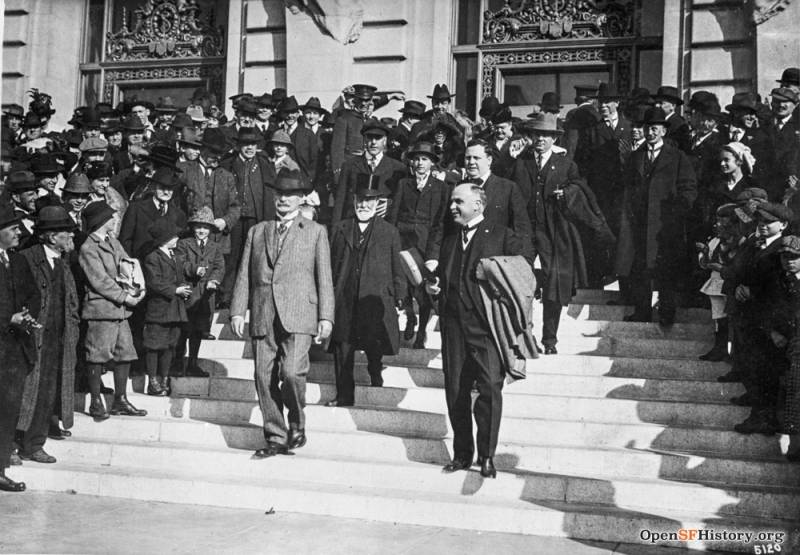
"caption": "A smiling Mayor James Rolph on the steps of San Francisco's City Hall, with his coat slung over his arm. This image was taken in 1918, four years after the public opium burning.",
"description": "A smiling Mayor James Rolph on the steps of San Francisco's City Hall, with his coat slung over his arm. This image was taken in 1918, four years after the public opium burning.",
"title": "A smiling Mayor James Rolph on the steps of San Francisco's City Hall, with his coat slung over his arm. This image was taken in 1918, four years after the public opium burning.",
"credit": "OpenSFHistory / wnp36.01798.jpg",
"status": "inherit",
"altTag": "A smiling Mayor James Rolph on the steps of San Francisco's City Hall, with his coat slung over his arm. This image was taken in 1918, four years after the public opium burning.",
"isLoading": false,
"fetchFailed": false
},
"arts_13882304": {
"type": "attachments",
"id": "arts_13882304",
"meta": {
"index": "attachments_1716263798",
"site": "arts",
"id": "13882304",
"found": true
},
"parent": 13882302,
"imgSizes": {
"twentyfourteen-full-width": {
"file": "https://ww2.kqed.org/app/uploads/sites/2/2020/06/8778871204_73dab056f3_k-1020x738-1020x576.jpg",
"width": 1020,
"mimeType": "image/jpeg",
"height": 576
},
"thumbnail": {
"file": "https://ww2.kqed.org/app/uploads/sites/2/2020/06/8778871204_73dab056f3_k-1020x738-160x116.jpg",
"width": 160,
"mimeType": "image/jpeg",
"height": 116
},
"post-thumbnail": {
"file": "https://ww2.kqed.org/app/uploads/sites/2/2020/06/8778871204_73dab056f3_k-1020x738-672x372.jpg",
"width": 672,
"mimeType": "image/jpeg",
"height": 372
},
"kqedFullSize": {
"file": "https://ww2.kqed.org/app/uploads/sites/2/2020/06/8778871204_73dab056f3_k-1020x738.jpg",
"width": 1020,
"height": 738
},
"large": {
"file": "https://ww2.kqed.org/app/uploads/sites/2/2020/06/8778871204_73dab056f3_k-1020x738-1020x738.jpg",
"width": 1020,
"mimeType": "image/jpeg",
"height": 738
},
"medium": {
"file": "https://ww2.kqed.org/app/uploads/sites/2/2020/06/8778871204_73dab056f3_k-1020x738-800x579.jpg",
"width": 800,
"mimeType": "image/jpeg",
"height": 579
},
"medium_large": {
"file": "https://ww2.kqed.org/app/uploads/sites/2/2020/06/8778871204_73dab056f3_k-1020x738-768x556.jpg",
"width": 768,
"mimeType": "image/jpeg",
"height": 556
}
},
"publishDate": 1592599317,
"modified": 1592599353,
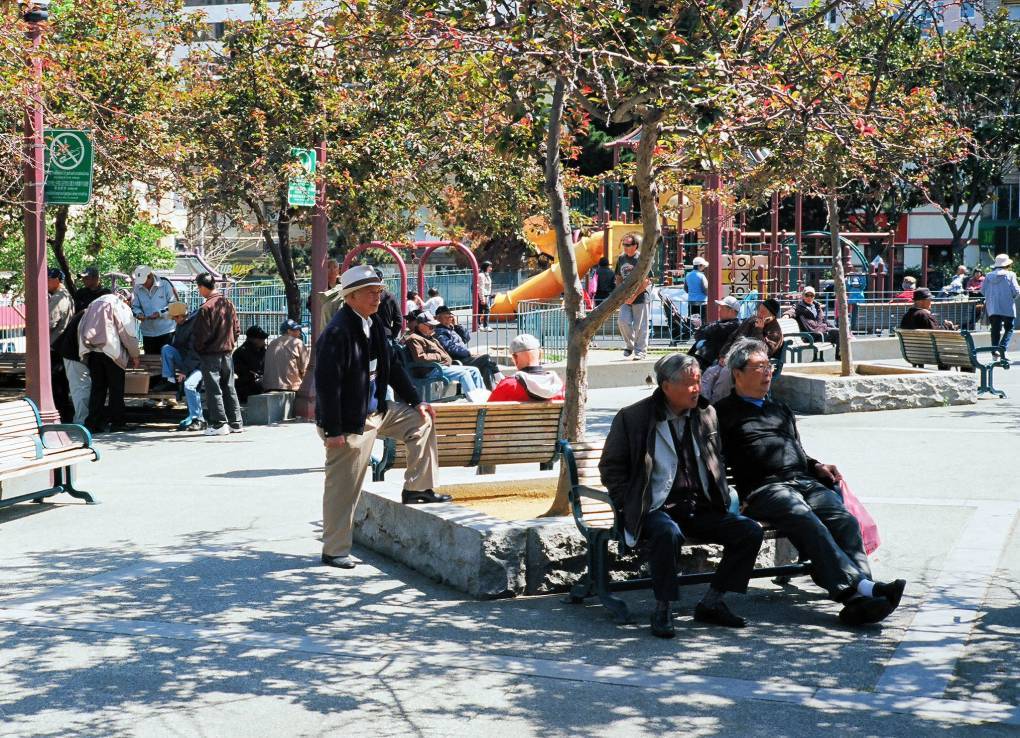
"caption": "Portsmouth Square is a community hub for San Francisco's Chinatown.",
"description": "Portsmouth Square is a community hub for San Francisco's Chinatown.",
"title": "8778871204_73dab056f3_k-1020x738",
"credit": "Michael Fraley/Flickr",
"status": "inherit",
"isLoading": false,
"fetchFailed": false
},
"arts_13880764": {
"type": "attachments",
"id": "arts_13880764",
"meta": {
"index": "attachments_1716263798",
"site": "arts",
"id": "13880764",
"found": true
},
"parent": 13880286,
"imgSizes": {
"twentyfourteen-full-width": {
"file": "https://ww2.kqed.org/app/uploads/sites/2/2020/05/Tien_Fuh_Wu-1038x576.jpg",
"width": 1038,
"mimeType": "image/jpeg",
"height": 576
},
"thumbnail": {
"file": "https://ww2.kqed.org/app/uploads/sites/2/2020/05/Tien_Fuh_Wu-160x90.jpg",
"width": 160,
"mimeType": "image/jpeg",
"height": 90
},
"post-thumbnail": {
"file": "https://ww2.kqed.org/app/uploads/sites/2/2020/05/Tien_Fuh_Wu-672x372.jpg",
"width": 672,
"mimeType": "image/jpeg",
"height": 372
},
"kqedFullSize": {
"file": "https://ww2.kqed.org/app/uploads/sites/2/2020/05/Tien_Fuh_Wu.jpg",
"width": 1920,
"height": 1080
},
"large": {
"file": "https://ww2.kqed.org/app/uploads/sites/2/2020/05/Tien_Fuh_Wu-1020x574.jpg",
"width": 1020,
"mimeType": "image/jpeg",
"height": 574
},
"full-width": {
"file": "https://ww2.kqed.org/app/uploads/sites/2/2020/05/Tien_Fuh_Wu-1920x1080.jpg",
"width": 1920,
"mimeType": "image/jpeg",
"height": 1080
},
"medium": {
"file": "https://ww2.kqed.org/app/uploads/sites/2/2020/05/Tien_Fuh_Wu-800x450.jpg",
"width": 800,
"mimeType": "image/jpeg",
"height": 450
},
"medium_large": {
"file": "https://ww2.kqed.org/app/uploads/sites/2/2020/05/Tien_Fuh_Wu-768x432.jpg",
"width": 768,
"mimeType": "image/jpeg",
"height": 432
}
},
"publishDate": 1590004880,
"modified": 1636504886,
"caption": null,
"description": null,
"title": "Tien_Fuh_Wu",
"credit": null,
"status": "inherit",
"altTag": "A young woman of Chinese descent with a pretty round face poses for a portrait, wearing a large-brimmed black hat, smart suit jacket and lace choker.",
"isLoading": false,
"fetchFailed": false
},
"arts_13876033": {
"type": "attachments",
"id": "arts_13876033",
"meta": {
"index": "attachments_1716263798",
"site": "arts",
"id": "13876033",
"found": true
},
"parent": 13876031,
"imgSizes": {
"twentyfourteen-full-width": {
"file": "https://ww2.kqed.org/app/uploads/sites/2/2020/03/VirusRacismBig-1038x576.jpg",
"width": 1038,
"mimeType": "image/jpeg",
"height": 576
},
"thumbnail": {
"file": "https://ww2.kqed.org/app/uploads/sites/2/2020/03/VirusRacismBig-160x120.jpg",
"width": 160,
"mimeType": "image/jpeg",
"height": 120
},
"post-thumbnail": {
"file": "https://ww2.kqed.org/app/uploads/sites/2/2020/03/VirusRacismBig-672x372.jpg",
"width": 672,
"mimeType": "image/jpeg",
"height": 372
},
"kqedFullSize": {
"file": "https://ww2.kqed.org/app/uploads/sites/2/2020/03/VirusRacismBig.jpg",
"width": 1300,
"height": 974
},
"large": {
"file": "https://ww2.kqed.org/app/uploads/sites/2/2020/03/VirusRacismBig-1020x764.jpg",
"width": 1020,
"mimeType": "image/jpeg",
"height": 764
},
"medium": {
"file": "https://ww2.kqed.org/app/uploads/sites/2/2020/03/VirusRacismBig-800x599.jpg",
"width": 800,
"mimeType": "image/jpeg",
"height": 599
},
"medium_large": {
"file": "https://ww2.kqed.org/app/uploads/sites/2/2020/03/VirusRacismBig-768x575.jpg",
"width": 768,
"mimeType": "image/jpeg",
"height": 575
}
},
"publishDate": 1583448022,
"modified": 1583448049,
"caption": null,
"description": null,
"title": "VirusRacismBig",
"credit": "LA Johnson",
"status": "inherit",
"isLoading": false,
"fetchFailed": false
},
"arts_13865187": {
"type": "attachments",
"id": "arts_13865187",
"meta": {
"index": "attachments_1716263798",
"site": "arts",
"id": "13865187",
"found": true
},
"parent": 13865075,
"imgSizes": {
"twentyfourteen-full-width": {
"file": "https://ww2.kqed.org/app/uploads/sites/2/2019/08/Vida_Kuang_Public_Charge_COVER-1038x576.jpg",
"width": 1038,
"mimeType": "image/jpeg",
"height": 576
},
"thumbnail": {
"file": "https://ww2.kqed.org/app/uploads/sites/2/2019/08/Vida_Kuang_Public_Charge_COVER-160x90.jpg",
"width": 160,
"mimeType": "image/jpeg",
"height": 90
},
"post-thumbnail": {
"file": "https://ww2.kqed.org/app/uploads/sites/2/2019/08/Vida_Kuang_Public_Charge_COVER-672x372.jpg",
"width": 672,
"mimeType": "image/jpeg",
"height": 372
},
"kqedFullSize": {
"file": "https://ww2.kqed.org/app/uploads/sites/2/2019/08/Vida_Kuang_Public_Charge_COVER.jpg",
"width": 1920,
"height": 1080
},
"large": {
"file": "https://ww2.kqed.org/app/uploads/sites/2/2019/08/Vida_Kuang_Public_Charge_COVER-1020x574.jpg",
"width": 1020,
"mimeType": "image/jpeg",
"height": 574
},
"complete_open_graph": {
"file": "https://ww2.kqed.org/app/uploads/sites/2/2019/08/Vida_Kuang_Public_Charge_COVER-1200x675.jpg",
"width": 1200,
"mimeType": "image/jpeg",
"height": 675
},
"full-width": {
"file": "https://ww2.kqed.org/app/uploads/sites/2/2019/08/Vida_Kuang_Public_Charge_COVER-1920x1080.jpg",
"width": 1920,
"mimeType": "image/jpeg",
"height": 1080
},
"medium": {
"file": "https://ww2.kqed.org/app/uploads/sites/2/2019/08/Vida_Kuang_Public_Charge_COVER-800x450.jpg",
"width": 800,
"mimeType": "image/jpeg",
"height": 450
},
"medium_large": {
"file": "https://ww2.kqed.org/app/uploads/sites/2/2019/08/Vida_Kuang_Public_Charge_COVER-768x432.jpg",
"width": 768,
"mimeType": "image/jpeg",
"height": 432
}
},
"publishDate": 1567019046,
"modified": 1567019168,
"caption": "Cartoonists and illustrators captured the Public Charge protests on Tuesday, Aug. 27.",
"description": "Cartoonists and illustrators captured the Public Charge protests on Tuesday, Aug. 27.",
"title": "Vida_Kuang_Public_Charge_COVER",
"credit": "Vida Kuang",
"status": "inherit",
"isLoading": false,
"fetchFailed": false
},
"arts_13857074": {
"type": "attachments",
"id": "arts_13857074",
"meta": {
"index": "attachments_1716263798",
"site": "arts",
"id": "13857074",
"found": true
},
"parent": 13857007,
"imgSizes": {
"twentyfourteen-full-width": {
"file": "https://ww2.kqed.org/app/uploads/sites/2/2019/05/RS37040_Screen-Shot-2019-05-10-at-11.59.26-AM-1038x576.jpeg",
"width": 1038,
"mimeType": "image/jpeg",
"height": 576
},
"thumbnail": {
"file": "https://ww2.kqed.org/app/uploads/sites/2/2019/05/RS37040_Screen-Shot-2019-05-10-at-11.59.26-AM-160x124.jpeg",
"width": 160,
"mimeType": "image/jpeg",
"height": 124
},
"post-thumbnail": {
"file": "https://ww2.kqed.org/app/uploads/sites/2/2019/05/RS37040_Screen-Shot-2019-05-10-at-11.59.26-AM-672x372.jpeg",
"width": 672,
"mimeType": "image/jpeg",
"height": 372
},
"kqedFullSize": {
"file": "https://ww2.kqed.org/app/uploads/sites/2/2019/05/RS37040_Screen-Shot-2019-05-10-at-11.59.26-AM.jpeg",
"width": 1076,
"height": 835
},
"large": {
"file": "https://ww2.kqed.org/app/uploads/sites/2/2019/05/RS37040_Screen-Shot-2019-05-10-at-11.59.26-AM-1020x792.jpeg",
"width": 1020,
"mimeType": "image/jpeg",
"height": 792
},
"medium": {
"file": "https://ww2.kqed.org/app/uploads/sites/2/2019/05/RS37040_Screen-Shot-2019-05-10-at-11.59.26-AM-800x621.jpeg",
"width": 800,
"mimeType": "image/jpeg",
"height": 621
},
"medium_large": {
"file": "https://ww2.kqed.org/app/uploads/sites/2/2019/05/RS37040_Screen-Shot-2019-05-10-at-11.59.26-AM-768x596.jpeg",
"width": 768,
"mimeType": "image/jpeg",
"height": 596
}
},
"publishDate": 1557541665,
"modified": 1557541738,
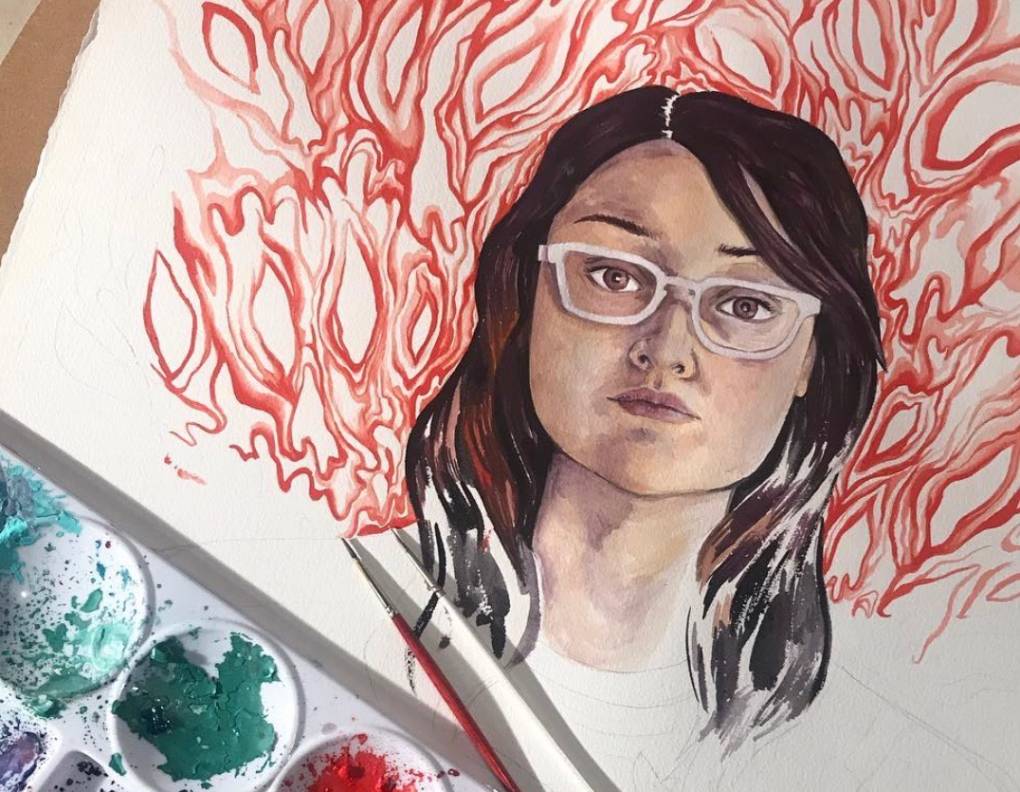
"caption": "Early sketch of a self portrait for 'Guided by Ghosts' by Chinese-American artist Tessa Hulls. ",
"description": "Early sketch of a self portrait for 'Guided by Ghosts' by Chinese-American artist Tessa Hulls. ",
"title": "RS37040_Screen Shot 2019-05-10 at 11.59.26 AM",
"credit": "Photo: Courtesy of Tessa Hulls",
"status": "inherit",
"isLoading": false,
"fetchFailed": false
},
"arts_13810383": {
"type": "attachments",
"id": "arts_13810383",
"meta": {
"index": "attachments_1716263798",
"site": "arts",
"id": "13810383",
"found": true
},
"parent": 13810347,
"imgSizes": {
"small": {
"file": "https://ww2.kqed.org/app/uploads/sites/2/2017/10/Wong.MAIN_-520x293.jpg",
"width": 520,
"mimeType": "image/jpeg",
"height": 293
},
"twentyfourteen-full-width": {
"file": "https://ww2.kqed.org/app/uploads/sites/2/2017/10/Wong.MAIN_-1038x576.jpg",
"width": 1038,
"mimeType": "image/jpeg",
"height": 576
},
"thumbnail": {
"file": "https://ww2.kqed.org/app/uploads/sites/2/2017/10/Wong.MAIN_-160x90.jpg",
"width": 160,
"mimeType": "image/jpeg",
"height": 90
},
"fd-sm": {
"file": "https://ww2.kqed.org/app/uploads/sites/2/2017/10/Wong.MAIN_-960x540.jpg",
"width": 960,
"mimeType": "image/jpeg",
"height": 540
},
"post-thumbnail": {
"file": "https://ww2.kqed.org/app/uploads/sites/2/2017/10/Wong.MAIN_-672x372.jpg",
"width": 672,
"mimeType": "image/jpeg",
"height": 372
},
"xsmall": {
"file": "https://ww2.kqed.org/app/uploads/sites/2/2017/10/Wong.MAIN_-375x211.jpg",
"width": 375,
"mimeType": "image/jpeg",
"height": 211
},
"kqedFullSize": {
"file": "https://ww2.kqed.org/app/uploads/sites/2/2017/10/Wong.MAIN_.jpg",
"width": 1920,
"height": 1080
},
"large": {
"file": "https://ww2.kqed.org/app/uploads/sites/2/2017/10/Wong.MAIN_-1020x574.jpg",
"width": 1020,
"mimeType": "image/jpeg",
"height": 574
},
"xlarge": {
"file": "https://ww2.kqed.org/app/uploads/sites/2/2017/10/Wong.MAIN_-1180x664.jpg",
"width": 1180,
"mimeType": "image/jpeg",
"height": 664
},
"guest-author-50": {
"file": "https://ww2.kqed.org/app/uploads/sites/2/2017/10/Wong.MAIN_-50x50.jpg",
"width": 50,
"mimeType": "image/jpeg",
"height": 50
},
"guest-author-96": {
"file": "https://ww2.kqed.org/app/uploads/sites/2/2017/10/Wong.MAIN_-96x96.jpg",
"width": 96,
"mimeType": "image/jpeg",
"height": 96
},
"medium": {
"file": "https://ww2.kqed.org/app/uploads/sites/2/2017/10/Wong.MAIN_-800x450.jpg",
"width": 800,
"mimeType": "image/jpeg",
"height": 450
},
"guest-author-64": {
"file": "https://ww2.kqed.org/app/uploads/sites/2/2017/10/Wong.MAIN_-64x64.jpg",
"width": 64,
"mimeType": "image/jpeg",
"height": 64
},
"guest-author-32": {
"file": "https://ww2.kqed.org/app/uploads/sites/2/2017/10/Wong.MAIN_-32x32.jpg",
"width": 32,
"mimeType": "image/jpeg",
"height": 32
},
"fd-lrg": {
"file": "https://ww2.kqed.org/app/uploads/sites/2/2017/10/Wong.MAIN_-1920x1080.jpg",
"width": 1920,
"mimeType": "image/jpeg",
"height": 1080
},
"fd-med": {
"file": "https://ww2.kqed.org/app/uploads/sites/2/2017/10/Wong.MAIN_-1180x664.jpg",
"width": 1180,
"mimeType": "image/jpeg",
"height": 664
},
"full-width": {
"file": "https://ww2.kqed.org/app/uploads/sites/2/2017/10/Wong.MAIN_-1920x1080.jpg",
"width": 1920,
"mimeType": "image/jpeg",
"height": 1080
},
"detail": {
"file": "https://ww2.kqed.org/app/uploads/sites/2/2017/10/Wong.MAIN_-150x150.jpg",
"width": 150,
"mimeType": "image/jpeg",
"height": 150
},
"medium_large": {
"file": "https://ww2.kqed.org/app/uploads/sites/2/2017/10/Wong.MAIN_-768x432.jpg",
"width": 768,
"mimeType": "image/jpeg",
"height": 432
},
"guest-author-128": {
"file": "https://ww2.kqed.org/app/uploads/sites/2/2017/10/Wong.MAIN_-128x128.jpg",
"width": 128,
"mimeType": "image/jpeg",
"height": 128
},
"xxsmall": {
"file": "https://ww2.kqed.org/app/uploads/sites/2/2017/10/Wong.MAIN_-240x135.jpg",
"width": 240,
"mimeType": "image/jpeg",
"height": 135
}
},
"publishDate": 1507099091,
"modified": 1507099214,
"caption": "A promise: if you write to the Fan Club address above about Martin Wong, I will write a letter back.",
"description": "A promise: if you write to the Fan Club address above about Martin Wong, I will write a letter back.",
"title": "Wong.MAIN",
"credit": "Martin Wong, 'Self Portrait'",
"status": "inherit",
"isLoading": false,
"fetchFailed": false
}
},
"audioPlayerReducer": {
"postId": "stream_live",
"isPaused": true,
"isPlaying": false,
"pfsActive": false,
"pledgeModalIsOpen": true,
"playerDrawerIsOpen": false,
"liveAudioPlayStartedAt": 0,
"liveAudioPlayContext": ""
},
"authorsReducer": {
"byline_arts_13876031": {
"type": "authors",
"id": "byline_arts_13876031",
"meta": {
"override": true
},
"slug": "byline_arts_13876031",
"name": "Natalie Escobar",
"isLoading": false
},
"shotchkiss": {
"type": "authors",
"id": "61",
"meta": {
"index": "authors_1716337520",
"id": "61",
"found": true
},
"name": "Sarah Hotchkiss",
"firstName": "Sarah",
"lastName": "Hotchkiss",
"slug": "shotchkiss",
"email": "shotchkiss@kqed.org",
"display_author_email": true,
"staff_mastheads": [
"arts"
],
"title": "Senior Editor",
"bio": "Sarah Hotchkiss is a San Francisco \u003ca href=\"http://www.sarahhotchkiss.com\">artist\u003c/a> and arts writer. In 2019, she received the Dorothea & Leo Rabkin Foundation grant for visual art journalism and in 2020 she received a Society of Professional Journalists, Northern California award for excellence in arts and culture reporting.",
"avatar": "https://secure.gravatar.com/avatar/bc662df144b3d27fd8b1b6f1c2a420d34e91e53154d411bb7ad353cc8b6cea8d?s=600&d=blank&r=g",
"twitter": null,
"bluesky": null,
"facebook": null,
"instagram": null,
"linkedin": null,
"sites": [
{
"site": "",
"roles": [
"editor"
]
},
{
"site": "arts",
"roles": [
"Contributor",
"administrator"
]
},
{
"site": "artschool",
"roles": [
"administrator"
]
},
{
"site": "news",
"roles": [
"editor"
]
},
{
"site": "pop",
"roles": [
"administrator"
]
},
{
"site": "bayareabites",
"roles": [
"editor"
]
},
{
"site": "spark",
"roles": [
"editor"
]
},
{
"site": "checkplease",
"roles": [
"editor"
]
}
],
"headData": {
"title": "Sarah Hotchkiss | KQED",
"description": "Senior Editor",
"ogImgSrc": "https://secure.gravatar.com/avatar/bc662df144b3d27fd8b1b6f1c2a420d34e91e53154d411bb7ad353cc8b6cea8d?s=600&d=blank&r=g",
"twImgSrc": "https://secure.gravatar.com/avatar/bc662df144b3d27fd8b1b6f1c2a420d34e91e53154d411bb7ad353cc8b6cea8d?s=600&d=blank&r=g"
},
"isLoading": false,
"link": "/author/shotchkiss"
},
"gmeline": {
"type": "authors",
"id": "185",
"meta": {
"index": "authors_1716337520",
"id": "185",
"found": true
},
"name": "Gabe Meline",
"firstName": "Gabe",
"lastName": "Meline",
"slug": "gmeline",
"email": "gmeline@kqed.org",
"display_author_email": true,
"staff_mastheads": [
"arts"
],
"title": "Senior Editor, KQED Arts & Culture",
"bio": "Gabe Meline entered journalism at age 15 making photocopied zines, and has since earned awards from the Edward R. Murrow Awards, the Society for Professional Journalists, the Online Journalism Awards, the Association of Alternative Newsweeklies and the California Newspaper Publishers Association. Prior to KQED, he was the editor of the \u003cem>North Bay Bohemian\u003c/em> and a touring musician. He lives with his wife and daughter in his hometown of Santa Rosa, CA.",
"avatar": "https://secure.gravatar.com/avatar/5bebe57be0d8bc2dd318934feb47299e2d2d10cba28d09d8d7afb389a2ce2bdd?s=600&d=blank&r=g",
"twitter": null,
"bluesky": null,
"facebook": null,
"instagram": null,
"linkedin": null,
"sites": [
{
"site": "",
"roles": [
"editor"
]
},
{
"site": "arts",
"roles": [
"administrator"
]
},
{
"site": "artschool",
"roles": [
"editor"
]
},
{
"site": "news",
"roles": [
"author"
]
},
{
"site": "pop",
"roles": [
"editor"
]
},
{
"site": "bayareabites",
"roles": [
"editor"
]
},
{
"site": "food",
"roles": [
"editor"
]
},
{
"site": "liveblog",
"roles": [
"editor"
]
},
{
"site": "hiphop",
"roles": [
"editor"
]
}
],
"headData": {
"title": "Gabe Meline | KQED",
"description": "Senior Editor, KQED Arts & Culture",
"ogImgSrc": "https://secure.gravatar.com/avatar/5bebe57be0d8bc2dd318934feb47299e2d2d10cba28d09d8d7afb389a2ce2bdd?s=600&d=blank&r=g",
"twImgSrc": "https://secure.gravatar.com/avatar/5bebe57be0d8bc2dd318934feb47299e2d2d10cba28d09d8d7afb389a2ce2bdd?s=600&d=blank&r=g"
},
"isLoading": false,
"link": "/author/gmeline"
},
"rachael-myrow": {
"type": "authors",
"id": "251",
"meta": {
"index": "authors_1716337520",
"id": "251",
"found": true
},
"name": "Rachael Myrow",
"firstName": "Rachael",
"lastName": "Myrow",
"slug": "rachael-myrow",
"email": "rmyrow@kqed.org",
"display_author_email": true,
"staff_mastheads": [
"news"
],
"title": "Senior Editor of KQED's Silicon Valley News Desk",
"bio": "• I write and edit stories about how Silicon Valley power and policies shape everyday life in California. I’m also passionate about making Bay Area history and culture more accessible to a broad public. • I’ve been a journalist for most of my life, starting in high school with The Franklin Press in Los Angeles, where I grew up. While earning my first degree in English at UC Berkeley, I got my start in public radio at KALX-FM. After completing a second degree in journalism at Cal, I landed my first professional job at Marketplace, then moved on to KPCC (now LAist), and then KQED, where I hosted The California Report for more than seven years. • My reporting has appeared on NPR, The World, WBUR’s \u003ci>Here & Now\u003c/i>, and the BBC. I also guest host for KQED’s \u003ci>Forum\u003c/i>, as well as the Commonwealth Club in San Francisco. • I speak periodically on media, democracy and technology issues, and do voiceover work for documentaries and educational video projects. • Outside of the studio, you'll find me hiking Bay Area trails and whipping up Insta-ready meals in my kitchen. • I do not accept gifts, money, or favors from anyone connected to my reporting, I don't pay people for information, and I do not support or donate to political causes. • I strive to treat the people I report on with fairness, honesty, and respect. I also recognize there are often multiple sides to a story and work to verify information through multiple sources and documentation. If I get something wrong, I correct it.",
"avatar": "https://secure.gravatar.com/avatar/87bf8cb5874e045cdff430523a6d48b1?s=600&d=blank&r=g",
"twitter": "rachaelmyrow",
"facebook": null,
"instagram": null,
"linkedin": "https://www.linkedin.com/in/rachaelmyrow/",
"sites": [
{
"site": "arts",
"roles": [
"administrator"
]
},
{
"site": "news",
"roles": [
"edit_others_posts",
"editor"
]
},
{
"site": "futureofyou",
"roles": [
"editor"
]
},
{
"site": "bayareabites",
"roles": [
"editor"
]
},
{
"site": "stateofhealth",
"roles": [
"editor"
]
},
{
"site": "science",
"roles": [
"editor"
]
},
{
"site": "food",
"roles": [
"editor"
]
},
{
"site": "forum",
"roles": [
"editor"
]
},
{
"site": "liveblog",
"roles": [
"author"
]
}
],
"headData": {
"title": "Rachael Myrow | KQED",
"description": "Senior Editor of KQED's Silicon Valley News Desk",
"ogImgSrc": "https://secure.gravatar.com/avatar/87bf8cb5874e045cdff430523a6d48b1?s=600&d=blank&r=g",
"twImgSrc": "https://secure.gravatar.com/avatar/87bf8cb5874e045cdff430523a6d48b1?s=600&d=blank&r=g"
},
"isLoading": false,
"link": "/author/rachael-myrow"
},
"ralexandra": {
"type": "authors",
"id": "11242",
"meta": {
"index": "authors_1716337520",
"id": "11242",
"found": true
},
"name": "Rae Alexandra",
"firstName": "Rae",
"lastName": "Alexandra",
"slug": "ralexandra",
"email": "ralexandra@kqed.org",
"display_author_email": true,
"staff_mastheads": [
"arts"
],
"title": "Reporter/Producer",
"bio": "Rae Alexandra is a Reporter/Producer for KQED Arts & Culture, and the creator/author of the \u003ca href=\"https://www.kqed.org/arts/program/rebel-girls-from-bay-area-history\">Rebel Girls From Bay Area History\u003c/a> and \u003ca href=\"https://www.kqed.org/bizarrebayarea\">Bizarre Bay Area\u003c/a> series. Her debut book, \u003ca href=\"https://citylights.com/politics-current-events-history/unsung-heroines35-women-who-changed/\">Unsung Heroines: 35 Women Who Changed the Bay Area\u003c/a> was published by City Lights in March 2026. In 2023, Rae was awarded an SPJ Excellence in Journalism Award for Arts & Culture. Rae was born and raised in Wales and subsequently — even after two decades in Northern California — still uses phrases that regularly baffle her coworkers.",
"avatar": "https://secure.gravatar.com/avatar/edfee8176c80cc0a382b051190f5341997df378a934a5774dcb0977732dfd401?s=600&d=blank&r=g",
"twitter": null,
"bluesky": null,
"facebook": null,
"instagram": null,
"linkedin": null,
"sites": [
{
"site": "arts",
"roles": [
"editor"
]
},
{
"site": "news",
"roles": [
"editor"
]
},
{
"site": "pop",
"roles": [
"editor"
]
},
{
"site": "bayareabites",
"roles": [
"editor"
]
},
{
"site": "science",
"roles": [
"editor"
]
}
],
"headData": {
"title": "Rae Alexandra | KQED",
"description": "Reporter/Producer",
"ogImgSrc": "https://secure.gravatar.com/avatar/edfee8176c80cc0a382b051190f5341997df378a934a5774dcb0977732dfd401?s=600&d=blank&r=g",
"twImgSrc": "https://secure.gravatar.com/avatar/edfee8176c80cc0a382b051190f5341997df378a934a5774dcb0977732dfd401?s=600&d=blank&r=g"
},
"isLoading": false,
"link": "/author/ralexandra"
},
"sgetachew": {
"type": "authors",
"id": "11734",
"meta": {
"index": "authors_1716337520",
"id": "11734",
"found": true
},
"name": "Samuel Getachew",
"firstName": "Samuel",
"lastName": "Getachew",
"slug": "sgetachew",
"email": "sgetachew@kqed.org",
"display_author_email": false,
"staff_mastheads": [],
"title": "KQED Contributor",
"bio": "\u003cspan style=\"font-weight: 400;\">Samuel Getachew is an 18-year-old poet and writer from Oakland, California. He is the 2019 Oakland Youth Poet Laureate, a 2020 Finalist for National Youth Poet Laureate, and a 4-time YoungArts Winner. His writing has been published in Teen Vogue, the New York Times, the Washington Post, and more. He will attend Yale University in the fall of 2021.\u003c/span>",
"avatar": "https://secure.gravatar.com/avatar/ebad3dcf2295975cfe77698fa670a089?s=600&d=blank&r=g",
"twitter": null,
"facebook": null,
"instagram": null,
"linkedin": null,
"sites": [
{
"site": "arts",
"roles": [
"subscriber"
]
}
],
"headData": {
"title": "Samuel Getachew | KQED",
"description": "KQED Contributor",
"ogImgSrc": "https://secure.gravatar.com/avatar/ebad3dcf2295975cfe77698fa670a089?s=600&d=blank&r=g",
"twImgSrc": "https://secure.gravatar.com/avatar/ebad3dcf2295975cfe77698fa670a089?s=600&d=blank&r=g"
},
"isLoading": false,
"link": "/author/sgetachew"
}
},
"pagesReducer": {
"arts_tag_chinatown": {
"type": "terms",
"id": "arts_2654",
"meta": {
"index": "terms_1716263798",
"site": "arts",
"id": "2654",
"score": 8.934054
},
"featImg": null,
"name": "chinatown",
"description": null,
"taxonomy": "tag",
"headData": {
"twImgId": null,
"twTitle": null,
"ogTitle": null,
"ogImgId": null,
"twDescription": null,
"description": null,
"title": "chinatown Archives | KQED Arts",
"ogDescription": null
},
"ttid": 2666,
"slug": "chinatown",
"isLoading": false,
"title": "chinatown",
"pageMeta": {
"site": "arts",
"WpPageTemplate": "page-topic-editorial",
"currentPage": 4
},
"blocks": [
{
"blockName": "kqed/post-list",
"attrs": {
"layout": "cardArticle2",
"query": "posts/arts?tag=chinatown",
"seeMore": false,
"paginated": true,
"page": 4
}
},
{
"blockName": "kqed/ad"
}
]
}
},
"pfsSessionReducer": {},
"postsReducer": {
"stream_live": {
"type": "live",
"id": "stream_live",
"audioUrl": "https://streams.kqed.org/kqedradio",
"title": "Live Stream",
"excerpt": "Live Stream information currently unavailable.",
"link": "/radio",
"featImg": "",
"label": {
"name": "KQED Live",
"link": "/"
}
},
"stream_kqedNewscast": {
"type": "posts",
"id": "stream_kqedNewscast",
"audioUrl": "https://www.kqed.org/.stream/anon/radio/RDnews/newscast.mp3?_=1",
"title": "KQED Newscast",
"featImg": "",
"label": {
"name": "88.5 FM",
"link": "/"
}
},
"arts_13892619": {
"type": "posts",
"id": "arts_13892619",
"meta": {
"index": "posts_1716263798",
"site": "arts",
"id": "13892619",
"score": null,
"sort": [
1613067488000
]
},
"guestAuthors": [],
"slug": "a-neon-sign-tour-of-san-franciscos-chinatown",
"title": "A Neon Sign Tour of San Francisco's Chinatown",
"publishDate": 1613067488,
"format": "standard",
"headTitle": "A Neon Sign Tour of San Francisco’s Chinatown | KQED",
"labelTerm": {
"term": 140,
"site": "arts"
},
"content": "\u003cp>On Wednesday, Feb. 17, \u003ca href=\"https://sfneon.org/\" rel=\"noopener noreferrer\" target=\"_blank\">San Francisco Neon\u003c/a> presents the second part of their virtual Chinatown neon sign tour in partnership with the Chinese Historical Society of America. Through the examination of the architecture and design of the neighborhood’s many still-existing neon signs, the tour tells stories of a culture, its traditions and its history. \u003c/p>\n\u003cp>This tour falls not just around the Lunar New Year, but in a moment that has called increased attention to anti-Asian and anti-Chinese racism across the country, and particularly in the Bay Area. The past several weeks have seen a sharp spike in hate crimes against elderly Asian individuals in the East Bay.[aside postID='arts_13892437']\u003c/p>\n\u003cp>One such attack, the Jan. 28 assault of Vicha Ratanapakdee in San Francisco, was captured on video. The 84-year-old Ratanapakdee was seen being shoved to the ground in the disturbing viral clip during his morning walk, and died days later. In response to the attacks, Alameda County District Attorney Nancy O’Malley announced the creation of a special response unit on Tuesday that will investigate crimes against Asian Americans, particularly those against the elderly.\u003c/p>\n\u003cp>Community organizers and leaders have called for non-Asian members of the Bay Area community to come support Oakland and San Francisco Chinatown business and organizations around this Lunar New Year in a show of solidarity against anti-Asian hate and racism. For those hesitant to go in-person due to COVID concerns, the San Francisco Neon Chinatown tour provides a way to show that support from home. \u003c/p>\n\u003cfigure id=\"attachment_13892622\" class=\"wp-caption aligncenter\" style=\"max-width: 472px\">\u003cimg loading=\"lazy\" decoding=\"async\" src=\"https://ww2.kqed.org/app/uploads/sites/2/2021/02/li-po-artco-from-found-sf.jpg\" alt=\"Nighttime in Chinatown, circa 1955.\" width=\"472\" height=\"695\" class=\"size-full wp-image-13892622\" srcset=\"https://cdn.kqed.org/wp-content/uploads/sites/2/2021/02/li-po-artco-from-found-sf.jpg 472w, https://cdn.kqed.org/wp-content/uploads/sites/2/2021/02/li-po-artco-from-found-sf-160x236.jpg 160w\" sizes=\"(max-width: 472px) 100vw, 472px\">\u003cfigcaption class=\"wp-caption-text\">Nighttime in Chinatown, circa 1955. \u003ccite>(via Found SF / San Francisco Neon)\u003c/cite>\u003c/figcaption>\u003c/figure>\n\u003cp>\u003cem>Part II of San Francisco Neon’s Chinatown neon sign tour occurs virtually on Wednesday, Feb. 17. Tickets are free with a suggested $10 donation; \u003ca href=\"https://sfneon.org/\" rel=\"noopener noreferrer\" target=\"_blank\">details here\u003c/a>. \u003c/em>\u003c/p>\n\u003cp>[ad fullwidth]\u003c/p>\u003cp>\u003c/p>\n",
"blocks": [],
"excerpt": "Through the framing of neon signage, the tour tells stories of a culture, its traditions and its history.",
"status": "publish",
"parent": 0,
"modified": 1729111946,
"stats": {
"hasAudio": false,
"hasVideo": false,
"hasChartOrMap": false,
"iframeSrcs": [],
"hasGoogleForm": false,
"hasGallery": false,
"hasHearkenModule": false,
"hasPolis": false,
"paragraphCount": 7,
"wordCount": 301
},
"headData": {
"title": "A Neon Sign Tour of San Francisco's Chinatown | KQED",
"description": "Through the framing of neon signage, the tour tells stories of a culture, its traditions and its history.",
"ogTitle": "",
"ogDescription": "",
"ogImgId": "",
"twTitle": "",
"twDescription": "",
"twImgId": "",
"schema": {
"@context": "https://schema.org",
"@type": "Article",
"headline": "A Neon Sign Tour of San Francisco's Chinatown",
"datePublished": "2021-02-11T10:18:08-08:00",
"dateModified": "2024-10-16T13:52:26-07:00",
"image": "https://cdn.kqed.org/wp-content/uploads/2020/02/KQED-OG-Image@1x.png"
}
},
"sticky": false,
"templateType": "standard",
"featuredImageType": "standard",
"path": "/arts/13892619/a-neon-sign-tour-of-san-franciscos-chinatown",
"audioTrackLength": null,
"parsedContent": [
{
"type": "contentString",
"content": "\u003cdiv class=\"post-body\">\u003cp>\u003cp>On Wednesday, Feb. 17, \u003ca href=\"https://sfneon.org/\" rel=\"noopener noreferrer\" target=\"_blank\">San Francisco Neon\u003c/a> presents the second part of their virtual Chinatown neon sign tour in partnership with the Chinese Historical Society of America. Through the examination of the architecture and design of the neighborhood’s many still-existing neon signs, the tour tells stories of a culture, its traditions and its history. \u003c/p>\n\u003cp>This tour falls not just around the Lunar New Year, but in a moment that has called increased attention to anti-Asian and anti-Chinese racism across the country, and particularly in the Bay Area. The past several weeks have seen a sharp spike in hate crimes against elderly Asian individuals in the East Bay.\u003c/p>\u003c/div>",
"attributes": {
"named": {},
"numeric": []
}
},
{
"type": "component",
"content": "",
"name": "aside",
"attributes": {
"named": {
"postid": "arts_13892437",
"label": ""
},
"numeric": []
}
},
{
"type": "contentString",
"content": "\u003cdiv class=\"post-body\">\u003cp>\u003c/p>\n\u003cp>One such attack, the Jan. 28 assault of Vicha Ratanapakdee in San Francisco, was captured on video. The 84-year-old Ratanapakdee was seen being shoved to the ground in the disturbing viral clip during his morning walk, and died days later. In response to the attacks, Alameda County District Attorney Nancy O’Malley announced the creation of a special response unit on Tuesday that will investigate crimes against Asian Americans, particularly those against the elderly.\u003c/p>\n\u003cp>Community organizers and leaders have called for non-Asian members of the Bay Area community to come support Oakland and San Francisco Chinatown business and organizations around this Lunar New Year in a show of solidarity against anti-Asian hate and racism. For those hesitant to go in-person due to COVID concerns, the San Francisco Neon Chinatown tour provides a way to show that support from home. \u003c/p>\n\u003cfigure id=\"attachment_13892622\" class=\"wp-caption aligncenter\" style=\"max-width: 472px\">\u003cimg loading=\"lazy\" decoding=\"async\" src=\"https://ww2.kqed.org/app/uploads/sites/2/2021/02/li-po-artco-from-found-sf.jpg\" alt=\"Nighttime in Chinatown, circa 1955.\" width=\"472\" height=\"695\" class=\"size-full wp-image-13892622\" srcset=\"https://cdn.kqed.org/wp-content/uploads/sites/2/2021/02/li-po-artco-from-found-sf.jpg 472w, https://cdn.kqed.org/wp-content/uploads/sites/2/2021/02/li-po-artco-from-found-sf-160x236.jpg 160w\" sizes=\"(max-width: 472px) 100vw, 472px\">\u003cfigcaption class=\"wp-caption-text\">Nighttime in Chinatown, circa 1955. \u003ccite>(via Found SF / San Francisco Neon)\u003c/cite>\u003c/figcaption>\u003c/figure>\n\u003cp>\u003cem>Part II of San Francisco Neon’s Chinatown neon sign tour occurs virtually on Wednesday, Feb. 17. Tickets are free with a suggested $10 donation; \u003ca href=\"https://sfneon.org/\" rel=\"noopener noreferrer\" target=\"_blank\">details here\u003c/a>. \u003c/em>\u003c/p>\n\u003cp>\u003c/p>\u003c/div>",
"attributes": {
"named": {},
"numeric": []
}
},
{
"type": "component",
"content": "",
"name": "ad",
"attributes": {
"named": {
"label": "fullwidth"
},
"numeric": [
"fullwidth"
]
}
},
{
"type": "contentString",
"content": "\u003cdiv class=\"post-body\">\u003cp>\u003c/p>\u003cp>\u003c/p>\n\u003c/div>\u003c/p>",
"attributes": {
"named": {},
"numeric": []
}
}
],
"link": "/arts/13892619/a-neon-sign-tour-of-san-franciscos-chinatown",
"authors": [
"11734"
],
"programs": [
"arts_140"
],
"categories": [
"arts_1",
"arts_22352"
],
"tags": [
"arts_2654",
"arts_1773",
"arts_585"
],
"featImg": "arts_13892623",
"label": "arts_140"
},
"arts_13890853": {
"type": "posts",
"id": "arts_13890853",
"meta": {
"index": "posts_1716263798",
"site": "arts",
"id": "13890853",
"score": null,
"sort": [
1610049386000
]
},
"parent": 0,
"labelTerm": {
"site": "arts"
},
"blocks": [],
"publishDate": 1610049386,
"format": "standard",
"title": "Watch: That Time the Mayor Burned a Cage of Opium Outside SF City Hall",
"headTitle": "Watch: That Time the Mayor Burned a Cage of Opium Outside SF City Hall | KQED",
"content": "\u003cp>Picture, if you will, Mayor London Breed one day emerging from San Francisco City Hall to set fire to half a million dollars’ worth of narcotics piled inside a massive cage constructed out of drug paraphernalia. And imagine if the main thing in that burning structure was opium, which gets you high if you set it on fire and inhale the smoke it produces.\u003c/p>\n\u003cp>\u003cem>Yeah.\u003c/em>\u003c/p>\n\u003cp>In 1914, this is exactly what San Francisco’s mayor James Rolph did, in front of a gathered crowd of 5,000 people. Rolph’s stated goal was to send a very public message to local drug smugglers and dealers. (That message, to be clear, was supposed to be about zero tolerance, not the dangers of secondhand smoke.)\u003c/p>\n\u003cp>According to an article from the \u003ca href=\"https://books.google.com/books?id=XaxMAAAAYAAJ&pg=PA392&lpg=PA392&dq=%22Ten+thousand+packages+of+morphia,+opium,+and+cocaine%22&source=bl&ots=jYG95RRkUe&sig=ACfU3U1PE87JyT1fwGUYOdIjLFIJ5APIVA&hl=en&sa=X&ved=2ahUKEwjL4viNnYfgAhXDct8KHbn3A7AQ6AEwAHoECAAQAQ#v=onepage&q=%22Ten%20thousand%20packages%20of%20morphia%2C%20opium%2C%20and%20cocaine%22&f=false\" target=\"_blank\" rel=\"noopener noreferrer\">March 1914 issue of \u003cem>Technical World Magazine\u003c/em>\u003c/a>, “All the condemned articles were piled upon the stone ruins of the old City Hall. With the tins of drugs were mixed excelsior and other highly inflammable material, while the pipes were hung side by side on scaffolding erected for the purpose.” The photo accompanying the story called the resulting bonfire “The Funeral Pyre of Dreams.”\u003c/p>\n\u003cfigure id=\"attachment_13890860\" class=\"wp-caption alignnone\" style=\"max-width: 800px\">\u003cimg loading=\"lazy\" decoding=\"async\" class=\"size-medium wp-image-13890860\" src=\"https://ww2.kqed.org/app/uploads/sites/2/2021/01/Screen-Shot-2021-01-05-at-3.48.11-PM-800x497.png\" alt=\"The photo that 'Technical World Magazine' used in its March 1914 report on the opium bonfire shows a plume of black smoke rising up, outside San Francisco's City Hall.\" width=\"800\" height=\"497\" srcset=\"https://cdn.kqed.org/wp-content/uploads/sites/2/2021/01/Screen-Shot-2021-01-05-at-3.48.11-PM-800x497.png 800w, https://cdn.kqed.org/wp-content/uploads/sites/2/2021/01/Screen-Shot-2021-01-05-at-3.48.11-PM-160x99.png 160w, https://cdn.kqed.org/wp-content/uploads/sites/2/2021/01/Screen-Shot-2021-01-05-at-3.48.11-PM-768x477.png 768w, https://cdn.kqed.org/wp-content/uploads/sites/2/2021/01/Screen-Shot-2021-01-05-at-3.48.11-PM.png 1007w\" sizes=\"(max-width: 800px) 100vw, 800px\">\u003cfigcaption class=\"wp-caption-text\">The photo that ‘Technical World Magazine’ used in its report on the opium bonfire outside San Francisco’s City Hall. \u003ccite>(Technical World Magazine, March 1914, P.392.)\u003c/cite>\u003c/figcaption>\u003c/figure>\n\u003cp>This drug blaze was the result of an 18-month crackdown by California’s State Board of Pharmacy. During that time, 1,200 people were successfully prosecuted on narcotics-related charges, a multitude of pipes and syringes were seized, and $20,000 (in 1914 money) of opium, morphine and cocaine (around “10,000 packages”) was confiscated.\u003c/p>\n\u003cp>[ad fullwidth]\u003c/p>\n\u003cp>At around 2pm, Mayor Rolph set all of it alight, including, according to \u003cem>Technical World Magazine\u003c/em>, “several hundred pipes, centuries old, beautifully carved and ornamented with gold and jewels.” (Thankfully, Rolph did make a last minute call to rescue “several pipes, known to be more than two hundred years old” to be sent to “the Golden Gate Museum.”) The \u003cem>Chronicle\u003c/em> later \u003ca href=\"https://www.newstimes.com/sfhistory/article/San-Francisco-opium-burning-1914-13031409.php\" target=\"_blank\" rel=\"noopener noreferrer\">reported\u003c/a>, “It was only a matter of moments ere the entire monument of potential degeneracy and vice was sending its smoke up to heaven.”\u003c/p>\n\u003cp>Thankfully someone had the good sense to capture it on film:\u003c/p>\n\u003cp>https://www.youtube.com/watch?v=5ForrNJLv0A\u003c/p>\n\u003cp>At the time of the burning, the State Board of Pharmacy had been holding public drug-related burnings for five years. A year earlier, one bonfire set to destroy 1,300 pipes ($25,000 worth) came dangerously close to igniting several buildings on the corner of Washington Street and Ross Alley. After that close call, the wide open space outside City Hall must have seemed like a much safer option. [aside postid='arts_13886018']\u003c/p>\n\u003cp>These kinds of dramatic clampdowns came after decades of San Francisco mostly turning a blind eye to the opium boom. What started with the arrival of \u003ca href=\"https://www.foundsf.org/index.php?title=Chinatown%27s_Opium_Dens\" target=\"_blank\" rel=\"noopener noreferrer\">52 boxes of opium in 1861\u003c/a> had created around 300 opium dens by the end of the 1880s. While the city served as the \u003ca href=\"https://immigrants.harpweek.com/chineseamericans/Items/Item061L.htm\" target=\"_blank\" rel=\"noopener noreferrer\">primary American gateway\u003c/a> for drug imports from China, law enforcement was slow to do anything about it. Commissioner Jesse B. Cook, a former chief of SFPD and a sergeant of the “Chinatown Squad” before the 1906 earthquake, wrote in 1931 about his experience with opium in the city at the turn of the century.\u003c/p>\n\u003cp>“At that time nearly every store in Chinatown had an opium layout in the rear for their customers,” \u003ca href=\"http://www.sfmuseum.org/hist9/cook.html\" target=\"_blank\" rel=\"noopener noreferrer\">he reported\u003c/a>. “In those days the Chinese were allowed to smoke opium, provided they did not do so in the presence of a white man. If a white man was present it meant the arrest of all who were in the room at the time.”\u003c/p>\n\u003cp>Cook said that some dens could accommodate as many as 100 opium smokers. “The opium smoke was sometimes so thick in those dens that the gas jets looked like small matches burning. Opium has a peculiar, sweet smell, not at all distasteful, and many times when coming home from Chinatown after going through dens, people in the cars sitting near me, would be sniffing, smelling the opium in my clothes and wondering what it was. When I got home it would be necessary to undress in an outer room and air my clothes to get the opium fumes out of them.” [aside postid='arts_13884403']\u003c/p>\n\u003cp>At the end of the 19th century, messages about opium were fairly mixed, with some advocates viewing the narcotic as positively medicinal. One journal article titled “\u003ca href=\"https://jamanetwork.com/journals/jama/article-abstract/468857\" target=\"_blank\" rel=\"noopener noreferrer\">Opium Smoking\u003c/a>” from March 5, 1892 quoted one enthusiast as saying: “Opium smoking is not only innocuous, but positively beneficial to the system. It is a complete preservative against drunkenness.”\u003c/p>\n\u003cp>After the 1906 earthquake decimated much of Chinatown, many of the city’s opium dens disappeared literally overnight. And by 1914, public attitudes to narcotics entered a major shift on a national level. In 1908, Hamilton Wright had become United States Opium Commissioner and launched a passionate and concerted campaign to stamp out opium. In March 1911, \u003ca href=\"https://www.nytimes.com/1911/03/12/archives/-uncle-sam-is-the-worst-drug-fiend-in-the-world-dr-hamilton-wright-.html\" target=\"_blank\" rel=\"noopener noreferrer\">he told the \u003cem>New York Times\u003c/em>\u003c/a>:\u003c/p>\n\u003cblockquote>\u003cp>Of all the nations of the world, the United States consumes most habit-forming drugs per capita … China now guards [opium] with much greater care than we do; Japan preserves her people from it far more intelligently than we do ours, who can buy it, in almost any form, in every tenth one of our drug stores. Our physicians use it recklessly in remedies and thus become responsible for making numberless ‘dope fiends’ … The habit has this Nation in its grip to an astonishing extent. Our prisons and our hospitals are full of victims of it.\u003c/p>\u003c/blockquote>\n\u003cp>Heeding Wright’s warnings, America tip-toed into the war on drugs via the Harrison Narcotics Tax Act of 1914. The legislation imposed “a special tax on all persons who produce, import, manufacture, compound, deal in, dispense, sell, distribute, or give away opium or coca leaves, their salts, derivatives, or preparations, and for other purposes.”\u003c/p>\n\u003cp>\u003c/p>\n\u003cp>The act quickly reduced the amount of opium in circulation—without anyone having to publicly set it on fire.\u003c/p>\n\n",
"stats": {
"hasVideo": true,
"hasChartOrMap": false,
"hasAudio": false,
"hasPolis": false,
"wordCount": 1055,
"hasGoogleForm": false,
"hasGallery": false,
"hasHearkenModule": false,
"iframeSrcs": [],
"paragraphCount": 18
},
"modified": 1705019681,
"excerpt": "Mayor Rolph's destruction of 10,000 packages of narcotics marked the end of the opium boom that had gripped San Francisco since the 1860s.",
"headData": {
"twImgId": "",
"twTitle": "",
"ogTitle": "",
"ogImgId": "",
"twDescription": "",
"description": "Mayor Rolph's destruction of 10,000 packages of narcotics marked the end of the opium boom that had gripped San Francisco since the 1860s.",
"title": "Watch: That Time the Mayor Burned a Cage of Opium Outside SF City Hall | KQED",
"ogDescription": "",
"schema": {
"@context": "https://schema.org",
"@type": "Article",
"headline": "Watch: That Time the Mayor Burned a Cage of Opium Outside SF City Hall",
"datePublished": "2021-01-07T11:56:26-08:00",
"dateModified": "2024-01-11T16:34:41-08:00",
"image": "https://cdn.kqed.org/wp-content/uploads/2020/02/KQED-OG-Image@1x.png"
}
},
"guestAuthors": [],
"slug": "watch-that-time-the-mayor-burned-a-cage-of-opium-outside-sf-city-hall",
"status": "publish",
"templateType": "standard",
"excludeFromSiteSearch": "Include",
"featuredImageType": "standard",
"sticky": false,
"articleAge": "0",
"path": "/arts/13890853/watch-that-time-the-mayor-burned-a-cage-of-opium-outside-sf-city-hall",
"audioTrackLength": null,
"parsedContent": [
{
"type": "contentString",
"content": "\u003cdiv class=\"post-body\">\u003cp>\u003cp>Picture, if you will, Mayor London Breed one day emerging from San Francisco City Hall to set fire to half a million dollars’ worth of narcotics piled inside a massive cage constructed out of drug paraphernalia. And imagine if the main thing in that burning structure was opium, which gets you high if you set it on fire and inhale the smoke it produces.\u003c/p>\n\u003cp>\u003cem>Yeah.\u003c/em>\u003c/p>\n\u003cp>In 1914, this is exactly what San Francisco’s mayor James Rolph did, in front of a gathered crowd of 5,000 people. Rolph’s stated goal was to send a very public message to local drug smugglers and dealers. (That message, to be clear, was supposed to be about zero tolerance, not the dangers of secondhand smoke.)\u003c/p>\n\u003cp>According to an article from the \u003ca href=\"https://books.google.com/books?id=XaxMAAAAYAAJ&pg=PA392&lpg=PA392&dq=%22Ten+thousand+packages+of+morphia,+opium,+and+cocaine%22&source=bl&ots=jYG95RRkUe&sig=ACfU3U1PE87JyT1fwGUYOdIjLFIJ5APIVA&hl=en&sa=X&ved=2ahUKEwjL4viNnYfgAhXDct8KHbn3A7AQ6AEwAHoECAAQAQ#v=onepage&q=%22Ten%20thousand%20packages%20of%20morphia%2C%20opium%2C%20and%20cocaine%22&f=false\" target=\"_blank\" rel=\"noopener noreferrer\">March 1914 issue of \u003cem>Technical World Magazine\u003c/em>\u003c/a>, “All the condemned articles were piled upon the stone ruins of the old City Hall. With the tins of drugs were mixed excelsior and other highly inflammable material, while the pipes were hung side by side on scaffolding erected for the purpose.” The photo accompanying the story called the resulting bonfire “The Funeral Pyre of Dreams.”\u003c/p>\n\u003cfigure id=\"attachment_13890860\" class=\"wp-caption alignnone\" style=\"max-width: 800px\">\u003cimg loading=\"lazy\" decoding=\"async\" class=\"size-medium wp-image-13890860\" src=\"https://ww2.kqed.org/app/uploads/sites/2/2021/01/Screen-Shot-2021-01-05-at-3.48.11-PM-800x497.png\" alt=\"The photo that 'Technical World Magazine' used in its March 1914 report on the opium bonfire shows a plume of black smoke rising up, outside San Francisco's City Hall.\" width=\"800\" height=\"497\" srcset=\"https://cdn.kqed.org/wp-content/uploads/sites/2/2021/01/Screen-Shot-2021-01-05-at-3.48.11-PM-800x497.png 800w, https://cdn.kqed.org/wp-content/uploads/sites/2/2021/01/Screen-Shot-2021-01-05-at-3.48.11-PM-160x99.png 160w, https://cdn.kqed.org/wp-content/uploads/sites/2/2021/01/Screen-Shot-2021-01-05-at-3.48.11-PM-768x477.png 768w, https://cdn.kqed.org/wp-content/uploads/sites/2/2021/01/Screen-Shot-2021-01-05-at-3.48.11-PM.png 1007w\" sizes=\"(max-width: 800px) 100vw, 800px\">\u003cfigcaption class=\"wp-caption-text\">The photo that ‘Technical World Magazine’ used in its report on the opium bonfire outside San Francisco’s City Hall. \u003ccite>(Technical World Magazine, March 1914, P.392.)\u003c/cite>\u003c/figcaption>\u003c/figure>\n\u003cp>This drug blaze was the result of an 18-month crackdown by California’s State Board of Pharmacy. During that time, 1,200 people were successfully prosecuted on narcotics-related charges, a multitude of pipes and syringes were seized, and $20,000 (in 1914 money) of opium, morphine and cocaine (around “10,000 packages”) was confiscated.\u003c/p>\n\u003cp>\u003c/p>\u003c/div>",
"attributes": {
"named": {},
"numeric": []
}
},
{
"type": "component",
"content": "",
"name": "ad",
"attributes": {
"named": {
"label": "fullwidth"
},
"numeric": [
"fullwidth"
]
}
},
{
"type": "contentString",
"content": "\u003cdiv class=\"post-body\">\u003cp>\u003c/p>\n\u003cp>At around 2pm, Mayor Rolph set all of it alight, including, according to \u003cem>Technical World Magazine\u003c/em>, “several hundred pipes, centuries old, beautifully carved and ornamented with gold and jewels.” (Thankfully, Rolph did make a last minute call to rescue “several pipes, known to be more than two hundred years old” to be sent to “the Golden Gate Museum.”) The \u003cem>Chronicle\u003c/em> later \u003ca href=\"https://www.newstimes.com/sfhistory/article/San-Francisco-opium-burning-1914-13031409.php\" target=\"_blank\" rel=\"noopener noreferrer\">reported\u003c/a>, “It was only a matter of moments ere the entire monument of potential degeneracy and vice was sending its smoke up to heaven.”\u003c/p>\n\u003cp>Thankfully someone had the good sense to capture it on film:\u003c/p>\u003c/p>\u003cp>\u003cspan class='utils-parseShortcode-shortcodes-__youtubeShortcode__embedYoutube'>\n \u003cspan class='utils-parseShortcode-shortcodes-__youtubeShortcode__embedYoutubeInside'>\n \u003ciframe\n loading='lazy'\n class='utils-parseShortcode-shortcodes-__youtubeShortcode__youtubePlayer'\n type='text/html'\n src='//www.youtube.com/embed/5ForrNJLv0A'\n title='//www.youtube.com/embed/5ForrNJLv0A'\n allowfullscreen='true'\n style='border:0;'>\u003c/iframe>\n \u003c/span>\n \u003c/span>\u003c/p>\u003cp>\u003cp>At the time of the burning, the State Board of Pharmacy had been holding public drug-related burnings for five years. A year earlier, one bonfire set to destroy 1,300 pipes ($25,000 worth) came dangerously close to igniting several buildings on the corner of Washington Street and Ross Alley. After that close call, the wide open space outside City Hall must have seemed like a much safer option. \u003c/p>\u003c/div>",
"attributes": {
"named": {},
"numeric": []
}
},
{
"type": "component",
"content": "",
"name": "aside",
"attributes": {
"named": {
"postid": "arts_13886018",
"label": ""
},
"numeric": []
}
},
{
"type": "contentString",
"content": "\u003cdiv class=\"post-body\">\u003cp>\u003c/p>\n\u003cp>These kinds of dramatic clampdowns came after decades of San Francisco mostly turning a blind eye to the opium boom. What started with the arrival of \u003ca href=\"https://www.foundsf.org/index.php?title=Chinatown%27s_Opium_Dens\" target=\"_blank\" rel=\"noopener noreferrer\">52 boxes of opium in 1861\u003c/a> had created around 300 opium dens by the end of the 1880s. While the city served as the \u003ca href=\"https://immigrants.harpweek.com/chineseamericans/Items/Item061L.htm\" target=\"_blank\" rel=\"noopener noreferrer\">primary American gateway\u003c/a> for drug imports from China, law enforcement was slow to do anything about it. Commissioner Jesse B. Cook, a former chief of SFPD and a sergeant of the “Chinatown Squad” before the 1906 earthquake, wrote in 1931 about his experience with opium in the city at the turn of the century.\u003c/p>\n\u003cp>“At that time nearly every store in Chinatown had an opium layout in the rear for their customers,” \u003ca href=\"http://www.sfmuseum.org/hist9/cook.html\" target=\"_blank\" rel=\"noopener noreferrer\">he reported\u003c/a>. “In those days the Chinese were allowed to smoke opium, provided they did not do so in the presence of a white man. If a white man was present it meant the arrest of all who were in the room at the time.”\u003c/p>\n\u003cp>Cook said that some dens could accommodate as many as 100 opium smokers. “The opium smoke was sometimes so thick in those dens that the gas jets looked like small matches burning. Opium has a peculiar, sweet smell, not at all distasteful, and many times when coming home from Chinatown after going through dens, people in the cars sitting near me, would be sniffing, smelling the opium in my clothes and wondering what it was. When I got home it would be necessary to undress in an outer room and air my clothes to get the opium fumes out of them.” \u003c/p>\u003c/div>",
"attributes": {
"named": {},
"numeric": []
}
},
{
"type": "component",
"content": "",
"name": "aside",
"attributes": {
"named": {
"postid": "arts_13884403",
"label": ""
},
"numeric": []
}
},
{
"type": "contentString",
"content": "\u003cdiv class=\"post-body\">\u003cp>\u003c/p>\n\u003cp>At the end of the 19th century, messages about opium were fairly mixed, with some advocates viewing the narcotic as positively medicinal. One journal article titled “\u003ca href=\"https://jamanetwork.com/journals/jama/article-abstract/468857\" target=\"_blank\" rel=\"noopener noreferrer\">Opium Smoking\u003c/a>” from March 5, 1892 quoted one enthusiast as saying: “Opium smoking is not only innocuous, but positively beneficial to the system. It is a complete preservative against drunkenness.”\u003c/p>\n\u003cp>After the 1906 earthquake decimated much of Chinatown, many of the city’s opium dens disappeared literally overnight. And by 1914, public attitudes to narcotics entered a major shift on a national level. In 1908, Hamilton Wright had become United States Opium Commissioner and launched a passionate and concerted campaign to stamp out opium. In March 1911, \u003ca href=\"https://www.nytimes.com/1911/03/12/archives/-uncle-sam-is-the-worst-drug-fiend-in-the-world-dr-hamilton-wright-.html\" target=\"_blank\" rel=\"noopener noreferrer\">he told the \u003cem>New York Times\u003c/em>\u003c/a>:\u003c/p>\n\u003cblockquote>\u003cp>Of all the nations of the world, the United States consumes most habit-forming drugs per capita … China now guards [opium] with much greater care than we do; Japan preserves her people from it far more intelligently than we do ours, who can buy it, in almost any form, in every tenth one of our drug stores. Our physicians use it recklessly in remedies and thus become responsible for making numberless ‘dope fiends’ … The habit has this Nation in its grip to an astonishing extent. Our prisons and our hospitals are full of victims of it.\u003c/p>\u003c/blockquote>\n\u003cp>Heeding Wright’s warnings, America tip-toed into the war on drugs via the Harrison Narcotics Tax Act of 1914. The legislation imposed “a special tax on all persons who produce, import, manufacture, compound, deal in, dispense, sell, distribute, or give away opium or coca leaves, their salts, derivatives, or preparations, and for other purposes.”\u003c/p>\n\u003cp>\u003c/p>\n\u003cp>The act quickly reduced the amount of opium in circulation—without anyone having to publicly set it on fire.\u003c/p>\n\n\u003c/div>\u003c/p>",
"attributes": {
"named": {},
"numeric": []
}
}
],
"link": "/arts/13890853/watch-that-time-the-mayor-burned-a-cage-of-opium-outside-sf-city-hall",
"authors": [
"11242"
],
"categories": [
"arts_1",
"arts_7862"
],
"tags": [
"arts_6660",
"arts_14353",
"arts_2654",
"arts_10278",
"arts_5826",
"arts_1146"
],
"featImg": "arts_13890864",
"label": "arts"
},
"arts_13882302": {
"type": "posts",
"id": "arts_13882302",
"meta": {
"index": "posts_1716263798",
"site": "arts",
"id": "13882302",
"score": null,
"sort": [
1592599466000
]
},
"guestAuthors": [],
"slug": "mural-painting-in-sfs-chinatown-in-solidarity-with-black-lives-matter",
"title": "Mural Painting in SF’s Chinatown in Solidarity with Black Lives Matter",
"publishDate": 1592599466,
"format": "standard",
"headTitle": "Mural Painting in SF’s Chinatown in Solidarity with Black Lives Matter | KQED",
"labelTerm": {
"term": 140,
"site": "arts"
},
"content": "\u003cp>In solidarity with the Black Lives Matter movement, San Francisco’s \u003ca href=\"https://www.cccsf.us/\" target=\"_blank\" rel=\"noopener noreferrer\">Chinese Culture Center\u003c/a> has organized a day of painting in Portsmouth Square.\u003c/p>\n\u003cp>On Saturday, June 20, 11am–2pm, artists and volunteers, led by artist Vida Kuang, will paint messages in support of racial justice in the historic gathering place, continuing the square’s legacy as a site of actions, protests and resistance to white supremacy.\u003c/p>\n\u003cp>Members of the public are invited to join in the project, which will render messages in both English and Chinese. The CCC will provide painting supplies, gloves, hand-sanitizer and instructions. Volunteers are asked to bring “mess-friendly clothing” and open minds.\u003c/p>\n\u003cp>The event is timed to coincide with \u003ca href=\"https://www.kqed.org/news/11824859/juneteenth-2020-in-the-bay-area-what-to-know-where-to-go\" target=\"_blank\" rel=\"noopener noreferrer\">Juneteenth\u003c/a> celebrations honoring Black freedom and resistance.\u003c/p>\n\u003cp>\u003ca href=\"https://www.facebook.com/events/1661384060682427/\" target=\"_blank\" rel=\"noopener noreferrer\">Details here\u003c/a>.\u003c/p>\n\u003cp>[ad fullwidth]\u003c/p>\u003cp>\u003c/p>\n",
"blocks": [],
"excerpt": "The Chinese Culture Center welcomes volunteers to help paint a mural for racial justice in Portsmouth Square.",
"status": "publish",
"parent": 0,
"modified": 1726761830,
"stats": {
"hasAudio": false,
"hasVideo": false,
"hasChartOrMap": false,
"iframeSrcs": [],
"hasGoogleForm": false,
"hasGallery": false,
"hasHearkenModule": false,
"hasPolis": false,
"paragraphCount": 7,
"wordCount": 131
},
"headData": {
"title": "Mural Painting in SF’s Chinatown in Solidarity with Black Lives Matter | KQED",
"description": "The Chinese Culture Center welcomes volunteers to help paint a mural for racial justice in Portsmouth Square.",
"ogTitle": "",
"ogDescription": "",
"ogImgId": "",
"twTitle": "",
"twDescription": "",
"twImgId": "",
"schema": {
"@context": "https://schema.org",
"@type": "Article",
"headline": "Mural Painting in SF’s Chinatown in Solidarity with Black Lives Matter",
"datePublished": "2020-06-19T13:44:26-07:00",
"dateModified": "2024-09-19T09:03:50-07:00",
"image": "https://cdn.kqed.org/wp-content/uploads/2020/02/KQED-OG-Image@1x.png"
}
},
"sticky": false,
"templateType": "standard",
"featuredImageType": "standard",
"path": "/arts/13882302/mural-painting-in-sfs-chinatown-in-solidarity-with-black-lives-matter",
"audioTrackLength": null,
"parsedContent": [
{
"type": "contentString",
"content": "\u003cdiv class=\"post-body\">\u003cp>\u003cp>In solidarity with the Black Lives Matter movement, San Francisco’s \u003ca href=\"https://www.cccsf.us/\" target=\"_blank\" rel=\"noopener noreferrer\">Chinese Culture Center\u003c/a> has organized a day of painting in Portsmouth Square.\u003c/p>\n\u003cp>On Saturday, June 20, 11am–2pm, artists and volunteers, led by artist Vida Kuang, will paint messages in support of racial justice in the historic gathering place, continuing the square’s legacy as a site of actions, protests and resistance to white supremacy.\u003c/p>\n\u003cp>Members of the public are invited to join in the project, which will render messages in both English and Chinese. The CCC will provide painting supplies, gloves, hand-sanitizer and instructions. Volunteers are asked to bring “mess-friendly clothing” and open minds.\u003c/p>\n\u003cp>The event is timed to coincide with \u003ca href=\"https://www.kqed.org/news/11824859/juneteenth-2020-in-the-bay-area-what-to-know-where-to-go\" target=\"_blank\" rel=\"noopener noreferrer\">Juneteenth\u003c/a> celebrations honoring Black freedom and resistance.\u003c/p>\n\u003cp>\u003ca href=\"https://www.facebook.com/events/1661384060682427/\" target=\"_blank\" rel=\"noopener noreferrer\">Details here\u003c/a>.\u003c/p>\n\u003cp>\u003c/p>\u003c/div>",
"attributes": {
"named": {},
"numeric": []
}
},
{
"type": "component",
"content": "",
"name": "ad",
"attributes": {
"named": {
"label": "fullwidth"
},
"numeric": [
"fullwidth"
]
}
},
{
"type": "contentString",
"content": "\u003cdiv class=\"post-body\">\u003cp>\u003c/p>\u003cp>\u003c/p>\n\u003c/div>\u003c/p>",
"attributes": {
"named": {},
"numeric": []
}
}
],
"link": "/arts/13882302/mural-painting-in-sfs-chinatown-in-solidarity-with-black-lives-matter",
"authors": [
"61"
],
"programs": [
"arts_140"
],
"categories": [
"arts_1",
"arts_70"
],
"tags": [
"arts_3156",
"arts_2654",
"arts_3835",
"arts_1146",
"arts_585"
],
"featImg": "arts_13882304",
"label": "arts_140"
},
"arts_13880286": {
"type": "posts",
"id": "arts_13880286",
"meta": {
"index": "posts_1716263798",
"site": "arts",
"id": "13880286",
"score": null,
"sort": [
1590095358000
]
},
"guestAuthors": [],
"slug": "the-child-slave-who-helped-rescue-thousands-of-women-in-chinatown",
"title": "The Child Slave Who Helped Rescue Thousands of Women in Chinatown",
"publishDate": 1590095358,
"format": "standard",
"headTitle": "The Child Slave Who Helped Rescue Thousands of Women in Chinatown | KQED",
"labelTerm": {},
"content": "\u003cp>In 1894, when Tien Fuh Wu was rescued from a Chinatown gambling den, she was covered in so many burns, cuts and bruises that it brought tears to the eyes of the police officers who’d come to retrieve her. The two missionaries leading the rescue worked out of the Occidental Board’s Presbyterian Mission House, five blocks away on Sacramento Street, and Wu would go on to spend most of her life there—first as a defiant child, and later as the tenacious rescuer of thousands of young women and girls just like her.\u003c/p>\n\u003cp>Wu had found herself in San Francisco two years earlier, after her father had sold her to pay off his gambling debts. Somewhere between the age of six and ten, Wu—under the pretense of going to visit her grandmother—was escorted to a boat. Her father locked her inside a cabin onboard with only a toothbrush and washcloth, told her to eat her supper, and left without saying goodbye. (She never saw her family again, despite attempting to locate them decades later.)\u003c/p>\n\u003cp>From her native province of Zehjiang, China, Wu was first taken a hundred miles north to Shanghai, then onto San Francisco via steamship. There, she was forced to work in a brothel, the Peking, as a “\u003ca href=\"https://en.wikipedia.org/wiki/Mui_tsai\" target=\"_blank\" rel=\"noopener noreferrer\">mui tsai\u003c/a>.” The phrase literally means “little sister,” while her role was that of a domestic slave. When her owner at the brothel fell into debt, Wu was sold to the gambling den on Jackson Street. There, she was subjected to rigorous household chores, and physically abused by her new owner.\u003c/p>\n\u003cp>When the children sold into the Chinatown mui tsai system reached their teens, they typically transferred from a life of domestic slavery into one of forced sex work. At the turn of the century in San Francisco, this kind of trafficking was rampant, and largely ignored by city authorities. The only real challenge to the system came in the form of missionaries, keen to free the imprisoned women from what they saw as a life of sin and convert them to Christianity.\u003c/p>\n\u003cfigure id=\"attachment_13880756\" class=\"wp-caption alignnone\" style=\"max-width: 800px\">\u003cimg loading=\"lazy\" decoding=\"async\" class=\"size-medium wp-image-13880756\" src=\"https://ww2.kqed.org/app/uploads/sites/2/2020/05/Screenshot_20200517-183606-800x768.jpg\" alt=\"920 Sacramento Street, where Tien Fuh Wu worked with Donaldina Cameron to rescue hundreds of women sold or tricked into a life of slavery and/or sexual abuse.\" width=\"800\" height=\"768\" srcset=\"https://cdn.kqed.org/wp-content/uploads/sites/2/2020/05/Screenshot_20200517-183606-800x768.jpg 800w, https://cdn.kqed.org/wp-content/uploads/sites/2/2020/05/Screenshot_20200517-183606-160x154.jpg 160w, https://cdn.kqed.org/wp-content/uploads/sites/2/2020/05/Screenshot_20200517-183606-768x737.jpg 768w, https://cdn.kqed.org/wp-content/uploads/sites/2/2020/05/Screenshot_20200517-183606-1020x979.jpg 1020w, https://cdn.kqed.org/wp-content/uploads/sites/2/2020/05/Screenshot_20200517-183606.jpg 1431w\" sizes=\"auto, (max-width: 800px) 100vw, 800px\">\u003cfigcaption class=\"wp-caption-text\">920 Sacramento Street, where Tien Fuh Wu worked with Donaldina Cameron to rescue hundreds of women sold or tricked into a life of slavery and/or sexual abuse. \u003ccite>(Matty Messner)\u003c/cite>\u003c/figcaption>\u003c/figure>\n\u003cp>Fifteen months after Wu was rescued, 23-year-old Donaldina Cameron arrived at the Mission Home at 920 Sacramento Street to teach the girls how to sew. By the time she was 25, she had become Superintendent. Initially the willful child and the strict teacher butted heads, but over time, they grew to form a relationship that more closely resembled that of mother and daughter. As all of the girls in the home tended to do, Wu affectionately called Cameron “Lo Mo,” meaning “Old Mother.” In turn, Cameron referred to her young friend as “Blessed Tien.”\u003c/p>\n\u003cp>[ad fullwidth]\u003c/p>\n\u003cp>Due to her need for a Chinese translator, Cameron employed girls from the Mission House to act as her aides. When Wu was in her teens, Cameron’s favorite aide, Leung Yuen Qui, contracted tuberculosis. Wu not only volunteered to nurse the gravely ill woman, but was witness to her death and the emotional devastation it caused Cameron. It was this that prompted Wu to step up to take Qui’s place.\u003c/p>\n\u003cp>“I offered to help her in the work,” Wu said later, “because I felt very sorry for her, realizing how terribly crushed she was over her co-worker’s death.” It was the beginning of a working relationship that would last both of their lifetimes and save the lives of thousands of trafficked girls and women.\u003c/p>\n\u003cp>Earning $5 a month, Wu translated for Cameron during court cases and helped supervise the Mission House. (According to Julia Flynn Siler’s account of the period, \u003ca href=\"https://www.penguinrandomhouse.com/books/249432/the-white-devils-daughters-by-julia-flynn-siler/\" target=\"_blank\" rel=\"noopener noreferrer\">\u003cem>The White Devil’s Daughters\u003c/em>\u003c/a>, one staff member described Wu as a “a stern taskmaster… but she was very kind and fair… so the girls trusted her.”) Most important of all, she accompanied Cameron on dangerous rescues, some of which took many months and intense investigation to orchestrate.\u003c/p>\n\u003cp>Wu’s role was of vital importance, not just for the sake of her ability to translate, but also because she put the rescued girls at ease. Brothel and slave owners commonly spread fear of “White Devils” to stop the women in their possession from seeking help. Many of those girls believed they would be in even greater danger if taken into the charge of white people. Wu—sometimes pointing to her own scars as evidence of her understanding—was the only one who could truly reassure them they were safe.\u003c/p>\n\u003cp>In 1908, a booklet titled \u003ca href=\"https://www.worldcat.org/title/dragon-stories-the-bowl-of-powfah-the-hundredth-maiden-naratives-sic-of-the-rescues-and-romances-of-chinese-slave-girls/oclc/82591864?referer=di&ht=edition\" target=\"_blank\" rel=\"noopener noreferrer\">\u003cem>Dragon Stories\u003c/em>\u003c/a> was released by Oakland’s Pacific Presbyterian Publishing Company, in an effort to draw attention to the good work being done by the Chinatown missionaries. In it, a character believed to be at least partially based on Tien Fuh Wu was written about as a brave and determined hero, “excited” and “eager for the fray.” In the stories, she was presented as forcing her way into brothels, warmly reassuring young girls, and fearlessly getting them out of harm’s way.\u003c/p>\n\u003cp>Wu’s bravery cannot be overstated. Though everyone working at the Mission House received threats of violence for the work they were doing, Wu was targeted more than most because she herself was Chinese and therefore viewed as a traitor by the brothel owners in her midst. She was sent so many threats for doing rescue and interpretation work that, after each major rescue, Cameron would routinely stop her 4′ 11″ cohort from going out alone for weeks at a time.\u003c/p>\n\u003cp>One infamous and racist letter called Wu a prostitute, a “stinking sow,” and threatened, “If God has eyes, he will certainly punish you. You have overreached yourself and in so doing, negroes, dogs and thunder will come after you.”\u003c/p>\n\u003cp>Based on the history of the Mission House, if God’s eyes were indeed watching over it, they offered nothing but protection. Though the building had to be reconstructed, not only did the organization survive the 1906 earthquake, everyone living and working there also survived the flu epidemic of 1918 and 1919. This despite most of the women in the home being struck down with the illness. Wu and the home’s Assistant Superintendent, Ethel Higgins, are credited with nursing everyone back to health.\u003c/p>\n\u003cp>Today, the Mission House continues to provide invaluable services to the Chinatown community. It offers over a thousand low-income and immigrant Asian families assistance in the form of counseling, domestic violence intervention, food distribution, after-school and summer programs, adult classes and more. Though it was renamed \u003ca href=\"https://cameronhouse.org/\" target=\"_blank\" rel=\"noopener noreferrer\">Donaldina Cameron House\u003c/a> in 1942, the original Mission House sign remains in brickwork over the main entrance.\u003c/p>\n\u003cfigure id=\"attachment_13880757\" class=\"wp-caption alignnone\" style=\"max-width: 800px\">\u003cimg loading=\"lazy\" decoding=\"async\" class=\"size-medium wp-image-13880757\" src=\"https://ww2.kqed.org/app/uploads/sites/2/2020/05/Screenshot_20200518-170757-800x1002.jpg\" alt=\"Today, 920 Sacramento Street is named Donaldina Cameron House, but the original Presbyterian Mission House sign remains in the stonework over the main entrance.\" width=\"800\" height=\"1002\" srcset=\"https://cdn.kqed.org/wp-content/uploads/sites/2/2020/05/Screenshot_20200518-170757-800x1002.jpg 800w, https://cdn.kqed.org/wp-content/uploads/sites/2/2020/05/Screenshot_20200518-170757-160x200.jpg 160w, https://cdn.kqed.org/wp-content/uploads/sites/2/2020/05/Screenshot_20200518-170757-768x962.jpg 768w, https://cdn.kqed.org/wp-content/uploads/sites/2/2020/05/Screenshot_20200518-170757-1020x1278.jpg 1020w, https://cdn.kqed.org/wp-content/uploads/sites/2/2020/05/Screenshot_20200518-170757.jpg 1127w\" sizes=\"auto, (max-width: 800px) 100vw, 800px\">\u003cfigcaption class=\"wp-caption-text\">Today, 920 Sacramento Street is named Donaldina Cameron House, but the original Presbyterian Mission House sign remains in the stonework over the main entrance. \u003ccite>(Rae Alexandra)\u003c/cite>\u003c/figcaption>\u003c/figure>\n\u003cp>By the 1930s, as Cameron readied herself for retirement, Wu took on even more responsibility, making public appearances to raise funds and awareness, while also dealing with the immigration woes of the women in their care. She also acted as a travel guardian for women who had testified against slave dealers. (They called her “Auntie Wu.”) As if that weren’t enough, she even vetted potential grooms for the girls, investigating both their morality and financial security to be sure that the women would be safe in their new homes. Wu herself turned down a multitude of suitors. “Men are very useful,” she once said, “when it comes to moving furniture.”\u003c/p>\n\u003cp>When Wu eventually retired in 1951, her beloved “Lo Mo” had long since settled on California Avenue in Palo Alto. Cameron offered Wu the cottage next door, and the two lived side-by-side until Cameron’s death in 1968. Wu is said to have been at her mentor’s side, reading from a Bible until the very end. When Wu passed away seven years later, she was buried next to her friend in Cameron’s family plot at the Evergreen Cemetery in Los Angeles.\u003c/p>\n\u003cp>Her \u003ca href=\"http://www.amerasiajournal.org/blog/wp-content/uploads/2010/10/wu.jpg\" target=\"_blank\" rel=\"noopener noreferrer\">small headstone\u003c/a> belies the huge importance of the life she lived. It reads only: “Tien Fuh Wu 1886-1975.”\u003c/p>\n\u003cp>\u003cimg loading=\"lazy\" decoding=\"async\" class=\"aligncenter size-medium wp-image-12127869\" src=\"https://ww2.kqed.org/arts/wp-content/uploads/sites/2/2016/09/Q.Logo_.Break_-800x78.jpg\" alt=\"\" width=\"800\" height=\"78\" srcset=\"https://cdn.kqed.org/wp-content/uploads/sites/2/2016/09/Q.Logo_.Break_.jpg 800w, https://cdn.kqed.org/wp-content/uploads/sites/2/2016/09/Q.Logo_.Break_-400x39.jpg 400w, https://cdn.kqed.org/wp-content/uploads/sites/2/2016/09/Q.Logo_.Break_-768x75.jpg 768w\" sizes=\"auto, (max-width: 800px) 100vw, 800px\">\u003c/p>\n\u003cp>\u003cem>For stories on other Rebel Girls from Bay Area History, click \u003ca href=\"https://www.kqed.org/rebelgirls\" target=\"_blank\" rel=\"noopener noreferrer\">here\u003c/a>. \u003c/em>\u003c/p>\n\u003cp>[ad floatright]\u003c/p>\n\u003cp>\u003cem>A book celebrating women from the Rebel Girls series, \u003ca href=\"https://citylights.com/politics-current-events-history/unsung-heroines35-women-who-changed/\">‘Unsung Heroines: 35 Women Who Changed the Bay Area,’\u003c/a> is available now from City Lights.\u003c/em>\u003c/p>\n\n",
"blocks": [],
"excerpt": "Tien Fuh Wu was rescued from a life of abuse by Chinatown missionaries. She went on to rescue, and care for, thousands like her.",
"status": "publish",
"parent": 0,
"modified": 1774632484,
"stats": {
"hasAudio": false,
"hasVideo": false,
"hasChartOrMap": false,
"iframeSrcs": [],
"hasGoogleForm": false,
"hasGallery": false,
"hasHearkenModule": false,
"hasPolis": false,
"paragraphCount": 22,
"wordCount": 1471
},
"headData": {
"title": "The Child Slave Who Helped Rescue Thousands of Women in Chinatown | KQED",
"description": "Tien Fuh Wu was rescued from a life of abuse by Chinatown missionaries. She went on to rescue, and care for, thousands like her.",
"ogTitle": "",
"ogDescription": "",
"ogImgId": "",
"twTitle": "",
"twDescription": "",
"twImgId": "",
"schema": {
"@context": "https://schema.org",
"@type": "Article",
"headline": "The Child Slave Who Helped Rescue Thousands of Women in Chinatown",
"datePublished": "2020-05-21T14:09:18-07:00",
"dateModified": "2026-03-27T10:28:04-07:00",
"image": "https://cdn.kqed.org/wp-content/uploads/2020/02/KQED-OG-Image@1x.png"
}
},
"primaryCategory": {
"termId": 7862,
"slug": "history",
"name": "History"
},
"source": "Rebel Girls",
"sourceUrl": "https://www.kqed.org/rebelgirls",
"audioUrl": "https://traffic.omny.fm/d/clips/0af137ef-751e-4b19-a055-aaef00d2d578/ffca7e9f-6831-41c5-bcaf-aaef00f5a073/2bba9f35-9d03-4e87-a745-ac6f011244b5/audio.mp3",
"sticky": false,
"templateType": "standard",
"featuredImageType": "standard",
"excludeFromSiteSearch": "Include",
"articleAge": "0",
"path": "/arts/13880286/the-child-slave-who-helped-rescue-thousands-of-women-in-chinatown",
"audioTrackLength": null,
"parsedContent": [
{
"type": "contentString",
"content": "\u003cdiv class=\"post-body\">\u003cp>\u003cp>In 1894, when Tien Fuh Wu was rescued from a Chinatown gambling den, she was covered in so many burns, cuts and bruises that it brought tears to the eyes of the police officers who’d come to retrieve her. The two missionaries leading the rescue worked out of the Occidental Board’s Presbyterian Mission House, five blocks away on Sacramento Street, and Wu would go on to spend most of her life there—first as a defiant child, and later as the tenacious rescuer of thousands of young women and girls just like her.\u003c/p>\n\u003cp>Wu had found herself in San Francisco two years earlier, after her father had sold her to pay off his gambling debts. Somewhere between the age of six and ten, Wu—under the pretense of going to visit her grandmother—was escorted to a boat. Her father locked her inside a cabin onboard with only a toothbrush and washcloth, told her to eat her supper, and left without saying goodbye. (She never saw her family again, despite attempting to locate them decades later.)\u003c/p>\n\u003cp>From her native province of Zehjiang, China, Wu was first taken a hundred miles north to Shanghai, then onto San Francisco via steamship. There, she was forced to work in a brothel, the Peking, as a “\u003ca href=\"https://en.wikipedia.org/wiki/Mui_tsai\" target=\"_blank\" rel=\"noopener noreferrer\">mui tsai\u003c/a>.” The phrase literally means “little sister,” while her role was that of a domestic slave. When her owner at the brothel fell into debt, Wu was sold to the gambling den on Jackson Street. There, she was subjected to rigorous household chores, and physically abused by her new owner.\u003c/p>\n\u003cp>When the children sold into the Chinatown mui tsai system reached their teens, they typically transferred from a life of domestic slavery into one of forced sex work. At the turn of the century in San Francisco, this kind of trafficking was rampant, and largely ignored by city authorities. The only real challenge to the system came in the form of missionaries, keen to free the imprisoned women from what they saw as a life of sin and convert them to Christianity.\u003c/p>\n\u003cfigure id=\"attachment_13880756\" class=\"wp-caption alignnone\" style=\"max-width: 800px\">\u003cimg loading=\"lazy\" decoding=\"async\" class=\"size-medium wp-image-13880756\" src=\"https://ww2.kqed.org/app/uploads/sites/2/2020/05/Screenshot_20200517-183606-800x768.jpg\" alt=\"920 Sacramento Street, where Tien Fuh Wu worked with Donaldina Cameron to rescue hundreds of women sold or tricked into a life of slavery and/or sexual abuse.\" width=\"800\" height=\"768\" srcset=\"https://cdn.kqed.org/wp-content/uploads/sites/2/2020/05/Screenshot_20200517-183606-800x768.jpg 800w, https://cdn.kqed.org/wp-content/uploads/sites/2/2020/05/Screenshot_20200517-183606-160x154.jpg 160w, https://cdn.kqed.org/wp-content/uploads/sites/2/2020/05/Screenshot_20200517-183606-768x737.jpg 768w, https://cdn.kqed.org/wp-content/uploads/sites/2/2020/05/Screenshot_20200517-183606-1020x979.jpg 1020w, https://cdn.kqed.org/wp-content/uploads/sites/2/2020/05/Screenshot_20200517-183606.jpg 1431w\" sizes=\"auto, (max-width: 800px) 100vw, 800px\">\u003cfigcaption class=\"wp-caption-text\">920 Sacramento Street, where Tien Fuh Wu worked with Donaldina Cameron to rescue hundreds of women sold or tricked into a life of slavery and/or sexual abuse. \u003ccite>(Matty Messner)\u003c/cite>\u003c/figcaption>\u003c/figure>\n\u003cp>Fifteen months after Wu was rescued, 23-year-old Donaldina Cameron arrived at the Mission Home at 920 Sacramento Street to teach the girls how to sew. By the time she was 25, she had become Superintendent. Initially the willful child and the strict teacher butted heads, but over time, they grew to form a relationship that more closely resembled that of mother and daughter. As all of the girls in the home tended to do, Wu affectionately called Cameron “Lo Mo,” meaning “Old Mother.” In turn, Cameron referred to her young friend as “Blessed Tien.”\u003c/p>\n\u003cp>\u003c/p>\u003c/div>",
"attributes": {
"named": {},
"numeric": []
}
},
{
"type": "component",
"content": "",
"name": "ad",
"attributes": {
"named": {
"label": "fullwidth"
},
"numeric": [
"fullwidth"
]
}
},
{
"type": "contentString",
"content": "\u003cdiv class=\"post-body\">\u003cp>\u003c/p>\n\u003cp>Due to her need for a Chinese translator, Cameron employed girls from the Mission House to act as her aides. When Wu was in her teens, Cameron’s favorite aide, Leung Yuen Qui, contracted tuberculosis. Wu not only volunteered to nurse the gravely ill woman, but was witness to her death and the emotional devastation it caused Cameron. It was this that prompted Wu to step up to take Qui’s place.\u003c/p>\n\u003cp>“I offered to help her in the work,” Wu said later, “because I felt very sorry for her, realizing how terribly crushed she was over her co-worker’s death.” It was the beginning of a working relationship that would last both of their lifetimes and save the lives of thousands of trafficked girls and women.\u003c/p>\n\u003cp>Earning $5 a month, Wu translated for Cameron during court cases and helped supervise the Mission House. (According to Julia Flynn Siler’s account of the period, \u003ca href=\"https://www.penguinrandomhouse.com/books/249432/the-white-devils-daughters-by-julia-flynn-siler/\" target=\"_blank\" rel=\"noopener noreferrer\">\u003cem>The White Devil’s Daughters\u003c/em>\u003c/a>, one staff member described Wu as a “a stern taskmaster… but she was very kind and fair… so the girls trusted her.”) Most important of all, she accompanied Cameron on dangerous rescues, some of which took many months and intense investigation to orchestrate.\u003c/p>\n\u003cp>Wu’s role was of vital importance, not just for the sake of her ability to translate, but also because she put the rescued girls at ease. Brothel and slave owners commonly spread fear of “White Devils” to stop the women in their possession from seeking help. Many of those girls believed they would be in even greater danger if taken into the charge of white people. Wu—sometimes pointing to her own scars as evidence of her understanding—was the only one who could truly reassure them they were safe.\u003c/p>\n\u003cp>In 1908, a booklet titled \u003ca href=\"https://www.worldcat.org/title/dragon-stories-the-bowl-of-powfah-the-hundredth-maiden-naratives-sic-of-the-rescues-and-romances-of-chinese-slave-girls/oclc/82591864?referer=di&ht=edition\" target=\"_blank\" rel=\"noopener noreferrer\">\u003cem>Dragon Stories\u003c/em>\u003c/a> was released by Oakland’s Pacific Presbyterian Publishing Company, in an effort to draw attention to the good work being done by the Chinatown missionaries. In it, a character believed to be at least partially based on Tien Fuh Wu was written about as a brave and determined hero, “excited” and “eager for the fray.” In the stories, she was presented as forcing her way into brothels, warmly reassuring young girls, and fearlessly getting them out of harm’s way.\u003c/p>\n\u003cp>Wu’s bravery cannot be overstated. Though everyone working at the Mission House received threats of violence for the work they were doing, Wu was targeted more than most because she herself was Chinese and therefore viewed as a traitor by the brothel owners in her midst. She was sent so many threats for doing rescue and interpretation work that, after each major rescue, Cameron would routinely stop her 4′ 11″ cohort from going out alone for weeks at a time.\u003c/p>\n\u003cp>One infamous and racist letter called Wu a prostitute, a “stinking sow,” and threatened, “If God has eyes, he will certainly punish you. You have overreached yourself and in so doing, negroes, dogs and thunder will come after you.”\u003c/p>\n\u003cp>Based on the history of the Mission House, if God’s eyes were indeed watching over it, they offered nothing but protection. Though the building had to be reconstructed, not only did the organization survive the 1906 earthquake, everyone living and working there also survived the flu epidemic of 1918 and 1919. This despite most of the women in the home being struck down with the illness. Wu and the home’s Assistant Superintendent, Ethel Higgins, are credited with nursing everyone back to health.\u003c/p>\n\u003cp>Today, the Mission House continues to provide invaluable services to the Chinatown community. It offers over a thousand low-income and immigrant Asian families assistance in the form of counseling, domestic violence intervention, food distribution, after-school and summer programs, adult classes and more. Though it was renamed \u003ca href=\"https://cameronhouse.org/\" target=\"_blank\" rel=\"noopener noreferrer\">Donaldina Cameron House\u003c/a> in 1942, the original Mission House sign remains in brickwork over the main entrance.\u003c/p>\n\u003cfigure id=\"attachment_13880757\" class=\"wp-caption alignnone\" style=\"max-width: 800px\">\u003cimg loading=\"lazy\" decoding=\"async\" class=\"size-medium wp-image-13880757\" src=\"https://ww2.kqed.org/app/uploads/sites/2/2020/05/Screenshot_20200518-170757-800x1002.jpg\" alt=\"Today, 920 Sacramento Street is named Donaldina Cameron House, but the original Presbyterian Mission House sign remains in the stonework over the main entrance.\" width=\"800\" height=\"1002\" srcset=\"https://cdn.kqed.org/wp-content/uploads/sites/2/2020/05/Screenshot_20200518-170757-800x1002.jpg 800w, https://cdn.kqed.org/wp-content/uploads/sites/2/2020/05/Screenshot_20200518-170757-160x200.jpg 160w, https://cdn.kqed.org/wp-content/uploads/sites/2/2020/05/Screenshot_20200518-170757-768x962.jpg 768w, https://cdn.kqed.org/wp-content/uploads/sites/2/2020/05/Screenshot_20200518-170757-1020x1278.jpg 1020w, https://cdn.kqed.org/wp-content/uploads/sites/2/2020/05/Screenshot_20200518-170757.jpg 1127w\" sizes=\"auto, (max-width: 800px) 100vw, 800px\">\u003cfigcaption class=\"wp-caption-text\">Today, 920 Sacramento Street is named Donaldina Cameron House, but the original Presbyterian Mission House sign remains in the stonework over the main entrance. \u003ccite>(Rae Alexandra)\u003c/cite>\u003c/figcaption>\u003c/figure>\n\u003cp>By the 1930s, as Cameron readied herself for retirement, Wu took on even more responsibility, making public appearances to raise funds and awareness, while also dealing with the immigration woes of the women in their care. She also acted as a travel guardian for women who had testified against slave dealers. (They called her “Auntie Wu.”) As if that weren’t enough, she even vetted potential grooms for the girls, investigating both their morality and financial security to be sure that the women would be safe in their new homes. Wu herself turned down a multitude of suitors. “Men are very useful,” she once said, “when it comes to moving furniture.”\u003c/p>\n\u003cp>When Wu eventually retired in 1951, her beloved “Lo Mo” had long since settled on California Avenue in Palo Alto. Cameron offered Wu the cottage next door, and the two lived side-by-side until Cameron’s death in 1968. Wu is said to have been at her mentor’s side, reading from a Bible until the very end. When Wu passed away seven years later, she was buried next to her friend in Cameron’s family plot at the Evergreen Cemetery in Los Angeles.\u003c/p>\n\u003cp>Her \u003ca href=\"http://www.amerasiajournal.org/blog/wp-content/uploads/2010/10/wu.jpg\" target=\"_blank\" rel=\"noopener noreferrer\">small headstone\u003c/a> belies the huge importance of the life she lived. It reads only: “Tien Fuh Wu 1886-1975.”\u003c/p>\n\u003cp>\u003cimg loading=\"lazy\" decoding=\"async\" class=\"aligncenter size-medium wp-image-12127869\" src=\"https://ww2.kqed.org/arts/wp-content/uploads/sites/2/2016/09/Q.Logo_.Break_-800x78.jpg\" alt=\"\" width=\"800\" height=\"78\" srcset=\"https://cdn.kqed.org/wp-content/uploads/sites/2/2016/09/Q.Logo_.Break_.jpg 800w, https://cdn.kqed.org/wp-content/uploads/sites/2/2016/09/Q.Logo_.Break_-400x39.jpg 400w, https://cdn.kqed.org/wp-content/uploads/sites/2/2016/09/Q.Logo_.Break_-768x75.jpg 768w\" sizes=\"auto, (max-width: 800px) 100vw, 800px\">\u003c/p>\n\u003cp>\u003cem>For stories on other Rebel Girls from Bay Area History, click \u003ca href=\"https://www.kqed.org/rebelgirls\" target=\"_blank\" rel=\"noopener noreferrer\">here\u003c/a>. \u003c/em>\u003c/p>\n\u003cp>\u003c/p>\u003c/div>",
"attributes": {
"named": {},
"numeric": []
}
},
{
"type": "component",
"content": "",
"name": "ad",
"attributes": {
"named": {
"label": "floatright"
},
"numeric": [
"floatright"
]
}
},
{
"type": "contentString",
"content": "\u003cdiv class=\"post-body\">\u003cp>\u003c/p>\n\u003cp>\u003cem>A book celebrating women from the Rebel Girls series, \u003ca href=\"https://citylights.com/politics-current-events-history/unsung-heroines35-women-who-changed/\">‘Unsung Heroines: 35 Women Who Changed the Bay Area,’\u003c/a> is available now from City Lights.\u003c/em>\u003c/p>\n\n\u003c/div>\u003c/p>",
"attributes": {
"named": {},
"numeric": []
}
}
],
"link": "/arts/13880286/the-child-slave-who-helped-rescue-thousands-of-women-in-chinatown",
"authors": [
"11242"
],
"series": [
"arts_22303"
],
"categories": [
"arts_1",
"arts_7862"
],
"tags": [
"arts_2654",
"arts_10278",
"arts_21841"
],
"featImg": "arts_13880764",
"label": "source_arts_13880286"
},
"arts_13876031": {
"type": "posts",
"id": "arts_13876031",
"meta": {
"index": "posts_1716263798",
"site": "arts",
"id": "13876031",
"score": null,
"sort": [
1583448284000
]
},
"guestAuthors": [],
"slug": "when-xenophobia-spreads-like-a-virus",
"title": "When Xenophobia Spreads Like A Virus",
"publishDate": 1583448284,
"format": "standard",
"headTitle": "When Xenophobia Spreads Like A Virus | KQED",
"labelTerm": {},
"content": "\u003cp>The global response to COVID-19 has made clear that the fear of contracting disease has an ugly cousin: xenophobia. As the coronavirus has spread from China to other countries, anti-Asian discrimination has followed closely behind, manifesting in \u003ca href=\"https://www.npr.org/2020/02/11/804750392/coronavirus-affects-bottom-line-for-businesses-in-u-s-chinatowns\">plummeting sales at Chinese restaurants\u003c/a>, \u003ca href=\"https://www.npr.org/2020/02/26/809741251/san-francisco-chinatown-affected-by-coronavirus-fears-despite-no-confirmed-cases\">near-deserted Chinatown districts\u003c/a> and \u003ca href=\"https://www.cnn.com/2020/02/20/us/coronavirus-racist-attacks-against-asian-americans/index.html\">racist bullying\u003c/a> against people perceived to be Chinese.\u003c/p>\n\u003cp>We asked our listeners whether they had experienced this kind of coronavirus-related racism and xenophobia firsthand. And judging by the volume of emails, comments and tweets we got in response, the harassment has been intense for Asian Americans across the country — regardless of ethnicity, location or age.\u003c/p>\n\u003cp>\u003ciframe loading=\"lazy\" src=\"https://www.npr.org/player/embed/811363404/811927113\" width=\"100%\" height=\"290\" frameborder=\"0\" scrolling=\"no\" title=\"NPR embedded audio player\">\u003c/iframe>\u003c/p>\n\u003cp>A common theme across our responses: Public transit has been \u003cem>really\u003c/em> hostile. Roger Chiang, who works in San Francisco, recalled a white woman glaring at him on the train to work, covering her nose and mouth. When he told her in a joking tone that he didn’t have the coronavirus, she replied that she “wasn’t racist — she just didn’t want to get sick.”\u003c/p>\n\u003cp>Allison Park from Brooklyn told us that when visiting D.C., she saw a man making faces at her on the Metro train. She tried to move away from him, but he wouldn’t stop. After a while, she said, he confronted her outright, saying: “Get out of here. Go back to China. I don’t want none of your swine flu here.” A week later, on a Muni train in San Francisco, another man yelled the same thing to her — “Go back to China” — and even threatened to shoot her.\u003c/p>\n\u003cp>[ad fullwidth]\u003c/p>\n\u003cp>Even a single cough or sneeze can trigger harassment. Amy Jiravisitcul from Boston said a man on a bus muttered about “diseased Chinese people” when she sneezed into her sleeve. When she confronted him, he told her: “Cover your fucking mouth.” When South San Franciscan Diane Tran sneezed into her elbow in a hallway in a hospital, where she was getting a flu shot, she said a middle-aged white woman yelled a racist slur at her.\u003c/p>\n\u003cp>Children have been targeted, too — by other children and adults alike. Devin Cabanilla, from Seattle, told us that a Costco food sample vendor told his Korean wife and mixed-race son to “get away” from the samples, questioning whether they had come from China. \u003ca href=\"https://www.insider.com/wuhan-coronavirus-kid-turned-away-food-samples-at-costco-2020-1\">Company executives later apologized\u003c/a> to his family, but he’s still shaken. “It just reminds me that when people look at us, they don’t see us as American,” he said.\u003c/p>\n\u003cp>Thirteen-year-old Sara Aalgaard told us that since the outbreak, many middle-school classmates of hers have been targeting the small population of Asian Americans at her school in Middletown, Conn. “People call us ‘corona,’ ” she said, or ask if they eat dogs. Rebecca Wen from North Brunswick, N.J., told us that her 9-year-old son reported that his 11-year-old classmate said: “You’re Chinese, so you must have the coronavirus.”\u003c/p>\n\u003cp>The anti-Asian harassment isn’t limited to the U.S., either. International outlets have reported harassment in majority-white countries like Australia, where parents in Melbourne\u003ca href=\"https://www.theguardian.com/commentisfree/2020/feb/28/sensationalist-media-is-exacerbating-racist-coronavirus-fears-we-need-to-combat-it\"> refused to let Asian doctors treat their children\u003c/a>, and Canada, where around 10,000 Toronto-area people signed a petition \u003ca href=\"https://www.aljazeera.com/news/2020/02/chinese-canadians-denounce-rising-xenophobia-tied-coronavirus-200202191216923.html\">calling for the local school district to track and isolate Chinese-Canadian students\u003c/a> who may have traveled to China for the Lunar New Year.\u003c/p>\n\u003cp>In Germany, Thea Suh said that when she sat down on her train to work, the person sitting next to turned away from her and covered his face. A few days later, a woman told her to move her “corona-riddled body” elsewhere. Not once did someone step in to help, she said. “I have also not seen or heard any German politician or major influencer coming to our defenses,” she said. “And I feel like as a part of the so-called \u003ca href=\"https://www.npr.org/sections/codeswitch/2017/04/19/524571669/model-minority-myth-again-used-as-a-racial-wedge-between-asians-and-blacks\">model minority\u003c/a>, we are being left alone.”\u003c/p>\n\u003cp>That’s another common theme from the responses we got: Witnesses and bystanders were slow to intervene. Allison Park remembers that when the man on the D.C. Metro told her to go back to China, the train was nearly two-thirds full, but no one said anything. At best, she got some sympathetic looks. Amy Jiravisitcul said that the other passengers ignored the yelling, which made her wonder whether they thought she was just making a scene.\u003c/p>\n\u003cp>And when the harassment has passed, unease still lingers. Jane Hong from New York told us that when she and a fellow Korean American were walking from lunch, she heard a man screaming “yuck” in their direction. Now, she notices whenever people on the street look at her for more than a passing glance.\u003c/p>\n\u003cp>\u003c/p>\n\u003cp>“I don’t know if ‘paranoid’ is the word,” Hong said. “Now it’s in my head. I wonder if they are thinking, ‘I have to stay away from her, I don’t want to walk near her.’ Now that the seed has been planted in my head, it’s hard to not have that thought cross my mind.”\u003c/p>\n\u003cdiv>\u003c/div>\n\u003cdiv>\u003c/div>\n\u003cdiv class=\"hr\">\u003cem>For more on xenophobia and coronavirus, \u003c/em>\u003ca href=\"https://www.npr.org/podcasts/510312/codeswitch\">listen to this week’s episode of the Code Switch podcast\u003c/a>\u003cem>. We hear from some of these folks, as well as Erika Lee, a historian at the University of Minnesota who studies history, immigration and epidemics.\u003c/em>\u003c/div>\n\n",
"blocks": [],
"excerpt": null,
"status": "publish",
"parent": 0,
"modified": 1726764210,
"stats": {
"hasAudio": false,
"hasVideo": false,
"hasChartOrMap": false,
"iframeSrcs": [],
"hasGoogleForm": false,
"hasGallery": false,
"hasHearkenModule": false,
"hasPolis": false,
"paragraphCount": 15,
"wordCount": 953
},
"headData": {
"title": "When Xenophobia Spreads Like A Virus | KQED",
"description": "The global response to COVID-19 has made clear that the fear of contracting disease has an ugly cousin: xenophobia. As the coronavirus has spread from China to other countries, anti-Asian discrimination has followed closely behind, manifesting in plummeting sales at Chinese restaurants, near-deserted Chinatown districts and racist bullying against people perceived to be Chinese. We asked our listeners whether they had experienced this kind of coronavirus-related racism and xenophobia firsthand. And judging by the volume of emails, comments and tweets we got in response, the harassment has been intense for Asian Americans across the country — regardless of ethnicity, location or age. A common theme",
"ogTitle": "",
"ogDescription": "",
"ogImgId": "",
"twTitle": "",
"twDescription": "",
"twImgId": "",
"schema": {
"@context": "https://schema.org",
"@type": "Article",
"headline": "When Xenophobia Spreads Like A Virus",
"datePublished": "2020-03-05T14:44:44-08:00",
"dateModified": "2024-09-19T09:43:30-07:00",
"image": "https://cdn.kqed.org/wp-content/uploads/2020/02/KQED-OG-Image@1x.png"
}
},
"source": "Code Switch",
"sourceUrl": "https://www.npr.org/sections/codeswitch/",
"sticky": false,
"nprByline": "Natalie Escobar",
"templateType": "standard",
"featuredImageType": "standard",
"path": "/arts/13876031/when-xenophobia-spreads-like-a-virus",
"audioTrackLength": null,
"parsedContent": [
{
"type": "contentString",
"content": "\u003cdiv class=\"post-body\">\u003cp>\u003cp>The global response to COVID-19 has made clear that the fear of contracting disease has an ugly cousin: xenophobia. As the coronavirus has spread from China to other countries, anti-Asian discrimination has followed closely behind, manifesting in \u003ca href=\"https://www.npr.org/2020/02/11/804750392/coronavirus-affects-bottom-line-for-businesses-in-u-s-chinatowns\">plummeting sales at Chinese restaurants\u003c/a>, \u003ca href=\"https://www.npr.org/2020/02/26/809741251/san-francisco-chinatown-affected-by-coronavirus-fears-despite-no-confirmed-cases\">near-deserted Chinatown districts\u003c/a> and \u003ca href=\"https://www.cnn.com/2020/02/20/us/coronavirus-racist-attacks-against-asian-americans/index.html\">racist bullying\u003c/a> against people perceived to be Chinese.\u003c/p>\n\u003cp>We asked our listeners whether they had experienced this kind of coronavirus-related racism and xenophobia firsthand. And judging by the volume of emails, comments and tweets we got in response, the harassment has been intense for Asian Americans across the country — regardless of ethnicity, location or age.\u003c/p>\n\u003cp>\u003ciframe loading=\"lazy\" src=\"https://www.npr.org/player/embed/811363404/811927113\" width=\"100%\" height=\"290\" frameborder=\"0\" scrolling=\"no\" title=\"NPR embedded audio player\">\u003c/iframe>\u003c/p>\n\u003cp>A common theme across our responses: Public transit has been \u003cem>really\u003c/em> hostile. Roger Chiang, who works in San Francisco, recalled a white woman glaring at him on the train to work, covering her nose and mouth. When he told her in a joking tone that he didn’t have the coronavirus, she replied that she “wasn’t racist — she just didn’t want to get sick.”\u003c/p>\n\u003cp>Allison Park from Brooklyn told us that when visiting D.C., she saw a man making faces at her on the Metro train. She tried to move away from him, but he wouldn’t stop. After a while, she said, he confronted her outright, saying: “Get out of here. Go back to China. I don’t want none of your swine flu here.” A week later, on a Muni train in San Francisco, another man yelled the same thing to her — “Go back to China” — and even threatened to shoot her.\u003c/p>\n\u003cp>\u003c/p>\u003c/div>",
"attributes": {
"named": {},
"numeric": []
}
},
{
"type": "component",
"content": "",
"name": "ad",
"attributes": {
"named": {
"label": "fullwidth"
},
"numeric": [
"fullwidth"
]
}
},
{
"type": "contentString",
"content": "\u003cdiv class=\"post-body\">\u003cp>\u003c/p>\n\u003cp>Even a single cough or sneeze can trigger harassment. Amy Jiravisitcul from Boston said a man on a bus muttered about “diseased Chinese people” when she sneezed into her sleeve. When she confronted him, he told her: “Cover your fucking mouth.” When South San Franciscan Diane Tran sneezed into her elbow in a hallway in a hospital, where she was getting a flu shot, she said a middle-aged white woman yelled a racist slur at her.\u003c/p>\n\u003cp>Children have been targeted, too — by other children and adults alike. Devin Cabanilla, from Seattle, told us that a Costco food sample vendor told his Korean wife and mixed-race son to “get away” from the samples, questioning whether they had come from China. \u003ca href=\"https://www.insider.com/wuhan-coronavirus-kid-turned-away-food-samples-at-costco-2020-1\">Company executives later apologized\u003c/a> to his family, but he’s still shaken. “It just reminds me that when people look at us, they don’t see us as American,” he said.\u003c/p>\n\u003cp>Thirteen-year-old Sara Aalgaard told us that since the outbreak, many middle-school classmates of hers have been targeting the small population of Asian Americans at her school in Middletown, Conn. “People call us ‘corona,’ ” she said, or ask if they eat dogs. Rebecca Wen from North Brunswick, N.J., told us that her 9-year-old son reported that his 11-year-old classmate said: “You’re Chinese, so you must have the coronavirus.”\u003c/p>\n\u003cp>The anti-Asian harassment isn’t limited to the U.S., either. International outlets have reported harassment in majority-white countries like Australia, where parents in Melbourne\u003ca href=\"https://www.theguardian.com/commentisfree/2020/feb/28/sensationalist-media-is-exacerbating-racist-coronavirus-fears-we-need-to-combat-it\"> refused to let Asian doctors treat their children\u003c/a>, and Canada, where around 10,000 Toronto-area people signed a petition \u003ca href=\"https://www.aljazeera.com/news/2020/02/chinese-canadians-denounce-rising-xenophobia-tied-coronavirus-200202191216923.html\">calling for the local school district to track and isolate Chinese-Canadian students\u003c/a> who may have traveled to China for the Lunar New Year.\u003c/p>\n\u003cp>In Germany, Thea Suh said that when she sat down on her train to work, the person sitting next to turned away from her and covered his face. A few days later, a woman told her to move her “corona-riddled body” elsewhere. Not once did someone step in to help, she said. “I have also not seen or heard any German politician or major influencer coming to our defenses,” she said. “And I feel like as a part of the so-called \u003ca href=\"https://www.npr.org/sections/codeswitch/2017/04/19/524571669/model-minority-myth-again-used-as-a-racial-wedge-between-asians-and-blacks\">model minority\u003c/a>, we are being left alone.”\u003c/p>\n\u003cp>That’s another common theme from the responses we got: Witnesses and bystanders were slow to intervene. Allison Park remembers that when the man on the D.C. Metro told her to go back to China, the train was nearly two-thirds full, but no one said anything. At best, she got some sympathetic looks. Amy Jiravisitcul said that the other passengers ignored the yelling, which made her wonder whether they thought she was just making a scene.\u003c/p>\n\u003cp>And when the harassment has passed, unease still lingers. Jane Hong from New York told us that when she and a fellow Korean American were walking from lunch, she heard a man screaming “yuck” in their direction. Now, she notices whenever people on the street look at her for more than a passing glance.\u003c/p>\n\u003cp>\u003c/p>\n\u003cp>“I don’t know if ‘paranoid’ is the word,” Hong said. “Now it’s in my head. I wonder if they are thinking, ‘I have to stay away from her, I don’t want to walk near her.’ Now that the seed has been planted in my head, it’s hard to not have that thought cross my mind.”\u003c/p>\n\u003cdiv>\u003c/div>\n\u003cdiv>\u003c/div>\n\u003cdiv class=\"hr\">\u003cem>For more on xenophobia and coronavirus, \u003c/em>\u003ca href=\"https://www.npr.org/podcasts/510312/codeswitch\">listen to this week’s episode of the Code Switch podcast\u003c/a>\u003cem>. We hear from some of these folks, as well as Erika Lee, a historian at the University of Minnesota who studies history, immigration and epidemics.\u003c/em>\u003c/div>\n\n\u003c/div>\u003c/p>",
"attributes": {
"named": {},
"numeric": []
}
}
],
"link": "/arts/13876031/when-xenophobia-spreads-like-a-virus",
"authors": [
"byline_arts_13876031"
],
"categories": [
"arts_2303",
"arts_235"
],
"tags": [
"arts_2654",
"arts_4967",
"arts_2767",
"arts_10126",
"arts_1297",
"arts_9598",
"arts_3652"
],
"affiliates": [
"arts_137"
],
"featImg": "arts_13876033",
"label": "source_arts_13876031"
},
"arts_13865075": {
"type": "posts",
"id": "arts_13865075",
"meta": {
"index": "posts_1716263798",
"site": "arts",
"id": "13865075",
"score": null,
"sort": [
1567027784000
]
},
"guestAuthors": [],
"slug": "illustrating-the-opposition-to-trumps-public-charge-rule",
"title": "Illustrating the Opposition to Trump's 'Public Charge' Rule",
"publishDate": 1567027784,
"format": "standard",
"headTitle": "Illustrating the Opposition to Trump’s ‘Public Charge’ Rule | KQED",
"labelTerm": {
"site": "arts"
},
"content": "\u003cp>On Tuesday, Aug. 27, a rally filled Oakland’s Chinatown neighborhood to protest the Trump administration’s ‘\u003ca href=\"https://www.npr.org/2019/08/12/748328652/trump-administration-rule-would-penalize-immigrants-for-using-benefits\" target=\"_blank\" rel=\"noopener noreferrer\">public charge rule\u003c/a>,’ set to go into effect Oct. 15. And Thi Bui and a group of illustrators from the group Art Hack were there to document it.\u003c/p>\n\u003cp>[aside postID='arts_13851435' hero='https://ww2.kqed.org/wp-content/uploads/sites/2/2019/02/ThiBui.Strike.MAIN_.rev_-1020x615.jpg']\u003c/p>\n\u003cp>Under the rule, any immigrant receiving public benefits such as Medicaid, housing assistance or food stamps for over 12 months within a 36-month period would be considered a “public charge,” and thus would be \u003ca href=\"https://www.npr.org/2019/08/12/748328652/trump-administration-rule-would-penalize-immigrants-for-using-benefits\" target=\"_blank\" rel=\"noopener noreferrer\">less eligible to receive a green card\u003c/a>.\u003c/p>\n\u003cp>It’s a personal issue for Bui, the Caldecott Award-winning illustrator and the creator of the graphic memoir \u003cem>The Best We Could Do\u003c/em>, a \u003ca href=\"https://www.kqed.org/arts/13807203/a-vietnam-story-told-through-the-eyes-of-refugee-parents\" target=\"_blank\" rel=\"noopener noreferrer\">memoir about her family leaving Vietnam\u003c/a> and coming to America in the late 1970s.\u003c/p>\n\u003cp>“My family, like many, used public benefits when we first arrived in the United States,” Bui says. “It’s hard to imagine how we would have survived, much less gone on to thrive and help others in our careers, without that crucial help in the beginning.”\u003c/p>\n\u003cp>In Oakland on Tuesday, as attendees protested the effects the rule would have on working class immigrant families, the illustrators and cartoonists of Art Hack chronicled the day: real people, in their own words, in illustrations and comics.\u003c/p>\n\u003cp>See their drawings below.\u003c/p>\n\u003cp>\u003cimg loading=\"lazy\" decoding=\"async\" class=\"aligncenter size-full wp-image-13865182\" src=\"https://ww2.kqed.org/arts/wp-content/uploads/sites/2/2019/08/APIAHealthForum_MalloryMoser_1200.jpg\" alt=\"\" width=\"1200\" height=\"743\" srcset=\"https://cdn.kqed.org/wp-content/uploads/sites/2/2019/08/APIAHealthForum_MalloryMoser_1200.jpg 1200w, https://cdn.kqed.org/wp-content/uploads/sites/2/2019/08/APIAHealthForum_MalloryMoser_1200-160x99.jpg 160w, https://cdn.kqed.org/wp-content/uploads/sites/2/2019/08/APIAHealthForum_MalloryMoser_1200-800x495.jpg 800w, https://cdn.kqed.org/wp-content/uploads/sites/2/2019/08/APIAHealthForum_MalloryMoser_1200-768x476.jpg 768w, https://cdn.kqed.org/wp-content/uploads/sites/2/2019/08/APIAHealthForum_MalloryMoser_1200-1020x632.jpg 1020w\" sizes=\"(max-width: 1200px) 100vw, 1200px\">\u003c/p>\n\u003cp style=\"text-align: center\">Art by \u003ca href=\"http://mallorymoser.weebly.com/\" target=\"_blank\" rel=\"noopener noreferrer\">Mallory Moser\u003c/a>.\u003c/p>\n\u003cp>\u003cimg loading=\"lazy\" decoding=\"async\" class=\"aligncenter size-full wp-image-13865183\" src=\"https://ww2.kqed.org/arts/wp-content/uploads/sites/2/2019/08/Miya_Yoshitani_-Innosanto_Nagara_1200.jpg\" alt=\"\" width=\"1200\" height=\"1200\" srcset=\"https://cdn.kqed.org/wp-content/uploads/sites/2/2019/08/Miya_Yoshitani_-Innosanto_Nagara_1200.jpg 1200w, https://cdn.kqed.org/wp-content/uploads/sites/2/2019/08/Miya_Yoshitani_-Innosanto_Nagara_1200-160x160.jpg 160w, https://cdn.kqed.org/wp-content/uploads/sites/2/2019/08/Miya_Yoshitani_-Innosanto_Nagara_1200-800x800.jpg 800w, https://cdn.kqed.org/wp-content/uploads/sites/2/2019/08/Miya_Yoshitani_-Innosanto_Nagara_1200-768x768.jpg 768w, https://cdn.kqed.org/wp-content/uploads/sites/2/2019/08/Miya_Yoshitani_-Innosanto_Nagara_1200-1020x1020.jpg 1020w\" sizes=\"(max-width: 1200px) 100vw, 1200px\">\u003c/p>\n\u003cp style=\"text-align: center\">Art by \u003ca href=\"http://aisforactivist.org/\" target=\"_blank\" rel=\"noopener noreferrer\">Innosanto Nagara\u003c/a>.\u003c/p>\n\u003cp>\u003cimg loading=\"lazy\" decoding=\"async\" class=\"aligncenter size-full wp-image-13865184\" src=\"https://ww2.kqed.org/arts/wp-content/uploads/sites/2/2019/08/Public_charge_rally_Thu_Quach_Thi_Bui_1200.jpg\" alt=\"\" width=\"1200\" height=\"1601\" srcset=\"https://cdn.kqed.org/wp-content/uploads/sites/2/2019/08/Public_charge_rally_Thu_Quach_Thi_Bui_1200.jpg 1200w, https://cdn.kqed.org/wp-content/uploads/sites/2/2019/08/Public_charge_rally_Thu_Quach_Thi_Bui_1200-160x213.jpg 160w, https://cdn.kqed.org/wp-content/uploads/sites/2/2019/08/Public_charge_rally_Thu_Quach_Thi_Bui_1200-800x1067.jpg 800w, https://cdn.kqed.org/wp-content/uploads/sites/2/2019/08/Public_charge_rally_Thu_Quach_Thi_Bui_1200-768x1025.jpg 768w, https://cdn.kqed.org/wp-content/uploads/sites/2/2019/08/Public_charge_rally_Thu_Quach_Thi_Bui_1200-1020x1361.jpg 1020w, https://cdn.kqed.org/wp-content/uploads/sites/2/2019/08/Public_charge_rally_Thu_Quach_Thi_Bui_1200-899x1200.jpg 899w\" sizes=\"(max-width: 1200px) 100vw, 1200px\">\u003c/p>\n\u003cp style=\"text-align: center\">Art by \u003ca href=\"https://www.thibui.com/\" target=\"_blank\" rel=\"noopener noreferrer\">Thi Bui\u003c/a>.\u003c/p>\n\u003cp>\u003cimg loading=\"lazy\" decoding=\"async\" class=\"aligncenter size-full wp-image-13865185\" src=\"https://ww2.kqed.org/arts/wp-content/uploads/sites/2/2019/08/Public-Charge-Rally_Kimberley-and-Roger_megan-Leppla_1200.jpg\" alt=\"\" width=\"1200\" height=\"1600\" srcset=\"https://cdn.kqed.org/wp-content/uploads/sites/2/2019/08/Public-Charge-Rally_Kimberley-and-Roger_megan-Leppla_1200.jpg 1200w, https://cdn.kqed.org/wp-content/uploads/sites/2/2019/08/Public-Charge-Rally_Kimberley-and-Roger_megan-Leppla_1200-160x213.jpg 160w, https://cdn.kqed.org/wp-content/uploads/sites/2/2019/08/Public-Charge-Rally_Kimberley-and-Roger_megan-Leppla_1200-800x1067.jpg 800w, https://cdn.kqed.org/wp-content/uploads/sites/2/2019/08/Public-Charge-Rally_Kimberley-and-Roger_megan-Leppla_1200-768x1024.jpg 768w, https://cdn.kqed.org/wp-content/uploads/sites/2/2019/08/Public-Charge-Rally_Kimberley-and-Roger_megan-Leppla_1200-1020x1360.jpg 1020w, https://cdn.kqed.org/wp-content/uploads/sites/2/2019/08/Public-Charge-Rally_Kimberley-and-Roger_megan-Leppla_1200-900x1200.jpg 900w\" sizes=\"(max-width: 1200px) 100vw, 1200px\">\u003c/p>\n\u003cp style=\"text-align: center\">Art by \u003ca href=\"http://meganleppla.com/\" target=\"_blank\" rel=\"noopener noreferrer\">Megan Leppla\u003c/a>.\u003c/p>\n\u003cp>\u003cimg loading=\"lazy\" decoding=\"async\" class=\"aligncenter size-full wp-image-13865186\" src=\"https://ww2.kqed.org/arts/wp-content/uploads/sites/2/2019/08/Stop_Attacking_Immigrants_gerry_chow_1200.jpg\" alt=\"\" width=\"1200\" height=\"1559\" srcset=\"https://cdn.kqed.org/wp-content/uploads/sites/2/2019/08/Stop_Attacking_Immigrants_gerry_chow_1200.jpg 1200w, https://cdn.kqed.org/wp-content/uploads/sites/2/2019/08/Stop_Attacking_Immigrants_gerry_chow_1200-160x208.jpg 160w, https://cdn.kqed.org/wp-content/uploads/sites/2/2019/08/Stop_Attacking_Immigrants_gerry_chow_1200-800x1039.jpg 800w, https://cdn.kqed.org/wp-content/uploads/sites/2/2019/08/Stop_Attacking_Immigrants_gerry_chow_1200-768x998.jpg 768w, https://cdn.kqed.org/wp-content/uploads/sites/2/2019/08/Stop_Attacking_Immigrants_gerry_chow_1200-1020x1325.jpg 1020w, https://cdn.kqed.org/wp-content/uploads/sites/2/2019/08/Stop_Attacking_Immigrants_gerry_chow_1200-924x1200.jpg 924w\" sizes=\"(max-width: 1200px) 100vw, 1200px\">\u003c/p>\n\u003cp style=\"text-align: center\">Art by \u003ca href=\"http://gchow.com/\" target=\"_blank\" rel=\"noopener noreferrer\">Gerry Chow\u003c/a>.\u003c/p>\n\u003cp>\u003cimg loading=\"lazy\" decoding=\"async\" class=\"aligncenter size-medium wp-image-13865215\" src=\"https://ww2.kqed.org/arts/wp-content/uploads/sites/2/2019/08/PublicChargeProtest_Jared_FrancoisLuong-800x1148.jpg\" alt=\"\" width=\"800\" height=\"1148\" srcset=\"https://cdn.kqed.org/wp-content/uploads/sites/2/2019/08/PublicChargeProtest_Jared_FrancoisLuong.jpg 800w, https://cdn.kqed.org/wp-content/uploads/sites/2/2019/08/PublicChargeProtest_Jared_FrancoisLuong-160x230.jpg 160w, https://cdn.kqed.org/wp-content/uploads/sites/2/2019/08/PublicChargeProtest_Jared_FrancoisLuong-768x1102.jpg 768w\" sizes=\"(max-width: 800px) 100vw, 800px\">\u003c/p>\n\u003cp style=\"text-align: center\">Art by \u003ca href=\"https://francoisluong.tumblr.com/\" target=\"_blank\" rel=\"noopener noreferrer\">François Luong\u003c/a>.\u003c/p>\n\u003cp>[ad fullwidth]\u003c/p>\n\u003cp>\u003c/p>\n",
"blocks": [],
"excerpt": "See drawings and comics of people protesting the public charge rule, in their own words, courtesy the Bay Area group Art Hack.",
"status": "publish",
"parent": 0,
"modified": 1726766304,
"stats": {
"hasAudio": false,
"hasVideo": false,
"hasChartOrMap": false,
"iframeSrcs": [],
"hasGoogleForm": false,
"hasGallery": false,
"hasHearkenModule": false,
"hasPolis": false,
"paragraphCount": 15,
"wordCount": 275
},
"headData": {
"title": "Illustrating the Opposition to Trump's 'Public Charge' Rule | KQED",
"description": "See drawings and comics of people protesting the public charge rule, in their own words, courtesy the Bay Area group Art Hack.",
"ogTitle": "",
"ogDescription": "",
"ogImgId": "",
"twTitle": "",
"twDescription": "",
"twImgId": "",
"schema": {
"@context": "https://schema.org",
"@type": "Article",
"headline": "Illustrating the Opposition to Trump's 'Public Charge' Rule",
"datePublished": "2019-08-28T14:29:44-07:00",
"dateModified": "2024-09-19T10:18:24-07:00",
"image": "https://cdn.kqed.org/wp-content/uploads/2020/02/KQED-OG-Image@1x.png"
}
},
"sticky": false,
"templateType": "standard",
"featuredImageType": "standard",
"excludeFromSiteSearch": "Include",
"articleAge": "0",
"path": "/arts/13865075/illustrating-the-opposition-to-trumps-public-charge-rule",
"audioTrackLength": null,
"parsedContent": [
{
"type": "contentString",
"content": "\u003cdiv class=\"post-body\">\u003cp>\u003cp>On Tuesday, Aug. 27, a rally filled Oakland’s Chinatown neighborhood to protest the Trump administration’s ‘\u003ca href=\"https://www.npr.org/2019/08/12/748328652/trump-administration-rule-would-penalize-immigrants-for-using-benefits\" target=\"_blank\" rel=\"noopener noreferrer\">public charge rule\u003c/a>,’ set to go into effect Oct. 15. And Thi Bui and a group of illustrators from the group Art Hack were there to document it.\u003c/p>\n\u003cp>\u003c/p>\u003c/div>",
"attributes": {
"named": {},
"numeric": []
}
},
{
"type": "component",
"content": "",
"name": "aside",
"attributes": {
"named": {
"postid": "arts_13851435",
"hero": "https://ww2.kqed.org/wp-content/uploads/sites/2/2019/02/ThiBui.Strike.MAIN_.rev_-1020x615.jpg",
"label": ""
},
"numeric": []
}
},
{
"type": "contentString",
"content": "\u003cdiv class=\"post-body\">\u003cp>\u003c/p>\n\u003cp>Under the rule, any immigrant receiving public benefits such as Medicaid, housing assistance or food stamps for over 12 months within a 36-month period would be considered a “public charge,” and thus would be \u003ca href=\"https://www.npr.org/2019/08/12/748328652/trump-administration-rule-would-penalize-immigrants-for-using-benefits\" target=\"_blank\" rel=\"noopener noreferrer\">less eligible to receive a green card\u003c/a>.\u003c/p>\n\u003cp>It’s a personal issue for Bui, the Caldecott Award-winning illustrator and the creator of the graphic memoir \u003cem>The Best We Could Do\u003c/em>, a \u003ca href=\"https://www.kqed.org/arts/13807203/a-vietnam-story-told-through-the-eyes-of-refugee-parents\" target=\"_blank\" rel=\"noopener noreferrer\">memoir about her family leaving Vietnam\u003c/a> and coming to America in the late 1970s.\u003c/p>\n\u003cp>“My family, like many, used public benefits when we first arrived in the United States,” Bui says. “It’s hard to imagine how we would have survived, much less gone on to thrive and help others in our careers, without that crucial help in the beginning.”\u003c/p>\n\u003cp>In Oakland on Tuesday, as attendees protested the effects the rule would have on working class immigrant families, the illustrators and cartoonists of Art Hack chronicled the day: real people, in their own words, in illustrations and comics.\u003c/p>\n\u003cp>See their drawings below.\u003c/p>\n\u003cp>\u003cimg loading=\"lazy\" decoding=\"async\" class=\"aligncenter size-full wp-image-13865182\" src=\"https://ww2.kqed.org/arts/wp-content/uploads/sites/2/2019/08/APIAHealthForum_MalloryMoser_1200.jpg\" alt=\"\" width=\"1200\" height=\"743\" srcset=\"https://cdn.kqed.org/wp-content/uploads/sites/2/2019/08/APIAHealthForum_MalloryMoser_1200.jpg 1200w, https://cdn.kqed.org/wp-content/uploads/sites/2/2019/08/APIAHealthForum_MalloryMoser_1200-160x99.jpg 160w, https://cdn.kqed.org/wp-content/uploads/sites/2/2019/08/APIAHealthForum_MalloryMoser_1200-800x495.jpg 800w, https://cdn.kqed.org/wp-content/uploads/sites/2/2019/08/APIAHealthForum_MalloryMoser_1200-768x476.jpg 768w, https://cdn.kqed.org/wp-content/uploads/sites/2/2019/08/APIAHealthForum_MalloryMoser_1200-1020x632.jpg 1020w\" sizes=\"(max-width: 1200px) 100vw, 1200px\">\u003c/p>\n\u003cp style=\"text-align: center\">Art by \u003ca href=\"http://mallorymoser.weebly.com/\" target=\"_blank\" rel=\"noopener noreferrer\">Mallory Moser\u003c/a>.\u003c/p>\n\u003cp>\u003cimg loading=\"lazy\" decoding=\"async\" class=\"aligncenter size-full wp-image-13865183\" src=\"https://ww2.kqed.org/arts/wp-content/uploads/sites/2/2019/08/Miya_Yoshitani_-Innosanto_Nagara_1200.jpg\" alt=\"\" width=\"1200\" height=\"1200\" srcset=\"https://cdn.kqed.org/wp-content/uploads/sites/2/2019/08/Miya_Yoshitani_-Innosanto_Nagara_1200.jpg 1200w, https://cdn.kqed.org/wp-content/uploads/sites/2/2019/08/Miya_Yoshitani_-Innosanto_Nagara_1200-160x160.jpg 160w, https://cdn.kqed.org/wp-content/uploads/sites/2/2019/08/Miya_Yoshitani_-Innosanto_Nagara_1200-800x800.jpg 800w, https://cdn.kqed.org/wp-content/uploads/sites/2/2019/08/Miya_Yoshitani_-Innosanto_Nagara_1200-768x768.jpg 768w, https://cdn.kqed.org/wp-content/uploads/sites/2/2019/08/Miya_Yoshitani_-Innosanto_Nagara_1200-1020x1020.jpg 1020w\" sizes=\"(max-width: 1200px) 100vw, 1200px\">\u003c/p>\n\u003cp style=\"text-align: center\">Art by \u003ca href=\"http://aisforactivist.org/\" target=\"_blank\" rel=\"noopener noreferrer\">Innosanto Nagara\u003c/a>.\u003c/p>\n\u003cp>\u003cimg loading=\"lazy\" decoding=\"async\" class=\"aligncenter size-full wp-image-13865184\" src=\"https://ww2.kqed.org/arts/wp-content/uploads/sites/2/2019/08/Public_charge_rally_Thu_Quach_Thi_Bui_1200.jpg\" alt=\"\" width=\"1200\" height=\"1601\" srcset=\"https://cdn.kqed.org/wp-content/uploads/sites/2/2019/08/Public_charge_rally_Thu_Quach_Thi_Bui_1200.jpg 1200w, https://cdn.kqed.org/wp-content/uploads/sites/2/2019/08/Public_charge_rally_Thu_Quach_Thi_Bui_1200-160x213.jpg 160w, https://cdn.kqed.org/wp-content/uploads/sites/2/2019/08/Public_charge_rally_Thu_Quach_Thi_Bui_1200-800x1067.jpg 800w, https://cdn.kqed.org/wp-content/uploads/sites/2/2019/08/Public_charge_rally_Thu_Quach_Thi_Bui_1200-768x1025.jpg 768w, https://cdn.kqed.org/wp-content/uploads/sites/2/2019/08/Public_charge_rally_Thu_Quach_Thi_Bui_1200-1020x1361.jpg 1020w, https://cdn.kqed.org/wp-content/uploads/sites/2/2019/08/Public_charge_rally_Thu_Quach_Thi_Bui_1200-899x1200.jpg 899w\" sizes=\"(max-width: 1200px) 100vw, 1200px\">\u003c/p>\n\u003cp style=\"text-align: center\">Art by \u003ca href=\"https://www.thibui.com/\" target=\"_blank\" rel=\"noopener noreferrer\">Thi Bui\u003c/a>.\u003c/p>\n\u003cp>\u003cimg loading=\"lazy\" decoding=\"async\" class=\"aligncenter size-full wp-image-13865185\" src=\"https://ww2.kqed.org/arts/wp-content/uploads/sites/2/2019/08/Public-Charge-Rally_Kimberley-and-Roger_megan-Leppla_1200.jpg\" alt=\"\" width=\"1200\" height=\"1600\" srcset=\"https://cdn.kqed.org/wp-content/uploads/sites/2/2019/08/Public-Charge-Rally_Kimberley-and-Roger_megan-Leppla_1200.jpg 1200w, https://cdn.kqed.org/wp-content/uploads/sites/2/2019/08/Public-Charge-Rally_Kimberley-and-Roger_megan-Leppla_1200-160x213.jpg 160w, https://cdn.kqed.org/wp-content/uploads/sites/2/2019/08/Public-Charge-Rally_Kimberley-and-Roger_megan-Leppla_1200-800x1067.jpg 800w, https://cdn.kqed.org/wp-content/uploads/sites/2/2019/08/Public-Charge-Rally_Kimberley-and-Roger_megan-Leppla_1200-768x1024.jpg 768w, https://cdn.kqed.org/wp-content/uploads/sites/2/2019/08/Public-Charge-Rally_Kimberley-and-Roger_megan-Leppla_1200-1020x1360.jpg 1020w, https://cdn.kqed.org/wp-content/uploads/sites/2/2019/08/Public-Charge-Rally_Kimberley-and-Roger_megan-Leppla_1200-900x1200.jpg 900w\" sizes=\"(max-width: 1200px) 100vw, 1200px\">\u003c/p>\n\u003cp style=\"text-align: center\">Art by \u003ca href=\"http://meganleppla.com/\" target=\"_blank\" rel=\"noopener noreferrer\">Megan Leppla\u003c/a>.\u003c/p>\n\u003cp>\u003cimg loading=\"lazy\" decoding=\"async\" class=\"aligncenter size-full wp-image-13865186\" src=\"https://ww2.kqed.org/arts/wp-content/uploads/sites/2/2019/08/Stop_Attacking_Immigrants_gerry_chow_1200.jpg\" alt=\"\" width=\"1200\" height=\"1559\" srcset=\"https://cdn.kqed.org/wp-content/uploads/sites/2/2019/08/Stop_Attacking_Immigrants_gerry_chow_1200.jpg 1200w, https://cdn.kqed.org/wp-content/uploads/sites/2/2019/08/Stop_Attacking_Immigrants_gerry_chow_1200-160x208.jpg 160w, https://cdn.kqed.org/wp-content/uploads/sites/2/2019/08/Stop_Attacking_Immigrants_gerry_chow_1200-800x1039.jpg 800w, https://cdn.kqed.org/wp-content/uploads/sites/2/2019/08/Stop_Attacking_Immigrants_gerry_chow_1200-768x998.jpg 768w, https://cdn.kqed.org/wp-content/uploads/sites/2/2019/08/Stop_Attacking_Immigrants_gerry_chow_1200-1020x1325.jpg 1020w, https://cdn.kqed.org/wp-content/uploads/sites/2/2019/08/Stop_Attacking_Immigrants_gerry_chow_1200-924x1200.jpg 924w\" sizes=\"(max-width: 1200px) 100vw, 1200px\">\u003c/p>\n\u003cp style=\"text-align: center\">Art by \u003ca href=\"http://gchow.com/\" target=\"_blank\" rel=\"noopener noreferrer\">Gerry Chow\u003c/a>.\u003c/p>\n\u003cp>\u003cimg loading=\"lazy\" decoding=\"async\" class=\"aligncenter size-medium wp-image-13865215\" src=\"https://ww2.kqed.org/arts/wp-content/uploads/sites/2/2019/08/PublicChargeProtest_Jared_FrancoisLuong-800x1148.jpg\" alt=\"\" width=\"800\" height=\"1148\" srcset=\"https://cdn.kqed.org/wp-content/uploads/sites/2/2019/08/PublicChargeProtest_Jared_FrancoisLuong.jpg 800w, https://cdn.kqed.org/wp-content/uploads/sites/2/2019/08/PublicChargeProtest_Jared_FrancoisLuong-160x230.jpg 160w, https://cdn.kqed.org/wp-content/uploads/sites/2/2019/08/PublicChargeProtest_Jared_FrancoisLuong-768x1102.jpg 768w\" sizes=\"(max-width: 800px) 100vw, 800px\">\u003c/p>\n\u003cp style=\"text-align: center\">Art by \u003ca href=\"https://francoisluong.tumblr.com/\" target=\"_blank\" rel=\"noopener noreferrer\">François Luong\u003c/a>.\u003c/p>\n\u003cp>\u003c/p>\u003c/div>",
"attributes": {
"named": {},
"numeric": []
}
},
{
"type": "component",
"content": "",
"name": "ad",
"attributes": {
"named": {
"label": "fullwidth"
},
"numeric": [
"fullwidth"
]
}
},
{
"type": "contentString",
"content": "\u003cdiv class=\"post-body\">\u003cp>\u003c/p>\n\u003cp>\u003c/p>\n\u003c/div>\u003c/p>",
"attributes": {
"named": {},
"numeric": []
}
}
],
"link": "/arts/13865075/illustrating-the-opposition-to-trumps-public-charge-rule",
"authors": [
"185"
],
"categories": [
"arts_2303",
"arts_235",
"arts_70"
],
"tags": [
"arts_2654",
"arts_1942",
"arts_2767",
"arts_1753",
"arts_1143",
"arts_1756"
],
"featImg": "arts_13865187",
"label": "arts"
},
"arts_13857007": {
"type": "posts",
"id": "arts_13857007",
"meta": {
"index": "posts_1716263798",
"site": "arts",
"id": "13857007",
"score": null,
"sort": [
1557581417000
]
},
"guestAuthors": [],
"slug": "guided-by-ghosts-tells-the-story-of-chinatowns-born-of-racism-then-lost-to-history",
"title": "'Guided by Ghosts' Tells of Chinatowns Born of Racism, Then Lost to History",
"publishDate": 1557581417,
"format": "audio",
"headTitle": "‘Guided by Ghosts’ Tells of Chinatowns Born of Racism, Then Lost to History | KQED",
"labelTerm": {
"site": "arts"
},
"content": "\u003cp>The last Chinatown of Santa Cruz disappeared after the great San Lorenzo River flood of 1955, known as the “\u003ca href=\"https://history.santacruzpl.org/omeka/files/original/b0c92c90026c6f75f8e4cf74f1230666.pdf\" target=\"_blank\" rel=\"noopener\">Christmas Flood\u003c/a>” because it hit on December 22 of that year. Despite the fact there were four Chinatowns in Santa Cruz, they all disappeared into history, destroyed by flood and fire, their inhabitants scattered to other places more welcoming.\u003c/p>\n\u003cp>An exhibition called \u003ca href=\"https://santacruzmah.org/exhibitions/guided-by-ghosts\" target=\"_blank\" rel=\"noopener\">\u003cem>Guided by Ghosts\u003c/em>\u003c/a> brings that story back to life on the walls of the Santa Cruz Museum of Art and History. Chinese-American artist \u003ca href=\"https://tessahulls.com/home.html\" target=\"_blank\" rel=\"noopener\">Tessa Hulls\u003c/a>\u003ci> \u003c/i>weaves multiple strands of history together with photographs, newspaper clippings, and water colors. It looks like a graphic novel. (As it happens, Hulls, who’s home base is in Seattle, has gone off the grid to finish a graphic novel focused on related material.)\u003c/p>\n\u003cp>At MAH, Hulls has put up a giant, wall-to-wall timeline with a color-coded key: maroon for “Tessa’s Story,” aqua green for the “Monterey Bay Region,” and yellow for “National/International,” starting with the first Spanish Galleon to cross the Pacific from the Philippines in 1565.\u003c/p>\n\u003cfigure id=\"attachment_13857075\" class=\"wp-caption aligncenter\" style=\"max-width: 800px\">\u003cimg loading=\"lazy\" decoding=\"async\" class=\"size-medium wp-image-13857075\" src=\"https://ww2.kqed.org/arts/wp-content/uploads/sites/2/2019/05/RS37042_Screen-Shot-2019-05-10-at-11.57.41-AM-800x578.jpeg\" alt=\"'Guided by Ghosts' by Chinese-American artist Tessa Hulls weaves multiple strands of history together into a graphic novel-style timeline, popping with photographs, newspaper clippings, and water colors.\" width=\"800\" height=\"578\" srcset=\"https://cdn.kqed.org/wp-content/uploads/sites/2/2019/05/RS37042_Screen-Shot-2019-05-10-at-11.57.41-AM-800x578.jpeg 800w, https://cdn.kqed.org/wp-content/uploads/sites/2/2019/05/RS37042_Screen-Shot-2019-05-10-at-11.57.41-AM-160x116.jpeg 160w, https://cdn.kqed.org/wp-content/uploads/sites/2/2019/05/RS37042_Screen-Shot-2019-05-10-at-11.57.41-AM-768x555.jpeg 768w, https://cdn.kqed.org/wp-content/uploads/sites/2/2019/05/RS37042_Screen-Shot-2019-05-10-at-11.57.41-AM-1020x737.jpeg 1020w, https://cdn.kqed.org/wp-content/uploads/sites/2/2019/05/RS37042_Screen-Shot-2019-05-10-at-11.57.41-AM.jpeg 1029w\" sizes=\"(max-width: 800px) 100vw, 800px\">\u003cfigcaption class=\"wp-caption-text\">‘Guided by Ghosts’ by Chinese-American artist Tessa Hulls weaves multiple strands of history together into a graphic novel-style timeline, popping with photographs, newspaper clippings, and water colors. \u003ccite>(Photo: Courtesy of the Santa Cruz Museum of Art & History)\u003c/cite>\u003c/figcaption>\u003c/figure>\n\u003cp>The timeline pops with quotes from people like George Ow, a kind of unofficial mayor for this community of ghosts. Hulls quotes him saying, “In Chinese folklore, if something is not settled during a lifetime, you have hungry ghosts, like angry spirits. By acknowledging these spirits, we’re kind of like feeding them.”\u003c/p>\n\u003cp>Ow, who grew up in that last Chinatown by the river, said the spirits would approve of Hulls joining the short list of those who’ve honored the history of Chinese-Americans in the Santa Cruz area. Ow’s uncle, George Lee, published a seminal collection of photographs, \u003ca href=\"http://tph.ucpress.edu/content/27/2/156.article-info\" target=\"_blank\" rel=\"noopener\">\u003cem>Chinatown Dreams\u003c/em>\u003c/a>. Historian \u003ca href=\"http://www.sandylydon.com\" target=\"_blank\" rel=\"noopener\">Sandy Lyden\u003c/a> wrote \u003ca href=\"http://www.capitolabook.com/chinese.html\" target=\"_blank\" rel=\"noopener\">\u003cem>Chinese Gold: The Chinese in the Monterey Bay Region\u003c/em>\u003c/a>.\u003c/p>\n\u003cp>[ad fullwidth]\u003c/p>\n\u003cp>\u003cem>Guided by Ghosts\u003c/em> ends with a replica of the artist’s studio in Port Townsend, Washington. An empty desk and chair beckons visitors, and a deck of cards asks about our own family histories. It’s a common motif at the Museum of Art & History, which often concludes its exhibitions with some kind of participatory element.\u003c/p>\n\u003cfigure id=\"attachment_13857076\" class=\"wp-caption aligncenter\" style=\"max-width: 800px\">\u003cimg loading=\"lazy\" decoding=\"async\" class=\"size-medium wp-image-13857076\" src=\"https://ww2.kqed.org/arts/wp-content/uploads/sites/2/2019/05/RS37041_lost-chinatowns-by-cynthia-ling-lee-and-i-dreamed-bruce-lee-was-my-father-by-melissa-lewis_32420521088_o-1024x683-800x534.jpg\" alt=\"'Lost Chinatowns' a dance theatre work by UC Santa Cruz Assistant Professor Cynthia Ling Lee, draws from poetry, court transcripts, and racist newspaper editorials. \" width=\"800\" height=\"534\" srcset=\"https://cdn.kqed.org/wp-content/uploads/sites/2/2019/05/RS37041_lost-chinatowns-by-cynthia-ling-lee-and-i-dreamed-bruce-lee-was-my-father-by-melissa-lewis_32420521088_o-1024x683-800x534.jpg 800w, https://cdn.kqed.org/wp-content/uploads/sites/2/2019/05/RS37041_lost-chinatowns-by-cynthia-ling-lee-and-i-dreamed-bruce-lee-was-my-father-by-melissa-lewis_32420521088_o-1024x683-160x107.jpg 160w, https://cdn.kqed.org/wp-content/uploads/sites/2/2019/05/RS37041_lost-chinatowns-by-cynthia-ling-lee-and-i-dreamed-bruce-lee-was-my-father-by-melissa-lewis_32420521088_o-1024x683-768x512.jpg 768w, https://cdn.kqed.org/wp-content/uploads/sites/2/2019/05/RS37041_lost-chinatowns-by-cynthia-ling-lee-and-i-dreamed-bruce-lee-was-my-father-by-melissa-lewis_32420521088_o-1024x683-1020x680.jpg 1020w, https://cdn.kqed.org/wp-content/uploads/sites/2/2019/05/RS37041_lost-chinatowns-by-cynthia-ling-lee-and-i-dreamed-bruce-lee-was-my-father-by-melissa-lewis_32420521088_o-1024x683.jpg 1024w\" sizes=\"(max-width: 800px) 100vw, 800px\">\u003cfigcaption class=\"wp-caption-text\">‘Lost Chinatowns’ a dance theatre work by UC Santa Cruz Assistant Professor Cynthia Ling Lee, draws from poetry, court transcripts, and racist newspaper editorials. \u003ccite>(Photo: Courtesy of Robbie Sweeny)\u003c/cite>\u003c/figcaption>\u003c/figure>\n\u003cp>Hulls may not have grown up in Santa Cruz, but the story still feels like hers. The journey her grandmother took to flee China, and the journey her mother took to get to the United States, are of a piece with her timeline, literally, as well as metaphorically.\u003c/p>\n\u003cp>When UC Santa Cruz Theatre Arts Assistant Professor \u003ca href=\"http://theater.ucsc.edu/faculty/cynthia-ling-lee\" target=\"_blank\" rel=\"noopener\">Cynthia Ling Lee\u003c/a> arrived in the area three years ago, she was surprised to discover how little Chinese influence remains. Lee couldn’t even find an Asian grocery store. “You have to drive all the way to San Jose. There’s this whole history of racism that drove out all the Chinese people. So, evidently, that’s why!” she said.\u003c/p>\n\u003cp>[aside postID='arts_12200341,news_11626850,forum_2010101869250' label='Related Coverage']Lee choreographed \u003ca href=\"http://www.cynthialinglee.com/lost-chinatowns/\" target=\"_blank\" rel=\"noopener\">\u003ci>Lost Chinatowns\u003c/i>\u003c/a>, a dance piece she performed at the museum in conjunction with \u003cem>Guided by Ghosts\u003c/em>. An ensemble version of the work has been performed in San Francisco as well. “While anti-Chinese racism now is not the same as it was in the early 1900s, we are in an era of, like, virulent, radicalized xenophobia, so it’s all super relevant.”\u003c/p>\n\u003cp>It’s a story Ow sees echoing through the centuries: “The labor is needed, but the people aren’t necessarily welcomed. From the Native Americans, to the Chinese, to the Japanese, to the Filipinos, to the people from the Dustbowl, and Mexico, and the countries south of Mexico. It’s the same old story. It’s still going on,” Ow said.\u003c/p>\n\u003cp>Today, Ow’s a real estate developer. Take a moment with that. Because of the \u003ca href=\"https://en.wikipedia.org/wiki/Chinese_Exclusion_Act\" target=\"_blank\" rel=\"noopener\">Chinese Exclusion Act\u003c/a> of 1882, it wasn’t until 1943 Chinese-Americans were allowed to own land in California. That makes Ow a living embodiment of the idea the personal is political.\u003c/p>\n\u003cp>\u003cem>\u003cimg loading=\"lazy\" decoding=\"async\" class=\"aligncenter size-full wp-image-12127869\" src=\"https://ww2.kqed.org/arts/wp-content/uploads/sites/2/2016/09/Q.Logo_.Break_.jpg\" alt=\"\" width=\"800\" height=\"78\" srcset=\"https://cdn.kqed.org/wp-content/uploads/sites/2/2016/09/Q.Logo_.Break_.jpg 800w, https://cdn.kqed.org/wp-content/uploads/sites/2/2016/09/Q.Logo_.Break_-400x39.jpg 400w, https://cdn.kqed.org/wp-content/uploads/sites/2/2016/09/Q.Logo_.Break_-768x75.jpg 768w\" sizes=\"(max-width: 800px) 100vw, 800px\">\u003c/em>\u003c/p>\n\u003cp>\u003c/p>\n\u003cp>\u003cem>\u003cstrong>Guided by Ghosts \u003c/strong>continues through June 23, 2019 at the Santa Cruz Museum of Art and History. For more information, click \u003ca href=\"https://santacruzmah.org/exhibitions/guided-by-ghosts\" target=\"_blank\" rel=\"noopener\">\u003cstrong>here\u003c/strong>\u003c/a>.\u003c/em>\u003c/p>\n\n",
"blocks": [],
"excerpt": "'Guided by Ghosts' brings Chinese-American history to life on the walls of the Santa Cruz Museum of Art and History.\r\n",
"status": "publish",
"parent": 0,
"modified": 1726766996,
"stats": {
"hasAudio": false,
"hasVideo": false,
"hasChartOrMap": false,
"iframeSrcs": [],
"hasGoogleForm": false,
"hasGallery": false,
"hasHearkenModule": false,
"hasPolis": false,
"paragraphCount": 15,
"wordCount": 789
},
"headData": {
"title": "'Guided by Ghosts' Tells of Chinatowns Born of Racism, Then Lost to History | KQED",
"description": "'Guided by Ghosts' brings Chinese-American history to life on the walls of the Santa Cruz Museum of Art and History.\r\n",
"ogTitle": "",
"ogDescription": "",
"ogImgId": "",
"twTitle": "",
"twDescription": "",
"twImgId": "",
"schema": {
"@context": "https://schema.org",
"@type": "Article",
"headline": "'Guided by Ghosts' Tells of Chinatowns Born of Racism, Then Lost to History",
"datePublished": "2019-05-11T06:30:17-07:00",
"dateModified": "2024-09-19T10:29:56-07:00",
"image": "https://cdn.kqed.org/wp-content/uploads/2020/02/KQED-OG-Image@1x.png"
}
},
"audioUrl": "https://www.kqed.org/.stream/anon/radio/RDnews/2019/05/AudioforGuidedByGhosts1.mp3",
"sticky": false,
"audioTrackLength": 73,
"path": "/arts/13857007/guided-by-ghosts-tells-the-story-of-chinatowns-born-of-racism-then-lost-to-history",
"parsedContent": [
{
"type": "contentString",
"content": "\u003cdiv class=\"post-body\">\u003cp>\u003cp>The last Chinatown of Santa Cruz disappeared after the great San Lorenzo River flood of 1955, known as the “\u003ca href=\"https://history.santacruzpl.org/omeka/files/original/b0c92c90026c6f75f8e4cf74f1230666.pdf\" target=\"_blank\" rel=\"noopener\">Christmas Flood\u003c/a>” because it hit on December 22 of that year. Despite the fact there were four Chinatowns in Santa Cruz, they all disappeared into history, destroyed by flood and fire, their inhabitants scattered to other places more welcoming.\u003c/p>\n\u003cp>An exhibition called \u003ca href=\"https://santacruzmah.org/exhibitions/guided-by-ghosts\" target=\"_blank\" rel=\"noopener\">\u003cem>Guided by Ghosts\u003c/em>\u003c/a> brings that story back to life on the walls of the Santa Cruz Museum of Art and History. Chinese-American artist \u003ca href=\"https://tessahulls.com/home.html\" target=\"_blank\" rel=\"noopener\">Tessa Hulls\u003c/a>\u003ci> \u003c/i>weaves multiple strands of history together with photographs, newspaper clippings, and water colors. It looks like a graphic novel. (As it happens, Hulls, who’s home base is in Seattle, has gone off the grid to finish a graphic novel focused on related material.)\u003c/p>\n\u003cp>At MAH, Hulls has put up a giant, wall-to-wall timeline with a color-coded key: maroon for “Tessa’s Story,” aqua green for the “Monterey Bay Region,” and yellow for “National/International,” starting with the first Spanish Galleon to cross the Pacific from the Philippines in 1565.\u003c/p>\n\u003cfigure id=\"attachment_13857075\" class=\"wp-caption aligncenter\" style=\"max-width: 800px\">\u003cimg loading=\"lazy\" decoding=\"async\" class=\"size-medium wp-image-13857075\" src=\"https://ww2.kqed.org/arts/wp-content/uploads/sites/2/2019/05/RS37042_Screen-Shot-2019-05-10-at-11.57.41-AM-800x578.jpeg\" alt=\"'Guided by Ghosts' by Chinese-American artist Tessa Hulls weaves multiple strands of history together into a graphic novel-style timeline, popping with photographs, newspaper clippings, and water colors.\" width=\"800\" height=\"578\" srcset=\"https://cdn.kqed.org/wp-content/uploads/sites/2/2019/05/RS37042_Screen-Shot-2019-05-10-at-11.57.41-AM-800x578.jpeg 800w, https://cdn.kqed.org/wp-content/uploads/sites/2/2019/05/RS37042_Screen-Shot-2019-05-10-at-11.57.41-AM-160x116.jpeg 160w, https://cdn.kqed.org/wp-content/uploads/sites/2/2019/05/RS37042_Screen-Shot-2019-05-10-at-11.57.41-AM-768x555.jpeg 768w, https://cdn.kqed.org/wp-content/uploads/sites/2/2019/05/RS37042_Screen-Shot-2019-05-10-at-11.57.41-AM-1020x737.jpeg 1020w, https://cdn.kqed.org/wp-content/uploads/sites/2/2019/05/RS37042_Screen-Shot-2019-05-10-at-11.57.41-AM.jpeg 1029w\" sizes=\"(max-width: 800px) 100vw, 800px\">\u003cfigcaption class=\"wp-caption-text\">‘Guided by Ghosts’ by Chinese-American artist Tessa Hulls weaves multiple strands of history together into a graphic novel-style timeline, popping with photographs, newspaper clippings, and water colors. \u003ccite>(Photo: Courtesy of the Santa Cruz Museum of Art & History)\u003c/cite>\u003c/figcaption>\u003c/figure>\n\u003cp>The timeline pops with quotes from people like George Ow, a kind of unofficial mayor for this community of ghosts. Hulls quotes him saying, “In Chinese folklore, if something is not settled during a lifetime, you have hungry ghosts, like angry spirits. By acknowledging these spirits, we’re kind of like feeding them.”\u003c/p>\n\u003cp>Ow, who grew up in that last Chinatown by the river, said the spirits would approve of Hulls joining the short list of those who’ve honored the history of Chinese-Americans in the Santa Cruz area. Ow’s uncle, George Lee, published a seminal collection of photographs, \u003ca href=\"http://tph.ucpress.edu/content/27/2/156.article-info\" target=\"_blank\" rel=\"noopener\">\u003cem>Chinatown Dreams\u003c/em>\u003c/a>. Historian \u003ca href=\"http://www.sandylydon.com\" target=\"_blank\" rel=\"noopener\">Sandy Lyden\u003c/a> wrote \u003ca href=\"http://www.capitolabook.com/chinese.html\" target=\"_blank\" rel=\"noopener\">\u003cem>Chinese Gold: The Chinese in the Monterey Bay Region\u003c/em>\u003c/a>.\u003c/p>\n\u003cp>\u003c/p>\u003c/div>",
"attributes": {
"named": {},
"numeric": []
}
},
{
"type": "component",
"content": "",
"name": "ad",
"attributes": {
"named": {
"label": "fullwidth"
},
"numeric": [
"fullwidth"
]
}
},
{
"type": "contentString",
"content": "\u003cdiv class=\"post-body\">\u003cp>\u003c/p>\n\u003cp>\u003cem>Guided by Ghosts\u003c/em> ends with a replica of the artist’s studio in Port Townsend, Washington. An empty desk and chair beckons visitors, and a deck of cards asks about our own family histories. It’s a common motif at the Museum of Art & History, which often concludes its exhibitions with some kind of participatory element.\u003c/p>\n\u003cfigure id=\"attachment_13857076\" class=\"wp-caption aligncenter\" style=\"max-width: 800px\">\u003cimg loading=\"lazy\" decoding=\"async\" class=\"size-medium wp-image-13857076\" src=\"https://ww2.kqed.org/arts/wp-content/uploads/sites/2/2019/05/RS37041_lost-chinatowns-by-cynthia-ling-lee-and-i-dreamed-bruce-lee-was-my-father-by-melissa-lewis_32420521088_o-1024x683-800x534.jpg\" alt=\"'Lost Chinatowns' a dance theatre work by UC Santa Cruz Assistant Professor Cynthia Ling Lee, draws from poetry, court transcripts, and racist newspaper editorials. \" width=\"800\" height=\"534\" srcset=\"https://cdn.kqed.org/wp-content/uploads/sites/2/2019/05/RS37041_lost-chinatowns-by-cynthia-ling-lee-and-i-dreamed-bruce-lee-was-my-father-by-melissa-lewis_32420521088_o-1024x683-800x534.jpg 800w, https://cdn.kqed.org/wp-content/uploads/sites/2/2019/05/RS37041_lost-chinatowns-by-cynthia-ling-lee-and-i-dreamed-bruce-lee-was-my-father-by-melissa-lewis_32420521088_o-1024x683-160x107.jpg 160w, https://cdn.kqed.org/wp-content/uploads/sites/2/2019/05/RS37041_lost-chinatowns-by-cynthia-ling-lee-and-i-dreamed-bruce-lee-was-my-father-by-melissa-lewis_32420521088_o-1024x683-768x512.jpg 768w, https://cdn.kqed.org/wp-content/uploads/sites/2/2019/05/RS37041_lost-chinatowns-by-cynthia-ling-lee-and-i-dreamed-bruce-lee-was-my-father-by-melissa-lewis_32420521088_o-1024x683-1020x680.jpg 1020w, https://cdn.kqed.org/wp-content/uploads/sites/2/2019/05/RS37041_lost-chinatowns-by-cynthia-ling-lee-and-i-dreamed-bruce-lee-was-my-father-by-melissa-lewis_32420521088_o-1024x683.jpg 1024w\" sizes=\"(max-width: 800px) 100vw, 800px\">\u003cfigcaption class=\"wp-caption-text\">‘Lost Chinatowns’ a dance theatre work by UC Santa Cruz Assistant Professor Cynthia Ling Lee, draws from poetry, court transcripts, and racist newspaper editorials. \u003ccite>(Photo: Courtesy of Robbie Sweeny)\u003c/cite>\u003c/figcaption>\u003c/figure>\n\u003cp>Hulls may not have grown up in Santa Cruz, but the story still feels like hers. The journey her grandmother took to flee China, and the journey her mother took to get to the United States, are of a piece with her timeline, literally, as well as metaphorically.\u003c/p>\n\u003cp>When UC Santa Cruz Theatre Arts Assistant Professor \u003ca href=\"http://theater.ucsc.edu/faculty/cynthia-ling-lee\" target=\"_blank\" rel=\"noopener\">Cynthia Ling Lee\u003c/a> arrived in the area three years ago, she was surprised to discover how little Chinese influence remains. Lee couldn’t even find an Asian grocery store. “You have to drive all the way to San Jose. There’s this whole history of racism that drove out all the Chinese people. So, evidently, that’s why!” she said.\u003c/p>\n\u003cp>\u003c/p>\u003c/div>",
"attributes": {
"named": {},
"numeric": []
}
},
{
"type": "component",
"content": "",
"name": "aside",
"attributes": {
"named": {
"postid": "arts_12200341,news_11626850,forum_2010101869250",
"label": "Related Coverage "
},
"numeric": []
}
},
{
"type": "contentString",
"content": "\u003cdiv class=\"post-body\">\u003cp>Lee choreographed \u003ca href=\"http://www.cynthialinglee.com/lost-chinatowns/\" target=\"_blank\" rel=\"noopener\">\u003ci>Lost Chinatowns\u003c/i>\u003c/a>, a dance piece she performed at the museum in conjunction with \u003cem>Guided by Ghosts\u003c/em>. An ensemble version of the work has been performed in San Francisco as well. “While anti-Chinese racism now is not the same as it was in the early 1900s, we are in an era of, like, virulent, radicalized xenophobia, so it’s all super relevant.”\u003c/p>\n\u003cp>It’s a story Ow sees echoing through the centuries: “The labor is needed, but the people aren’t necessarily welcomed. From the Native Americans, to the Chinese, to the Japanese, to the Filipinos, to the people from the Dustbowl, and Mexico, and the countries south of Mexico. It’s the same old story. It’s still going on,” Ow said.\u003c/p>\n\u003cp>Today, Ow’s a real estate developer. Take a moment with that. Because of the \u003ca href=\"https://en.wikipedia.org/wiki/Chinese_Exclusion_Act\" target=\"_blank\" rel=\"noopener\">Chinese Exclusion Act\u003c/a> of 1882, it wasn’t until 1943 Chinese-Americans were allowed to own land in California. That makes Ow a living embodiment of the idea the personal is political.\u003c/p>\n\u003cp>\u003cem>\u003cimg loading=\"lazy\" decoding=\"async\" class=\"aligncenter size-full wp-image-12127869\" src=\"https://ww2.kqed.org/arts/wp-content/uploads/sites/2/2016/09/Q.Logo_.Break_.jpg\" alt=\"\" width=\"800\" height=\"78\" srcset=\"https://cdn.kqed.org/wp-content/uploads/sites/2/2016/09/Q.Logo_.Break_.jpg 800w, https://cdn.kqed.org/wp-content/uploads/sites/2/2016/09/Q.Logo_.Break_-400x39.jpg 400w, https://cdn.kqed.org/wp-content/uploads/sites/2/2016/09/Q.Logo_.Break_-768x75.jpg 768w\" sizes=\"(max-width: 800px) 100vw, 800px\">\u003c/em>\u003c/p>\n\u003cp>\u003c/p>\n\u003cp>\u003cem>\u003cstrong>Guided by Ghosts \u003c/strong>continues through June 23, 2019 at the Santa Cruz Museum of Art and History. For more information, click \u003ca href=\"https://santacruzmah.org/exhibitions/guided-by-ghosts\" target=\"_blank\" rel=\"noopener\">\u003cstrong>here\u003c/strong>\u003c/a>.\u003c/em>\u003c/p>\n\n\u003c/div>\u003c/p>",
"attributes": {
"named": {},
"numeric": []
}
}
],
"link": "/arts/13857007/guided-by-ghosts-tells-the-story-of-chinatowns-born-of-racism-then-lost-to-history",
"authors": [
"251"
],
"categories": [
"arts_1",
"arts_235",
"arts_70"
],
"tags": [
"arts_2654",
"arts_1118",
"arts_3648",
"arts_596",
"arts_4642",
"arts_1028"
],
"featImg": "arts_13857074",
"label": "arts"
},
"arts_13810347": {
"type": "posts",
"id": "arts_13810347",
"meta": {
"index": "posts_1716263798",
"site": "arts",
"id": "13810347",
"score": null,
"sort": [
1507129221000
]
},
"parent": 0,
"labelTerm": {
"site": "arts"
},
"blocks": [],
"publishDate": 1507129221,
"format": "image",
"title": "Why You Should Join the Martin Wong Fan Club I Just Started",
"headTitle": "Why You Should Join the Martin Wong Fan Club I Just Started | KQED",
"content": "\u003cp>I knew I was unconditionally, irrevocably in love with Martin Wong halfway through the very first room of \u003ci>\u003ca href=\"https://bampfa.org/program/martin-wong-human-instamatic\" rel=\"noopener\" target=\"_blank\">Human Instamatic\u003c/a>\u003c/i>, BAMPFA’s Martin Wong retrospective. I still had nearly an entire museum floor to go, but when you know, you know.\u003c/p>\n\u003cp>It was a piece of ephemera that finalized it. \u003ci>\u003ca href=\"https://www.moma.org/collection/works/156016?locale=en\" rel=\"noopener\" target=\"_blank\">First letter home from New York (also I joined The Museum of Modern Art)\u003c/a>\u003c/i> is a handwritten letter from Wong to his parents, describing his activities upon moving from San Francisco to New York in 1978. “Hello Mom & Pop,” it opens cheerfully, his rambling block letters fitting themselves around a line drawing of the Brooklyn Bridge (or the “Brookline Bridge,” as Wong charmingly misspells it). \u003c/p>\n\u003cfigure id=\"attachment_13810369\" class=\"wp-caption aligncenter\" style=\"max-width: 1200px\">\u003cimg loading=\"lazy\" decoding=\"async\" src=\"https://ww2.kqed.org/arts/wp-content/uploads/sites/2/2017/10/BAM_Wong_Letter_1200.jpg\" alt=\"Installation view with vitrine containing 'First letter home.'\" width=\"1200\" height=\"806\" class=\"size-full wp-image-13810369\" srcset=\"https://cdn.kqed.org/wp-content/uploads/sites/2/2017/10/BAM_Wong_Letter_1200.jpg 1200w, https://cdn.kqed.org/wp-content/uploads/sites/2/2017/10/BAM_Wong_Letter_1200-160x107.jpg 160w, https://cdn.kqed.org/wp-content/uploads/sites/2/2017/10/BAM_Wong_Letter_1200-800x537.jpg 800w, https://cdn.kqed.org/wp-content/uploads/sites/2/2017/10/BAM_Wong_Letter_1200-768x516.jpg 768w, https://cdn.kqed.org/wp-content/uploads/sites/2/2017/10/BAM_Wong_Letter_1200-1020x685.jpg 1020w, https://cdn.kqed.org/wp-content/uploads/sites/2/2017/10/BAM_Wong_Letter_1200-1180x793.jpg 1180w, https://cdn.kqed.org/wp-content/uploads/sites/2/2017/10/BAM_Wong_Letter_1200-960x645.jpg 960w, https://cdn.kqed.org/wp-content/uploads/sites/2/2017/10/BAM_Wong_Letter_1200-240x161.jpg 240w, https://cdn.kqed.org/wp-content/uploads/sites/2/2017/10/BAM_Wong_Letter_1200-375x252.jpg 375w, https://cdn.kqed.org/wp-content/uploads/sites/2/2017/10/BAM_Wong_Letter_1200-520x349.jpg 520w\" sizes=\"(max-width: 1200px) 100vw, 1200px\">\u003cfigcaption class=\"wp-caption-text\">Installation view with vitrine containing ‘First letter home.’ \u003ccite>(Courtesy of BAMPFA)\u003c/cite>\u003c/figcaption>\u003c/figure>\n\u003cp>Wong details his excitement about finding good cheap food in New York, getting a complimentary catalogue for his MoMA membership, and his plans to rent an additional room from Meyer’s Hotel (“one for sleeping, the other for painting”). \u003c/p>\n\u003cp>He was in his early 30s when he wrote the letter. He would spend nearly two decades in New York — specifically on the Lower East Side — making paintings of his neighbors and neighborhood (“brick by brick and storefront by storefront,” he wrote in another letter home).\u003c/p>\n\u003cfigure id=\"attachment_13810365\" class=\"wp-caption aligncenter\" style=\"max-width: 1200px\">\u003cimg loading=\"lazy\" decoding=\"async\" src=\"https://ww2.kqed.org/arts/wp-content/uploads/sites/2/2017/10/BAM_Wong_Storefronts_1200.jpg\" alt=\"Left: 'Iglesia Pentecostal,' 1986; Middle: 'La Iglesia de Dios,' 1986; Right: 'Untitled (Silver Storefront),' 1985.\" width=\"1200\" height=\"800\" class=\"size-full wp-image-13810365\" srcset=\"https://cdn.kqed.org/wp-content/uploads/sites/2/2017/10/BAM_Wong_Storefronts_1200.jpg 1200w, https://cdn.kqed.org/wp-content/uploads/sites/2/2017/10/BAM_Wong_Storefronts_1200-160x107.jpg 160w, https://cdn.kqed.org/wp-content/uploads/sites/2/2017/10/BAM_Wong_Storefronts_1200-800x533.jpg 800w, https://cdn.kqed.org/wp-content/uploads/sites/2/2017/10/BAM_Wong_Storefronts_1200-768x512.jpg 768w, https://cdn.kqed.org/wp-content/uploads/sites/2/2017/10/BAM_Wong_Storefronts_1200-1020x680.jpg 1020w, https://cdn.kqed.org/wp-content/uploads/sites/2/2017/10/BAM_Wong_Storefronts_1200-1180x787.jpg 1180w, https://cdn.kqed.org/wp-content/uploads/sites/2/2017/10/BAM_Wong_Storefronts_1200-960x640.jpg 960w, https://cdn.kqed.org/wp-content/uploads/sites/2/2017/10/BAM_Wong_Storefronts_1200-240x160.jpg 240w, https://cdn.kqed.org/wp-content/uploads/sites/2/2017/10/BAM_Wong_Storefronts_1200-375x250.jpg 375w, https://cdn.kqed.org/wp-content/uploads/sites/2/2017/10/BAM_Wong_Storefronts_1200-520x347.jpg 520w\" sizes=\"(max-width: 1200px) 100vw, 1200px\">\u003cfigcaption class=\"wp-caption-text\">Left: ‘Iglesia Pentecostal,’ 1986; Middle: ‘La Iglesia de Dios,’ 1986; Right: ‘Untitled (Silver Storefront),’ 1985. \u003ccite>(Courtesy of BAMPFA)\u003c/cite>\u003c/figcaption>\u003c/figure>\n\u003cp>It’s hard to say what was so particularly moving about Wong’s letter. Perhaps it’s his openness and optimism. Or how he found the Chelsea Hotel “too artsy and too expensive.” The fact that the letter is addressed to his parents and contains all of the above captures a family relationship so supportive, so loving, it renders the “tortured artist” trope moot.\u003c/p>\n\u003cp>[ad fullwidth]\u003c/p>\n\u003cp>It’s one thing to love the person an artist was (Wong died of AIDS-related causes in 1999), but Wong’s lovability is compounded by the virtuosity of his paintings. Born in Portland in 1946 and raised in San Francisco, Wong studied ceramics at Humboldt State, but switched to painting after college, developing a style marked by earthy tones and obsessive detail — part cartoon, part trompe l’oeil.\u003c/p>\n\u003cfigure id=\"attachment_13810367\" class=\"wp-caption aligncenter\" style=\"max-width: 1200px\">\u003cimg loading=\"lazy\" decoding=\"async\" src=\"https://ww2.kqed.org/arts/wp-content/uploads/sites/2/2017/10/Brainwashing-Cult-Cons-Top-TV-Star_1200.jpg\" alt=\"Martin Wong, 'Brainwashing Cult Cons Top TV Star,' 1981.\" width=\"1200\" height=\"909\" class=\"size-full wp-image-13810367\" srcset=\"https://cdn.kqed.org/wp-content/uploads/sites/2/2017/10/Brainwashing-Cult-Cons-Top-TV-Star_1200.jpg 1200w, https://cdn.kqed.org/wp-content/uploads/sites/2/2017/10/Brainwashing-Cult-Cons-Top-TV-Star_1200-160x121.jpg 160w, https://cdn.kqed.org/wp-content/uploads/sites/2/2017/10/Brainwashing-Cult-Cons-Top-TV-Star_1200-800x606.jpg 800w, https://cdn.kqed.org/wp-content/uploads/sites/2/2017/10/Brainwashing-Cult-Cons-Top-TV-Star_1200-768x582.jpg 768w, https://cdn.kqed.org/wp-content/uploads/sites/2/2017/10/Brainwashing-Cult-Cons-Top-TV-Star_1200-1020x773.jpg 1020w, https://cdn.kqed.org/wp-content/uploads/sites/2/2017/10/Brainwashing-Cult-Cons-Top-TV-Star_1200-1180x894.jpg 1180w, https://cdn.kqed.org/wp-content/uploads/sites/2/2017/10/Brainwashing-Cult-Cons-Top-TV-Star_1200-960x727.jpg 960w, https://cdn.kqed.org/wp-content/uploads/sites/2/2017/10/Brainwashing-Cult-Cons-Top-TV-Star_1200-240x182.jpg 240w, https://cdn.kqed.org/wp-content/uploads/sites/2/2017/10/Brainwashing-Cult-Cons-Top-TV-Star_1200-375x284.jpg 375w, https://cdn.kqed.org/wp-content/uploads/sites/2/2017/10/Brainwashing-Cult-Cons-Top-TV-Star_1200-520x394.jpg 520w\" sizes=\"(max-width: 1200px) 100vw, 1200px\">\u003cfigcaption class=\"wp-caption-text\">Martin Wong, ‘Brainwashing Cult Cons Top TV Stars,’ 1981. \u003ccite>(Courtesy of Bronx Museum of the Arts)\u003c/cite>\u003c/figcaption>\u003c/figure>\n\u003cp>Before he moved to the Lower East Side, Wong worked as the night porter at Meyer’s Hotel, living and painting without any real friends or artistic community — an isolation that caused him to identify with the city’s deaf-mute community. He incorporated the sign language alphabet into his paintings, rendering sensational news headlines like \u003ci>Psychiatrists Testify: Demon Dogs Drive Man to Murder\u003c/i> (a reference to serial-killer David Berkowitz) in rows of bubbly hieroglyphic hands. \u003c/p>\n\u003cp>Many of Wong’s paintings contain such systems of describing and mapping the world: constellation names, stacks of science books, a sign-language stop sign made with the Public Art Fund. He annotated life-sized canvases of closed storefronts and meticulously rendered miniature bricks with specific addresses, locating his paintings in time and space like a documentary photographer. \u003c/p>\n\u003cfigure id=\"attachment_13810360\" class=\"wp-caption aligncenter\" style=\"max-width: 1200px\">\u003cimg loading=\"lazy\" decoding=\"async\" src=\"https://ww2.kqed.org/arts/wp-content/uploads/sites/2/2017/10/1983-everything-must-go_1200.jpg\" alt=\"Martin Wong, 'Everything Must Go,' 1983.\" width=\"1200\" height=\"991\" class=\"size-full wp-image-13810360\" srcset=\"https://cdn.kqed.org/wp-content/uploads/sites/2/2017/10/1983-everything-must-go_1200.jpg 1200w, https://cdn.kqed.org/wp-content/uploads/sites/2/2017/10/1983-everything-must-go_1200-160x132.jpg 160w, https://cdn.kqed.org/wp-content/uploads/sites/2/2017/10/1983-everything-must-go_1200-800x661.jpg 800w, https://cdn.kqed.org/wp-content/uploads/sites/2/2017/10/1983-everything-must-go_1200-768x634.jpg 768w, https://cdn.kqed.org/wp-content/uploads/sites/2/2017/10/1983-everything-must-go_1200-1020x842.jpg 1020w, https://cdn.kqed.org/wp-content/uploads/sites/2/2017/10/1983-everything-must-go_1200-1180x974.jpg 1180w, https://cdn.kqed.org/wp-content/uploads/sites/2/2017/10/1983-everything-must-go_1200-960x793.jpg 960w, https://cdn.kqed.org/wp-content/uploads/sites/2/2017/10/1983-everything-must-go_1200-240x198.jpg 240w, https://cdn.kqed.org/wp-content/uploads/sites/2/2017/10/1983-everything-must-go_1200-375x310.jpg 375w, https://cdn.kqed.org/wp-content/uploads/sites/2/2017/10/1983-everything-must-go_1200-520x429.jpg 520w\" sizes=\"(max-width: 1200px) 100vw, 1200px\">\u003cfigcaption class=\"wp-caption-text\">Martin Wong, ‘Everything Must Go,’ 1983. \u003ccite>(Courtesy of Second Ward Foundation)\u003c/cite>\u003c/figcaption>\u003c/figure>\n\u003cp>Despite the concentrated effort Wong put into his pieces, he wasn’t precious about them. Yet another thing to love. A \u003ci>New York\u003c/i> magazine piece describes how Wong, shortly before his 1984 solo show at Semaphore Gallery, “stood in front of his Ridge Street studio and started handing out his paintings.” \u003c/p>\n\u003cp>“I’m not used to all the money and attention, and I thought my paintings could brighten up some of my neighbors’ lives,” Wong says in the article. Semaphore scrambled to retrieve the works for their show, putting up fliers and offering reward money for their safe return. Wong was, according to \u003ci>New York\u003c/i> Magazine, “unrepentant.” \u003c/p>\n\u003cfigure id=\"attachment_13810361\" class=\"wp-caption aligncenter\" style=\"max-width: 1200px\">\u003cimg loading=\"lazy\" decoding=\"async\" src=\"https://ww2.kqed.org/arts/wp-content/uploads/sites/2/2017/10/1993-Self-Portrait_1200.jpg\" alt=\"Martin Wong, 'Self Portrait,' 1993.\" width=\"1200\" height=\"1244\" class=\"size-full wp-image-13810361\" srcset=\"https://cdn.kqed.org/wp-content/uploads/sites/2/2017/10/1993-Self-Portrait_1200.jpg 1200w, https://cdn.kqed.org/wp-content/uploads/sites/2/2017/10/1993-Self-Portrait_1200-160x166.jpg 160w, https://cdn.kqed.org/wp-content/uploads/sites/2/2017/10/1993-Self-Portrait_1200-800x829.jpg 800w, https://cdn.kqed.org/wp-content/uploads/sites/2/2017/10/1993-Self-Portrait_1200-768x796.jpg 768w, https://cdn.kqed.org/wp-content/uploads/sites/2/2017/10/1993-Self-Portrait_1200-1020x1057.jpg 1020w, https://cdn.kqed.org/wp-content/uploads/sites/2/2017/10/1993-Self-Portrait_1200-1180x1223.jpg 1180w, https://cdn.kqed.org/wp-content/uploads/sites/2/2017/10/1993-Self-Portrait_1200-960x995.jpg 960w, https://cdn.kqed.org/wp-content/uploads/sites/2/2017/10/1993-Self-Portrait_1200-240x249.jpg 240w, https://cdn.kqed.org/wp-content/uploads/sites/2/2017/10/1993-Self-Portrait_1200-375x389.jpg 375w, https://cdn.kqed.org/wp-content/uploads/sites/2/2017/10/1993-Self-Portrait_1200-520x539.jpg 520w, https://cdn.kqed.org/wp-content/uploads/sites/2/2017/10/1993-Self-Portrait_1200-32x32.jpg 32w\" sizes=\"(max-width: 1200px) 100vw, 1200px\">\u003cfigcaption class=\"wp-caption-text\">Martin Wong, ‘Self Portrait,’ 1993. \u003ccite>(Courtesy of the estate and PPOW, NY)\u003c/cite>\u003c/figcaption>\u003c/figure>\n\u003cp>The circular self-portrait that opens the BAMPFA installation shows Wong with a mustache and flowing black hair, dressed in a Western-style shirt decorated with Chinese dragons, a cowboy hat on his head. He glows against a background of vibrant blue faces — all the details of his shirt, hat and hair outlined in gold.\u003c/p>\n\u003cp>“Martin’s way of presenting himself to the world was to make a bit of a spectacle of himself,” former New Museum curator Dan Cameron writes in the exhibition catalogue. “I had never seen anyone pull off that urban cowboy look before as successfully as he did, and being Chinese and gay just amped it up.” \u003c/p>\n\u003cfigure id=\"attachment_13810366\" class=\"wp-caption alignright\" style=\"max-width: 640px\">\u003cimg loading=\"lazy\" decoding=\"async\" src=\"https://ww2.kqed.org/arts/wp-content/uploads/sites/2/2017/10/Big-Heat_640.jpg\" alt=\"Martin Wong, 'Big Heat,' 1988.\" width=\"640\" height=\"806\" class=\"size-full wp-image-13810366\" srcset=\"https://cdn.kqed.org/wp-content/uploads/sites/2/2017/10/Big-Heat_640.jpg 640w, https://cdn.kqed.org/wp-content/uploads/sites/2/2017/10/Big-Heat_640-160x202.jpg 160w, https://cdn.kqed.org/wp-content/uploads/sites/2/2017/10/Big-Heat_640-240x302.jpg 240w, https://cdn.kqed.org/wp-content/uploads/sites/2/2017/10/Big-Heat_640-375x472.jpg 375w, https://cdn.kqed.org/wp-content/uploads/sites/2/2017/10/Big-Heat_640-520x655.jpg 520w\" sizes=\"(max-width: 640px) 100vw, 640px\">\u003cfigcaption class=\"wp-caption-text\">Martin Wong, ‘Big Heat,’ 1988. \u003ccite>(Courtesy of the Whitney Museum of American Art)\u003c/cite>\u003c/figcaption>\u003c/figure>\n\u003cp>Many of Wong’s paintings are unapologetically erotic, whether they’re images of incarcerated men, uniformed firefighters kissing, or an ornately framed phallus made of his omnipresent bricks. \u003c/p>\n\u003cp>In the early ’90s he turned his attention from the rapidly gentrifying Lower East Side to the Chinatown scenes of his youth. An \u003ca href=\"https://vimeo.com/152493246\" rel=\"noopener\" target=\"_blank\">18-minute documentary by Charlie Ahearn\u003c/a> on view in \u003ci>Human Instamatic\u003c/i> captures Wong working shirtless on the mammoth painting \u003ci>Chinese New Year’s Parade\u003c/i>, made between ’92 and ’94. It’s thrilling to watch him paint the canvas and then see the canvas unmediated, in the final room of the BAMPFA exhibition.\u003c/p>\n\u003cp>What else can I say to explain my love for Martin Wong? That he ran for a while with San Francisco’s legendary theater troupe, the Cockettes. That he and his mother were collectors of antiques and tchotchkes, frequently corresponding about auctions and appraisals. That when his infatuation with firefighters came out, people started gifting him parts of firefighters’ uniforms. That after painting, he washed his hands in his apartment tub. That, when he was diagnosed with AIDS and moved home to live with his parents, he served as Grand Marshall of San Francisco’s Chinese New Year’s Parade.\u003c/p>\n\u003cfigure id=\"attachment_13810364\" class=\"wp-caption aligncenter\" style=\"max-width: 1200px\">\u003cimg loading=\"lazy\" decoding=\"async\" src=\"https://ww2.kqed.org/arts/wp-content/uploads/sites/2/2017/10/BAM_Wong_NewYear_1200.jpg\" alt=\"Left: 'Chinese New Year's Parade,' 1992-94; Right: 'Bruce Lee in the Afterworld,' 1991.\" width=\"1200\" height=\"800\" class=\"size-full wp-image-13810364\" srcset=\"https://cdn.kqed.org/wp-content/uploads/sites/2/2017/10/BAM_Wong_NewYear_1200.jpg 1200w, https://cdn.kqed.org/wp-content/uploads/sites/2/2017/10/BAM_Wong_NewYear_1200-160x107.jpg 160w, https://cdn.kqed.org/wp-content/uploads/sites/2/2017/10/BAM_Wong_NewYear_1200-800x533.jpg 800w, https://cdn.kqed.org/wp-content/uploads/sites/2/2017/10/BAM_Wong_NewYear_1200-768x512.jpg 768w, https://cdn.kqed.org/wp-content/uploads/sites/2/2017/10/BAM_Wong_NewYear_1200-1020x680.jpg 1020w, https://cdn.kqed.org/wp-content/uploads/sites/2/2017/10/BAM_Wong_NewYear_1200-1180x787.jpg 1180w, https://cdn.kqed.org/wp-content/uploads/sites/2/2017/10/BAM_Wong_NewYear_1200-960x640.jpg 960w, https://cdn.kqed.org/wp-content/uploads/sites/2/2017/10/BAM_Wong_NewYear_1200-240x160.jpg 240w, https://cdn.kqed.org/wp-content/uploads/sites/2/2017/10/BAM_Wong_NewYear_1200-375x250.jpg 375w, https://cdn.kqed.org/wp-content/uploads/sites/2/2017/10/BAM_Wong_NewYear_1200-520x347.jpg 520w\" sizes=\"(max-width: 1200px) 100vw, 1200px\">\u003cfigcaption class=\"wp-caption-text\">Left: ‘Chinese New Year’s Parade,’ 1992-94; Right: ‘Bruce Lee in the Afterworld,’ 1991. \u003ccite>(Courtesy of BAMPFA)\u003c/cite>\u003c/figcaption>\u003c/figure>\n\u003cp>It’s easy to mourn for and love someone who didn’t live as long as they should have. But I like to think that were he still alive, we would all know of and be in love with Martin Wong. For his unwavering, singular style, for his brave commitment to painting left-behind people in left-behind places, and for his spectacular fashion sense.\u003c/p>\n\u003cp>\u003cimg loading=\"lazy\" decoding=\"async\" src=\"https://ww2.kqed.org/arts/wp-content/uploads/sites/2/2016/09/Q.Logo_.Break_.jpg\" alt=\"\" width=\"800\" height=\"78\" class=\"aligncenter size-full wp-image-12127869\" srcset=\"https://cdn.kqed.org/wp-content/uploads/sites/2/2016/09/Q.Logo_.Break_.jpg 800w, https://cdn.kqed.org/wp-content/uploads/sites/2/2016/09/Q.Logo_.Break_-400x39.jpg 400w, https://cdn.kqed.org/wp-content/uploads/sites/2/2016/09/Q.Logo_.Break_-768x75.jpg 768w\" sizes=\"(max-width: 800px) 100vw, 800px\">\u003c/p>\n\u003cp>[ad floatright]\u003c/p>\n\u003cp>\u003ci>‘Martin Wong: Human Instamatic’ is on view at the Berkeley Art Museum and Pacific Film Archive through Dec. 10, 2017. For more information, \u003ca href=\"https://bampfa.org/program/martin-wong-human-instamatic\" rel=\"noopener\" target=\"_blank\">click here\u003c/a>.\u003c/i>\u003c/p>\n\n",
"stats": {
"hasVideo": false,
"hasChartOrMap": false,
"hasAudio": false,
"hasPolis": false,
"wordCount": 1161,
"hasGoogleForm": false,
"hasGallery": false,
"hasHearkenModule": false,
"iframeSrcs": [],
"paragraphCount": 20
},
"modified": 1705029415,
"excerpt": "BAMPFA hosts 'Martin Wong: Human Instamatic,' a magnificent retrospective of the Chinese-American painter who captured city life in both New York and San Francisco.",
"headData": {
"twImgId": "",
"twTitle": "",
"ogTitle": "",
"ogImgId": "",
"twDescription": "",
"description": "BAMPFA hosts 'Martin Wong: Human Instamatic,' a magnificent retrospective of the Chinese-American painter who captured city life in both New York and San Francisco.",
"title": "Why You Should Join the Martin Wong Fan Club I Just Started | KQED",
"ogDescription": "",
"schema": {
"@context": "https://schema.org",
"@type": "Article",
"headline": "Why You Should Join the Martin Wong Fan Club I Just Started",
"datePublished": "2017-10-04T08:00:21-07:00",
"dateModified": "2024-01-11T19:16:55-08:00",
"image": "https://cdn.kqed.org/wp-content/uploads/2020/02/KQED-OG-Image@1x.png"
}
},
"guestAuthors": [],
"slug": "why-you-should-join-the-martin-wong-fan-club-i-just-started",
"status": "publish",
"sticky": false,
"path": "/arts/13810347/why-you-should-join-the-martin-wong-fan-club-i-just-started",
"audioTrackLength": null,
"parsedContent": [
{
"type": "contentString",
"content": "\u003cdiv class=\"post-body\">\u003cp>\u003cp>I knew I was unconditionally, irrevocably in love with Martin Wong halfway through the very first room of \u003ci>\u003ca href=\"https://bampfa.org/program/martin-wong-human-instamatic\" rel=\"noopener\" target=\"_blank\">Human Instamatic\u003c/a>\u003c/i>, BAMPFA’s Martin Wong retrospective. I still had nearly an entire museum floor to go, but when you know, you know.\u003c/p>\n\u003cp>It was a piece of ephemera that finalized it. \u003ci>\u003ca href=\"https://www.moma.org/collection/works/156016?locale=en\" rel=\"noopener\" target=\"_blank\">First letter home from New York (also I joined The Museum of Modern Art)\u003c/a>\u003c/i> is a handwritten letter from Wong to his parents, describing his activities upon moving from San Francisco to New York in 1978. “Hello Mom & Pop,” it opens cheerfully, his rambling block letters fitting themselves around a line drawing of the Brooklyn Bridge (or the “Brookline Bridge,” as Wong charmingly misspells it). \u003c/p>\n\u003cfigure id=\"attachment_13810369\" class=\"wp-caption aligncenter\" style=\"max-width: 1200px\">\u003cimg loading=\"lazy\" decoding=\"async\" src=\"https://ww2.kqed.org/arts/wp-content/uploads/sites/2/2017/10/BAM_Wong_Letter_1200.jpg\" alt=\"Installation view with vitrine containing 'First letter home.'\" width=\"1200\" height=\"806\" class=\"size-full wp-image-13810369\" srcset=\"https://cdn.kqed.org/wp-content/uploads/sites/2/2017/10/BAM_Wong_Letter_1200.jpg 1200w, https://cdn.kqed.org/wp-content/uploads/sites/2/2017/10/BAM_Wong_Letter_1200-160x107.jpg 160w, https://cdn.kqed.org/wp-content/uploads/sites/2/2017/10/BAM_Wong_Letter_1200-800x537.jpg 800w, https://cdn.kqed.org/wp-content/uploads/sites/2/2017/10/BAM_Wong_Letter_1200-768x516.jpg 768w, https://cdn.kqed.org/wp-content/uploads/sites/2/2017/10/BAM_Wong_Letter_1200-1020x685.jpg 1020w, https://cdn.kqed.org/wp-content/uploads/sites/2/2017/10/BAM_Wong_Letter_1200-1180x793.jpg 1180w, https://cdn.kqed.org/wp-content/uploads/sites/2/2017/10/BAM_Wong_Letter_1200-960x645.jpg 960w, https://cdn.kqed.org/wp-content/uploads/sites/2/2017/10/BAM_Wong_Letter_1200-240x161.jpg 240w, https://cdn.kqed.org/wp-content/uploads/sites/2/2017/10/BAM_Wong_Letter_1200-375x252.jpg 375w, https://cdn.kqed.org/wp-content/uploads/sites/2/2017/10/BAM_Wong_Letter_1200-520x349.jpg 520w\" sizes=\"(max-width: 1200px) 100vw, 1200px\">\u003cfigcaption class=\"wp-caption-text\">Installation view with vitrine containing ‘First letter home.’ \u003ccite>(Courtesy of BAMPFA)\u003c/cite>\u003c/figcaption>\u003c/figure>\n\u003cp>Wong details his excitement about finding good cheap food in New York, getting a complimentary catalogue for his MoMA membership, and his plans to rent an additional room from Meyer’s Hotel (“one for sleeping, the other for painting”). \u003c/p>\n\u003cp>He was in his early 30s when he wrote the letter. He would spend nearly two decades in New York — specifically on the Lower East Side — making paintings of his neighbors and neighborhood (“brick by brick and storefront by storefront,” he wrote in another letter home).\u003c/p>\n\u003cfigure id=\"attachment_13810365\" class=\"wp-caption aligncenter\" style=\"max-width: 1200px\">\u003cimg loading=\"lazy\" decoding=\"async\" src=\"https://ww2.kqed.org/arts/wp-content/uploads/sites/2/2017/10/BAM_Wong_Storefronts_1200.jpg\" alt=\"Left: 'Iglesia Pentecostal,' 1986; Middle: 'La Iglesia de Dios,' 1986; Right: 'Untitled (Silver Storefront),' 1985.\" width=\"1200\" height=\"800\" class=\"size-full wp-image-13810365\" srcset=\"https://cdn.kqed.org/wp-content/uploads/sites/2/2017/10/BAM_Wong_Storefronts_1200.jpg 1200w, https://cdn.kqed.org/wp-content/uploads/sites/2/2017/10/BAM_Wong_Storefronts_1200-160x107.jpg 160w, https://cdn.kqed.org/wp-content/uploads/sites/2/2017/10/BAM_Wong_Storefronts_1200-800x533.jpg 800w, https://cdn.kqed.org/wp-content/uploads/sites/2/2017/10/BAM_Wong_Storefronts_1200-768x512.jpg 768w, https://cdn.kqed.org/wp-content/uploads/sites/2/2017/10/BAM_Wong_Storefronts_1200-1020x680.jpg 1020w, https://cdn.kqed.org/wp-content/uploads/sites/2/2017/10/BAM_Wong_Storefronts_1200-1180x787.jpg 1180w, https://cdn.kqed.org/wp-content/uploads/sites/2/2017/10/BAM_Wong_Storefronts_1200-960x640.jpg 960w, https://cdn.kqed.org/wp-content/uploads/sites/2/2017/10/BAM_Wong_Storefronts_1200-240x160.jpg 240w, https://cdn.kqed.org/wp-content/uploads/sites/2/2017/10/BAM_Wong_Storefronts_1200-375x250.jpg 375w, https://cdn.kqed.org/wp-content/uploads/sites/2/2017/10/BAM_Wong_Storefronts_1200-520x347.jpg 520w\" sizes=\"(max-width: 1200px) 100vw, 1200px\">\u003cfigcaption class=\"wp-caption-text\">Left: ‘Iglesia Pentecostal,’ 1986; Middle: ‘La Iglesia de Dios,’ 1986; Right: ‘Untitled (Silver Storefront),’ 1985. \u003ccite>(Courtesy of BAMPFA)\u003c/cite>\u003c/figcaption>\u003c/figure>\n\u003cp>It’s hard to say what was so particularly moving about Wong’s letter. Perhaps it’s his openness and optimism. Or how he found the Chelsea Hotel “too artsy and too expensive.” The fact that the letter is addressed to his parents and contains all of the above captures a family relationship so supportive, so loving, it renders the “tortured artist” trope moot.\u003c/p>\n\u003cp>\u003c/p>\u003c/div>",
"attributes": {
"named": {},
"numeric": []
}
},
{
"type": "component",
"content": "",
"name": "ad",
"attributes": {
"named": {
"label": "fullwidth"
},
"numeric": [
"fullwidth"
]
}
},
{
"type": "contentString",
"content": "\u003cdiv class=\"post-body\">\u003cp>\u003c/p>\n\u003cp>It’s one thing to love the person an artist was (Wong died of AIDS-related causes in 1999), but Wong’s lovability is compounded by the virtuosity of his paintings. Born in Portland in 1946 and raised in San Francisco, Wong studied ceramics at Humboldt State, but switched to painting after college, developing a style marked by earthy tones and obsessive detail — part cartoon, part trompe l’oeil.\u003c/p>\n\u003cfigure id=\"attachment_13810367\" class=\"wp-caption aligncenter\" style=\"max-width: 1200px\">\u003cimg loading=\"lazy\" decoding=\"async\" src=\"https://ww2.kqed.org/arts/wp-content/uploads/sites/2/2017/10/Brainwashing-Cult-Cons-Top-TV-Star_1200.jpg\" alt=\"Martin Wong, 'Brainwashing Cult Cons Top TV Star,' 1981.\" width=\"1200\" height=\"909\" class=\"size-full wp-image-13810367\" srcset=\"https://cdn.kqed.org/wp-content/uploads/sites/2/2017/10/Brainwashing-Cult-Cons-Top-TV-Star_1200.jpg 1200w, https://cdn.kqed.org/wp-content/uploads/sites/2/2017/10/Brainwashing-Cult-Cons-Top-TV-Star_1200-160x121.jpg 160w, https://cdn.kqed.org/wp-content/uploads/sites/2/2017/10/Brainwashing-Cult-Cons-Top-TV-Star_1200-800x606.jpg 800w, https://cdn.kqed.org/wp-content/uploads/sites/2/2017/10/Brainwashing-Cult-Cons-Top-TV-Star_1200-768x582.jpg 768w, https://cdn.kqed.org/wp-content/uploads/sites/2/2017/10/Brainwashing-Cult-Cons-Top-TV-Star_1200-1020x773.jpg 1020w, https://cdn.kqed.org/wp-content/uploads/sites/2/2017/10/Brainwashing-Cult-Cons-Top-TV-Star_1200-1180x894.jpg 1180w, https://cdn.kqed.org/wp-content/uploads/sites/2/2017/10/Brainwashing-Cult-Cons-Top-TV-Star_1200-960x727.jpg 960w, https://cdn.kqed.org/wp-content/uploads/sites/2/2017/10/Brainwashing-Cult-Cons-Top-TV-Star_1200-240x182.jpg 240w, https://cdn.kqed.org/wp-content/uploads/sites/2/2017/10/Brainwashing-Cult-Cons-Top-TV-Star_1200-375x284.jpg 375w, https://cdn.kqed.org/wp-content/uploads/sites/2/2017/10/Brainwashing-Cult-Cons-Top-TV-Star_1200-520x394.jpg 520w\" sizes=\"(max-width: 1200px) 100vw, 1200px\">\u003cfigcaption class=\"wp-caption-text\">Martin Wong, ‘Brainwashing Cult Cons Top TV Stars,’ 1981. \u003ccite>(Courtesy of Bronx Museum of the Arts)\u003c/cite>\u003c/figcaption>\u003c/figure>\n\u003cp>Before he moved to the Lower East Side, Wong worked as the night porter at Meyer’s Hotel, living and painting without any real friends or artistic community — an isolation that caused him to identify with the city’s deaf-mute community. He incorporated the sign language alphabet into his paintings, rendering sensational news headlines like \u003ci>Psychiatrists Testify: Demon Dogs Drive Man to Murder\u003c/i> (a reference to serial-killer David Berkowitz) in rows of bubbly hieroglyphic hands. \u003c/p>\n\u003cp>Many of Wong’s paintings contain such systems of describing and mapping the world: constellation names, stacks of science books, a sign-language stop sign made with the Public Art Fund. He annotated life-sized canvases of closed storefronts and meticulously rendered miniature bricks with specific addresses, locating his paintings in time and space like a documentary photographer. \u003c/p>\n\u003cfigure id=\"attachment_13810360\" class=\"wp-caption aligncenter\" style=\"max-width: 1200px\">\u003cimg loading=\"lazy\" decoding=\"async\" src=\"https://ww2.kqed.org/arts/wp-content/uploads/sites/2/2017/10/1983-everything-must-go_1200.jpg\" alt=\"Martin Wong, 'Everything Must Go,' 1983.\" width=\"1200\" height=\"991\" class=\"size-full wp-image-13810360\" srcset=\"https://cdn.kqed.org/wp-content/uploads/sites/2/2017/10/1983-everything-must-go_1200.jpg 1200w, https://cdn.kqed.org/wp-content/uploads/sites/2/2017/10/1983-everything-must-go_1200-160x132.jpg 160w, https://cdn.kqed.org/wp-content/uploads/sites/2/2017/10/1983-everything-must-go_1200-800x661.jpg 800w, https://cdn.kqed.org/wp-content/uploads/sites/2/2017/10/1983-everything-must-go_1200-768x634.jpg 768w, https://cdn.kqed.org/wp-content/uploads/sites/2/2017/10/1983-everything-must-go_1200-1020x842.jpg 1020w, https://cdn.kqed.org/wp-content/uploads/sites/2/2017/10/1983-everything-must-go_1200-1180x974.jpg 1180w, https://cdn.kqed.org/wp-content/uploads/sites/2/2017/10/1983-everything-must-go_1200-960x793.jpg 960w, https://cdn.kqed.org/wp-content/uploads/sites/2/2017/10/1983-everything-must-go_1200-240x198.jpg 240w, https://cdn.kqed.org/wp-content/uploads/sites/2/2017/10/1983-everything-must-go_1200-375x310.jpg 375w, https://cdn.kqed.org/wp-content/uploads/sites/2/2017/10/1983-everything-must-go_1200-520x429.jpg 520w\" sizes=\"(max-width: 1200px) 100vw, 1200px\">\u003cfigcaption class=\"wp-caption-text\">Martin Wong, ‘Everything Must Go,’ 1983. \u003ccite>(Courtesy of Second Ward Foundation)\u003c/cite>\u003c/figcaption>\u003c/figure>\n\u003cp>Despite the concentrated effort Wong put into his pieces, he wasn’t precious about them. Yet another thing to love. A \u003ci>New York\u003c/i> magazine piece describes how Wong, shortly before his 1984 solo show at Semaphore Gallery, “stood in front of his Ridge Street studio and started handing out his paintings.” \u003c/p>\n\u003cp>“I’m not used to all the money and attention, and I thought my paintings could brighten up some of my neighbors’ lives,” Wong says in the article. Semaphore scrambled to retrieve the works for their show, putting up fliers and offering reward money for their safe return. Wong was, according to \u003ci>New York\u003c/i> Magazine, “unrepentant.” \u003c/p>\n\u003cfigure id=\"attachment_13810361\" class=\"wp-caption aligncenter\" style=\"max-width: 1200px\">\u003cimg loading=\"lazy\" decoding=\"async\" src=\"https://ww2.kqed.org/arts/wp-content/uploads/sites/2/2017/10/1993-Self-Portrait_1200.jpg\" alt=\"Martin Wong, 'Self Portrait,' 1993.\" width=\"1200\" height=\"1244\" class=\"size-full wp-image-13810361\" srcset=\"https://cdn.kqed.org/wp-content/uploads/sites/2/2017/10/1993-Self-Portrait_1200.jpg 1200w, https://cdn.kqed.org/wp-content/uploads/sites/2/2017/10/1993-Self-Portrait_1200-160x166.jpg 160w, https://cdn.kqed.org/wp-content/uploads/sites/2/2017/10/1993-Self-Portrait_1200-800x829.jpg 800w, https://cdn.kqed.org/wp-content/uploads/sites/2/2017/10/1993-Self-Portrait_1200-768x796.jpg 768w, https://cdn.kqed.org/wp-content/uploads/sites/2/2017/10/1993-Self-Portrait_1200-1020x1057.jpg 1020w, https://cdn.kqed.org/wp-content/uploads/sites/2/2017/10/1993-Self-Portrait_1200-1180x1223.jpg 1180w, https://cdn.kqed.org/wp-content/uploads/sites/2/2017/10/1993-Self-Portrait_1200-960x995.jpg 960w, https://cdn.kqed.org/wp-content/uploads/sites/2/2017/10/1993-Self-Portrait_1200-240x249.jpg 240w, https://cdn.kqed.org/wp-content/uploads/sites/2/2017/10/1993-Self-Portrait_1200-375x389.jpg 375w, https://cdn.kqed.org/wp-content/uploads/sites/2/2017/10/1993-Self-Portrait_1200-520x539.jpg 520w, https://cdn.kqed.org/wp-content/uploads/sites/2/2017/10/1993-Self-Portrait_1200-32x32.jpg 32w\" sizes=\"(max-width: 1200px) 100vw, 1200px\">\u003cfigcaption class=\"wp-caption-text\">Martin Wong, ‘Self Portrait,’ 1993. \u003ccite>(Courtesy of the estate and PPOW, NY)\u003c/cite>\u003c/figcaption>\u003c/figure>\n\u003cp>The circular self-portrait that opens the BAMPFA installation shows Wong with a mustache and flowing black hair, dressed in a Western-style shirt decorated with Chinese dragons, a cowboy hat on his head. He glows against a background of vibrant blue faces — all the details of his shirt, hat and hair outlined in gold.\u003c/p>\n\u003cp>“Martin’s way of presenting himself to the world was to make a bit of a spectacle of himself,” former New Museum curator Dan Cameron writes in the exhibition catalogue. “I had never seen anyone pull off that urban cowboy look before as successfully as he did, and being Chinese and gay just amped it up.” \u003c/p>\n\u003cfigure id=\"attachment_13810366\" class=\"wp-caption alignright\" style=\"max-width: 640px\">\u003cimg loading=\"lazy\" decoding=\"async\" src=\"https://ww2.kqed.org/arts/wp-content/uploads/sites/2/2017/10/Big-Heat_640.jpg\" alt=\"Martin Wong, 'Big Heat,' 1988.\" width=\"640\" height=\"806\" class=\"size-full wp-image-13810366\" srcset=\"https://cdn.kqed.org/wp-content/uploads/sites/2/2017/10/Big-Heat_640.jpg 640w, https://cdn.kqed.org/wp-content/uploads/sites/2/2017/10/Big-Heat_640-160x202.jpg 160w, https://cdn.kqed.org/wp-content/uploads/sites/2/2017/10/Big-Heat_640-240x302.jpg 240w, https://cdn.kqed.org/wp-content/uploads/sites/2/2017/10/Big-Heat_640-375x472.jpg 375w, https://cdn.kqed.org/wp-content/uploads/sites/2/2017/10/Big-Heat_640-520x655.jpg 520w\" sizes=\"(max-width: 640px) 100vw, 640px\">\u003cfigcaption class=\"wp-caption-text\">Martin Wong, ‘Big Heat,’ 1988. \u003ccite>(Courtesy of the Whitney Museum of American Art)\u003c/cite>\u003c/figcaption>\u003c/figure>\n\u003cp>Many of Wong’s paintings are unapologetically erotic, whether they’re images of incarcerated men, uniformed firefighters kissing, or an ornately framed phallus made of his omnipresent bricks. \u003c/p>\n\u003cp>In the early ’90s he turned his attention from the rapidly gentrifying Lower East Side to the Chinatown scenes of his youth. An \u003ca href=\"https://vimeo.com/152493246\" rel=\"noopener\" target=\"_blank\">18-minute documentary by Charlie Ahearn\u003c/a> on view in \u003ci>Human Instamatic\u003c/i> captures Wong working shirtless on the mammoth painting \u003ci>Chinese New Year’s Parade\u003c/i>, made between ’92 and ’94. It’s thrilling to watch him paint the canvas and then see the canvas unmediated, in the final room of the BAMPFA exhibition.\u003c/p>\n\u003cp>What else can I say to explain my love for Martin Wong? That he ran for a while with San Francisco’s legendary theater troupe, the Cockettes. That he and his mother were collectors of antiques and tchotchkes, frequently corresponding about auctions and appraisals. That when his infatuation with firefighters came out, people started gifting him parts of firefighters’ uniforms. That after painting, he washed his hands in his apartment tub. That, when he was diagnosed with AIDS and moved home to live with his parents, he served as Grand Marshall of San Francisco’s Chinese New Year’s Parade.\u003c/p>\n\u003cfigure id=\"attachment_13810364\" class=\"wp-caption aligncenter\" style=\"max-width: 1200px\">\u003cimg loading=\"lazy\" decoding=\"async\" src=\"https://ww2.kqed.org/arts/wp-content/uploads/sites/2/2017/10/BAM_Wong_NewYear_1200.jpg\" alt=\"Left: 'Chinese New Year's Parade,' 1992-94; Right: 'Bruce Lee in the Afterworld,' 1991.\" width=\"1200\" height=\"800\" class=\"size-full wp-image-13810364\" srcset=\"https://cdn.kqed.org/wp-content/uploads/sites/2/2017/10/BAM_Wong_NewYear_1200.jpg 1200w, https://cdn.kqed.org/wp-content/uploads/sites/2/2017/10/BAM_Wong_NewYear_1200-160x107.jpg 160w, https://cdn.kqed.org/wp-content/uploads/sites/2/2017/10/BAM_Wong_NewYear_1200-800x533.jpg 800w, https://cdn.kqed.org/wp-content/uploads/sites/2/2017/10/BAM_Wong_NewYear_1200-768x512.jpg 768w, https://cdn.kqed.org/wp-content/uploads/sites/2/2017/10/BAM_Wong_NewYear_1200-1020x680.jpg 1020w, https://cdn.kqed.org/wp-content/uploads/sites/2/2017/10/BAM_Wong_NewYear_1200-1180x787.jpg 1180w, https://cdn.kqed.org/wp-content/uploads/sites/2/2017/10/BAM_Wong_NewYear_1200-960x640.jpg 960w, https://cdn.kqed.org/wp-content/uploads/sites/2/2017/10/BAM_Wong_NewYear_1200-240x160.jpg 240w, https://cdn.kqed.org/wp-content/uploads/sites/2/2017/10/BAM_Wong_NewYear_1200-375x250.jpg 375w, https://cdn.kqed.org/wp-content/uploads/sites/2/2017/10/BAM_Wong_NewYear_1200-520x347.jpg 520w\" sizes=\"(max-width: 1200px) 100vw, 1200px\">\u003cfigcaption class=\"wp-caption-text\">Left: ‘Chinese New Year’s Parade,’ 1992-94; Right: ‘Bruce Lee in the Afterworld,’ 1991. \u003ccite>(Courtesy of BAMPFA)\u003c/cite>\u003c/figcaption>\u003c/figure>\n\u003cp>It’s easy to mourn for and love someone who didn’t live as long as they should have. But I like to think that were he still alive, we would all know of and be in love with Martin Wong. For his unwavering, singular style, for his brave commitment to painting left-behind people in left-behind places, and for his spectacular fashion sense.\u003c/p>\n\u003cp>\u003cimg loading=\"lazy\" decoding=\"async\" src=\"https://ww2.kqed.org/arts/wp-content/uploads/sites/2/2016/09/Q.Logo_.Break_.jpg\" alt=\"\" width=\"800\" height=\"78\" class=\"aligncenter size-full wp-image-12127869\" srcset=\"https://cdn.kqed.org/wp-content/uploads/sites/2/2016/09/Q.Logo_.Break_.jpg 800w, https://cdn.kqed.org/wp-content/uploads/sites/2/2016/09/Q.Logo_.Break_-400x39.jpg 400w, https://cdn.kqed.org/wp-content/uploads/sites/2/2016/09/Q.Logo_.Break_-768x75.jpg 768w\" sizes=\"(max-width: 800px) 100vw, 800px\">\u003c/p>\n\u003cp>\u003c/p>\u003c/div>",
"attributes": {
"named": {},
"numeric": []
}
},
{
"type": "component",
"content": "",
"name": "ad",
"attributes": {
"named": {
"label": "floatright"
},
"numeric": [
"floatright"
]
}
},
{
"type": "contentString",
"content": "\u003cdiv class=\"post-body\">\u003cp>\u003c/p>\n\u003cp>\u003ci>‘Martin Wong: Human Instamatic’ is on view at the Berkeley Art Museum and Pacific Film Archive through Dec. 10, 2017. For more information, \u003ca href=\"https://bampfa.org/program/martin-wong-human-instamatic\" rel=\"noopener\" target=\"_blank\">click here\u003c/a>.\u003c/i>\u003c/p>\n\n\u003c/div>\u003c/p>",
"attributes": {
"named": {},
"numeric": []
}
}
],
"link": "/arts/13810347/why-you-should-join-the-martin-wong-fan-club-i-just-started",
"authors": [
"61"
],
"categories": [
"arts_235",
"arts_70"
],
"tags": [
"arts_2227",
"arts_2654",
"arts_1118",
"arts_596",
"arts_769",
"arts_901"
],
"featImg": "arts_13810383",
"label": "arts"
}
},
"podcastsReducer": {
"isFetching": false,
"fetchFailed": false,
"hasFetched": false,
"podcasts": {}
},
"radioProgramsReducer": {
"isFetching": false,
"fetchFailed": false,
"hasFetched": false,
"radioPrograms": {}
},
"programsReducer": {
"all-things-considered": {
"id": "all-things-considered",
"title": "All Things Considered",
"info": "Every weekday, \u003cem>All Things Considered\u003c/em> hosts Robert Siegel, Audie Cornish, Ari Shapiro, and Kelly McEvers present the program's trademark mix of news, interviews, commentaries, reviews, and offbeat features. Michel Martin hosts on the weekends.",
"airtime": "MON-FRI 1pm-2pm, 4:30pm-6:30pm\u003cbr />SAT-SUN 5pm-6pm",
"imageSrc": "https://cdn.kqed.org/wp-content/uploads/2024/04/All-Things-Considered-Podcast-Tile-360x360-1.jpg",
"officialWebsiteLink": "https://www.npr.org/programs/all-things-considered/",
"meta": {
"site": "news",
"source": "npr"
},
"link": "/radio/program/all-things-considered"
},
"american-suburb-podcast": {
"id": "american-suburb-podcast",
"title": "American Suburb: The Podcast",
"tagline": "The flip side of gentrification, told through one town",
"info": "Gentrification is changing cities across America, forcing people from neighborhoods they have long called home. Call them the displaced. Now those priced out of the Bay Area are looking for a better life in an unlikely place. American Suburb follows this migration to one California town along the Delta, 45 miles from San Francisco. But is this once sleepy suburb ready for them?",
"imageSrc": "https://cdn.kqed.org/wp-content/uploads/2024/04/American-Suburb-Podcast-Tile-703x703-1.jpg",
"officialWebsiteLink": "/news/series/american-suburb-podcast",
"meta": {
"site": "news",
"source": "kqed",
"order": 19
},
"link": "/news/series/american-suburb-podcast/",
"subscribe": {
"npr": "https://rpb3r.app.goo.gl/RBrW",
"apple": "https://itunes.apple.com/WebObjects/MZStore.woa/wa/viewPodcast?mt=2&id=1287748328",
"tuneIn": "https://tunein.com/radio/American-Suburb-p1086805/",
"rss": "https://ww2.kqed.org/news/series/american-suburb-podcast/feed/podcast",
"google": "https://podcasts.google.com/feed/aHR0cHM6Ly9mZWVkcy5tZWdhcGhvbmUuZm0vS1FJTkMzMDExODgxNjA5"
}
},
"baycurious": {
"id": "baycurious",
"title": "Bay Curious",
"tagline": "Exploring the Bay Area, one question at a time",
"info": "KQED’s new podcast, Bay Curious, gets to the bottom of the mysteries — both profound and peculiar — that give the Bay Area its unique identity. And we’ll do it with your help! You ask the questions. You decide what Bay Curious investigates. And you join us on the journey to find the answers.",
"imageSrc": "https://cdn.kqed.org/wp-content/uploads/2024/04/Bay-Curious-Podcast-Tile-703x703-1.jpg",
"imageAlt": "KQED Bay Curious",
"officialWebsiteLink": "/news/series/baycurious",
"meta": {
"site": "news",
"source": "kqed",
"order": 3
},
"link": "/podcasts/baycurious",
"subscribe": {
"apple": "https://podcasts.apple.com/us/podcast/bay-curious/id1172473406",
"npr": "https://www.npr.org/podcasts/500557090/bay-curious",
"rss": "https://ww2.kqed.org/news/category/bay-curious-podcast/feed/podcast",
"amazon": "https://music.amazon.com/podcasts/9a90d476-aa04-455d-9a4c-0871ed6216d4/bay-curious",
"stitcher": "https://www.stitcher.com/podcast/kqed/bay-curious",
"spotify": "https://open.spotify.com/show/6O76IdmhixfijmhTZLIJ8k"
}
},
"bbc-world-service": {
"id": "bbc-world-service",
"title": "BBC World Service",
"info": "The day's top stories from BBC News compiled twice daily in the week, once at weekends.",
"airtime": "MON-FRI 9pm-10pm, TUE-FRI 1am-2am",
"imageSrc": "https://cdn.kqed.org/wp-content/uploads/2024/04/BBC-World-Service-Podcast-Tile-360x360-1.jpg",
"officialWebsiteLink": "https://www.bbc.co.uk/sounds/play/live:bbc_world_service",
"meta": {
"site": "news",
"source": "BBC World Service"
},
"link": "/radio/program/bbc-world-service",
"subscribe": {
"apple": "https://itunes.apple.com/us/podcast/global-news-podcast/id135067274?mt=2",
"tuneIn": "https://tunein.com/radio/BBC-World-Service-p455581/",
"rss": "https://podcasts.files.bbci.co.uk/p02nq0gn.rss"
}
},
"californiareport": {
"id": "californiareport",
"title": "The California Report",
"tagline": "California, day by day",
"info": "KQED’s statewide radio news program providing daily coverage of issues, trends and public policy decisions.",
"imageSrc": "https://cdn.kqed.org/wp-content/uploads/2024/04/The-California-Report-Podcast-Tile-703x703-1.jpg",
"imageAlt": "KQED The California Report",
"officialWebsiteLink": "/californiareport",
"meta": {
"site": "news",
"source": "kqed",
"order": 8
},
"link": "/californiareport",
"subscribe": {
"apple": "https://podcasts.apple.com/us/podcast/kqeds-the-california-report/id79681292",
"amazon": "https://music.amazon.com/podcasts/26099305-72af-4542-9dde-ac1807fe36d5/kqed-s-the-california-report",
"npr": "https://www.npr.org/podcasts/432285393/the-california-report",
"stitcher": "https://www.stitcher.com/podcast/kqedfm-kqeds-the-california-report-podcast-8838",
"rss": "https://ww2.kqed.org/news/tag/tcram/feed/podcast"
}
},
"californiareportmagazine": {
"id": "californiareportmagazine",
"title": "The California Report Magazine",
"tagline": "Your state, your stories",
"info": "Every week, The California Report Magazine takes you on a road trip for the ears: to visit the places and meet the people who make California unique. The in-depth storytelling podcast from the California Report.",
"airtime": "FRI 4:30pm-5pm, 6:30pm-7pm, 11pm-11:30pm",
"imageSrc": "https://cdn.kqed.org/wp-content/uploads/2024/04/The-California-Report-Magazine-Podcast-Tile-703x703-1.jpg",
"imageAlt": "KQED The California Report Magazine",
"officialWebsiteLink": "/californiareportmagazine",
"meta": {
"site": "news",
"source": "kqed",
"order": 10
},
"link": "/californiareportmagazine",
"subscribe": {
"apple": "https://podcasts.apple.com/us/podcast/the-california-report-magazine/id1314750545",
"google": "https://podcasts.google.com/feed/aHR0cHM6Ly9mZWVkcy5tZWdhcGhvbmUuZm0vS1FJTkM3NjkwNjk1OTAz",
"npr": "https://www.npr.org/podcasts/564733126/the-california-report-magazine",
"stitcher": "https://www.stitcher.com/podcast/kqed/the-california-report-magazine",
"rss": "https://ww2.kqed.org/news/tag/tcrmag/feed/podcast"
}
},
"city-arts": {
"id": "city-arts",
"title": "City Arts & Lectures",
"info": "A one-hour radio program to hear celebrated writers, artists and thinkers address contemporary ideas and values, often discussing the creative process. Please note: tapes or transcripts are not available",
"imageSrc": "https://ww2.kqed.org/radio/wp-content/uploads/sites/50/2018/05/cityartsandlecture-300x300.jpg",
"officialWebsiteLink": "https://www.cityarts.net/",
"airtime": "SUN 1pm-2pm, TUE 10pm, WED 1am",
"meta": {
"site": "news",
"source": "City Arts & Lectures"
},
"link": "https://www.cityarts.net",
"subscribe": {
"tuneIn": "https://tunein.com/radio/City-Arts-and-Lectures-p692/",
"rss": "https://www.cityarts.net/feed/"
}
},
"closealltabs": {
"id": "closealltabs",
"title": "Close All Tabs",
"tagline": "Your irreverent guide to the trends redefining our world",
"info": "Close All Tabs breaks down how digital culture shapes our world through thoughtful insights and irreverent humor.",
"imageSrc": "https://cdn.kqed.org/wp-content/uploads/2025/02/CAT_2_Tile-scaled.jpg",
"imageAlt": "KQED Close All Tabs",
"officialWebsiteLink": "/podcasts/closealltabs",
"meta": {
"site": "news",
"source": "kqed",
"order": 1
},
"link": "/podcasts/closealltabs",
"subscribe": {
"apple": "https://podcasts.apple.com/us/podcast/close-all-tabs/id214663465",
"rss": "https://feeds.megaphone.fm/KQINC6993880386",
"amazon": "https://music.amazon.com/podcasts/92d9d4ac-67a3-4eed-b10a-fb45d45b1ef2/close-all-tabs",
"spotify": "https://open.spotify.com/show/6LAJFHnGK1pYXYzv6SIol6?si=deb0cae19813417c"
}
},
"code-switch-life-kit": {
"id": "code-switch-life-kit",
"title": "Code Switch / Life Kit",
"info": "\u003cem>Code Switch\u003c/em>, which listeners will hear in the first part of the hour, has fearless and much-needed conversations about race. Hosted by journalists of color, the show tackles the subject of race head-on, exploring how it impacts every part of society — from politics and pop culture to history, sports and more.\u003cbr />\u003cbr />\u003cem>Life Kit\u003c/em>, which will be in the second part of the hour, guides you through spaces and feelings no one prepares you for — from finances to mental health, from workplace microaggressions to imposter syndrome, from relationships to parenting. The show features experts with real world experience and shares their knowledge. Because everyone needs a little help being human.\u003cbr />\u003cbr />\u003ca href=\"https://www.npr.org/podcasts/510312/codeswitch\">\u003cem>Code Switch\u003c/em> offical site and podcast\u003c/a>\u003cbr />\u003ca href=\"https://www.npr.org/lifekit\">\u003cem>Life Kit\u003c/em> offical site and podcast\u003c/a>\u003cbr />",
"airtime": "SUN 9pm-10pm",
"imageSrc": "https://cdn.kqed.org/wp-content/uploads/2024/04/Code-Switch-Life-Kit-Podcast-Tile-360x360-1.jpg",
"meta": {
"site": "radio",
"source": "npr"
},
"link": "/radio/program/code-switch-life-kit",
"subscribe": {
"apple": "https://podcasts.apple.com/podcast/1112190608?mt=2&at=11l79Y&ct=nprdirectory",
"google": "https://podcasts.google.com/feed/aHR0cHM6Ly93d3cubnByLm9yZy9yc3MvcG9kY2FzdC5waHA_aWQ9NTEwMzEy",
"spotify": "https://open.spotify.com/show/3bExJ9JQpkwNhoHvaIIuyV",
"rss": "https://feeds.npr.org/510312/podcast.xml"
}
},
"commonwealth-club": {
"id": "commonwealth-club",
"title": "Commonwealth Club of California Podcast",
"info": "The Commonwealth Club of California is the nation's oldest and largest public affairs forum. As a non-partisan forum, The Club brings to the public airwaves diverse viewpoints on important topics. The Club's weekly radio broadcast - the oldest in the U.S., dating back to 1924 - is carried across the nation on public radio stations and is now podcasting. Our website archive features audio of our recent programs, as well as selected speeches from our long and distinguished history. This podcast feed is usually updated twice a week and is always un-edited.",
"airtime": "THU 10pm, FRI 1am",
"imageSrc": "https://cdn.kqed.org/wp-content/uploads/2024/04/Commonwealth-Club-Podcast-Tile-360x360-1.jpg",
"officialWebsiteLink": "https://www.commonwealthclub.org/podcasts",
"meta": {
"site": "news",
"source": "Commonwealth Club of California"
},
"link": "/radio/program/commonwealth-club",
"subscribe": {
"apple": "https://itunes.apple.com/us/podcast/commonwealth-club-of-california-podcast/id976334034?mt=2",
"google": "https://podcasts.google.com/feed/aHR0cDovL3d3dy5jb21tb253ZWFsdGhjbHViLm9yZy9hdWRpby9wb2RjYXN0L3dlZWtseS54bWw",
"tuneIn": "https://tunein.com/radio/Commonwealth-Club-of-California-p1060/"
}
},
"forum": {
"id": "forum",
"title": "Forum",
"tagline": "The conversation starts here",
"info": "KQED’s live call-in program discussing local, state, national and international issues, as well as in-depth interviews.",
"airtime": "MON-FRI 9am-11am, 10pm-11pm",
"imageSrc": "https://cdn.kqed.org/wp-content/uploads/2024/04/Forum-Podcast-Tile-703x703-1.jpg",
"imageAlt": "KQED Forum with Mina Kim and Alexis Madrigal",
"officialWebsiteLink": "/forum",
"meta": {
"site": "news",
"source": "kqed",
"order": 9
},
"link": "/forum",
"subscribe": {
"apple": "https://podcasts.apple.com/us/podcast/kqeds-forum/id73329719",
"google": "https://podcasts.google.com/feed/aHR0cHM6Ly9mZWVkcy5tZWdhcGhvbmUuZm0vS1FJTkM5NTU3MzgxNjMz",
"npr": "https://www.npr.org/podcasts/432307980/forum",
"stitcher": "https://www.stitcher.com/podcast/kqedfm-kqeds-forum-podcast",
"rss": "https://feeds.megaphone.fm/KQINC9557381633"
}
},
"freakonomics-radio": {
"id": "freakonomics-radio",
"title": "Freakonomics Radio",
"info": "Freakonomics Radio is a one-hour award-winning podcast and public-radio project hosted by Stephen Dubner, with co-author Steve Levitt as a regular guest. It is produced in partnership with WNYC.",
"imageSrc": "https://ww2.kqed.org/news/wp-content/uploads/sites/10/2018/05/freakonomicsRadio.png",
"officialWebsiteLink": "http://freakonomics.com/",
"airtime": "SUN 1am-2am, SAT 3pm-4pm",
"meta": {
"site": "radio",
"source": "WNYC"
},
"link": "/radio/program/freakonomics-radio",
"subscribe": {
"npr": "https://rpb3r.app.goo.gl/4s8b",
"apple": "https://itunes.apple.com/us/podcast/freakonomics-radio/id354668519",
"tuneIn": "https://tunein.com/podcasts/WNYC-Podcasts/Freakonomics-Radio-p272293/",
"rss": "https://feeds.feedburner.com/freakonomicsradio"
}
},
"fresh-air": {
"id": "fresh-air",
"title": "Fresh Air",
"info": "Hosted by Terry Gross, \u003cem>Fresh Air from WHYY\u003c/em> is the Peabody Award-winning weekday magazine of contemporary arts and issues. One of public radio's most popular programs, Fresh Air features intimate conversations with today's biggest luminaries.",
"airtime": "MON-FRI 7pm-8pm",
"imageSrc": "https://cdn.kqed.org/wp-content/uploads/2024/04/Fresh-Air-Podcast-Tile-360x360-1.jpg",
"officialWebsiteLink": "https://www.npr.org/programs/fresh-air/",
"meta": {
"site": "radio",
"source": "npr"
},
"link": "/radio/program/fresh-air",
"subscribe": {
"npr": "https://rpb3r.app.goo.gl/4s8b",
"apple": "https://itunes.apple.com/WebObjects/MZStore.woa/wa/viewPodcast?s=143441&mt=2&id=214089682&at=11l79Y&ct=nprdirectory",
"tuneIn": "https://tunein.com/radio/Fresh-Air-p17/",
"rss": "https://feeds.npr.org/381444908/podcast.xml"
}
},
"here-and-now": {
"id": "here-and-now",
"title": "Here & Now",
"info": "A live production of NPR and WBUR Boston, in collaboration with stations across the country, Here & Now reflects the fluid world of news as it's happening in the middle of the day, with timely, in-depth news, interviews and conversation. Hosted by Robin Young, Jeremy Hobson and Tonya Mosley.",
"airtime": "MON-THU 11am-12pm",
"imageSrc": "https://cdn.kqed.org/wp-content/uploads/2024/04/Here-And-Now-Podcast-Tile-360x360-1.jpg",
"officialWebsiteLink": "http://www.wbur.org/hereandnow",
"meta": {
"site": "news",
"source": "npr"
},
"link": "/radio/program/here-and-now",
"subsdcribe": {
"apple": "https://itunes.apple.com/WebObjects/MZStore.woa/wa/viewPodcast?mt=2&id=426698661",
"tuneIn": "https://tunein.com/radio/Here--Now-p211/",
"rss": "https://feeds.npr.org/510051/podcast.xml"
}
},
"hidden-brain": {
"id": "hidden-brain",
"title": "Hidden Brain",
"info": "Shankar Vedantam uses science and storytelling to reveal the unconscious patterns that drive human behavior, shape our choices and direct our relationships.",
"imageSrc": "https://ww2.kqed.org/radio/wp-content/uploads/sites/50/2018/05/hiddenbrain.jpg",
"officialWebsiteLink": "https://www.npr.org/series/423302056/hidden-brain",
"airtime": "SUN 7pm-8pm",
"meta": {
"site": "news",
"source": "NPR"
},
"link": "/radio/program/hidden-brain",
"subscribe": {
"apple": "https://itunes.apple.com/us/podcast/hidden-brain/id1028908750?mt=2",
"tuneIn": "https://tunein.com/podcasts/Science-Podcasts/Hidden-Brain-p787503/",
"rss": "https://feeds.npr.org/510308/podcast.xml"
}
},
"how-i-built-this": {
"id": "how-i-built-this",
"title": "How I Built This with Guy Raz",
"info": "Guy Raz dives into the stories behind some of the world's best known companies. How I Built This weaves a narrative journey about innovators, entrepreneurs and idealists—and the movements they built.",
"imageSrc": "https://ww2.kqed.org/news/wp-content/uploads/sites/10/2018/05/howIBuiltThis.png",
"officialWebsiteLink": "https://www.npr.org/podcasts/510313/how-i-built-this",
"airtime": "SUN 7:30pm-8pm",
"meta": {
"site": "news",
"source": "npr"
},
"link": "/radio/program/how-i-built-this",
"subscribe": {
"npr": "https://rpb3r.app.goo.gl/3zxy",
"apple": "https://itunes.apple.com/us/podcast/how-i-built-this-with-guy-raz/id1150510297?mt=2",
"tuneIn": "https://tunein.com/podcasts/Arts--Culture-Podcasts/How-I-Built-This-p910896/",
"rss": "https://feeds.npr.org/510313/podcast.xml"
}
},
"hyphenacion": {
"id": "hyphenacion",
"title": "Hyphenación",
"tagline": "Where conversation and cultura meet",
"info": "What kind of no sabo word is Hyphenación? For us, it’s about living within a hyphenation. Like being a third-gen Mexican-American from the Texas border now living that Bay Area Chicano life. Like Xorje! Each week we bring together a couple of hyphenated Latinos to talk all about personal life choices: family, careers, relationships, belonging … everything is on the table. ",
"imageSrc": "https://cdn.kqed.org/wp-content/uploads/2025/03/Hyphenacion_FinalAssets_PodcastTile.png",
"imageAlt": "KQED Hyphenación",
"officialWebsiteLink": "/podcasts/hyphenacion",
"meta": {
"site": "news",
"source": "kqed",
"order": 15
},
"link": "/podcasts/hyphenacion",
"subscribe": {
"apple": "https://podcasts.apple.com/us/podcast/hyphenaci%C3%B3n/id1191591838",
"spotify": "https://open.spotify.com/show/2p3Fifq96nw9BPcmFdIq0o?si=39209f7b25774f38",
"youtube": "https://www.youtube.com/c/kqedarts",
"amazon": "https://music.amazon.com/podcasts/6c3dd23c-93fb-4aab-97ba-1725fa6315f1/hyphenaci%C3%B3n",
"rss": "https://feeds.megaphone.fm/KQINC2275451163"
}
},
"jerrybrown": {
"id": "jerrybrown",
"title": "The Political Mind of Jerry Brown",
"tagline": "Lessons from a lifetime in politics",
"info": "The Political Mind of Jerry Brown brings listeners the wisdom of the former Governor, Mayor, and presidential candidate. Scott Shafer interviewed Brown for more than 40 hours, covering the former governor's life and half-century in the political game – and Brown has some lessons he'd like to share. ",
"imageSrc": "https://cdn.kqed.org/wp-content/uploads/2024/04/The-Political-Mind-of-Jerry-Brown-Podcast-Tile-703x703-1.jpg",
"imageAlt": "KQED The Political Mind of Jerry Brown",
"officialWebsiteLink": "/podcasts/jerrybrown",
"meta": {
"site": "news",
"source": "kqed",
"order": 18
},
"link": "/podcasts/jerrybrown",
"subscribe": {
"npr": "https://www.npr.org/podcasts/790253322/the-political-mind-of-jerry-brown",
"apple": "https://itunes.apple.com/us/podcast/id1492194549",
"rss": "https://ww2.kqed.org/news/series/jerrybrown/feed/podcast/",
"tuneIn": "http://tun.in/pjGcK",
"stitcher": "https://www.stitcher.com/podcast/kqed/the-political-mind-of-jerry-brown",
"spotify": "https://open.spotify.com/show/54C1dmuyFyKMFttY6X2j6r?si=K8SgRCoISNK6ZbjpXrX5-w",
"amazon": "https://music.amazon.com/podcasts/44420f75-3b0e-4301-ab3b-16da6b09e543/the-political-mind-of-jerry-brown"
}
},
"latino-usa": {
"id": "latino-usa",
"title": "Latino USA",
"airtime": "MON 1am-2am, SUN 6pm-7pm",
"info": "Latino USA, the radio journal of news and culture, is the only national, English-language radio program produced from a Latino perspective.",
"imageSrc": "https://ww2.kqed.org/radio/wp-content/uploads/sites/50/2018/04/latinoUsa.jpg",
"officialWebsiteLink": "http://latinousa.org/",
"meta": {
"site": "news",
"source": "npr"
},
"link": "/radio/program/latino-usa",
"subscribe": {
"npr": "https://rpb3r.app.goo.gl/xtTd",
"apple": "https://itunes.apple.com/WebObjects/MZStore.woa/wa/viewPodcast?s=143441&mt=2&id=79681317&at=11l79Y&ct=nprdirectory",
"tuneIn": "https://tunein.com/radio/Latino-USA-p621/",
"rss": "https://feeds.npr.org/510016/podcast.xml"
}
},
"marketplace": {
"id": "marketplace",
"title": "Marketplace",
"info": "Our flagship program, helmed by Kai Ryssdal, examines what the day in money delivered, through stories, conversations, newsworthy numbers and more. Updated Monday through Friday at about 3:30 p.m. PT.",
"airtime": "MON-FRI 4pm-4:30pm, MON-WED 6:30pm-7pm",
"imageSrc": "https://cdn.kqed.org/wp-content/uploads/2024/04/Marketplace-Podcast-Tile-360x360-1.jpg",
"officialWebsiteLink": "https://www.marketplace.org/",
"meta": {
"site": "news",
"source": "American Public Media"
},
"link": "/radio/program/marketplace",
"subscribe": {
"apple": "https://itunes.apple.com/WebObjects/MZStore.woa/wa/viewPodcast?s=143441&mt=2&id=201853034&at=11l79Y&ct=nprdirectory",
"tuneIn": "https://tunein.com/radio/APM-Marketplace-p88/",
"rss": "https://feeds.publicradio.org/public_feeds/marketplace-pm/rss/rss"
}
},
"masters-of-scale": {
"id": "masters-of-scale",
"title": "Masters of Scale",
"info": "Masters of Scale is an original podcast in which LinkedIn co-founder and Greylock Partner Reid Hoffman sets out to describe and prove theories that explain how great entrepreneurs take their companies from zero to a gazillion in ingenious fashion.",
"airtime": "Every other Wednesday June 12 through October 16 at 8pm (repeats Thursdays at 2am)",
"imageSrc": "https://cdn.kqed.org/wp-content/uploads/2024/04/Masters-of-Scale-Podcast-Tile-360x360-1.jpg",
"officialWebsiteLink": "https://mastersofscale.com/",
"meta": {
"site": "radio",
"source": "WaitWhat"
},
"link": "/radio/program/masters-of-scale",
"subscribe": {
"apple": "http://mastersofscale.app.link/",
"rss": "https://rss.art19.com/masters-of-scale"
}
},
"mindshift": {
"id": "mindshift",
"title": "MindShift",
"tagline": "A podcast about the future of learning and how we raise our kids",
"info": "The MindShift podcast explores the innovations in education that are shaping how kids learn. Hosts Ki Sung and Katrina Schwartz introduce listeners to educators, researchers, parents and students who are developing effective ways to improve how kids learn. We cover topics like how fed-up administrators are developing surprising tactics to deal with classroom disruptions; how listening to podcasts are helping kids develop reading skills; the consequences of overparenting; and why interdisciplinary learning can engage students on all ends of the traditional achievement spectrum. This podcast is part of the MindShift education site, a division of KQED News. KQED is an NPR/PBS member station based in San Francisco. You can also visit the MindShift website for episodes and supplemental blog posts or tweet us \u003ca href=\"https://twitter.com/MindShiftKQED\">@MindShiftKQED\u003c/a> or visit us at \u003ca href=\"/mindshift\">MindShift.KQED.org\u003c/a>",
"imageSrc": "https://cdn.kqed.org/wp-content/uploads/2024/04/Mindshift-Podcast-Tile-703x703-1.jpg",
"imageAlt": "KQED MindShift: How We Will Learn",
"officialWebsiteLink": "/mindshift/",
"meta": {
"site": "news",
"source": "kqed",
"order": 12
},
"link": "/podcasts/mindshift",
"subscribe": {
"apple": "https://podcasts.apple.com/us/podcast/mindshift-podcast/id1078765985",
"google": "https://podcasts.google.com/feed/aHR0cHM6Ly9mZWVkcy5tZWdhcGhvbmUuZm0vS1FJTkM1NzY0NjAwNDI5",
"npr": "https://www.npr.org/podcasts/464615685/mind-shift-podcast",
"stitcher": "https://www.stitcher.com/podcast/kqed/stories-teachers-share",
"spotify": "https://open.spotify.com/show/0MxSpNYZKNprFLCl7eEtyx"
}
},
"morning-edition": {
"id": "morning-edition",
"title": "Morning Edition",
"info": "\u003cem>Morning Edition\u003c/em> takes listeners around the country and the world with multi-faceted stories and commentaries every weekday. Hosts Steve Inskeep, David Greene and Rachel Martin bring you the latest breaking news and features to prepare you for the day.",
"airtime": "MON-FRI 3am-9am",
"imageSrc": "https://cdn.kqed.org/wp-content/uploads/2024/04/Morning-Edition-Podcast-Tile-360x360-1.jpg",
"officialWebsiteLink": "https://www.npr.org/programs/morning-edition/",
"meta": {
"site": "news",
"source": "npr"
},
"link": "/radio/program/morning-edition"
},
"onourwatch": {
"id": "onourwatch",
"title": "On Our Watch",
"tagline": "Deeply-reported investigative journalism",
"info": "For decades, the process for how police police themselves has been inconsistent – if not opaque. In some states, like California, these proceedings were completely hidden. After a new police transparency law unsealed scores of internal affairs files, our reporters set out to examine these cases and the shadow world of police discipline. On Our Watch brings listeners into the rooms where officers are questioned and witnesses are interrogated to find out who this system is really protecting. Is it the officers, or the public they've sworn to serve?",
"imageSrc": "https://cdn.kqed.org/wp-content/uploads/2024/04/On-Our-Watch-Podcast-Tile-703x703-1.jpg",
"imageAlt": "On Our Watch from NPR and KQED",
"officialWebsiteLink": "/podcasts/onourwatch",
"meta": {
"site": "news",
"source": "kqed",
"order": 11
},
"link": "/podcasts/onourwatch",
"subscribe": {
"apple": "https://podcasts.apple.com/podcast/id1567098962",
"google": "https://podcasts.google.com/feed/aHR0cHM6Ly9mZWVkcy5ucHIub3JnLzUxMDM2MC9wb2RjYXN0LnhtbD9zYz1nb29nbGVwb2RjYXN0cw",
"npr": "https://rpb3r.app.goo.gl/onourwatch",
"spotify": "https://open.spotify.com/show/0OLWoyizopu6tY1XiuX70x",
"tuneIn": "https://tunein.com/radio/On-Our-Watch-p1436229/",
"stitcher": "https://www.stitcher.com/show/on-our-watch",
"rss": "https://feeds.npr.org/510360/podcast.xml"
}
},
"on-the-media": {
"id": "on-the-media",
"title": "On The Media",
"info": "Our weekly podcast explores how the media 'sausage' is made, casts an incisive eye on fluctuations in the marketplace of ideas, and examines threats to the freedom of information and expression in America and abroad. For one hour a week, the show tries to lift the veil from the process of \"making media,\" especially news media, because it's through that lens that we see the world and the world sees us",
"airtime": "SUN 2pm-3pm, MON 12am-1am",
"imageSrc": "https://ww2.kqed.org/radio/wp-content/uploads/sites/50/2018/04/onTheMedia.png",
"officialWebsiteLink": "https://www.wnycstudios.org/shows/otm",
"meta": {
"site": "news",
"source": "wnyc"
},
"link": "/radio/program/on-the-media",
"subscribe": {
"apple": "https://itunes.apple.com/us/podcast/on-the-media/id73330715?mt=2",
"tuneIn": "https://tunein.com/radio/On-the-Media-p69/",
"rss": "http://feeds.wnyc.org/onthemedia"
}
},
"pbs-newshour": {
"id": "pbs-newshour",
"title": "PBS NewsHour",
"info": "Analysis, background reports and updates from the PBS NewsHour putting today's news in context.",
"airtime": "MON-FRI 3pm-4pm",
"imageSrc": "https://cdn.kqed.org/wp-content/uploads/2024/04/PBS-News-Hour-Podcast-Tile-360x360-1.jpg",
"officialWebsiteLink": "https://www.pbs.org/newshour/",
"meta": {
"site": "news",
"source": "pbs"
},
"link": "/radio/program/pbs-newshour",
"subscribe": {
"apple": "https://itunes.apple.com/us/podcast/pbs-newshour-full-show/id394432287?mt=2",
"tuneIn": "https://tunein.com/radio/PBS-NewsHour---Full-Show-p425698/",
"rss": "https://www.pbs.org/newshour/feeds/rss/podcasts/show"
}
},
"perspectives": {
"id": "perspectives",
"title": "Perspectives",
"tagline": "KQED's series of daily listener commentaries since 1991",
"info": "KQED's series of daily listener commentaries since 1991.",
"imageSrc": "https://cdn.kqed.org/wp-content/uploads/2025/01/Perspectives_Tile_Final.jpg",
"imageAlt": "KQED Perspectives",
"officialWebsiteLink": "/perspectives/",
"meta": {
"site": "radio",
"source": "kqed",
"order": 14
},
"link": "/perspectives",
"subscribe": {
"apple": "https://podcasts.apple.com/us/podcast/id73801135",
"npr": "https://www.npr.org/podcasts/432309616/perspectives",
"rss": "https://ww2.kqed.org/perspectives/category/perspectives/feed/",
"google": "https://podcasts.google.com/feed/aHR0cHM6Ly93dzIua3FlZC5vcmcvcGVyc3BlY3RpdmVzL2NhdGVnb3J5L3BlcnNwZWN0aXZlcy9mZWVkLw"
}
},
"planet-money": {
"id": "planet-money",
"title": "Planet Money",
"info": "The economy explained. Imagine you could call up a friend and say, Meet me at the bar and tell me what's going on with the economy. Now imagine that's actually a fun evening.",
"airtime": "SUN 3pm-4pm",
"imageSrc": "https://ww2.kqed.org/radio/wp-content/uploads/sites/50/2018/04/planetmoney.jpg",
"officialWebsiteLink": "https://www.npr.org/sections/money/",
"meta": {
"site": "news",
"source": "npr"
},
"link": "/radio/program/planet-money",
"subscribe": {
"npr": "https://rpb3r.app.goo.gl/M4f5",
"apple": "https://itunes.apple.com/us/podcast/planet-money/id290783428?mt=2",
"tuneIn": "https://tunein.com/podcasts/Business--Economics-Podcasts/Planet-Money-p164680/",
"rss": "https://feeds.npr.org/510289/podcast.xml"
}
},
"politicalbreakdown": {
"id": "politicalbreakdown",
"title": "Political Breakdown",
"tagline": "Politics from a personal perspective",
"info": "Political Breakdown is a new series that explores the political intersection of California and the nation. Each week hosts Scott Shafer and Marisa Lagos are joined with a new special guest to unpack politics -- with personality — and offer an insider’s glimpse at how politics happens.",
"airtime": "THU 6:30pm-7pm",
"imageSrc": "https://cdn.kqed.org/wp-content/uploads/2024/04/Political-Breakdown-2024-Podcast-Tile-703x703-1.jpg",
"imageAlt": "KQED Political Breakdown",
"officialWebsiteLink": "/podcasts/politicalbreakdown",
"meta": {
"site": "radio",
"source": "kqed",
"order": 5
},
"link": "/podcasts/politicalbreakdown",
"subscribe": {
"apple": "https://podcasts.apple.com/us/podcast/political-breakdown/id1327641087",
"amazon": "https://music.amazon.com/podcasts/e0c2d153-ad36-4c8d-901d-f1da6a724824/political-breakdown",
"npr": "https://www.npr.org/podcasts/572155894/political-breakdown",
"stitcher": "https://www.stitcher.com/podcast/kqed/political-breakdown",
"spotify": "https://open.spotify.com/show/07RVyIjIdk2WDuVehvBMoN",
"rss": "https://ww2.kqed.org/news/tag/political-breakdown/feed/podcast"
}
},
"possible": {
"id": "possible",
"title": "Possible",
"info": "Possible is hosted by entrepreneur Reid Hoffman and writer Aria Finger. Together in Possible, Hoffman and Finger lead enlightening discussions about building a brighter collective future. The show features interviews with visionary guests like Trevor Noah, Sam Altman and Janette Sadik-Khan. Possible paints an optimistic portrait of the world we can create through science, policy, business, art and our shared humanity. It asks: What if everything goes right for once? How can we get there? Each episode also includes a short fiction story generated by advanced AI GPT-4, serving as a thought-provoking springboard to speculate how humanity could leverage technology for good.",
"airtime": "SUN 2pm",
"imageSrc": "https://cdn.kqed.org/wp-content/uploads/2024/04/Possible-Podcast-Tile-360x360-1.jpg",
"officialWebsiteLink": "https://www.possible.fm/",
"meta": {
"site": "news",
"source": "Possible"
},
"link": "/radio/program/possible",
"subscribe": {
"apple": "https://podcasts.apple.com/us/podcast/possible/id1677184070",
"spotify": "https://open.spotify.com/show/730YpdUSNlMyPQwNnyjp4k"
}
},
"pri-the-world": {
"id": "pri-the-world",
"title": "PRI's The World: Latest Edition",
"info": "Each weekday, host Marco Werman and his team of producers bring you the world's most interesting stories in an hour of radio that reminds us just how small our planet really is.",
"airtime": "MON-FRI 2pm-3pm",
"imageSrc": "https://cdn.kqed.org/wp-content/uploads/2024/04/The-World-Podcast-Tile-360x360-1.jpg",
"officialWebsiteLink": "https://www.pri.org/programs/the-world",
"meta": {
"site": "news",
"source": "PRI"
},
"link": "/radio/program/pri-the-world",
"subscribe": {
"apple": "https://itunes.apple.com/us/podcast/pris-the-world-latest-edition/id278196007?mt=2",
"tuneIn": "https://tunein.com/podcasts/News--Politics-Podcasts/PRIs-The-World-p24/",
"rss": "http://feeds.feedburner.com/pri/theworld"
}
},
"radiolab": {
"id": "radiolab",
"title": "Radiolab",
"info": "A two-time Peabody Award-winner, Radiolab is an investigation told through sounds and stories, and centered around one big idea. In the Radiolab world, information sounds like music and science and culture collide. Hosted by Jad Abumrad and Robert Krulwich, the show is designed for listeners who demand skepticism, but appreciate wonder. WNYC Studios is the producer of other leading podcasts including Freakonomics Radio, Death, Sex & Money, On the Media and many more.",
"airtime": "SUN 12am-1am, SAT 2pm-3pm",
"imageSrc": "https://ww2.kqed.org/radio/wp-content/uploads/sites/50/2018/04/radiolab1400.png",
"officialWebsiteLink": "https://www.wnycstudios.org/shows/radiolab/",
"meta": {
"site": "science",
"source": "WNYC"
},
"link": "/radio/program/radiolab",
"subscribe": {
"apple": "https://itunes.apple.com/us/podcast/radiolab/id152249110?mt=2",
"tuneIn": "https://tunein.com/radio/RadioLab-p68032/",
"rss": "https://feeds.wnyc.org/radiolab"
}
},
"reveal": {
"id": "reveal",
"title": "Reveal",
"info": "Created by The Center for Investigative Reporting and PRX, Reveal is public radios first one-hour weekly radio show and podcast dedicated to investigative reporting. Credible, fact based and without a partisan agenda, Reveal combines the power and artistry of driveway moment storytelling with data-rich reporting on critically important issues. The result is stories that inform and inspire, arming our listeners with information to right injustices, hold the powerful accountable and improve lives.Reveal is hosted by Al Letson and showcases the award-winning work of CIR and newsrooms large and small across the nation. In a radio and podcast market crowded with choices, Reveal focuses on important and often surprising stories that illuminate the world for our listeners.",
"airtime": "SAT 4pm-5pm",
"imageSrc": "https://ww2.kqed.org/radio/wp-content/uploads/sites/50/2018/04/reveal300px.png",
"officialWebsiteLink": "https://www.revealnews.org/episodes/",
"meta": {
"site": "news",
"source": "npr"
},
"link": "/radio/program/reveal",
"subscribe": {
"apple": "https://itunes.apple.com/us/podcast/reveal/id886009669",
"tuneIn": "https://tunein.com/radio/Reveal-p679597/",
"rss": "http://feeds.revealradio.org/revealpodcast"
}
},
"rightnowish": {
"id": "rightnowish",
"title": "Rightnowish",
"tagline": "Art is where you find it",
"info": "Rightnowish digs into life in the Bay Area right now… ish. Journalist Pendarvis Harshaw takes us to galleries painted on the sides of liquor stores in West Oakland. We'll dance in warehouses in the Bayview, make smoothies with kids in South Berkeley, and listen to classical music in a 1984 Cutlass Supreme in Richmond. Every week, Pen talks to movers and shakers about how the Bay Area shapes what they create, and how they shape the place we call home.",
"imageSrc": "https://cdn.kqed.org/wp-content/uploads/2024/04/Rightnowish-Podcast-Tile-500x500-1.jpg",
"imageAlt": "KQED Rightnowish with Pendarvis Harshaw",
"officialWebsiteLink": "/podcasts/rightnowish",
"meta": {
"site": "arts",
"source": "kqed",
"order": 16
},
"link": "/podcasts/rightnowish",
"subscribe": {
"npr": "https://www.npr.org/podcasts/721590300/rightnowish",
"rss": "https://ww2.kqed.org/arts/programs/rightnowish/feed/podcast",
"apple": "https://podcasts.apple.com/us/podcast/rightnowish/id1482187648",
"stitcher": "https://www.stitcher.com/podcast/kqed/rightnowish",
"google": "https://podcasts.google.com/feed/aHR0cHM6Ly9mZWVkcy5tZWdhcGhvbmUuZm0vS1FJTkMxMjU5MTY3NDc4",
"spotify": "https://open.spotify.com/show/7kEJuafTzTVan7B78ttz1I"
}
},
"science-friday": {
"id": "science-friday",
"title": "Science Friday",
"info": "Science Friday is a weekly science talk show, broadcast live over public radio stations nationwide. Each week, the show focuses on science topics that are in the news and tries to bring an educated, balanced discussion to bear on the scientific issues at hand. Panels of expert guests join host Ira Flatow, a veteran science journalist, to discuss science and to take questions from listeners during the call-in portion of the program.",
"airtime": "FRI 11am-1pm",
"imageSrc": "https://cdn.kqed.org/wp-content/uploads/2024/04/Science-Friday-Podcast-Tile-360x360-1.jpg",
"officialWebsiteLink": "https://www.wnycstudios.org/shows/science-friday",
"meta": {
"site": "news",
"source": "npr"
},
"link": "/radio/program/science-friday",
"subscribe": {
"apple": "https://itunes.apple.com/WebObjects/MZStore.woa/wa/viewPodcast?s=143441&mt=2&id=73329284&at=11l79Y&ct=nprdirectory",
"tuneIn": "https://tunein.com/radio/Science-Friday-p394/",
"rss": "http://feeds.wnyc.org/science-friday"
}
},
"snap-judgment": {
"id": "snap-judgment",
"title": "Snap Judgment",
"tagline": "Real stories with killer beats",
"info": "The Snap Judgment radio show and podcast mixes real stories with killer beats to produce cinematic, dramatic radio. Snap's musical brand of storytelling dares listeners to see the world through the eyes of another. This is storytelling... with a BEAT!! Snap first aired on public radio stations nationwide in July 2010. Today, Snap Judgment airs on over 450 public radio stations and is brought to the airwaves by KQED & PRX.",
"airtime": "SAT 1pm-2pm, 9pm-10pm",
"imageSrc": "https://cdn.kqed.org/wp-content/uploads/2024/05/Snap-Judgment-Podcast-Tile-703x703-1.jpg",
"imageAlt": "KQED Snap Judgment",
"officialWebsiteLink": "https://snapjudgment.org",
"meta": {
"site": "arts",
"source": "kqed",
"order": 4
},
"link": "https://snapjudgment.org",
"subscribe": {
"apple": "https://podcasts.apple.com/us/podcast/snap-judgment/id283657561",
"npr": "https://www.npr.org/podcasts/449018144/snap-judgment",
"stitcher": "https://www.pandora.com/podcast/snap-judgment/PC:241?source=stitcher-sunset",
"spotify": "https://open.spotify.com/show/3Cct7ZWmxHNAtLgBTqjC5v",
"rss": "https://snap.feed.snapjudgment.org/"
}
},
"soldout": {
"id": "soldout",
"title": "SOLD OUT: Rethinking Housing in America",
"tagline": "A new future for housing",
"info": "Sold Out: Rethinking Housing in America",
"imageSrc": "https://cdn.kqed.org/wp-content/uploads/2024/04/Sold-Out-Podcast-Tile-703x703-1.jpg",
"imageAlt": "KQED Sold Out: Rethinking Housing in America",
"officialWebsiteLink": "/podcasts/soldout",
"meta": {
"site": "news",
"source": "kqed",
"order": 13
},
"link": "/podcasts/soldout",
"subscribe": {
"npr": "https://www.npr.org/podcasts/911586047/s-o-l-d-o-u-t-a-new-future-for-housing",
"apple": "https://podcasts.apple.com/us/podcast/introducing-sold-out-rethinking-housing-in-america/id1531354937",
"rss": "https://feeds.megaphone.fm/soldout",
"spotify": "https://open.spotify.com/show/38dTBSk2ISFoPiyYNoKn1X",
"stitcher": "https://www.stitcher.com/podcast/kqed/sold-out-rethinking-housing-in-america",
"tunein": "https://tunein.com/radio/SOLD-OUT-Rethinking-Housing-in-America-p1365871/"
}
},
"spooked": {
"id": "spooked",
"title": "Spooked",
"tagline": "True-life supernatural stories",
"info": "",
"imageSrc": "https://cdn.kqed.org/wp-content/uploads/2024/10/Spooked-Podcast-Tile-703x703-1.jpg",
"imageAlt": "KQED Spooked",
"officialWebsiteLink": "https://spookedpodcast.org/",
"meta": {
"site": "news",
"source": "kqed",
"order": 7
},
"link": "https://spookedpodcast.org/",
"subscribe": {
"apple": "https://podcasts.apple.com/us/podcast/spooked/id1279361017",
"npr": "https://www.npr.org/podcasts/549547848/snap-judgment-presents-spooked",
"spotify": "https://open.spotify.com/show/76571Rfl3m7PLJQZKQIGCT",
"rss": "https://feeds.simplecast.com/TBotaapn"
}
},
"tech-nation": {
"id": "tech-nation",
"title": "Tech Nation Radio Podcast",
"info": "Tech Nation is a weekly public radio program, hosted by Dr. Moira Gunn. Founded in 1993, it has grown from a simple interview show to a multi-faceted production, featuring conversations with noted technology and science leaders, and a weekly science and technology-related commentary.",
"airtime": "FRI 10pm",
"imageSrc": "https://cdn.kqed.org/wp-content/uploads/2024/04/Tech-Nation-Radio-Podcast-Tile-360x360-1.jpg",
"officialWebsiteLink": "http://technation.podomatic.com/",
"meta": {
"site": "science",
"source": "Tech Nation Media"
},
"link": "/radio/program/tech-nation",
"subscribe": {
"rss": "https://technation.podomatic.com/rss2.xml"
}
},
"ted-radio-hour": {
"id": "ted-radio-hour",
"title": "TED Radio Hour",
"info": "The TED Radio Hour is a journey through fascinating ideas, astonishing inventions, fresh approaches to old problems, and new ways to think and create.",
"airtime": "SUN 3pm-4pm, SAT 10pm-11pm",
"imageSrc": "https://ww2.kqed.org/radio/wp-content/uploads/sites/50/2018/04/tedRadioHour.jpg",
"officialWebsiteLink": "https://www.npr.org/programs/ted-radio-hour/?showDate=2018-06-22",
"meta": {
"site": "news",
"source": "npr"
},
"link": "/radio/program/ted-radio-hour",
"subscribe": {
"npr": "https://rpb3r.app.goo.gl/8vsS",
"apple": "https://itunes.apple.com/WebObjects/MZStore.woa/wa/viewPodcast?s=143441&mt=2&id=523121474&at=11l79Y&ct=nprdirectory",
"tuneIn": "https://tunein.com/radio/TED-Radio-Hour-p418021/",
"rss": "https://feeds.npr.org/510298/podcast.xml"
}
},
"thebay": {
"id": "thebay",
"title": "The Bay",
"tagline": "Local news to keep you rooted",
"info": "Host Devin Katayama walks you through the biggest story of the day with reporters and newsmakers.",
"imageSrc": "https://cdn.kqed.org/wp-content/uploads/2024/04/The-Bay-Podcast-Tile-703x703-1.jpg",
"imageAlt": "KQED The Bay",
"officialWebsiteLink": "/podcasts/thebay",
"meta": {
"site": "radio",
"source": "kqed",
"order": 2
},
"link": "/podcasts/thebay",
"subscribe": {
"apple": "https://podcasts.apple.com/us/podcast/the-bay/id1350043452",
"amazon": "https://music.amazon.com/podcasts/d800ea4c-7a2c-42f2-b861-edaf78a5db0b/the-bay",
"npr": "https://www.npr.org/podcasts/586725995/the-bay",
"stitcher": "https://www.stitcher.com/podcast/kqed/the-bay",
"spotify": "https://open.spotify.com/show/4BIKBKIujizLHlIlBNaAqQ",
"rss": "https://feeds.megaphone.fm/KQINC8259786327"
}
},
"thelatest": {
"id": "thelatest",
"title": "The Latest",
"tagline": "Trusted local news in real time",
"info": "",
"imageSrc": "https://cdn.kqed.org/wp-content/uploads/2025/05/The-Latest-2025-Podcast-Tile-703x703-1.jpg",
"imageAlt": "KQED The Latest",
"officialWebsiteLink": "/thelatest",
"meta": {
"site": "news",
"source": "kqed",
"order": 6
},
"link": "/thelatest",
"subscribe": {
"apple": "https://podcasts.apple.com/us/podcast/the-latest-from-kqed/id1197721799",
"npr": "https://www.npr.org/podcasts/1257949365/the-latest-from-k-q-e-d",
"spotify": "https://open.spotify.com/show/5KIIXMgM9GTi5AepwOYvIZ?si=bd3053fec7244dba",
"rss": "https://feeds.megaphone.fm/KQINC9137121918"
}
},
"theleap": {
"id": "theleap",
"title": "The Leap",
"tagline": "What if you closed your eyes, and jumped?",
"info": "Stories about people making dramatic, risky changes, told by award-winning public radio reporter Judy Campbell.",
"imageSrc": "https://cdn.kqed.org/wp-content/uploads/2024/04/The-Leap-Podcast-Tile-703x703-1.jpg",
"imageAlt": "KQED The Leap",
"officialWebsiteLink": "/podcasts/theleap",
"meta": {
"site": "news",
"source": "kqed",
"order": 17
},
"link": "/podcasts/theleap",
"subscribe": {
"apple": "https://podcasts.apple.com/us/podcast/the-leap/id1046668171",
"npr": "https://www.npr.org/podcasts/447248267/the-leap",
"stitcher": "https://www.stitcher.com/podcast/kqed/the-leap",
"spotify": "https://open.spotify.com/show/3sSlVHHzU0ytLwuGs1SD1U",
"rss": "https://ww2.kqed.org/news/programs/the-leap/feed/podcast"
}
},
"the-moth-radio-hour": {
"id": "the-moth-radio-hour",
"title": "The Moth Radio Hour",
"info": "Since its launch in 1997, The Moth has presented thousands of true stories, told live and without notes, to standing-room-only crowds worldwide. Moth storytellers stand alone, under a spotlight, with only a microphone and a roomful of strangers. The storyteller and the audience embark on a high-wire act of shared experience which is both terrifying and exhilarating. Since 2008, The Moth podcast has featured many of our favorite stories told live on Moth stages around the country. For information on all of our programs and live events, visit themoth.org.",
"airtime": "SAT 8pm-9pm and SUN 11am-12pm",
"imageSrc": "https://ww2.kqed.org/radio/wp-content/uploads/sites/50/2018/04/theMoth.jpg",
"officialWebsiteLink": "https://themoth.org/",
"meta": {
"site": "arts",
"source": "prx"
},
"link": "/radio/program/the-moth-radio-hour",
"subscribe": {
"apple": "https://itunes.apple.com/us/podcast/the-moth-podcast/id275699983?mt=2",
"tuneIn": "https://tunein.com/radio/The-Moth-p273888/",
"rss": "http://feeds.themoth.org/themothpodcast"
}
},
"the-new-yorker-radio-hour": {
"id": "the-new-yorker-radio-hour",
"title": "The New Yorker Radio Hour",
"info": "The New Yorker Radio Hour is a weekly program presented by the magazine's editor, David Remnick, and produced by WNYC Studios and The New Yorker. Each episode features a diverse mix of interviews, profiles, storytelling, and an occasional burst of humor inspired by the magazine, and shaped by its writers, artists, and editors. This isn't a radio version of a magazine, but something all its own, reflecting the rich possibilities of audio storytelling and conversation. Theme music for the show was composed and performed by Merrill Garbus of tUnE-YArDs.",
"airtime": "SAT 10am-11am",
"imageSrc": "https://cdn.kqed.org/wp-content/uploads/2024/04/The-New-Yorker-Podcast-Tile-360x360-1.jpg",
"officialWebsiteLink": "https://www.wnycstudios.org/shows/tnyradiohour",
"meta": {
"site": "arts",
"source": "WNYC"
},
"link": "/radio/program/the-new-yorker-radio-hour",
"subscribe": {
"apple": "https://itunes.apple.com/us/podcast/id1050430296",
"tuneIn": "https://tunein.com/podcasts/WNYC-Podcasts/New-Yorker-Radio-Hour-p803804/",
"rss": "https://feeds.feedburner.com/newyorkerradiohour"
}
},
"the-sam-sanders-show": {
"id": "the-sam-sanders-show",
"title": "The Sam Sanders Show",
"info": "One of public radio's most dynamic voices, Sam Sanders helped launch The NPR Politics Podcast and hosted NPR's hit show It's Been A Minute. Now, the award-winning host returns with something brand new, The Sam Sanders Show. Every week, Sam Sanders and friends dig into the culture that shapes our lives: what's driving the biggest trends, how artists really think, and even the memes you can't stop scrolling past. Sam is beloved for his way of unpacking the world and bringing you up close to fresh currents and engaging conversations. The Sam Sanders Show is smart, funny and always a good time.",
"airtime": "FRI 12-1pm AND SAT 11am-12pm",
"imageSrc": "https://cdn.kqed.org/wp-content/uploads/2025/11/The-Sam-Sanders-Show-Podcast-Tile-400x400-1.jpg",
"officialWebsiteLink": "https://www.kcrw.com/shows/the-sam-sanders-show/latest",
"meta": {
"site": "arts",
"source": "KCRW"
},
"link": "https://www.kcrw.com/shows/the-sam-sanders-show/latest",
"subscribe": {
"rss": "https://feed.cdnstream1.com/zjb/feed/download/ac/28/59/ac28594c-e1d0-4231-8728-61865cdc80e8.xml"
}
},
"the-splendid-table": {
"id": "the-splendid-table",
"title": "The Splendid Table",
"info": "\u003cem>The Splendid Table\u003c/em> hosts our nation's conversations about cooking, sustainability and food culture.",
"imageSrc": "https://cdn.kqed.org/wp-content/uploads/2024/04/The-Splendid-Table-Podcast-Tile-360x360-1.jpg",
"officialWebsiteLink": "https://www.splendidtable.org/",
"airtime": "SUN 10-11 pm",
"meta": {
"site": "radio",
"source": "npr"
},
"link": "/radio/program/the-splendid-table"
},
"this-american-life": {
"id": "this-american-life",
"title": "This American Life",
"info": "This American Life is a weekly public radio show, heard by 2.2 million people on more than 500 stations. Another 2.5 million people download the weekly podcast. It is hosted by Ira Glass, produced in collaboration with Chicago Public Media, delivered to stations by PRX The Public Radio Exchange, and has won all of the major broadcasting awards.",
"airtime": "SAT 12pm-1pm, 7pm-8pm",
"imageSrc": "https://ww2.kqed.org/radio/wp-content/uploads/sites/50/2018/04/thisAmericanLife.png",
"officialWebsiteLink": "https://www.thisamericanlife.org/",
"meta": {
"site": "news",
"source": "wbez"
},
"link": "/radio/program/this-american-life",
"subscribe": {
"apple": "https://itunes.apple.com/WebObjects/MZStore.woa/wa/viewPodcast?s=143441&mt=2&id=201671138&at=11l79Y&ct=nprdirectory",
"rss": "https://www.thisamericanlife.org/podcast/rss.xml"
}
},
"tinydeskradio": {
"id": "tinydeskradio",
"title": "Tiny Desk Radio",
"info": "We're bringing the best of Tiny Desk to the airwaves, only on public radio.",
"airtime": "SUN 8pm and SAT 9pm",
"imageSrc": "https://cdn.kqed.org/wp-content/uploads/2025/04/300x300-For-Member-Station-Logo-Tiny-Desk-Radio-@2x.png",
"officialWebsiteLink": "https://www.npr.org/series/g-s1-52030/tiny-desk-radio",
"meta": {
"site": "news",
"source": "npr"
},
"link": "/radio/program/tinydeskradio",
"subscribe": {
"rss": "https://feeds.npr.org/g-s1-52030/rss.xml"
}
},
"wait-wait-dont-tell-me": {
"id": "wait-wait-dont-tell-me",
"title": "Wait Wait... Don't Tell Me!",
"info": "Peter Sagal and Bill Kurtis host the weekly NPR News quiz show alongside some of the best and brightest news and entertainment personalities.",
"airtime": "SUN 10am-11am, SAT 11am-12pm, SAT 6pm-7pm",
"imageSrc": "https://cdn.kqed.org/wp-content/uploads/2024/04/Wait-Wait-Podcast-Tile-300x300-1.jpg",
"officialWebsiteLink": "https://www.npr.org/programs/wait-wait-dont-tell-me/",
"meta": {
"site": "news",
"source": "npr"
},
"link": "/radio/program/wait-wait-dont-tell-me",
"subscribe": {
"npr": "https://rpb3r.app.goo.gl/Xogv",
"apple": "https://itunes.apple.com/WebObjects/MZStore.woa/wa/viewPodcast?s=143441&mt=2&id=121493804&at=11l79Y&ct=nprdirectory",
"tuneIn": "https://tunein.com/radio/Wait-Wait-Dont-Tell-Me-p46/",
"rss": "https://feeds.npr.org/344098539/podcast.xml"
}
},
"weekend-edition-saturday": {
"id": "weekend-edition-saturday",
"title": "Weekend Edition Saturday",
"info": "Weekend Edition Saturday wraps up the week's news and offers a mix of analysis and features on a wide range of topics, including arts, sports, entertainment, and human interest stories. The two-hour program is hosted by NPR's Peabody Award-winning Scott Simon.",
"airtime": "SAT 5am-10am",
"imageSrc": "https://cdn.kqed.org/wp-content/uploads/2024/04/Weekend-Edition-Podcast-Tile-360x360-1.jpg",
"officialWebsiteLink": "https://www.npr.org/programs/weekend-edition-saturday/",
"meta": {
"site": "news",
"source": "npr"
},
"link": "/radio/program/weekend-edition-saturday"
},
"weekend-edition-sunday": {
"id": "weekend-edition-sunday",
"title": "Weekend Edition Sunday",
"info": "Weekend Edition Sunday features interviews with newsmakers, artists, scientists, politicians, musicians, writers, theologians and historians. The program has covered news events from Nelson Mandela's 1990 release from a South African prison to the capture of Saddam Hussein.",
"airtime": "SUN 5am-10am",
"imageSrc": "https://cdn.kqed.org/wp-content/uploads/2024/04/Weekend-Edition-Podcast-Tile-360x360-1.jpg",
"officialWebsiteLink": "https://www.npr.org/programs/weekend-edition-sunday/",
"meta": {
"site": "news",
"source": "npr"
},
"link": "/radio/program/weekend-edition-sunday"
}
},
"racesReducer": {},
"racesGenElectionReducer": {},
"racesGenElection2026Reducer": {},
"radioSchedulesReducer": {},
"listsReducer": {
"posts/arts?tag=chinatown": {
"isFetching": false,
"latestQuery": {
"from": 36,
"size": 12
},
"vitalsOnly": false,
"totalRequested": 8,
"isLoading": false,
"isLoadingMore": true,
"total": {
"value": 44,
"relation": "eq"
},
"items": [
"arts_13892619",
"arts_13890853",
"arts_13882302",
"arts_13880286",
"arts_13876031",
"arts_13865075",
"arts_13857007",
"arts_13810347"
],
"complete": true
}
},
"recallGuideReducer": {
"intros": {},
"policy": {},
"candidates": {}
},
"savedArticleReducer": {
"articles": [],
"status": {}
},
"newslettersReducer": {
"isFetching": false,
"fetchFailed": false,
"hasFetched": false,
"newsletters": {},
"isSubscribing": false,
"isUnsubscribing": false,
"subscribedNewsletters": {}
},
"termsReducer": {
"about": {
"name": "About",
"type": "terms",
"id": "about",
"slug": "about",
"link": "/about",
"taxonomy": "site"
},
"arts": {
"name": "Arts & Culture",
"grouping": [
"arts",
"pop",
"trulyca"
],
"description": "KQED Arts provides daily in-depth coverage of the Bay Area's music, art, film, performing arts, literature and arts news, as well as cultural commentary and criticism.",
"type": "terms",
"id": "arts",
"slug": "arts",
"link": "/arts",
"taxonomy": "site"
},
"artschool": {
"name": "Art School",
"parent": "arts",
"type": "terms",
"id": "artschool",
"slug": "artschool",
"link": "/artschool",
"taxonomy": "site"
},
"bayareabites": {
"name": "KQED food",
"grouping": [
"food",
"bayareabites",
"checkplease"
],
"parent": "food",
"type": "terms",
"id": "bayareabites",
"slug": "bayareabites",
"link": "/food",
"taxonomy": "site"
},
"bayareahiphop": {
"name": "Bay Area Hiphop",
"type": "terms",
"id": "bayareahiphop",
"slug": "bayareahiphop",
"link": "/bayareahiphop",
"taxonomy": "site"
},
"campaign21": {
"name": "Campaign 21",
"type": "terms",
"id": "campaign21",
"slug": "campaign21",
"link": "/campaign21",
"taxonomy": "site"
},
"careers": {
"name": "Careers",
"type": "terms",
"id": "careers",
"slug": "careers",
"link": "/careers",
"taxonomy": "site"
},
"checkplease": {
"name": "KQED food",
"grouping": [
"food",
"bayareabites",
"checkplease"
],
"parent": "food",
"type": "terms",
"id": "checkplease",
"slug": "checkplease",
"link": "/food",
"taxonomy": "site"
},
"education": {
"name": "Education",
"grouping": [
"education"
],
"type": "terms",
"id": "education",
"slug": "education",
"link": "/education",
"taxonomy": "site"
},
"elections": {
"name": "Elections",
"type": "terms",
"id": "elections",
"slug": "elections",
"link": "/elections",
"taxonomy": "site"
},
"events": {
"name": "Events",
"type": "terms",
"id": "events",
"slug": "events",
"link": "/events",
"taxonomy": "site"
},
"event": {
"name": "Event",
"alias": "events",
"type": "terms",
"id": "event",
"slug": "event",
"link": "/event",
"taxonomy": "site"
},
"filmschoolshorts": {
"name": "Film School Shorts",
"type": "terms",
"id": "filmschoolshorts",
"slug": "filmschoolshorts",
"link": "/filmschoolshorts",
"taxonomy": "site"
},
"food": {
"name": "KQED food",
"grouping": [
"food",
"bayareabites",
"checkplease"
],
"type": "terms",
"id": "food",
"slug": "food",
"link": "/food",
"taxonomy": "site"
},
"forum": {
"name": "Forum",
"relatedContentQuery": "posts/forum?",
"parent": "news",
"type": "terms",
"id": "forum",
"slug": "forum",
"link": "/forum",
"taxonomy": "site"
},
"futureofyou": {
"name": "Future of You",
"grouping": [
"science",
"futureofyou"
],
"parent": "science",
"type": "terms",
"id": "futureofyou",
"slug": "futureofyou",
"link": "/futureofyou",
"taxonomy": "site"
},
"jpepinheart": {
"name": "KQED food",
"relatedContentQuery": "posts/food,bayareabites,checkplease",
"parent": "food",
"type": "terms",
"id": "jpepinheart",
"slug": "jpepinheart",
"link": "/food",
"taxonomy": "site"
},
"liveblog": {
"name": "Live Blog",
"type": "terms",
"id": "liveblog",
"slug": "liveblog",
"link": "/liveblog",
"taxonomy": "site"
},
"livetv": {
"name": "Live TV",
"parent": "tv",
"type": "terms",
"id": "livetv",
"slug": "livetv",
"link": "/livetv",
"taxonomy": "site"
},
"lowdown": {
"name": "The Lowdown",
"relatedContentQuery": "posts/lowdown?",
"parent": "news",
"type": "terms",
"id": "lowdown",
"slug": "lowdown",
"link": "/lowdown",
"taxonomy": "site"
},
"mindshift": {
"name": "Mindshift",
"parent": "news",
"description": "MindShift explores the future of education by highlighting the innovative – and sometimes counterintuitive – ways educators and parents are helping all children succeed.",
"type": "terms",
"id": "mindshift",
"slug": "mindshift",
"link": "/mindshift",
"taxonomy": "site"
},
"news": {
"name": "News",
"grouping": [
"news",
"forum"
],
"type": "terms",
"id": "news",
"slug": "news",
"link": "/news",
"taxonomy": "site"
},
"newsletters": {
"name": "newsletters",
"type": "terms",
"id": "newsletters",
"slug": "newsletters",
"link": "/newsletters",
"taxonomy": "site"
},
"perspectives": {
"name": "Perspectives",
"parent": "radio",
"type": "terms",
"id": "perspectives",
"slug": "perspectives",
"link": "/perspectives",
"taxonomy": "site"
},
"podcasts": {
"name": "Podcasts",
"type": "terms",
"id": "podcasts",
"slug": "podcasts",
"link": "/podcasts",
"taxonomy": "site"
},
"pop": {
"name": "Pop",
"parent": "arts",
"type": "terms",
"id": "pop",
"slug": "pop",
"link": "/pop",
"taxonomy": "site"
},
"pressroom": {
"name": "Pressroom",
"type": "terms",
"id": "pressroom",
"slug": "pressroom",
"link": "/pressroom",
"taxonomy": "site"
},
"quest": {
"name": "Quest",
"parent": "science",
"type": "terms",
"id": "quest",
"slug": "quest",
"link": "/quest",
"taxonomy": "site"
},
"radio": {
"name": "Radio",
"grouping": [
"forum",
"perspectives"
],
"description": "Listen to KQED Public Radio – home of Forum and The California Report – on 88.5 FM in San Francisco, 89.3 FM in Sacramento, 88.3 FM in Santa Rosa and 88.1 FM in Martinez.",
"type": "terms",
"id": "radio",
"slug": "radio",
"link": "/radio",
"taxonomy": "site"
},
"root": {
"name": "KQED",
"image": "https://ww2.kqed.org/app/uploads/2020/02/KQED-OG-Image@1x.png",
"imageWidth": 1200,
"imageHeight": 630,
"headData": {
"title": "KQED | News, Radio, Podcasts, TV | Public Media for Northern California",
"description": "KQED provides public radio, television, and independent reporting on issues that matter to the Bay Area. We’re the NPR and PBS member station for Northern California."
},
"type": "terms",
"id": "root",
"slug": "root",
"link": "/root",
"taxonomy": "site"
},
"science": {
"name": "Science",
"grouping": [
"science",
"futureofyou"
],
"description": "KQED Science brings you award-winning science and environment coverage from the Bay Area and beyond.",
"type": "terms",
"id": "science",
"slug": "science",
"link": "/science",
"taxonomy": "site"
},
"stateofhealth": {
"name": "State of Health",
"parent": "science",
"type": "terms",
"id": "stateofhealth",
"slug": "stateofhealth",
"link": "/stateofhealth",
"taxonomy": "site"
},
"support": {
"name": "Support",
"type": "terms",
"id": "support",
"slug": "support",
"link": "/support",
"taxonomy": "site"
},
"thedolist": {
"name": "The Do List",
"parent": "arts",
"type": "terms",
"id": "thedolist",
"slug": "thedolist",
"link": "/thedolist",
"taxonomy": "site"
},
"trulyca": {
"name": "Truly CA",
"grouping": [
"arts",
"pop",
"trulyca"
],
"parent": "arts",
"type": "terms",
"id": "trulyca",
"slug": "trulyca",
"link": "/trulyca",
"taxonomy": "site"
},
"tv": {
"name": "TV",
"type": "terms",
"id": "tv",
"slug": "tv",
"link": "/tv",
"taxonomy": "site"
},
"voterguide": {
"name": "Voter Guide",
"parent": "elections",
"alias": "elections",
"type": "terms",
"id": "voterguide",
"slug": "voterguide",
"link": "/voterguide",
"taxonomy": "site"
},
"guiaelectoral": {
"name": "Guia Electoral",
"parent": "elections",
"alias": "elections",
"type": "terms",
"id": "guiaelectoral",
"slug": "guiaelectoral",
"link": "/guiaelectoral",
"taxonomy": "site"
},
"arts_tag_chinatown": {
"isLoading": true
},
"arts_2654": {
"type": "terms",
"id": "arts_2654",
"meta": {
"index": "terms_1716263798",
"site": "arts",
"id": "2654",
"found": true
},
"relationships": {},
"featImg": null,
"name": "chinatown",
"description": null,
"taxonomy": "tag",
"headData": {
"twImgId": null,
"twTitle": null,
"ogTitle": null,
"ogImgId": null,
"twDescription": null,
"description": null,
"title": "chinatown Archives | KQED Arts",
"ogDescription": null
},
"ttid": 2666,
"slug": "chinatown",
"isLoading": false,
"link": "/arts/tag/chinatown"
},
"source_arts_13880286": {
"type": "terms",
"id": "source_arts_13880286",
"meta": {
"override": true
},
"name": "Rebel Girls",
"link": "https://www.kqed.org/rebelgirls",
"isLoading": false
},
"source_arts_13876031": {
"type": "terms",
"id": "source_arts_13876031",
"meta": {
"override": true
},
"name": "Code Switch",
"link": "https://www.npr.org/sections/codeswitch/",
"isLoading": false
},
"arts_140": {
"type": "terms",
"id": "arts_140",
"meta": {
"index": "terms_1716263798",
"site": "arts",
"id": "140",
"found": true
},
"relationships": {},
"name": "The Do List",
"slug": "the-do-list",
"taxonomy": "program",
"description": null,
"featImg": "https://cdn.kqed.org/wp-content/uploads/sites/2/2015/11/The-Do-LIst-logo-2014-horizontal-015.png",
"headData": {
"title": "The Do List Archives | KQED Arts",
"description": null,
"ogTitle": null,
"ogDescription": null,
"ogImgId": null,
"twTitle": null,
"twDescription": null,
"twImgId": null
},
"ttid": 141,
"isLoading": false,
"link": "/arts/program/the-do-list"
},
"arts_1": {
"type": "terms",
"id": "arts_1",
"meta": {
"index": "terms_1716263798",
"site": "arts",
"id": "1",
"found": true
},
"relationships": {},
"featImg": null,
"name": "Arts",
"description": null,
"taxonomy": "category",
"headData": {
"twImgId": null,
"twTitle": null,
"ogTitle": null,
"ogImgId": null,
"twDescription": null,
"description": null,
"title": "Arts Archives | KQED Arts",
"ogDescription": null
},
"ttid": 1,
"slug": "arts",
"isLoading": false,
"link": "/arts/category/arts"
},
"arts_22352": {
"type": "terms",
"id": "arts_22352",
"meta": {
"index": "terms_1716263798",
"site": "arts",
"id": "22352",
"found": true
},
"relationships": {},
"name": "Immigration",
"slug": "immigration",
"taxonomy": "category",
"description": null,
"featImg": null,
"headData": {
"title": "Immigration | KQED Arts",
"description": null,
"ogTitle": null,
"ogDescription": null,
"ogImgId": null,
"twTitle": null,
"twDescription": null,
"twImgId": null
},
"ttid": 22364,
"isLoading": false,
"link": "/arts/category/immigration"
},
"arts_1773": {
"type": "terms",
"id": "arts_1773",
"meta": {
"index": "terms_1716263798",
"site": "arts",
"id": "1773",
"found": true
},
"relationships": {},
"featImg": null,
"name": "immigration",
"description": null,
"taxonomy": "tag",
"headData": {
"twImgId": null,
"twTitle": null,
"ogTitle": null,
"ogImgId": null,
"twDescription": null,
"description": null,
"title": "immigration Archives | KQED Arts",
"ogDescription": null
},
"ttid": 1785,
"slug": "immigration",
"isLoading": false,
"link": "/arts/tag/immigration"
},
"arts_585": {
"type": "terms",
"id": "arts_585",
"meta": {
"index": "terms_1716263798",
"site": "arts",
"id": "585",
"found": true
},
"relationships": {},
"featImg": null,
"name": "thedolist",
"description": null,
"taxonomy": "tag",
"headData": {
"twImgId": null,
"twTitle": null,
"ogTitle": null,
"ogImgId": null,
"twDescription": null,
"description": null,
"title": "thedolist Archives | KQED Arts",
"ogDescription": null
},
"ttid": 590,
"slug": "thedolist",
"isLoading": false,
"link": "/arts/tag/thedolist"
},
"arts_7862": {
"type": "terms",
"id": "arts_7862",
"meta": {
"index": "terms_1716263798",
"site": "arts",
"id": "7862",
"found": true
},
"relationships": {},
"featImg": null,
"name": "History",
"description": null,
"taxonomy": "category",
"headData": {
"twImgId": null,
"twTitle": null,
"ogTitle": null,
"ogImgId": null,
"twDescription": null,
"description": null,
"title": "History Archives | KQED Arts",
"ogDescription": null
},
"ttid": 7874,
"slug": "history",
"isLoading": false,
"link": "/arts/category/history"
},
"arts_6660": {
"type": "terms",
"id": "arts_6660",
"meta": {
"index": "terms_1716263798",
"site": "arts",
"id": "6660",
"found": true
},
"relationships": {},
"featImg": null,
"name": "bay area history",
"description": null,
"taxonomy": "tag",
"headData": {
"twImgId": null,
"twTitle": null,
"ogTitle": null,
"ogImgId": null,
"twDescription": null,
"description": null,
"title": "bay area history Archives | KQED Arts",
"ogDescription": null
},
"ttid": 6672,
"slug": "bay-area-history",
"isLoading": false,
"link": "/arts/tag/bay-area-history"
},
"arts_14353": {
"type": "terms",
"id": "arts_14353",
"meta": {
"index": "terms_1716263798",
"site": "arts",
"id": "14353",
"found": true
},
"relationships": {},
"featImg": null,
"name": "bizarrebayarea",
"description": null,
"taxonomy": "tag",
"headData": {
"twImgId": null,
"twTitle": null,
"ogTitle": null,
"ogImgId": null,
"twDescription": null,
"description": null,
"title": "bizarrebayarea Archives | KQED Arts",
"ogDescription": null
},
"ttid": 14365,
"slug": "bizarrebayarea",
"isLoading": false,
"link": "/arts/tag/bizarrebayarea"
},
"arts_10278": {
"type": "terms",
"id": "arts_10278",
"meta": {
"index": "terms_1716263798",
"site": "arts",
"id": "10278",
"found": true
},
"relationships": {},
"featImg": null,
"name": "featured-arts",
"description": null,
"taxonomy": "tag",
"headData": {
"twImgId": null,
"twTitle": null,
"ogTitle": null,
"ogImgId": null,
"twDescription": null,
"description": null,
"title": "featured-arts Archives | KQED Arts",
"ogDescription": null
},
"ttid": 10290,
"slug": "featured-arts",
"isLoading": false,
"link": "/arts/tag/featured-arts"
},
"arts_5826": {
"type": "terms",
"id": "arts_5826",
"meta": {
"index": "terms_1716263798",
"site": "arts",
"id": "5826",
"found": true
},
"relationships": {},
"featImg": null,
"name": "politics",
"description": null,
"taxonomy": "tag",
"headData": {
"twImgId": null,
"twTitle": null,
"ogTitle": null,
"ogImgId": null,
"twDescription": null,
"description": null,
"title": "politics Archives | KQED Arts",
"ogDescription": null
},
"ttid": 5838,
"slug": "politics",
"isLoading": false,
"link": "/arts/tag/politics"
},
"arts_1146": {
"type": "terms",
"id": "arts_1146",
"meta": {
"index": "terms_1716263798",
"site": "arts",
"id": "1146",
"found": true
},
"relationships": {},
"featImg": null,
"name": "San Francisco",
"description": null,
"taxonomy": "tag",
"headData": {
"twImgId": null,
"twTitle": null,
"ogTitle": null,
"ogImgId": null,
"twDescription": null,
"description": null,
"title": "San Francisco Archives | KQED Arts",
"ogDescription": null
},
"ttid": 701,
"slug": "san-francisco",
"isLoading": false,
"link": "/arts/tag/san-francisco"
},
"arts_70": {
"type": "terms",
"id": "arts_70",
"meta": {
"index": "terms_1716263798",
"site": "arts",
"id": "70",
"found": true
},
"relationships": {},
"featImg": null,
"name": "Visual Arts",
"description": null,
"taxonomy": "category",
"headData": {
"twImgId": null,
"twTitle": null,
"ogTitle": null,
"ogImgId": null,
"twDescription": null,
"description": null,
"title": "Visual Arts Archives | KQED Arts",
"ogDescription": null
},
"ttid": 71,
"slug": "visualarts",
"isLoading": false,
"link": "/arts/category/visualarts"
},
"arts_3156": {
"type": "terms",
"id": "arts_3156",
"meta": {
"index": "terms_1716263798",
"site": "arts",
"id": "3156",
"found": true
},
"relationships": {},
"featImg": null,
"name": "Black Lives Matter",
"description": null,
"taxonomy": "tag",
"headData": {
"twImgId": null,
"twTitle": null,
"ogTitle": null,
"ogImgId": null,
"twDescription": null,
"description": null,
"title": "Black Lives Matter Archives | KQED Arts",
"ogDescription": null
},
"ttid": 3168,
"slug": "black-lives-matter",
"isLoading": false,
"link": "/arts/tag/black-lives-matter"
},
"arts_3835": {
"type": "terms",
"id": "arts_3835",
"meta": {
"index": "terms_1716263798",
"site": "arts",
"id": "3835",
"found": true
},
"relationships": {},
"featImg": null,
"name": "chinese culture center",
"description": null,
"taxonomy": "tag",
"headData": {
"twImgId": null,
"twTitle": null,
"ogTitle": null,
"ogImgId": null,
"twDescription": null,
"description": null,
"title": "chinese culture center Archives | KQED Arts",
"ogDescription": null
},
"ttid": 3847,
"slug": "chinese-culture-center",
"isLoading": false,
"link": "/arts/tag/chinese-culture-center"
},
"arts_22303": {
"type": "terms",
"id": "arts_22303",
"meta": {
"index": "terms_1716263798",
"site": "arts",
"id": "22303",
"found": true
},
"relationships": {},
"name": "Rebel Girls from Bay Area History",
"slug": "rebelgirls",
"taxonomy": "series",
"description": null,
"featImg": null,
"headData": {
"title": "Rebel Girls from Bay Area History | KQED Arts",
"description": null,
"ogTitle": null,
"ogDescription": null,
"ogImgId": null,
"twTitle": null,
"twDescription": null,
"twImgId": null
},
"ttid": 22315,
"isLoading": false,
"link": "/arts/series/rebelgirls"
},
"arts_21841": {
"type": "terms",
"id": "arts_21841",
"meta": {
"index": "terms_1716263798",
"site": "arts",
"id": "21841",
"found": true
},
"relationships": {},
"featImg": null,
"name": "rebelgirls",
"description": null,
"taxonomy": "tag",
"headData": {
"twImgId": null,
"twTitle": null,
"ogTitle": null,
"ogImgId": null,
"twDescription": null,
"description": null,
"title": "rebelgirls Archives | KQED Arts",
"ogDescription": null
},
"ttid": 21853,
"slug": "rebelgirls",
"isLoading": false,
"link": "/arts/tag/rebelgirls"
},
"arts_2303": {
"type": "terms",
"id": "arts_2303",
"meta": {
"index": "terms_1716263798",
"site": "arts",
"id": "2303",
"found": true
},
"relationships": {},
"featImg": null,
"name": "Commentary",
"description": null,
"taxonomy": "category",
"headData": {
"twImgId": null,
"twTitle": null,
"ogTitle": null,
"ogImgId": null,
"twDescription": null,
"description": null,
"title": "Commentary Archives | KQED Arts",
"ogDescription": null
},
"ttid": 2315,
"slug": "commentary",
"isLoading": false,
"link": "/arts/category/commentary"
},
"arts_235": {
"type": "terms",
"id": "arts_235",
"meta": {
"index": "terms_1716263798",
"site": "arts",
"id": "235",
"found": true
},
"relationships": {},
"featImg": null,
"name": "News",
"description": null,
"taxonomy": "category",
"headData": {
"twImgId": null,
"twTitle": null,
"ogTitle": null,
"ogImgId": null,
"twDescription": null,
"description": null,
"title": "News Archives | KQED Arts",
"ogDescription": null
},
"ttid": 236,
"slug": "news",
"isLoading": false,
"link": "/arts/category/news"
},
"arts_4967": {
"type": "terms",
"id": "arts_4967",
"meta": {
"index": "terms_1716263798",
"site": "arts",
"id": "4967",
"found": true
},
"relationships": {},
"featImg": null,
"name": "code switch",
"description": null,
"taxonomy": "tag",
"headData": {
"twImgId": null,
"twTitle": null,
"ogTitle": null,
"ogImgId": null,
"twDescription": null,
"description": null,
"title": "code switch Archives | KQED Arts",
"ogDescription": null
},
"ttid": 4979,
"slug": "code-switch",
"isLoading": false,
"link": "/arts/tag/code-switch"
},
"arts_2767": {
"type": "terms",
"id": "arts_2767",
"meta": {
"index": "terms_1716263798",
"site": "arts",
"id": "2767",
"found": true
},
"relationships": {},
"featImg": null,
"name": "commentary",
"description": null,
"taxonomy": "tag",
"headData": {
"twImgId": null,
"twTitle": null,
"ogTitle": null,
"ogImgId": null,
"twDescription": null,
"description": null,
"title": "commentary Archives | KQED Arts",
"ogDescription": null
},
"ttid": 2779,
"slug": "commentary",
"isLoading": false,
"link": "/arts/tag/commentary"
},
"arts_10126": {
"type": "terms",
"id": "arts_10126",
"meta": {
"index": "terms_1716263798",
"site": "arts",
"id": "10126",
"found": true
},
"relationships": {},
"featImg": null,
"name": "coronavirus",
"description": null,
"taxonomy": "tag",
"headData": {
"twImgId": null,
"twTitle": null,
"ogTitle": null,
"ogImgId": null,
"twDescription": null,
"description": null,
"title": "coronavirus Archives | KQED Arts",
"ogDescription": null
},
"ttid": 10138,
"slug": "coronavirus",
"isLoading": false,
"link": "/arts/tag/coronavirus"
},
"arts_1297": {
"type": "terms",
"id": "arts_1297",
"meta": {
"index": "terms_1716263798",
"site": "arts",
"id": "1297",
"found": true
},
"relationships": {},
"featImg": null,
"name": "food",
"description": null,
"taxonomy": "tag",
"headData": {
"twImgId": null,
"twTitle": null,
"ogTitle": null,
"ogImgId": null,
"twDescription": null,
"description": null,
"title": "food Archives | KQED Arts",
"ogDescription": null
},
"ttid": 1309,
"slug": "food",
"isLoading": false,
"link": "/arts/tag/food"
},
"arts_9598": {
"type": "terms",
"id": "arts_9598",
"meta": {
"index": "terms_1716263798",
"site": "arts",
"id": "9598",
"found": true
},
"relationships": {},
"featImg": null,
"name": "health",
"description": null,
"taxonomy": "tag",
"headData": {
"twImgId": null,
"twTitle": null,
"ogTitle": null,
"ogImgId": null,
"twDescription": null,
"description": null,
"title": "health Archives | KQED Arts",
"ogDescription": null
},
"ttid": 9610,
"slug": "health",
"isLoading": false,
"link": "/arts/tag/health"
},
"arts_3652": {
"type": "terms",
"id": "arts_3652",
"meta": {
"index": "terms_1716263798",
"site": "arts",
"id": "3652",
"found": true
},
"relationships": {},
"featImg": null,
"name": "racism",
"description": null,
"taxonomy": "tag",
"headData": {
"twImgId": null,
"twTitle": null,
"ogTitle": null,
"ogImgId": null,
"twDescription": null,
"description": null,
"title": "racism Archives | KQED Arts",
"ogDescription": null
},
"ttid": 3664,
"slug": "racism",
"isLoading": false,
"link": "/arts/tag/racism"
},
"arts_137": {
"type": "terms",
"id": "arts_137",
"meta": {
"index": "terms_1716263798",
"site": "arts",
"id": "137",
"found": true
},
"relationships": {},
"featImg": "https://ww2.kqed.org/app/uploads/sites/2/2014/04/logo-npr-lg1.png",
"name": "NPR",
"description": null,
"taxonomy": "affiliate",
"headData": {
"twImgId": null,
"twTitle": null,
"ogTitle": null,
"ogImgId": null,
"twDescription": null,
"description": null,
"title": "NPR Archives | KQED Arts",
"ogDescription": null
},
"ttid": 138,
"slug": "npr",
"isLoading": false,
"link": "/arts/affiliate/npr"
},
"arts_1942": {
"type": "terms",
"id": "arts_1942",
"meta": {
"index": "terms_1716263798",
"site": "arts",
"id": "1942",
"found": true
},
"relationships": {},
"featImg": null,
"name": "comics",
"description": null,
"taxonomy": "tag",
"headData": {
"twImgId": null,
"twTitle": null,
"ogTitle": null,
"ogImgId": null,
"twDescription": null,
"description": null,
"title": "comics Archives | KQED Arts",
"ogDescription": null
},
"ttid": 1954,
"slug": "comics",
"isLoading": false,
"link": "/arts/tag/comics"
},
"arts_1753": {
"type": "terms",
"id": "arts_1753",
"meta": {
"index": "terms_1716263798",
"site": "arts",
"id": "1753",
"found": true
},
"relationships": {},
"featImg": null,
"name": "Donald Trump",
"description": null,
"taxonomy": "tag",
"headData": {
"twImgId": null,
"twTitle": null,
"ogTitle": null,
"ogImgId": null,
"twDescription": null,
"description": null,
"title": "Donald Trump Archives | KQED Arts",
"ogDescription": null
},
"ttid": 1765,
"slug": "donald-trump",
"isLoading": false,
"link": "/arts/tag/donald-trump"
},
"arts_1143": {
"type": "terms",
"id": "arts_1143",
"meta": {
"index": "terms_1716263798",
"site": "arts",
"id": "1143",
"found": true
},
"relationships": {},
"featImg": null,
"name": "Oakland",
"description": null,
"taxonomy": "tag",
"headData": {
"twImgId": null,
"twTitle": null,
"ogTitle": null,
"ogImgId": null,
"twDescription": null,
"description": null,
"title": "Oakland Archives | KQED Arts",
"ogDescription": null
},
"ttid": 692,
"slug": "oakland",
"isLoading": false,
"link": "/arts/tag/oakland"
},
"arts_1756": {
"type": "terms",
"id": "arts_1756",
"meta": {
"index": "terms_1716263798",
"site": "arts",
"id": "1756",
"found": true
},
"relationships": {},
"featImg": null,
"name": "protest",
"description": null,
"taxonomy": "tag",
"headData": {
"twImgId": null,
"twTitle": null,
"ogTitle": null,
"ogImgId": null,
"twDescription": null,
"description": null,
"title": "protest Archives | KQED Arts",
"ogDescription": null
},
"ttid": 1768,
"slug": "protest",
"isLoading": false,
"link": "/arts/tag/protest"
},
"arts_1118": {
"type": "terms",
"id": "arts_1118",
"meta": {
"index": "terms_1716263798",
"site": "arts",
"id": "1118",
"found": true
},
"relationships": {},
"featImg": null,
"name": "featured",
"description": null,
"taxonomy": "tag",
"headData": {
"twImgId": null,
"twTitle": null,
"ogTitle": null,
"ogImgId": null,
"twDescription": null,
"description": null,
"title": "featured Archives | KQED Arts",
"ogDescription": null
},
"ttid": 1135,
"slug": "featured",
"isLoading": false,
"link": "/arts/tag/featured"
},
"arts_3648": {
"type": "terms",
"id": "arts_3648",
"meta": {
"index": "terms_1716263798",
"site": "arts",
"id": "3648",
"found": true
},
"relationships": {},
"featImg": null,
"name": "museums",
"description": null,
"taxonomy": "tag",
"headData": {
"twImgId": null,
"twTitle": null,
"ogTitle": null,
"ogImgId": null,
"twDescription": null,
"description": null,
"title": "museums Archives | KQED Arts",
"ogDescription": null
},
"ttid": 3660,
"slug": "museums",
"isLoading": false,
"link": "/arts/tag/museums"
},
"arts_596": {
"type": "terms",
"id": "arts_596",
"meta": {
"index": "terms_1716263798",
"site": "arts",
"id": "596",
"found": true
},
"relationships": {},
"featImg": null,
"name": "ntv",
"description": null,
"taxonomy": "tag",
"headData": {
"twImgId": null,
"twTitle": null,
"ogTitle": null,
"ogImgId": null,
"twDescription": null,
"description": null,
"title": "ntv Archives | KQED Arts",
"ogDescription": null
},
"ttid": 602,
"slug": "ntv",
"isLoading": false,
"link": "/arts/tag/ntv"
},
"arts_4642": {
"type": "terms",
"id": "arts_4642",
"meta": {
"index": "terms_1716263798",
"site": "arts",
"id": "4642",
"found": true
},
"relationships": {},
"featImg": null,
"name": "Rachael Myrow",
"description": null,
"taxonomy": "tag",
"headData": {
"twImgId": null,
"twTitle": null,
"ogTitle": null,
"ogImgId": null,
"twDescription": null,
"description": null,
"title": "Rachael Myrow Archives | KQED Arts",
"ogDescription": null
},
"ttid": 4654,
"slug": "rachael-myrow",
"isLoading": false,
"link": "/arts/tag/rachael-myrow"
},
"arts_1028": {
"type": "terms",
"id": "arts_1028",
"meta": {
"index": "terms_1716263798",
"site": "arts",
"id": "1028",
"found": true
},
"relationships": {},
"featImg": null,
"name": "Santa Cruz",
"description": null,
"taxonomy": "tag",
"headData": {
"twImgId": null,
"twTitle": null,
"ogTitle": null,
"ogImgId": null,
"twDescription": null,
"description": null,
"title": "Santa Cruz Archives | KQED Arts",
"ogDescription": null
},
"ttid": 1045,
"slug": "santa-cruz",
"isLoading": false,
"link": "/arts/tag/santa-cruz"
},
"arts_2227": {
"type": "terms",
"id": "arts_2227",
"meta": {
"index": "terms_1716263798",
"site": "arts",
"id": "2227",
"found": true
},
"relationships": {},
"featImg": null,
"name": "BAMPFA",
"description": null,
"taxonomy": "tag",
"headData": {
"twImgId": null,
"twTitle": null,
"ogTitle": null,
"ogImgId": null,
"twDescription": null,
"description": null,
"title": "BAMPFA Archives | KQED Arts",
"ogDescription": null
},
"ttid": 2239,
"slug": "bampfa",
"isLoading": false,
"link": "/arts/tag/bampfa"
},
"arts_769": {
"type": "terms",
"id": "arts_769",
"meta": {
"index": "terms_1716263798",
"site": "arts",
"id": "769",
"found": true
},
"relationships": {},
"featImg": null,
"name": "review",
"description": null,
"taxonomy": "tag",
"headData": {
"twImgId": null,
"twTitle": null,
"ogTitle": null,
"ogImgId": null,
"twDescription": null,
"description": null,
"title": "review Archives | KQED Arts",
"ogDescription": null
},
"ttid": 787,
"slug": "review",
"isLoading": false,
"link": "/arts/tag/review"
},
"arts_901": {
"type": "terms",
"id": "arts_901",
"meta": {
"index": "terms_1716263798",
"site": "arts",
"id": "901",
"found": true
},
"relationships": {},
"featImg": null,
"name": "visual art",
"description": null,
"taxonomy": "tag",
"headData": {
"twImgId": null,
"twTitle": null,
"ogTitle": null,
"ogImgId": null,
"twDescription": null,
"description": null,
"title": "visual art Archives | KQED Arts",
"ogDescription": null
},
"ttid": 919,
"slug": "visual-art",
"isLoading": false,
"link": "/arts/tag/visual-art"
}
},
"userPermissionsReducer": {
"wpLoggedIn": false
},
"eventsReducer": {},
"fssReducer": {},
"tvDailyScheduleReducer": {},
"tvWeeklyScheduleReducer": {},
"tvPrimetimeScheduleReducer": {},
"tvMonthlyScheduleReducer": {},
"userAccountReducer": {
"user": {
"email": null,
"emailStatus": "EMAIL_UNVALIDATED",
"loggedStatus": "LOGGED_OUT",
"loggingChecked": false,
"articles": [],
"firstName": null,
"lastName": null,
"phoneNumber": null,
"fetchingMembership": false,
"membershipError": false,
"memberships": [
{
"id": null,
"startDate": null,
"firstName": null,
"lastName": null,
"familyNumber": null,
"memberNumber": null,
"memberSince": null,
"expirationDate": null,
"pfsEligible": false,
"isSustaining": false,
"membershipLevel": "Prospect",
"membershipStatus": "Non Member",
"lastGiftDate": null,
"renewalDate": null,
"lastDonationAmount": null
}
]
},
"authModal": {
"isOpen": false,
"view": "LANDING_VIEW"
},
"error": null
},
"youthMediaReducer": {},
"checkPleaseReducer": {
"filterData": {
"region": {
"key": "Restaurant Region",
"filters": [
"Any Region"
]
},
"cuisine": {
"key": "Restaurant Cuisine",
"filters": [
"Any Cuisine"
]
}
},
"restaurantDataById": {},
"restaurantIdsSorted": [],
"error": null
},
"userAgentReducer": {
"userAgent": "Mozilla/5.0 AppleWebKit/537.36 (KHTML, like Gecko; compatible; ClaudeBot/1.0; +claudebot@anthropic.com)",
"isBot": true
}
}