window.__IS_SSR__=true
window.__INITIAL_STATE__={
"attachmentsReducer": {
"audio_0": {
"type": "attachments",
"id": "audio_0",
"imgSizes": {
"kqedFullSize": {
"file": "https://ww2.kqed.org/news/wp-content/themes/KQED-unified/img/audio_bgs/background0.jpg"
}
}
},
"audio_1": {
"type": "attachments",
"id": "audio_1",
"imgSizes": {
"kqedFullSize": {
"file": "https://ww2.kqed.org/news/wp-content/themes/KQED-unified/img/audio_bgs/background1.jpg"
}
}
},
"audio_2": {
"type": "attachments",
"id": "audio_2",
"imgSizes": {
"kqedFullSize": {
"file": "https://ww2.kqed.org/news/wp-content/themes/KQED-unified/img/audio_bgs/background2.jpg"
}
}
},
"audio_3": {
"type": "attachments",
"id": "audio_3",
"imgSizes": {
"kqedFullSize": {
"file": "https://ww2.kqed.org/news/wp-content/themes/KQED-unified/img/audio_bgs/background3.jpg"
}
}
},
"audio_4": {
"type": "attachments",
"id": "audio_4",
"imgSizes": {
"kqedFullSize": {
"file": "https://ww2.kqed.org/news/wp-content/themes/KQED-unified/img/audio_bgs/background4.jpg"
}
}
},
"placeholder": {
"type": "attachments",
"id": "placeholder",
"imgSizes": {
"thumbnail": {
"file": "https://cdn.kqed.org/wp-content/uploads/2024/12/KQED-Default-Image-816638274-2000x1333-1-160x107.jpg",
"width": 160,
"height": 107,
"mimeType": "image/jpeg"
},
"medium": {
"file": "https://cdn.kqed.org/wp-content/uploads/2024/12/KQED-Default-Image-816638274-2000x1333-1-800x533.jpg",
"width": 800,
"height": 533,
"mimeType": "image/jpeg"
},
"medium_large": {
"file": "https://cdn.kqed.org/wp-content/uploads/2024/12/KQED-Default-Image-816638274-2000x1333-1-768x512.jpg",
"width": 768,
"height": 512,
"mimeType": "image/jpeg"
},
"large": {
"file": "https://cdn.kqed.org/wp-content/uploads/2024/12/KQED-Default-Image-816638274-2000x1333-1-1020x680.jpg",
"width": 1020,
"height": 680,
"mimeType": "image/jpeg"
},
"1536x1536": {
"file": "https://cdn.kqed.org/wp-content/uploads/2024/12/KQED-Default-Image-816638274-2000x1333-1-1536x1024.jpg",
"width": 1536,
"height": 1024,
"mimeType": "image/jpeg"
},
"fd-lrg": {
"file": "https://cdn.kqed.org/wp-content/uploads/2024/12/KQED-Default-Image-816638274-2000x1333-1-1536x1024.jpg",
"width": 1536,
"height": 1024,
"mimeType": "image/jpeg"
},
"fd-med": {
"file": "https://cdn.kqed.org/wp-content/uploads/2024/12/KQED-Default-Image-816638274-2000x1333-1-1020x680.jpg",
"width": 1020,
"height": 680,
"mimeType": "image/jpeg"
},
"fd-sm": {
"file": "https://cdn.kqed.org/wp-content/uploads/2024/12/KQED-Default-Image-816638274-2000x1333-1-800x533.jpg",
"width": 800,
"height": 533,
"mimeType": "image/jpeg"
},
"post-thumbnail": {
"file": "https://cdn.kqed.org/wp-content/uploads/2024/12/KQED-Default-Image-816638274-2000x1333-1-672x372.jpg",
"width": 672,
"height": 372,
"mimeType": "image/jpeg"
},
"twentyfourteen-full-width": {
"file": "https://cdn.kqed.org/wp-content/uploads/2024/12/KQED-Default-Image-816638274-2000x1333-1-1038x576.jpg",
"width": 1038,
"height": 576,
"mimeType": "image/jpeg"
},
"xxsmall": {
"file": "https://cdn.kqed.org/wp-content/uploads/2024/12/KQED-Default-Image-816638274-2000x1333-1-160x107.jpg",
"width": 160,
"height": 107,
"mimeType": "image/jpeg"
},
"xsmall": {
"file": "https://cdn.kqed.org/wp-content/uploads/2024/12/KQED-Default-Image-816638274-2000x1333-1-672x372.jpg",
"width": 672,
"height": 372,
"mimeType": "image/jpeg"
},
"small": {
"file": "https://cdn.kqed.org/wp-content/uploads/2024/12/KQED-Default-Image-816638274-2000x1333-1-672x372.jpg",
"width": 672,
"height": 372,
"mimeType": "image/jpeg"
},
"xlarge": {
"file": "https://cdn.kqed.org/wp-content/uploads/2024/12/KQED-Default-Image-816638274-2000x1333-1-1020x680.jpg",
"width": 1020,
"height": 680,
"mimeType": "image/jpeg"
},
"full-width": {
"file": "https://cdn.kqed.org/wp-content/uploads/2024/12/KQED-Default-Image-816638274-2000x1333-1-1920x1280.jpg",
"width": 1920,
"height": 1280,
"mimeType": "image/jpeg"
},
"guest-author-32": {
"file": "https://cdn.kqed.org/wp-content/uploads/2025/01/KQED-Default-Image-816638274-1333x1333-1-160x160.jpg",
"width": 32,
"height": 32,
"mimeType": "image/jpeg"
},
"guest-author-50": {
"file": "https://cdn.kqed.org/wp-content/uploads/2025/01/KQED-Default-Image-816638274-1333x1333-1-160x160.jpg",
"width": 50,
"height": 50,
"mimeType": "image/jpeg"
},
"guest-author-64": {
"file": "https://cdn.kqed.org/wp-content/uploads/2025/01/KQED-Default-Image-816638274-1333x1333-1-160x160.jpg",
"width": 64,
"height": 64,
"mimeType": "image/jpeg"
},
"guest-author-96": {
"file": "https://cdn.kqed.org/wp-content/uploads/2025/01/KQED-Default-Image-816638274-1333x1333-1-160x160.jpg",
"width": 96,
"height": 96,
"mimeType": "image/jpeg"
},
"guest-author-128": {
"file": "https://cdn.kqed.org/wp-content/uploads/2025/01/KQED-Default-Image-816638274-1333x1333-1-160x160.jpg",
"width": 128,
"height": 128,
"mimeType": "image/jpeg"
},
"detail": {
"file": "https://cdn.kqed.org/wp-content/uploads/2025/01/KQED-Default-Image-816638274-1333x1333-1-160x160.jpg",
"width": 160,
"height": 160,
"mimeType": "image/jpeg"
},
"kqedFullSize": {
"file": "https://cdn.kqed.org/wp-content/uploads/2024/12/KQED-Default-Image-816638274-2000x1333-1.jpg",
"width": 2000,
"height": 1333
}
}
},
"arts_13848339": {
"type": "attachments",
"id": "arts_13848339",
"meta": {
"index": "attachments_1716263798",
"site": "arts",
"id": "13848339",
"found": true
},
"parent": 13848338,
"imgSizes": {
"twentyfourteen-full-width": {
"file": "https://ww2.kqed.org/app/uploads/sites/2/2019/01/gettyimages-84881616-03ab633d81b595ec59f2e87bea1953cd65cd2520-e1546969107384-1038x576.jpg",
"width": 1038,
"mimeType": "image/jpeg",
"height": 576
},
"thumbnail": {
"file": "https://ww2.kqed.org/app/uploads/sites/2/2019/01/gettyimages-84881616-03ab633d81b595ec59f2e87bea1953cd65cd2520-e1546969107384-160x120.jpg",
"width": 160,
"mimeType": "image/jpeg",
"height": 120
},
"post-thumbnail": {
"file": "https://ww2.kqed.org/app/uploads/sites/2/2019/01/gettyimages-84881616-03ab633d81b595ec59f2e87bea1953cd65cd2520-e1546969107384-672x372.jpg",
"width": 672,
"mimeType": "image/jpeg",
"height": 372
},
"kqedFullSize": {
"file": "https://ww2.kqed.org/app/uploads/sites/2/2019/01/gettyimages-84881616-03ab633d81b595ec59f2e87bea1953cd65cd2520-e1546969107384.jpg",
"width": 1920,
"height": 1440
},
"large": {
"file": "https://ww2.kqed.org/app/uploads/sites/2/2019/01/gettyimages-84881616-03ab633d81b595ec59f2e87bea1953cd65cd2520-e1546969107384-1020x765.jpg",
"width": 1020,
"mimeType": "image/jpeg",
"height": 765
},
"complete_open_graph": {
"file": "https://ww2.kqed.org/app/uploads/sites/2/2019/01/gettyimages-84881616-03ab633d81b595ec59f2e87bea1953cd65cd2520-e1546969107384-1200x900.jpg",
"width": 1200,
"mimeType": "image/jpeg",
"height": 900
},
"guest-author-50": {
"file": "https://ww2.kqed.org/app/uploads/sites/2/2019/01/gettyimages-84881616-03ab633d81b595ec59f2e87bea1953cd65cd2520-e1546969107384-50x50.jpg",
"width": 50,
"mimeType": "image/jpeg",
"height": 50
},
"guest-author-96": {
"file": "https://ww2.kqed.org/app/uploads/sites/2/2019/01/gettyimages-84881616-03ab633d81b595ec59f2e87bea1953cd65cd2520-e1546969107384-96x96.jpg",
"width": 96,
"mimeType": "image/jpeg",
"height": 96
},
"medium": {
"file": "https://ww2.kqed.org/app/uploads/sites/2/2019/01/gettyimages-84881616-03ab633d81b595ec59f2e87bea1953cd65cd2520-e1546969107384-800x600.jpg",
"width": 800,
"mimeType": "image/jpeg",
"height": 600
},
"guest-author-64": {
"file": "https://ww2.kqed.org/app/uploads/sites/2/2019/01/gettyimages-84881616-03ab633d81b595ec59f2e87bea1953cd65cd2520-e1546969107384-64x64.jpg",
"width": 64,
"mimeType": "image/jpeg",
"height": 64
},
"guest-author-32": {
"file": "https://ww2.kqed.org/app/uploads/sites/2/2019/01/gettyimages-84881616-03ab633d81b595ec59f2e87bea1953cd65cd2520-e1546969107384-32x32.jpg",
"width": 32,
"mimeType": "image/jpeg",
"height": 32
},
"full-width": {
"file": "https://ww2.kqed.org/app/uploads/sites/2/2019/01/gettyimages-84881616-03ab633d81b595ec59f2e87bea1953cd65cd2520-e1546969107384-1920x1440.jpg",
"width": 1920,
"mimeType": "image/jpeg",
"height": 1440
},
"detail": {
"file": "https://ww2.kqed.org/app/uploads/sites/2/2019/01/gettyimages-84881616-03ab633d81b595ec59f2e87bea1953cd65cd2520-e1546969107384-150x150.jpg",
"width": 150,
"mimeType": "image/jpeg",
"height": 150
},
"medium_large": {
"file": "https://ww2.kqed.org/app/uploads/sites/2/2019/01/gettyimages-84881616-03ab633d81b595ec59f2e87bea1953cd65cd2520-e1546969107384-768x576.jpg",
"width": 768,
"mimeType": "image/jpeg",
"height": 576
},
"guest-author-128": {
"file": "https://ww2.kqed.org/app/uploads/sites/2/2019/01/gettyimages-84881616-03ab633d81b595ec59f2e87bea1953cd65cd2520-e1546969107384-128x128.jpg",
"width": 128,
"mimeType": "image/jpeg",
"height": 128
}
},
"publishDate": 1546968415,
"modified": 1546968995,
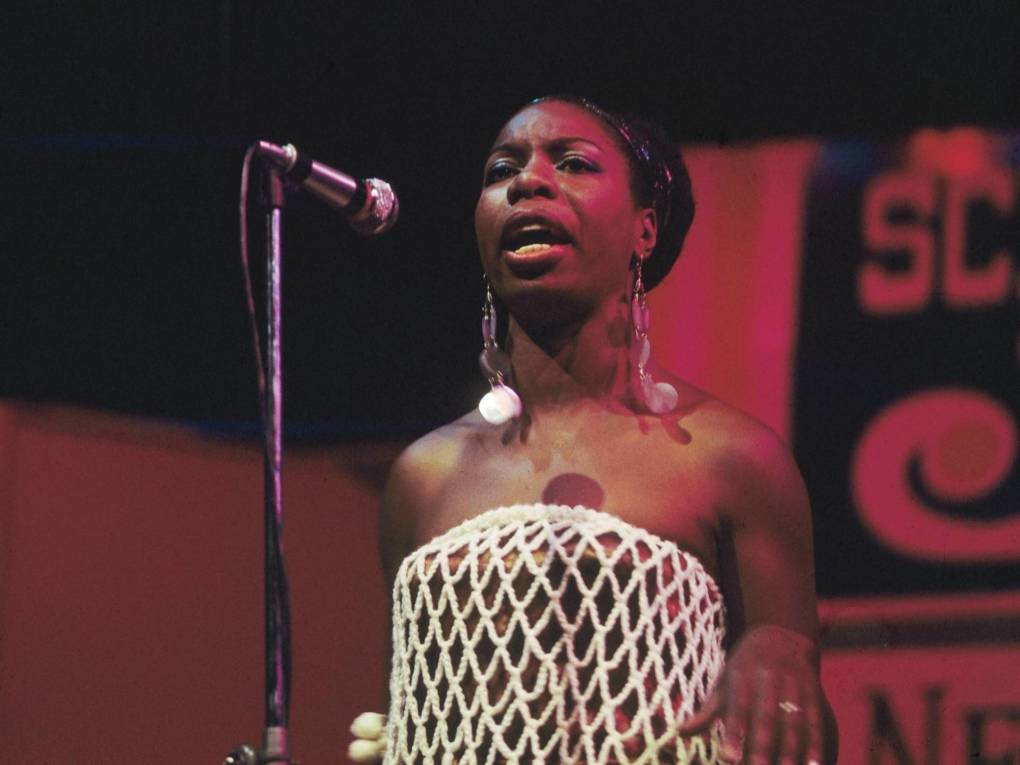
"caption": "Nina Simone onstage at the Newport Jazz Festival in 1968.",
"description": "Nina Simone onstage at the Newport Jazz Festival in 1968.",
"title": "Nina Simone onstage at the Newport Jazz Festival in 1968.",
"credit": "David Redfern/Redferns/Getty Images",
"status": "inherit",
"isLoading": false,
"fetchFailed": false
},
"arts_13847779": {
"type": "attachments",
"id": "arts_13847779",
"meta": {
"index": "attachments_1716263798",
"site": "arts",
"id": "13847779",
"found": true
},
"parent": 13847704,
"imgSizes": {
"small": {
"file": "https://ww2.kqed.org/app/uploads/sites/2/2018/12/GettyImages-84202544-520x293.jpg",
"width": 520,
"mimeType": "image/jpeg",
"height": 293
},
"twentyfourteen-full-width": {
"file": "https://ww2.kqed.org/app/uploads/sites/2/2018/12/GettyImages-84202544-1038x576.jpg",
"width": 1038,
"mimeType": "image/jpeg",
"height": 576
},
"thumbnail": {
"file": "https://ww2.kqed.org/app/uploads/sites/2/2018/12/GettyImages-84202544-160x90.jpg",
"width": 160,
"mimeType": "image/jpeg",
"height": 90
},
"fd-sm": {
"file": "https://ww2.kqed.org/app/uploads/sites/2/2018/12/GettyImages-84202544-960x540.jpg",
"width": 960,
"mimeType": "image/jpeg",
"height": 540
},
"post-thumbnail": {
"file": "https://ww2.kqed.org/app/uploads/sites/2/2018/12/GettyImages-84202544-672x372.jpg",
"width": 672,
"mimeType": "image/jpeg",
"height": 372
},
"xsmall": {
"file": "https://ww2.kqed.org/app/uploads/sites/2/2018/12/GettyImages-84202544-375x211.jpg",
"width": 375,
"mimeType": "image/jpeg",
"height": 211
},
"kqedFullSize": {
"file": "https://ww2.kqed.org/app/uploads/sites/2/2018/12/GettyImages-84202544.jpg",
"width": 1920,
"height": 1080
},
"large": {
"file": "https://ww2.kqed.org/app/uploads/sites/2/2018/12/GettyImages-84202544-1020x574.jpg",
"width": 1020,
"mimeType": "image/jpeg",
"height": 574
},
"xlarge": {
"file": "https://ww2.kqed.org/app/uploads/sites/2/2018/12/GettyImages-84202544-1180x664.jpg",
"width": 1180,
"mimeType": "image/jpeg",
"height": 664
},
"complete_open_graph": {
"file": "https://ww2.kqed.org/app/uploads/sites/2/2018/12/GettyImages-84202544-1200x675.jpg",
"width": 1200,
"mimeType": "image/jpeg",
"height": 675
},
"guest-author-50": {
"file": "https://ww2.kqed.org/app/uploads/sites/2/2018/12/GettyImages-84202544-50x50.jpg",
"width": 50,
"mimeType": "image/jpeg",
"height": 50
},
"guest-author-96": {
"file": "https://ww2.kqed.org/app/uploads/sites/2/2018/12/GettyImages-84202544-96x96.jpg",
"width": 96,
"mimeType": "image/jpeg",
"height": 96
},
"medium": {
"file": "https://ww2.kqed.org/app/uploads/sites/2/2018/12/GettyImages-84202544-800x450.jpg",
"width": 800,
"mimeType": "image/jpeg",
"height": 450
},
"guest-author-64": {
"file": "https://ww2.kqed.org/app/uploads/sites/2/2018/12/GettyImages-84202544-64x64.jpg",
"width": 64,
"mimeType": "image/jpeg",
"height": 64
},
"guest-author-32": {
"file": "https://ww2.kqed.org/app/uploads/sites/2/2018/12/GettyImages-84202544-32x32.jpg",
"width": 32,
"mimeType": "image/jpeg",
"height": 32
},
"fd-lrg": {
"file": "https://ww2.kqed.org/app/uploads/sites/2/2018/12/GettyImages-84202544-1920x1080.jpg",
"width": 1920,
"mimeType": "image/jpeg",
"height": 1080
},
"fd-med": {
"file": "https://ww2.kqed.org/app/uploads/sites/2/2018/12/GettyImages-84202544-1180x664.jpg",
"width": 1180,
"mimeType": "image/jpeg",
"height": 664
},
"full-width": {
"file": "https://ww2.kqed.org/app/uploads/sites/2/2018/12/GettyImages-84202544-1920x1080.jpg",
"width": 1920,
"mimeType": "image/jpeg",
"height": 1080
},
"detail": {
"file": "https://ww2.kqed.org/app/uploads/sites/2/2018/12/GettyImages-84202544-150x150.jpg",
"width": 150,
"mimeType": "image/jpeg",
"height": 150
},
"medium_large": {
"file": "https://ww2.kqed.org/app/uploads/sites/2/2018/12/GettyImages-84202544-768x432.jpg",
"width": 768,
"mimeType": "image/jpeg",
"height": 432
},
"guest-author-128": {
"file": "https://ww2.kqed.org/app/uploads/sites/2/2018/12/GettyImages-84202544-128x128.jpg",
"width": 128,
"mimeType": "image/jpeg",
"height": 128
},
"xxsmall": {
"file": "https://ww2.kqed.org/app/uploads/sites/2/2018/12/GettyImages-84202544-240x135.jpg",
"width": 240,
"mimeType": "image/jpeg",
"height": 135
}
},
"publishDate": 1546045607,
"modified": 1546045690,
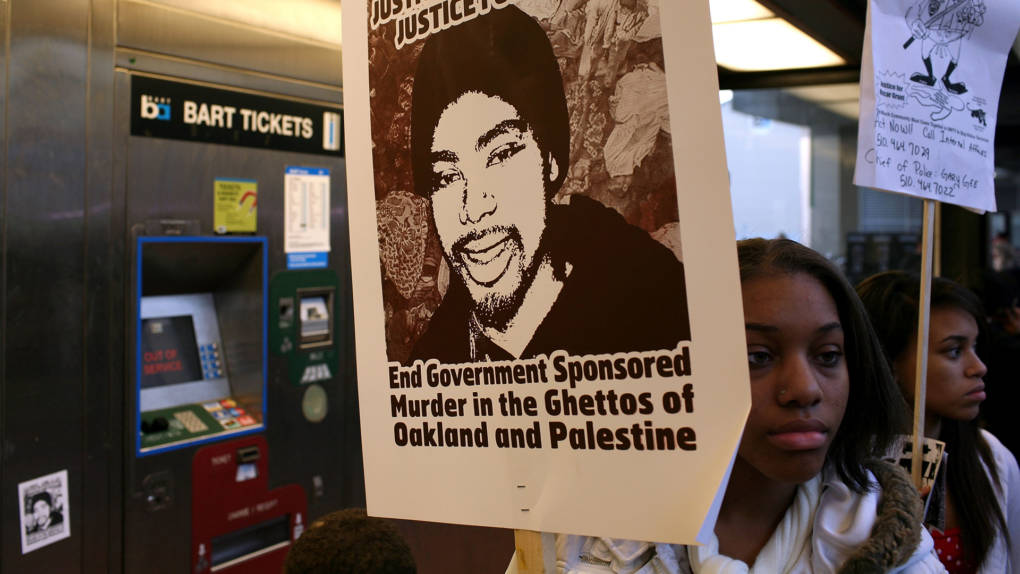
"caption": "A protester marches with a sign by Dignidad Rebelde on Jan. 7, 2009. ",
"description": "A protester marches with a sign by Dignidad Rebelde on Jan. 7, 2009. ",
"title": "Protestors Demand Justice In Oakland Police Subway Shooting",
"credit": " Justin Sullivan/Getty Images",
"status": "inherit",
"isLoading": false,
"fetchFailed": false
},
"arts_13847183": {
"type": "attachments",
"id": "arts_13847183",
"meta": {
"index": "attachments_1716263798",
"site": "arts",
"id": "13847183",
"found": true
},
"parent": 13847179,
"imgSizes": {
"small": {
"file": "https://ww2.kqed.org/app/uploads/sites/2/2018/12/Dear-Oscar-Grant_5-520x293.jpg",
"width": 520,
"mimeType": "image/jpeg",
"height": 293
},
"twentyfourteen-full-width": {
"file": "https://ww2.kqed.org/app/uploads/sites/2/2018/12/Dear-Oscar-Grant_5-1038x576.jpg",
"width": 1038,
"mimeType": "image/jpeg",
"height": 576
},
"thumbnail": {
"file": "https://ww2.kqed.org/app/uploads/sites/2/2018/12/Dear-Oscar-Grant_5-160x90.jpg",
"width": 160,
"mimeType": "image/jpeg",
"height": 90
},
"fd-sm": {
"file": "https://ww2.kqed.org/app/uploads/sites/2/2018/12/Dear-Oscar-Grant_5-960x540.jpg",
"width": 960,
"mimeType": "image/jpeg",
"height": 540
},
"post-thumbnail": {
"file": "https://ww2.kqed.org/app/uploads/sites/2/2018/12/Dear-Oscar-Grant_5-672x372.jpg",
"width": 672,
"mimeType": "image/jpeg",
"height": 372
},
"xsmall": {
"file": "https://ww2.kqed.org/app/uploads/sites/2/2018/12/Dear-Oscar-Grant_5-375x211.jpg",
"width": 375,
"mimeType": "image/jpeg",
"height": 211
},
"kqedFullSize": {
"file": "https://ww2.kqed.org/app/uploads/sites/2/2018/12/Dear-Oscar-Grant_5.jpg",
"width": 1920,
"height": 1080
},
"large": {
"file": "https://ww2.kqed.org/app/uploads/sites/2/2018/12/Dear-Oscar-Grant_5-1020x574.jpg",
"width": 1020,
"mimeType": "image/jpeg",
"height": 574
},
"xlarge": {
"file": "https://ww2.kqed.org/app/uploads/sites/2/2018/12/Dear-Oscar-Grant_5-1180x664.jpg",
"width": 1180,
"mimeType": "image/jpeg",
"height": 664
},
"complete_open_graph": {
"file": "https://ww2.kqed.org/app/uploads/sites/2/2018/12/Dear-Oscar-Grant_5-1200x675.jpg",
"width": 1200,
"mimeType": "image/jpeg",
"height": 675
},
"guest-author-50": {
"file": "https://ww2.kqed.org/app/uploads/sites/2/2018/12/Dear-Oscar-Grant_5-50x50.jpg",
"width": 50,
"mimeType": "image/jpeg",
"height": 50
},
"guest-author-96": {
"file": "https://ww2.kqed.org/app/uploads/sites/2/2018/12/Dear-Oscar-Grant_5-96x96.jpg",
"width": 96,
"mimeType": "image/jpeg",
"height": 96
},
"medium": {
"file": "https://ww2.kqed.org/app/uploads/sites/2/2018/12/Dear-Oscar-Grant_5-800x450.jpg",
"width": 800,
"mimeType": "image/jpeg",
"height": 450
},
"guest-author-64": {
"file": "https://ww2.kqed.org/app/uploads/sites/2/2018/12/Dear-Oscar-Grant_5-64x64.jpg",
"width": 64,
"mimeType": "image/jpeg",
"height": 64
},
"guest-author-32": {
"file": "https://ww2.kqed.org/app/uploads/sites/2/2018/12/Dear-Oscar-Grant_5-32x32.jpg",
"width": 32,
"mimeType": "image/jpeg",
"height": 32
},
"fd-lrg": {
"file": "https://ww2.kqed.org/app/uploads/sites/2/2018/12/Dear-Oscar-Grant_5-1920x1080.jpg",
"width": 1920,
"mimeType": "image/jpeg",
"height": 1080
},
"fd-med": {
"file": "https://ww2.kqed.org/app/uploads/sites/2/2018/12/Dear-Oscar-Grant_5-1180x664.jpg",
"width": 1180,
"mimeType": "image/jpeg",
"height": 664
},
"full-width": {
"file": "https://ww2.kqed.org/app/uploads/sites/2/2018/12/Dear-Oscar-Grant_5-1920x1080.jpg",
"width": 1920,
"mimeType": "image/jpeg",
"height": 1080
},
"detail": {
"file": "https://ww2.kqed.org/app/uploads/sites/2/2018/12/Dear-Oscar-Grant_5-150x150.jpg",
"width": 150,
"mimeType": "image/jpeg",
"height": 150
},
"medium_large": {
"file": "https://ww2.kqed.org/app/uploads/sites/2/2018/12/Dear-Oscar-Grant_5-768x432.jpg",
"width": 768,
"mimeType": "image/jpeg",
"height": 432
},
"guest-author-128": {
"file": "https://ww2.kqed.org/app/uploads/sites/2/2018/12/Dear-Oscar-Grant_5-128x128.jpg",
"width": 128,
"mimeType": "image/jpeg",
"height": 128
},
"xxsmall": {
"file": "https://ww2.kqed.org/app/uploads/sites/2/2018/12/Dear-Oscar-Grant_5-240x135.jpg",
"width": 240,
"mimeType": "image/jpeg",
"height": 135
}
},
"publishDate": 1544733527,
"modified": 1545259130,
"caption": "If you could tell Oscar Grant anything 10 years after his death, what would you say?",
"description": "If you could tell Oscar Grant anything 10 years after his death, what would you say?",
"title": "Dear-Oscar-Grant_5",
"credit": "Justin Sullivan/Getty Images",
"status": "inherit",
"isLoading": false,
"fetchFailed": false
},
"arts_13846329": {
"type": "attachments",
"id": "arts_13846329",
"meta": {
"index": "attachments_1716263798",
"site": "arts",
"id": "13846329",
"found": true
},
"parent": 13846266,
"imgSizes": {
"thumbnail": {
"file": "https://ww2.kqed.org/app/uploads/sites/2/2018/12/all4nia-2-160x90.jpg",
"width": 160,
"mimeType": "image/jpeg",
"height": 90
},
"post-thumbnail": {
"file": "https://ww2.kqed.org/app/uploads/sites/2/2018/12/all4nia-2-672x372.jpg",
"width": 672,
"mimeType": "image/jpeg",
"height": 372
},
"kqedFullSize": {
"file": "https://ww2.kqed.org/app/uploads/sites/2/2018/12/all4nia-2.jpg",
"width": 1000,
"height": 563
},
"guest-author-50": {
"file": "https://ww2.kqed.org/app/uploads/sites/2/2018/12/all4nia-2-50x50.jpg",
"width": 50,
"mimeType": "image/jpeg",
"height": 50
},
"guest-author-96": {
"file": "https://ww2.kqed.org/app/uploads/sites/2/2018/12/all4nia-2-96x96.jpg",
"width": 96,
"mimeType": "image/jpeg",
"height": 96
},
"medium": {
"file": "https://ww2.kqed.org/app/uploads/sites/2/2018/12/all4nia-2-800x450.jpg",
"width": 800,
"mimeType": "image/jpeg",
"height": 450
},
"guest-author-64": {
"file": "https://ww2.kqed.org/app/uploads/sites/2/2018/12/all4nia-2-64x64.jpg",
"width": 64,
"mimeType": "image/jpeg",
"height": 64
},
"detail": {
"file": "https://ww2.kqed.org/app/uploads/sites/2/2018/12/all4nia-2-150x150.jpg",
"width": 150,
"mimeType": "image/jpeg",
"height": 150
},
"guest-author-32": {
"file": "https://ww2.kqed.org/app/uploads/sites/2/2018/12/all4nia-2-32x32.jpg",
"width": 32,
"mimeType": "image/jpeg",
"height": 32
},
"medium_large": {
"file": "https://ww2.kqed.org/app/uploads/sites/2/2018/12/all4nia-2-768x432.jpg",
"width": 768,
"mimeType": "image/jpeg",
"height": 432
},
"guest-author-128": {
"file": "https://ww2.kqed.org/app/uploads/sites/2/2018/12/all4nia-2-128x128.jpg",
"width": 128,
"mimeType": "image/jpeg",
"height": 128
}
},
"publishDate": 1543955653,
"modified": 1543955653,
"caption": null,
"description": null,
"title": "all4nia",
"credit": null,
"status": "inherit",
"isLoading": false,
"fetchFailed": false
},
"arts_13838114": {
"type": "attachments",
"id": "arts_13838114",
"meta": {
"index": "attachments_1716263798",
"site": "arts",
"id": "13838114",
"found": true
},
"parent": 13838113,
"imgSizes": {
"small": {
"file": "https://ww2.kqed.org/app/uploads/sites/2/2018/07/gettyimages-471713776-85ce54641ecc86fb327429050c6664c968790324-520x389.jpg",
"width": 520,
"mimeType": "image/jpeg",
"height": 389
},
"twentyfourteen-full-width": {
"file": "https://ww2.kqed.org/app/uploads/sites/2/2018/07/gettyimages-471713776-85ce54641ecc86fb327429050c6664c968790324-1038x576.jpg",
"width": 1038,
"mimeType": "image/jpeg",
"height": 576
},
"thumbnail": {
"file": "https://ww2.kqed.org/app/uploads/sites/2/2018/07/gettyimages-471713776-85ce54641ecc86fb327429050c6664c968790324-160x120.jpg",
"width": 160,
"mimeType": "image/jpeg",
"height": 120
},
"fd-sm": {
"file": "https://ww2.kqed.org/app/uploads/sites/2/2018/07/gettyimages-471713776-85ce54641ecc86fb327429050c6664c968790324-960x719.jpg",
"width": 960,
"mimeType": "image/jpeg",
"height": 719
},
"post-thumbnail": {
"file": "https://ww2.kqed.org/app/uploads/sites/2/2018/07/gettyimages-471713776-85ce54641ecc86fb327429050c6664c968790324-672x372.jpg",
"width": 672,
"mimeType": "image/jpeg",
"height": 372
},
"xsmall": {
"file": "https://ww2.kqed.org/app/uploads/sites/2/2018/07/gettyimages-471713776-85ce54641ecc86fb327429050c6664c968790324-375x281.jpg",
"width": 375,
"mimeType": "image/jpeg",
"height": 281
},
"kqedFullSize": {
"file": "https://ww2.kqed.org/app/uploads/sites/2/2018/07/gettyimages-471713776-85ce54641ecc86fb327429050c6664c968790324-e1533068328546.jpg",
"width": 1920,
"height": 1438
},
"large": {
"file": "https://ww2.kqed.org/app/uploads/sites/2/2018/07/gettyimages-471713776-85ce54641ecc86fb327429050c6664c968790324-1020x764.jpg",
"width": 1020,
"mimeType": "image/jpeg",
"height": 764
},
"xlarge": {
"file": "https://ww2.kqed.org/app/uploads/sites/2/2018/07/gettyimages-471713776-85ce54641ecc86fb327429050c6664c968790324-1180x884.jpg",
"width": 1180,
"mimeType": "image/jpeg",
"height": 884
},
"complete_open_graph": {
"file": "https://ww2.kqed.org/app/uploads/sites/2/2018/07/gettyimages-471713776-85ce54641ecc86fb327429050c6664c968790324-1200x899.jpg",
"width": 1200,
"mimeType": "image/jpeg",
"height": 899
},
"guest-author-50": {
"file": "https://ww2.kqed.org/app/uploads/sites/2/2018/07/gettyimages-471713776-85ce54641ecc86fb327429050c6664c968790324-50x50.jpg",
"width": 50,
"mimeType": "image/jpeg",
"height": 50
},
"guest-author-96": {
"file": "https://ww2.kqed.org/app/uploads/sites/2/2018/07/gettyimages-471713776-85ce54641ecc86fb327429050c6664c968790324-96x96.jpg",
"width": 96,
"mimeType": "image/jpeg",
"height": 96
},
"medium": {
"file": "https://ww2.kqed.org/app/uploads/sites/2/2018/07/gettyimages-471713776-85ce54641ecc86fb327429050c6664c968790324-800x599.jpg",
"width": 800,
"mimeType": "image/jpeg",
"height": 599
},
"guest-author-64": {
"file": "https://ww2.kqed.org/app/uploads/sites/2/2018/07/gettyimages-471713776-85ce54641ecc86fb327429050c6664c968790324-64x64.jpg",
"width": 64,
"mimeType": "image/jpeg",
"height": 64
},
"guest-author-32": {
"file": "https://ww2.kqed.org/app/uploads/sites/2/2018/07/gettyimages-471713776-85ce54641ecc86fb327429050c6664c968790324-32x32.jpg",
"width": 32,
"mimeType": "image/jpeg",
"height": 32
},
"fd-lrg": {
"file": "https://ww2.kqed.org/app/uploads/sites/2/2018/07/gettyimages-471713776-85ce54641ecc86fb327429050c6664c968790324-1920x1438.jpg",
"width": 1920,
"mimeType": "image/jpeg",
"height": 1438
},
"fd-med": {
"file": "https://ww2.kqed.org/app/uploads/sites/2/2018/07/gettyimages-471713776-85ce54641ecc86fb327429050c6664c968790324-1180x884.jpg",
"width": 1180,
"mimeType": "image/jpeg",
"height": 884
},
"full-width": {
"file": "https://ww2.kqed.org/app/uploads/sites/2/2018/07/gettyimages-471713776-85ce54641ecc86fb327429050c6664c968790324-1920x1438.jpg",
"width": 1920,
"mimeType": "image/jpeg",
"height": 1438
},
"detail": {
"file": "https://ww2.kqed.org/app/uploads/sites/2/2018/07/gettyimages-471713776-85ce54641ecc86fb327429050c6664c968790324-150x150.jpg",
"width": 150,
"mimeType": "image/jpeg",
"height": 150
},
"medium_large": {
"file": "https://ww2.kqed.org/app/uploads/sites/2/2018/07/gettyimages-471713776-85ce54641ecc86fb327429050c6664c968790324-768x575.jpg",
"width": 768,
"mimeType": "image/jpeg",
"height": 575
},
"guest-author-128": {
"file": "https://ww2.kqed.org/app/uploads/sites/2/2018/07/gettyimages-471713776-85ce54641ecc86fb327429050c6664c968790324-128x128.jpg",
"width": 128,
"mimeType": "image/jpeg",
"height": 128
},
"xxsmall": {
"file": "https://ww2.kqed.org/app/uploads/sites/2/2018/07/gettyimages-471713776-85ce54641ecc86fb327429050c6664c968790324-240x180.jpg",
"width": 240,
"mimeType": "image/jpeg",
"height": 180
}
},
"publishDate": 1533068190,
"modified": 1533068321,
"caption": "A mural of Trayvon Martin is seen on the side of a building in the Sandtown neighborhood where Freddie Gray was arrested on April 30, 2015 in Baltimore.",
"description": "A mural of Trayvon Martin is seen on the side of a building in the Sandtown neighborhood where Freddie Gray was arrested on April 30, 2015 in Baltimore.",
"title": "A mural of Trayvon Martin is seen on the side of a building in the Sandtown neighborhood where Freddie Gray was arrested on April 30, 2015 in Baltimore.",
"credit": "Andrew Burton/Getty Images",
"status": "inherit",
"isLoading": false,
"fetchFailed": false
},
"arts_13830395": {
"type": "attachments",
"id": "arts_13830395",
"meta": {
"index": "attachments_1716263798",
"site": "arts",
"id": "13830395",
"found": true
},
"parent": 13830393,
"imgSizes": {
"small": {
"file": "https://ww2.kqed.org/app/uploads/sites/2/2018/04/Outline-on-Asphalt-520x455.jpg",
"width": 520,
"mimeType": "image/jpeg",
"height": 455
},
"twentyfourteen-full-width": {
"file": "https://ww2.kqed.org/app/uploads/sites/2/2018/04/Outline-on-Asphalt-1038x576.jpg",
"width": 1038,
"mimeType": "image/jpeg",
"height": 576
},
"thumbnail": {
"file": "https://ww2.kqed.org/app/uploads/sites/2/2018/04/Outline-on-Asphalt-160x140.jpg",
"width": 160,
"mimeType": "image/jpeg",
"height": 140
},
"fd-sm": {
"file": "https://ww2.kqed.org/app/uploads/sites/2/2018/04/Outline-on-Asphalt-960x841.jpg",
"width": 960,
"mimeType": "image/jpeg",
"height": 841
},
"post-thumbnail": {
"file": "https://ww2.kqed.org/app/uploads/sites/2/2018/04/Outline-on-Asphalt-672x372.jpg",
"width": 672,
"mimeType": "image/jpeg",
"height": 372
},
"xsmall": {
"file": "https://ww2.kqed.org/app/uploads/sites/2/2018/04/Outline-on-Asphalt-375x328.jpg",
"width": 375,
"mimeType": "image/jpeg",
"height": 328
},
"kqedFullSize": {
"file": "https://ww2.kqed.org/app/uploads/sites/2/2018/04/Outline-on-Asphalt.jpg",
"width": 1600,
"height": 1401
},
"large": {
"file": "https://ww2.kqed.org/app/uploads/sites/2/2018/04/Outline-on-Asphalt-1020x893.jpg",
"width": 1020,
"mimeType": "image/jpeg",
"height": 893
},
"xlarge": {
"file": "https://ww2.kqed.org/app/uploads/sites/2/2018/04/Outline-on-Asphalt-1180x1033.jpg",
"width": 1180,
"mimeType": "image/jpeg",
"height": 1033
},
"complete_open_graph": {
"file": "https://ww2.kqed.org/app/uploads/sites/2/2018/04/Outline-on-Asphalt-1200x1051.jpg",
"width": 1200,
"mimeType": "image/jpeg",
"height": 1051
},
"guest-author-50": {
"file": "https://ww2.kqed.org/app/uploads/sites/2/2018/04/Outline-on-Asphalt-50x50.jpg",
"width": 50,
"mimeType": "image/jpeg",
"height": 50
},
"guest-author-96": {
"file": "https://ww2.kqed.org/app/uploads/sites/2/2018/04/Outline-on-Asphalt-96x96.jpg",
"width": 96,
"mimeType": "image/jpeg",
"height": 96
},
"medium": {
"file": "https://ww2.kqed.org/app/uploads/sites/2/2018/04/Outline-on-Asphalt-800x701.jpg",
"width": 800,
"mimeType": "image/jpeg",
"height": 701
},
"guest-author-64": {
"file": "https://ww2.kqed.org/app/uploads/sites/2/2018/04/Outline-on-Asphalt-64x64.jpg",
"width": 64,
"mimeType": "image/jpeg",
"height": 64
},
"guest-author-32": {
"file": "https://ww2.kqed.org/app/uploads/sites/2/2018/04/Outline-on-Asphalt-32x32.jpg",
"width": 32,
"mimeType": "image/jpeg",
"height": 32
},
"fd-med": {
"file": "https://ww2.kqed.org/app/uploads/sites/2/2018/04/Outline-on-Asphalt-1180x1033.jpg",
"width": 1180,
"mimeType": "image/jpeg",
"height": 1033
},
"detail": {
"file": "https://ww2.kqed.org/app/uploads/sites/2/2018/04/Outline-on-Asphalt-150x150.jpg",
"width": 150,
"mimeType": "image/jpeg",
"height": 150
},
"medium_large": {
"file": "https://ww2.kqed.org/app/uploads/sites/2/2018/04/Outline-on-Asphalt-768x672.jpg",
"width": 768,
"mimeType": "image/jpeg",
"height": 672
},
"guest-author-128": {
"file": "https://ww2.kqed.org/app/uploads/sites/2/2018/04/Outline-on-Asphalt-128x128.jpg",
"width": 128,
"mimeType": "image/jpeg",
"height": 128
},
"xxsmall": {
"file": "https://ww2.kqed.org/app/uploads/sites/2/2018/04/Outline-on-Asphalt-240x210.jpg",
"width": 240,
"mimeType": "image/jpeg",
"height": 210
}
},
"publishDate": 1524679846,
"modified": 1524684492,
"caption": "Outline on Asphalt by quiltmaker B.J. Adams",
"description": "Outline on Asphalt by quiltmaker B.J. Adams",
"title": "Outline on Asphalt by quiltmaker B.J. Adams",
"credit": "Greg Staley Photography",
"status": "inherit",
"isLoading": false,
"fetchFailed": false
},
"arts_13827535": {
"type": "attachments",
"id": "arts_13827535",
"meta": {
"index": "attachments_1716263798",
"site": "arts",
"id": "13827535",
"found": true
},
"parent": 0,
"imgSizes": {
"small": {
"file": "https://ww2.kqed.org/app/uploads/sites/2/2018/03/Lawrence-Brownlee-credit-Shervin-Lainez-01_preview-520x388.jpeg",
"width": 520,
"mimeType": "image/jpeg",
"height": 388
},
"twentyfourteen-full-width": {
"file": "https://ww2.kqed.org/app/uploads/sites/2/2018/03/Lawrence-Brownlee-credit-Shervin-Lainez-01_preview-1038x576.jpeg",
"width": 1038,
"mimeType": "image/jpeg",
"height": 576
},
"thumbnail": {
"file": "https://ww2.kqed.org/app/uploads/sites/2/2018/03/Lawrence-Brownlee-credit-Shervin-Lainez-01_preview-160x119.jpeg",
"width": 160,
"mimeType": "image/jpeg",
"height": 119
},
"fd-sm": {
"file": "https://ww2.kqed.org/app/uploads/sites/2/2018/03/Lawrence-Brownlee-credit-Shervin-Lainez-01_preview-960x717.jpeg",
"width": 960,
"mimeType": "image/jpeg",
"height": 717
},
"post-thumbnail": {
"file": "https://ww2.kqed.org/app/uploads/sites/2/2018/03/Lawrence-Brownlee-credit-Shervin-Lainez-01_preview-672x372.jpeg",
"width": 672,
"mimeType": "image/jpeg",
"height": 372
},
"xsmall": {
"file": "https://ww2.kqed.org/app/uploads/sites/2/2018/03/Lawrence-Brownlee-credit-Shervin-Lainez-01_preview-375x280.jpeg",
"width": 375,
"mimeType": "image/jpeg",
"height": 280
},
"kqedFullSize": {
"file": "https://ww2.kqed.org/app/uploads/sites/2/2018/03/Lawrence-Brownlee-credit-Shervin-Lainez-01_preview.jpeg",
"width": 2048,
"height": 1529
},
"large": {
"file": "https://ww2.kqed.org/app/uploads/sites/2/2018/03/Lawrence-Brownlee-credit-Shervin-Lainez-01_preview-1020x762.jpeg",
"width": 1020,
"mimeType": "image/jpeg",
"height": 762
},
"xlarge": {
"file": "https://ww2.kqed.org/app/uploads/sites/2/2018/03/Lawrence-Brownlee-credit-Shervin-Lainez-01_preview-1180x881.jpeg",
"width": 1180,
"mimeType": "image/jpeg",
"height": 881
},
"guest-author-50": {
"file": "https://ww2.kqed.org/app/uploads/sites/2/2018/03/Lawrence-Brownlee-credit-Shervin-Lainez-01_preview-50x50.jpeg",
"width": 50,
"mimeType": "image/jpeg",
"height": 50
},
"guest-author-96": {
"file": "https://ww2.kqed.org/app/uploads/sites/2/2018/03/Lawrence-Brownlee-credit-Shervin-Lainez-01_preview-96x96.jpeg",
"width": 96,
"mimeType": "image/jpeg",
"height": 96
},
"medium": {
"file": "https://ww2.kqed.org/app/uploads/sites/2/2018/03/Lawrence-Brownlee-credit-Shervin-Lainez-01_preview-800x597.jpeg",
"width": 800,
"mimeType": "image/jpeg",
"height": 597
},
"guest-author-64": {
"file": "https://ww2.kqed.org/app/uploads/sites/2/2018/03/Lawrence-Brownlee-credit-Shervin-Lainez-01_preview-64x64.jpeg",
"width": 64,
"mimeType": "image/jpeg",
"height": 64
},
"guest-author-32": {
"file": "https://ww2.kqed.org/app/uploads/sites/2/2018/03/Lawrence-Brownlee-credit-Shervin-Lainez-01_preview-32x32.jpeg",
"width": 32,
"mimeType": "image/jpeg",
"height": 32
},
"fd-lrg": {
"file": "https://ww2.kqed.org/app/uploads/sites/2/2018/03/Lawrence-Brownlee-credit-Shervin-Lainez-01_preview-1920x1433.jpeg",
"width": 1920,
"mimeType": "image/jpeg",
"height": 1433
},
"fd-med": {
"file": "https://ww2.kqed.org/app/uploads/sites/2/2018/03/Lawrence-Brownlee-credit-Shervin-Lainez-01_preview-1180x881.jpeg",
"width": 1180,
"mimeType": "image/jpeg",
"height": 881
},
"full-width": {
"file": "https://ww2.kqed.org/app/uploads/sites/2/2018/03/Lawrence-Brownlee-credit-Shervin-Lainez-01_preview-1920x1433.jpeg",
"width": 1920,
"mimeType": "image/jpeg",
"height": 1433
},
"detail": {
"file": "https://ww2.kqed.org/app/uploads/sites/2/2018/03/Lawrence-Brownlee-credit-Shervin-Lainez-01_preview-150x150.jpeg",
"width": 150,
"mimeType": "image/jpeg",
"height": 150
},
"medium_large": {
"file": "https://ww2.kqed.org/app/uploads/sites/2/2018/03/Lawrence-Brownlee-credit-Shervin-Lainez-01_preview-768x573.jpeg",
"width": 768,
"mimeType": "image/jpeg",
"height": 573
},
"guest-author-128": {
"file": "https://ww2.kqed.org/app/uploads/sites/2/2018/03/Lawrence-Brownlee-credit-Shervin-Lainez-01_preview-128x128.jpeg",
"width": 128,
"mimeType": "image/jpeg",
"height": 128
},
"xxsmall": {
"file": "https://ww2.kqed.org/app/uploads/sites/2/2018/03/Lawrence-Brownlee-credit-Shervin-Lainez-01_preview-240x179.jpeg",
"width": 240,
"mimeType": "image/jpeg",
"height": 179
}
},
"publishDate": 1521505194,
"modified": 1521505803,
"caption": "Lawrence Brownlee will present a new song cycle about what it means to be a black man in America March 31 at Herbst Theatre",
"description": "Lawrence Brownlee will present a new song cycle about what it means to be a black man in America March 31 at Herbst Theatre",
"title": "Lawrence Brownlee will present a new song cycle about what it means to be a black man in America March 31 at Herbst Theatre",
"credit": "Shervin Lainez",
"status": "inherit",
"isLoading": false,
"fetchFailed": false
},
"arts_13844965": {
"type": "attachments",
"id": "arts_13844965",
"meta": {
"index": "attachments_1716263798",
"site": "arts",
"id": "13844965",
"found": true
},
"parent": 13820054,
"imgSizes": {
"small": {
"file": "https://ww2.kqed.org/app/uploads/sites/2/2018/01/PeteNicks_BTL_Thumbnail-520x293.jpg",
"width": 520,
"mimeType": "image/jpeg",
"height": 293
},
"twentyfourteen-full-width": {
"file": "https://ww2.kqed.org/app/uploads/sites/2/2018/01/PeteNicks_BTL_Thumbnail-1038x576.jpg",
"width": 1038,
"mimeType": "image/jpeg",
"height": 576
},
"thumbnail": {
"file": "https://ww2.kqed.org/app/uploads/sites/2/2018/01/PeteNicks_BTL_Thumbnail-160x90.jpg",
"width": 160,
"mimeType": "image/jpeg",
"height": 90
},
"fd-sm": {
"file": "https://ww2.kqed.org/app/uploads/sites/2/2018/01/PeteNicks_BTL_Thumbnail-960x540.jpg",
"width": 960,
"mimeType": "image/jpeg",
"height": 540
},
"post-thumbnail": {
"file": "https://ww2.kqed.org/app/uploads/sites/2/2018/01/PeteNicks_BTL_Thumbnail-672x372.jpg",
"width": 672,
"mimeType": "image/jpeg",
"height": 372
},
"xsmall": {
"file": "https://ww2.kqed.org/app/uploads/sites/2/2018/01/PeteNicks_BTL_Thumbnail-375x211.jpg",
"width": 375,
"mimeType": "image/jpeg",
"height": 211
},
"kqedFullSize": {
"file": "https://ww2.kqed.org/app/uploads/sites/2/2018/01/PeteNicks_BTL_Thumbnail.jpg",
"width": 1920,
"height": 1080
},
"large": {
"file": "https://ww2.kqed.org/app/uploads/sites/2/2018/01/PeteNicks_BTL_Thumbnail-1020x574.jpg",
"width": 1020,
"mimeType": "image/jpeg",
"height": 574
},
"xlarge": {
"file": "https://ww2.kqed.org/app/uploads/sites/2/2018/01/PeteNicks_BTL_Thumbnail-1180x664.jpg",
"width": 1180,
"mimeType": "image/jpeg",
"height": 664
},
"complete_open_graph": {
"file": "https://ww2.kqed.org/app/uploads/sites/2/2018/01/PeteNicks_BTL_Thumbnail-1200x675.jpg",
"width": 1200,
"mimeType": "image/jpeg",
"height": 675
},
"guest-author-50": {
"file": "https://ww2.kqed.org/app/uploads/sites/2/2018/01/PeteNicks_BTL_Thumbnail-50x50.jpg",
"width": 50,
"mimeType": "image/jpeg",
"height": 50
},
"guest-author-96": {
"file": "https://ww2.kqed.org/app/uploads/sites/2/2018/01/PeteNicks_BTL_Thumbnail-96x96.jpg",
"width": 96,
"mimeType": "image/jpeg",
"height": 96
},
"medium": {
"file": "https://ww2.kqed.org/app/uploads/sites/2/2018/01/PeteNicks_BTL_Thumbnail-800x450.jpg",
"width": 800,
"mimeType": "image/jpeg",
"height": 450
},
"guest-author-64": {
"file": "https://ww2.kqed.org/app/uploads/sites/2/2018/01/PeteNicks_BTL_Thumbnail-64x64.jpg",
"width": 64,
"mimeType": "image/jpeg",
"height": 64
},
"guest-author-32": {
"file": "https://ww2.kqed.org/app/uploads/sites/2/2018/01/PeteNicks_BTL_Thumbnail-32x32.jpg",
"width": 32,
"mimeType": "image/jpeg",
"height": 32
},
"fd-lrg": {
"file": "https://ww2.kqed.org/app/uploads/sites/2/2018/01/PeteNicks_BTL_Thumbnail-1920x1080.jpg",
"width": 1920,
"mimeType": "image/jpeg",
"height": 1080
},
"fd-med": {
"file": "https://ww2.kqed.org/app/uploads/sites/2/2018/01/PeteNicks_BTL_Thumbnail-1180x664.jpg",
"width": 1180,
"mimeType": "image/jpeg",
"height": 664
},
"full-width": {
"file": "https://ww2.kqed.org/app/uploads/sites/2/2018/01/PeteNicks_BTL_Thumbnail-1920x1080.jpg",
"width": 1920,
"mimeType": "image/jpeg",
"height": 1080
},
"detail": {
"file": "https://ww2.kqed.org/app/uploads/sites/2/2018/01/PeteNicks_BTL_Thumbnail-150x150.jpg",
"width": 150,
"mimeType": "image/jpeg",
"height": 150
},
"medium_large": {
"file": "https://ww2.kqed.org/app/uploads/sites/2/2018/01/PeteNicks_BTL_Thumbnail-768x432.jpg",
"width": 768,
"mimeType": "image/jpeg",
"height": 432
},
"guest-author-128": {
"file": "https://ww2.kqed.org/app/uploads/sites/2/2018/01/PeteNicks_BTL_Thumbnail-128x128.jpg",
"width": 128,
"mimeType": "image/jpeg",
"height": 128
},
"xxsmall": {
"file": "https://ww2.kqed.org/app/uploads/sites/2/2018/01/PeteNicks_BTL_Thumbnail-240x135.jpg",
"width": 240,
"mimeType": "image/jpeg",
"height": 135
}
},
"publishDate": 1542247824,
"modified": 1542247824,
"caption": null,
"description": null,
"title": "PeteNicks_BTL_Thumbnail",
"credit": null,
"status": "inherit",
"isLoading": false,
"fetchFailed": false
},
"arts_12624168": {
"type": "attachments",
"id": "arts_12624168",
"meta": {
"index": "attachments_1716263798",
"site": "arts",
"id": "12624168",
"found": true
},
"parent": 12622802,
"imgSizes": {
"small": {
"file": "https://ww2.kqed.org/app/uploads/sites/2/2017/01/oreeportrait-520x293.jpg",
"width": 520,
"mimeType": "image/jpeg",
"height": 293
},
"twentyfourteen-full-width": {
"file": "https://ww2.kqed.org/app/uploads/sites/2/2017/01/oreeportrait-1038x576.jpg",
"width": 1038,
"mimeType": "image/jpeg",
"height": 576
},
"thumbnail": {
"file": "https://ww2.kqed.org/app/uploads/sites/2/2017/01/oreeportrait-160x90.jpg",
"width": 160,
"mimeType": "image/jpeg",
"height": 90
},
"fd-sm": {
"file": "https://ww2.kqed.org/app/uploads/sites/2/2017/01/oreeportrait-960x540.jpg",
"width": 960,
"mimeType": "image/jpeg",
"height": 540
},
"post-thumbnail": {
"file": "https://ww2.kqed.org/app/uploads/sites/2/2017/01/oreeportrait-672x372.jpg",
"width": 672,
"mimeType": "image/jpeg",
"height": 372
},
"xsmall": {
"file": "https://ww2.kqed.org/app/uploads/sites/2/2017/01/oreeportrait-375x211.jpg",
"width": 375,
"mimeType": "image/jpeg",
"height": 211
},
"kqedFullSize": {
"file": "https://ww2.kqed.org/app/uploads/sites/2/2017/01/oreeportrait.jpg",
"width": 1600,
"height": 900
},
"large": {
"file": "https://ww2.kqed.org/app/uploads/sites/2/2017/01/oreeportrait-1020x574.jpg",
"width": 1020,
"mimeType": "image/jpeg",
"height": 574
},
"xlarge": {
"file": "https://ww2.kqed.org/app/uploads/sites/2/2017/01/oreeportrait-1180x664.jpg",
"width": 1180,
"mimeType": "image/jpeg",
"height": 664
},
"guest-author-50": {
"file": "https://ww2.kqed.org/app/uploads/sites/2/2017/01/oreeportrait-50x50.jpg",
"width": 50,
"mimeType": "image/jpeg",
"height": 50
},
"guest-author-96": {
"file": "https://ww2.kqed.org/app/uploads/sites/2/2017/01/oreeportrait-96x96.jpg",
"width": 96,
"mimeType": "image/jpeg",
"height": 96
},
"medium": {
"file": "https://ww2.kqed.org/app/uploads/sites/2/2017/01/oreeportrait-800x450.jpg",
"width": 800,
"mimeType": "image/jpeg",
"height": 450
},
"guest-author-64": {
"file": "https://ww2.kqed.org/app/uploads/sites/2/2017/01/oreeportrait-64x64.jpg",
"width": 64,
"mimeType": "image/jpeg",
"height": 64
},
"guest-author-32": {
"file": "https://ww2.kqed.org/app/uploads/sites/2/2017/01/oreeportrait-32x32.jpg",
"width": 32,
"mimeType": "image/jpeg",
"height": 32
},
"fd-med": {
"file": "https://ww2.kqed.org/app/uploads/sites/2/2017/01/oreeportrait-1180x664.jpg",
"width": 1180,
"mimeType": "image/jpeg",
"height": 664
},
"detail": {
"file": "https://ww2.kqed.org/app/uploads/sites/2/2017/01/oreeportrait-150x150.jpg",
"width": 150,
"mimeType": "image/jpeg",
"height": 150
},
"medium_large": {
"file": "https://ww2.kqed.org/app/uploads/sites/2/2017/01/oreeportrait-768x432.jpg",
"width": 768,
"mimeType": "image/jpeg",
"height": 432
},
"guest-author-128": {
"file": "https://ww2.kqed.org/app/uploads/sites/2/2017/01/oreeportrait-128x128.jpg",
"width": 128,
"mimeType": "image/jpeg",
"height": 128
},
"xxsmall": {
"file": "https://ww2.kqed.org/app/uploads/sites/2/2017/01/oreeportrait-240x135.jpg",
"width": 240,
"mimeType": "image/jpeg",
"height": 135
}
},
"publishDate": 1484375592,
"modified": 1546047230,
"caption": "Artist Oree Originol with posters from his 'Justice for Our Lives' project.",
"description": "Artist Oree Originol",
"title": "oreeportrait",
"credit": "Manjula Varghese",
"status": "inherit",
"isLoading": false,
"fetchFailed": false
}
},
"audioPlayerReducer": {
"postId": "stream_live",
"isPaused": true,
"isPlaying": false,
"pfsActive": false,
"pledgeModalIsOpen": true,
"playerDrawerIsOpen": false,
"liveAudioPlayStartedAt": 0,
"liveAudioPlayContext": ""
},
"authorsReducer": {
"byline_arts_13848338": {
"type": "authors",
"id": "byline_arts_13848338",
"meta": {
"override": true
},
"slug": "byline_arts_13848338",
"name": "Noel King, Walter Ray Watson",
"isLoading": false
},
"byline_arts_13838113": {
"type": "authors",
"id": "byline_arts_13838113",
"meta": {
"override": true
},
"slug": "byline_arts_13838113",
"name": "Karen Grigsby Bates",
"isLoading": false
},
"byline_arts_12622802": {
"type": "authors",
"id": "byline_arts_12622802",
"meta": {
"override": true
},
"slug": "byline_arts_12622802",
"name": "Jessica Jones and Kelly Whalen",
"isLoading": false
},
"cmusiker": {
"type": "authors",
"id": "32",
"meta": {
"index": "authors_1716337520",
"id": "32",
"found": true
},
"name": "Cy Musiker",
"firstName": "Cy",
"lastName": "Musiker",
"slug": "cmusiker",
"email": "cmusiker@kqed.org",
"display_author_email": false,
"staff_mastheads": [],
"title": "KQED Contributor",
"bio": "Cy Musiker is a former co-host of The Do List and a former reporter covering the arts for KQED News and The California Report. He loves live performance, especially great theater, jazz, roots music, anything by Mahler. Cy has an MJ from UC Berkeley's School of Journalism, and got his BA from Hampshire College. His work has been recognized by the Society for Professional Journalists with their Sigma Delta Chi Award for Public Service in Journalism. When he can, Cy likes to swim in Tomales Bay, run with his dog in the East Bay Hills, and hike the Sierra.",
"avatar": "https://secure.gravatar.com/avatar/05eaba5c5696ce8f062e4ea2df428a43?s=600&d=blank&r=g",
"twitter": null,
"facebook": null,
"instagram": null,
"linkedin": null,
"sites": [
{
"site": "arts",
"roles": [
"Contributor",
"subscriber"
]
},
{
"site": "news",
"roles": [
"author"
]
},
{
"site": "bayareabites",
"roles": [
"contributor"
]
}
],
"headData": {
"title": "Cy Musiker | KQED",
"description": "KQED Contributor",
"ogImgSrc": "https://secure.gravatar.com/avatar/05eaba5c5696ce8f062e4ea2df428a43?s=600&d=blank&r=g",
"twImgSrc": "https://secure.gravatar.com/avatar/05eaba5c5696ce8f062e4ea2df428a43?s=600&d=blank&r=g"
},
"isLoading": false,
"link": "/author/cmusiker"
},
"kqedarts": {
"type": "authors",
"id": "92",
"meta": {
"index": "authors_1716337520",
"id": "92",
"found": true
},
"name": "KQED Arts",
"firstName": "KQED",
"lastName": "Arts",
"slug": "kqedarts",
"email": "arts@kqed.org",
"display_author_email": false,
"staff_mastheads": [],
"title": "KQED Staff",
"bio": null,
"avatar": "https://secure.gravatar.com/avatar/321c9ebfeb7736f9e55366a6d3399ab0?s=600&d=blank&r=g",
"twitter": null,
"facebook": null,
"instagram": "https://www.instagram.com/kqed_arts/",
"linkedin": null,
"sites": [
{
"site": "arts",
"roles": [
"contributor"
]
},
{
"site": "pop",
"roles": [
"contributor"
]
},
{
"site": "science",
"roles": [
"author"
]
},
{
"site": "food",
"roles": [
"contributor"
]
}
],
"headData": {
"title": "KQED Arts | KQED",
"description": "KQED Staff",
"ogImgSrc": "https://secure.gravatar.com/avatar/321c9ebfeb7736f9e55366a6d3399ab0?s=600&d=blank&r=g",
"twImgSrc": "https://secure.gravatar.com/avatar/321c9ebfeb7736f9e55366a6d3399ab0?s=600&d=blank&r=g"
},
"isLoading": false,
"link": "/author/kqedarts"
},
"kwhalen": {
"type": "authors",
"id": "3248",
"meta": {
"index": "authors_1716337520",
"id": "3248",
"found": true
},
"name": "Kelly Whalen",
"firstName": "Kelly",
"lastName": "Whalen",
"slug": "kwhalen",
"email": "kwhalen@kqed.org",
"display_author_email": false,
"staff_mastheads": [],
"title": "Senior Video Producer",
"bio": "Kelly Whalen is a filmmaker and educator who directs and produces social justice documentaries and award-winning arts and culture web series. She is the creator of KQED Arts’ three-time Webby Award-winning YouTube series \u003cem>If Cities Could Dance\u003c/em>, featuring dancers across the country representing their cities’ signature moves, and the director of \u003cem>When the Waters Get Deep\u003c/em>, a documentary about Oakland-based artists SOL Development and their work toward healing their communities’ trauma from gun violence.",
"avatar": "https://secure.gravatar.com/avatar/1a2b57e8a13abdcfc3d4966d9c0e1512?s=600&d=blank&r=g",
"twitter": "kellyfilmmaker",
"facebook": null,
"instagram": null,
"linkedin": null,
"sites": [
{
"site": "arts",
"roles": [
"subscriber"
]
}
],
"headData": {
"title": "Kelly Whalen | KQED",
"description": "Senior Video Producer",
"ogImgSrc": "https://secure.gravatar.com/avatar/1a2b57e8a13abdcfc3d4966d9c0e1512?s=600&d=blank&r=g",
"twImgSrc": "https://secure.gravatar.com/avatar/1a2b57e8a13abdcfc3d4966d9c0e1512?s=600&d=blank&r=g"
},
"isLoading": false,
"link": "/author/kwhalen"
},
"nvoynovskaya": {
"type": "authors",
"id": "11387",
"meta": {
"index": "authors_1716337520",
"id": "11387",
"found": true
},
"name": "Nastia Voynovskaya",
"firstName": "Nastia",
"lastName": "Voynovskaya",
"slug": "nvoynovskaya",
"email": "nvoynovskaya@kqed.org",
"display_author_email": false,
"staff_mastheads": [
"arts"
],
"title": "Editor and reporter",
"bio": "Nastia Voynovskaya is a reporter, editor and host at KQED Arts & Culture. She's been covering the arts in the Bay Area for over a decade, with a focus on music, queer culture, labor issues and grassroots organizing. She has edited KQED story series such as Trans Bay: A History of San Francisco's Gender-Diverse Community, and co-created KQED's Bay Area hip-hop history project, That's My Word. Nastia's work has been recognized by the Society of Professional Journalists and San Francisco Press Club. She regularly appears on podcasts and radio programs, including NPR's All Songs Considered, and hosts live events where music, culture and conversation meet.",
"avatar": "https://secure.gravatar.com/avatar/5025ee460e5a85d69ca20ea6c6f2f80d7e17795c828f61ea3aecfcd924e9042e?s=600&d=blank&r=g",
"twitter": null,
"bluesky": null,
"facebook": null,
"instagram": "https://www.instagram.com/nananastia/",
"linkedin": null,
"sites": [
{
"site": "",
"roles": [
"editor"
]
},
{
"site": "arts",
"roles": [
"administrator"
]
},
{
"site": "news",
"roles": [
"editor"
]
},
{
"site": "pop",
"roles": [
"administrator"
]
},
{
"site": "bayareabites",
"roles": [
"editor"
]
},
{
"site": "podcasts",
"roles": [
"editor"
]
},
{
"site": "hiphop",
"roles": [
"editor"
]
}
],
"headData": {
"title": "Nastia Voynovskaya | KQED",
"description": "Editor and reporter",
"ogImgSrc": "https://secure.gravatar.com/avatar/5025ee460e5a85d69ca20ea6c6f2f80d7e17795c828f61ea3aecfcd924e9042e?s=600&d=blank&r=g",
"twImgSrc": "https://secure.gravatar.com/avatar/5025ee460e5a85d69ca20ea6c6f2f80d7e17795c828f61ea3aecfcd924e9042e?s=600&d=blank&r=g"
},
"isLoading": false,
"link": "/author/nvoynovskaya"
}
},
"pagesReducer": {
"arts_tag_black-lives-matter": {
"type": "terms",
"id": "arts_3156",
"meta": {
"index": "terms_1716263798",
"site": "arts",
"id": "3156",
"score": 8.794299
},
"featImg": null,
"name": "Black Lives Matter",
"description": null,
"taxonomy": "tag",
"headData": {
"twImgId": null,
"twTitle": null,
"ogTitle": null,
"ogImgId": null,
"twDescription": null,
"description": null,
"title": "Black Lives Matter Archives | KQED Arts",
"ogDescription": null
},
"ttid": 3168,
"slug": "black-lives-matter",
"isLoading": false,
"title": "Black Lives Matter",
"pageMeta": {
"site": "arts",
"WpPageTemplate": "page-topic-editorial",
"currentPage": 5
},
"blocks": [
{
"blockName": "kqed/post-list",
"attrs": {
"layout": "cardArticle2",
"query": "posts/arts?tag=black-lives-matter",
"seeMore": false,
"paginated": true,
"page": 5
}
},
{
"blockName": "kqed/ad"
}
]
}
},
"pfsSessionReducer": {},
"postsReducer": {
"stream_live": {
"type": "live",
"id": "stream_live",
"audioUrl": "https://streams.kqed.org/kqedradio",
"title": "Live Stream",
"excerpt": "Live Stream information currently unavailable.",
"link": "/radio",
"featImg": "",
"label": {
"name": "KQED Live",
"link": "/"
}
},
"stream_kqedNewscast": {
"type": "posts",
"id": "stream_kqedNewscast",
"audioUrl": "https://www.kqed.org/.stream/anon/radio/RDnews/newscast.mp3?_=1",
"title": "KQED Newscast",
"featImg": "",
"label": {
"name": "88.5 FM",
"link": "/"
}
},
"arts_13848338": {
"type": "posts",
"id": "arts_13848338",
"meta": {
"index": "posts_1716263798",
"site": "arts",
"id": "13848338",
"score": null,
"sort": [
1546969197000
]
},
"guestAuthors": [],
"slug": "nina-simones-lovely-precious-dream-for-black-children",
"title": "Nina Simone's 'Lovely, Precious Dream' For Black Children",
"publishDate": 1546969197,
"format": "image",
"headTitle": "Nina Simone’s ‘Lovely, Precious Dream’ For Black Children | KQED",
"labelTerm": {
"term": 137,
"site": "arts"
},
"content": "\u003cp>\u003cem>This story is part of American Anthem, a yearlong series on songs that rouse, unite, celebrate and call to action. Find more at \u003c/em>\u003ca href=\"https://www.npr.org/series/622671774/american-anthem\">\u003cem>NPR.org/Anthem\u003c/em>\u003c/a>\u003cem>.\u003c/em>\u003c/p>\n\u003cp>\u003c!-- iframe plugin v.4.3 wordpress.org/plugins/iframe/ -->\u003cbr>\n\u003ciframe loading=\"lazy\" src=\"https://www.npr.org/player/embed/683021559/683144212\" width=\"100%\" height=\"290\" frameborder=\"0\" scrolling=\"no\" class=\"iframe-class\">\u003c/iframe>\u003c/p>\n\u003chr>\n\u003cp>By the early 1960s, \u003ca href=\"https://www.npr.org/artists/15396720/nina-simone\">Nina Simone\u003c/a> was well-known to the world as a singer, songwriter and classically trained pianist. But around 1963, as race relations in America hit a boiling point, she made a sharp turn in her music — toward activism.\u003c/p>\n\u003cp>First, there was the murder of Medgar Evers that summer. The civil rights leader was killed by a Klansman, shot in the back in his own driveway in Mississippi. Three months later, in Birmingham, Ala., four black girls were killed in a church bombing. In response to the grief and outrage, Simone wrote a powerful song with unsparing lyrics and a provocative title: “\u003ca href=\"https://www.youtube.com/watch?v=X8X8RikEFnI\">Mississippi Goddam\u003c/a>.”\u003c/p>\n\u003cp>[contextly_sidebar id=”Ha5svAAi8Zslyjc3JqBqXfDabF8MFrw1″]\u003c/p>\n\u003cp>Then, in 1968, she identified a different side of the struggle. The Black Power movement was rising. Pride in being black and beautiful was expressed in big afros and raised fists. She aimed to capture that moment of joy in black identity — and though the song she wrote was addressed to children, it became an anthem for adults, too.\u003c/p>\n\u003cp>[ad fullwidth]\u003c/p>\n\u003cp>“\u003ca href=\"https://www.youtube.com/watch?v=RTGiKYqk0gY\">To Be Young, Gifted and Black\u003c/a>” was a dedication to Nina Simone’s friend, the playwright Lorraine Hansberry, who wrote \u003cem>A Raisin in the Sun\u003c/em>. Hansberry was the first black woman to have a play performed on Broadway; she and Simone bonded over civil rights and radical politics.\u003c/p>\n\u003cp>[contextly_sidebar id=”DMf1ODGcpbeCNWOWhrvuSN4UqRmuD85q”]\u003c/p>\n\u003cp>And then, in January 1965, Hansberry died of cancer at the age of 34. A few months before, she had told a group of student essay winners, “I wanted to be able to come here and speak with you on this occasion because you are young, gifted and black.”\u003c/p>\n\u003cp>\u003ciframe loading=\"lazy\" title=\"Nina Simone - To Be Young, Gifted and Black (Audio)\" width=\"640\" height=\"360\" src=\"https://www.youtube.com/embed/RTGiKYqk0gY?feature=oembed\" frameborder=\"0\" allow=\"accelerometer; autoplay; clipboard-write; encrypted-media; gyroscope; picture-in-picture; web-share\" referrerpolicy=\"strict-origin-when-cross-origin\" allowfullscreen>\u003c/iframe>\u003c/p>\n\u003cp>Those words stuck in Nina Simone’s head. \u003ca href=\"https://www.youtube.com/watch?v=_hdVFiANBTk\">In an interview\u003c/a> recorded at historically black Morehouse College in Atlanta, she said, “I remember getting a feeling in my body, and I said, ‘That’s it: to be young, gifted and black. That’s all.’ And sat down at the piano and made up a tune. It just flowed out of me.”\u003c/p>\n\u003cp>Simone wrote the music, while the words came from her bandleader, Weldon Irvine. He reportedly sat writing the lyrics in his car, tying up a busy New York City intersection for 15 minutes as he scribbled on napkins and a matchbook cover. Simone had told him to keep it simple — write something that “will make black children all over the world feel good about themselves, forever.”\u003c/p>\n\u003cblockquote>\u003cp>\u003cem> To be young, gifted and black\u003cbr>\nOh, what a lovely precious dream\u003cbr>\nTo be young, gifted and black\u003cbr>\nOpen your heart to what I mean\u003cbr>\nIn the whole world you know\u003cbr>\nThere are a million boys and girls\u003cbr>\nWho are young, gifted and black\u003cbr>\nAnd that’s a fact! \u003c/em>\u003c/p>\u003c/blockquote>\n\u003cp>“To Be Young, Gifted and Black” caught on, and other artists quickly recorded it. Soul singer \u003ca href=\"https://www.npr.org/artists/15203568/donny-hathaway\">Donny Hathaway\u003c/a> released a cover of the song in 1970. \u003ca href=\"https://www.npr.org/artists/15662553/aretha-franklin\">Aretha Franklin\u003c/a> made own version the title track of an album she released in 1972.\u003c/p>\n\u003cp>\u003ca href=\"https://www.npr.org/artists/17992281/meshell-nedgeocello\">Meshell Ndegeocello\u003c/a>, a 10-time Grammy nominee active since the early ’90s, released the album \u003cem>Pour une âme souveraine: A Dedication to Nina Simone\u003c/em> in 2012. She says when she was growing up, there really was a need for the song.\u003c/p>\n\u003cp>“It’s the first time I heard those words said about young black people,” she says. “You know, being of color, you did not feel that you were gifted — and especially if you’re black.”\u003c/p>\n\u003cp>She says she first heard the song while attending middle school in a suburb of Washington, D.C. Her teacher, a white woman, played it for a class of mostly black students.\u003c/p>\n\u003cp>“In D.C., music wasn’t so segregated. I mean, I love Burt Bacharach, and I grew up listening to The Carpenters. But, she also played me, like, Bob Marley, Salif Keita. It was the beginning of my awareness of Africa,” Ndegeocello says. “And it was somewhere in one of those classes, or Black History Month, where she was like, ‘We’re gonna try to perform this song in a choir setting.’ ”\u003c/p>\n\u003cp>Last year, Nina Simone’s profile was raised again as she was inducted into the Rock & Roll Hall of Fame, and her childhood home was declared a national treasure by the National Trust for Historic Preservation.\u003c/p>\n\u003cp>\u003ca href=\"https://www.npr.org/artists/122252881/somi\">Somi\u003c/a>, another contemporary artist, honored the legend in her own way: performing and curating an evening of music honoring Nina Simone and Miriam Makeba at Jazz at Lincoln Center. The event was called Singing Protest & Memory.\u003c/p>\n\u003cp>[contextly_sidebar id=”UJzjaVKBf7EWvsAG4JIywoh6RlrhfnBa”]\u003c/p>\n\u003cp>Somi was born in Illinois; her parents were immigrants from Rwanda and Uganda. She says her family encouraged her to take pride in her African heritage — she didn’t really need a song do that. Which prompts a question: Is the song still necessary?\u003c/p>\n\u003cp>“Necessary is a tricky word, right? Is a song ‘necessary’? I think the message is absolutely still necessary,” Somi says. “I think when, you look at the March [for] Our Lives that recently happened in Washington, and Naomi Wadler coming up there and feeling as though she had to speak, that speaks to the need for young black youth to be seen, to be heard.”\u003c/p>\n\u003cp>Eleven-year-old Naomi Wadler spoke to a Washington, D.C., crowd during the nationally televised demonstration, saying, “I am here to acknowledge and represent the African-American girls whose stories don’t make the front page of every national newspaper.” She was met by roaring applause.\u003c/p>\n\u003cp>Meshell Ndegeocello invited singer \u003ca href=\"https://www.npr.org/artists/90386077/cody-chesnutt\">Cody ChesnuTT\u003c/a> to sing on her version of “To Be Young, Gifted and Black” for \u003cem>Pour une âme souveraine\u003c/em>. The mother of two sons, she says she had a painful story from the news on her mind: “This was during the time of the whole Trayvon Martin incident.”\u003c/p>\n\u003cp>\u003ciframe loading=\"lazy\" title=\"To Be Young, Gifted and Black (feat. Cody Chesnutt)\" width=\"640\" height=\"480\" src=\"https://www.youtube.com/embed/wjNs6KOOwmM?feature=oembed\" frameborder=\"0\" allow=\"accelerometer; autoplay; clipboard-write; encrypted-media; gyroscope; picture-in-picture; web-share\" referrerpolicy=\"strict-origin-when-cross-origin\" allowfullscreen>\u003c/iframe>\u003c/p>\n\u003cp>Martin, an unarmed African-American teenager, was fatally shot on Feb. 26, 2012 by neighborhood watch volunteer George Zimmerman in Sanford, Fla. Zimmerman was tried and acquitted for second degree murder. “And I was affected as a mother. And so for some reason, I felt it should be voiced with a male presence, a strong male presence,” Ndegeocello says.\u003c/p>\n\u003cp>[contextly_sidebar id=”8bxwzliUPiq2MOthqTcnHy39VWFV2er5″]\u003c/p>\n\u003cp>“It’s an inner anthem, I think — you know, it’s existing on a subconscious level,” she adds. “I only hope it makes you ask the question [of] why it had to be written. That’s more important than anything else.”\u003c/p>\n\u003cp>[ad floatright]\u003c/p>\n\u003cp>Nina Simone said she wanted this song to inspire black children to feel good about themselves forever. Maybe that’s a lot to ask from one song. But that message is as important as it was 50 years ago, when “To Be Young, Gifted and Black” first became an American anthem.\u003c/p>\n\u003cdiv class=\"fullattribution\">Copyright 2019 NPR. To see more, visit https://www.npr.org.\u003cimg decoding=\"async\" src=\"https://www.google-analytics.com/__utm.gif?utmac=UA-5828686-4&utmdt=Nina+Simone%27s+%27Lovely%2C+Precious+Dream%27+For+Black+Children&utme=8(APIKey)9(MDAxOTAwOTE4MDEyMTkxMDAzNjczZDljZA004)\">\u003c/div>\n\n",
"blocks": [],
"excerpt": "With \"To Be Young, Gifted and Black,\" Simone aimed to capture joy in black identity amid bloody civil rights struggle. The song was addressed to children, but adults caught on, too.",
"status": "publish",
"parent": 0,
"modified": 1726770852,
"stats": {
"hasAudio": false,
"hasVideo": true,
"hasChartOrMap": false,
"iframeSrcs": [],
"hasGoogleForm": false,
"hasGallery": false,
"hasHearkenModule": false,
"hasPolis": false,
"paragraphCount": 32,
"wordCount": 1223
},
"headData": {
"title": "Nina Simone's 'Lovely, Precious Dream' For Black Children | KQED",
"description": "With "To Be Young, Gifted and Black," Simone aimed to capture joy in black identity amid bloody civil rights struggle. The song was addressed to children, but adults caught on, too.",
"ogTitle": "",
"ogDescription": "",
"ogImgId": "",
"twTitle": "",
"twDescription": "",
"twImgId": "",
"schema": {
"@context": "https://schema.org",
"@type": "Article",
"headline": "Nina Simone's 'Lovely, Precious Dream' For Black Children",
"datePublished": "2019-01-08T09:39:57-08:00",
"dateModified": "2024-09-19T11:34:12-07:00",
"image": "https://cdn.kqed.org/wp-content/uploads/2020/02/KQED-OG-Image@1x.png"
}
},
"sticky": false,
"nprImageCredit": "David Redfern",
"nprByline": "Noel King, Walter Ray Watson",
"nprImageAgency": "Redferns/Getty Images",
"nprStoryId": "683021559",
"nprApiLink": "http://api.npr.org/query?id=683021559&apiKey=MDAxOTAwOTE4MDEyMTkxMDAzNjczZDljZA004",
"nprHtmlLink": "https://www.npr.org/2019/01/08/683021559/nina-simone-to-be-young-gifted-and-black-american-anthem?ft=nprml&f=683021559",
"nprRetrievedStory": "1",
"nprPubDate": "Tue, 08 Jan 2019 08:22:00 -0500",
"nprStoryDate": "Tue, 08 Jan 2019 04:57:00 -0500",
"nprLastModifiedDate": "Tue, 08 Jan 2019 08:22:54 -0500",
"nprAudio": "https://ondemand.npr.org/anon.npr-mp3/npr/me/2019/01/20190108_me_nina_simones_lovely_precious_dream_for_black_children.mp3?orgId=1&topicId=613820055&aggIds=622671774&d=423&p=3&story=683021559&ft=nprml&f=683021559",
"nprAudioM3u": "http://api.npr.org/m3u/1683144212-a94baa.m3u?orgId=1&topicId=613820055&aggIds=622671774&d=423&p=3&story=683021559&ft=nprml&f=683021559",
"audioTrackLength": 424,
"path": "/arts/13848338/nina-simones-lovely-precious-dream-for-black-children",
"audioUrl": "https://ondemand.npr.org/anon.npr-mp3/npr/me/2019/01/20190108_me_nina_simones_lovely_precious_dream_for_black_children.mp3?orgId=1&topicId=613820055&aggIds=622671774&d=423&p=3&story=683021559&ft=nprml&f=683021559",
"parsedContent": [
{
"type": "contentString",
"content": "\u003cdiv class=\"post-body\">\u003cp>\u003cp>\u003cem>This story is part of American Anthem, a yearlong series on songs that rouse, unite, celebrate and call to action. Find more at \u003c/em>\u003ca href=\"https://www.npr.org/series/622671774/american-anthem\">\u003cem>NPR.org/Anthem\u003c/em>\u003c/a>\u003cem>.\u003c/em>\u003c/p>\n\u003cp>\u003c!-- iframe plugin v.4.3 wordpress.org/plugins/iframe/ -->\u003cbr>\n\u003ciframe loading=\"lazy\" src=\"https://www.npr.org/player/embed/683021559/683144212\" width=\"100%\" height=\"290\" frameborder=\"0\" scrolling=\"no\" class=\"iframe-class\">\u003c/iframe>\u003c/p>\n\u003chr>\n\u003cp>By the early 1960s, \u003ca href=\"https://www.npr.org/artists/15396720/nina-simone\">Nina Simone\u003c/a> was well-known to the world as a singer, songwriter and classically trained pianist. But around 1963, as race relations in America hit a boiling point, she made a sharp turn in her music — toward activism.\u003c/p>\n\u003cp>First, there was the murder of Medgar Evers that summer. The civil rights leader was killed by a Klansman, shot in the back in his own driveway in Mississippi. Three months later, in Birmingham, Ala., four black girls were killed in a church bombing. In response to the grief and outrage, Simone wrote a powerful song with unsparing lyrics and a provocative title: “\u003ca href=\"https://www.youtube.com/watch?v=X8X8RikEFnI\">Mississippi Goddam\u003c/a>.”\u003c/p>\n\u003cp>\u003c/p>\u003cp>\u003c/p>\u003cp>\u003c/p>\n\u003cp>Then, in 1968, she identified a different side of the struggle. The Black Power movement was rising. Pride in being black and beautiful was expressed in big afros and raised fists. She aimed to capture that moment of joy in black identity — and though the song she wrote was addressed to children, it became an anthem for adults, too.\u003c/p>\n\u003cp>\u003c/p>\u003c/div>",
"attributes": {
"named": {},
"numeric": []
}
},
{
"type": "component",
"content": "",
"name": "ad",
"attributes": {
"named": {
"label": "fullwidth"
},
"numeric": [
"fullwidth"
]
}
},
{
"type": "contentString",
"content": "\u003cdiv class=\"post-body\">\u003cp>\u003c/p>\n\u003cp>“\u003ca href=\"https://www.youtube.com/watch?v=RTGiKYqk0gY\">To Be Young, Gifted and Black\u003c/a>” was a dedication to Nina Simone’s friend, the playwright Lorraine Hansberry, who wrote \u003cem>A Raisin in the Sun\u003c/em>. Hansberry was the first black woman to have a play performed on Broadway; she and Simone bonded over civil rights and radical politics.\u003c/p>\n\u003cp>\u003c/p>\u003cp>\u003c/p>\u003cp>\u003c/p>\n\u003cp>And then, in January 1965, Hansberry died of cancer at the age of 34. A few months before, she had told a group of student essay winners, “I wanted to be able to come here and speak with you on this occasion because you are young, gifted and black.”\u003c/p>\n\u003cp>\u003ciframe loading=\"lazy\" title=\"Nina Simone - To Be Young, Gifted and Black (Audio)\" width=\"640\" height=\"360\" src=\"https://www.youtube.com/embed/RTGiKYqk0gY?feature=oembed\" frameborder=\"0\" allow=\"accelerometer; autoplay; clipboard-write; encrypted-media; gyroscope; picture-in-picture; web-share\" referrerpolicy=\"strict-origin-when-cross-origin\" allowfullscreen>\u003c/iframe>\u003c/p>\n\u003cp>Those words stuck in Nina Simone’s head. \u003ca href=\"https://www.youtube.com/watch?v=_hdVFiANBTk\">In an interview\u003c/a> recorded at historically black Morehouse College in Atlanta, she said, “I remember getting a feeling in my body, and I said, ‘That’s it: to be young, gifted and black. That’s all.’ And sat down at the piano and made up a tune. It just flowed out of me.”\u003c/p>\n\u003cp>Simone wrote the music, while the words came from her bandleader, Weldon Irvine. He reportedly sat writing the lyrics in his car, tying up a busy New York City intersection for 15 minutes as he scribbled on napkins and a matchbook cover. Simone had told him to keep it simple — write something that “will make black children all over the world feel good about themselves, forever.”\u003c/p>\n\u003cblockquote>\u003cp>\u003cem> To be young, gifted and black\u003cbr>\nOh, what a lovely precious dream\u003cbr>\nTo be young, gifted and black\u003cbr>\nOpen your heart to what I mean\u003cbr>\nIn the whole world you know\u003cbr>\nThere are a million boys and girls\u003cbr>\nWho are young, gifted and black\u003cbr>\nAnd that’s a fact! \u003c/em>\u003c/p>\u003c/blockquote>\n\u003cp>“To Be Young, Gifted and Black” caught on, and other artists quickly recorded it. Soul singer \u003ca href=\"https://www.npr.org/artists/15203568/donny-hathaway\">Donny Hathaway\u003c/a> released a cover of the song in 1970. \u003ca href=\"https://www.npr.org/artists/15662553/aretha-franklin\">Aretha Franklin\u003c/a> made own version the title track of an album she released in 1972.\u003c/p>\n\u003cp>\u003ca href=\"https://www.npr.org/artists/17992281/meshell-nedgeocello\">Meshell Ndegeocello\u003c/a>, a 10-time Grammy nominee active since the early ’90s, released the album \u003cem>Pour une âme souveraine: A Dedication to Nina Simone\u003c/em> in 2012. She says when she was growing up, there really was a need for the song.\u003c/p>\n\u003cp>“It’s the first time I heard those words said about young black people,” she says. “You know, being of color, you did not feel that you were gifted — and especially if you’re black.”\u003c/p>\n\u003cp>She says she first heard the song while attending middle school in a suburb of Washington, D.C. Her teacher, a white woman, played it for a class of mostly black students.\u003c/p>\n\u003cp>“In D.C., music wasn’t so segregated. I mean, I love Burt Bacharach, and I grew up listening to The Carpenters. But, she also played me, like, Bob Marley, Salif Keita. It was the beginning of my awareness of Africa,” Ndegeocello says. “And it was somewhere in one of those classes, or Black History Month, where she was like, ‘We’re gonna try to perform this song in a choir setting.’ ”\u003c/p>\n\u003cp>Last year, Nina Simone’s profile was raised again as she was inducted into the Rock & Roll Hall of Fame, and her childhood home was declared a national treasure by the National Trust for Historic Preservation.\u003c/p>\n\u003cp>\u003ca href=\"https://www.npr.org/artists/122252881/somi\">Somi\u003c/a>, another contemporary artist, honored the legend in her own way: performing and curating an evening of music honoring Nina Simone and Miriam Makeba at Jazz at Lincoln Center. The event was called Singing Protest & Memory.\u003c/p>\n\u003cp>\u003c/p>\u003cp>\u003c/p>\u003cp>\u003c/p>\n\u003cp>Somi was born in Illinois; her parents were immigrants from Rwanda and Uganda. She says her family encouraged her to take pride in her African heritage — she didn’t really need a song do that. Which prompts a question: Is the song still necessary?\u003c/p>\n\u003cp>“Necessary is a tricky word, right? Is a song ‘necessary’? I think the message is absolutely still necessary,” Somi says. “I think when, you look at the March [for] Our Lives that recently happened in Washington, and Naomi Wadler coming up there and feeling as though she had to speak, that speaks to the need for young black youth to be seen, to be heard.”\u003c/p>\n\u003cp>Eleven-year-old Naomi Wadler spoke to a Washington, D.C., crowd during the nationally televised demonstration, saying, “I am here to acknowledge and represent the African-American girls whose stories don’t make the front page of every national newspaper.” She was met by roaring applause.\u003c/p>\n\u003cp>Meshell Ndegeocello invited singer \u003ca href=\"https://www.npr.org/artists/90386077/cody-chesnutt\">Cody ChesnuTT\u003c/a> to sing on her version of “To Be Young, Gifted and Black” for \u003cem>Pour une âme souveraine\u003c/em>. The mother of two sons, she says she had a painful story from the news on her mind: “This was during the time of the whole Trayvon Martin incident.”\u003c/p>\n\u003cp>\u003ciframe loading=\"lazy\" title=\"To Be Young, Gifted and Black (feat. Cody Chesnutt)\" width=\"640\" height=\"480\" src=\"https://www.youtube.com/embed/wjNs6KOOwmM?feature=oembed\" frameborder=\"0\" allow=\"accelerometer; autoplay; clipboard-write; encrypted-media; gyroscope; picture-in-picture; web-share\" referrerpolicy=\"strict-origin-when-cross-origin\" allowfullscreen>\u003c/iframe>\u003c/p>\n\u003cp>Martin, an unarmed African-American teenager, was fatally shot on Feb. 26, 2012 by neighborhood watch volunteer George Zimmerman in Sanford, Fla. Zimmerman was tried and acquitted for second degree murder. “And I was affected as a mother. And so for some reason, I felt it should be voiced with a male presence, a strong male presence,” Ndegeocello says.\u003c/p>\n\u003cp>\u003c/p>\u003cp>\u003c/p>\u003cp>\u003c/p>\n\u003cp>“It’s an inner anthem, I think — you know, it’s existing on a subconscious level,” she adds. “I only hope it makes you ask the question [of] why it had to be written. That’s more important than anything else.”\u003c/p>\n\u003cp>\u003c/p>\u003c/div>",
"attributes": {
"named": {},
"numeric": []
}
},
{
"type": "component",
"content": "",
"name": "ad",
"attributes": {
"named": {
"label": "floatright"
},
"numeric": [
"floatright"
]
}
},
{
"type": "contentString",
"content": "\u003cdiv class=\"post-body\">\u003cp>\u003c/p>\n\u003cp>Nina Simone said she wanted this song to inspire black children to feel good about themselves forever. Maybe that’s a lot to ask from one song. But that message is as important as it was 50 years ago, when “To Be Young, Gifted and Black” first became an American anthem.\u003c/p>\n\u003cdiv class=\"fullattribution\">Copyright 2019 NPR. To see more, visit https://www.npr.org.\u003cimg decoding=\"async\" src=\"https://www.google-analytics.com/__utm.gif?utmac=UA-5828686-4&utmdt=Nina+Simone%27s+%27Lovely%2C+Precious+Dream%27+For+Black+Children&utme=8(APIKey)9(MDAxOTAwOTE4MDEyMTkxMDAzNjczZDljZA004)\">\u003c/div>\n\n\u003c/div>\u003c/p>",
"attributes": {
"named": {},
"numeric": []
}
}
],
"link": "/arts/13848338/nina-simones-lovely-precious-dream-for-black-children",
"authors": [
"byline_arts_13848338"
],
"categories": [
"arts_69",
"arts_235"
],
"tags": [
"arts_5426",
"arts_3156",
"arts_2733",
"arts_2154",
"arts_596",
"arts_1072"
],
"affiliates": [
"arts_137"
],
"featImg": "arts_13848339",
"label": "arts_137"
},
"arts_13847704": {
"type": "posts",
"id": "arts_13847704",
"meta": {
"index": "posts_1716263798",
"site": "arts",
"id": "13847704",
"score": null,
"sort": [
1546444809000
]
},
"guestAuthors": [],
"slug": "after-oscar-grant-oakland-artists-inspired-a-new-generation-of-activists",
"title": "After Oscar Grant, Oakland Artists Inspired a New Generation of Activists",
"publishDate": 1546444809,
"format": "image",
"headTitle": "After Oscar Grant, Oakland Artists Inspired a New Generation of Activists | KQED",
"labelTerm": {
"term": 22314,
"site": "arts"
},
"content": "\u003cp>Hours after Bay Area Rapid Transit police officer Johannes Mehserle shot and killed Oscar Grant on the platform of Fruitvale Station on Jan. 1, 2009, Bay Area street artists sprang into action. An Alameda printmaker named \u003ca href=\"http://www.gridlock.com/\" target=\"_blank\" rel=\"noopener noreferrer\">Jon-Paul Bail\u003c/a> churned out hundreds of “\u003ca href=\"https://nickcernak.com/wp-content/uploads/2017/05/20090205-political-gridlock-bart-283x400.jpg\" target=\"_blank\" rel=\"noopener noreferrer\">Disarm BART Police\u003c/a>” posters to hand out at demonstrations. An artist going by \u003ca href=\"https://endlesscanvas.com/?tag=justice-for-oscar-grant\" target=\"_blank\" rel=\"noopener noreferrer\">Broke\u003c/a> printed “Justice for Oscar Grant” posters with stylized graffiti font. Designer \u003ca href=\"https://nickcernak.com/wp-content/uploads/2017/06/200903023-frank-zio-bloody-bart-258x400.jpg\" target=\"_blank\" rel=\"noopener noreferrer\">Frank Zio\u003c/a> depicted a BART ticket with a bloody fingerprint.\u003c/p>\n\u003cp>Meanwhile, a cellphone video of the killing went viral on YouTube and social media, galvanizing hundreds of demonstrators who faced off against police in riot gear in downtown Oakland. As they marched, they hoisted signs with Bail, Zio and Broke’s artwork, plus posters by Oakland artists such as \u003ca href=\"http://endlesscanvas.com/?tag=gats\" target=\"_blank\" rel=\"noopener noreferrer\">GATS\u003c/a> and Melanie Cervantes and Jesus Barraza of \u003ca href=\"https://dignidadrebelde.com\" target=\"_blank\" rel=\"noopener noreferrer\">Dignidad Rebelde\u003c/a>.\u003c/p>\n\u003cp>“Everyone was using everyone else’s images freely,” says Bail, who’s made political posters since the ’80s under the name \u003ca href=\"http://www.gridlock.com/\" target=\"_blank\" rel=\"noopener noreferrer\">Political Gridlock\u003c/a>. “There was no, ‘This is my image, this is your image.’ No one cared, we just made the art and donated it. Give them posters, go to the rallies.”\u003c/p>\n\u003cp>As helicopters loomed overhead, the images made their way from people’s hands onto city walls and shop windows—a constant reminder of Oakland’s civil unrest—amplifying demonstrators’ calls for accountability as news cameras captured their clashes with police.\u003c/p>\n\u003cp>Those confrontational tactics worked: with public pressure mounting, the Alameda County district attorney charged Mehserle with murder on Jan. 14, 2009, a statistical anomaly for an officer-involved shooting. With Mehserle in custody, a millennial uprising against police brutality began to form in Oakland a full five years before Black Lives Matter became a national rallying cry.\u003c/p>\n\u003cp>[ad fullwidth]\u003c/p>\n\u003cp>Following in the footsteps of Tupac Shakur and the Black Panthers’ Emory Douglas, Oakland artists such as rapper Mistah F.A.B., rapper-turned-filmmaker Boots Riley, and \u003cem>Fruitvale Station\u003c/em> director Ryan Coogler lent their skills to the movement, and they brought followings of newly politicized young people with them. Ten years after Oscar Grant’s death, some of these artists have made a major impact on American pop culture, while others are still doing on-the-ground work in Oakland. All of them catalyzed a new generation of activists who rallied the nation against racial injustice and shifted American consciousness over the past decade.\u003c/p>\n\u003cfigure id=\"attachment_13847780\" class=\"wp-caption aligncenter\" style=\"max-width: 800px\">\u003cimg loading=\"lazy\" decoding=\"async\" class=\"size-medium wp-image-13847780\" src=\"https://ww2.kqed.org/arts/wp-content/uploads/sites/2/2018/12/IMG_0781-800x533.jpg\" alt=\"A Justice for Oscar Grant poster by street artist Broke. \" width=\"800\" height=\"533\" srcset=\"https://cdn.kqed.org/wp-content/uploads/sites/2/2018/12/IMG_0781-800x533.jpg 800w, https://cdn.kqed.org/wp-content/uploads/sites/2/2018/12/IMG_0781-160x107.jpg 160w, https://cdn.kqed.org/wp-content/uploads/sites/2/2018/12/IMG_0781-768x512.jpg 768w, https://cdn.kqed.org/wp-content/uploads/sites/2/2018/12/IMG_0781-1020x680.jpg 1020w, https://cdn.kqed.org/wp-content/uploads/sites/2/2018/12/IMG_0781-1200x800.jpg 1200w, https://cdn.kqed.org/wp-content/uploads/sites/2/2018/12/IMG_0781.jpg 1920w, https://cdn.kqed.org/wp-content/uploads/sites/2/2018/12/IMG_0781-1180x787.jpg 1180w, https://cdn.kqed.org/wp-content/uploads/sites/2/2018/12/IMG_0781-960x640.jpg 960w, https://cdn.kqed.org/wp-content/uploads/sites/2/2018/12/IMG_0781-240x160.jpg 240w, https://cdn.kqed.org/wp-content/uploads/sites/2/2018/12/IMG_0781-375x250.jpg 375w, https://cdn.kqed.org/wp-content/uploads/sites/2/2018/12/IMG_0781-520x347.jpg 520w\" sizes=\"auto, (max-width: 800px) 100vw, 800px\">\u003cfigcaption class=\"wp-caption-text\">A Justice for Oscar Grant poster by street artist Broke. \u003ccite>(Nastia Voynovskaya)\u003c/cite>\u003c/figcaption>\u003c/figure>\n\u003cp>“I would say for those of us who created Black Lives Matter, it really does start with Oscar Grant as our Rodney King moment—where the violence our communities experience every day was actually captured on video and circulated around the world,” says Black Lives Matter co-founder Alicia Garza.\u003c/p>\n\u003cp>“I think what Mistah F.A.B. and other artists were able to do is speak to folks who are not part of coalitions, who are not part of organizations … and allow them to be a part of the change that needs to happen,” Garza says. “Talking about the role that police violence plays in communities every day is a big part of how people are being reached and being told, ‘You’re not alone,’ one, and, two, ‘You can do something about it.'”\u003c/p>\n\u003ch2>Artists become community organizers\u003c/h2>\n\u003cp>As street artists handed out posters in the weeks after Grant’s death, the Bay Area’s rap scene mobilized to create a soundtrack for the protests. Mistah F.A.B., a central figure of the 2000s hyphy movement, recorded and released “\u003ca href=\"https://mistahfab.bandcamp.com/album/oscar-grant\" target=\"_blank\" rel=\"noopener noreferrer\">My Life (Oscar Grant)\u003c/a>” the day of the shooting. On the track, he drew attention to an ongoing pattern of police brutality against the black community, which he says mainstream society mostly ignored until it was captured on camera. “See, I’m from a city, man / Where police brutality ain’t nothin’ new to us, man / It’s another Oscar Grant that happens every day,” he rapped.\u003c/p>\n\u003cp>Oscar Grant hadn’t yet become a national news story on Jan. 1, 2009, but Mistah F.A.B. knew he had fans he could reach all over the country through MySpace, Bandcamp and YouTube. That month, he wore an Oscar Grant T-shirt for a TV appearance on BET. “I think expressing what was going on in the city through art was very important because there were individuals who hadn’t heard about the atrocities outside of our area,” he tells me in a recent interview.\u003c/p>\n\u003cfigure id=\"attachment_12997915\" class=\"wp-caption aligncenter\" style=\"max-width: 800px\">\u003cimg loading=\"lazy\" decoding=\"async\" class=\"size-medium wp-image-12997915\" src=\"https://ww2.kqed.org/arts/wp-content/uploads/sites/2/2017/04/20160601_MistahFAB_Credit_BertJohnson-COVER-800x450.jpg\" alt=\"Mistah F.A.B.\" width=\"800\" height=\"450\" srcset=\"https://cdn.kqed.org/wp-content/uploads/sites/2/2017/04/20160601_MistahFAB_Credit_BertJohnson-COVER-800x450.jpg 800w, https://cdn.kqed.org/wp-content/uploads/sites/2/2017/04/20160601_MistahFAB_Credit_BertJohnson-COVER-160x90.jpg 160w, https://cdn.kqed.org/wp-content/uploads/sites/2/2017/04/20160601_MistahFAB_Credit_BertJohnson-COVER-768x432.jpg 768w, https://cdn.kqed.org/wp-content/uploads/sites/2/2017/04/20160601_MistahFAB_Credit_BertJohnson-COVER-1020x574.jpg 1020w, https://cdn.kqed.org/wp-content/uploads/sites/2/2017/04/20160601_MistahFAB_Credit_BertJohnson-COVER.jpg 1920w, https://cdn.kqed.org/wp-content/uploads/sites/2/2017/04/20160601_MistahFAB_Credit_BertJohnson-COVER-1180x664.jpg 1180w, https://cdn.kqed.org/wp-content/uploads/sites/2/2017/04/20160601_MistahFAB_Credit_BertJohnson-COVER-960x540.jpg 960w, https://cdn.kqed.org/wp-content/uploads/sites/2/2017/04/20160601_MistahFAB_Credit_BertJohnson-COVER-240x135.jpg 240w, https://cdn.kqed.org/wp-content/uploads/sites/2/2017/04/20160601_MistahFAB_Credit_BertJohnson-COVER-375x211.jpg 375w, https://cdn.kqed.org/wp-content/uploads/sites/2/2017/04/20160601_MistahFAB_Credit_BertJohnson-COVER-520x293.jpg 520w\" sizes=\"auto, (max-width: 800px) 100vw, 800px\">\u003cfigcaption class=\"wp-caption-text\">Mistah F.A.B. \u003ccite>(Bert Johnson)\u003c/cite>\u003c/figcaption>\u003c/figure>\n\u003cp>\u003cspan style=\"font-weight: 400\">“For artists, rappers, singers, directors—it definitely lit a fire under the people and let them know, we have to address these things,” Mistah F.A.B. says. \u003c/span>\u003c/p>\n\u003cp>Other Bay Area rappers, including \u003ca href=\"https://www.youtube.com/watch?v=8fWeMeqinIE\" target=\"_blank\" rel=\"noopener noreferrer\">J Stalin and Beeda Weeda\u003c/a>, \u003ca href=\"https://www.youtube.com/watch?v=xQFajNZMxM8\" target=\"_blank\" rel=\"noopener noreferrer\">Zumbi of Zion I\u003c/a> and \u003ca href=\"https://younggullyyh.bandcamp.com/album/the-grant-station-project\" target=\"_blank\" rel=\"noopener noreferrer\">Young Gully\u003c/a>, recorded their own protest songs and homages to Grant. And music wasn’t the only way they took action: F.A.B. and \u003cem>Sorry to Bother You\u003c/em> director Boots Riley, then known as a rapper in The Coup, were on the front lines at Oakland City Hall in the days after the shooting to organize outraged Oaklanders.\u003c/p>\n\u003cp>Protests continued throughout 2009 and 2010 as Mehserle’s trial unfolded. In July 2010, a jury convicted the former police officer of involuntary manslaughter. He served 11 months of his two-year sentence, prompting more protests upon his early release in June 2011.\u003c/p>\n\u003cp>That same year, a new movement percolated in New York City: Occupy Wall Street, a protest against corporate interests and wealth inequality. As Occupy protests took root across the country, the center of the action in Oakland was Frank Ogawa Plaza at City Hall, which activists dubbed Oscar Grant Plaza. Following the unofficial name change, calling out racism in the criminal justice system became a core tenet of Occupy Oakland even as the national movement emphasized economics.\u003c/p>\n\u003cp>Many key people from the Oscar Grant protests showed up. Boots Riley \u003ca href=\"http://www.look2remember.com/2011/12/11/boots-riley-at-occupy-oakland-general-strike/\" target=\"_blank\" rel=\"noopener noreferrer\">led direct actions\u003c/a> as police encroached on the Occupy encampment; Mistah F.A.B. delivered speeches on the City Hall steps alongside Nation of Islam leaders and members of Oscar Grant’s family.\u003c/p>\n\u003cp>https://youtu.be/Xym-xl8zLNw\u003c/p>\n\u003cp>Jon-Paul Bail and fellow street artist \u003ca href=\"https://www.instagram.com/rebelstilskin/\" target=\"_blank\" rel=\"noopener noreferrer\">Kalleb Arefaine\u003c/a> arrived to screenprint thousands of posters on site, handing them directly to demonstrators. Graffiti artists, including \u003ca href=\"http://endlesscanvas.com/?p=5004\" target=\"_blank\" rel=\"noopener noreferrer\">Eesuu\u003c/a> and \u003ca href=\"http://endlesscanvas.com/?p=4940\" target=\"_blank\" rel=\"noopener noreferrer\">Optimist\u003c/a>, joined the cause, covering the city with “Justice for Oscar Grant” posters and tags. Oscar Grant murals and wheatpasted posters showed up all over town as protesters camped out in front of City Hall.\u003c/p>\n\u003cp>“When the news and everyone was complaining about the graffiti,” recalls Arefaine, “it broadcasted the message even more.”\u003c/p>\n\u003ch2>Grant’s family enlists artists’ help\u003c/h2>\n\u003cp>During the height of Occupy Oakland, Oscar Grant’s uncle Cephus Johnson, known to many as Uncle Bobby, saw Bail screenprinting at a protest and approached him to collaborate on a new design for a vigil he’d planned for the third anniversary of Grant’s death on Jan. 1, 2012. This time, Bail enlisted another artist, \u003ca href=\"http://cargocollective.com/2amisthetime/filter/2amart/About\" target=\"_blank\" rel=\"noopener noreferrer\">Aambr Newsome a.k.a. 2AM\u003c/a>, who was a Berkeley City College student at the time. Newsome and Bail drew a stylized portrait of a smiling Oscar Grant, illuminated by sunshine with protest signs in the background.\u003c/p>\n\u003cp>Newsome recalls how Oscar Grant’s murder awakened her to the reality of police violence against black communities in America. She felt a sense of duty to lend her illustration skills to the cause. “For me, it was really important providing assistance to those families who feel like they don’t have a voice, that nobody is listening, and to really give them something to march with,” she says. “I think that makes them louder. It makes them a bit more proud so they feel like they have supporters backing them.”\u003c/p>\n\u003cfigure id=\"attachment_13847781\" class=\"wp-caption aligncenter\" style=\"max-width: 800px\">\u003cimg loading=\"lazy\" decoding=\"async\" class=\"size-medium wp-image-13847781\" src=\"https://ww2.kqed.org/arts/wp-content/uploads/sites/2/2018/12/IMG_0786-800x533.jpg\" alt=\"Kalleb Arefaine and Jon-Paul Bail printed thousands of anti-police brutality posters over the past decade. Bail (right) holds a poster he created with Aambr Newsom in 2012.\" width=\"800\" height=\"533\" srcset=\"https://cdn.kqed.org/wp-content/uploads/sites/2/2018/12/IMG_0786-800x533.jpg 800w, https://cdn.kqed.org/wp-content/uploads/sites/2/2018/12/IMG_0786-160x107.jpg 160w, https://cdn.kqed.org/wp-content/uploads/sites/2/2018/12/IMG_0786-768x512.jpg 768w, https://cdn.kqed.org/wp-content/uploads/sites/2/2018/12/IMG_0786-1020x680.jpg 1020w, https://cdn.kqed.org/wp-content/uploads/sites/2/2018/12/IMG_0786-1200x800.jpg 1200w, https://cdn.kqed.org/wp-content/uploads/sites/2/2018/12/IMG_0786-1920x1280.jpg 1920w, https://cdn.kqed.org/wp-content/uploads/sites/2/2018/12/IMG_0786.jpg 2048w\" sizes=\"auto, (max-width: 800px) 100vw, 800px\">\u003cfigcaption class=\"wp-caption-text\">Kalleb Arefaine and Jon-Paul Bail printed thousands of anti-police brutality posters over the past decade. Bail (right) holds a poster he created with Aambr Newsom in 2012. \u003ccite>(Nastia Voynovskaya)\u003c/cite>\u003c/figcaption>\u003c/figure>\n\u003cp>Johnson, who assumed the role of family spokesperson after founding the \u003ca href=\"http://www.lovenotbloodcampaign.com\" target=\"_blank\" rel=\"noopener noreferrer\">Oscar Grant Foundation\u003c/a> in 2010, collaborated with numerous artists in the wake of Grant’s death. Johnson’s voice appears on rapper Young Gully’s album \u003cem>\u003ca href=\"https://younggullyyh.bandcamp.com/album/the-grant-station-project\" target=\"_blank\" rel=\"noopener noreferrer\">The Grant Station Project\u003c/a> \u003c/em>on the heartfelt final track, “Letter to Grant,” where Gully raps from the perspective of Grant in heaven. (KQED’s Pendarvis Harshaw was an executive producer on the album.)\u003c/p>\n\u003cp>Young Gully recalls how Johnson was skeptical of his intentions until he heard “Letter to Grant” being recorded in the studio. “When Uncle Bobby heard that, he cried. That one song is what allowed me to put that album out,” Gully says. “After that, he saw what my angle was. We built this big relationship, and basically he loved me for that.”\u003c/p>\n\u003cp>\u003c!-- iframe plugin v.4.3 wordpress.org/plugins/iframe/ -->\u003cbr>\n\u003ciframe loading=\"lazy\" style=\"border: 0; width: 100%; height: 120px;\" src=\"https://bandcamp.com/EmbeddedPlayer/album=3032191159/size=large/bgcol=ffffff/linkcol=0687f5/tracklist=false/artwork=small/transparent=true/\" width=\"100%\" height=\"500\" scrolling=\"yes\" class=\"iframe-class\" frameborder=\"0\">\u003c/iframe>\u003c/p>\n\u003cp>For Johnson, working with artists was crucial for drawing attention to injustice, and especially getting young people on board with the fight against police brutality. “Artistry from muralists, hip-hop artists—and artists period, whether they be spoken-word artists, portraitists—they all shared their gifts when it came time to talk about Oscar Grant and speak about the social ills of the system concerning police violence, state-sponsored violence,” he says. “It was young people speaking to young people, and us elders heard their call and responded.”\u003c/p>\n\u003ch2>The movement hits the big screen\u003c/h2>\n\u003cp>The “Justice for Oscar Grant” poster Newsome and Bail created with Johnson’s blessing ended up in \u003cem>Black Panther\u003c/em> director Ryan Coogler’s debut feature film, \u003cem>Fruitvale Station\u003c/em>, about the final 24 hours of Oscar Grant’s life.\u003c/p>\n\u003cp>Coogler, an Oakland native who was only a year older than Grant at the time of the killing, painted a portrait of Grant as an imperfect but loving young father attempting to get his life on track after a stint behind bars. The humanizing portrayal was crucial to the developing national conversation about racial injustice, which only grew more tense after the high-profile shooting of Trayvon Martin in 2012.\u003c/p>\n\u003cp>By the time \u003cem>Fruitvale Station\u003c/em> hit theaters in 2013, Oscar Grant had become a martyr, a symbol and a hashtag after four years of protests in his name. But \u003cem>Fruitvale Station\u003c/em> brought the focus back on Grant as a regular, working-class young man finding his way. At a time when news media regularly vilified victims of police brutality—for example, \u003ca href=\"https://www.theatlantic.com/politics/archive/2012/03/what-did-trayvon-look-depends-your-politics/329893/\" target=\"_blank\" rel=\"noopener noreferrer\">the fixation\u003c/a> on photos of Trayvon Martin showing his middle finger—this was essential.\u003c/p>\n\u003cp>https://youtu.be/crMTGCCui5c\u003c/p>\n\u003cp>“[Oscar] has to deal with his baby mama; he has to deal with money; he has to figure out what to do with this dog; his job has some stress,” says Carvell Wallace, an Oakland-based critic who has \u003ca href=\"https://www.nytimes.com/2018/02/12/magazine/why-black-panther-is-a-defining-moment-for-black-america.html\" target=\"_blank\" rel=\"noopener noreferrer\">covered Coogler’s work\u003c/a> for \u003cem>The New York Times\u003c/em>. “The way [Coogler] takes us through this allows us to relate to those things so we see him as a person. I think it’s important to see someone as a person before they become a hashtag, and that’s what the movements are always fighting for. And that’s an uphill battle.”\u003c/p>\n\u003cp>With a wide release in theaters across the country, \u003cem>Fruitvale Station\u003c/em> was essential for building empathy among non-black Americans who didn’t have personal experience with police brutality and racial injustice, and who might have felt threatened by the protests they saw on the news without understanding the underlying cause. “I think what Coogler did with that film was show Oscar Grant not as a ‘them’ but as a ‘you,'” says Wallace.\u003c/p>\n\u003cp>April Reign, a diversity advocate who coined the #OscarsSoWhite hashtag in response to a lack of black artists at the Academy Awards, says that \u003cem>Fruitvale Station\u003c/em> served another purpose: it emphasized the importance of documenting injustice with smartphones, which was instrumental to the Black Lives Matter movement as it took off nationally in 2013.\u003c/p>\n\u003cp>“The movie \u003cem>Fruitvale Station\u003c/em> was incredibly underrated and really brought to the forefront some of the issues that people had been fighting for years,” says Reign. “Not just talking about the issues of state-sanctioned violence, but also the question of filming the police, and how taking a stand in that way has the potential to make a difference when cops are involved in violence against American citizens, especially black men.”\u003c/p>\n\u003ch2>Black Lives Matter on the world stage\u003c/h2>\n\u003cp>The Bay Area artists politicized during the Oscar Grant protests found a new calling with the Black Lives Matter movement, a rallying cry against systemic racism after the high-profile killings of Martin, Mike Brown and Eric Garner.\u003c/p>\n\u003cp>Oakland artist \u003ca href=\"http://www.oreeoriginol.com/justiceforourlives.html\" target=\"_blank\" rel=\"noopener noreferrer\">Oree Original\u003c/a> created dozens of downloadable portraits of victims of police brutality that Black Lives Matter activists carried at marches nationwide. And \u003ca href=\"http://chinakahodge.com/projects/\" target=\"_blank\" rel=\"noopener noreferrer\">Chinaka Hodge\u003c/a>, a star of the Bay Area’s literary scene, debuted her critically acclaimed play \u003cem>Chasing Mehserle\u003c/em>, which toured the country after its local premiere in 2014.\u003c/p>\n\u003cfigure id=\"attachment_12624168\" class=\"wp-caption aligncenter\" style=\"max-width: 800px\">\u003cimg loading=\"lazy\" decoding=\"async\" class=\"size-medium wp-image-12624168\" src=\"https://ww2.kqed.org/arts/wp-content/uploads/sites/2/2017/01/oreeportrait-800x450.jpg\" alt=\"Artist Oree Originol\" width=\"800\" height=\"450\" srcset=\"https://cdn.kqed.org/wp-content/uploads/sites/2/2017/01/oreeportrait-800x450.jpg 800w, https://cdn.kqed.org/wp-content/uploads/sites/2/2017/01/oreeportrait-160x90.jpg 160w, https://cdn.kqed.org/wp-content/uploads/sites/2/2017/01/oreeportrait-768x432.jpg 768w, https://cdn.kqed.org/wp-content/uploads/sites/2/2017/01/oreeportrait-1020x574.jpg 1020w, https://cdn.kqed.org/wp-content/uploads/sites/2/2017/01/oreeportrait-1180x664.jpg 1180w, https://cdn.kqed.org/wp-content/uploads/sites/2/2017/01/oreeportrait-960x540.jpg 960w, https://cdn.kqed.org/wp-content/uploads/sites/2/2017/01/oreeportrait-240x135.jpg 240w, https://cdn.kqed.org/wp-content/uploads/sites/2/2017/01/oreeportrait-375x211.jpg 375w, https://cdn.kqed.org/wp-content/uploads/sites/2/2017/01/oreeportrait-520x293.jpg 520w, https://cdn.kqed.org/wp-content/uploads/sites/2/2017/01/oreeportrait.jpg 1600w\" sizes=\"auto, (max-width: 800px) 100vw, 800px\">\u003cfigcaption class=\"wp-caption-text\">Artist Oree Originol with posters from his ‘Justice for Our Lives’ project. \u003ccite>(Manjula Varghese)\u003c/cite>\u003c/figcaption>\u003c/figure>\n\u003cp>Black Lives Matter protests continued into 2016, following the deaths of Sandra Bland in Texas, Philando Castile in Minnesota and Alton Sterling in Louisiana. The movement entered the pop culture zeitgeist: Beyoncé brought Grant’s mother, Reverend Wanda Johnson, and the mothers of Brown, Martin and Garner to the \u003ca href=\"https://www.independent.co.uk/news/beyonce-brings-mothers-of-eric-garner-trayvon-martin-mike-brown-and-oscar-grant-to-vmas-2016-a7214741.html\" target=\"_blank\" rel=\"noopener noreferrer\">2016 VMAs\u003c/a>. Colin Kaepernick, whose kneeling protest against police brutality received support from Grant’s family, continues to be the biggest topic of conversation in the NFL.\u003c/p>\n\u003cp>Chart-topping artists like Migos and Young Thug mentioned victims of police violence in their songs; Kendrick Lamar made history at the \u003ca href=\"https://www.rollingstone.com/music/music-news/grammys-2016-king-kendrick-lamar-steals-the-show-178882/\" target=\"_blank\" rel=\"noopener noreferrer\">2016 Grammy Awards\u003c/a> with a performance that called out racism in the criminal justice system. Drawing from a long history of African-American protest art, the wave of artists demanding justice for Grant ushered in an era of creatives and entertainers speaking out against police brutality, and using social media to amplify the conversation.\u003c/p>\n\u003cp>“Artistry spring-boarded the Oscar Grant movement,” says Johnson, Grant’s uncle. “So today, when we see young men getting killed, there are forms of artistry that come into play… It’s carried on ever since.”\u003c/p>\n\u003cp>Ryan Coogler and Boots Riley kicked off a huge year for black cinema with the successes of their 2018 films \u003cem>Black Panther \u003c/em>and \u003cem>Sorry to Bother You\u003c/em>, and other critically acclaimed films from that year addressed police brutality directly. Director George Tillman Jr. based his movie about the aftermath of a police shooting, \u003cem>\u003ca href=\"https://www.latimes.com/entertainment/movies/la-ca-mn-sneaks-hate-u-give-20180830-story.html\" target=\"_blank\" rel=\"noopener noreferrer\">The Hate U Give\u003c/a>, \u003c/em>on a young-adult novel by Angie Thomas, who began writing it after watching cellphone footage of Oscar Grant’s death. Similarly, \u003cem>Hamilton\u003c/em> star Daveed Diggs and spoken-word artist Rafael Casal, both from Oakland, wrote the screenplay for\u003cem> Blindspotting\u003c/em>—about a man reeling from PTSD after witnessing a police shooting—in the aftermath of the Oscar Grant shooting.\u003c/p>\n\u003cp>“We were trying to match the nature of the national conversation about these kinds of killings,” Diggs \u003ca href=\"https://www.kqed.org/arts/13837184/blindspotting-is-a-spot-on-portrait-of-an-oakland-in-flux\" target=\"_blank\" rel=\"noopener noreferrer\">told\u003c/a> KQED in a July 2018 interview about the film. “When Oscar Grant was murdered, there were riots and protests; Oscar’s face was on all the shirts; there was 24-hour news cycle about it. Flash forward to now, every time one of these [killings] happens, it’s just another body on the pile.”\u003c/p>\n\u003ch2>Culture shifts, legislation stagnates\u003c/h2>\n\u003cp>Although the many examples of art to emerge from the fight against police brutality have shifted American consciousness and changed the culture, policy has been slow to catch up. California passed a law creating \u003ca href=\"https://www.aclusocal.org/en/press-releases/california-passes-landmark-police-transparency-and-accountability-legislation\" target=\"_blank\" rel=\"noopener noreferrer\">greater transparency in police misconduct cases\u003c/a> in 2018, but no sweeping state or federal reforms have taken place, especially regarding disciplining officers who abuse their authority. \u003ca href=\"https://www.washingtonpost.com/graphics/2018/national/police-shootings-2018/?utm_term=.a11ef20c2f4b\" target=\"_blank\" rel=\"noopener noreferrer\">Recent studies\u003c/a> estimate that police kill nearly 1,000 people a year in the United States, but \u003ca href=\"https://www.cnn.com/2017/05/18/us/police-involved-shooting-cases/index.html\" target=\"_blank\" rel=\"noopener noreferrer\">only 80 officers\u003c/a> were arrested on murder or manslaughter chargers for on-duty shootings between 2005 and 2017. Of those, only 35 percent were convicted.\u003c/p>\n\u003cp>Oaklanders voted to replace an inefficient Citizens’ Police Review Board in 2016 with the Oakland Police Commission, which has more power to investigate and discipline officers accused of misconduct. But the board’s first year was marred by turmoil and leadership changes, with one commissioner calling it a “squandered opportunity” in her \u003ca href=\"https://www.eastbayexpress.com/SevenDays/archives/2018/11/29/oakland-police-commissioner-resigns-calling-the-oversight-boards-first-year-a-squandered-opportunity\" target=\"_blank\" rel=\"noopener noreferrer\">resignation letter in November 2018\u003c/a>.\u003c/p>\n\u003cp>With Donald Trump in office, police brutality is no longer a central focus for many non-black Americans as the administration enacts policies that undermine many other populations’ civil liberties. The lack of tangible progress feels deflating to some, but the fight against systemic racism started long before Oscar Grant—and will continue long after.\u003c/p>\n\u003cp>“The system hasn’t changed, and policing hasn’t become more transparent than it was before. It’s just more visible,” says Black Lives Matter’s Garza. “Black people are still being murdered.”\u003c/p>\n\u003cp>https://youtu.be/gRJboyRHfYo\u003c/p>\n\u003cp>For many of the artists who mobilized against police brutality ten years ago, the pain of Grant’s death and the fraught state of race relations in America are still front-of-mind. \u003ca href=\"https://www.kqed.org/news/11710770/honoring-oscar-grant-gets-political-at-bart-meeting\" target=\"_blank\" rel=\"noopener noreferrer\">Refa One\u003c/a>, a street artist involved in the movement since at least 2009, is currently painting a new mural honoring Grant at Fruitvale BART station. Mistah F.A.B. recently filmed a music video at Fruitvale station for his new song “War Vibes,” where he raps face down on the platform—the position Grant found himself in during his last moments.\u003c/p>\n\u003cp>\u003cspan style=\"font-weight: 400\">“It’s unfortunate that these kids are being killed and stripped of their lives and their innocence,” Mistah F.A.B. says. “It’s not even safe outside. A trip to the store could end in you being beat up or shot by the police.”\u003c/span>\u003c/p>\n\u003cp>[ad floatright]\u003c/p>\n\u003cp>\u003cimg loading=\"lazy\" decoding=\"async\" class=\"aligncenter size-medium wp-image-12127869\" src=\"https://ww2.kqed.org/arts/wp-content/uploads/sites/2/2016/09/Q.Logo_.Break_-800x78.jpg\" alt=\"\" width=\"800\" height=\"78\" srcset=\"https://cdn.kqed.org/wp-content/uploads/sites/2/2016/09/Q.Logo_.Break_.jpg 800w, https://cdn.kqed.org/wp-content/uploads/sites/2/2016/09/Q.Logo_.Break_-400x39.jpg 400w, https://cdn.kqed.org/wp-content/uploads/sites/2/2016/09/Q.Logo_.Break_-768x75.jpg 768w\" sizes=\"auto, (max-width: 800px) 100vw, 800px\">\u003c/p>\n\n",
"blocks": [],
"excerpt": "Street artists, rappers, filmmakers and other creatives helped galvanize a protest movement after Oscar Grant's death. ",
"status": "publish",
"parent": 0,
"modified": 1733790616,
"stats": {
"hasAudio": false,
"hasVideo": false,
"hasChartOrMap": true,
"iframeSrcs": [
"https://bandcamp.com/EmbeddedPlayer/album=3032191159/size=large/bgcol=ffffff/linkcol=0687f5/tracklist=false/artwork=small/transparent=true/"
],
"hasGoogleForm": false,
"hasGallery": false,
"hasHearkenModule": false,
"hasPolis": false,
"paragraphCount": 46,
"wordCount": 3090
},
"headData": {
"title": "After Oscar Grant, Oakland Artists Inspired a New Generation of Activists | KQED",
"description": "Street artists, rappers, filmmakers and other creatives helped galvanize a protest movement after Oscar Grant's death. ",
"ogTitle": "",
"ogDescription": "",
"ogImgId": "",
"twTitle": "",
"twDescription": "",
"twImgId": "",
"schema": {
"@context": "https://schema.org",
"@type": "Article",
"headline": "After Oscar Grant, Oakland Artists Inspired a New Generation of Activists",
"datePublished": "2019-01-02T08:00:09-08:00",
"dateModified": "2024-12-09T16:30:16-08:00",
"image": "https://cdn.kqed.org/wp-content/uploads/2020/02/KQED-OG-Image@1x.png"
}
},
"sticky": false,
"templateType": "standard",
"featuredImageType": "standard",
"excludeFromSiteSearch": "Include",
"articleAge": "0",
"path": "/arts/13847704/after-oscar-grant-oakland-artists-inspired-a-new-generation-of-activists",
"audioTrackLength": null,
"parsedContent": [
{
"type": "contentString",
"content": "\u003cdiv class=\"post-body\">\u003cp>\u003cp>Hours after Bay Area Rapid Transit police officer Johannes Mehserle shot and killed Oscar Grant on the platform of Fruitvale Station on Jan. 1, 2009, Bay Area street artists sprang into action. An Alameda printmaker named \u003ca href=\"http://www.gridlock.com/\" target=\"_blank\" rel=\"noopener noreferrer\">Jon-Paul Bail\u003c/a> churned out hundreds of “\u003ca href=\"https://nickcernak.com/wp-content/uploads/2017/05/20090205-political-gridlock-bart-283x400.jpg\" target=\"_blank\" rel=\"noopener noreferrer\">Disarm BART Police\u003c/a>” posters to hand out at demonstrations. An artist going by \u003ca href=\"https://endlesscanvas.com/?tag=justice-for-oscar-grant\" target=\"_blank\" rel=\"noopener noreferrer\">Broke\u003c/a> printed “Justice for Oscar Grant” posters with stylized graffiti font. Designer \u003ca href=\"https://nickcernak.com/wp-content/uploads/2017/06/200903023-frank-zio-bloody-bart-258x400.jpg\" target=\"_blank\" rel=\"noopener noreferrer\">Frank Zio\u003c/a> depicted a BART ticket with a bloody fingerprint.\u003c/p>\n\u003cp>Meanwhile, a cellphone video of the killing went viral on YouTube and social media, galvanizing hundreds of demonstrators who faced off against police in riot gear in downtown Oakland. As they marched, they hoisted signs with Bail, Zio and Broke’s artwork, plus posters by Oakland artists such as \u003ca href=\"http://endlesscanvas.com/?tag=gats\" target=\"_blank\" rel=\"noopener noreferrer\">GATS\u003c/a> and Melanie Cervantes and Jesus Barraza of \u003ca href=\"https://dignidadrebelde.com\" target=\"_blank\" rel=\"noopener noreferrer\">Dignidad Rebelde\u003c/a>.\u003c/p>\n\u003cp>“Everyone was using everyone else’s images freely,” says Bail, who’s made political posters since the ’80s under the name \u003ca href=\"http://www.gridlock.com/\" target=\"_blank\" rel=\"noopener noreferrer\">Political Gridlock\u003c/a>. “There was no, ‘This is my image, this is your image.’ No one cared, we just made the art and donated it. Give them posters, go to the rallies.”\u003c/p>\n\u003cp>As helicopters loomed overhead, the images made their way from people’s hands onto city walls and shop windows—a constant reminder of Oakland’s civil unrest—amplifying demonstrators’ calls for accountability as news cameras captured their clashes with police.\u003c/p>\n\u003cp>Those confrontational tactics worked: with public pressure mounting, the Alameda County district attorney charged Mehserle with murder on Jan. 14, 2009, a statistical anomaly for an officer-involved shooting. With Mehserle in custody, a millennial uprising against police brutality began to form in Oakland a full five years before Black Lives Matter became a national rallying cry.\u003c/p>\n\u003cp>\u003c/p>\u003c/div>",
"attributes": {
"named": {},
"numeric": []
}
},
{
"type": "component",
"content": "",
"name": "ad",
"attributes": {
"named": {
"label": "fullwidth"
},
"numeric": [
"fullwidth"
]
}
},
{
"type": "contentString",
"content": "\u003cdiv class=\"post-body\">\u003cp>\u003c/p>\n\u003cp>Following in the footsteps of Tupac Shakur and the Black Panthers’ Emory Douglas, Oakland artists such as rapper Mistah F.A.B., rapper-turned-filmmaker Boots Riley, and \u003cem>Fruitvale Station\u003c/em> director Ryan Coogler lent their skills to the movement, and they brought followings of newly politicized young people with them. Ten years after Oscar Grant’s death, some of these artists have made a major impact on American pop culture, while others are still doing on-the-ground work in Oakland. All of them catalyzed a new generation of activists who rallied the nation against racial injustice and shifted American consciousness over the past decade.\u003c/p>\n\u003cfigure id=\"attachment_13847780\" class=\"wp-caption aligncenter\" style=\"max-width: 800px\">\u003cimg loading=\"lazy\" decoding=\"async\" class=\"size-medium wp-image-13847780\" src=\"https://ww2.kqed.org/arts/wp-content/uploads/sites/2/2018/12/IMG_0781-800x533.jpg\" alt=\"A Justice for Oscar Grant poster by street artist Broke. \" width=\"800\" height=\"533\" srcset=\"https://cdn.kqed.org/wp-content/uploads/sites/2/2018/12/IMG_0781-800x533.jpg 800w, https://cdn.kqed.org/wp-content/uploads/sites/2/2018/12/IMG_0781-160x107.jpg 160w, https://cdn.kqed.org/wp-content/uploads/sites/2/2018/12/IMG_0781-768x512.jpg 768w, https://cdn.kqed.org/wp-content/uploads/sites/2/2018/12/IMG_0781-1020x680.jpg 1020w, https://cdn.kqed.org/wp-content/uploads/sites/2/2018/12/IMG_0781-1200x800.jpg 1200w, https://cdn.kqed.org/wp-content/uploads/sites/2/2018/12/IMG_0781.jpg 1920w, https://cdn.kqed.org/wp-content/uploads/sites/2/2018/12/IMG_0781-1180x787.jpg 1180w, https://cdn.kqed.org/wp-content/uploads/sites/2/2018/12/IMG_0781-960x640.jpg 960w, https://cdn.kqed.org/wp-content/uploads/sites/2/2018/12/IMG_0781-240x160.jpg 240w, https://cdn.kqed.org/wp-content/uploads/sites/2/2018/12/IMG_0781-375x250.jpg 375w, https://cdn.kqed.org/wp-content/uploads/sites/2/2018/12/IMG_0781-520x347.jpg 520w\" sizes=\"auto, (max-width: 800px) 100vw, 800px\">\u003cfigcaption class=\"wp-caption-text\">A Justice for Oscar Grant poster by street artist Broke. \u003ccite>(Nastia Voynovskaya)\u003c/cite>\u003c/figcaption>\u003c/figure>\n\u003cp>“I would say for those of us who created Black Lives Matter, it really does start with Oscar Grant as our Rodney King moment—where the violence our communities experience every day was actually captured on video and circulated around the world,” says Black Lives Matter co-founder Alicia Garza.\u003c/p>\n\u003cp>“I think what Mistah F.A.B. and other artists were able to do is speak to folks who are not part of coalitions, who are not part of organizations … and allow them to be a part of the change that needs to happen,” Garza says. “Talking about the role that police violence plays in communities every day is a big part of how people are being reached and being told, ‘You’re not alone,’ one, and, two, ‘You can do something about it.'”\u003c/p>\n\u003ch2>Artists become community organizers\u003c/h2>\n\u003cp>As street artists handed out posters in the weeks after Grant’s death, the Bay Area’s rap scene mobilized to create a soundtrack for the protests. Mistah F.A.B., a central figure of the 2000s hyphy movement, recorded and released “\u003ca href=\"https://mistahfab.bandcamp.com/album/oscar-grant\" target=\"_blank\" rel=\"noopener noreferrer\">My Life (Oscar Grant)\u003c/a>” the day of the shooting. On the track, he drew attention to an ongoing pattern of police brutality against the black community, which he says mainstream society mostly ignored until it was captured on camera. “See, I’m from a city, man / Where police brutality ain’t nothin’ new to us, man / It’s another Oscar Grant that happens every day,” he rapped.\u003c/p>\n\u003cp>Oscar Grant hadn’t yet become a national news story on Jan. 1, 2009, but Mistah F.A.B. knew he had fans he could reach all over the country through MySpace, Bandcamp and YouTube. That month, he wore an Oscar Grant T-shirt for a TV appearance on BET. “I think expressing what was going on in the city through art was very important because there were individuals who hadn’t heard about the atrocities outside of our area,” he tells me in a recent interview.\u003c/p>\n\u003cfigure id=\"attachment_12997915\" class=\"wp-caption aligncenter\" style=\"max-width: 800px\">\u003cimg loading=\"lazy\" decoding=\"async\" class=\"size-medium wp-image-12997915\" src=\"https://ww2.kqed.org/arts/wp-content/uploads/sites/2/2017/04/20160601_MistahFAB_Credit_BertJohnson-COVER-800x450.jpg\" alt=\"Mistah F.A.B.\" width=\"800\" height=\"450\" srcset=\"https://cdn.kqed.org/wp-content/uploads/sites/2/2017/04/20160601_MistahFAB_Credit_BertJohnson-COVER-800x450.jpg 800w, https://cdn.kqed.org/wp-content/uploads/sites/2/2017/04/20160601_MistahFAB_Credit_BertJohnson-COVER-160x90.jpg 160w, https://cdn.kqed.org/wp-content/uploads/sites/2/2017/04/20160601_MistahFAB_Credit_BertJohnson-COVER-768x432.jpg 768w, https://cdn.kqed.org/wp-content/uploads/sites/2/2017/04/20160601_MistahFAB_Credit_BertJohnson-COVER-1020x574.jpg 1020w, https://cdn.kqed.org/wp-content/uploads/sites/2/2017/04/20160601_MistahFAB_Credit_BertJohnson-COVER.jpg 1920w, https://cdn.kqed.org/wp-content/uploads/sites/2/2017/04/20160601_MistahFAB_Credit_BertJohnson-COVER-1180x664.jpg 1180w, https://cdn.kqed.org/wp-content/uploads/sites/2/2017/04/20160601_MistahFAB_Credit_BertJohnson-COVER-960x540.jpg 960w, https://cdn.kqed.org/wp-content/uploads/sites/2/2017/04/20160601_MistahFAB_Credit_BertJohnson-COVER-240x135.jpg 240w, https://cdn.kqed.org/wp-content/uploads/sites/2/2017/04/20160601_MistahFAB_Credit_BertJohnson-COVER-375x211.jpg 375w, https://cdn.kqed.org/wp-content/uploads/sites/2/2017/04/20160601_MistahFAB_Credit_BertJohnson-COVER-520x293.jpg 520w\" sizes=\"auto, (max-width: 800px) 100vw, 800px\">\u003cfigcaption class=\"wp-caption-text\">Mistah F.A.B. \u003ccite>(Bert Johnson)\u003c/cite>\u003c/figcaption>\u003c/figure>\n\u003cp>\u003cspan style=\"font-weight: 400\">“For artists, rappers, singers, directors—it definitely lit a fire under the people and let them know, we have to address these things,” Mistah F.A.B. says. \u003c/span>\u003c/p>\n\u003cp>Other Bay Area rappers, including \u003ca href=\"https://www.youtube.com/watch?v=8fWeMeqinIE\" target=\"_blank\" rel=\"noopener noreferrer\">J Stalin and Beeda Weeda\u003c/a>, \u003ca href=\"https://www.youtube.com/watch?v=xQFajNZMxM8\" target=\"_blank\" rel=\"noopener noreferrer\">Zumbi of Zion I\u003c/a> and \u003ca href=\"https://younggullyyh.bandcamp.com/album/the-grant-station-project\" target=\"_blank\" rel=\"noopener noreferrer\">Young Gully\u003c/a>, recorded their own protest songs and homages to Grant. And music wasn’t the only way they took action: F.A.B. and \u003cem>Sorry to Bother You\u003c/em> director Boots Riley, then known as a rapper in The Coup, were on the front lines at Oakland City Hall in the days after the shooting to organize outraged Oaklanders.\u003c/p>\n\u003cp>Protests continued throughout 2009 and 2010 as Mehserle’s trial unfolded. In July 2010, a jury convicted the former police officer of involuntary manslaughter. He served 11 months of his two-year sentence, prompting more protests upon his early release in June 2011.\u003c/p>\n\u003cp>That same year, a new movement percolated in New York City: Occupy Wall Street, a protest against corporate interests and wealth inequality. As Occupy protests took root across the country, the center of the action in Oakland was Frank Ogawa Plaza at City Hall, which activists dubbed Oscar Grant Plaza. Following the unofficial name change, calling out racism in the criminal justice system became a core tenet of Occupy Oakland even as the national movement emphasized economics.\u003c/p>\n\u003cp>Many key people from the Oscar Grant protests showed up. Boots Riley \u003ca href=\"http://www.look2remember.com/2011/12/11/boots-riley-at-occupy-oakland-general-strike/\" target=\"_blank\" rel=\"noopener noreferrer\">led direct actions\u003c/a> as police encroached on the Occupy encampment; Mistah F.A.B. delivered speeches on the City Hall steps alongside Nation of Islam leaders and members of Oscar Grant’s family.\u003c/p>\u003c/p>\u003cp>\u003cspan class='utils-parseShortcode-shortcodes-__youtubeShortcode__embedYoutube'>\n \u003cspan class='utils-parseShortcode-shortcodes-__youtubeShortcode__embedYoutubeInside'>\n \u003ciframe\n loading='lazy'\n class='utils-parseShortcode-shortcodes-__youtubeShortcode__youtubePlayer'\n type='text/html'\n src='//www.youtube.com/embed/Xym-xl8zLNw'\n title='//www.youtube.com/embed/Xym-xl8zLNw'\n allowfullscreen='true'\n style='border:0;'>\u003c/iframe>\n \u003c/span>\n \u003c/span>\u003c/p>\u003cp>\u003cp>Jon-Paul Bail and fellow street artist \u003ca href=\"https://www.instagram.com/rebelstilskin/\" target=\"_blank\" rel=\"noopener noreferrer\">Kalleb Arefaine\u003c/a> arrived to screenprint thousands of posters on site, handing them directly to demonstrators. Graffiti artists, including \u003ca href=\"http://endlesscanvas.com/?p=5004\" target=\"_blank\" rel=\"noopener noreferrer\">Eesuu\u003c/a> and \u003ca href=\"http://endlesscanvas.com/?p=4940\" target=\"_blank\" rel=\"noopener noreferrer\">Optimist\u003c/a>, joined the cause, covering the city with “Justice for Oscar Grant” posters and tags. Oscar Grant murals and wheatpasted posters showed up all over town as protesters camped out in front of City Hall.\u003c/p>\n\u003cp>“When the news and everyone was complaining about the graffiti,” recalls Arefaine, “it broadcasted the message even more.”\u003c/p>\n\u003ch2>Grant’s family enlists artists’ help\u003c/h2>\n\u003cp>During the height of Occupy Oakland, Oscar Grant’s uncle Cephus Johnson, known to many as Uncle Bobby, saw Bail screenprinting at a protest and approached him to collaborate on a new design for a vigil he’d planned for the third anniversary of Grant’s death on Jan. 1, 2012. This time, Bail enlisted another artist, \u003ca href=\"http://cargocollective.com/2amisthetime/filter/2amart/About\" target=\"_blank\" rel=\"noopener noreferrer\">Aambr Newsome a.k.a. 2AM\u003c/a>, who was a Berkeley City College student at the time. Newsome and Bail drew a stylized portrait of a smiling Oscar Grant, illuminated by sunshine with protest signs in the background.\u003c/p>\n\u003cp>Newsome recalls how Oscar Grant’s murder awakened her to the reality of police violence against black communities in America. She felt a sense of duty to lend her illustration skills to the cause. “For me, it was really important providing assistance to those families who feel like they don’t have a voice, that nobody is listening, and to really give them something to march with,” she says. “I think that makes them louder. It makes them a bit more proud so they feel like they have supporters backing them.”\u003c/p>\n\u003cfigure id=\"attachment_13847781\" class=\"wp-caption aligncenter\" style=\"max-width: 800px\">\u003cimg loading=\"lazy\" decoding=\"async\" class=\"size-medium wp-image-13847781\" src=\"https://ww2.kqed.org/arts/wp-content/uploads/sites/2/2018/12/IMG_0786-800x533.jpg\" alt=\"Kalleb Arefaine and Jon-Paul Bail printed thousands of anti-police brutality posters over the past decade. Bail (right) holds a poster he created with Aambr Newsom in 2012.\" width=\"800\" height=\"533\" srcset=\"https://cdn.kqed.org/wp-content/uploads/sites/2/2018/12/IMG_0786-800x533.jpg 800w, https://cdn.kqed.org/wp-content/uploads/sites/2/2018/12/IMG_0786-160x107.jpg 160w, https://cdn.kqed.org/wp-content/uploads/sites/2/2018/12/IMG_0786-768x512.jpg 768w, https://cdn.kqed.org/wp-content/uploads/sites/2/2018/12/IMG_0786-1020x680.jpg 1020w, https://cdn.kqed.org/wp-content/uploads/sites/2/2018/12/IMG_0786-1200x800.jpg 1200w, https://cdn.kqed.org/wp-content/uploads/sites/2/2018/12/IMG_0786-1920x1280.jpg 1920w, https://cdn.kqed.org/wp-content/uploads/sites/2/2018/12/IMG_0786.jpg 2048w\" sizes=\"auto, (max-width: 800px) 100vw, 800px\">\u003cfigcaption class=\"wp-caption-text\">Kalleb Arefaine and Jon-Paul Bail printed thousands of anti-police brutality posters over the past decade. Bail (right) holds a poster he created with Aambr Newsom in 2012. \u003ccite>(Nastia Voynovskaya)\u003c/cite>\u003c/figcaption>\u003c/figure>\n\u003cp>Johnson, who assumed the role of family spokesperson after founding the \u003ca href=\"http://www.lovenotbloodcampaign.com\" target=\"_blank\" rel=\"noopener noreferrer\">Oscar Grant Foundation\u003c/a> in 2010, collaborated with numerous artists in the wake of Grant’s death. Johnson’s voice appears on rapper Young Gully’s album \u003cem>\u003ca href=\"https://younggullyyh.bandcamp.com/album/the-grant-station-project\" target=\"_blank\" rel=\"noopener noreferrer\">The Grant Station Project\u003c/a> \u003c/em>on the heartfelt final track, “Letter to Grant,” where Gully raps from the perspective of Grant in heaven. (KQED’s Pendarvis Harshaw was an executive producer on the album.)\u003c/p>\n\u003cp>Young Gully recalls how Johnson was skeptical of his intentions until he heard “Letter to Grant” being recorded in the studio. “When Uncle Bobby heard that, he cried. That one song is what allowed me to put that album out,” Gully says. “After that, he saw what my angle was. We built this big relationship, and basically he loved me for that.”\u003c/p>\n\u003cp>\u003c!-- iframe plugin v.4.3 wordpress.org/plugins/iframe/ -->\u003cbr>\n\u003ciframe loading=\"lazy\" style=\"border: 0; width: 100%; height: 120px;\" src=\"https://bandcamp.com/EmbeddedPlayer/album=3032191159/size=large/bgcol=ffffff/linkcol=0687f5/tracklist=false/artwork=small/transparent=true/\" width=\"100%\" height=\"500\" scrolling=\"yes\" class=\"iframe-class\" frameborder=\"0\">\u003c/iframe>\u003c/p>\n\u003cp>For Johnson, working with artists was crucial for drawing attention to injustice, and especially getting young people on board with the fight against police brutality. “Artistry from muralists, hip-hop artists—and artists period, whether they be spoken-word artists, portraitists—they all shared their gifts when it came time to talk about Oscar Grant and speak about the social ills of the system concerning police violence, state-sponsored violence,” he says. “It was young people speaking to young people, and us elders heard their call and responded.”\u003c/p>\n\u003ch2>The movement hits the big screen\u003c/h2>\n\u003cp>The “Justice for Oscar Grant” poster Newsome and Bail created with Johnson’s blessing ended up in \u003cem>Black Panther\u003c/em> director Ryan Coogler’s debut feature film, \u003cem>Fruitvale Station\u003c/em>, about the final 24 hours of Oscar Grant’s life.\u003c/p>\n\u003cp>Coogler, an Oakland native who was only a year older than Grant at the time of the killing, painted a portrait of Grant as an imperfect but loving young father attempting to get his life on track after a stint behind bars. The humanizing portrayal was crucial to the developing national conversation about racial injustice, which only grew more tense after the high-profile shooting of Trayvon Martin in 2012.\u003c/p>\n\u003cp>By the time \u003cem>Fruitvale Station\u003c/em> hit theaters in 2013, Oscar Grant had become a martyr, a symbol and a hashtag after four years of protests in his name. But \u003cem>Fruitvale Station\u003c/em> brought the focus back on Grant as a regular, working-class young man finding his way. At a time when news media regularly vilified victims of police brutality—for example, \u003ca href=\"https://www.theatlantic.com/politics/archive/2012/03/what-did-trayvon-look-depends-your-politics/329893/\" target=\"_blank\" rel=\"noopener noreferrer\">the fixation\u003c/a> on photos of Trayvon Martin showing his middle finger—this was essential.\u003c/p>\u003c/p>\u003cp>\u003cspan class='utils-parseShortcode-shortcodes-__youtubeShortcode__embedYoutube'>\n \u003cspan class='utils-parseShortcode-shortcodes-__youtubeShortcode__embedYoutubeInside'>\n \u003ciframe\n loading='lazy'\n class='utils-parseShortcode-shortcodes-__youtubeShortcode__youtubePlayer'\n type='text/html'\n src='//www.youtube.com/embed/crMTGCCui5c'\n title='//www.youtube.com/embed/crMTGCCui5c'\n allowfullscreen='true'\n style='border:0;'>\u003c/iframe>\n \u003c/span>\n \u003c/span>\u003c/p>\u003cp>\u003cp>“[Oscar] has to deal with his baby mama; he has to deal with money; he has to figure out what to do with this dog; his job has some stress,” says Carvell Wallace, an Oakland-based critic who has \u003ca href=\"https://www.nytimes.com/2018/02/12/magazine/why-black-panther-is-a-defining-moment-for-black-america.html\" target=\"_blank\" rel=\"noopener noreferrer\">covered Coogler’s work\u003c/a> for \u003cem>The New York Times\u003c/em>. “The way [Coogler] takes us through this allows us to relate to those things so we see him as a person. I think it’s important to see someone as a person before they become a hashtag, and that’s what the movements are always fighting for. And that’s an uphill battle.”\u003c/p>\n\u003cp>With a wide release in theaters across the country, \u003cem>Fruitvale Station\u003c/em> was essential for building empathy among non-black Americans who didn’t have personal experience with police brutality and racial injustice, and who might have felt threatened by the protests they saw on the news without understanding the underlying cause. “I think what Coogler did with that film was show Oscar Grant not as a ‘them’ but as a ‘you,'” says Wallace.\u003c/p>\n\u003cp>April Reign, a diversity advocate who coined the #OscarsSoWhite hashtag in response to a lack of black artists at the Academy Awards, says that \u003cem>Fruitvale Station\u003c/em> served another purpose: it emphasized the importance of documenting injustice with smartphones, which was instrumental to the Black Lives Matter movement as it took off nationally in 2013.\u003c/p>\n\u003cp>“The movie \u003cem>Fruitvale Station\u003c/em> was incredibly underrated and really brought to the forefront some of the issues that people had been fighting for years,” says Reign. “Not just talking about the issues of state-sanctioned violence, but also the question of filming the police, and how taking a stand in that way has the potential to make a difference when cops are involved in violence against American citizens, especially black men.”\u003c/p>\n\u003ch2>Black Lives Matter on the world stage\u003c/h2>\n\u003cp>The Bay Area artists politicized during the Oscar Grant protests found a new calling with the Black Lives Matter movement, a rallying cry against systemic racism after the high-profile killings of Martin, Mike Brown and Eric Garner.\u003c/p>\n\u003cp>Oakland artist \u003ca href=\"http://www.oreeoriginol.com/justiceforourlives.html\" target=\"_blank\" rel=\"noopener noreferrer\">Oree Original\u003c/a> created dozens of downloadable portraits of victims of police brutality that Black Lives Matter activists carried at marches nationwide. And \u003ca href=\"http://chinakahodge.com/projects/\" target=\"_blank\" rel=\"noopener noreferrer\">Chinaka Hodge\u003c/a>, a star of the Bay Area’s literary scene, debuted her critically acclaimed play \u003cem>Chasing Mehserle\u003c/em>, which toured the country after its local premiere in 2014.\u003c/p>\n\u003cfigure id=\"attachment_12624168\" class=\"wp-caption aligncenter\" style=\"max-width: 800px\">\u003cimg loading=\"lazy\" decoding=\"async\" class=\"size-medium wp-image-12624168\" src=\"https://ww2.kqed.org/arts/wp-content/uploads/sites/2/2017/01/oreeportrait-800x450.jpg\" alt=\"Artist Oree Originol\" width=\"800\" height=\"450\" srcset=\"https://cdn.kqed.org/wp-content/uploads/sites/2/2017/01/oreeportrait-800x450.jpg 800w, https://cdn.kqed.org/wp-content/uploads/sites/2/2017/01/oreeportrait-160x90.jpg 160w, https://cdn.kqed.org/wp-content/uploads/sites/2/2017/01/oreeportrait-768x432.jpg 768w, https://cdn.kqed.org/wp-content/uploads/sites/2/2017/01/oreeportrait-1020x574.jpg 1020w, https://cdn.kqed.org/wp-content/uploads/sites/2/2017/01/oreeportrait-1180x664.jpg 1180w, https://cdn.kqed.org/wp-content/uploads/sites/2/2017/01/oreeportrait-960x540.jpg 960w, https://cdn.kqed.org/wp-content/uploads/sites/2/2017/01/oreeportrait-240x135.jpg 240w, https://cdn.kqed.org/wp-content/uploads/sites/2/2017/01/oreeportrait-375x211.jpg 375w, https://cdn.kqed.org/wp-content/uploads/sites/2/2017/01/oreeportrait-520x293.jpg 520w, https://cdn.kqed.org/wp-content/uploads/sites/2/2017/01/oreeportrait.jpg 1600w\" sizes=\"auto, (max-width: 800px) 100vw, 800px\">\u003cfigcaption class=\"wp-caption-text\">Artist Oree Originol with posters from his ‘Justice for Our Lives’ project. \u003ccite>(Manjula Varghese)\u003c/cite>\u003c/figcaption>\u003c/figure>\n\u003cp>Black Lives Matter protests continued into 2016, following the deaths of Sandra Bland in Texas, Philando Castile in Minnesota and Alton Sterling in Louisiana. The movement entered the pop culture zeitgeist: Beyoncé brought Grant’s mother, Reverend Wanda Johnson, and the mothers of Brown, Martin and Garner to the \u003ca href=\"https://www.independent.co.uk/news/beyonce-brings-mothers-of-eric-garner-trayvon-martin-mike-brown-and-oscar-grant-to-vmas-2016-a7214741.html\" target=\"_blank\" rel=\"noopener noreferrer\">2016 VMAs\u003c/a>. Colin Kaepernick, whose kneeling protest against police brutality received support from Grant’s family, continues to be the biggest topic of conversation in the NFL.\u003c/p>\n\u003cp>Chart-topping artists like Migos and Young Thug mentioned victims of police violence in their songs; Kendrick Lamar made history at the \u003ca href=\"https://www.rollingstone.com/music/music-news/grammys-2016-king-kendrick-lamar-steals-the-show-178882/\" target=\"_blank\" rel=\"noopener noreferrer\">2016 Grammy Awards\u003c/a> with a performance that called out racism in the criminal justice system. Drawing from a long history of African-American protest art, the wave of artists demanding justice for Grant ushered in an era of creatives and entertainers speaking out against police brutality, and using social media to amplify the conversation.\u003c/p>\n\u003cp>“Artistry spring-boarded the Oscar Grant movement,” says Johnson, Grant’s uncle. “So today, when we see young men getting killed, there are forms of artistry that come into play… It’s carried on ever since.”\u003c/p>\n\u003cp>Ryan Coogler and Boots Riley kicked off a huge year for black cinema with the successes of their 2018 films \u003cem>Black Panther \u003c/em>and \u003cem>Sorry to Bother You\u003c/em>, and other critically acclaimed films from that year addressed police brutality directly. Director George Tillman Jr. based his movie about the aftermath of a police shooting, \u003cem>\u003ca href=\"https://www.latimes.com/entertainment/movies/la-ca-mn-sneaks-hate-u-give-20180830-story.html\" target=\"_blank\" rel=\"noopener noreferrer\">The Hate U Give\u003c/a>, \u003c/em>on a young-adult novel by Angie Thomas, who began writing it after watching cellphone footage of Oscar Grant’s death. Similarly, \u003cem>Hamilton\u003c/em> star Daveed Diggs and spoken-word artist Rafael Casal, both from Oakland, wrote the screenplay for\u003cem> Blindspotting\u003c/em>—about a man reeling from PTSD after witnessing a police shooting—in the aftermath of the Oscar Grant shooting.\u003c/p>\n\u003cp>“We were trying to match the nature of the national conversation about these kinds of killings,” Diggs \u003ca href=\"https://www.kqed.org/arts/13837184/blindspotting-is-a-spot-on-portrait-of-an-oakland-in-flux\" target=\"_blank\" rel=\"noopener noreferrer\">told\u003c/a> KQED in a July 2018 interview about the film. “When Oscar Grant was murdered, there were riots and protests; Oscar’s face was on all the shirts; there was 24-hour news cycle about it. Flash forward to now, every time one of these [killings] happens, it’s just another body on the pile.”\u003c/p>\n\u003ch2>Culture shifts, legislation stagnates\u003c/h2>\n\u003cp>Although the many examples of art to emerge from the fight against police brutality have shifted American consciousness and changed the culture, policy has been slow to catch up. California passed a law creating \u003ca href=\"https://www.aclusocal.org/en/press-releases/california-passes-landmark-police-transparency-and-accountability-legislation\" target=\"_blank\" rel=\"noopener noreferrer\">greater transparency in police misconduct cases\u003c/a> in 2018, but no sweeping state or federal reforms have taken place, especially regarding disciplining officers who abuse their authority. \u003ca href=\"https://www.washingtonpost.com/graphics/2018/national/police-shootings-2018/?utm_term=.a11ef20c2f4b\" target=\"_blank\" rel=\"noopener noreferrer\">Recent studies\u003c/a> estimate that police kill nearly 1,000 people a year in the United States, but \u003ca href=\"https://www.cnn.com/2017/05/18/us/police-involved-shooting-cases/index.html\" target=\"_blank\" rel=\"noopener noreferrer\">only 80 officers\u003c/a> were arrested on murder or manslaughter chargers for on-duty shootings between 2005 and 2017. Of those, only 35 percent were convicted.\u003c/p>\n\u003cp>Oaklanders voted to replace an inefficient Citizens’ Police Review Board in 2016 with the Oakland Police Commission, which has more power to investigate and discipline officers accused of misconduct. But the board’s first year was marred by turmoil and leadership changes, with one commissioner calling it a “squandered opportunity” in her \u003ca href=\"https://www.eastbayexpress.com/SevenDays/archives/2018/11/29/oakland-police-commissioner-resigns-calling-the-oversight-boards-first-year-a-squandered-opportunity\" target=\"_blank\" rel=\"noopener noreferrer\">resignation letter in November 2018\u003c/a>.\u003c/p>\n\u003cp>With Donald Trump in office, police brutality is no longer a central focus for many non-black Americans as the administration enacts policies that undermine many other populations’ civil liberties. The lack of tangible progress feels deflating to some, but the fight against systemic racism started long before Oscar Grant—and will continue long after.\u003c/p>\n\u003cp>“The system hasn’t changed, and policing hasn’t become more transparent than it was before. It’s just more visible,” says Black Lives Matter’s Garza. “Black people are still being murdered.”\u003c/p>\u003c/p>\u003cp>\u003cspan class='utils-parseShortcode-shortcodes-__youtubeShortcode__embedYoutube'>\n \u003cspan class='utils-parseShortcode-shortcodes-__youtubeShortcode__embedYoutubeInside'>\n \u003ciframe\n loading='lazy'\n class='utils-parseShortcode-shortcodes-__youtubeShortcode__youtubePlayer'\n type='text/html'\n src='//www.youtube.com/embed/gRJboyRHfYo'\n title='//www.youtube.com/embed/gRJboyRHfYo'\n allowfullscreen='true'\n style='border:0;'>\u003c/iframe>\n \u003c/span>\n \u003c/span>\u003c/p>\u003cp>\u003cp>For many of the artists who mobilized against police brutality ten years ago, the pain of Grant’s death and the fraught state of race relations in America are still front-of-mind. \u003ca href=\"https://www.kqed.org/news/11710770/honoring-oscar-grant-gets-political-at-bart-meeting\" target=\"_blank\" rel=\"noopener noreferrer\">Refa One\u003c/a>, a street artist involved in the movement since at least 2009, is currently painting a new mural honoring Grant at Fruitvale BART station. Mistah F.A.B. recently filmed a music video at Fruitvale station for his new song “War Vibes,” where he raps face down on the platform—the position Grant found himself in during his last moments.\u003c/p>\n\u003cp>\u003cspan style=\"font-weight: 400\">“It’s unfortunate that these kids are being killed and stripped of their lives and their innocence,” Mistah F.A.B. says. “It’s not even safe outside. A trip to the store could end in you being beat up or shot by the police.”\u003c/span>\u003c/p>\n\u003cp>\u003c/p>\u003c/div>",
"attributes": {
"named": {},
"numeric": []
}
},
{
"type": "component",
"content": "",
"name": "ad",
"attributes": {
"named": {
"label": "floatright"
},
"numeric": [
"floatright"
]
}
},
{
"type": "contentString",
"content": "\u003cdiv class=\"post-body\">\u003cp>\u003c/p>\n\u003cp>\u003cimg loading=\"lazy\" decoding=\"async\" class=\"aligncenter size-medium wp-image-12127869\" src=\"https://ww2.kqed.org/arts/wp-content/uploads/sites/2/2016/09/Q.Logo_.Break_-800x78.jpg\" alt=\"\" width=\"800\" height=\"78\" srcset=\"https://cdn.kqed.org/wp-content/uploads/sites/2/2016/09/Q.Logo_.Break_.jpg 800w, https://cdn.kqed.org/wp-content/uploads/sites/2/2016/09/Q.Logo_.Break_-400x39.jpg 400w, https://cdn.kqed.org/wp-content/uploads/sites/2/2016/09/Q.Logo_.Break_-768x75.jpg 768w\" sizes=\"auto, (max-width: 800px) 100vw, 800px\">\u003c/p>\n\n\u003c/div>\u003c/p>",
"attributes": {
"named": {},
"numeric": []
}
}
],
"link": "/arts/13847704/after-oscar-grant-oakland-artists-inspired-a-new-generation-of-activists",
"authors": [
"11387"
],
"series": [
"arts_22314"
],
"categories": [
"arts_74",
"arts_69",
"arts_235",
"arts_70"
],
"tags": [
"arts_3156",
"arts_1998",
"arts_2467",
"arts_1118",
"arts_5849",
"arts_1768",
"arts_6252",
"arts_5375",
"arts_3961",
"arts_19347",
"arts_901"
],
"featImg": "arts_13847779",
"label": "arts_22314"
},
"arts_13847179": {
"type": "posts",
"id": "arts_13847179",
"meta": {
"index": "posts_1716263798",
"site": "arts",
"id": "13847179",
"score": null,
"sort": [
1545267630000
]
},
"guestAuthors": [],
"slug": "dear-oscar-grant",
"title": "Dear Oscar Grant: KQED Invites You to Share Your Reflections",
"publishDate": 1545267630,
"format": "image",
"headTitle": "Dear Oscar Grant: KQED Invites You to Share Your Reflections | KQED",
"labelTerm": {
"site": "arts"
},
"content": "\u003cp>Oscar Grant’s death on Jan. 1, 2009 forever shifted the discourse surrounding police brutality, catalyzing a nationwide movement for racial justice.\u003c/p>\n\u003cp>To mark the 10th anniversary of his death, we want to hear from you. Through the first week of January, KQED Arts will provide a platform for respectful reflection. We invite you to share how Oscar Grant’s life—and death—impacted your life, changed your perspective, your family and your community.\u003c/p>\n\u003cp>Did it affect your views on law enforcement? What changes do you wish had come as a result of the shooting? Did it inspire you to take action?\u003c/p>\n\u003cp>We invite you to share your reflections by writing a message to Oscar Grant, whether it’s just a sentence or a full letter. If you could tell him anything 10 years after his death, what would you say?\u003c/p>\n\u003cp>You can read a sample letter from KQED Arts’ Pendarvis Harshaw \u003ca href=\"https://ww2.kqed.org/arts/2018/12/19/a-letter-to-oscar-grant/\" rel=\"noopener\" target=\"_blank\">here\u003c/a>.\u003c/p>\n\u003cp>\u003cstrong>Here’s how:\u003c/strong>\u003c/p>\n\u003cul>\n\u003cli>Address your message with “Dear Oscar Grant” using the form below (it’s also accessible here: \u003ca href=\"http://bit.ly/DearOscarGrantForm\" target=\"_blank\" rel=\"noopener\">bit.ly/DearOscarGrantForm\u003c/a>).\u003c/li>\n\u003cli>Leave a voicemail or text your thoughts to our private KQED hotline at (510) 853-9328, with your message, name and city.\u003c/li>\n\u003c/ul>\n\u003cp>\u003c!-- iframe plugin v.4.3 wordpress.org/plugins/iframe/ -->\u003cbr />\n\u003ciframe loading=\"lazy\" src=\"https://docs.google.com/forms/d/e/1FAIpQLSdkqTVTSTztTgY_qo1elUCyT3sk4G7KFNz0z_MCbZVakfEq8w/viewform?embedded=true\" width=\"800\" height=\"1000\" frameborder=\"0\" marginheight=\"0\" 0=\"marginwidth="0">Loading...</iframe\" scrolling=\"yes\" class=\"iframe-class\">\u003c/iframe>\u003c/p>\n\u003cp>\u003cem>\u003cstrong>Privacy notice:\u003c/strong> KQED is gathering these stories for our reporting and Oscar’s family, and will not share your information with third parties. Your contact information will not be published, but we may contact you to expand your response into an audio segment or story. We may also feature your reflections on KQED’s website, social media or air. By submitting, you give KQED permission to edit your letter for clarity and length. Contributors must be over the age of 13. We welcome responses from youth ages 13–18, but they will require parent and/or teacher permission.\u003c/em>\u003c/p>\n\u003cp> \u003c/p>\n",
"blocks": [],
"excerpt": "A full decade ago, Oscar Grant was killed on a BART platform. If you could say anything to him now, what would it be?",
"status": "publish",
"parent": 0,
"modified": 1726770875,
"stats": {
"hasAudio": false,
"hasVideo": false,
"hasChartOrMap": false,
"iframeSrcs": [],
"hasGoogleForm": false,
"hasGallery": false,
"hasHearkenModule": false,
"hasPolis": false,
"paragraphCount": 8,
"wordCount": 300
},
"headData": {
"title": "Dear Oscar Grant: KQED Invites You to Share Your Reflections | KQED",
"description": "A full decade ago, Oscar Grant was killed on a BART platform. If you could say anything to him now, what would it be?",
"ogTitle": "",
"ogDescription": "",
"ogImgId": "",
"twTitle": "",
"twDescription": "",
"twImgId": "",
"schema": {
"@context": "https://schema.org",
"@type": "Article",
"headline": "Dear Oscar Grant: KQED Invites You to Share Your Reflections",
"datePublished": "2018-12-19T17:00:30-08:00",
"dateModified": "2024-09-19T11:34:35-07:00",
"image": "https://cdn.kqed.org/wp-content/uploads/2020/02/KQED-OG-Image@1x.png"
}
},
"sticky": false,
"path": "/arts/13847179/dear-oscar-grant",
"audioTrackLength": null,
"parsedContent": [
{
"type": "contentString",
"content": "\u003cdiv class=\"post-body\">\u003cp>\u003cp>Oscar Grant’s death on Jan. 1, 2009 forever shifted the discourse surrounding police brutality, catalyzing a nationwide movement for racial justice.\u003c/p>\n\u003cp>To mark the 10th anniversary of his death, we want to hear from you. Through the first week of January, KQED Arts will provide a platform for respectful reflection. We invite you to share how Oscar Grant’s life—and death—impacted your life, changed your perspective, your family and your community.\u003c/p>\n\u003cp>Did it affect your views on law enforcement? What changes do you wish had come as a result of the shooting? Did it inspire you to take action?\u003c/p>\n\u003cp>We invite you to share your reflections by writing a message to Oscar Grant, whether it’s just a sentence or a full letter. If you could tell him anything 10 years after his death, what would you say?\u003c/p>\n\u003cp>You can read a sample letter from KQED Arts’ Pendarvis Harshaw \u003ca href=\"https://ww2.kqed.org/arts/2018/12/19/a-letter-to-oscar-grant/\" rel=\"noopener\" target=\"_blank\">here\u003c/a>.\u003c/p>\n\u003cp>\u003cstrong>Here’s how:\u003c/strong>\u003c/p>\n\u003cul>\n\u003cli>Address your message with “Dear Oscar Grant” using the form below (it’s also accessible here: \u003ca href=\"http://bit.ly/DearOscarGrantForm\" target=\"_blank\" rel=\"noopener\">bit.ly/DearOscarGrantForm\u003c/a>).\u003c/li>\n\u003cli>Leave a voicemail or text your thoughts to our private KQED hotline at (510) 853-9328, with your message, name and city.\u003c/li>\n\u003c/ul>\n\u003cp>\u003c!-- iframe plugin v.4.3 wordpress.org/plugins/iframe/ -->\u003cbr />\n\u003ciframe loading=\"lazy\" src=\"https://docs.google.com/forms/d/e/1FAIpQLSdkqTVTSTztTgY_qo1elUCyT3sk4G7KFNz0z_MCbZVakfEq8w/viewform?embedded=true\" width=\"800\" height=\"1000\" frameborder=\"0\" marginheight=\"0\" 0=\"marginwidth="0">Loading...</iframe\" scrolling=\"yes\" class=\"iframe-class\">\u003c/iframe>\u003c/p>\n\u003cp>\u003cem>\u003cstrong>Privacy notice:\u003c/strong> KQED is gathering these stories for our reporting and Oscar’s family, and will not share your information with third parties. Your contact information will not be published, but we may contact you to expand your response into an audio segment or story. We may also feature your reflections on KQED’s website, social media or air. By submitting, you give KQED permission to edit your letter for clarity and length. Contributors must be over the age of 13. We welcome responses from youth ages 13–18, but they will require parent and/or teacher permission.\u003c/em>\u003c/p>\n\u003cp> \u003c/p>\n\u003c/div>\u003c/p>",
"attributes": {
"named": {},
"numeric": []
}
}
],
"link": "/arts/13847179/dear-oscar-grant",
"authors": [
"92"
],
"categories": [
"arts_2303",
"arts_235",
"arts_1564"
],
"tags": [
"arts_3156",
"arts_1118",
"arts_12322",
"arts_6252",
"arts_5848"
],
"featImg": "arts_13847183",
"label": "arts"
},
"arts_13846266": {
"type": "posts",
"id": "arts_13846266",
"meta": {
"index": "posts_1716263798",
"site": "arts",
"id": "13846266",
"score": null,
"sort": [
1543956340000
]
},
"guestAuthors": [],
"slug": "the-10-best-bay-area-albums-of-2018-girlz-n-the-hood-all-4-nia",
"title": "The 10 Best Bay Area Albums of 2018: Girlz N The Hood, 'All 4 Nia'",
"publishDate": 1543956340,
"format": "aside",
"headTitle": "The 10 Best Bay Area Albums of 2018: Girlz N The Hood, ‘All 4 Nia’ | KQED",
"labelTerm": {
"site": "arts"
},
"content": "\u003cfigure id=\"attachment_13846324\" class=\"wp-caption alignright\" style=\"max-width: 800px\">\u003cimg loading=\"lazy\" decoding=\"async\" class=\"size-medium wp-image-13846324\" src=\"https://ww2.kqed.org/arts/wp-content/uploads/sites/2/2018/12/all4nia-800x800.jpg\" alt=\"Girlz N The Hood, 'All 4 Nia.'\" width=\"800\" height=\"800\" srcset=\"https://cdn.kqed.org/wp-content/uploads/sites/2/2018/12/all4nia-800x800.jpg 800w, https://cdn.kqed.org/wp-content/uploads/sites/2/2018/12/all4nia-160x160.jpg 160w, https://cdn.kqed.org/wp-content/uploads/sites/2/2018/12/all4nia-768x768.jpg 768w, https://cdn.kqed.org/wp-content/uploads/sites/2/2018/12/all4nia-32x32.jpg 32w, https://cdn.kqed.org/wp-content/uploads/sites/2/2018/12/all4nia-50x50.jpg 50w, https://cdn.kqed.org/wp-content/uploads/sites/2/2018/12/all4nia-64x64.jpg 64w, https://cdn.kqed.org/wp-content/uploads/sites/2/2018/12/all4nia-96x96.jpg 96w, https://cdn.kqed.org/wp-content/uploads/sites/2/2018/12/all4nia-128x128.jpg 128w, https://cdn.kqed.org/wp-content/uploads/sites/2/2018/12/all4nia-150x150.jpg 150w, https://cdn.kqed.org/wp-content/uploads/sites/2/2018/12/all4nia.jpg 1000w\" sizes=\"(max-width: 800px) 100vw, 800px\">\u003cfigcaption class=\"wp-caption-text\">Girlz N The Hood, ‘All 4 Nia.’\u003c/figcaption>\u003c/figure>\n\u003cp>\u003cem>We’re posting our favorite Bay Area albums of 2018 every weekday through Dec. 14. \u003ca href=\"https://www.kqed.org/arts/tag/best-bay-area-albums-2018\" target=\"_blank\" rel=\"noopener\">Check back here\u003c/a> to see who else made the list.\u003c/em>\u003c/p>\n\u003cp>This year, \u003ca href=\"https://www.instagram.com/girlznthehood_/\" target=\"_blank\" rel=\"noopener\">Girlz N The Hood\u003c/a> faced the biggest tragedy that could befall a tight-knit group of friends: their bestie and bandmate, Nia Wilson, was gruesomely murdered on the platform at MacArthur BART station. Some media reports called it a random act of violence, but for many Oaklanders, the murder felt like yet \u003ca href=\"https://www.kqed.org/arts/13837639/nia-wilson-and-the-war-on-black-women\" target=\"_blank\" rel=\"noopener\">another attack\u003c/a> on young, black lives amid our country’s racially fraught climate.\u003c/p>\n\u003cp>If tragedy is a test of character, then Girlz N The Hood’s album \u003cem>All 4 Nia \u003c/em>demonstrates the tremendous resilience and grace of Nia’s girl squad. Comprised of Nia’s sister Shi (Tashiya Wilson, who witnessed the attack) and friends Mylly, Shotta and Ty, Girlz N The Hood channel their vitriol and sadness into a fiery project with the distinct knock and funky bass of Bay Area mob music. (Parts Unknown, who produced SOB x RBE’s breakout hits, has credits on the project.)[contextly_sidebar id=”gGWZWXfuFb4TtuyRoNfAH9wEmBobJvRb”]\u003c/p>\n\u003cp>With uptempo beats and tough-talking bars, the girls wrangle a fierce determination to make the most of life in Nia’s honor. Touchingly, the project features Nia herself. The laidback, G-funk “Run Yo Mouth,” a diss track by Nia and Shi about a rival girl gang, initially brought Girlz N The Hood together. The music video shows Nia, a camera-shy 18-year-old, following her older sister’s lead, goofing around while trying to look tough in the studio. Hearing the song, one can’t help but imagine what Nia could’ve become had she been allowed to blossom as a woman and artist.\u003c/p>\n\u003cp>https://youtu.be/bcXY1Lls_Y8\u003c/p>\n\u003cp>[ad fullwidth]\u003c/p>\n\u003cp>In an \u003ca href=\"https://www.thefader.com/2018/11/21/nia-wilson-oakland-girlz-n-the-hood-all-4-nia-interview\" target=\"_blank\" rel=\"noopener\">interview\u003c/a> with Ruth Gebreyesus in The Fader, the girls described Nia as a loyal friend, blunt truth-teller and eternal optimist. Mylly’s nickname for her was “Turnt Cuz” for her ability to smile and keep it pushing no matter what she was going through. Nia’s personality, sweet yet unafraid to stand up for herself, inspired the girls to grit their teeth and turn up for their friend through the hurt.\u003c/p>\n\u003cp>On the wistful closing track, “\u003ca href=\"https://youtu.be/M0Cfp-oeJIo\" target=\"_blank\" rel=\"noopener\">All 4 Nia\u003c/a>,” Ty sums it up best: “It’s kind of crazy how you gone, you was a real one / You my dawg, you gon’ always shine in peace / Never folded on a n-gga, always ready for the beef.”\u003c/p>\n\u003cp>\u003c!-- iframe plugin v.4.3 wordpress.org/plugins/iframe/ -->\u003cbr>\n\u003ciframe loading=\"lazy\" src=\"https://open.spotify.com/embed/album/4Iv7KZK0Nlac7zzOd1mqFx\" width=\"300\" height=\"380\" frameborder=\"0\" allowtransparency=\"true\" allow=\"encrypted-media\" scrolling=\"yes\" class=\"iframe-class\">\u003c/iframe>\u003c/p>\n\u003cp>\u003c/p>\n\n",
"blocks": [],
"excerpt": "Girlz N The Hood are determined to keep Nia Wilson's name alive. ",
"status": "publish",
"parent": 0,
"modified": 1726703203,
"stats": {
"hasAudio": false,
"hasVideo": false,
"hasChartOrMap": false,
"iframeSrcs": [],
"hasGoogleForm": false,
"hasGallery": false,
"hasHearkenModule": false,
"hasPolis": false,
"paragraphCount": 9,
"wordCount": 449
},
"headData": {
"title": "The 10 Best Bay Area Albums of 2018: Girlz N The Hood, 'All 4 Nia' | KQED",
"description": "Girlz N The Hood are determined to keep Nia Wilson's name alive. ",
"ogTitle": "",
"ogDescription": "",
"ogImgId": "",
"twTitle": "",
"twDescription": "",
"twImgId": "",
"schema": {
"@context": "https://schema.org",
"@type": "Article",
"headline": "The 10 Best Bay Area Albums of 2018: Girlz N The Hood, 'All 4 Nia'",
"datePublished": "2018-12-04T12:45:40-08:00",
"dateModified": "2024-09-18T16:46:43-07:00",
"image": "https://cdn.kqed.org/wp-content/uploads/2020/02/KQED-OG-Image@1x.png"
}
},
"sticky": false,
"path": "/arts/13846266/the-10-best-bay-area-albums-of-2018-girlz-n-the-hood-all-4-nia",
"audioTrackLength": null,
"parsedContent": [
{
"type": "contentString",
"content": "\u003cdiv class=\"post-body\">\u003cp>\u003cfigure id=\"attachment_13846324\" class=\"wp-caption alignright\" style=\"max-width: 800px\">\u003cimg loading=\"lazy\" decoding=\"async\" class=\"size-medium wp-image-13846324\" src=\"https://ww2.kqed.org/arts/wp-content/uploads/sites/2/2018/12/all4nia-800x800.jpg\" alt=\"Girlz N The Hood, 'All 4 Nia.'\" width=\"800\" height=\"800\" srcset=\"https://cdn.kqed.org/wp-content/uploads/sites/2/2018/12/all4nia-800x800.jpg 800w, https://cdn.kqed.org/wp-content/uploads/sites/2/2018/12/all4nia-160x160.jpg 160w, https://cdn.kqed.org/wp-content/uploads/sites/2/2018/12/all4nia-768x768.jpg 768w, https://cdn.kqed.org/wp-content/uploads/sites/2/2018/12/all4nia-32x32.jpg 32w, https://cdn.kqed.org/wp-content/uploads/sites/2/2018/12/all4nia-50x50.jpg 50w, https://cdn.kqed.org/wp-content/uploads/sites/2/2018/12/all4nia-64x64.jpg 64w, https://cdn.kqed.org/wp-content/uploads/sites/2/2018/12/all4nia-96x96.jpg 96w, https://cdn.kqed.org/wp-content/uploads/sites/2/2018/12/all4nia-128x128.jpg 128w, https://cdn.kqed.org/wp-content/uploads/sites/2/2018/12/all4nia-150x150.jpg 150w, https://cdn.kqed.org/wp-content/uploads/sites/2/2018/12/all4nia.jpg 1000w\" sizes=\"(max-width: 800px) 100vw, 800px\">\u003cfigcaption class=\"wp-caption-text\">Girlz N The Hood, ‘All 4 Nia.’\u003c/figcaption>\u003c/figure>\n\u003cp>\u003cem>We’re posting our favorite Bay Area albums of 2018 every weekday through Dec. 14. \u003ca href=\"https://www.kqed.org/arts/tag/best-bay-area-albums-2018\" target=\"_blank\" rel=\"noopener\">Check back here\u003c/a> to see who else made the list.\u003c/em>\u003c/p>\n\u003cp>This year, \u003ca href=\"https://www.instagram.com/girlznthehood_/\" target=\"_blank\" rel=\"noopener\">Girlz N The Hood\u003c/a> faced the biggest tragedy that could befall a tight-knit group of friends: their bestie and bandmate, Nia Wilson, was gruesomely murdered on the platform at MacArthur BART station. Some media reports called it a random act of violence, but for many Oaklanders, the murder felt like yet \u003ca href=\"https://www.kqed.org/arts/13837639/nia-wilson-and-the-war-on-black-women\" target=\"_blank\" rel=\"noopener\">another attack\u003c/a> on young, black lives amid our country’s racially fraught climate.\u003c/p>\n\u003cp>If tragedy is a test of character, then Girlz N The Hood’s album \u003cem>All 4 Nia \u003c/em>demonstrates the tremendous resilience and grace of Nia’s girl squad. Comprised of Nia’s sister Shi (Tashiya Wilson, who witnessed the attack) and friends Mylly, Shotta and Ty, Girlz N The Hood channel their vitriol and sadness into a fiery project with the distinct knock and funky bass of Bay Area mob music. (Parts Unknown, who produced SOB x RBE’s breakout hits, has credits on the project.)\u003c/p>\u003cp>\u003c/p>\u003cp>\u003c/p>\n\u003cp>With uptempo beats and tough-talking bars, the girls wrangle a fierce determination to make the most of life in Nia’s honor. Touchingly, the project features Nia herself. The laidback, G-funk “Run Yo Mouth,” a diss track by Nia and Shi about a rival girl gang, initially brought Girlz N The Hood together. The music video shows Nia, a camera-shy 18-year-old, following her older sister’s lead, goofing around while trying to look tough in the studio. Hearing the song, one can’t help but imagine what Nia could’ve become had she been allowed to blossom as a woman and artist.\u003c/p>\u003c/p>\u003cp>\u003cspan class='utils-parseShortcode-shortcodes-__youtubeShortcode__embedYoutube'>\n \u003cspan class='utils-parseShortcode-shortcodes-__youtubeShortcode__embedYoutubeInside'>\n \u003ciframe\n loading='lazy'\n class='utils-parseShortcode-shortcodes-__youtubeShortcode__youtubePlayer'\n type='text/html'\n src='//www.youtube.com/embed/bcXY1Lls_Y8'\n title='//www.youtube.com/embed/bcXY1Lls_Y8'\n allowfullscreen='true'\n style='border:0;'>\u003c/iframe>\n \u003c/span>\n \u003c/span>\u003c/p>\u003cp>\u003cp>\u003c/p>\u003c/div>",
"attributes": {
"named": {},
"numeric": []
}
},
{
"type": "component",
"content": "",
"name": "ad",
"attributes": {
"named": {
"label": "fullwidth"
},
"numeric": [
"fullwidth"
]
}
},
{
"type": "contentString",
"content": "\u003cdiv class=\"post-body\">\u003cp>\u003c/p>\n\u003cp>In an \u003ca href=\"https://www.thefader.com/2018/11/21/nia-wilson-oakland-girlz-n-the-hood-all-4-nia-interview\" target=\"_blank\" rel=\"noopener\">interview\u003c/a> with Ruth Gebreyesus in The Fader, the girls described Nia as a loyal friend, blunt truth-teller and eternal optimist. Mylly’s nickname for her was “Turnt Cuz” for her ability to smile and keep it pushing no matter what she was going through. Nia’s personality, sweet yet unafraid to stand up for herself, inspired the girls to grit their teeth and turn up for their friend through the hurt.\u003c/p>\n\u003cp>On the wistful closing track, “\u003ca href=\"https://youtu.be/M0Cfp-oeJIo\" target=\"_blank\" rel=\"noopener\">All 4 Nia\u003c/a>,” Ty sums it up best: “It’s kind of crazy how you gone, you was a real one / You my dawg, you gon’ always shine in peace / Never folded on a n-gga, always ready for the beef.”\u003c/p>\n\u003cp>\u003c!-- iframe plugin v.4.3 wordpress.org/plugins/iframe/ -->\u003cbr>\n\u003ciframe loading=\"lazy\" src=\"https://open.spotify.com/embed/album/4Iv7KZK0Nlac7zzOd1mqFx\" width=\"300\" height=\"380\" frameborder=\"0\" allowtransparency=\"true\" allow=\"encrypted-media\" scrolling=\"yes\" class=\"iframe-class\">\u003c/iframe>\u003c/p>\n\u003cp>\u003c/p>\n\n\u003c/div>\u003c/p>",
"attributes": {
"named": {},
"numeric": []
}
}
],
"link": "/arts/13846266/the-10-best-bay-area-albums-of-2018-girlz-n-the-hood-all-4-nia",
"authors": [
"11387"
],
"categories": [
"arts_69"
],
"tags": [
"arts_3156",
"arts_1118",
"arts_5357",
"arts_5355",
"arts_596",
"arts_6140"
],
"featImg": "arts_13846329",
"label": "arts"
},
"arts_13838113": {
"type": "posts",
"id": "arts_13838113",
"meta": {
"index": "posts_1716263798",
"site": "arts",
"id": "13838113",
"score": null,
"sort": [
1533068425000
]
},
"parent": 0,
"labelTerm": {
"site": "arts",
"term": 137
},
"blocks": [],
"publishDate": 1533068425,
"format": "standard",
"title": "A Look Back At Trayvon Martin's Death, And The Movement It Inspired",
"headTitle": "A Look Back At Trayvon Martin’s Death, And The Movement It Inspired | KQED",
"content": "\u003cp>Most of us remember the broad outlines of the story: 17-year-old Trayvon Martin was followed, shot and killed by neighborhood watchman George Zimmerman in Sanford, Fla., on the night of Feb. 26, 2012.\u003c/p>\n\u003cp>More than six weeks later, Zimmerman was arrested and, eventually, tried for second-degree murder in a case that would be as racially polarizing as the O.J. Simpson trial had been nearly 20 years earlier.\u003c/p>\n\u003cp>Filmmakers Julia Willoughby Nason and Jenner Furst (the duo also did \u003cem>Time: The Kalief Browder Story\u003c/em>) thought it was important to revisit Martin’s death, Zimmerman’s trial and the effect that Florida’s \u003ca href=\"https://www.npr.org/2013/01/02/167984117/-stand-your-ground-linked-to-increase-in-homicide\">Stand Your Ground\u003c/a> law had on both. The result is a six-episode series, \u003cem>Rest in Power: The Trayvon Martin Story\u003c/em>, which airs on the Paramount Network through early September.\u003c/p>\n\u003cp>In the beginning, as the series shows, there was a lot of sympathy for Trayvon’s death. Even people like Donald Trump and (then) Fox News host Bill O’Reilly thought the loss of the 17 year-old was, in Trump’s words, “terrible.”\u003c/p>\n\u003cp>Until Barack Obama, who often was famously reluctant to speak to the country on issues of race, decided to weigh in. “Obviously, this is a tragedy. I can only imagine what these parents are going through,” Obama said in his trademark measured cadence. “And when I think about this boy, I think about my own kids.” Then, after speaking about the importance of letting the investigation run its course he said this: “You know, if I had a son, he’d look like Trayvon … ”\u003c/p>\n\u003cp>[ad fullwidth]\u003c/p>\n\u003cp>\u003cstrong>From victim to villain\u003c/strong>\u003c/p>\n\u003cp>The series tells how those few words turned George Zimmerman from a stalker-y adult into a victim, a person who was being (metaphorically speaking), beaten up by the most powerful man in the world. “Zimmerman is not being treated fairly,” O’Reilly said on Fox.\u003c/p>\n\u003cp>“Now, George Zimmerman was the victim of a president who was overreaching,” says director Jenner Furst.\u003c/p>\n\u003cp>Stories began to leak out: Trayvon had been skipping school. He’d been suspended for writing “WTF” on a hallway locker. Trace amounts of THC, the chemical that usually indicates marijuana, had been found in his system, according to a forensic report. Suddeny he wasn’t the sweet-faced 17-year-old with the impish sense of humor, he was a Bad Guy.\u003c/p>\n\u003cp>“Trayvon was the victim in this case,” his father, Tracy Martin, told NPR. “They tried to make him the villain in this case.”\u003c/p>\n\u003cp>And not just Trayvon. During the initial jury questioning, Tracy Martin and his ex-wife, Sybrina Fulton were criticized, too.\u003c/p>\n\u003cp>“Being a single parent with two boys of my own,” one potential juror said during questioning, “I don’t want to judge, but I just want to say this could have been prevented had he not been up here.”\u003c/p>\n\u003cp>As the trial went on, the atmosphere in Sanford became even more charged and polarized. White nationalists and the alt-right adopted Zimmerman’s cause, seeing in him a martyr being sacrificed on the altar of political correctness. Protestors for racial justice marched, and clashed with them. The scene bristled with satellite dishes, high on their stalks that took everything in like heavy-headed sunflowers.\u003c/p>\n\u003cp>\u003cstrong>The NRA and Stand Your Ground\u003c/strong>\u003c/p>\n\u003cp>Florida’s \u003ca href=\"https://www.npr.org/2012/03/20/149014228/a-history-of-stand-your-ground-law-in-florida\">Stand Your Ground\u003c/a> law is the character that’s unseen, but very much felt in this series. “I think that it’s very shocking to examine how a lobbying entity was able to rewrite the definition of murder in this country, and how Florida was used as a laboratory to explore these gun laws, which are now commonplace in America,” says director Jenner Furst.\u003c/p>\n\u003cp>The NRA declined to talk to him and co-director Julia Nason. The organization remains a strong supporter of Stand Your Ground laws and \u003ca href=\"https://www.theguardian.com/world/2012/may/02/nra-stand-your-ground-law\">said in 2012\u003c/a> that such legislation enables “lawful people to defend themselves, and deters would-be murderers, rapists and robbers.”\u003c/p>\n\u003cp>The filmmakers say George Zimmerman did not respond to requests for interviews. (The series details the threats he sent to the investigator hired by Furst and Nason to find him)\u003c/p>\n\u003cp>In the end, he was acquitted. The six female jurors found the state had not made a strong enough case to prove that Zimmerman had committed second-degree murder.\u003c/p>\n\u003cp>Tracy Martin and Sybrina Fulton were determined that some good would come from their son’s death. Shortly after the trial, they established the Trayvon Martin Foundation, which is dedicated to helping parents and families that have lost children to gun violence. They speak out frequently against Stand Your Ground laws.\u003c/p>\n\u003cp>The series links Martin’s death and the trial with the rise of the Black Lives Matter movement, which soon became a national force. When people push back and ask why all lives shouldn’t matter, Sabrina Fulton has a ready response: “It’s not taking away from anybody else’s life,” she says, “it’s just putting emphasis on black lives because black lives seem so … disposable.”\u003c/p>\n\u003cp>Fulton says she is heartened by the activists of all races who supported them during the trial and are still advocating for justice for others who don’t look like them. “We didn’t get into this situation with just African-Americans, and we’re not going to get out of this situation with just African-Americans,” she insists. “I think all races understand it’s not about civil rights, it’s about human rights.”\u003c/p>\n\u003cp>\u003c/p>\n\u003cp>The work keeps them busy, Tracy Martin says, but they never forget what they’ve lost. “For many people it’s a story, but for us it’s our life. We relive the story every day,” he says. “Even though we can’t save our son, we want to save someone else’s son or daughter.” \u003c/p>\n\u003cdiv class=\"fullattribution\">Copyright 2018 NPR. To see more, visit http://www.npr.org/.\u003cimg decoding=\"async\" src=\"https://www.google-analytics.com/__utm.gif?utmac=UA-5828686-4&utmdt=A+Look+Back+At+Trayvon+Martin%27s+Death%2C+And+The+Movement+It+Inspired&utme=8(APIKey)9(MDAxOTAwOTE4MDEyMTkxMDAzNjczZDljZA004)\">\u003c/div>\n\n",
"stats": {
"hasVideo": false,
"hasChartOrMap": false,
"hasAudio": false,
"hasPolis": false,
"wordCount": 1048,
"hasGoogleForm": false,
"hasGallery": false,
"hasHearkenModule": false,
"iframeSrcs": [],
"paragraphCount": 24
},
"modified": 1705027426,
"excerpt": "A new television series explores the 2012 killing of the 17-year-old in Sanford, Fla., and the subsequent trial that sparked the Black Lives Matter movement.",
"headData": {
"twImgId": "",
"twTitle": "",
"ogTitle": "",
"ogImgId": "",
"twDescription": "",
"description": "A new television series explores the 2012 killing of the 17-year-old in Sanford, Fla., and the subsequent trial that sparked the Black Lives Matter movement.",
"title": "A Look Back At Trayvon Martin's Death, And The Movement It Inspired | KQED",
"ogDescription": "",
"schema": {
"@context": "https://schema.org",
"@type": "Article",
"headline": "A Look Back At Trayvon Martin's Death, And The Movement It Inspired",
"datePublished": "2018-07-31T13:20:25-07:00",
"dateModified": "2024-01-11T18:43:46-08:00",
"image": "https://cdn.kqed.org/wp-content/uploads/2020/02/KQED-OG-Image@1x.png"
}
},
"guestAuthors": [],
"slug": "a-look-back-at-trayvon-martins-death-and-the-movement-it-inspired",
"status": "publish",
"nprApiLink": "http://api.npr.org/query?id=631897758&apiKey=MDAxOTAwOTE4MDEyMTkxMDAzNjczZDljZA004",
"nprByline": "Karen Grigsby Bates",
"nprStoryDate": "Tue, 31 Jul 2018 07:34:17 -0400",
"nprLastModifiedDate": "Tue, 31 Jul 2018 10:54:03 -0400",
"sticky": false,
"nprHtmlLink": "https://www.npr.org/sections/codeswitch/2018/07/31/631897758/a-look-back-at-trayvon-martins-death-and-the-movement-it-inspired?ft=nprml&f=631897758",
"nprImageAgency": "Getty Images",
"nprImageCredit": "Andrew Burton",
"nprStoryId": "631897758",
"nprRetrievedStory": "1",
"nprPubDate": "Tue, 31 Jul 2018 10:54:00 -0400",
"path": "/arts/13838113/a-look-back-at-trayvon-martins-death-and-the-movement-it-inspired",
"audioTrackLength": null,
"parsedContent": [
{
"type": "contentString",
"content": "\u003cdiv class=\"post-body\">\u003cp>\u003cp>Most of us remember the broad outlines of the story: 17-year-old Trayvon Martin was followed, shot and killed by neighborhood watchman George Zimmerman in Sanford, Fla., on the night of Feb. 26, 2012.\u003c/p>\n\u003cp>More than six weeks later, Zimmerman was arrested and, eventually, tried for second-degree murder in a case that would be as racially polarizing as the O.J. Simpson trial had been nearly 20 years earlier.\u003c/p>\n\u003cp>Filmmakers Julia Willoughby Nason and Jenner Furst (the duo also did \u003cem>Time: The Kalief Browder Story\u003c/em>) thought it was important to revisit Martin’s death, Zimmerman’s trial and the effect that Florida’s \u003ca href=\"https://www.npr.org/2013/01/02/167984117/-stand-your-ground-linked-to-increase-in-homicide\">Stand Your Ground\u003c/a> law had on both. The result is a six-episode series, \u003cem>Rest in Power: The Trayvon Martin Story\u003c/em>, which airs on the Paramount Network through early September.\u003c/p>\n\u003cp>In the beginning, as the series shows, there was a lot of sympathy for Trayvon’s death. Even people like Donald Trump and (then) Fox News host Bill O’Reilly thought the loss of the 17 year-old was, in Trump’s words, “terrible.”\u003c/p>\n\u003cp>Until Barack Obama, who often was famously reluctant to speak to the country on issues of race, decided to weigh in. “Obviously, this is a tragedy. I can only imagine what these parents are going through,” Obama said in his trademark measured cadence. “And when I think about this boy, I think about my own kids.” Then, after speaking about the importance of letting the investigation run its course he said this: “You know, if I had a son, he’d look like Trayvon … ”\u003c/p>\n\u003cp>\u003c/p>\u003c/div>",
"attributes": {
"named": {},
"numeric": []
}
},
{
"type": "component",
"content": "",
"name": "ad",
"attributes": {
"named": {
"label": "fullwidth"
},
"numeric": [
"fullwidth"
]
}
},
{
"type": "contentString",
"content": "\u003cdiv class=\"post-body\">\u003cp>\u003c/p>\n\u003cp>\u003cstrong>From victim to villain\u003c/strong>\u003c/p>\n\u003cp>The series tells how those few words turned George Zimmerman from a stalker-y adult into a victim, a person who was being (metaphorically speaking), beaten up by the most powerful man in the world. “Zimmerman is not being treated fairly,” O’Reilly said on Fox.\u003c/p>\n\u003cp>“Now, George Zimmerman was the victim of a president who was overreaching,” says director Jenner Furst.\u003c/p>\n\u003cp>Stories began to leak out: Trayvon had been skipping school. He’d been suspended for writing “WTF” on a hallway locker. Trace amounts of THC, the chemical that usually indicates marijuana, had been found in his system, according to a forensic report. Suddeny he wasn’t the sweet-faced 17-year-old with the impish sense of humor, he was a Bad Guy.\u003c/p>\n\u003cp>“Trayvon was the victim in this case,” his father, Tracy Martin, told NPR. “They tried to make him the villain in this case.”\u003c/p>\n\u003cp>And not just Trayvon. During the initial jury questioning, Tracy Martin and his ex-wife, Sybrina Fulton were criticized, too.\u003c/p>\n\u003cp>“Being a single parent with two boys of my own,” one potential juror said during questioning, “I don’t want to judge, but I just want to say this could have been prevented had he not been up here.”\u003c/p>\n\u003cp>As the trial went on, the atmosphere in Sanford became even more charged and polarized. White nationalists and the alt-right adopted Zimmerman’s cause, seeing in him a martyr being sacrificed on the altar of political correctness. Protestors for racial justice marched, and clashed with them. The scene bristled with satellite dishes, high on their stalks that took everything in like heavy-headed sunflowers.\u003c/p>\n\u003cp>\u003cstrong>The NRA and Stand Your Ground\u003c/strong>\u003c/p>\n\u003cp>Florida’s \u003ca href=\"https://www.npr.org/2012/03/20/149014228/a-history-of-stand-your-ground-law-in-florida\">Stand Your Ground\u003c/a> law is the character that’s unseen, but very much felt in this series. “I think that it’s very shocking to examine how a lobbying entity was able to rewrite the definition of murder in this country, and how Florida was used as a laboratory to explore these gun laws, which are now commonplace in America,” says director Jenner Furst.\u003c/p>\n\u003cp>The NRA declined to talk to him and co-director Julia Nason. The organization remains a strong supporter of Stand Your Ground laws and \u003ca href=\"https://www.theguardian.com/world/2012/may/02/nra-stand-your-ground-law\">said in 2012\u003c/a> that such legislation enables “lawful people to defend themselves, and deters would-be murderers, rapists and robbers.”\u003c/p>\n\u003cp>The filmmakers say George Zimmerman did not respond to requests for interviews. (The series details the threats he sent to the investigator hired by Furst and Nason to find him)\u003c/p>\n\u003cp>In the end, he was acquitted. The six female jurors found the state had not made a strong enough case to prove that Zimmerman had committed second-degree murder.\u003c/p>\n\u003cp>Tracy Martin and Sybrina Fulton were determined that some good would come from their son’s death. Shortly after the trial, they established the Trayvon Martin Foundation, which is dedicated to helping parents and families that have lost children to gun violence. They speak out frequently against Stand Your Ground laws.\u003c/p>\n\u003cp>The series links Martin’s death and the trial with the rise of the Black Lives Matter movement, which soon became a national force. When people push back and ask why all lives shouldn’t matter, Sabrina Fulton has a ready response: “It’s not taking away from anybody else’s life,” she says, “it’s just putting emphasis on black lives because black lives seem so … disposable.”\u003c/p>\n\u003cp>Fulton says she is heartened by the activists of all races who supported them during the trial and are still advocating for justice for others who don’t look like them. “We didn’t get into this situation with just African-Americans, and we’re not going to get out of this situation with just African-Americans,” she insists. “I think all races understand it’s not about civil rights, it’s about human rights.”\u003c/p>\n\u003cp>\u003c/p>\n\u003cp>The work keeps them busy, Tracy Martin says, but they never forget what they’ve lost. “For many people it’s a story, but for us it’s our life. We relive the story every day,” he says. “Even though we can’t save our son, we want to save someone else’s son or daughter.” \u003c/p>\n\u003cdiv class=\"fullattribution\">Copyright 2018 NPR. To see more, visit http://www.npr.org/.\u003cimg decoding=\"async\" src=\"https://www.google-analytics.com/__utm.gif?utmac=UA-5828686-4&utmdt=A+Look+Back+At+Trayvon+Martin%27s+Death%2C+And+The+Movement+It+Inspired&utme=8(APIKey)9(MDAxOTAwOTE4MDEyMTkxMDAzNjczZDljZA004)\">\u003c/div>\n\n\u003c/div>\u003c/p>",
"attributes": {
"named": {},
"numeric": []
}
}
],
"link": "/arts/13838113/a-look-back-at-trayvon-martins-death-and-the-movement-it-inspired",
"authors": [
"byline_arts_13838113"
],
"categories": [
"arts_990"
],
"tags": [
"arts_3156",
"arts_596",
"arts_769"
],
"affiliates": [
"arts_137"
],
"featImg": "arts_13838114",
"label": "arts_137"
},
"arts_13830393": {
"type": "posts",
"id": "arts_13830393",
"meta": {
"index": "posts_1716263798",
"site": "arts",
"id": "13830393",
"score": null,
"sort": [
1524686568000
]
},
"guestAuthors": [],
"slug": "not-your-grandmothers-quilts-in-an-exhibition-on-gun-violence",
"title": "Not Your Grandmother's Quilts in an Exhibition on Gun Violence",
"publishDate": 1524686568,
"format": "standard",
"headTitle": "Not Your Grandmother’s Quilts in an Exhibition on Gun Violence | KQED",
"labelTerm": {
"term": 140,
"site": "arts"
},
"content": "\u003cp>The timing is, sadly, just right for a new show at the San Jose Museum of Quilts and Textiles. It’s called \u003ca href=\"http://www.saqa.com/memberArt-full.php?ID=3617\" target=\"_blank\" rel=\"noopener\">\u003cem>Guns: Loaded Conversations\u003c/em>\u003c/a>, and if you think quilts are just a collage of pretty patches for beds, museum director Nancy Bavor says think again.\u003c/p>\n\u003cp>“They are not your grandmother’s quilts,” Bavor says. “But what I like to remind people, is that quilt makers for 200 years created political quilts with a wide range of opinions on many different topics.”\u003c/p>\n\u003cp>Quilts were sold in the early 19th century to raise funds for the abolitionist movement, and of course gay rights \u003ca href=\"https://www.kqed.org/arts/12827647/cleve-jones-on-when-we-rise-and-the-power-of-activism\" target=\"_blank\" rel=\"noopener\">activist Cleve Jones\u003c/a> conceived of the Names Project and AIDS Memorial Quilt in San Francisco in the mid-1980s.\u003c/p>\n\u003cp>Bavor told me this gun violence show, organized by \u003ca id=\"yui_3_17_2_1_1524682718412_299\" href=\"http://www.saqa.com/memberArt.php?cat=8&ec=2&ex=82\" target=\"_blank\" rel=\"noopener\">Studio Art Quilt Associates\u003c/a>, has been in the planning for two years. It’s their way of marking the 19th anniversary of the Columbine shooting. But the horrors of Las Vegas and Parkland High School have made the exhibition even more relevant.\u003c/p>\n\u003cfigure id=\"attachment_13830501\" class=\"wp-caption alignright\" style=\"max-width: 800px\">\u003cimg loading=\"lazy\" decoding=\"async\" class=\"size-medium wp-image-13830501\" src=\"https://ww2.kqed.org/arts/wp-content/uploads/sites/2/2018/04/Michele-Mackinens-quilt-is-part-of-the-exhibition-Guns-A-Loaded-Conversation-at-the-San-Jose-Museum-of-Quilts-adn-Textiles-800x480.jpg\" alt=\"Michele Mackinen's quilt is part of the exhibition 'Guns: Loaded Conversations' at the San Jose Museum of Quilts and Textiles\" width=\"800\" height=\"480\" srcset=\"https://cdn.kqed.org/wp-content/uploads/sites/2/2018/04/Michele-Mackinens-quilt-is-part-of-the-exhibition-Guns-A-Loaded-Conversation-at-the-San-Jose-Museum-of-Quilts-adn-Textiles-800x480.jpg 800w, https://cdn.kqed.org/wp-content/uploads/sites/2/2018/04/Michele-Mackinens-quilt-is-part-of-the-exhibition-Guns-A-Loaded-Conversation-at-the-San-Jose-Museum-of-Quilts-adn-Textiles-160x96.jpg 160w, https://cdn.kqed.org/wp-content/uploads/sites/2/2018/04/Michele-Mackinens-quilt-is-part-of-the-exhibition-Guns-A-Loaded-Conversation-at-the-San-Jose-Museum-of-Quilts-adn-Textiles-768x461.jpg 768w, https://cdn.kqed.org/wp-content/uploads/sites/2/2018/04/Michele-Mackinens-quilt-is-part-of-the-exhibition-Guns-A-Loaded-Conversation-at-the-San-Jose-Museum-of-Quilts-adn-Textiles-1020x612.jpg 1020w, https://cdn.kqed.org/wp-content/uploads/sites/2/2018/04/Michele-Mackinens-quilt-is-part-of-the-exhibition-Guns-A-Loaded-Conversation-at-the-San-Jose-Museum-of-Quilts-adn-Textiles-1200x720.jpg 1200w, https://cdn.kqed.org/wp-content/uploads/sites/2/2018/04/Michele-Mackinens-quilt-is-part-of-the-exhibition-Guns-A-Loaded-Conversation-at-the-San-Jose-Museum-of-Quilts-adn-Textiles-1920x1152.jpg 1920w, https://cdn.kqed.org/wp-content/uploads/sites/2/2018/04/Michele-Mackinens-quilt-is-part-of-the-exhibition-Guns-A-Loaded-Conversation-at-the-San-Jose-Museum-of-Quilts-adn-Textiles-1180x708.jpg 1180w, https://cdn.kqed.org/wp-content/uploads/sites/2/2018/04/Michele-Mackinens-quilt-is-part-of-the-exhibition-Guns-A-Loaded-Conversation-at-the-San-Jose-Museum-of-Quilts-adn-Textiles-960x576.jpg 960w, https://cdn.kqed.org/wp-content/uploads/sites/2/2018/04/Michele-Mackinens-quilt-is-part-of-the-exhibition-Guns-A-Loaded-Conversation-at-the-San-Jose-Museum-of-Quilts-adn-Textiles-240x144.jpg 240w, https://cdn.kqed.org/wp-content/uploads/sites/2/2018/04/Michele-Mackinens-quilt-is-part-of-the-exhibition-Guns-A-Loaded-Conversation-at-the-San-Jose-Museum-of-Quilts-adn-Textiles-375x225.jpg 375w, https://cdn.kqed.org/wp-content/uploads/sites/2/2018/04/Michele-Mackinens-quilt-is-part-of-the-exhibition-Guns-A-Loaded-Conversation-at-the-San-Jose-Museum-of-Quilts-adn-Textiles-520x312.jpg 520w, https://cdn.kqed.org/wp-content/uploads/sites/2/2018/04/Michele-Mackinens-quilt-is-part-of-the-exhibition-Guns-A-Loaded-Conversation-at-the-San-Jose-Museum-of-Quilts-adn-Textiles.jpg 2048w\" sizes=\"(max-width: 800px) 100vw, 800px\">\u003cfigcaption class=\"wp-caption-text\">Michele Mackinen’s quilt is part of the exhibition ‘Guns: Loaded Conversations’ at the San Jose Museum of Quilts and Textiles \u003ccite>(Monika Wulfers)\u003c/cite>\u003c/figcaption>\u003c/figure>\n\u003cp>My co-host Nick Abraham, a junior at Sequoia High School in Redwood City, notes he joined a walk-out from his school on the one-month anniversary of the Parkland shooting. He was also glad to see the work by Oakland quiltmaker Alice Beasley called \u003cem>\u003ca href=\"http://www.saqa.com/memberArt-full.php?ID=3617\" target=\"_blank\" rel=\"noopener\">Remembering Trayvon\u003c/a>,\u003c/em> honoring the Florida teenager killed by a vigilante — an acknowledgment of the issues surrounding racially-motivated shootings.\u003c/p>\n\u003cp>[ad fullwidth]\u003c/p>\n\u003cp>The museum is also featuring a parallel exhibition by the Bay Area’s Social Justice Sewing Academy, featuring cross-stitch and quilting by young people around the Bay Area whose work focuses on social justice issues. It’s also sponsoring discussions on the second amendment and a gun buyback in which each person handing over a gun will get some money and a handmade quilt. Much cozier than the gun.\u003c/p>\n\u003cp>\u003c/p>\n\u003cp>The exhibition \u003cem>Guns: Loaded Conversations\u003c/em> continues at the San Jose Museum of Quilts and Textiles through July 15.\u003c/p>\n\n",
"blocks": [],
"excerpt": "Quiltmakers ask loaded questions about gun violence in a new San Jose Museum of Quilts and Textiles.",
"status": "publish",
"parent": 0,
"modified": 1726771152,
"stats": {
"hasAudio": false,
"hasVideo": false,
"hasChartOrMap": false,
"iframeSrcs": [],
"hasGoogleForm": false,
"hasGallery": false,
"hasHearkenModule": false,
"hasPolis": false,
"paragraphCount": 9,
"wordCount": 365
},
"headData": {
"title": "Not Your Grandmother's Quilts in an Exhibition on Gun Violence | KQED",
"description": "Quiltmakers ask loaded questions about gun violence in a new San Jose Museum of Quilts and Textiles.",
"ogTitle": "",
"ogDescription": "",
"ogImgId": "",
"twTitle": "",
"twDescription": "",
"twImgId": "",
"schema": {
"@context": "https://schema.org",
"@type": "Article",
"headline": "Not Your Grandmother's Quilts in an Exhibition on Gun Violence",
"datePublished": "2018-04-25T13:02:48-07:00",
"dateModified": "2024-09-19T11:39:12-07:00",
"image": "https://cdn.kqed.org/wp-content/uploads/2020/02/KQED-OG-Image@1x.png"
}
},
"sticky": false,
"path": "/arts/13830393/not-your-grandmothers-quilts-in-an-exhibition-on-gun-violence",
"audioTrackLength": null,
"parsedContent": [
{
"type": "contentString",
"content": "\u003cdiv class=\"post-body\">\u003cp>\u003cp>The timing is, sadly, just right for a new show at the San Jose Museum of Quilts and Textiles. It’s called \u003ca href=\"http://www.saqa.com/memberArt-full.php?ID=3617\" target=\"_blank\" rel=\"noopener\">\u003cem>Guns: Loaded Conversations\u003c/em>\u003c/a>, and if you think quilts are just a collage of pretty patches for beds, museum director Nancy Bavor says think again.\u003c/p>\n\u003cp>“They are not your grandmother’s quilts,” Bavor says. “But what I like to remind people, is that quilt makers for 200 years created political quilts with a wide range of opinions on many different topics.”\u003c/p>\n\u003cp>Quilts were sold in the early 19th century to raise funds for the abolitionist movement, and of course gay rights \u003ca href=\"https://www.kqed.org/arts/12827647/cleve-jones-on-when-we-rise-and-the-power-of-activism\" target=\"_blank\" rel=\"noopener\">activist Cleve Jones\u003c/a> conceived of the Names Project and AIDS Memorial Quilt in San Francisco in the mid-1980s.\u003c/p>\n\u003cp>Bavor told me this gun violence show, organized by \u003ca id=\"yui_3_17_2_1_1524682718412_299\" href=\"http://www.saqa.com/memberArt.php?cat=8&ec=2&ex=82\" target=\"_blank\" rel=\"noopener\">Studio Art Quilt Associates\u003c/a>, has been in the planning for two years. It’s their way of marking the 19th anniversary of the Columbine shooting. But the horrors of Las Vegas and Parkland High School have made the exhibition even more relevant.\u003c/p>\n\u003cfigure id=\"attachment_13830501\" class=\"wp-caption alignright\" style=\"max-width: 800px\">\u003cimg loading=\"lazy\" decoding=\"async\" class=\"size-medium wp-image-13830501\" src=\"https://ww2.kqed.org/arts/wp-content/uploads/sites/2/2018/04/Michele-Mackinens-quilt-is-part-of-the-exhibition-Guns-A-Loaded-Conversation-at-the-San-Jose-Museum-of-Quilts-adn-Textiles-800x480.jpg\" alt=\"Michele Mackinen's quilt is part of the exhibition 'Guns: Loaded Conversations' at the San Jose Museum of Quilts and Textiles\" width=\"800\" height=\"480\" srcset=\"https://cdn.kqed.org/wp-content/uploads/sites/2/2018/04/Michele-Mackinens-quilt-is-part-of-the-exhibition-Guns-A-Loaded-Conversation-at-the-San-Jose-Museum-of-Quilts-adn-Textiles-800x480.jpg 800w, https://cdn.kqed.org/wp-content/uploads/sites/2/2018/04/Michele-Mackinens-quilt-is-part-of-the-exhibition-Guns-A-Loaded-Conversation-at-the-San-Jose-Museum-of-Quilts-adn-Textiles-160x96.jpg 160w, https://cdn.kqed.org/wp-content/uploads/sites/2/2018/04/Michele-Mackinens-quilt-is-part-of-the-exhibition-Guns-A-Loaded-Conversation-at-the-San-Jose-Museum-of-Quilts-adn-Textiles-768x461.jpg 768w, https://cdn.kqed.org/wp-content/uploads/sites/2/2018/04/Michele-Mackinens-quilt-is-part-of-the-exhibition-Guns-A-Loaded-Conversation-at-the-San-Jose-Museum-of-Quilts-adn-Textiles-1020x612.jpg 1020w, https://cdn.kqed.org/wp-content/uploads/sites/2/2018/04/Michele-Mackinens-quilt-is-part-of-the-exhibition-Guns-A-Loaded-Conversation-at-the-San-Jose-Museum-of-Quilts-adn-Textiles-1200x720.jpg 1200w, https://cdn.kqed.org/wp-content/uploads/sites/2/2018/04/Michele-Mackinens-quilt-is-part-of-the-exhibition-Guns-A-Loaded-Conversation-at-the-San-Jose-Museum-of-Quilts-adn-Textiles-1920x1152.jpg 1920w, https://cdn.kqed.org/wp-content/uploads/sites/2/2018/04/Michele-Mackinens-quilt-is-part-of-the-exhibition-Guns-A-Loaded-Conversation-at-the-San-Jose-Museum-of-Quilts-adn-Textiles-1180x708.jpg 1180w, https://cdn.kqed.org/wp-content/uploads/sites/2/2018/04/Michele-Mackinens-quilt-is-part-of-the-exhibition-Guns-A-Loaded-Conversation-at-the-San-Jose-Museum-of-Quilts-adn-Textiles-960x576.jpg 960w, https://cdn.kqed.org/wp-content/uploads/sites/2/2018/04/Michele-Mackinens-quilt-is-part-of-the-exhibition-Guns-A-Loaded-Conversation-at-the-San-Jose-Museum-of-Quilts-adn-Textiles-240x144.jpg 240w, https://cdn.kqed.org/wp-content/uploads/sites/2/2018/04/Michele-Mackinens-quilt-is-part-of-the-exhibition-Guns-A-Loaded-Conversation-at-the-San-Jose-Museum-of-Quilts-adn-Textiles-375x225.jpg 375w, https://cdn.kqed.org/wp-content/uploads/sites/2/2018/04/Michele-Mackinens-quilt-is-part-of-the-exhibition-Guns-A-Loaded-Conversation-at-the-San-Jose-Museum-of-Quilts-adn-Textiles-520x312.jpg 520w, https://cdn.kqed.org/wp-content/uploads/sites/2/2018/04/Michele-Mackinens-quilt-is-part-of-the-exhibition-Guns-A-Loaded-Conversation-at-the-San-Jose-Museum-of-Quilts-adn-Textiles.jpg 2048w\" sizes=\"(max-width: 800px) 100vw, 800px\">\u003cfigcaption class=\"wp-caption-text\">Michele Mackinen’s quilt is part of the exhibition ‘Guns: Loaded Conversations’ at the San Jose Museum of Quilts and Textiles \u003ccite>(Monika Wulfers)\u003c/cite>\u003c/figcaption>\u003c/figure>\n\u003cp>My co-host Nick Abraham, a junior at Sequoia High School in Redwood City, notes he joined a walk-out from his school on the one-month anniversary of the Parkland shooting. He was also glad to see the work by Oakland quiltmaker Alice Beasley called \u003cem>\u003ca href=\"http://www.saqa.com/memberArt-full.php?ID=3617\" target=\"_blank\" rel=\"noopener\">Remembering Trayvon\u003c/a>,\u003c/em> honoring the Florida teenager killed by a vigilante — an acknowledgment of the issues surrounding racially-motivated shootings.\u003c/p>\n\u003cp>\u003c/p>\u003c/div>",
"attributes": {
"named": {},
"numeric": []
}
},
{
"type": "component",
"content": "",
"name": "ad",
"attributes": {
"named": {
"label": "fullwidth"
},
"numeric": [
"fullwidth"
]
}
},
{
"type": "contentString",
"content": "\u003cdiv class=\"post-body\">\u003cp>\u003c/p>\n\u003cp>The museum is also featuring a parallel exhibition by the Bay Area’s Social Justice Sewing Academy, featuring cross-stitch and quilting by young people around the Bay Area whose work focuses on social justice issues. It’s also sponsoring discussions on the second amendment and a gun buyback in which each person handing over a gun will get some money and a handmade quilt. Much cozier than the gun.\u003c/p>\n\u003cp>\u003c/p>\n\u003cp>The exhibition \u003cem>Guns: Loaded Conversations\u003c/em> continues at the San Jose Museum of Quilts and Textiles through July 15.\u003c/p>\n\n\u003c/div>\u003c/p>",
"attributes": {
"named": {},
"numeric": []
}
}
],
"link": "/arts/13830393/not-your-grandmothers-quilts-in-an-exhibition-on-gun-violence",
"authors": [
"32"
],
"programs": [
"arts_140"
],
"categories": [
"arts_1",
"arts_235",
"arts_70"
],
"tags": [
"arts_3156",
"arts_1006",
"arts_3081",
"arts_4604",
"arts_4606"
],
"featImg": "arts_13830395",
"label": "arts_140"
},
"arts_13827700": {
"type": "posts",
"id": "arts_13827700",
"meta": {
"index": "posts_1716263798",
"site": "arts",
"id": "13827700",
"score": null,
"sort": [
1521673956000
]
},
"parent": 0,
"labelTerm": {
"site": "arts",
"term": 140
},
"blocks": [],
"publishDate": 1521673956,
"format": "standard",
"title": "A Black Opera Singer Broadens the Repertory for Art Songs",
"headTitle": "A Black Opera Singer Broadens the Repertory for Art Songs | KQED",
"content": "\u003cp>Tenor Lawrence Brownlee was the International Opera Awards “Male Singer of the Year” in 2017. The honor was a tribute to his reputation as an actor and singer at opera houses around the world, but also to his commitment to broadening the classical repertory. He’s commissioned a new song cycle (which premiered at in February in Philadelphia) about being a black man in the age of Black Lives Matter, with music by the African American composer Tyshawn Sorey and lyrics by the poet Terence Hayes — both black men.\u003c/p>\n\u003cp>“The first song,” he told me by phone from a concert hall in Munich, Germany, “is called ‘Inhale. Exhale.’ And the question we pose in the lyrics: ‘America, do you love the air in me as we love the air in you.’\u003c/p>\n\u003cfigure id=\"attachment_13827534\" class=\"wp-caption alignright\" style=\"max-width: 800px\">\u003cimg loading=\"lazy\" decoding=\"async\" class=\"size-medium wp-image-13827534\" src=\"https://ww2.kqed.org/arts/wp-content/uploads/sites/2/2018/03/Cycles-01-800x533.jpg\" alt=\"For the Philadelphia premiere of 'Cycles of My Being', Brownlee was joined by Violinist Randall Mitsuo Goosby, pianist Kevin Miller, cellist Khari Joyner, clarinetist Alexander Laing, and composer Tyshawn Sorey \" width=\"800\" height=\"533\" srcset=\"https://cdn.kqed.org/wp-content/uploads/sites/2/2018/03/Cycles-01-800x533.jpg 800w, https://cdn.kqed.org/wp-content/uploads/sites/2/2018/03/Cycles-01-160x107.jpg 160w, https://cdn.kqed.org/wp-content/uploads/sites/2/2018/03/Cycles-01-768x512.jpg 768w, https://cdn.kqed.org/wp-content/uploads/sites/2/2018/03/Cycles-01-1020x680.jpg 1020w, https://cdn.kqed.org/wp-content/uploads/sites/2/2018/03/Cycles-01-1920x1280.jpg 1920w, https://cdn.kqed.org/wp-content/uploads/sites/2/2018/03/Cycles-01-1180x787.jpg 1180w, https://cdn.kqed.org/wp-content/uploads/sites/2/2018/03/Cycles-01-960x640.jpg 960w, https://cdn.kqed.org/wp-content/uploads/sites/2/2018/03/Cycles-01-240x160.jpg 240w, https://cdn.kqed.org/wp-content/uploads/sites/2/2018/03/Cycles-01-375x250.jpg 375w, https://cdn.kqed.org/wp-content/uploads/sites/2/2018/03/Cycles-01-520x347.jpg 520w, https://cdn.kqed.org/wp-content/uploads/sites/2/2018/03/Cycles-01.jpg 2048w\" sizes=\"(max-width: 800px) 100vw, 800px\">\u003cfigcaption class=\"wp-caption-text\">For the Philadelphia premiere of ‘Cycles of My Being’, Brownlee was joined by Violinist Randall Mitsuo Goosby, pianist Kevin Miller, cellist Khari Joyner, clarinetist Alexander Laing, and composer Tyshawn Sorey \u003ccite>(Courtesy of Opera Philadelphia)\u003c/cite>\u003c/figcaption>\u003c/figure>\n\u003cp>“Myself, I am very patriotic,” Brownlee continued. “My father served in the military. I have an uncle who died in the Vietnam war, but the fact is we are treated very differently than other Americans. When the Constitution and the Bill of Rights was written, it didn’t have people like me in mind. And when someone like me is pulled over by a police officer, I will be treated differently than a person with blue eyes and blond hair.“\u003c/p>\n\u003cp>San Francisco Performances presents Lawrence Brownlee in a recital with pianist Myra Huang, singing the new piece \u003cem>Cycles of My Being,\u003c/em> and Schumann’s \u003cem>Dichterliebe\u003c/em> on March 31 at Herbst Theatre in San Francisco. \u003ca href=\"https://sfperformances.org/performances/1718/LawrenceBrownlee.html\" target=\"_blank\" rel=\"noopener\">Details here.\u003c/a>\u003c/p>\n\u003cp>https://www.youtube.com/watch?v=HNY2u53wUbU\u003c/p>\n\u003cp>[ad fullwidth]\u003c/p>\u003cp>\u003c/p>\n",
"stats": {
"hasVideo": true,
"hasChartOrMap": false,
"hasAudio": false,
"hasPolis": false,
"wordCount": 310,
"hasGoogleForm": false,
"hasGallery": false,
"hasHearkenModule": false,
"iframeSrcs": [],
"paragraphCount": 6
},
"modified": 1705028220,
"excerpt": "Tenor Lawrence Brownlee sings a new song cycle he commissioned about Black Lives Matter",
"headData": {
"twImgId": "",
"twTitle": "",
"ogTitle": "",
"ogImgId": "",
"twDescription": "",
"description": "Tenor Lawrence Brownlee sings a new song cycle he commissioned about Black Lives Matter",
"title": "A Black Opera Singer Broadens the Repertory for Art Songs | KQED",
"ogDescription": "",
"schema": {
"@context": "https://schema.org",
"@type": "Article",
"headline": "A Black Opera Singer Broadens the Repertory for Art Songs",
"datePublished": "2018-03-21T16:12:36-07:00",
"dateModified": "2024-01-11T18:57:00-08:00",
"image": "https://cdn.kqed.org/wp-content/uploads/2020/02/KQED-OG-Image@1x.png"
}
},
"guestAuthors": [],
"slug": "a-black-opera-singer-broadens-the-repertory-for-art-songs",
"status": "publish",
"sticky": false,
"path": "/arts/13827700/a-black-opera-singer-broadens-the-repertory-for-art-songs",
"audioTrackLength": null,
"parsedContent": [
{
"type": "contentString",
"content": "\u003cdiv class=\"post-body\">\u003cp>\u003cp>Tenor Lawrence Brownlee was the International Opera Awards “Male Singer of the Year” in 2017. The honor was a tribute to his reputation as an actor and singer at opera houses around the world, but also to his commitment to broadening the classical repertory. He’s commissioned a new song cycle (which premiered at in February in Philadelphia) about being a black man in the age of Black Lives Matter, with music by the African American composer Tyshawn Sorey and lyrics by the poet Terence Hayes — both black men.\u003c/p>\n\u003cp>“The first song,” he told me by phone from a concert hall in Munich, Germany, “is called ‘Inhale. Exhale.’ And the question we pose in the lyrics: ‘America, do you love the air in me as we love the air in you.’\u003c/p>\n\u003cfigure id=\"attachment_13827534\" class=\"wp-caption alignright\" style=\"max-width: 800px\">\u003cimg loading=\"lazy\" decoding=\"async\" class=\"size-medium wp-image-13827534\" src=\"https://ww2.kqed.org/arts/wp-content/uploads/sites/2/2018/03/Cycles-01-800x533.jpg\" alt=\"For the Philadelphia premiere of 'Cycles of My Being', Brownlee was joined by Violinist Randall Mitsuo Goosby, pianist Kevin Miller, cellist Khari Joyner, clarinetist Alexander Laing, and composer Tyshawn Sorey \" width=\"800\" height=\"533\" srcset=\"https://cdn.kqed.org/wp-content/uploads/sites/2/2018/03/Cycles-01-800x533.jpg 800w, https://cdn.kqed.org/wp-content/uploads/sites/2/2018/03/Cycles-01-160x107.jpg 160w, https://cdn.kqed.org/wp-content/uploads/sites/2/2018/03/Cycles-01-768x512.jpg 768w, https://cdn.kqed.org/wp-content/uploads/sites/2/2018/03/Cycles-01-1020x680.jpg 1020w, https://cdn.kqed.org/wp-content/uploads/sites/2/2018/03/Cycles-01-1920x1280.jpg 1920w, https://cdn.kqed.org/wp-content/uploads/sites/2/2018/03/Cycles-01-1180x787.jpg 1180w, https://cdn.kqed.org/wp-content/uploads/sites/2/2018/03/Cycles-01-960x640.jpg 960w, https://cdn.kqed.org/wp-content/uploads/sites/2/2018/03/Cycles-01-240x160.jpg 240w, https://cdn.kqed.org/wp-content/uploads/sites/2/2018/03/Cycles-01-375x250.jpg 375w, https://cdn.kqed.org/wp-content/uploads/sites/2/2018/03/Cycles-01-520x347.jpg 520w, https://cdn.kqed.org/wp-content/uploads/sites/2/2018/03/Cycles-01.jpg 2048w\" sizes=\"(max-width: 800px) 100vw, 800px\">\u003cfigcaption class=\"wp-caption-text\">For the Philadelphia premiere of ‘Cycles of My Being’, Brownlee was joined by Violinist Randall Mitsuo Goosby, pianist Kevin Miller, cellist Khari Joyner, clarinetist Alexander Laing, and composer Tyshawn Sorey \u003ccite>(Courtesy of Opera Philadelphia)\u003c/cite>\u003c/figcaption>\u003c/figure>\n\u003cp>“Myself, I am very patriotic,” Brownlee continued. “My father served in the military. I have an uncle who died in the Vietnam war, but the fact is we are treated very differently than other Americans. When the Constitution and the Bill of Rights was written, it didn’t have people like me in mind. And when someone like me is pulled over by a police officer, I will be treated differently than a person with blue eyes and blond hair.“\u003c/p>\n\u003cp>San Francisco Performances presents Lawrence Brownlee in a recital with pianist Myra Huang, singing the new piece \u003cem>Cycles of My Being,\u003c/em> and Schumann’s \u003cem>Dichterliebe\u003c/em> on March 31 at Herbst Theatre in San Francisco. \u003ca href=\"https://sfperformances.org/performances/1718/LawrenceBrownlee.html\" target=\"_blank\" rel=\"noopener\">Details here.\u003c/a>\u003c/p>\u003c/p>\u003cp>\u003cspan class='utils-parseShortcode-shortcodes-__youtubeShortcode__embedYoutube'>\n \u003cspan class='utils-parseShortcode-shortcodes-__youtubeShortcode__embedYoutubeInside'>\n \u003ciframe\n loading='lazy'\n class='utils-parseShortcode-shortcodes-__youtubeShortcode__youtubePlayer'\n type='text/html'\n src='//www.youtube.com/embed/HNY2u53wUbU'\n title='//www.youtube.com/embed/HNY2u53wUbU'\n allowfullscreen='true'\n style='border:0;'>\u003c/iframe>\n \u003c/span>\n \u003c/span>\u003c/p>\u003cp>\u003cp>\u003c/p>\u003c/div>",
"attributes": {
"named": {},
"numeric": []
}
},
{
"type": "component",
"content": "",
"name": "ad",
"attributes": {
"named": {
"label": "fullwidth"
},
"numeric": [
"fullwidth"
]
}
},
{
"type": "contentString",
"content": "\u003cdiv class=\"post-body\">\u003cp>\u003c/p>\u003cp>\u003c/p>\n\u003c/div>\u003c/p>",
"attributes": {
"named": {},
"numeric": []
}
}
],
"link": "/arts/13827700/a-black-opera-singer-broadens-the-repertory-for-art-songs",
"authors": [
"32"
],
"programs": [
"arts_140"
],
"categories": [
"arts_69"
],
"tags": [
"arts_3156",
"arts_1006",
"arts_6387",
"arts_596",
"arts_763",
"arts_1275"
],
"featImg": "arts_13827535",
"label": "arts_140"
},
"arts_13820054": {
"type": "posts",
"id": "arts_13820054",
"meta": {
"index": "posts_1716263798",
"site": "arts",
"id": "13820054",
"score": null,
"sort": [
1516921517000
]
},
"parent": 0,
"labelTerm": {
"site": "arts",
"term": 3500
},
"blocks": [],
"publishDate": 1516921517,
"format": "video",
"title": "Filmmaker Peter Nicks Navigates Opposing Worlds in 'The Force'",
"headTitle": "Filmmaker Peter Nicks Navigates Opposing Worlds in ‘The Force’ | KQED",
"content": "\u003cp>\u003cem>Editor’s Note: \u003ca href=\"https://www.kqed.org/arts/series/behind-the-lens\" target=\"_blank\" rel=\"noopener noreferrer\">Behind the Lens\u003c/a> is a digital video series featuring bold California indie filmmakers pushing the boundaries of their craft. Each episode captures the personal experiences that inform a filmmaker’s work and the risks they take to bring stories to the screen.\u003c/em>\u003c/p>\n\u003cp>\u003cspan style=\"font-weight: 400\">Documentary filmmaker Peter Nicks doesn’t hold any illusions that his work will save the world. For him, filmmaking is just one element of culture that slowly propels humanity forward, together.\u003c/span>\u003c/p>\n\u003cp>\u003cspan style=\"font-weight: 400\">So when Nicks directed \u003cem>The Force\u003c/em> — the story of two turbulent years in the Oakland Police Department, filmed while embedded in its ranks — he did so with a stridently objective eye. The film premiered in 2017 at Sundance, where Nicks was awarded the Directing Award for U.S. Documentary, and broadcasts nationally this week on \u003ca href=\"http://www.pbs.org/independentlens/films/the-force/.\" target=\"_blank\" rel=\"noopener noreferrer\">PBS’ \u003c/a>\u003cem>Independent Lens.\u003c/em> \u003c/span>\u003c/p>\n\u003cp>\u003cspan style=\"font-weight: 400\">The documentary is the second in a trilogy of films examining the city of Oakland through its public institutions, produced by Nick’s nonprofit\u003ca href=\"http://www.openhood.org/\" target=\"_blank\" rel=\"noopener noreferrer\"> Open’hood\u003c/a> and inspired in part by the HBO series \u003c/span>\u003ci>\u003cspan style=\"font-weight: 400\">The Wire. \u003c/span>\u003c/i>\u003cspan style=\"font-weight: 400\">(Nicks’ critically acclaimed \u003c/span>\u003ci>\u003cspan style=\"font-weight: 400\">The Waiting Room,\u003c/span>\u003c/i>\u003cspan style=\"font-weight: 400\"> told from inside Oakland’s Highland Hospital, was the first in the trilogy; he plans to embed in the city’s schools for the third.)\u003c/span>\u003c/p>\n\u003cp>\u003cspan style=\"font-weight: 400\">As filmmakers, Nicks and his team had unprecedented access to the OPD during filming, which began in 2014 as the Black Lives Matter movement emerged. “The department was trying to confront this problem of implicit bias,” Nicks says, “and at the same time trying to keep a city safe.” \u003c/span>\u003c/p>\n\u003cp>[ad fullwidth]\u003c/p>\n\u003cp>\u003cspan style=\"font-weight: 400\">“One of the things I noticed right away was the feeling of being in a police car,” Nicks says. People automatically look at the police with antagonism and mistrust, he noted, and the officers internalized that. But just as easily understood, Nicks says, is the perspective of community members who feel profiled and harassed by the police.\u003c/span>\u003c/p>\n\u003cp>\u003cspan style=\"font-weight: 400\">Bridging rather than widening that divide is one Nicks’ primary goals. “As a filmmaker I want to try to bring people into another point of view,” he says. His own personal story, including encounters with the criminal justice system, he says, helped him approach complex matters with sensitivity and authenticity. \u003c/span>\u003c/p>\n\u003cp>\u003cspan style=\"font-weight: 400\">Watch our latest \u003cem>Behind the Lens\u003c/em> spotlight on local filmmakers, as Nicks and his team capture Black Lives Matter protests, OPD trainees, community vigils, and police missteps, all the way up to the documentary’s explosive coda: a sex scandal involving over a dozen members of the department. – \u003cem>Text by Sarah Hotchkiss\u003c/em>\u003c/span>\u003c/p>\n\u003cp>\u003c/p>\n\u003cp>\u003cem>The Force is \u003ca href=\"http://www.pbs.org/independentlens/films/the-force/\" target=\"_blank\" rel=\"noopener noreferrer\">available for free streaming\u003c/a> on PBS until Feb. 4, 2018, and then available on Netflix. \u003c/em>\u003c/p>\n\n",
"stats": {
"hasVideo": false,
"hasChartOrMap": false,
"hasAudio": false,
"hasPolis": false,
"wordCount": 461,
"hasGoogleForm": false,
"hasGallery": false,
"hasHearkenModule": false,
"iframeSrcs": [],
"paragraphCount": 11
},
"modified": 1705028688,
"excerpt": "The Director, who spent two years embedded with the Oakland Police Department, explains why we ‘have to learn how to hold multiple truths simultaneously.’",
"headData": {
"twImgId": "",
"twTitle": "",
"ogTitle": "",
"ogImgId": "",
"twDescription": "",
"description": "The Director, who spent two years embedded with the Oakland Police Department, explains why we ‘have to learn how to hold multiple truths simultaneously.’",
"title": "Filmmaker Peter Nicks Navigates Opposing Worlds in 'The Force' | KQED",
"ogDescription": "",
"schema": {
"@context": "https://schema.org",
"@type": "Article",
"headline": "Filmmaker Peter Nicks Navigates Opposing Worlds in 'The Force'",
"datePublished": "2018-01-25T15:05:17-08:00",
"dateModified": "2024-01-11T19:04:48-08:00",
"image": "https://cdn.kqed.org/wp-content/uploads/2020/02/KQED-OG-Image@1x.png"
}
},
"guestAuthors": [],
"slug": "filmmaker-peter-nicks-embraces-complexity-in-oakland-pd-doc-the-force",
"status": "publish",
"videoEmbed": "https://vimeo.com/252782727",
"excludeFromSiteSearch": "Include",
"pbsMediaId": "3018259612",
"sticky": false,
"path": "/arts/13820054/filmmaker-peter-nicks-embraces-complexity-in-oakland-pd-doc-the-force",
"audioTrackLength": null,
"parsedContent": [
{
"type": "contentString",
"content": "\u003cdiv class=\"post-body\">\u003cp>\u003cp>\u003cem>Editor’s Note: \u003ca href=\"https://www.kqed.org/arts/series/behind-the-lens\" target=\"_blank\" rel=\"noopener noreferrer\">Behind the Lens\u003c/a> is a digital video series featuring bold California indie filmmakers pushing the boundaries of their craft. Each episode captures the personal experiences that inform a filmmaker’s work and the risks they take to bring stories to the screen.\u003c/em>\u003c/p>\n\u003cp>\u003cspan style=\"font-weight: 400\">Documentary filmmaker Peter Nicks doesn’t hold any illusions that his work will save the world. For him, filmmaking is just one element of culture that slowly propels humanity forward, together.\u003c/span>\u003c/p>\n\u003cp>\u003cspan style=\"font-weight: 400\">So when Nicks directed \u003cem>The Force\u003c/em> — the story of two turbulent years in the Oakland Police Department, filmed while embedded in its ranks — he did so with a stridently objective eye. The film premiered in 2017 at Sundance, where Nicks was awarded the Directing Award for U.S. Documentary, and broadcasts nationally this week on \u003ca href=\"http://www.pbs.org/independentlens/films/the-force/.\" target=\"_blank\" rel=\"noopener noreferrer\">PBS’ \u003c/a>\u003cem>Independent Lens.\u003c/em> \u003c/span>\u003c/p>\n\u003cp>\u003cspan style=\"font-weight: 400\">The documentary is the second in a trilogy of films examining the city of Oakland through its public institutions, produced by Nick’s nonprofit\u003ca href=\"http://www.openhood.org/\" target=\"_blank\" rel=\"noopener noreferrer\"> Open’hood\u003c/a> and inspired in part by the HBO series \u003c/span>\u003ci>\u003cspan style=\"font-weight: 400\">The Wire. \u003c/span>\u003c/i>\u003cspan style=\"font-weight: 400\">(Nicks’ critically acclaimed \u003c/span>\u003ci>\u003cspan style=\"font-weight: 400\">The Waiting Room,\u003c/span>\u003c/i>\u003cspan style=\"font-weight: 400\"> told from inside Oakland’s Highland Hospital, was the first in the trilogy; he plans to embed in the city’s schools for the third.)\u003c/span>\u003c/p>\n\u003cp>\u003cspan style=\"font-weight: 400\">As filmmakers, Nicks and his team had unprecedented access to the OPD during filming, which began in 2014 as the Black Lives Matter movement emerged. “The department was trying to confront this problem of implicit bias,” Nicks says, “and at the same time trying to keep a city safe.” \u003c/span>\u003c/p>\n\u003cp>\u003c/p>\u003c/div>",
"attributes": {
"named": {},
"numeric": []
}
},
{
"type": "component",
"content": "",
"name": "ad",
"attributes": {
"named": {
"label": "fullwidth"
},
"numeric": [
"fullwidth"
]
}
},
{
"type": "contentString",
"content": "\u003cdiv class=\"post-body\">\u003cp>\u003c/p>\n\u003cp>\u003cspan style=\"font-weight: 400\">“One of the things I noticed right away was the feeling of being in a police car,” Nicks says. People automatically look at the police with antagonism and mistrust, he noted, and the officers internalized that. But just as easily understood, Nicks says, is the perspective of community members who feel profiled and harassed by the police.\u003c/span>\u003c/p>\n\u003cp>\u003cspan style=\"font-weight: 400\">Bridging rather than widening that divide is one Nicks’ primary goals. “As a filmmaker I want to try to bring people into another point of view,” he says. His own personal story, including encounters with the criminal justice system, he says, helped him approach complex matters with sensitivity and authenticity. \u003c/span>\u003c/p>\n\u003cp>\u003cspan style=\"font-weight: 400\">Watch our latest \u003cem>Behind the Lens\u003c/em> spotlight on local filmmakers, as Nicks and his team capture Black Lives Matter protests, OPD trainees, community vigils, and police missteps, all the way up to the documentary’s explosive coda: a sex scandal involving over a dozen members of the department. – \u003cem>Text by Sarah Hotchkiss\u003c/em>\u003c/span>\u003c/p>\n\u003cp>\u003c/p>\n\u003cp>\u003cem>The Force is \u003ca href=\"http://www.pbs.org/independentlens/films/the-force/\" target=\"_blank\" rel=\"noopener noreferrer\">available for free streaming\u003c/a> on PBS until Feb. 4, 2018, and then available on Netflix. \u003c/em>\u003c/p>\n\n\u003c/div>\u003c/p>",
"attributes": {
"named": {},
"numeric": []
}
}
],
"link": "/arts/13820054/filmmaker-peter-nicks-embraces-complexity-in-oakland-pd-doc-the-force",
"authors": [
"3248"
],
"series": [
"arts_3500"
],
"categories": [
"arts_74"
],
"tags": [
"arts_2771",
"arts_3156",
"arts_1118",
"arts_977",
"arts_4205",
"arts_596",
"arts_4730",
"arts_4204",
"arts_1007"
],
"featImg": "arts_13844965",
"label": "arts_3500"
},
"arts_12622802": {
"type": "posts",
"id": "arts_12622802",
"meta": {
"index": "posts_1716263798",
"site": "arts",
"id": "12622802",
"score": null,
"sort": [
1484607655000
]
},
"guestAuthors": [],
"slug": "portraitist-oree-originol-honors-people-of-color-killed-by-law-enforcement",
"title": "Portraitist Oree Originol Honors People of Color Killed by Law Enforcement",
"publishDate": 1484607655,
"format": "video",
"headTitle": "Portraitist Oree Originol Honors People of Color Killed by Law Enforcement | KQED",
"labelTerm": {
"site": "arts"
},
"content": "\u003cp>Natasha McKenna. Eric Garner. Alan Blueford. Corey Kanosh. Errol Chang. Aiyana Jones. Troy Davis.\u003c/p>\n\u003cp>The Oakland street artist who goes by Oree Originol never wants us to forget their names.\u003c/p>\n\u003cp>“I feel it is my responsibility as an artist to make these names popular,” says the 32-year-old Chicano artist, who has created dozens of portraits of people of color killed by law enforcement as part of his ongoing project, \u003ca href=\"http://ww2.kqed.org/arts/feeds/items/outraged-by-joseph-fiennes-playing-michael-jackson-tv-producers-were-banking-on-it/\" target=\"_blank\" rel=\"noopener\">Justice for Our Lives\u003c/a>.\u003c/p>\n\u003cp>The simple but striking black and white digital drawings have been presented at Bay Area locations like \u003ca href=\"https://www.facebook.com/SoleSpace/\" target=\"_blank\" rel=\"noopener\">Sole Space \u003c/a>in Oakland and San Francisco’s \u003ca href=\"https://ww2.kqed.org/arts/2016/03/22/take-this-hammer-reveals-power-of-art-and-activism-at-ybca/\" target=\"_blank\" rel=\"noopener\">Yerba Buena Center for the Arts\u003c/a>. They’ve helped to fuel street protests and vigils around the world inspired by the Black Lives Matter movement.\u003c/p>\n\u003cp>Oree Originol, who hails originally from Los Angeles and moved to Oakland in 2009, makes every portrait available for download at no cost, and uses \u003ca href=\"https://www.instagram.com/oreeoriginol/\" target=\"_blank\" rel=\"noopener\">social media\u003c/a> to get new work out. He also leads talks and workshops at schools and community centers, which almost always culminate with participants wheat pasting or screen printing the portraits. At a recent \u003ca href=\"https://www.exploratorium.edu/visit/calendar/after-dark/11-3-2016\">Exploratorium After Dark Thursday\u003c/a>, the artist encouraged participants to go home and research the stories behind the portraits they worked with.\u003c/p>\n\u003cp>[ad fullwidth]\u003c/p>\n\u003cp>The self-taught artist found inspiration for his project when, in 2014, he attended the annual vigil at Fruitvale BART station for Oscar Grant, the 22-year-old African-American man fatally shot by BART Police Officer Johannes Mehserle on Jan. 1, 2009. He was moved not only by Grant’s story but by the Bay Area’s activist spirit. When he returned home later that night, he decided to make his first portrait of Grant.\u003c/p>\n\u003cp>Since then, Oree Originol has created 56 portraits. When researching his subjects, he often speaks with their family members. The artist recognizes he’s honored just a fraction of the men and women who have been killed by law enforcement in recent years, and says he will continue to make the portraits until the violence stops.\u003c/p>\n\u003cp>\u003c/p>\n\u003cp>\u003cem>Text by Kelly Whalen; Video by Jessica Jones\u003c/em>\u003c/p>\n\n",
"blocks": [],
"excerpt": "With his \"Justice for Our Lives\" project, the Oakland artist is on a mission to ensure those killed by law enforcement are never forgotten.",
"status": "publish",
"parent": 0,
"modified": 1726787232,
"stats": {
"hasAudio": false,
"hasVideo": false,
"hasChartOrMap": false,
"iframeSrcs": [],
"hasGoogleForm": false,
"hasGallery": false,
"hasHearkenModule": false,
"hasPolis": false,
"paragraphCount": 10,
"wordCount": 376
},
"headData": {
"title": "Portraitist Oree Originol Honors People of Color Killed by Law Enforcement | KQED",
"description": "With his "Justice for Our Lives" project, the Oakland artist is on a mission to ensure those killed by law enforcement are never forgotten.",
"ogTitle": "",
"ogDescription": "",
"ogImgId": "",
"twTitle": "",
"twDescription": "",
"twImgId": "",
"schema": {
"@context": "https://schema.org",
"@type": "Article",
"headline": "Portraitist Oree Originol Honors People of Color Killed by Law Enforcement",
"datePublished": "2017-01-16T15:00:55-08:00",
"dateModified": "2024-09-19T16:07:12-07:00",
"image": "https://cdn.kqed.org/wp-content/uploads/2020/02/KQED-OG-Image@1x.png"
}
},
"videoEmbed": "https://www.youtube.com/watch?v=bMLH84NA1vY",
"sticky": false,
"nprByline": "Jessica Jones and Kelly Whalen",
"path": "/arts/12622802/portraitist-oree-originol-honors-people-of-color-killed-by-law-enforcement",
"audioTrackLength": null,
"parsedContent": [
{
"type": "contentString",
"content": "\u003cdiv class=\"post-body\">\u003cp>\u003cp>Natasha McKenna. Eric Garner. Alan Blueford. Corey Kanosh. Errol Chang. Aiyana Jones. Troy Davis.\u003c/p>\n\u003cp>The Oakland street artist who goes by Oree Originol never wants us to forget their names.\u003c/p>\n\u003cp>“I feel it is my responsibility as an artist to make these names popular,” says the 32-year-old Chicano artist, who has created dozens of portraits of people of color killed by law enforcement as part of his ongoing project, \u003ca href=\"http://ww2.kqed.org/arts/feeds/items/outraged-by-joseph-fiennes-playing-michael-jackson-tv-producers-were-banking-on-it/\" target=\"_blank\" rel=\"noopener\">Justice for Our Lives\u003c/a>.\u003c/p>\n\u003cp>The simple but striking black and white digital drawings have been presented at Bay Area locations like \u003ca href=\"https://www.facebook.com/SoleSpace/\" target=\"_blank\" rel=\"noopener\">Sole Space \u003c/a>in Oakland and San Francisco’s \u003ca href=\"https://ww2.kqed.org/arts/2016/03/22/take-this-hammer-reveals-power-of-art-and-activism-at-ybca/\" target=\"_blank\" rel=\"noopener\">Yerba Buena Center for the Arts\u003c/a>. They’ve helped to fuel street protests and vigils around the world inspired by the Black Lives Matter movement.\u003c/p>\n\u003cp>Oree Originol, who hails originally from Los Angeles and moved to Oakland in 2009, makes every portrait available for download at no cost, and uses \u003ca href=\"https://www.instagram.com/oreeoriginol/\" target=\"_blank\" rel=\"noopener\">social media\u003c/a> to get new work out. He also leads talks and workshops at schools and community centers, which almost always culminate with participants wheat pasting or screen printing the portraits. At a recent \u003ca href=\"https://www.exploratorium.edu/visit/calendar/after-dark/11-3-2016\">Exploratorium After Dark Thursday\u003c/a>, the artist encouraged participants to go home and research the stories behind the portraits they worked with.\u003c/p>\n\u003cp>\u003c/p>\u003c/div>",
"attributes": {
"named": {},
"numeric": []
}
},
{
"type": "component",
"content": "",
"name": "ad",
"attributes": {
"named": {
"label": "fullwidth"
},
"numeric": [
"fullwidth"
]
}
},
{
"type": "contentString",
"content": "\u003cdiv class=\"post-body\">\u003cp>\u003c/p>\n\u003cp>The self-taught artist found inspiration for his project when, in 2014, he attended the annual vigil at Fruitvale BART station for Oscar Grant, the 22-year-old African-American man fatally shot by BART Police Officer Johannes Mehserle on Jan. 1, 2009. He was moved not only by Grant’s story but by the Bay Area’s activist spirit. When he returned home later that night, he decided to make his first portrait of Grant.\u003c/p>\n\u003cp>Since then, Oree Originol has created 56 portraits. When researching his subjects, he often speaks with their family members. The artist recognizes he’s honored just a fraction of the men and women who have been killed by law enforcement in recent years, and says he will continue to make the portraits until the violence stops.\u003c/p>\n\u003cp>\u003c/p>\n\u003cp>\u003cem>Text by Kelly Whalen; Video by Jessica Jones\u003c/em>\u003c/p>\n\n\u003c/div>\u003c/p>",
"attributes": {
"named": {},
"numeric": []
}
}
],
"link": "/arts/12622802/portraitist-oree-originol-honors-people-of-color-killed-by-law-enforcement",
"authors": [
"byline_arts_12622802"
],
"categories": [
"arts_70"
],
"tags": [
"arts_3156",
"arts_1118",
"arts_596",
"arts_4730",
"arts_3126",
"arts_1007",
"arts_901"
],
"featImg": "arts_12624168",
"label": "arts"
}
},
"podcastsReducer": {
"isFetching": false,
"fetchFailed": false,
"hasFetched": false,
"podcasts": {}
},
"radioProgramsReducer": {
"isFetching": false,
"fetchFailed": false,
"hasFetched": false,
"radioPrograms": {}
},
"radioSearchSegmentsReducer": {},
"programsReducer": {
"all-things-considered": {
"id": "all-things-considered",
"title": "All Things Considered",
"info": "Every weekday, \u003cem>All Things Considered\u003c/em> hosts Robert Siegel, Audie Cornish, Ari Shapiro, and Kelly McEvers present the program's trademark mix of news, interviews, commentaries, reviews, and offbeat features. Michel Martin hosts on the weekends.",
"airtime": "MON-FRI 1pm-2pm, 4:30pm-6:30pm\u003cbr />SAT-SUN 5pm-6pm",
"imageSrc": "https://cdn.kqed.org/wp-content/uploads/2024/04/All-Things-Considered-Podcast-Tile-360x360-1.jpg",
"officialWebsiteLink": "https://www.npr.org/programs/all-things-considered/",
"meta": {
"site": "news",
"source": "npr"
},
"link": "/radio/program/all-things-considered"
},
"american-suburb-podcast": {
"id": "american-suburb-podcast",
"title": "American Suburb: The Podcast",
"tagline": "The flip side of gentrification, told through one town",
"info": "Gentrification is changing cities across America, forcing people from neighborhoods they have long called home. Call them the displaced. Now those priced out of the Bay Area are looking for a better life in an unlikely place. American Suburb follows this migration to one California town along the Delta, 45 miles from San Francisco. But is this once sleepy suburb ready for them?",
"imageSrc": "https://cdn.kqed.org/wp-content/uploads/2024/04/American-Suburb-Podcast-Tile-703x703-1.jpg",
"officialWebsiteLink": "/news/series/american-suburb-podcast",
"meta": {
"site": "news",
"source": "kqed",
"order": 19
},
"link": "/news/series/american-suburb-podcast/",
"subscribe": {
"npr": "https://rpb3r.app.goo.gl/RBrW",
"apple": "https://itunes.apple.com/WebObjects/MZStore.woa/wa/viewPodcast?mt=2&id=1287748328",
"tuneIn": "https://tunein.com/radio/American-Suburb-p1086805/",
"rss": "https://ww2.kqed.org/news/series/american-suburb-podcast/feed/podcast",
"google": "https://podcasts.google.com/feed/aHR0cHM6Ly9mZWVkcy5tZWdhcGhvbmUuZm0vS1FJTkMzMDExODgxNjA5"
}
},
"baycurious": {
"id": "baycurious",
"title": "Bay Curious",
"tagline": "Exploring the Bay Area, one question at a time",
"info": "KQED’s new podcast, Bay Curious, gets to the bottom of the mysteries — both profound and peculiar — that give the Bay Area its unique identity. And we’ll do it with your help! You ask the questions. You decide what Bay Curious investigates. And you join us on the journey to find the answers.",
"imageSrc": "https://cdn.kqed.org/wp-content/uploads/2024/04/Bay-Curious-Podcast-Tile-703x703-1.jpg",
"imageAlt": "KQED Bay Curious",
"officialWebsiteLink": "/news/series/baycurious",
"meta": {
"site": "news",
"source": "kqed",
"order": 3
},
"link": "/podcasts/baycurious",
"subscribe": {
"apple": "https://podcasts.apple.com/us/podcast/bay-curious/id1172473406",
"npr": "https://www.npr.org/podcasts/500557090/bay-curious",
"rss": "https://ww2.kqed.org/news/category/bay-curious-podcast/feed/podcast",
"amazon": "https://music.amazon.com/podcasts/9a90d476-aa04-455d-9a4c-0871ed6216d4/bay-curious",
"stitcher": "https://www.stitcher.com/podcast/kqed/bay-curious",
"spotify": "https://open.spotify.com/show/6O76IdmhixfijmhTZLIJ8k"
}
},
"bbc-world-service": {
"id": "bbc-world-service",
"title": "BBC World Service",
"info": "The day's top stories from BBC News compiled twice daily in the week, once at weekends.",
"airtime": "MON-FRI 9pm-10pm, TUE-FRI 1am-2am",
"imageSrc": "https://cdn.kqed.org/wp-content/uploads/2024/04/BBC-World-Service-Podcast-Tile-360x360-1.jpg",
"officialWebsiteLink": "https://www.bbc.co.uk/sounds/play/live:bbc_world_service",
"meta": {
"site": "news",
"source": "BBC World Service"
},
"link": "/radio/program/bbc-world-service",
"subscribe": {
"apple": "https://itunes.apple.com/us/podcast/global-news-podcast/id135067274?mt=2",
"tuneIn": "https://tunein.com/radio/BBC-World-Service-p455581/",
"rss": "https://podcasts.files.bbci.co.uk/p02nq0gn.rss"
}
},
"californiareport": {
"id": "californiareport",
"title": "The California Report",
"tagline": "California, day by day",
"info": "KQED’s statewide radio news program providing daily coverage of issues, trends and public policy decisions.",
"imageSrc": "https://cdn.kqed.org/wp-content/uploads/2024/04/The-California-Report-Podcast-Tile-703x703-1.jpg",
"imageAlt": "KQED The California Report",
"officialWebsiteLink": "/californiareport",
"meta": {
"site": "news",
"source": "kqed",
"order": 8
},
"link": "/californiareport",
"subscribe": {
"apple": "https://podcasts.apple.com/us/podcast/kqeds-the-california-report/id79681292",
"amazon": "https://music.amazon.com/podcasts/26099305-72af-4542-9dde-ac1807fe36d5/kqed-s-the-california-report",
"npr": "https://www.npr.org/podcasts/432285393/the-california-report",
"stitcher": "https://www.stitcher.com/podcast/kqedfm-kqeds-the-california-report-podcast-8838",
"rss": "https://ww2.kqed.org/news/tag/tcram/feed/podcast"
}
},
"californiareportmagazine": {
"id": "californiareportmagazine",
"title": "The California Report Magazine",
"tagline": "Your state, your stories",
"info": "Every week, The California Report Magazine takes you on a road trip for the ears: to visit the places and meet the people who make California unique. The in-depth storytelling podcast from the California Report.",
"airtime": "FRI 4:30pm-5pm, 6:30pm-7pm, 11pm-11:30pm",
"imageSrc": "https://cdn.kqed.org/wp-content/uploads/2024/04/The-California-Report-Magazine-Podcast-Tile-703x703-1.jpg",
"imageAlt": "KQED The California Report Magazine",
"officialWebsiteLink": "/californiareportmagazine",
"meta": {
"site": "news",
"source": "kqed",
"order": 10
},
"link": "/californiareportmagazine",
"subscribe": {
"apple": "https://podcasts.apple.com/us/podcast/the-california-report-magazine/id1314750545",
"google": "https://podcasts.google.com/feed/aHR0cHM6Ly9mZWVkcy5tZWdhcGhvbmUuZm0vS1FJTkM3NjkwNjk1OTAz",
"npr": "https://www.npr.org/podcasts/564733126/the-california-report-magazine",
"stitcher": "https://www.stitcher.com/podcast/kqed/the-california-report-magazine",
"rss": "https://ww2.kqed.org/news/tag/tcrmag/feed/podcast"
}
},
"city-arts": {
"id": "city-arts",
"title": "City Arts & Lectures",
"info": "A one-hour radio program to hear celebrated writers, artists and thinkers address contemporary ideas and values, often discussing the creative process. Please note: tapes or transcripts are not available",
"imageSrc": "https://ww2.kqed.org/radio/wp-content/uploads/sites/50/2018/05/cityartsandlecture-300x300.jpg",
"officialWebsiteLink": "https://www.cityarts.net/",
"airtime": "SUN 1pm-2pm, TUE 10pm, WED 1am",
"meta": {
"site": "news",
"source": "City Arts & Lectures"
},
"link": "https://www.cityarts.net",
"subscribe": {
"tuneIn": "https://tunein.com/radio/City-Arts-and-Lectures-p692/",
"rss": "https://www.cityarts.net/feed/"
}
},
"closealltabs": {
"id": "closealltabs",
"title": "Close All Tabs",
"tagline": "Your irreverent guide to the trends redefining our world",
"info": "Close All Tabs breaks down how digital culture shapes our world through thoughtful insights and irreverent humor.",
"imageSrc": "https://cdn.kqed.org/wp-content/uploads/2025/02/CAT_2_Tile-scaled.jpg",
"imageAlt": "KQED Close All Tabs",
"officialWebsiteLink": "/podcasts/closealltabs",
"meta": {
"site": "news",
"source": "kqed",
"order": 1
},
"link": "/podcasts/closealltabs",
"subscribe": {
"apple": "https://podcasts.apple.com/us/podcast/close-all-tabs/id214663465",
"rss": "https://feeds.megaphone.fm/KQINC6993880386",
"amazon": "https://music.amazon.com/podcasts/92d9d4ac-67a3-4eed-b10a-fb45d45b1ef2/close-all-tabs",
"spotify": "https://open.spotify.com/show/6LAJFHnGK1pYXYzv6SIol6?si=deb0cae19813417c"
}
},
"code-switch-life-kit": {
"id": "code-switch-life-kit",
"title": "Code Switch / Life Kit",
"info": "\u003cem>Code Switch\u003c/em>, which listeners will hear in the first part of the hour, has fearless and much-needed conversations about race. Hosted by journalists of color, the show tackles the subject of race head-on, exploring how it impacts every part of society — from politics and pop culture to history, sports and more.\u003cbr />\u003cbr />\u003cem>Life Kit\u003c/em>, which will be in the second part of the hour, guides you through spaces and feelings no one prepares you for — from finances to mental health, from workplace microaggressions to imposter syndrome, from relationships to parenting. The show features experts with real world experience and shares their knowledge. Because everyone needs a little help being human.\u003cbr />\u003cbr />\u003ca href=\"https://www.npr.org/podcasts/510312/codeswitch\">\u003cem>Code Switch\u003c/em> offical site and podcast\u003c/a>\u003cbr />\u003ca href=\"https://www.npr.org/lifekit\">\u003cem>Life Kit\u003c/em> offical site and podcast\u003c/a>\u003cbr />",
"airtime": "SUN 9pm-10pm",
"imageSrc": "https://cdn.kqed.org/wp-content/uploads/2024/04/Code-Switch-Life-Kit-Podcast-Tile-360x360-1.jpg",
"meta": {
"site": "radio",
"source": "npr"
},
"link": "/radio/program/code-switch-life-kit",
"subscribe": {
"apple": "https://podcasts.apple.com/podcast/1112190608?mt=2&at=11l79Y&ct=nprdirectory",
"google": "https://podcasts.google.com/feed/aHR0cHM6Ly93d3cubnByLm9yZy9yc3MvcG9kY2FzdC5waHA_aWQ9NTEwMzEy",
"spotify": "https://open.spotify.com/show/3bExJ9JQpkwNhoHvaIIuyV",
"rss": "https://feeds.npr.org/510312/podcast.xml"
}
},
"commonwealth-club": {
"id": "commonwealth-club",
"title": "Commonwealth Club of California Podcast",
"info": "The Commonwealth Club of California is the nation's oldest and largest public affairs forum. As a non-partisan forum, The Club brings to the public airwaves diverse viewpoints on important topics. The Club's weekly radio broadcast - the oldest in the U.S., dating back to 1924 - is carried across the nation on public radio stations and is now podcasting. Our website archive features audio of our recent programs, as well as selected speeches from our long and distinguished history. This podcast feed is usually updated twice a week and is always un-edited.",
"airtime": "THU 10pm, FRI 1am",
"imageSrc": "https://cdn.kqed.org/wp-content/uploads/2024/04/Commonwealth-Club-Podcast-Tile-360x360-1.jpg",
"officialWebsiteLink": "https://www.commonwealthclub.org/podcasts",
"meta": {
"site": "news",
"source": "Commonwealth Club of California"
},
"link": "/radio/program/commonwealth-club",
"subscribe": {
"apple": "https://itunes.apple.com/us/podcast/commonwealth-club-of-california-podcast/id976334034?mt=2",
"google": "https://podcasts.google.com/feed/aHR0cDovL3d3dy5jb21tb253ZWFsdGhjbHViLm9yZy9hdWRpby9wb2RjYXN0L3dlZWtseS54bWw",
"tuneIn": "https://tunein.com/radio/Commonwealth-Club-of-California-p1060/"
}
},
"forum": {
"id": "forum",
"title": "Forum",
"tagline": "The conversation starts here",
"info": "KQED’s live call-in program discussing local, state, national and international issues, as well as in-depth interviews.",
"airtime": "MON-FRI 9am-11am, 10pm-11pm",
"imageSrc": "https://cdn.kqed.org/wp-content/uploads/2024/04/Forum-Podcast-Tile-703x703-1.jpg",
"imageAlt": "KQED Forum with Mina Kim and Alexis Madrigal",
"officialWebsiteLink": "/forum",
"meta": {
"site": "news",
"source": "kqed",
"order": 9
},
"link": "/forum",
"subscribe": {
"apple": "https://podcasts.apple.com/us/podcast/kqeds-forum/id73329719",
"google": "https://podcasts.google.com/feed/aHR0cHM6Ly9mZWVkcy5tZWdhcGhvbmUuZm0vS1FJTkM5NTU3MzgxNjMz",
"npr": "https://www.npr.org/podcasts/432307980/forum",
"stitcher": "https://www.stitcher.com/podcast/kqedfm-kqeds-forum-podcast",
"rss": "https://feeds.megaphone.fm/KQINC9557381633"
}
},
"freakonomics-radio": {
"id": "freakonomics-radio",
"title": "Freakonomics Radio",
"info": "Freakonomics Radio is a one-hour award-winning podcast and public-radio project hosted by Stephen Dubner, with co-author Steve Levitt as a regular guest. It is produced in partnership with WNYC.",
"imageSrc": "https://ww2.kqed.org/news/wp-content/uploads/sites/10/2018/05/freakonomicsRadio.png",
"officialWebsiteLink": "http://freakonomics.com/",
"airtime": "SUN 1am-2am, SAT 3pm-4pm",
"meta": {
"site": "radio",
"source": "WNYC"
},
"link": "/radio/program/freakonomics-radio",
"subscribe": {
"npr": "https://rpb3r.app.goo.gl/4s8b",
"apple": "https://itunes.apple.com/us/podcast/freakonomics-radio/id354668519",
"tuneIn": "https://tunein.com/podcasts/WNYC-Podcasts/Freakonomics-Radio-p272293/",
"rss": "https://feeds.feedburner.com/freakonomicsradio"
}
},
"fresh-air": {
"id": "fresh-air",
"title": "Fresh Air",
"info": "Hosted by Terry Gross, \u003cem>Fresh Air from WHYY\u003c/em> is the Peabody Award-winning weekday magazine of contemporary arts and issues. One of public radio's most popular programs, Fresh Air features intimate conversations with today's biggest luminaries.",
"airtime": "MON-FRI 7pm-8pm",
"imageSrc": "https://cdn.kqed.org/wp-content/uploads/2024/04/Fresh-Air-Podcast-Tile-360x360-1.jpg",
"officialWebsiteLink": "https://www.npr.org/programs/fresh-air/",
"meta": {
"site": "radio",
"source": "npr"
},
"link": "/radio/program/fresh-air",
"subscribe": {
"npr": "https://rpb3r.app.goo.gl/4s8b",
"apple": "https://itunes.apple.com/WebObjects/MZStore.woa/wa/viewPodcast?s=143441&mt=2&id=214089682&at=11l79Y&ct=nprdirectory",
"tuneIn": "https://tunein.com/radio/Fresh-Air-p17/",
"rss": "https://feeds.npr.org/381444908/podcast.xml"
}
},
"here-and-now": {
"id": "here-and-now",
"title": "Here & Now",
"info": "A live production of NPR and WBUR Boston, in collaboration with stations across the country, Here & Now reflects the fluid world of news as it's happening in the middle of the day, with timely, in-depth news, interviews and conversation. Hosted by Robin Young, Jeremy Hobson and Tonya Mosley.",
"airtime": "MON-THU 11am-12pm",
"imageSrc": "https://cdn.kqed.org/wp-content/uploads/2024/04/Here-And-Now-Podcast-Tile-360x360-1.jpg",
"officialWebsiteLink": "http://www.wbur.org/hereandnow",
"meta": {
"site": "news",
"source": "npr"
},
"link": "/radio/program/here-and-now",
"subsdcribe": {
"apple": "https://itunes.apple.com/WebObjects/MZStore.woa/wa/viewPodcast?mt=2&id=426698661",
"tuneIn": "https://tunein.com/radio/Here--Now-p211/",
"rss": "https://feeds.npr.org/510051/podcast.xml"
}
},
"hidden-brain": {
"id": "hidden-brain",
"title": "Hidden Brain",
"info": "Shankar Vedantam uses science and storytelling to reveal the unconscious patterns that drive human behavior, shape our choices and direct our relationships.",
"imageSrc": "https://ww2.kqed.org/radio/wp-content/uploads/sites/50/2018/05/hiddenbrain.jpg",
"officialWebsiteLink": "https://www.npr.org/series/423302056/hidden-brain",
"airtime": "SUN 7pm-8pm",
"meta": {
"site": "news",
"source": "NPR"
},
"link": "/radio/program/hidden-brain",
"subscribe": {
"apple": "https://itunes.apple.com/us/podcast/hidden-brain/id1028908750?mt=2",
"tuneIn": "https://tunein.com/podcasts/Science-Podcasts/Hidden-Brain-p787503/",
"rss": "https://feeds.npr.org/510308/podcast.xml"
}
},
"how-i-built-this": {
"id": "how-i-built-this",
"title": "How I Built This with Guy Raz",
"info": "Guy Raz dives into the stories behind some of the world's best known companies. How I Built This weaves a narrative journey about innovators, entrepreneurs and idealists—and the movements they built.",
"imageSrc": "https://ww2.kqed.org/news/wp-content/uploads/sites/10/2018/05/howIBuiltThis.png",
"officialWebsiteLink": "https://www.npr.org/podcasts/510313/how-i-built-this",
"airtime": "SUN 7:30pm-8pm",
"meta": {
"site": "news",
"source": "npr"
},
"link": "/radio/program/how-i-built-this",
"subscribe": {
"npr": "https://rpb3r.app.goo.gl/3zxy",
"apple": "https://itunes.apple.com/us/podcast/how-i-built-this-with-guy-raz/id1150510297?mt=2",
"tuneIn": "https://tunein.com/podcasts/Arts--Culture-Podcasts/How-I-Built-This-p910896/",
"rss": "https://feeds.npr.org/510313/podcast.xml"
}
},
"hyphenacion": {
"id": "hyphenacion",
"title": "Hyphenación",
"tagline": "Where conversation and cultura meet",
"info": "What kind of no sabo word is Hyphenación? For us, it’s about living within a hyphenation. Like being a third-gen Mexican-American from the Texas border now living that Bay Area Chicano life. Like Xorje! Each week we bring together a couple of hyphenated Latinos to talk all about personal life choices: family, careers, relationships, belonging … everything is on the table. ",
"imageSrc": "https://cdn.kqed.org/wp-content/uploads/2025/03/Hyphenacion_FinalAssets_PodcastTile.png",
"imageAlt": "KQED Hyphenación",
"officialWebsiteLink": "/podcasts/hyphenacion",
"meta": {
"site": "news",
"source": "kqed",
"order": 15
},
"link": "/podcasts/hyphenacion",
"subscribe": {
"apple": "https://podcasts.apple.com/us/podcast/hyphenaci%C3%B3n/id1191591838",
"spotify": "https://open.spotify.com/show/2p3Fifq96nw9BPcmFdIq0o?si=39209f7b25774f38",
"youtube": "https://www.youtube.com/c/kqedarts",
"amazon": "https://music.amazon.com/podcasts/6c3dd23c-93fb-4aab-97ba-1725fa6315f1/hyphenaci%C3%B3n",
"rss": "https://feeds.megaphone.fm/KQINC2275451163"
}
},
"jerrybrown": {
"id": "jerrybrown",
"title": "The Political Mind of Jerry Brown",
"tagline": "Lessons from a lifetime in politics",
"info": "The Political Mind of Jerry Brown brings listeners the wisdom of the former Governor, Mayor, and presidential candidate. Scott Shafer interviewed Brown for more than 40 hours, covering the former governor's life and half-century in the political game – and Brown has some lessons he'd like to share. ",
"imageSrc": "https://cdn.kqed.org/wp-content/uploads/2024/04/The-Political-Mind-of-Jerry-Brown-Podcast-Tile-703x703-1.jpg",
"imageAlt": "KQED The Political Mind of Jerry Brown",
"officialWebsiteLink": "/podcasts/jerrybrown",
"meta": {
"site": "news",
"source": "kqed",
"order": 18
},
"link": "/podcasts/jerrybrown",
"subscribe": {
"npr": "https://www.npr.org/podcasts/790253322/the-political-mind-of-jerry-brown",
"apple": "https://itunes.apple.com/us/podcast/id1492194549",
"rss": "https://ww2.kqed.org/news/series/jerrybrown/feed/podcast/",
"tuneIn": "http://tun.in/pjGcK",
"stitcher": "https://www.stitcher.com/podcast/kqed/the-political-mind-of-jerry-brown",
"spotify": "https://open.spotify.com/show/54C1dmuyFyKMFttY6X2j6r?si=K8SgRCoISNK6ZbjpXrX5-w",
"amazon": "https://music.amazon.com/podcasts/44420f75-3b0e-4301-ab3b-16da6b09e543/the-political-mind-of-jerry-brown"
}
},
"latino-usa": {
"id": "latino-usa",
"title": "Latino USA",
"airtime": "MON 1am-2am, SUN 6pm-7pm",
"info": "Latino USA, the radio journal of news and culture, is the only national, English-language radio program produced from a Latino perspective.",
"imageSrc": "https://ww2.kqed.org/radio/wp-content/uploads/sites/50/2018/04/latinoUsa.jpg",
"officialWebsiteLink": "http://latinousa.org/",
"meta": {
"site": "news",
"source": "npr"
},
"link": "/radio/program/latino-usa",
"subscribe": {
"npr": "https://rpb3r.app.goo.gl/xtTd",
"apple": "https://itunes.apple.com/WebObjects/MZStore.woa/wa/viewPodcast?s=143441&mt=2&id=79681317&at=11l79Y&ct=nprdirectory",
"tuneIn": "https://tunein.com/radio/Latino-USA-p621/",
"rss": "https://feeds.npr.org/510016/podcast.xml"
}
},
"marketplace": {
"id": "marketplace",
"title": "Marketplace",
"info": "Our flagship program, helmed by Kai Ryssdal, examines what the day in money delivered, through stories, conversations, newsworthy numbers and more. Updated Monday through Friday at about 3:30 p.m. PT.",
"airtime": "MON-FRI 4pm-4:30pm, MON-WED 6:30pm-7pm",
"imageSrc": "https://cdn.kqed.org/wp-content/uploads/2024/04/Marketplace-Podcast-Tile-360x360-1.jpg",
"officialWebsiteLink": "https://www.marketplace.org/",
"meta": {
"site": "news",
"source": "American Public Media"
},
"link": "/radio/program/marketplace",
"subscribe": {
"apple": "https://itunes.apple.com/WebObjects/MZStore.woa/wa/viewPodcast?s=143441&mt=2&id=201853034&at=11l79Y&ct=nprdirectory",
"tuneIn": "https://tunein.com/radio/APM-Marketplace-p88/",
"rss": "https://feeds.publicradio.org/public_feeds/marketplace-pm/rss/rss"
}
},
"masters-of-scale": {
"id": "masters-of-scale",
"title": "Masters of Scale",
"info": "Masters of Scale is an original podcast in which LinkedIn co-founder and Greylock Partner Reid Hoffman sets out to describe and prove theories that explain how great entrepreneurs take their companies from zero to a gazillion in ingenious fashion.",
"airtime": "Every other Wednesday June 12 through October 16 at 8pm (repeats Thursdays at 2am)",
"imageSrc": "https://cdn.kqed.org/wp-content/uploads/2024/04/Masters-of-Scale-Podcast-Tile-360x360-1.jpg",
"officialWebsiteLink": "https://mastersofscale.com/",
"meta": {
"site": "radio",
"source": "WaitWhat"
},
"link": "/radio/program/masters-of-scale",
"subscribe": {
"apple": "http://mastersofscale.app.link/",
"rss": "https://rss.art19.com/masters-of-scale"
}
},
"mindshift": {
"id": "mindshift",
"title": "MindShift",
"tagline": "A podcast about the future of learning and how we raise our kids",
"info": "The MindShift podcast explores the innovations in education that are shaping how kids learn. Hosts Ki Sung and Katrina Schwartz introduce listeners to educators, researchers, parents and students who are developing effective ways to improve how kids learn. We cover topics like how fed-up administrators are developing surprising tactics to deal with classroom disruptions; how listening to podcasts are helping kids develop reading skills; the consequences of overparenting; and why interdisciplinary learning can engage students on all ends of the traditional achievement spectrum. This podcast is part of the MindShift education site, a division of KQED News. KQED is an NPR/PBS member station based in San Francisco. You can also visit the MindShift website for episodes and supplemental blog posts or tweet us \u003ca href=\"https://twitter.com/MindShiftKQED\">@MindShiftKQED\u003c/a> or visit us at \u003ca href=\"/mindshift\">MindShift.KQED.org\u003c/a>",
"imageSrc": "https://cdn.kqed.org/wp-content/uploads/2024/04/Mindshift-Podcast-Tile-703x703-1.jpg",
"imageAlt": "KQED MindShift: How We Will Learn",
"officialWebsiteLink": "/mindshift/",
"meta": {
"site": "news",
"source": "kqed",
"order": 12
},
"link": "/podcasts/mindshift",
"subscribe": {
"apple": "https://podcasts.apple.com/us/podcast/mindshift-podcast/id1078765985",
"google": "https://podcasts.google.com/feed/aHR0cHM6Ly9mZWVkcy5tZWdhcGhvbmUuZm0vS1FJTkM1NzY0NjAwNDI5",
"npr": "https://www.npr.org/podcasts/464615685/mind-shift-podcast",
"stitcher": "https://www.stitcher.com/podcast/kqed/stories-teachers-share",
"spotify": "https://open.spotify.com/show/0MxSpNYZKNprFLCl7eEtyx"
}
},
"morning-edition": {
"id": "morning-edition",
"title": "Morning Edition",
"info": "\u003cem>Morning Edition\u003c/em> takes listeners around the country and the world with multi-faceted stories and commentaries every weekday. Hosts Steve Inskeep, David Greene and Rachel Martin bring you the latest breaking news and features to prepare you for the day.",
"airtime": "MON-FRI 3am-9am",
"imageSrc": "https://cdn.kqed.org/wp-content/uploads/2024/04/Morning-Edition-Podcast-Tile-360x360-1.jpg",
"officialWebsiteLink": "https://www.npr.org/programs/morning-edition/",
"meta": {
"site": "news",
"source": "npr"
},
"link": "/radio/program/morning-edition"
},
"onourwatch": {
"id": "onourwatch",
"title": "On Our Watch",
"tagline": "Deeply-reported investigative journalism",
"info": "For decades, the process for how police police themselves has been inconsistent – if not opaque. In some states, like California, these proceedings were completely hidden. After a new police transparency law unsealed scores of internal affairs files, our reporters set out to examine these cases and the shadow world of police discipline. On Our Watch brings listeners into the rooms where officers are questioned and witnesses are interrogated to find out who this system is really protecting. Is it the officers, or the public they've sworn to serve?",
"imageSrc": "https://cdn.kqed.org/wp-content/uploads/2024/04/On-Our-Watch-Podcast-Tile-703x703-1.jpg",
"imageAlt": "On Our Watch from NPR and KQED",
"officialWebsiteLink": "/podcasts/onourwatch",
"meta": {
"site": "news",
"source": "kqed",
"order": 11
},
"link": "/podcasts/onourwatch",
"subscribe": {
"apple": "https://podcasts.apple.com/podcast/id1567098962",
"google": "https://podcasts.google.com/feed/aHR0cHM6Ly9mZWVkcy5ucHIub3JnLzUxMDM2MC9wb2RjYXN0LnhtbD9zYz1nb29nbGVwb2RjYXN0cw",
"npr": "https://rpb3r.app.goo.gl/onourwatch",
"spotify": "https://open.spotify.com/show/0OLWoyizopu6tY1XiuX70x",
"tuneIn": "https://tunein.com/radio/On-Our-Watch-p1436229/",
"stitcher": "https://www.stitcher.com/show/on-our-watch",
"rss": "https://feeds.npr.org/510360/podcast.xml"
}
},
"on-the-media": {
"id": "on-the-media",
"title": "On The Media",
"info": "Our weekly podcast explores how the media 'sausage' is made, casts an incisive eye on fluctuations in the marketplace of ideas, and examines threats to the freedom of information and expression in America and abroad. For one hour a week, the show tries to lift the veil from the process of \"making media,\" especially news media, because it's through that lens that we see the world and the world sees us",
"airtime": "SUN 2pm-3pm, MON 12am-1am",
"imageSrc": "https://ww2.kqed.org/radio/wp-content/uploads/sites/50/2018/04/onTheMedia.png",
"officialWebsiteLink": "https://www.wnycstudios.org/shows/otm",
"meta": {
"site": "news",
"source": "wnyc"
},
"link": "/radio/program/on-the-media",
"subscribe": {
"apple": "https://itunes.apple.com/us/podcast/on-the-media/id73330715?mt=2",
"tuneIn": "https://tunein.com/radio/On-the-Media-p69/",
"rss": "http://feeds.wnyc.org/onthemedia"
}
},
"pbs-newshour": {
"id": "pbs-newshour",
"title": "PBS NewsHour",
"info": "Analysis, background reports and updates from the PBS NewsHour putting today's news in context.",
"airtime": "MON-FRI 3pm-4pm",
"imageSrc": "https://cdn.kqed.org/wp-content/uploads/2024/04/PBS-News-Hour-Podcast-Tile-360x360-1.jpg",
"officialWebsiteLink": "https://www.pbs.org/newshour/",
"meta": {
"site": "news",
"source": "pbs"
},
"link": "/radio/program/pbs-newshour",
"subscribe": {
"apple": "https://itunes.apple.com/us/podcast/pbs-newshour-full-show/id394432287?mt=2",
"tuneIn": "https://tunein.com/radio/PBS-NewsHour---Full-Show-p425698/",
"rss": "https://www.pbs.org/newshour/feeds/rss/podcasts/show"
}
},
"perspectives": {
"id": "perspectives",
"title": "Perspectives",
"tagline": "KQED's series of daily listener commentaries since 1991",
"info": "KQED's series of daily listener commentaries since 1991.",
"imageSrc": "https://cdn.kqed.org/wp-content/uploads/2025/01/Perspectives_Tile_Final.jpg",
"imageAlt": "KQED Perspectives",
"officialWebsiteLink": "/perspectives/",
"meta": {
"site": "radio",
"source": "kqed",
"order": 14
},
"link": "/perspectives",
"subscribe": {
"apple": "https://podcasts.apple.com/us/podcast/id73801135",
"npr": "https://www.npr.org/podcasts/432309616/perspectives",
"rss": "https://ww2.kqed.org/perspectives/category/perspectives/feed/",
"google": "https://podcasts.google.com/feed/aHR0cHM6Ly93dzIua3FlZC5vcmcvcGVyc3BlY3RpdmVzL2NhdGVnb3J5L3BlcnNwZWN0aXZlcy9mZWVkLw"
}
},
"planet-money": {
"id": "planet-money",
"title": "Planet Money",
"info": "The economy explained. Imagine you could call up a friend and say, Meet me at the bar and tell me what's going on with the economy. Now imagine that's actually a fun evening.",
"airtime": "SUN 3pm-4pm",
"imageSrc": "https://ww2.kqed.org/radio/wp-content/uploads/sites/50/2018/04/planetmoney.jpg",
"officialWebsiteLink": "https://www.npr.org/sections/money/",
"meta": {
"site": "news",
"source": "npr"
},
"link": "/radio/program/planet-money",
"subscribe": {
"npr": "https://rpb3r.app.goo.gl/M4f5",
"apple": "https://itunes.apple.com/us/podcast/planet-money/id290783428?mt=2",
"tuneIn": "https://tunein.com/podcasts/Business--Economics-Podcasts/Planet-Money-p164680/",
"rss": "https://feeds.npr.org/510289/podcast.xml"
}
},
"politicalbreakdown": {
"id": "politicalbreakdown",
"title": "Political Breakdown",
"tagline": "Politics from a personal perspective",
"info": "Political Breakdown is a new series that explores the political intersection of California and the nation. Each week hosts Scott Shafer and Marisa Lagos are joined with a new special guest to unpack politics -- with personality — and offer an insider’s glimpse at how politics happens.",
"airtime": "THU 6:30pm-7pm",
"imageSrc": "https://cdn.kqed.org/wp-content/uploads/2024/04/Political-Breakdown-2024-Podcast-Tile-703x703-1.jpg",
"imageAlt": "KQED Political Breakdown",
"officialWebsiteLink": "/podcasts/politicalbreakdown",
"meta": {
"site": "radio",
"source": "kqed",
"order": 5
},
"link": "/podcasts/politicalbreakdown",
"subscribe": {
"apple": "https://podcasts.apple.com/us/podcast/political-breakdown/id1327641087",
"amazon": "https://music.amazon.com/podcasts/e0c2d153-ad36-4c8d-901d-f1da6a724824/political-breakdown",
"npr": "https://www.npr.org/podcasts/572155894/political-breakdown",
"stitcher": "https://www.stitcher.com/podcast/kqed/political-breakdown",
"spotify": "https://open.spotify.com/show/07RVyIjIdk2WDuVehvBMoN",
"rss": "https://ww2.kqed.org/news/tag/political-breakdown/feed/podcast"
}
},
"possible": {
"id": "possible",
"title": "Possible",
"info": "Possible is hosted by entrepreneur Reid Hoffman and writer Aria Finger. Together in Possible, Hoffman and Finger lead enlightening discussions about building a brighter collective future. The show features interviews with visionary guests like Trevor Noah, Sam Altman and Janette Sadik-Khan. Possible paints an optimistic portrait of the world we can create through science, policy, business, art and our shared humanity. It asks: What if everything goes right for once? How can we get there? Each episode also includes a short fiction story generated by advanced AI GPT-4, serving as a thought-provoking springboard to speculate how humanity could leverage technology for good.",
"airtime": "SUN 2pm",
"imageSrc": "https://cdn.kqed.org/wp-content/uploads/2024/04/Possible-Podcast-Tile-360x360-1.jpg",
"officialWebsiteLink": "https://www.possible.fm/",
"meta": {
"site": "news",
"source": "Possible"
},
"link": "/radio/program/possible",
"subscribe": {
"apple": "https://podcasts.apple.com/us/podcast/possible/id1677184070",
"spotify": "https://open.spotify.com/show/730YpdUSNlMyPQwNnyjp4k"
}
},
"pri-the-world": {
"id": "pri-the-world",
"title": "PRI's The World: Latest Edition",
"info": "Each weekday, host Marco Werman and his team of producers bring you the world's most interesting stories in an hour of radio that reminds us just how small our planet really is.",
"airtime": "MON-FRI 2pm-3pm",
"imageSrc": "https://cdn.kqed.org/wp-content/uploads/2024/04/The-World-Podcast-Tile-360x360-1.jpg",
"officialWebsiteLink": "https://www.pri.org/programs/the-world",
"meta": {
"site": "news",
"source": "PRI"
},
"link": "/radio/program/pri-the-world",
"subscribe": {
"apple": "https://itunes.apple.com/us/podcast/pris-the-world-latest-edition/id278196007?mt=2",
"tuneIn": "https://tunein.com/podcasts/News--Politics-Podcasts/PRIs-The-World-p24/",
"rss": "http://feeds.feedburner.com/pri/theworld"
}
},
"radiolab": {
"id": "radiolab",
"title": "Radiolab",
"info": "A two-time Peabody Award-winner, Radiolab is an investigation told through sounds and stories, and centered around one big idea. In the Radiolab world, information sounds like music and science and culture collide. Hosted by Jad Abumrad and Robert Krulwich, the show is designed for listeners who demand skepticism, but appreciate wonder. WNYC Studios is the producer of other leading podcasts including Freakonomics Radio, Death, Sex & Money, On the Media and many more.",
"airtime": "SUN 12am-1am, SAT 2pm-3pm",
"imageSrc": "https://ww2.kqed.org/radio/wp-content/uploads/sites/50/2018/04/radiolab1400.png",
"officialWebsiteLink": "https://www.wnycstudios.org/shows/radiolab/",
"meta": {
"site": "science",
"source": "WNYC"
},
"link": "/radio/program/radiolab",
"subscribe": {
"apple": "https://itunes.apple.com/us/podcast/radiolab/id152249110?mt=2",
"tuneIn": "https://tunein.com/radio/RadioLab-p68032/",
"rss": "https://feeds.wnyc.org/radiolab"
}
},
"reveal": {
"id": "reveal",
"title": "Reveal",
"info": "Created by The Center for Investigative Reporting and PRX, Reveal is public radios first one-hour weekly radio show and podcast dedicated to investigative reporting. Credible, fact based and without a partisan agenda, Reveal combines the power and artistry of driveway moment storytelling with data-rich reporting on critically important issues. The result is stories that inform and inspire, arming our listeners with information to right injustices, hold the powerful accountable and improve lives.Reveal is hosted by Al Letson and showcases the award-winning work of CIR and newsrooms large and small across the nation. In a radio and podcast market crowded with choices, Reveal focuses on important and often surprising stories that illuminate the world for our listeners.",
"airtime": "SAT 4pm-5pm",
"imageSrc": "https://ww2.kqed.org/radio/wp-content/uploads/sites/50/2018/04/reveal300px.png",
"officialWebsiteLink": "https://www.revealnews.org/episodes/",
"meta": {
"site": "news",
"source": "npr"
},
"link": "/radio/program/reveal",
"subscribe": {
"apple": "https://itunes.apple.com/us/podcast/reveal/id886009669",
"tuneIn": "https://tunein.com/radio/Reveal-p679597/",
"rss": "http://feeds.revealradio.org/revealpodcast"
}
},
"rightnowish": {
"id": "rightnowish",
"title": "Rightnowish",
"tagline": "Art is where you find it",
"info": "Rightnowish digs into life in the Bay Area right now… ish. Journalist Pendarvis Harshaw takes us to galleries painted on the sides of liquor stores in West Oakland. We'll dance in warehouses in the Bayview, make smoothies with kids in South Berkeley, and listen to classical music in a 1984 Cutlass Supreme in Richmond. Every week, Pen talks to movers and shakers about how the Bay Area shapes what they create, and how they shape the place we call home.",
"imageSrc": "https://cdn.kqed.org/wp-content/uploads/2024/04/Rightnowish-Podcast-Tile-500x500-1.jpg",
"imageAlt": "KQED Rightnowish with Pendarvis Harshaw",
"officialWebsiteLink": "/podcasts/rightnowish",
"meta": {
"site": "arts",
"source": "kqed",
"order": 16
},
"link": "/podcasts/rightnowish",
"subscribe": {
"npr": "https://www.npr.org/podcasts/721590300/rightnowish",
"rss": "https://ww2.kqed.org/arts/programs/rightnowish/feed/podcast",
"apple": "https://podcasts.apple.com/us/podcast/rightnowish/id1482187648",
"stitcher": "https://www.stitcher.com/podcast/kqed/rightnowish",
"google": "https://podcasts.google.com/feed/aHR0cHM6Ly9mZWVkcy5tZWdhcGhvbmUuZm0vS1FJTkMxMjU5MTY3NDc4",
"spotify": "https://open.spotify.com/show/7kEJuafTzTVan7B78ttz1I"
}
},
"science-friday": {
"id": "science-friday",
"title": "Science Friday",
"info": "Science Friday is a weekly science talk show, broadcast live over public radio stations nationwide. Each week, the show focuses on science topics that are in the news and tries to bring an educated, balanced discussion to bear on the scientific issues at hand. Panels of expert guests join host Ira Flatow, a veteran science journalist, to discuss science and to take questions from listeners during the call-in portion of the program.",
"airtime": "FRI 11am-1pm",
"imageSrc": "https://cdn.kqed.org/wp-content/uploads/2024/04/Science-Friday-Podcast-Tile-360x360-1.jpg",
"officialWebsiteLink": "https://www.wnycstudios.org/shows/science-friday",
"meta": {
"site": "news",
"source": "npr"
},
"link": "/radio/program/science-friday",
"subscribe": {
"apple": "https://itunes.apple.com/WebObjects/MZStore.woa/wa/viewPodcast?s=143441&mt=2&id=73329284&at=11l79Y&ct=nprdirectory",
"tuneIn": "https://tunein.com/radio/Science-Friday-p394/",
"rss": "http://feeds.wnyc.org/science-friday"
}
},
"snap-judgment": {
"id": "snap-judgment",
"title": "Snap Judgment",
"tagline": "Real stories with killer beats",
"info": "The Snap Judgment radio show and podcast mixes real stories with killer beats to produce cinematic, dramatic radio. Snap's musical brand of storytelling dares listeners to see the world through the eyes of another. This is storytelling... with a BEAT!! Snap first aired on public radio stations nationwide in July 2010. Today, Snap Judgment airs on over 450 public radio stations and is brought to the airwaves by KQED & PRX.",
"airtime": "SAT 1pm-2pm, 9pm-10pm",
"imageSrc": "https://cdn.kqed.org/wp-content/uploads/2024/05/Snap-Judgment-Podcast-Tile-703x703-1.jpg",
"imageAlt": "KQED Snap Judgment",
"officialWebsiteLink": "https://snapjudgment.org",
"meta": {
"site": "arts",
"source": "kqed",
"order": 4
},
"link": "https://snapjudgment.org",
"subscribe": {
"apple": "https://podcasts.apple.com/us/podcast/snap-judgment/id283657561",
"npr": "https://www.npr.org/podcasts/449018144/snap-judgment",
"stitcher": "https://www.pandora.com/podcast/snap-judgment/PC:241?source=stitcher-sunset",
"spotify": "https://open.spotify.com/show/3Cct7ZWmxHNAtLgBTqjC5v",
"rss": "https://snap.feed.snapjudgment.org/"
}
},
"soldout": {
"id": "soldout",
"title": "SOLD OUT: Rethinking Housing in America",
"tagline": "A new future for housing",
"info": "Sold Out: Rethinking Housing in America",
"imageSrc": "https://cdn.kqed.org/wp-content/uploads/2024/04/Sold-Out-Podcast-Tile-703x703-1.jpg",
"imageAlt": "KQED Sold Out: Rethinking Housing in America",
"officialWebsiteLink": "/podcasts/soldout",
"meta": {
"site": "news",
"source": "kqed",
"order": 13
},
"link": "/podcasts/soldout",
"subscribe": {
"npr": "https://www.npr.org/podcasts/911586047/s-o-l-d-o-u-t-a-new-future-for-housing",
"apple": "https://podcasts.apple.com/us/podcast/introducing-sold-out-rethinking-housing-in-america/id1531354937",
"rss": "https://feeds.megaphone.fm/soldout",
"spotify": "https://open.spotify.com/show/38dTBSk2ISFoPiyYNoKn1X",
"stitcher": "https://www.stitcher.com/podcast/kqed/sold-out-rethinking-housing-in-america",
"tunein": "https://tunein.com/radio/SOLD-OUT-Rethinking-Housing-in-America-p1365871/"
}
},
"spooked": {
"id": "spooked",
"title": "Spooked",
"tagline": "True-life supernatural stories",
"info": "",
"imageSrc": "https://cdn.kqed.org/wp-content/uploads/2024/10/Spooked-Podcast-Tile-703x703-1.jpg",
"imageAlt": "KQED Spooked",
"officialWebsiteLink": "https://spookedpodcast.org/",
"meta": {
"site": "news",
"source": "kqed",
"order": 7
},
"link": "https://spookedpodcast.org/",
"subscribe": {
"apple": "https://podcasts.apple.com/us/podcast/spooked/id1279361017",
"npr": "https://www.npr.org/podcasts/549547848/snap-judgment-presents-spooked",
"spotify": "https://open.spotify.com/show/76571Rfl3m7PLJQZKQIGCT",
"rss": "https://feeds.simplecast.com/TBotaapn"
}
},
"tech-nation": {
"id": "tech-nation",
"title": "Tech Nation Radio Podcast",
"info": "Tech Nation is a weekly public radio program, hosted by Dr. Moira Gunn. Founded in 1993, it has grown from a simple interview show to a multi-faceted production, featuring conversations with noted technology and science leaders, and a weekly science and technology-related commentary.",
"airtime": "FRI 10pm",
"imageSrc": "https://cdn.kqed.org/wp-content/uploads/2024/04/Tech-Nation-Radio-Podcast-Tile-360x360-1.jpg",
"officialWebsiteLink": "http://technation.podomatic.com/",
"meta": {
"site": "science",
"source": "Tech Nation Media"
},
"link": "/radio/program/tech-nation",
"subscribe": {
"rss": "https://technation.podomatic.com/rss2.xml"
}
},
"ted-radio-hour": {
"id": "ted-radio-hour",
"title": "TED Radio Hour",
"info": "The TED Radio Hour is a journey through fascinating ideas, astonishing inventions, fresh approaches to old problems, and new ways to think and create.",
"airtime": "SUN 3pm-4pm, SAT 10pm-11pm",
"imageSrc": "https://ww2.kqed.org/radio/wp-content/uploads/sites/50/2018/04/tedRadioHour.jpg",
"officialWebsiteLink": "https://www.npr.org/programs/ted-radio-hour/?showDate=2018-06-22",
"meta": {
"site": "news",
"source": "npr"
},
"link": "/radio/program/ted-radio-hour",
"subscribe": {
"npr": "https://rpb3r.app.goo.gl/8vsS",
"apple": "https://itunes.apple.com/WebObjects/MZStore.woa/wa/viewPodcast?s=143441&mt=2&id=523121474&at=11l79Y&ct=nprdirectory",
"tuneIn": "https://tunein.com/radio/TED-Radio-Hour-p418021/",
"rss": "https://feeds.npr.org/510298/podcast.xml"
}
},
"thebay": {
"id": "thebay",
"title": "The Bay",
"tagline": "Local news to keep you rooted",
"info": "Host Devin Katayama walks you through the biggest story of the day with reporters and newsmakers.",
"imageSrc": "https://cdn.kqed.org/wp-content/uploads/2024/04/The-Bay-Podcast-Tile-703x703-1.jpg",
"imageAlt": "KQED The Bay",
"officialWebsiteLink": "/podcasts/thebay",
"meta": {
"site": "radio",
"source": "kqed",
"order": 2
},
"link": "/podcasts/thebay",
"subscribe": {
"apple": "https://podcasts.apple.com/us/podcast/the-bay/id1350043452",
"amazon": "https://music.amazon.com/podcasts/d800ea4c-7a2c-42f2-b861-edaf78a5db0b/the-bay",
"npr": "https://www.npr.org/podcasts/586725995/the-bay",
"stitcher": "https://www.stitcher.com/podcast/kqed/the-bay",
"spotify": "https://open.spotify.com/show/4BIKBKIujizLHlIlBNaAqQ",
"rss": "https://feeds.megaphone.fm/KQINC8259786327"
}
},
"thelatest": {
"id": "thelatest",
"title": "The Latest",
"tagline": "Trusted local news in real time",
"info": "",
"imageSrc": "https://cdn.kqed.org/wp-content/uploads/2025/05/The-Latest-2025-Podcast-Tile-703x703-1.jpg",
"imageAlt": "KQED The Latest",
"officialWebsiteLink": "/thelatest",
"meta": {
"site": "news",
"source": "kqed",
"order": 6
},
"link": "/thelatest",
"subscribe": {
"apple": "https://podcasts.apple.com/us/podcast/the-latest-from-kqed/id1197721799",
"npr": "https://www.npr.org/podcasts/1257949365/the-latest-from-k-q-e-d",
"spotify": "https://open.spotify.com/show/5KIIXMgM9GTi5AepwOYvIZ?si=bd3053fec7244dba",
"rss": "https://feeds.megaphone.fm/KQINC9137121918"
}
},
"theleap": {
"id": "theleap",
"title": "The Leap",
"tagline": "What if you closed your eyes, and jumped?",
"info": "Stories about people making dramatic, risky changes, told by award-winning public radio reporter Judy Campbell.",
"imageSrc": "https://cdn.kqed.org/wp-content/uploads/2024/04/The-Leap-Podcast-Tile-703x703-1.jpg",
"imageAlt": "KQED The Leap",
"officialWebsiteLink": "/podcasts/theleap",
"meta": {
"site": "news",
"source": "kqed",
"order": 17
},
"link": "/podcasts/theleap",
"subscribe": {
"apple": "https://podcasts.apple.com/us/podcast/the-leap/id1046668171",
"npr": "https://www.npr.org/podcasts/447248267/the-leap",
"stitcher": "https://www.stitcher.com/podcast/kqed/the-leap",
"spotify": "https://open.spotify.com/show/3sSlVHHzU0ytLwuGs1SD1U",
"rss": "https://ww2.kqed.org/news/programs/the-leap/feed/podcast"
}
},
"the-moth-radio-hour": {
"id": "the-moth-radio-hour",
"title": "The Moth Radio Hour",
"info": "Since its launch in 1997, The Moth has presented thousands of true stories, told live and without notes, to standing-room-only crowds worldwide. Moth storytellers stand alone, under a spotlight, with only a microphone and a roomful of strangers. The storyteller and the audience embark on a high-wire act of shared experience which is both terrifying and exhilarating. Since 2008, The Moth podcast has featured many of our favorite stories told live on Moth stages around the country. For information on all of our programs and live events, visit themoth.org.",
"airtime": "SAT 8pm-9pm and SUN 11am-12pm",
"imageSrc": "https://ww2.kqed.org/radio/wp-content/uploads/sites/50/2018/04/theMoth.jpg",
"officialWebsiteLink": "https://themoth.org/",
"meta": {
"site": "arts",
"source": "prx"
},
"link": "/radio/program/the-moth-radio-hour",
"subscribe": {
"apple": "https://itunes.apple.com/us/podcast/the-moth-podcast/id275699983?mt=2",
"tuneIn": "https://tunein.com/radio/The-Moth-p273888/",
"rss": "http://feeds.themoth.org/themothpodcast"
}
},
"the-new-yorker-radio-hour": {
"id": "the-new-yorker-radio-hour",
"title": "The New Yorker Radio Hour",
"info": "The New Yorker Radio Hour is a weekly program presented by the magazine's editor, David Remnick, and produced by WNYC Studios and The New Yorker. Each episode features a diverse mix of interviews, profiles, storytelling, and an occasional burst of humor inspired by the magazine, and shaped by its writers, artists, and editors. This isn't a radio version of a magazine, but something all its own, reflecting the rich possibilities of audio storytelling and conversation. Theme music for the show was composed and performed by Merrill Garbus of tUnE-YArDs.",
"airtime": "SAT 10am-11am",
"imageSrc": "https://cdn.kqed.org/wp-content/uploads/2024/04/The-New-Yorker-Podcast-Tile-360x360-1.jpg",
"officialWebsiteLink": "https://www.wnycstudios.org/shows/tnyradiohour",
"meta": {
"site": "arts",
"source": "WNYC"
},
"link": "/radio/program/the-new-yorker-radio-hour",
"subscribe": {
"apple": "https://itunes.apple.com/us/podcast/id1050430296",
"tuneIn": "https://tunein.com/podcasts/WNYC-Podcasts/New-Yorker-Radio-Hour-p803804/",
"rss": "https://feeds.feedburner.com/newyorkerradiohour"
}
},
"the-sam-sanders-show": {
"id": "the-sam-sanders-show",
"title": "The Sam Sanders Show",
"info": "One of public radio's most dynamic voices, Sam Sanders helped launch The NPR Politics Podcast and hosted NPR's hit show It's Been A Minute. Now, the award-winning host returns with something brand new, The Sam Sanders Show. Every week, Sam Sanders and friends dig into the culture that shapes our lives: what's driving the biggest trends, how artists really think, and even the memes you can't stop scrolling past. Sam is beloved for his way of unpacking the world and bringing you up close to fresh currents and engaging conversations. The Sam Sanders Show is smart, funny and always a good time.",
"airtime": "FRI 12-1pm AND SAT 11am-12pm",
"imageSrc": "https://cdn.kqed.org/wp-content/uploads/2025/11/The-Sam-Sanders-Show-Podcast-Tile-400x400-1.jpg",
"officialWebsiteLink": "https://www.kcrw.com/shows/the-sam-sanders-show/latest",
"meta": {
"site": "arts",
"source": "KCRW"
},
"link": "https://www.kcrw.com/shows/the-sam-sanders-show/latest",
"subscribe": {
"rss": "https://feed.cdnstream1.com/zjb/feed/download/ac/28/59/ac28594c-e1d0-4231-8728-61865cdc80e8.xml"
}
},
"the-splendid-table": {
"id": "the-splendid-table",
"title": "The Splendid Table",
"info": "\u003cem>The Splendid Table\u003c/em> hosts our nation's conversations about cooking, sustainability and food culture.",
"imageSrc": "https://cdn.kqed.org/wp-content/uploads/2024/04/The-Splendid-Table-Podcast-Tile-360x360-1.jpg",
"officialWebsiteLink": "https://www.splendidtable.org/",
"airtime": "SUN 10-11 pm",
"meta": {
"site": "radio",
"source": "npr"
},
"link": "/radio/program/the-splendid-table"
},
"this-american-life": {
"id": "this-american-life",
"title": "This American Life",
"info": "This American Life is a weekly public radio show, heard by 2.2 million people on more than 500 stations. Another 2.5 million people download the weekly podcast. It is hosted by Ira Glass, produced in collaboration with Chicago Public Media, delivered to stations by PRX The Public Radio Exchange, and has won all of the major broadcasting awards.",
"airtime": "SAT 12pm-1pm, 7pm-8pm",
"imageSrc": "https://ww2.kqed.org/radio/wp-content/uploads/sites/50/2018/04/thisAmericanLife.png",
"officialWebsiteLink": "https://www.thisamericanlife.org/",
"meta": {
"site": "news",
"source": "wbez"
},
"link": "/radio/program/this-american-life",
"subscribe": {
"apple": "https://itunes.apple.com/WebObjects/MZStore.woa/wa/viewPodcast?s=143441&mt=2&id=201671138&at=11l79Y&ct=nprdirectory",
"rss": "https://www.thisamericanlife.org/podcast/rss.xml"
}
},
"tinydeskradio": {
"id": "tinydeskradio",
"title": "Tiny Desk Radio",
"info": "We're bringing the best of Tiny Desk to the airwaves, only on public radio.",
"airtime": "SUN 8pm and SAT 9pm",
"imageSrc": "https://cdn.kqed.org/wp-content/uploads/2025/04/300x300-For-Member-Station-Logo-Tiny-Desk-Radio-@2x.png",
"officialWebsiteLink": "https://www.npr.org/series/g-s1-52030/tiny-desk-radio",
"meta": {
"site": "news",
"source": "npr"
},
"link": "/radio/program/tinydeskradio",
"subscribe": {
"rss": "https://feeds.npr.org/g-s1-52030/rss.xml"
}
},
"wait-wait-dont-tell-me": {
"id": "wait-wait-dont-tell-me",
"title": "Wait Wait... Don't Tell Me!",
"info": "Peter Sagal and Bill Kurtis host the weekly NPR News quiz show alongside some of the best and brightest news and entertainment personalities.",
"airtime": "SUN 10am-11am, SAT 11am-12pm, SAT 6pm-7pm",
"imageSrc": "https://cdn.kqed.org/wp-content/uploads/2024/04/Wait-Wait-Podcast-Tile-300x300-1.jpg",
"officialWebsiteLink": "https://www.npr.org/programs/wait-wait-dont-tell-me/",
"meta": {
"site": "news",
"source": "npr"
},
"link": "/radio/program/wait-wait-dont-tell-me",
"subscribe": {
"npr": "https://rpb3r.app.goo.gl/Xogv",
"apple": "https://itunes.apple.com/WebObjects/MZStore.woa/wa/viewPodcast?s=143441&mt=2&id=121493804&at=11l79Y&ct=nprdirectory",
"tuneIn": "https://tunein.com/radio/Wait-Wait-Dont-Tell-Me-p46/",
"rss": "https://feeds.npr.org/344098539/podcast.xml"
}
},
"weekend-edition-saturday": {
"id": "weekend-edition-saturday",
"title": "Weekend Edition Saturday",
"info": "Weekend Edition Saturday wraps up the week's news and offers a mix of analysis and features on a wide range of topics, including arts, sports, entertainment, and human interest stories. The two-hour program is hosted by NPR's Peabody Award-winning Scott Simon.",
"airtime": "SAT 5am-10am",
"imageSrc": "https://cdn.kqed.org/wp-content/uploads/2024/04/Weekend-Edition-Podcast-Tile-360x360-1.jpg",
"officialWebsiteLink": "https://www.npr.org/programs/weekend-edition-saturday/",
"meta": {
"site": "news",
"source": "npr"
},
"link": "/radio/program/weekend-edition-saturday"
},
"weekend-edition-sunday": {
"id": "weekend-edition-sunday",
"title": "Weekend Edition Sunday",
"info": "Weekend Edition Sunday features interviews with newsmakers, artists, scientists, politicians, musicians, writers, theologians and historians. The program has covered news events from Nelson Mandela's 1990 release from a South African prison to the capture of Saddam Hussein.",
"airtime": "SUN 5am-10am",
"imageSrc": "https://cdn.kqed.org/wp-content/uploads/2024/04/Weekend-Edition-Podcast-Tile-360x360-1.jpg",
"officialWebsiteLink": "https://www.npr.org/programs/weekend-edition-sunday/",
"meta": {
"site": "news",
"source": "npr"
},
"link": "/radio/program/weekend-edition-sunday"
}
},
"racesReducer": {},
"racesGenElectionReducer": {},
"racesGenElection2026Reducer": {},
"radioSchedulesReducer": {},
"listsReducer": {
"posts/arts?tag=black-lives-matter": {
"isFetching": false,
"latestQuery": {
"from": 48,
"size": 12
},
"vitalsOnly": false,
"totalRequested": 9,
"isLoading": false,
"isLoadingMore": true,
"total": {
"value": 57,
"relation": "eq"
},
"items": [
"arts_13848338",
"arts_13847704",
"arts_13847179",
"arts_13846266",
"arts_13838113",
"arts_13830393",
"arts_13827700",
"arts_13820054",
"arts_12622802"
],
"complete": true
}
},
"recallGuideReducer": {
"intros": {},
"policy": {},
"candidates": {}
},
"savedArticleReducer": {
"articles": [],
"status": {}
},
"newslettersReducer": {
"isFetching": false,
"fetchFailed": false,
"hasFetched": false,
"newsletters": {},
"isSubscribing": false,
"isUnsubscribing": false,
"subscribedNewsletters": {}
},
"termsReducer": {
"about": {
"name": "About",
"type": "terms",
"id": "about",
"slug": "about",
"link": "/about",
"taxonomy": "site"
},
"arts": {
"name": "Arts & Culture",
"grouping": [
"arts",
"pop",
"trulyca"
],
"description": "KQED Arts provides daily in-depth coverage of the Bay Area's music, art, film, performing arts, literature and arts news, as well as cultural commentary and criticism.",
"type": "terms",
"id": "arts",
"slug": "arts",
"link": "/arts",
"taxonomy": "site"
},
"artschool": {
"name": "Art School",
"parent": "arts",
"type": "terms",
"id": "artschool",
"slug": "artschool",
"link": "/artschool",
"taxonomy": "site"
},
"bayareabites": {
"name": "KQED food",
"grouping": [
"food",
"bayareabites",
"checkplease"
],
"parent": "food",
"type": "terms",
"id": "bayareabites",
"slug": "bayareabites",
"link": "/food",
"taxonomy": "site"
},
"bayareahiphop": {
"name": "Bay Area Hiphop",
"type": "terms",
"id": "bayareahiphop",
"slug": "bayareahiphop",
"link": "/bayareahiphop",
"taxonomy": "site"
},
"campaign21": {
"name": "Campaign 21",
"type": "terms",
"id": "campaign21",
"slug": "campaign21",
"link": "/campaign21",
"taxonomy": "site"
},
"careers": {
"name": "Careers",
"type": "terms",
"id": "careers",
"slug": "careers",
"link": "/careers",
"taxonomy": "site"
},
"checkplease": {
"name": "KQED food",
"grouping": [
"food",
"bayareabites",
"checkplease"
],
"parent": "food",
"type": "terms",
"id": "checkplease",
"slug": "checkplease",
"link": "/food",
"taxonomy": "site"
},
"education": {
"name": "Education",
"grouping": [
"education"
],
"type": "terms",
"id": "education",
"slug": "education",
"link": "/education",
"taxonomy": "site"
},
"elections": {
"name": "Elections",
"type": "terms",
"id": "elections",
"slug": "elections",
"link": "/elections",
"taxonomy": "site"
},
"events": {
"name": "Events",
"type": "terms",
"id": "events",
"slug": "events",
"link": "/events",
"taxonomy": "site"
},
"event": {
"name": "Event",
"alias": "events",
"type": "terms",
"id": "event",
"slug": "event",
"link": "/event",
"taxonomy": "site"
},
"filmschoolshorts": {
"name": "Film School Shorts",
"type": "terms",
"id": "filmschoolshorts",
"slug": "filmschoolshorts",
"link": "/filmschoolshorts",
"taxonomy": "site"
},
"food": {
"name": "KQED food",
"grouping": [
"food",
"bayareabites",
"checkplease"
],
"type": "terms",
"id": "food",
"slug": "food",
"link": "/food",
"taxonomy": "site"
},
"forum": {
"name": "Forum",
"relatedContentQuery": "posts/forum?",
"parent": "news",
"type": "terms",
"id": "forum",
"slug": "forum",
"link": "/forum",
"taxonomy": "site"
},
"futureofyou": {
"name": "Future of You",
"grouping": [
"science",
"futureofyou"
],
"parent": "science",
"type": "terms",
"id": "futureofyou",
"slug": "futureofyou",
"link": "/futureofyou",
"taxonomy": "site"
},
"jpepinheart": {
"name": "KQED food",
"relatedContentQuery": "posts/food,bayareabites,checkplease",
"parent": "food",
"type": "terms",
"id": "jpepinheart",
"slug": "jpepinheart",
"link": "/food",
"taxonomy": "site"
},
"liveblog": {
"name": "Live Blog",
"type": "terms",
"id": "liveblog",
"slug": "liveblog",
"link": "/liveblog",
"taxonomy": "site"
},
"livetv": {
"name": "Live TV",
"parent": "tv",
"type": "terms",
"id": "livetv",
"slug": "livetv",
"link": "/livetv",
"taxonomy": "site"
},
"lowdown": {
"name": "The Lowdown",
"relatedContentQuery": "posts/lowdown?",
"parent": "news",
"type": "terms",
"id": "lowdown",
"slug": "lowdown",
"link": "/lowdown",
"taxonomy": "site"
},
"mindshift": {
"name": "Mindshift",
"parent": "news",
"description": "MindShift explores the future of education by highlighting the innovative – and sometimes counterintuitive – ways educators and parents are helping all children succeed.",
"type": "terms",
"id": "mindshift",
"slug": "mindshift",
"link": "/mindshift",
"taxonomy": "site"
},
"news": {
"name": "News",
"grouping": [
"news",
"forum"
],
"type": "terms",
"id": "news",
"slug": "news",
"link": "/news",
"taxonomy": "site"
},
"newsletters": {
"name": "newsletters",
"type": "terms",
"id": "newsletters",
"slug": "newsletters",
"link": "/newsletters",
"taxonomy": "site"
},
"perspectives": {
"name": "Perspectives",
"parent": "radio",
"type": "terms",
"id": "perspectives",
"slug": "perspectives",
"link": "/perspectives",
"taxonomy": "site"
},
"podcasts": {
"name": "Podcasts",
"type": "terms",
"id": "podcasts",
"slug": "podcasts",
"link": "/podcasts",
"taxonomy": "site"
},
"pop": {
"name": "Pop",
"parent": "arts",
"type": "terms",
"id": "pop",
"slug": "pop",
"link": "/pop",
"taxonomy": "site"
},
"pressroom": {
"name": "Pressroom",
"type": "terms",
"id": "pressroom",
"slug": "pressroom",
"link": "/pressroom",
"taxonomy": "site"
},
"quest": {
"name": "Quest",
"parent": "science",
"type": "terms",
"id": "quest",
"slug": "quest",
"link": "/quest",
"taxonomy": "site"
},
"radio": {
"name": "Radio",
"grouping": [
"forum",
"perspectives"
],
"description": "Listen to KQED Public Radio – home of Forum and The California Report – on 88.5 FM in San Francisco, 89.3 FM in Sacramento, 88.3 FM in Santa Rosa and 88.1 FM in Martinez.",
"type": "terms",
"id": "radio",
"slug": "radio",
"link": "/radio",
"taxonomy": "site"
},
"root": {
"name": "KQED",
"image": "https://ww2.kqed.org/app/uploads/2020/02/KQED-OG-Image@1x.png",
"imageWidth": 1200,
"imageHeight": 630,
"headData": {
"title": "KQED | News, Radio, Podcasts, TV | Public Media for Northern California",
"description": "KQED provides public radio, television, and independent reporting on issues that matter to the Bay Area. We’re the NPR and PBS member station for Northern California."
},
"type": "terms",
"id": "root",
"slug": "root",
"link": "/root",
"taxonomy": "site"
},
"science": {
"name": "Science",
"grouping": [
"science",
"futureofyou"
],
"description": "KQED Science brings you award-winning science and environment coverage from the Bay Area and beyond.",
"type": "terms",
"id": "science",
"slug": "science",
"link": "/science",
"taxonomy": "site"
},
"stateofhealth": {
"name": "State of Health",
"parent": "science",
"type": "terms",
"id": "stateofhealth",
"slug": "stateofhealth",
"link": "/stateofhealth",
"taxonomy": "site"
},
"support": {
"name": "Support",
"type": "terms",
"id": "support",
"slug": "support",
"link": "/support",
"taxonomy": "site"
},
"thedolist": {
"name": "The Do List",
"parent": "arts",
"type": "terms",
"id": "thedolist",
"slug": "thedolist",
"link": "/thedolist",
"taxonomy": "site"
},
"trulyca": {
"name": "Truly CA",
"grouping": [
"arts",
"pop",
"trulyca"
],
"parent": "arts",
"type": "terms",
"id": "trulyca",
"slug": "trulyca",
"link": "/trulyca",
"taxonomy": "site"
},
"tv": {
"name": "TV",
"type": "terms",
"id": "tv",
"slug": "tv",
"link": "/tv",
"taxonomy": "site"
},
"voterguide": {
"name": "Voter Guide",
"parent": "elections",
"alias": "elections",
"type": "terms",
"id": "voterguide",
"slug": "voterguide",
"link": "/voterguide",
"taxonomy": "site"
},
"guiaelectoral": {
"name": "Guia Electoral",
"parent": "elections",
"alias": "elections",
"type": "terms",
"id": "guiaelectoral",
"slug": "guiaelectoral",
"link": "/guiaelectoral",
"taxonomy": "site"
},
"arts_tag_black-lives-matter": {
"isLoading": true
},
"arts_3156": {
"type": "terms",
"id": "arts_3156",
"meta": {
"index": "terms_1716263798",
"site": "arts",
"id": "3156",
"found": true
},
"relationships": {},
"featImg": null,
"name": "Black Lives Matter",
"description": null,
"taxonomy": "tag",
"headData": {
"twImgId": null,
"twTitle": null,
"ogTitle": null,
"ogImgId": null,
"twDescription": null,
"description": null,
"title": "Black Lives Matter Archives | KQED Arts",
"ogDescription": null
},
"ttid": 3168,
"slug": "black-lives-matter",
"isLoading": false,
"link": "/arts/tag/black-lives-matter"
},
"arts_69": {
"type": "terms",
"id": "arts_69",
"meta": {
"index": "terms_1716263798",
"site": "arts",
"id": "69",
"found": true
},
"relationships": {},
"featImg": null,
"name": "Music",
"description": null,
"taxonomy": "category",
"headData": {
"twImgId": null,
"twTitle": null,
"ogTitle": null,
"ogImgId": null,
"twDescription": null,
"description": null,
"title": "Music Archives | KQED Arts",
"ogDescription": null
},
"ttid": 70,
"slug": "music",
"isLoading": false,
"link": "/arts/category/music"
},
"arts_235": {
"type": "terms",
"id": "arts_235",
"meta": {
"index": "terms_1716263798",
"site": "arts",
"id": "235",
"found": true
},
"relationships": {},
"featImg": null,
"name": "News",
"description": null,
"taxonomy": "category",
"headData": {
"twImgId": null,
"twTitle": null,
"ogTitle": null,
"ogImgId": null,
"twDescription": null,
"description": null,
"title": "News Archives | KQED Arts",
"ogDescription": null
},
"ttid": 236,
"slug": "news",
"isLoading": false,
"link": "/arts/category/news"
},
"arts_5426": {
"type": "terms",
"id": "arts_5426",
"meta": {
"index": "terms_1716263798",
"site": "arts",
"id": "5426",
"found": true
},
"relationships": {},
"name": "1960s",
"slug": "1960s",
"taxonomy": "tag",
"description": null,
"featImg": null,
"headData": {
"title": "1960s | KQED Arts",
"description": null,
"ogTitle": null,
"ogDescription": null,
"ogImgId": null,
"twTitle": null,
"twDescription": null,
"twImgId": null
},
"ttid": 5438,
"isLoading": false,
"link": "/arts/tag/1960s"
},
"arts_2733": {
"type": "terms",
"id": "arts_2733",
"meta": {
"index": "terms_1716263798",
"site": "arts",
"id": "2733",
"found": true
},
"relationships": {},
"featImg": null,
"name": "civil rights",
"description": null,
"taxonomy": "tag",
"headData": {
"twImgId": null,
"twTitle": null,
"ogTitle": null,
"ogImgId": null,
"twDescription": null,
"description": null,
"title": "civil rights Archives | KQED Arts",
"ogDescription": null
},
"ttid": 2745,
"slug": "civil-rights",
"isLoading": false,
"link": "/arts/tag/civil-rights"
},
"arts_2154": {
"type": "terms",
"id": "arts_2154",
"meta": {
"index": "terms_1716263798",
"site": "arts",
"id": "2154",
"found": true
},
"relationships": {},
"featImg": null,
"name": "Nina Simone",
"description": null,
"taxonomy": "tag",
"headData": {
"twImgId": null,
"twTitle": null,
"ogTitle": null,
"ogImgId": null,
"twDescription": null,
"description": null,
"title": "Nina Simone Archives | KQED Arts",
"ogDescription": null
},
"ttid": 2166,
"slug": "nina-simone",
"isLoading": false,
"link": "/arts/tag/nina-simone"
},
"arts_596": {
"type": "terms",
"id": "arts_596",
"meta": {
"index": "terms_1716263798",
"site": "arts",
"id": "596",
"found": true
},
"relationships": {},
"featImg": null,
"name": "ntv",
"description": null,
"taxonomy": "tag",
"headData": {
"twImgId": null,
"twTitle": null,
"ogTitle": null,
"ogImgId": null,
"twDescription": null,
"description": null,
"title": "ntv Archives | KQED Arts",
"ogDescription": null
},
"ttid": 602,
"slug": "ntv",
"isLoading": false,
"link": "/arts/tag/ntv"
},
"arts_1072": {
"type": "terms",
"id": "arts_1072",
"meta": {
"index": "terms_1716263798",
"site": "arts",
"id": "1072",
"found": true
},
"relationships": {},
"featImg": null,
"name": "theater",
"description": null,
"taxonomy": "tag",
"headData": {
"twImgId": null,
"twTitle": null,
"ogTitle": null,
"ogImgId": null,
"twDescription": null,
"description": null,
"title": "theater Archives | KQED Arts",
"ogDescription": null
},
"ttid": 1089,
"slug": "theater",
"isLoading": false,
"link": "/arts/tag/theater"
},
"arts_137": {
"type": "terms",
"id": "arts_137",
"meta": {
"index": "terms_1716263798",
"site": "arts",
"id": "137",
"found": true
},
"relationships": {},
"featImg": "https://ww2.kqed.org/app/uploads/sites/2/2014/04/logo-npr-lg1.png",
"name": "NPR",
"description": null,
"taxonomy": "affiliate",
"headData": {
"twImgId": null,
"twTitle": null,
"ogTitle": null,
"ogImgId": null,
"twDescription": null,
"description": null,
"title": "NPR Archives | KQED Arts",
"ogDescription": null
},
"ttid": 138,
"slug": "npr",
"isLoading": false,
"link": "/arts/affiliate/npr"
},
"arts_22314": {
"type": "terms",
"id": "arts_22314",
"meta": {
"index": "terms_1716263798",
"site": "arts",
"id": "22314",
"found": true
},
"relationships": {},
"name": "That’s My Word",
"slug": "thats-my-word",
"taxonomy": "series",
"description": null,
"featImg": null,
"headData": {
"title": "That’s My Word | KQED Arts",
"description": null,
"ogTitle": null,
"ogDescription": null,
"ogImgId": null,
"twTitle": null,
"twDescription": null,
"twImgId": null
},
"ttid": 22326,
"isLoading": false,
"link": "/arts/series/thats-my-word"
},
"arts_74": {
"type": "terms",
"id": "arts_74",
"meta": {
"index": "terms_1716263798",
"site": "arts",
"id": "74",
"found": true
},
"relationships": {},
"featImg": null,
"name": "Movies",
"description": null,
"taxonomy": "category",
"headData": {
"twImgId": null,
"twTitle": null,
"ogTitle": null,
"ogImgId": null,
"twDescription": null,
"description": null,
"title": "Movies Archives | KQED Arts",
"ogDescription": null
},
"ttid": 75,
"slug": "movies",
"isLoading": false,
"link": "/arts/category/movies"
},
"arts_70": {
"type": "terms",
"id": "arts_70",
"meta": {
"index": "terms_1716263798",
"site": "arts",
"id": "70",
"found": true
},
"relationships": {},
"featImg": null,
"name": "Visual Arts",
"description": null,
"taxonomy": "category",
"headData": {
"twImgId": null,
"twTitle": null,
"ogTitle": null,
"ogImgId": null,
"twDescription": null,
"description": null,
"title": "Visual Arts Archives | KQED Arts",
"ogDescription": null
},
"ttid": 71,
"slug": "visualarts",
"isLoading": false,
"link": "/arts/category/visualarts"
},
"arts_1998": {
"type": "terms",
"id": "arts_1998",
"meta": {
"index": "terms_1716263798",
"site": "arts",
"id": "1998",
"found": true
},
"relationships": {},
"featImg": null,
"name": "Boots Riley",
"description": null,
"taxonomy": "tag",
"headData": {
"twImgId": null,
"twTitle": null,
"ogTitle": null,
"ogImgId": null,
"twDescription": null,
"description": null,
"title": "Boots Riley Archives | KQED Arts",
"ogDescription": null
},
"ttid": 2010,
"slug": "boots-riley",
"isLoading": false,
"link": "/arts/tag/boots-riley"
},
"arts_2467": {
"type": "terms",
"id": "arts_2467",
"meta": {
"index": "terms_1716263798",
"site": "arts",
"id": "2467",
"found": true
},
"relationships": {},
"featImg": null,
"name": "daveed diggs",
"description": null,
"taxonomy": "tag",
"headData": {
"twImgId": null,
"twTitle": null,
"ogTitle": null,
"ogImgId": null,
"twDescription": null,
"description": null,
"title": "daveed diggs Archives | KQED Arts",
"ogDescription": null
},
"ttid": 2479,
"slug": "daveed-diggs",
"isLoading": false,
"link": "/arts/tag/daveed-diggs"
},
"arts_1118": {
"type": "terms",
"id": "arts_1118",
"meta": {
"index": "terms_1716263798",
"site": "arts",
"id": "1118",
"found": true
},
"relationships": {},
"featImg": null,
"name": "featured",
"description": null,
"taxonomy": "tag",
"headData": {
"twImgId": null,
"twTitle": null,
"ogTitle": null,
"ogImgId": null,
"twDescription": null,
"description": null,
"title": "featured Archives | KQED Arts",
"ogDescription": null
},
"ttid": 1135,
"slug": "featured",
"isLoading": false,
"link": "/arts/tag/featured"
},
"arts_5849": {
"type": "terms",
"id": "arts_5849",
"meta": {
"index": "terms_1716263798",
"site": "arts",
"id": "5849",
"found": true
},
"relationships": {},
"featImg": null,
"name": "long",
"description": null,
"taxonomy": "tag",
"headData": {
"twImgId": null,
"twTitle": null,
"ogTitle": null,
"ogImgId": null,
"twDescription": null,
"description": null,
"title": "long Archives | KQED Arts",
"ogDescription": null
},
"ttid": 5861,
"slug": "long",
"isLoading": false,
"link": "/arts/tag/long"
},
"arts_1768": {
"type": "terms",
"id": "arts_1768",
"meta": {
"index": "terms_1716263798",
"site": "arts",
"id": "1768",
"found": true
},
"relationships": {},
"featImg": null,
"name": "mistah fab",
"description": null,
"taxonomy": "tag",
"headData": {
"twImgId": null,
"twTitle": null,
"ogTitle": null,
"ogImgId": null,
"twDescription": null,
"description": null,
"title": "mistah fab Archives | KQED Arts",
"ogDescription": null
},
"ttid": 1780,
"slug": "mistah-fab",
"isLoading": false,
"link": "/arts/tag/mistah-fab"
},
"arts_6252": {
"type": "terms",
"id": "arts_6252",
"meta": {
"index": "terms_1716263798",
"site": "arts",
"id": "6252",
"found": true
},
"relationships": {},
"featImg": null,
"name": "oscar grant",
"description": null,
"taxonomy": "tag",
"headData": {
"twImgId": null,
"twTitle": null,
"ogTitle": null,
"ogImgId": null,
"twDescription": null,
"description": null,
"title": "oscar grant Archives | KQED Arts",
"ogDescription": null
},
"ttid": 6264,
"slug": "oscar-grant",
"isLoading": false,
"link": "/arts/tag/oscar-grant"
},
"arts_5375": {
"type": "terms",
"id": "arts_5375",
"meta": {
"index": "terms_1716263798",
"site": "arts",
"id": "5375",
"found": true
},
"relationships": {},
"featImg": null,
"name": "protest art",
"description": null,
"taxonomy": "tag",
"headData": {
"twImgId": null,
"twTitle": null,
"ogTitle": null,
"ogImgId": null,
"twDescription": null,
"description": null,
"title": "protest art Archives | KQED Arts",
"ogDescription": null
},
"ttid": 5387,
"slug": "protest-art",
"isLoading": false,
"link": "/arts/tag/protest-art"
},
"arts_3961": {
"type": "terms",
"id": "arts_3961",
"meta": {
"index": "terms_1716263798",
"site": "arts",
"id": "3961",
"found": true
},
"relationships": {},
"featImg": null,
"name": "Ryan Coogler",
"description": null,
"taxonomy": "tag",
"headData": {
"twImgId": null,
"twTitle": null,
"ogTitle": null,
"ogImgId": null,
"twDescription": null,
"description": null,
"title": "Ryan Coogler Archives | KQED Arts",
"ogDescription": null
},
"ttid": 3973,
"slug": "ryan-coogler",
"isLoading": false,
"link": "/arts/tag/ryan-coogler"
},
"arts_19347": {
"type": "terms",
"id": "arts_19347",
"meta": {
"index": "terms_1716263798",
"site": "arts",
"id": "19347",
"found": true
},
"relationships": {},
"featImg": null,
"name": "tmw-latest",
"description": null,
"taxonomy": "tag",
"headData": {
"twImgId": null,
"twTitle": null,
"ogTitle": null,
"ogImgId": null,
"twDescription": null,
"description": null,
"title": "tmw-latest Archives | KQED Arts",
"ogDescription": null
},
"ttid": 19359,
"slug": "tmw-latest",
"isLoading": false,
"link": "/arts/tag/tmw-latest"
},
"arts_901": {
"type": "terms",
"id": "arts_901",
"meta": {
"index": "terms_1716263798",
"site": "arts",
"id": "901",
"found": true
},
"relationships": {},
"featImg": null,
"name": "visual art",
"description": null,
"taxonomy": "tag",
"headData": {
"twImgId": null,
"twTitle": null,
"ogTitle": null,
"ogImgId": null,
"twDescription": null,
"description": null,
"title": "visual art Archives | KQED Arts",
"ogDescription": null
},
"ttid": 919,
"slug": "visual-art",
"isLoading": false,
"link": "/arts/tag/visual-art"
},
"arts_2303": {
"type": "terms",
"id": "arts_2303",
"meta": {
"index": "terms_1716263798",
"site": "arts",
"id": "2303",
"found": true
},
"relationships": {},
"featImg": null,
"name": "Commentary",
"description": null,
"taxonomy": "category",
"headData": {
"twImgId": null,
"twTitle": null,
"ogTitle": null,
"ogImgId": null,
"twDescription": null,
"description": null,
"title": "Commentary Archives | KQED Arts",
"ogDescription": null
},
"ttid": 2315,
"slug": "commentary",
"isLoading": false,
"link": "/arts/category/commentary"
},
"arts_1564": {
"type": "terms",
"id": "arts_1564",
"meta": {
"index": "terms_1716263798",
"site": "arts",
"id": "1564",
"found": true
},
"relationships": {},
"featImg": null,
"name": "Remembrance",
"description": null,
"taxonomy": "category",
"headData": {
"twImgId": null,
"twTitle": null,
"ogTitle": null,
"ogImgId": null,
"twDescription": null,
"description": null,
"title": "Remembrance Archives | KQED Arts",
"ogDescription": null
},
"ttid": 1576,
"slug": "remembrance",
"isLoading": false,
"link": "/arts/category/remembrance"
},
"arts_12322": {
"type": "terms",
"id": "arts_12322",
"meta": {
"index": "terms_1716263798",
"site": "arts",
"id": "12322",
"found": true
},
"relationships": {},
"featImg": null,
"name": "films",
"description": null,
"taxonomy": "tag",
"headData": {
"twImgId": null,
"twTitle": null,
"ogTitle": null,
"ogImgId": null,
"twDescription": null,
"description": null,
"title": "films Archives | KQED Arts",
"ogDescription": null
},
"ttid": 12334,
"slug": "films",
"isLoading": false,
"link": "/arts/tag/films"
},
"arts_5848": {
"type": "terms",
"id": "arts_5848",
"meta": {
"index": "terms_1716263798",
"site": "arts",
"id": "5848",
"found": true
},
"relationships": {},
"featImg": null,
"name": "police brutality",
"description": null,
"taxonomy": "tag",
"headData": {
"twImgId": null,
"twTitle": null,
"ogTitle": null,
"ogImgId": null,
"twDescription": null,
"description": null,
"title": "police brutality Archives | KQED Arts",
"ogDescription": null
},
"ttid": 5860,
"slug": "police-brutality",
"isLoading": false,
"link": "/arts/tag/police-brutality"
},
"arts_5357": {
"type": "terms",
"id": "arts_5357",
"meta": {
"index": "terms_1716263798",
"site": "arts",
"id": "5357",
"found": true
},
"relationships": {},
"featImg": null,
"name": "justice for nia wilson",
"description": null,
"taxonomy": "tag",
"headData": {
"twImgId": null,
"twTitle": null,
"ogTitle": null,
"ogImgId": null,
"twDescription": null,
"description": null,
"title": "justice for nia wilson Archives | KQED Arts",
"ogDescription": null
},
"ttid": 5369,
"slug": "justice-for-nia-wilson",
"isLoading": false,
"link": "/arts/tag/justice-for-nia-wilson"
},
"arts_5355": {
"type": "terms",
"id": "arts_5355",
"meta": {
"index": "terms_1716263798",
"site": "arts",
"id": "5355",
"found": true
},
"relationships": {},
"featImg": null,
"name": "nia wilson",
"description": null,
"taxonomy": "tag",
"headData": {
"twImgId": null,
"twTitle": null,
"ogTitle": null,
"ogImgId": null,
"twDescription": null,
"description": null,
"title": "nia wilson Archives | KQED Arts",
"ogDescription": null
},
"ttid": 5367,
"slug": "nia-wilson",
"isLoading": false,
"link": "/arts/tag/nia-wilson"
},
"arts_6140": {
"type": "terms",
"id": "arts_6140",
"meta": {
"index": "terms_1716263798",
"site": "arts",
"id": "6140",
"found": true
},
"relationships": {},
"featImg": null,
"name": "The Best Bay Area Albums of 2018",
"description": null,
"taxonomy": "tag",
"headData": {
"twImgId": null,
"twTitle": null,
"ogTitle": null,
"ogImgId": null,
"twDescription": null,
"description": null,
"title": "The Best Bay Area Albums of 2018 Archives | KQED Arts",
"ogDescription": null
},
"ttid": 6152,
"slug": "best-bay-area-albums-2018",
"isLoading": false,
"link": "/arts/tag/best-bay-area-albums-2018"
},
"arts_990": {
"type": "terms",
"id": "arts_990",
"meta": {
"index": "terms_1716263798",
"site": "arts",
"id": "990",
"found": true
},
"relationships": {},
"featImg": null,
"name": "TV",
"description": null,
"taxonomy": "category",
"headData": {
"twImgId": null,
"twTitle": null,
"ogTitle": null,
"ogImgId": null,
"twDescription": null,
"description": null,
"title": "TV Archives | KQED Arts",
"ogDescription": null
},
"ttid": 1008,
"slug": "tv",
"isLoading": false,
"link": "/arts/category/tv"
},
"arts_769": {
"type": "terms",
"id": "arts_769",
"meta": {
"index": "terms_1716263798",
"site": "arts",
"id": "769",
"found": true
},
"relationships": {},
"featImg": null,
"name": "review",
"description": null,
"taxonomy": "tag",
"headData": {
"twImgId": null,
"twTitle": null,
"ogTitle": null,
"ogImgId": null,
"twDescription": null,
"description": null,
"title": "review Archives | KQED Arts",
"ogDescription": null
},
"ttid": 787,
"slug": "review",
"isLoading": false,
"link": "/arts/tag/review"
},
"arts_140": {
"type": "terms",
"id": "arts_140",
"meta": {
"index": "terms_1716263798",
"site": "arts",
"id": "140",
"found": true
},
"relationships": {},
"name": "The Do List",
"slug": "the-do-list",
"taxonomy": "program",
"description": null,
"featImg": "https://cdn.kqed.org/wp-content/uploads/sites/2/2015/11/The-Do-LIst-logo-2014-horizontal-015.png",
"headData": {
"title": "The Do List Archives | KQED Arts",
"description": null,
"ogTitle": null,
"ogDescription": null,
"ogImgId": null,
"twTitle": null,
"twDescription": null,
"twImgId": null
},
"ttid": 141,
"isLoading": false,
"link": "/arts/program/the-do-list"
},
"arts_1": {
"type": "terms",
"id": "arts_1",
"meta": {
"index": "terms_1716263798",
"site": "arts",
"id": "1",
"found": true
},
"relationships": {},
"featImg": null,
"name": "Arts",
"description": null,
"taxonomy": "category",
"headData": {
"twImgId": null,
"twTitle": null,
"ogTitle": null,
"ogImgId": null,
"twDescription": null,
"description": null,
"title": "Arts Archives | KQED Arts",
"ogDescription": null
},
"ttid": 1,
"slug": "arts",
"isLoading": false,
"link": "/arts/category/arts"
},
"arts_1006": {
"type": "terms",
"id": "arts_1006",
"meta": {
"index": "terms_1716263798",
"site": "arts",
"id": "1006",
"found": true
},
"relationships": {},
"featImg": null,
"name": "guide",
"description": null,
"taxonomy": "tag",
"headData": {
"twImgId": null,
"twTitle": null,
"ogTitle": null,
"ogImgId": null,
"twDescription": null,
"description": null,
"title": "guide Archives | KQED Arts",
"ogDescription": null
},
"ttid": 1023,
"slug": "guide",
"isLoading": false,
"link": "/arts/tag/guide"
},
"arts_3081": {
"type": "terms",
"id": "arts_3081",
"meta": {
"index": "terms_1716263798",
"site": "arts",
"id": "3081",
"found": true
},
"relationships": {},
"featImg": null,
"name": "gun violence",
"description": null,
"taxonomy": "tag",
"headData": {
"twImgId": null,
"twTitle": null,
"ogTitle": null,
"ogImgId": null,
"twDescription": null,
"description": null,
"title": "gun violence Archives | KQED Arts",
"ogDescription": null
},
"ttid": 3093,
"slug": "gun-violence",
"isLoading": false,
"link": "/arts/tag/gun-violence"
},
"arts_4604": {
"type": "terms",
"id": "arts_4604",
"meta": {
"index": "terms_1716263798",
"site": "arts",
"id": "4604",
"found": true
},
"relationships": {},
"featImg": null,
"name": "Quilts",
"description": null,
"taxonomy": "tag",
"headData": {
"twImgId": null,
"twTitle": null,
"ogTitle": null,
"ogImgId": null,
"twDescription": null,
"description": null,
"title": "Quilts Archives | KQED Arts",
"ogDescription": null
},
"ttid": 4616,
"slug": "quilts",
"isLoading": false,
"link": "/arts/tag/quilts"
},
"arts_4606": {
"type": "terms",
"id": "arts_4606",
"meta": {
"index": "terms_1716263798",
"site": "arts",
"id": "4606",
"found": true
},
"relationships": {},
"featImg": null,
"name": "San Jose Museum of Quilts and Textiles",
"description": null,
"taxonomy": "tag",
"headData": {
"twImgId": null,
"twTitle": null,
"ogTitle": null,
"ogImgId": null,
"twDescription": null,
"description": null,
"title": "San Jose Museum of Quilts and Textiles Archives | KQED Arts",
"ogDescription": null
},
"ttid": 4618,
"slug": "san-jose-museum-of-quilts-and-textiles",
"isLoading": false,
"link": "/arts/tag/san-jose-museum-of-quilts-and-textiles"
},
"arts_6387": {
"type": "terms",
"id": "arts_6387",
"meta": {
"index": "terms_1716263798",
"site": "arts",
"id": "6387",
"found": true
},
"relationships": {},
"featImg": null,
"name": "music venues",
"description": null,
"taxonomy": "tag",
"headData": {
"twImgId": null,
"twTitle": null,
"ogTitle": null,
"ogImgId": null,
"twDescription": null,
"description": null,
"title": "music venues Archives | KQED Arts",
"ogDescription": null
},
"ttid": 6399,
"slug": "music-venues",
"isLoading": false,
"link": "/arts/tag/music-venues"
},
"arts_763": {
"type": "terms",
"id": "arts_763",
"meta": {
"index": "terms_1716263798",
"site": "arts",
"id": "763",
"found": true
},
"relationships": {},
"featImg": null,
"name": "Opera",
"description": null,
"taxonomy": "tag",
"headData": {
"twImgId": null,
"twTitle": null,
"ogTitle": null,
"ogImgId": null,
"twDescription": null,
"description": null,
"title": "Opera Archives | KQED Arts",
"ogDescription": null
},
"ttid": 781,
"slug": "opera",
"isLoading": false,
"link": "/arts/tag/opera"
},
"arts_1275": {
"type": "terms",
"id": "arts_1275",
"meta": {
"index": "terms_1716263798",
"site": "arts",
"id": "1275",
"found": true
},
"relationships": {},
"featImg": null,
"name": "San Francisco Performances",
"description": null,
"taxonomy": "tag",
"headData": {
"twImgId": null,
"twTitle": null,
"ogTitle": null,
"ogImgId": null,
"twDescription": null,
"description": null,
"title": "San Francisco Performances Archives | KQED Arts",
"ogDescription": null
},
"ttid": 1287,
"slug": "san-francisco-performances",
"isLoading": false,
"link": "/arts/tag/san-francisco-performances"
},
"arts_3500": {
"type": "terms",
"id": "arts_3500",
"meta": {
"index": "terms_1716263798",
"site": "arts",
"id": "3500",
"found": true
},
"relationships": {},
"featImg": "https://ww2.kqed.org/app/uploads/sites/2/2017/12/MosesFinal.jpg",
"name": "Behind the Lens",
"description": "\u003cstrong>\u003cem>Behind the Lens\u003c/em>\u003c/strong> is a KQED Arts web video series featuring up and coming Bay Area documentary and narrative filmmakers, committed to telling compelling stories about our communities and their aspirations.",
"taxonomy": "series",
"headData": {
"twImgId": null,
"twTitle": null,
"ogTitle": null,
"ogImgId": null,
"twDescription": null,
"description": "Behind the Lens is a KQED Arts web video series featuring up and coming Bay Area documentary and narrative filmmakers, committed to telling compelling stories about our communities and their aspirations.",
"title": "Behind the Lens Archives | KQED Arts",
"ogDescription": null
},
"ttid": 3512,
"slug": "behind-the-lens",
"isLoading": false,
"link": "/arts/series/behind-the-lens"
},
"arts_2771": {
"type": "terms",
"id": "arts_2771",
"meta": {
"index": "terms_1716263798",
"site": "arts",
"id": "2771",
"found": true
},
"relationships": {},
"featImg": null,
"name": "behind the lens",
"description": null,
"taxonomy": "tag",
"headData": {
"twImgId": null,
"twTitle": null,
"ogTitle": null,
"ogImgId": null,
"twDescription": null,
"description": null,
"title": "behind the lens Archives | KQED Arts",
"ogDescription": null
},
"ttid": 2783,
"slug": "behind-the-lens",
"isLoading": false,
"link": "/arts/tag/behind-the-lens"
},
"arts_977": {
"type": "terms",
"id": "arts_977",
"meta": {
"index": "terms_1716263798",
"site": "arts",
"id": "977",
"found": true
},
"relationships": {},
"name": "Film",
"slug": "film",
"taxonomy": "tag",
"description": null,
"featImg": null,
"headData": {
"title": "Film Archives | KQED Arts",
"description": null,
"ogTitle": null,
"ogDescription": null,
"ogImgId": null,
"twTitle": null,
"twDescription": null,
"twImgId": null
},
"ttid": 995,
"isLoading": false,
"link": "/arts/tag/film"
},
"arts_4205": {
"type": "terms",
"id": "arts_4205",
"meta": {
"index": "terms_1716263798",
"site": "arts",
"id": "4205",
"found": true
},
"relationships": {},
"featImg": null,
"name": "latest video",
"description": null,
"taxonomy": "tag",
"headData": {
"twImgId": null,
"twTitle": null,
"ogTitle": null,
"ogImgId": null,
"twDescription": null,
"description": null,
"title": "latest video Archives | KQED Arts",
"ogDescription": null
},
"ttid": 4217,
"slug": "latest-video",
"isLoading": false,
"link": "/arts/tag/latest-video"
},
"arts_4730": {
"type": "terms",
"id": "arts_4730",
"meta": {
"index": "terms_1716263798",
"site": "arts",
"id": "4730",
"found": true
},
"relationships": {},
"featImg": null,
"name": "police",
"description": null,
"taxonomy": "tag",
"headData": {
"twImgId": null,
"twTitle": null,
"ogTitle": null,
"ogImgId": null,
"twDescription": null,
"description": null,
"title": "police Archives | KQED Arts",
"ogDescription": null
},
"ttid": 4742,
"slug": "police",
"isLoading": false,
"link": "/arts/tag/police"
},
"arts_4204": {
"type": "terms",
"id": "arts_4204",
"meta": {
"index": "terms_1716263798",
"site": "arts",
"id": "4204",
"found": true
},
"relationships": {},
"featImg": null,
"name": "top video",
"description": null,
"taxonomy": "tag",
"headData": {
"twImgId": null,
"twTitle": null,
"ogTitle": null,
"ogImgId": null,
"twDescription": null,
"description": null,
"title": "top video Archives | KQED Arts",
"ogDescription": null
},
"ttid": 4216,
"slug": "top-video",
"isLoading": false,
"link": "/arts/tag/top-video"
},
"arts_1007": {
"type": "terms",
"id": "arts_1007",
"meta": {
"index": "terms_1716263798",
"site": "arts",
"id": "1007",
"found": true
},
"relationships": {},
"featImg": null,
"name": "video",
"description": null,
"taxonomy": "tag",
"headData": {
"twImgId": null,
"twTitle": null,
"ogTitle": null,
"ogImgId": null,
"twDescription": null,
"description": null,
"title": "video Archives | KQED Arts",
"ogDescription": null
},
"ttid": 1024,
"slug": "video",
"isLoading": false,
"link": "/arts/tag/video"
},
"arts_3126": {
"type": "terms",
"id": "arts_3126",
"meta": {
"index": "terms_1716263798",
"site": "arts",
"id": "3126",
"found": true
},
"relationships": {},
"featImg": null,
"name": "represent",
"description": null,
"taxonomy": "tag",
"headData": {
"twImgId": null,
"twTitle": null,
"ogTitle": null,
"ogImgId": null,
"twDescription": null,
"description": null,
"title": "represent Archives | KQED Arts",
"ogDescription": null
},
"ttid": 3138,
"slug": "represent",
"isLoading": false,
"link": "/arts/tag/represent"
}
},
"userPermissionsReducer": {
"wpLoggedIn": false
},
"eventsReducer": {},
"fssReducer": {},
"tvDailyScheduleReducer": {},
"tvWeeklyScheduleReducer": {},
"tvPrimetimeScheduleReducer": {},
"tvMonthlyScheduleReducer": {},
"userAccountReducer": {
"user": {
"email": null,
"emailStatus": "EMAIL_UNVALIDATED",
"loggedStatus": "LOGGED_OUT",
"loggingChecked": false,
"articles": [],
"firstName": null,
"lastName": null,
"phoneNumber": null,
"fetchingMembership": false,
"membershipError": false,
"memberships": [
{
"id": null,
"startDate": null,
"firstName": null,
"lastName": null,
"familyNumber": null,
"memberNumber": null,
"memberSince": null,
"expirationDate": null,
"pfsEligible": false,
"isSustaining": false,
"membershipLevel": "Prospect",
"membershipStatus": "Non Member",
"lastGiftDate": null,
"renewalDate": null,
"lastDonationAmount": null
}
]
},
"authModal": {
"isOpen": false,
"view": "LANDING_VIEW"
},
"error": null
},
"youthMediaReducer": {},
"checkPleaseReducer": {
"filterData": {
"region": {
"key": "Restaurant Region",
"filters": [
"Any Region"
]
},
"cuisine": {
"key": "Restaurant Cuisine",
"filters": [
"Any Cuisine"
]
}
},
"restaurantDataById": {},
"restaurantIdsSorted": [],
"error": null
},
"userAgentReducer": {
"userAgent": "Mozilla/5.0 AppleWebKit/537.36 (KHTML, like Gecko; compatible; ClaudeBot/1.0; +claudebot@anthropic.com)",
"isBot": true
},
"requestOutcomesReducer": {
"notFound": []
}
}